A focus on advanced grammar concepts for 8th-grade students, specifically mastering parallel structure in complex sentences to improve writing flow and clarity.

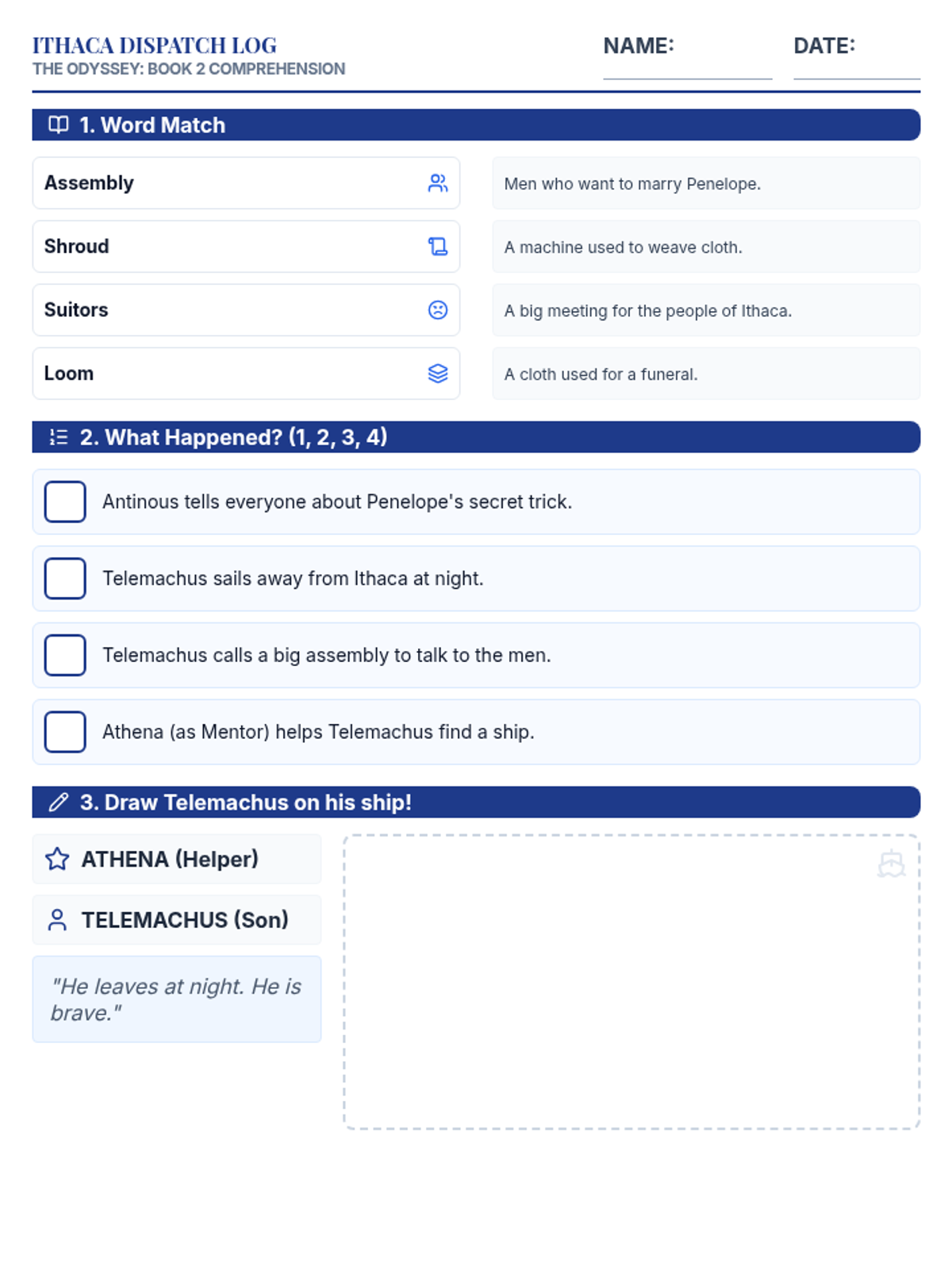
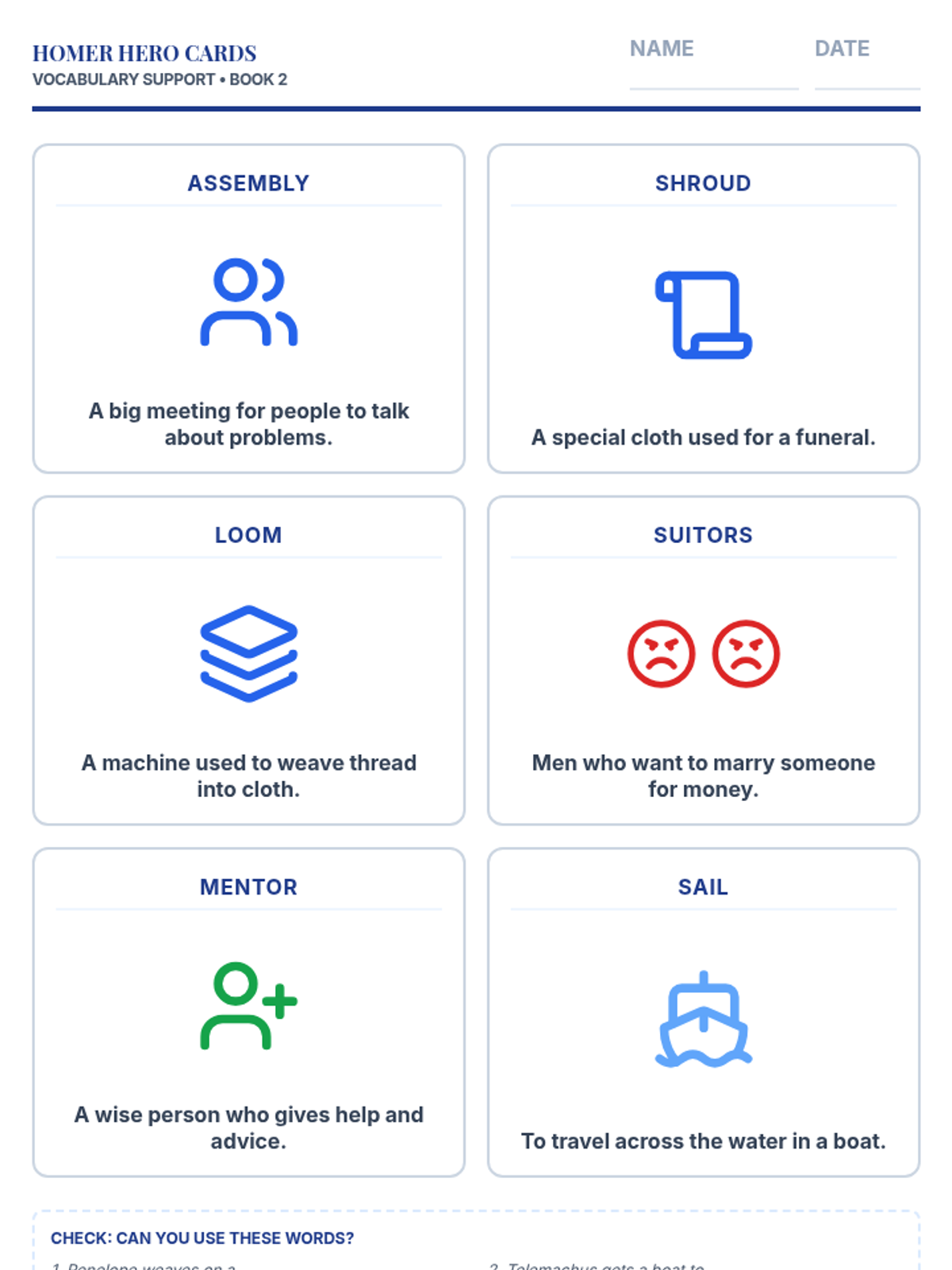
A lesson focused on Telemachus's growth and the events of Book 2 of The Odyssey, specifically designed with high visual support for ELL students at WIDA levels 1-2.
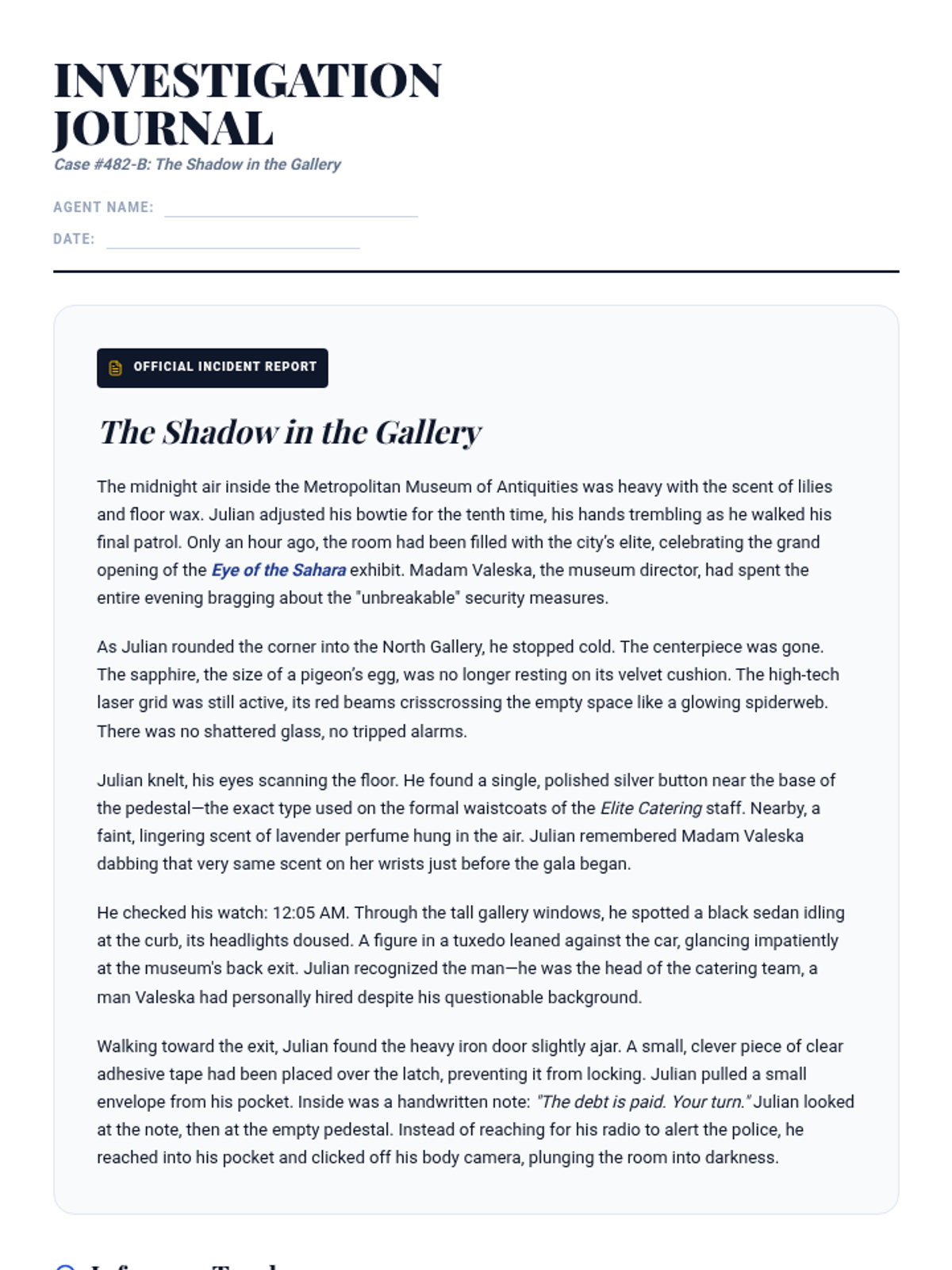
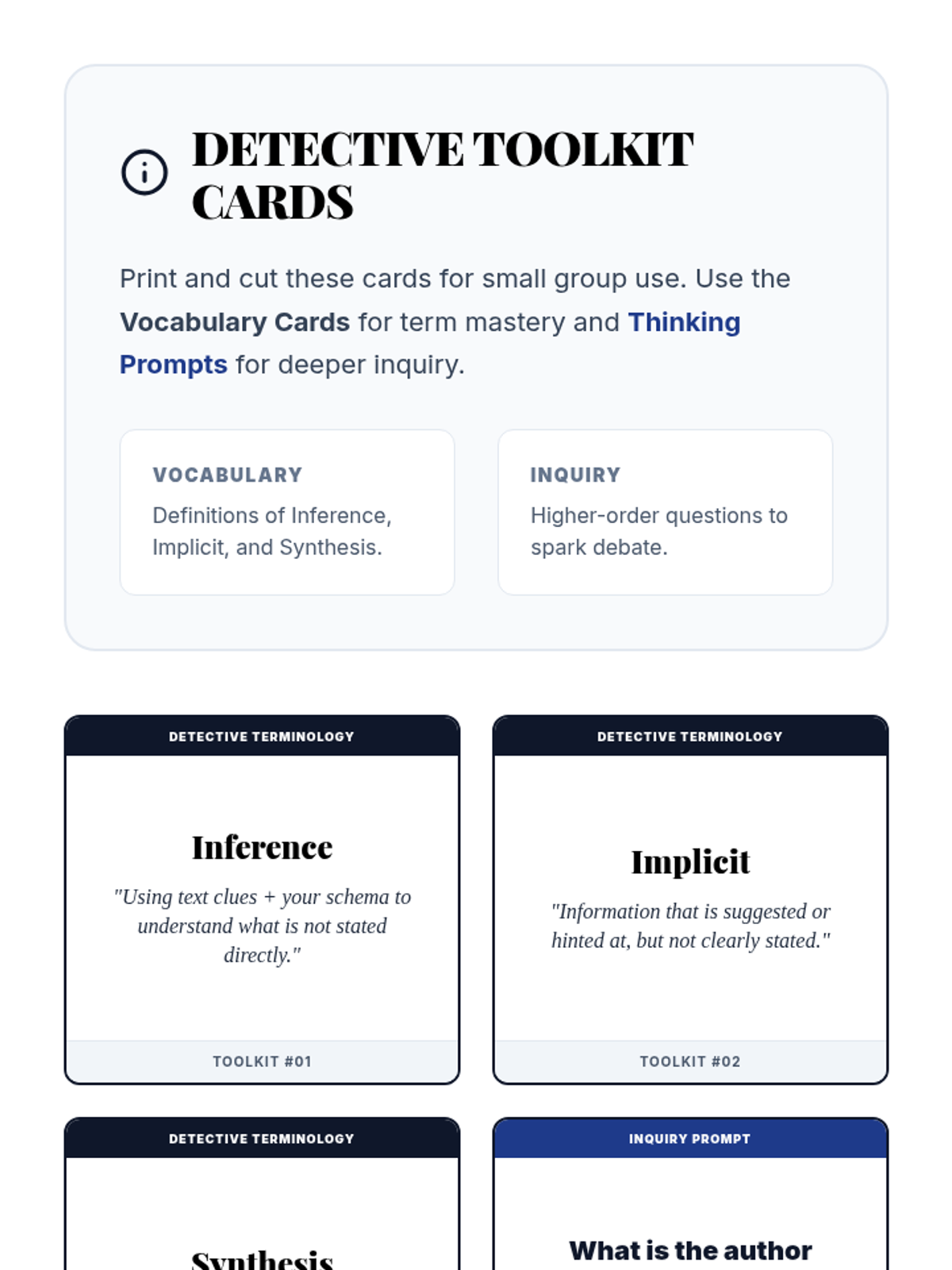
A mystery-themed lesson where students act as detectives to master making inferences and summarizing main ideas through a short story investigation.
A high-energy, tech-themed lesson for 4th and 5th graders to identify test anxiety as a 'system glitch' and apply 'software patches' like positive self-talk and physical relaxation.
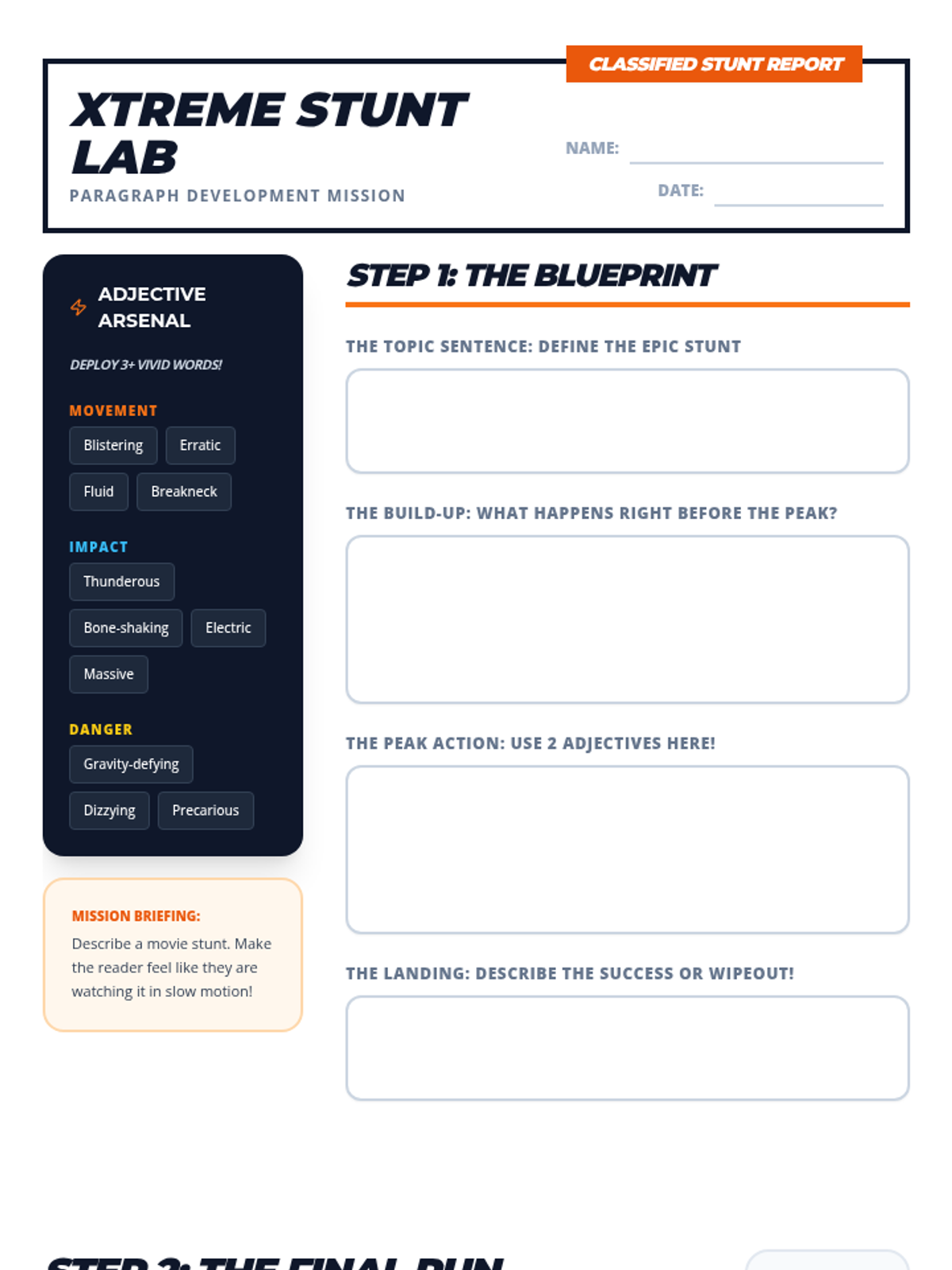
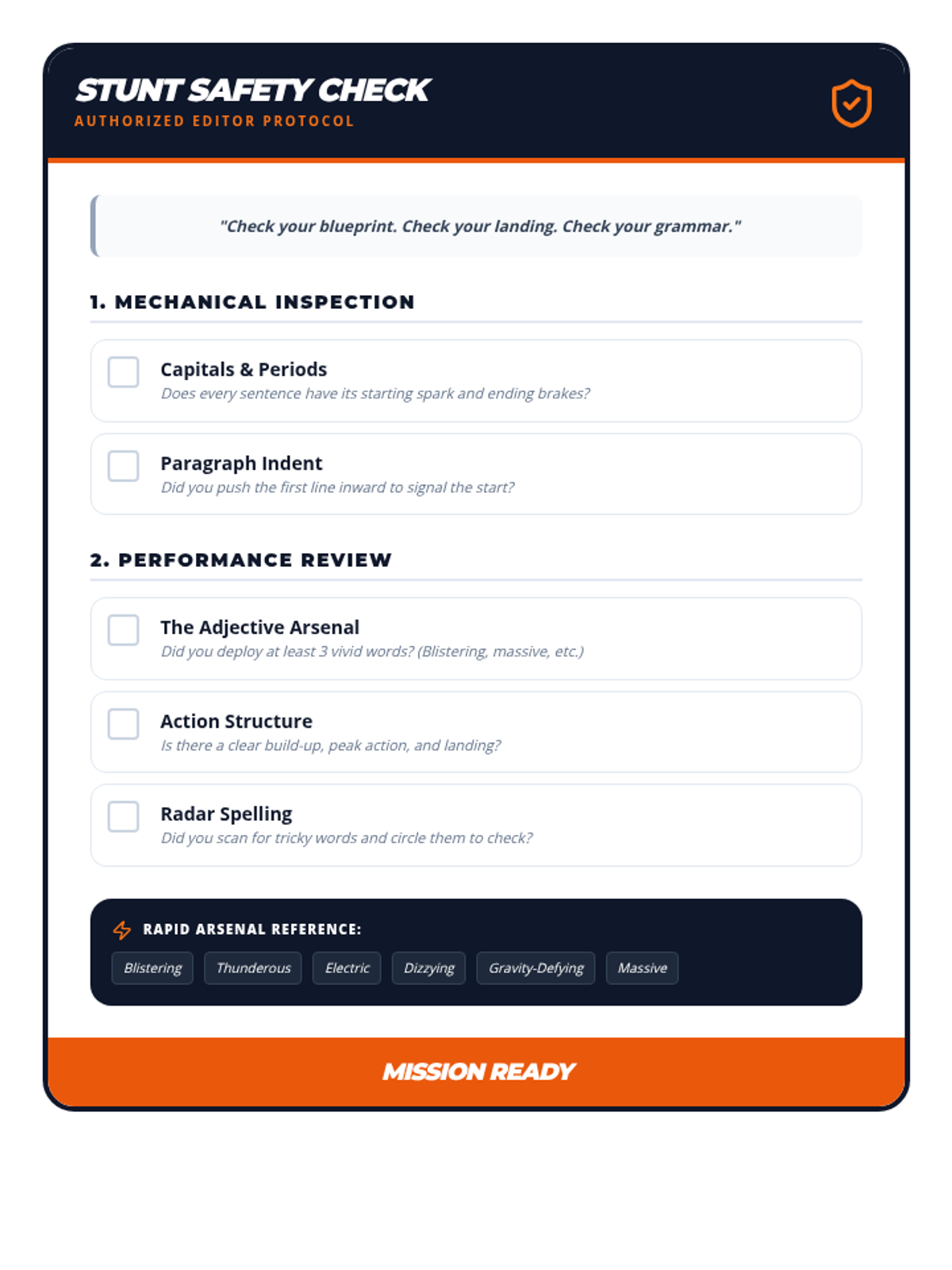
An action-packed writing lesson where students step into the role of a stunt coordinator or extreme sports reporter to master paragraph structure and vivid details.
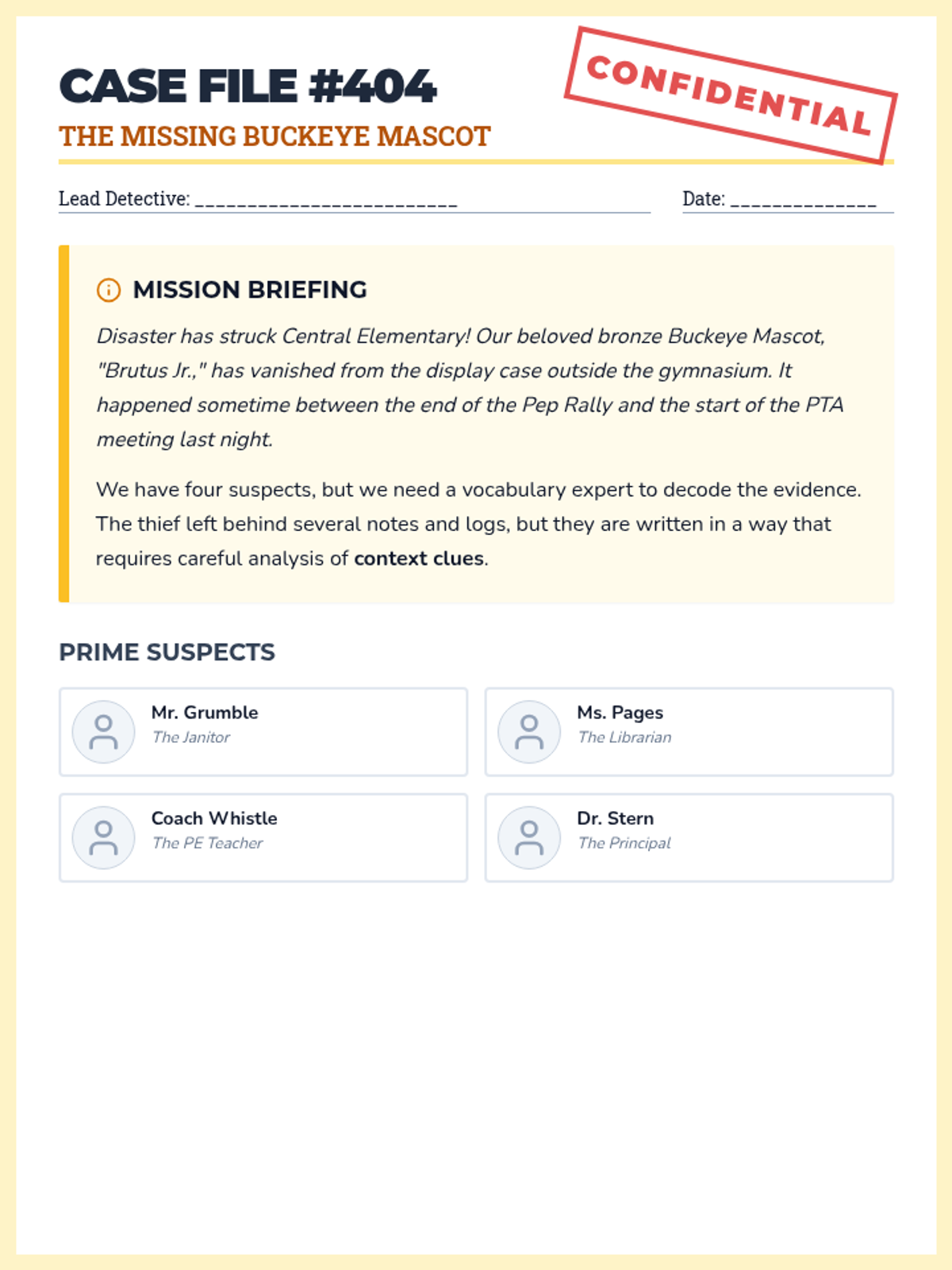
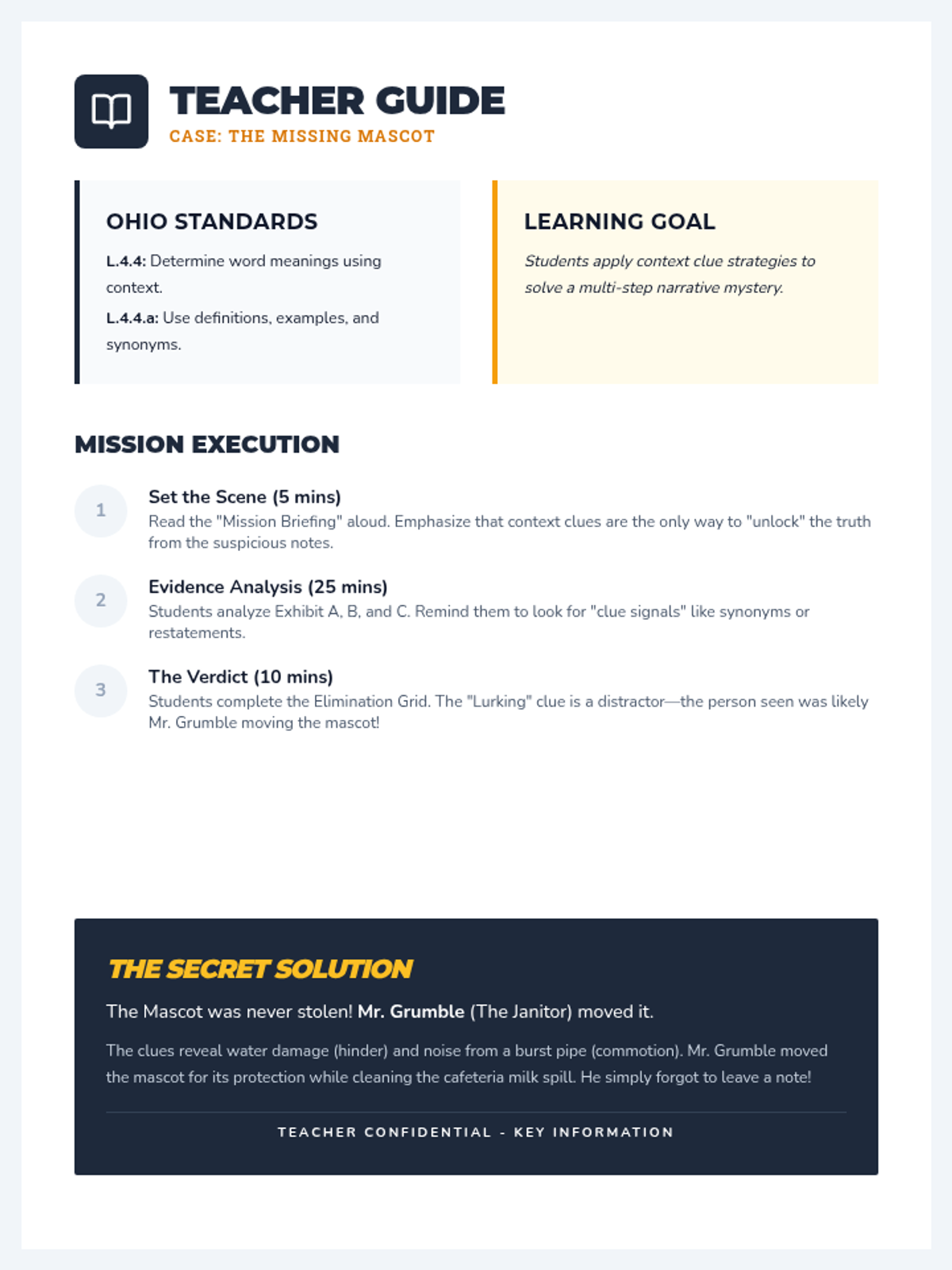
A high-stakes mystery where students use context clues and vocabulary strategies to recover the school's missing mascot. Students will analyze evidence files and eliminate suspects by correctly defining complex words from the text.
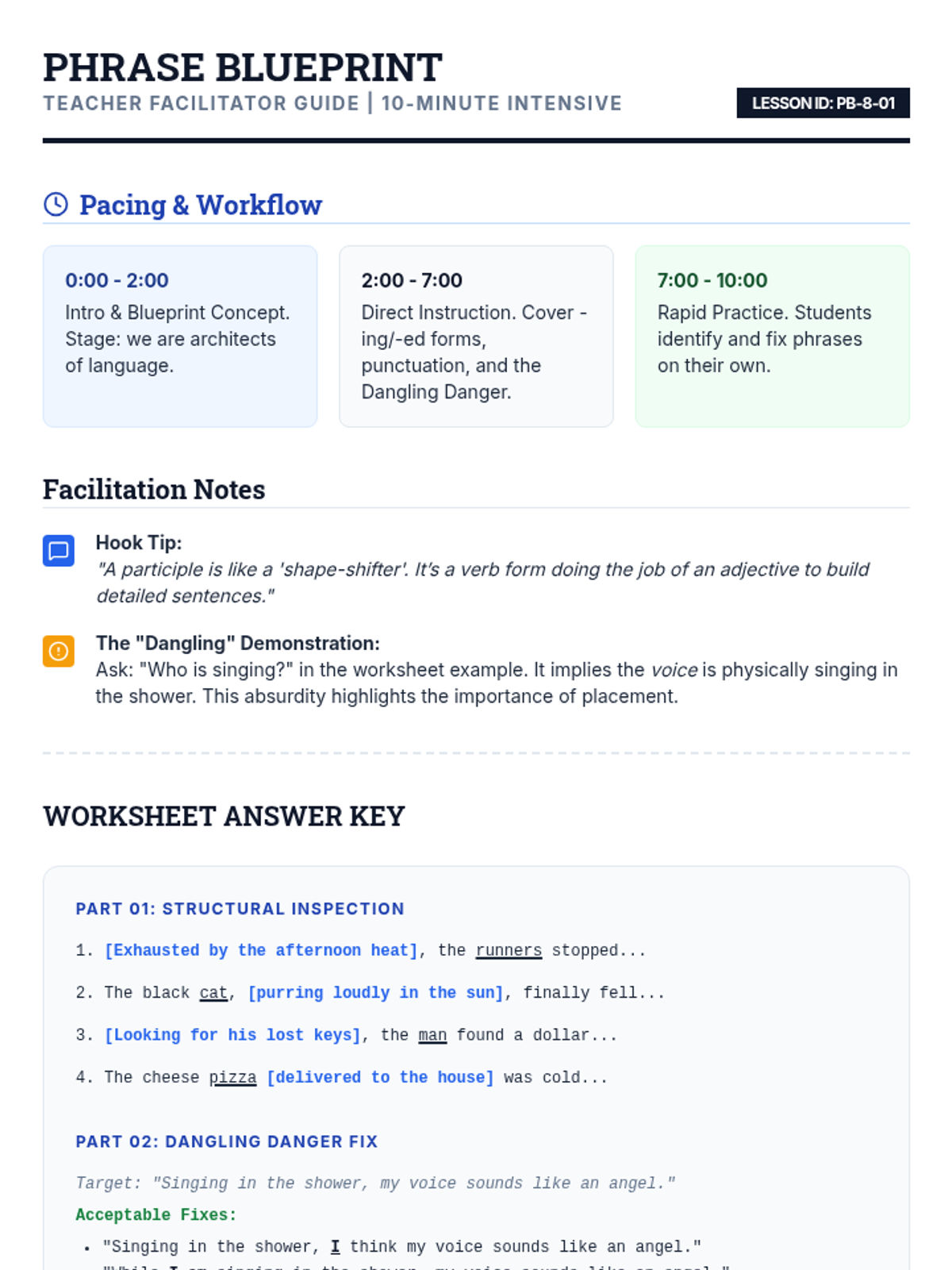
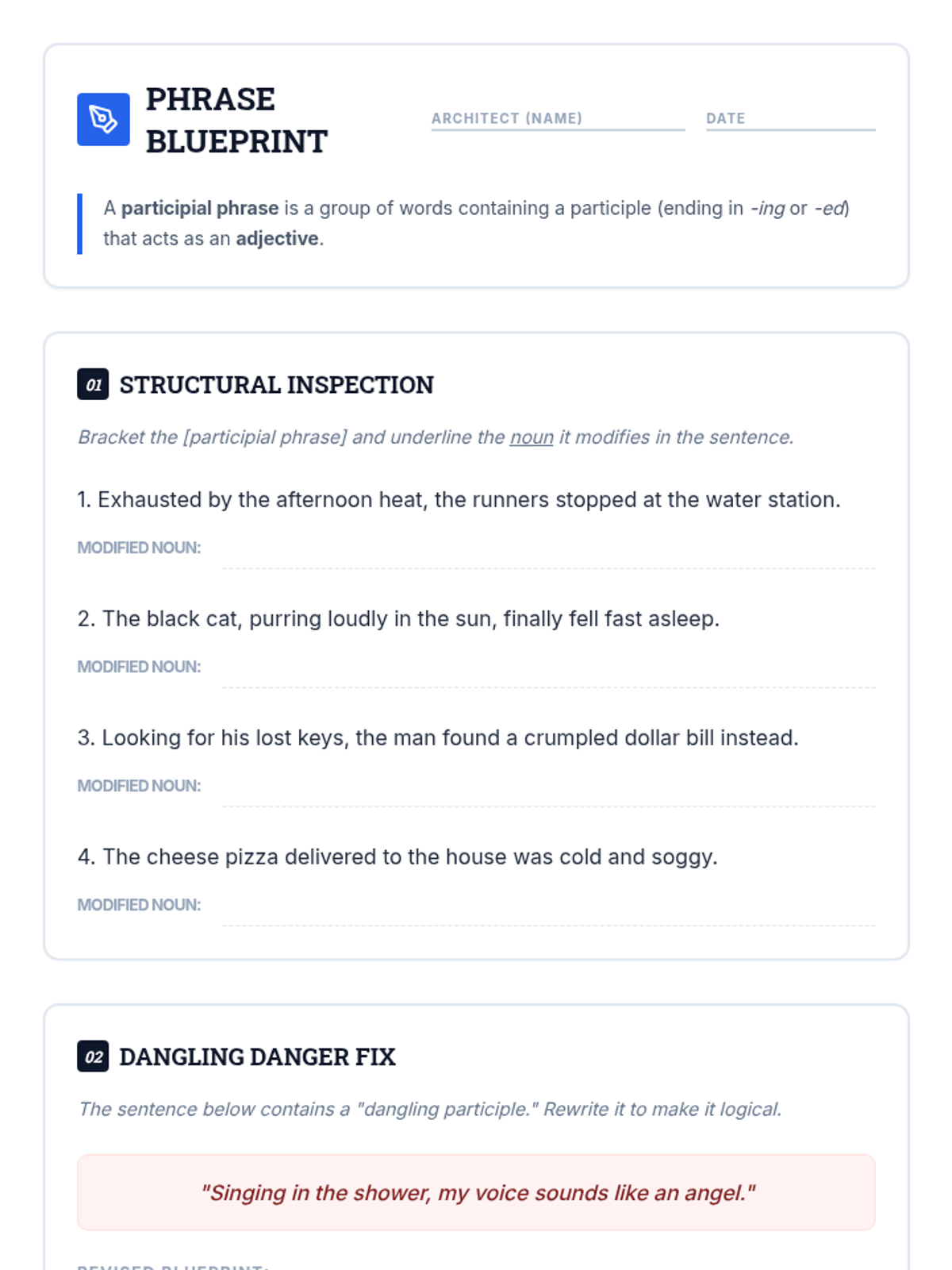
A high-impact, 10-minute lesson designed to help 8th graders master participial phrases through structural analysis and creative writing.
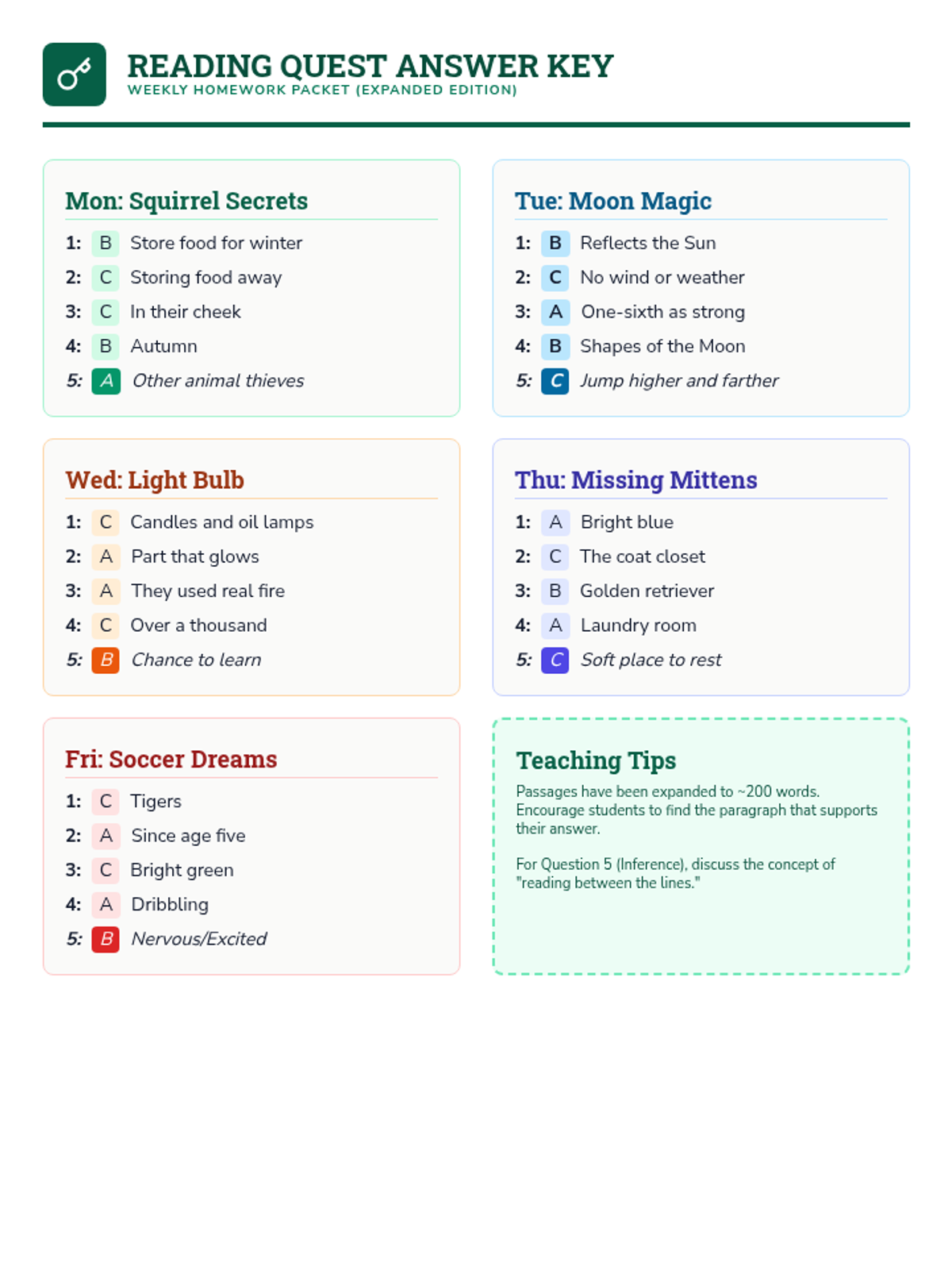
A collection of five reading passages and comprehension questions designed for beginning 4th-grade students to practice literal and inferential reading skills.
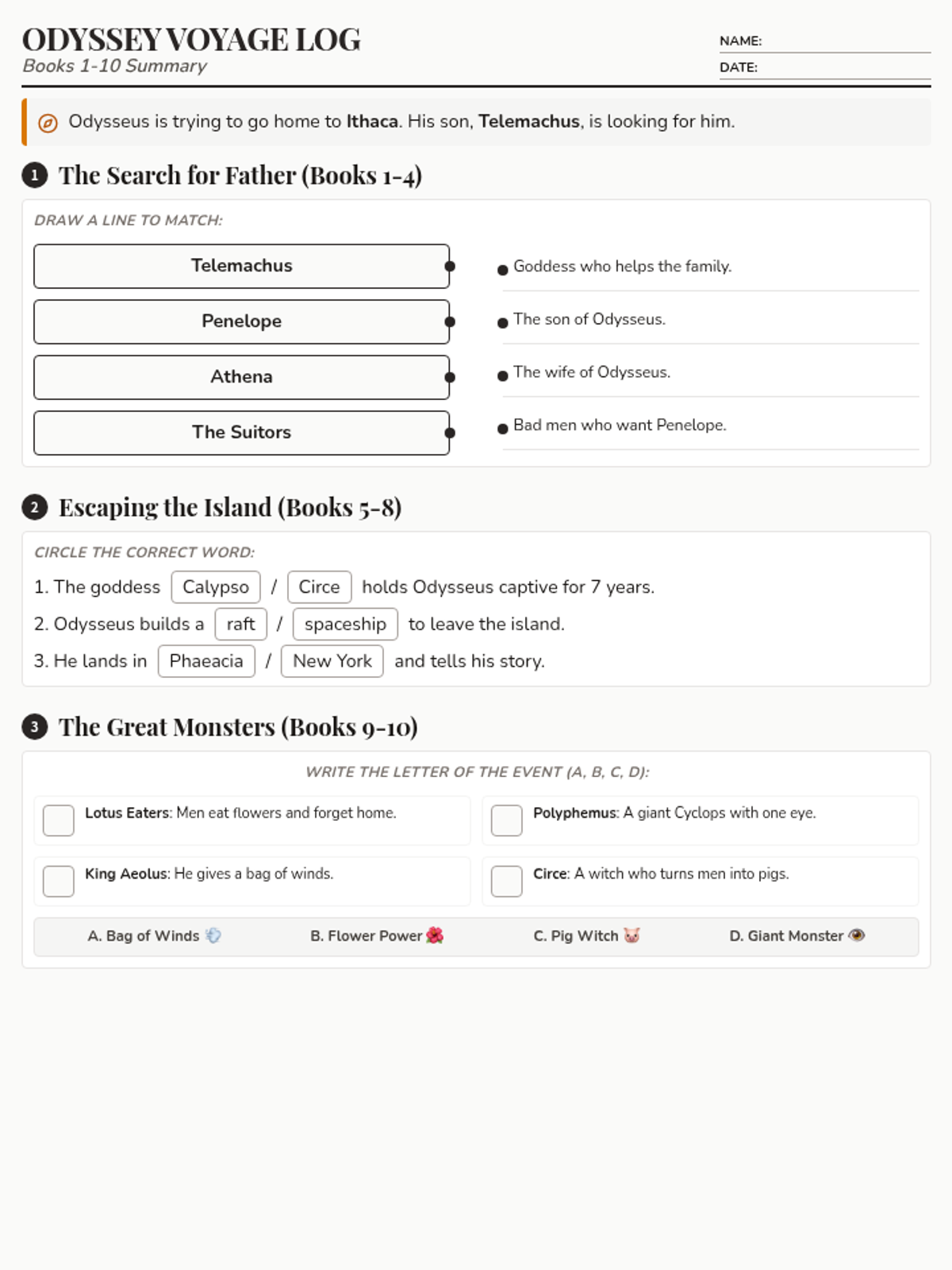
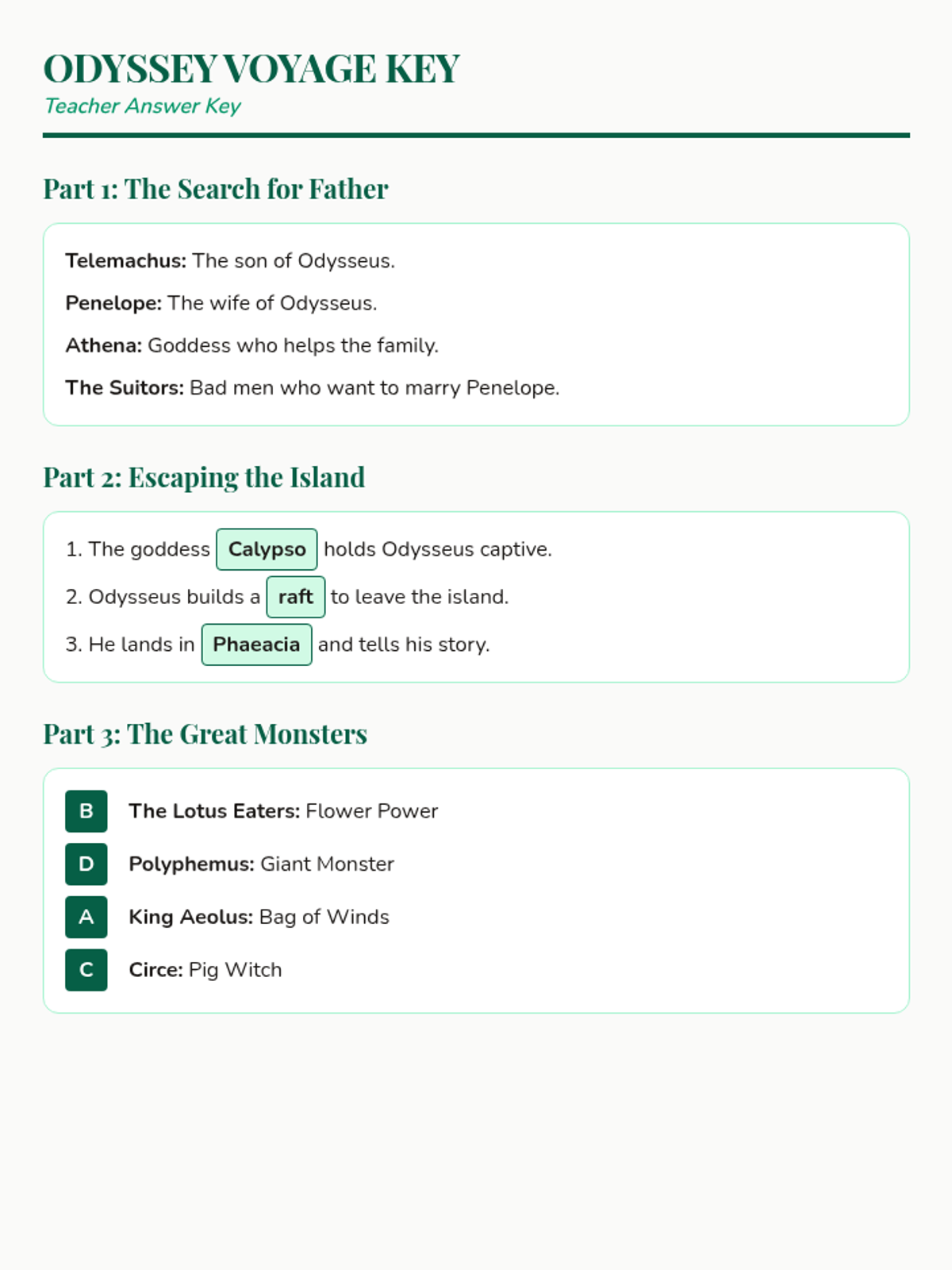
A lesson focused on summarizing the key events of Books 1-10 of Homer's Odyssey for English Language Learners, using visual supports and simplified language.
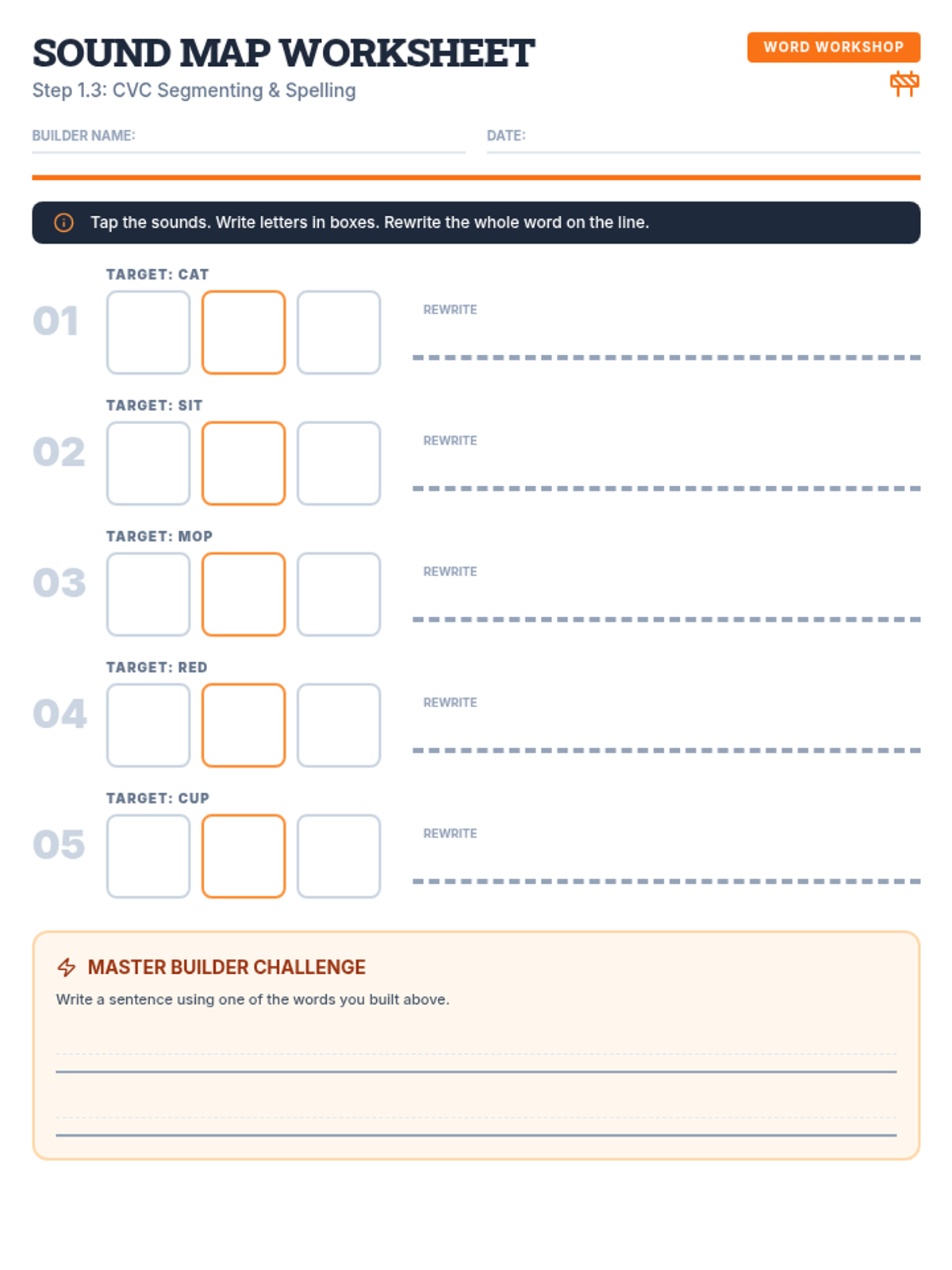
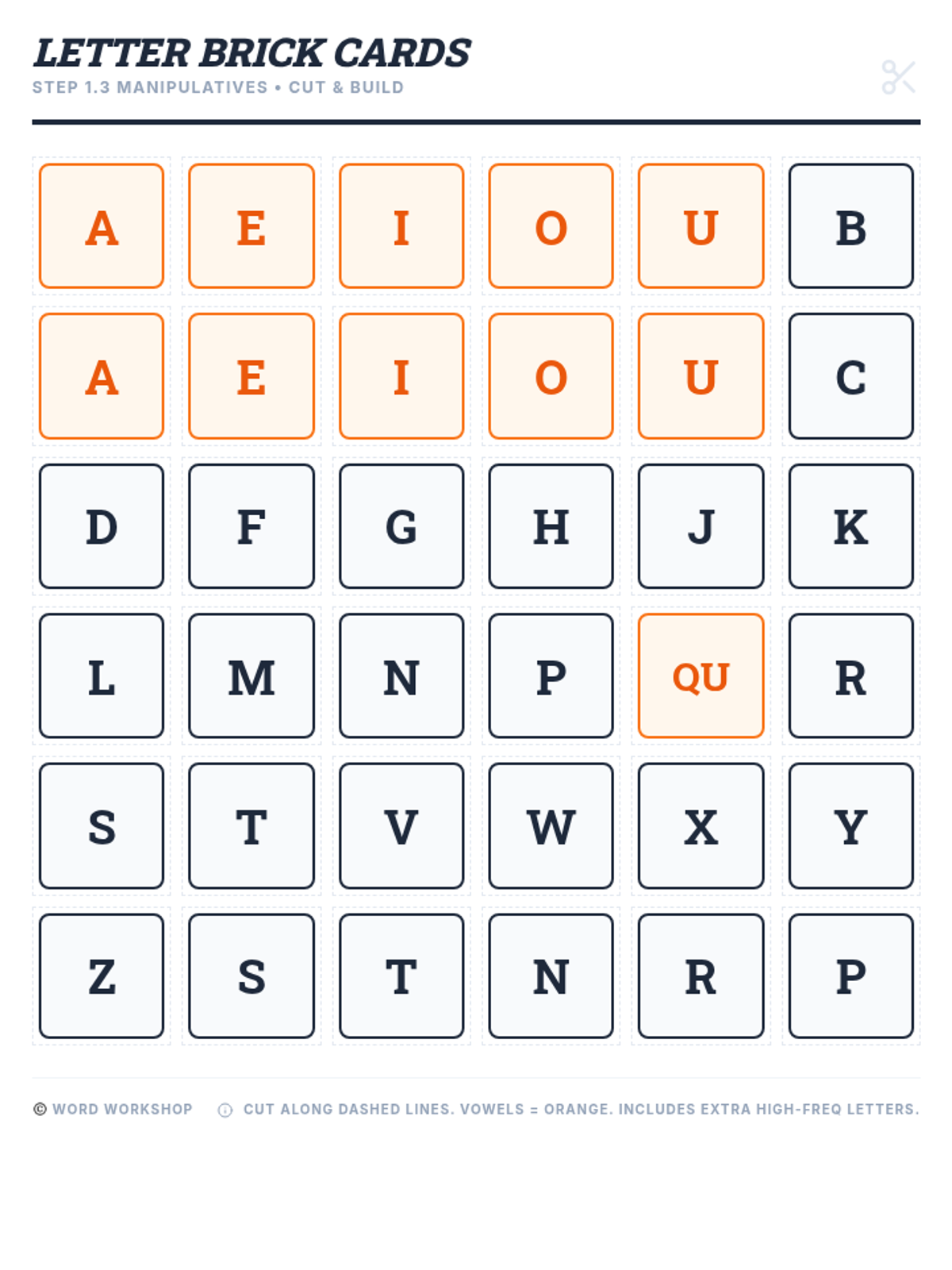
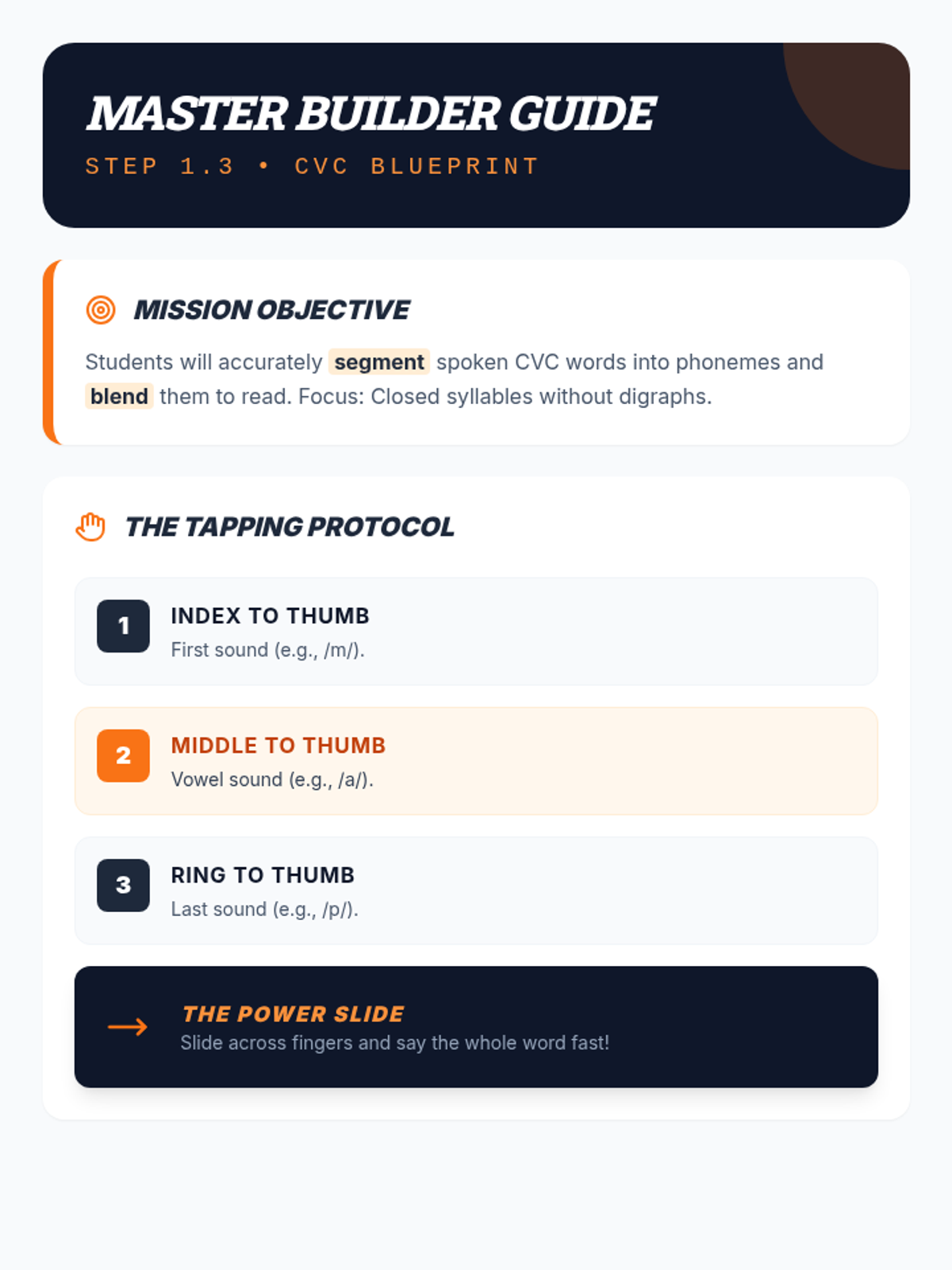
Focuses on reading and spelling CVC words by segmenting sounds and blending them together using visual and kinesthetic cues.
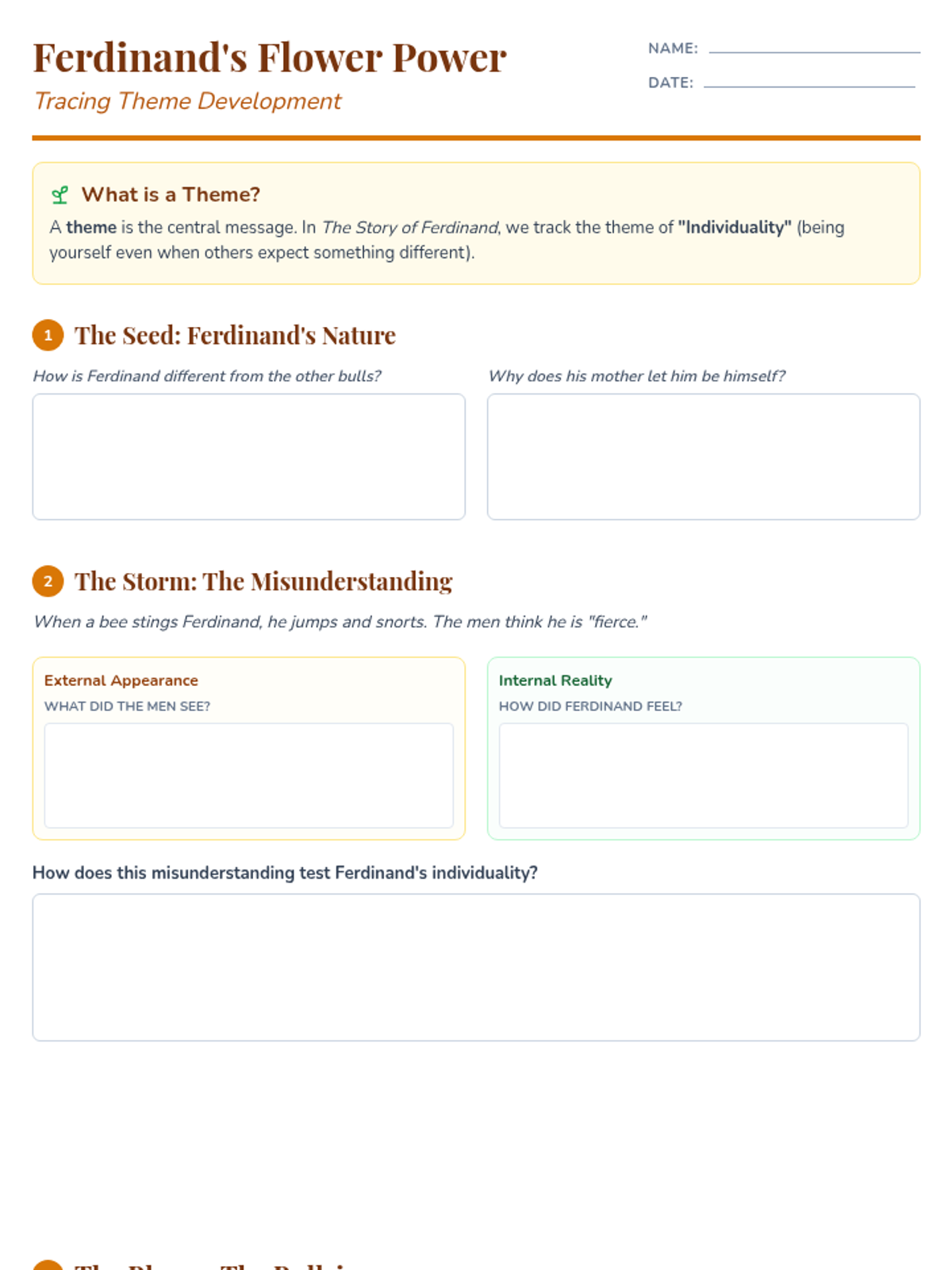
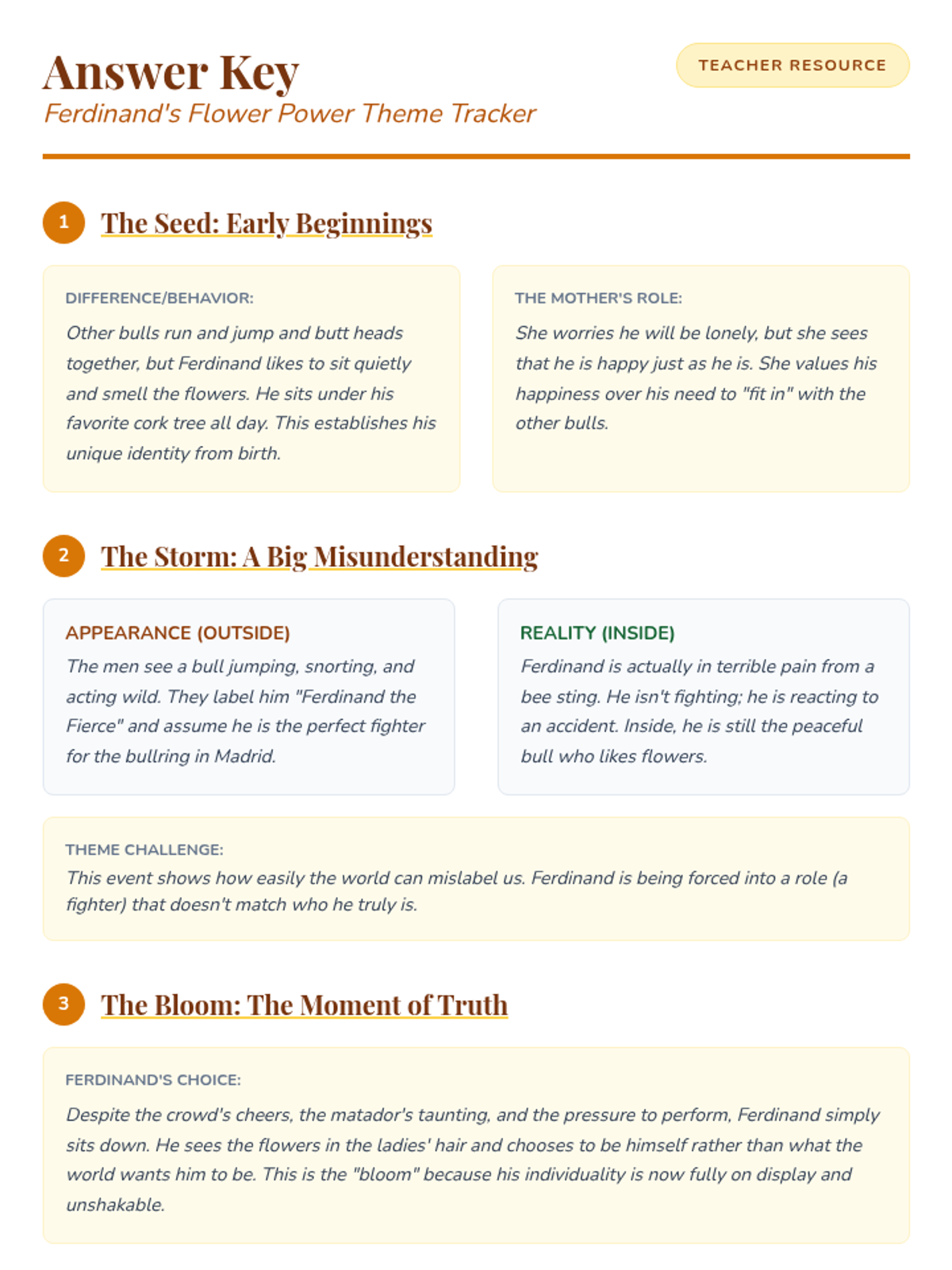
A lesson focused on analyzing the development of the theme of individuality and non-conformity in Munro Leaf's 'The Story of Ferdinand'. Students will track how Ferdinand stays true to himself despite external pressures.
A culminating week where students compile their work into a portfolio and perform a 'Final Verse' for their peers.
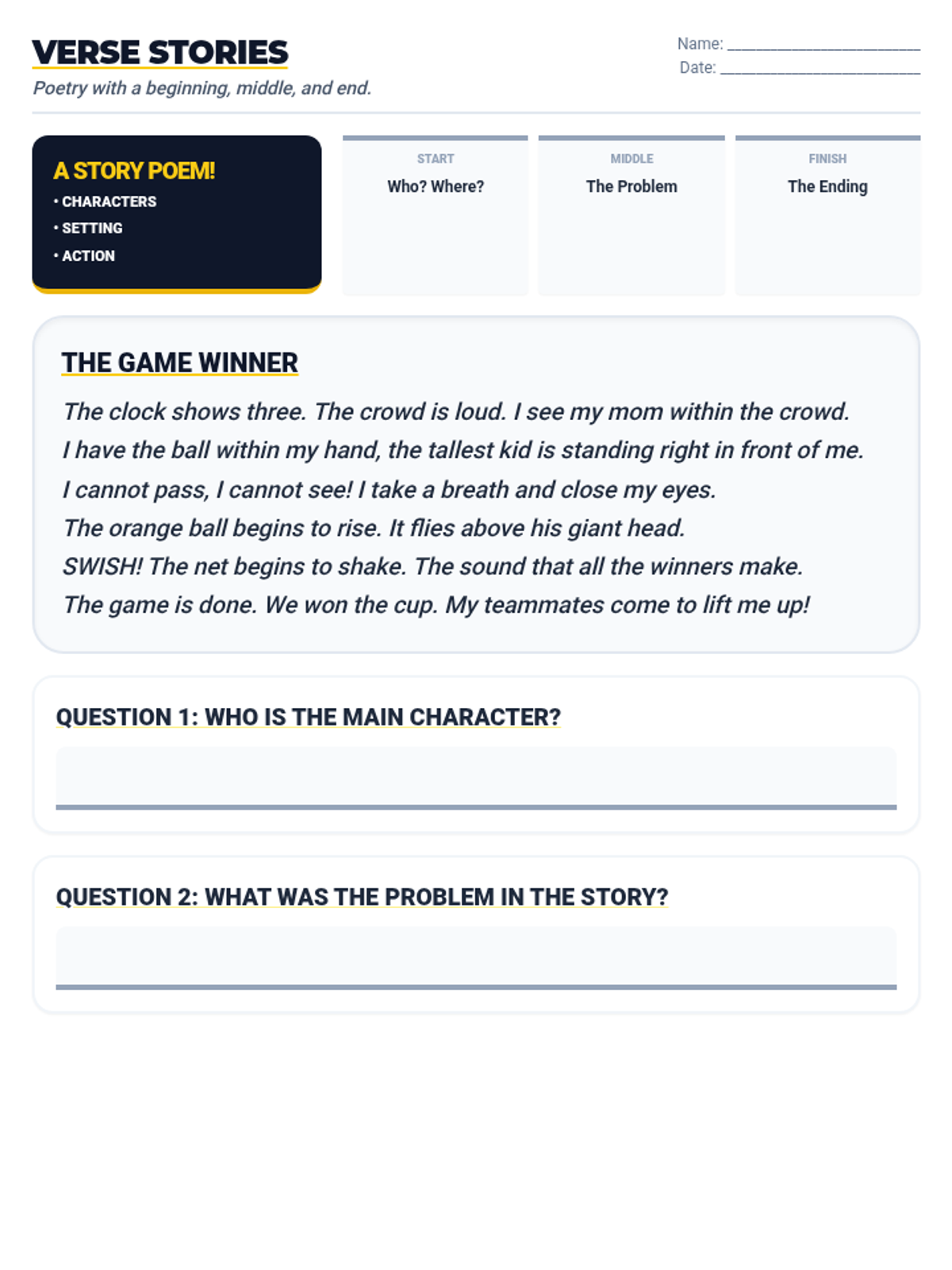
Teaching students that poems can tell stories. Students will read and write short narrative verses about everyday events.
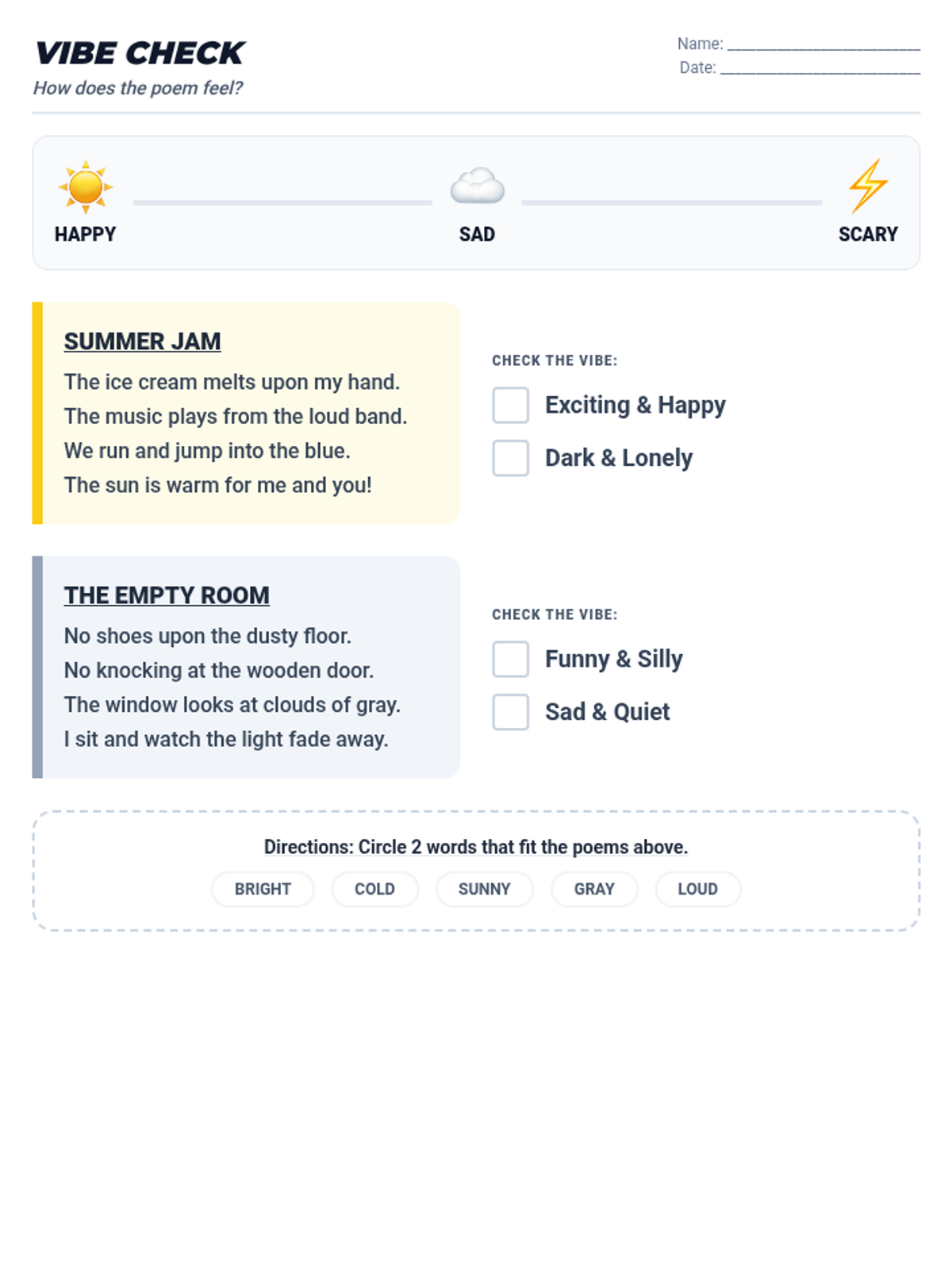
Exploring the emotional side of poetry. Students will identify how a poem makes them feel and what 'vibes' the author is sending.
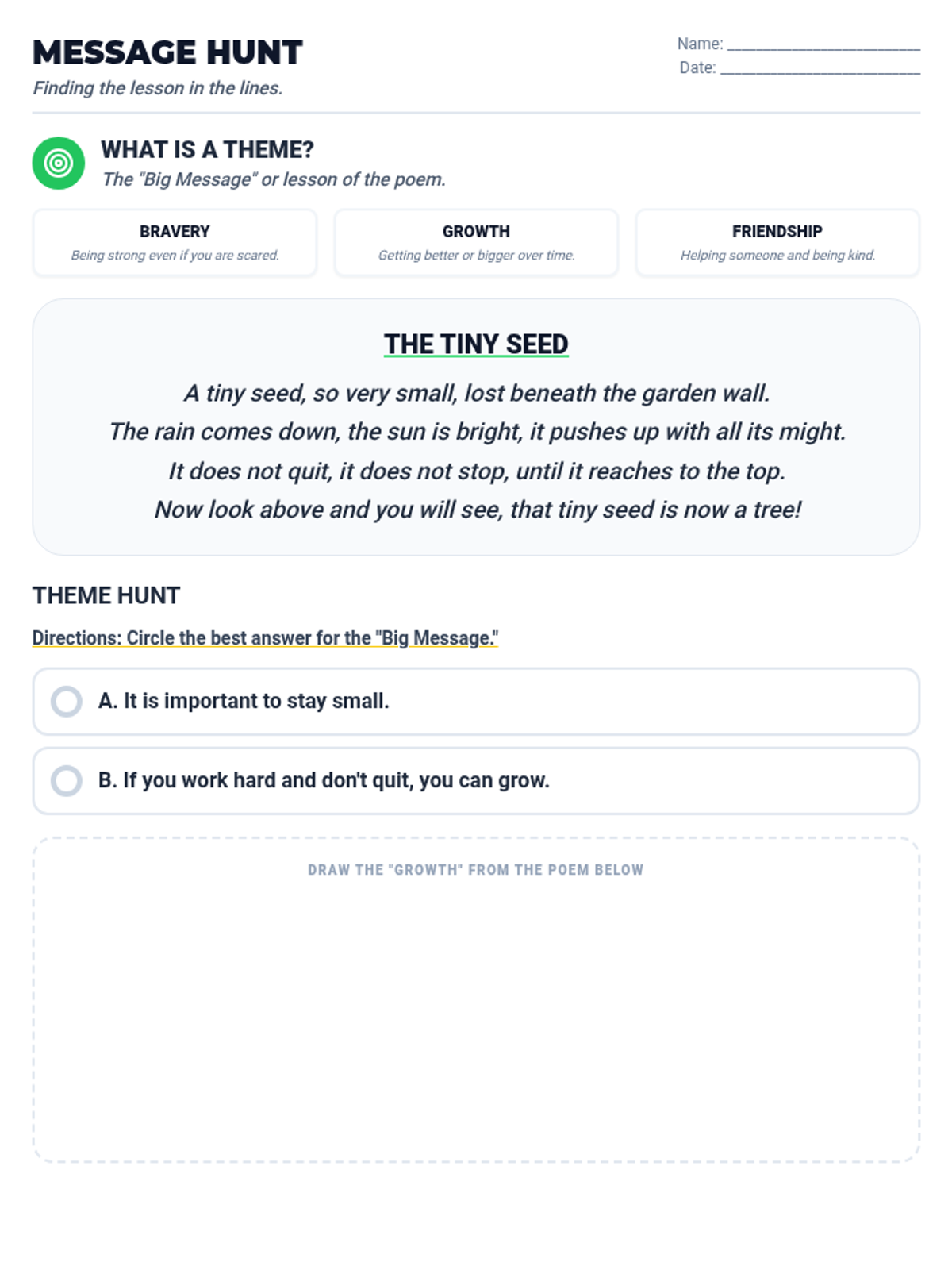
Helping students find the 'big idea' or lesson in a poem. Students will identify simple themes like bravery, friendship, and change.
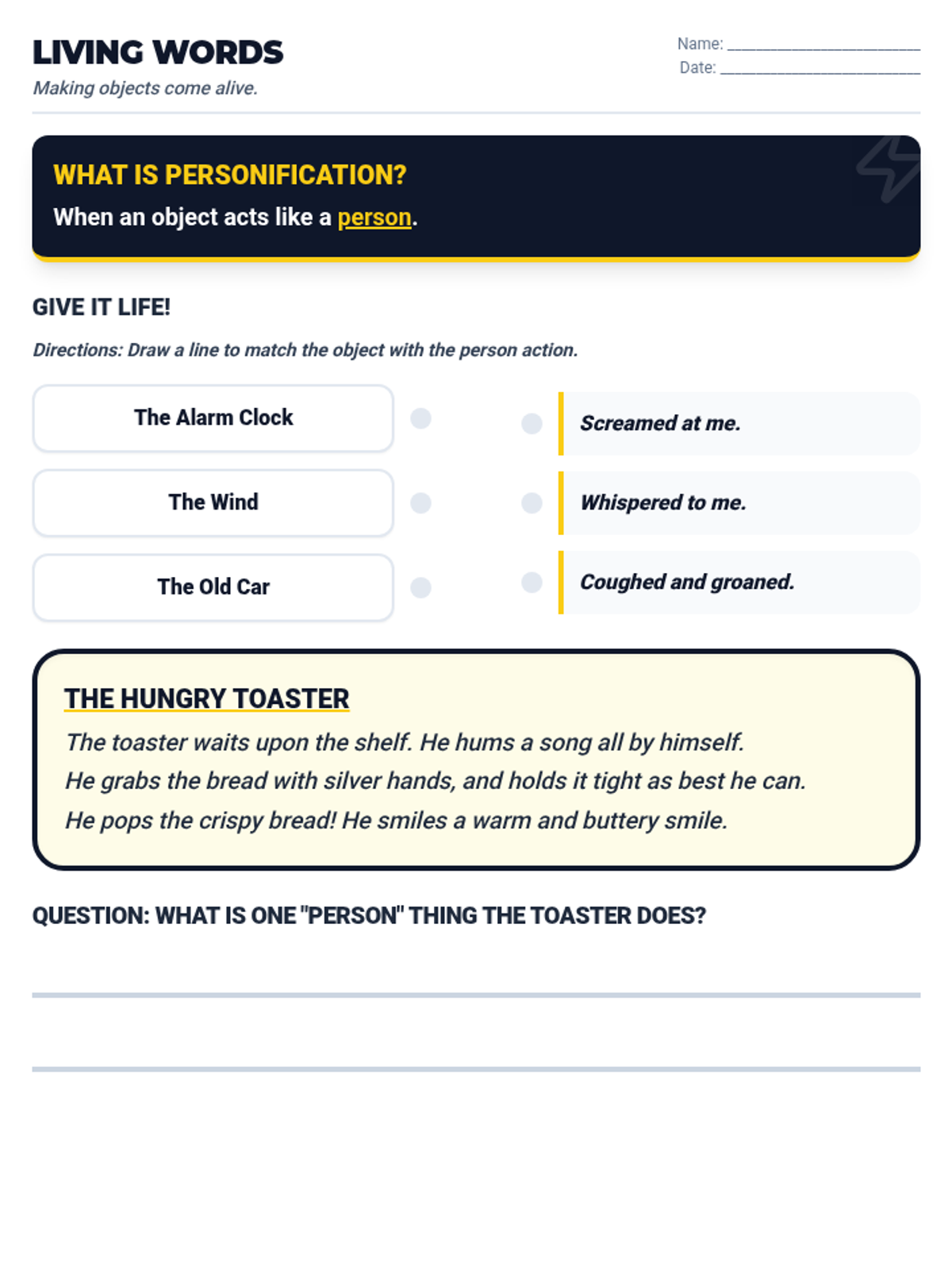
Exploring how poems can make objects act like people (personification) and how words can sound like their meanings (onomatopoeia).