A small-group tutoring lesson focusing on long 'a' and long 'e' vowel digraphs and silent 'e' patterns through interactive sorting and a nature-themed story.
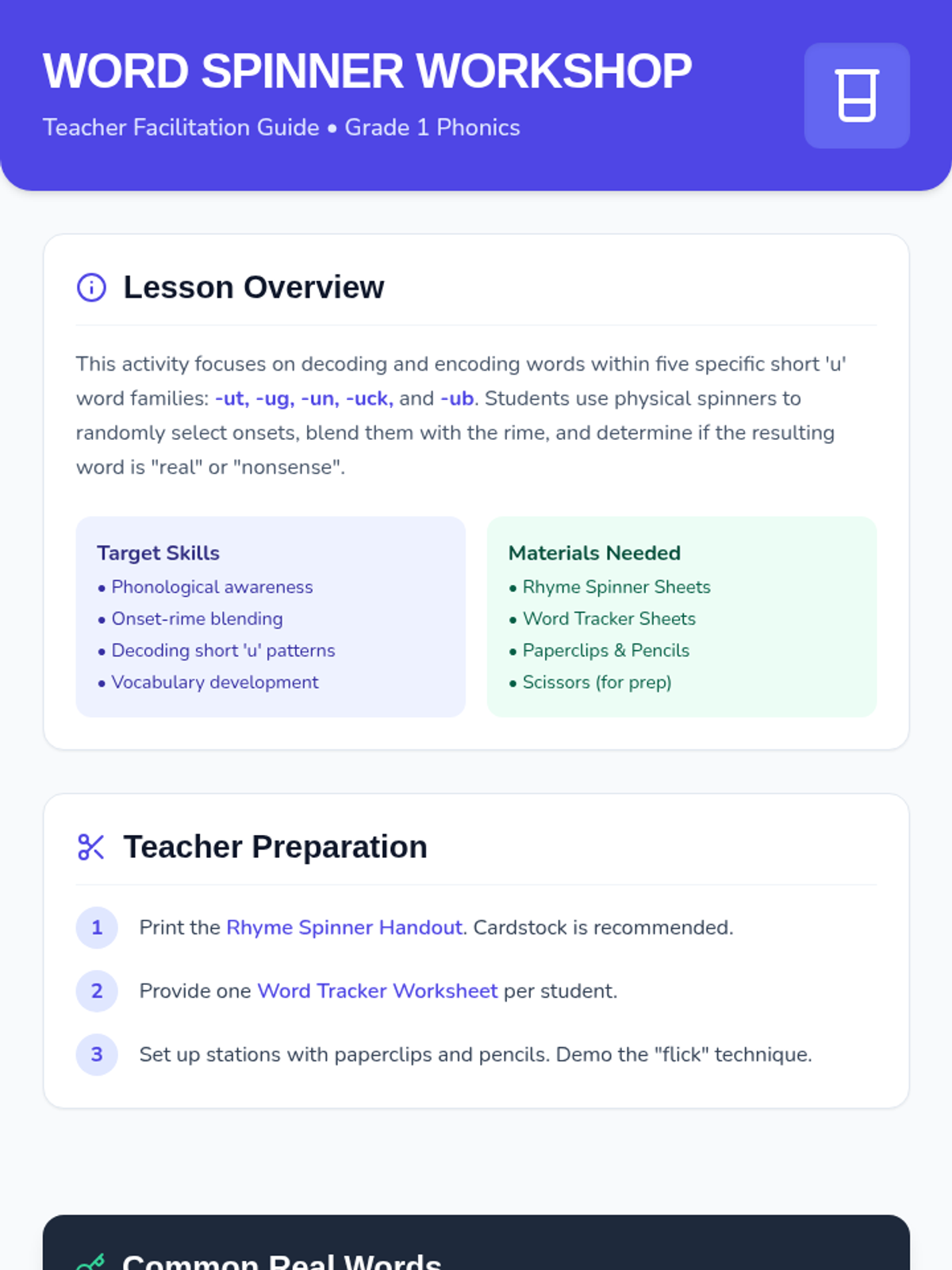
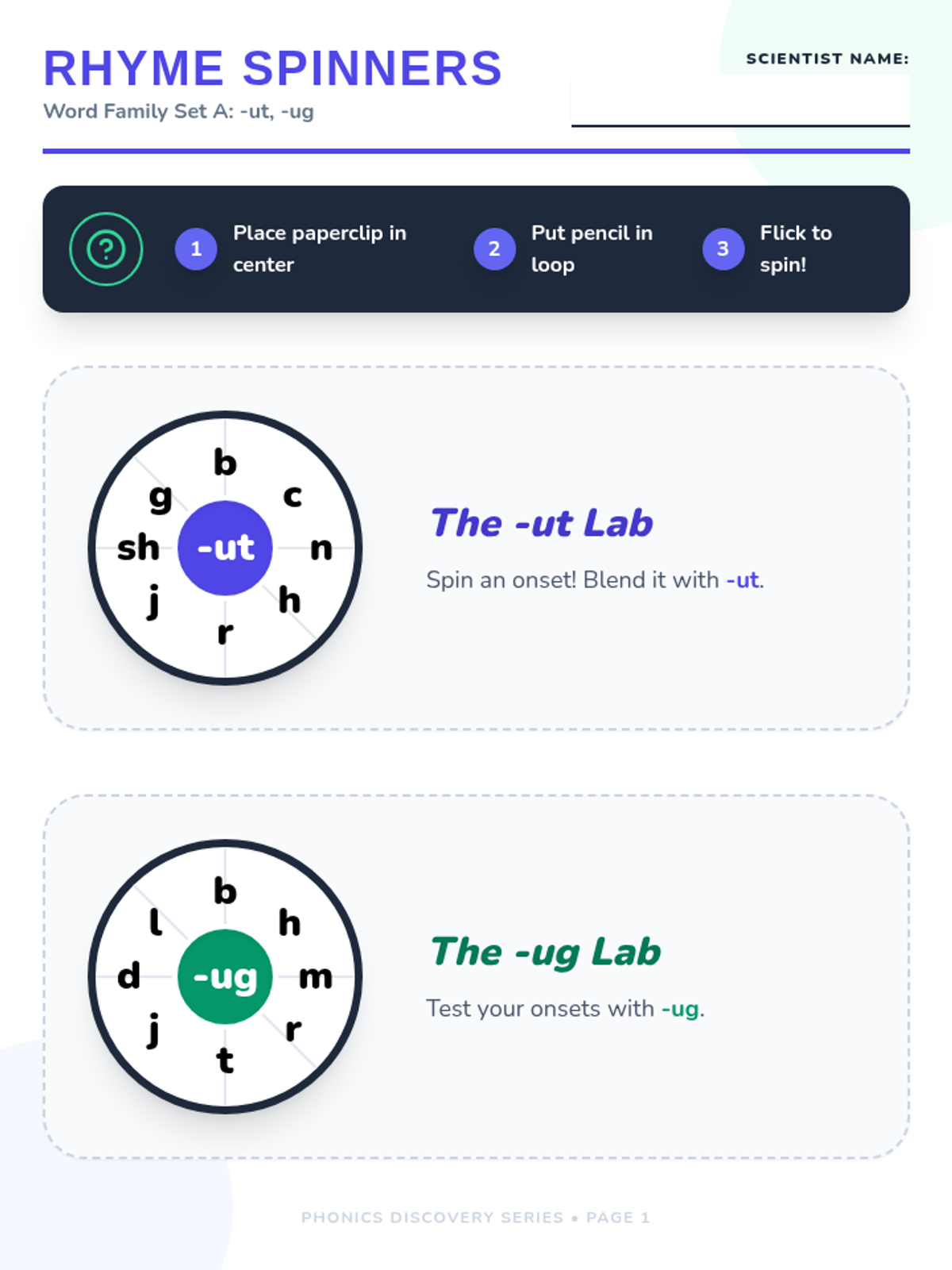
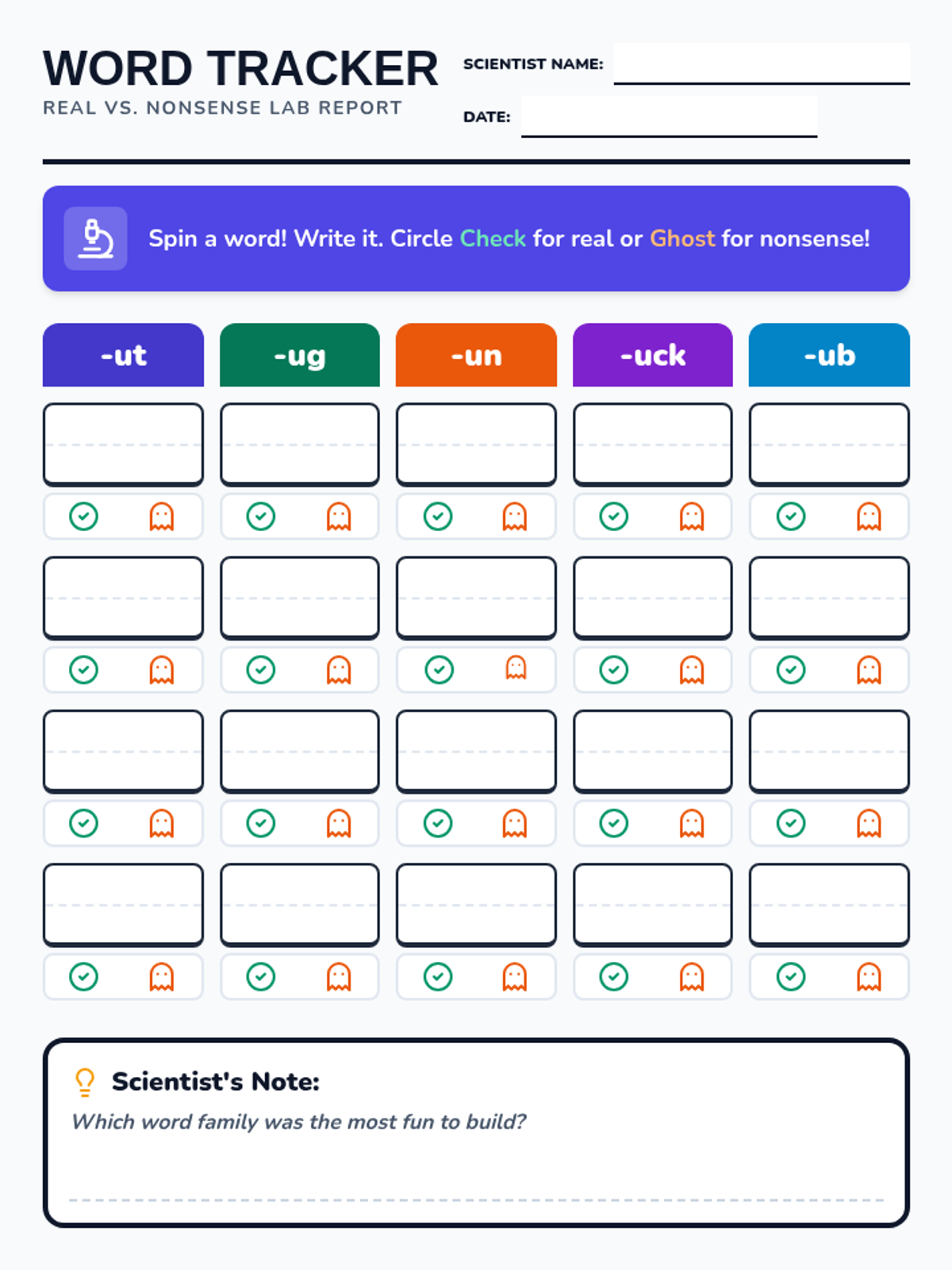
A hands-on phonics lesson where students use spinners to combine onsets with the -ut, -ug, -un, -uck, and -ub rimes to build real and nonsense words.
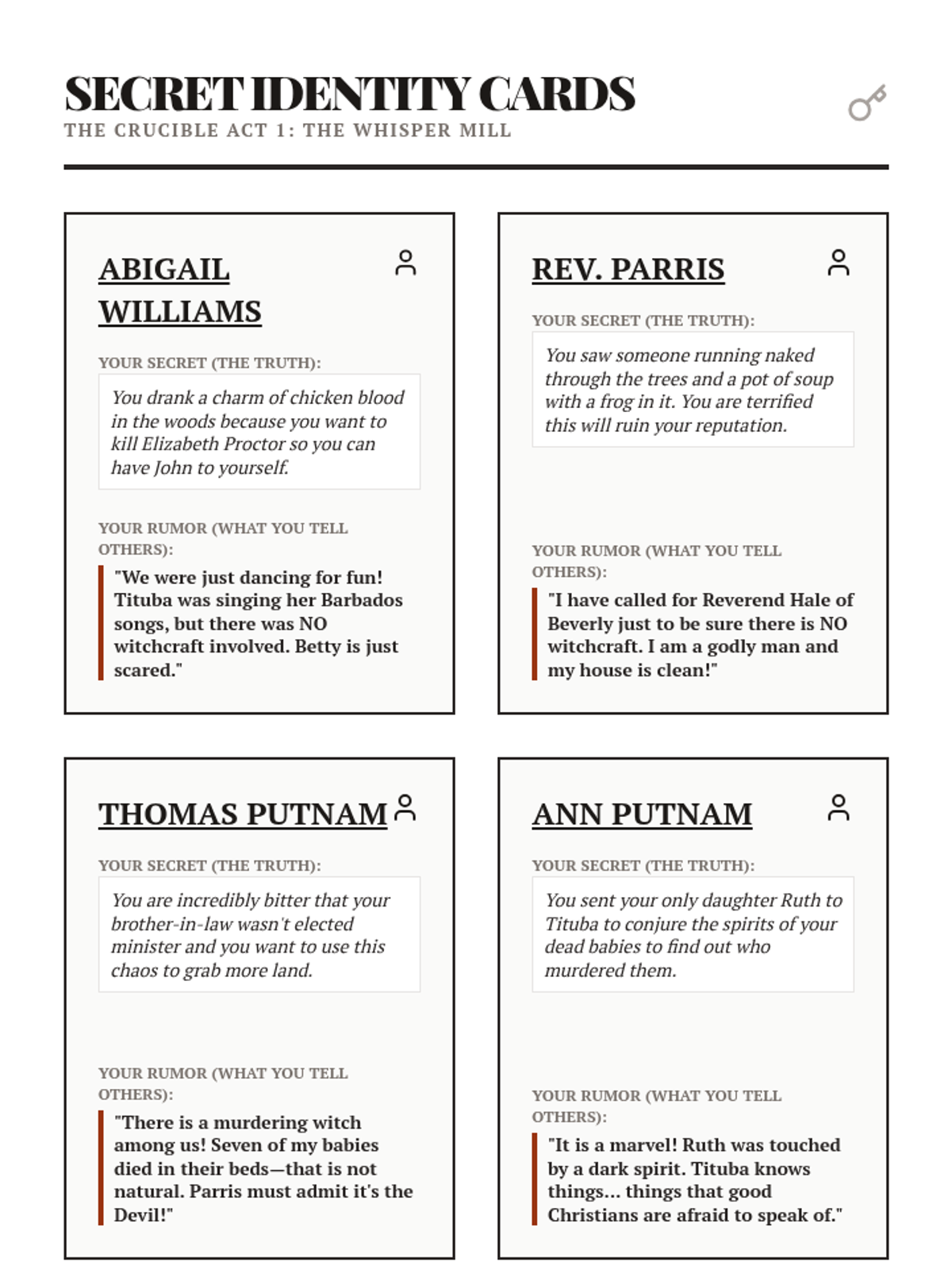
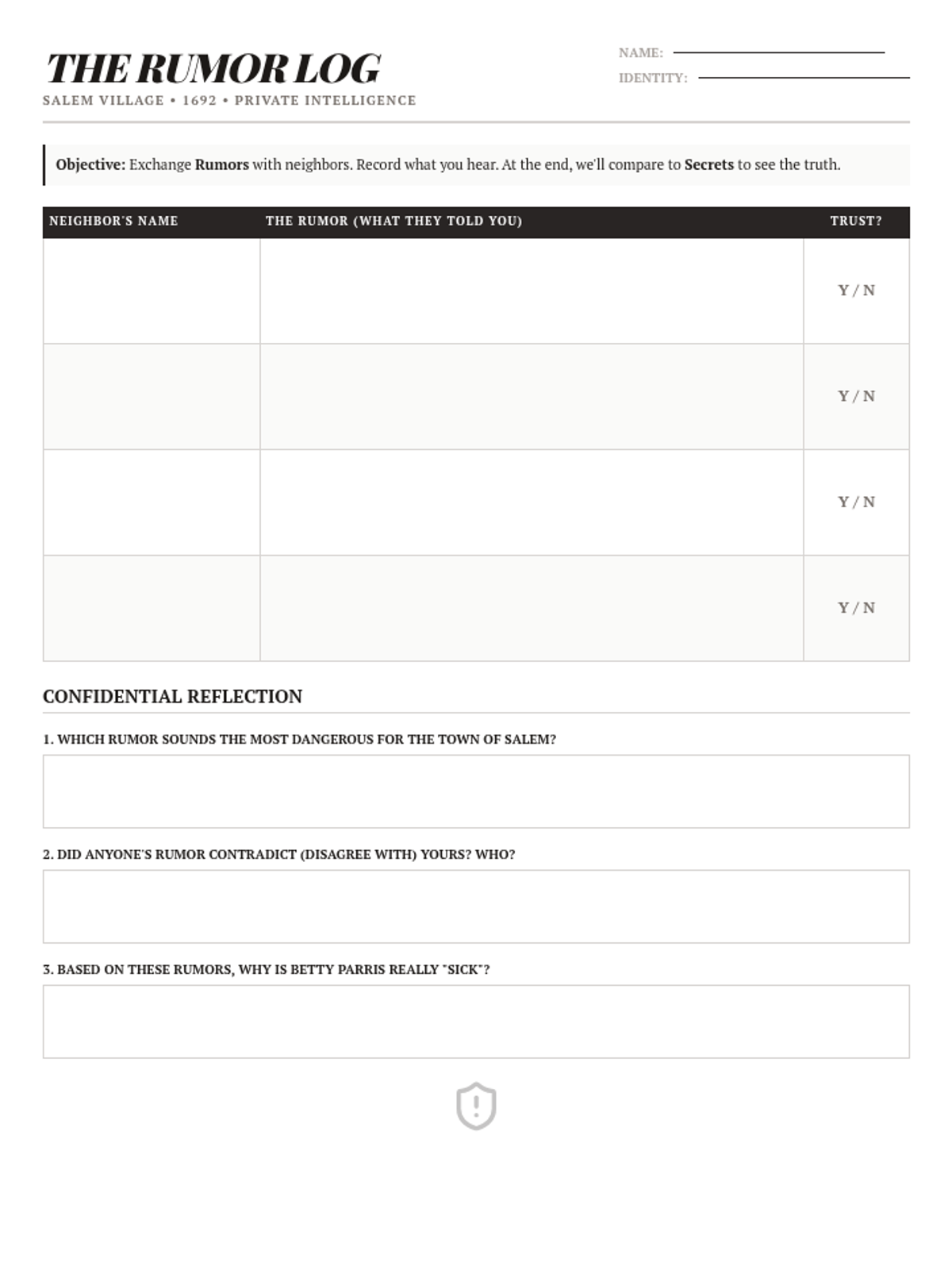
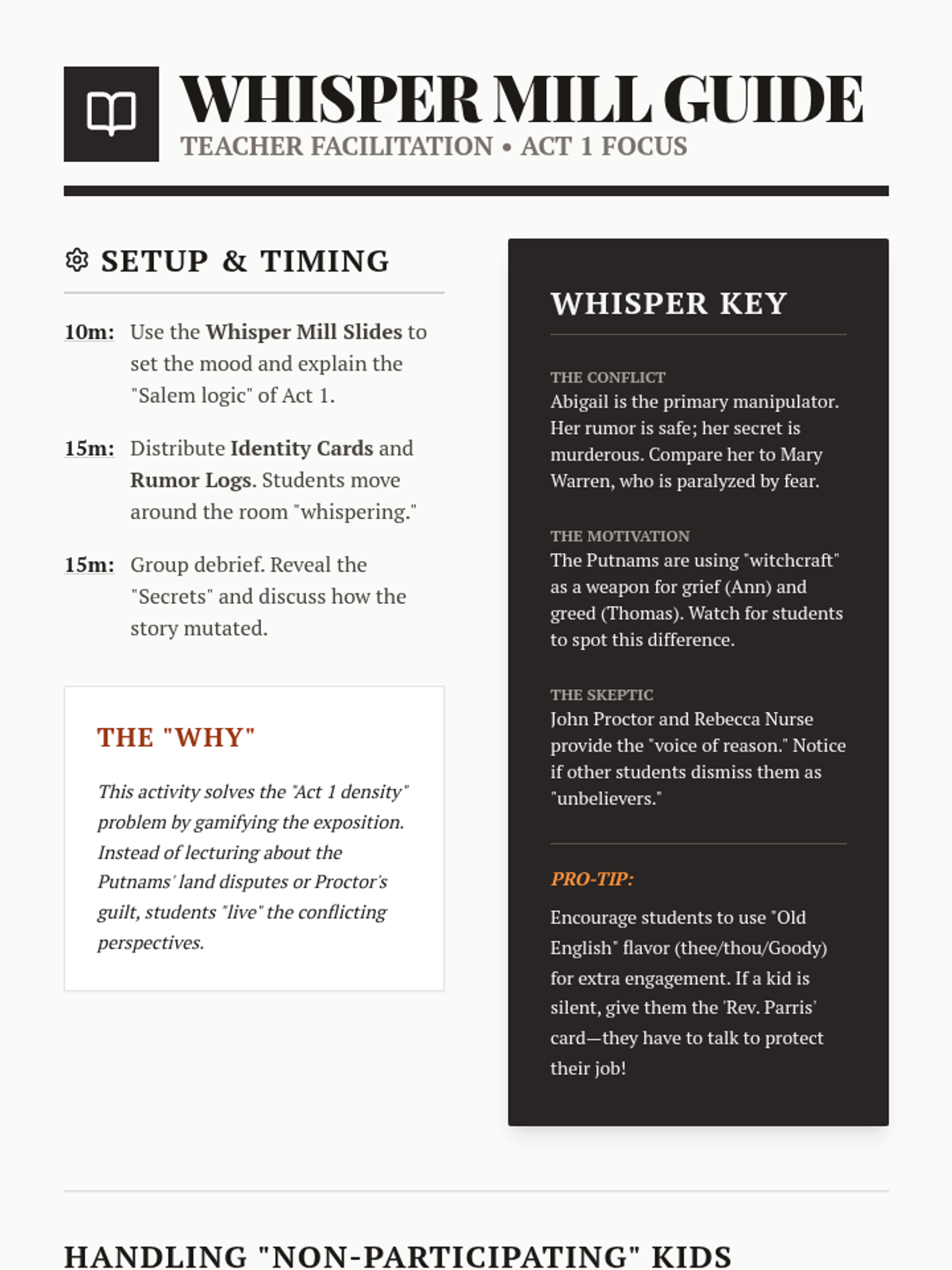
A high-engagement, low-stakes lesson centered on the first half of Act 1 of The Crucible. Students participate in a 'Rumor Mill' simulation to understand character motivations, secrets, and the mechanics of hysteria in Salem.
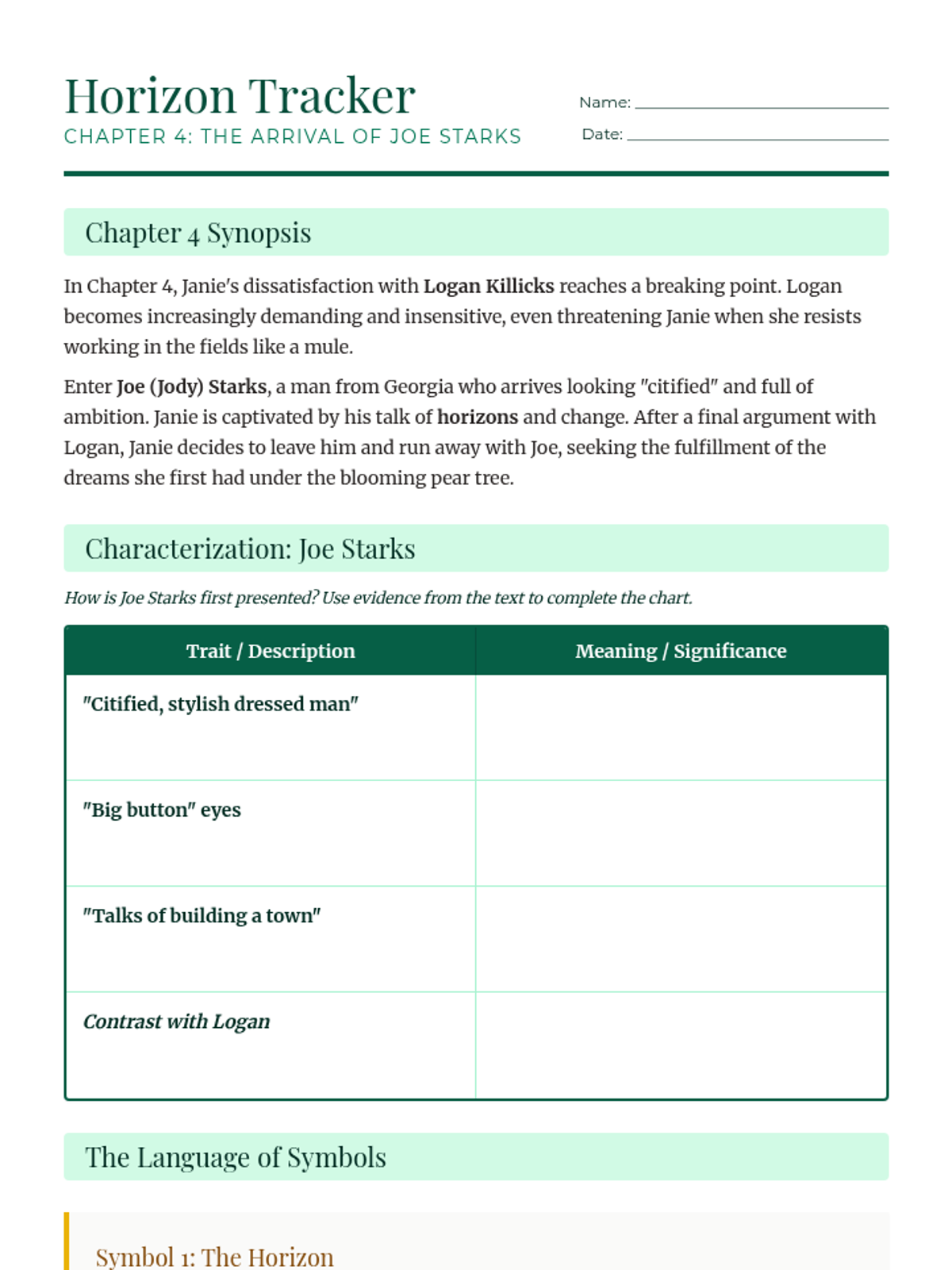
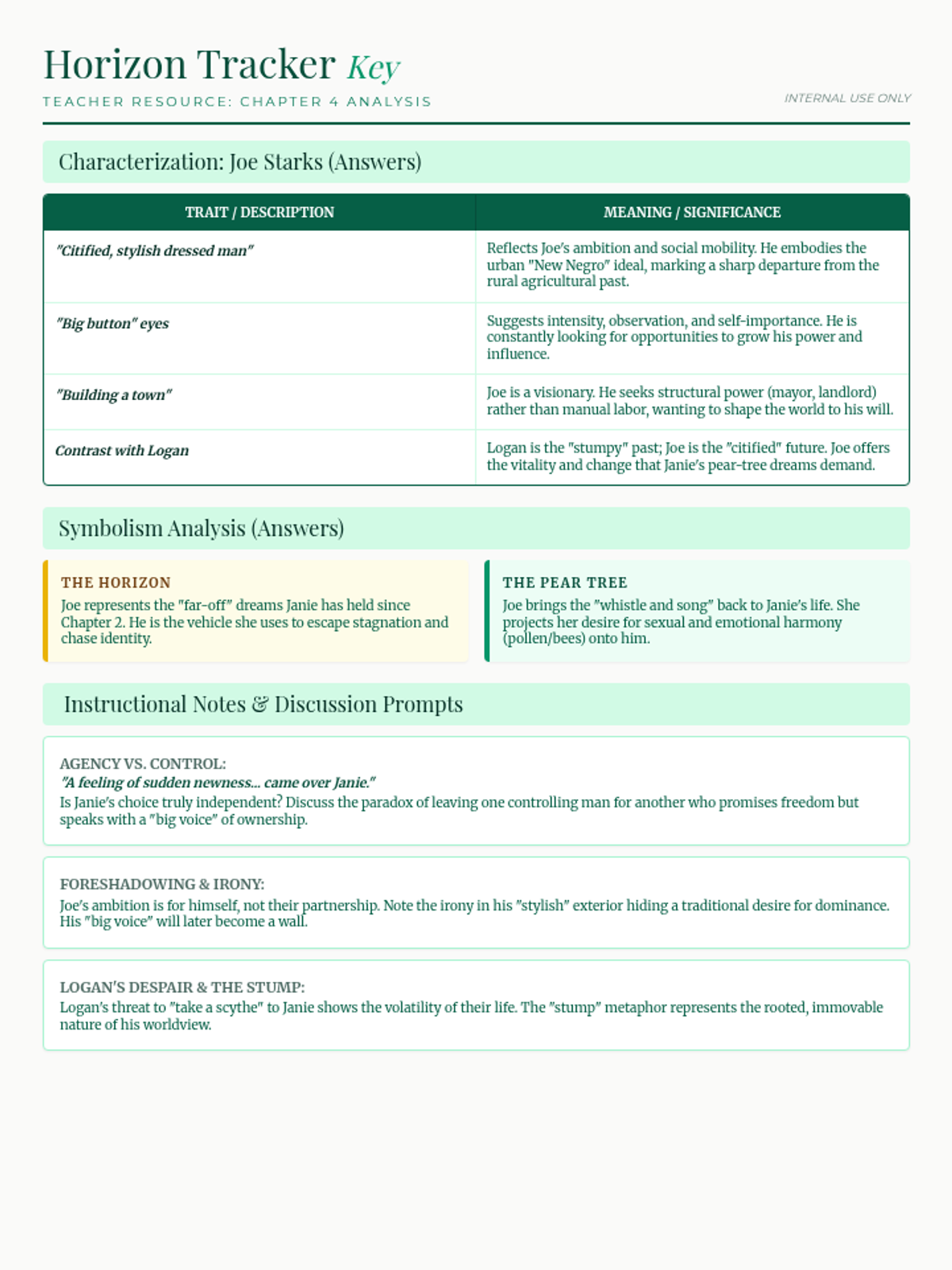
This lesson explores Chapter 4 of Zora Neale Hurston's 'Their Eyes Were Watching God', focusing on Joe Starks's introduction and the evolving symbolism of the horizon and the pear tree.
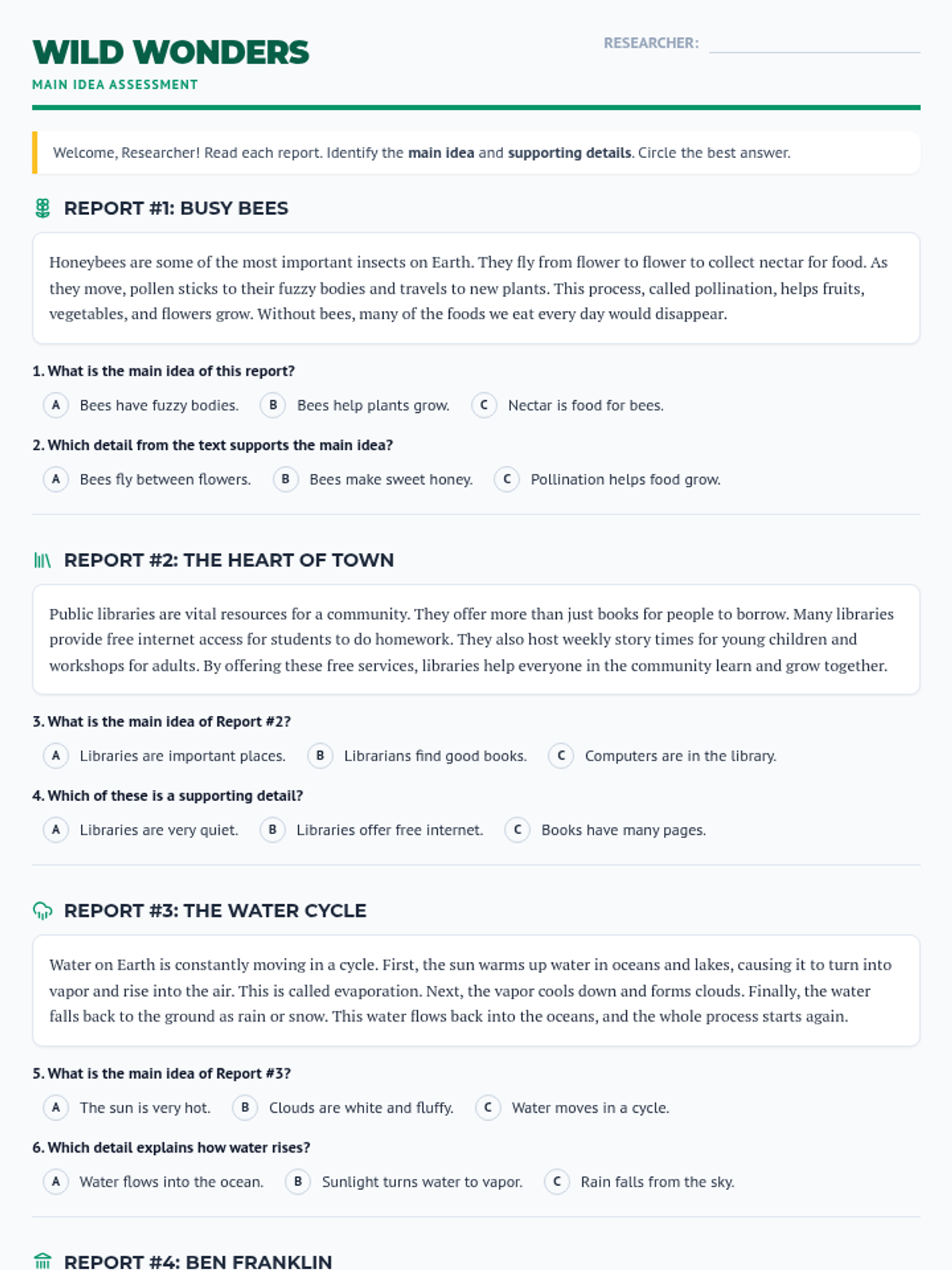
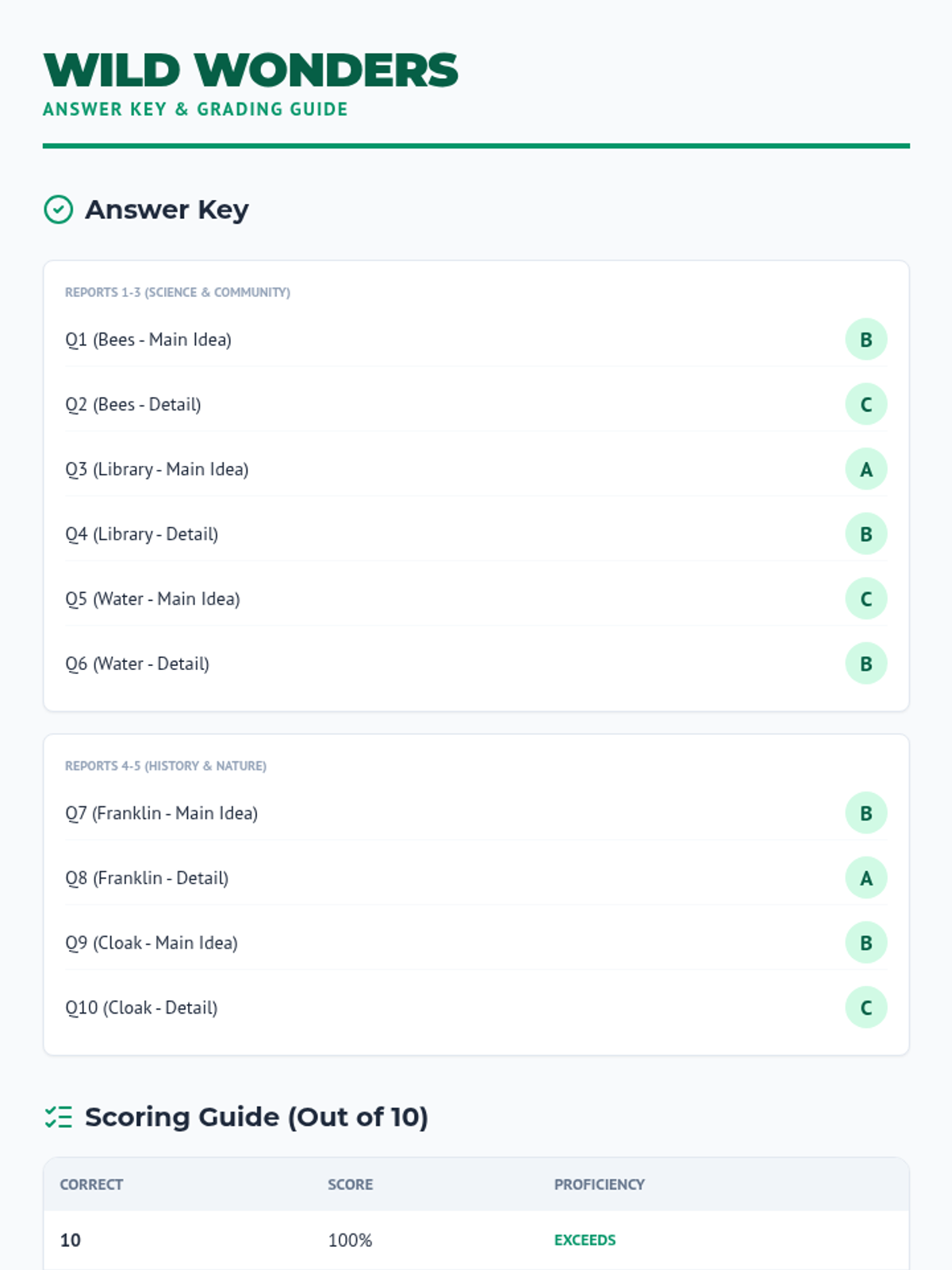
An end-of-week assessment for 3rd graders focusing on identifying main ideas and supporting details within informational texts about science and social studies.
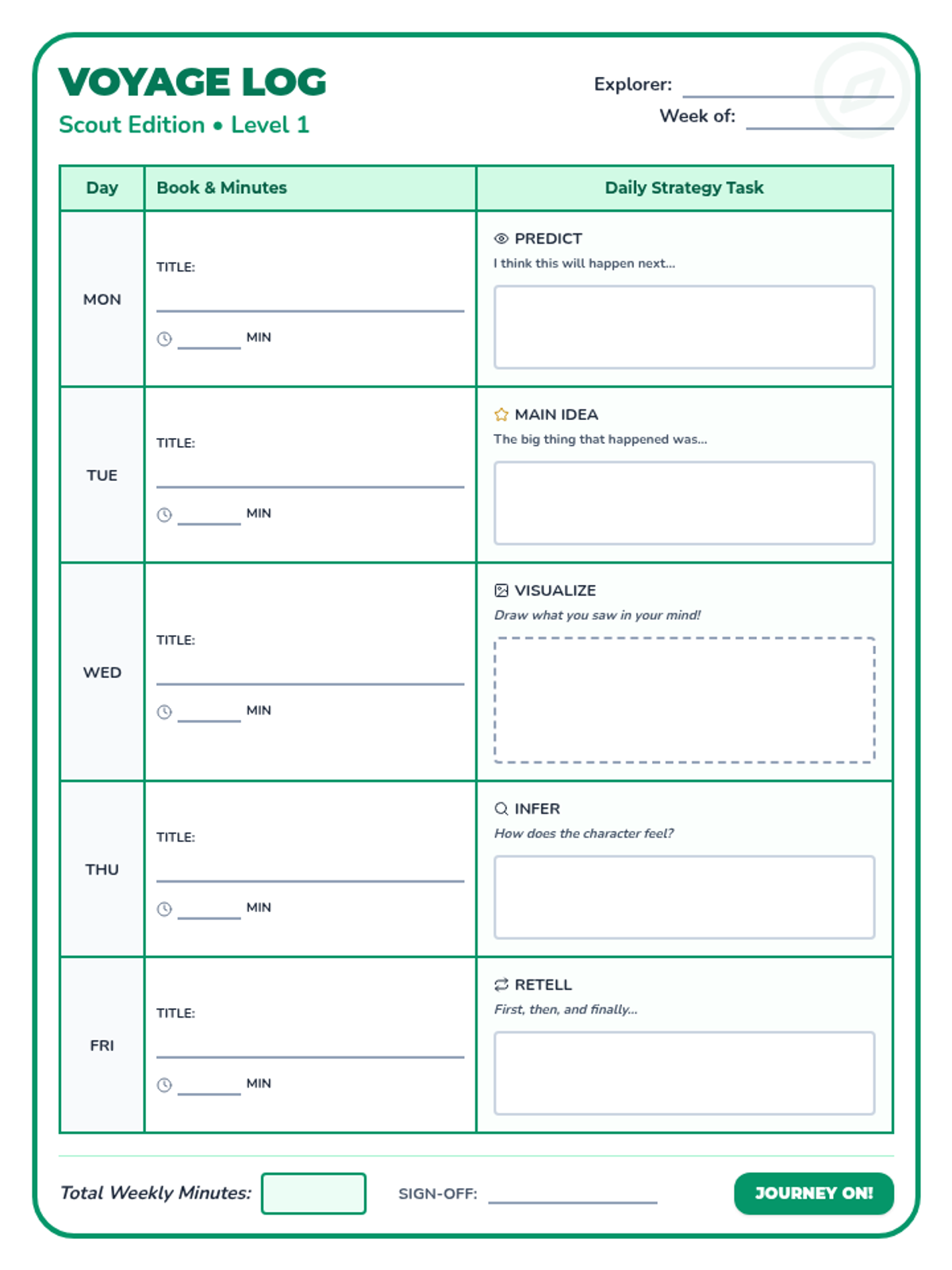
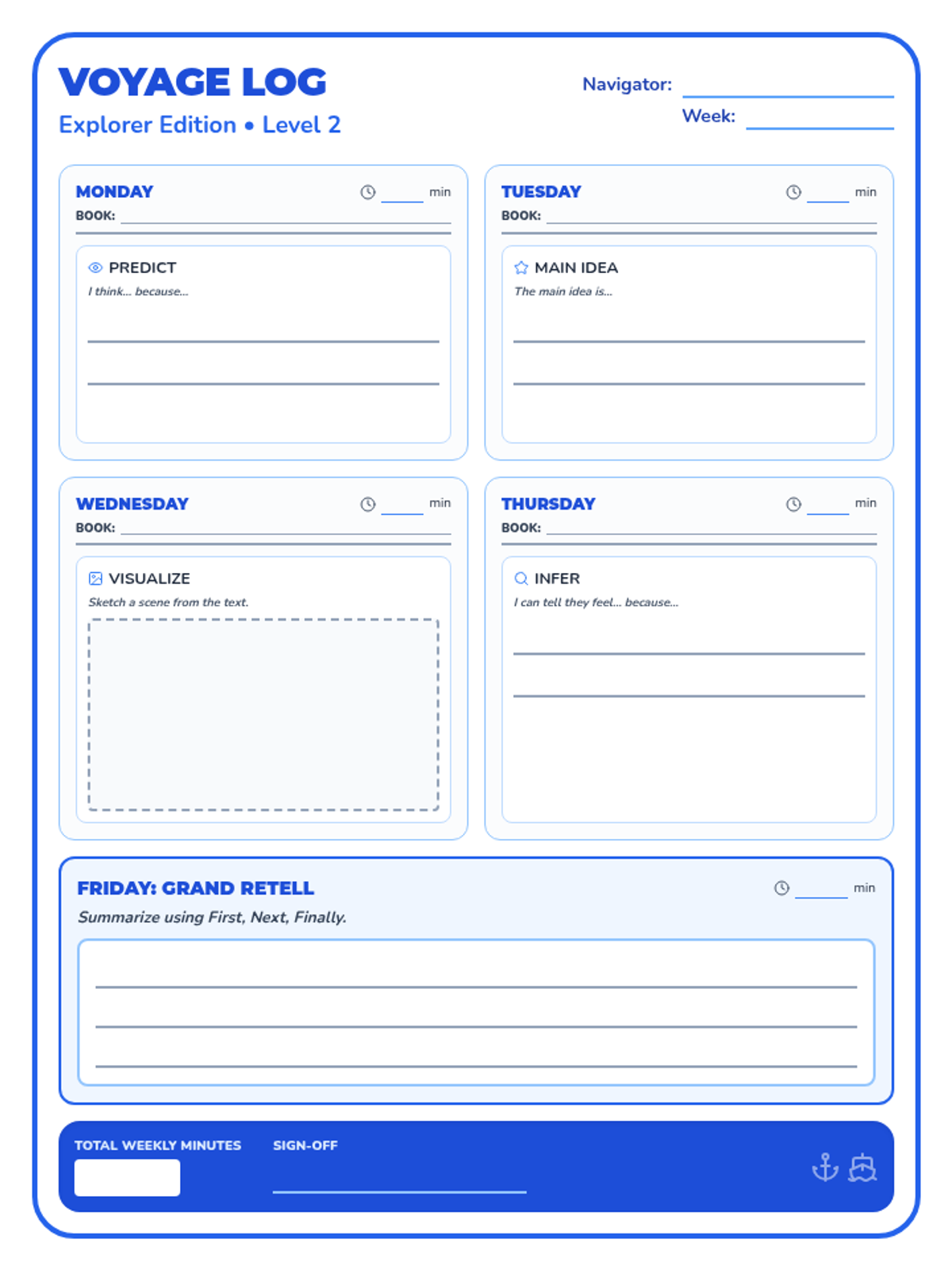
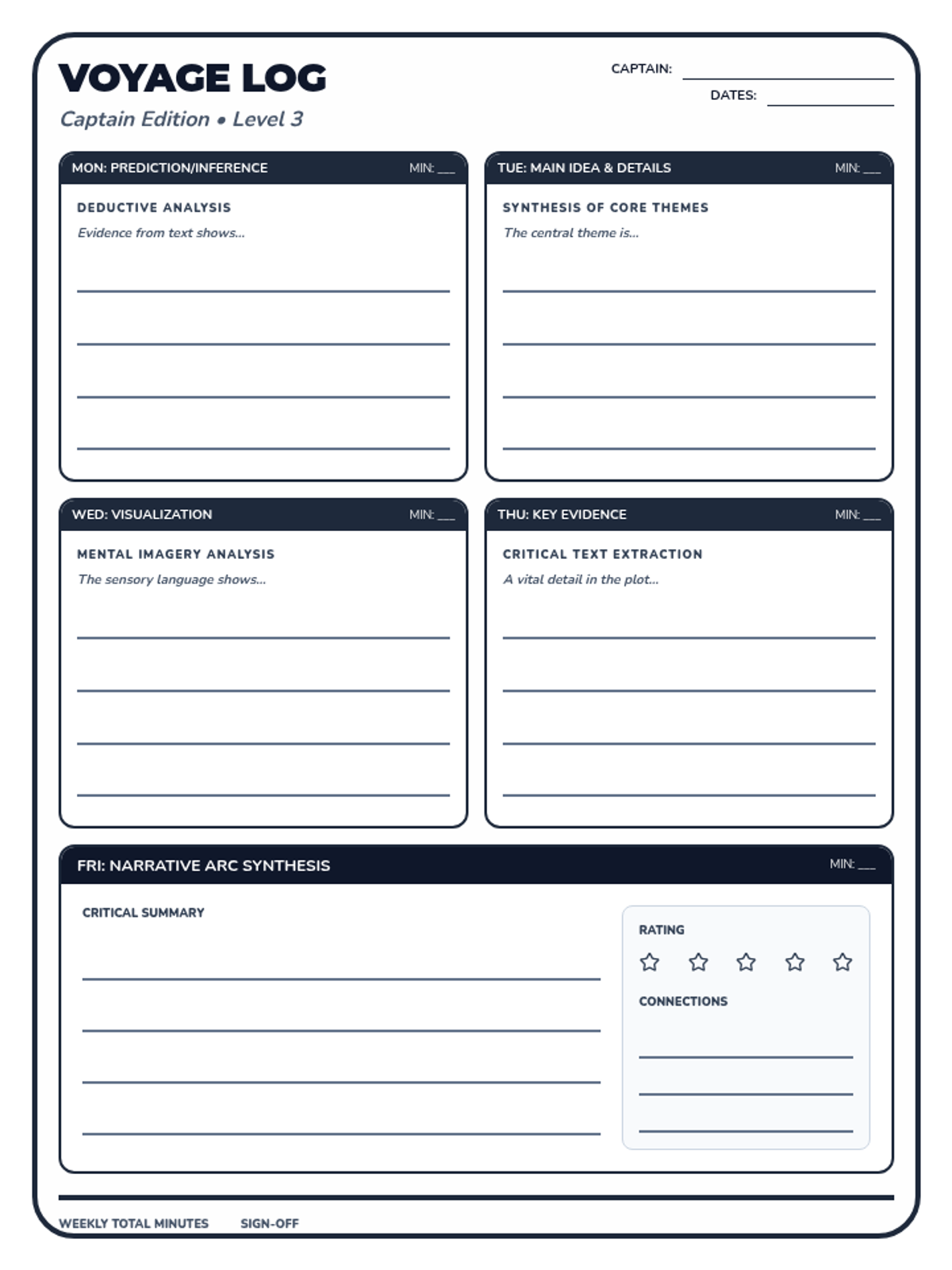
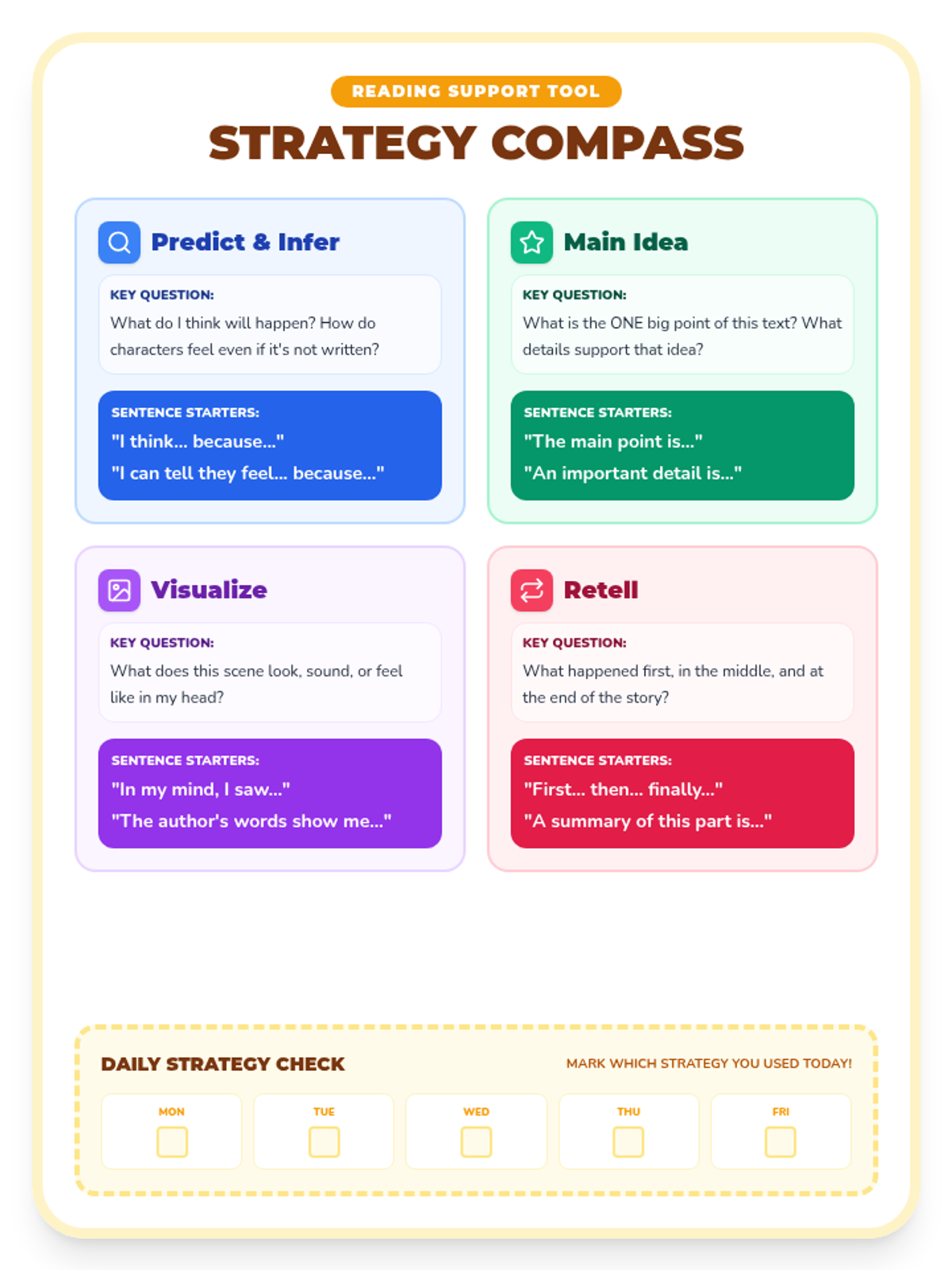
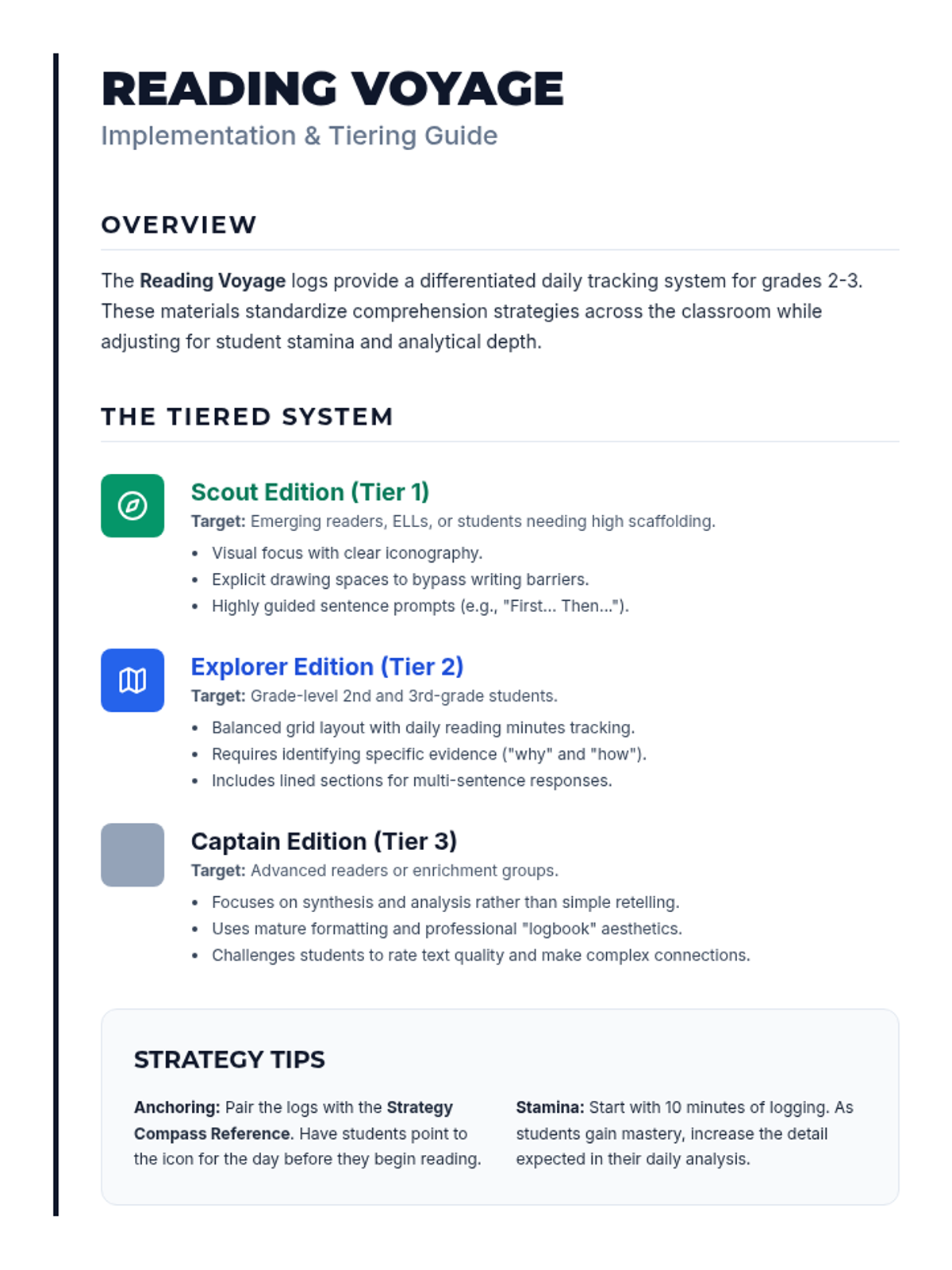
A set of tiered daily reading trackers for 2nd-3rd grade students, focusing on predicting, inferring, main idea, and visualizing. These logs provide differentiated support for various reading levels within a single classroom.
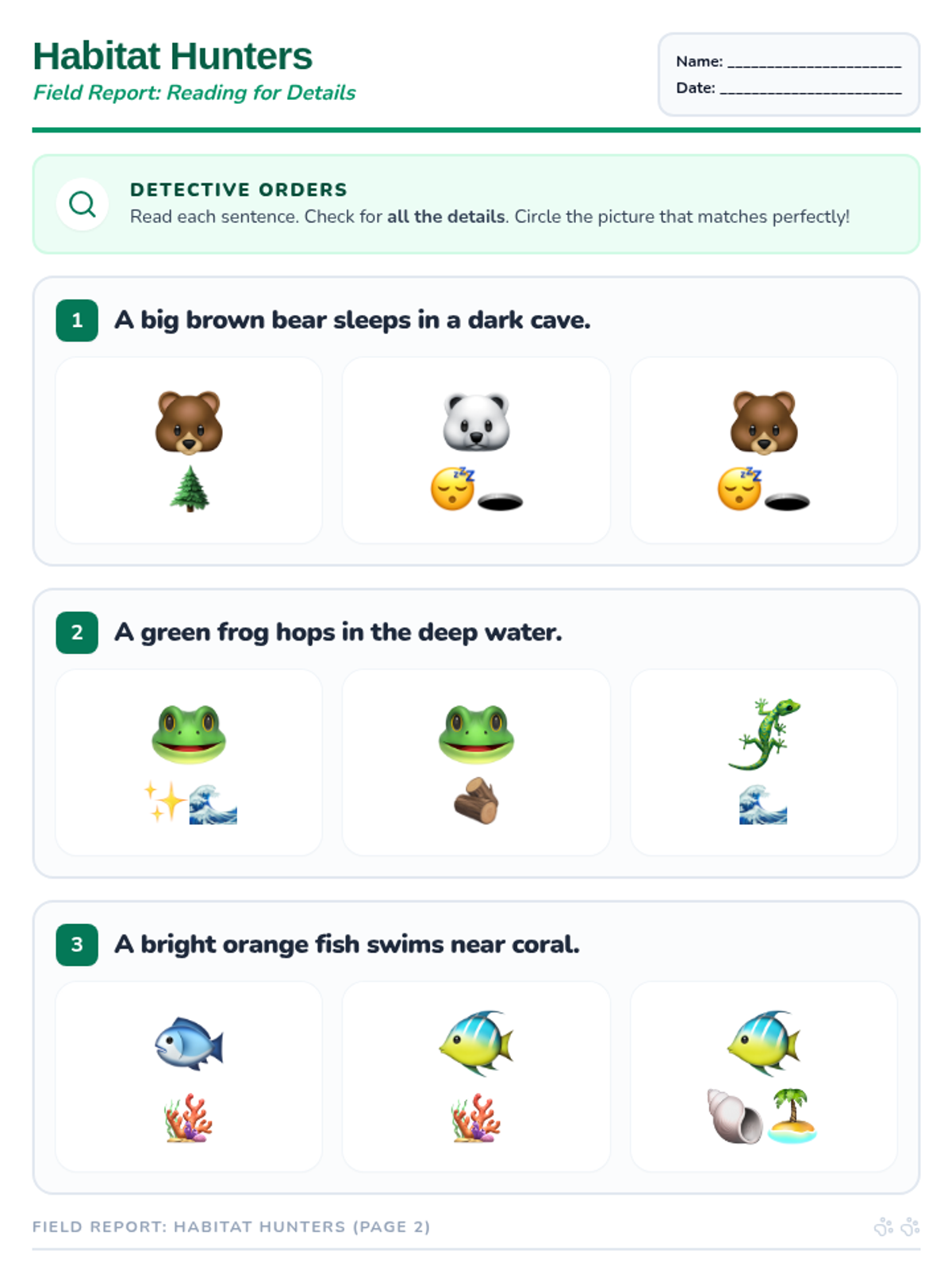
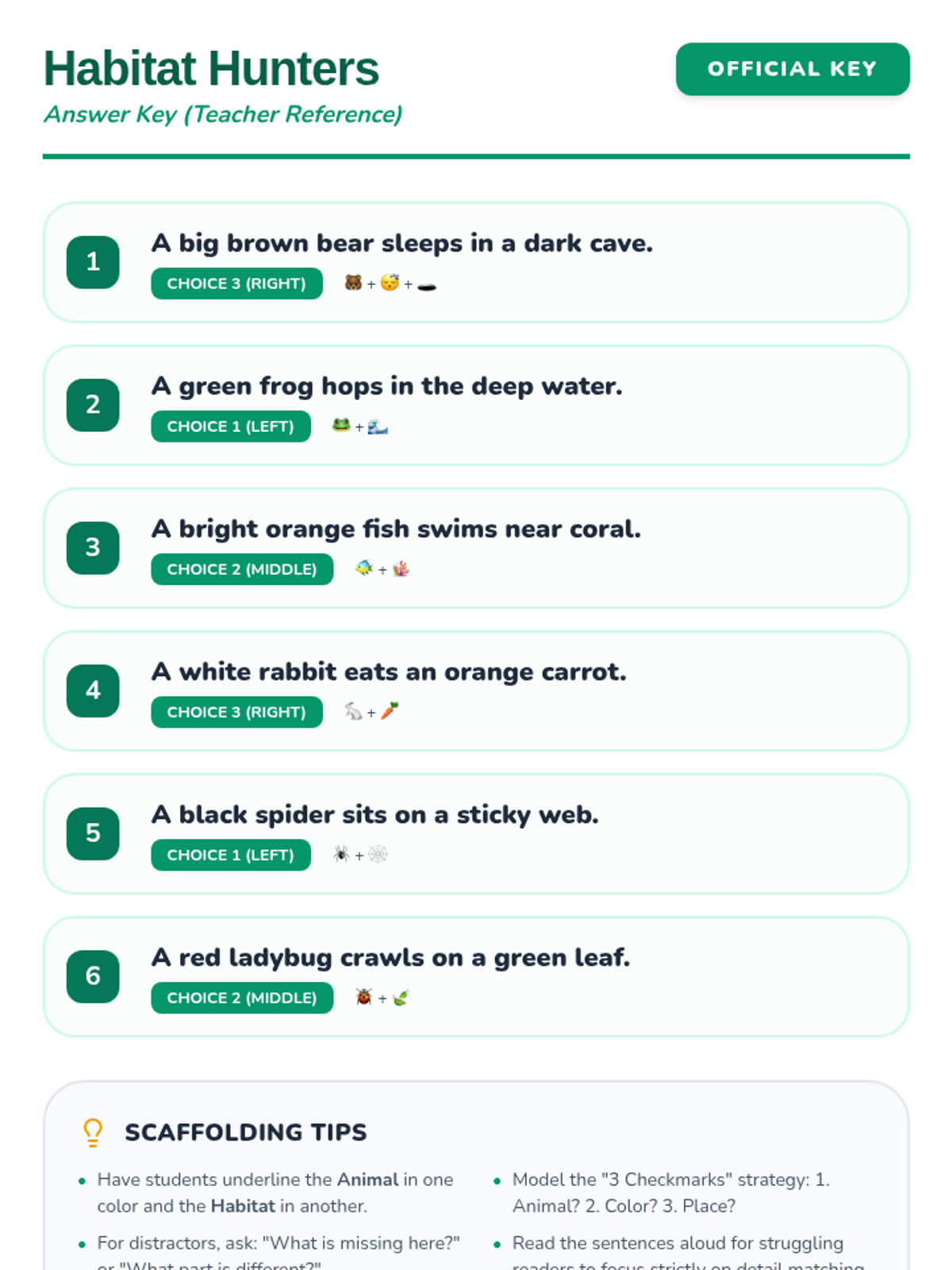
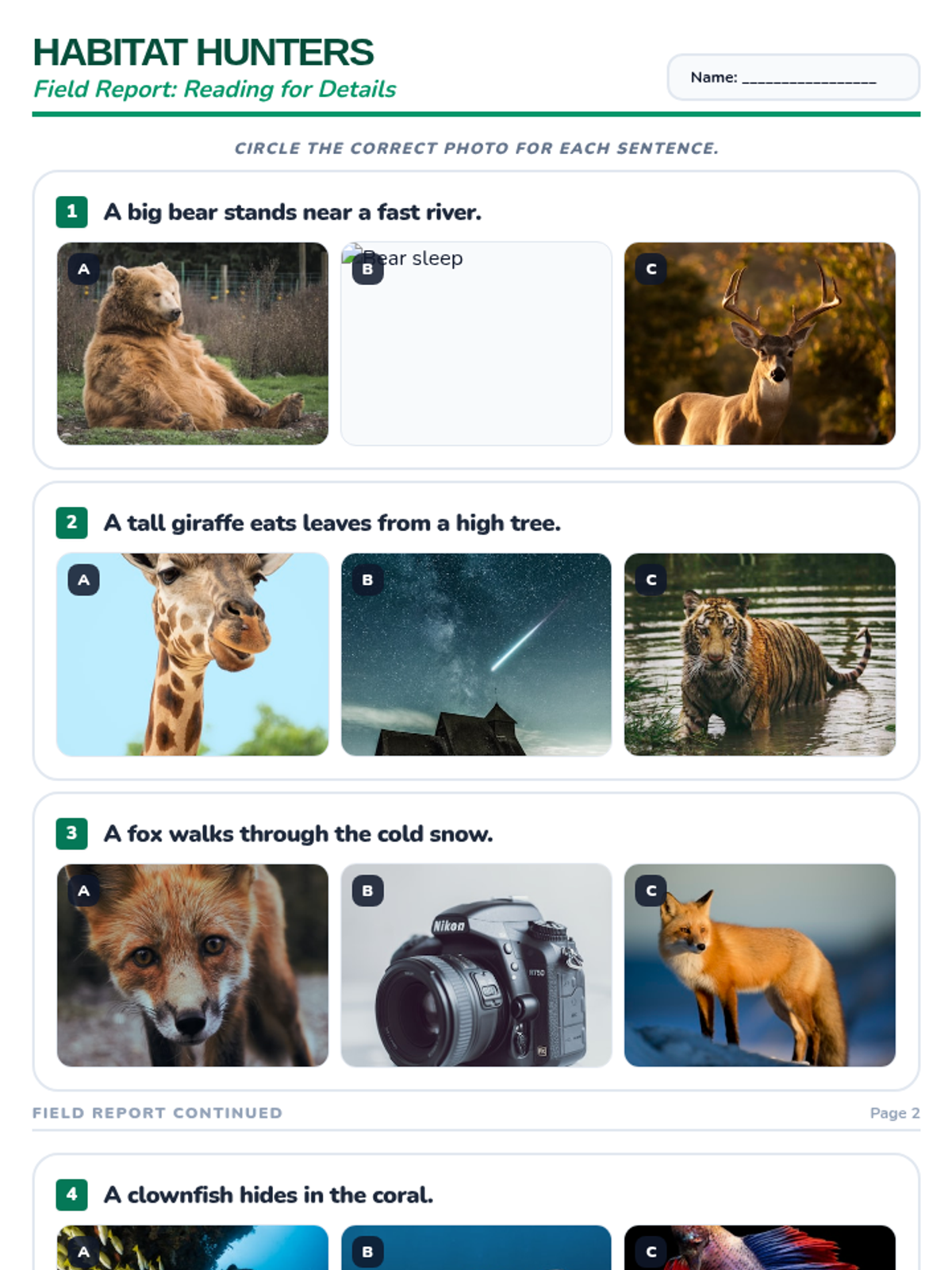
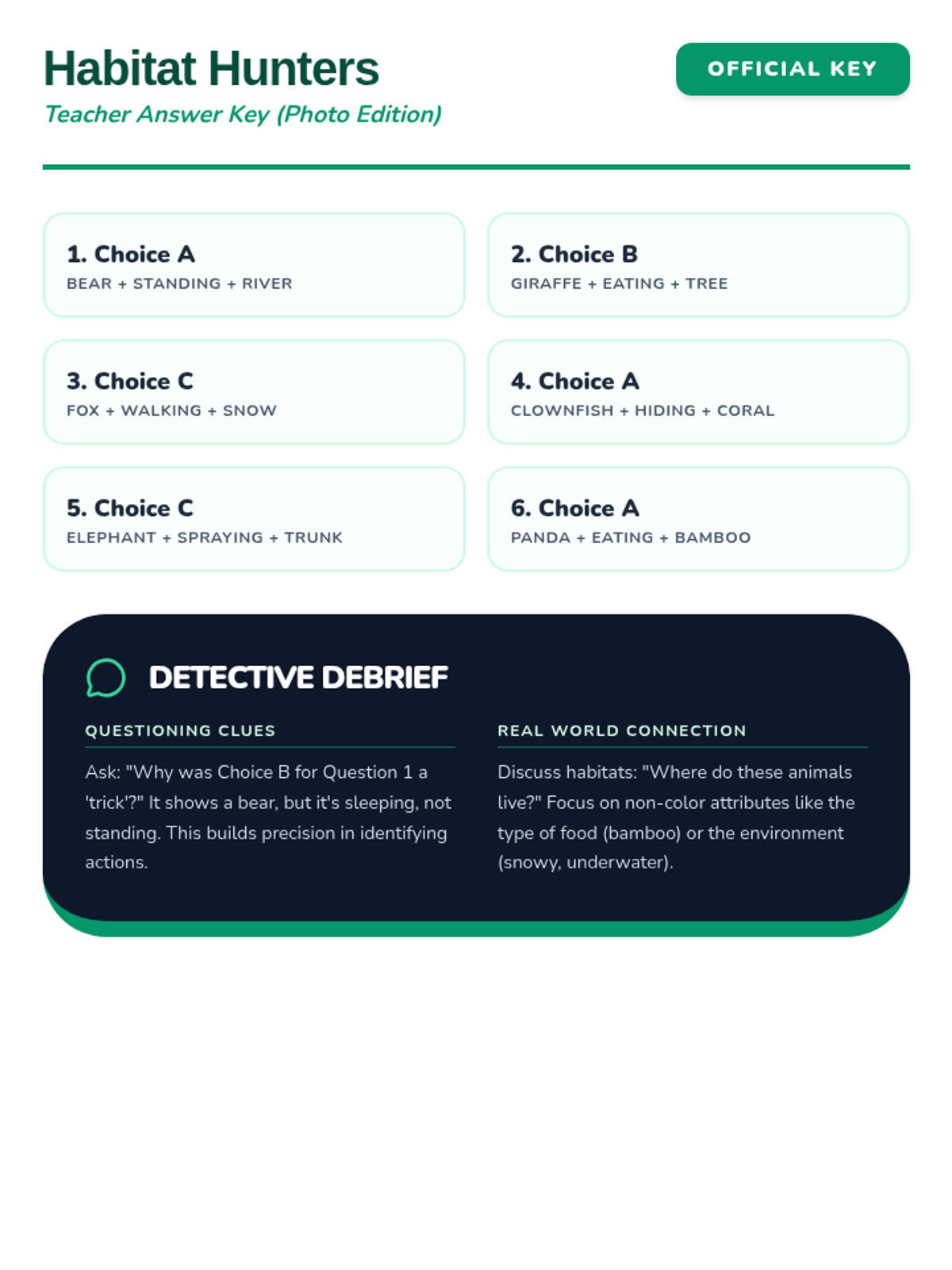
A lesson focused on reading comprehension and attention to detail, where students identify specific animals and their habitats based on multiple descriptive clues.
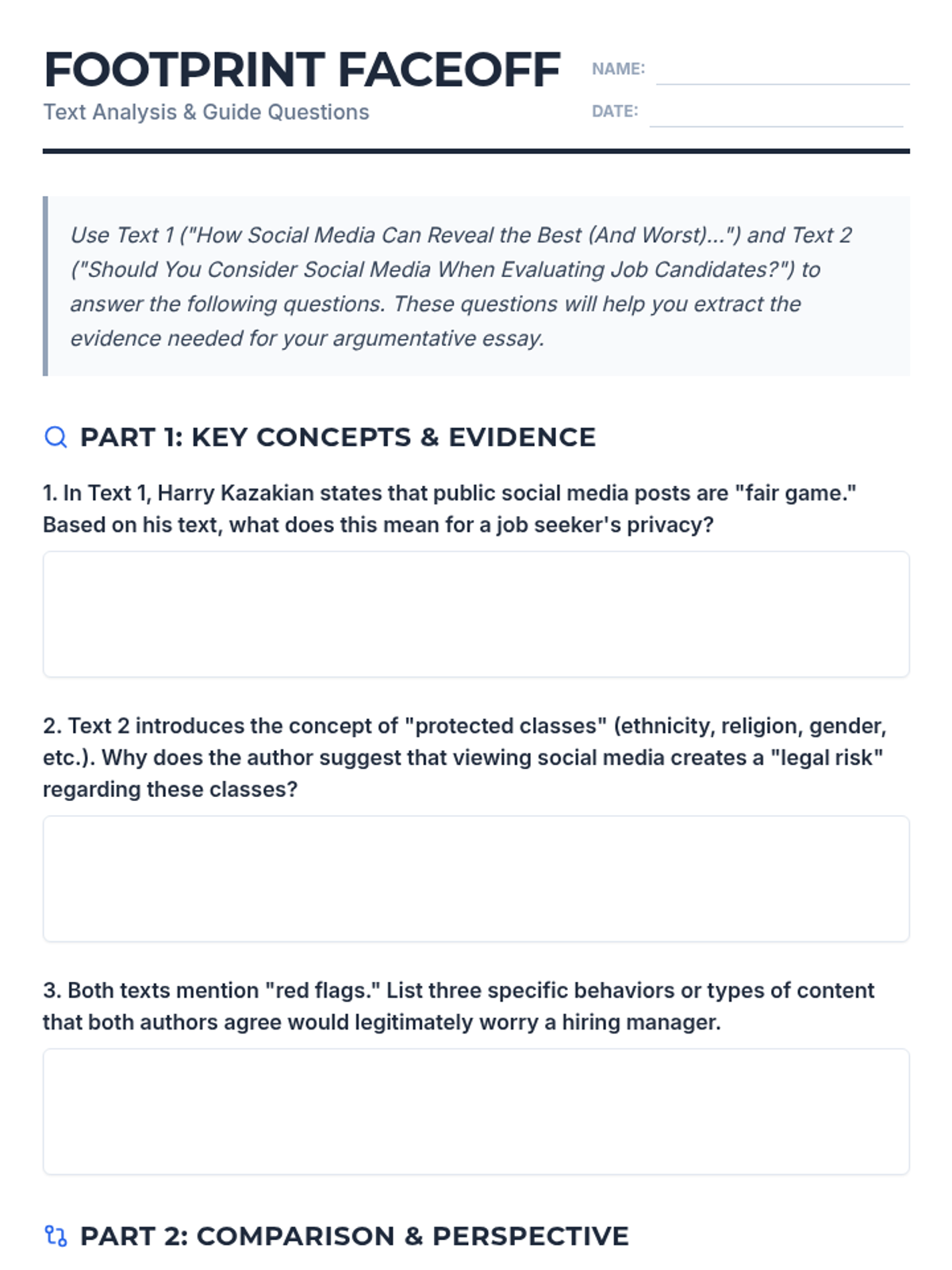
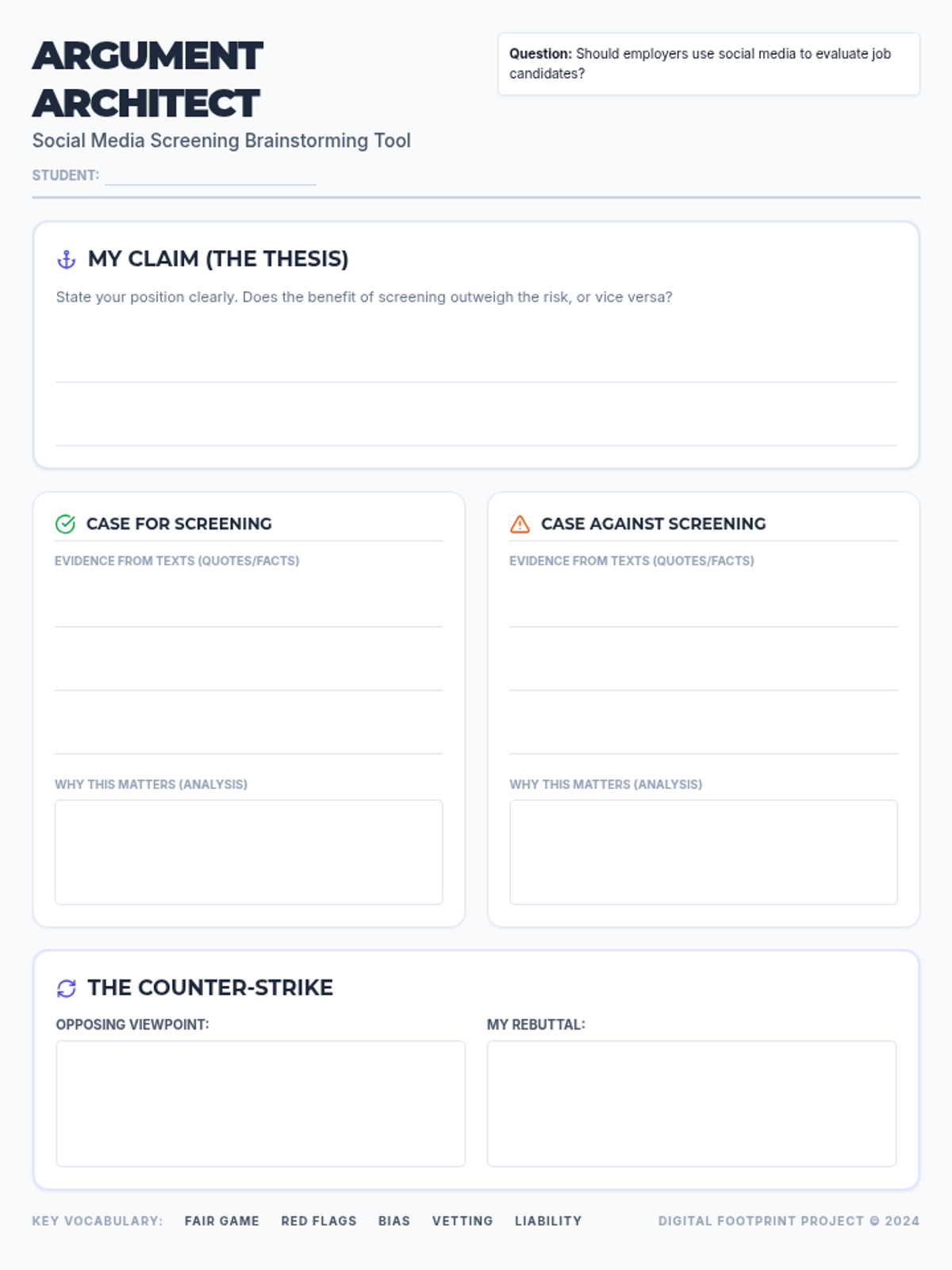
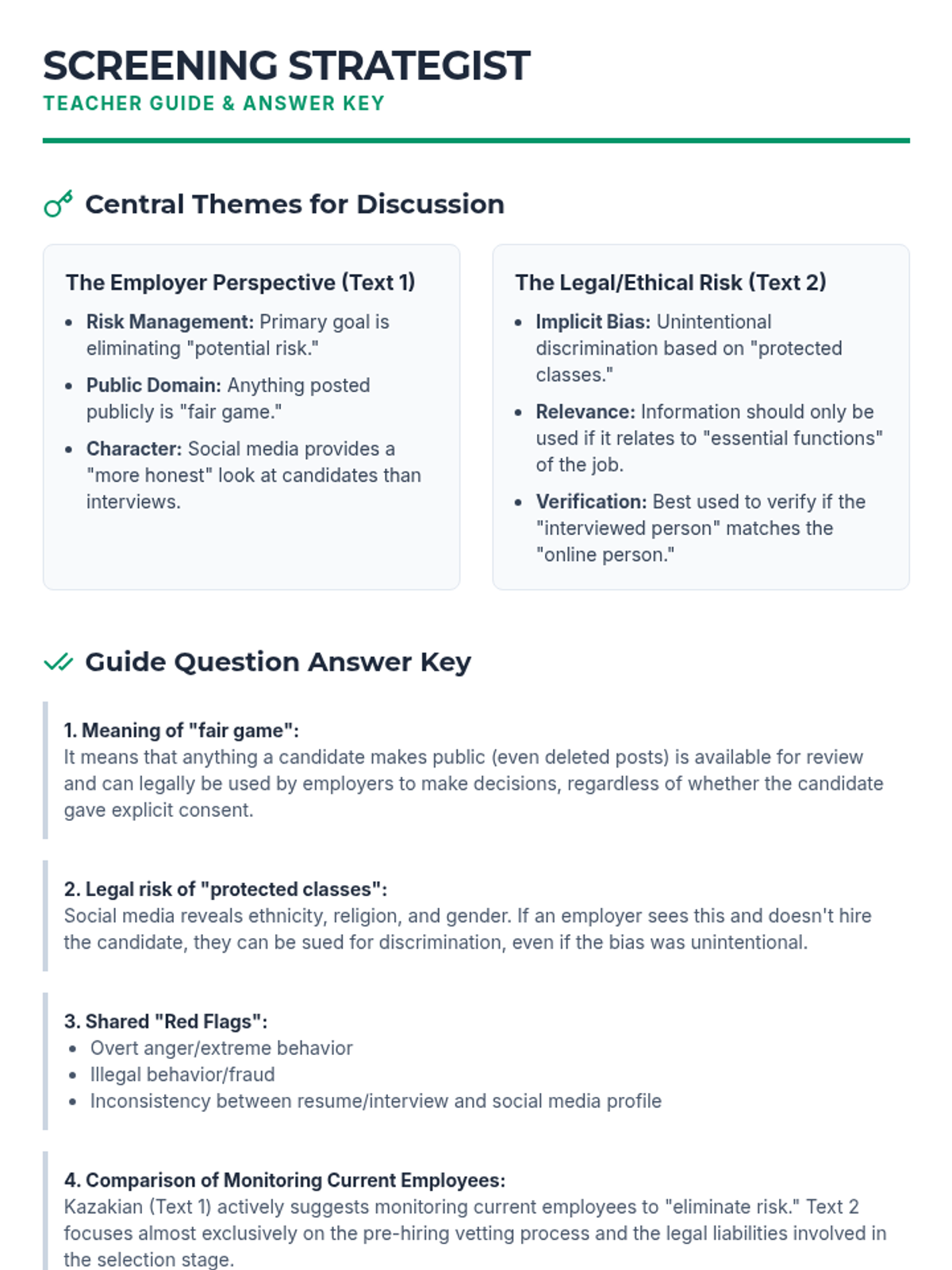
Students analyze two texts regarding social media screenings to identify arguments for and against the practice, preparing them to write a formal argumentative essay.
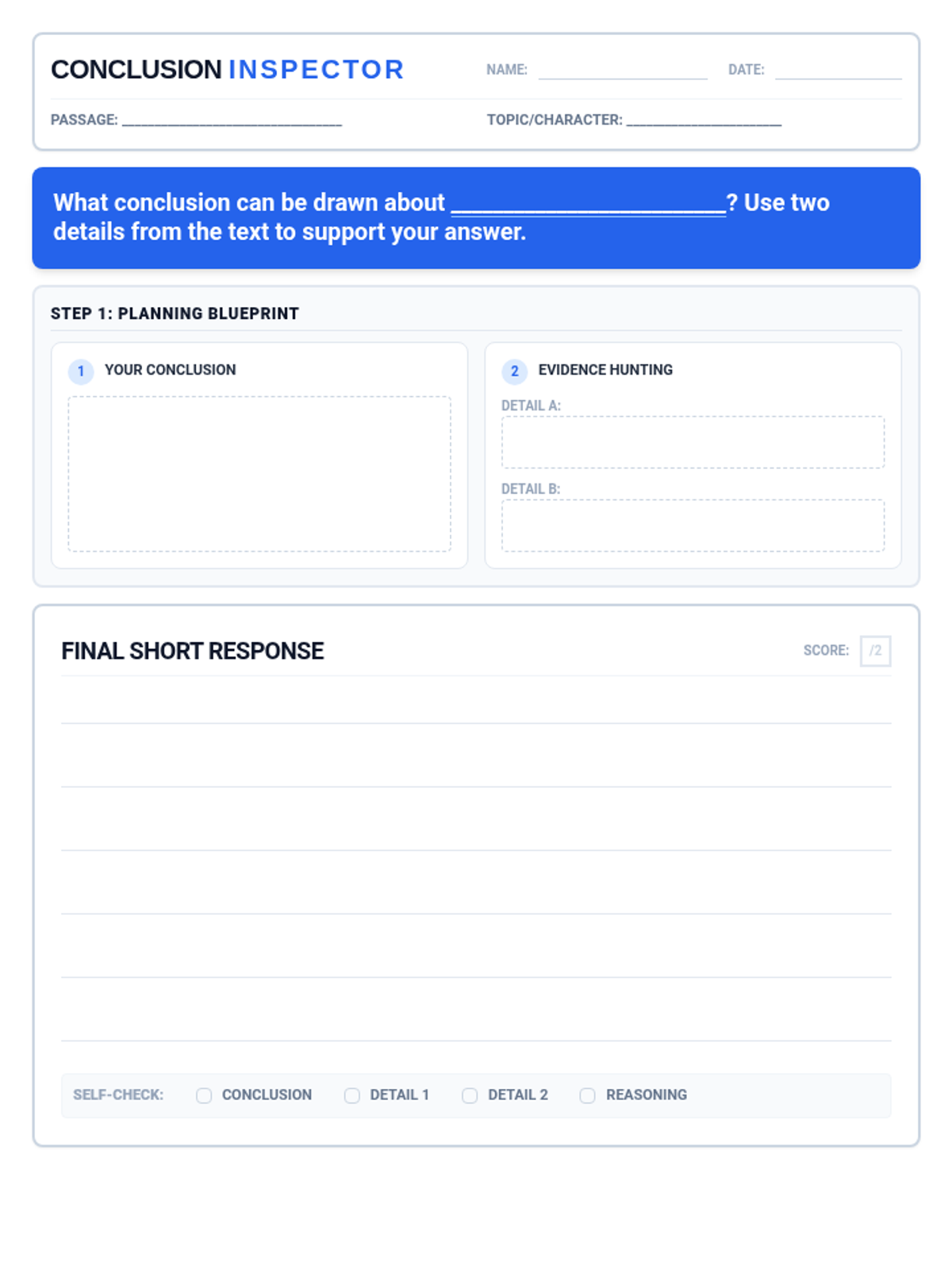
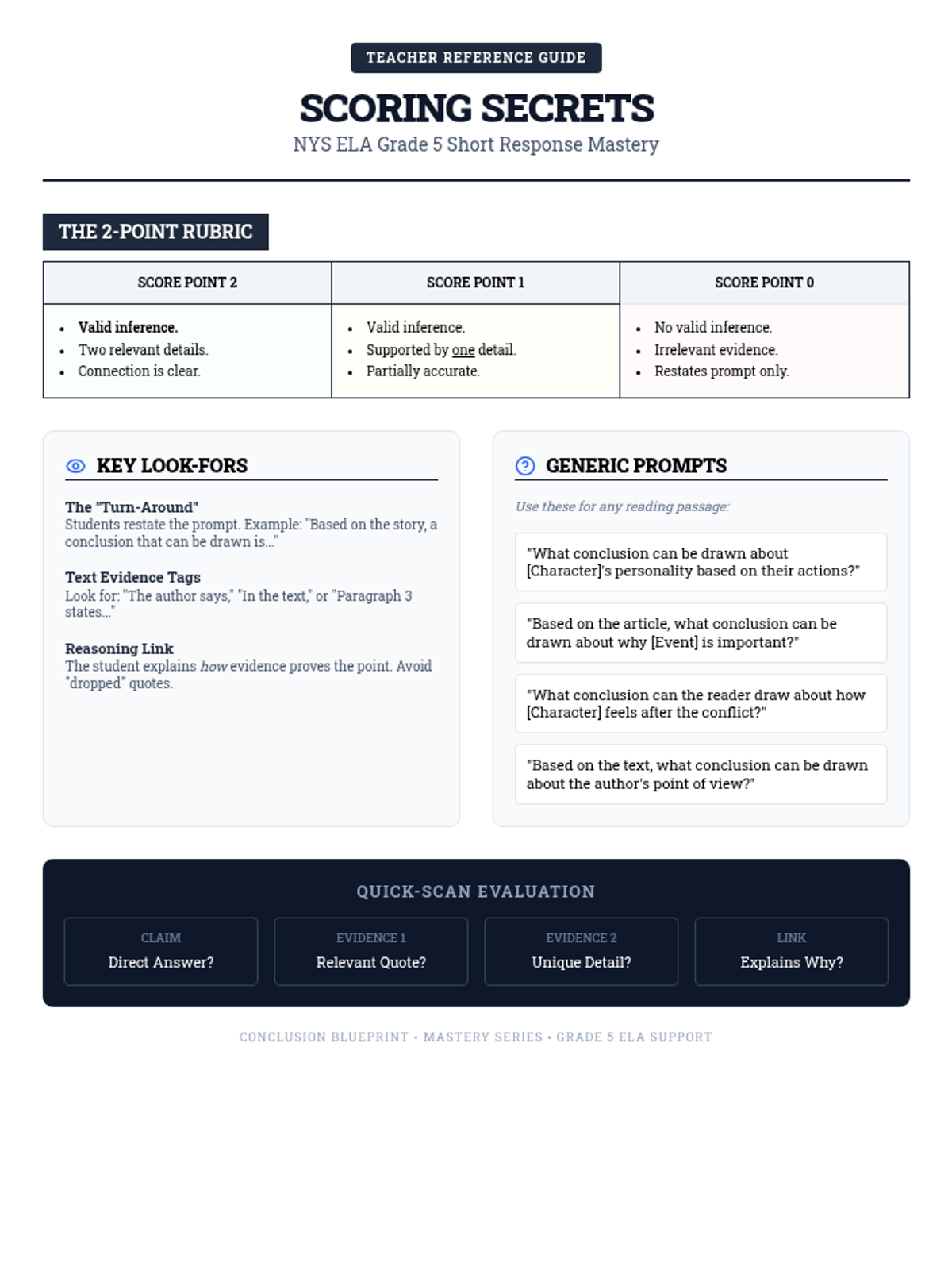
A focused lesson on mastering the 5th Grade NYS ELA short-response format for drawing conclusions using text evidence.
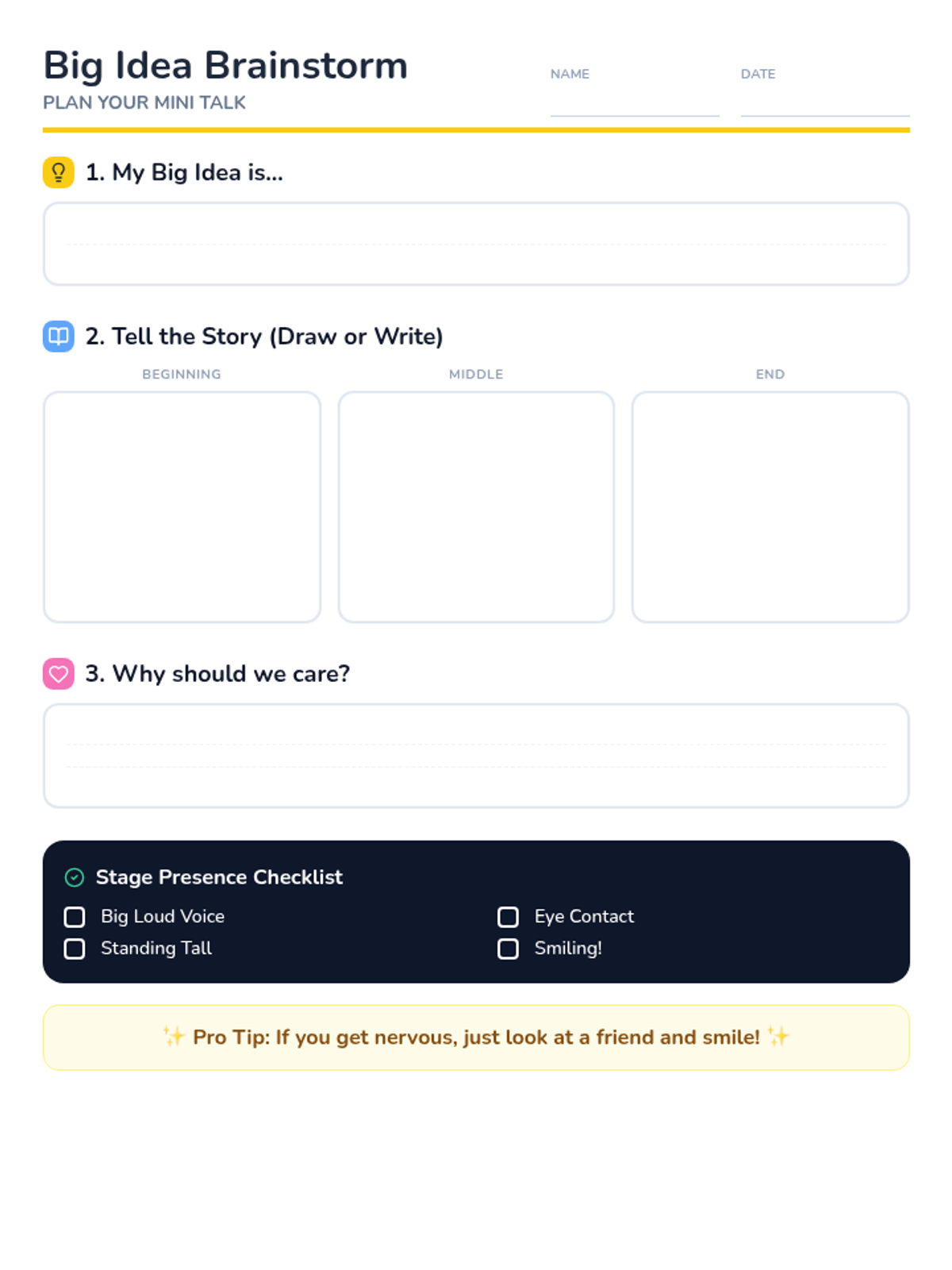
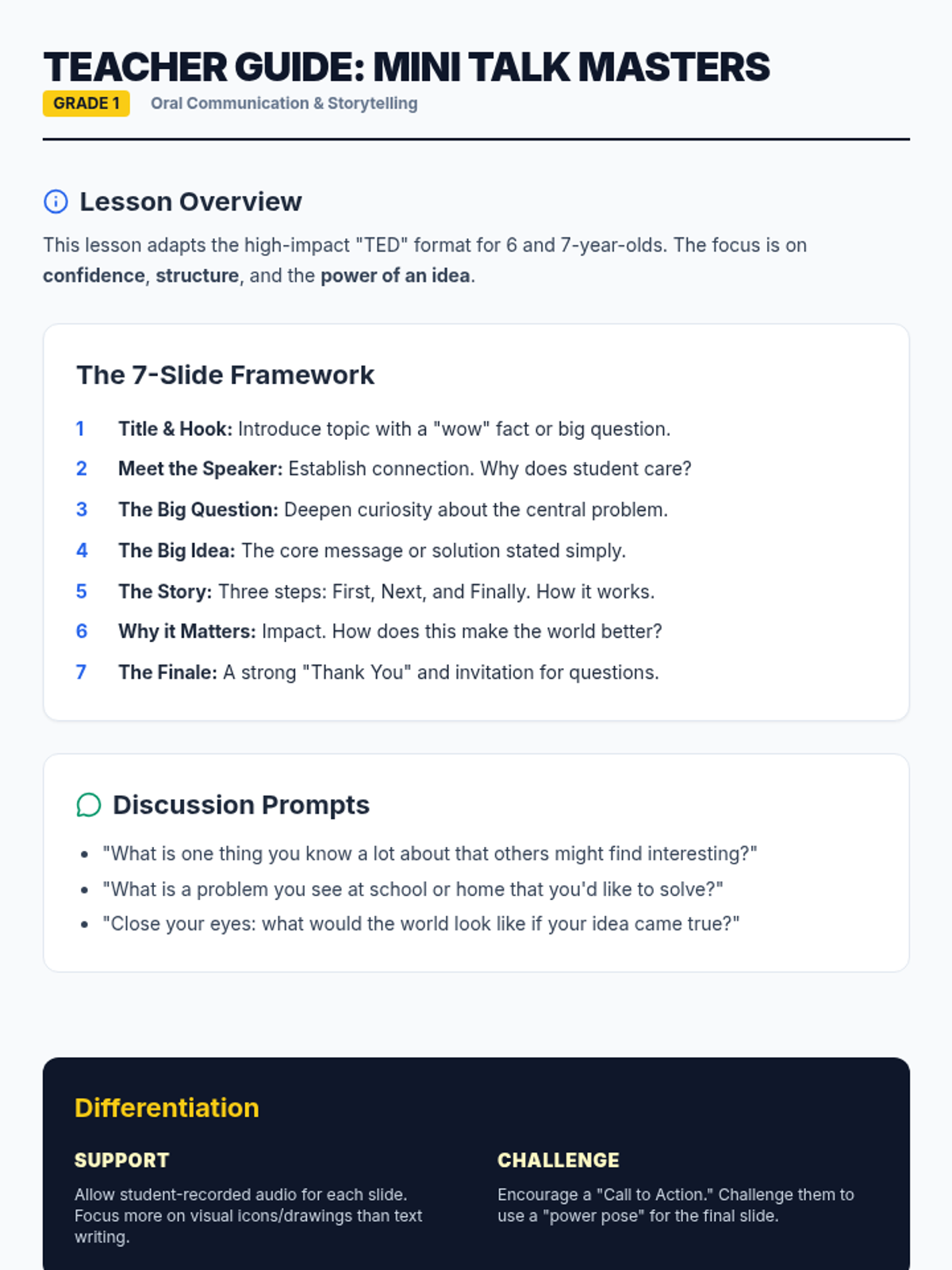
A lesson designed to help first graders prepare and deliver their own TED-style talks, focusing on big ideas and the power of storytelling.
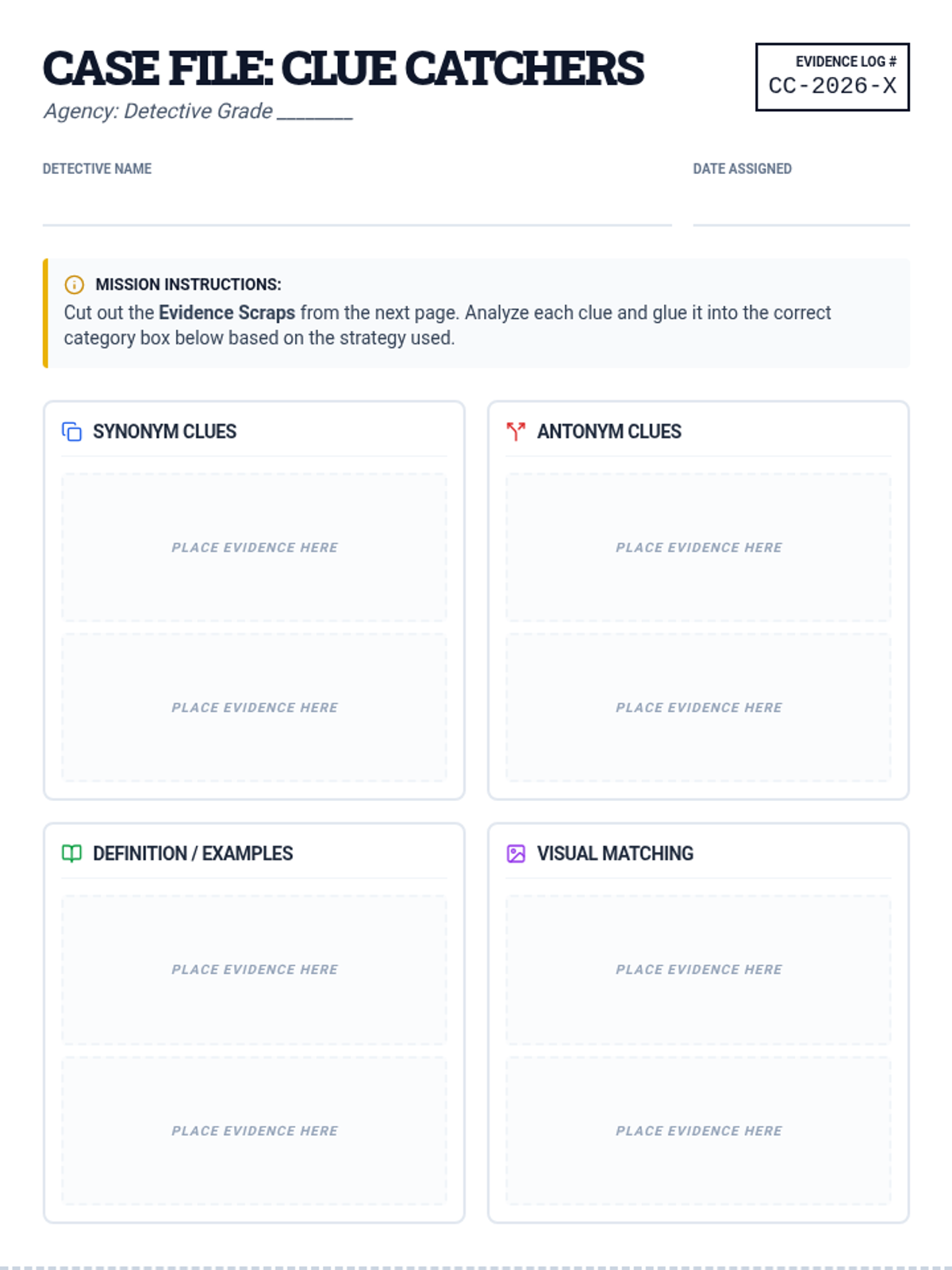
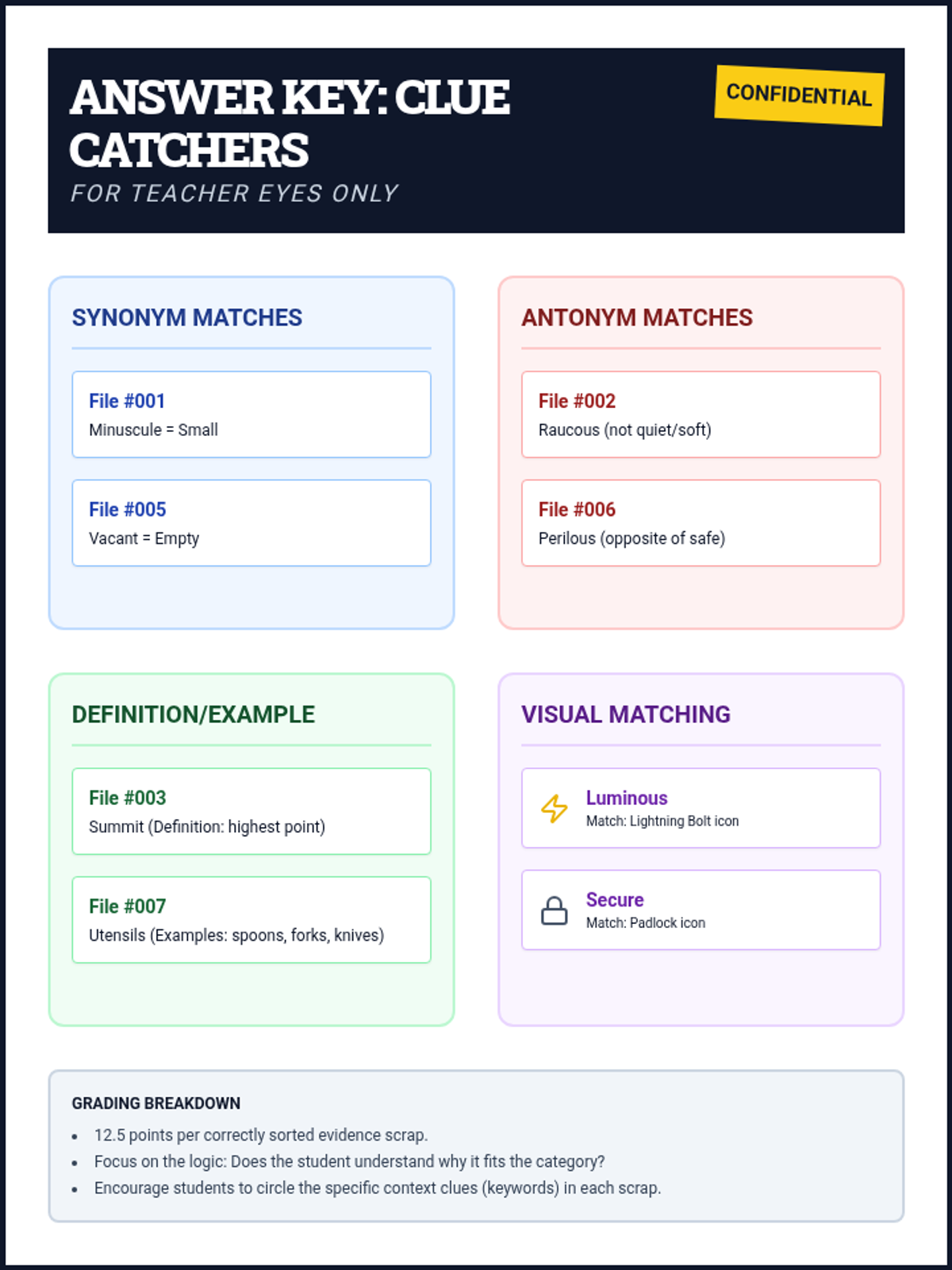
Students become 'Clue Crackers' in this interactive lesson focused on using synonyms, antonyms, definitions, and visual cues to decode unfamiliar words. The lesson includes a presentation and a hands-on cut-and-paste evidence-gathering activity.
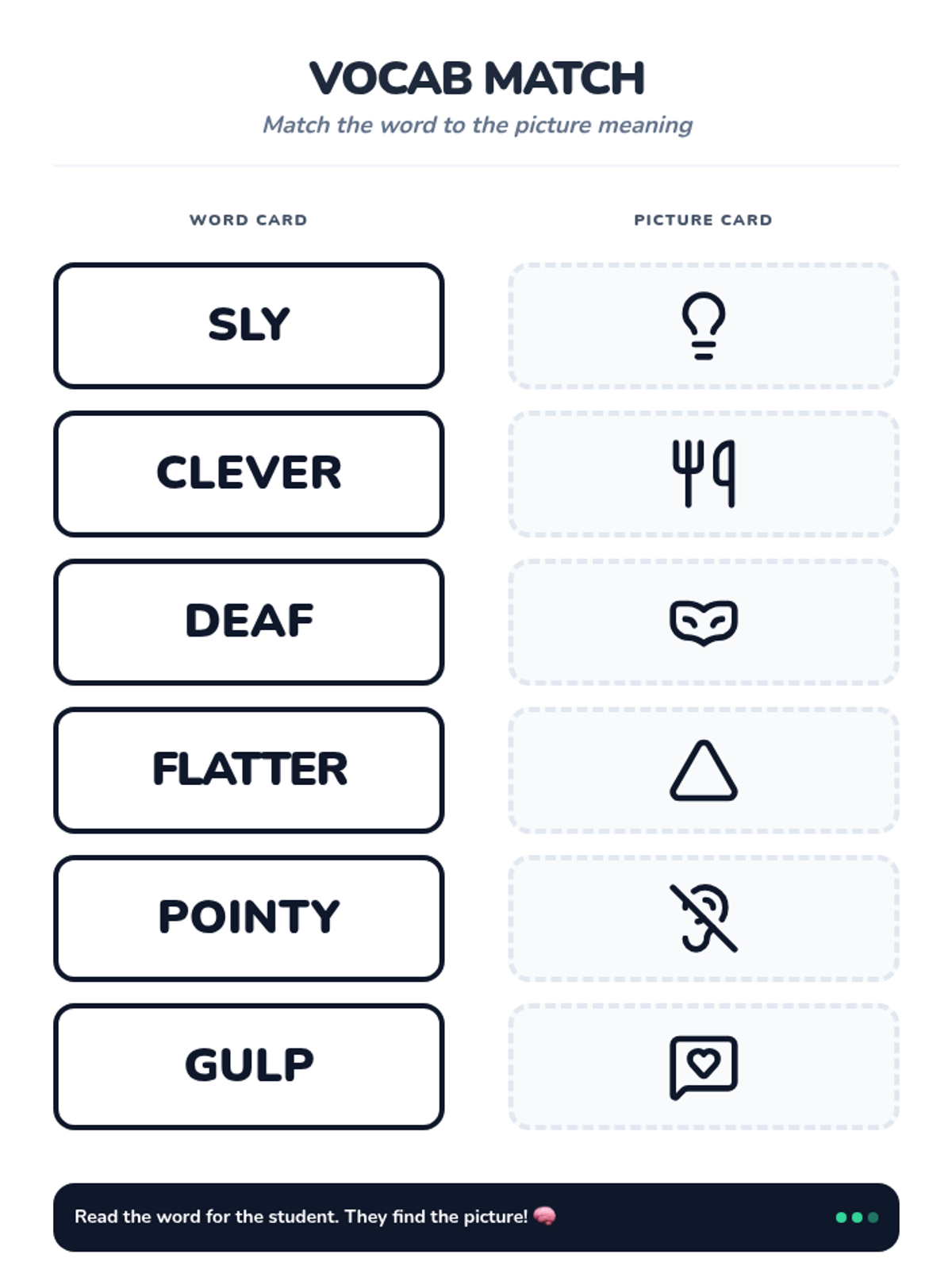
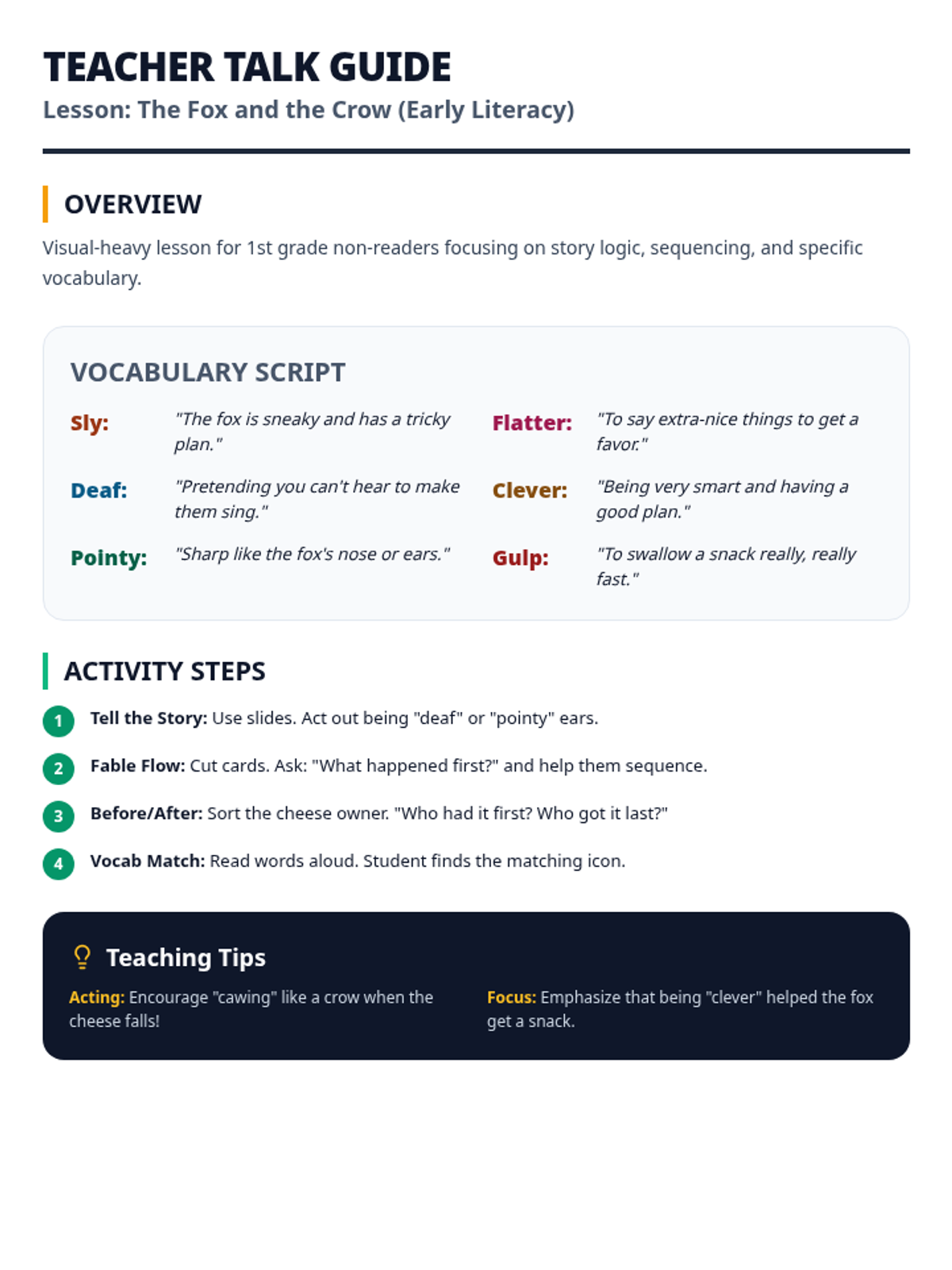
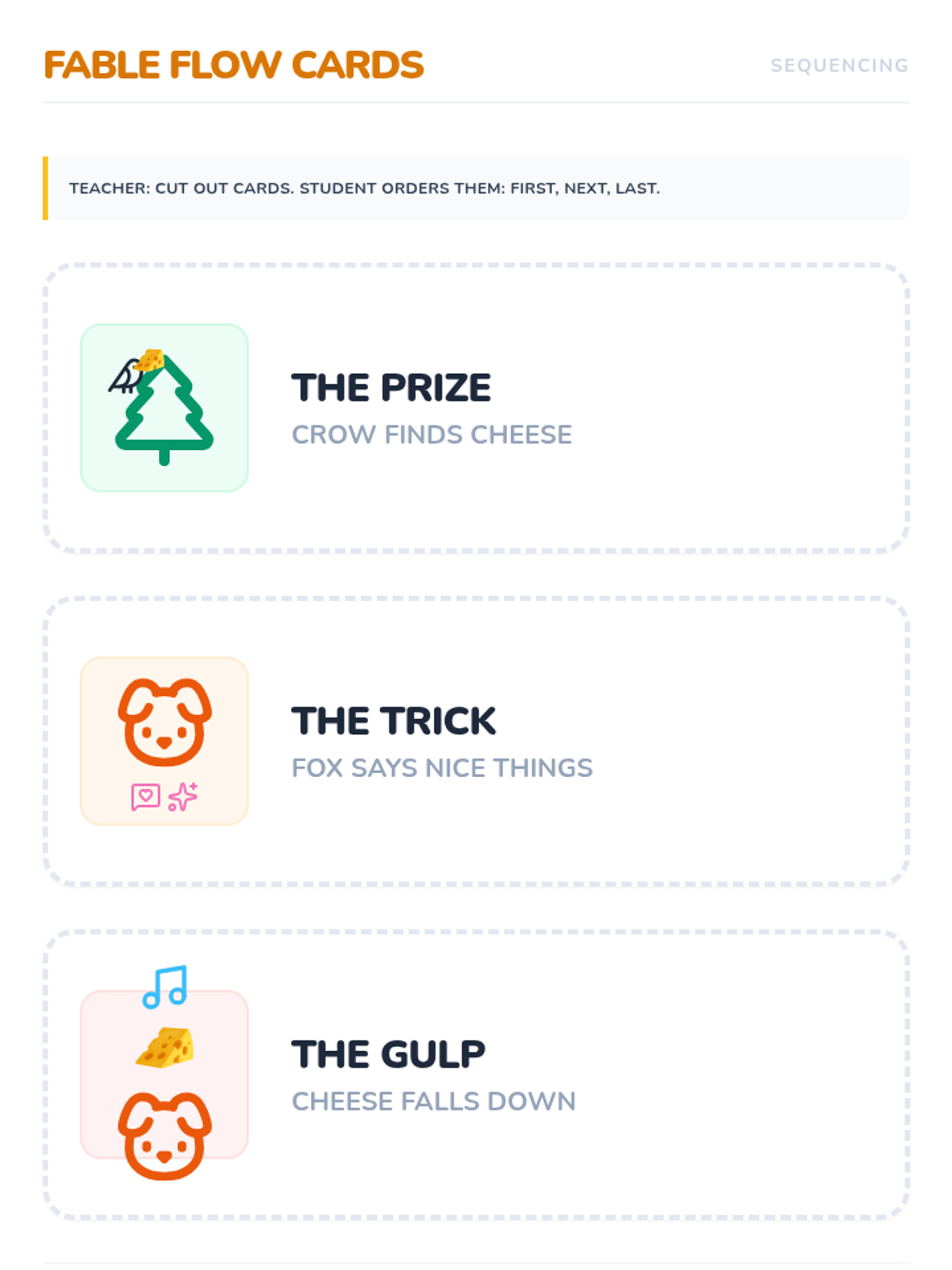
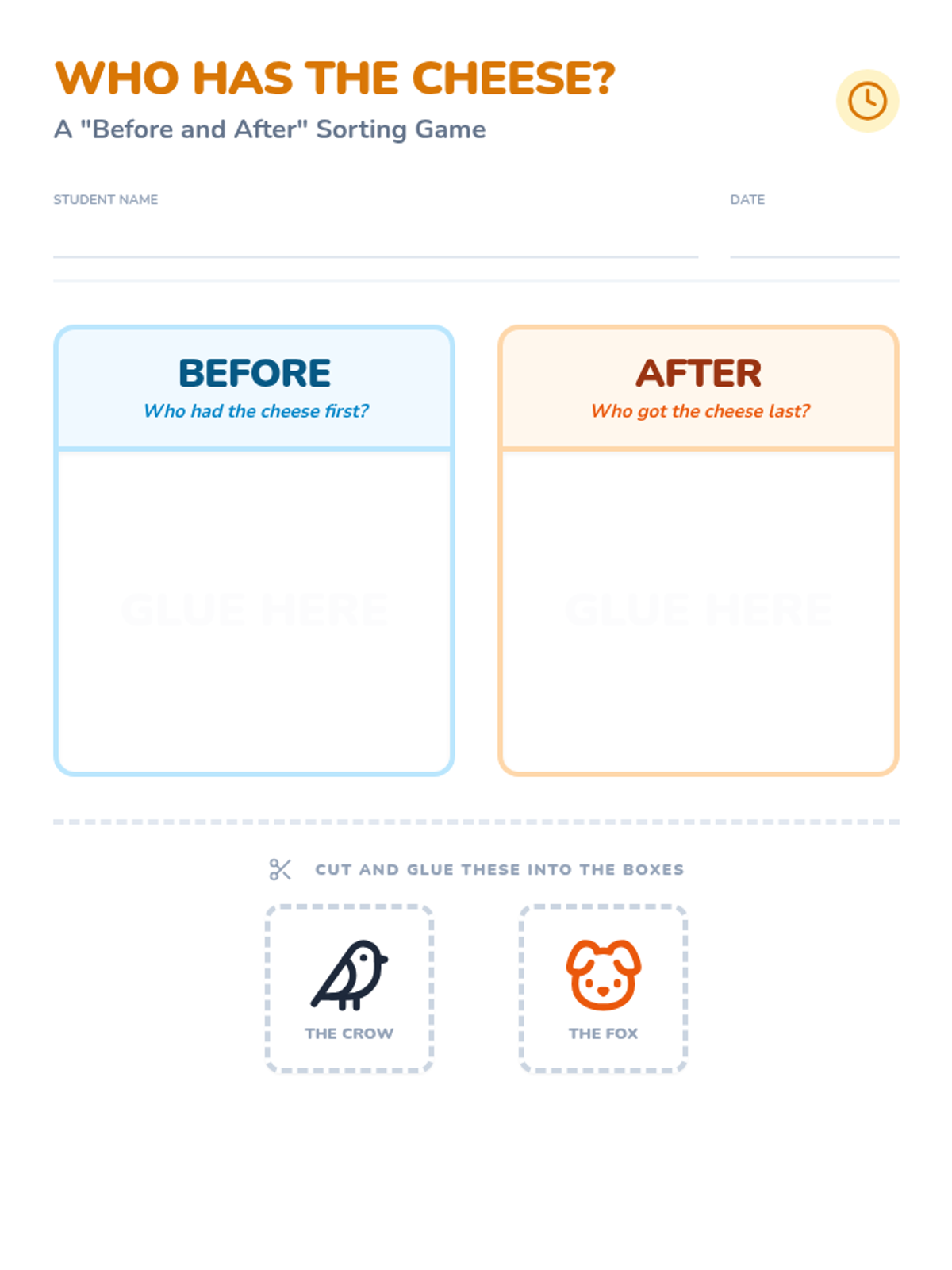
A multisensory lesson on Aesop's fable 'The Fox and the Crow' designed for early learners, focusing on visual storytelling, vocabulary acquisition, and basic sequencing.
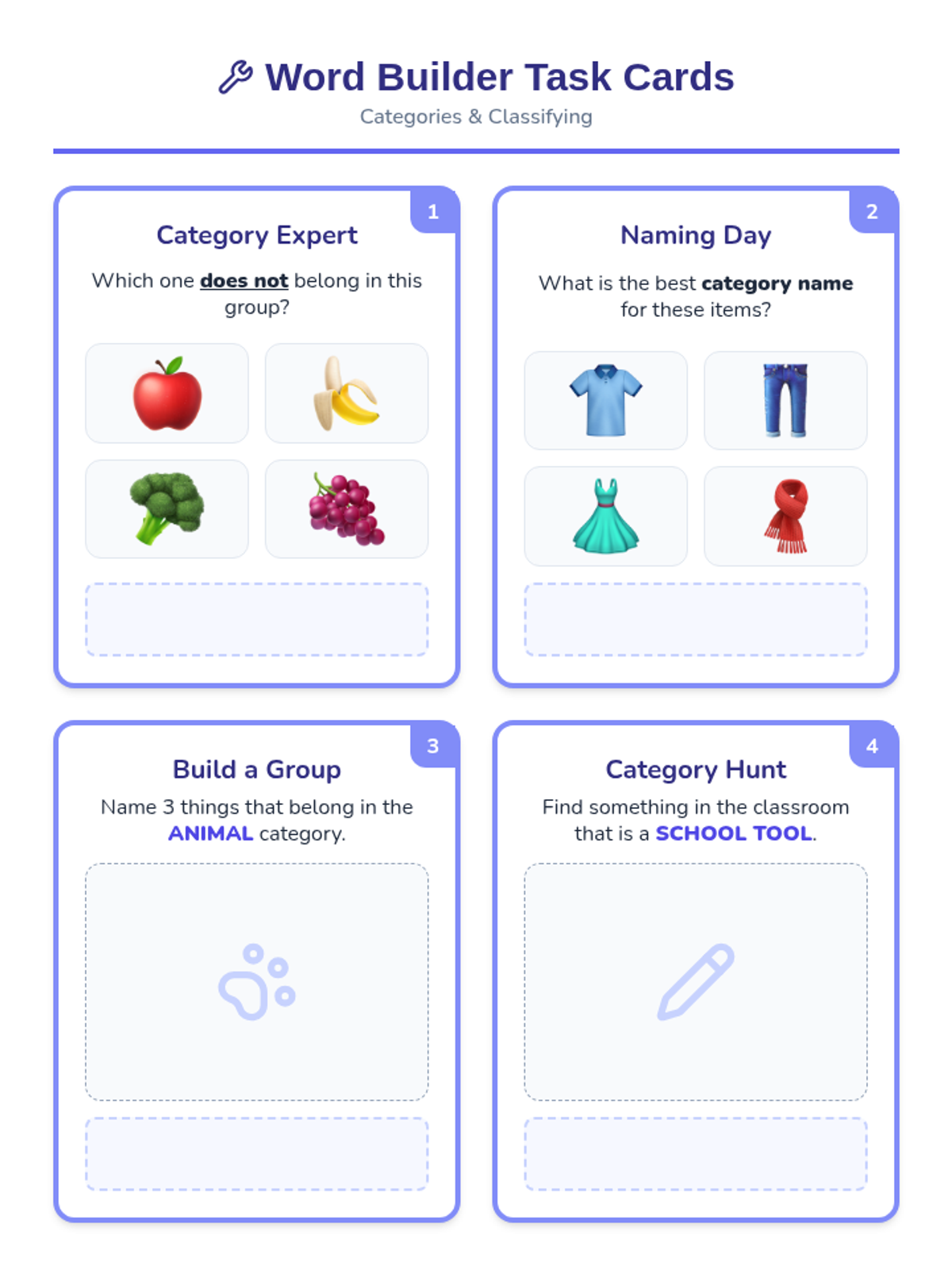
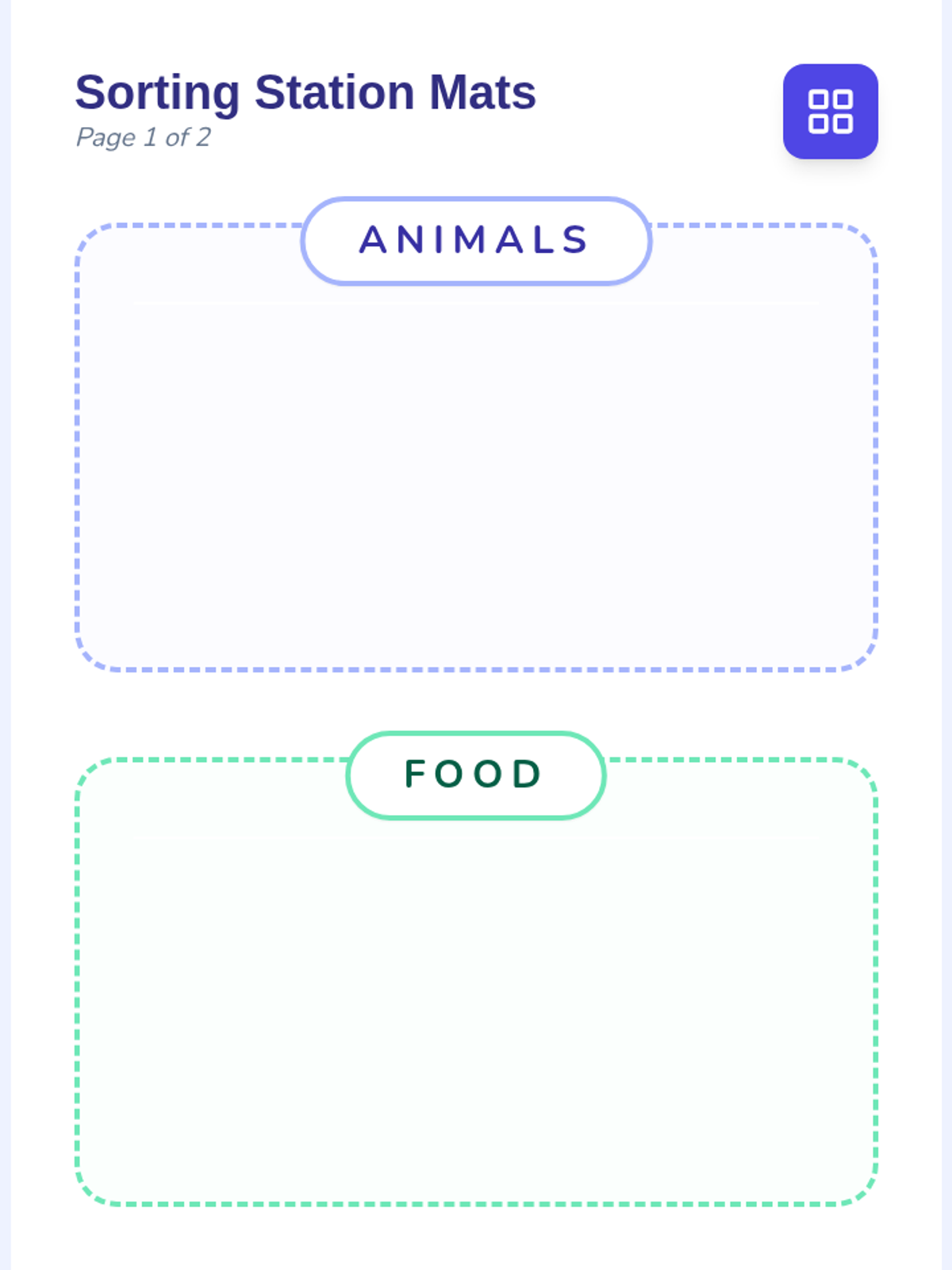
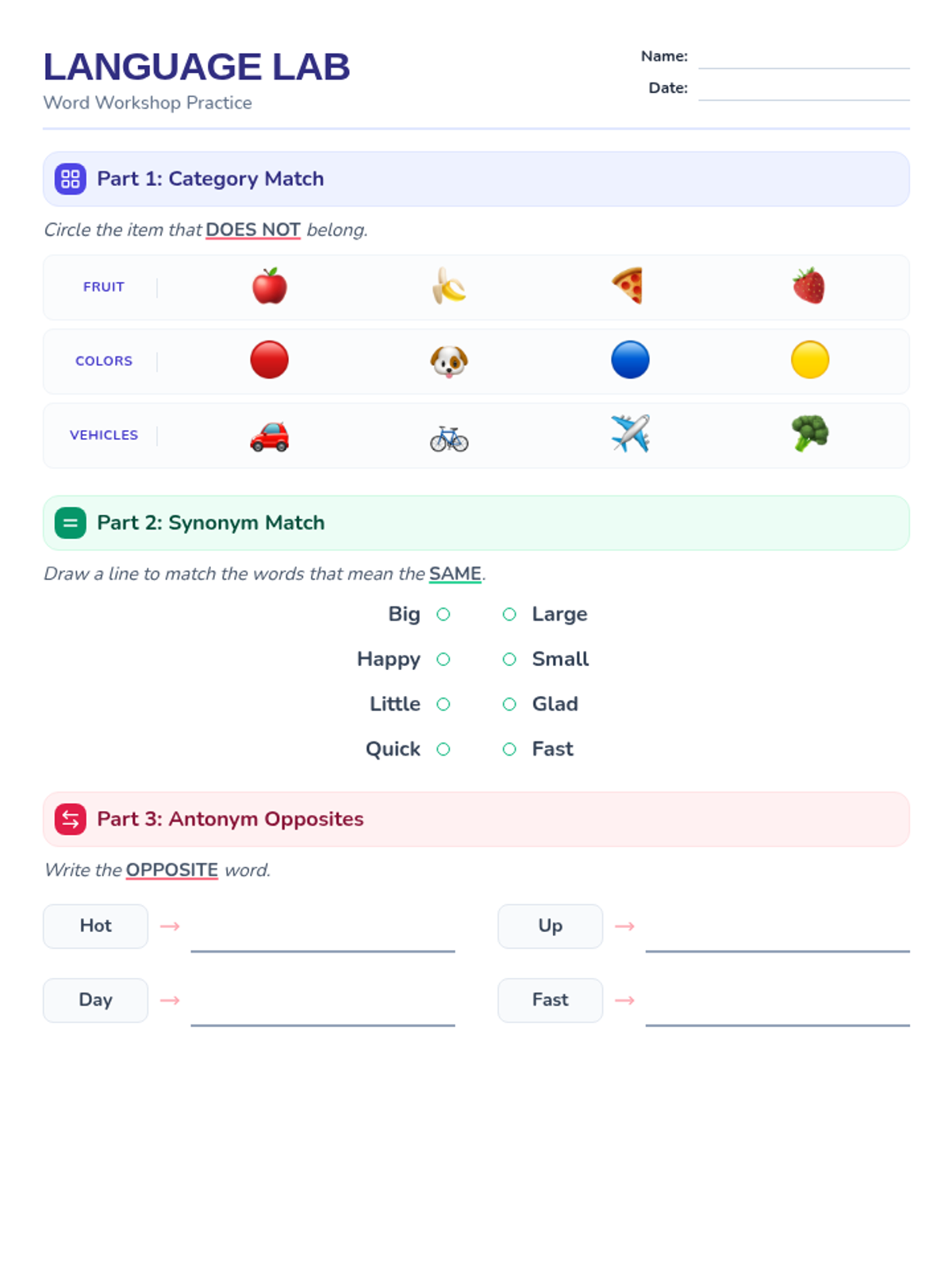
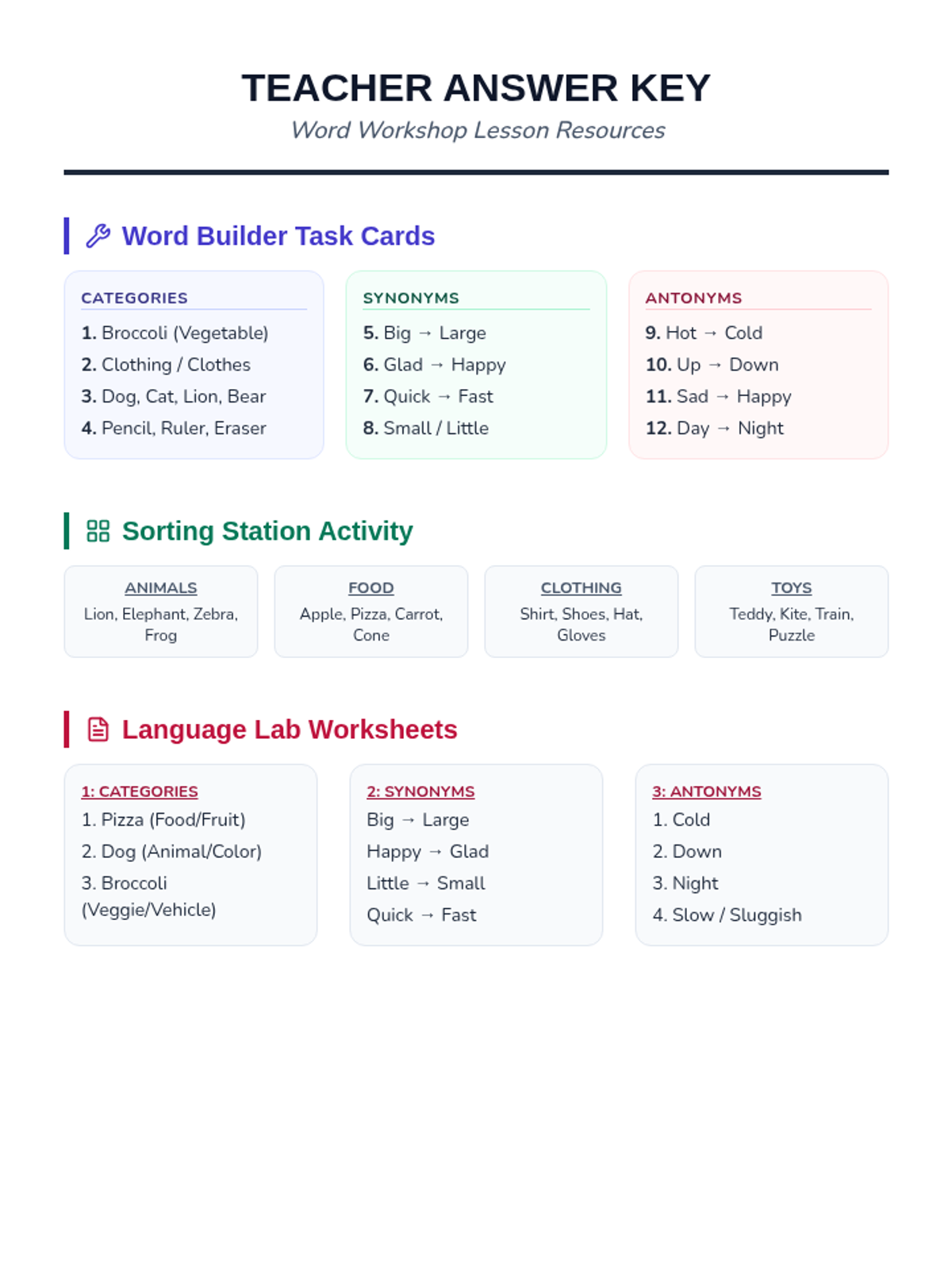
A comprehensive first-grade lesson on semantic relationships including categorizing, synonyms, and antonyms through interactive slides, hands-on sorting, and practice tasks.
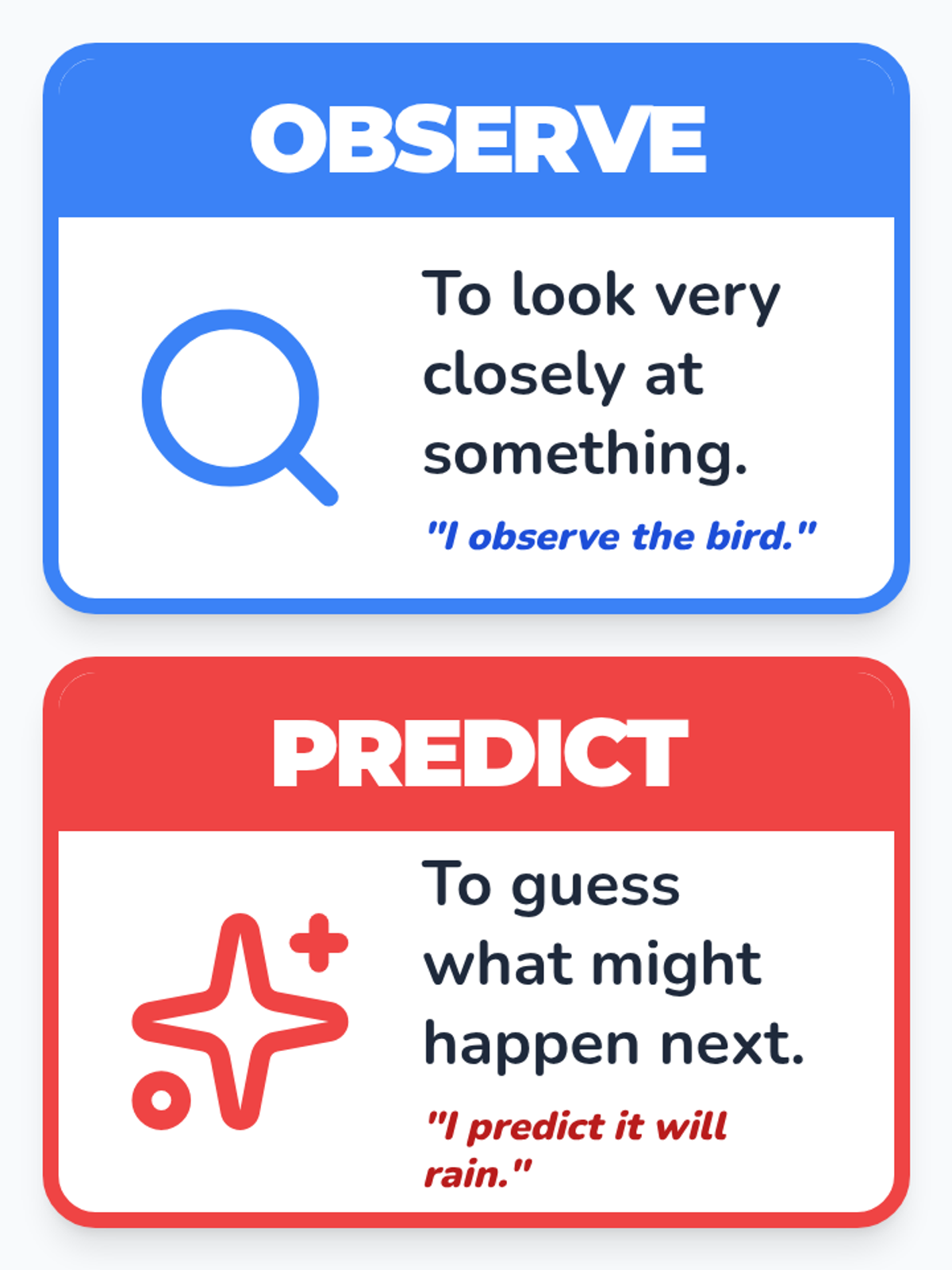
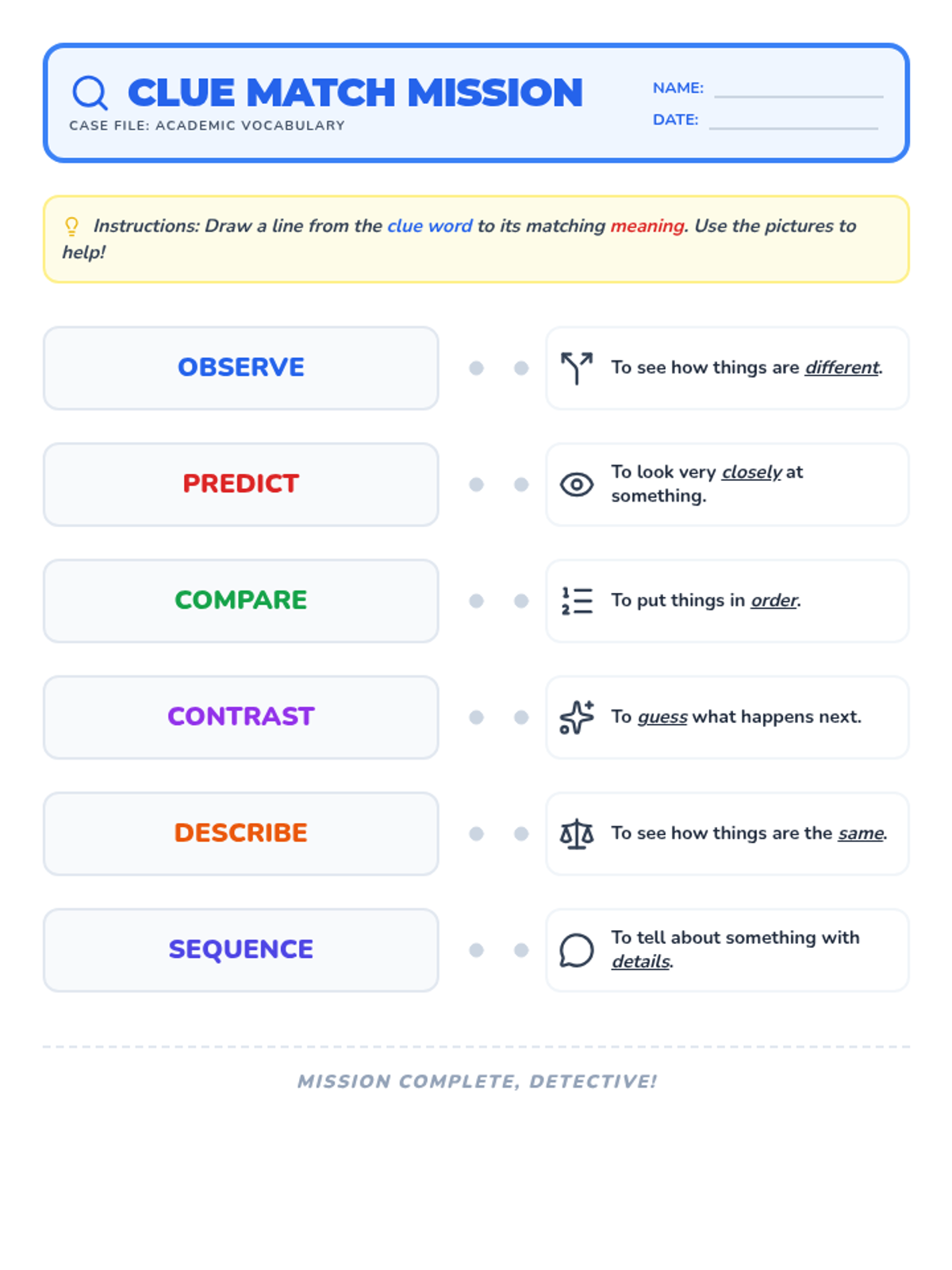
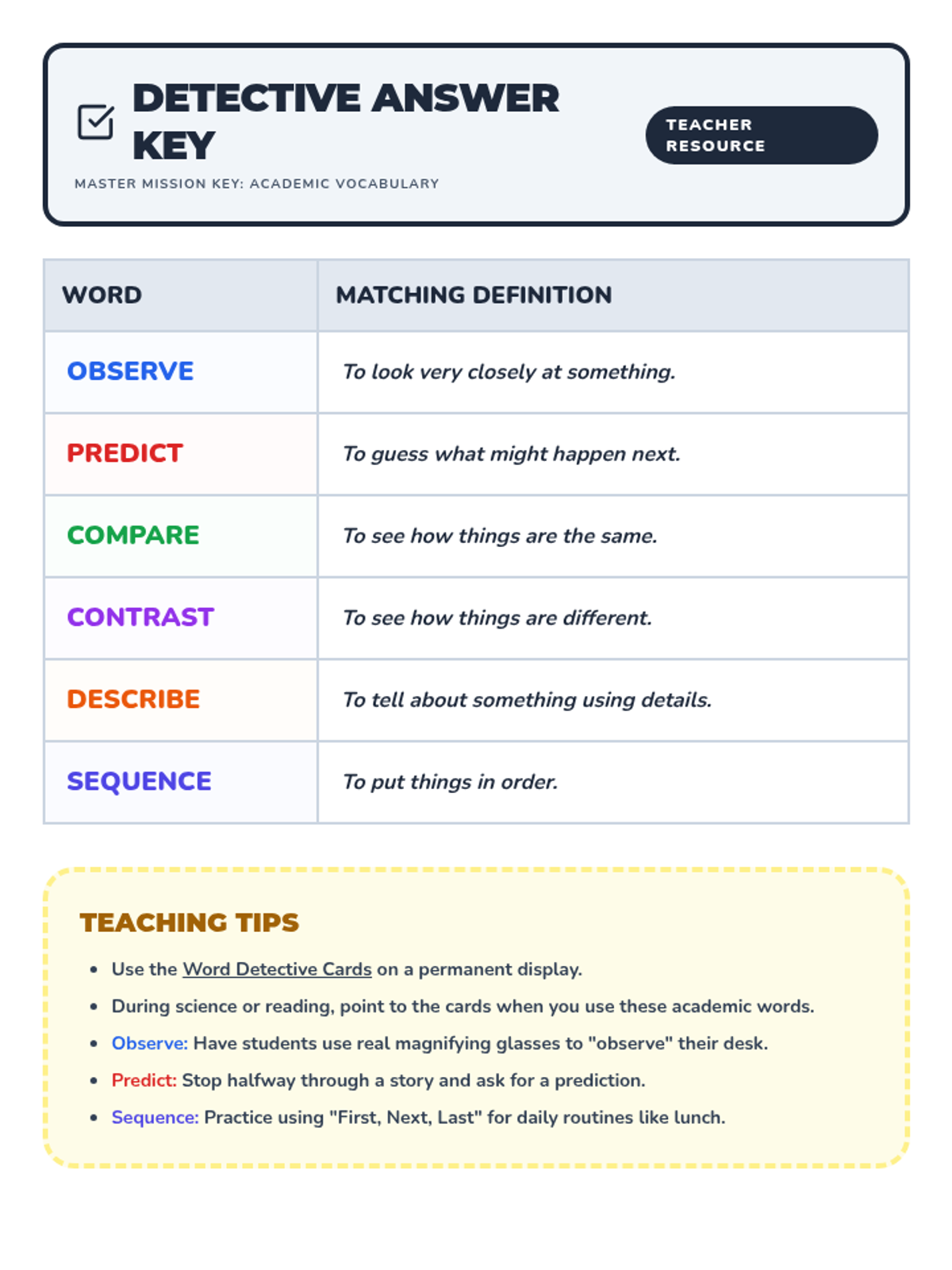
A foundation-building lesson for first graders to master essential Tier 2 academic vocabulary through visual aids and matching activities. Students become 'Word Detectives' to uncover the meanings of words they will encounter across all subjects.
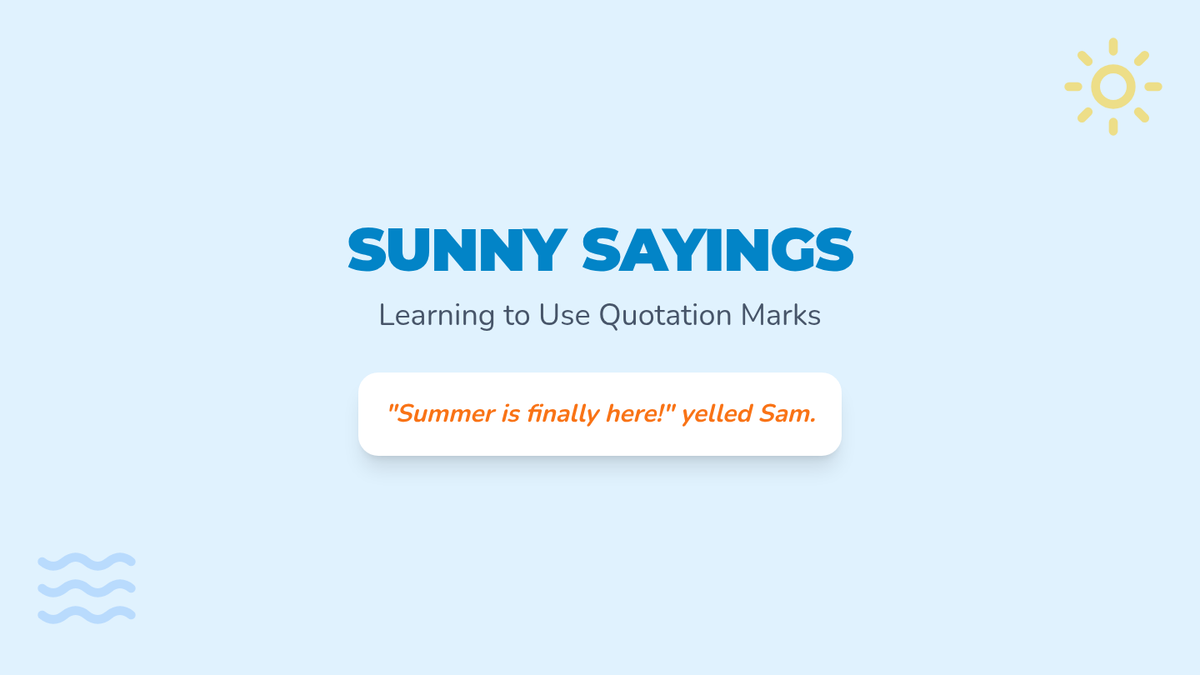
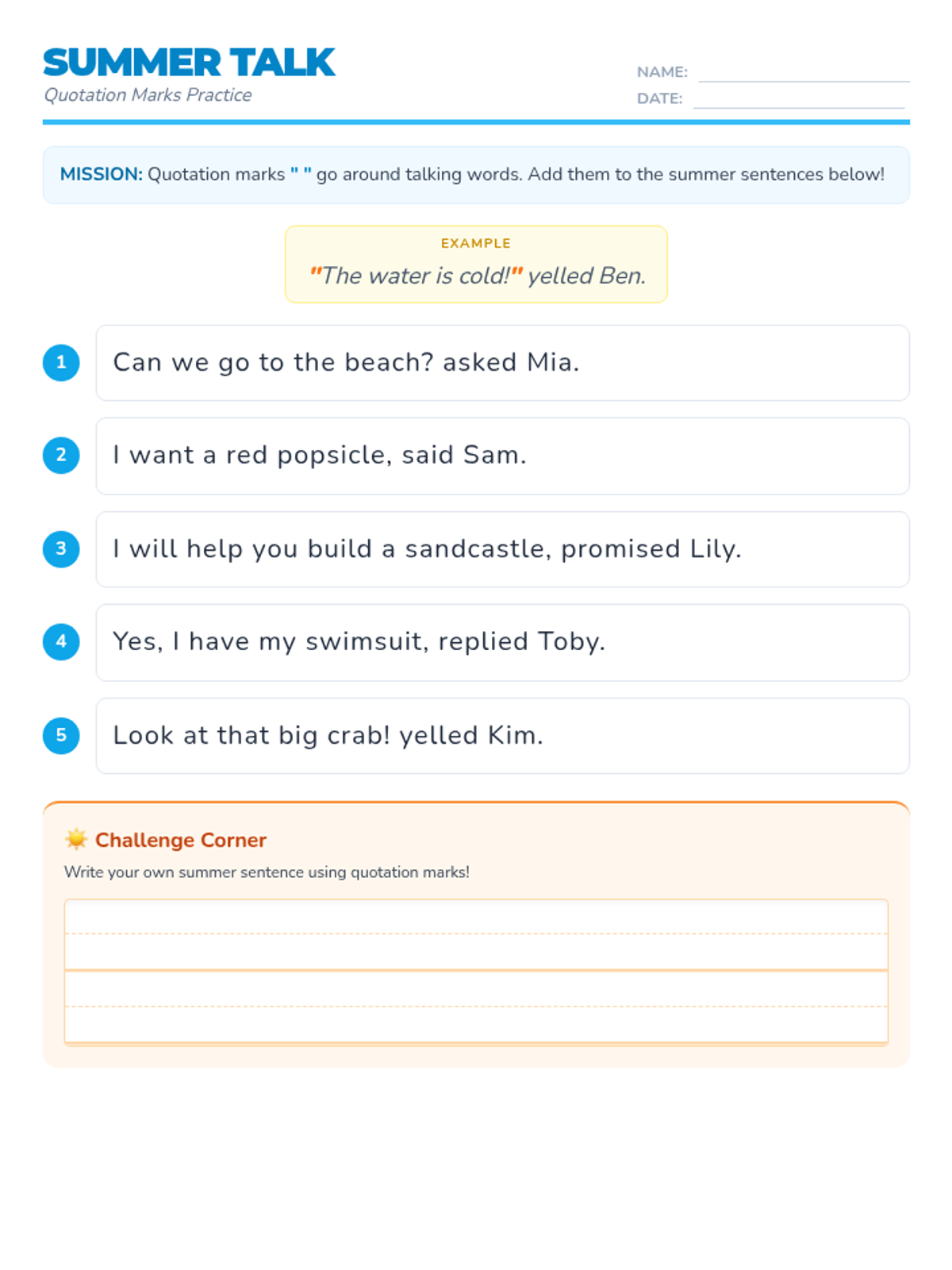
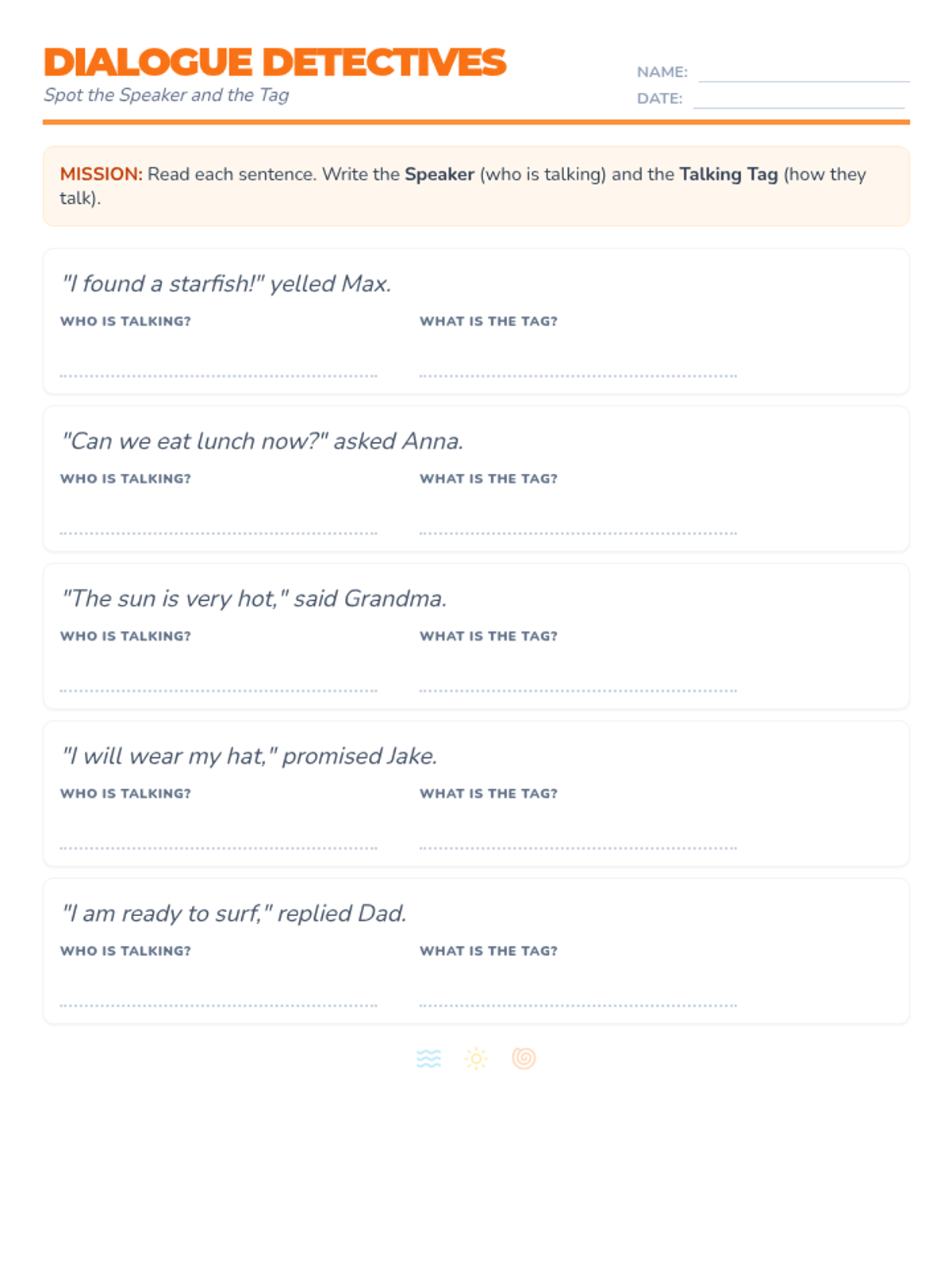
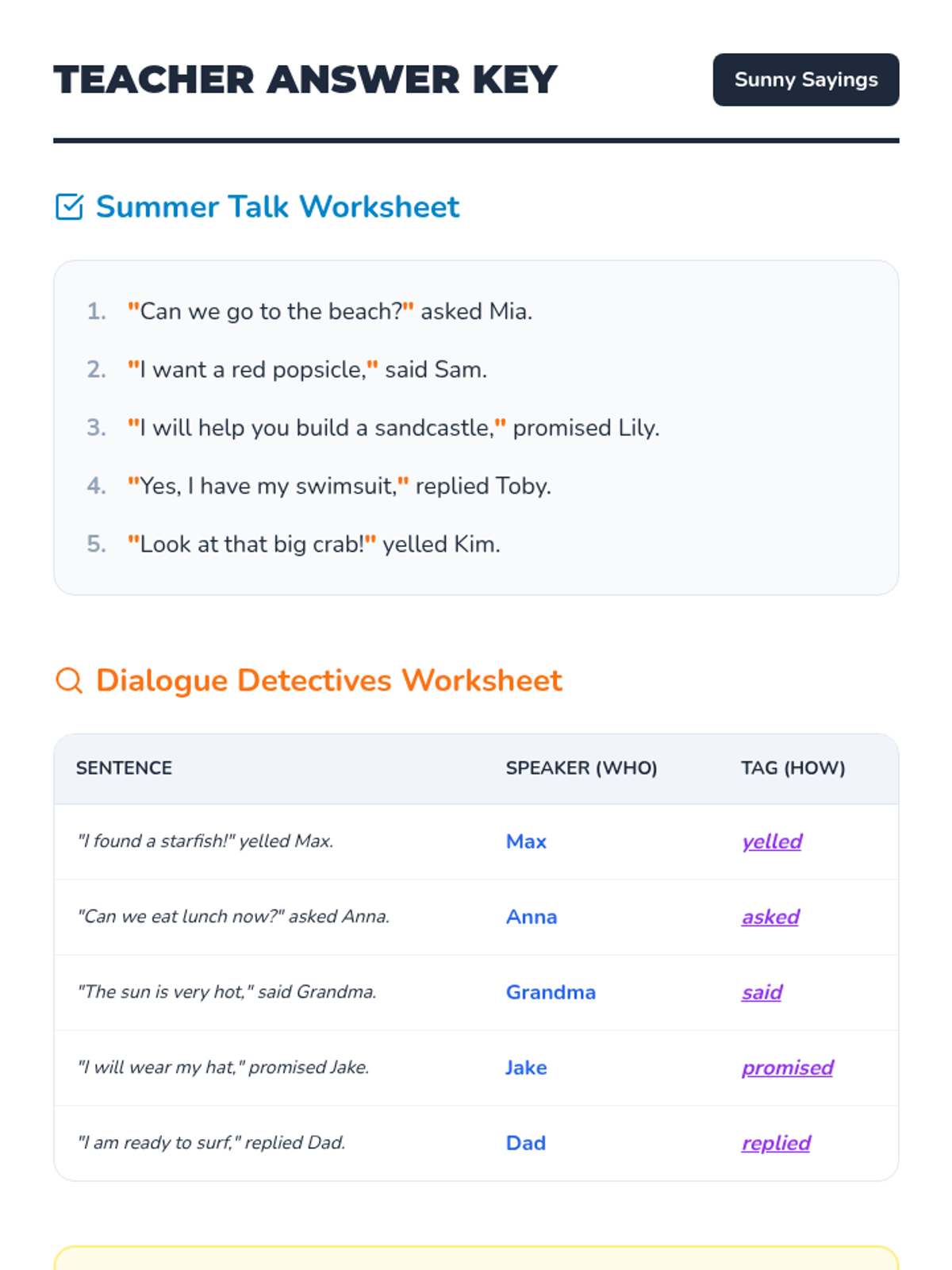
A bright and beachy lesson introducing first graders to quotation marks using summer-themed dialogue and action-packed speech tags.
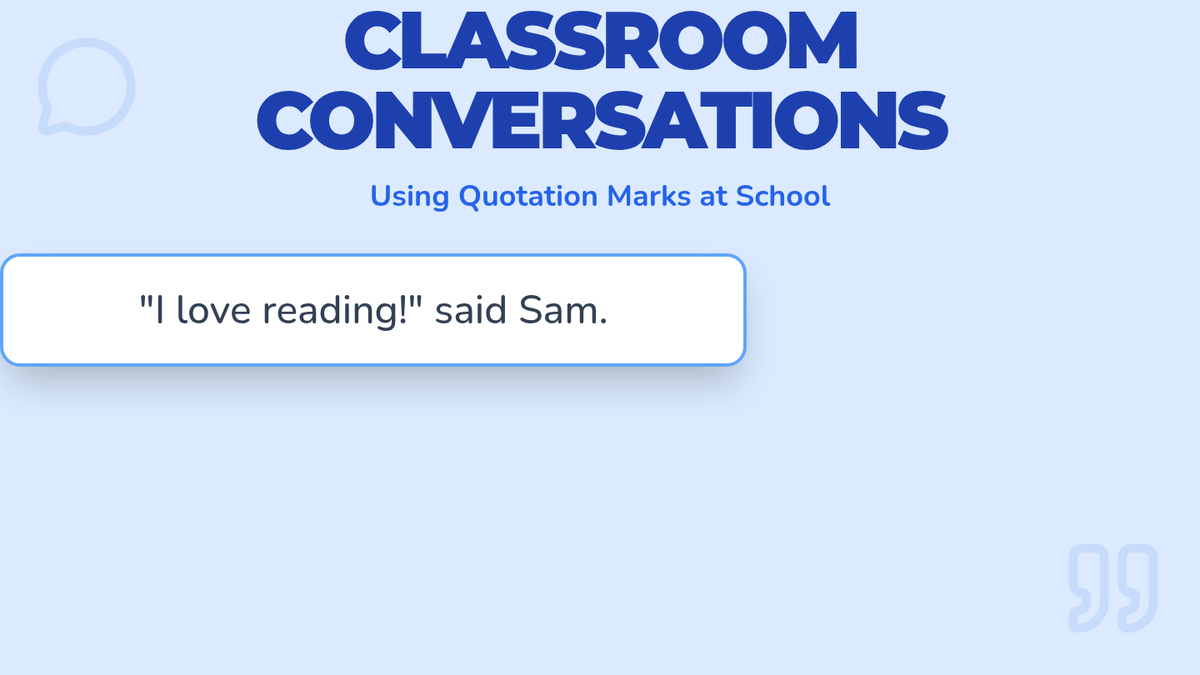
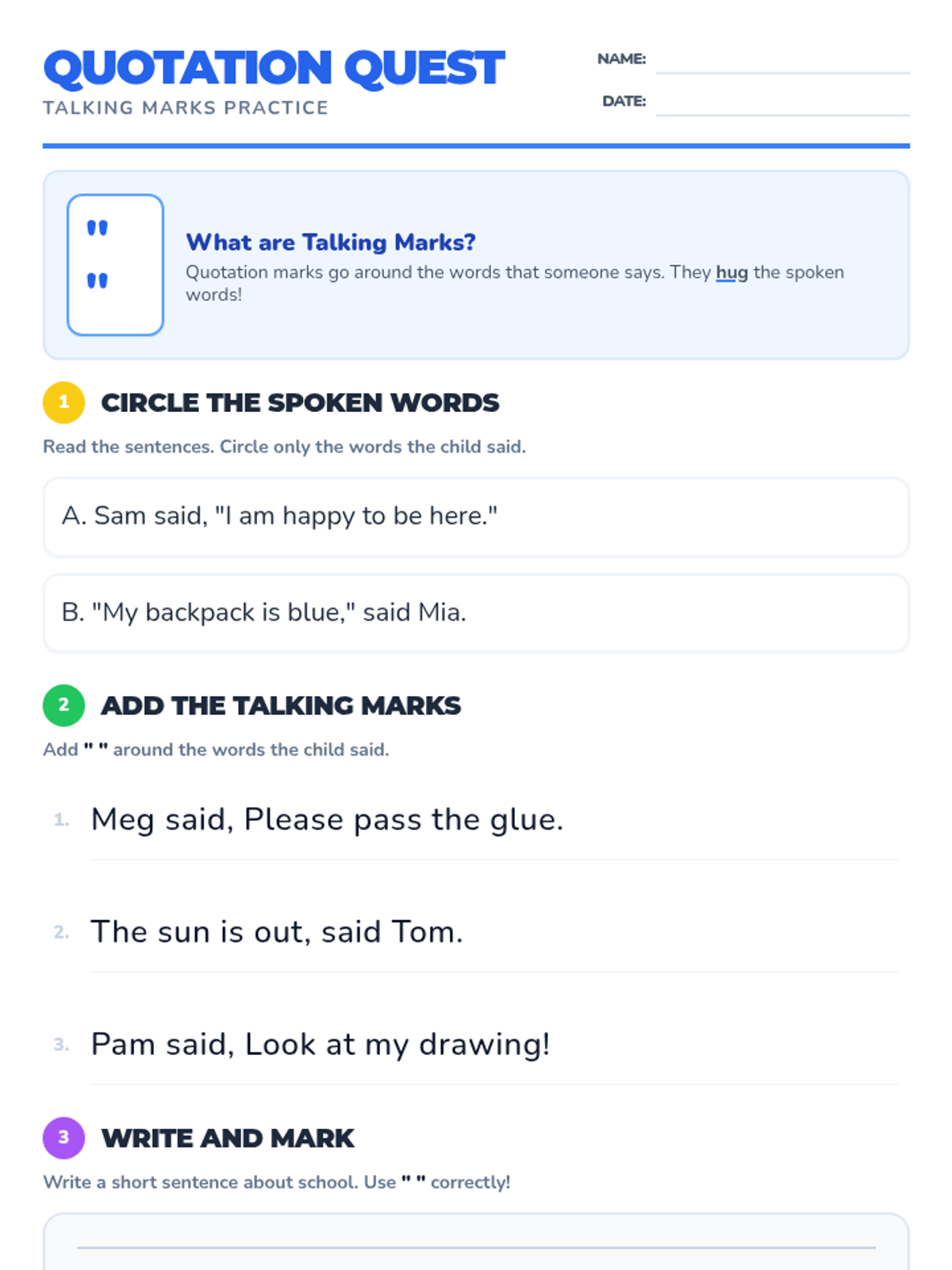
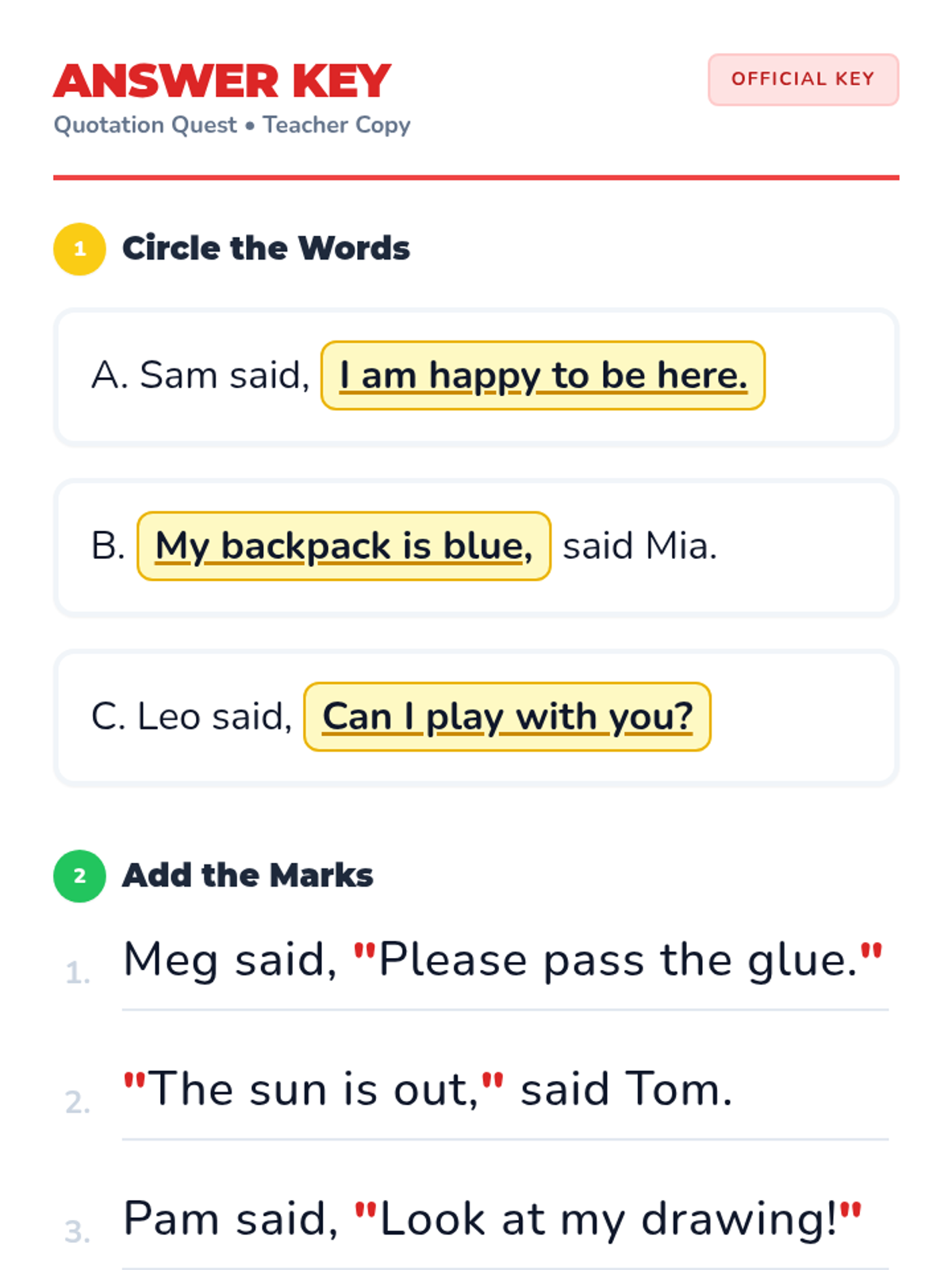
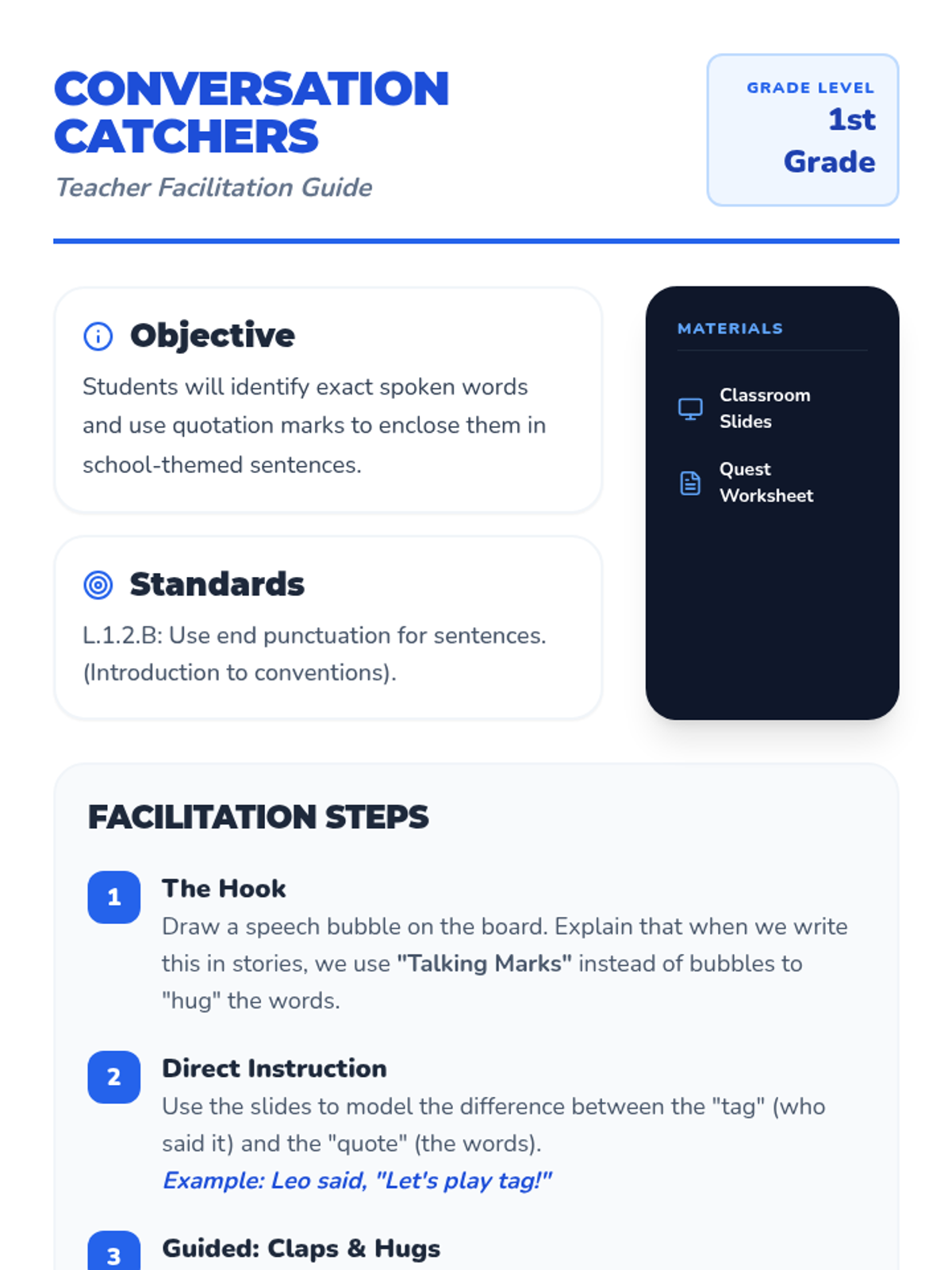
A first-grade grammar lesson focused on introducing and practicing quotation marks in simple sentences about school life. This lesson includes interactive slides, a practice worksheet, and a teacher facilitation guide.
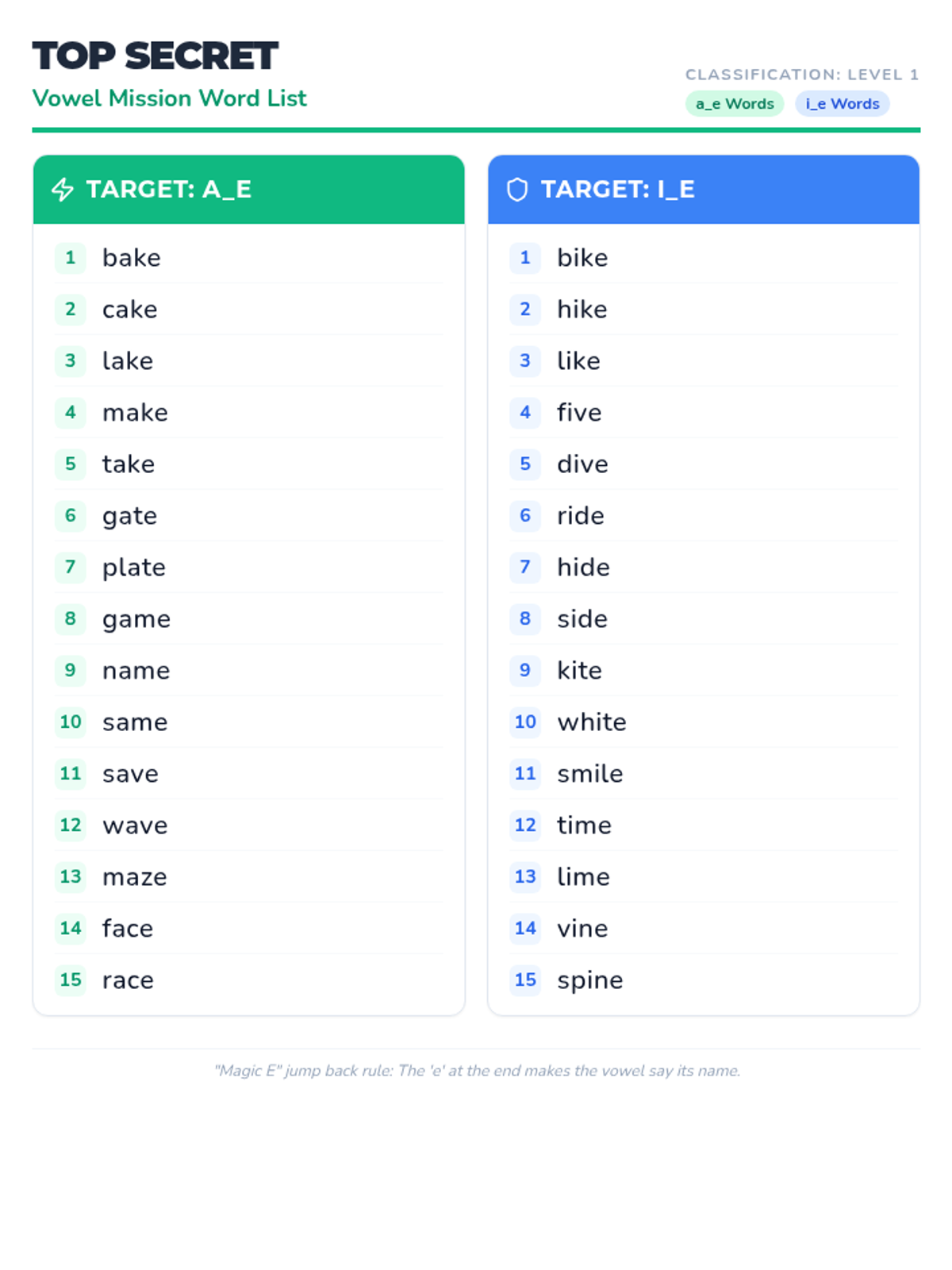
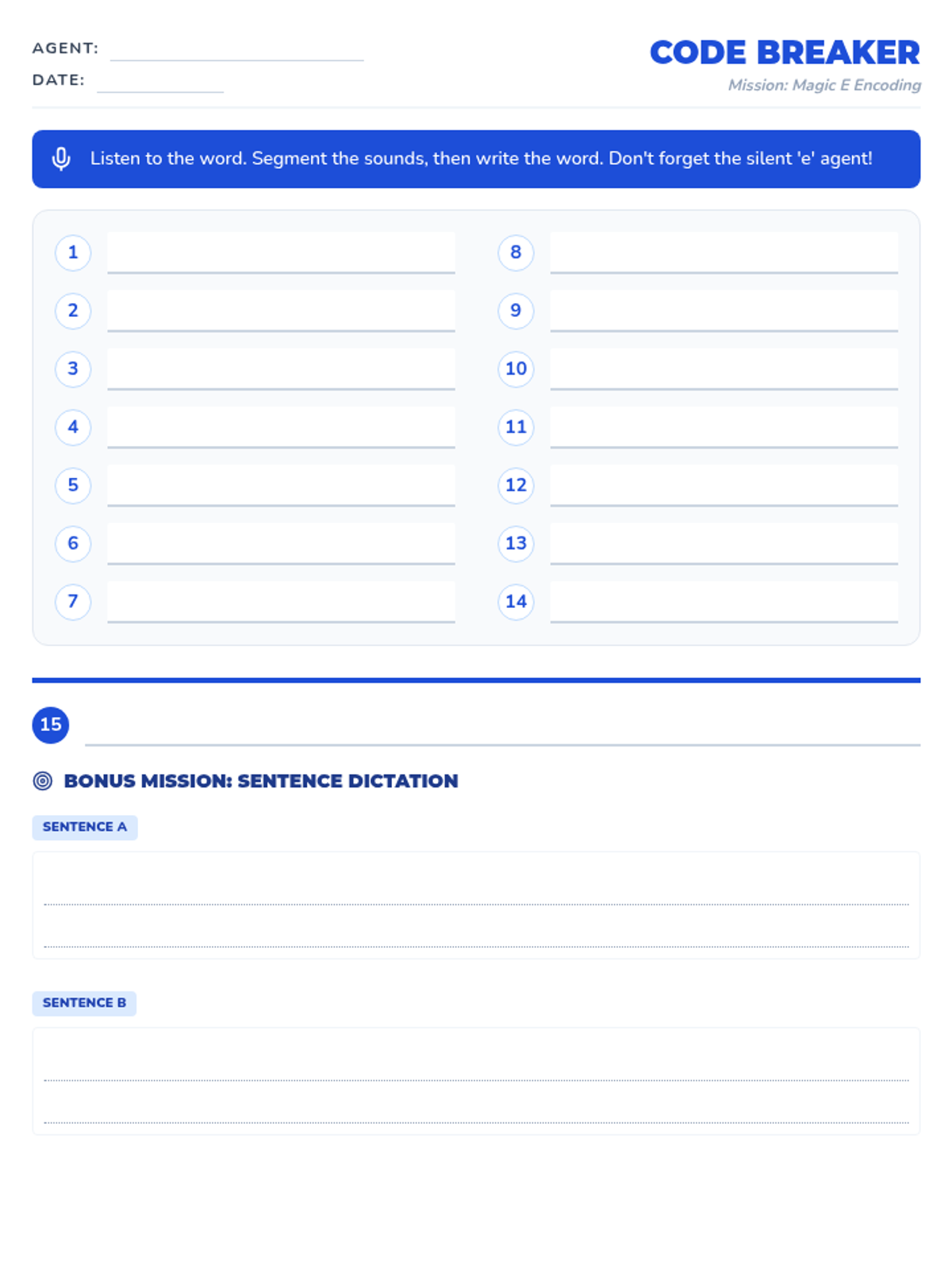
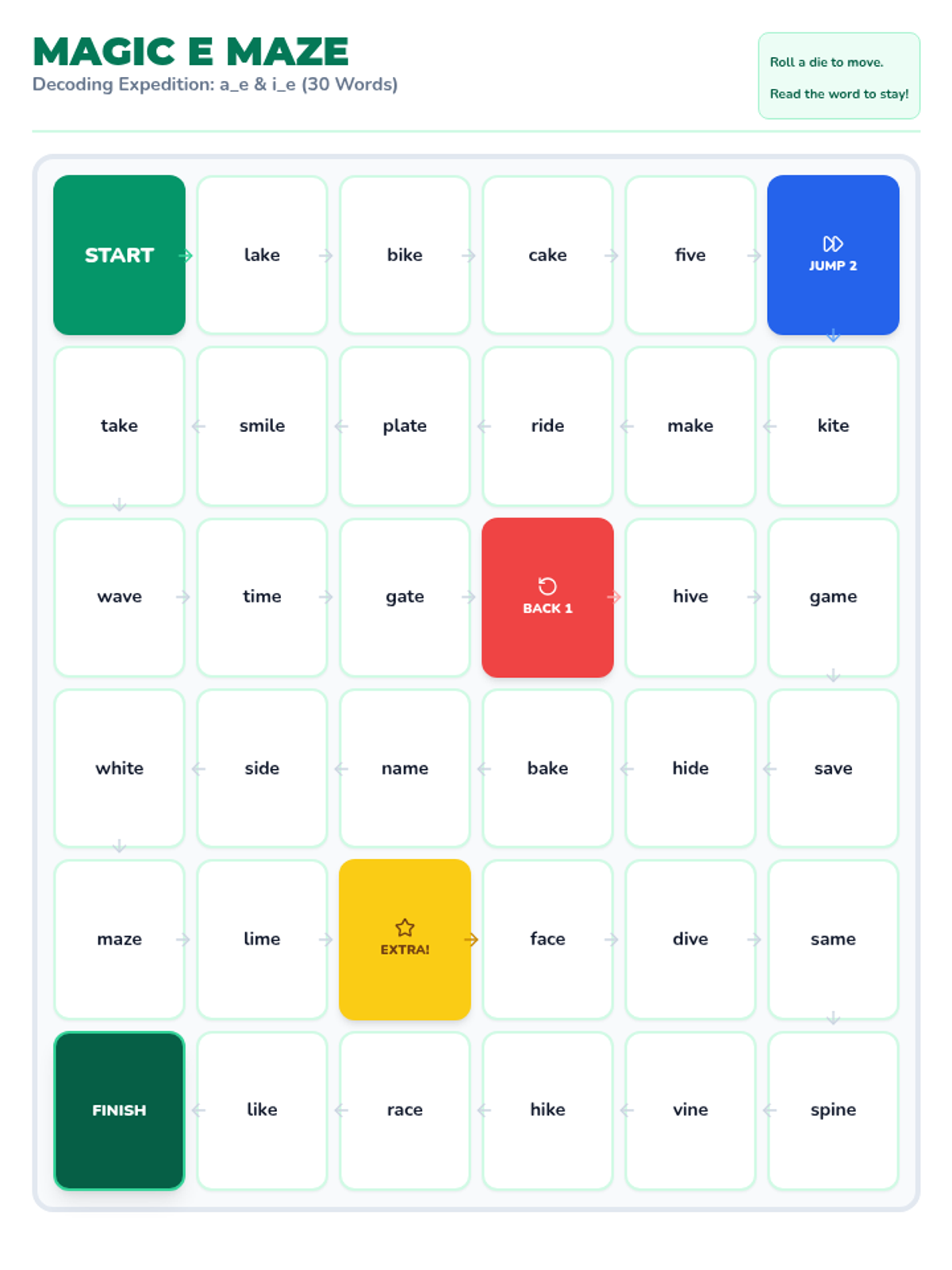
A collection of resources focused on long vowel silent e (a_e and i_e) patterns, designed for intervention groups to practice reading and spelling.
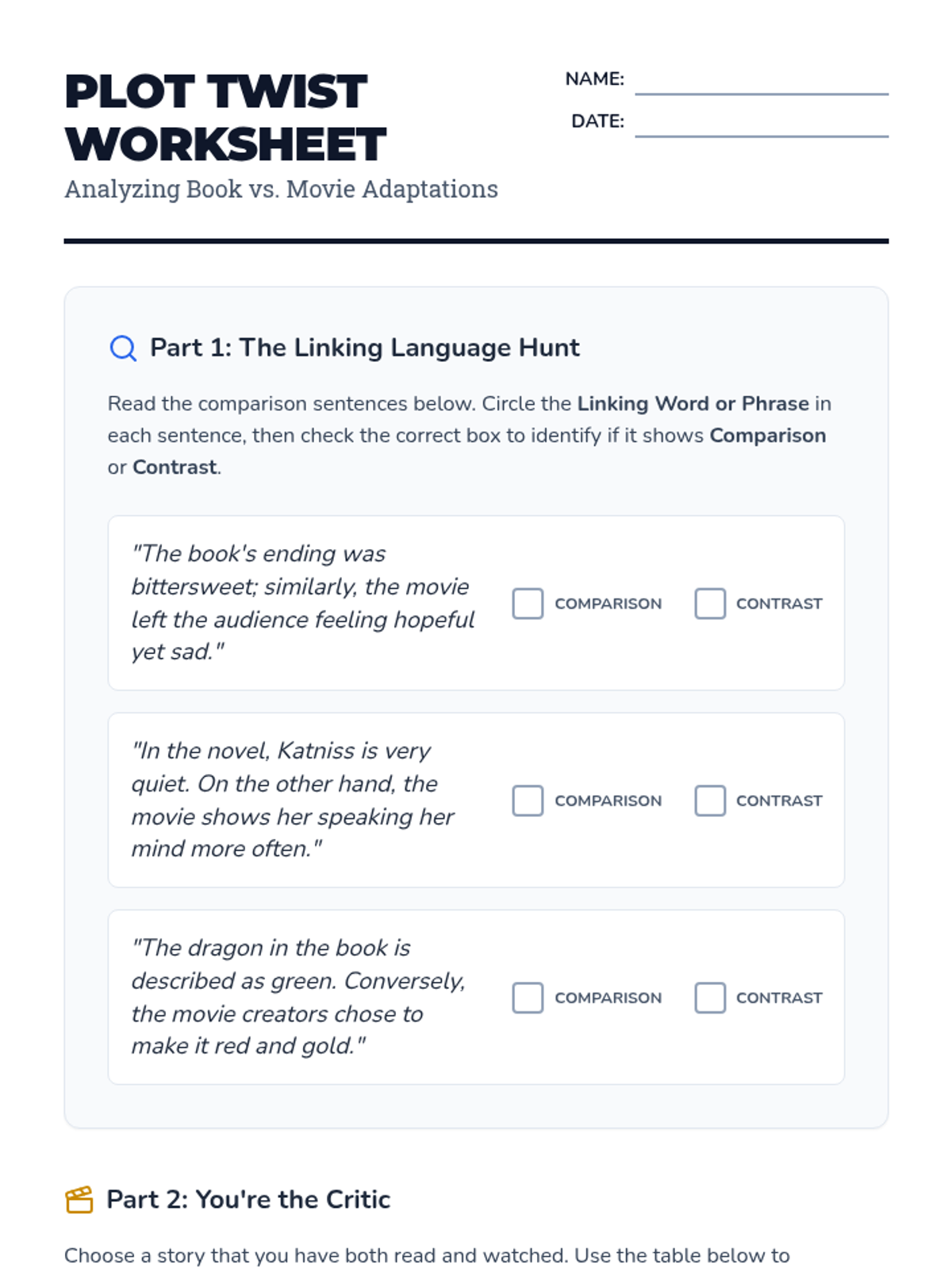
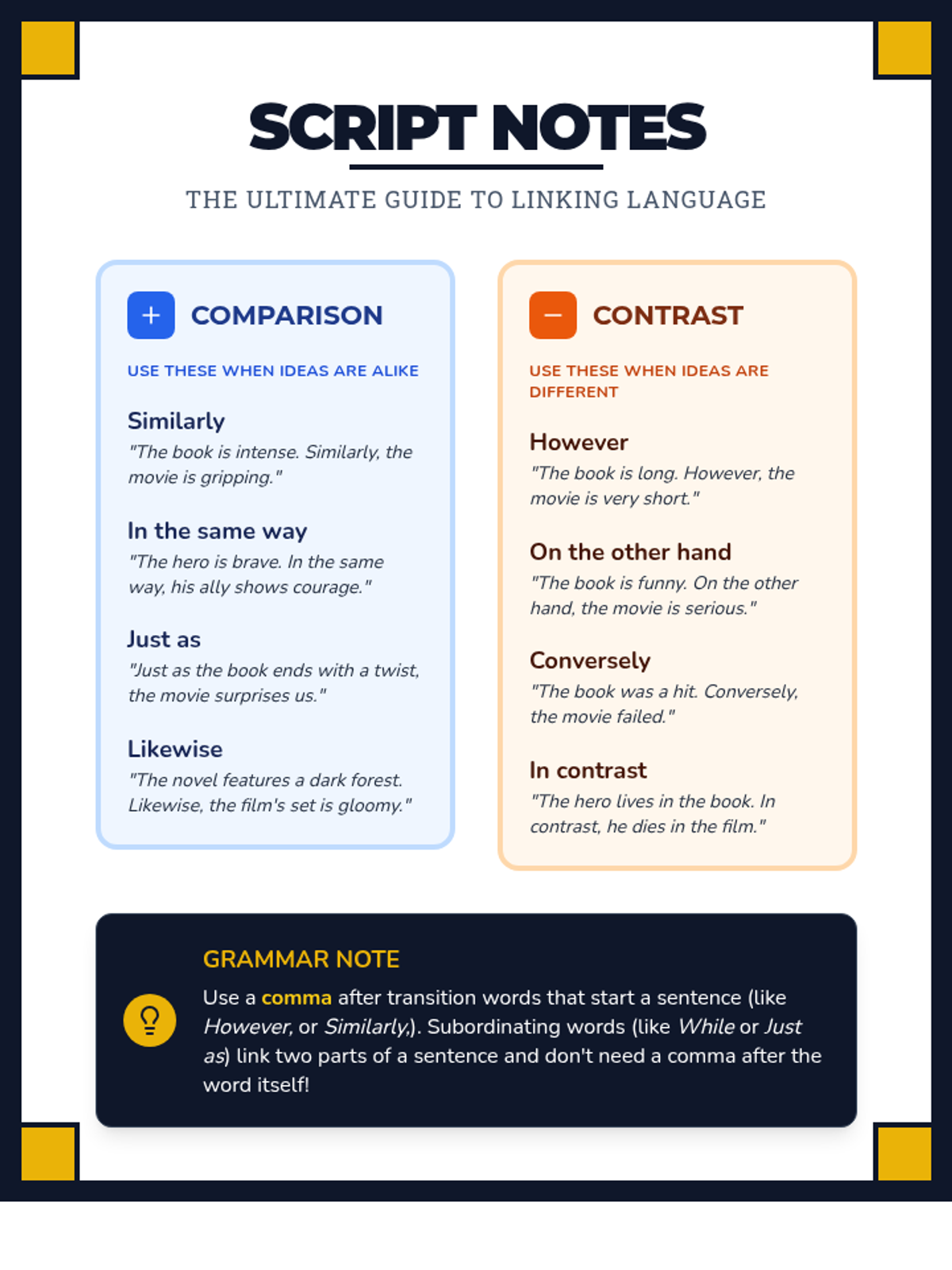
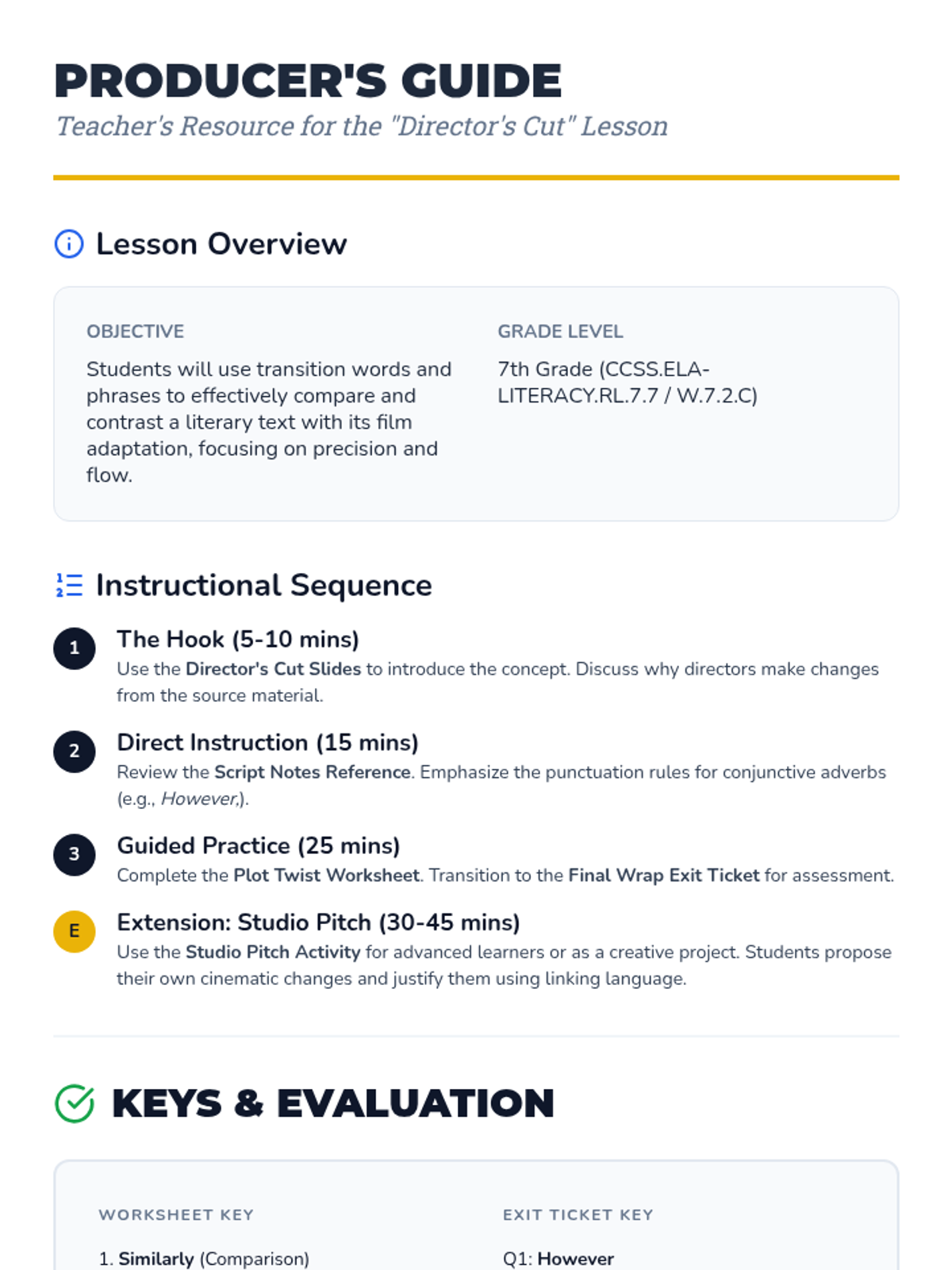
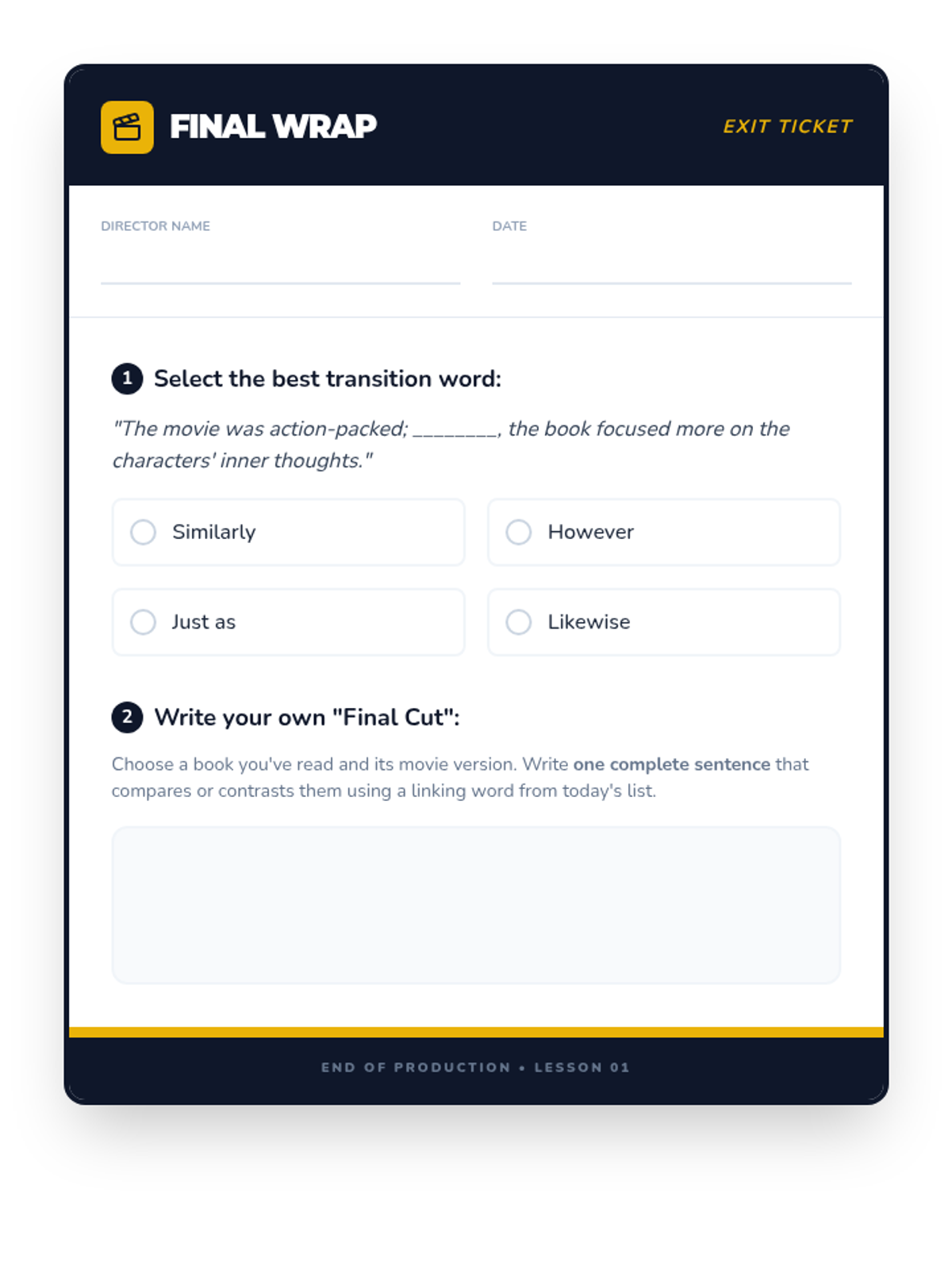
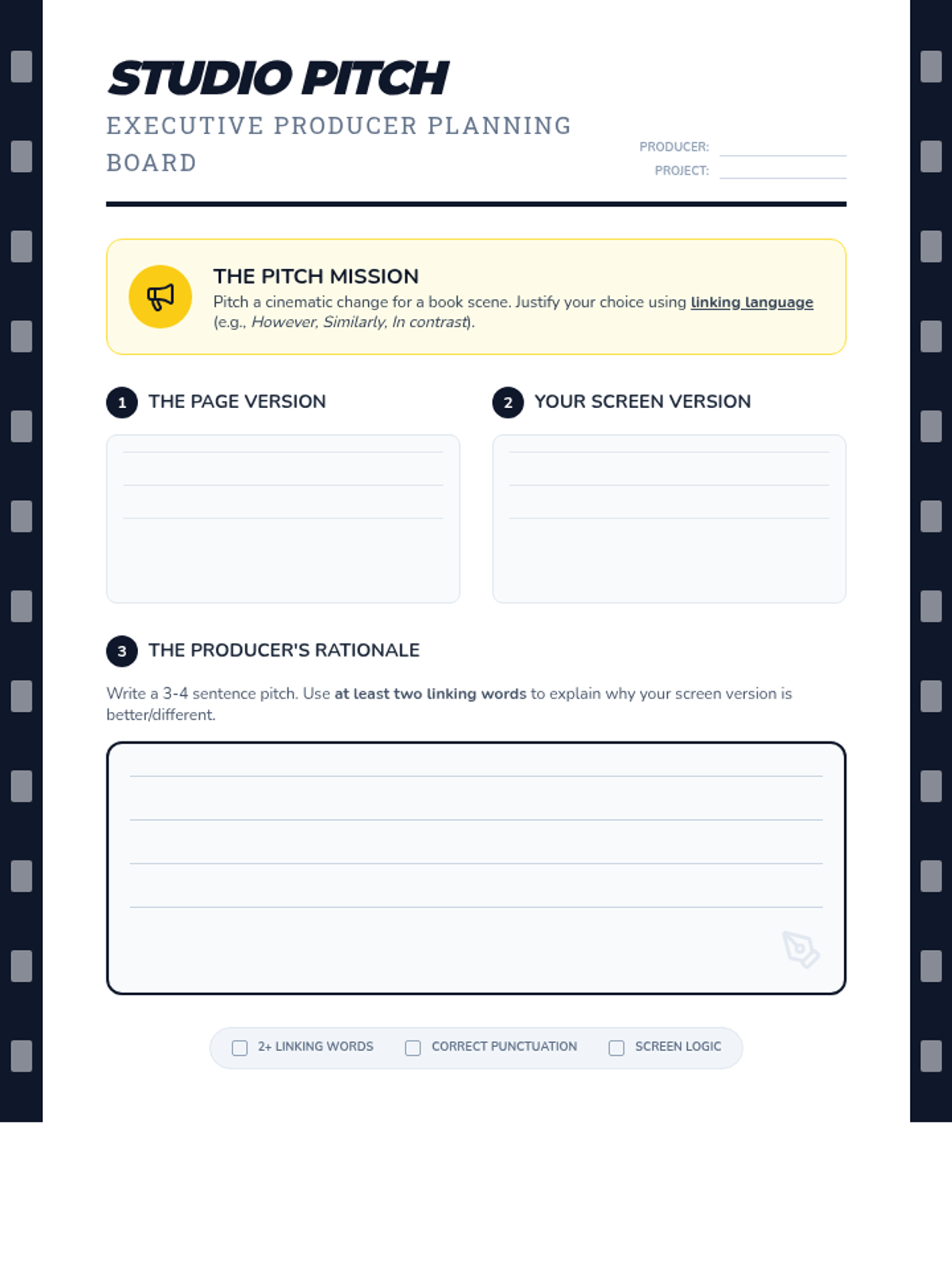
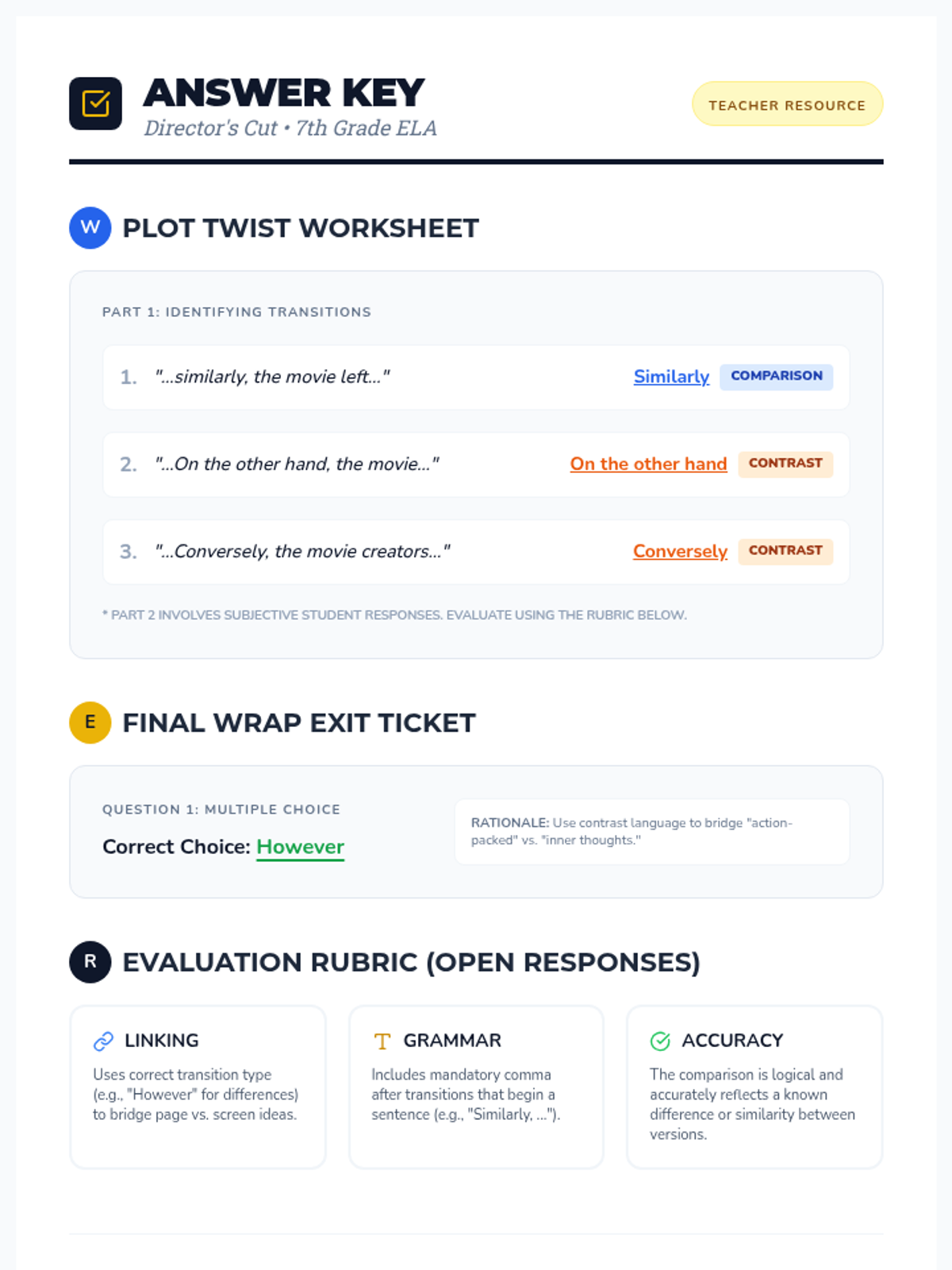
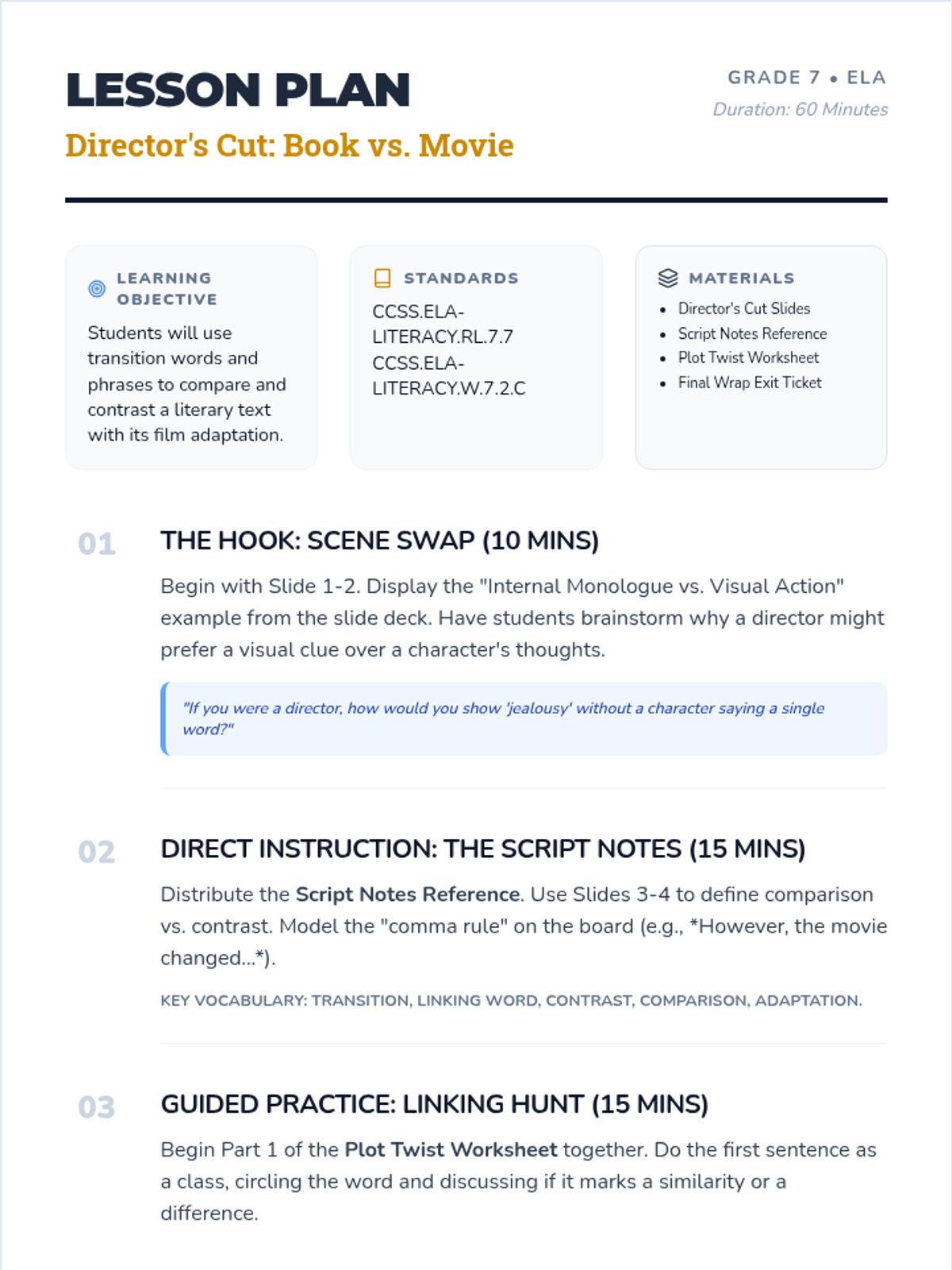
Students learn to use linking words and phrases to compare and contrast book versions of stories with their film adaptations. The lesson focuses on identifying differences in characterization, plot, and tone while using transitional language effectively.
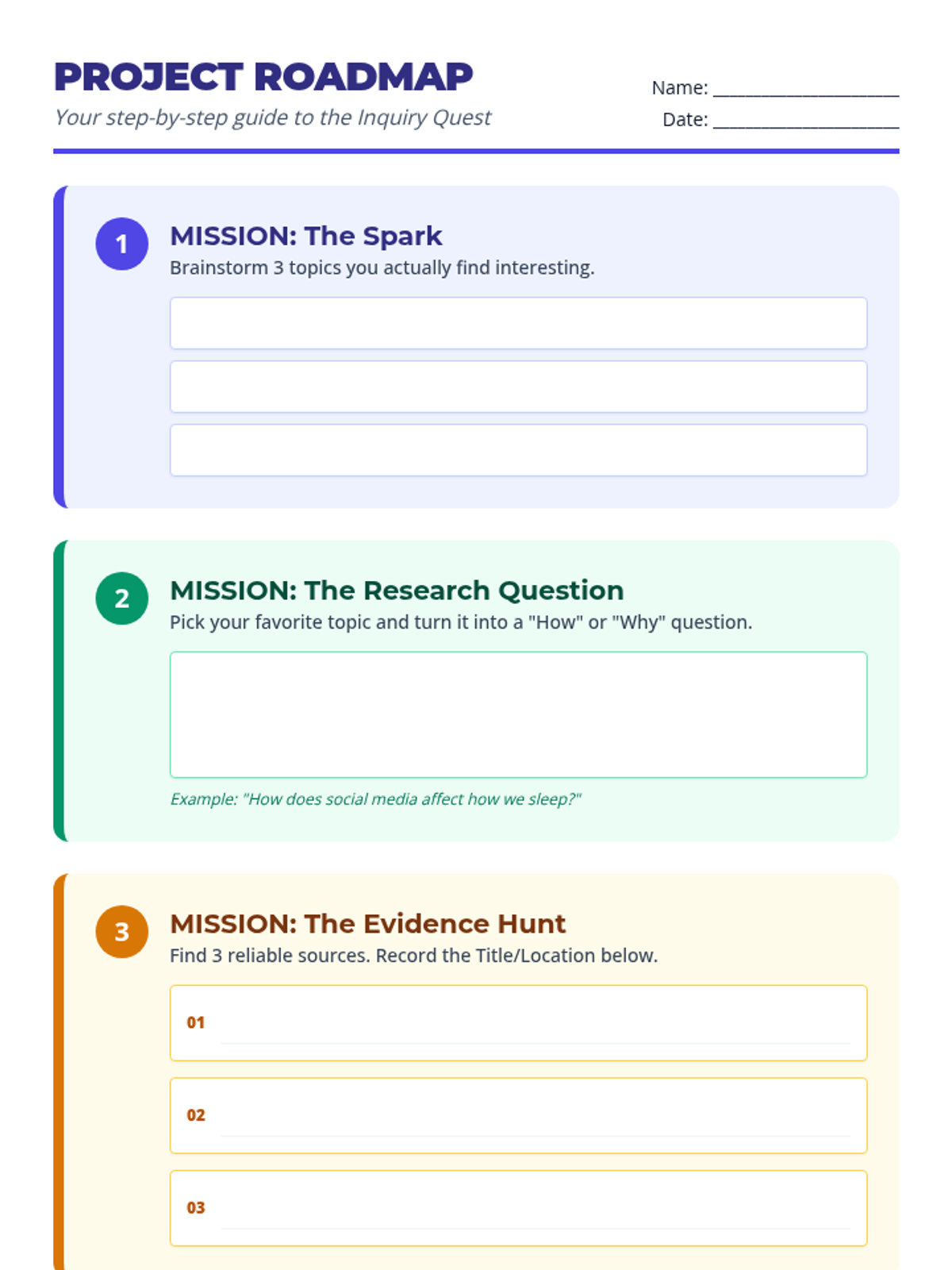
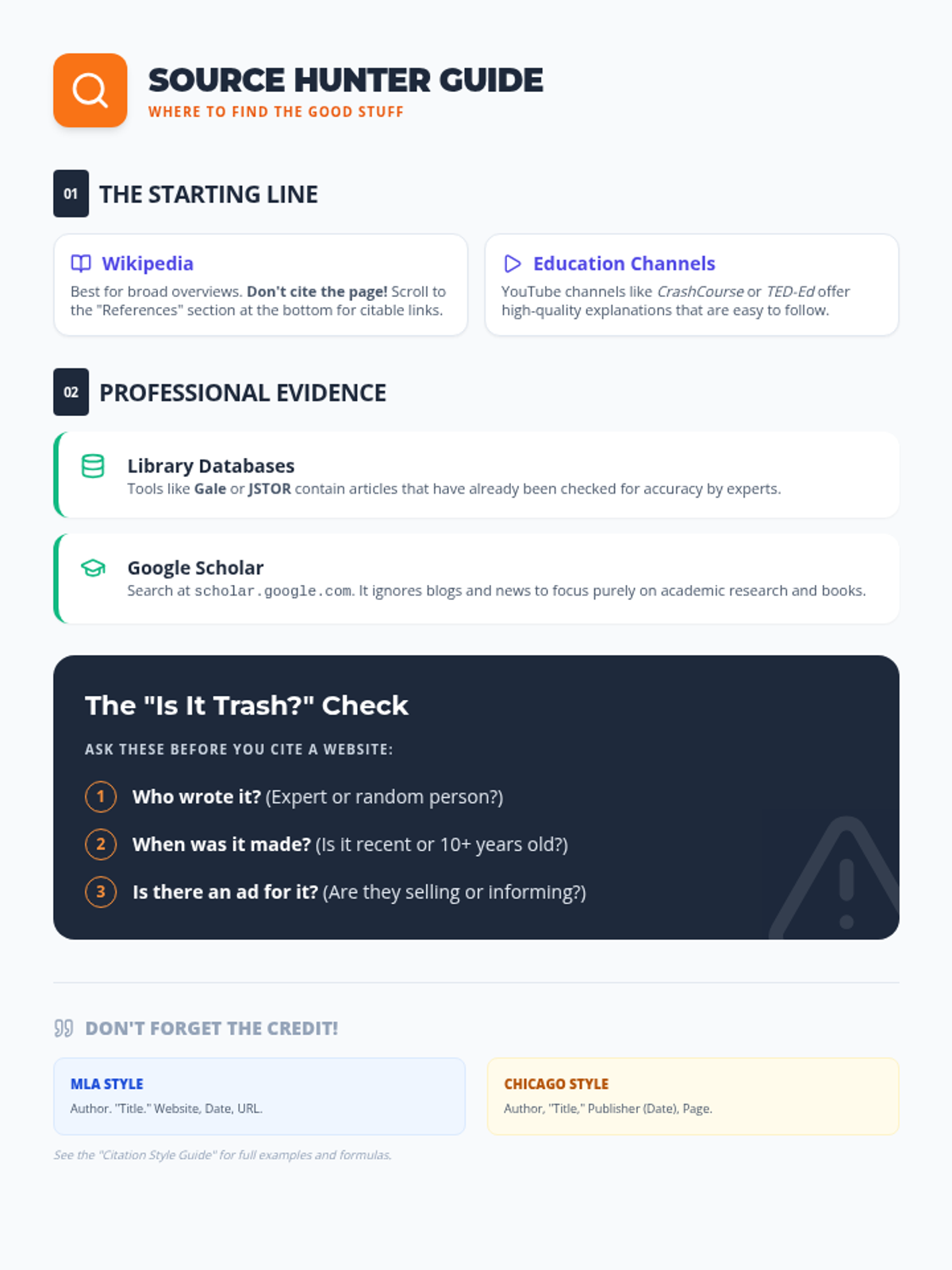
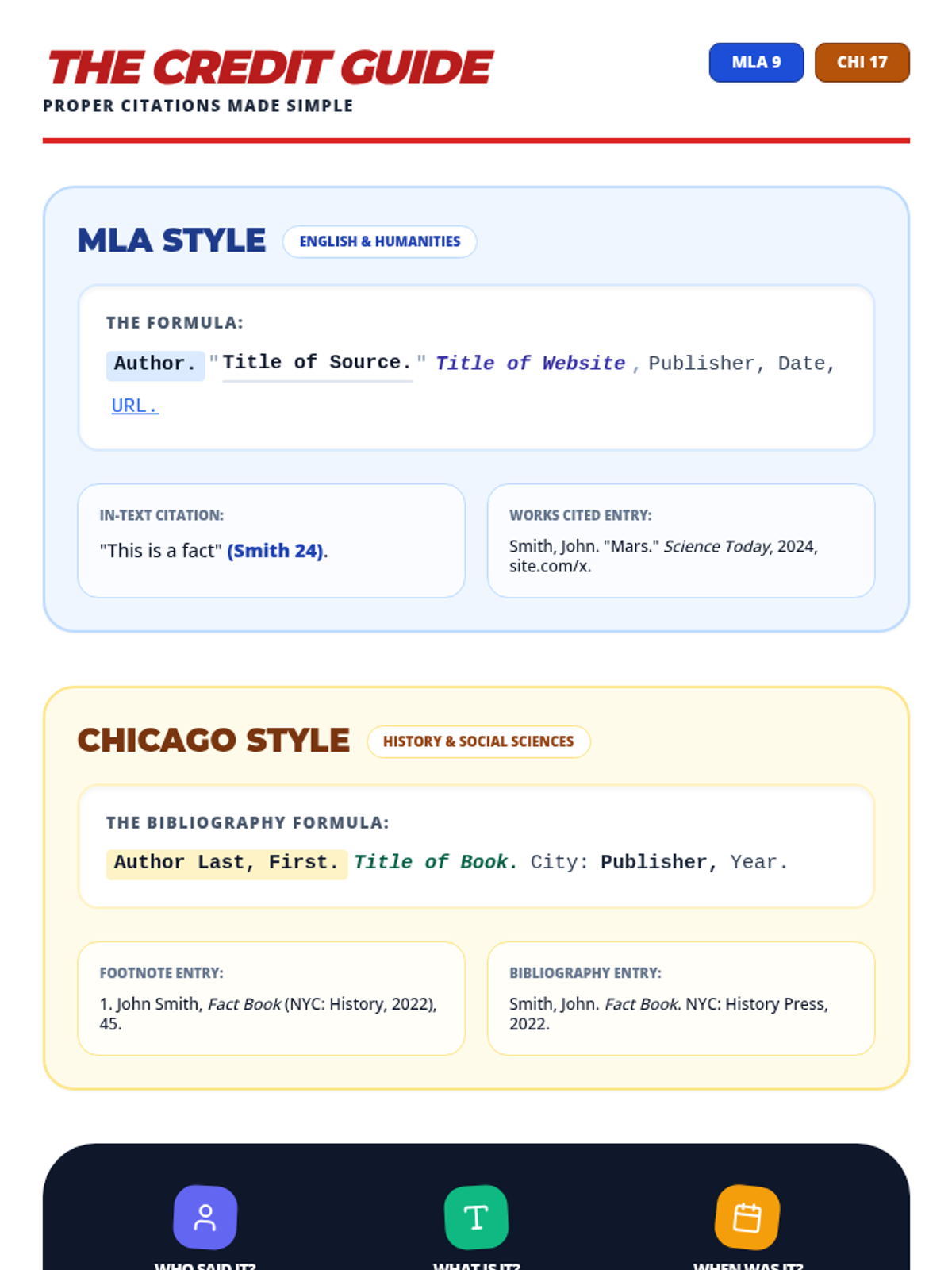
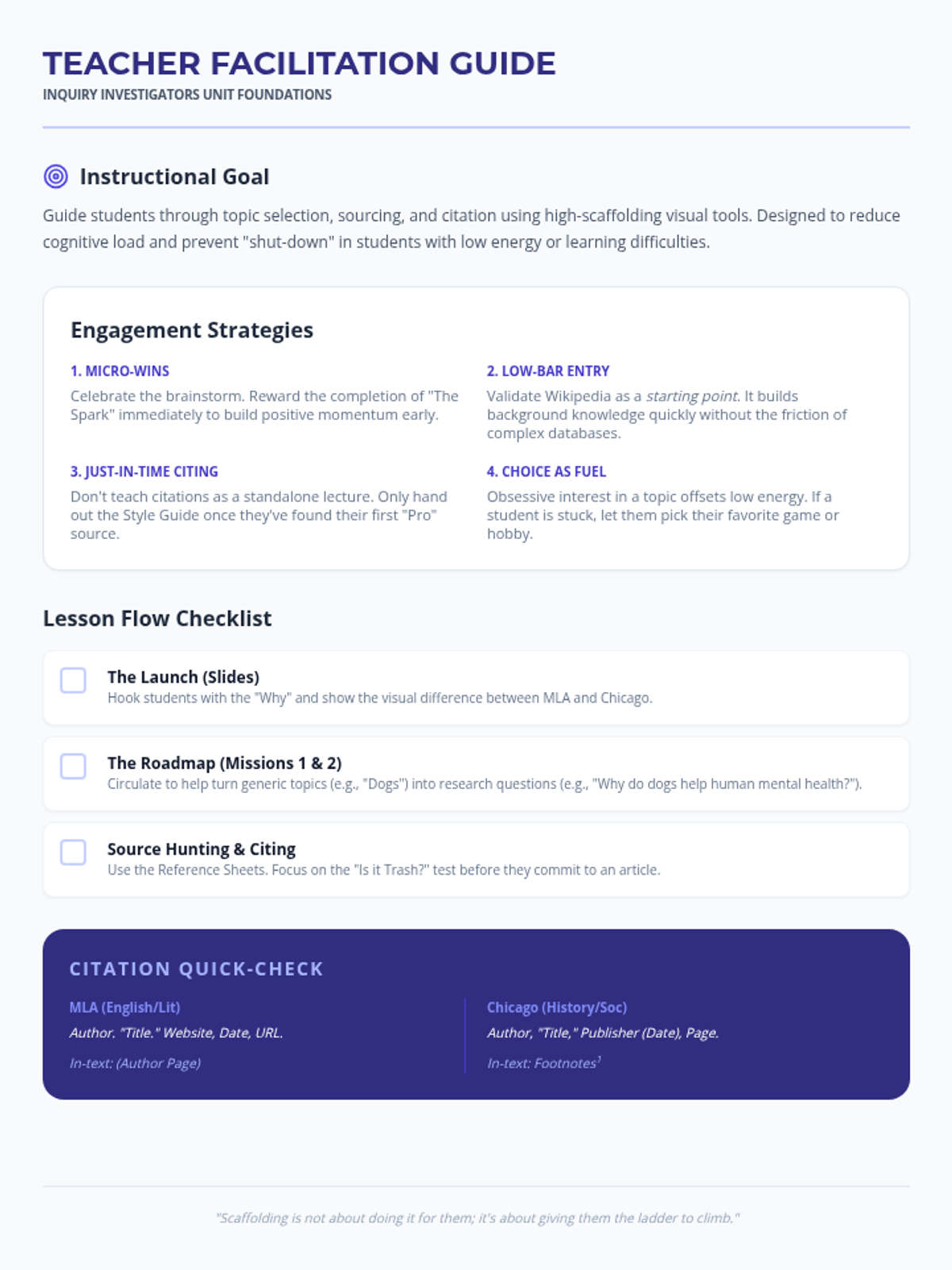
The foundation of the research project, focusing on topic selection, finding credible sources, and understanding the basics of MLA and Chicago citations through visual aids.
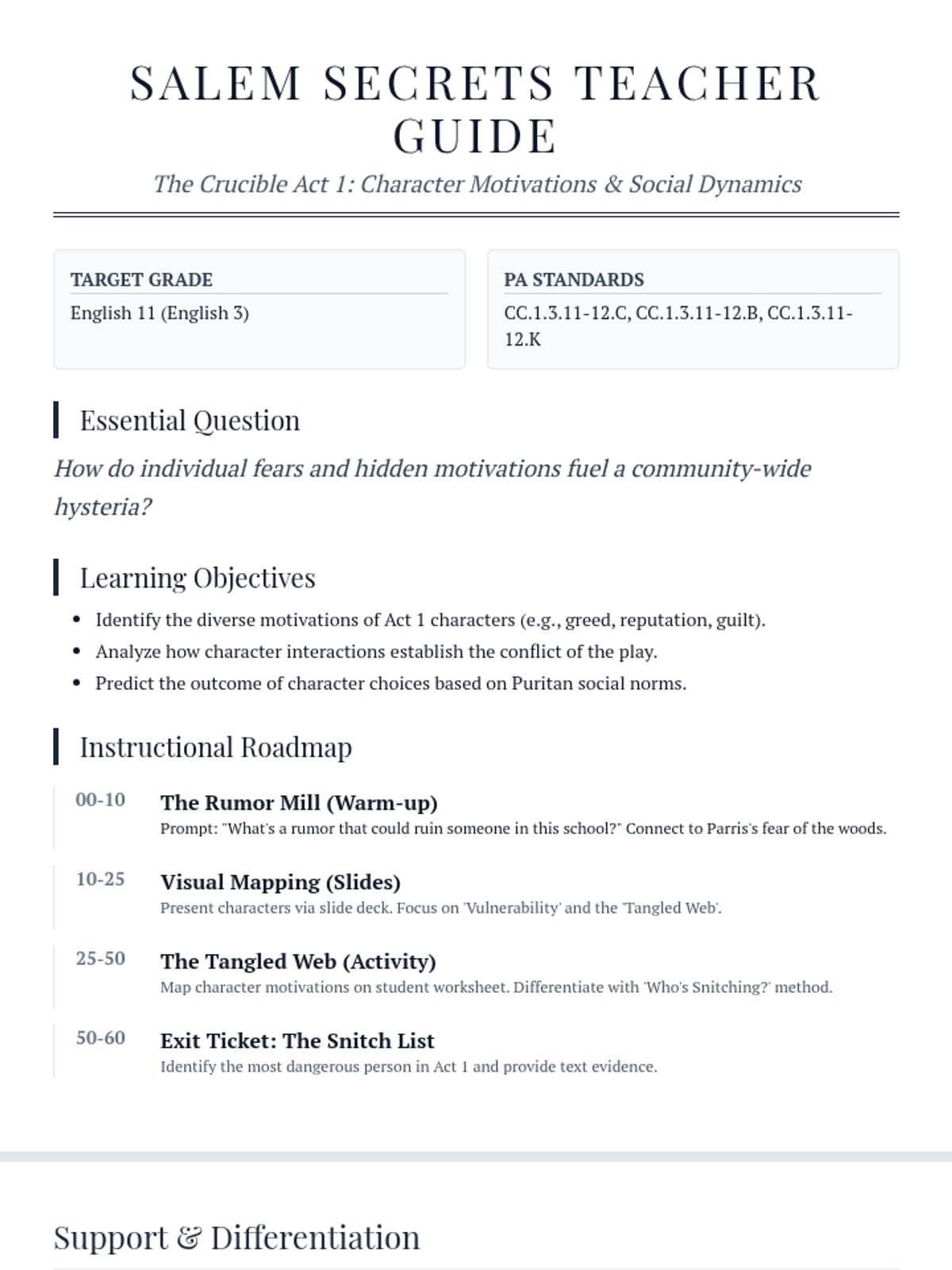
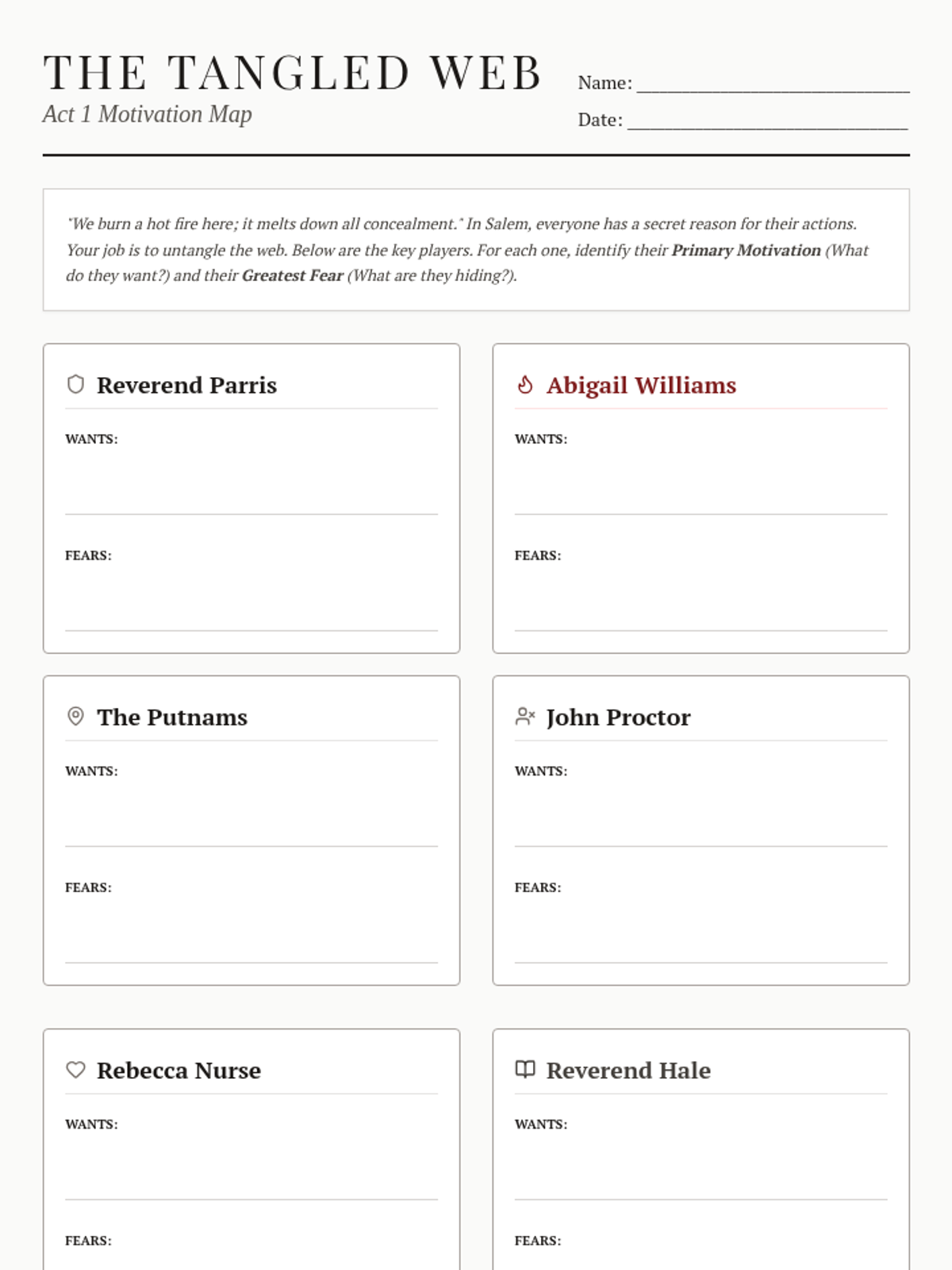
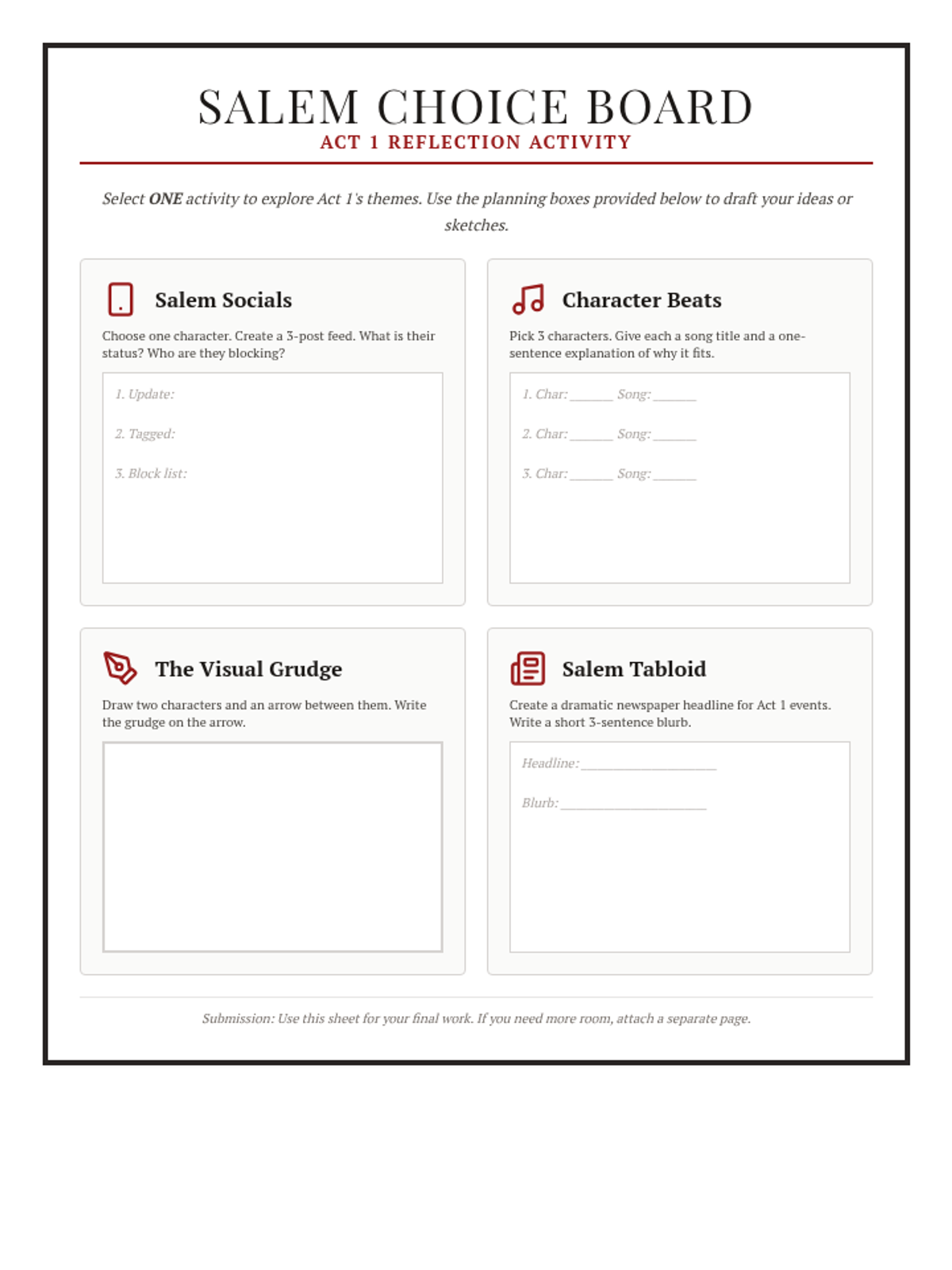
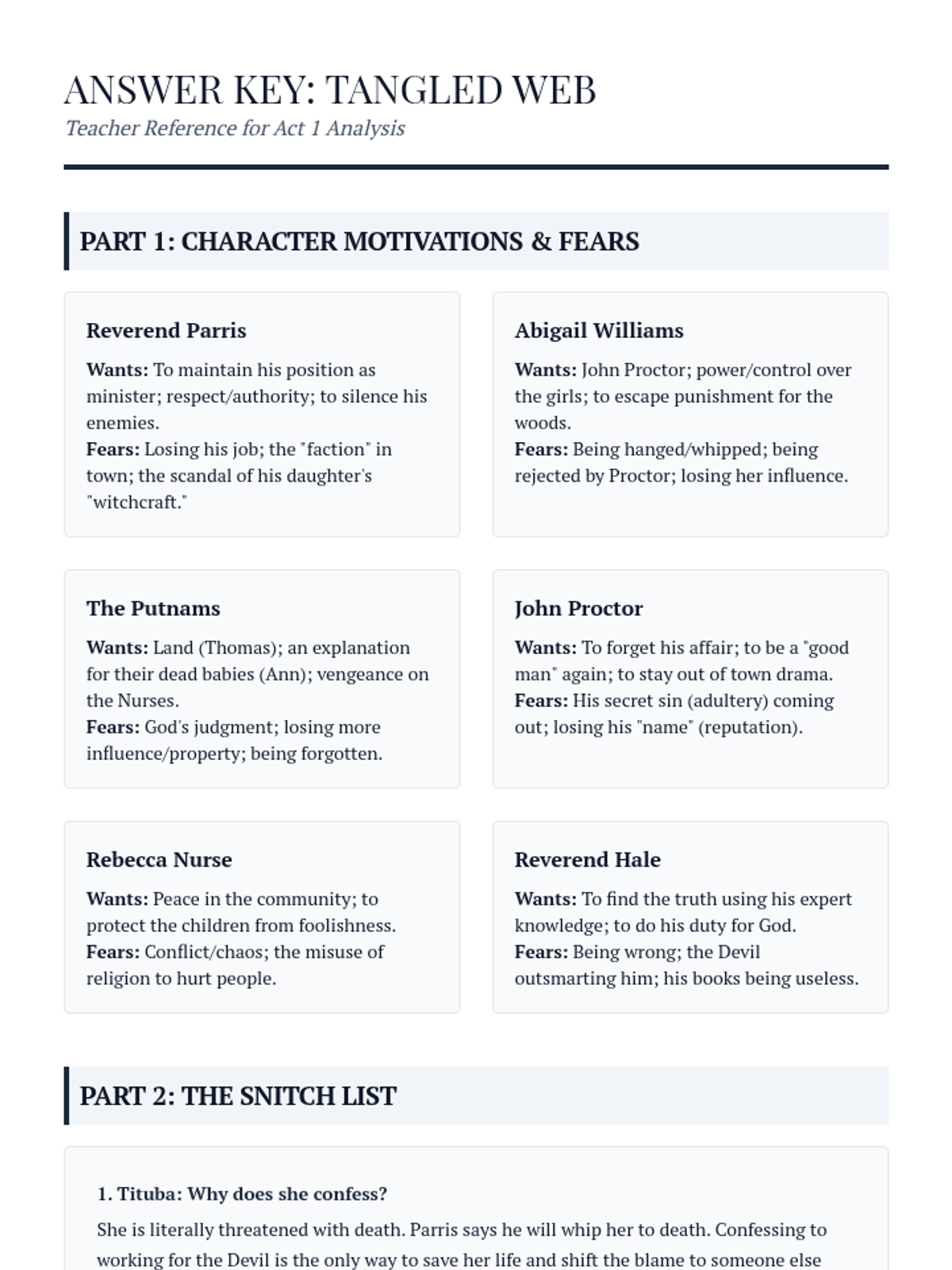
A deep dive into the motivations and character dynamics of Act 1 of The Crucible, designed for 11th-grade students with varying reading levels and energy. Focuses on the 'tangled web' of Salem's secrets and the power of reputation.
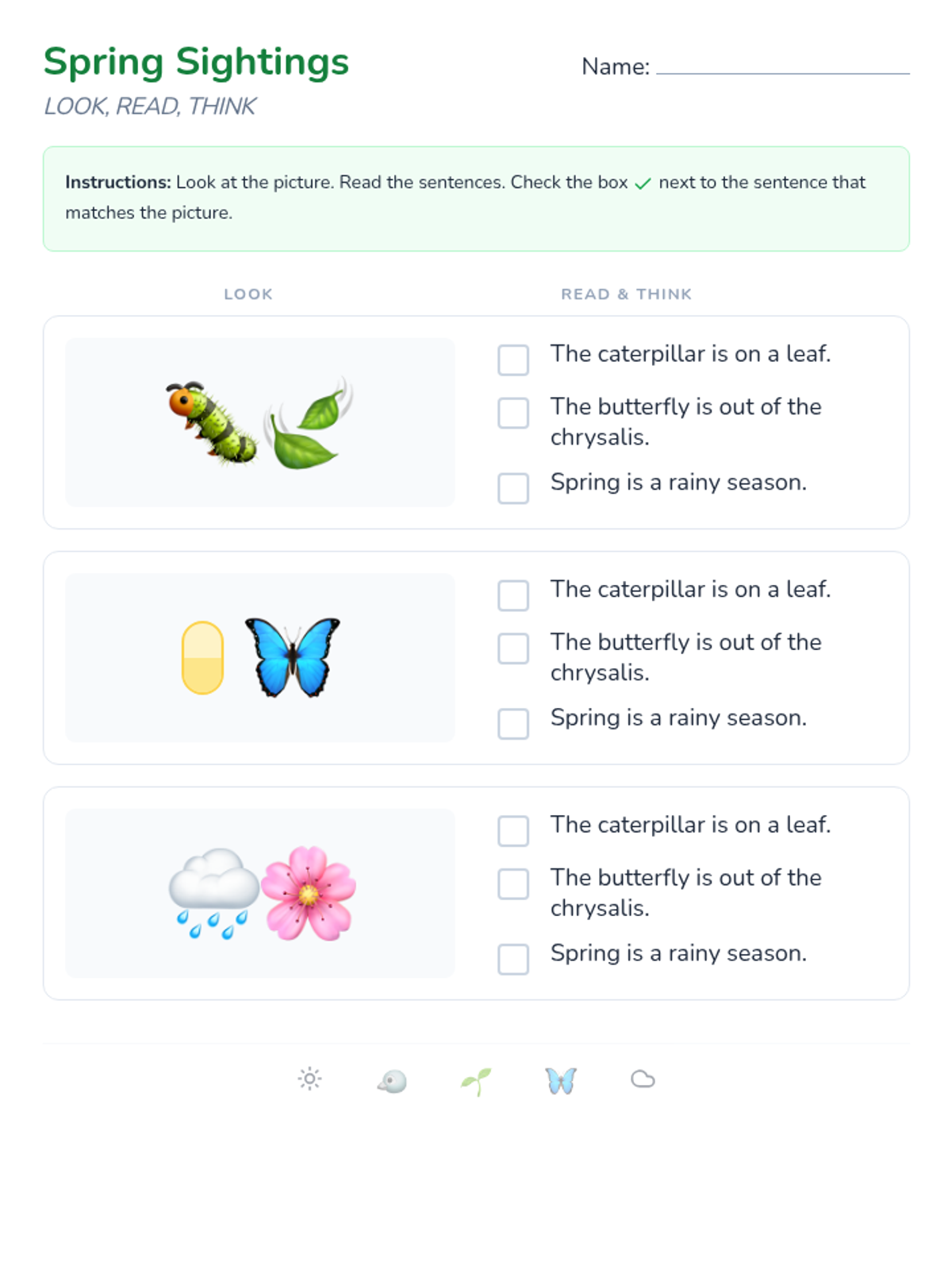
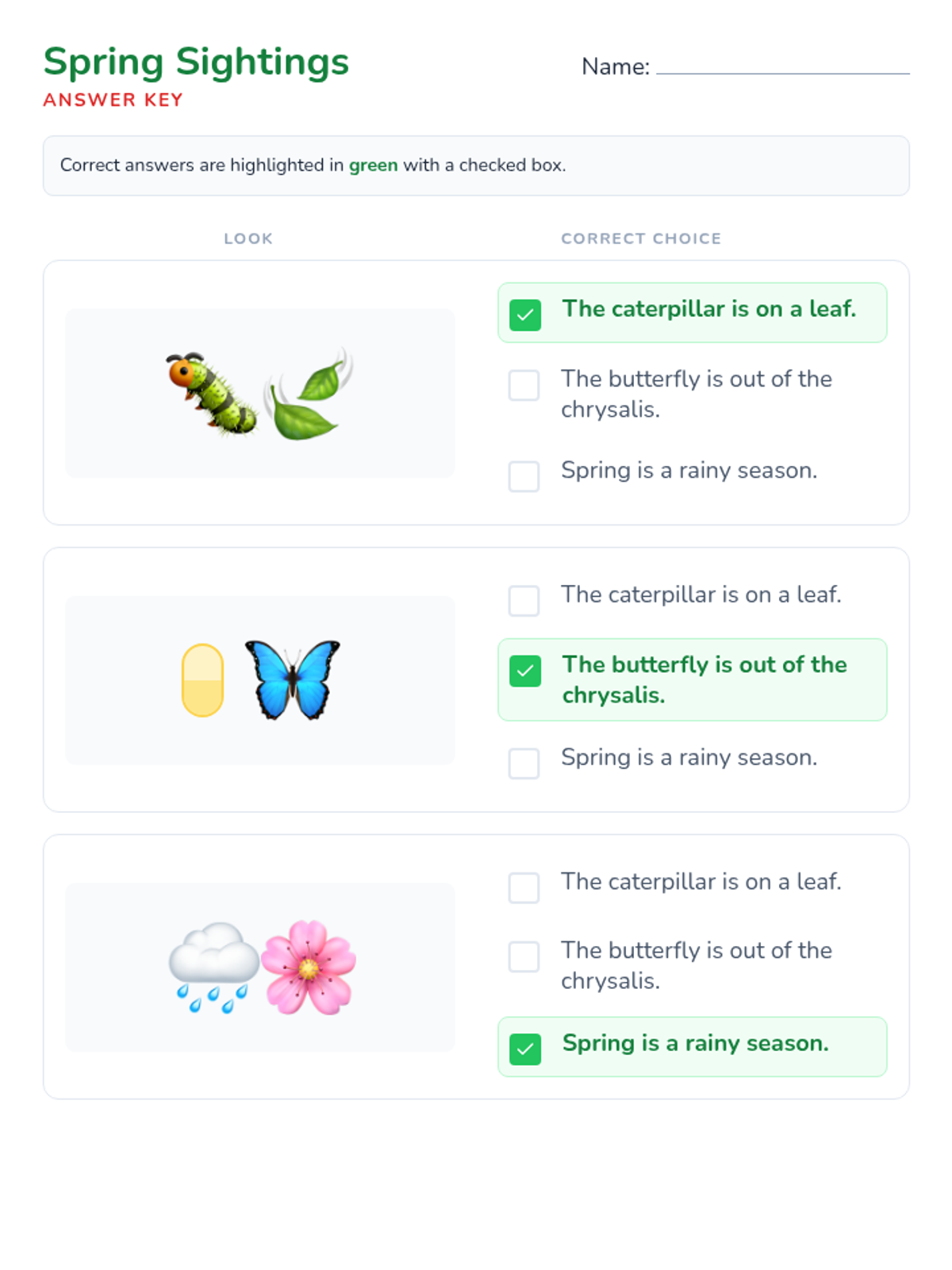
A simple visual comprehension lesson for early readers focused on nature-themed sentences and image matching using the 'Look, Read, Think' framework.
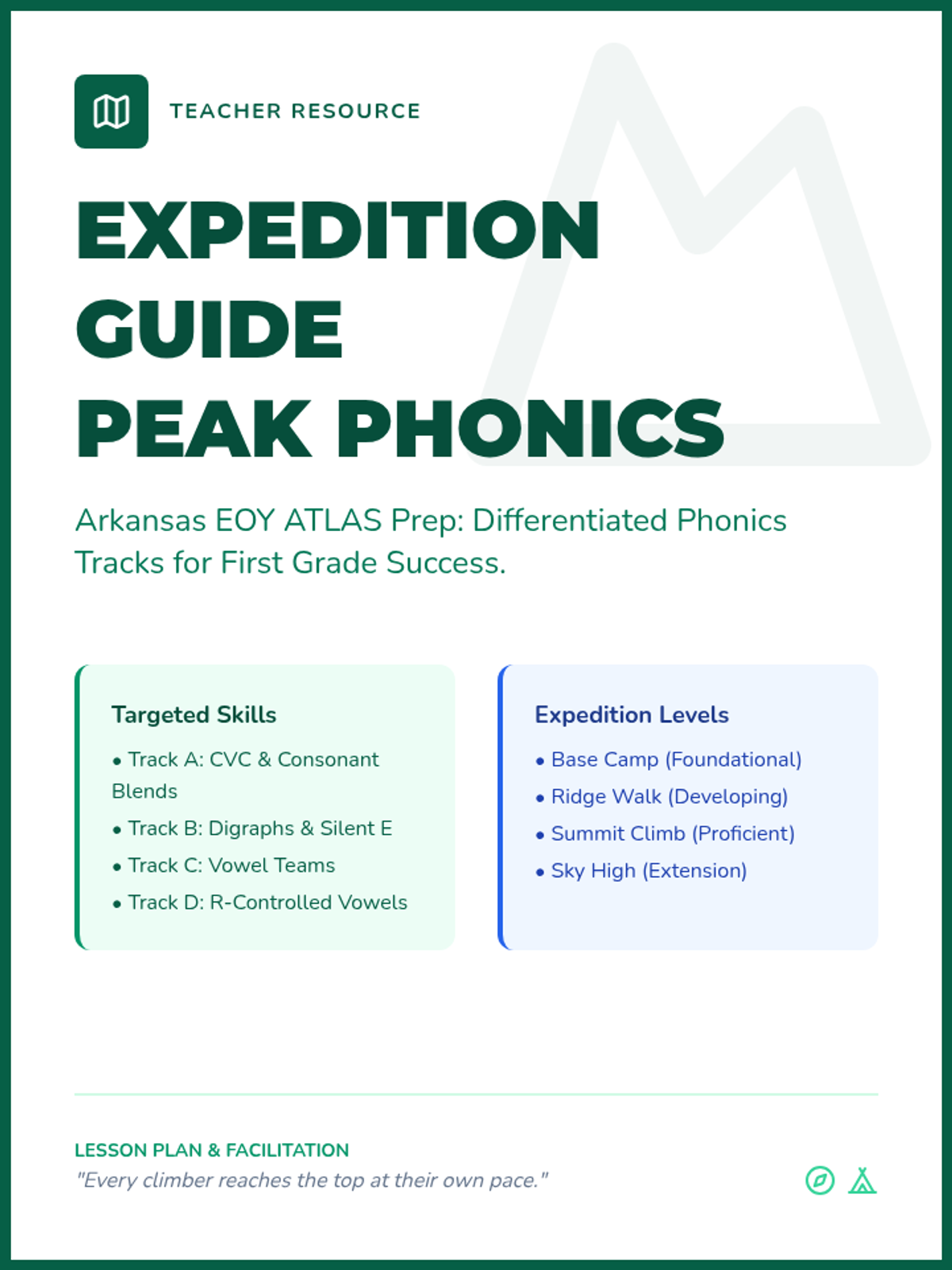
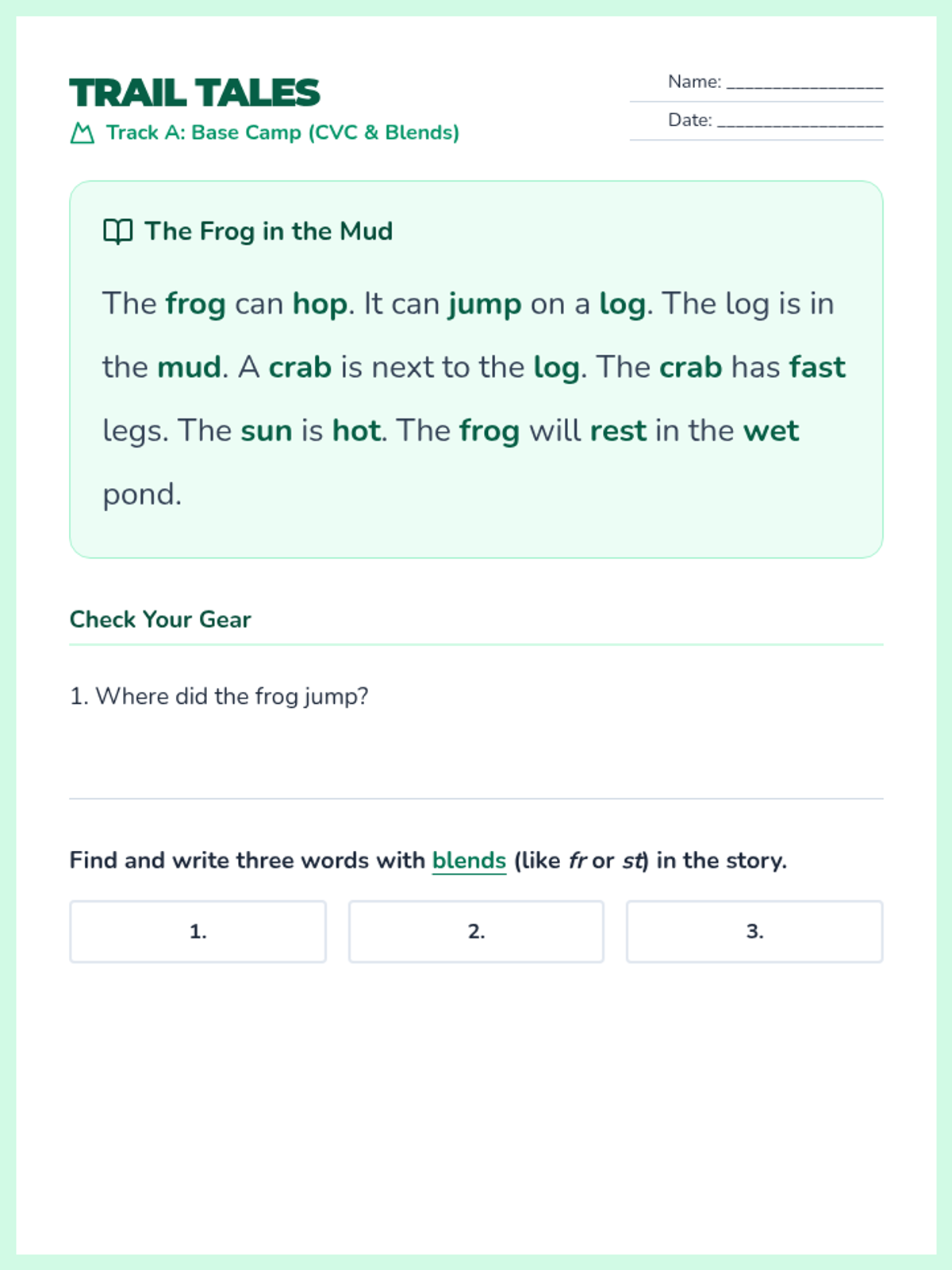
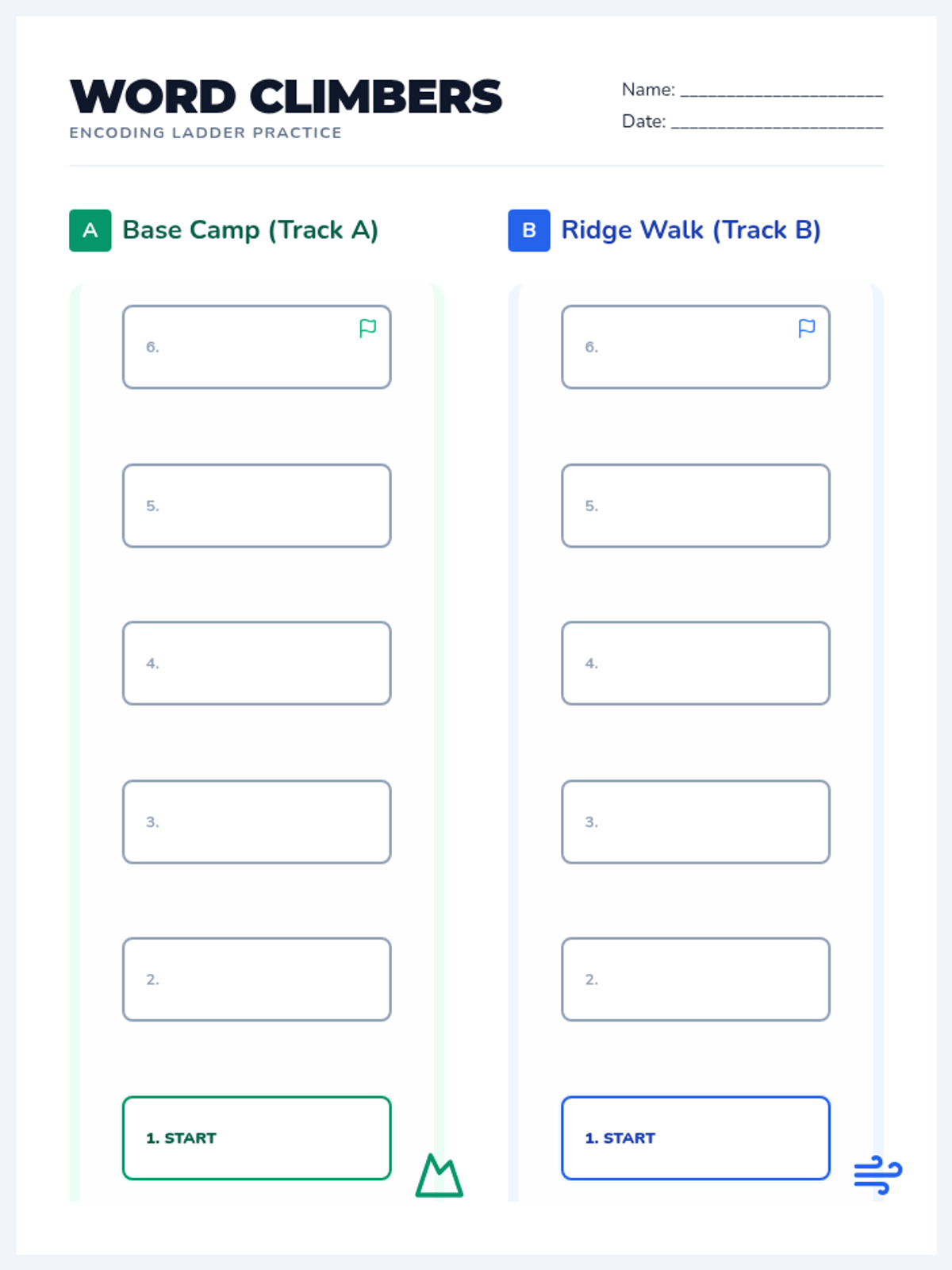
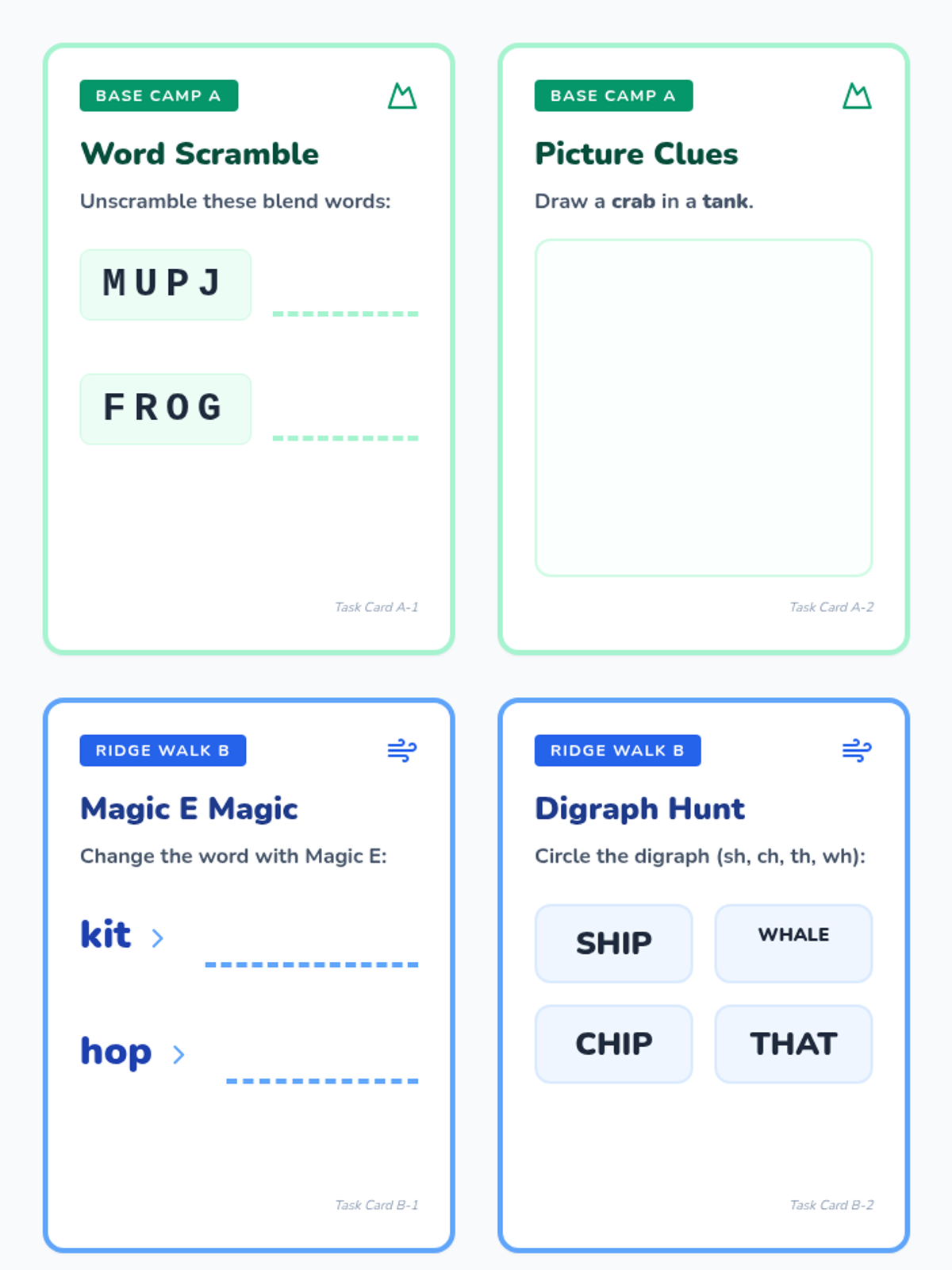
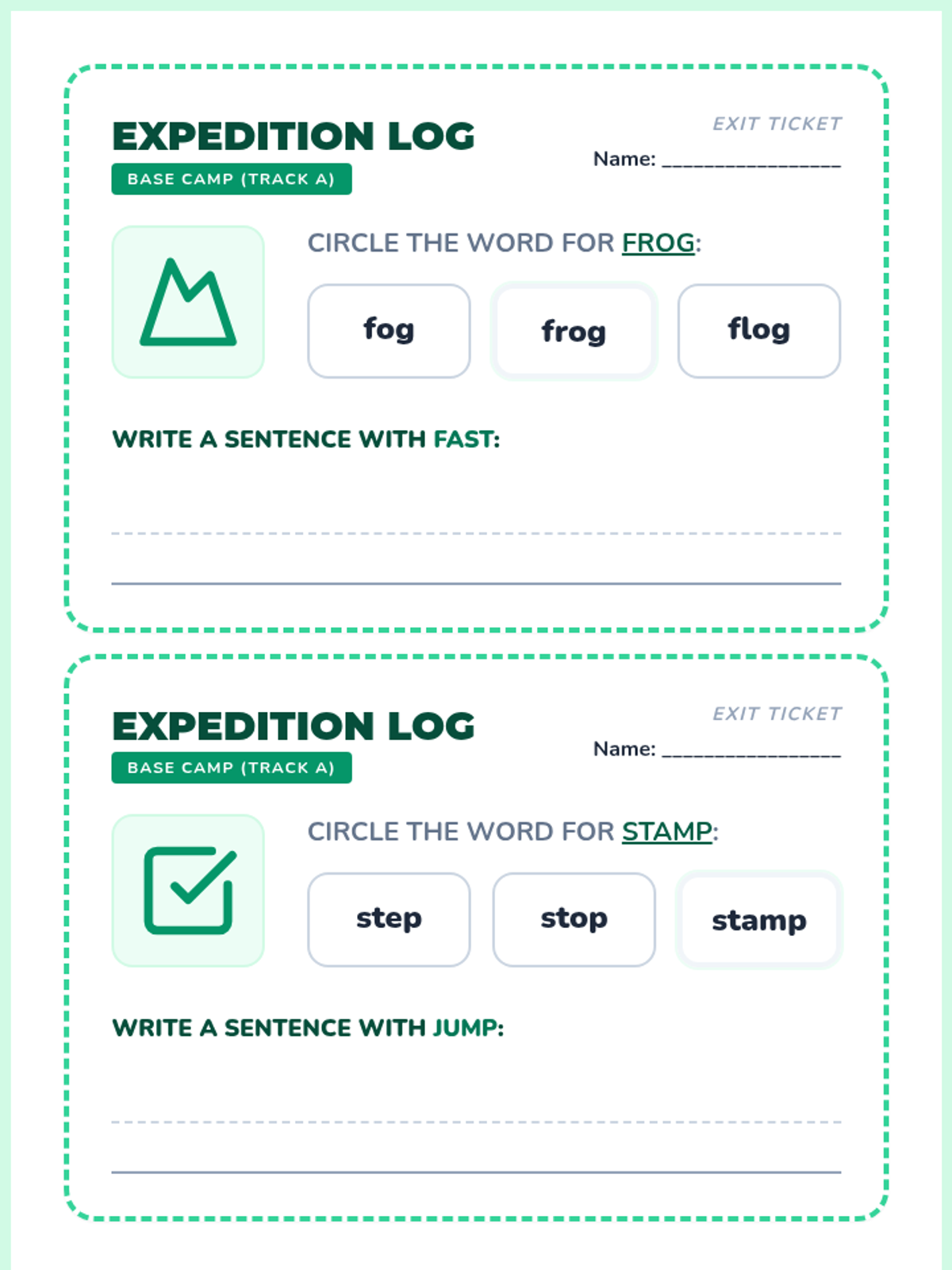
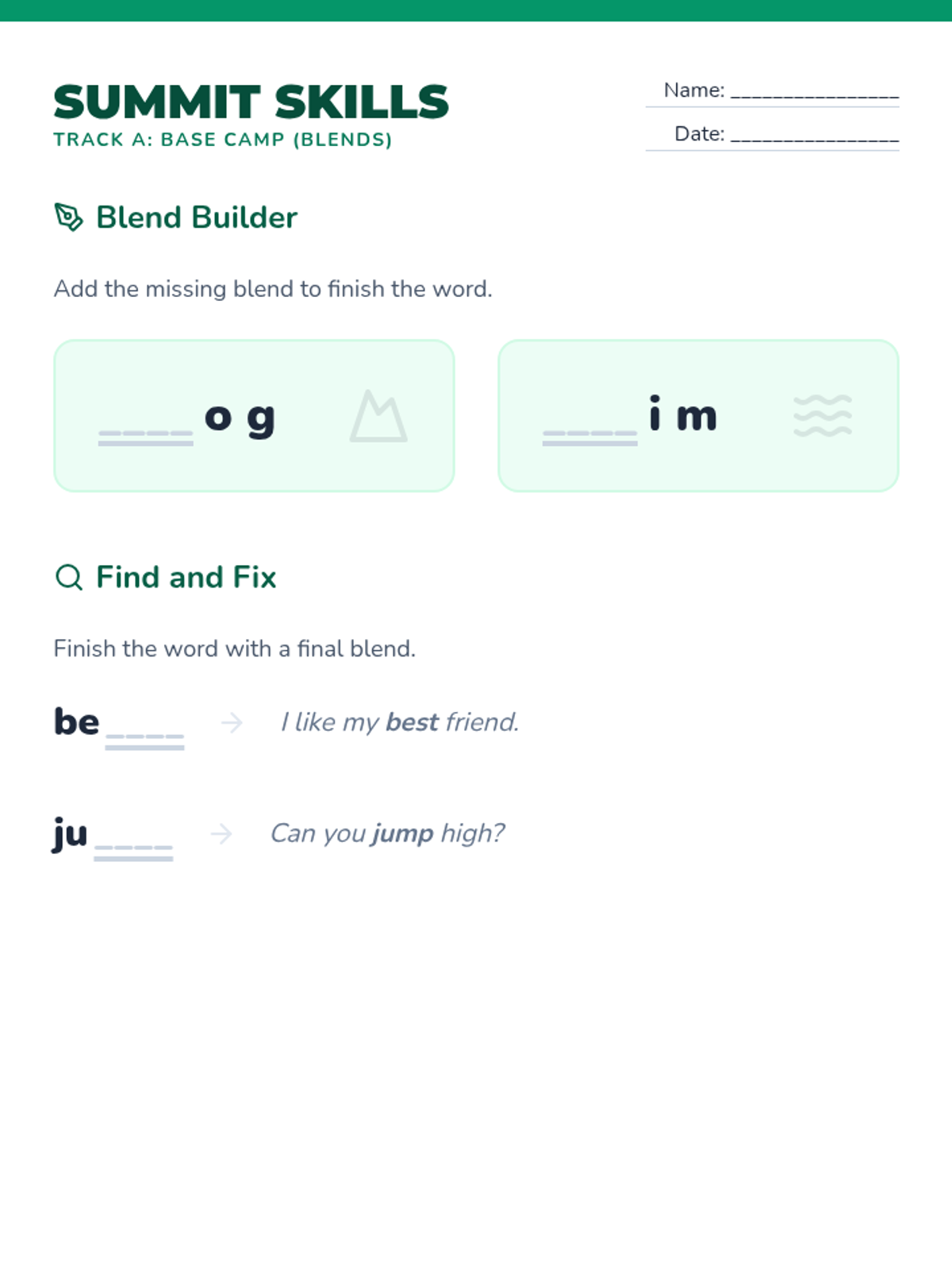
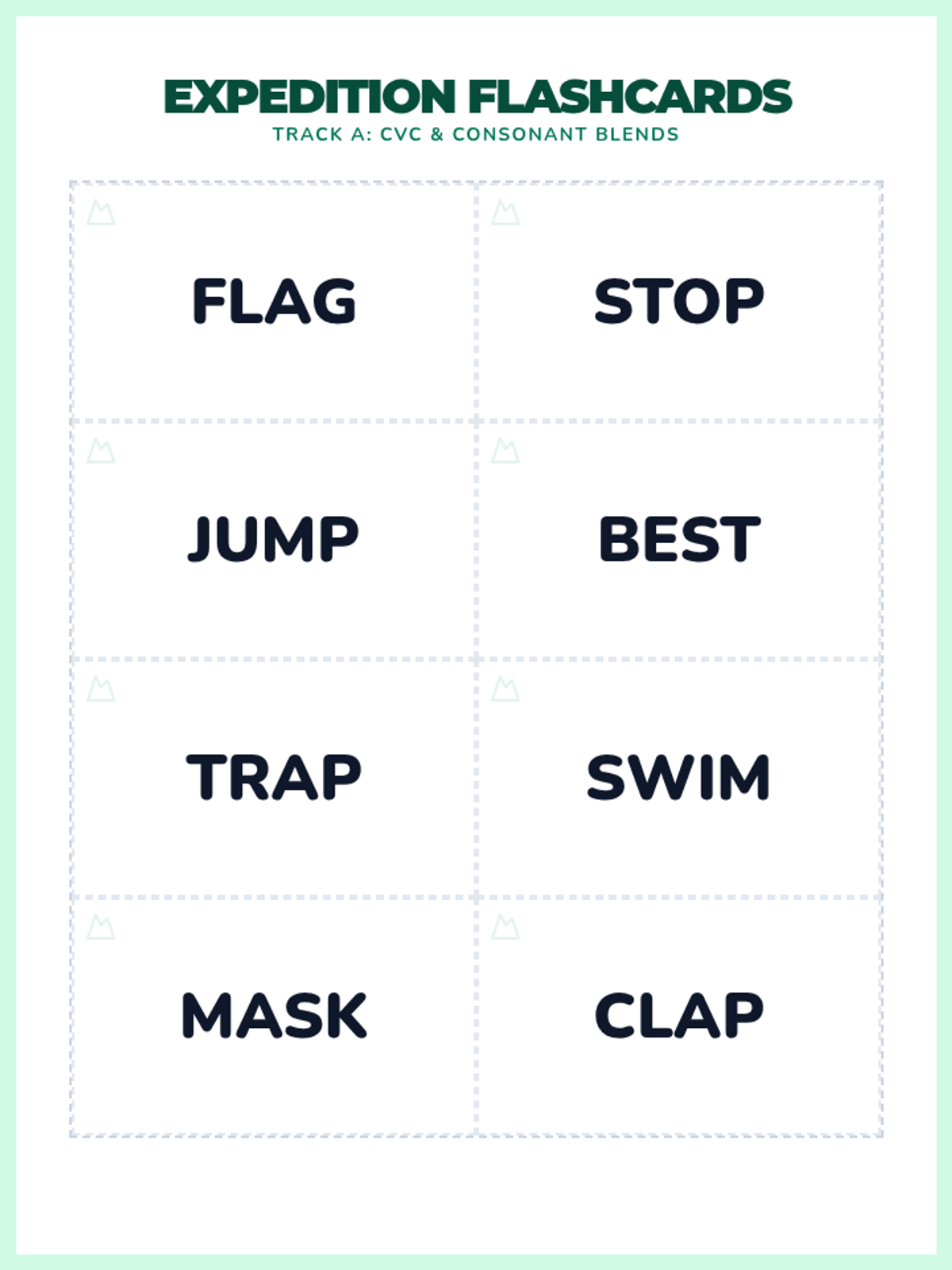
A differentiated phonics lesson targeting multiple encoding and decoding levels through a mountain-climbing expedition theme.
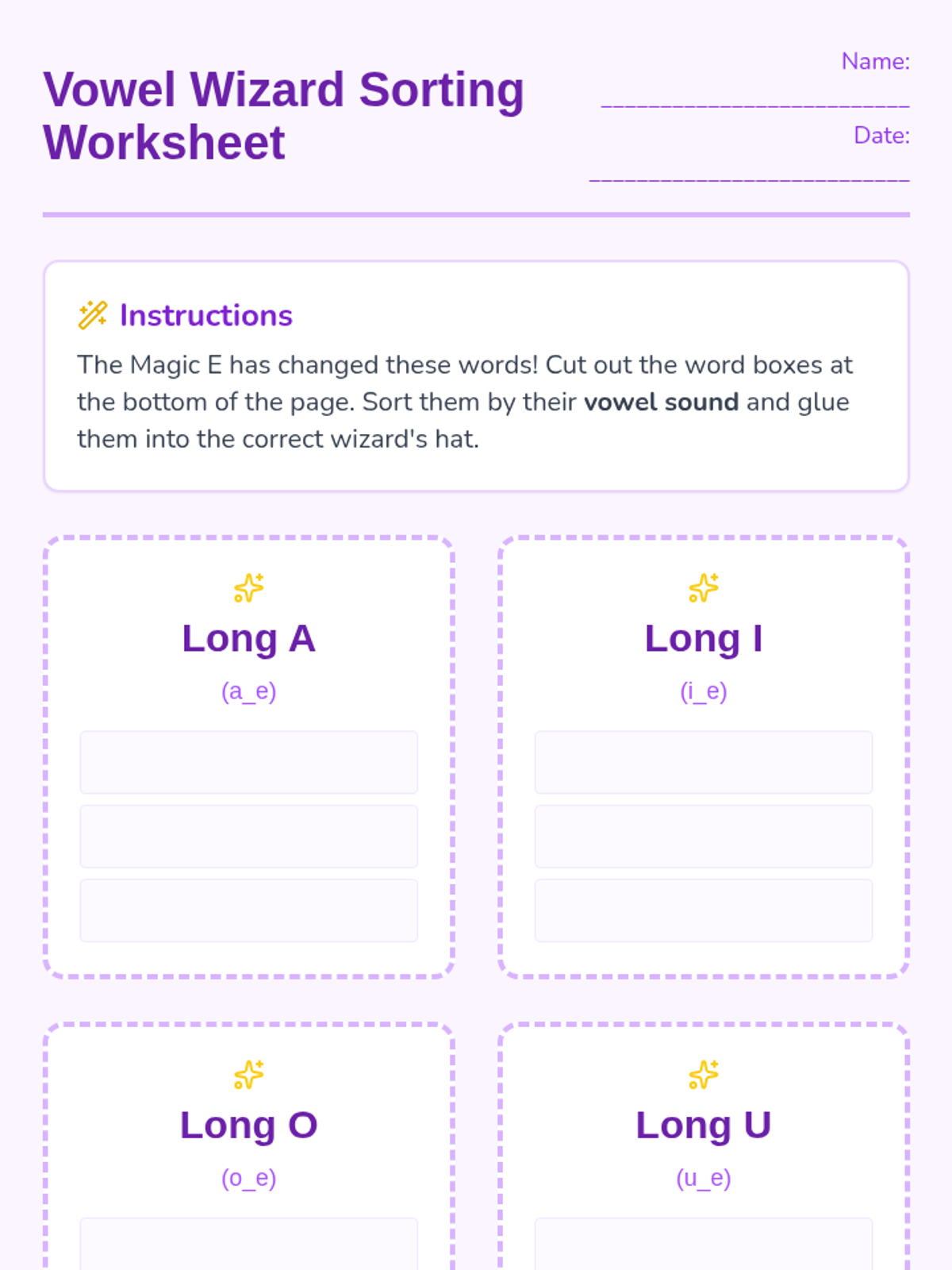
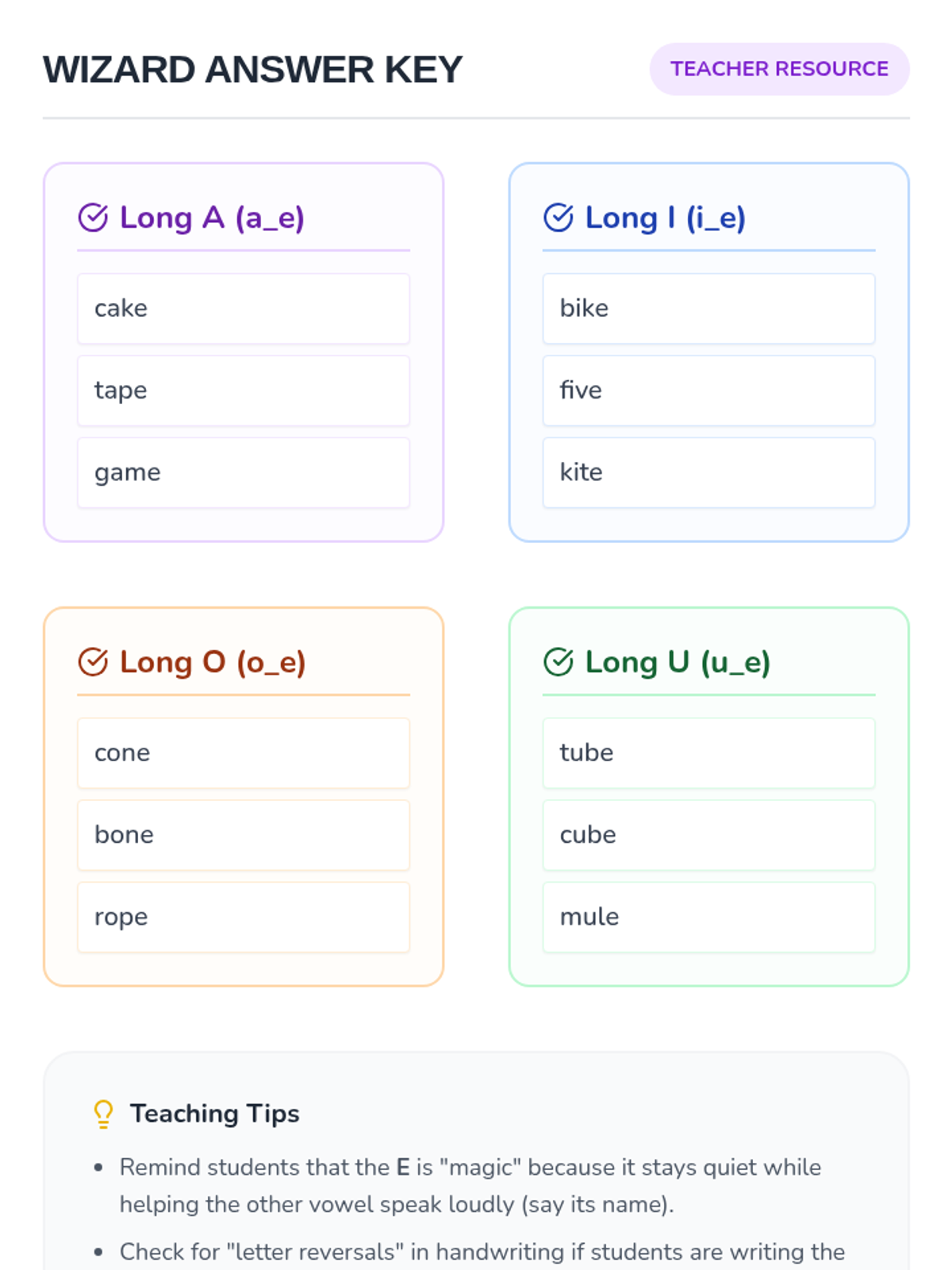
A foundational lesson introducing the Silent E (VCE) pattern to Kindergarteners through the concept of 'Magic E'. Students will learn how the silent e makes the vowel say its name and practice sorting mixed VCE words.
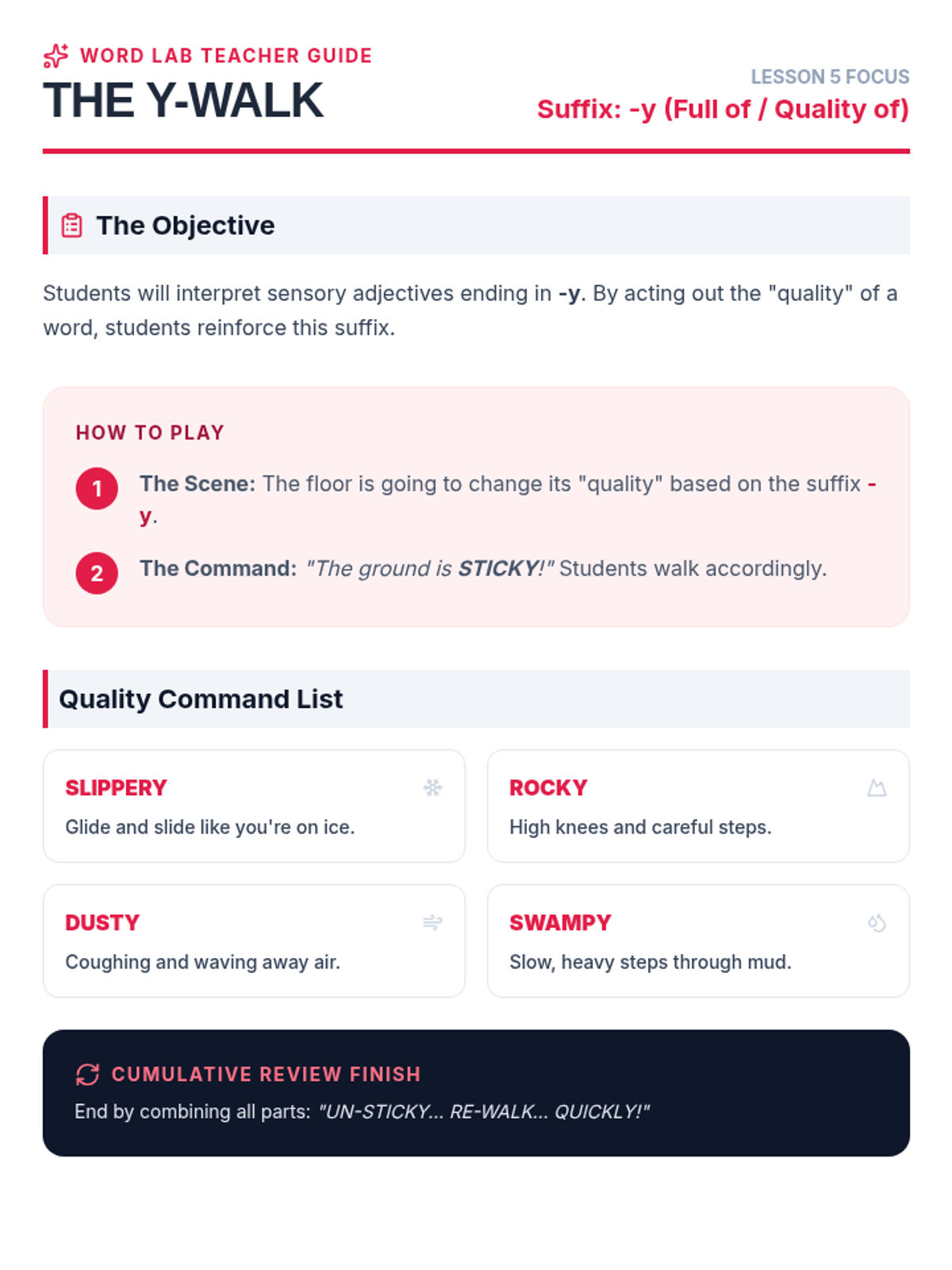
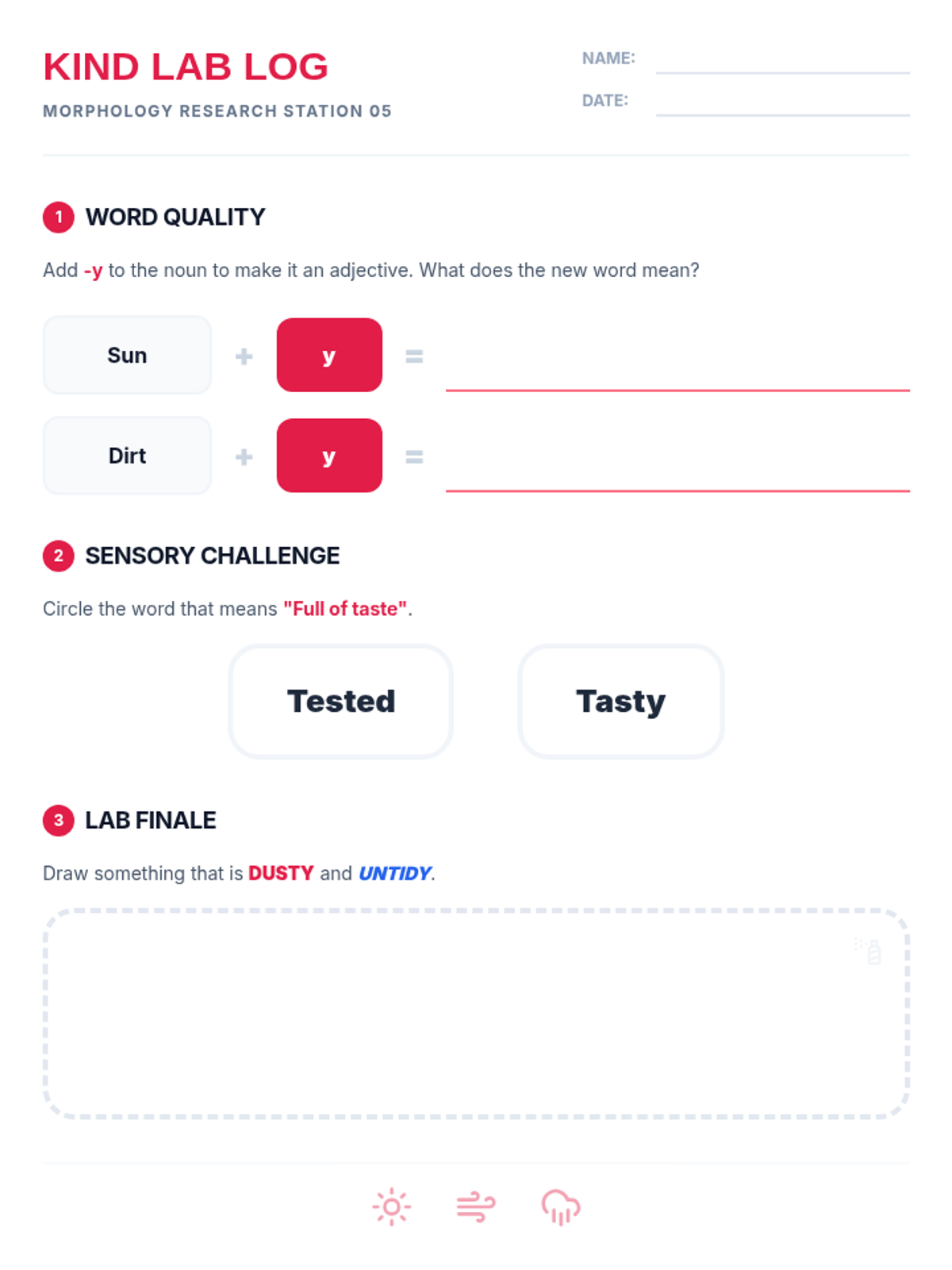
Examining the suffix '-y' (full of/characterized by) to create descriptive adjectives with sensory-based games.
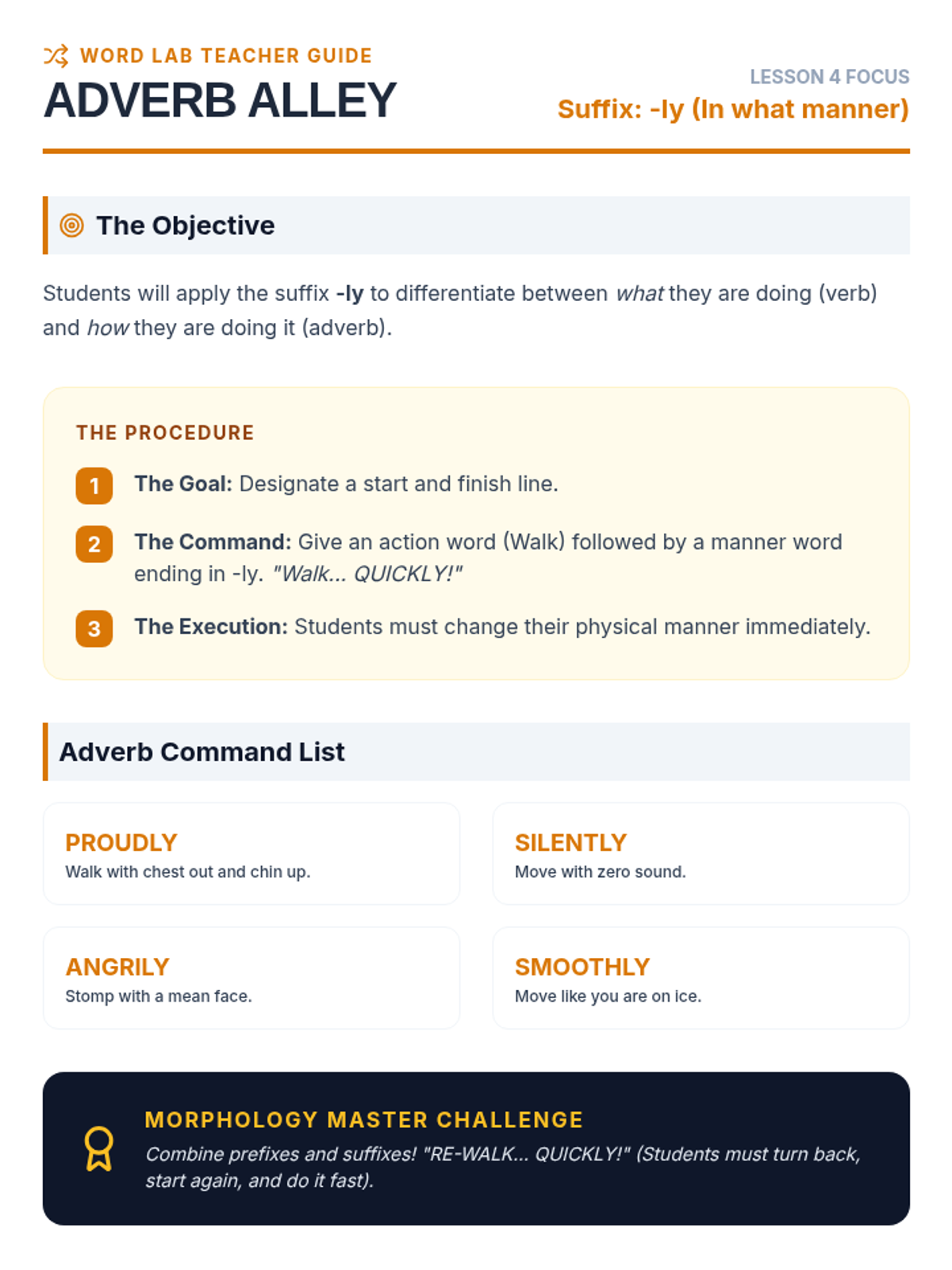
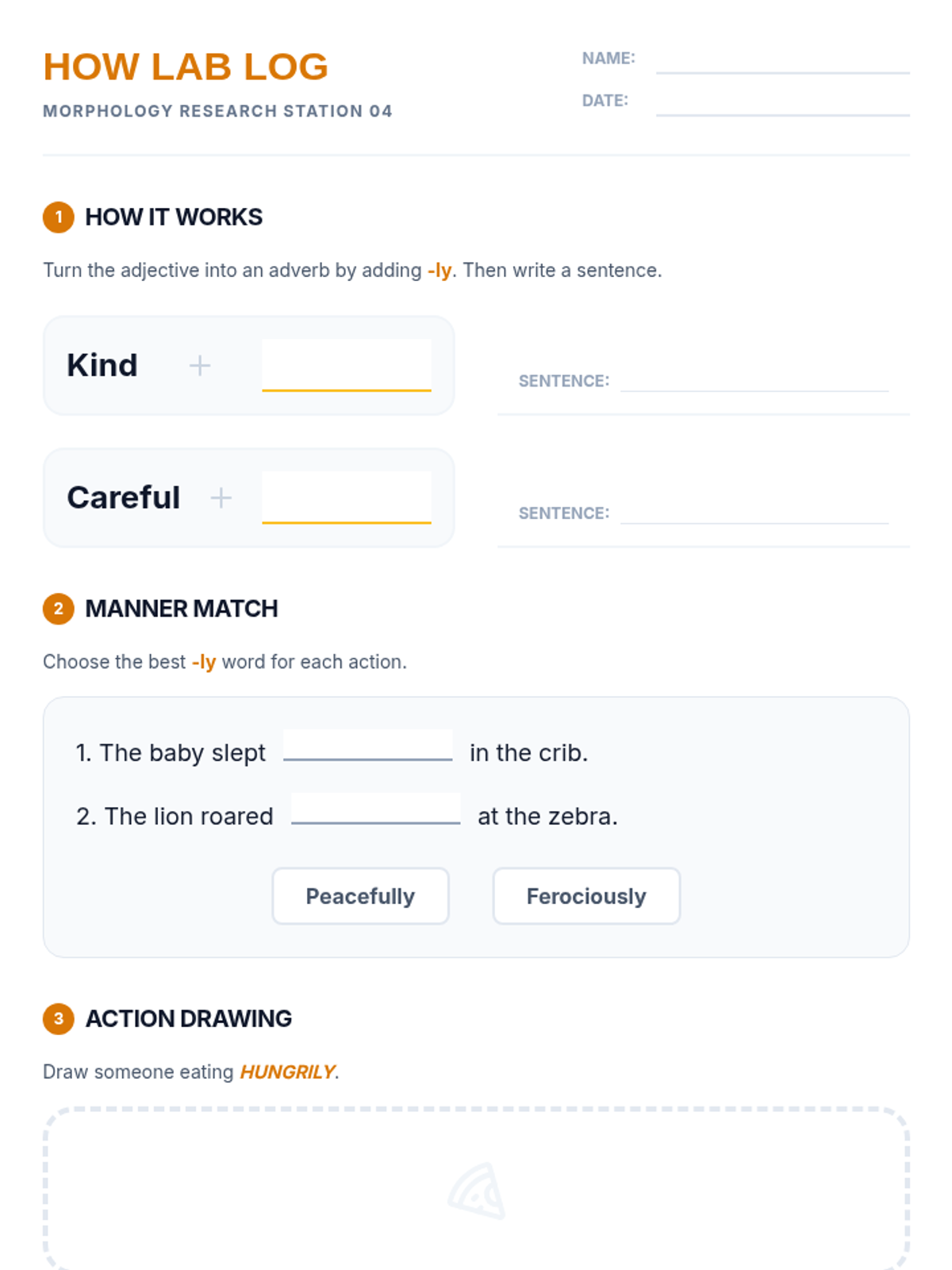
Discovering the suffix '-ly' (in what manner) to transform adjectives into adverbs through descriptive movement.
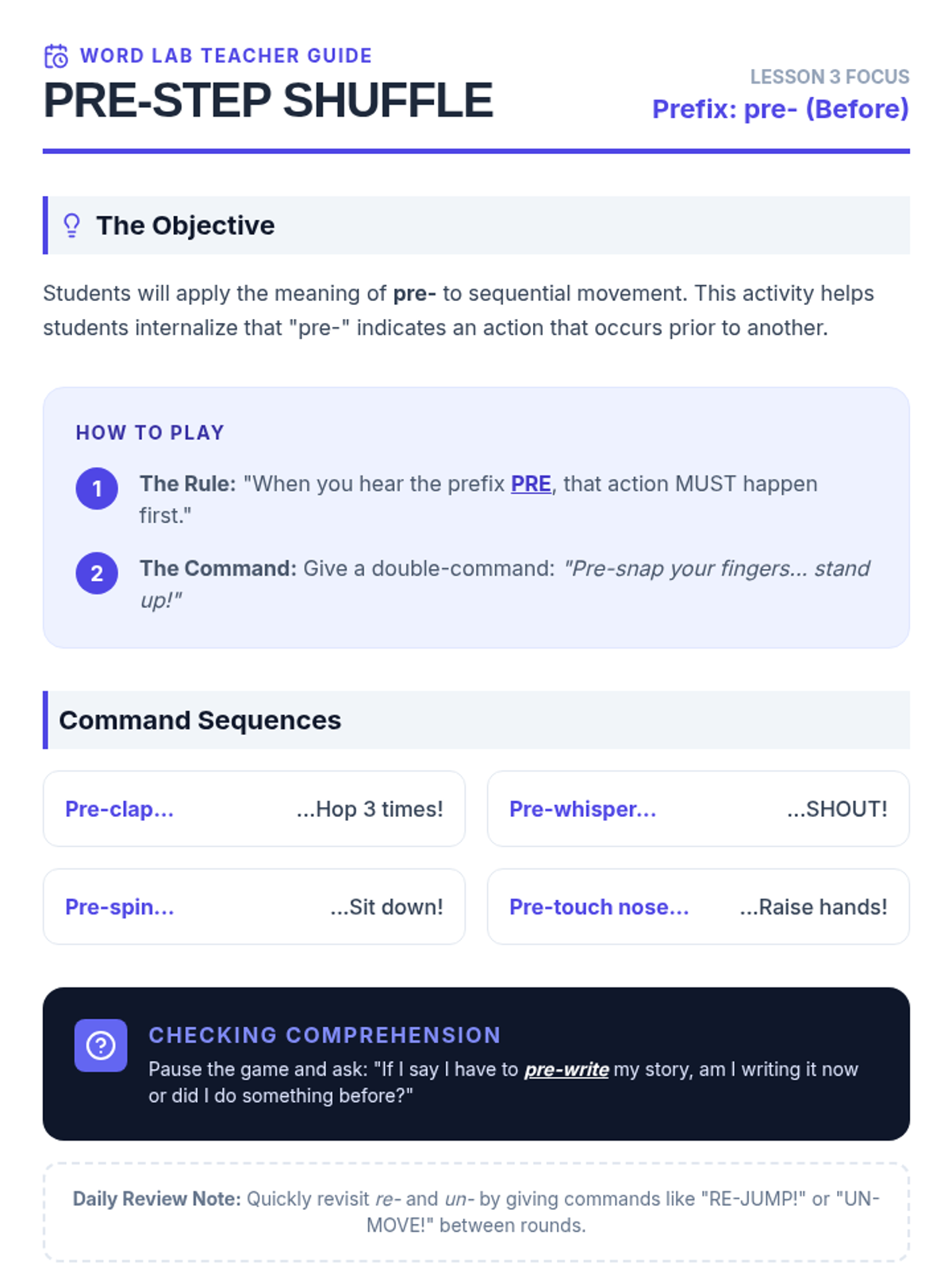
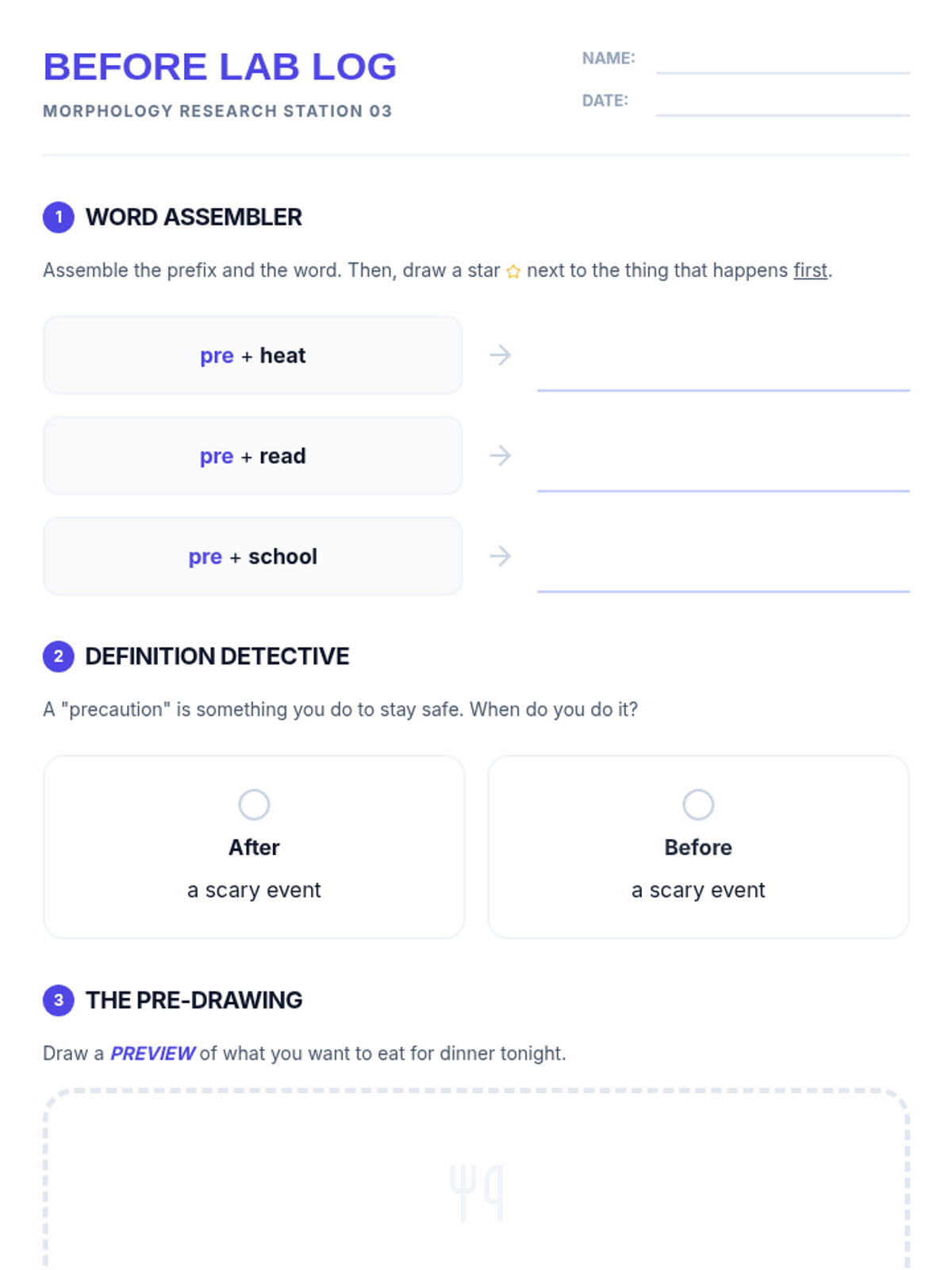
Learning the prefix 'pre-' (before) with a focus on preparation and sequence-based movement activities.
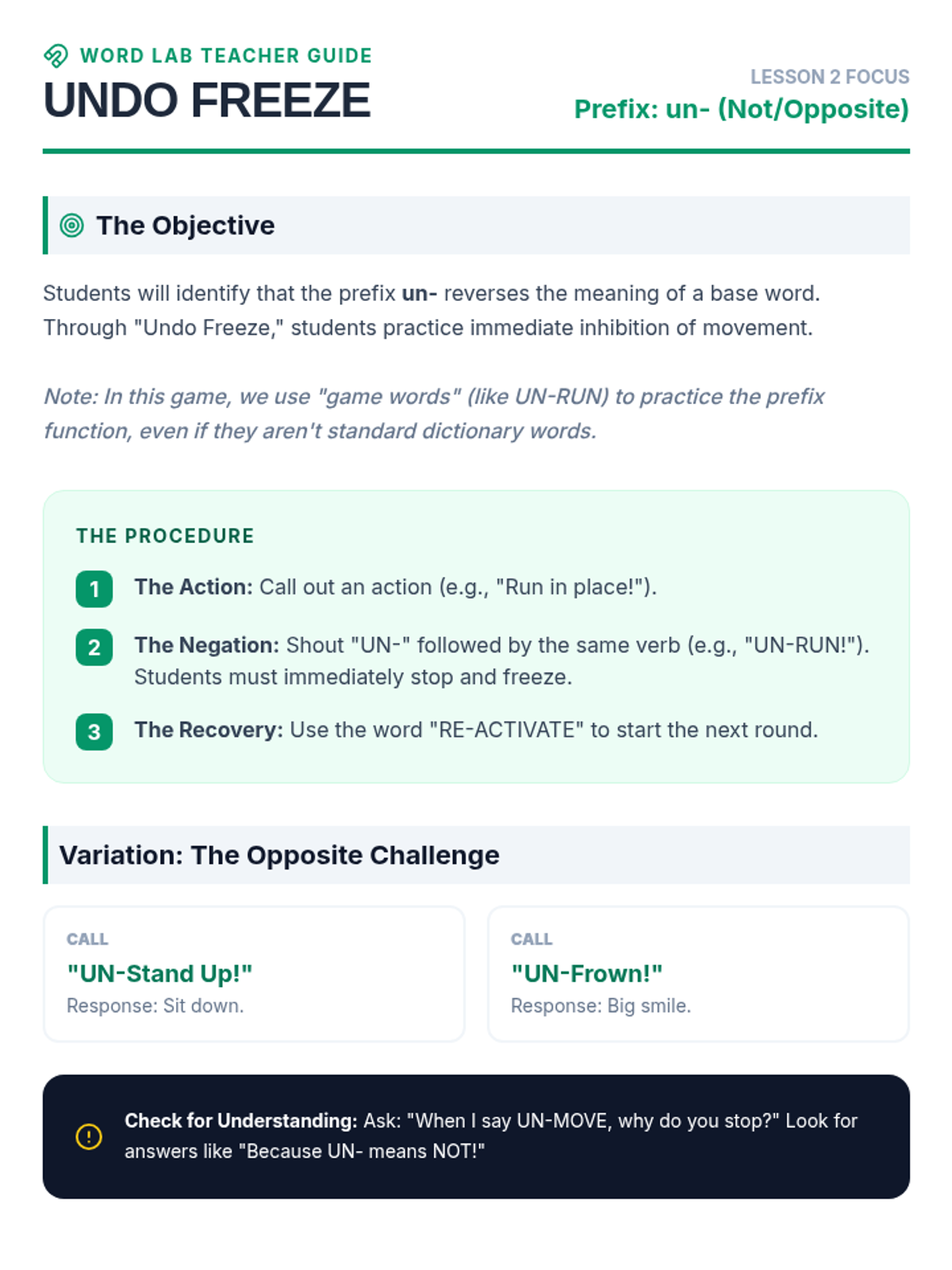
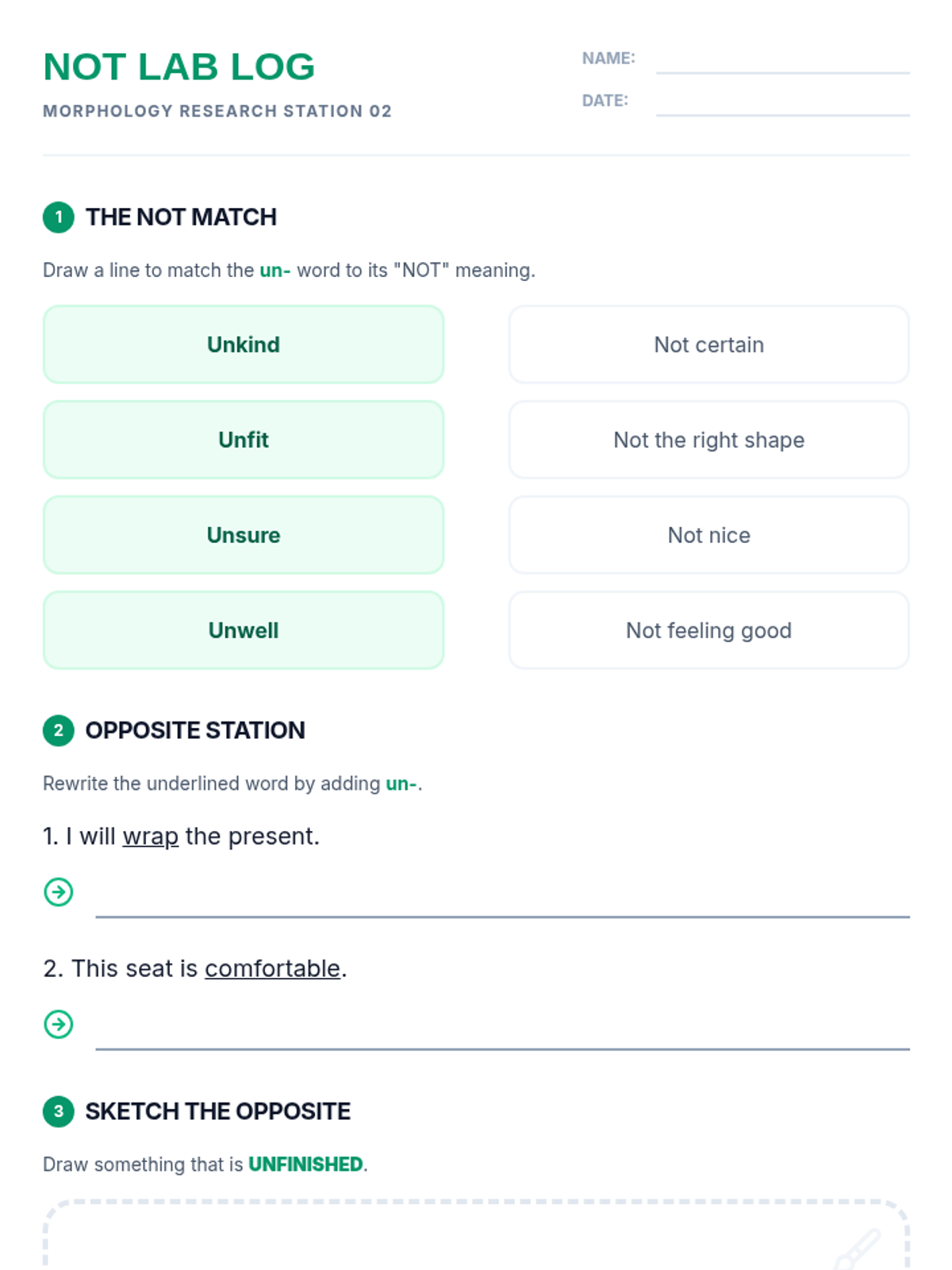
Exploring the prefix 'un-' (not/opposite) through comparative exercises and 'undoing' movement games.
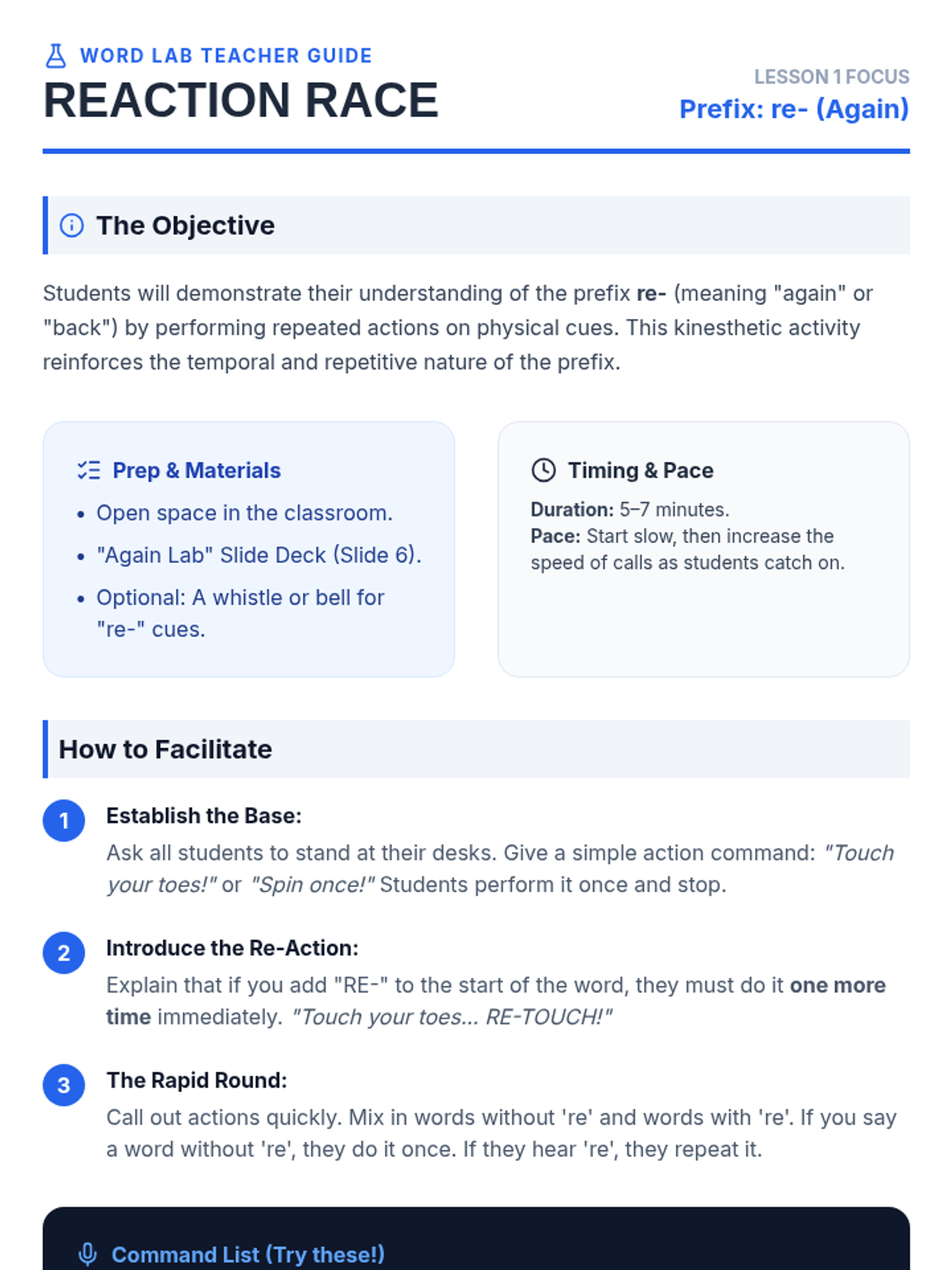
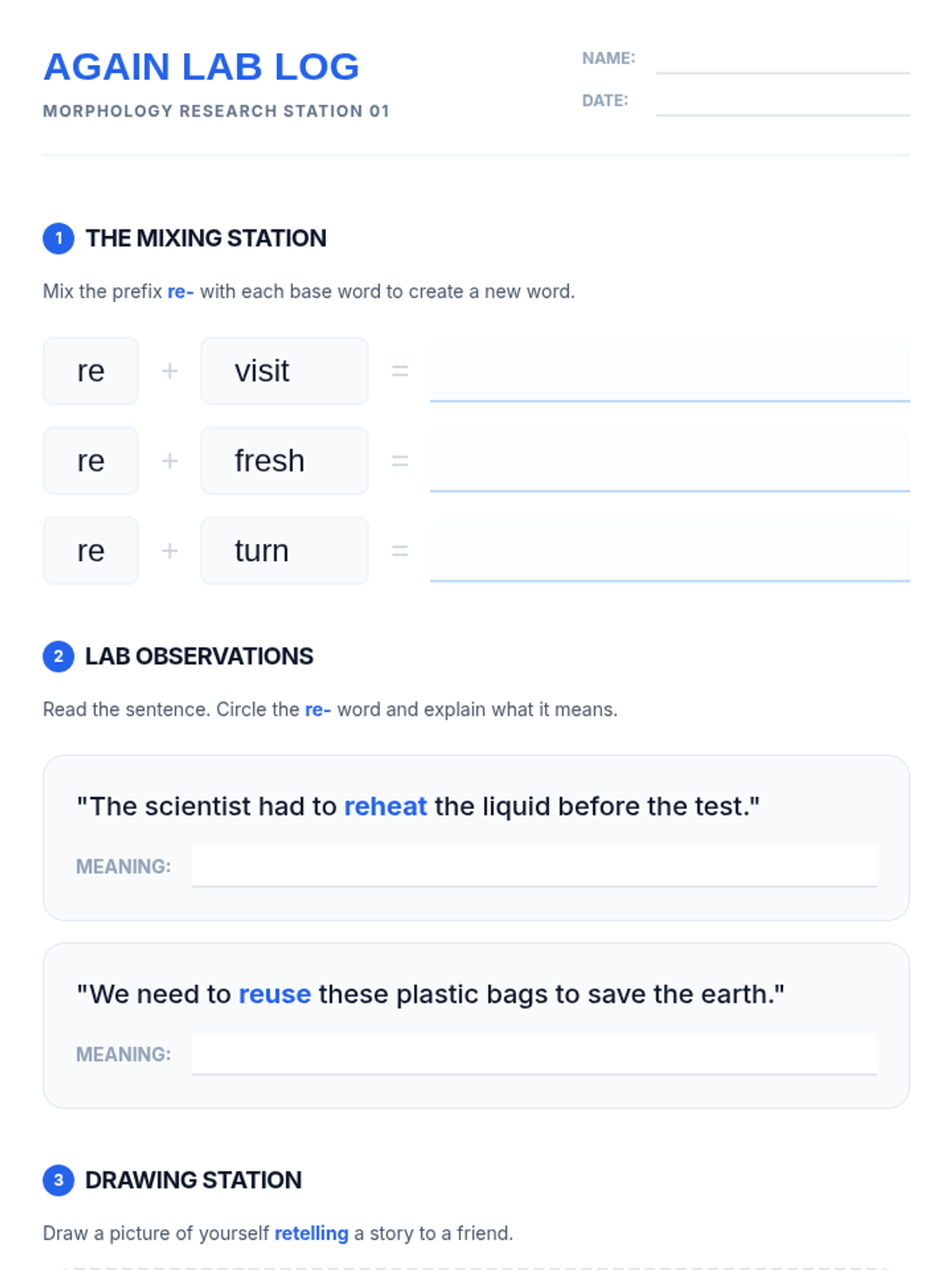
Introducing the prefix 're-' (again/back) with activities focused on repetitive actions and visual modeling.
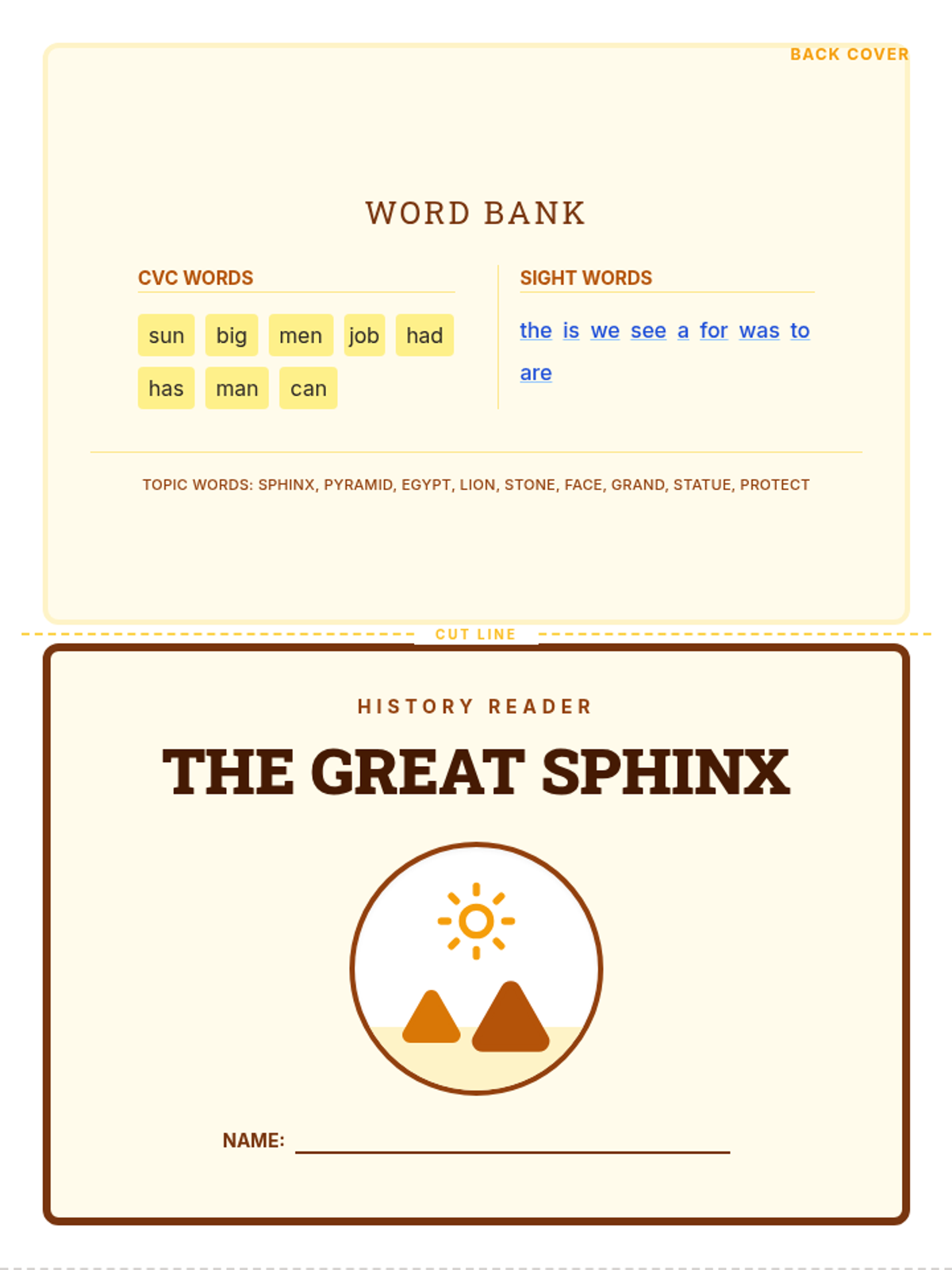
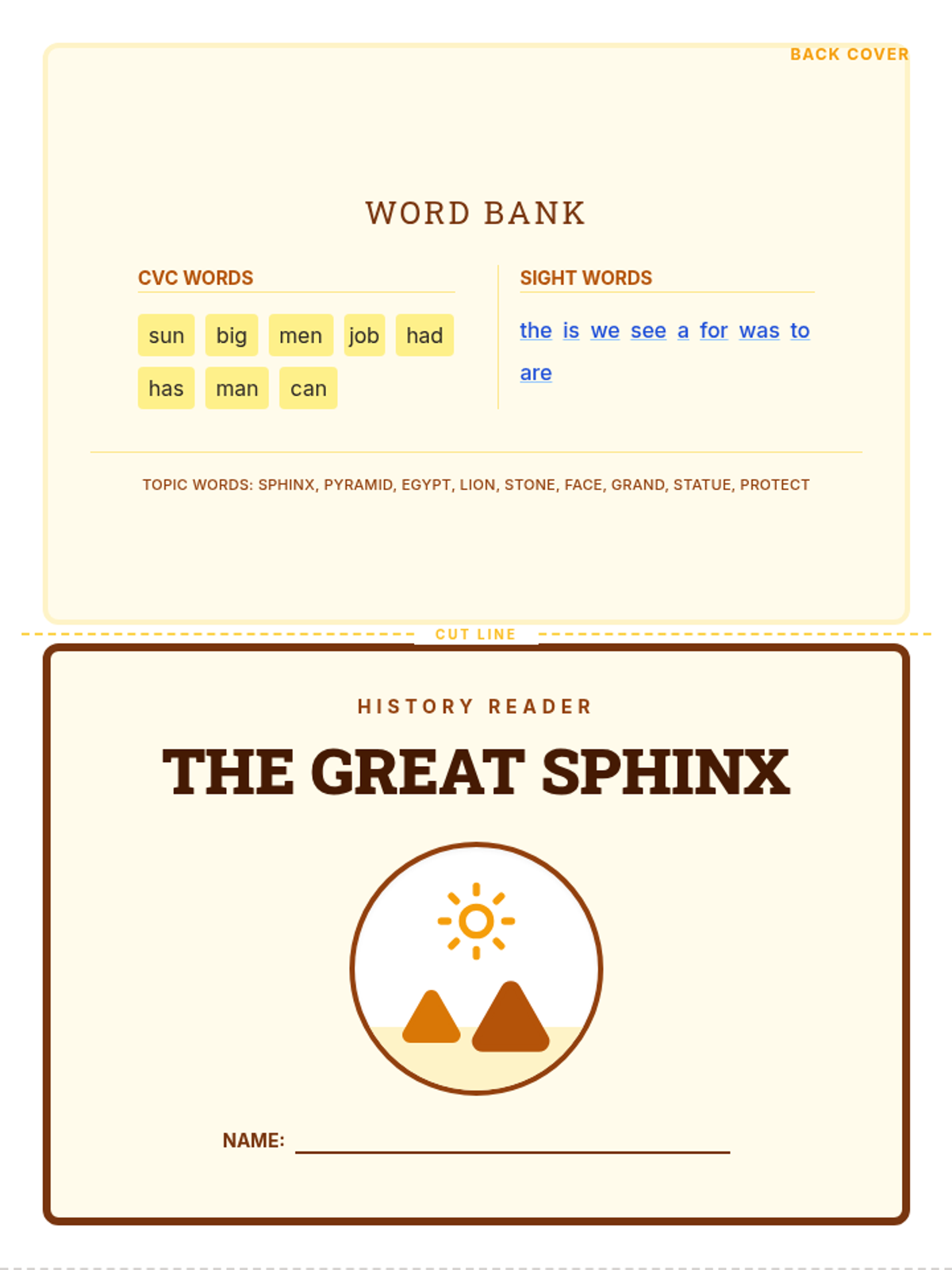
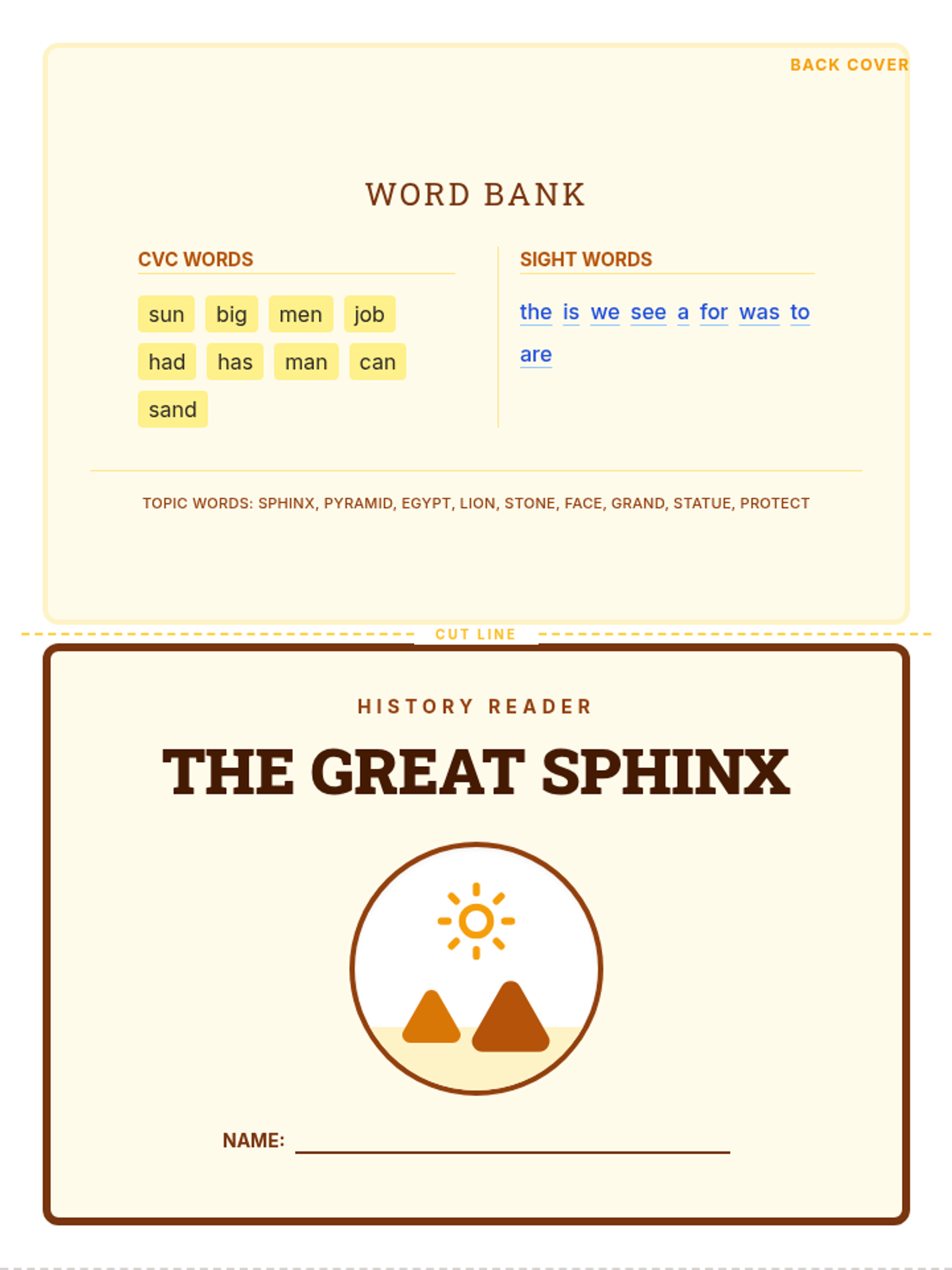
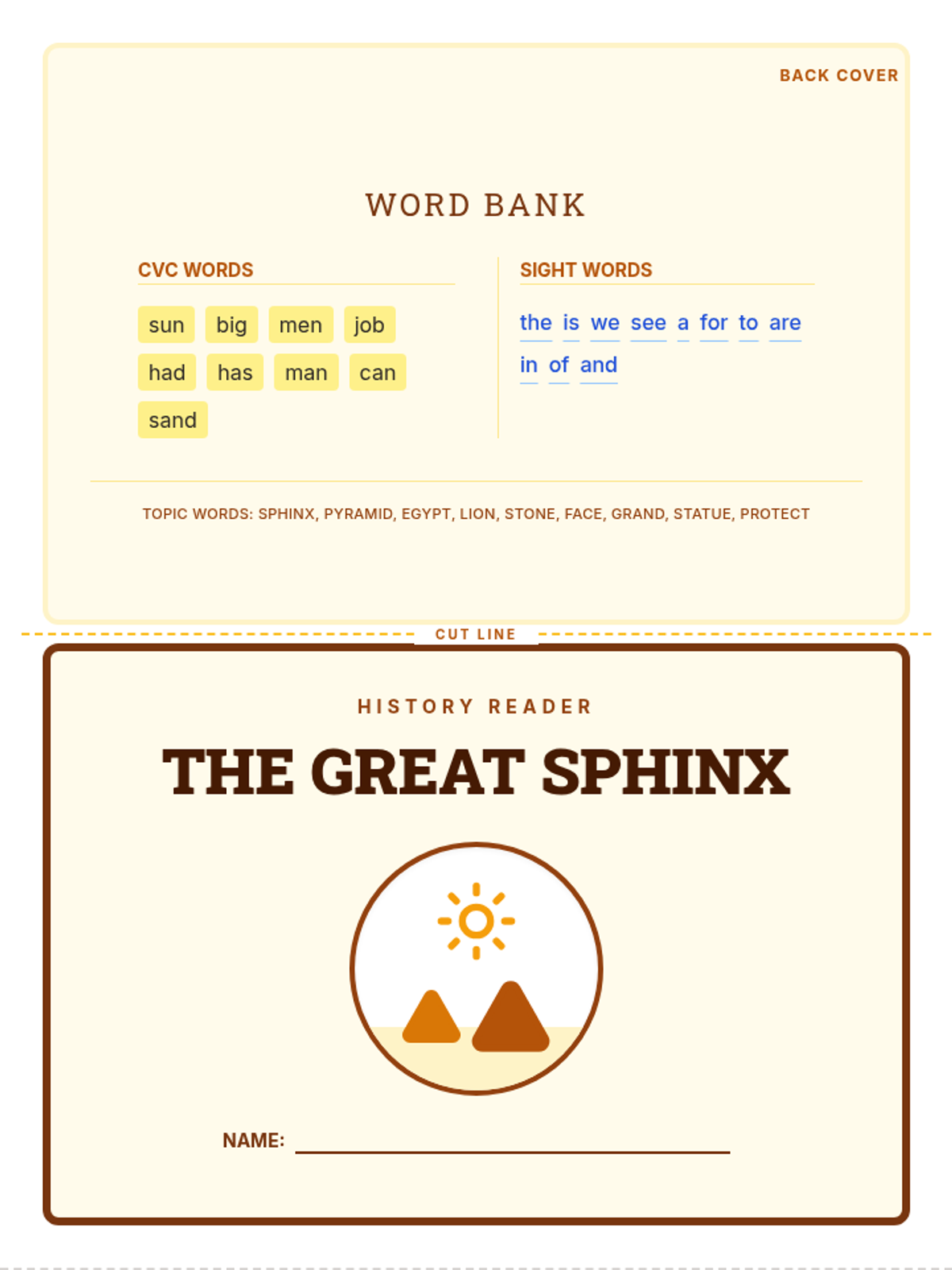
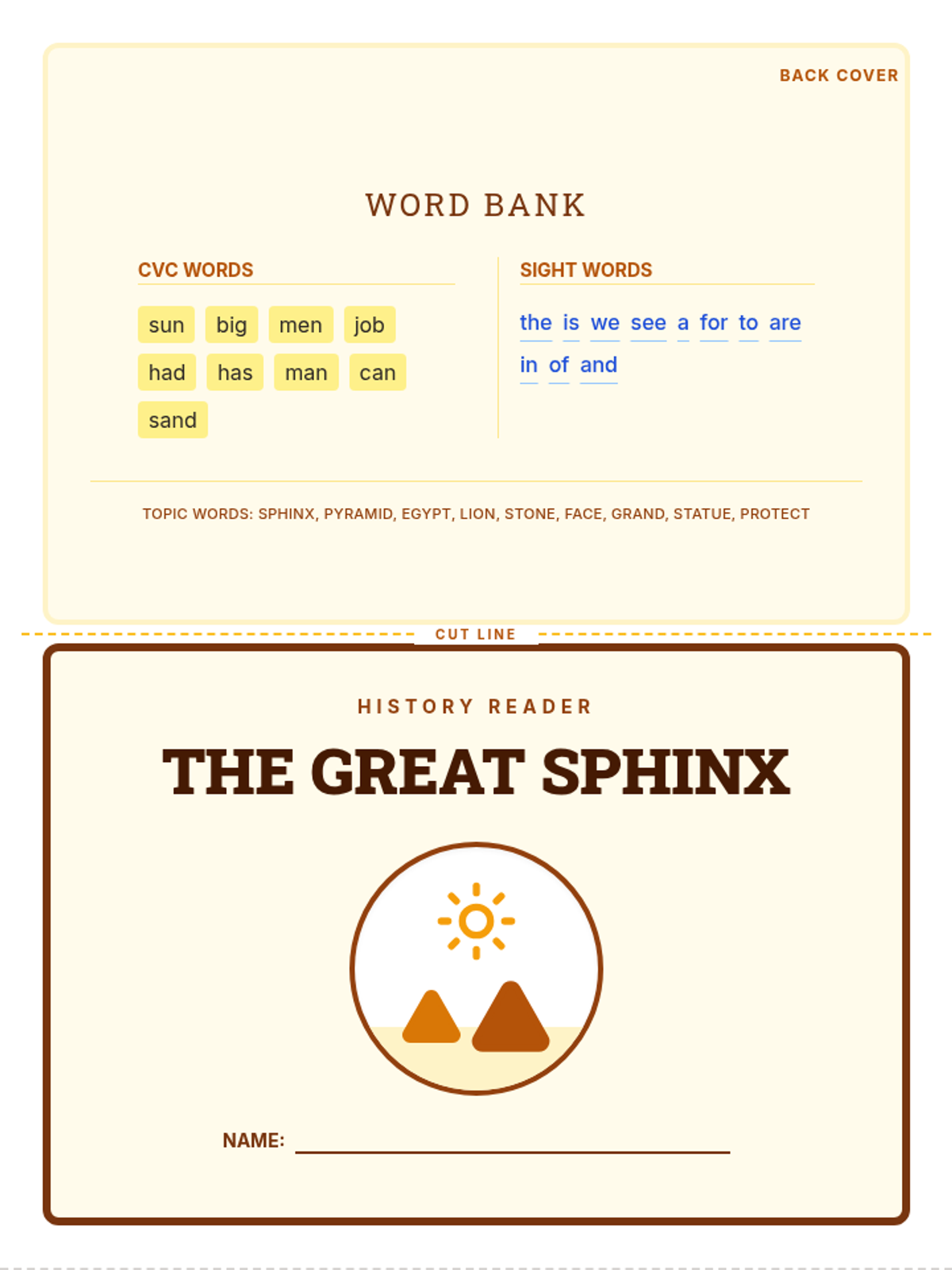
Students will learn about the construction of the pyramids and the significance of the Great Sphinx through a decodable reader and guided discussion.