An interactive letter recognition lesson where kindergarteners help hungry letter monsters sort uppercase and lowercase letters. Includes playful sorting mats, cut-out letters, and a structured teaching presentation.
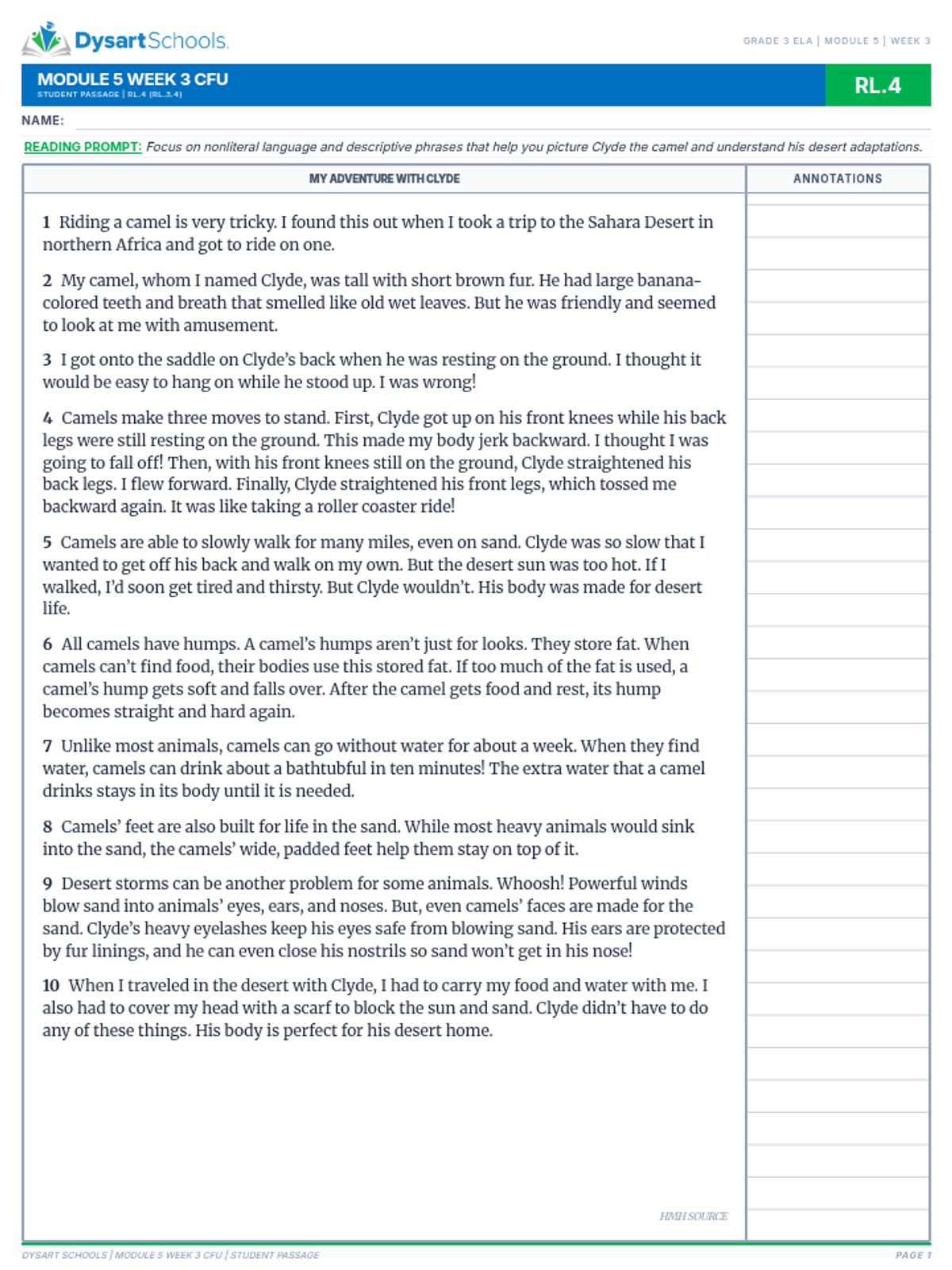
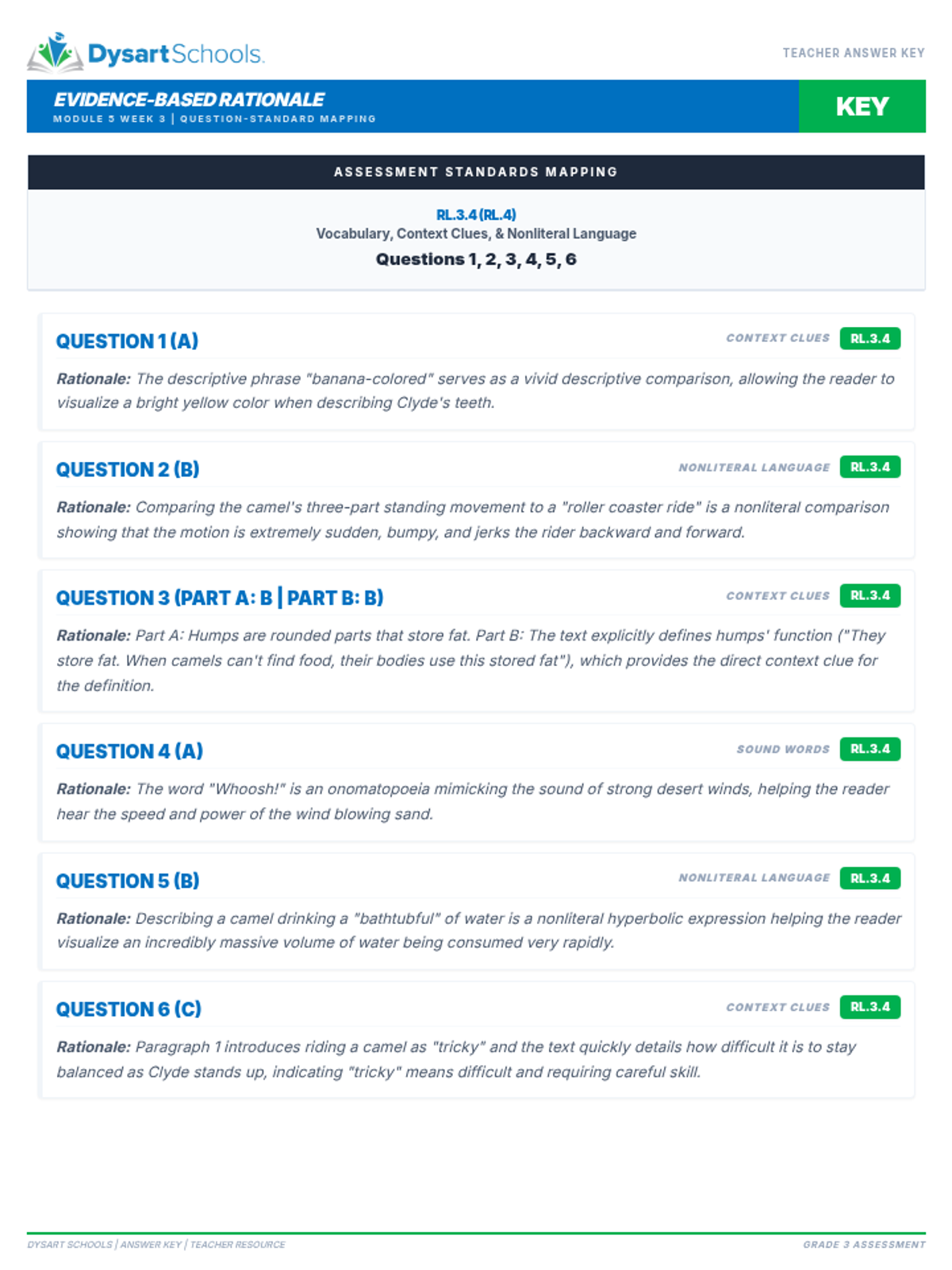
Assessment for 'My Adventure with Clyde' focusing on Arizona 3rd grade standard RL.4 (RL.3.4) through AASA-aligned varied questions, including nonliteral language and context clues.
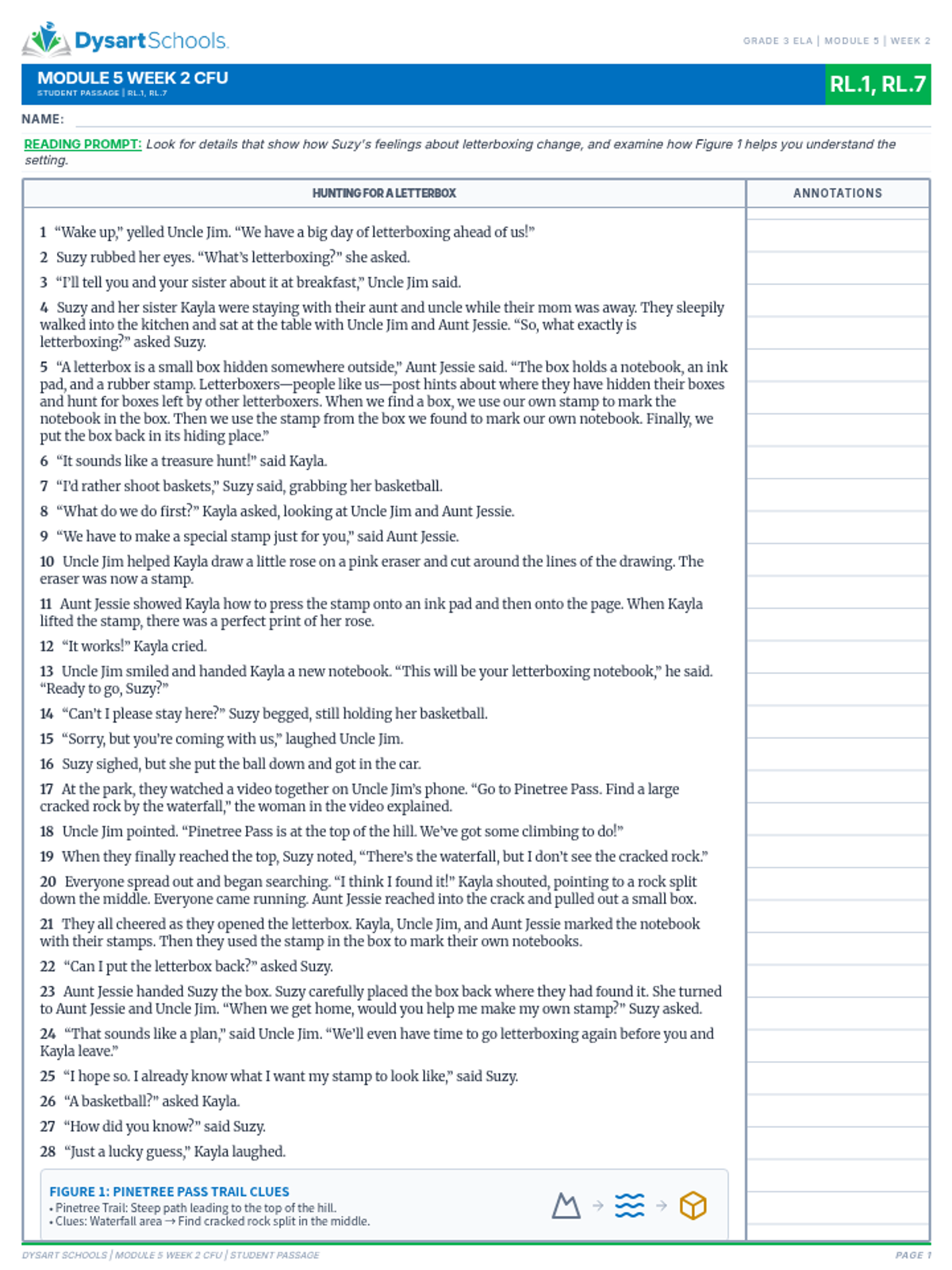
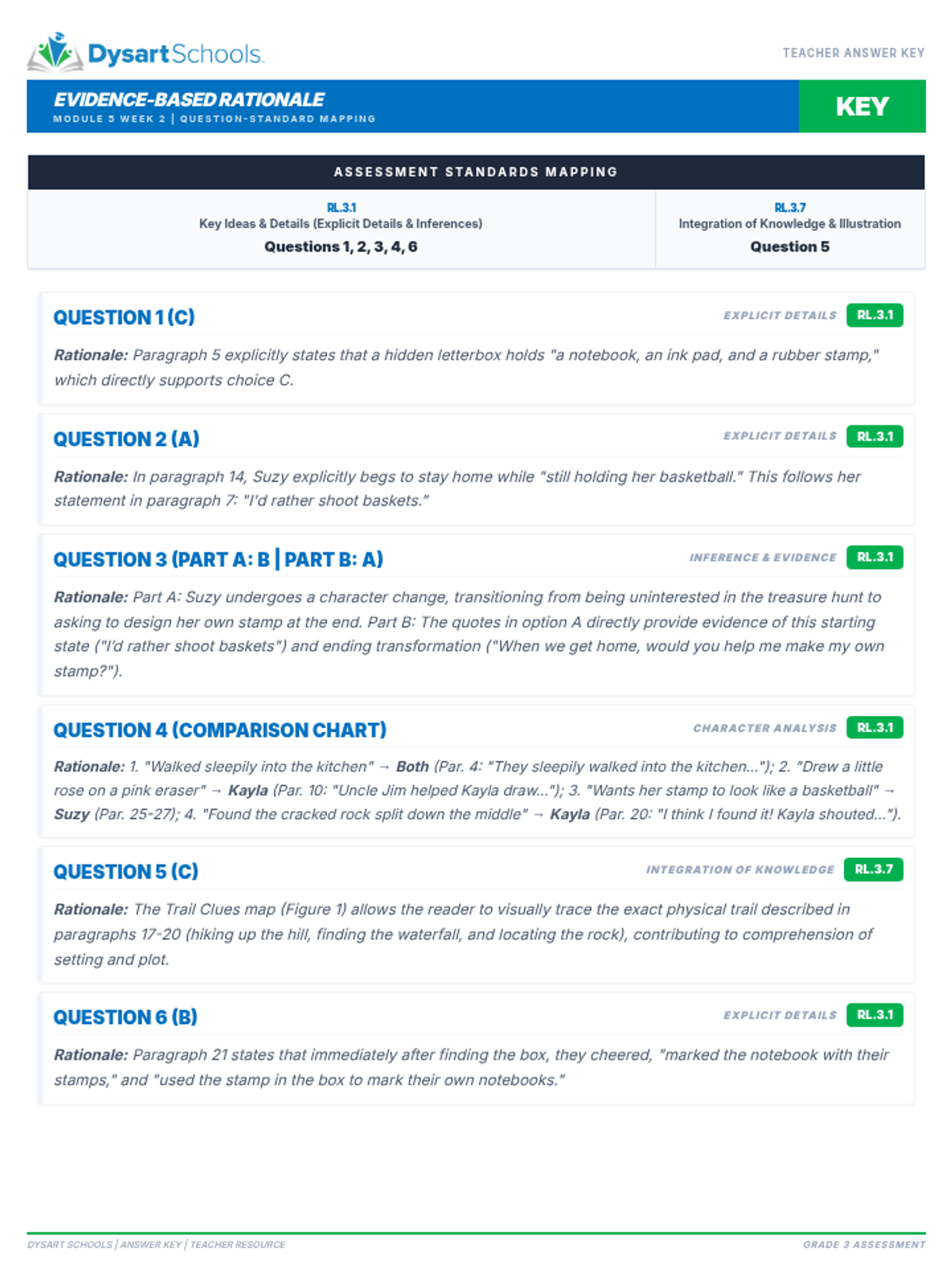
Assessment for 'Hunting for a Letterbox' focusing on Arizona 3rd grade standards RL.1 and RL.7 through AASA-aligned varied questions, including a character comparison chart.
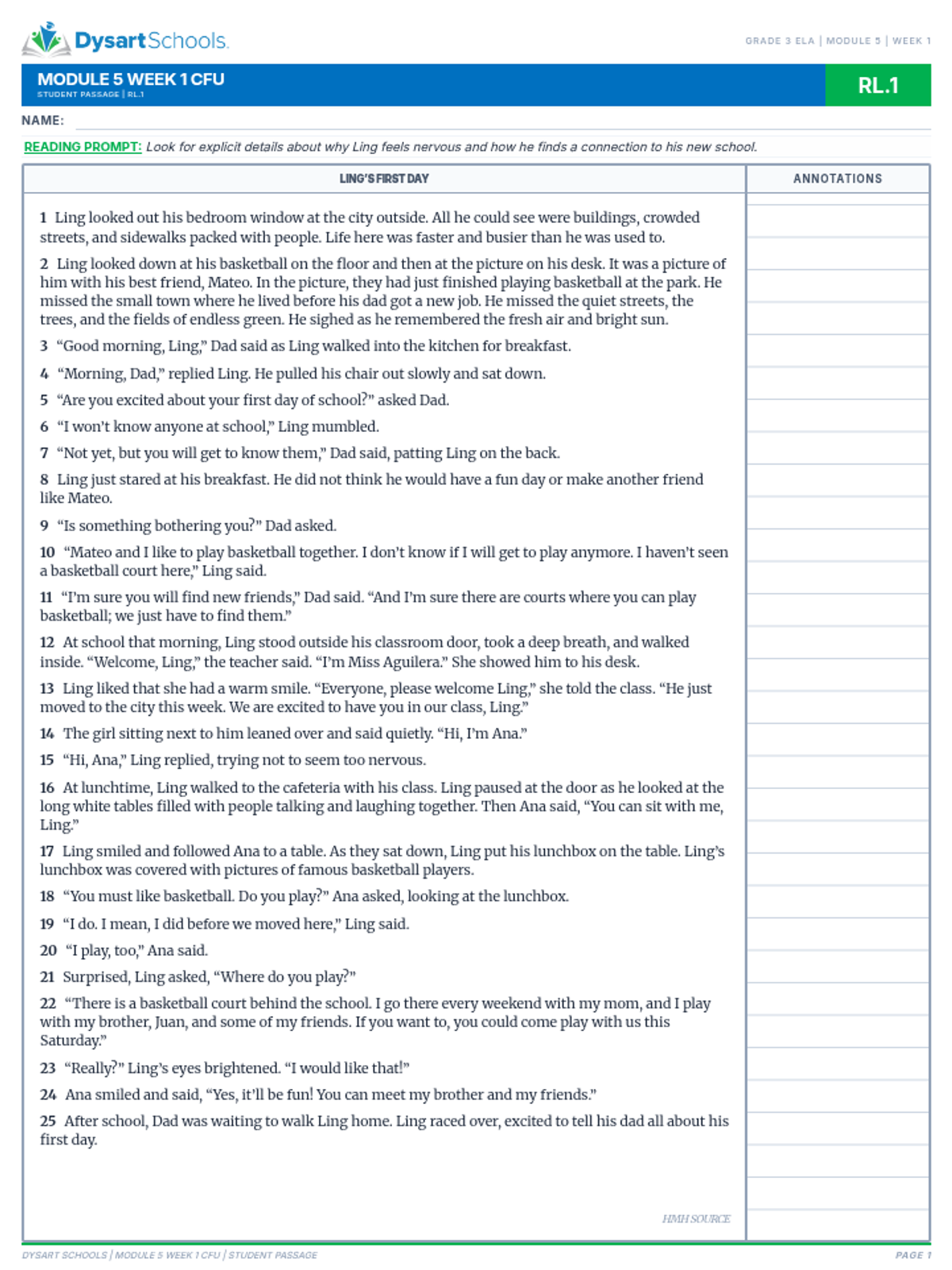
Assessment for 'Ling’s First Day' focusing on Arizona 3rd grade standard RL.1 through AASA-aligned varied questions.
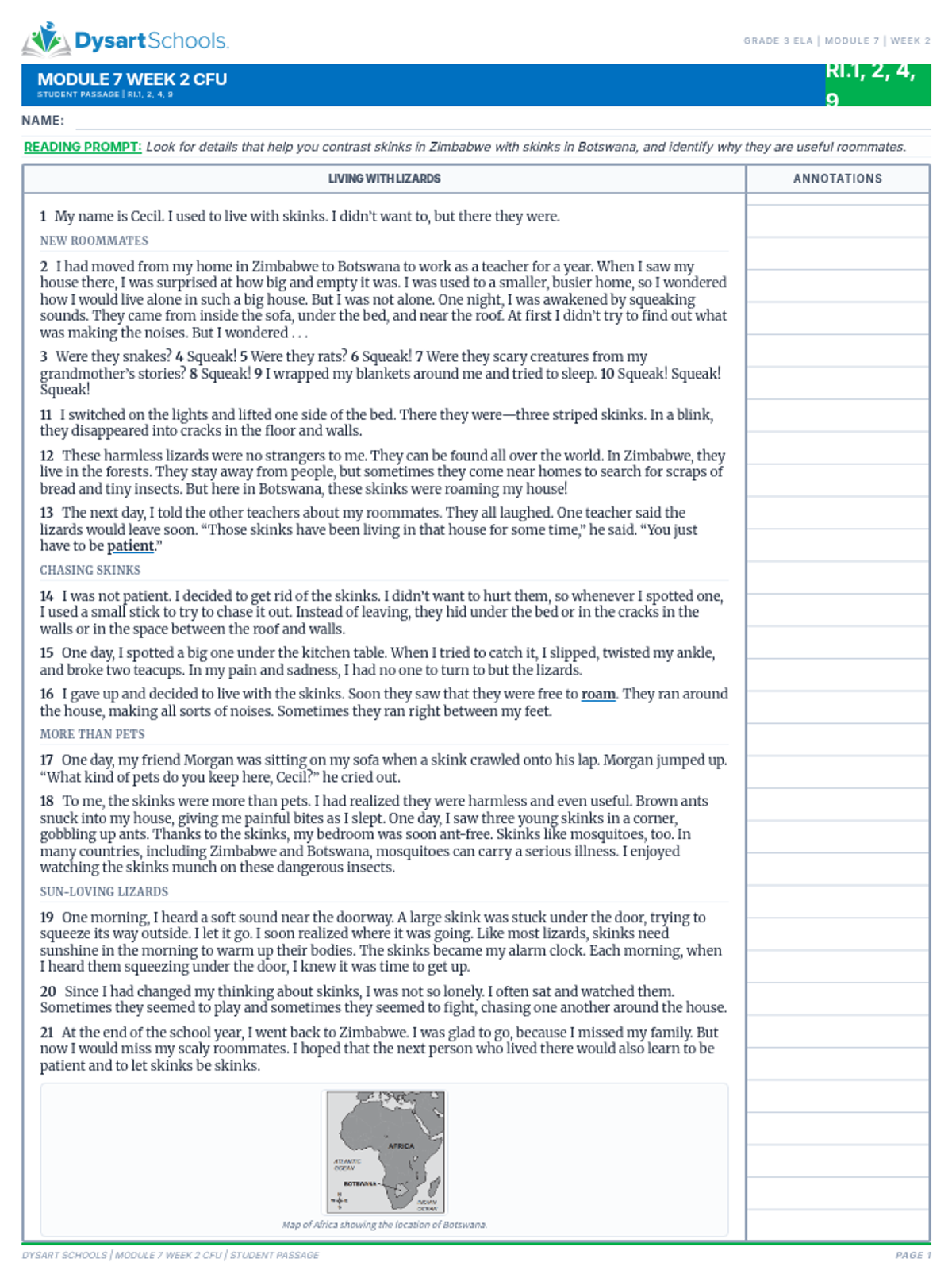
Assessment for 'Living with Lizards' focusing on Arizona 3rd grade informational text standards RI.1, RI.2, RI.4, and RI.9 through AASA-aligned varied questions.
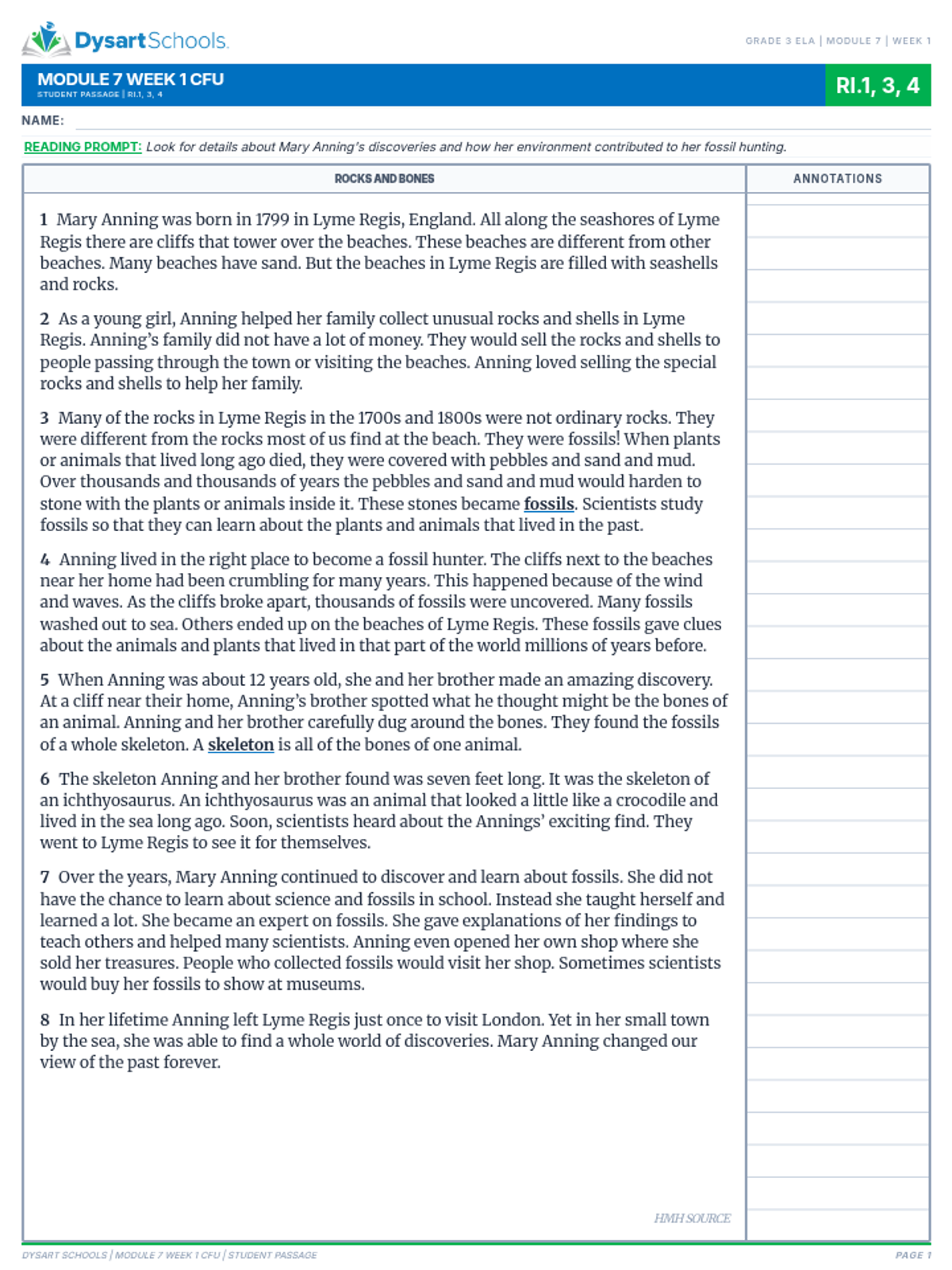
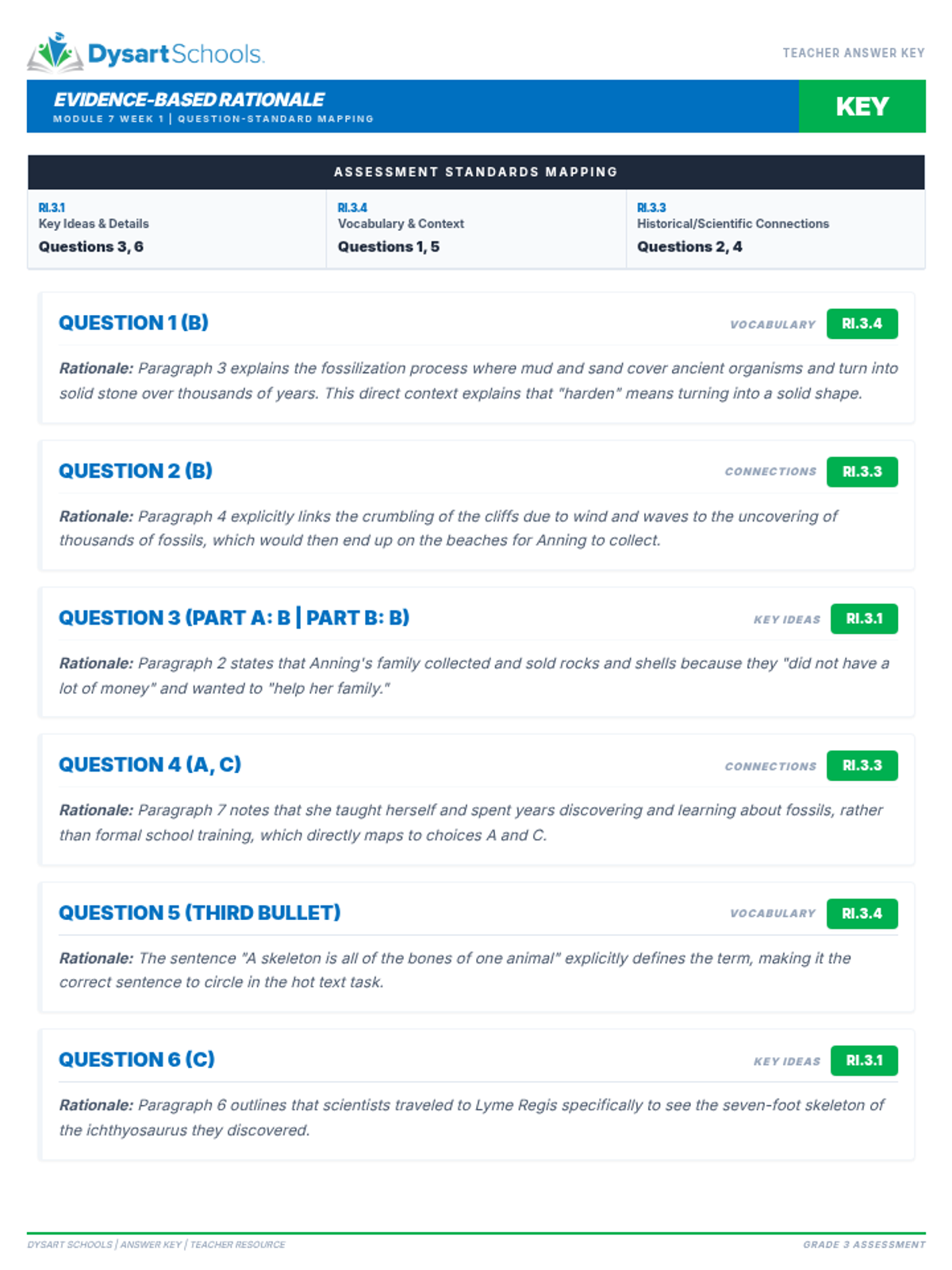
Assessment for 'Rocks and Bones' focusing on Arizona 3rd grade informational text standards RI.1, RI.3, and RI.4 through AASA-aligned varied questions.
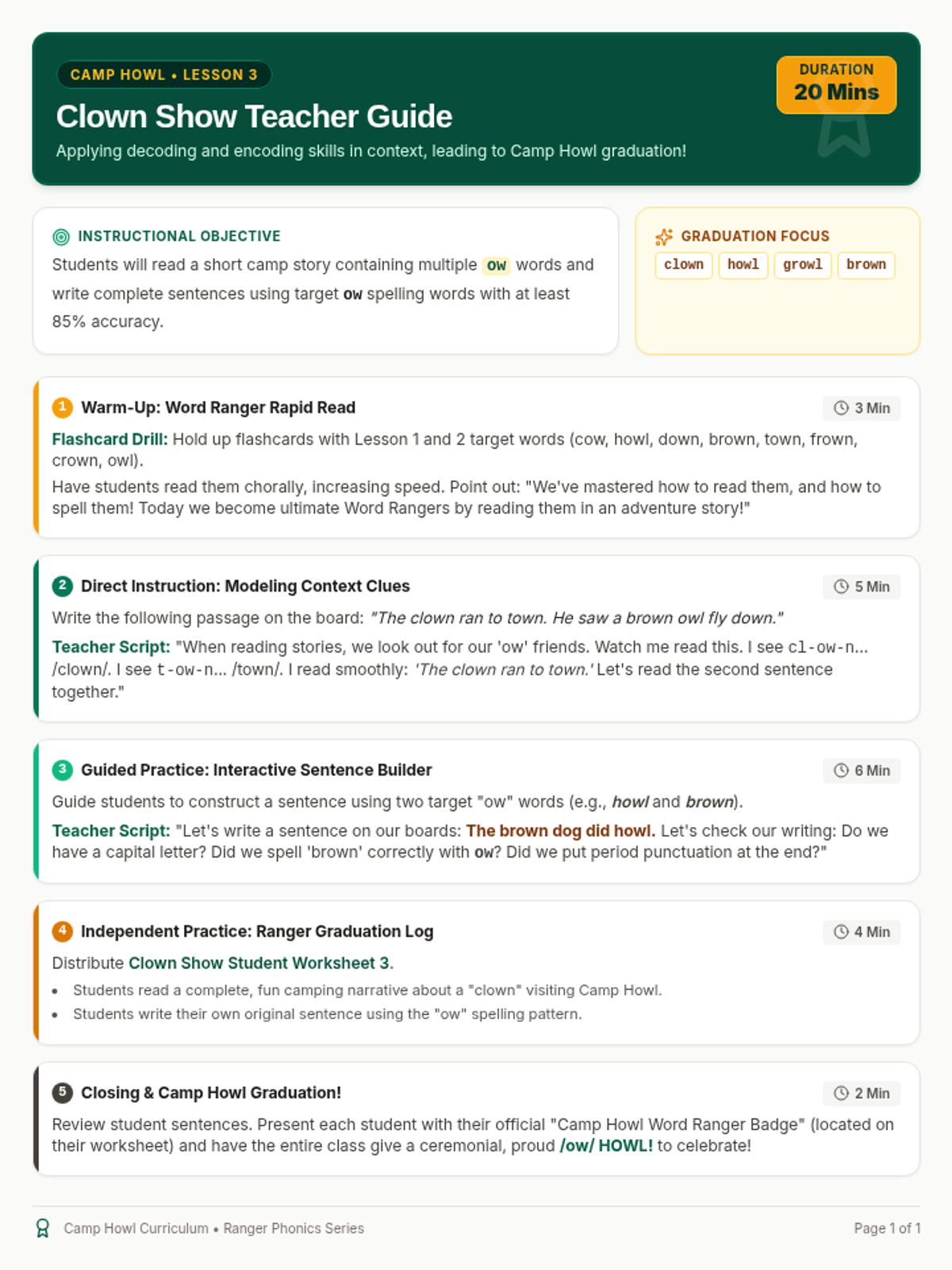
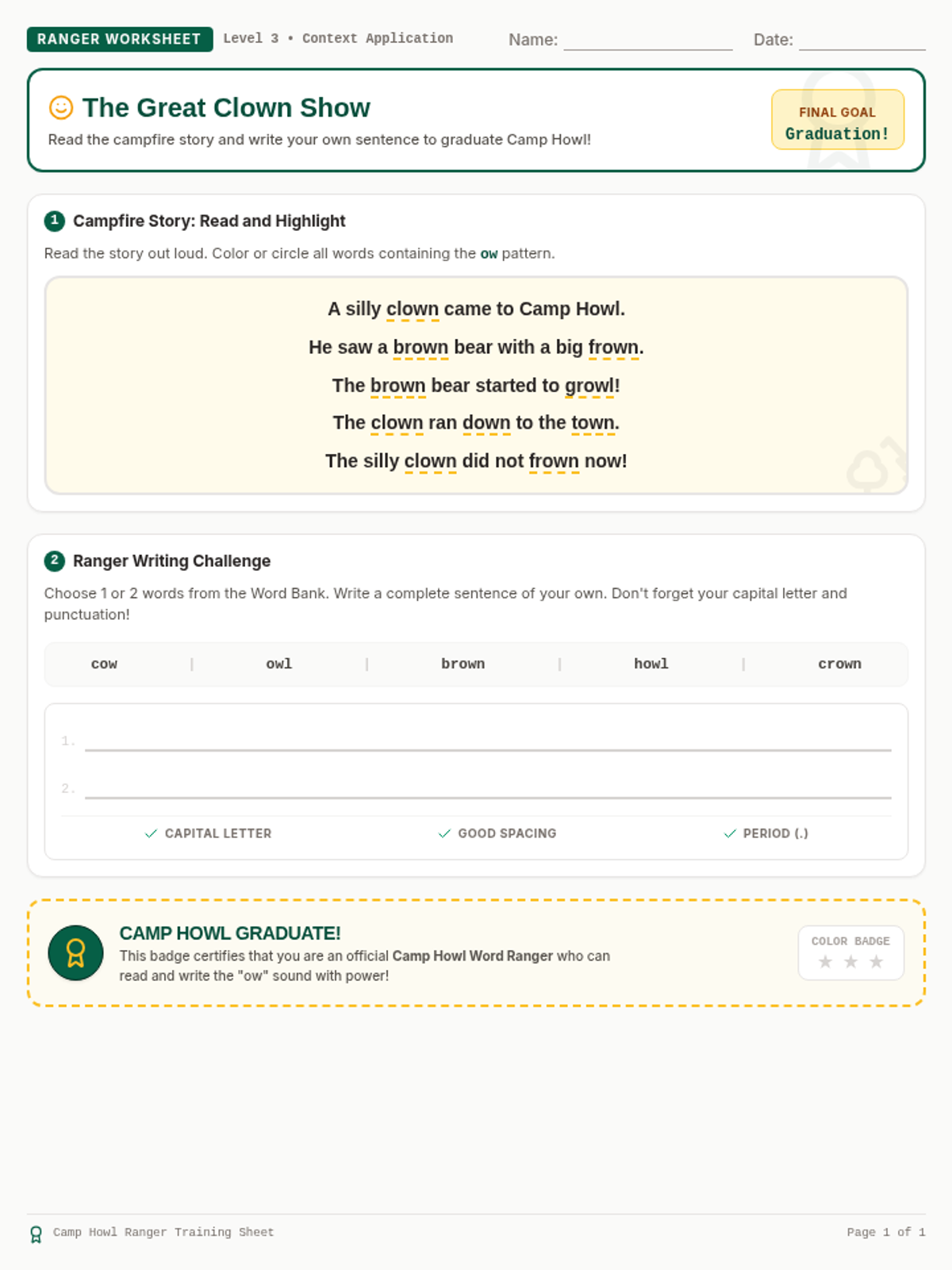
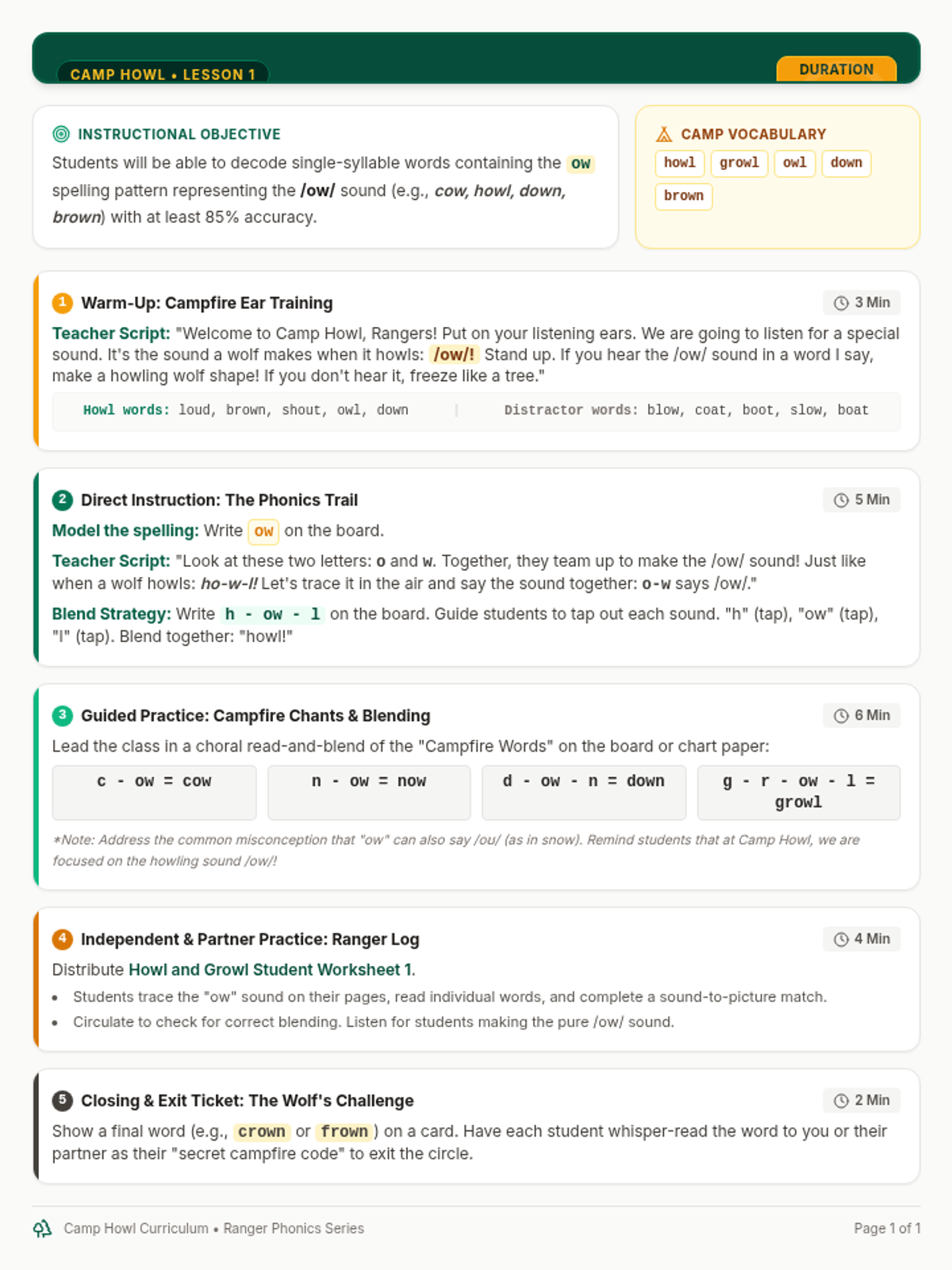
Focuses on reading and writing 'ow' words in context with an adventure story, sentence-building activities, and camp graduation.
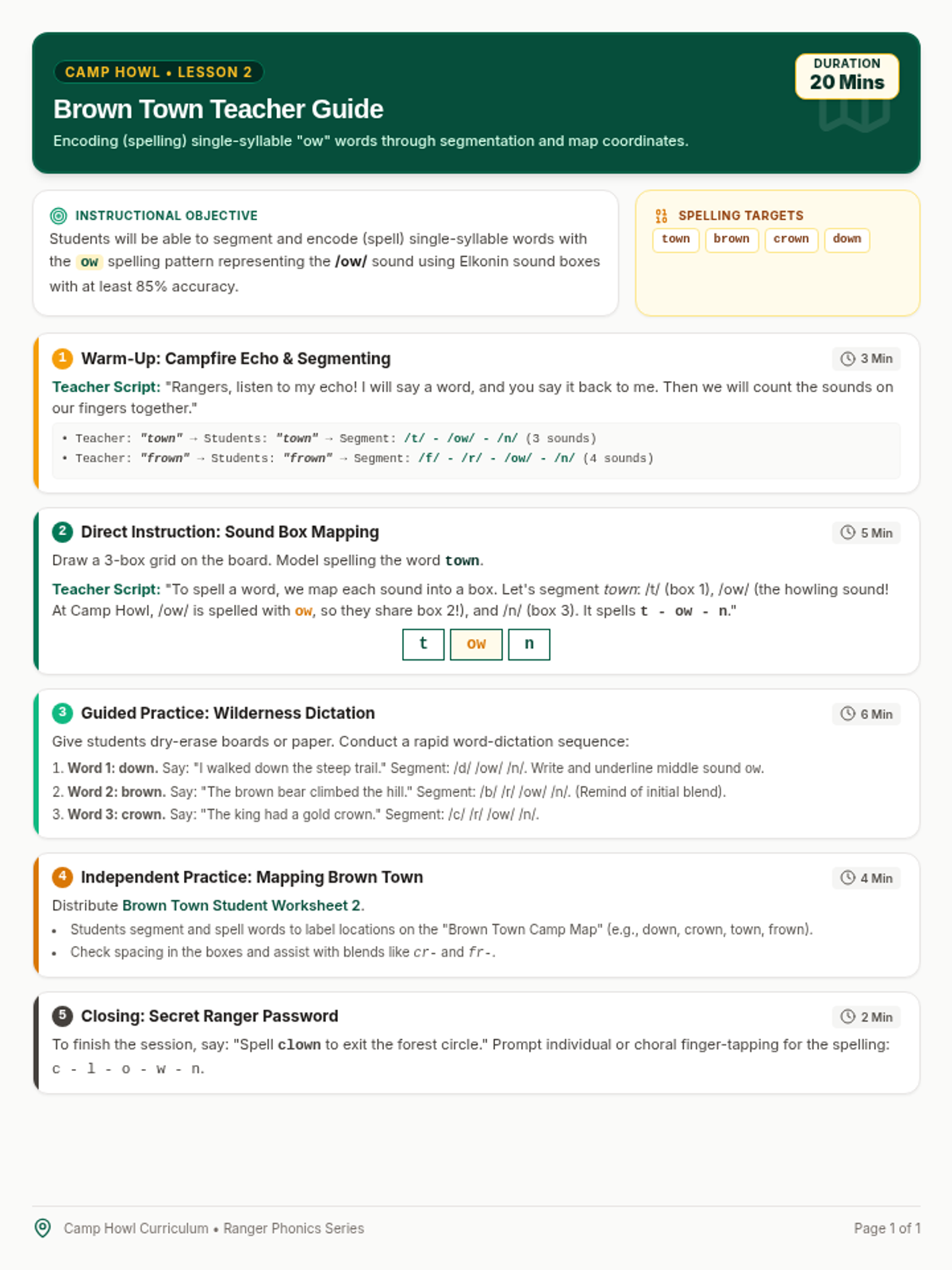
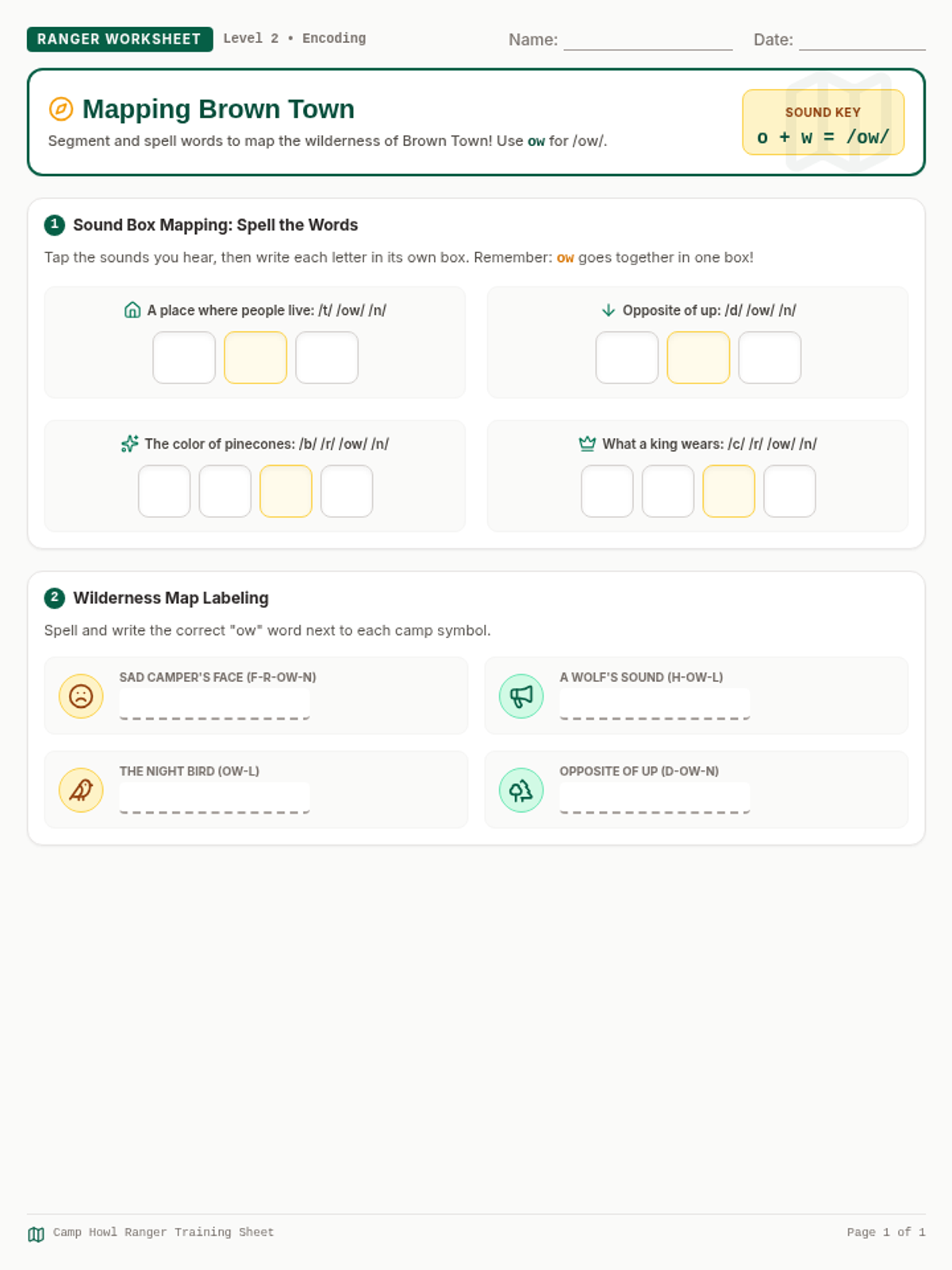
Focuses on encoding single-syllable 'ow' words with spelling dictation, word-building, and an interactive wilderness map-labeling task.
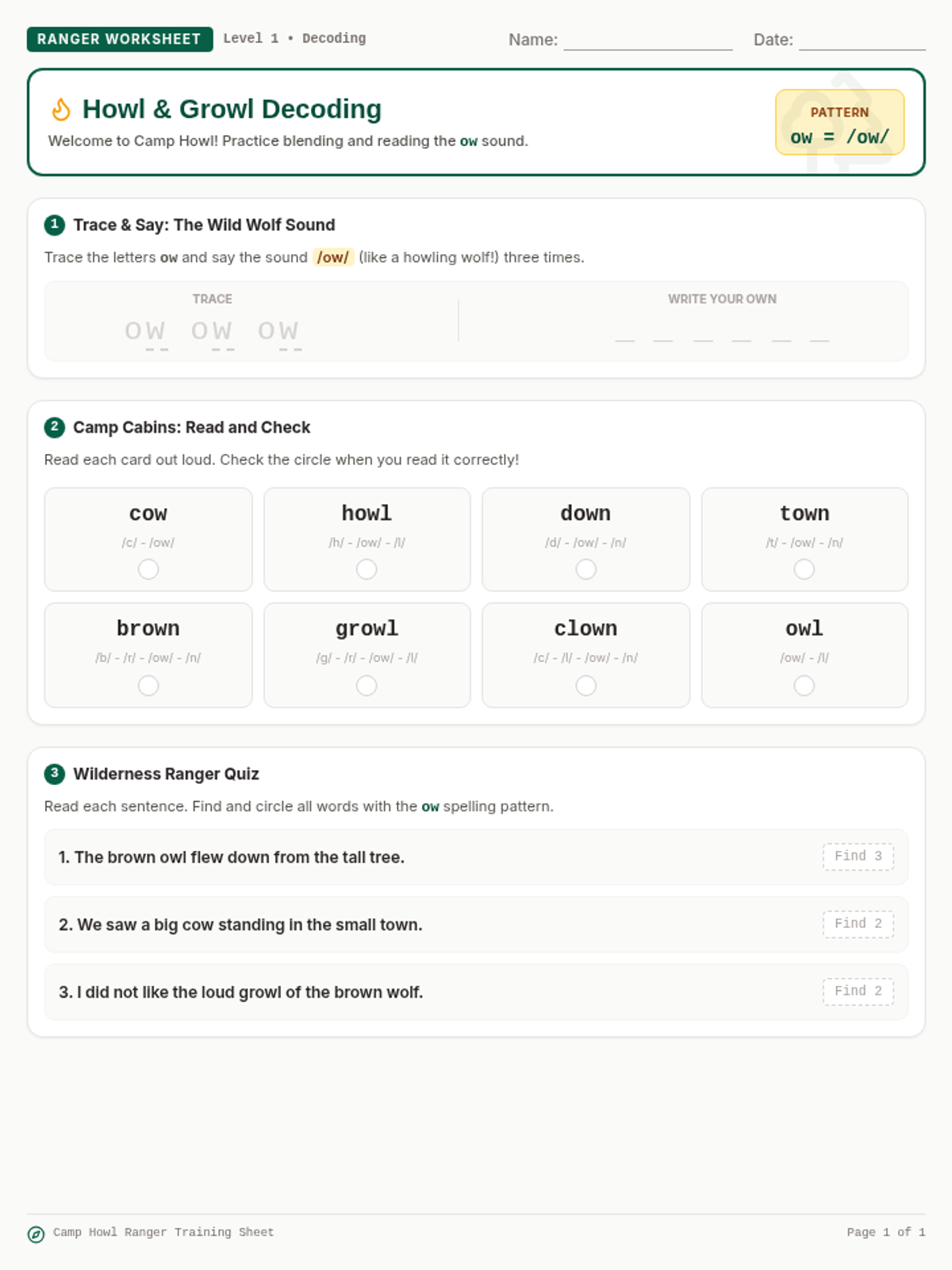
Focuses on decoding single-syllable 'ow' words through blend-and-read practices, card-matching, and a wilderness campfire read-aloud.
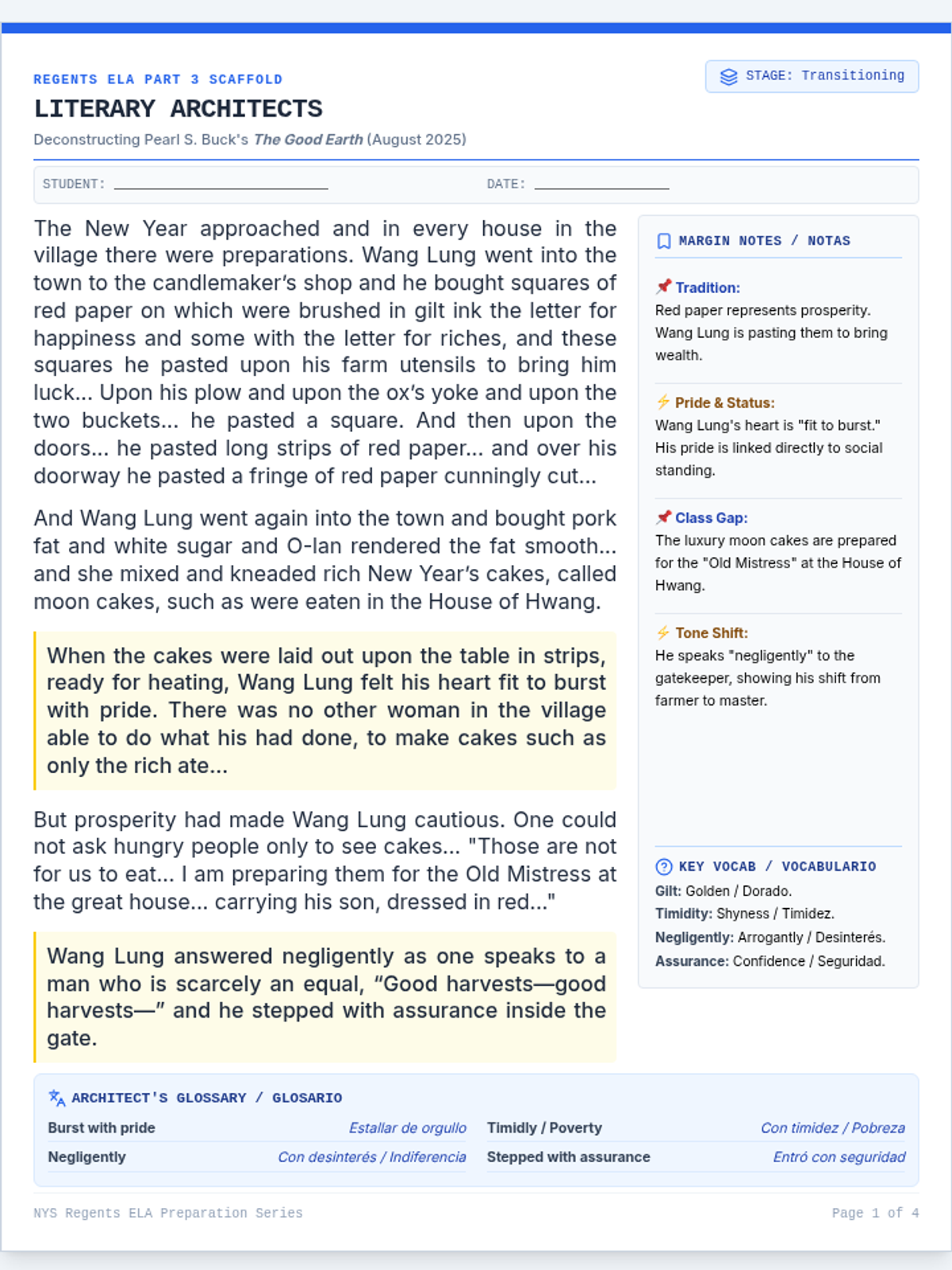
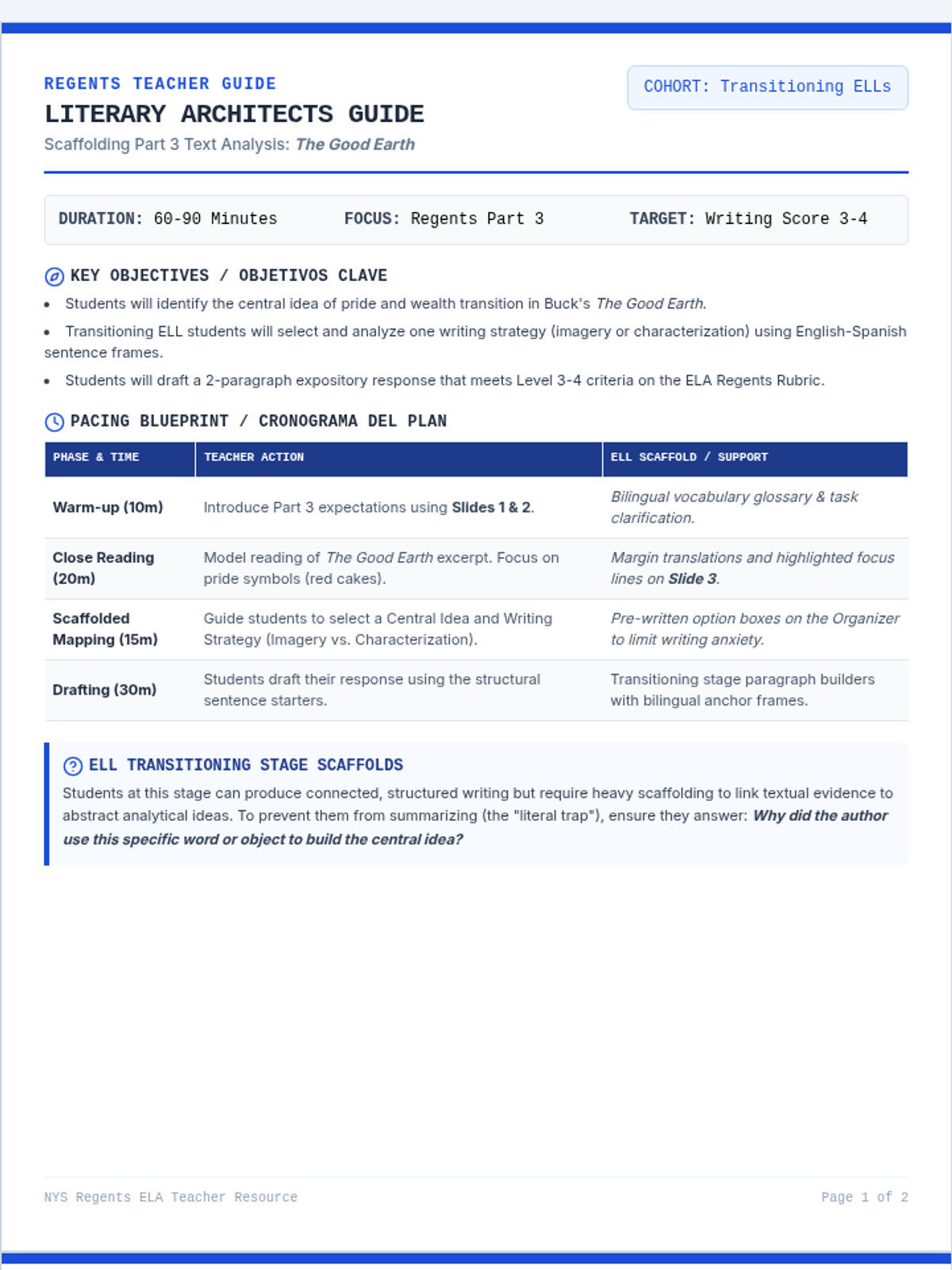
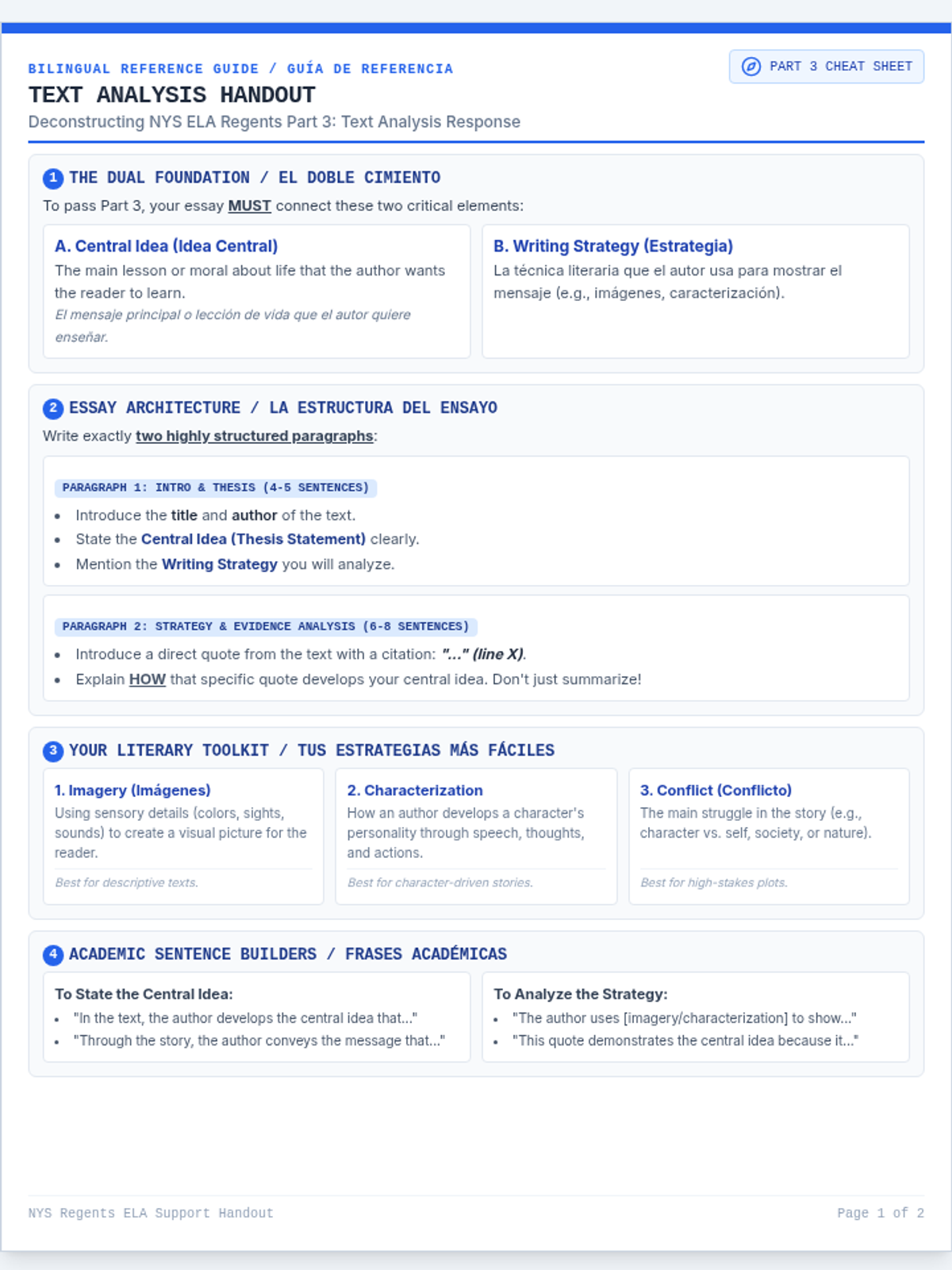
This lesson scaffolds the Text Analysis Response (Part 3) of the NYS ELA Regents using Pearl S. Buck's "The Good Earth" from the August 2025 exam, providing bilingual paragraph frames and vocabulary supports for transitioning ELL students.
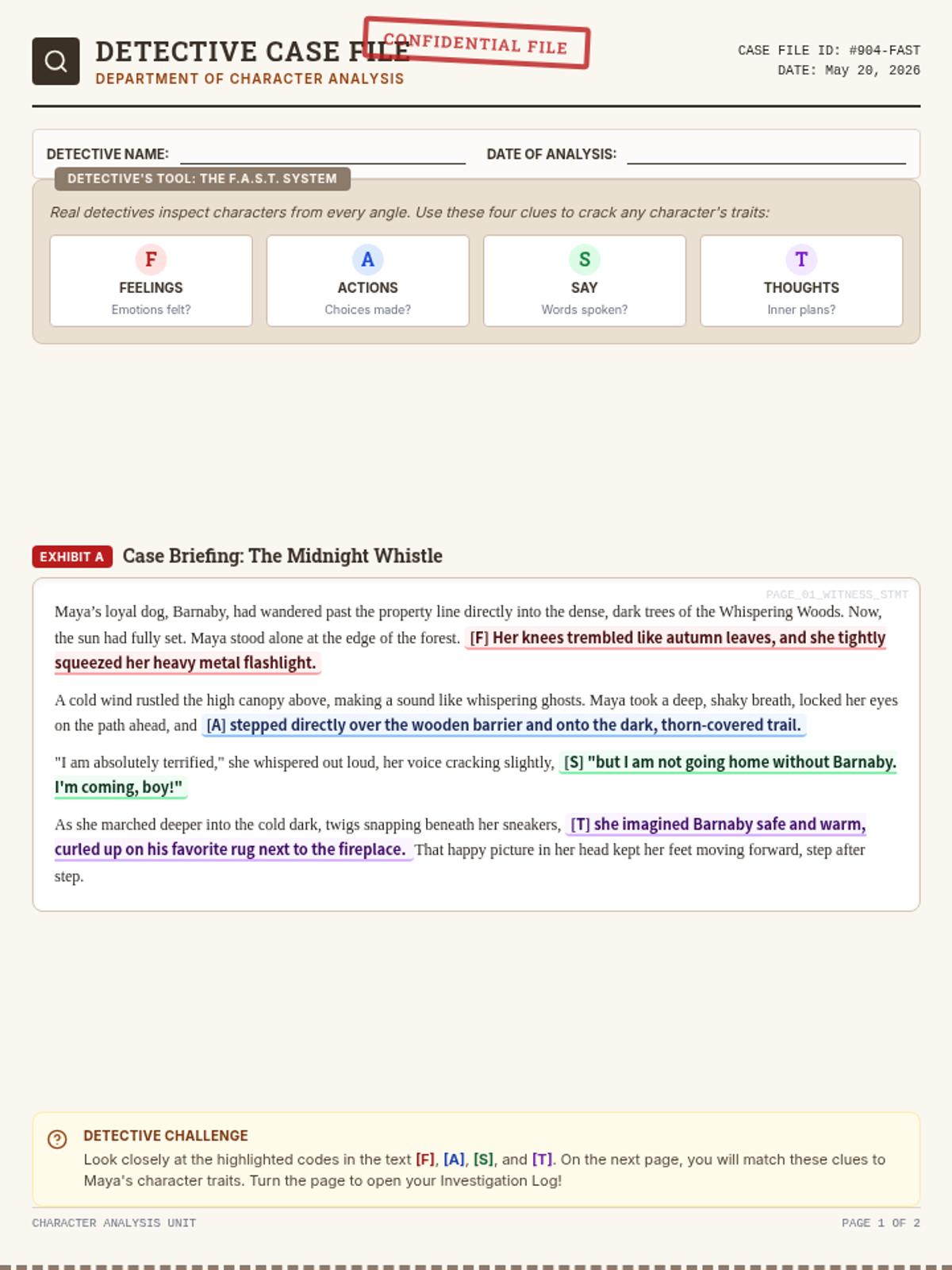
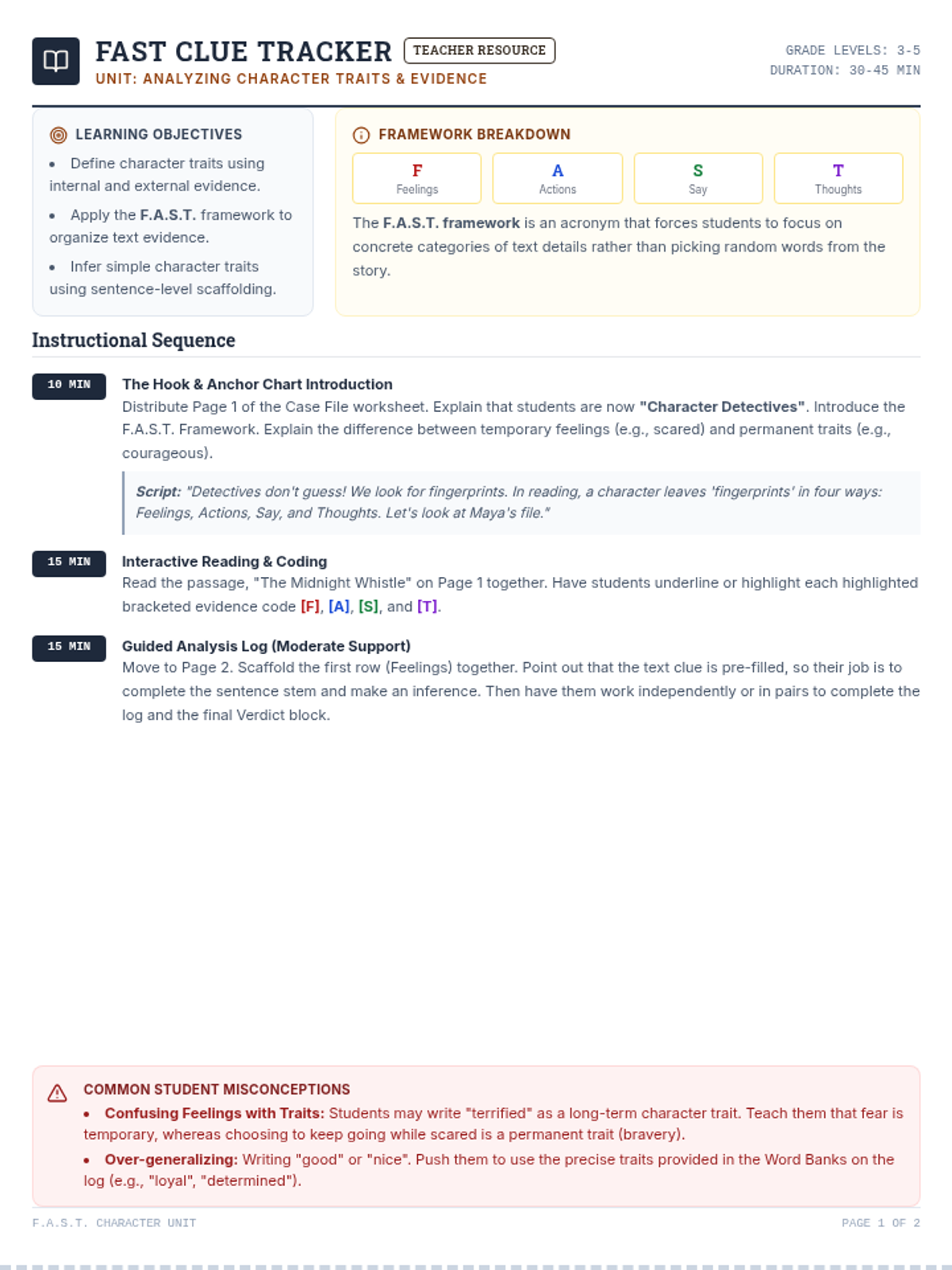
A structured mini-lesson teaching students to identify character traits using the FAST framework (Feelings, Actions, Say, Thoughts). Includes a student-facing Case File graphic organizer with moderate support and a teacher guide with an exemplar key.
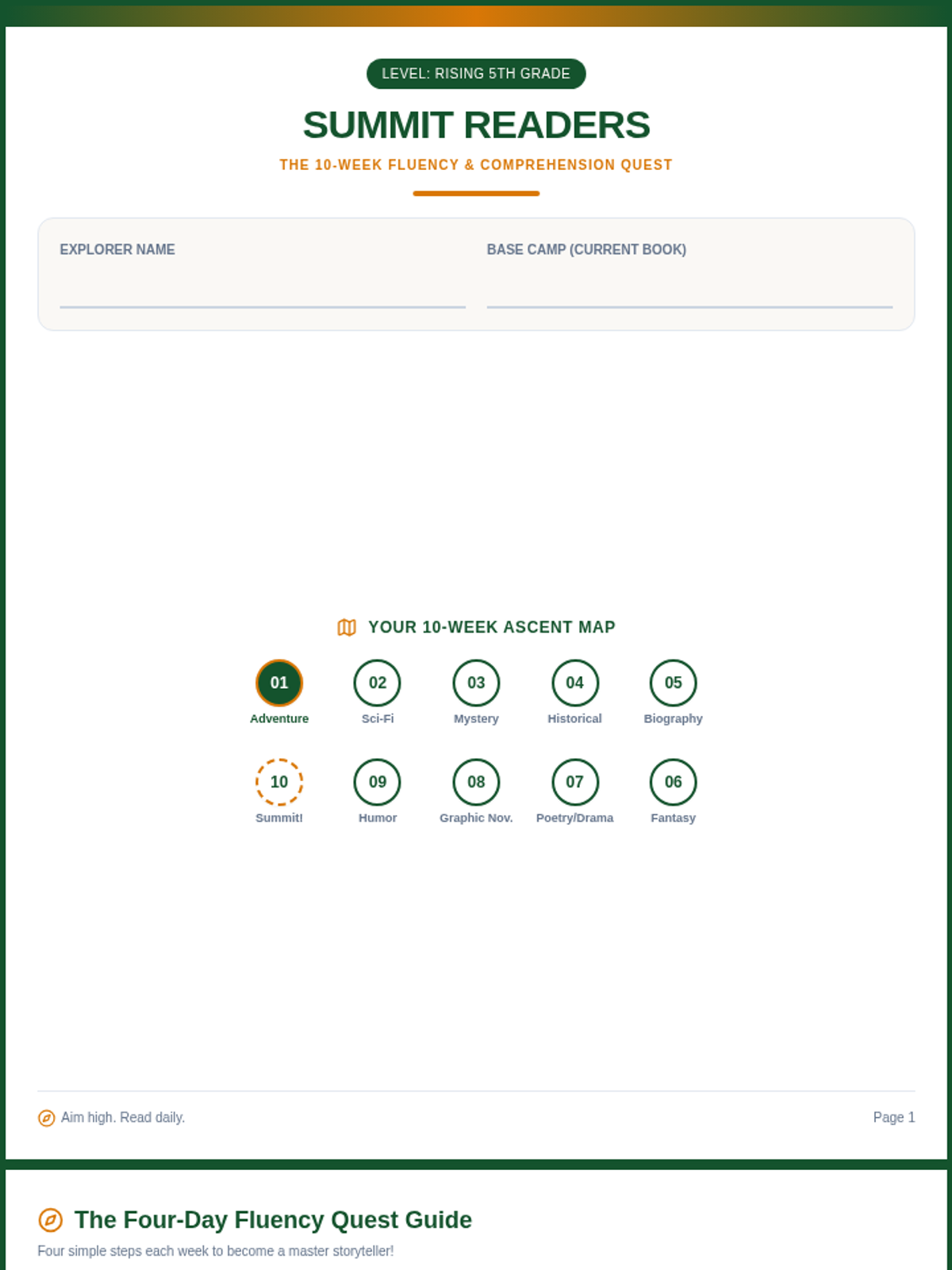
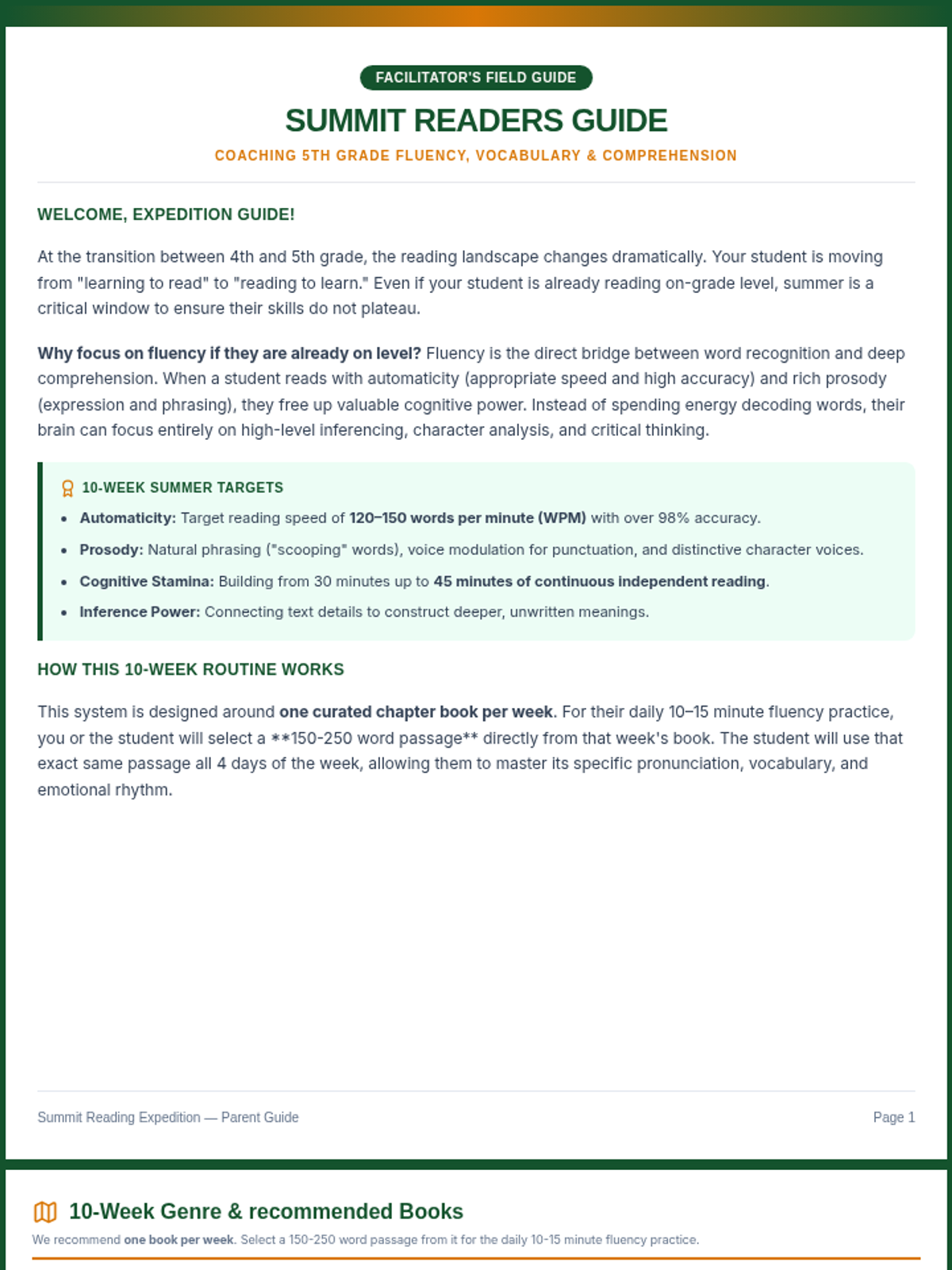
A comprehensive 10-week summer reading program designed for a rising 5th grader to maintain reading levels, boost fluency, and deepen comprehension through a 4-day-a-week structured routine.
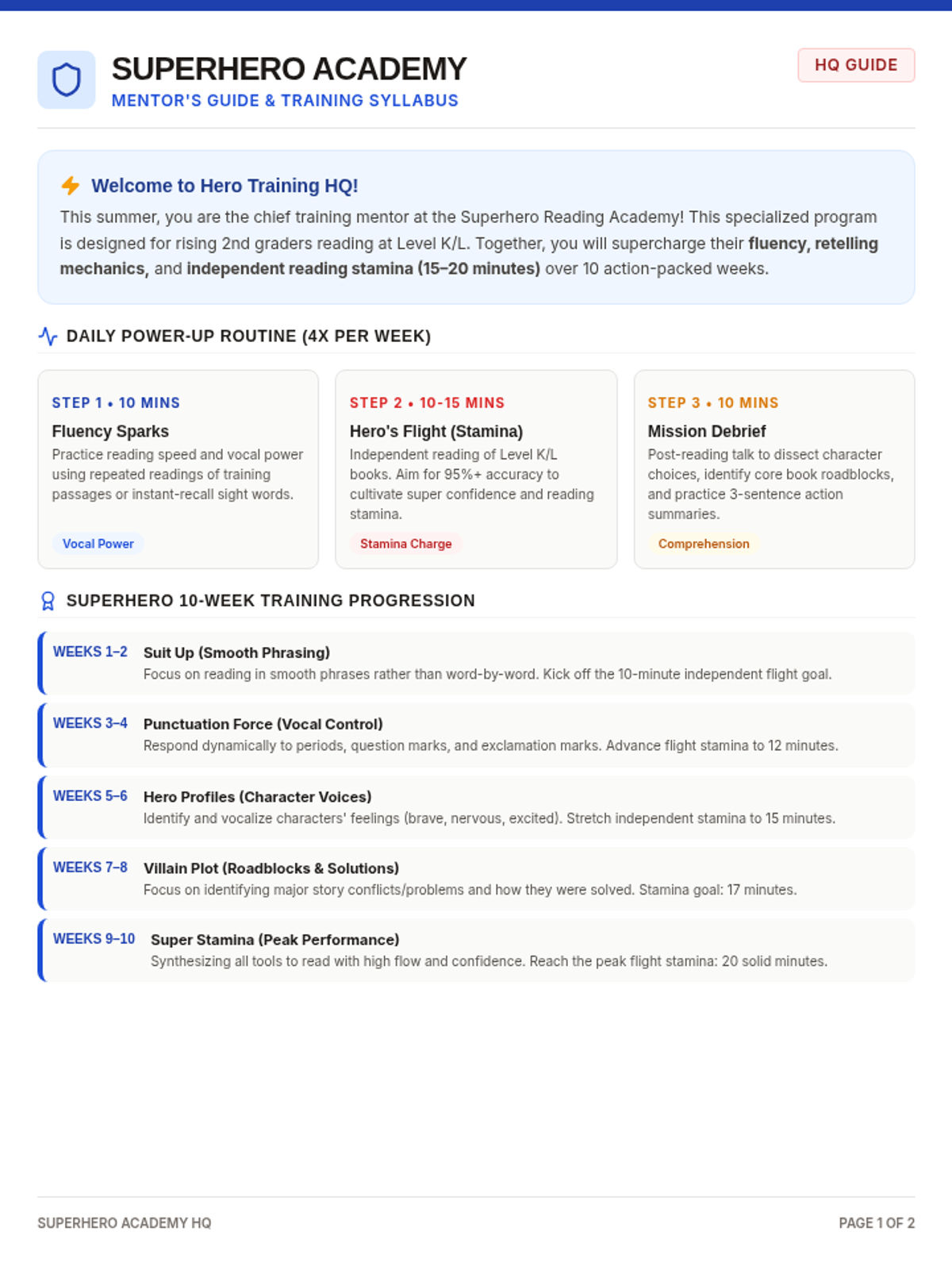
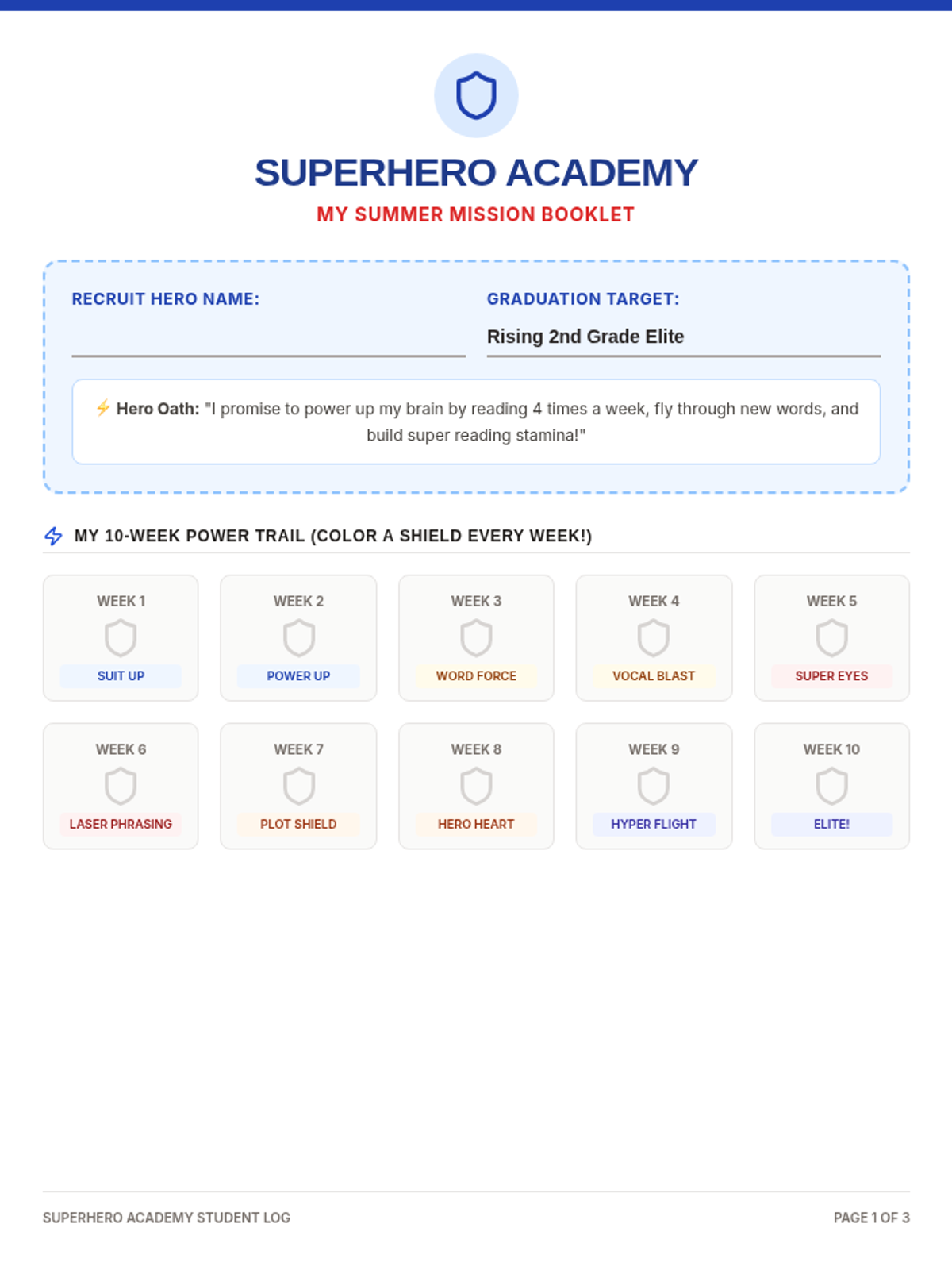
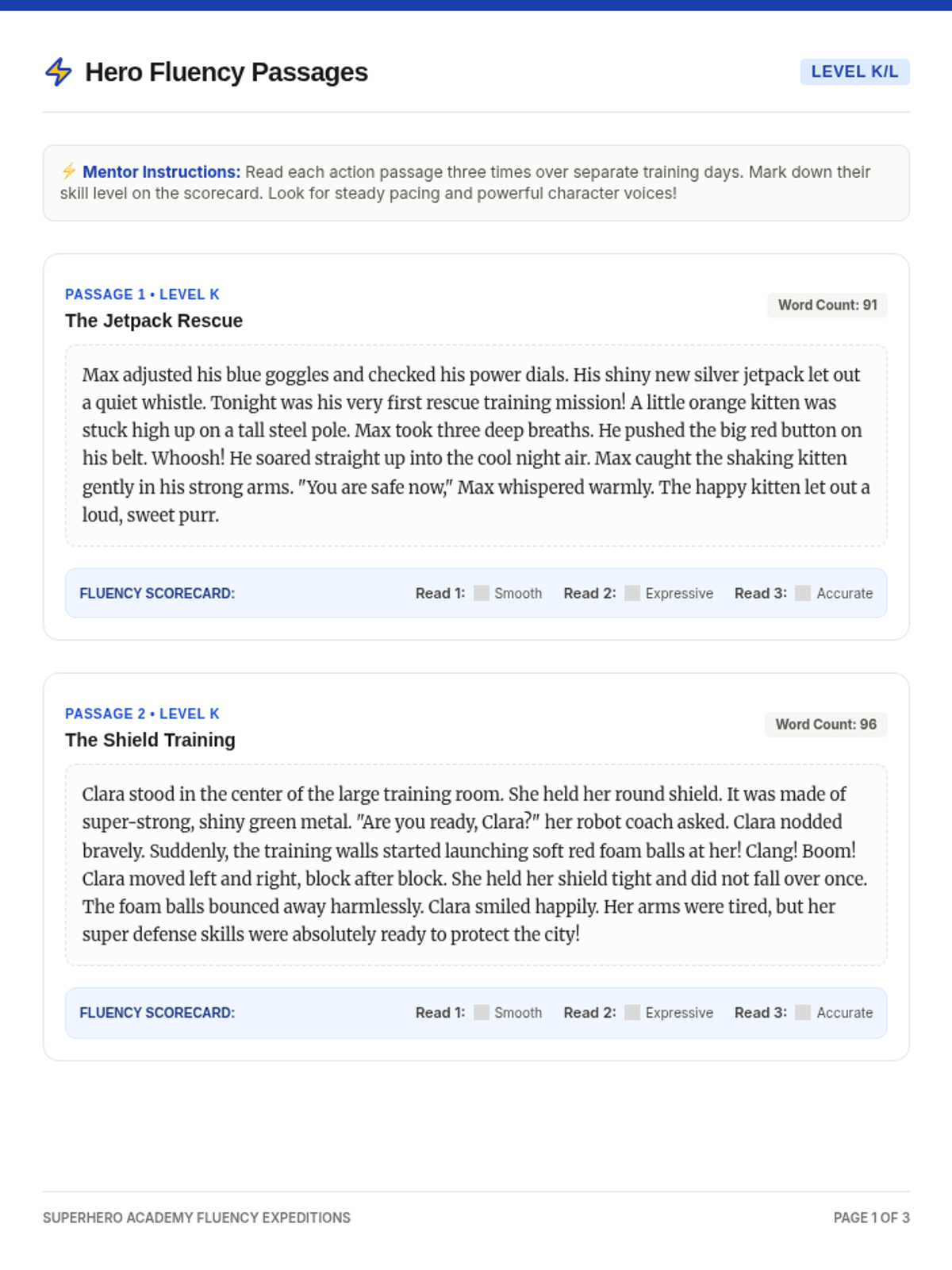
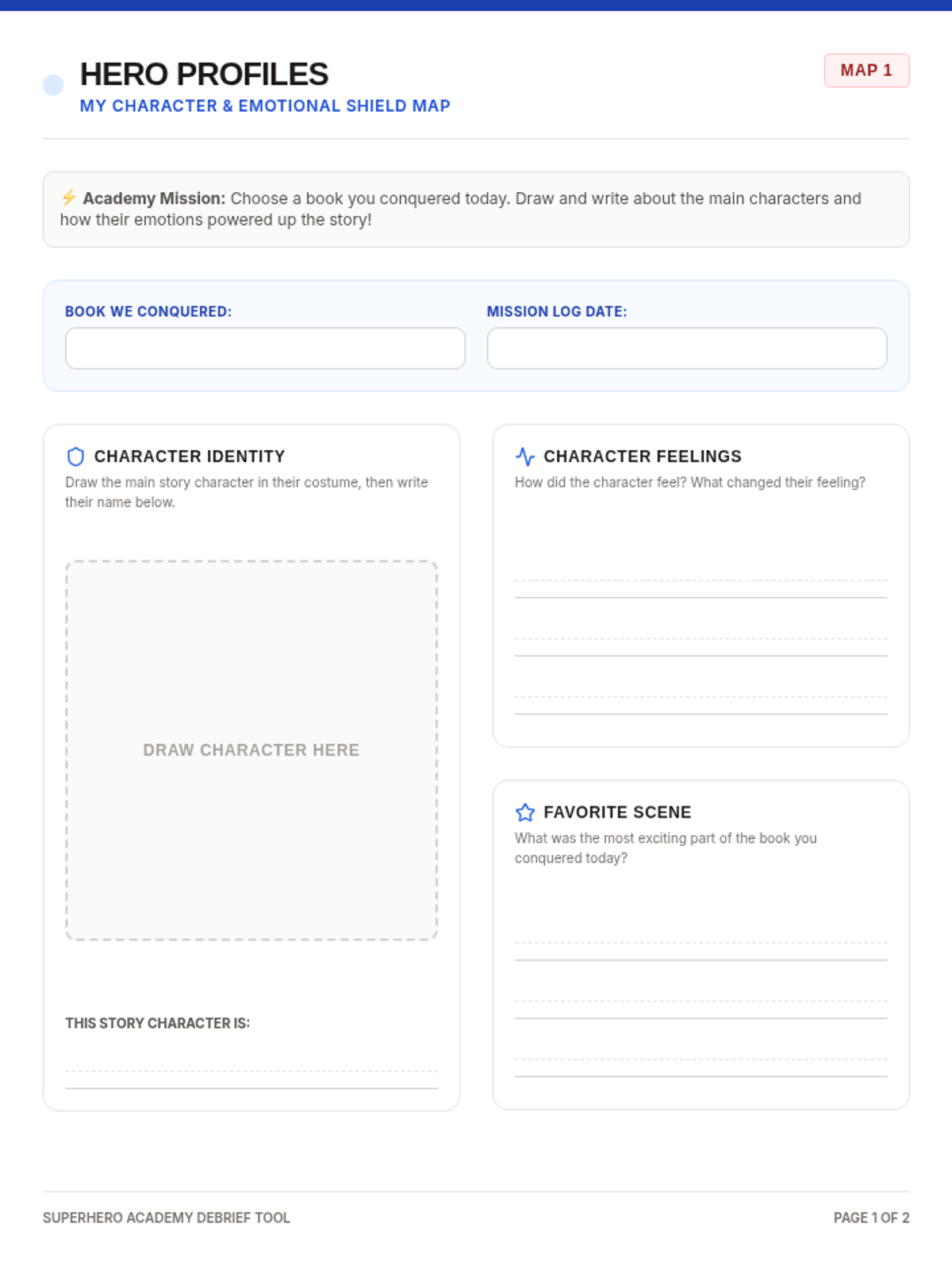
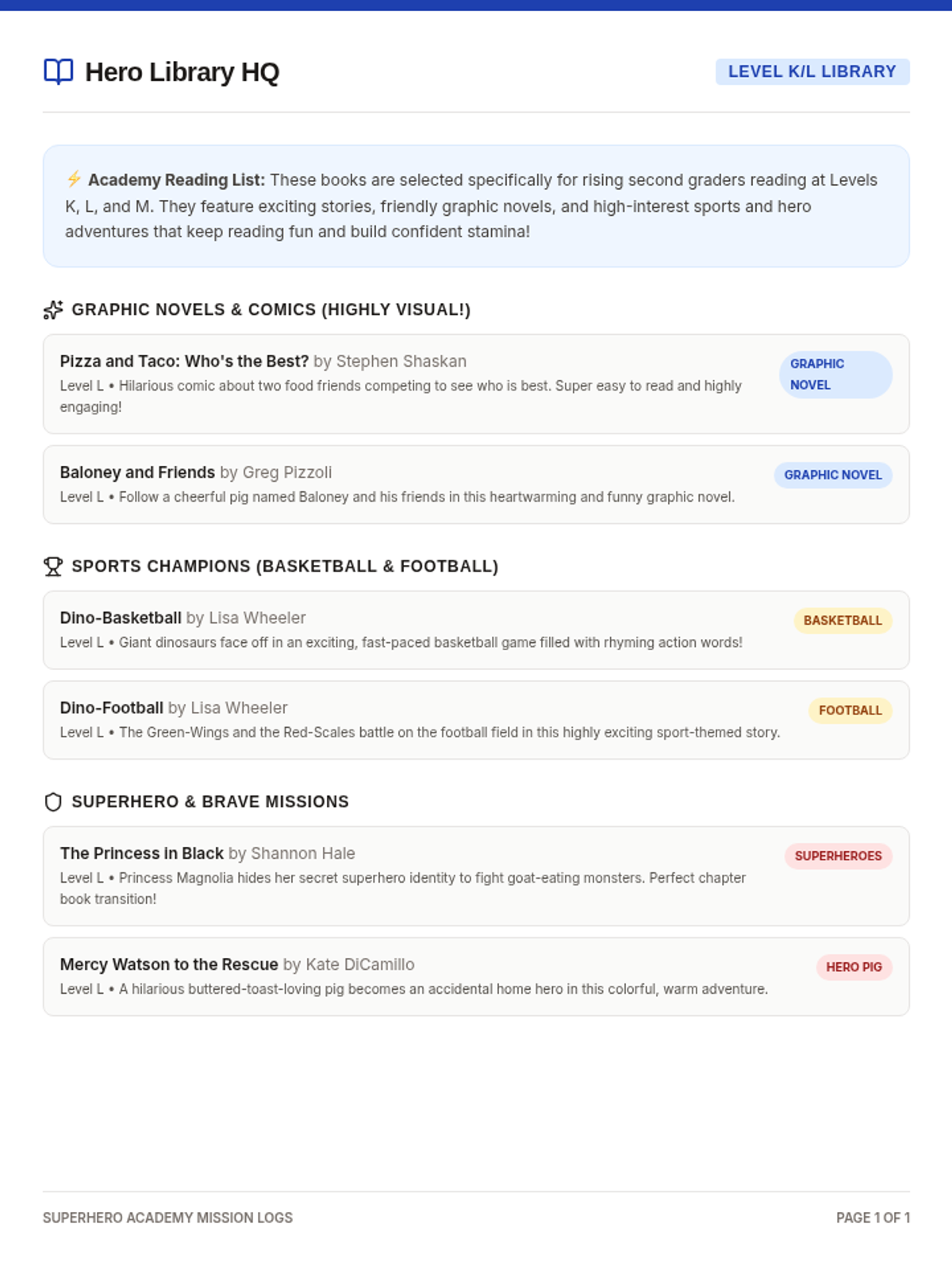
An action-packed 10-week summer reading program styled as a Superhero Academy. Designed for rising second graders to supercharge their reading fluency, active retelling, and independent stamina.
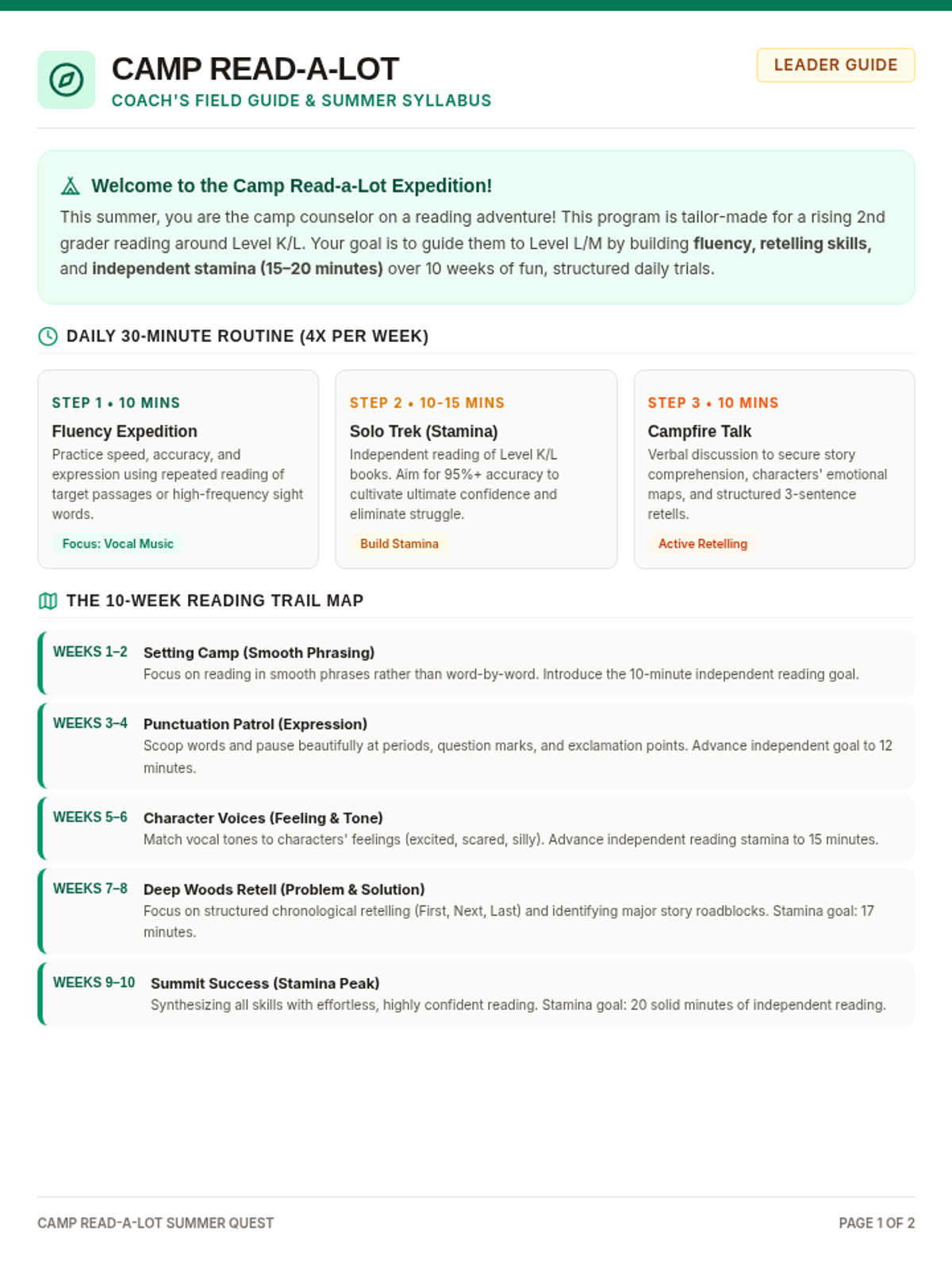
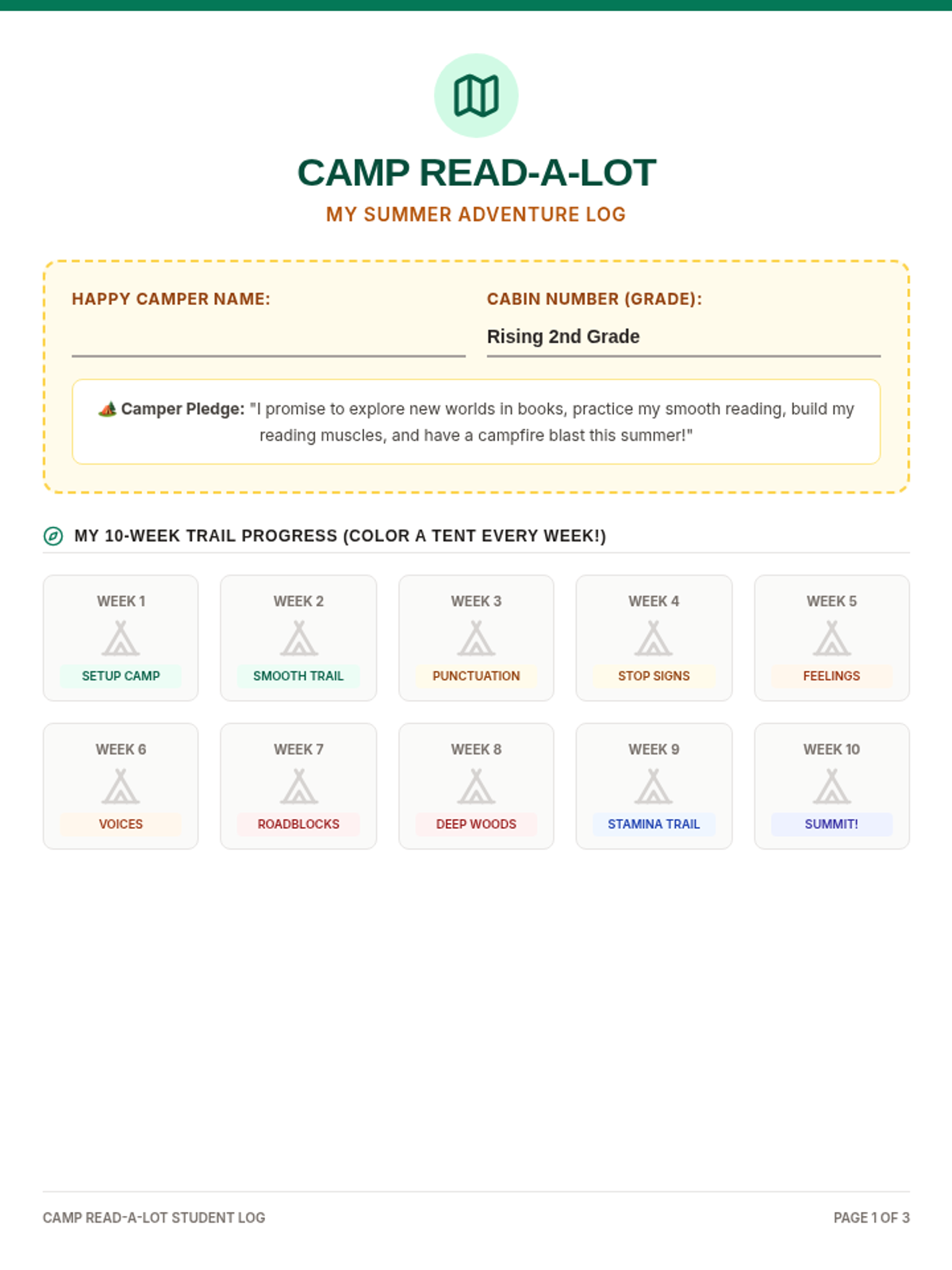
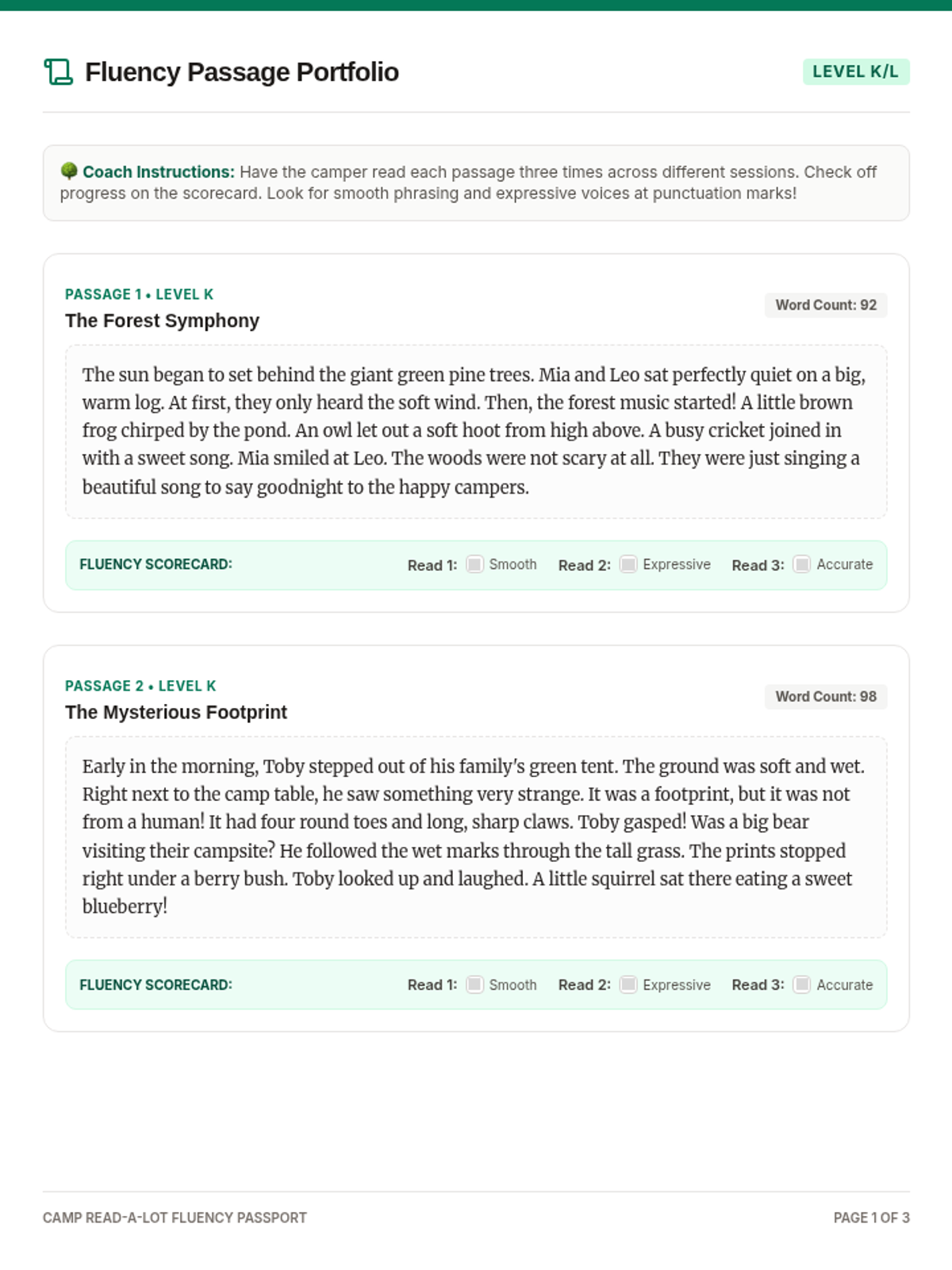
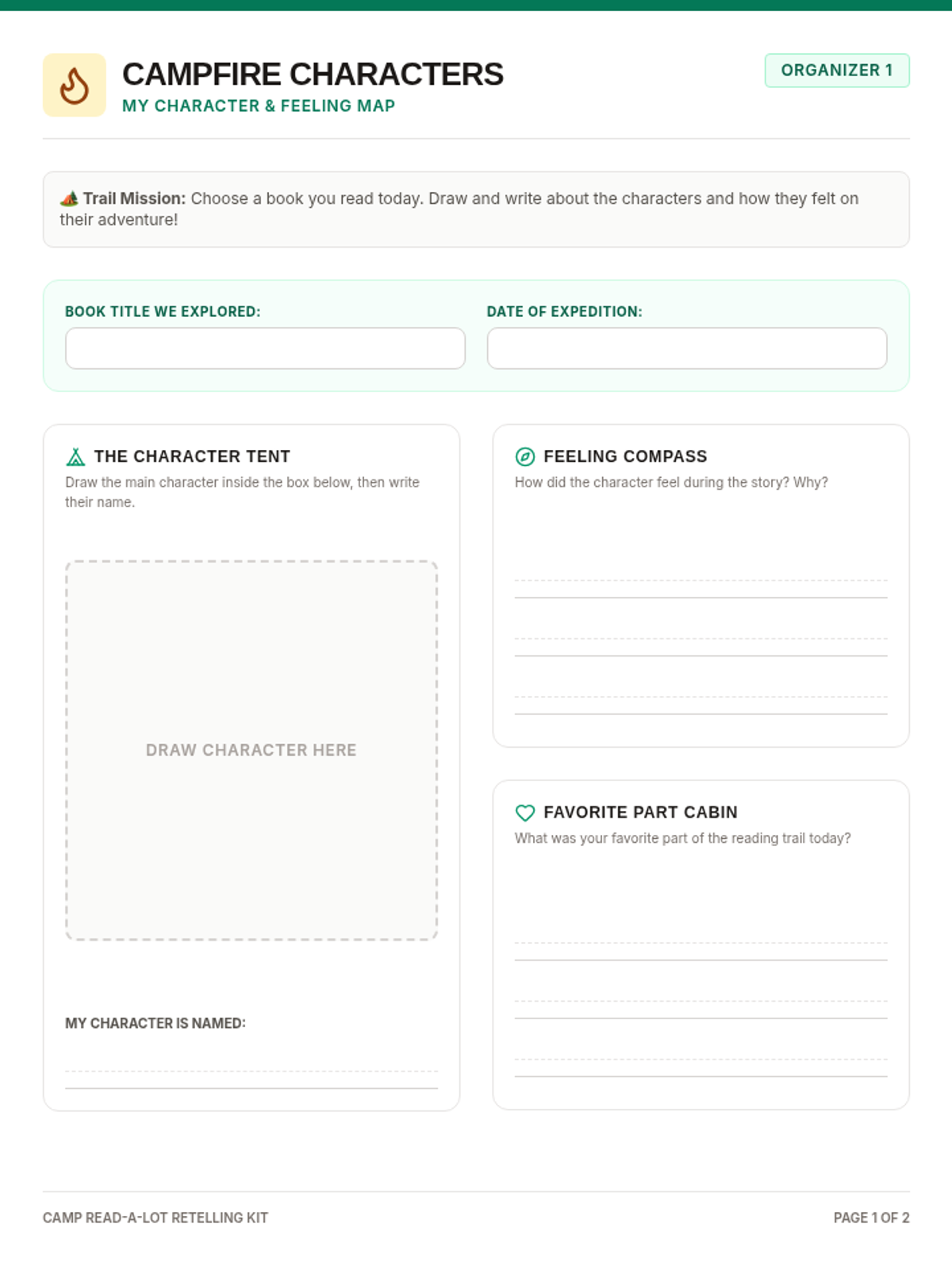
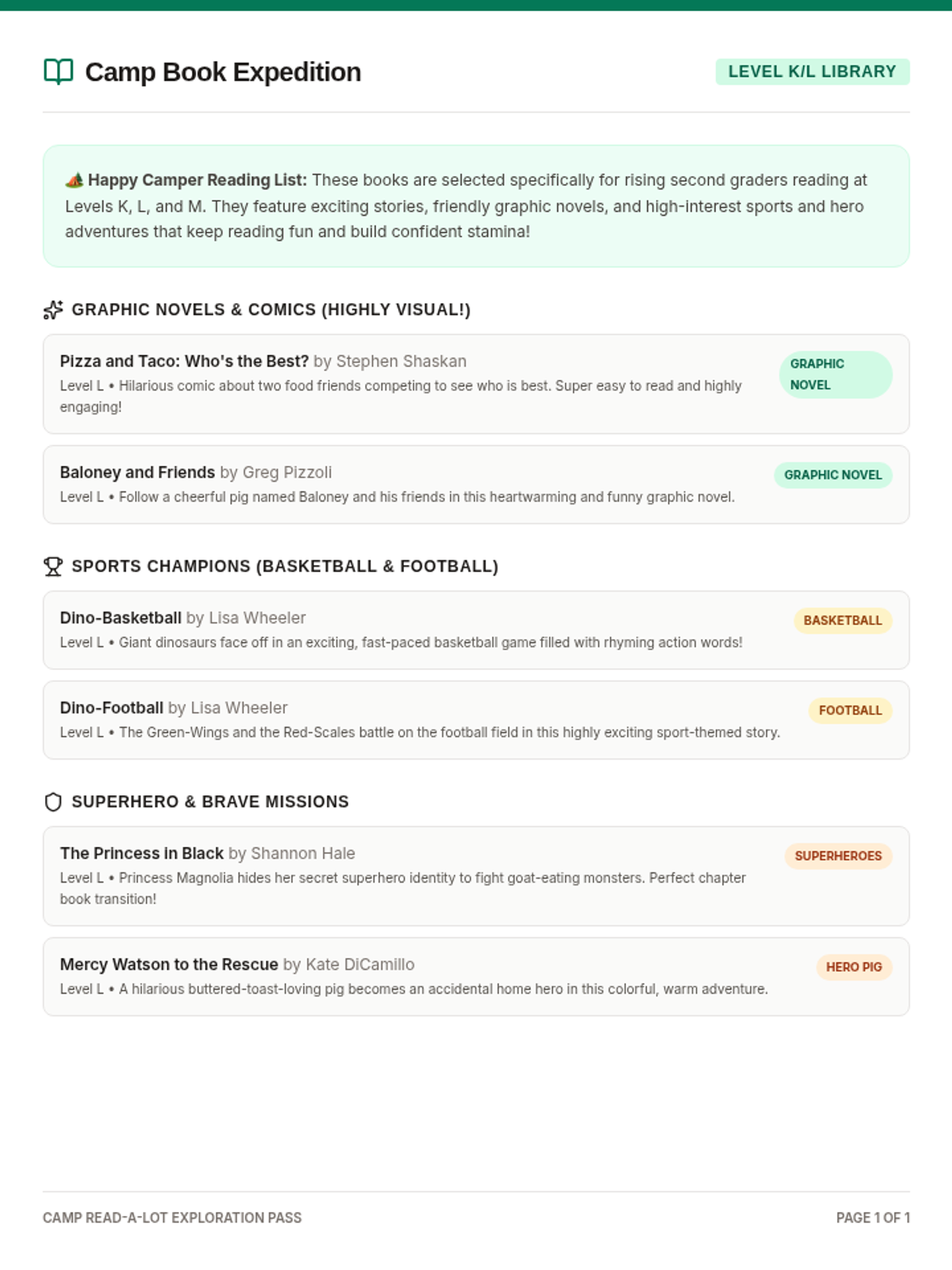
A comprehensive 10-week summer reading program designed for rising second graders to boost fluency, comprehension retelling, and independent reading stamina through a camp-themed adventure.
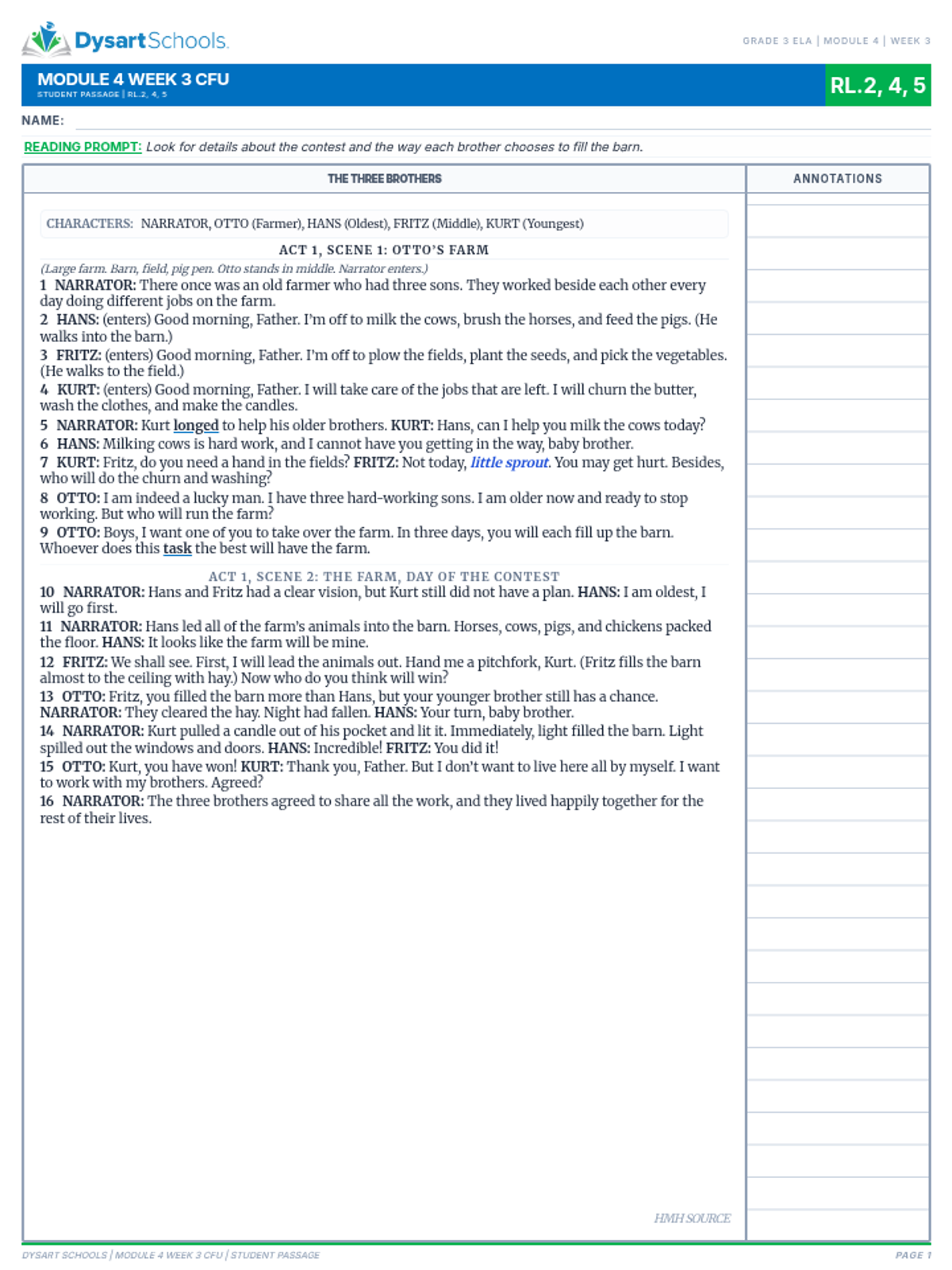
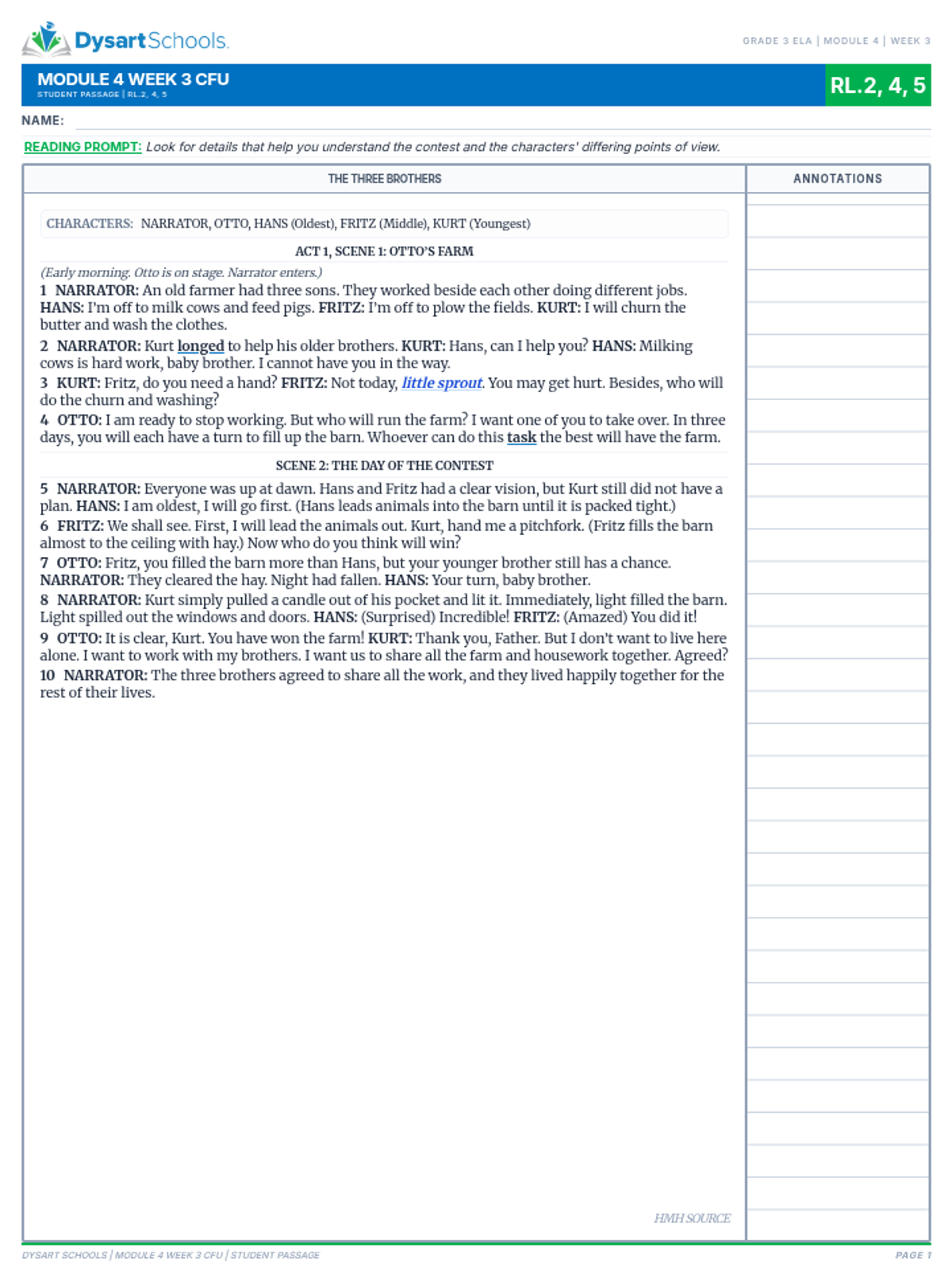
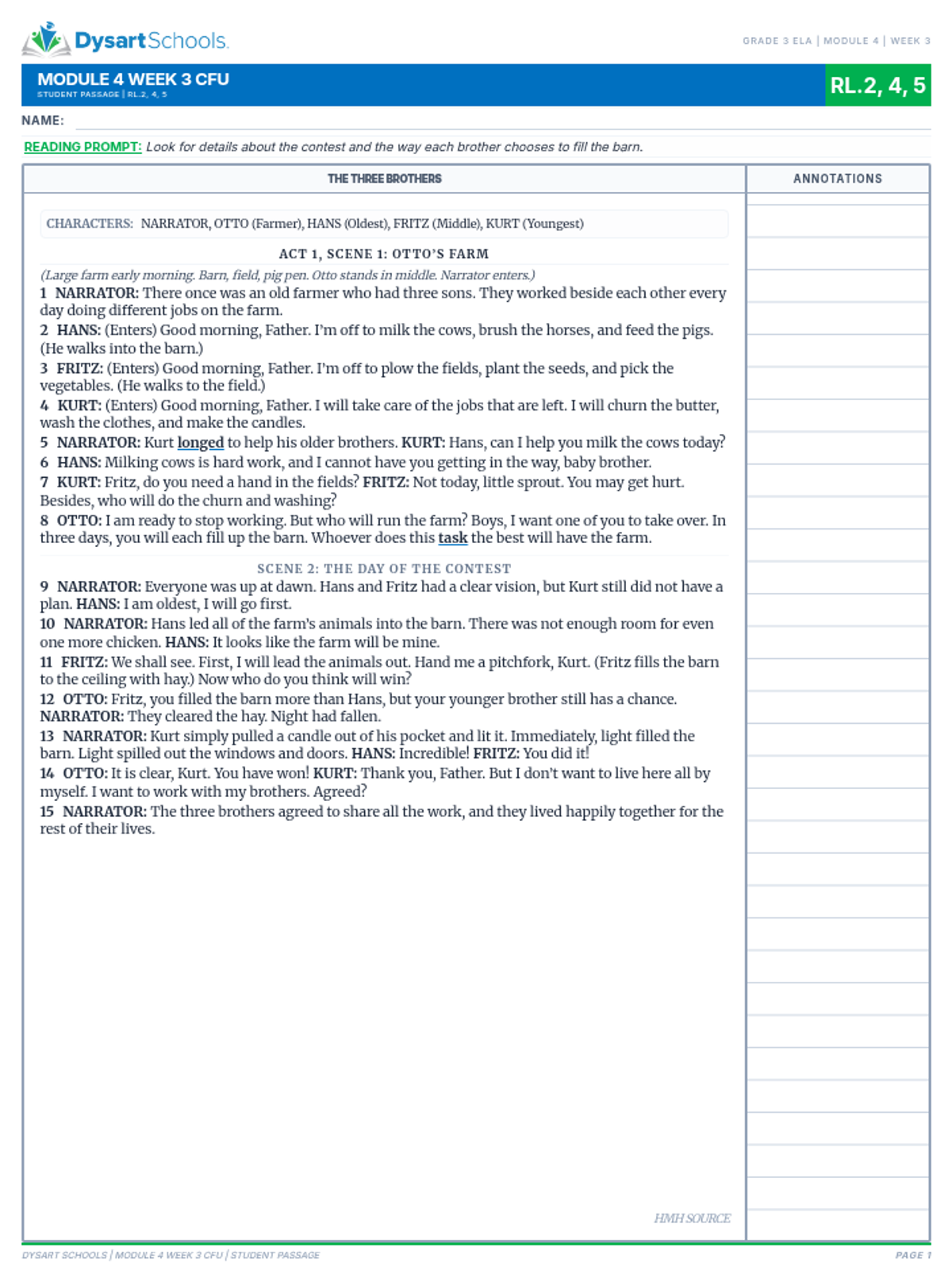
Assessment for 'The Three Brothers' focusing on Arizona 3rd grade standards RL.2, RL.4, and RL.5. Includes AASA-aligned question variations: Multi-select (Pick Two), Part A/Part B, and Hot Text.
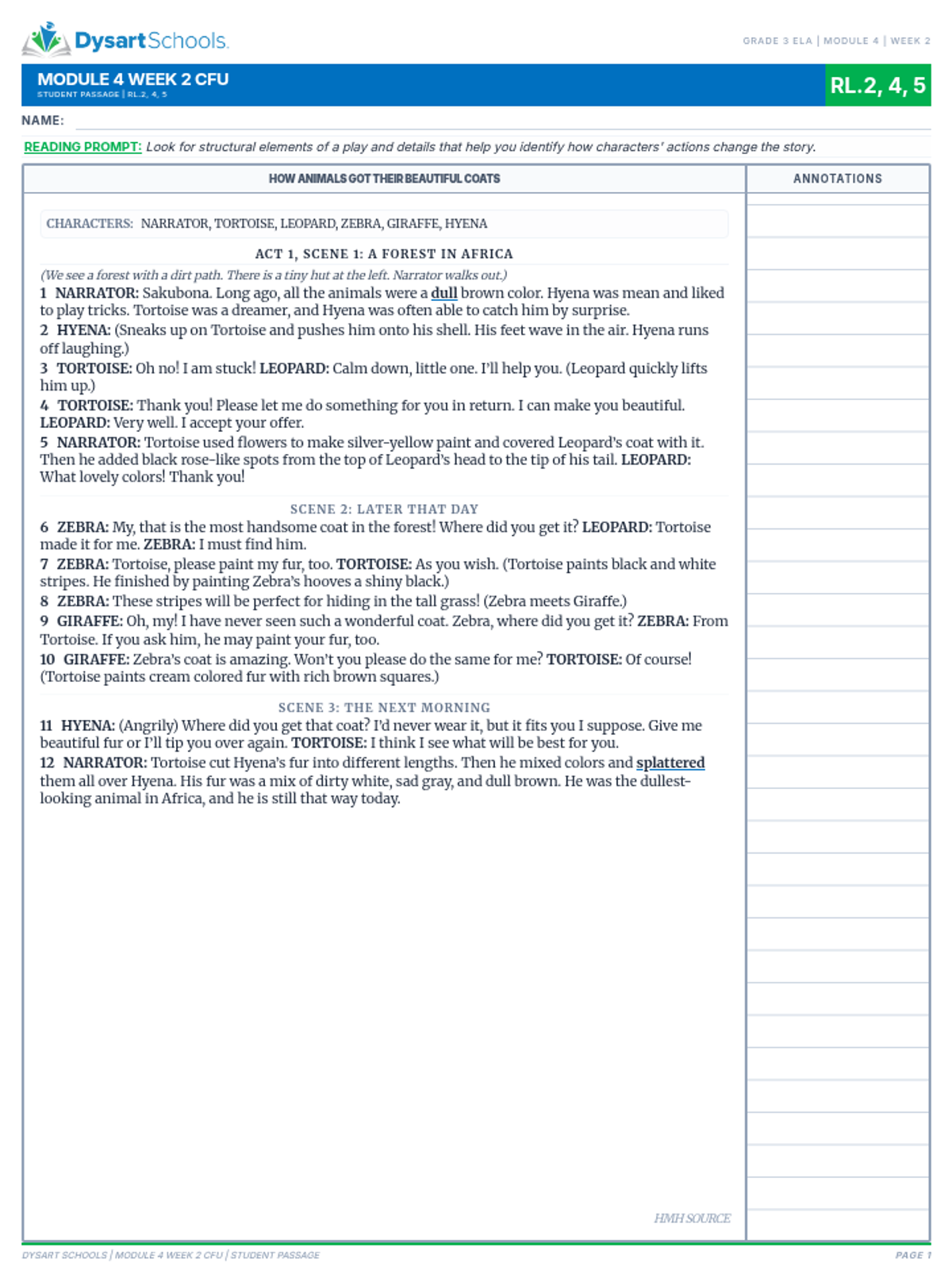
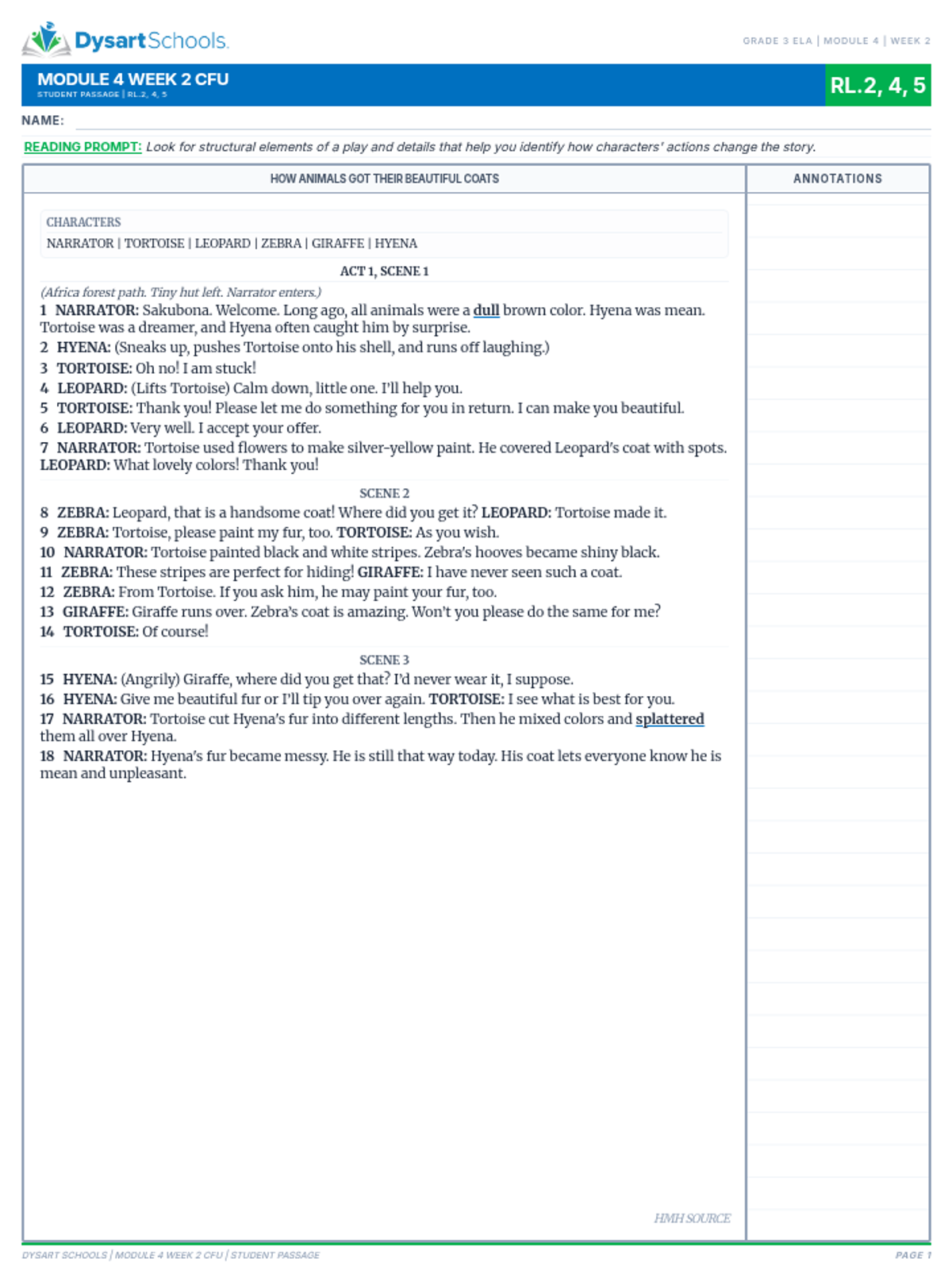
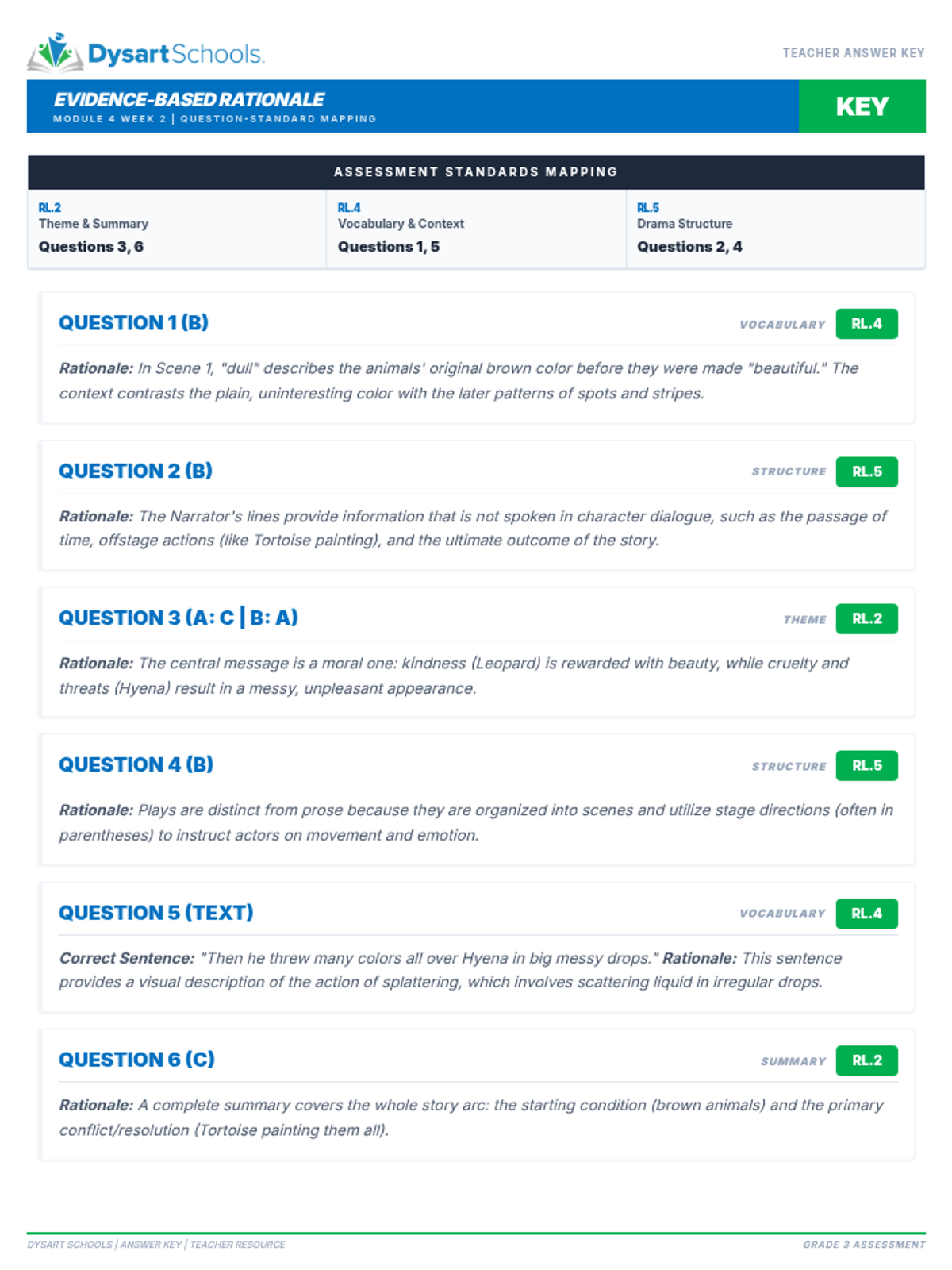
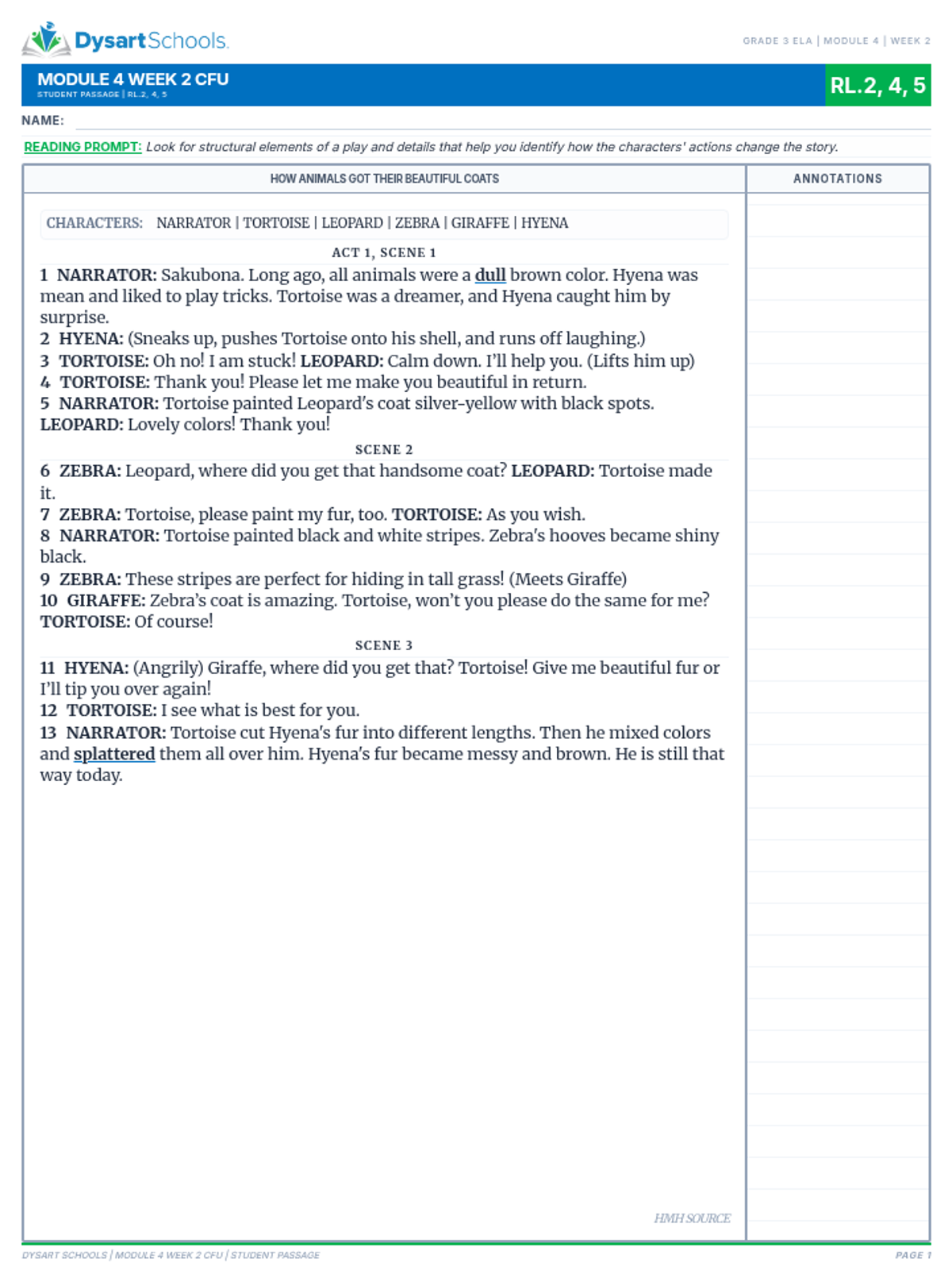
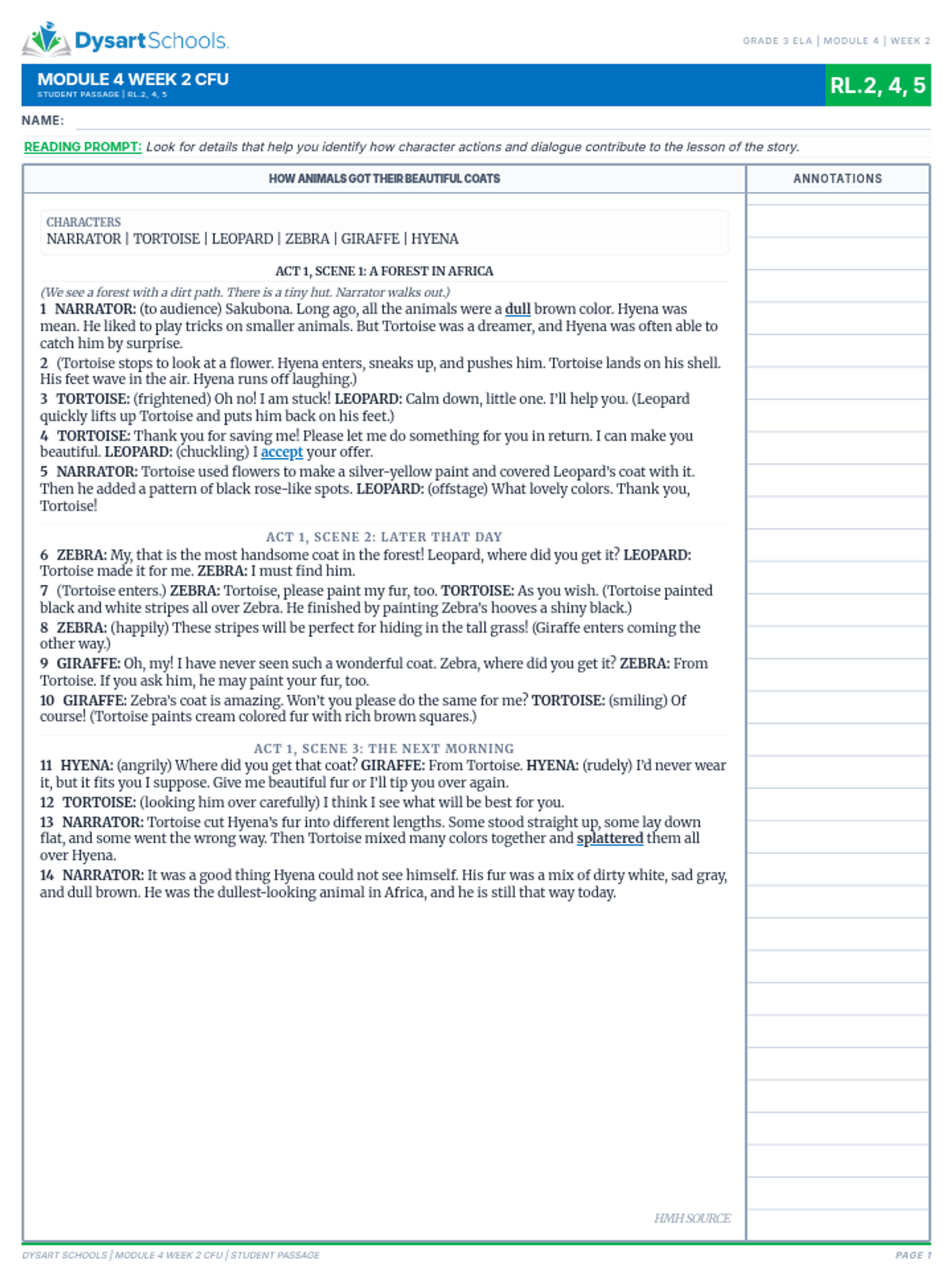
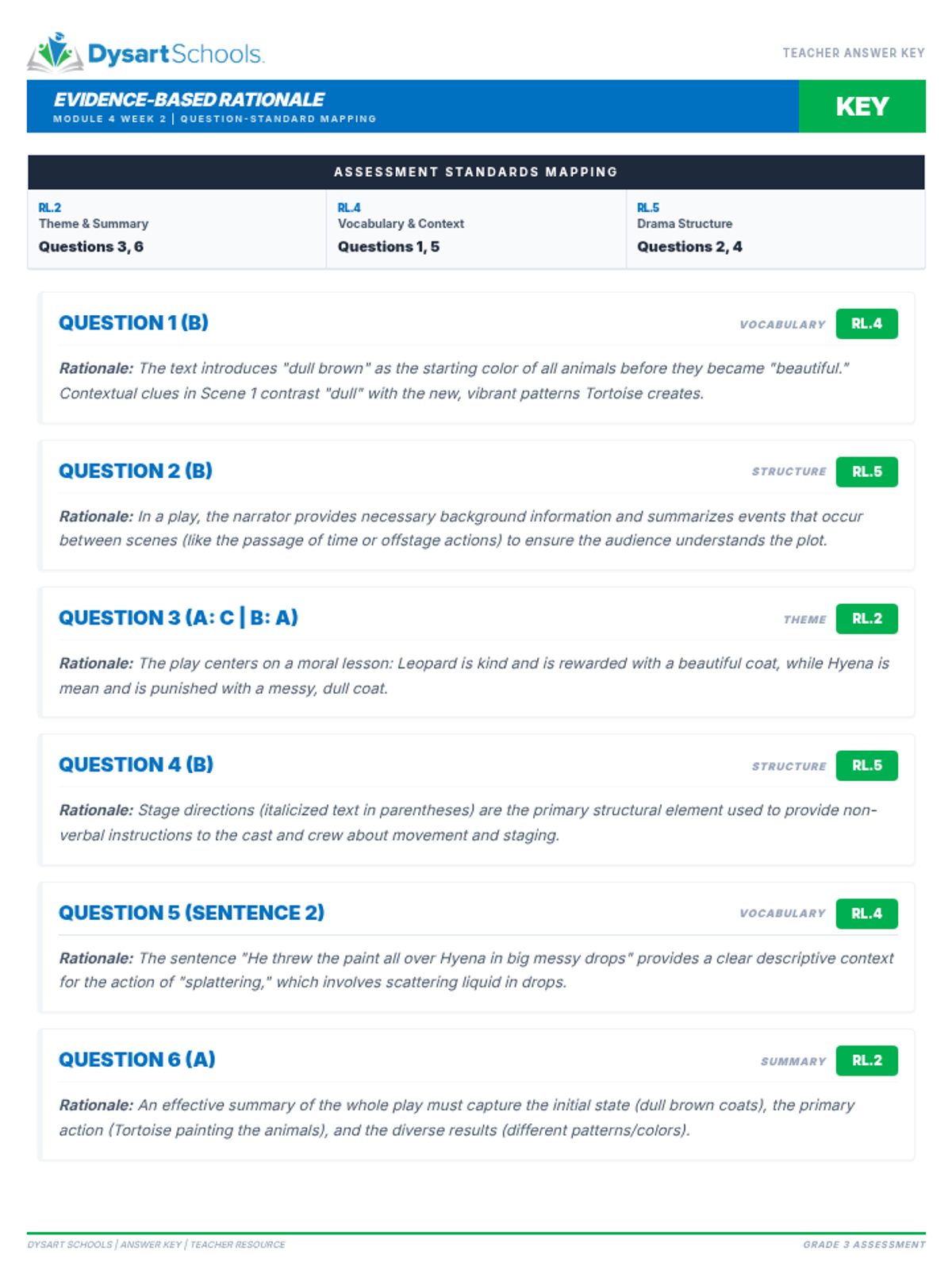
Assessment for 'How Animals Got Their Beautiful Coats' focusing on Arizona 3rd grade standards RL.2, RL.4, and RL.5 through AASA-aligned varied questions, including Part A/Part B and hot text formats.
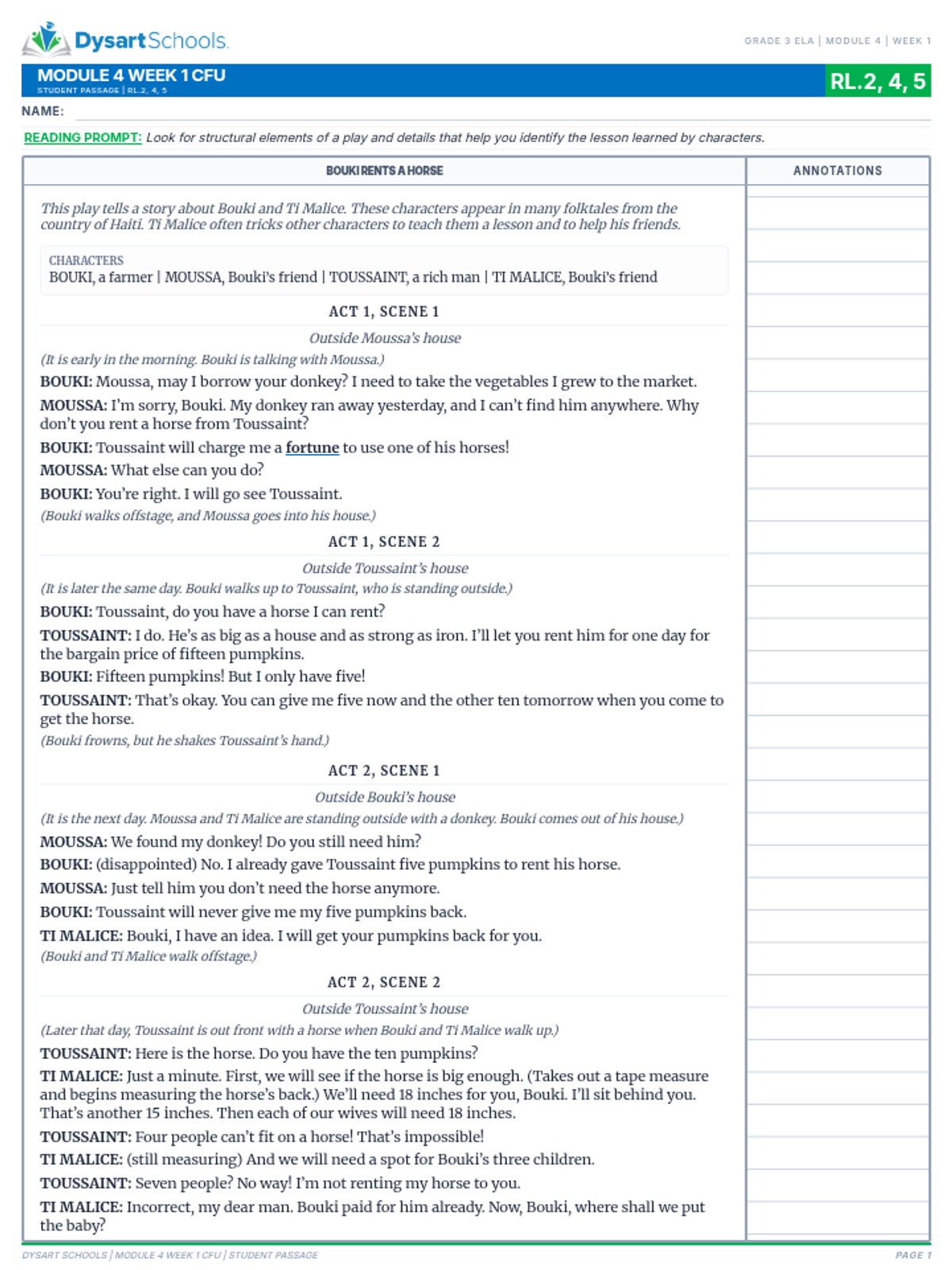
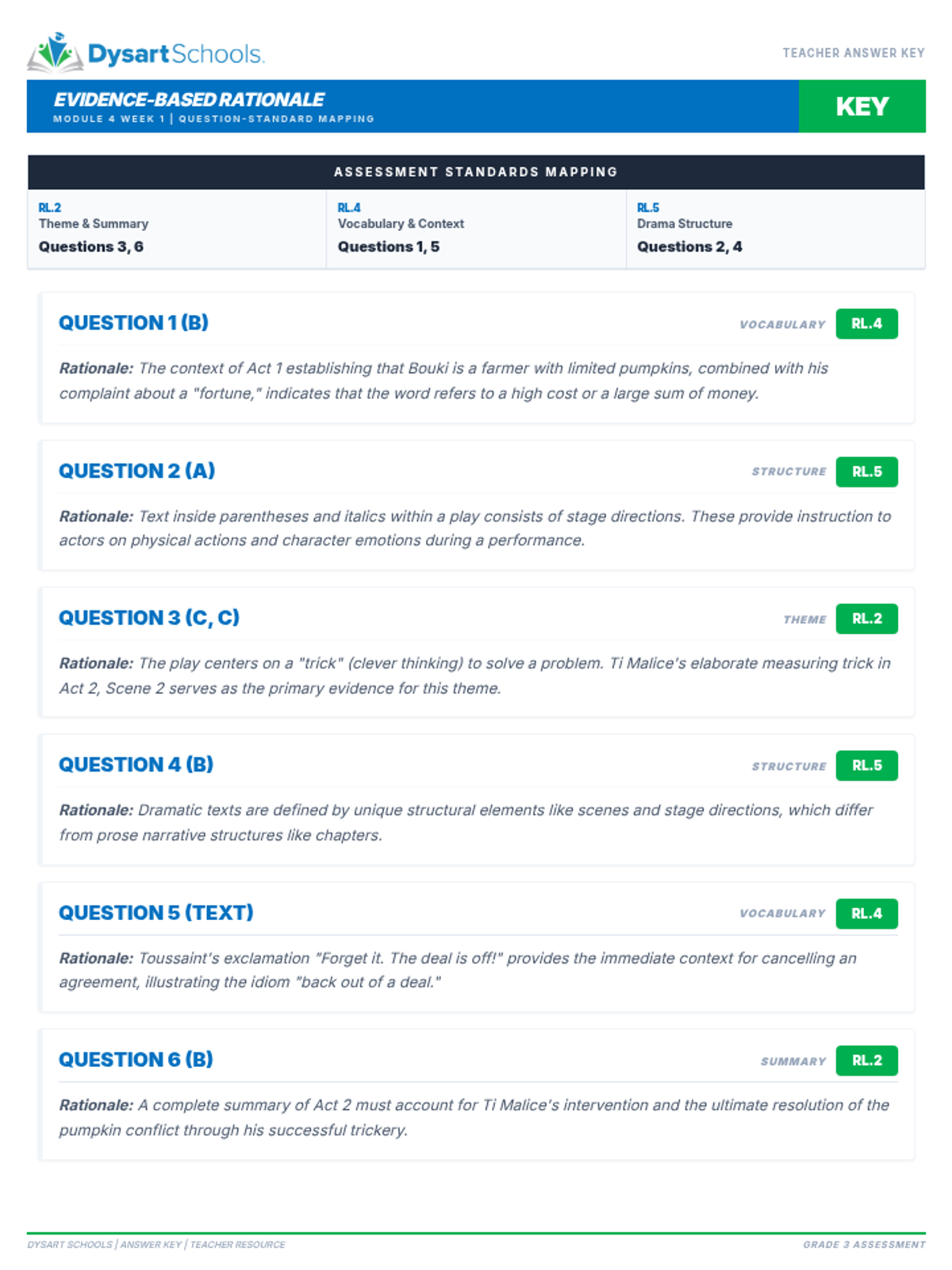
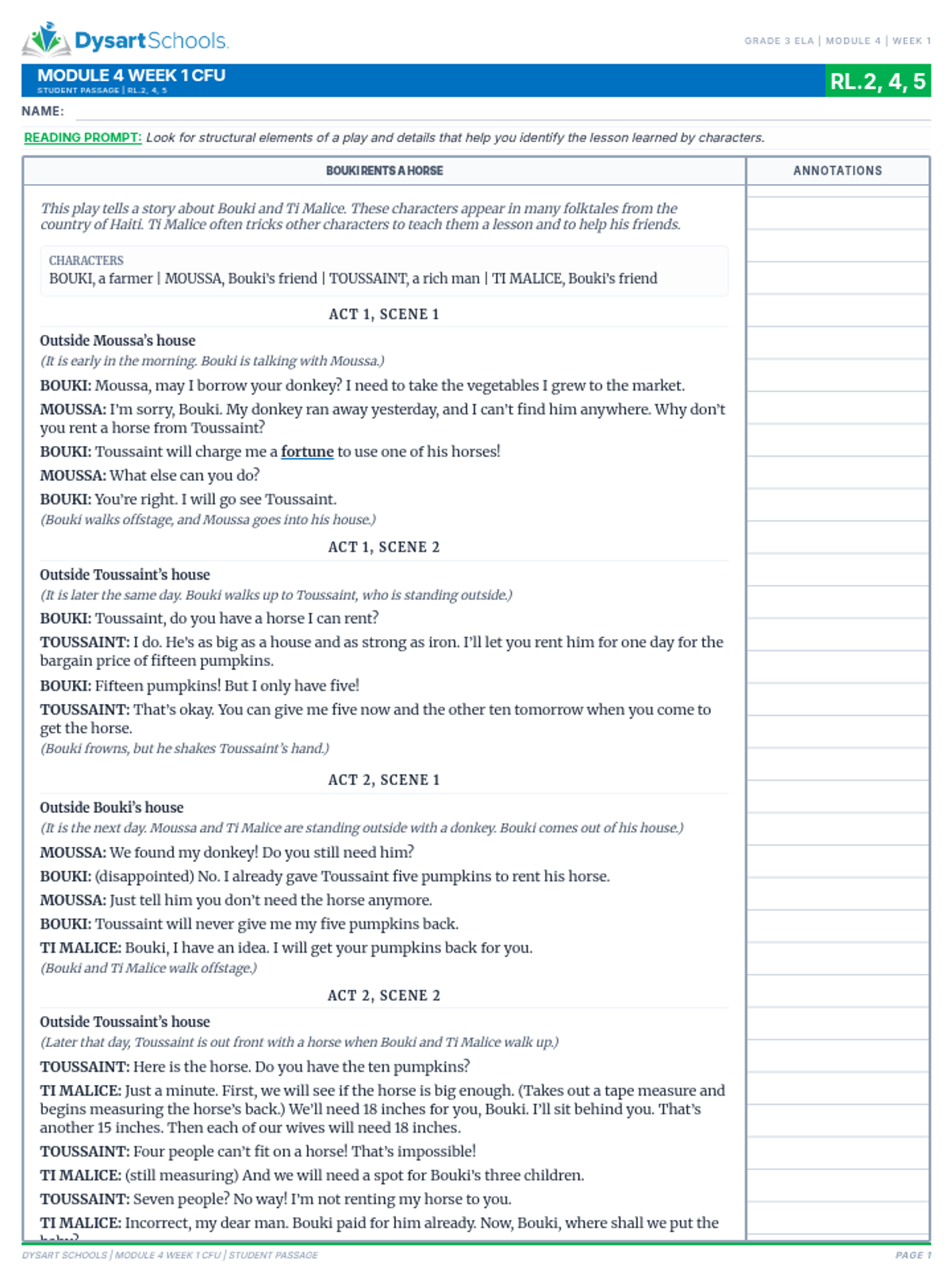
Assessment for 'Bouki Rents a Horse' focusing on Arizona 3rd grade standards RL.2, RL.4, and RL.5 through AASA-aligned varied questions, including Part A/Part B and hot text formats.
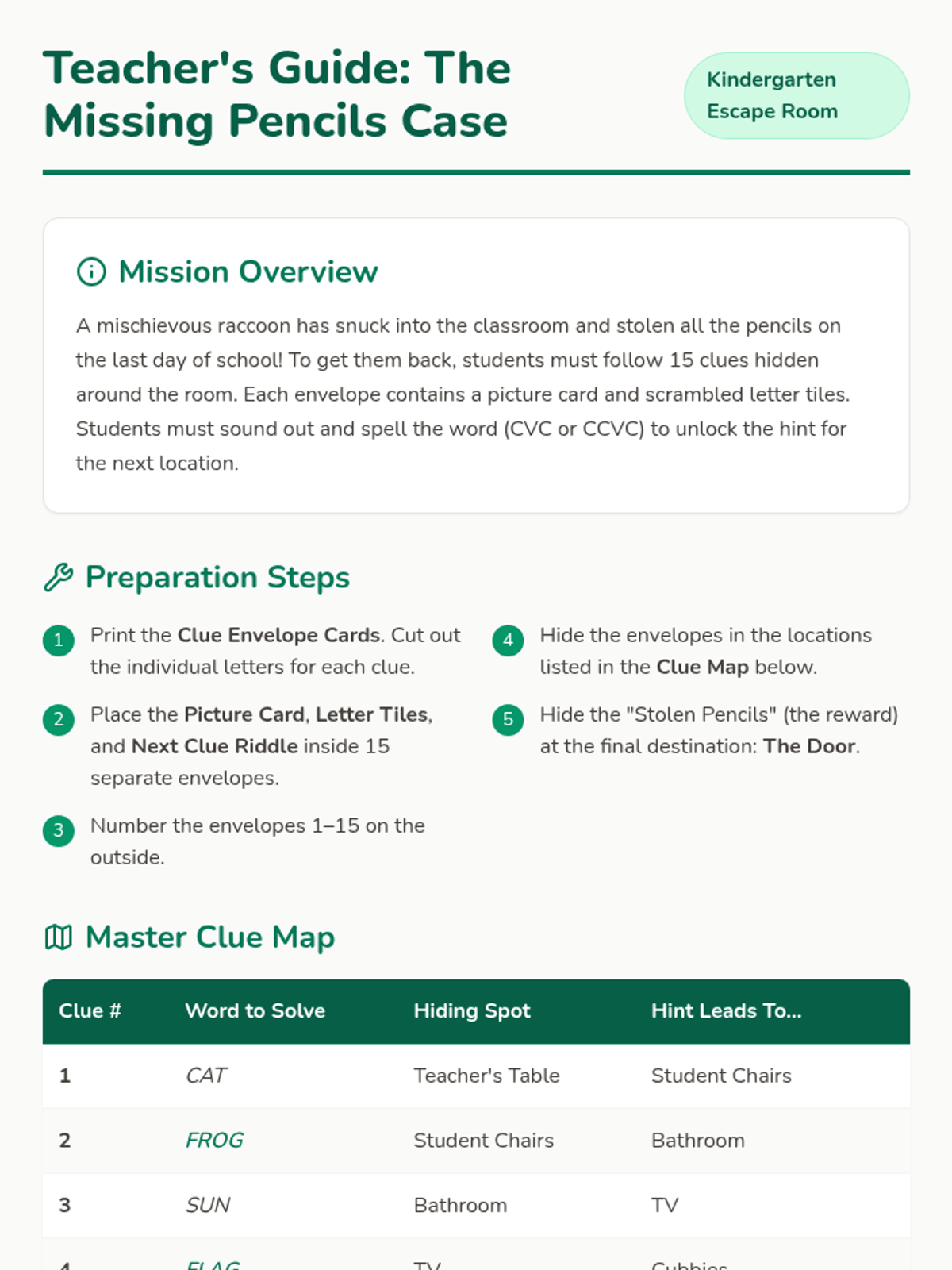
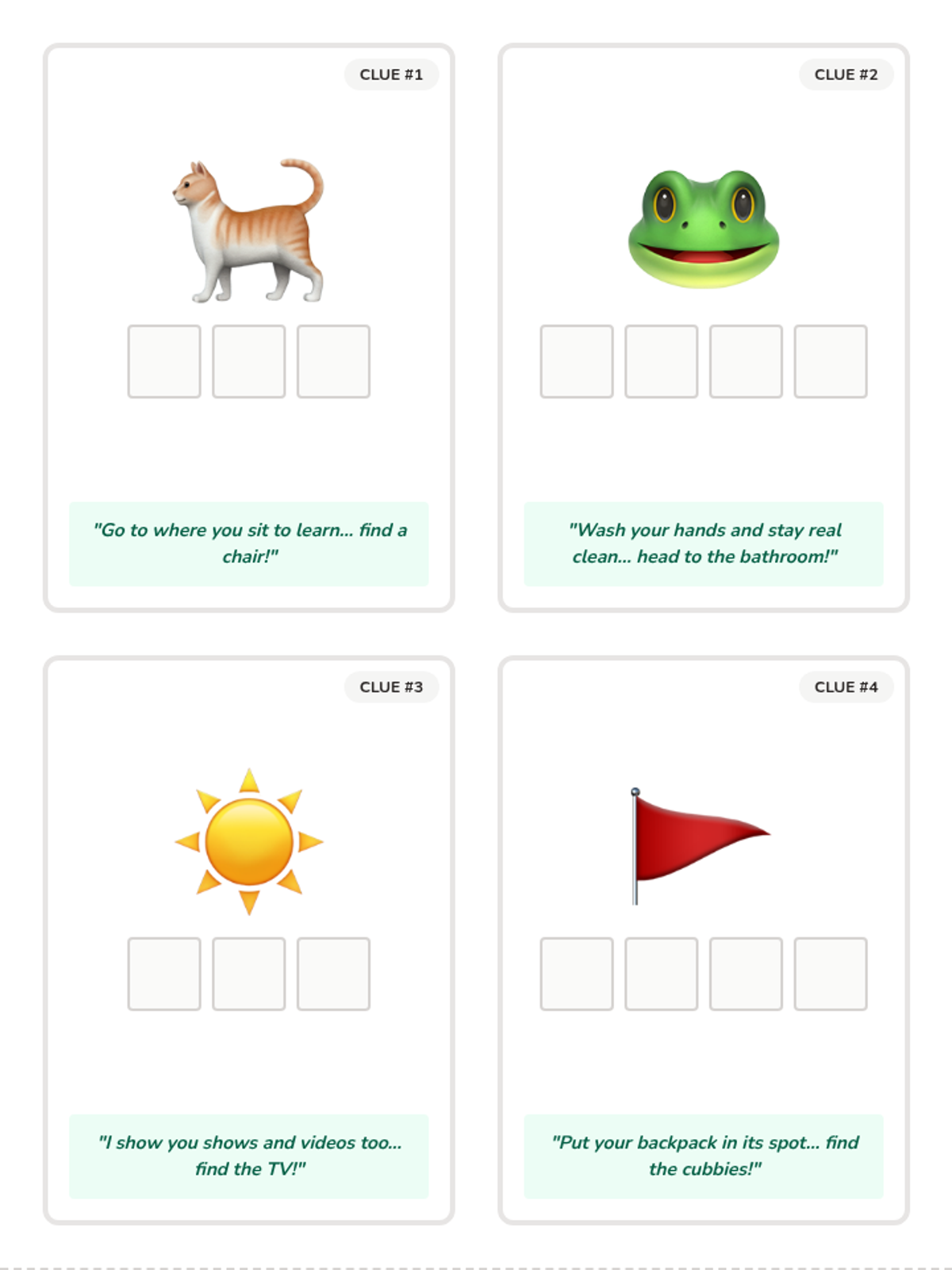
A complete escape room style activity featuring 15 clues hidden around the classroom. Students must decode phonics picture cards and unscramble letter tiles to move from one location to the next.
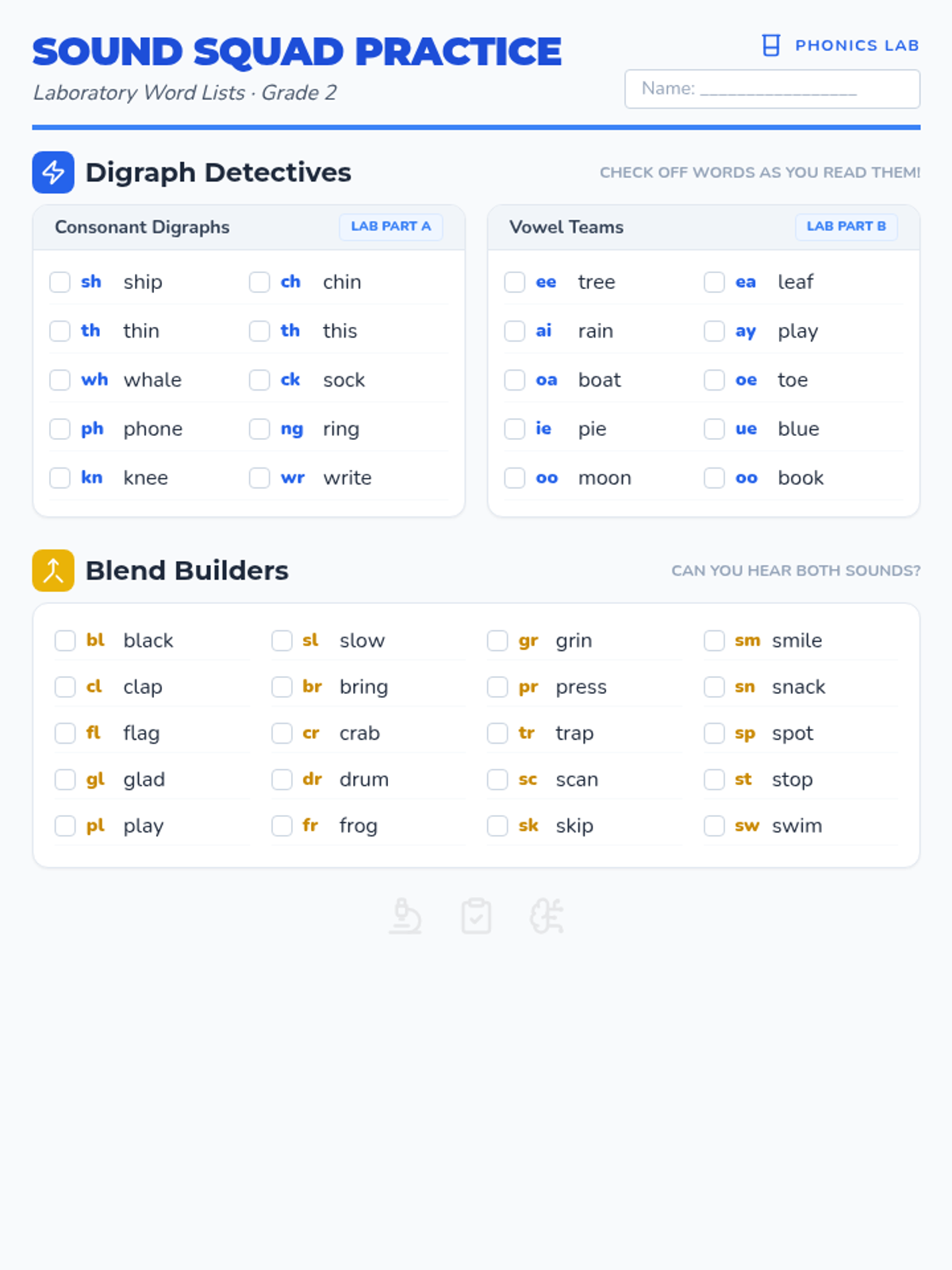
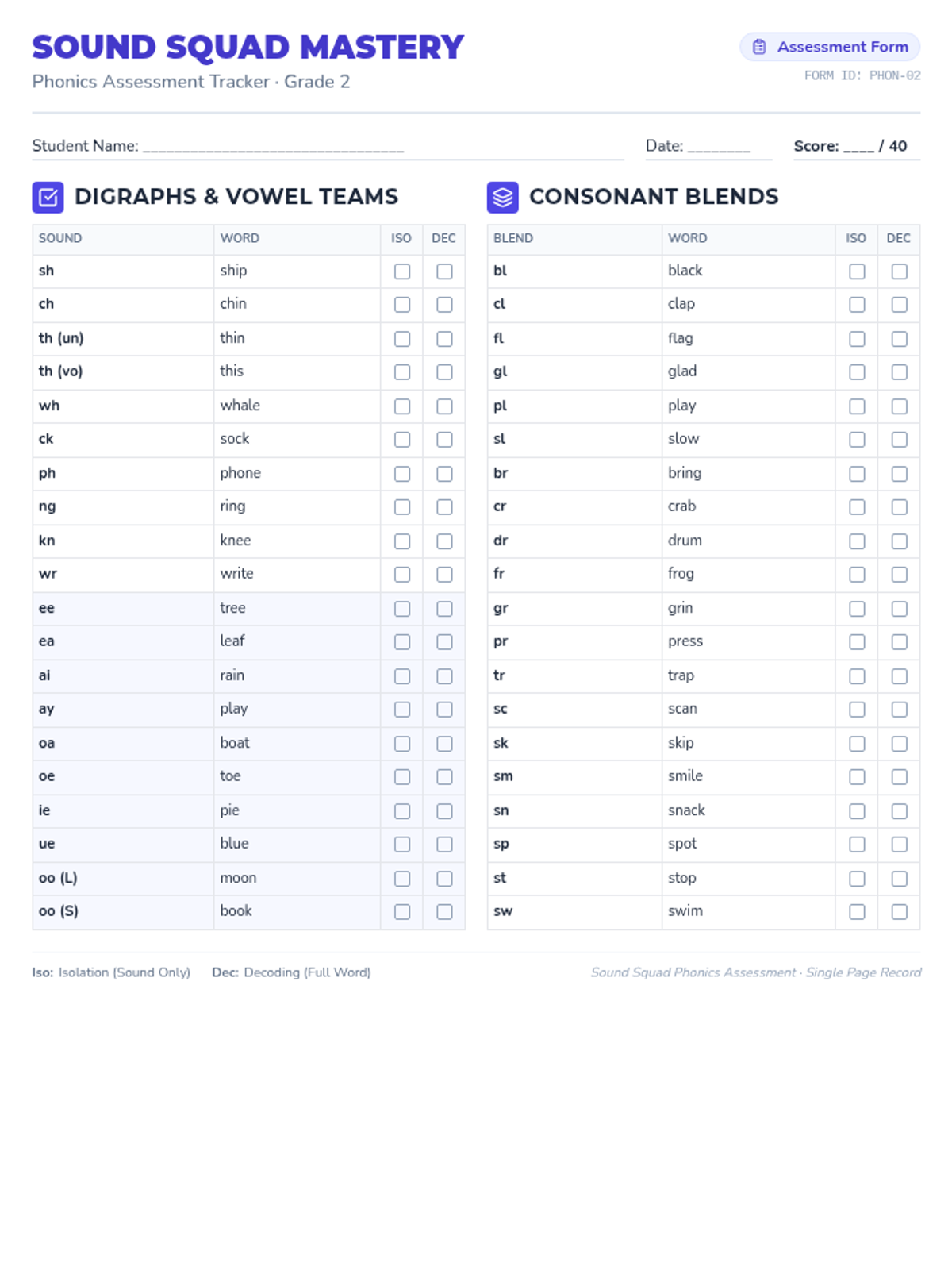
A collection of resources for second-grade students to practice and master common phonics patterns, including digraphs and blends. Includes student word lists and a teacher assessment tracker.
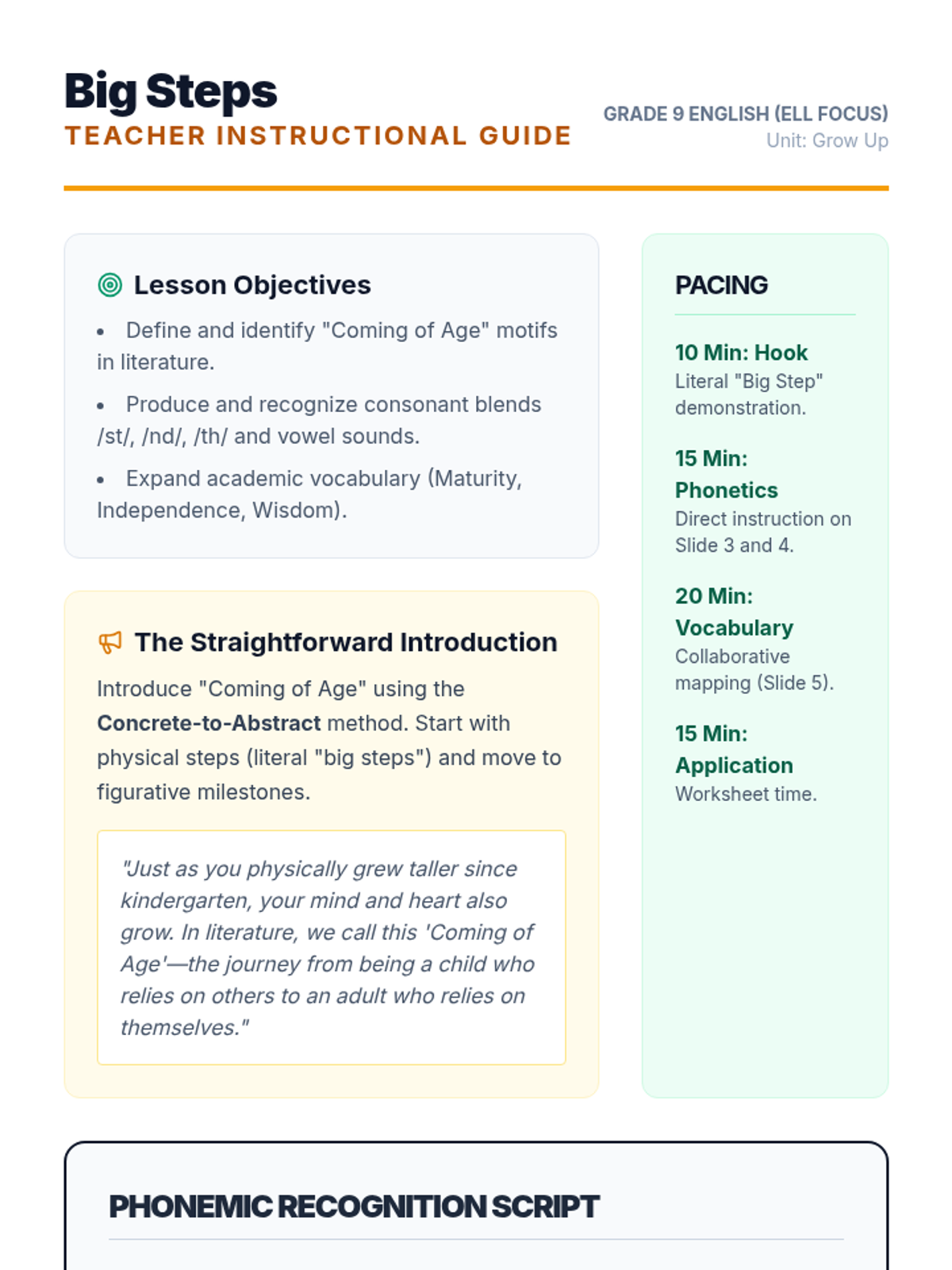
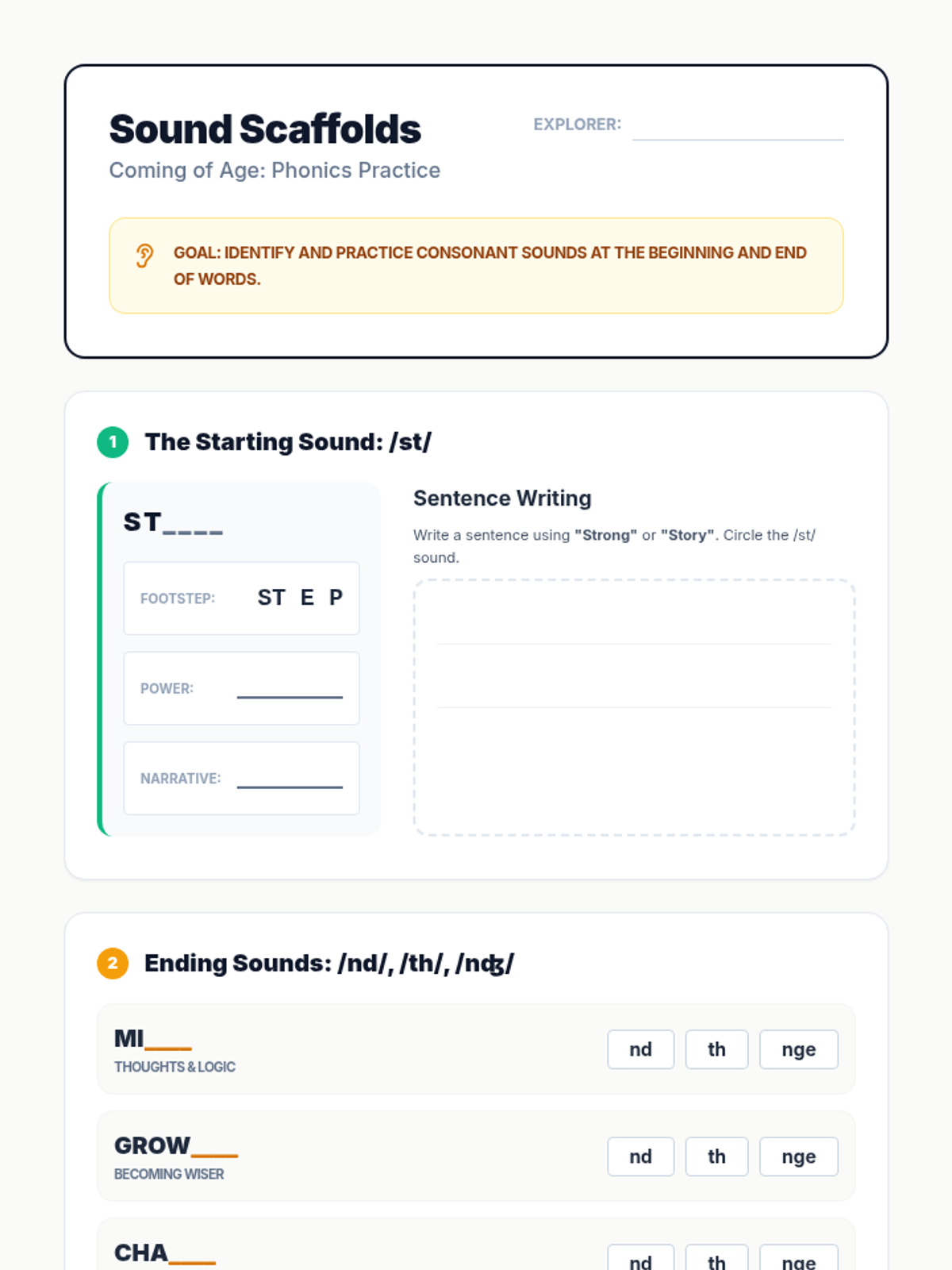
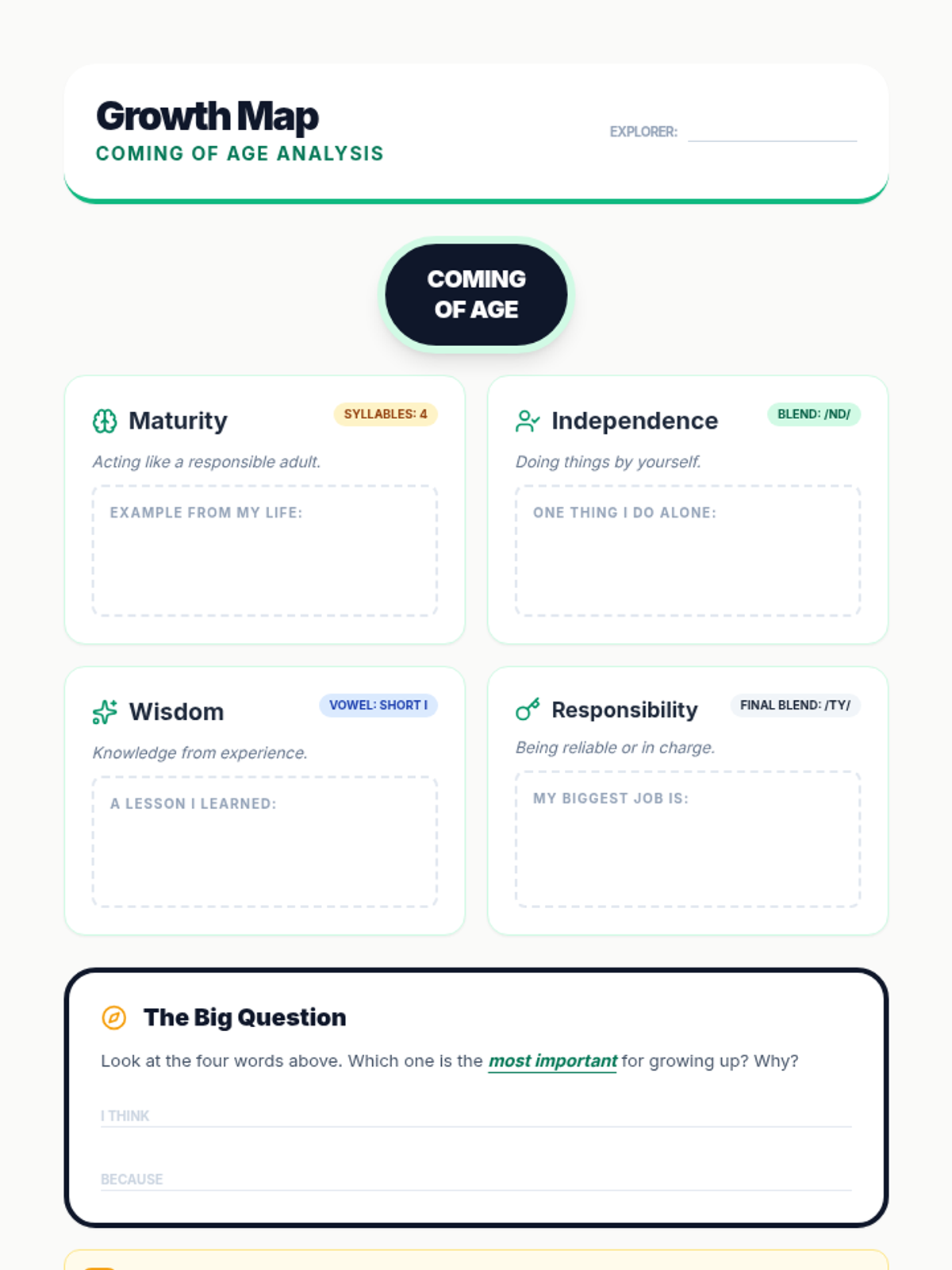
A foundational exploration of 'Coming of Age' themes combined with intensive practice on consonant blends and word-ending sounds common in thematic vocabulary. Students analyze the transition from childhood to adulthood while strengthening their English pronunciation and decoding skills.
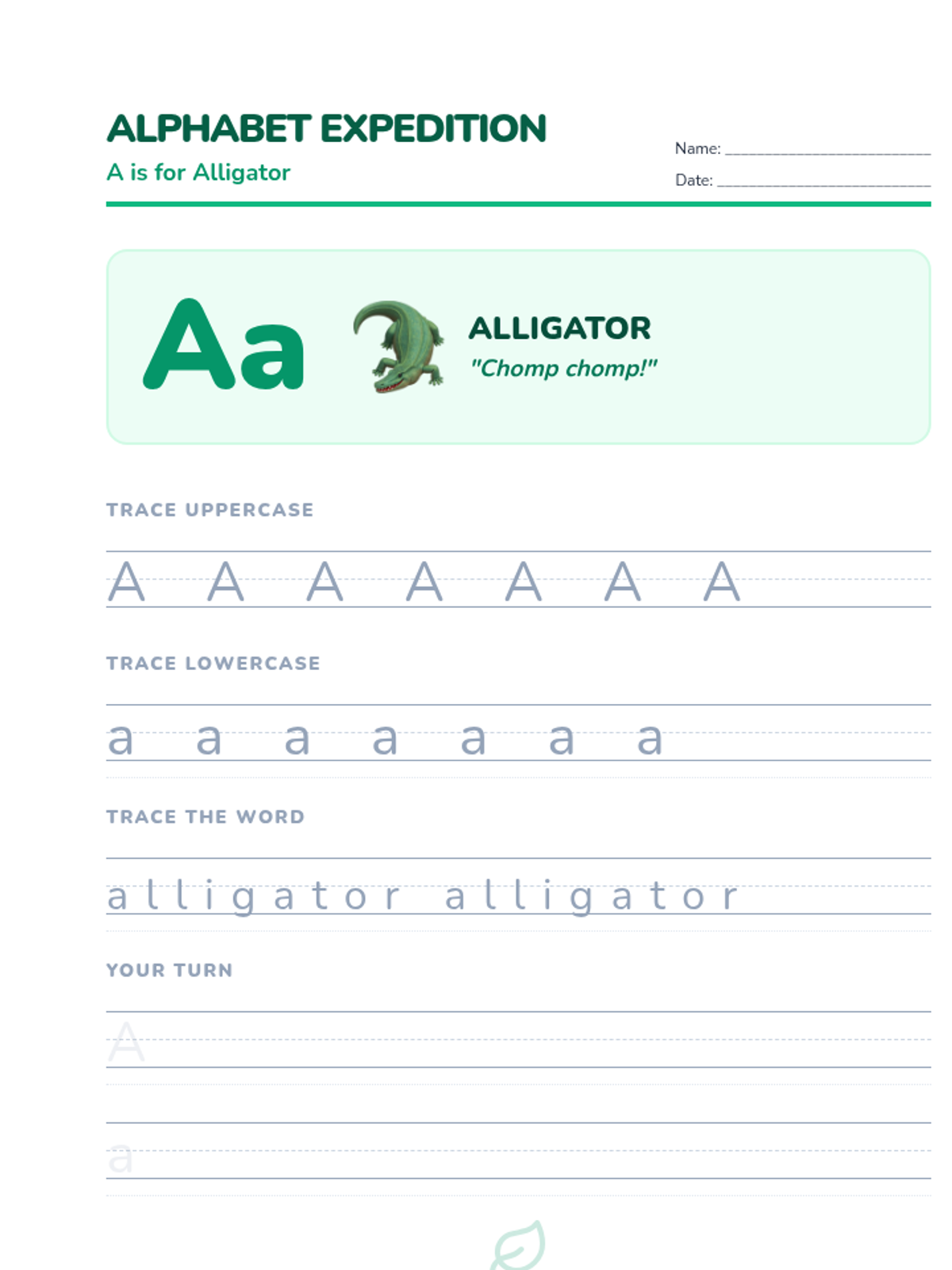
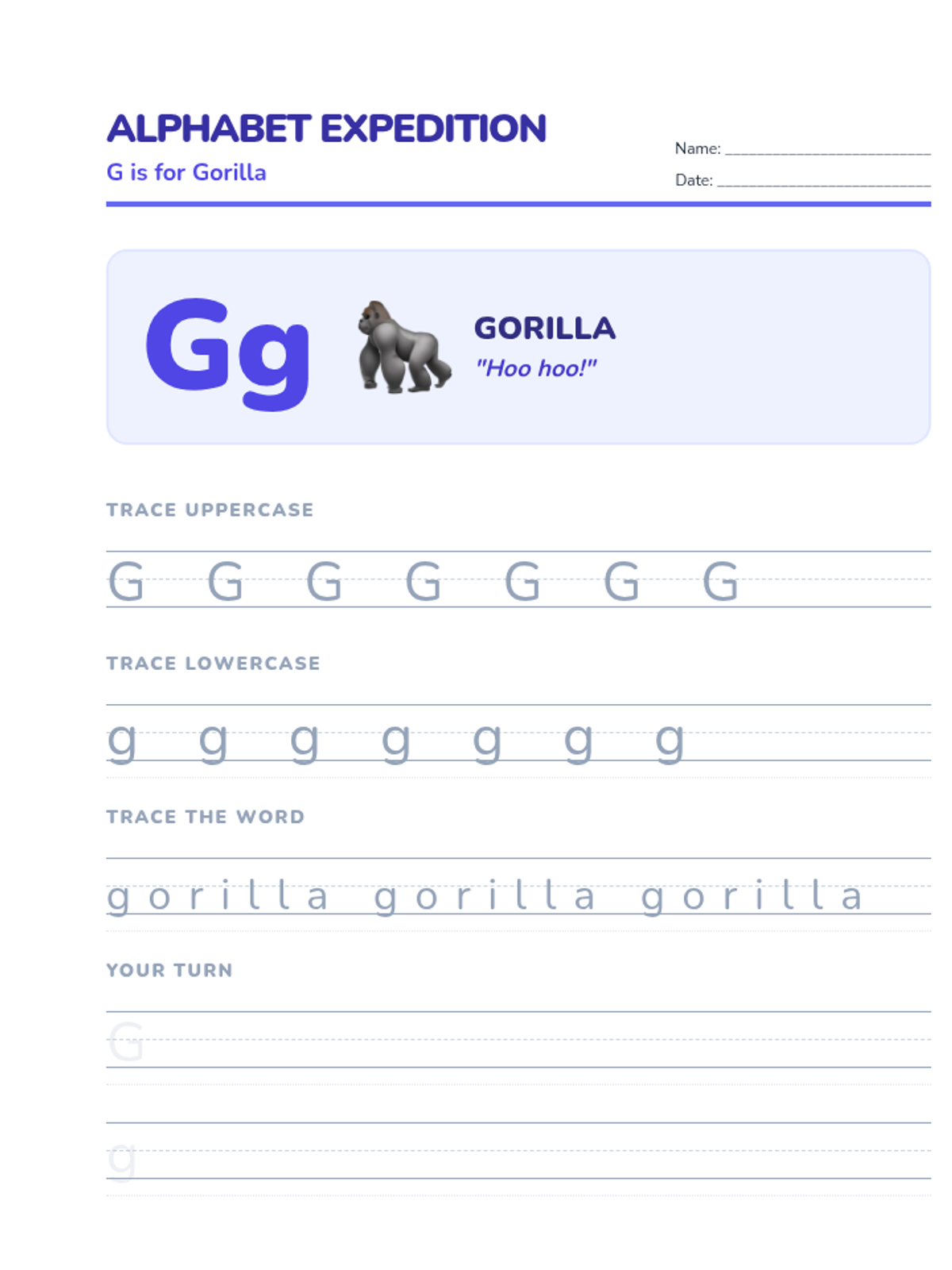
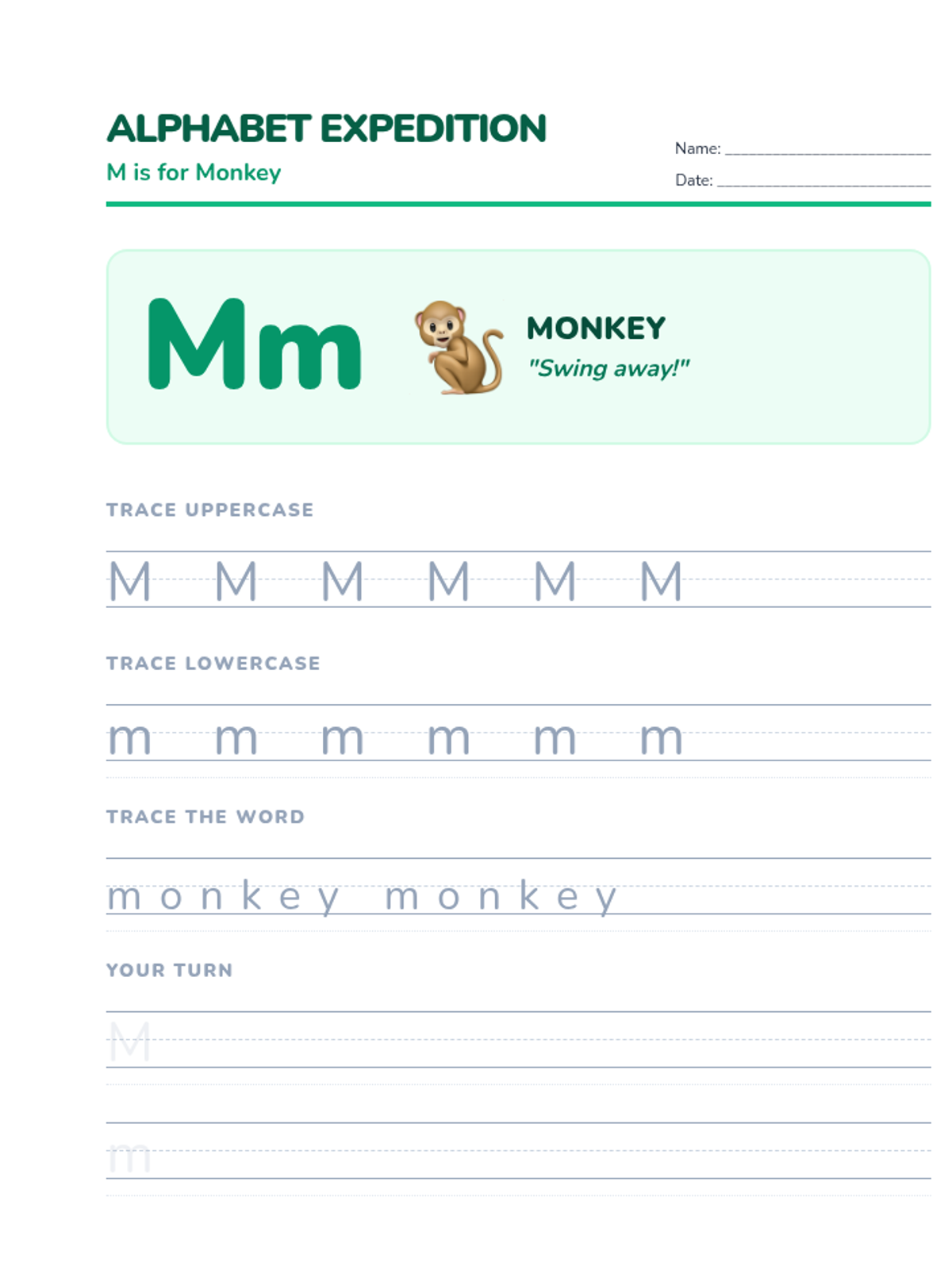
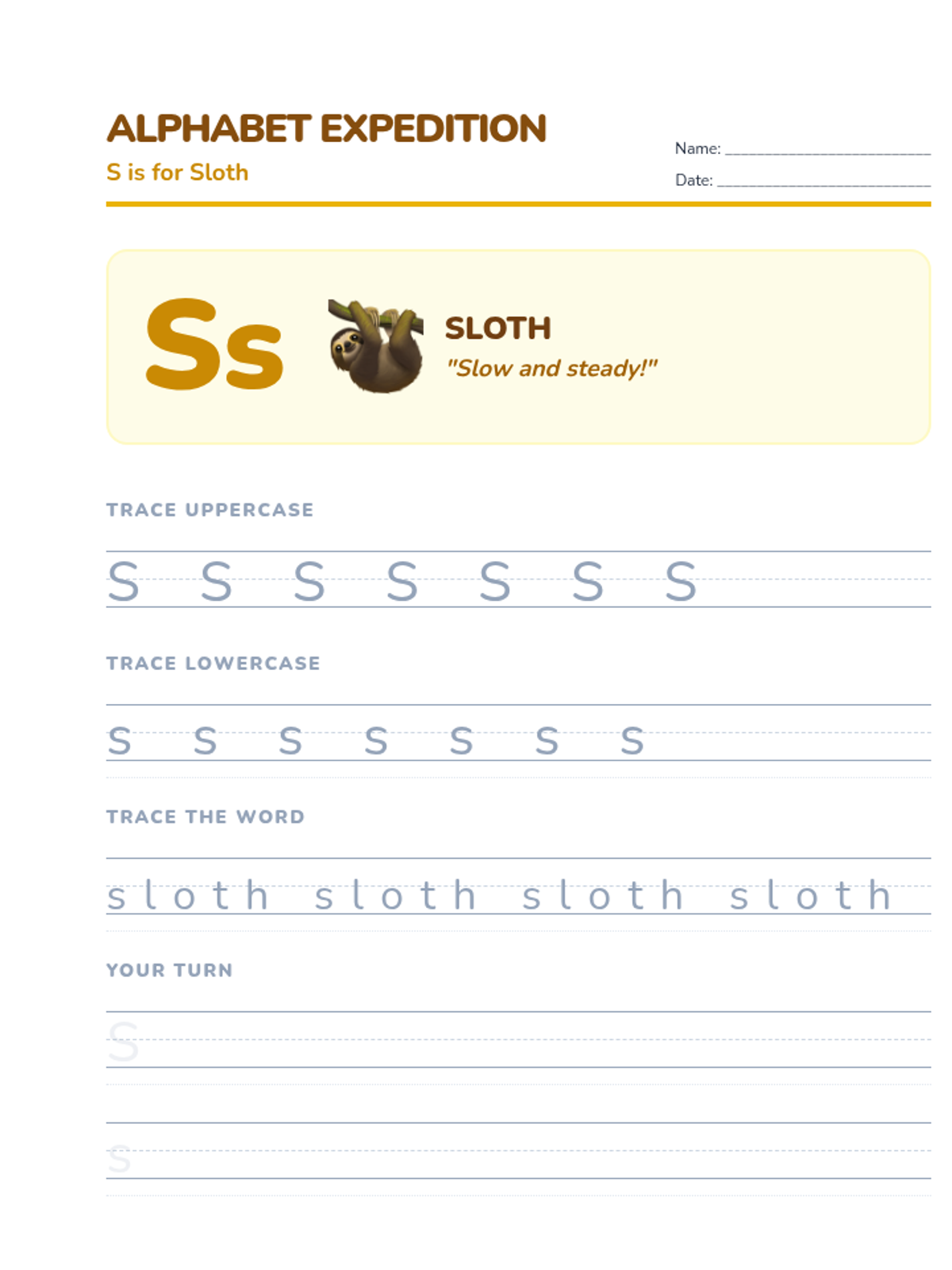
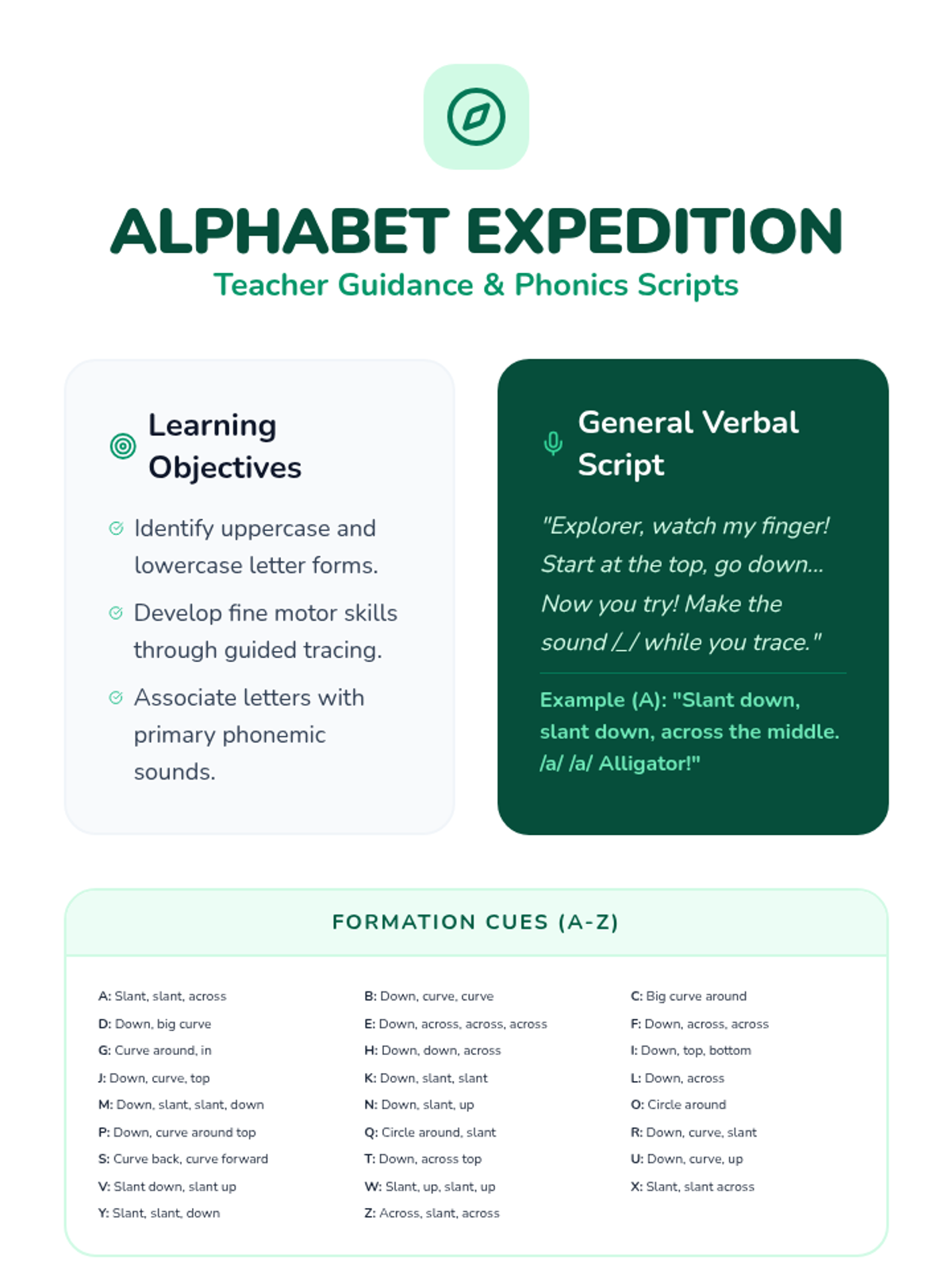
A complete set of letter and word tracing activities for the entire alphabet, including teacher guidance for phonics instruction.
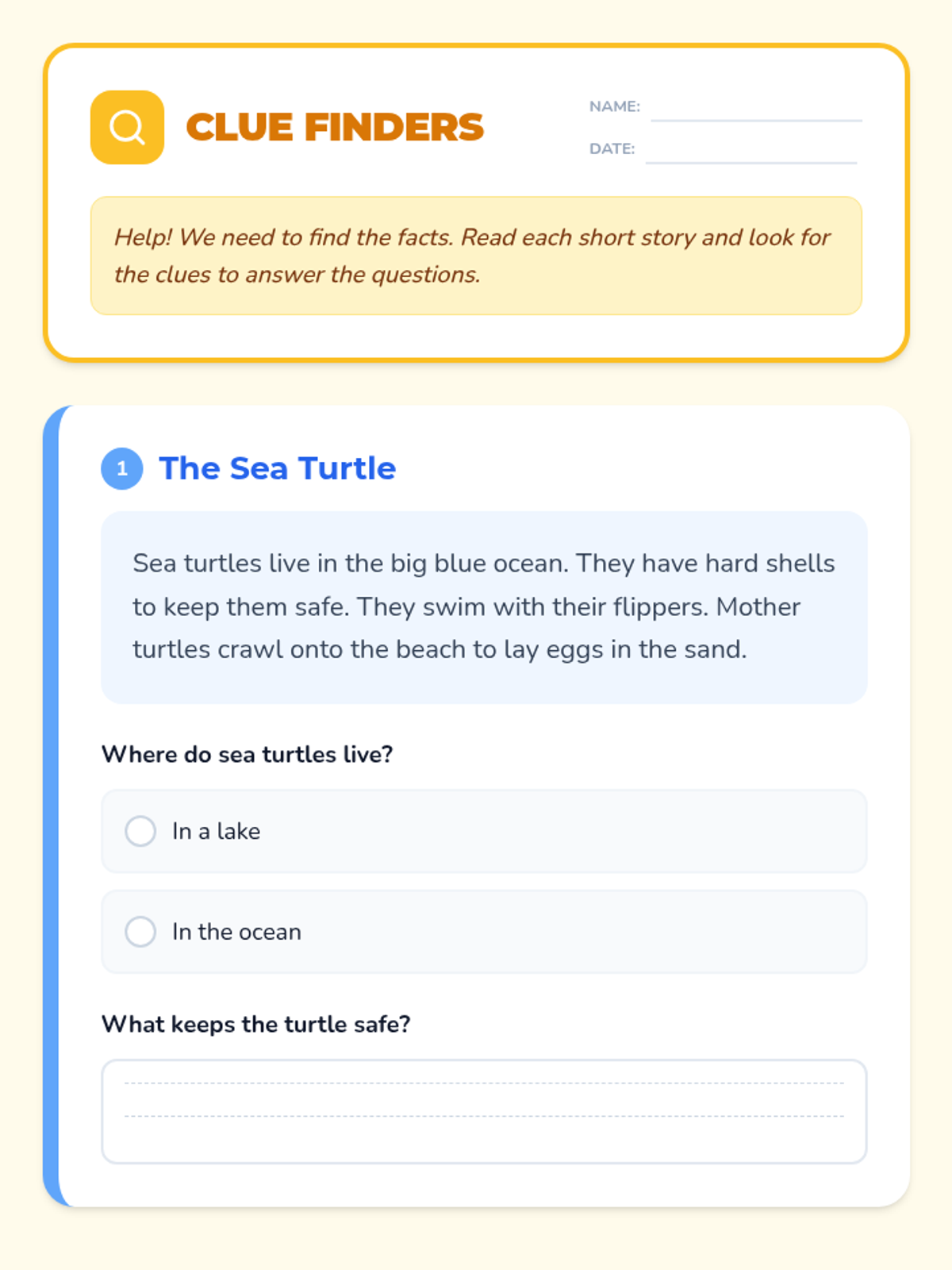
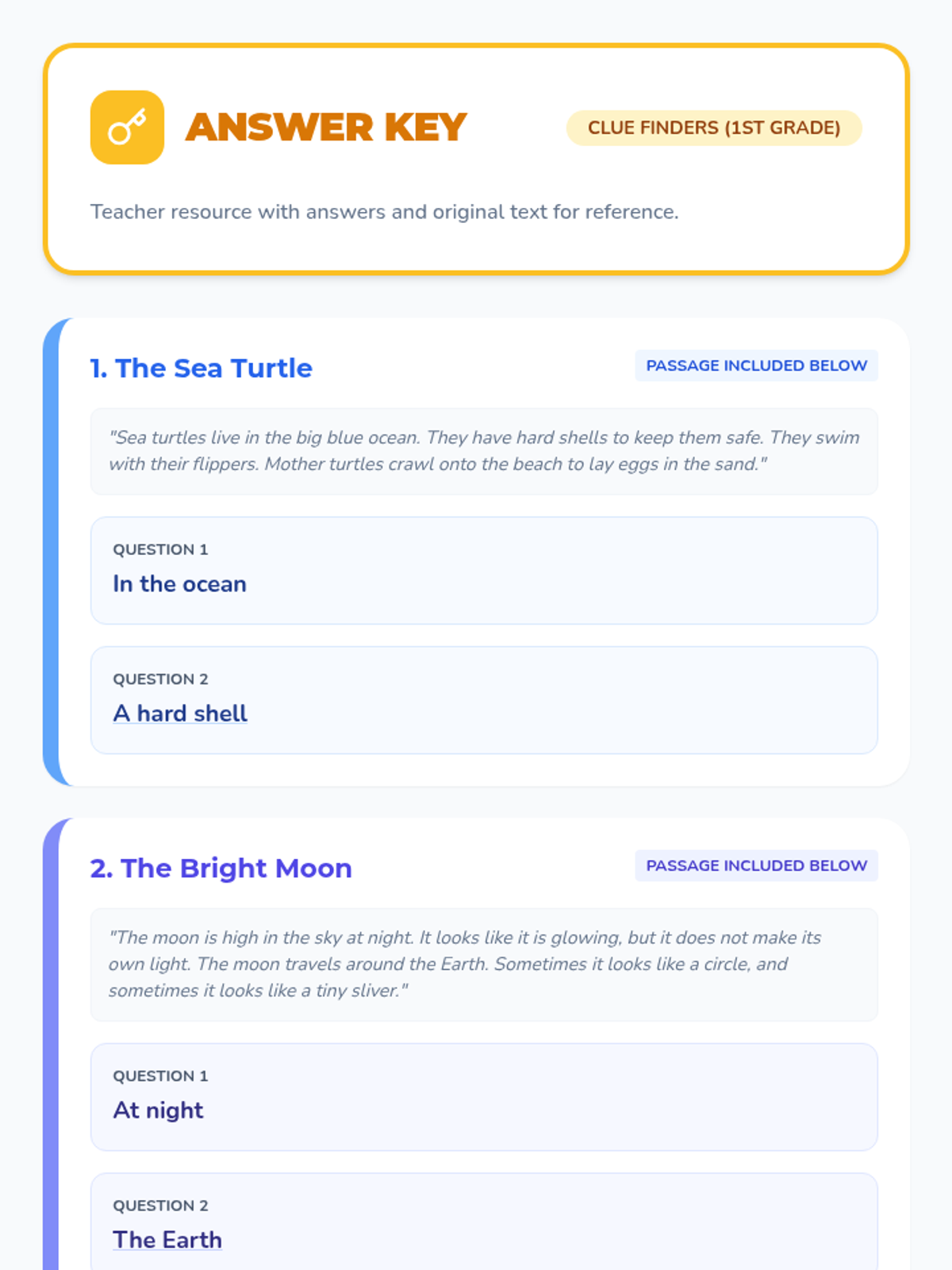
A lesson for 1st-grade students to learn how to find simple text evidence in short, informational passages about nature and space.
Students will practice reading informational texts and finding specific details to answer multiple-choice and short-answer questions.
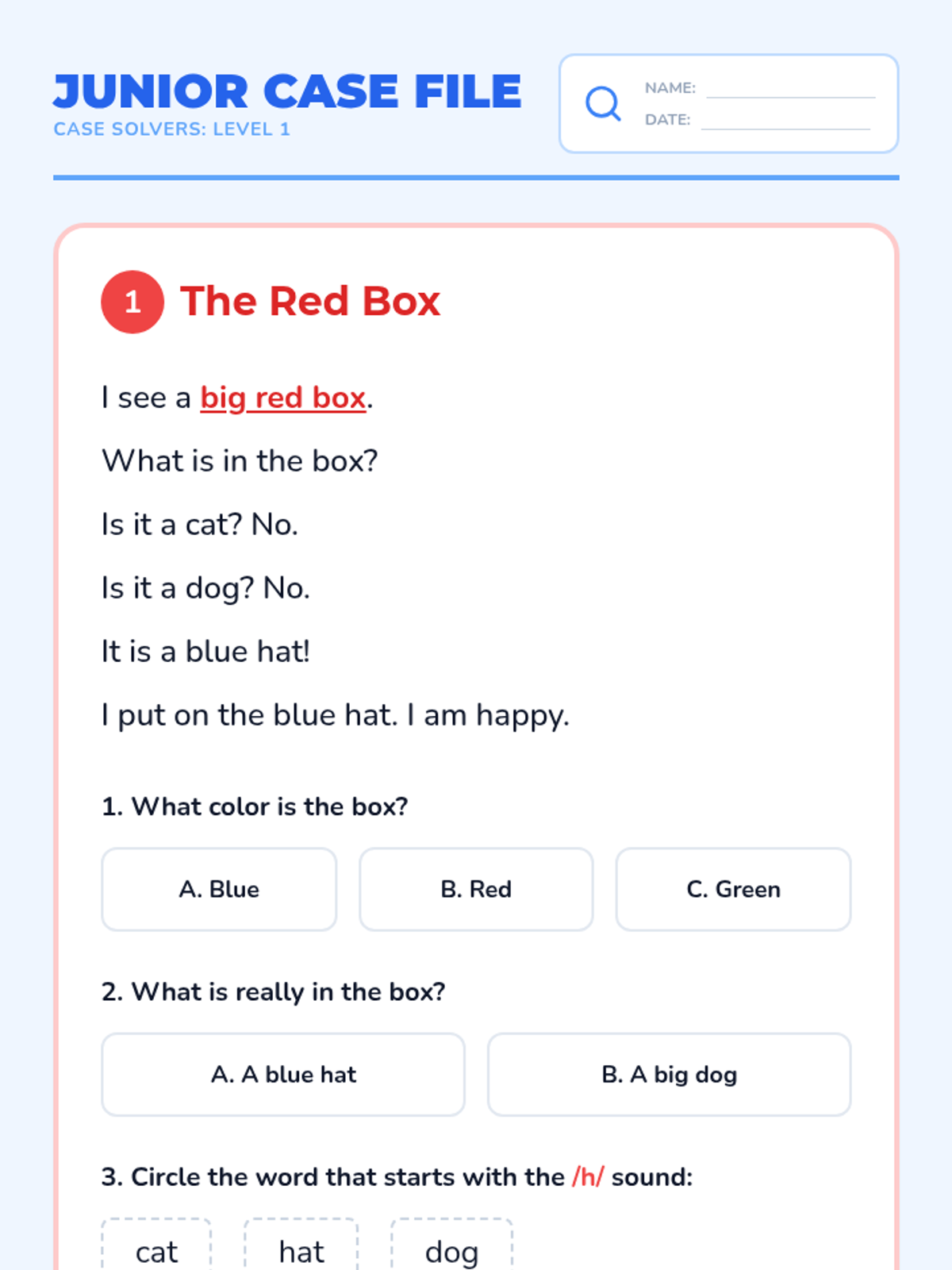
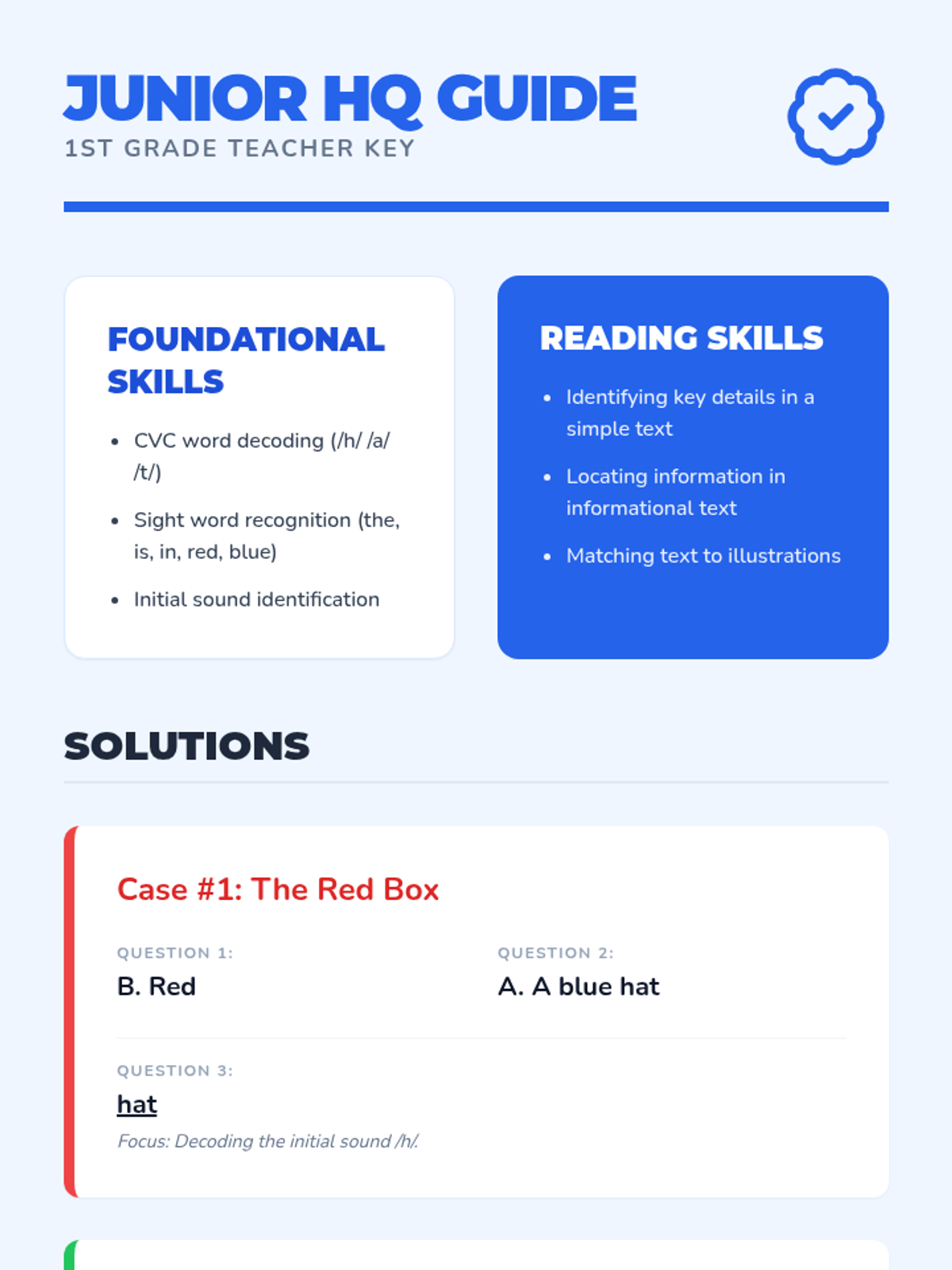
A junior version of the mystery unit focusing on 1st-grade foundational skills, simple sight words, and basic reading comprehension.
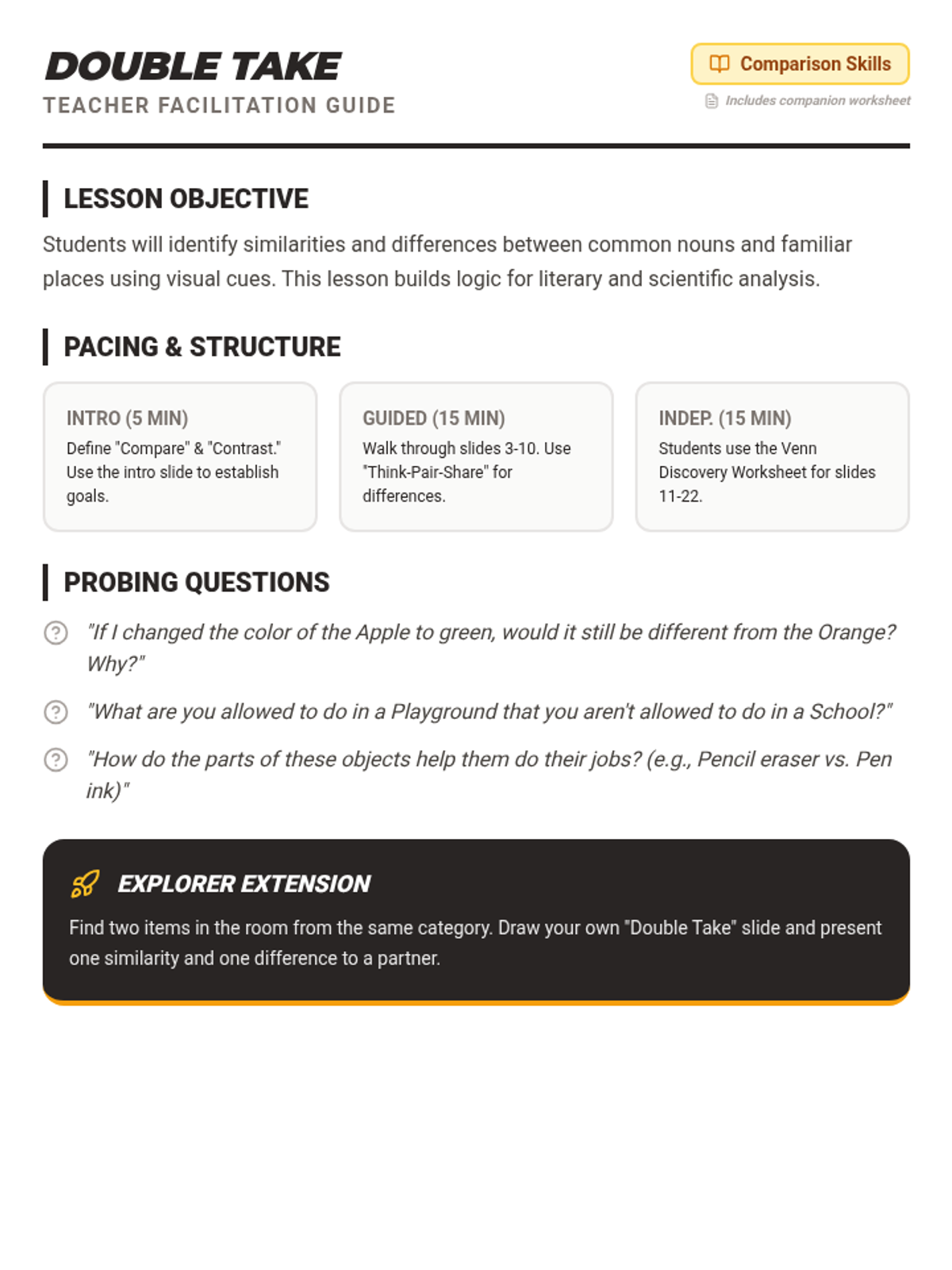
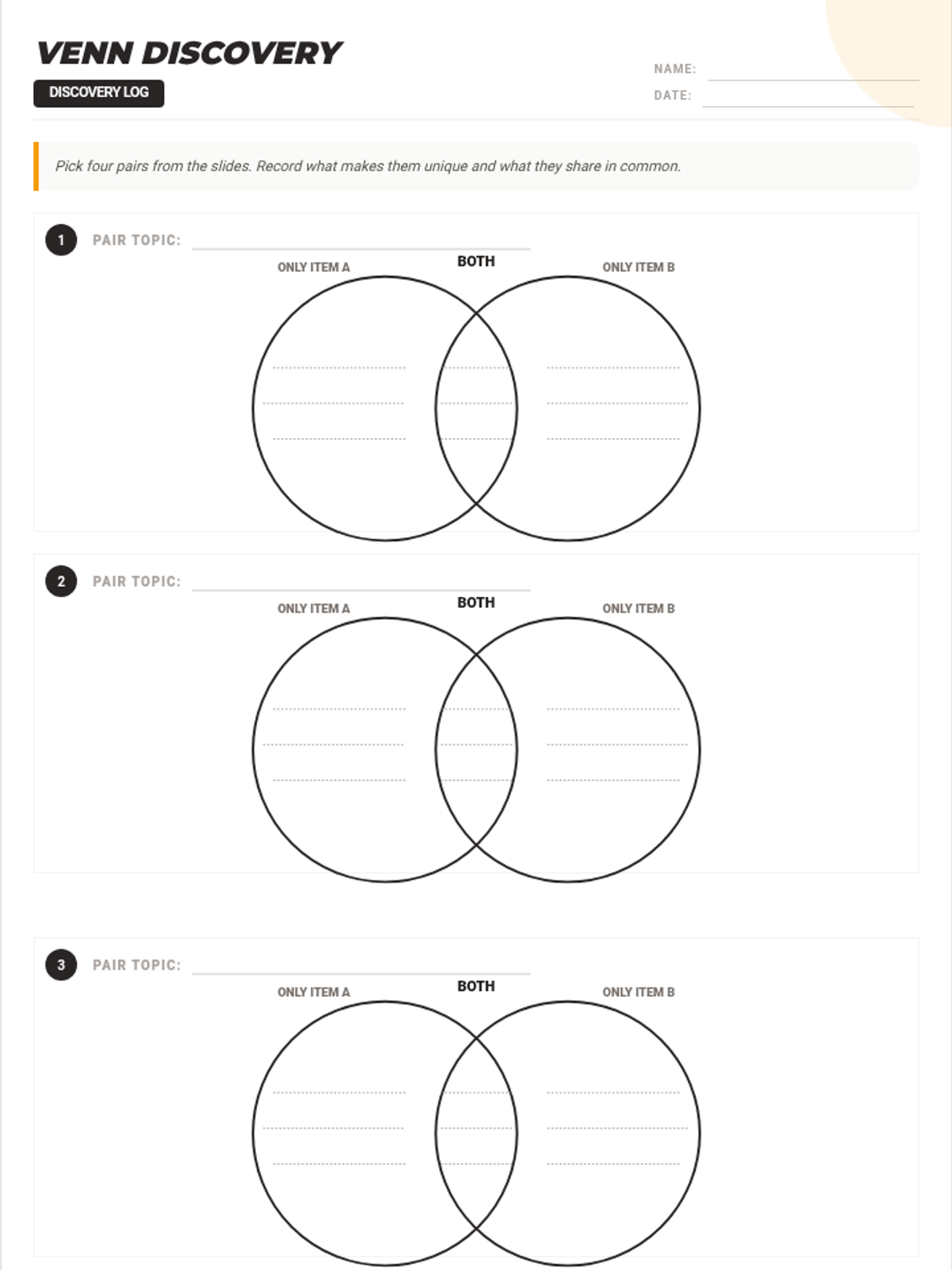
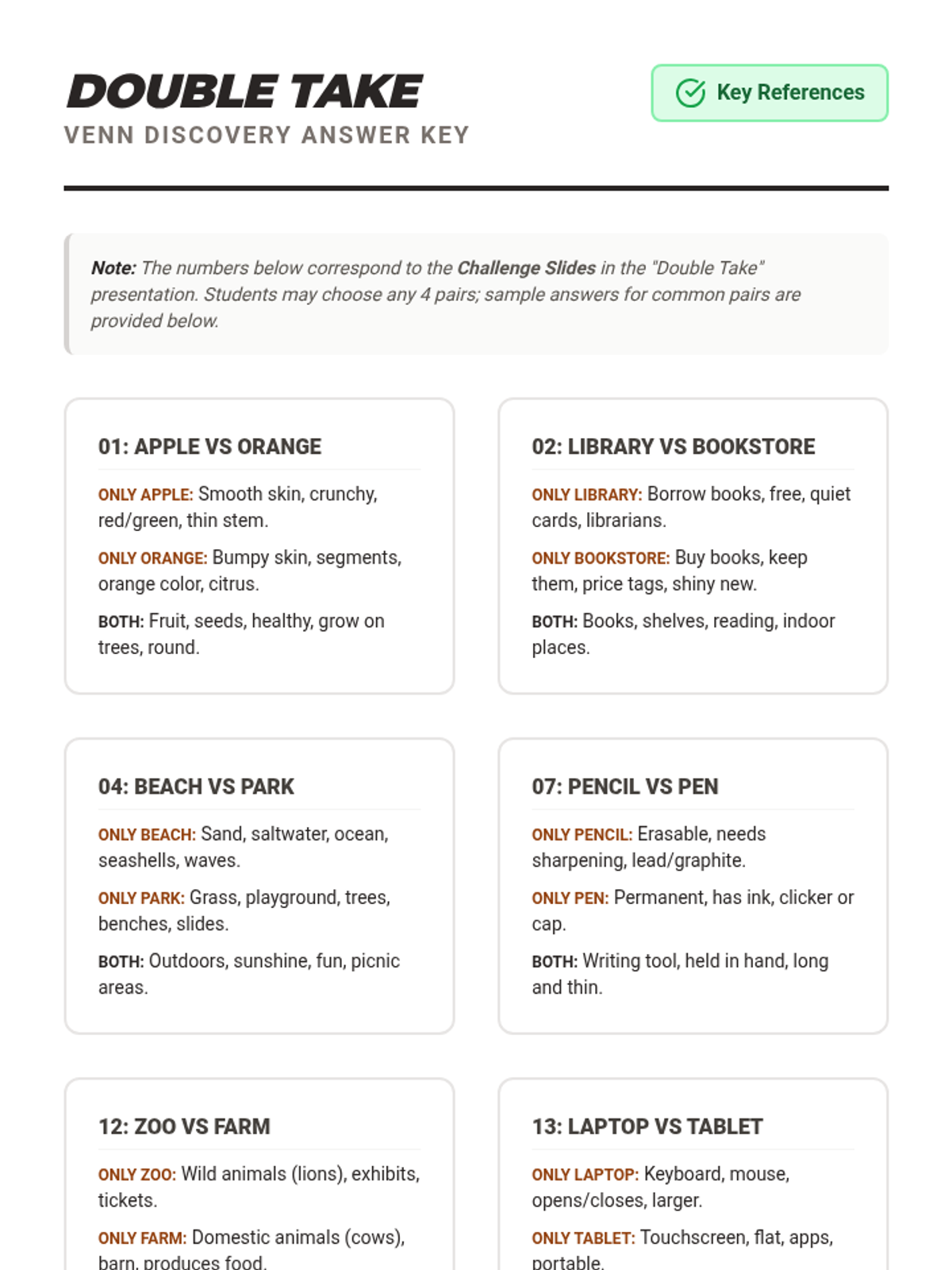
A visual-heavy lesson focused on developing compare and contrast skills using common objects and locations. Students analyze pairs of images to identify similarities and differences in characteristics, functions, and settings.
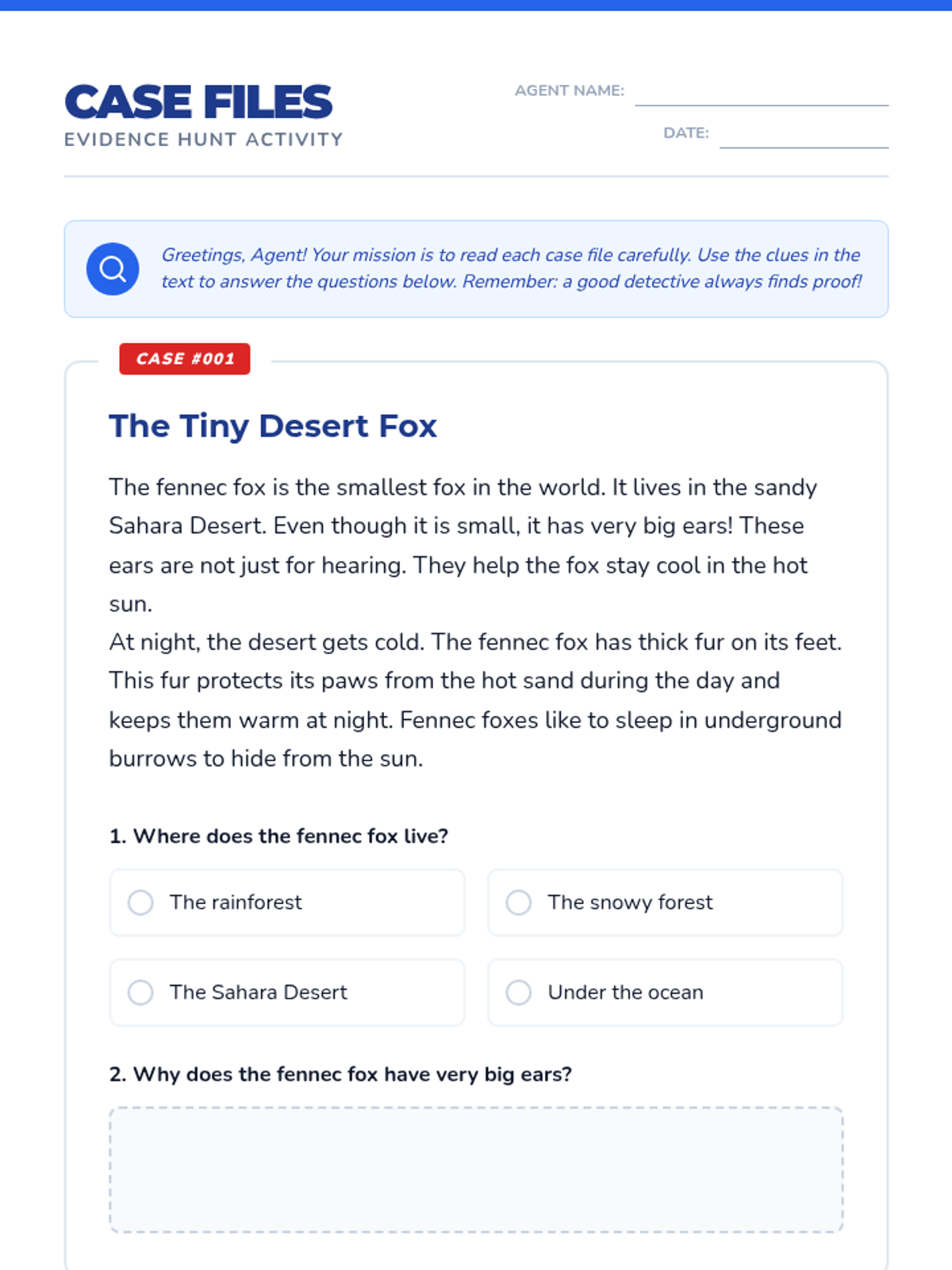
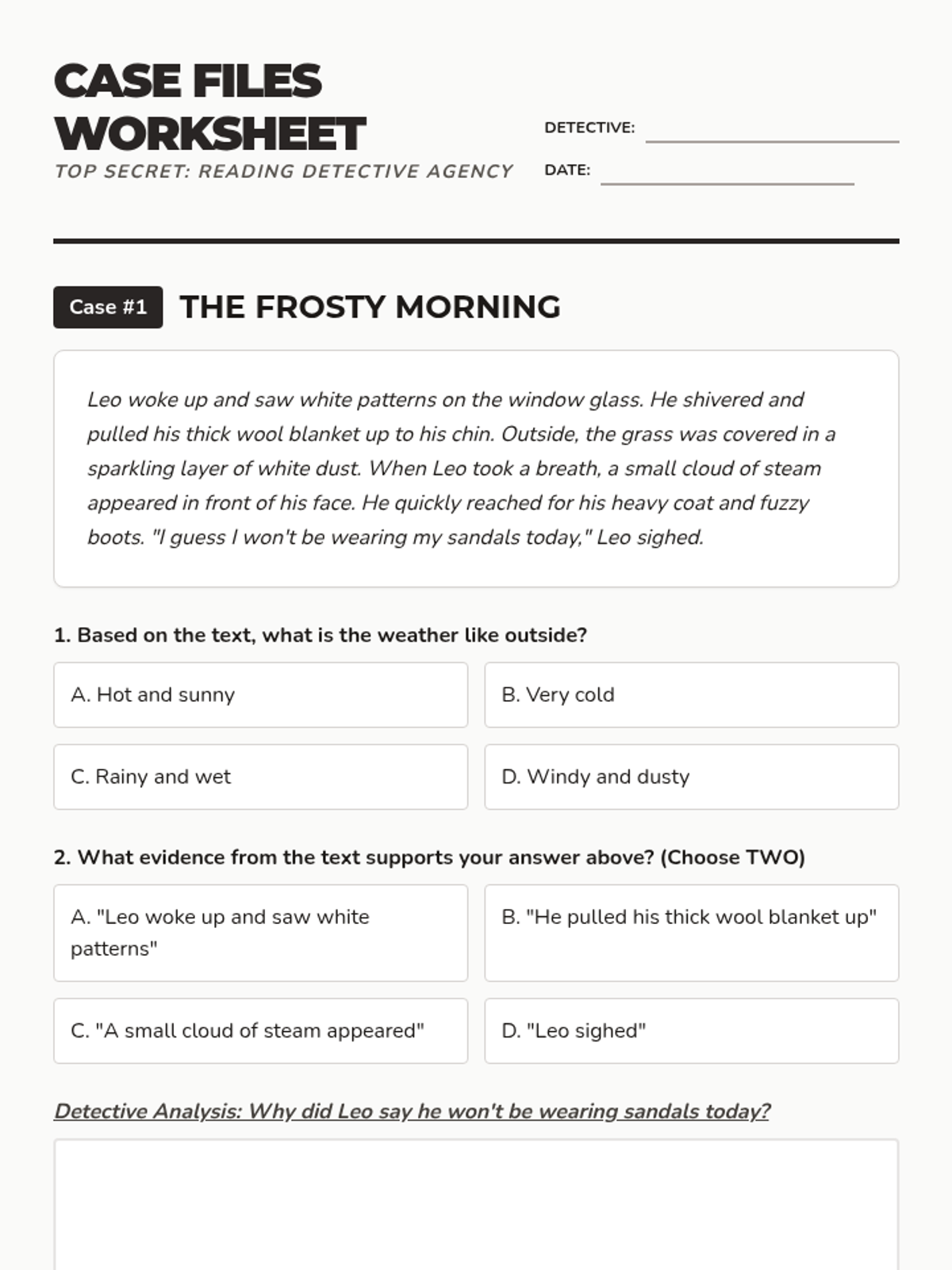
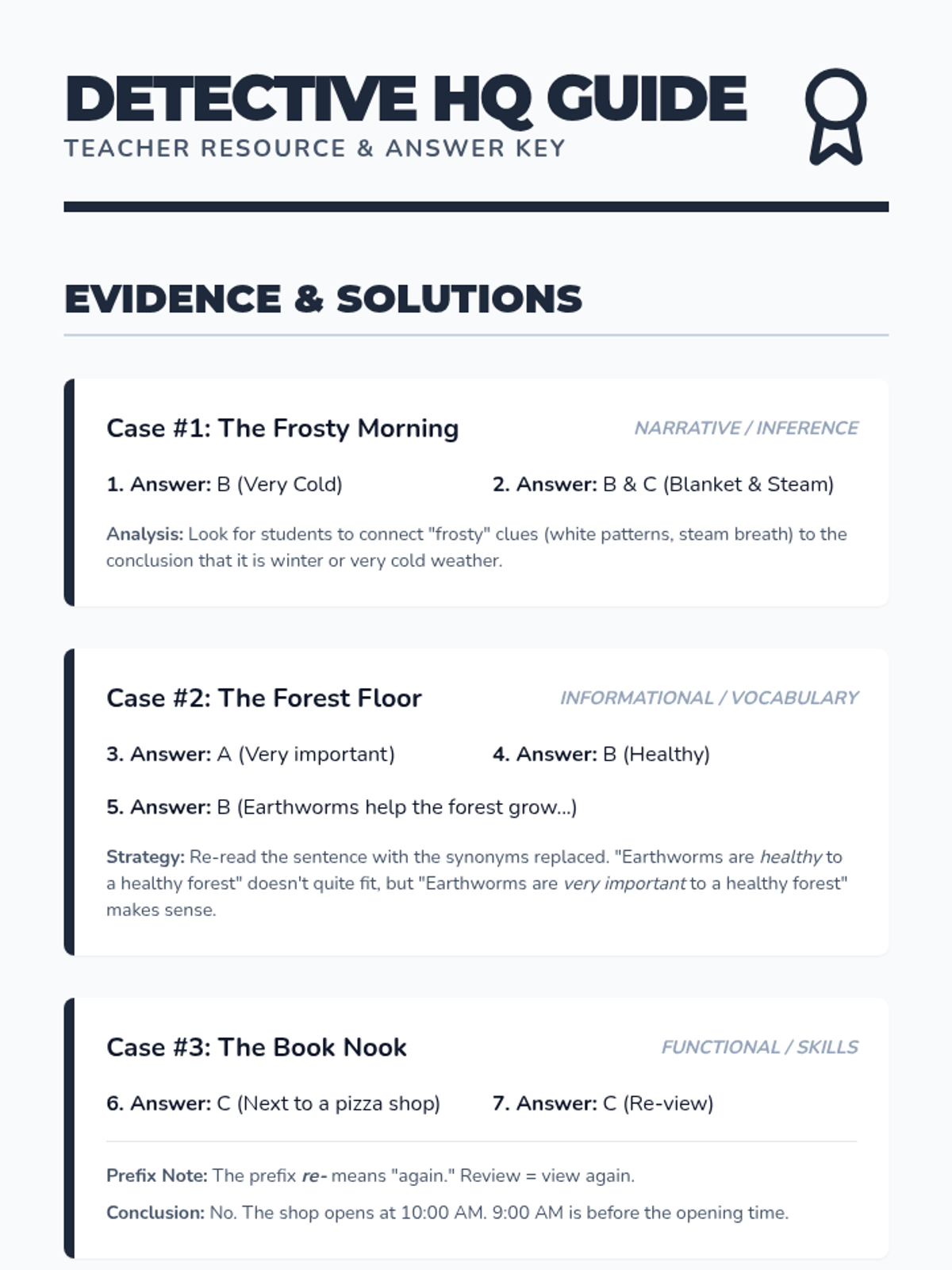
A high-stakes reading mystery where students use context clues and inferencing to solve "cases" while practicing foundational 3rd-grade literacy skills.
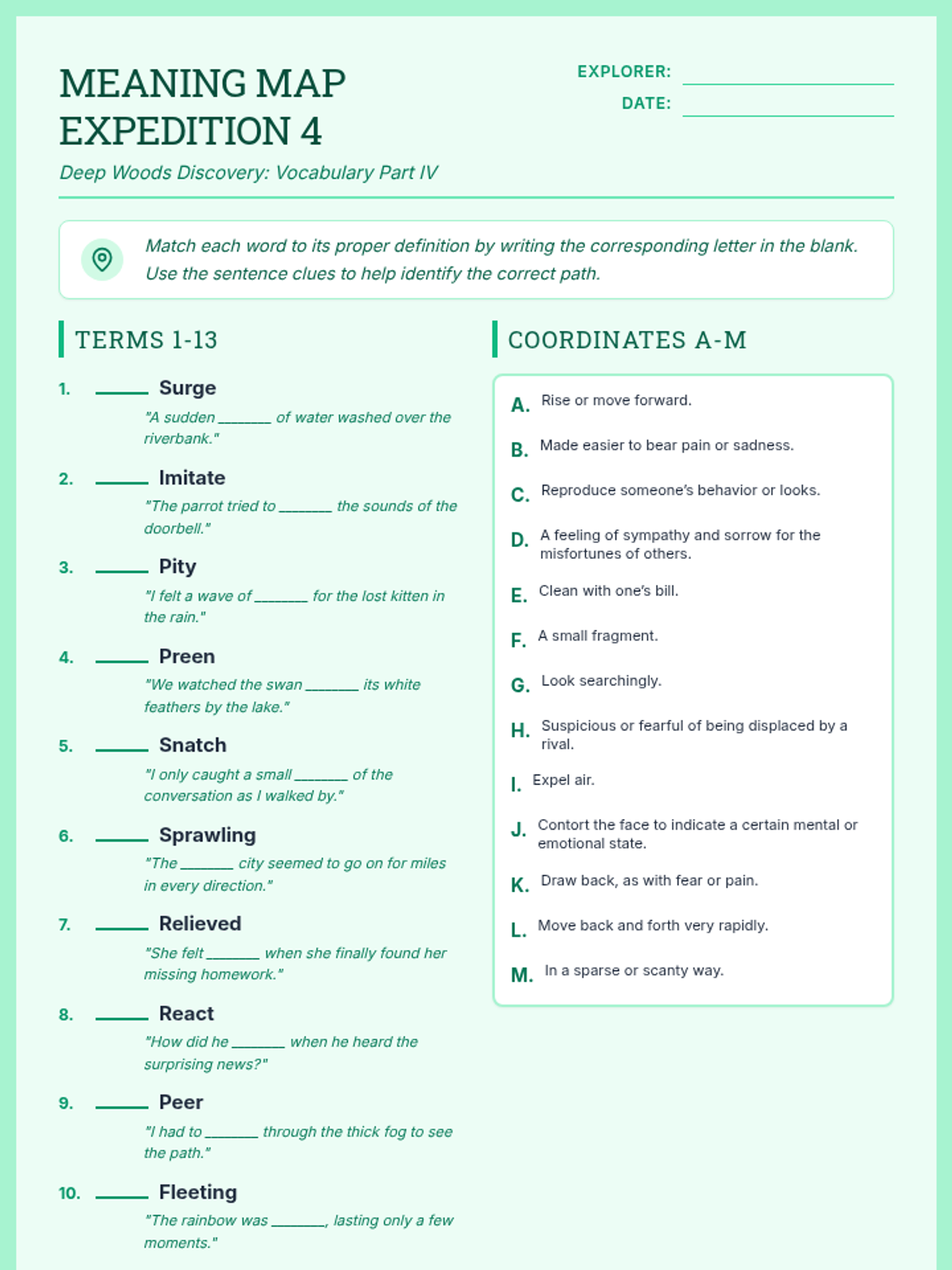
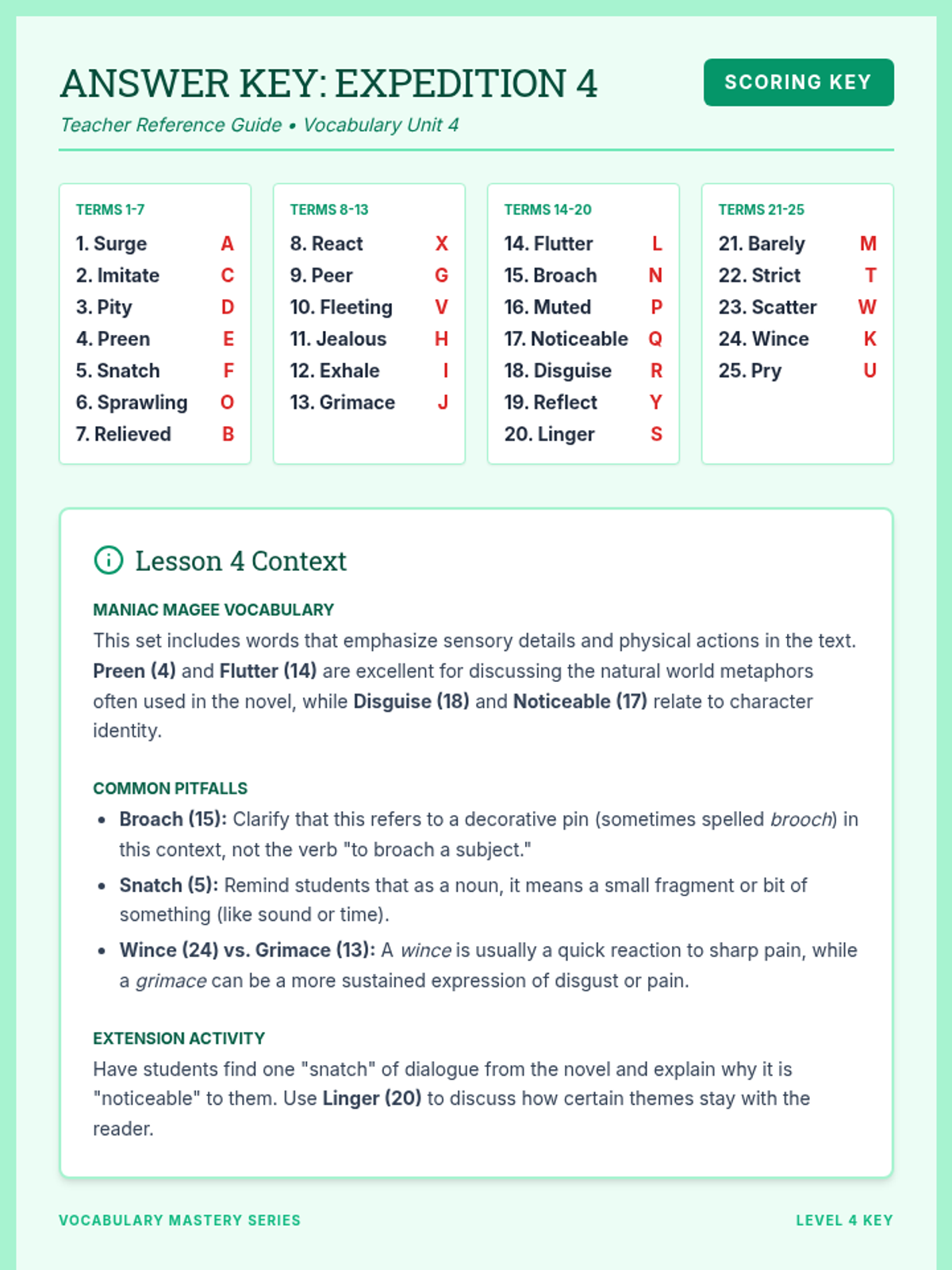
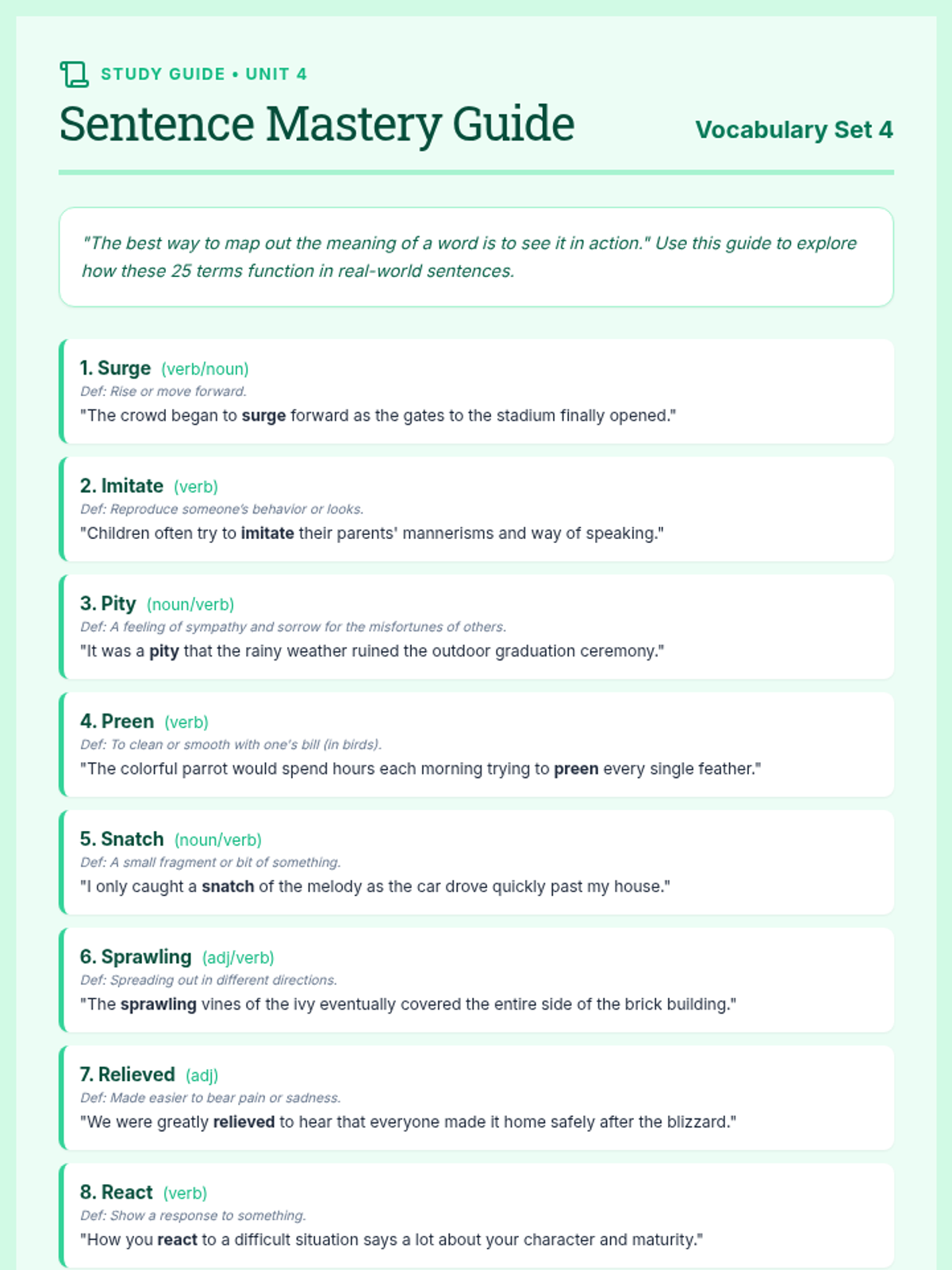
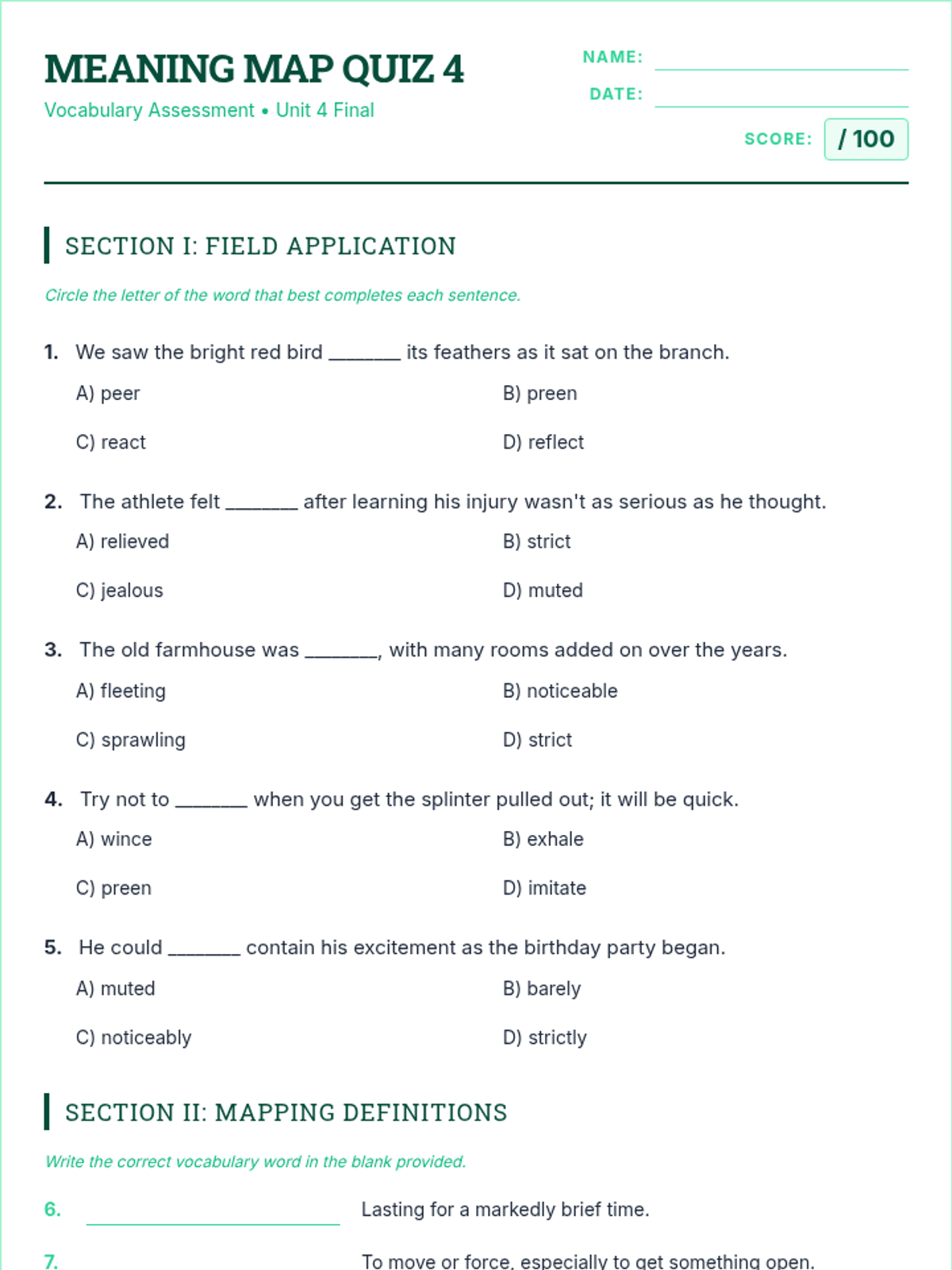
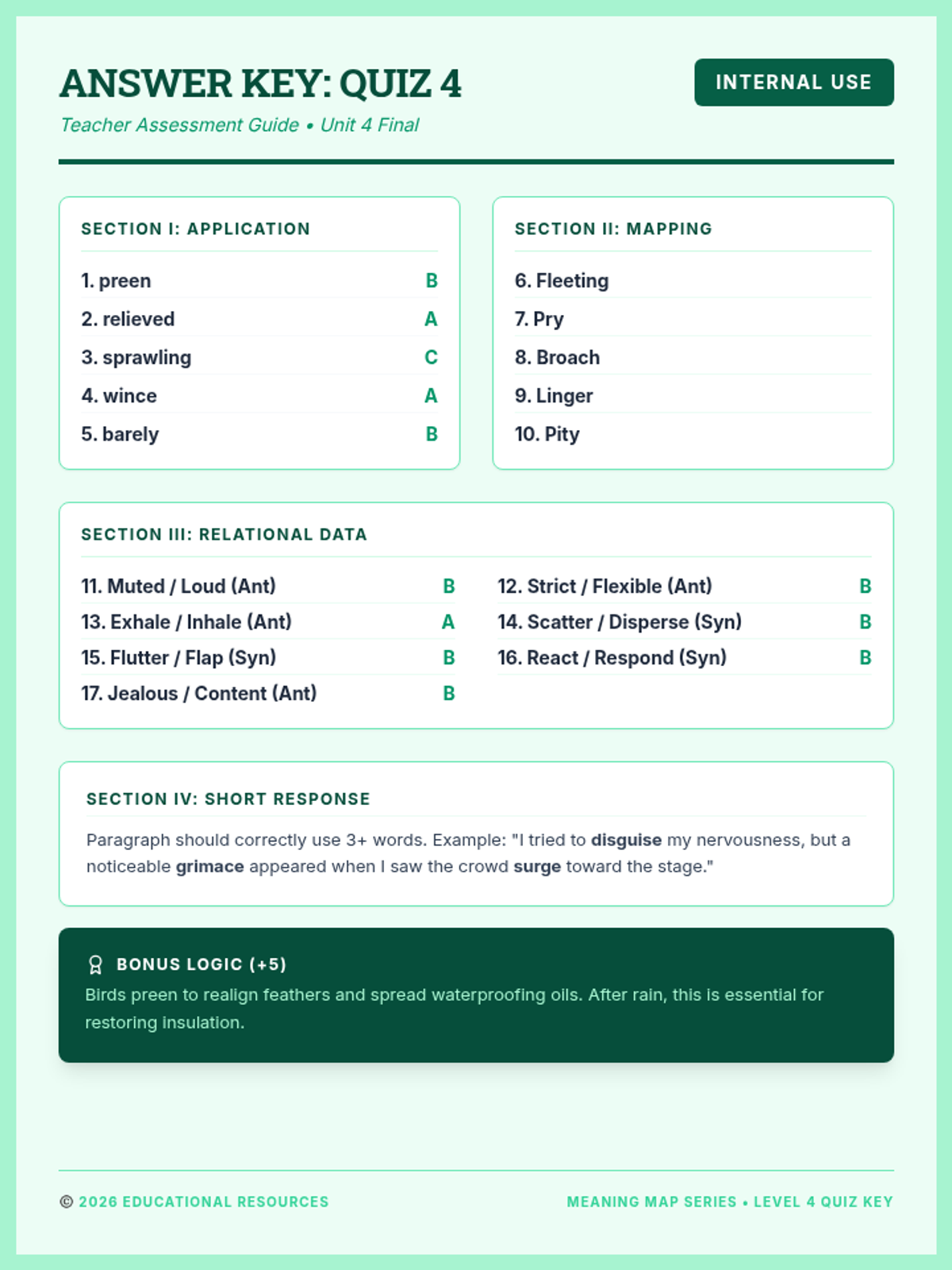
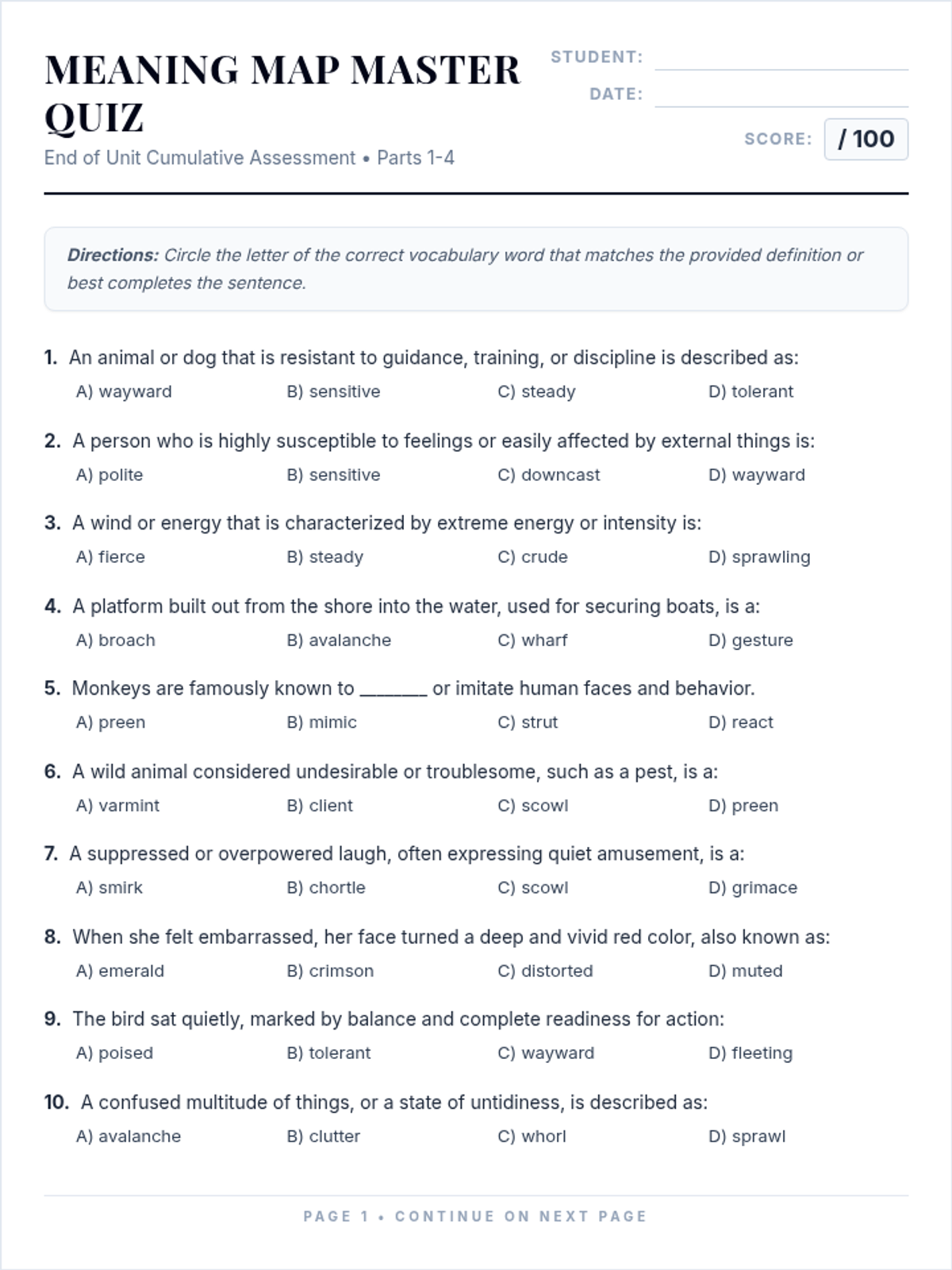
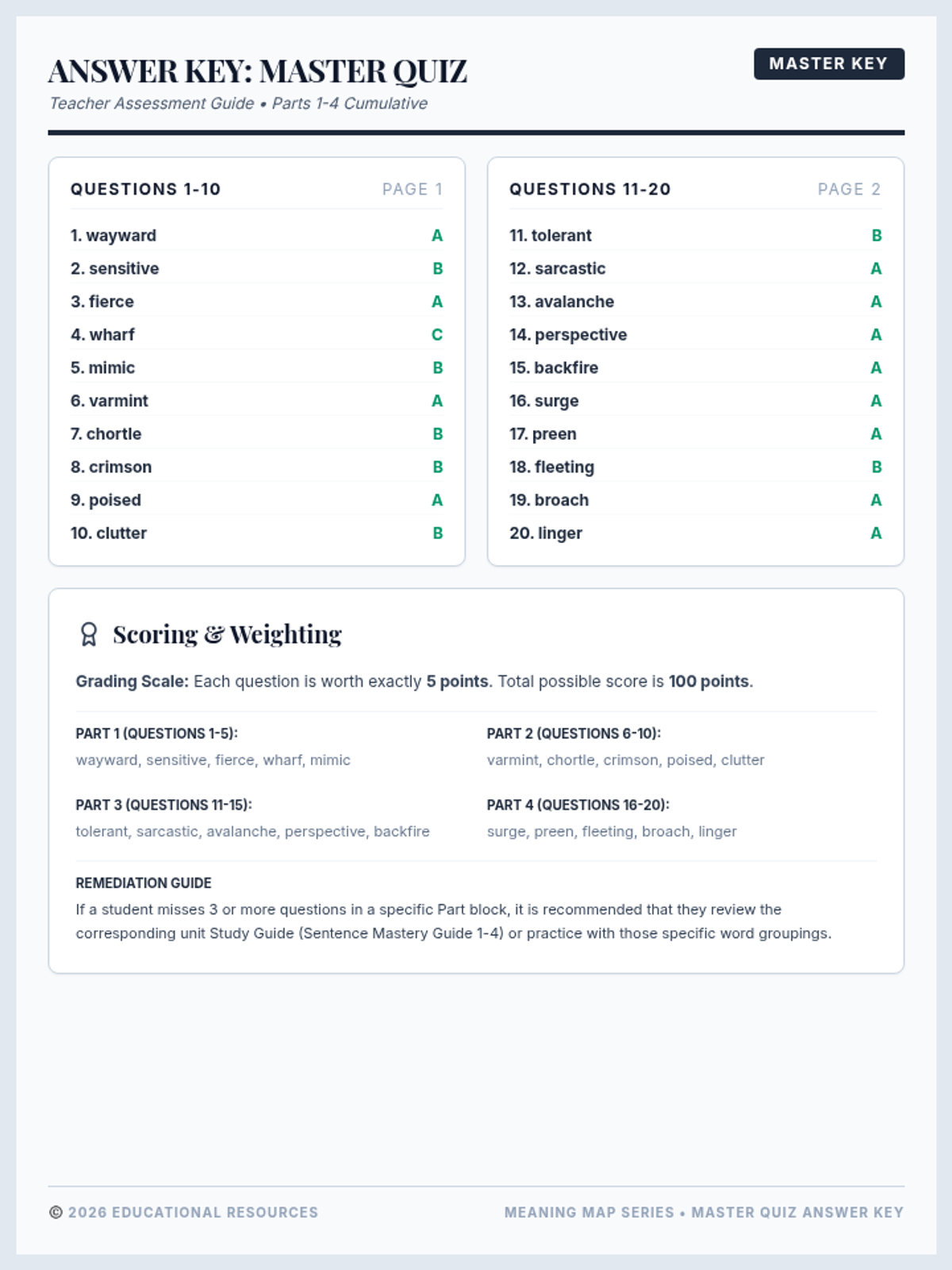
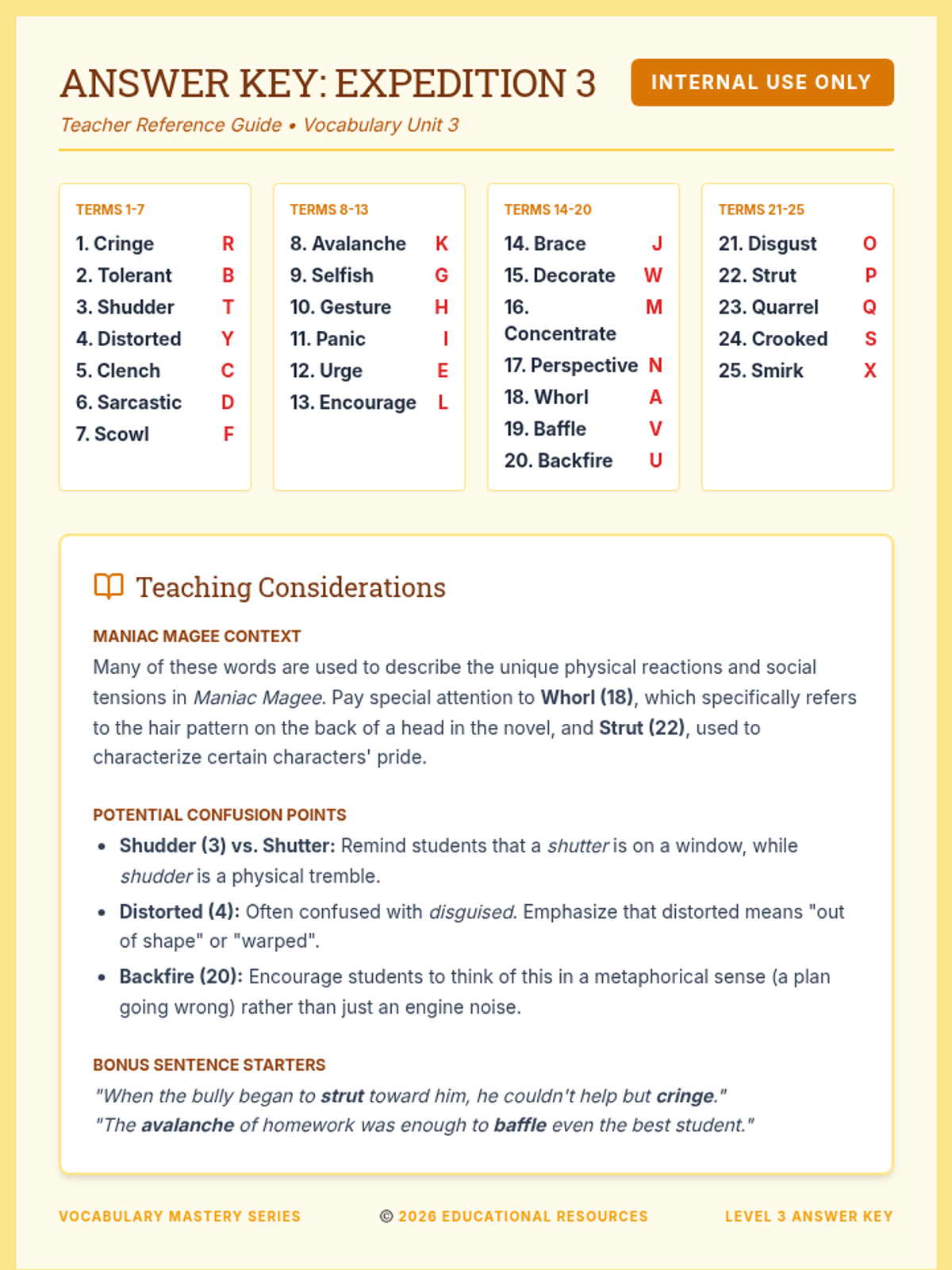
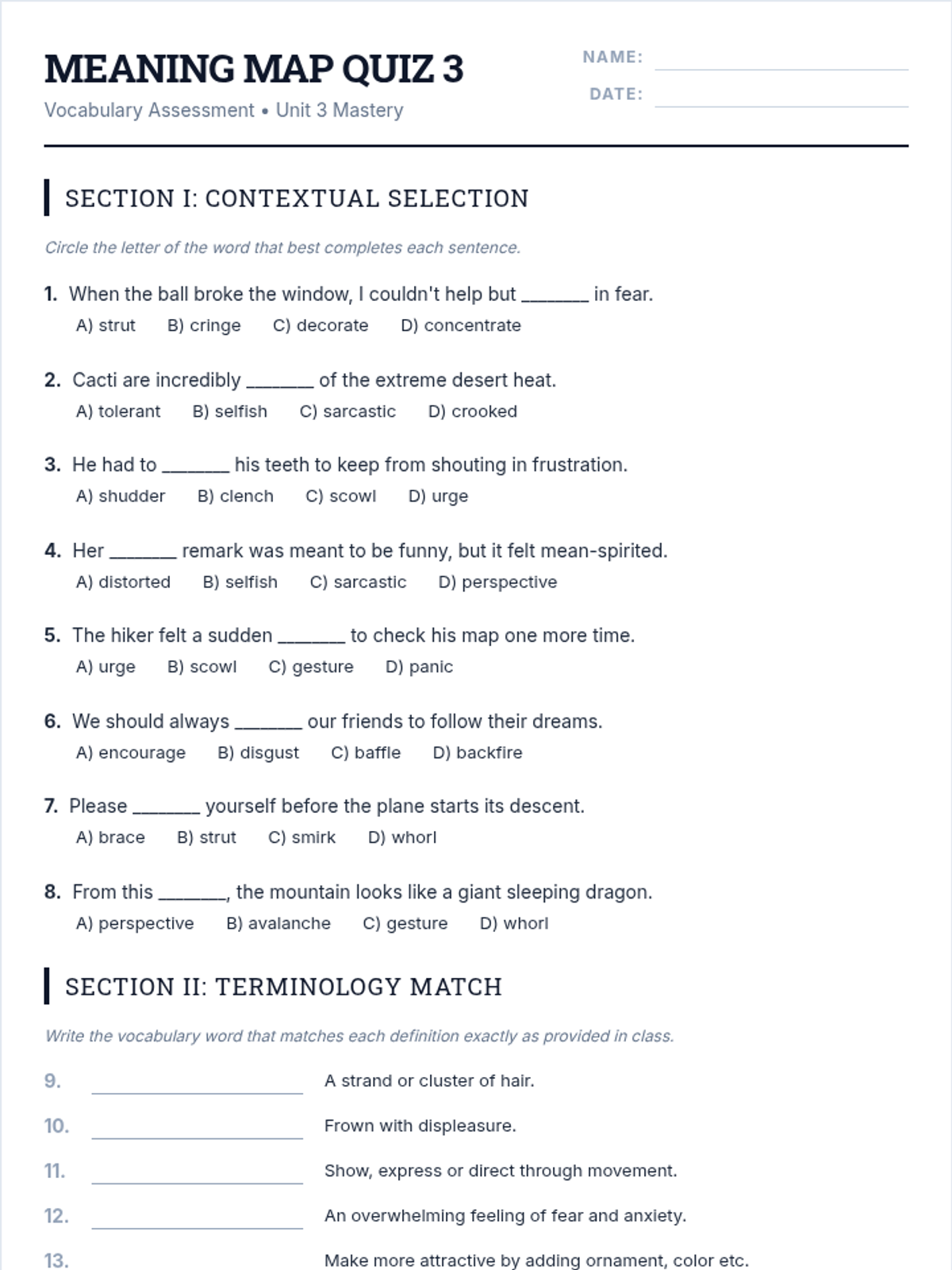
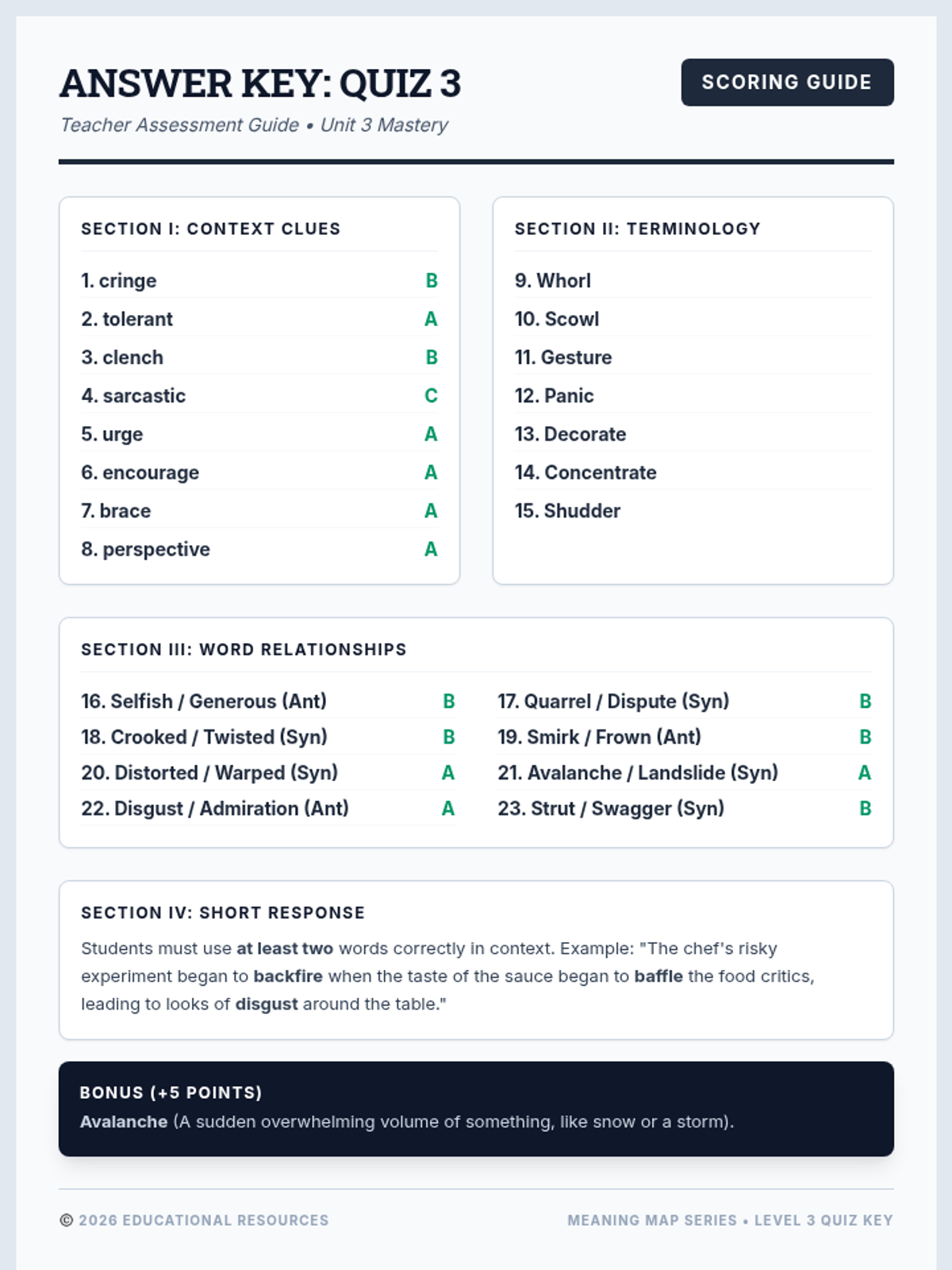
The fourth installment of the vocabulary mastery series, focusing on 25 academic terms including Surge, Fleeting, and Linger through contextual practice and assessment. Based on Maniac Magee.
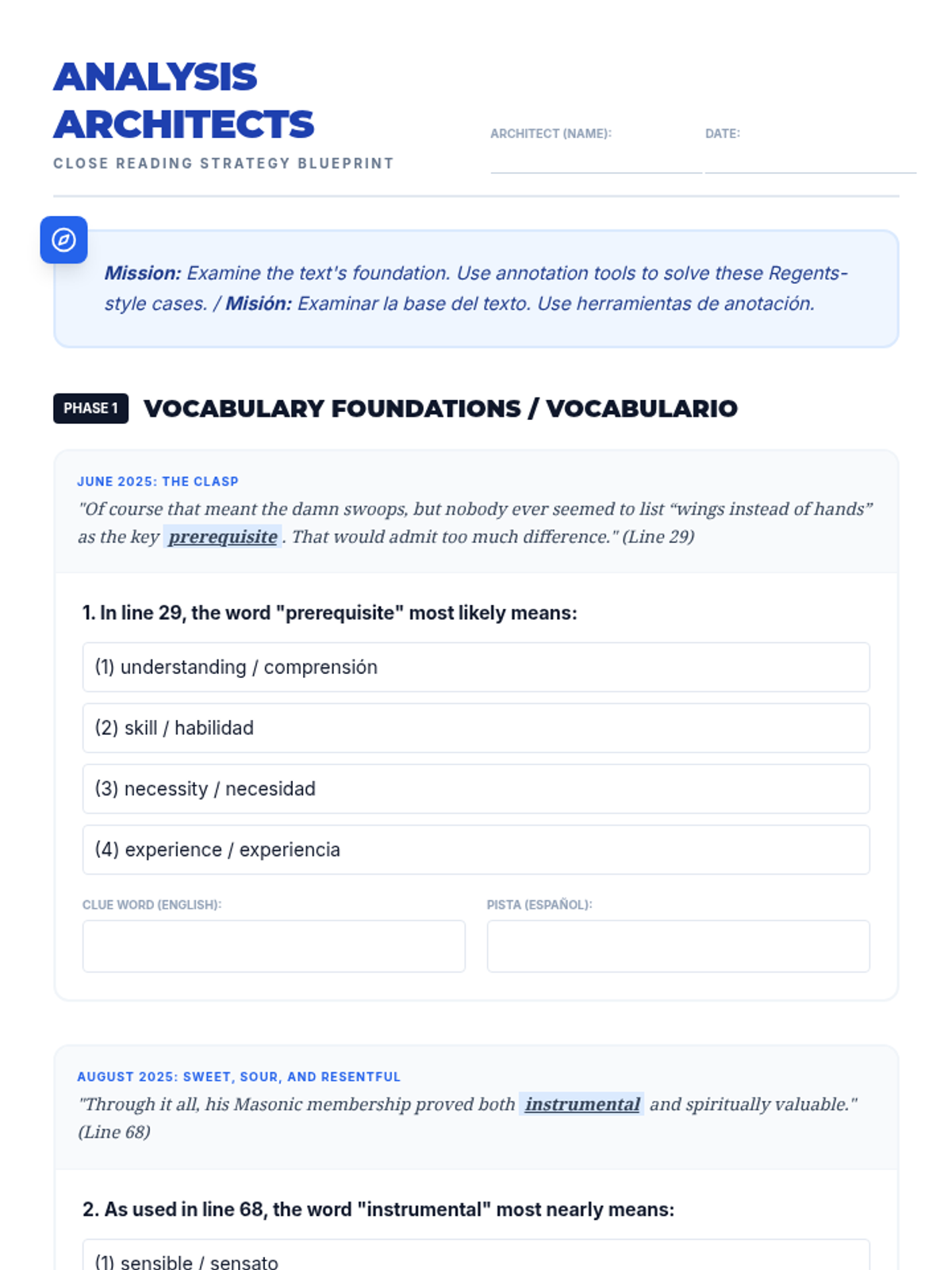
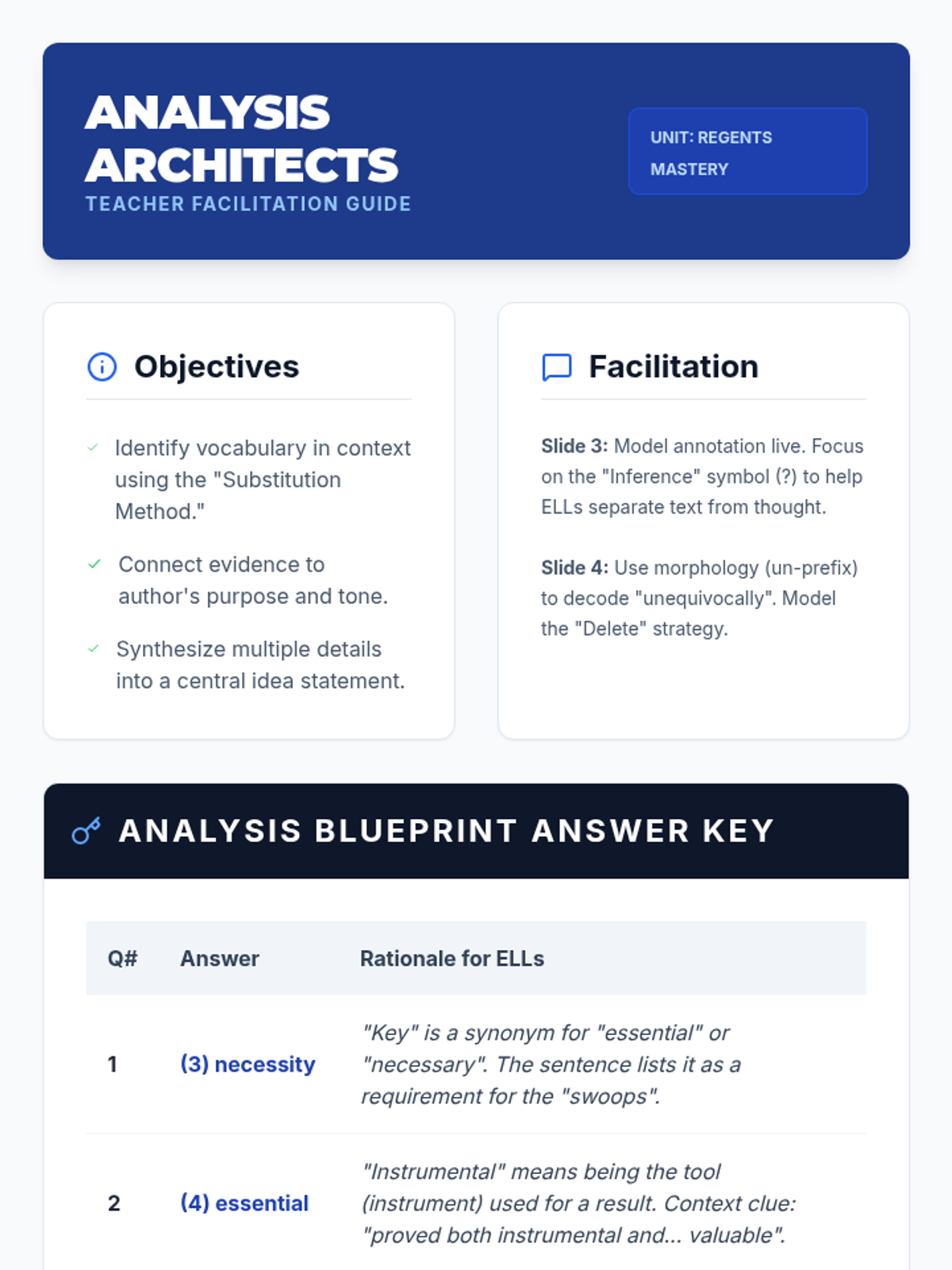
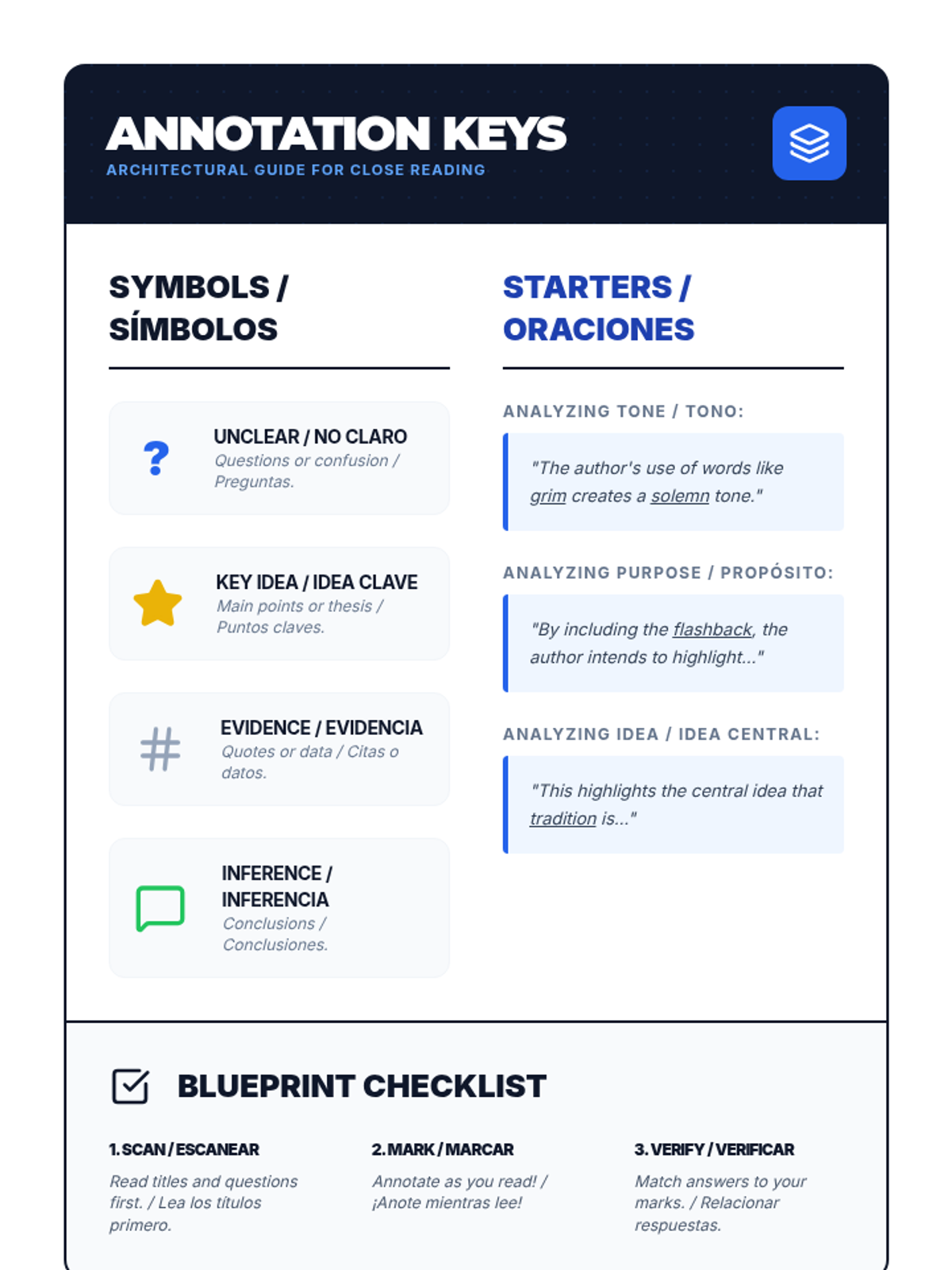
This lesson equips ELL students with essential close reading strategies for the NYS ELA Regents, focusing on annotation, vocabulary in context, and identifying author's purpose and tone using passages from the 2025 exams.
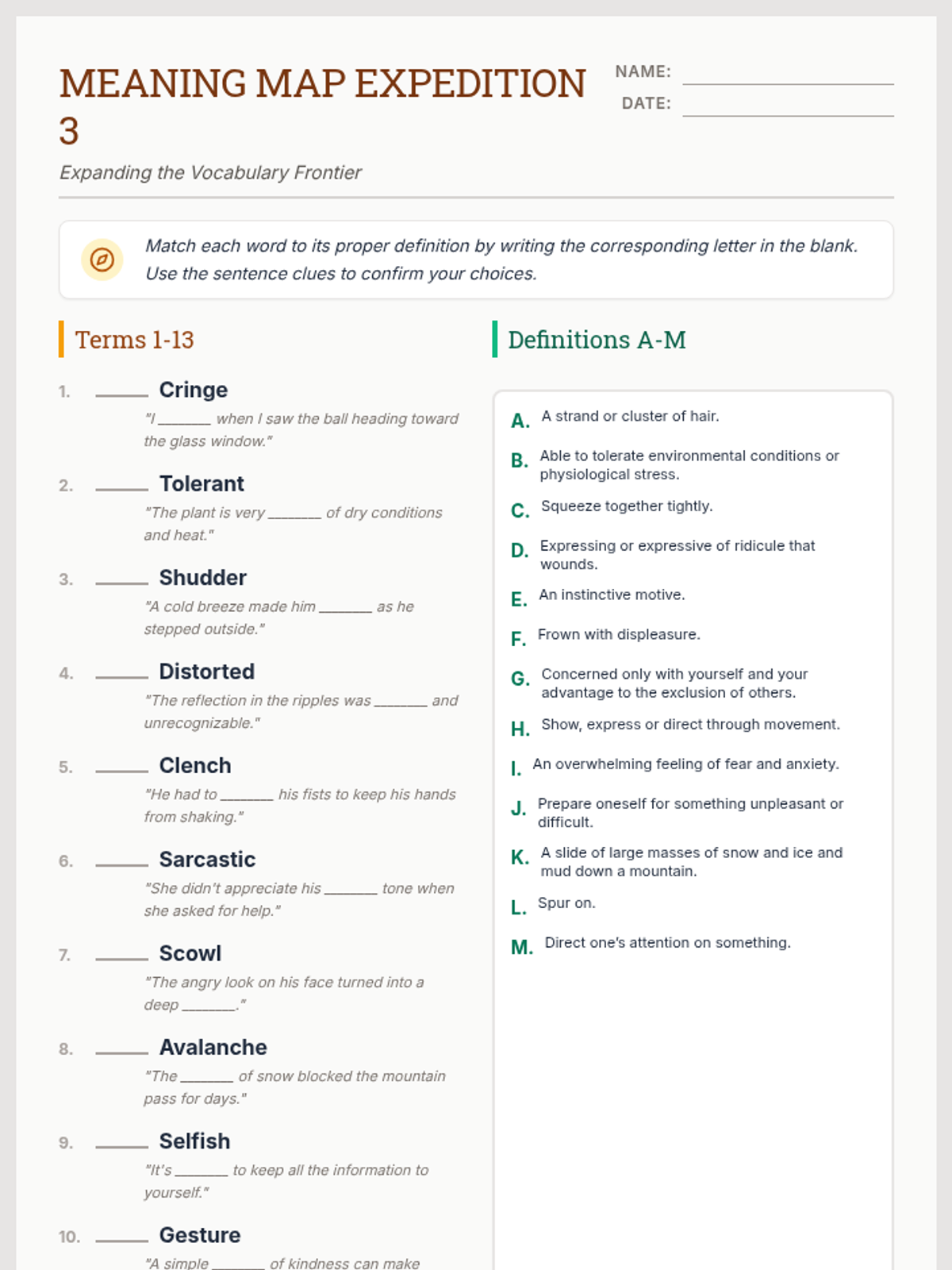
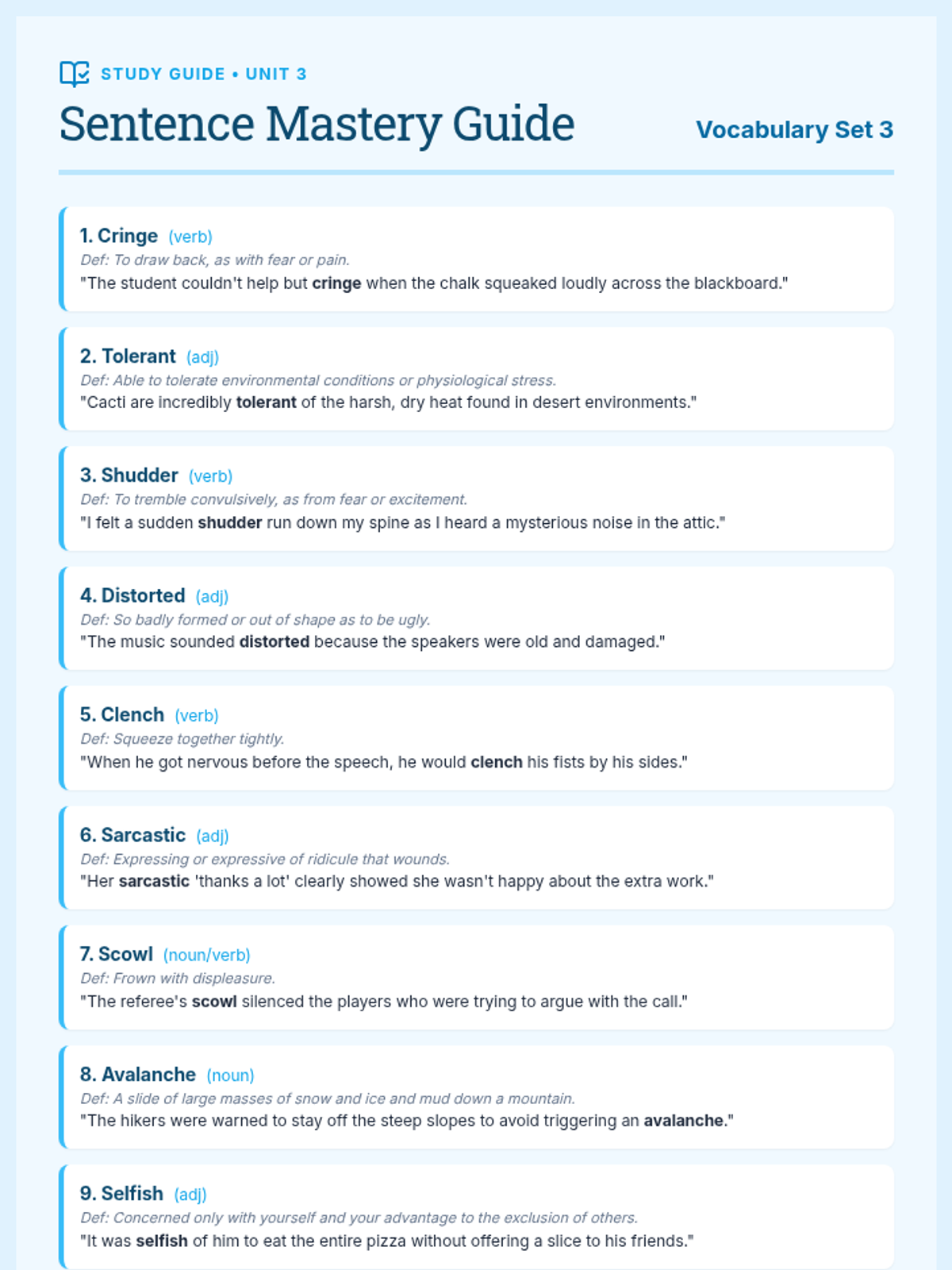
A third installment of vocabulary mastery, focusing on 25 high-frequency academic terms through matching, contextual usage, and assessment.
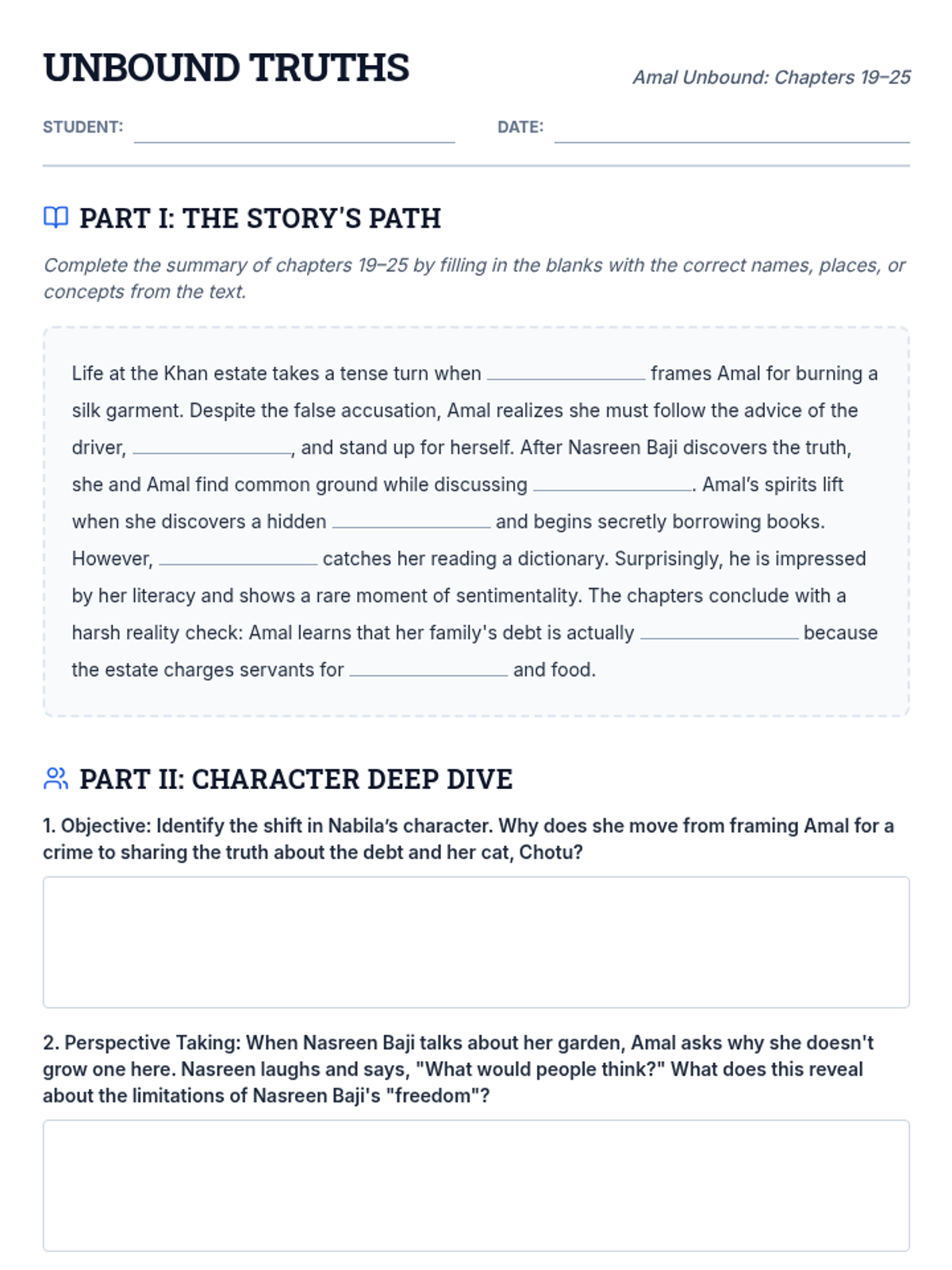
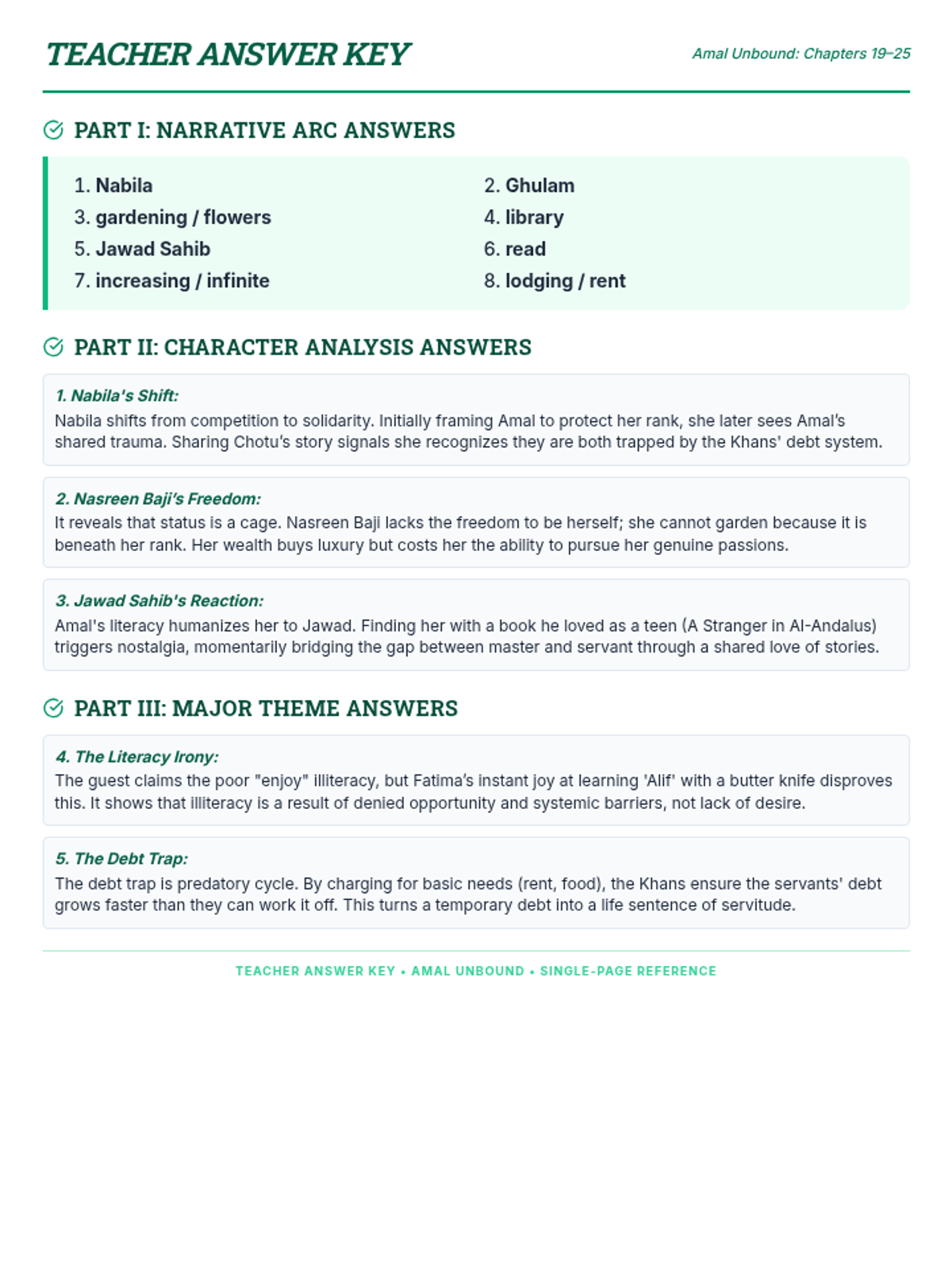
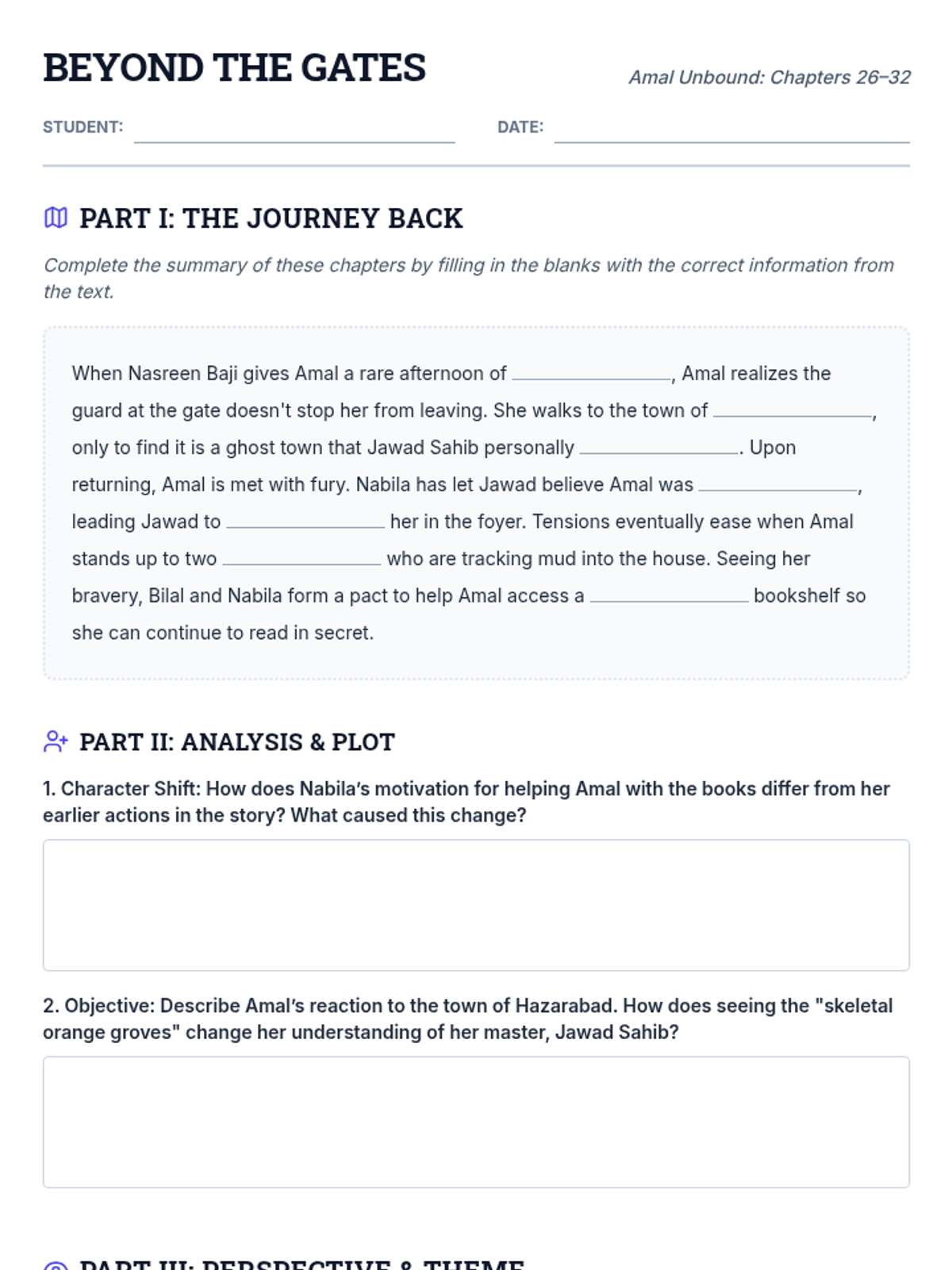
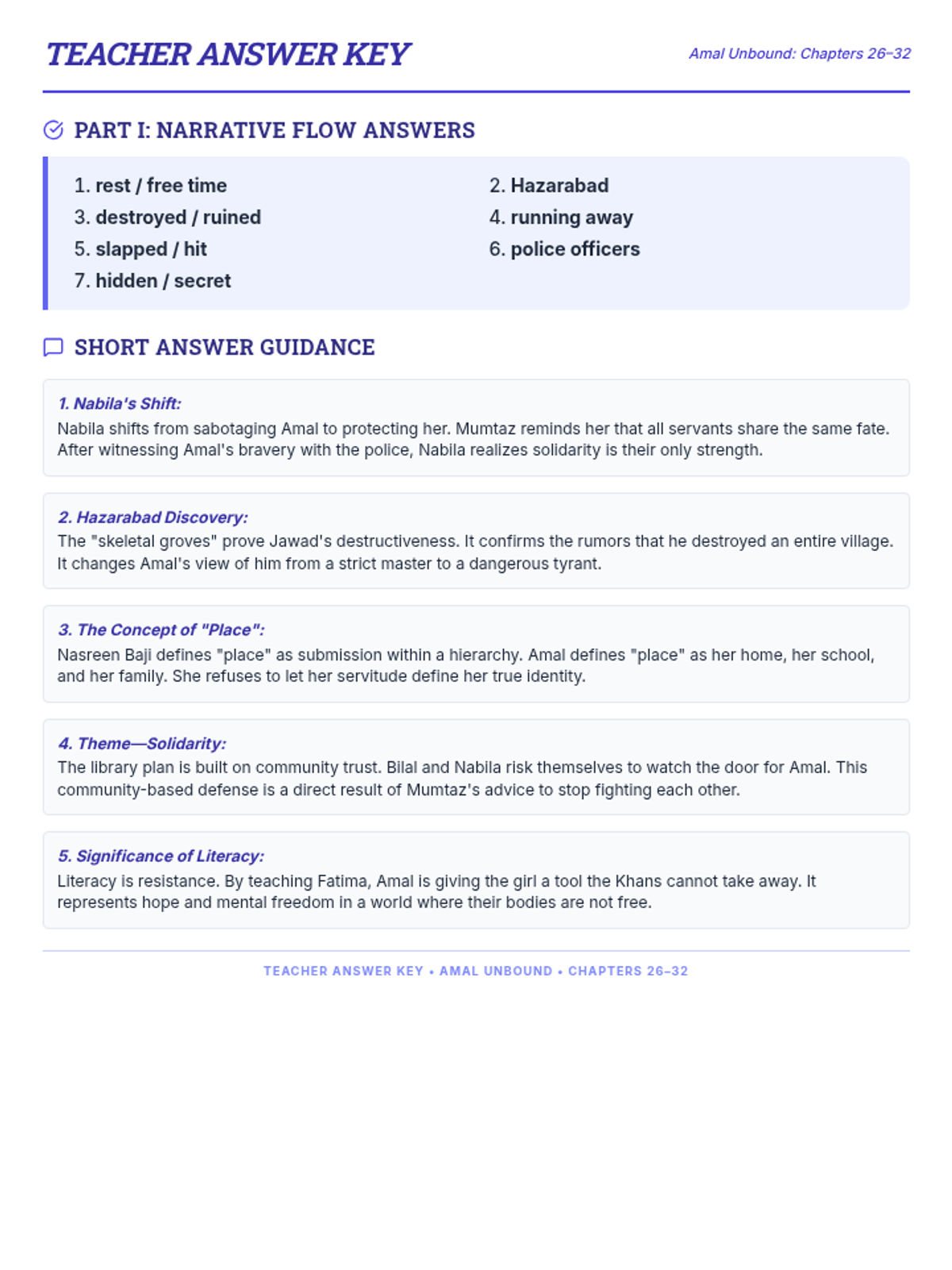
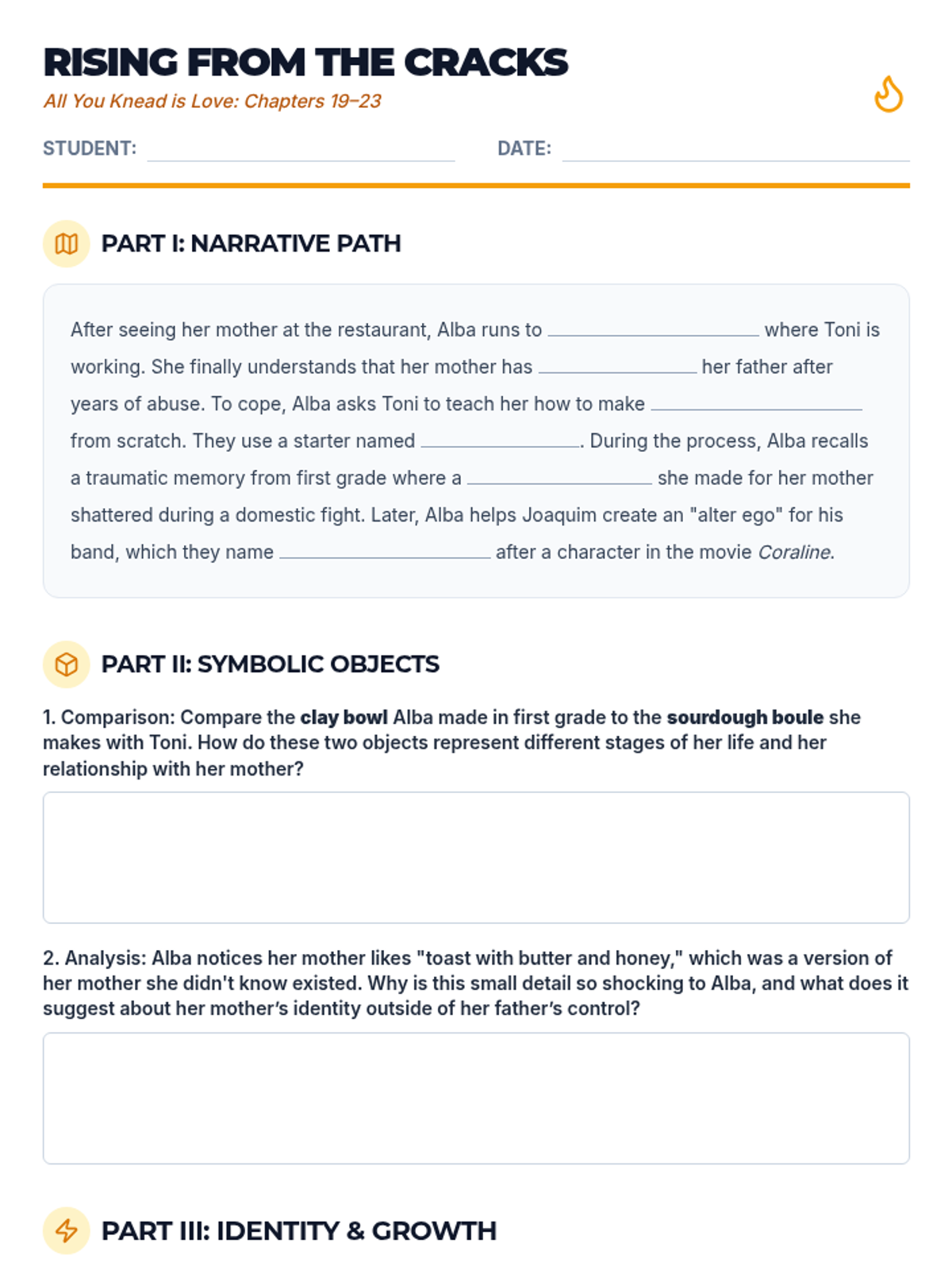
A collection of resources for teaching chapters 19-25 of Amal Unbound, focusing on character evolution, the concept of the "debt trap," and literacy as power.
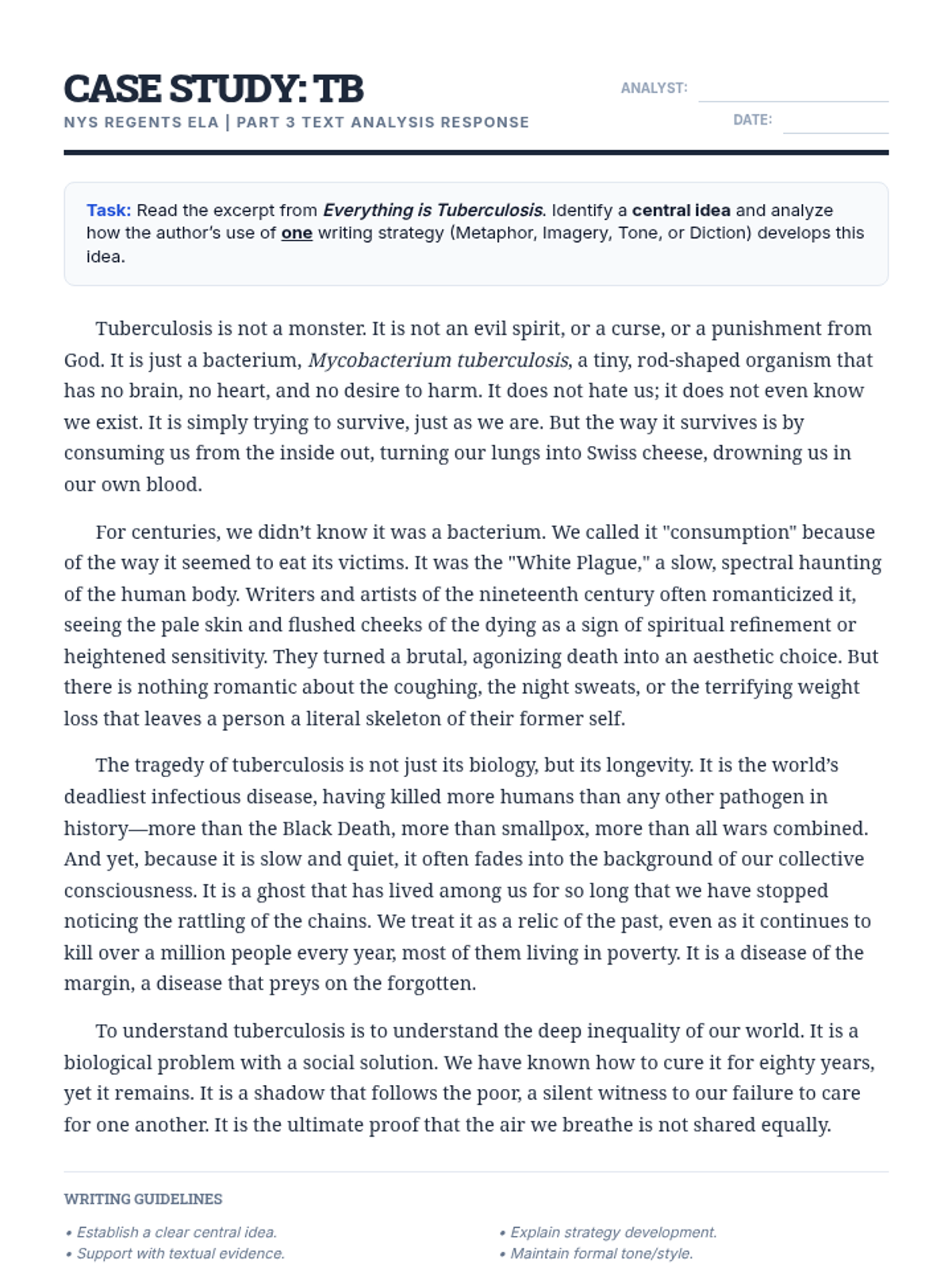
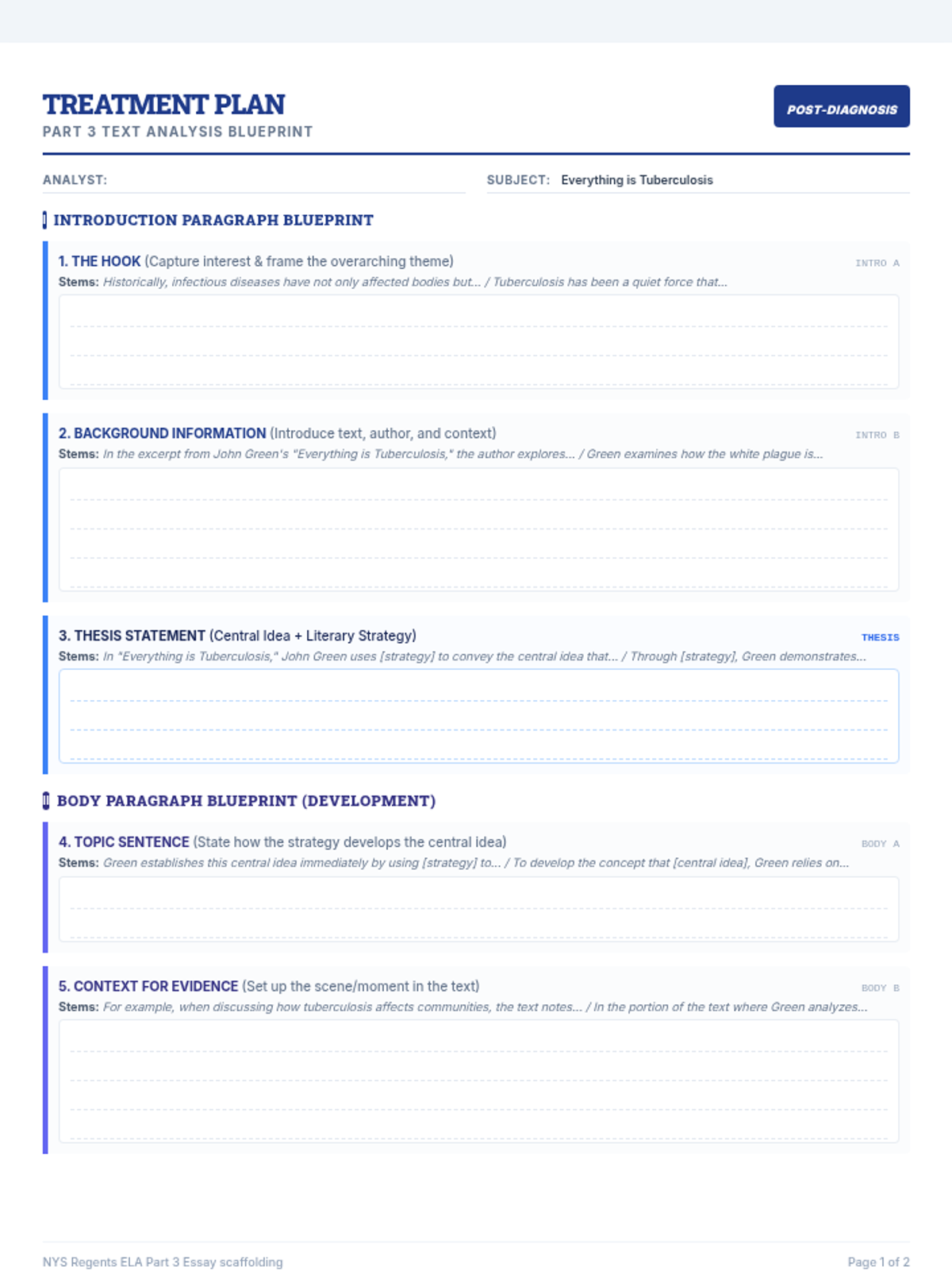
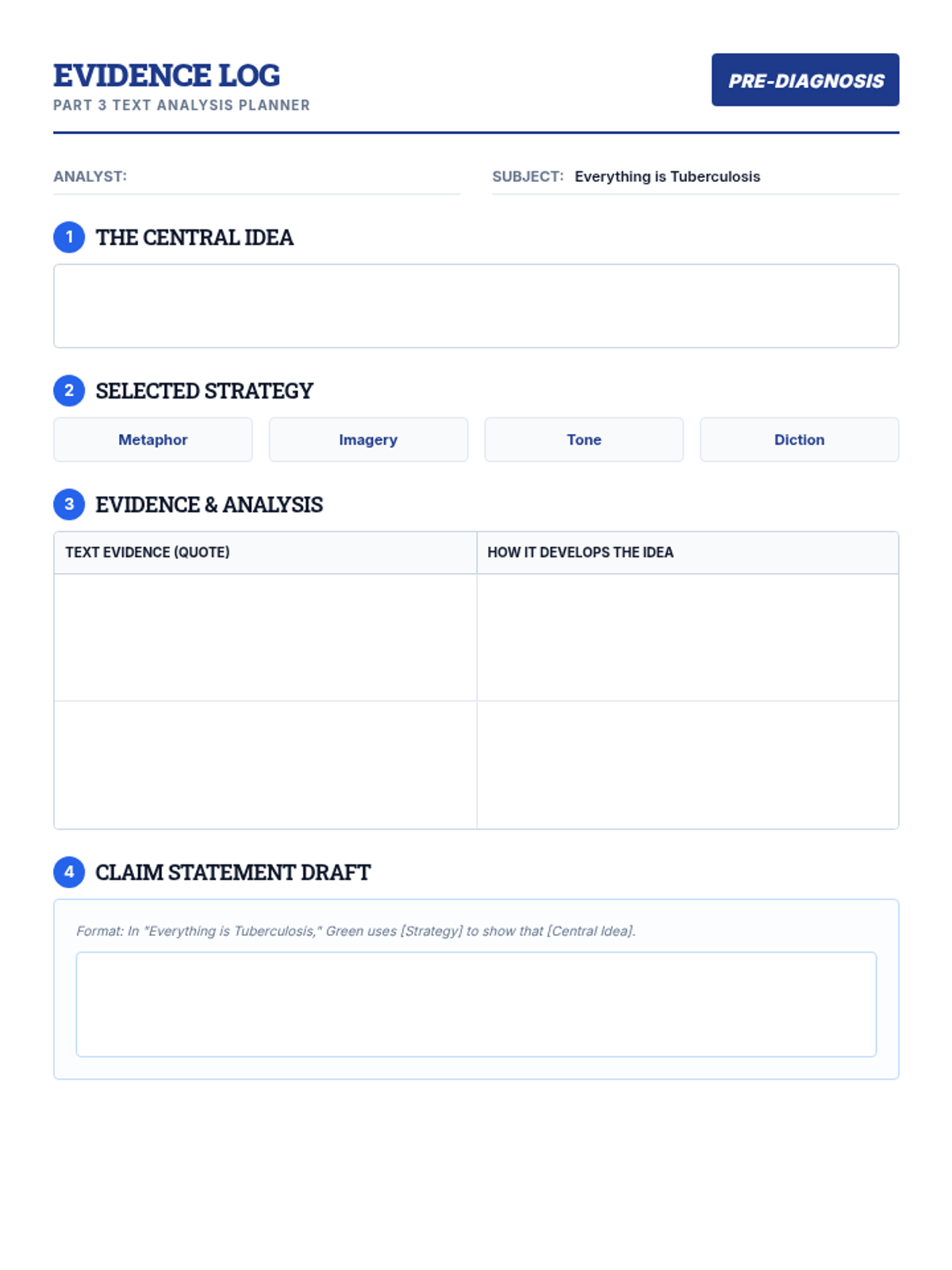
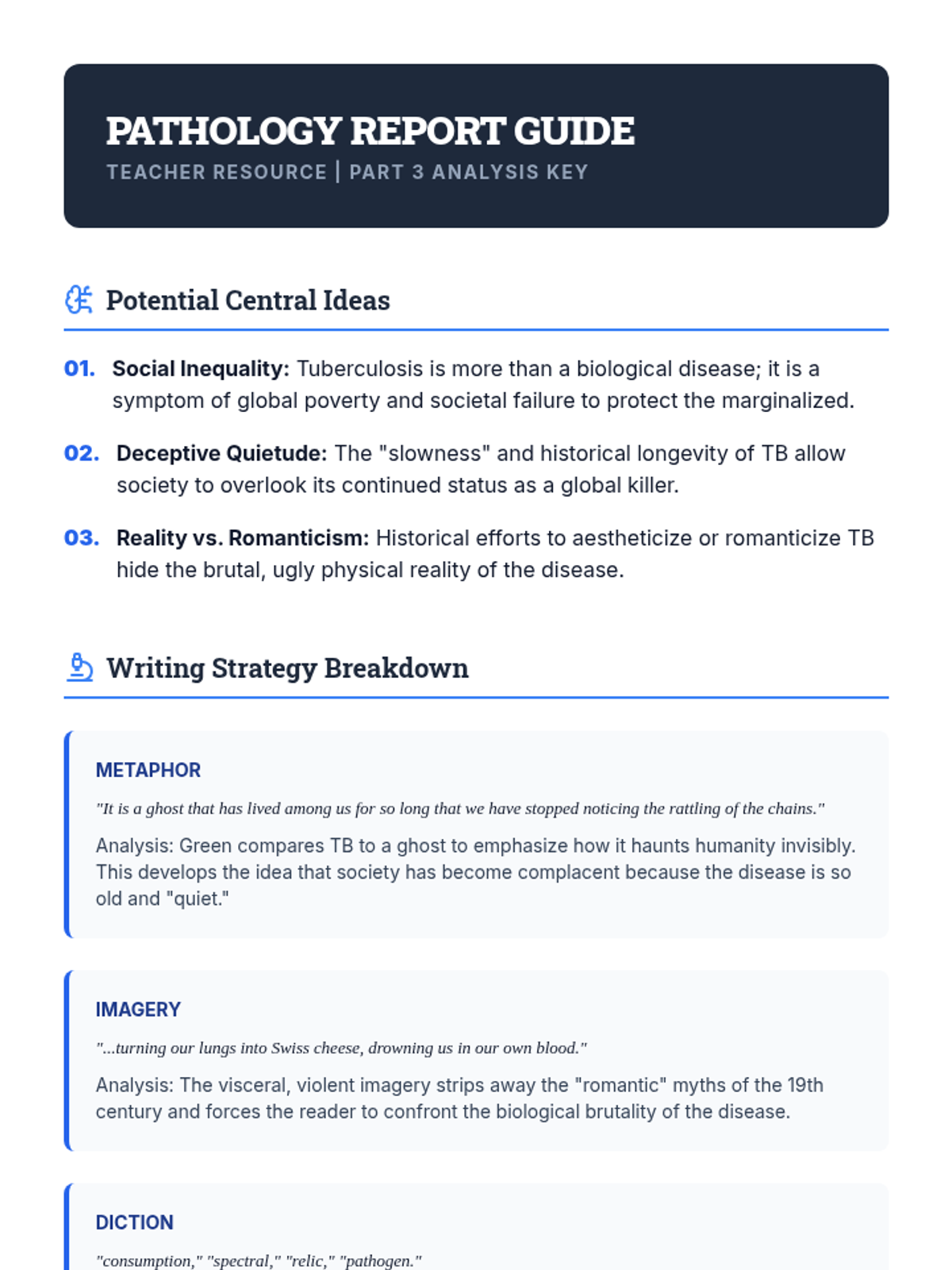
A comprehensive lesson focusing on the NYS ELA Regents Part 3 Text Analysis Response, using an excerpt from John Green's 'Everything is Tuberculosis' to explore central ideas through literary strategies.
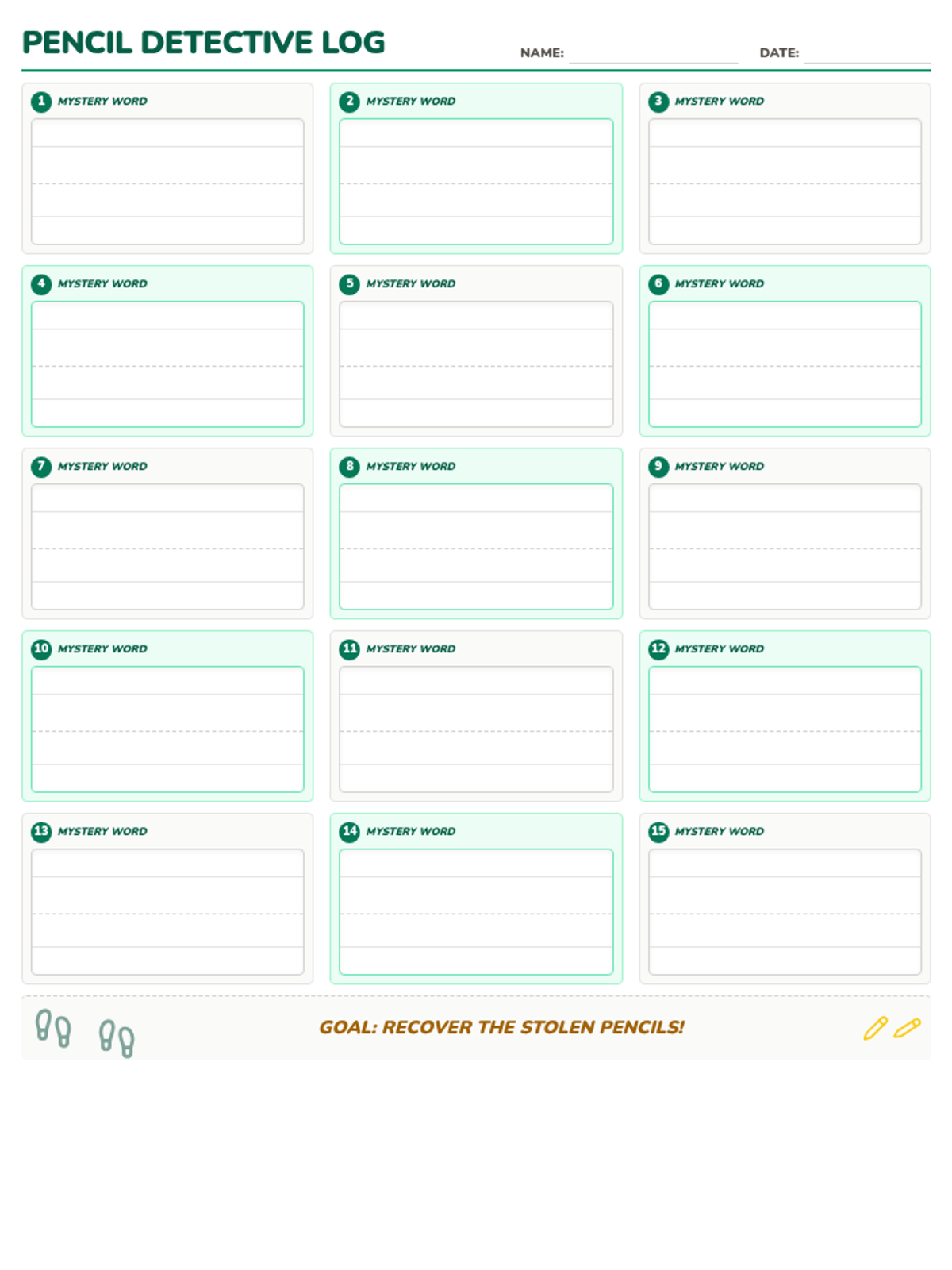
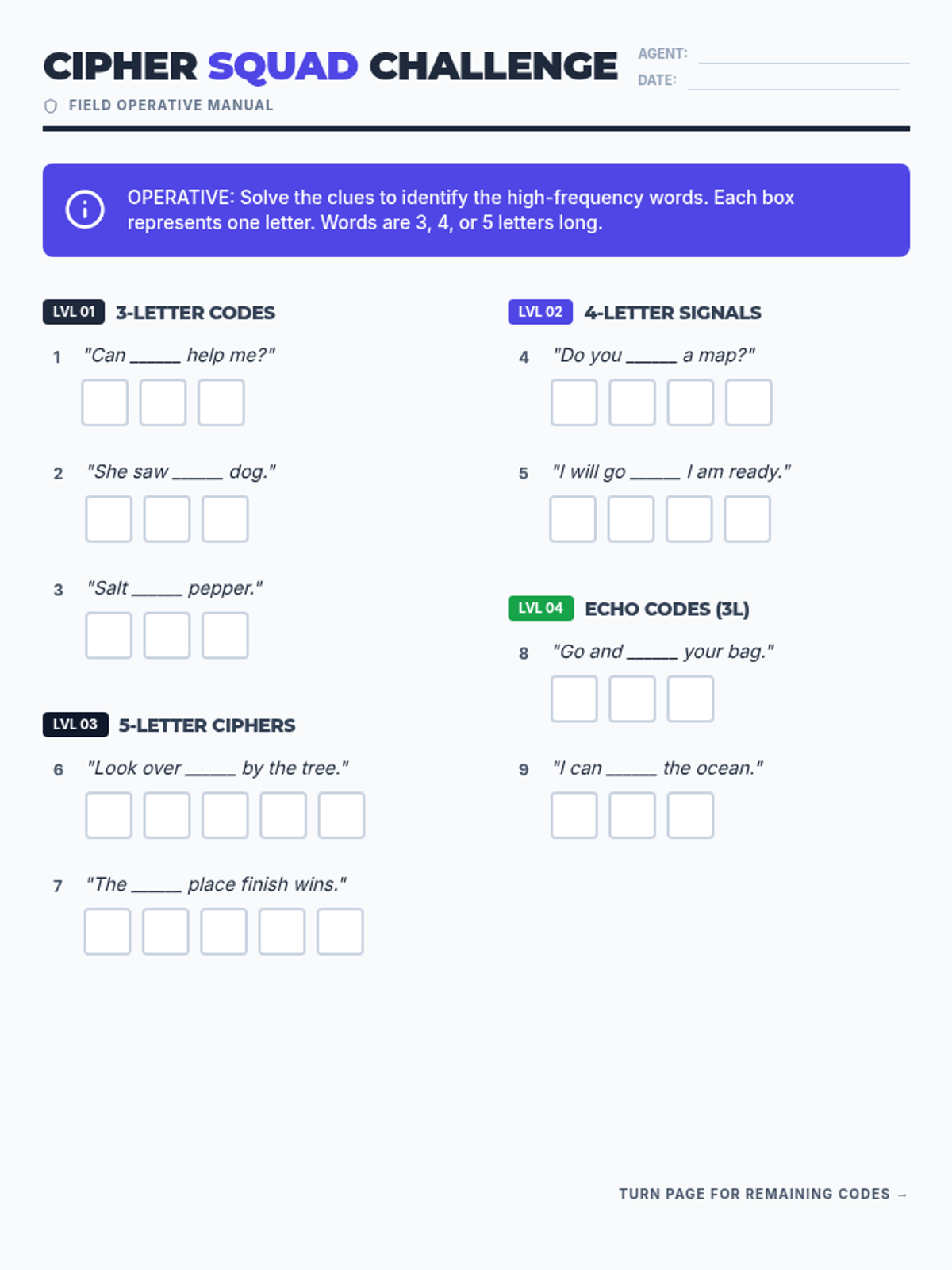
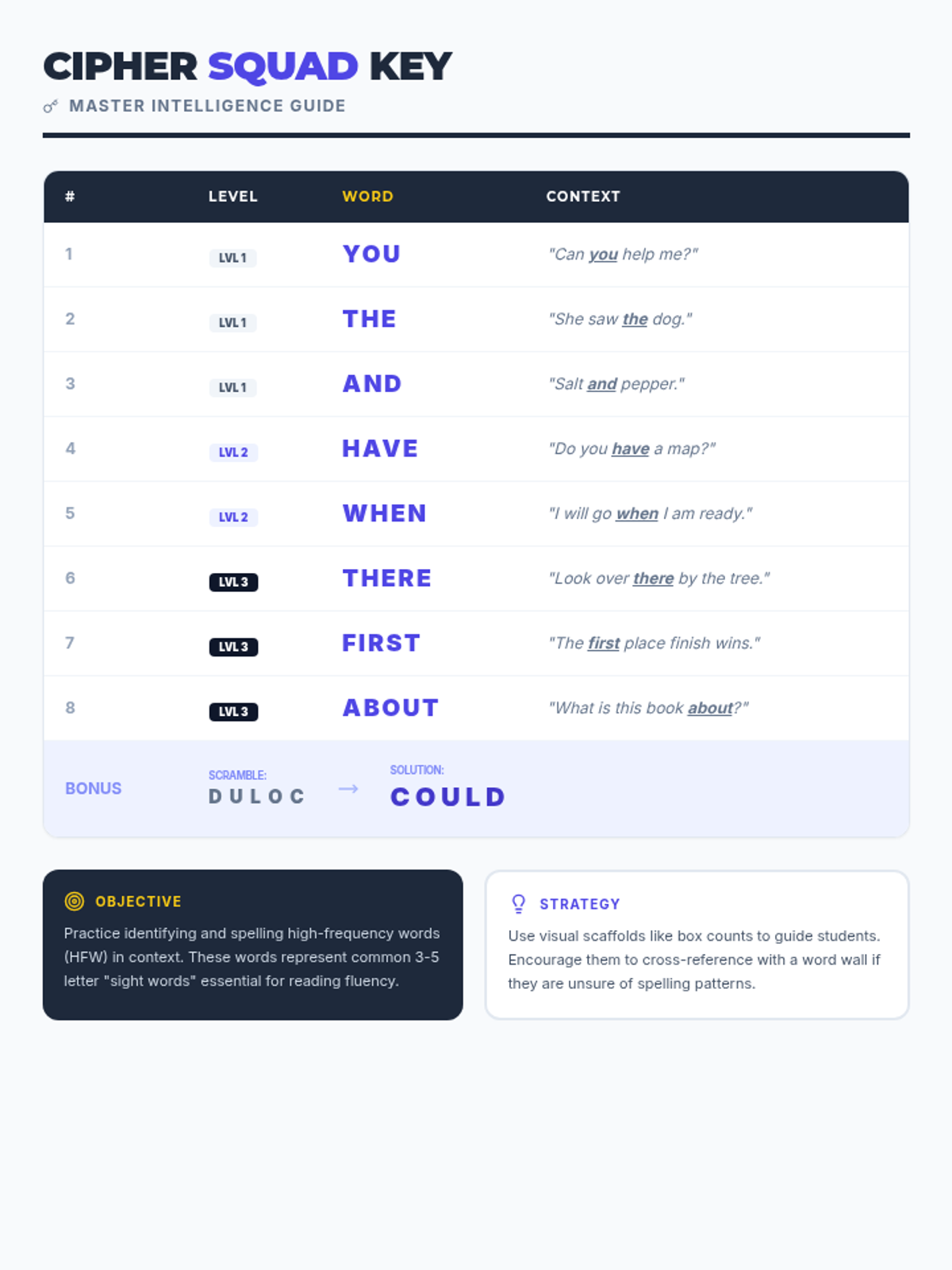
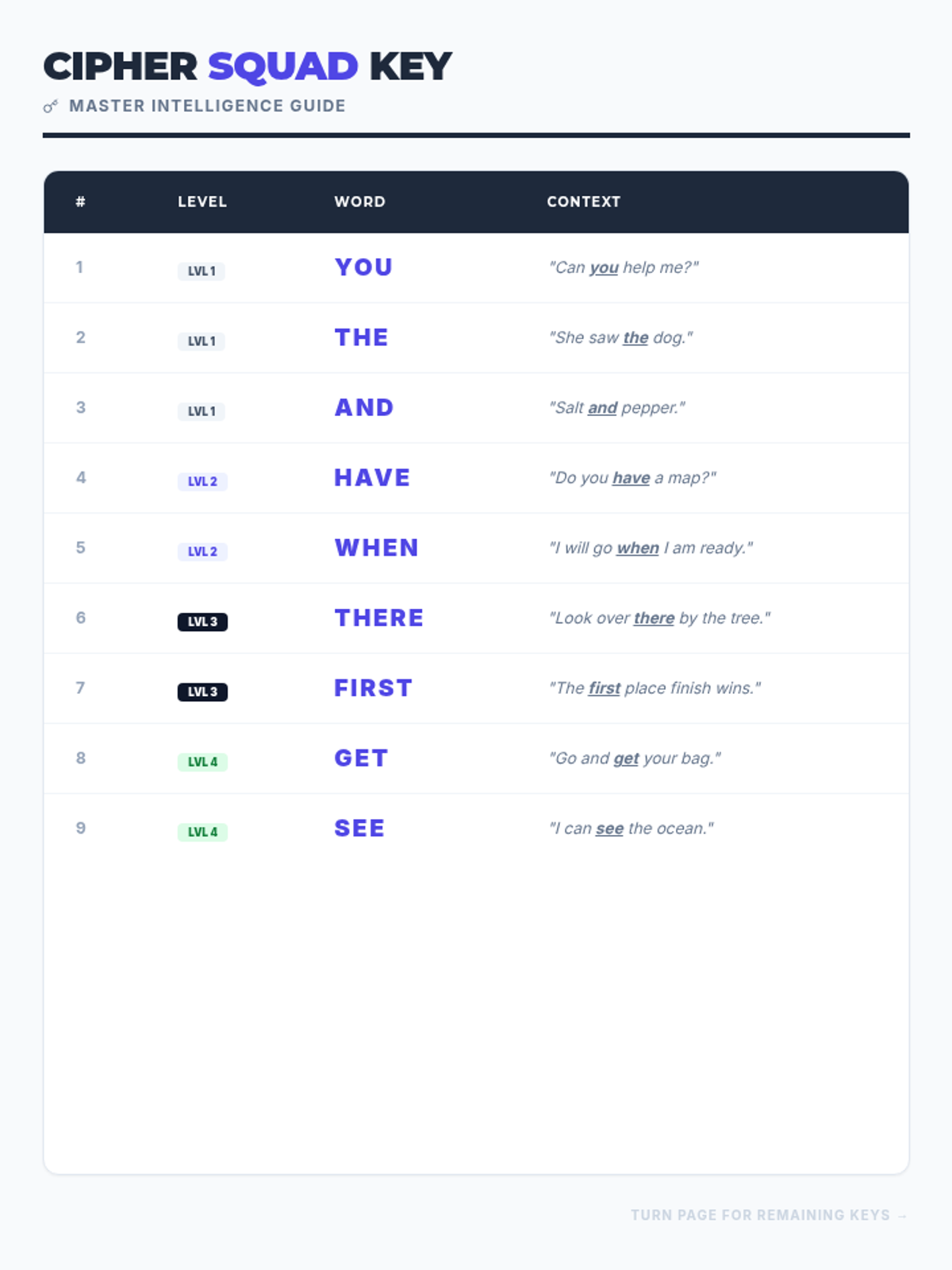
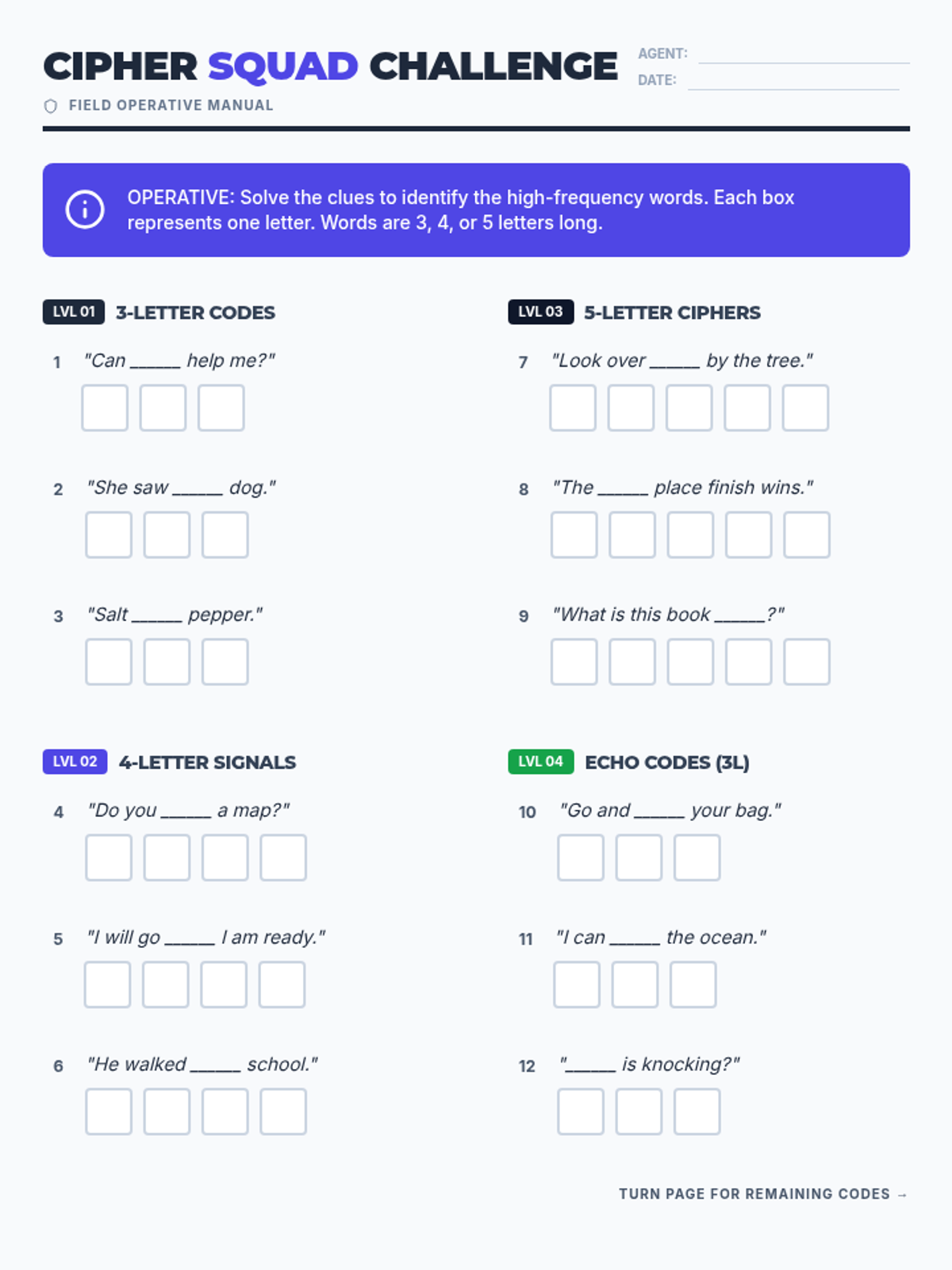
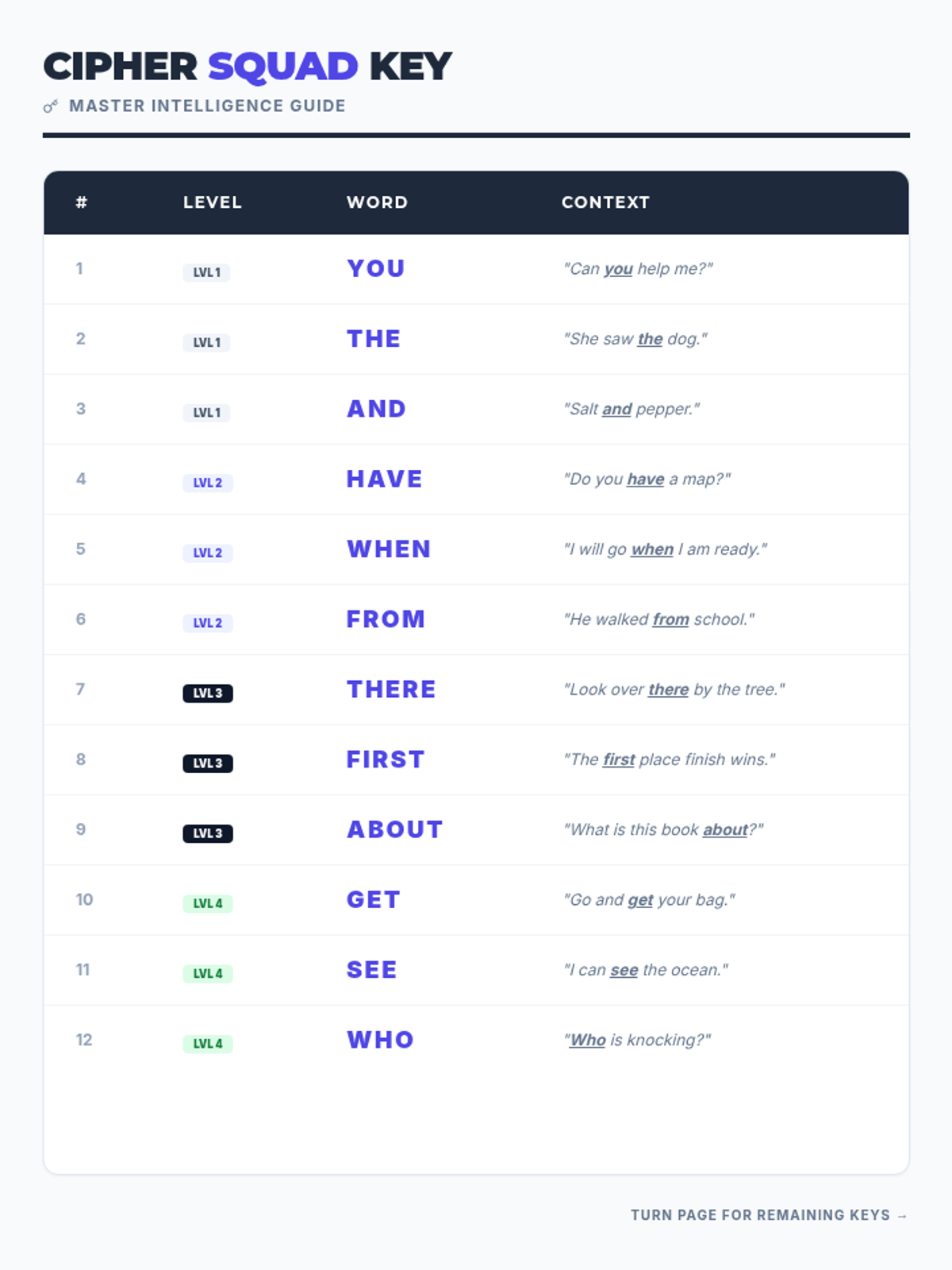
A collection of word puzzle challenges focused on 3-5 letter high-frequency words, themed around a secret detective agency to engage students in spelling and vocabulary practice.
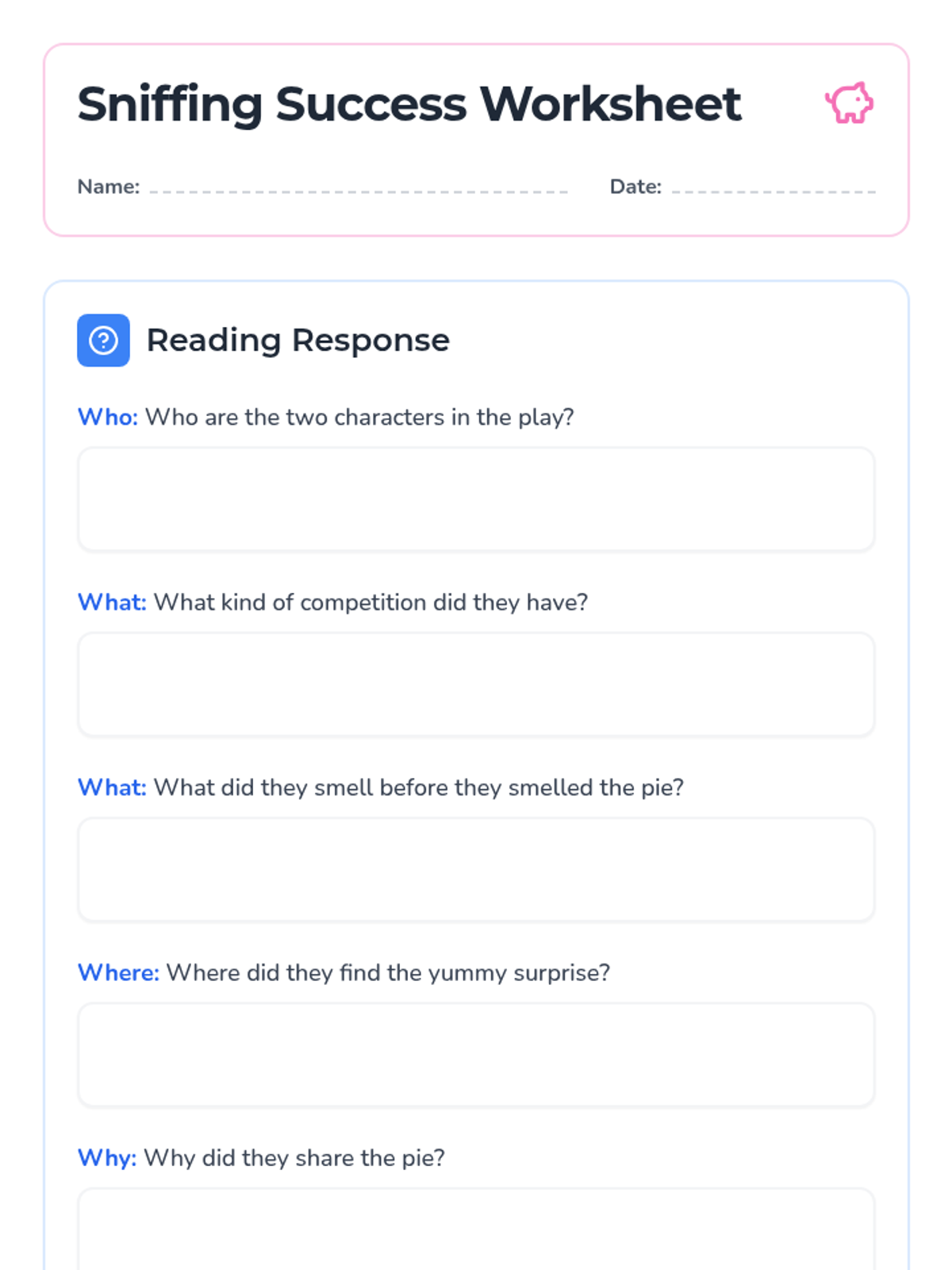
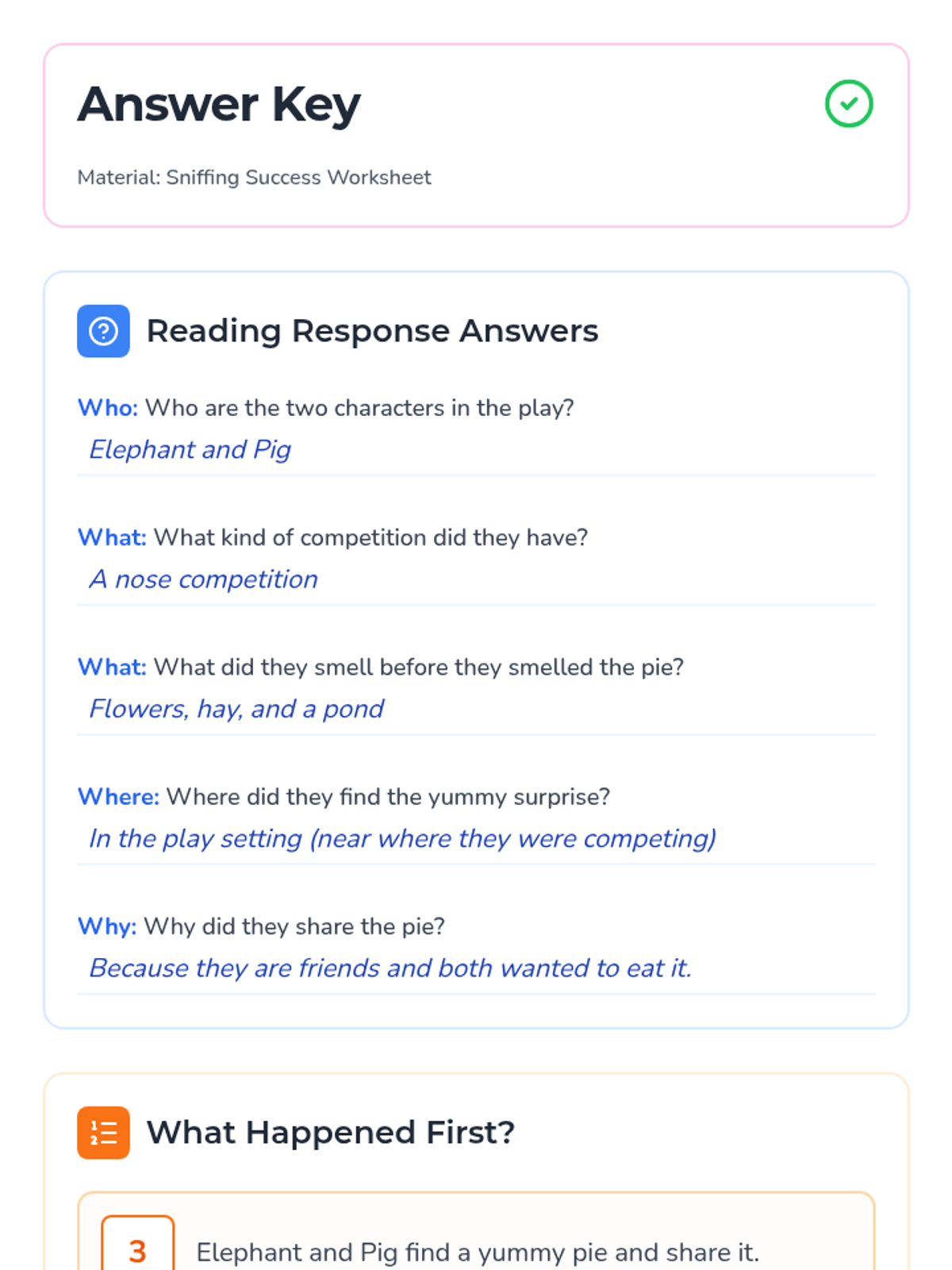
A lesson focused on reading comprehension through 'The Pie' partner play, emphasizing Wh- questions and event sequencing.
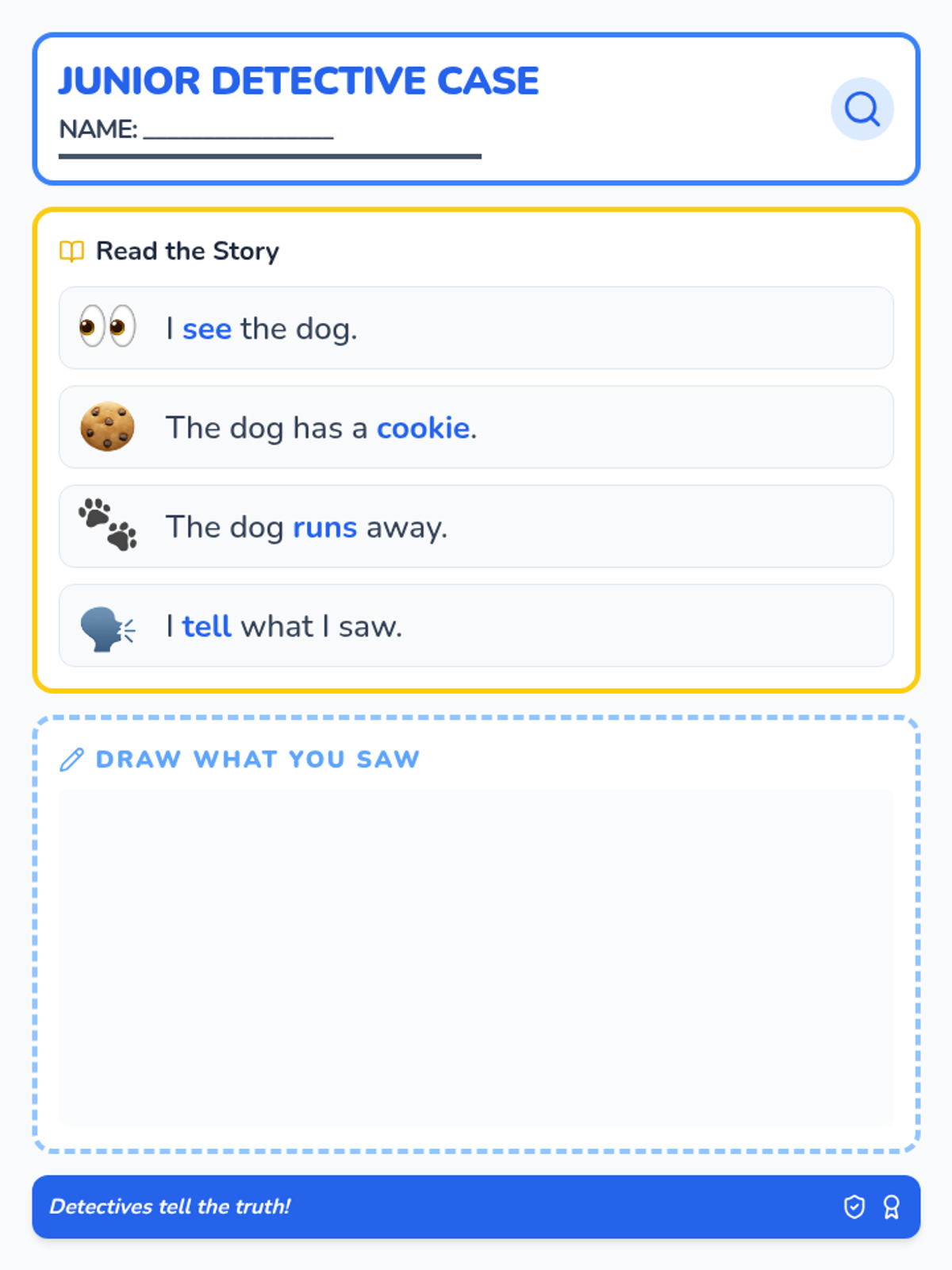
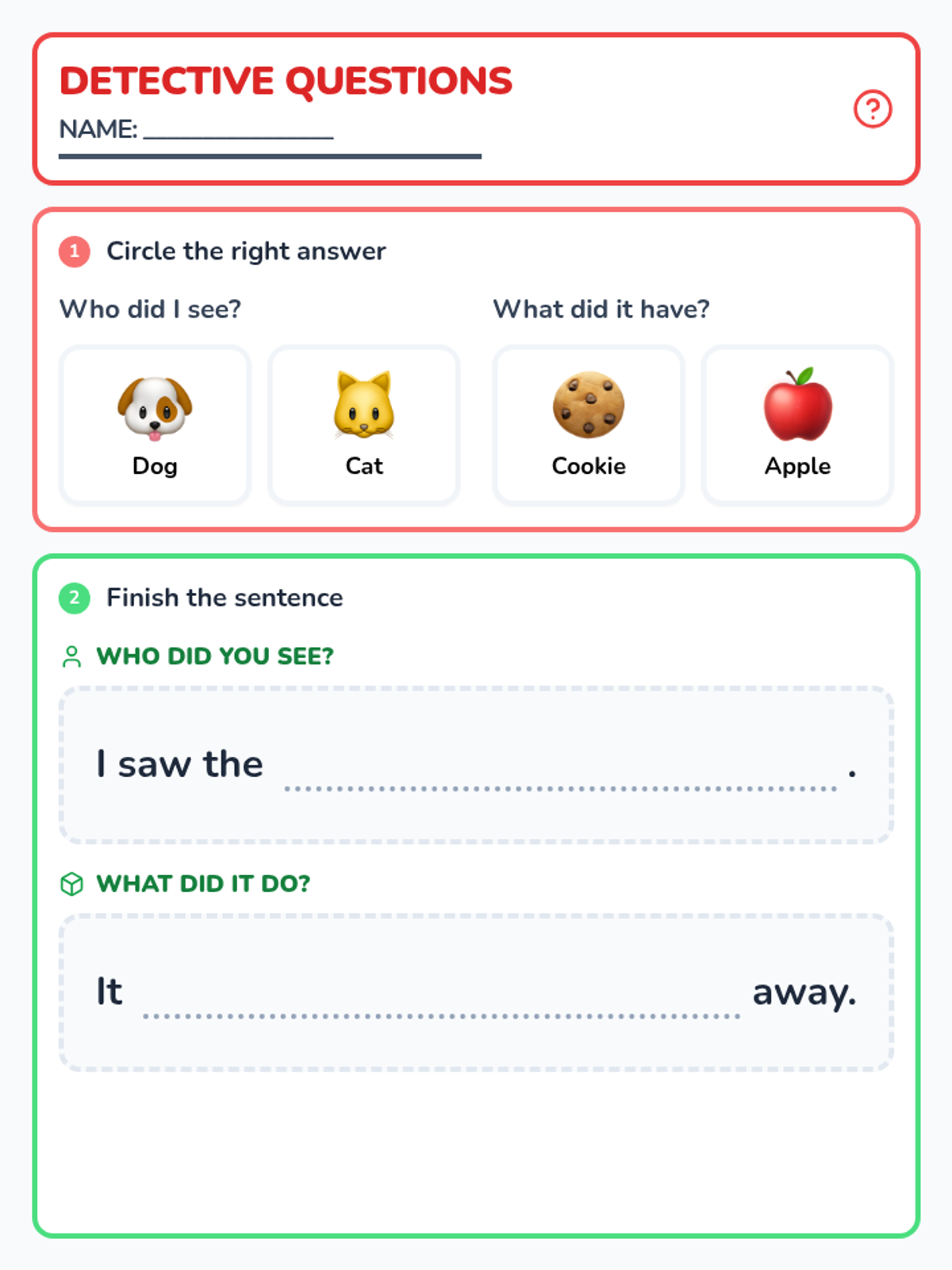
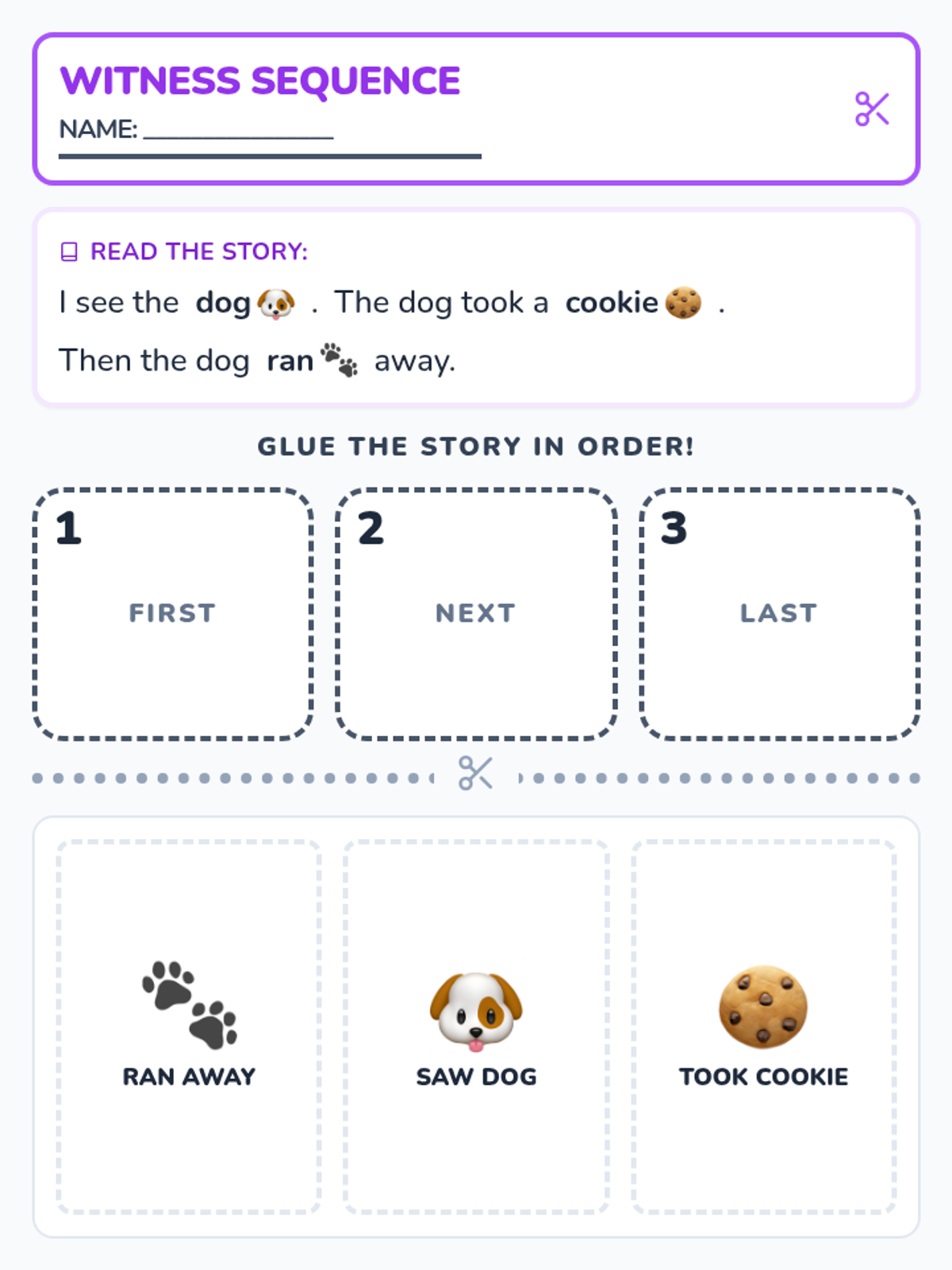
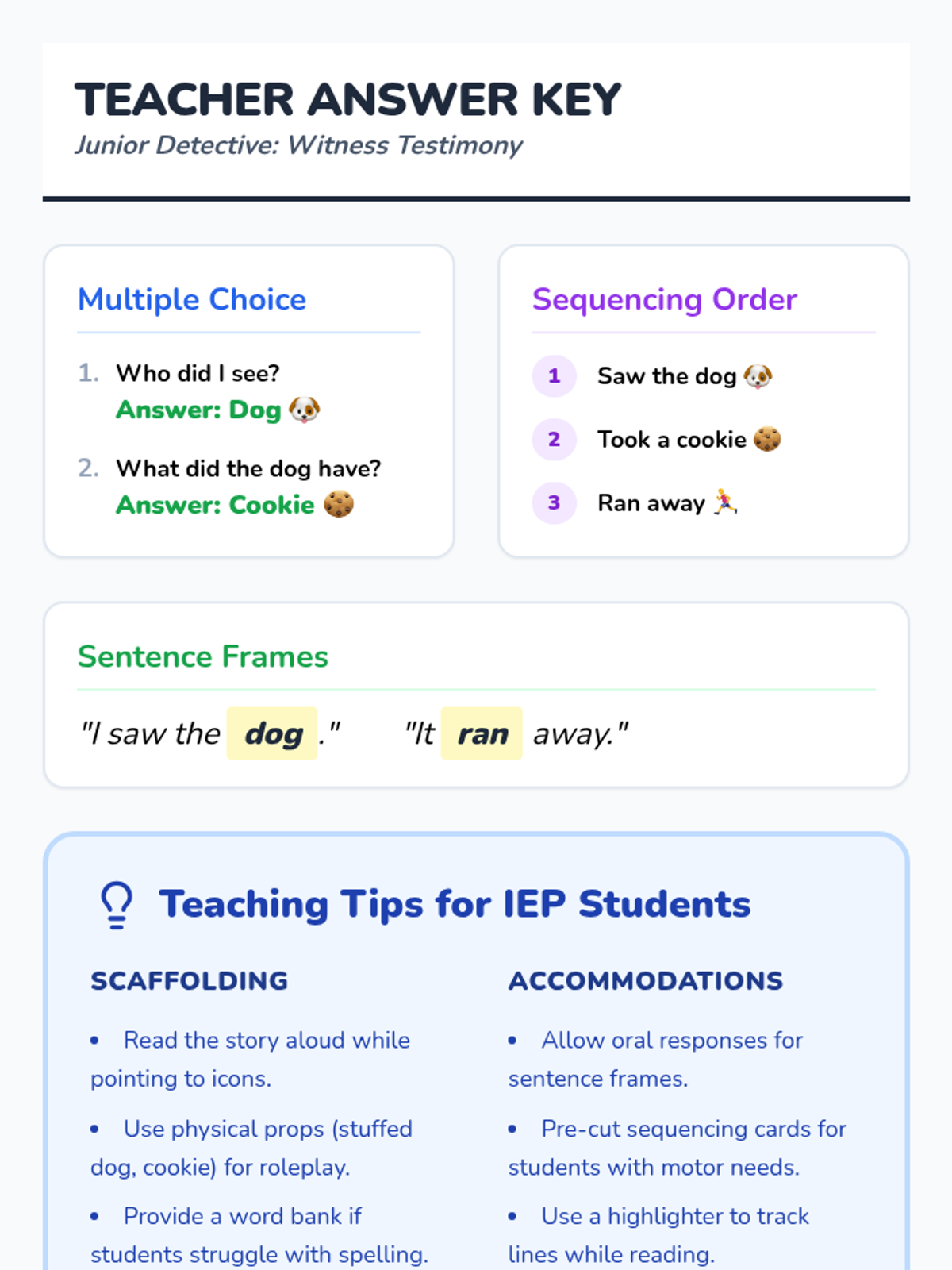
A kindergarten-level introduction to witness testimony through the lens of a "Junior Detective" investigating a missing snack. Students learn to describe what they saw using simplified sentences and visual aids.
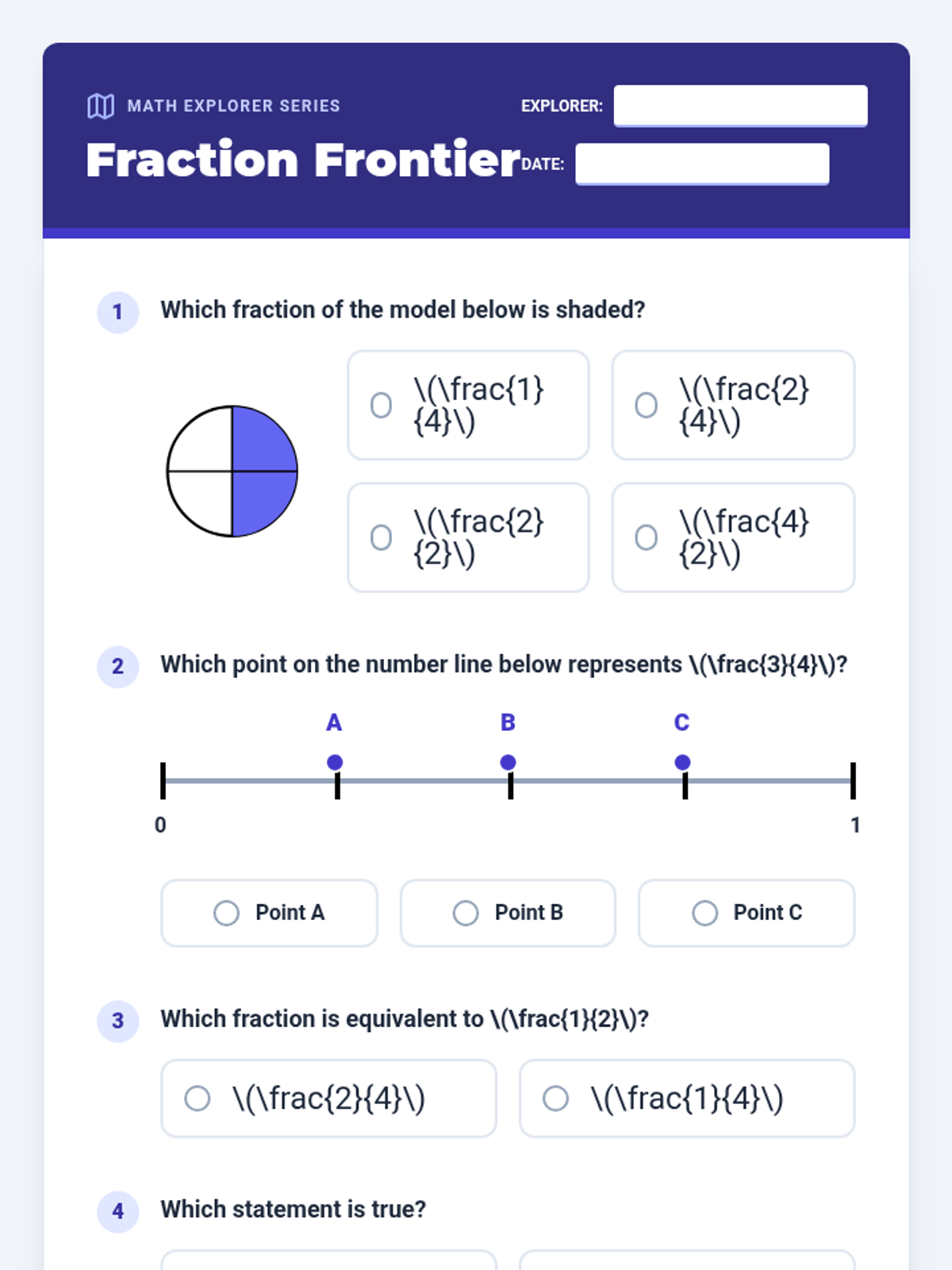
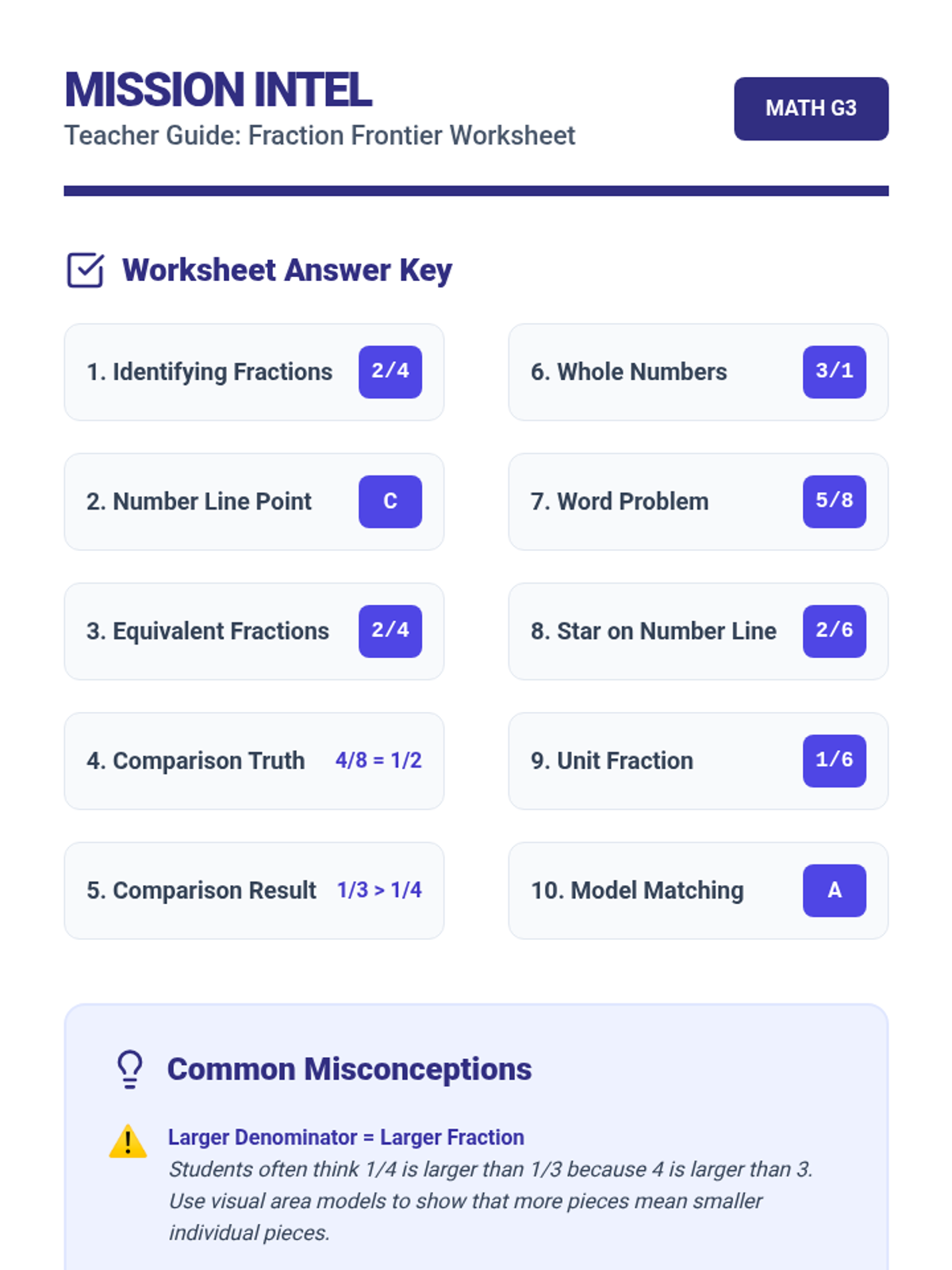
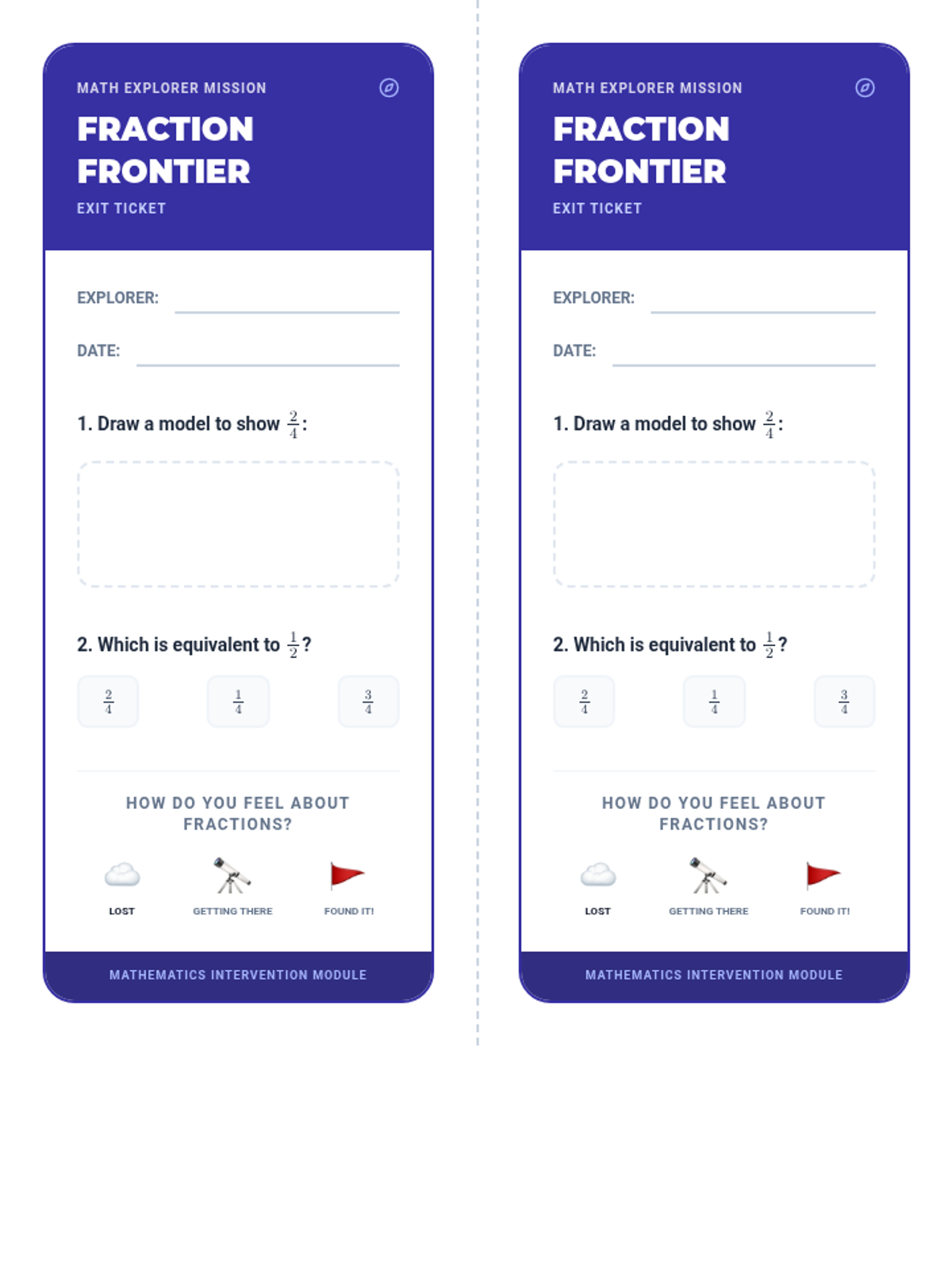
A targeted intervention lesson focused on 3rd-grade fraction standards. Students will practice identifying, comparing, and finding equivalent fractions through EOG-style word problems and visual models.