A high-energy grammar lesson where students use linking verbs to bring monstrous characters to life, balancing action and state-of-being to create vivid descriptions.
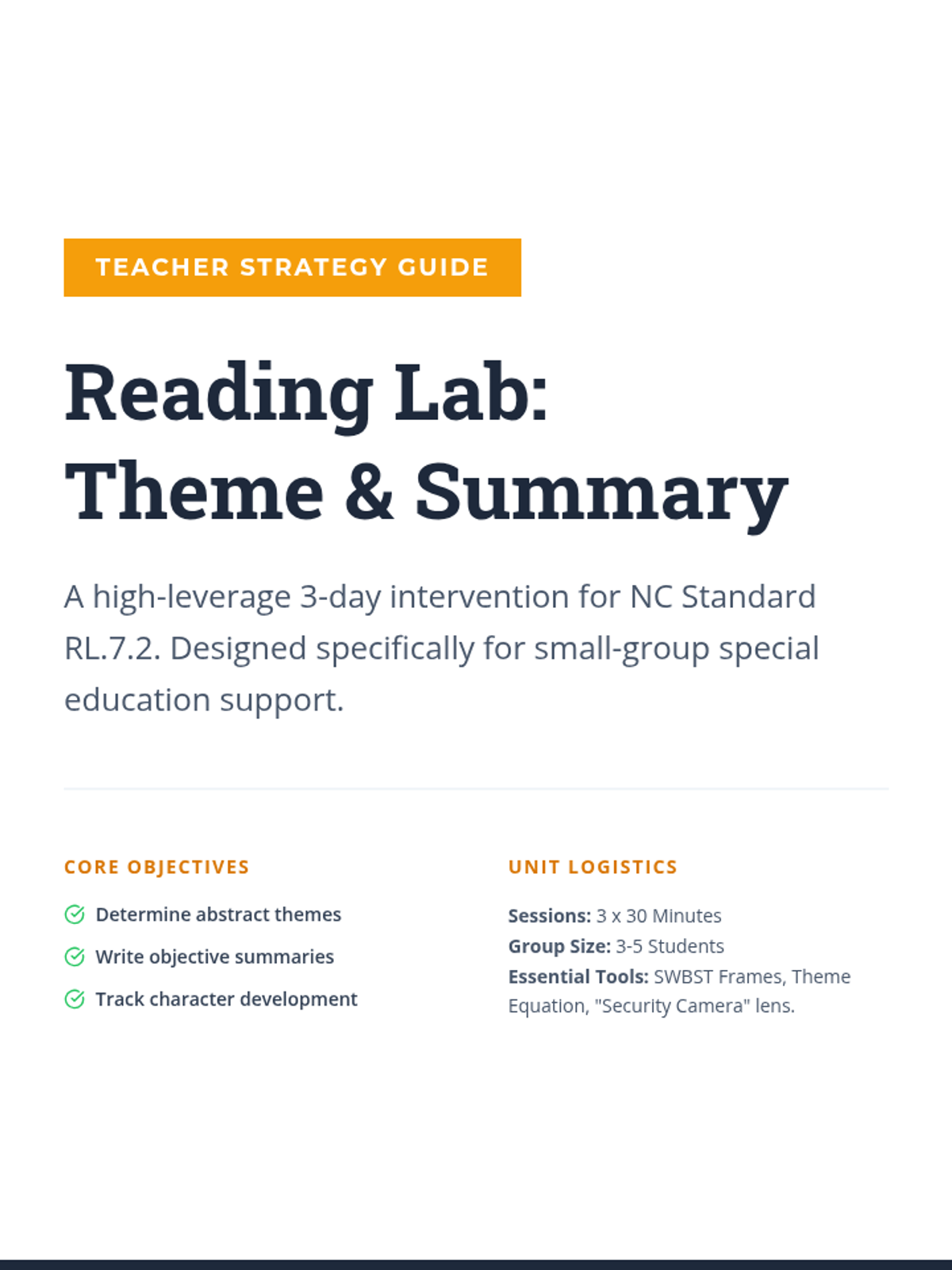
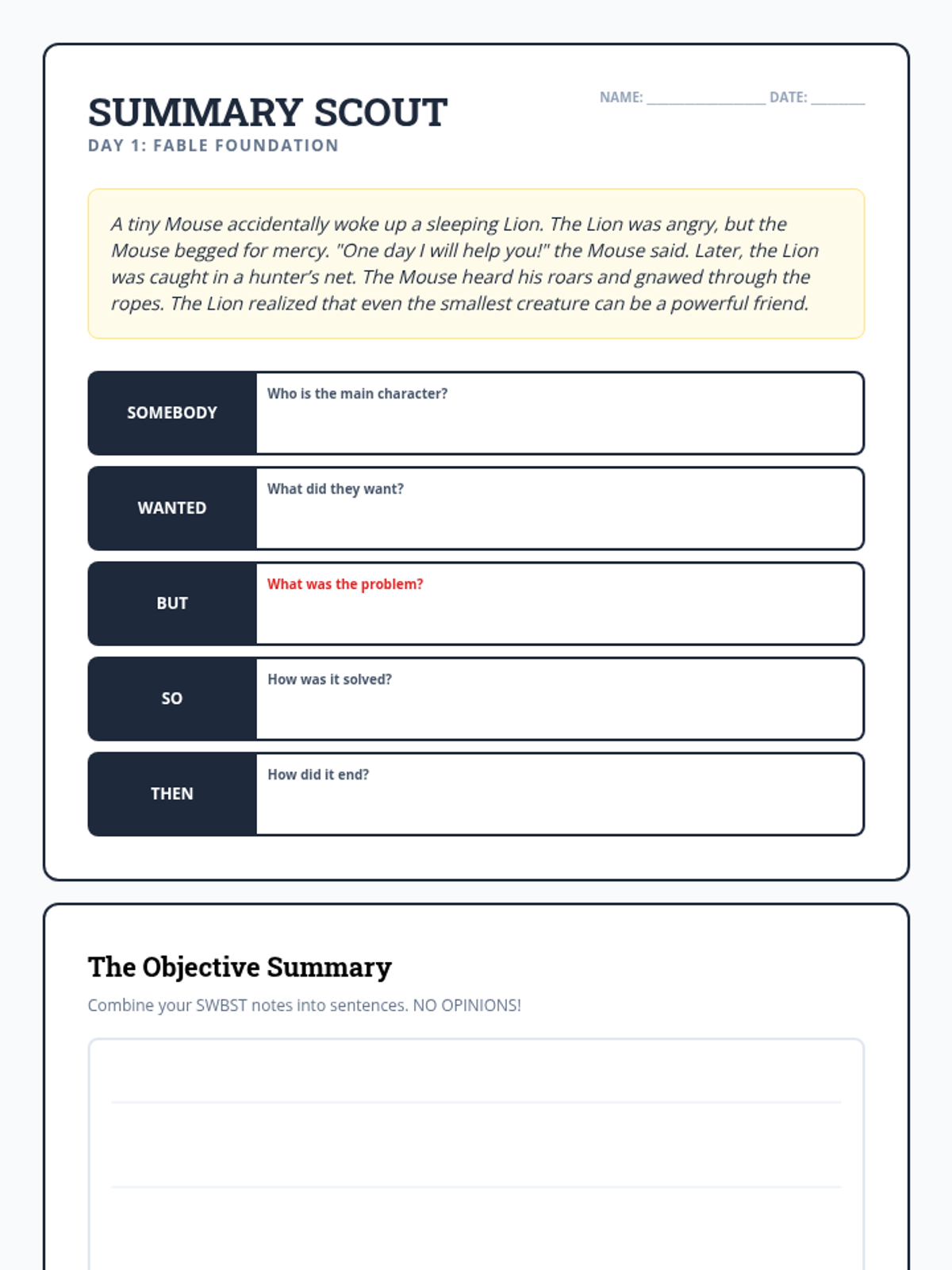
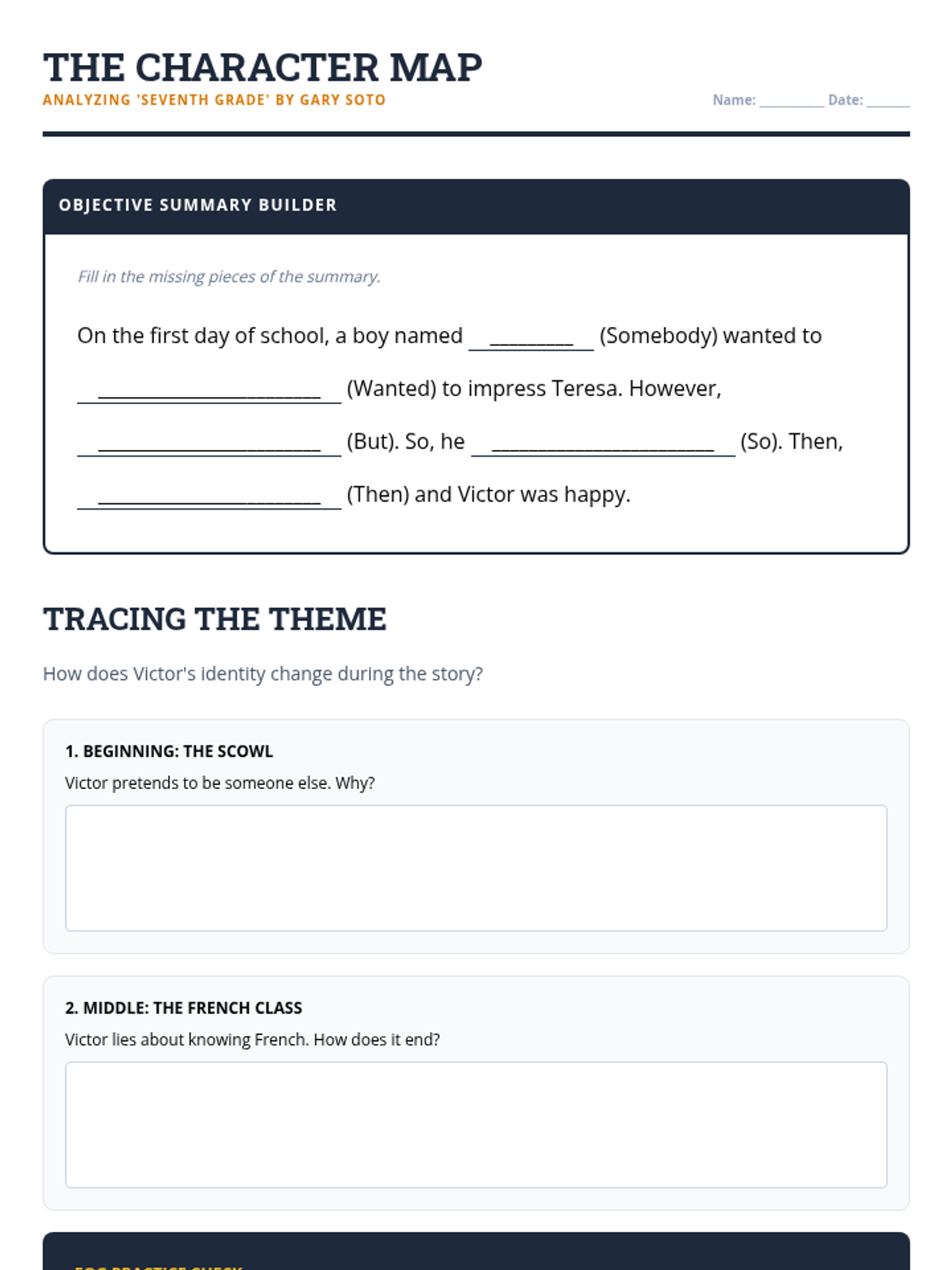
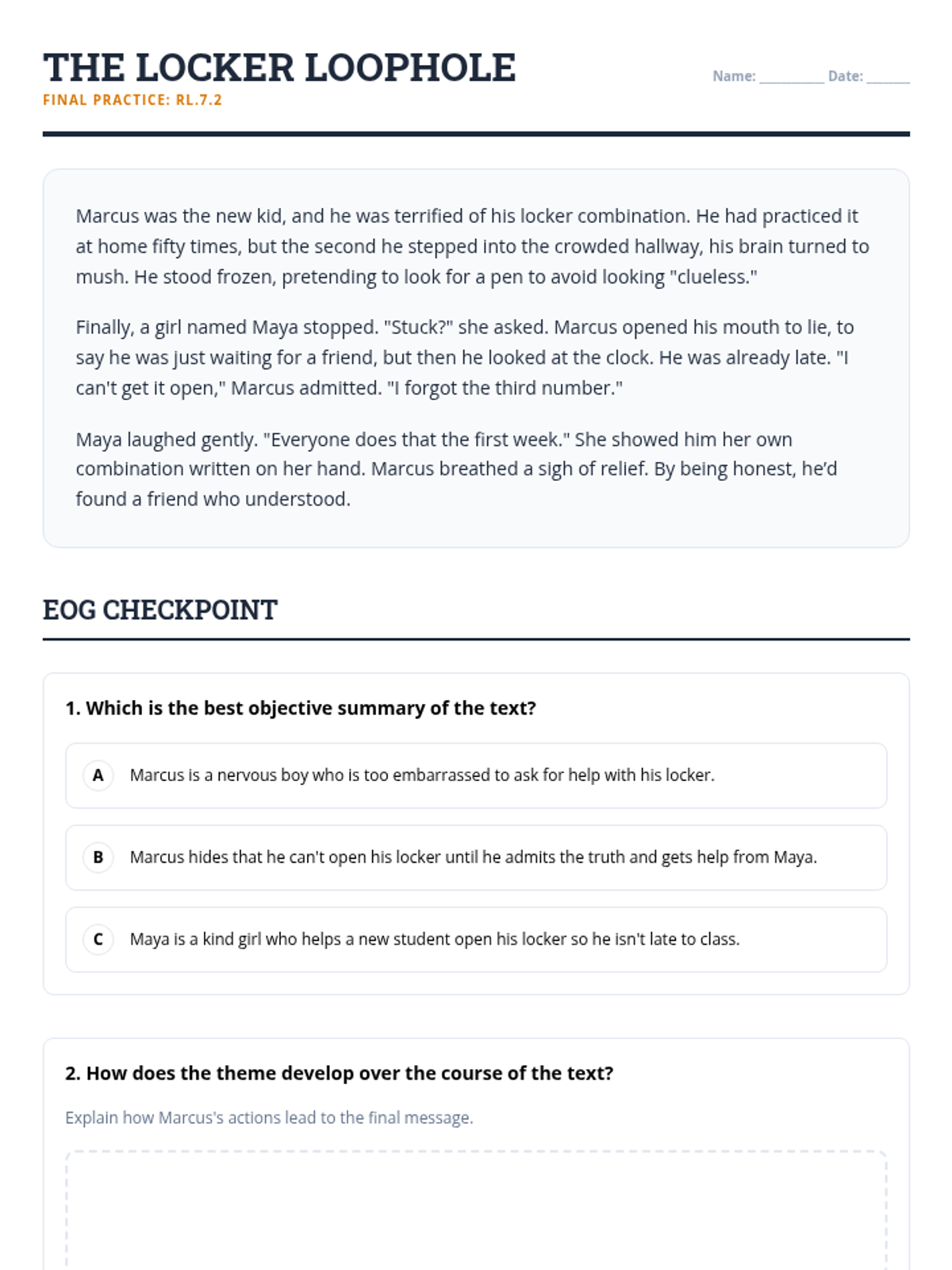
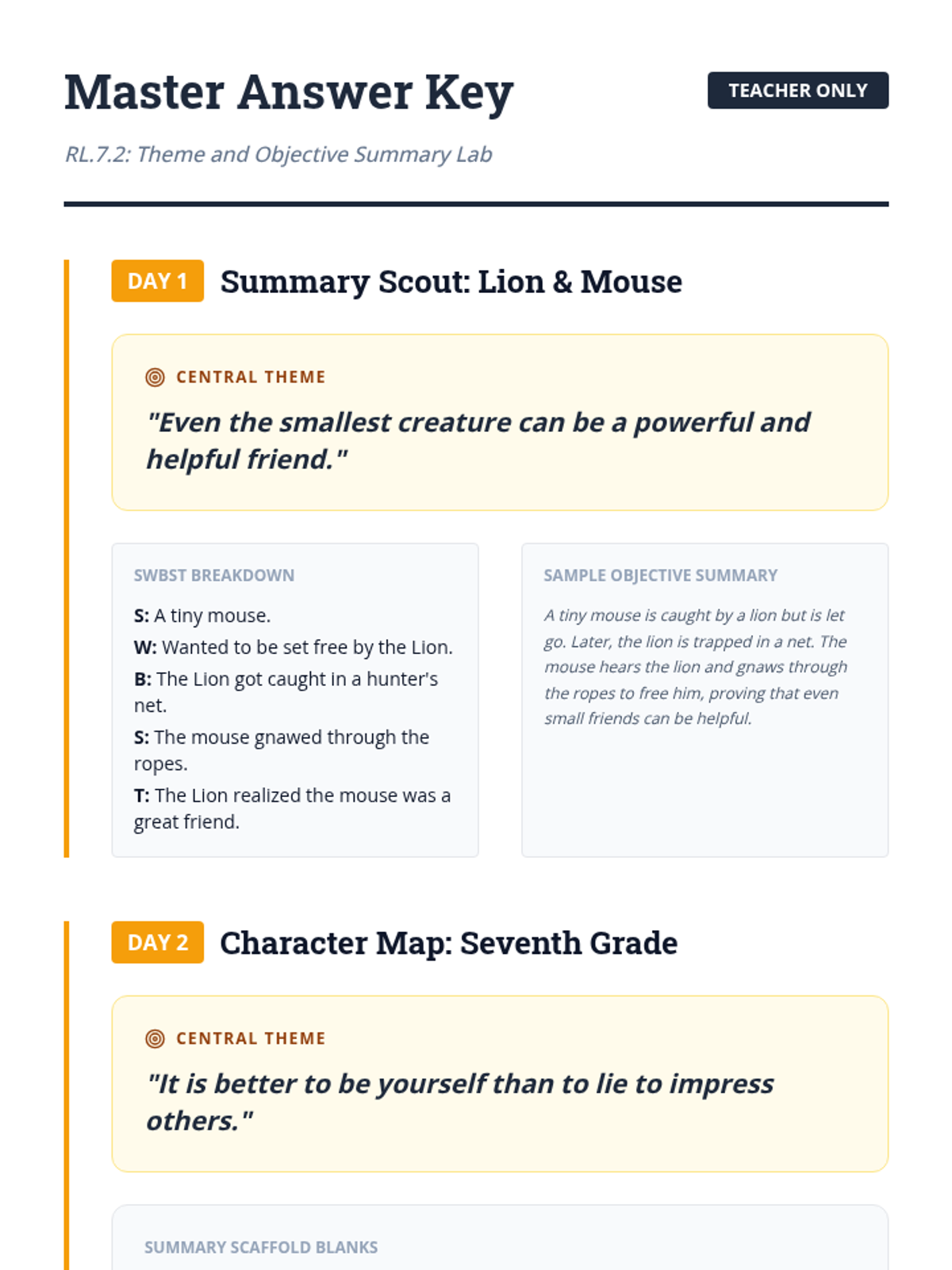
A 3-day small group lesson plan (30 minutes per day) focusing on determining theme, tracking its development, and writing objective summaries using SWBST scaffolds.
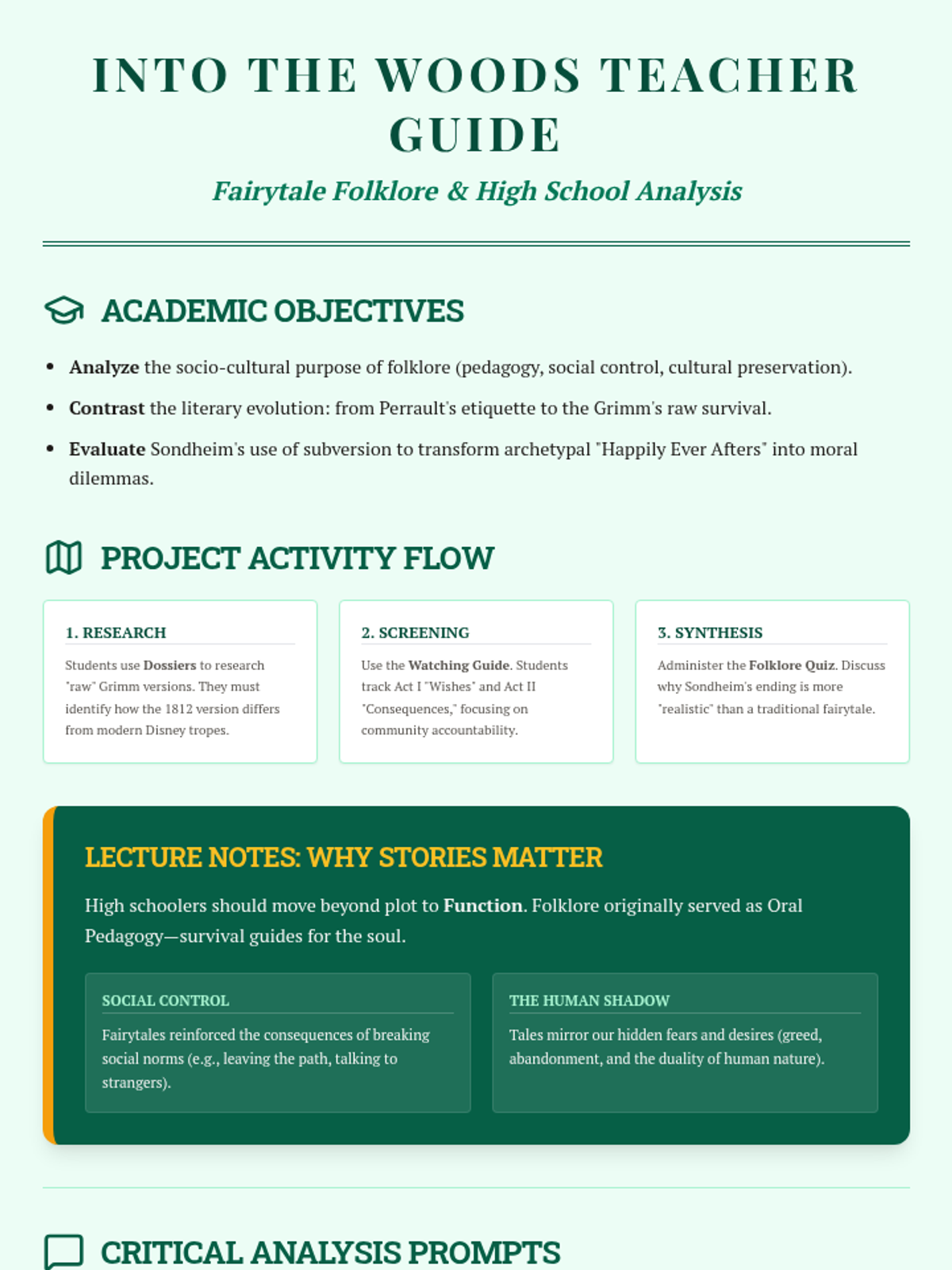
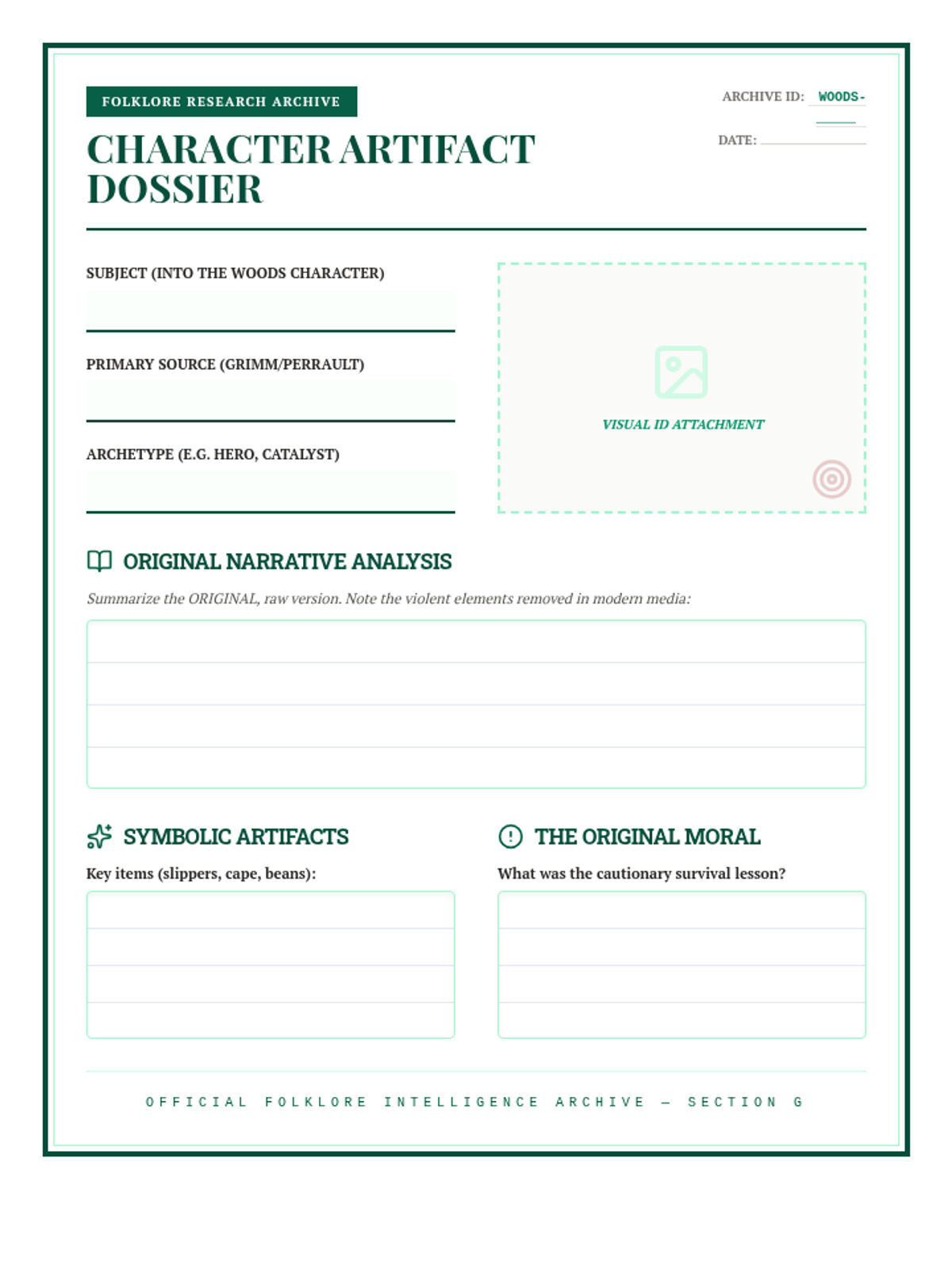
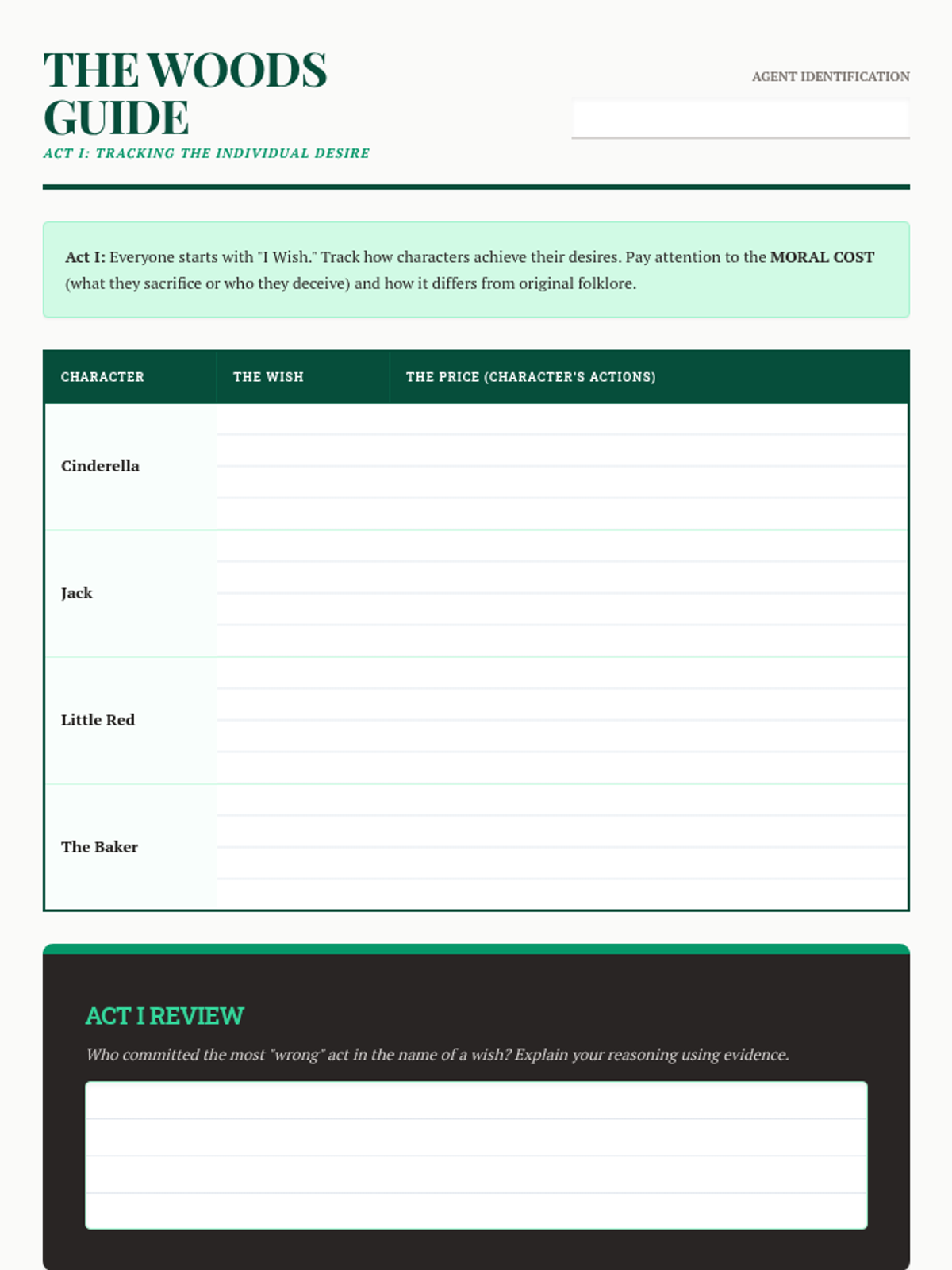
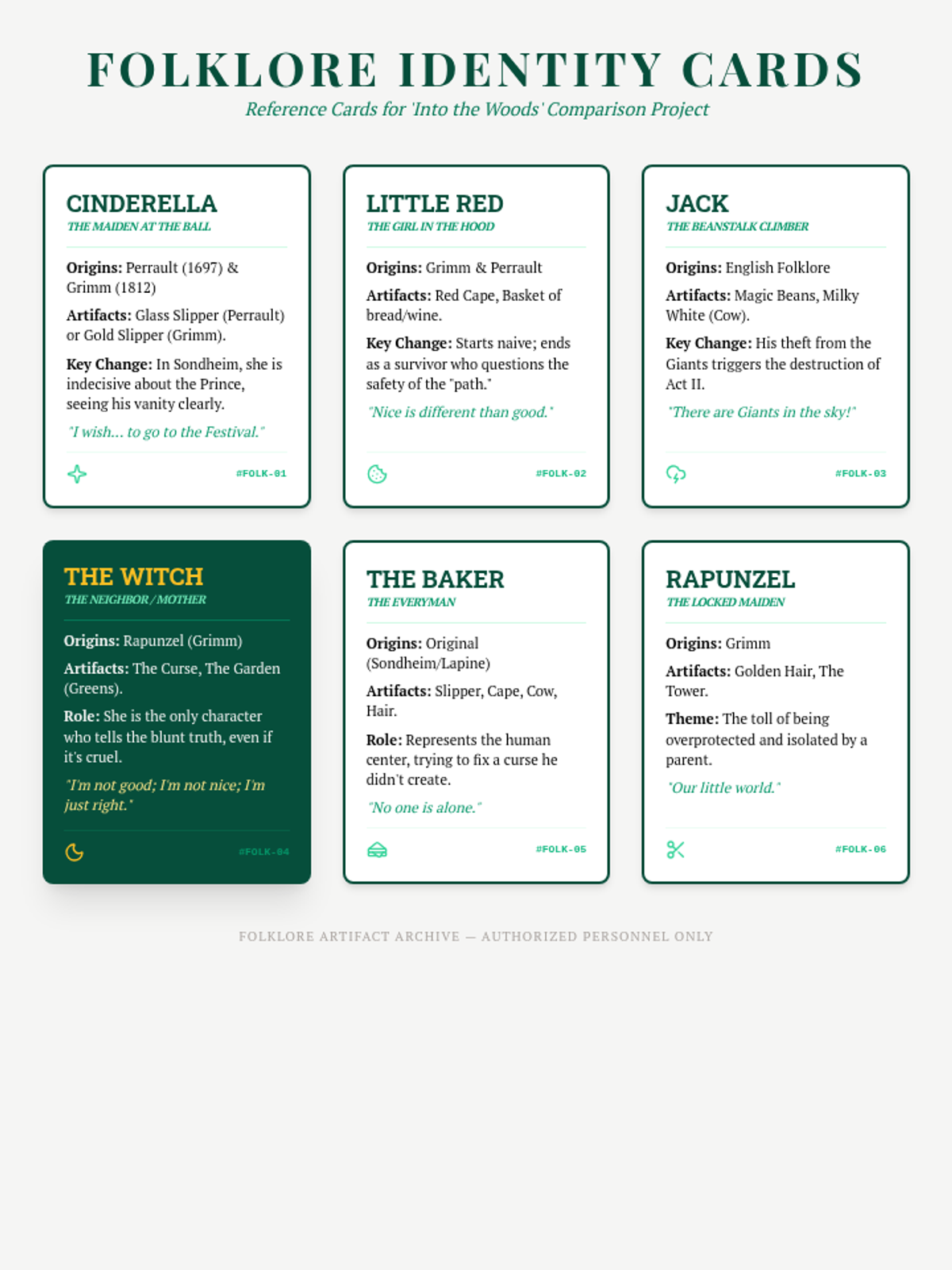
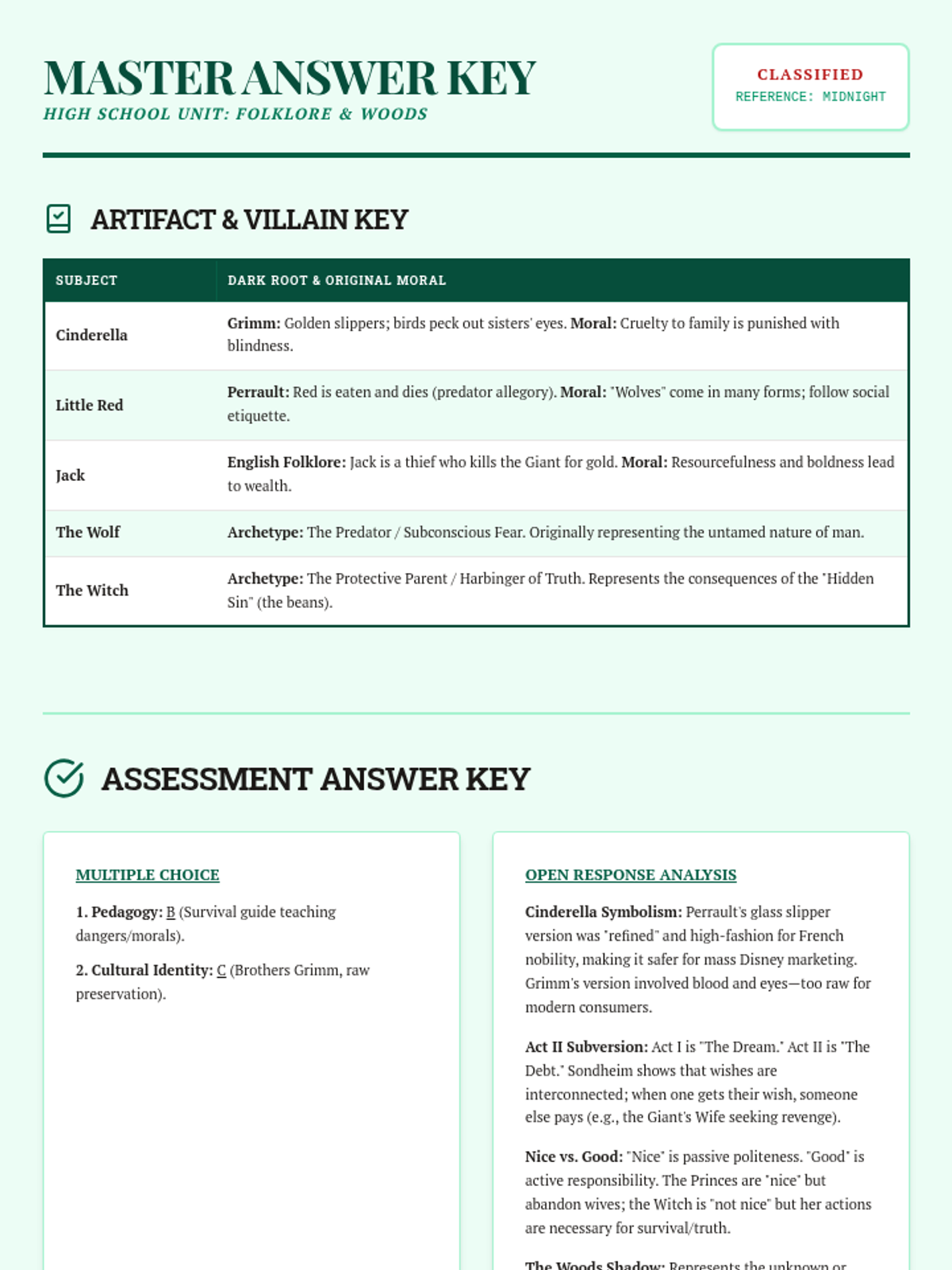
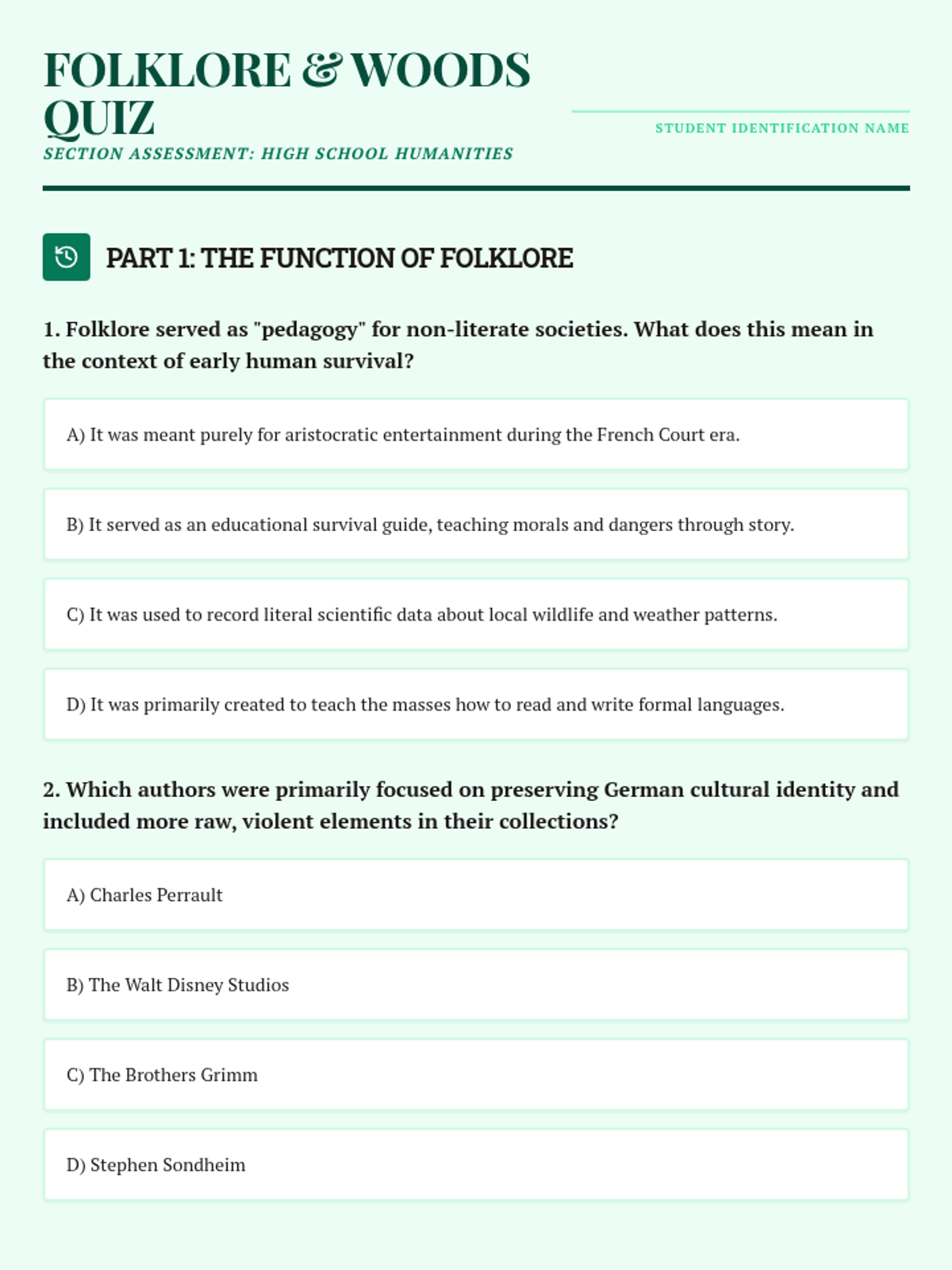
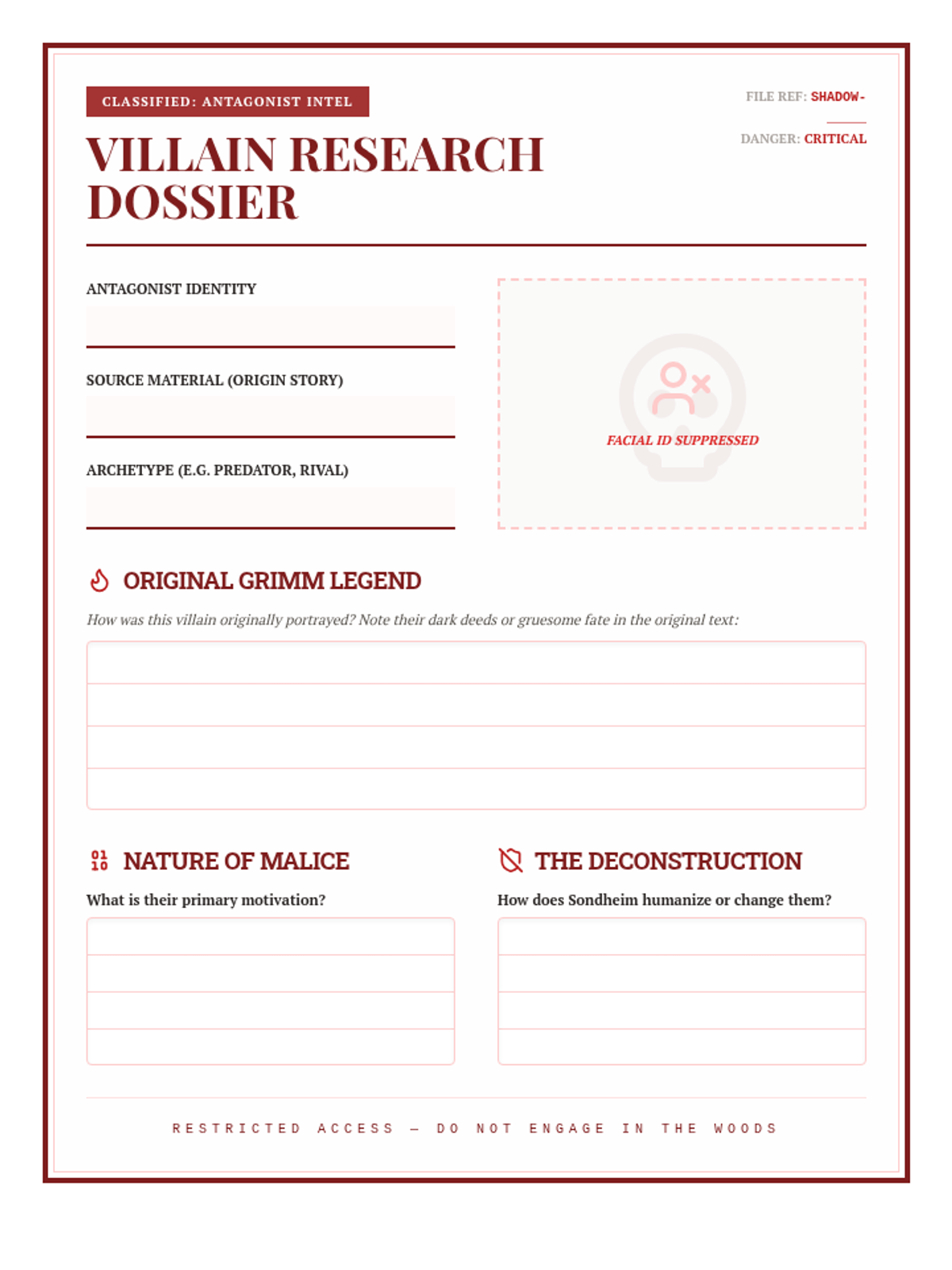
A fairytale folklore project that explores the original dark roots of classic tales and analyzes their subversion and intersection in Stephen Sondheim's 'Into the Woods'.
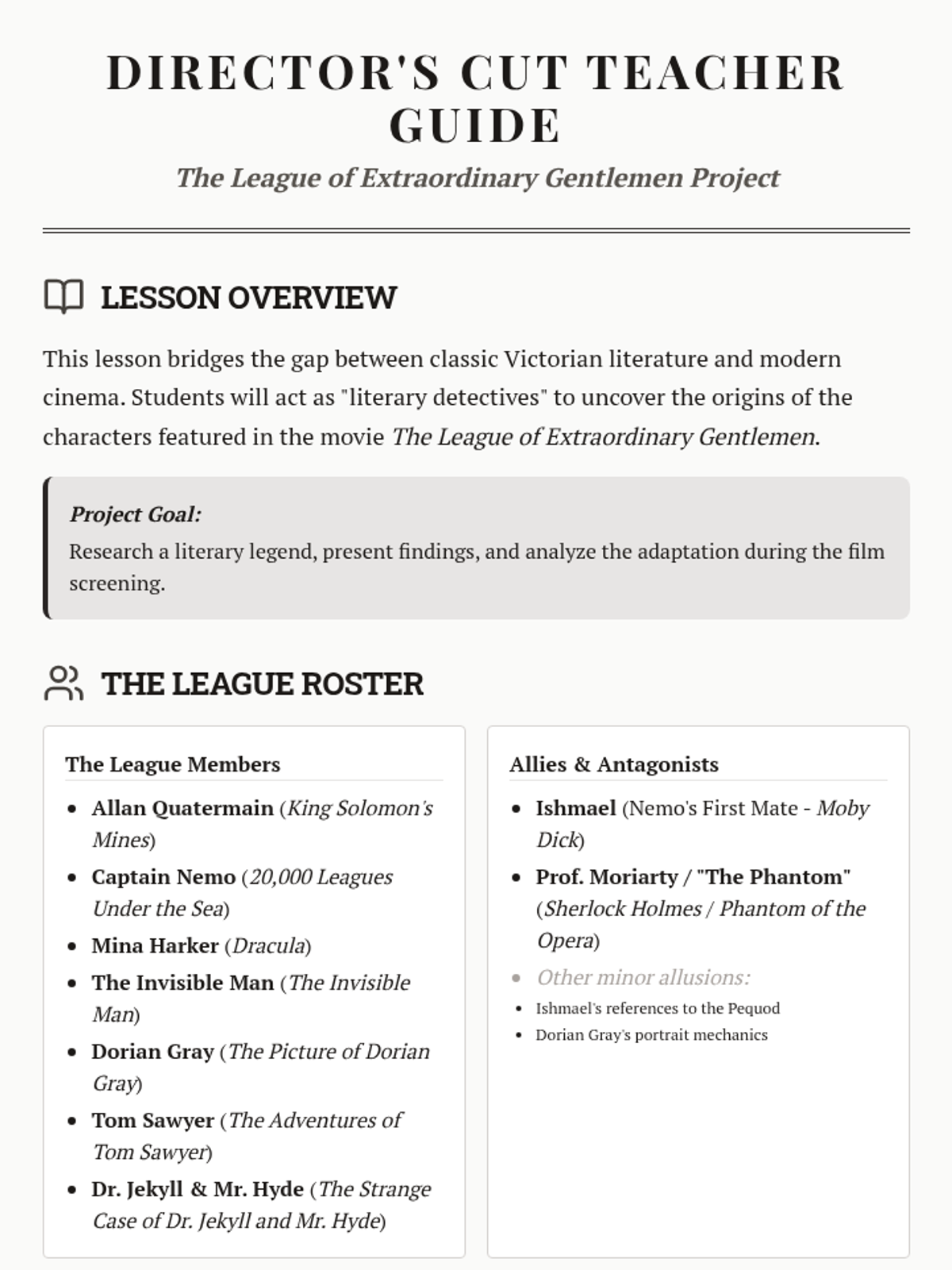
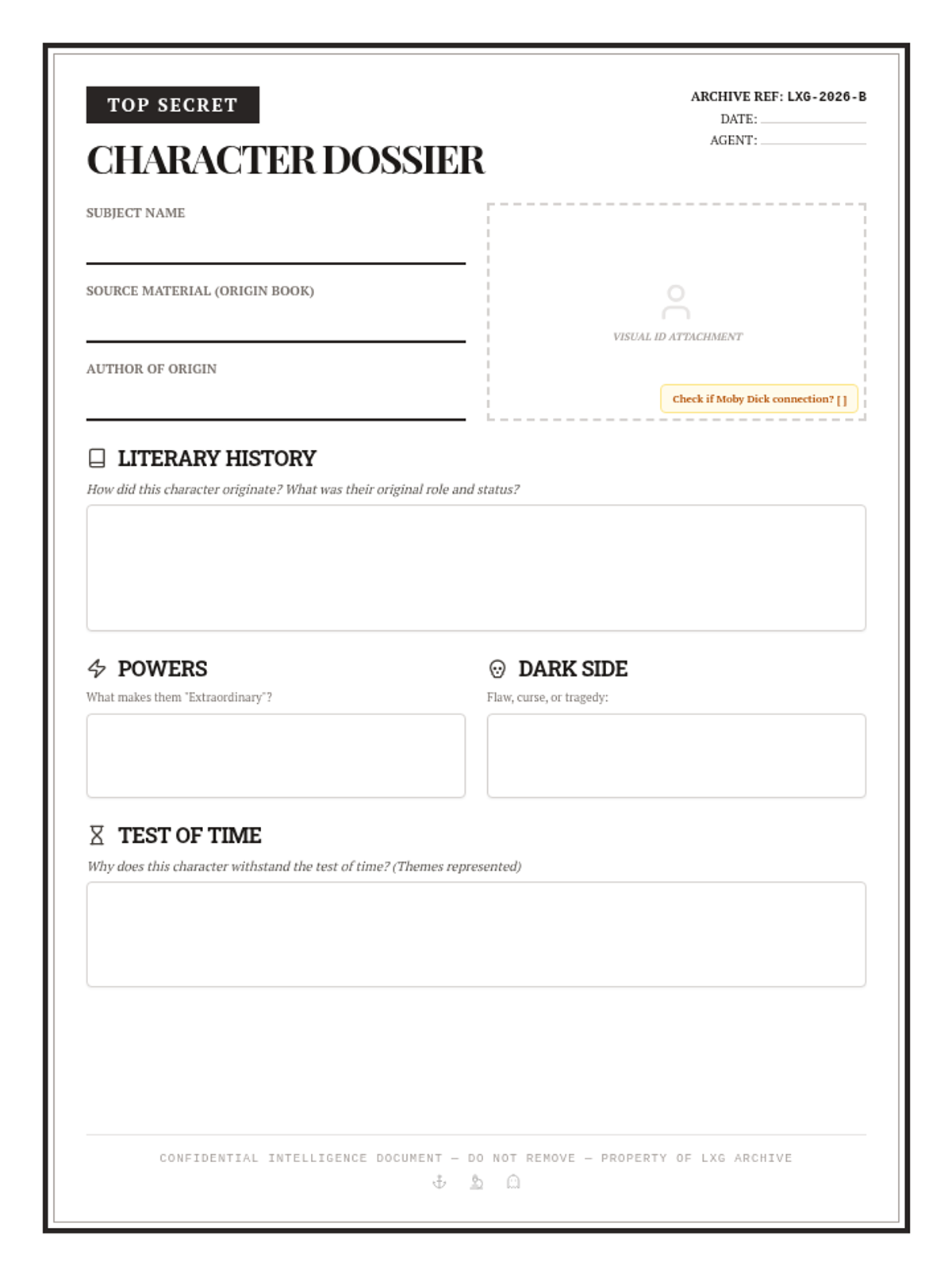
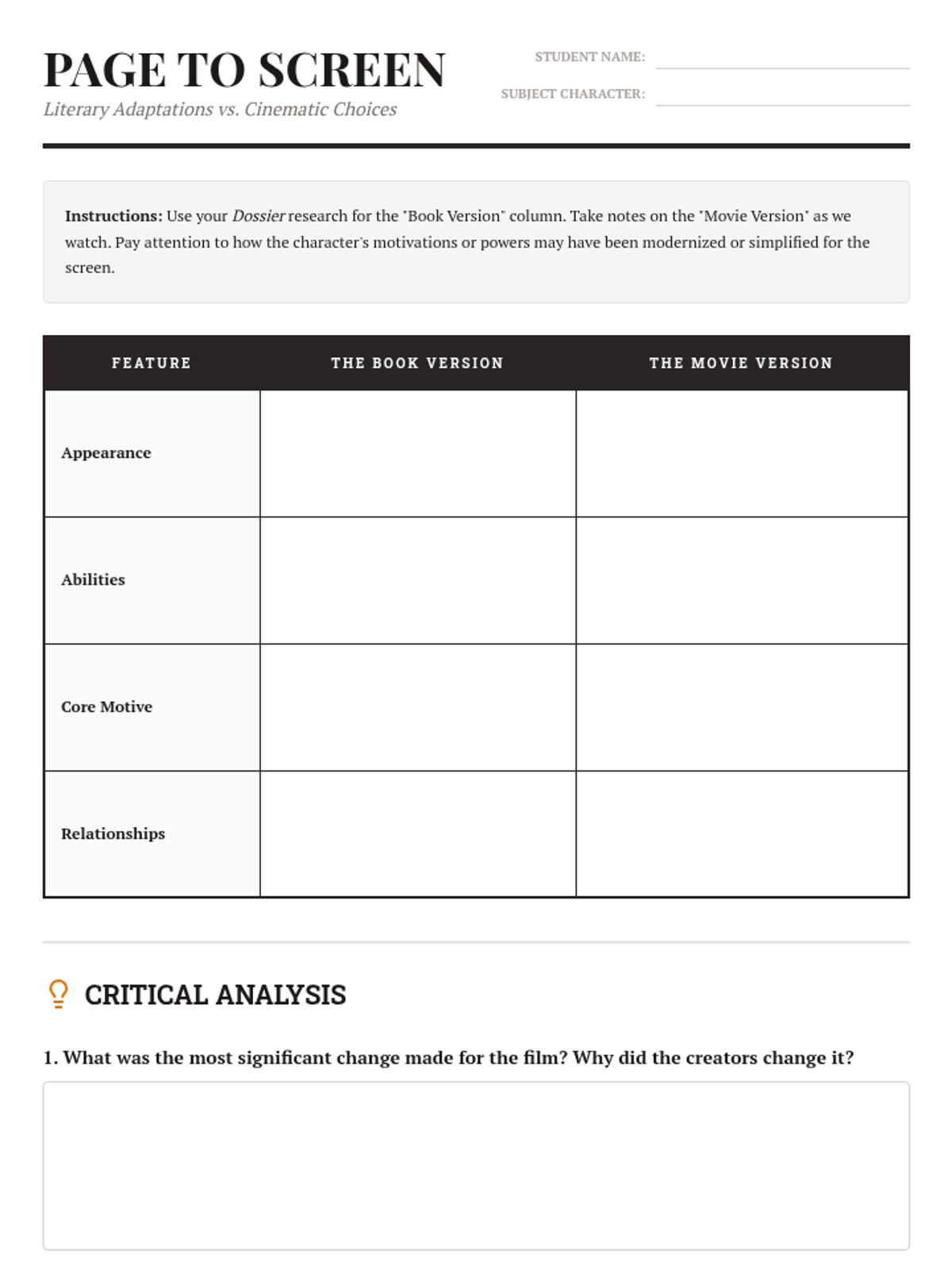
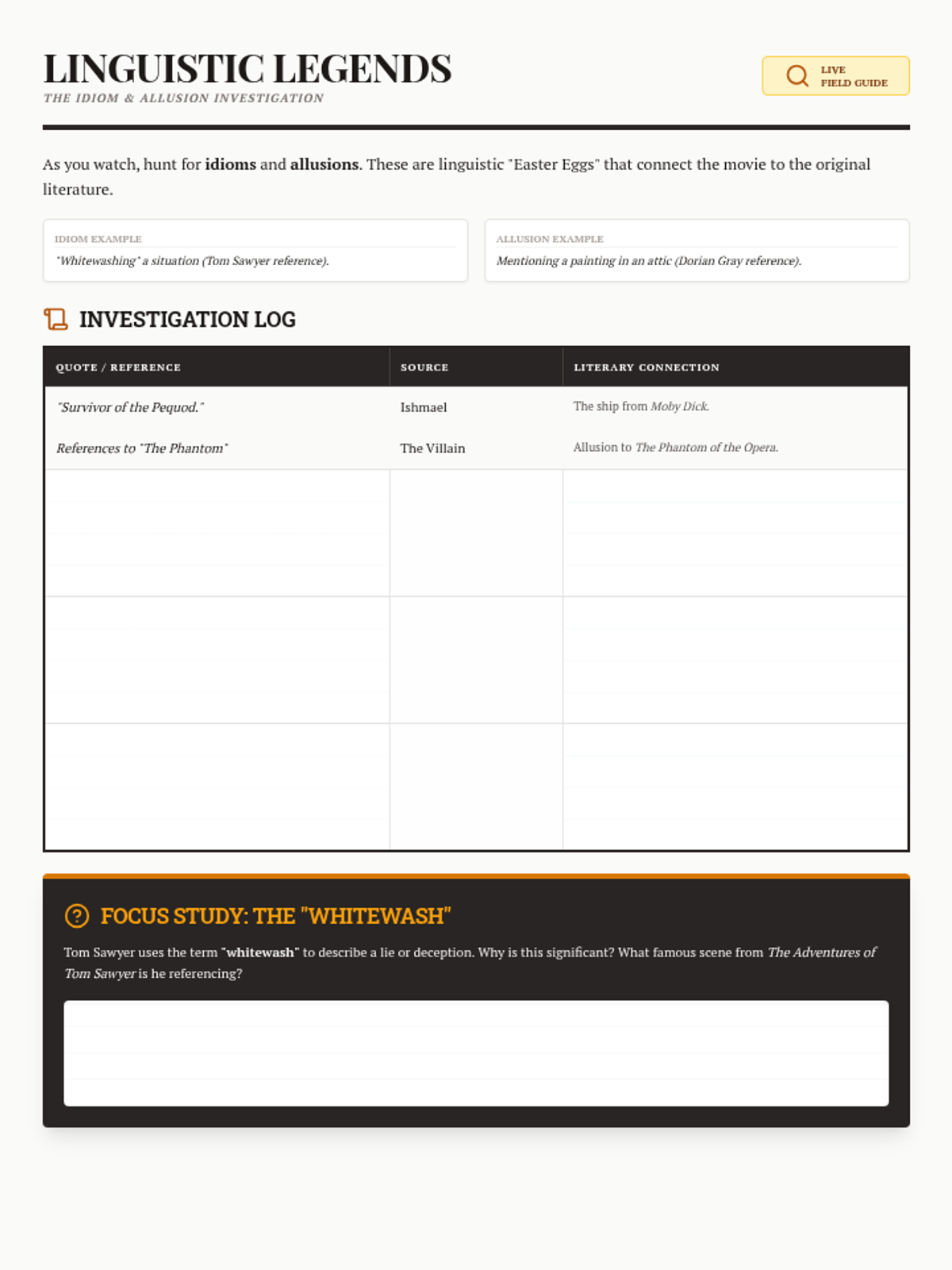
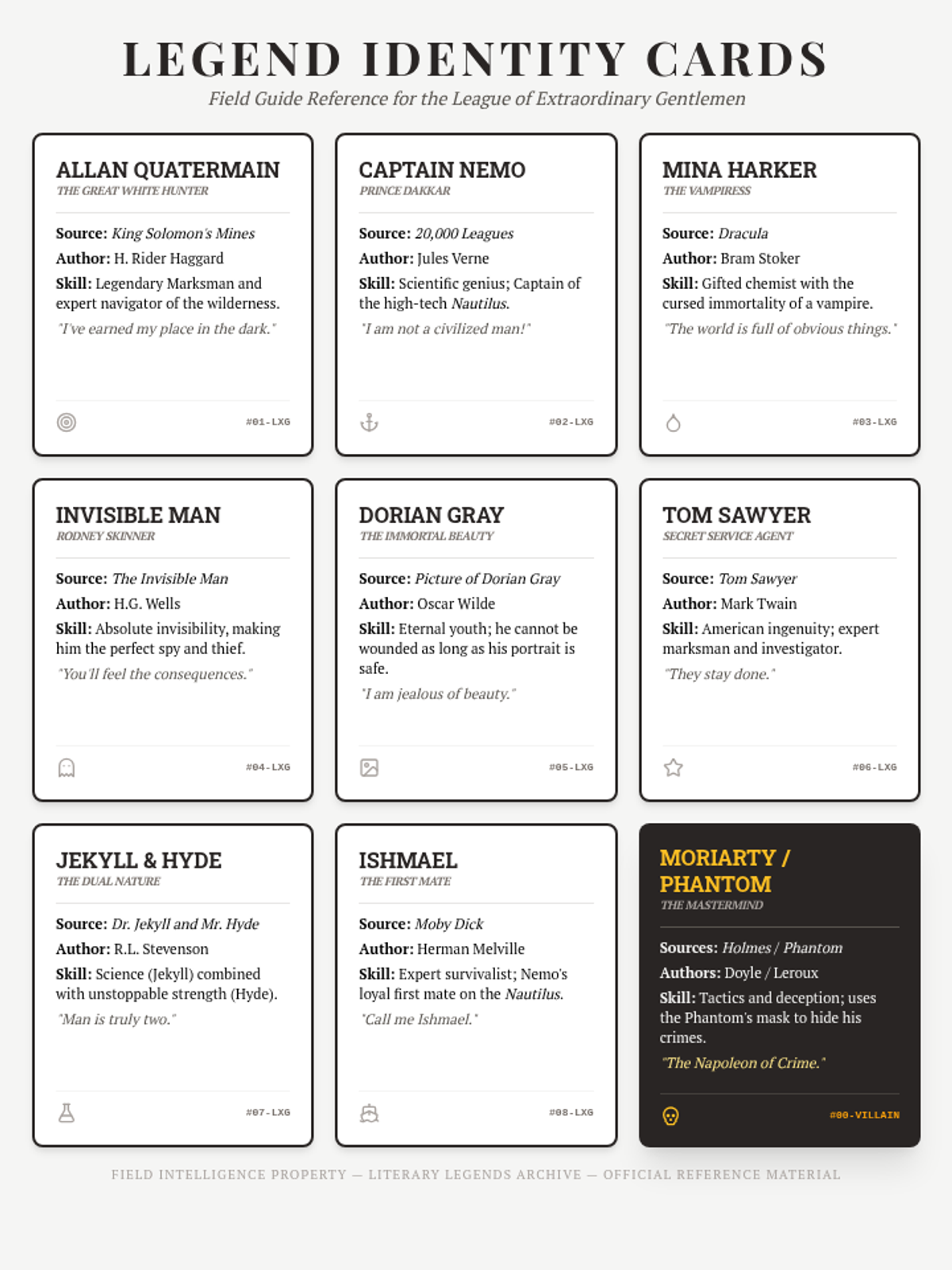
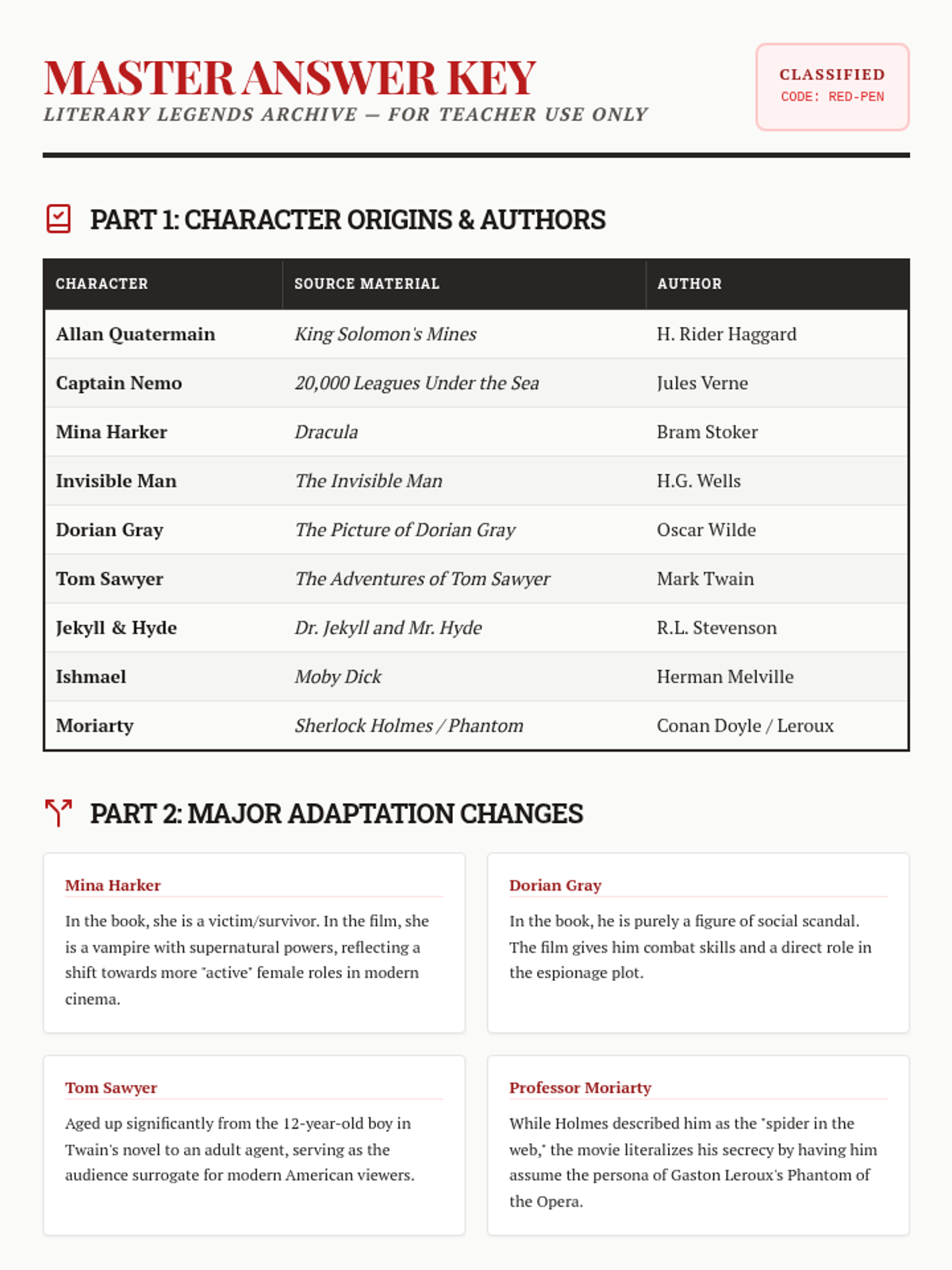
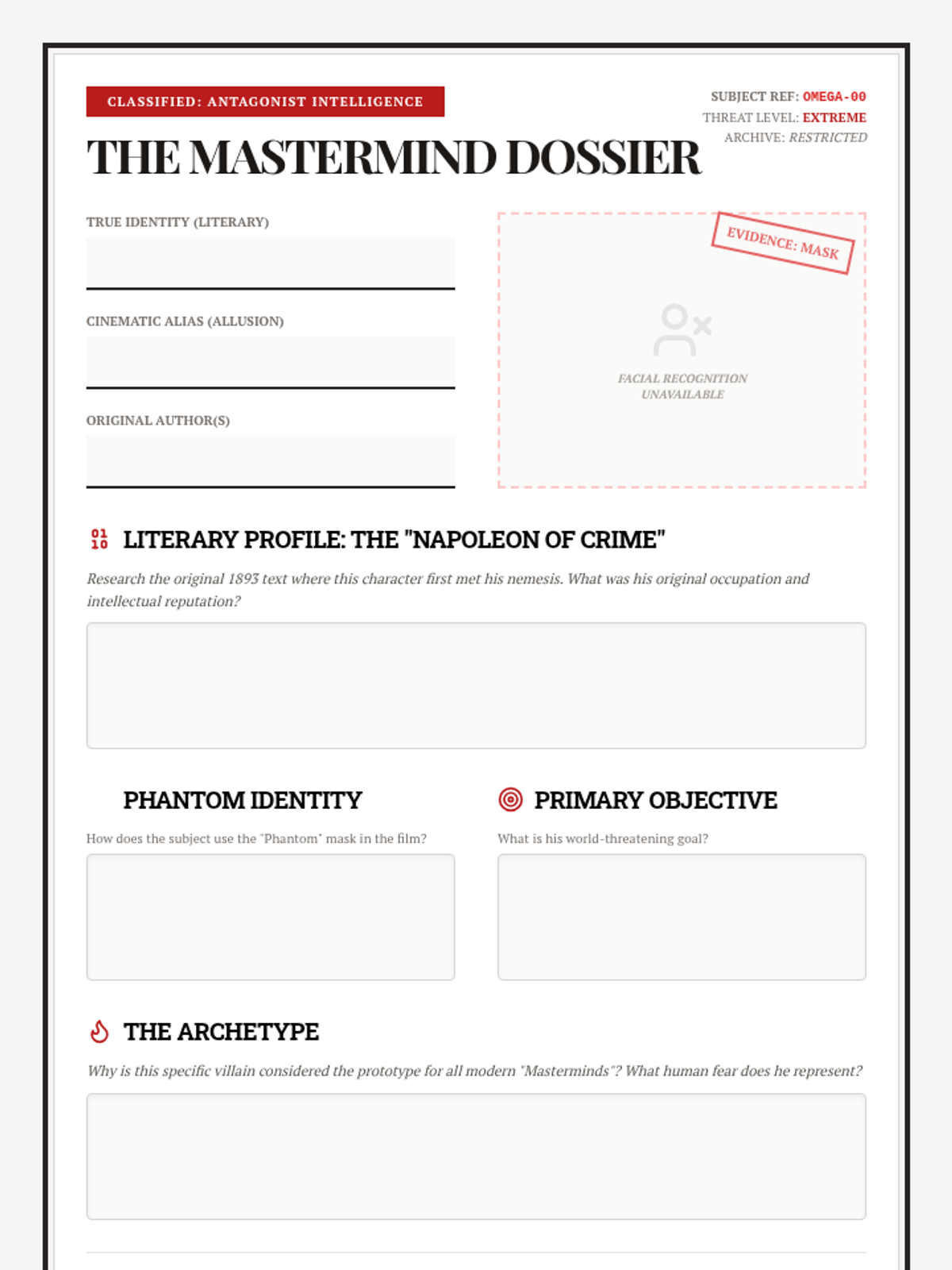
A comprehensive project-based lesson where students research the classic literary origins of the characters in 'The League of Extraordinary Gentlemen' before watching the film to compare adaptations and explore literary idioms.
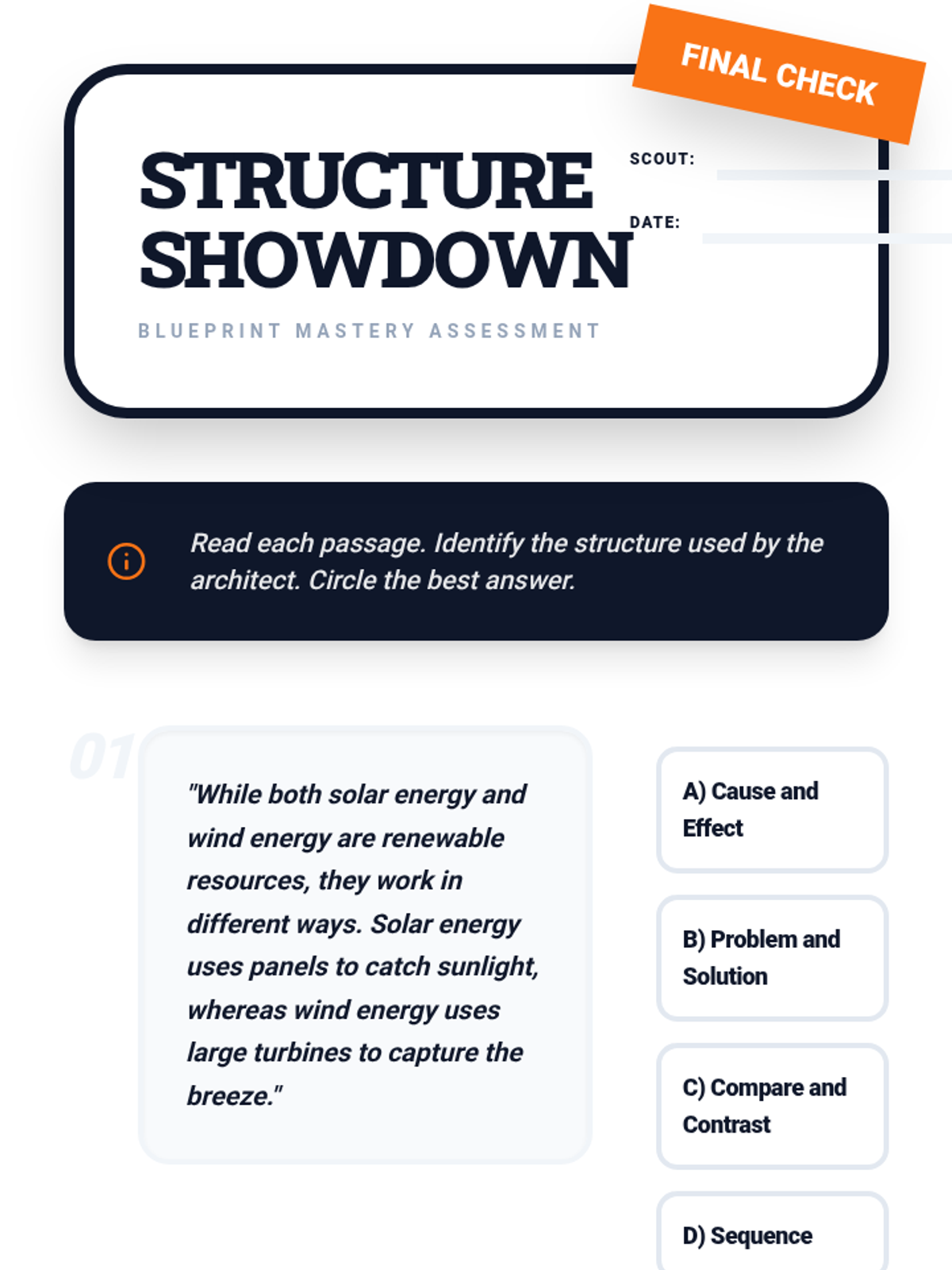
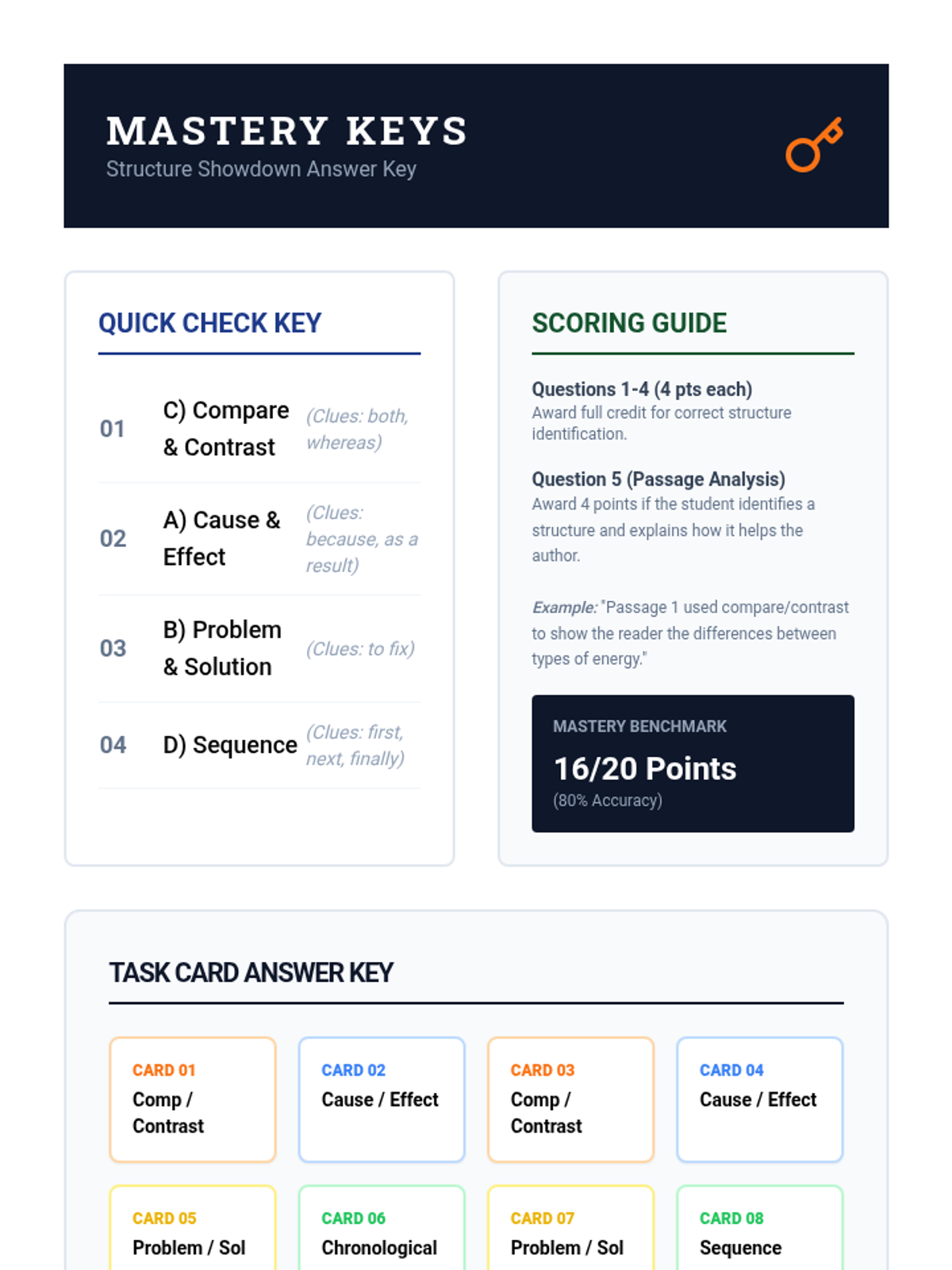
A final assessment and review day where students demonstrate their mastery of identifying and analyzing all four text structures through a quick check and center activities.
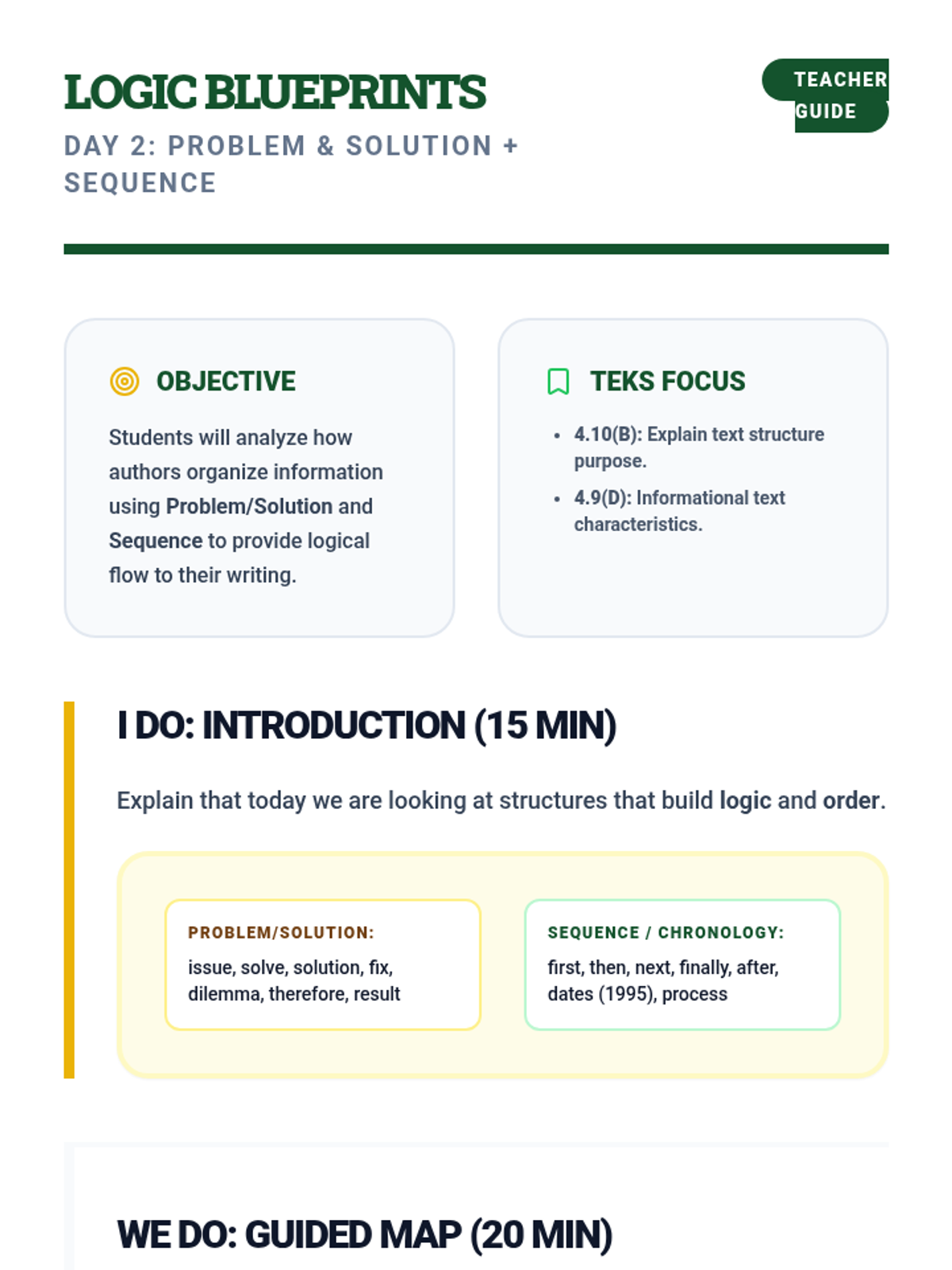
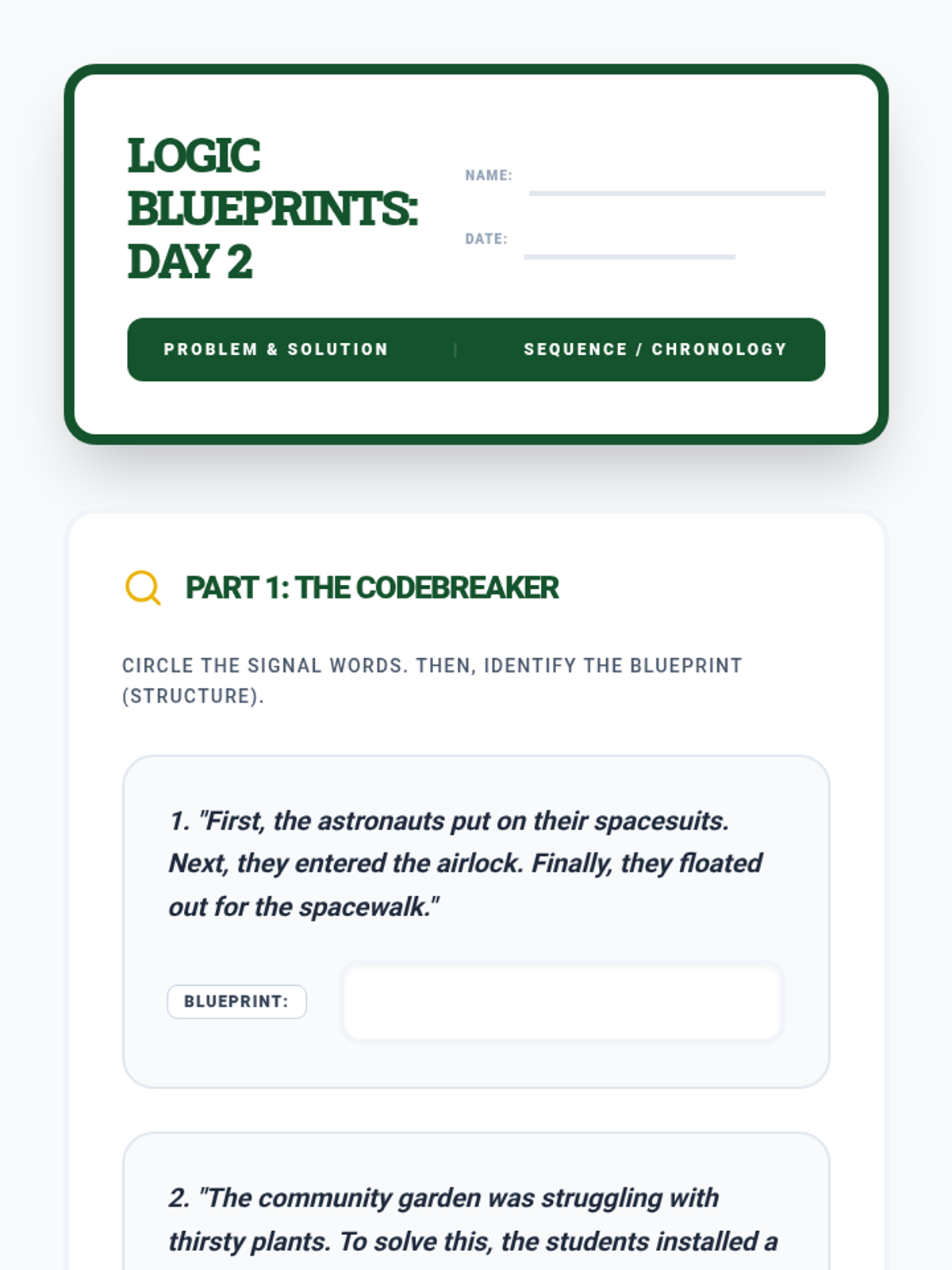
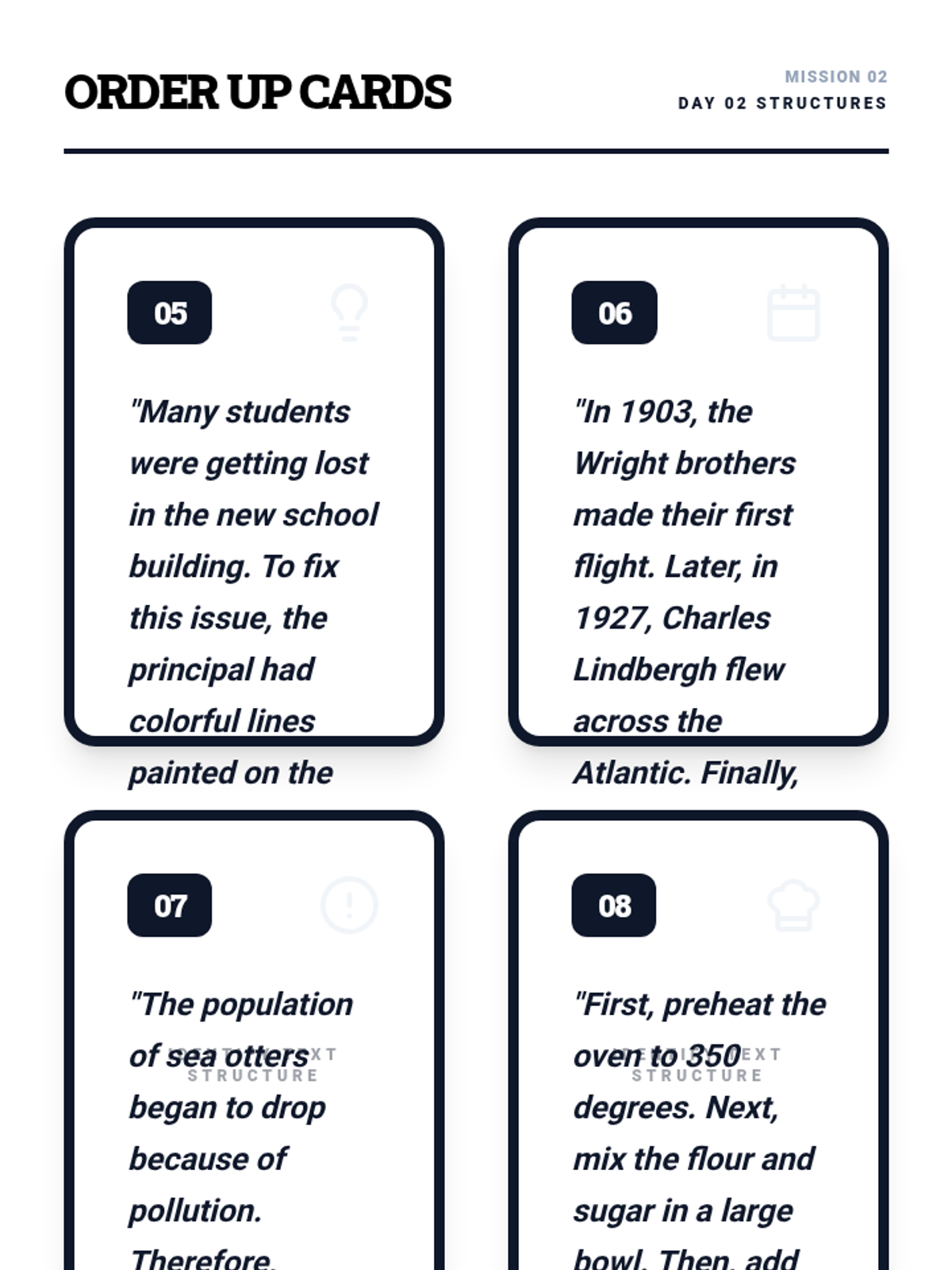
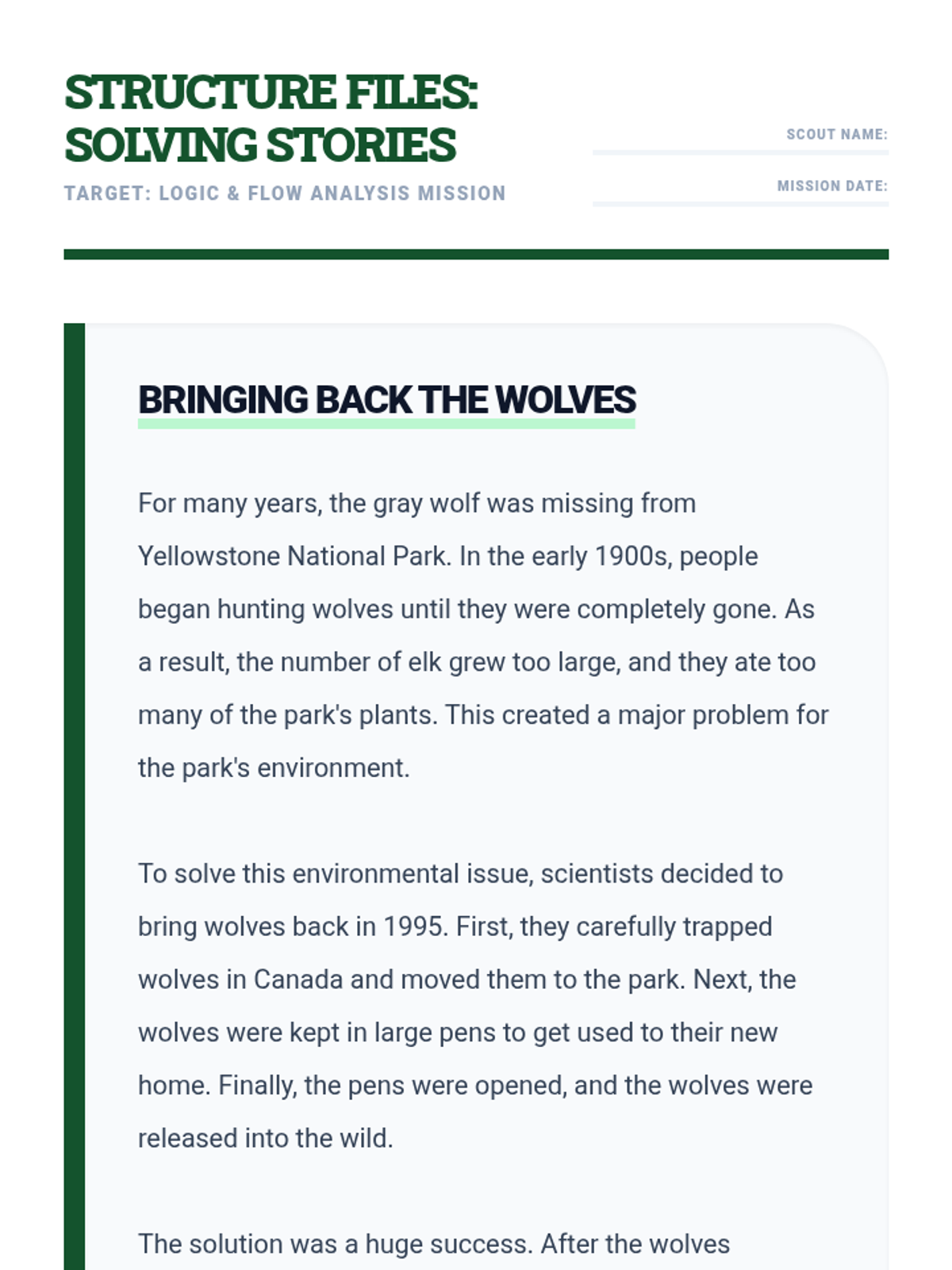
Students explore Problem/Solution and Sequence text structures, identifying key signal words and organizational patterns that authors use to build logical progression.
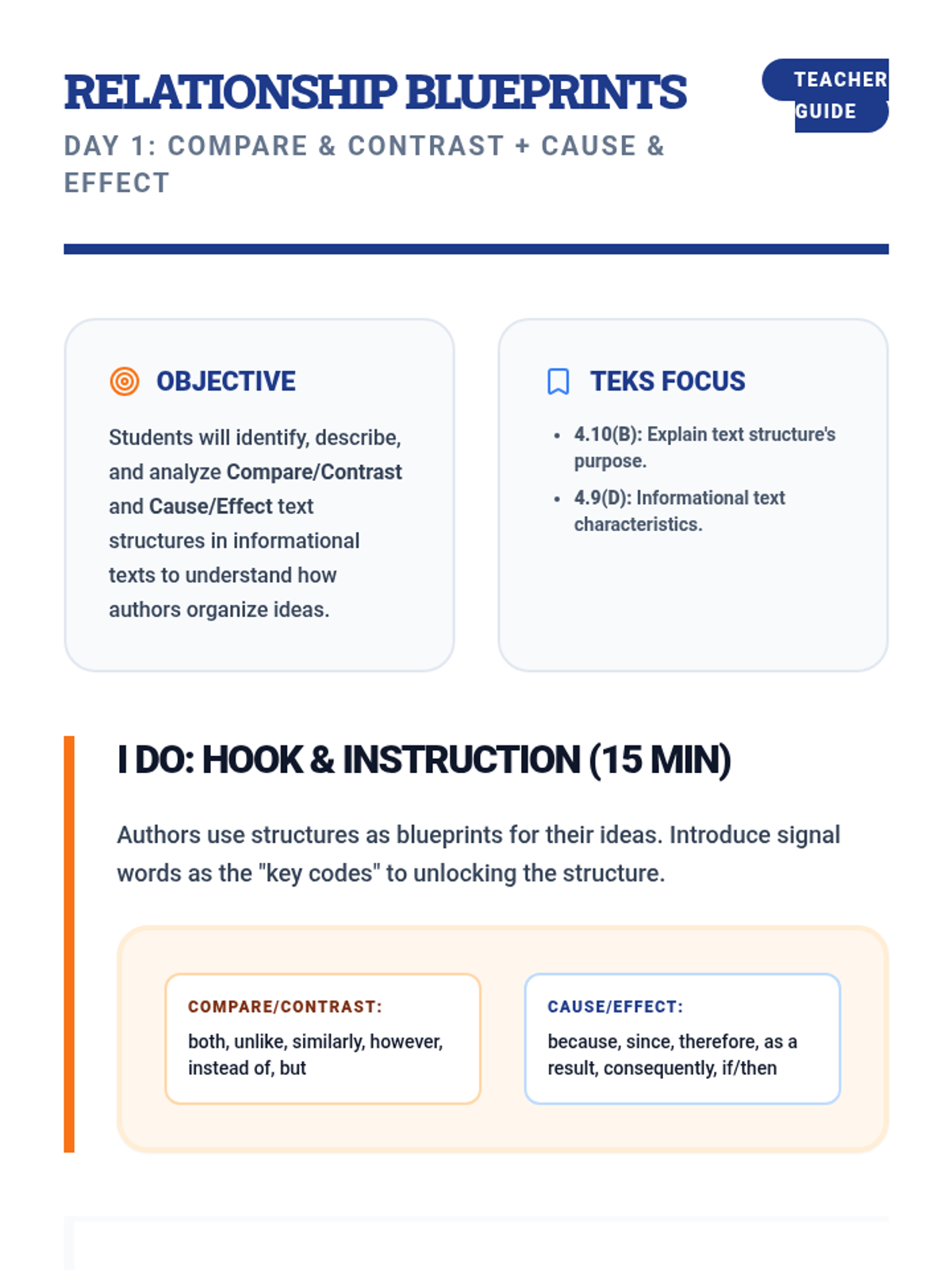
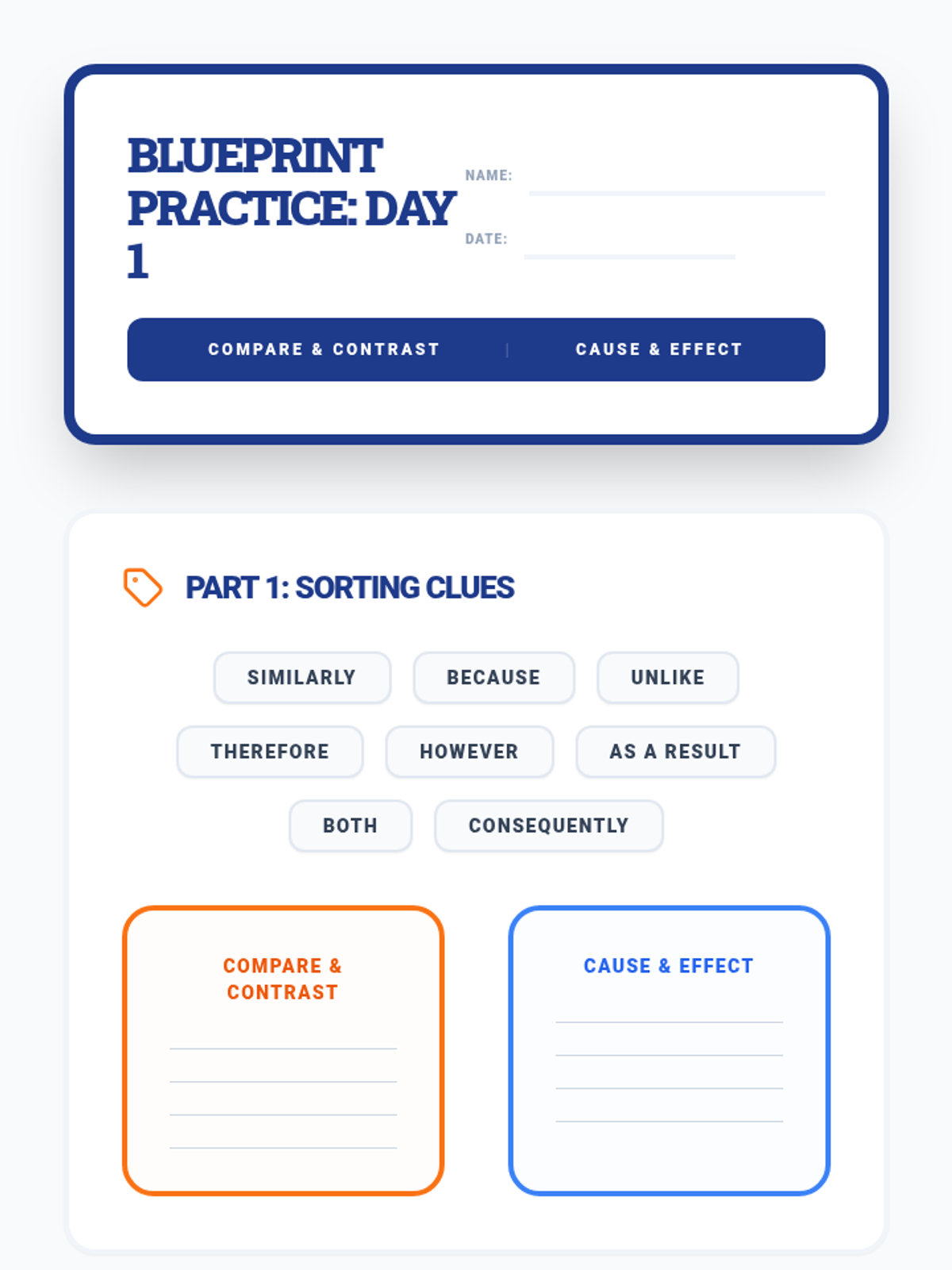
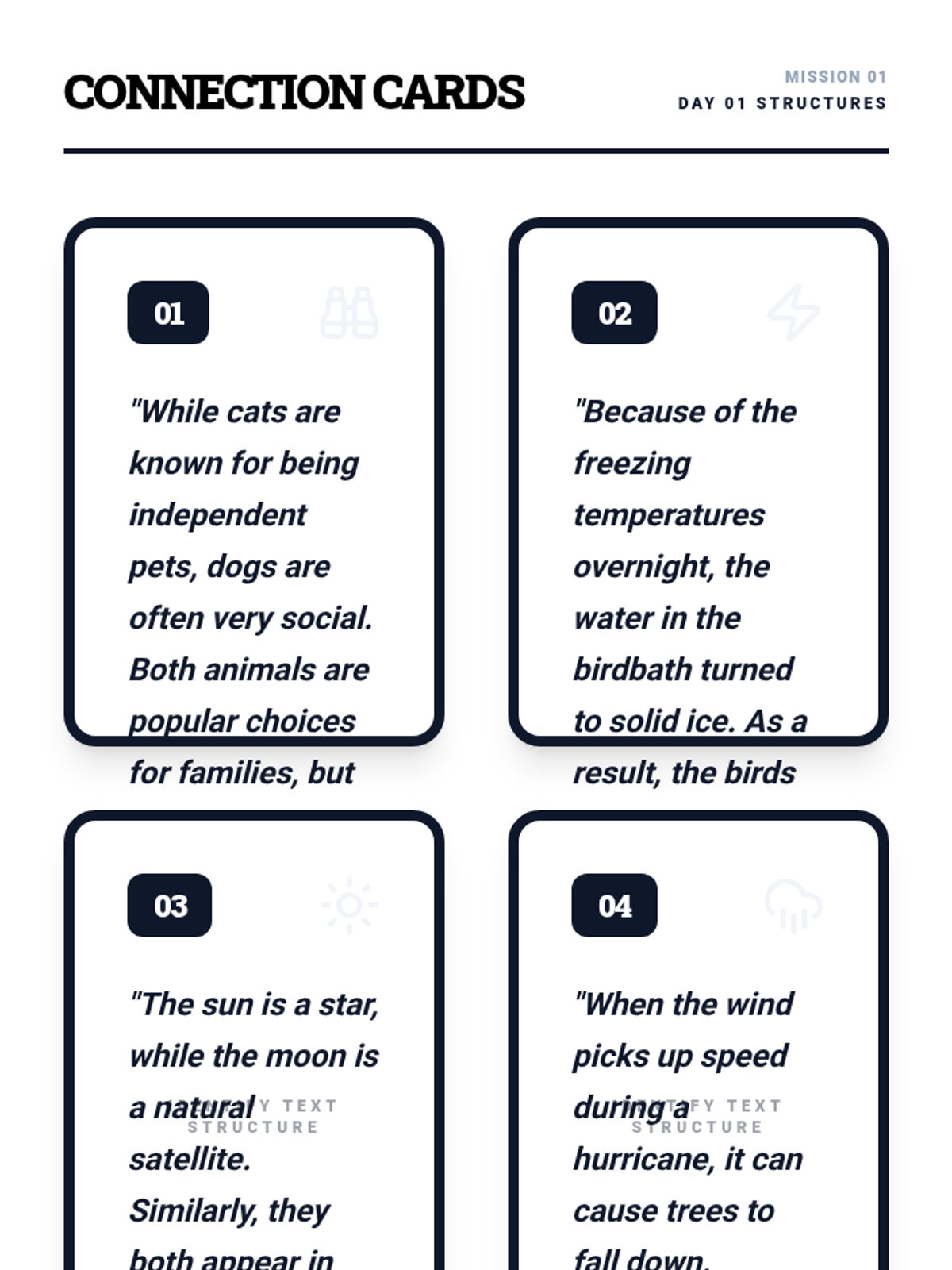
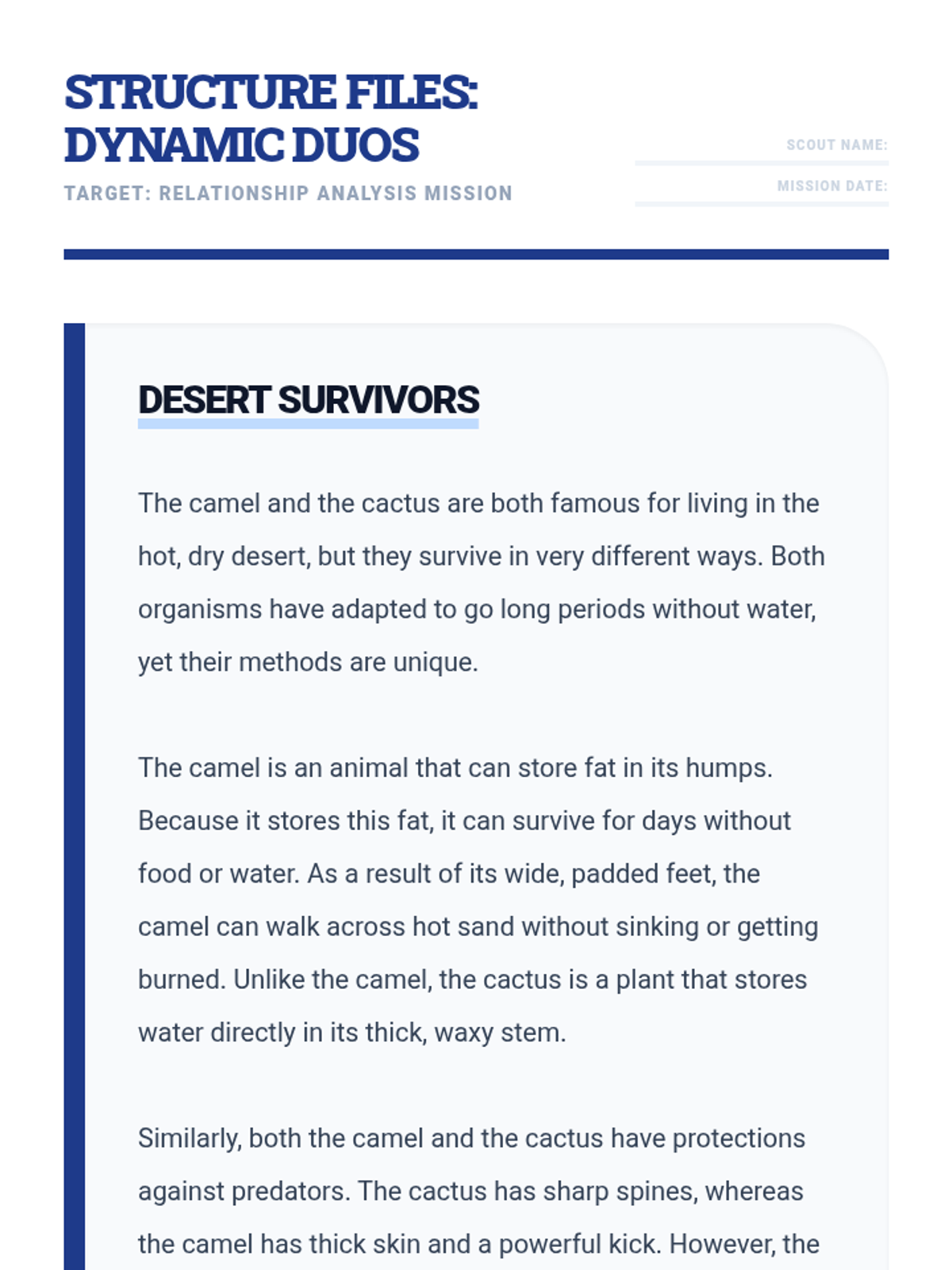
Students analyze Compare/Contrast and Cause/Effect text structures to understand how authors relate ideas and events in informational texts.
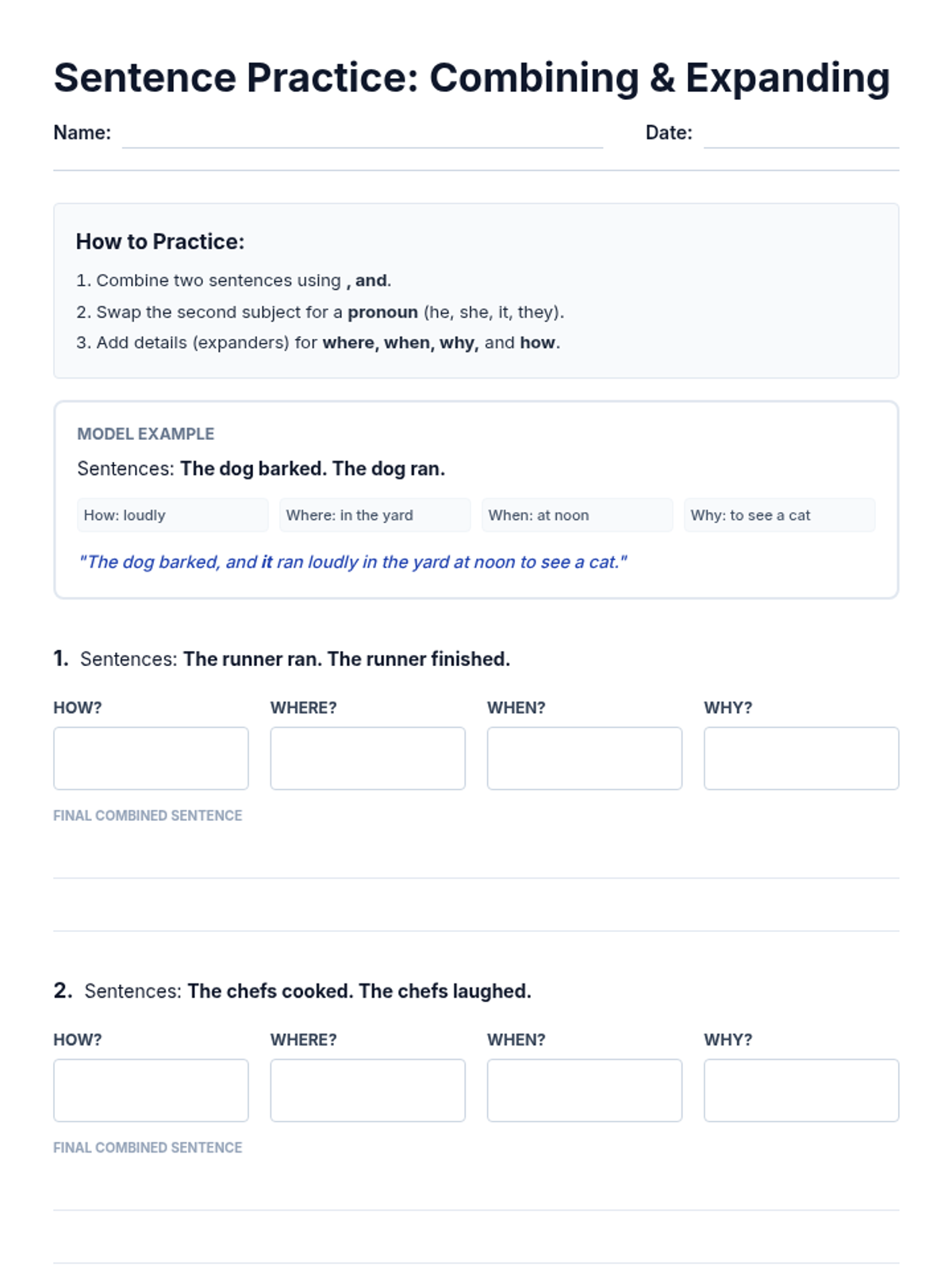
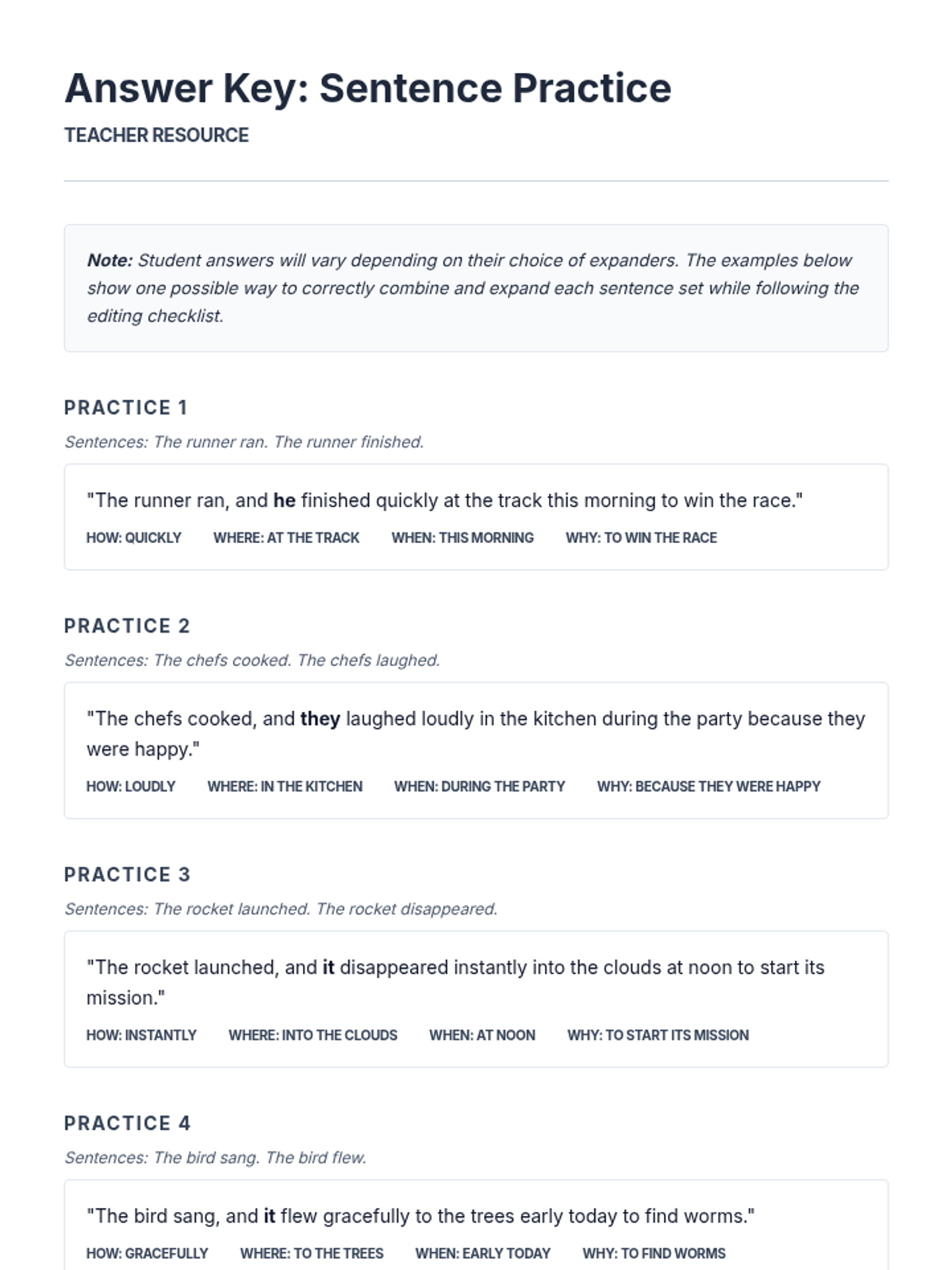
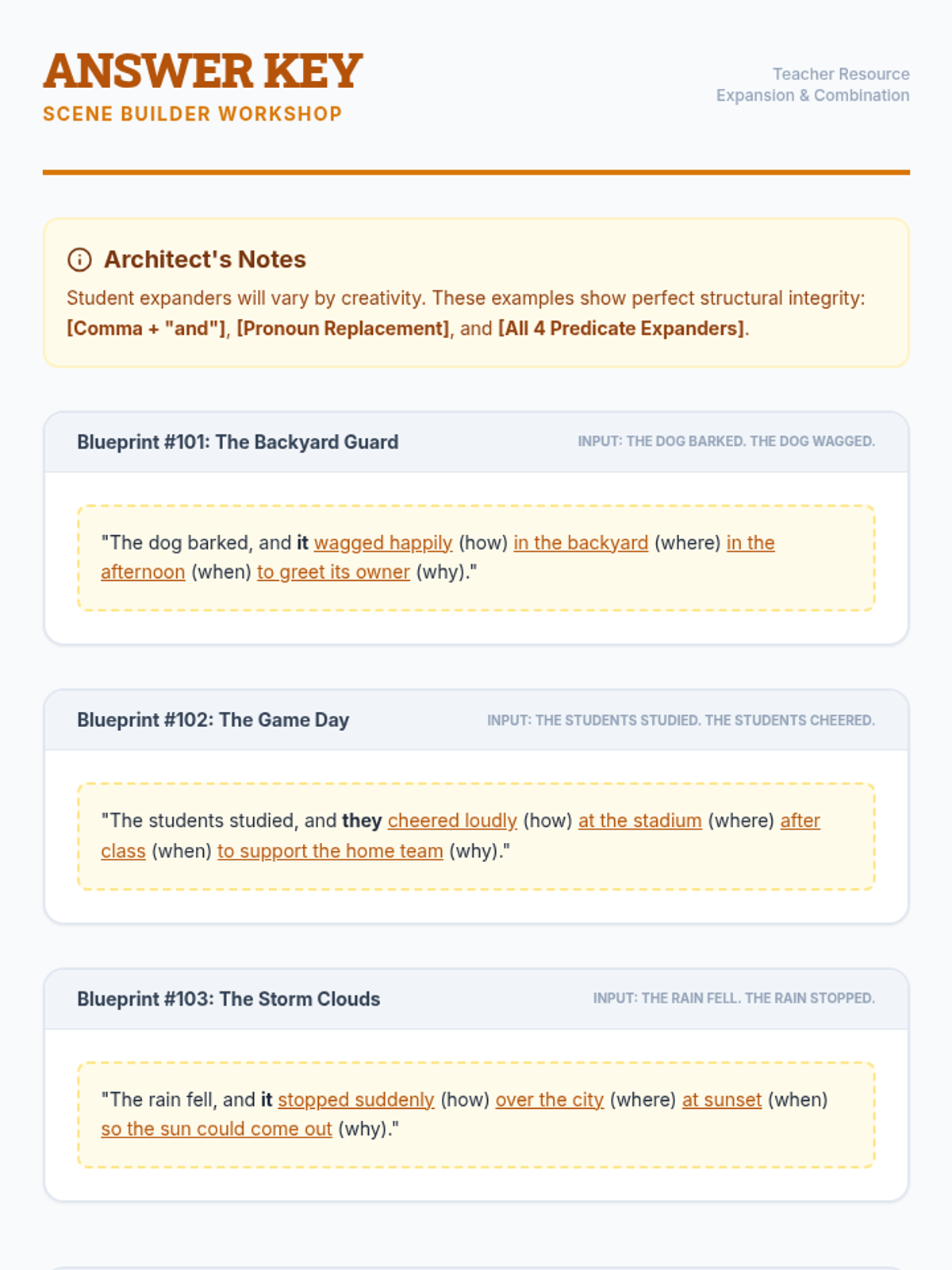
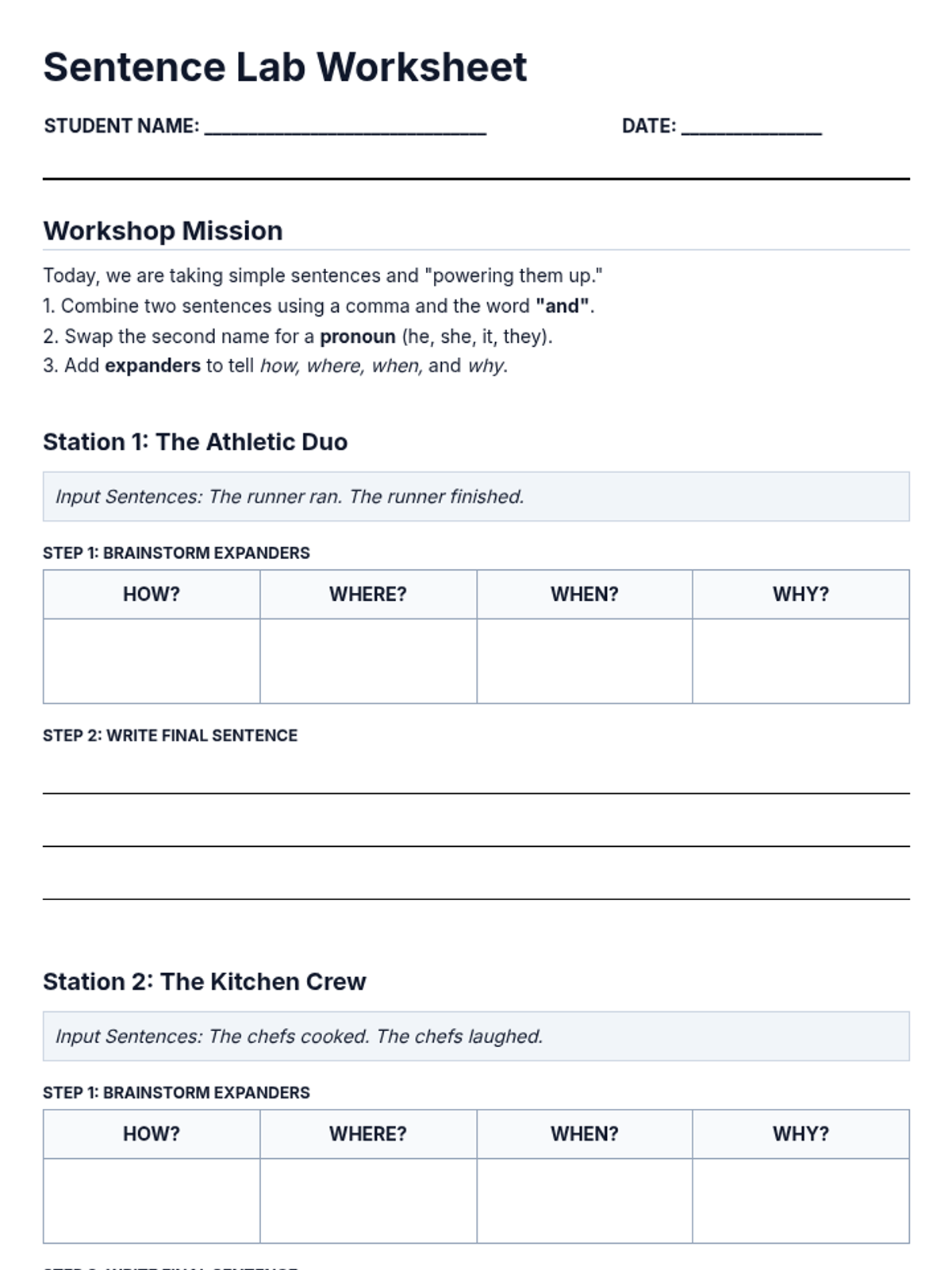
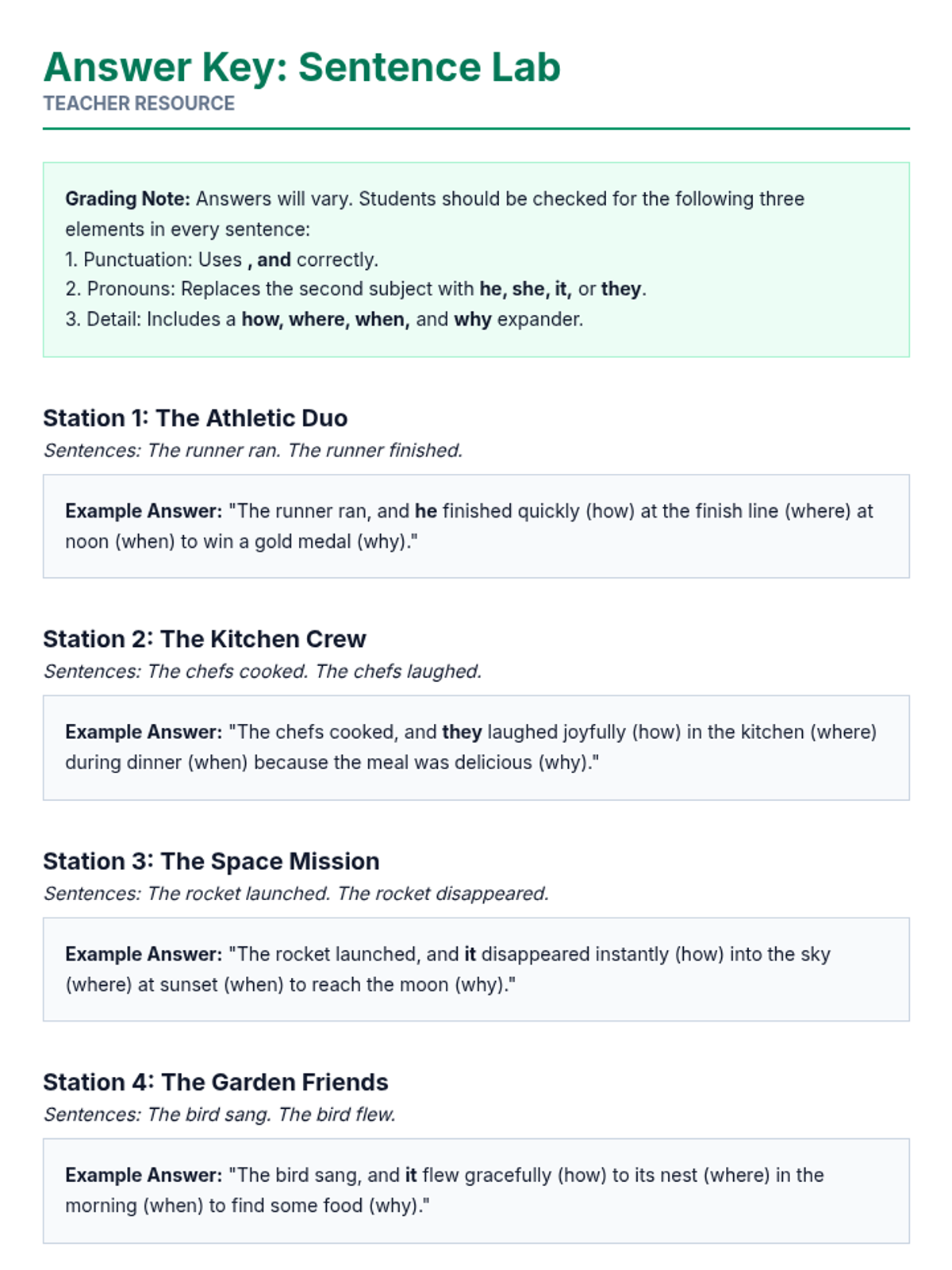
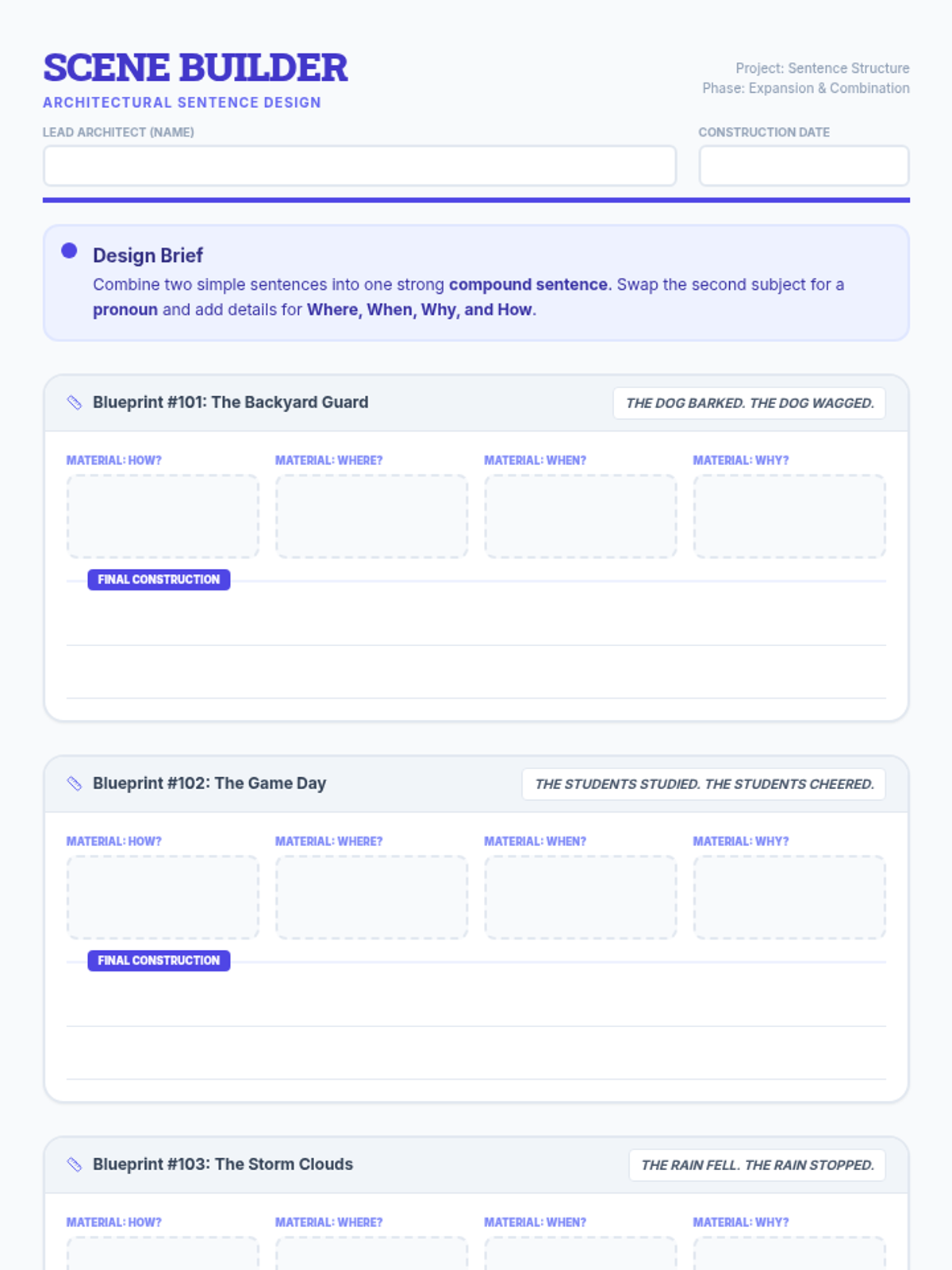
Students practice combining simple sentences with the same subjects into compound sentences using pronouns and adding descriptive predicate expanders (where, when, why, and how).
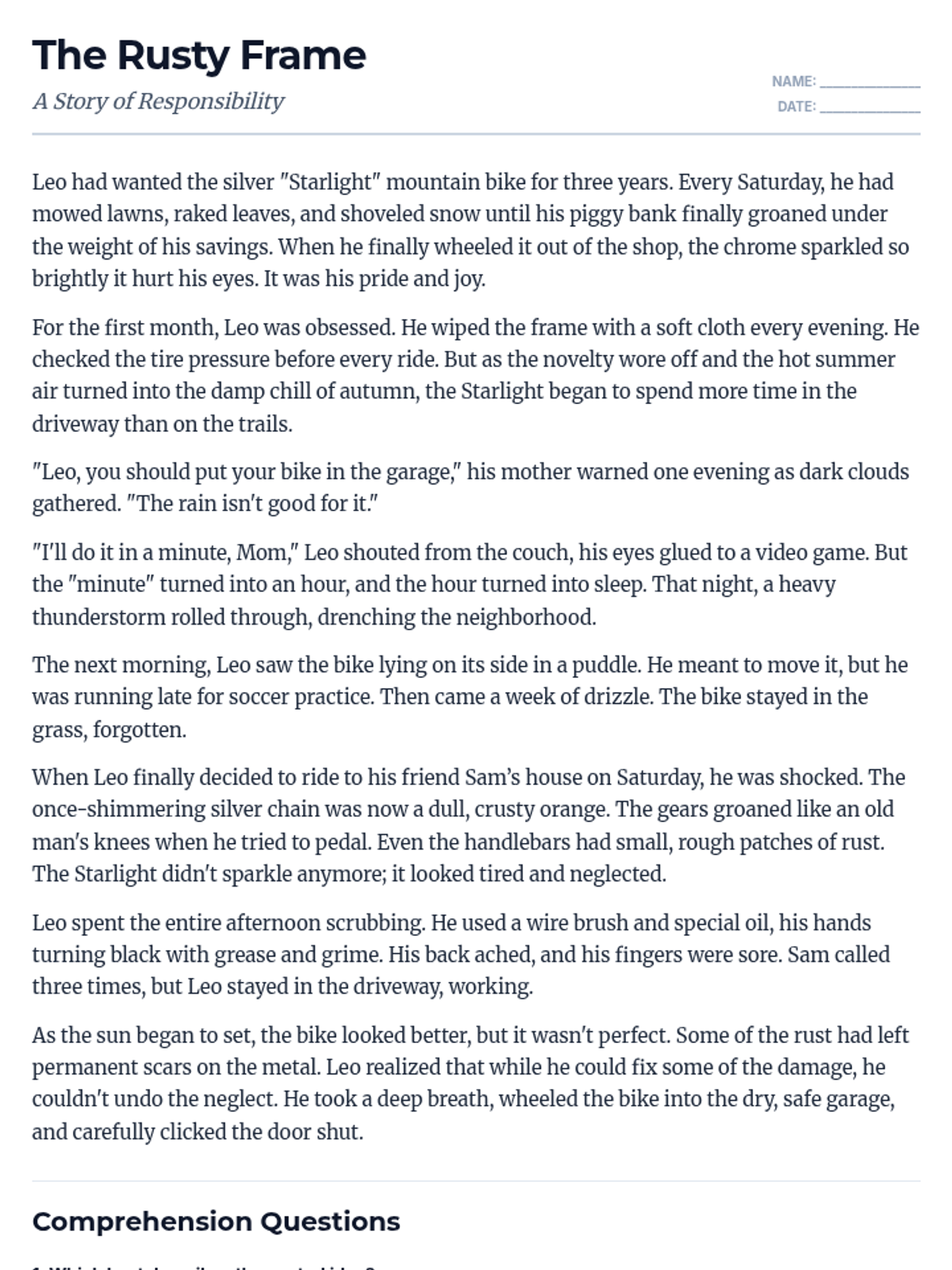
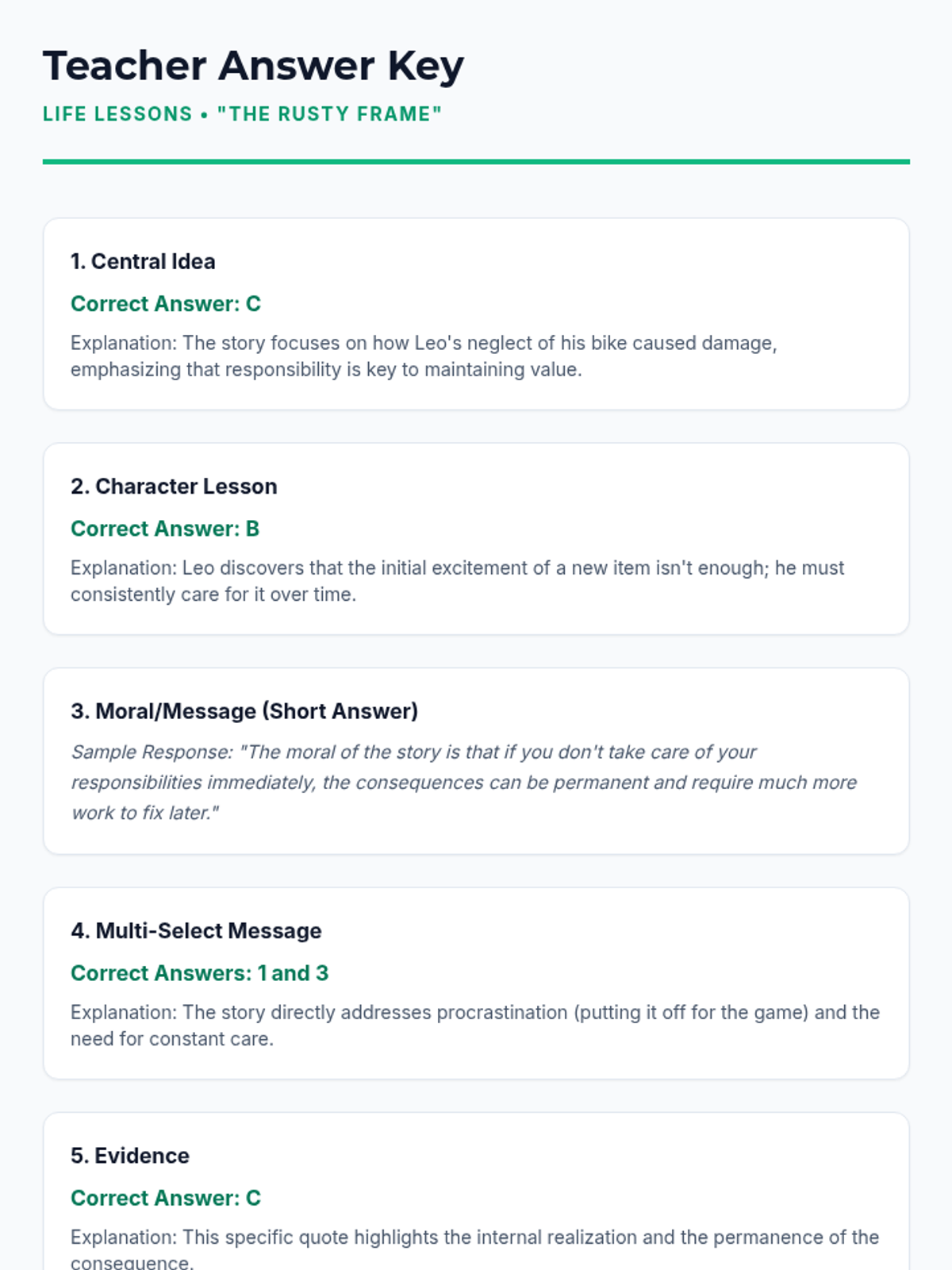
A lesson focused on identifying central ideas and morals within realistic fiction through a story about responsibility and growth.
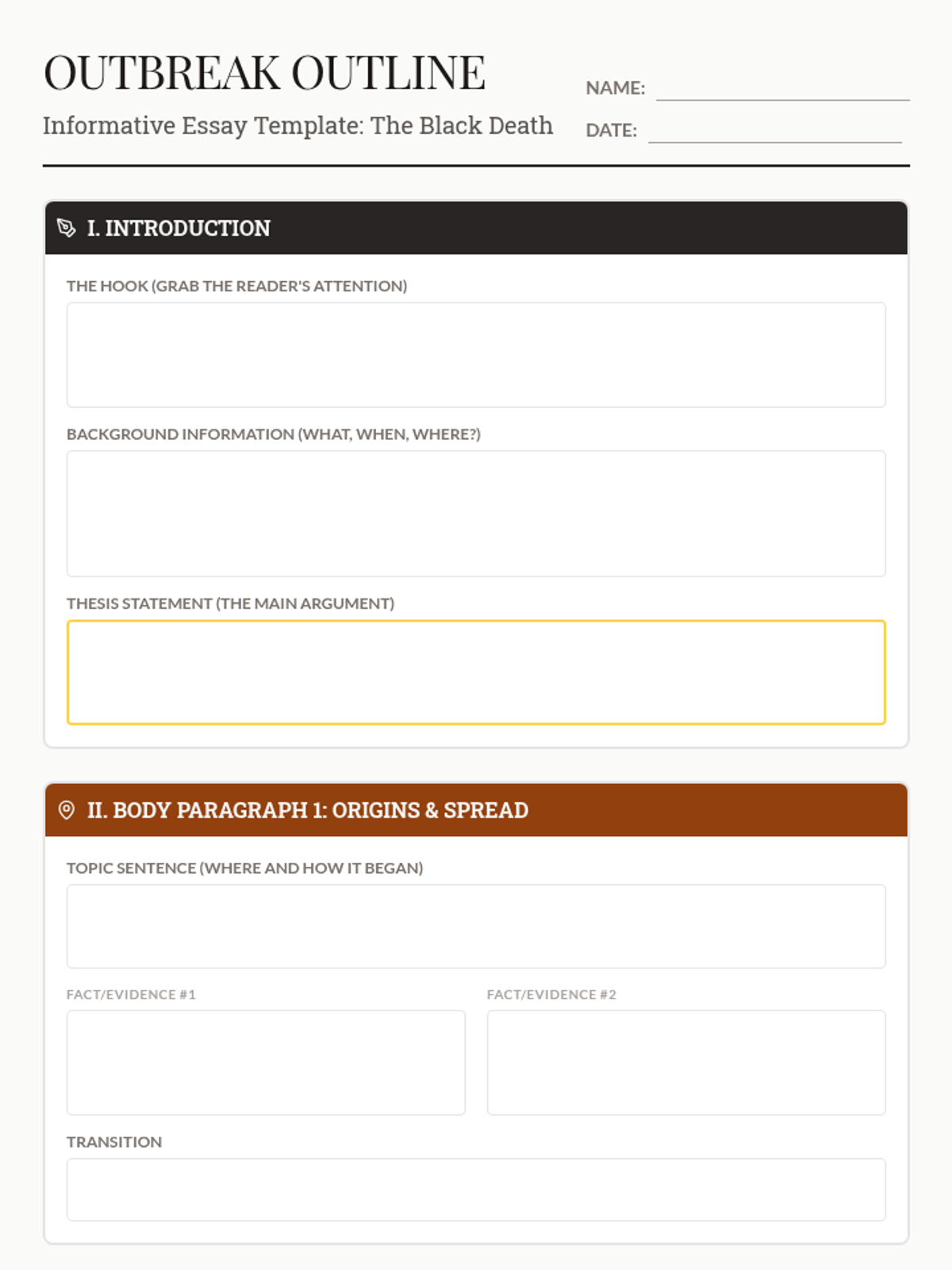
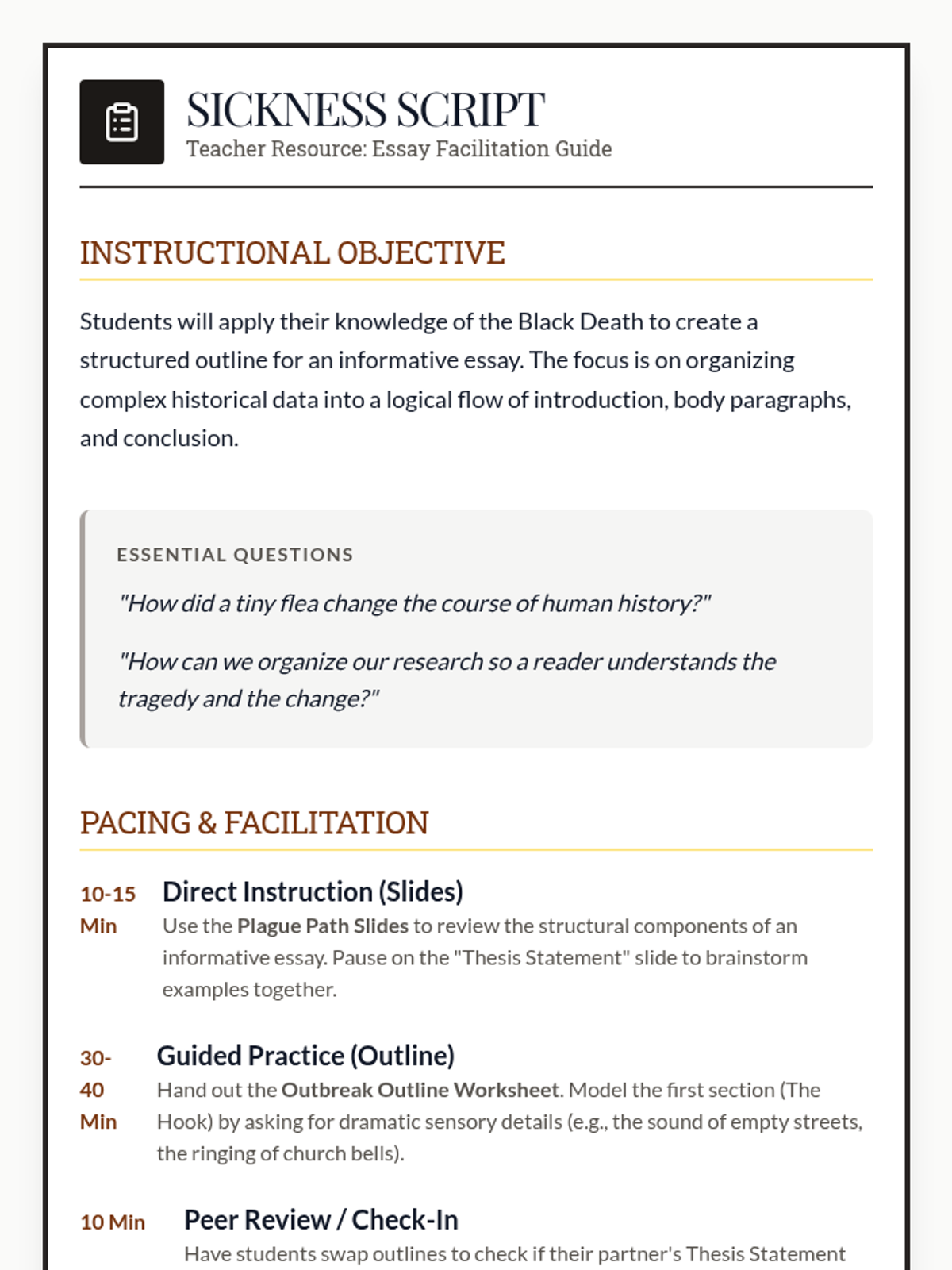
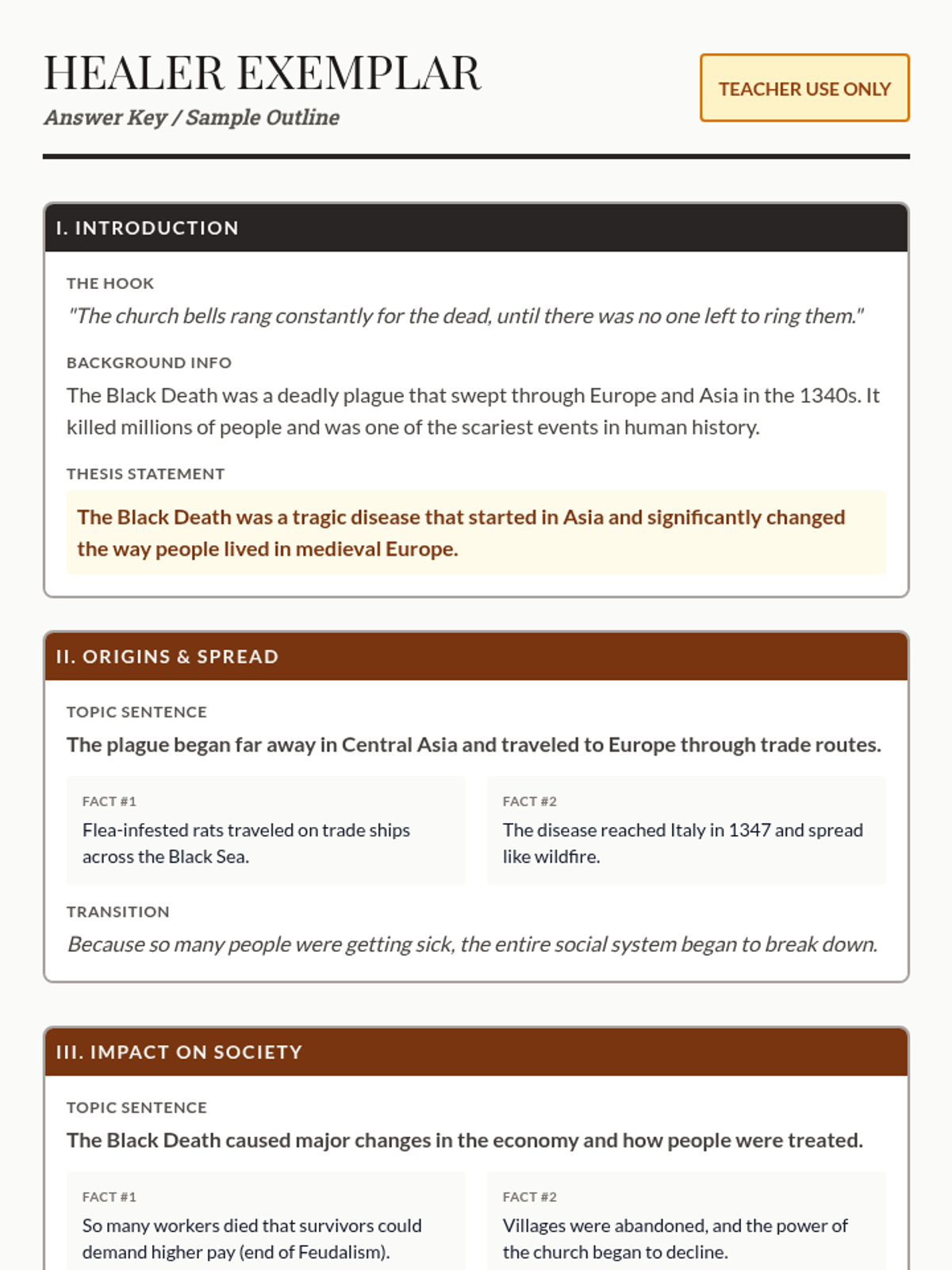
Students will learn how to structure an informative essay about the Black Death, focusing on its origins, spread, and impact on medieval society. This lesson provides a guided outline to help 5th graders organize their research into a cohesive multi-paragraph format.
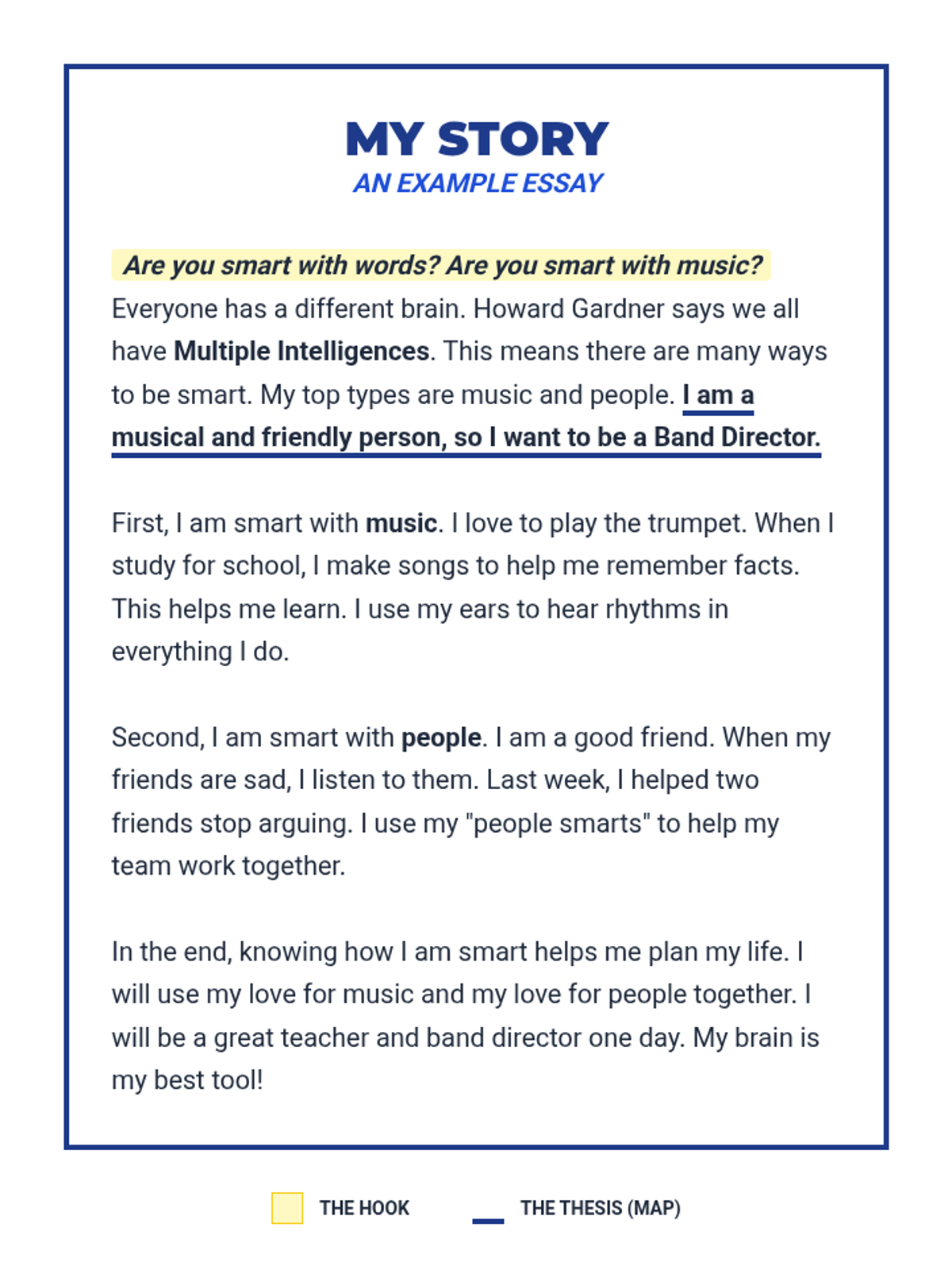
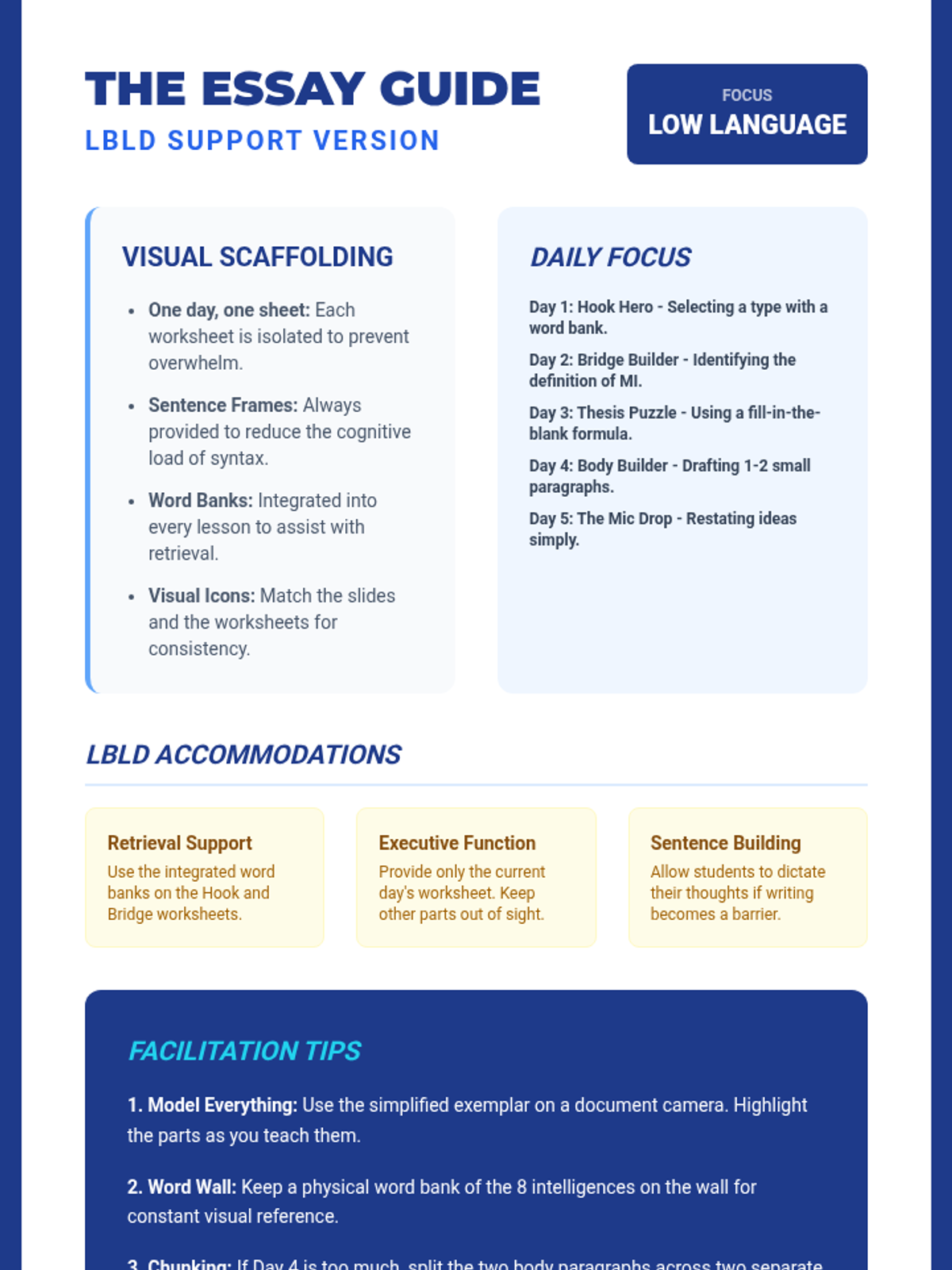
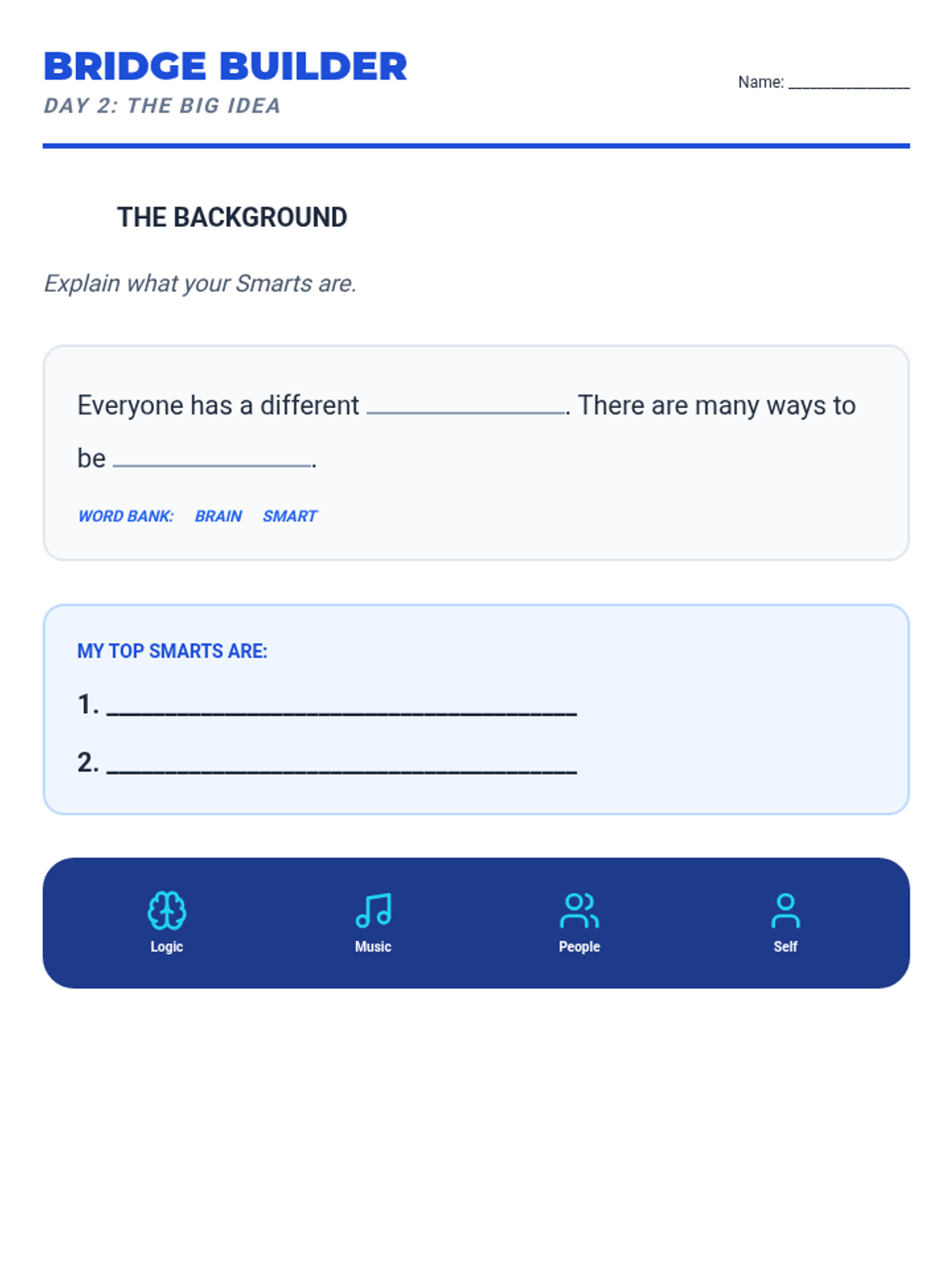
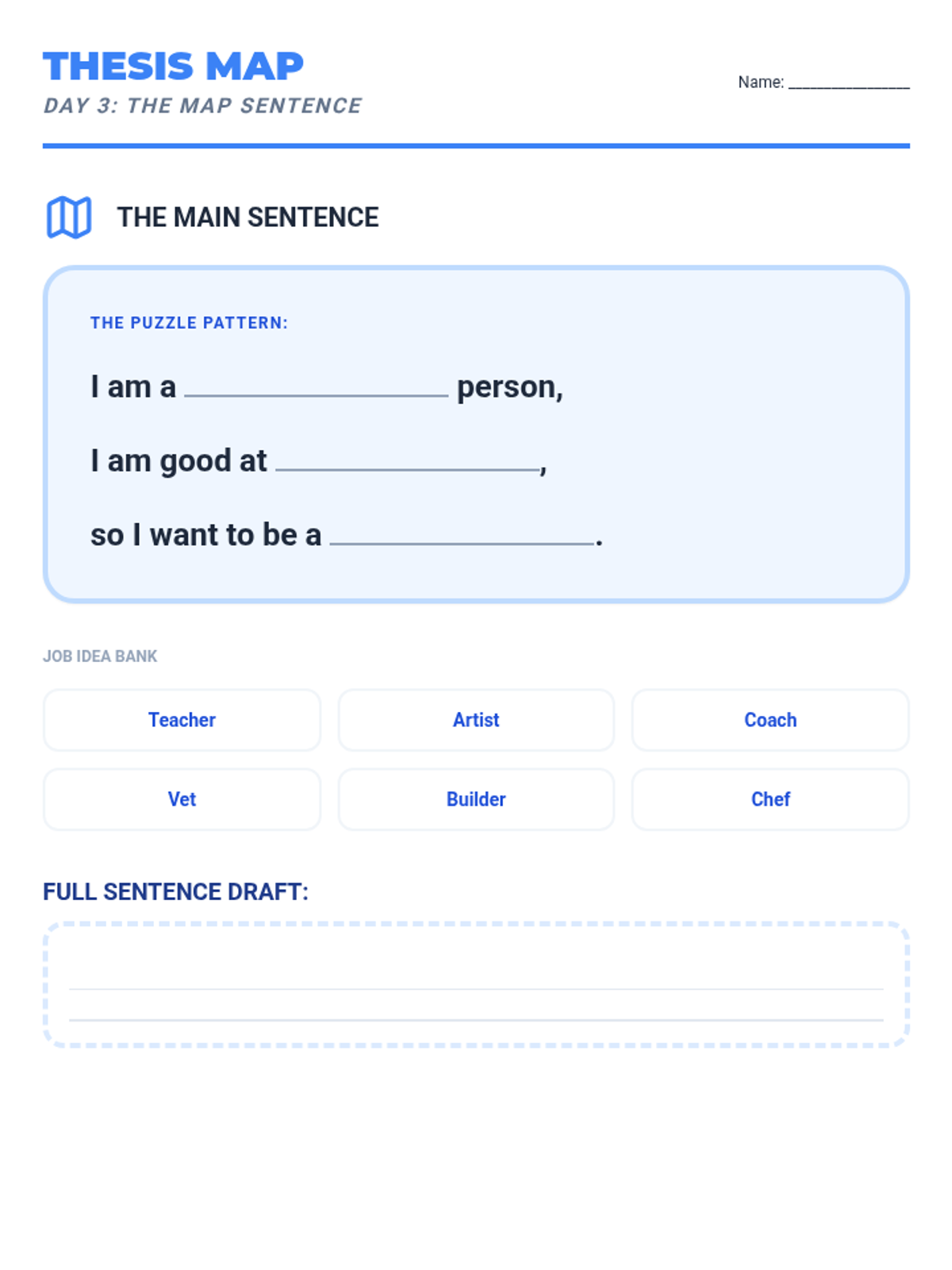
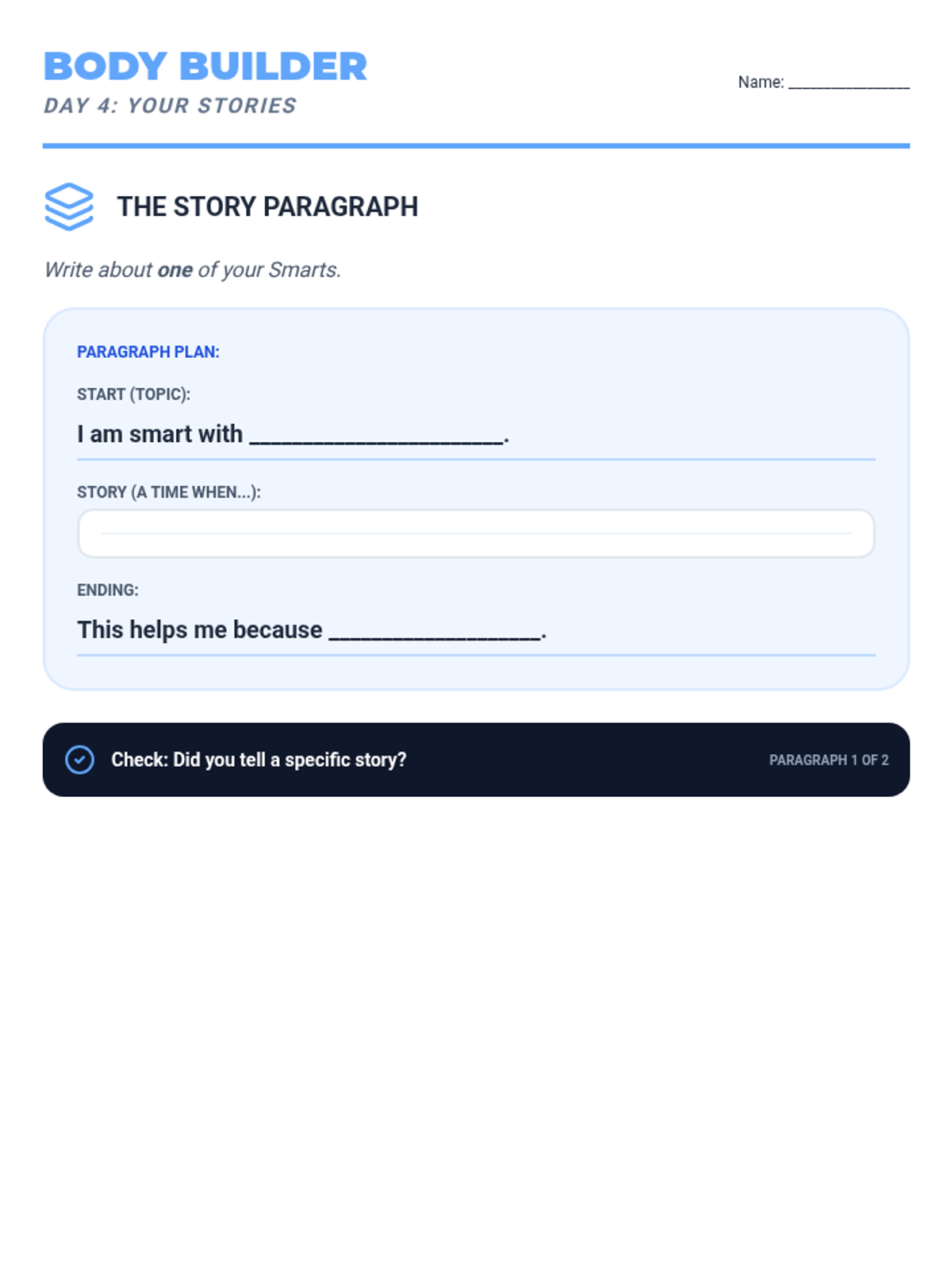
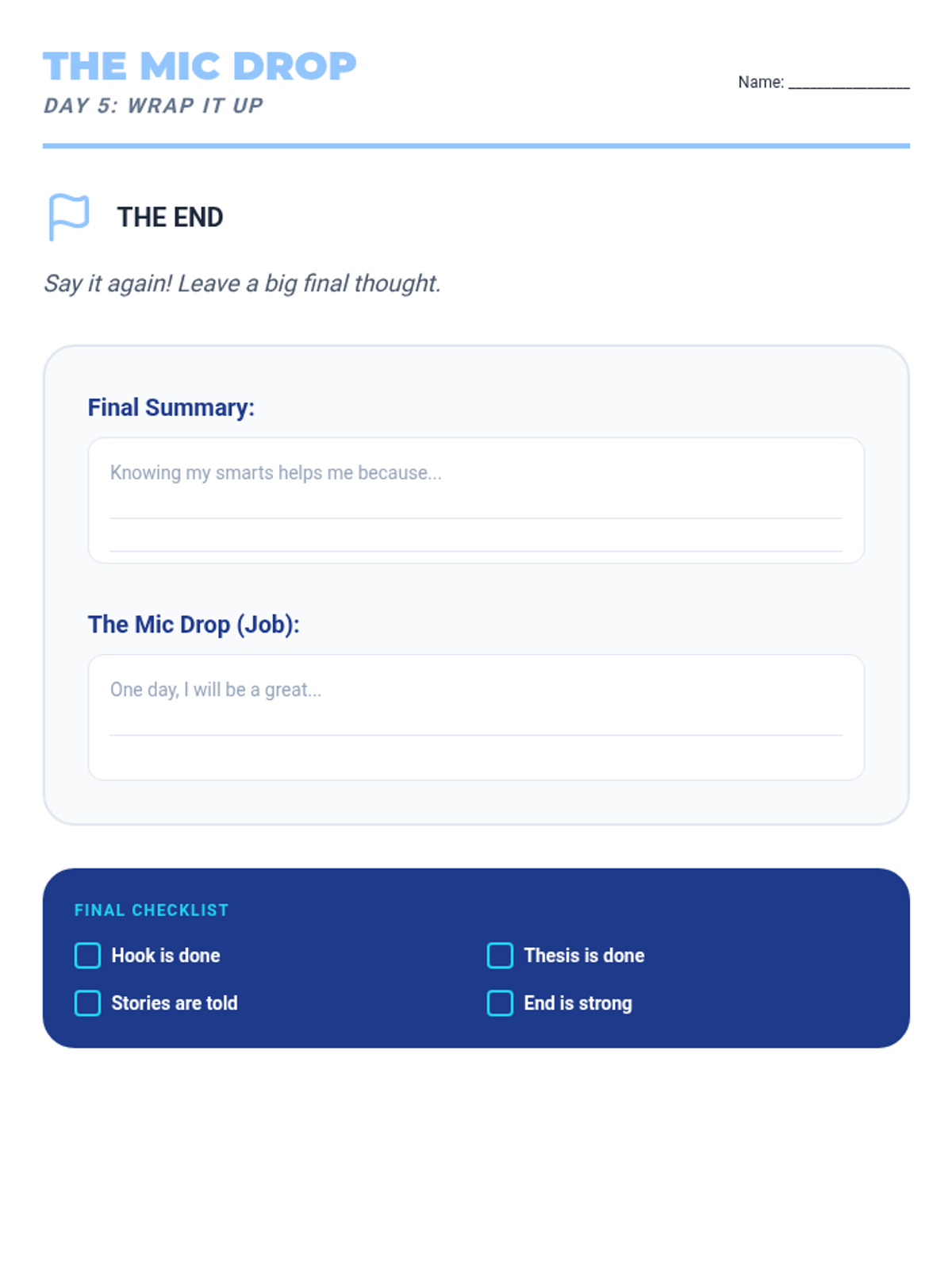
A comprehensive 5-day lesson guiding students through the process of writing a personal essay about their multiple intelligences, skills, and future career paths.
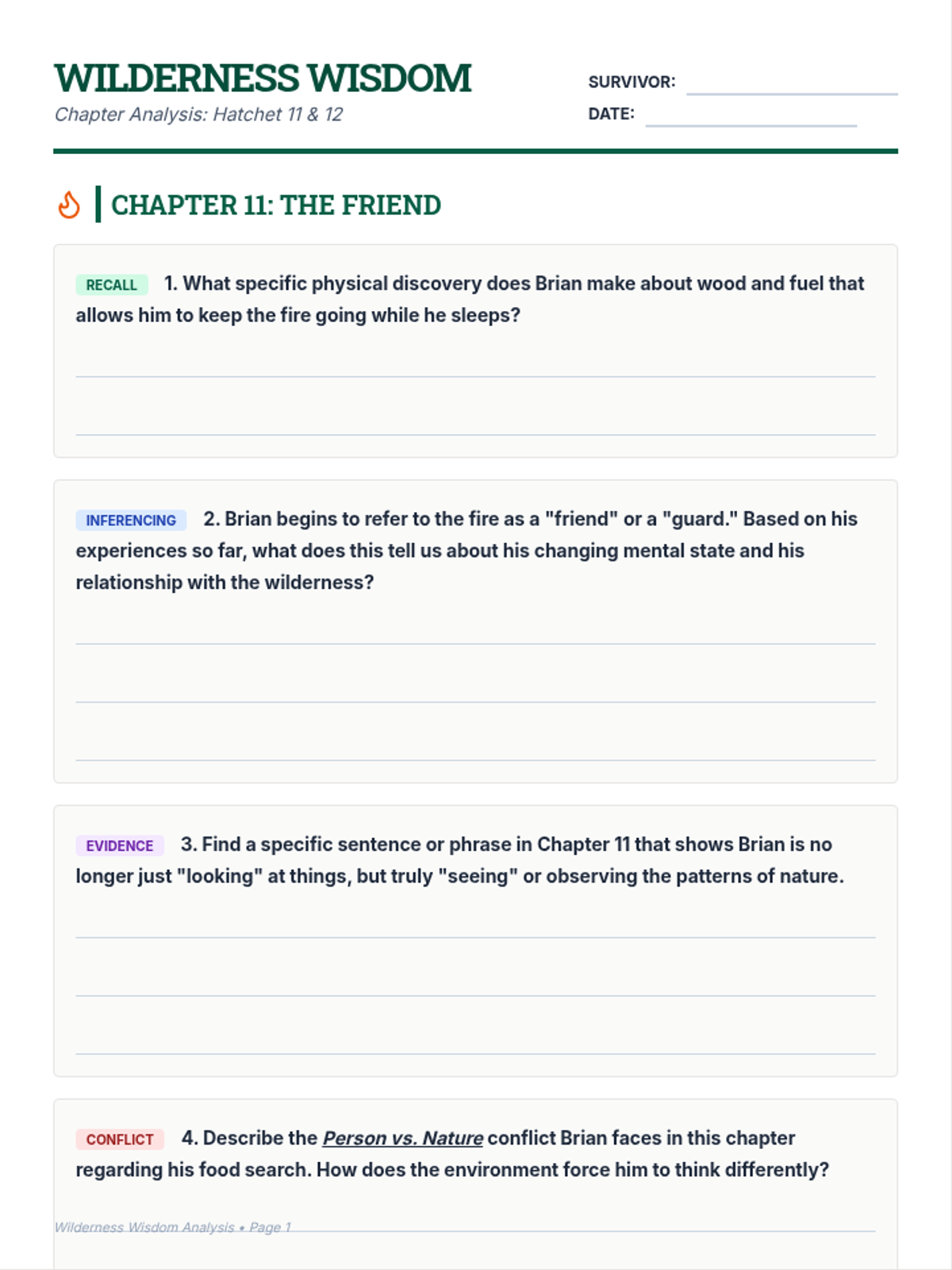
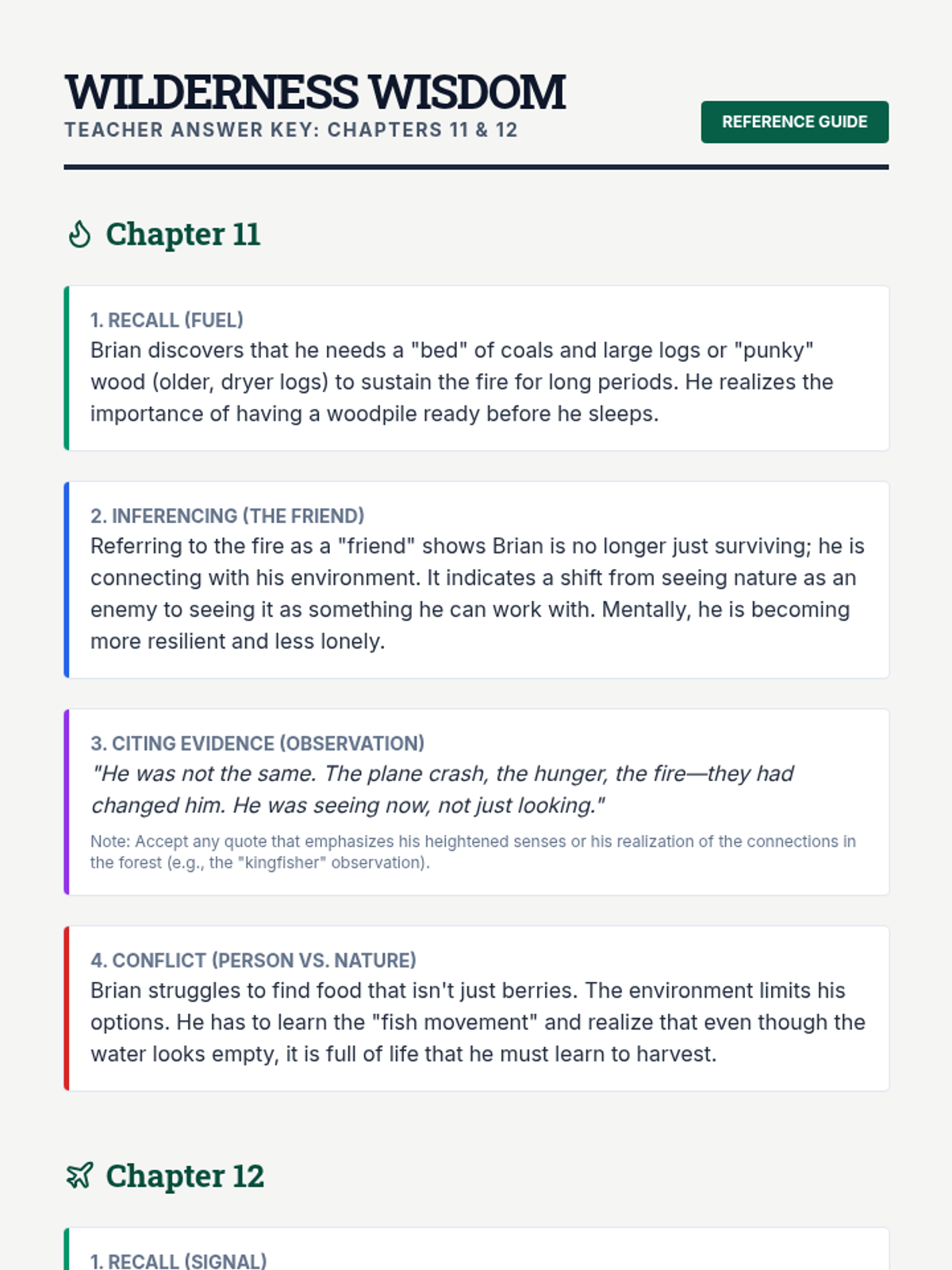
A focused study of Chapters 11 and 12 of Hatchet, examining Brian's deepening relationship with fire and his internal struggle following the missed rescue opportunity. Students will analyze text evidence and identify various forms of conflict.
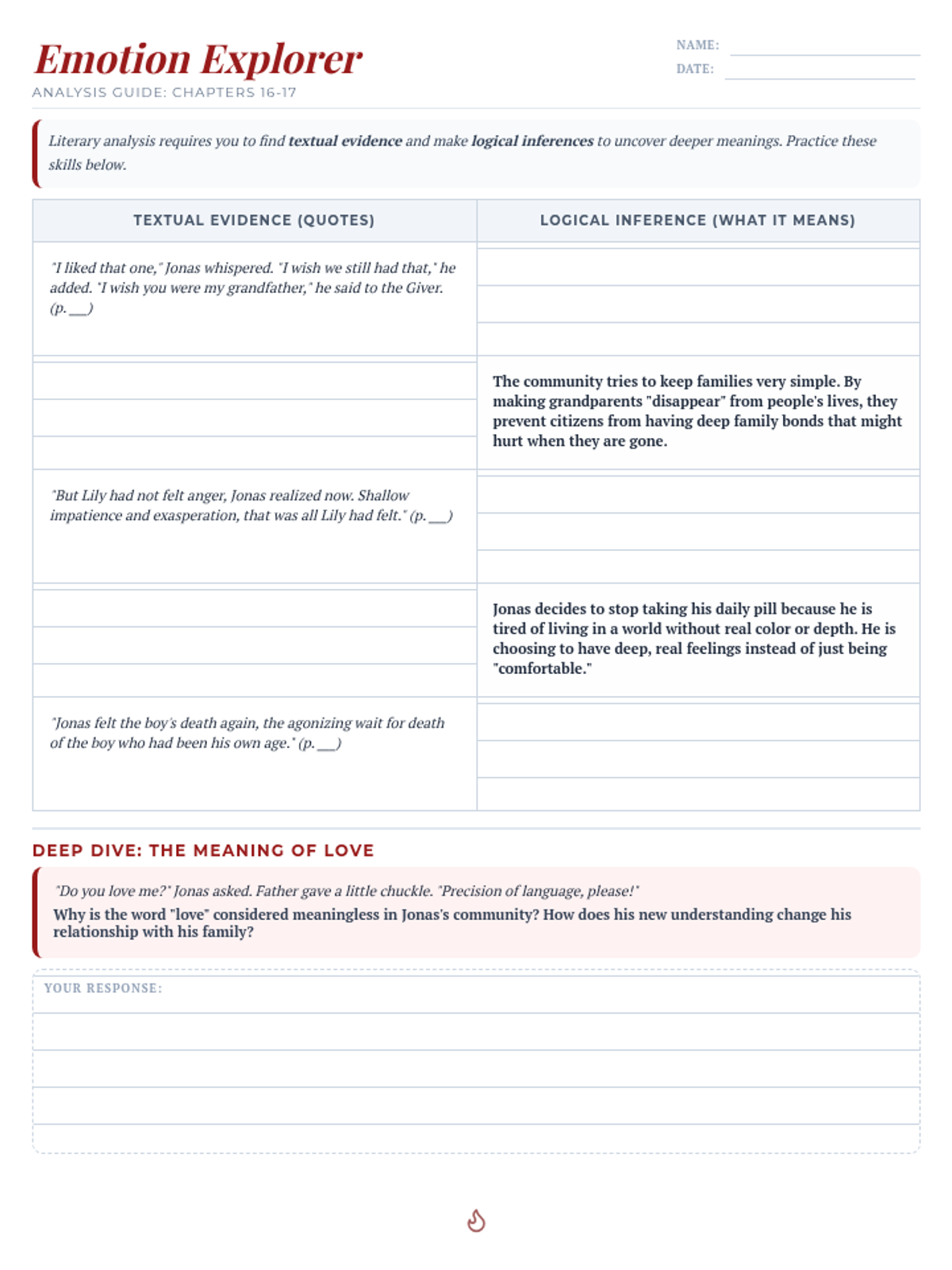
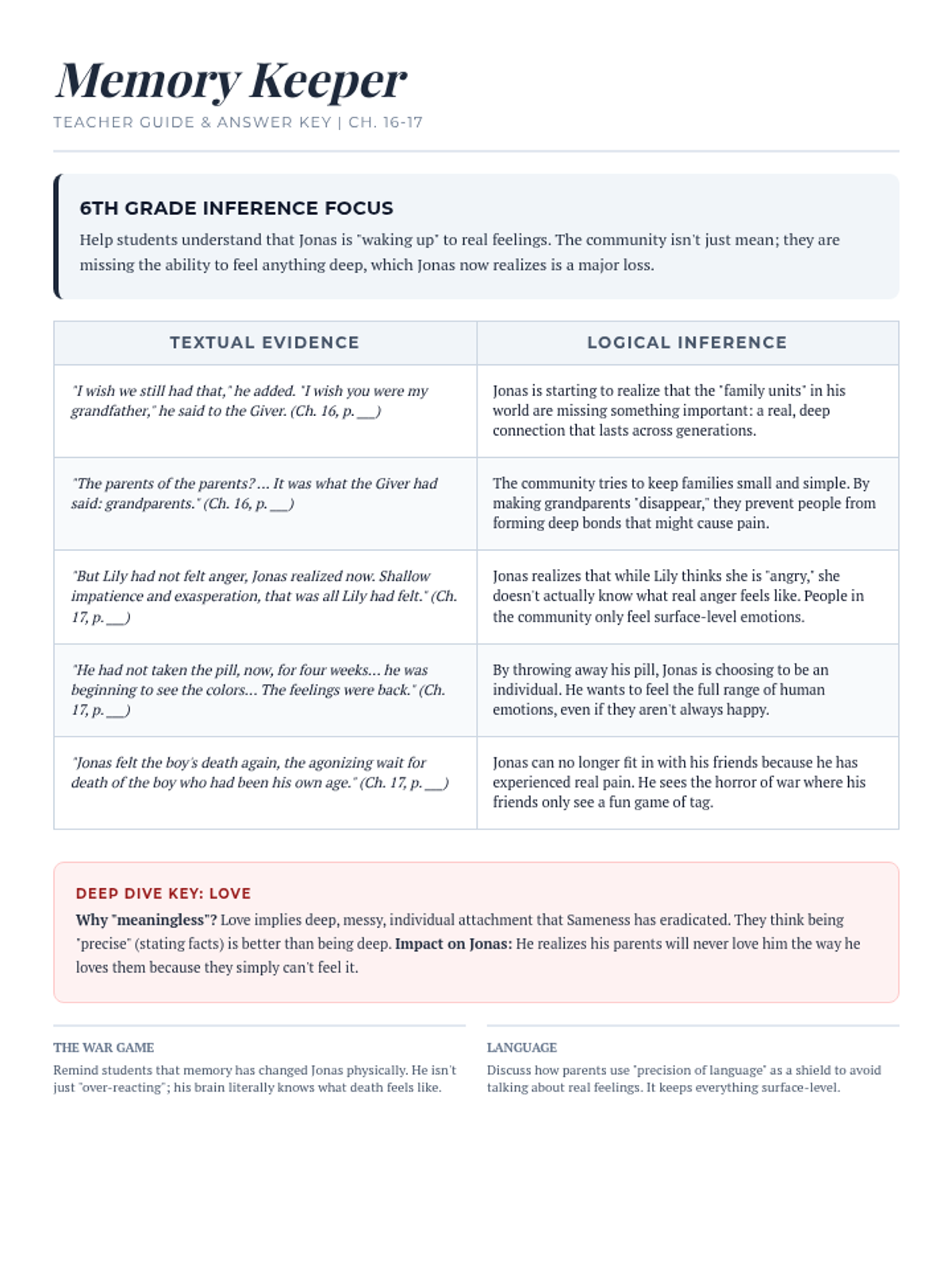
A literary analysis lesson for Chapters 16-17 of *The Giver*, focusing on the depth of human emotion, the concept of 'Love', and the skill of making evidence-based claims.
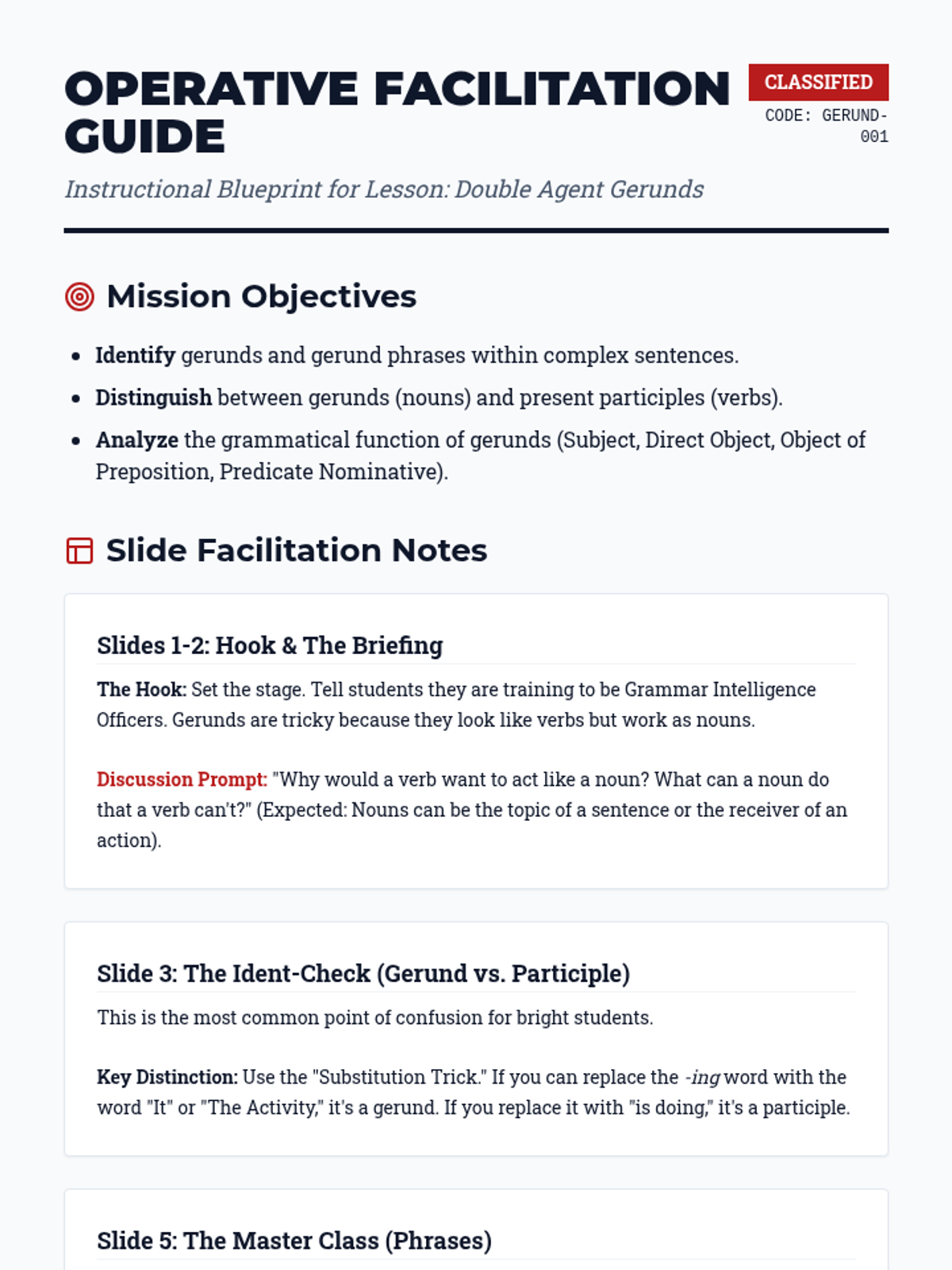
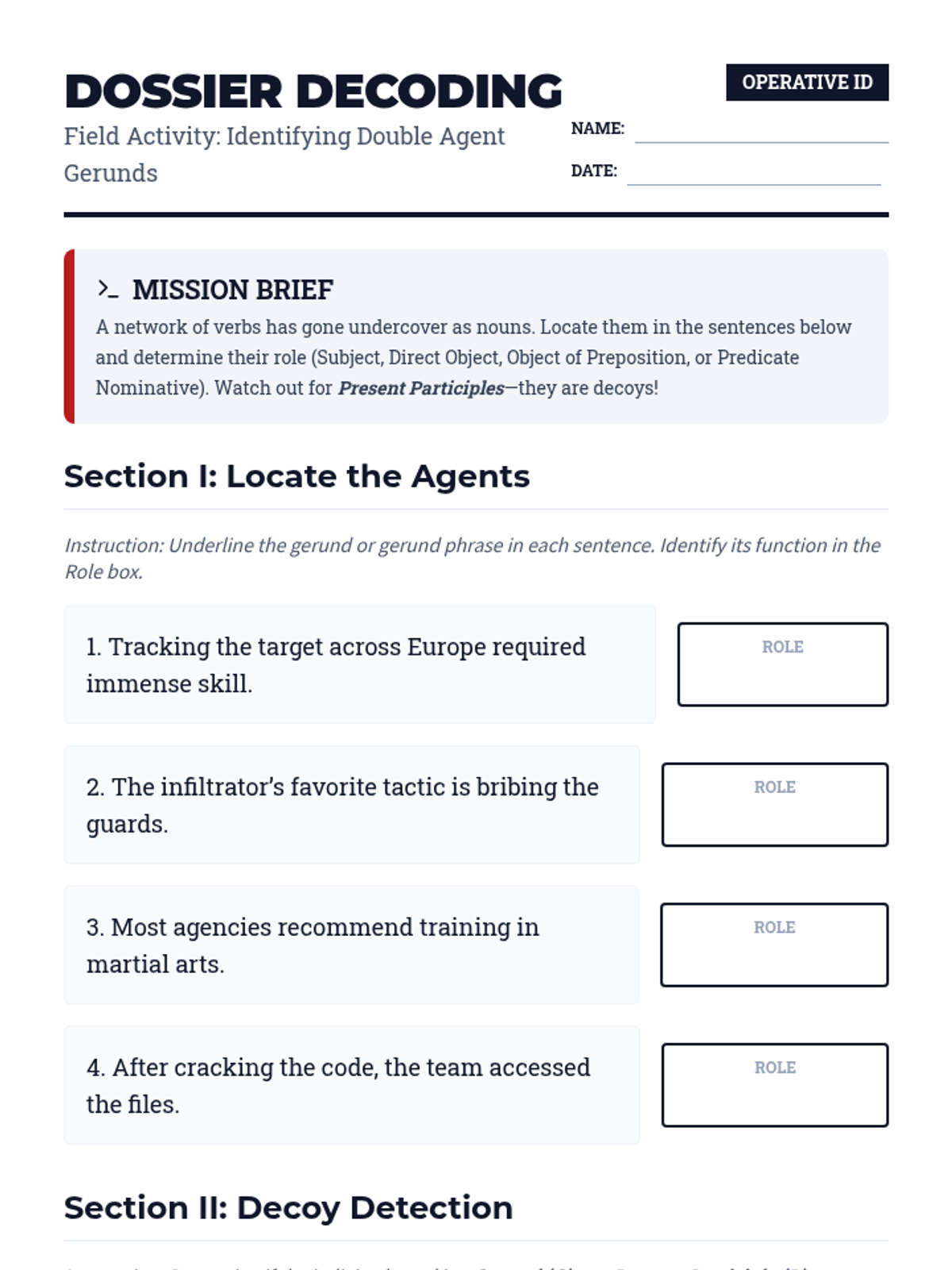
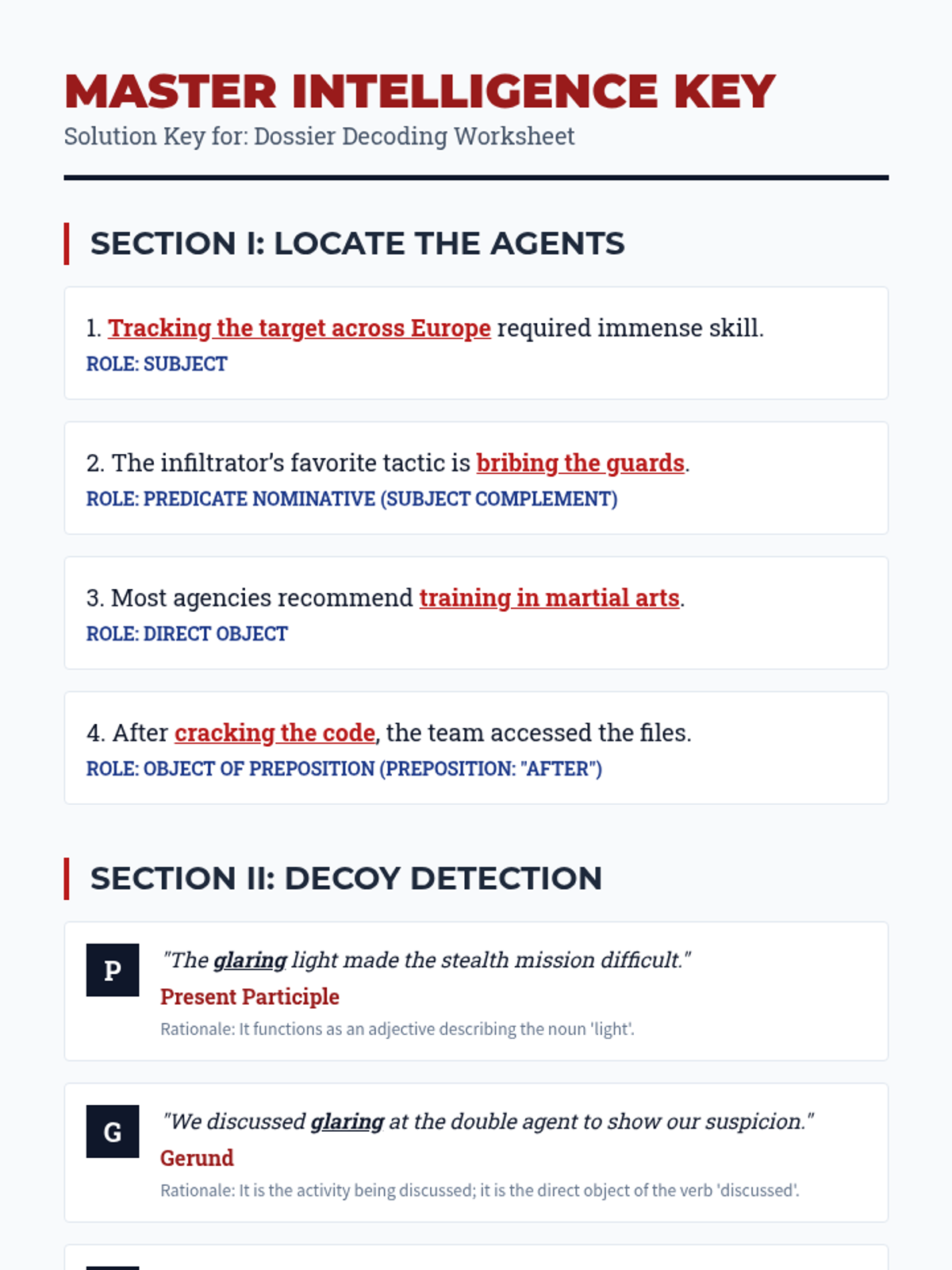
A high-energy, detective-themed lesson exploring how gerunds function as nouns while maintaining their verb-like properties. Designed for advanced students to master identification and usage in various sentence roles.
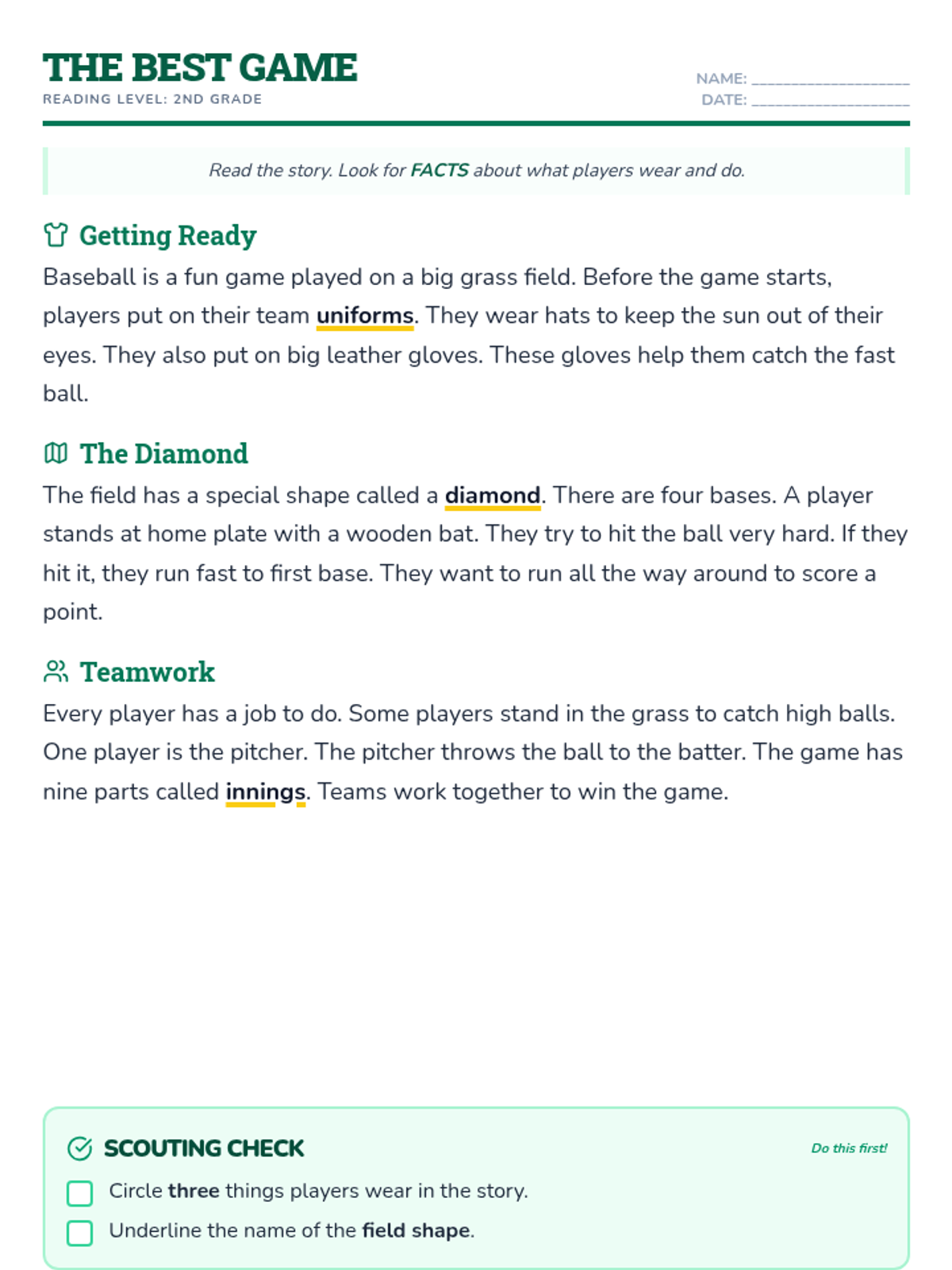
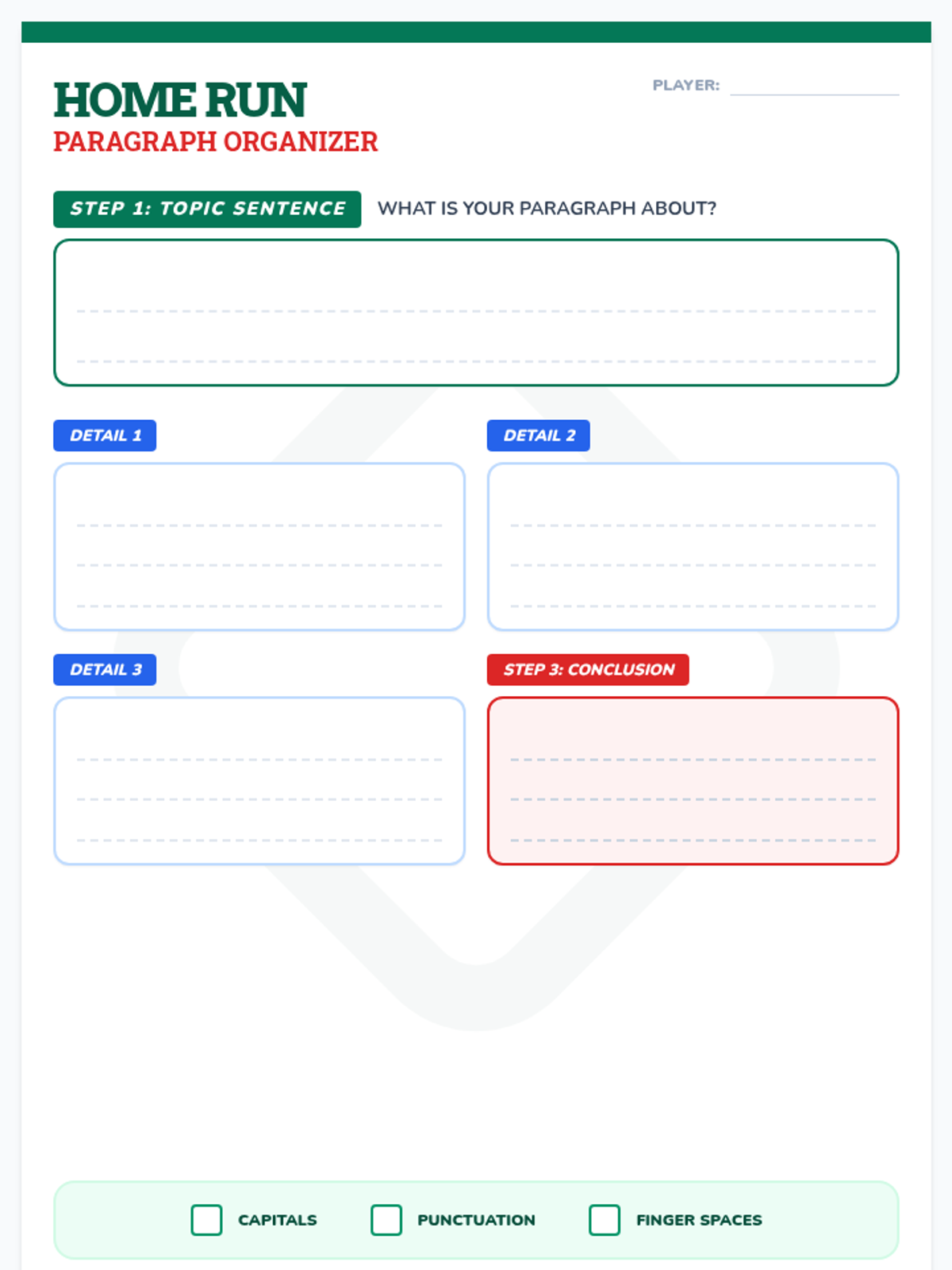
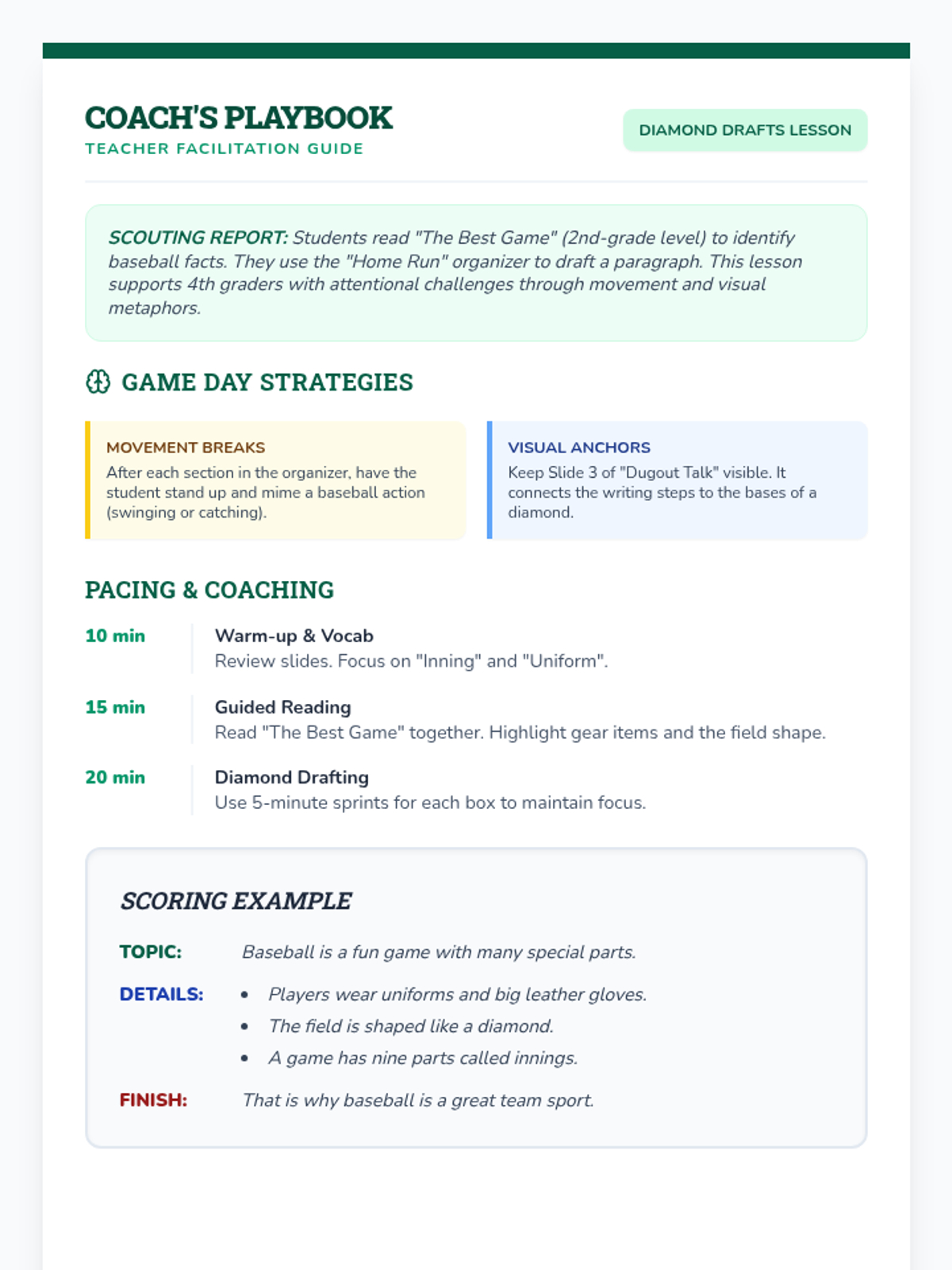
A baseball-themed reading and writing lesson designed for a 4th grader reading at a 2nd-grade level. The lesson focuses on identifying key details and organizing a paragraph using a topic sentence, three details, and a conclusion.
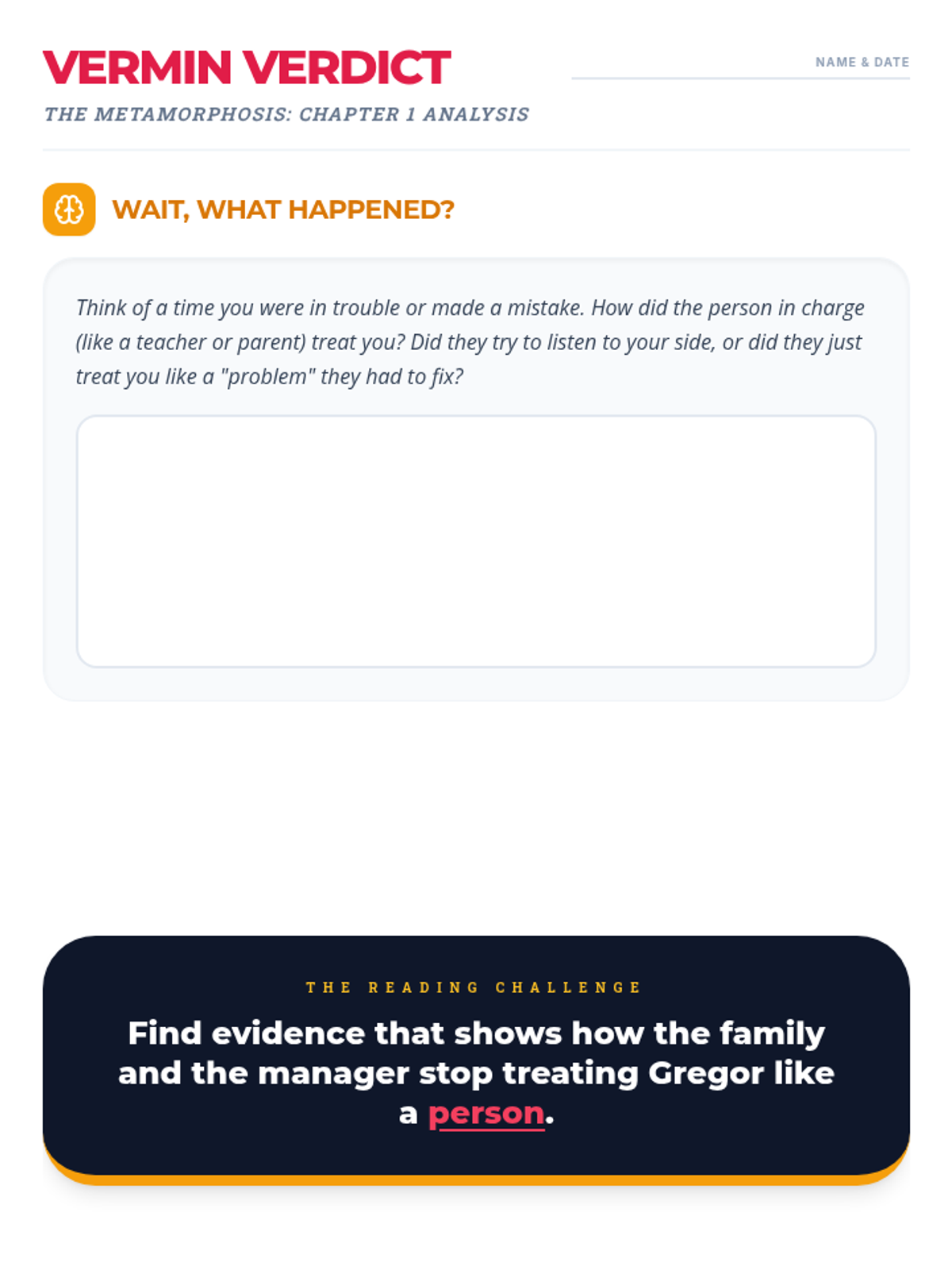
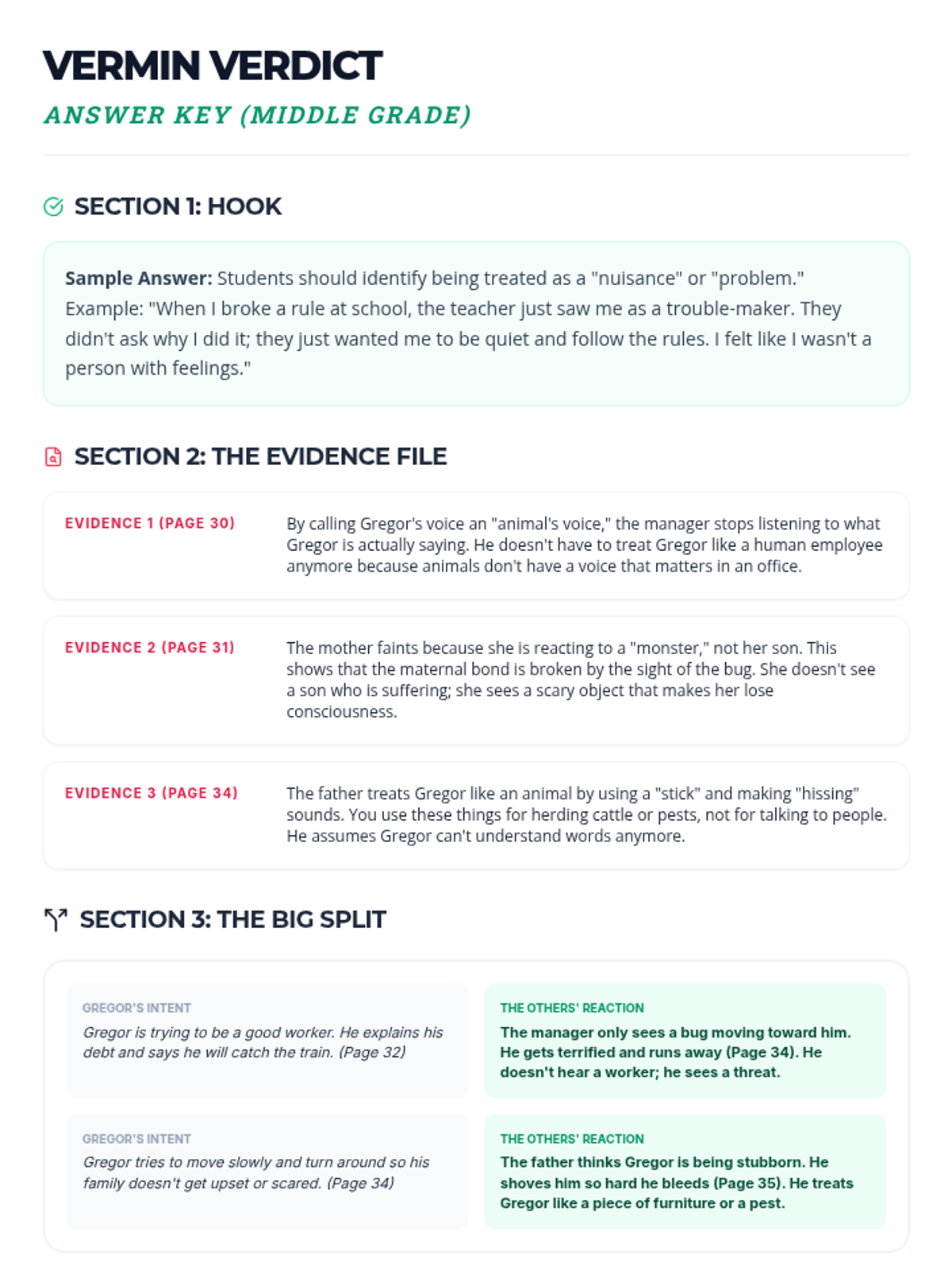
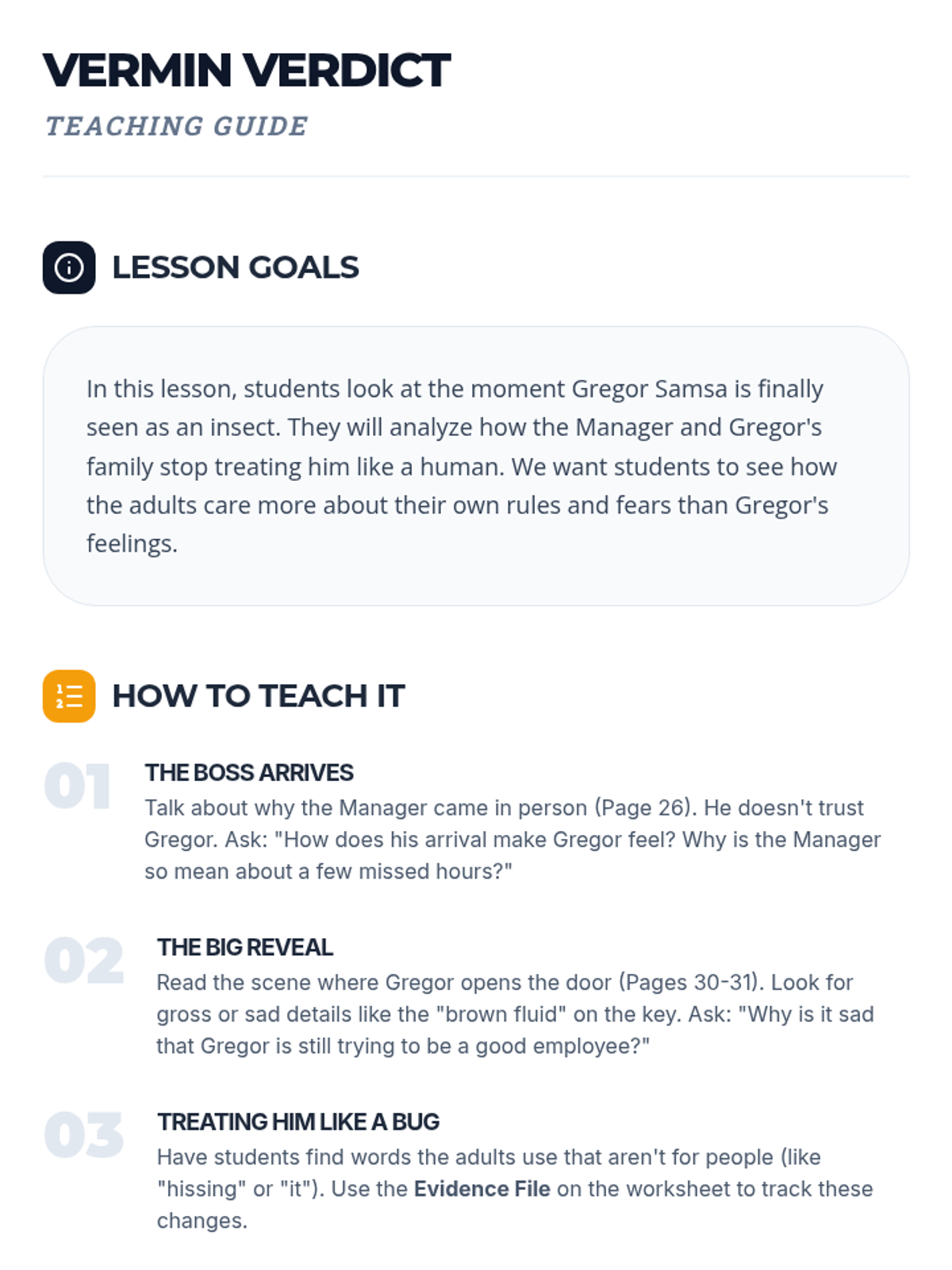
A lesson exploring the arrival of the Manager in Chapter 1 of 'The Metamorphosis'. Students analyze the immediate dehumanization of Gregor by his family and superiors, focusing on word choice and the conflict between individual humanity and bureaucratic authority.
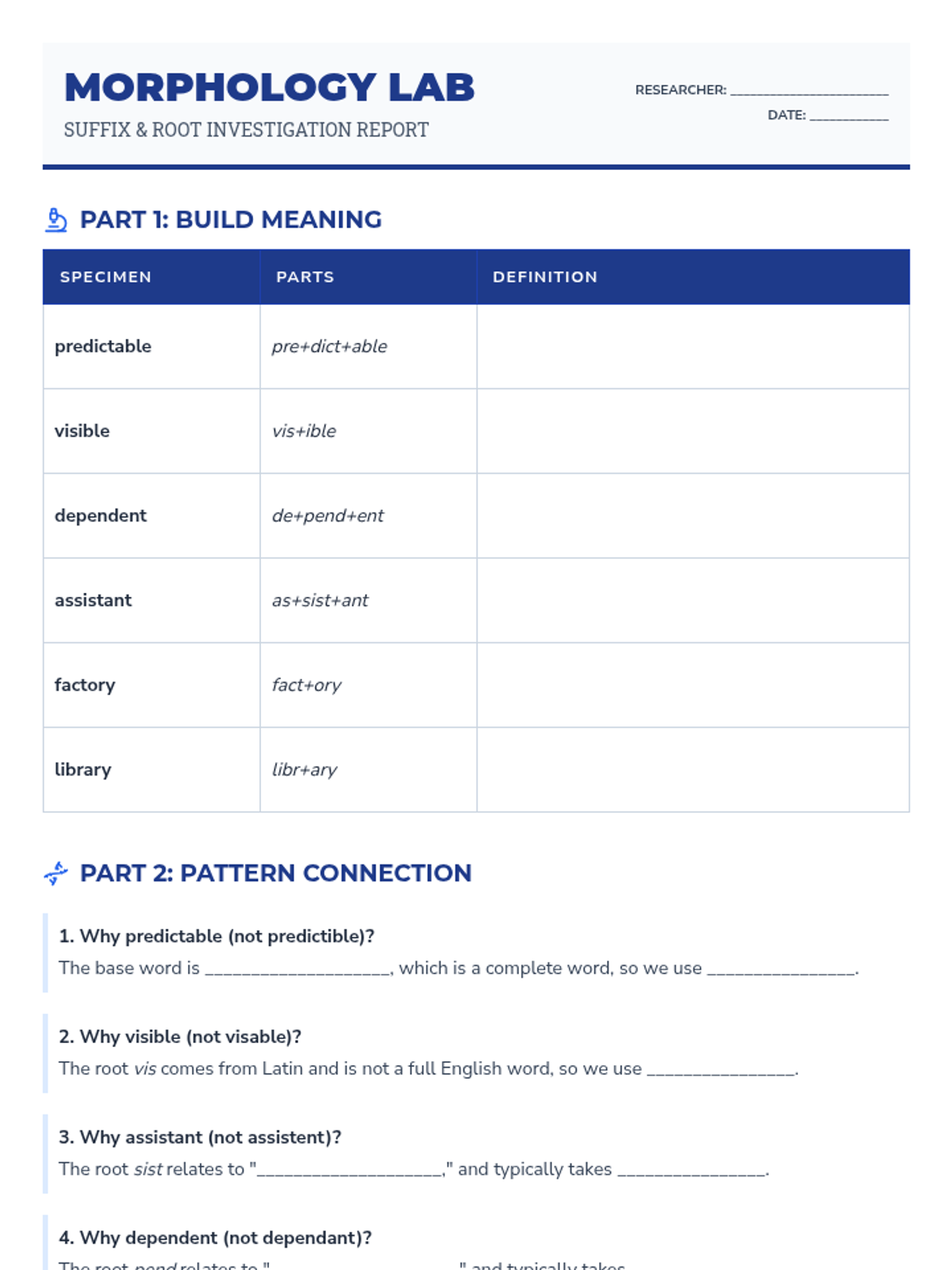
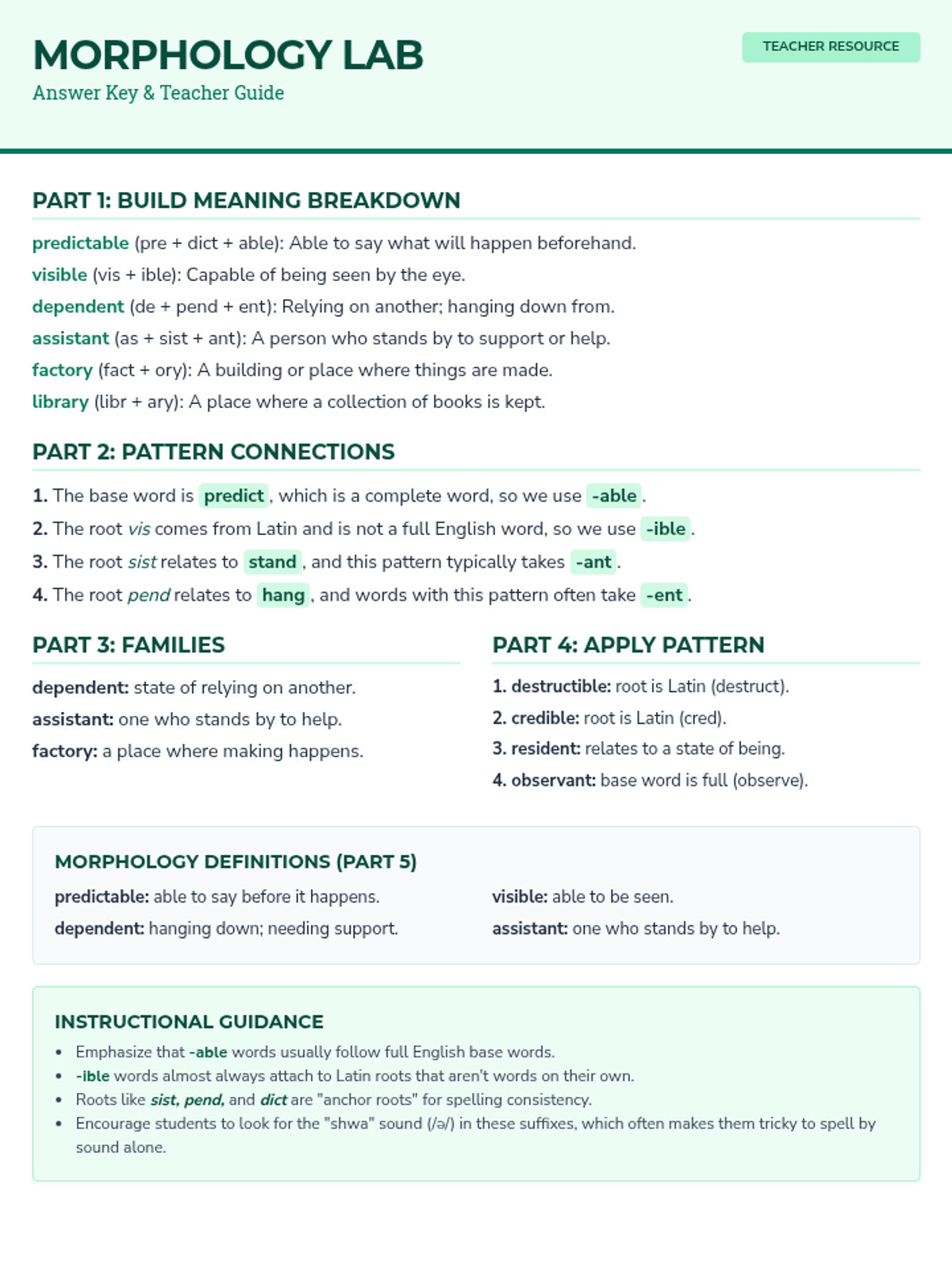
A deep dive into morphology and common word endings (-able, -ible, -ary, -ery, -ory, -ant, -ent), focusing on how Latin roots and base words determine spelling patterns.
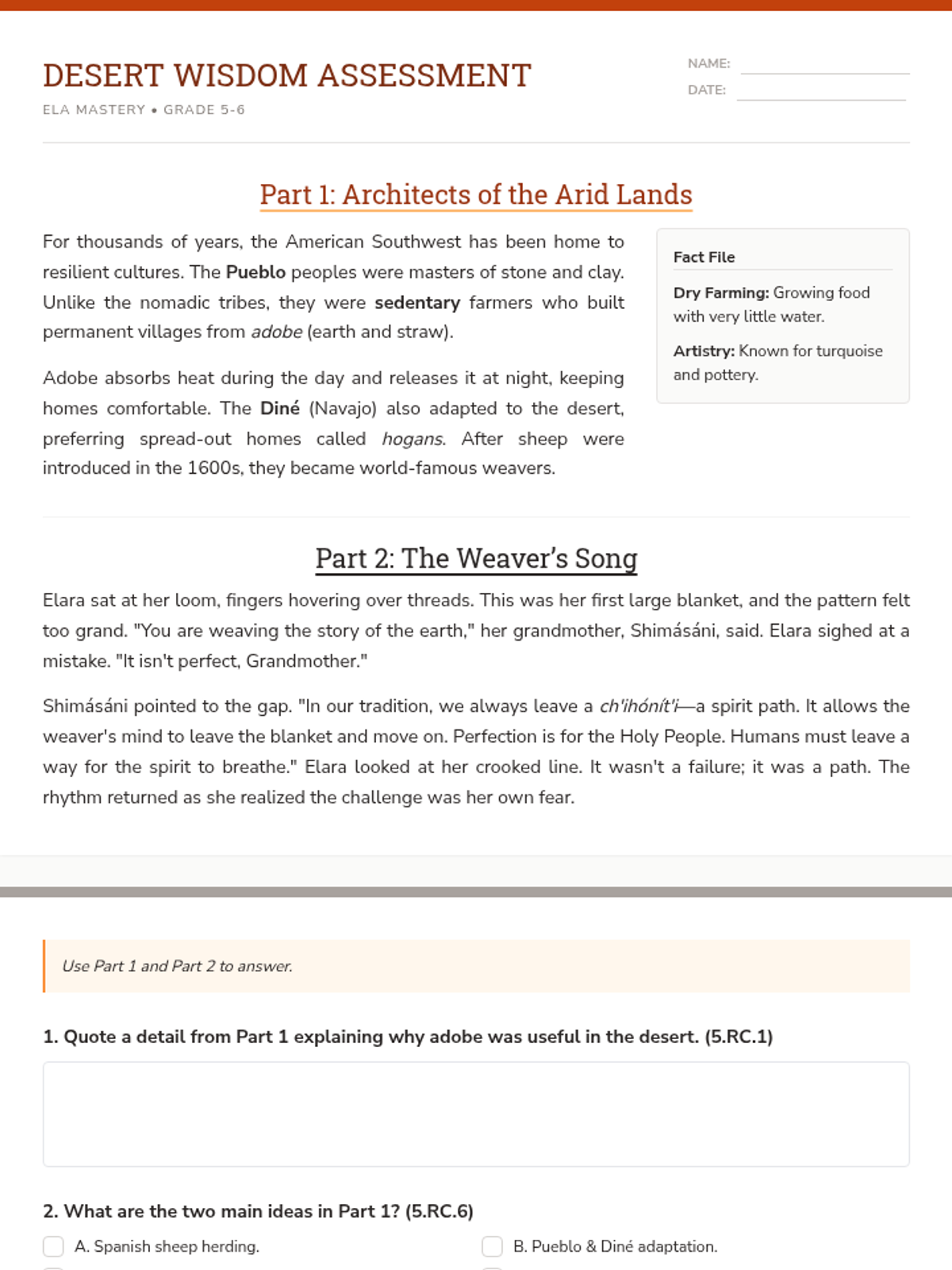
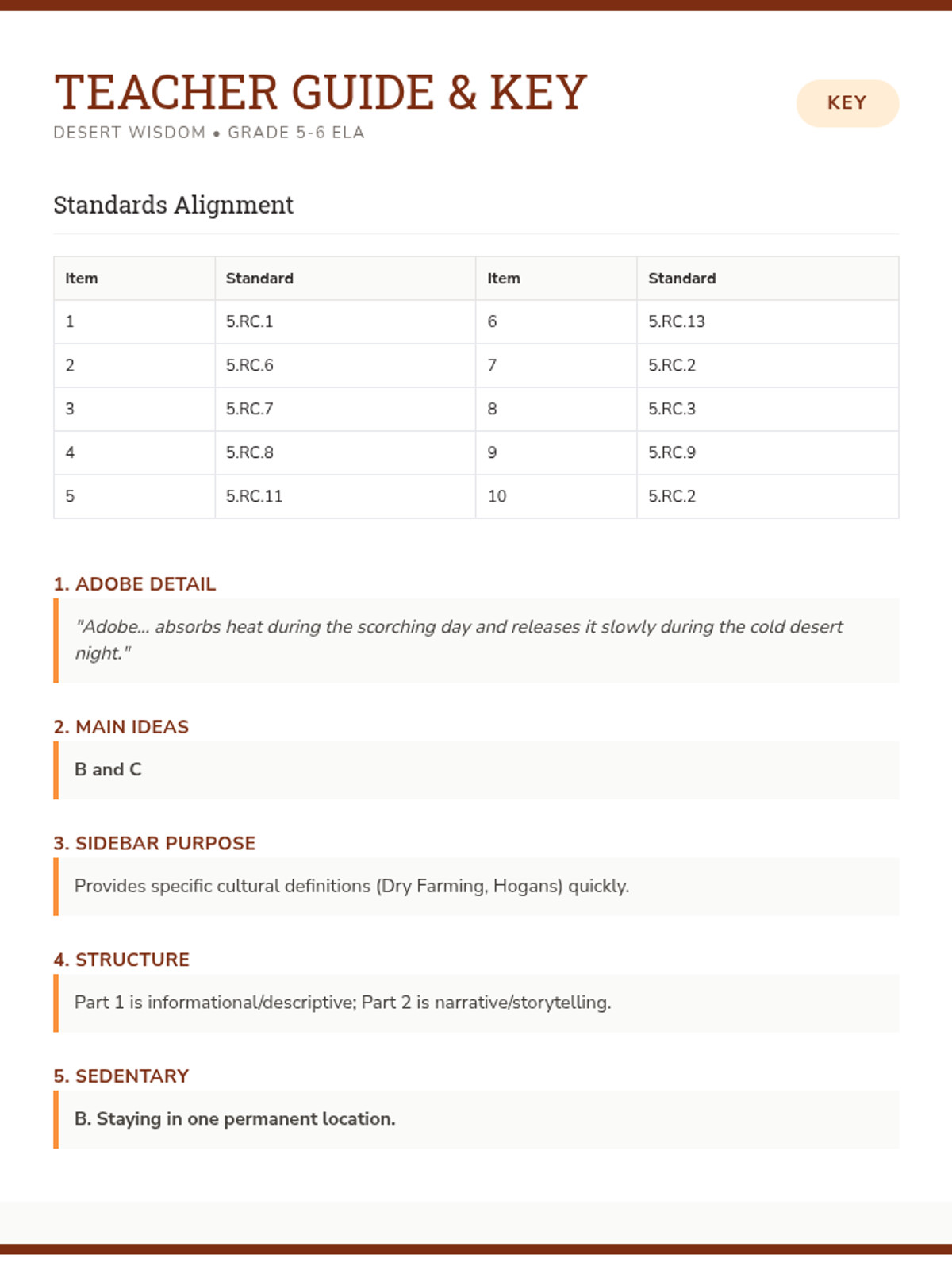
A comprehensive ELA assessment featuring informational and literary texts about Southwest Native American tribes, aligned to 5th-6th grade standards. Students will analyze text structure, theme, and main ideas while exploring the cultures of the Pueblo and Diné people.
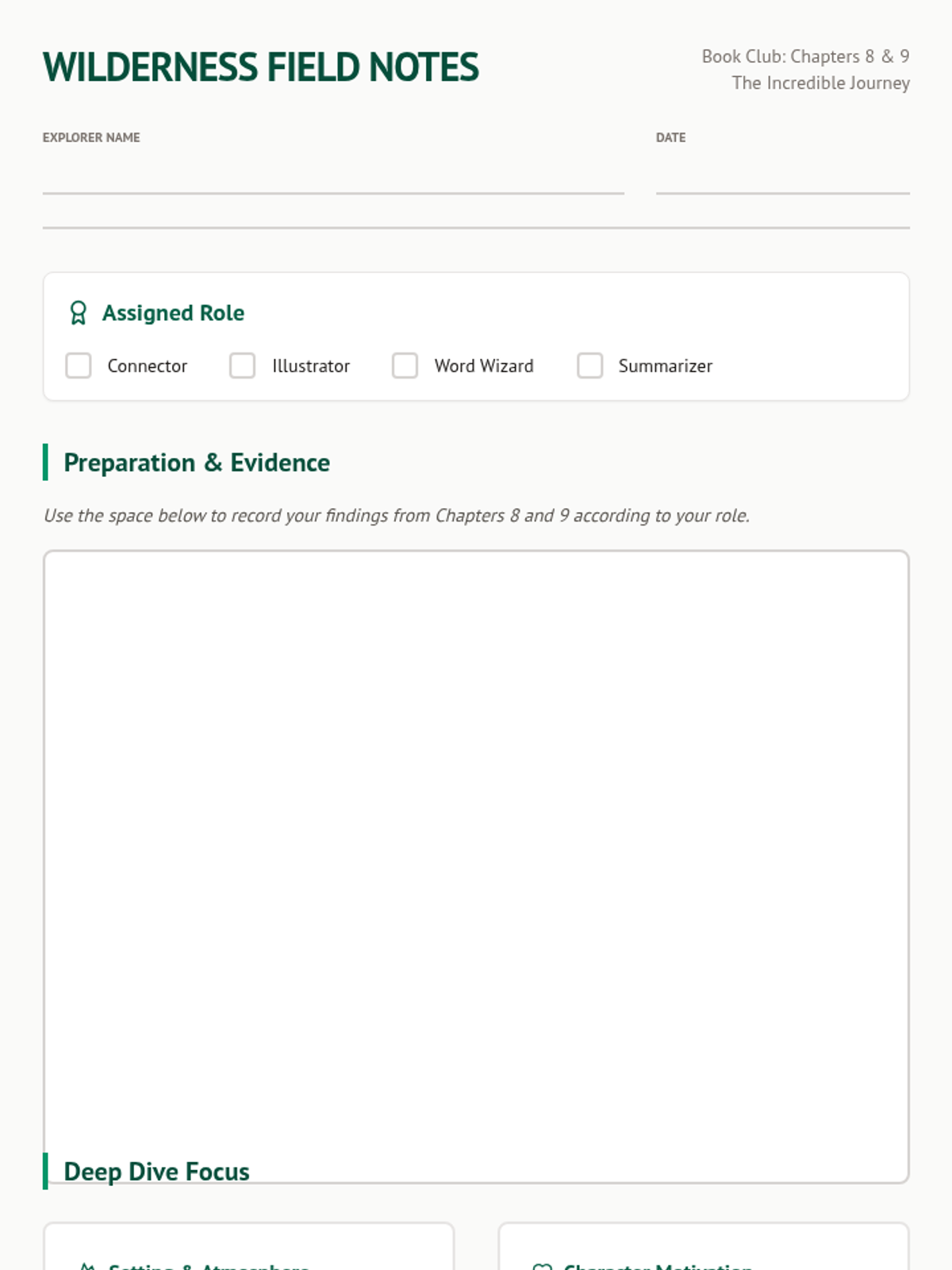
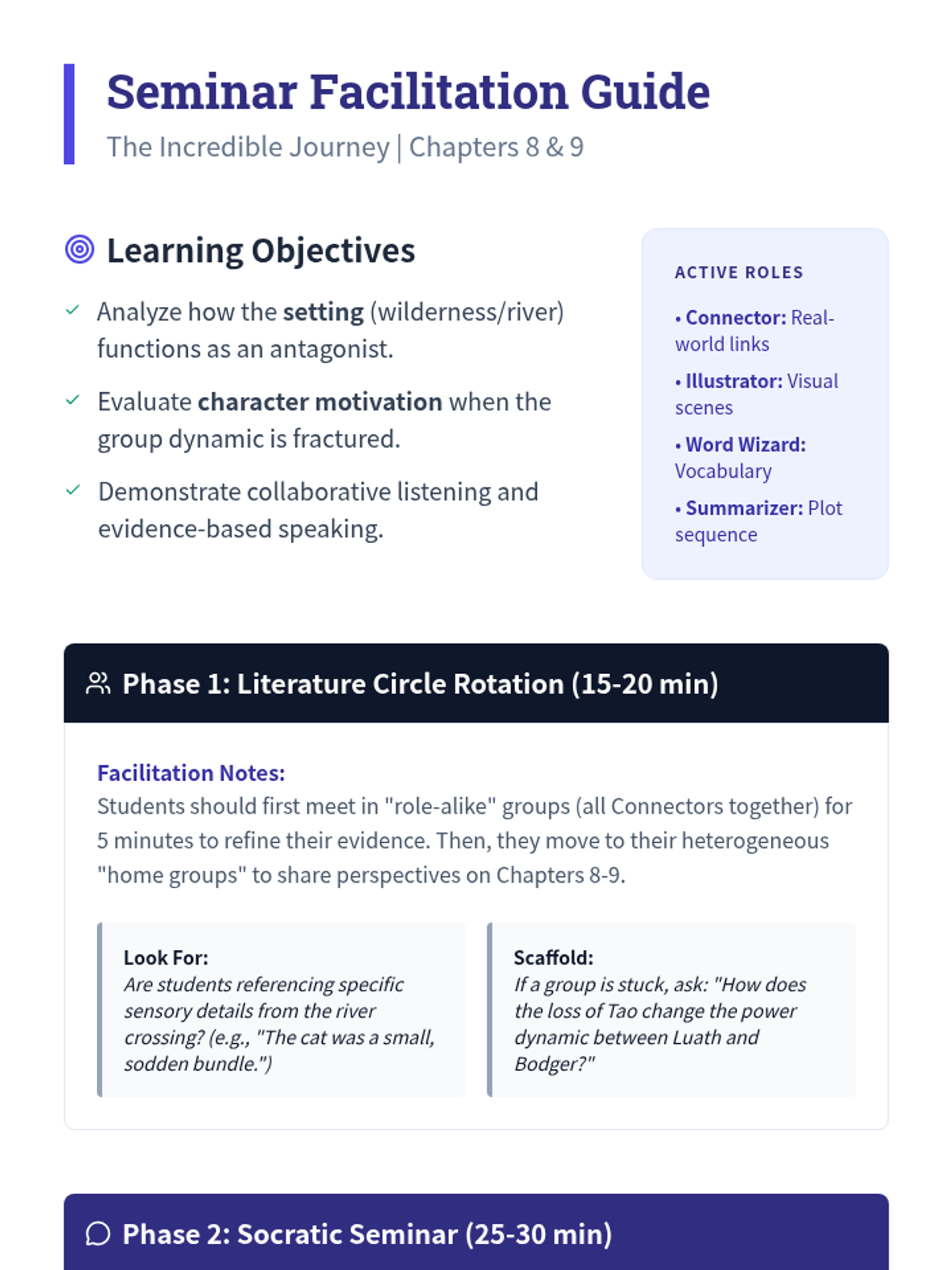
A deep dive into Sheila Burnford's classic adventure, focusing on the trio's survival through the Canadian wilderness. Students explore character motivations, analyze the atmospheric setting, and practice collaborative discussion techniques.
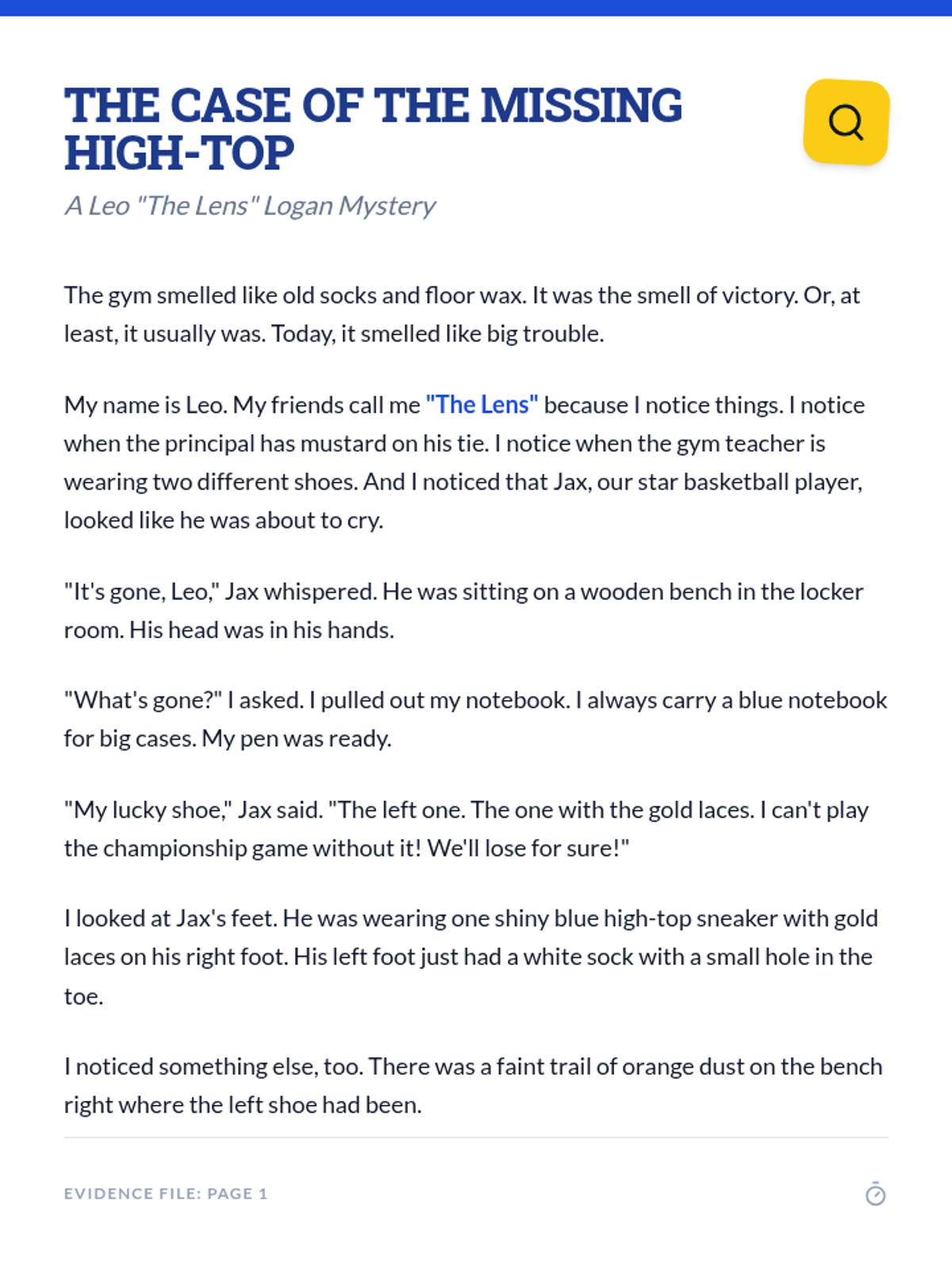
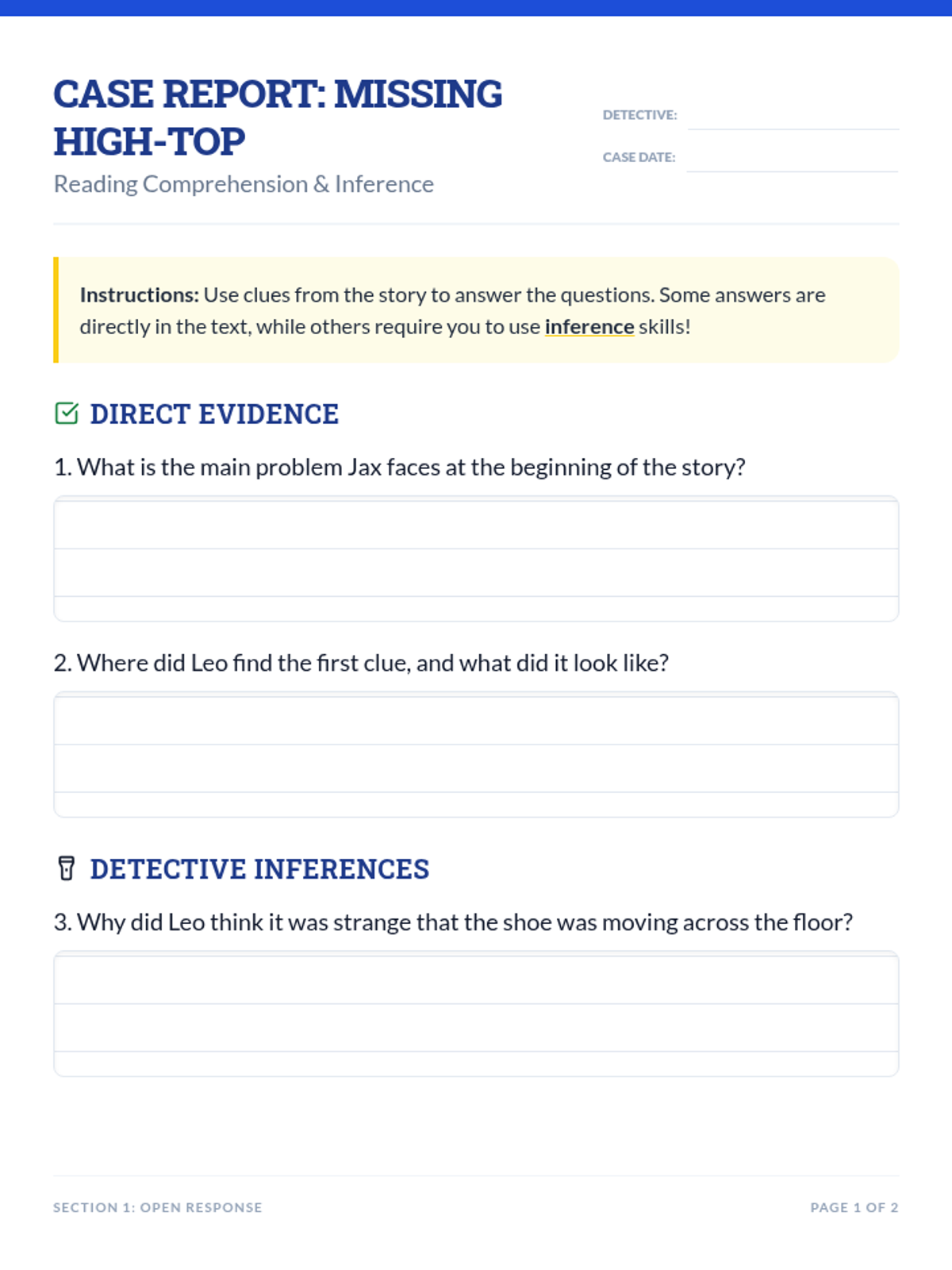
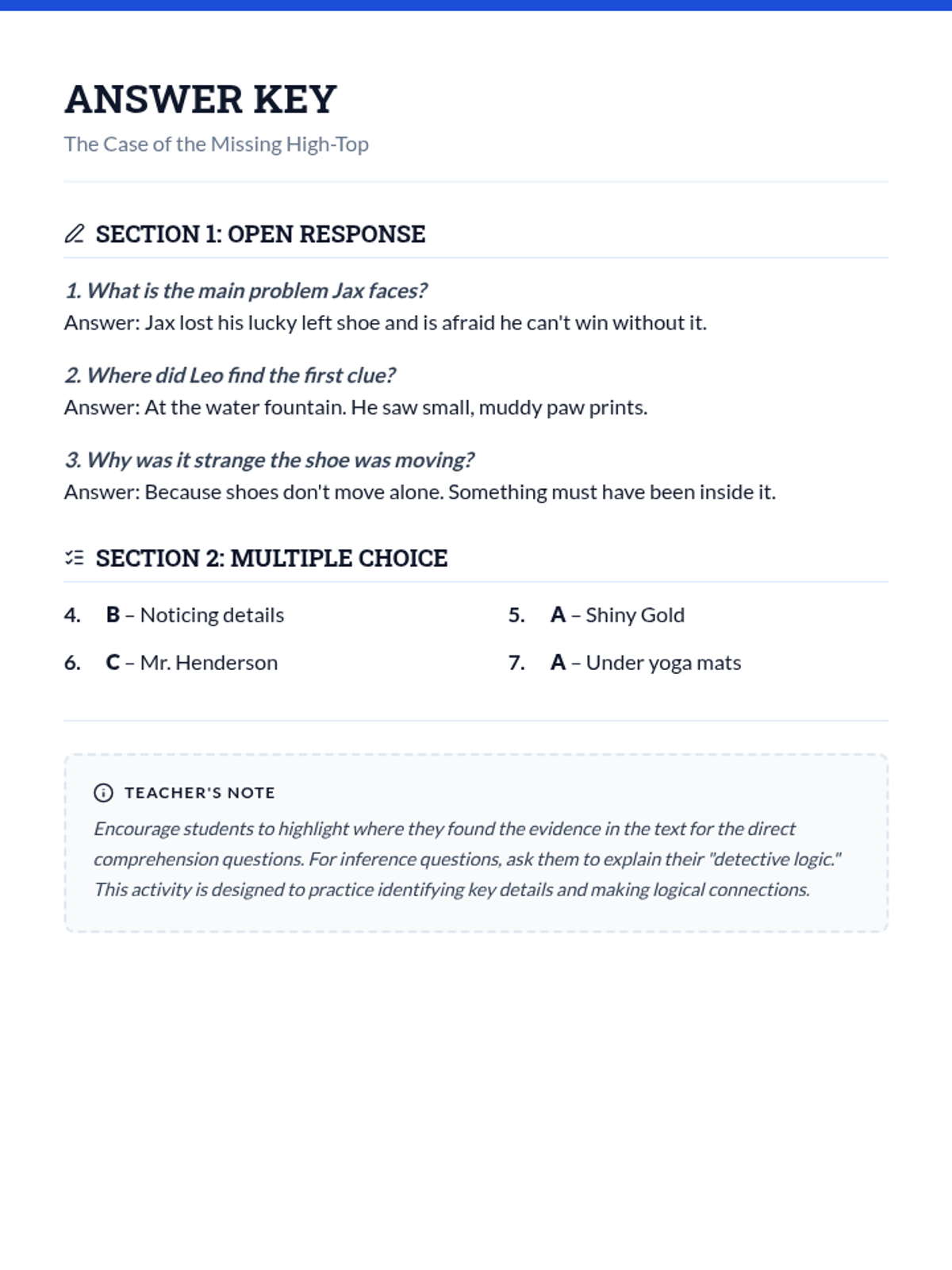
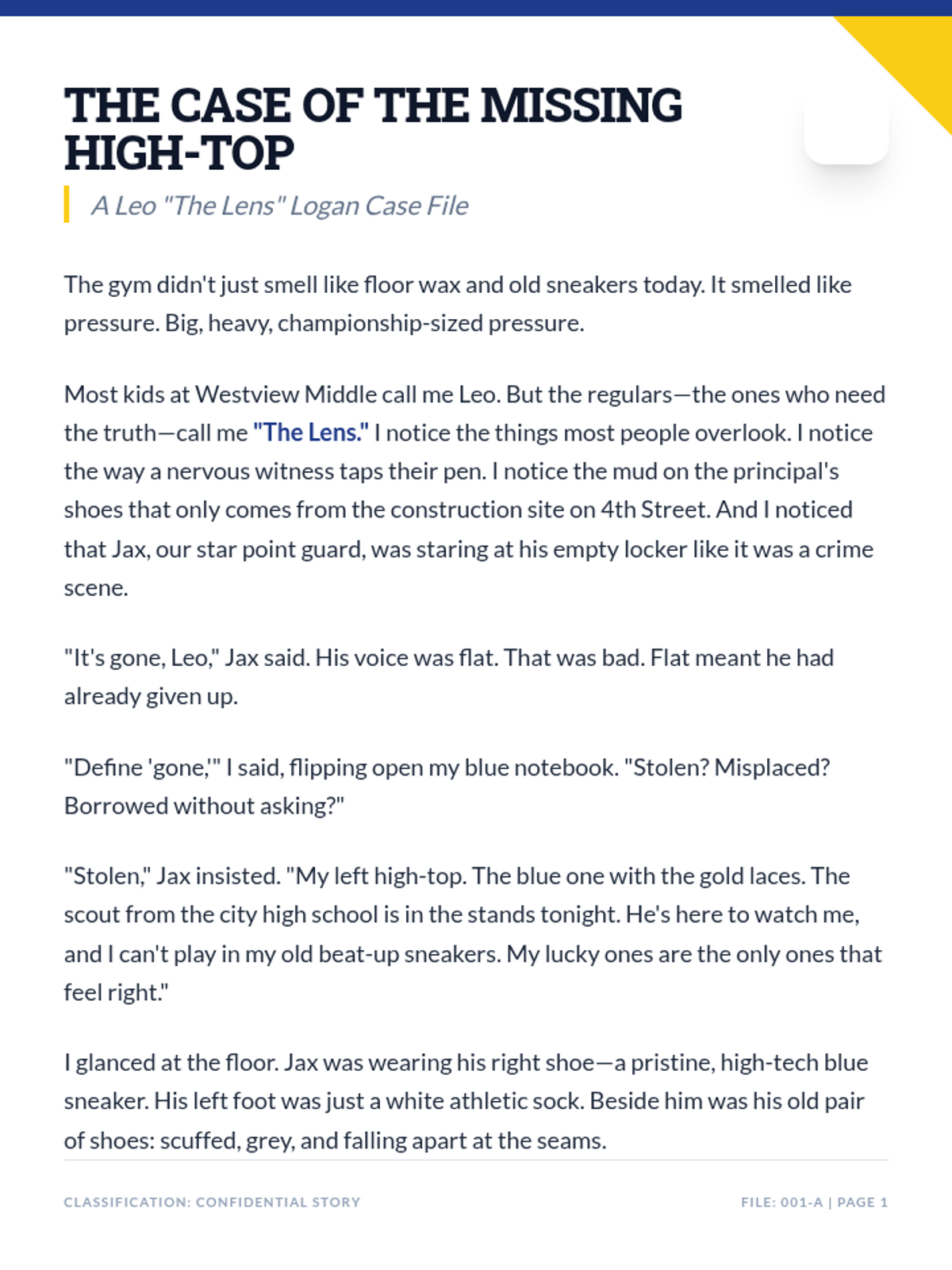
A sports-themed mystery story and comprehension activity designed for 3rd-4th grade reading levels, focusing on making inferences and identifying key details.
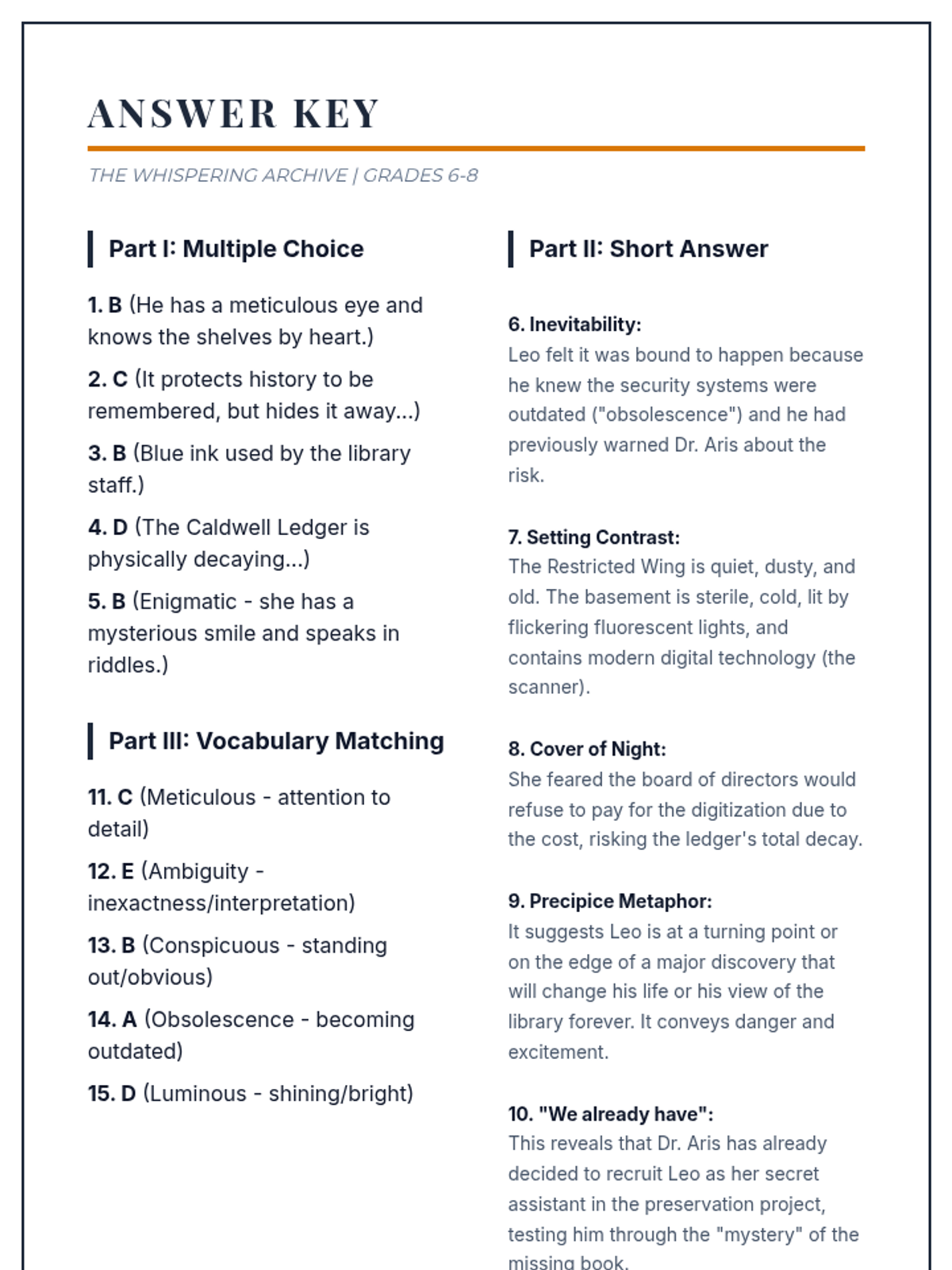
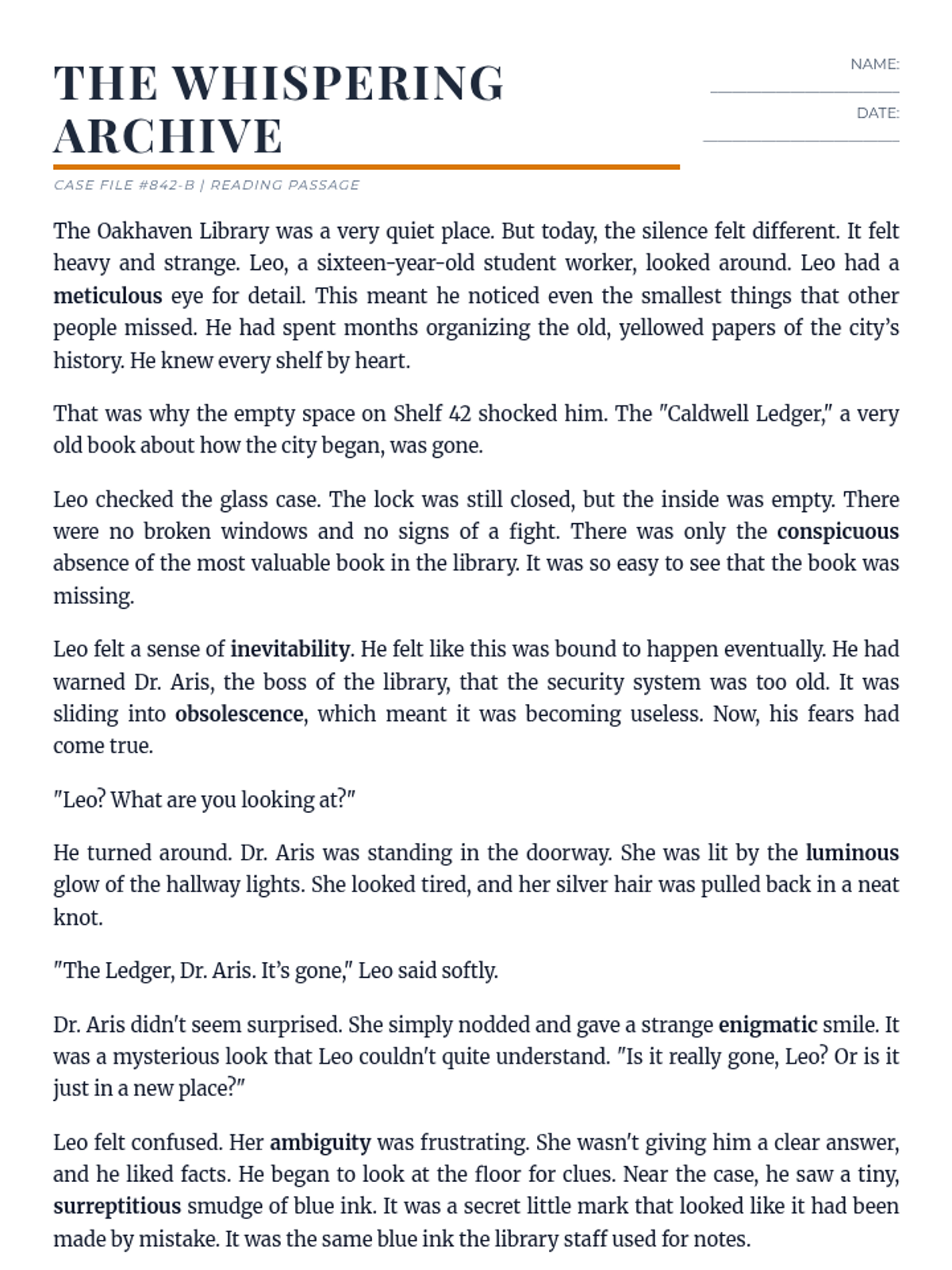
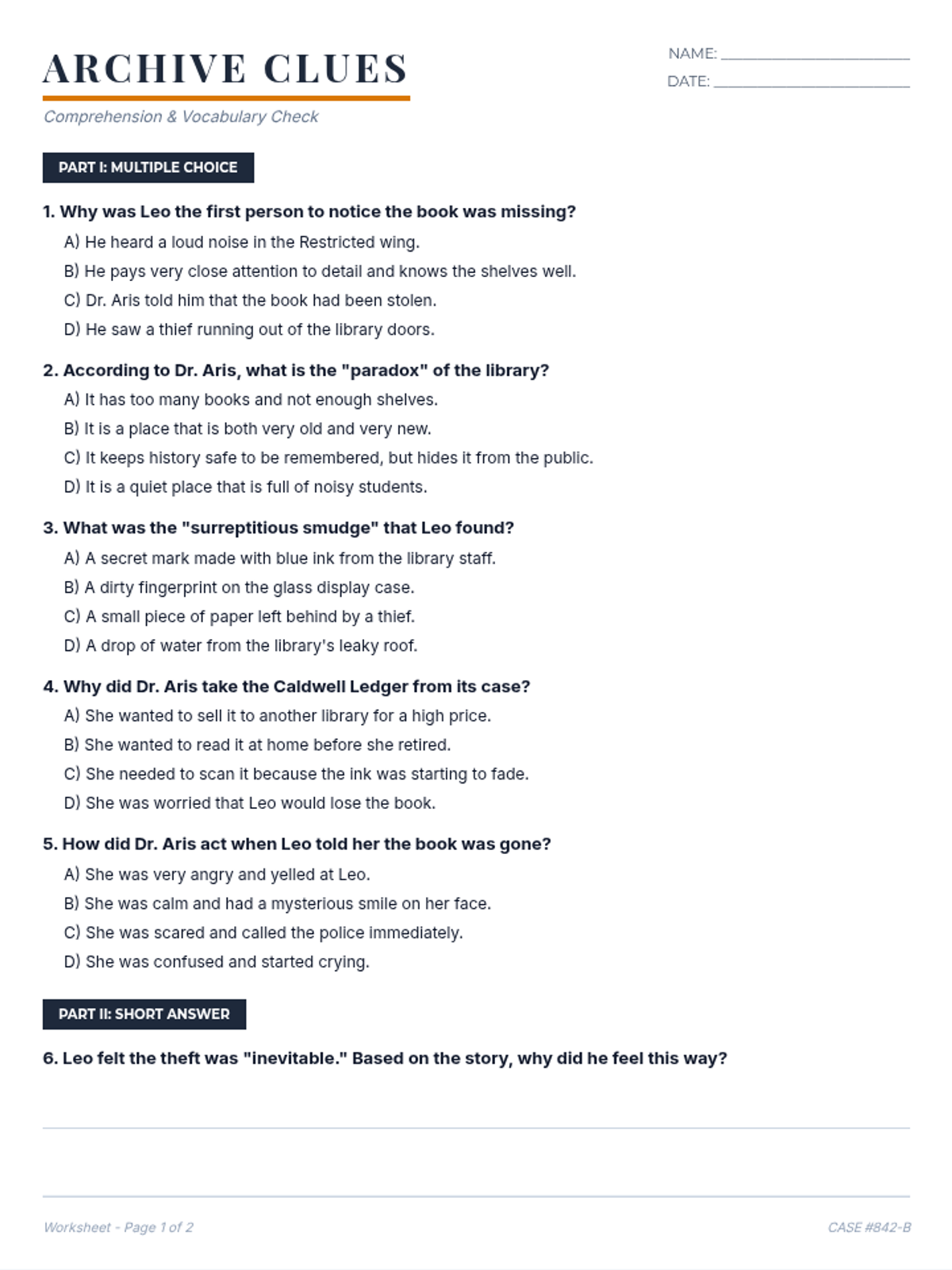
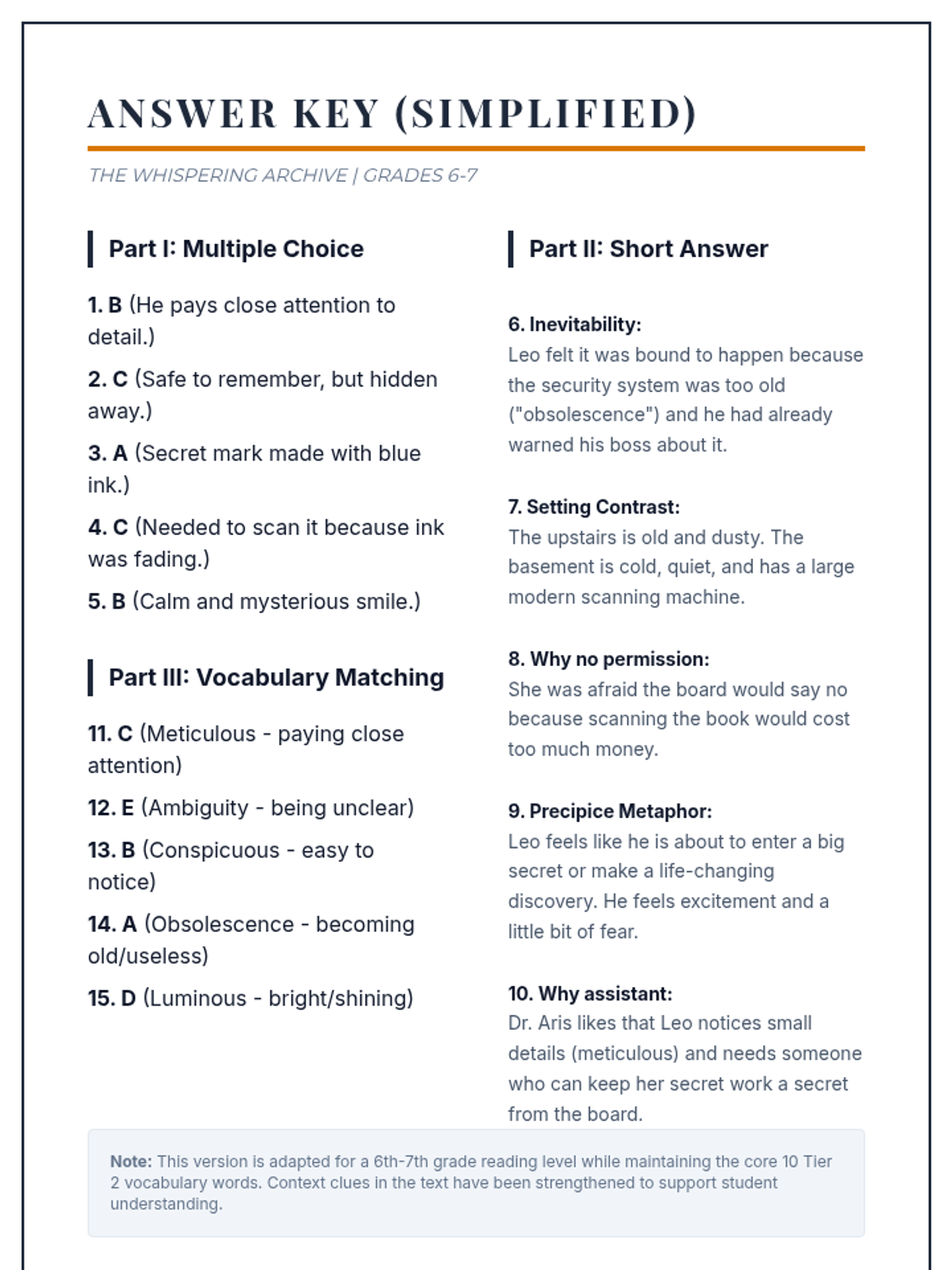
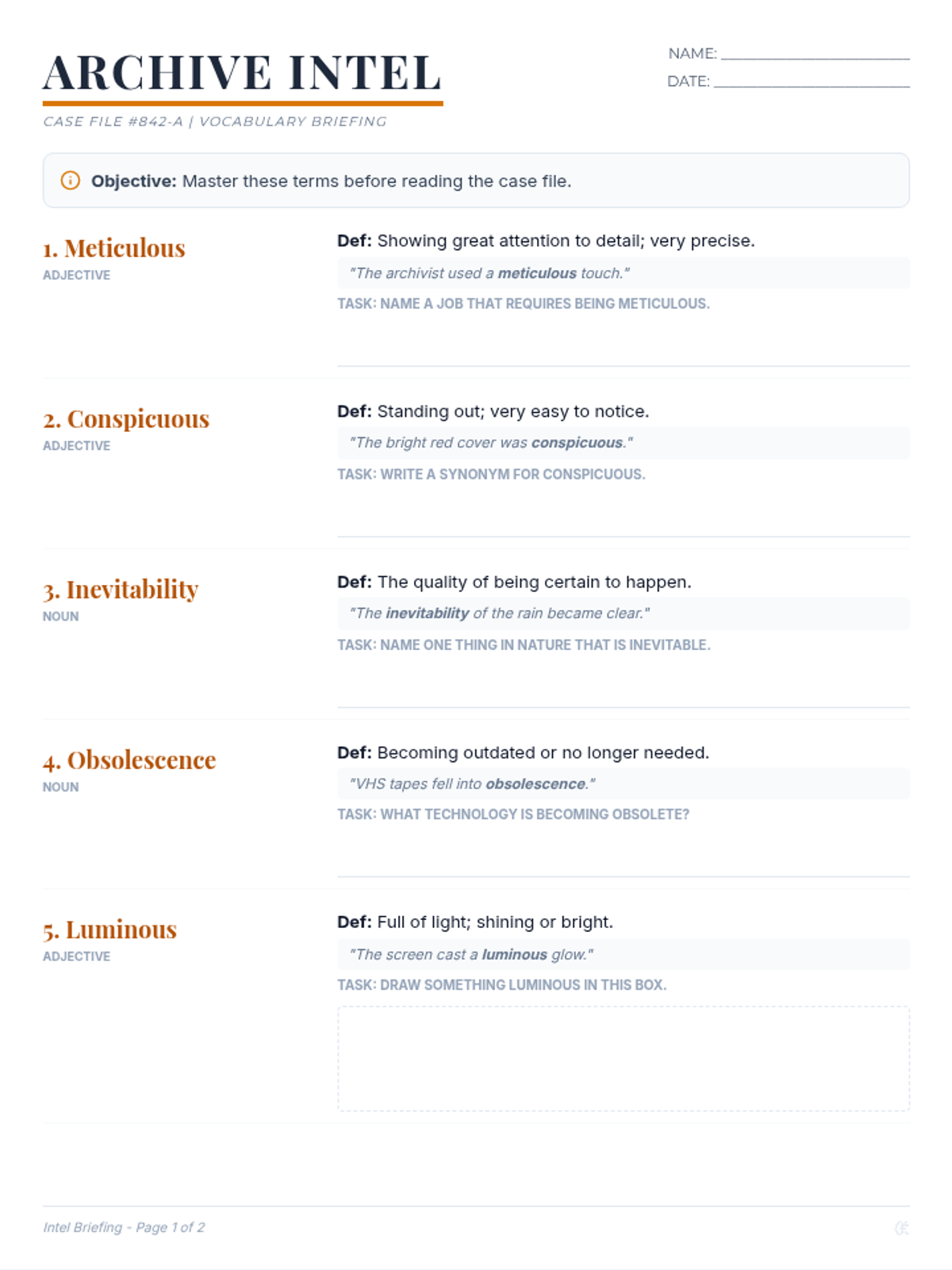
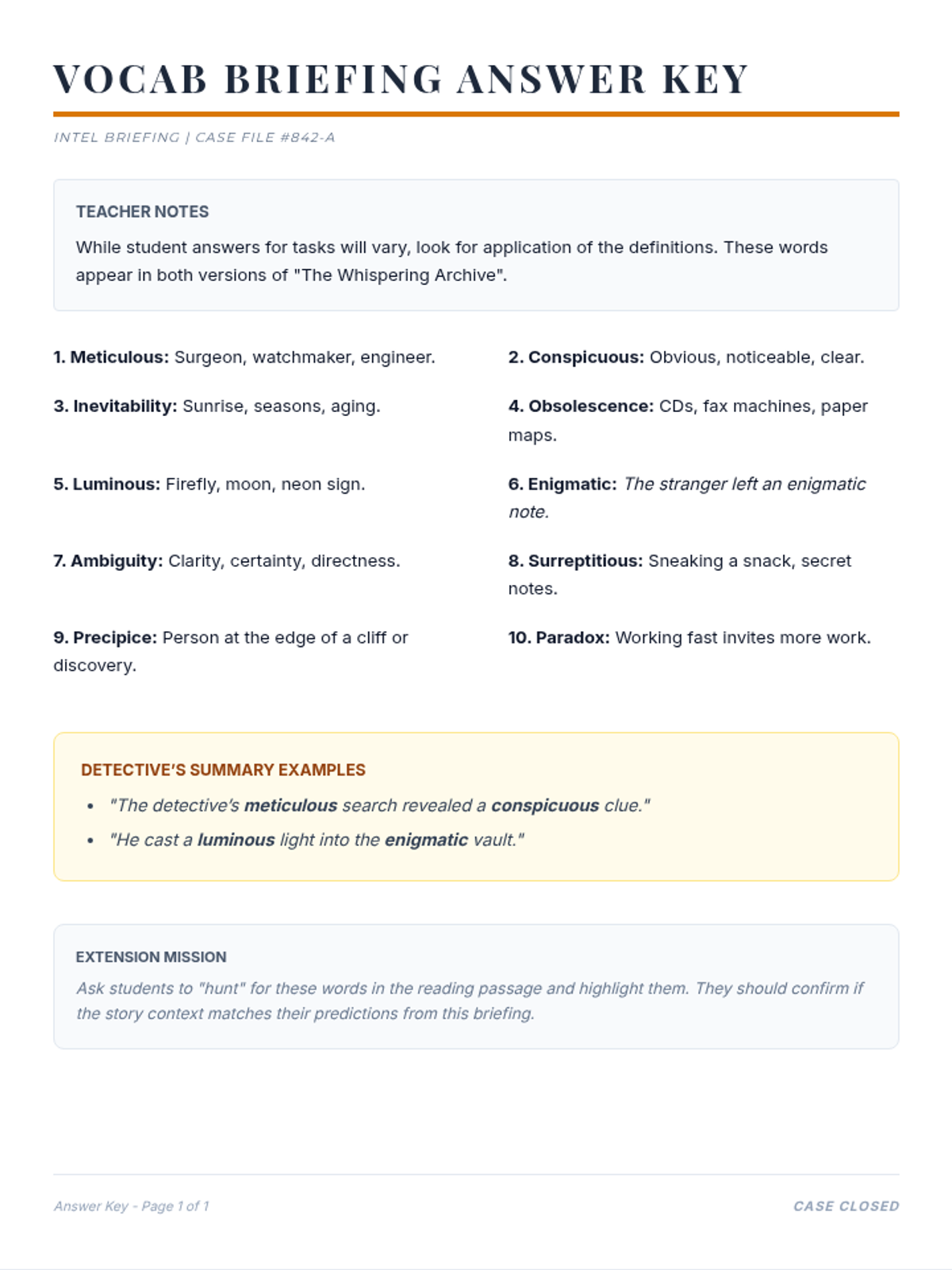
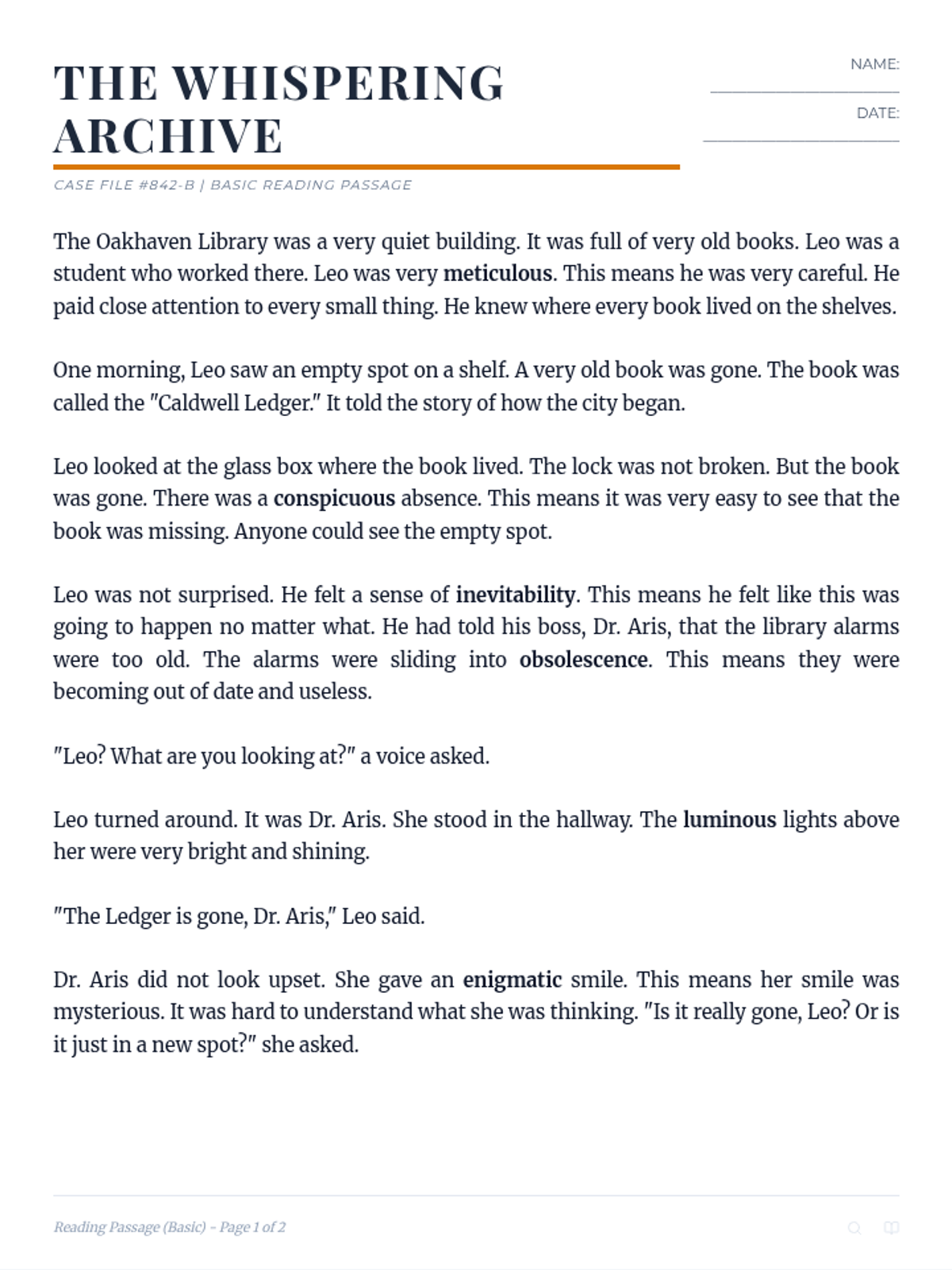
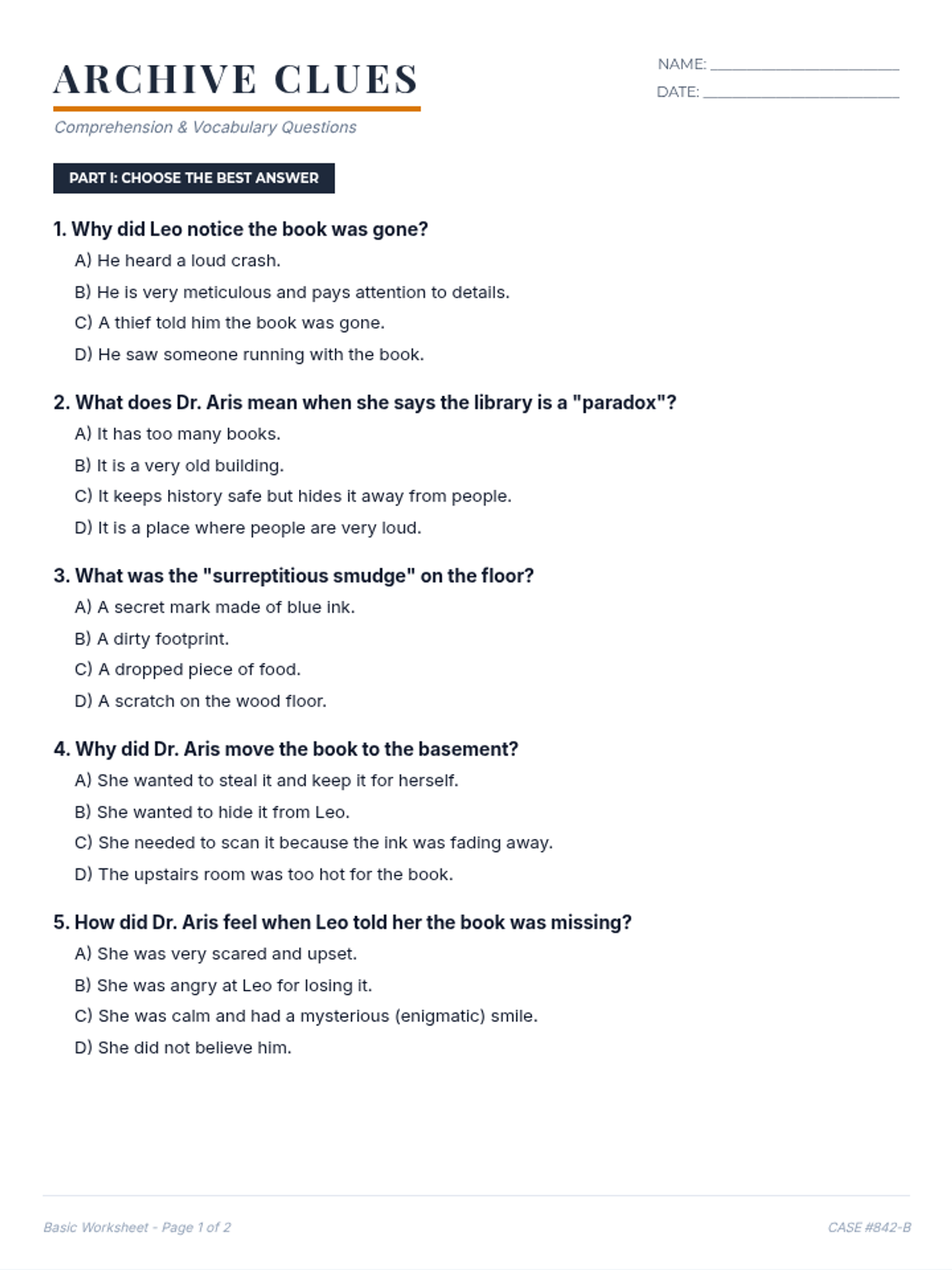
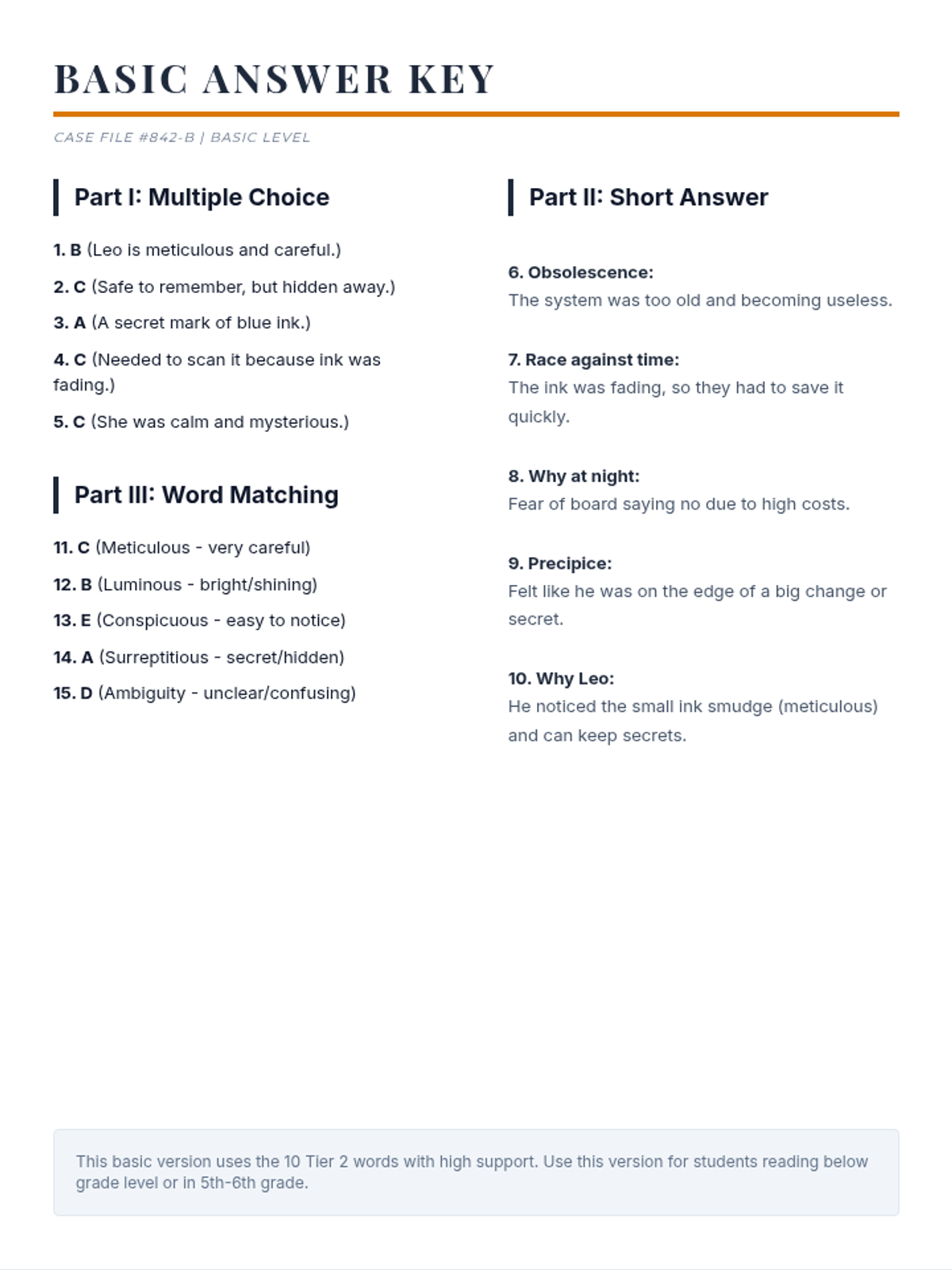
A mystery-themed reading comprehension lesson featuring a 2-page original fiction story and a comprehensive assessment focused on Tier 2 vocabulary and analytical skills.
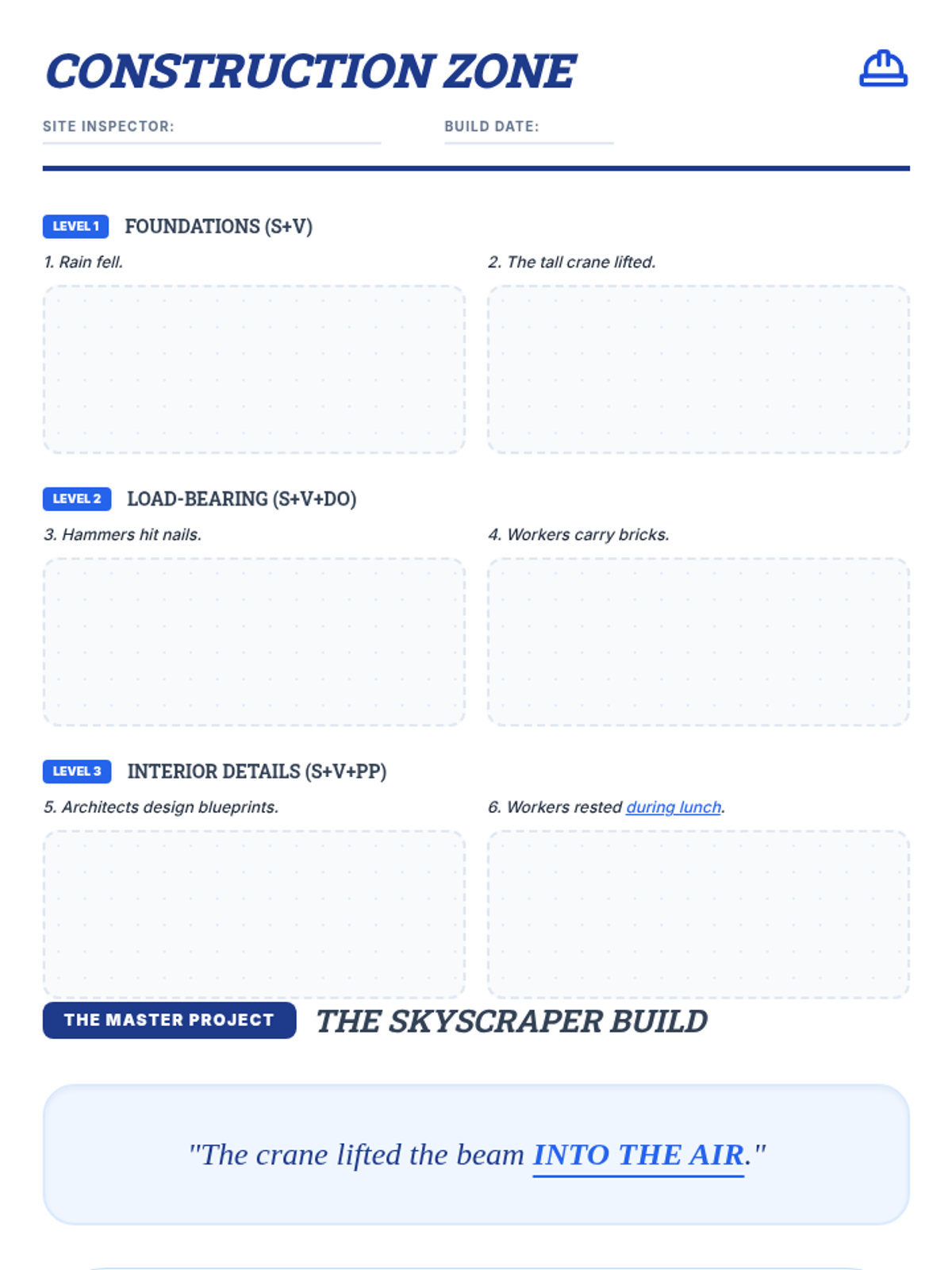
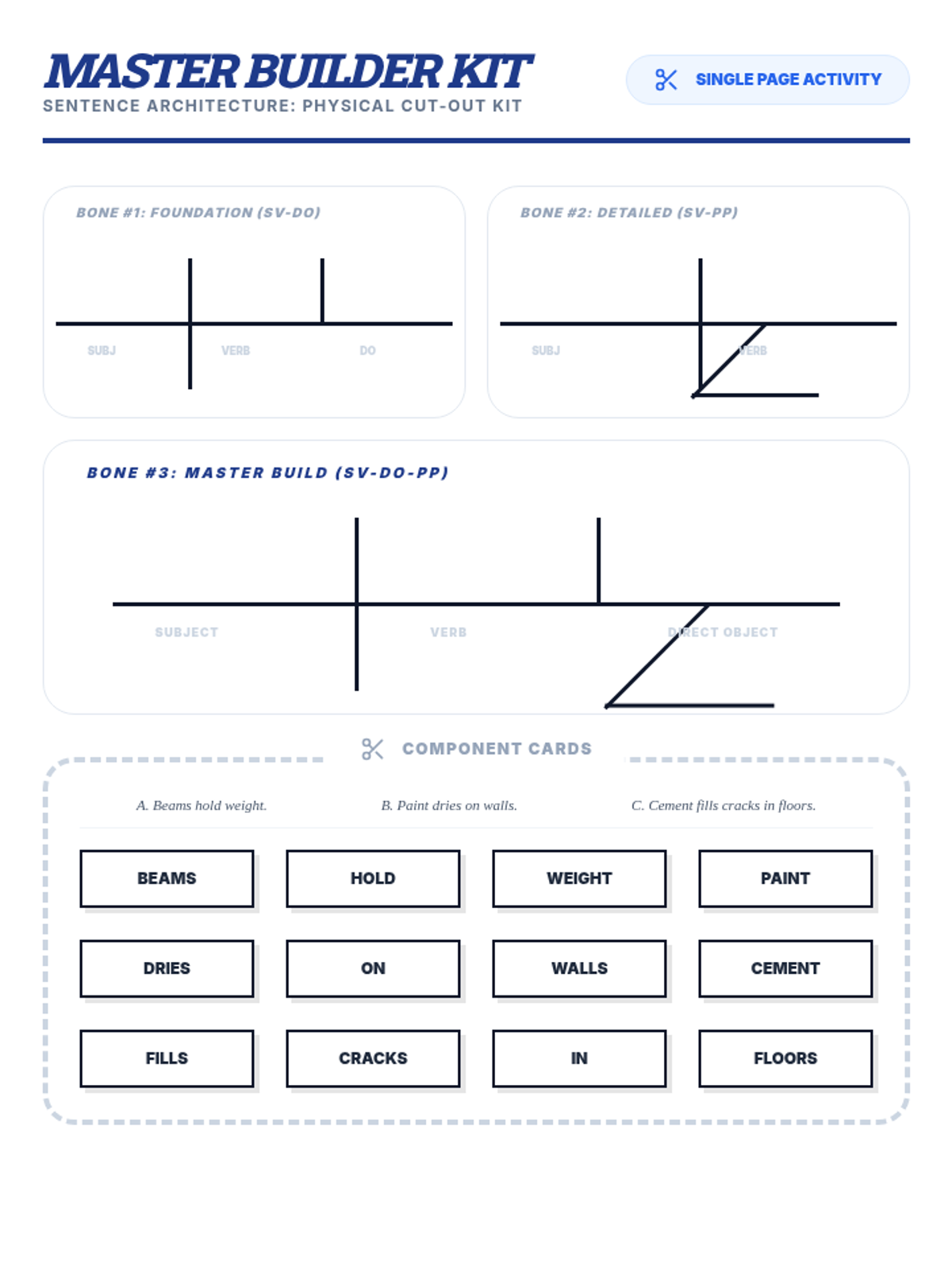
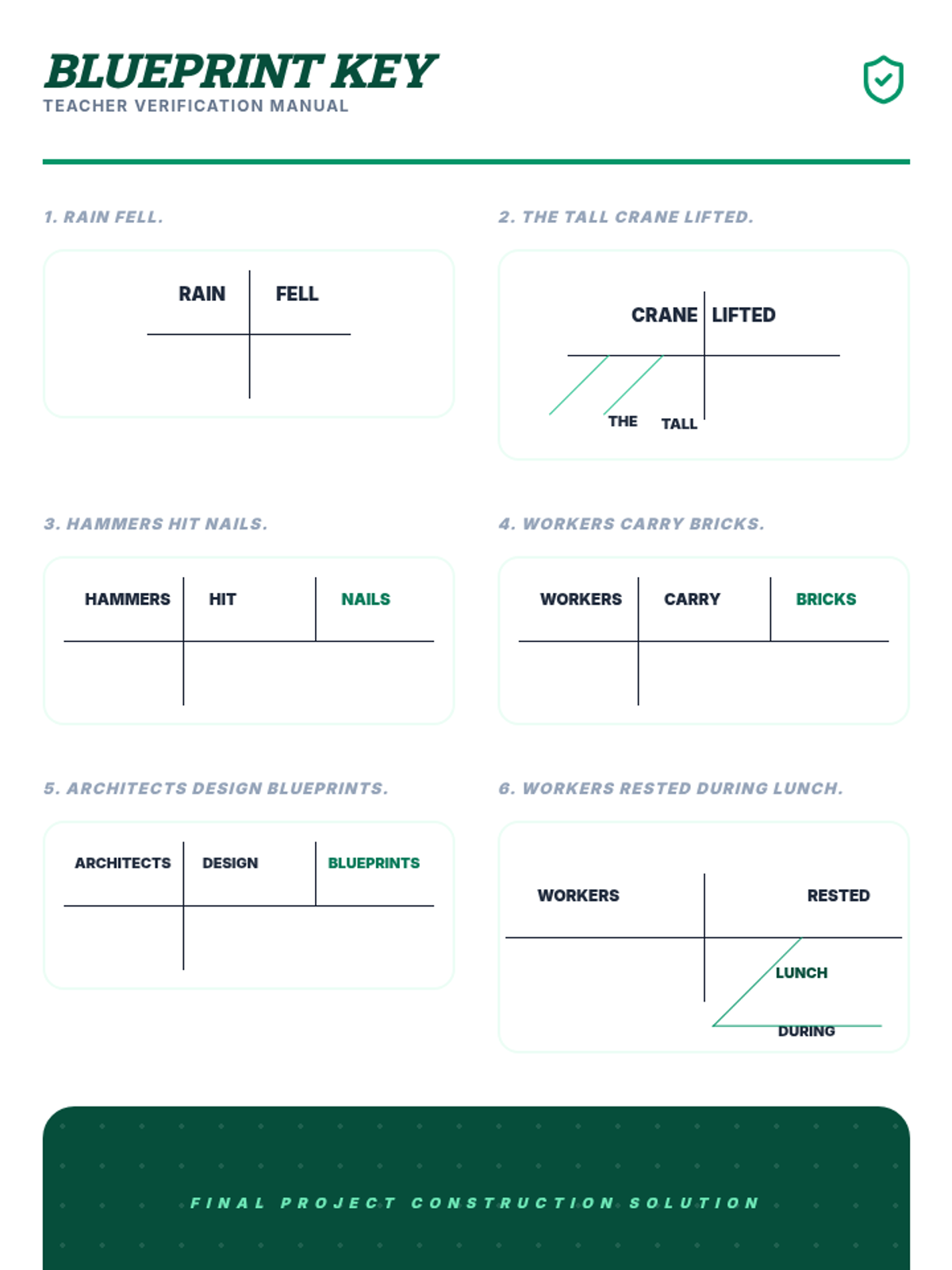
A comprehensive introduction to Reed-Kellogg sentence diagramming, covering subjects, verbs, direct objects, and prepositional phrases through a structural engineering lens.

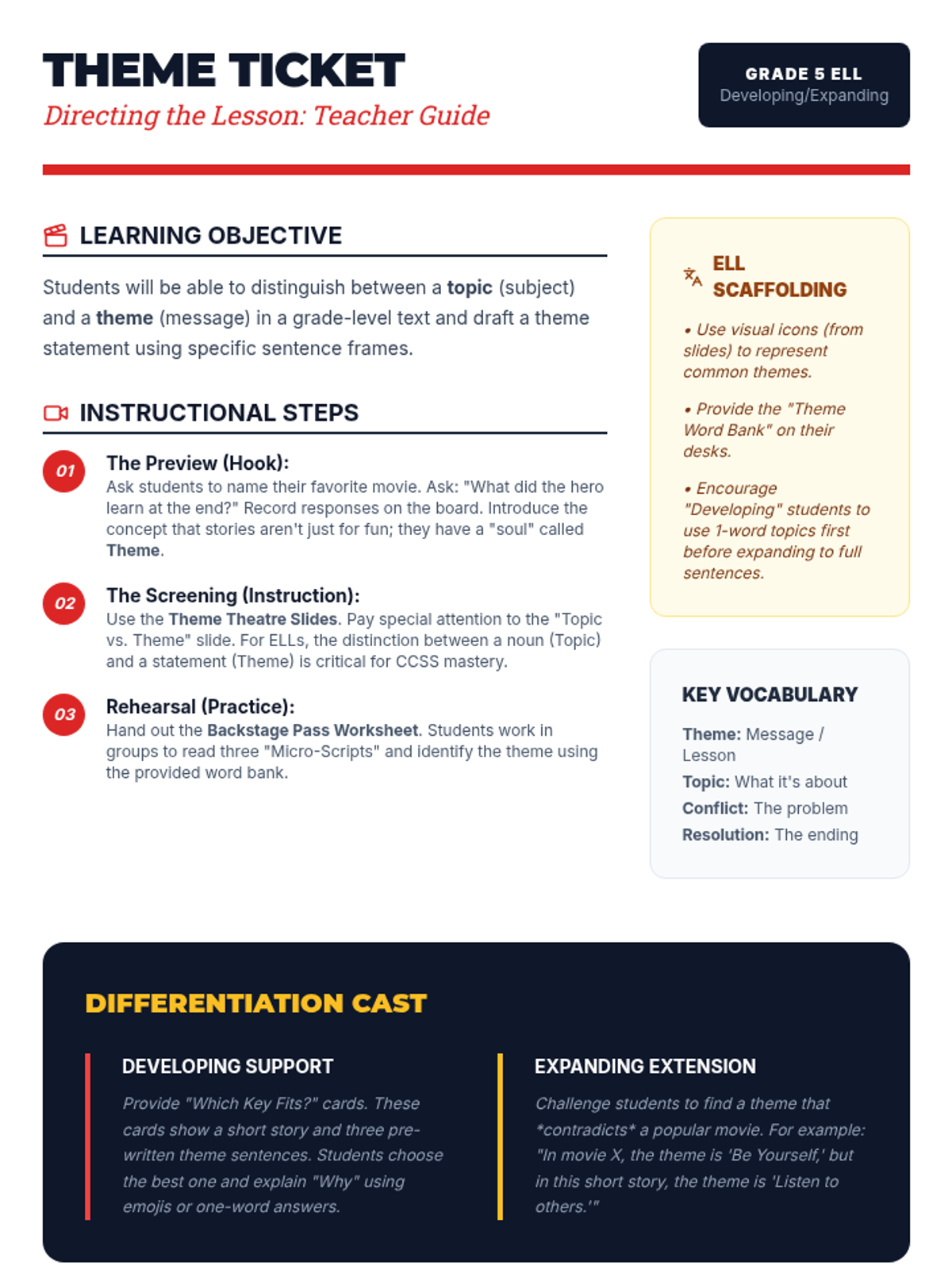
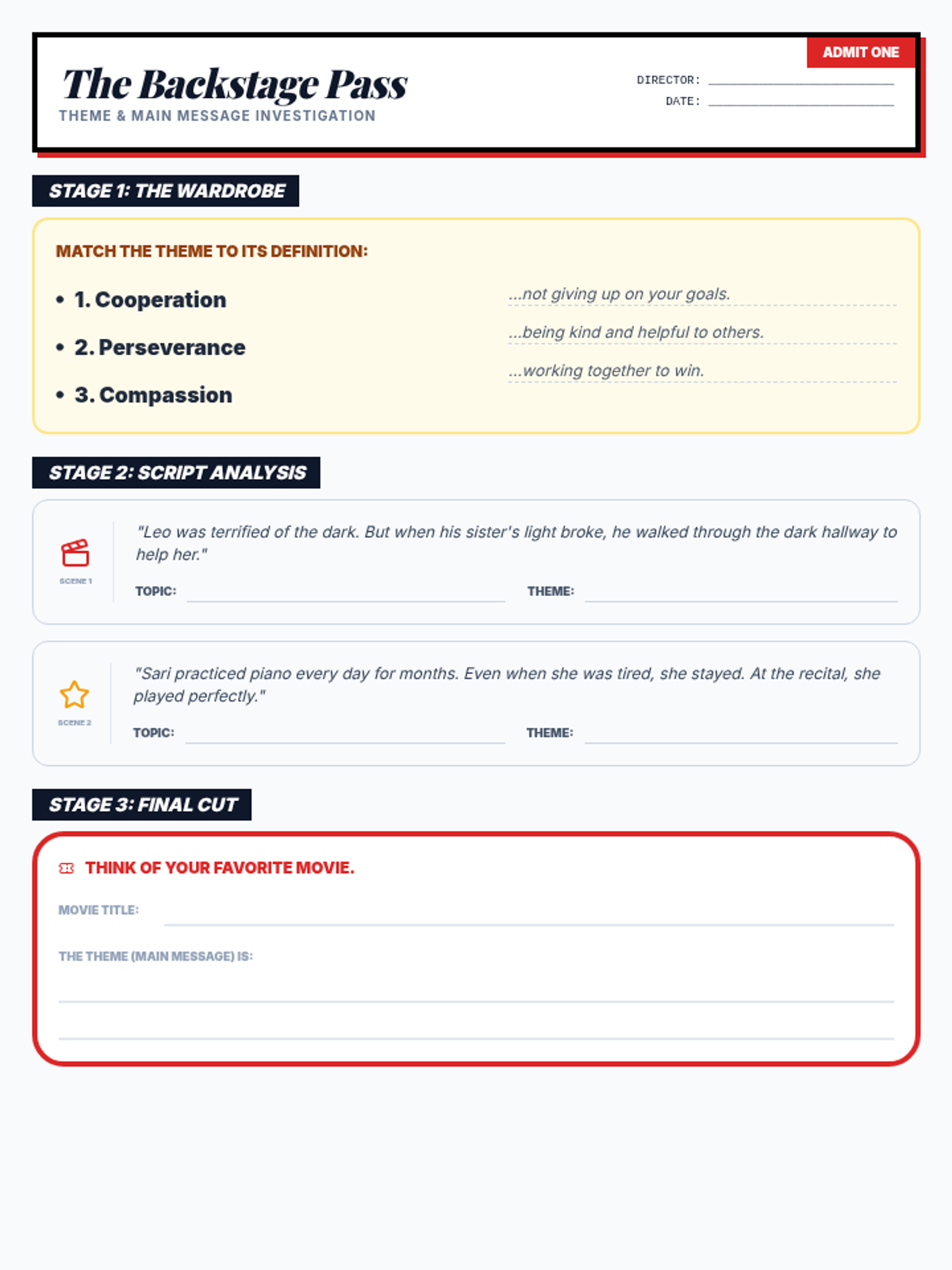
Students learn to identify the theme or main message of a story by analyzing character choices and outcomes, framed through a "Cinema" or "Movie Theatre" lens to help ELL students distinguish between topic and theme.