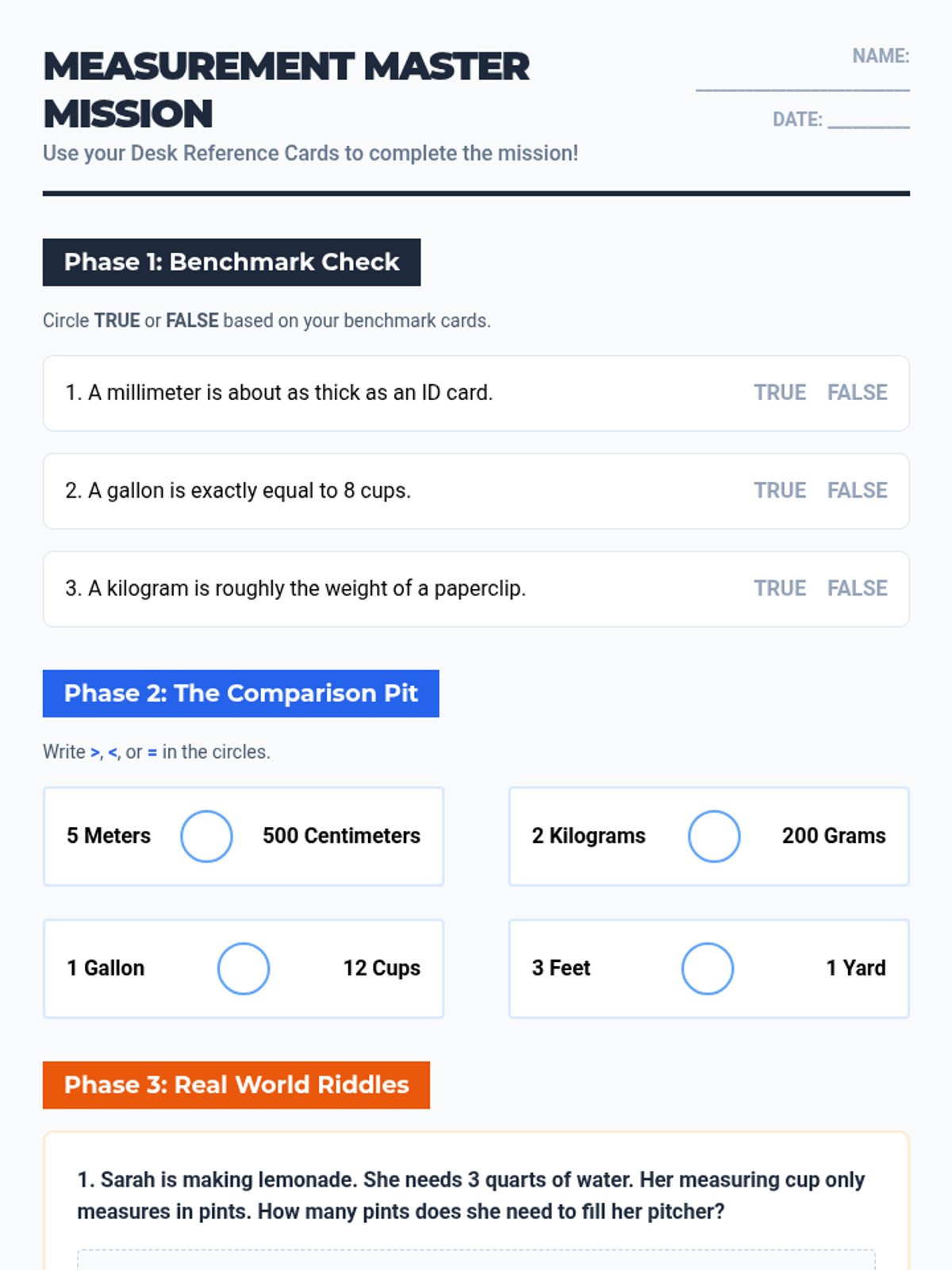
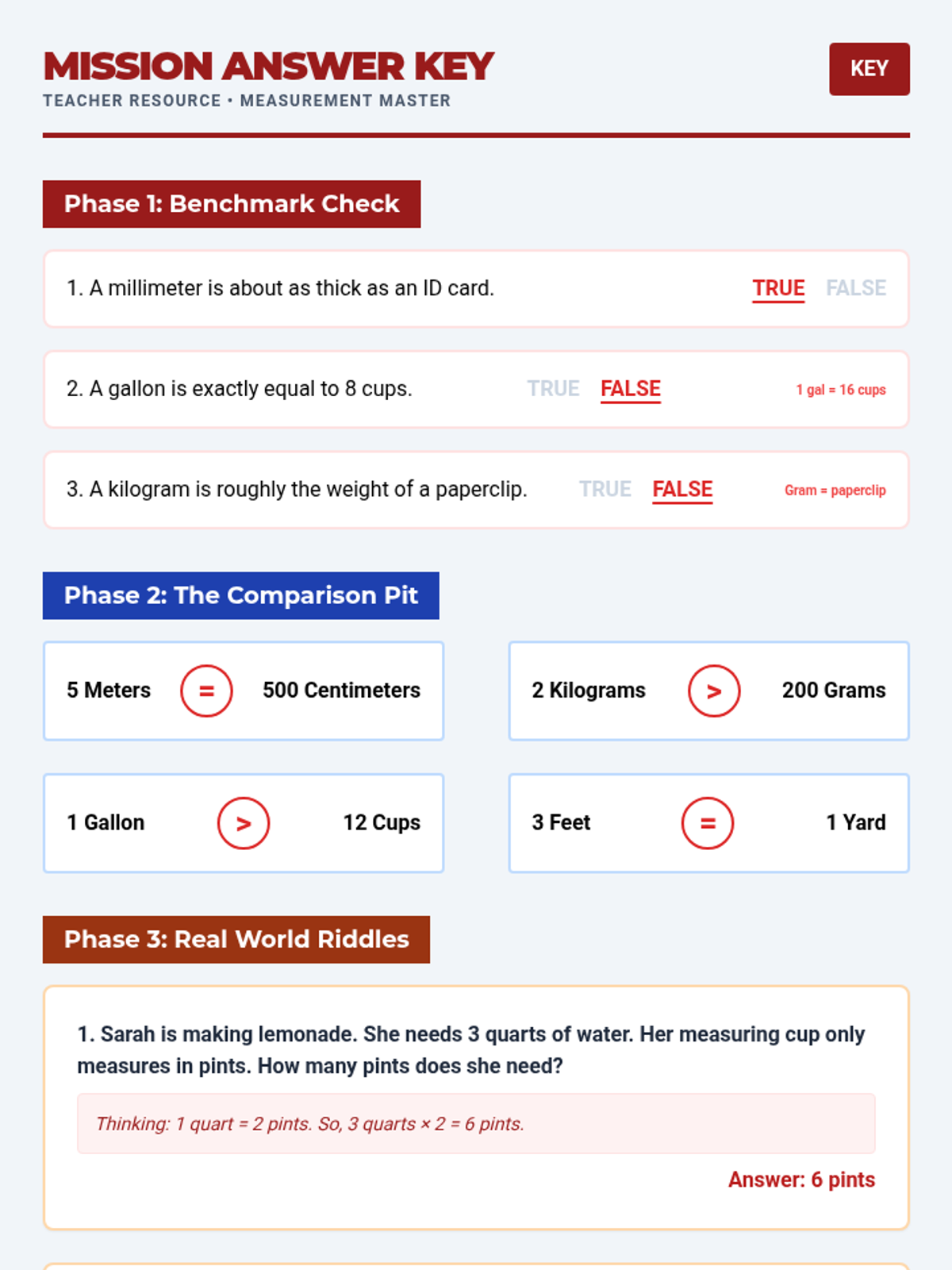
A focused practice session on converting units of measurement across liquid volume, customary length, and metric systems for 5th-grade students.
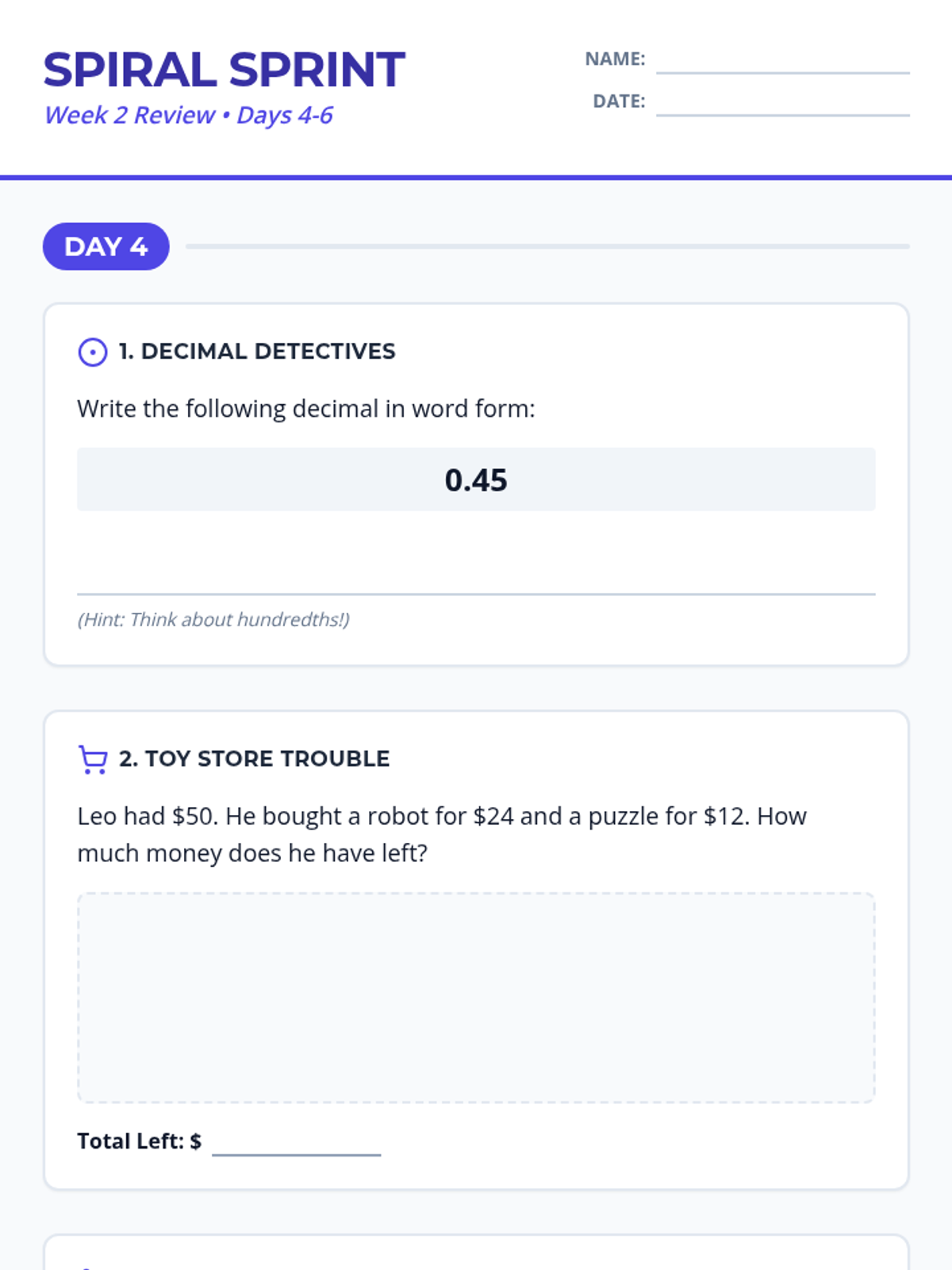
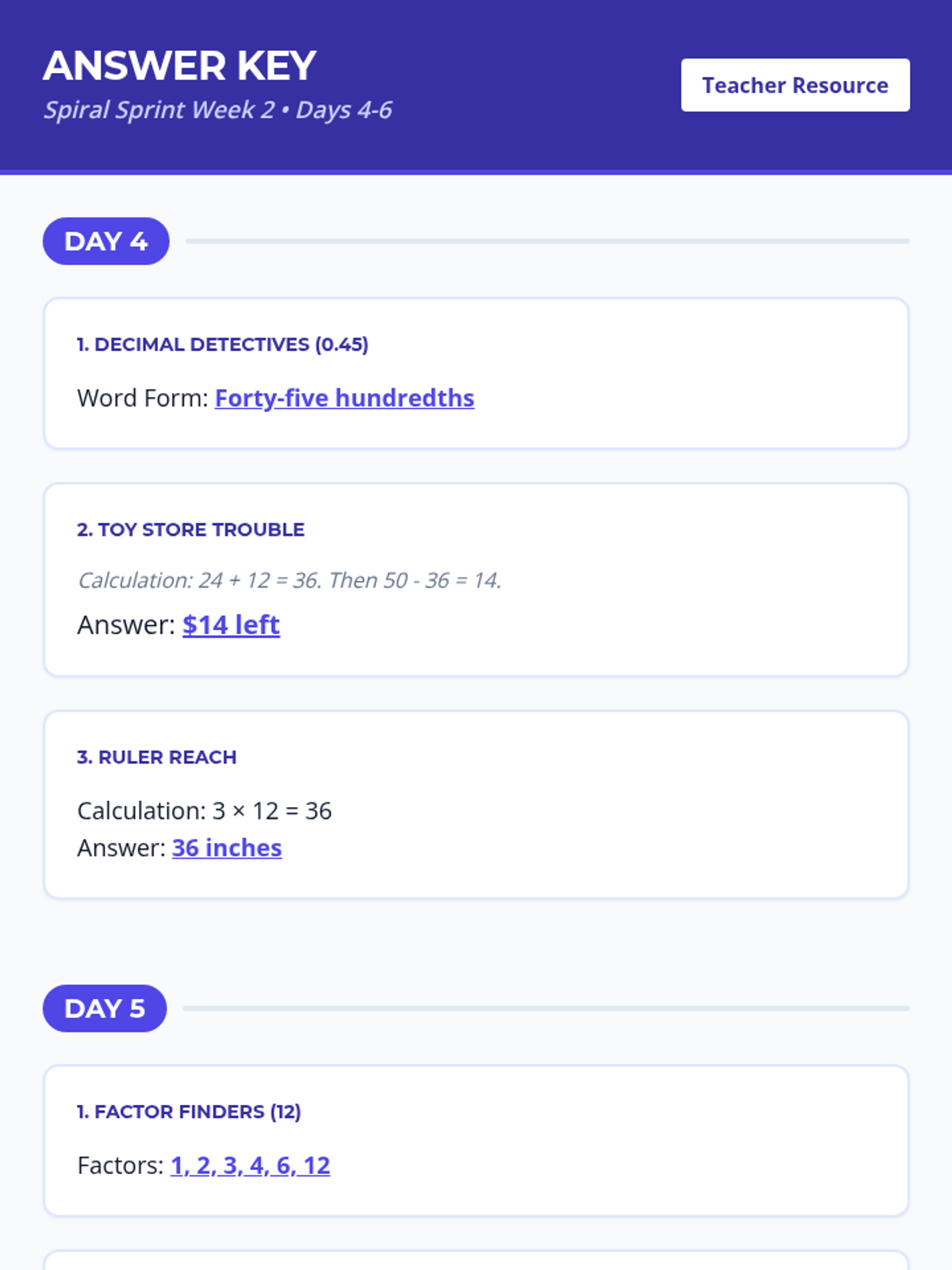
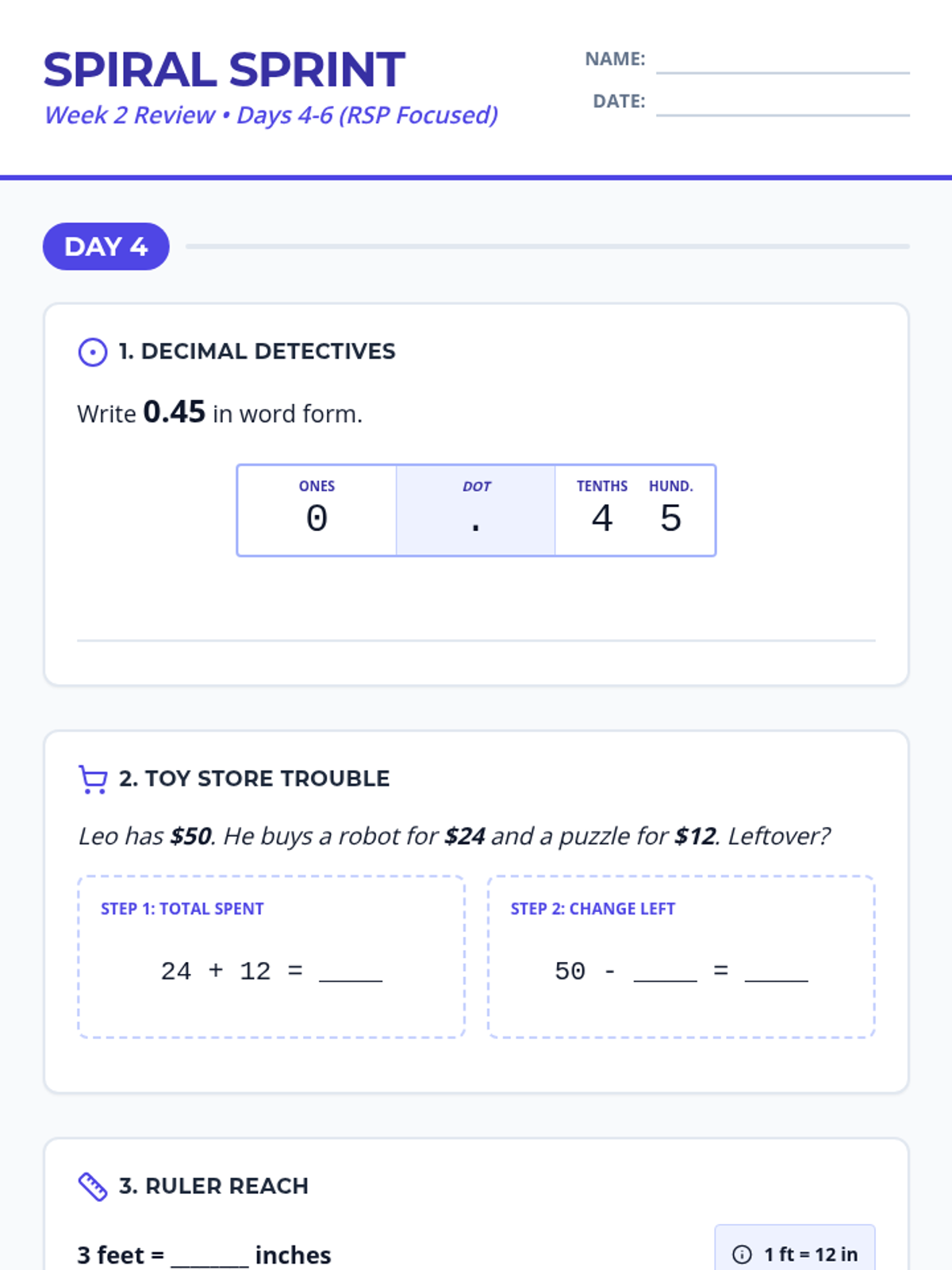
The second week of spiral review shifts towards multi-step word problems, decimal notation, and geometric properties.
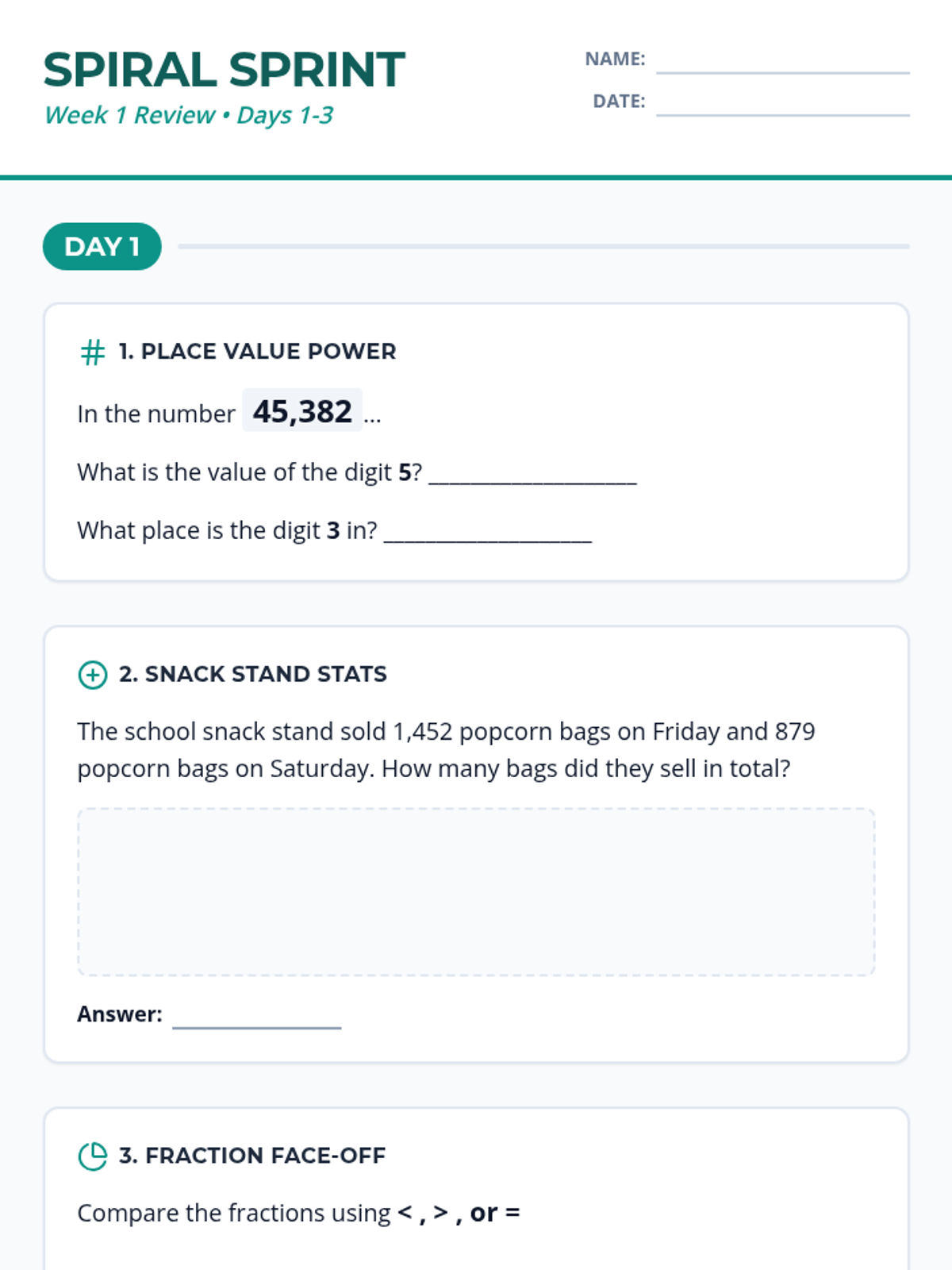
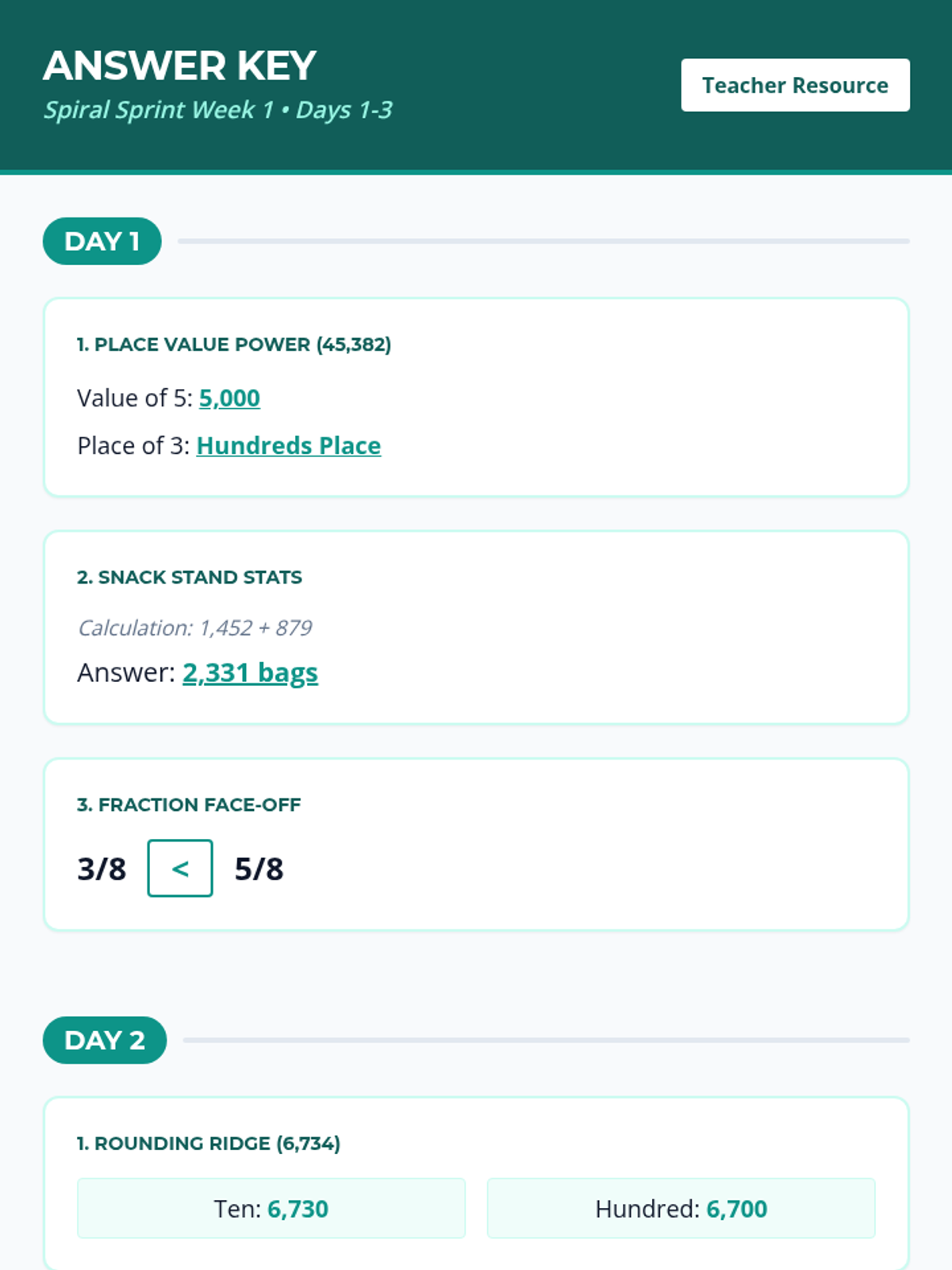
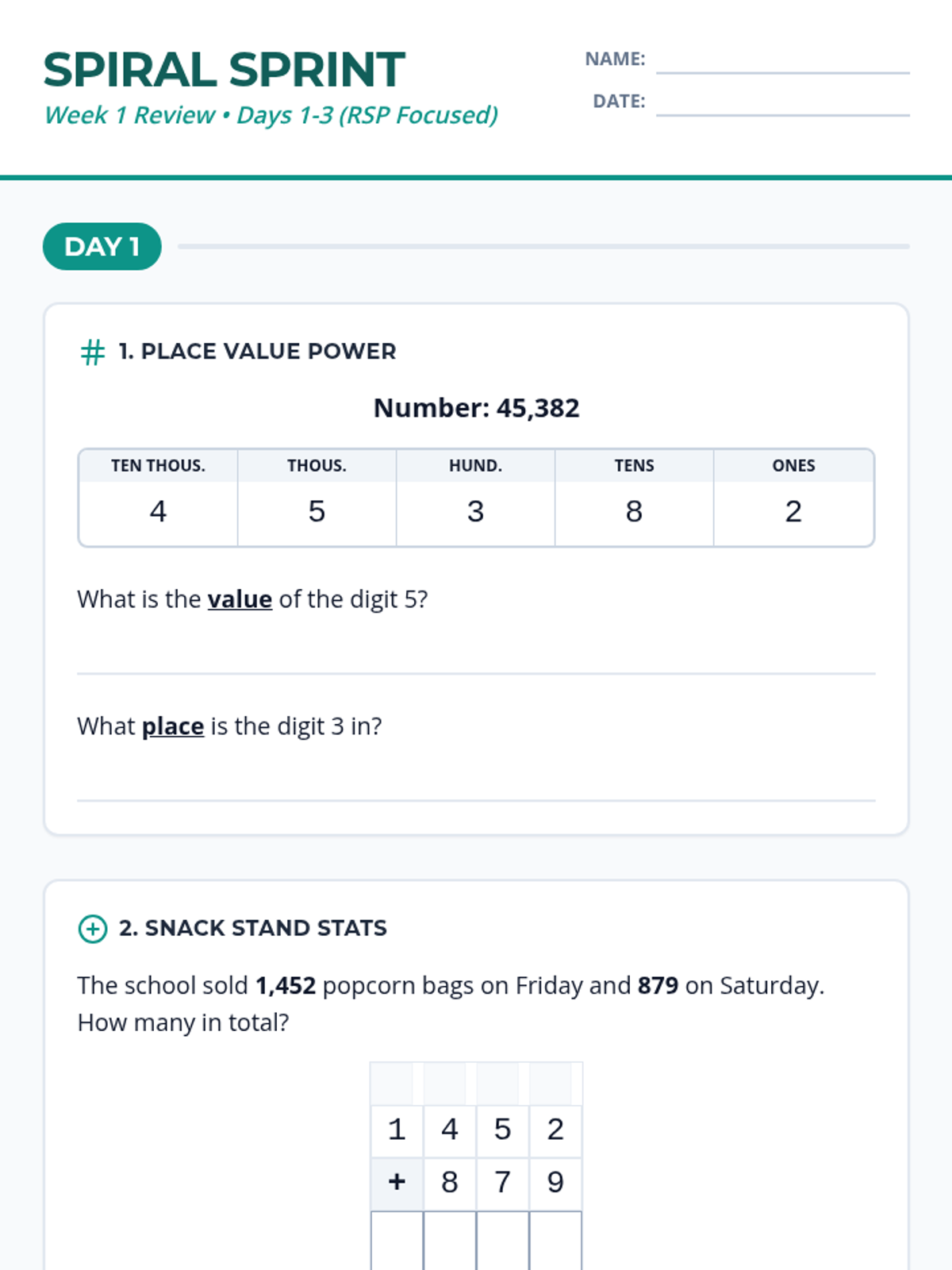
The first week of spiral review focuses on place value, basic multi-digit operations, and introductory fraction concepts.
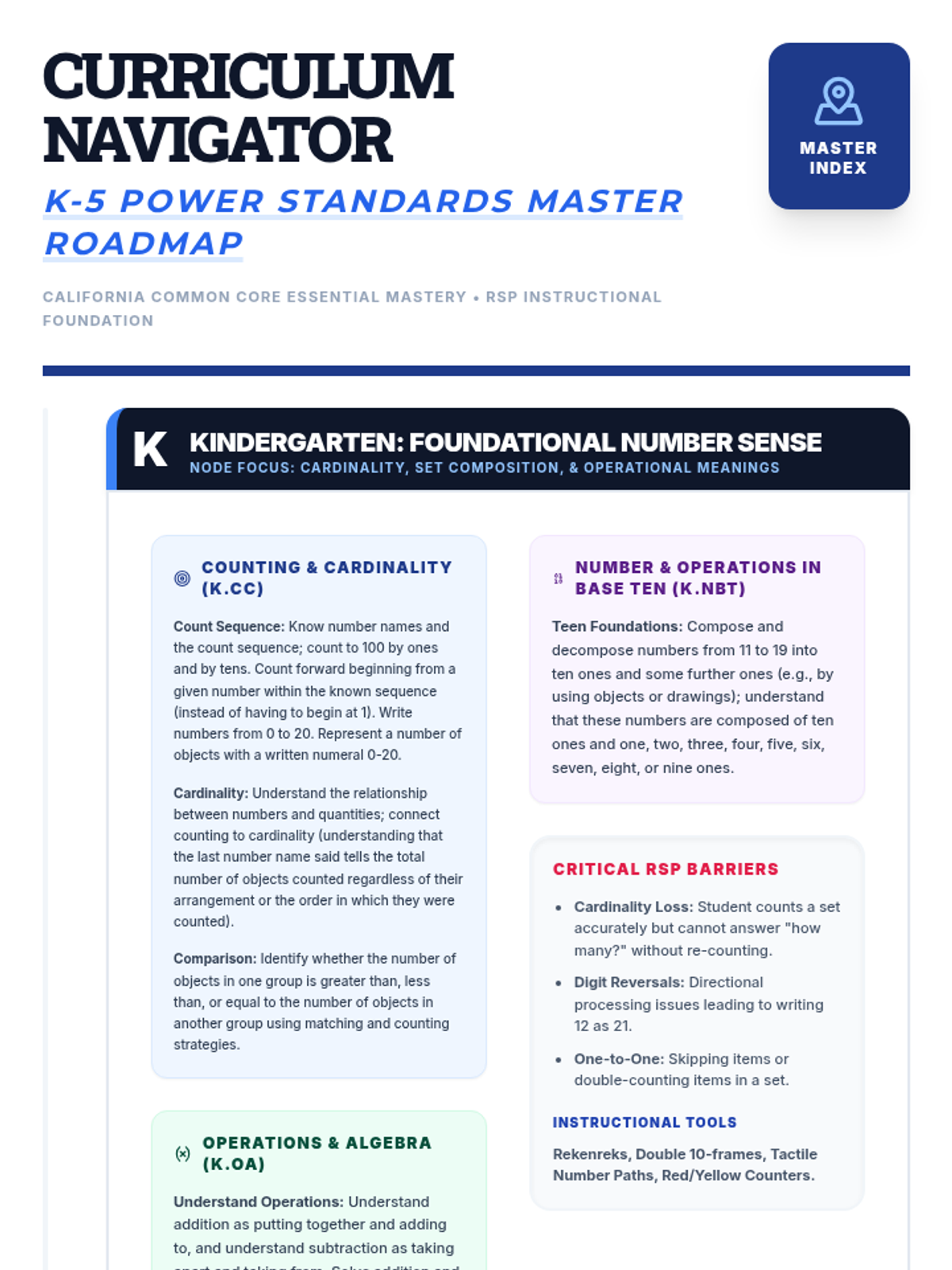
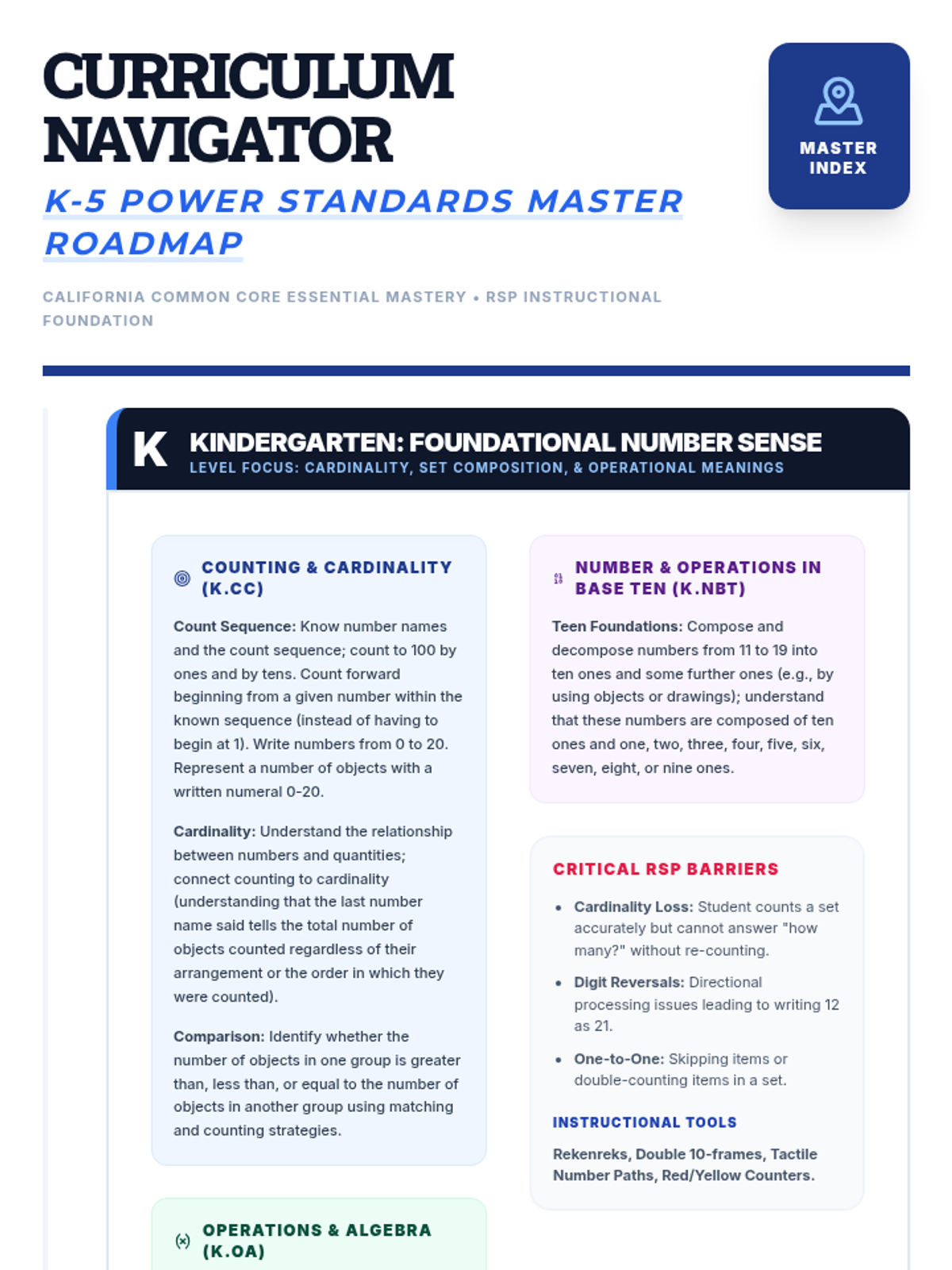
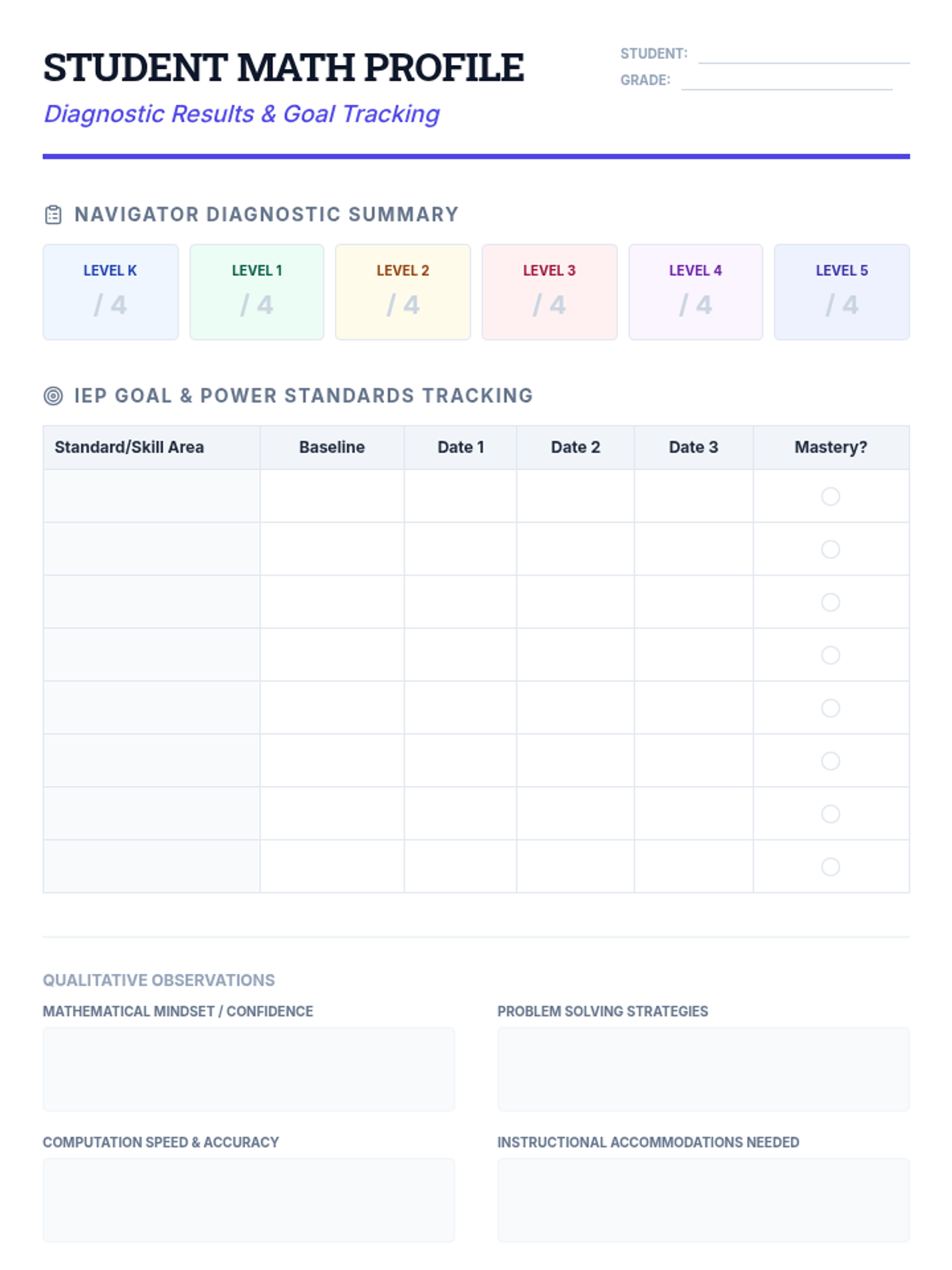
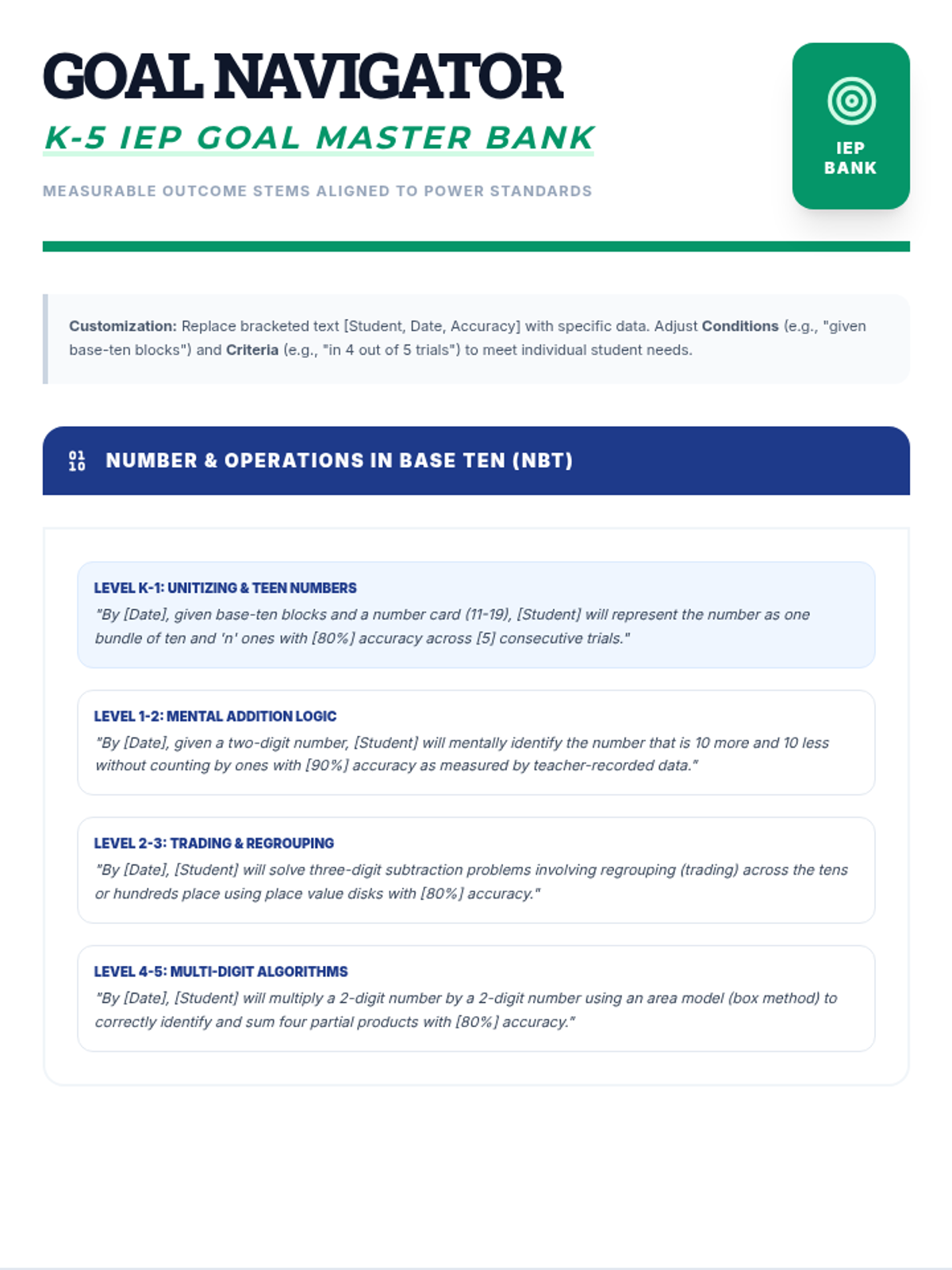
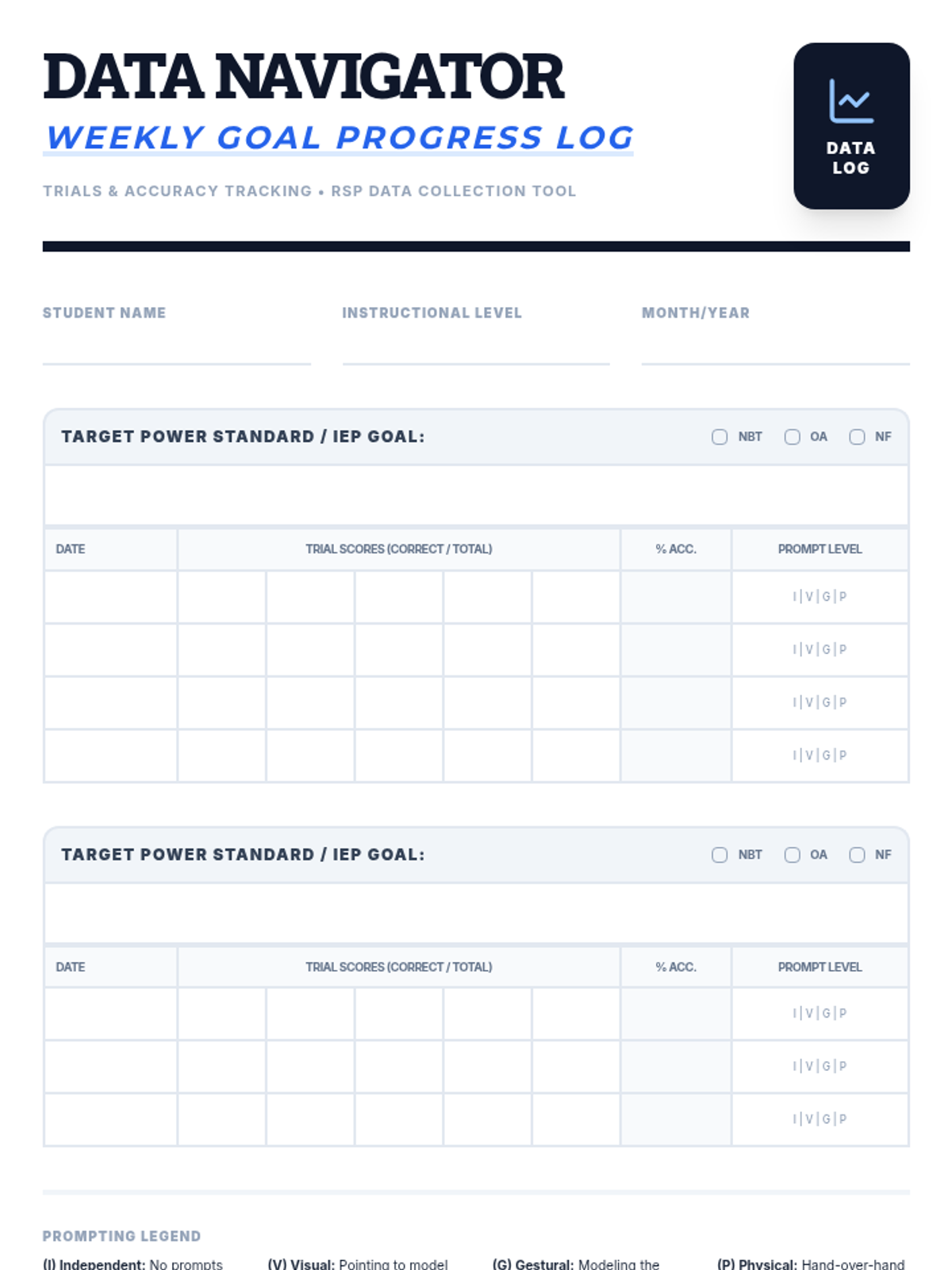
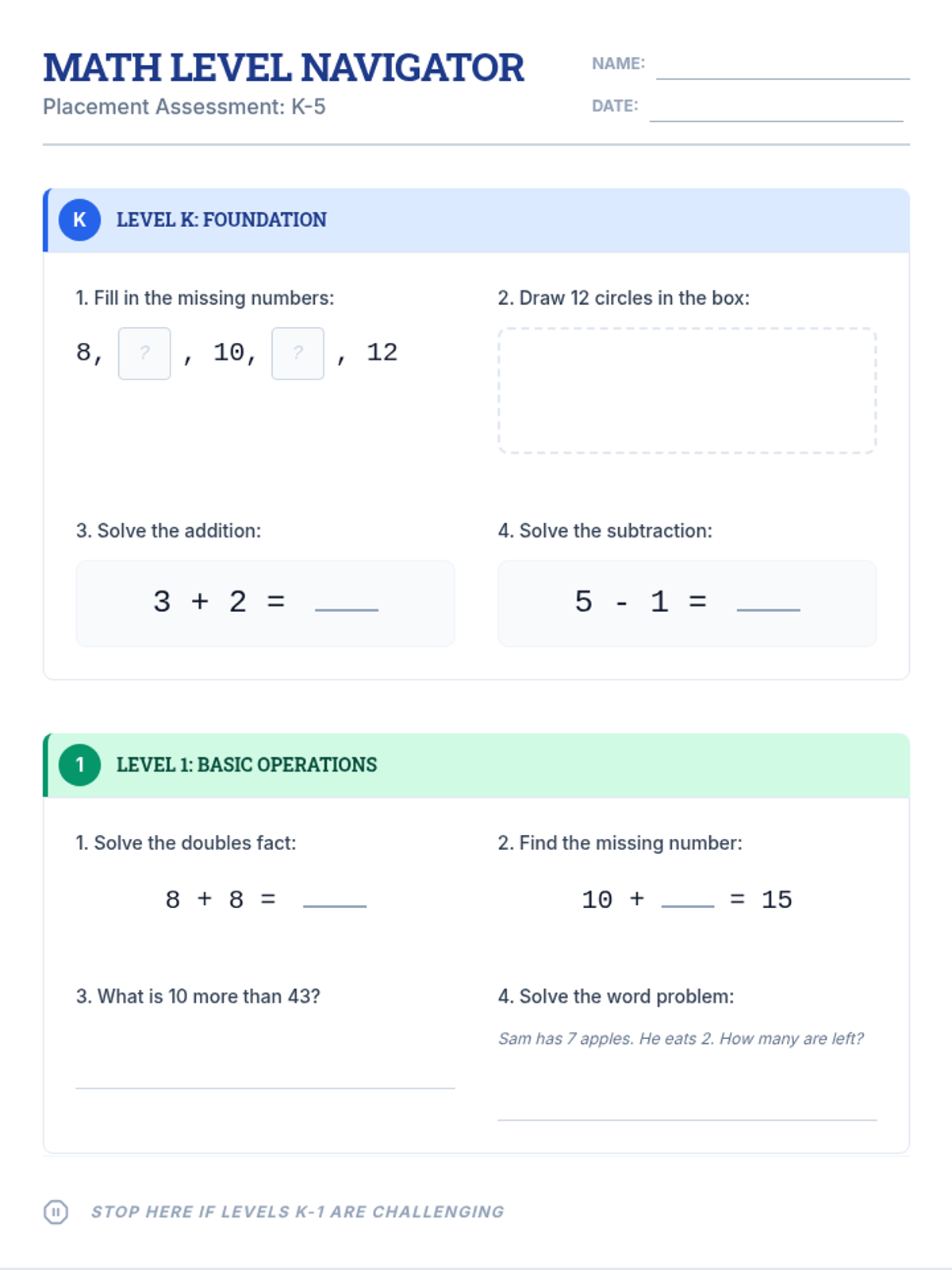
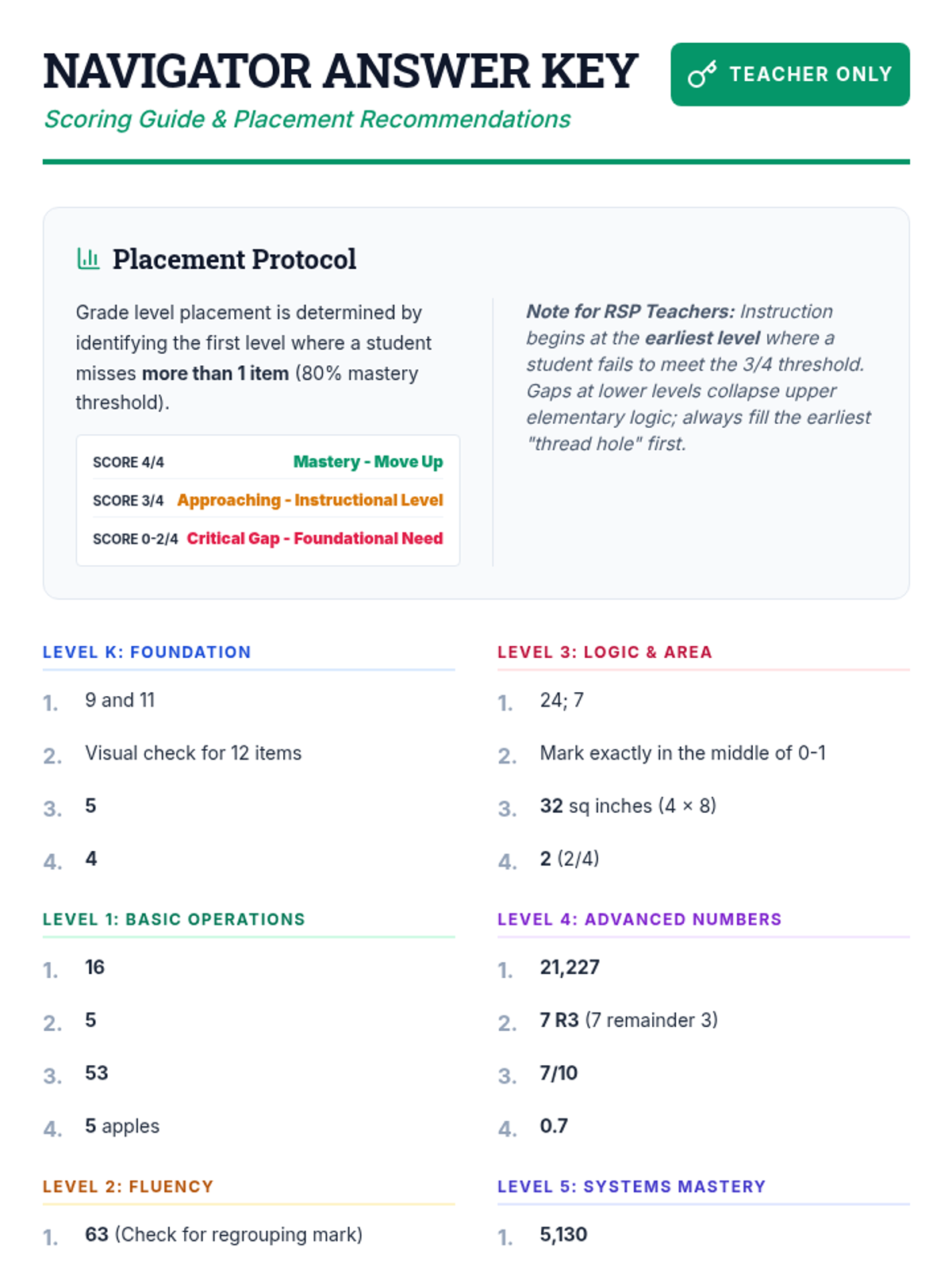
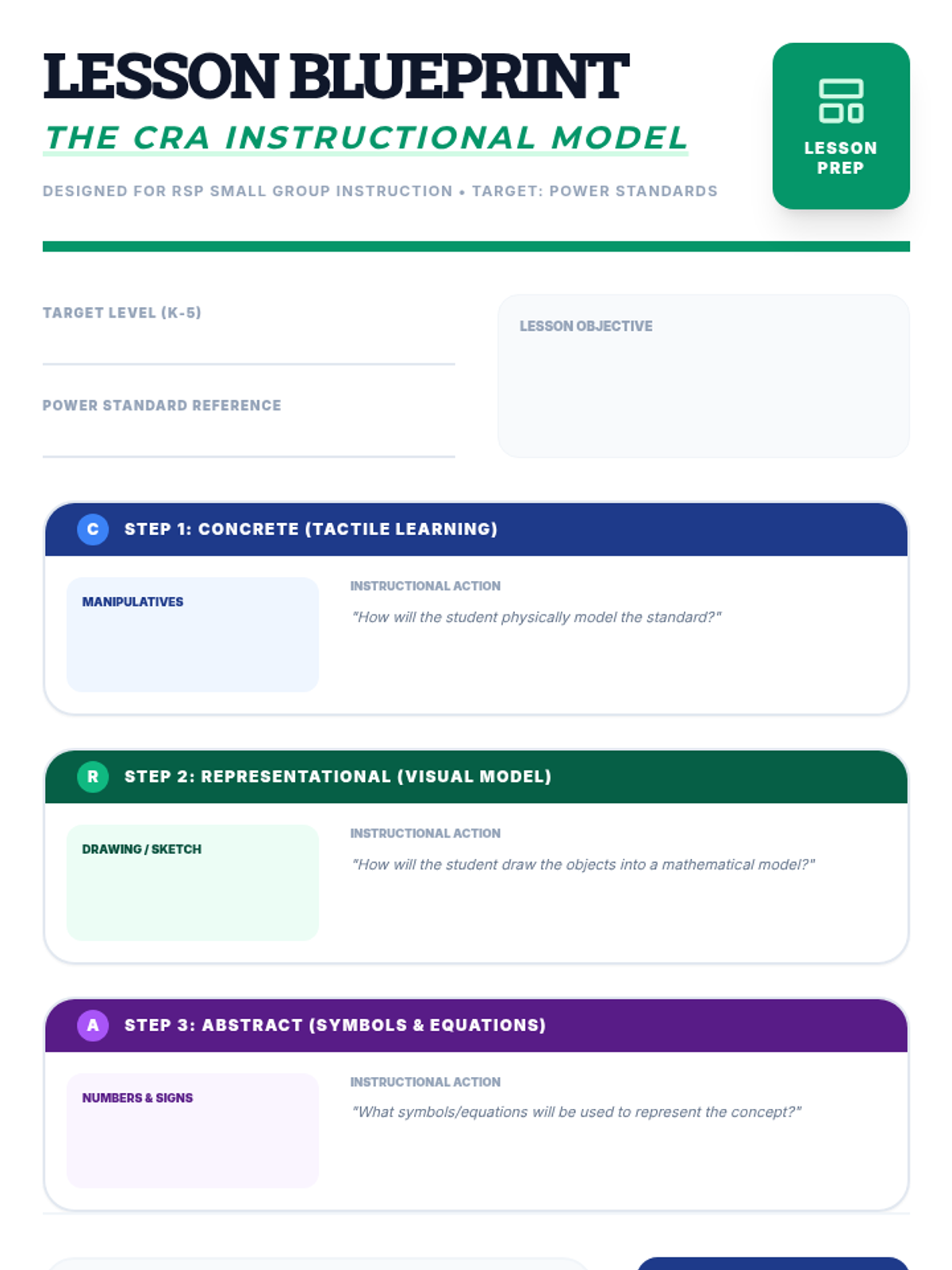
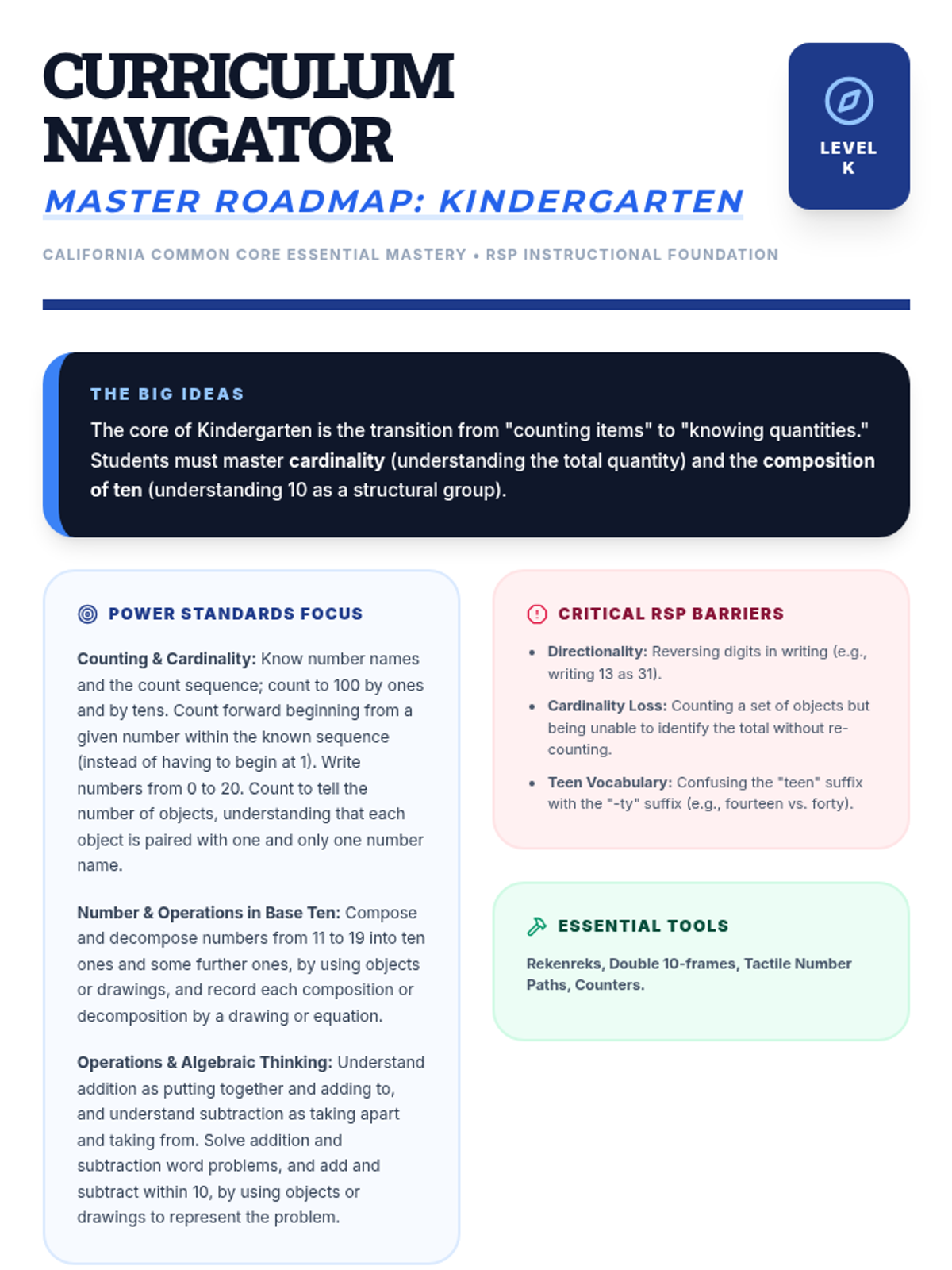
Foundational tools for assessing student levels and planning instruction based on California Power Standards across grades K-5.
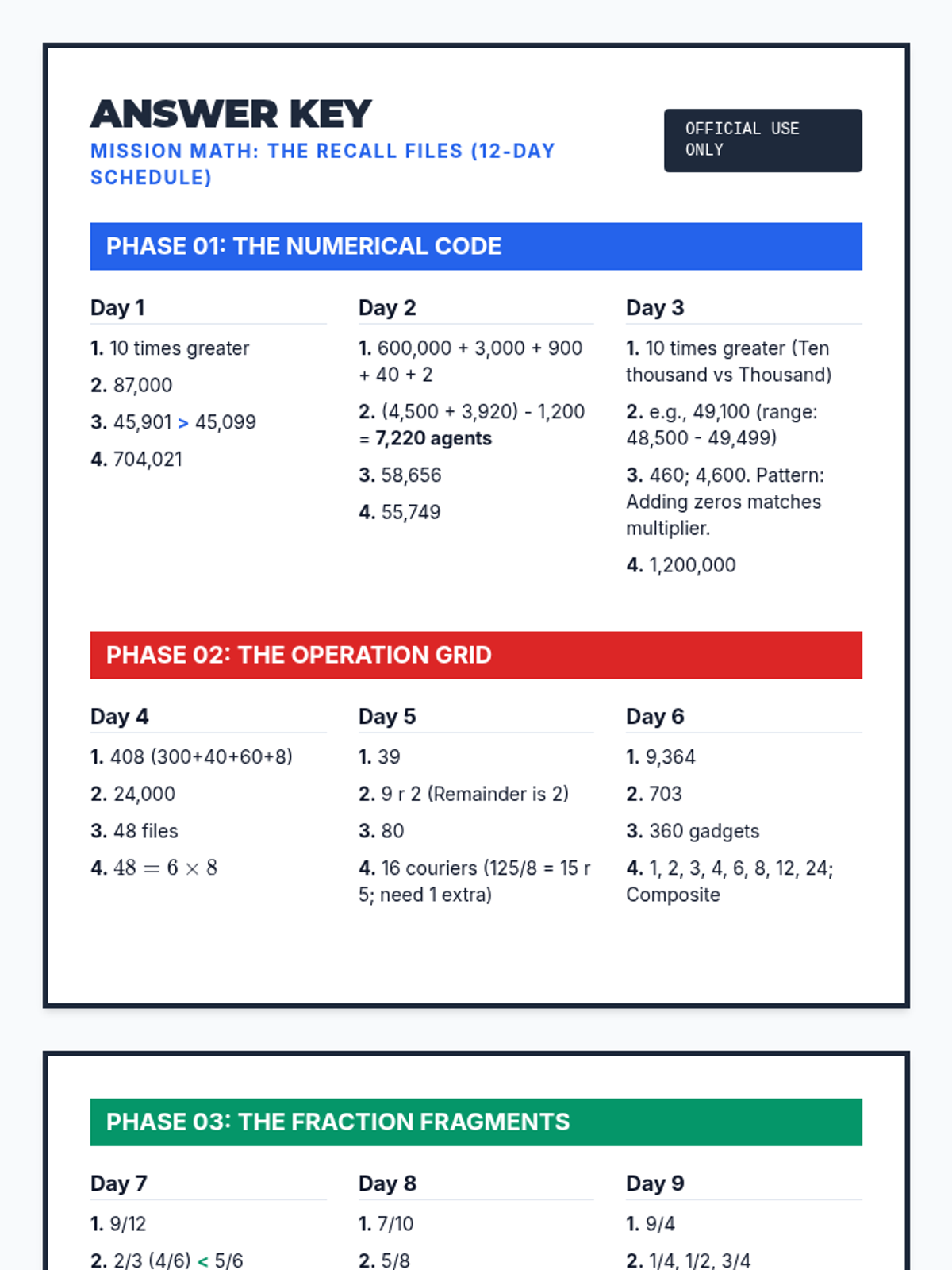
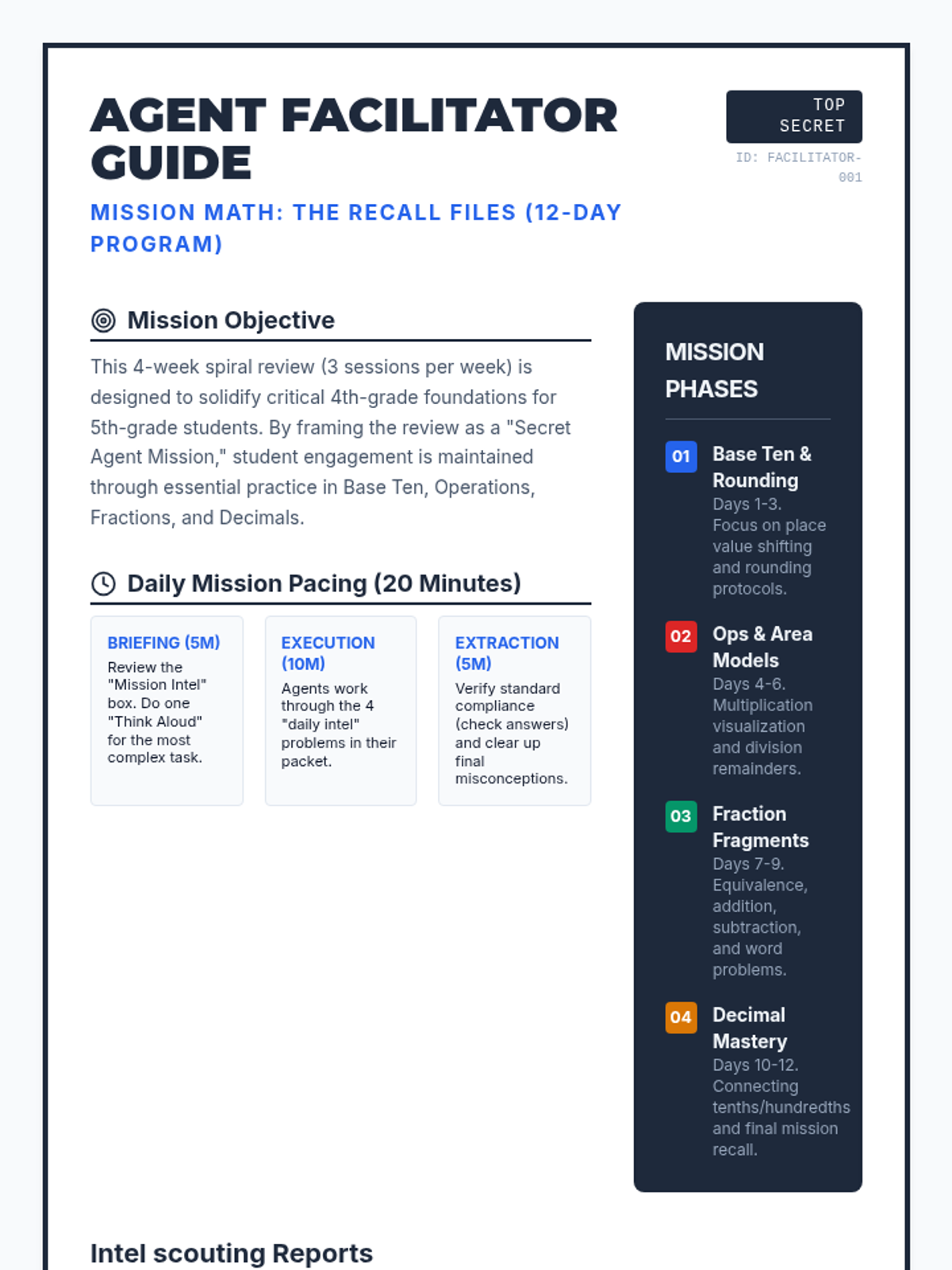
A comprehensive 4-week spiral review of 4th-grade math standards designed for 5th graders. Focuses on place value, multiplication, division, fractions, and decimals through a secret agent themed mission.
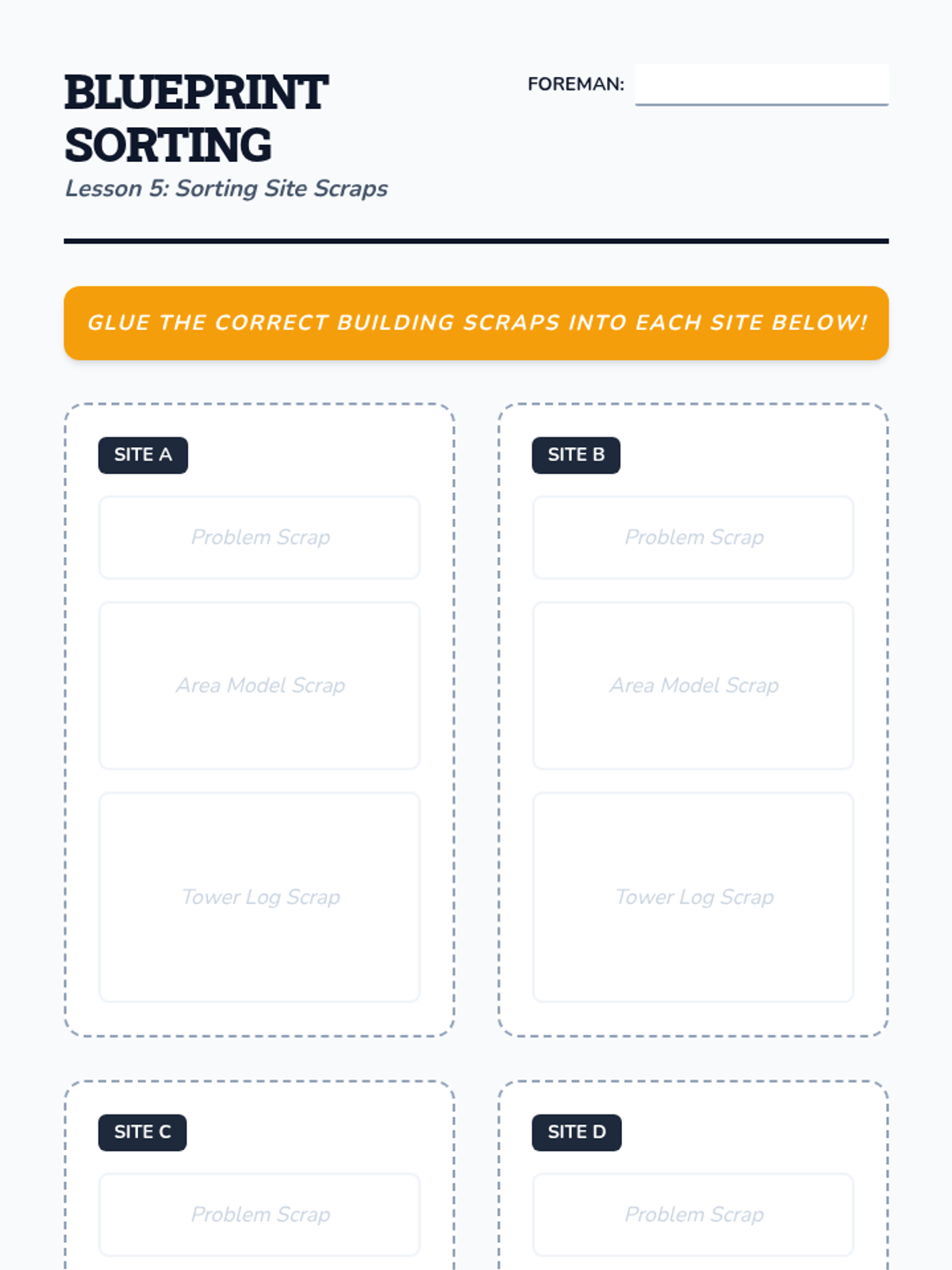
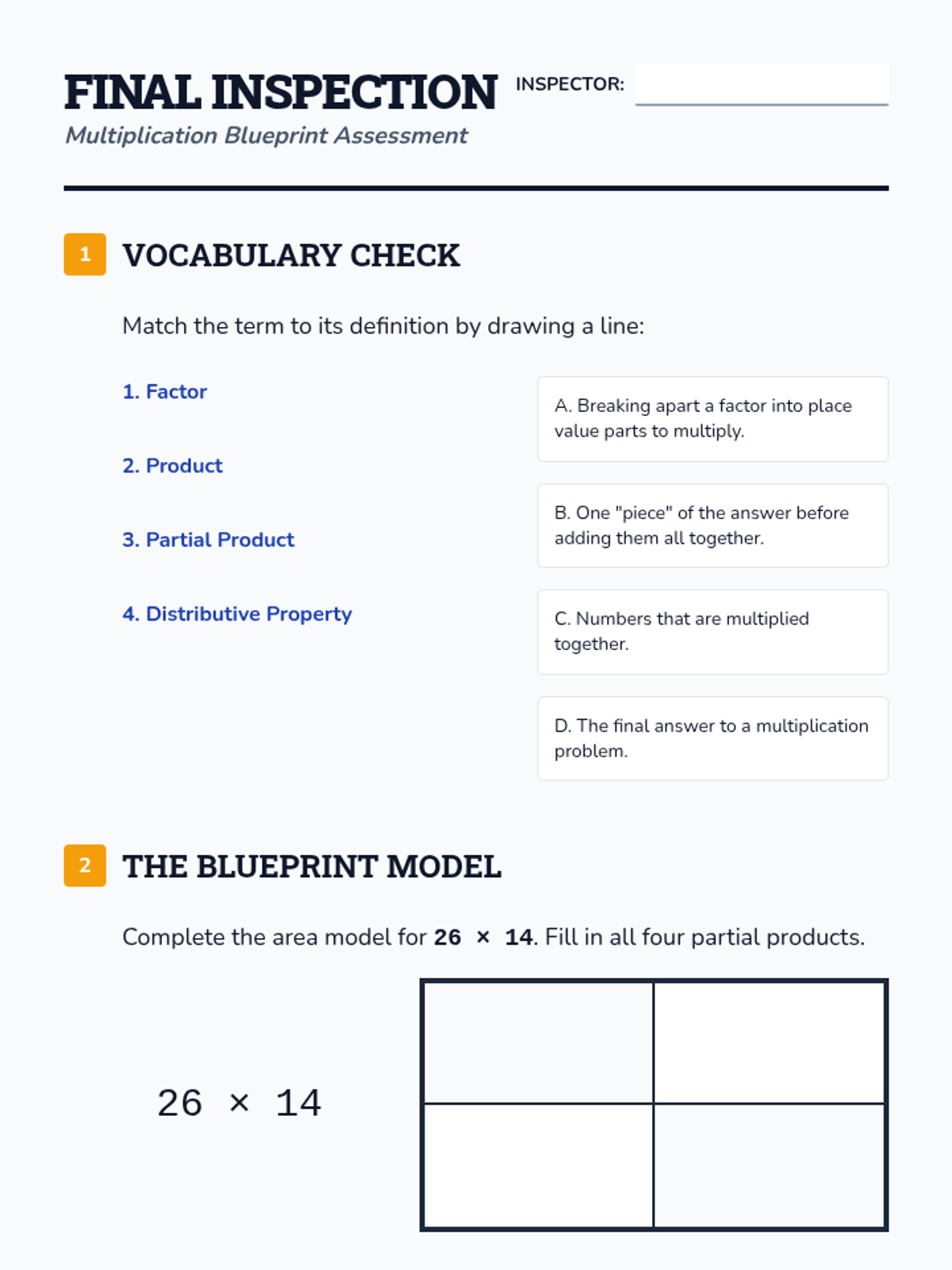
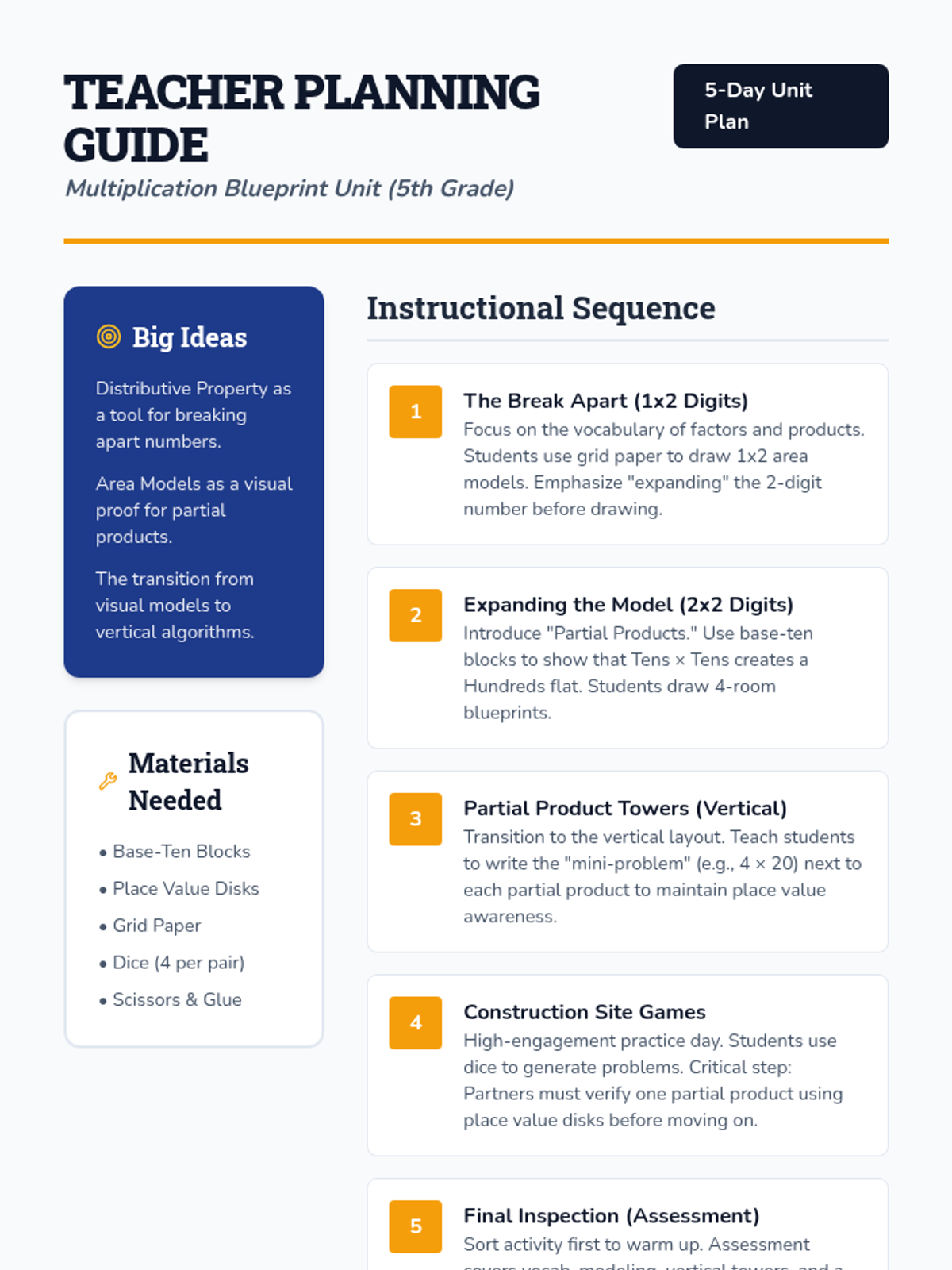
Synthesizing the week's learning with a cut-and-paste sorting activity and a final assessment on partial products and the distributive property.
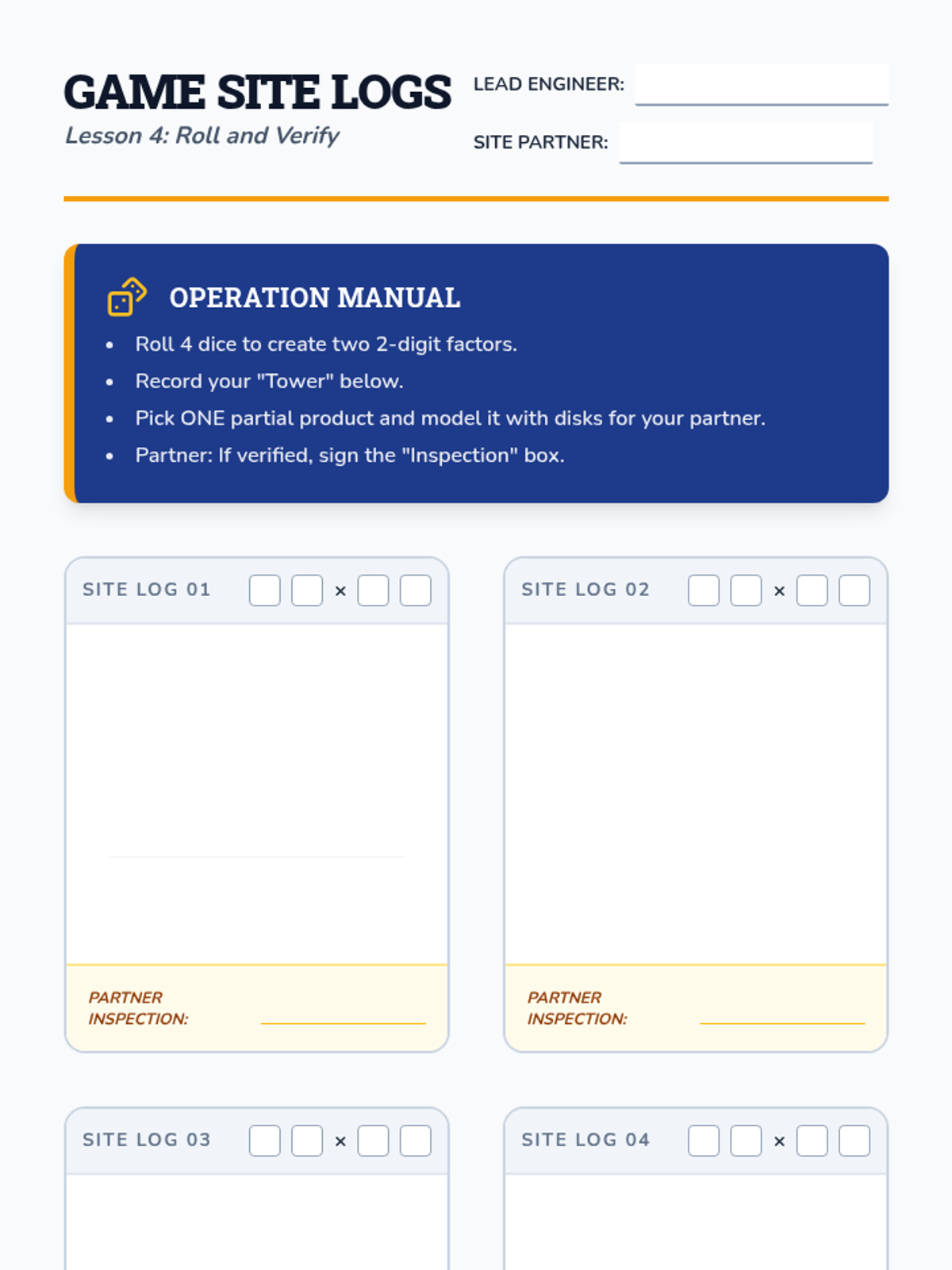
Hands-on application using dice and playing cards. Students generate their own problems and use place value disks to verify their partial product calculations.
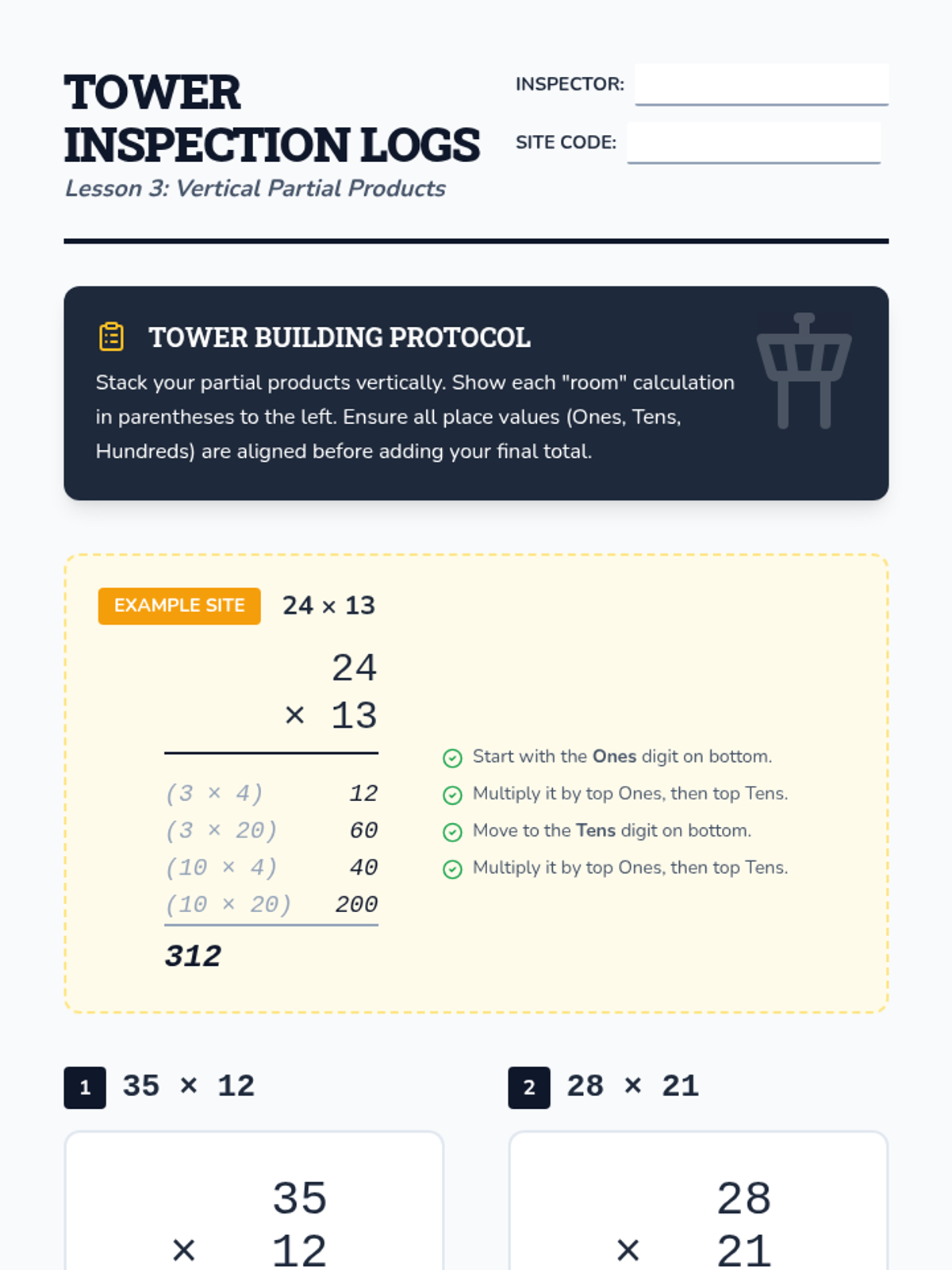
Transitioning from the visual area model to the vertical partial products algorithm. Students learn to record each calculation clearly in a "tower" format.
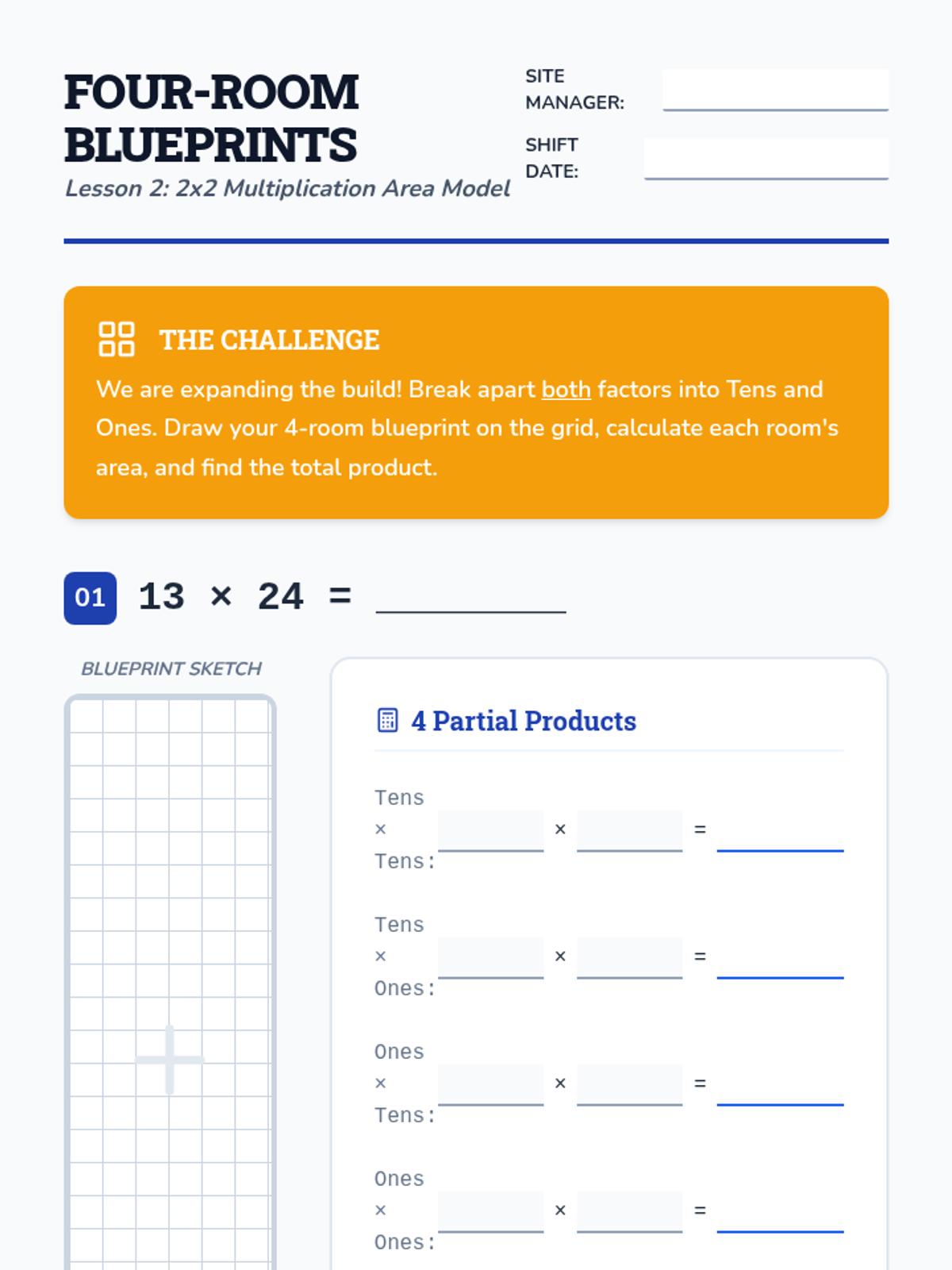
Extending the area model to 2-digit by 2-digit multiplication. Students use base-ten blocks and grid paper to visualize four partial products.
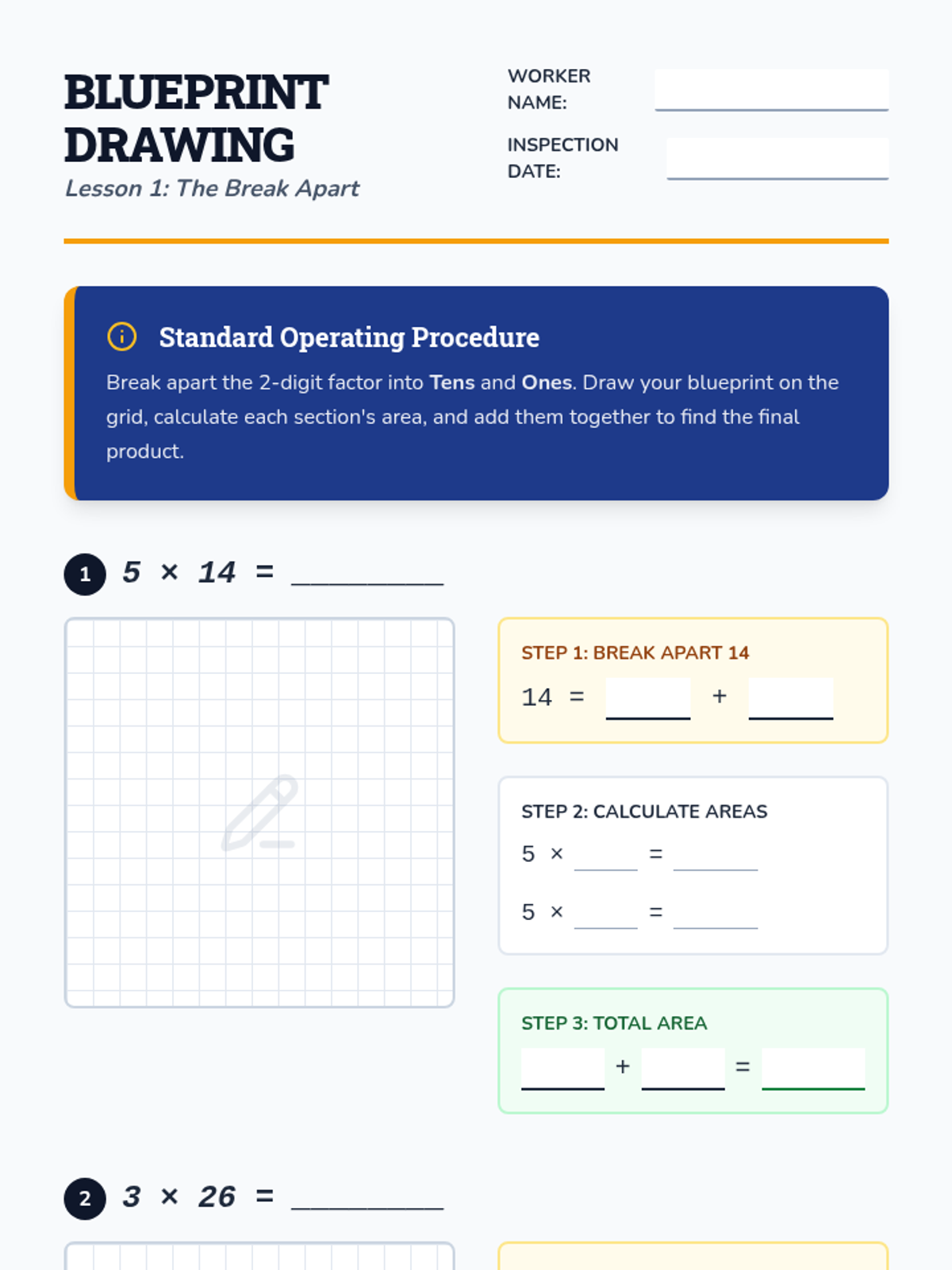
Introduction to the distributive property and area models for single-digit by double-digit multiplication. Students learn to "break apart" factors into place value components.
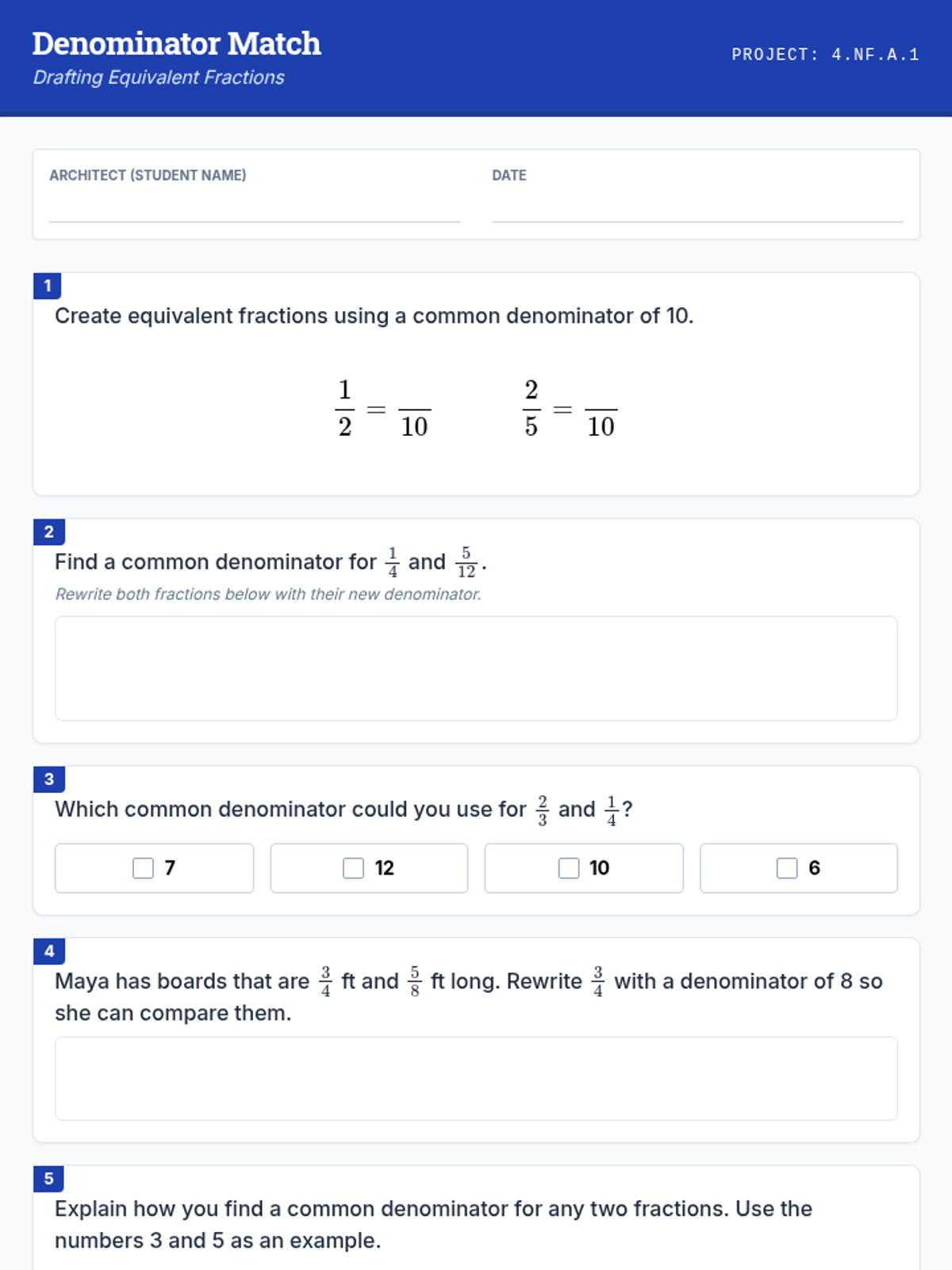
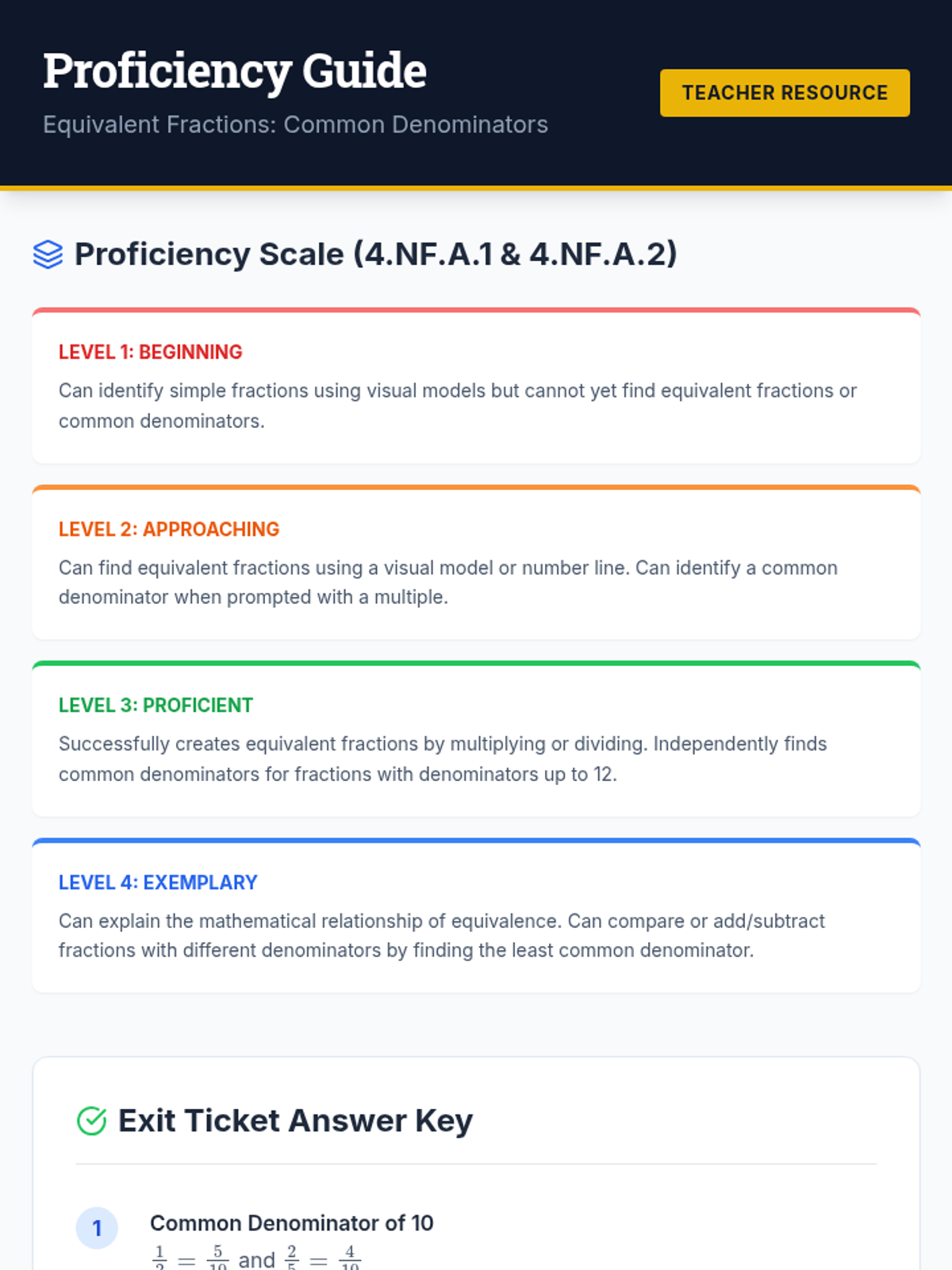
A short assessment focused on the 4th-grade skill of finding common denominators to create equivalent fractions. Includes a student exit ticket and a teacher proficiency guide.
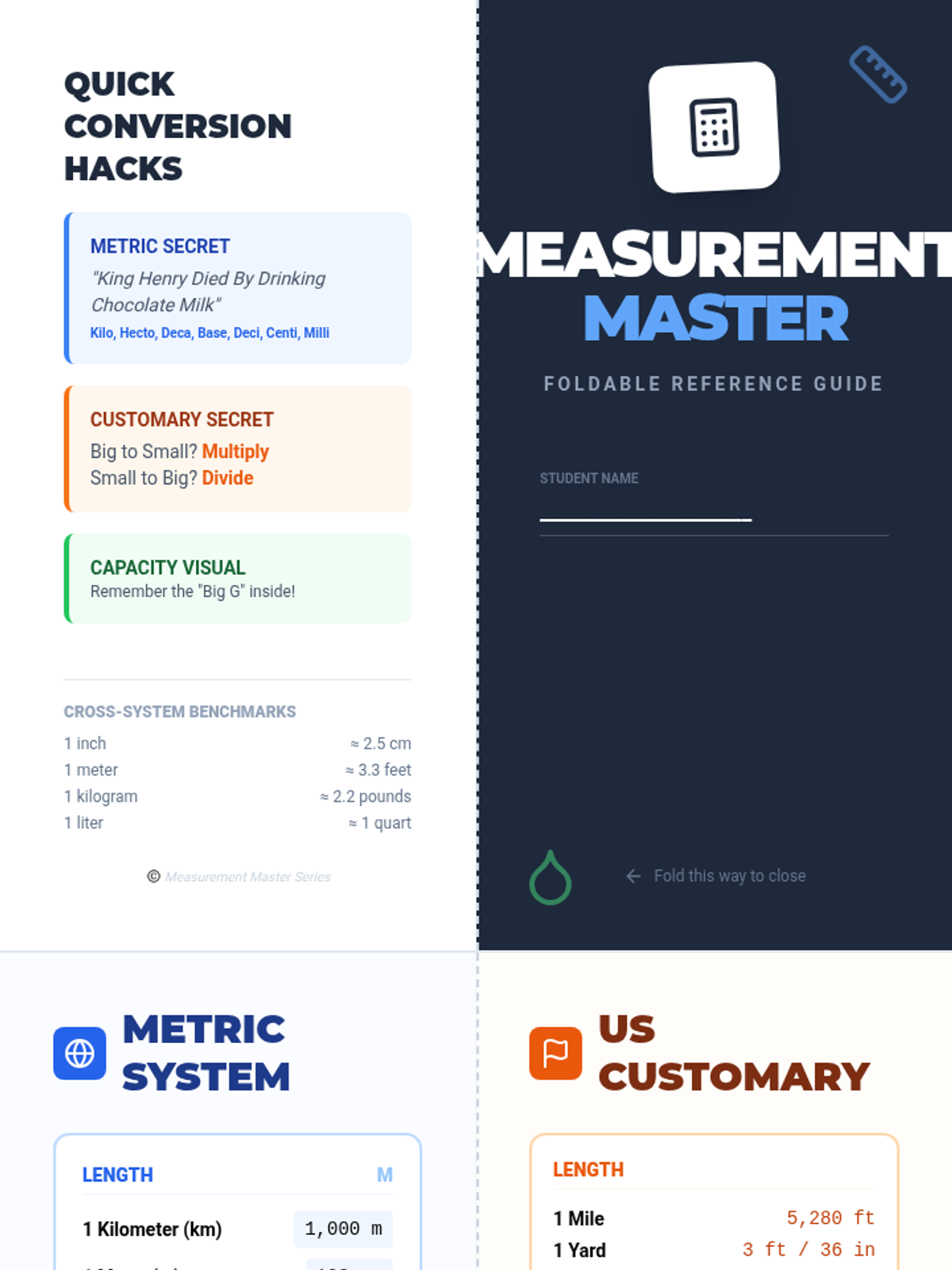
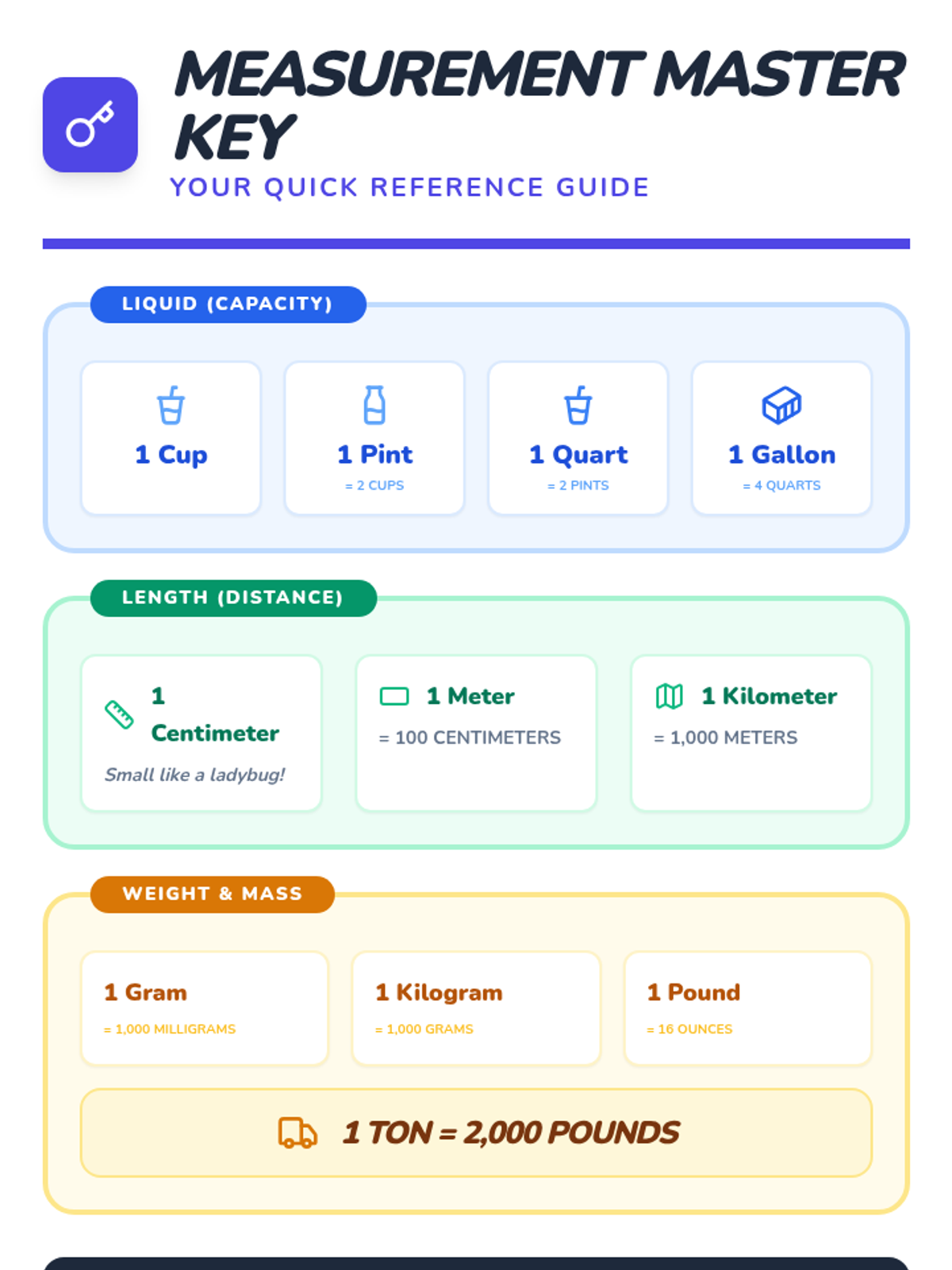
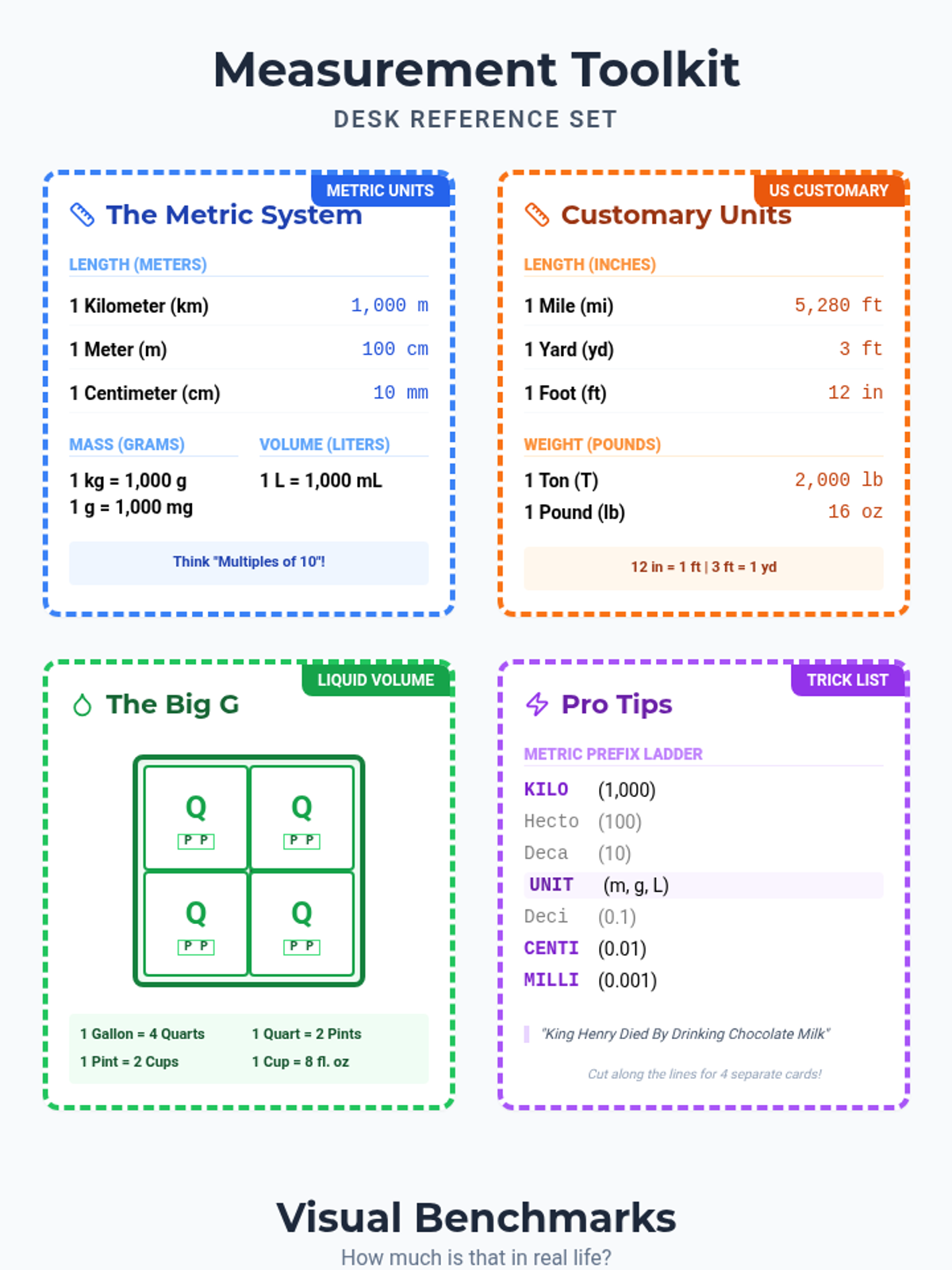
A comprehensive set of visual reference cards for both Metric and US Customary systems of measurement, designed for student desks or notebooks.
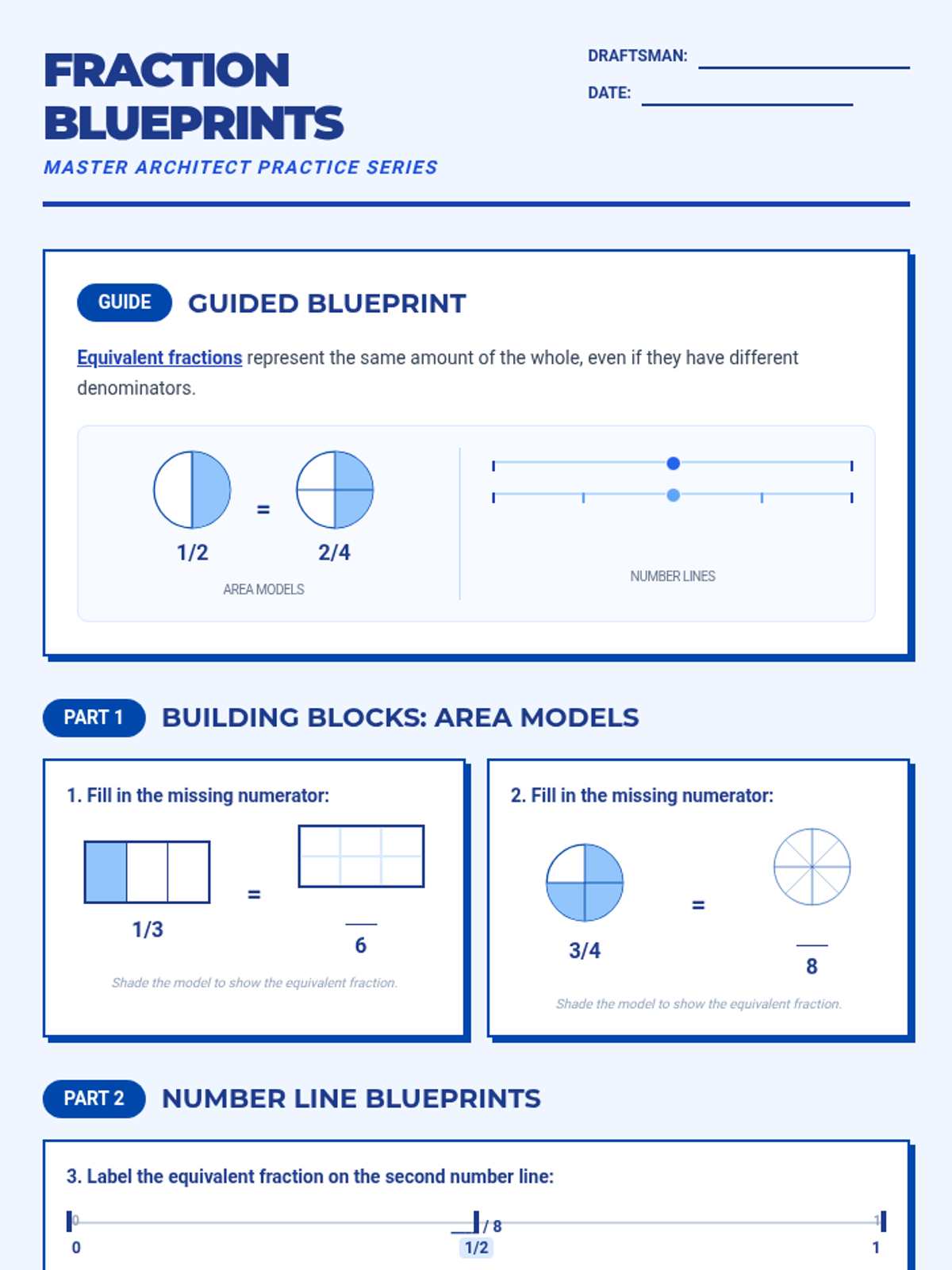
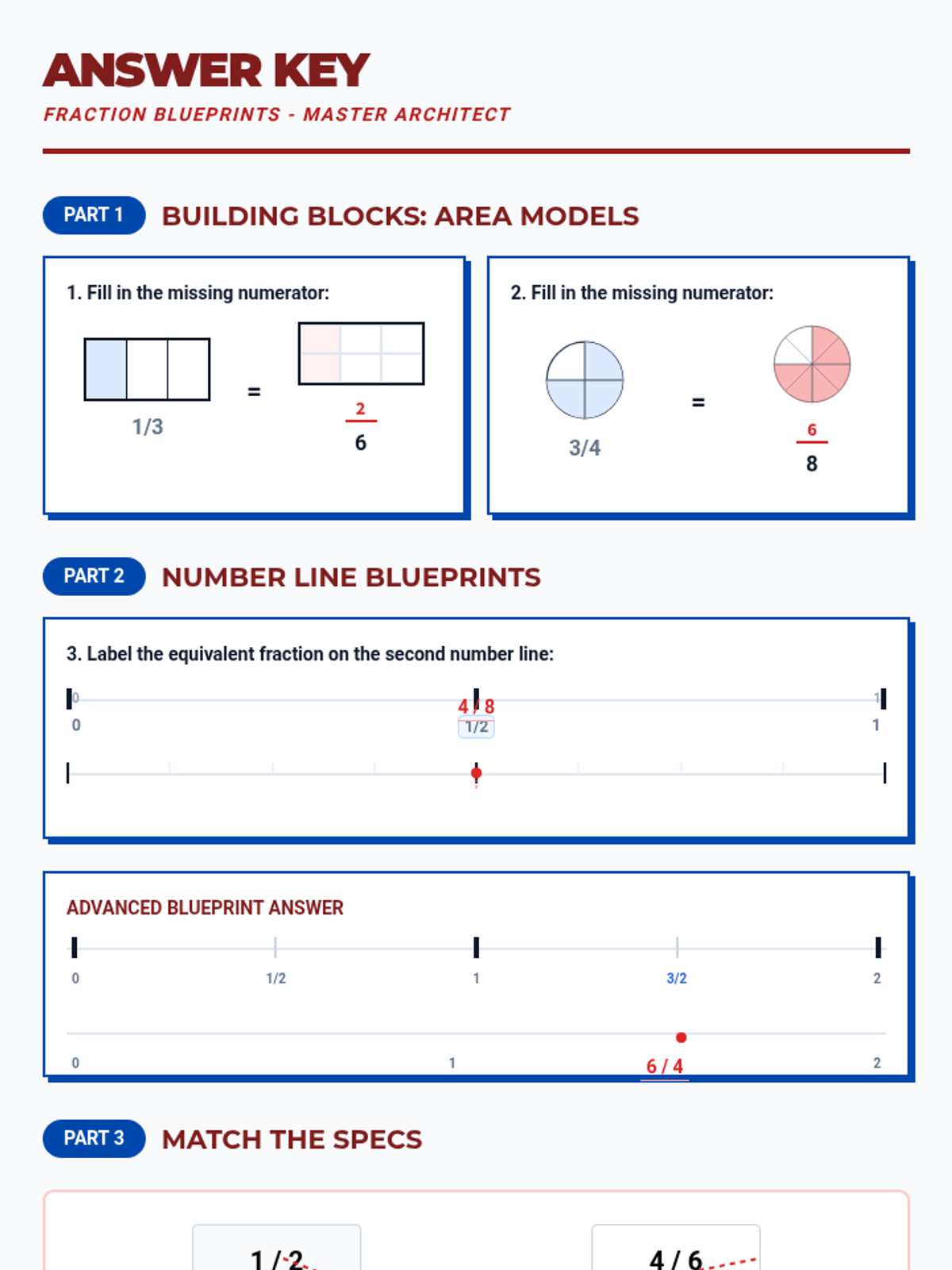
A lesson focused on identifying and creating equivalent fractions using visual models like area models and number lines, specifically for denominators 2, 3, 4, 6, and 8. Students will practice both within and beyond one whole.
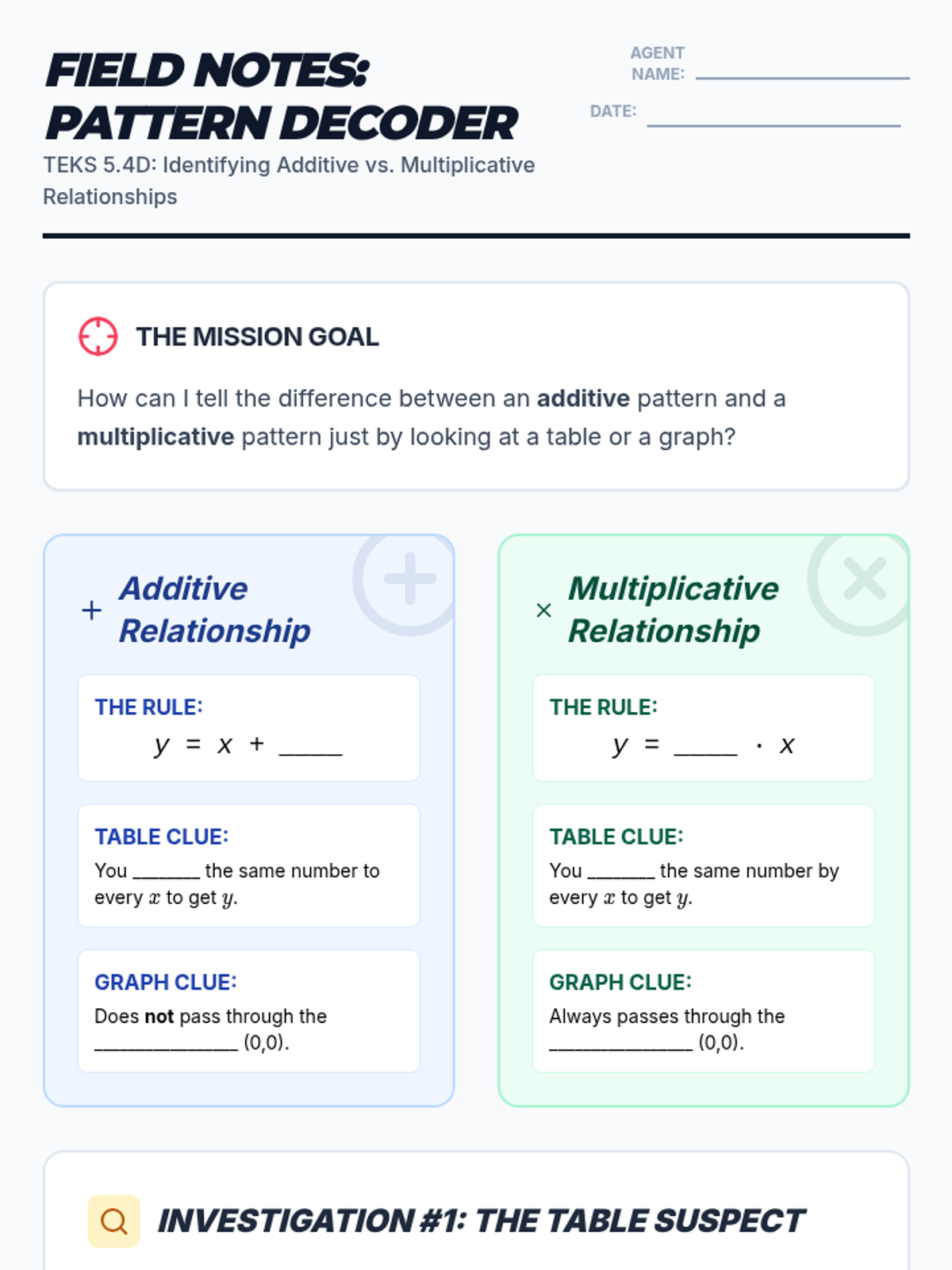
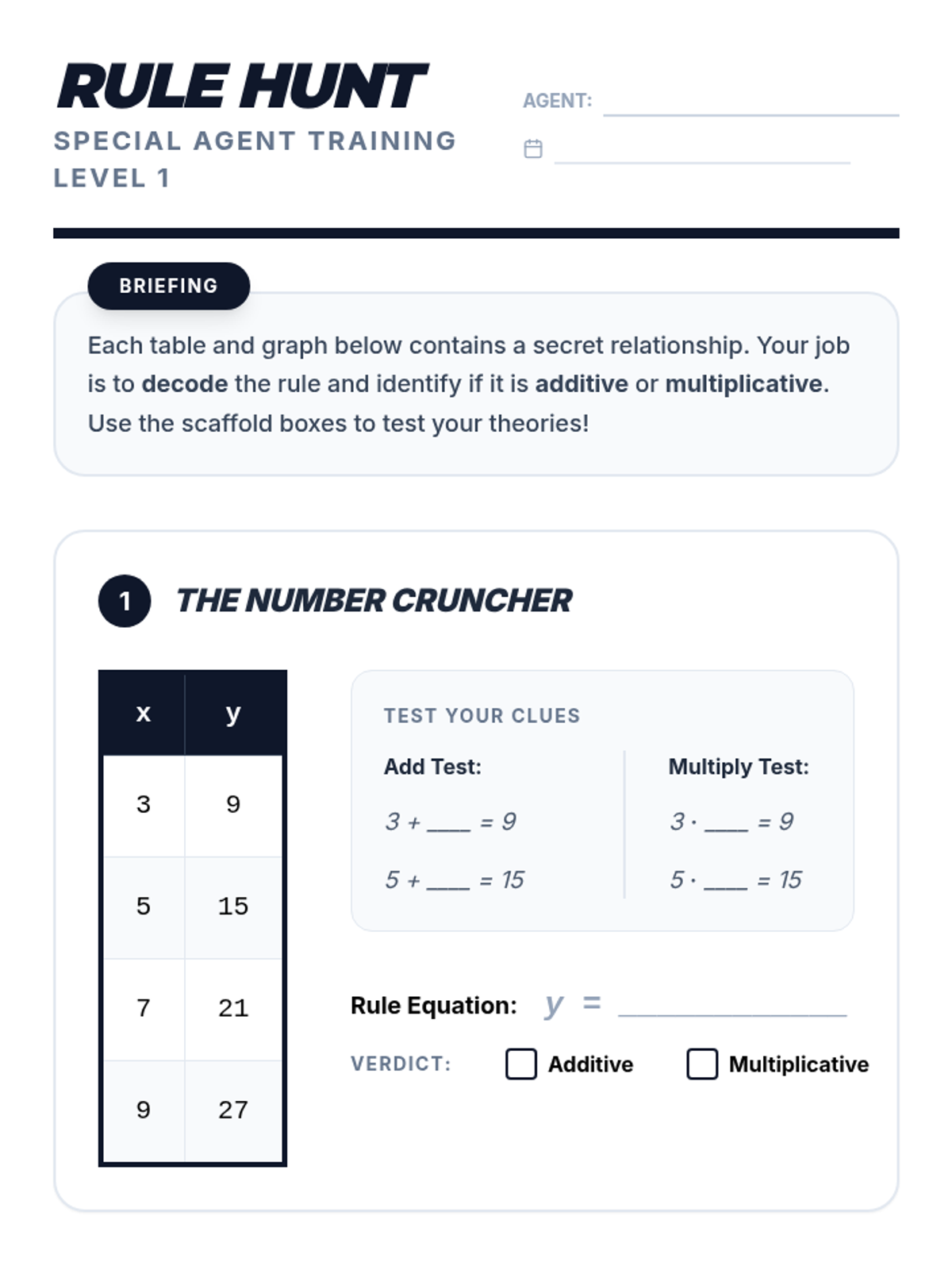
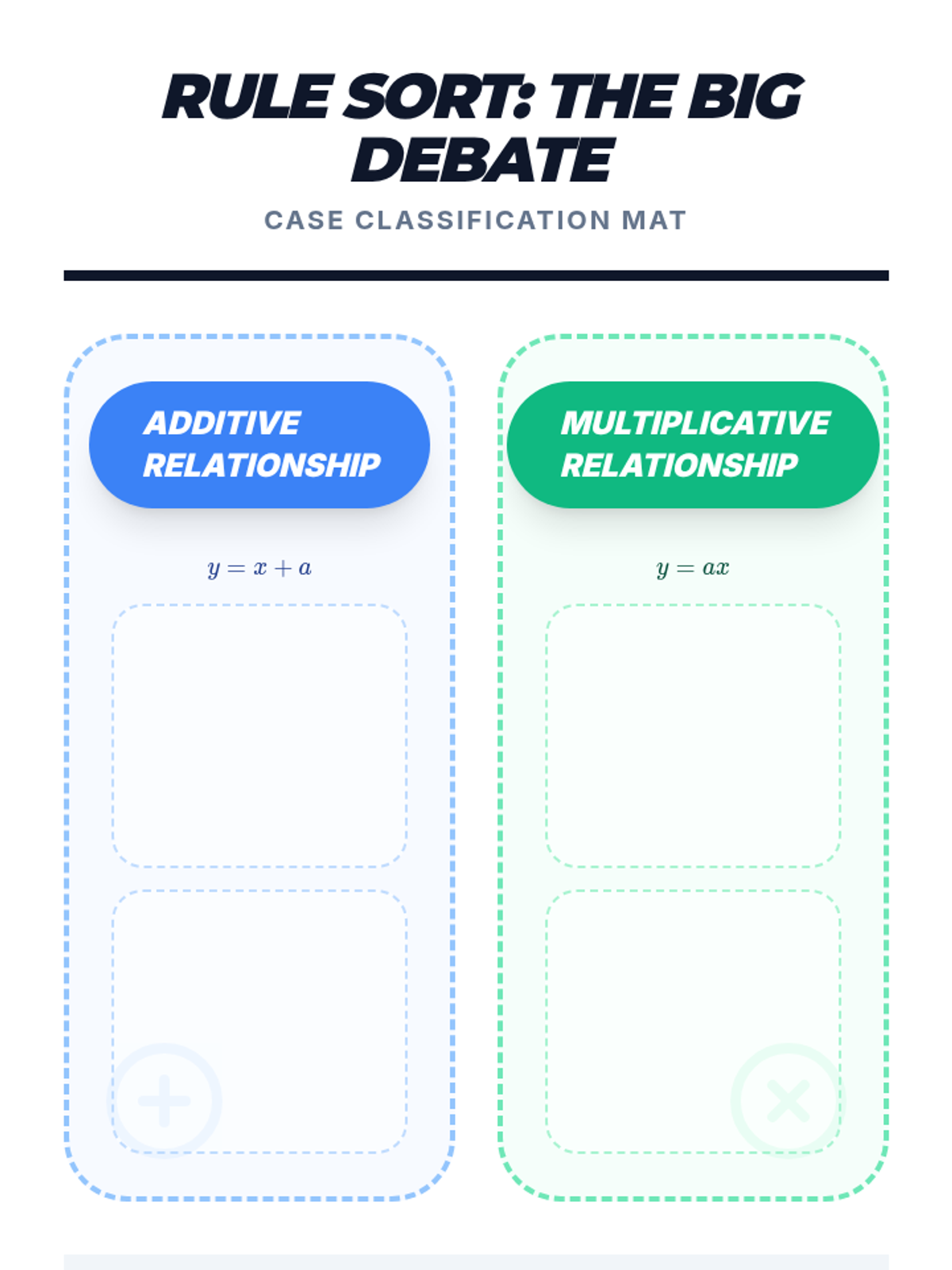
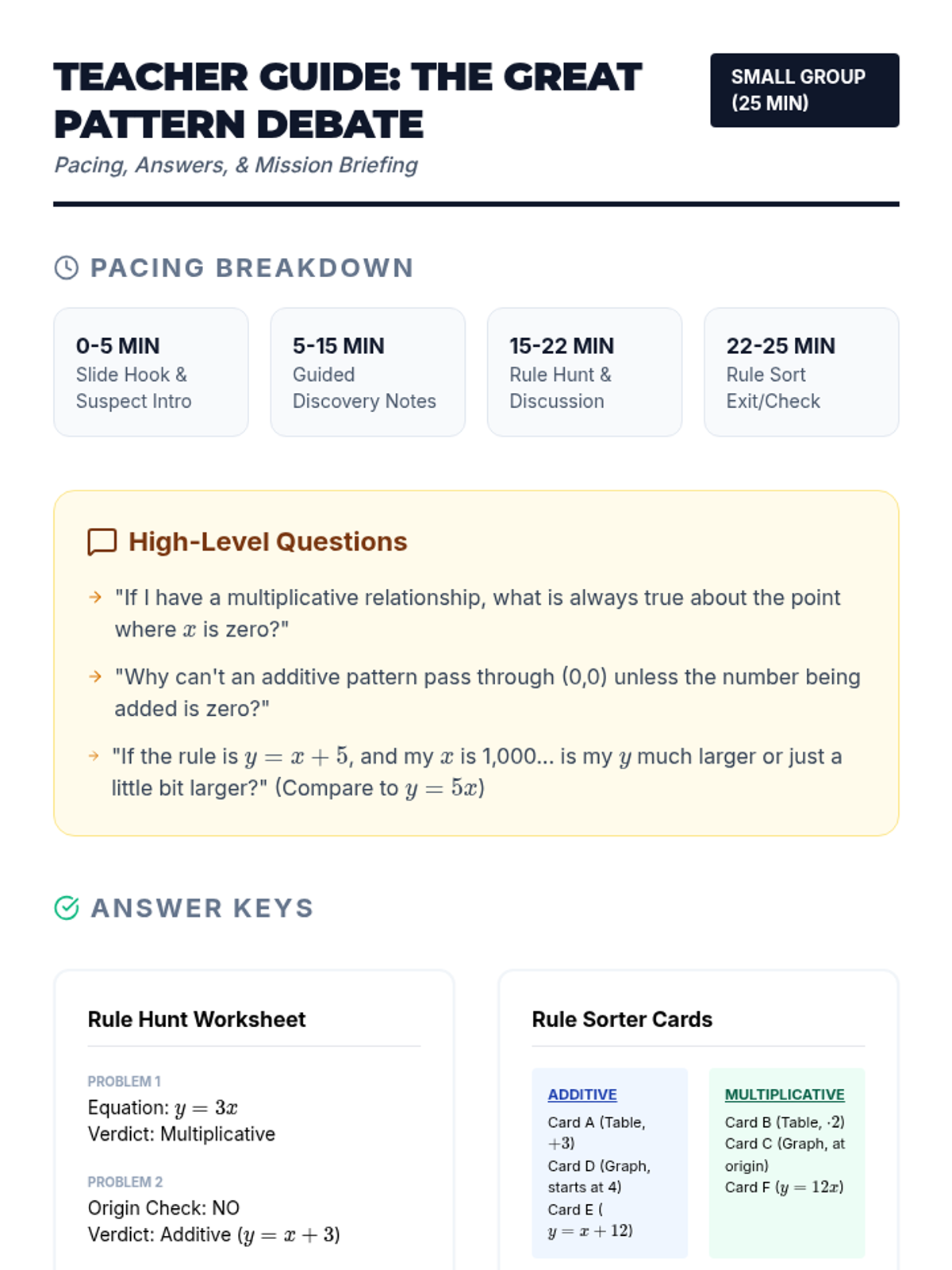
A 25-minute small group lesson focusing on identifying whether a pattern is additive ($y = x + a$) or multiplicative ($y = ax$) from tables and graphs.
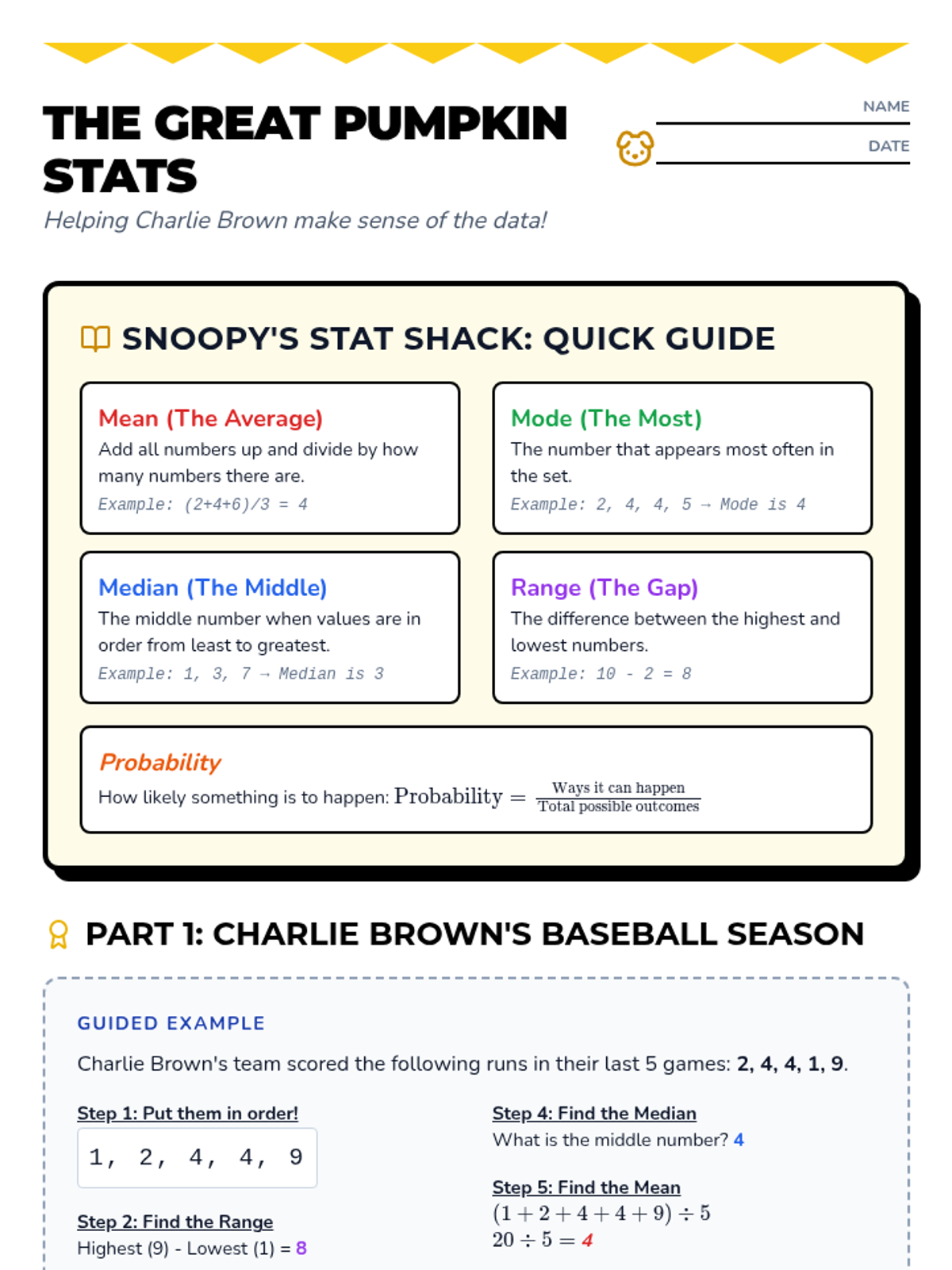
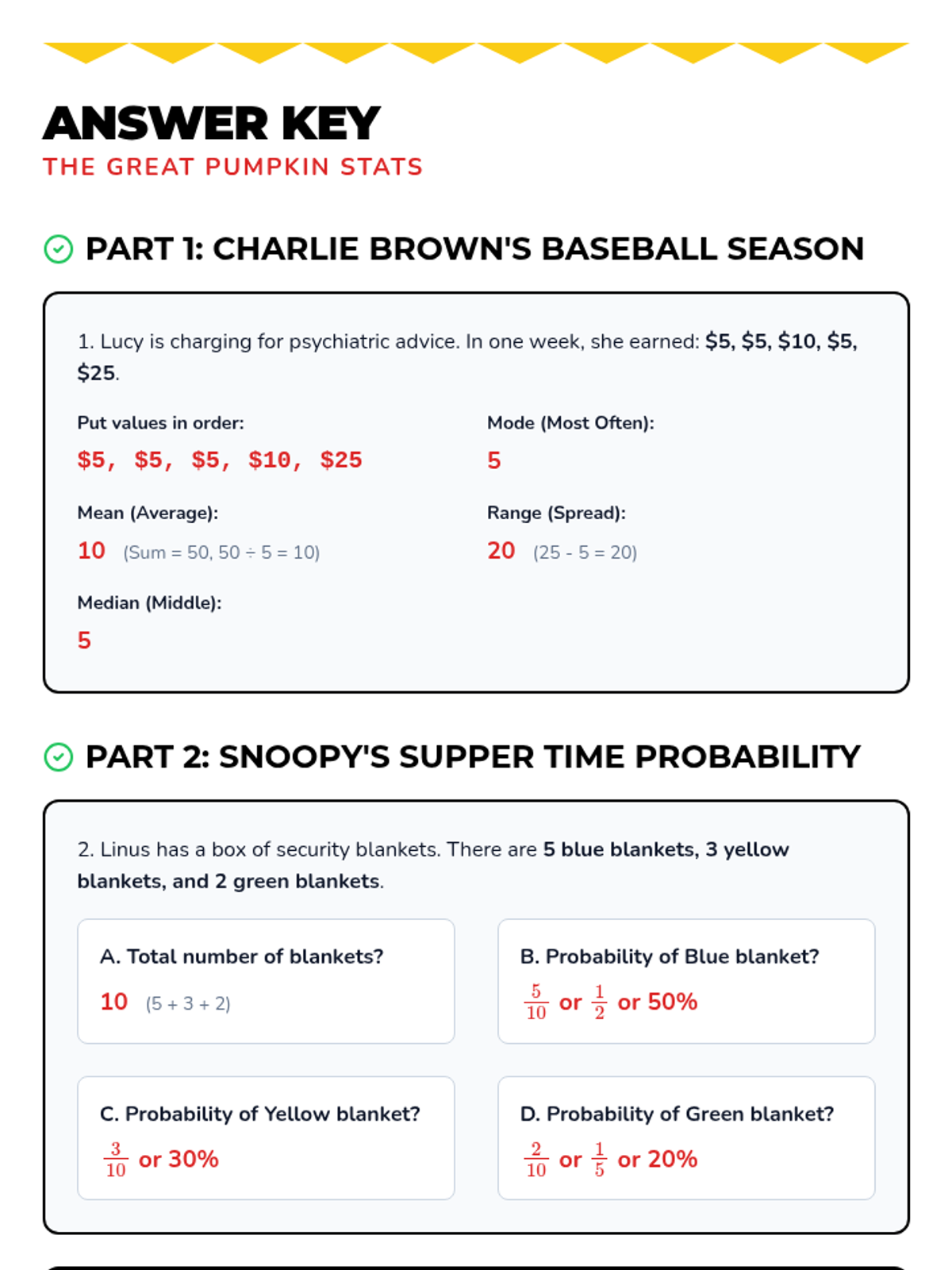
An introduction to basic statistics including measures of central tendency (mean, median, mode, range) and simple probability, themed around the Peanuts comic strip.
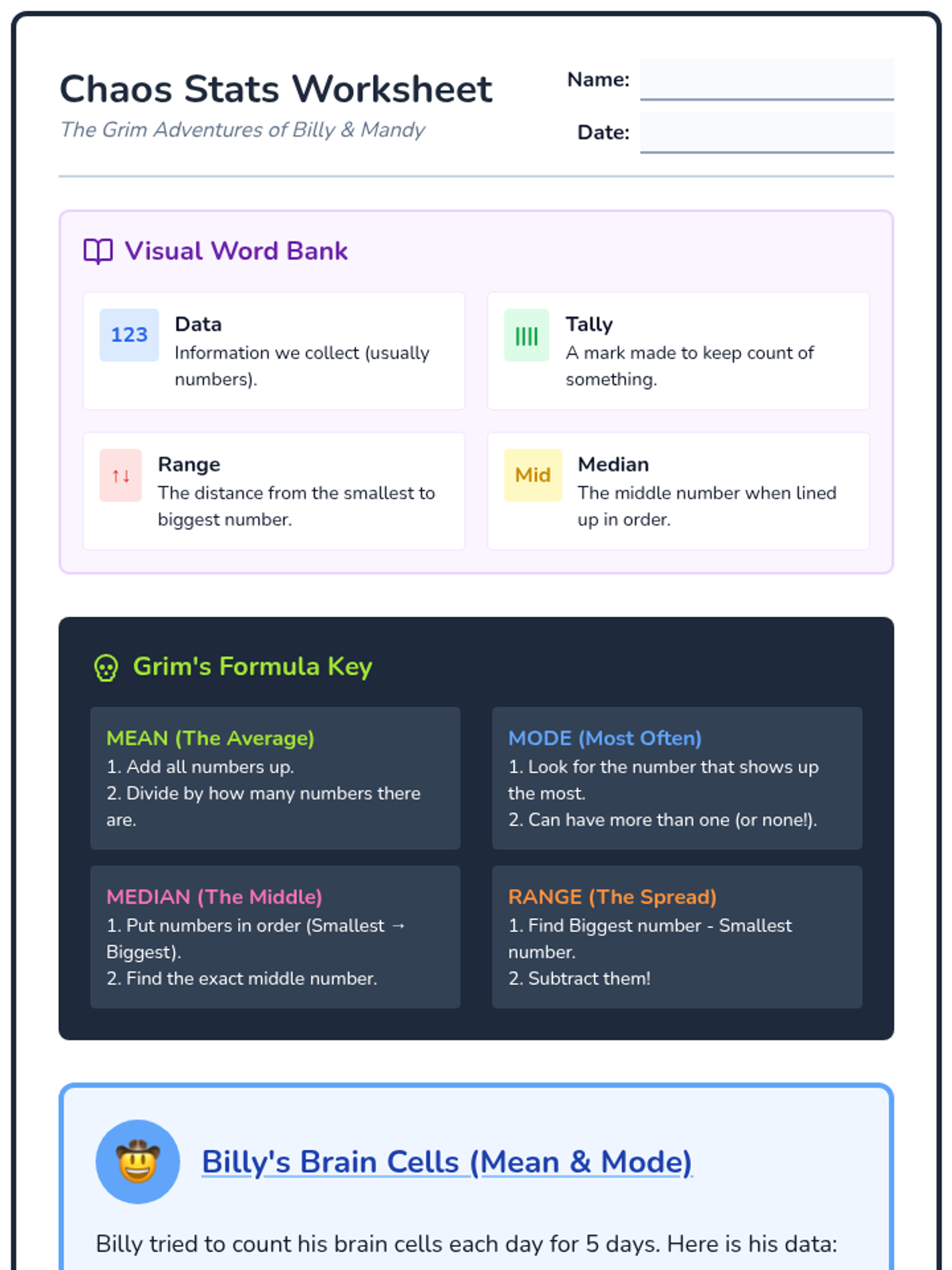
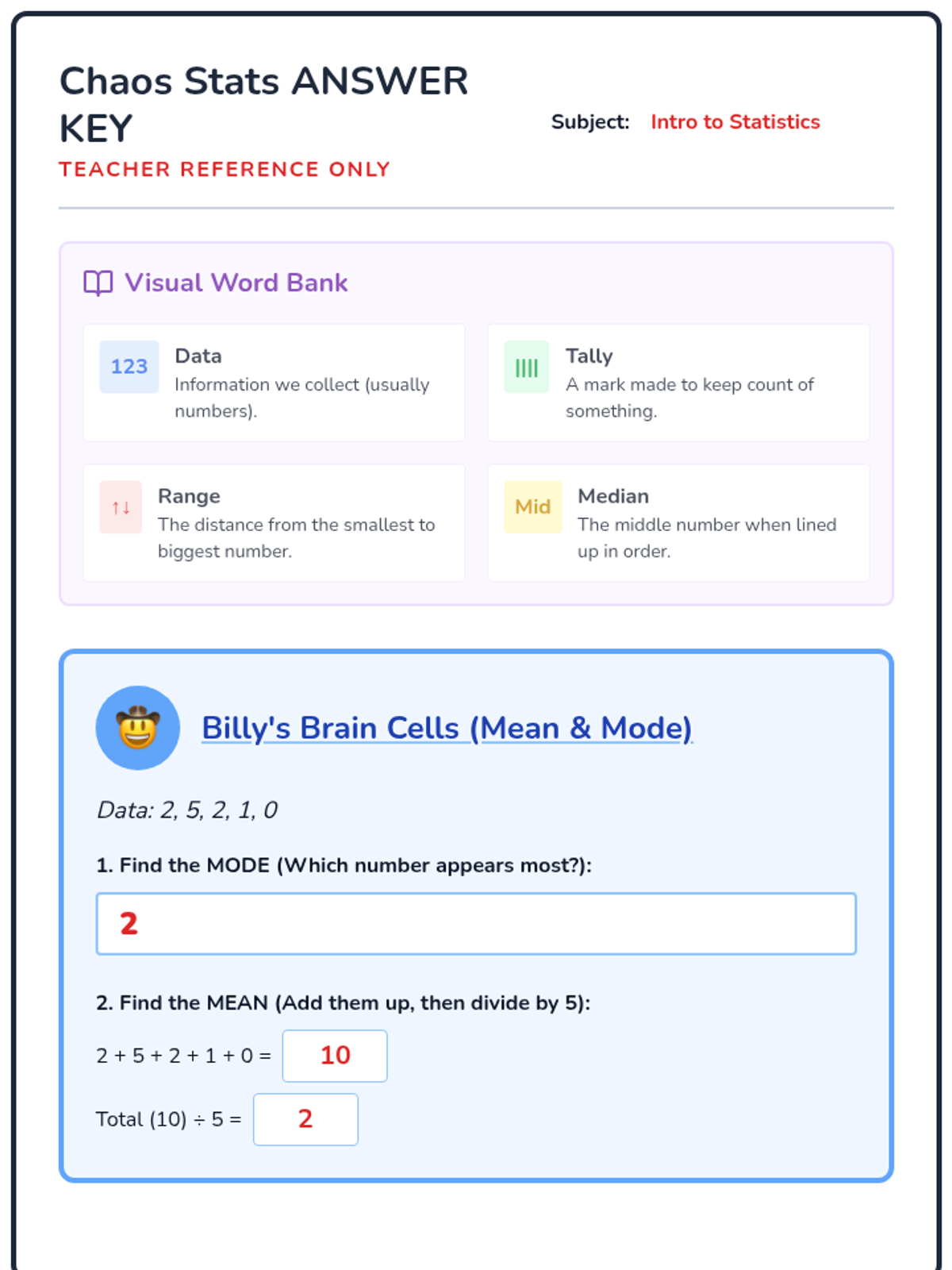
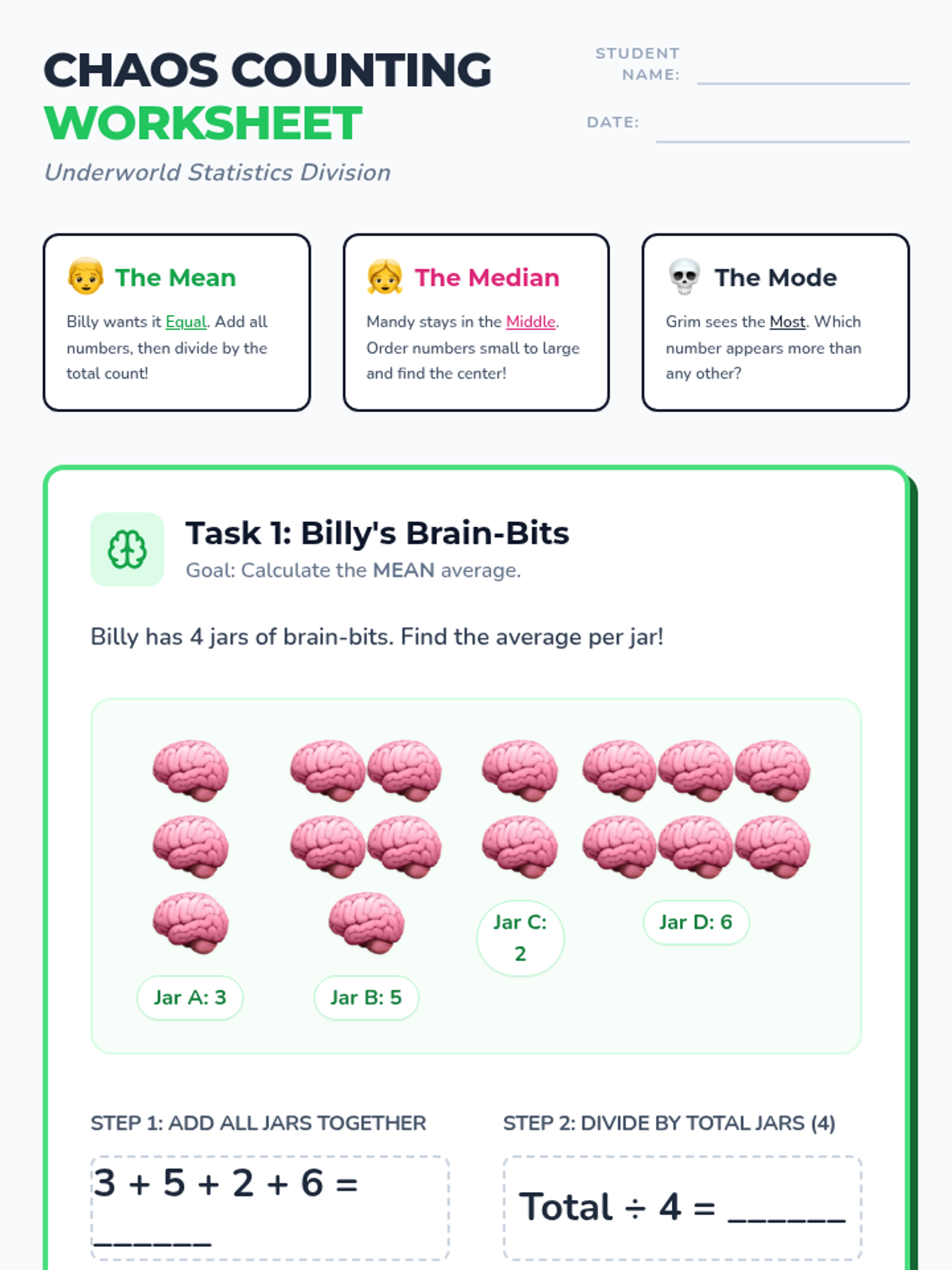
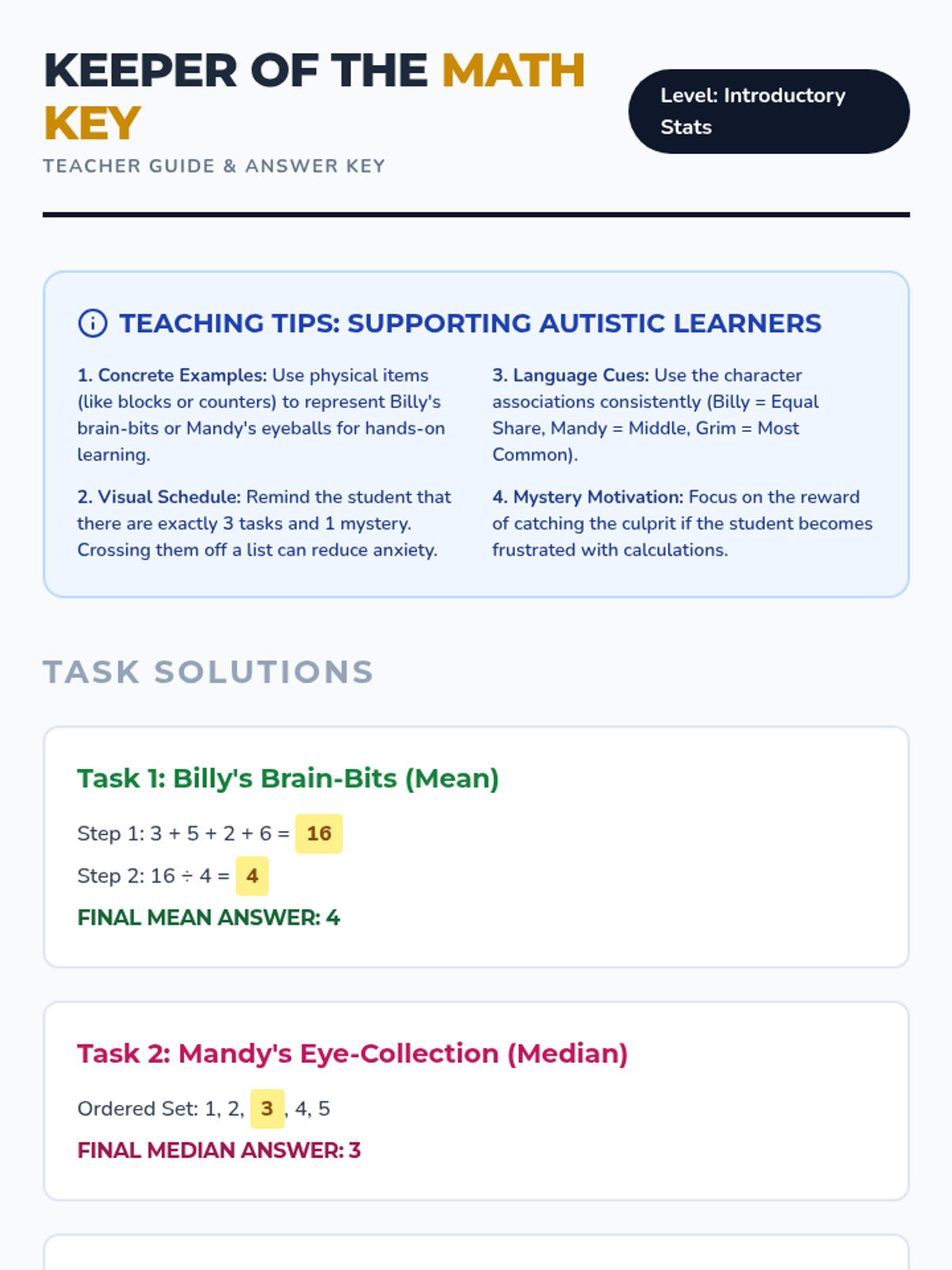
An introductory statistics lesson themed after The Grim Adventures of Billy & Mandy, focusing on central tendency (mean, median, mode) and range, as well as basic data collection.
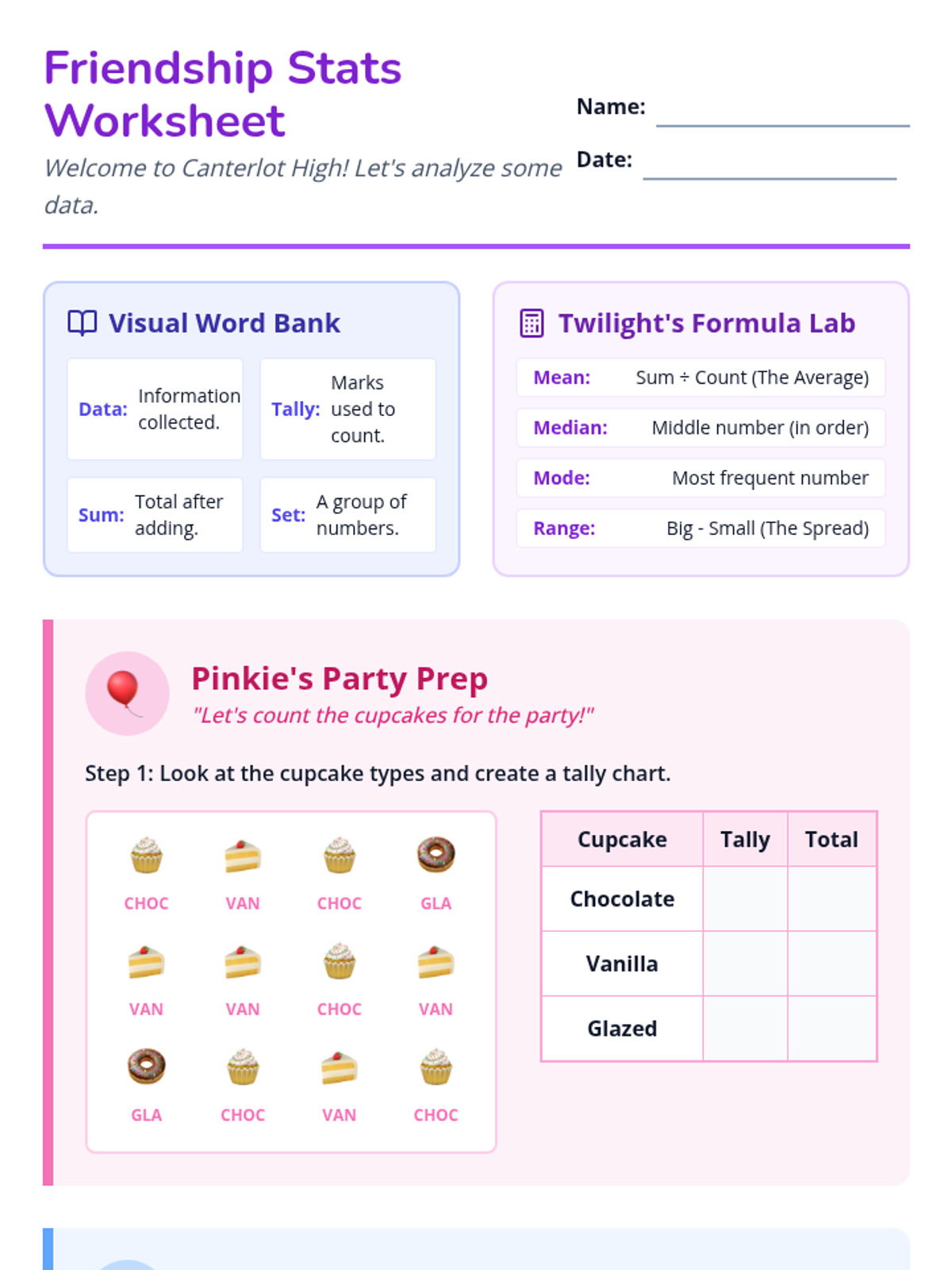
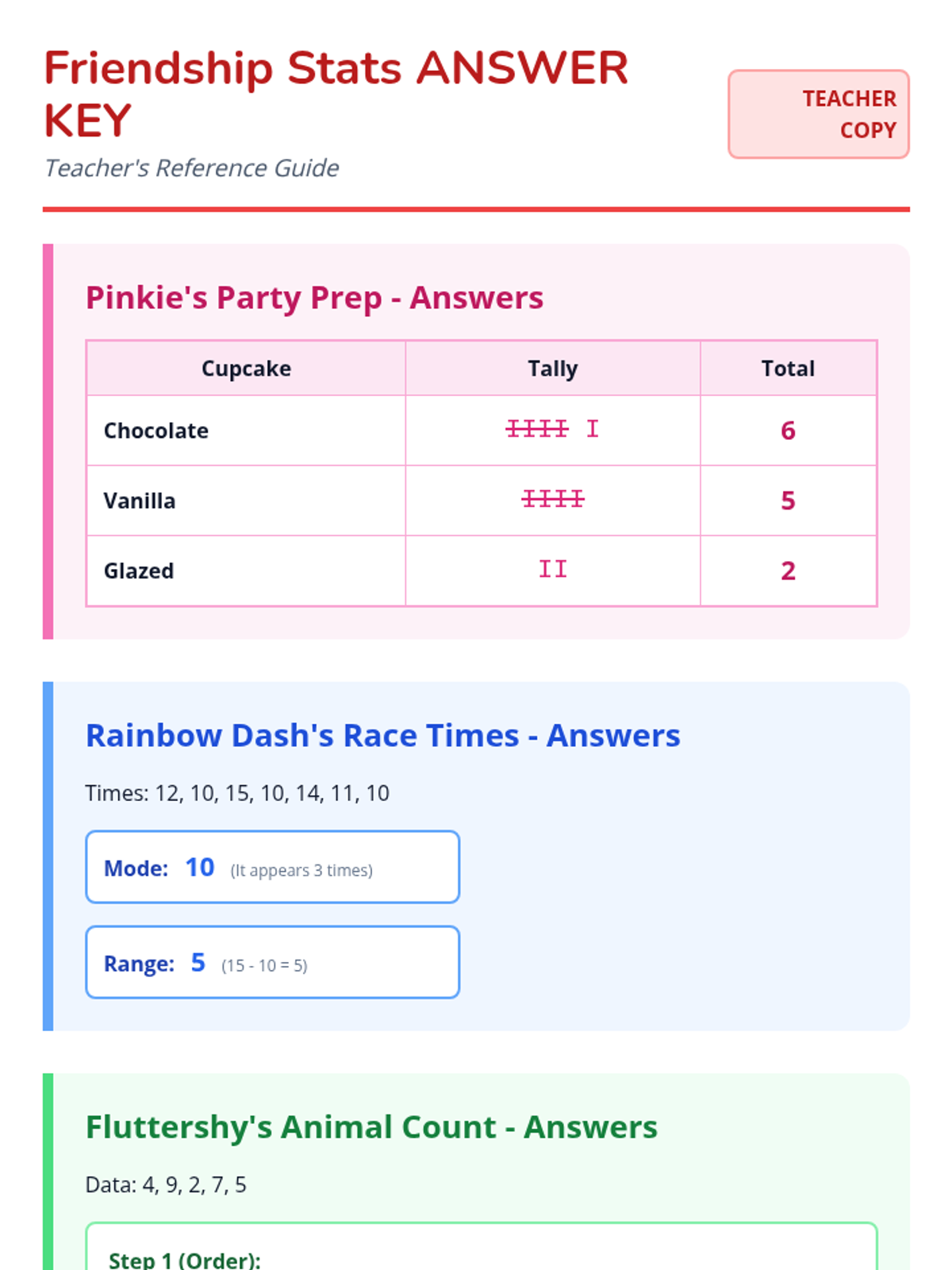
An introduction to basic statistics concepts (Mean, Median, Mode, Range) and data collection using an Equestria Girls theme to engage students. This lesson includes visual aids and color-coded sections for clear organization.
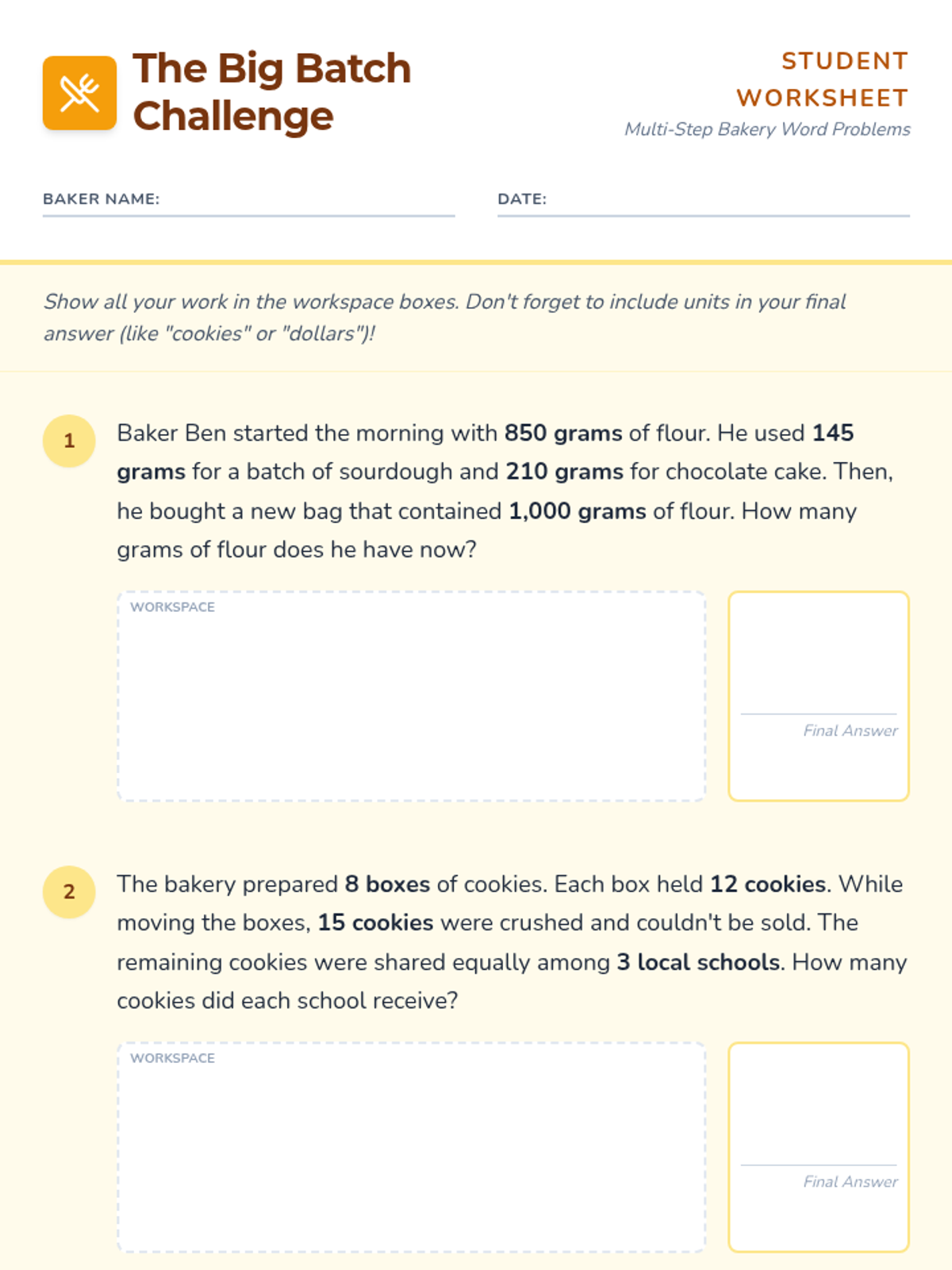
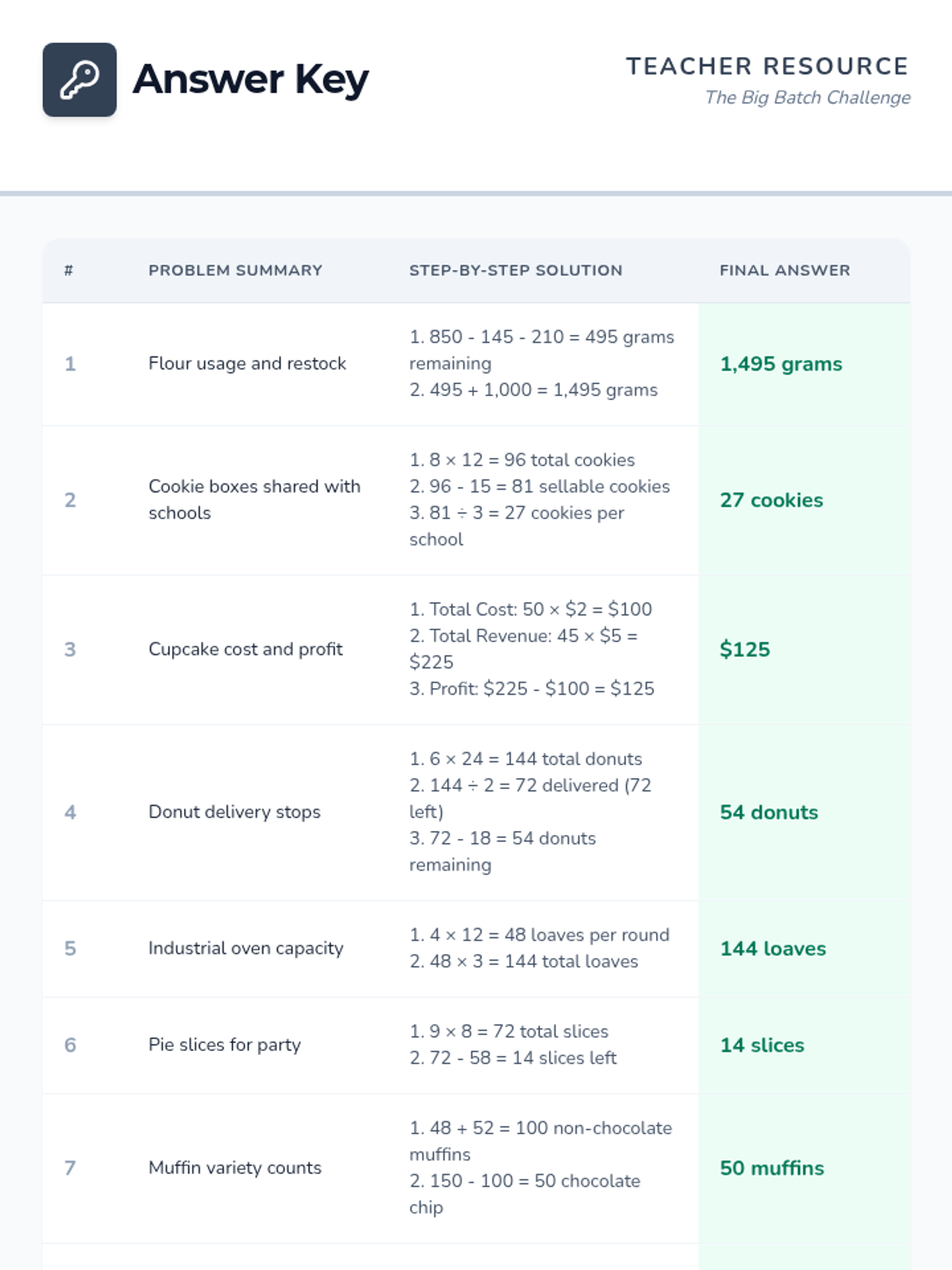
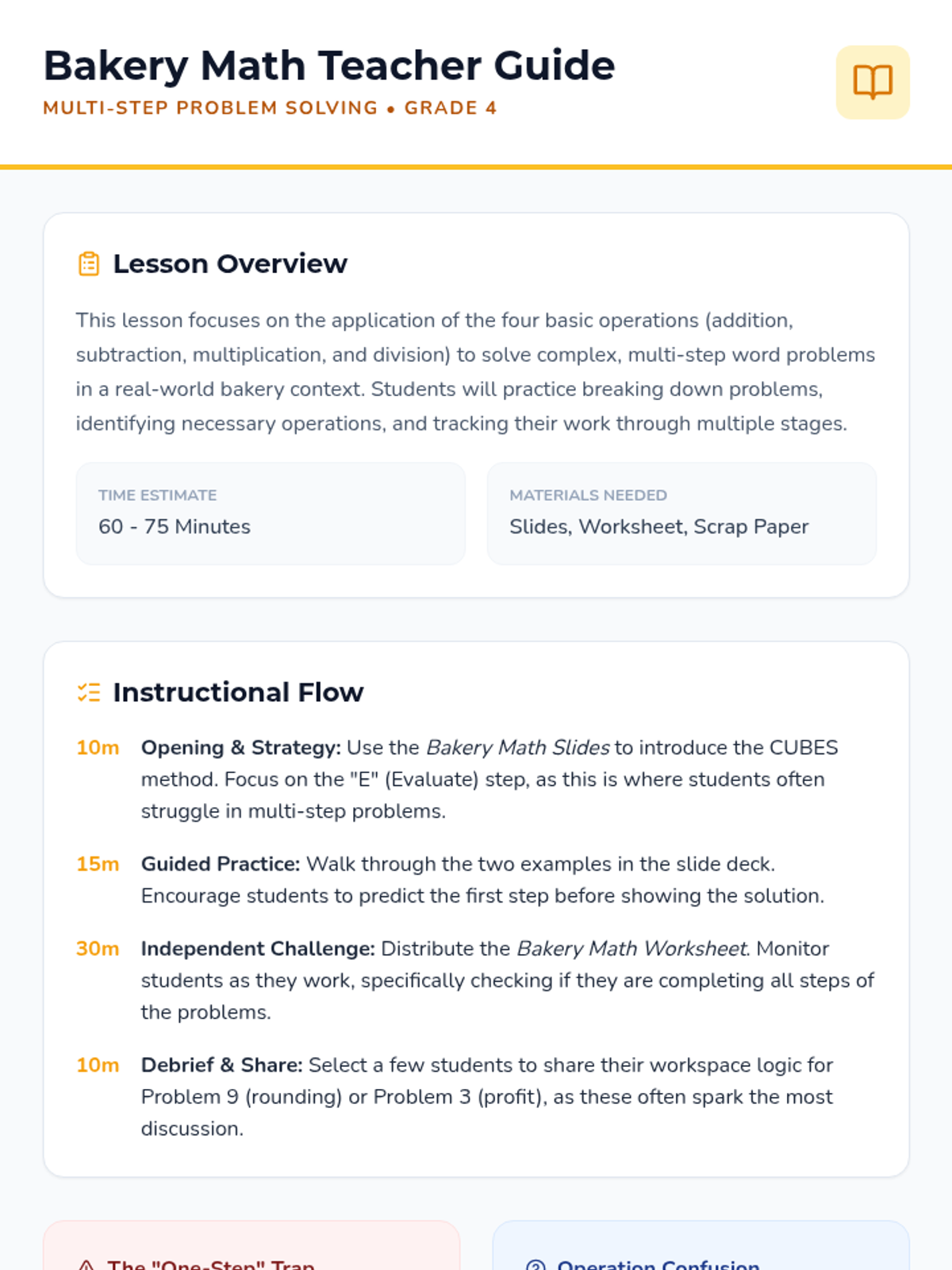
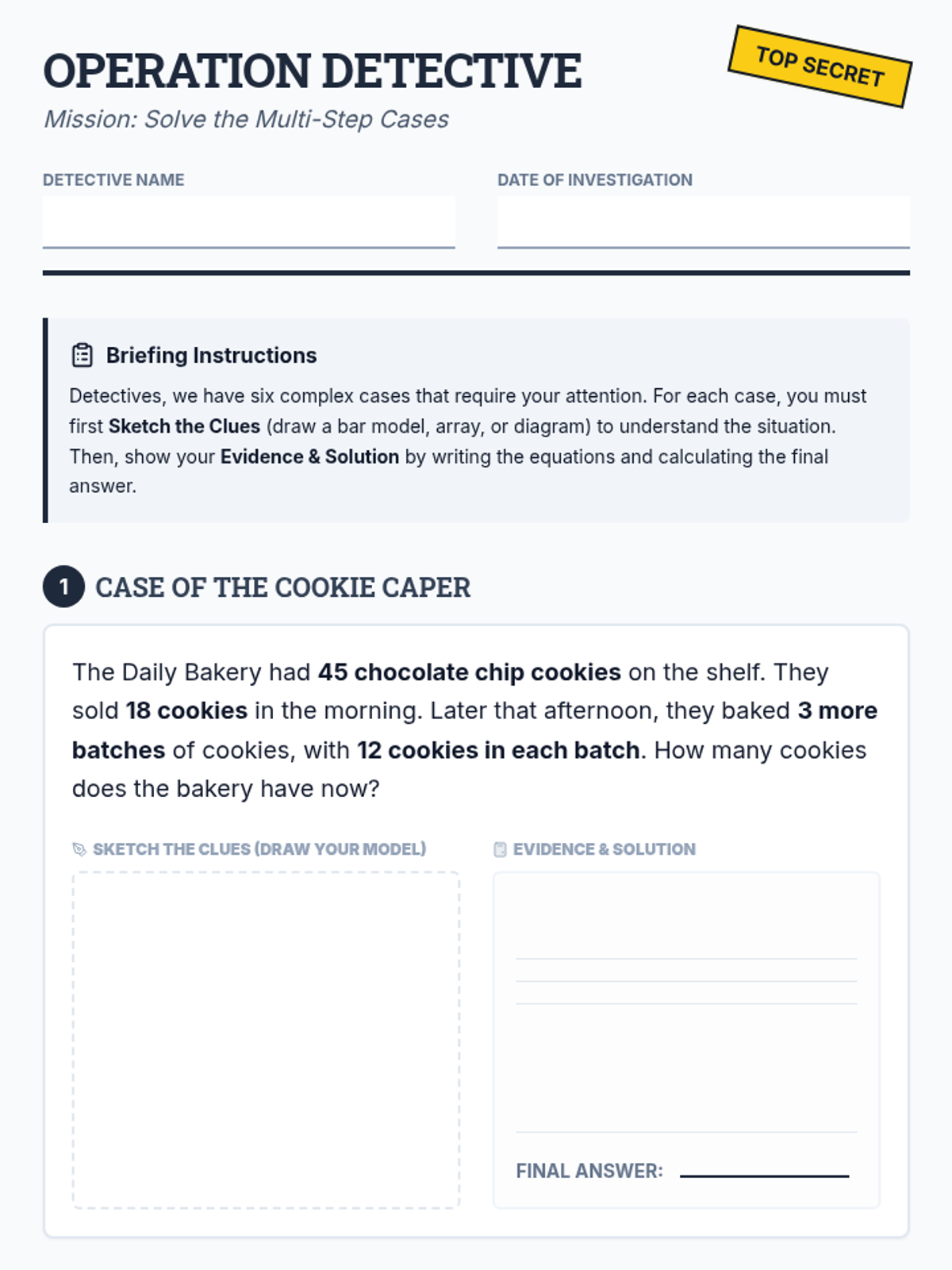
A collection of multi-step word problems set in a bustling bakery, challenging students to apply addition, subtraction, multiplication, and division to real-world scenarios.
A spooky and fun introduction to the basics of statistics (mean, median, and mode) featuring the characters from Billy and Mandy. Students will use visual icons to calculate data sets and solve a logic mystery to help Grim find his missing scythe.
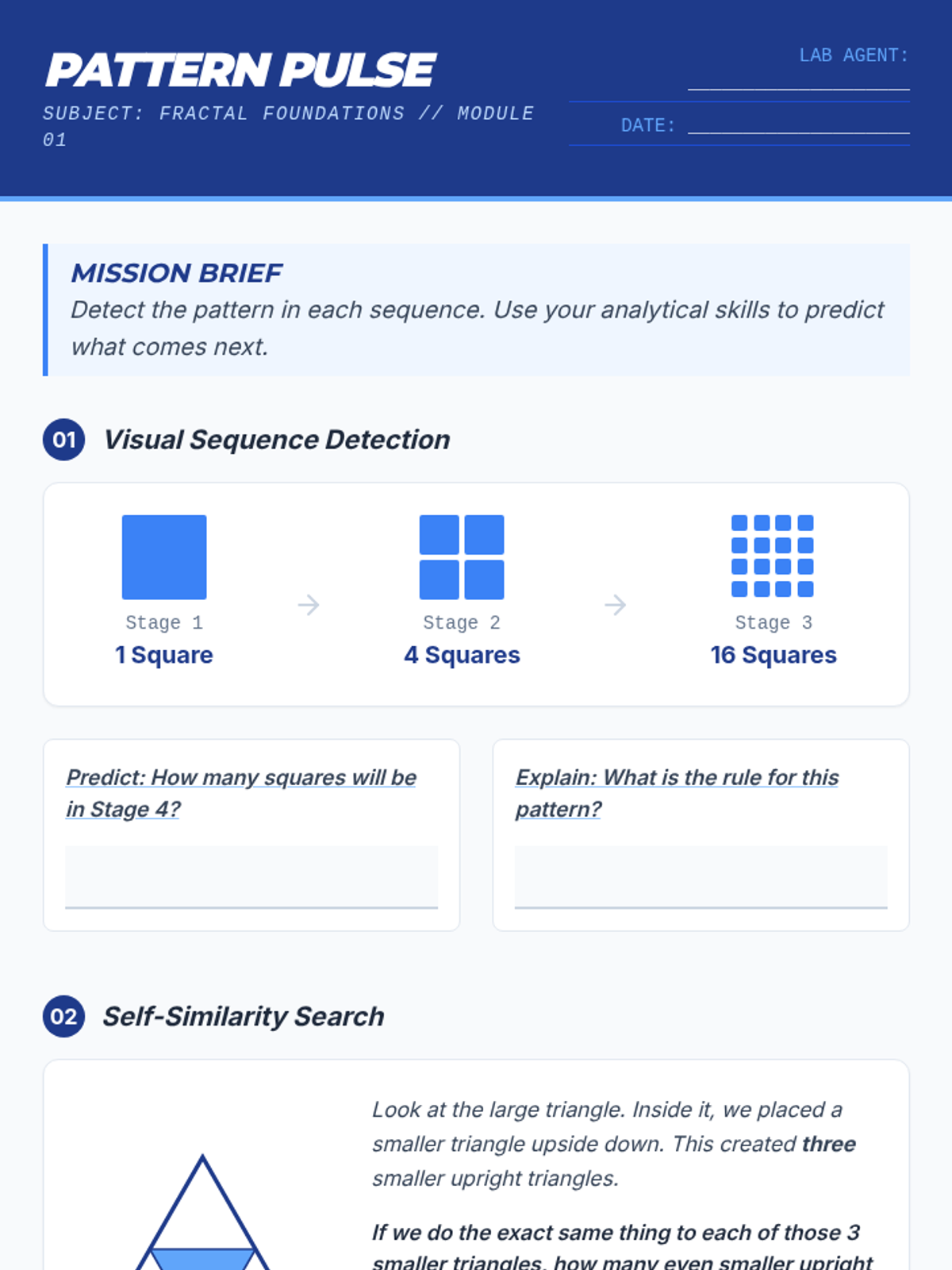
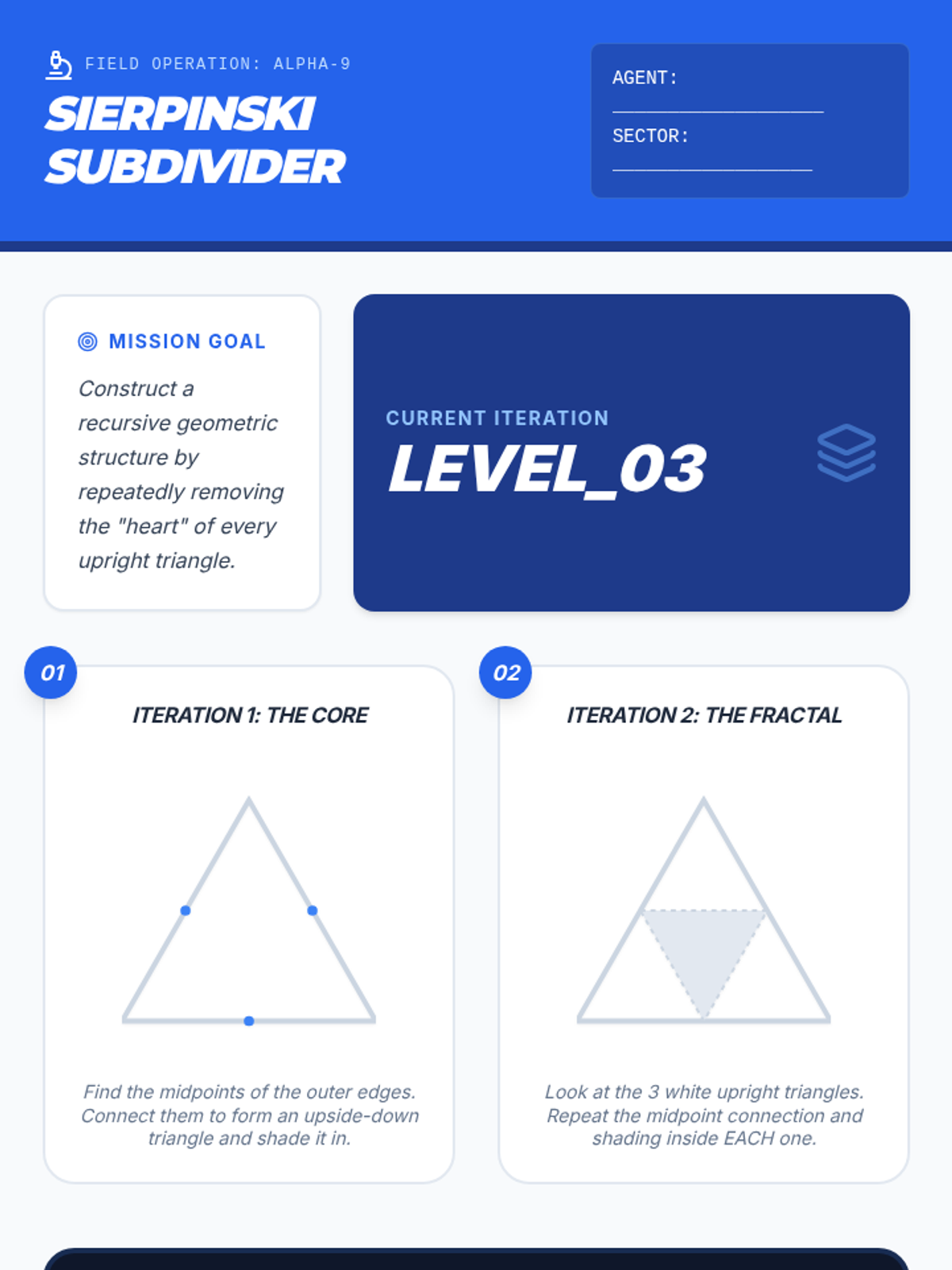
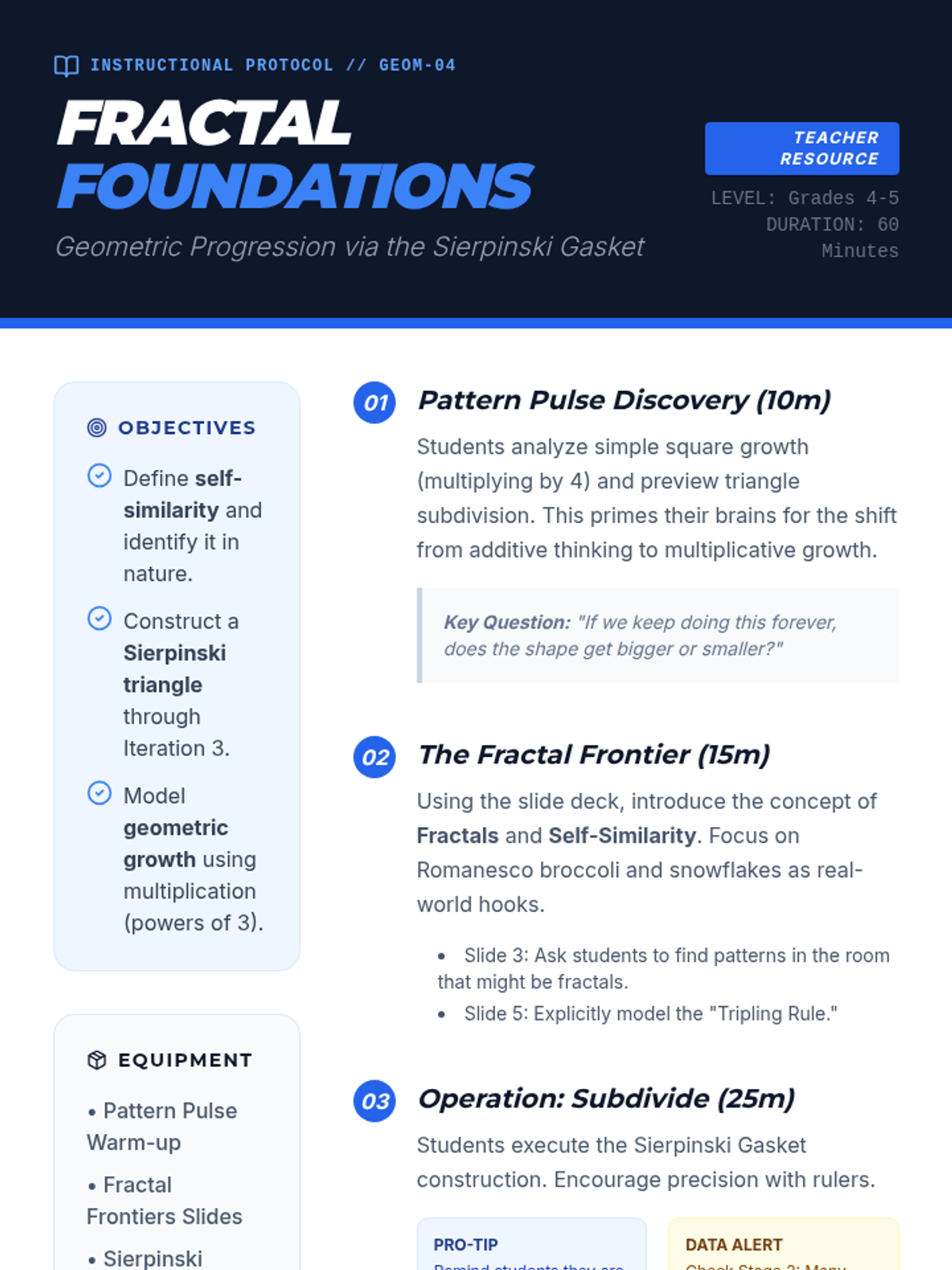
A high-engagement geometry lesson exploring self-similarity and patterns through the construction of Sierpinski triangles, bridging simple multiplication and geometric progression.
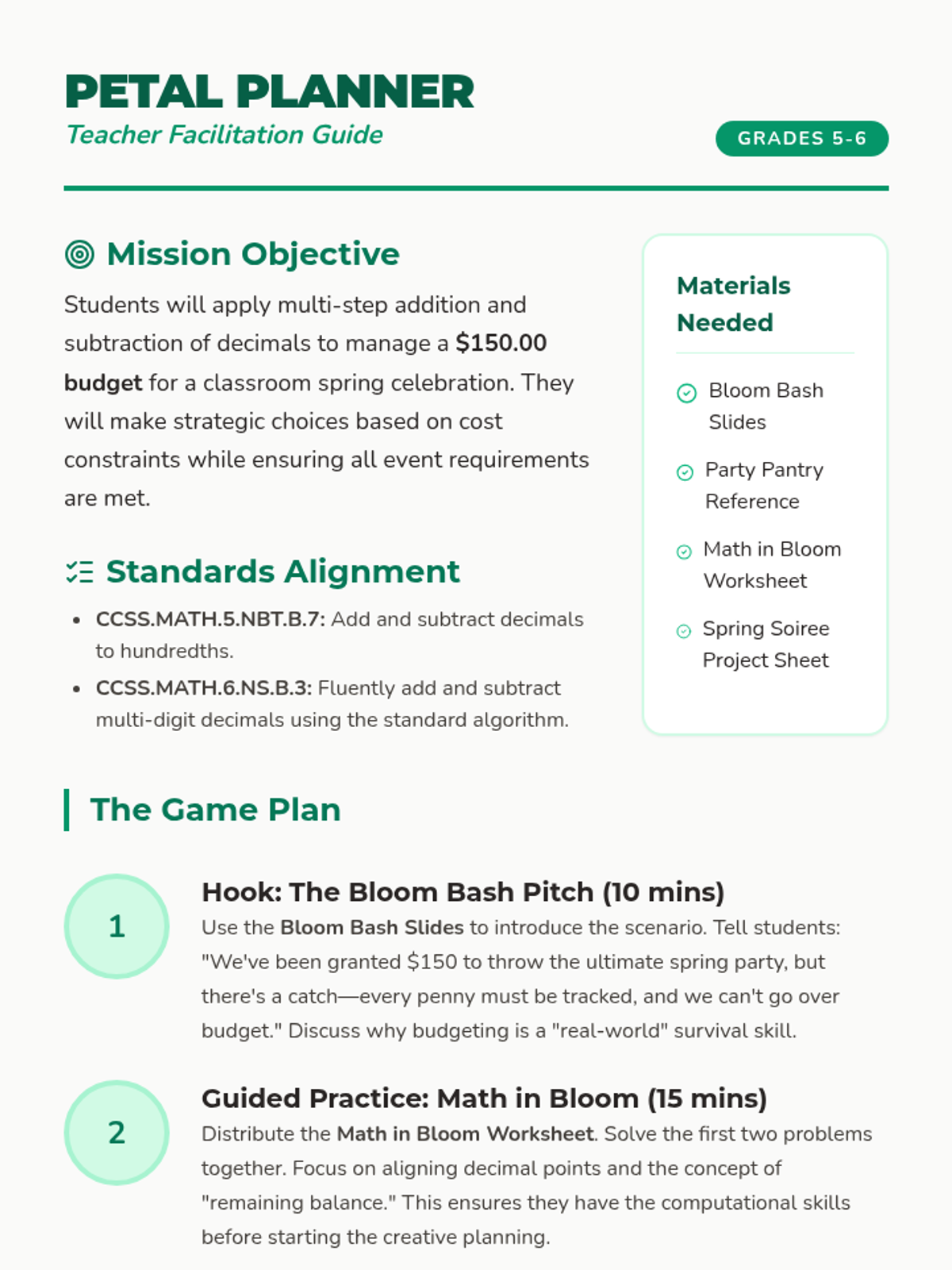
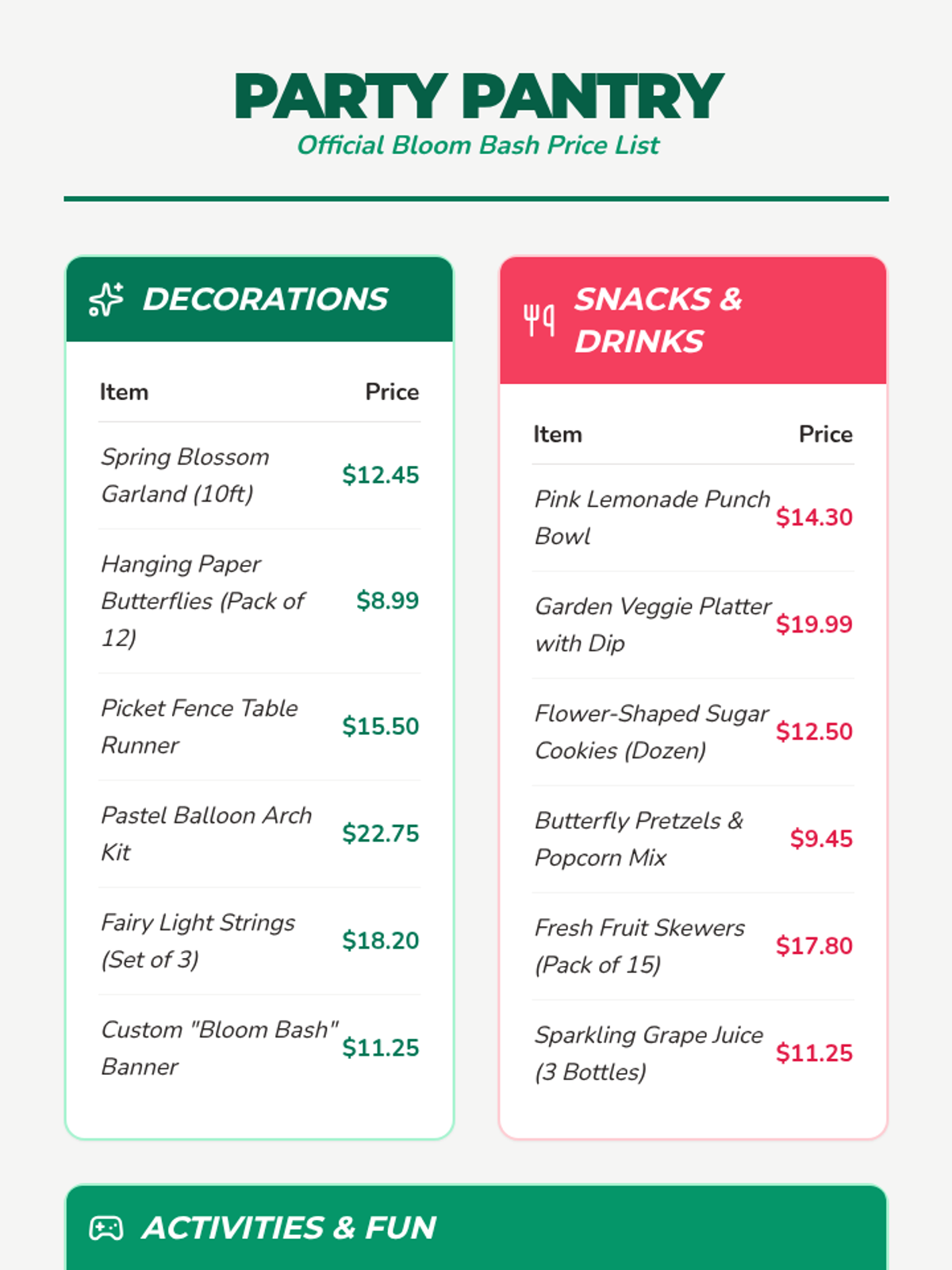
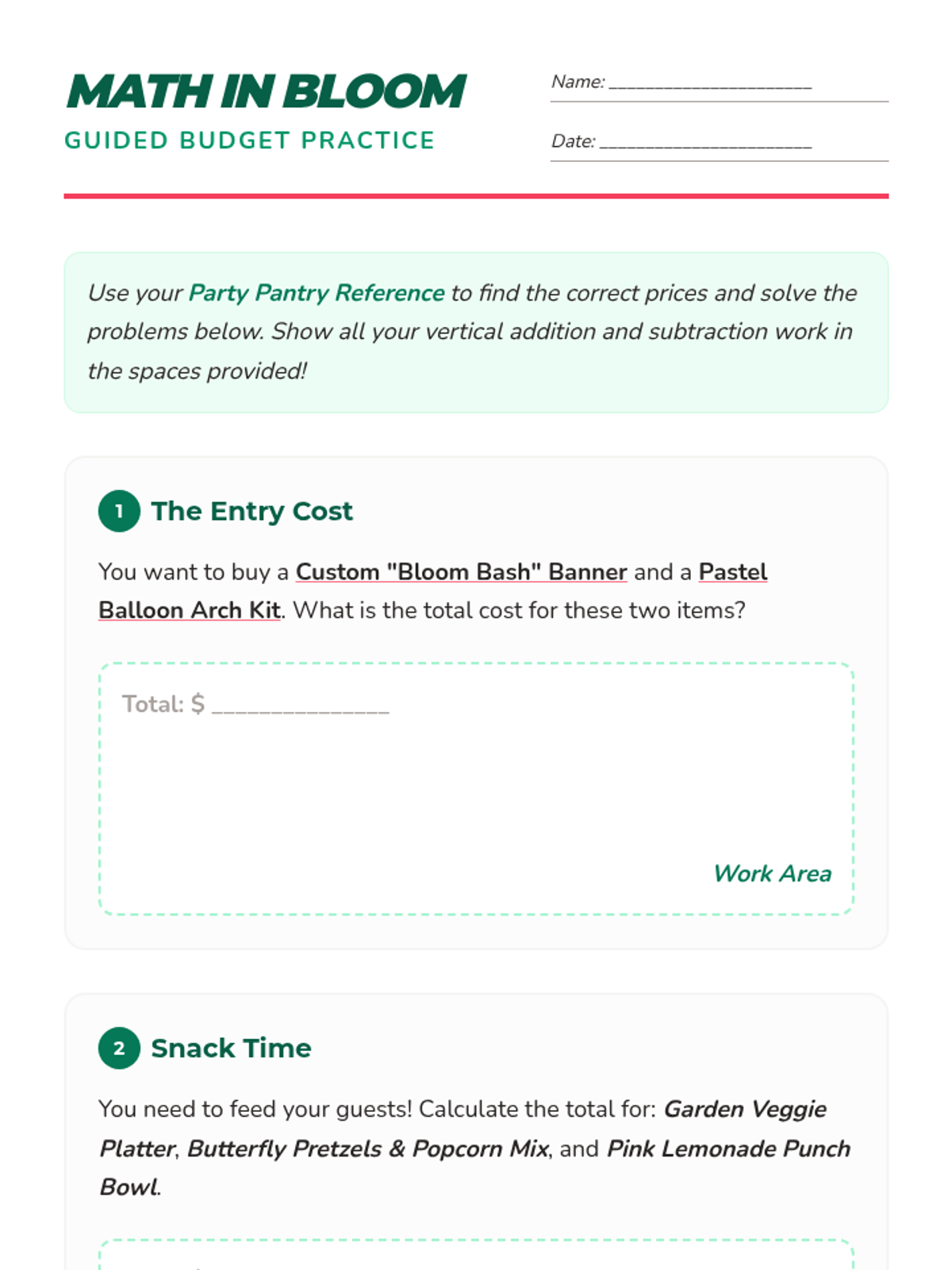
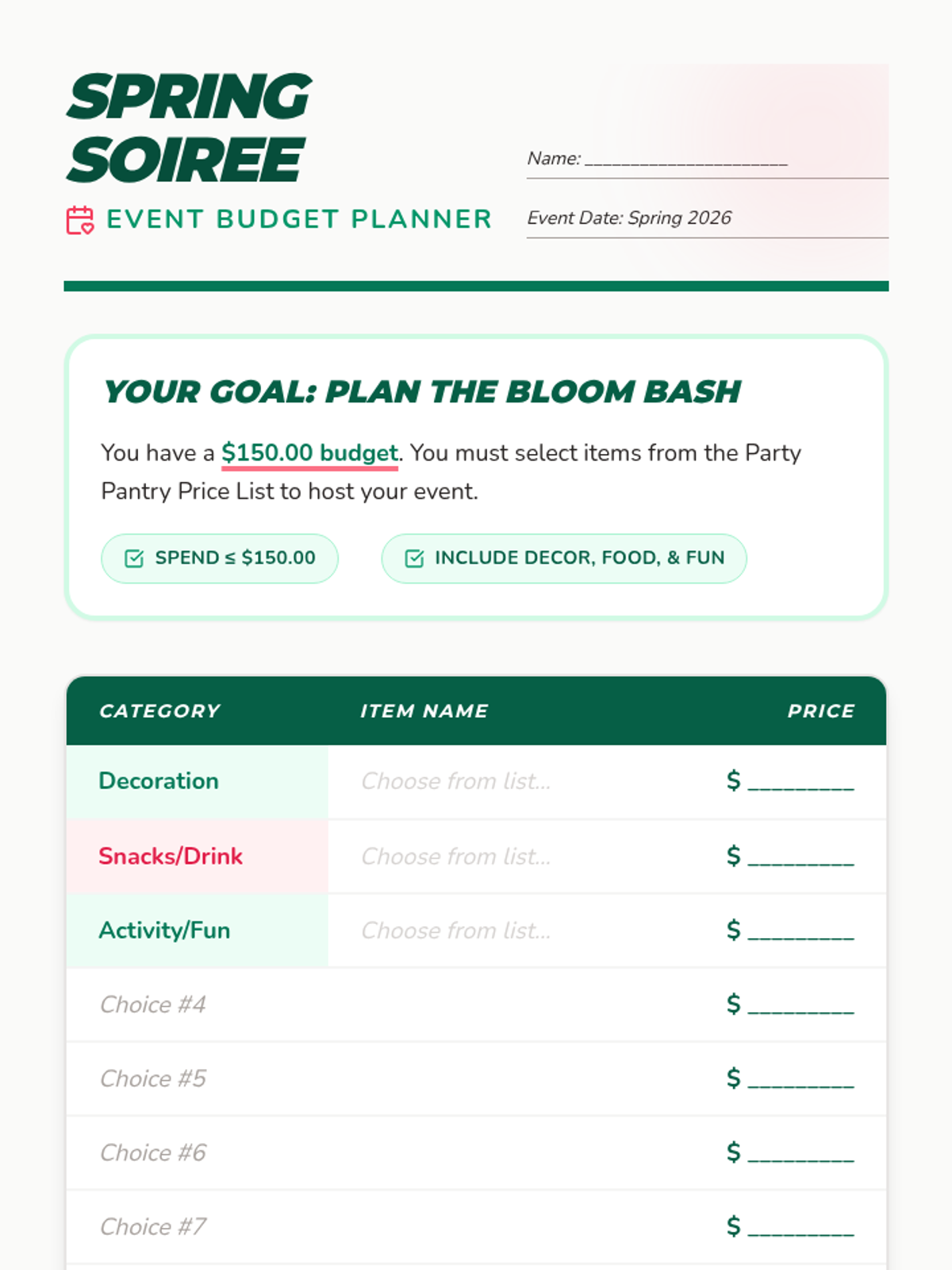
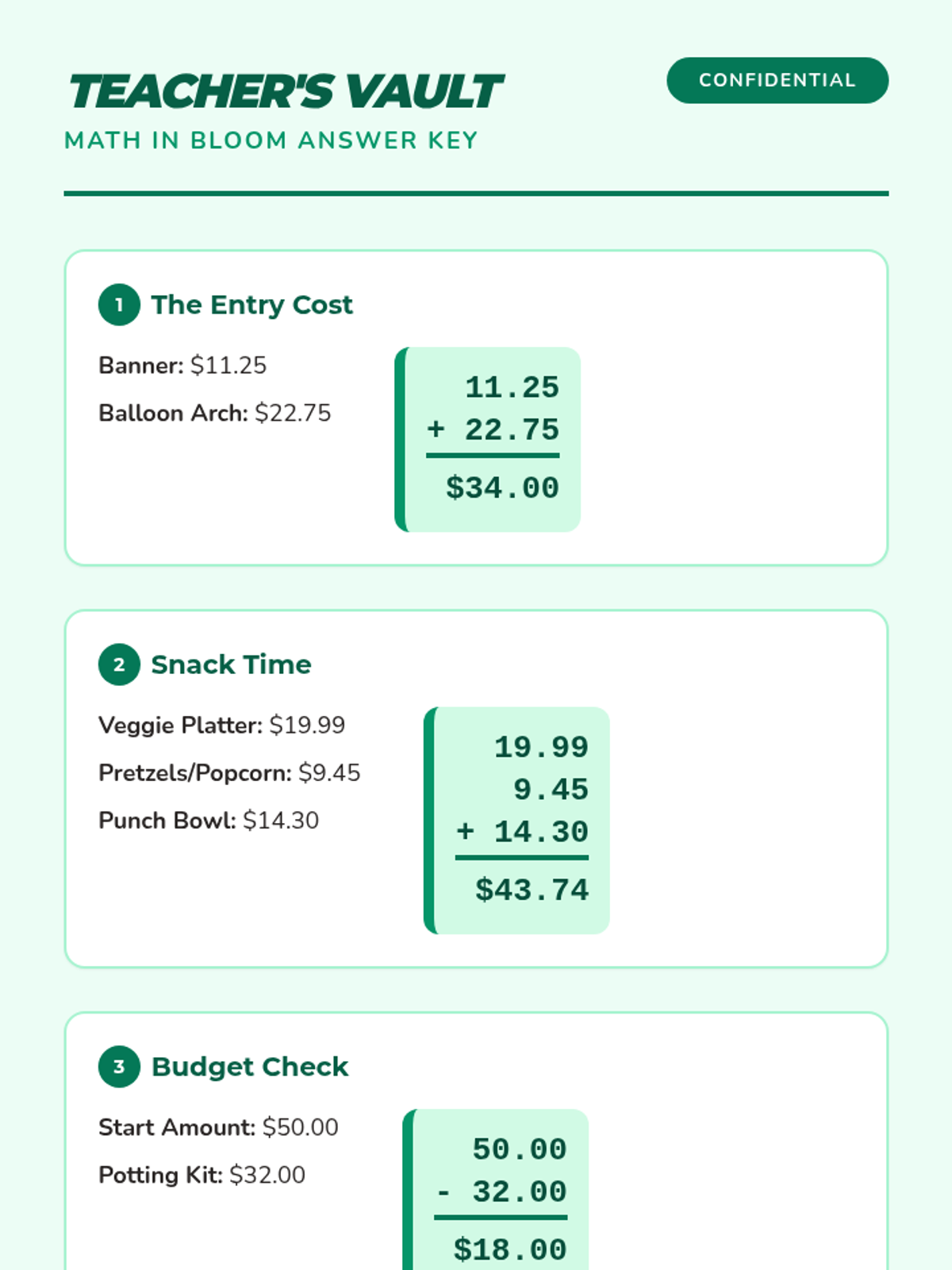
A hands-on functional math lesson where students plan a spring classroom event within a strict budget, practicing multi-step addition and subtraction of decimals.
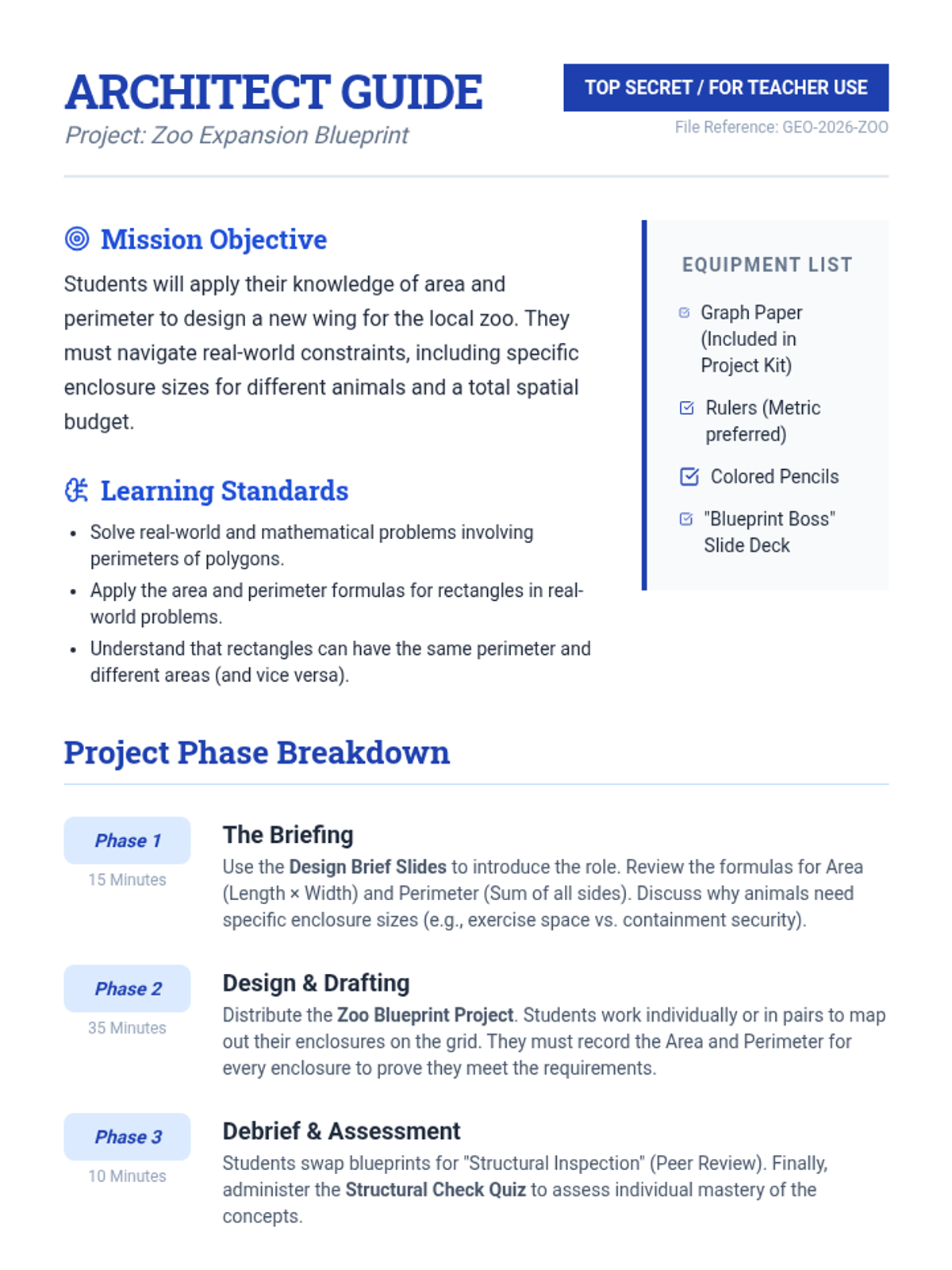
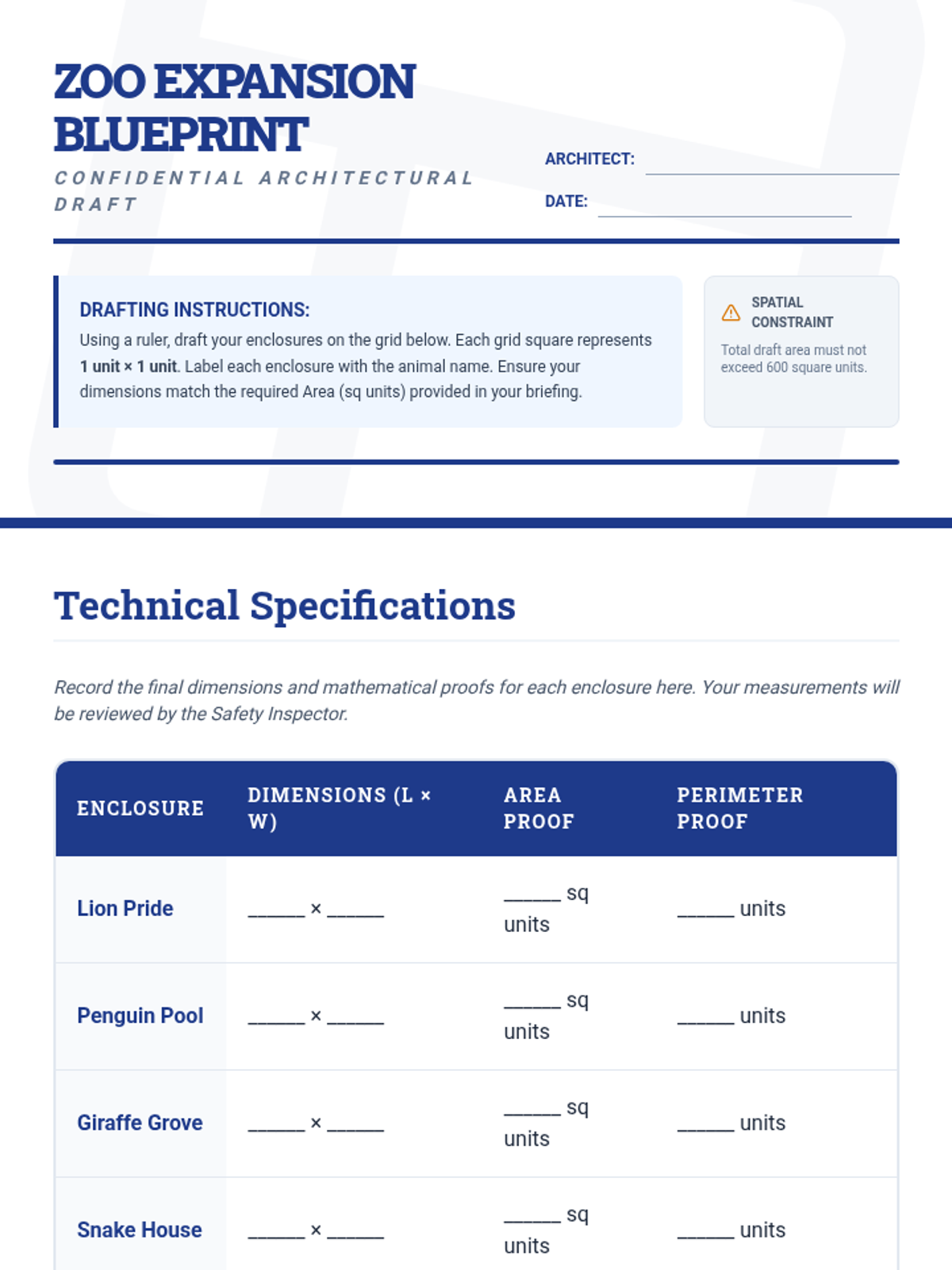
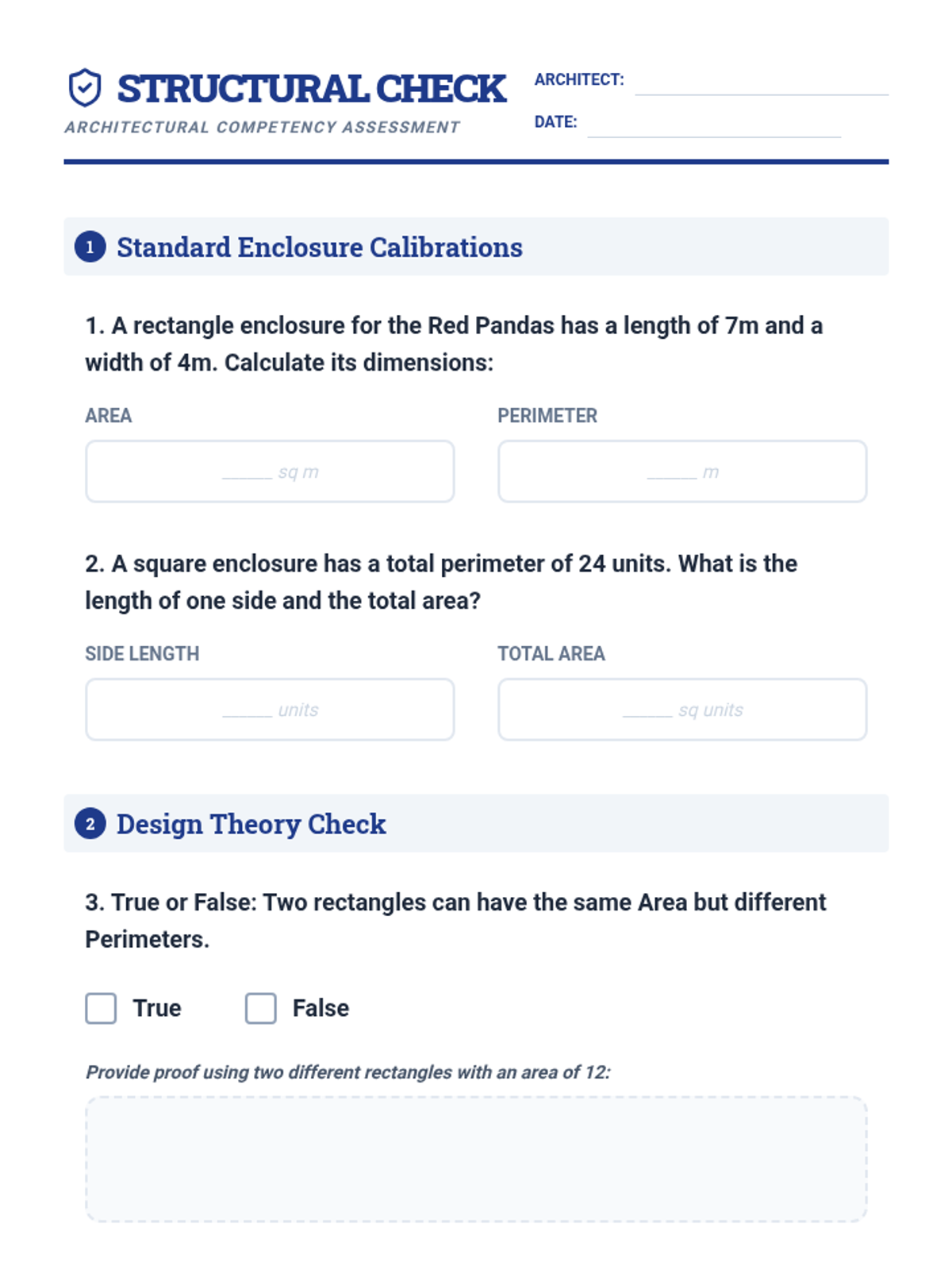
In this hands-on geometry lesson, students step into the role of lead architects to design a zoo expansion. They will apply area and perimeter concepts to create functional animal enclosures while balancing strict spatial and budgetary constraints.
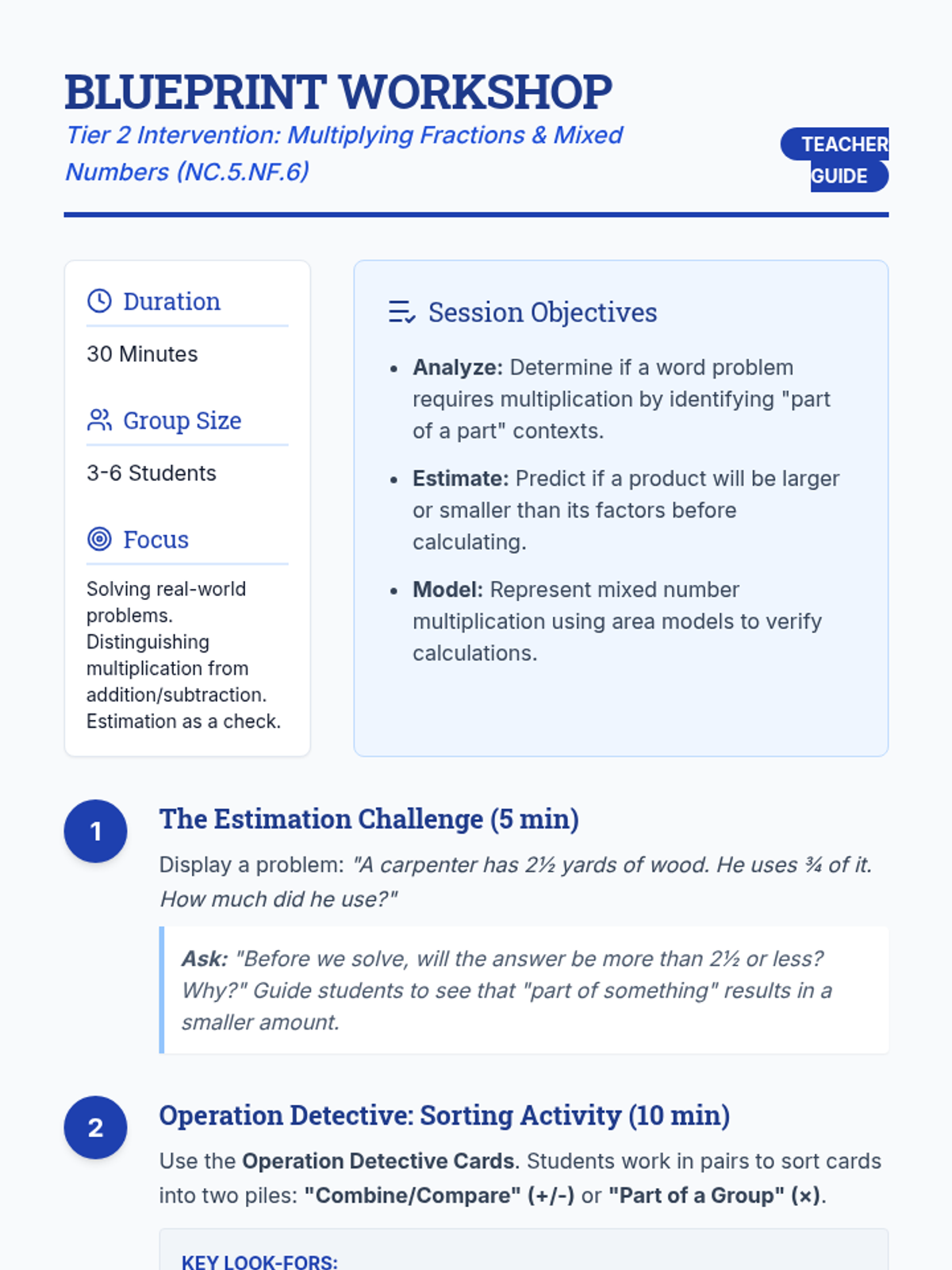
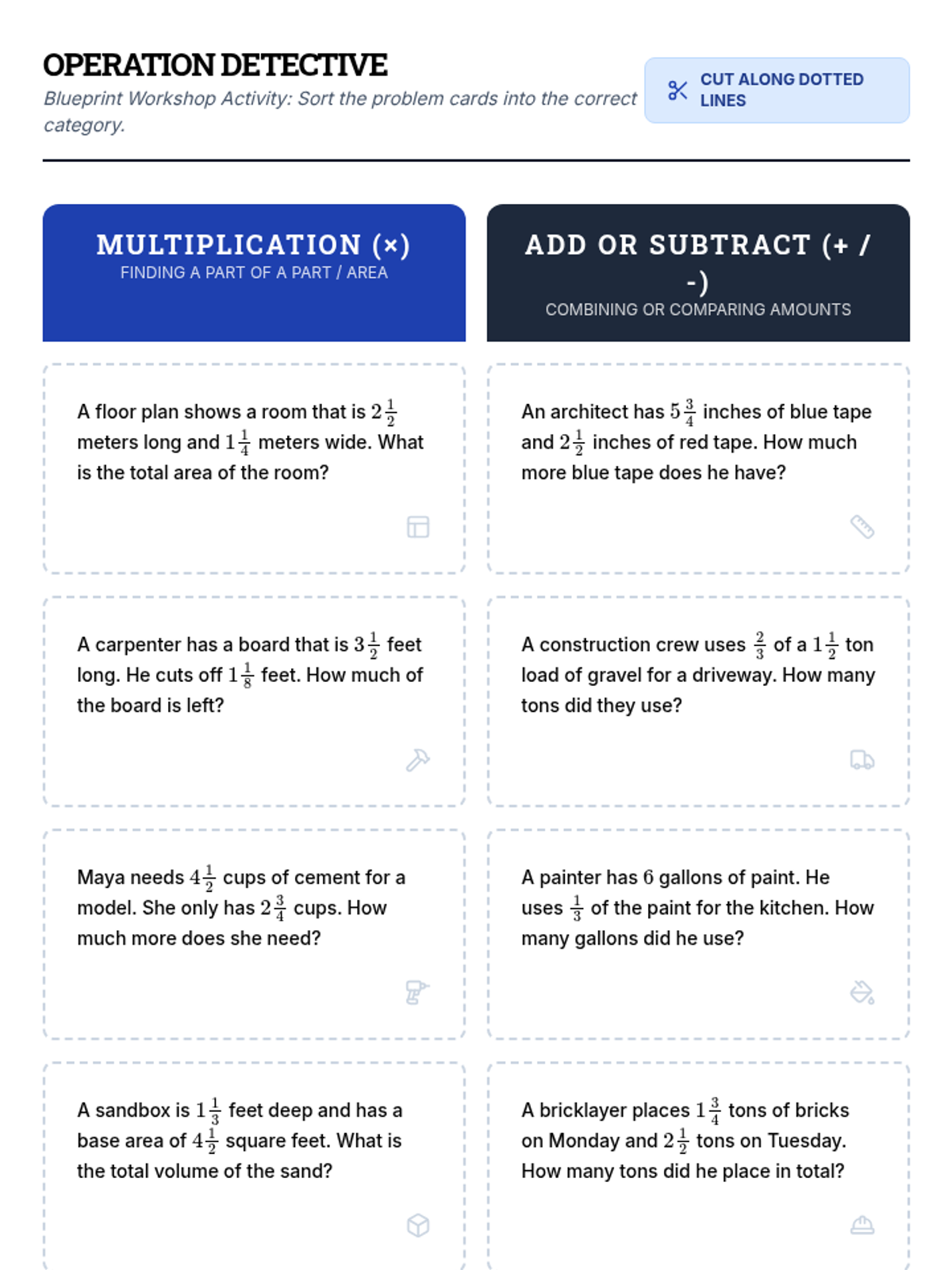
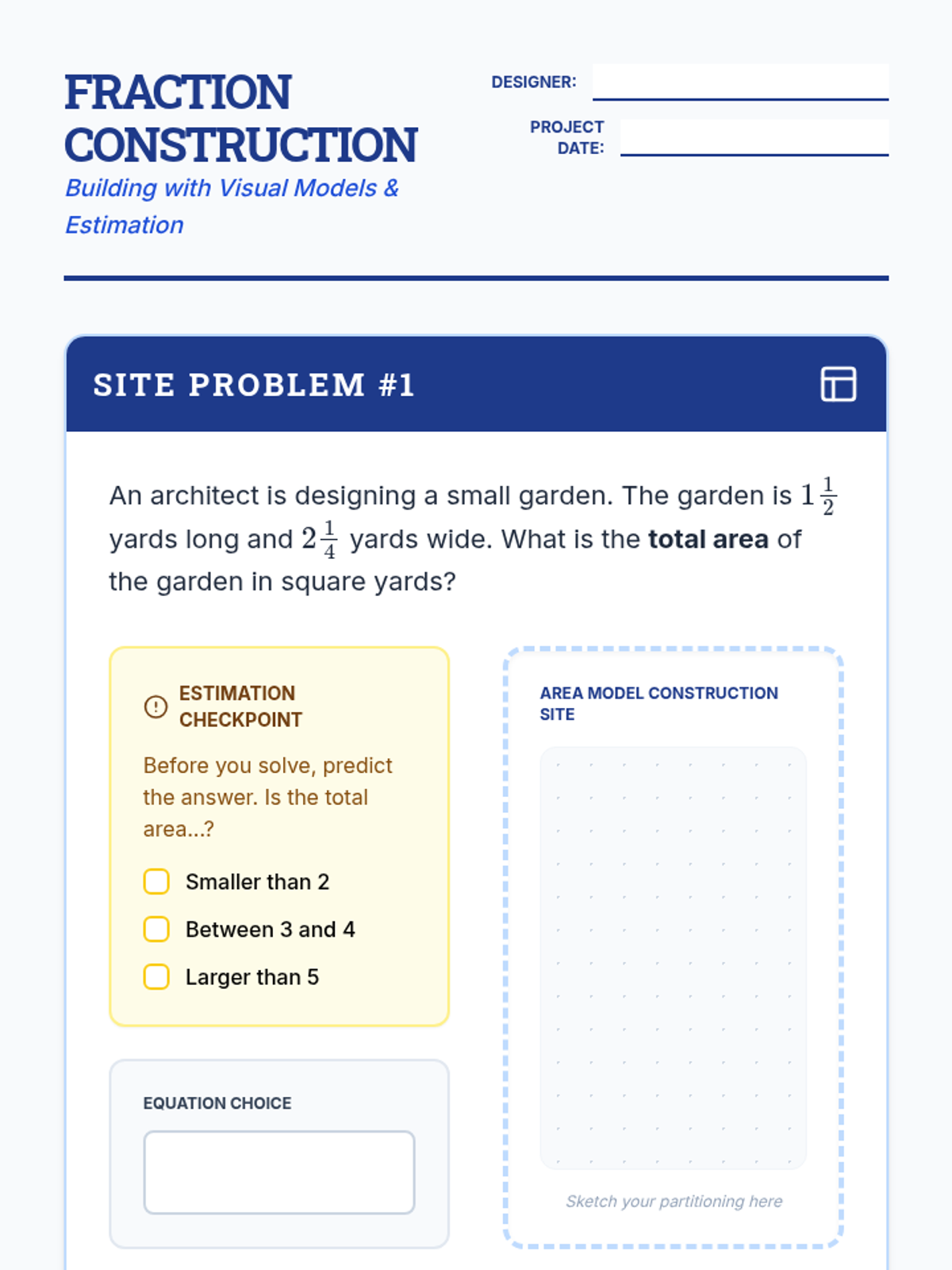
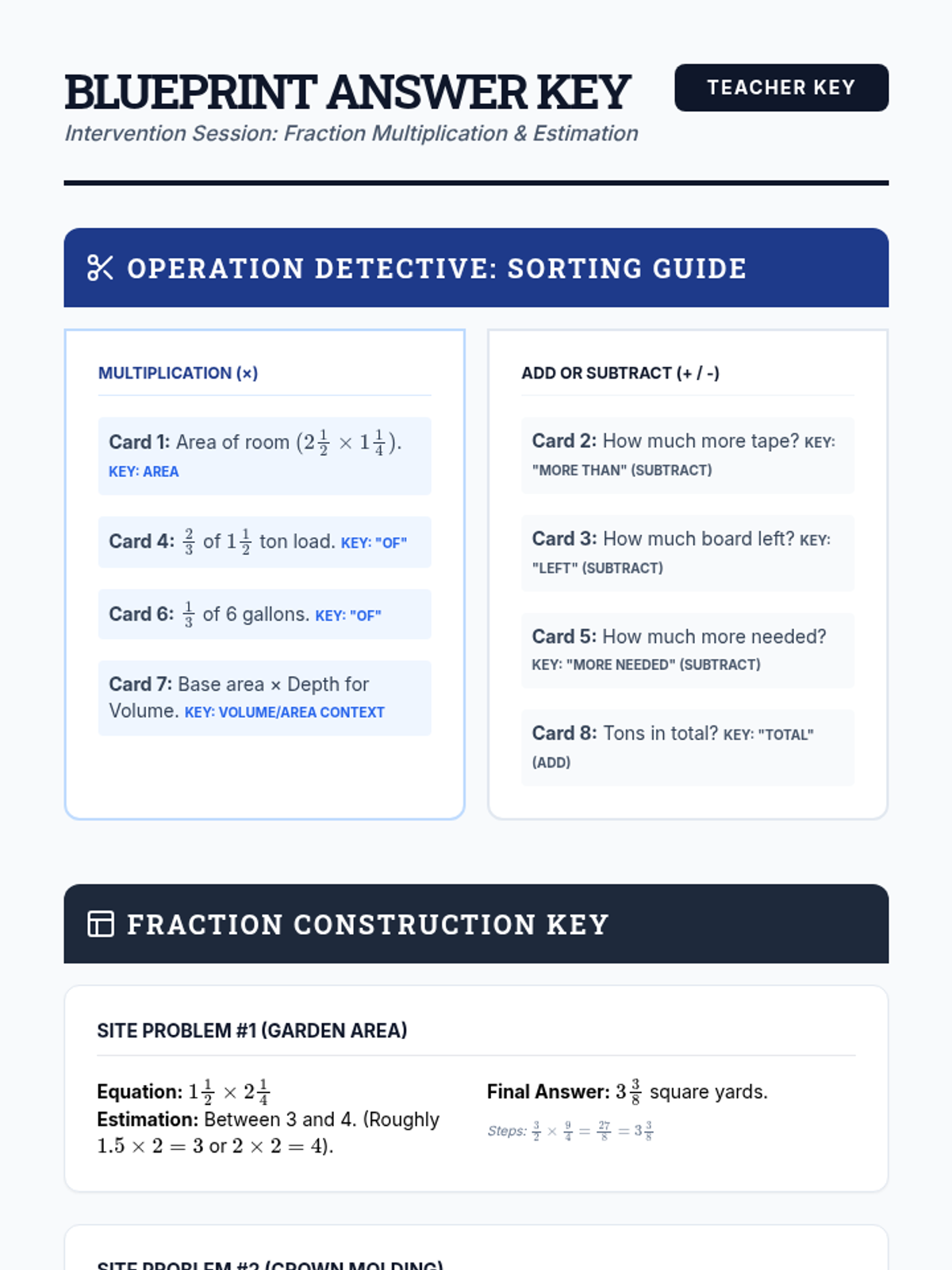
A Tier 2 math intervention focused on distinguishing multiplication from other operations in fraction word problems using estimation and area models. Designed for Grade 5 students needing support with NC.5.NF.6 and EOG preparation.
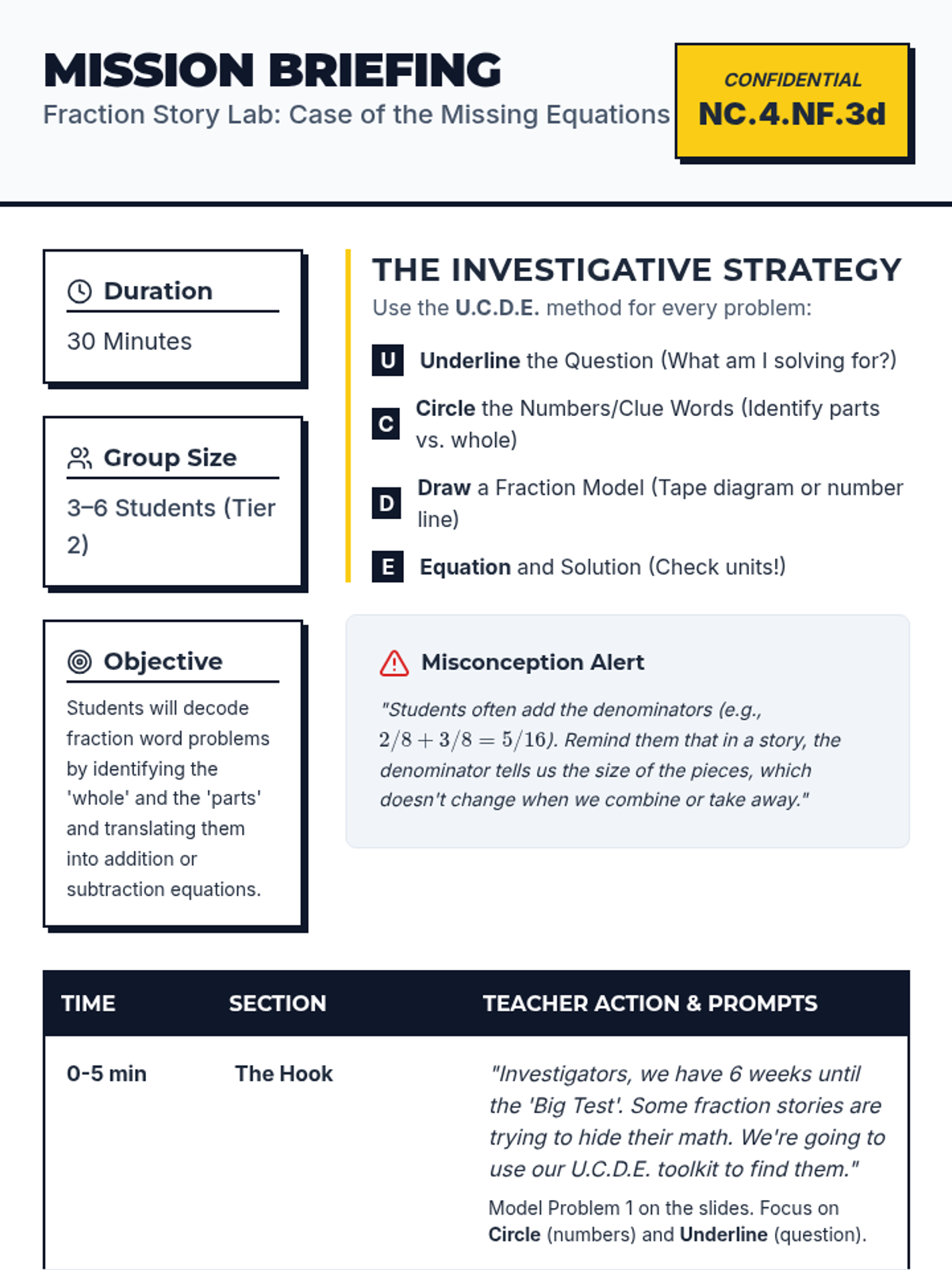
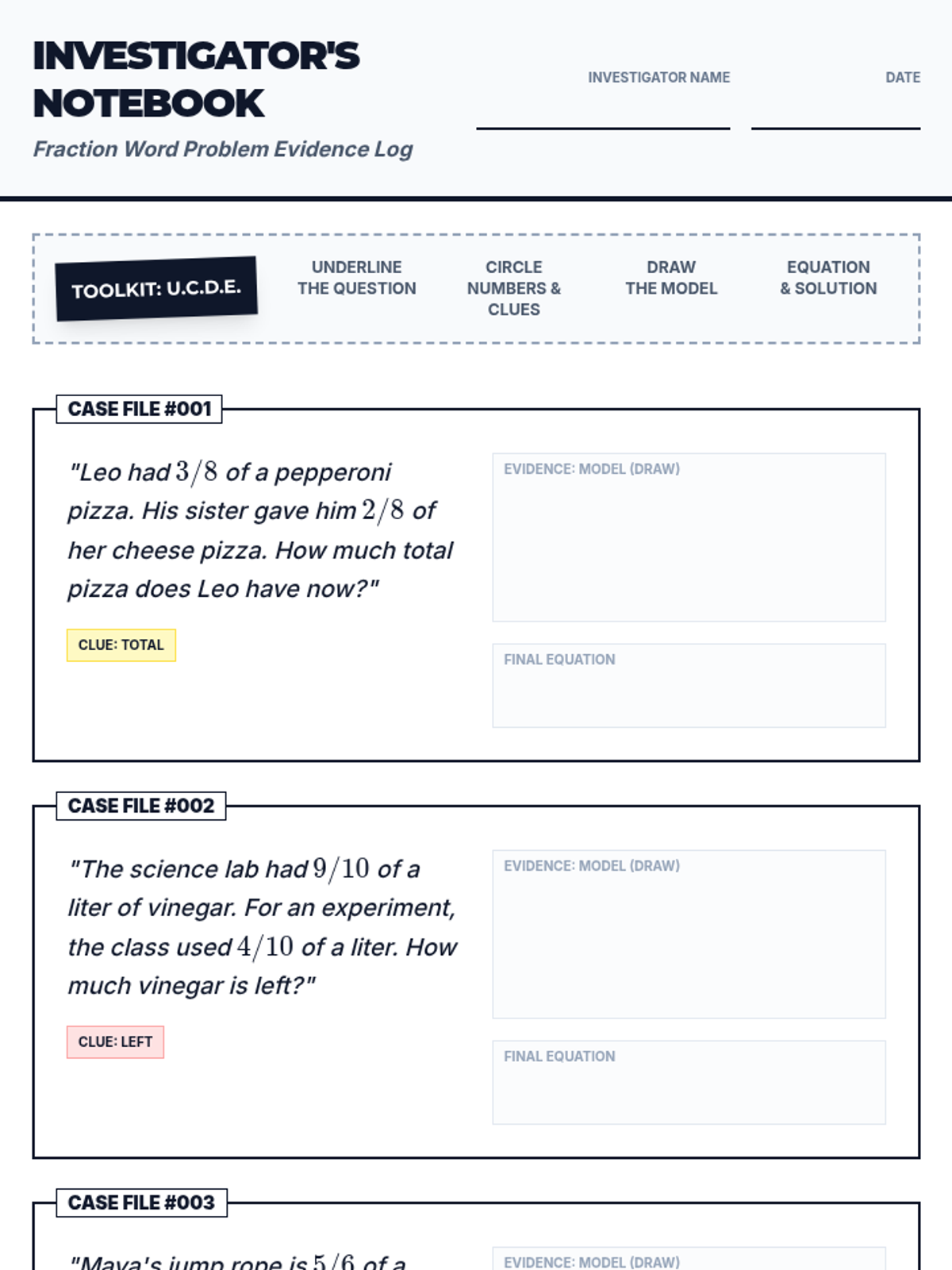
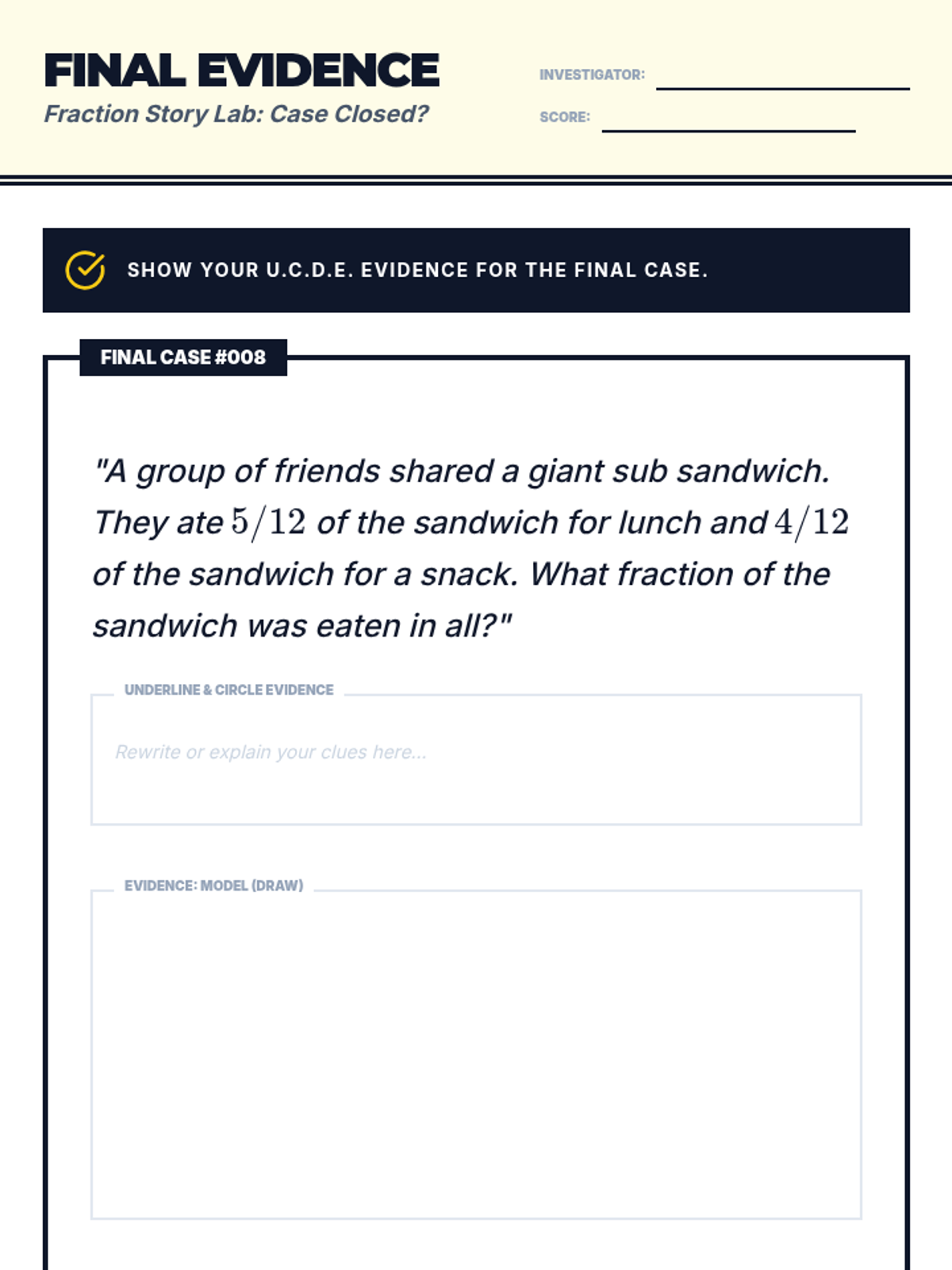
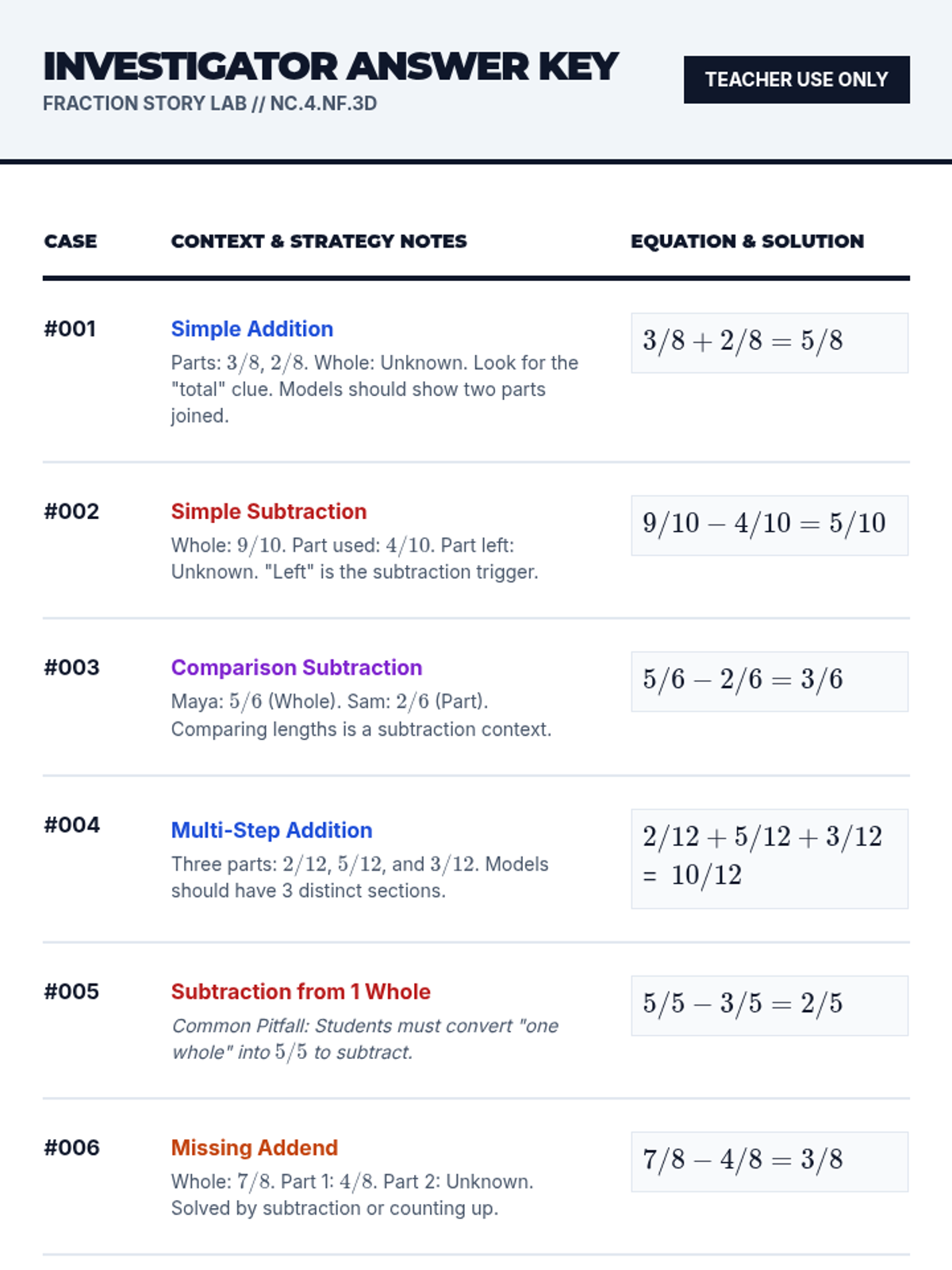
A Tier 2 math intervention focused on decoding fraction word problems (NC.4.NF.3d). Students learn to translate story contexts into addition and subtraction equations using a structured 'Investigator' decoding strategy.
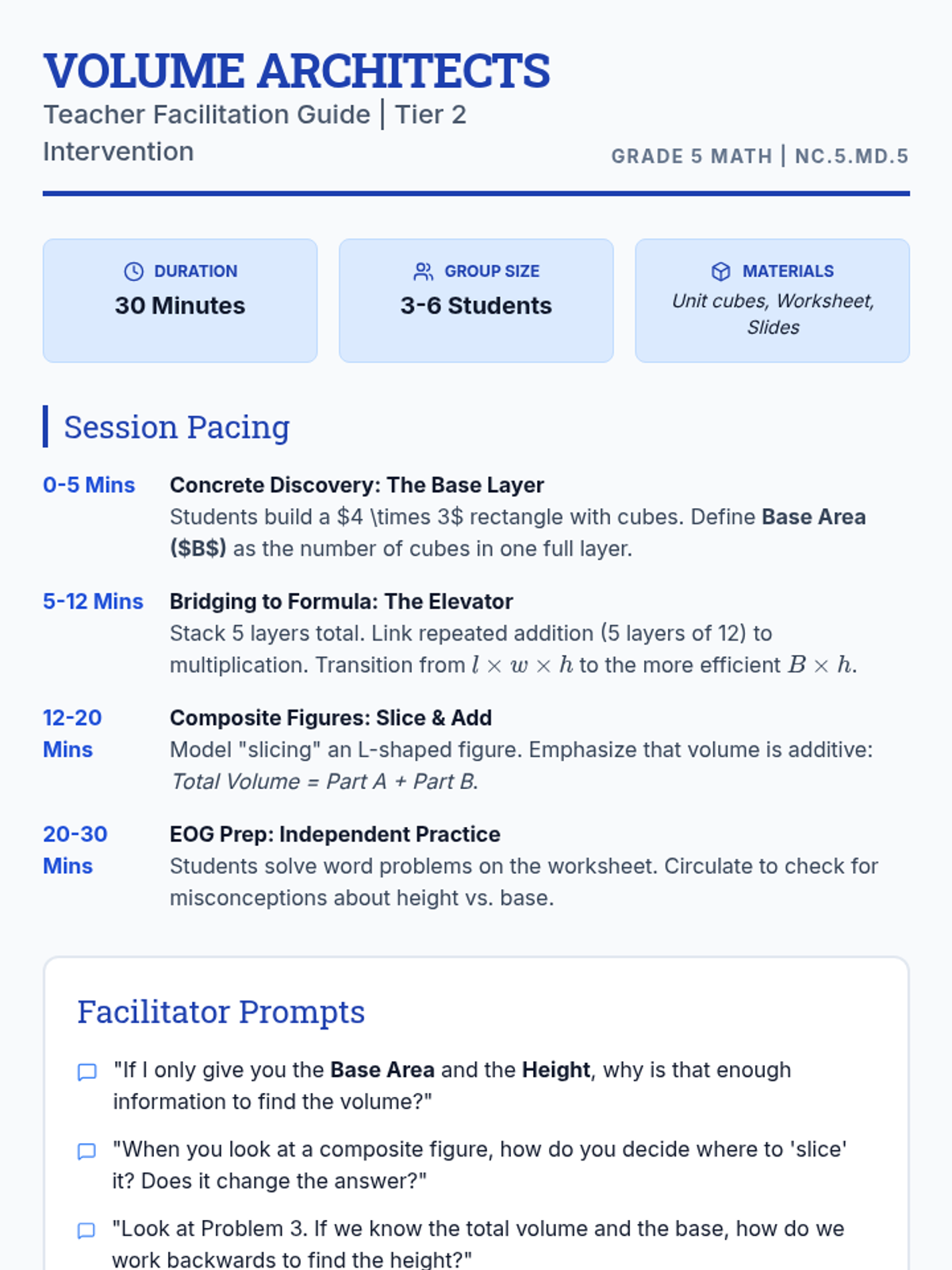
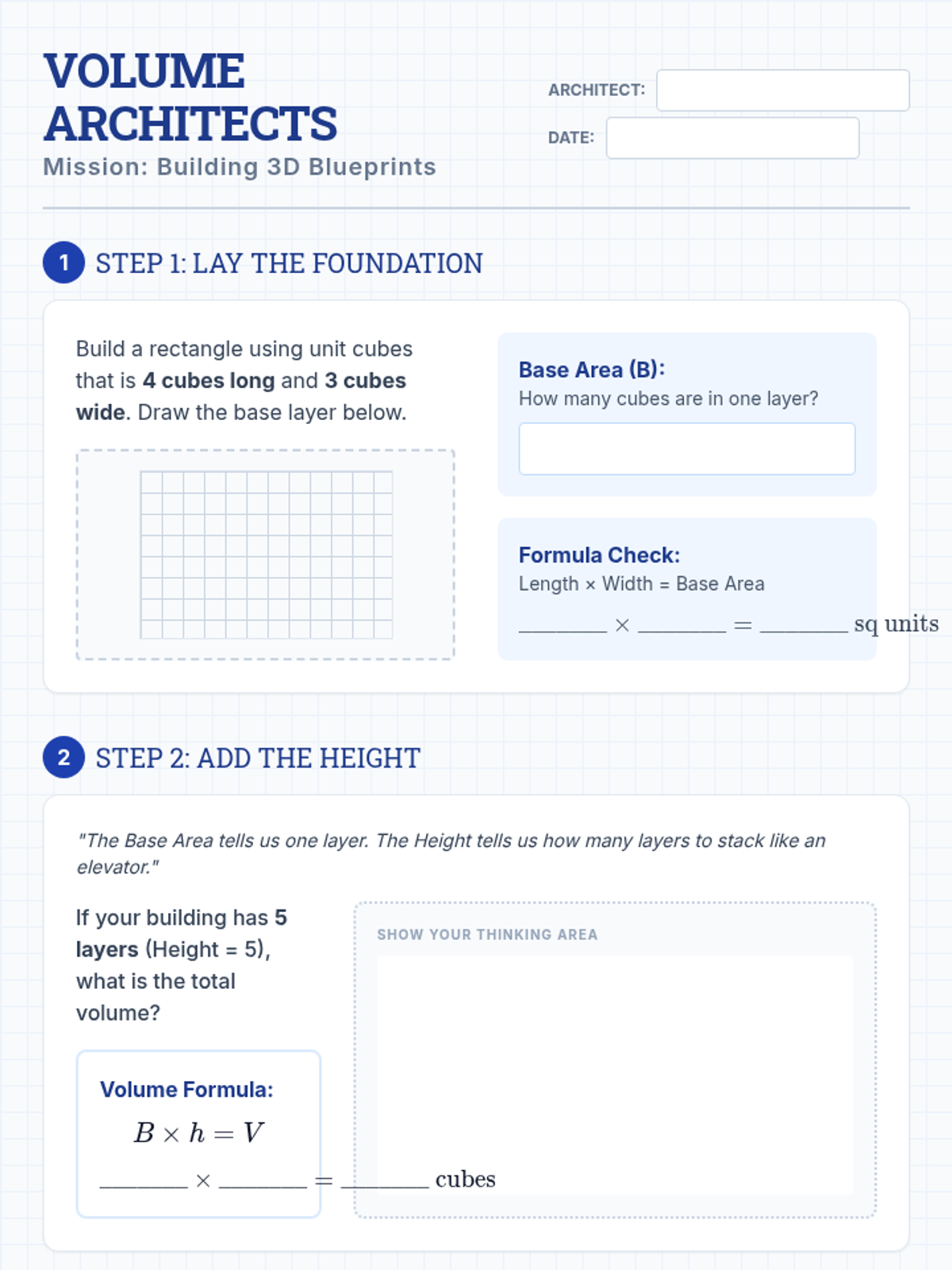
A 30-minute Tier 2 intervention targeting volume concepts (NC.5.MD.5). Students transition from counting unit cubes to using the volume formula, with a focus on layering strategies for composite figures and real-world problem-solving.
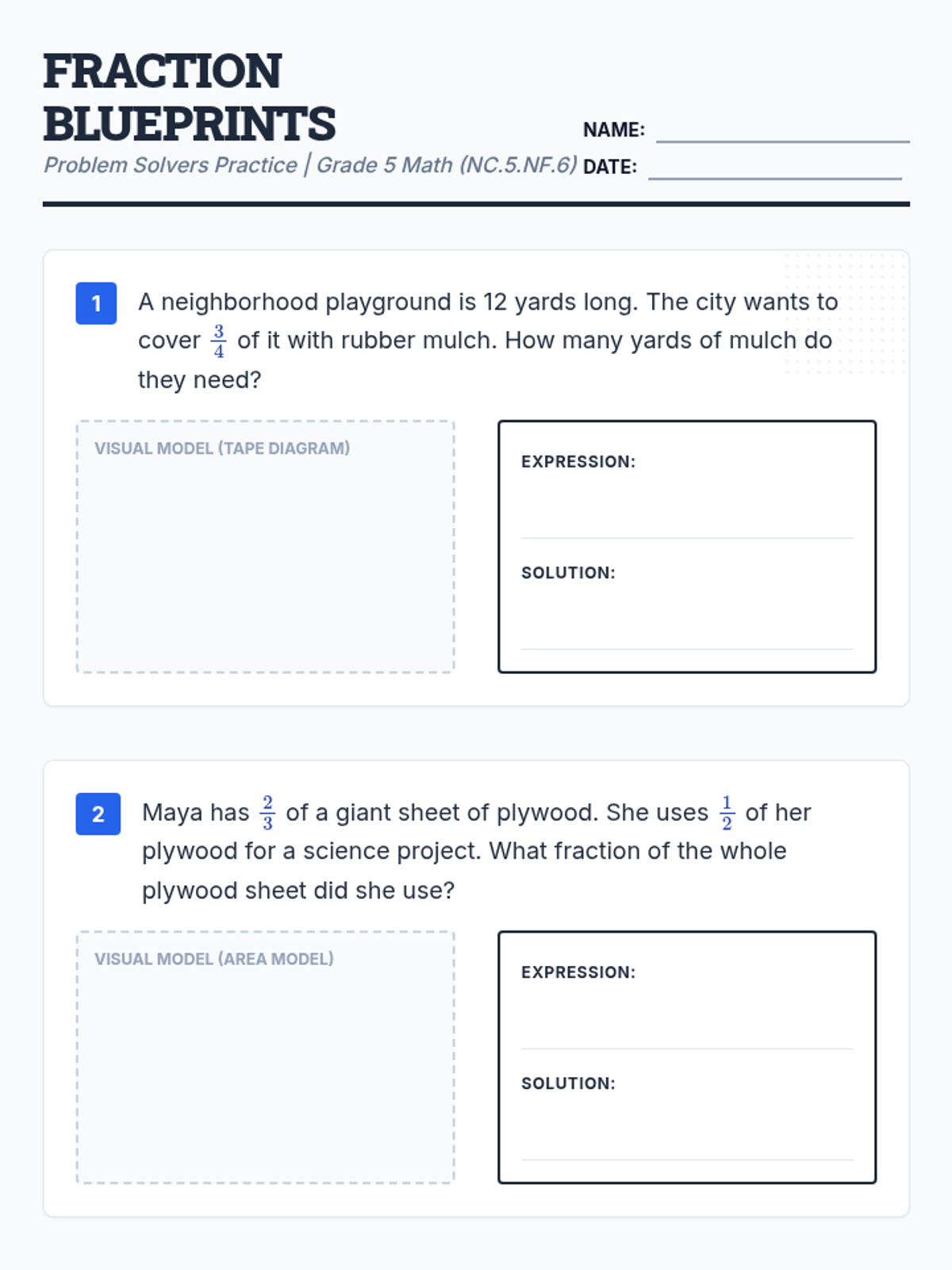
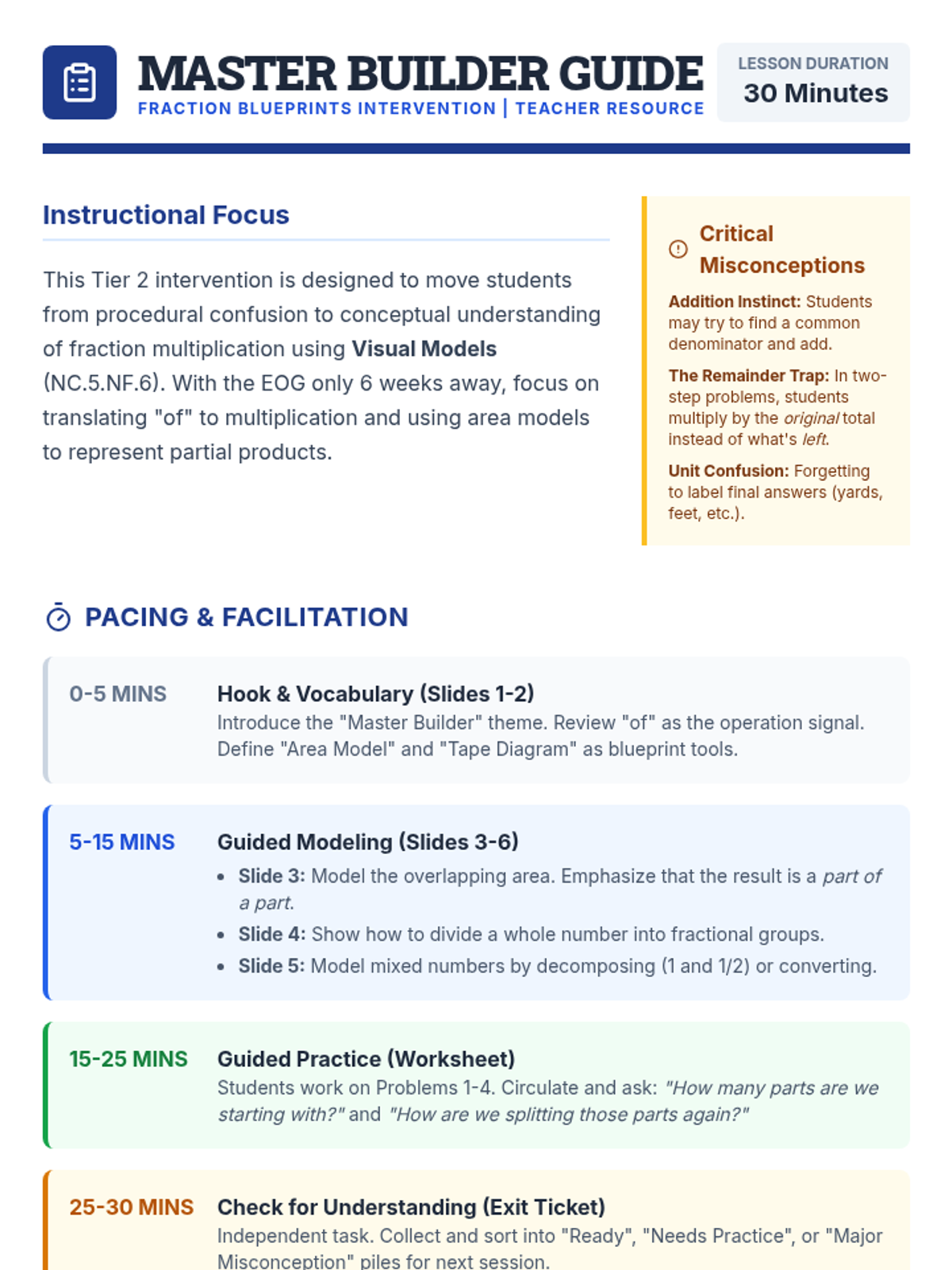
A Tier 2 intervention lesson focused on NC.5.NF.6, teaching students to solve real-world fraction and mixed number multiplication problems using visual models and expressions. Designed for a 30-minute small group session with a focus on EOG preparation.
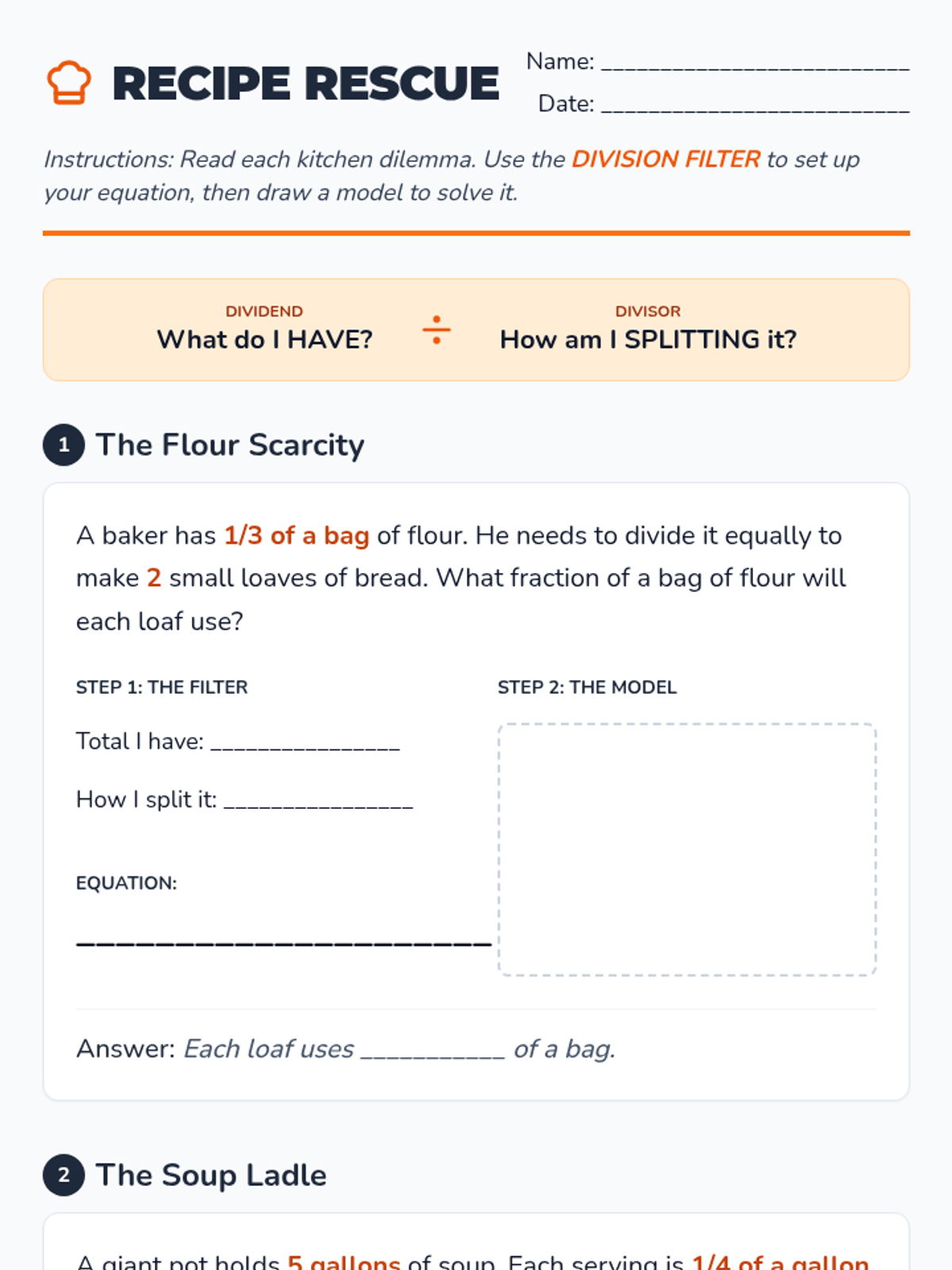
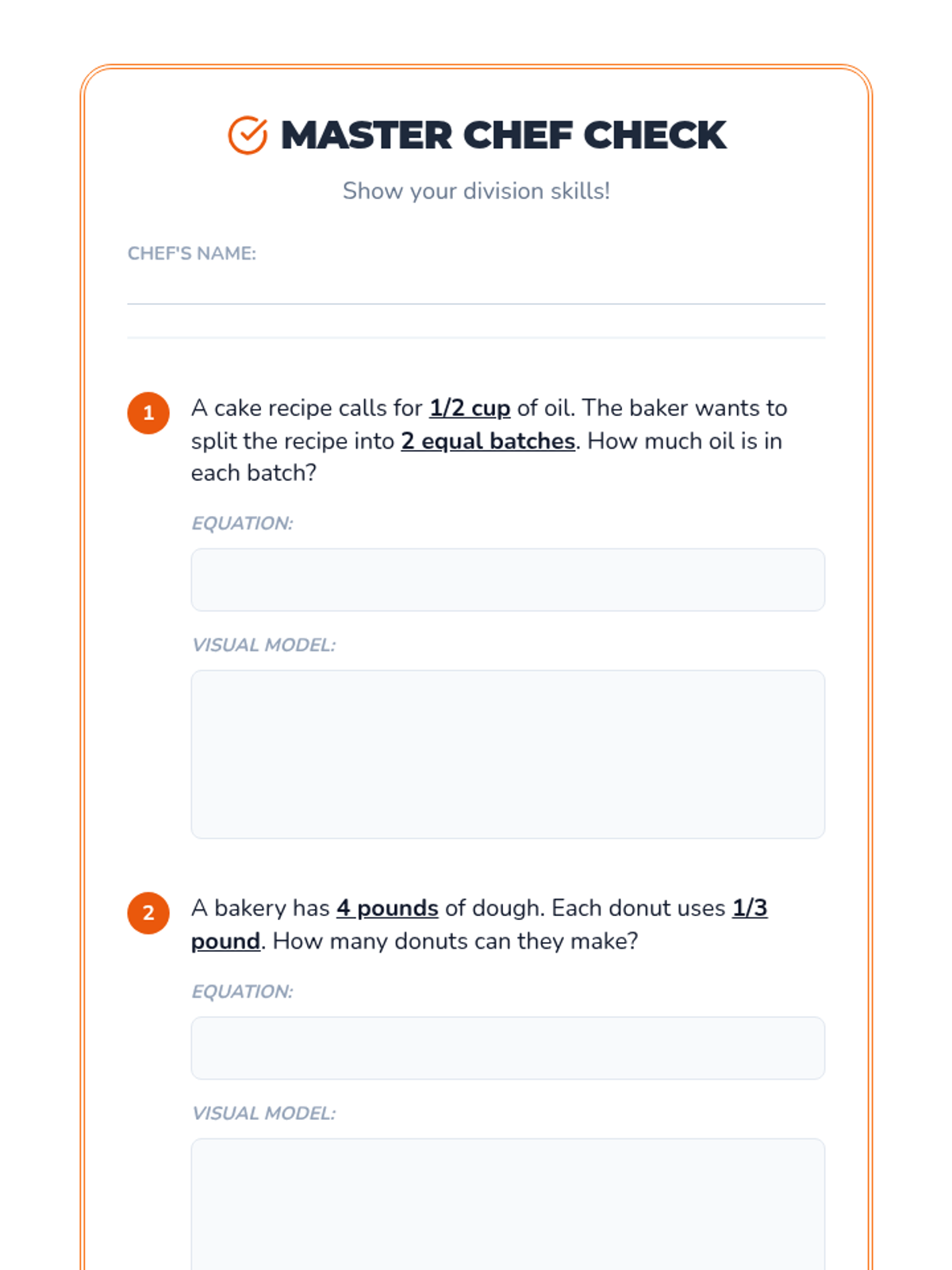
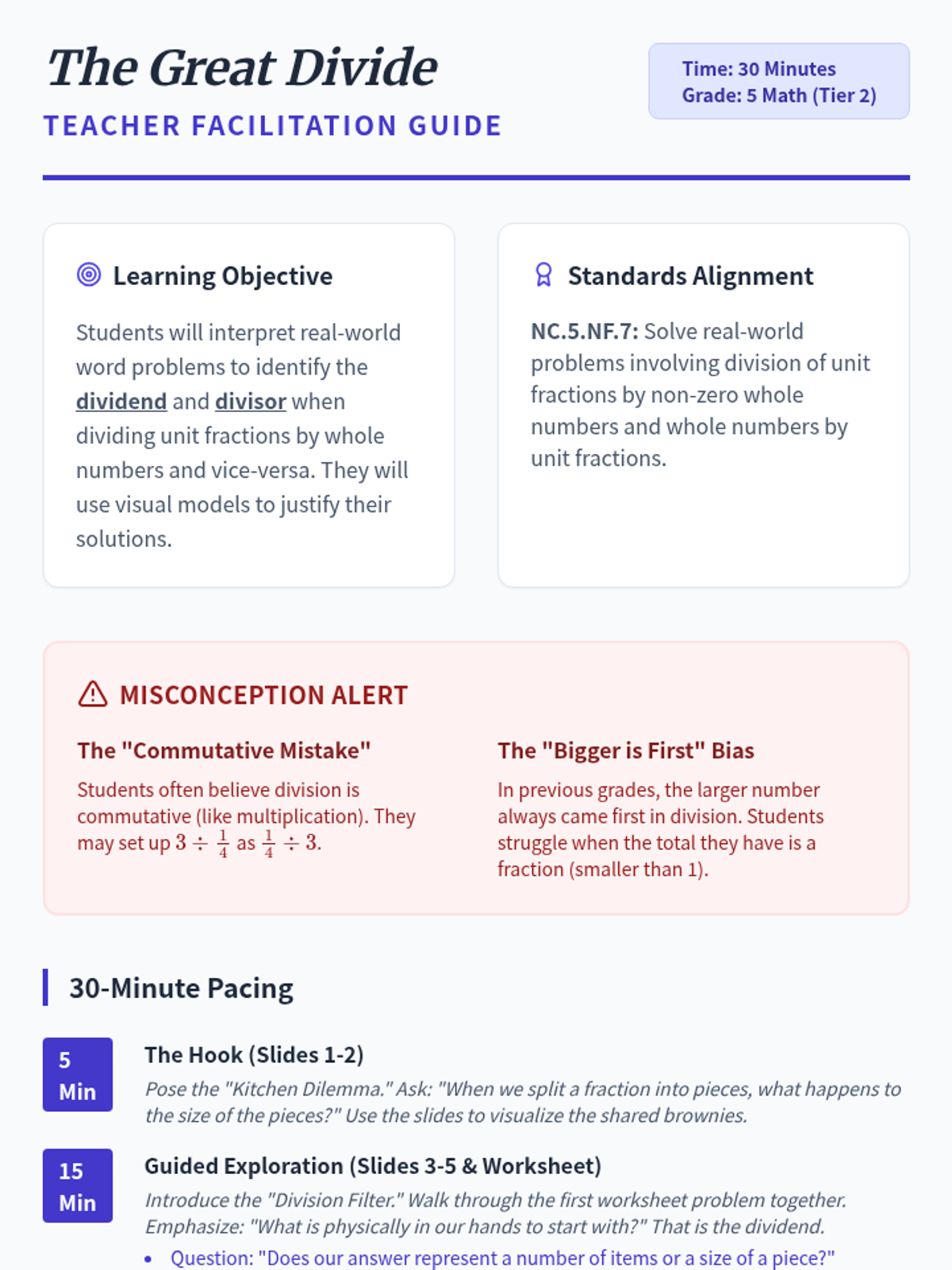
A Tier 2 small group intervention focusing on interpreting and solving word problems involving the division of unit fractions by whole numbers and vice versa. Students will use visual models to represent real-world scenarios like sharing recipes and cutting materials.
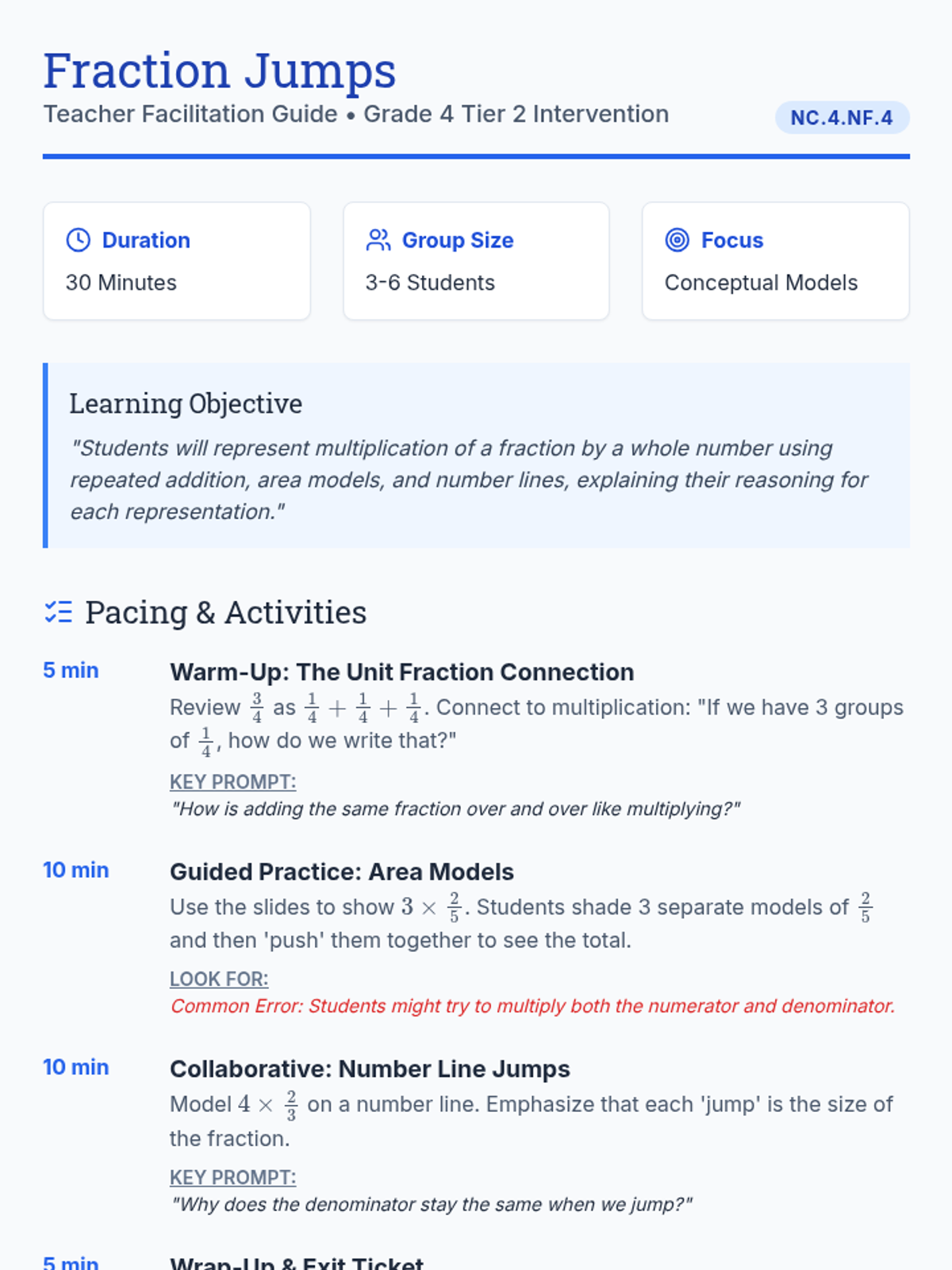
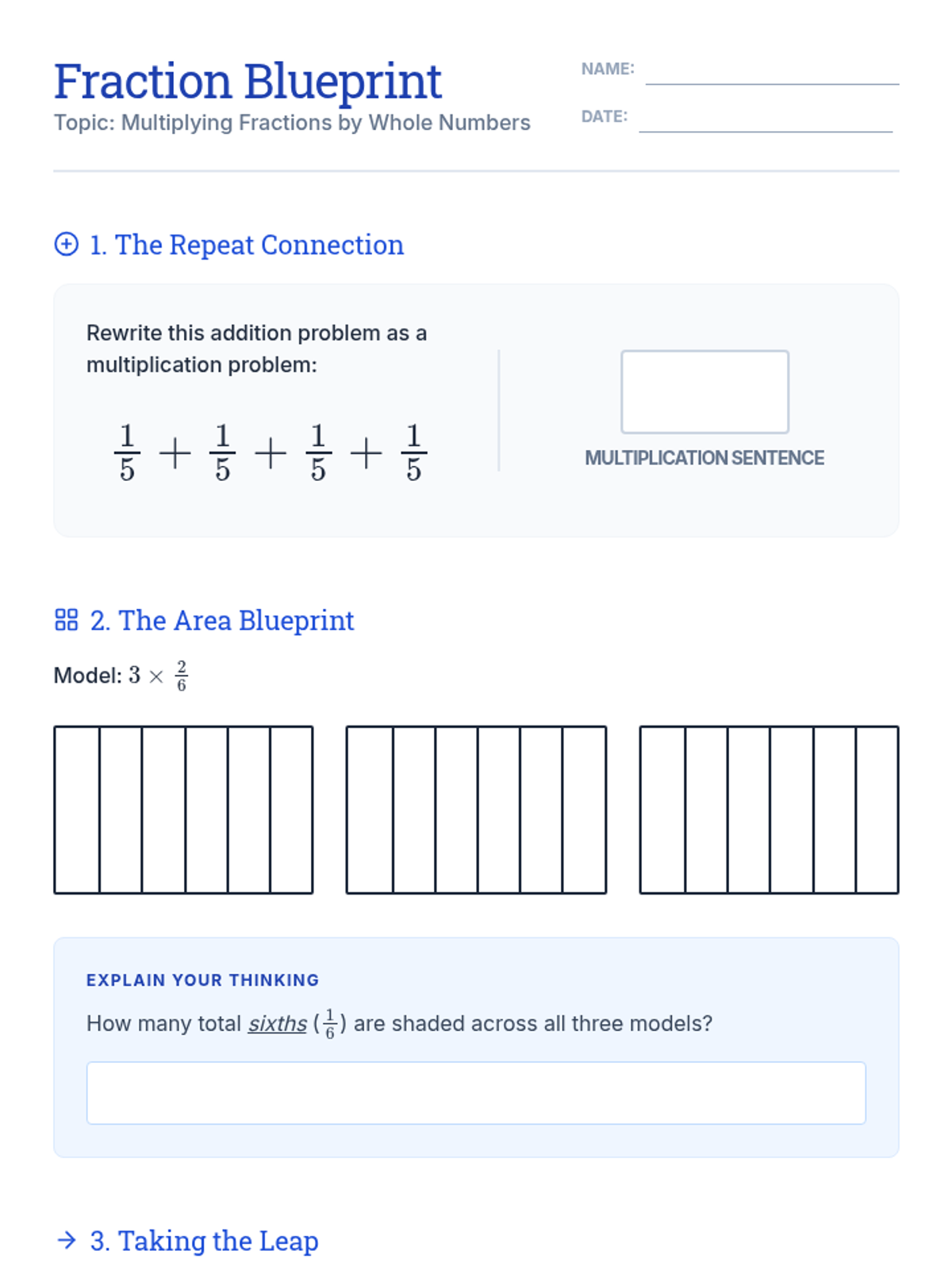
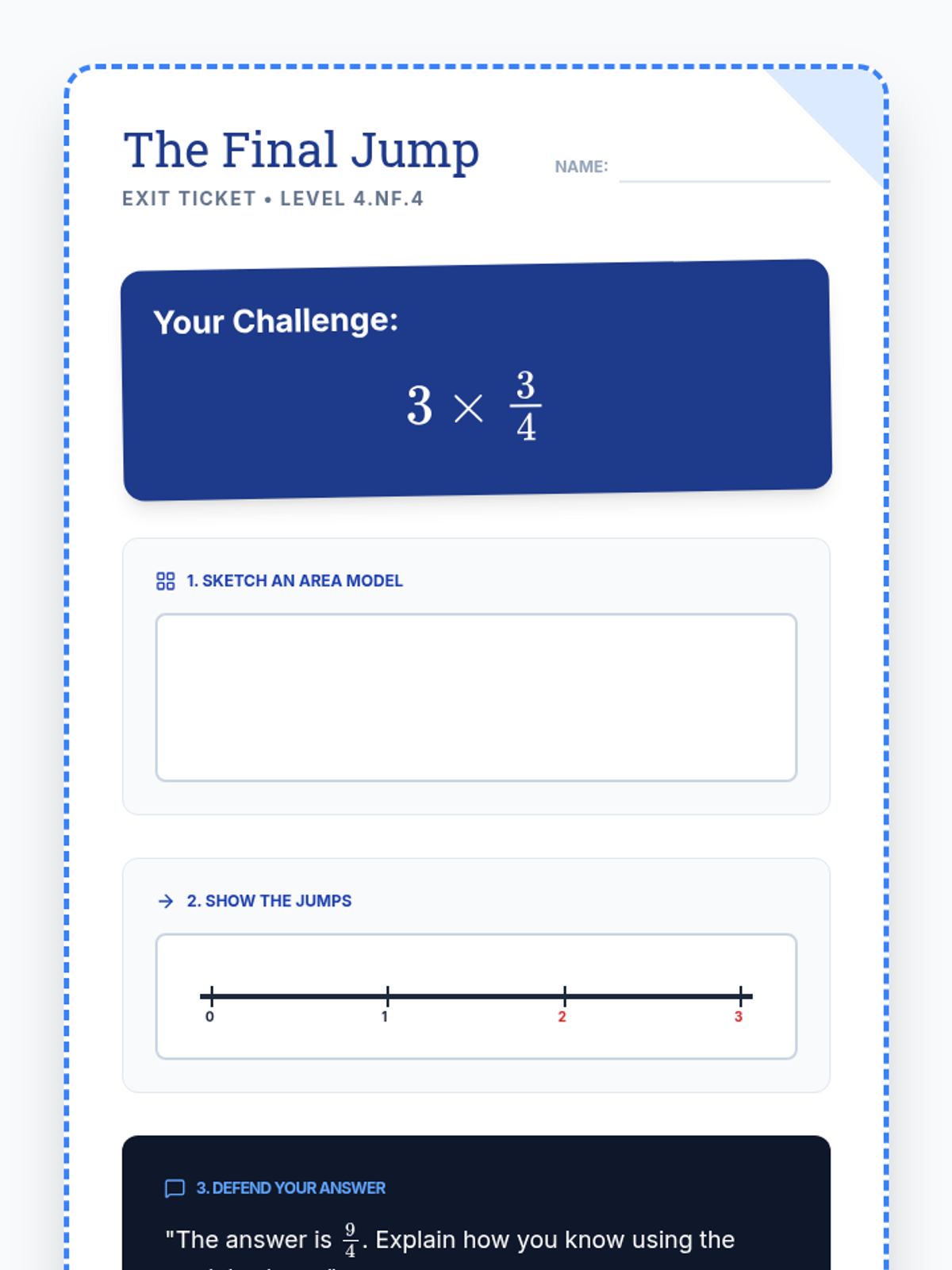
A Tier 2 math intervention focused on building conceptual understanding of fraction multiplication through visual models and mathematical discourse. Students move from repeated addition to area models and number line jumps to explain 'why' the math works.
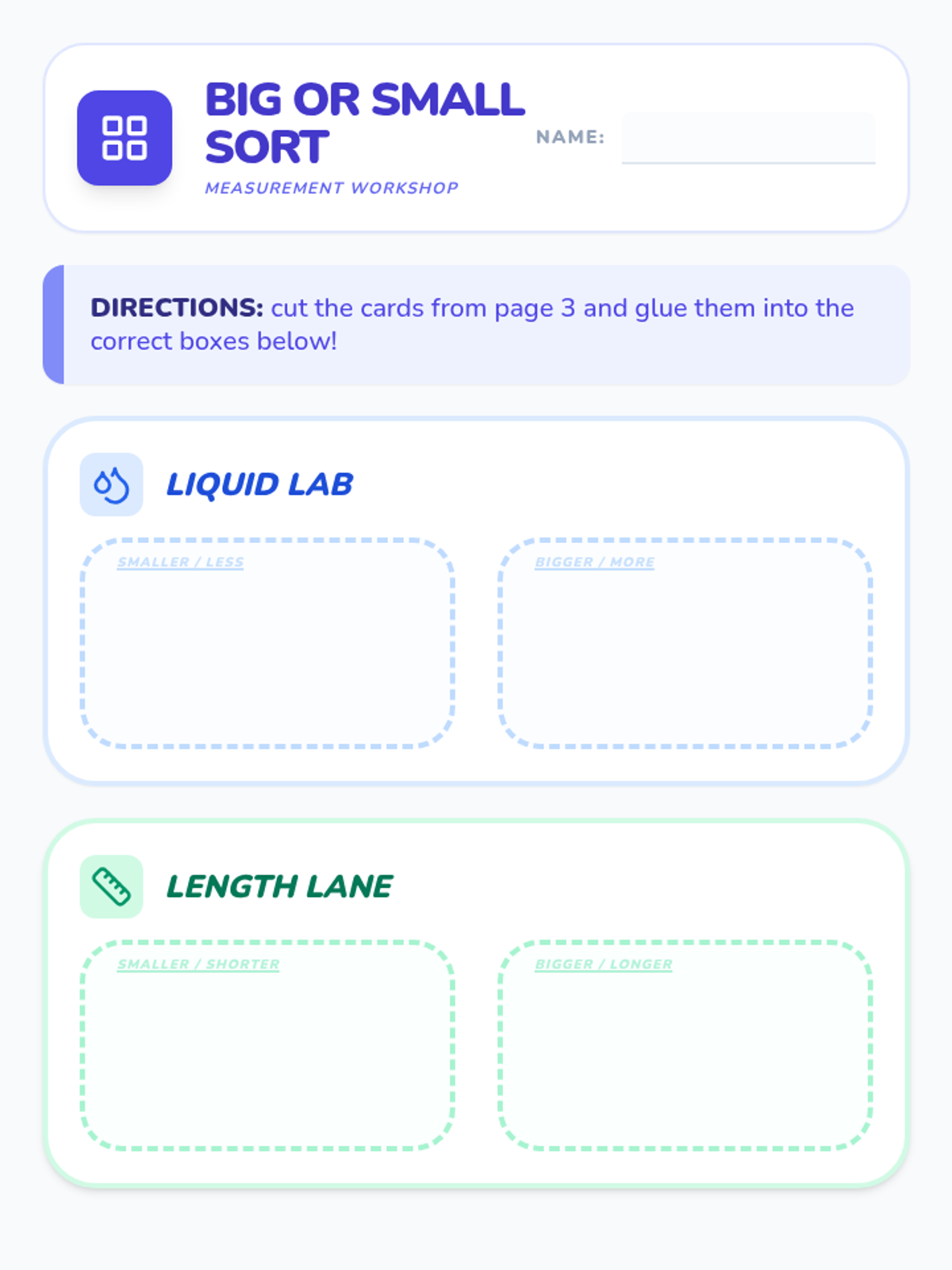
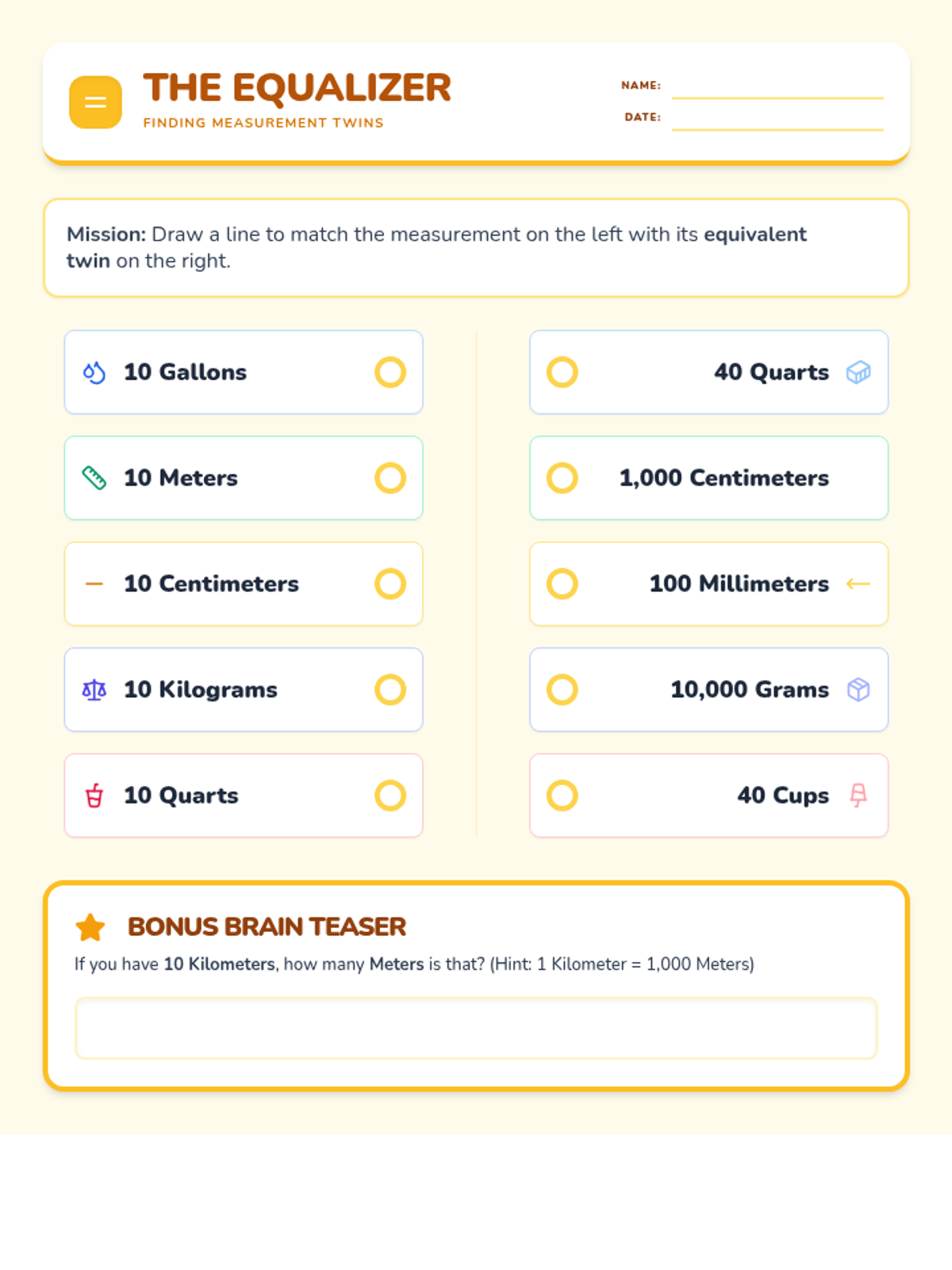
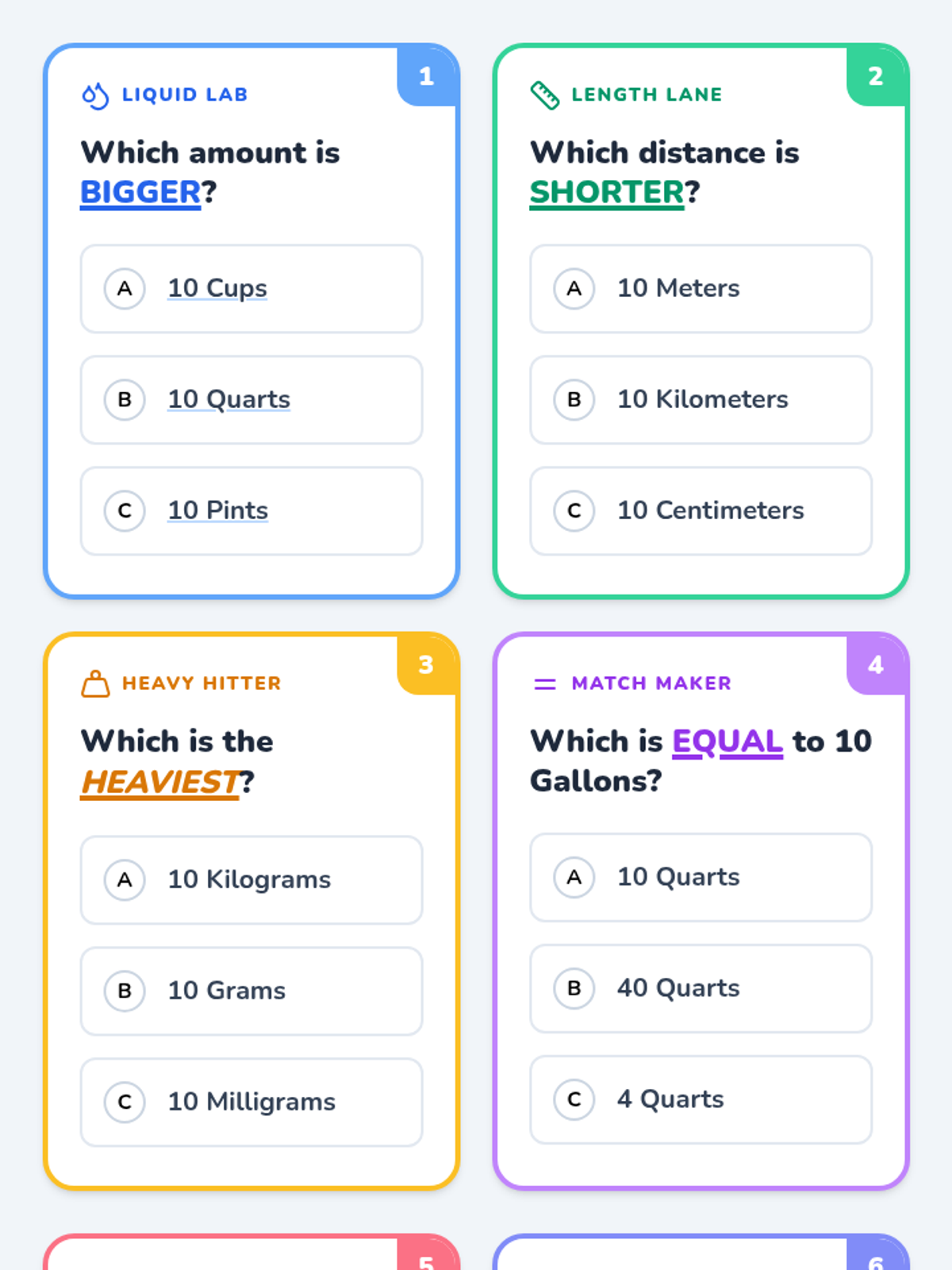
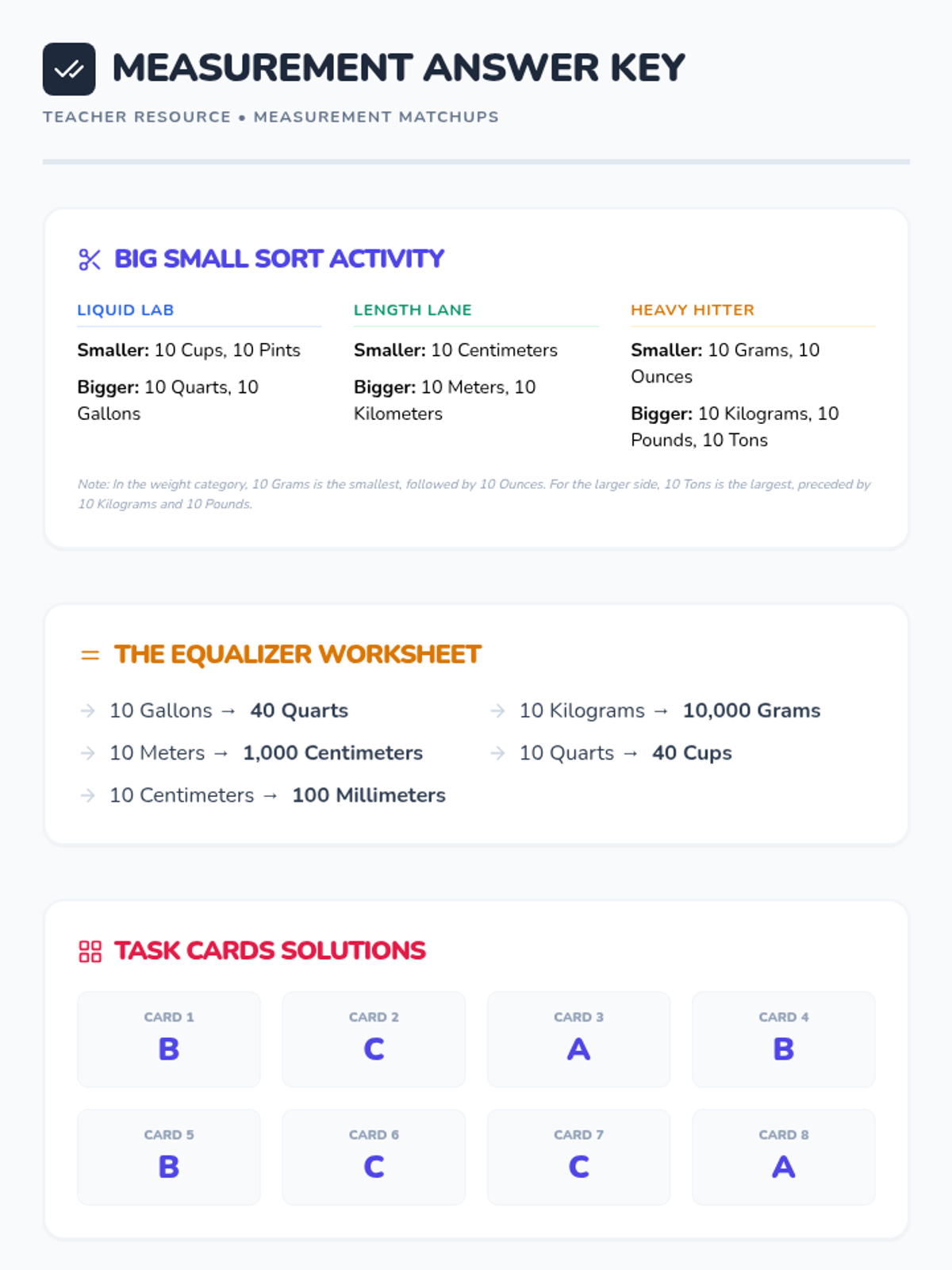
A hands-on exploration of equivalent units and comparing magnitudes across liquid, weight, and length measurements, specifically designed for 3rd-grade students.
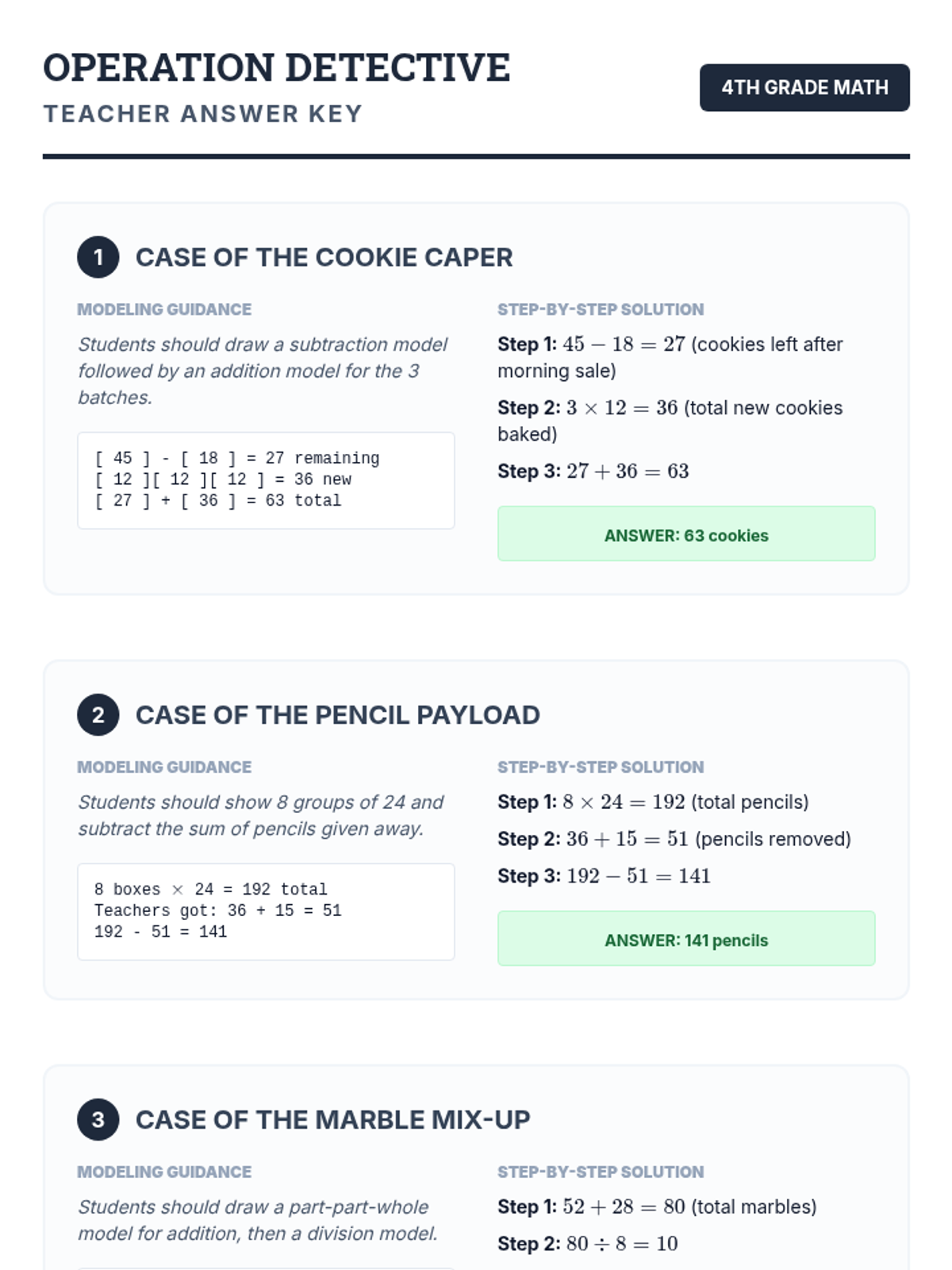
Students solve multi-step word problems using addition, subtraction, multiplication, and division by modeling the 'clues' and calculating the final solution.
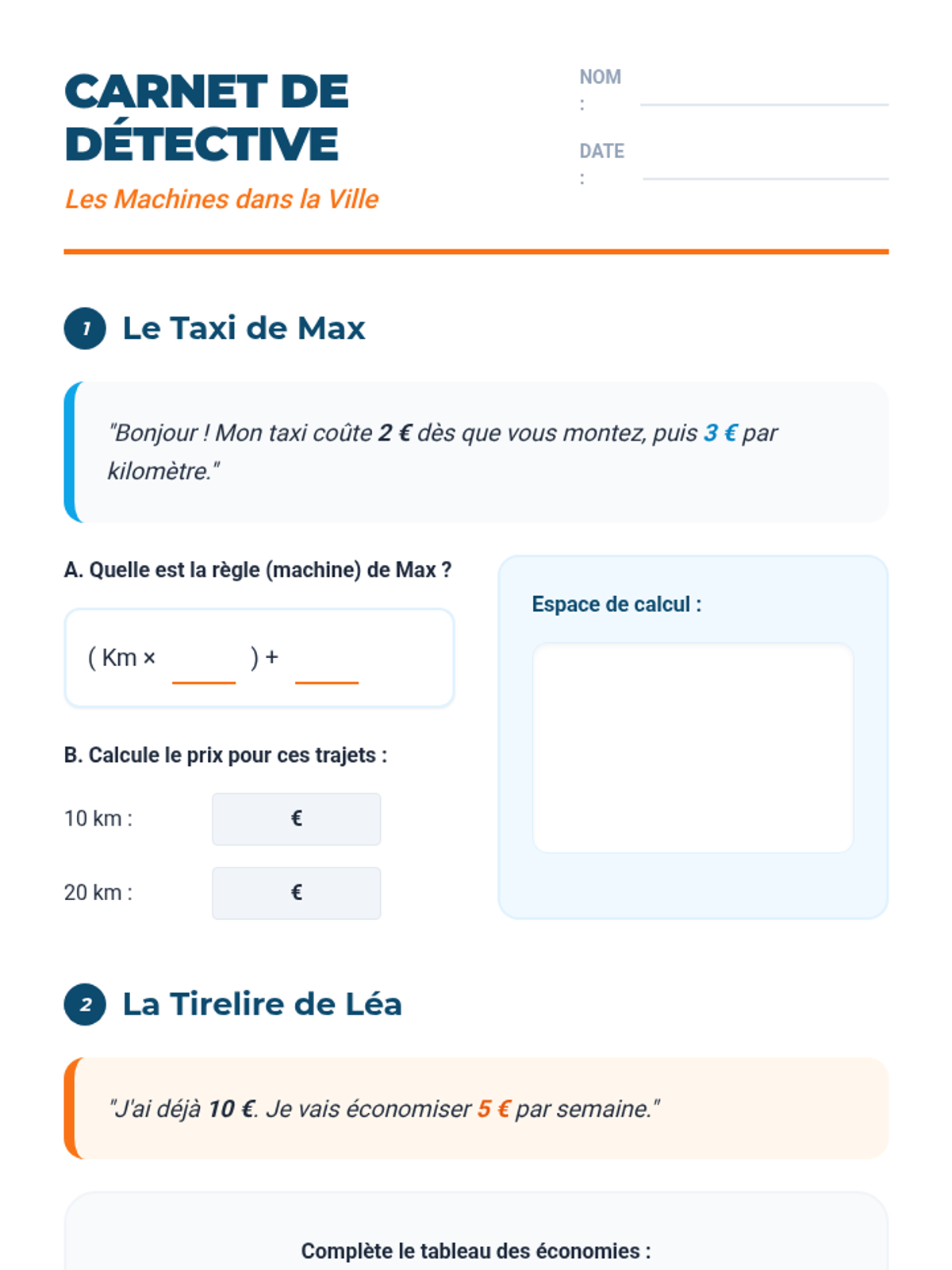
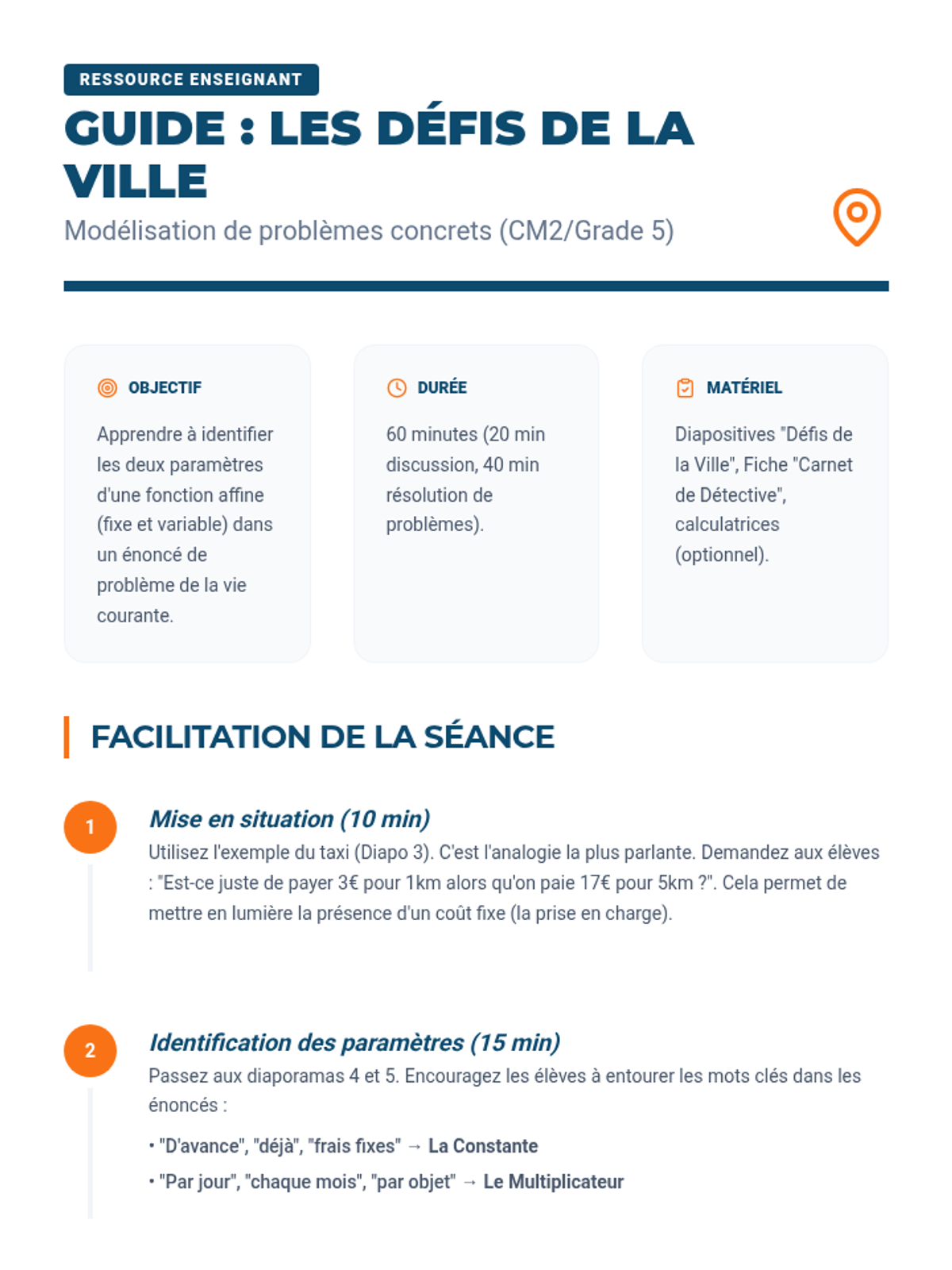
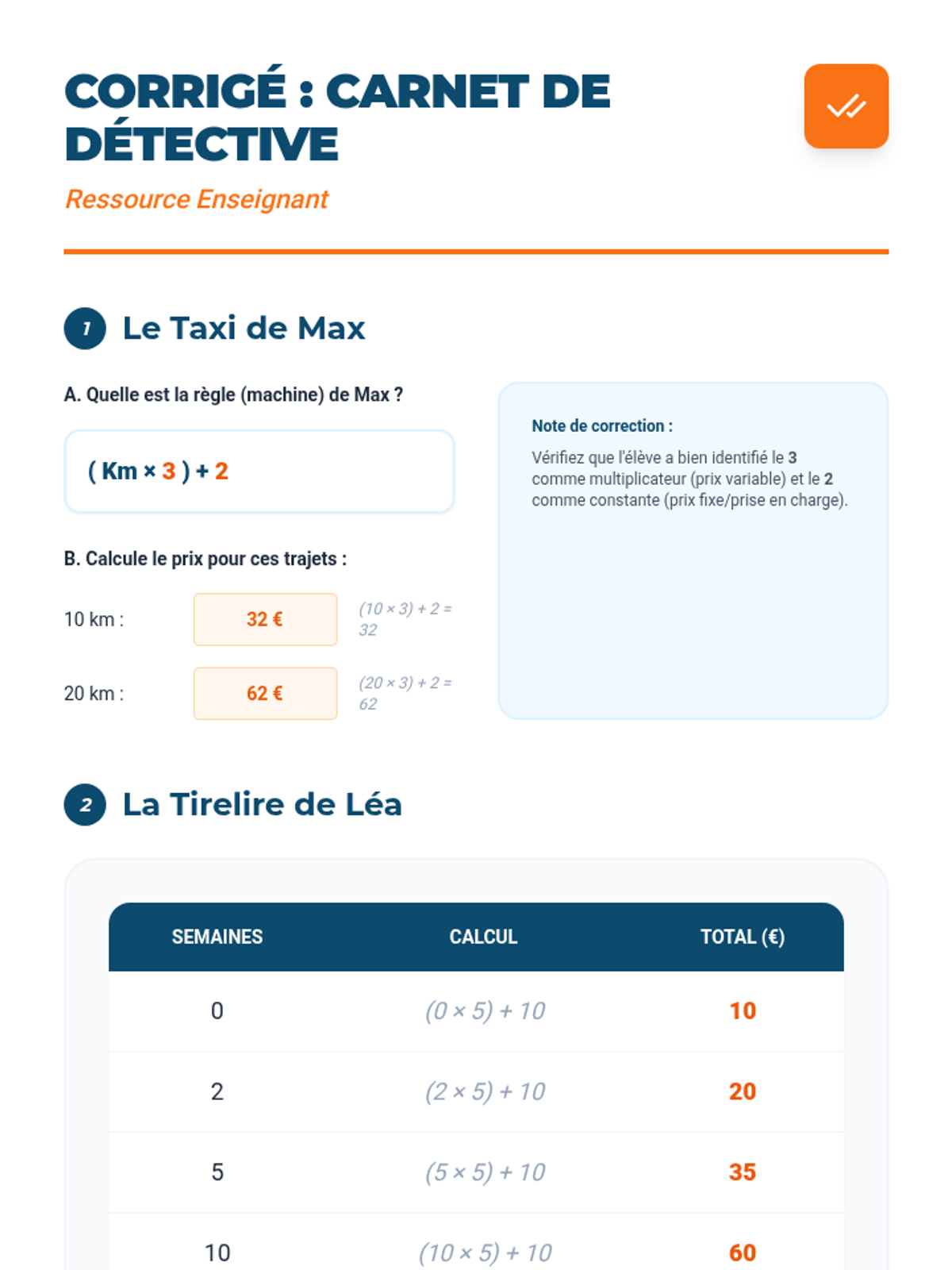
Application des fonctions affines à des situations de la vie quotidienne (tarifs, croissance, économies) pour donner du sens aux calculs et apprendre à modéliser des problèmes simples.