Students compare Cartesian and Polar coordinate systems for describing positions of objects, practicing conversions to understand how different geometric perspectives simplify physics problems.
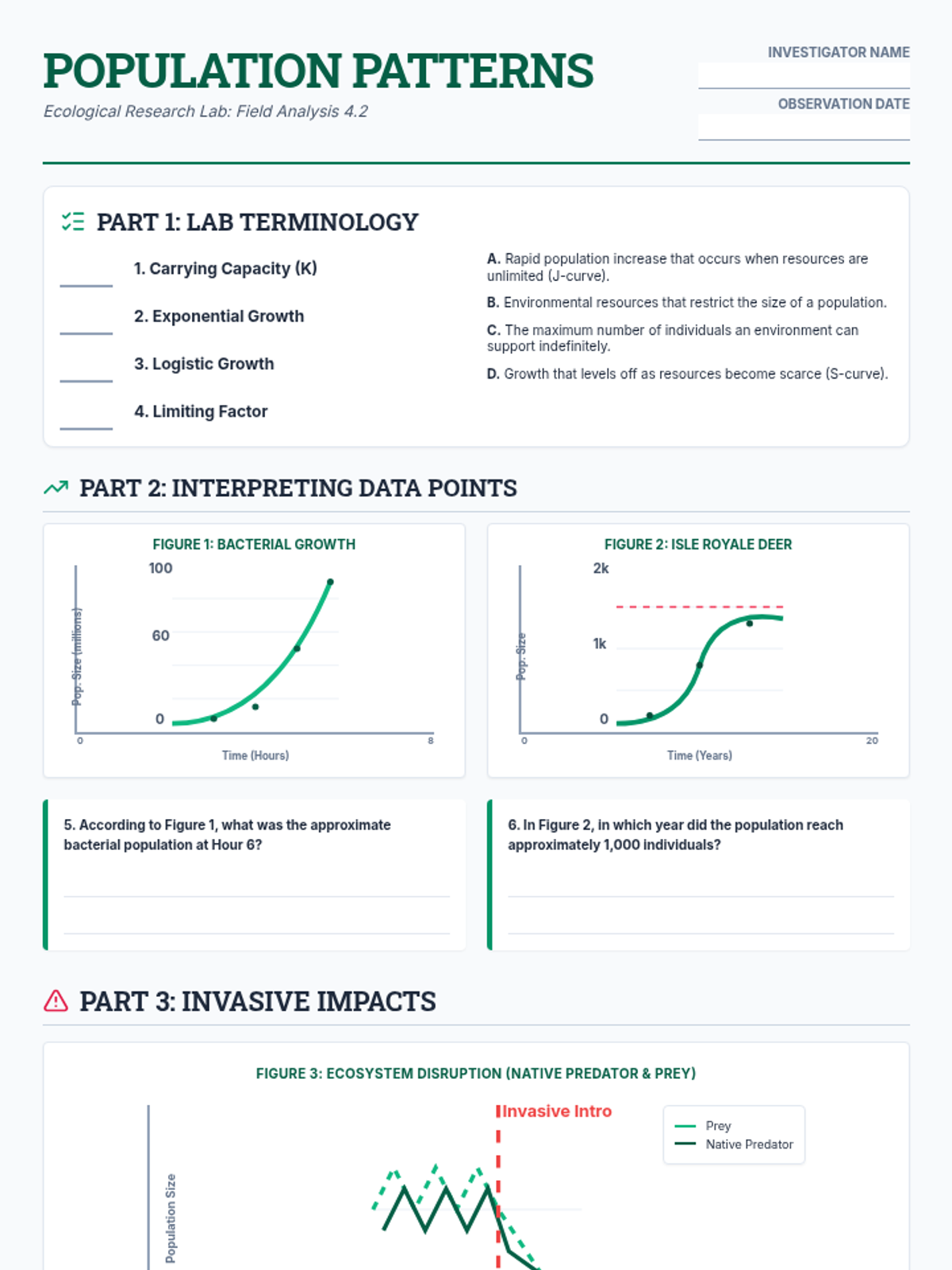
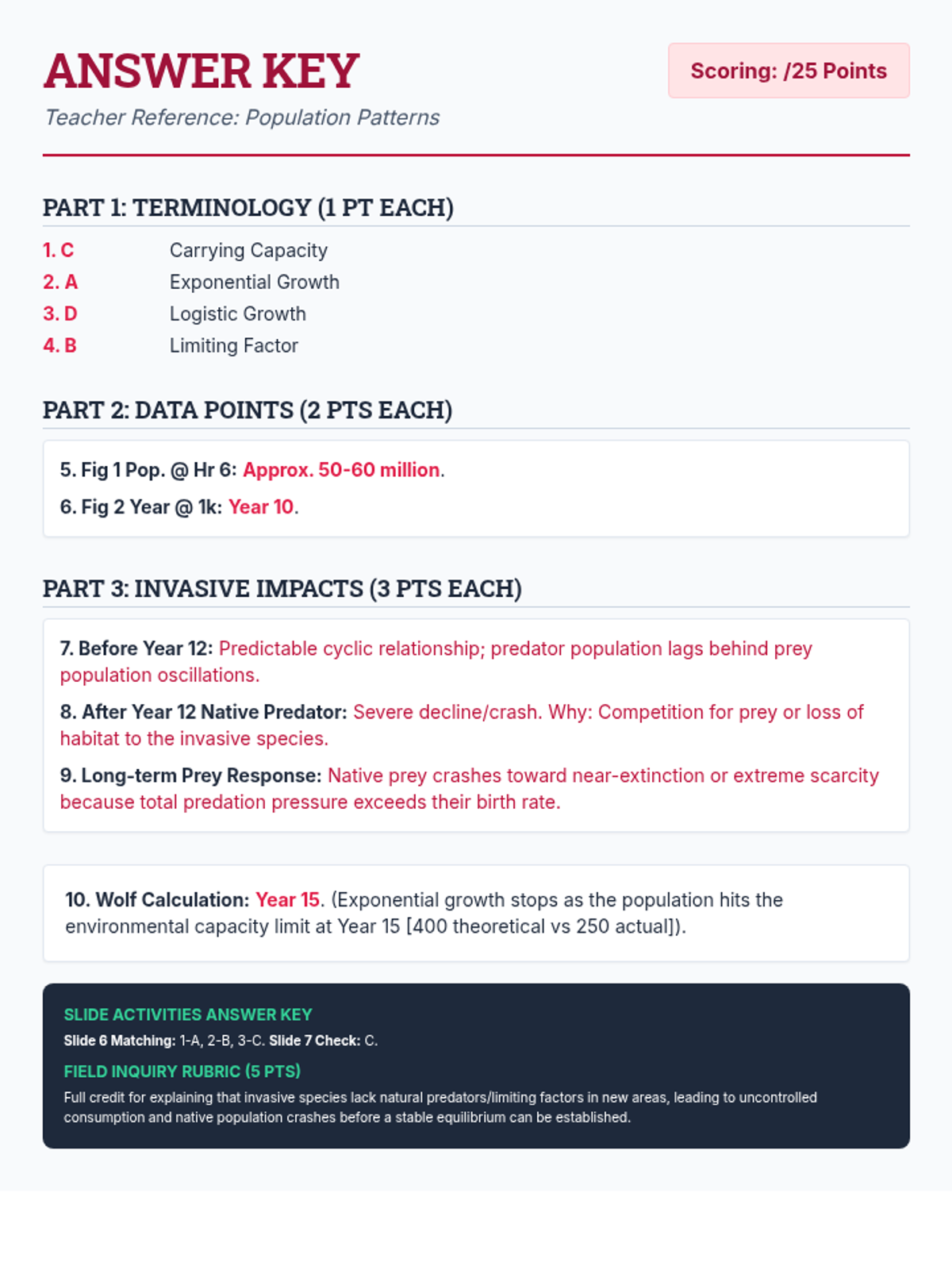
Students learn to distinguish between exponential and logistic population growth models, identify carrying capacity, and understand the role of limiting factors in shaping biological communities.
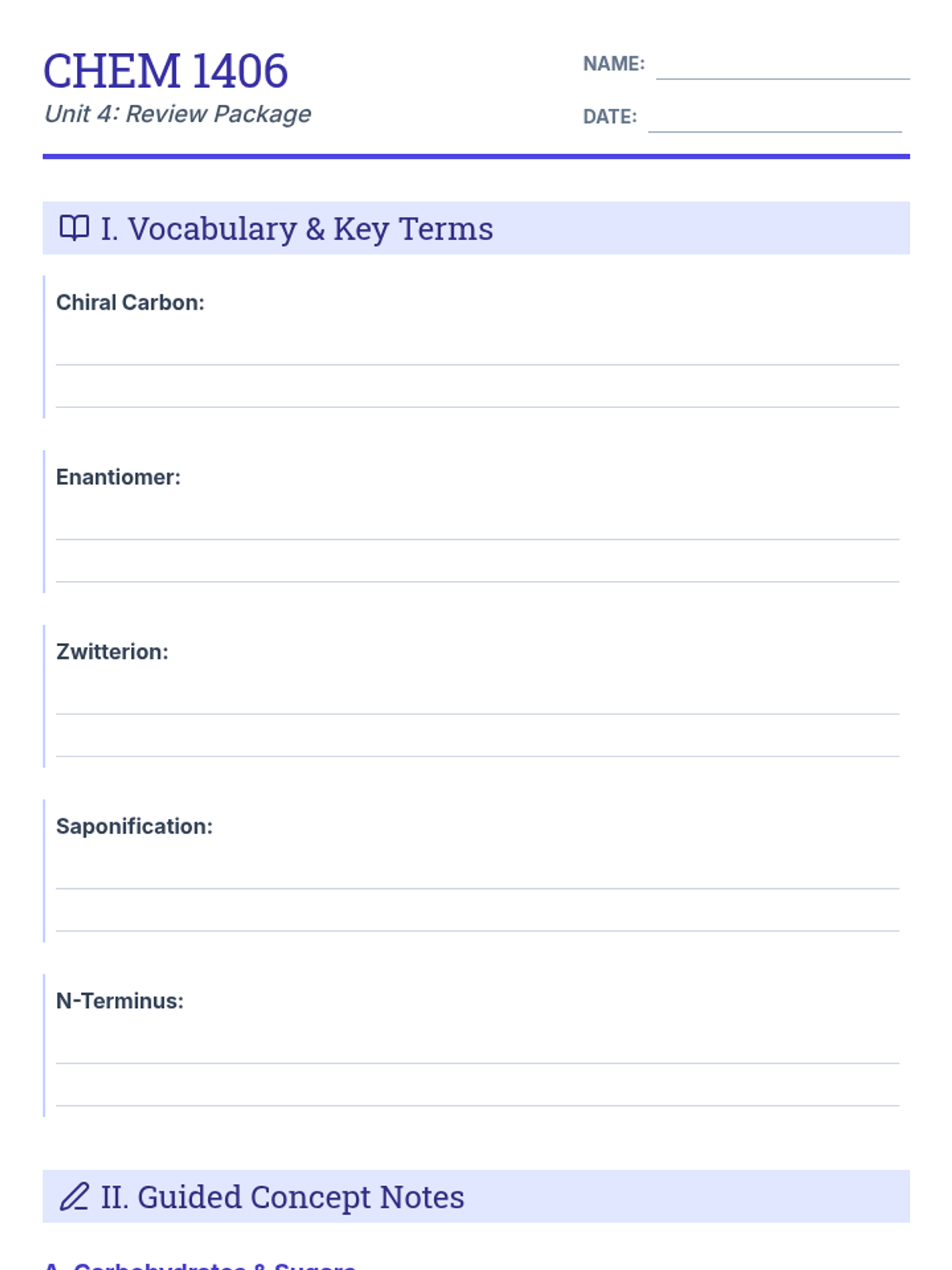
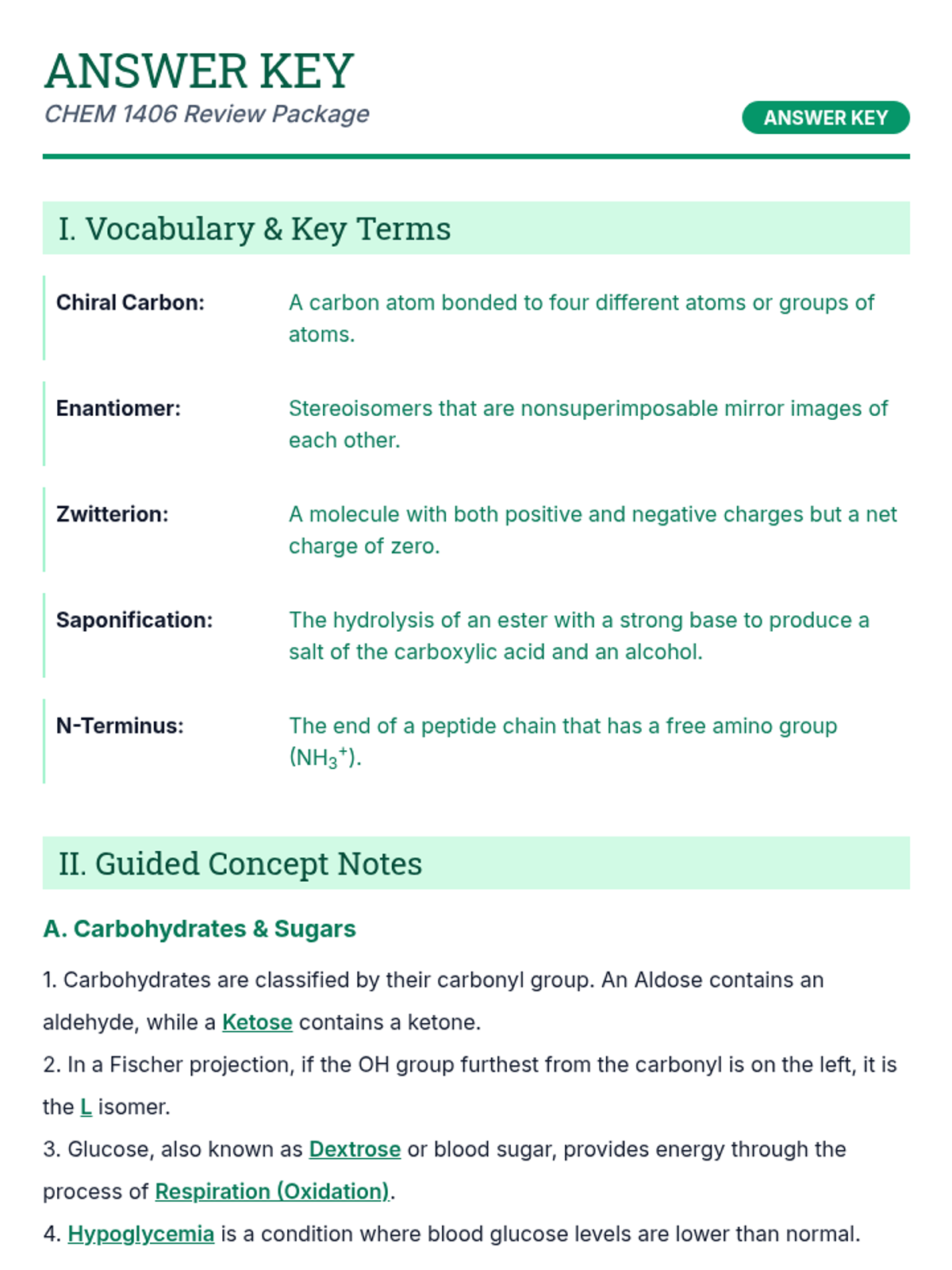
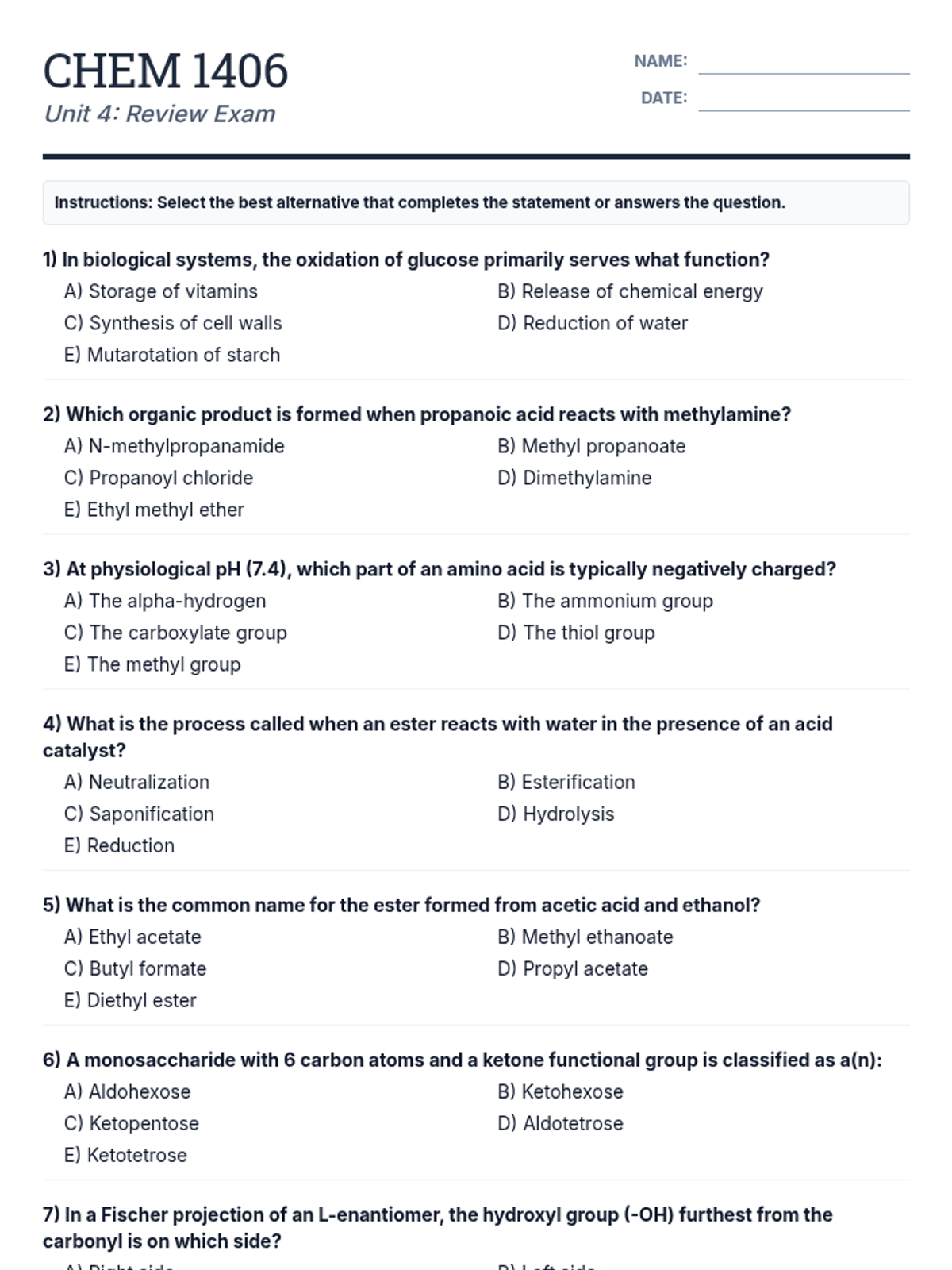
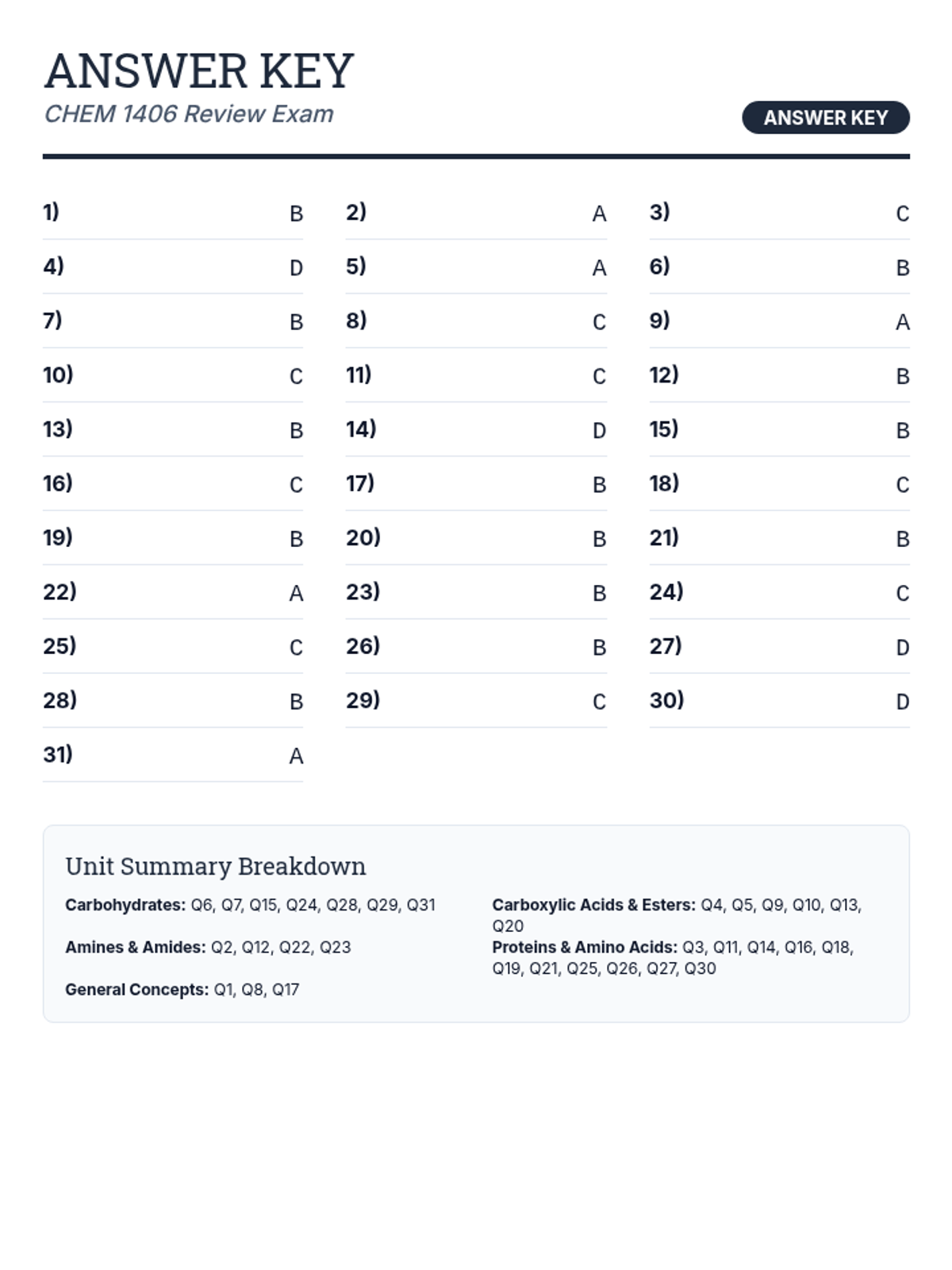
A deep dive into the structures and reactions of organic molecules and biomolecules, focusing on nomenclature, structural identification, and biological functions.
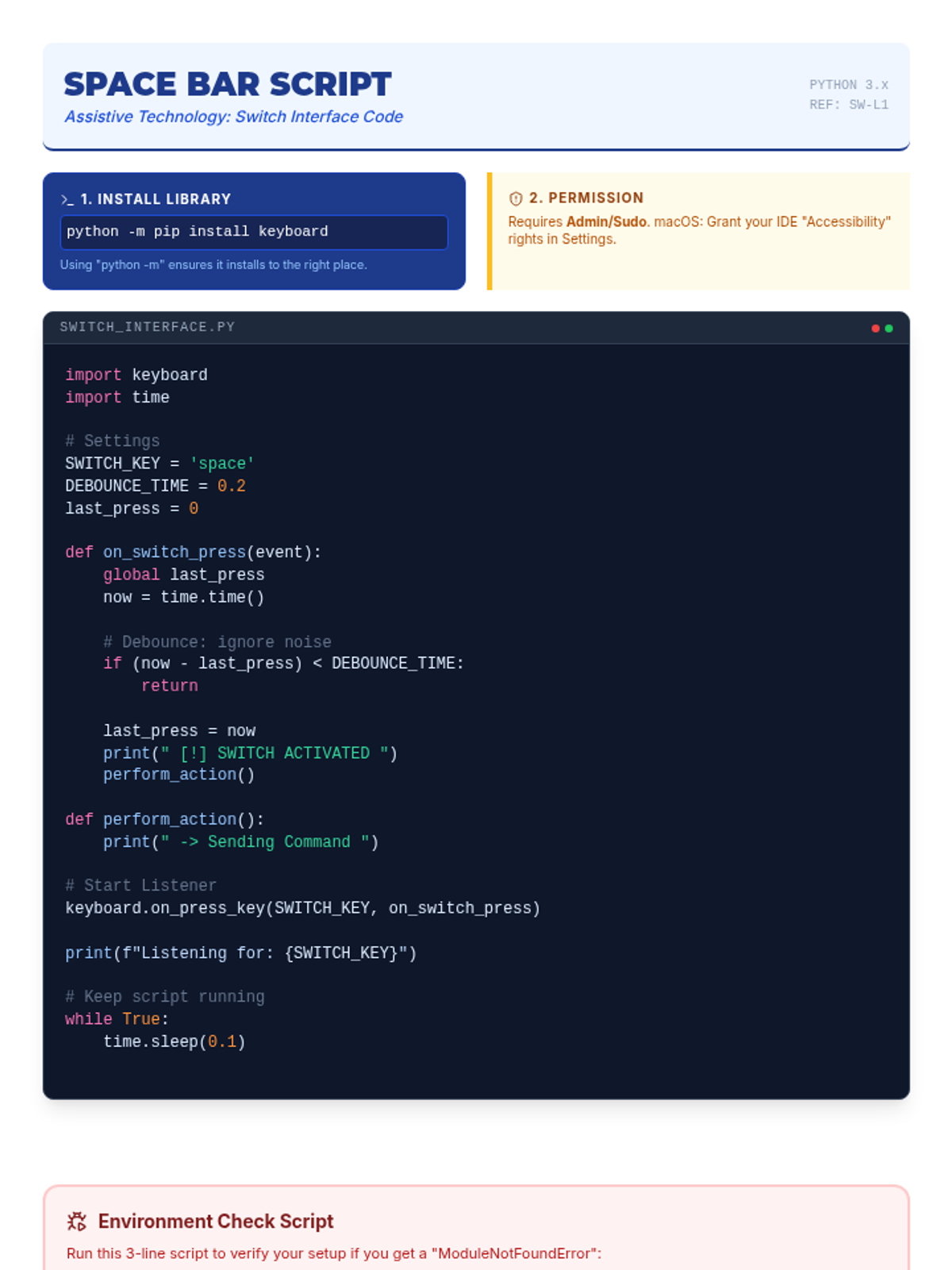
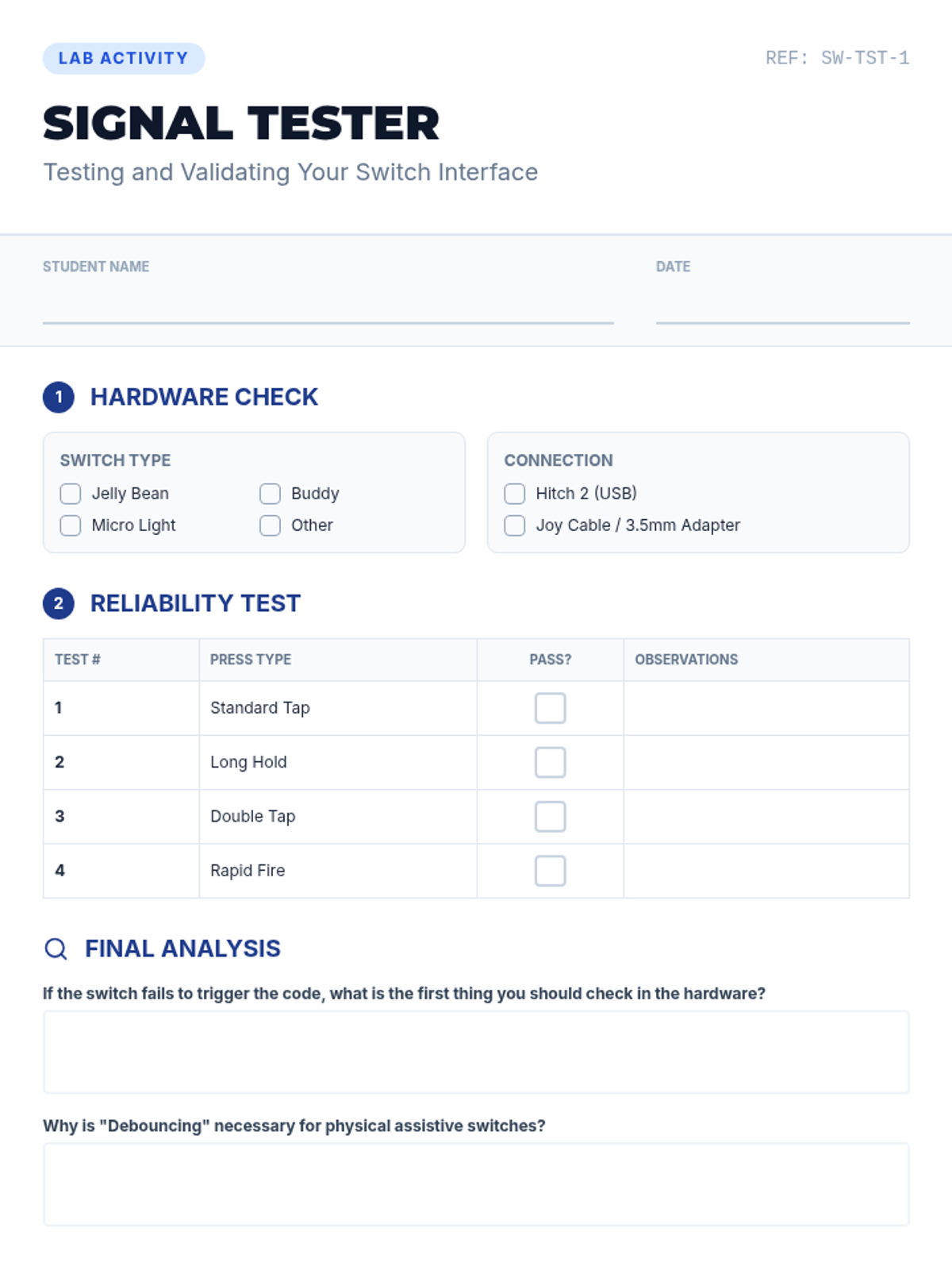
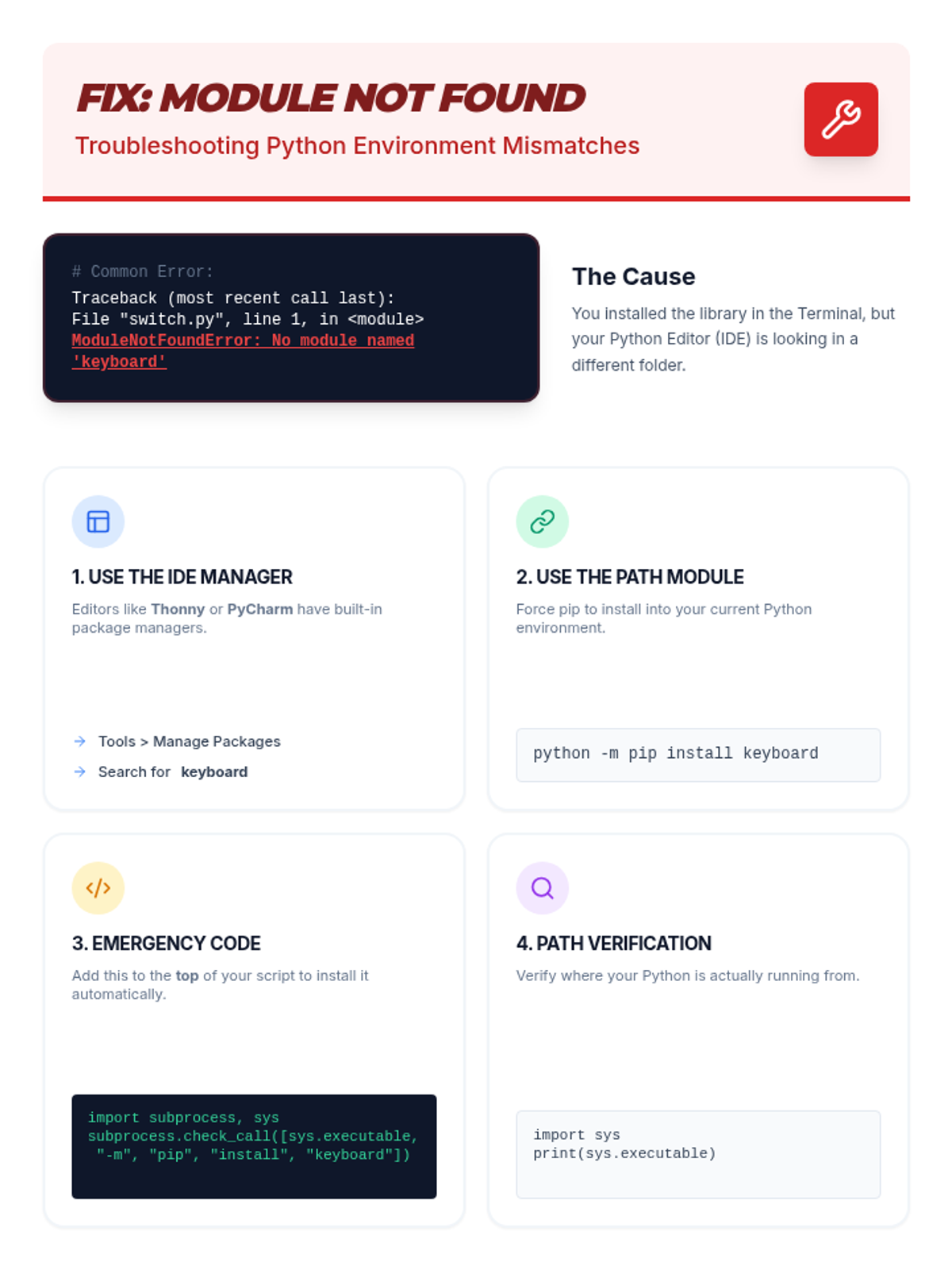
This lesson covers the logic and programming required to create a digital switch interface using Python, focusing on key bindings and signal processing.
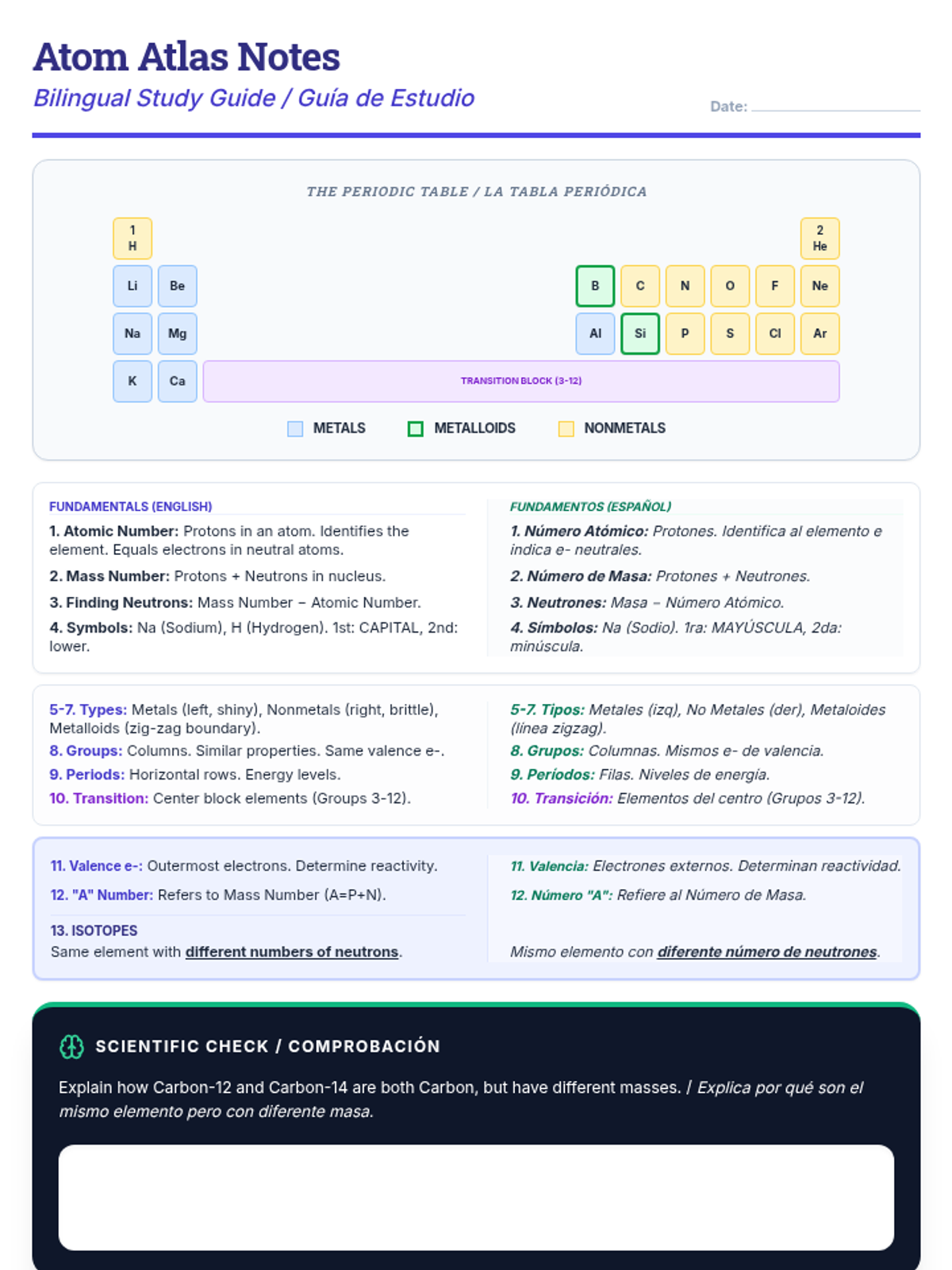
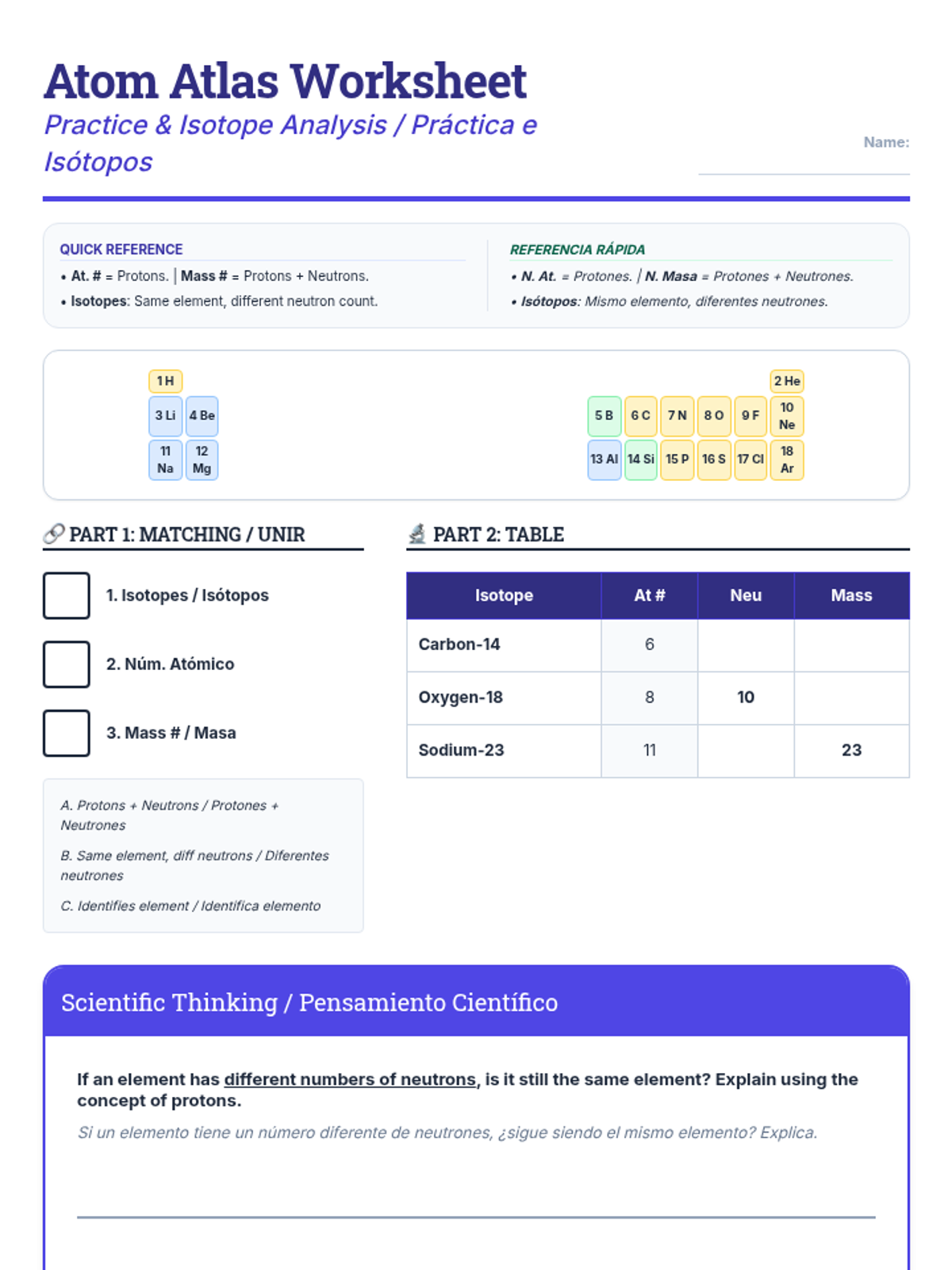
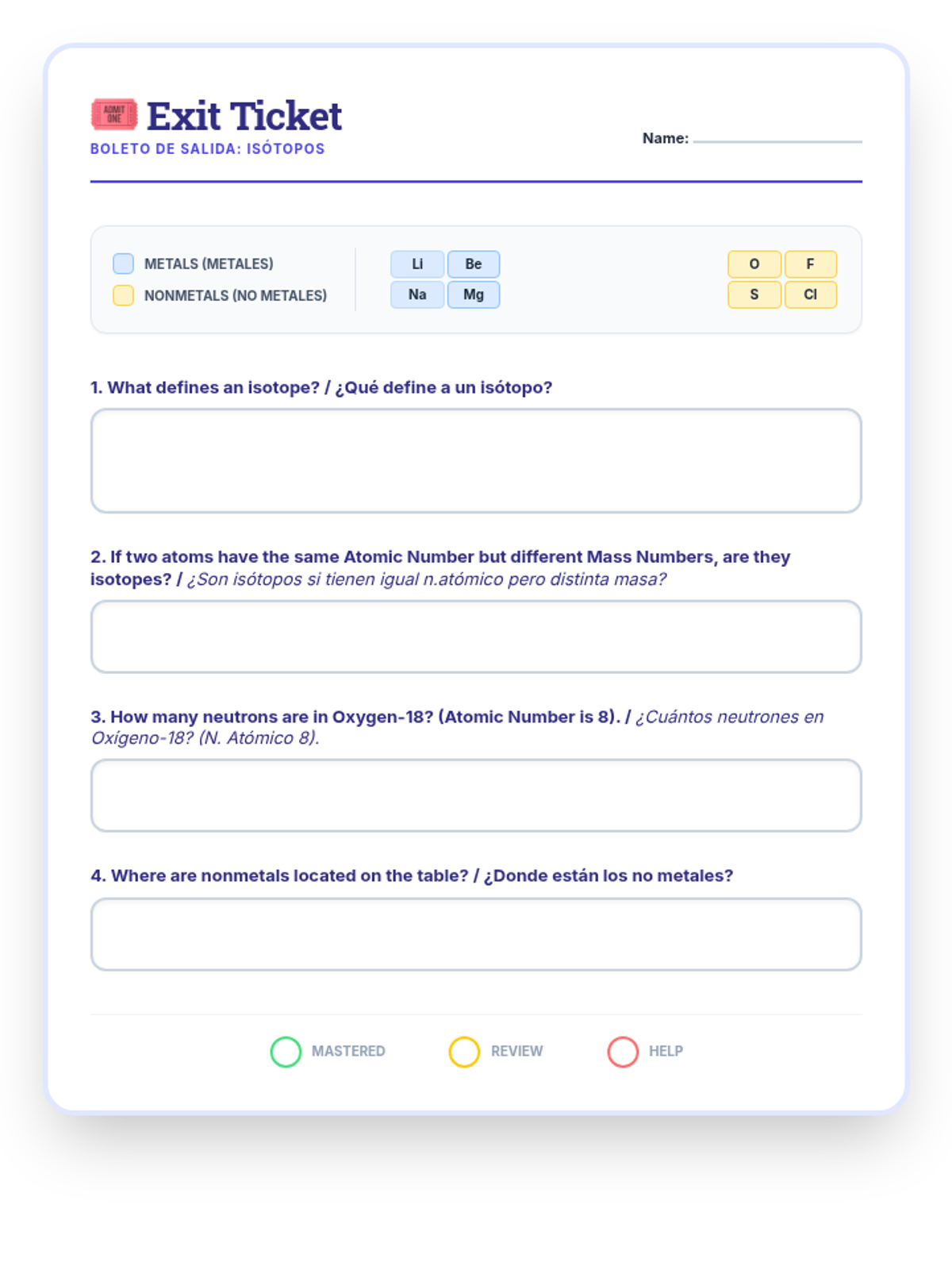
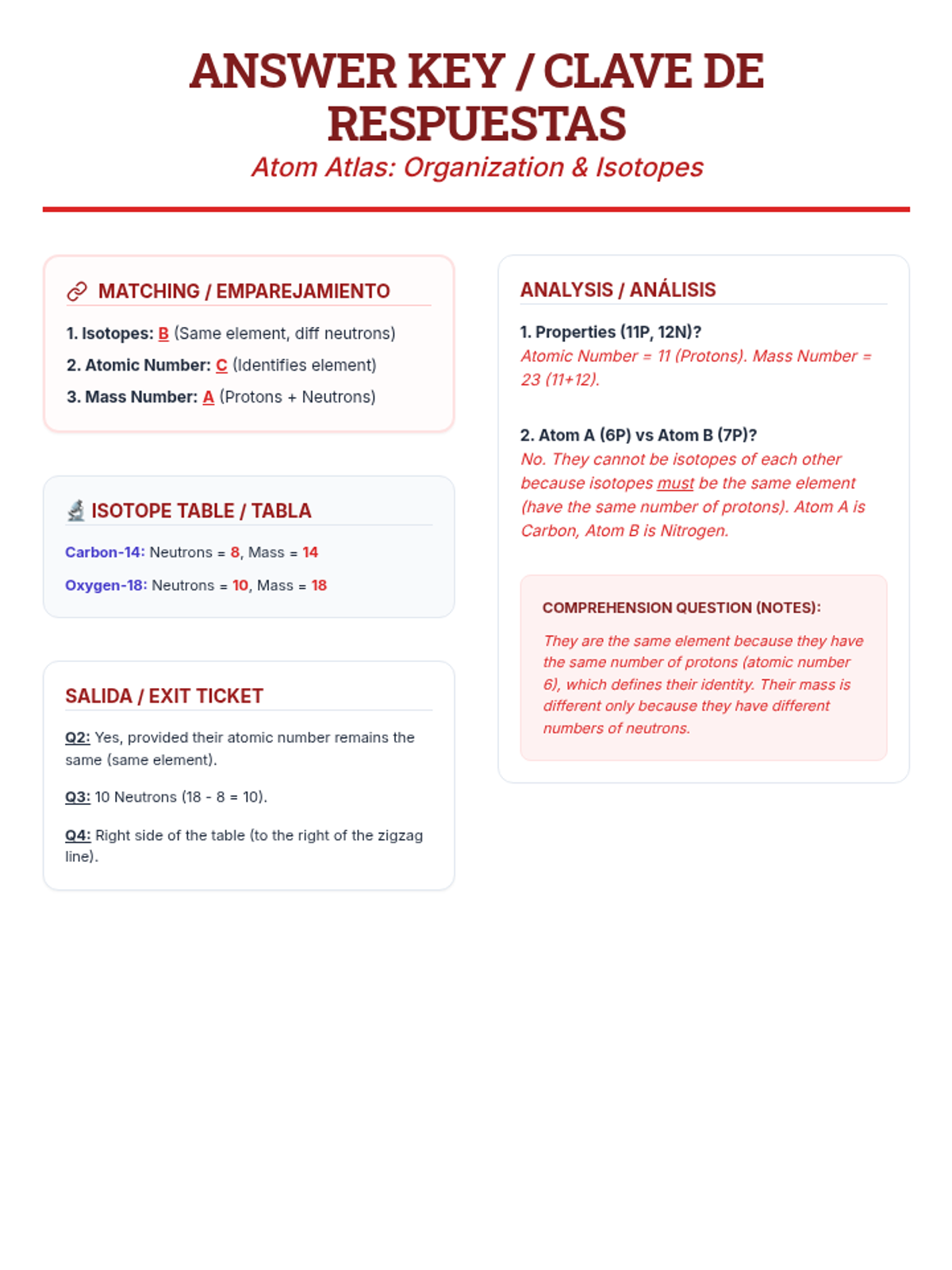
An introductory lesson on how the periodic table is organized, covering atomic numbers, mass, types of elements, and periodic trends.
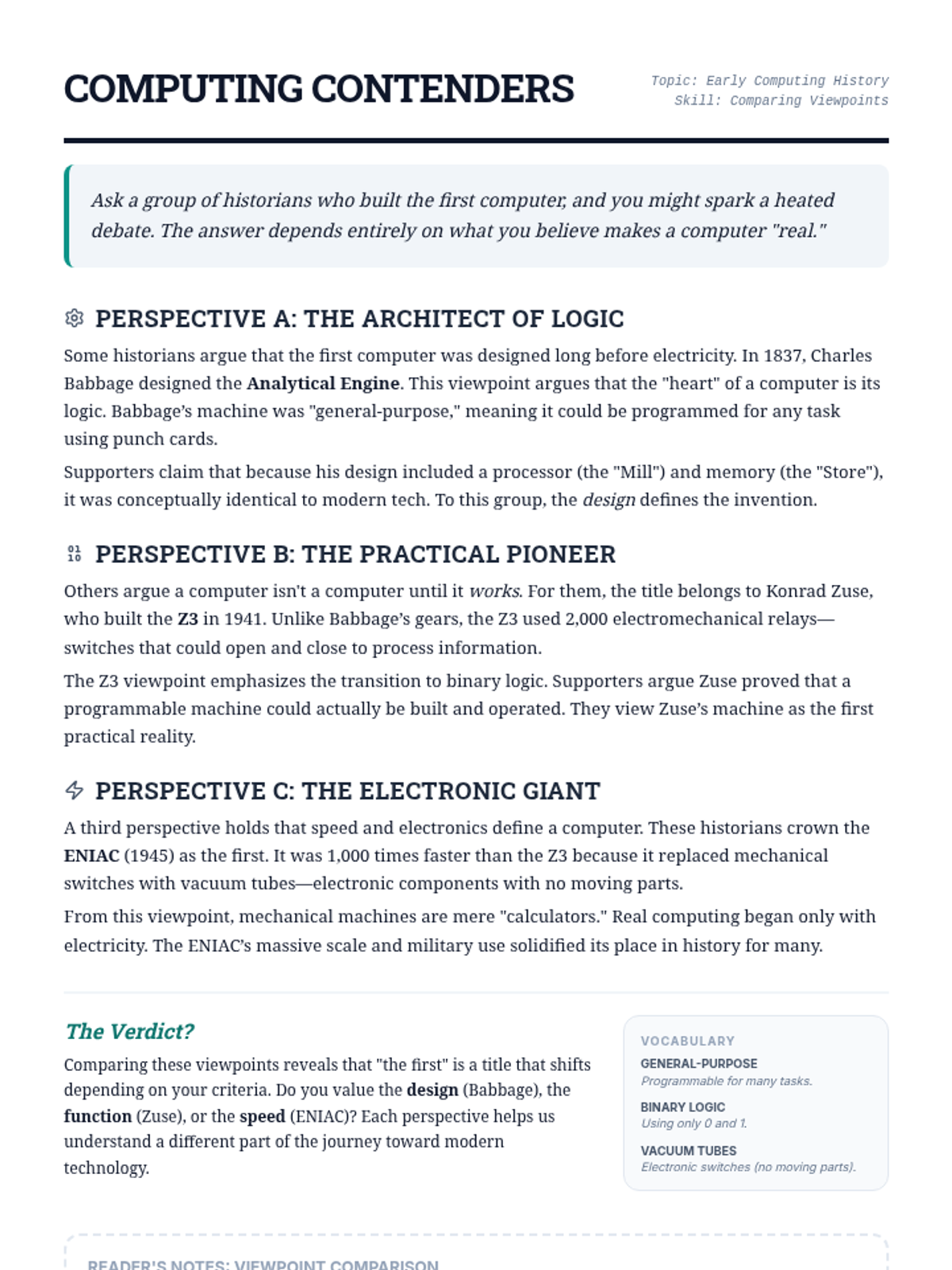
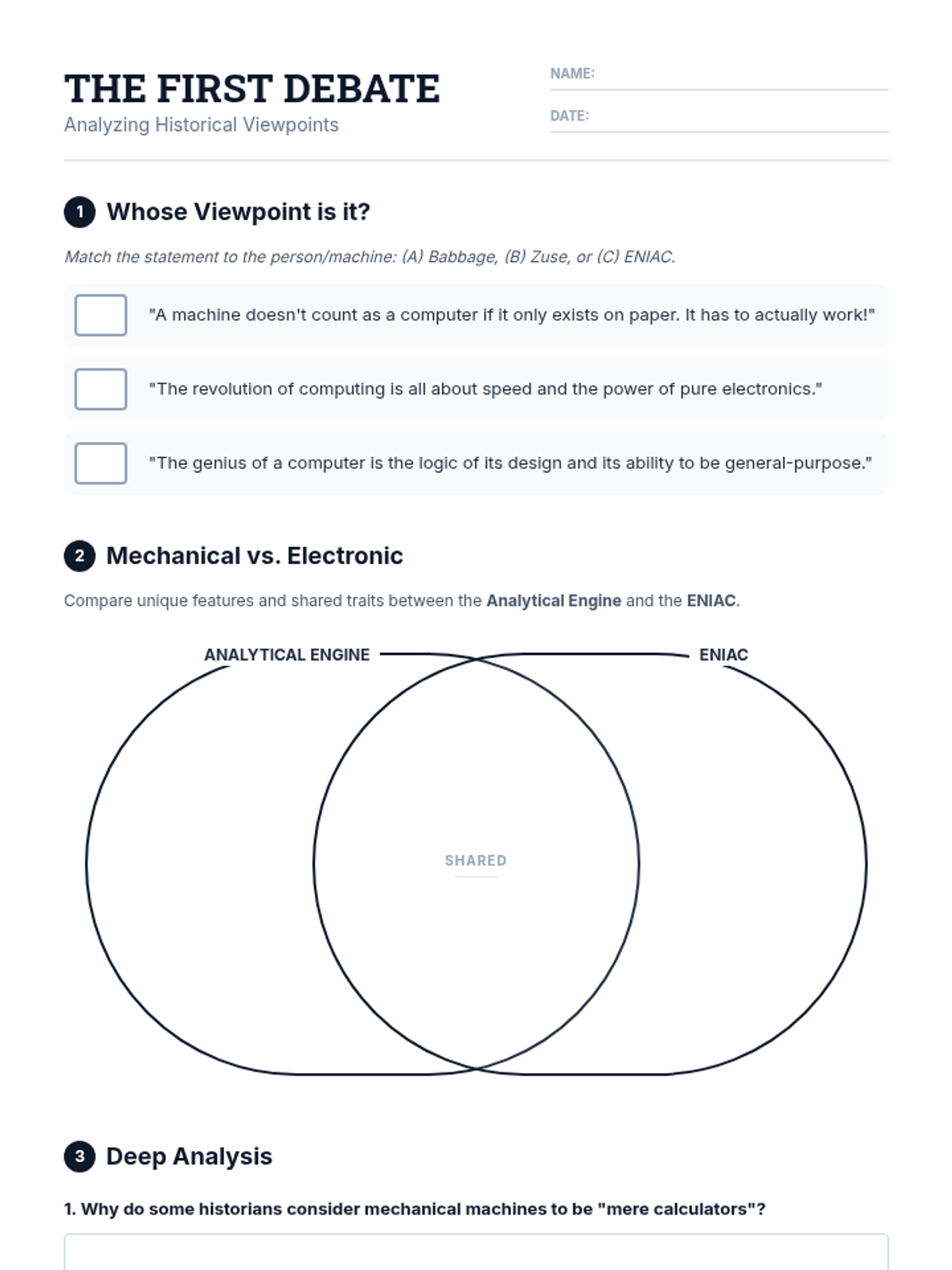
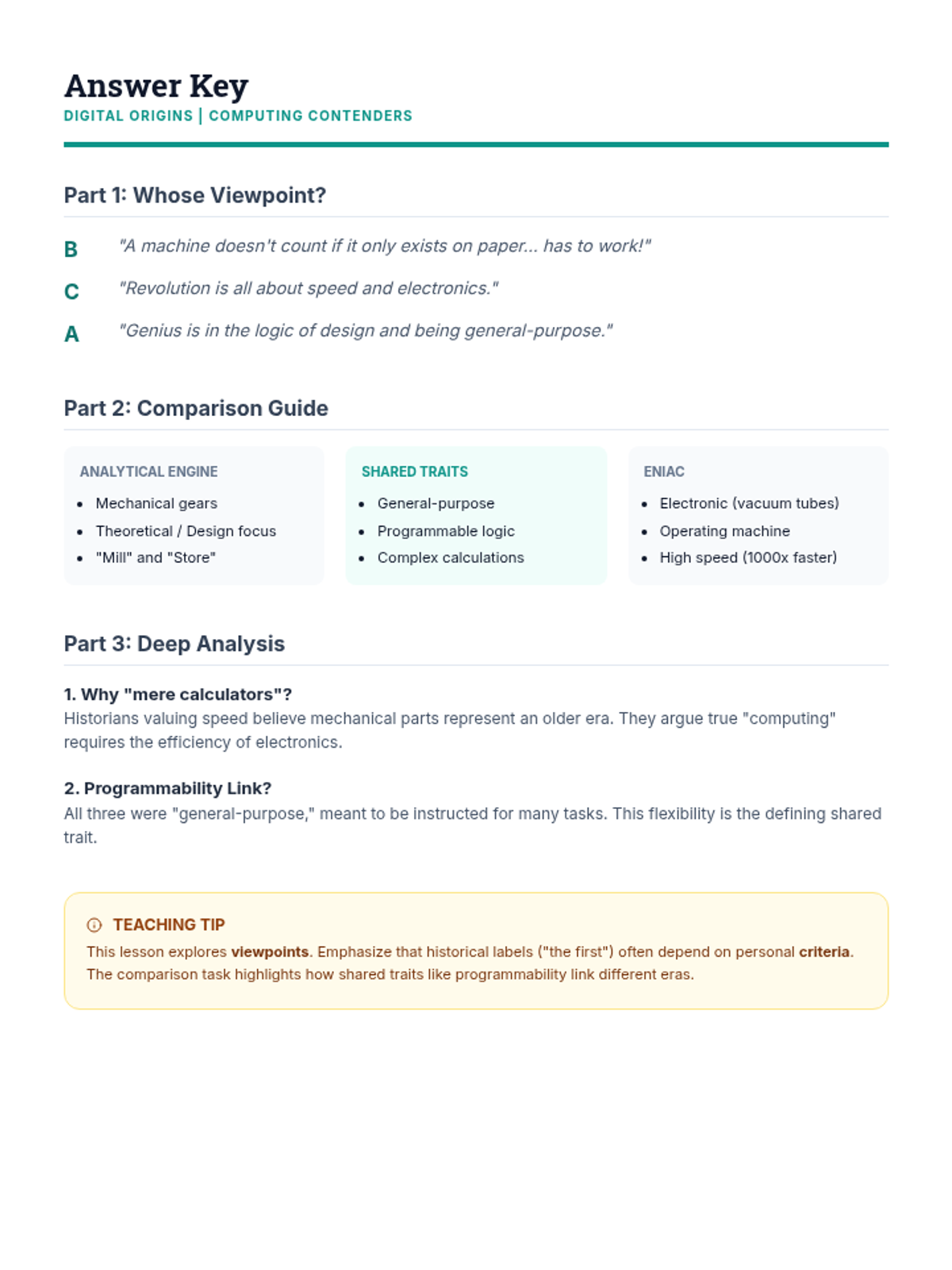
A lesson exploring the evolution of early computing machines and the varying historical perspectives on which machine deserves the title of the 'first' computer. Students will analyze different viewpoints based on technical criteria like programmability, electronics, and logic.
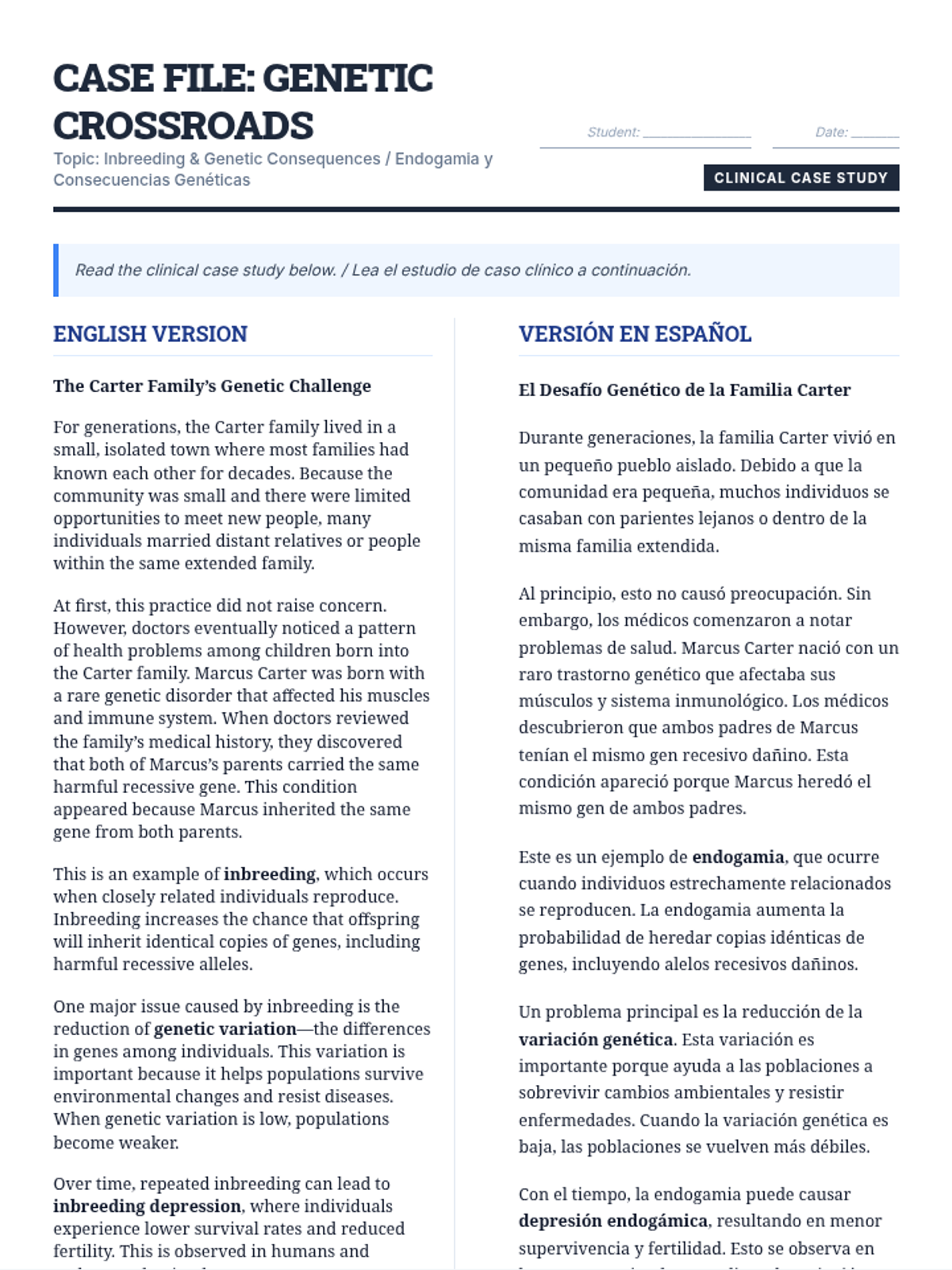
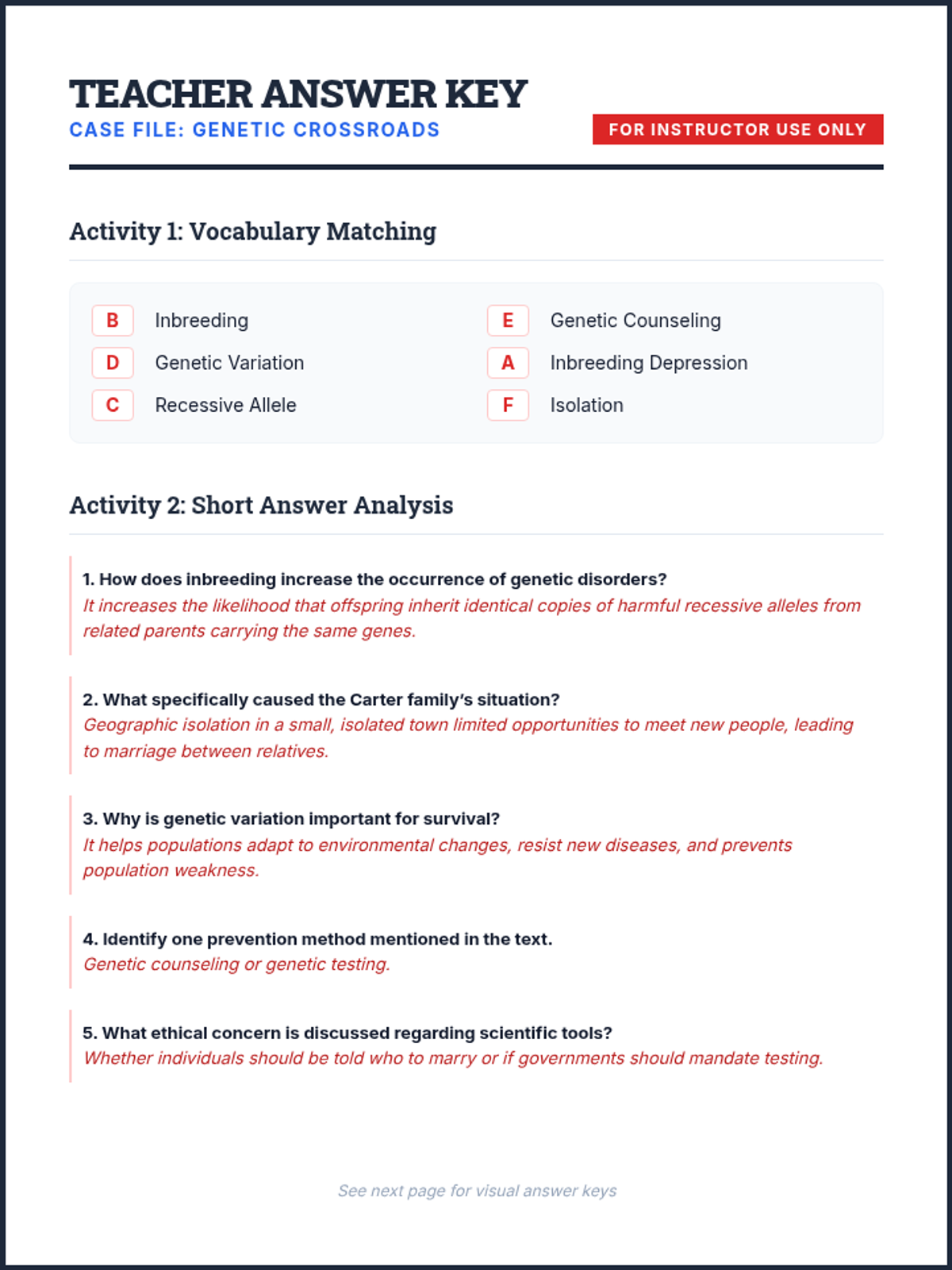
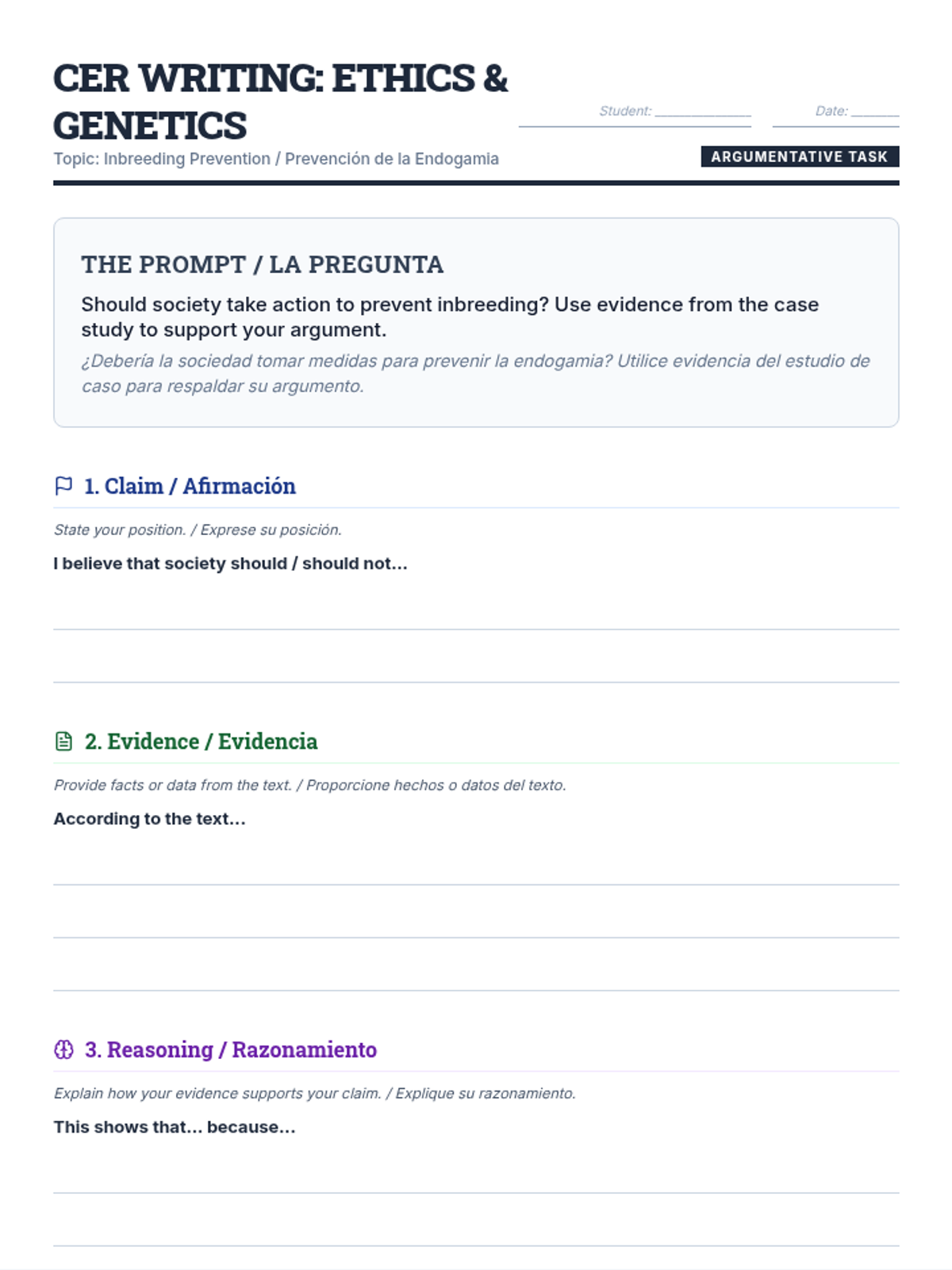
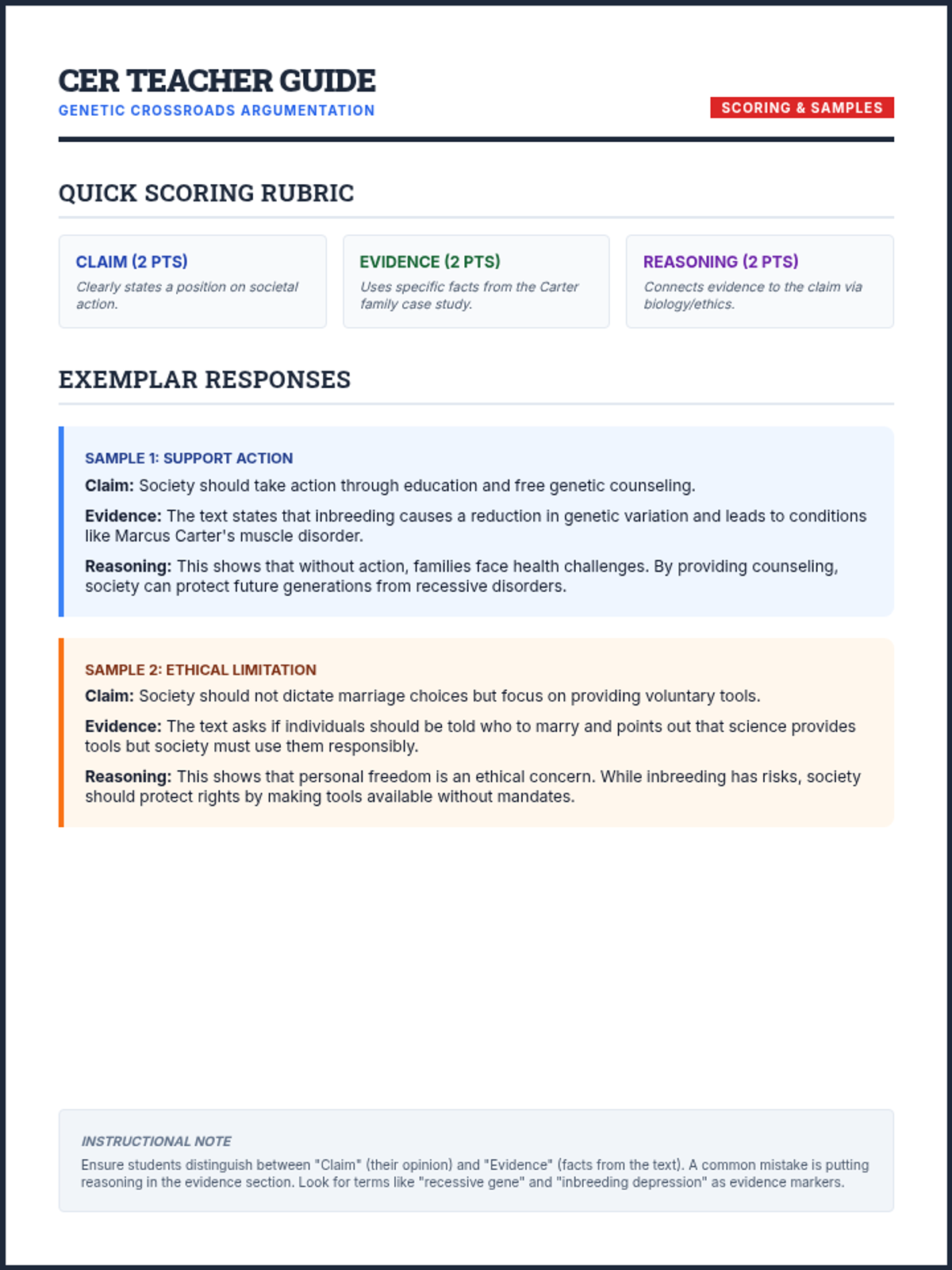
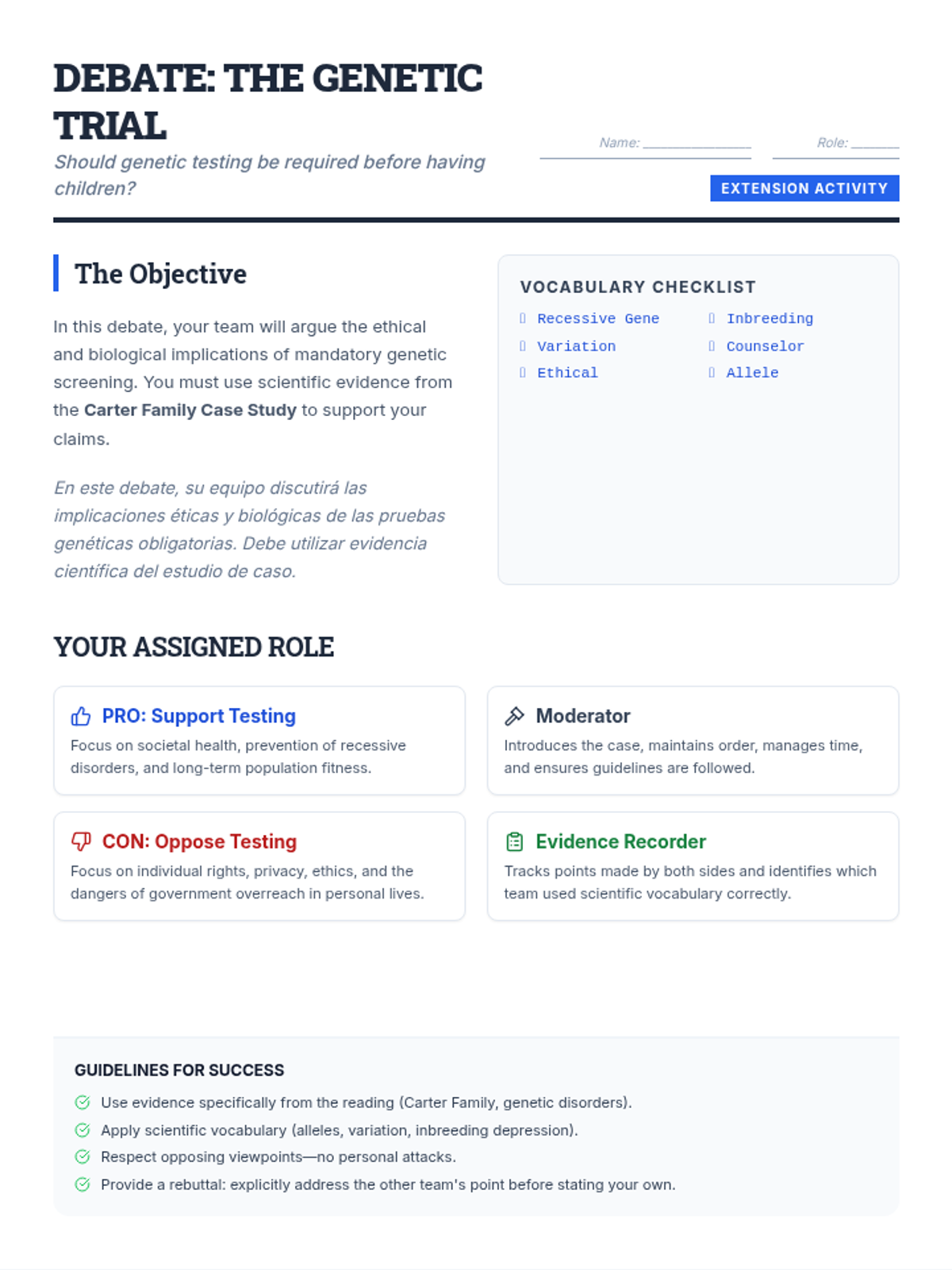
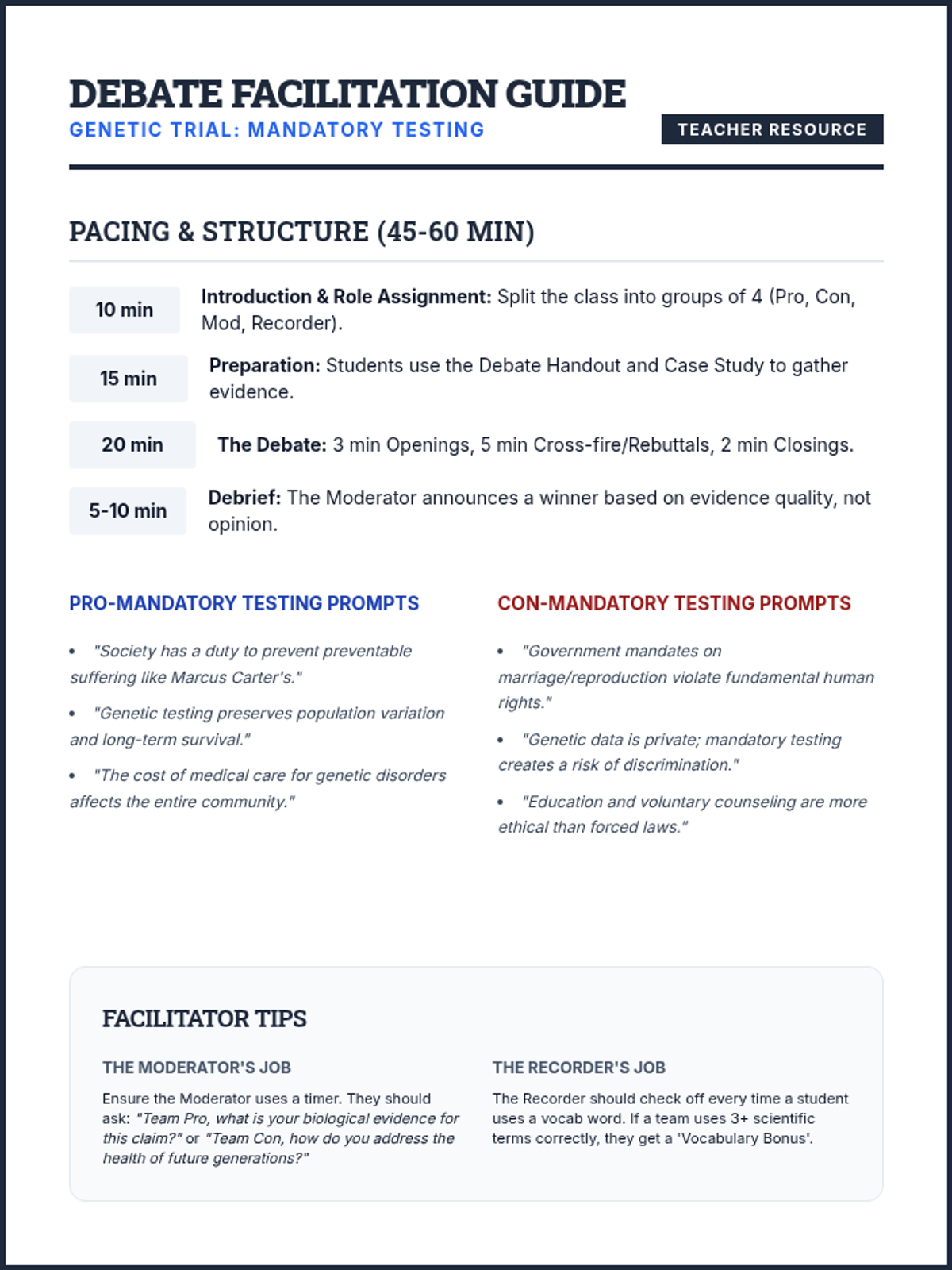
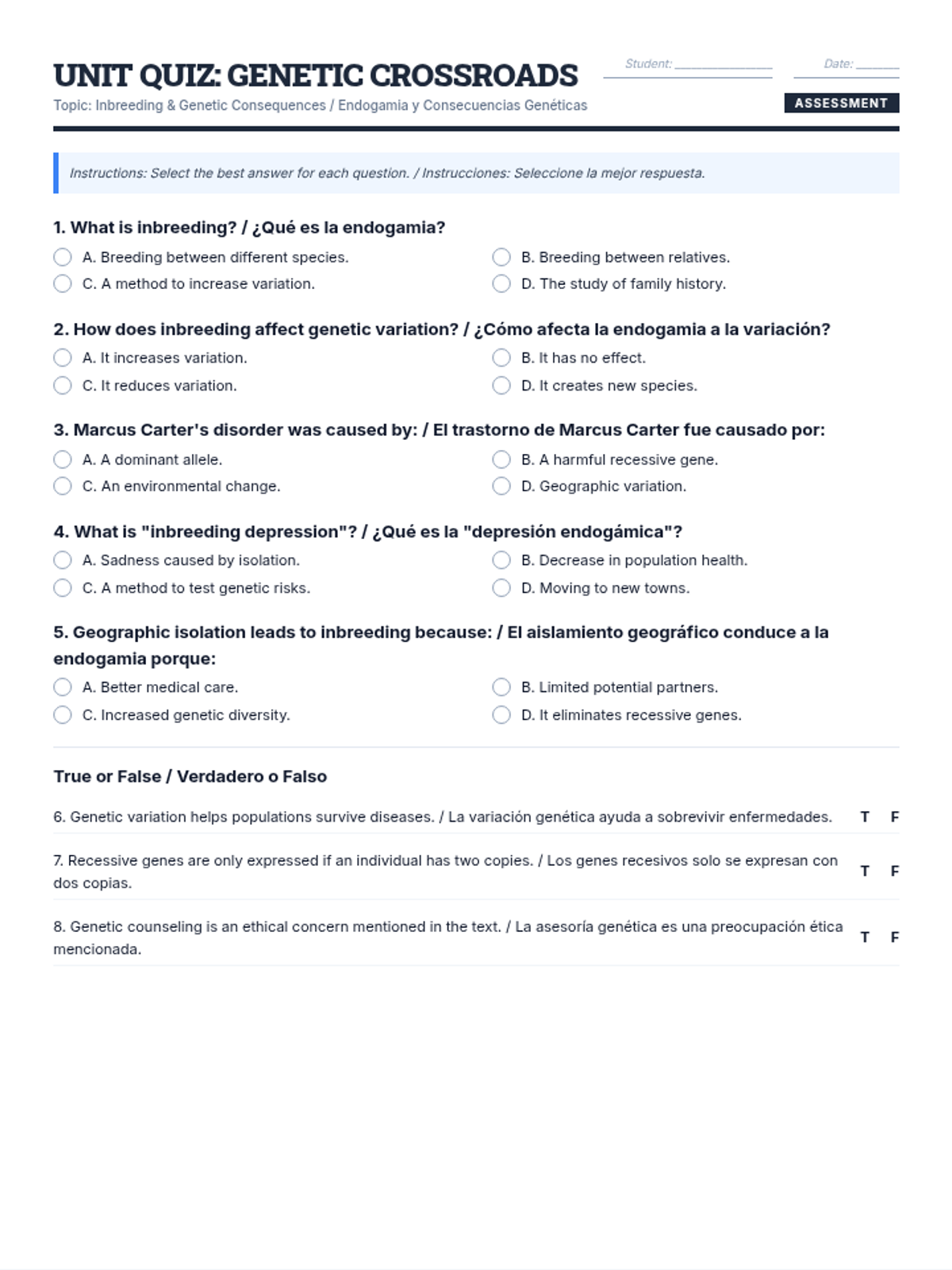
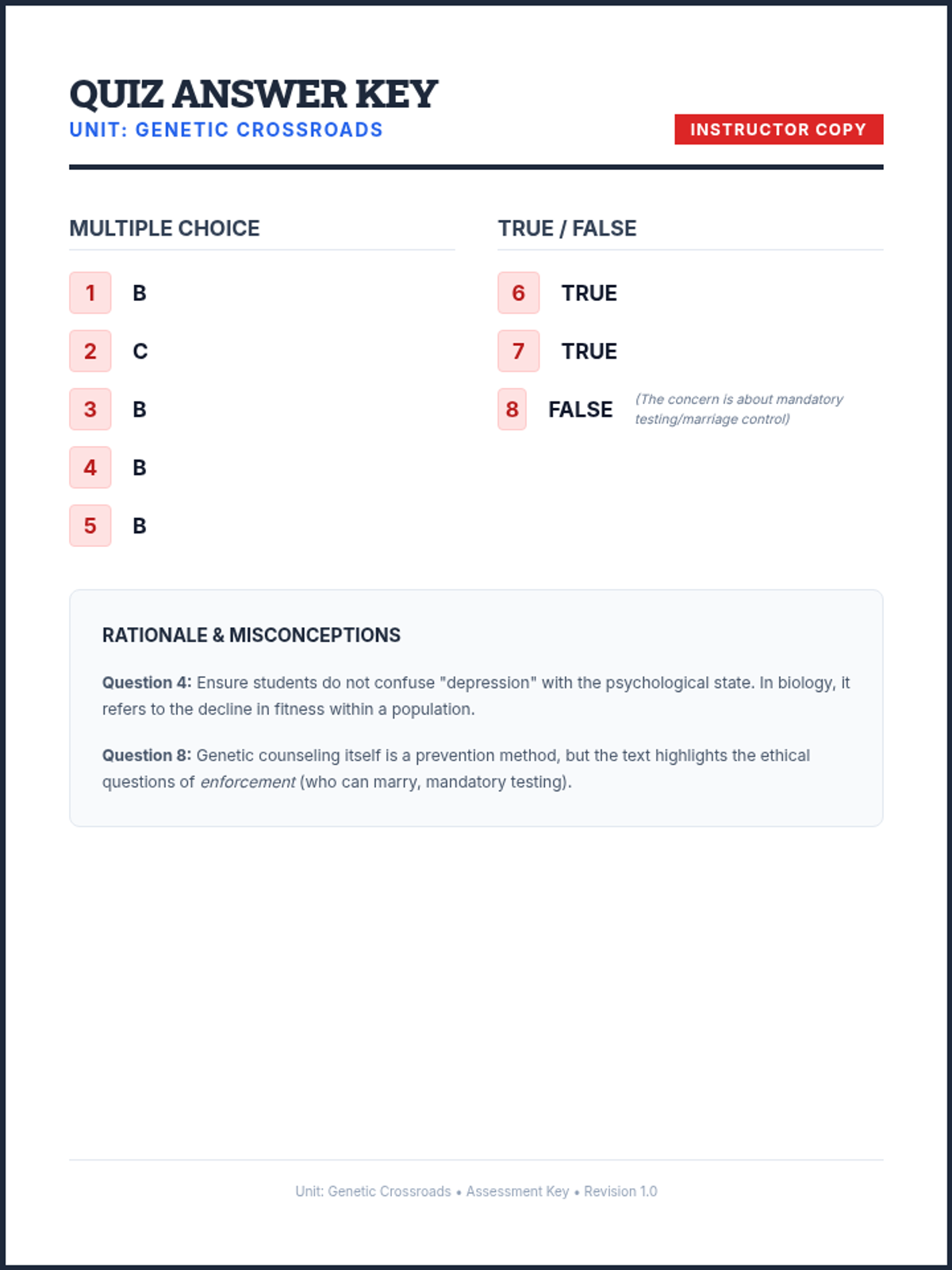
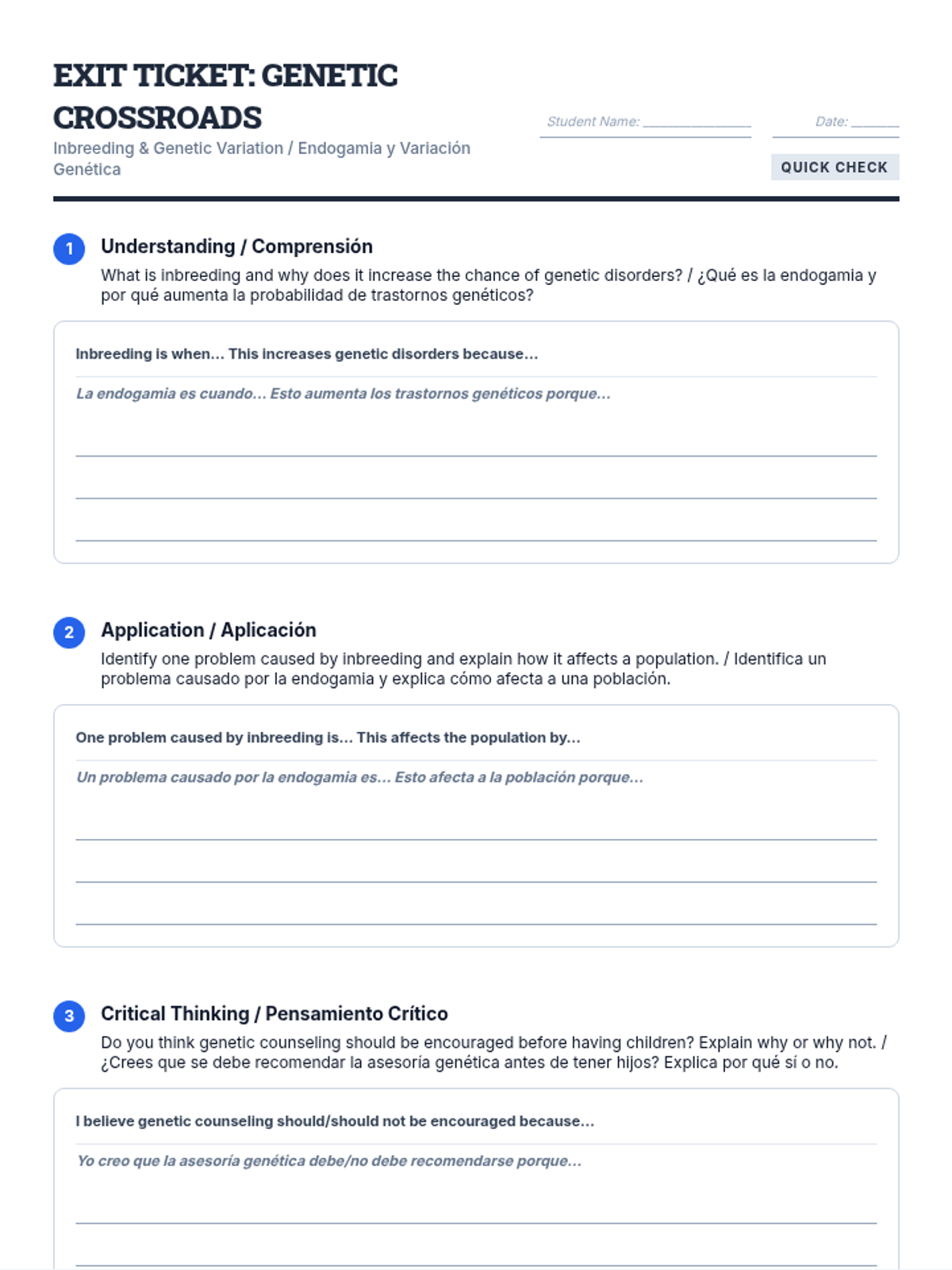
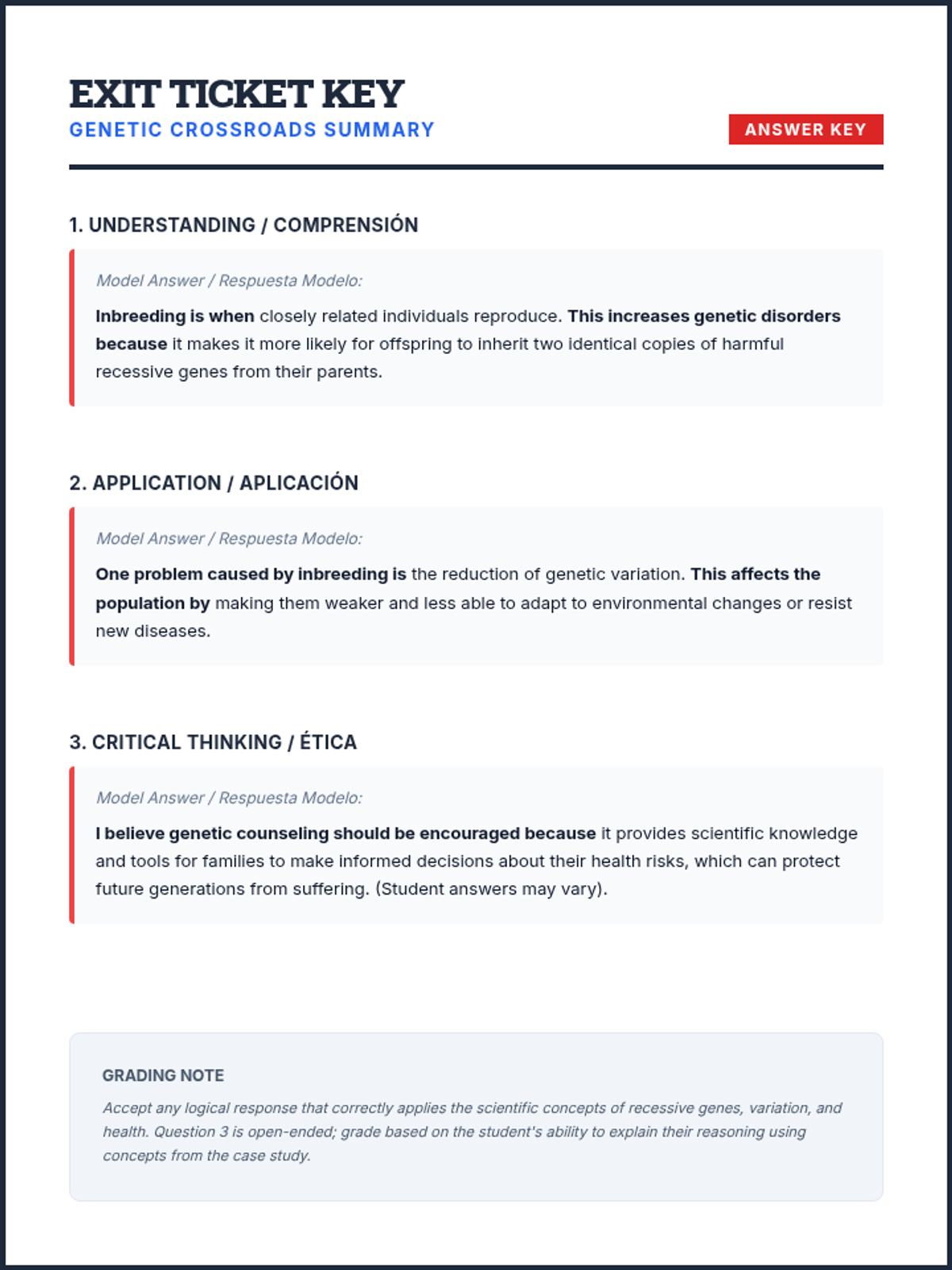
A biology lesson focused on the genetic implications of inbreeding, utilizing a bilingual case study to explore recessive traits, genetic variation, and population health.
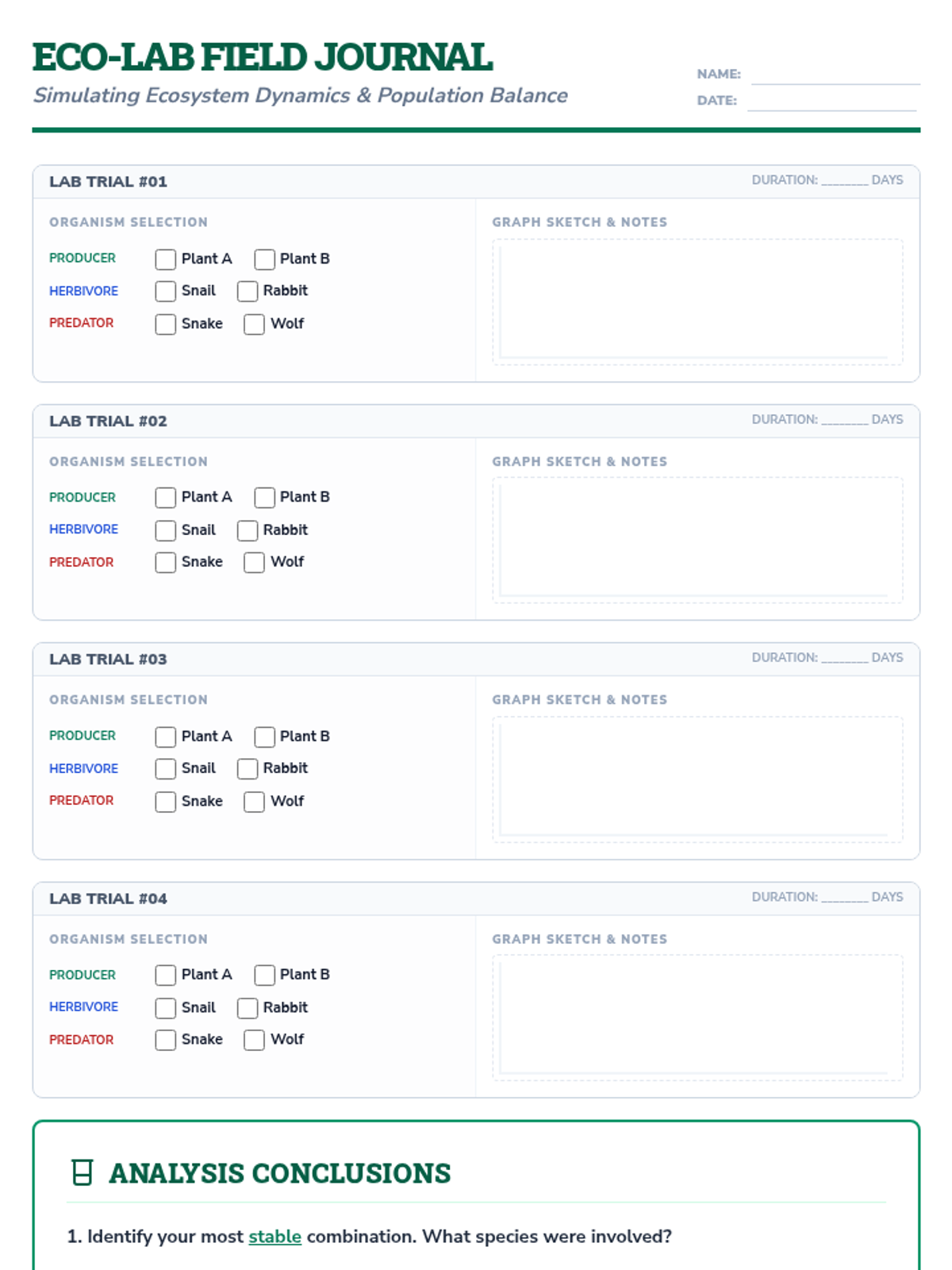
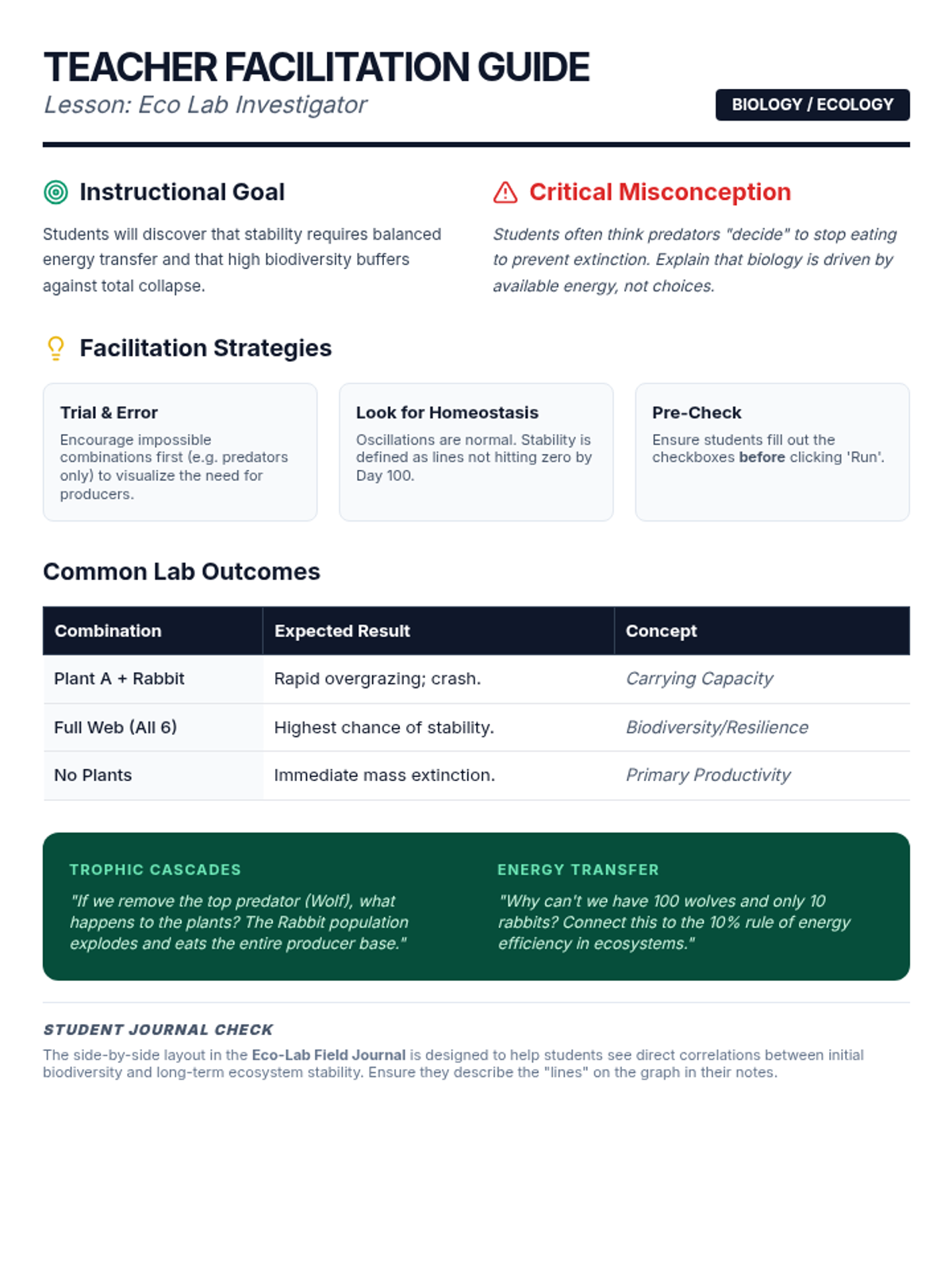
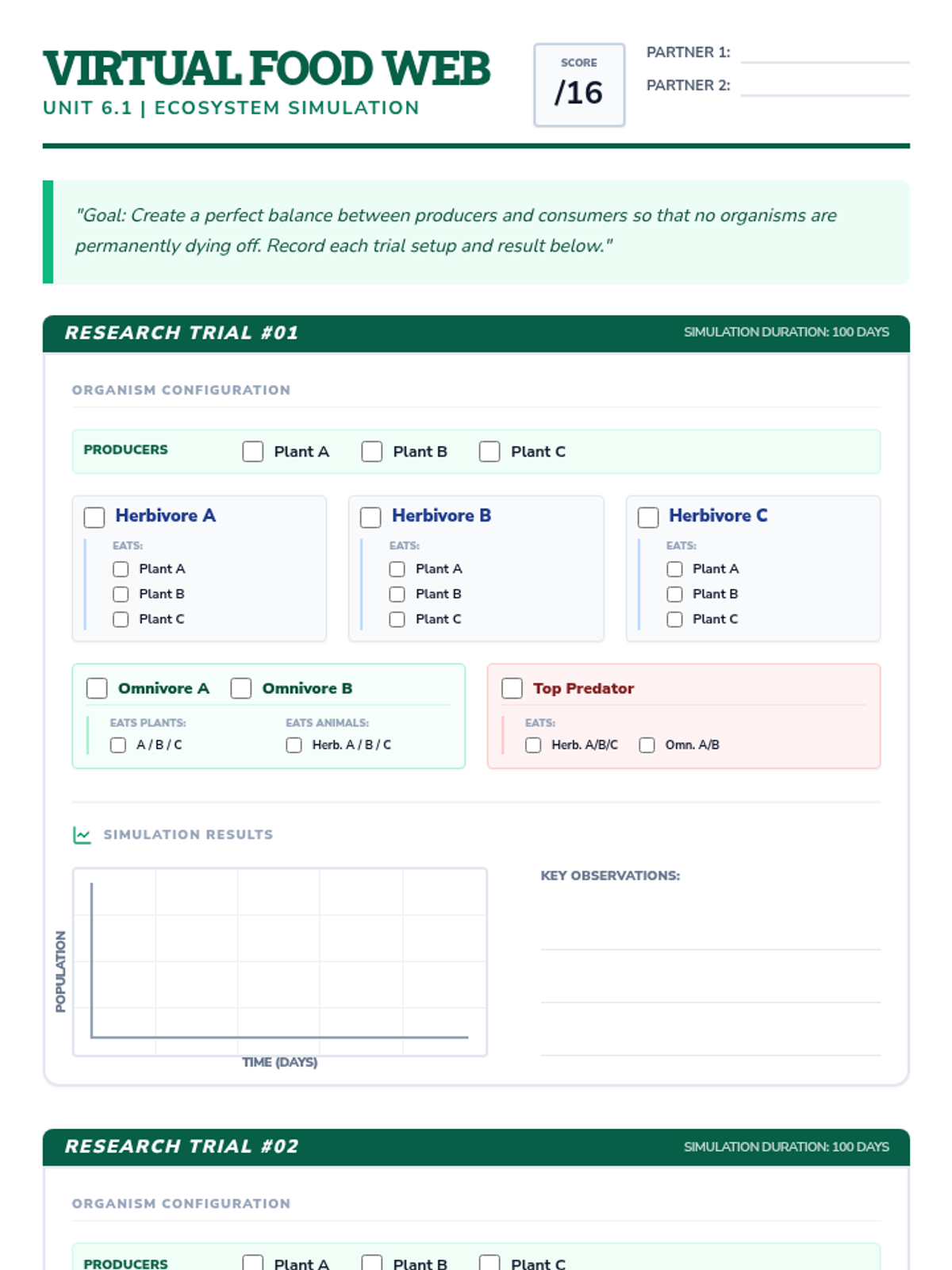
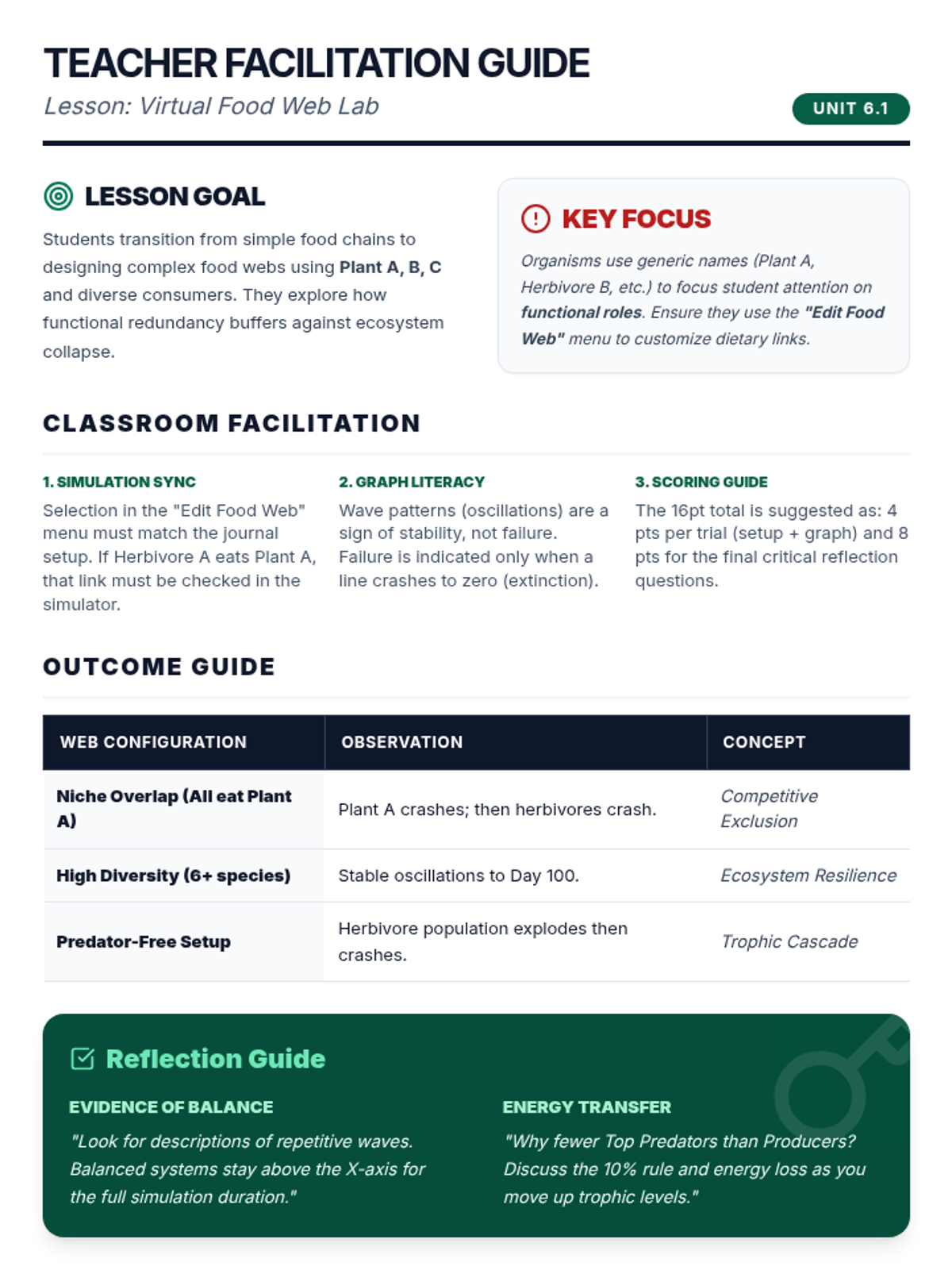
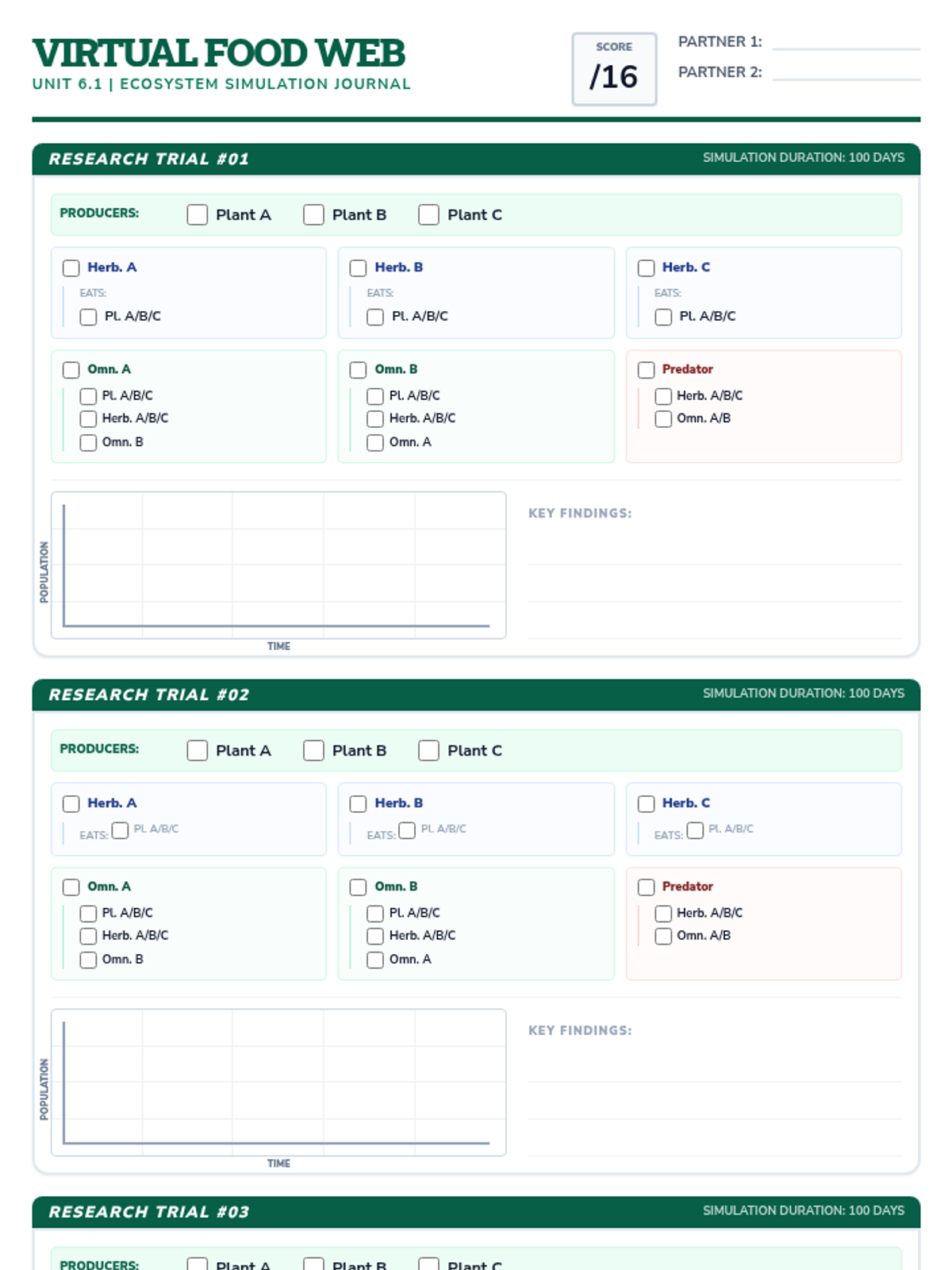
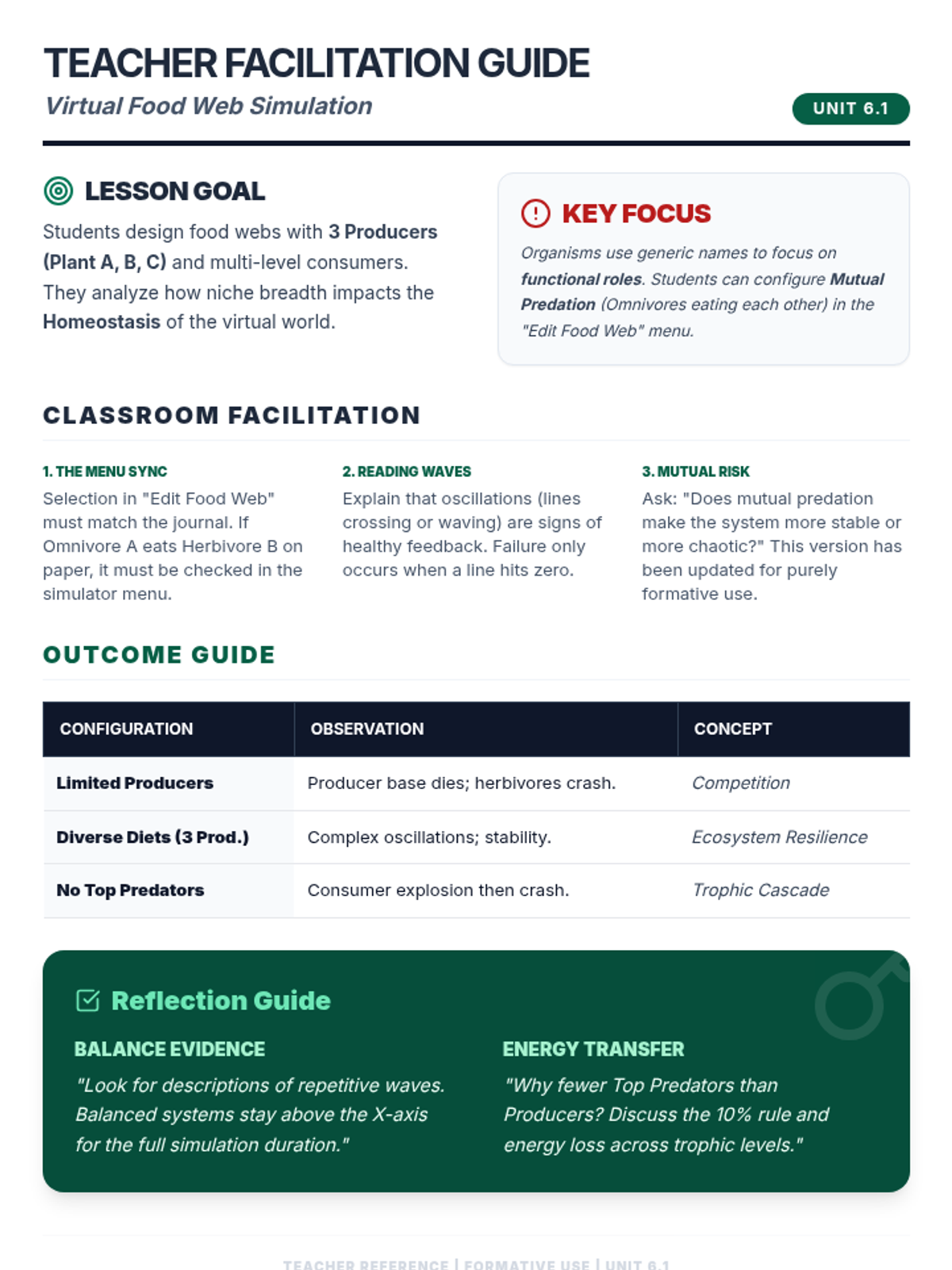
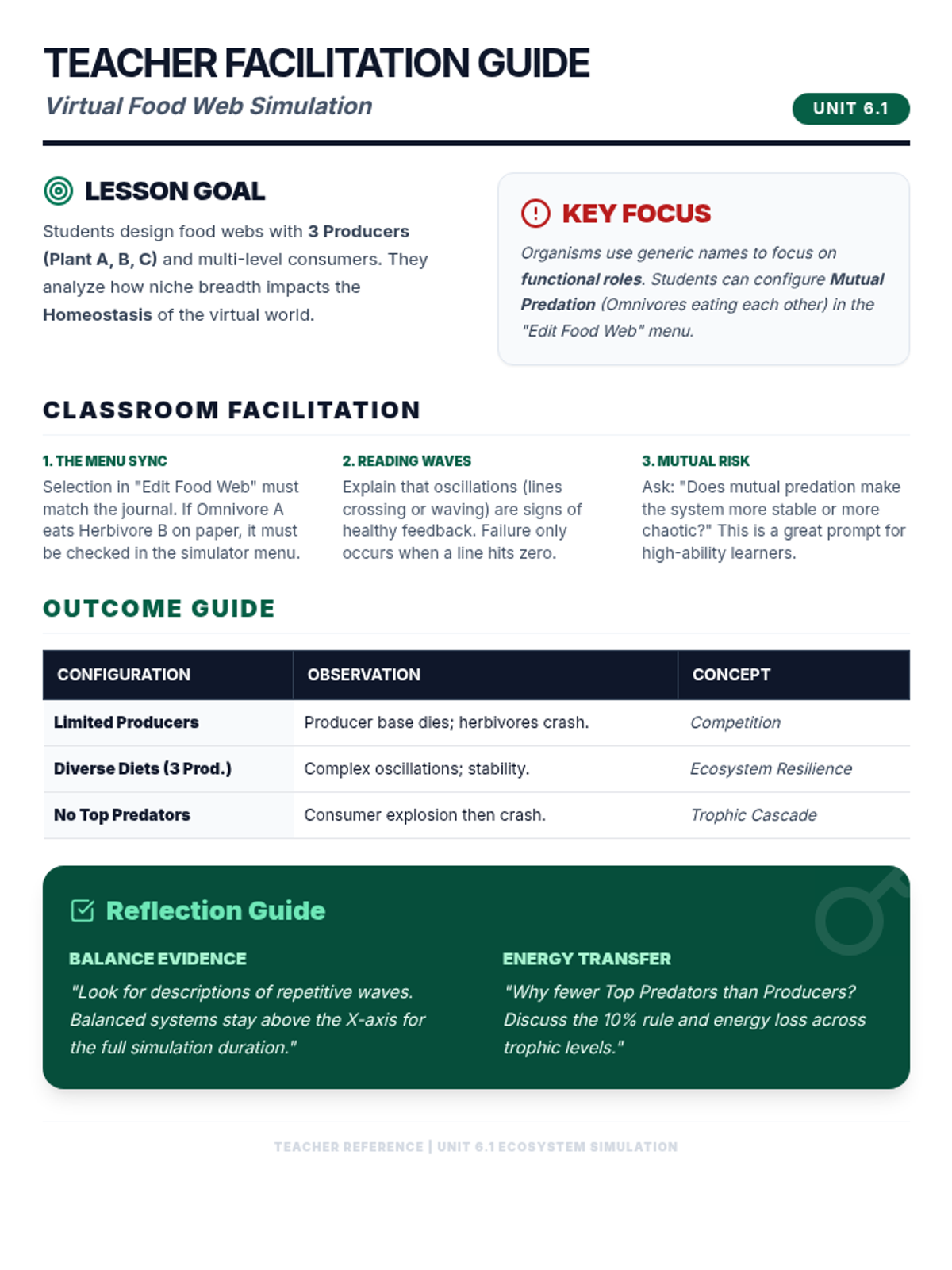
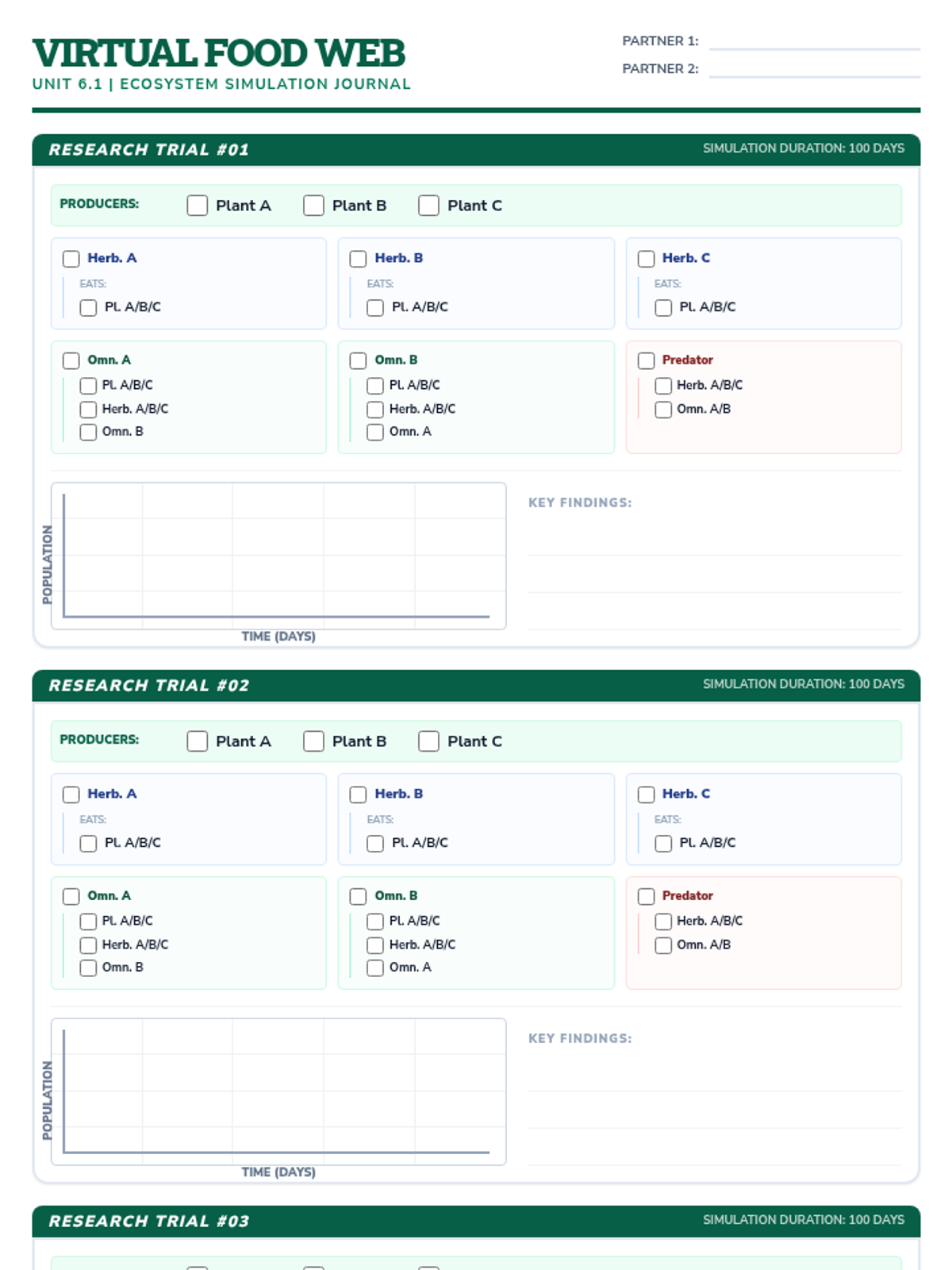
Students use an interactive ecology simulator to explore population dynamics by testing various combinations of producers, primary consumers, and secondary consumers. They record their findings in a structured field journal to identify patterns of stability and extinction.
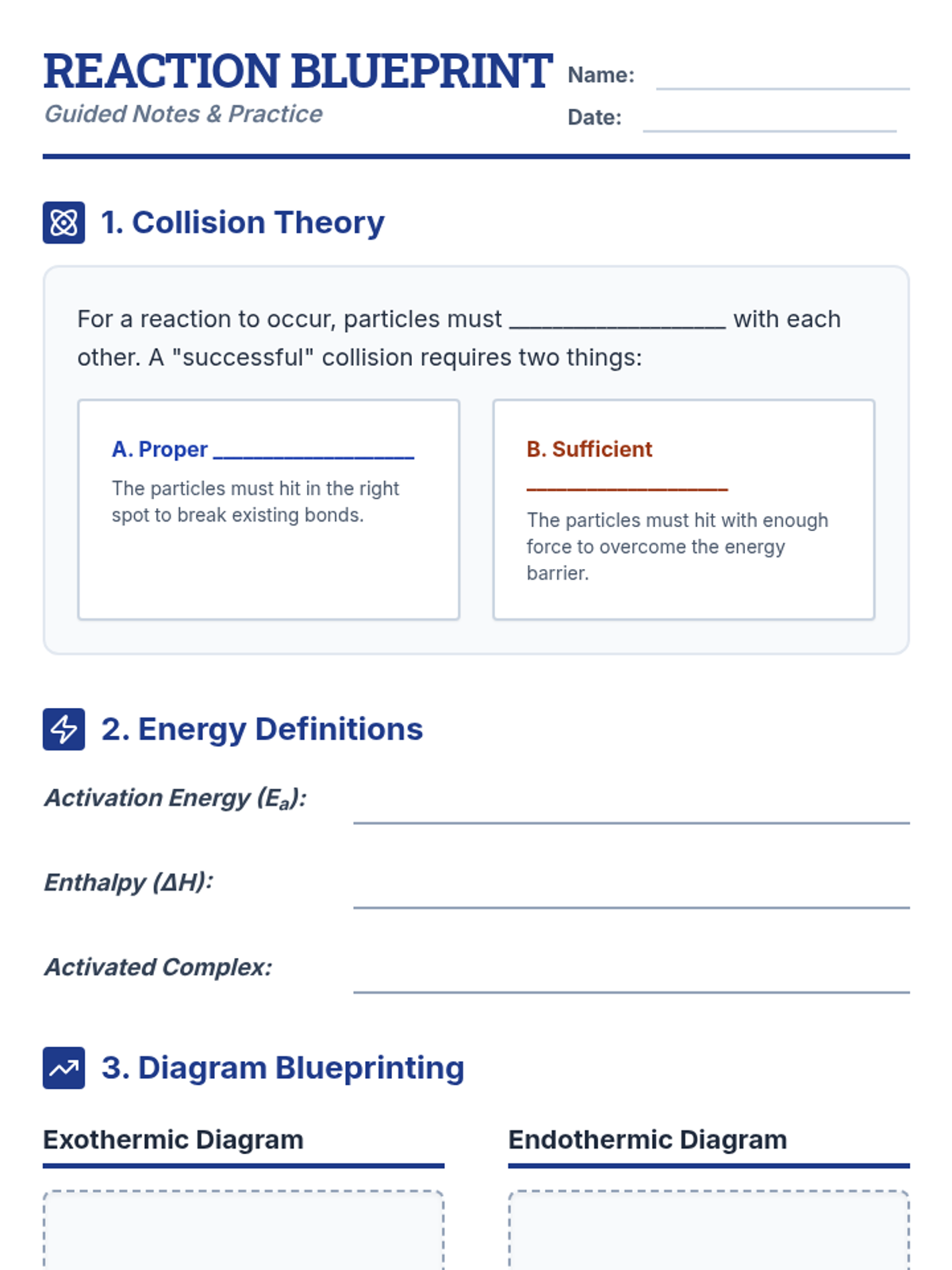
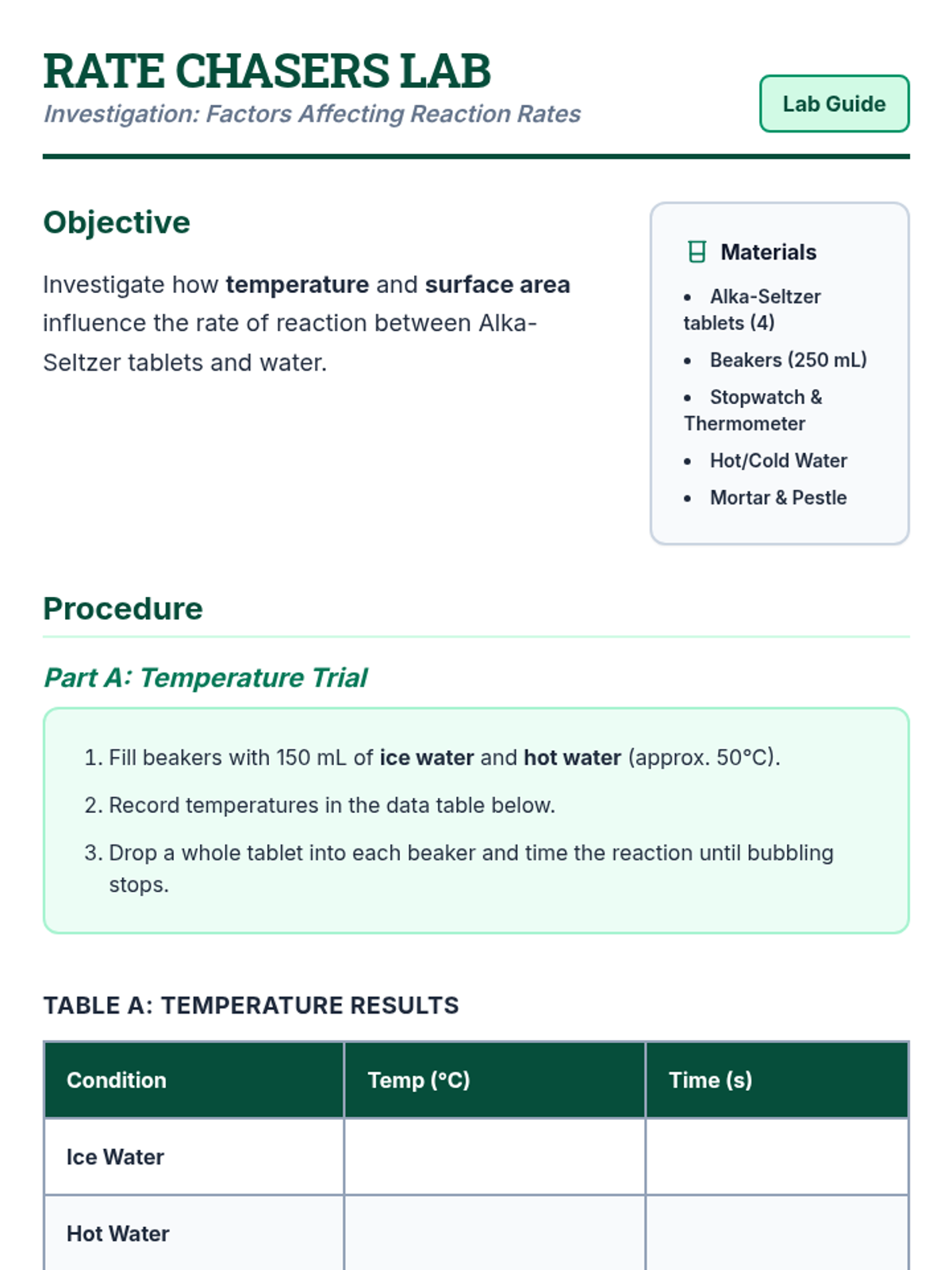
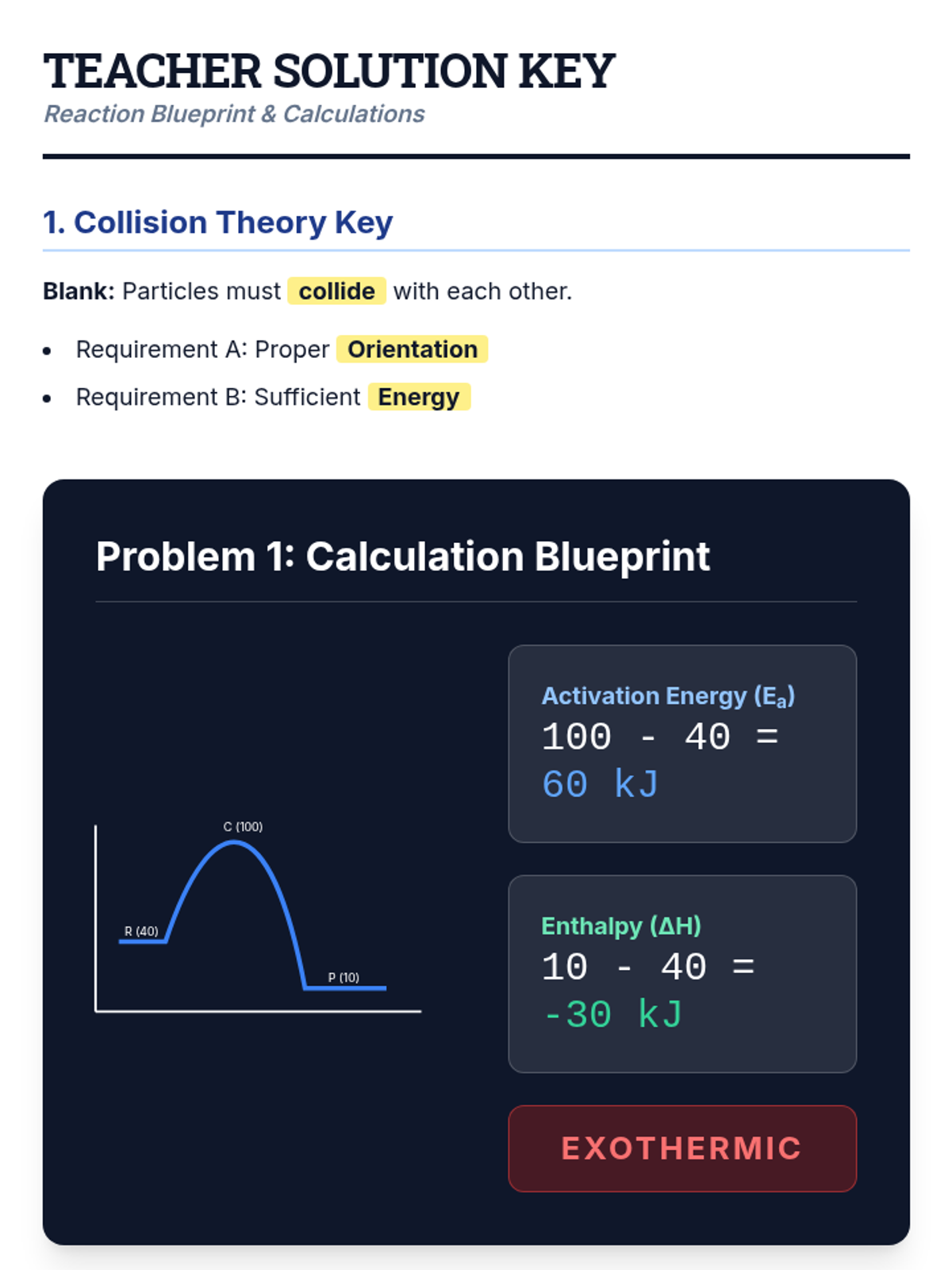
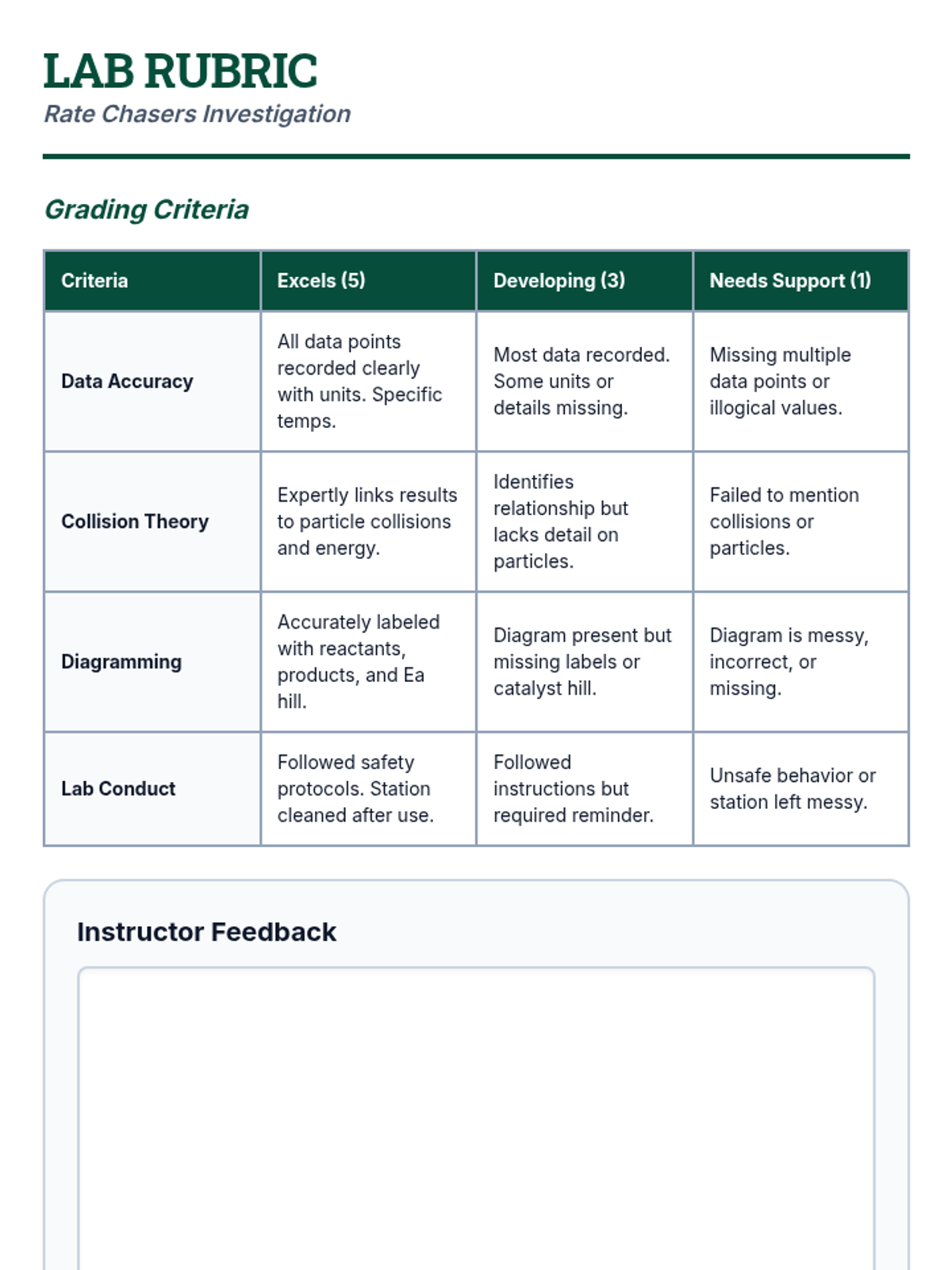
A comprehensive lesson exploring the mechanics of chemical reactions, including collision theory, energy diagrams, and the factors that influence reaction rates. Students will learn to visualize and calculate energy changes while conducting a hands-on investigation.
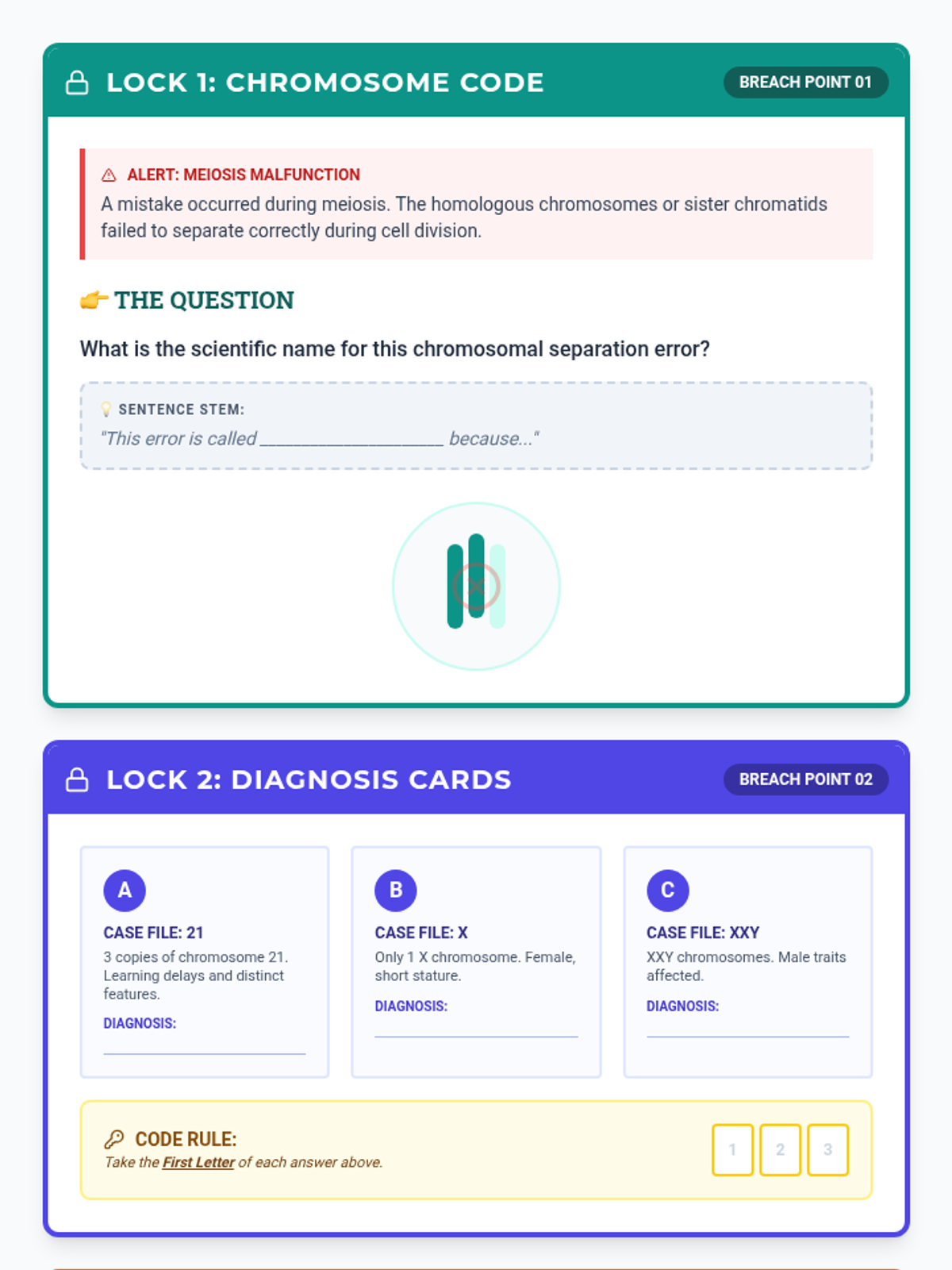
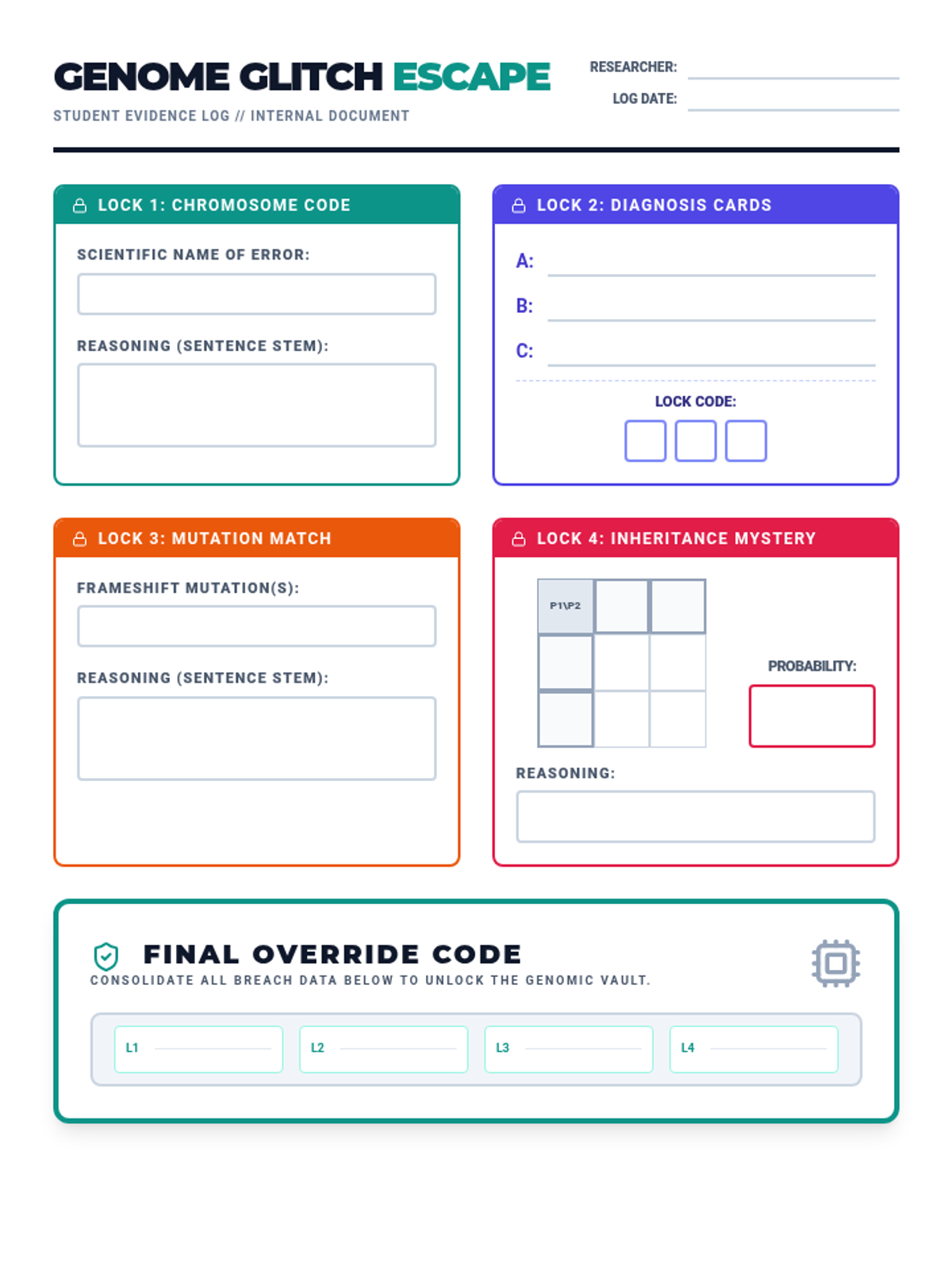
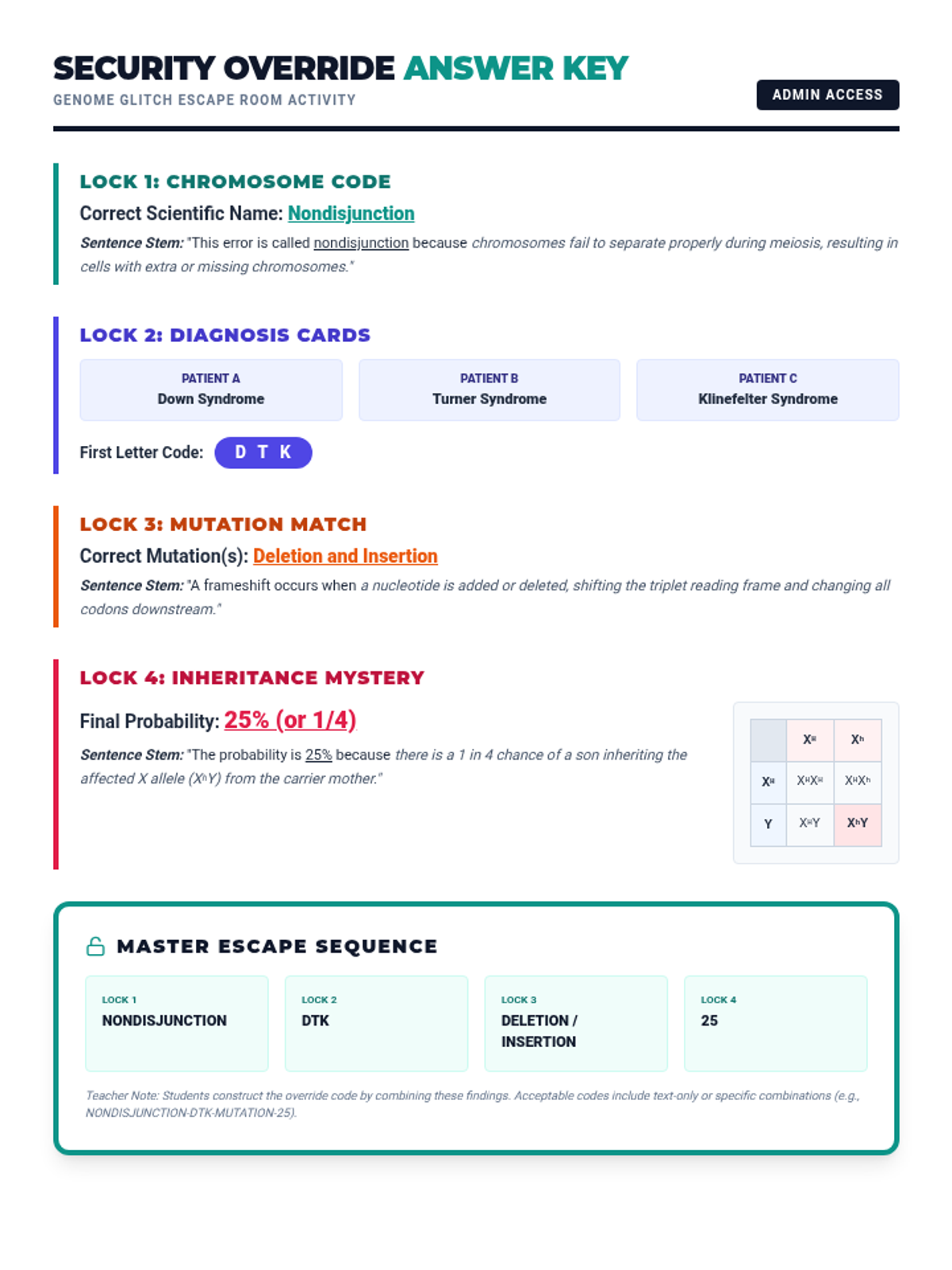
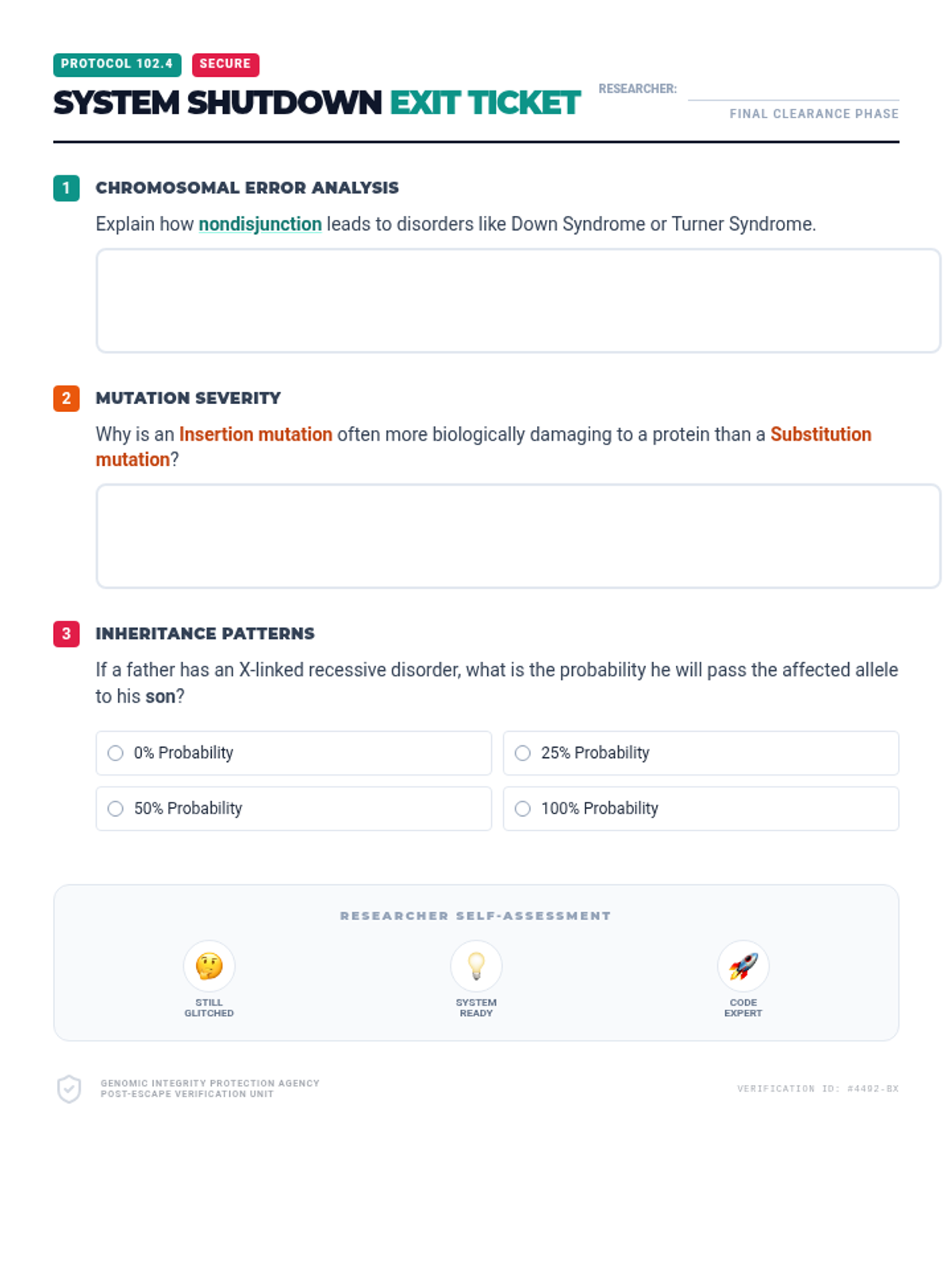
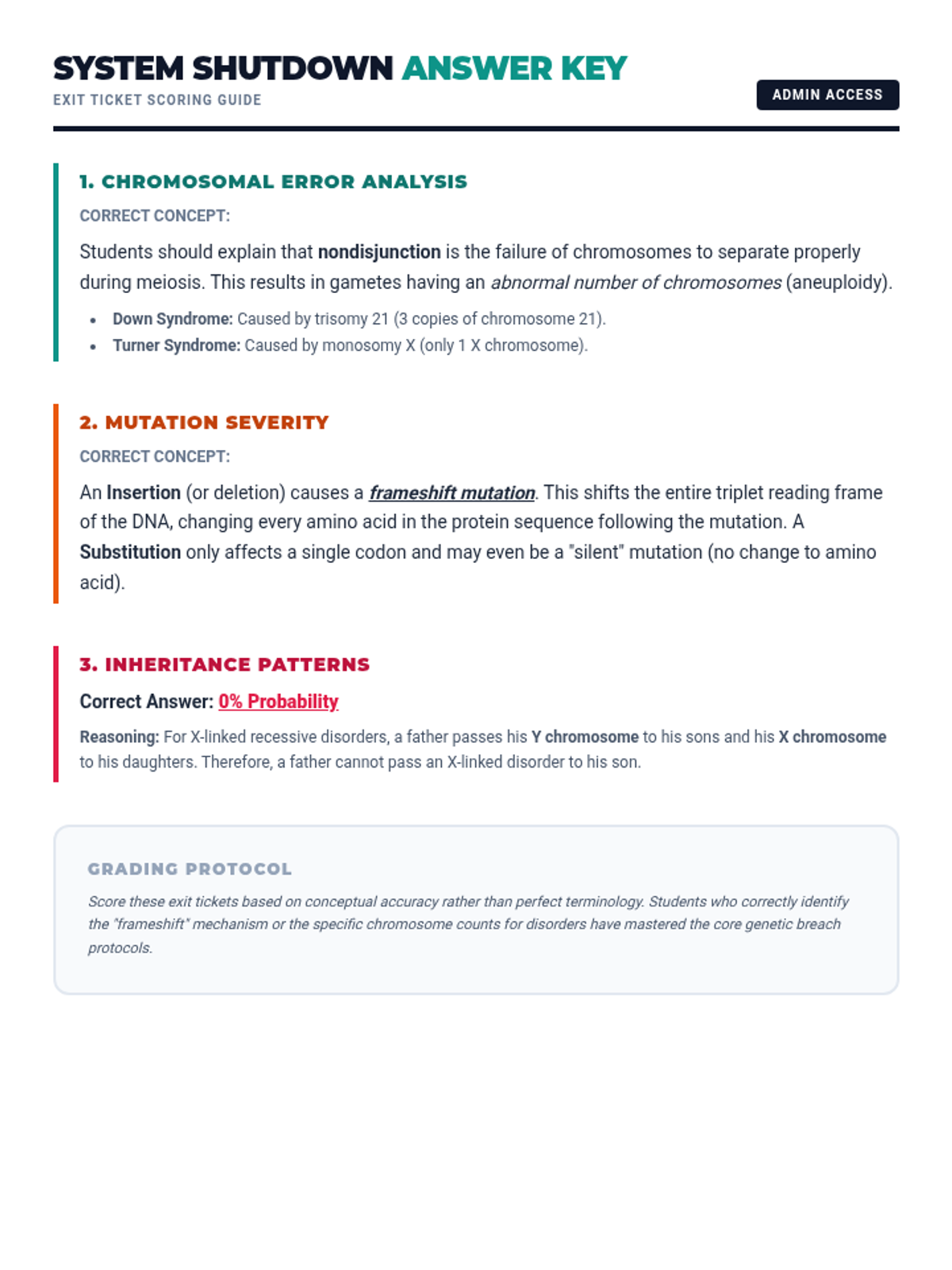
An immersive genetics escape room activity where students solve puzzles related to chromosomal errors, mutations, and inheritance patterns to 'unlock' a breached genomic system.
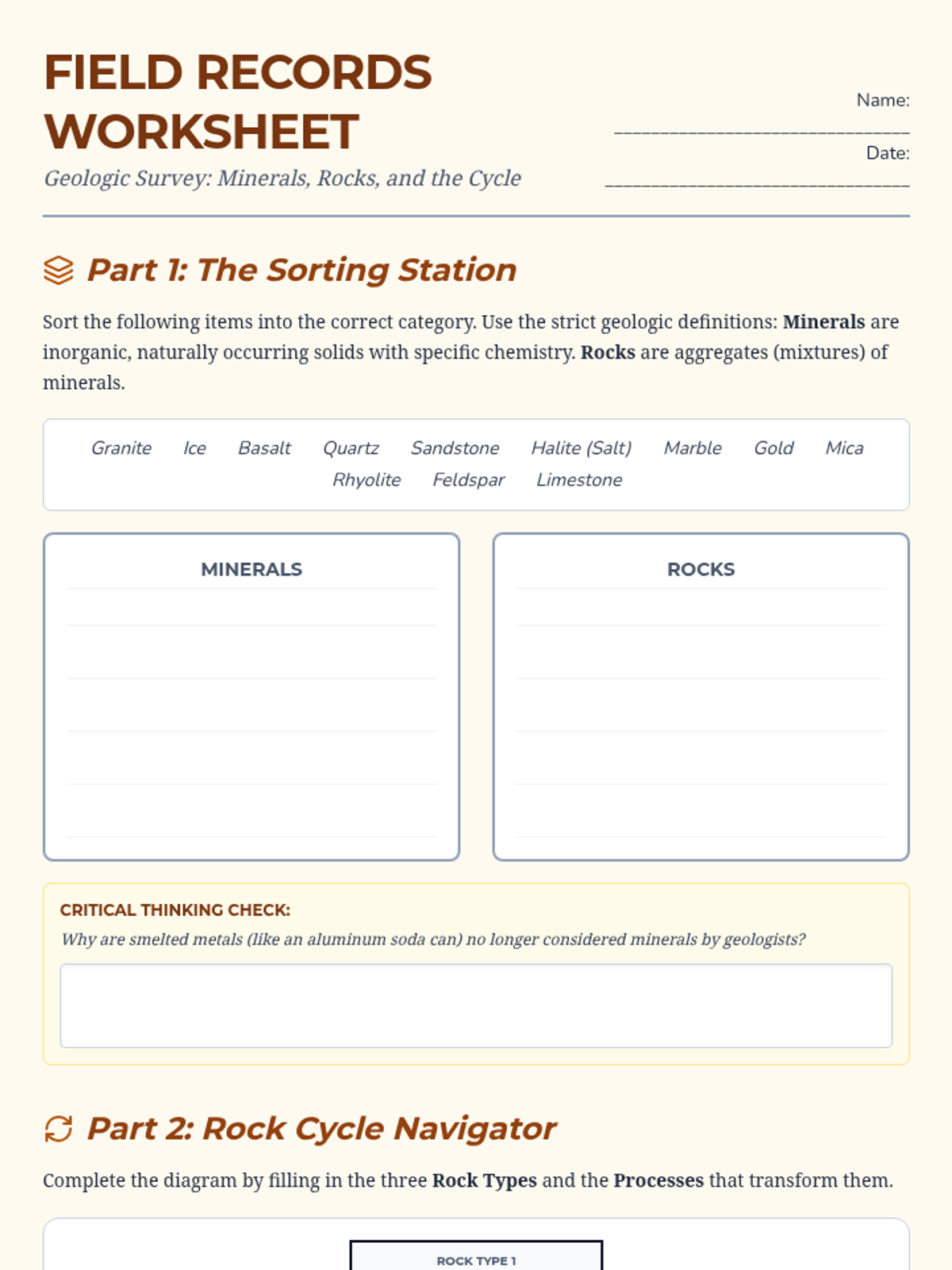
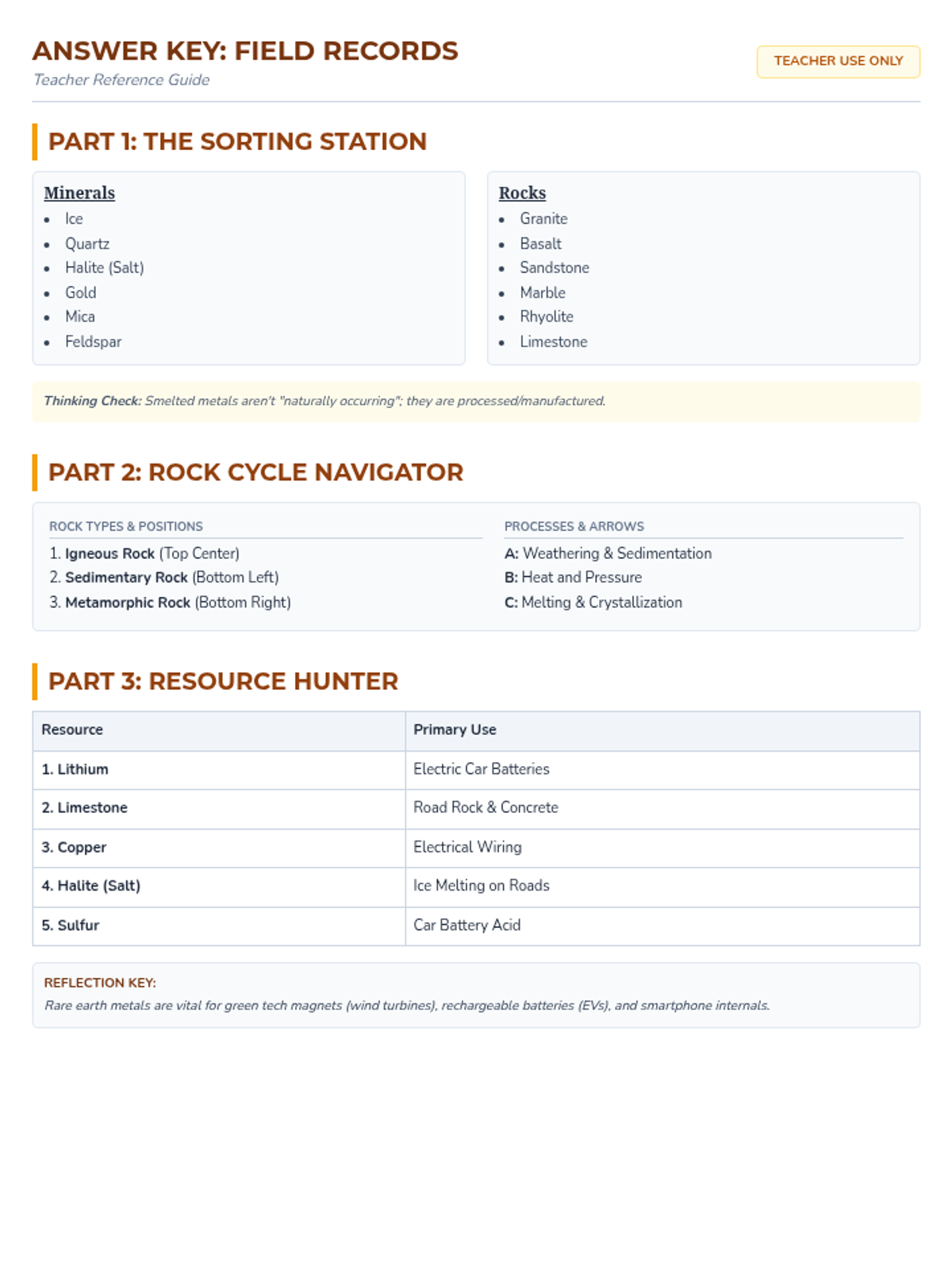
An exploration of the fundamental building blocks of Earth's crust, focusing on the differences between minerals and rocks, the dynamic processes of the rock cycle, and the economic importance of geologic resources.
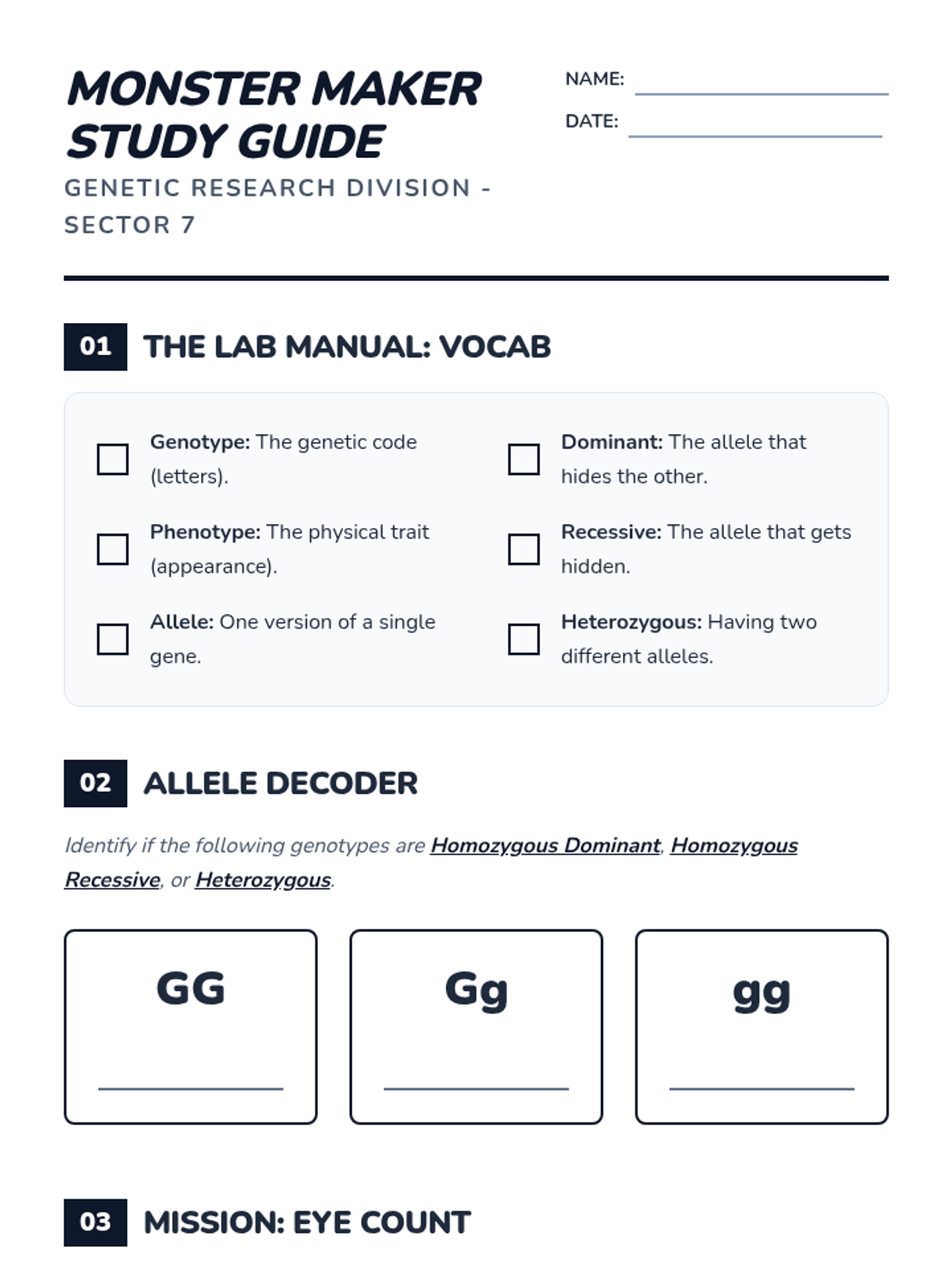
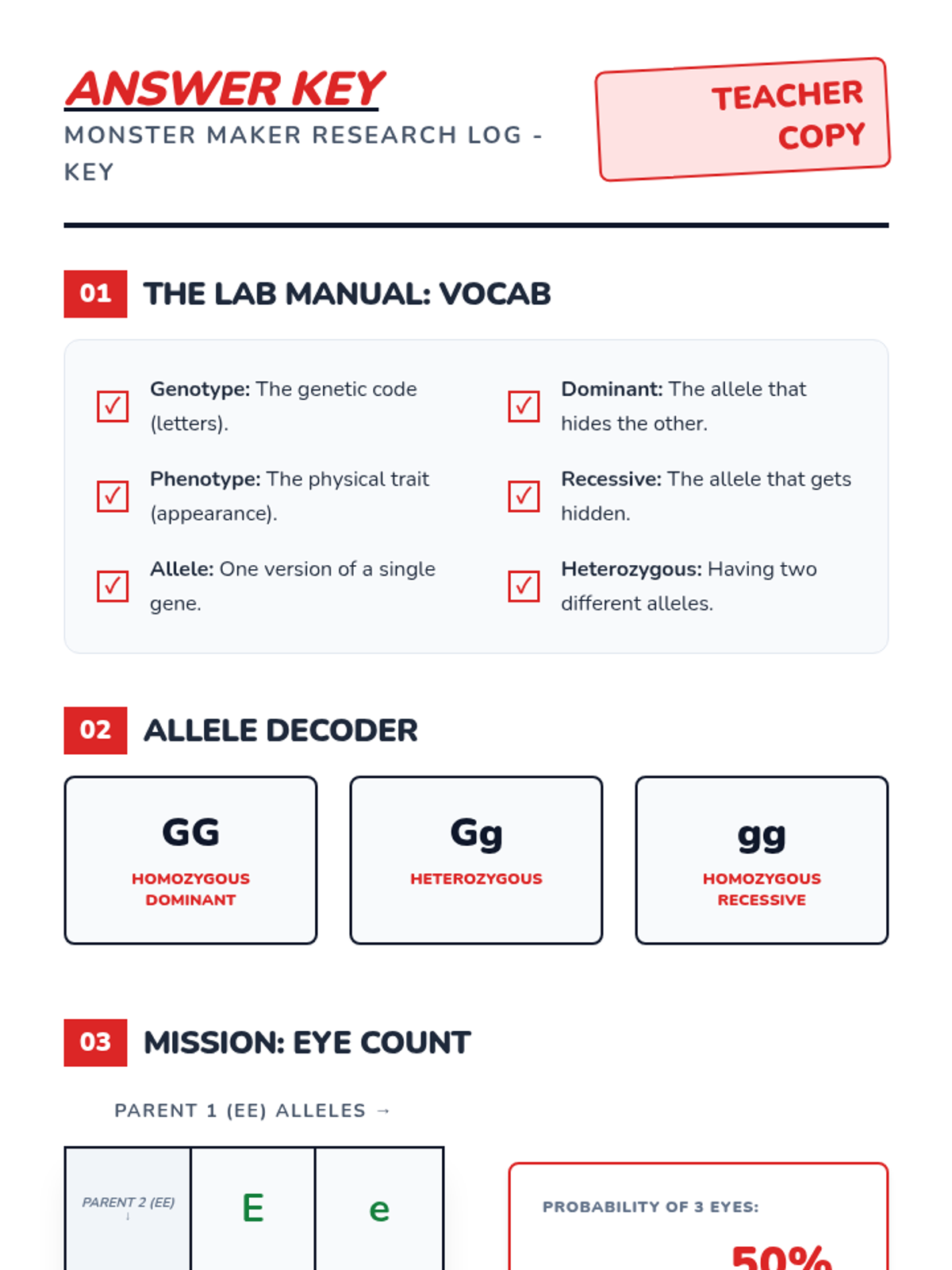
A lesson exploring genetic inheritance using alien and monster traits, focusing on genotypes, phenotypes, and Punnett square probability. Includes visual aids with color-coded alleles and scaffolded analysis prompts.
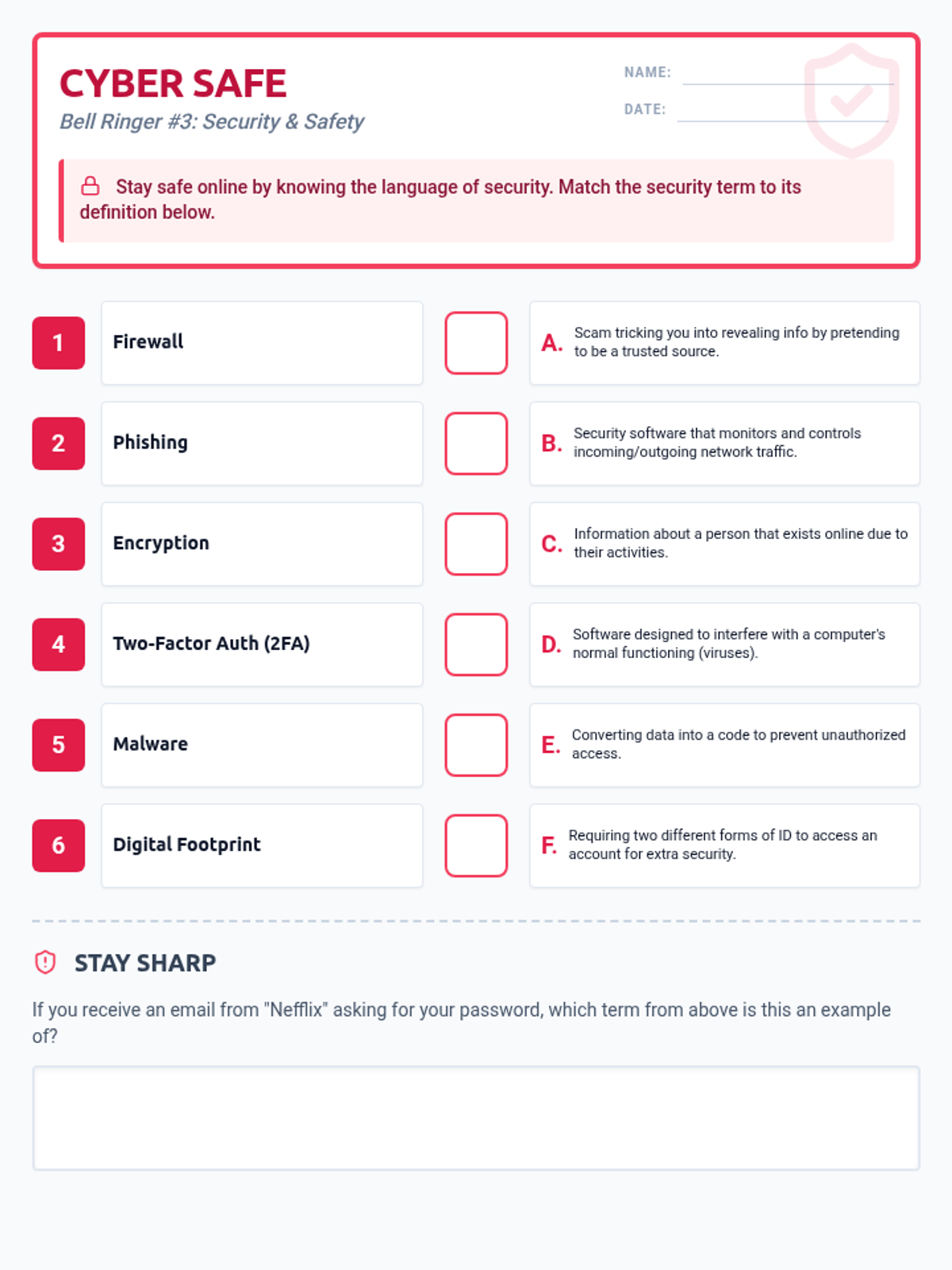
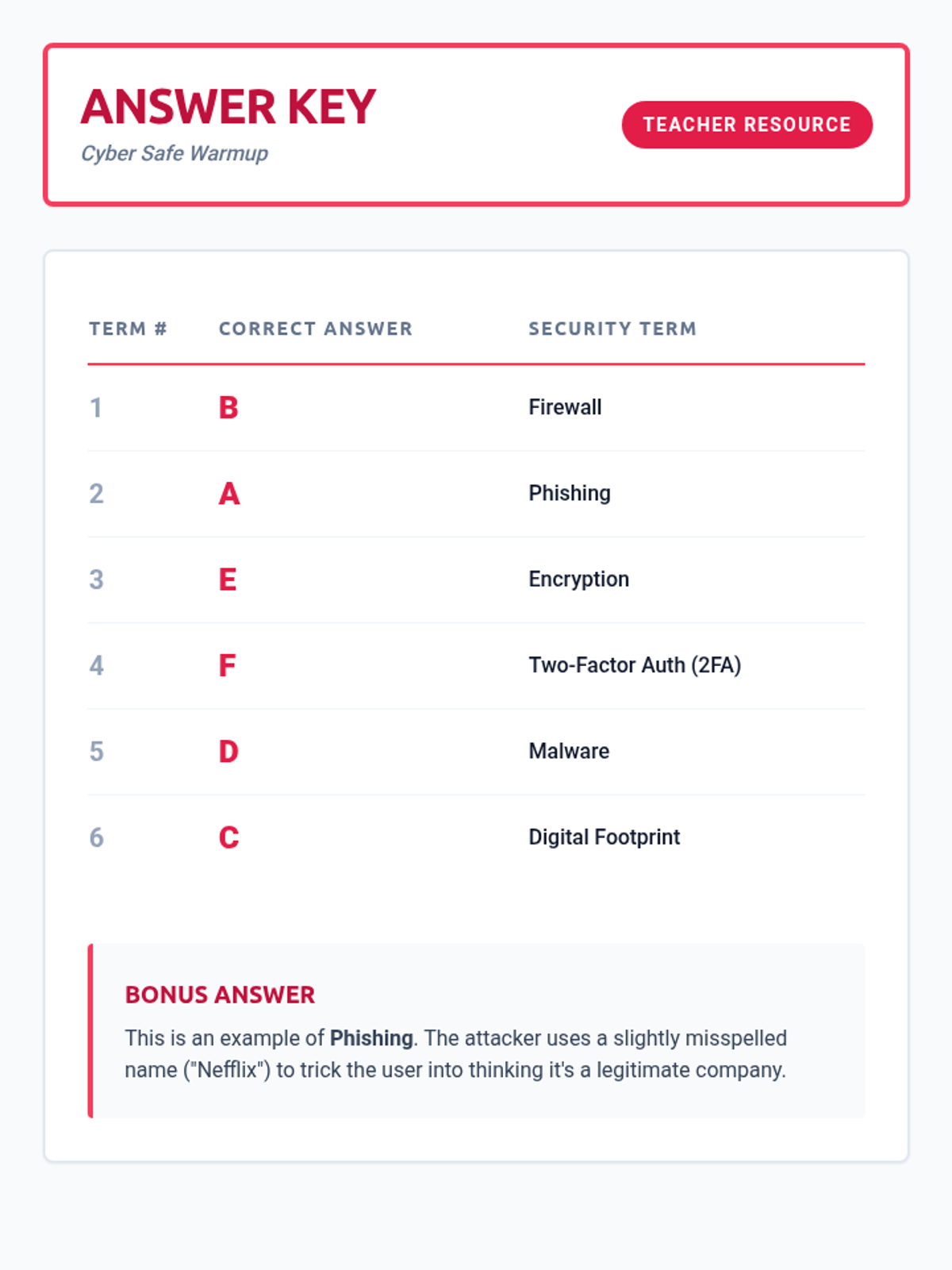
Students learn key terms related to online safety, privacy, and responsible digital behavior.
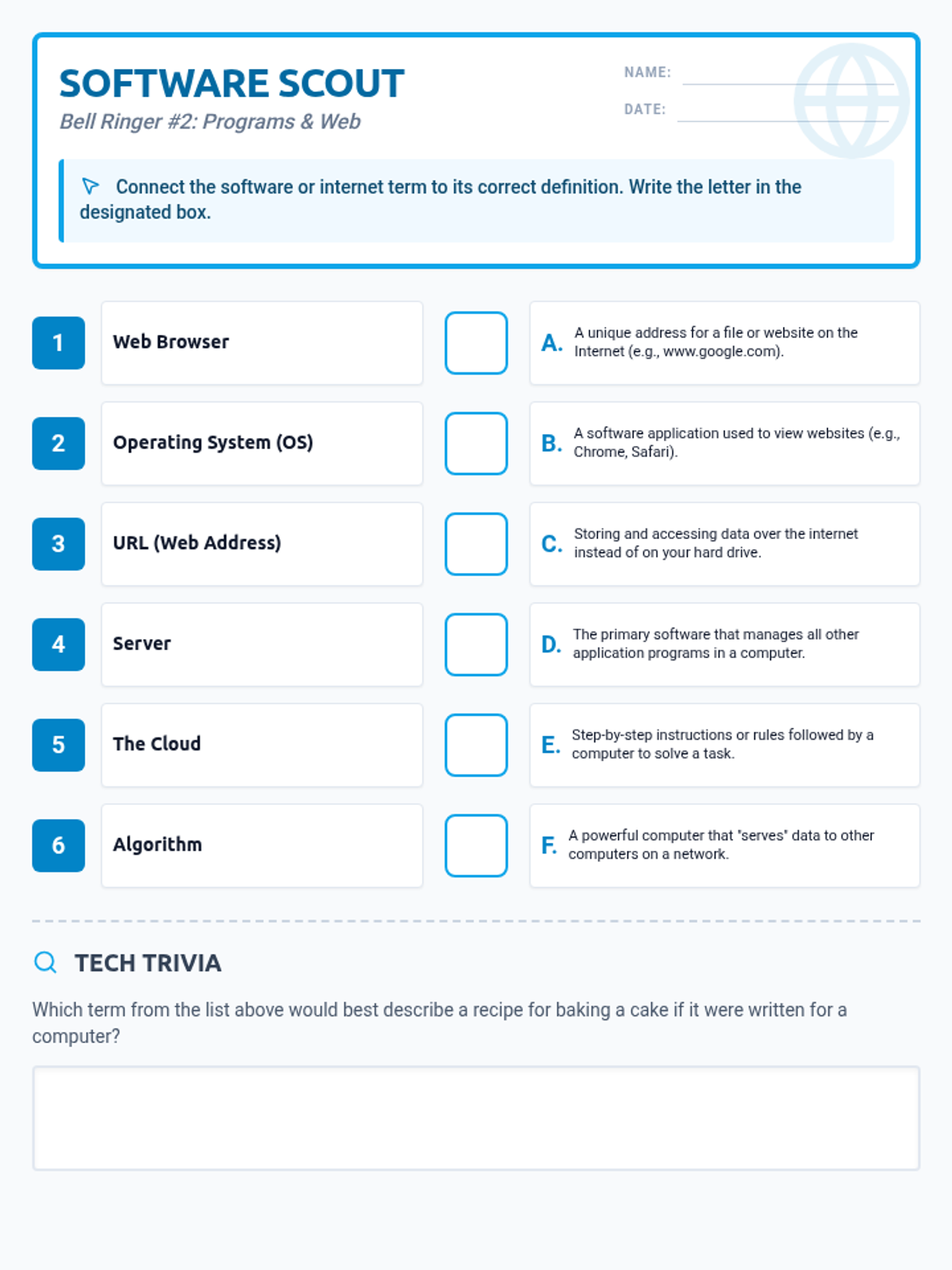
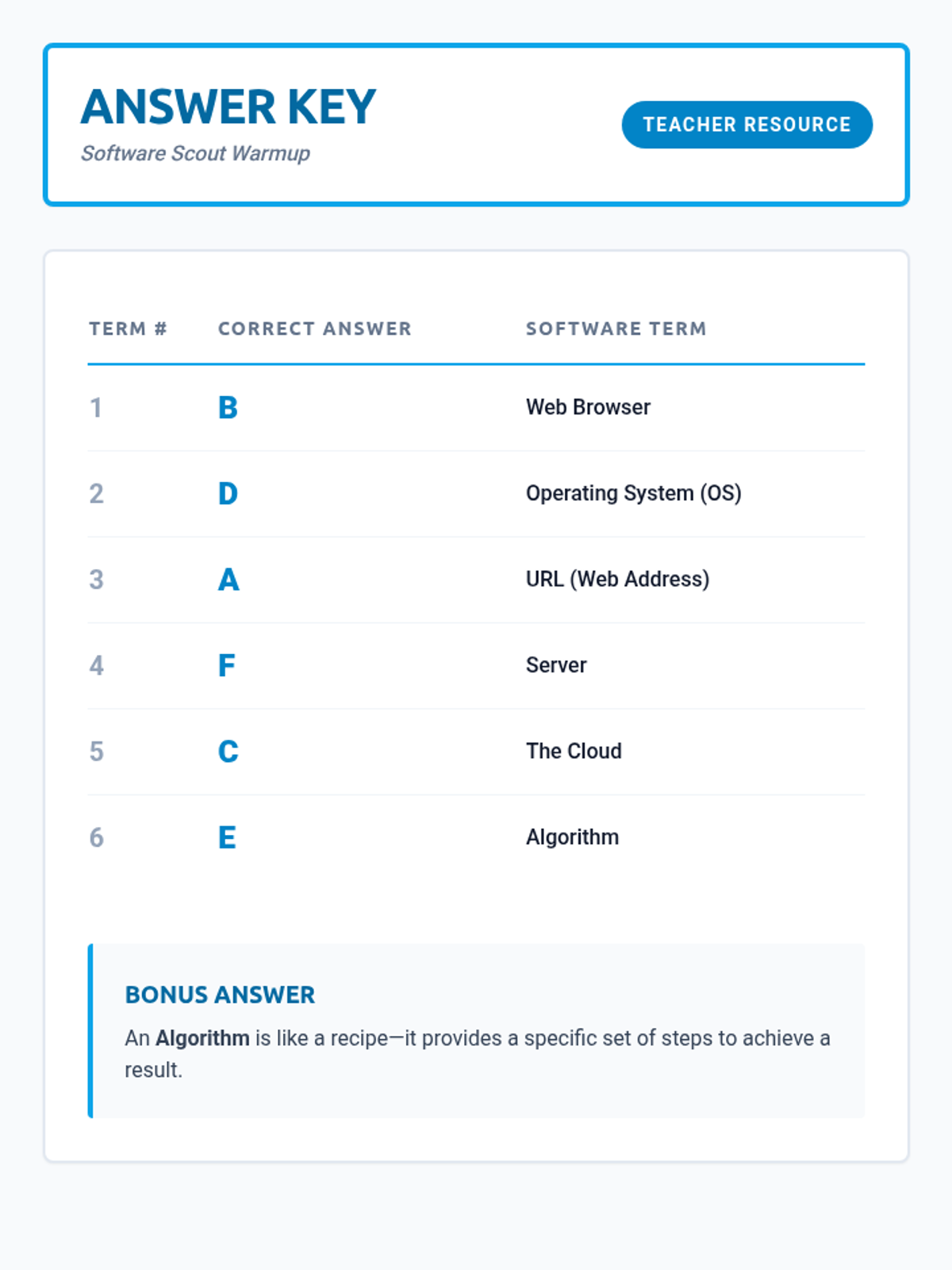
Students explore vocabulary related to software applications, the internet, and digital navigation.
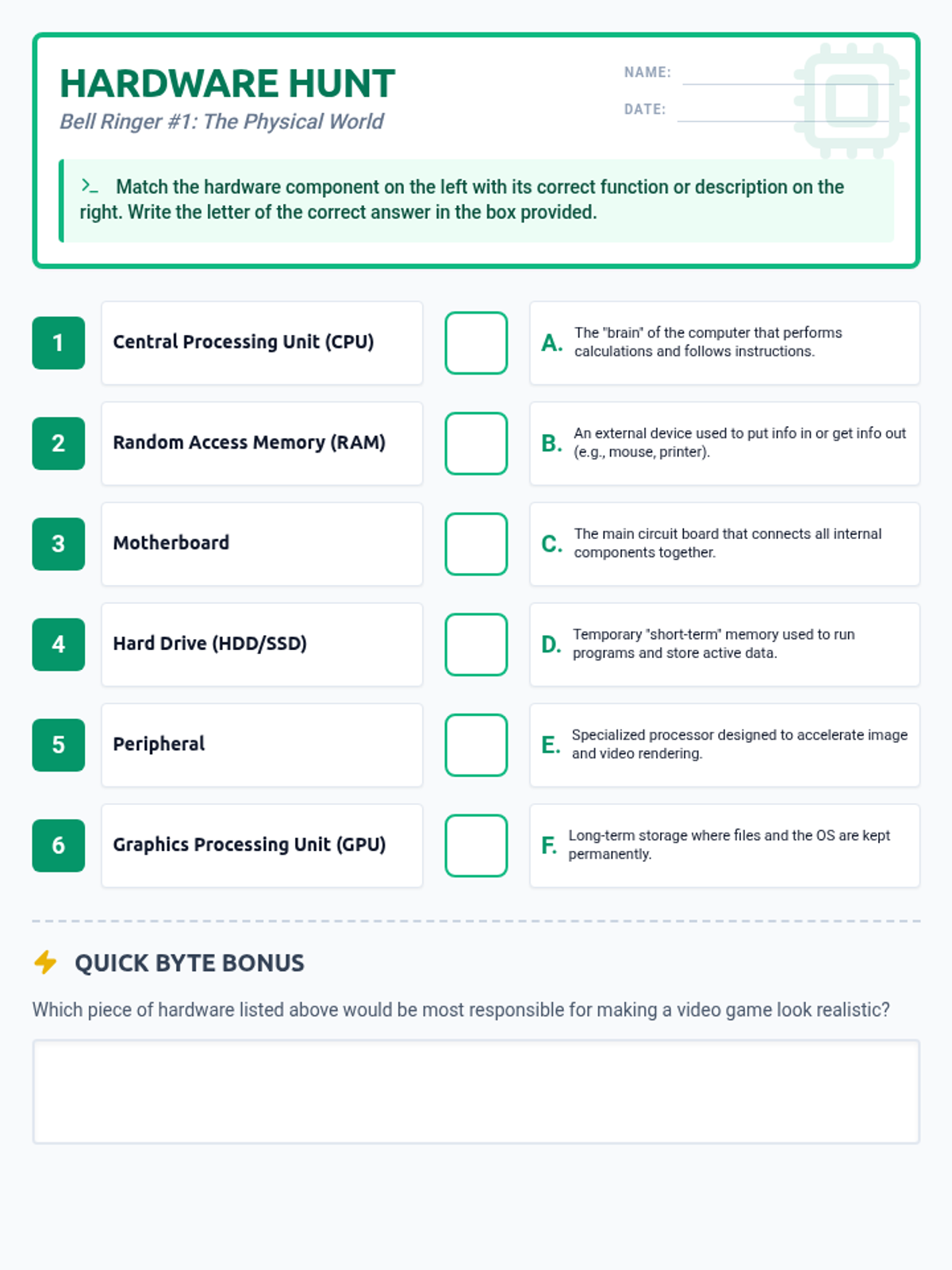
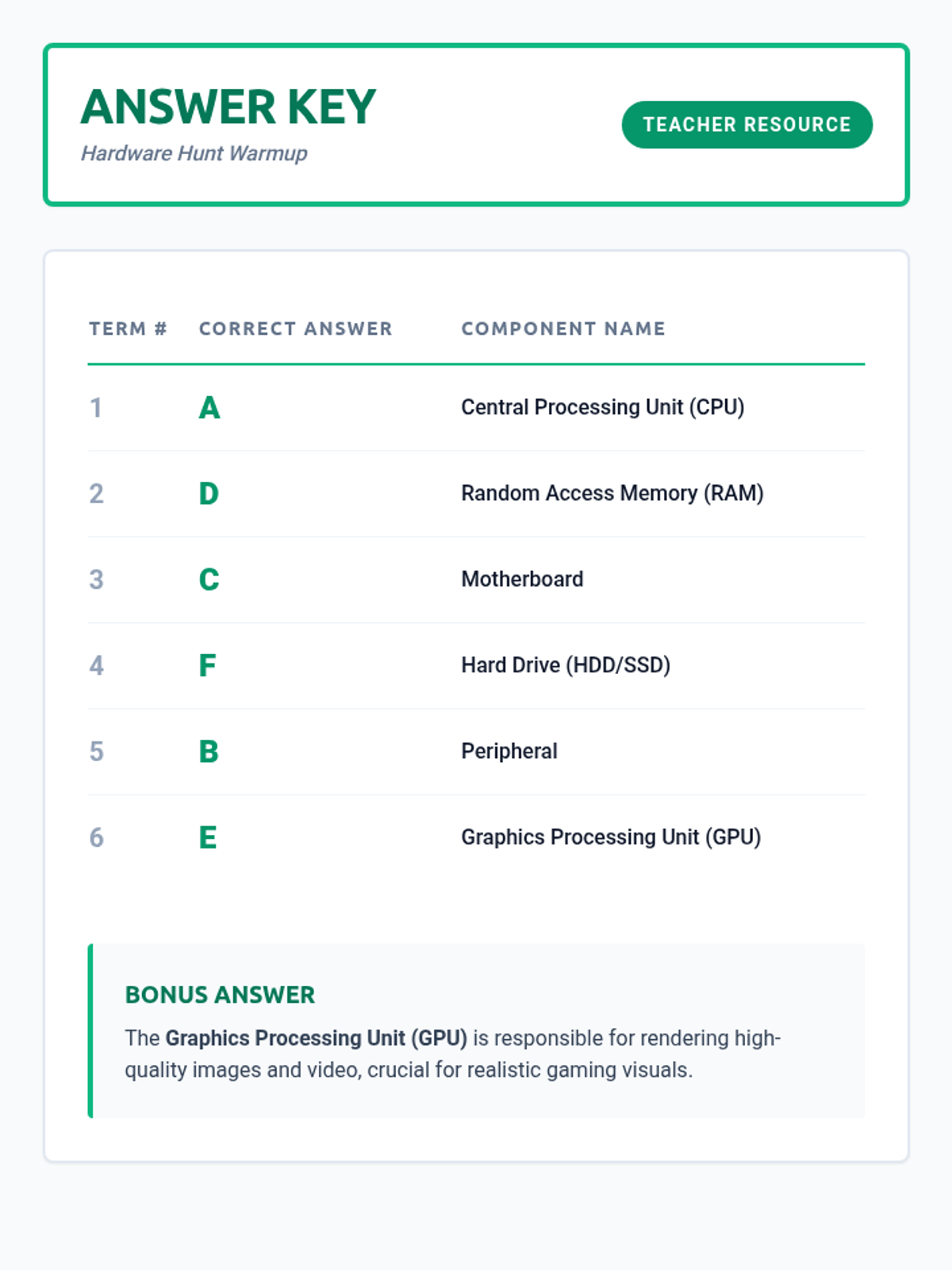
Students identify and define common physical components of a computer system.
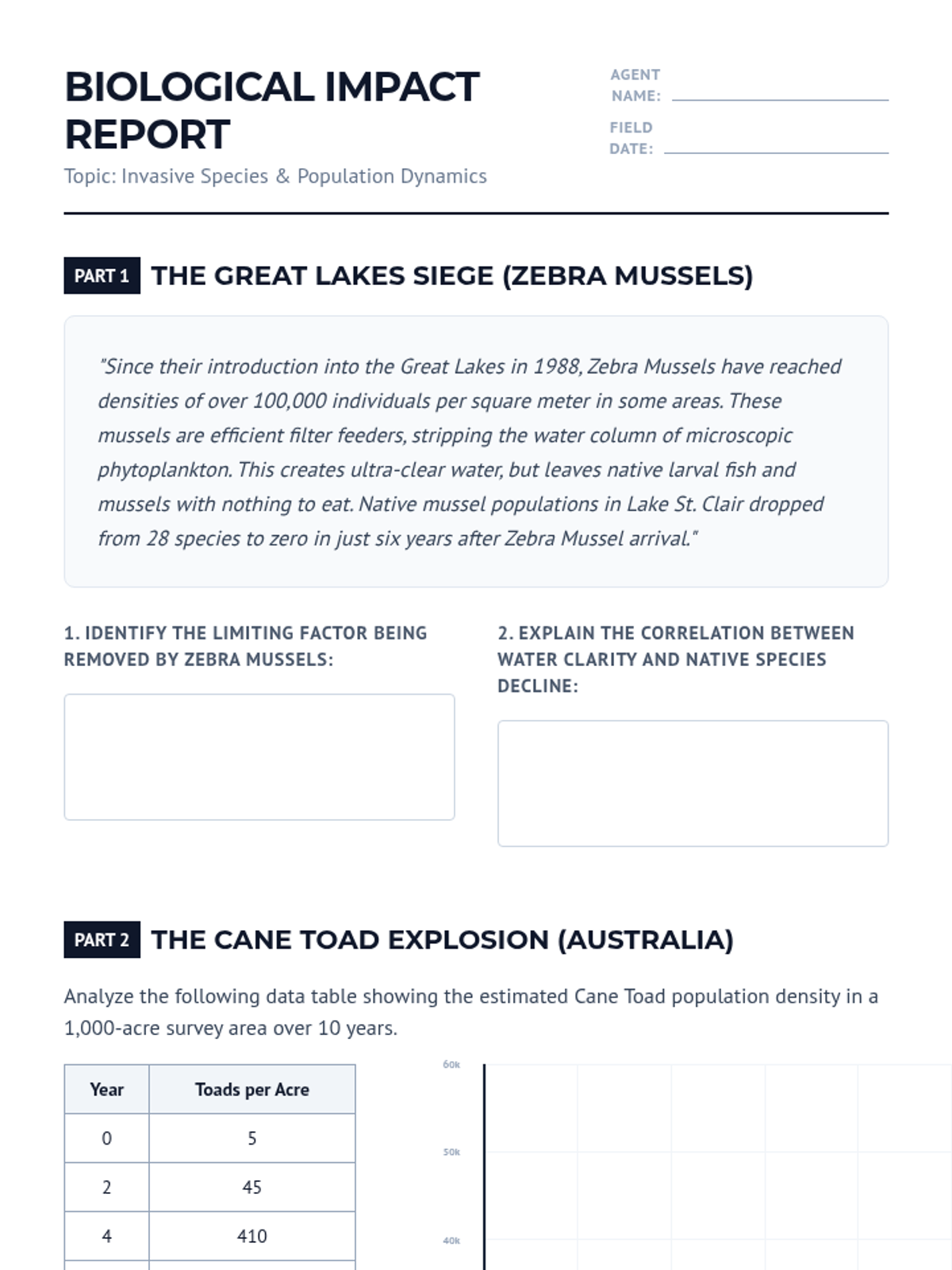
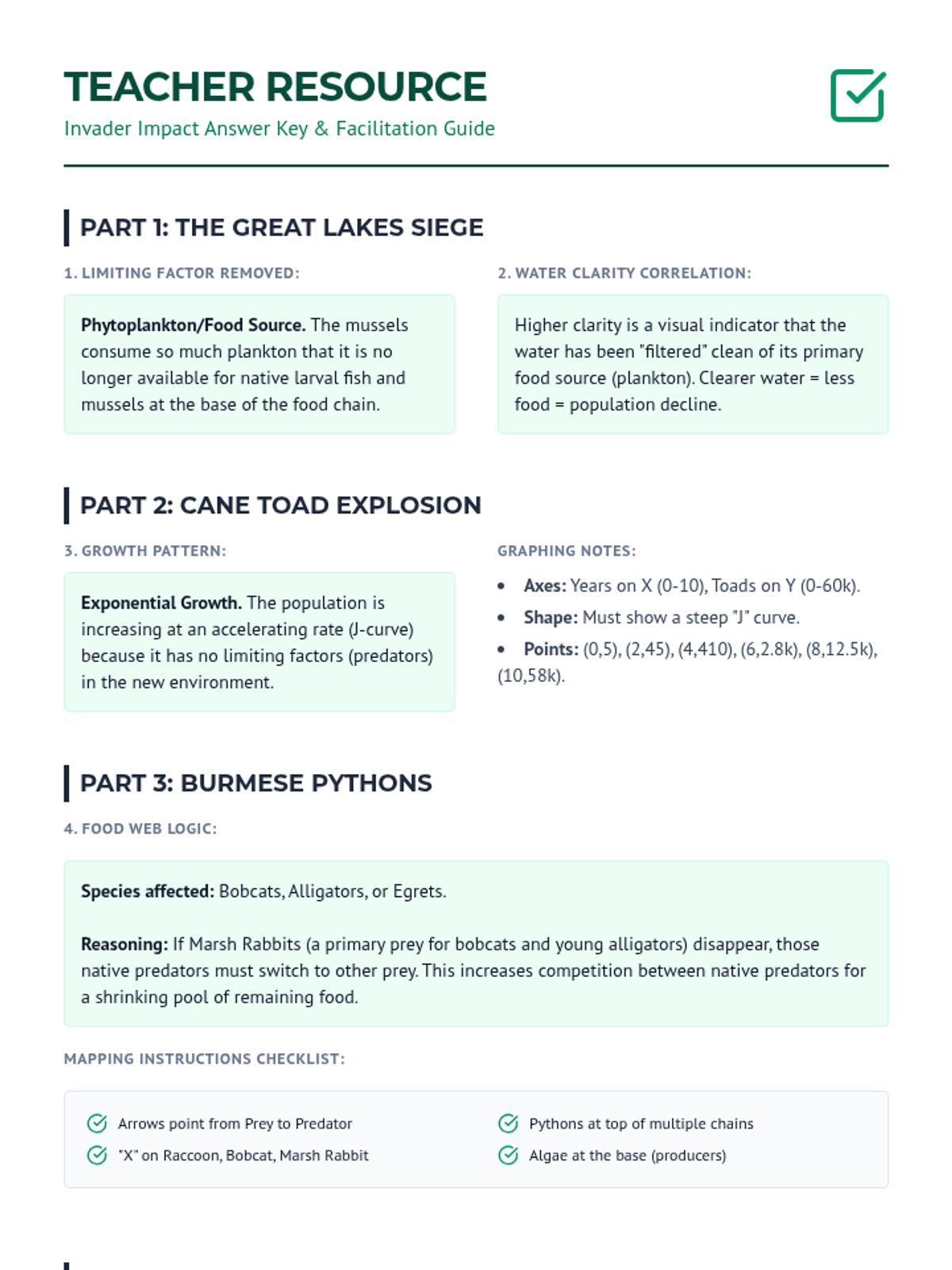
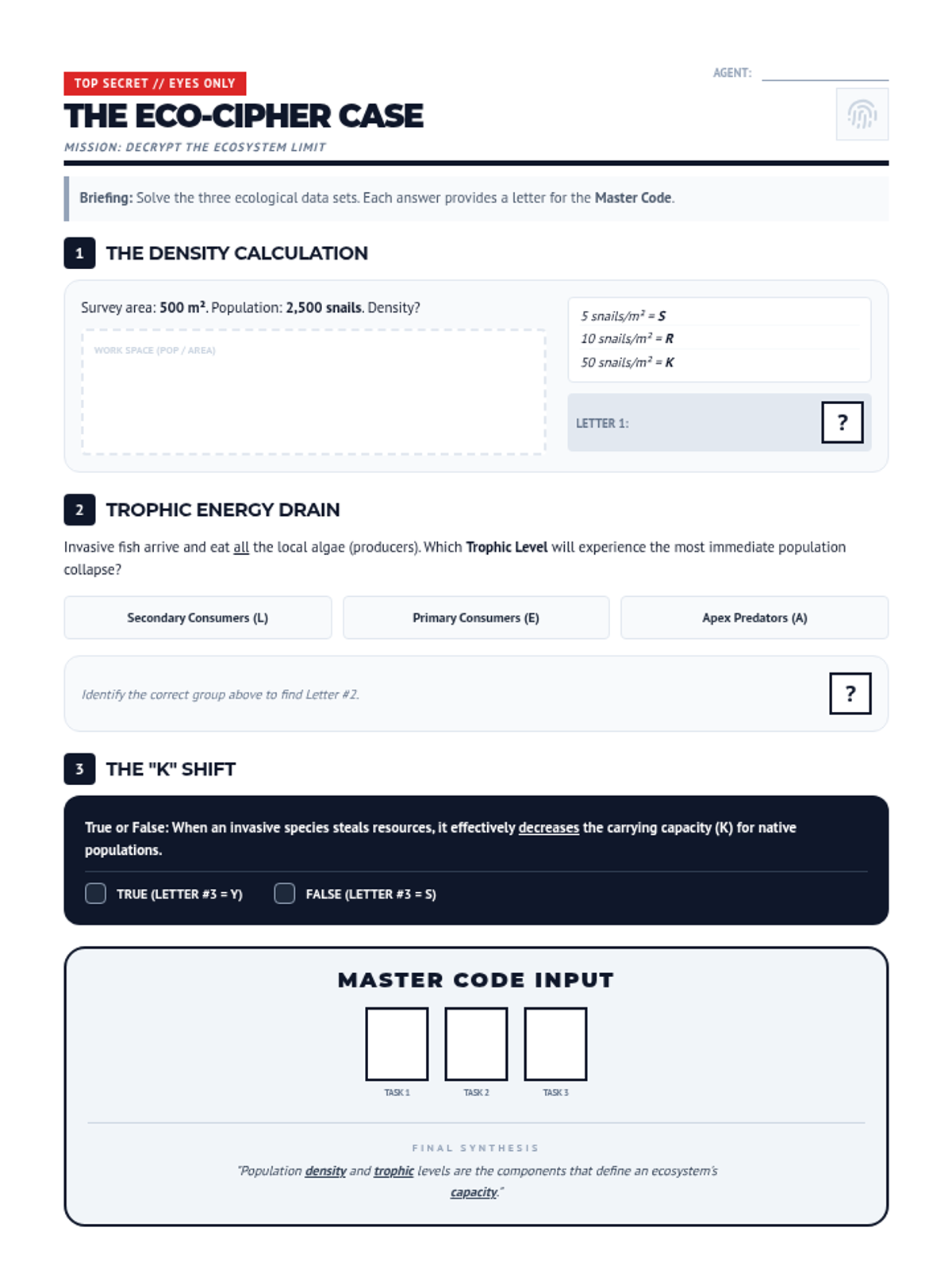
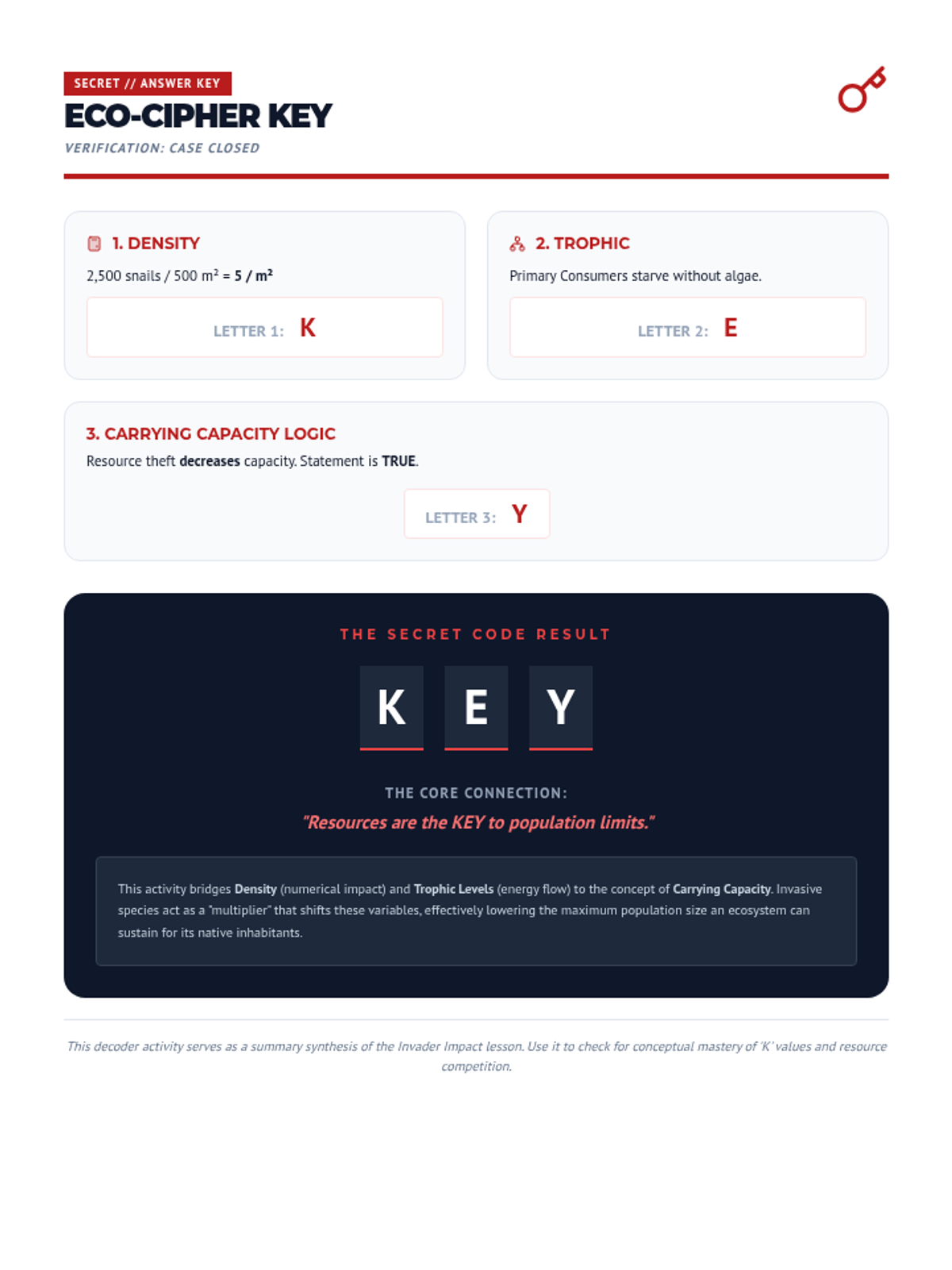
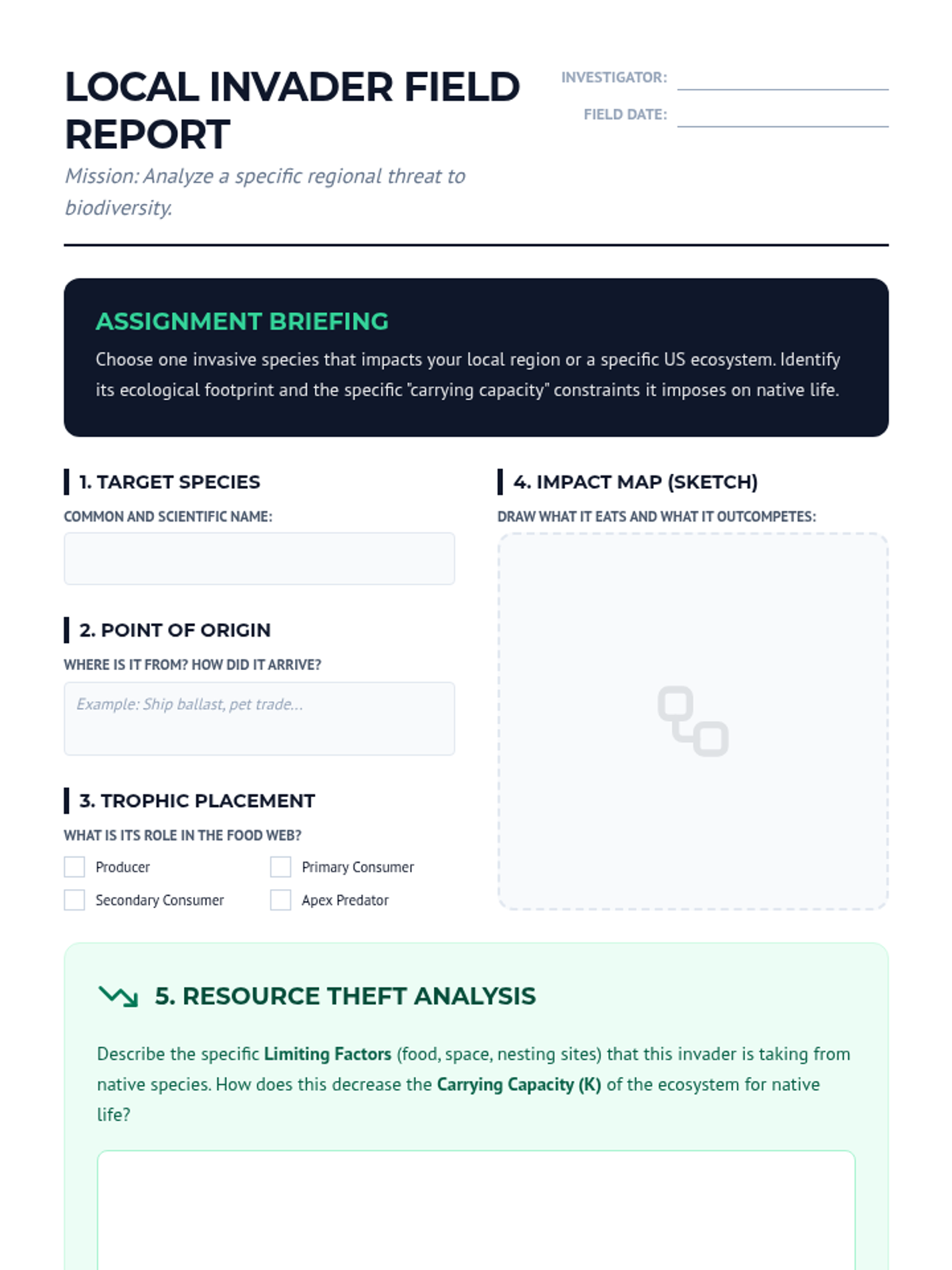
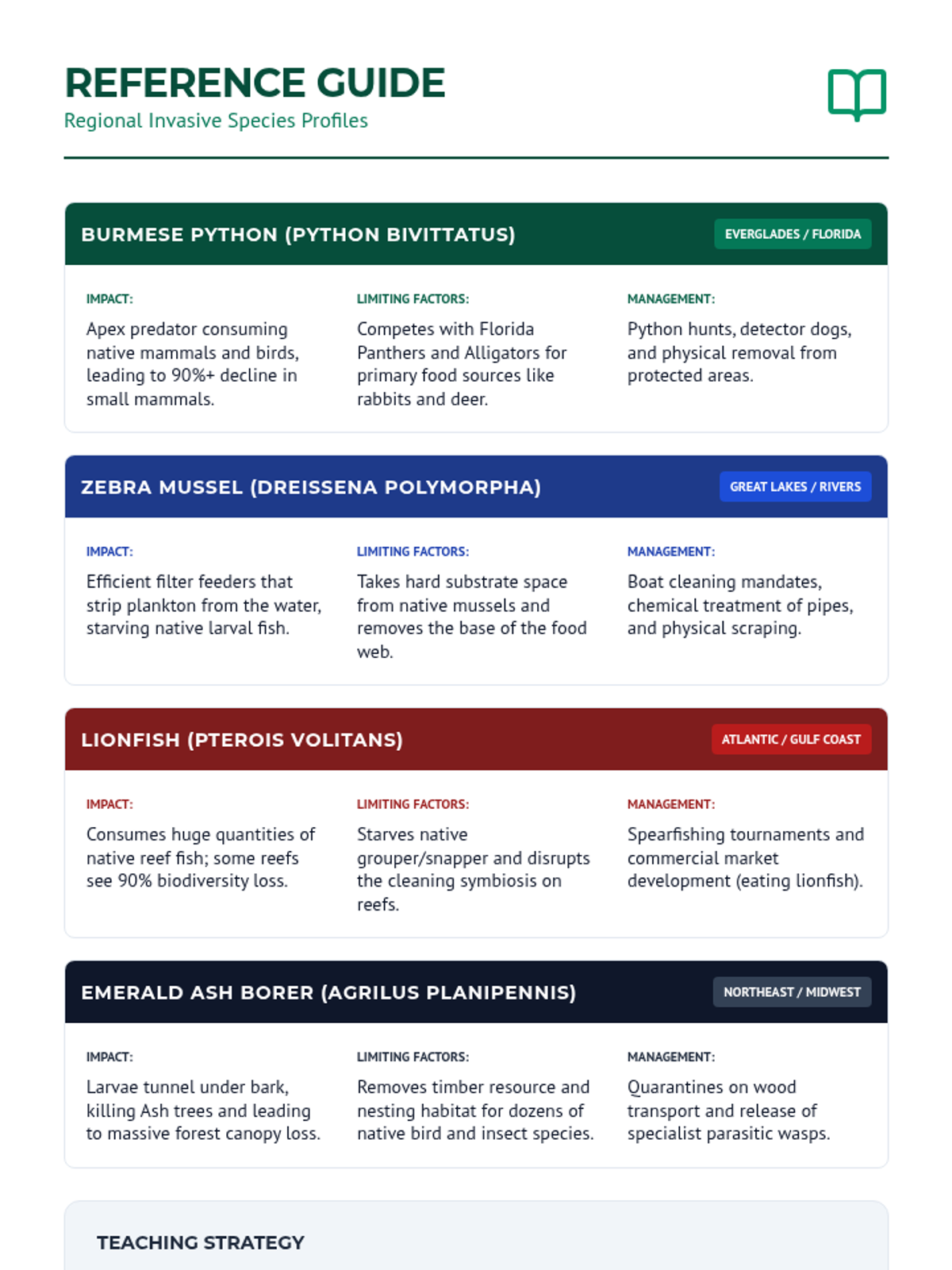
A comprehensive lesson on invasive species focusing on their dramatic impact on local populations and ecosystems through data analysis and food web mapping.
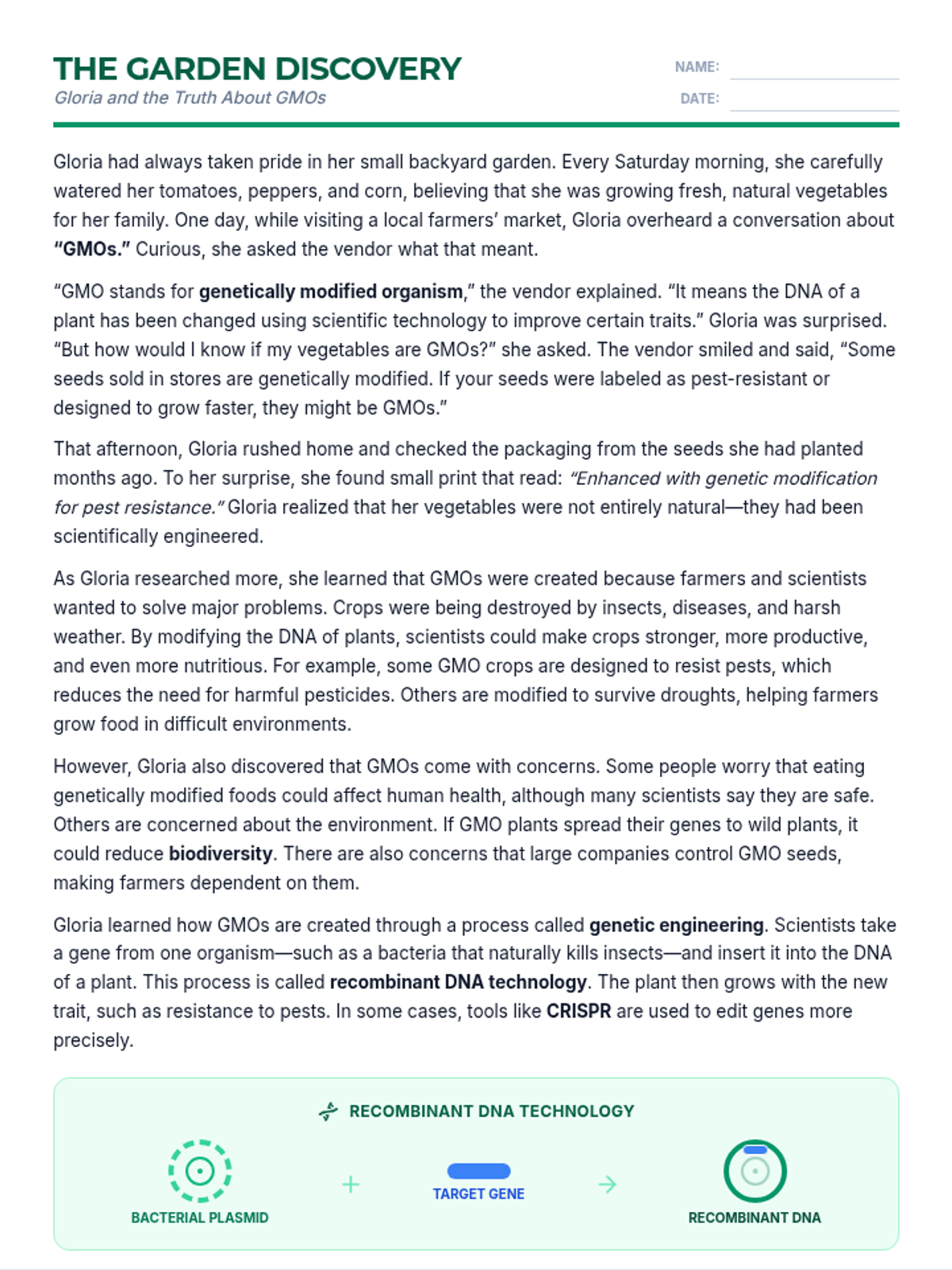
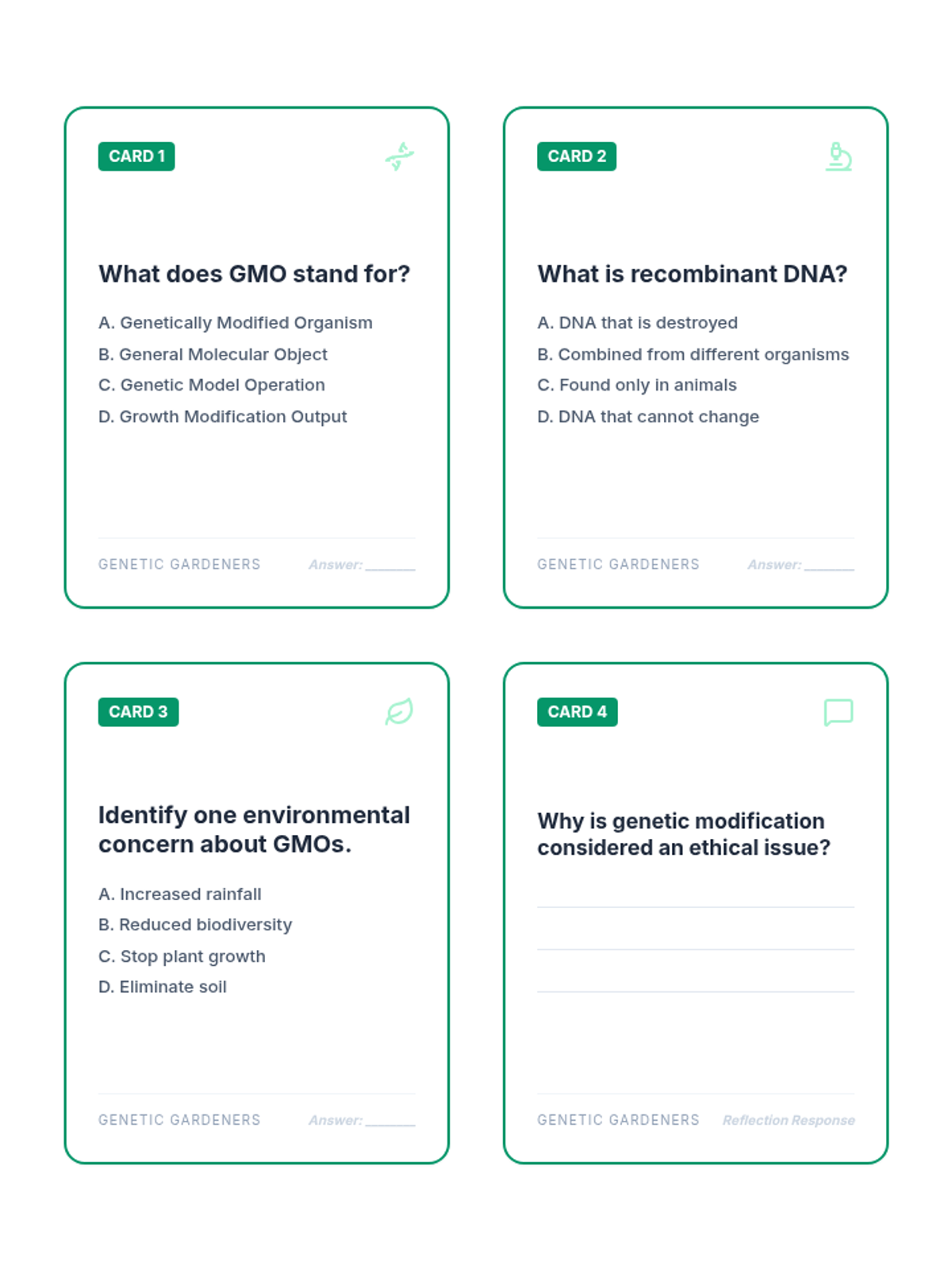
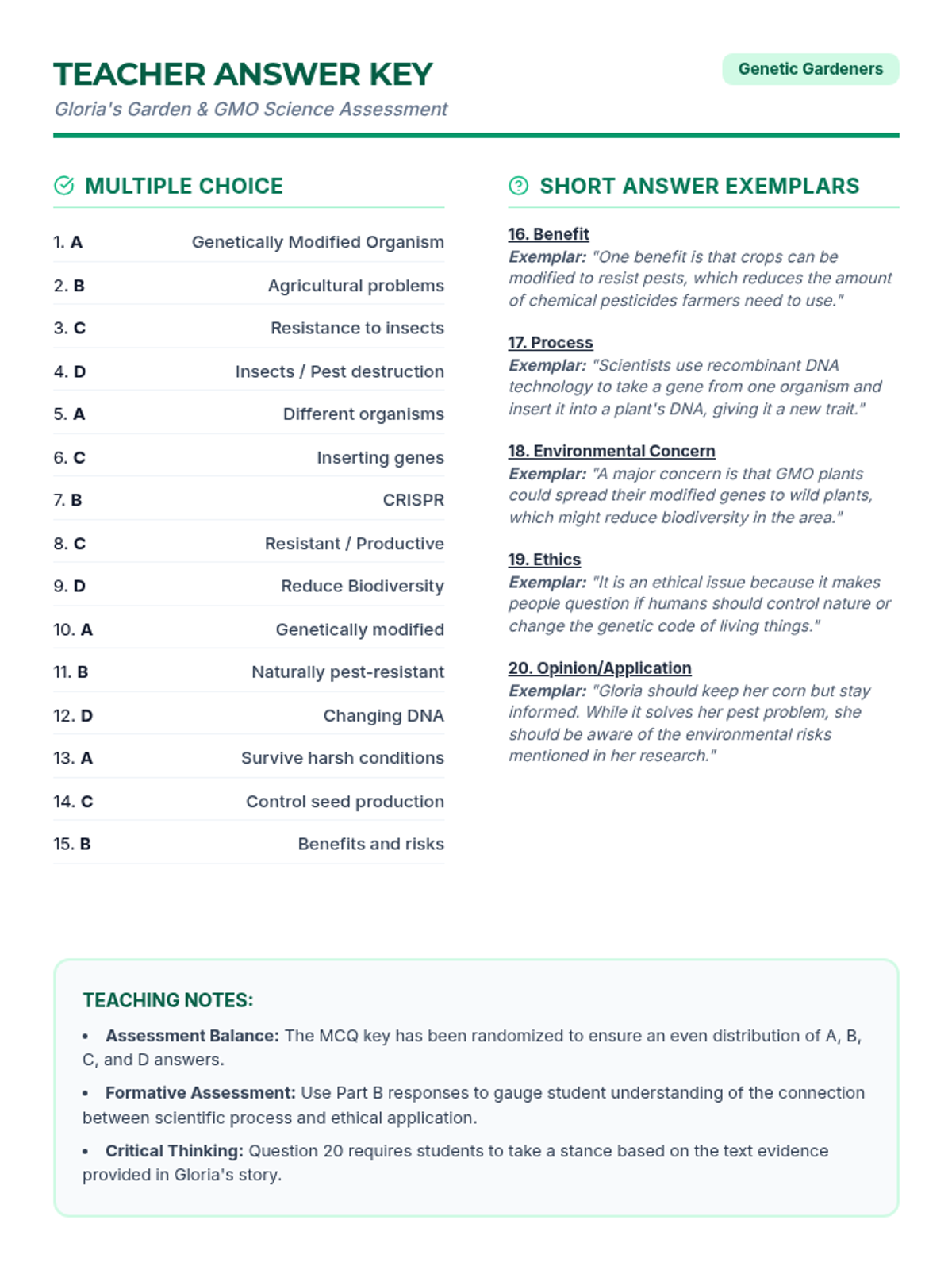
A comprehensive lesson exploring the science, benefits, and ethical considerations of GMOs through the story of Gloria's garden. Includes a reading passage, multiple-choice assessment, and short-answer reflections with supporting scientific diagrams.
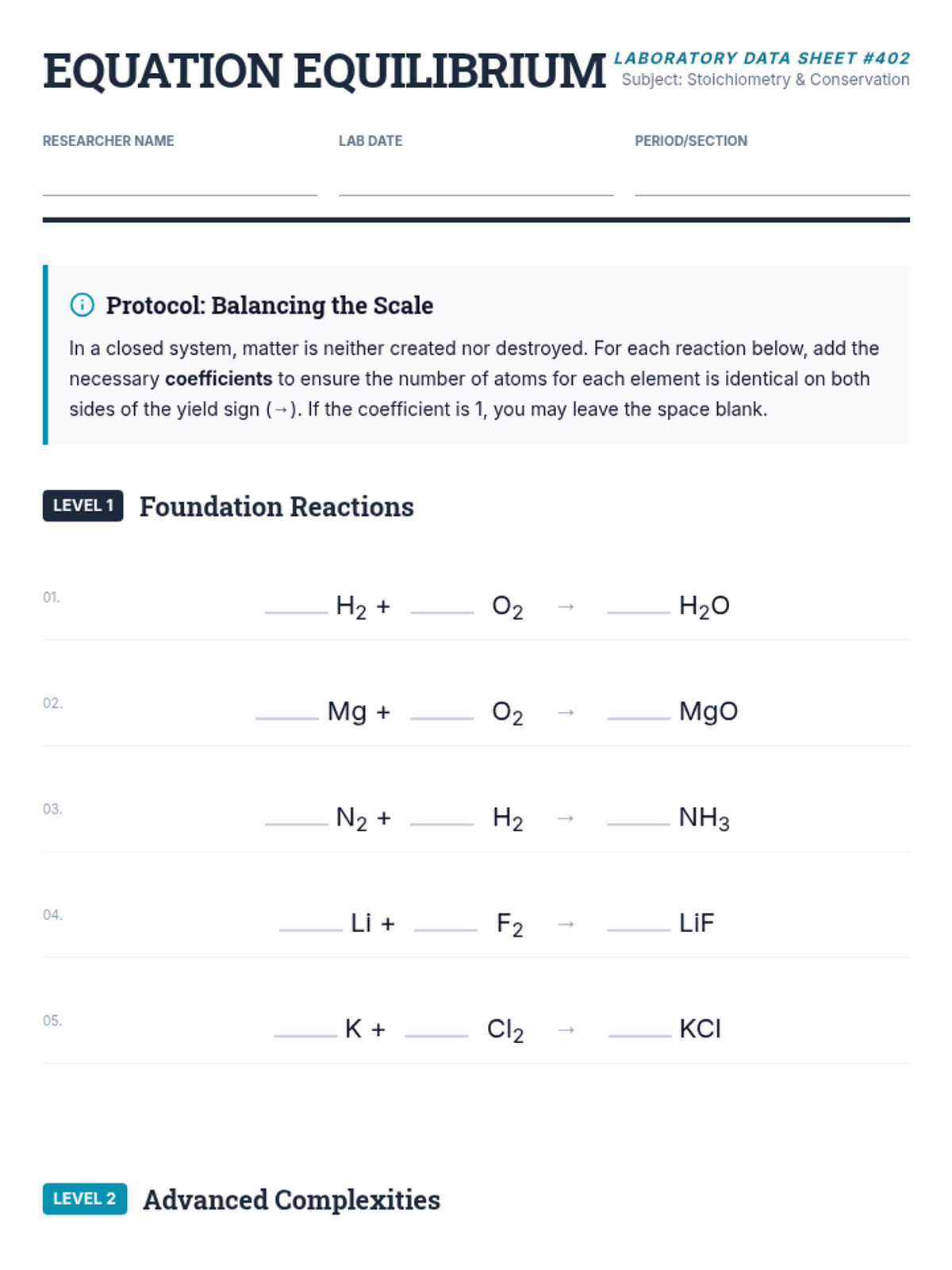
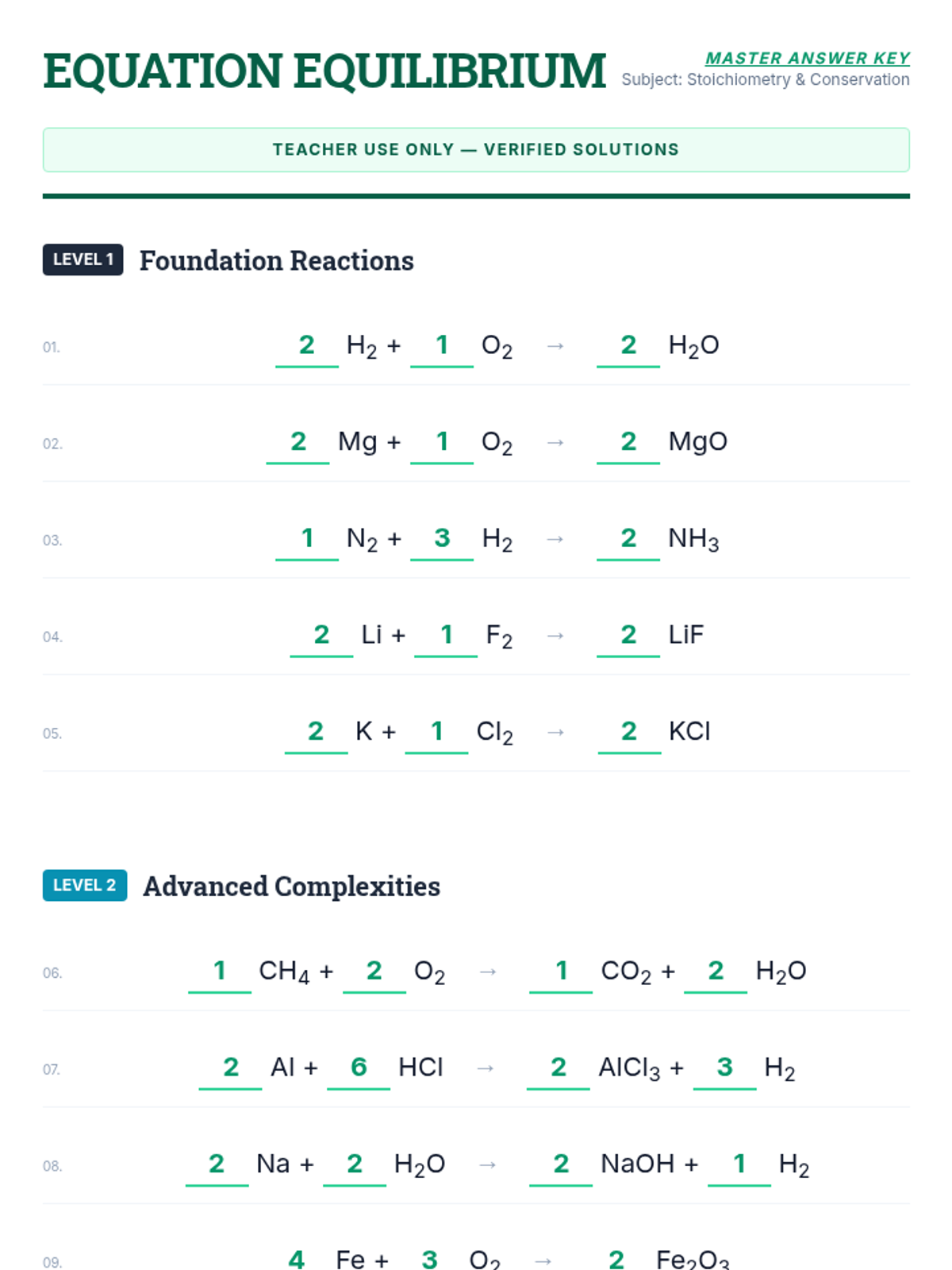
A lesson focused on the Law of Conservation of Mass through the practice of balancing chemical equations. Students move from basic synthesis reactions to more complex combustion and replacement reactions.
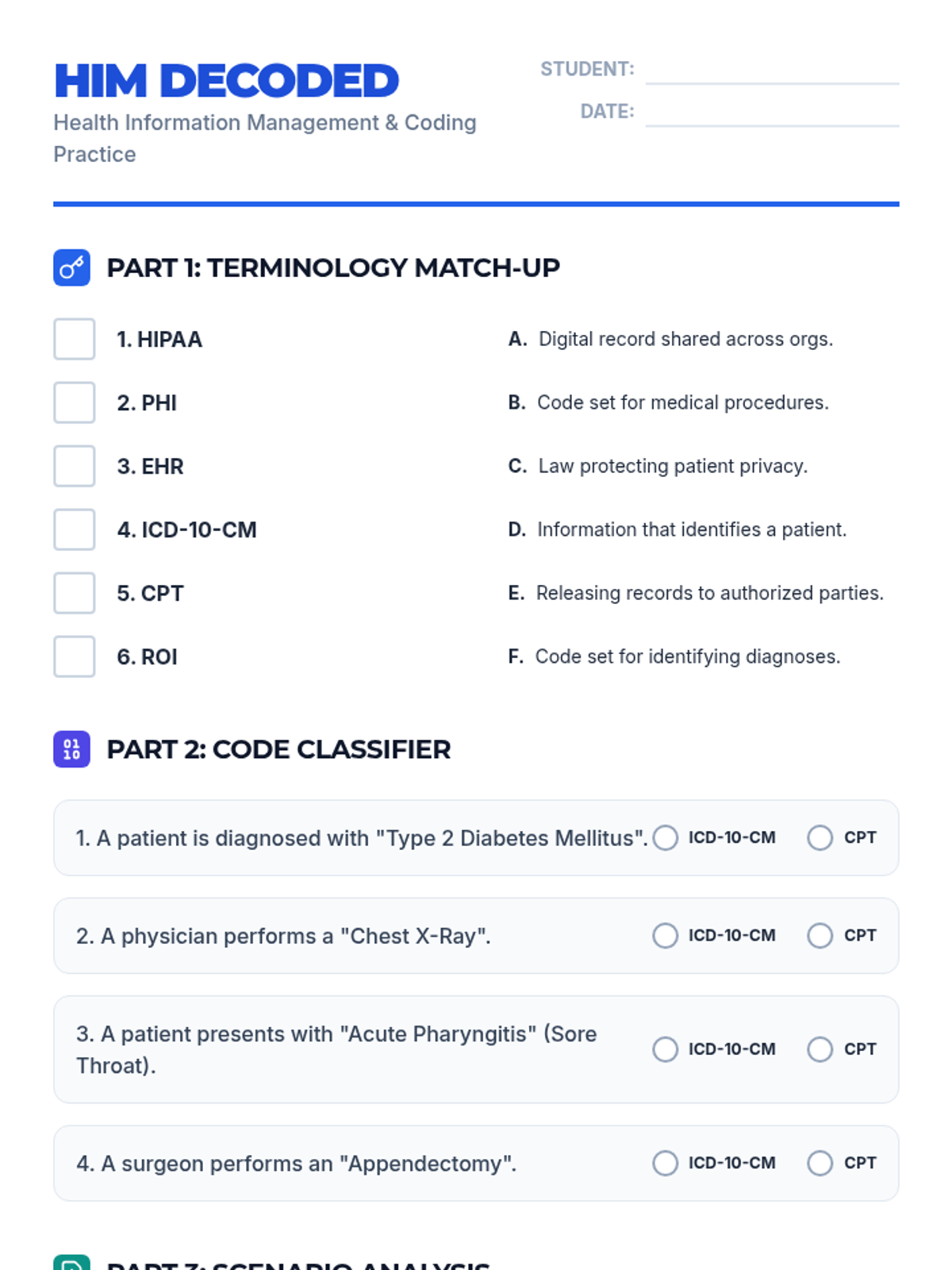
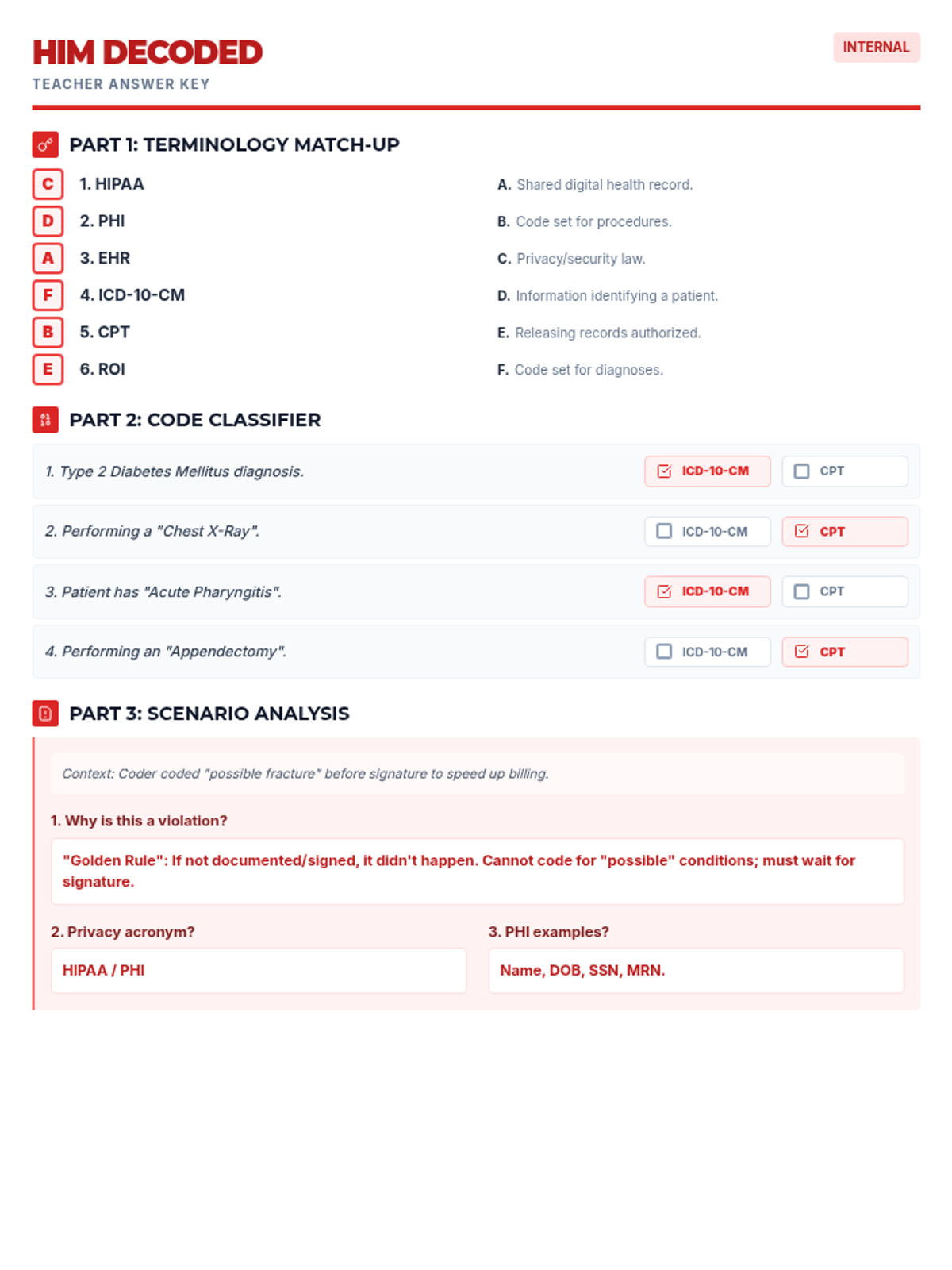
A comprehensive introduction to Health Information Management (HIM), focusing on essential terminology, legal standards like HIPAA, and the basics of medical coding (ICD-10-CM and CPT) for high school CTE students.

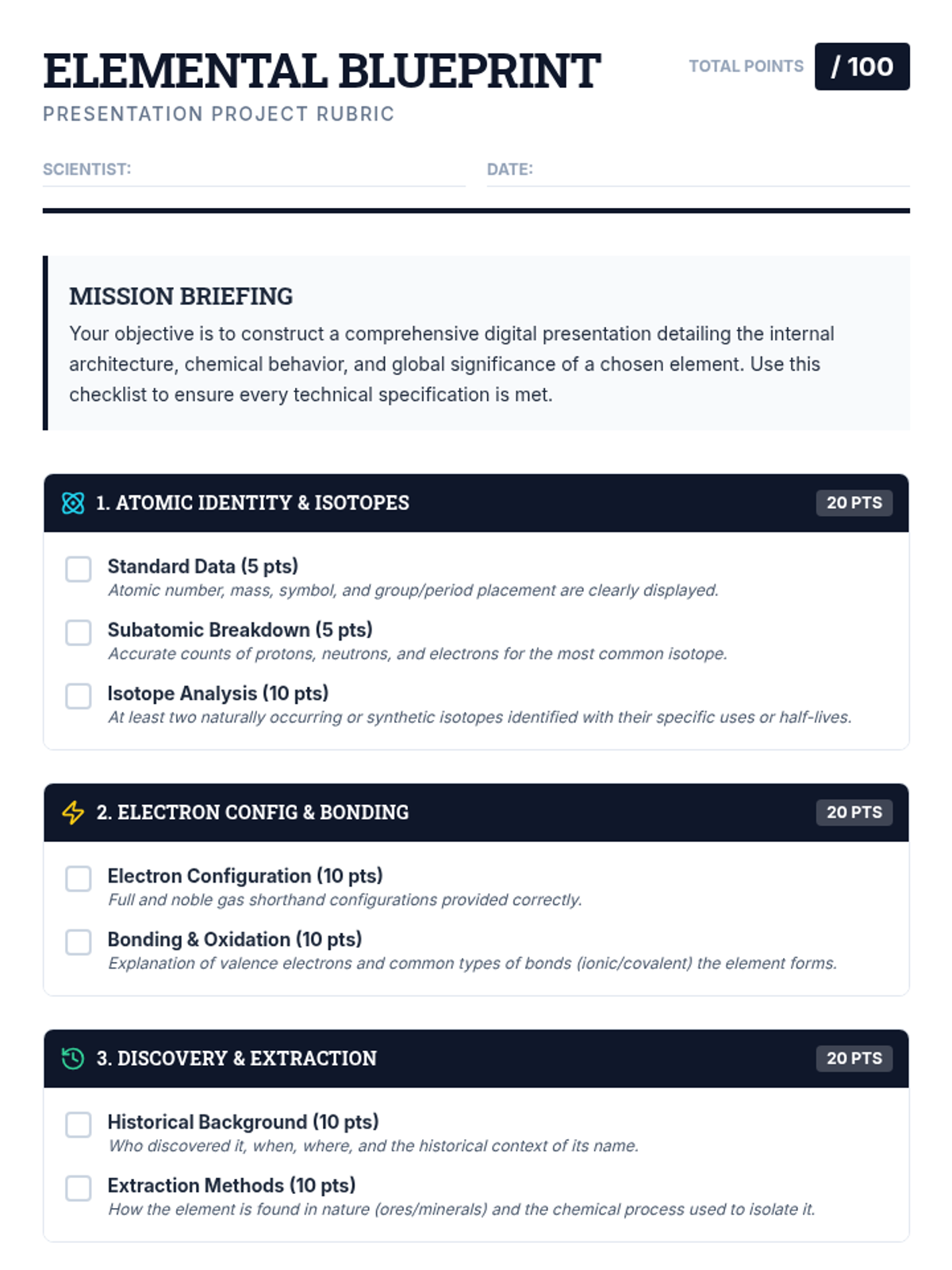
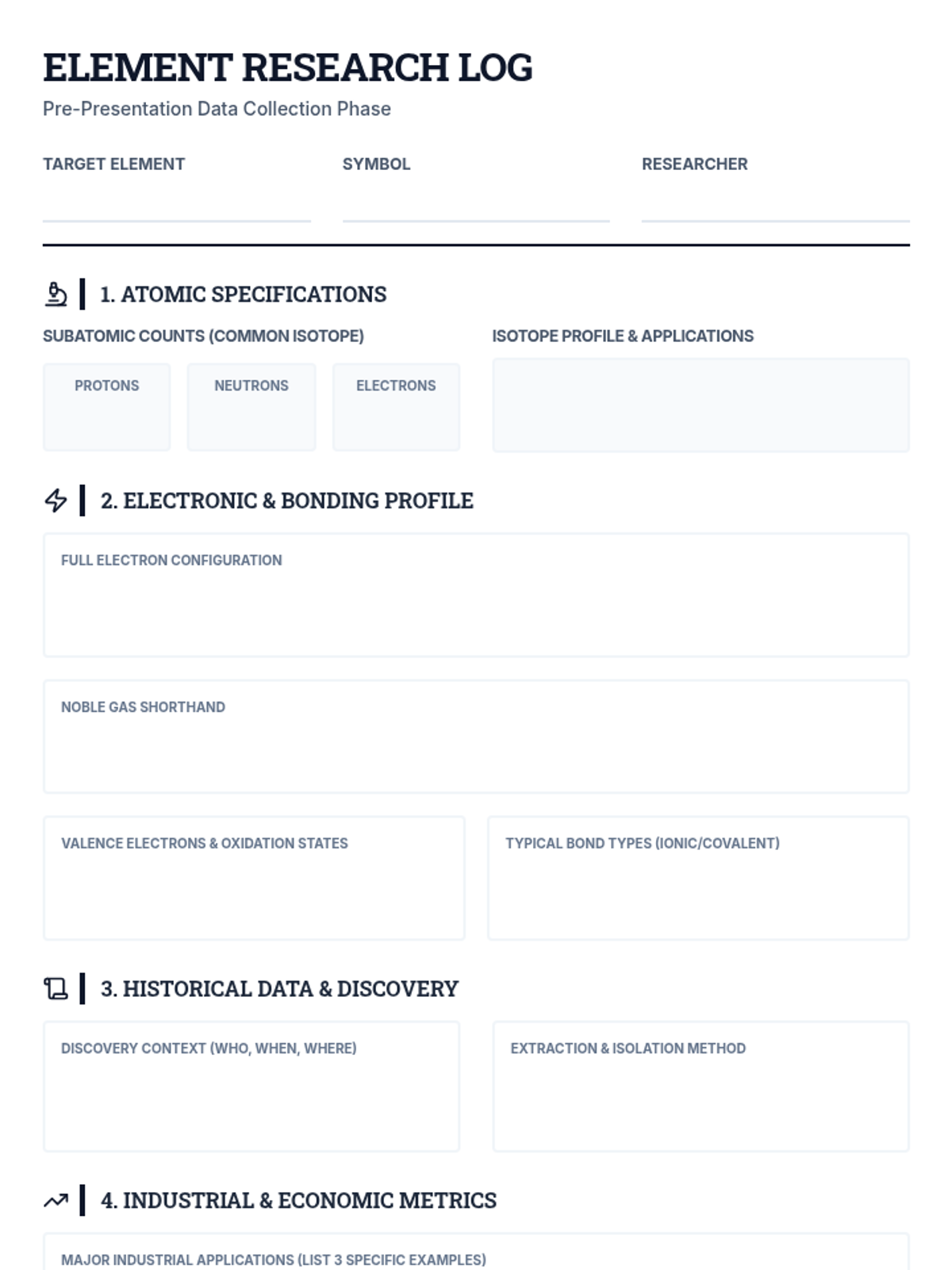
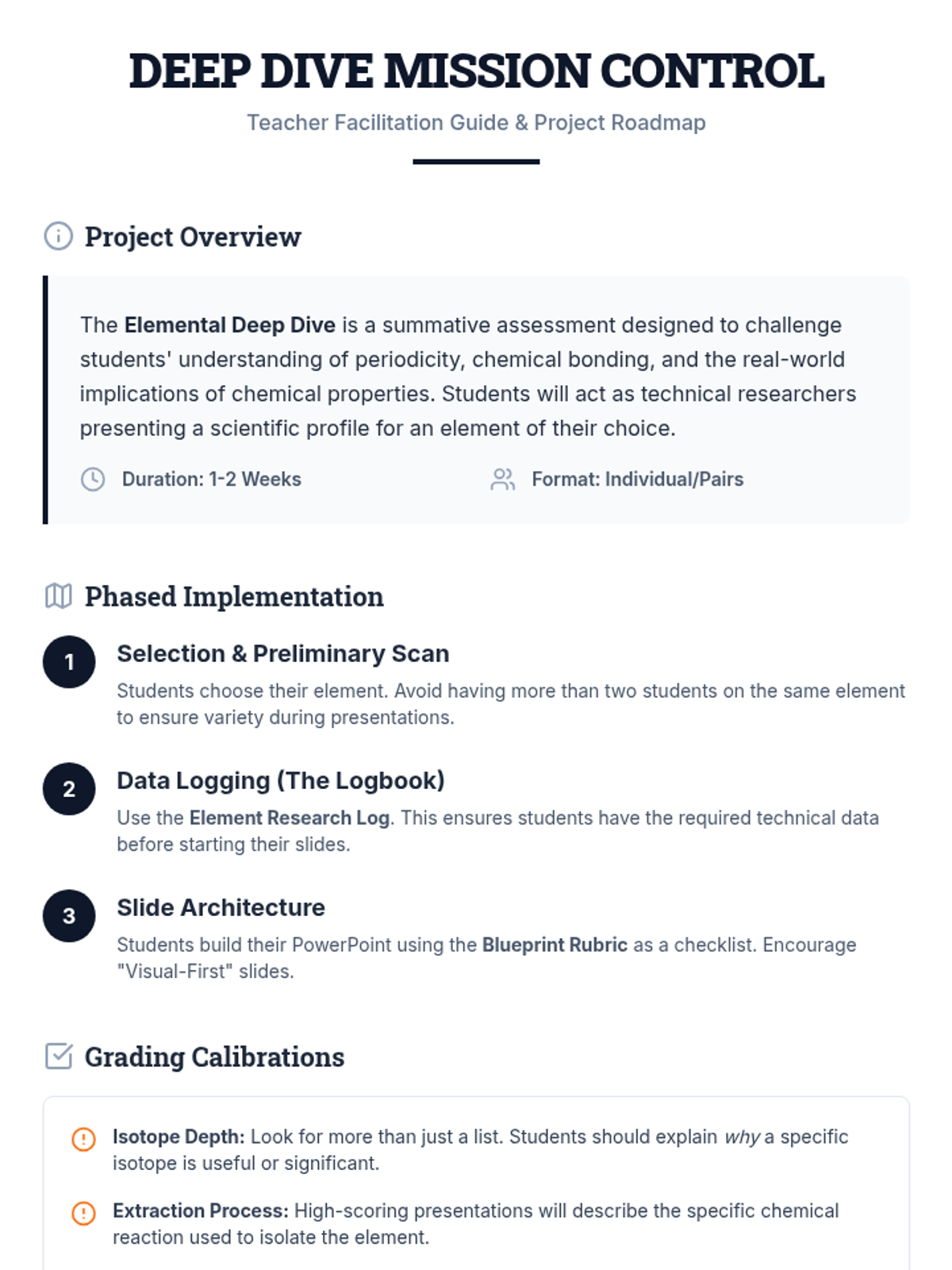
A comprehensive project guide for a deep-dive research presentation on chemical elements, including a detailed point-based rubric and a research organizer.
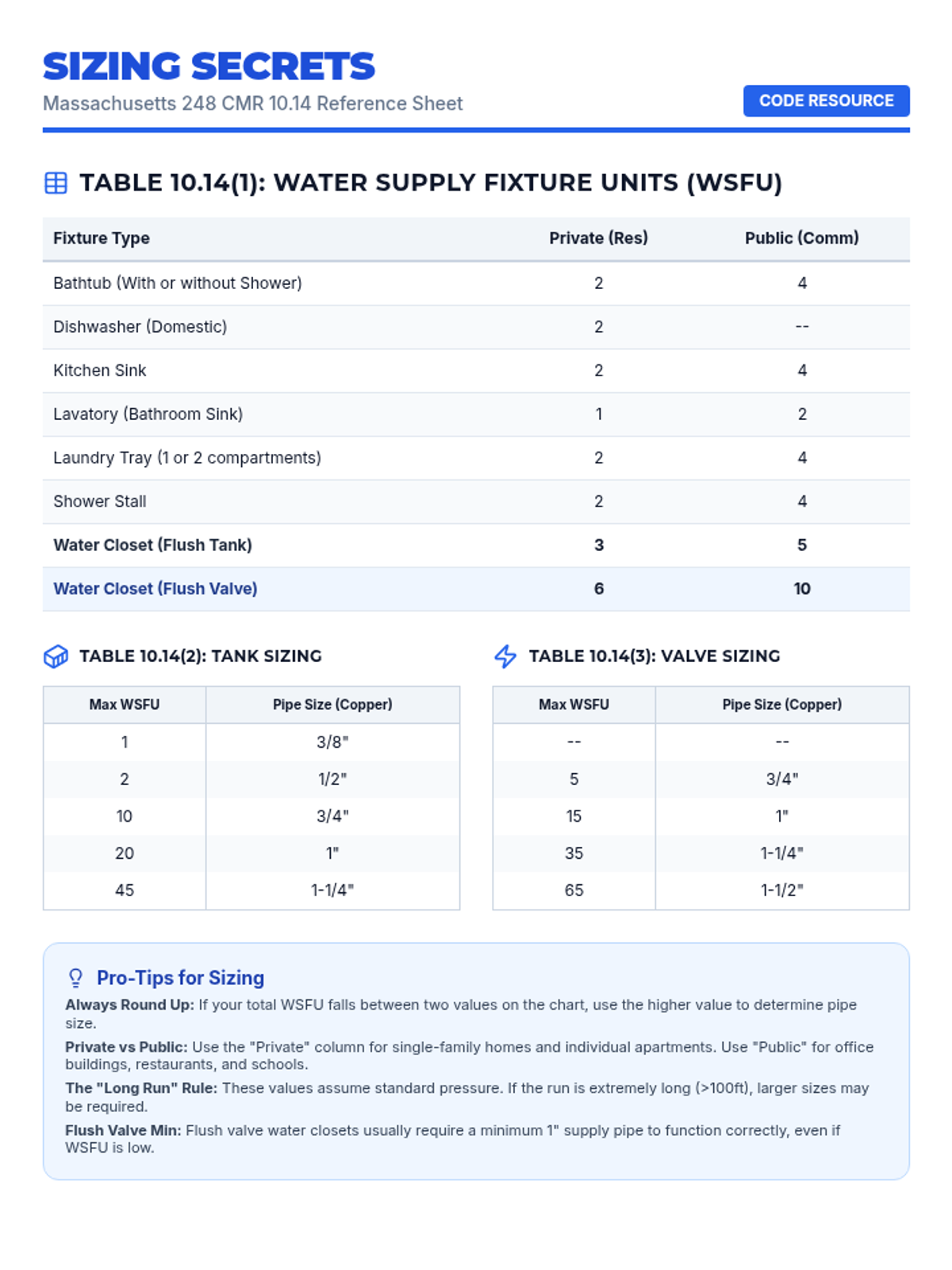
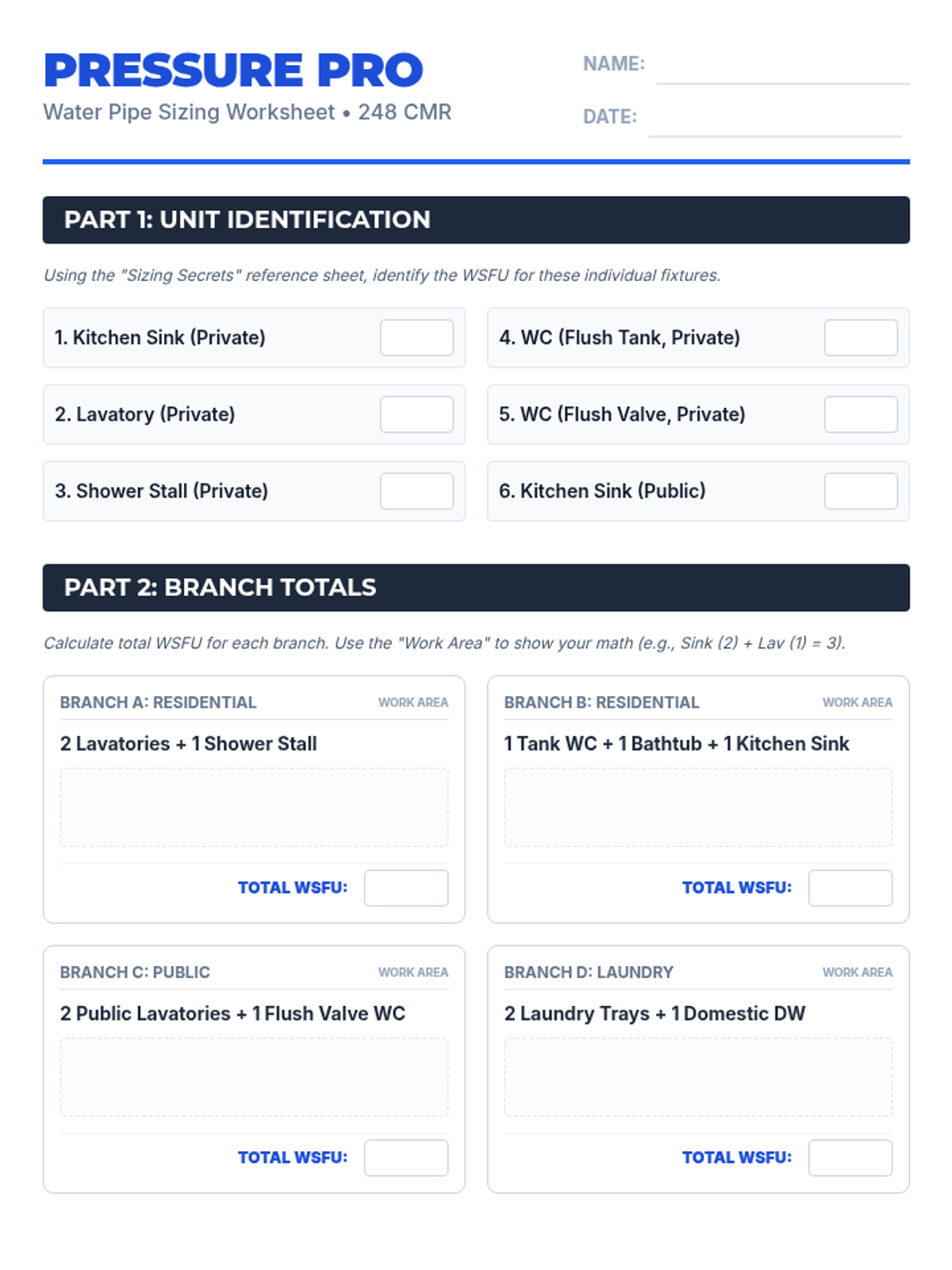
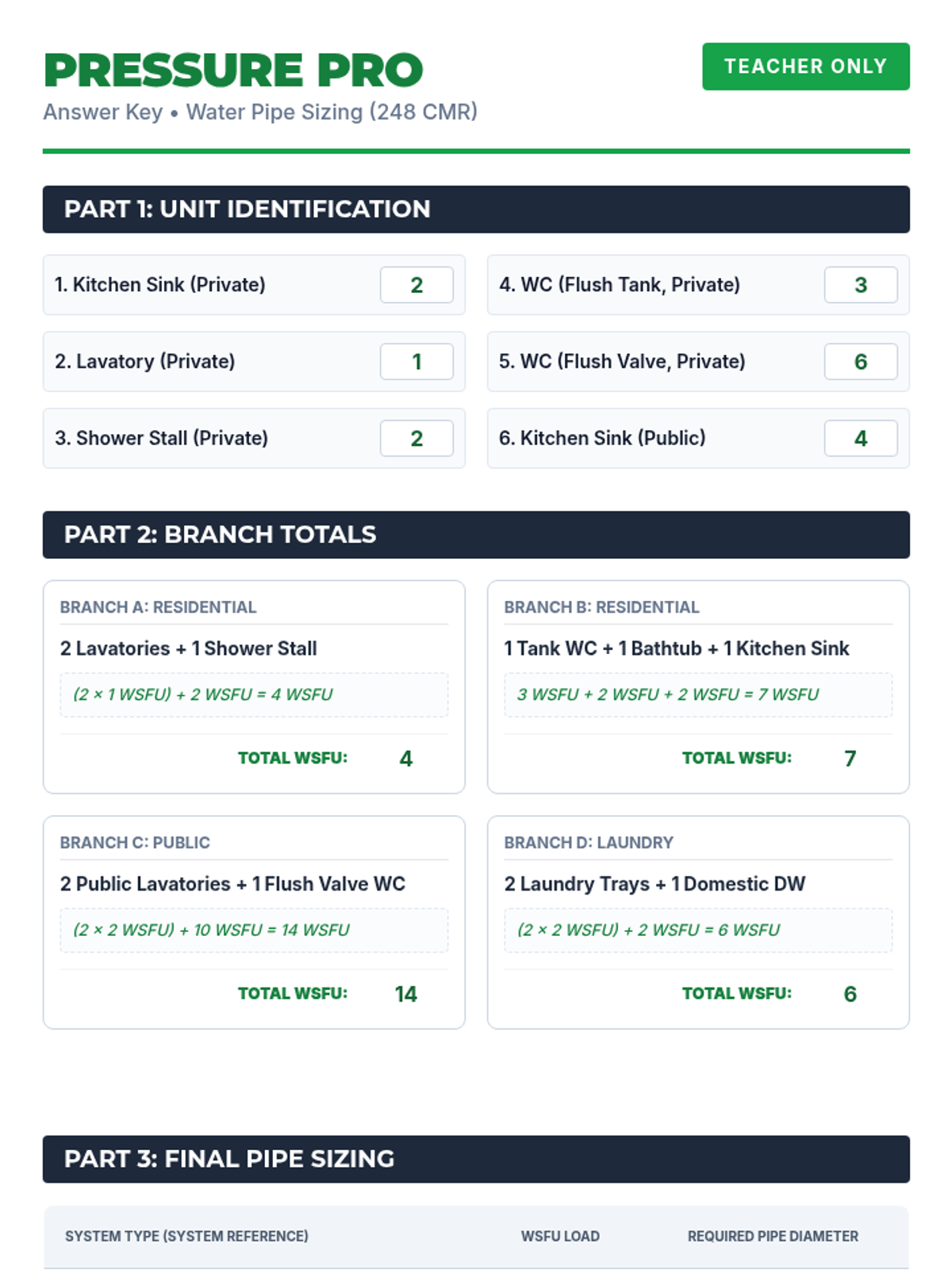
An introductory lesson on sizing water supply pipes using the Massachusetts 248 CMR plumbing code, focusing on Water Supply Fixture Units (WSFU) and table interpretation.
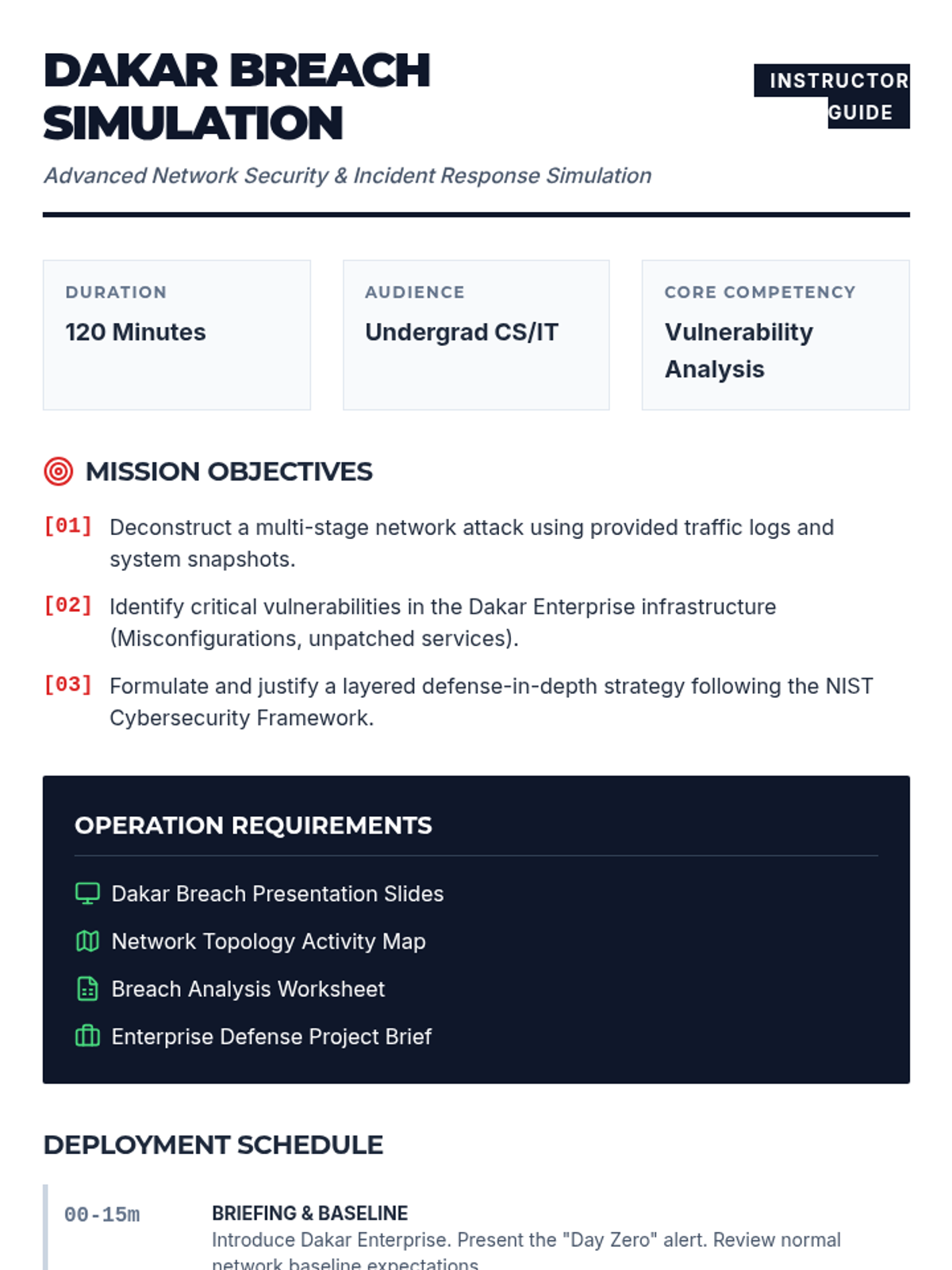
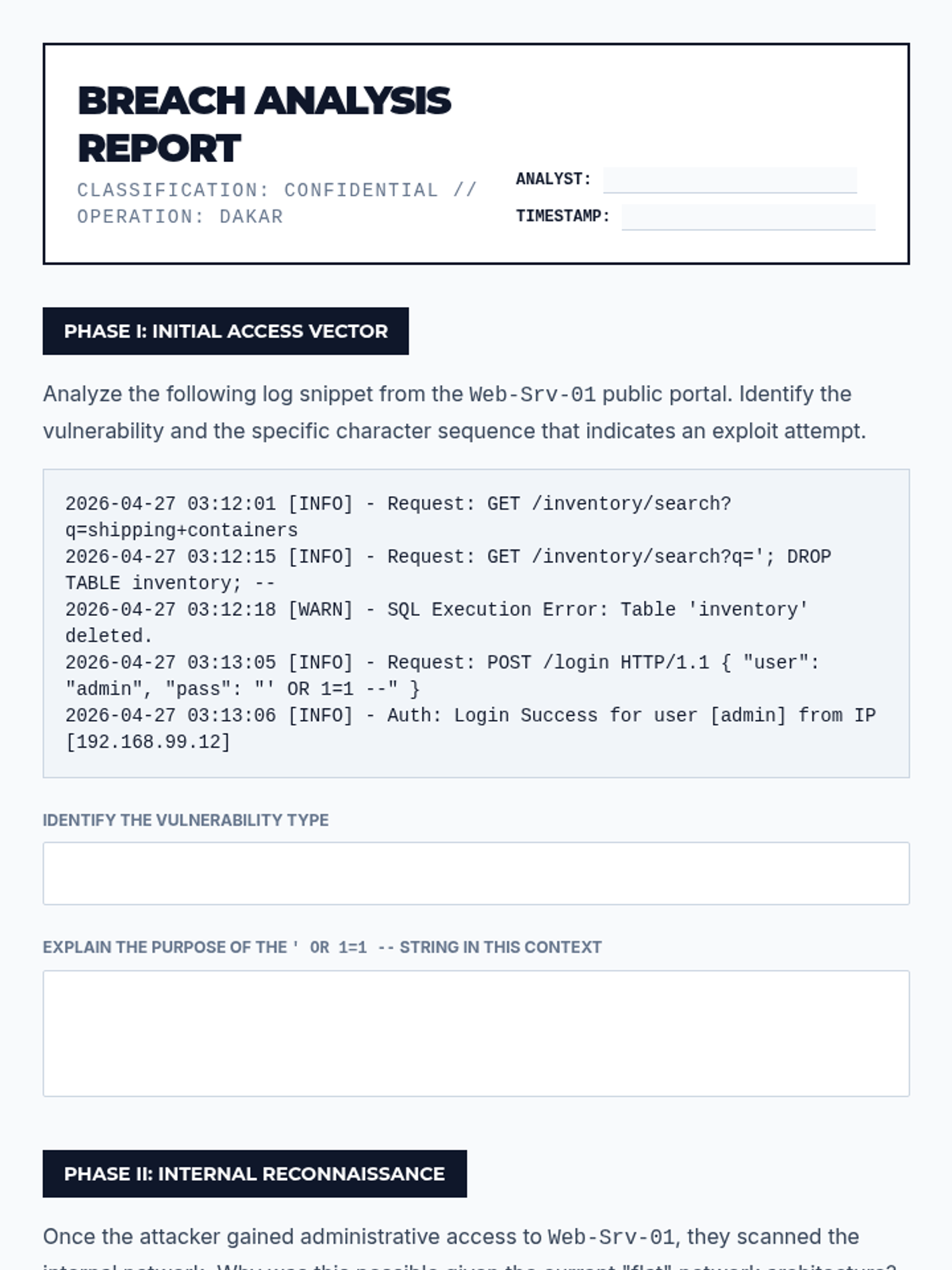
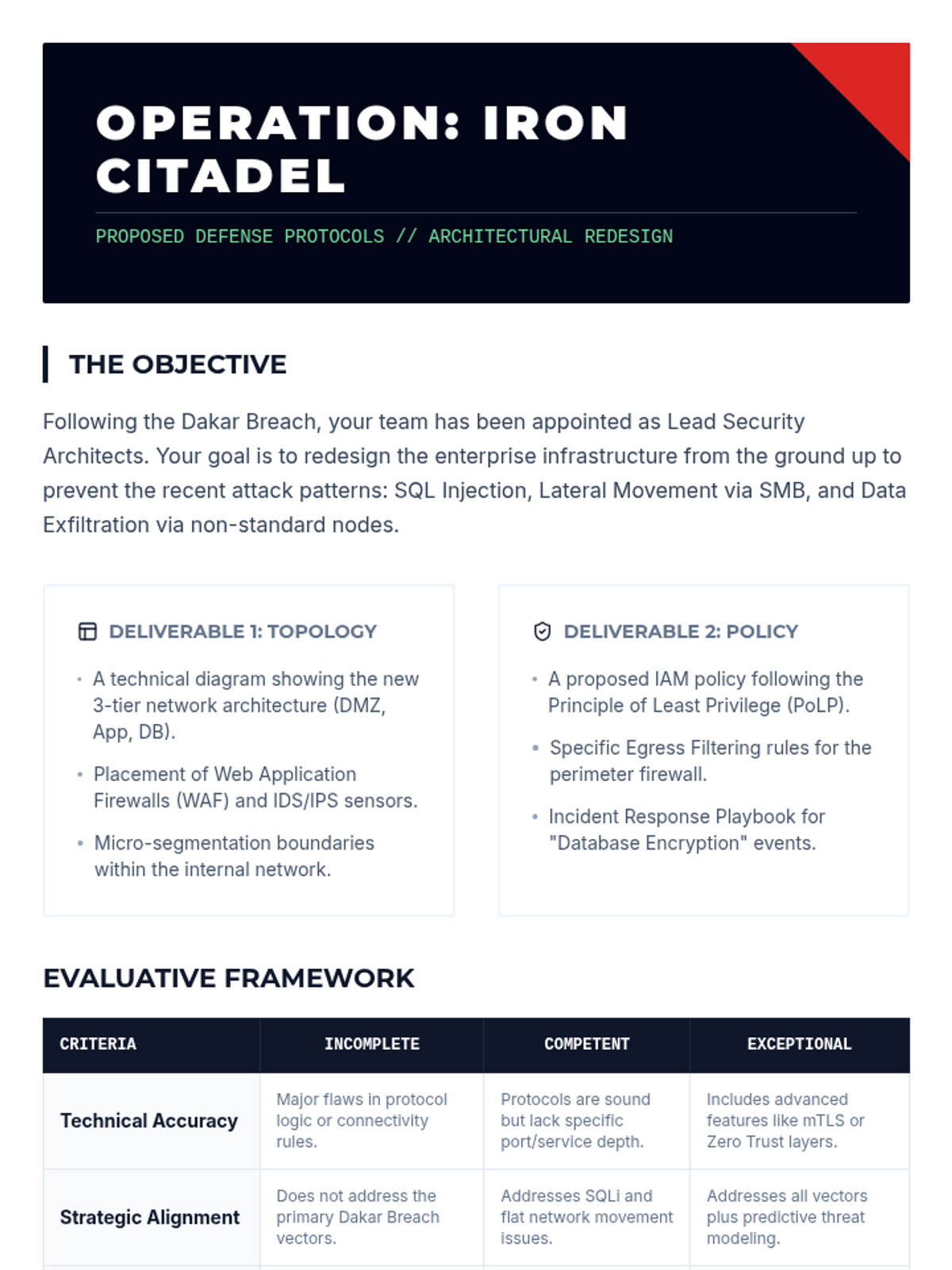
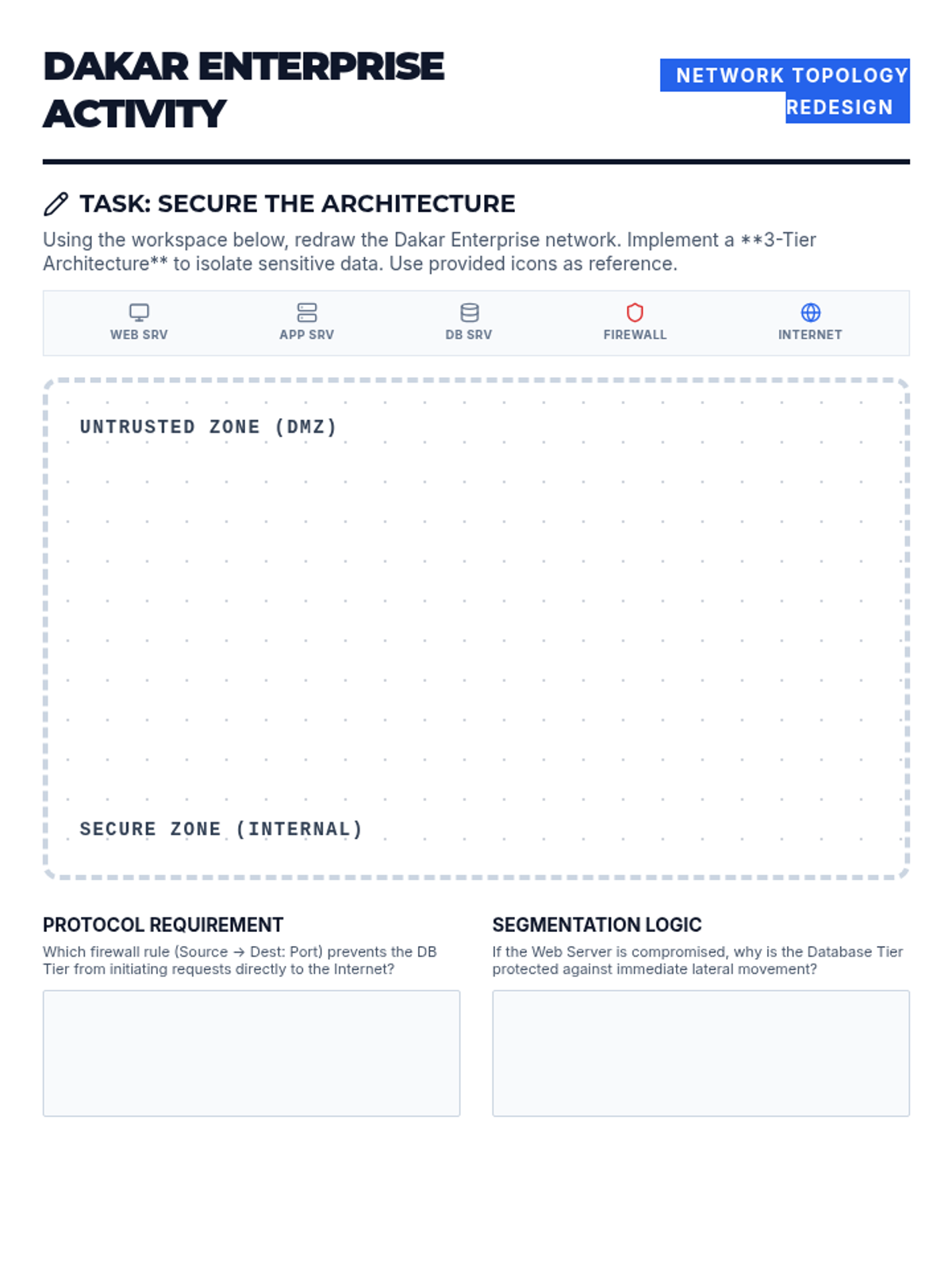
An intensive cybersecurity simulation where undergraduate students analyze a network breach, identify vulnerabilities, and design robust defensive protocols for a fictional enterprise.
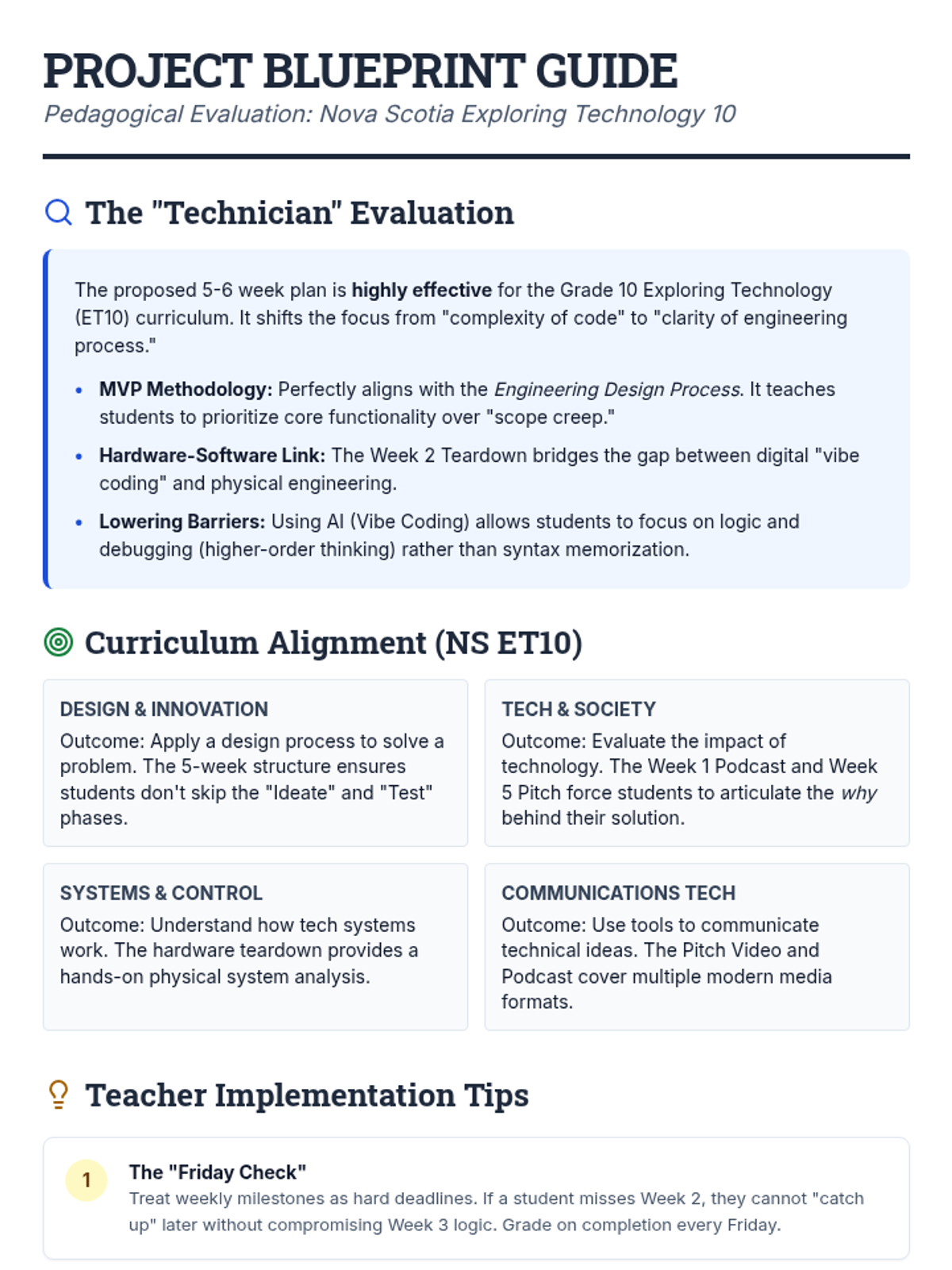
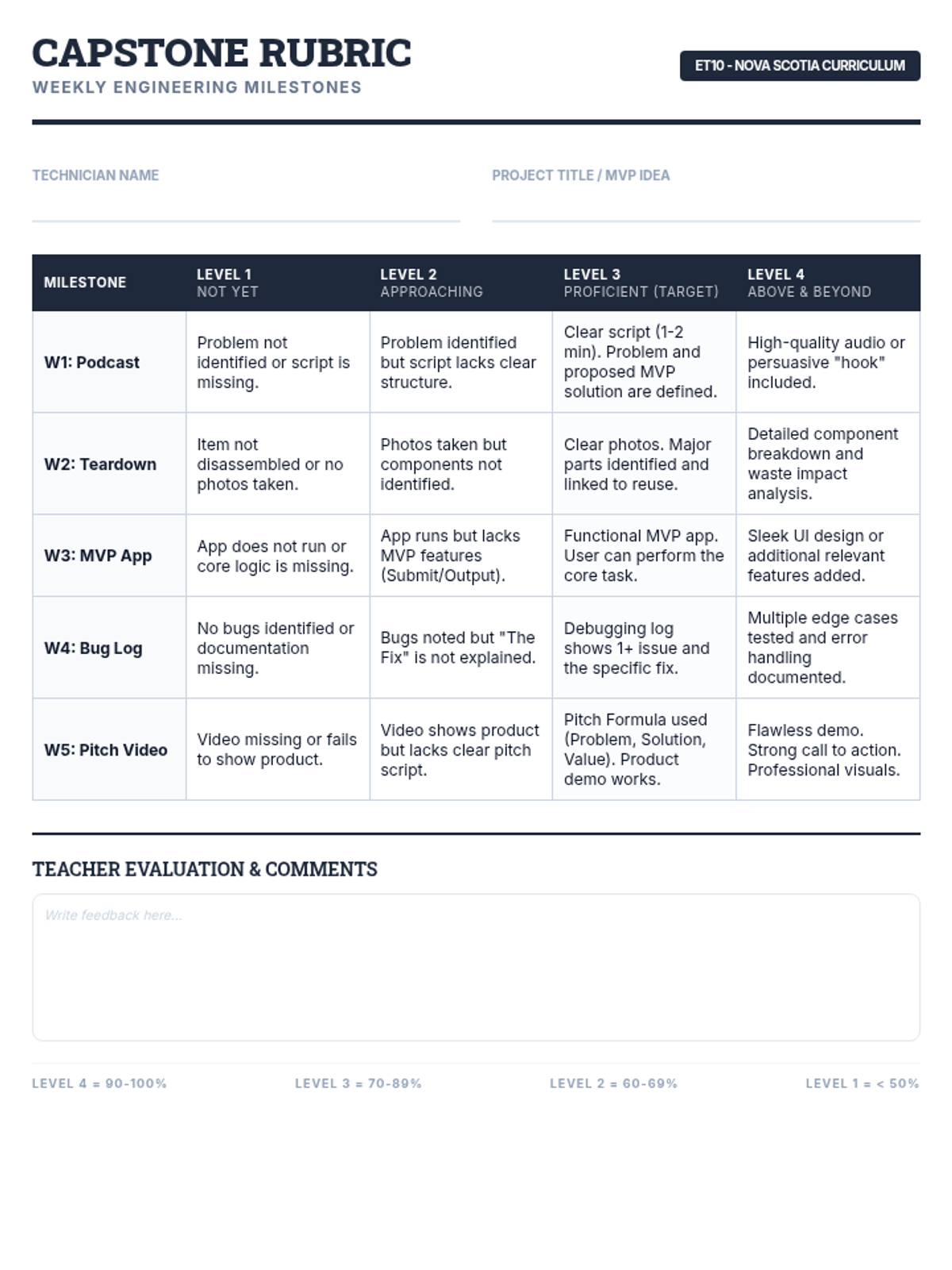
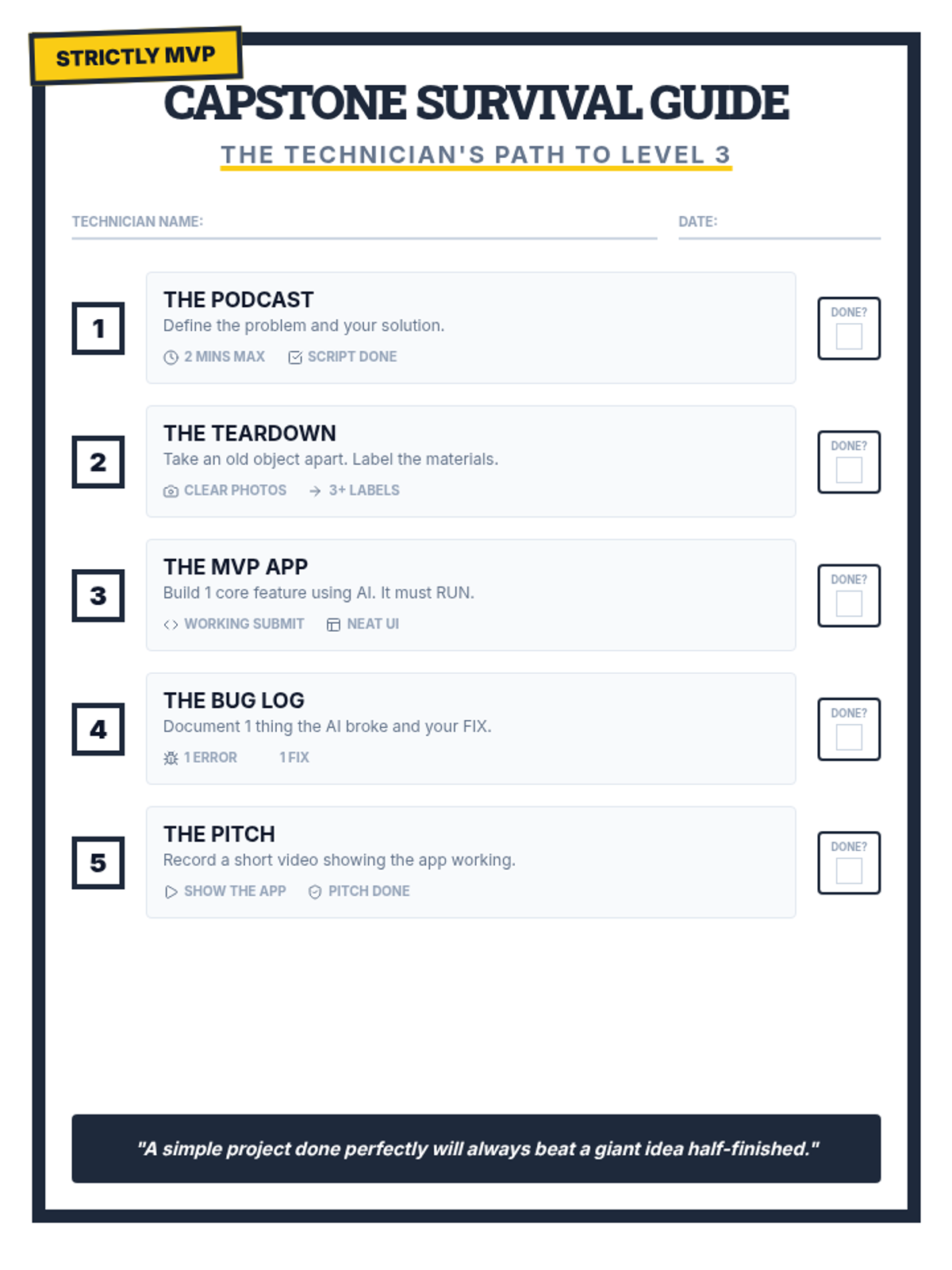
Teacher guidance and student tracking tools for the 5-week Tech Capstone project, including evaluation rubrics and progress monitoring.
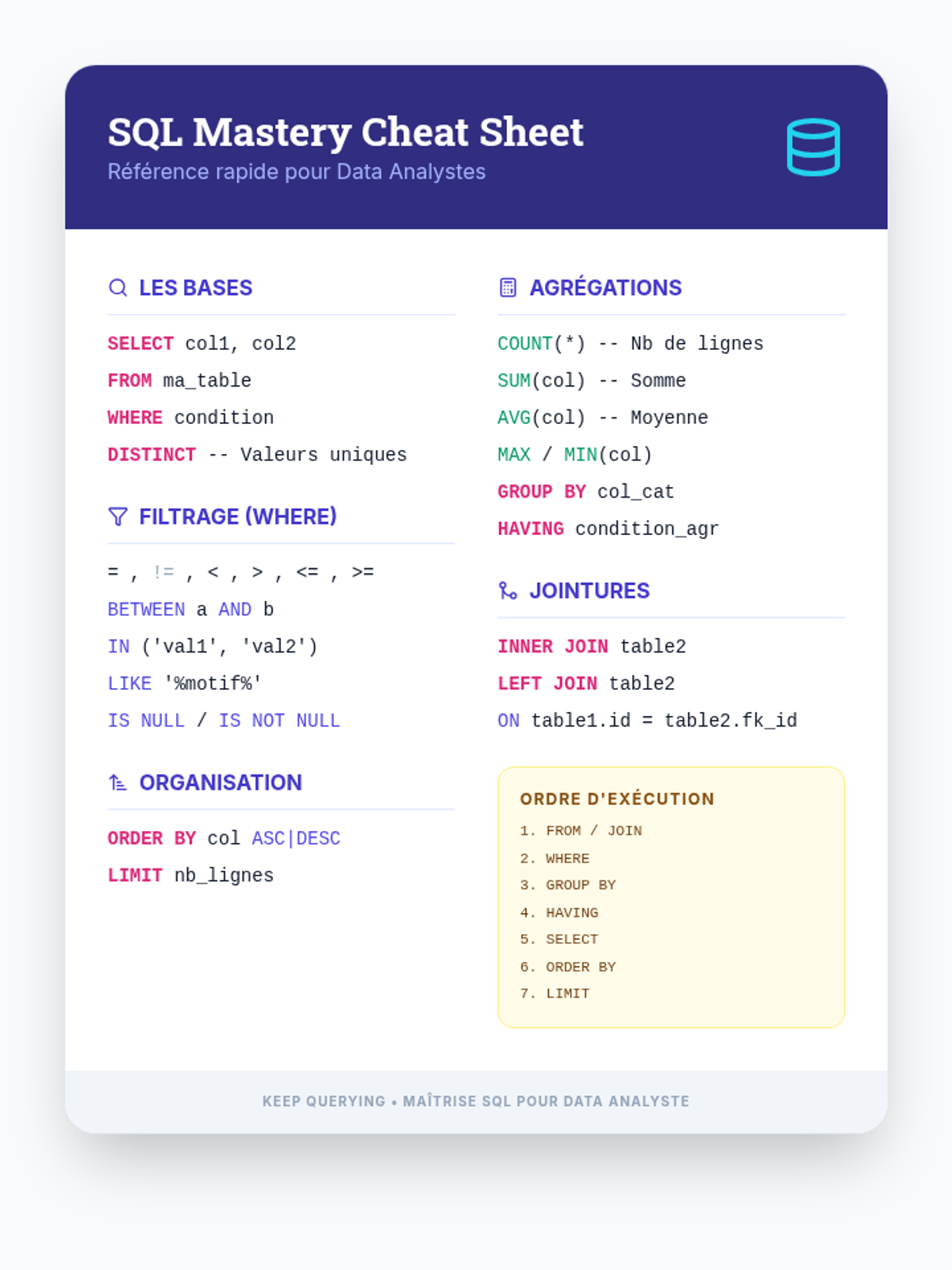
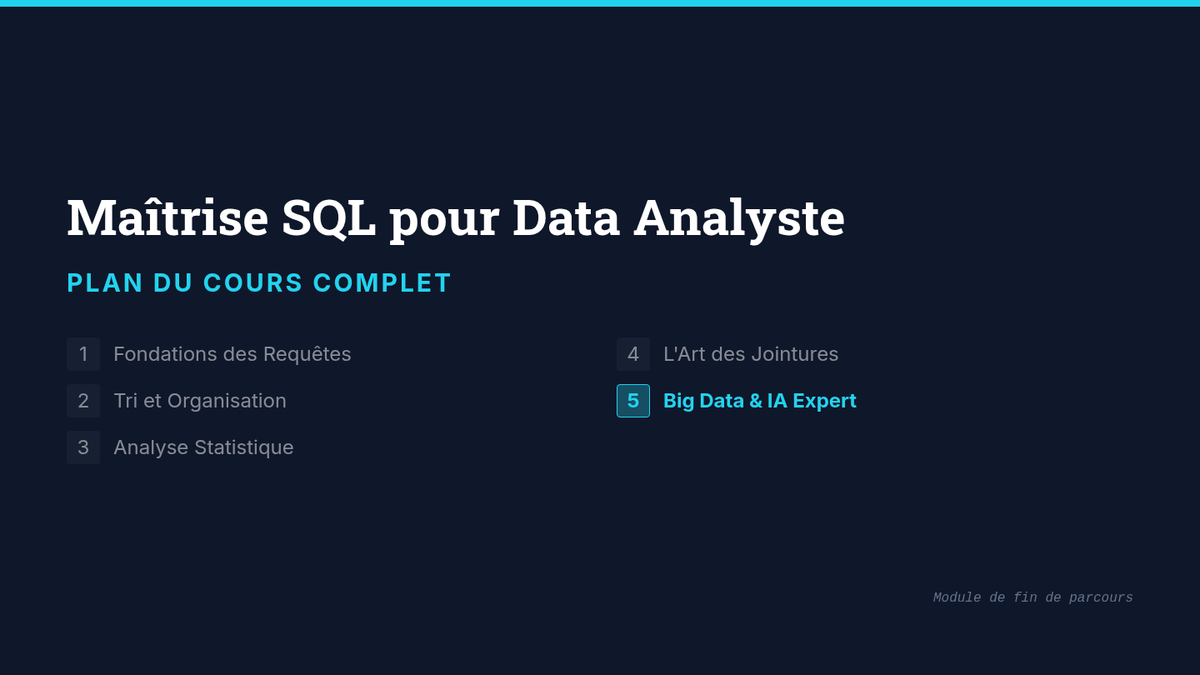
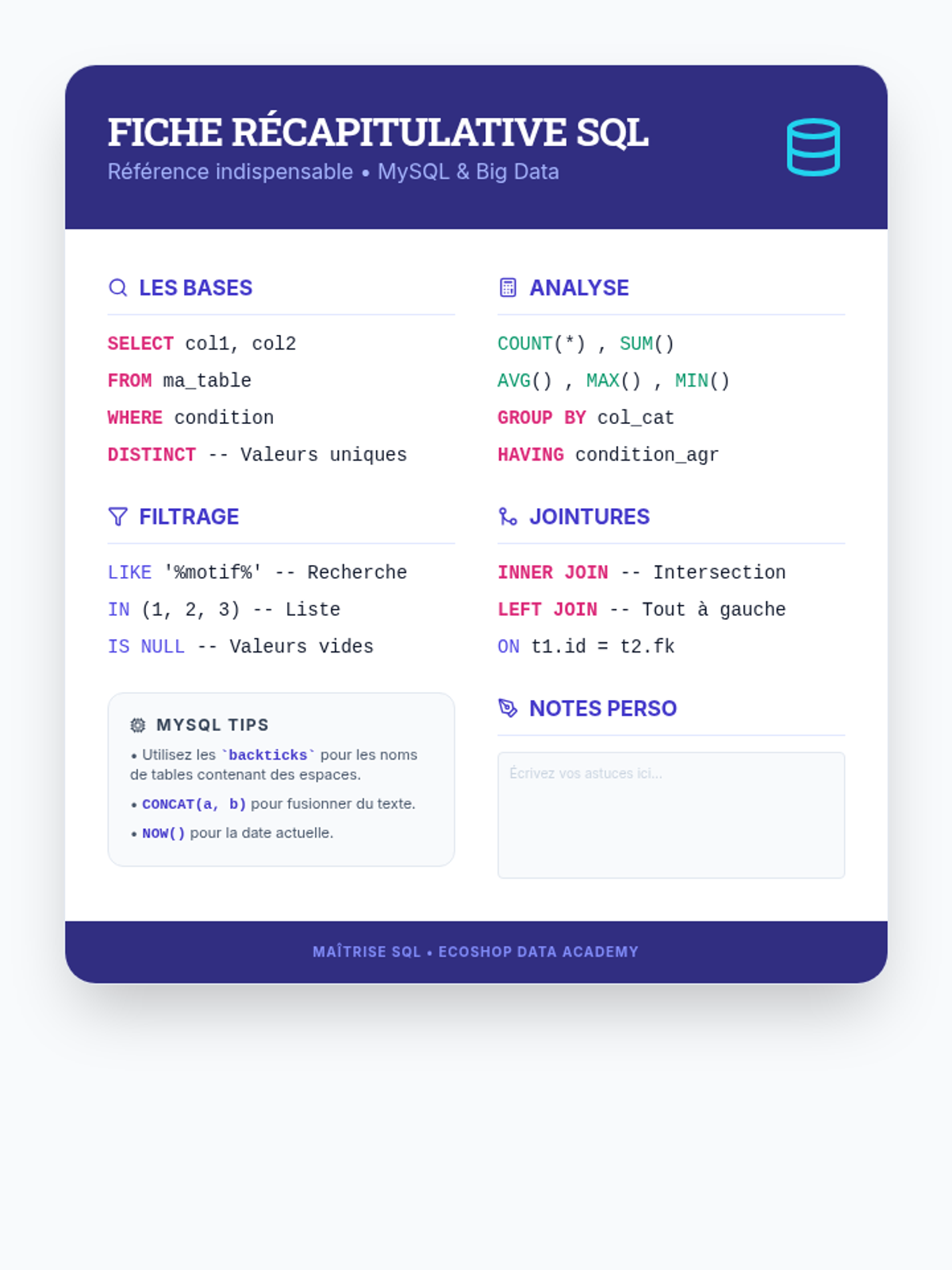
Introduction au SQL dans le contexte du Big Data, de l'optimisation des requêtes et de la préparation des données pour l'IA.
Maîtriser l'art de combiner plusieurs tables avec INNER JOIN, LEFT JOIN et comprendre les relations entre les données.
Utilisation des fonctions d'agrégation (SUM, AVG, COUNT) et de la clause GROUP BY pour générer des rapports statistiques.
Apprendre à organiser les résultats de recherche avec ORDER BY, LIMIT et à éliminer les doublons avec DISTINCT.
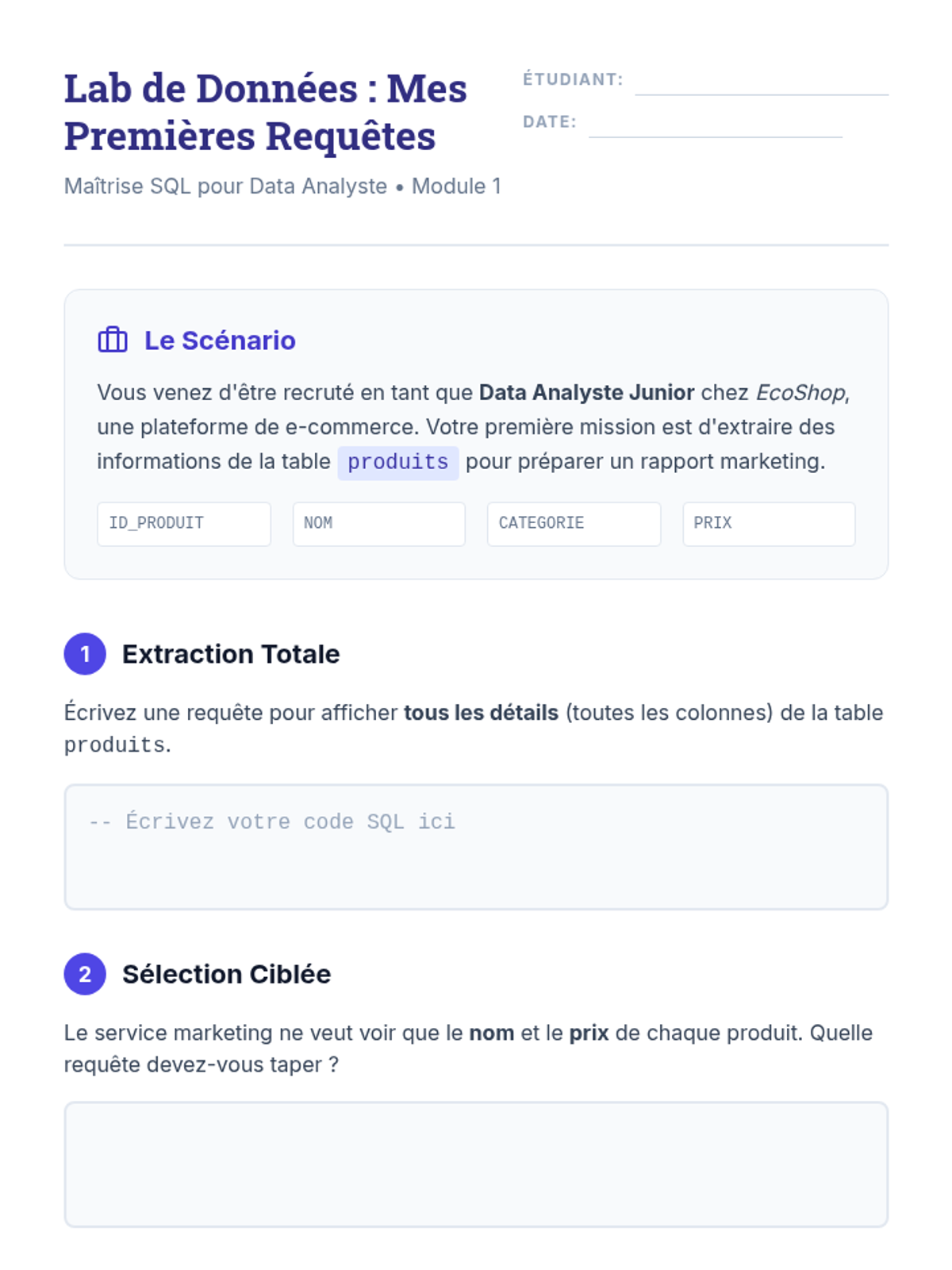
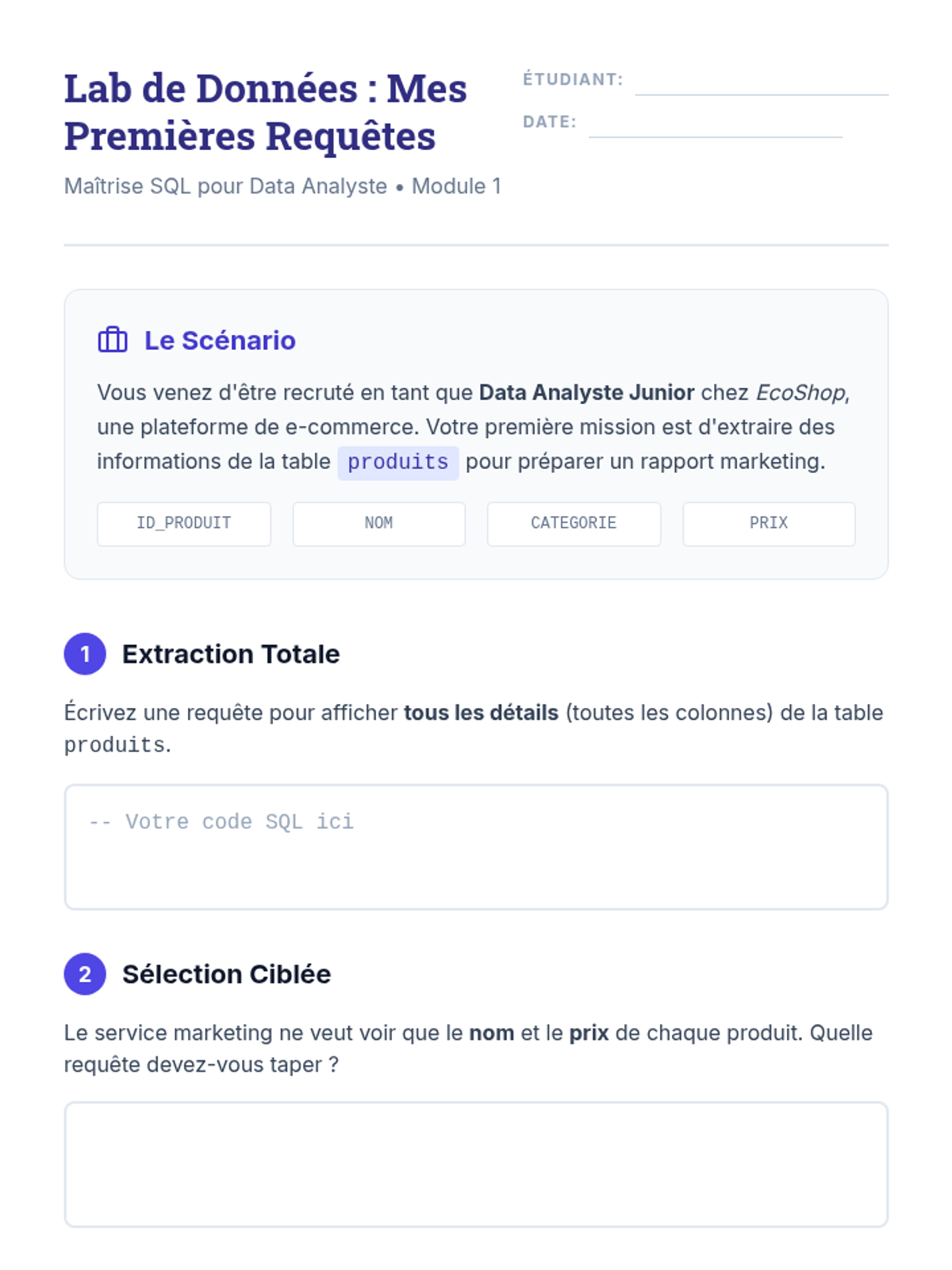
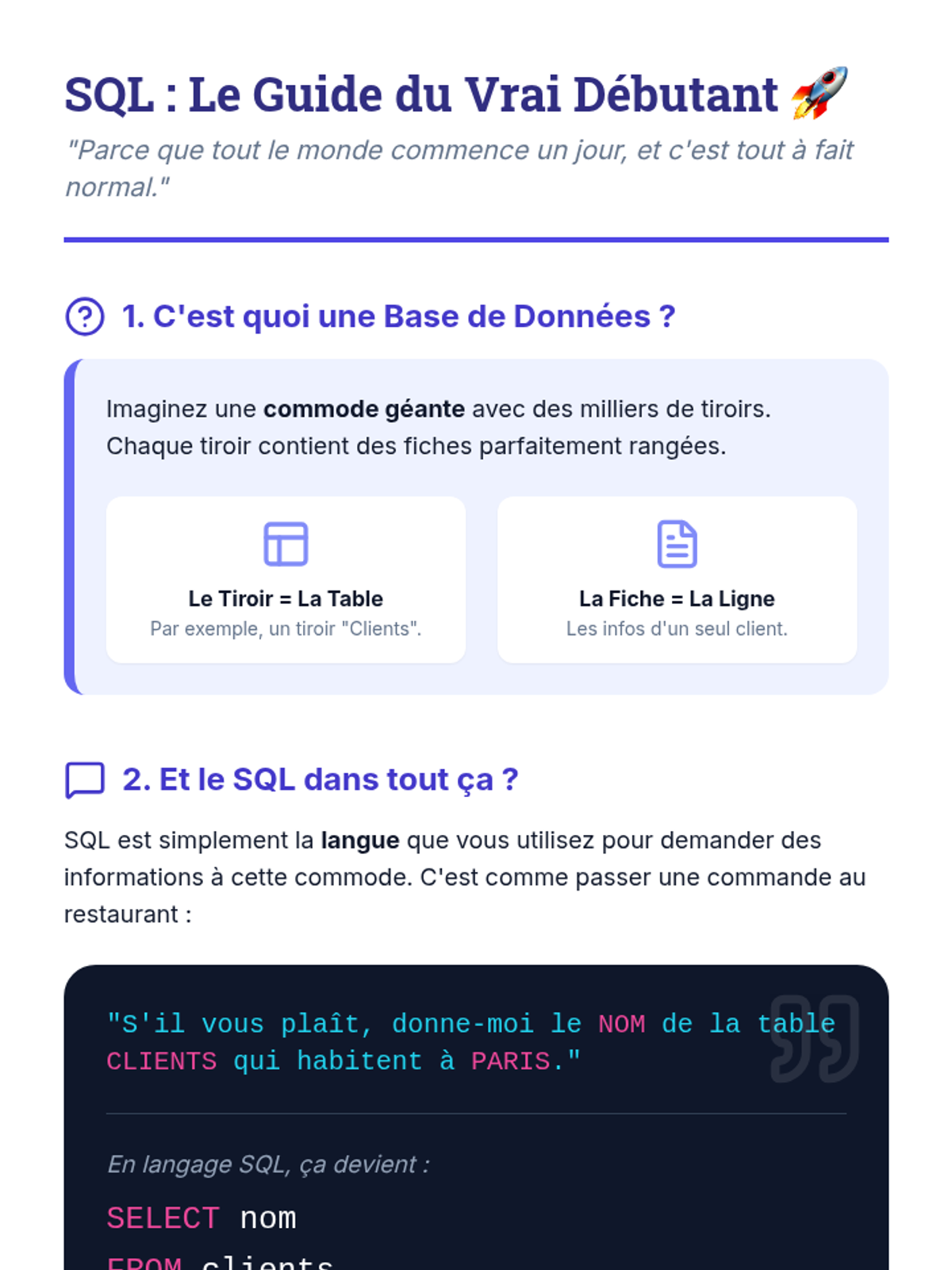
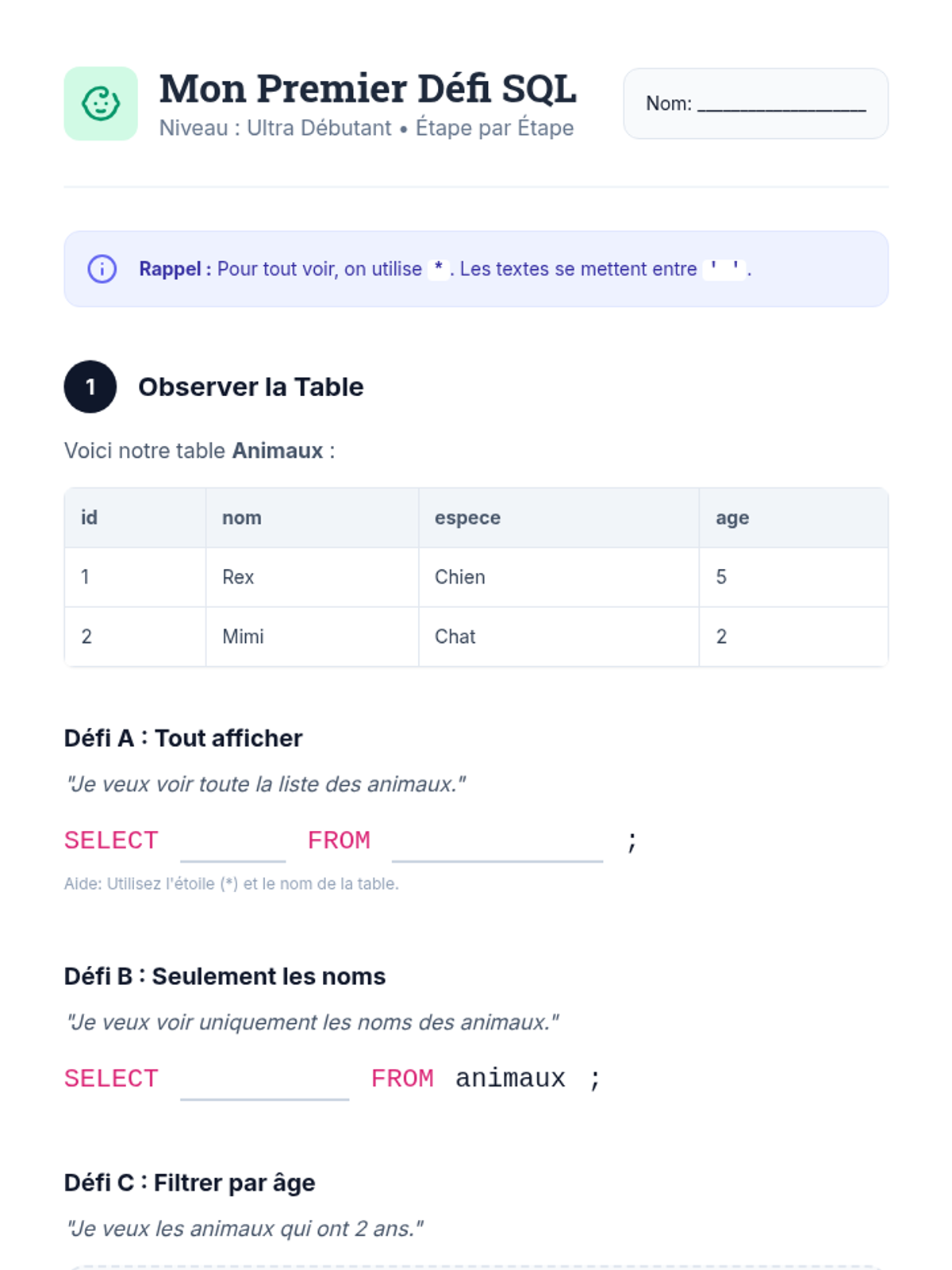
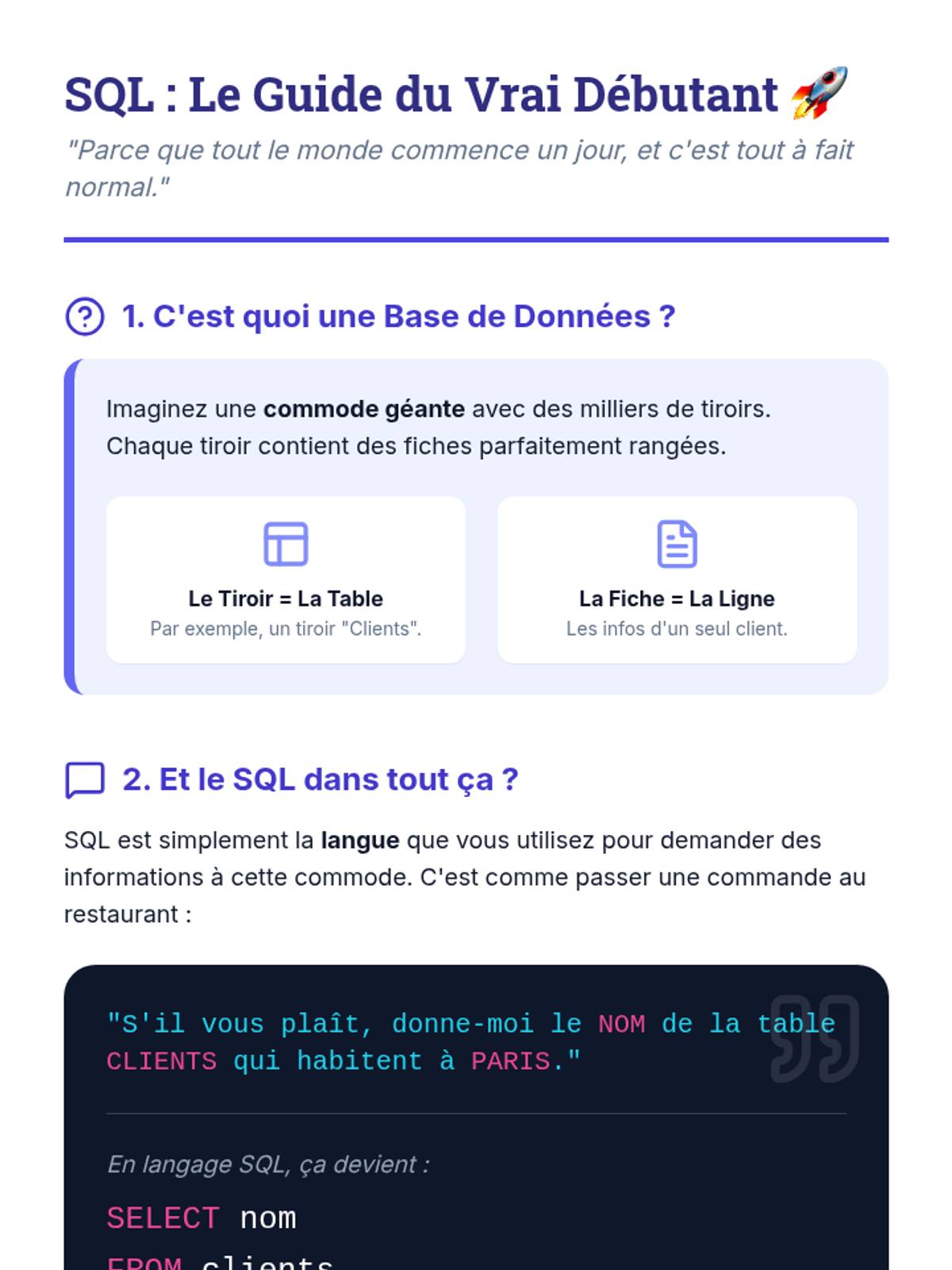
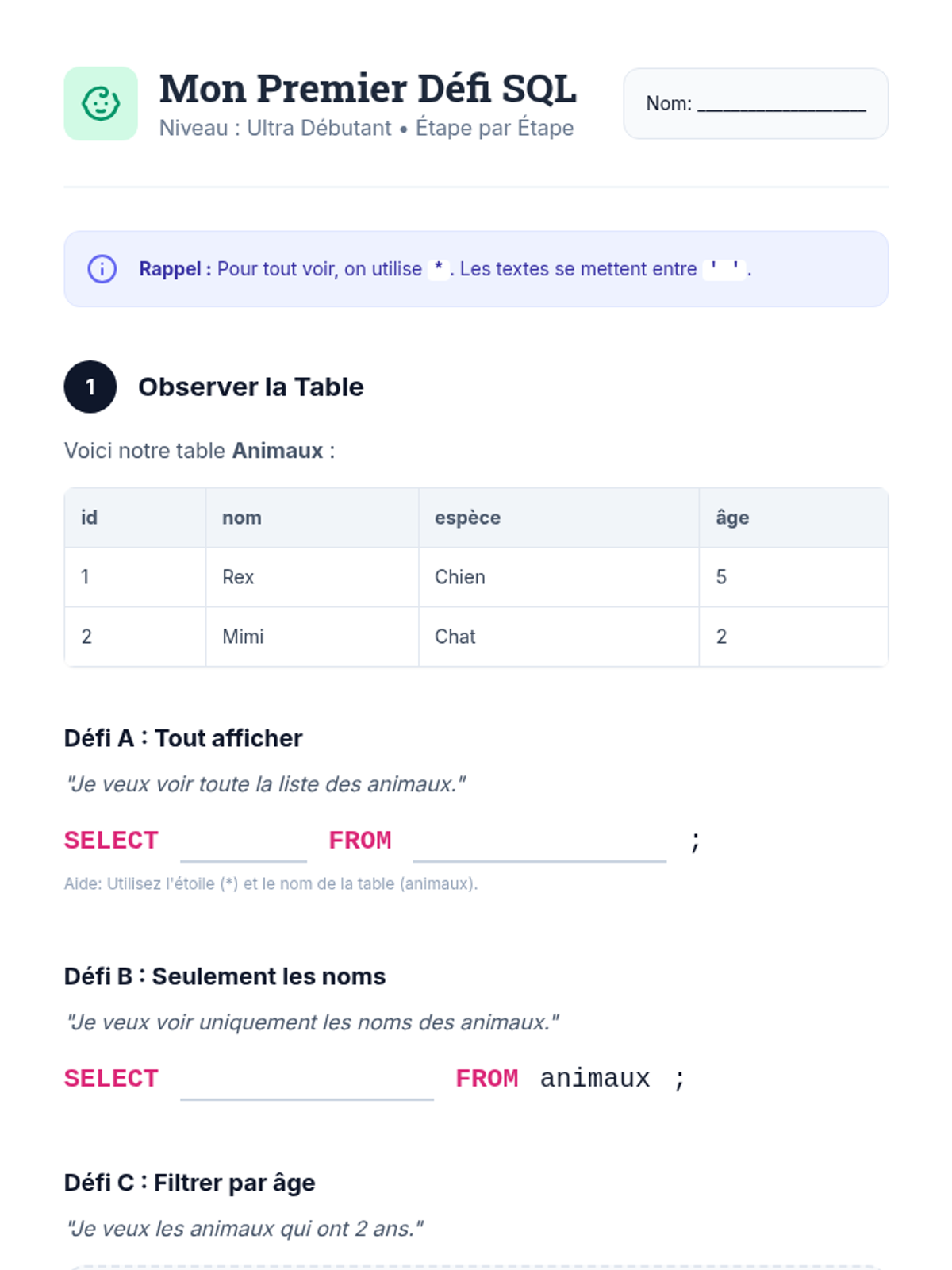
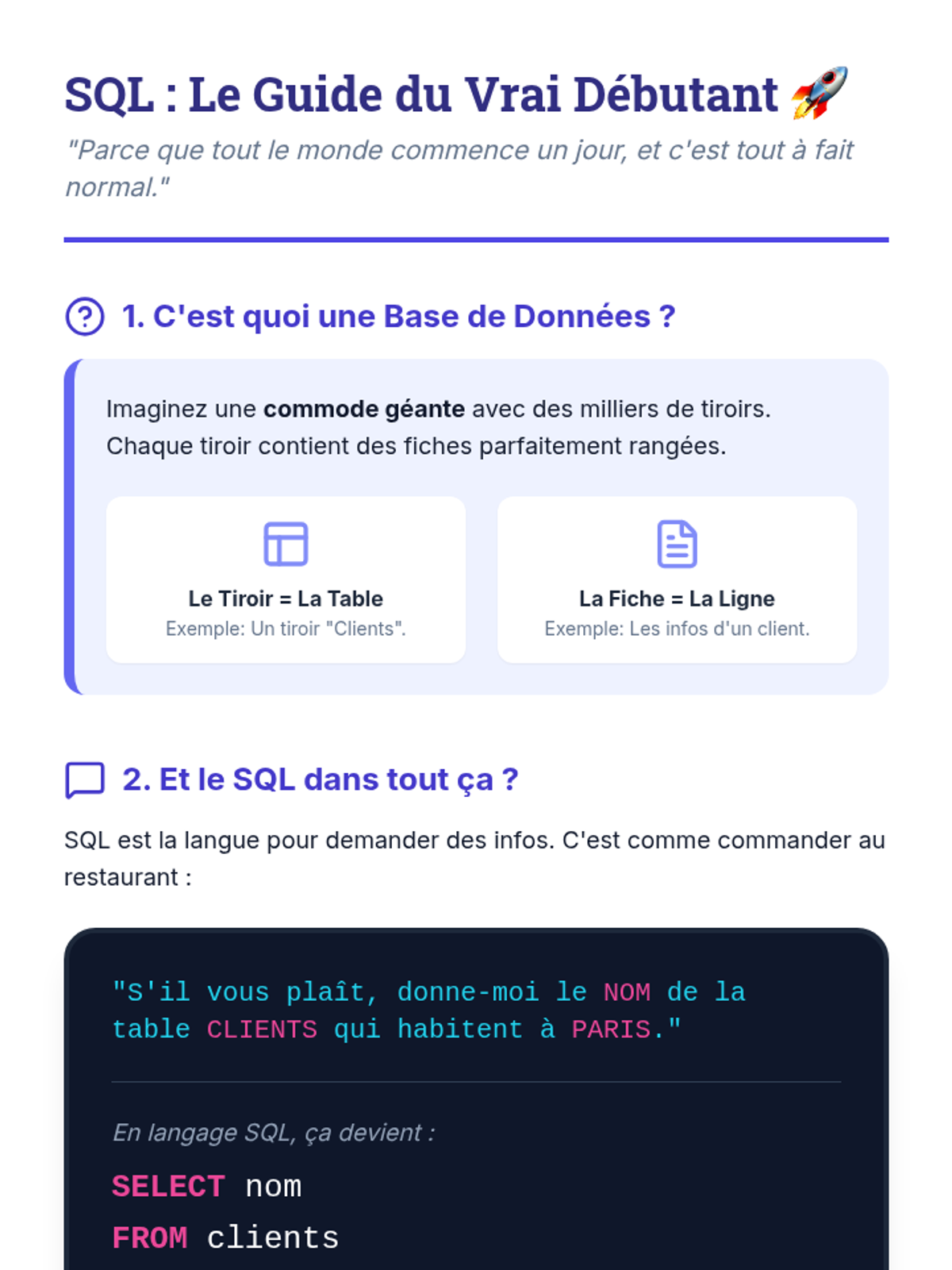
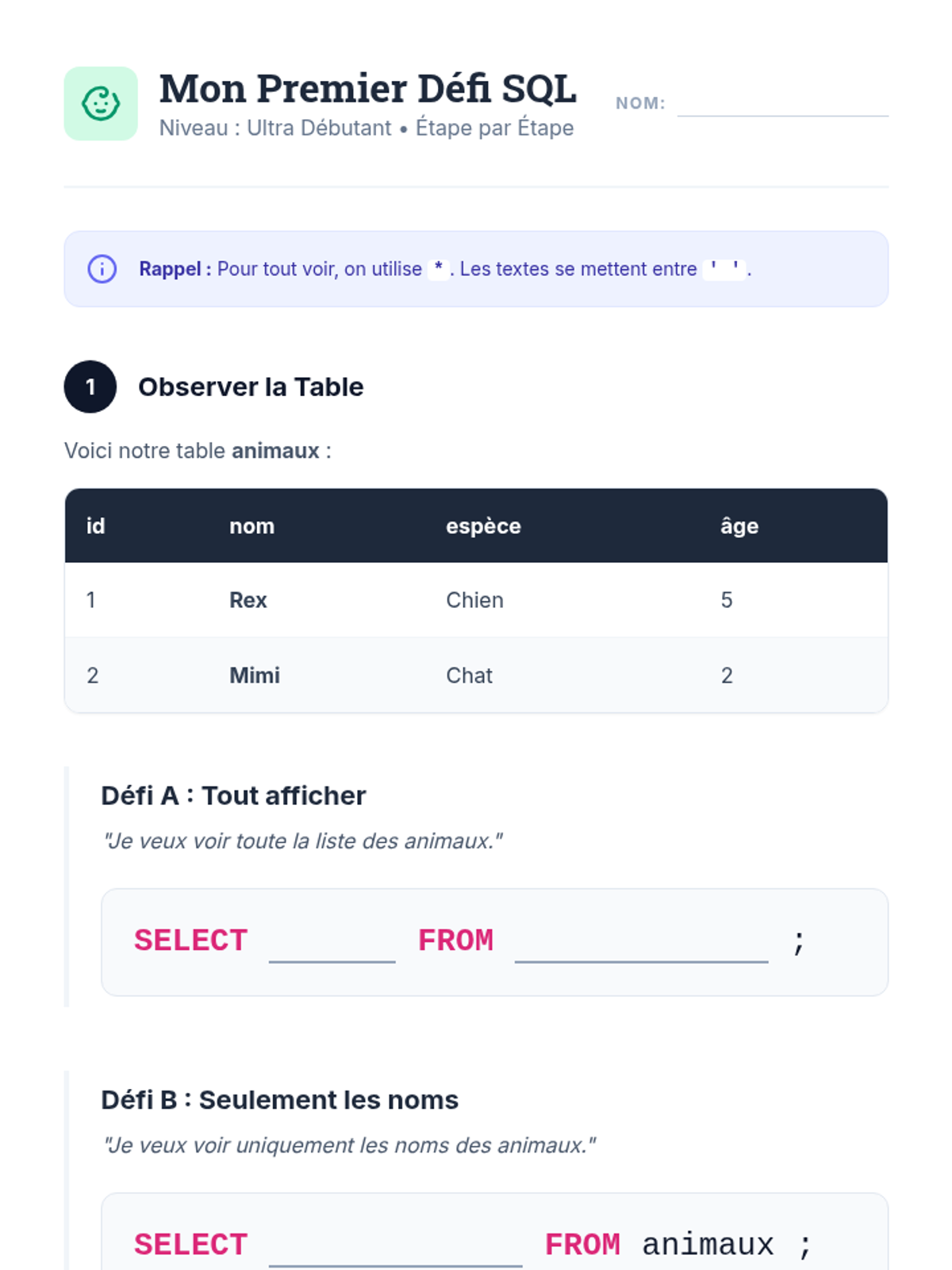
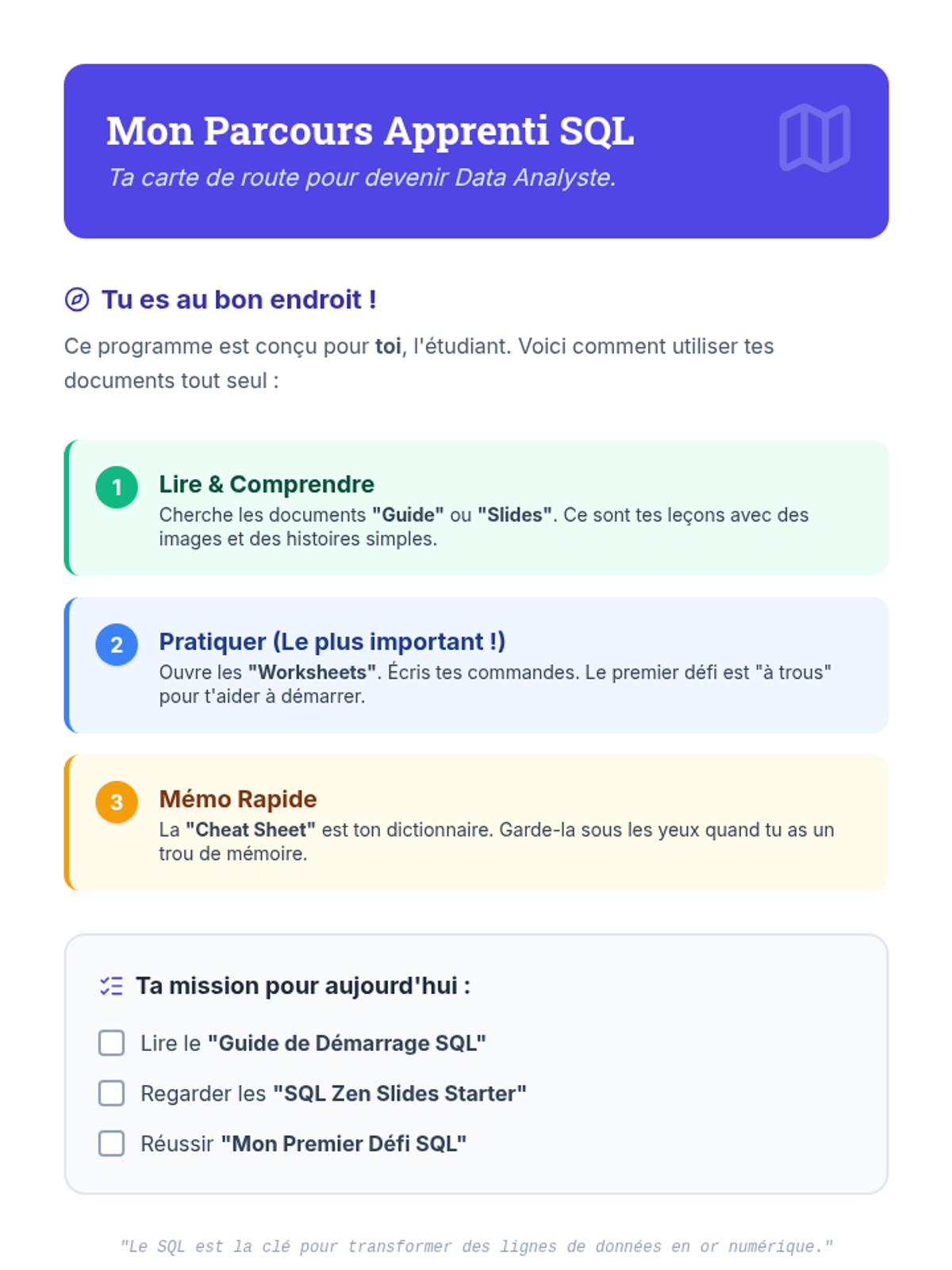
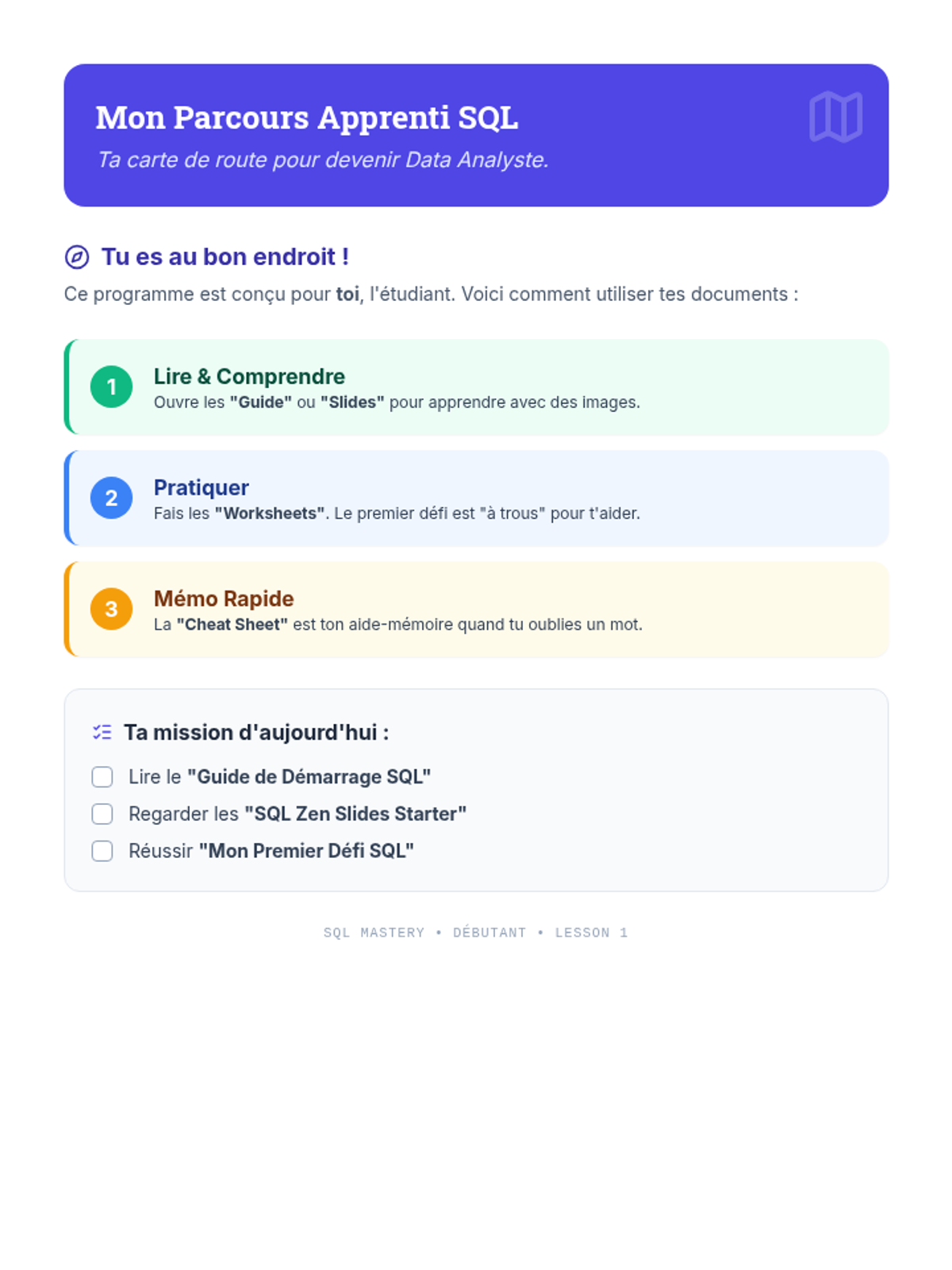
Introduction aux concepts de base des bases de données et apprentissage des commandes SELECT, FROM et WHERE pour extraire des données spécifiques.