An exploration of the Witches' further influence and Hecate's introduction in Act 3, Scenes 5-6, featuring the root 'tract' and diphthongs 'ou/ow'.
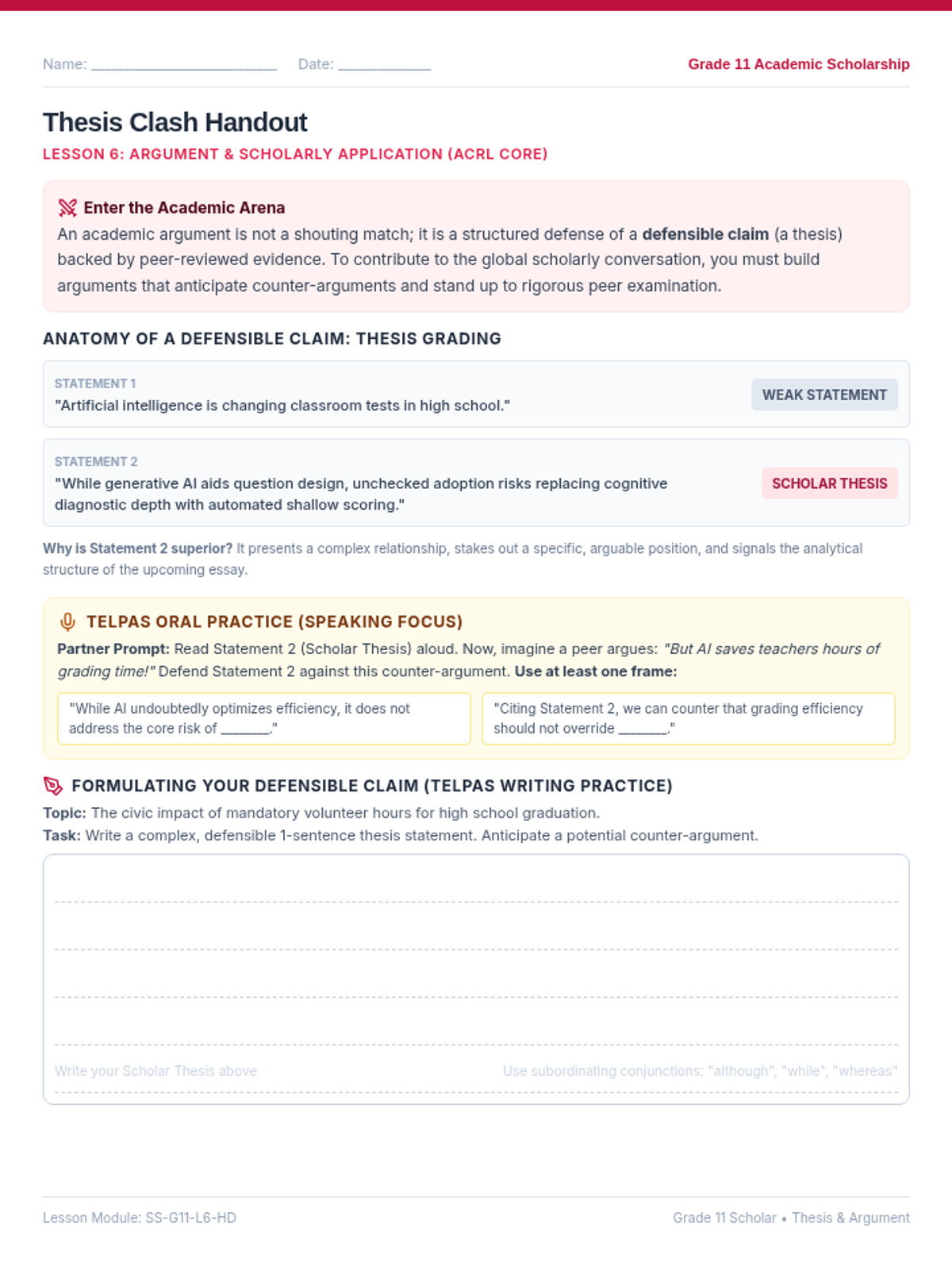
Students learn to formulate defensible academic claims, integrate scholarly evidence seamlessly into arguments, and reflect on their growth as scholarly contributors.
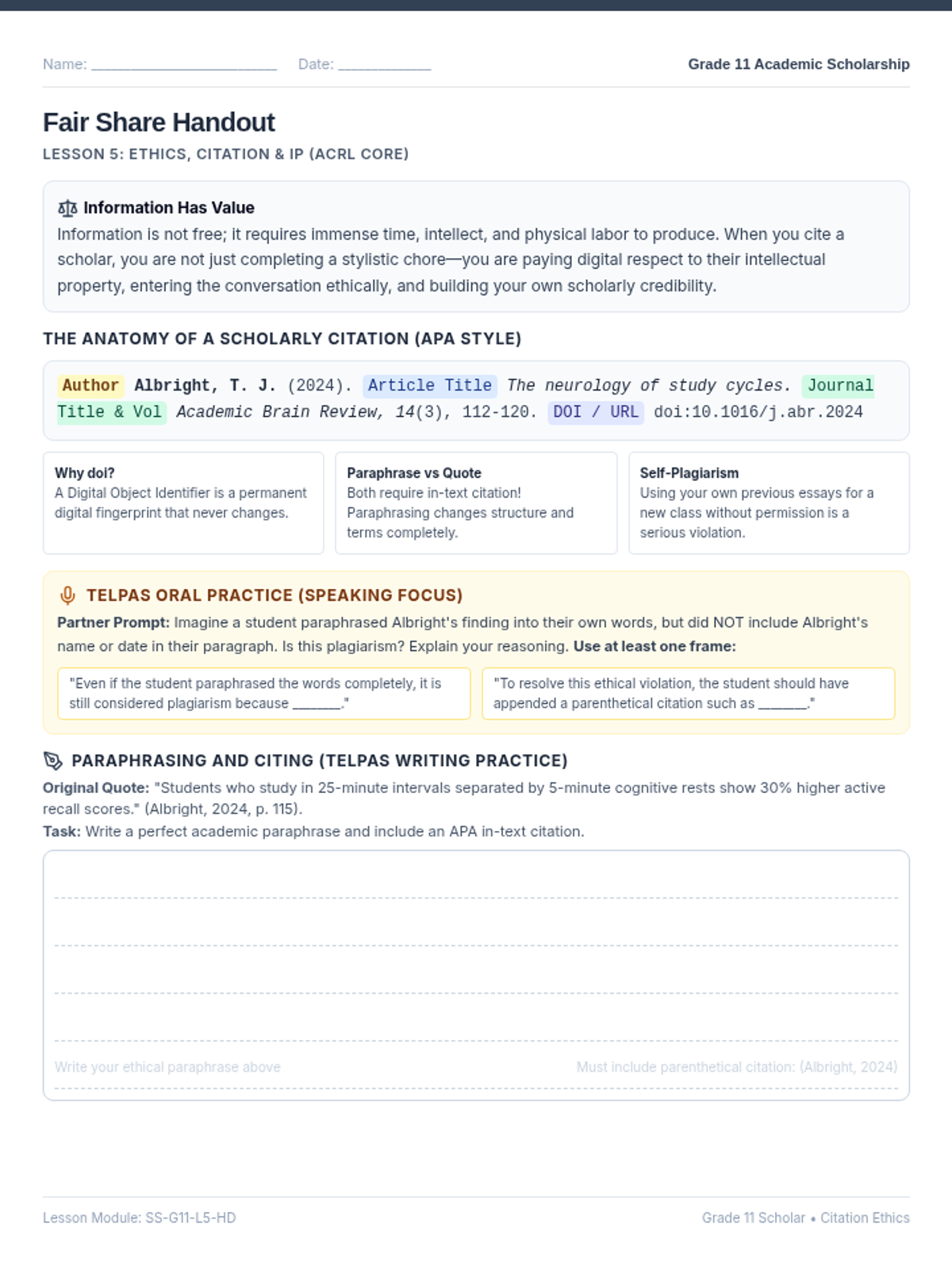
Students learn the principles of ethical information consumption, intellectual property rights, citation systems (APA, MLA), and how proper citation values scholarly creation.
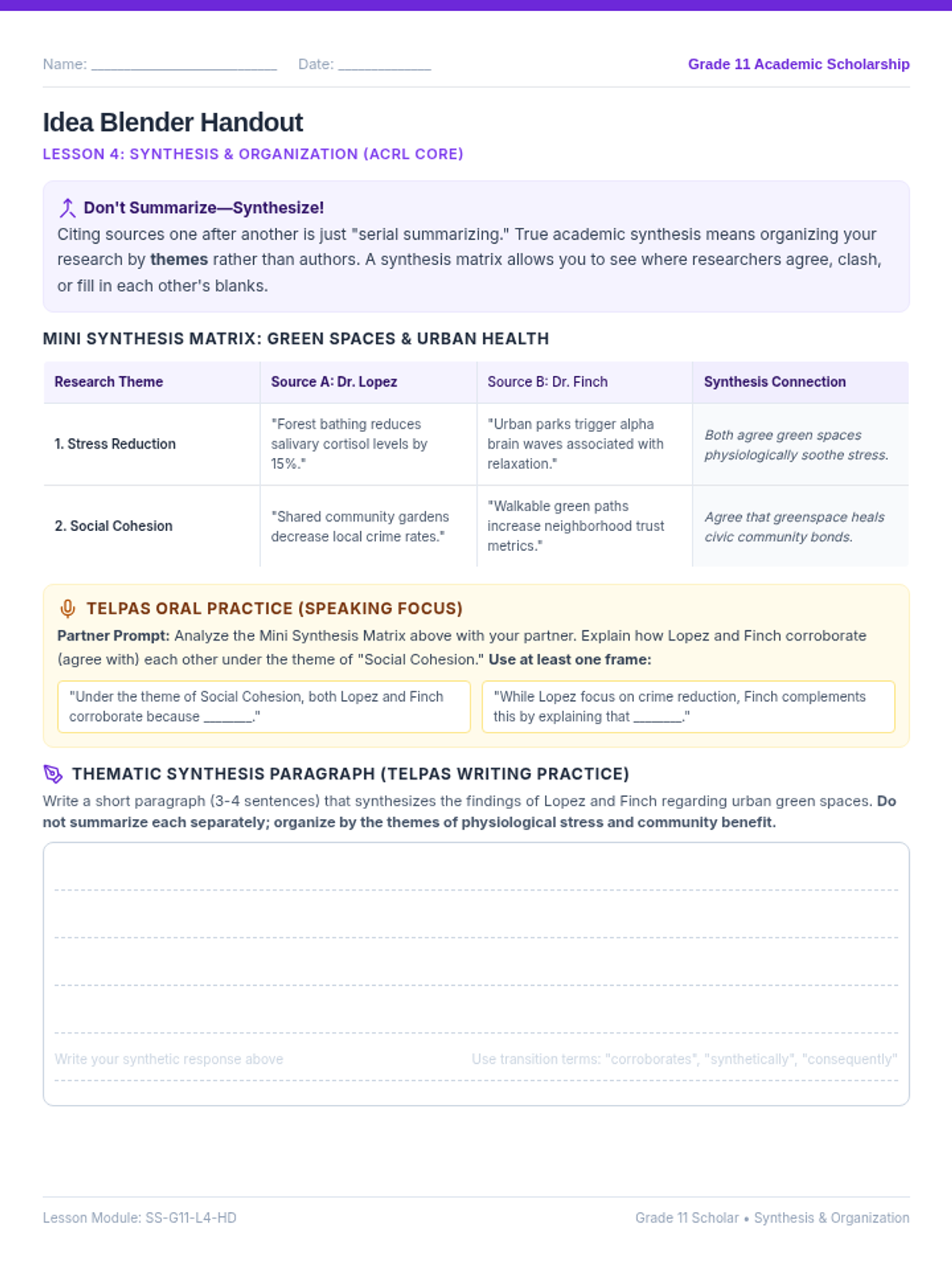
Students learn to organize complex research findings from multiple scholarly perspectives using a synthesis matrix and formulate cohesive thematic summaries.
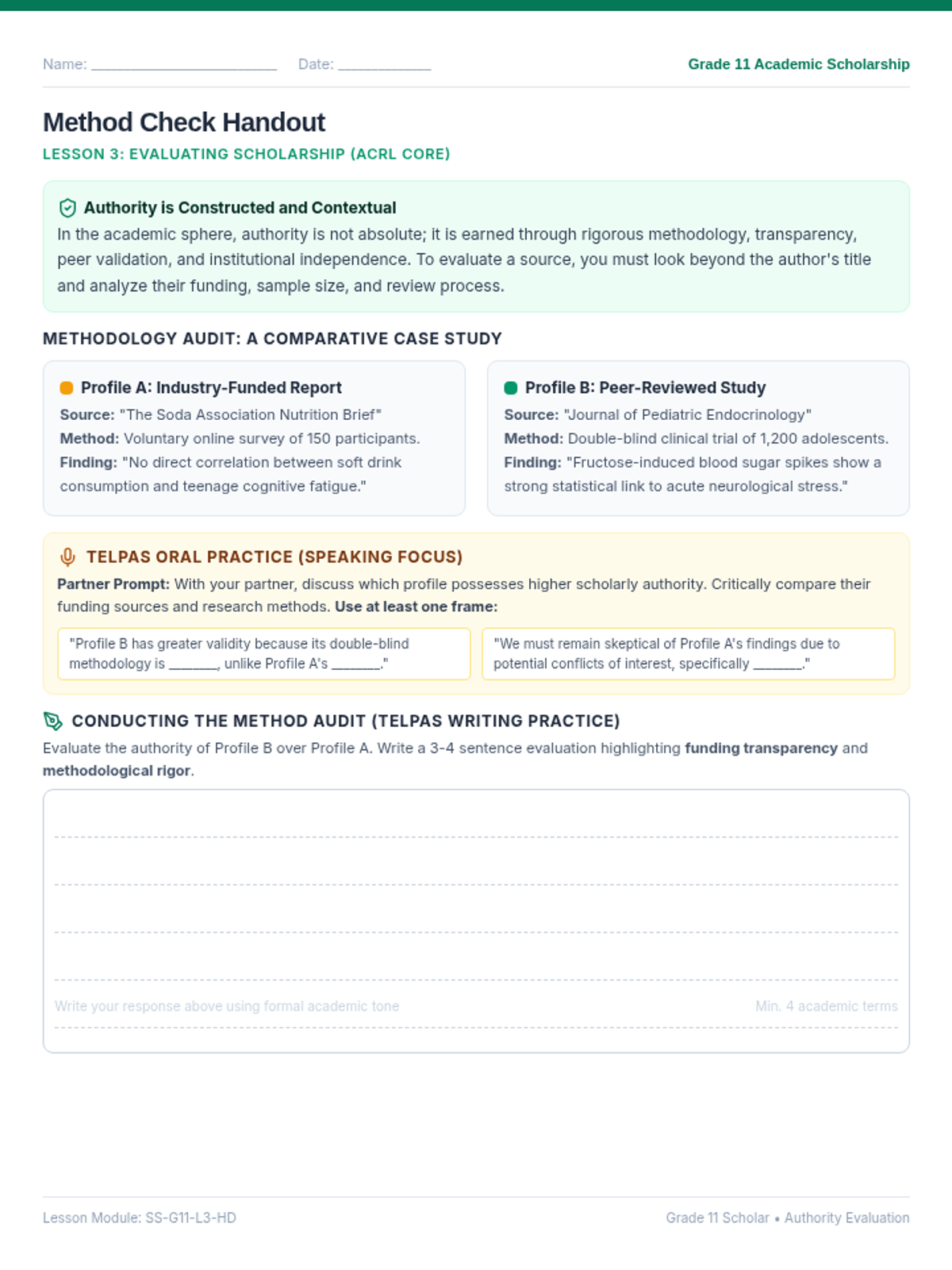
Students learn to analyze scholarly source authority, unpacking research methodology, peer review dynamics, and institutional credibility of research findings.
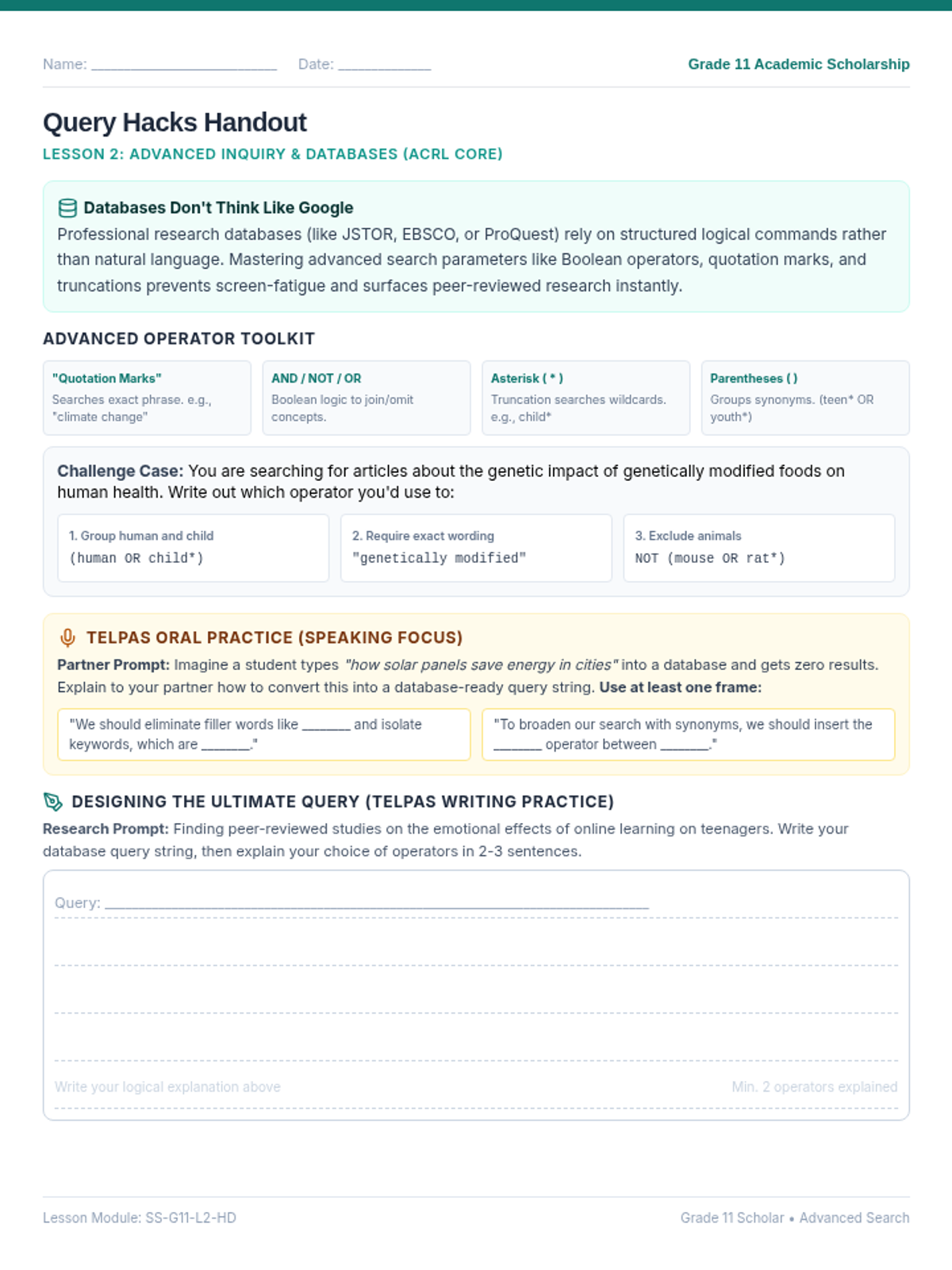
Students develop advanced database search strategies using boolean parameters, wildcard systems, truncations, and key field boundaries to narrow scholarly results.
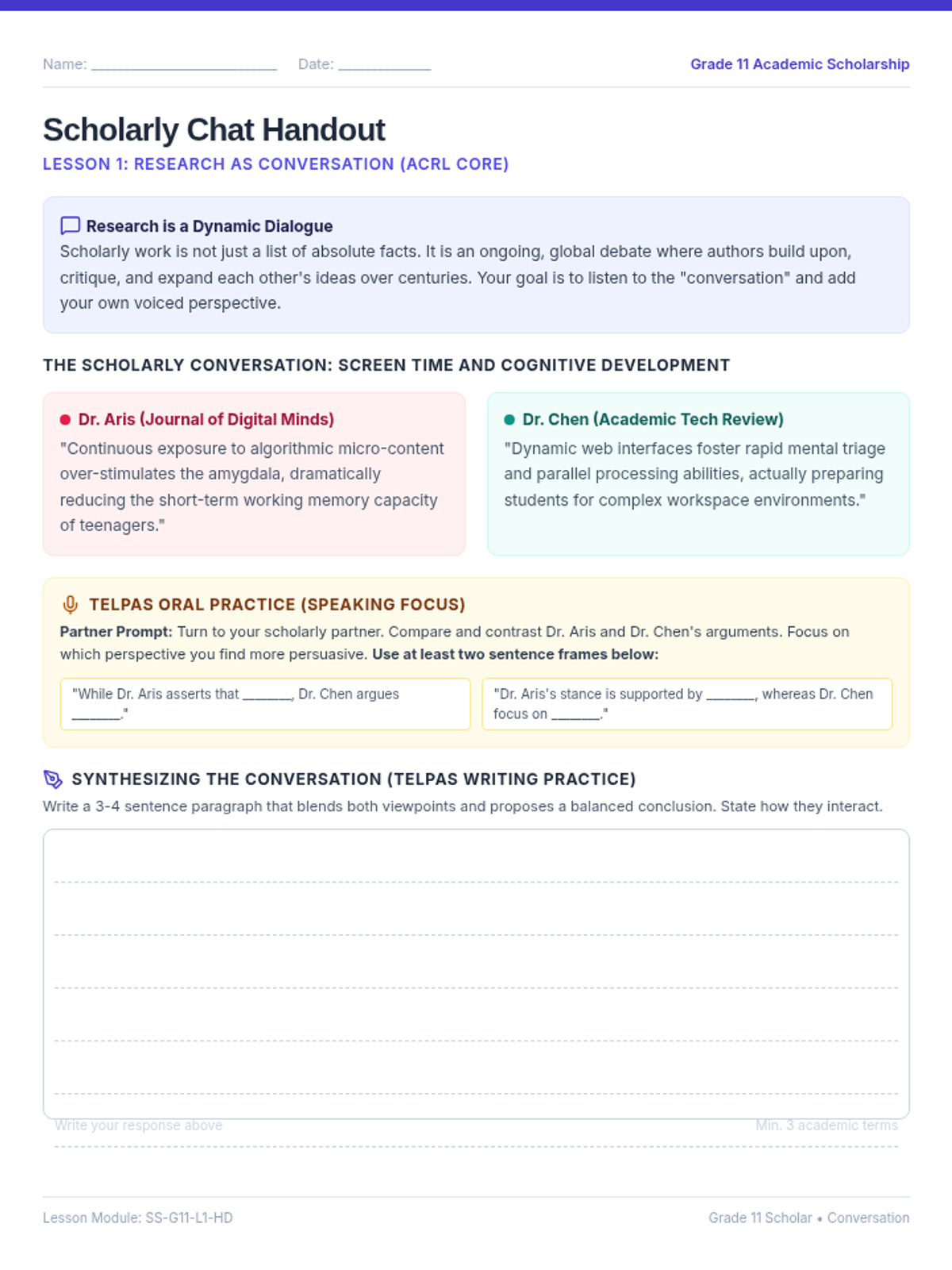
Students explore the collaborative nature of research, recognizing scholarly databases and academic literature as an ongoing dialogue where authors build upon, challenge, and refine each other's ideas.
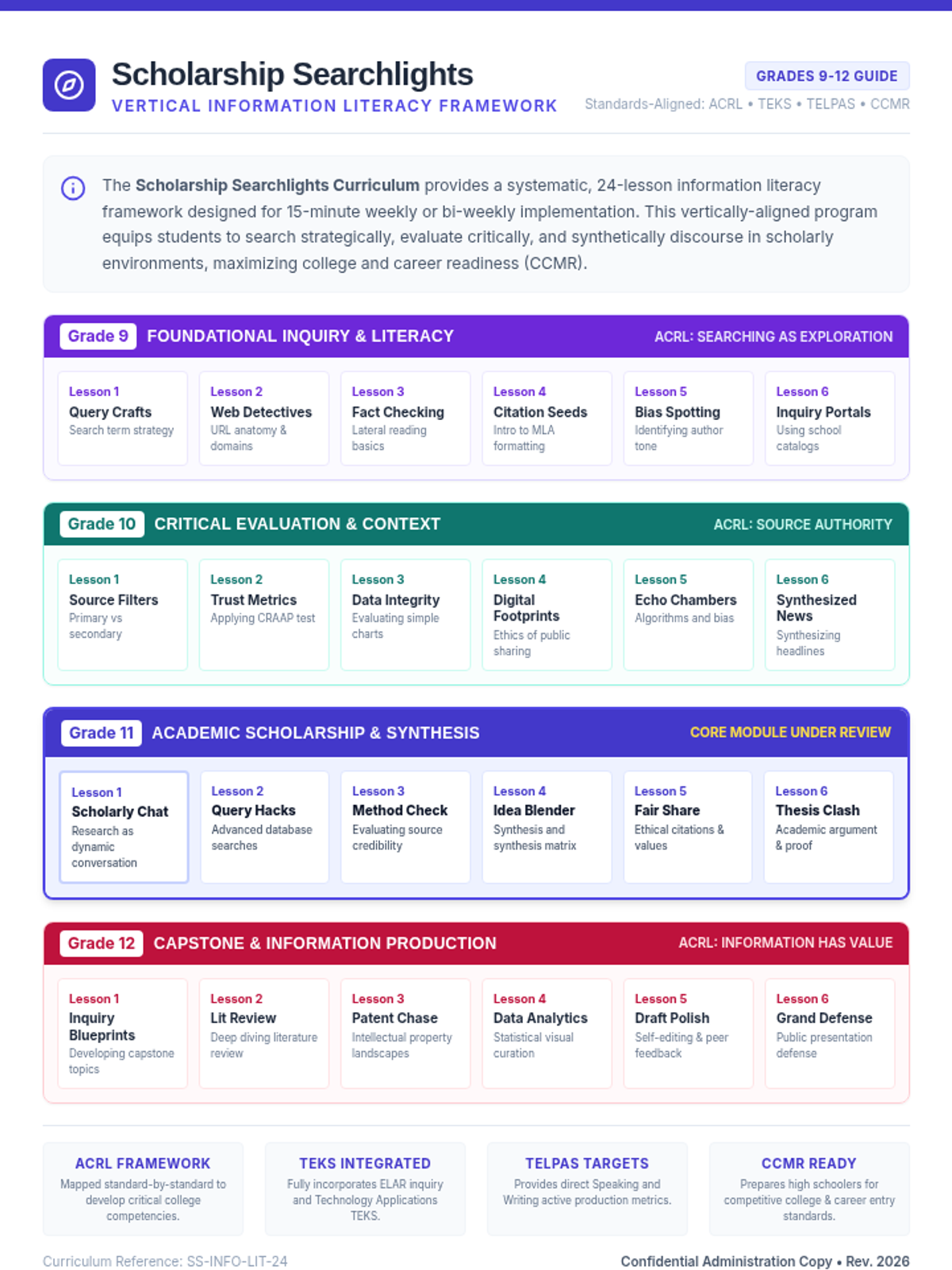
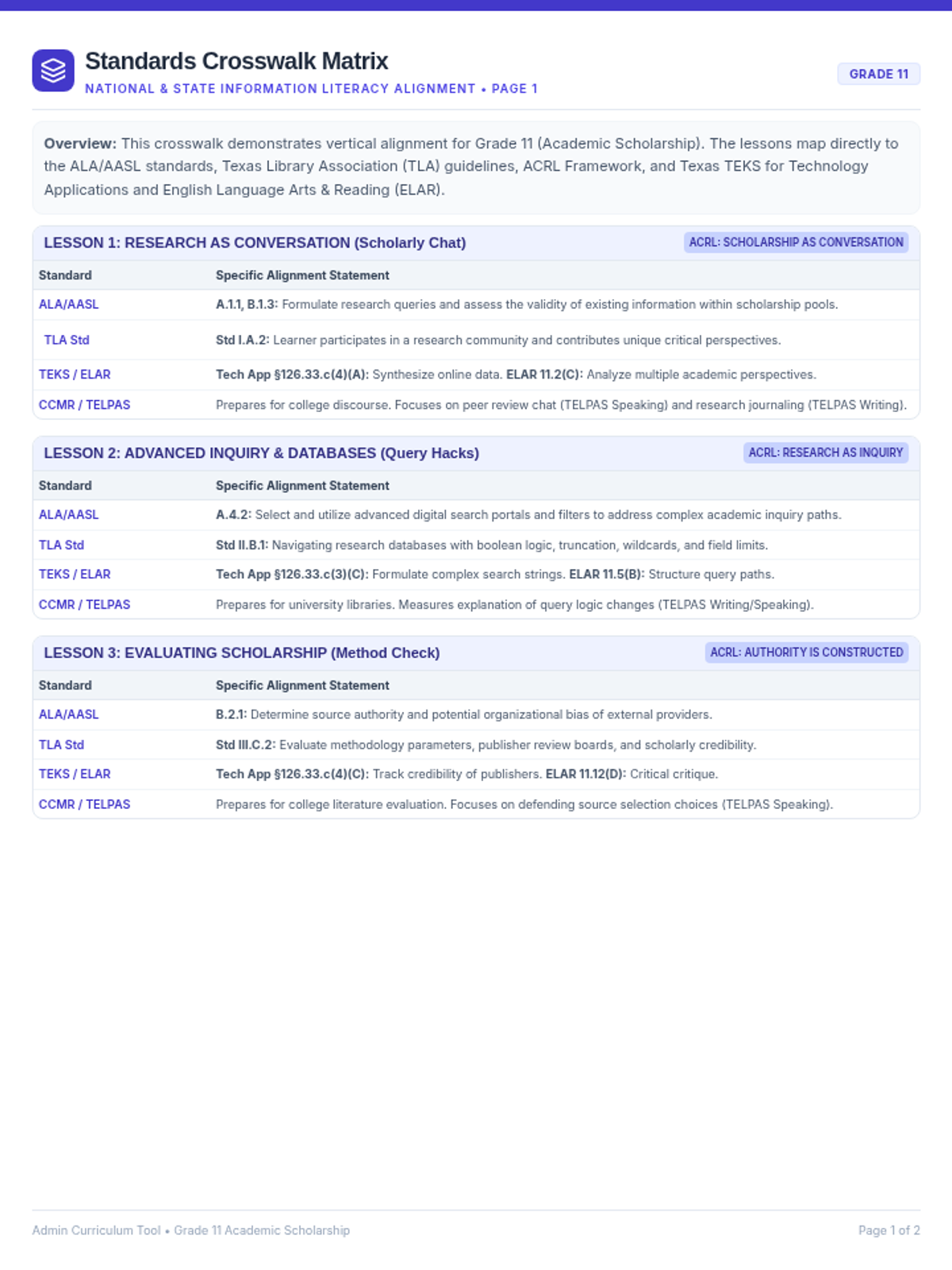
Administrative resources and vertical alignment guides for teachers and school leadership, including the full 24-lesson K-12 scope and standards crosswalk.
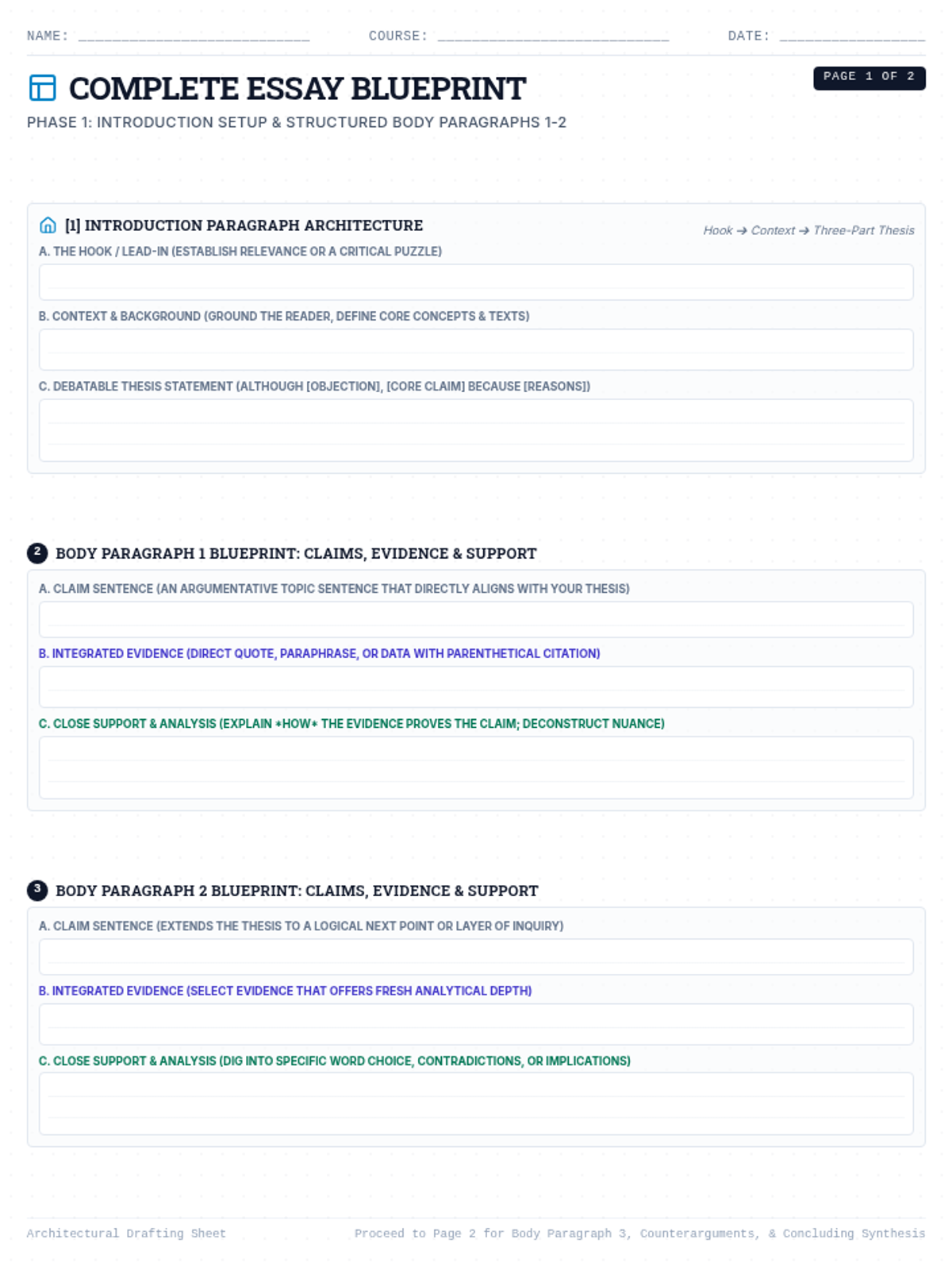
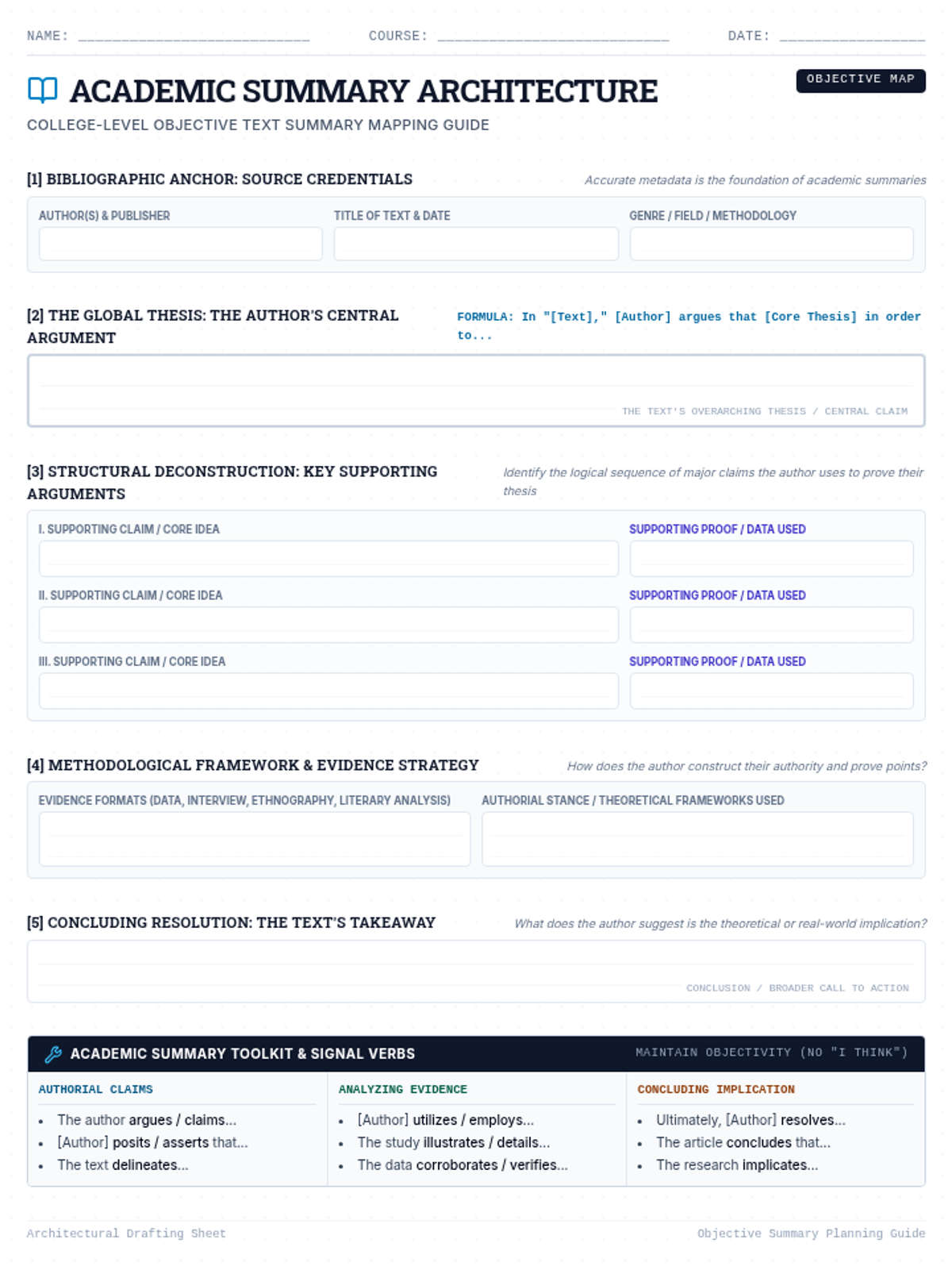
A college-level writing lesson focusing on structural precision, thesis formulation, evidentiary mapping, and cohesive argumentation across a multi-paragraph academic essay.
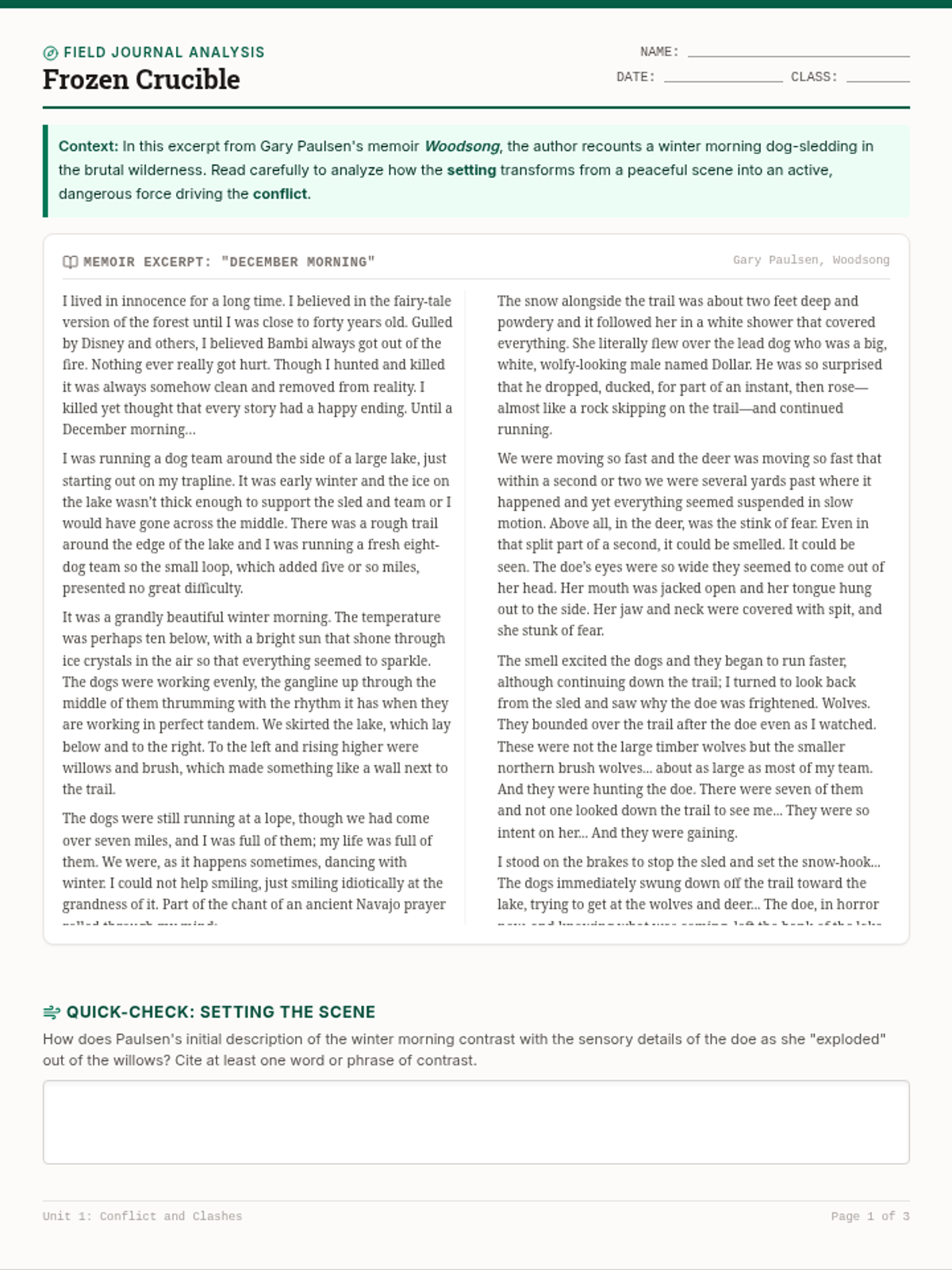
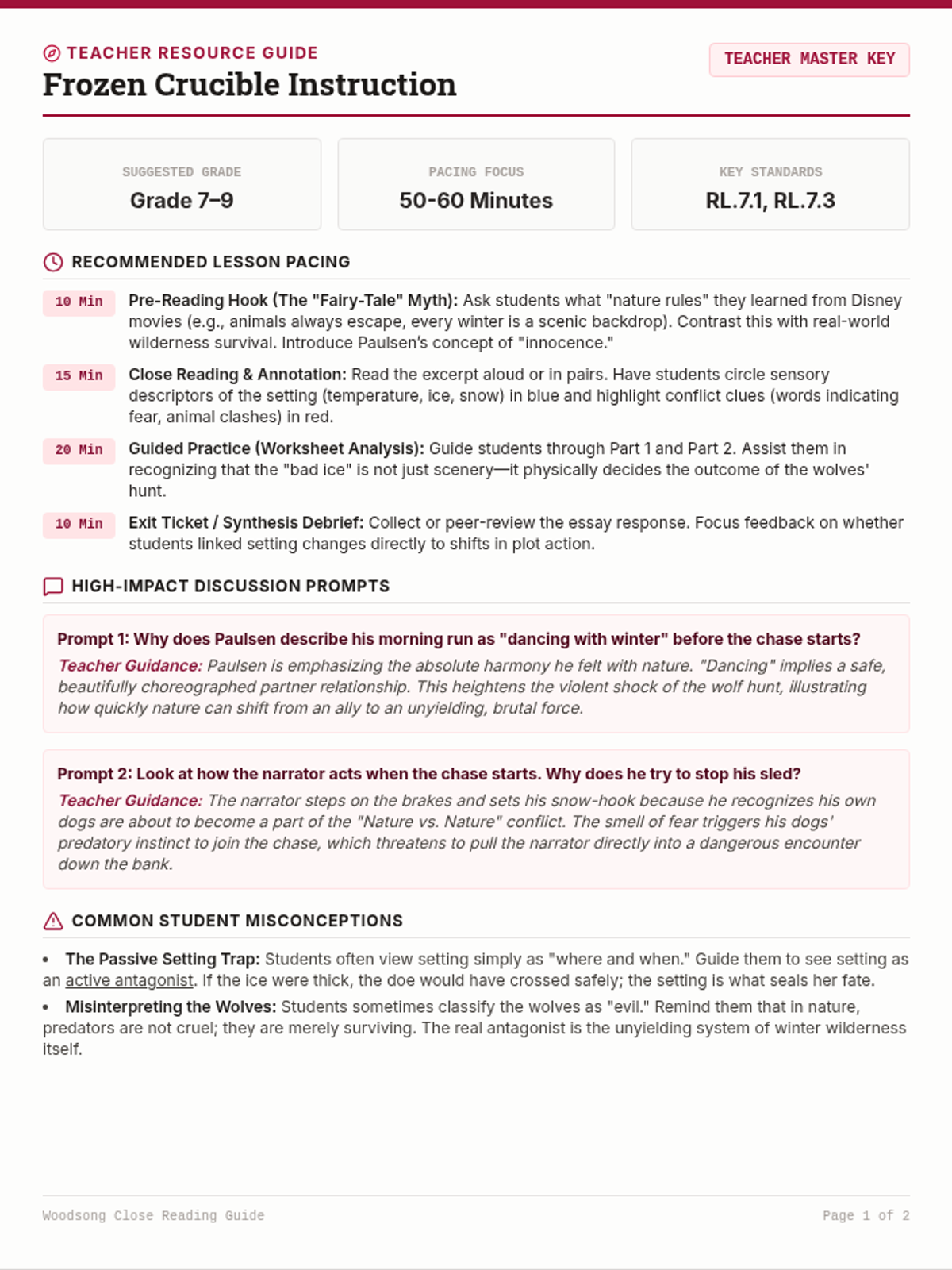
A close-reading lesson exploring conflict and setting in Gary Paulsen's Woodsong. Students analyze how the brutal winter environment drives the plot and shapes the central conflict.
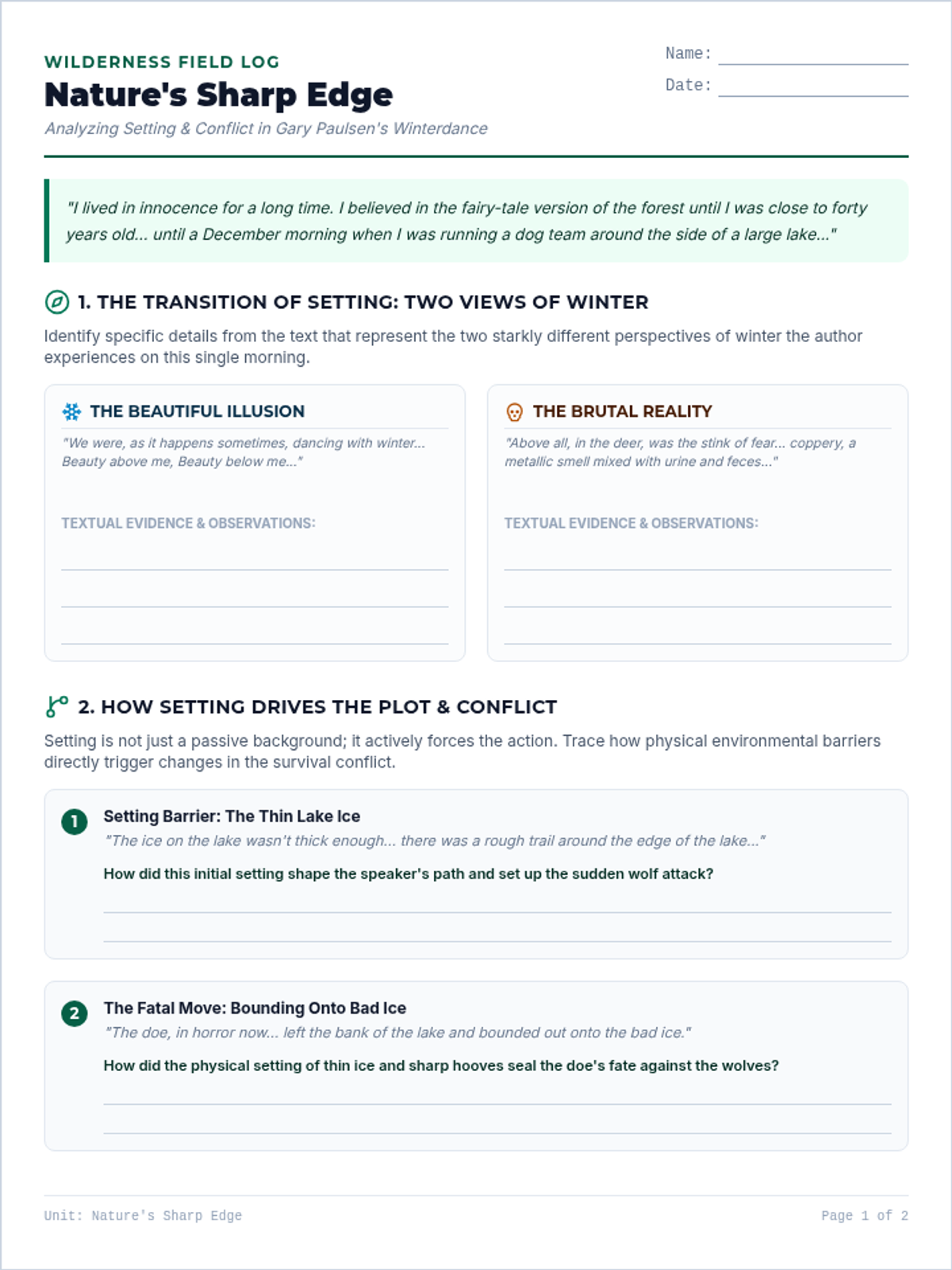
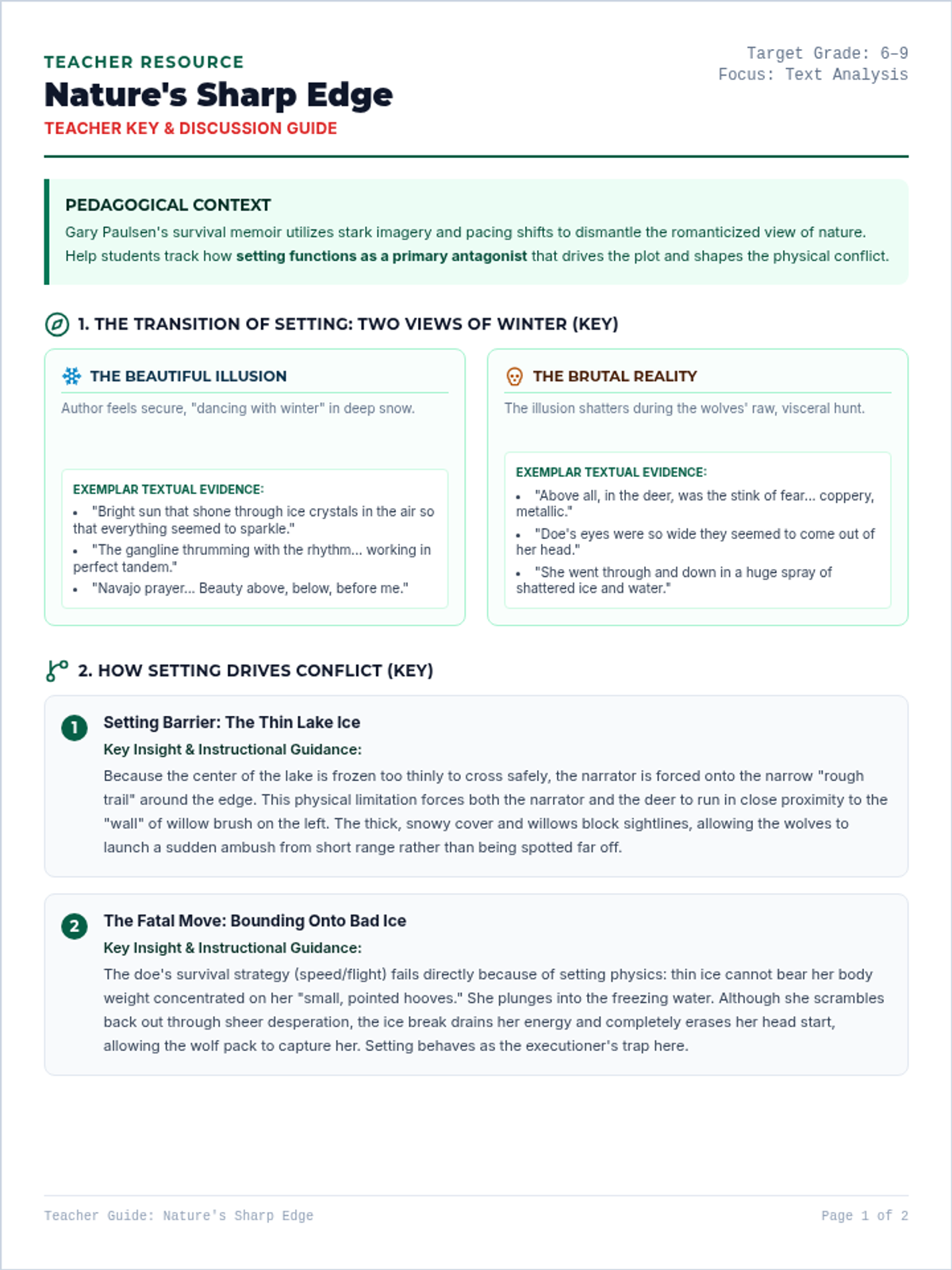
A literature lesson focused on Gary Paulsen's Winterdance Chapter 1. Students analyze how setting drives conflict and explore personal connections to the themes of survival, fear, and shattered illusions.