A Kindergarten math lesson focusing on length comparison and the critical importance of baseline alignment using a zoo/reptile theme. Students use visual cues from a video and hands-on sorting to master comparing objects.
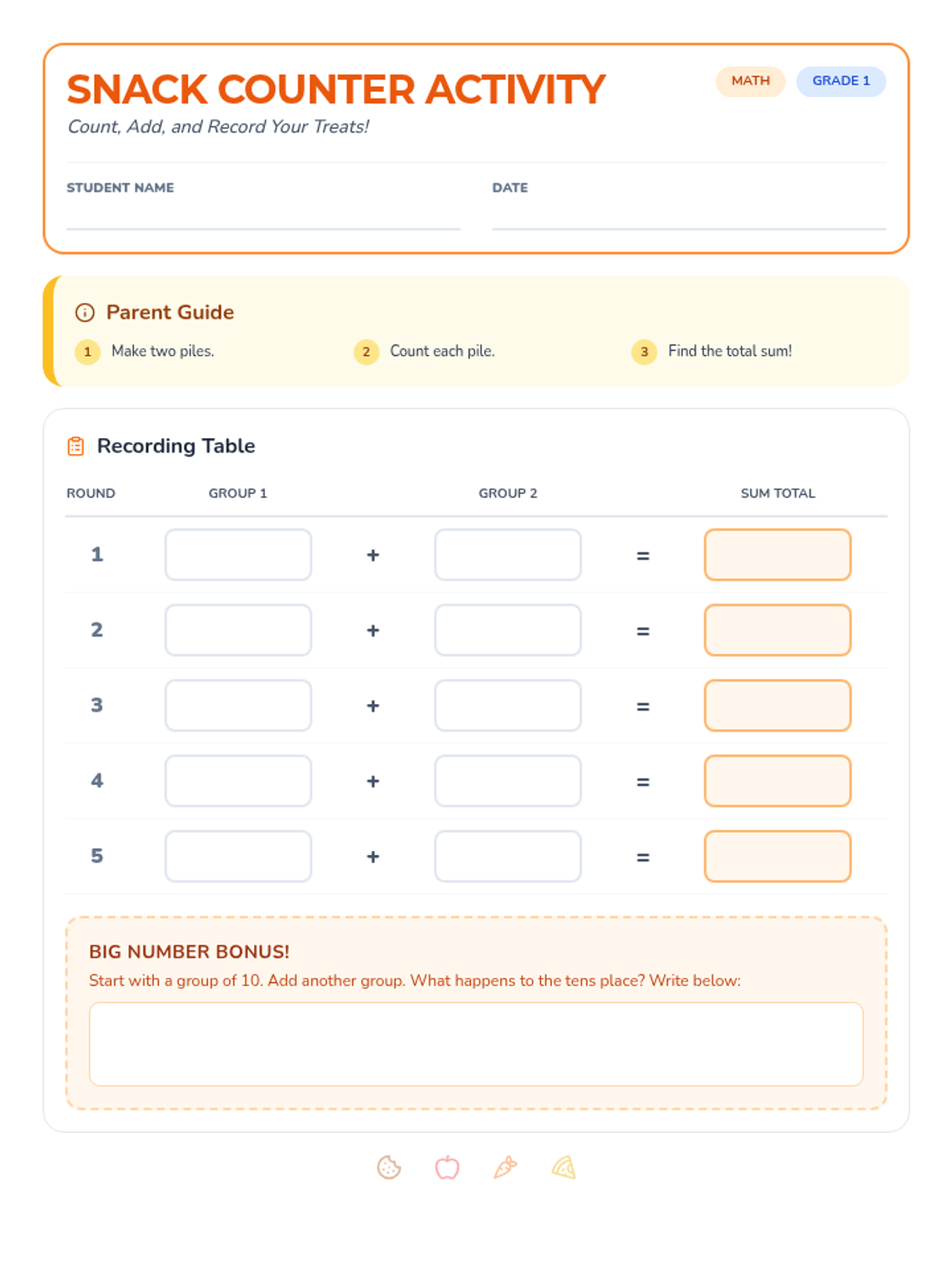
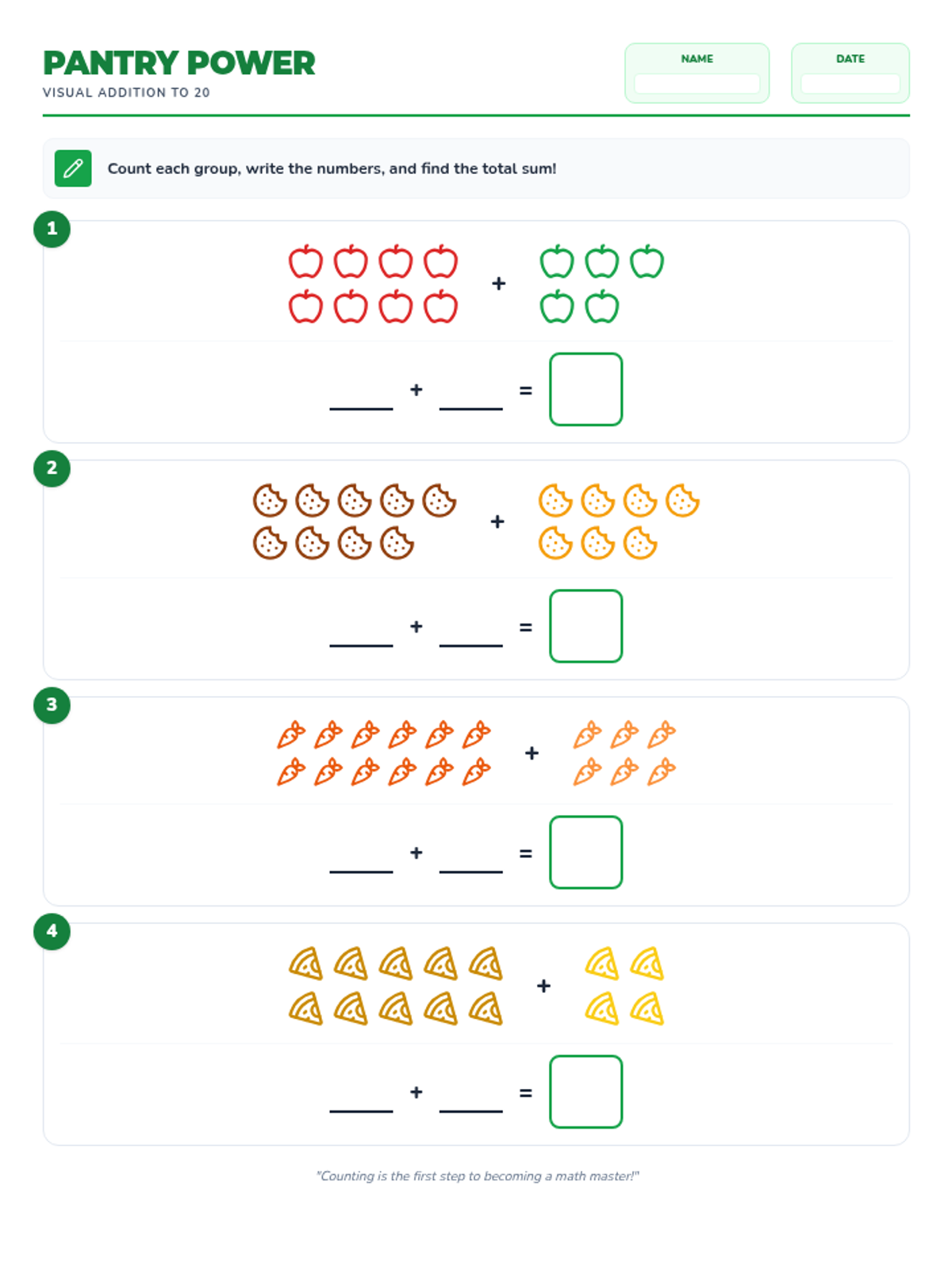
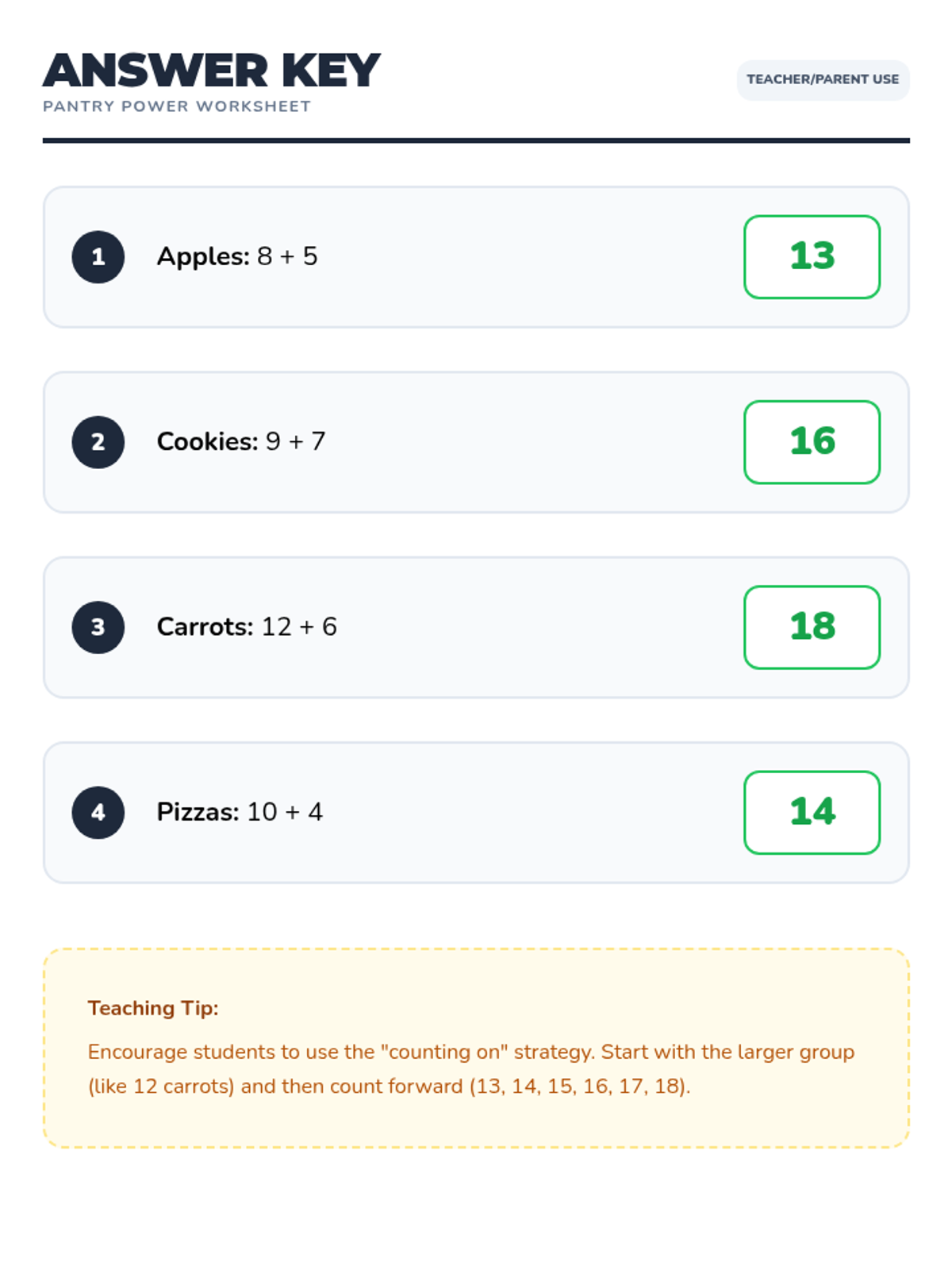
A hands-on addition lesson for first graders using household snacks to master adding two groups up to 20. Ideal for home learning and parent-child interaction.
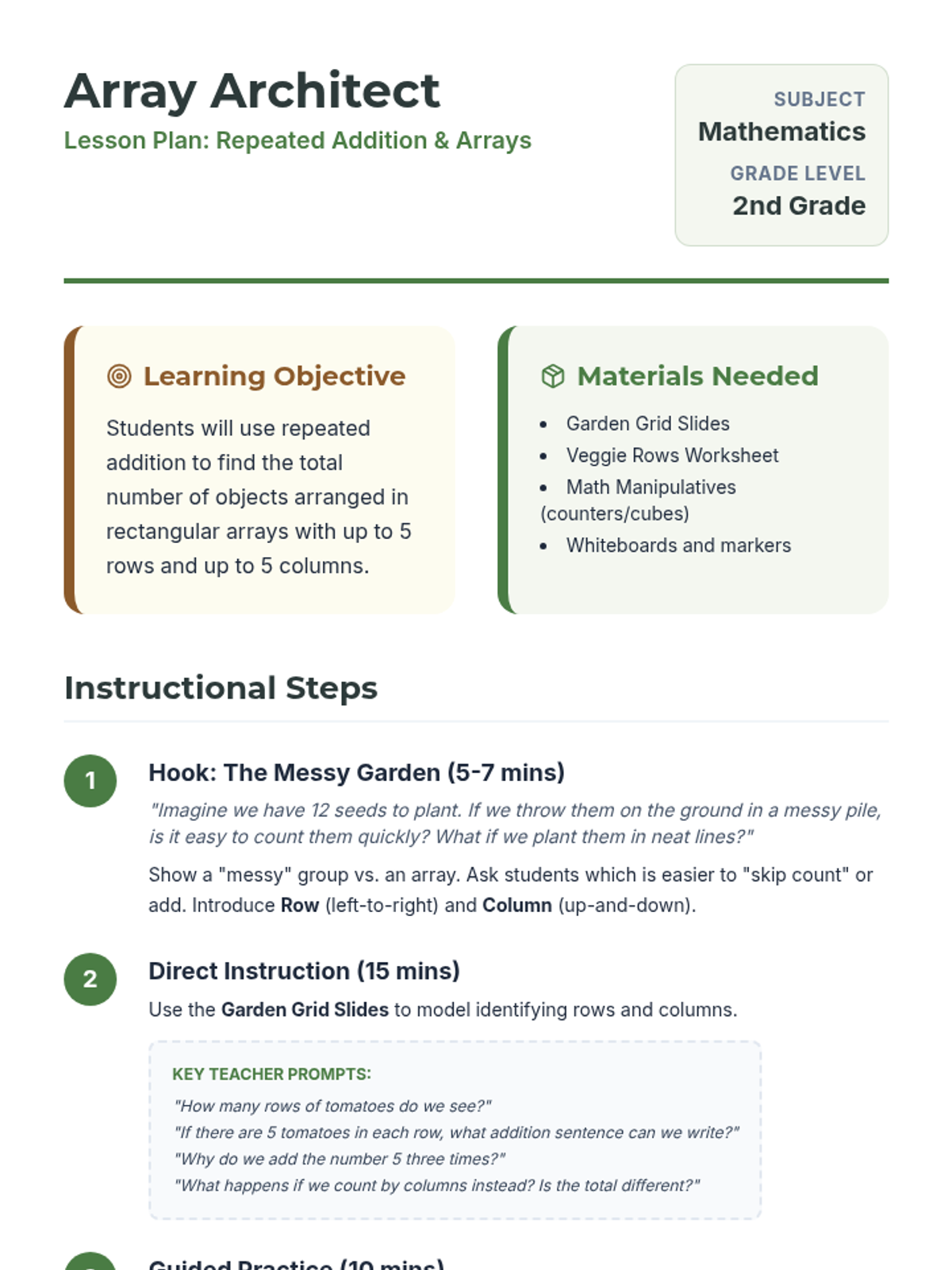
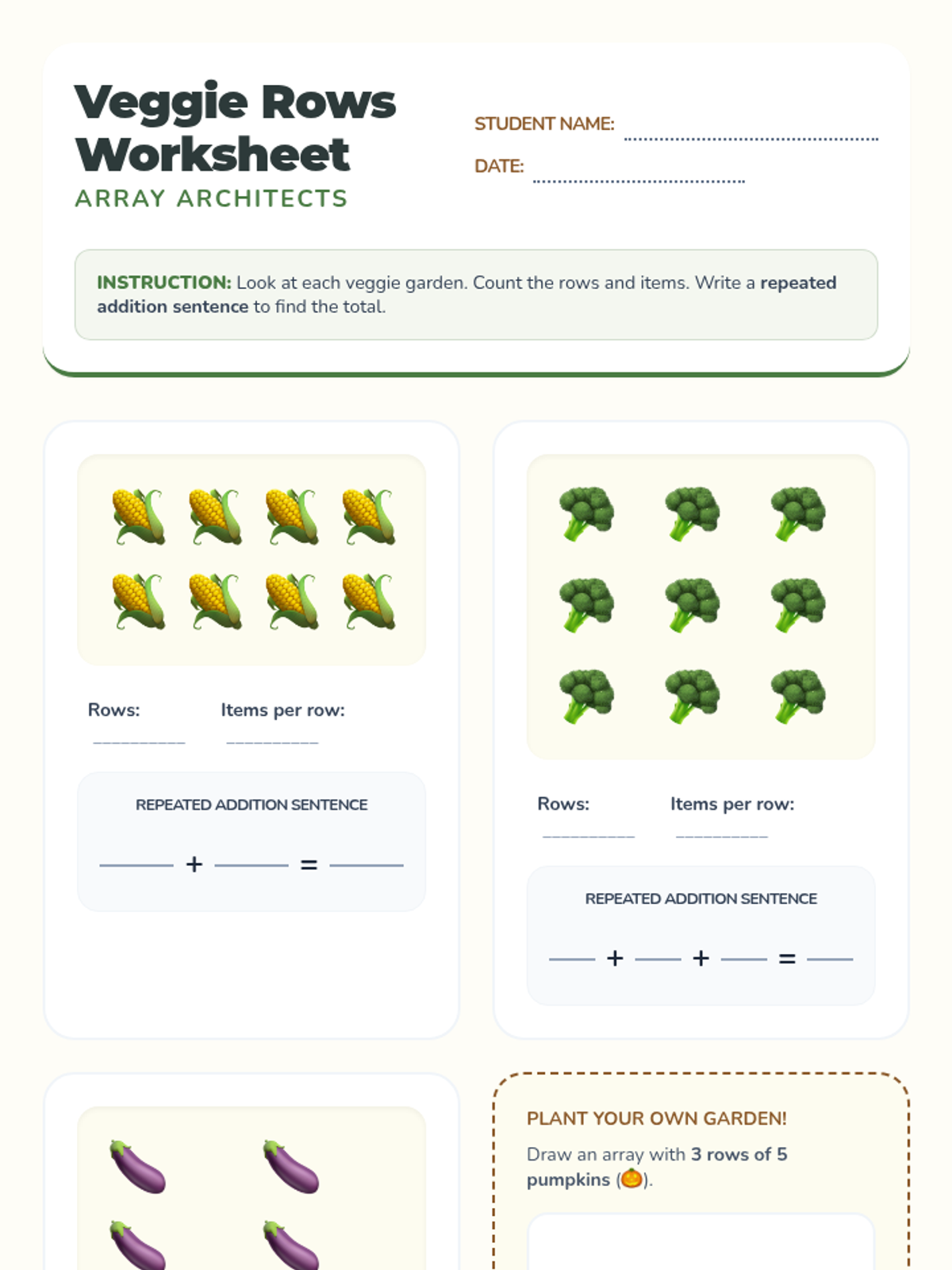
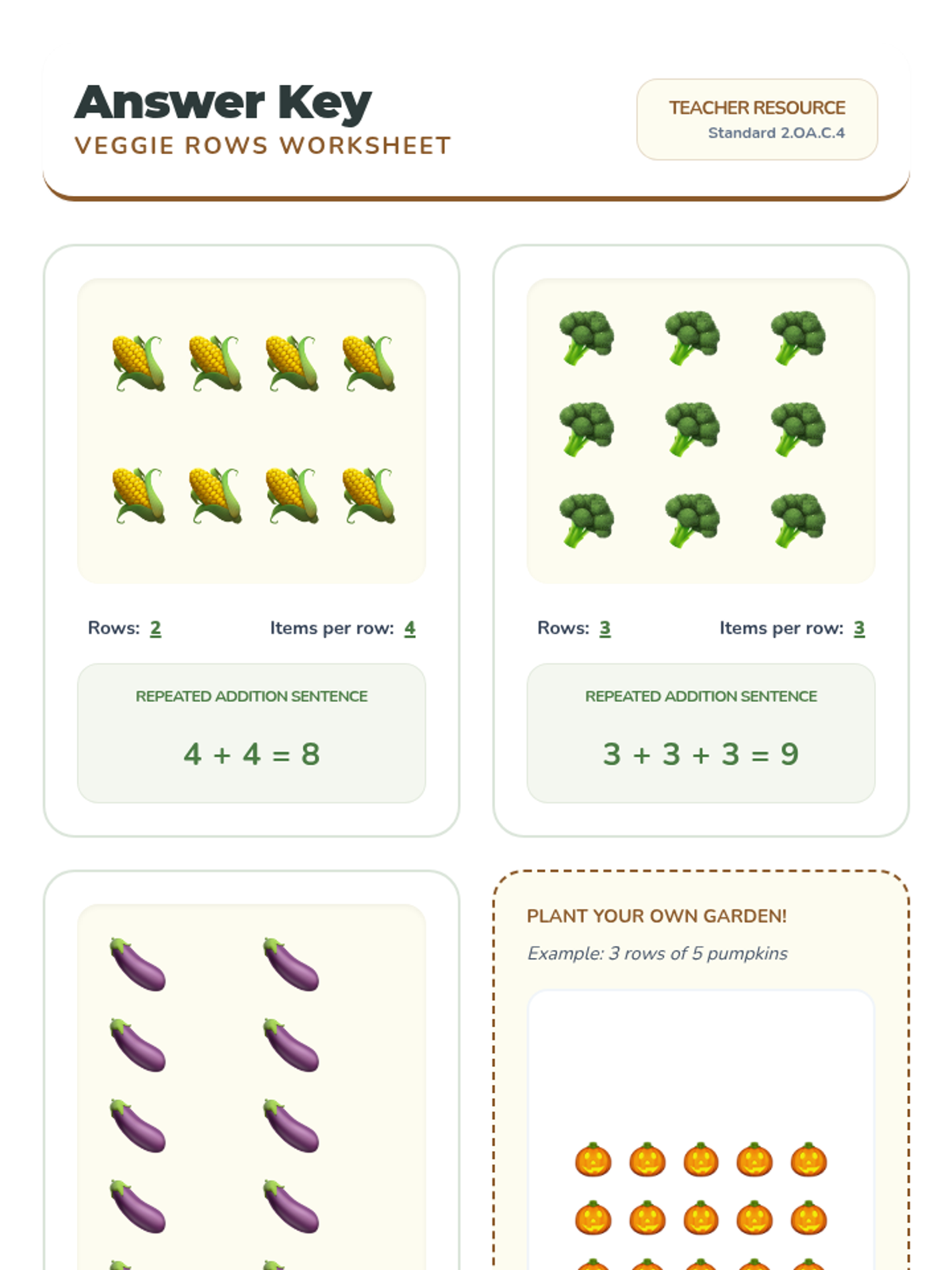
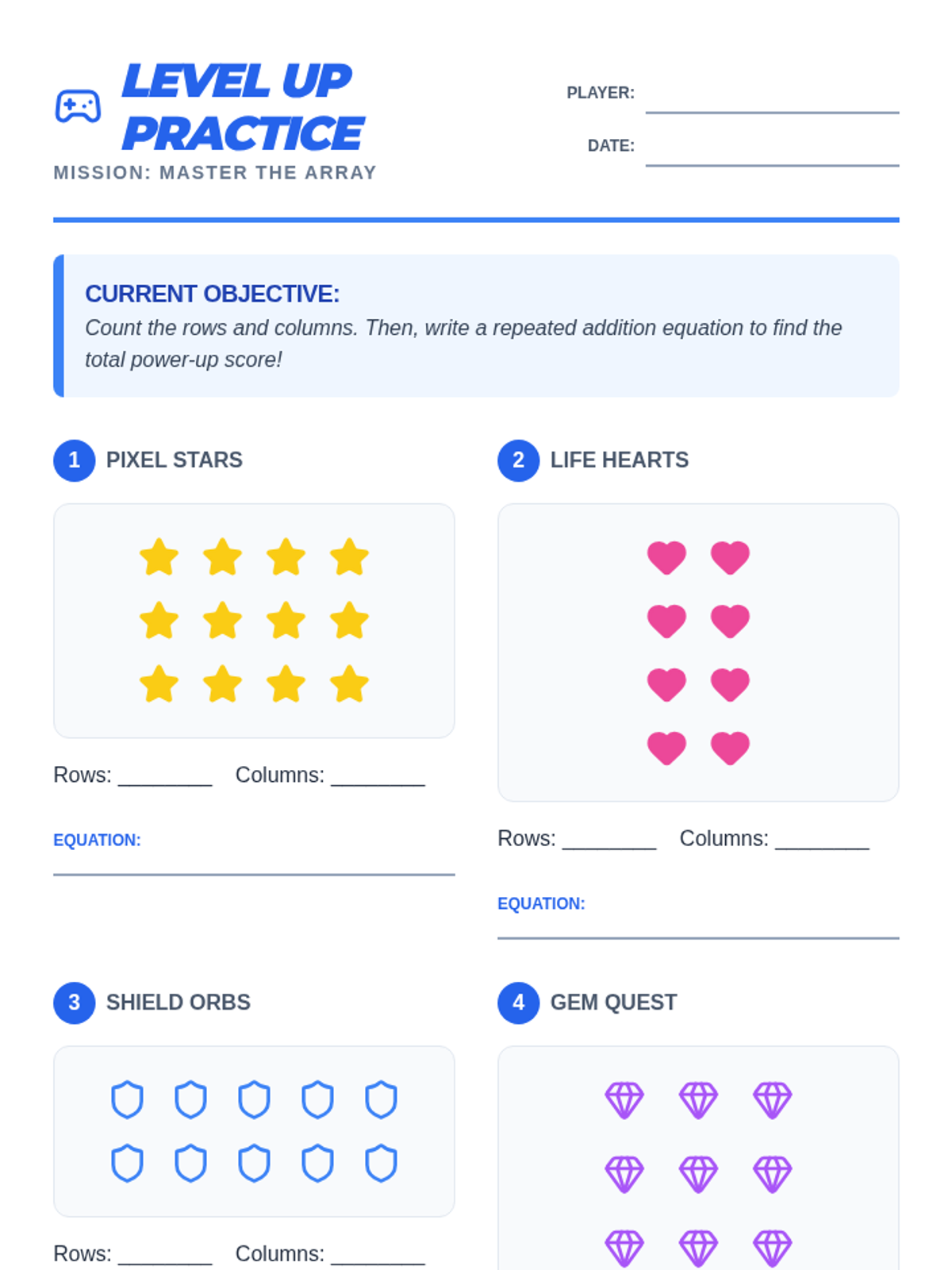
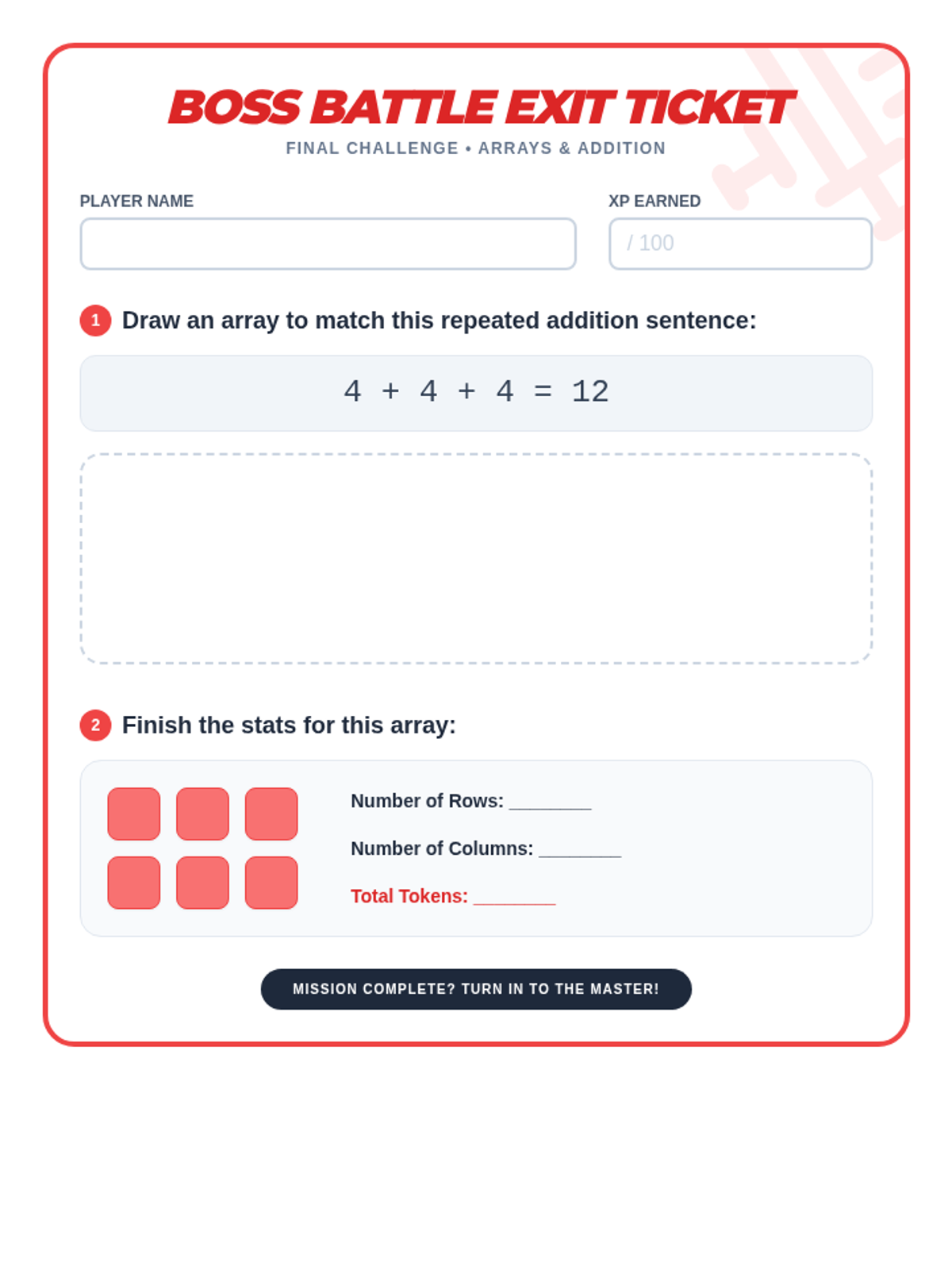
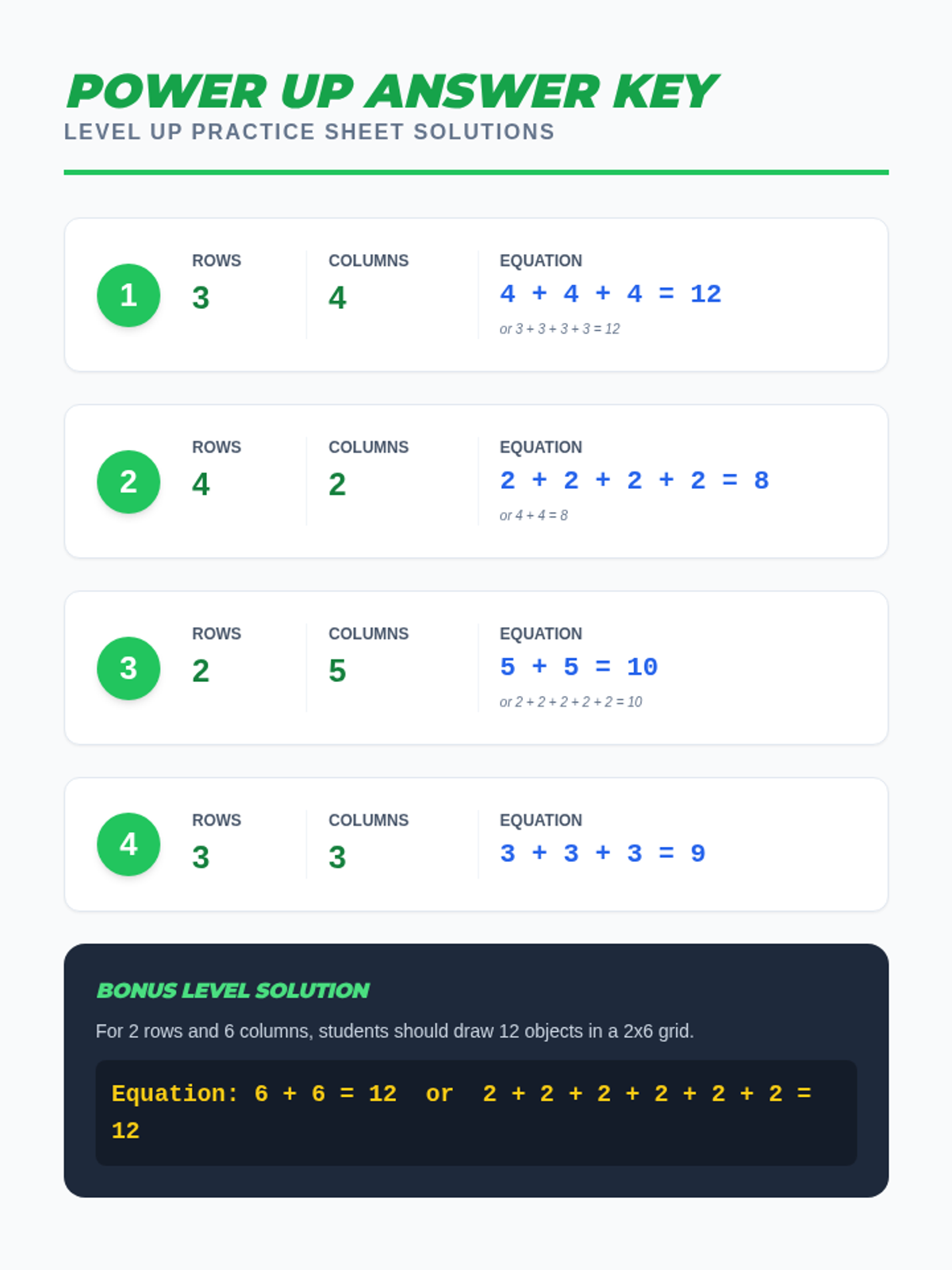
In this lesson, students explore the connection between arrays and repeated addition by organizing 'garden' items into rows and columns. They will learn to identify the number of items in each row/column and write corresponding addition sentences to find the total.
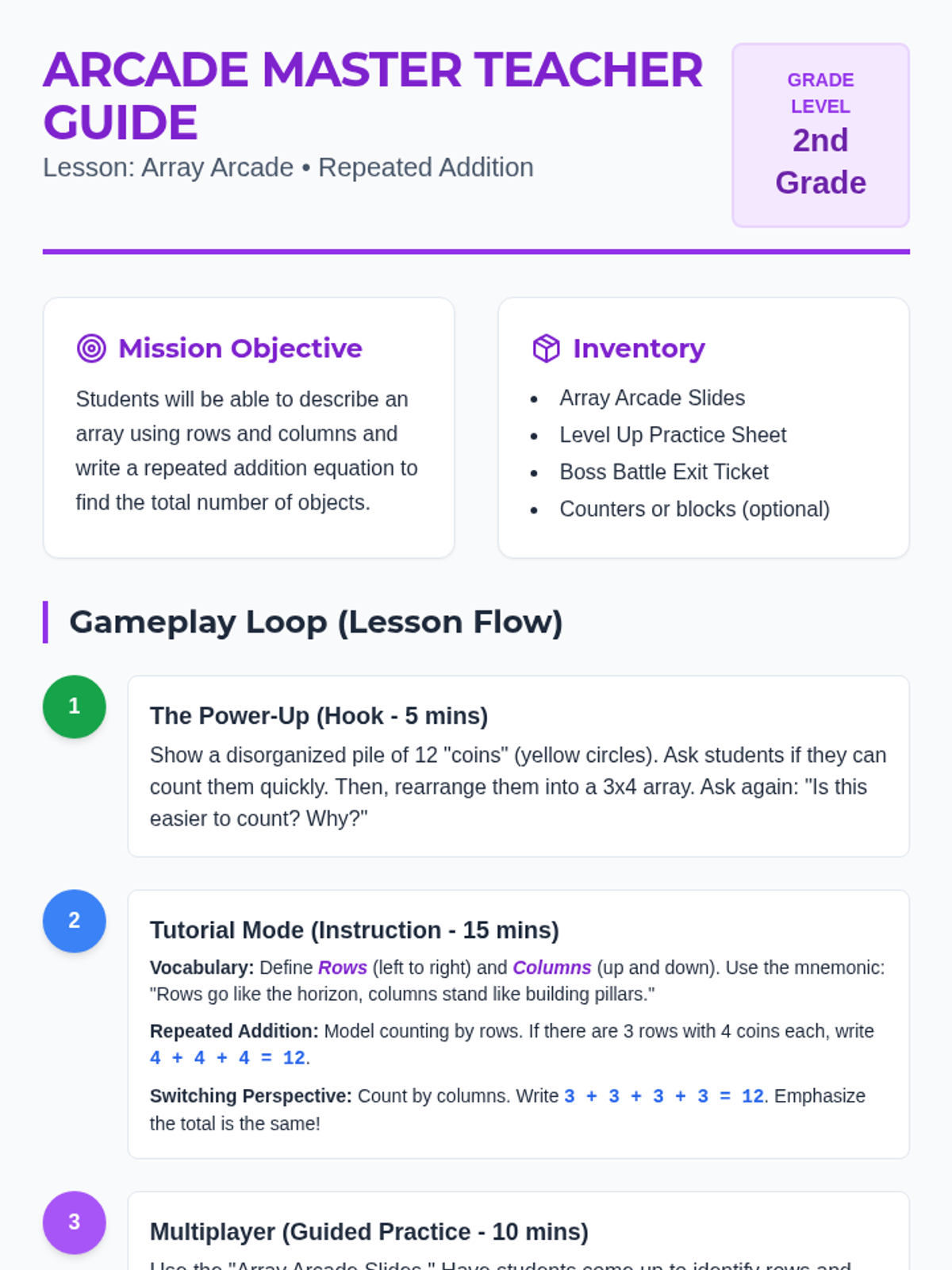
A high-energy introduction to arrays where students learn to identify rows and columns and relate them to repeated addition.
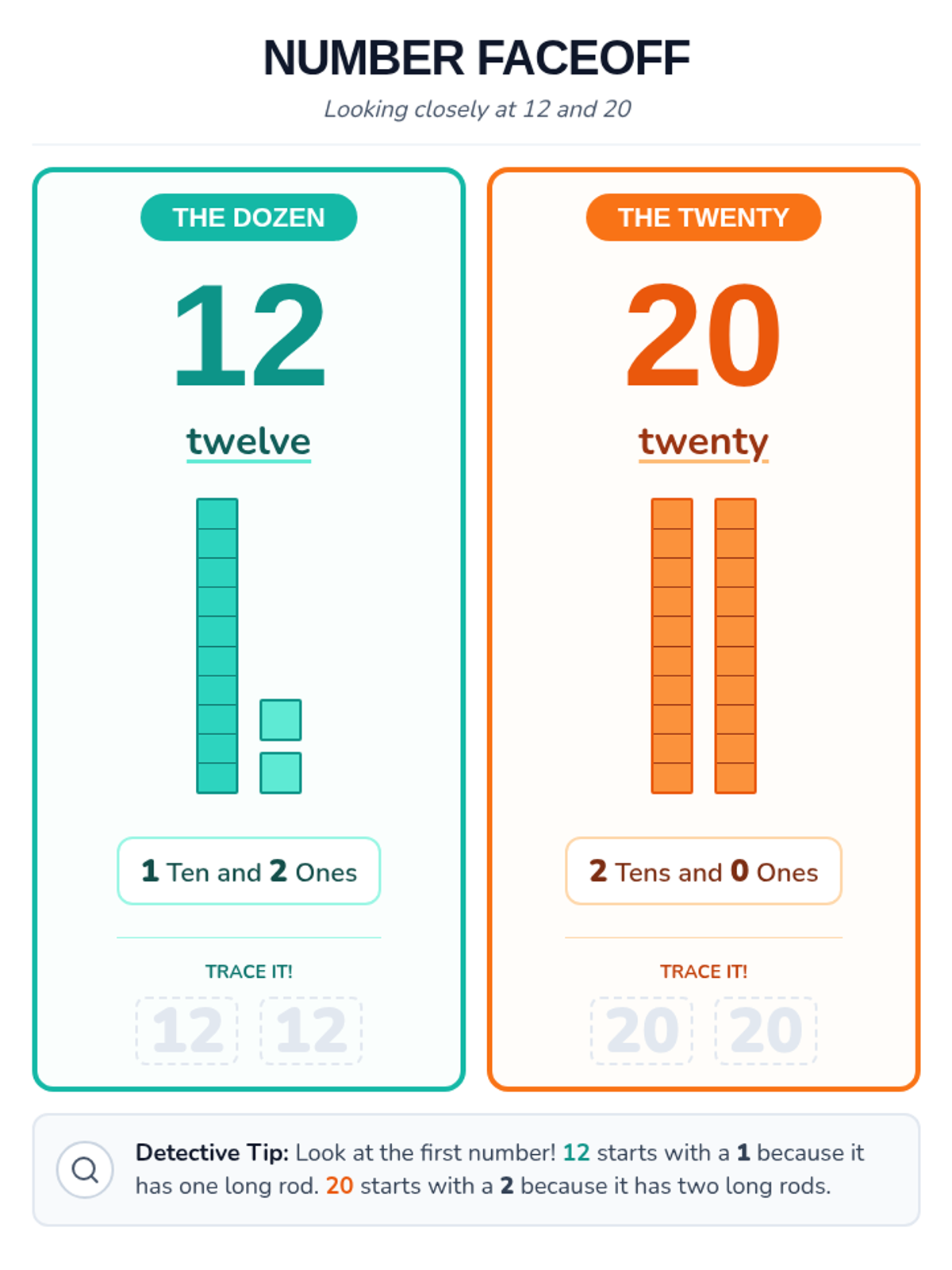
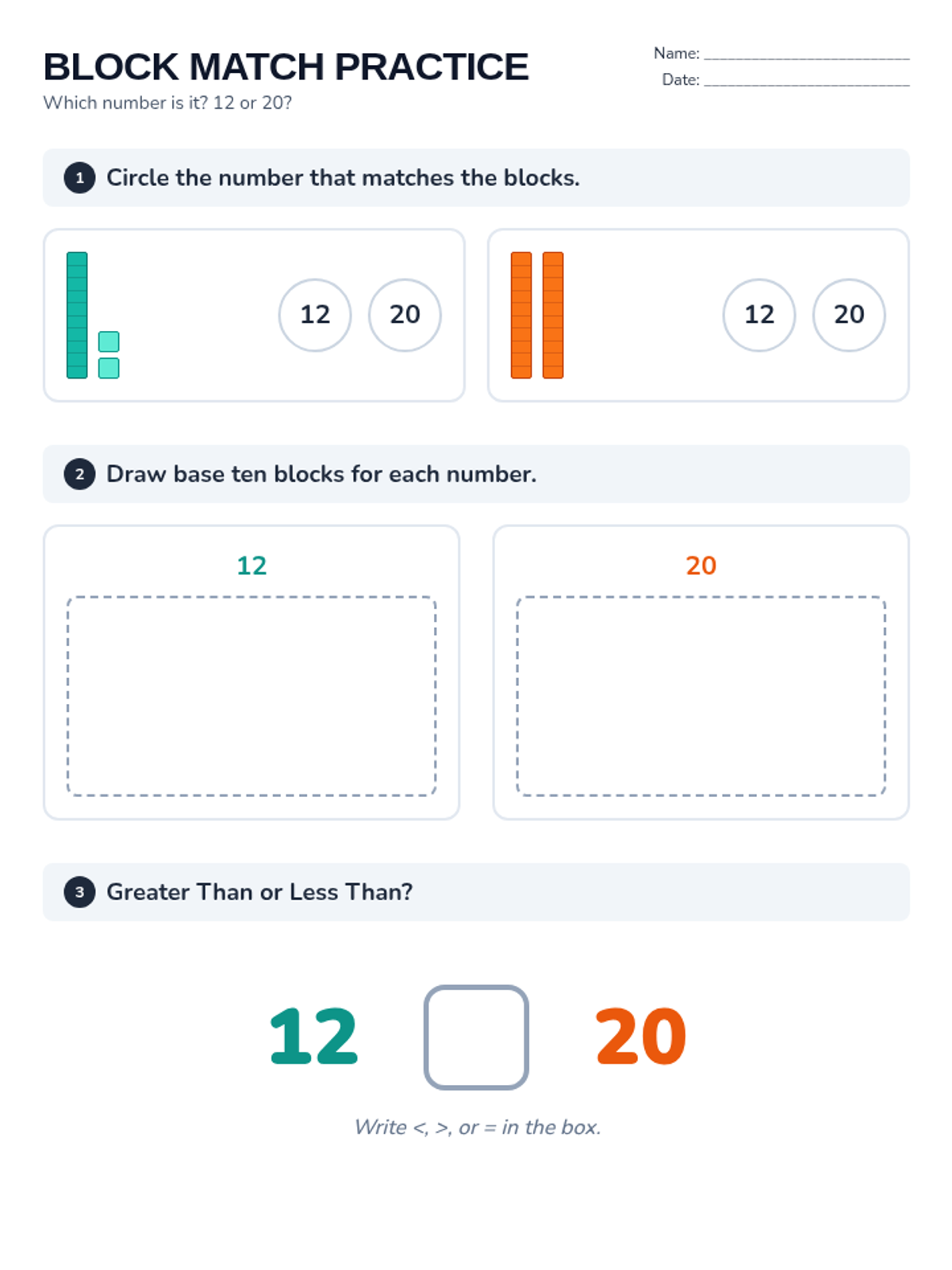
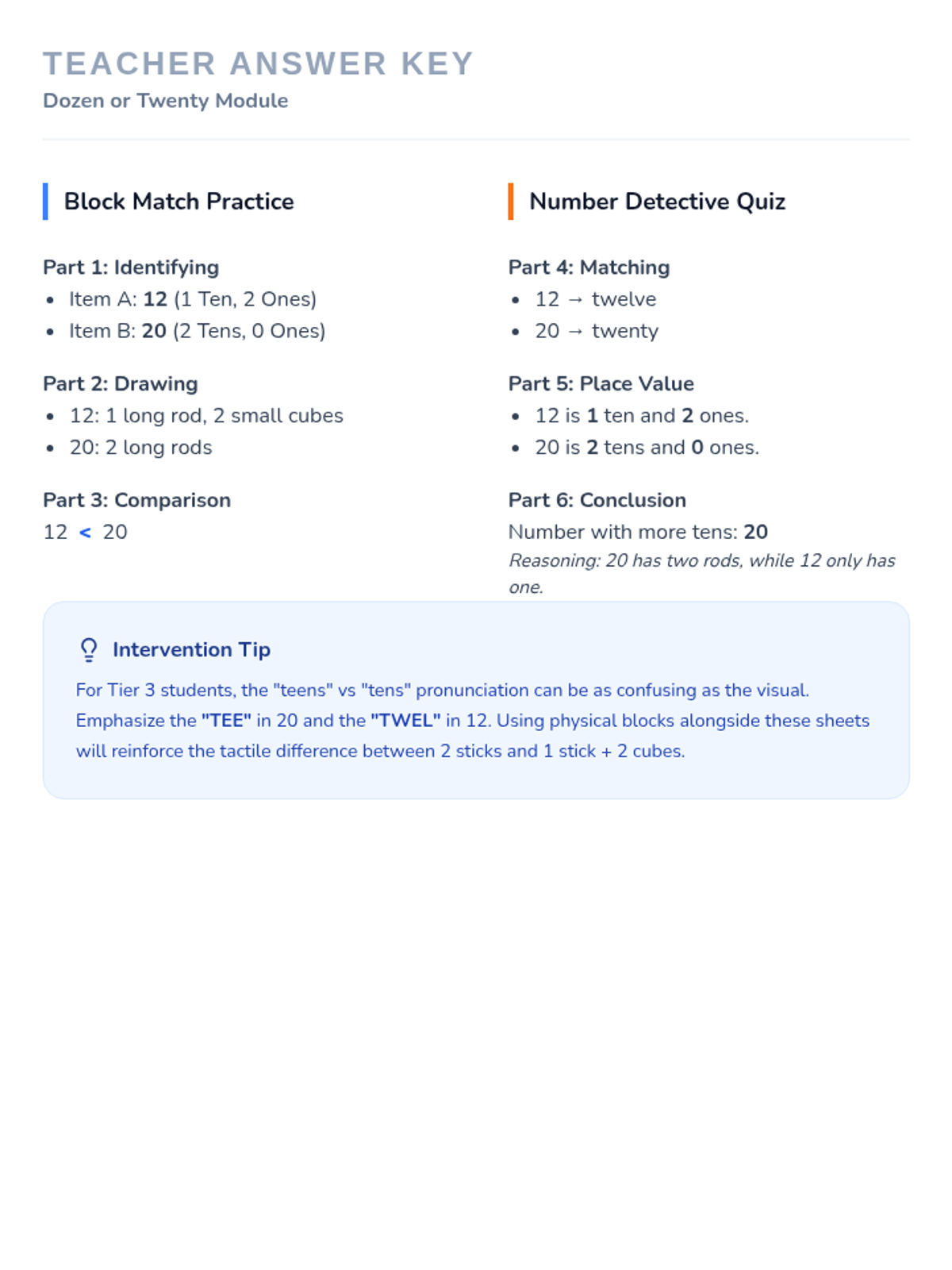
A targeted intervention lesson to help students distinguish between the numbers 12 and 20 using base ten block visualizations and comparative practice.
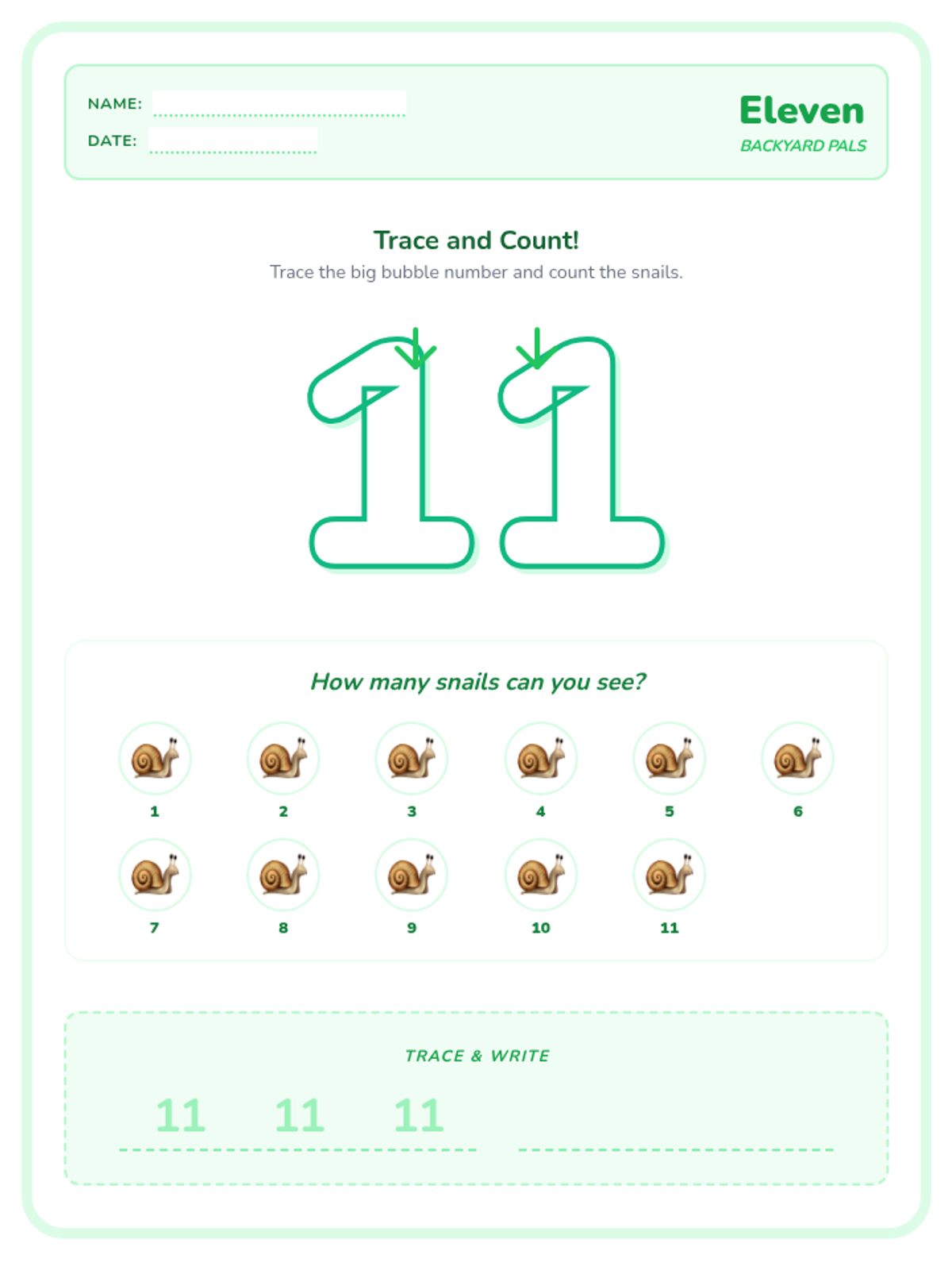
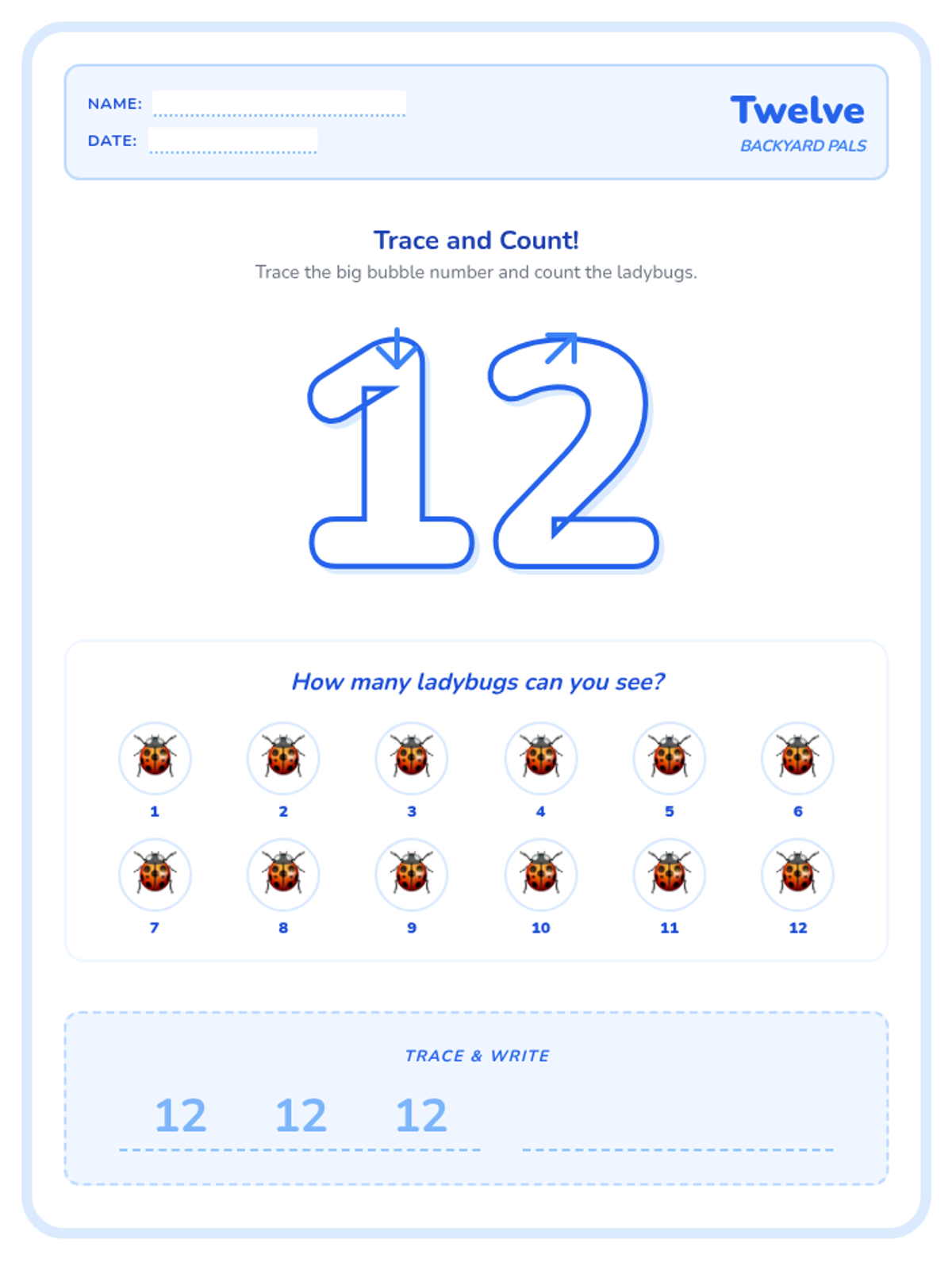
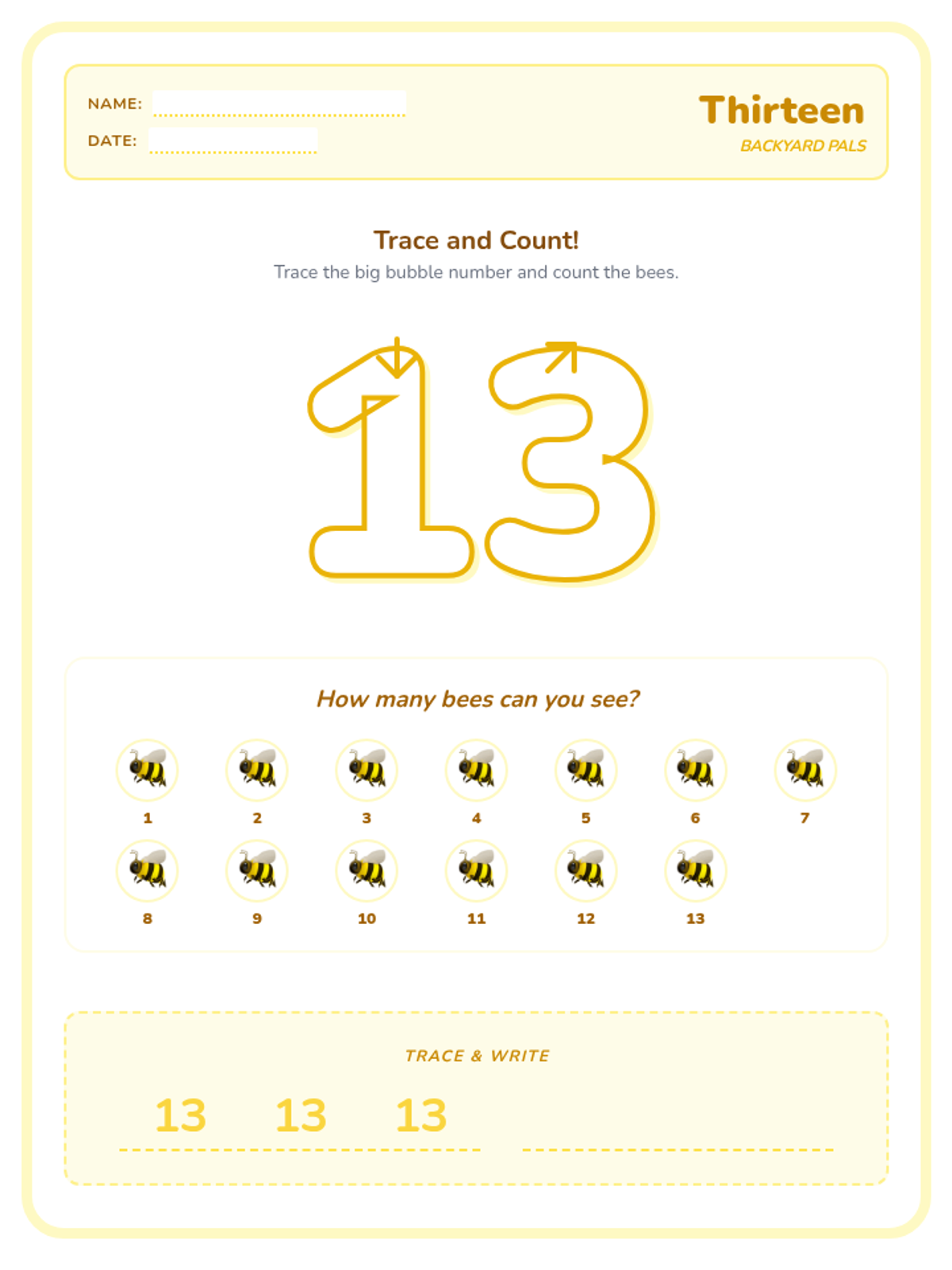
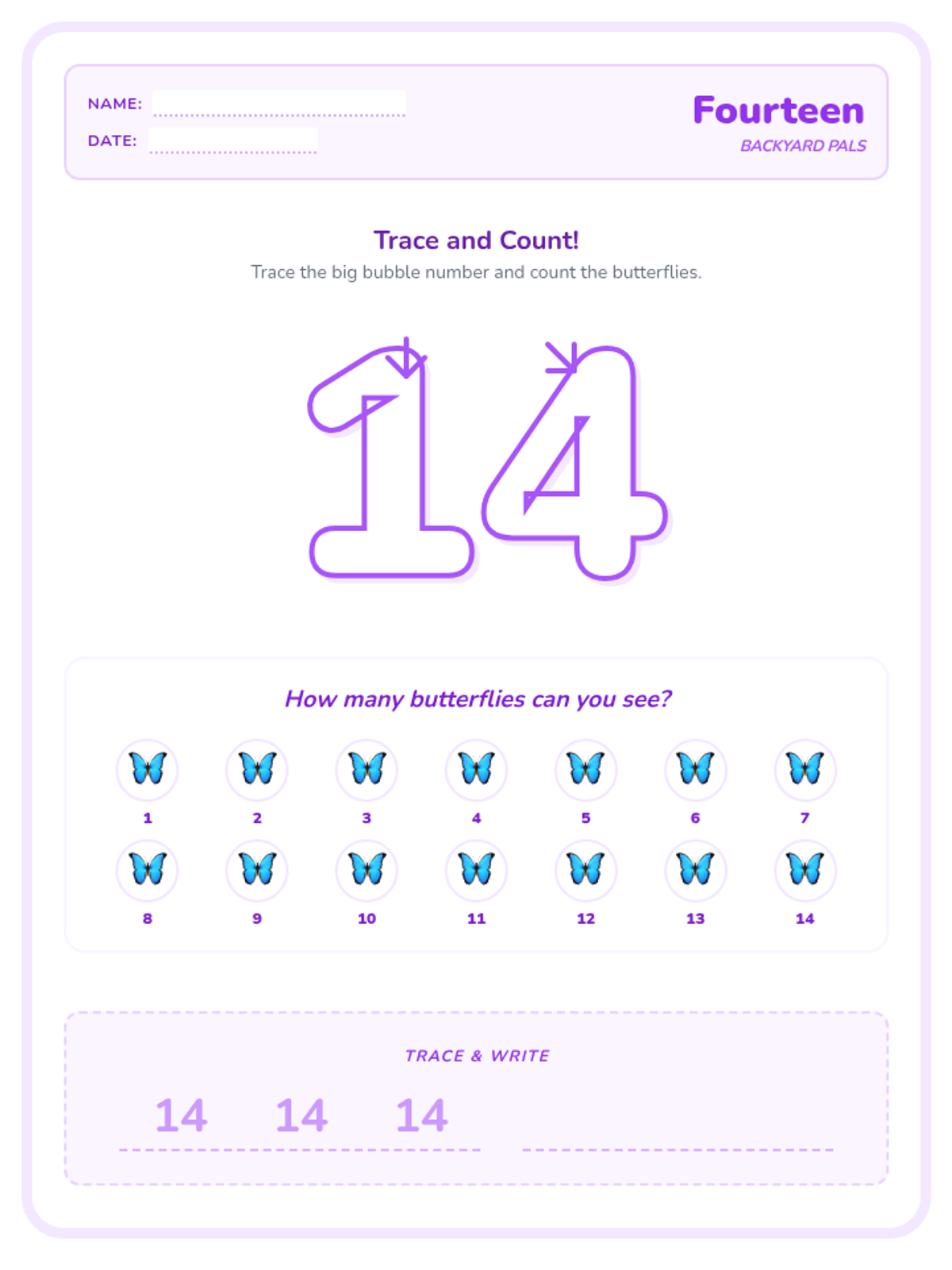
A series of tracing and counting worksheets for numbers 11 through 14, featuring large bubble numbers for tactile practice and garden-themed objects for counting.
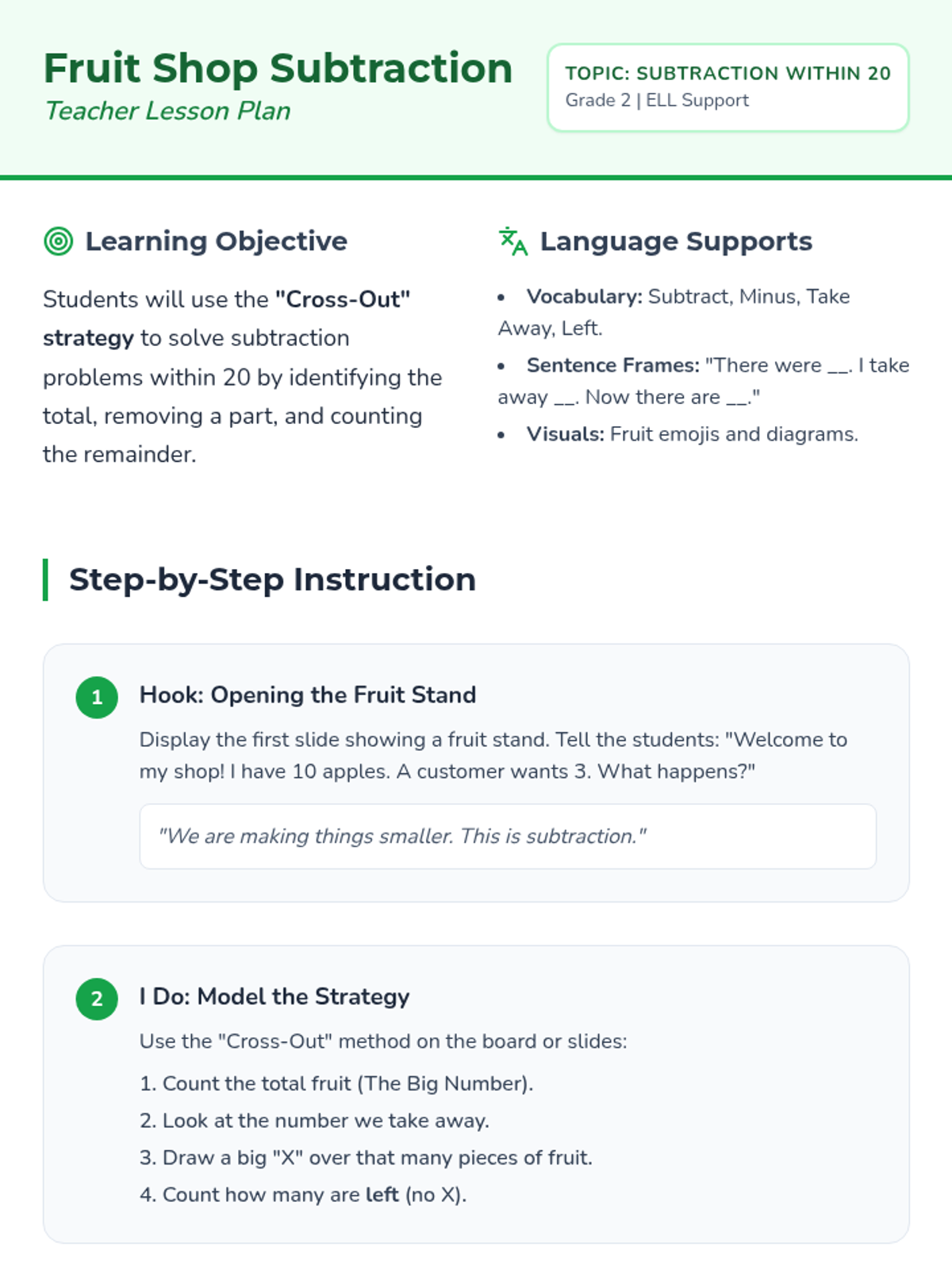
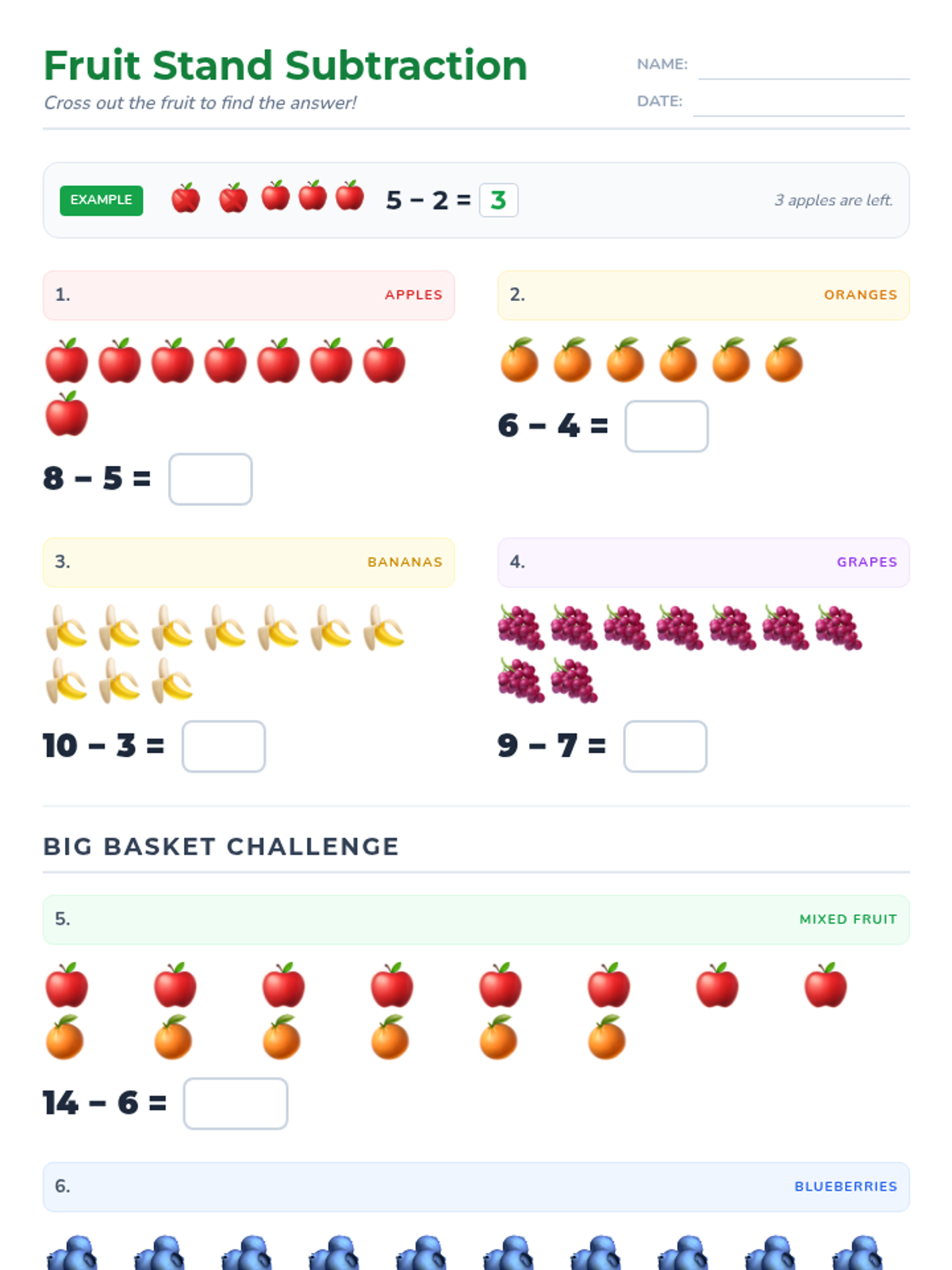
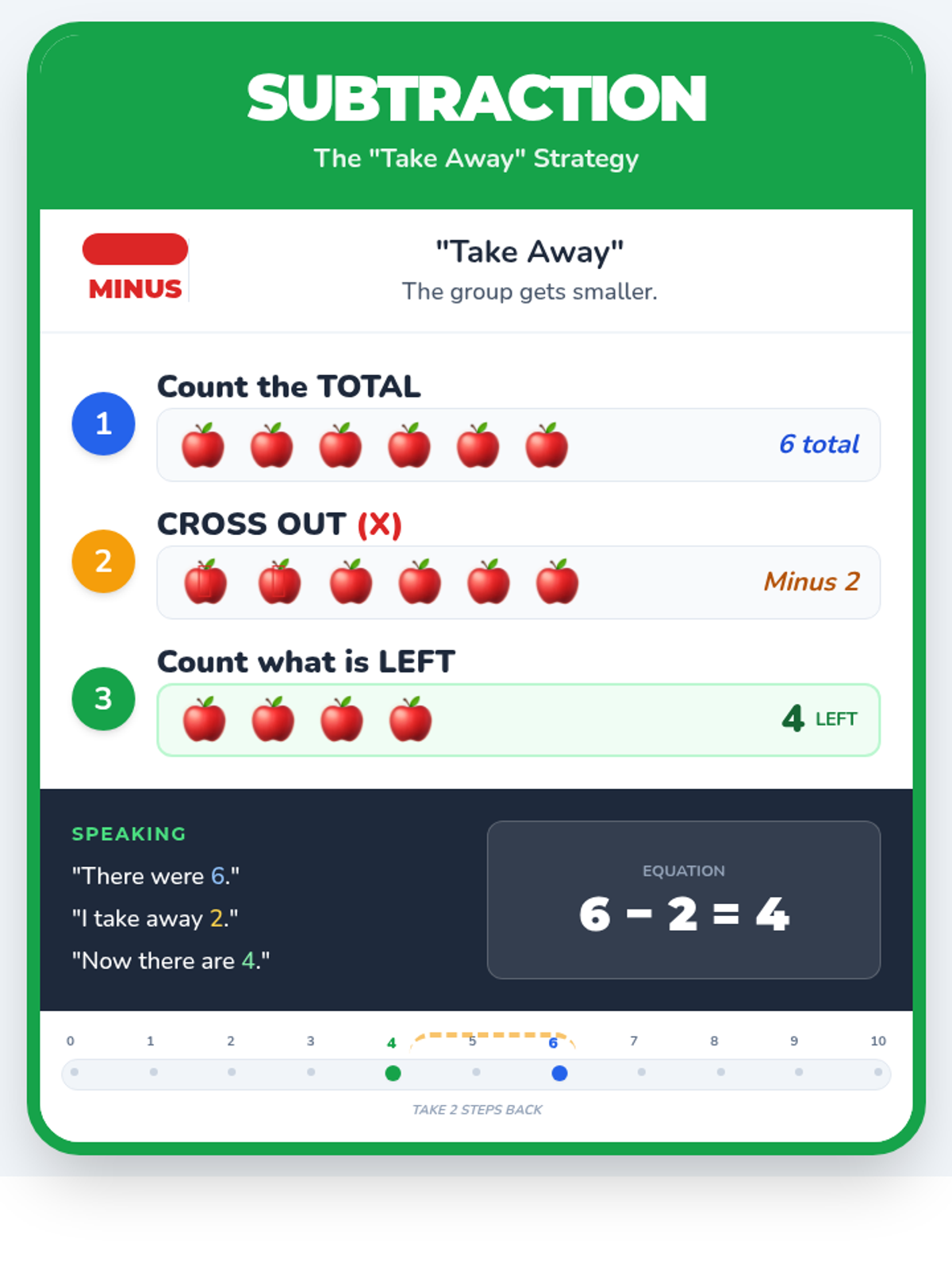
A foundational subtraction lesson for 2nd grade ELL students, focusing on the 'cross-out' strategy within 10 and 20 using fruit-themed visuals.
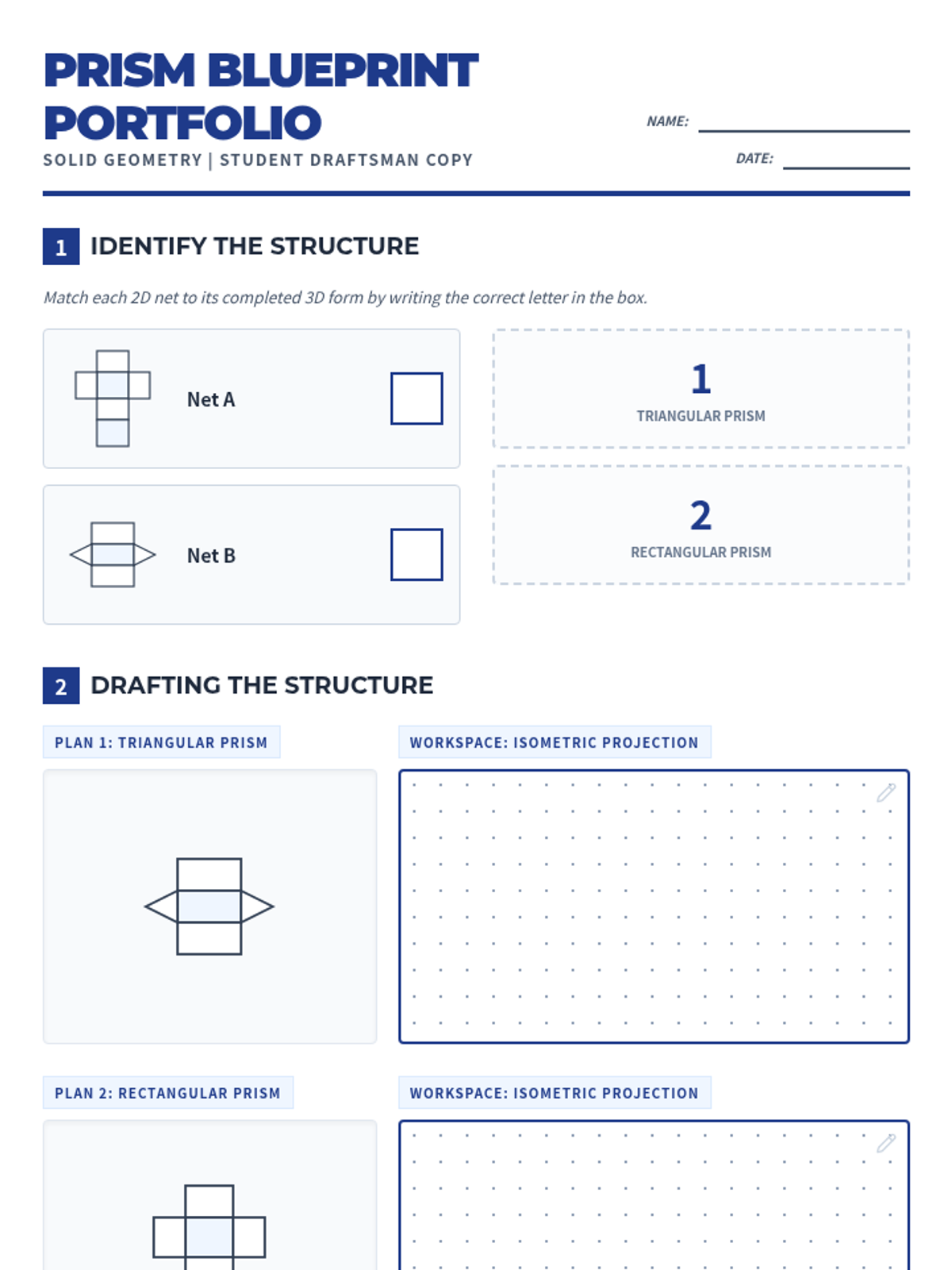
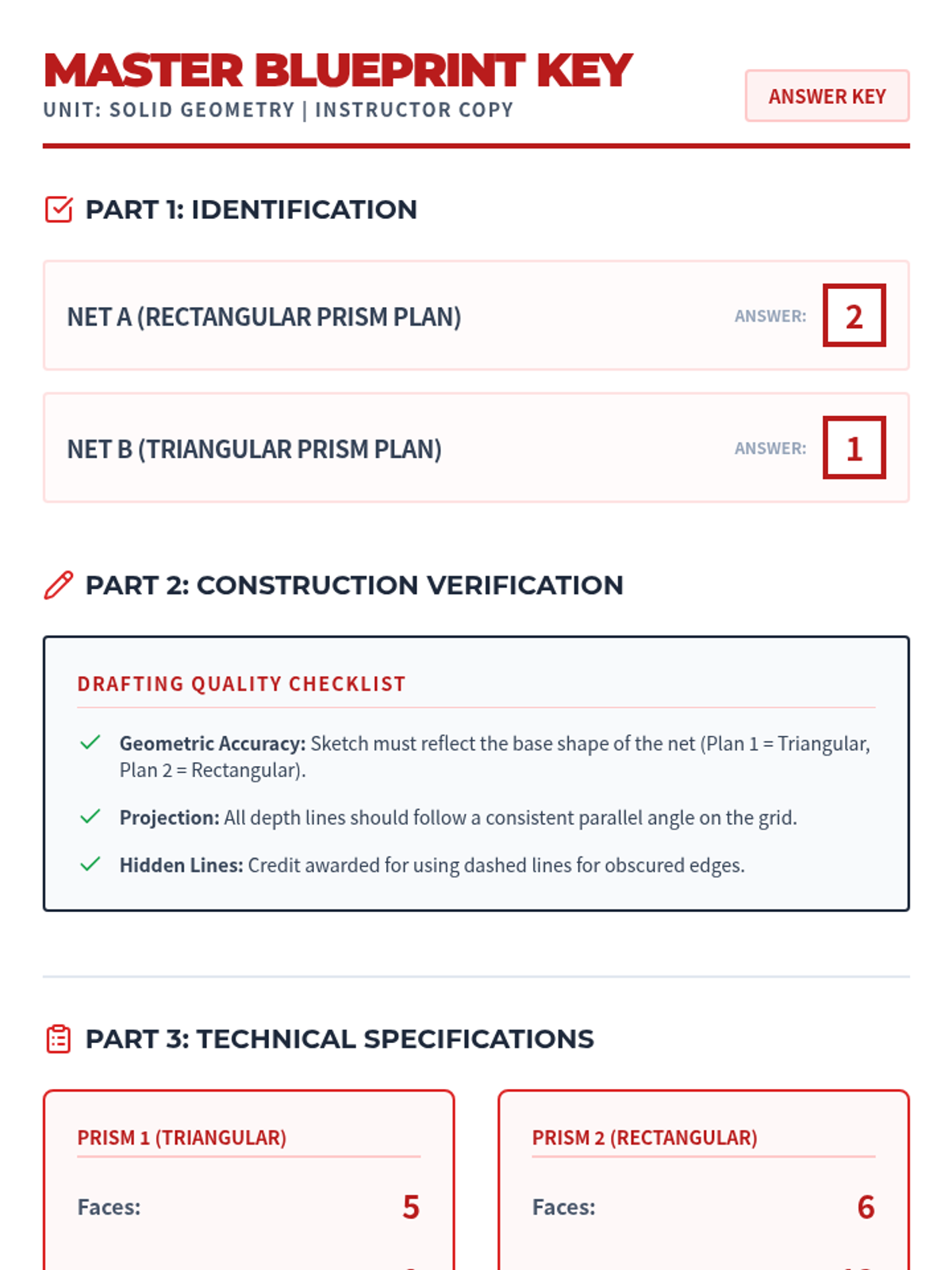
A hands-on lesson focusing on the transition from 2D nets to 3D prism constructions, specifically targeting rectangular and triangular prisms through visualization and drawing techniques.
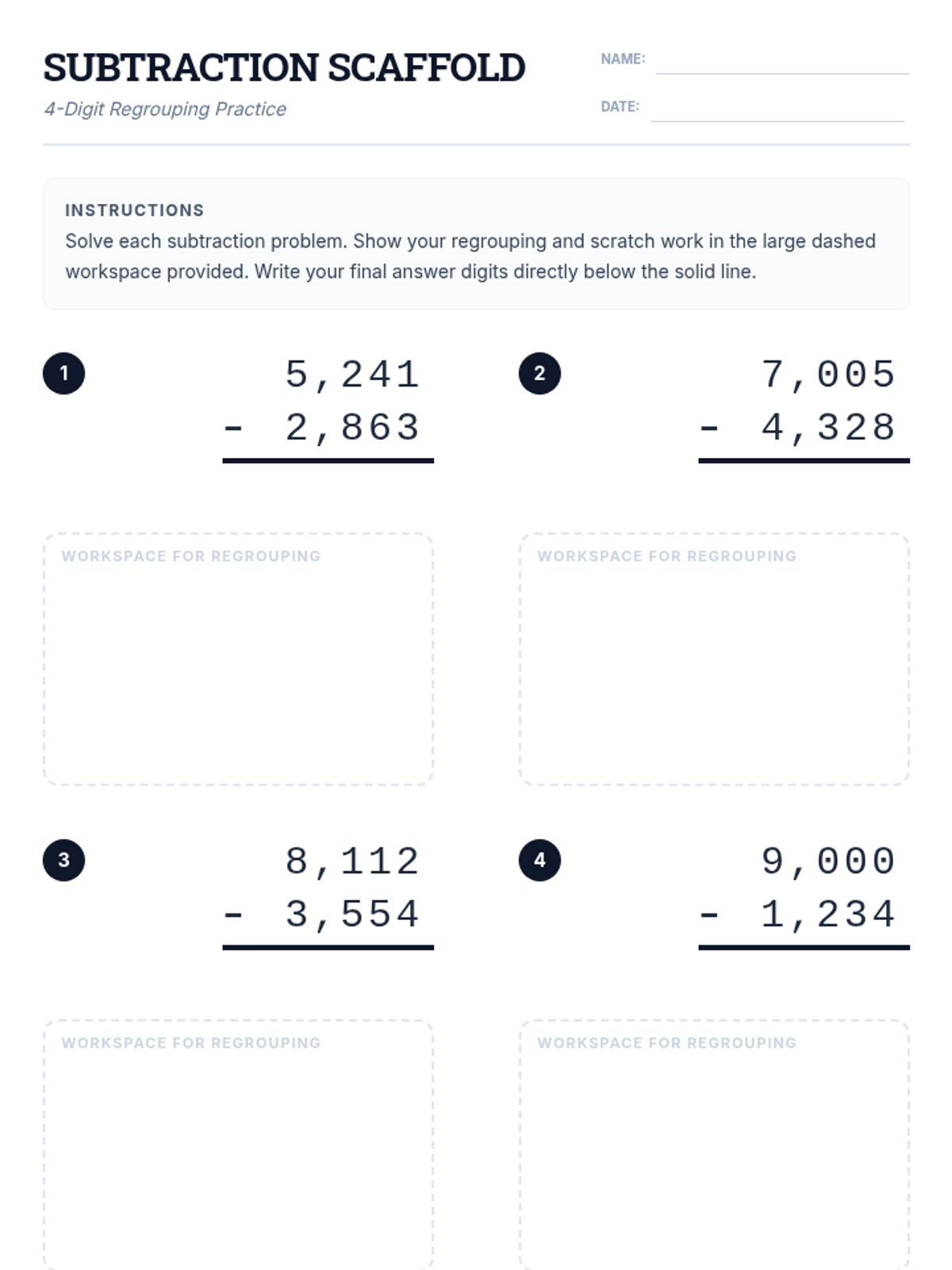
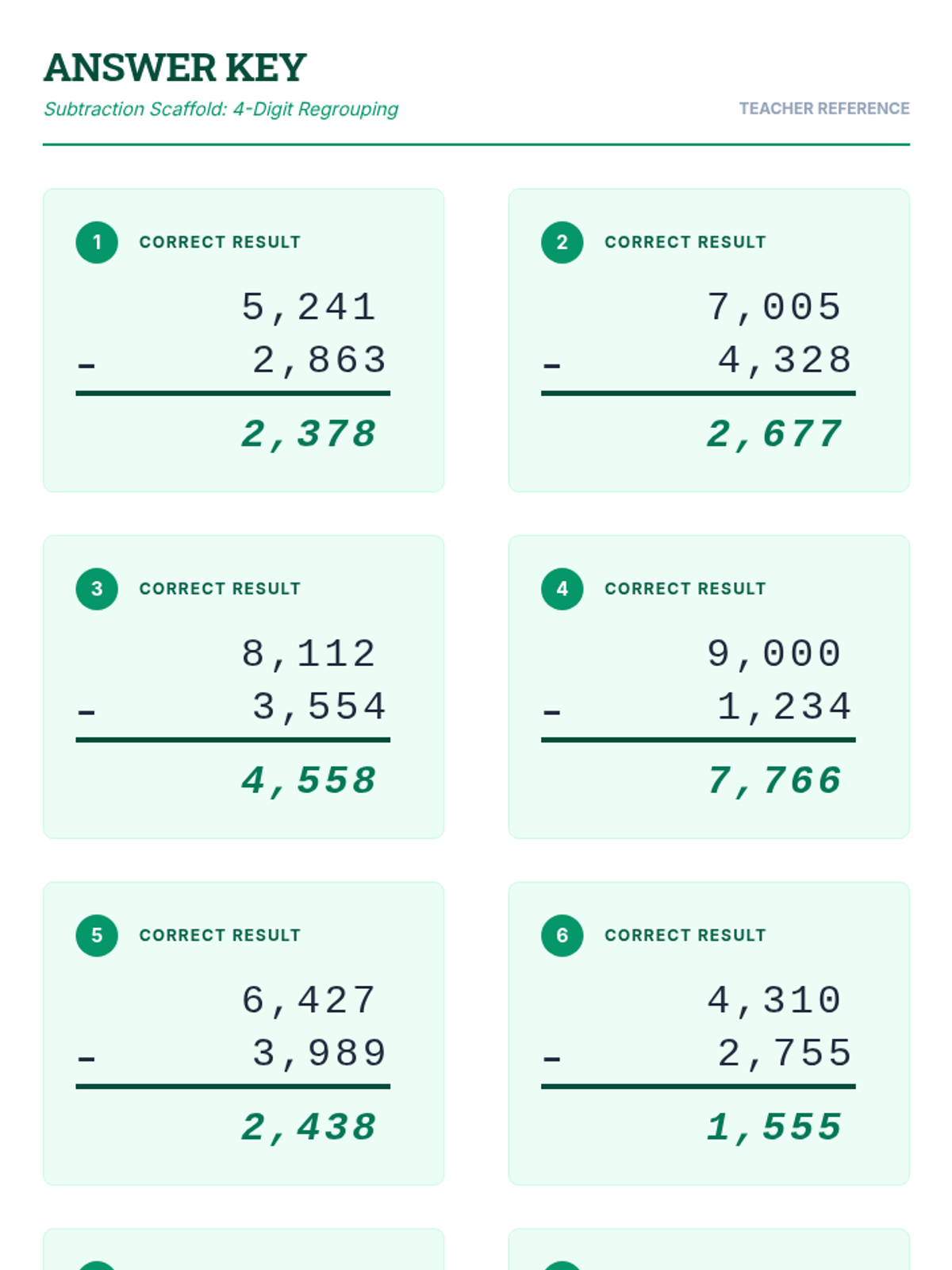
A focused practice session on 4-digit subtraction with regrouping, emphasizing clear workspace for multi-step calculations.
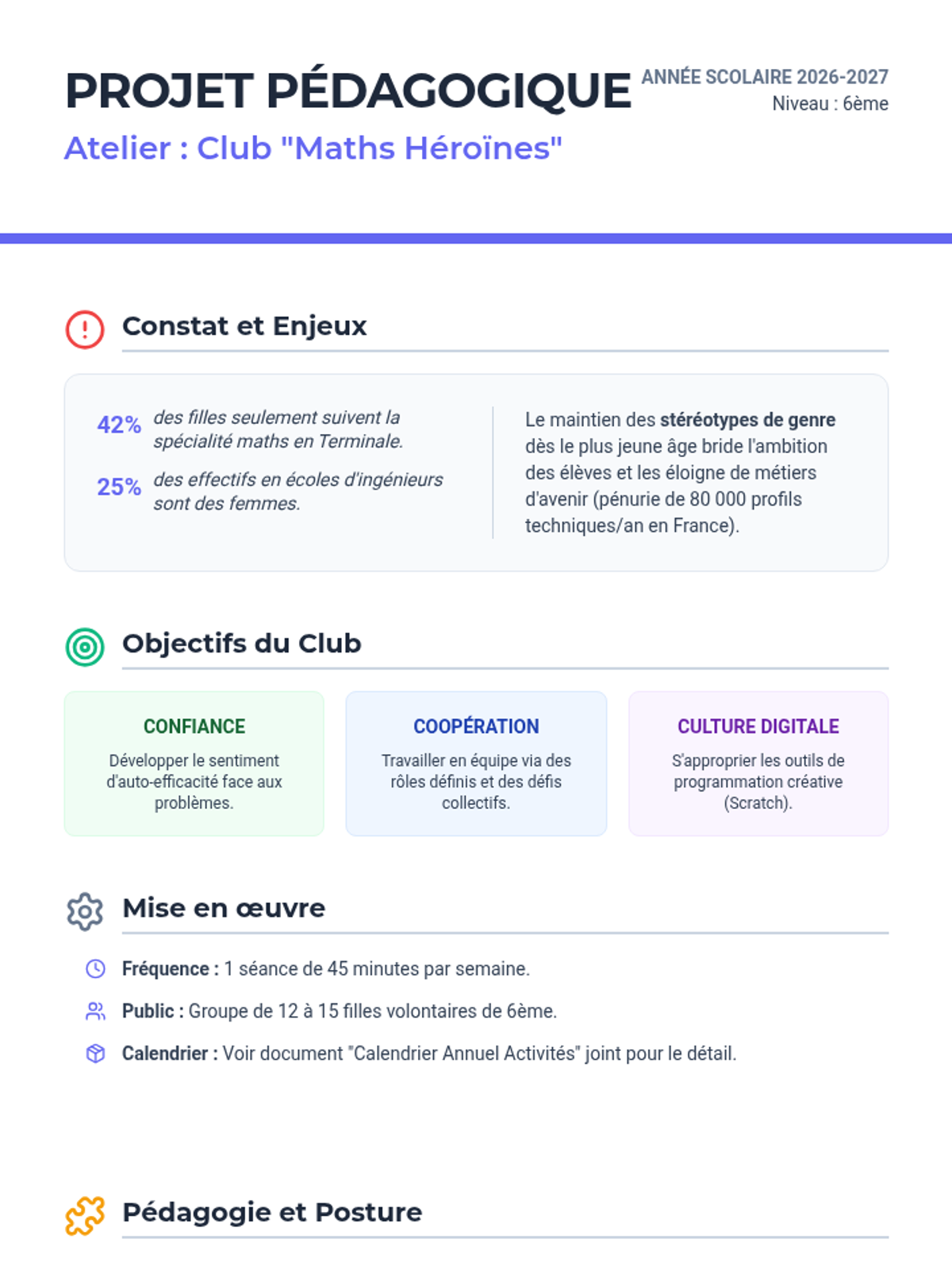
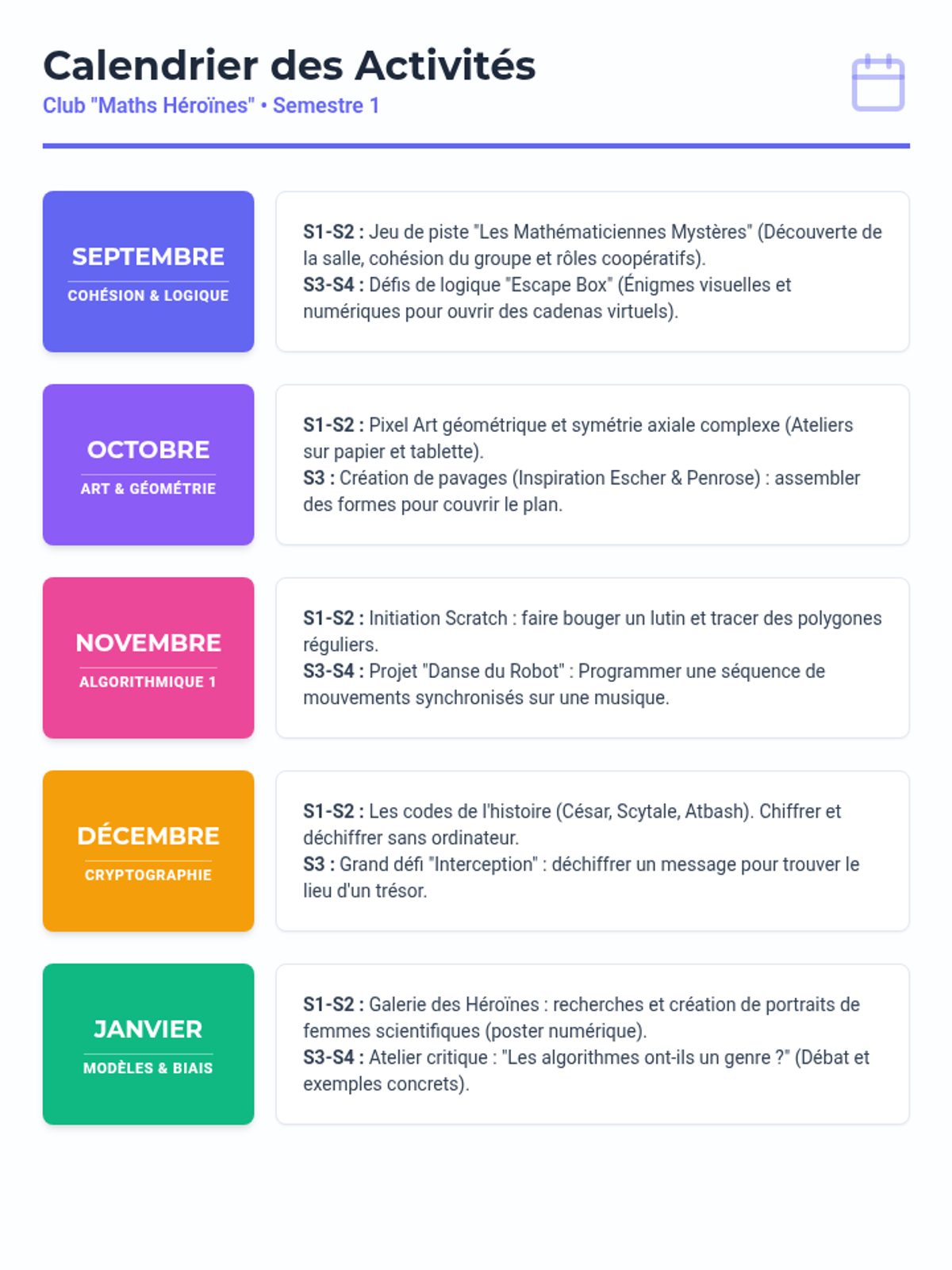
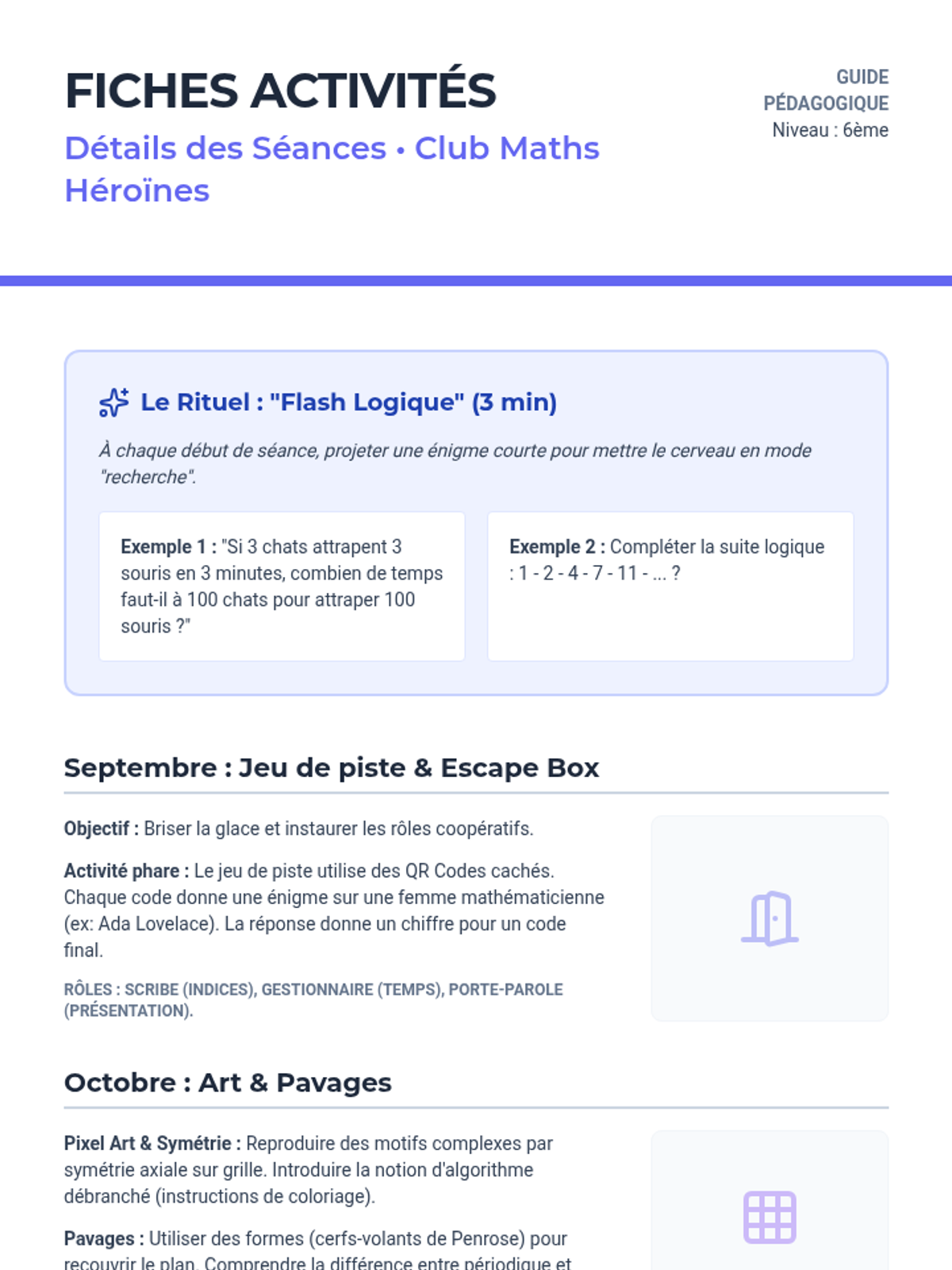
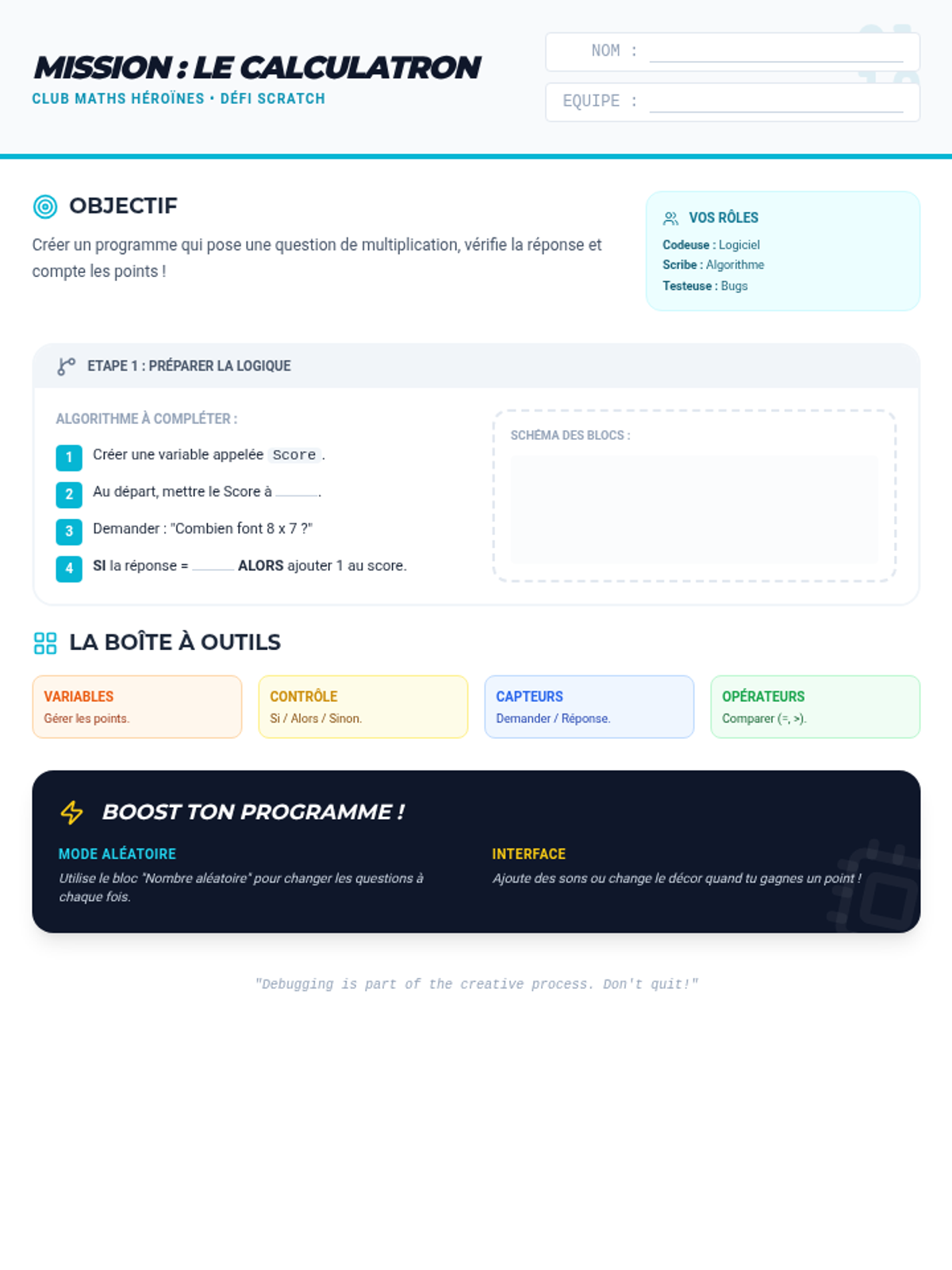
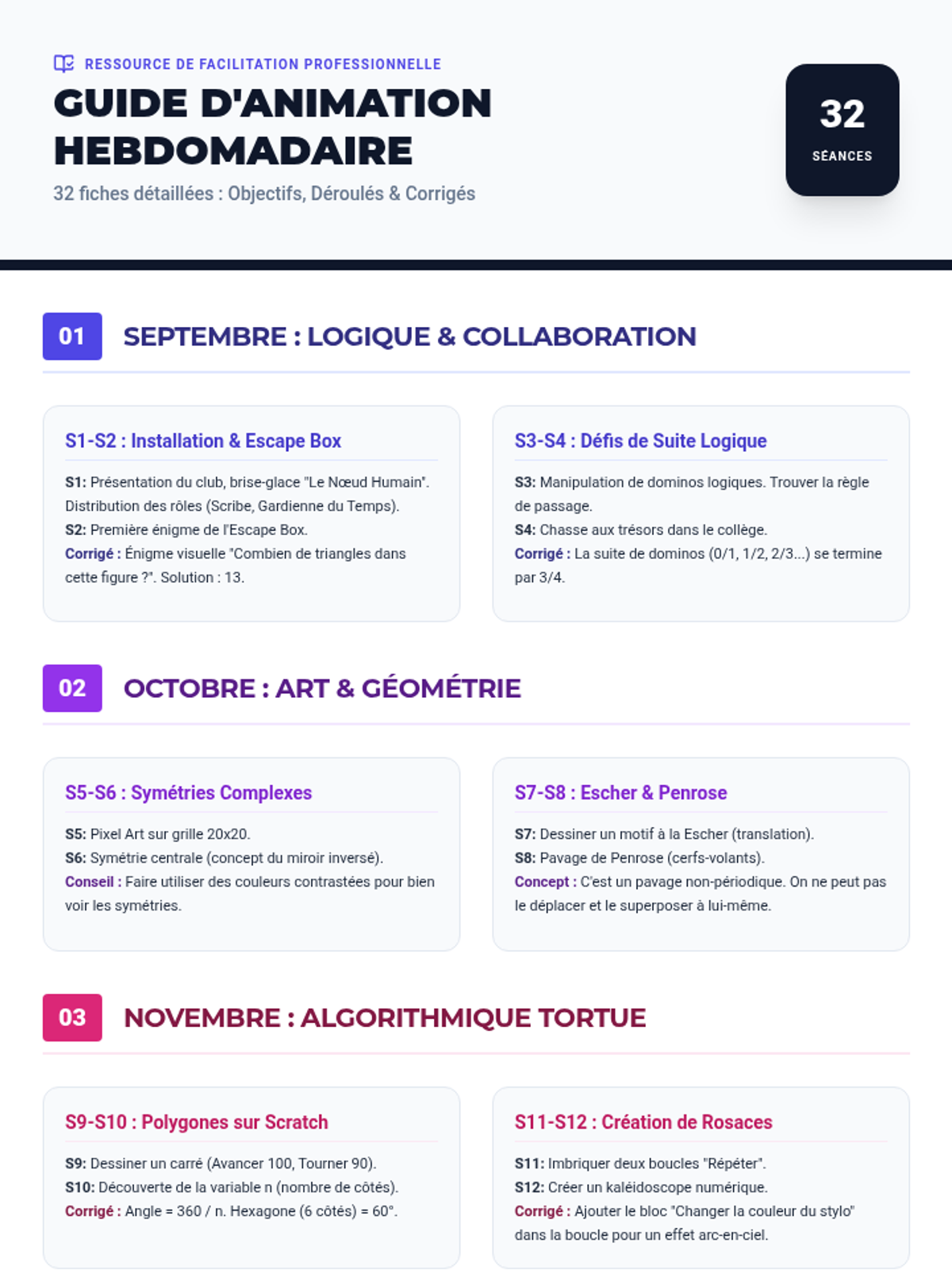
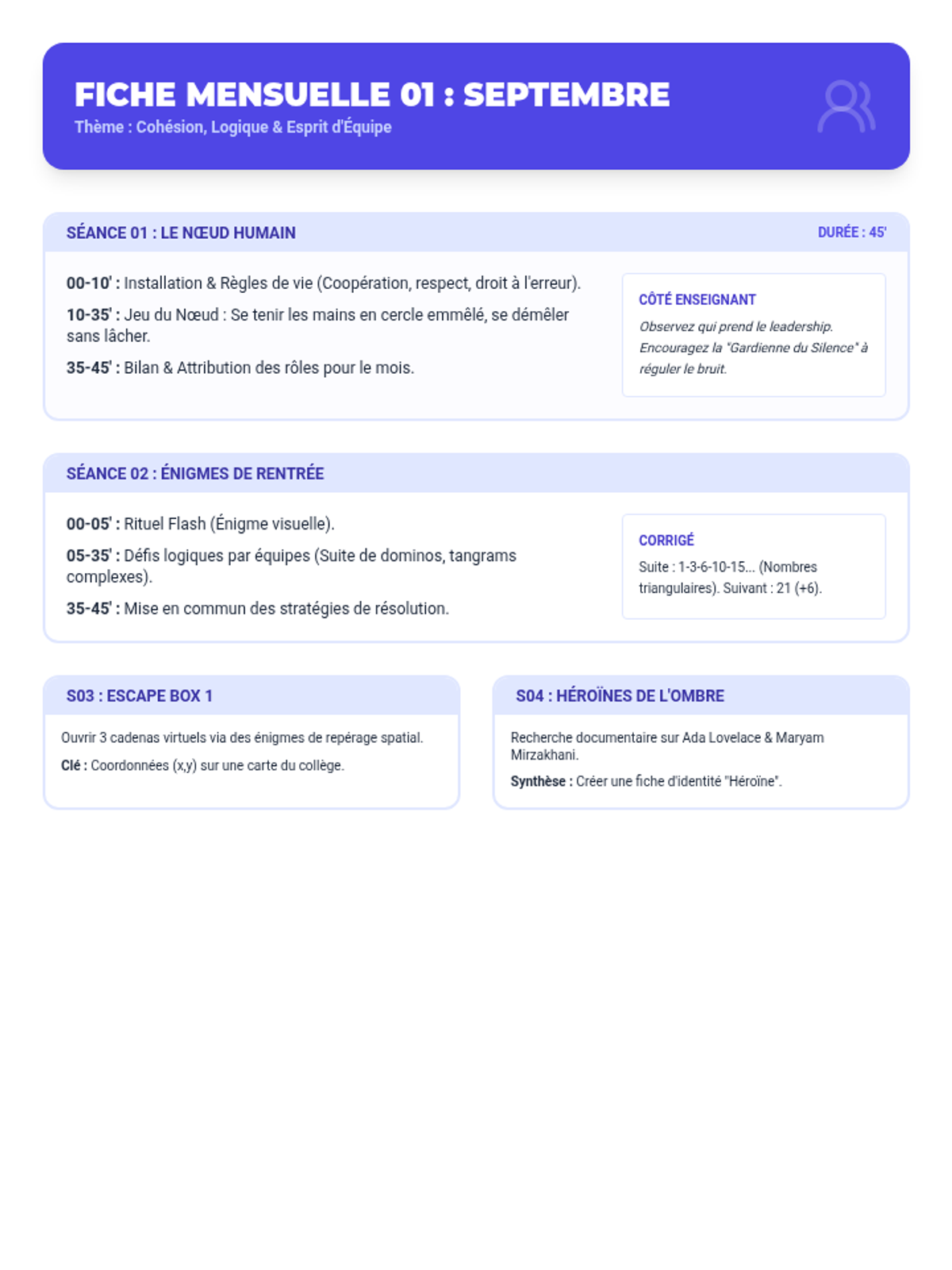
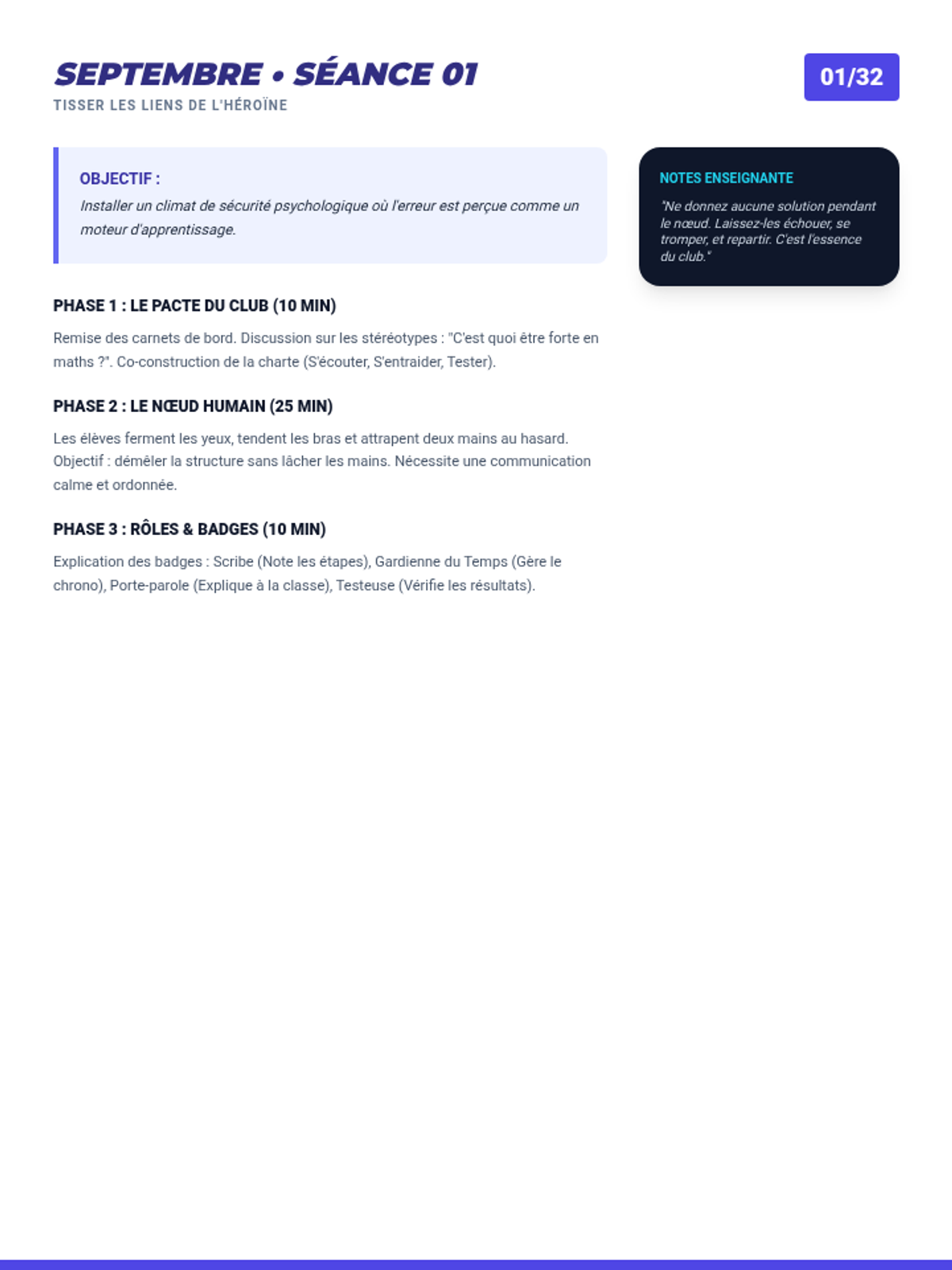
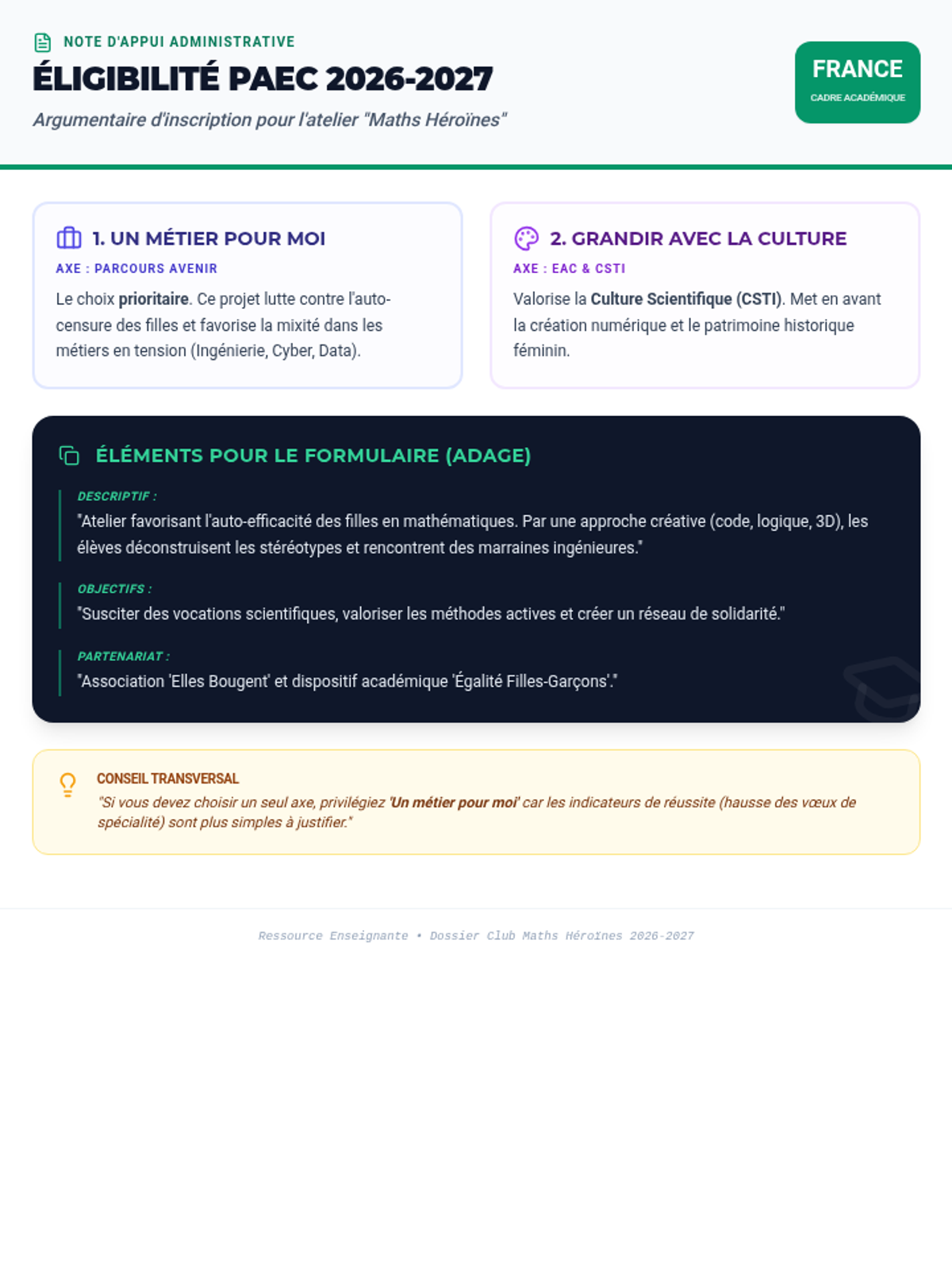
Ce module regroupe les documents administratifs et pédagogiques nécessaires à la mise en place d'un atelier hebdomadaire de 45 minutes pour promouvoir les mathématiques auprès des jeunes filles.
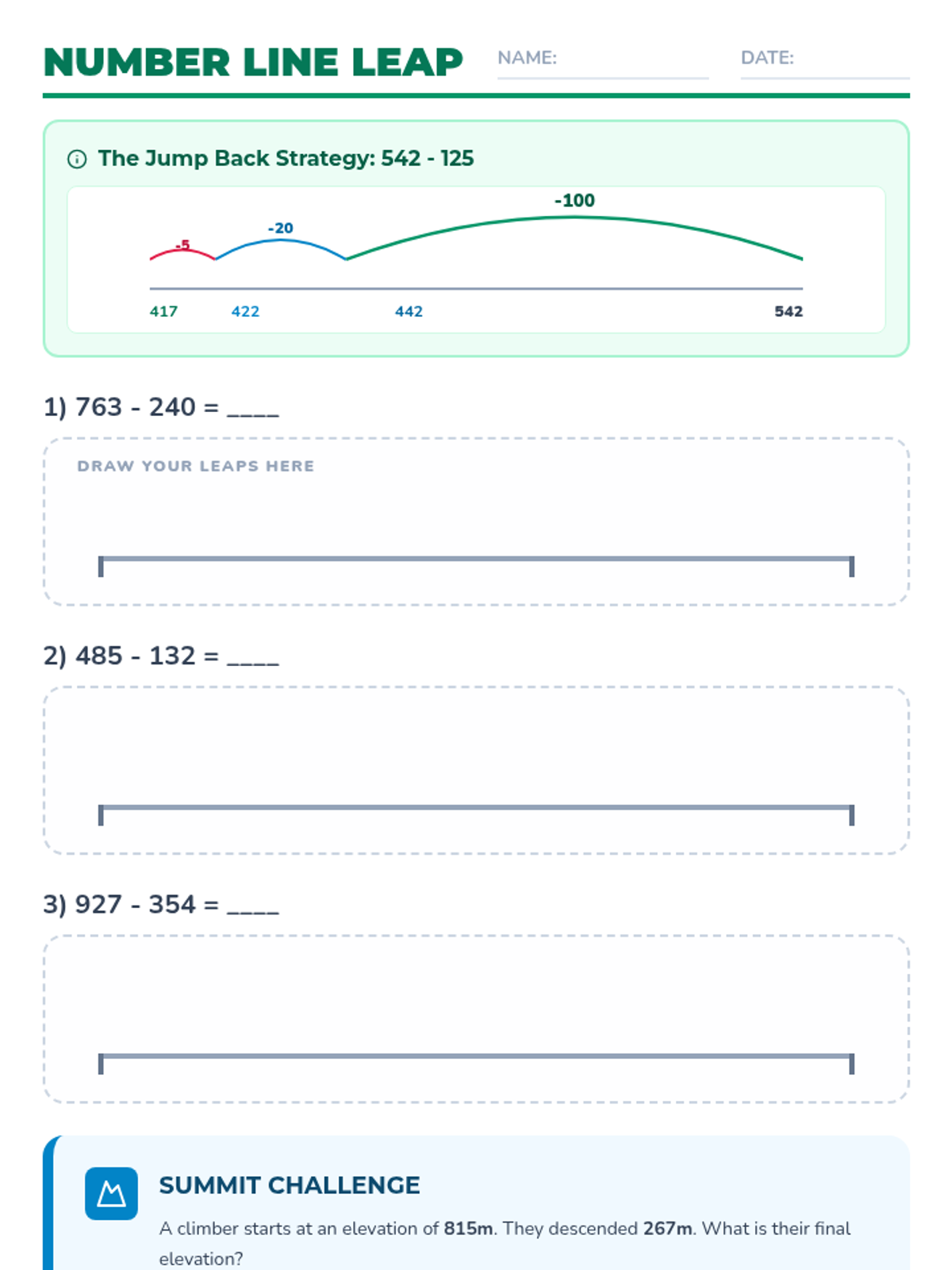
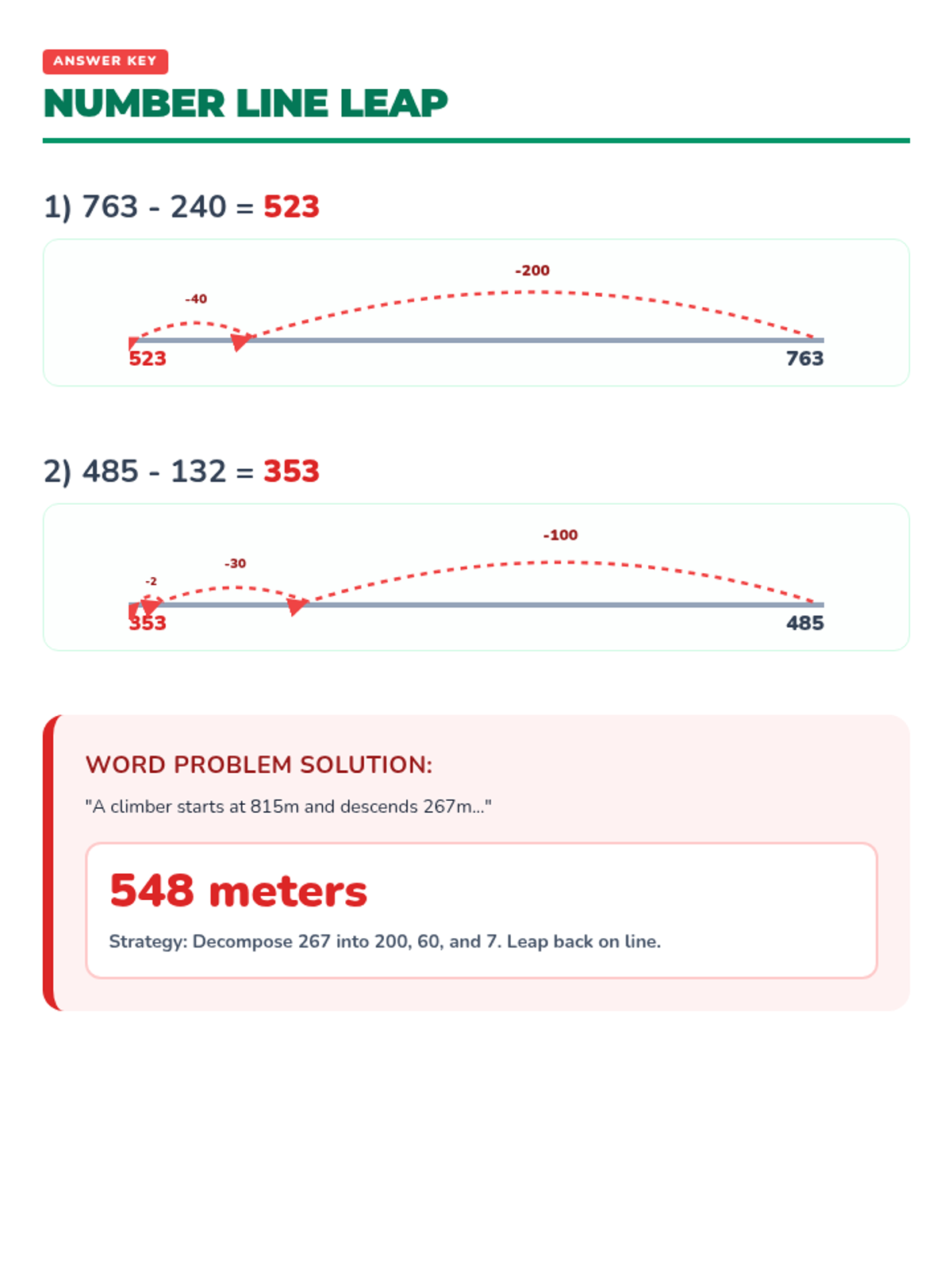
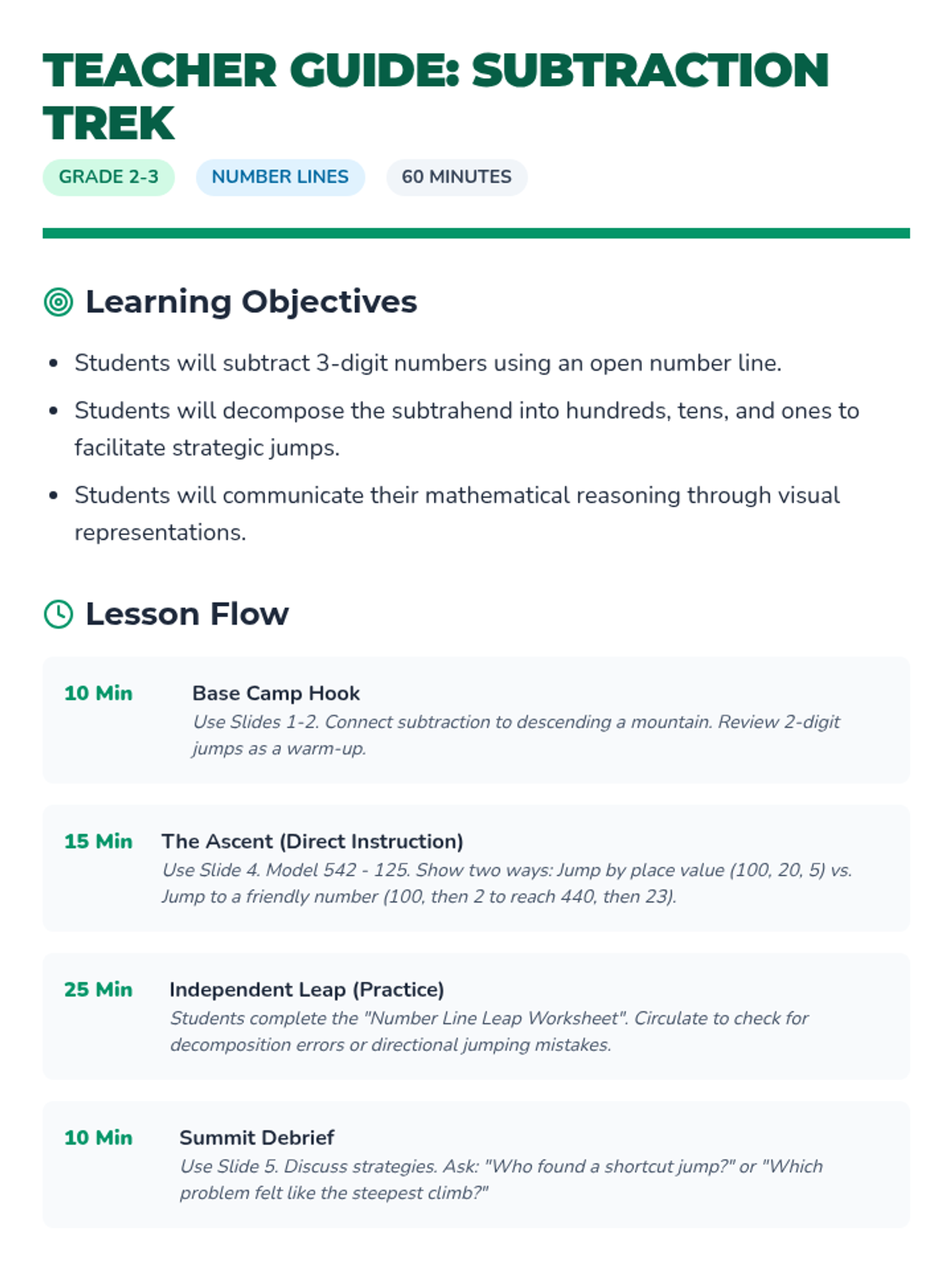
A comprehensive lesson on using open number lines to subtract three-digit numbers up to 1,000, featuring a mountain climbing theme to engage students in strategic mathematical 'jumps'.
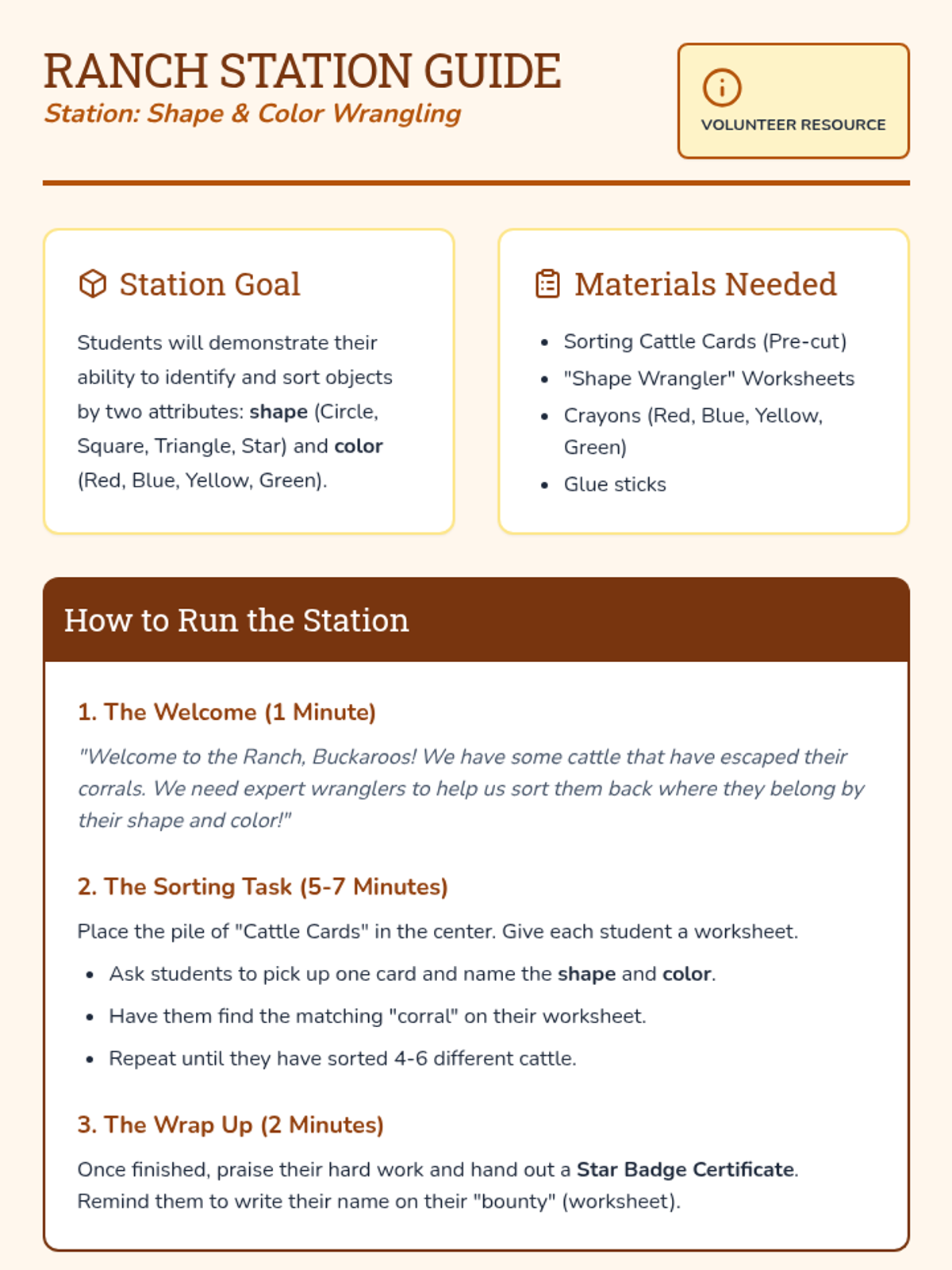
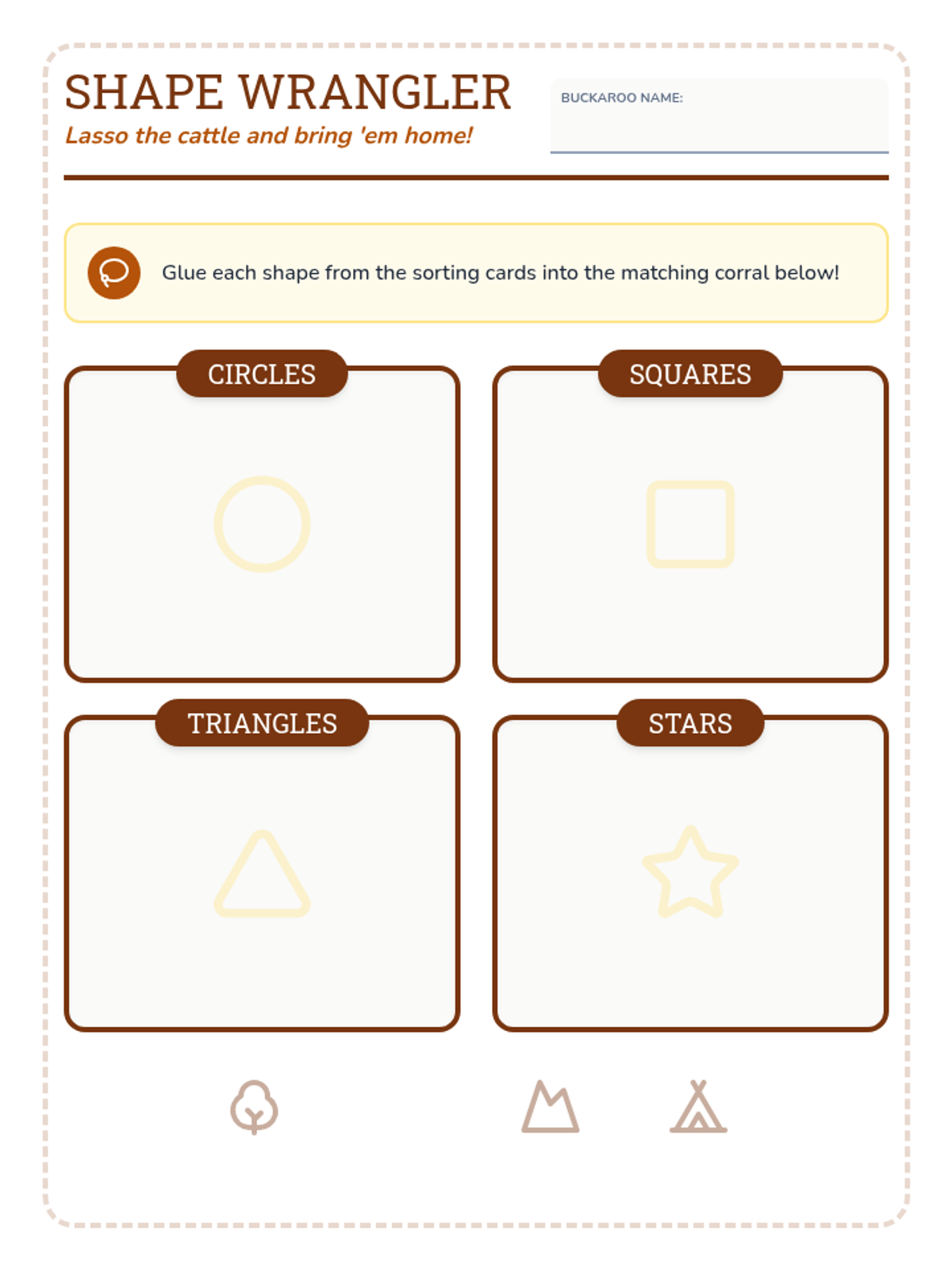
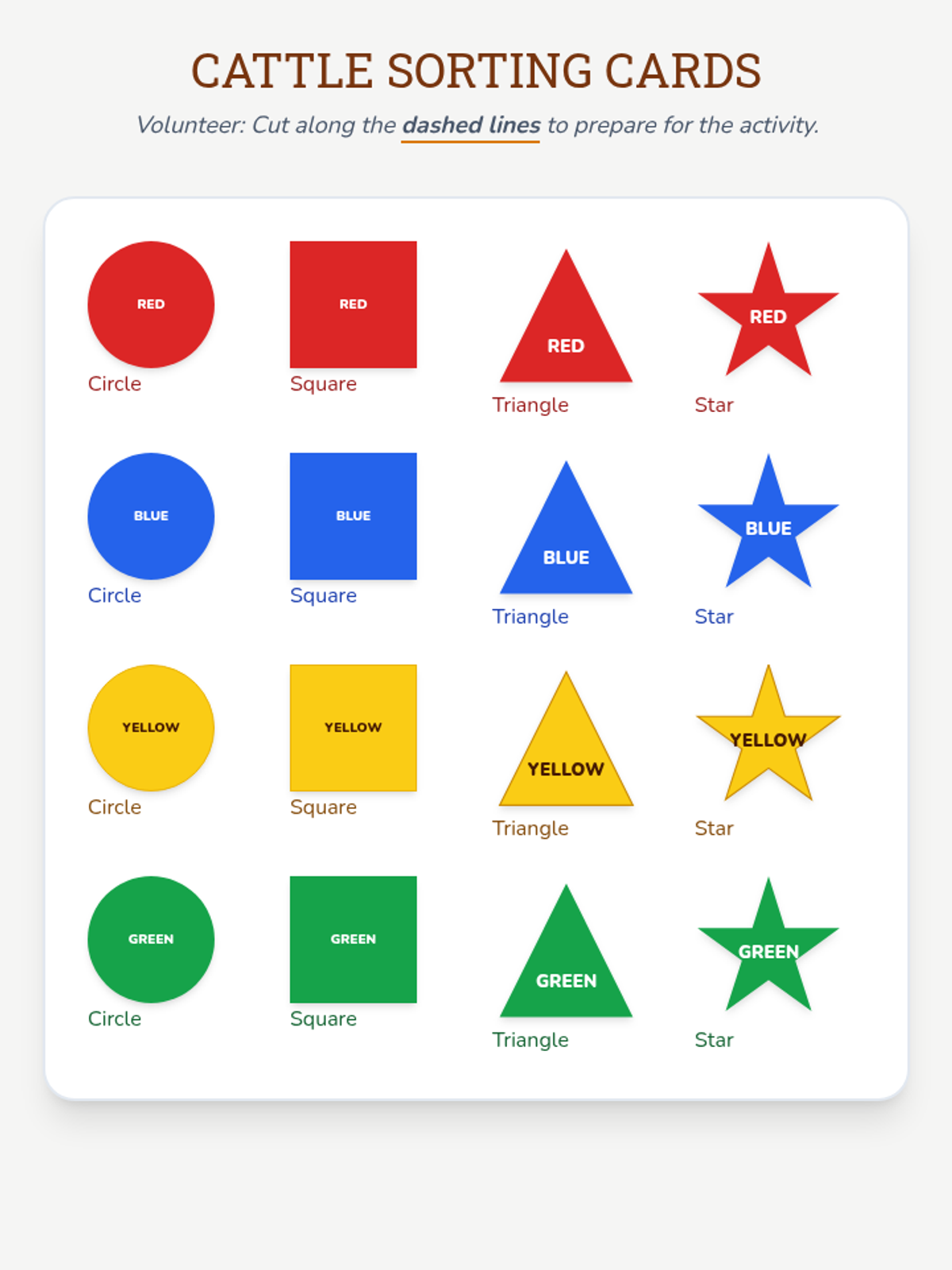
A collection of Western-themed activities for a Kindergarten Round Up, focusing on fundamental color and shape identification through engaging hands-on "ranch" tasks.
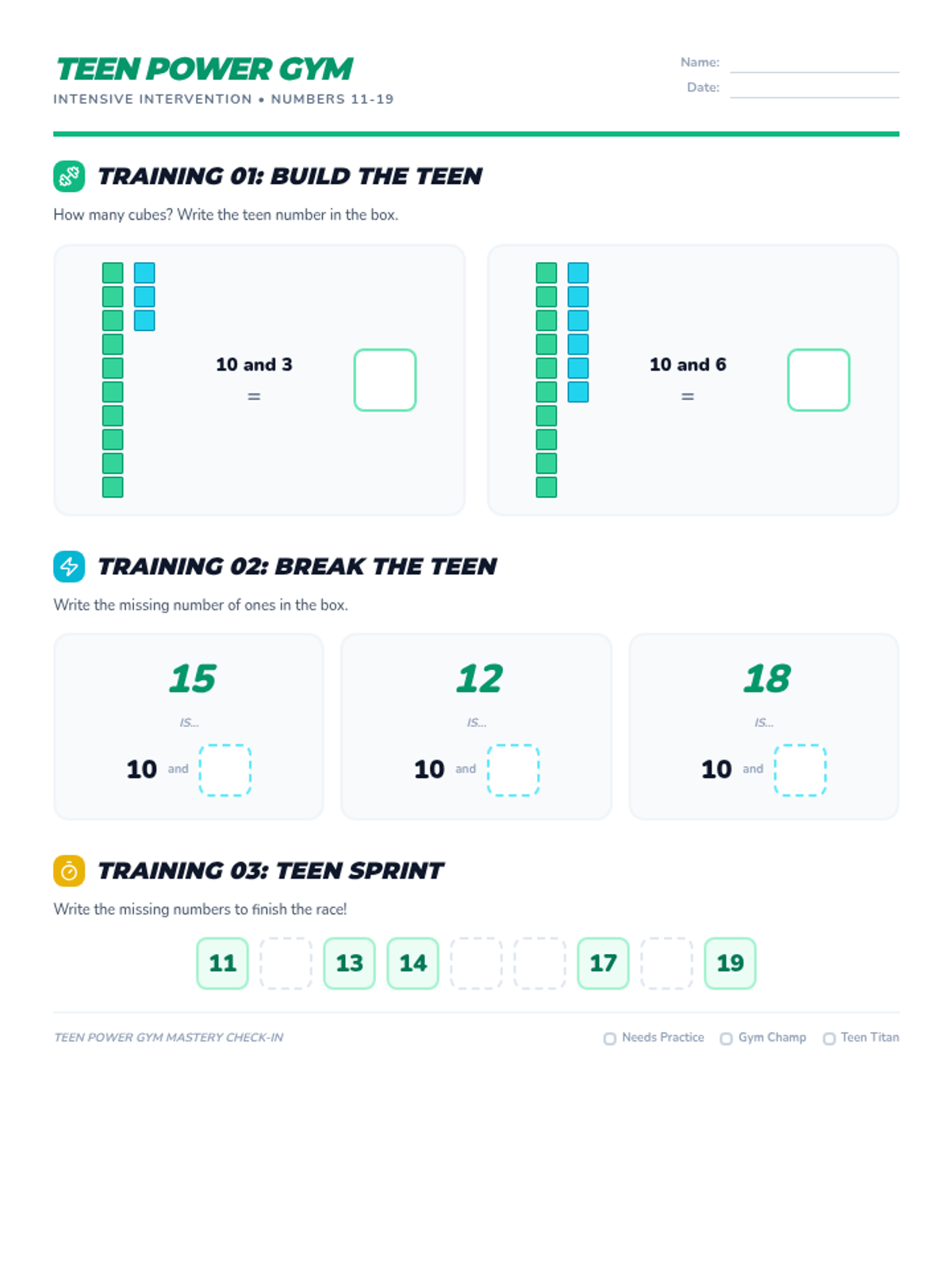
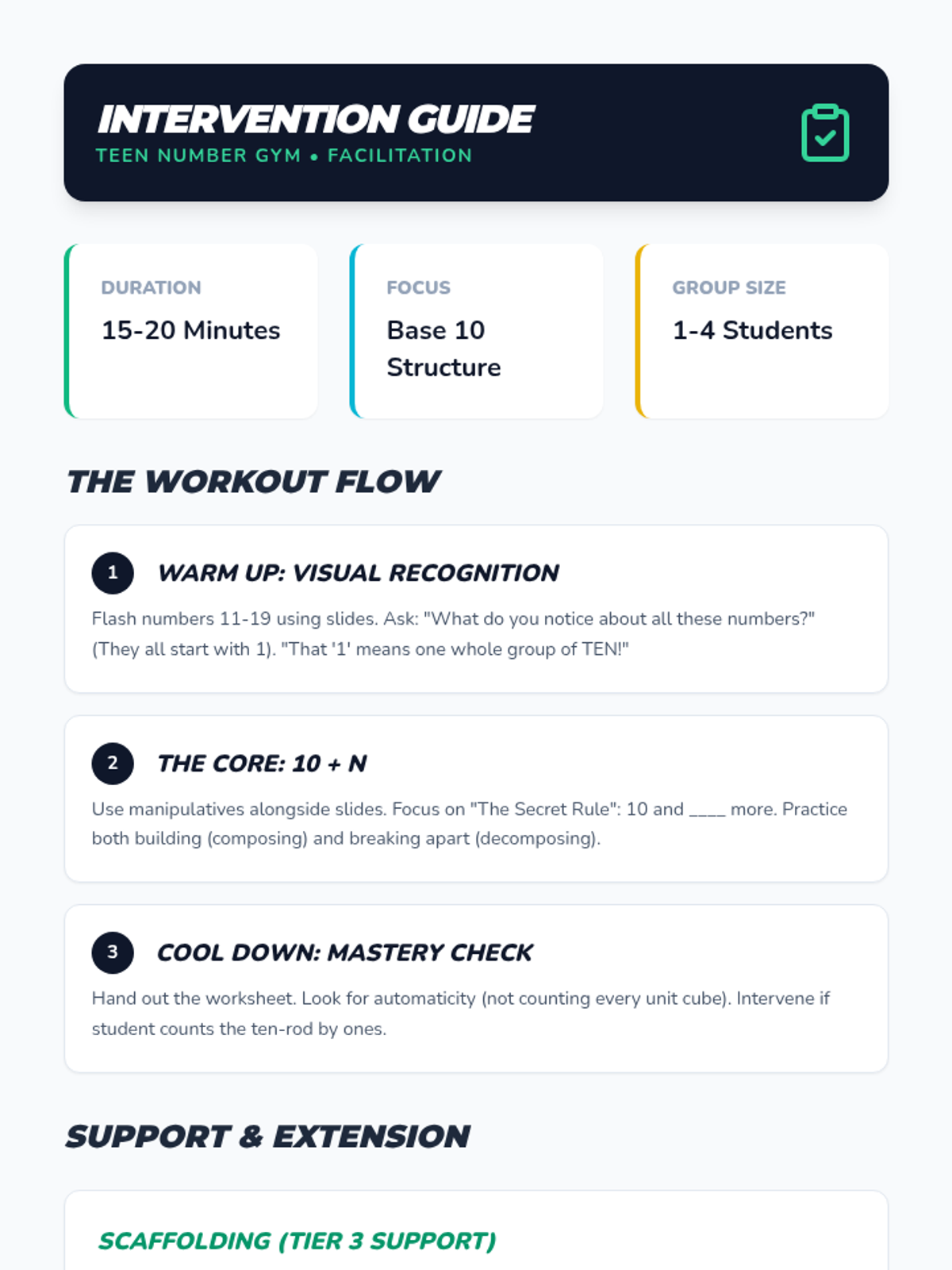
A high-energy intensive intervention designed to help kindergarten students master teen numbers through the lens of a "number gym," focusing on composition, decomposition, and identification.
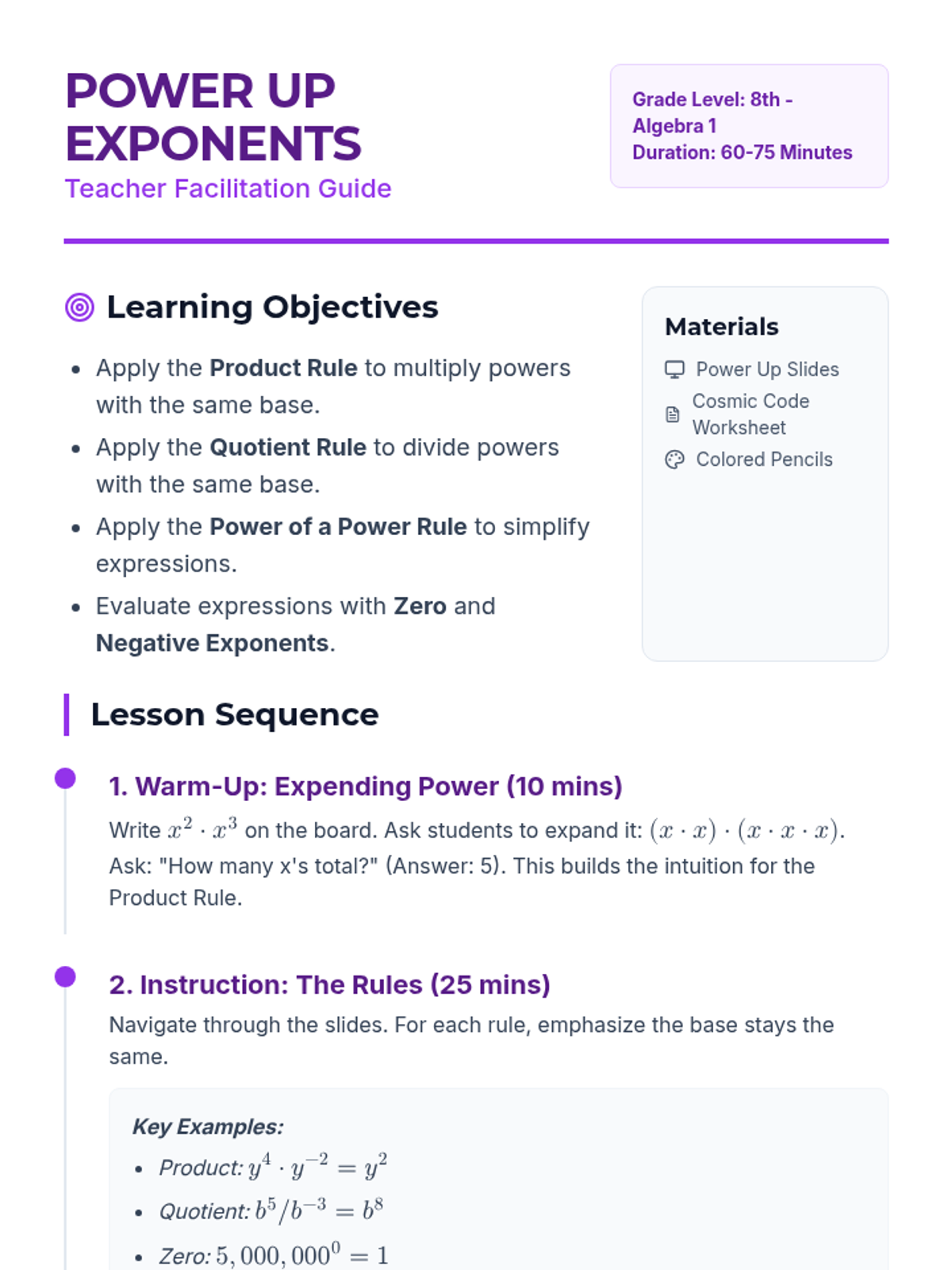
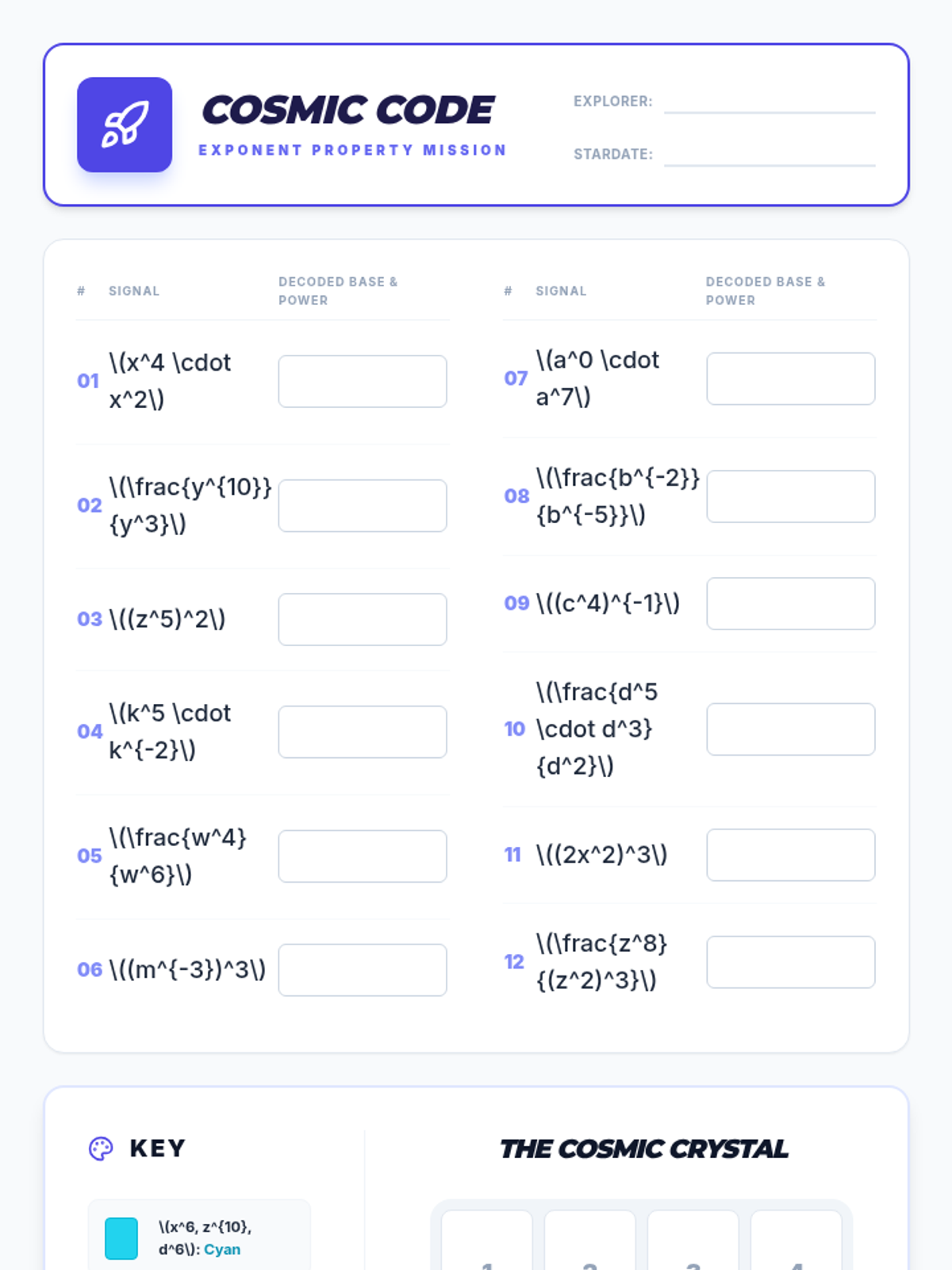
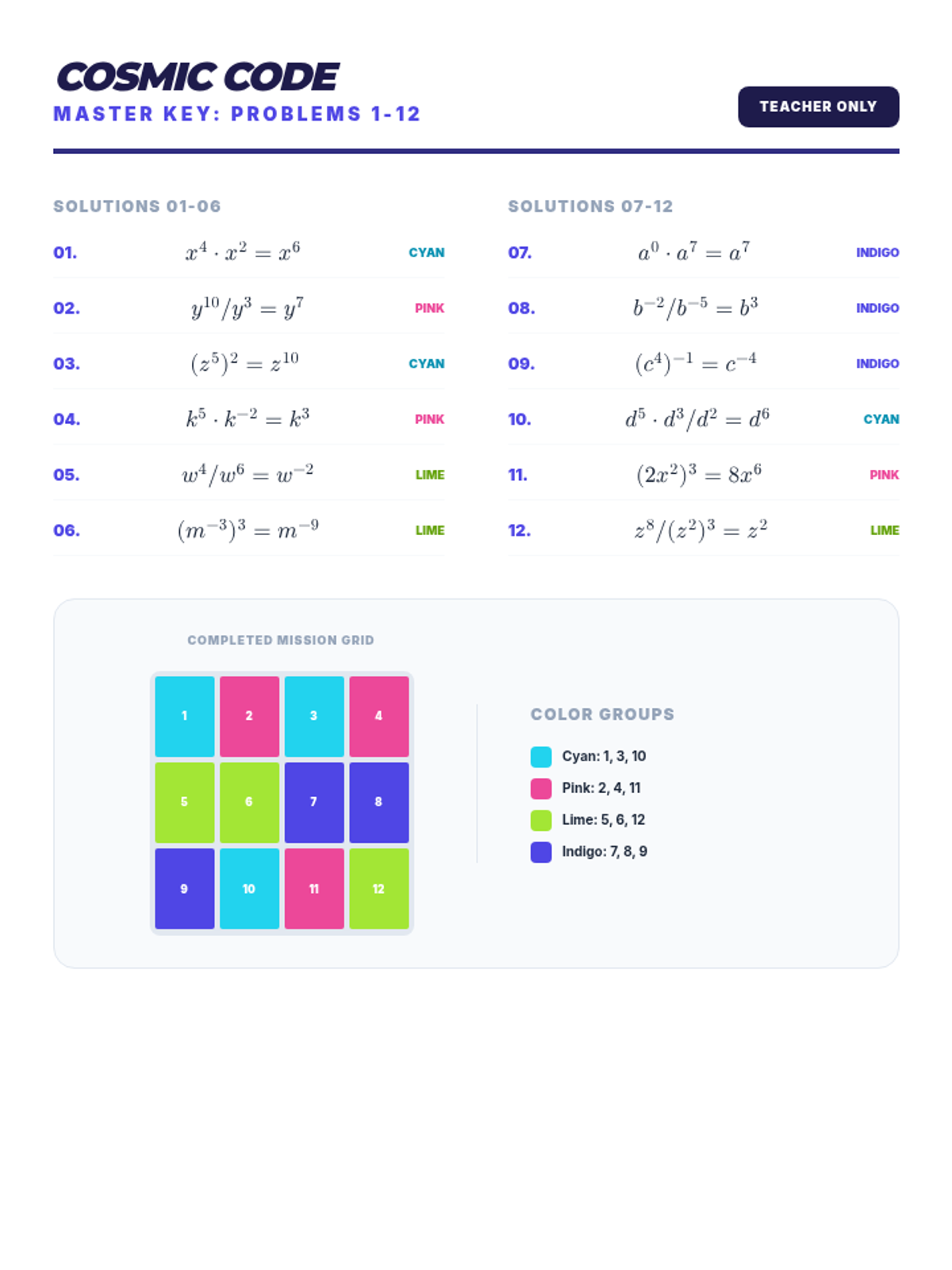
A comprehensive lesson on exponent rules featuring a cosmic arcade theme, covering product, quotient, power-to-power, zero, and negative exponent rules.
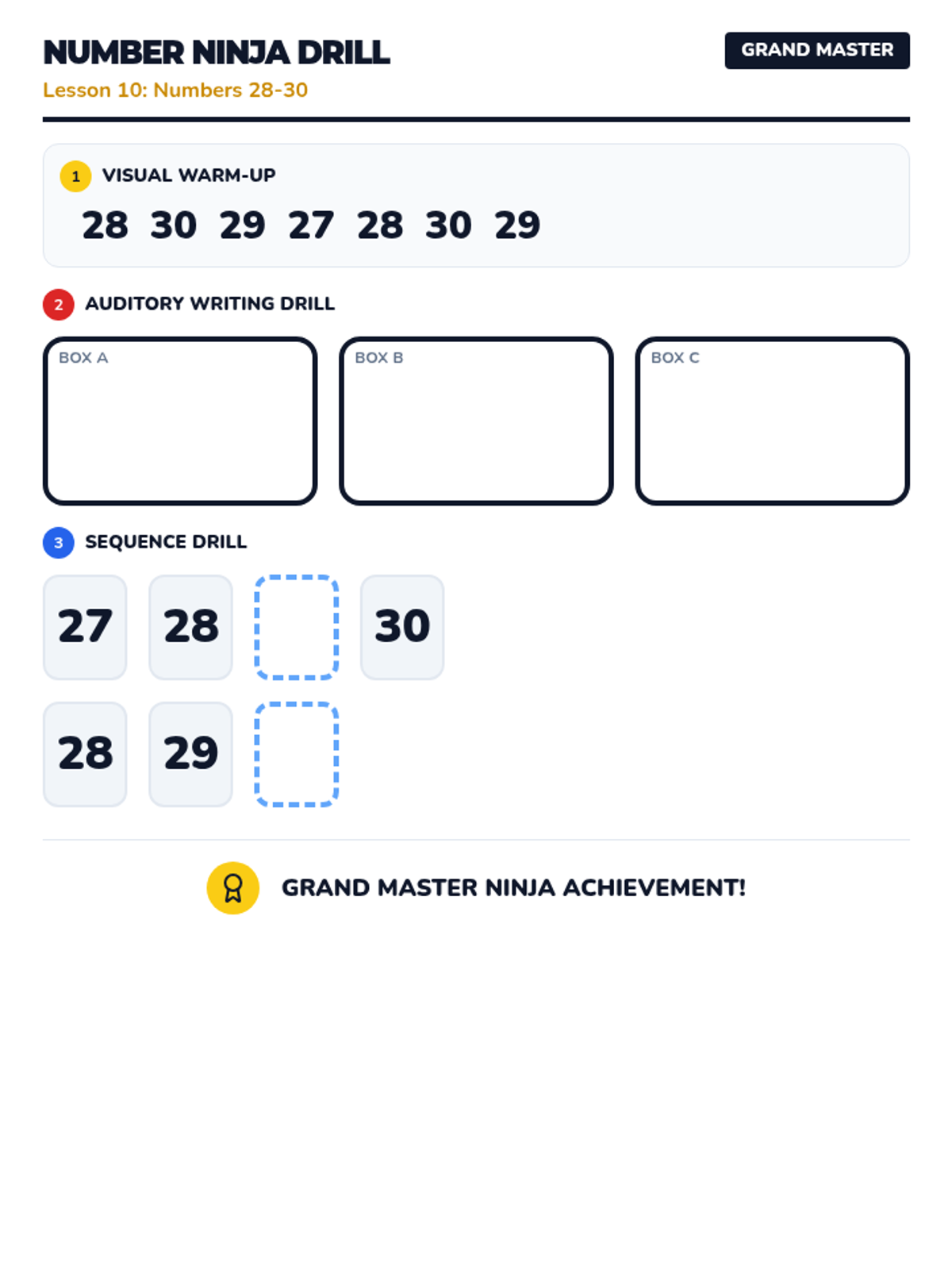
Focuses on numbers 28-30 and a comprehensive review of all numbers 1-30.
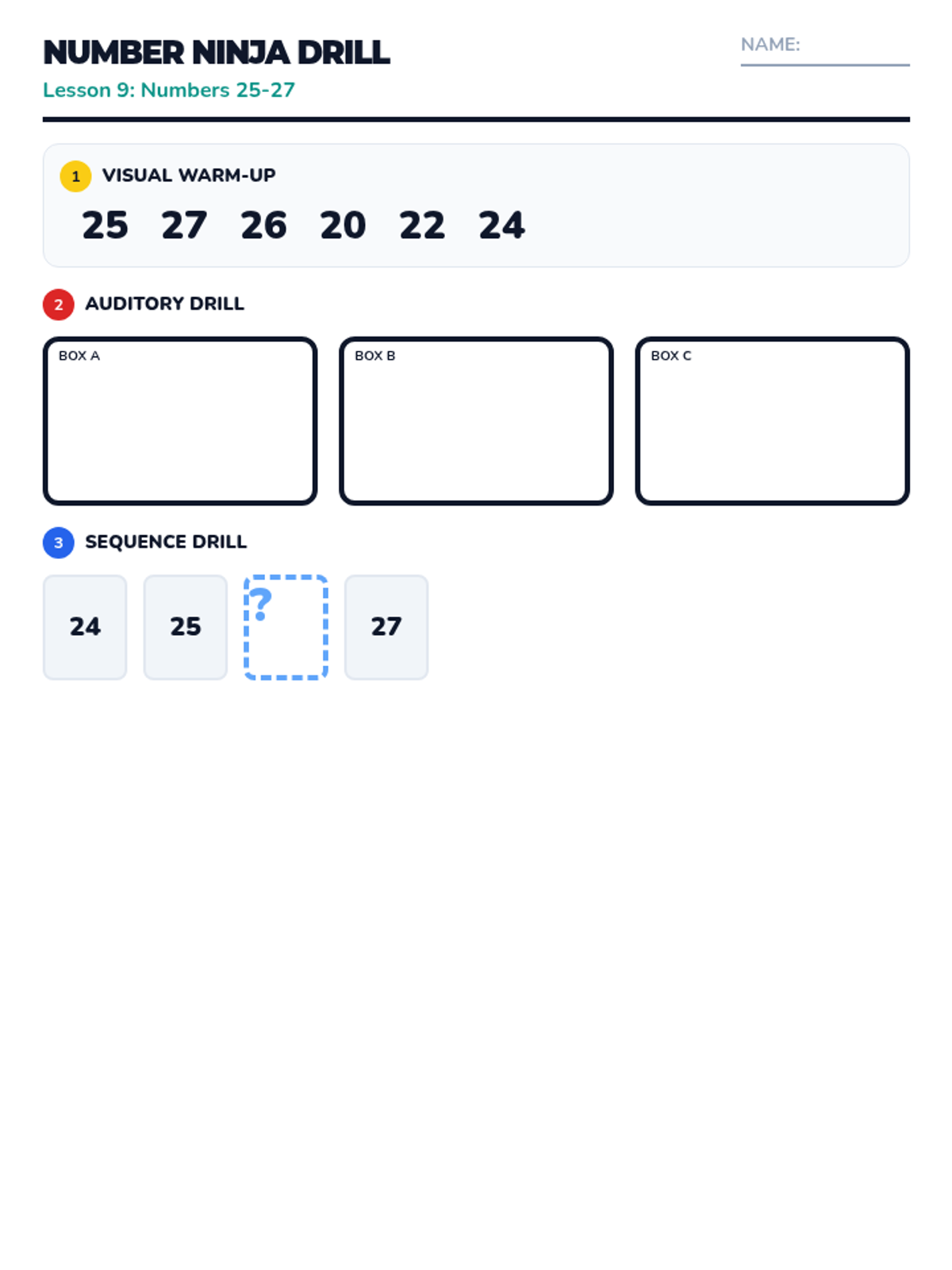
Focuses on numbers 25-27 with cumulative review of 1-24.
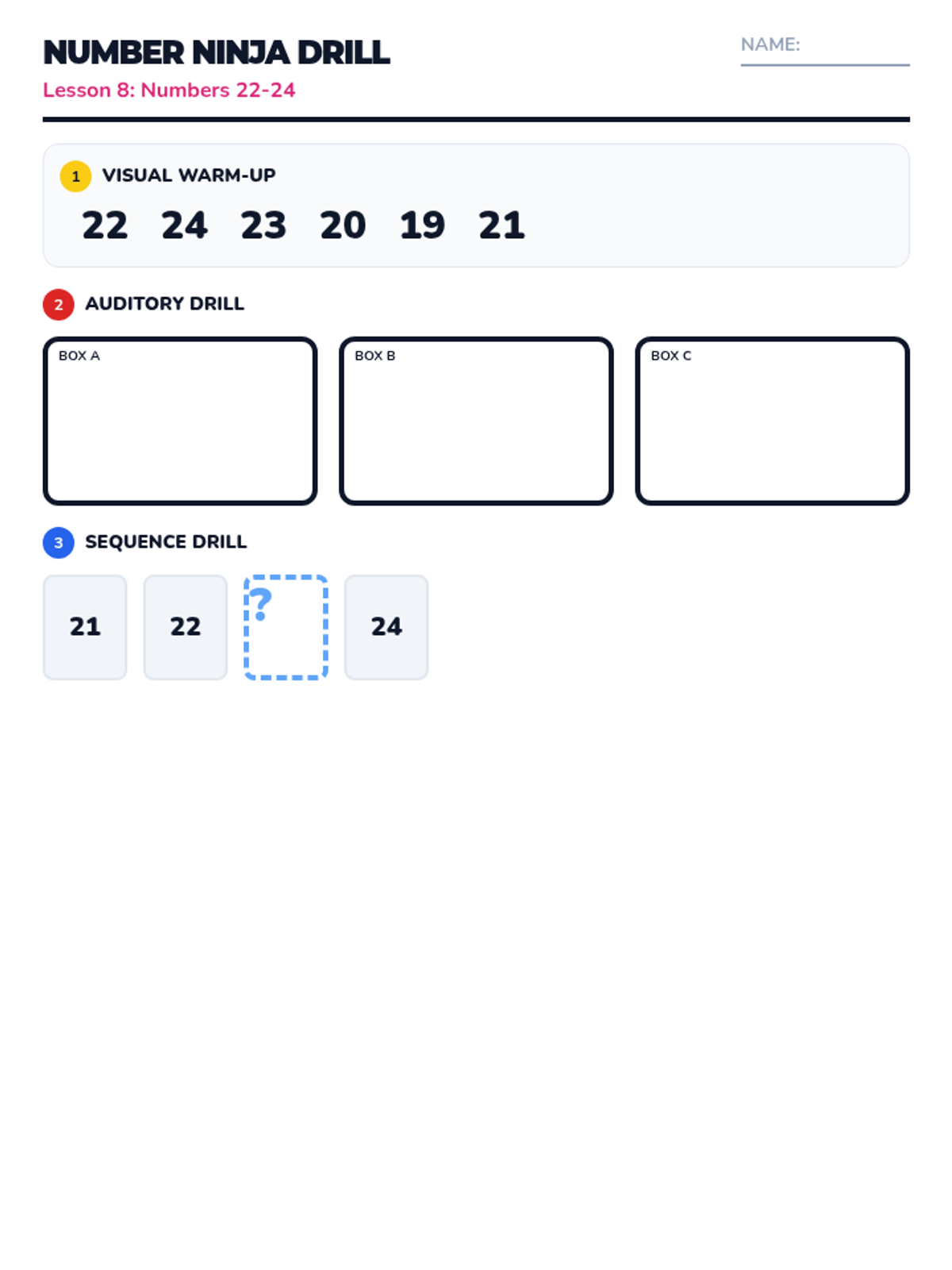
Focuses on numbers 22-24 with cumulative review of 1-21.
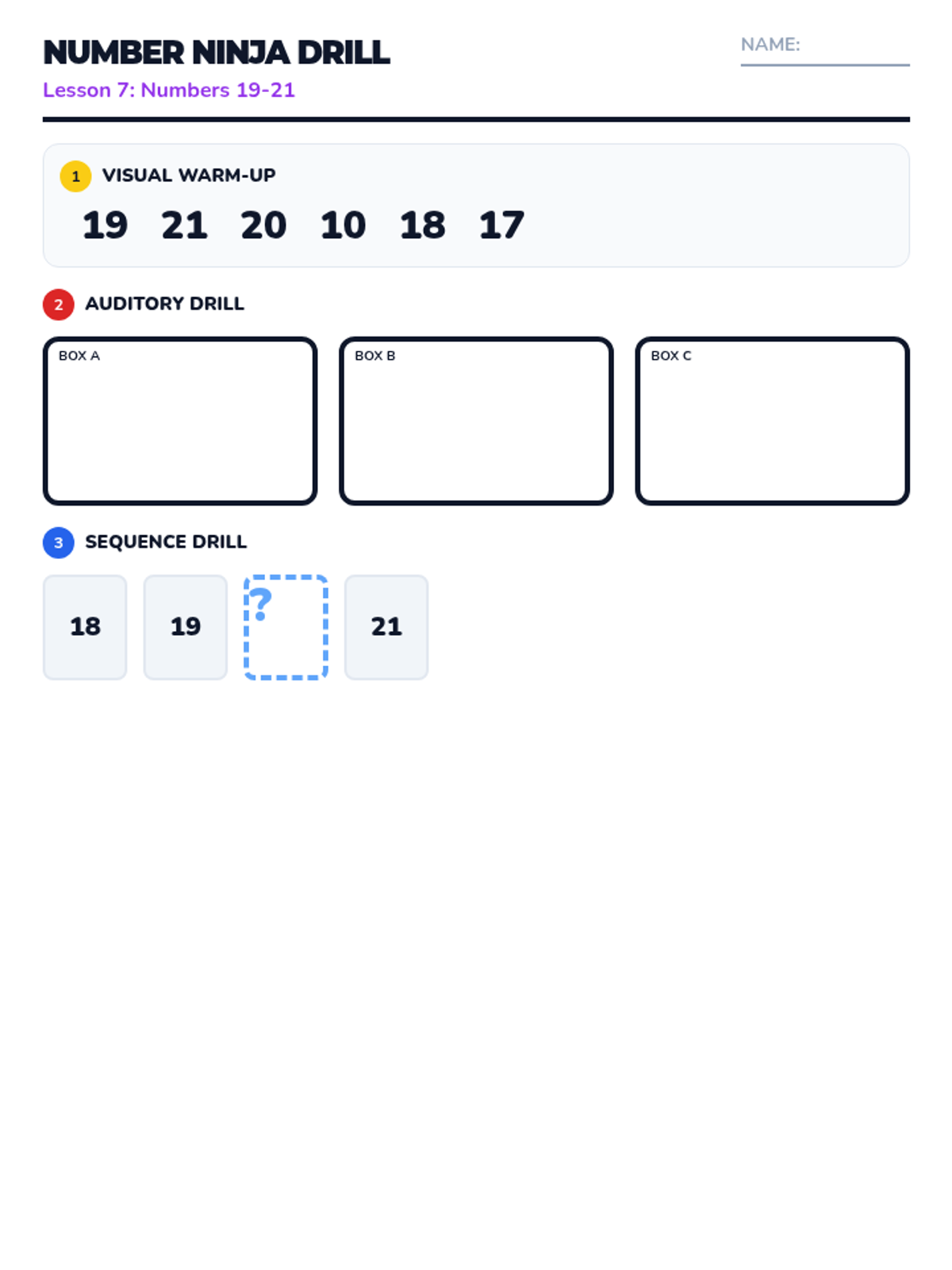
Focuses on numbers 19-21, crossing the bridge into the twenties and reviewing 1-18.
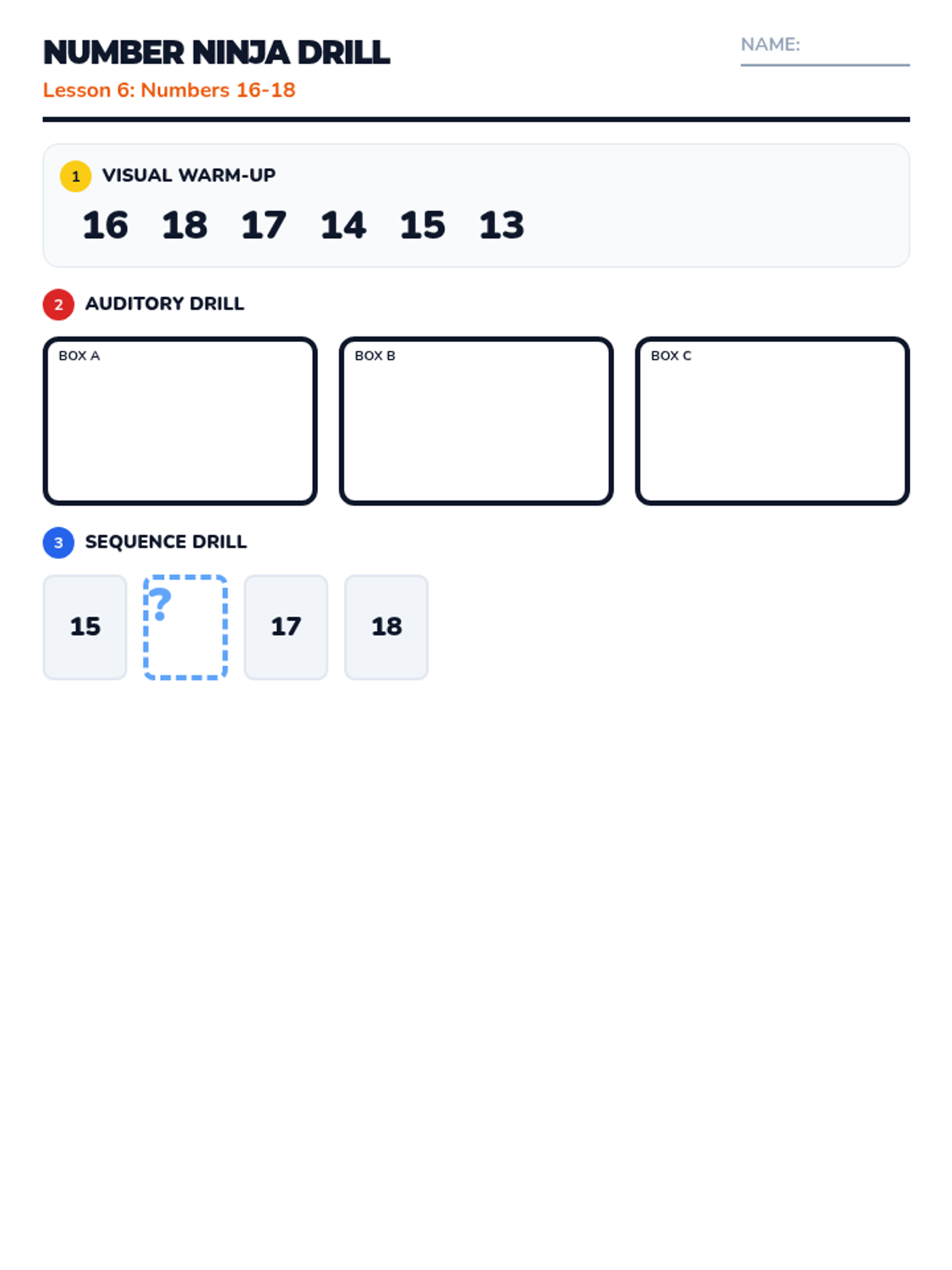
Focuses on numbers 16-18 and cumulative review of 1-15.
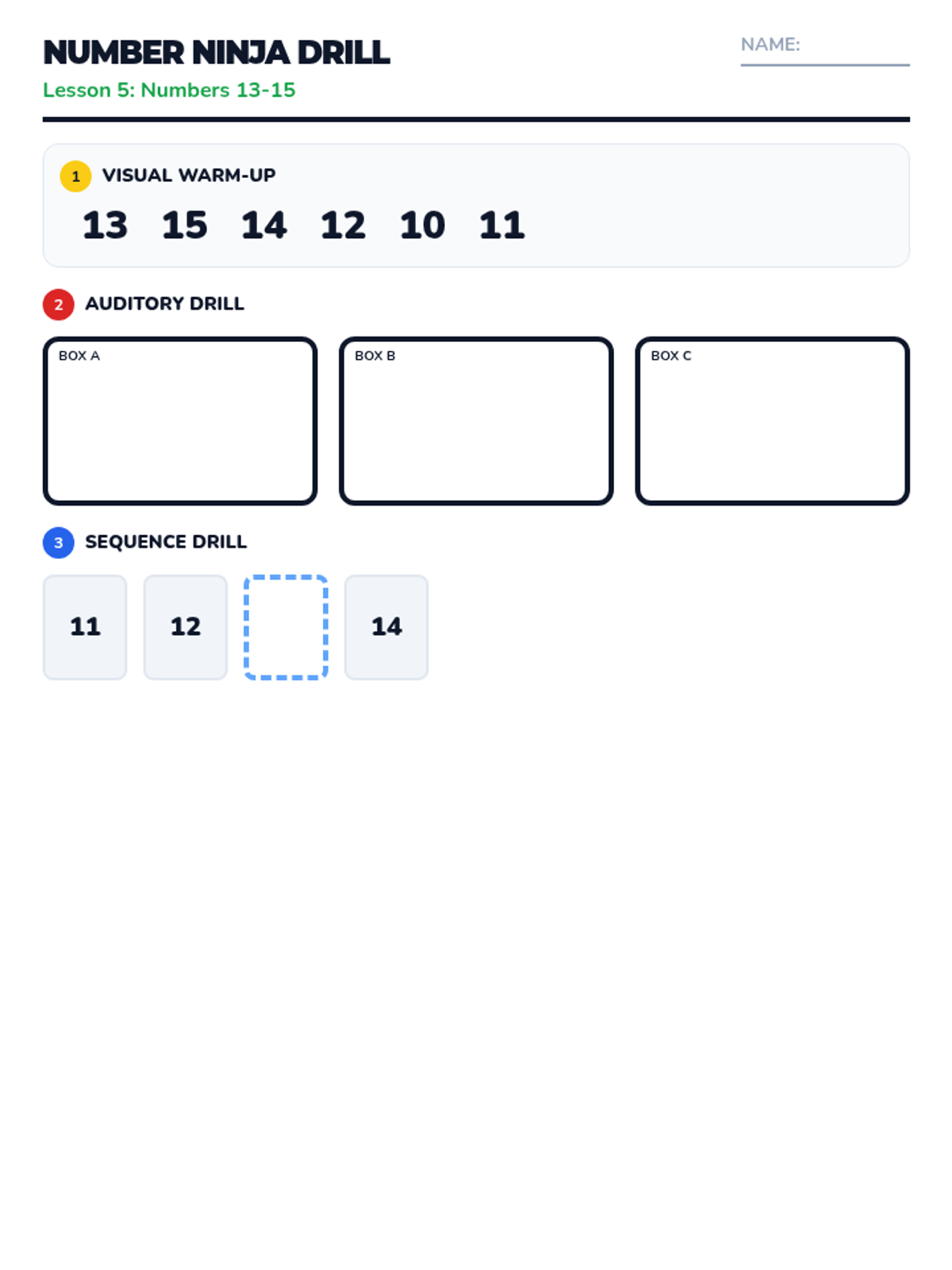
Focuses on numbers 13-15, emphasizing the 'teen' suffix and reviewing numbers 1-12.
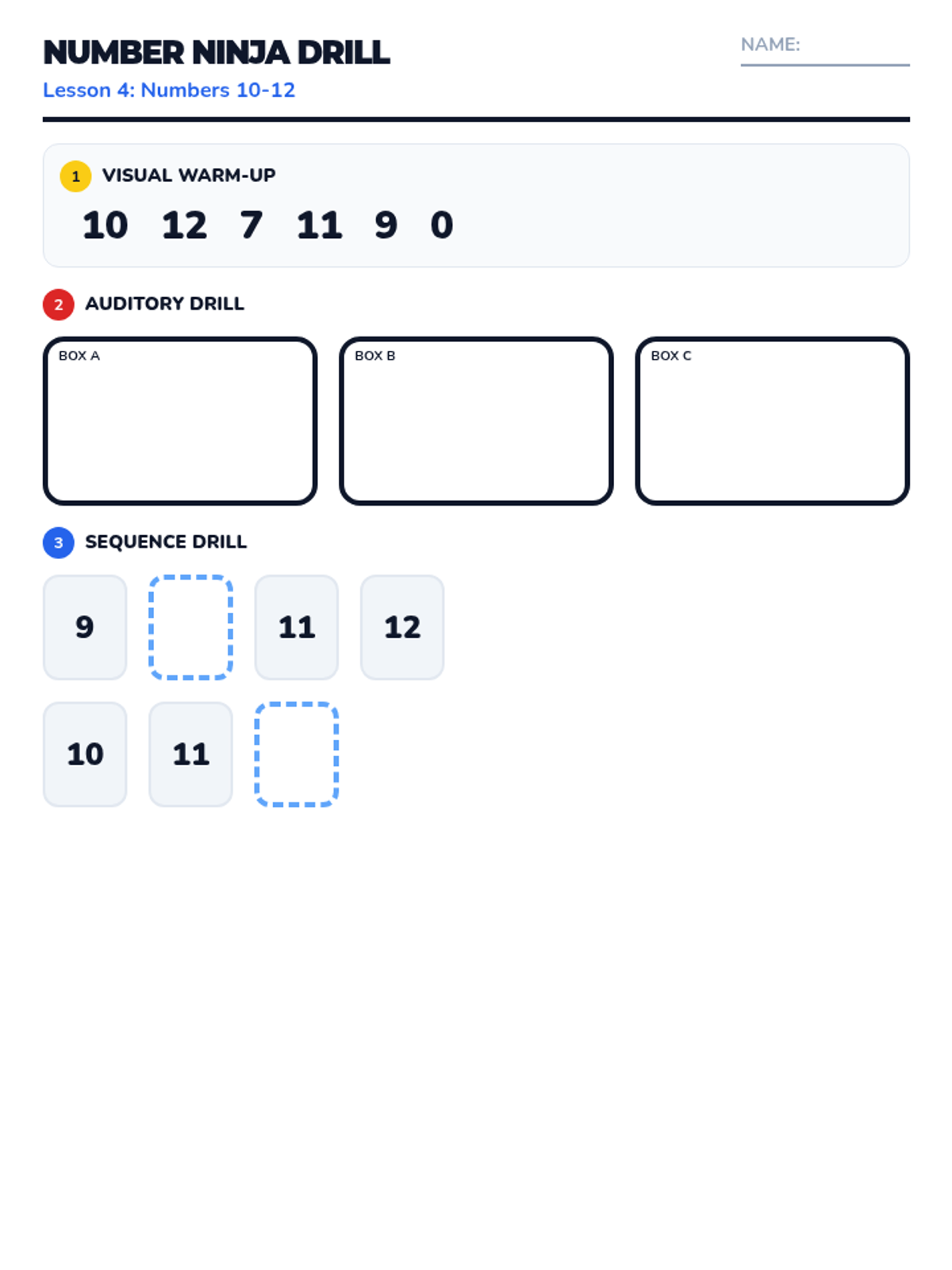
Focuses on numbers 10-12, introducing the teen number structure while reviewing 1-9.
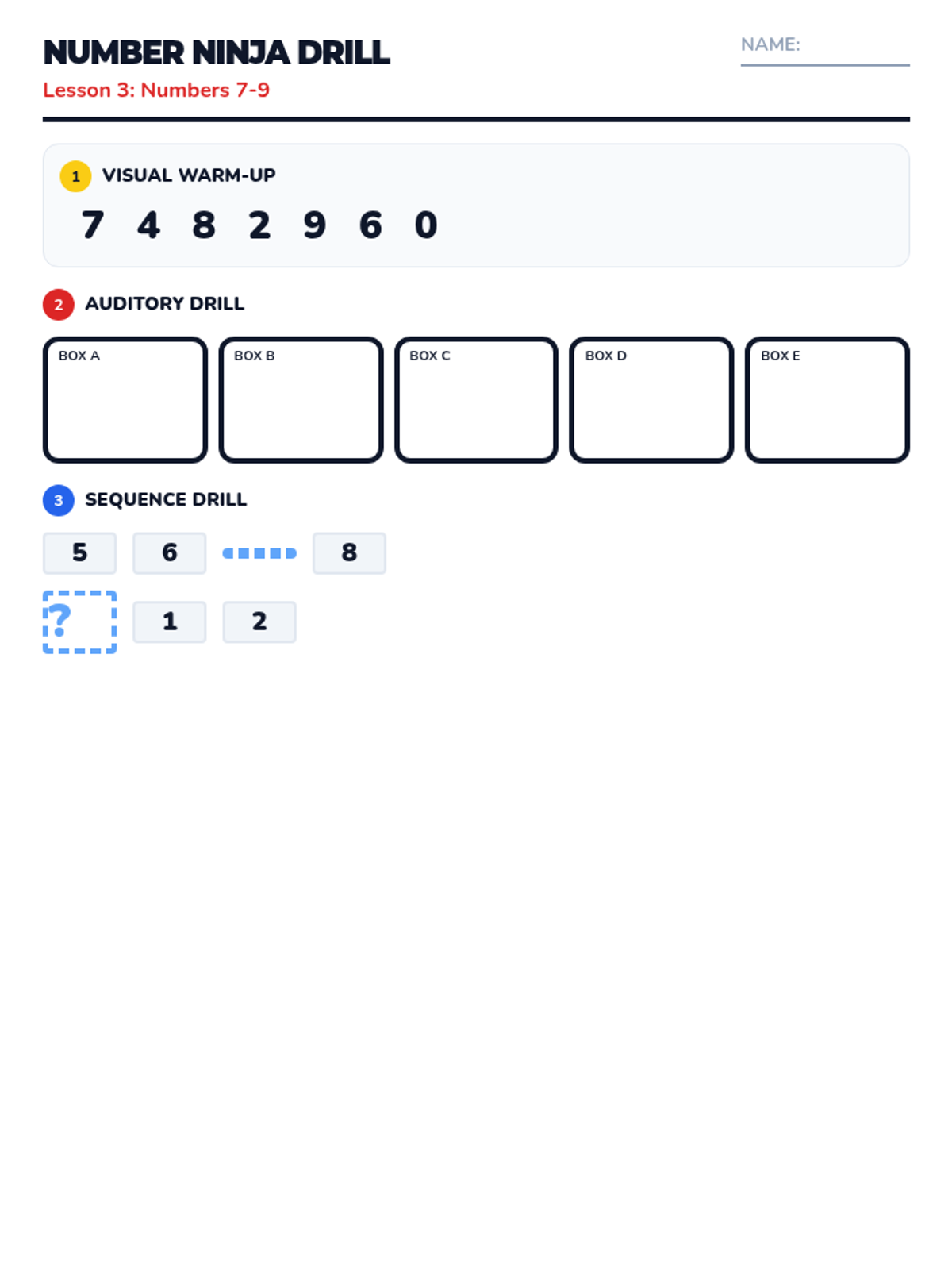
Focuses on numbers 7-9 with review of 1-6. Introduces teen precursors and zero conceptualization.
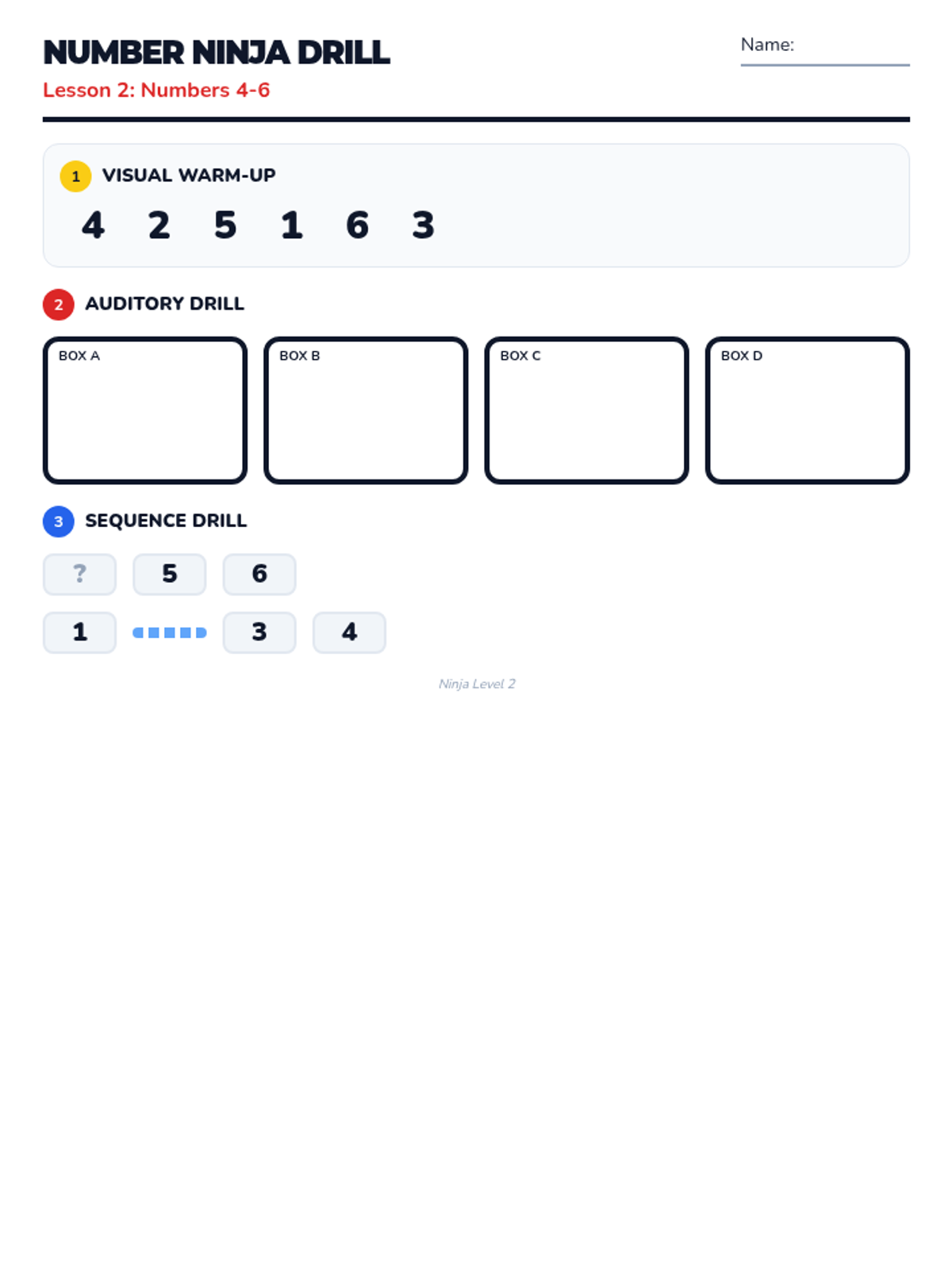
Focuses on numbers 4-6 with review of 1-3. Includes cumulative visual drill and writing practice.
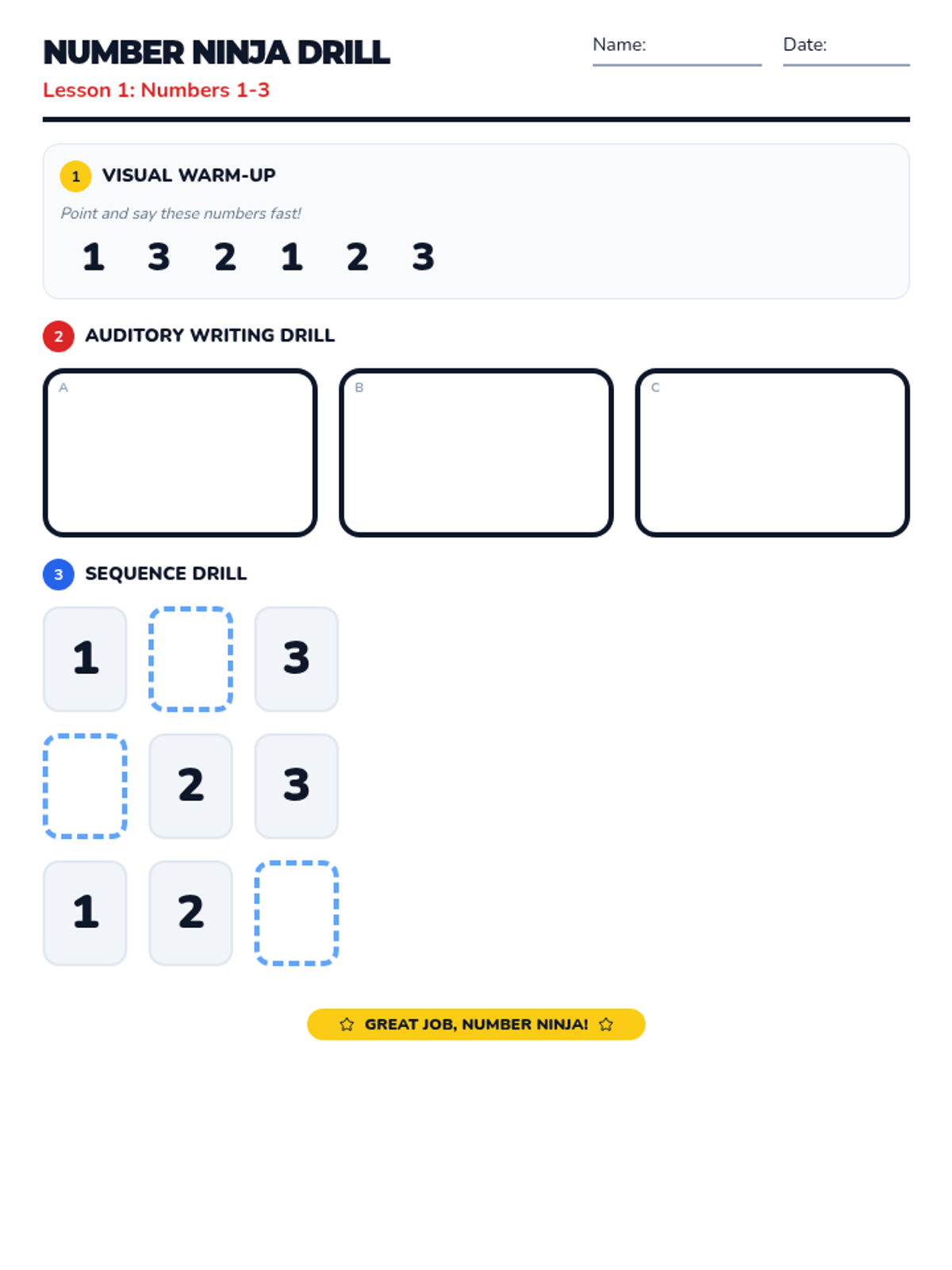
Focuses on numbers 1-3. Includes visual identification, writing practice, and basic sequence identification.
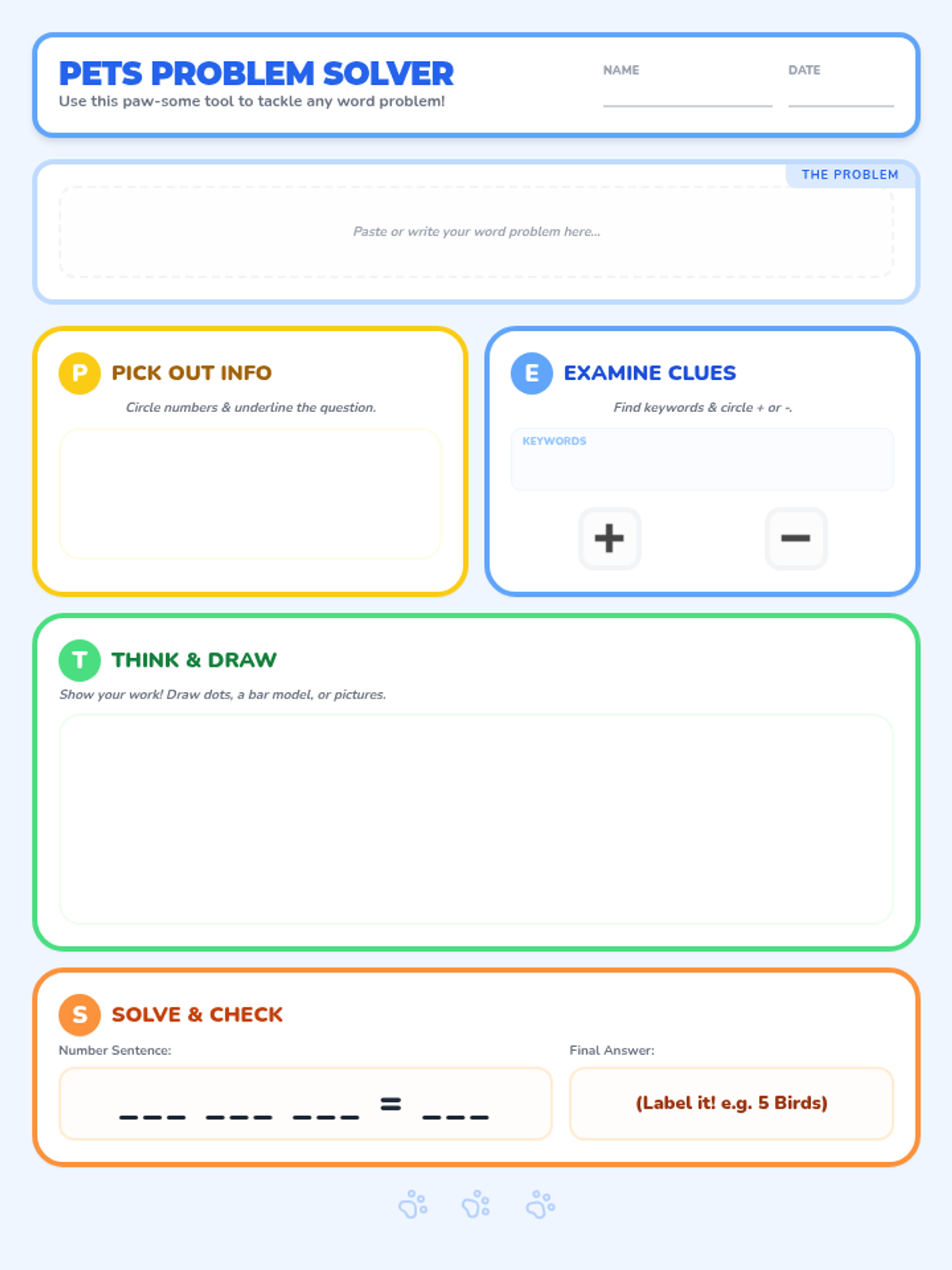
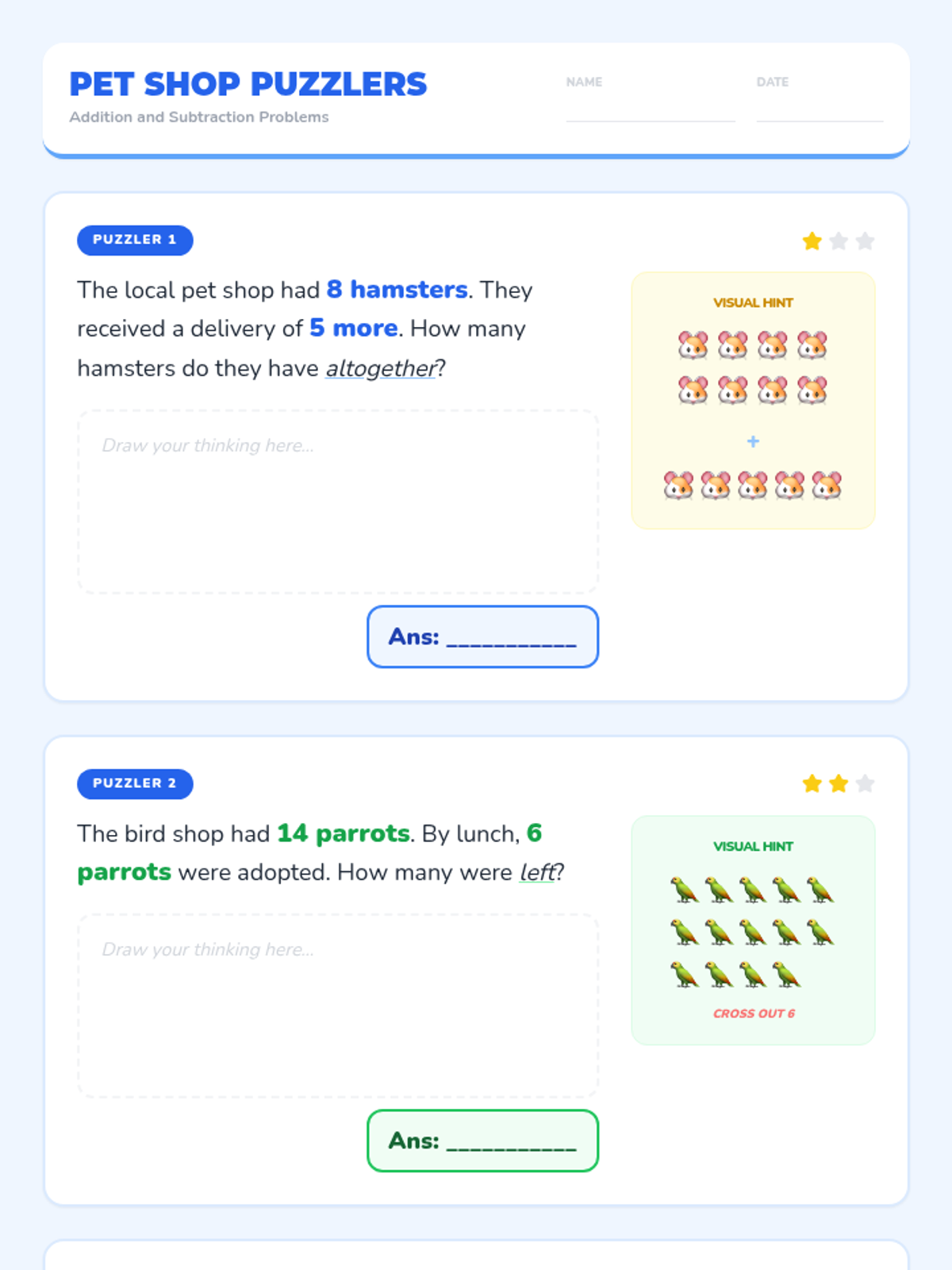
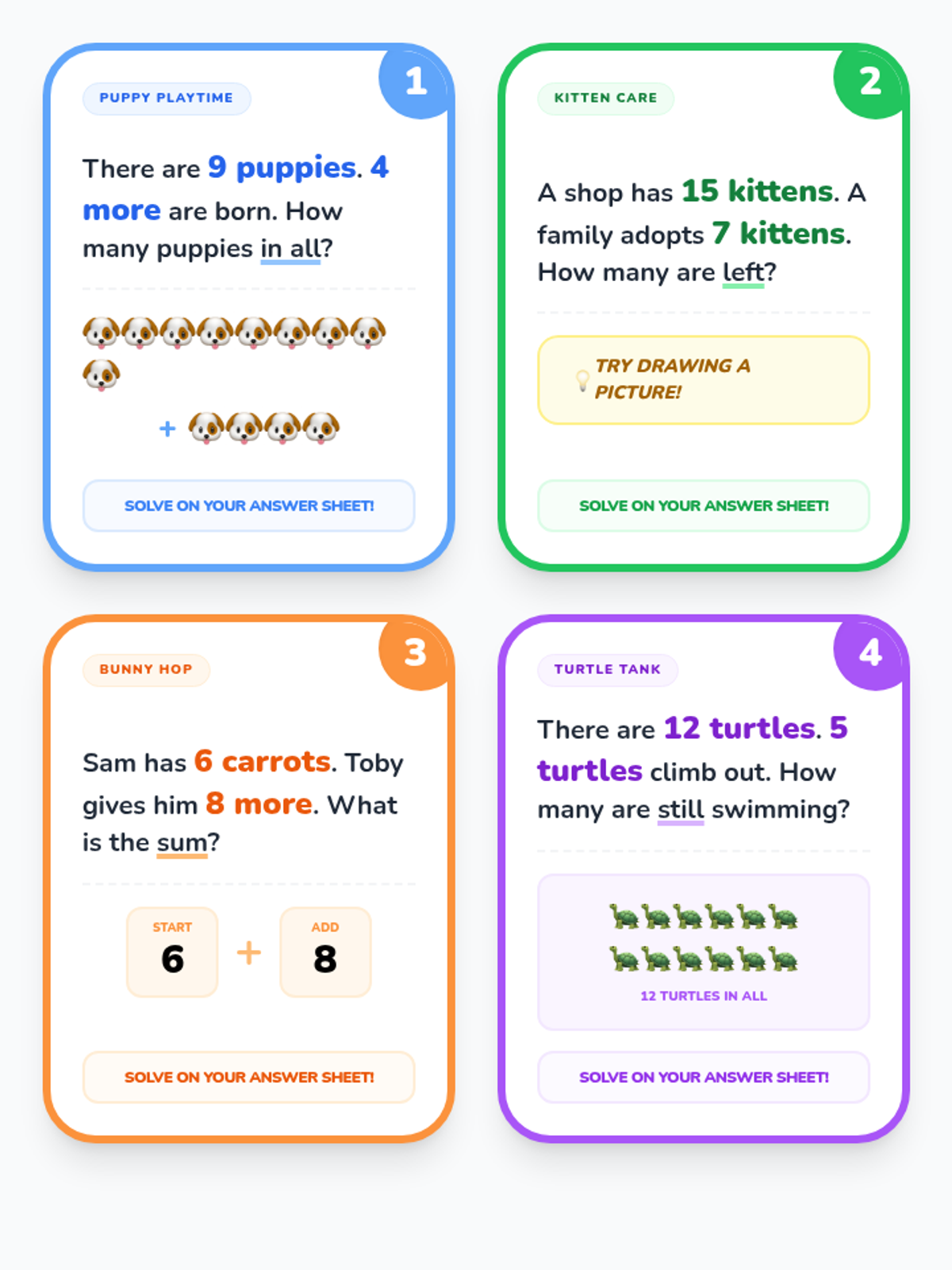
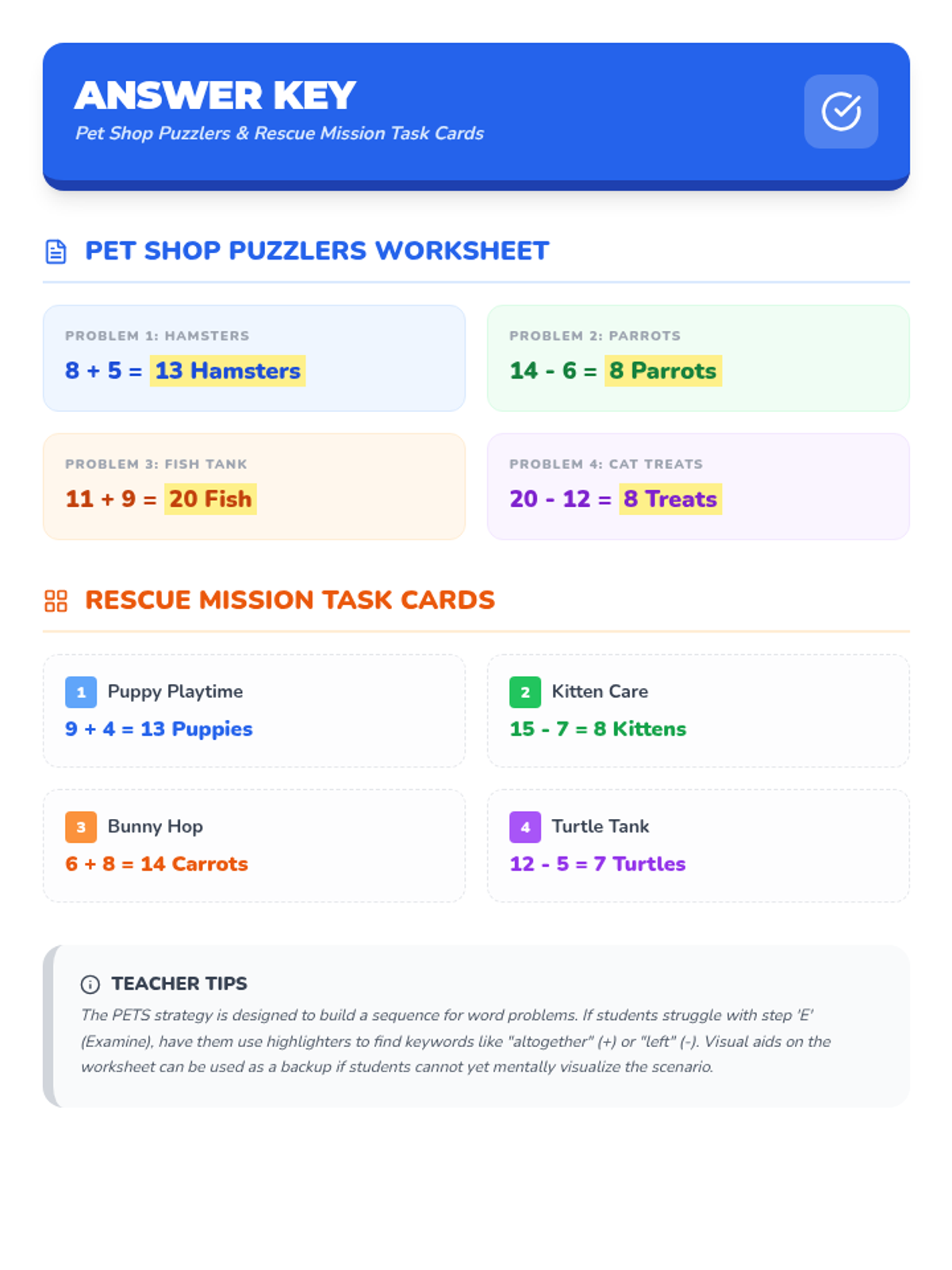
Students will learn to identify key information in word problems and apply the 'PETS' strategy to solve one-step addition and subtraction scenarios.
Final cumulative review of all numbers 1-20 in all drill parts.
Focus on the larger sequence of 10-20 to build teen fluency.
Advanced practice with numbers 1-15 in mixed order.
Deep dive into the often-confused teen numbers 11-15.
Completing the numbers up to 20 with 17, 18, 19, and 20.
Focus on numbers 14, 15, and 16, emphasizing the 'teen' suffix.
Introduction to the tricky teen numbers 11, 12, and 13.
Cumulative review of numbers 1-10 with intensive sequence practice.
Focus on identification and writing of numbers 6-10, with review of numbers 1-5.
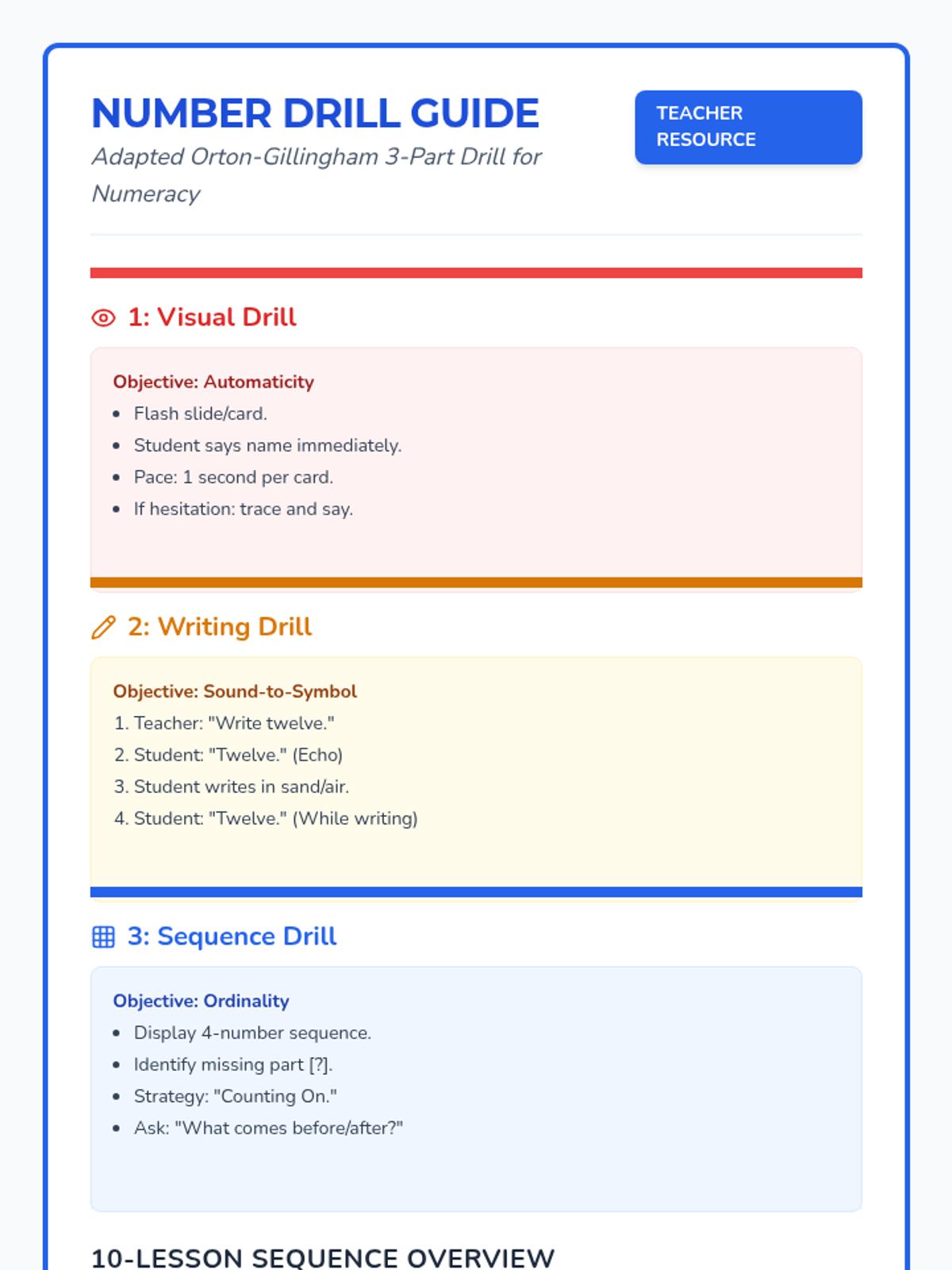
Focus on identification and writing of numbers 1-5, featuring a 3-part drill for visual, auditory, and sequential skills.
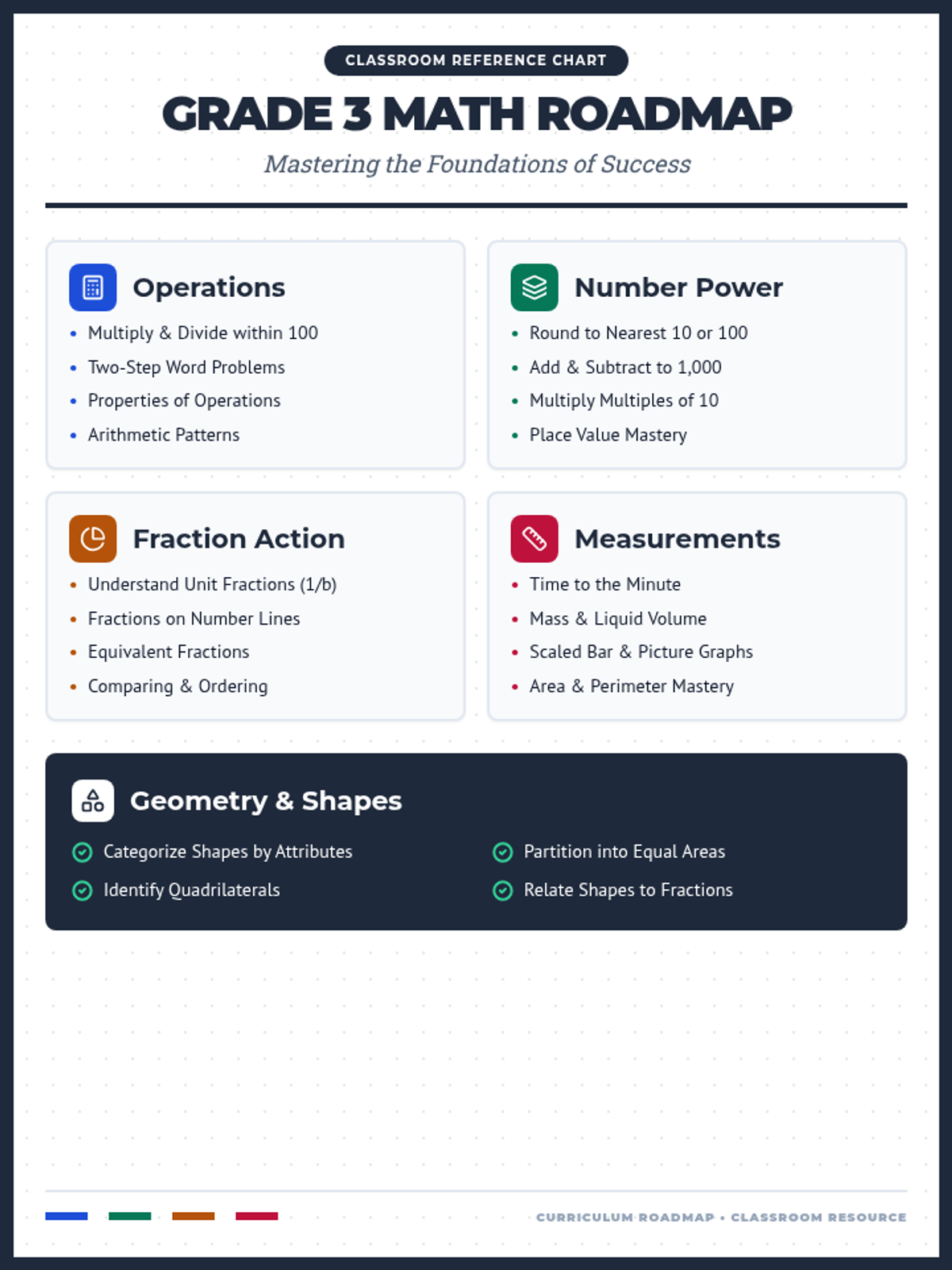
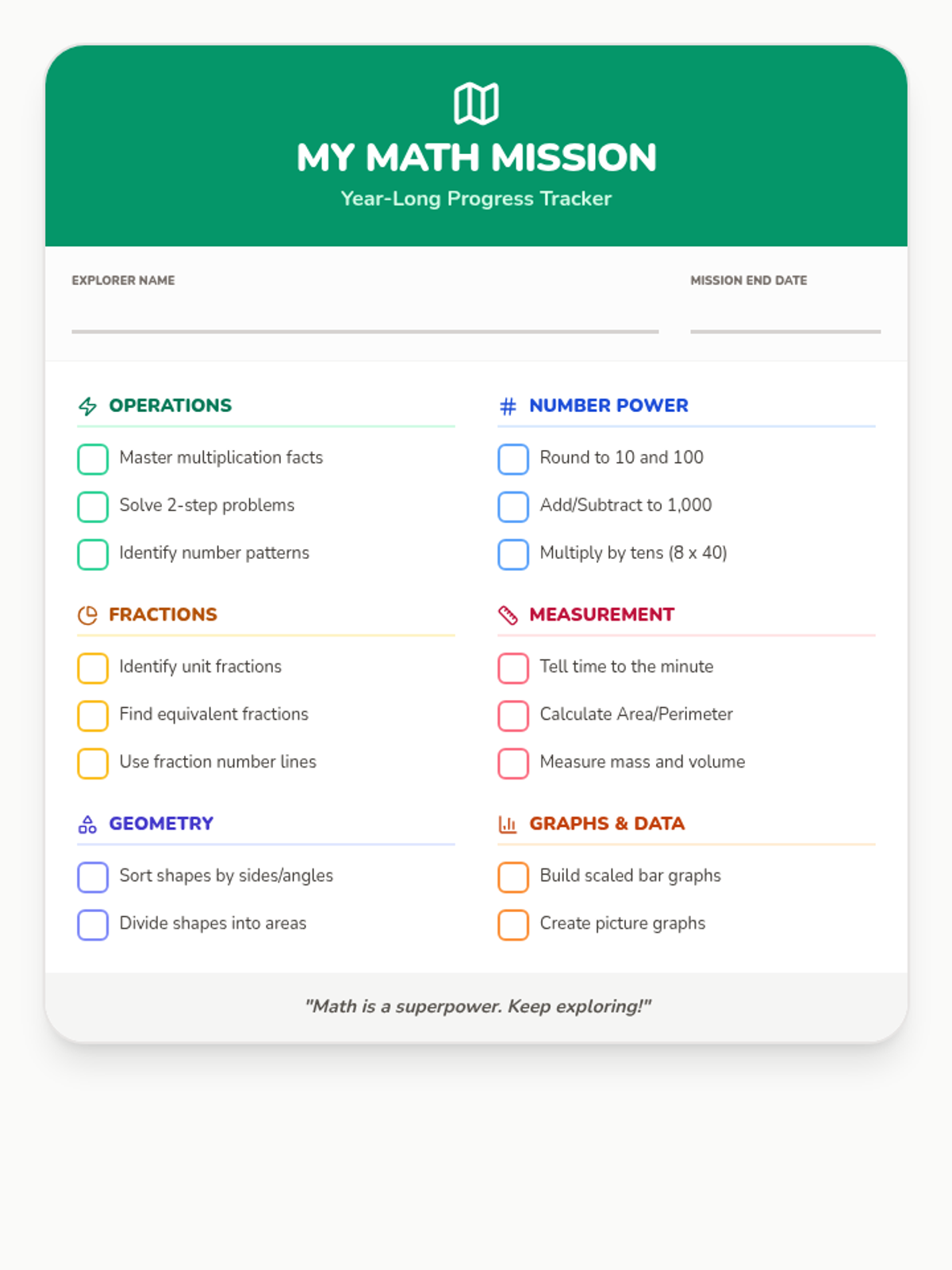
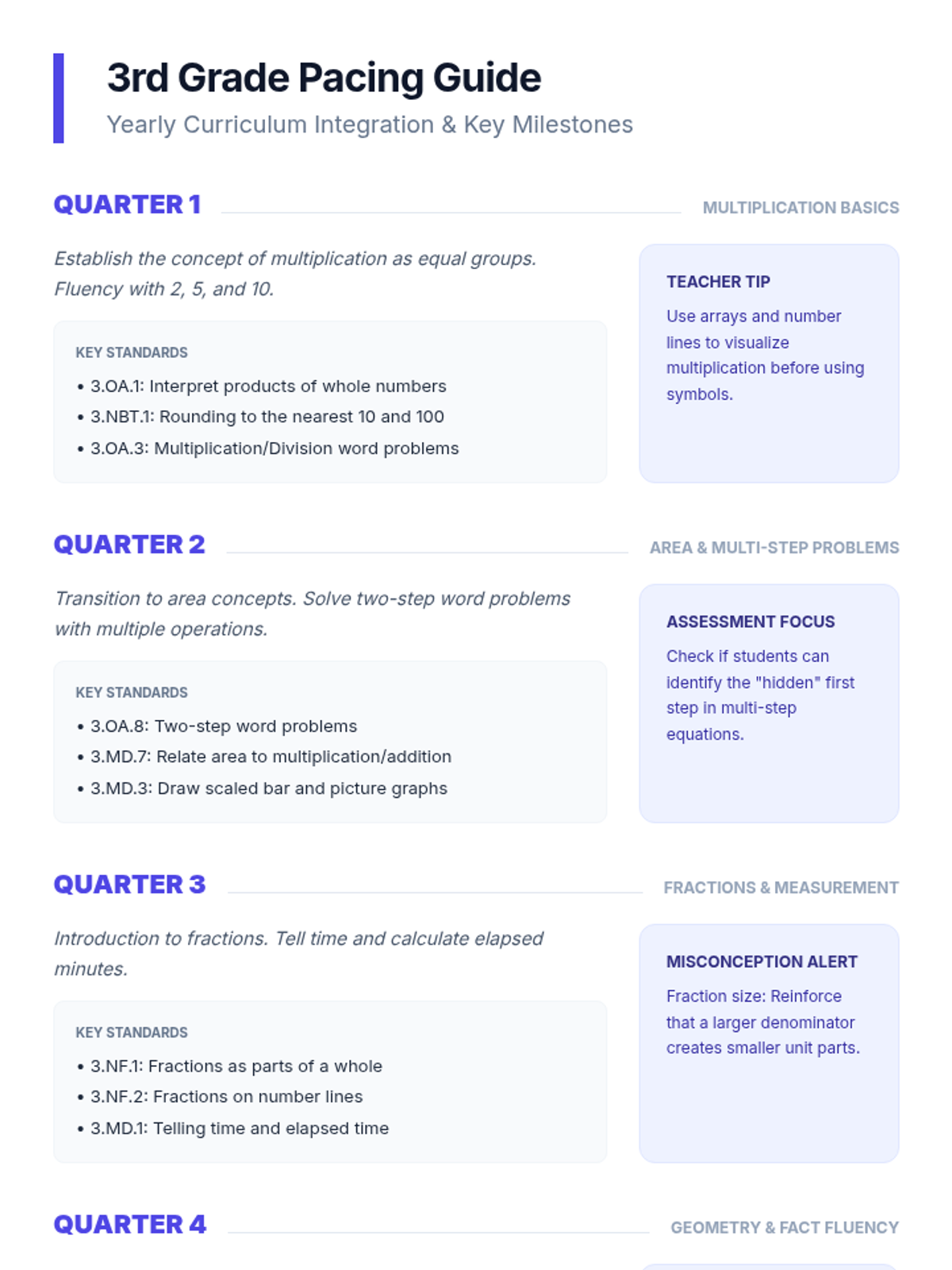
A comprehensive set of visual aids and planning documents for the Grade 3 mathematics curriculum, designed to provide students and teachers with a clear roadmap for the year ahead.
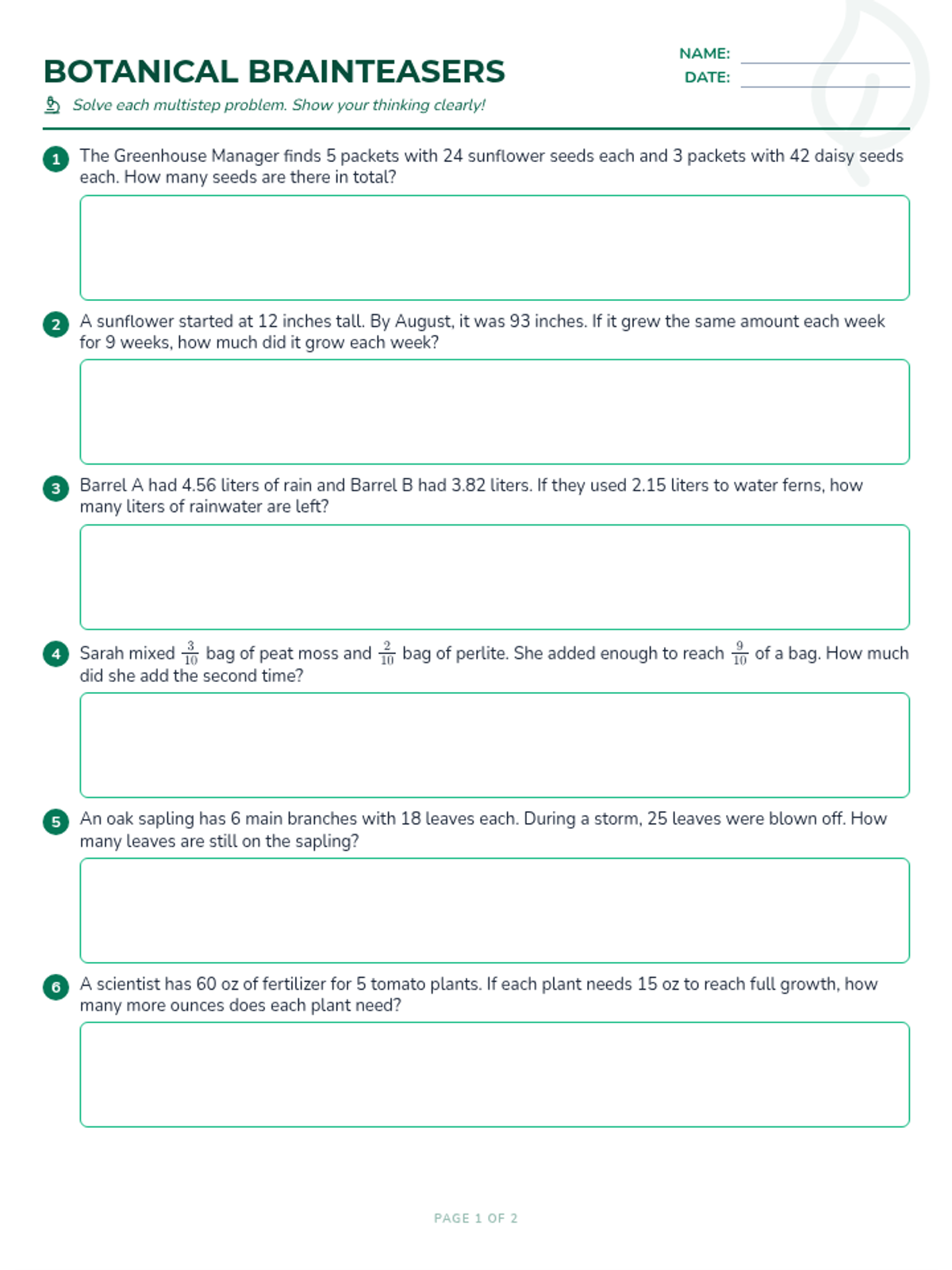
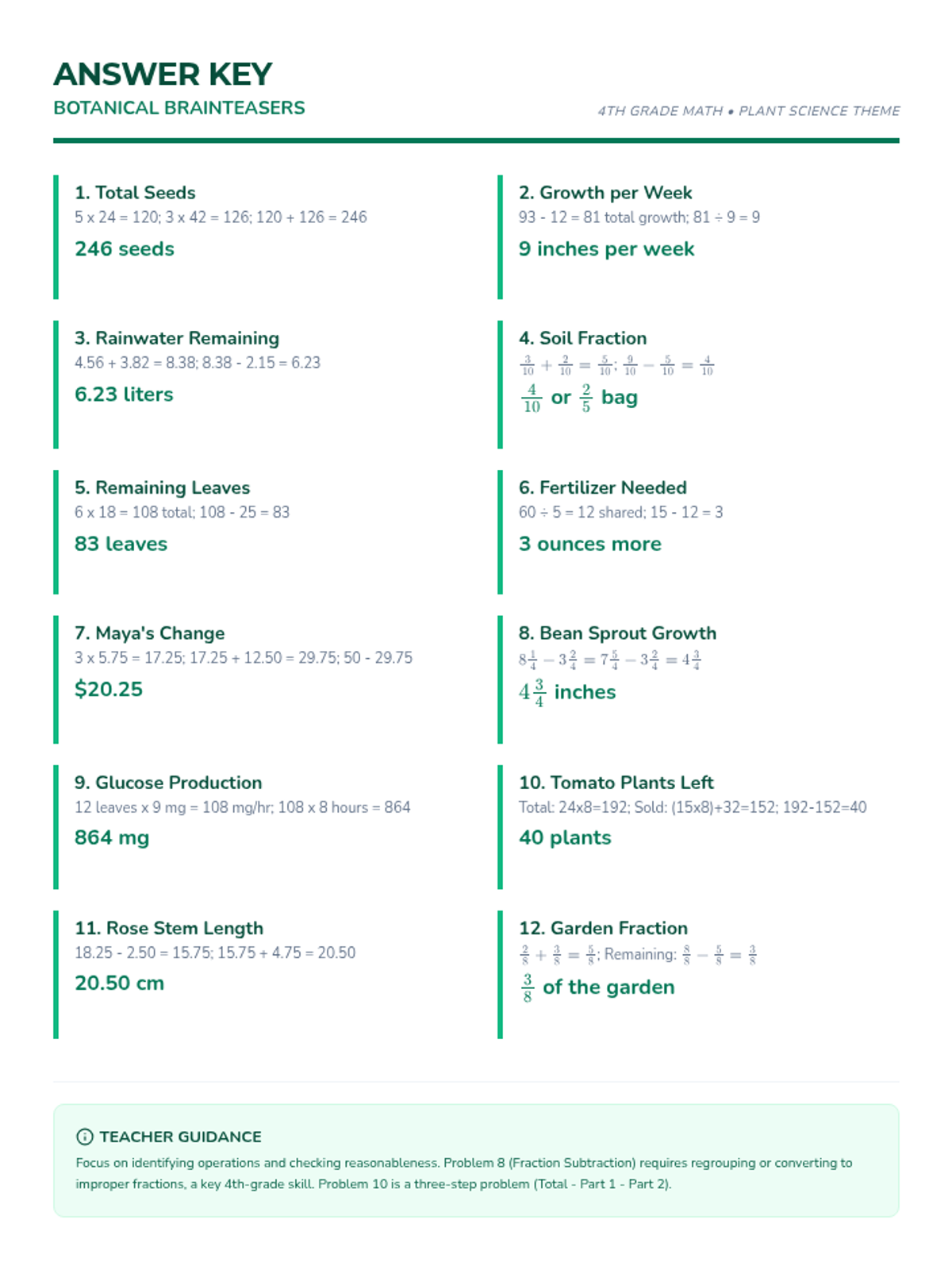
A math lesson focused on solving multistep word problems themed around plants and photosynthesis, incorporating multiplication, division, fractions, and decimals for 4th-grade students.
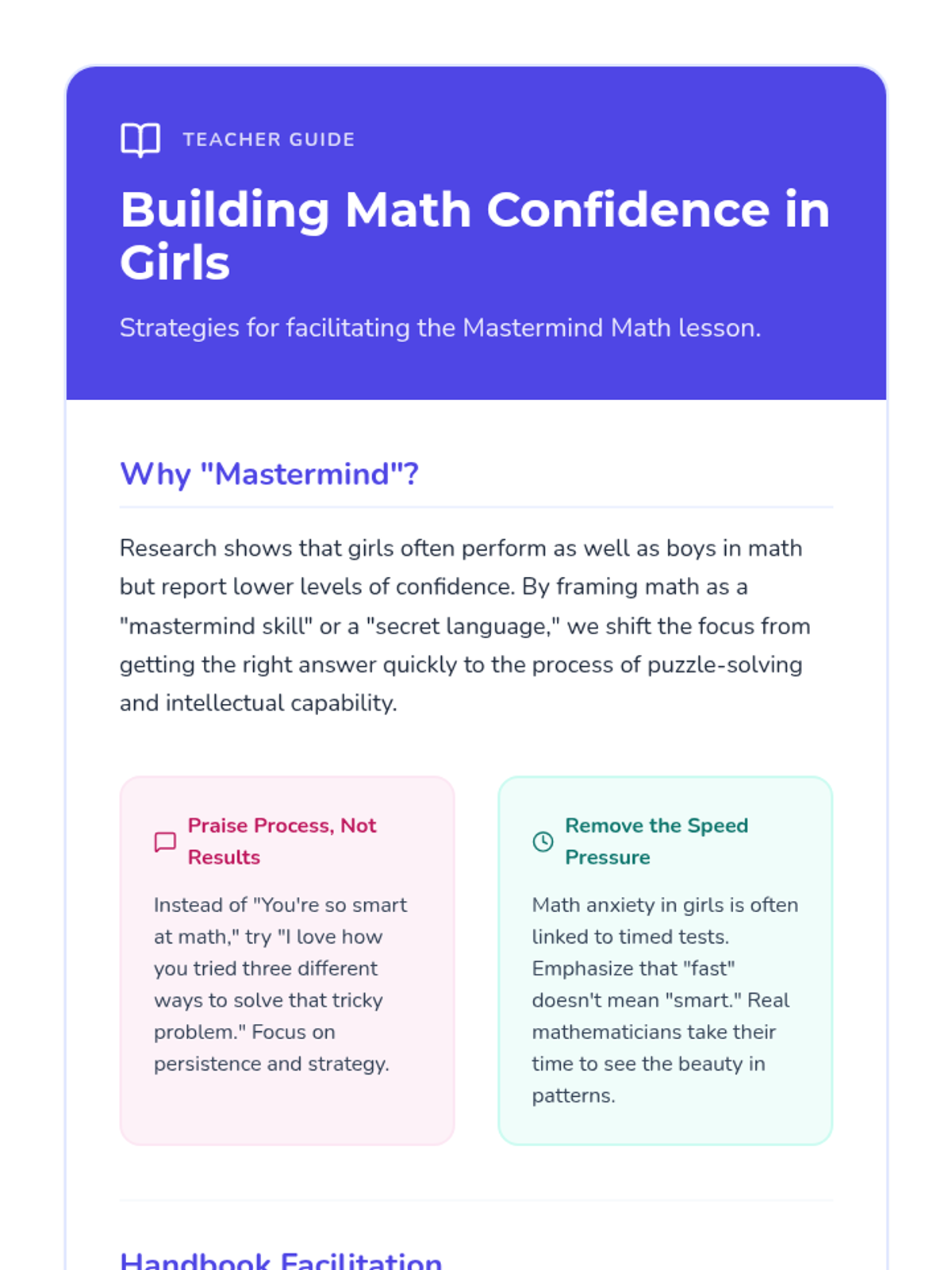
A lesson designed to boost math confidence in young girls by framing addition and subtraction within 20 as 'mastermind' skills through a personal field guide and growth mindset strategies.
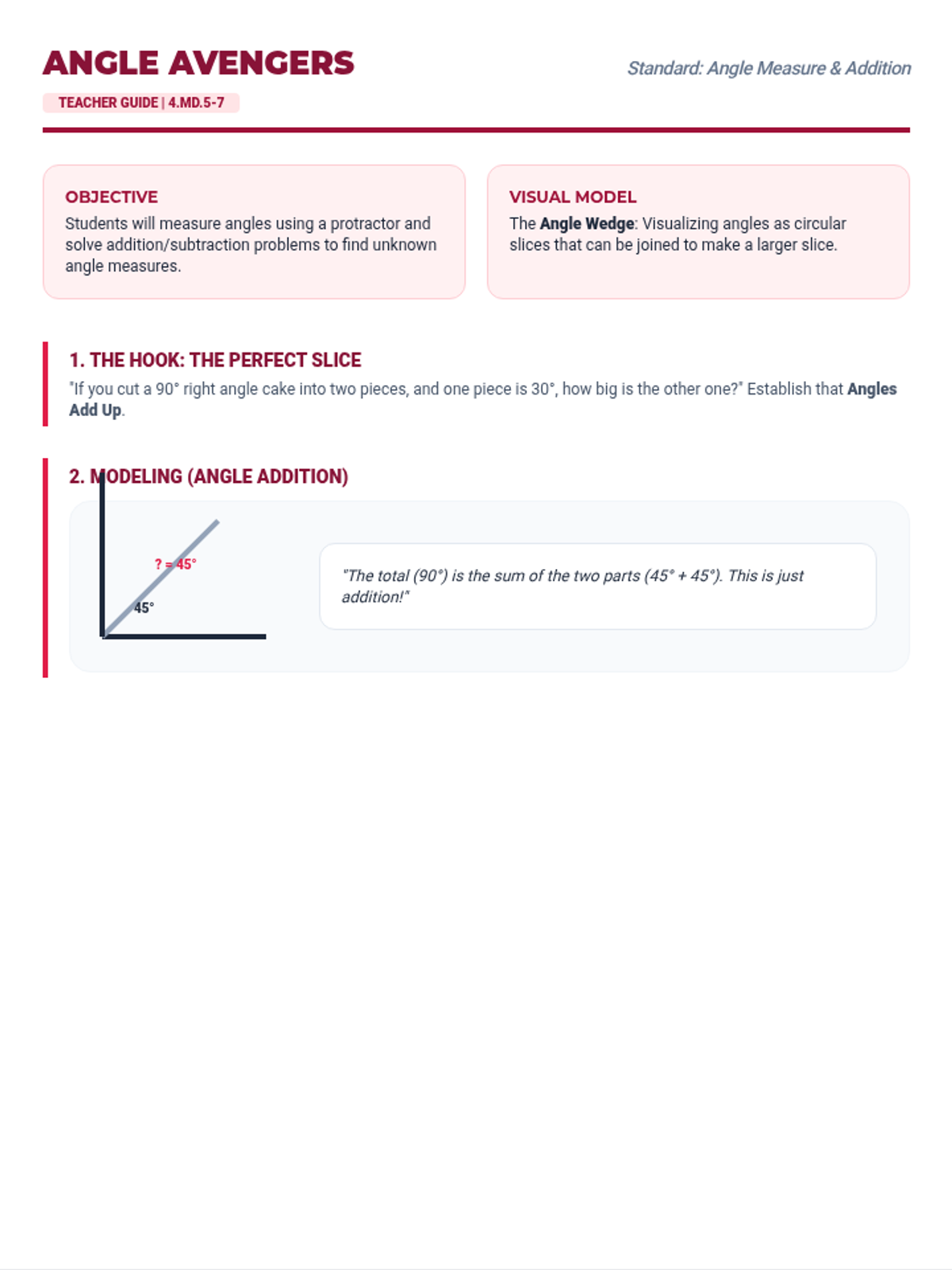
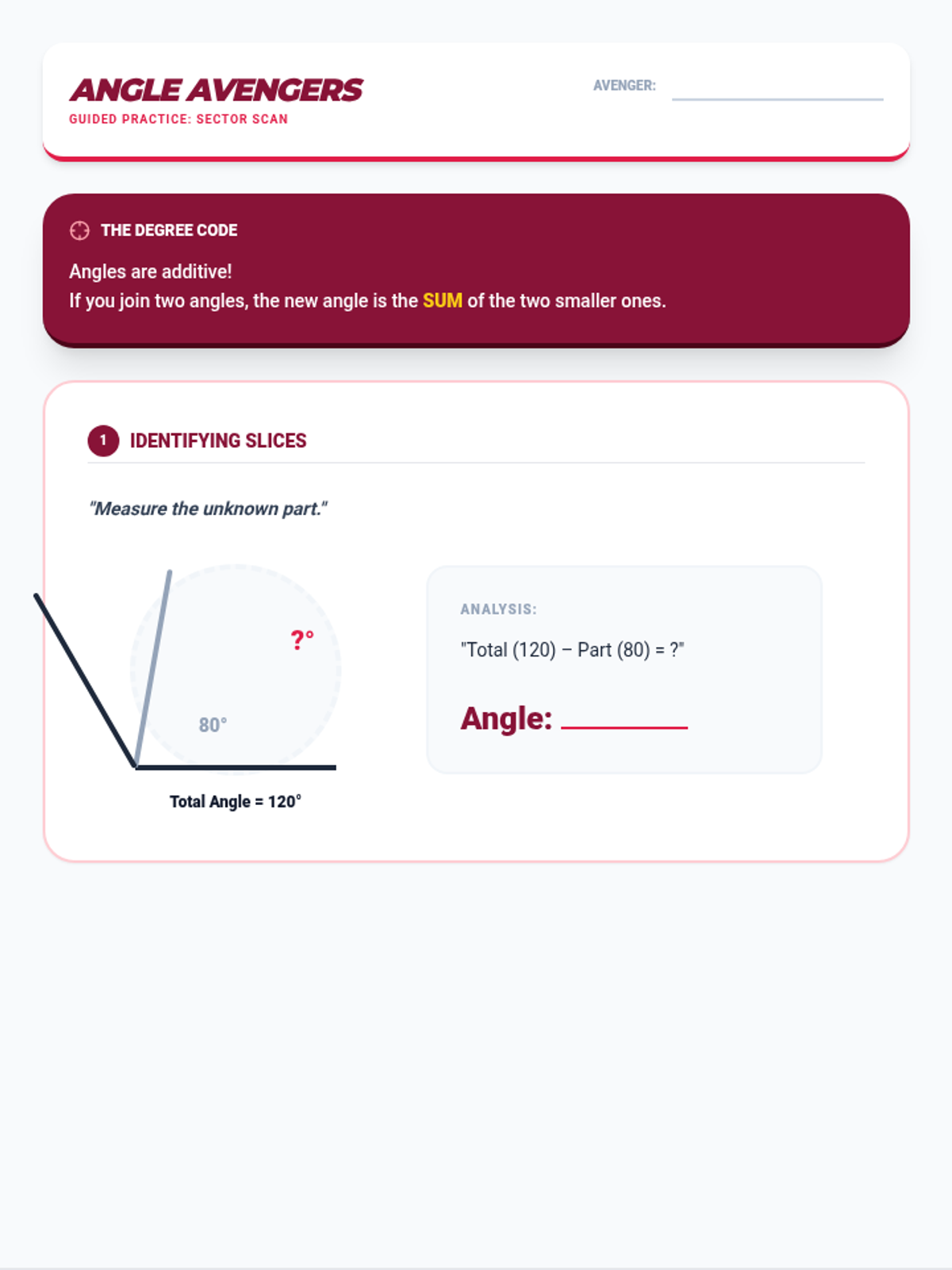
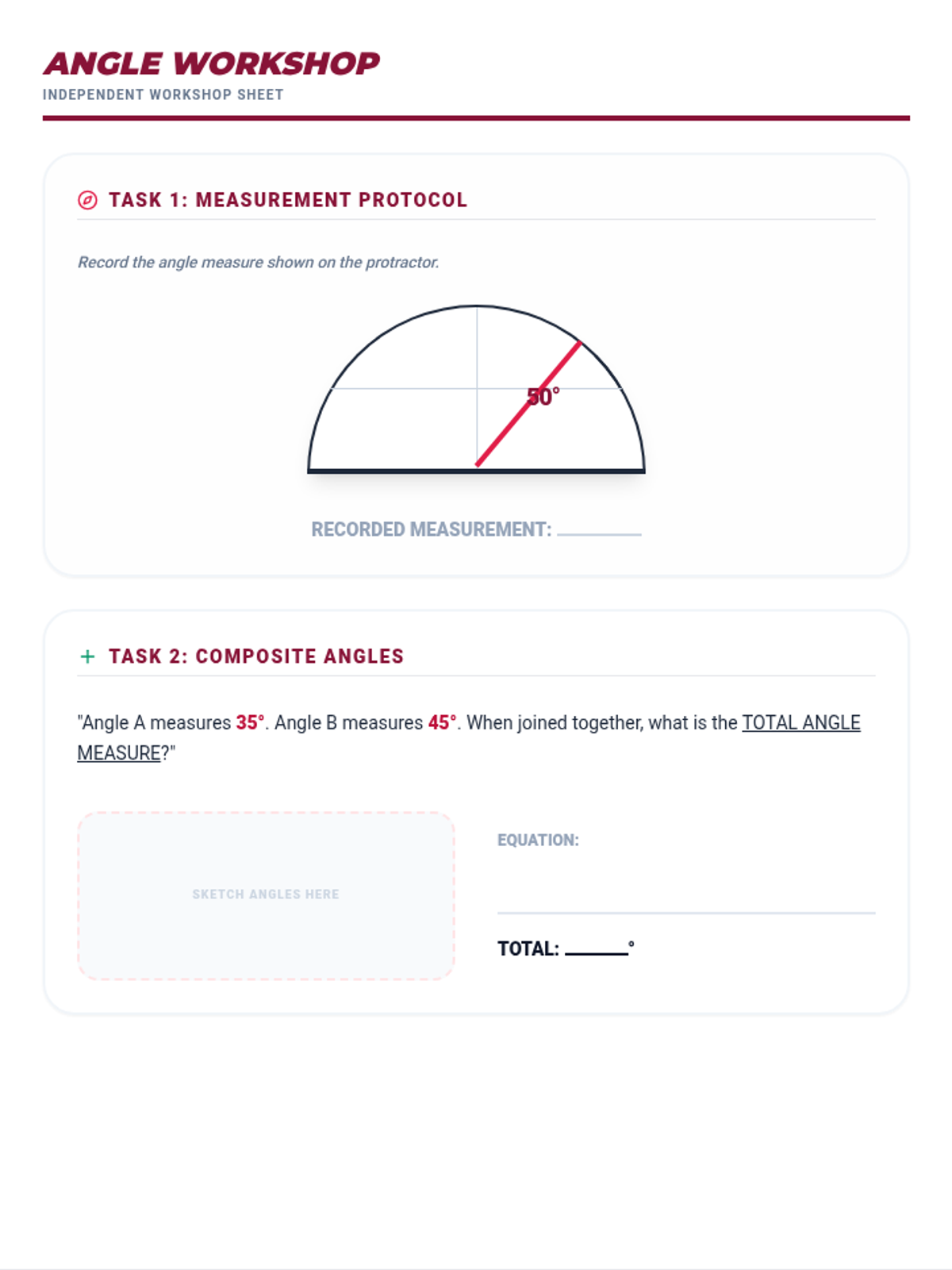
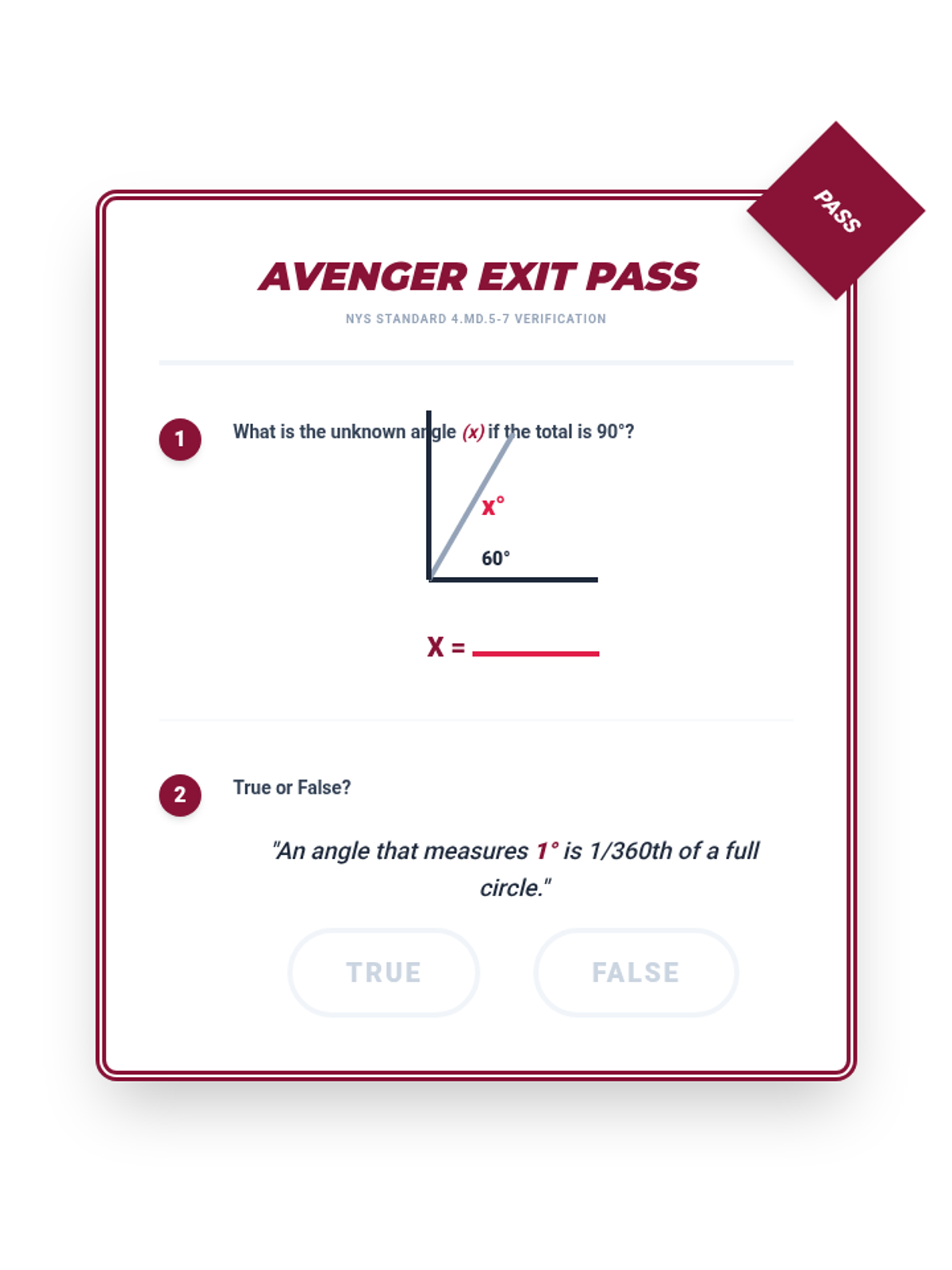
Tier 2 reteach for standards 4.MD.5, 4.MD.6, & 4.MD.7: Angle measurement with protractors and additive angle properties.
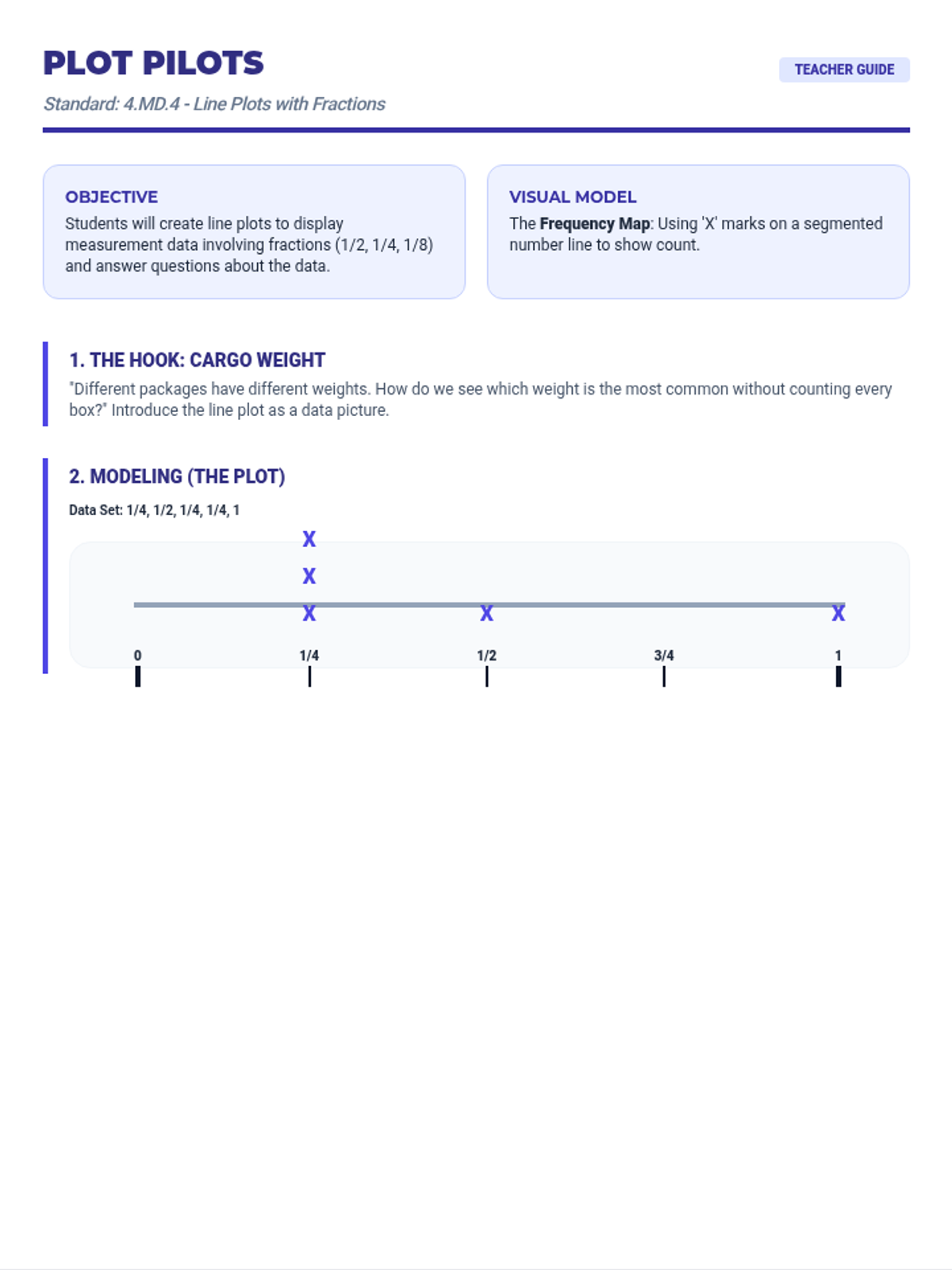
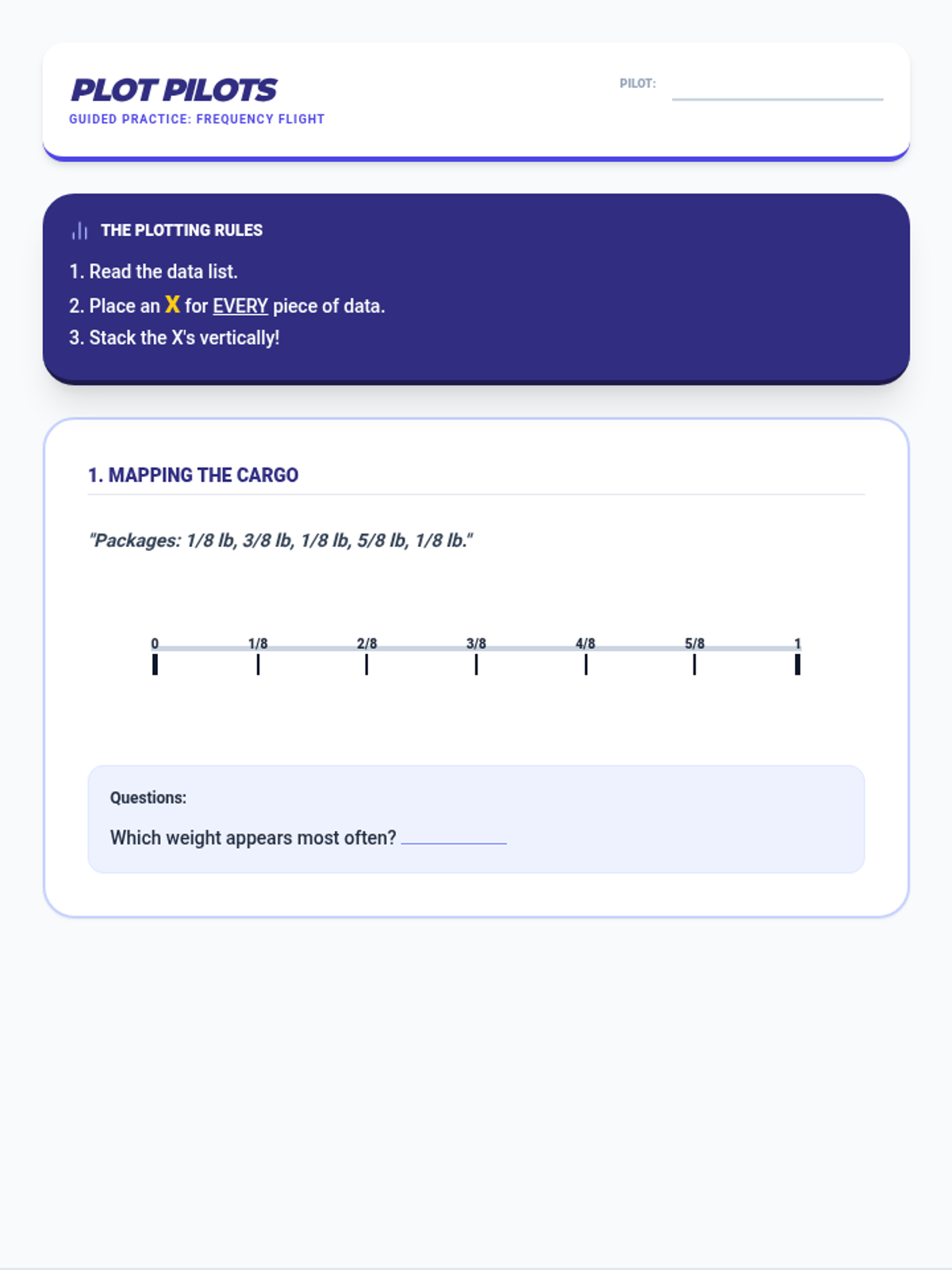
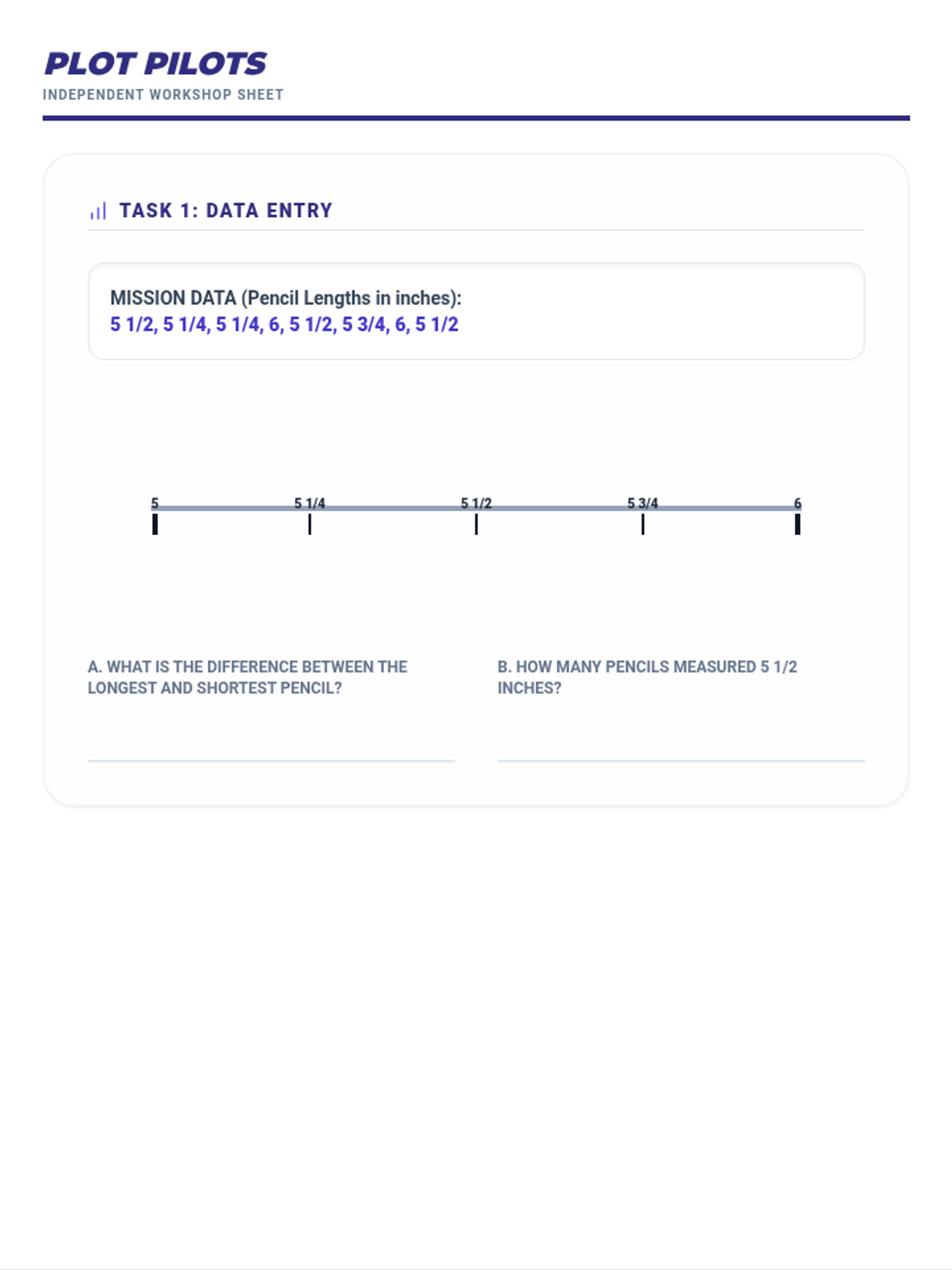
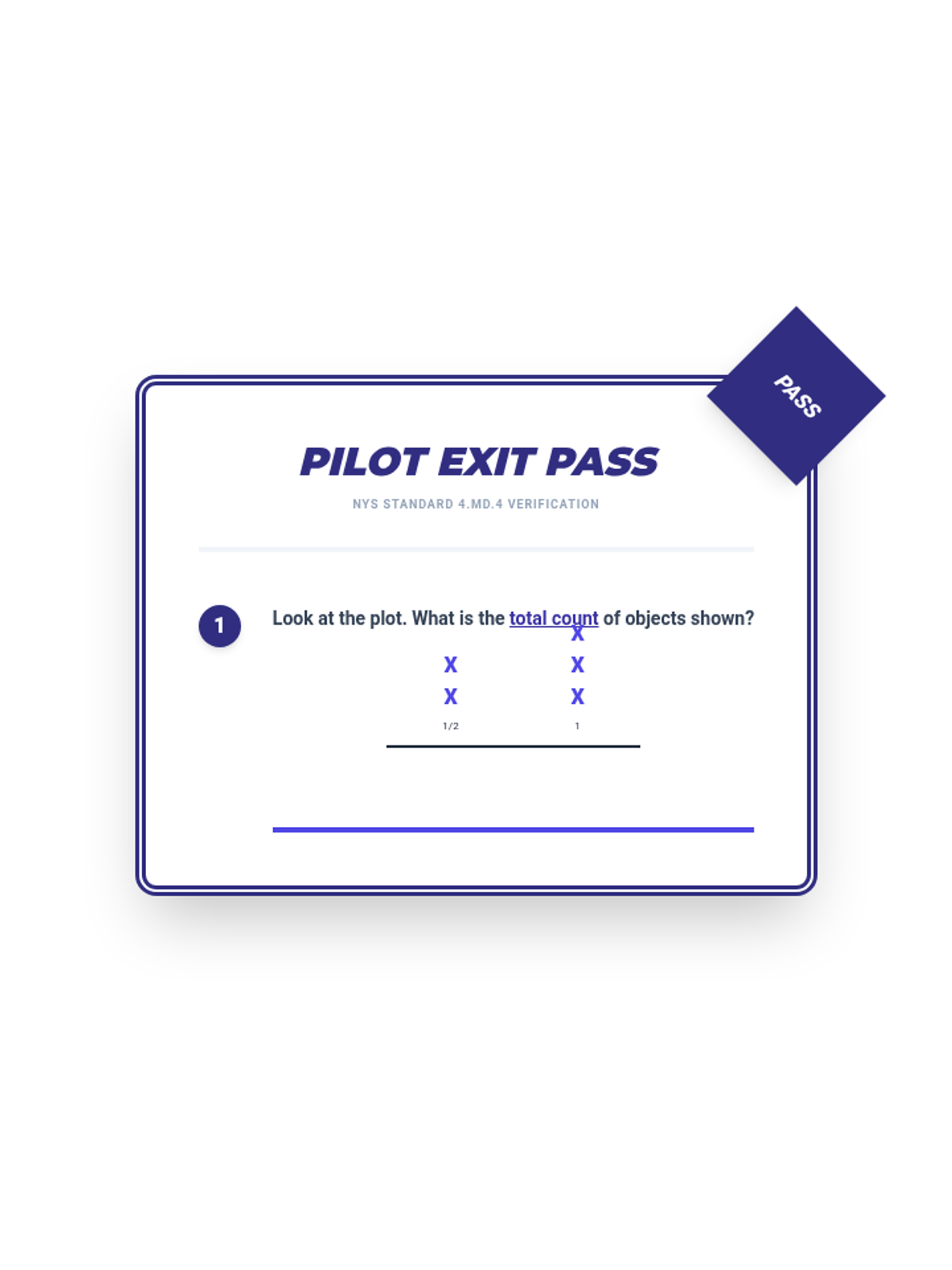
Tier 2 reteach for standard 4.MD.4: Make a line plot to display a data set of measurements in fractions of a unit.
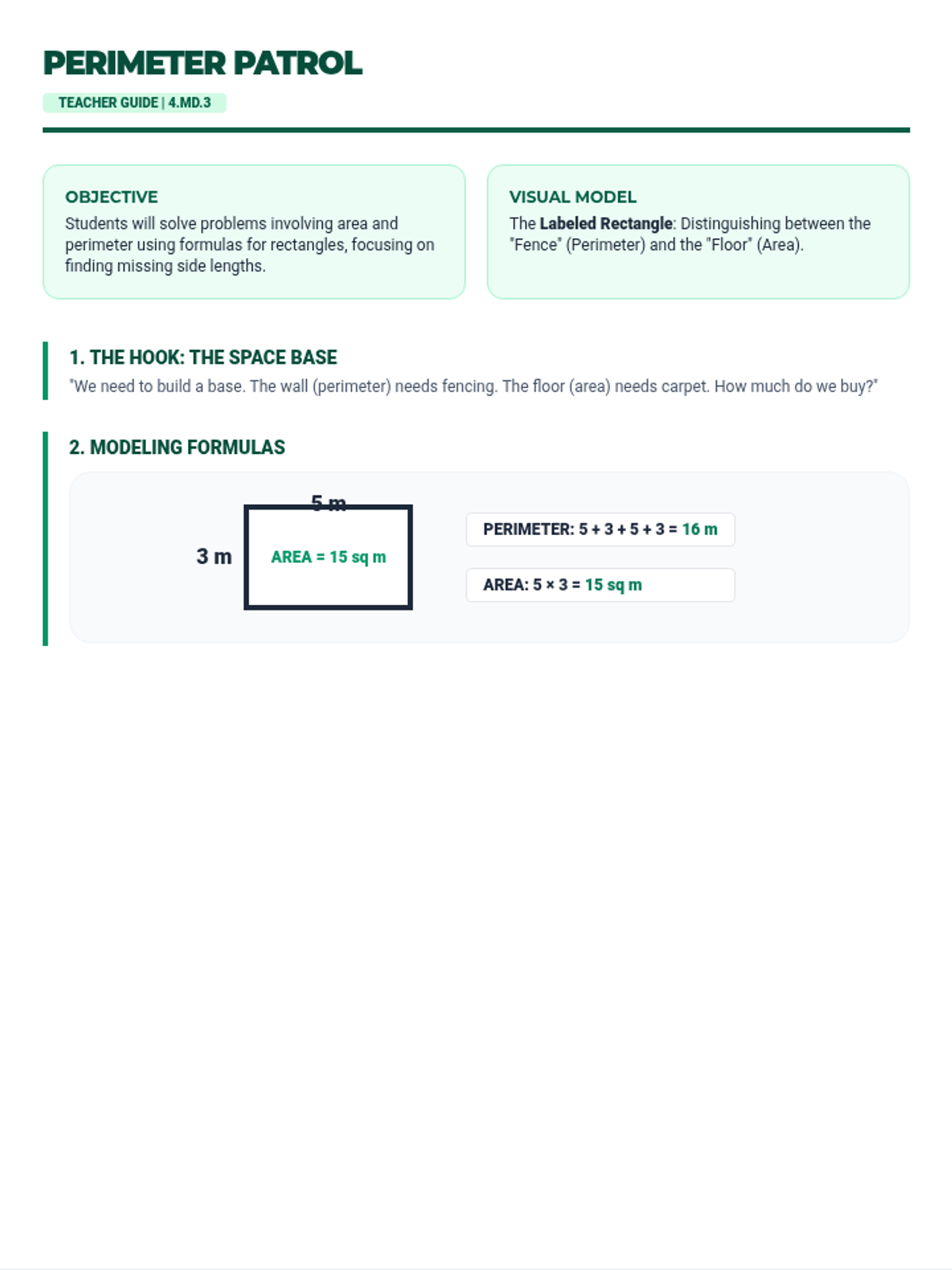
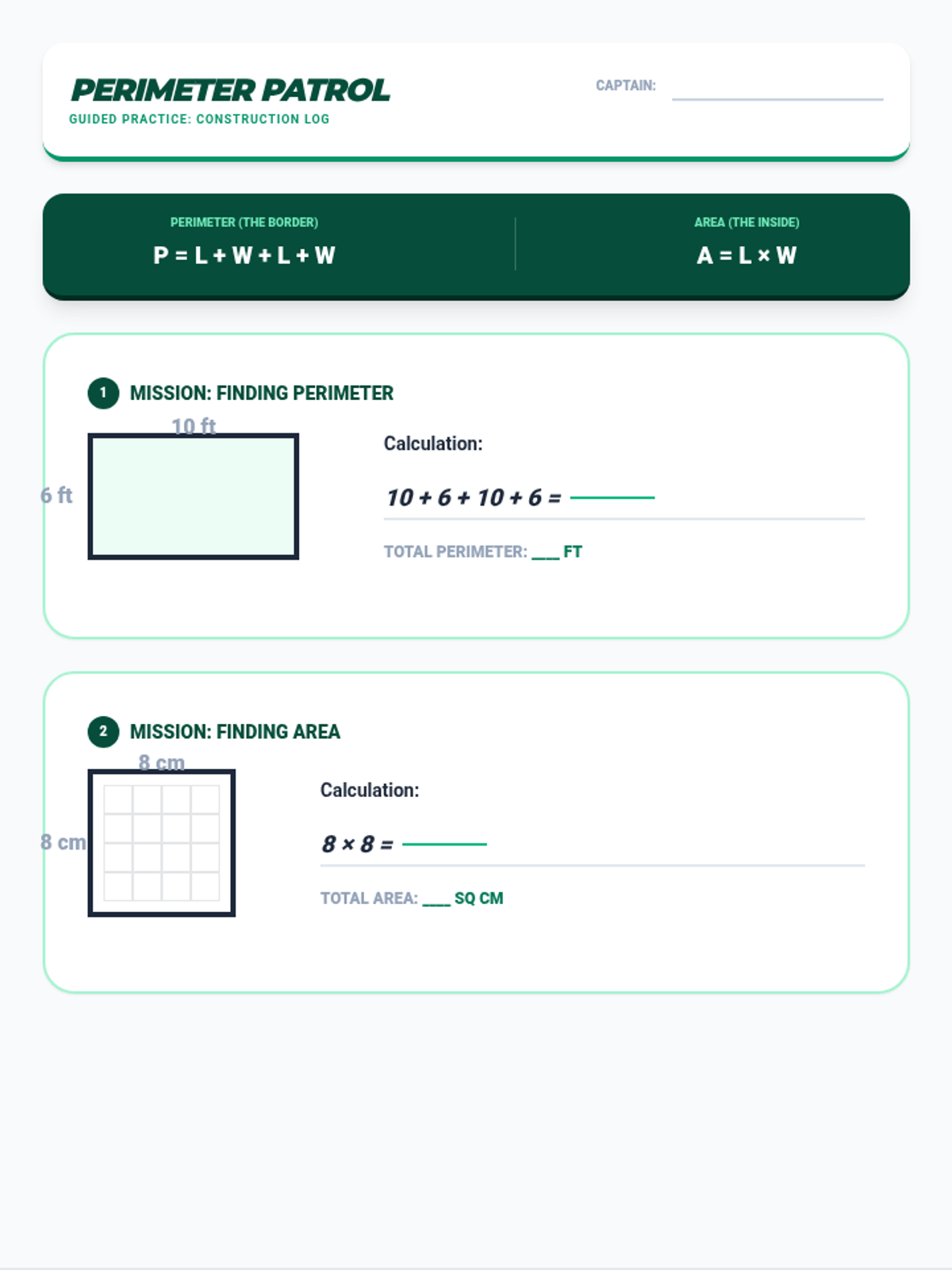
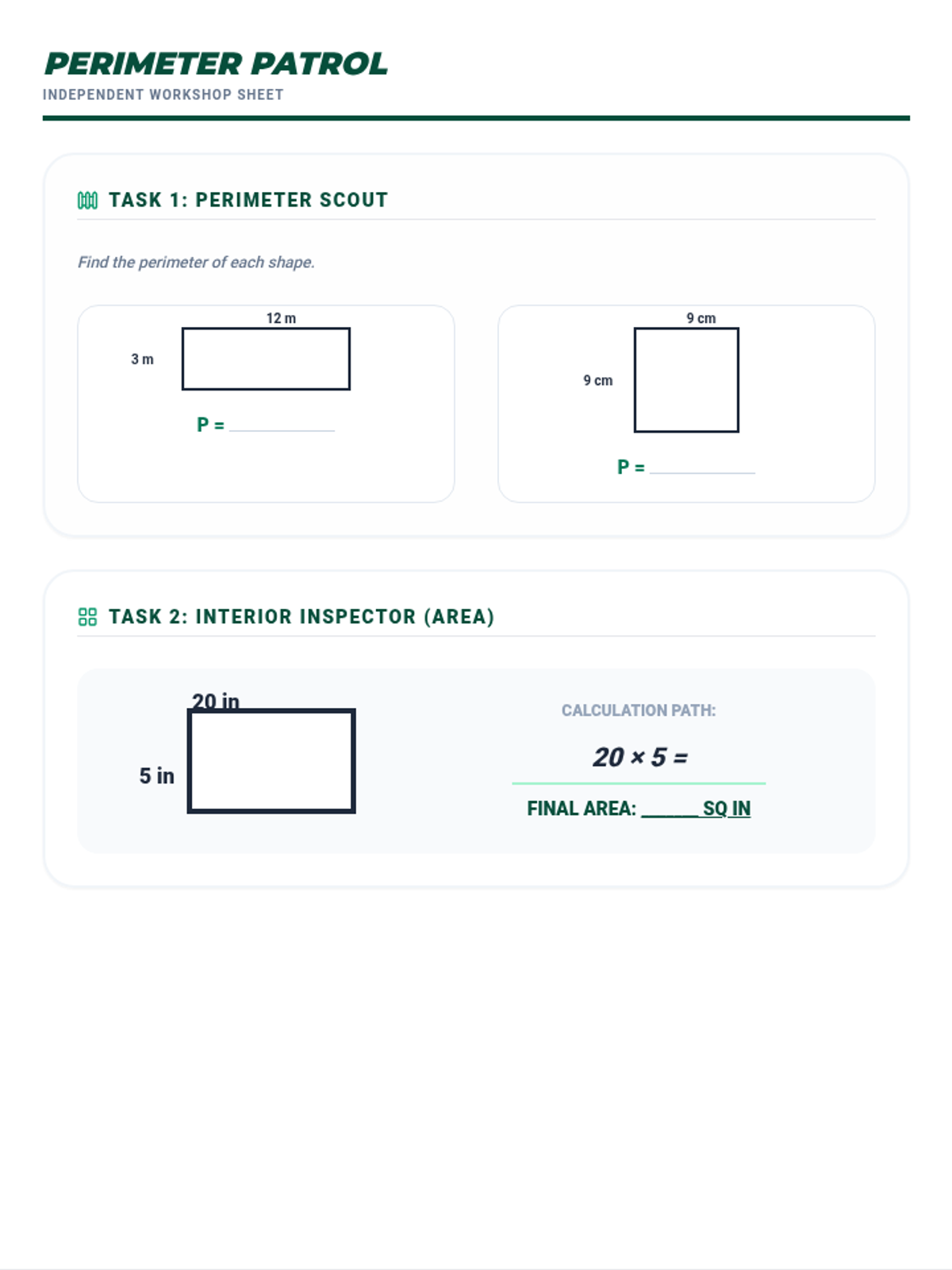
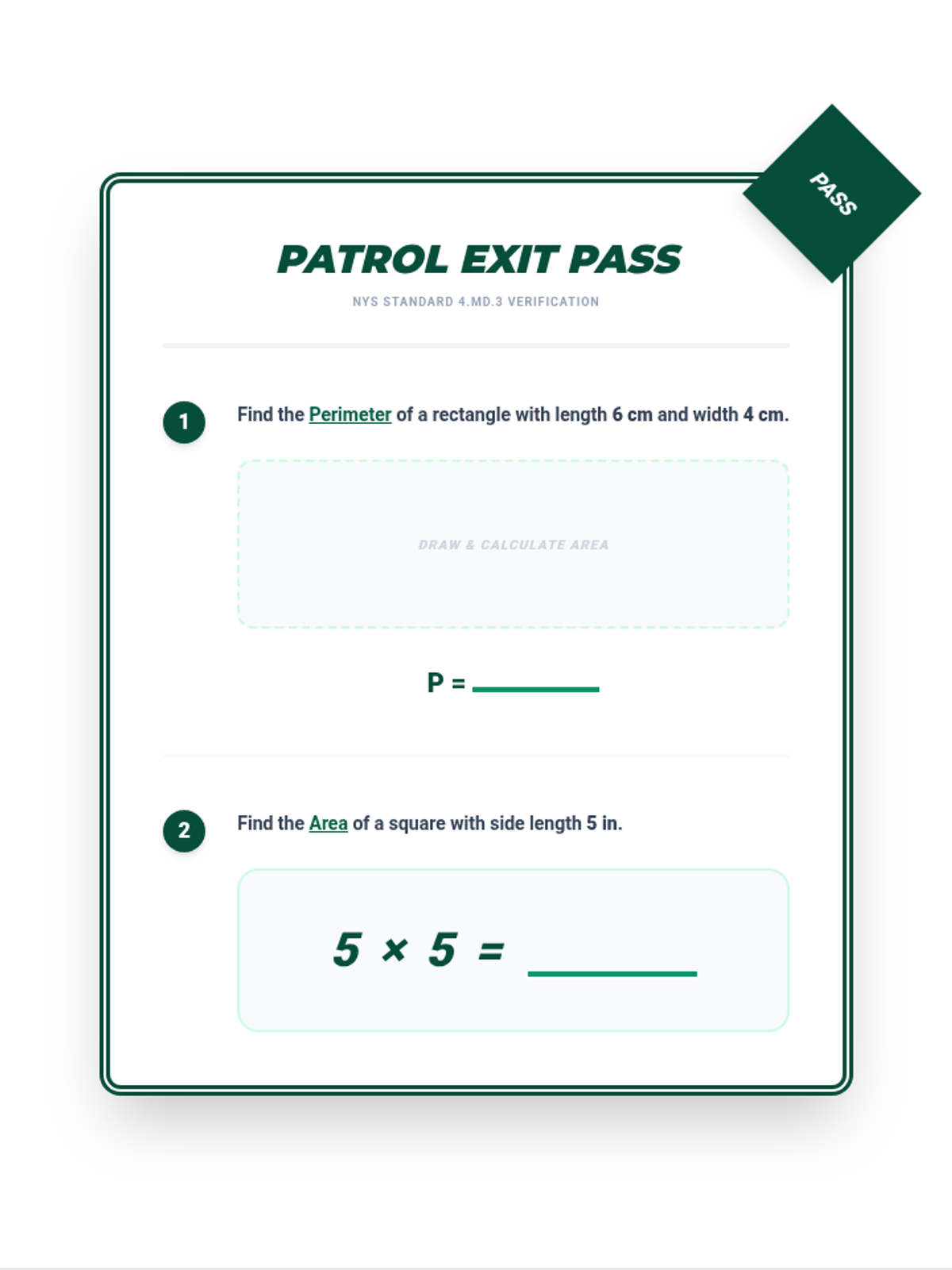
Tier 2 reteach for standard 4.MD.3: Apply the area and perimeter formulas for rectangles.
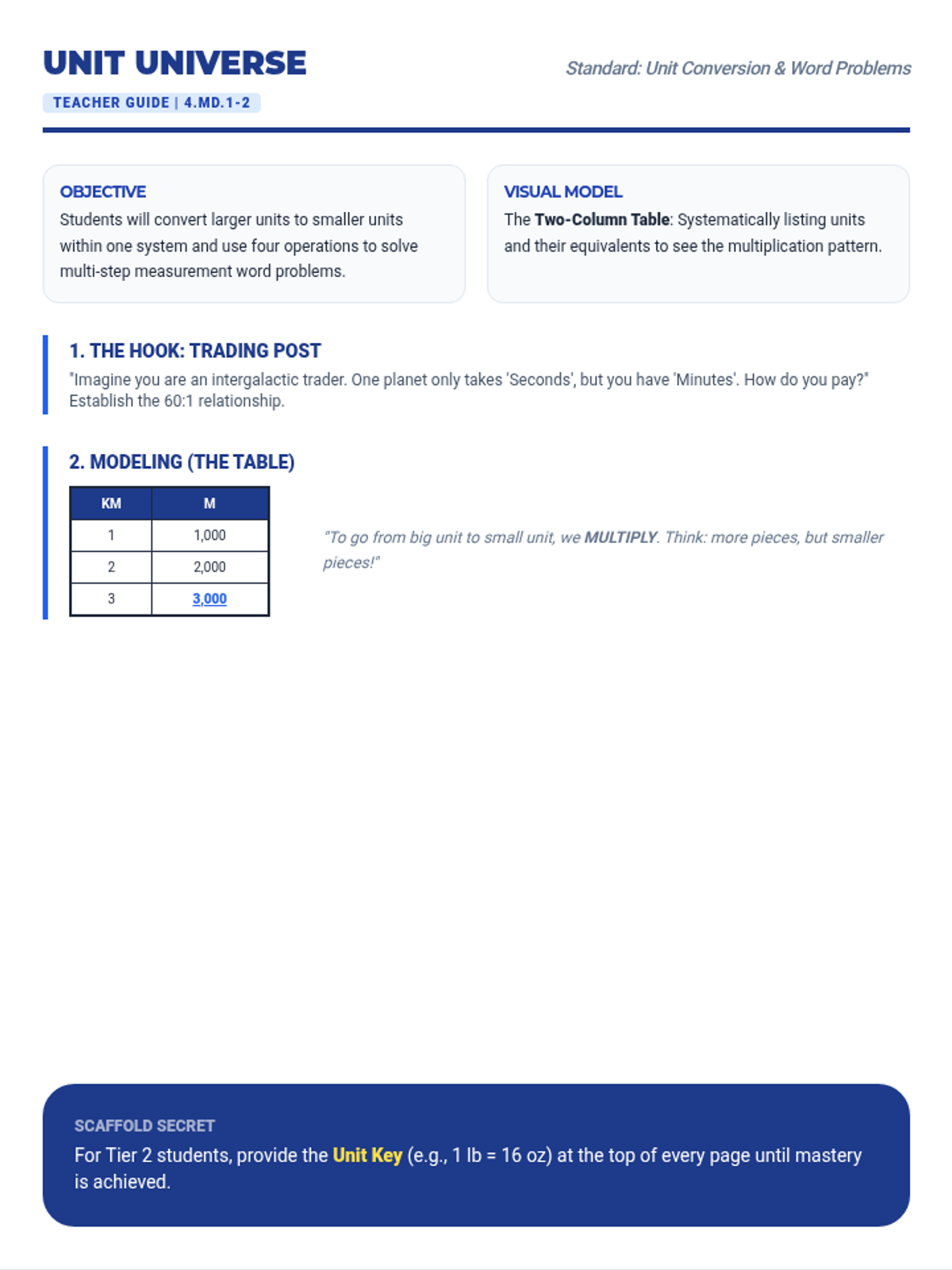
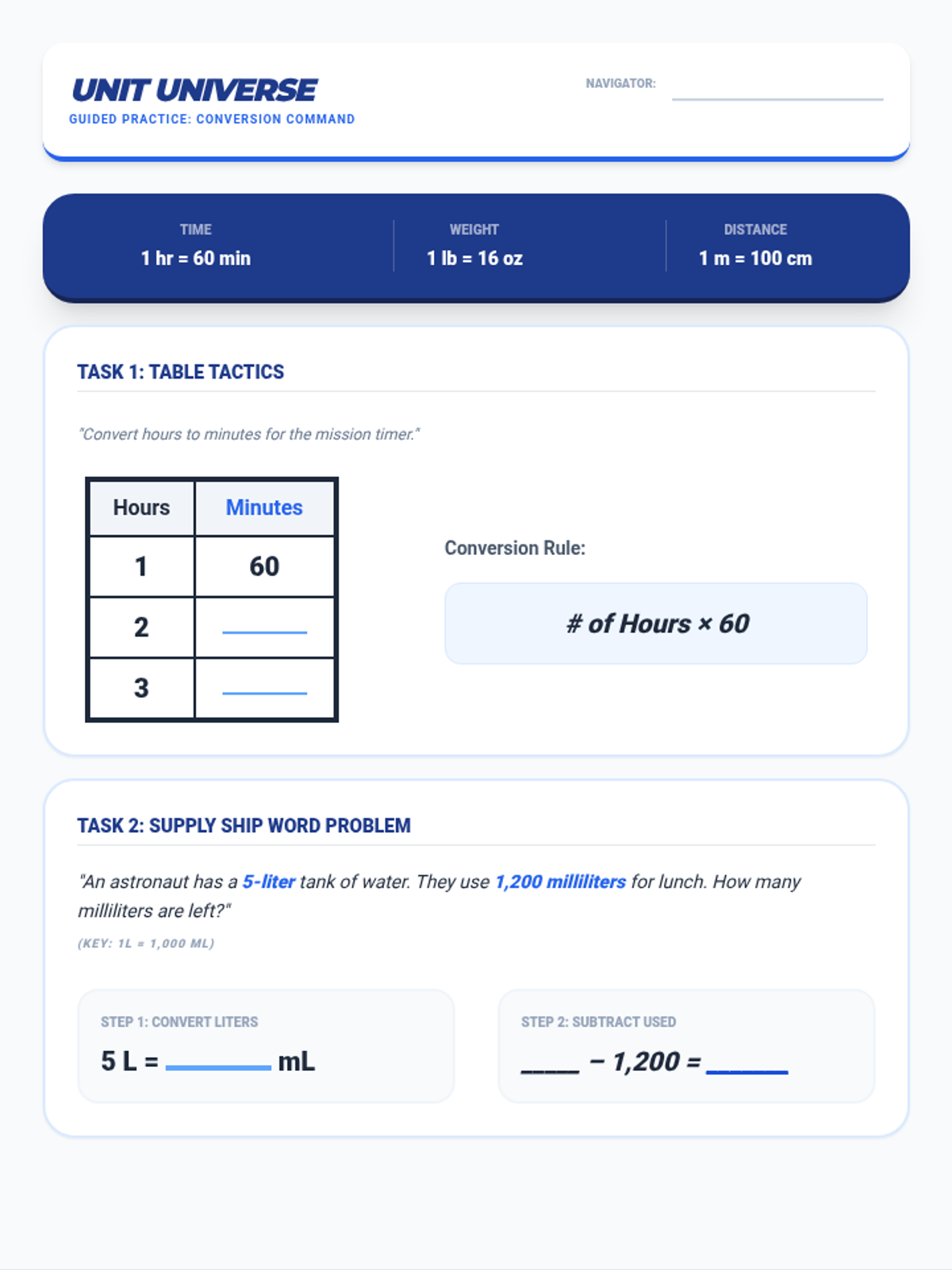
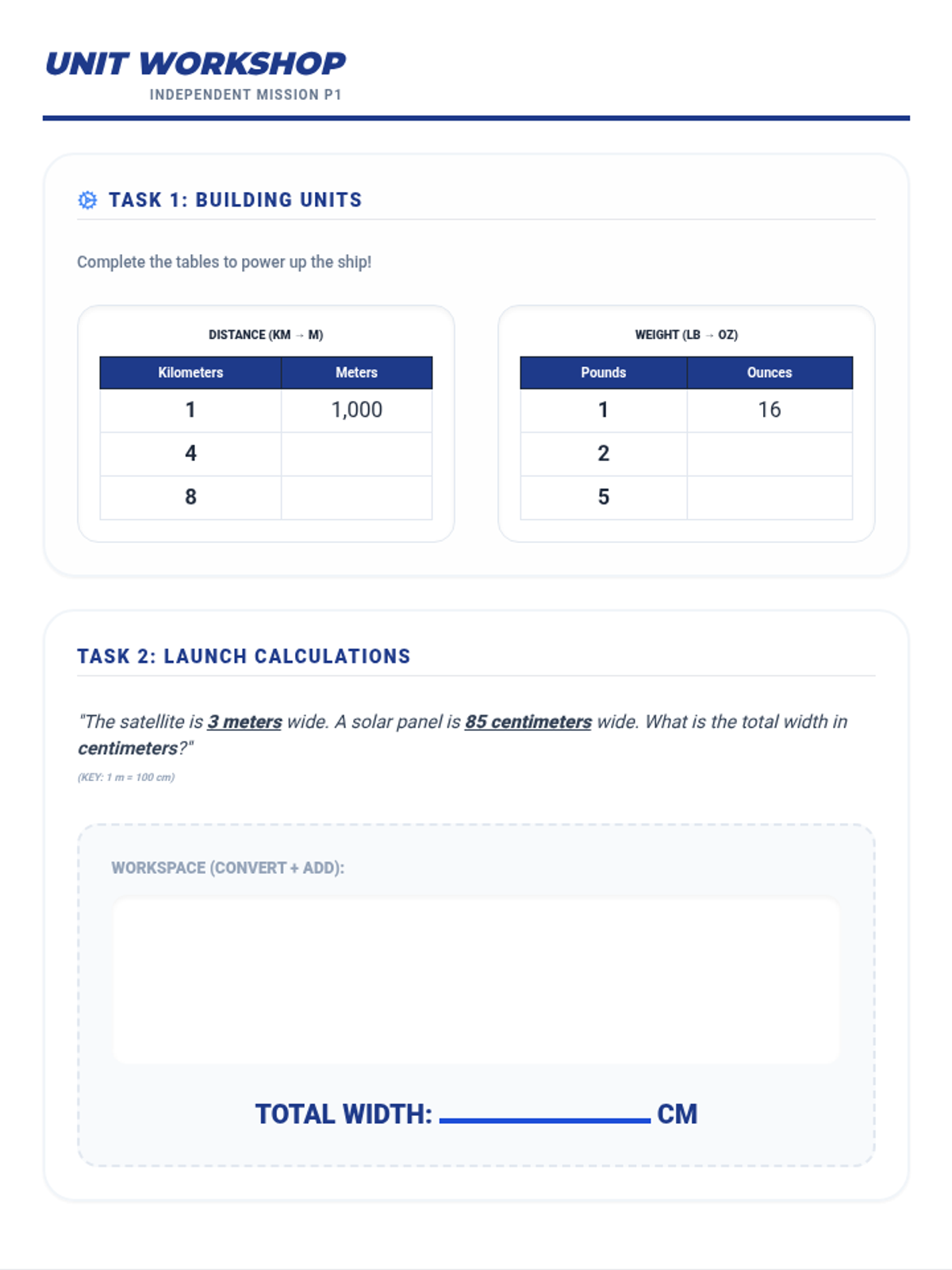
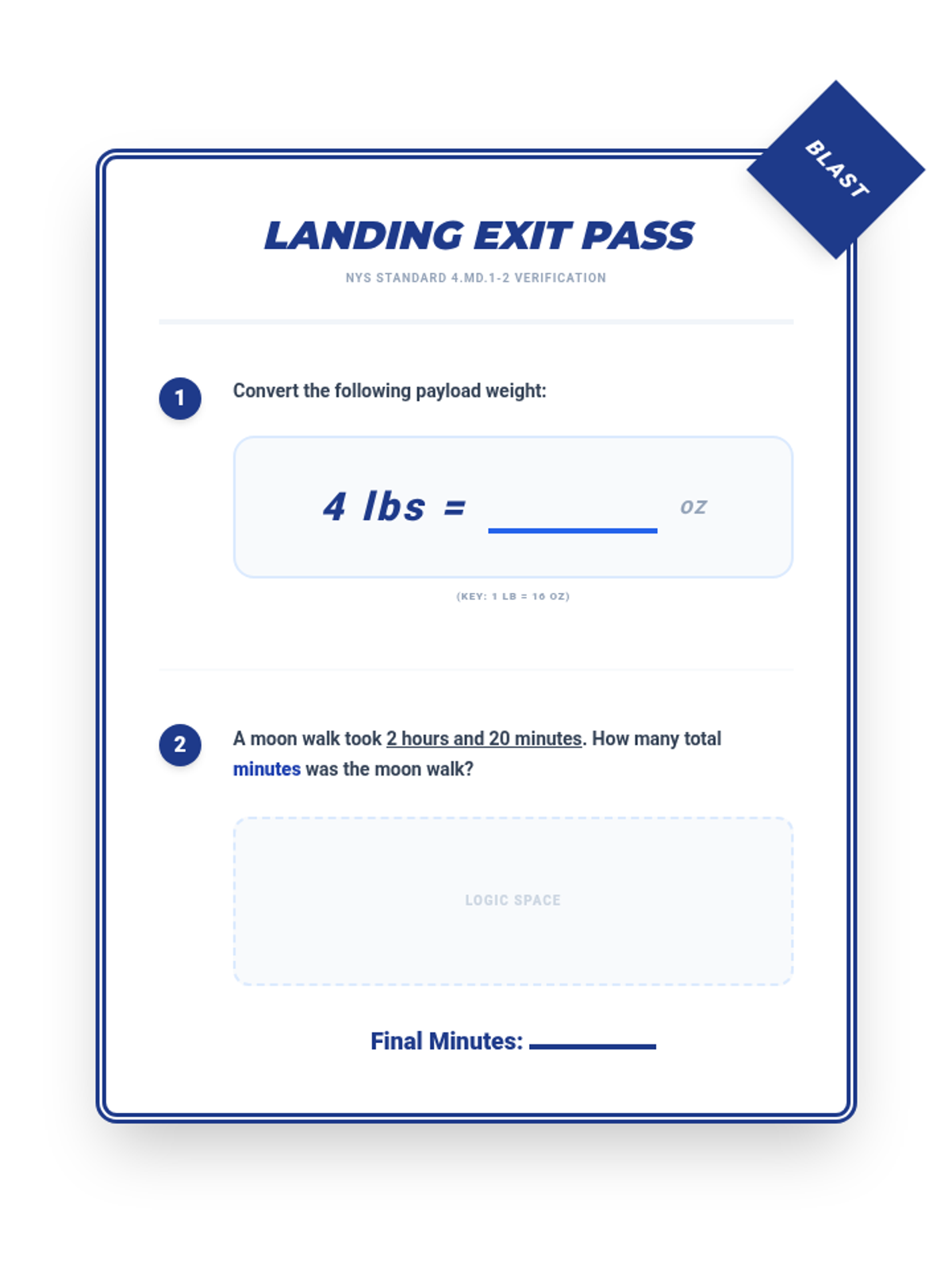
Tier 2 reteach for standards 4.MD.1 & 4.MD.2: Relative sizes of measurement units and solving word problems involving distance, time, volume, and mass.
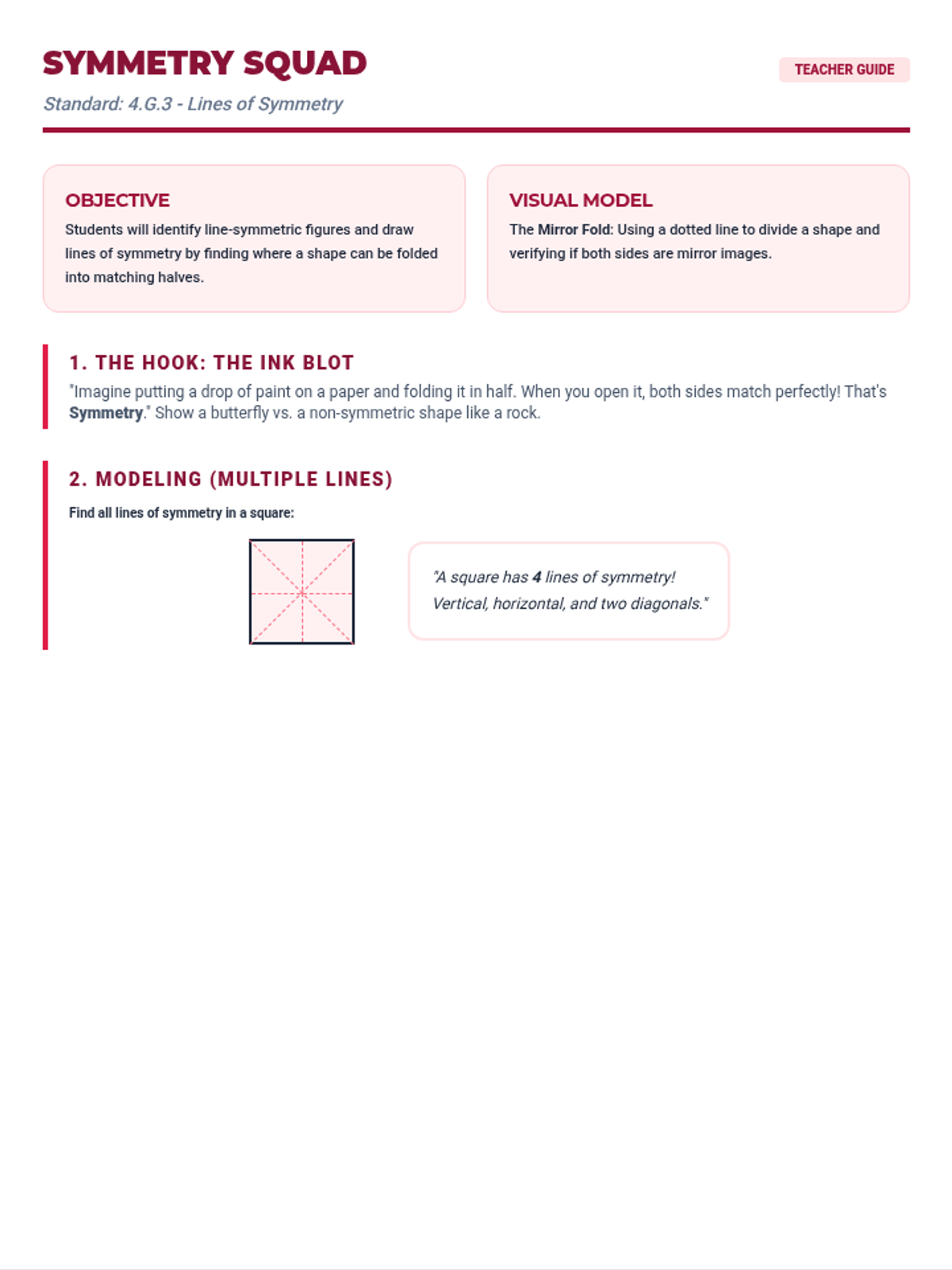
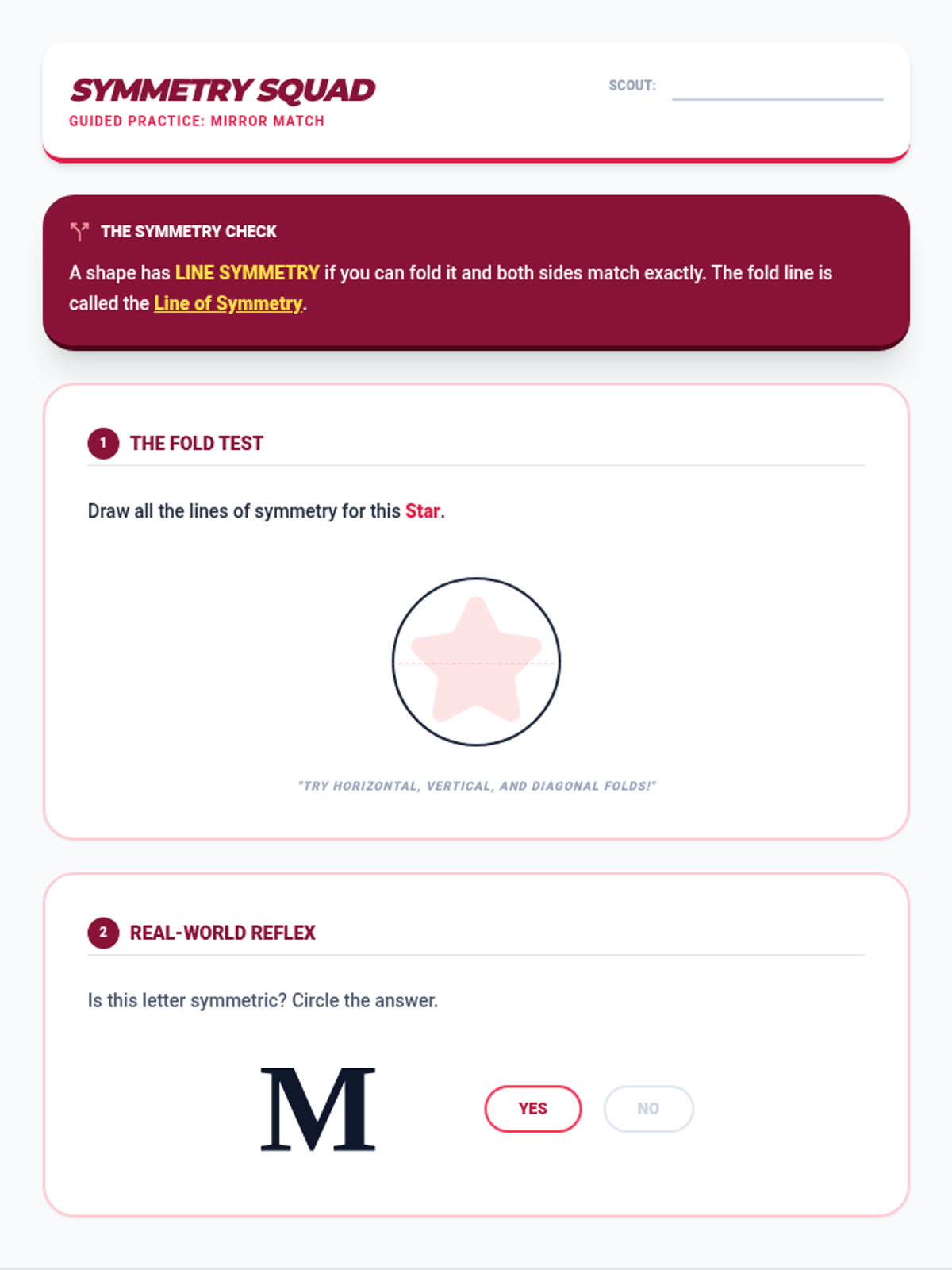
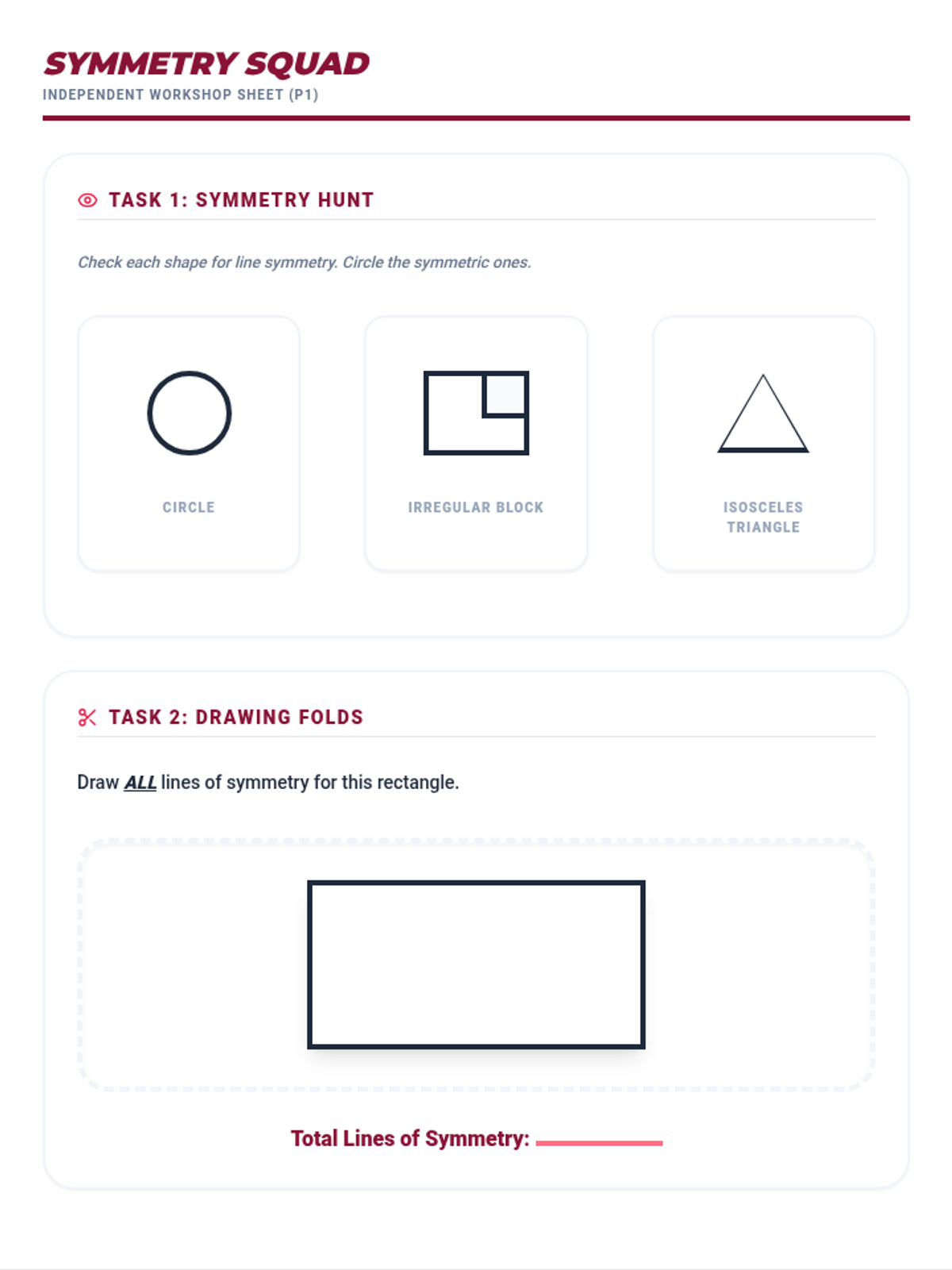
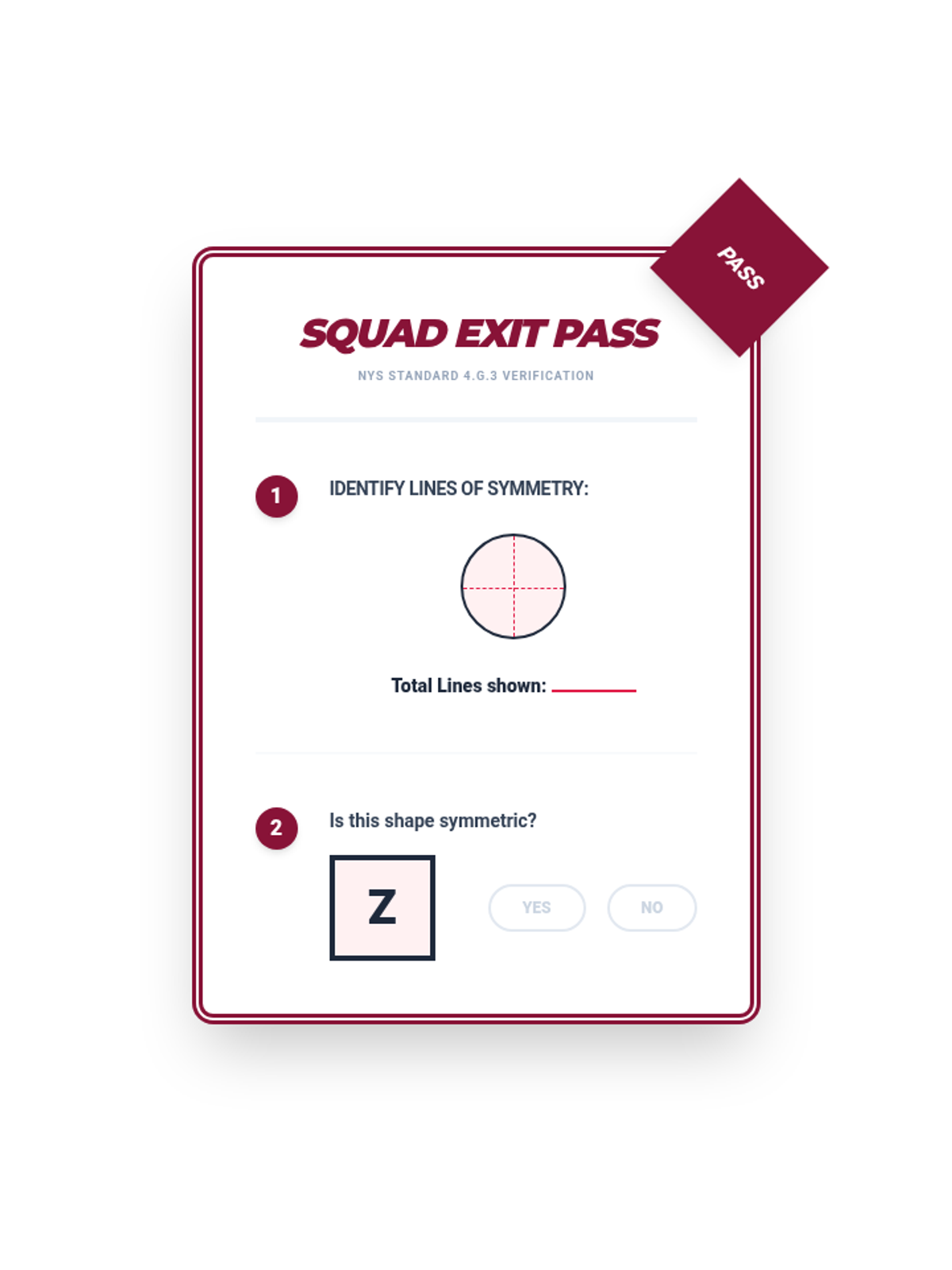
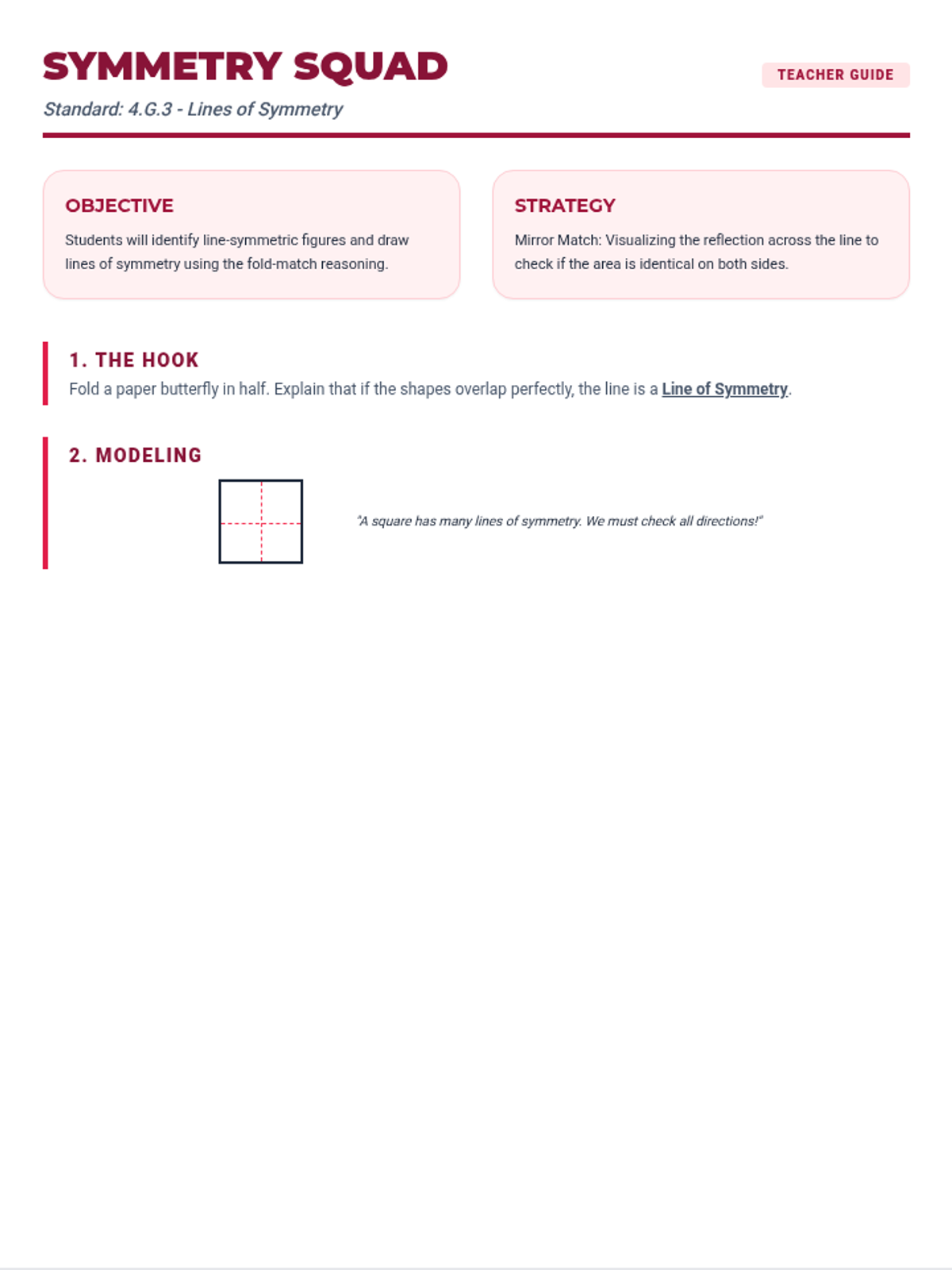
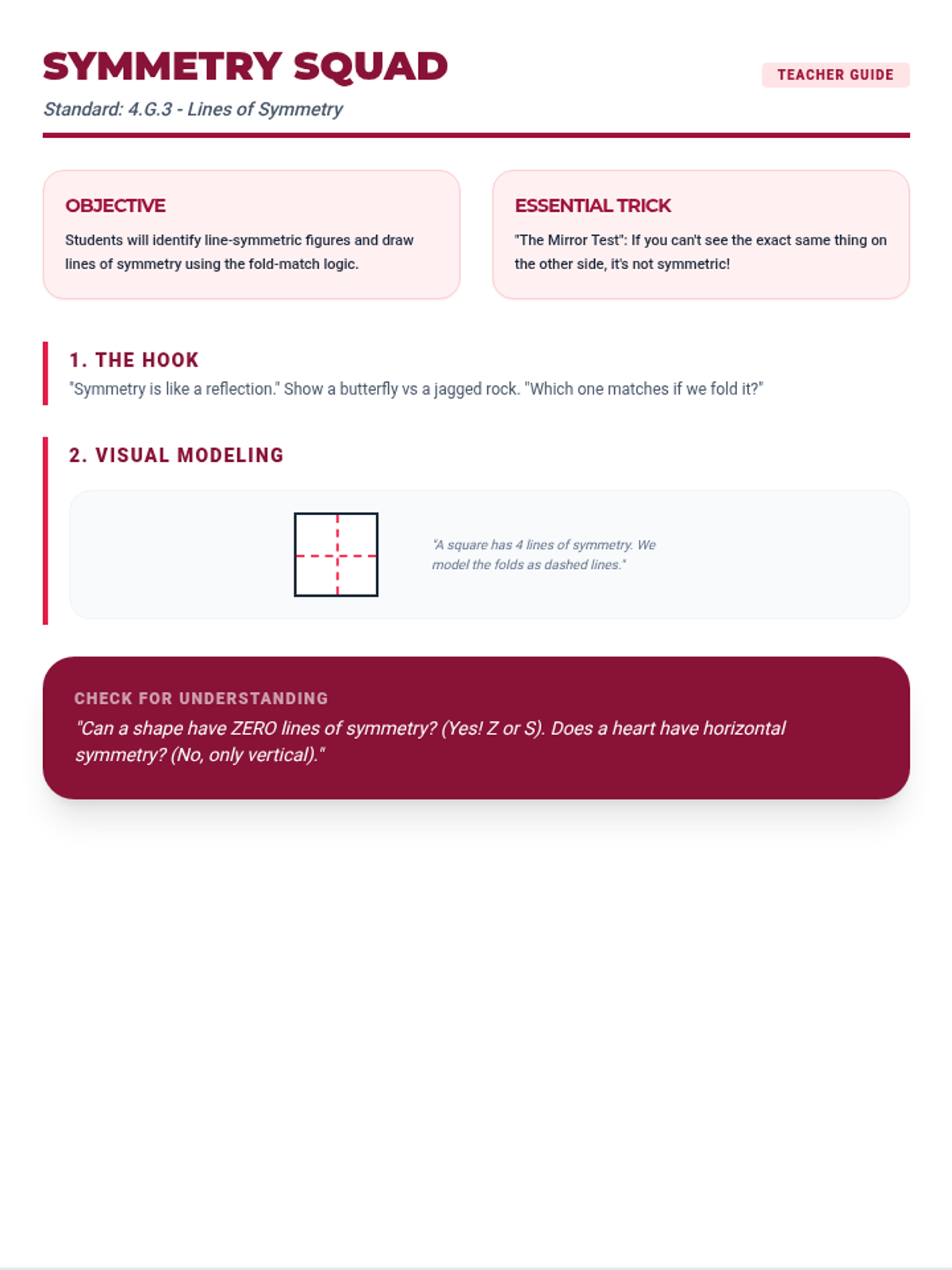
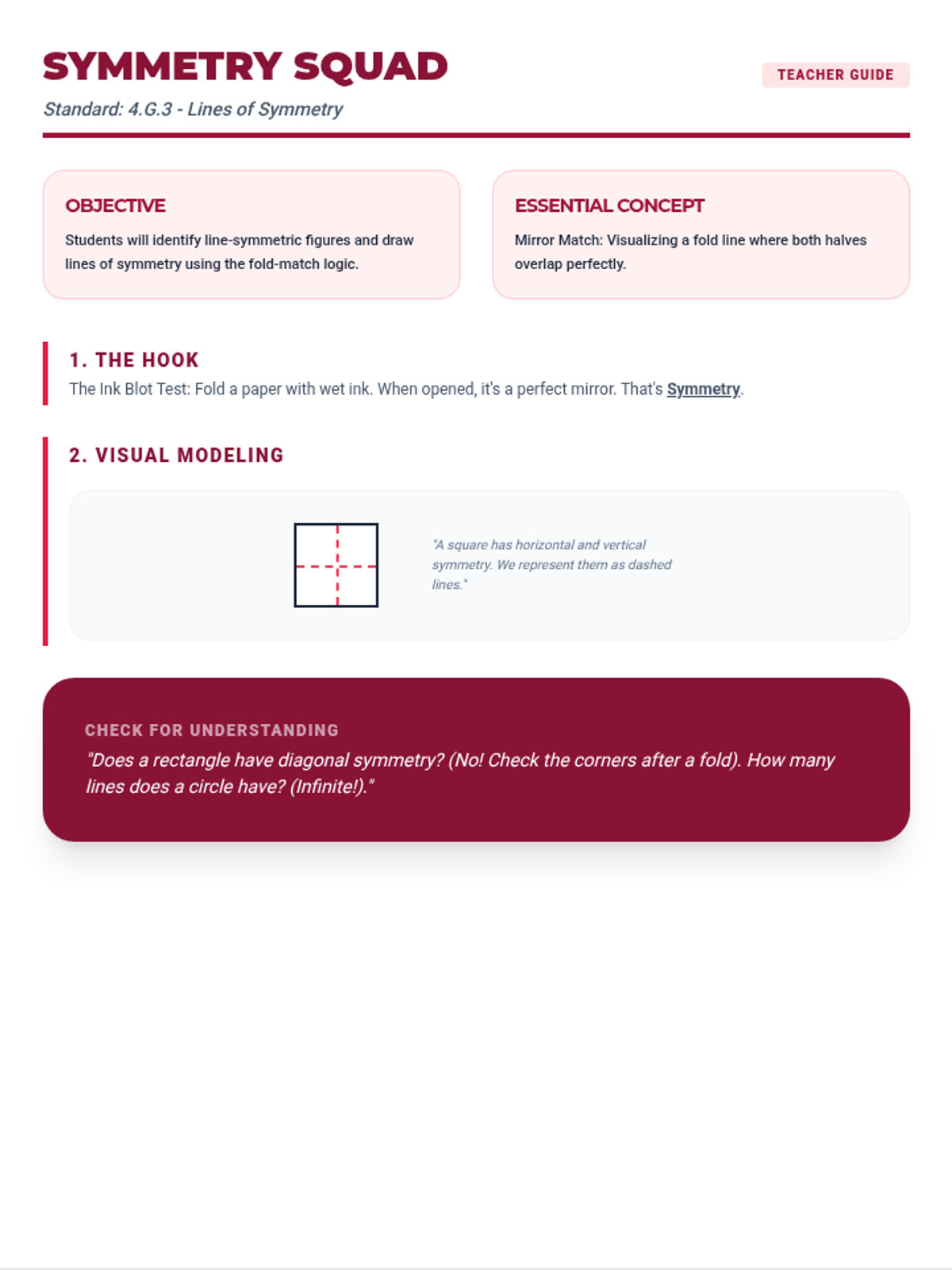
Tier 2 reteach for standard 4.G.3: Recognize a line of symmetry for a two-dimensional figure as a line across the figure such that the figure can be folded along the line into matching parts. Identify line-symmetric figures and draw lines of symmetry.