Critically analyze classical empirical constitutive laws (plasticity, hyperelasticity) to identify limitations in complex material regimes and introduce the data-driven paradigm.
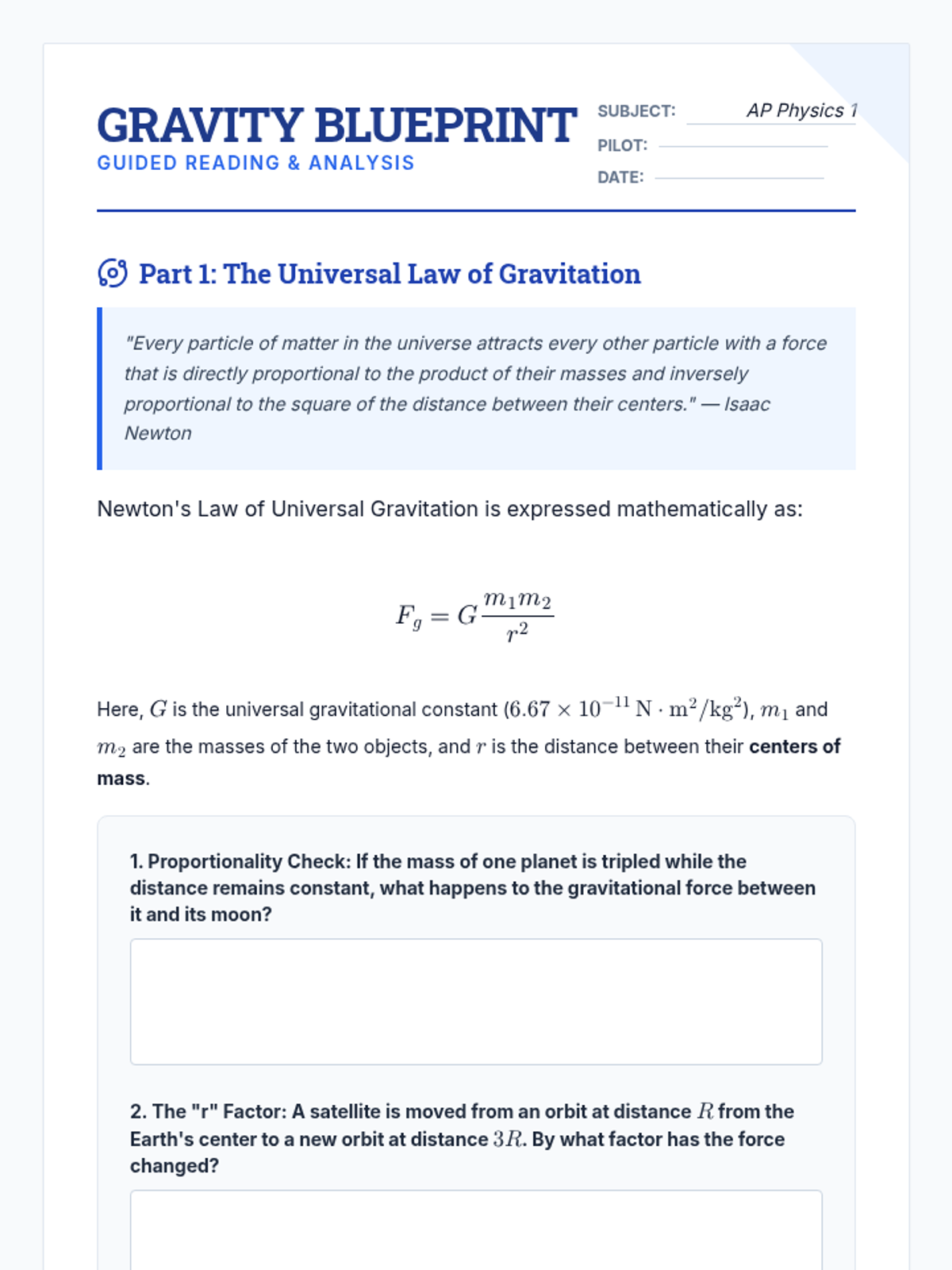
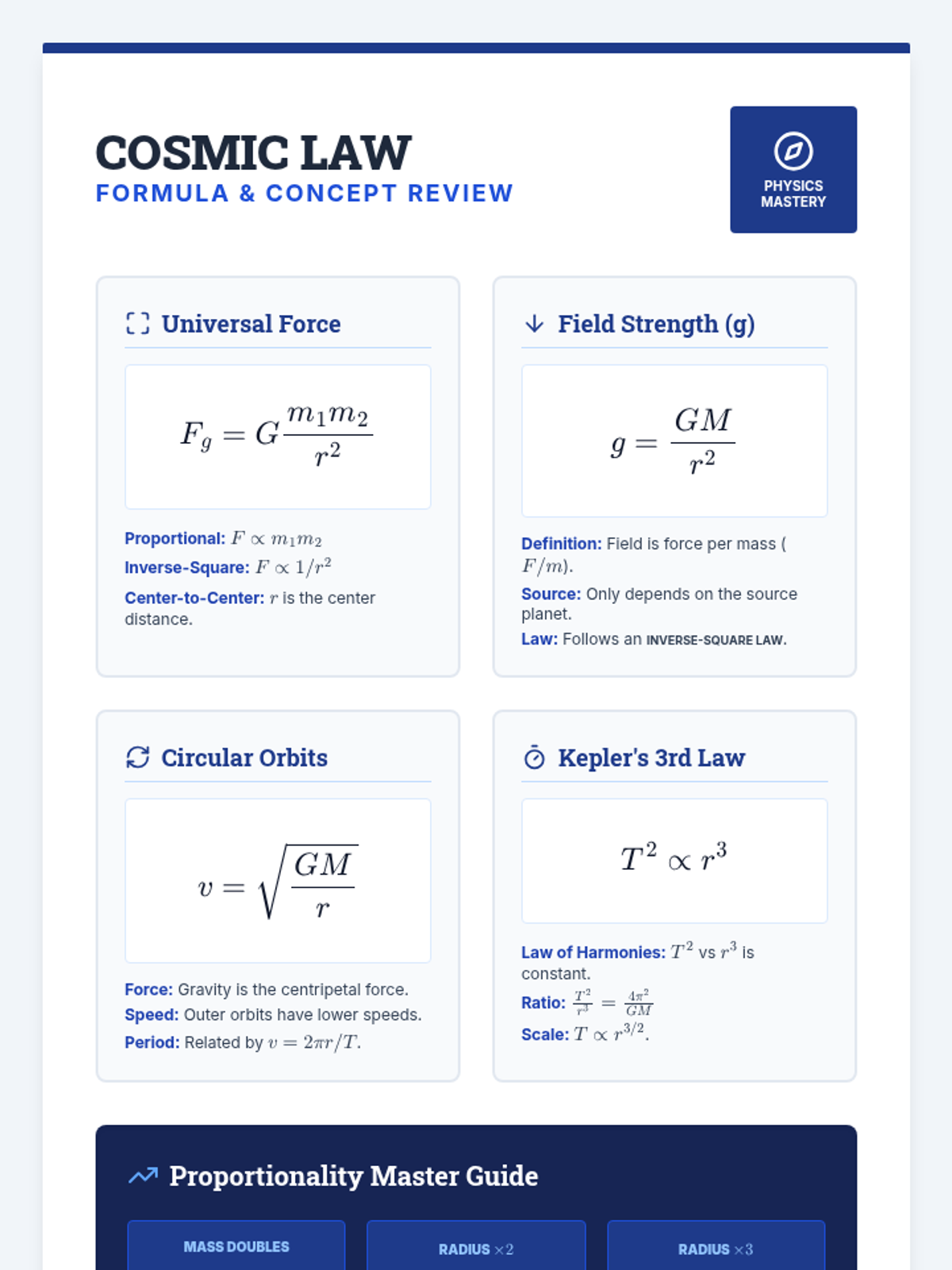
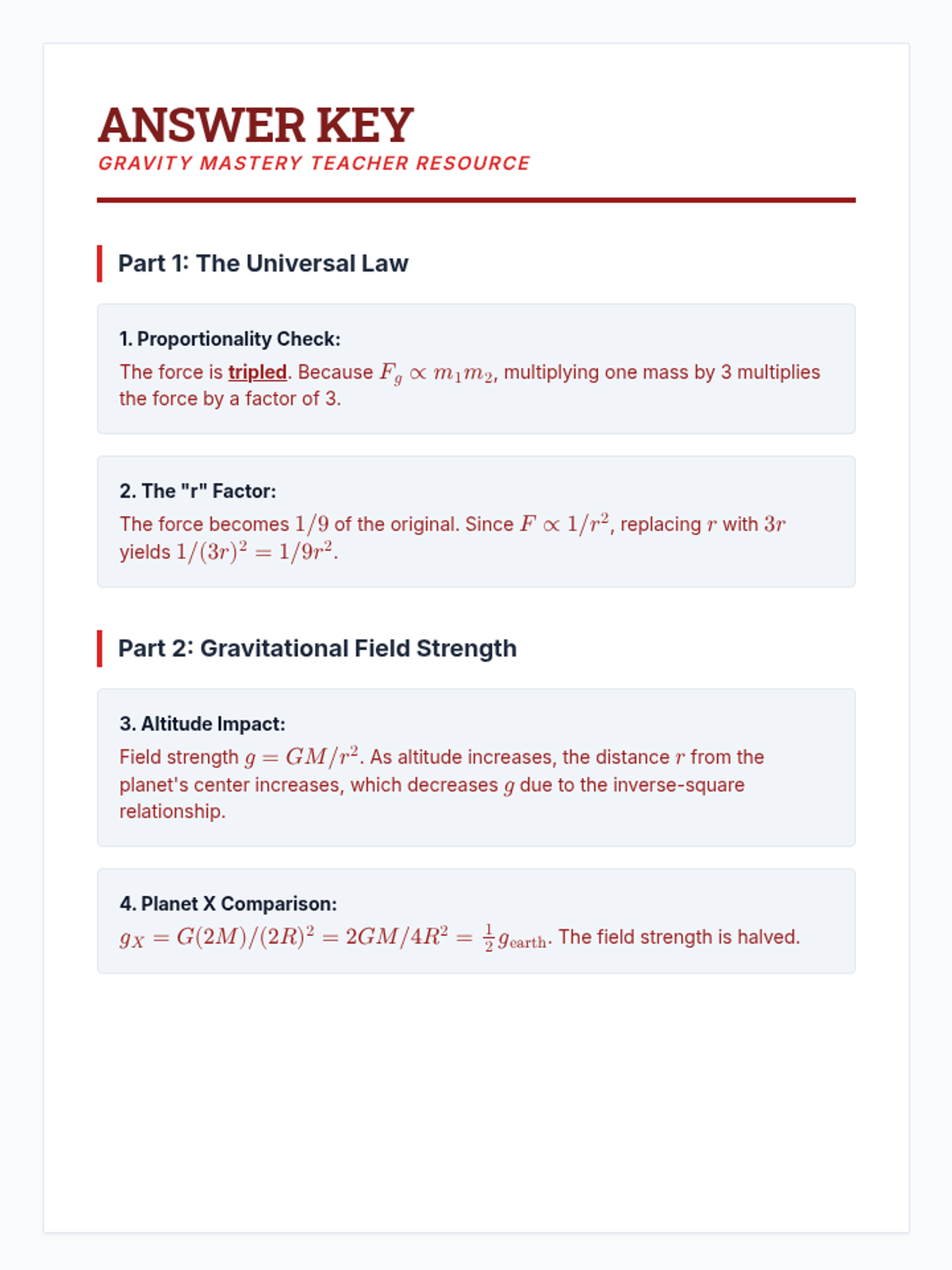
A comprehensive lesson covering Newton's Law of Universal Gravitation, gravitational field strength, and orbital mechanics, designed for AP Physics 1 students to master the inverse-square law and Kepler's Third Law.

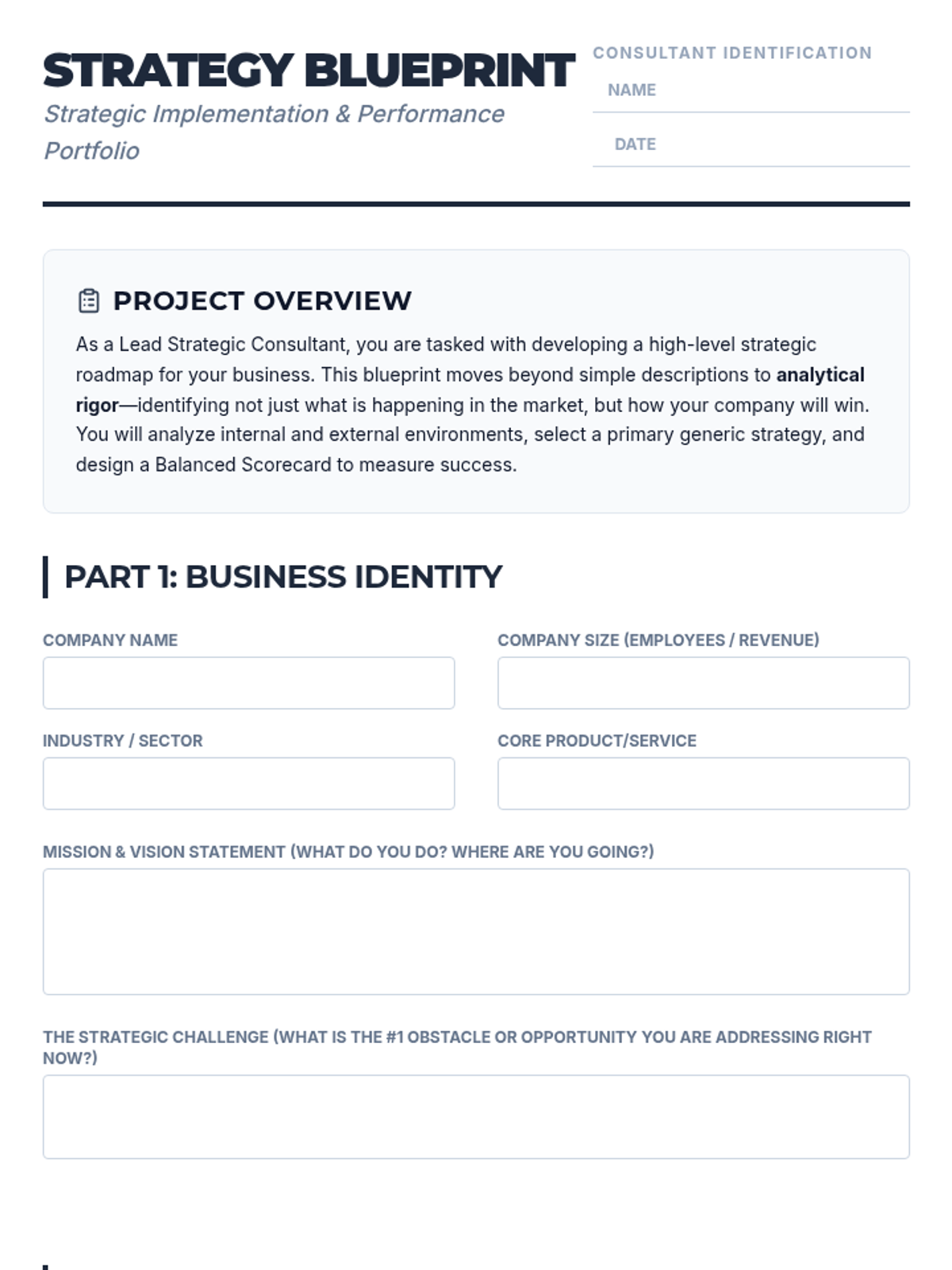
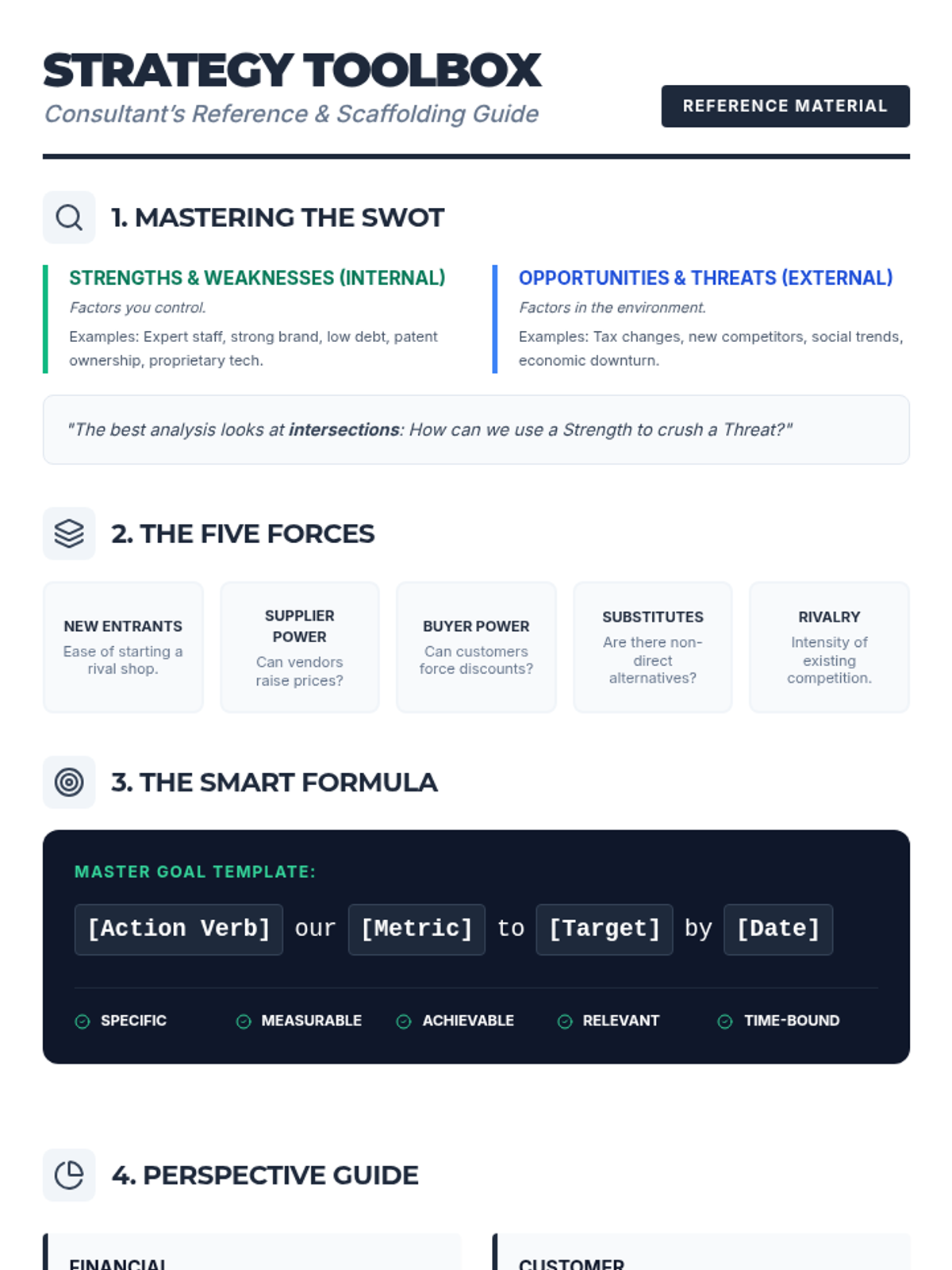
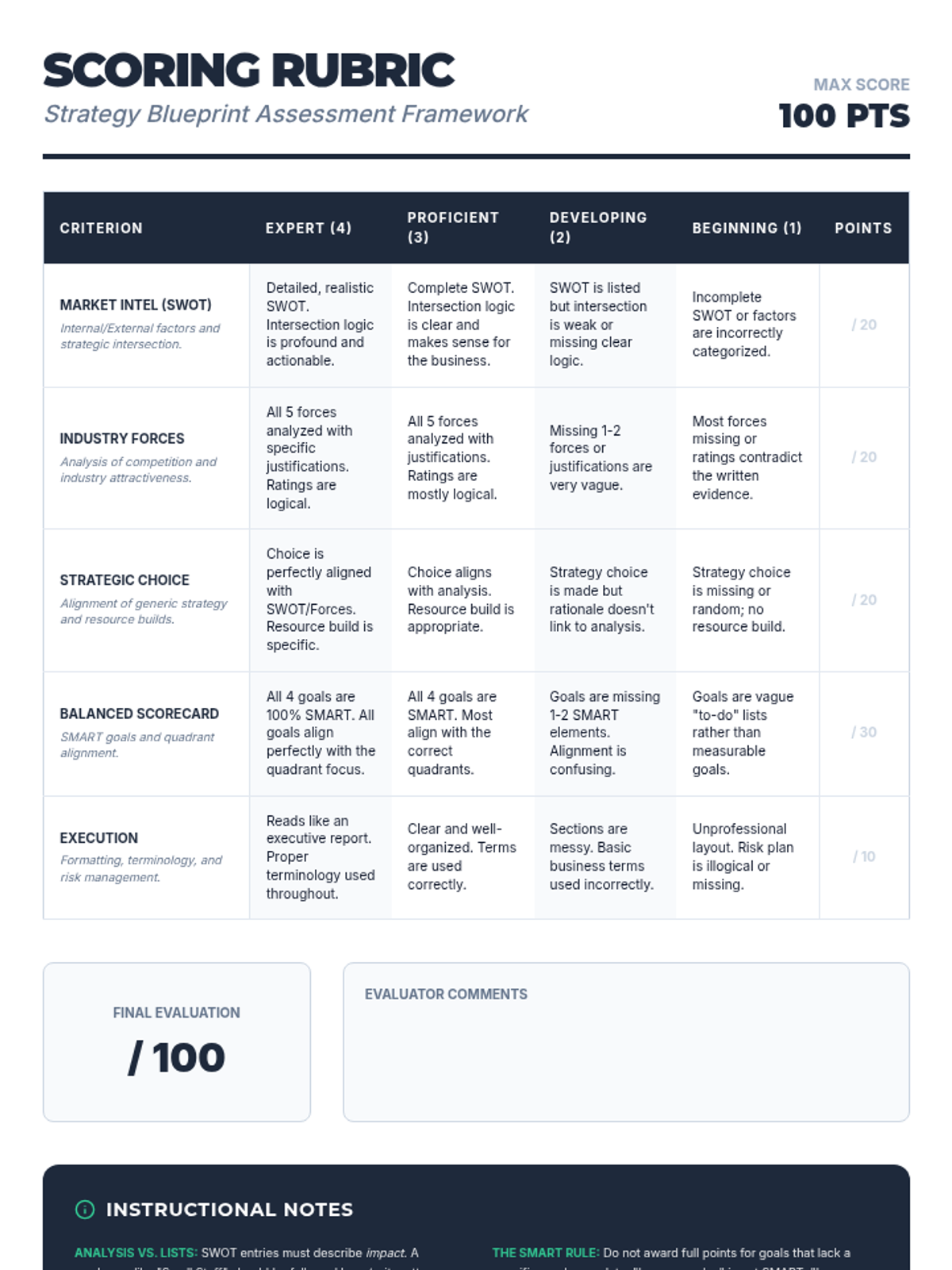
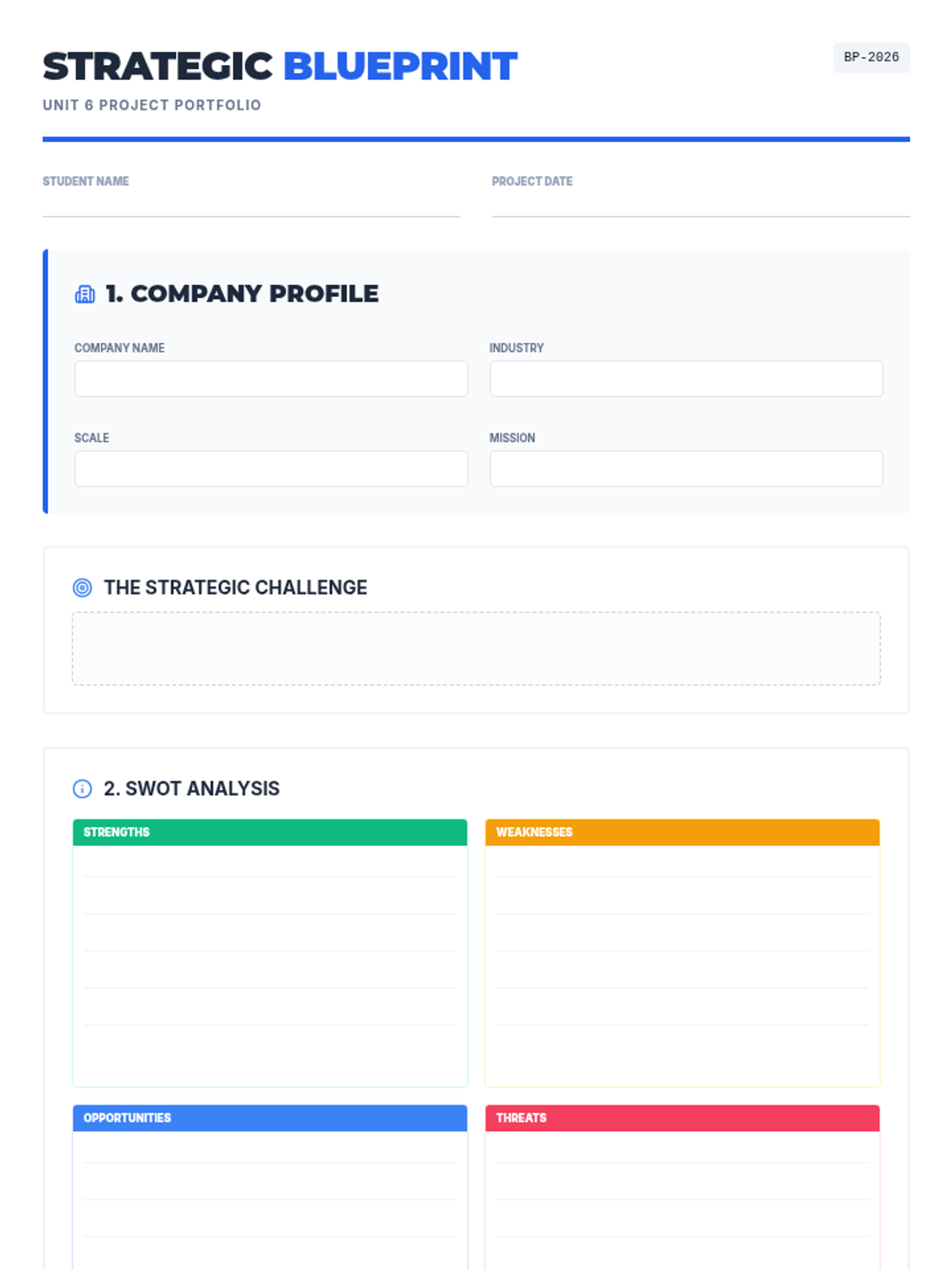
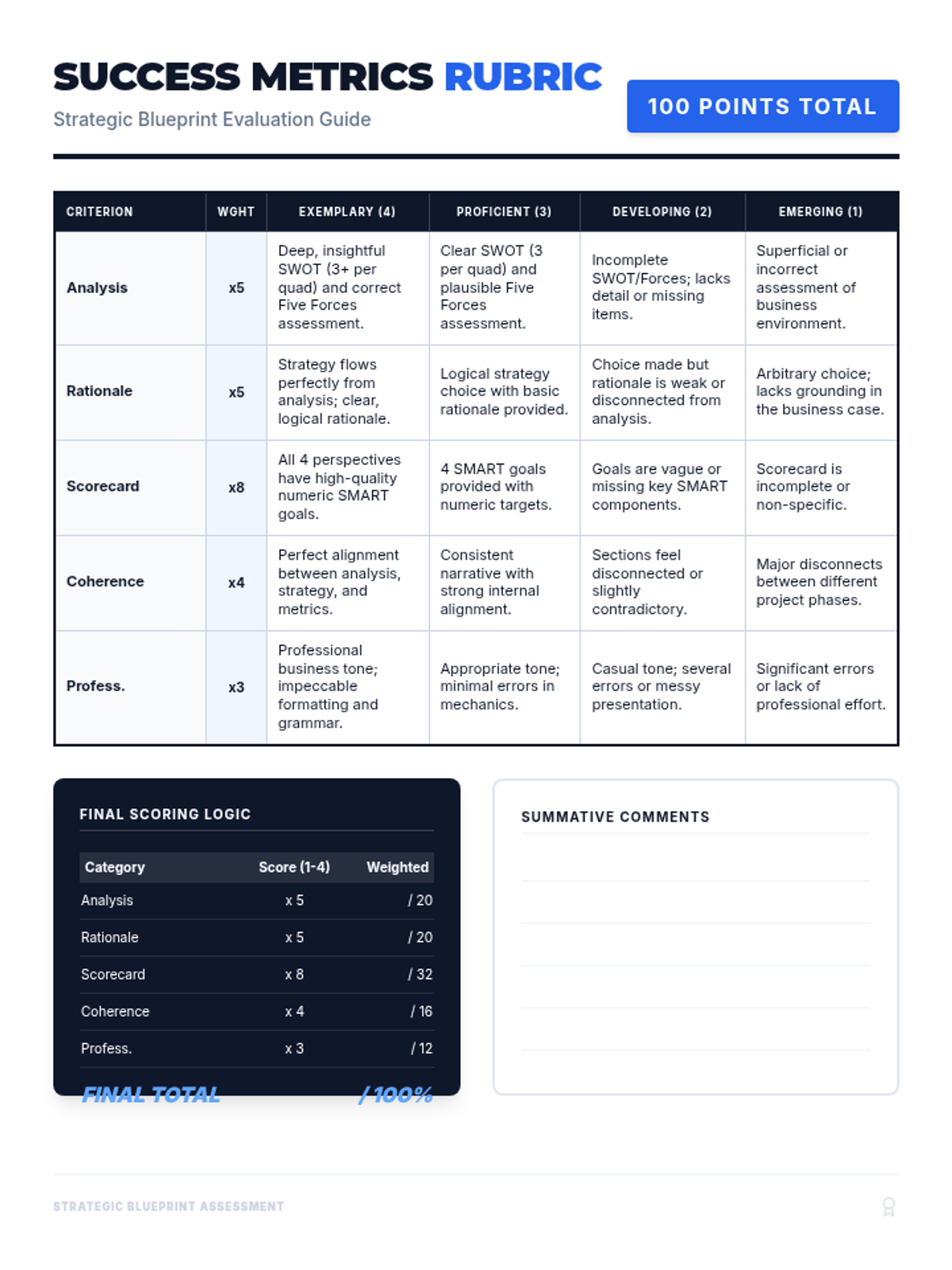
A comprehensive business strategy project where students act as consultants to develop a strategic plan and performance measurement system using SWOT analysis, Porter's Five Forces, and the Balanced Scorecard. This project includes scaffolded templates for analysis and a structured framework for goal setting.
A comprehensive project-based lesson where students develop a strategic plan and a Balanced Scorecard for a business, moving from situational analysis to actionable metrics.
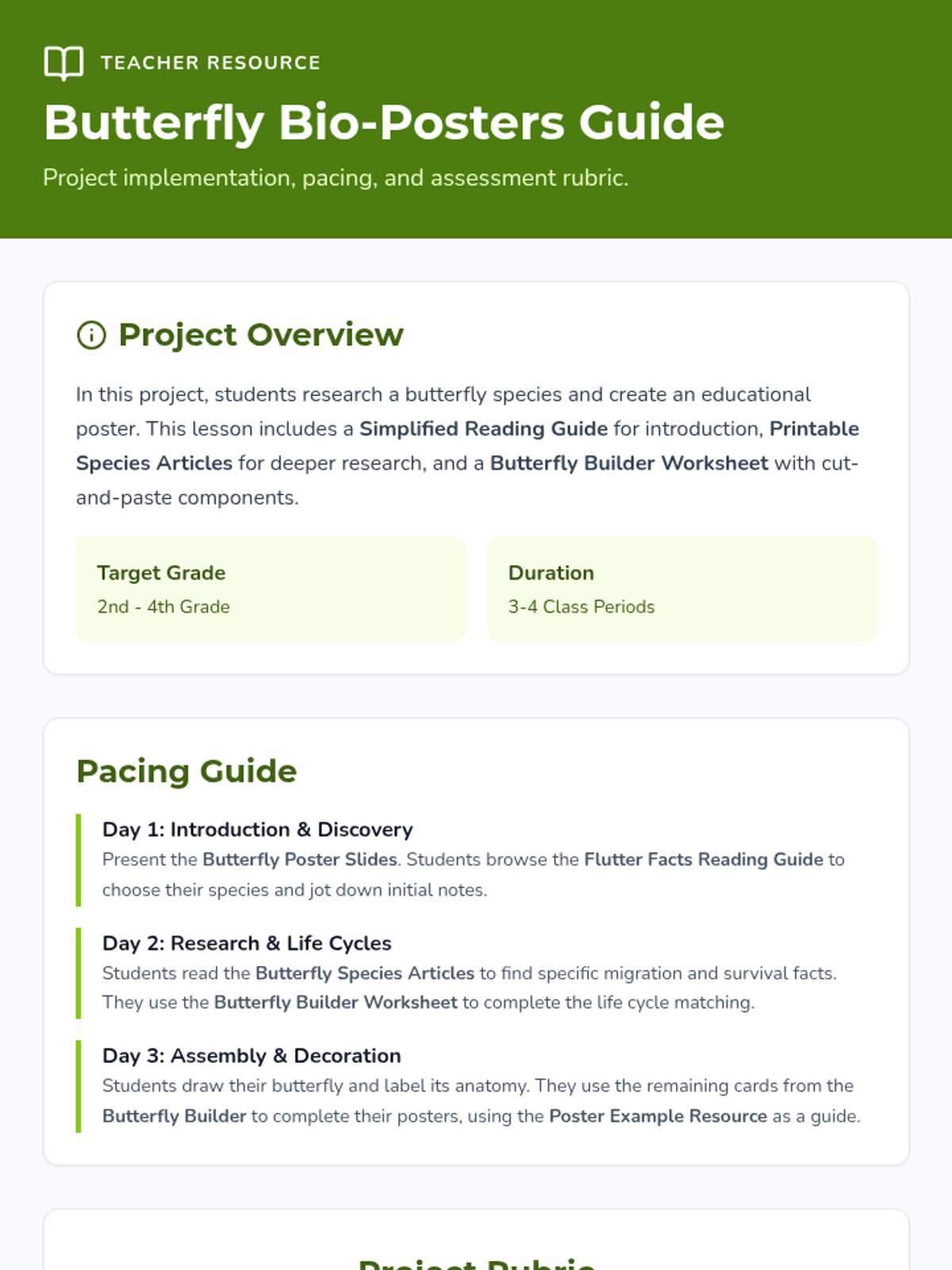
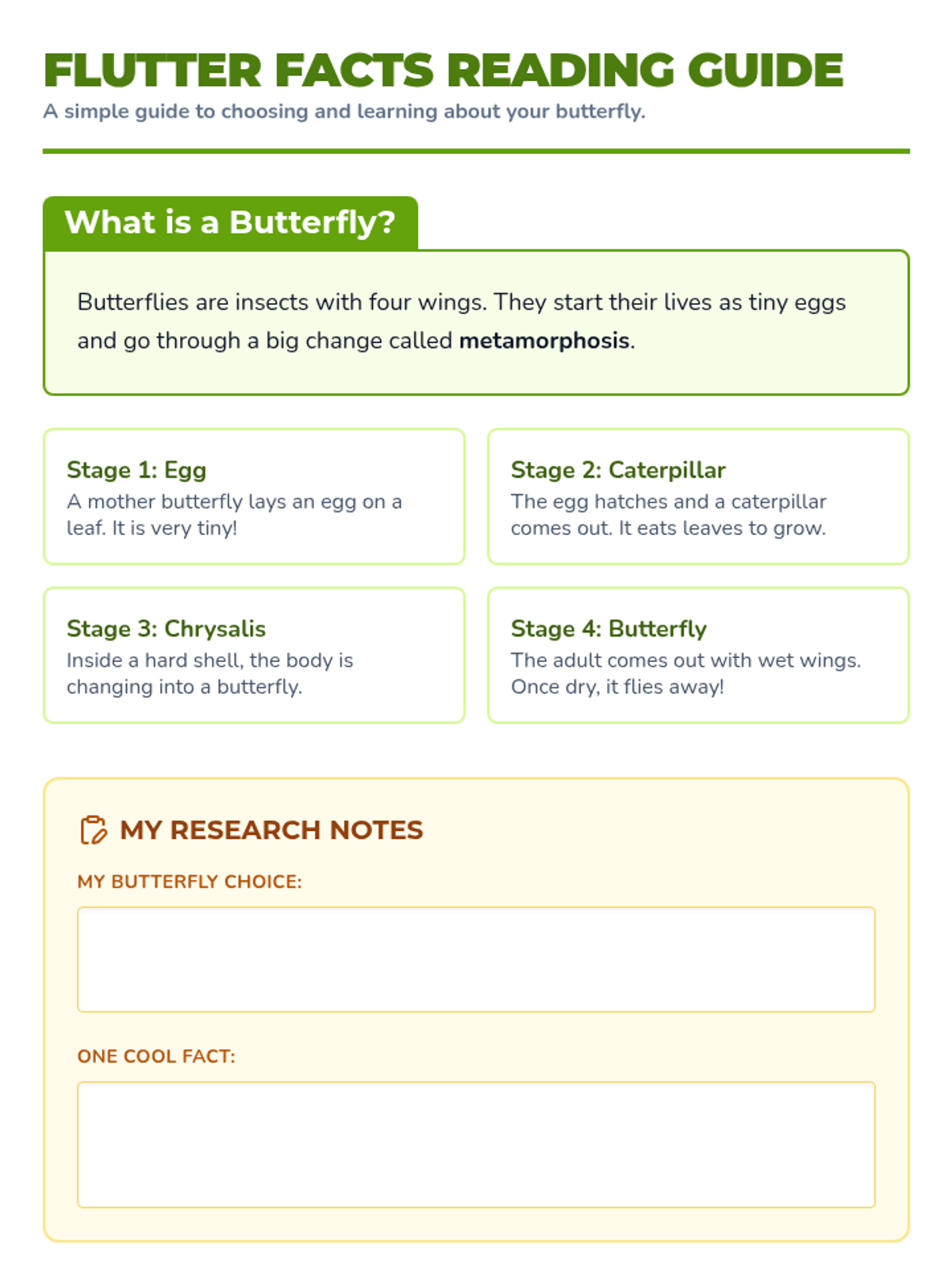
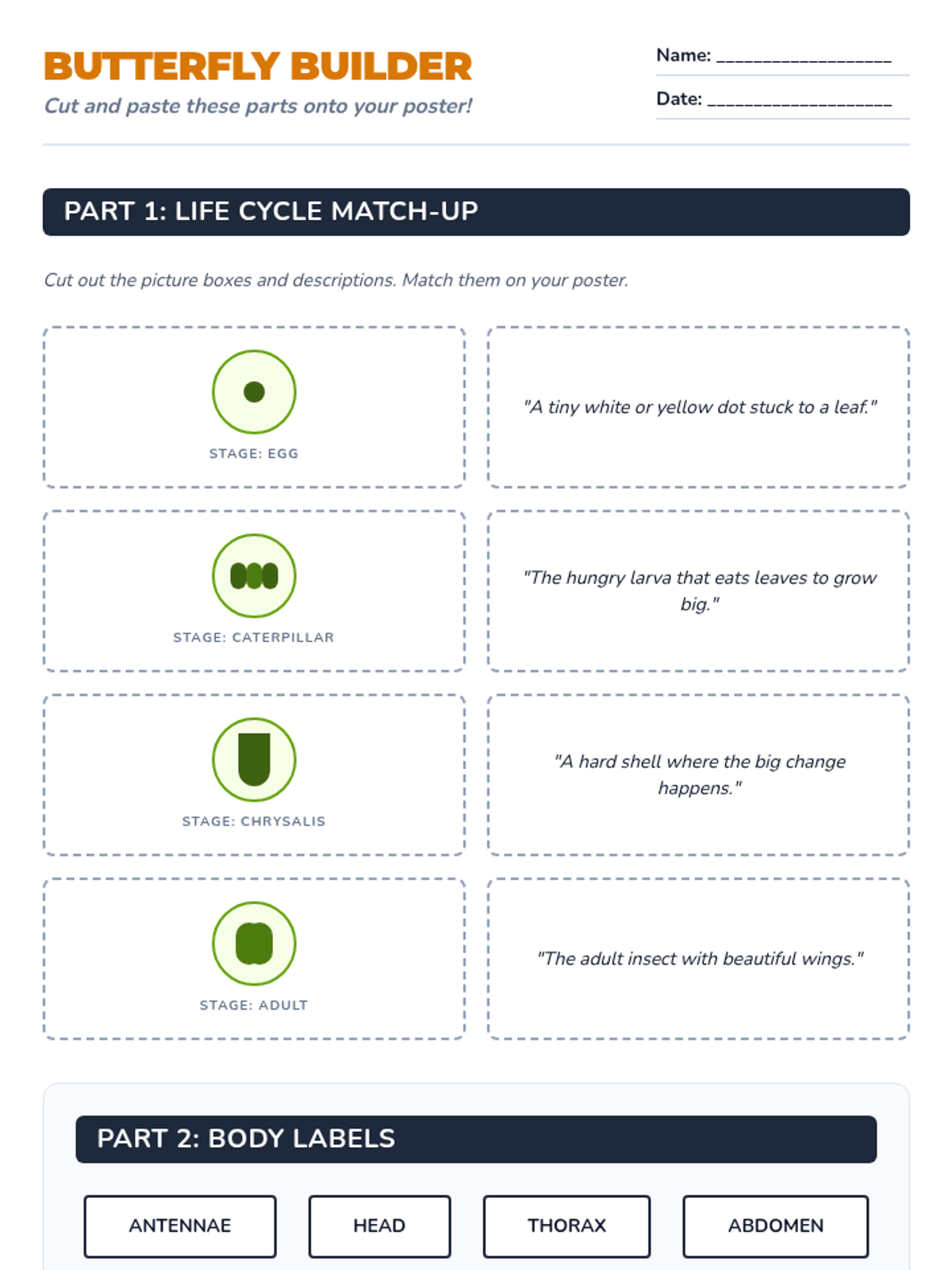
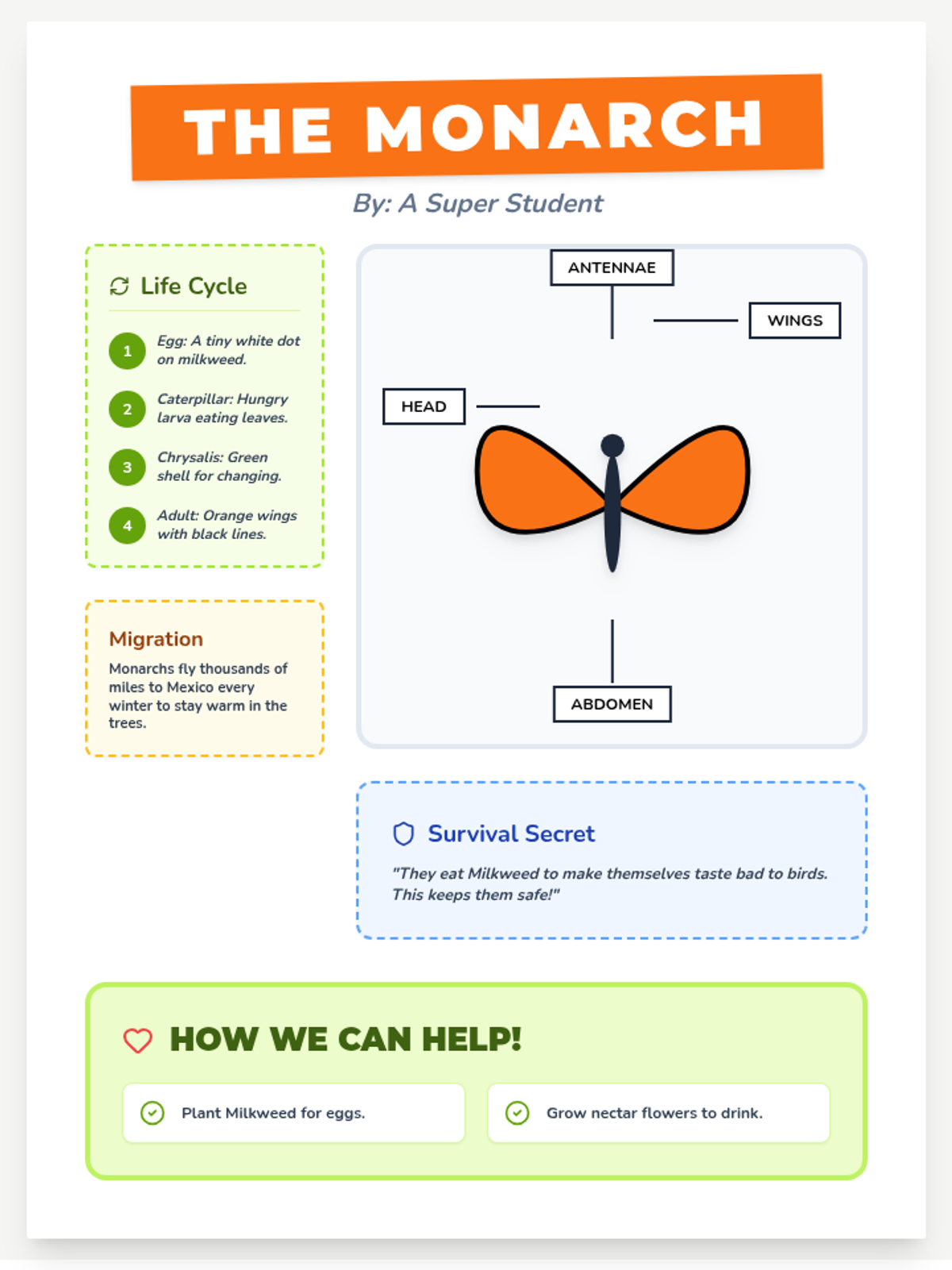
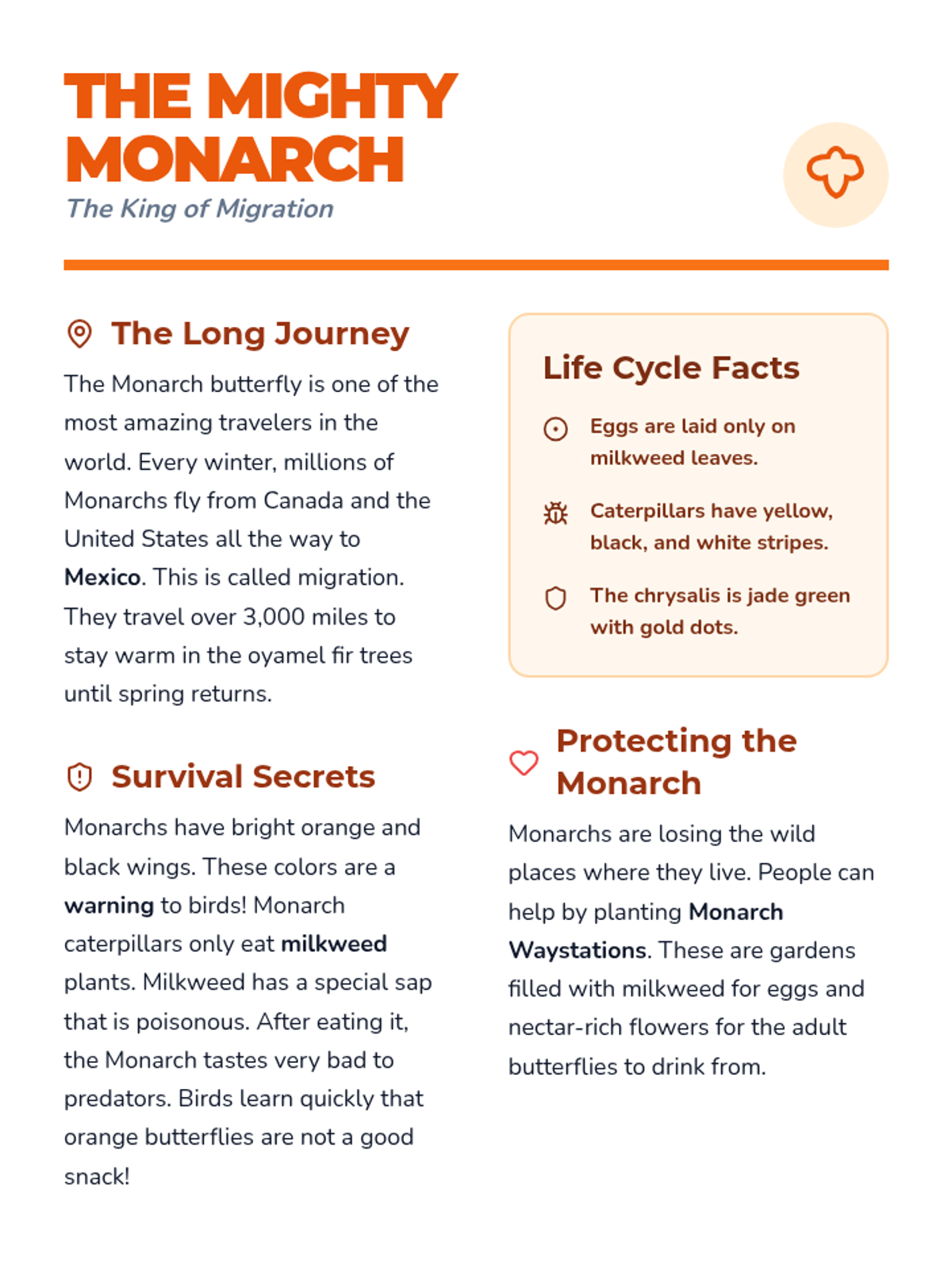
A creative science project where students research a butterfly species of their choice and design an informative poster. The lesson includes a simplified reading guide, cut-and-paste components, and a presentation to guide the project.
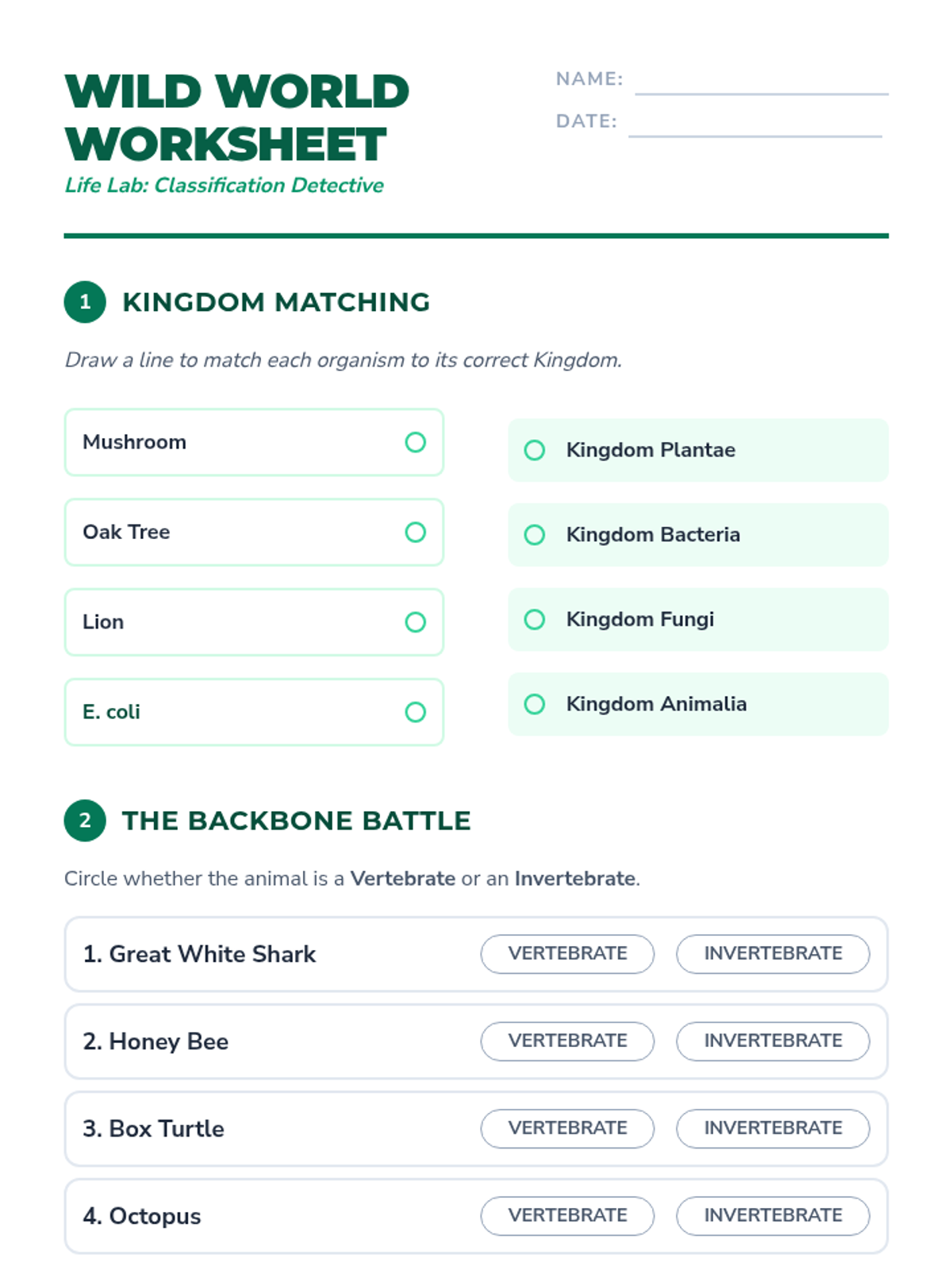
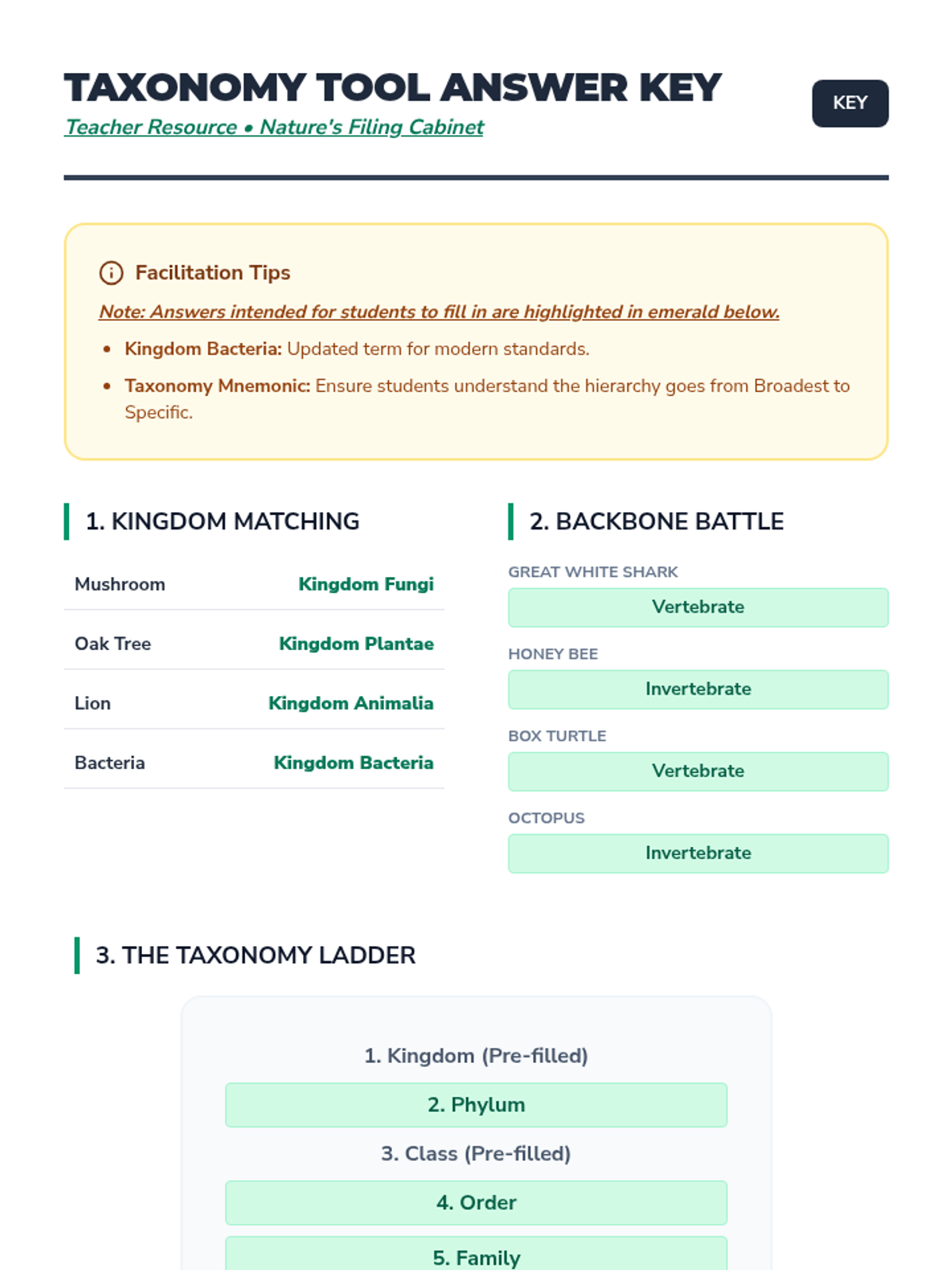
A foundational lesson exploring how scientists group living things using the Linnaean classification system, focusing on kingdoms and the distinction between vertebrates and invertebrates.
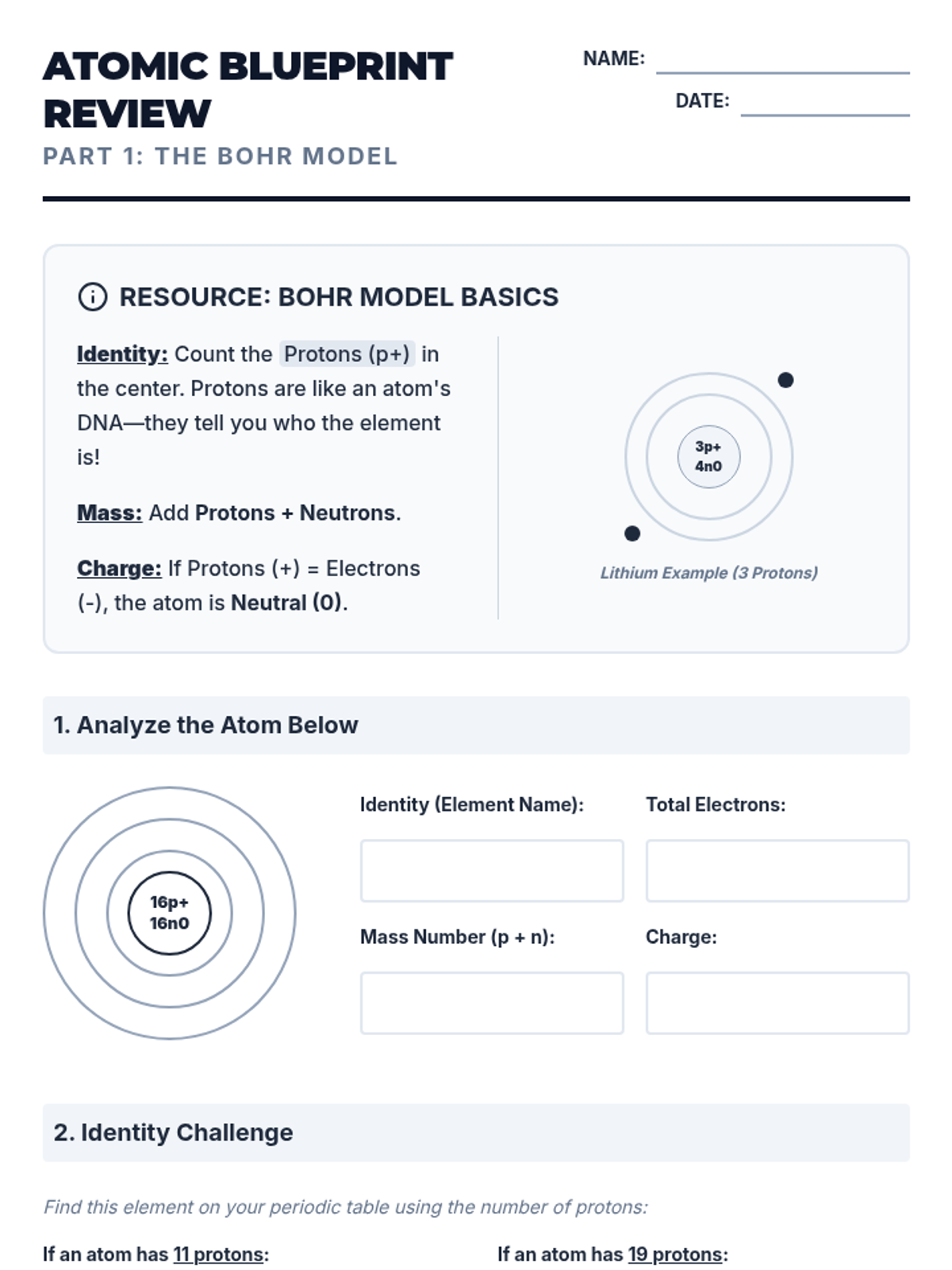
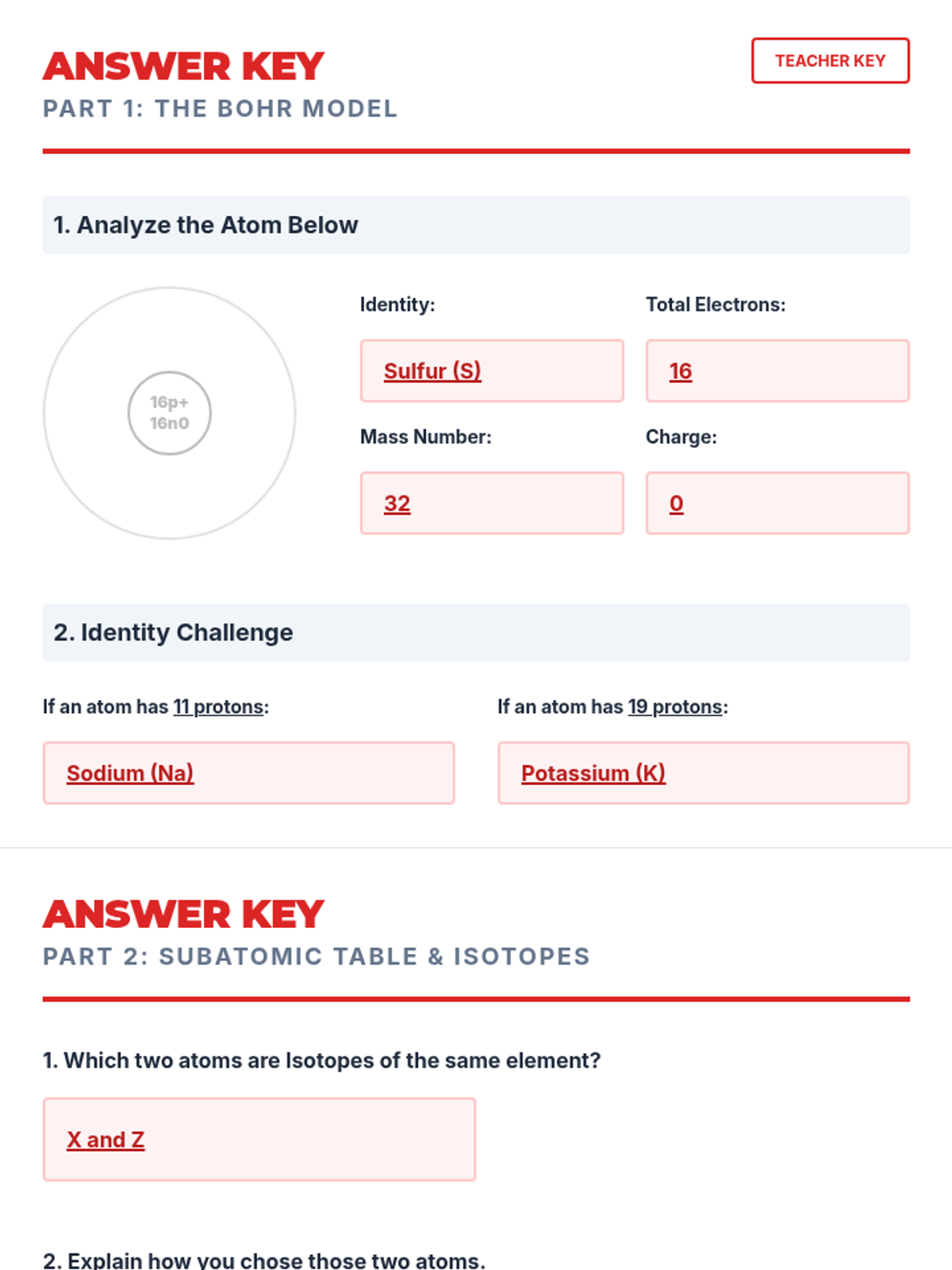
A comprehensive review sequence focusing on atomic structure, Bohr models, isotopes, and electron configurations designed for high school chemistry students.
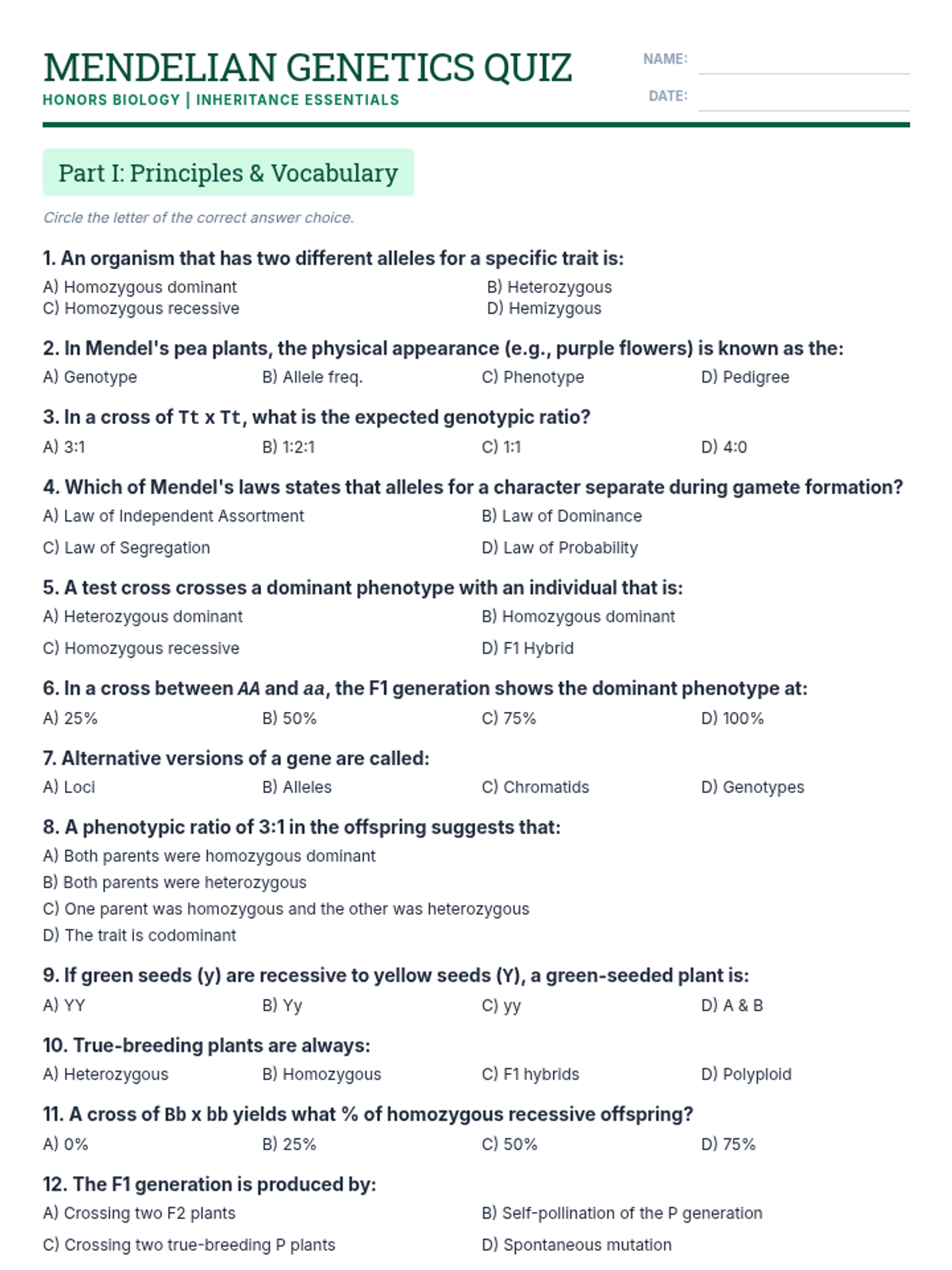
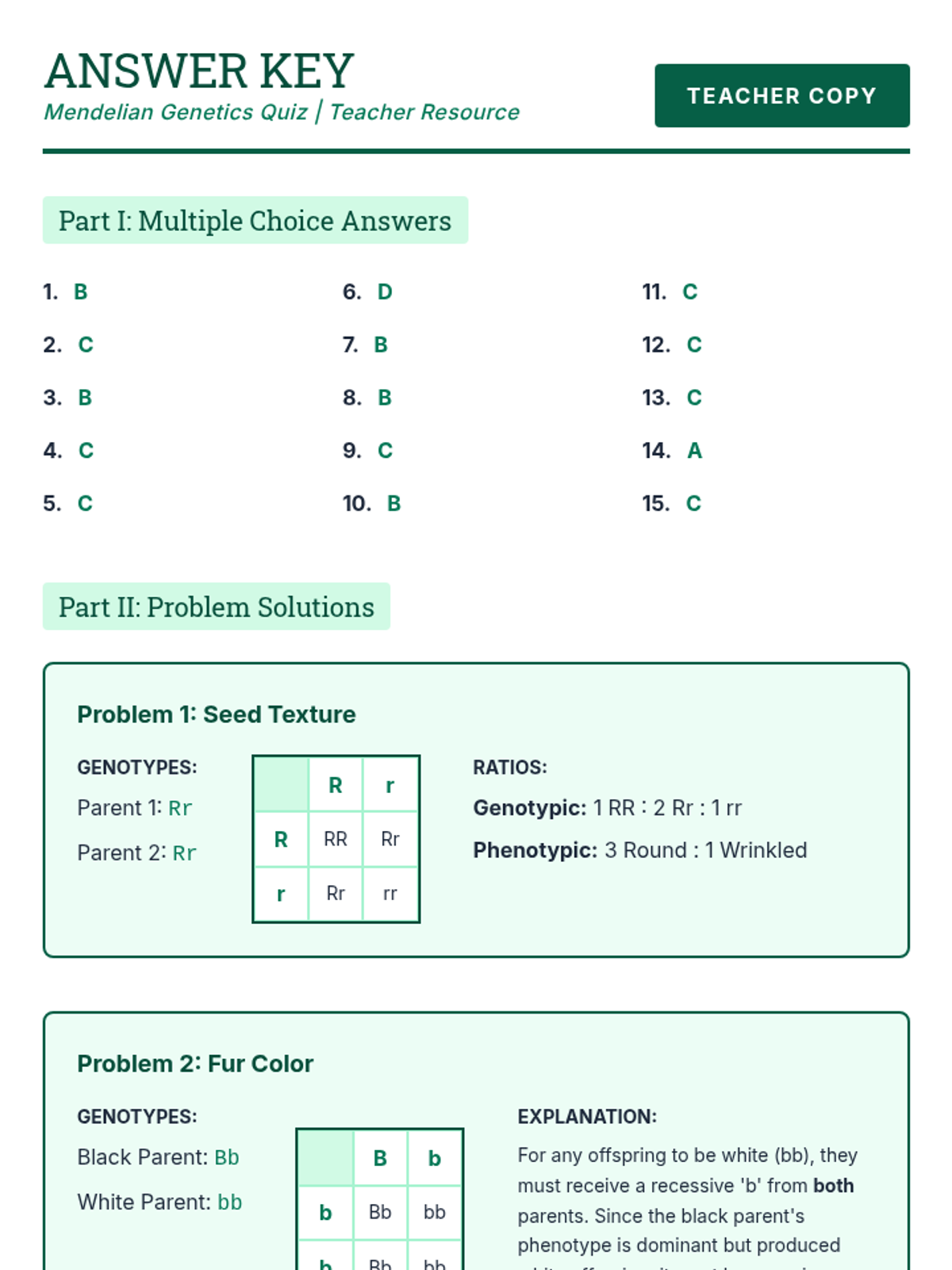
A rigorous assessment on the principles of Mendelian inheritance, covering monohybrid crosses, terminology, and probability ratios for honors biology students.
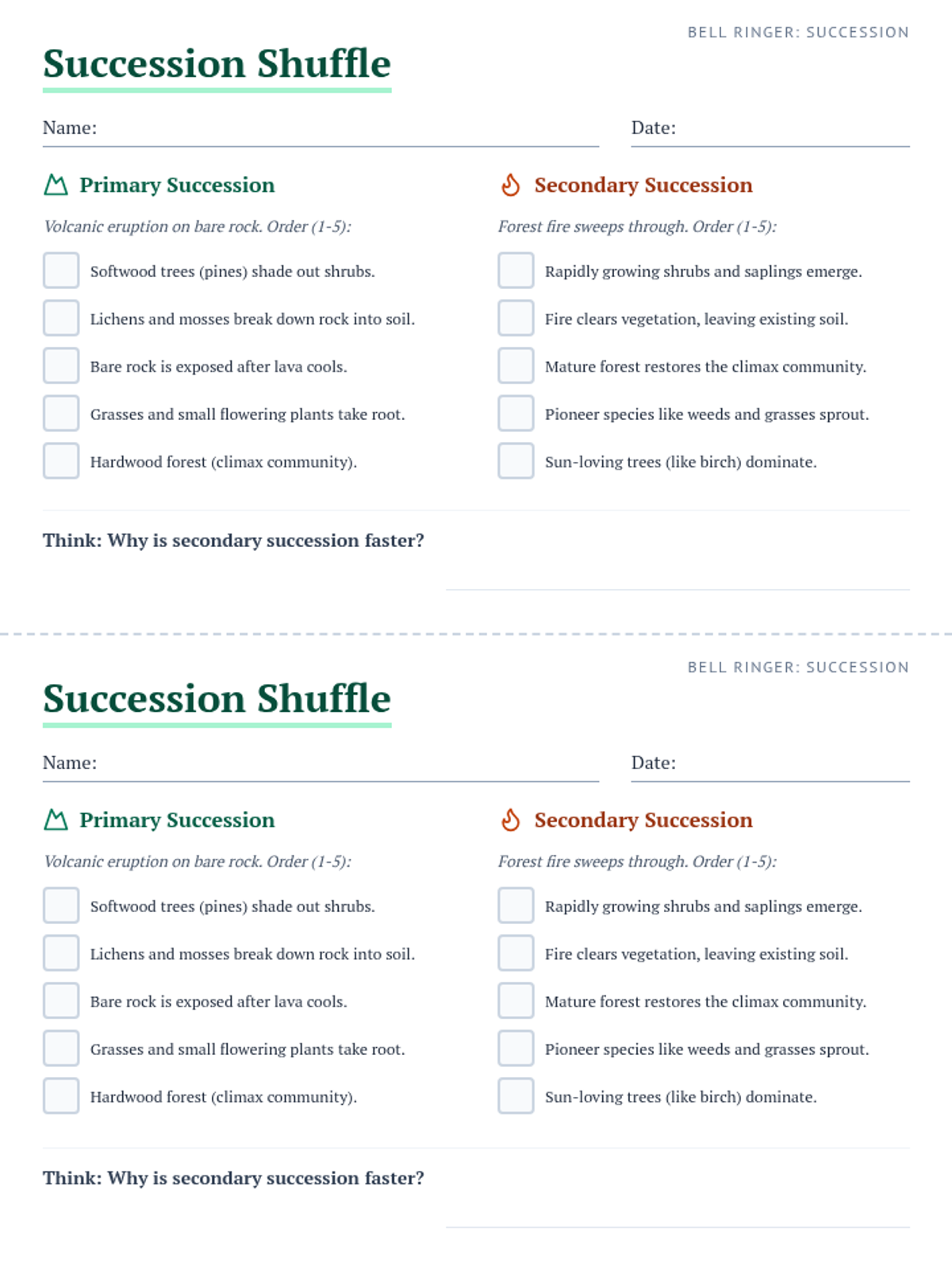
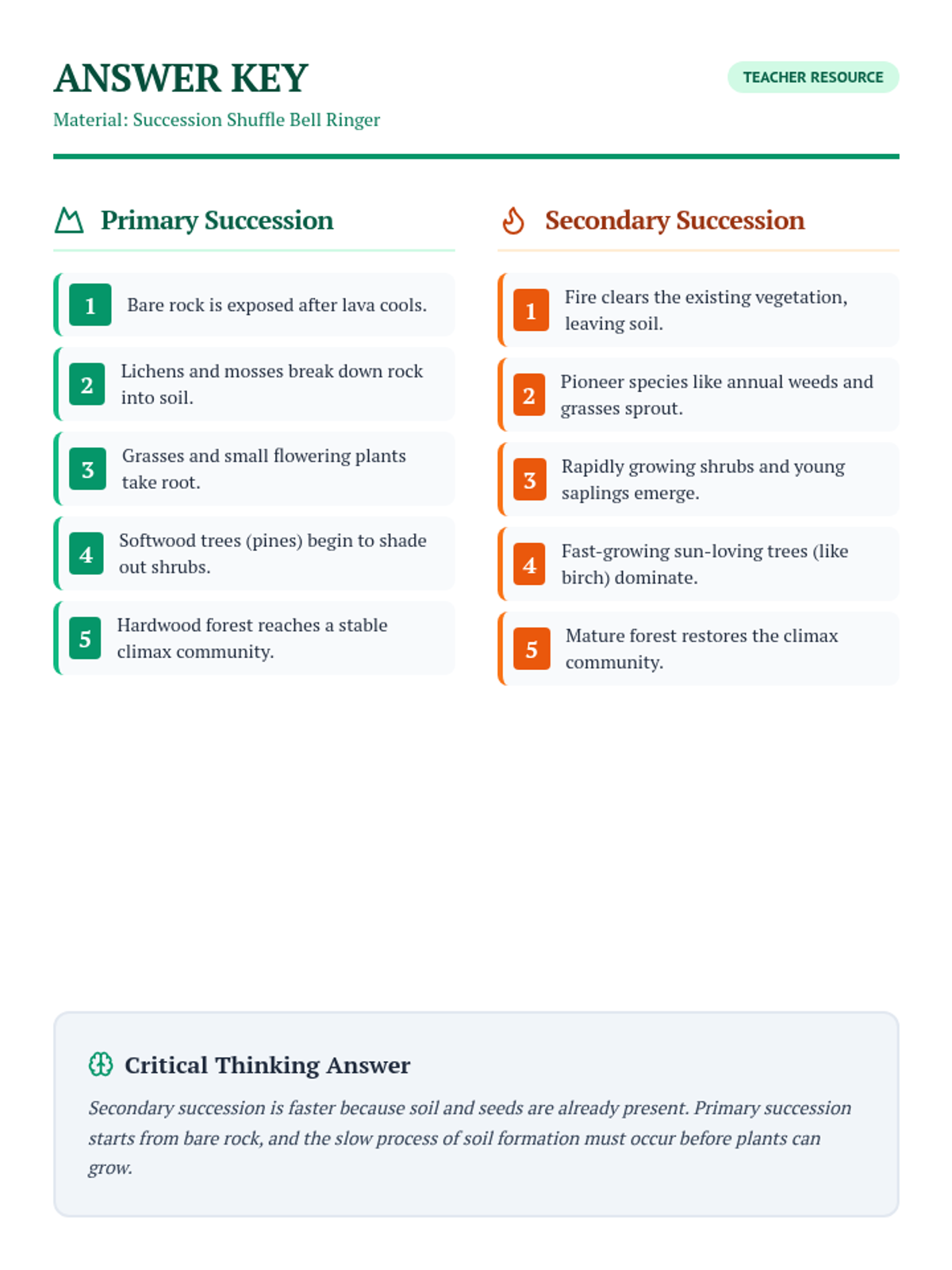
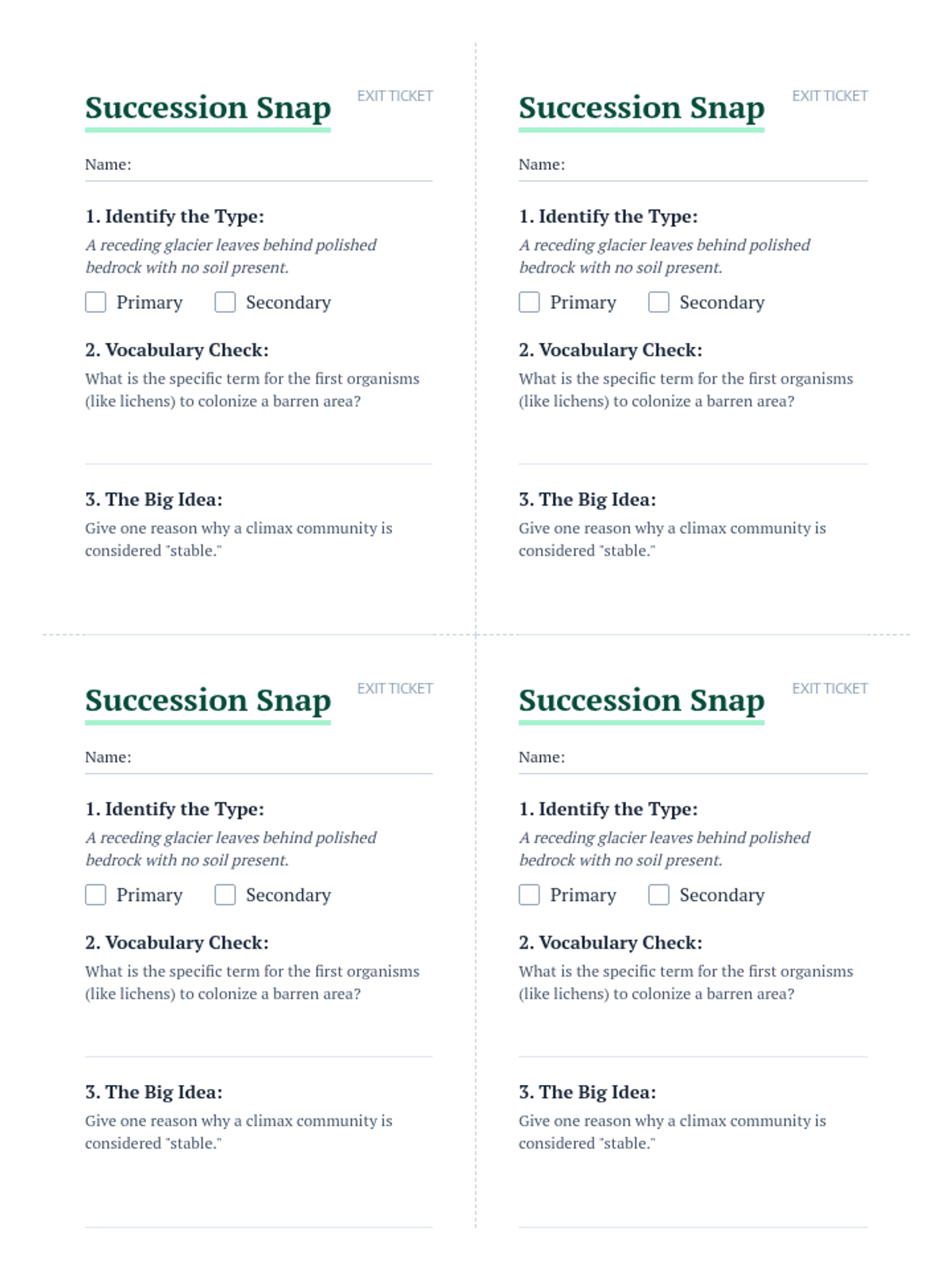
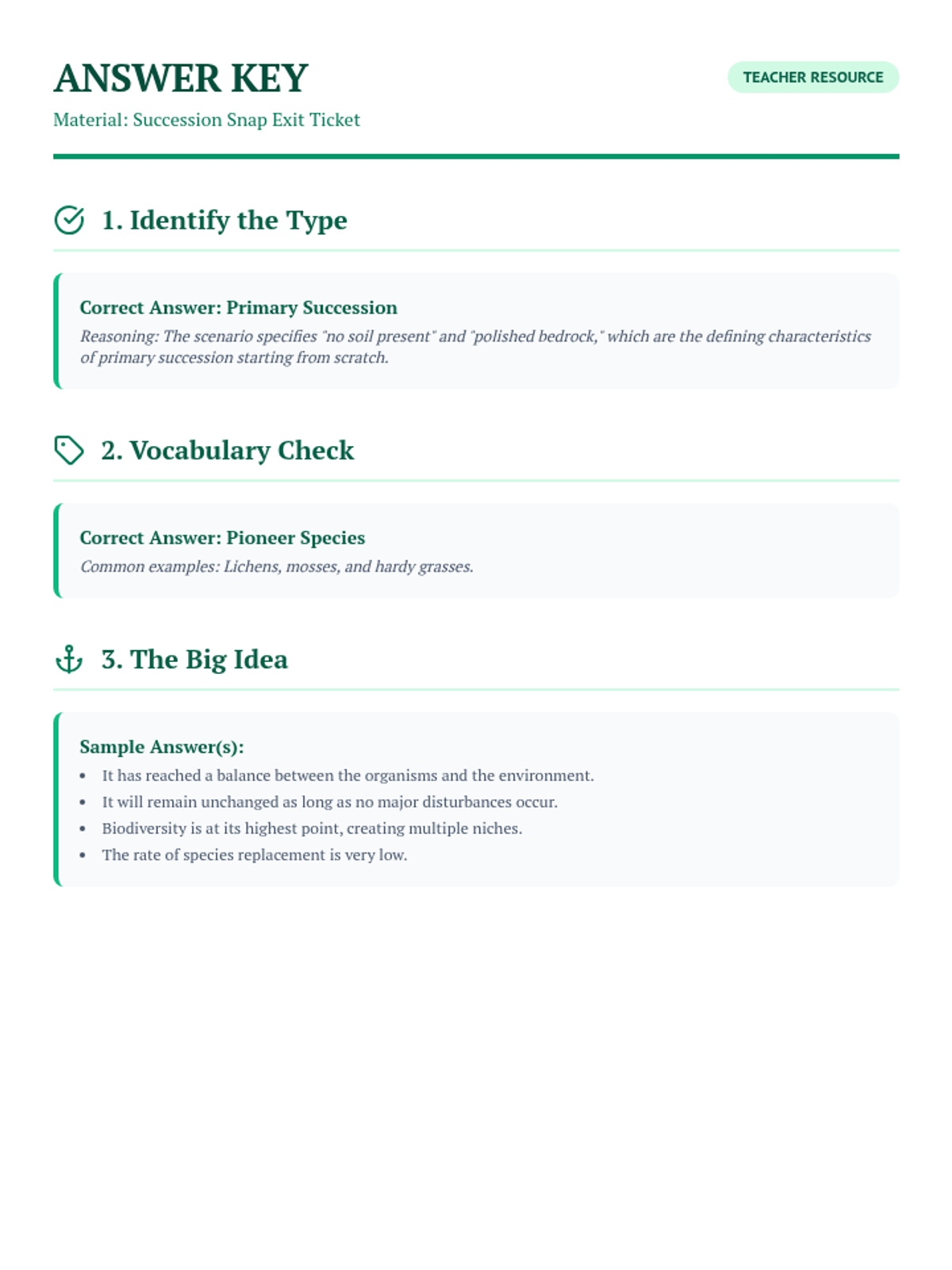
A quick, engaging bell ringer activity designed to review the stages of primary and secondary ecological succession through a sequence ordering task.
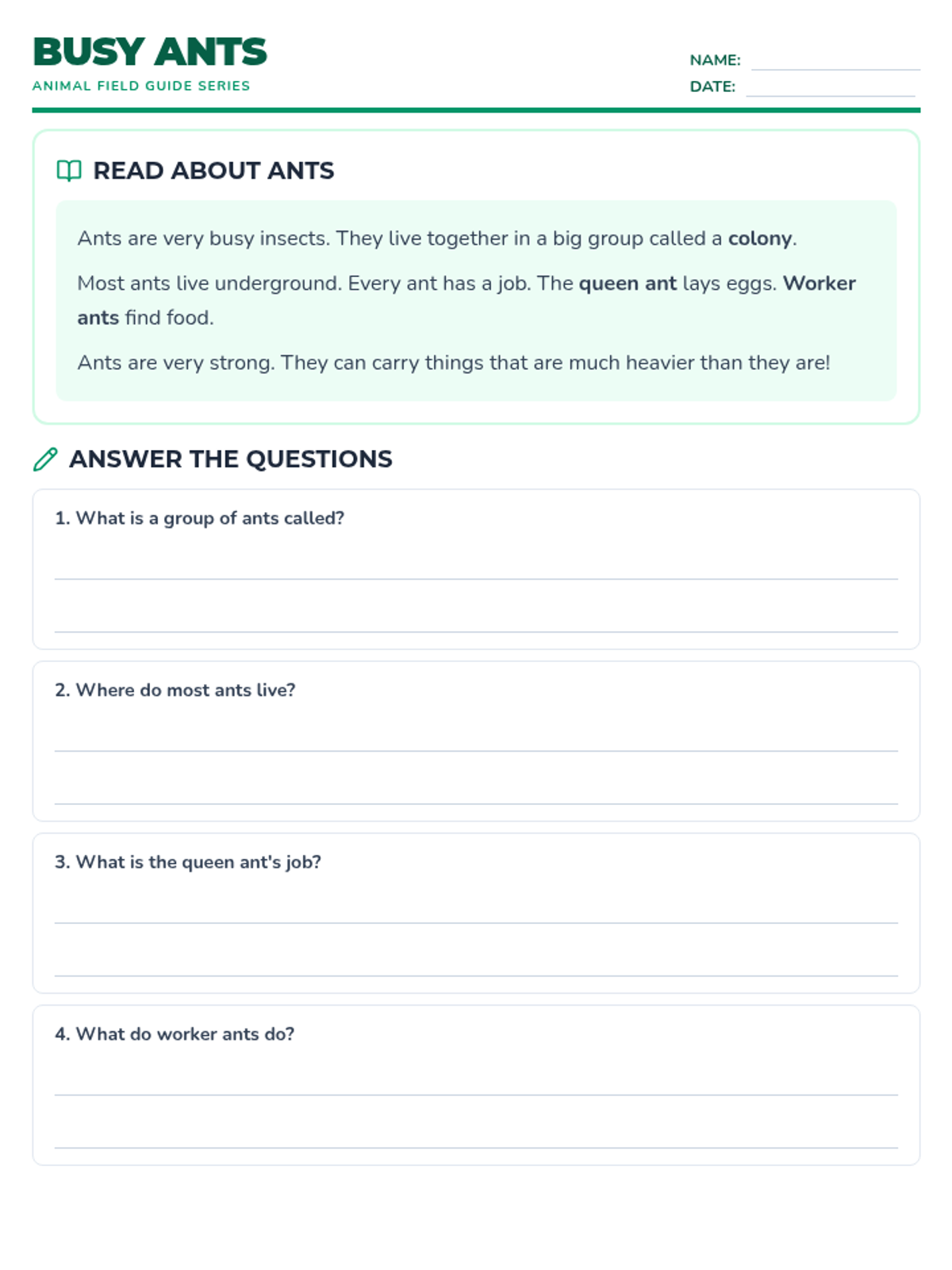
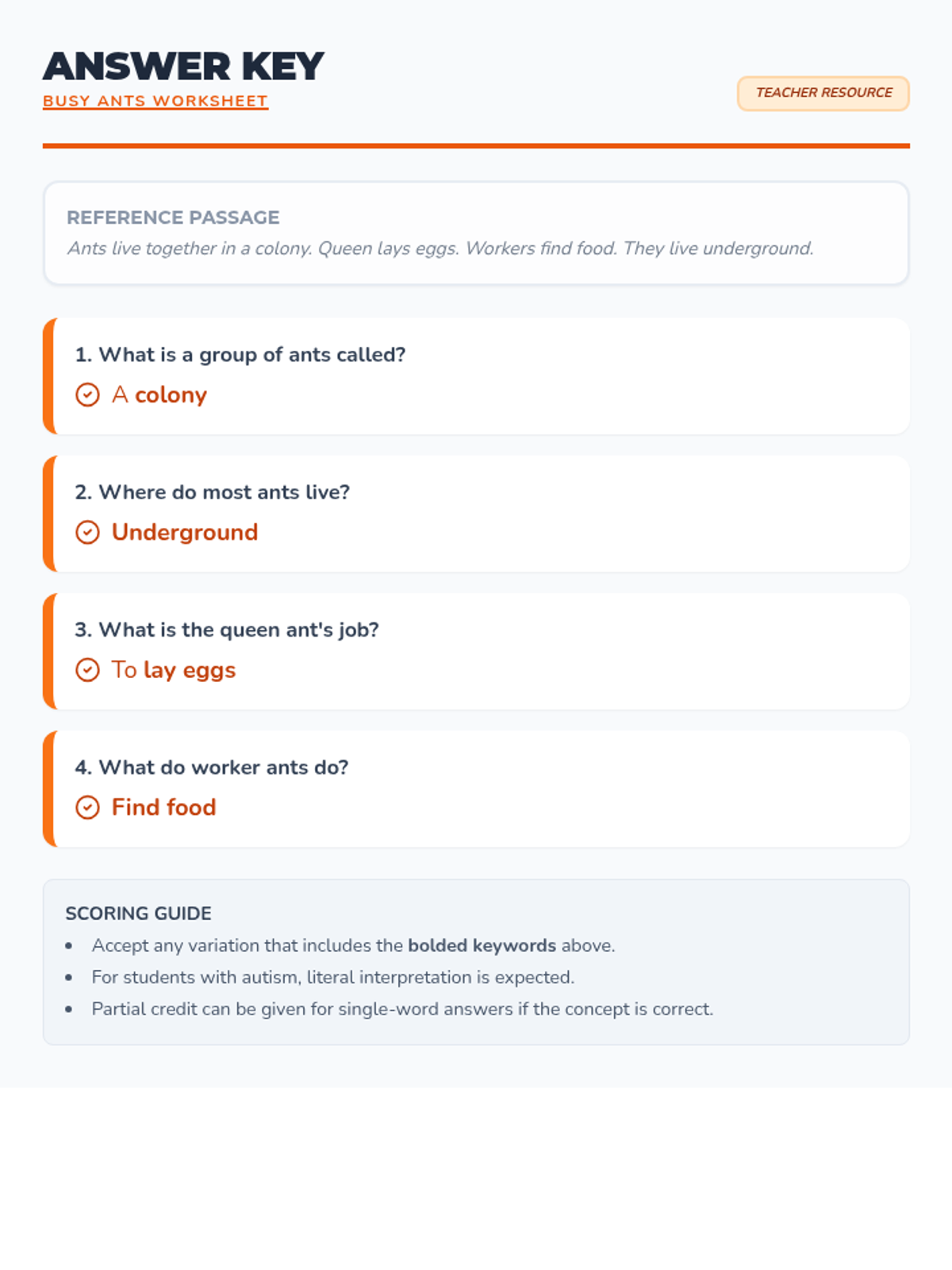
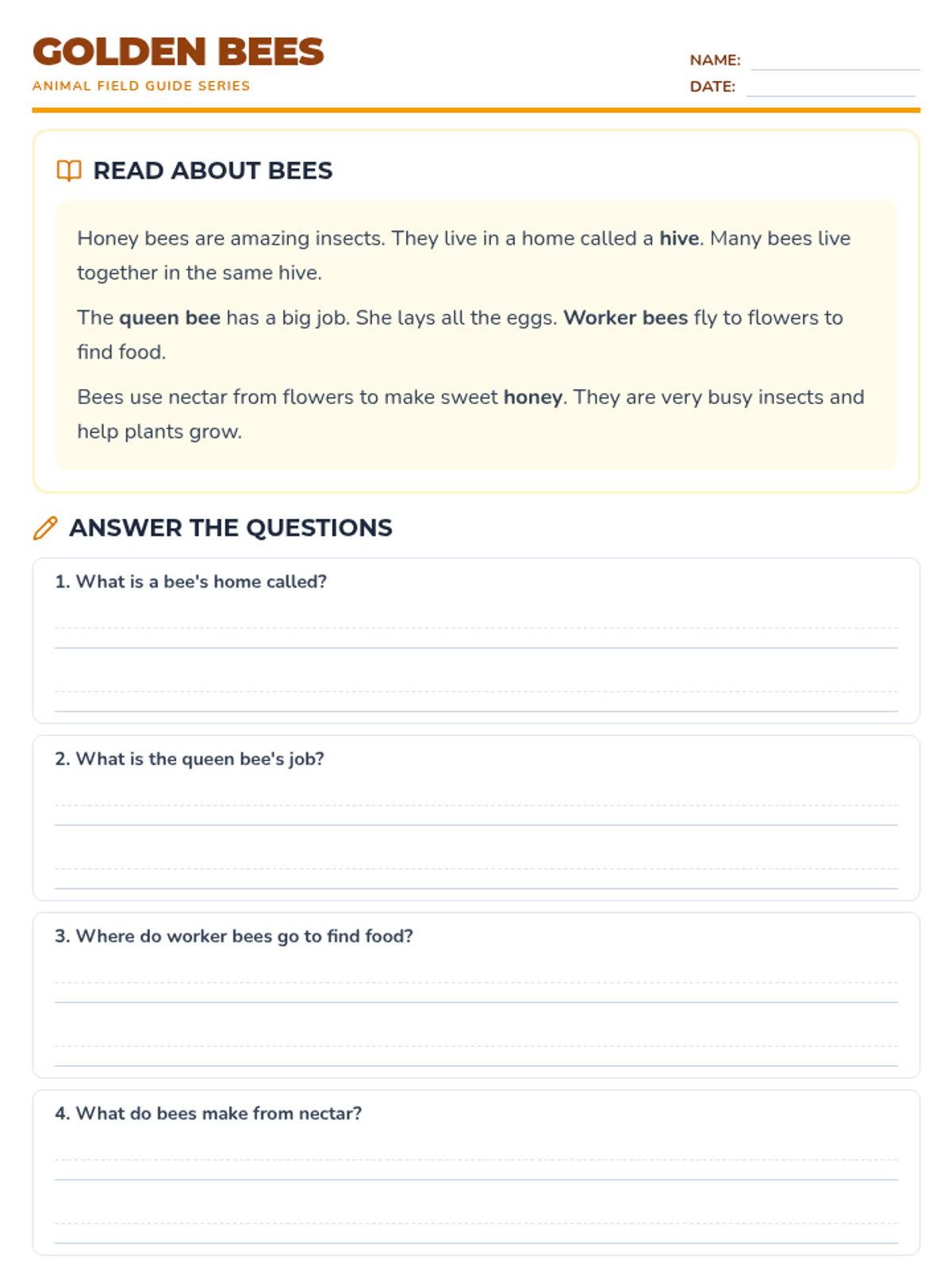
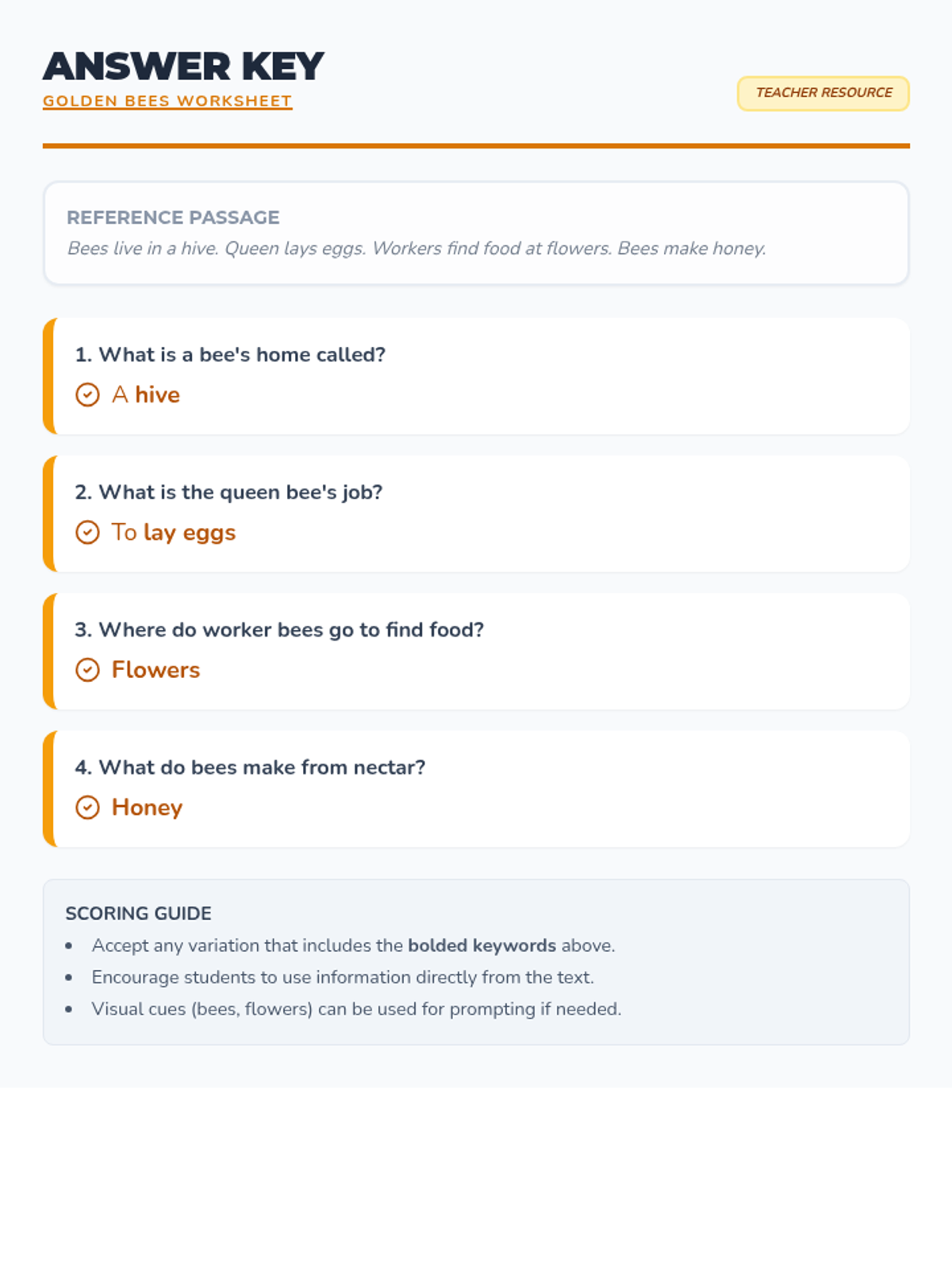
A focused reading comprehension lesson exploring the lives of ants, designed with clear structure and visual supports for 1st-2nd grade students.
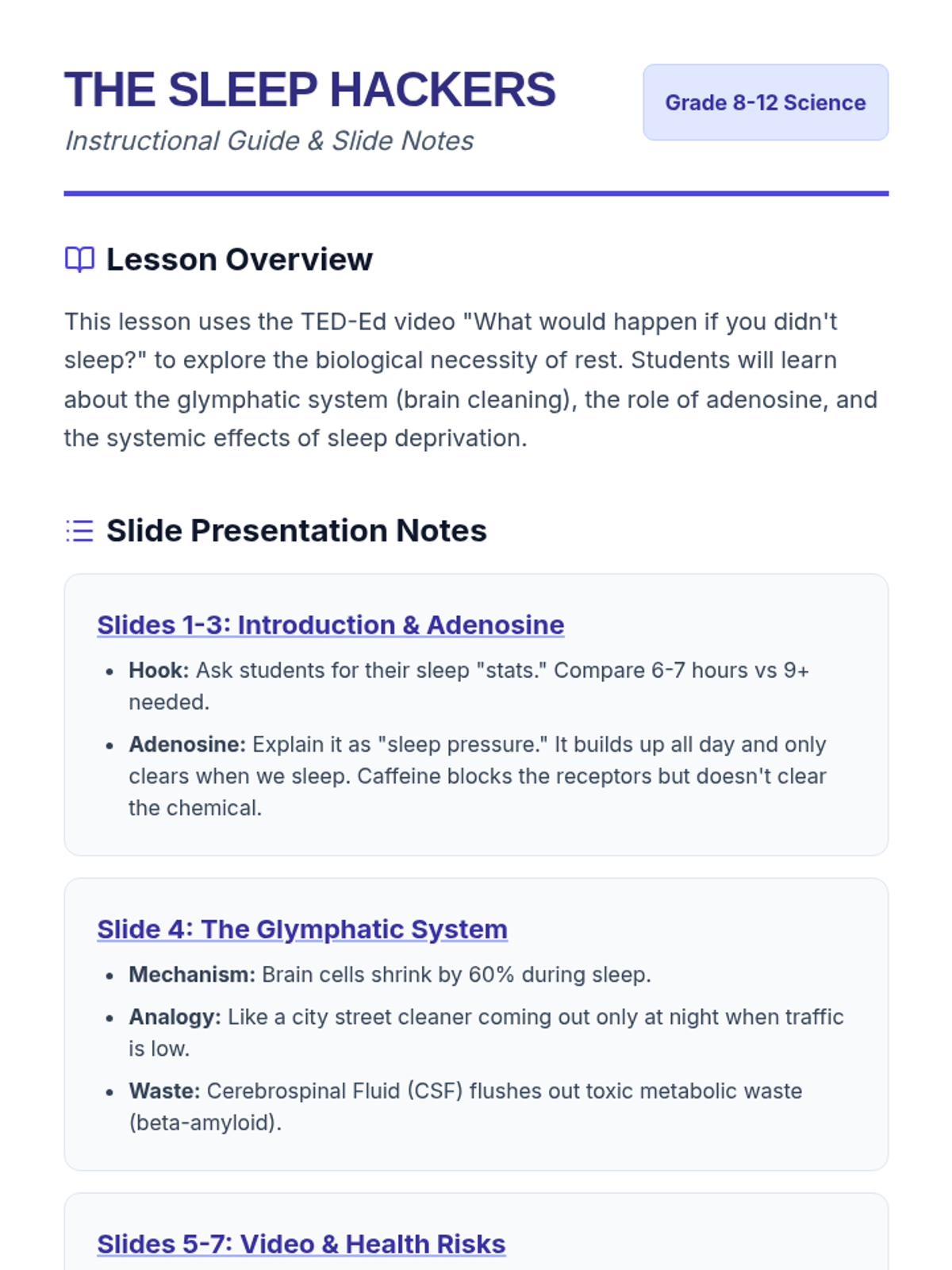
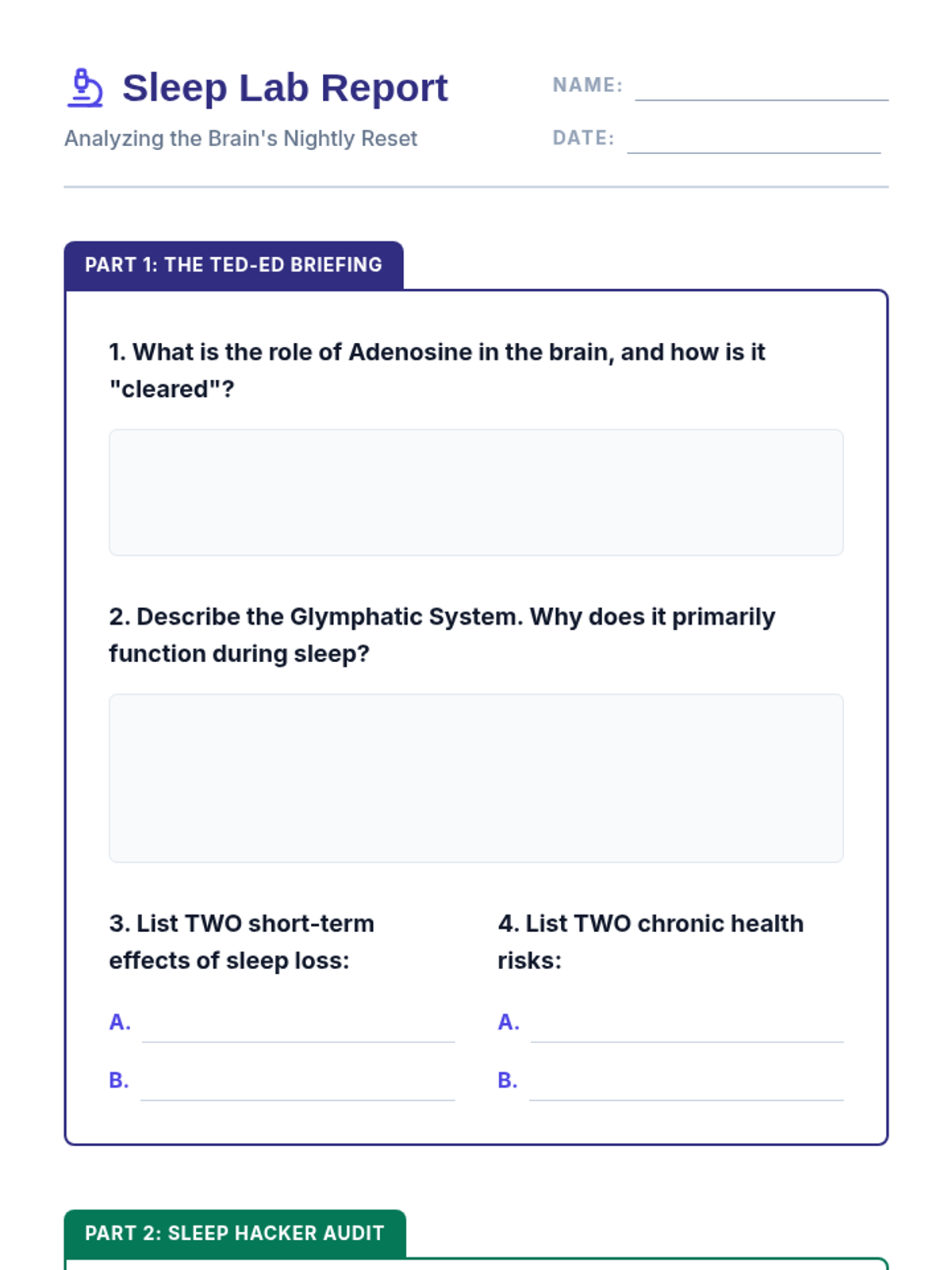
An exploration of the biological necessity of sleep, the mechanics of how the brain cleans itself during rest, and the physiological consequences of sleep deprivation.
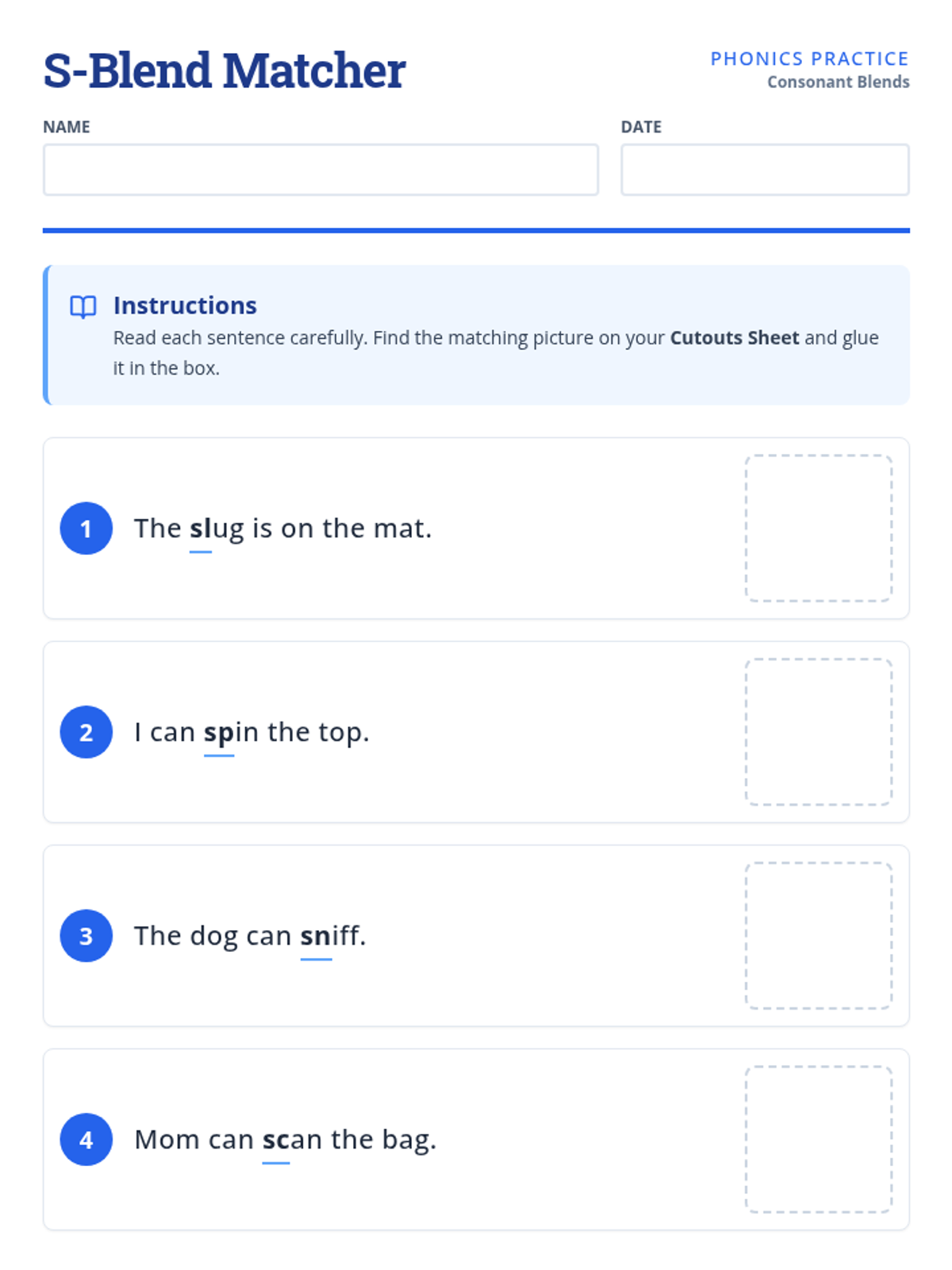
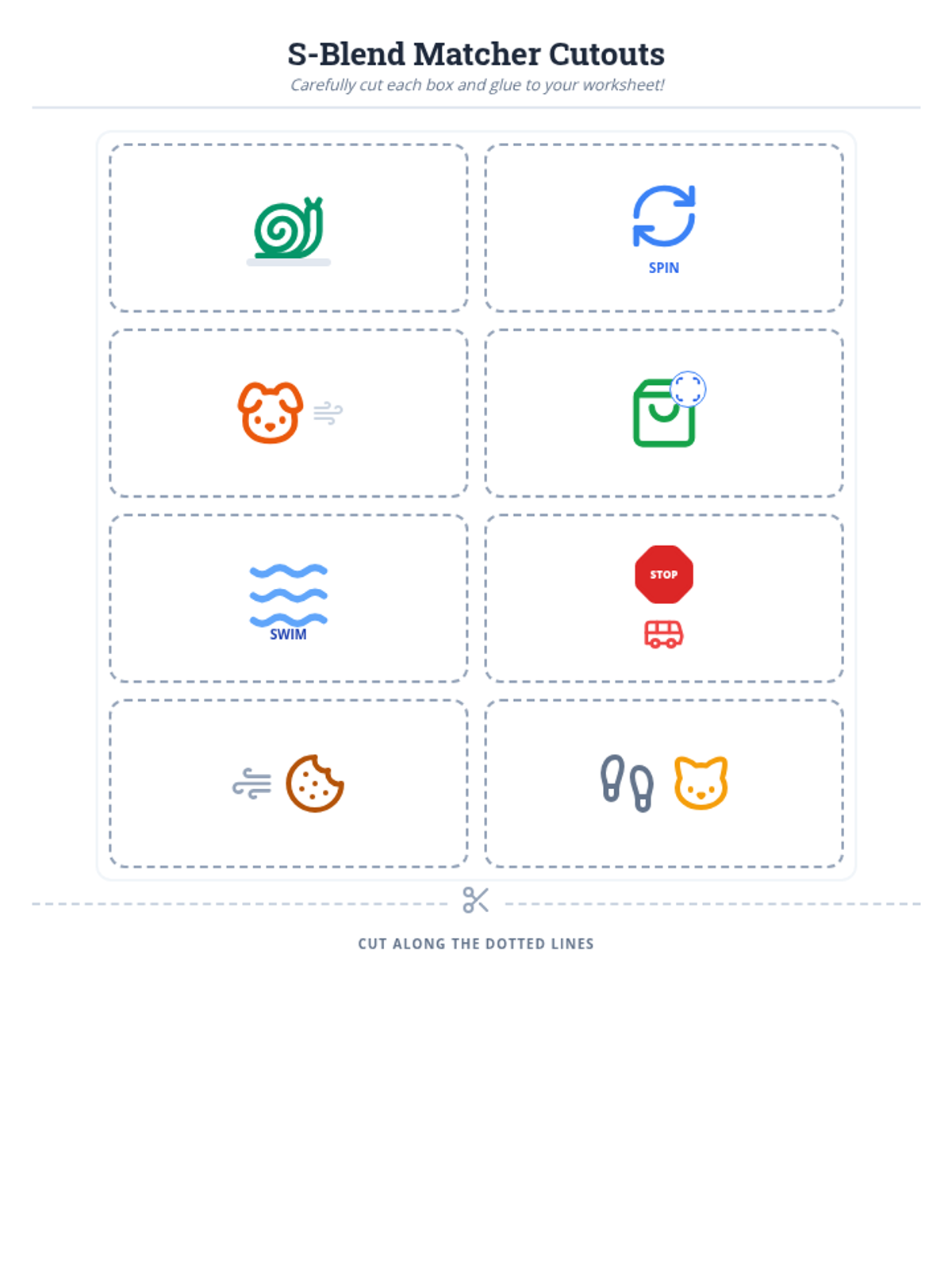
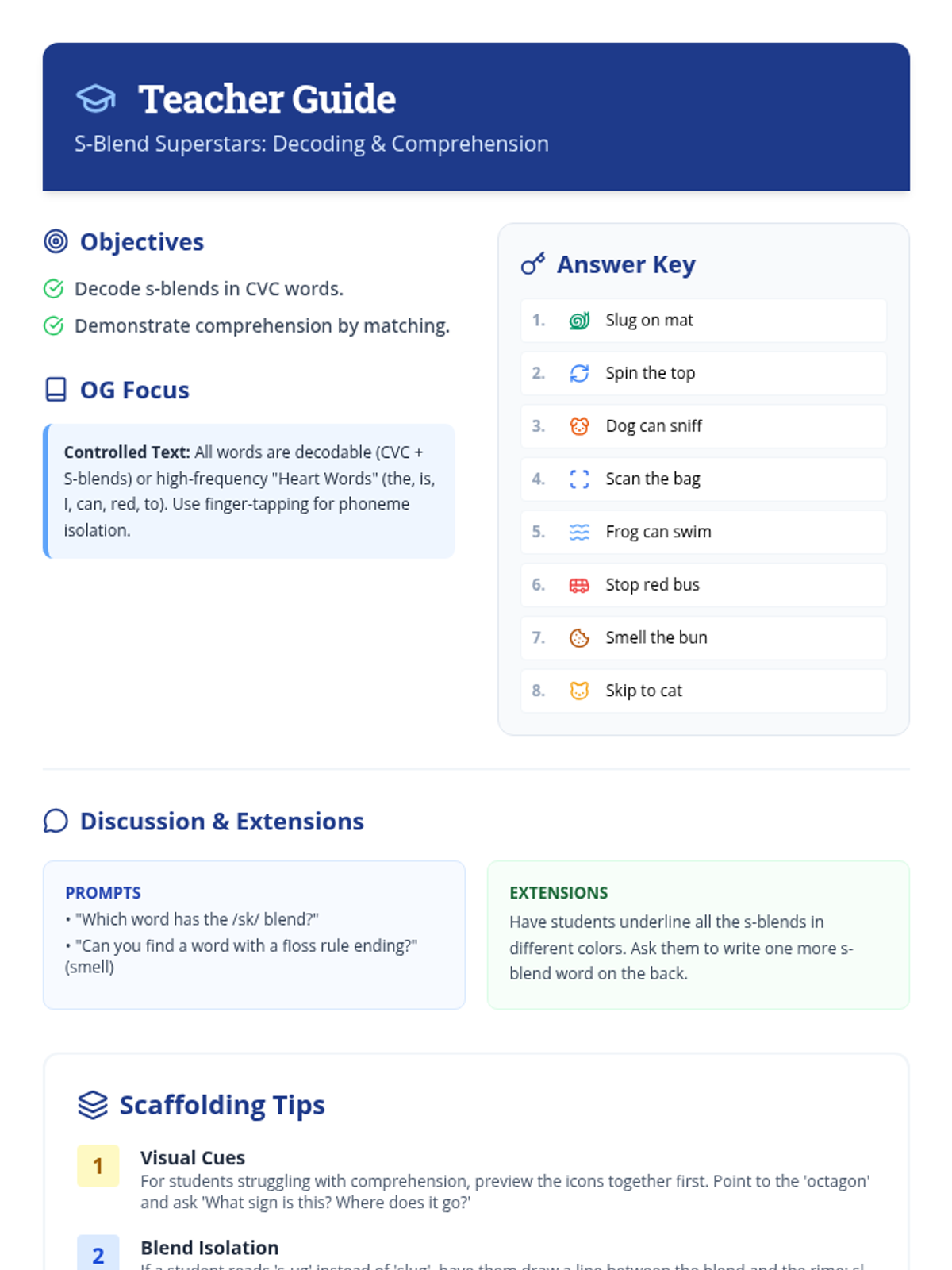
A phonics-focused lesson for kindergarteners to practice reading and comprehending initial s-blends through decodable sentences and visual matching.
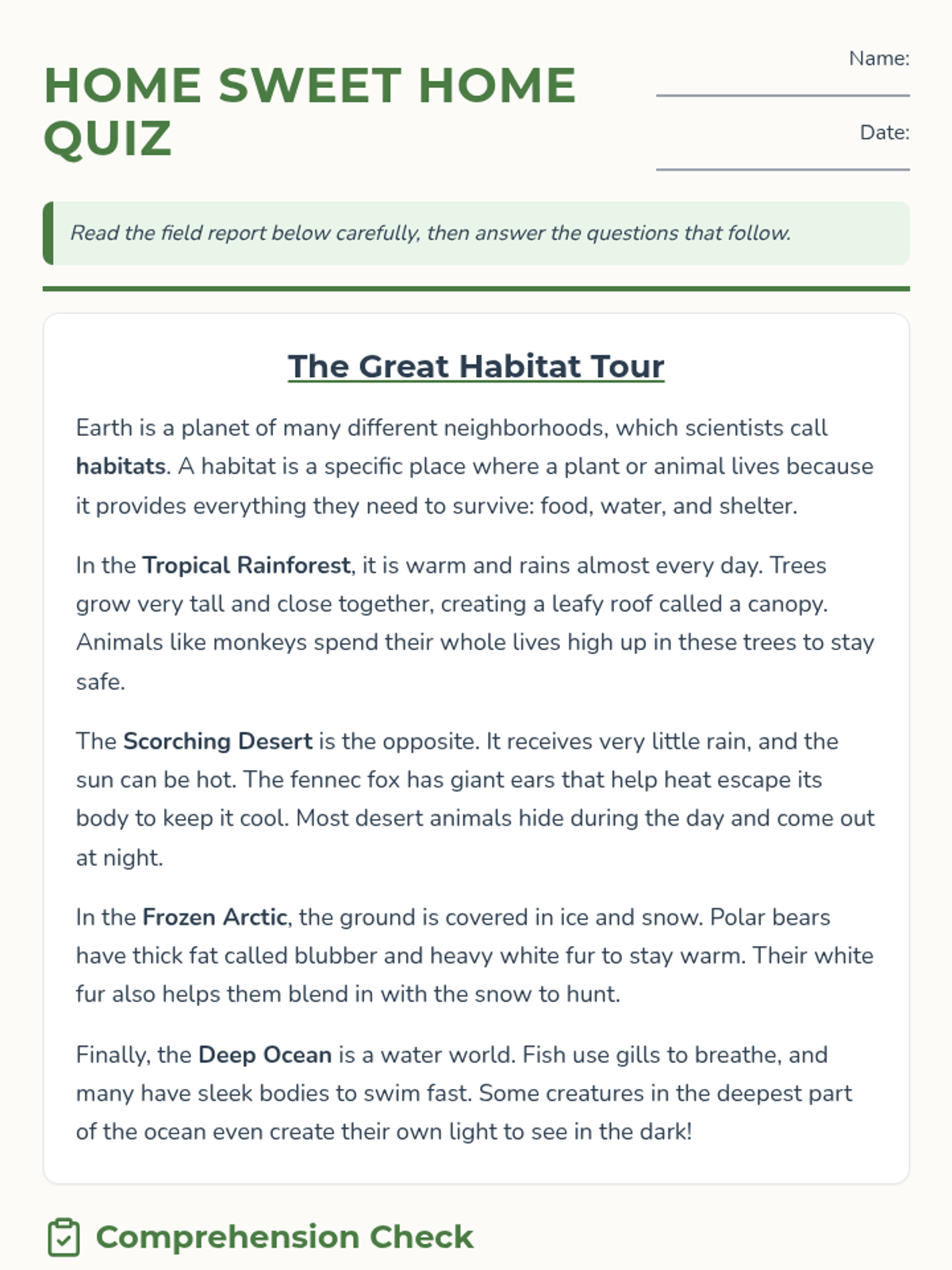
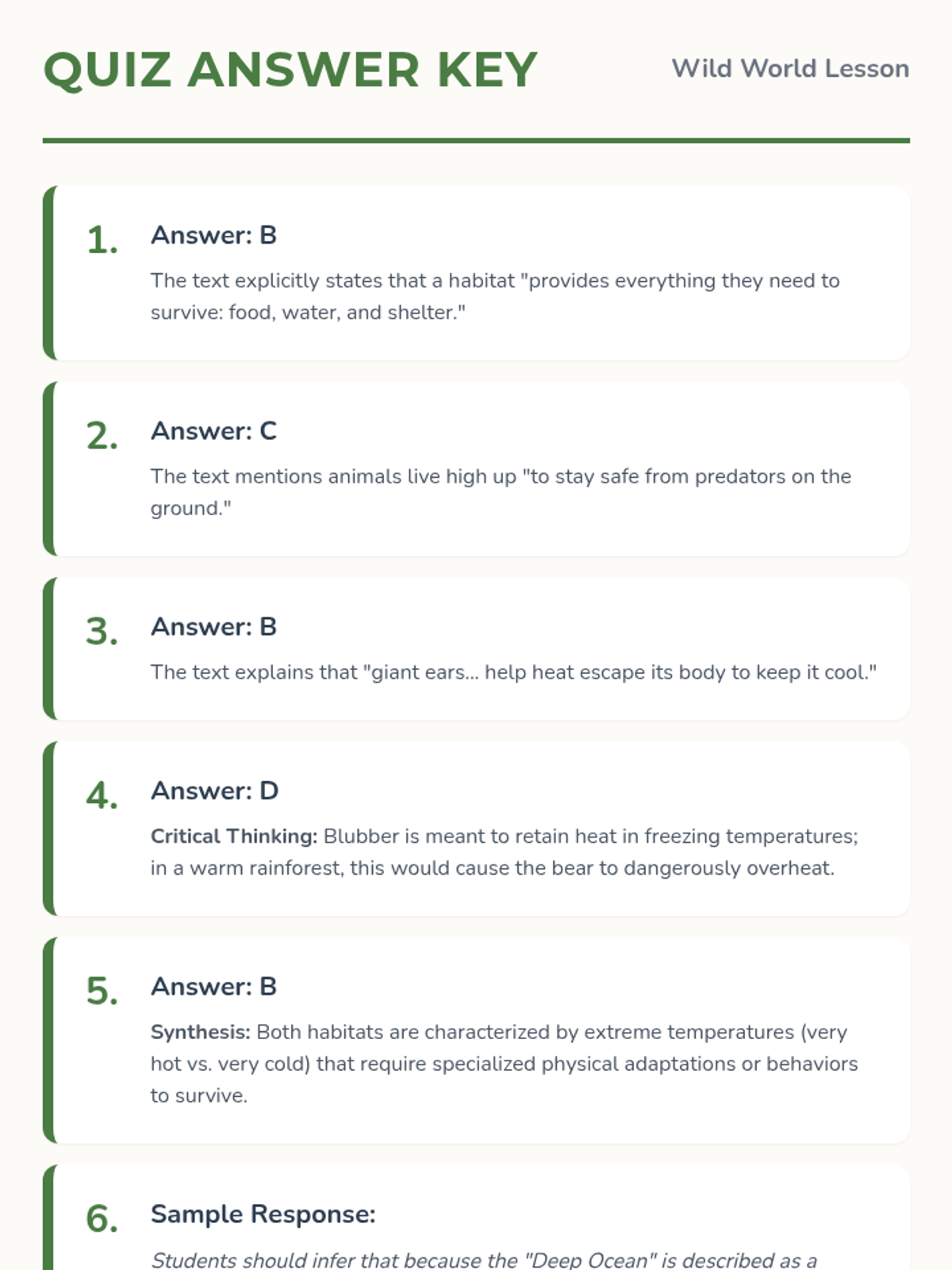
Students explore the diverse ecosystems of our planet through a non-fiction reading passage and an engaging class discussion focused on animal adaptations and survival.
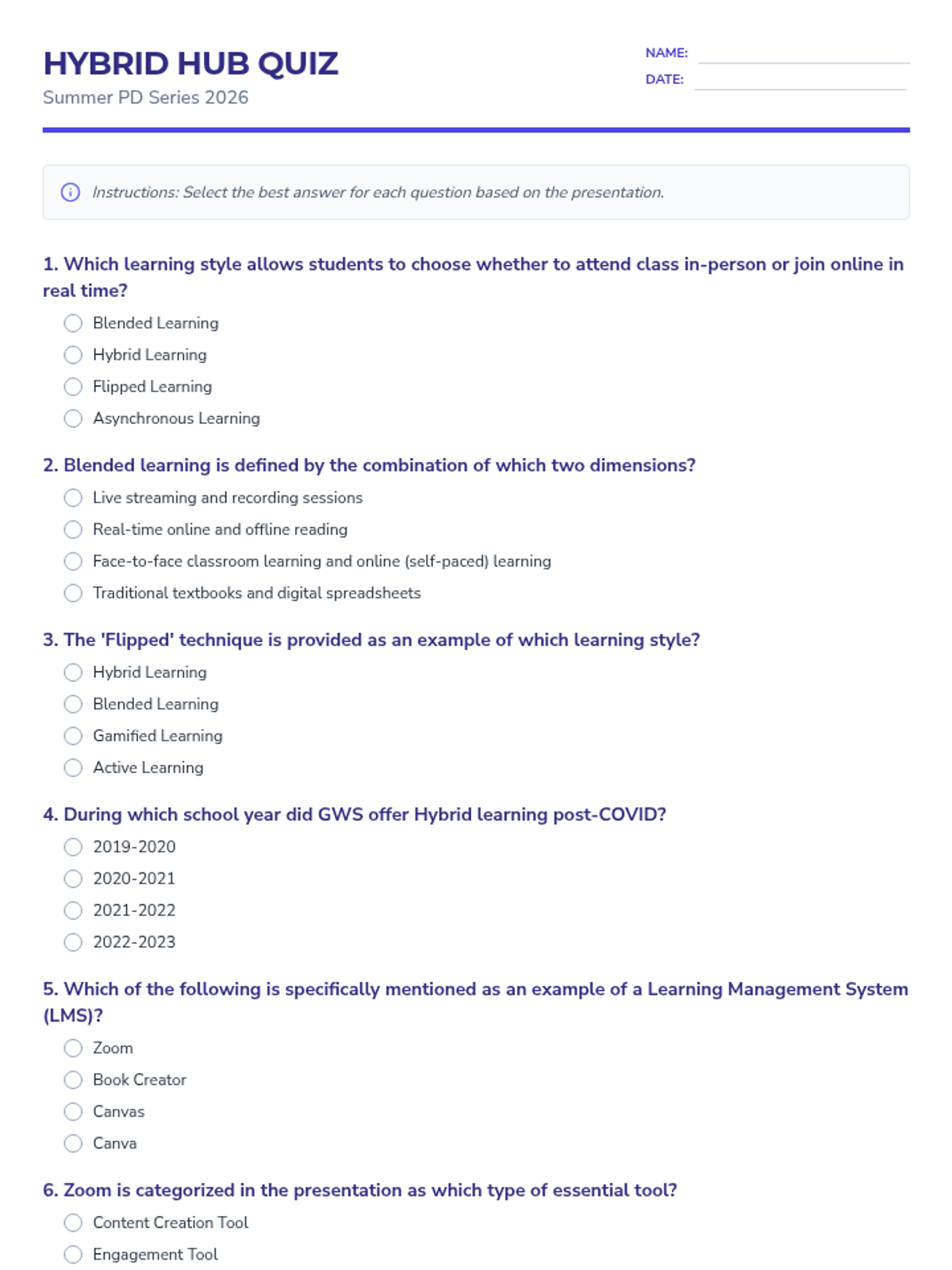
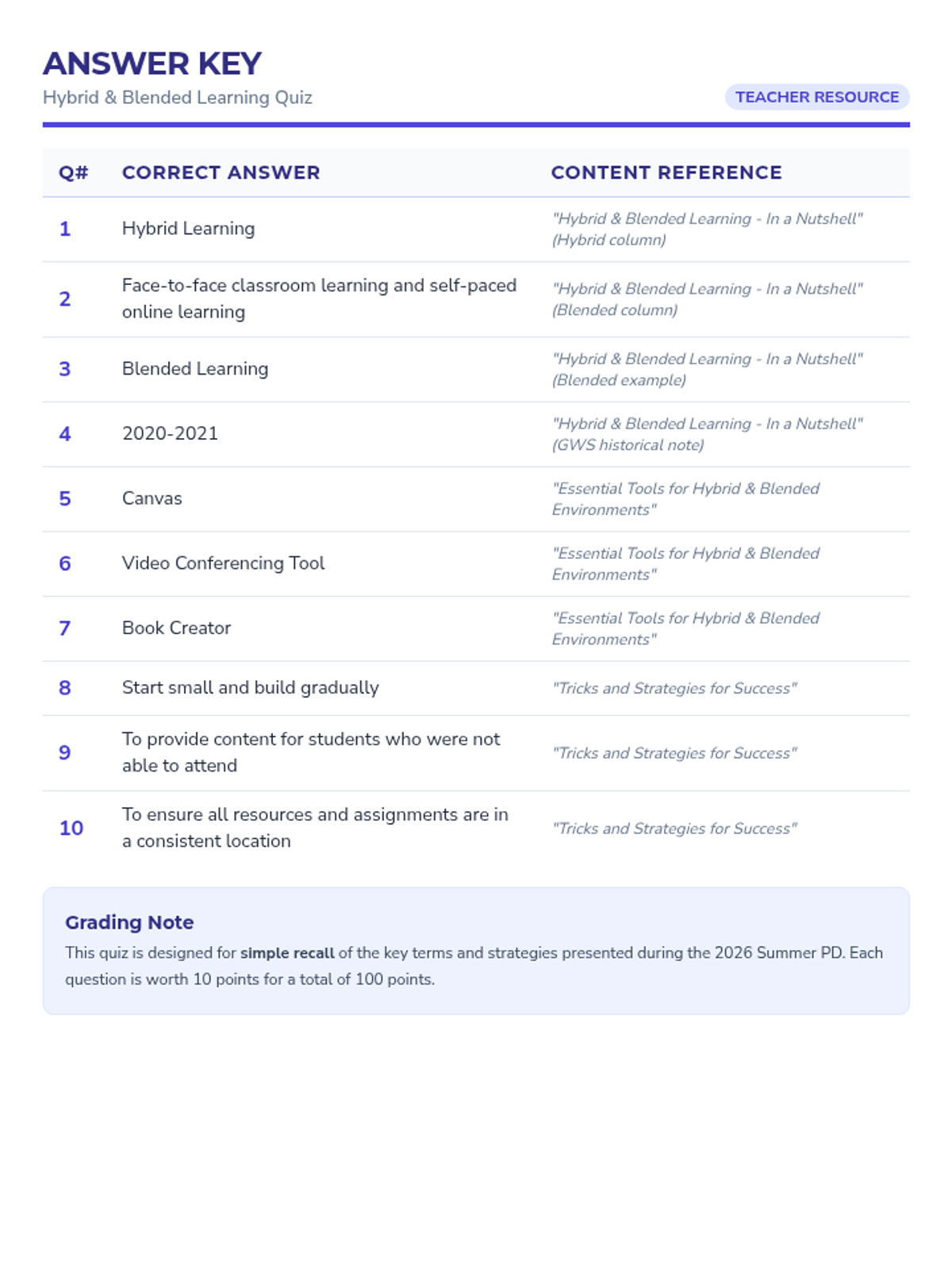
A professional development assessment designed to evaluate understanding of the differences between hybrid and blended learning models, essential tools, and instructional strategies.
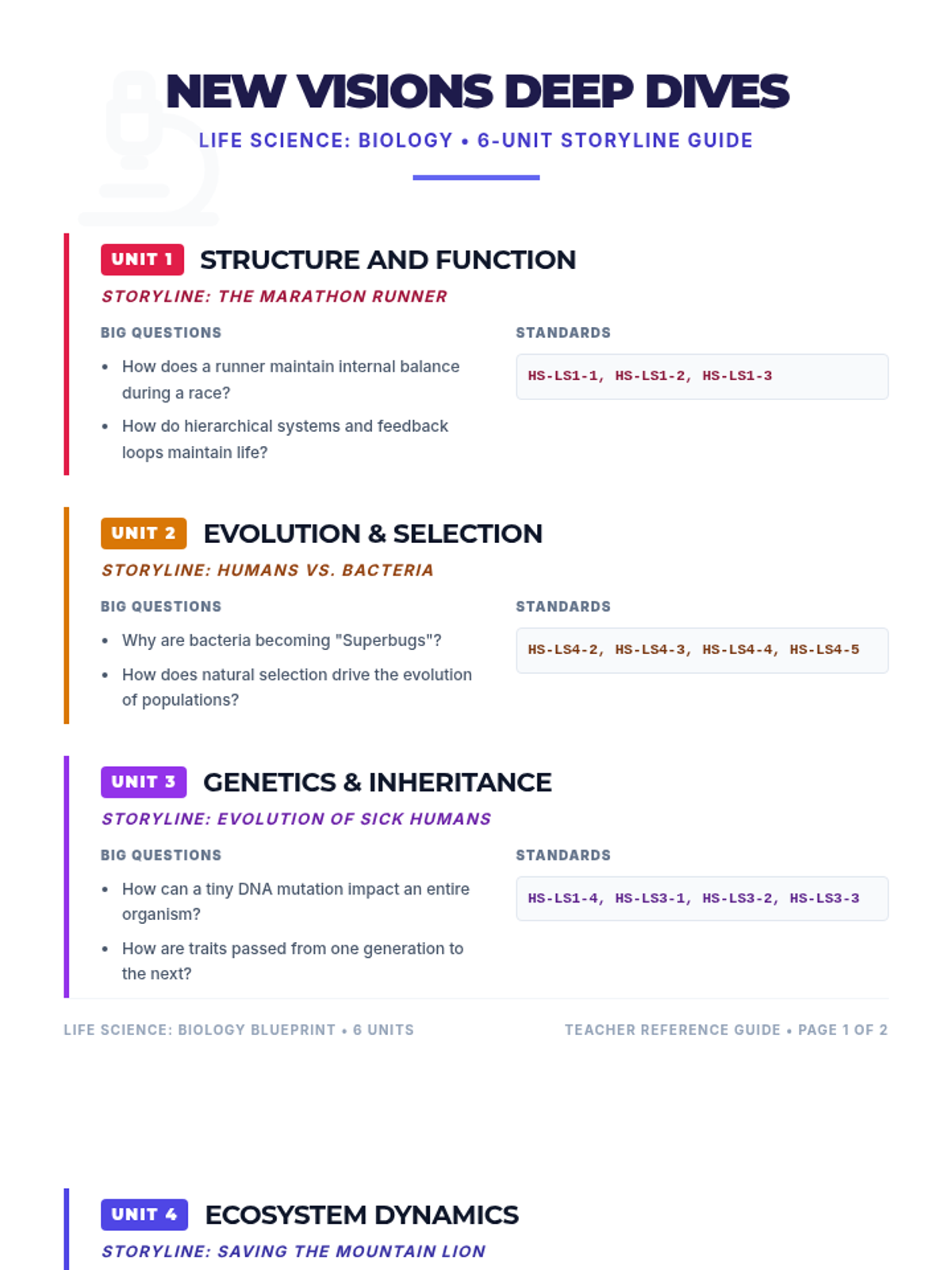
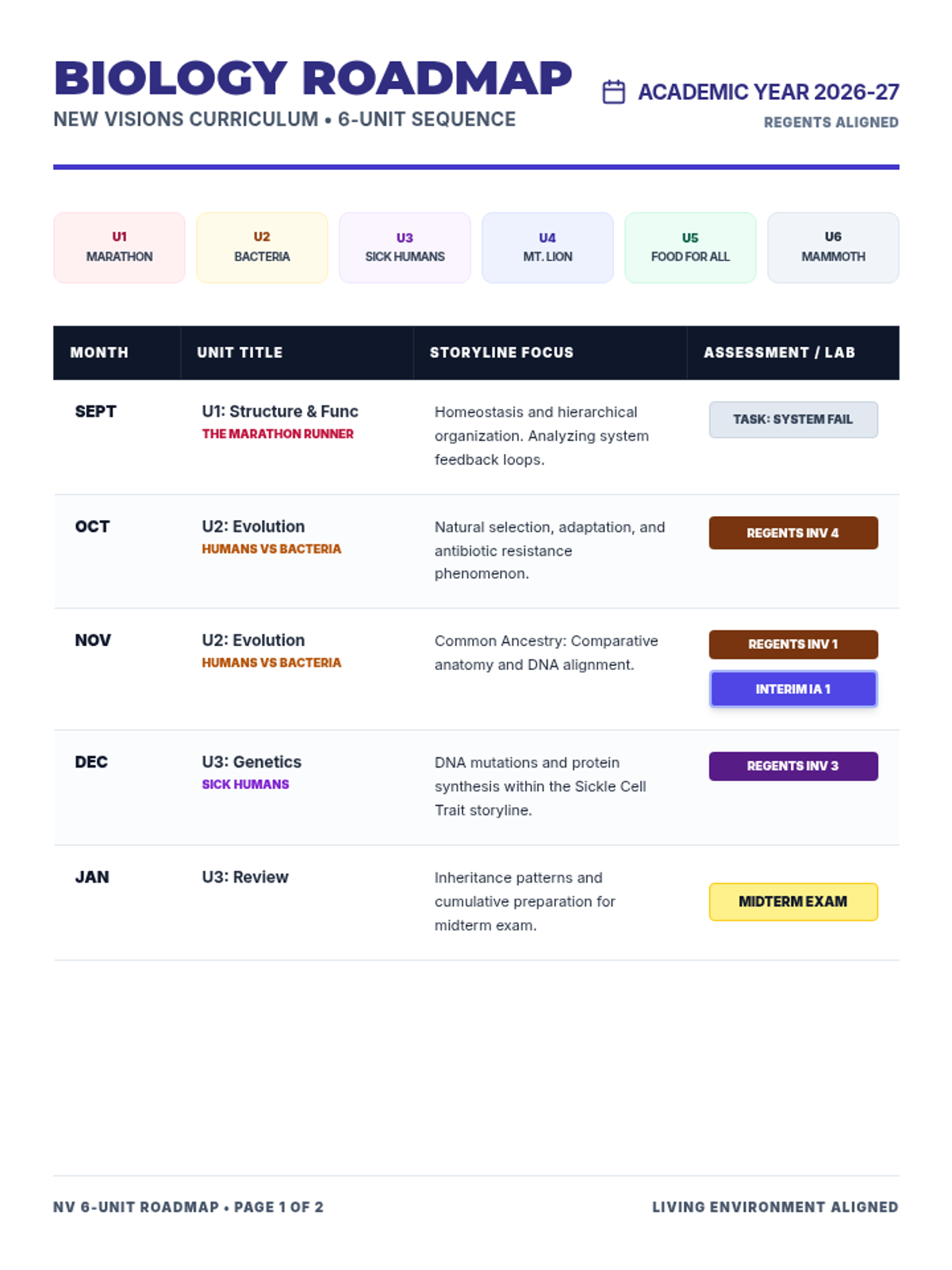
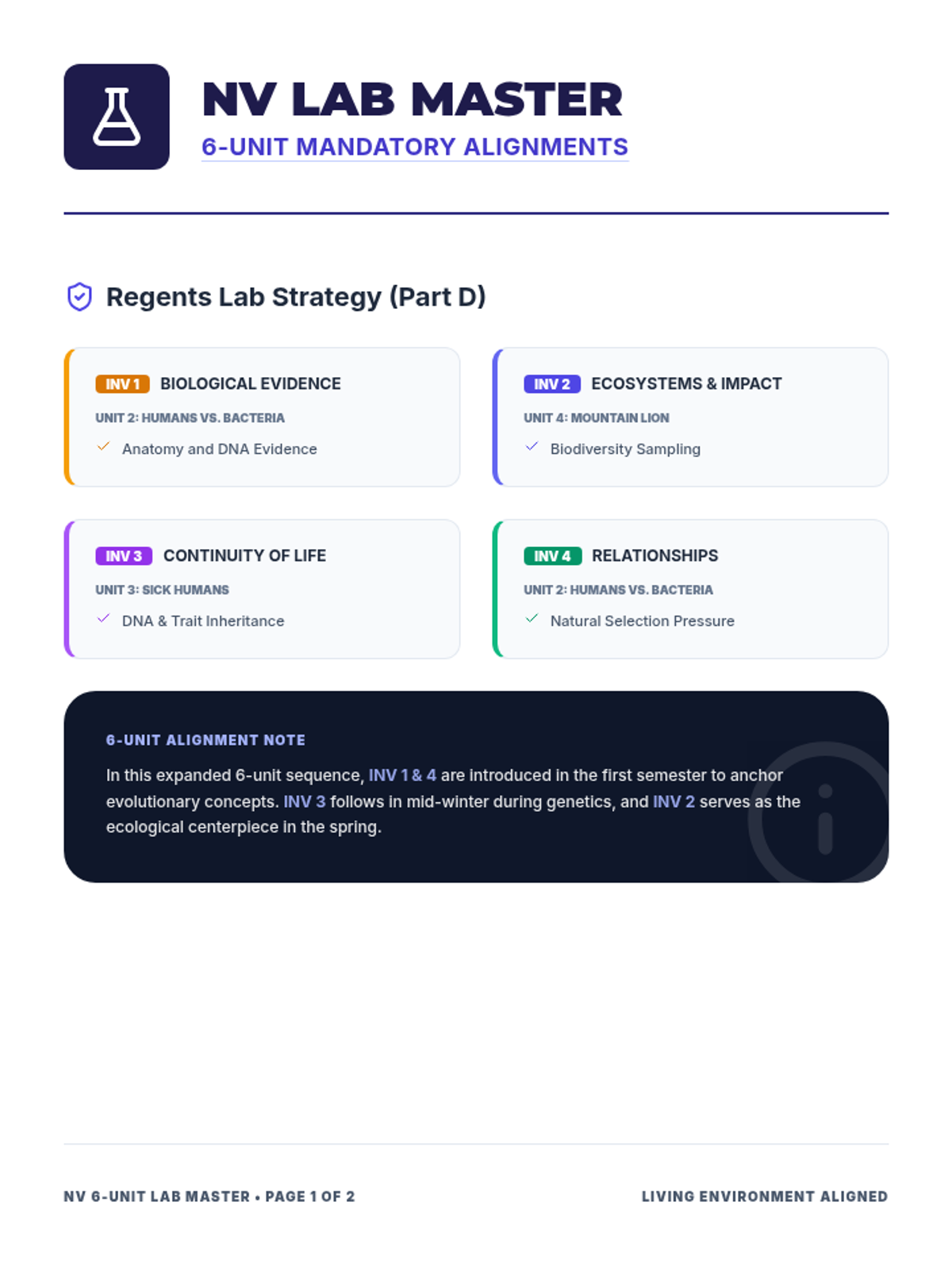
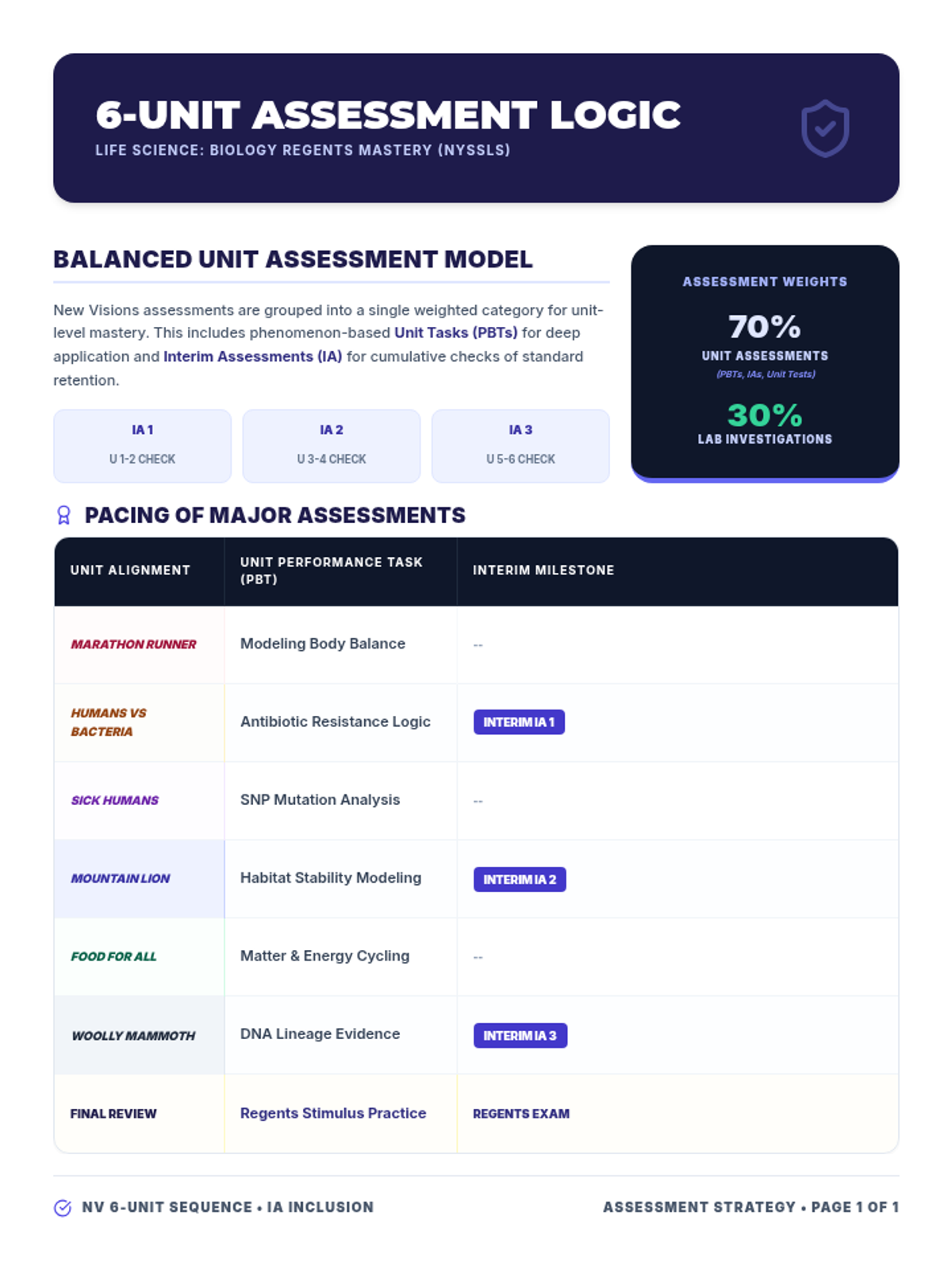
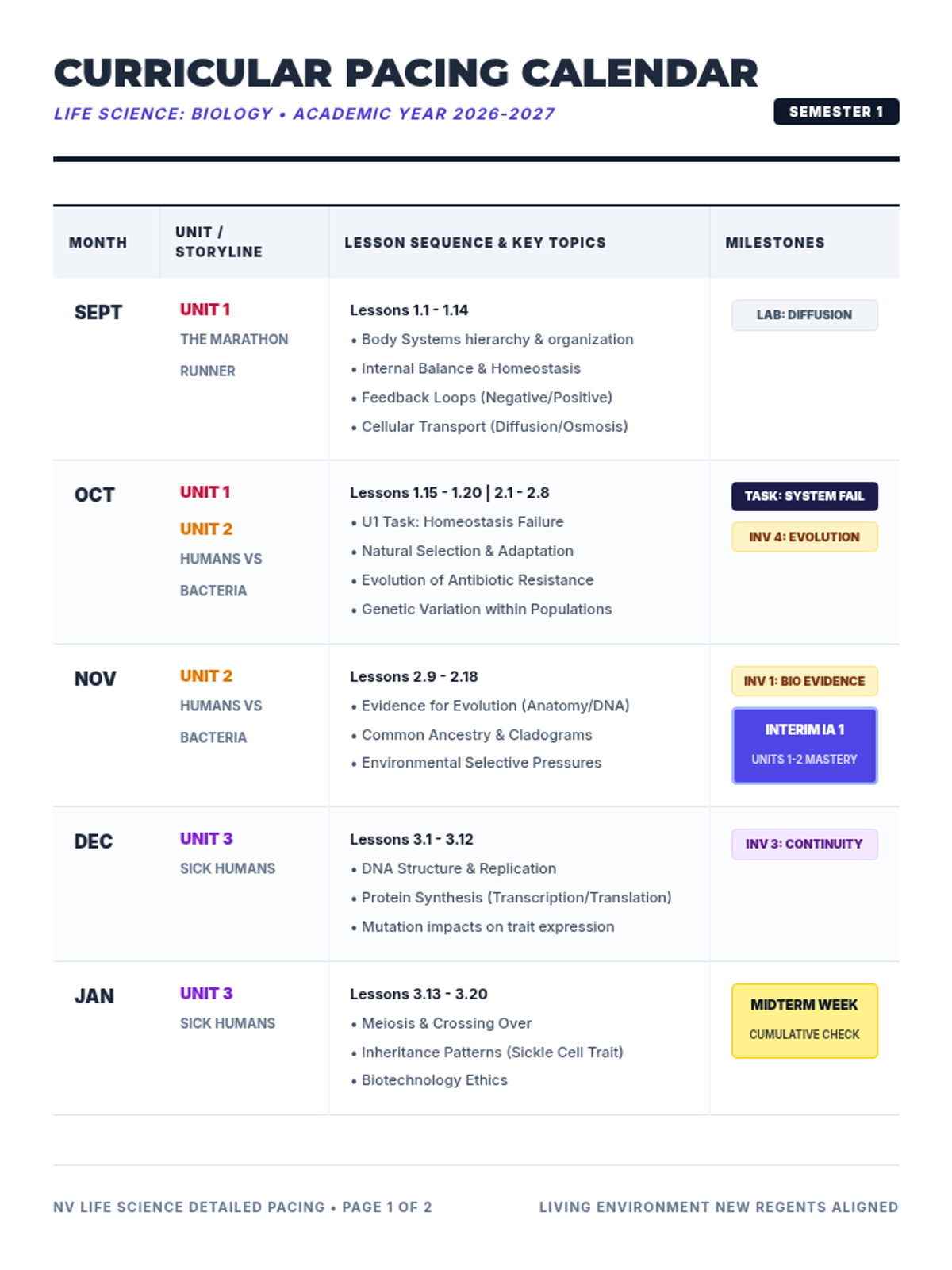
The foundational planning materials for the full-year Life Science: Biology curriculum, providing a high-level roadmap and detailed unit breakdowns.
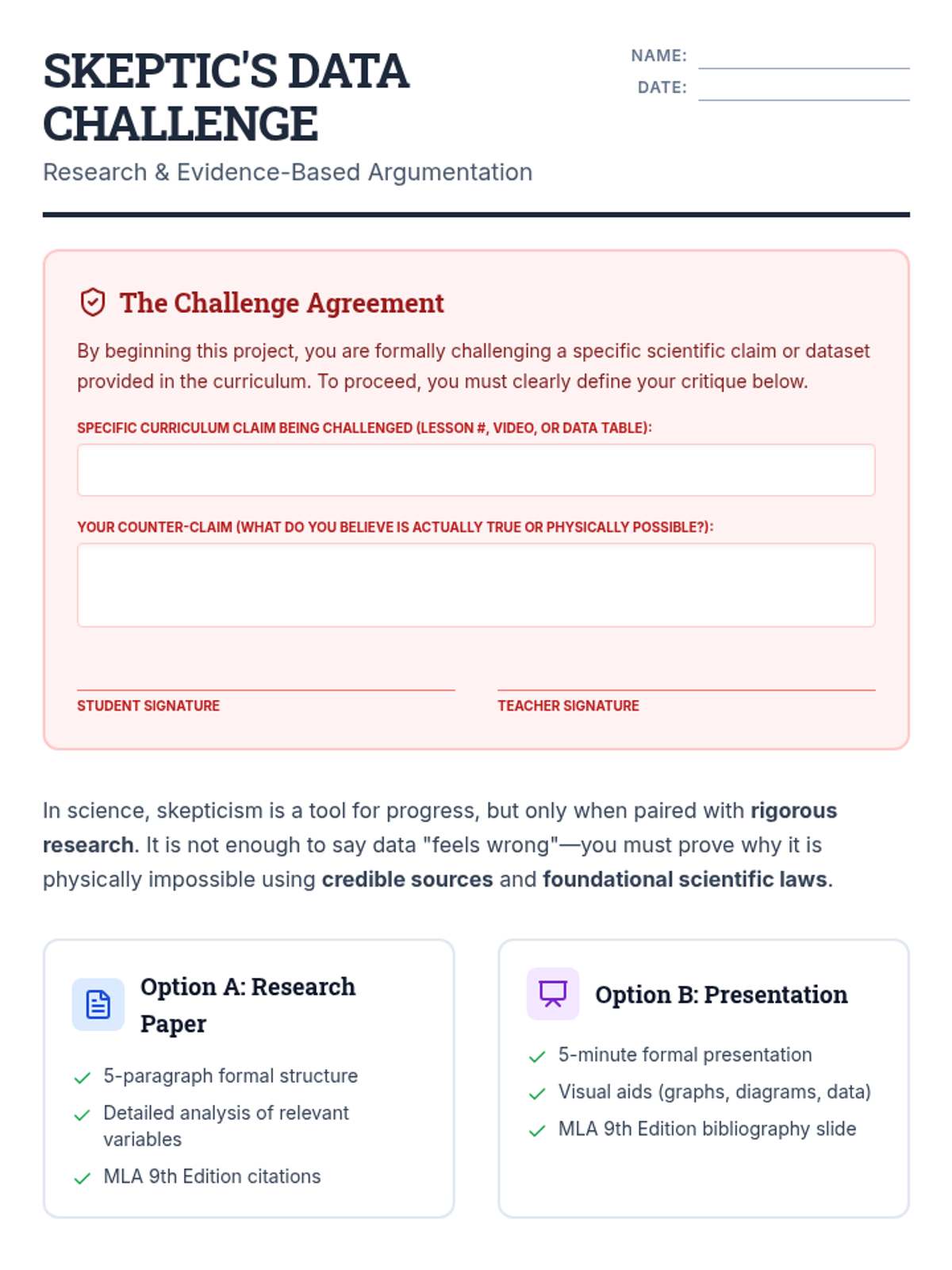
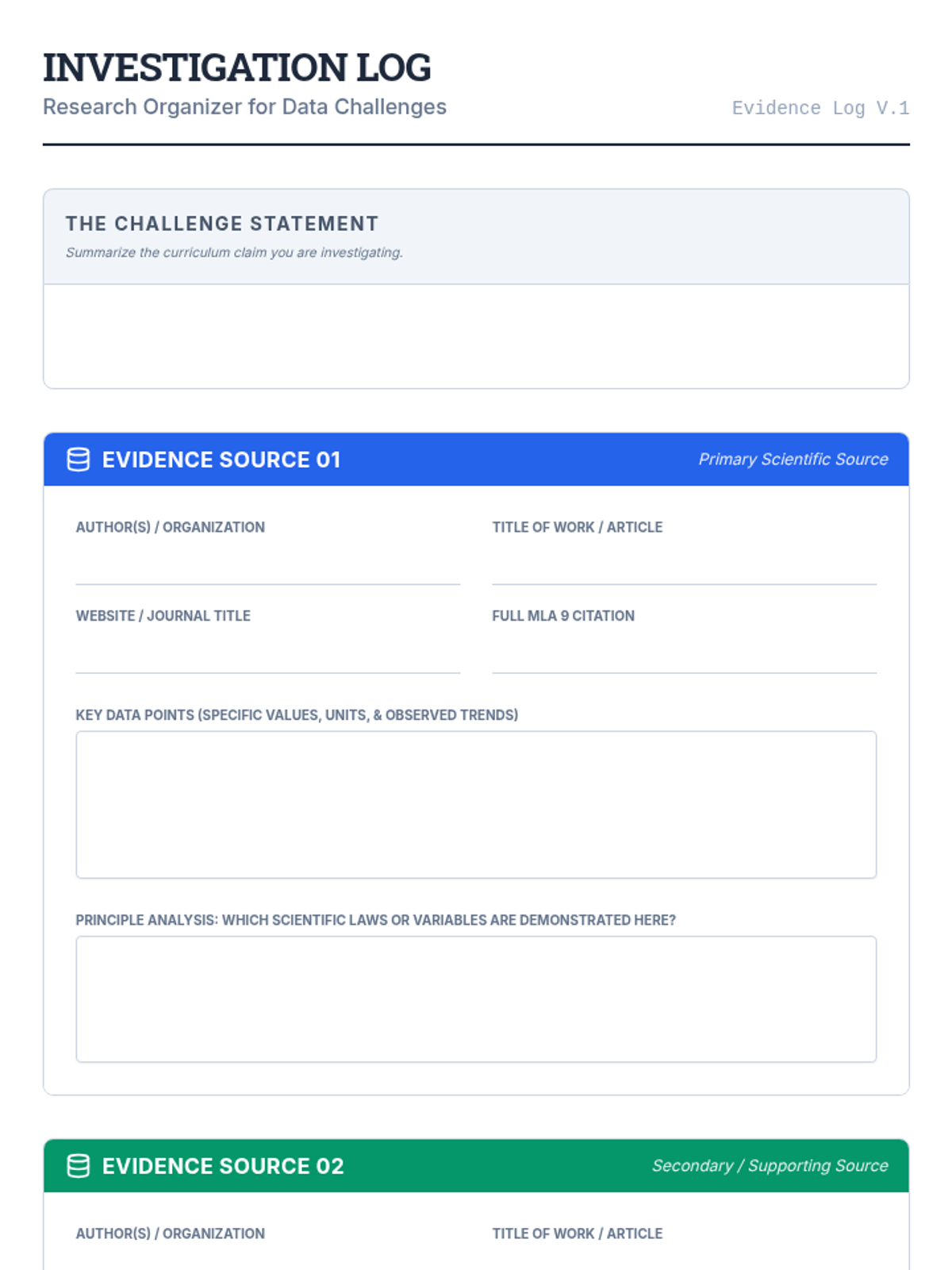
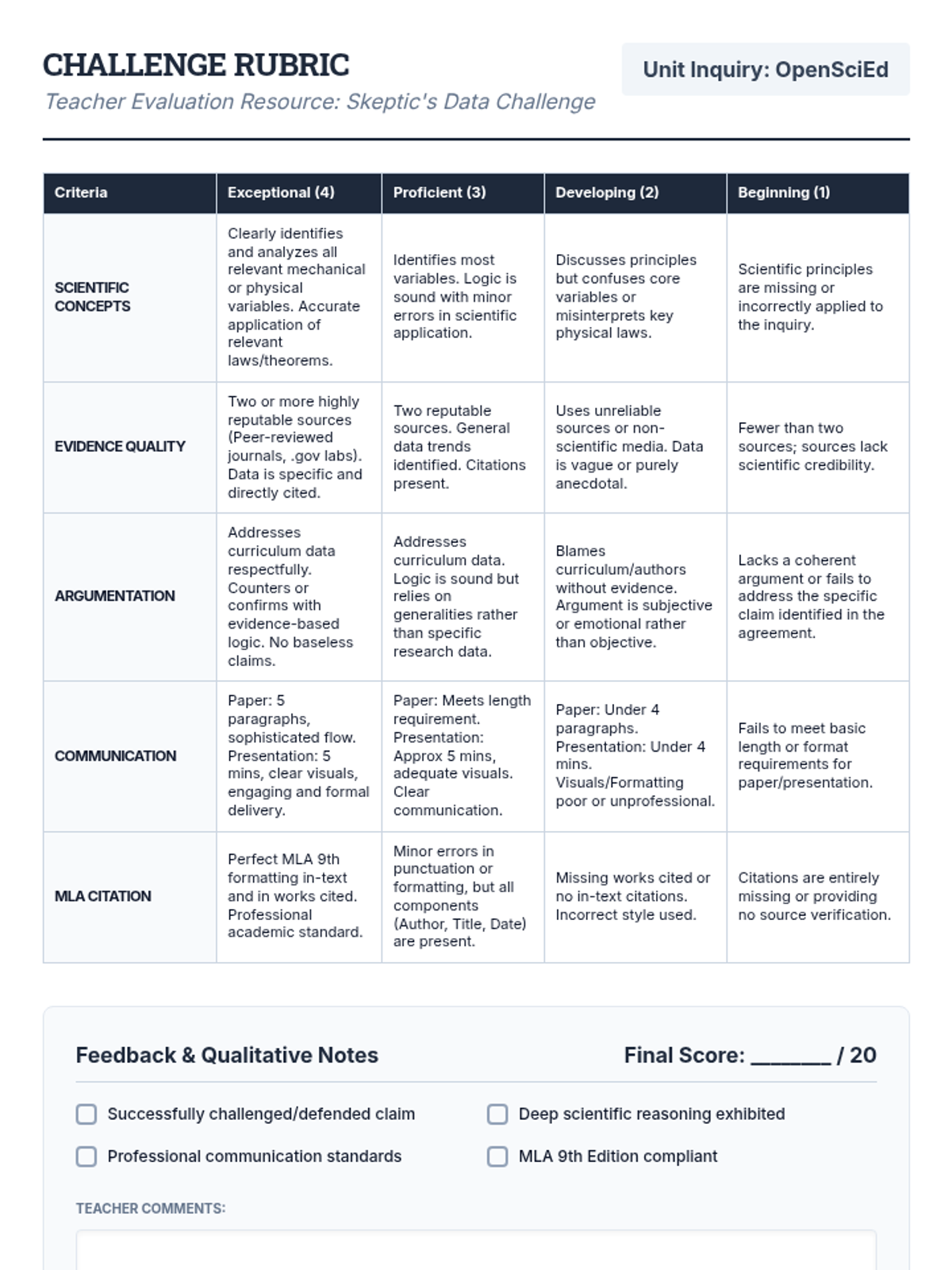
An optional enrichment lesson for students to investigate curriculum data through formal research and evidence-based argumentation, honoring scientific inquiry and rigorous data validation.
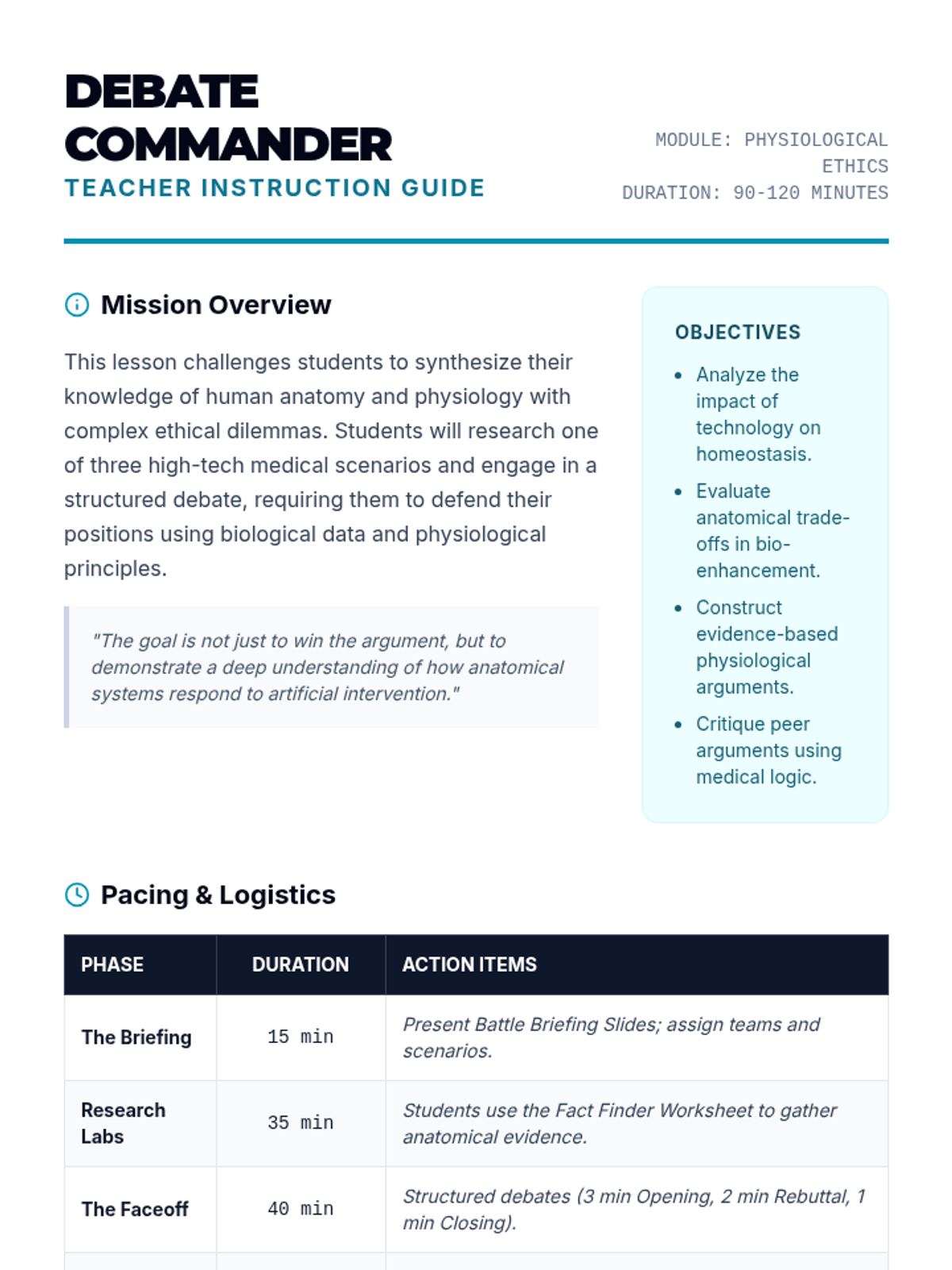
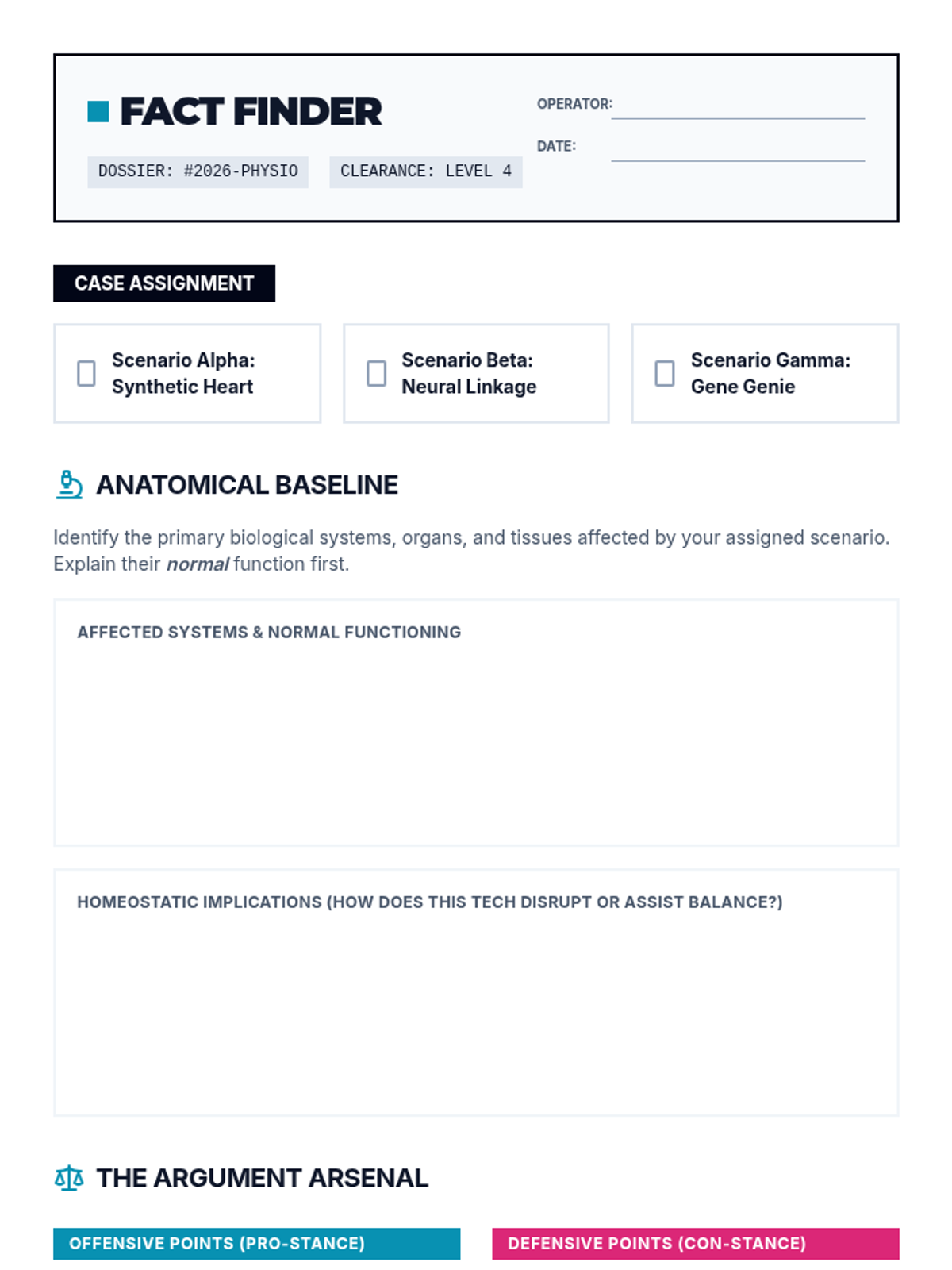
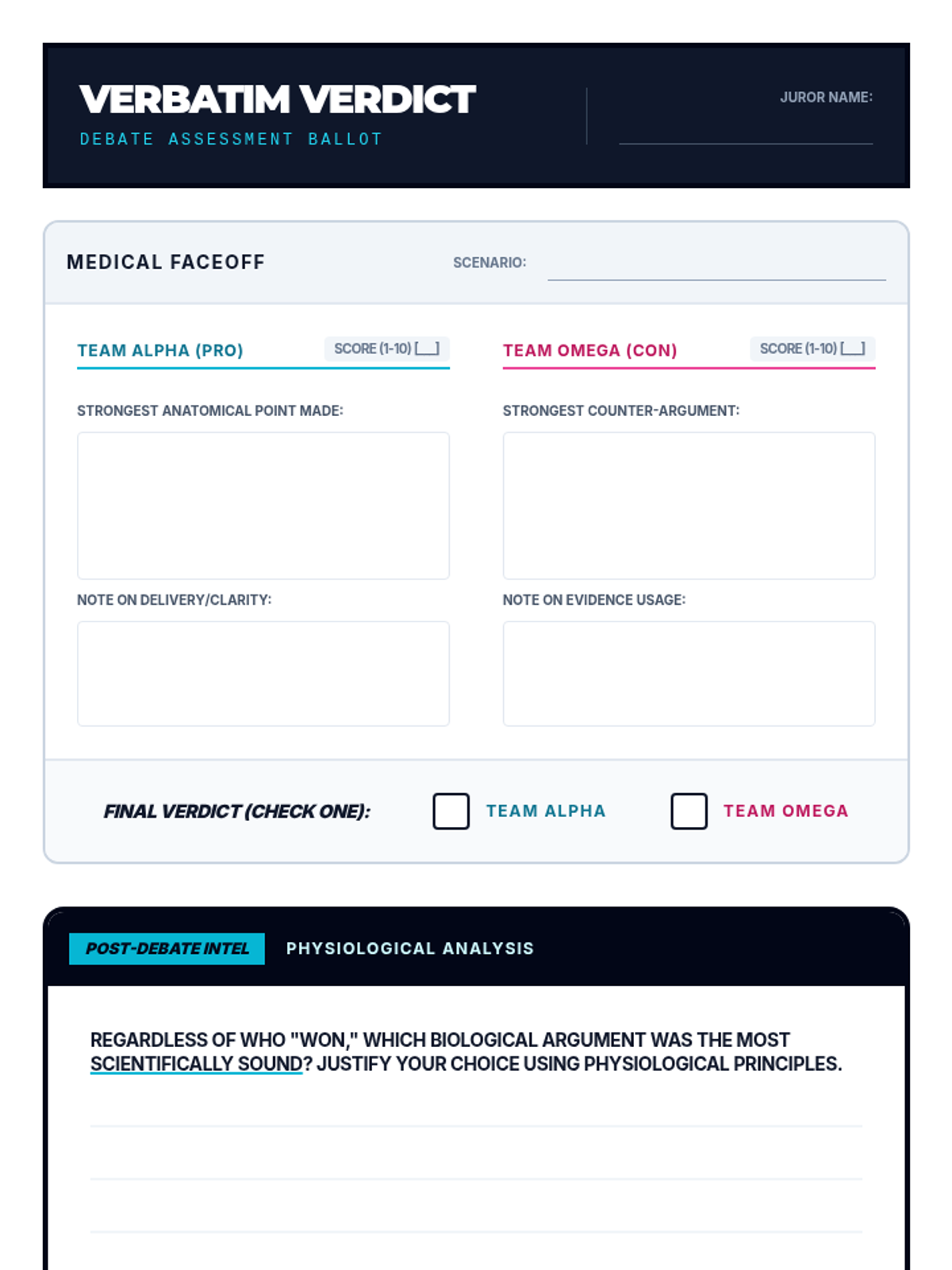
A high-stakes debate lesson where students explore the ethical and physiological implications of human bio-enhancement and medical technology.
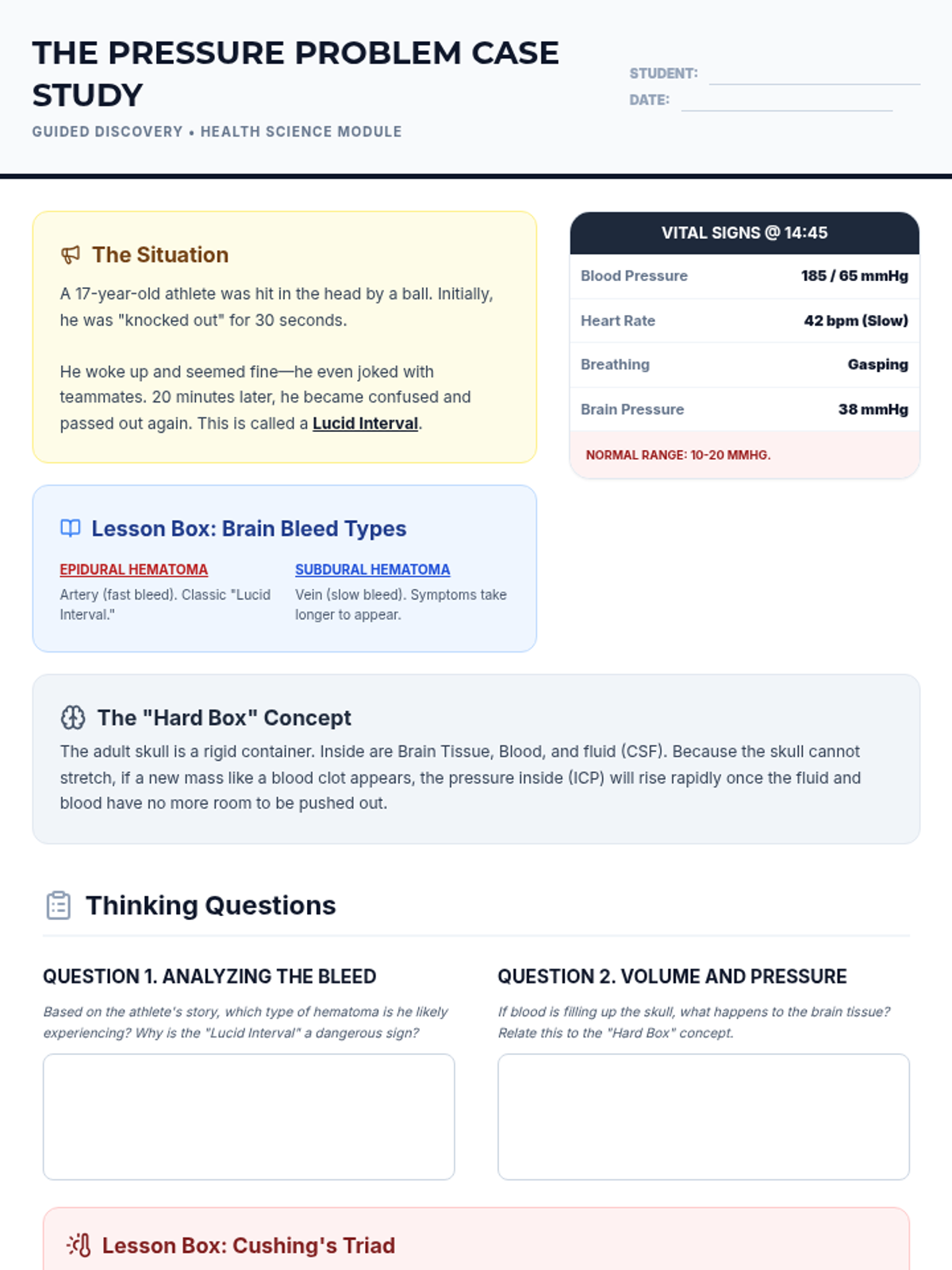
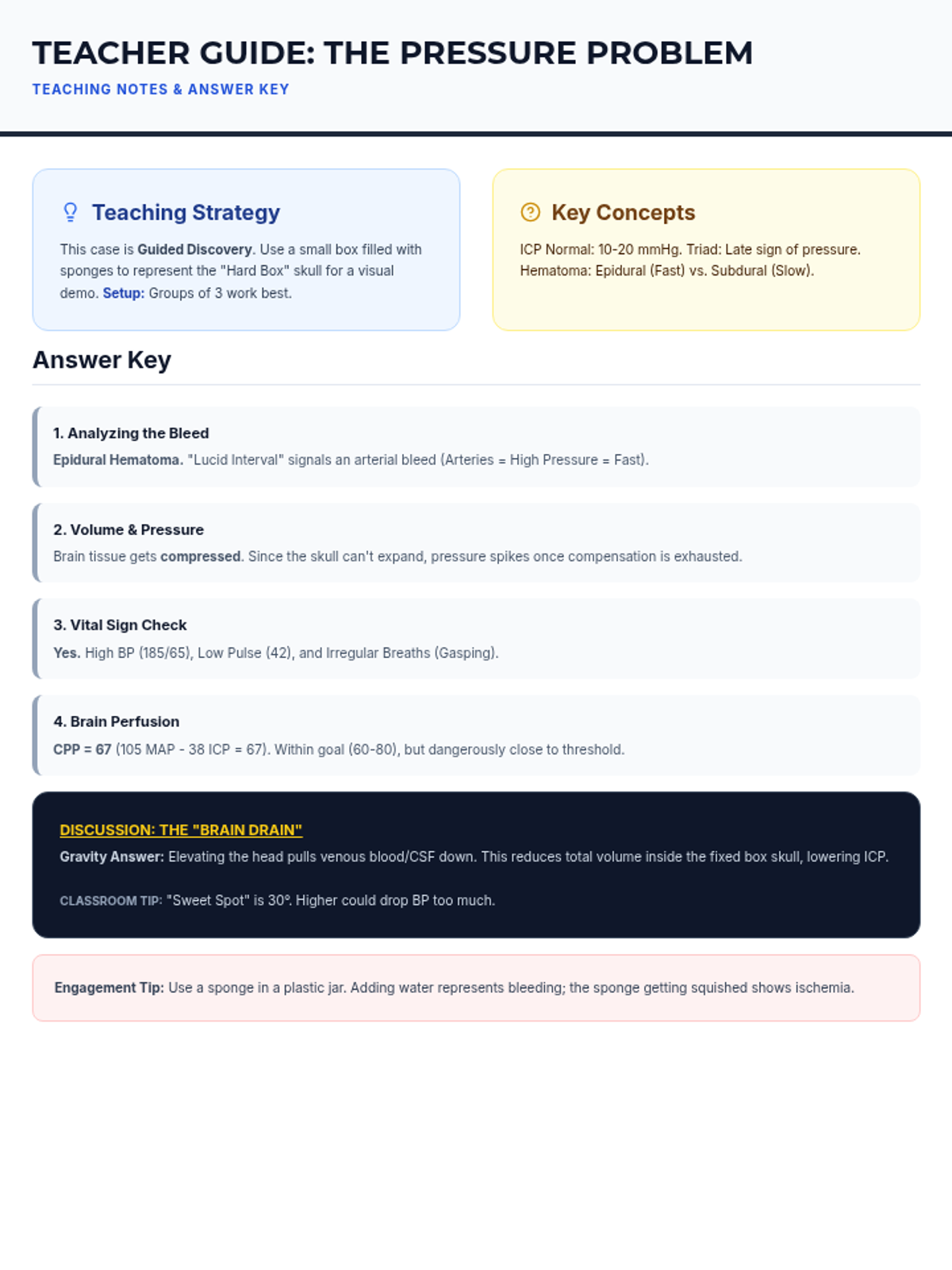
A health-science focused lesson on the anatomy, physiology, and clinical implications of increased intracranial pressure, featuring the Monro-Kellie doctrine and Cushing's Triad.
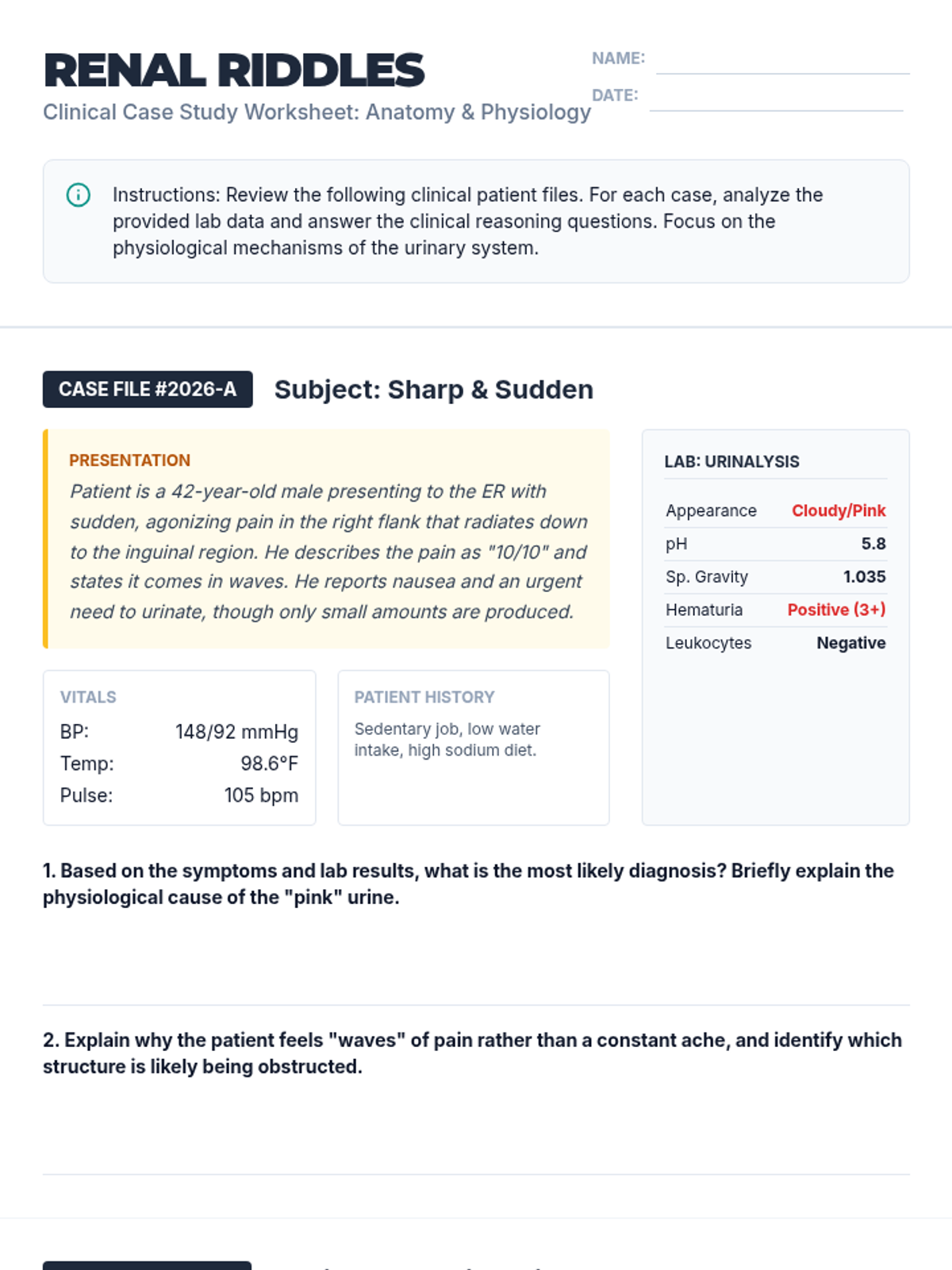
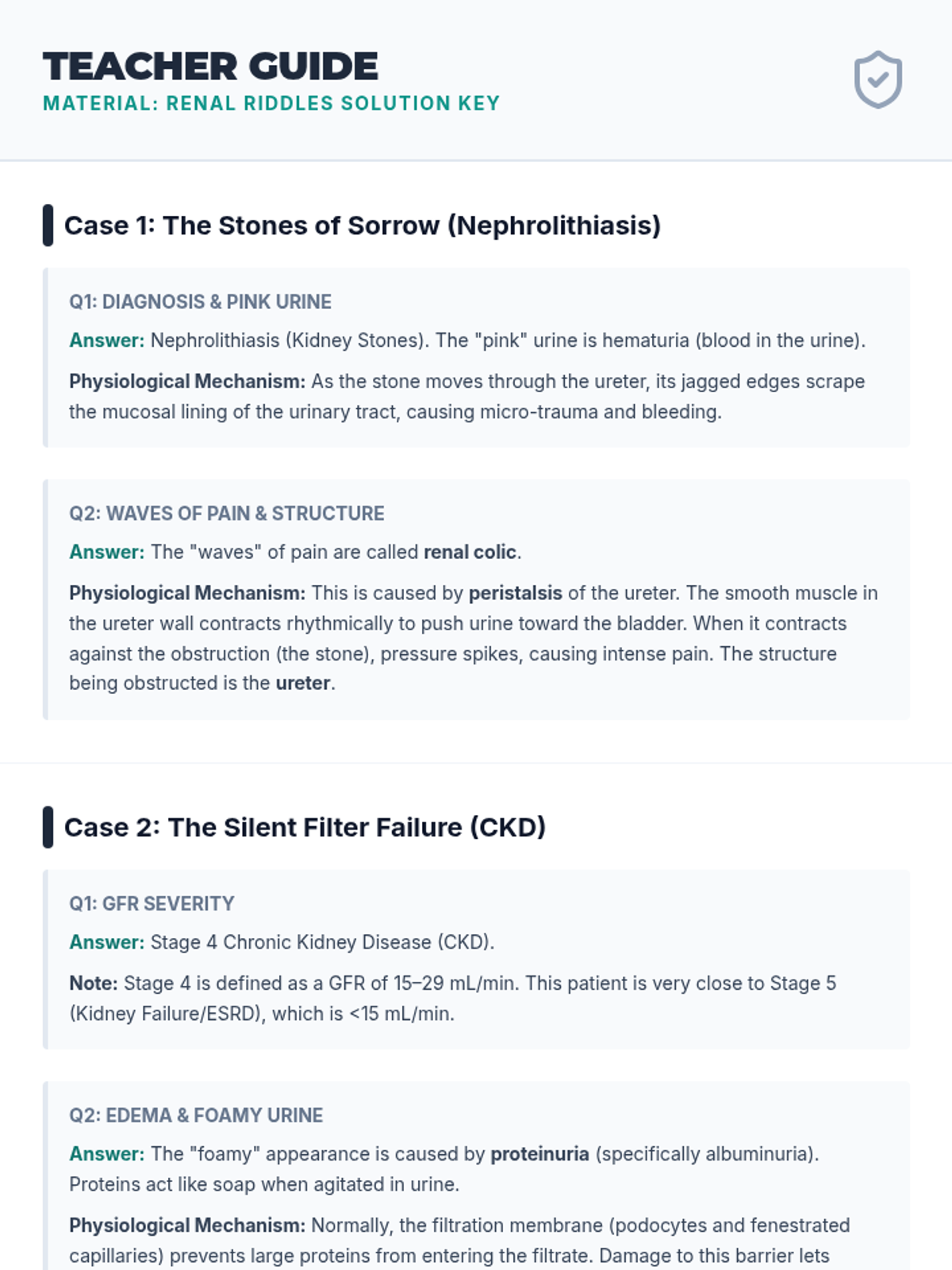
A series of clinical case studies exploring urinary system pathology, diagnostic testing, and physiological principles for advanced Anatomy & Physiology students.
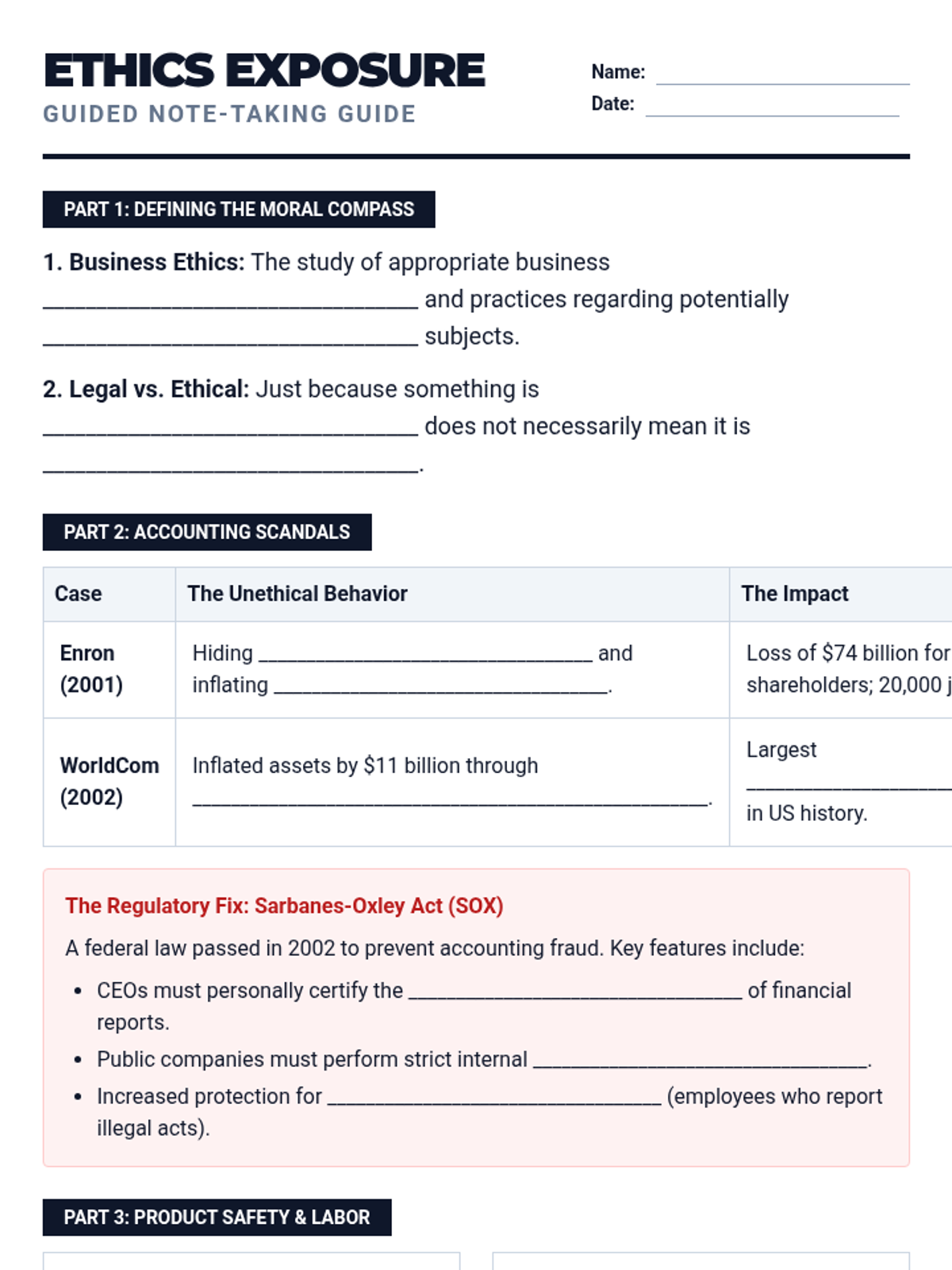
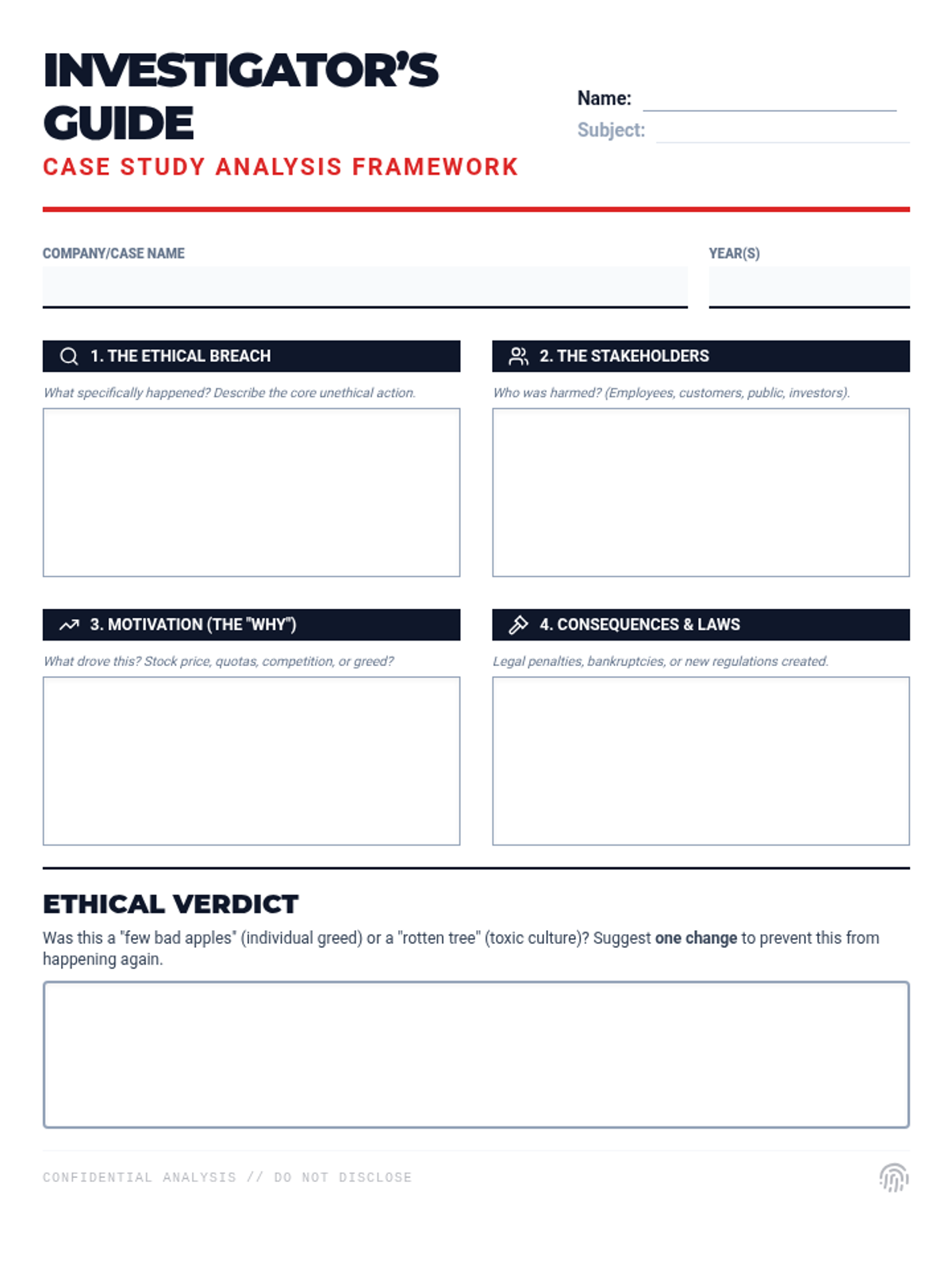
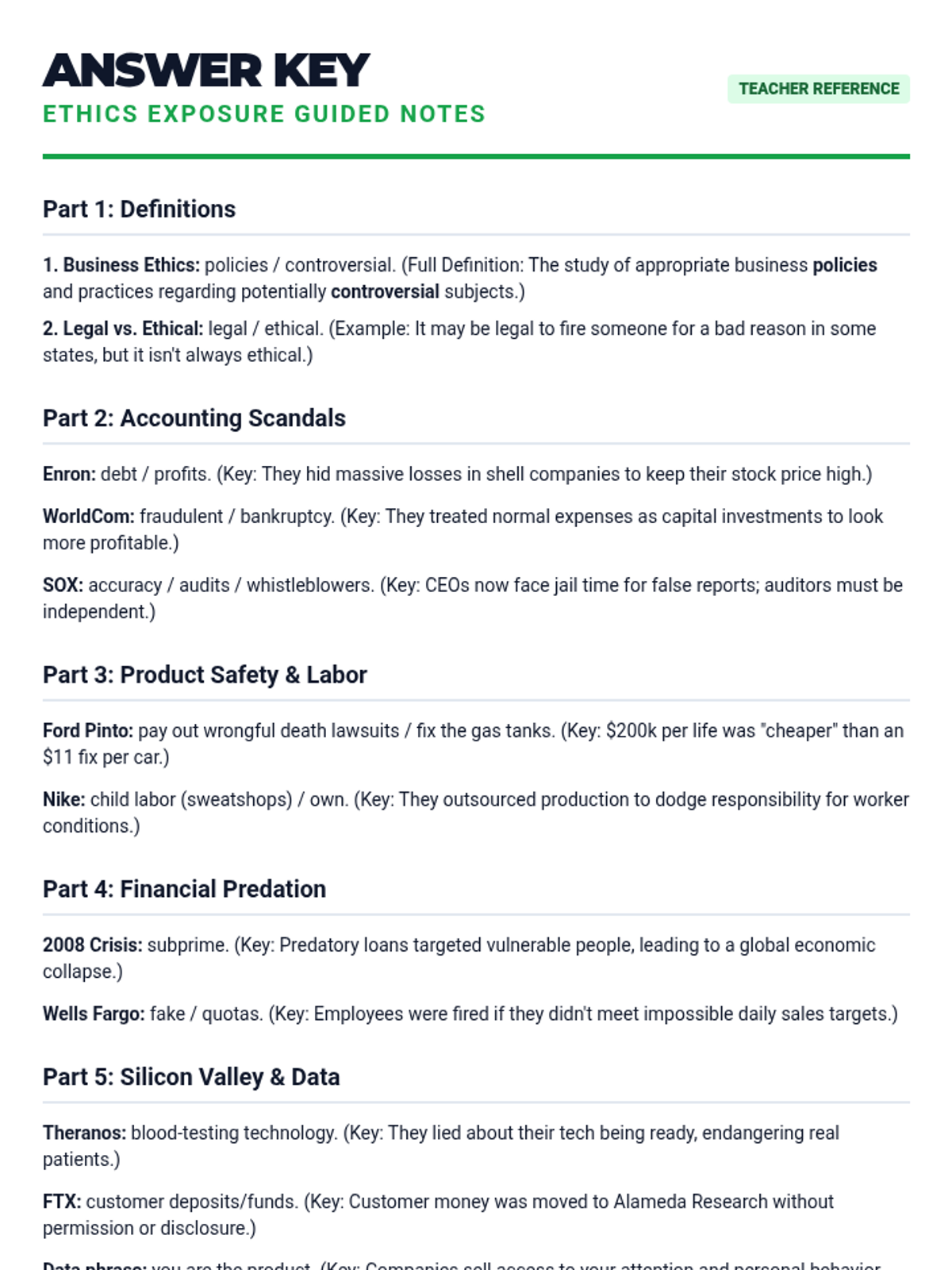
An introductory lesson on business ethics, covering major historical scandals, regulatory responses, and modern ethical dilemmas in the corporate world.
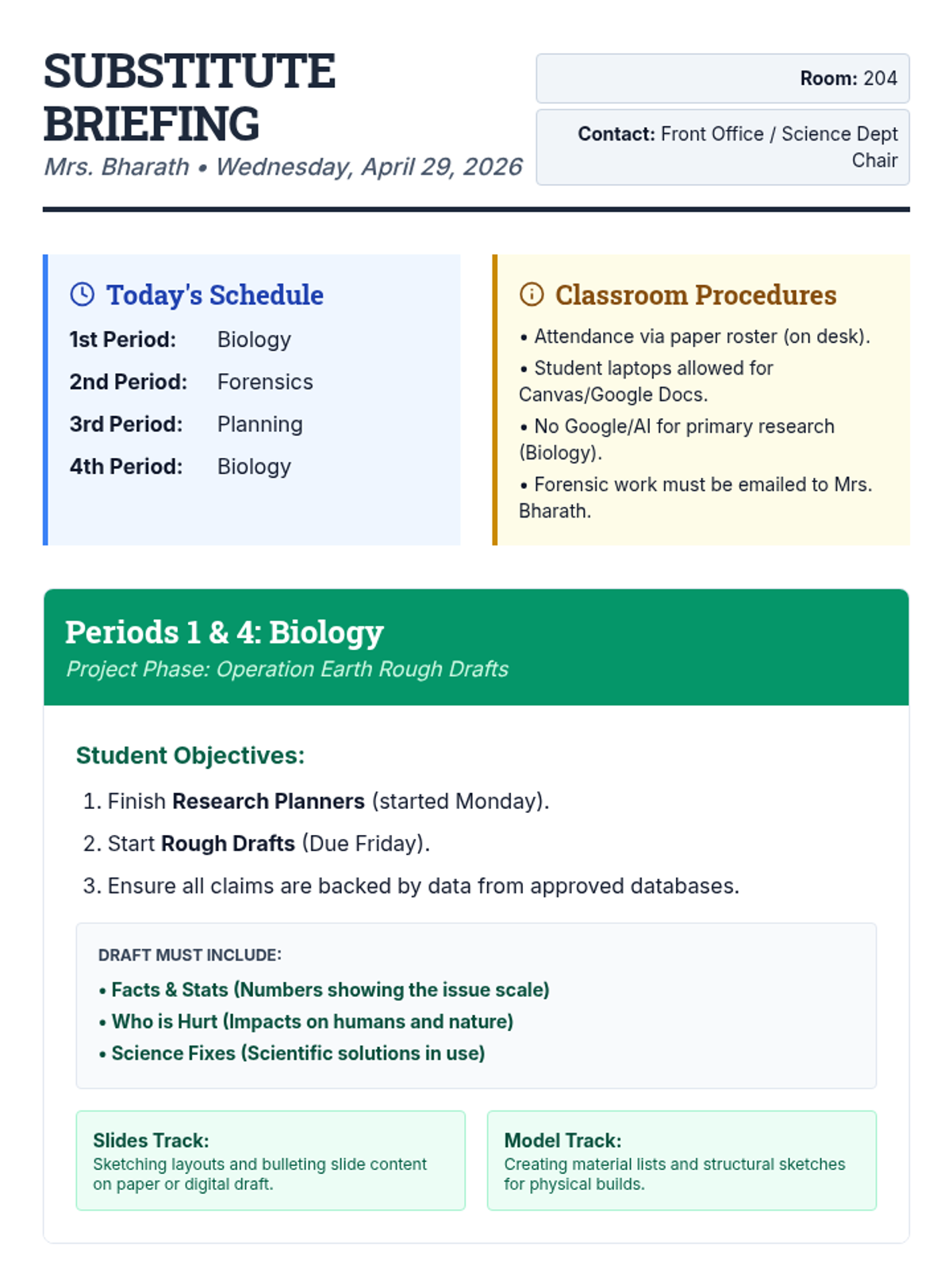
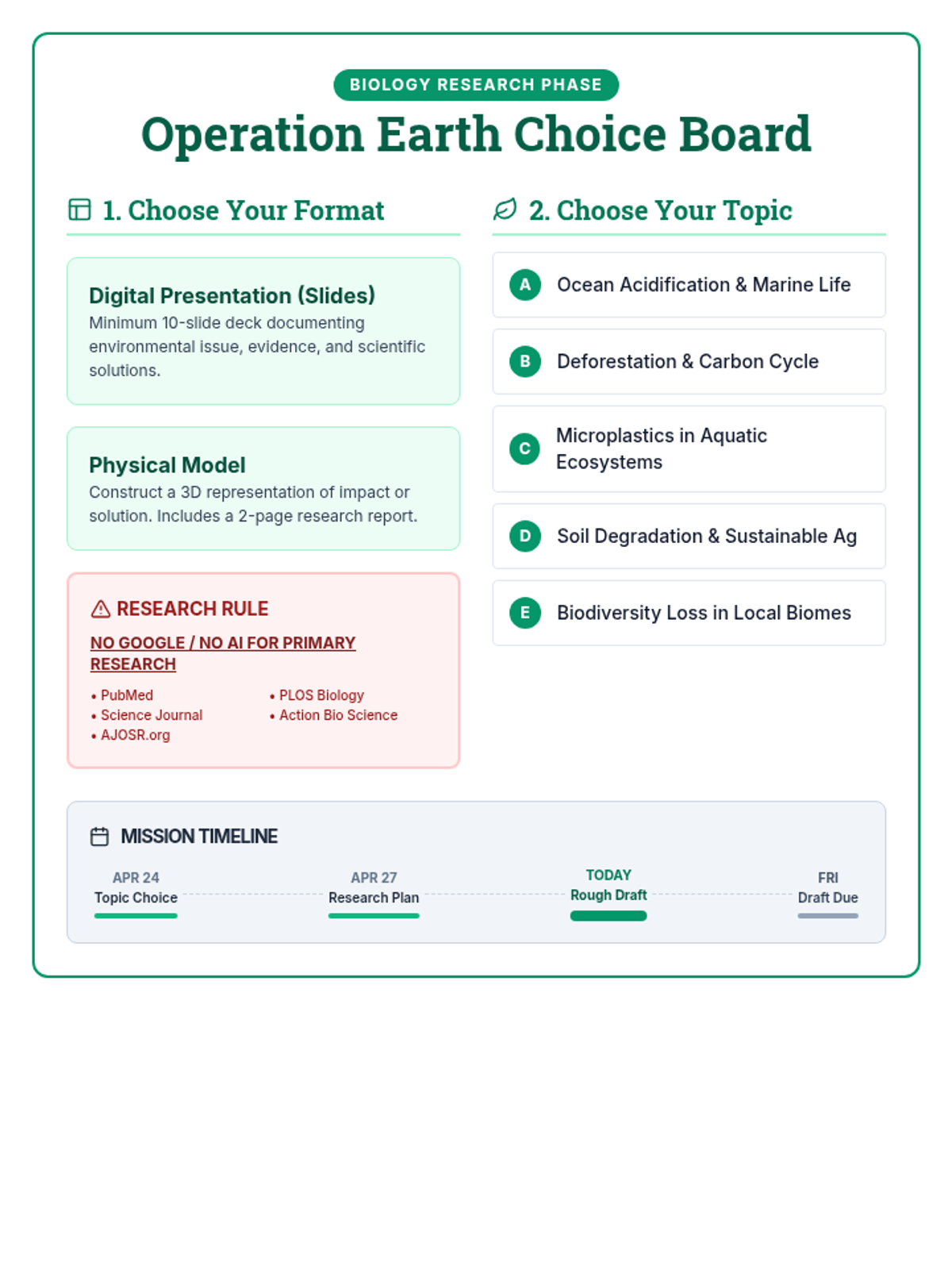
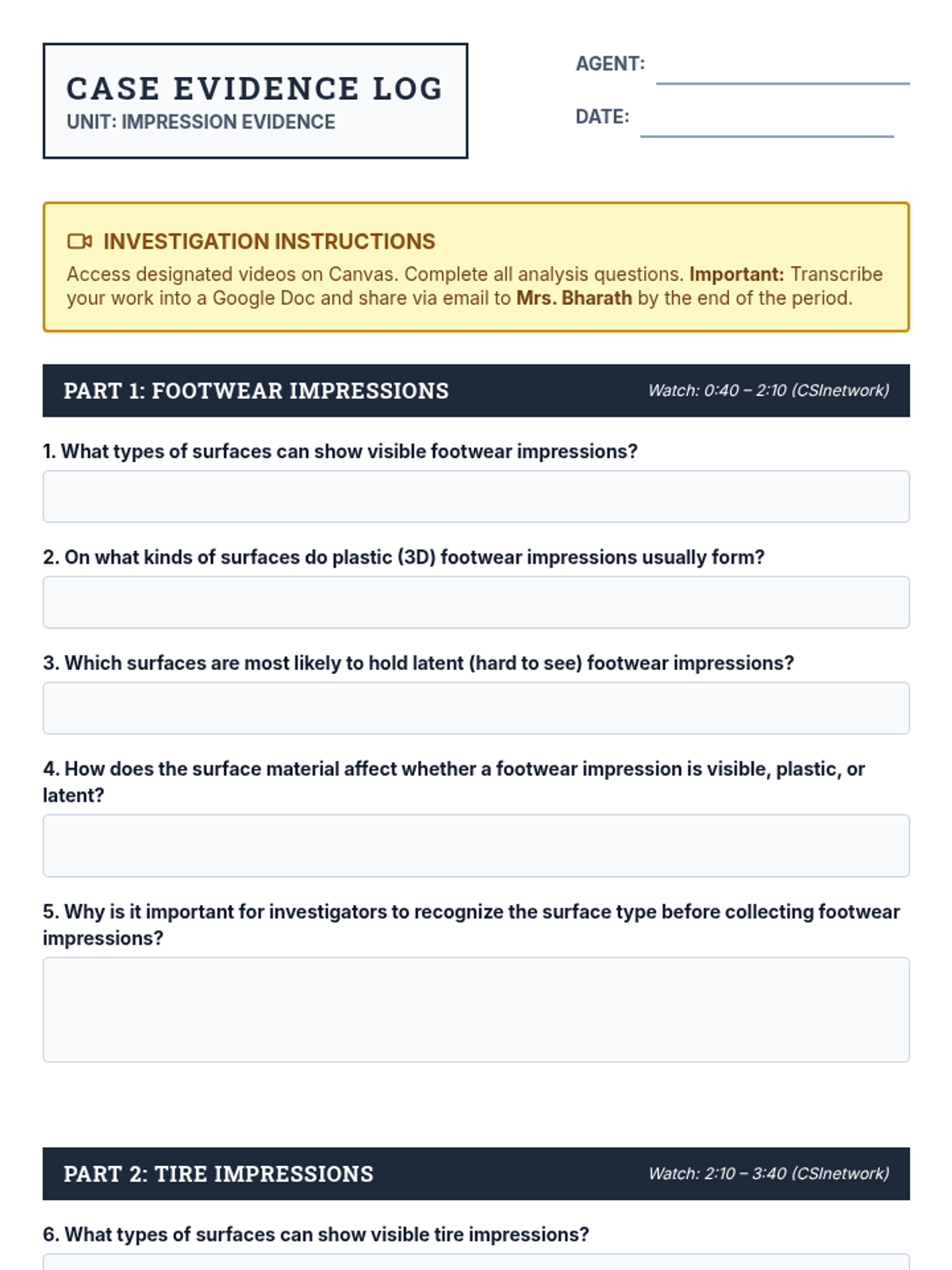
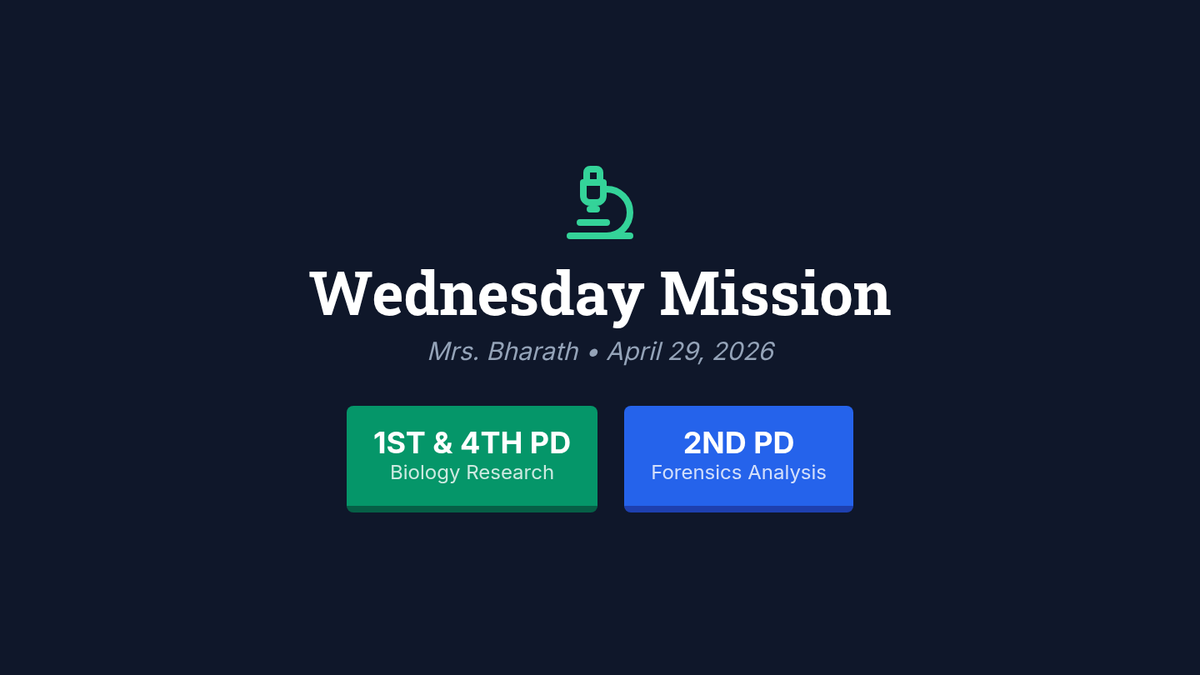
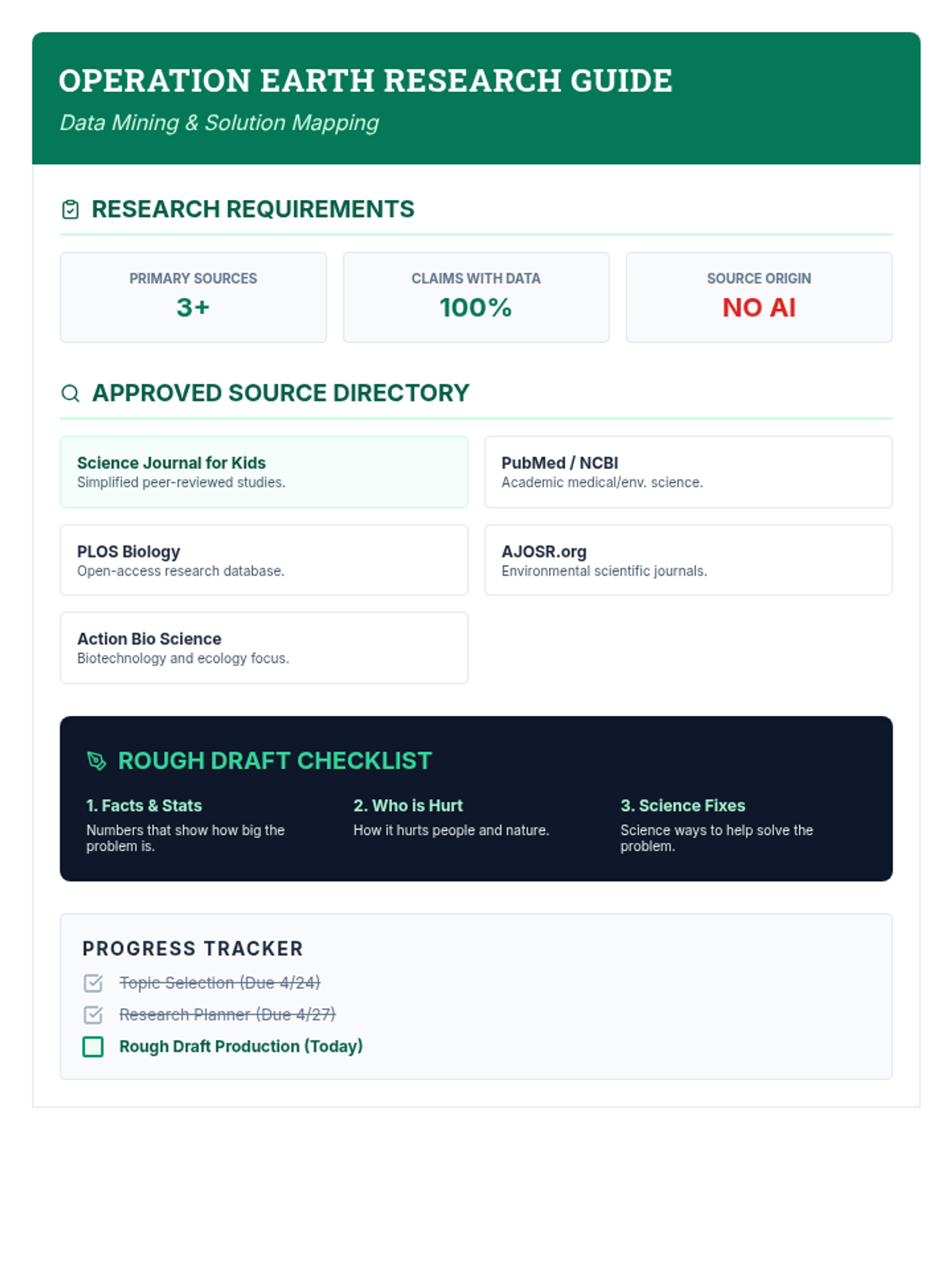
A comprehensive substitute teacher plan for 1st and 4th period Biology and 2nd period Forensics, focusing on environmental research and forensic impression evidence.
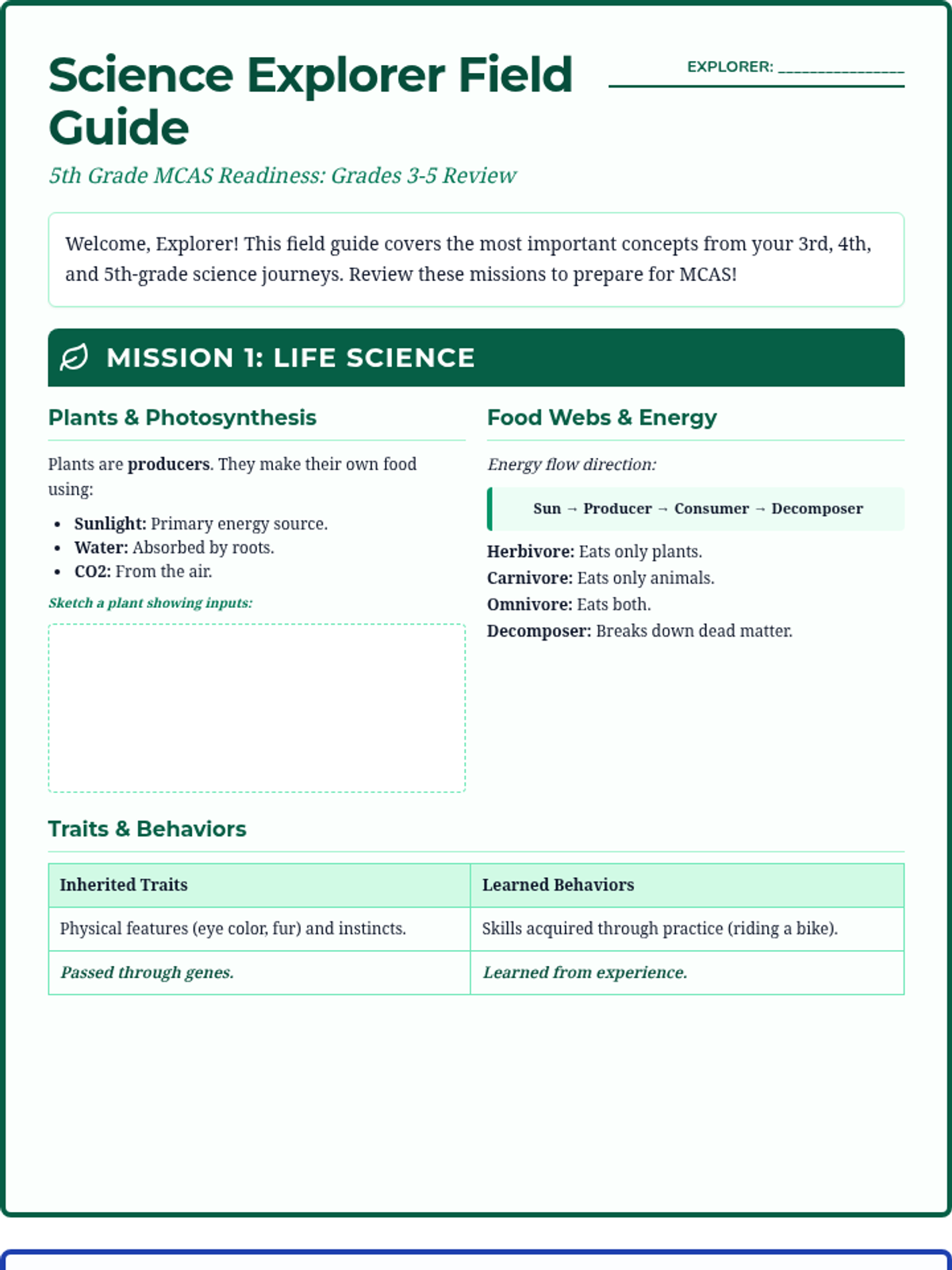
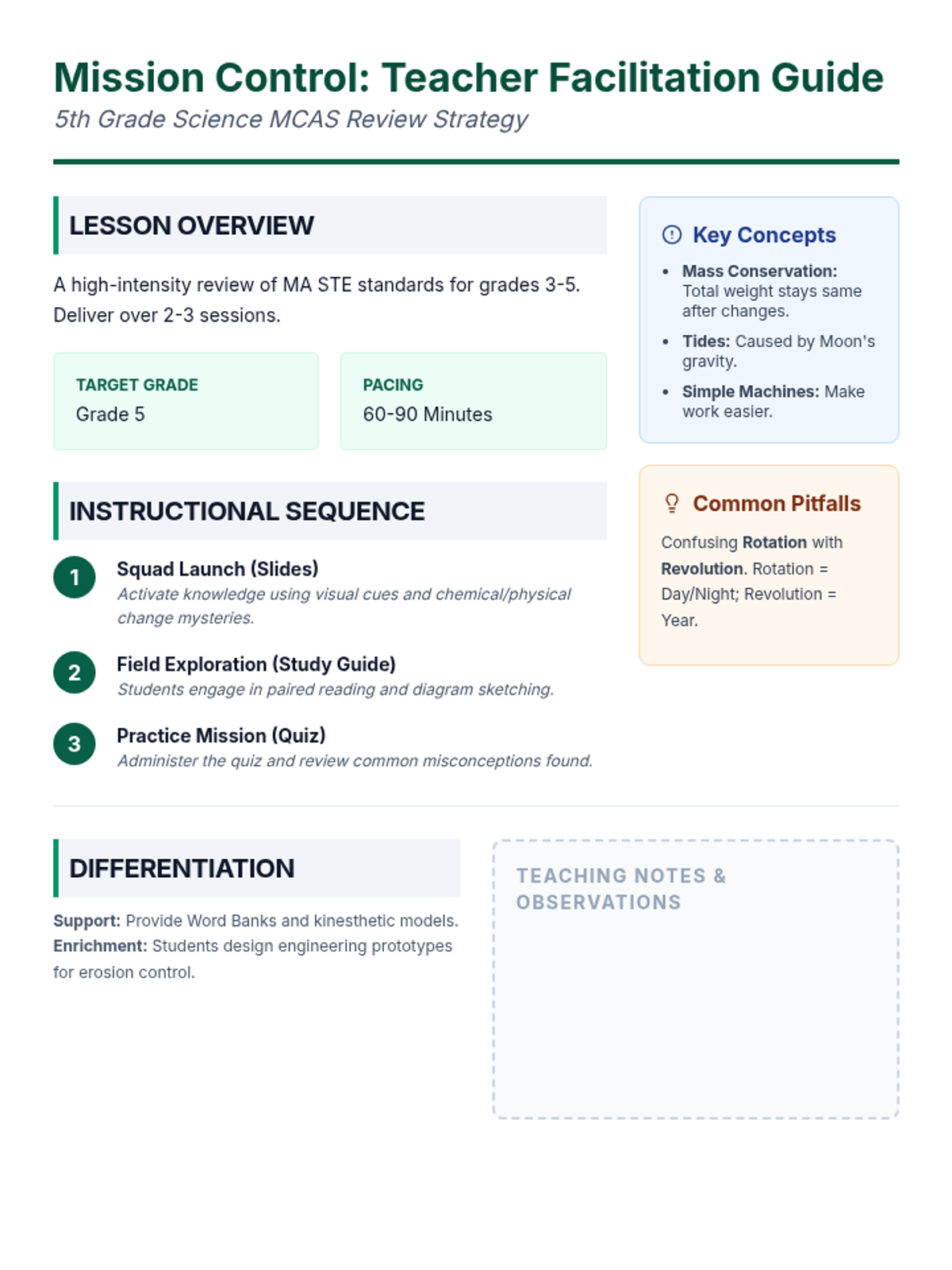
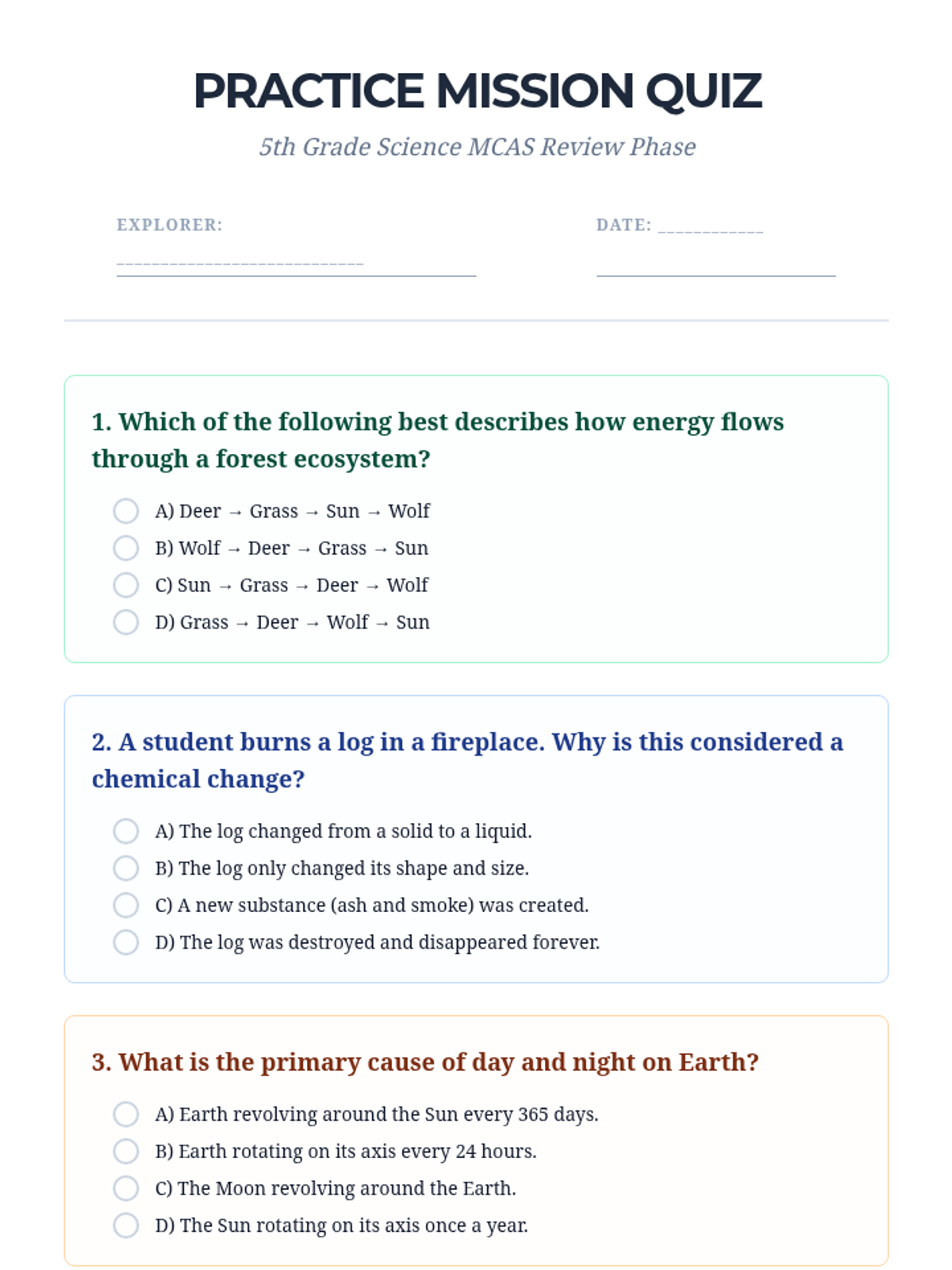
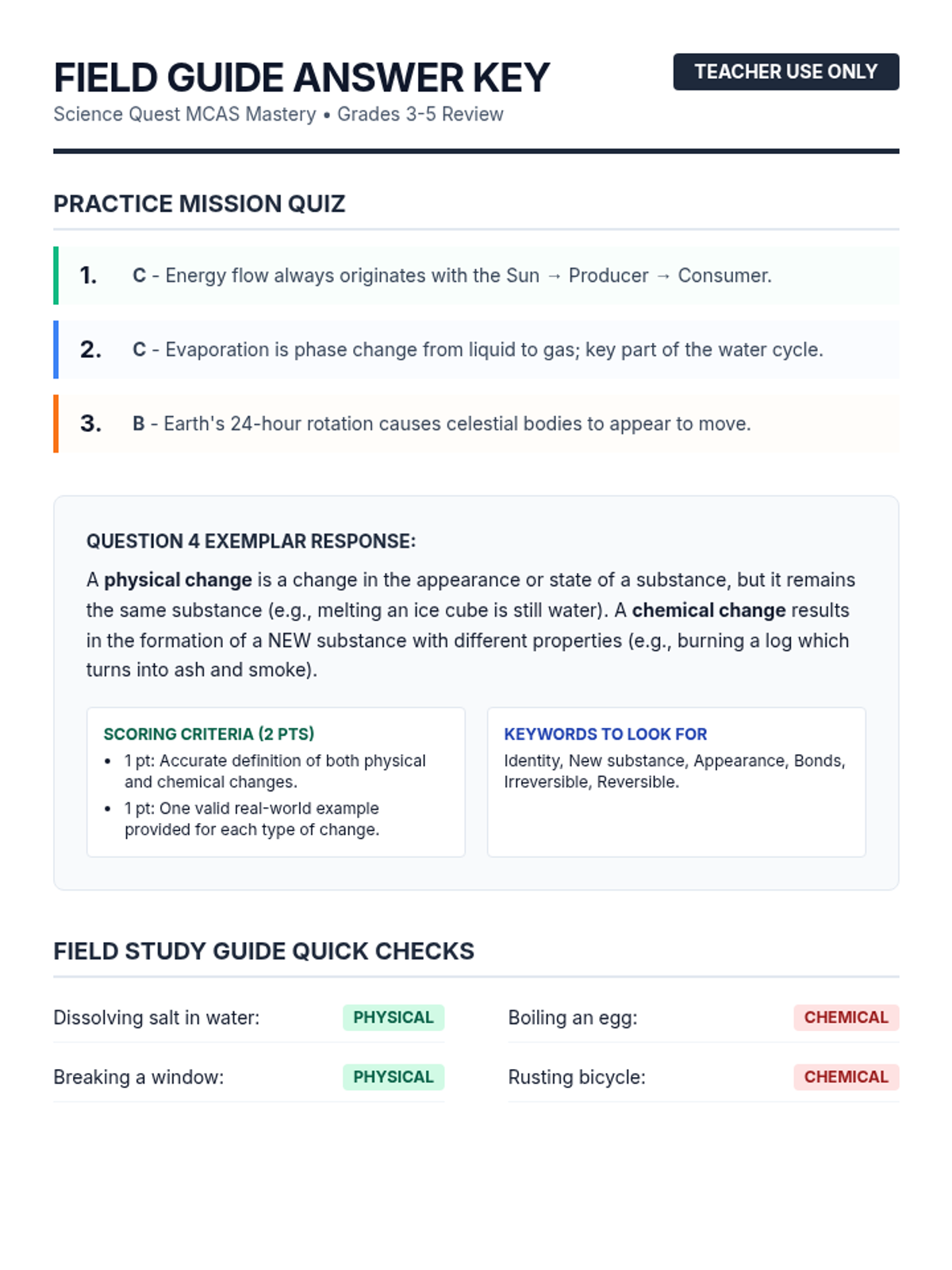
An all-in-one review session covering Life Science, Physical Science, Earth and Space Science, and Engineering Design for the 5th grade MCAS.
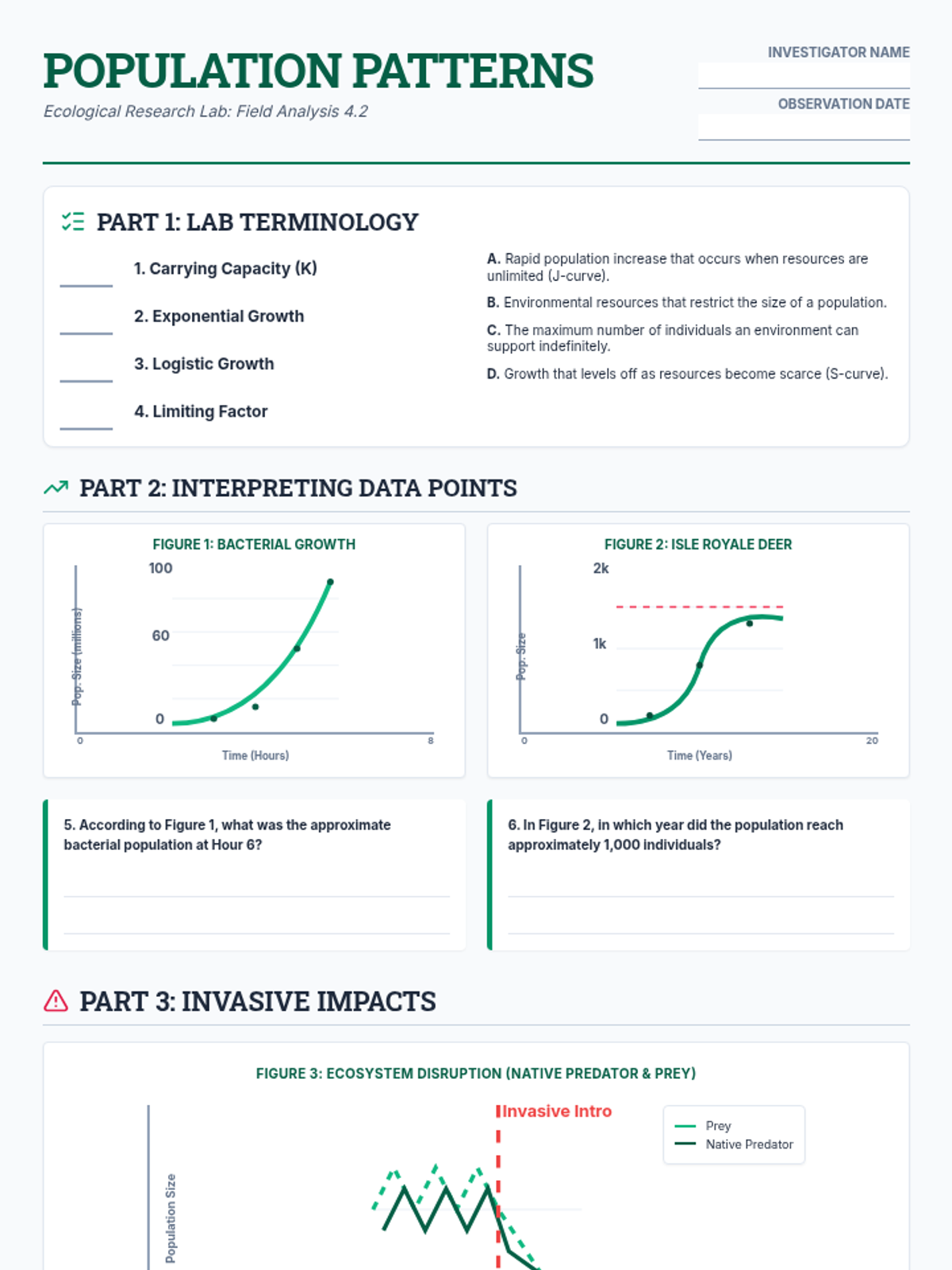
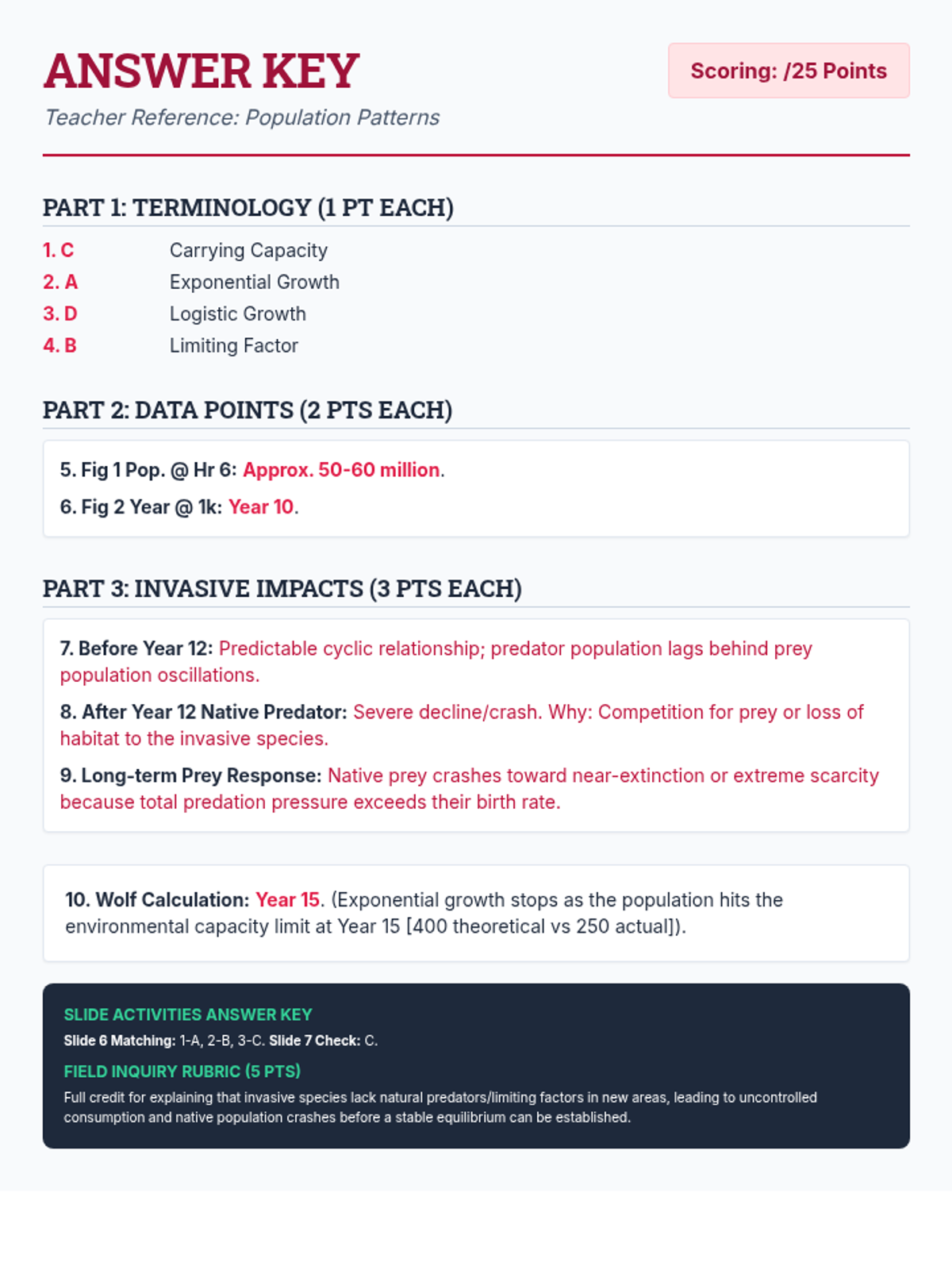
Students learn to distinguish between exponential and logistic population growth models, identify carrying capacity, and understand the role of limiting factors in shaping biological communities.
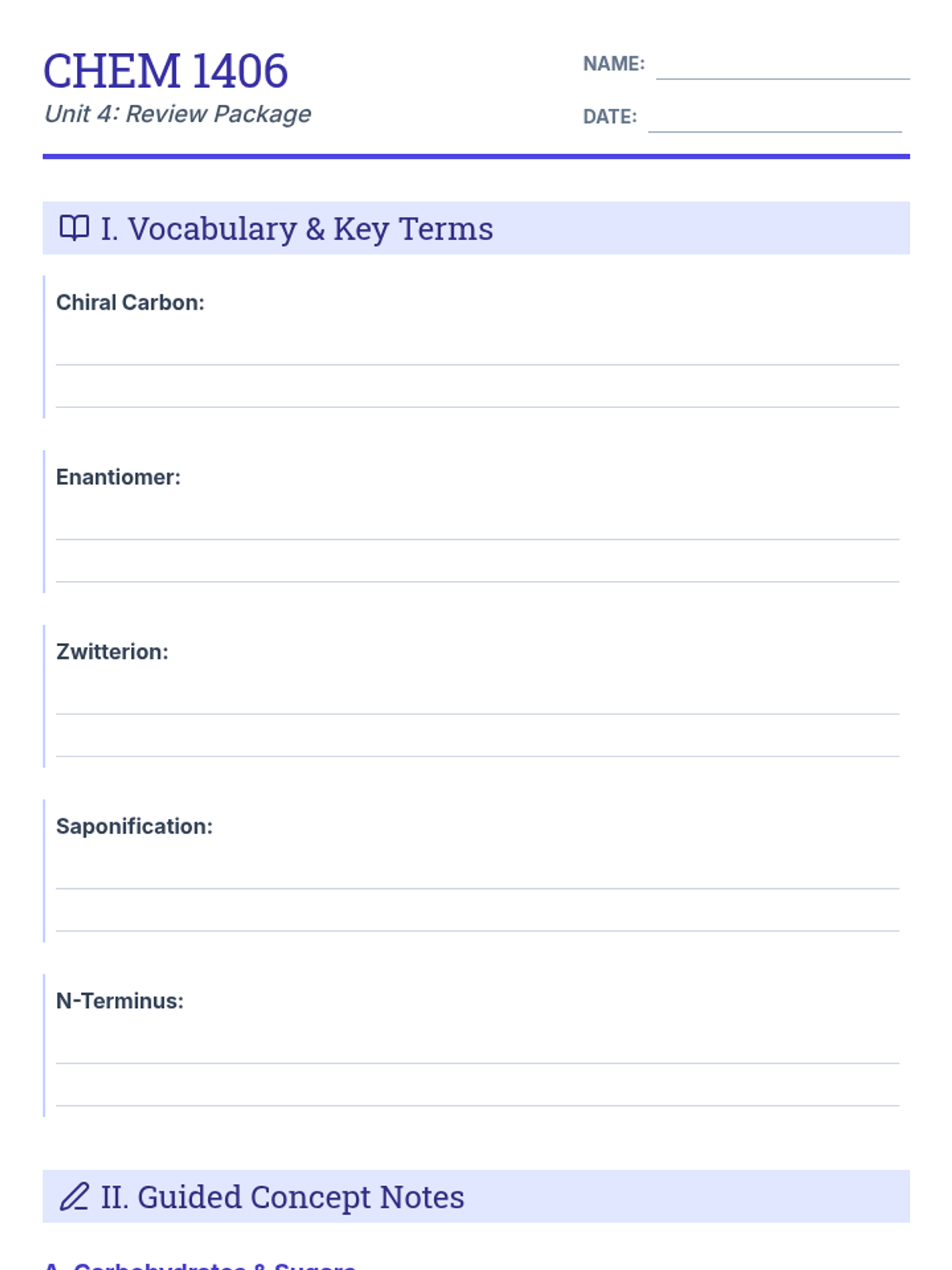
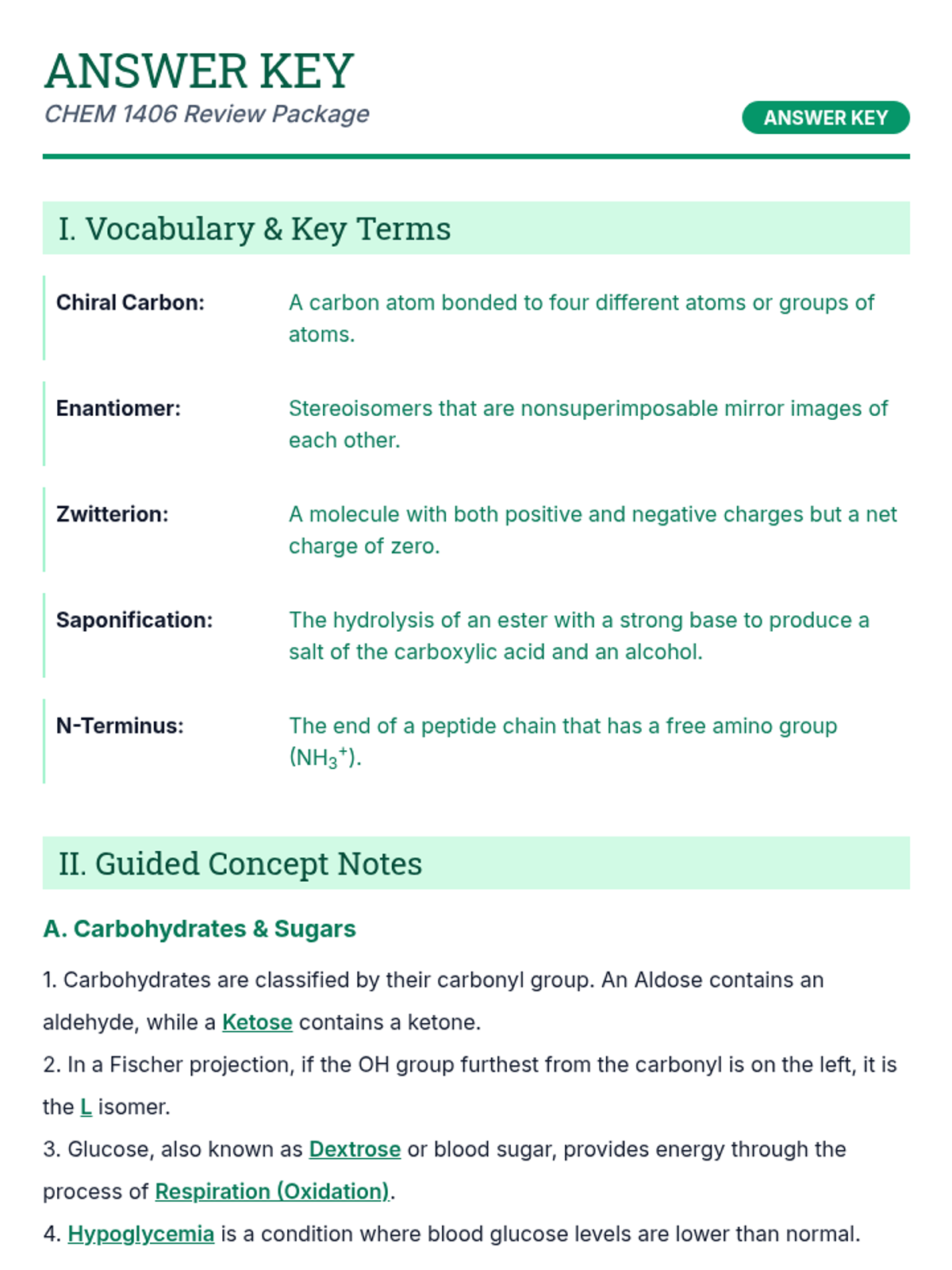
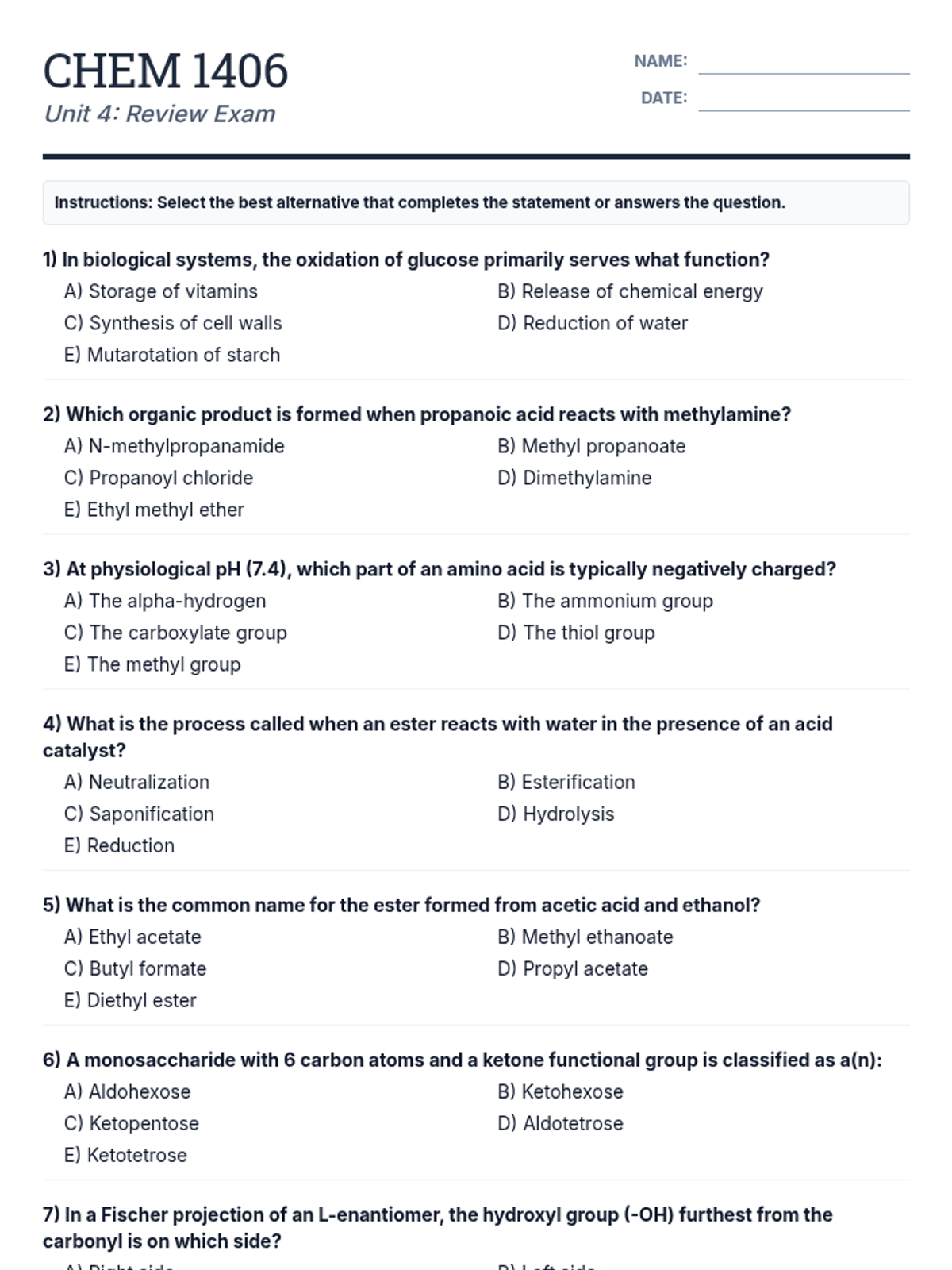
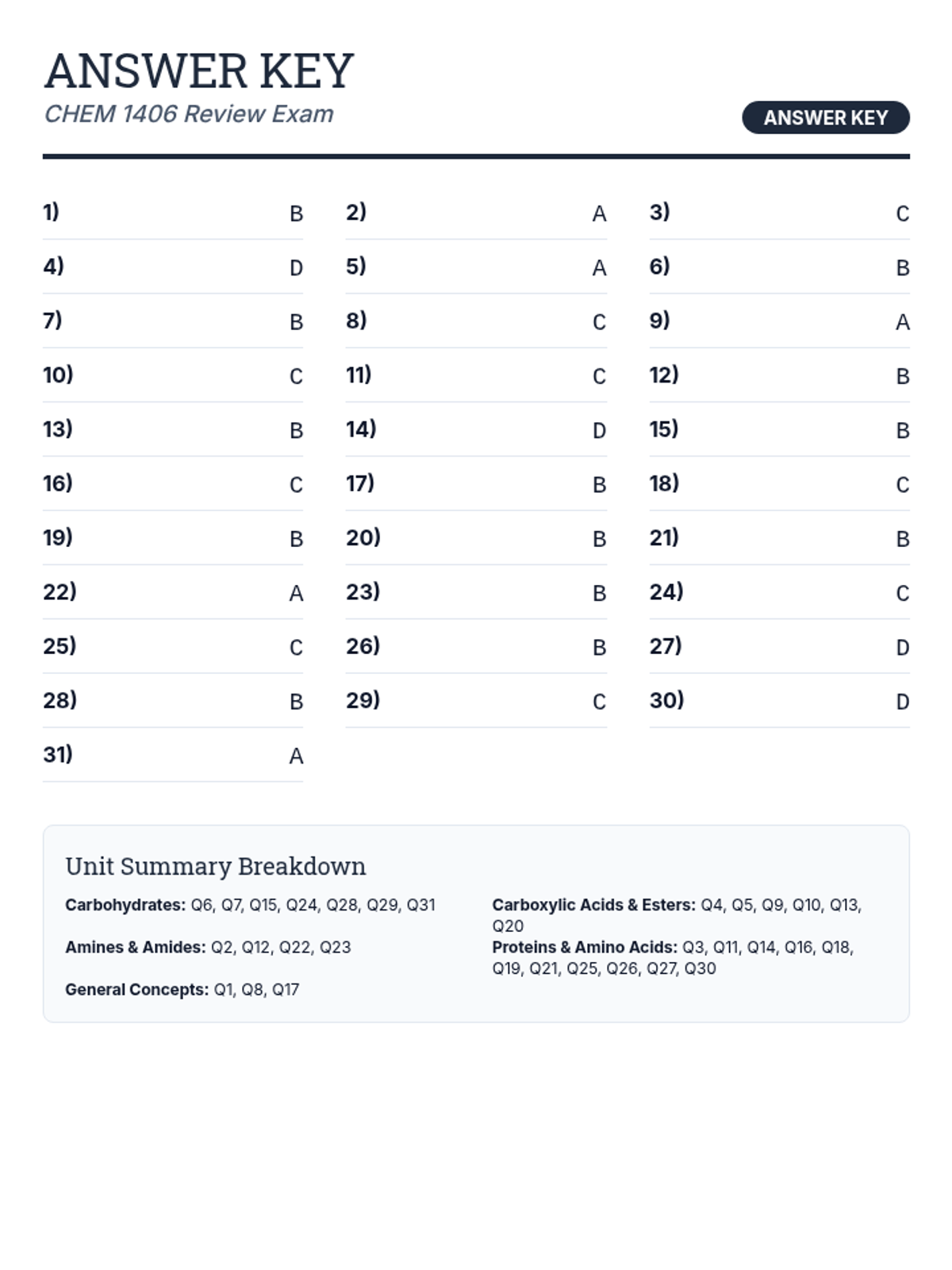
A deep dive into the structures and reactions of organic molecules and biomolecules, focusing on nomenclature, structural identification, and biological functions.
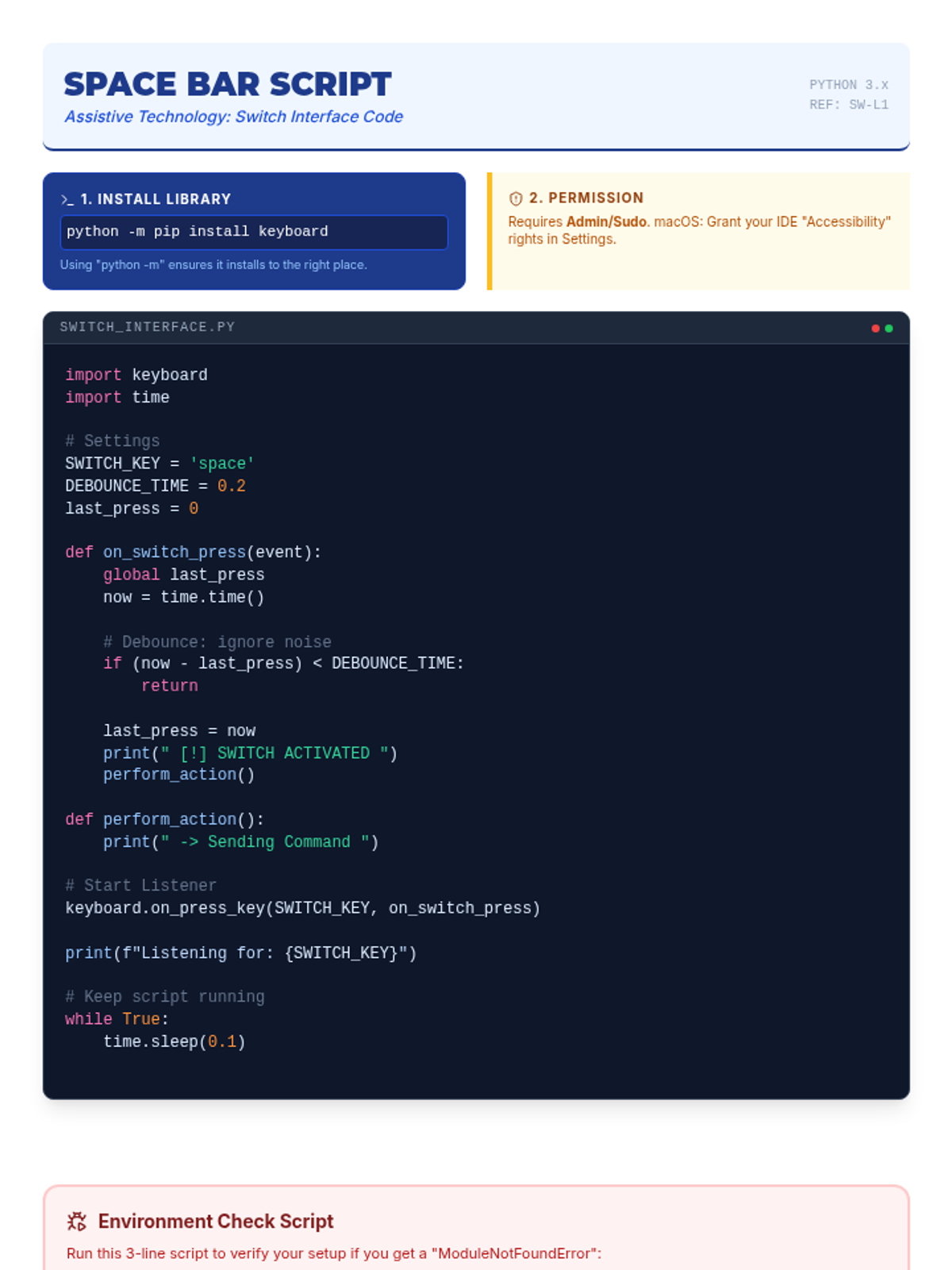
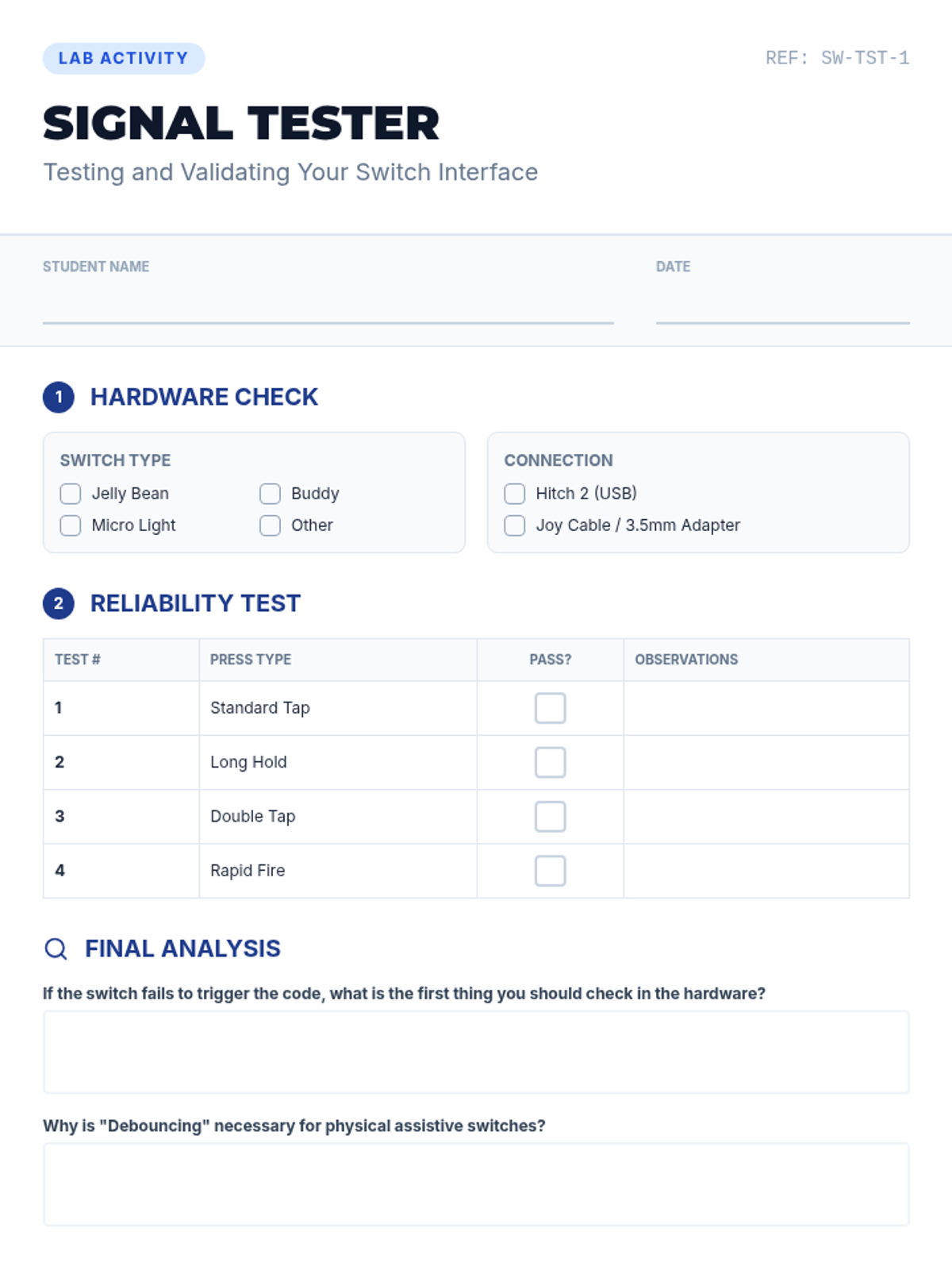
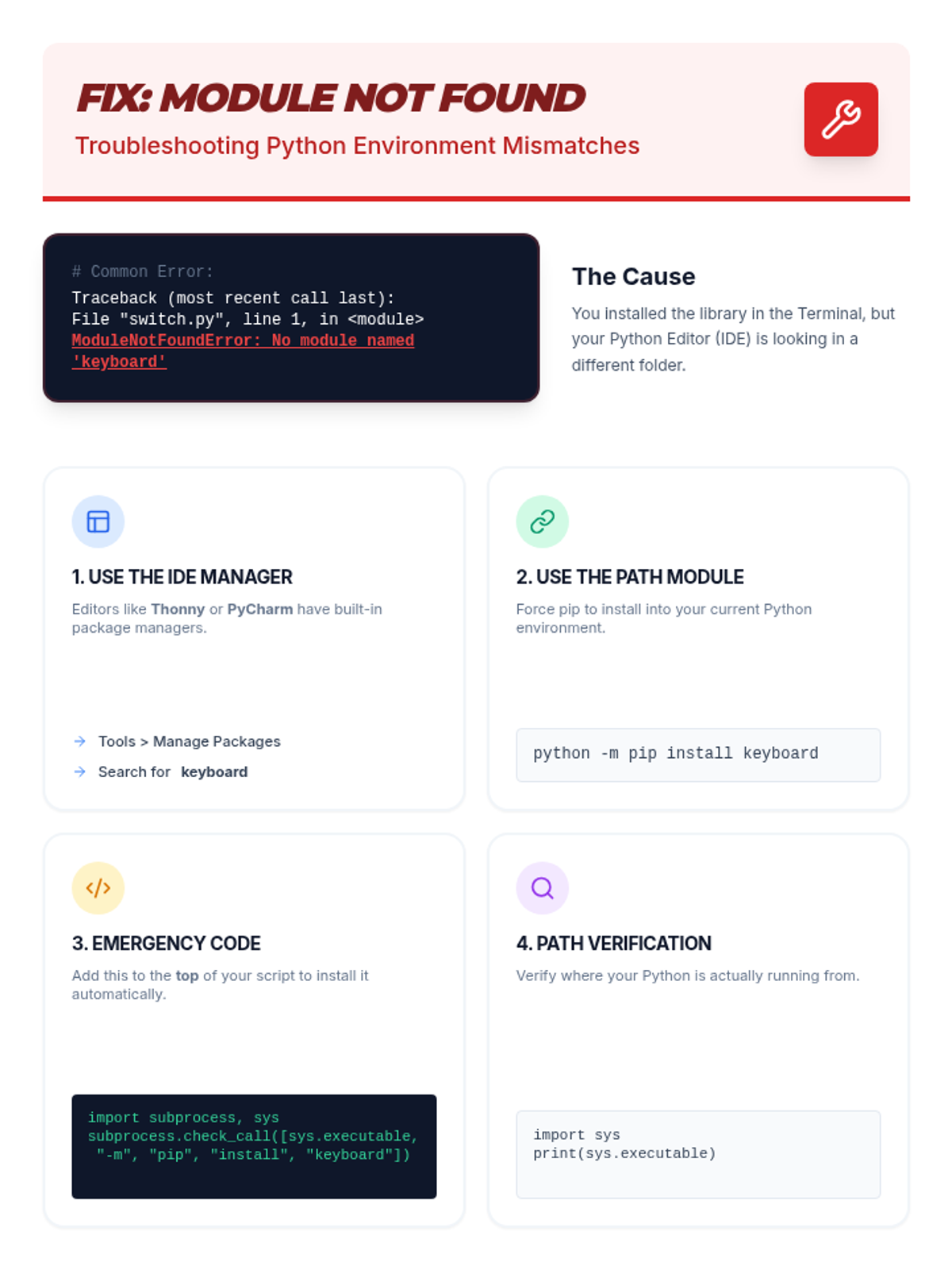
This lesson covers the logic and programming required to create a digital switch interface using Python, focusing on key bindings and signal processing.
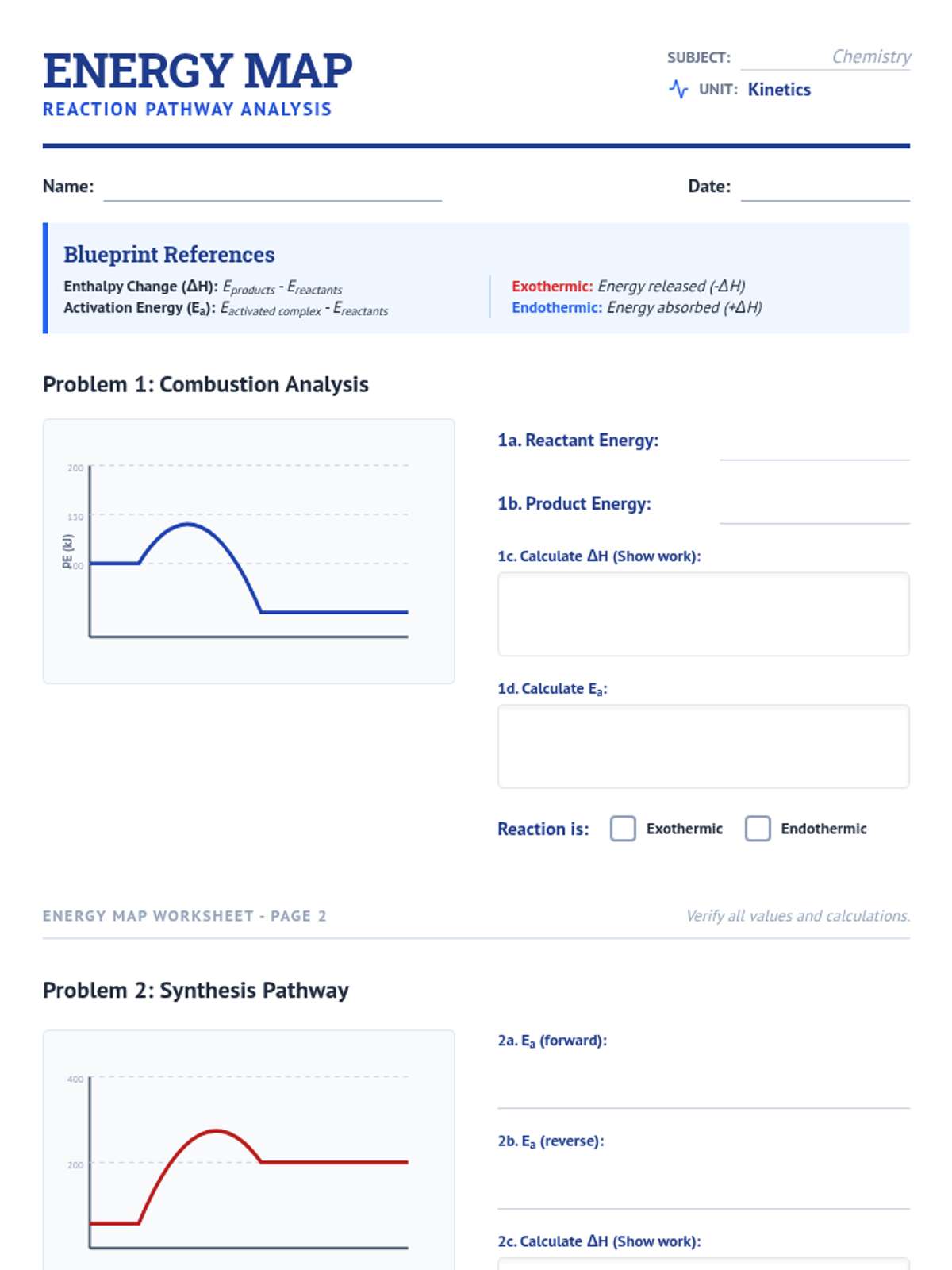
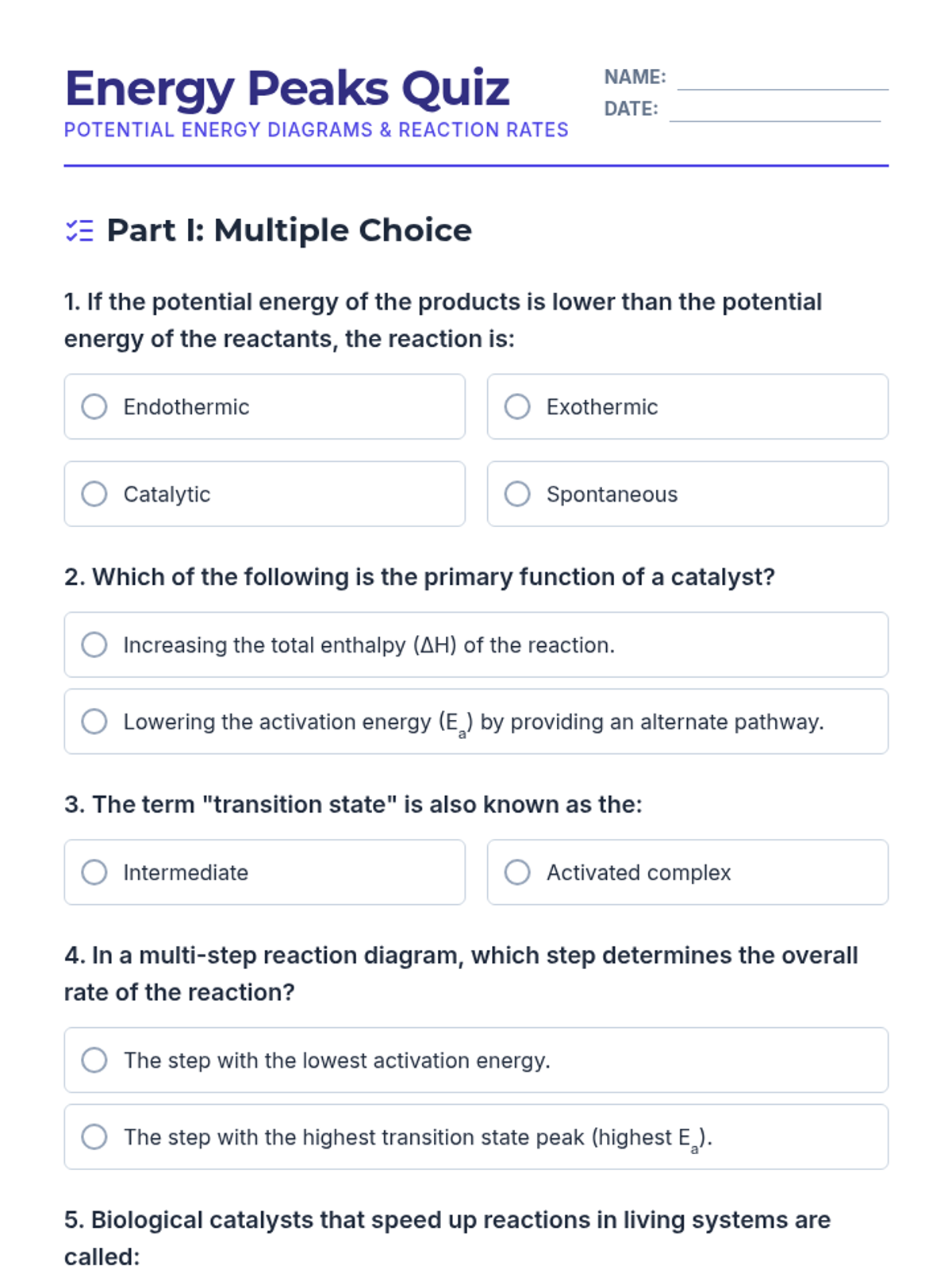
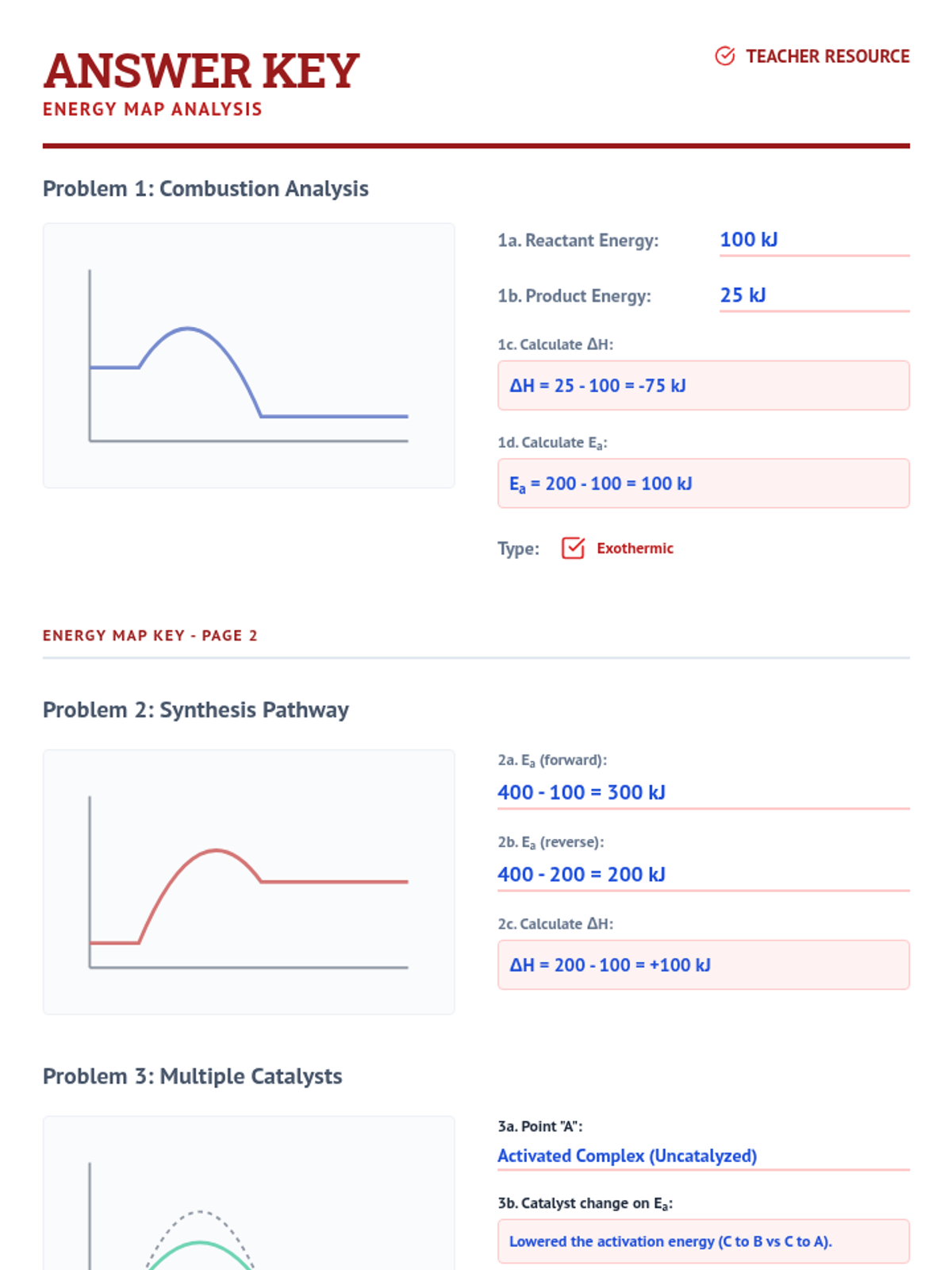
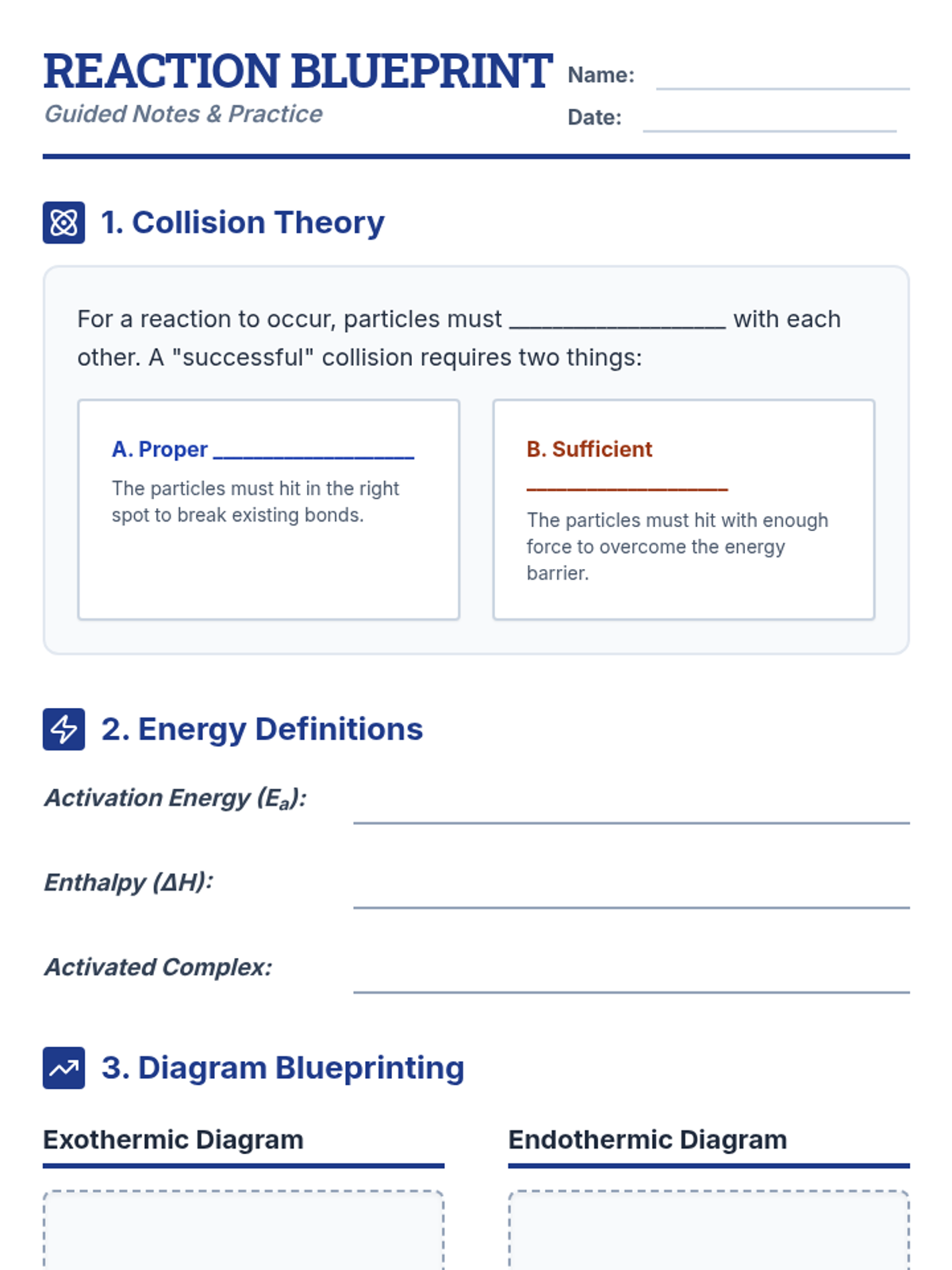
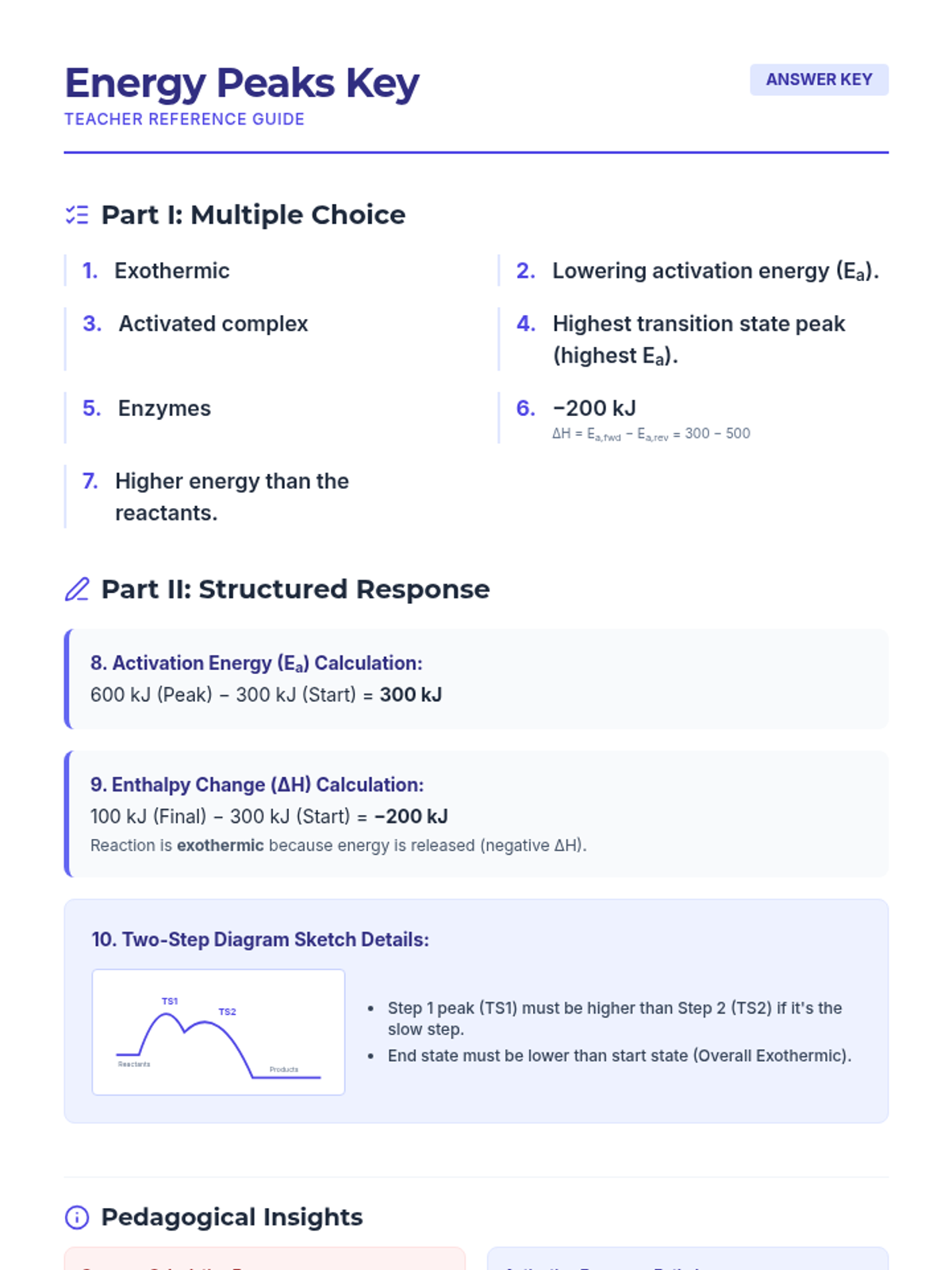
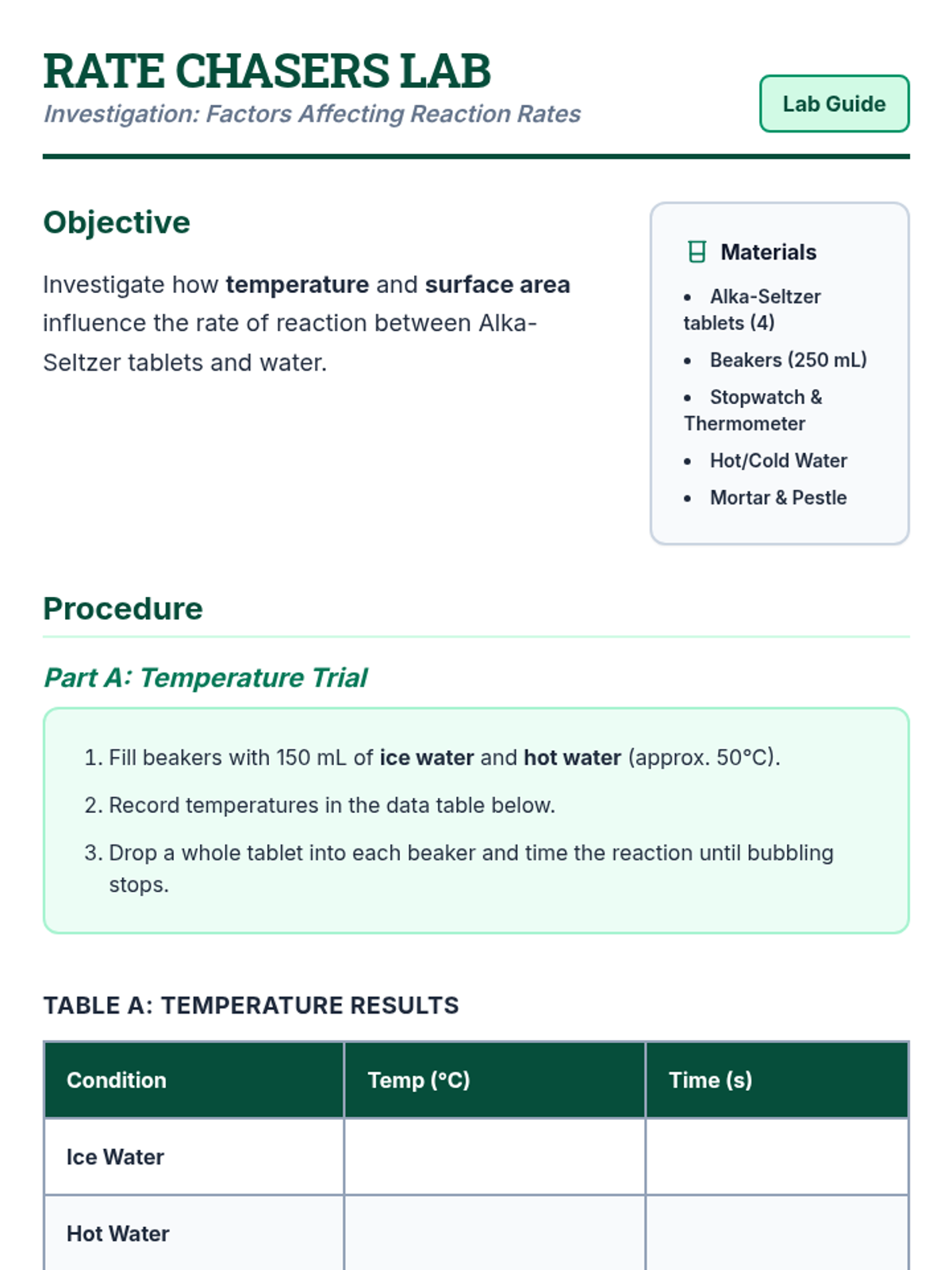
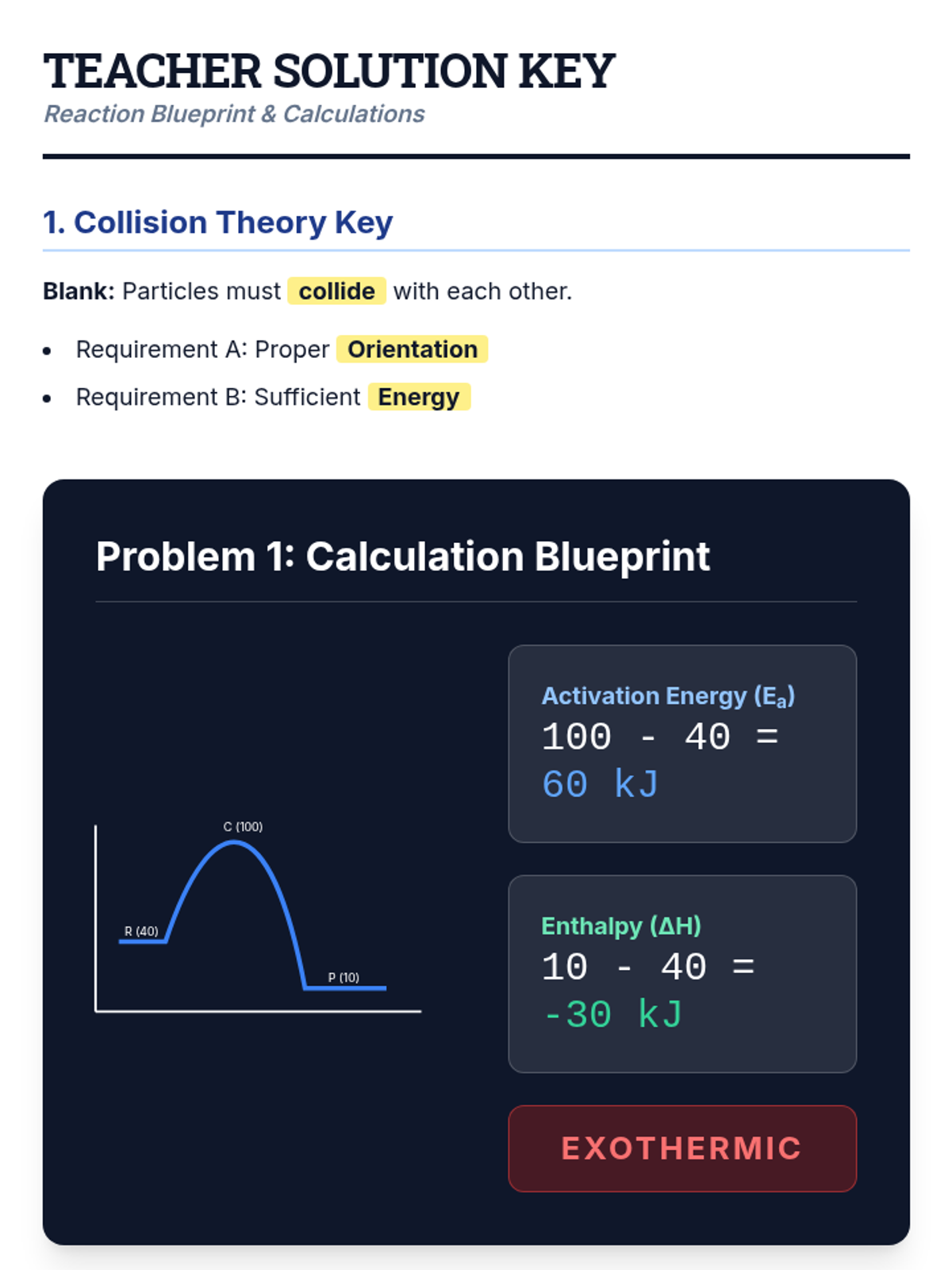
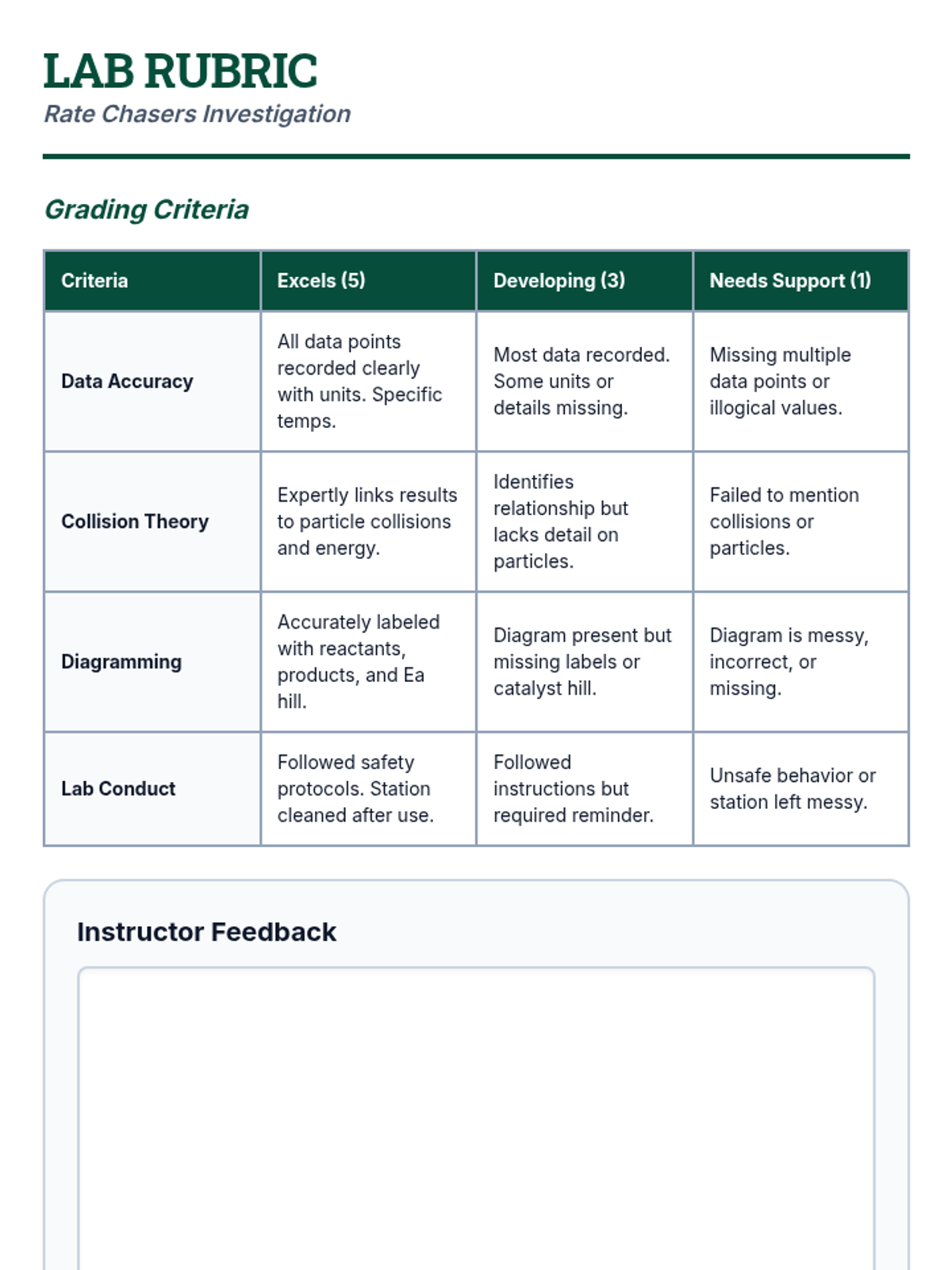
A comprehensive lesson exploring the mechanics of chemical reactions, including collision theory, energy diagrams, and the factors that influence reaction rates. Students will learn to visualize and calculate energy changes while conducting a hands-on investigation.