Students explore the Incan Quipu system, learning how a civilization without a written language recorded complex data through knots and colors. This interdisciplinary lesson combines historical inquiry with base-10 mathematical representation.
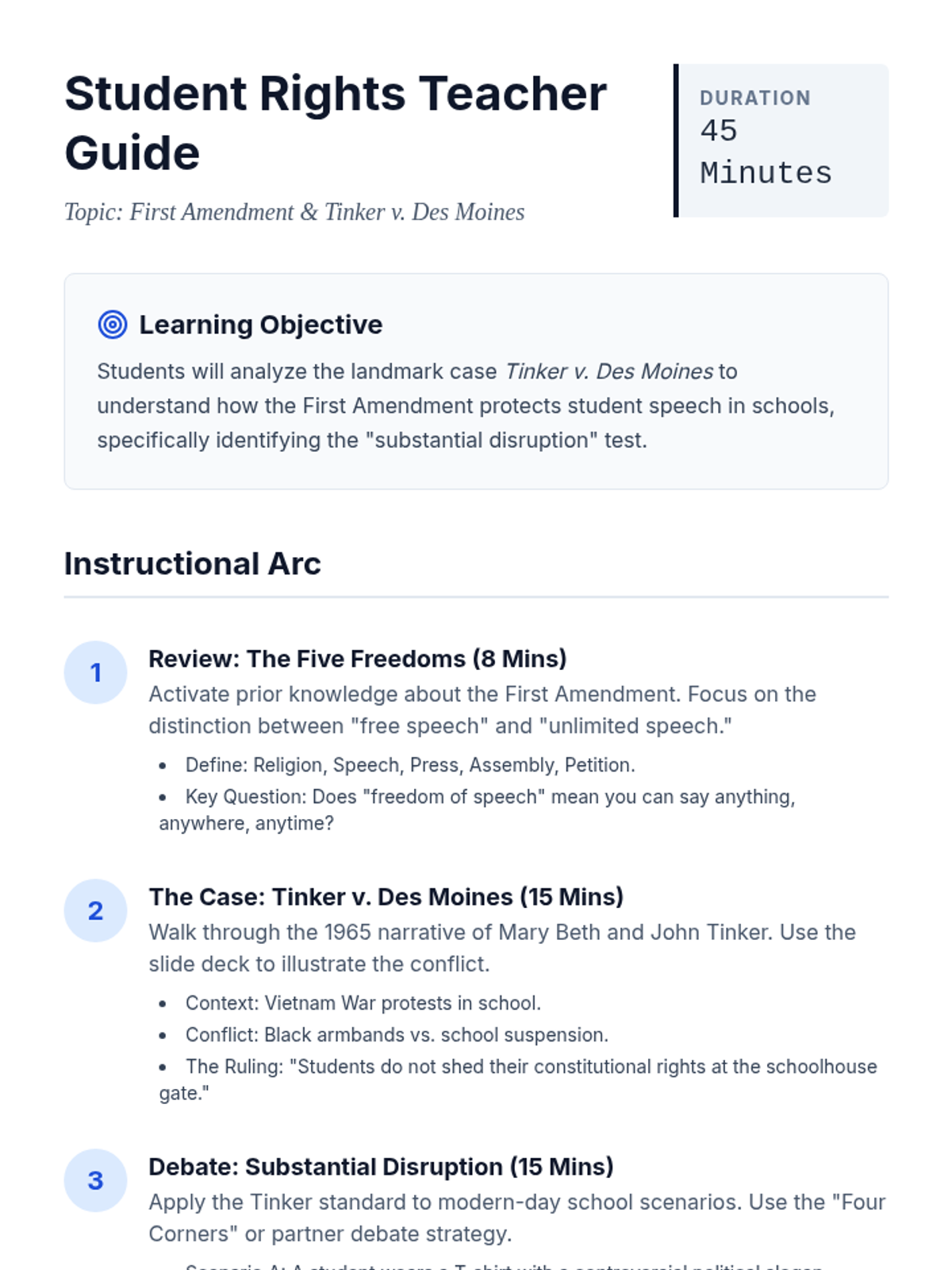
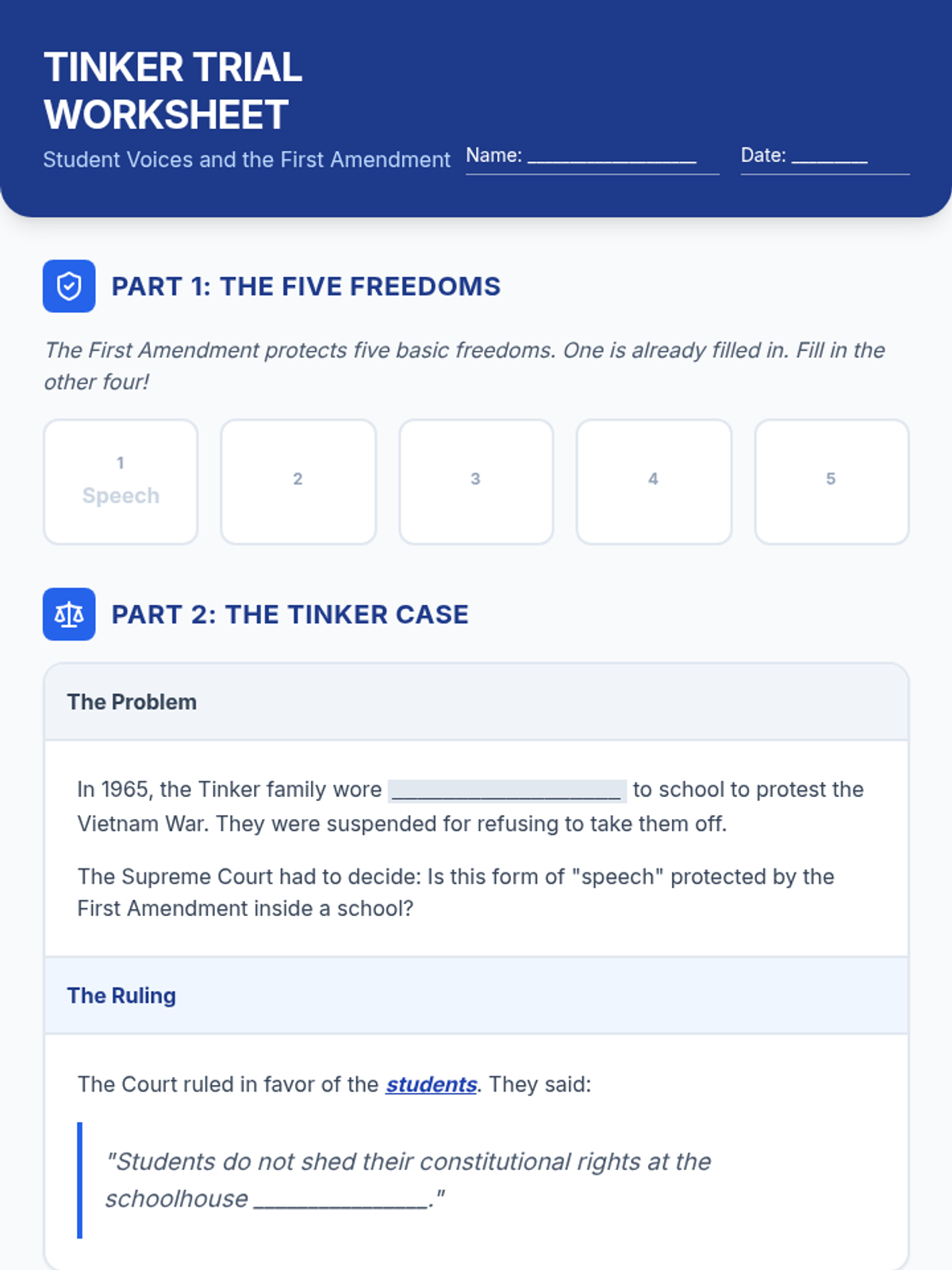
A 45-minute civics lesson exploring the First Amendment through the lens of the landmark Supreme Court case Tinker v. Des Moines, empowering students to understand their rights and responsibilities.
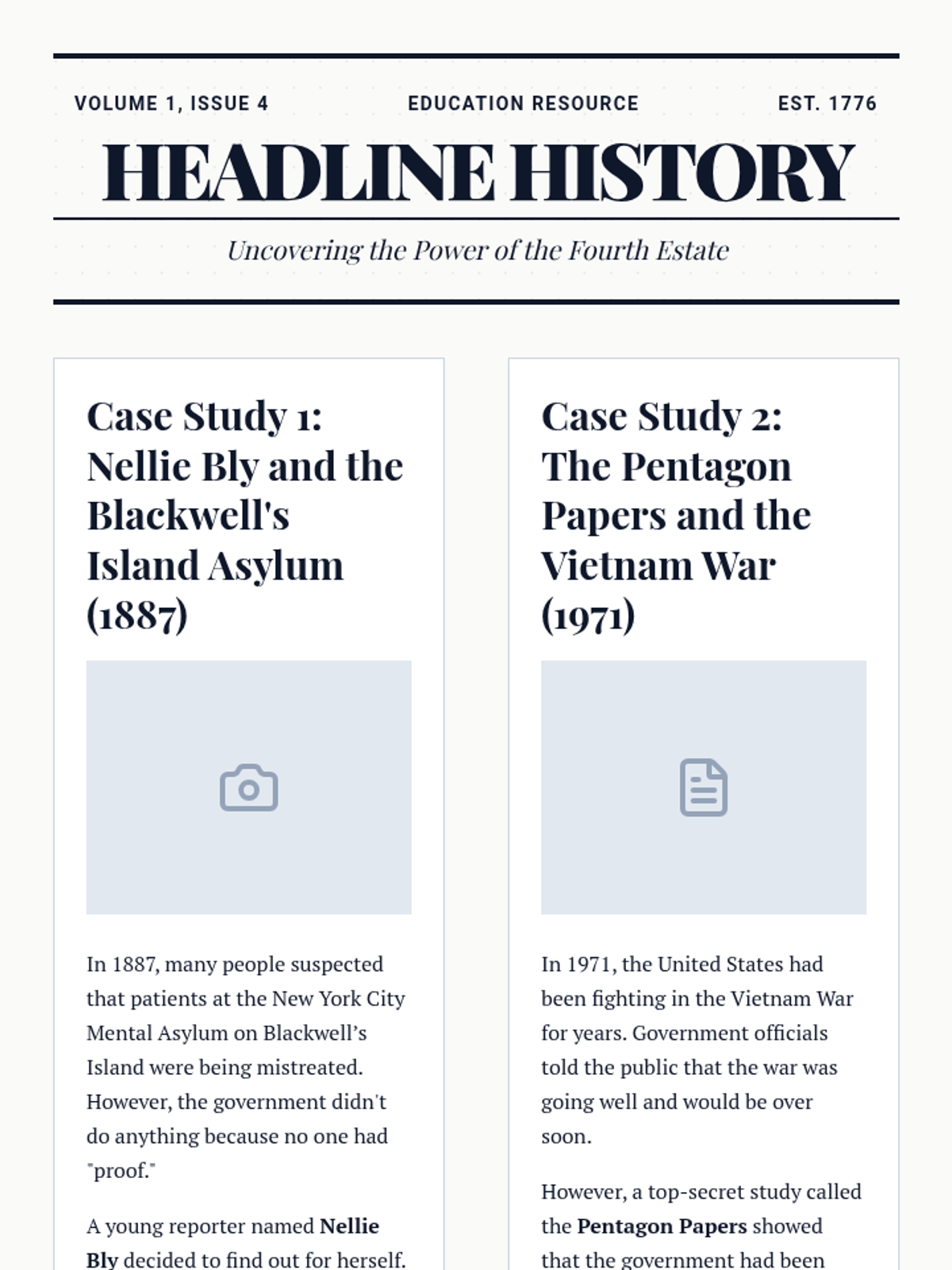
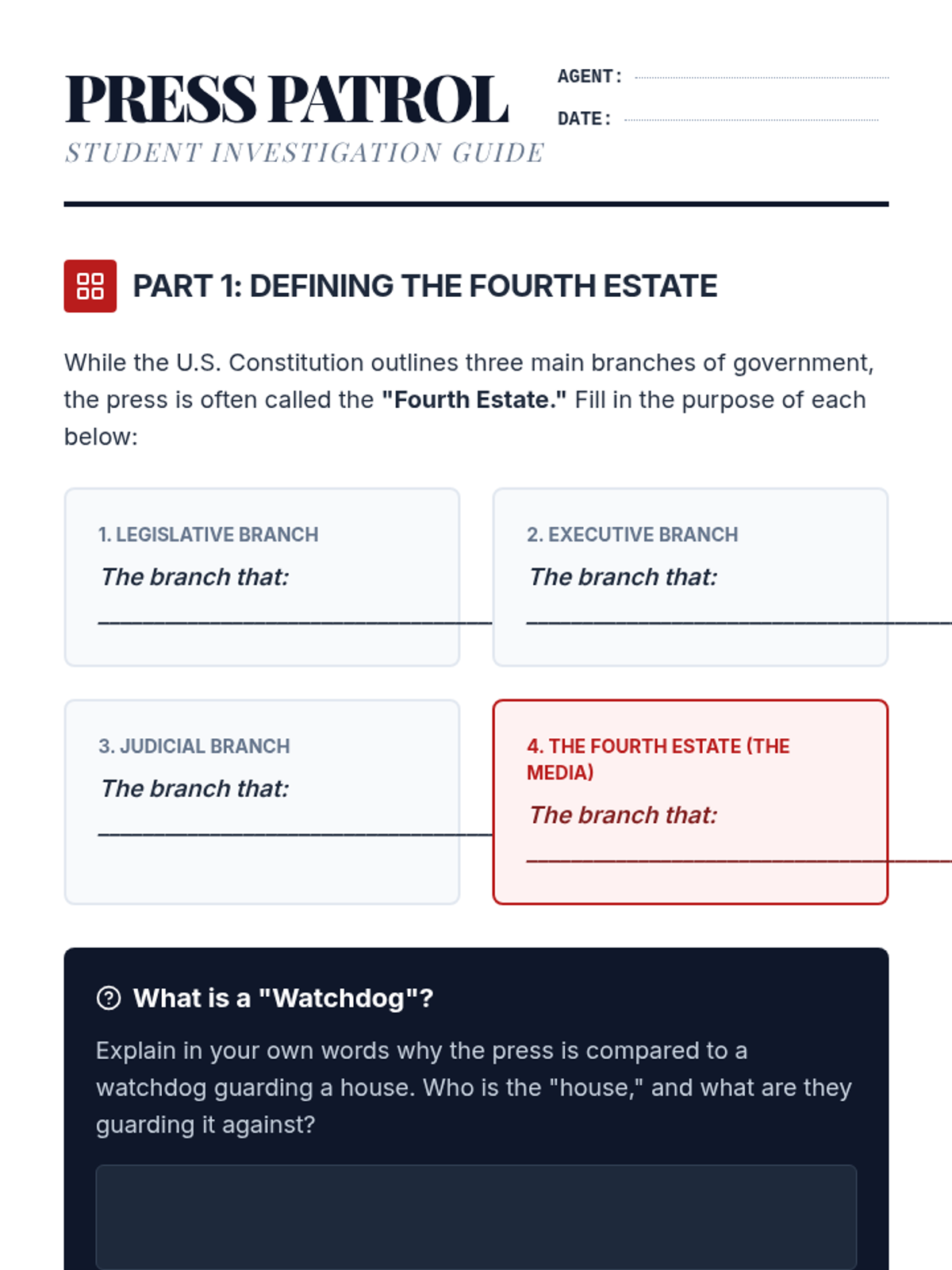
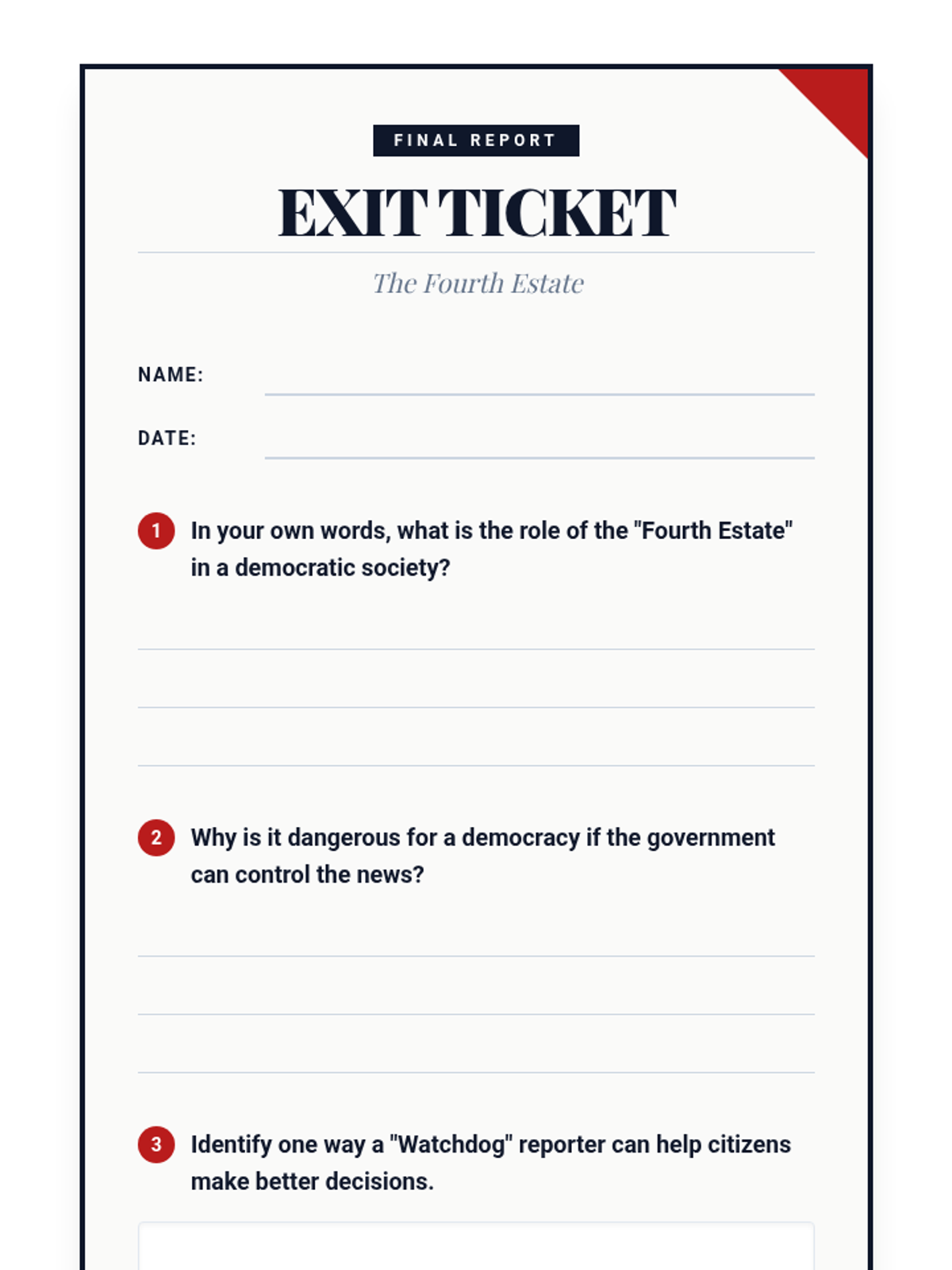
Students explore the vital role of a free press as the 'Fourth Estate' in a democracy, examining historical impact and current relevance through inquiry and analysis.
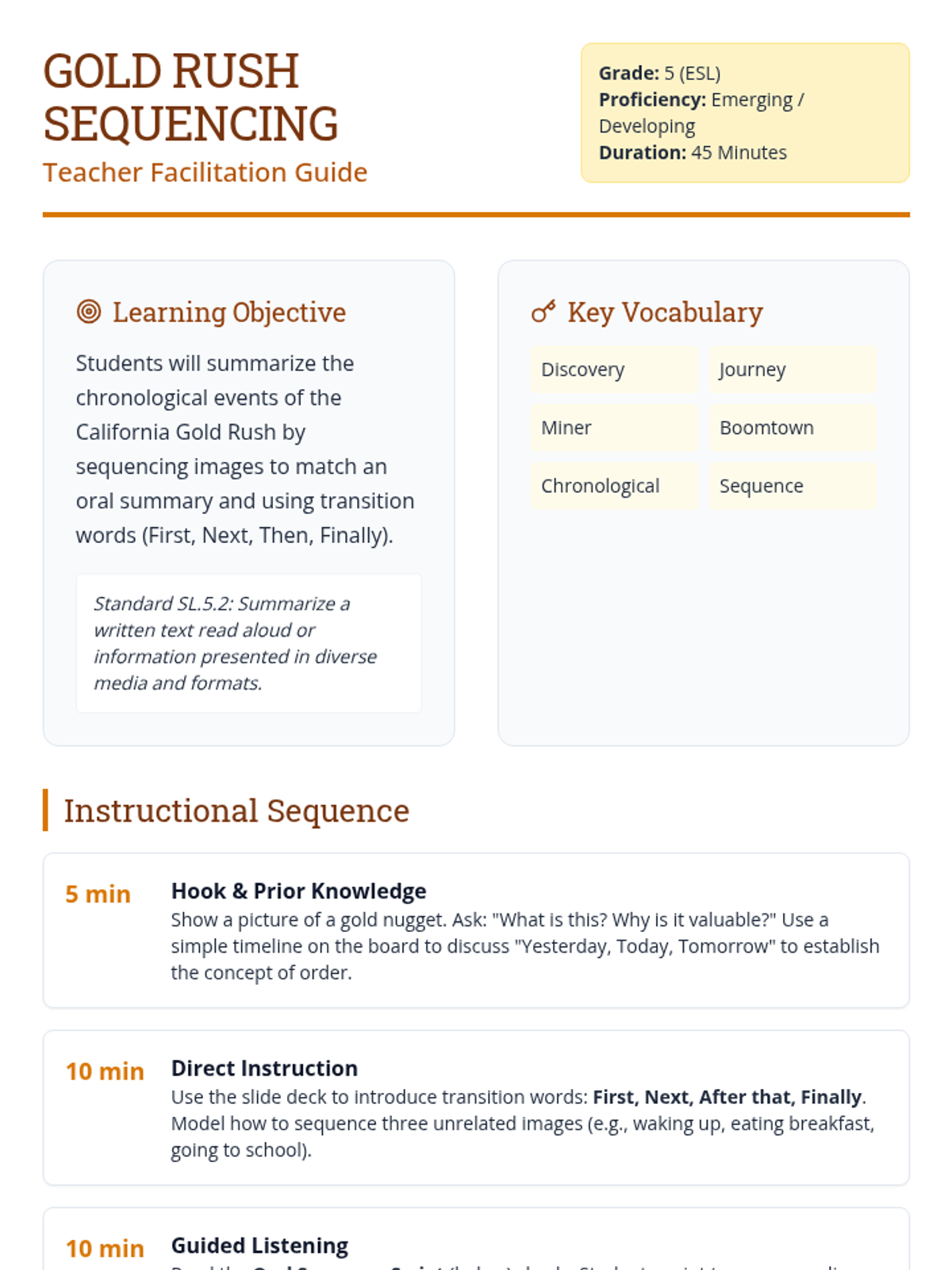
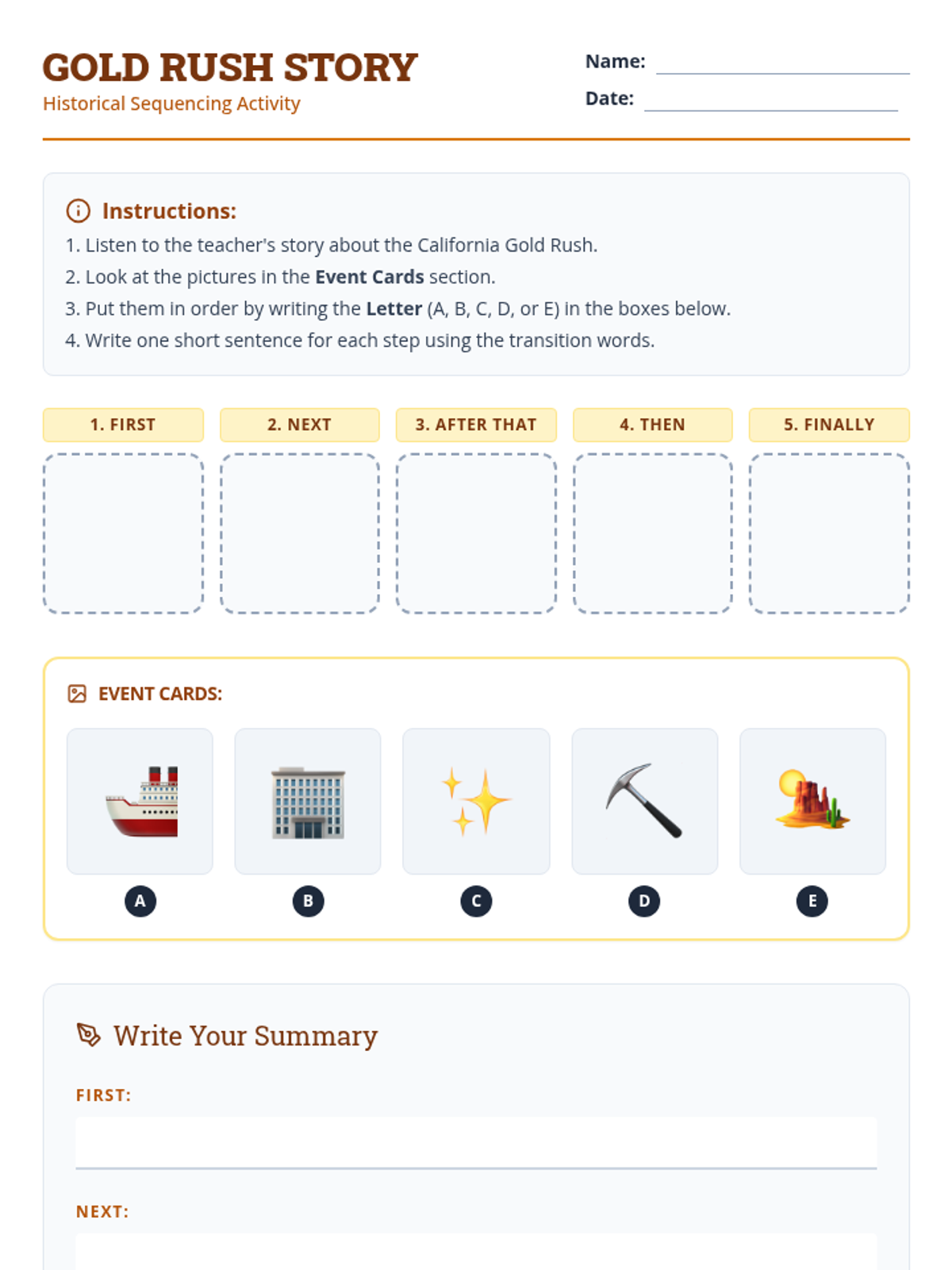
A 45-minute ESL lesson for Grade 5 (Emerging/Developing) focused on sequencing historical events and summarizing oral information using the California Gold Rush as a central theme.
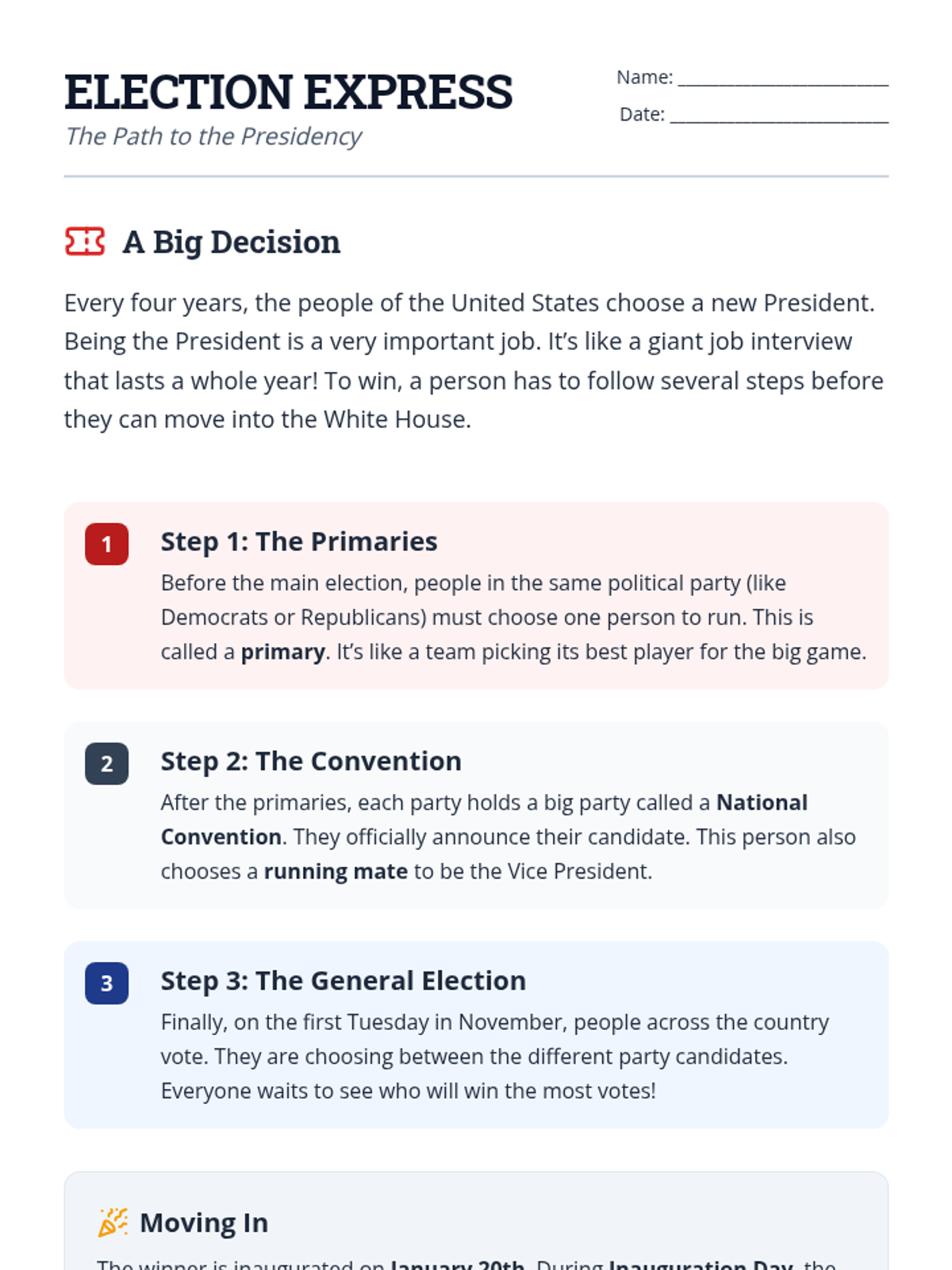
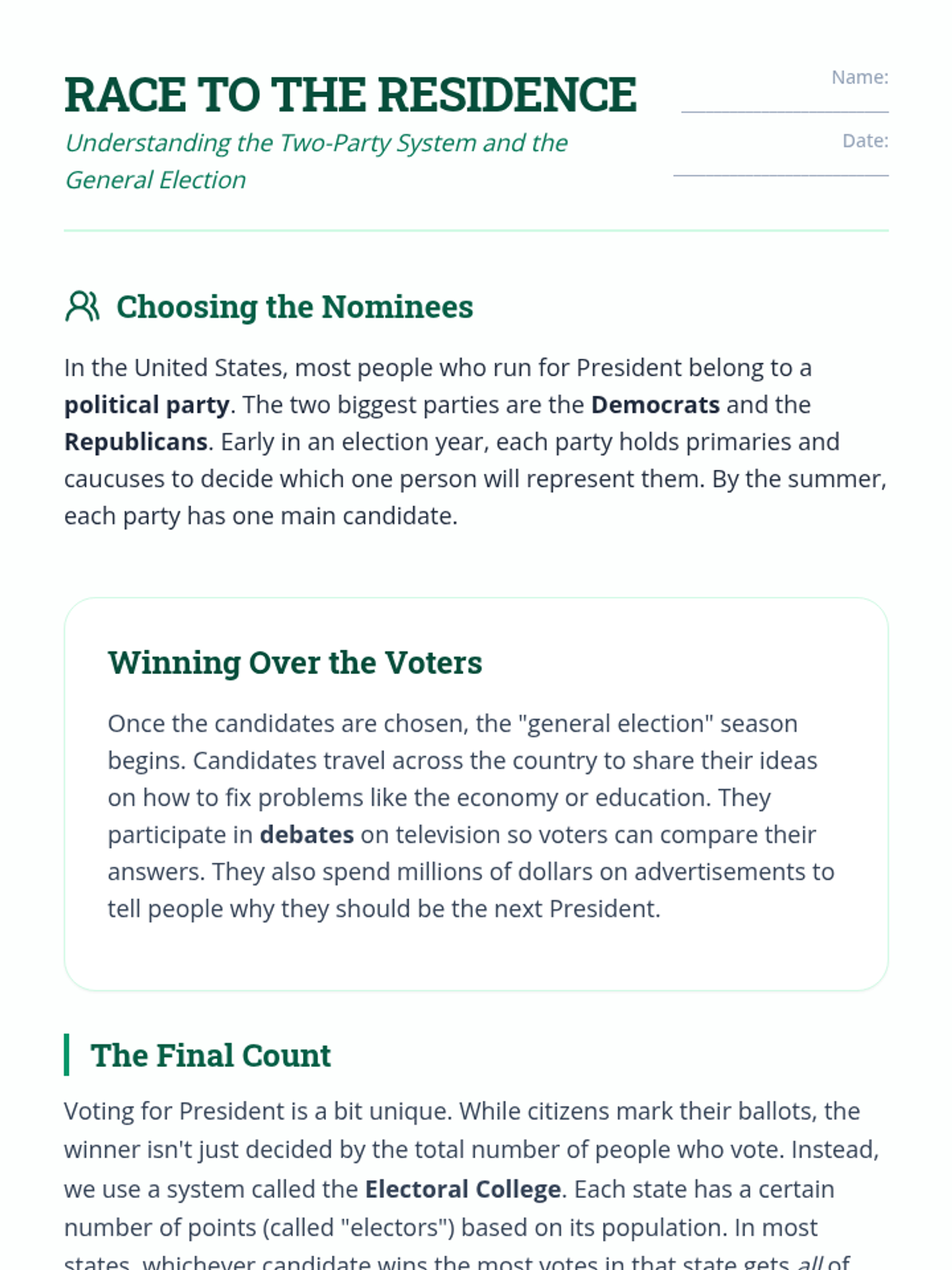
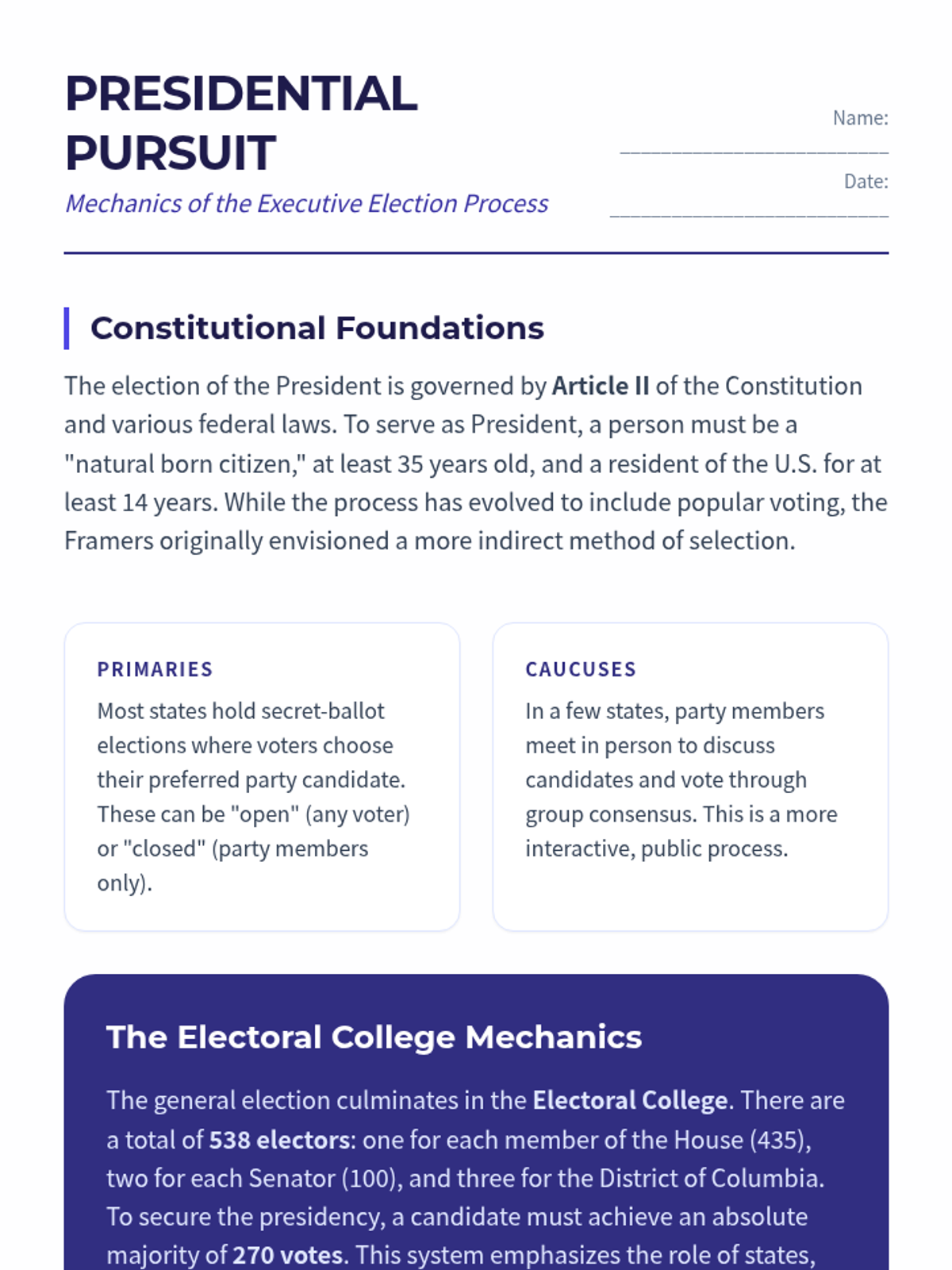
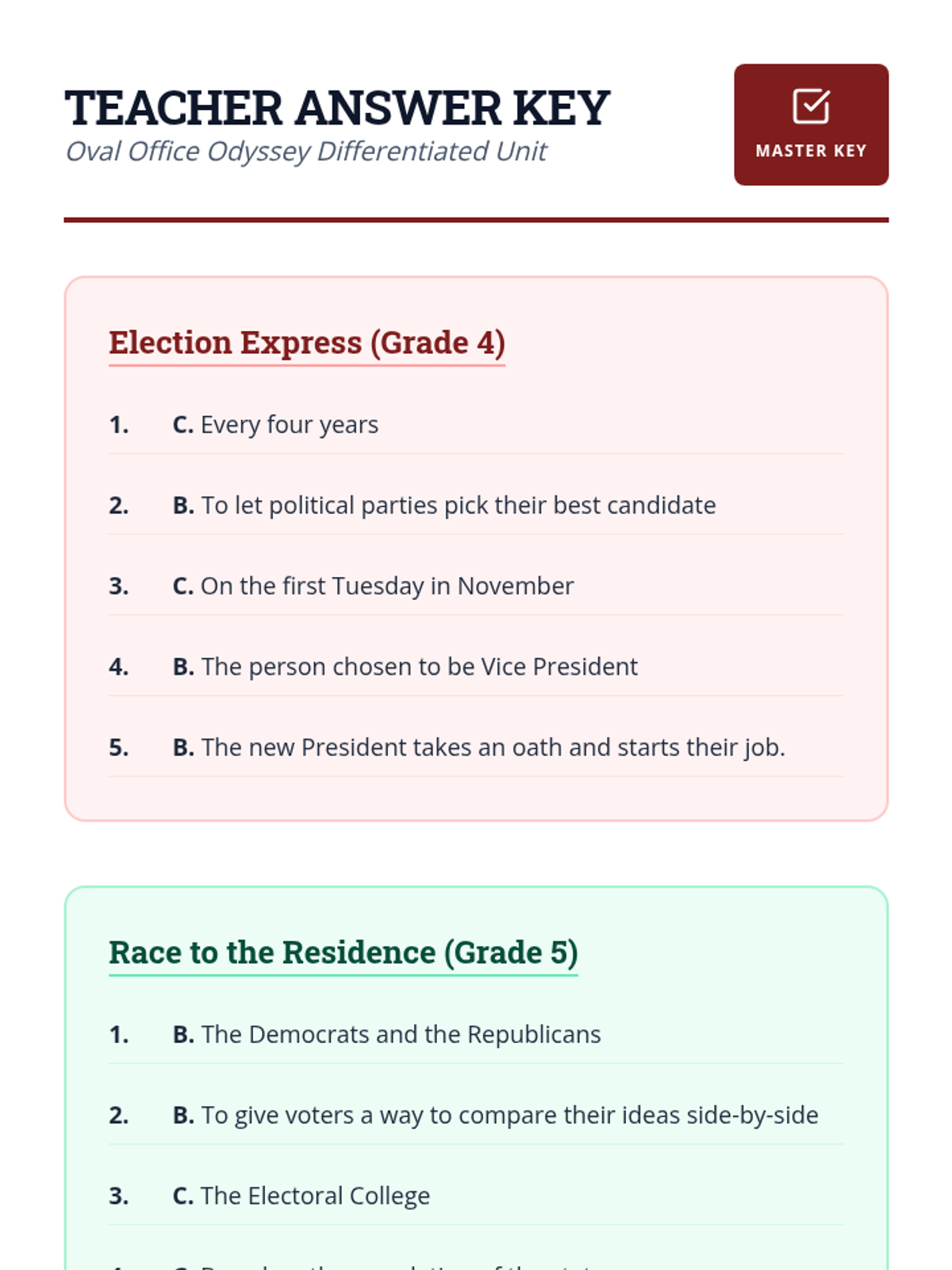
A comprehensive exploration of the United States presidential election process, from primary campaigns and national conventions to the Electoral College and Inauguration Day.
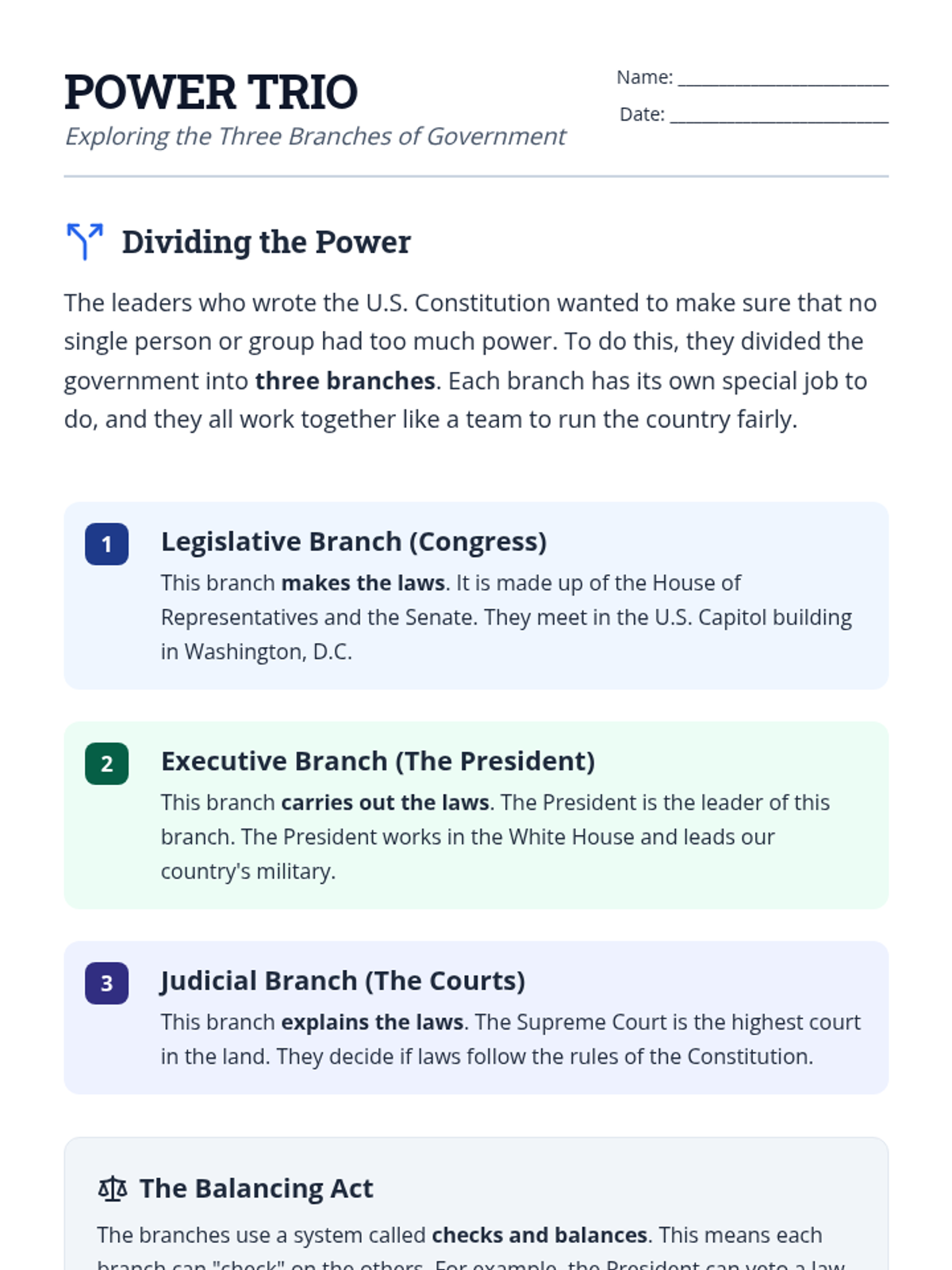
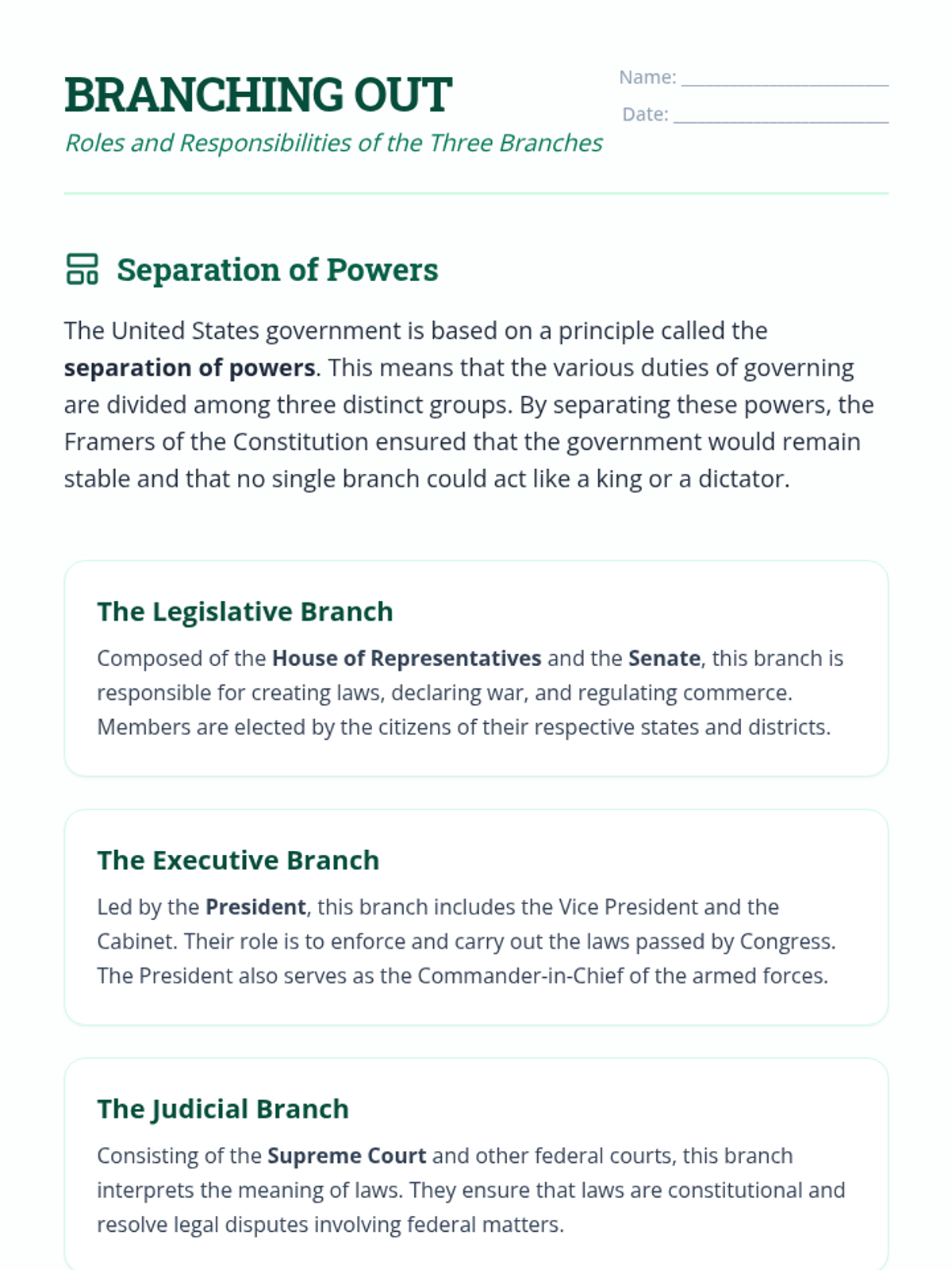
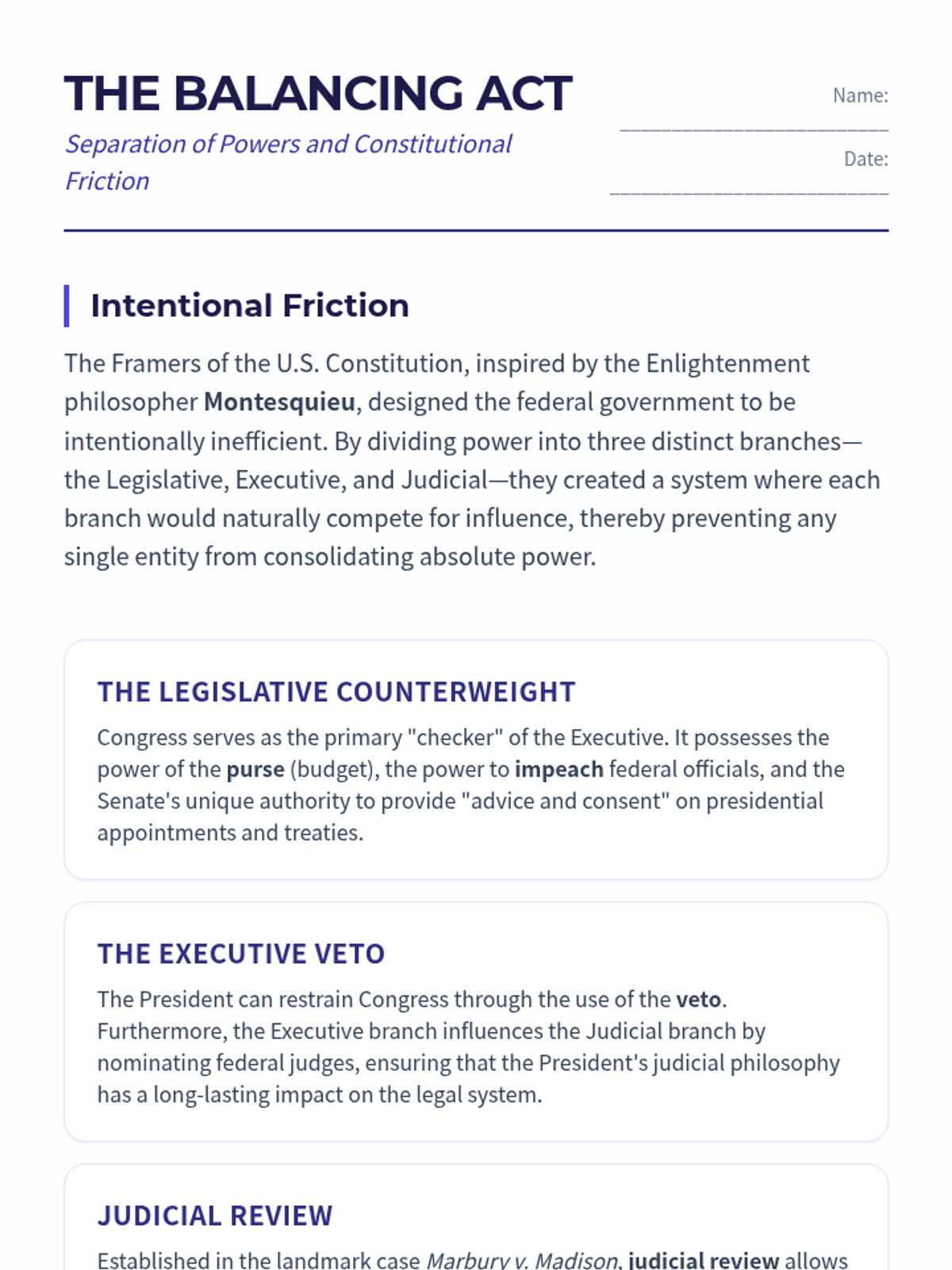
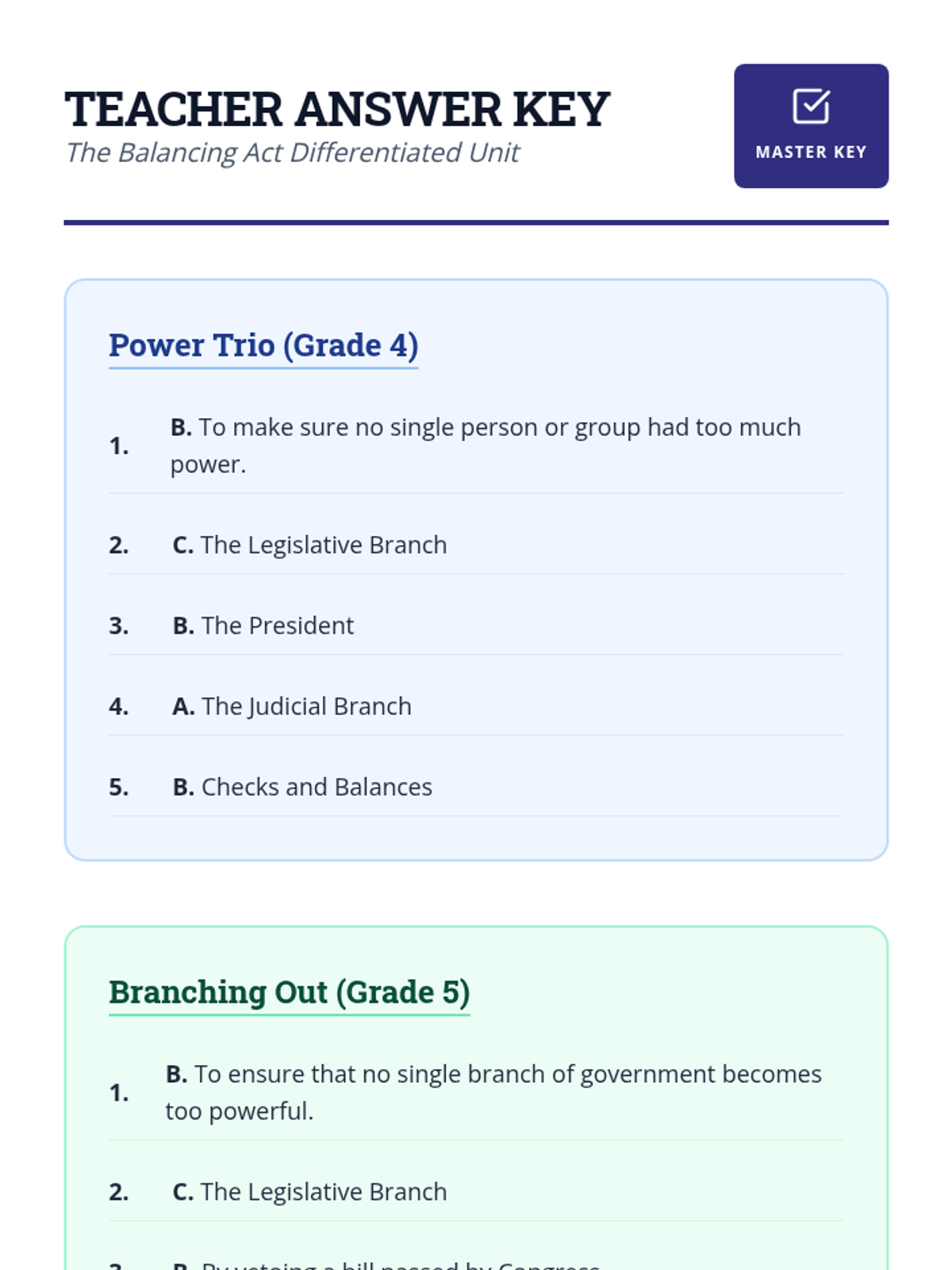
An exploration of the three branches of the United States government—Legislative, Executive, and Judicial—and the system of checks and balances that ensures no single branch becomes too powerful.
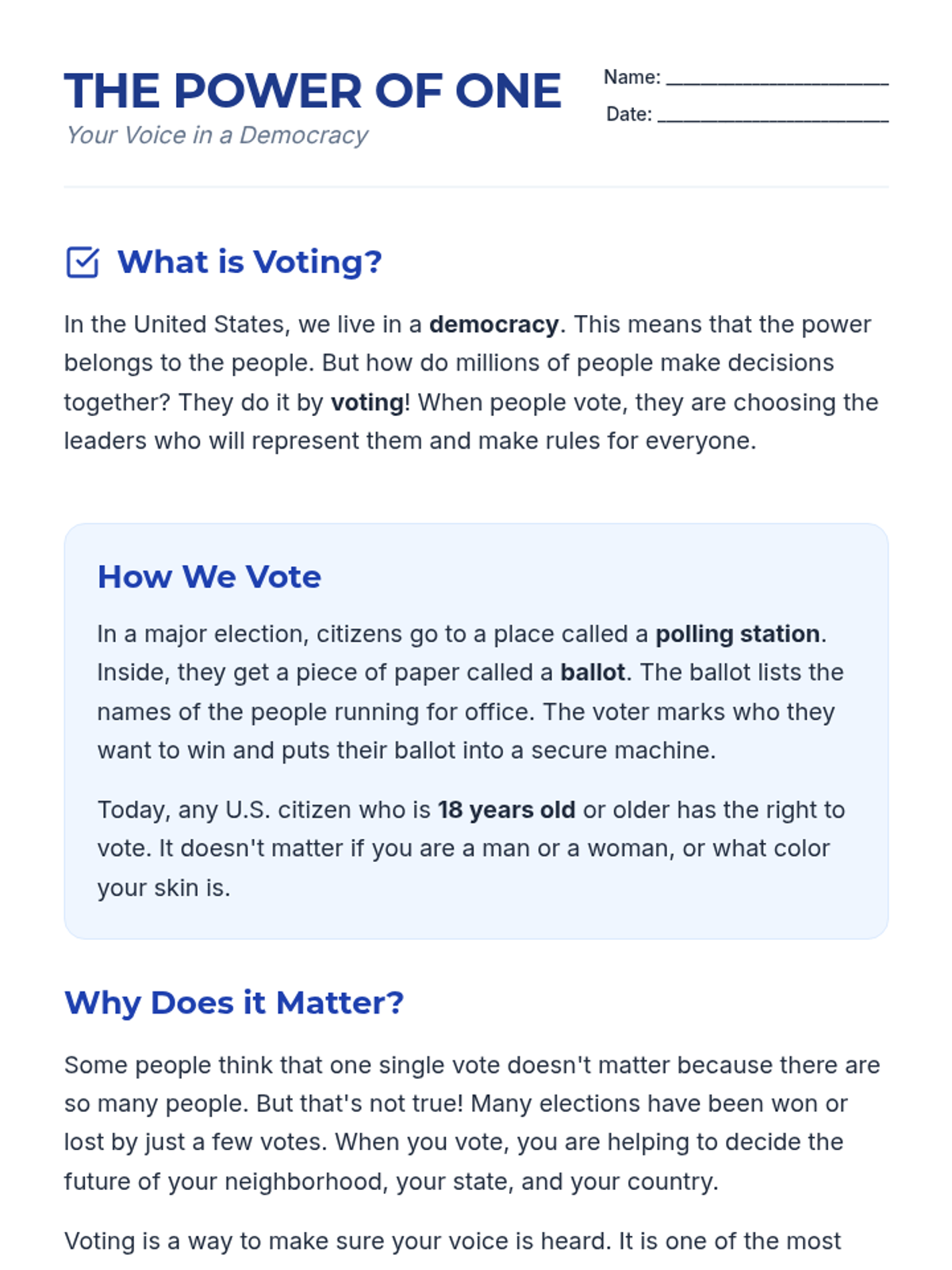
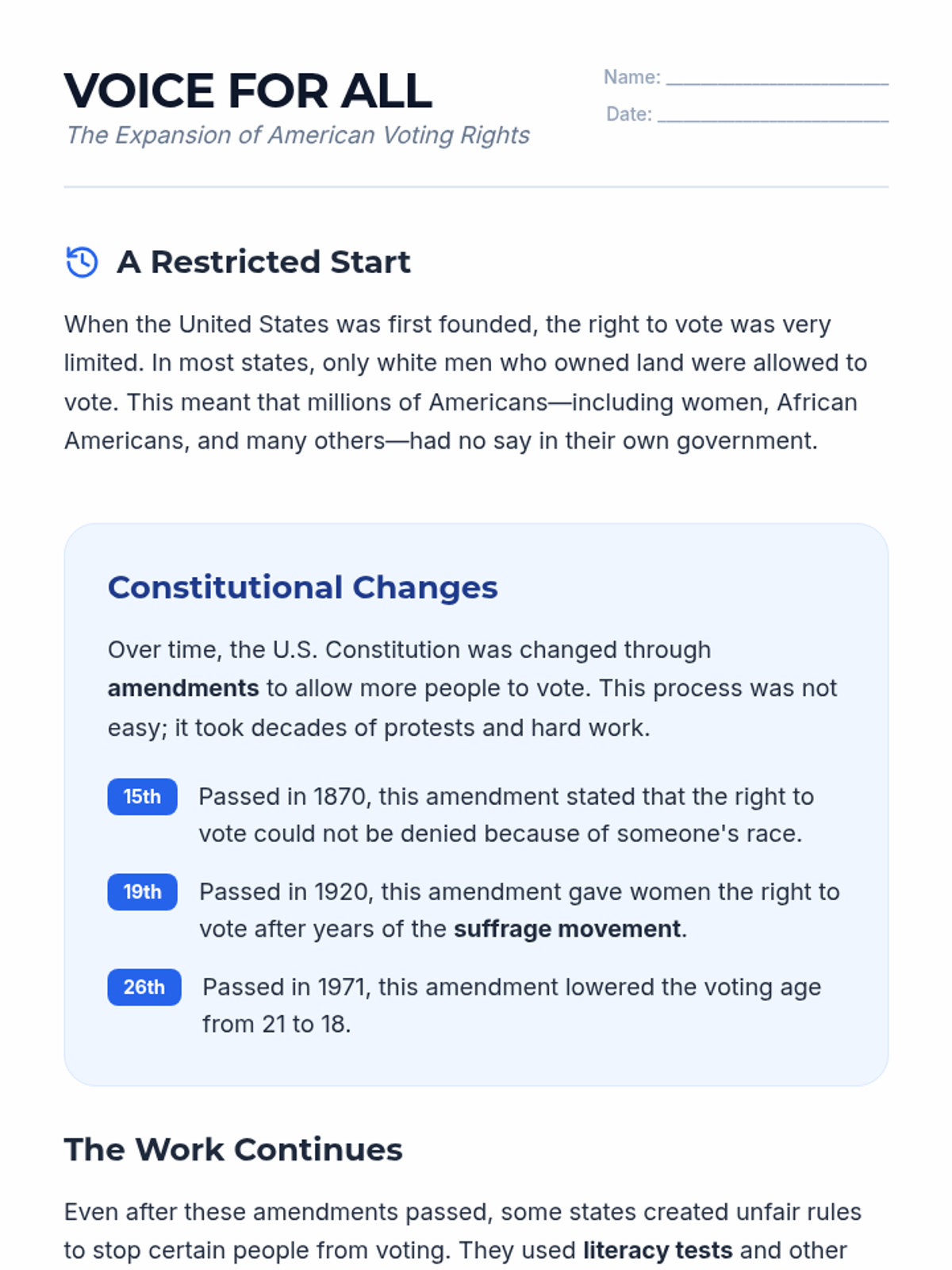
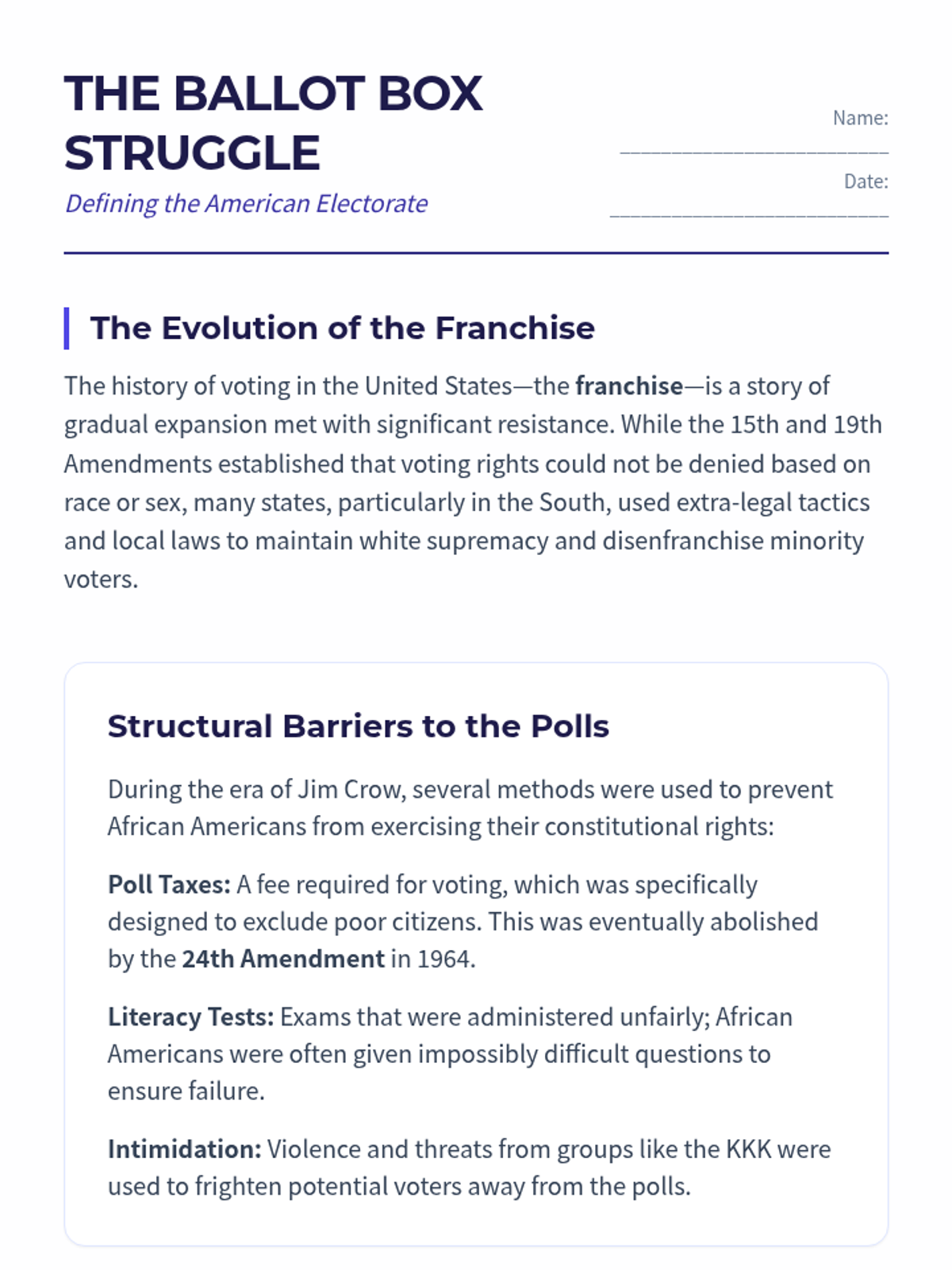
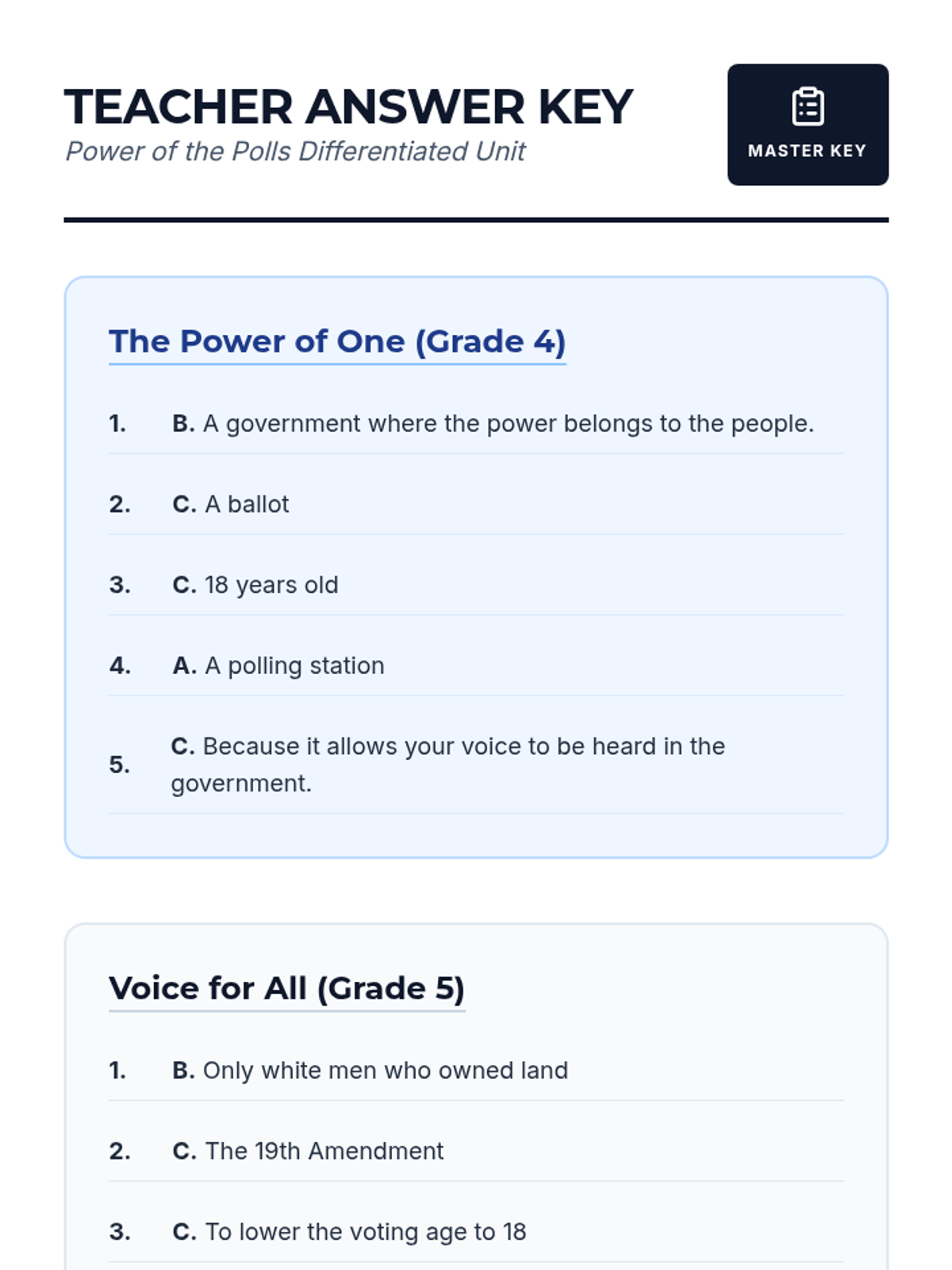
An exploration of voting rights in the United States, tracing the expansion of the franchise through constitutional amendments and the Civil Rights Movement.
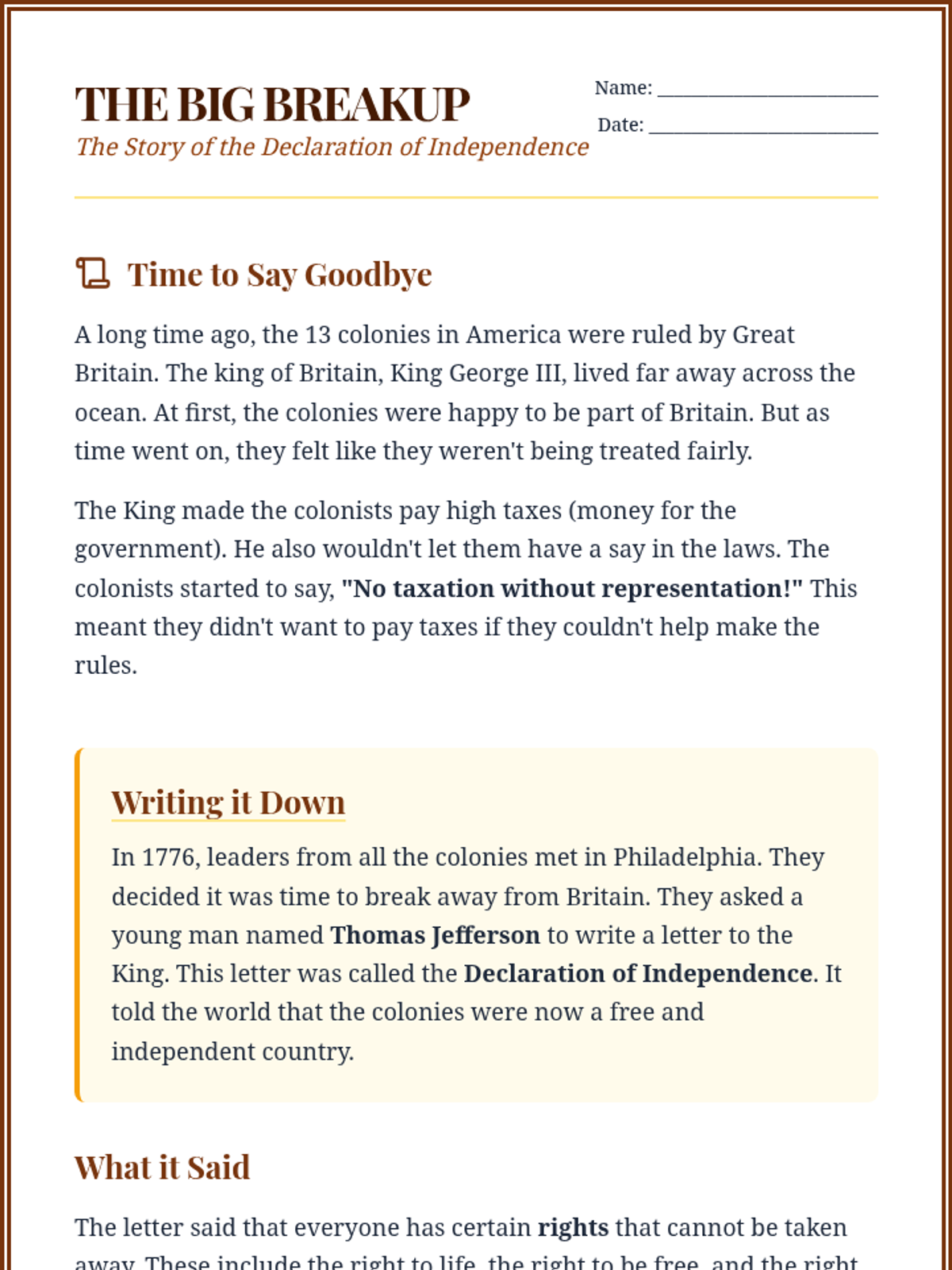
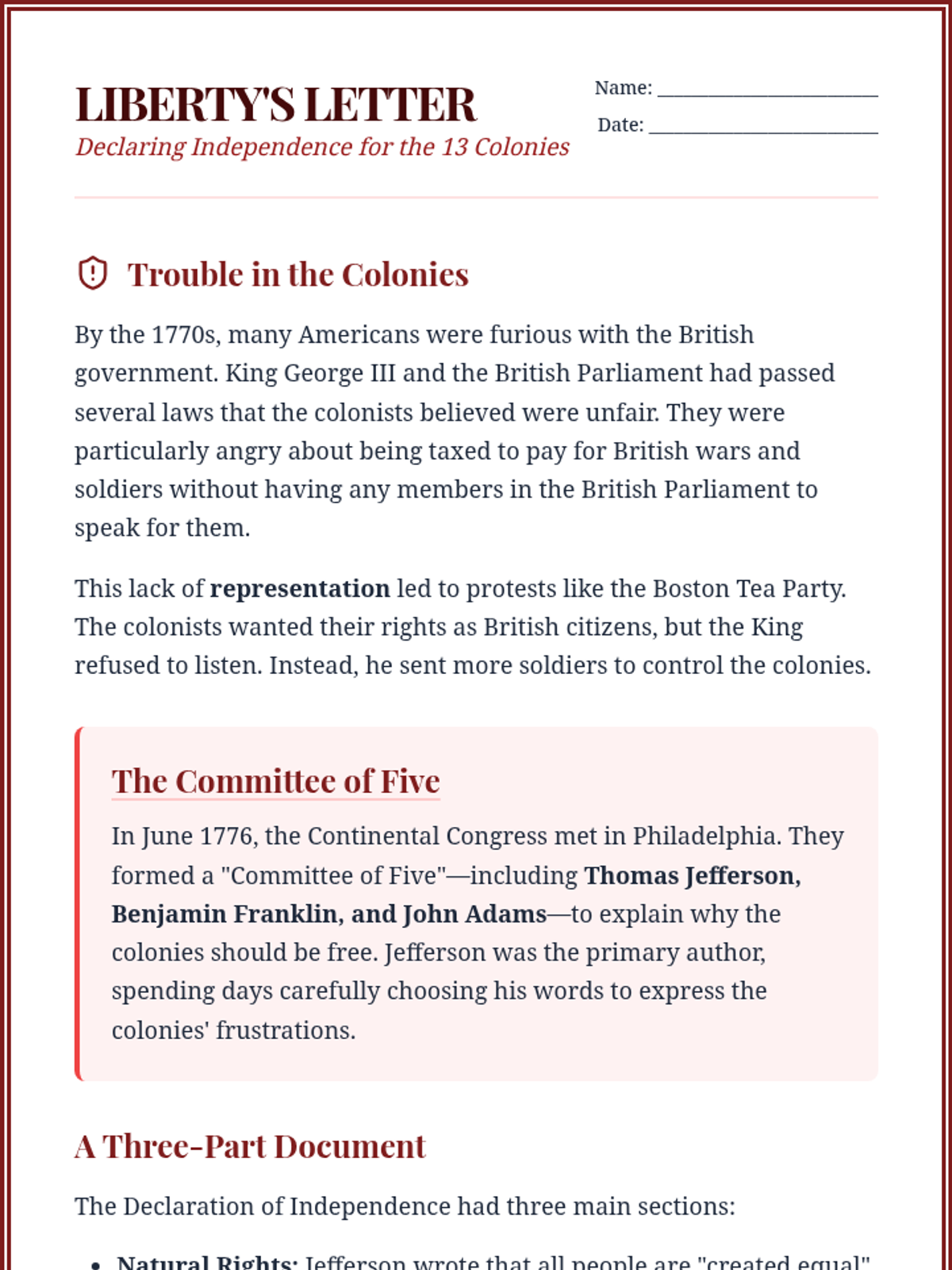
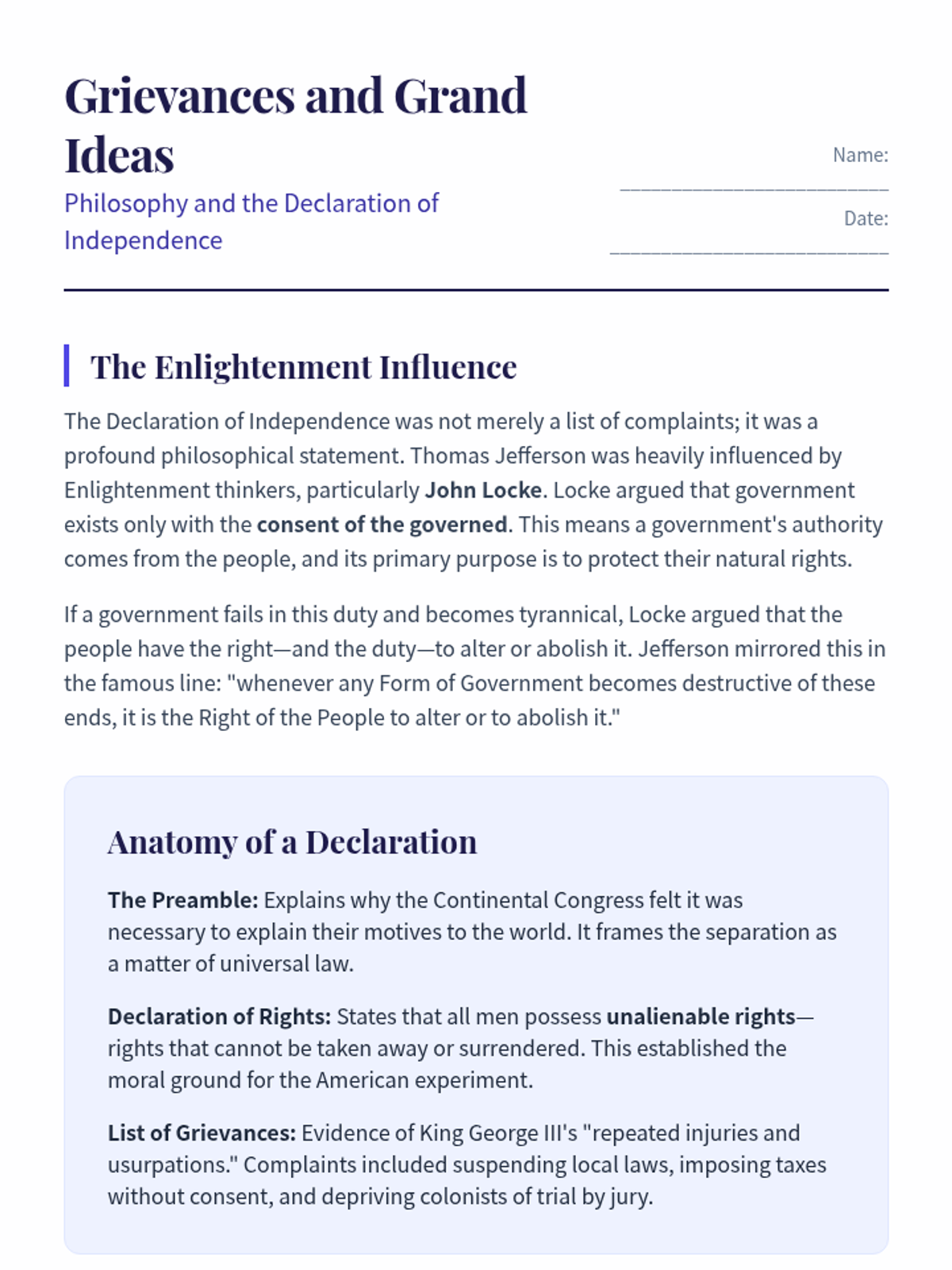
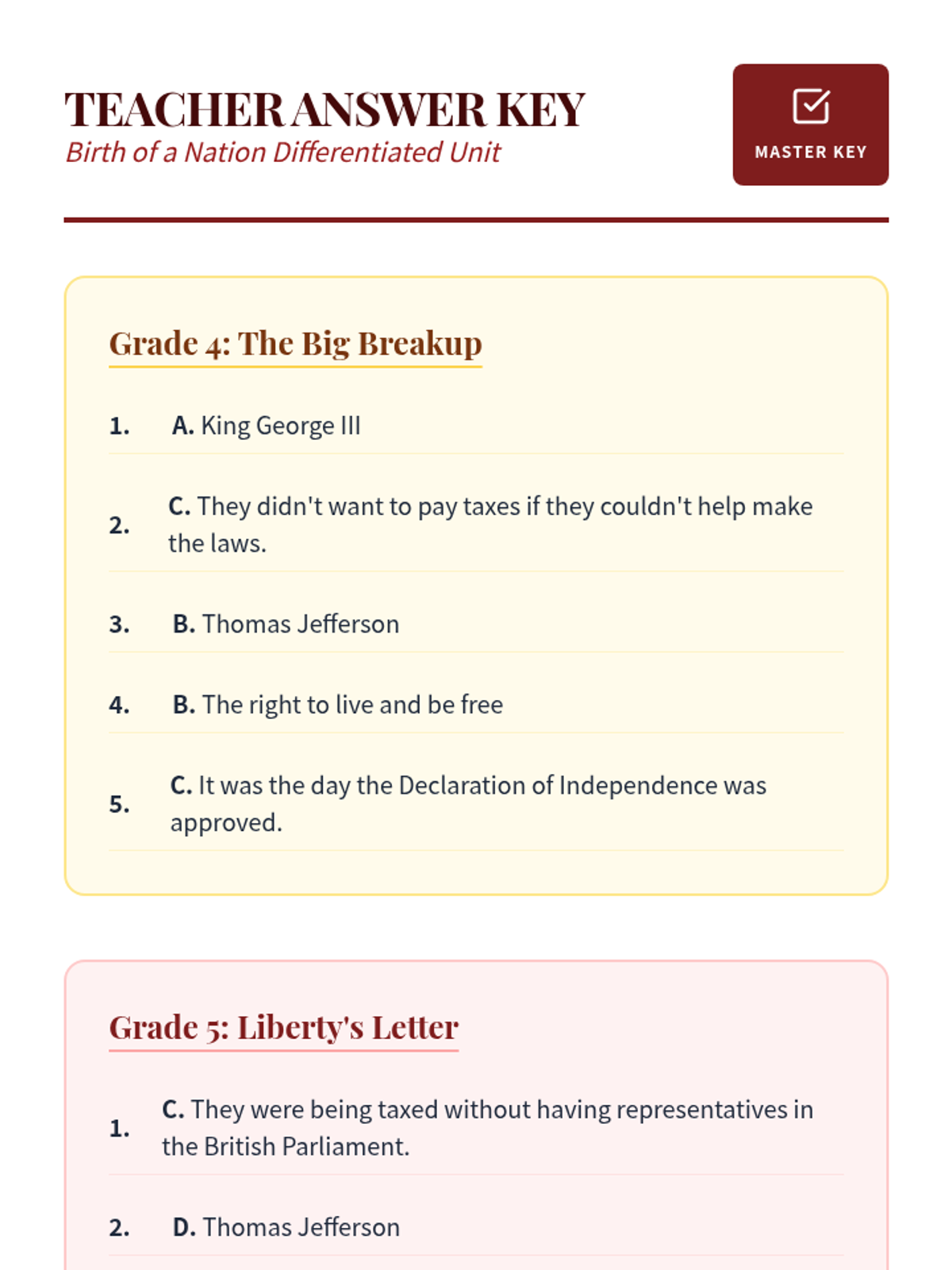
An exploration of the Declaration of Independence, its historical context, key grievances against King George III, and the fundamental principles of American democracy.
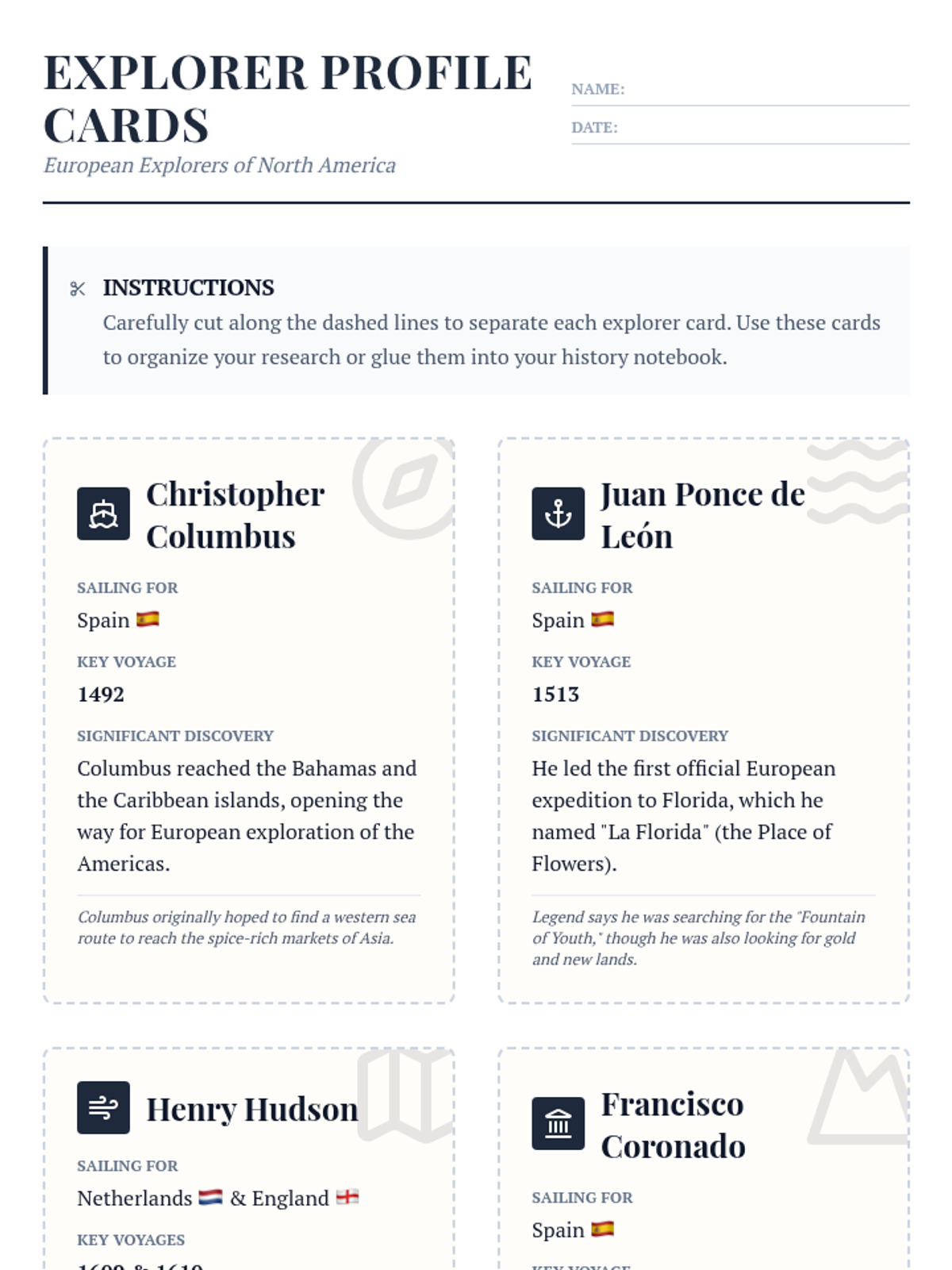
A lesson focused on the key European explorers who reached North America, their motivations, and their discoveries.
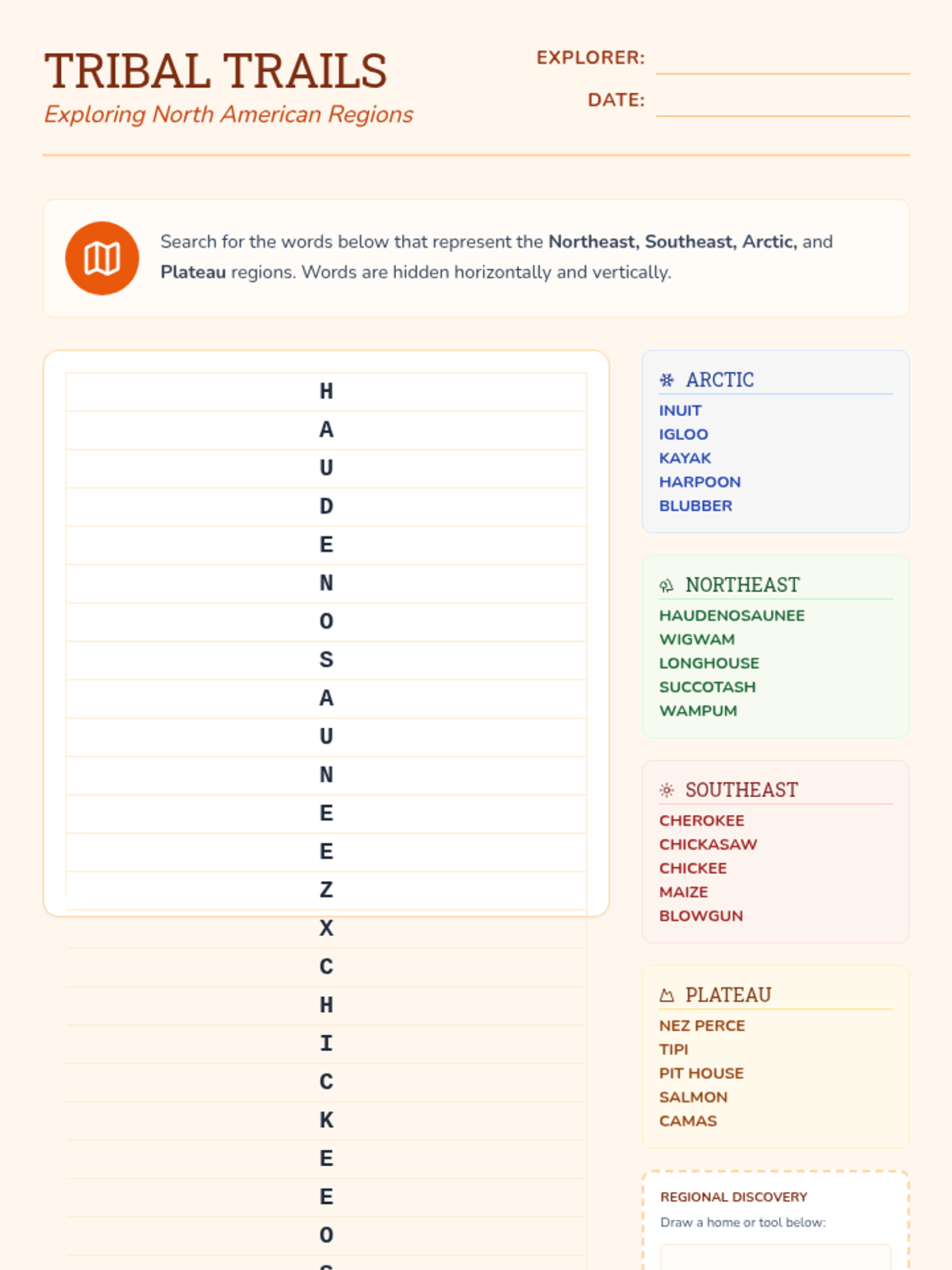
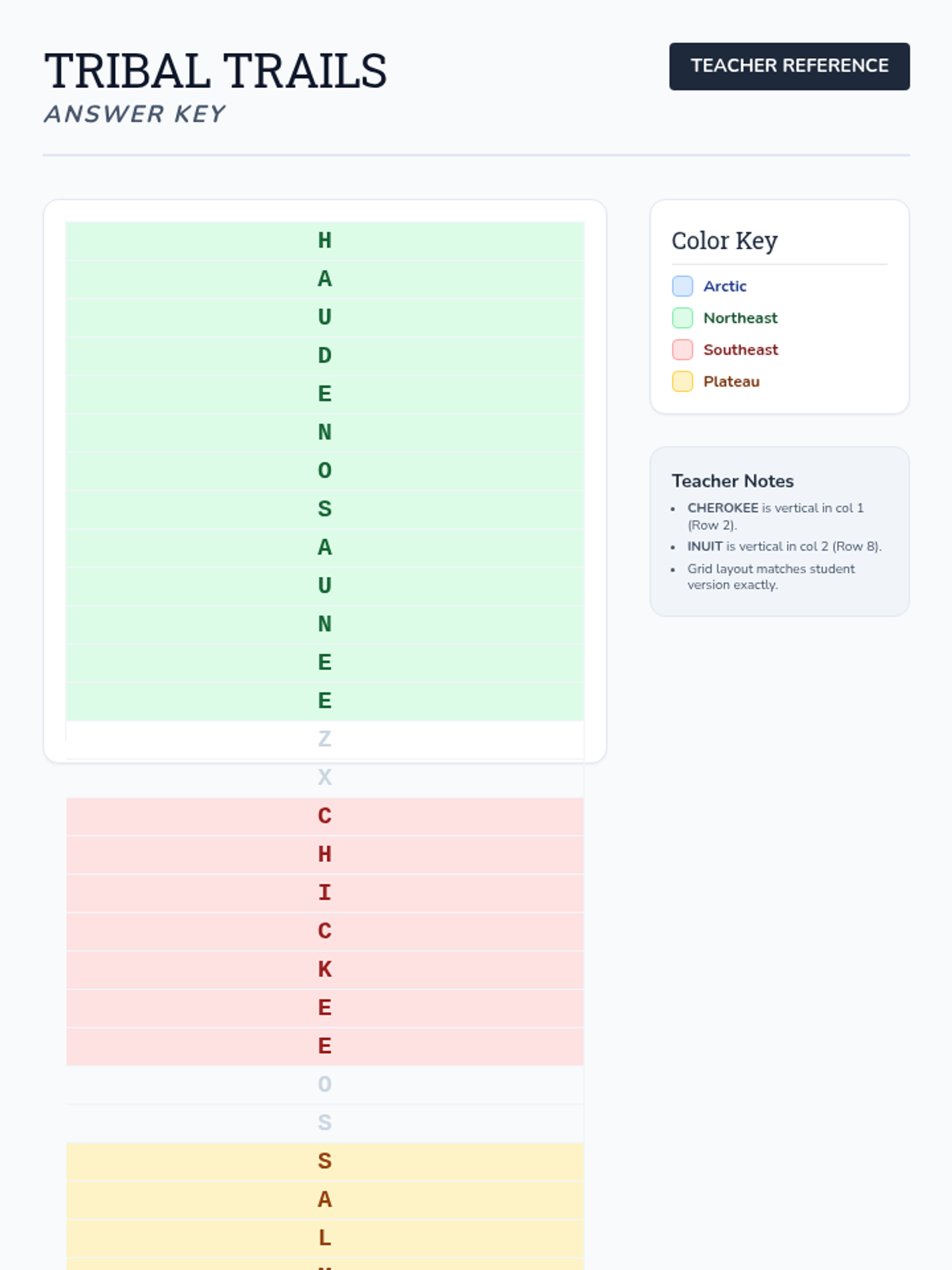
A lesson exploring the cultural and environmental adaptations of Native American tribes across four key regions: Arctic, Northeast, Southeast, and Plateau.
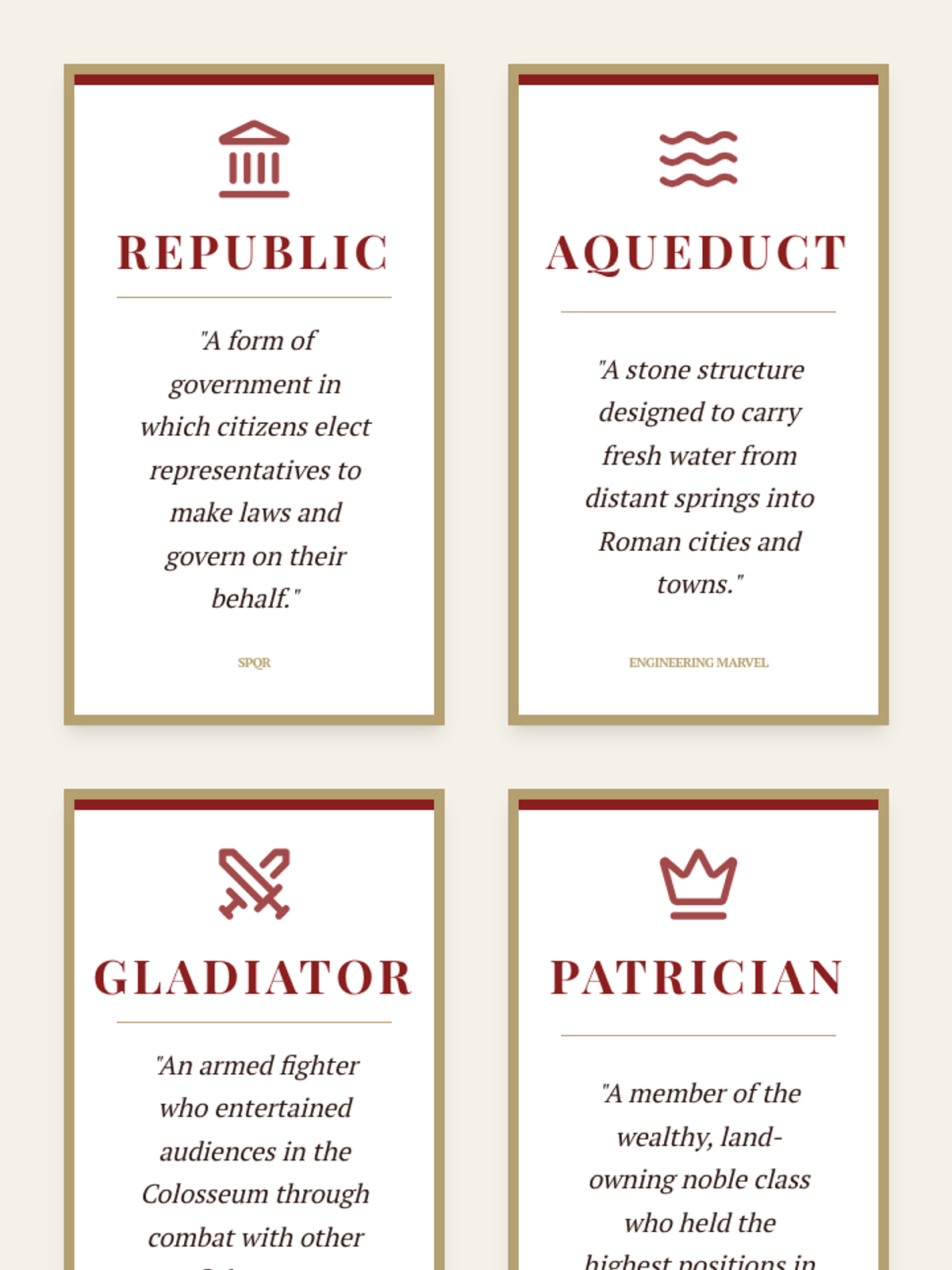
Master the essential terminology of Ancient Rome through visual and descriptive flashcards.
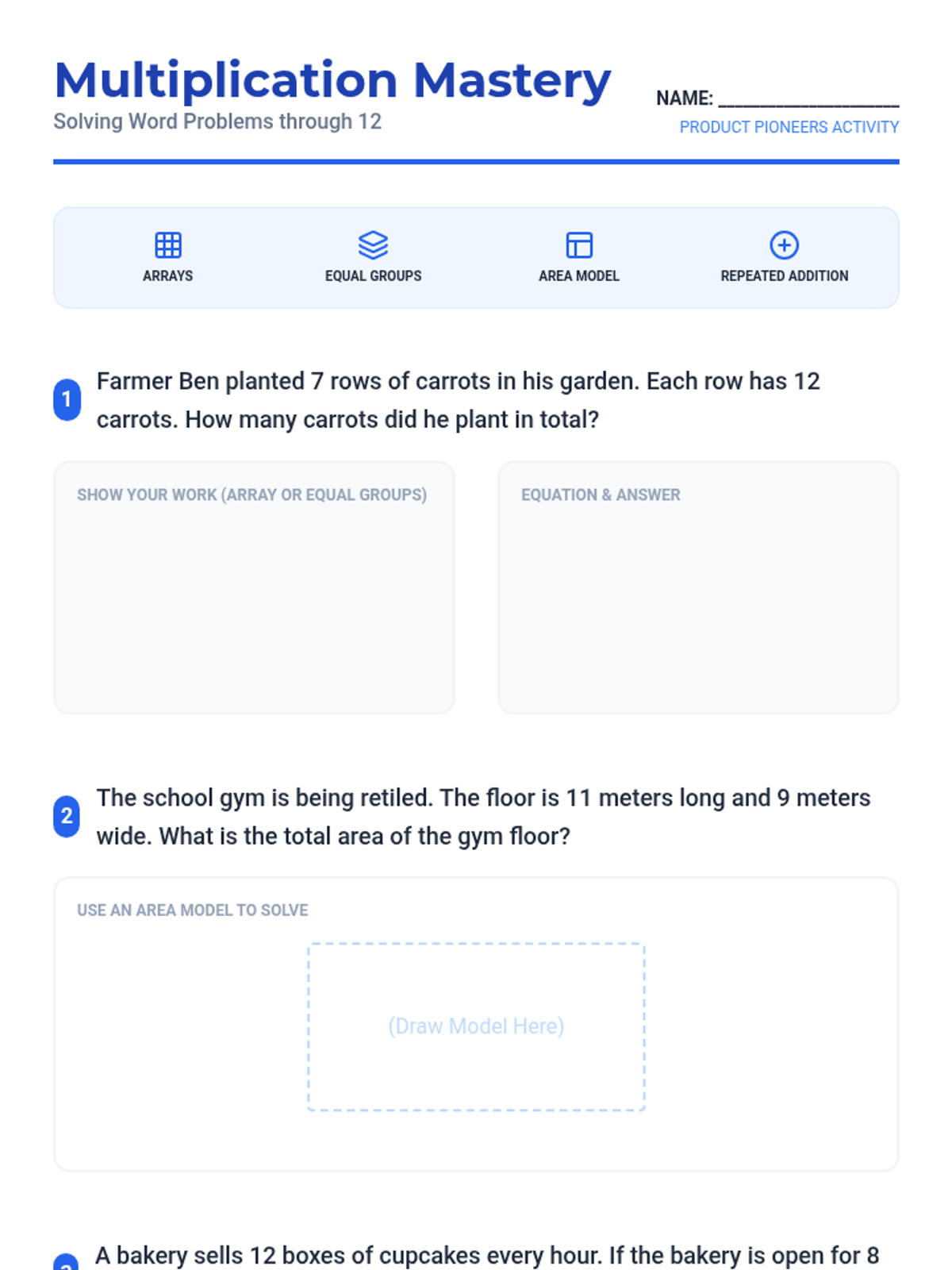
Solve complex multiplication word problems using multiple strategies including arrays and area models.
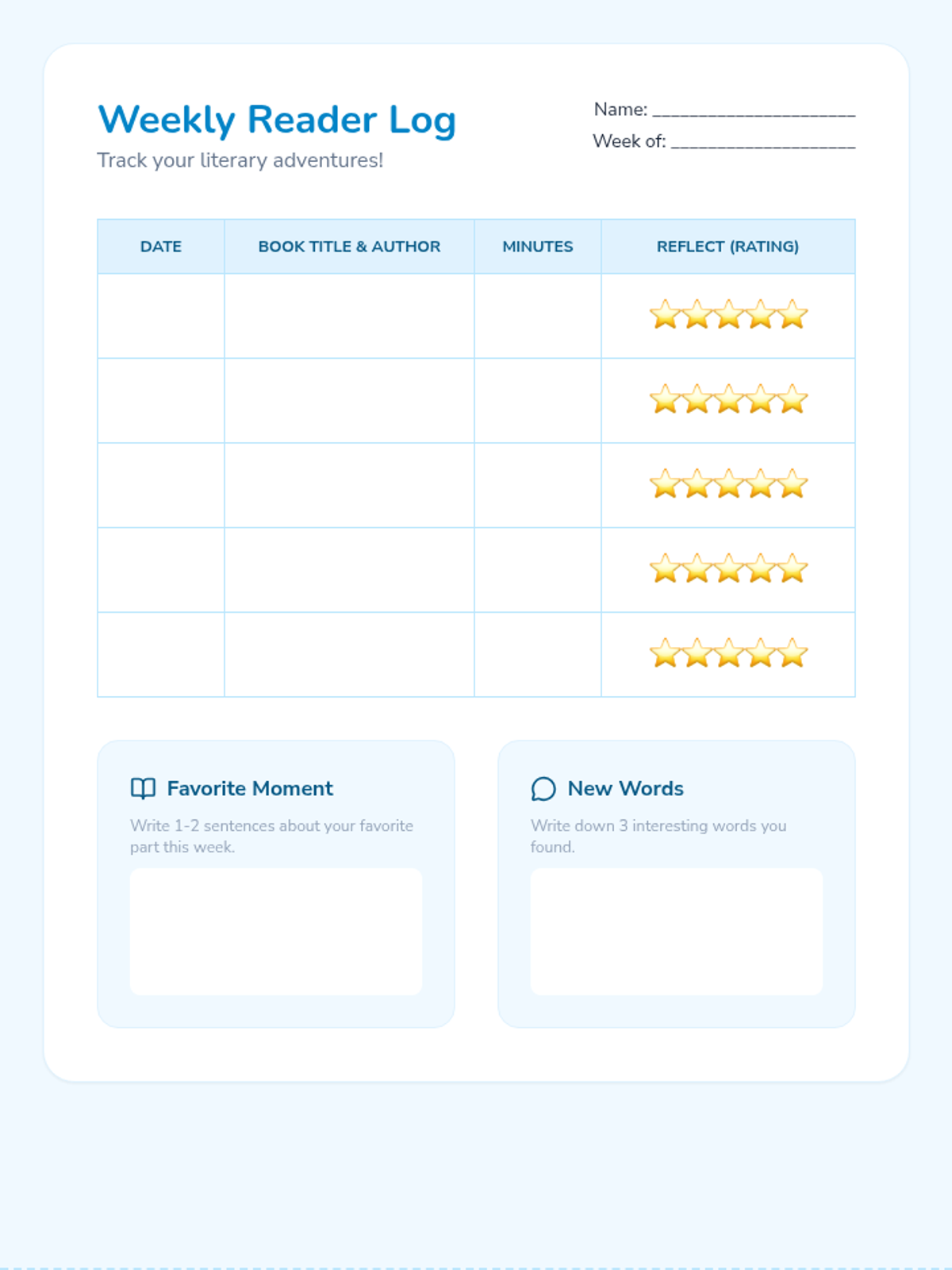
Track and reflect on daily reading progress with differentiated logs for various ability levels.
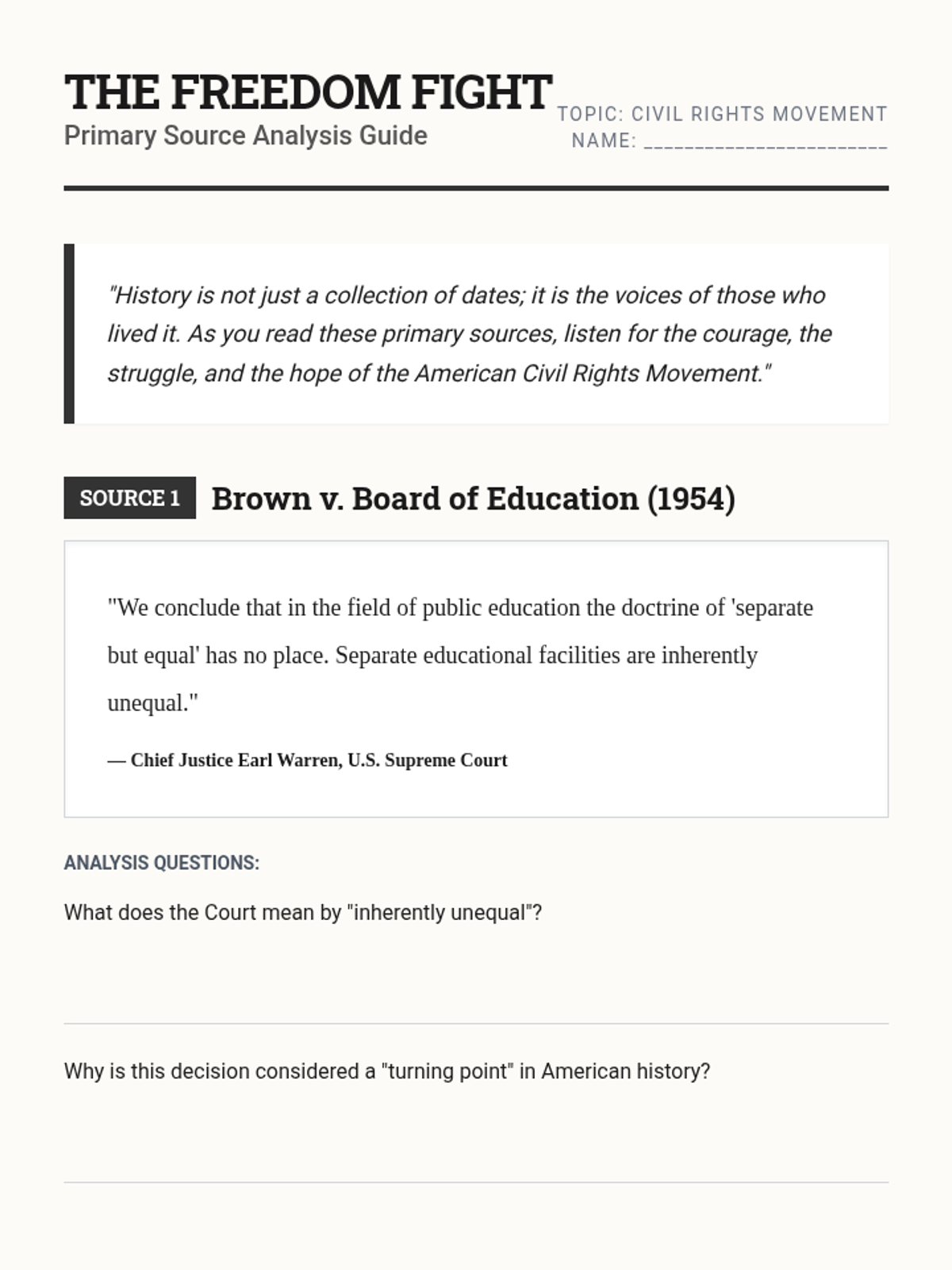
Analyze the key figures, events, and documents of the American Civil Rights Movement.
Explore how plants transform sunlight into energy through the process of photosynthesis.
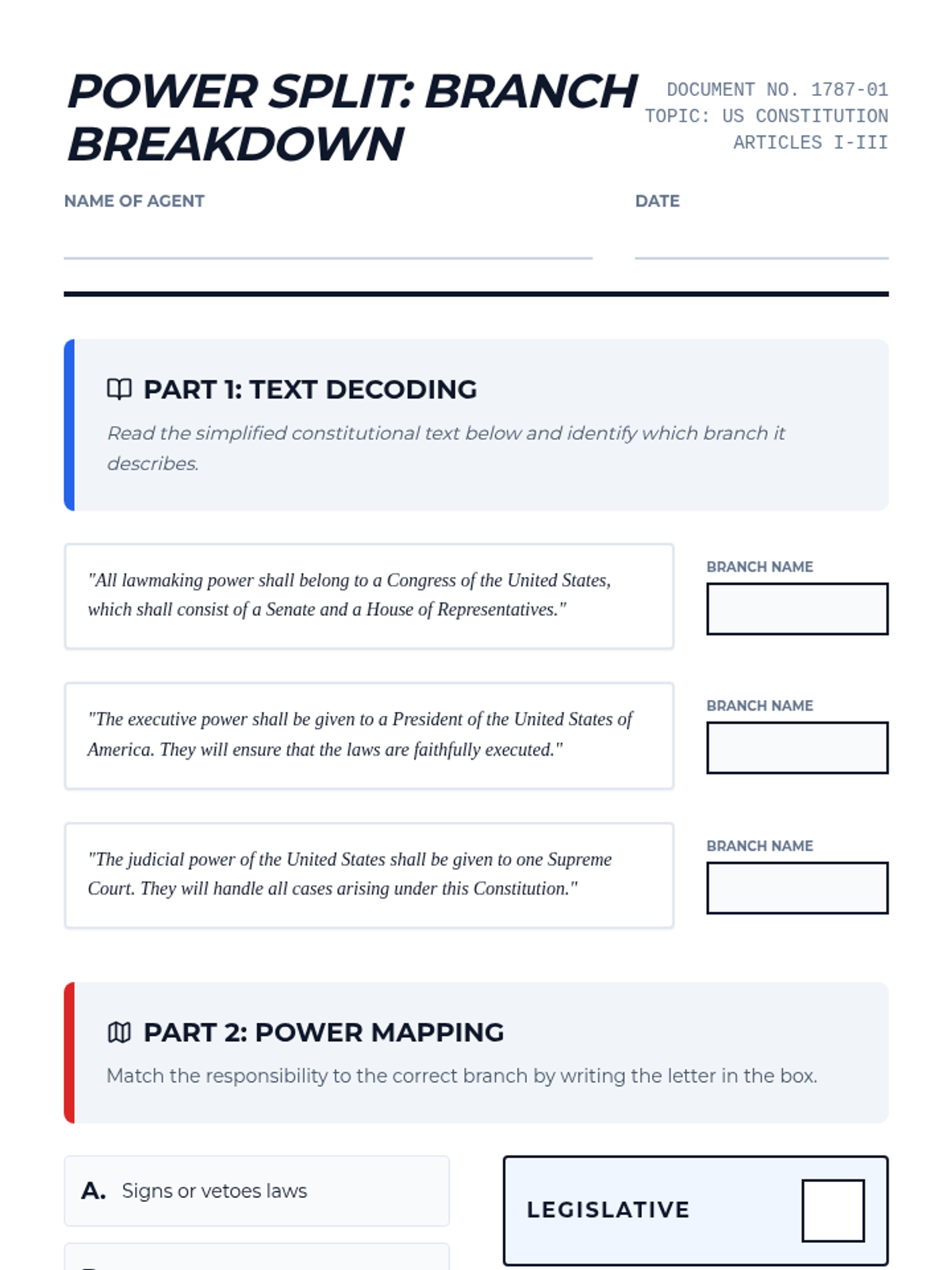
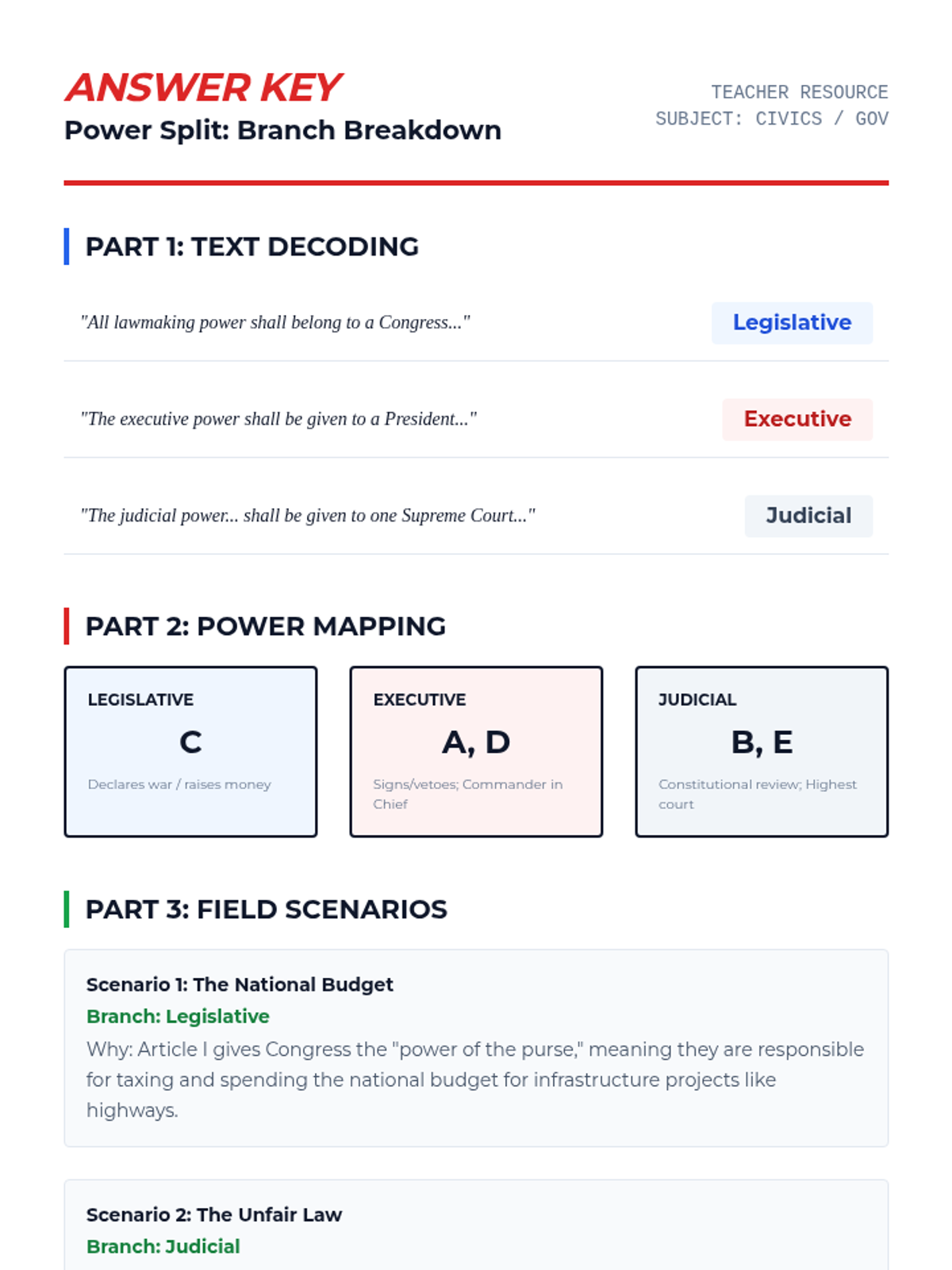
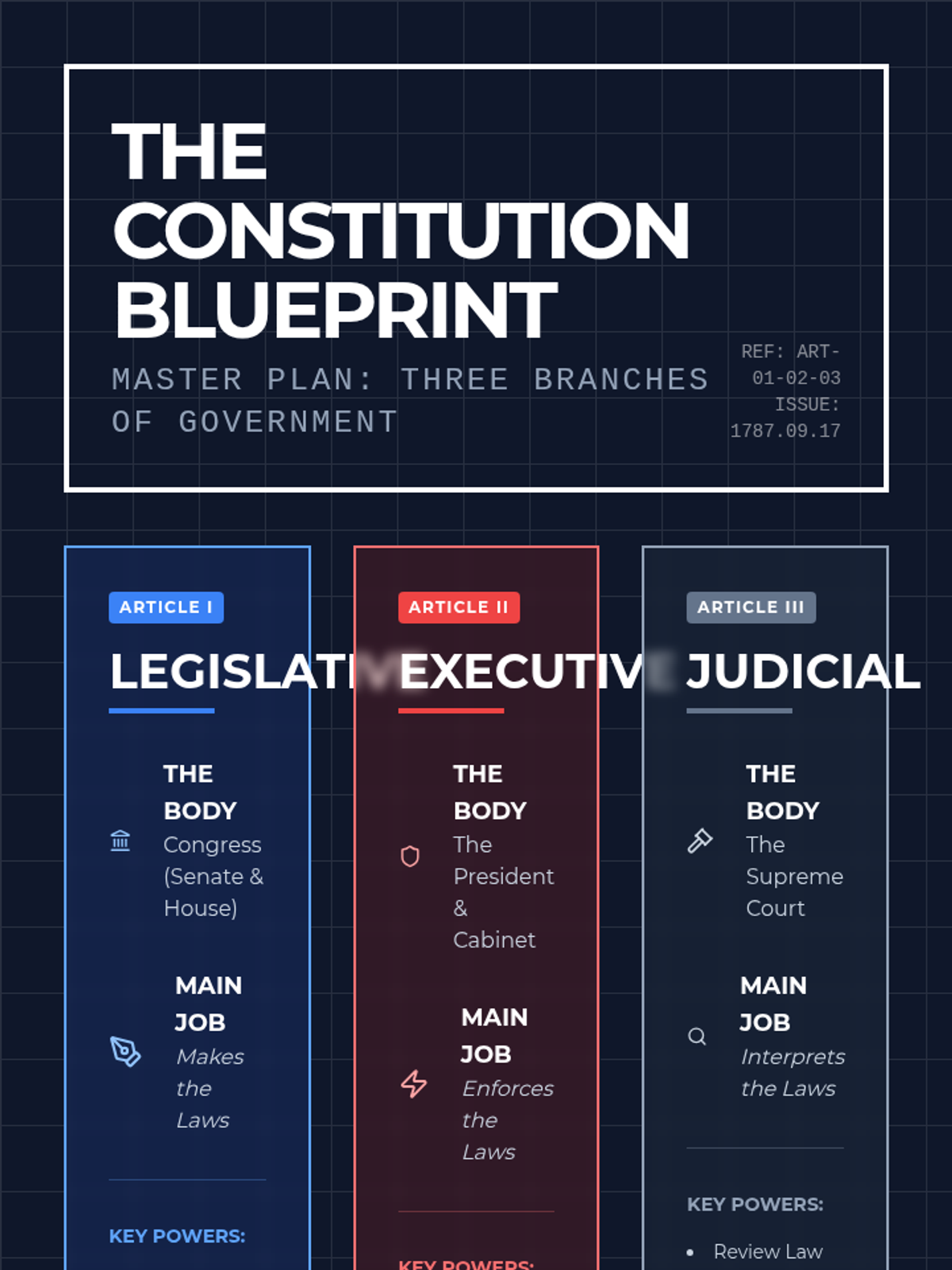
A lesson exploring the first three articles of the U.S. Constitution, focusing on the separation of powers into the Legislative, Executive, and Judicial branches through simplified text and visual breakdowns.
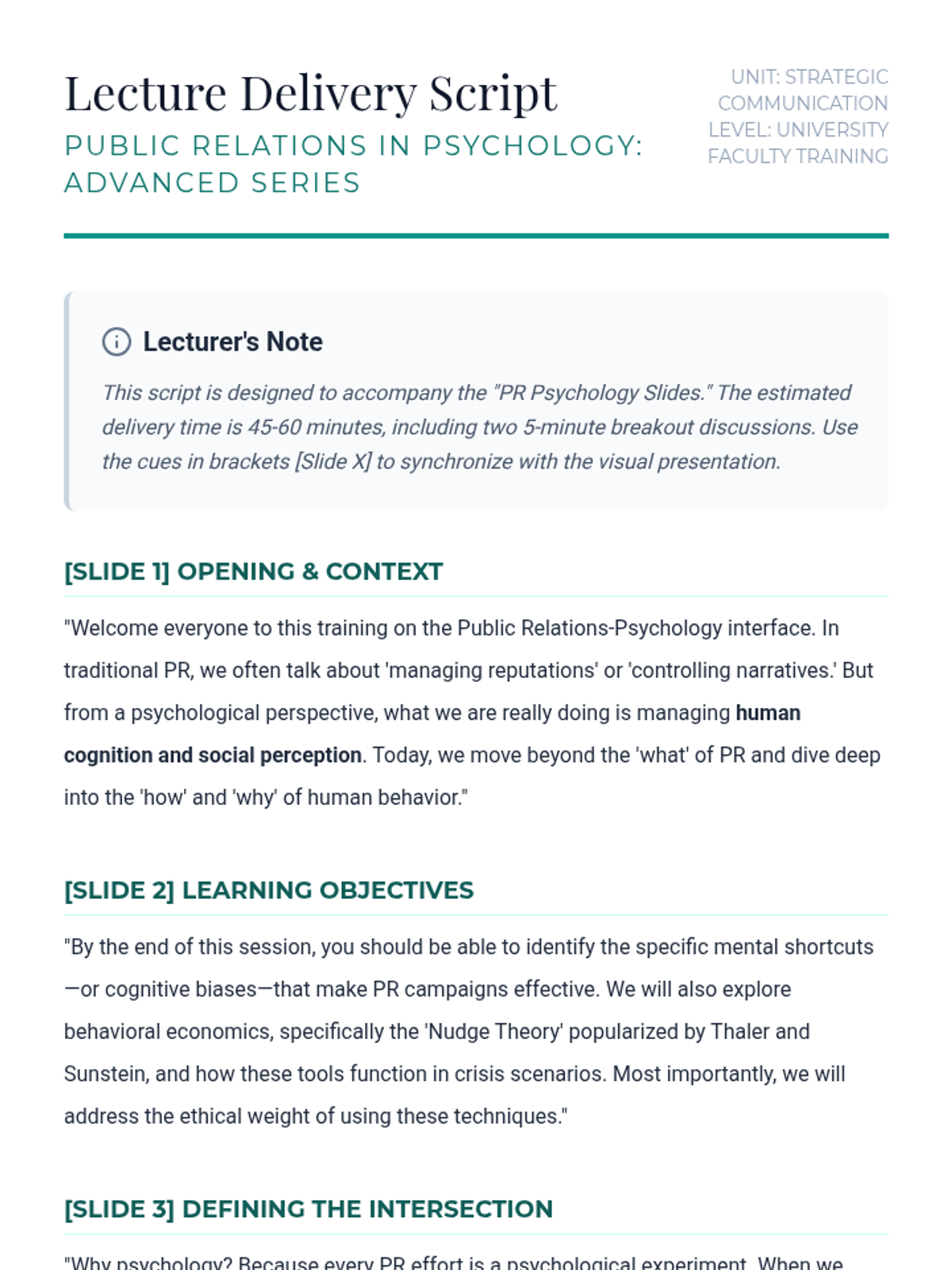
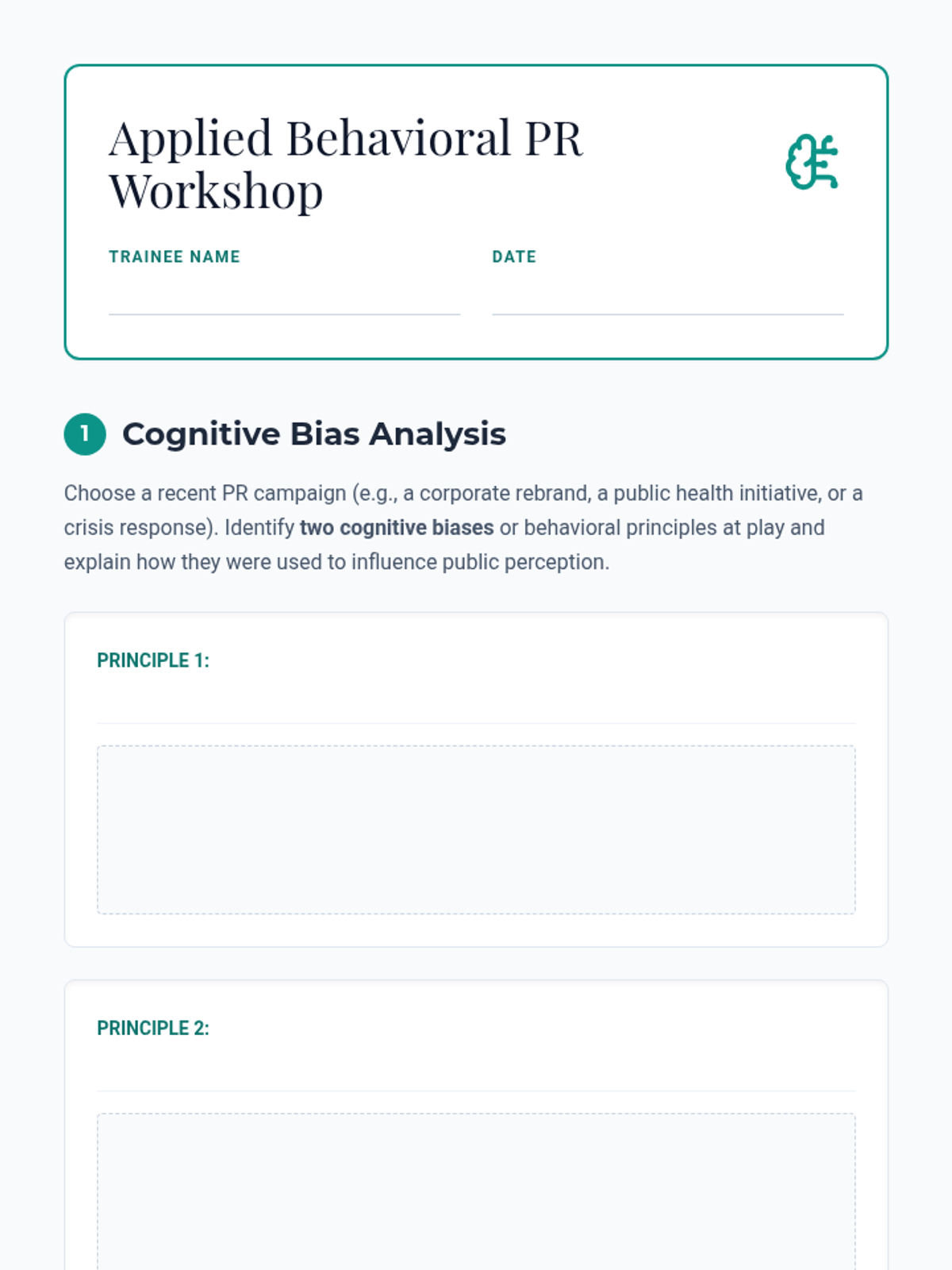
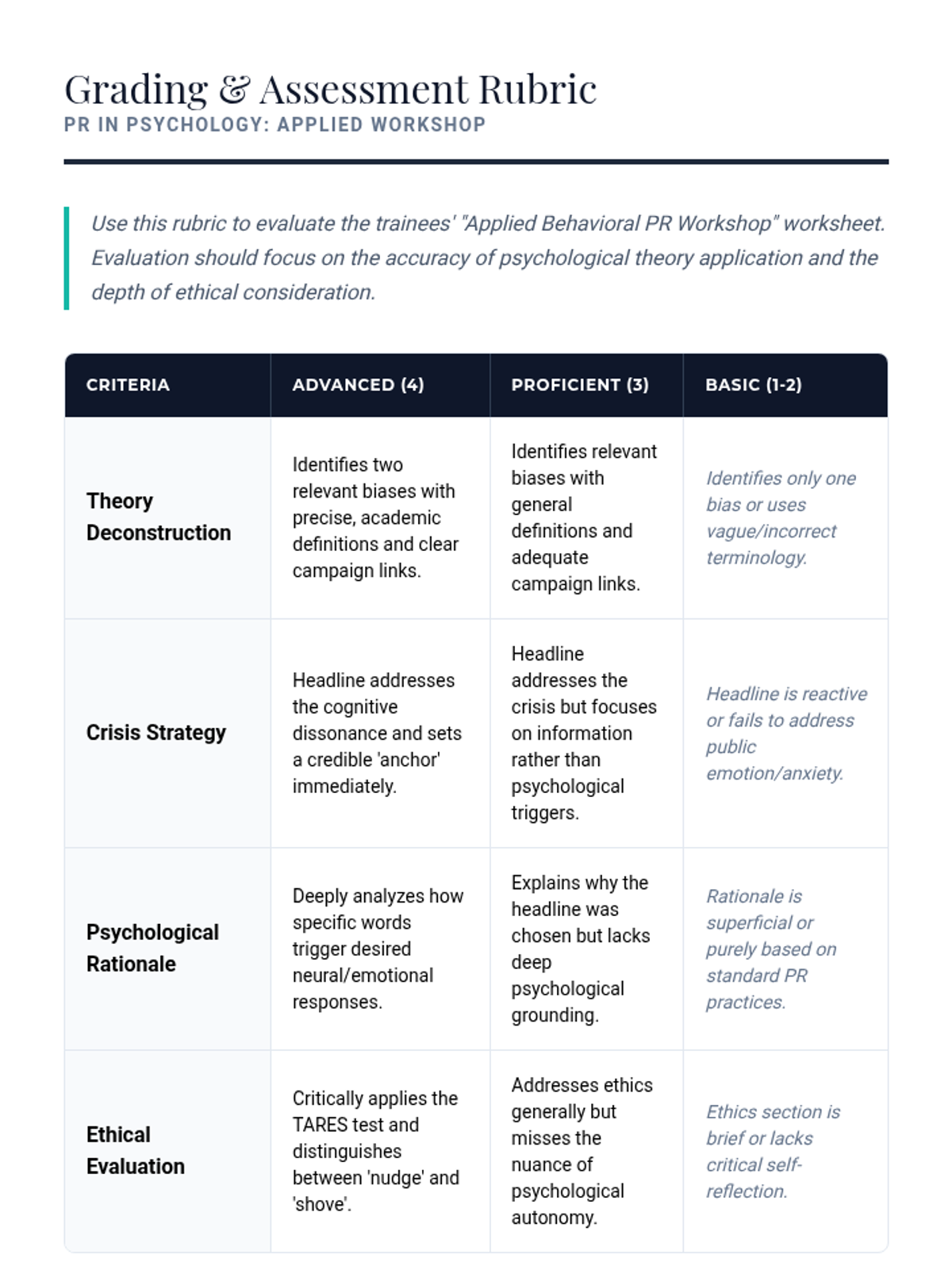
This lesson explores the intersection of psychological principles and public relations strategies, designed for university-level teacher training. It covers behavioral influence, cognitive biases, and ethical communication frameworks.
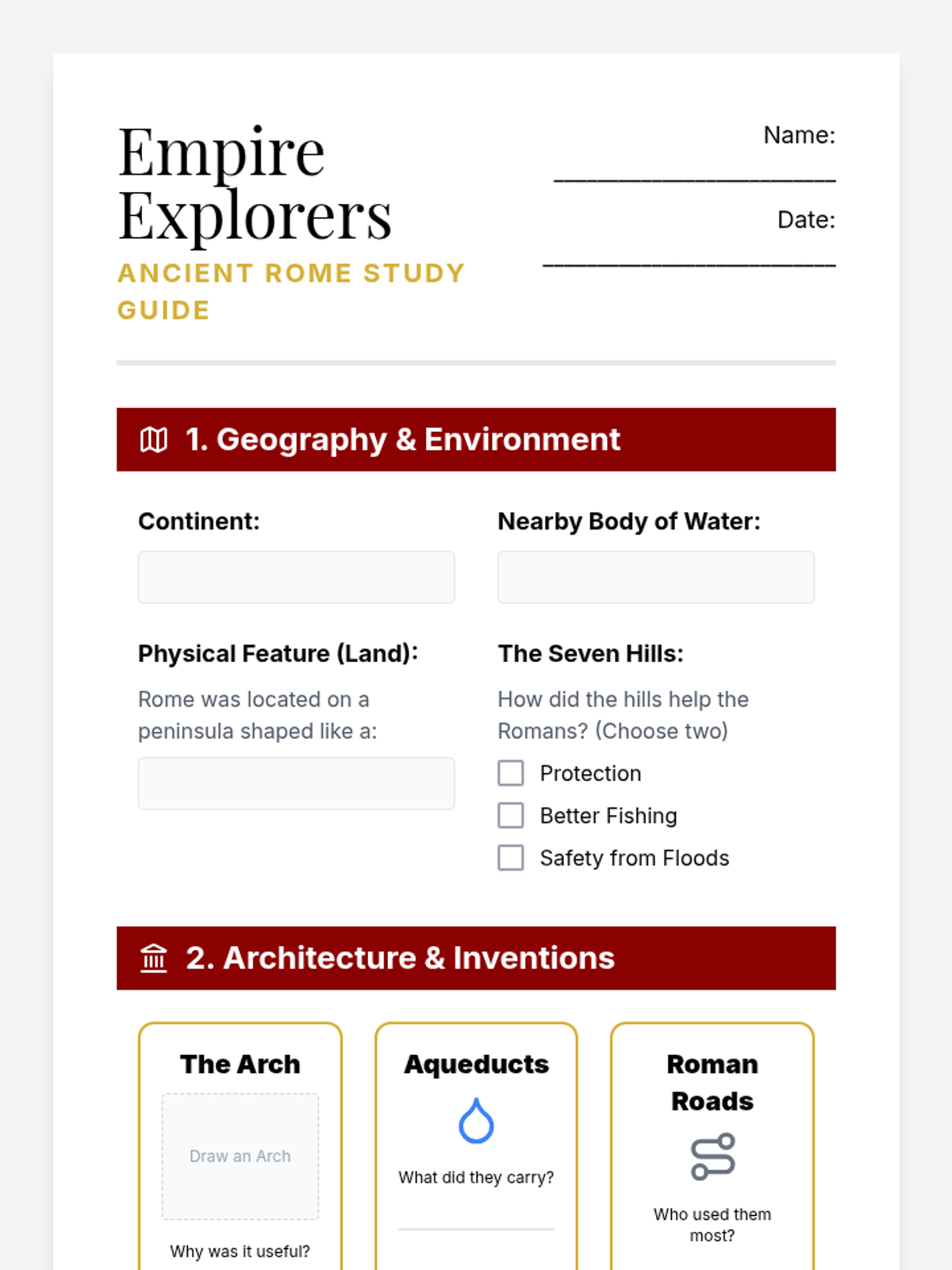
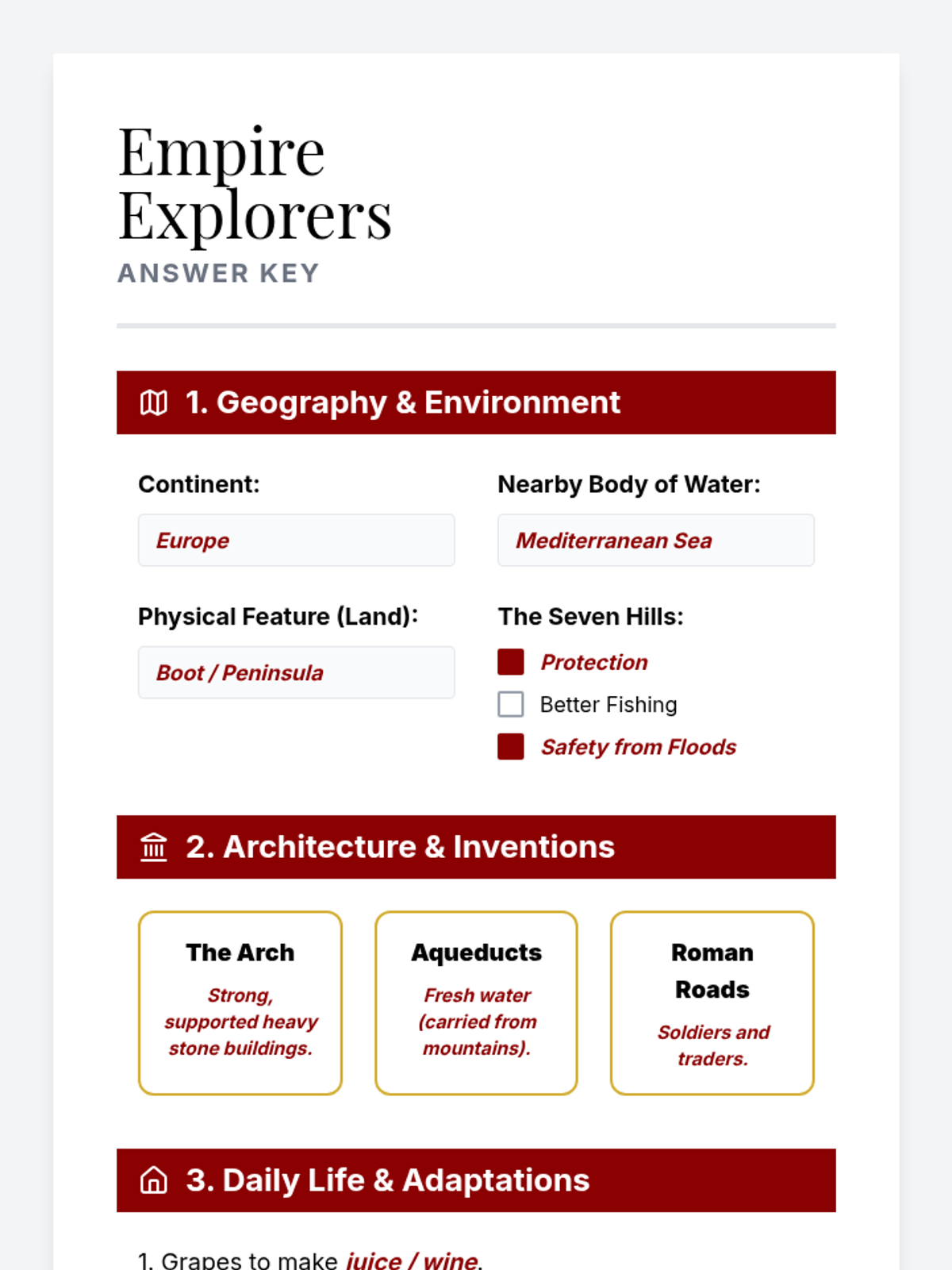
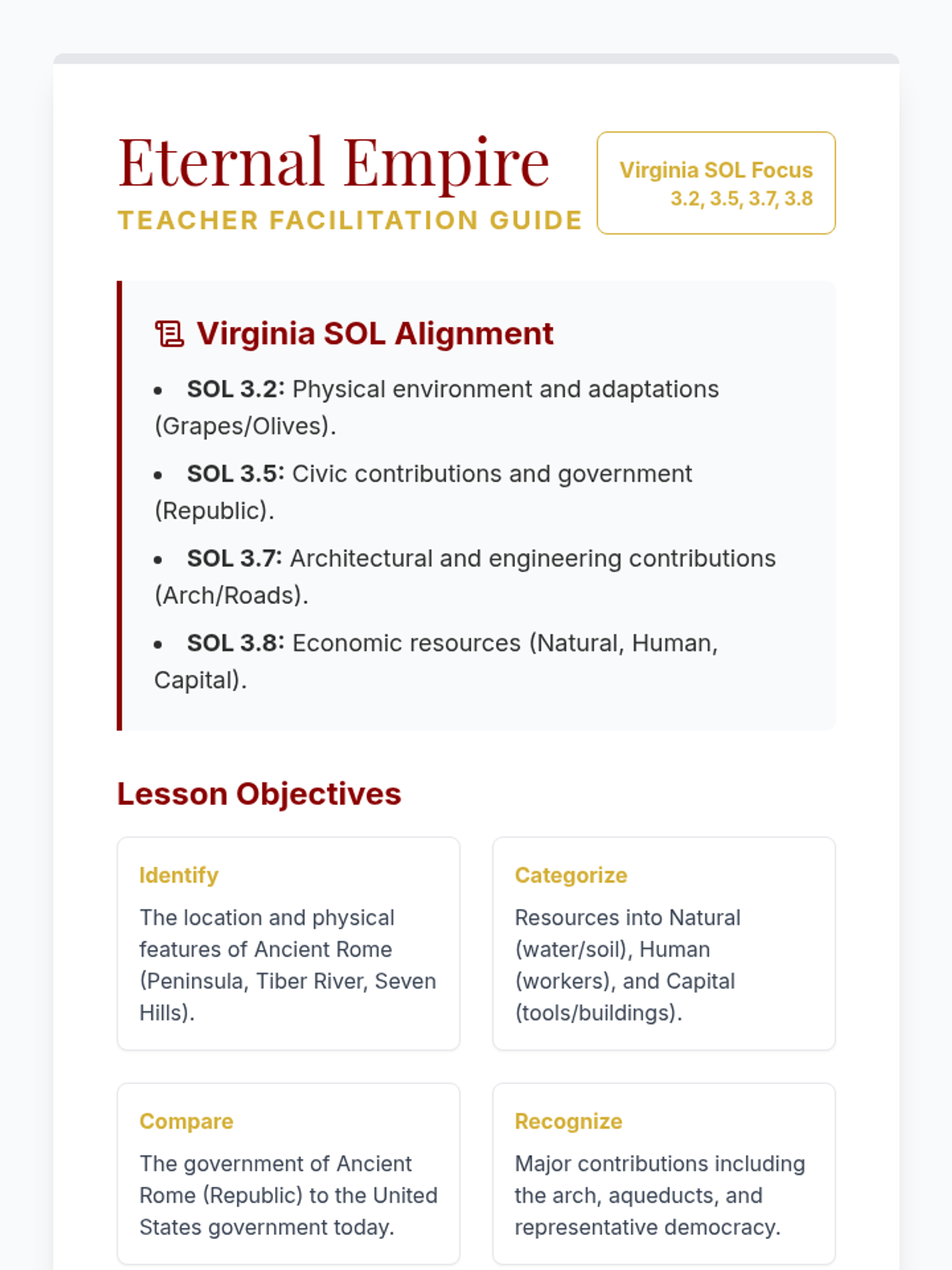
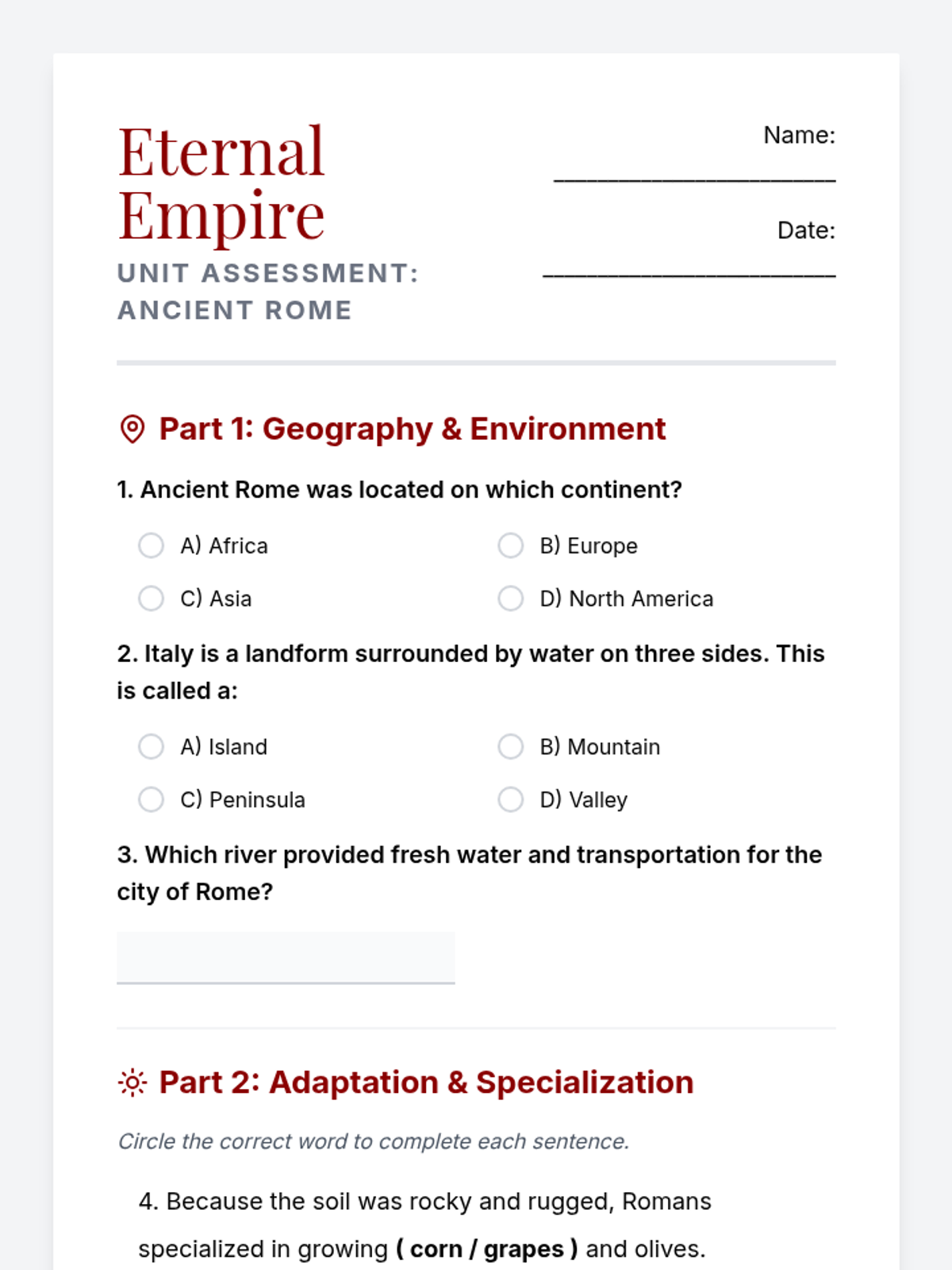
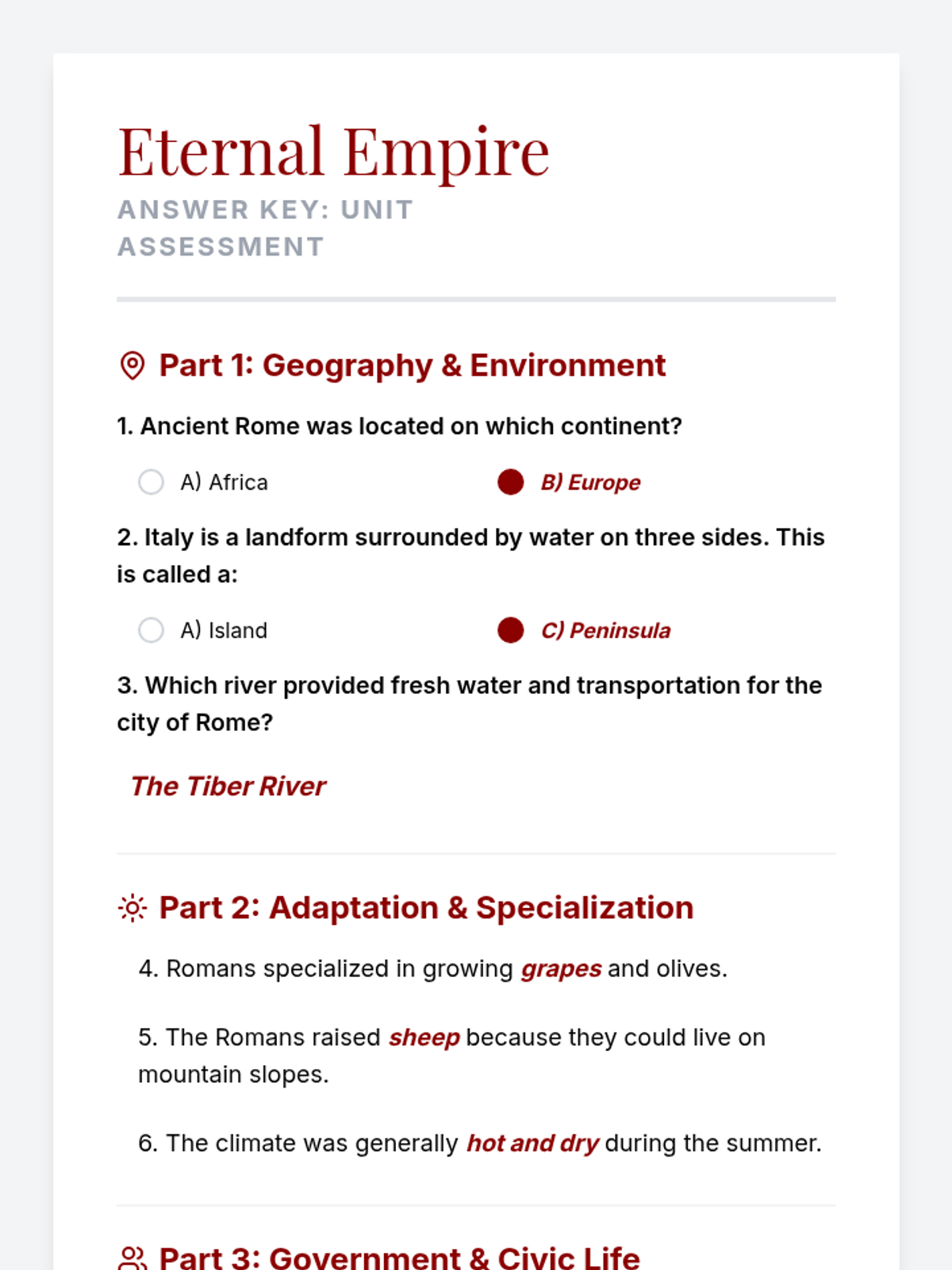
A deep dive into Ancient Rome covering geography, daily life, government, and lasting contributions tailored for 3rd grade Virginia SOLs. Students explore the physical environment of the Mediterranean and how Romans adapted to their surroundings through engineering and trade.
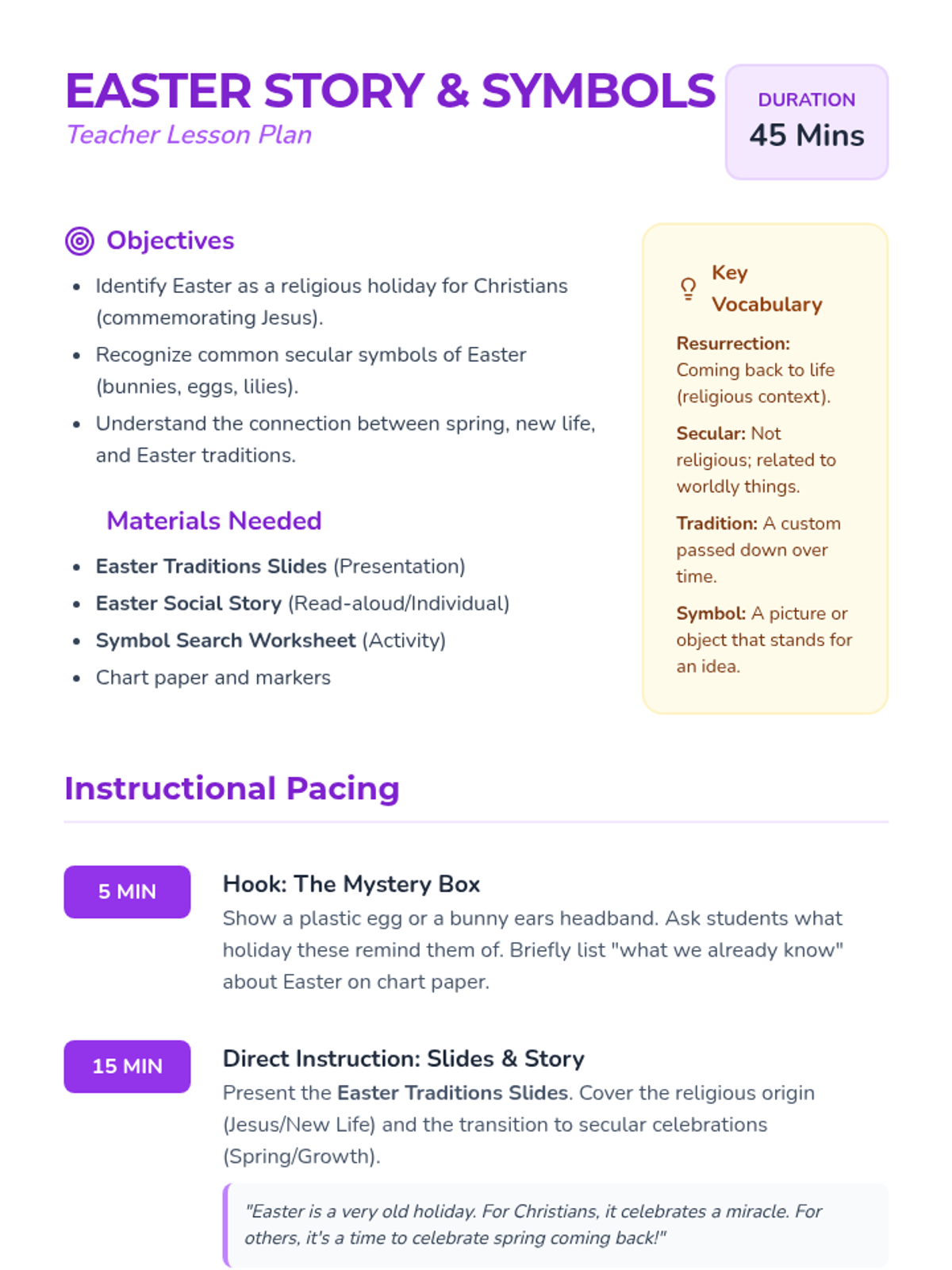
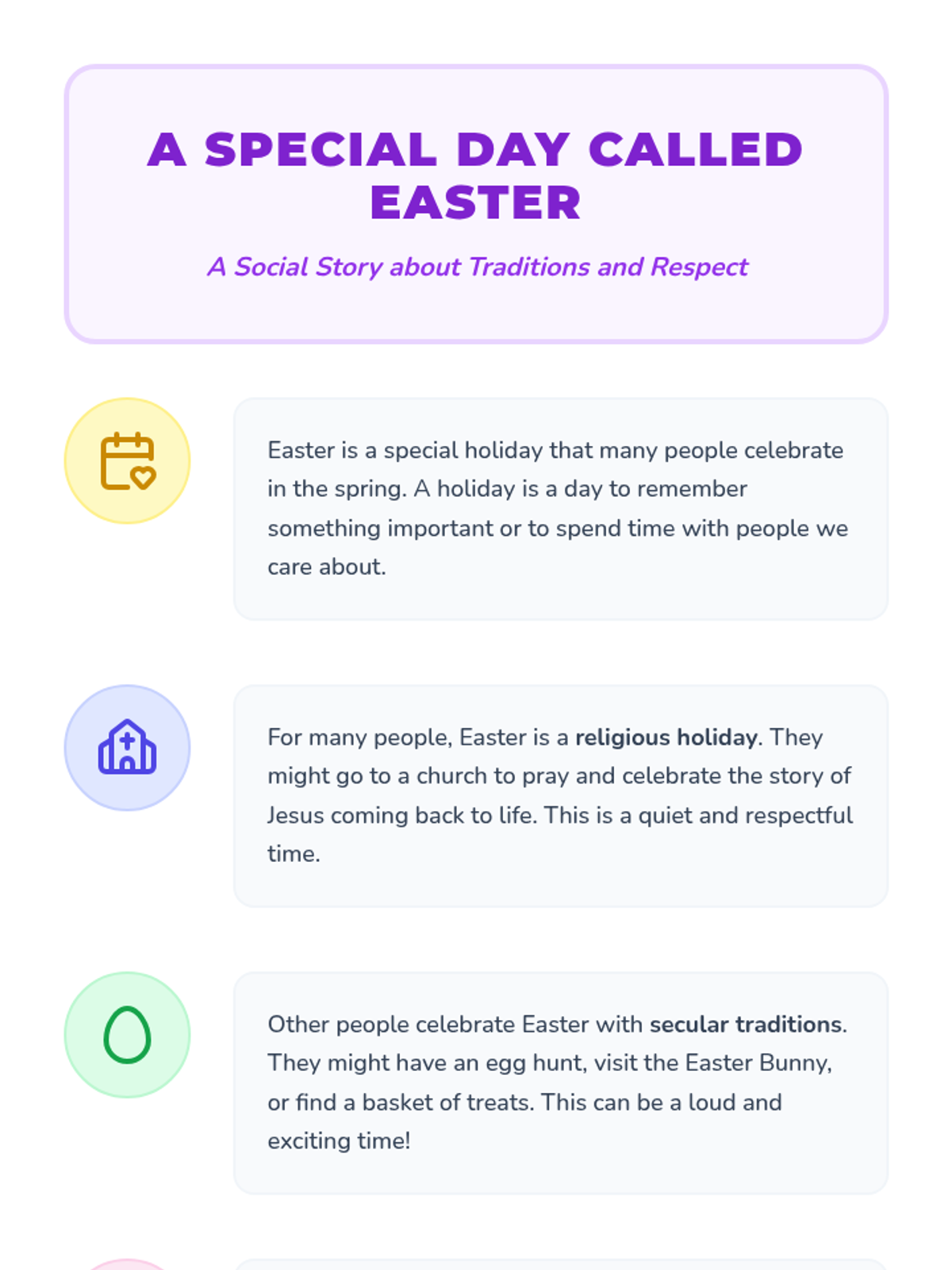
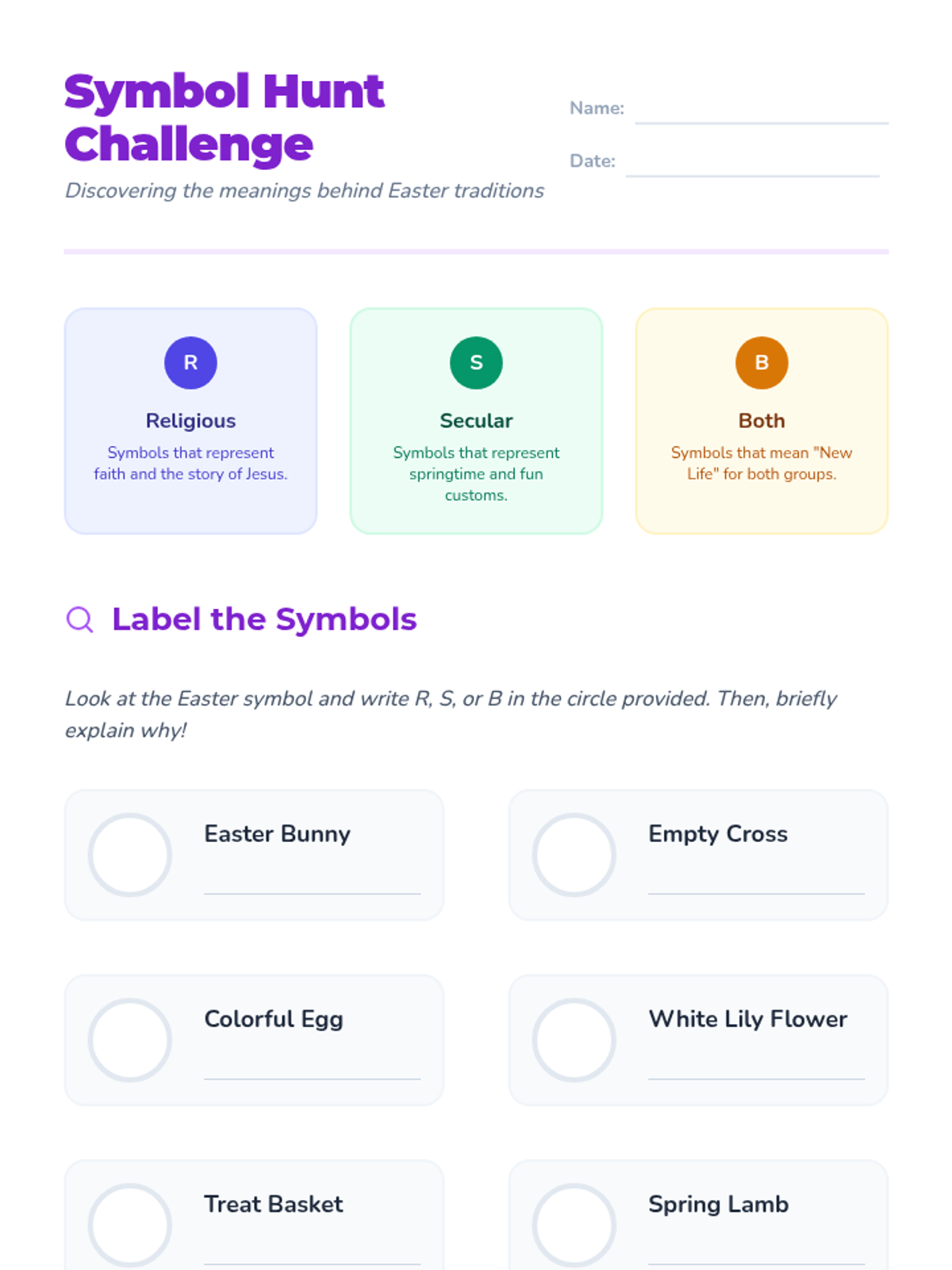
A 30-45 minute lesson exploring both the religious origins and secular traditions of Easter, including a social story for behavioral expectations and a symbol-matching activity.
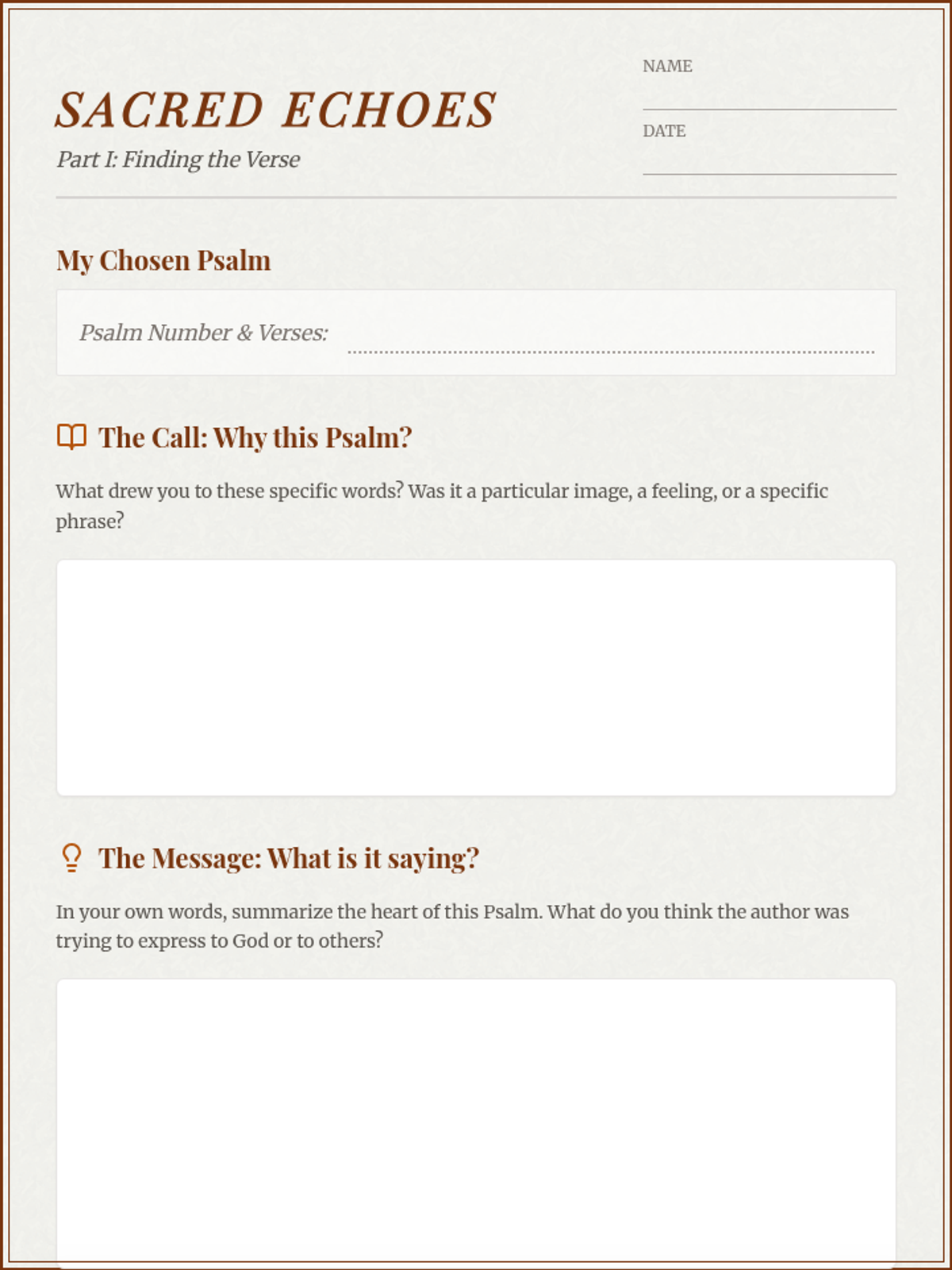
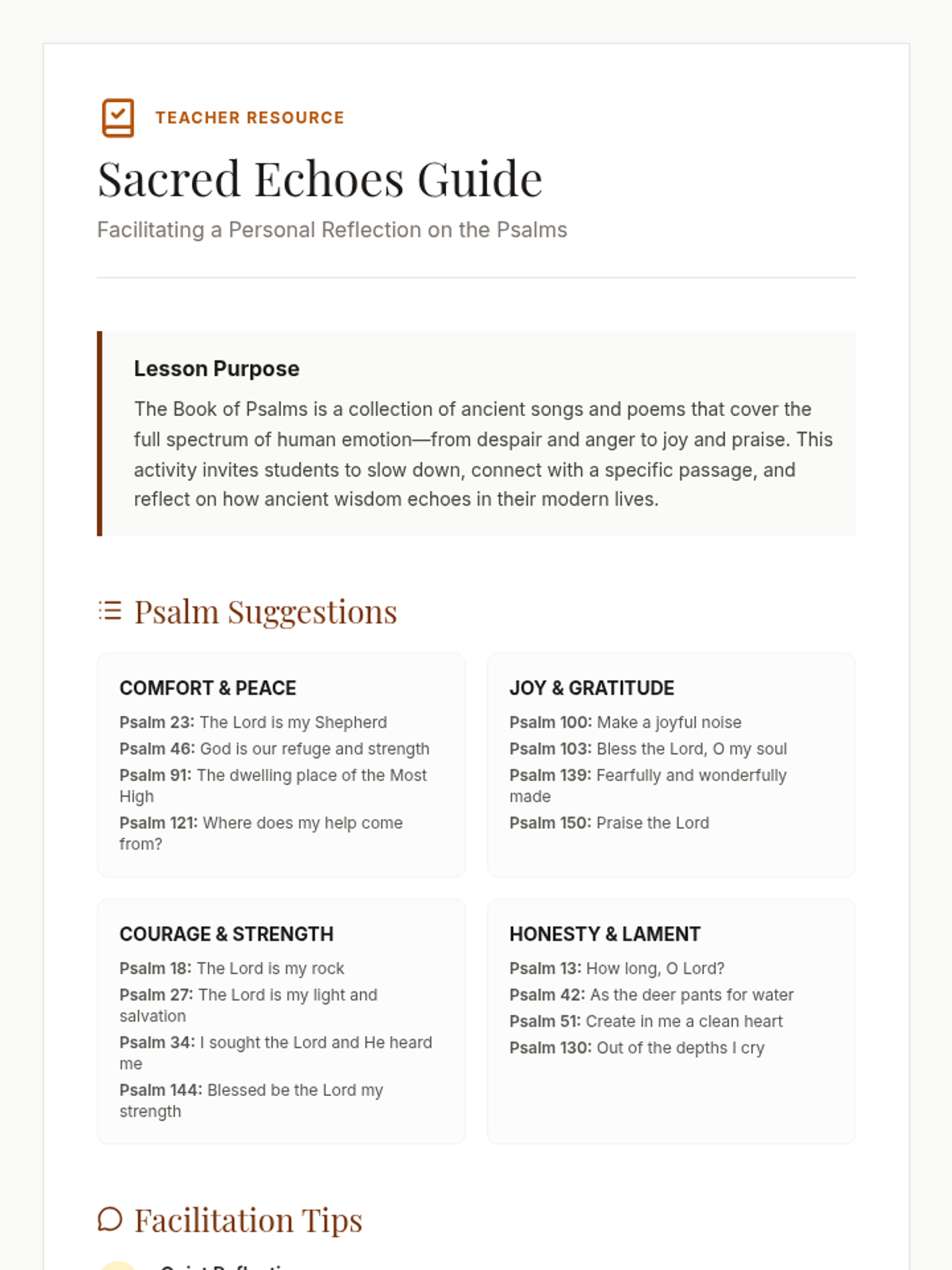
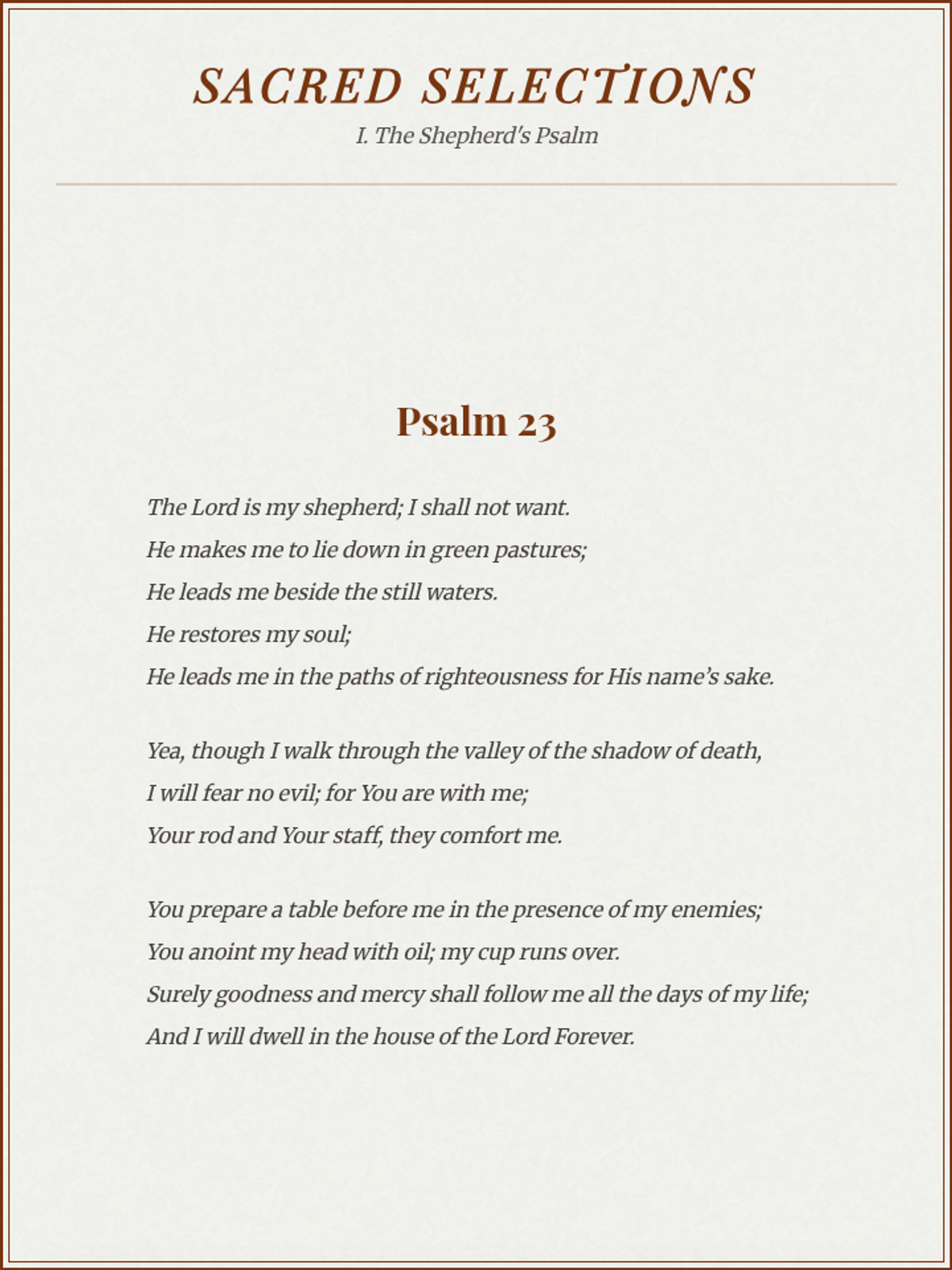
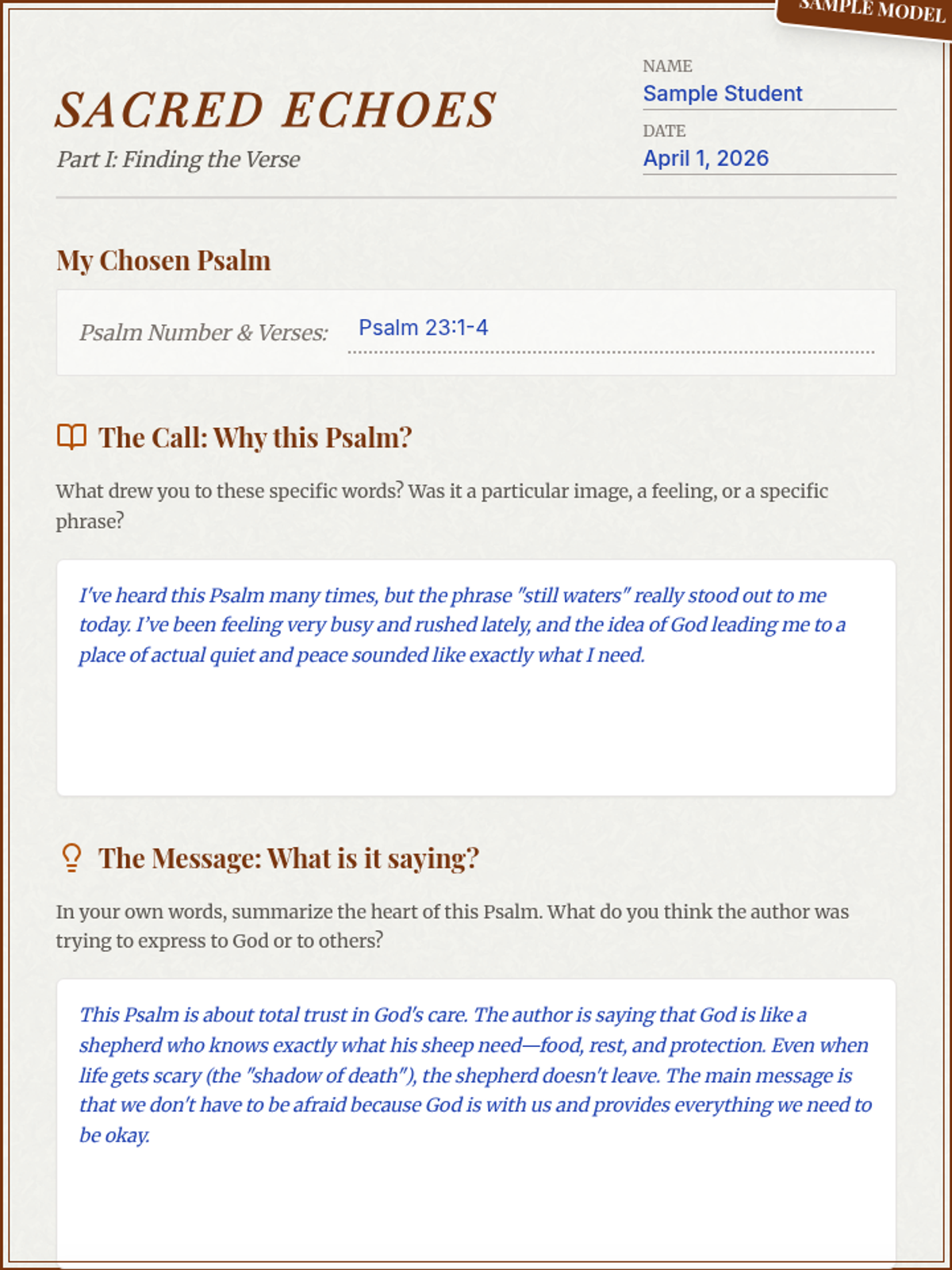
A reflective lesson where students explore the poetic beauty and personal significance of the Psalms, choosing a specific passage to analyze and connect with their own lives.
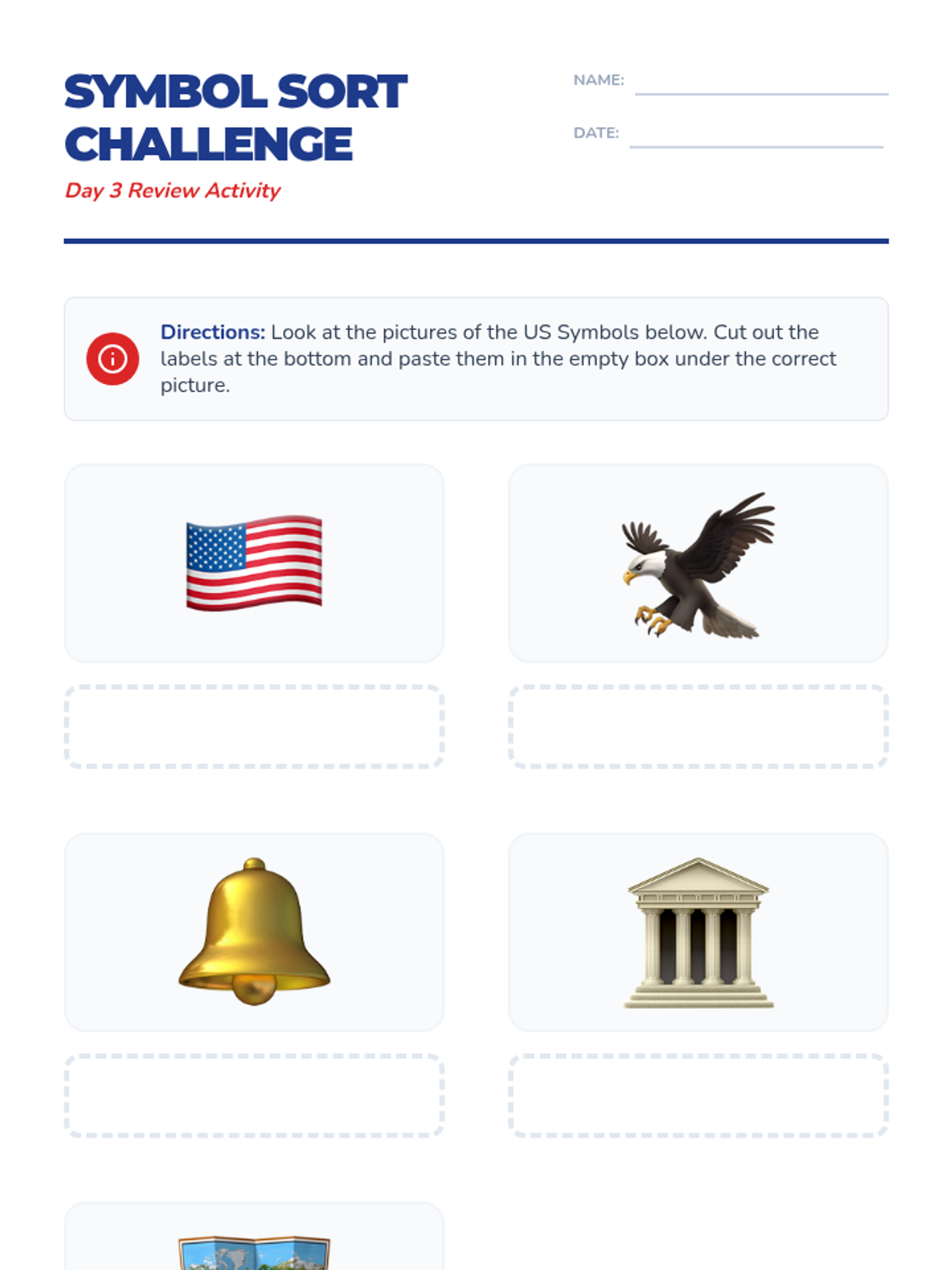
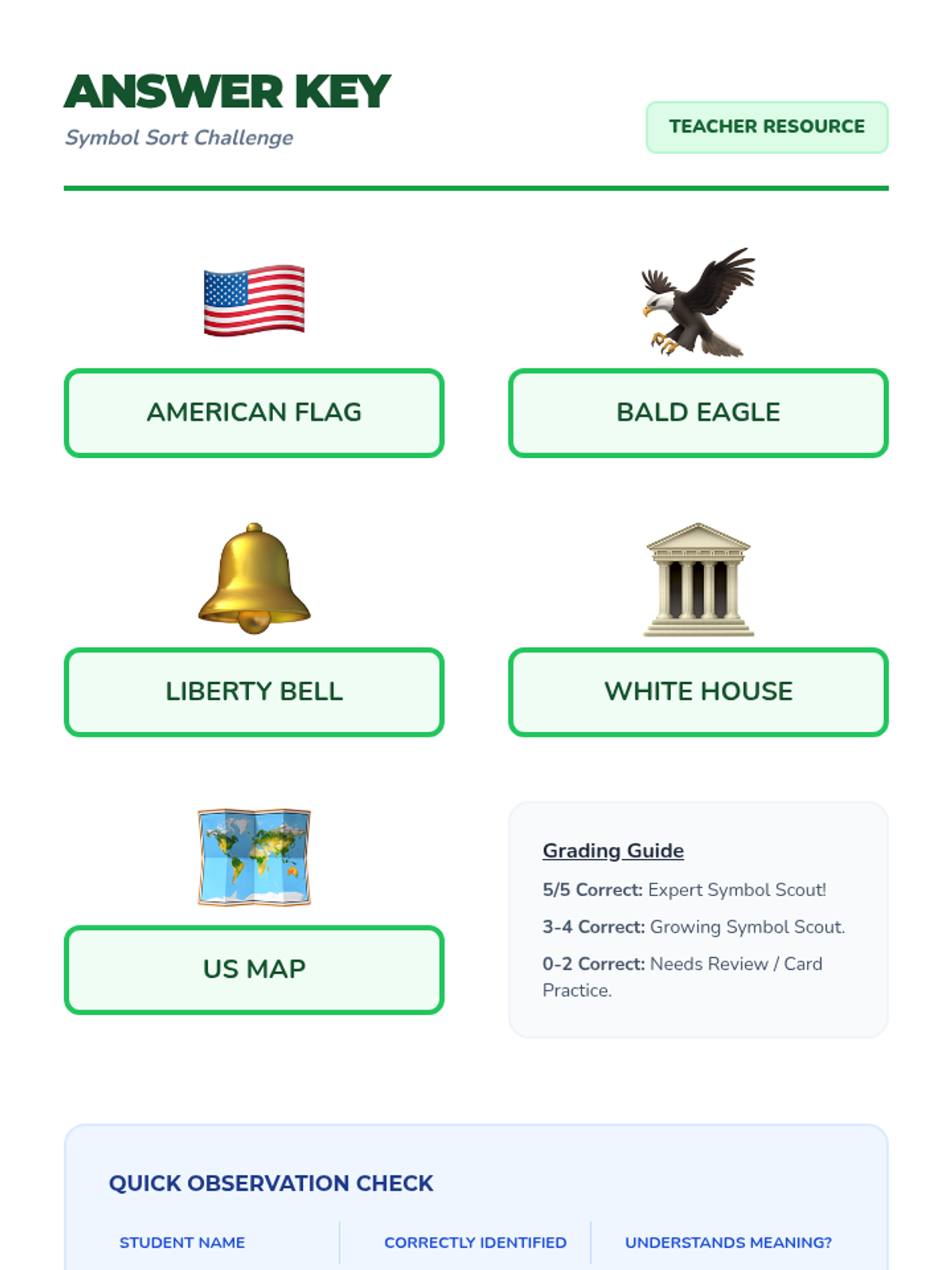
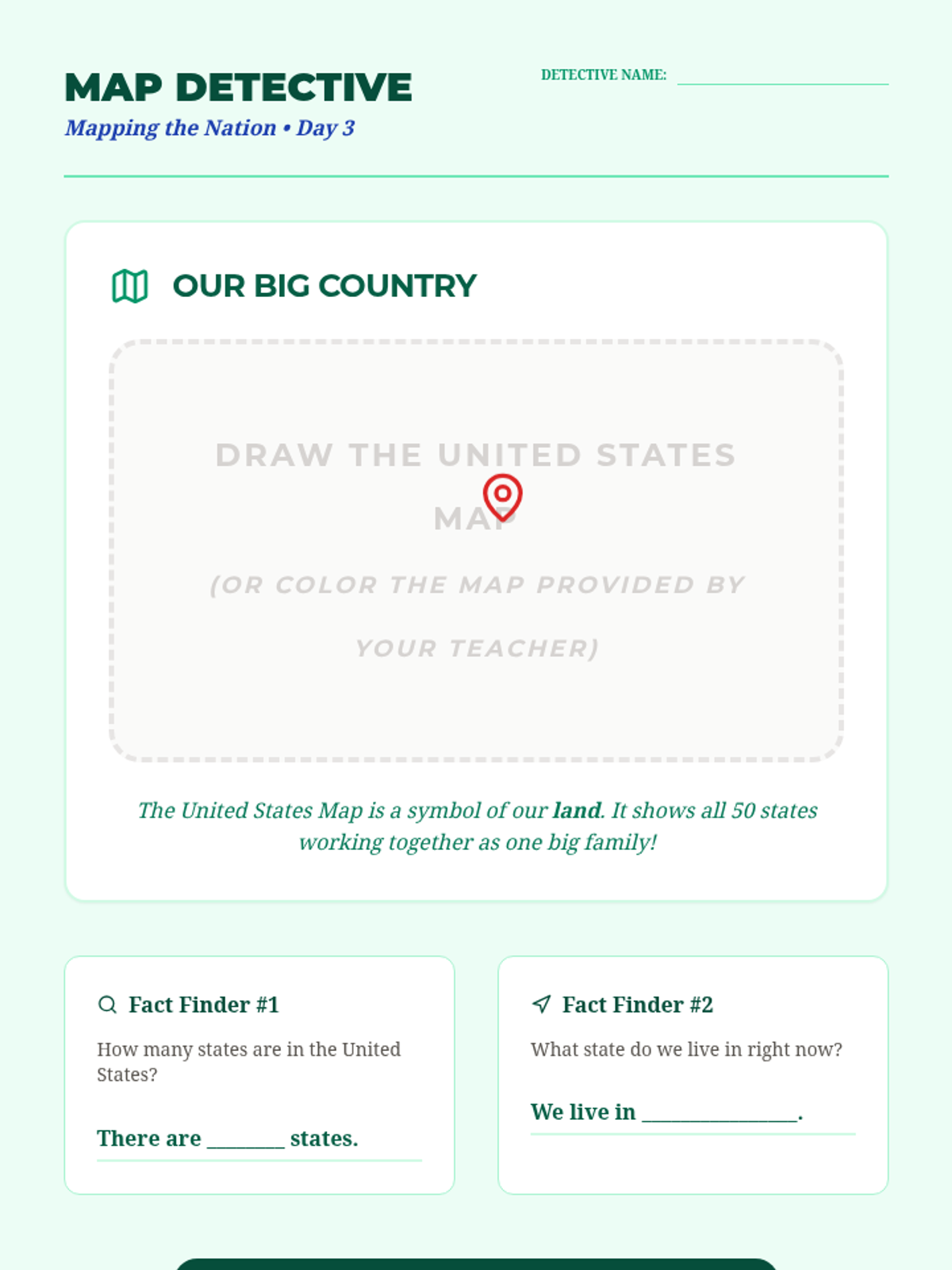
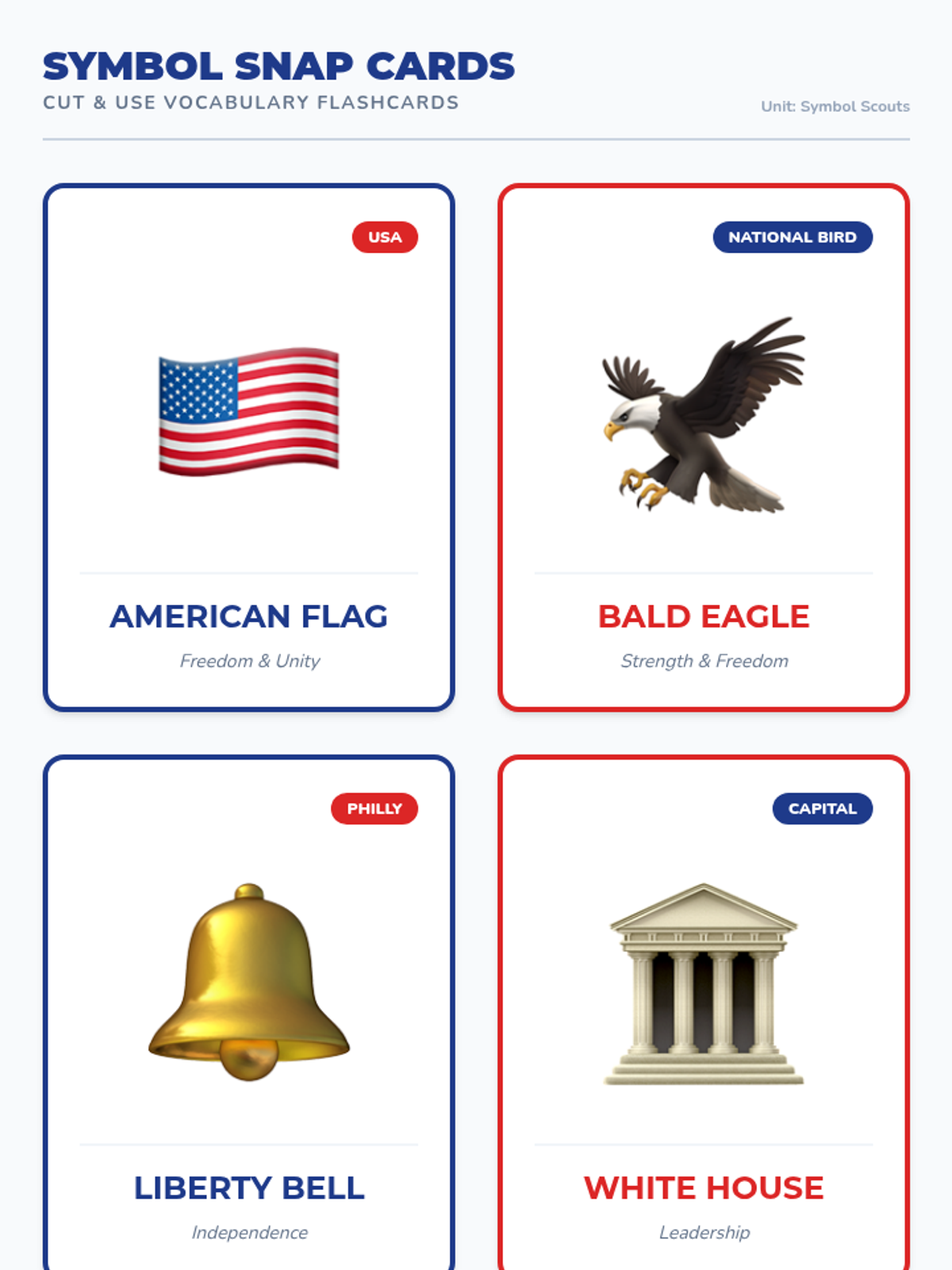
Discover the shape of our nation through the US Map and review all symbols with a sorting challenge.
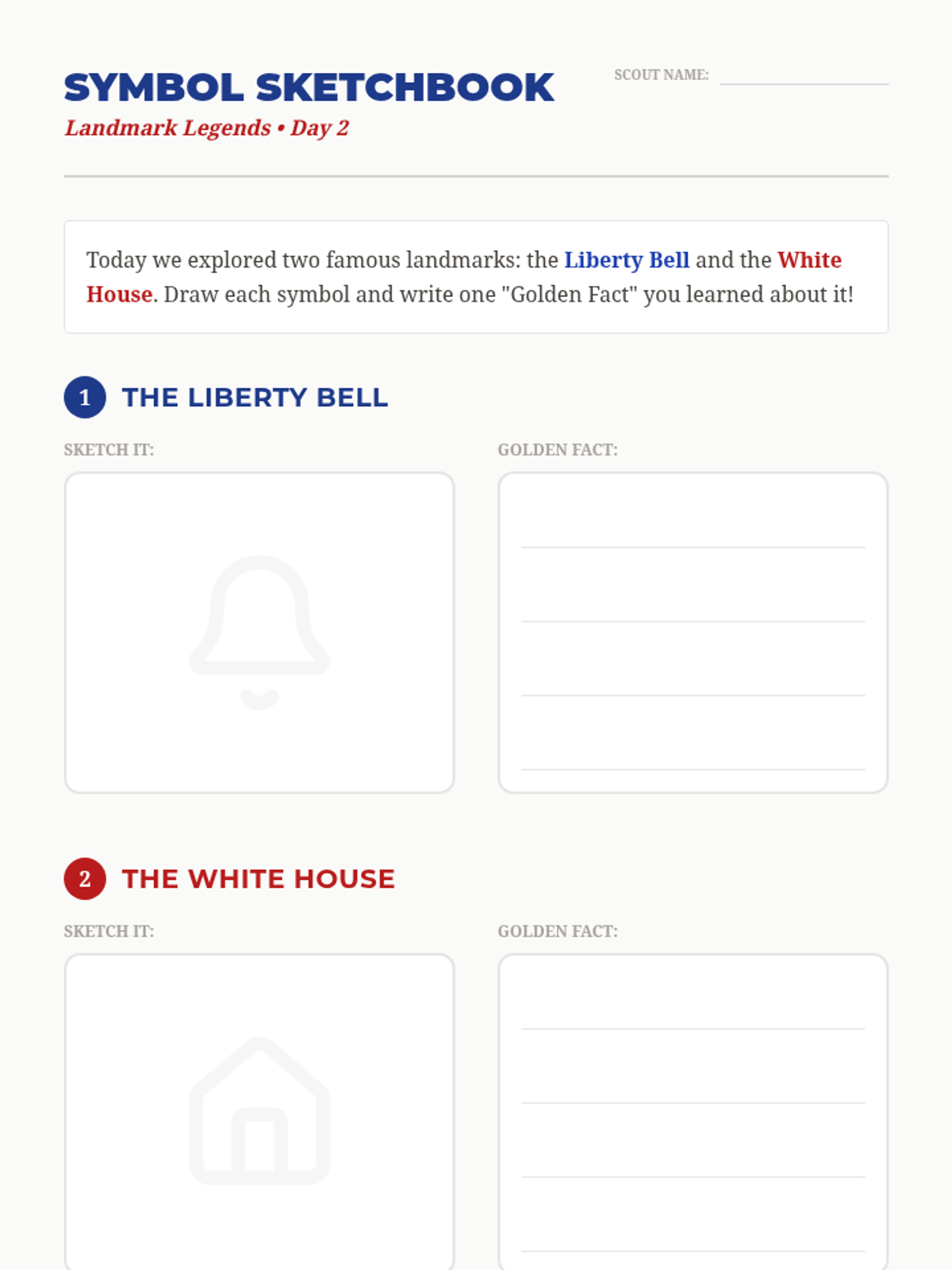
Explore the history and meaning of the Liberty Bell and the White House as symbols of independence and leadership.
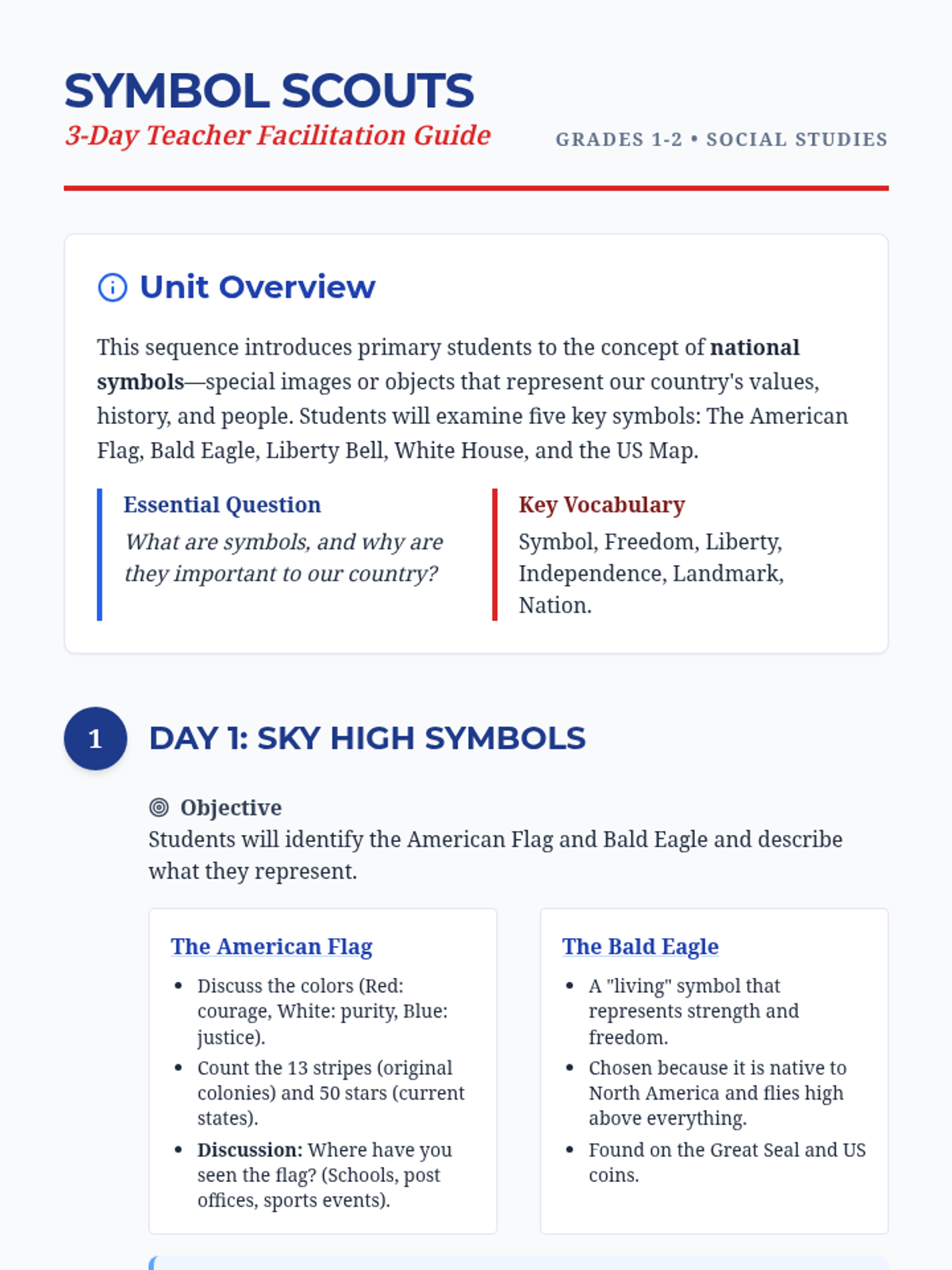
Introduce the concept of national symbols and focus on the American Flag and the Bald Eagle as symbols of freedom and strength.
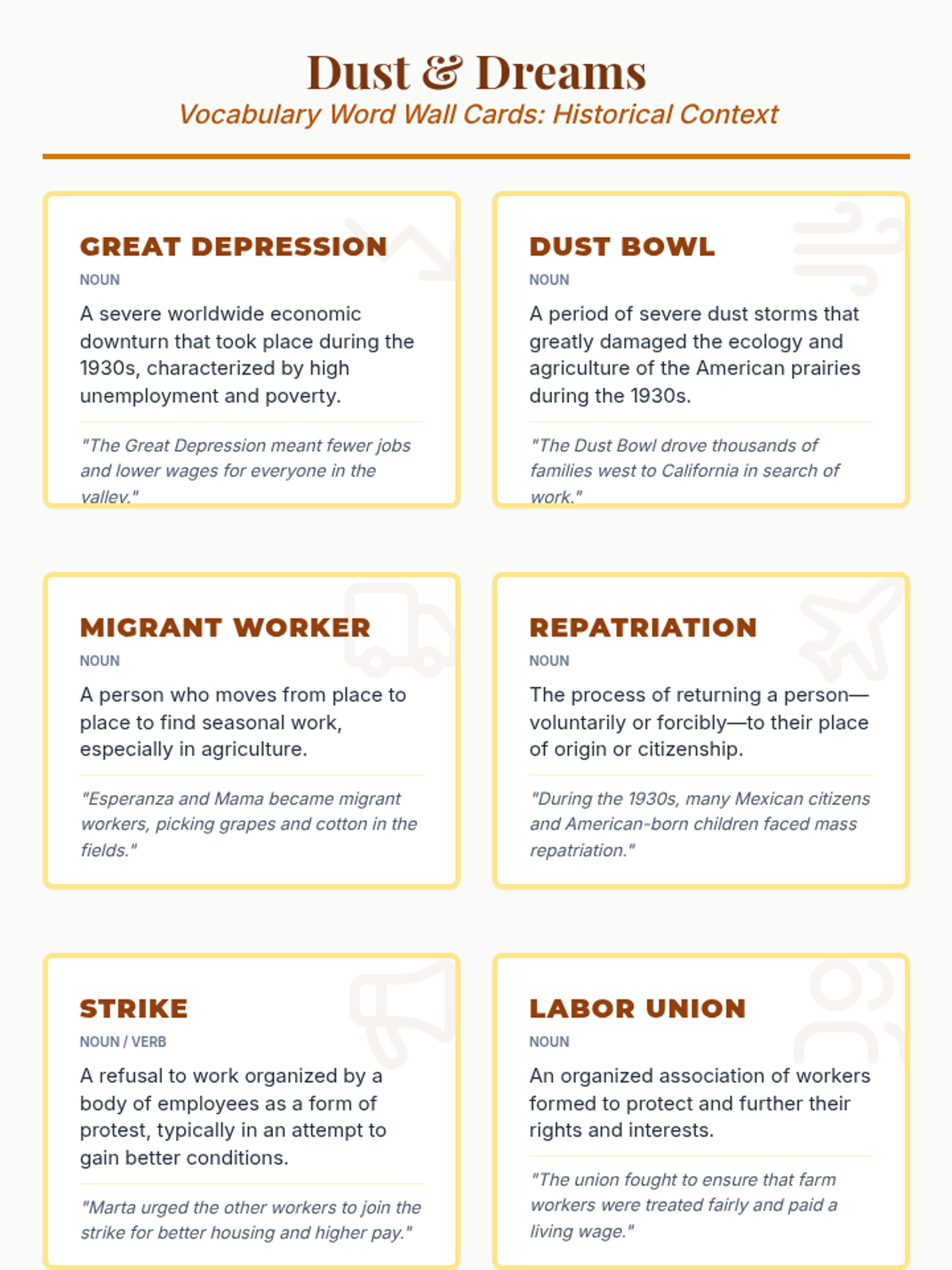
A lesson exploring the historical background of Esperanza Rising, focusing on the Great Depression, the Dust Bowl, and Mexican repatriation.