Students act as word detectives, examining sentences with 'redacted' words to guess the missing term based on evidence, introducing the necessity of context clues.
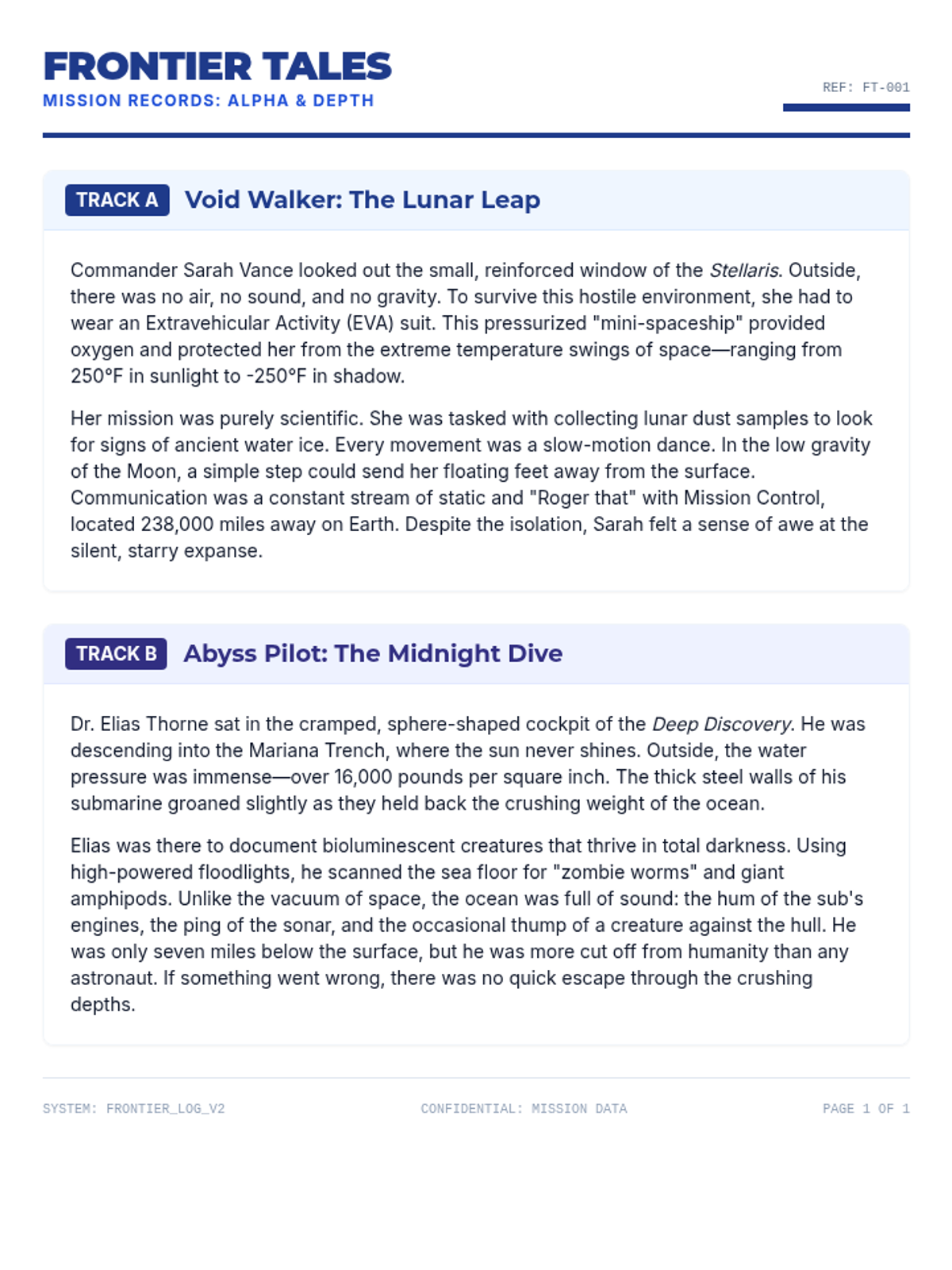
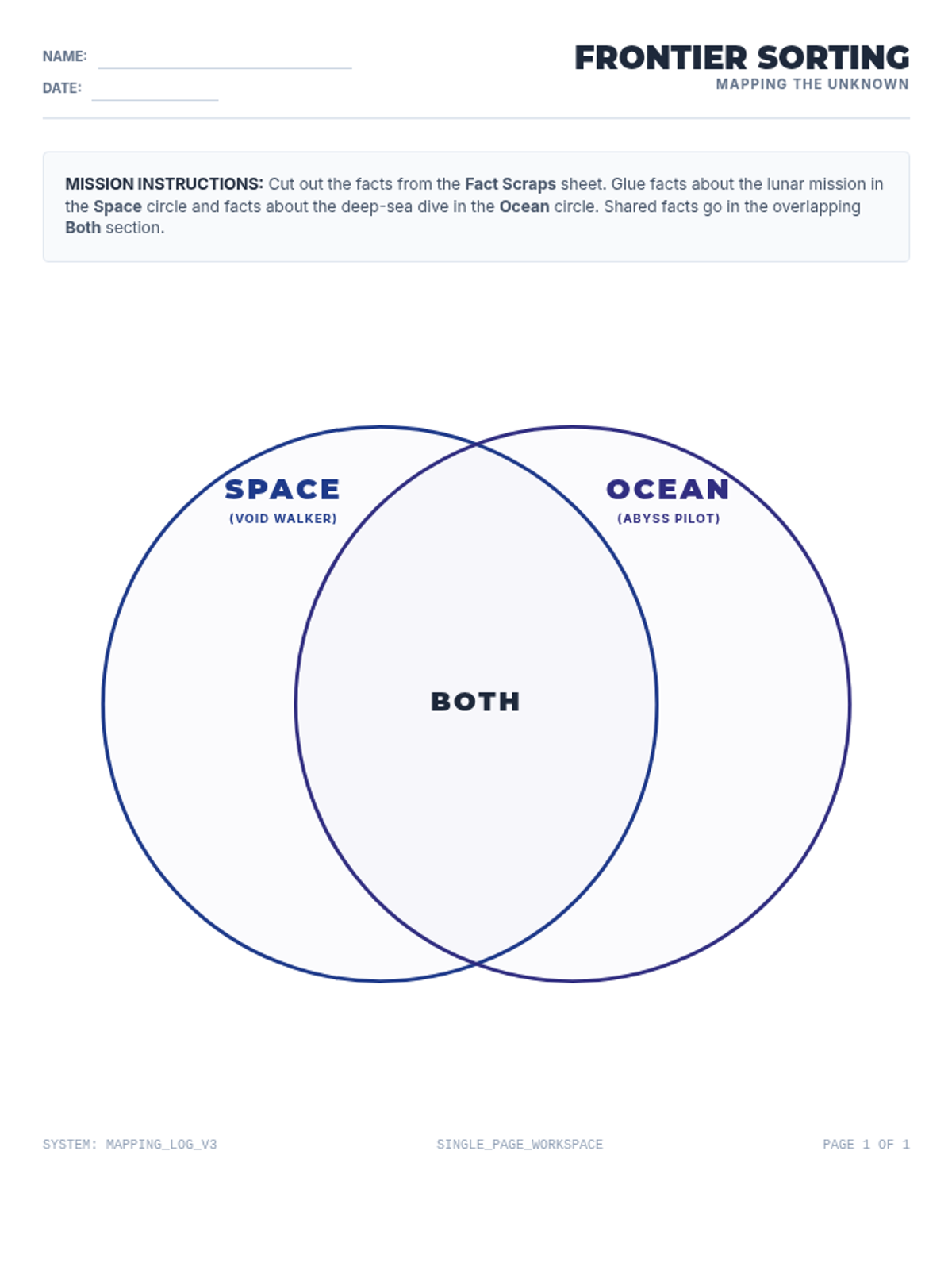
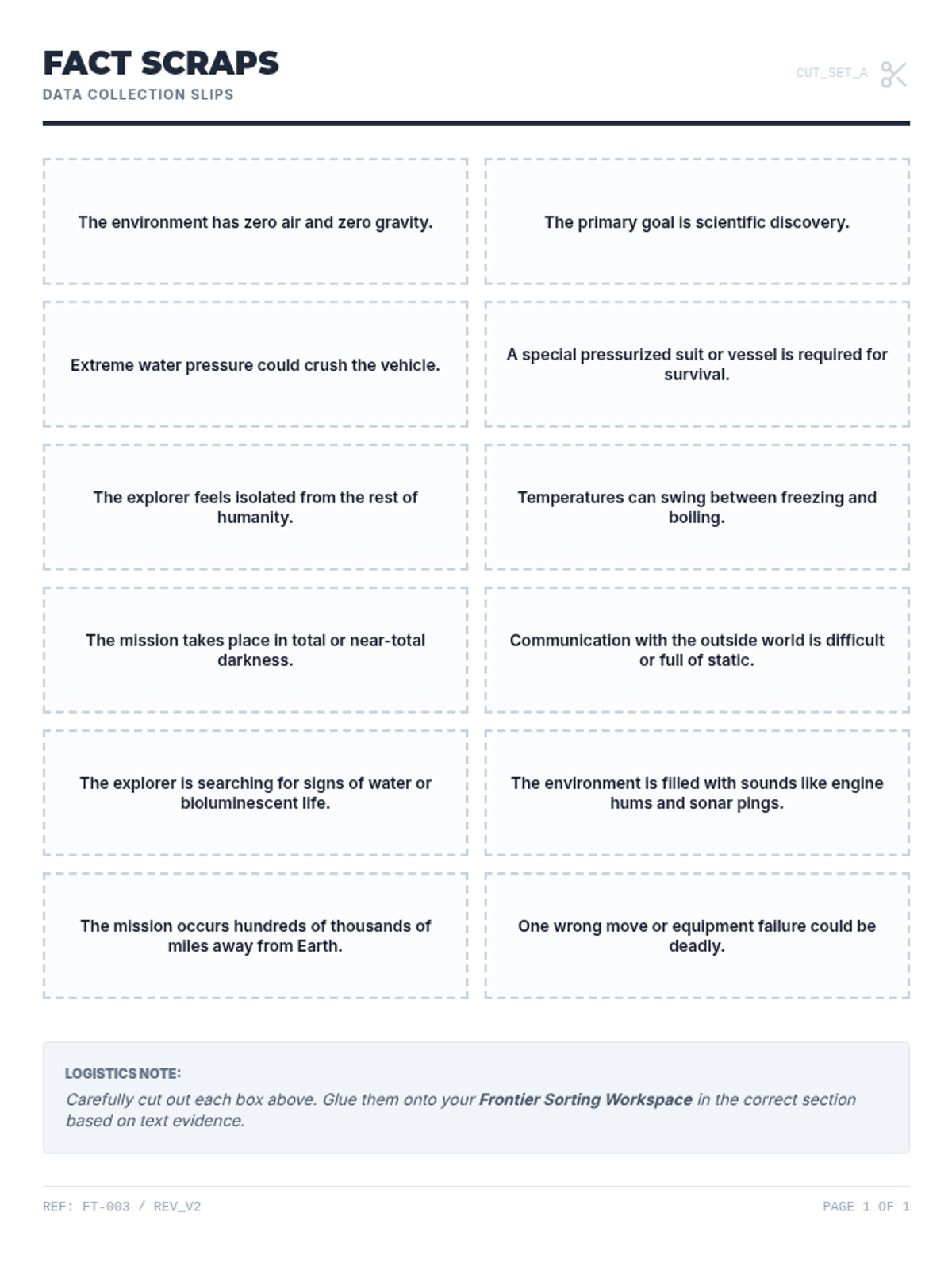
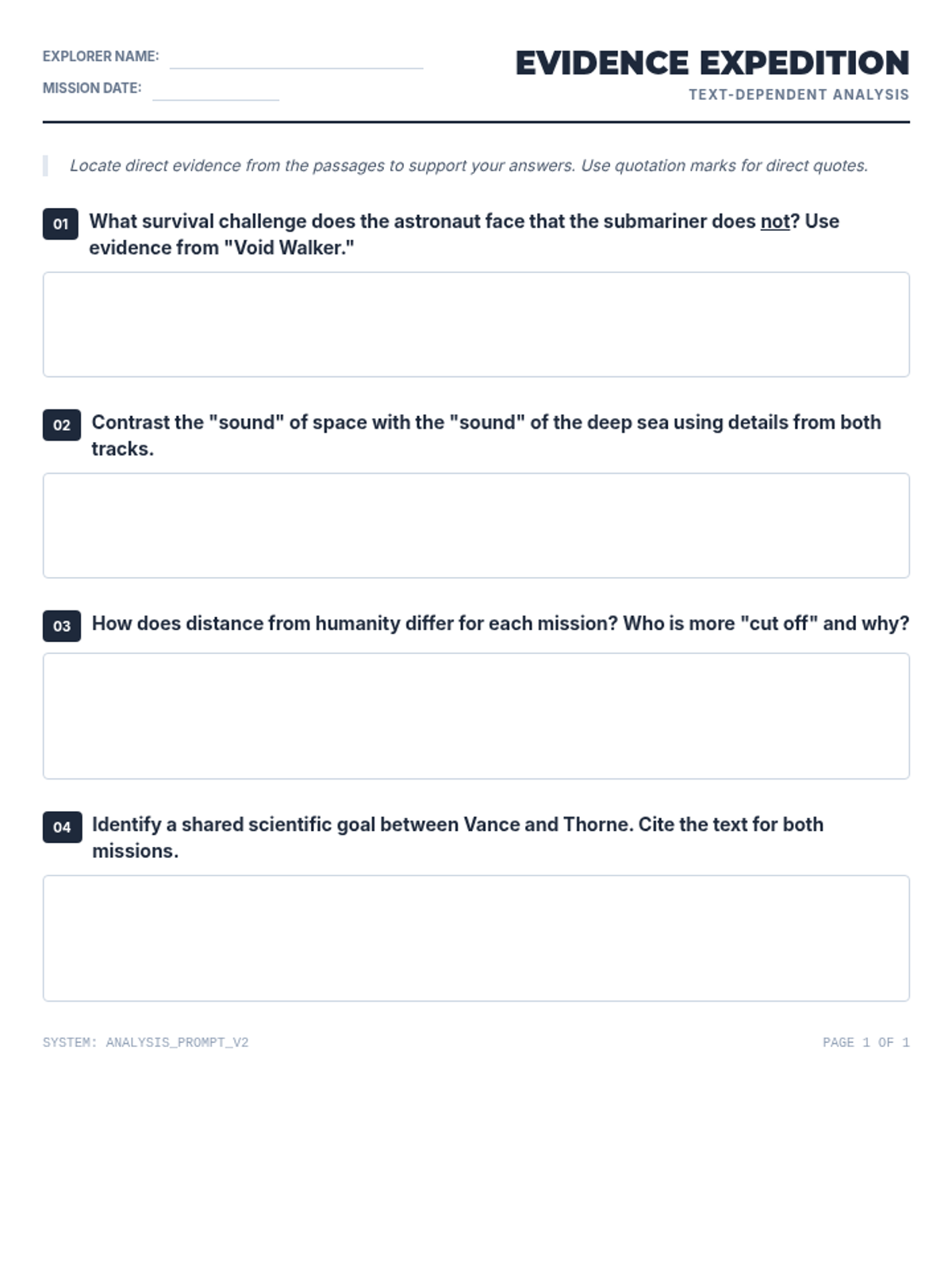
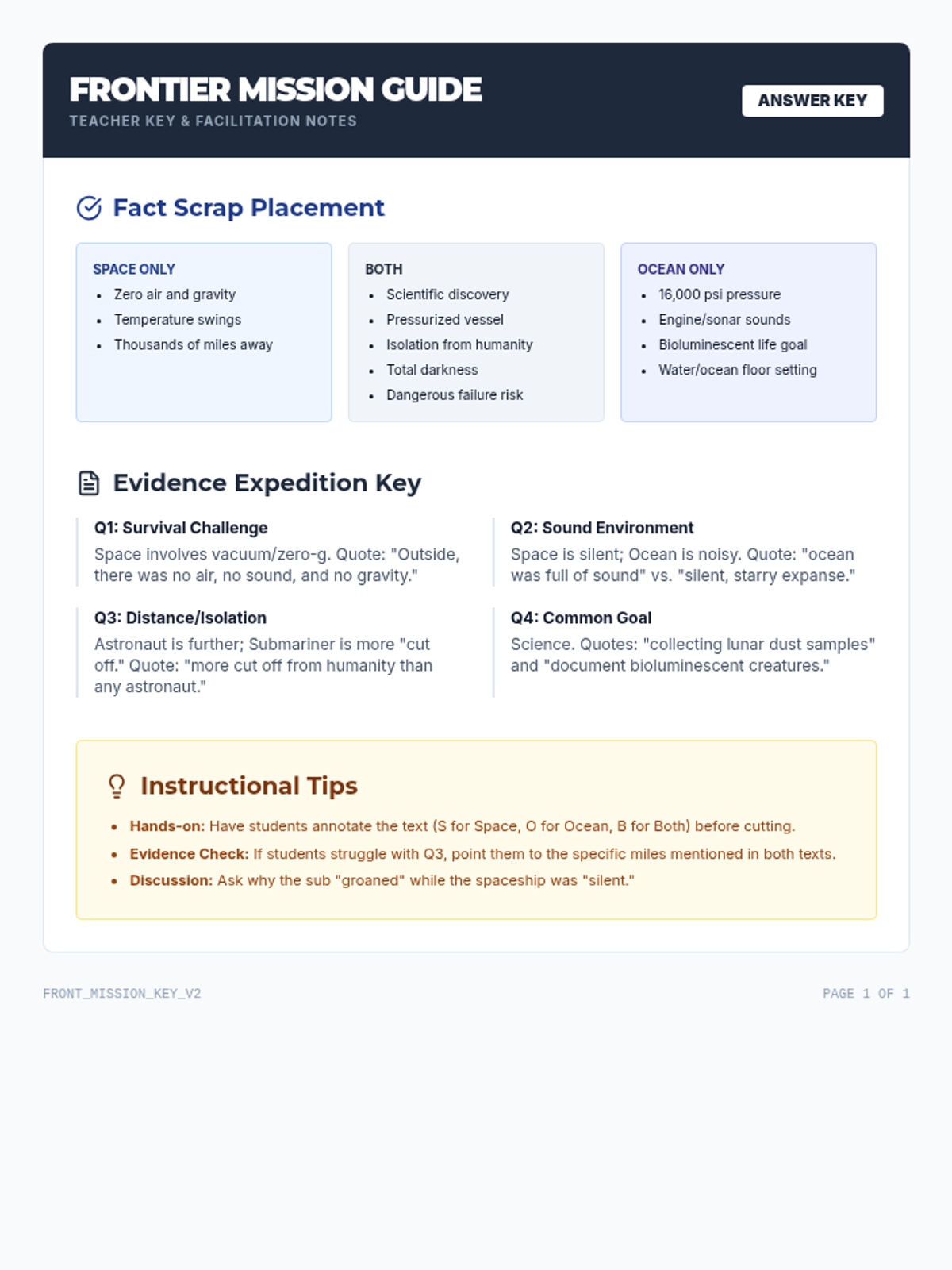
A hands-on lesson comparing and contrasting the extreme environments of space and the deep sea through the lens of astronaut and submariner experiences. Students will use direct evidence from paired texts to categorize facts and answer analytical questions.
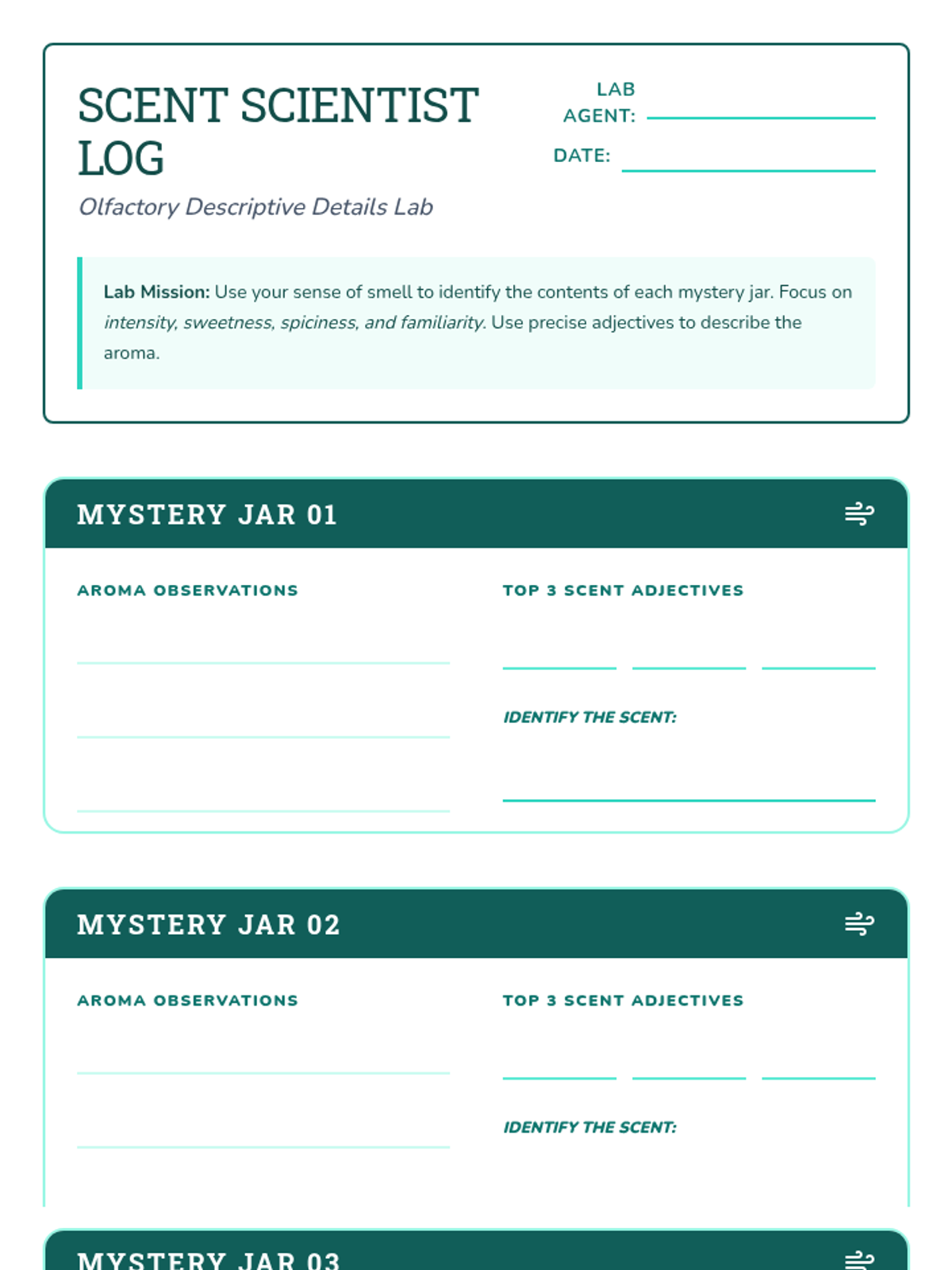
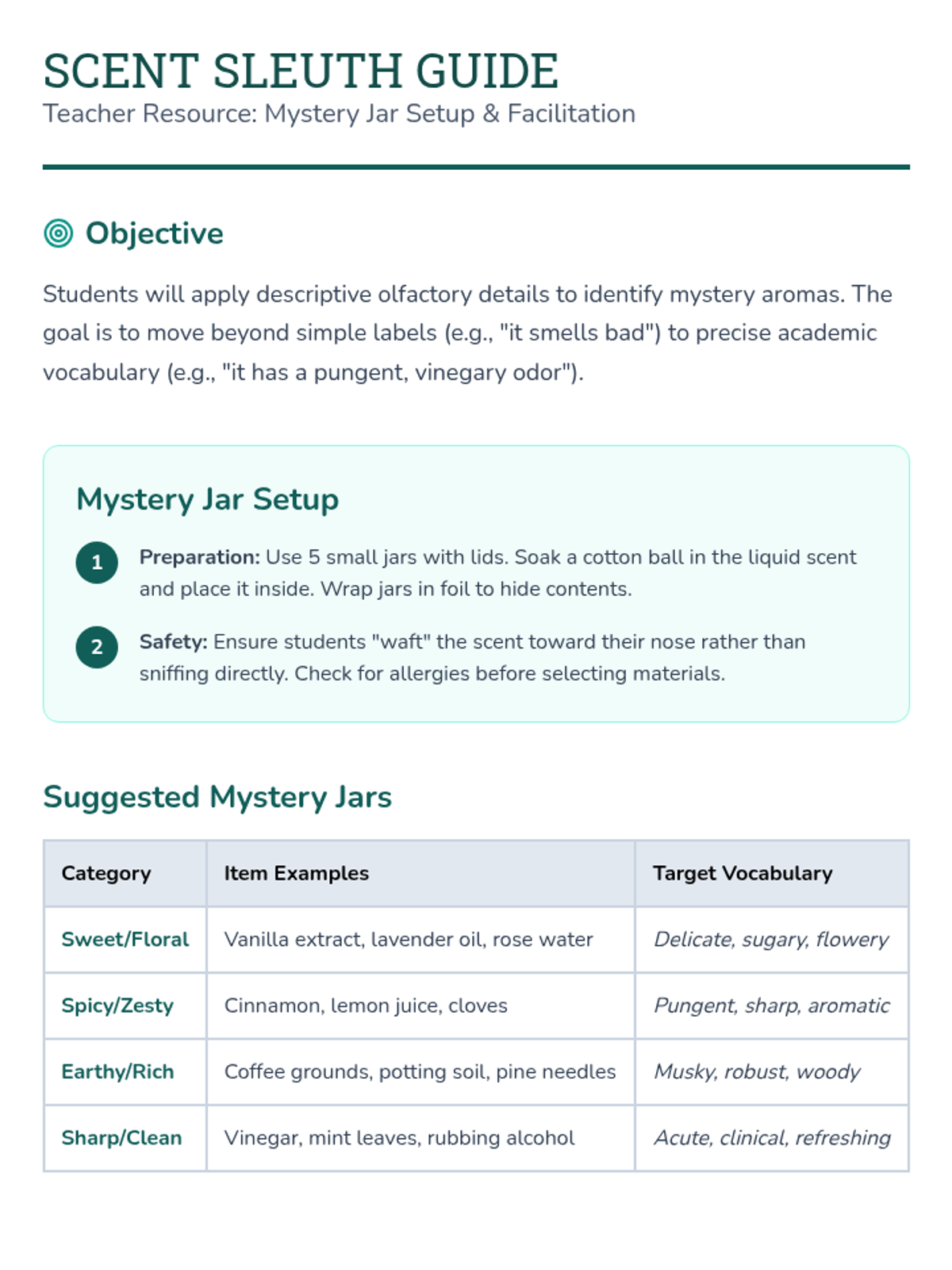
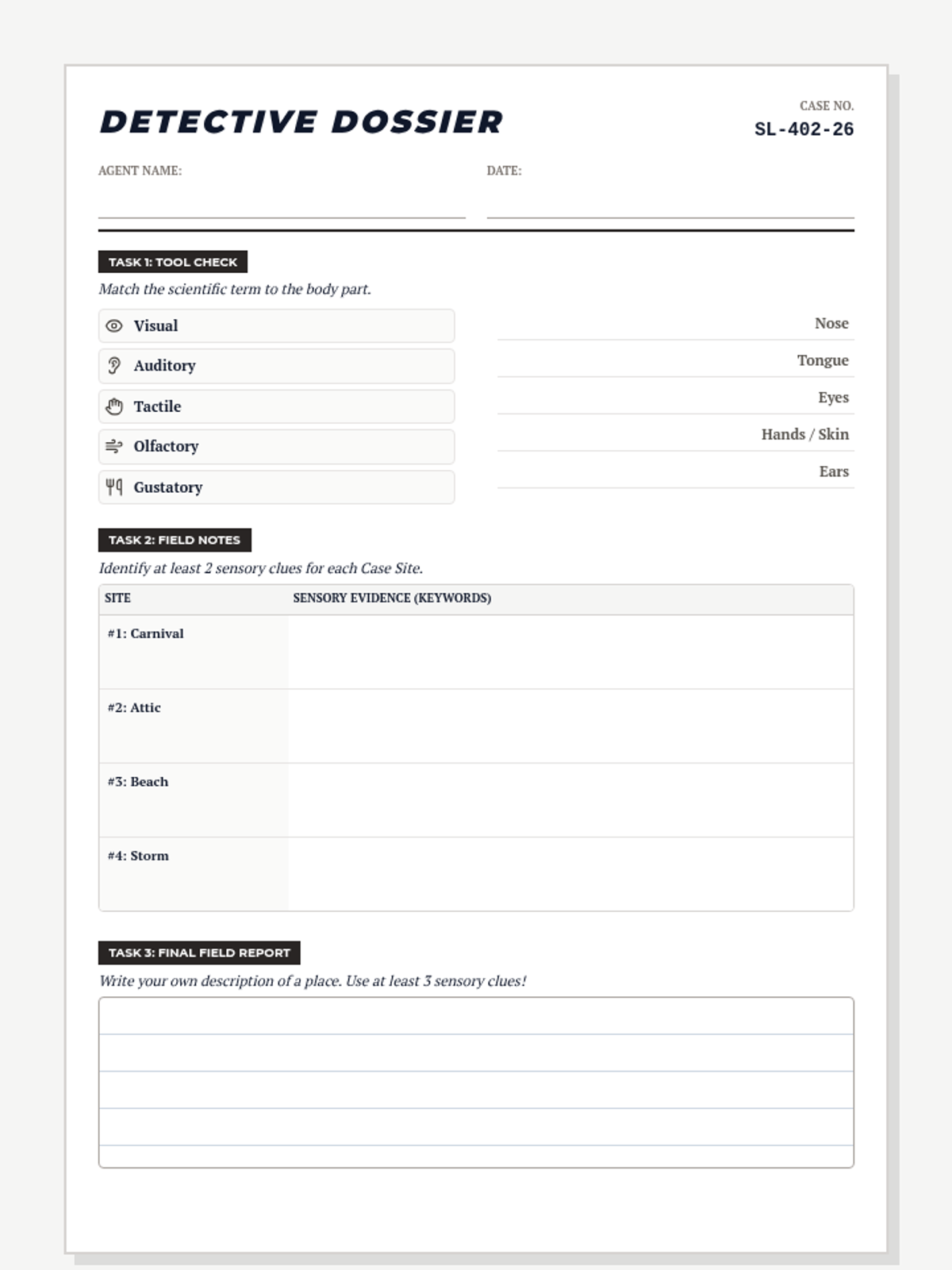
A hands-on science and ELA lesson where students explore mystery scents and use descriptive olfactory details to document their observations.
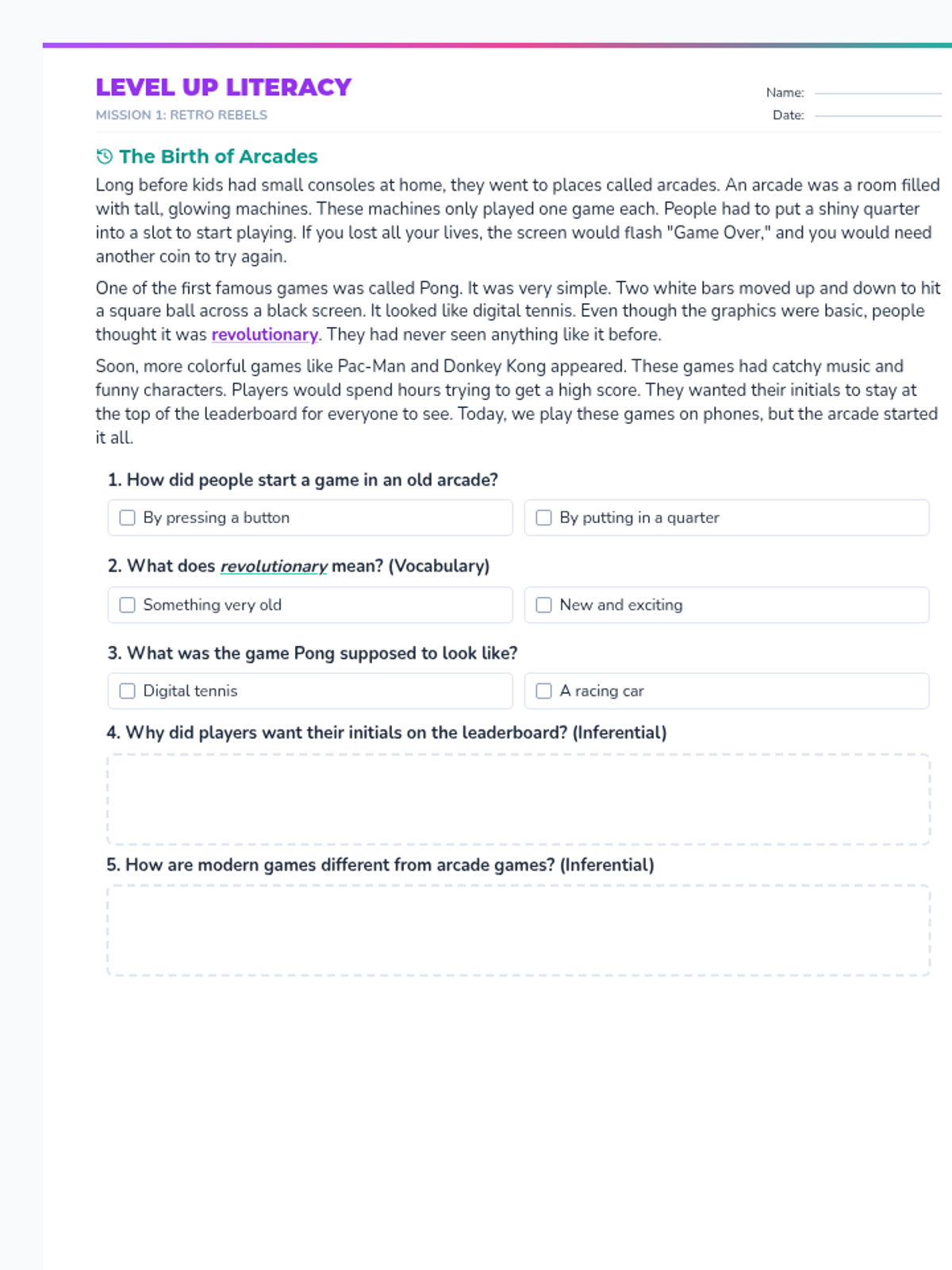
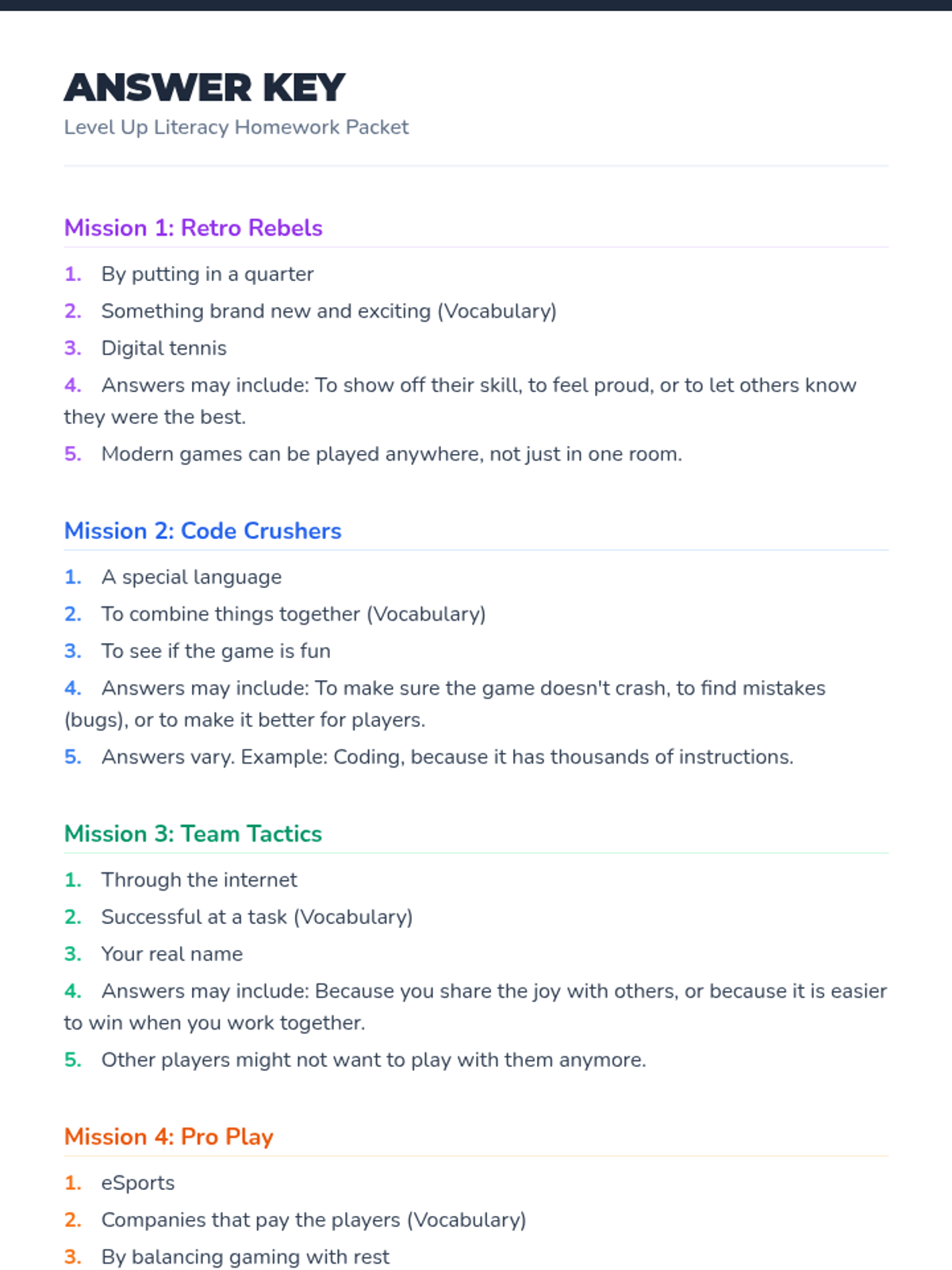
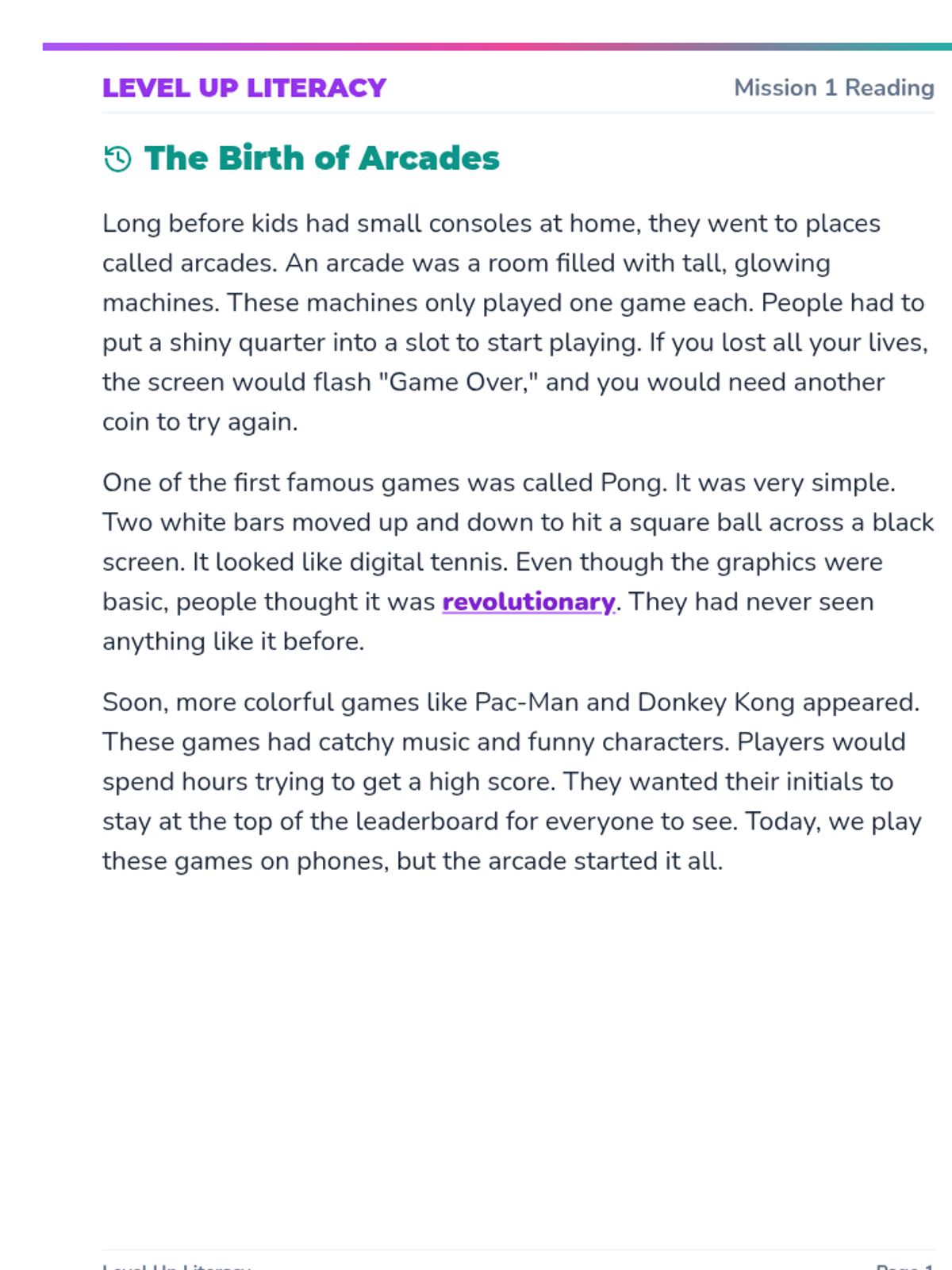
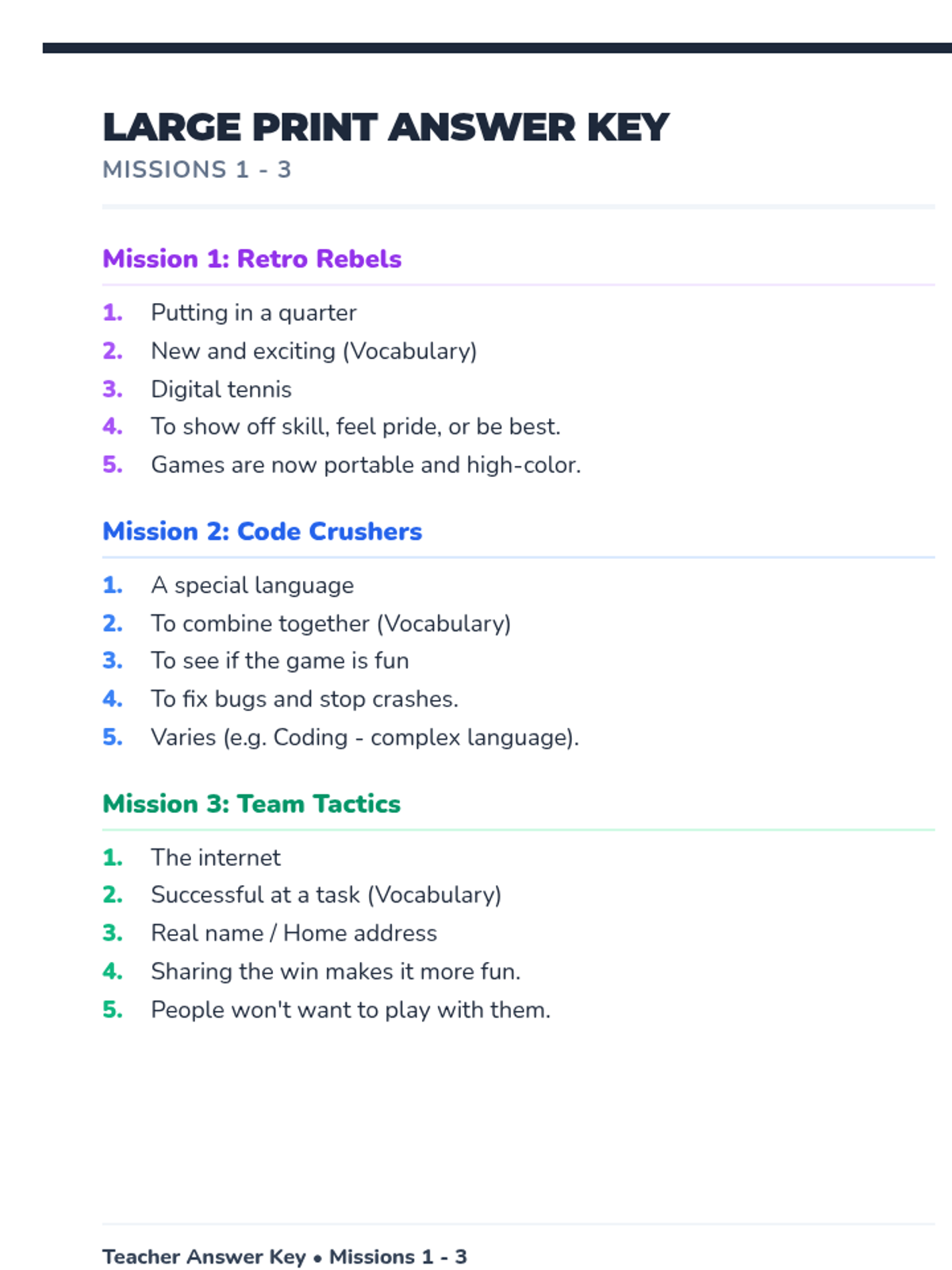
A collection of high-interest reading passages about video games, designed to improve comprehension and vocabulary for early fourth graders.
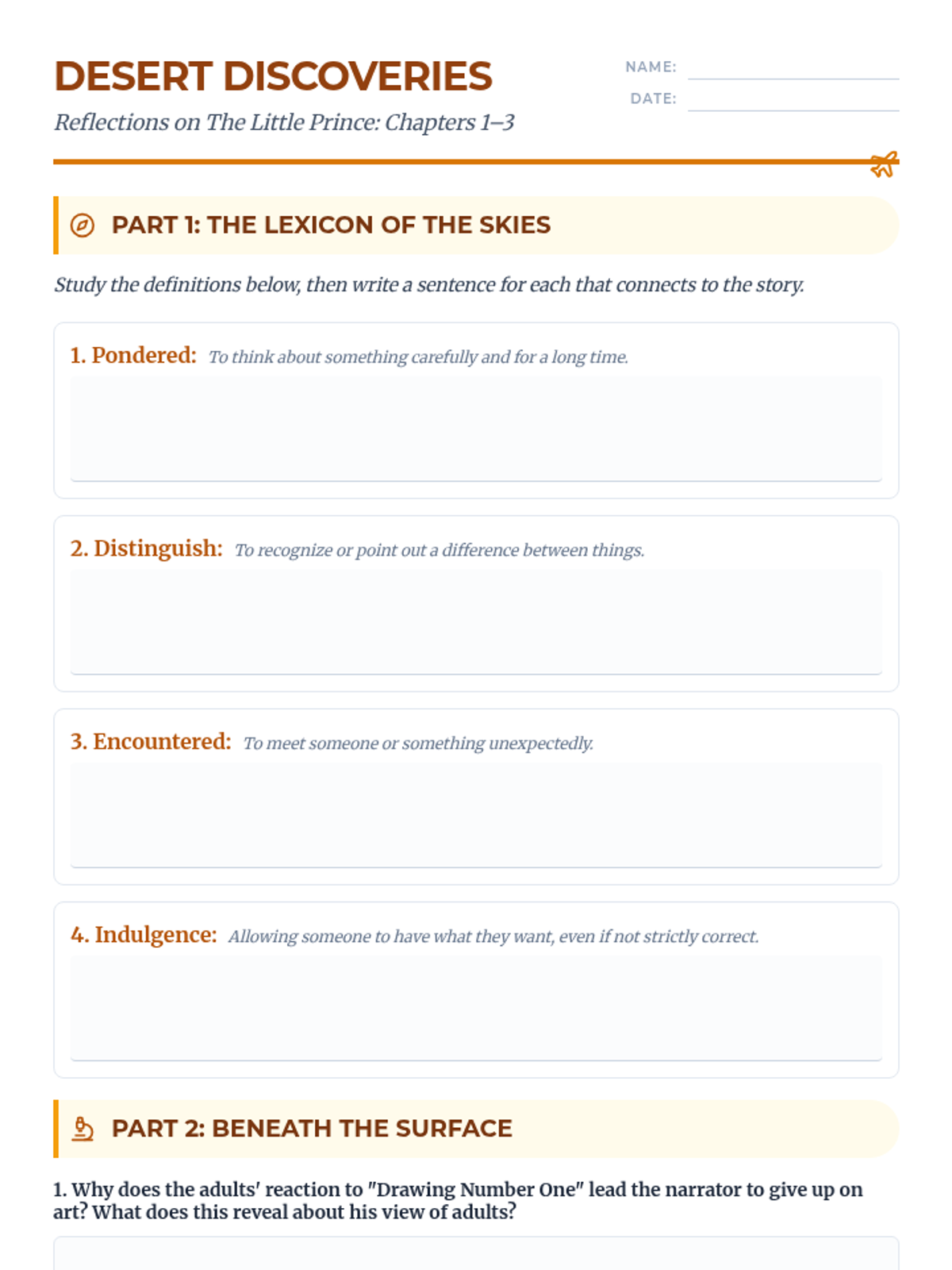
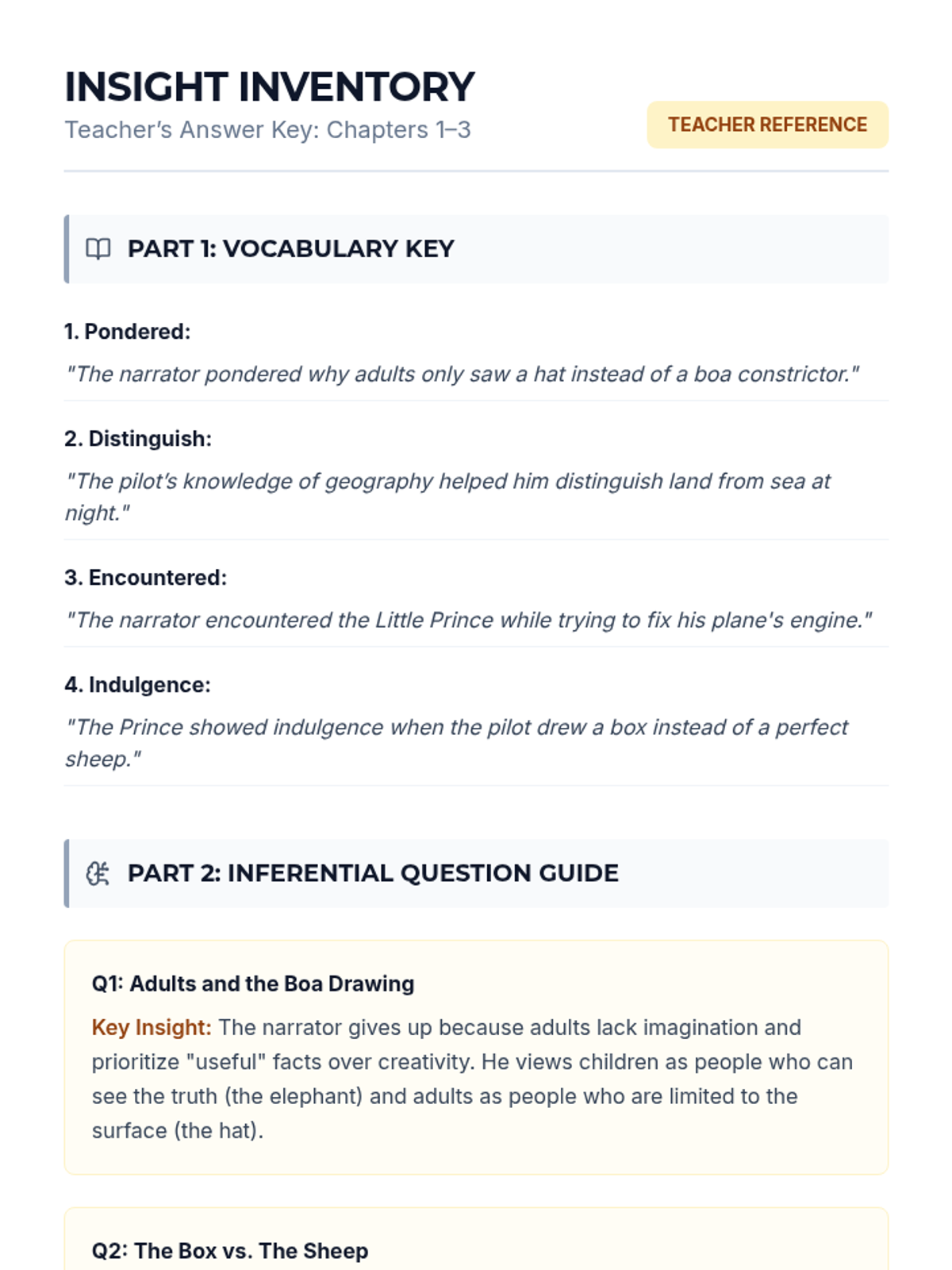
A deep dive into the opening chapters of The Little Prince, focusing on the narrator's childhood perspective and his fateful meeting with the prince in the Sahara. Students will analyze academic vocabulary and practice high-level inferential thinking.
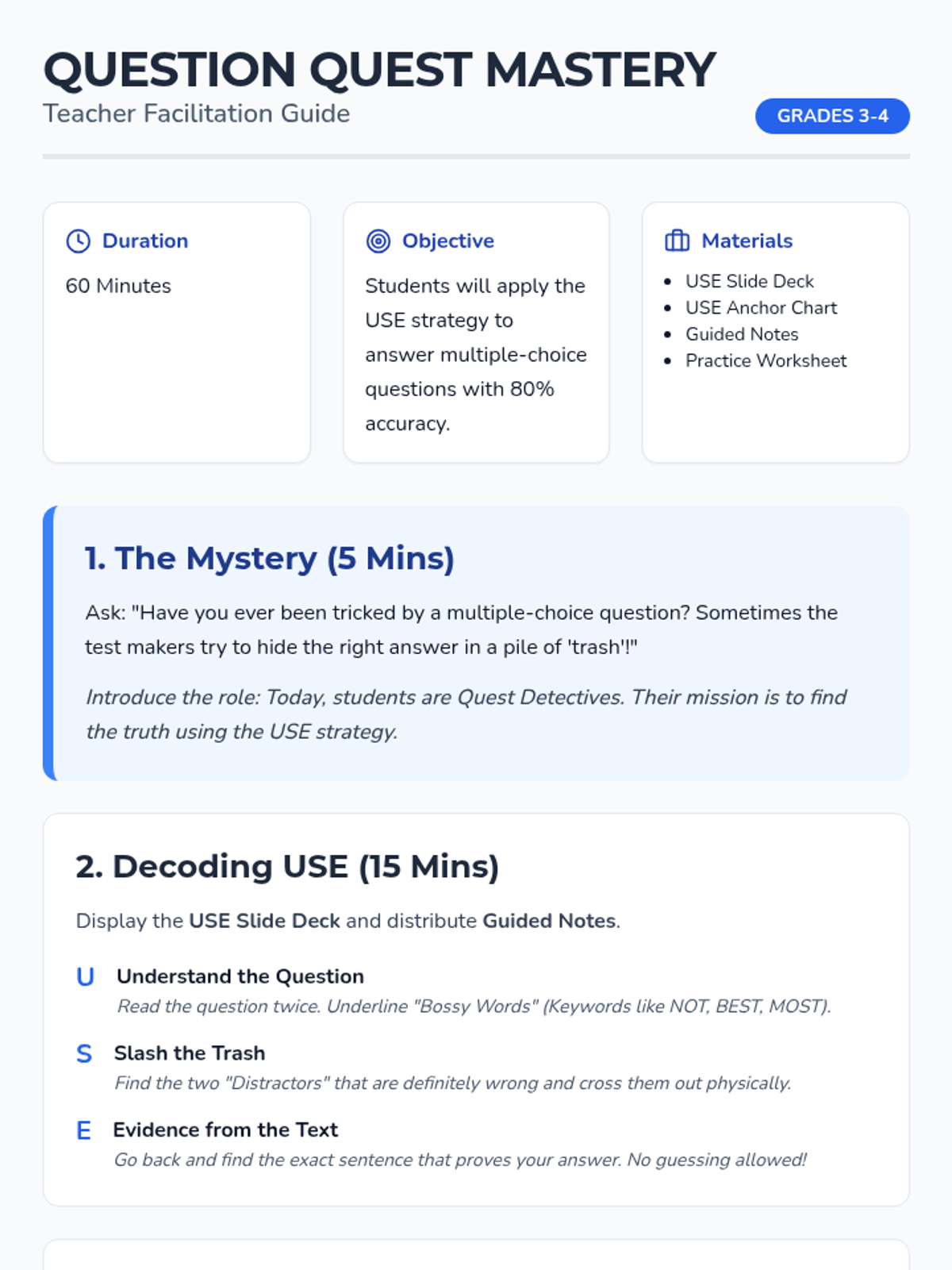
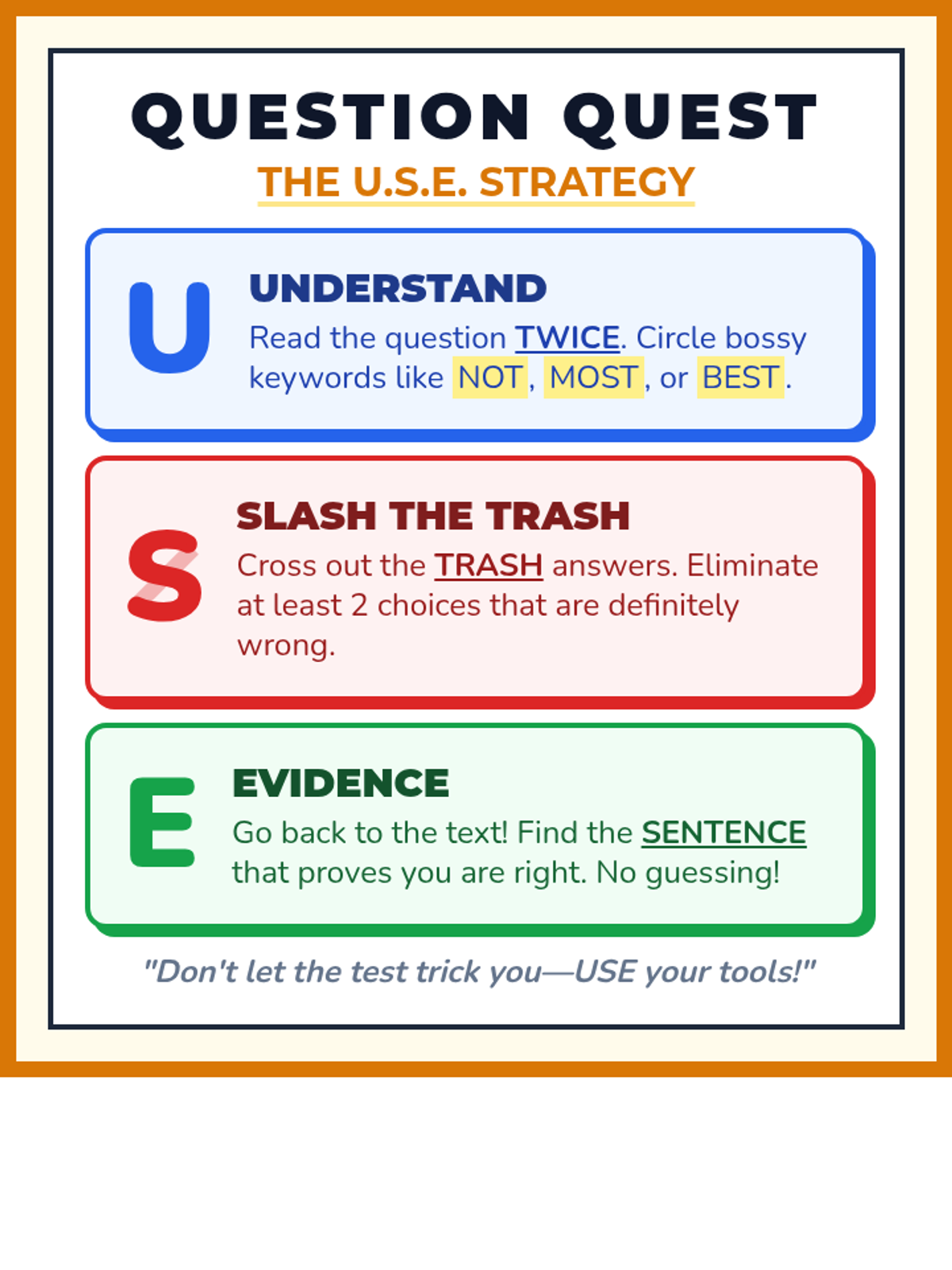
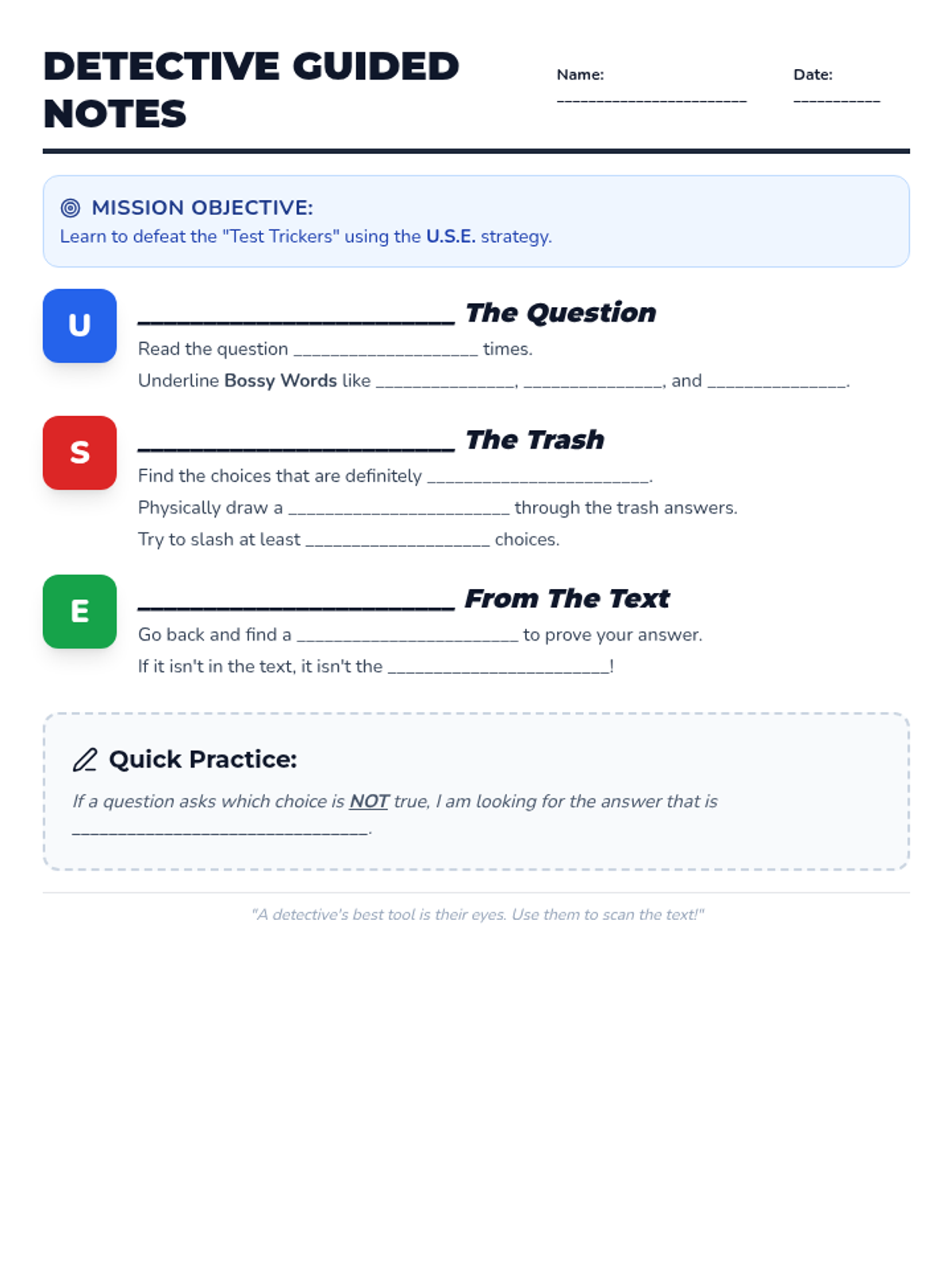
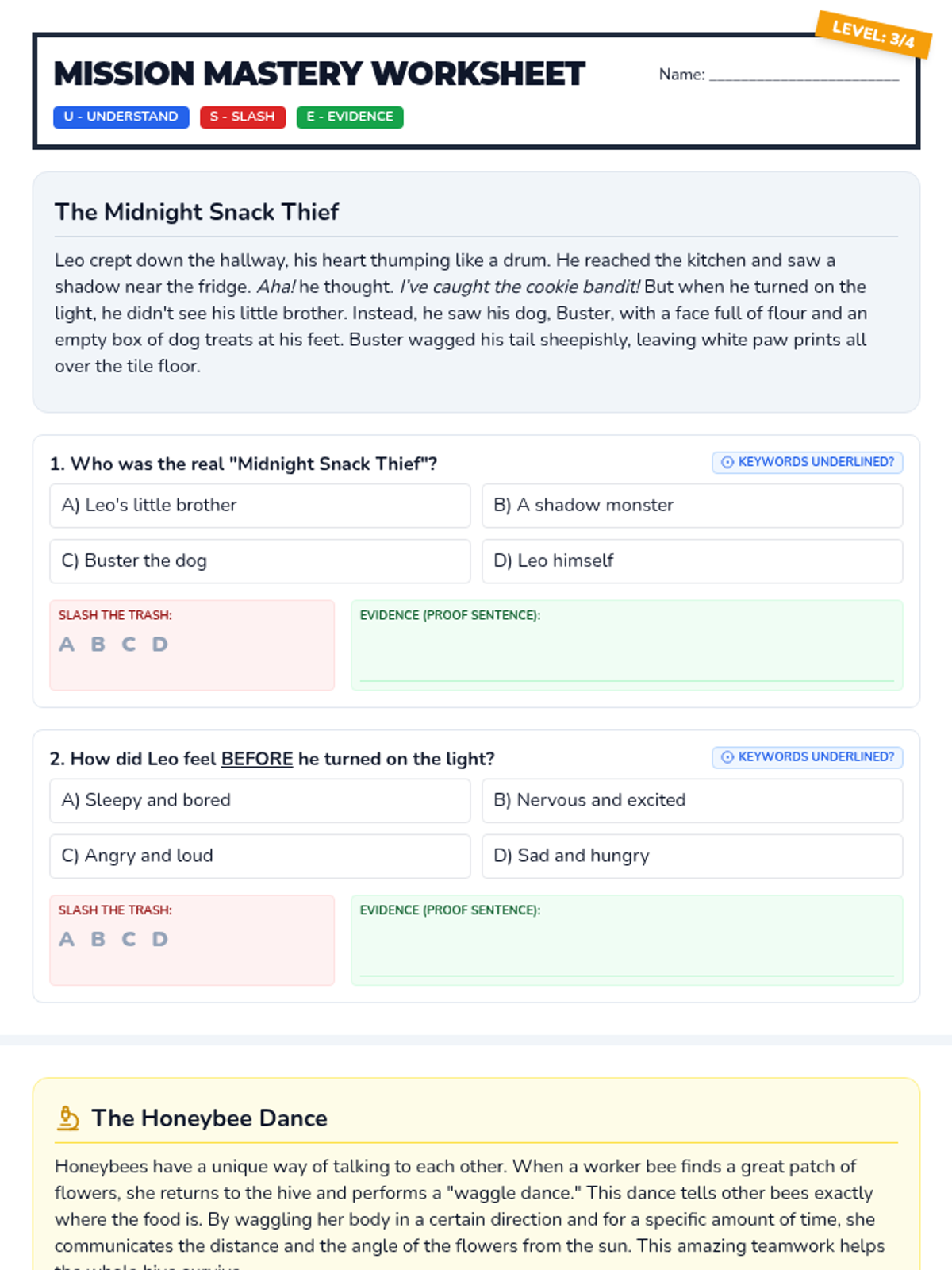
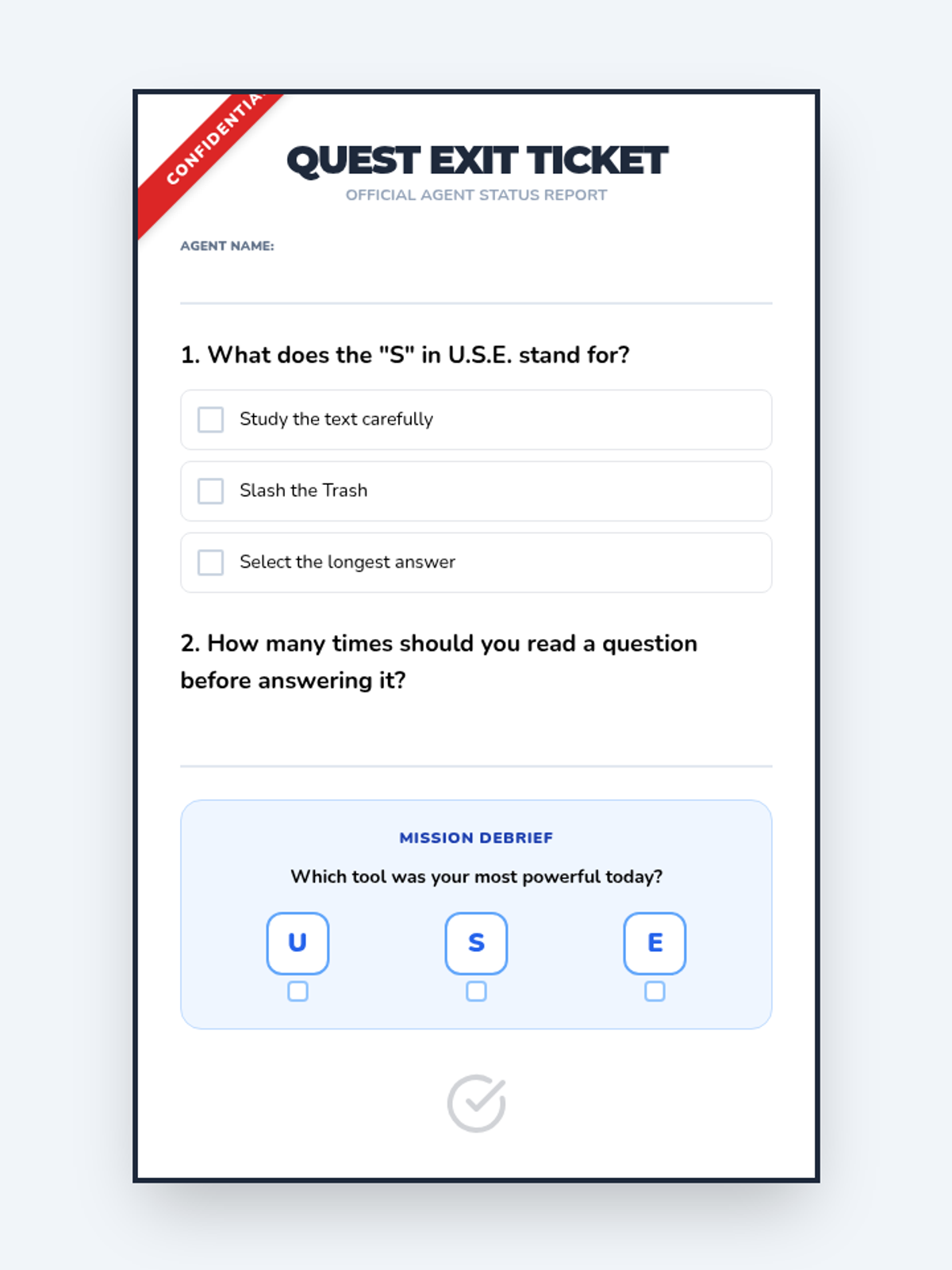
A comprehensive lesson for 3rd and 4th graders on the USE strategy (Understand, Slash, Evidence) to improve multiple-choice accuracy using fiction and science texts.
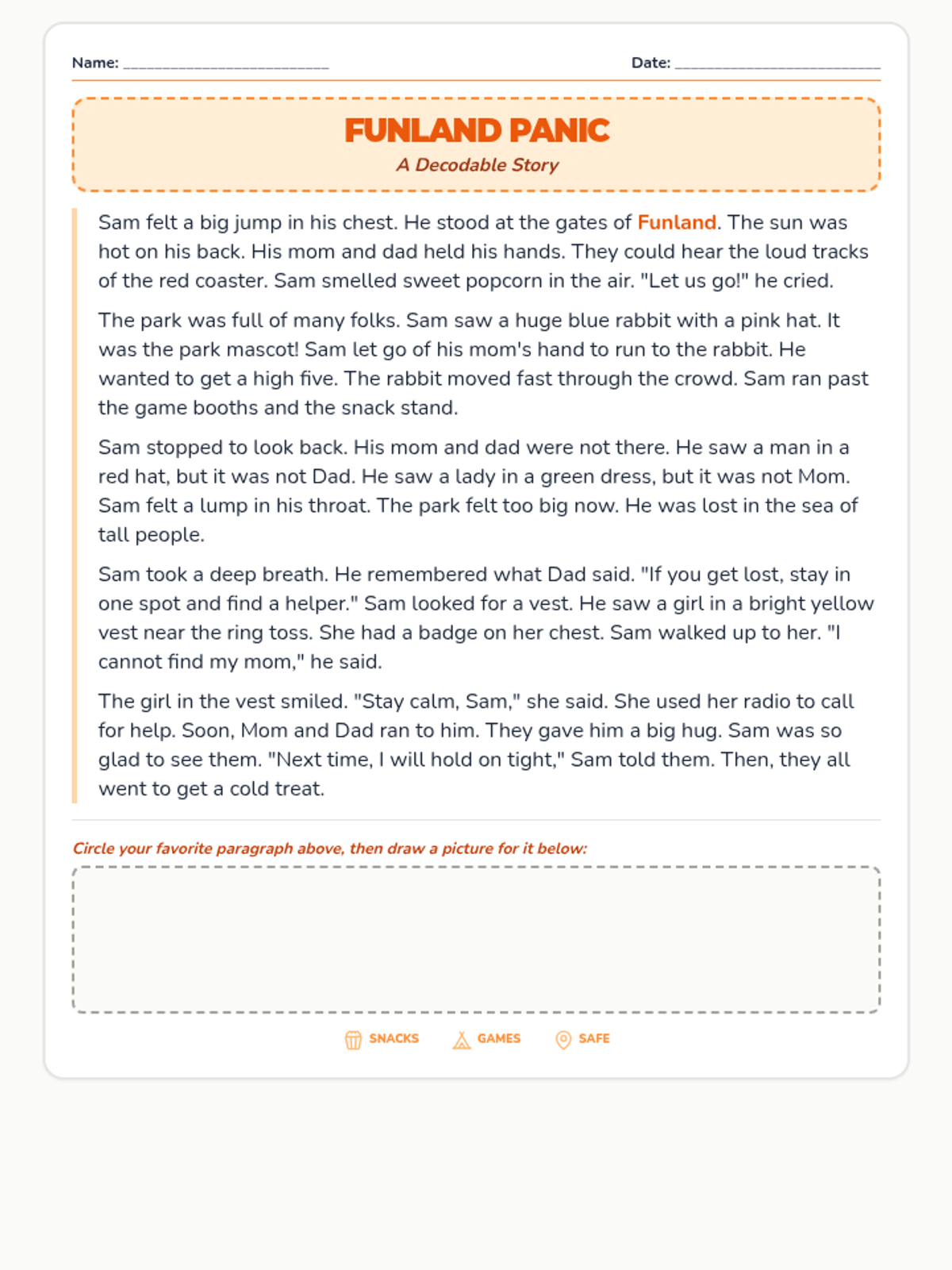
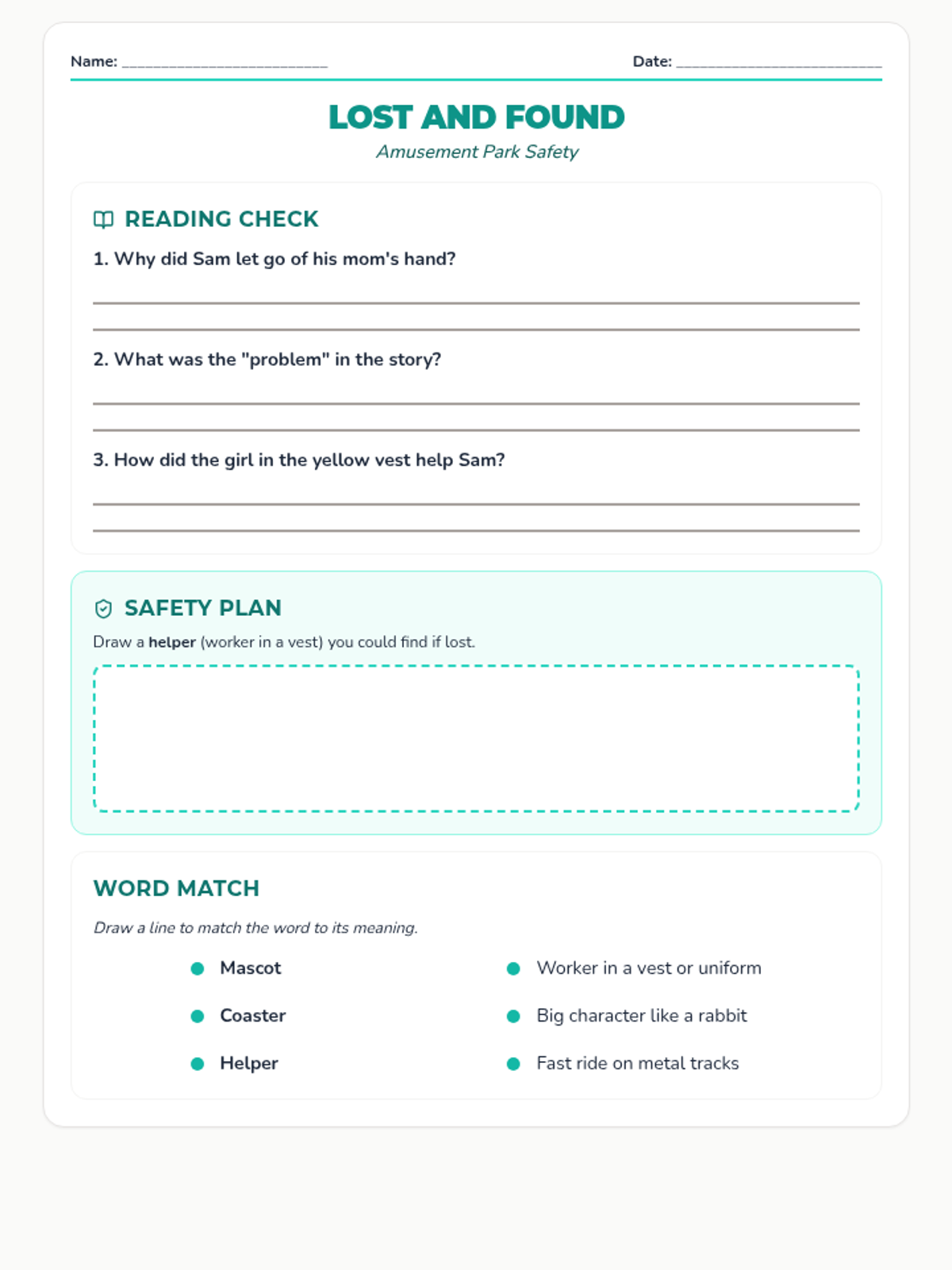
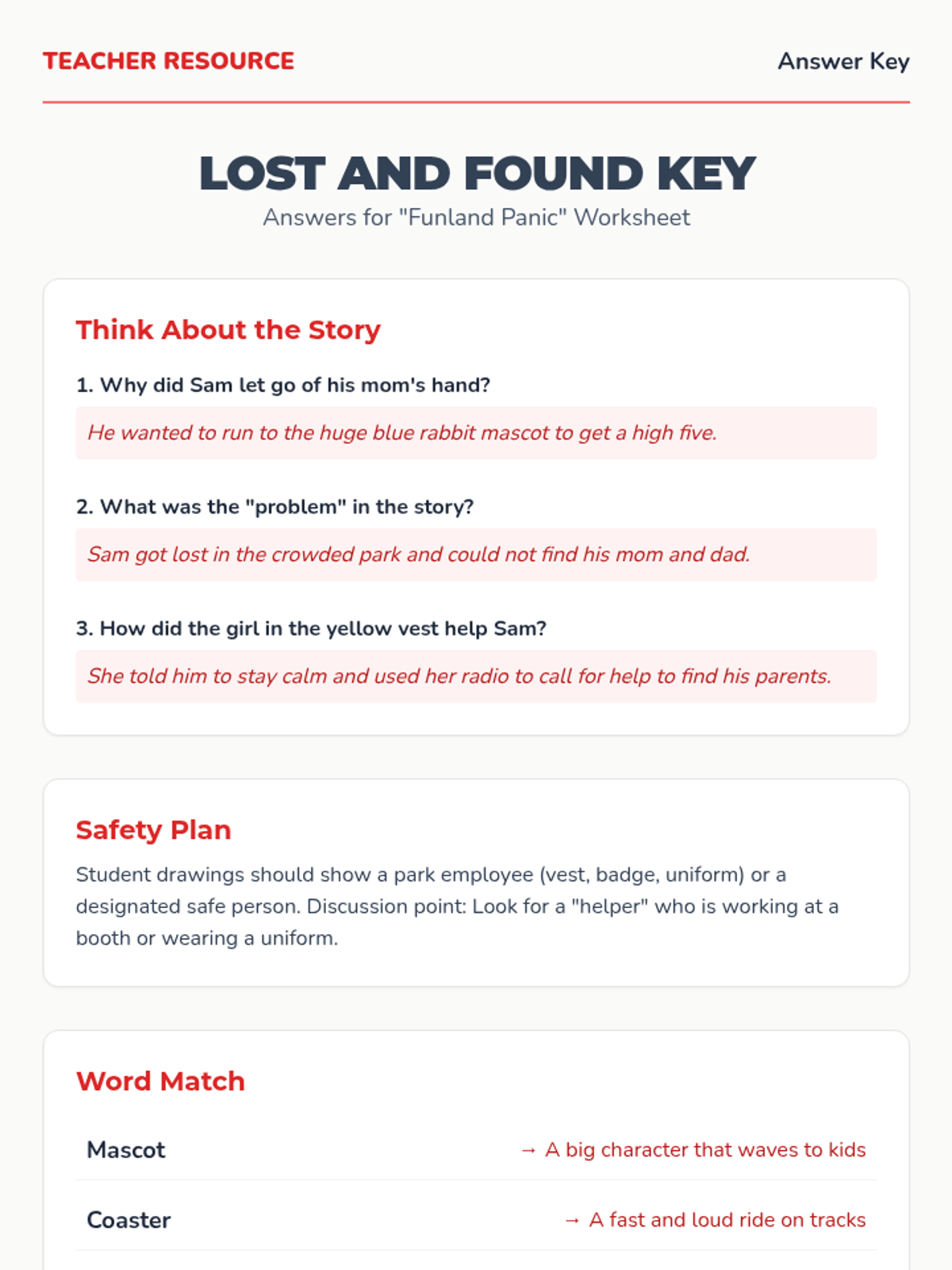
A decodable reading lesson centered on a story about getting lost at an amusement park, focusing on reading comprehension and safety rules.
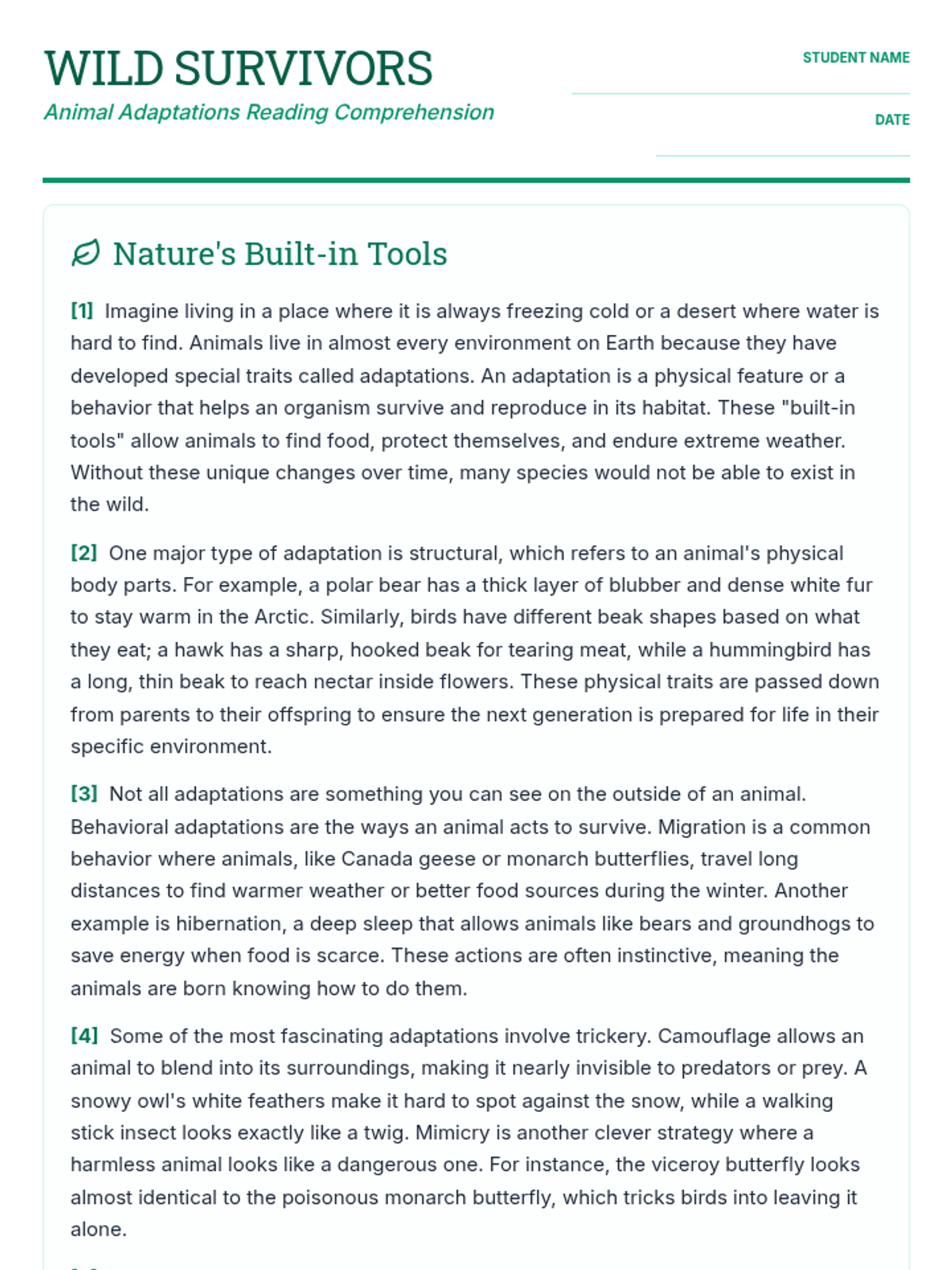
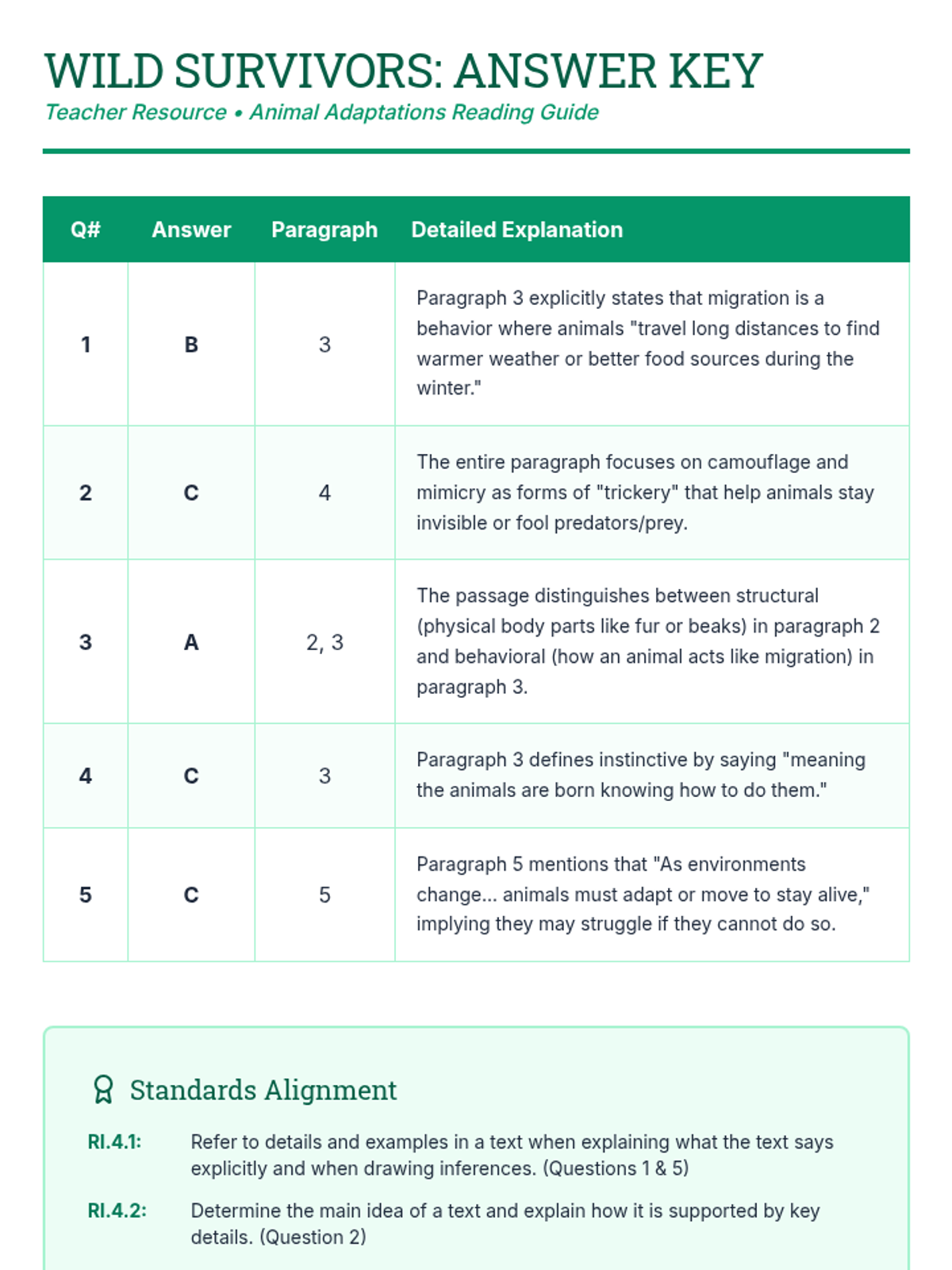
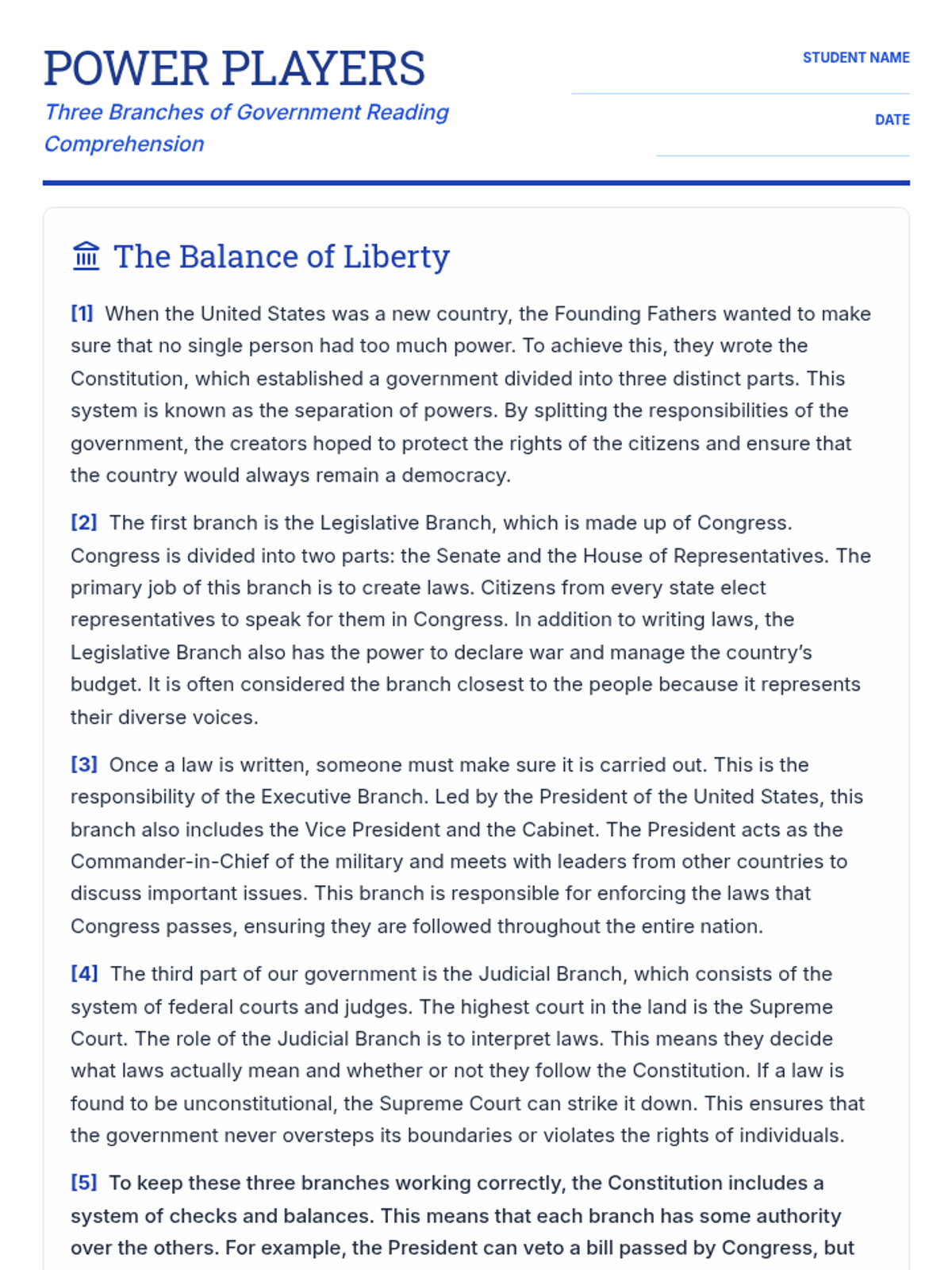
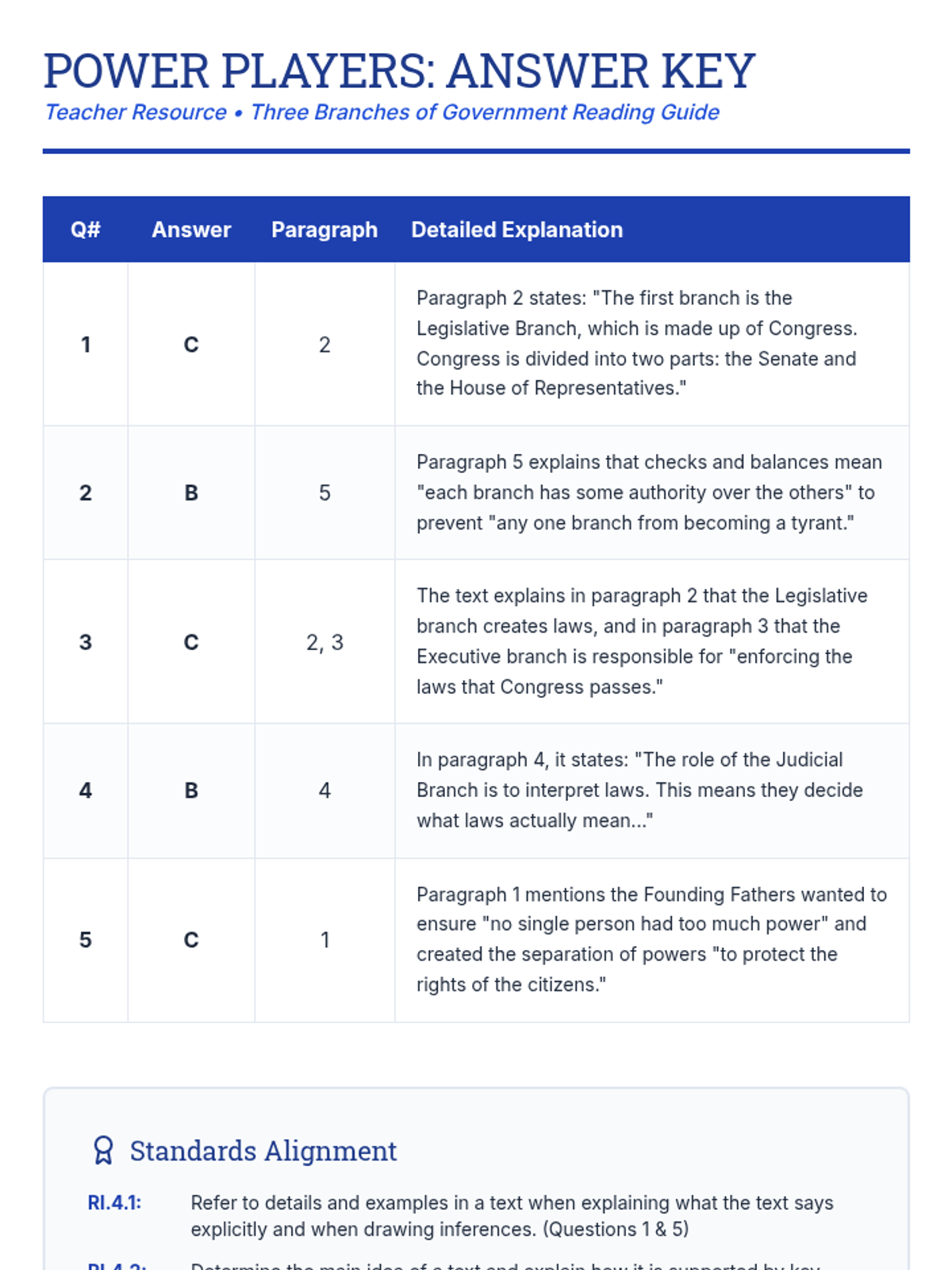
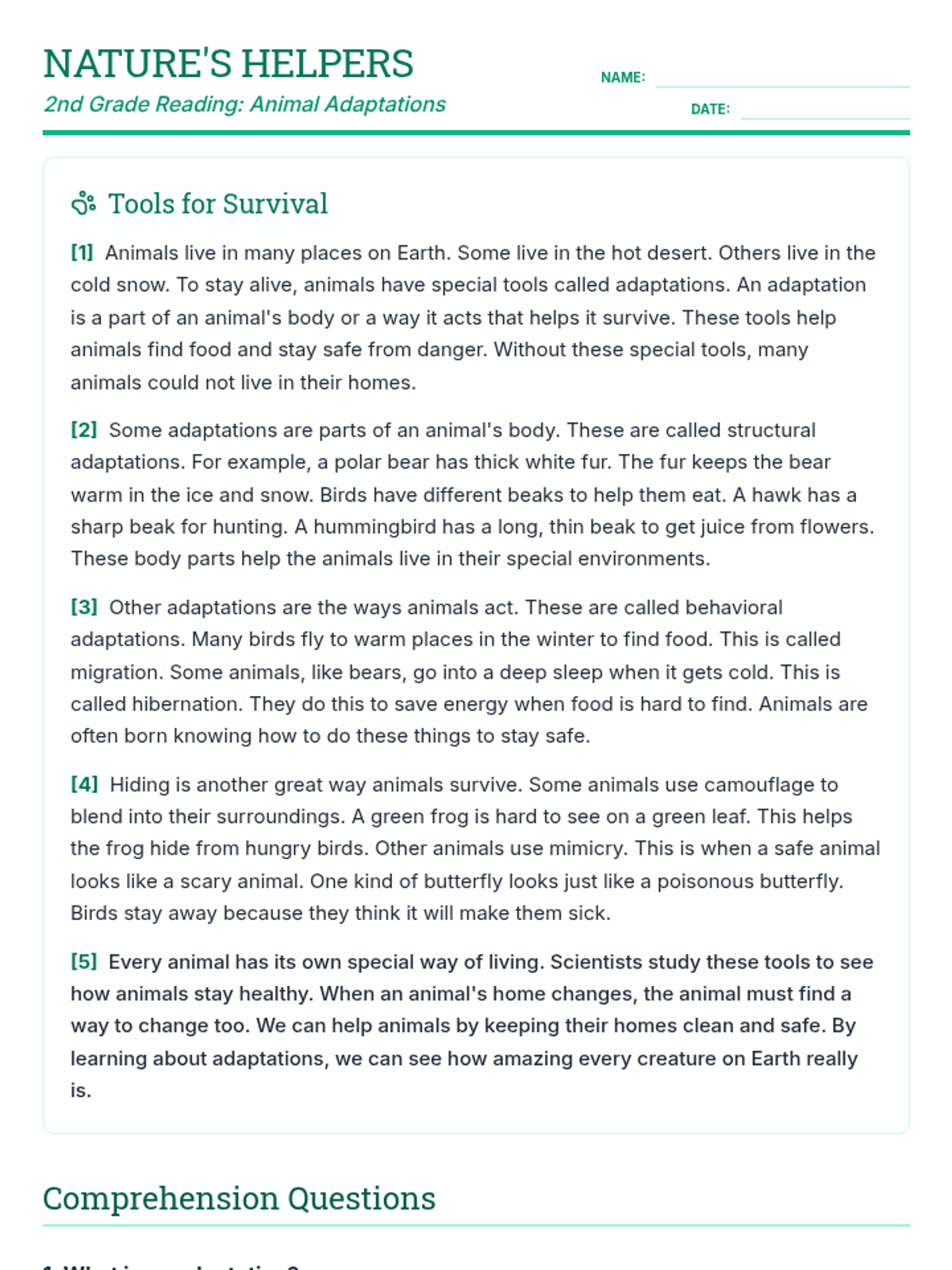
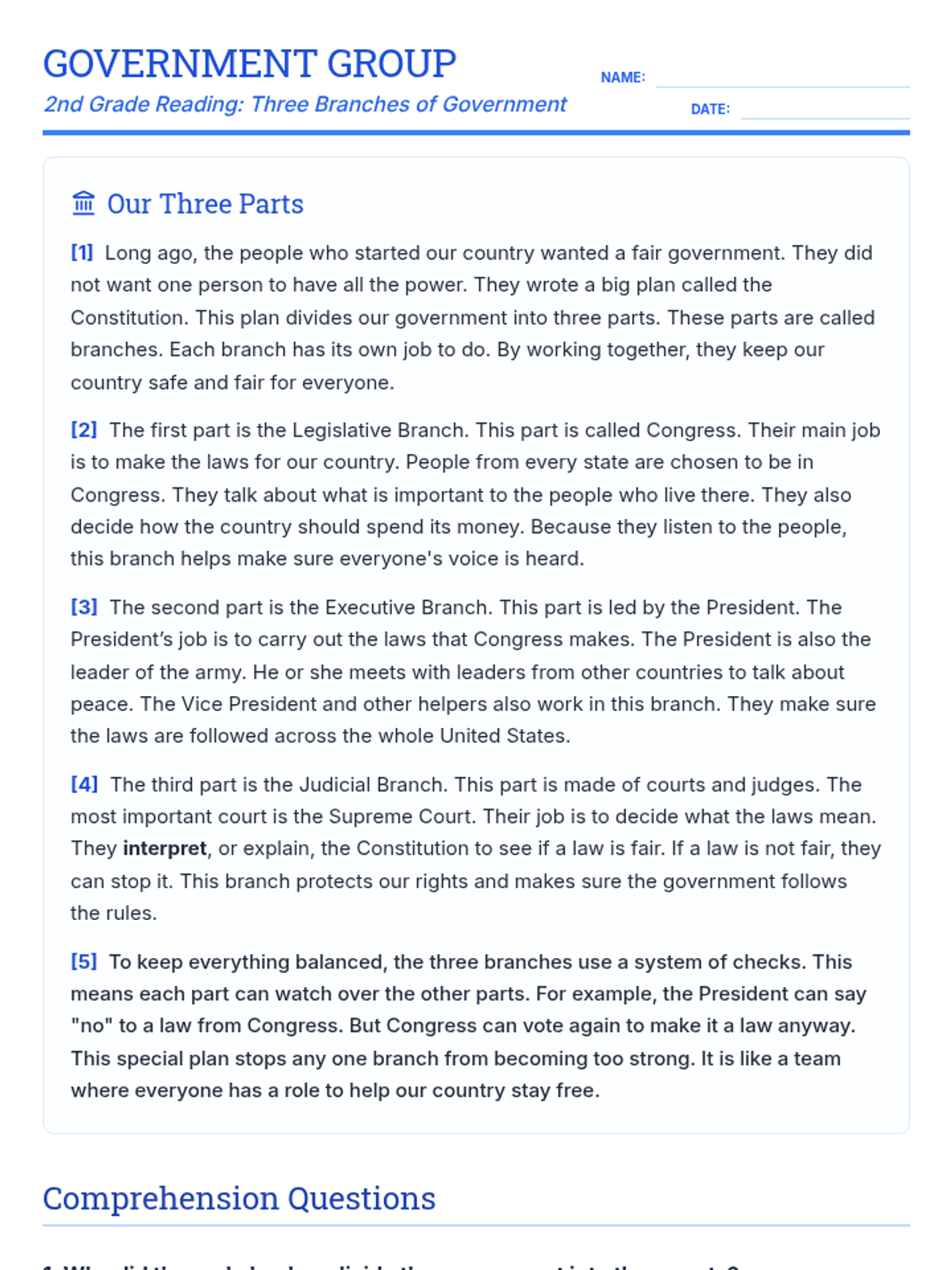
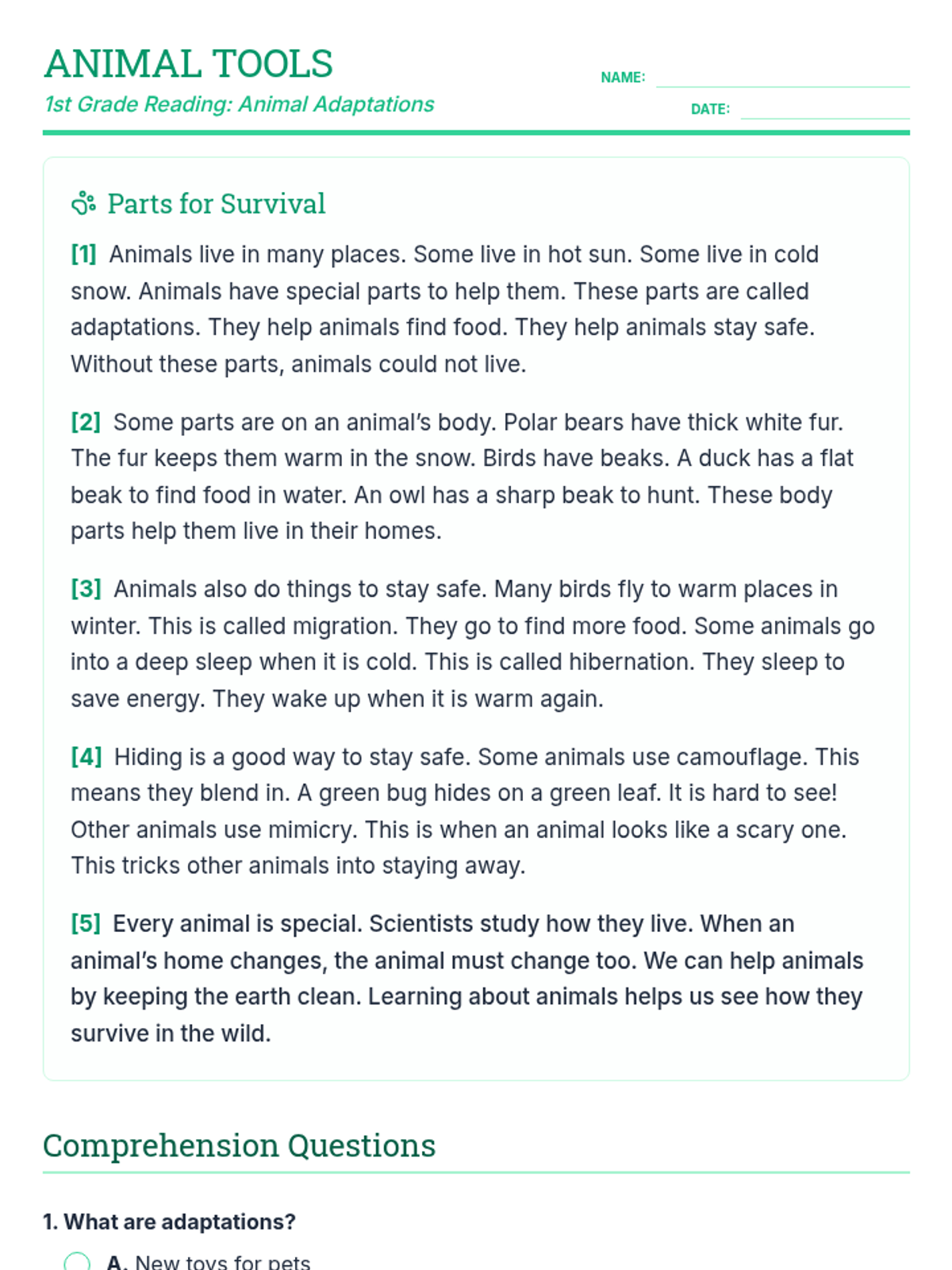
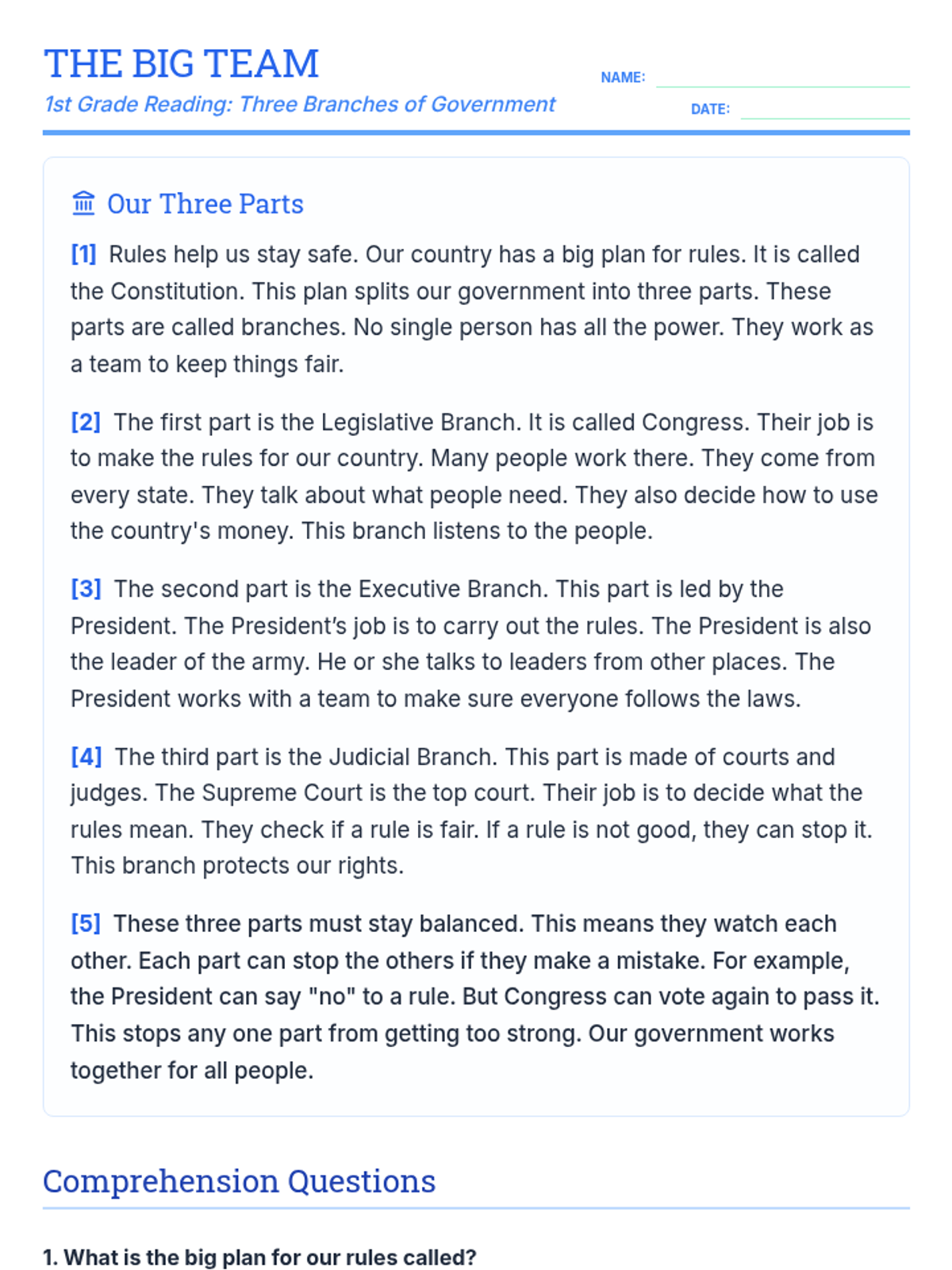
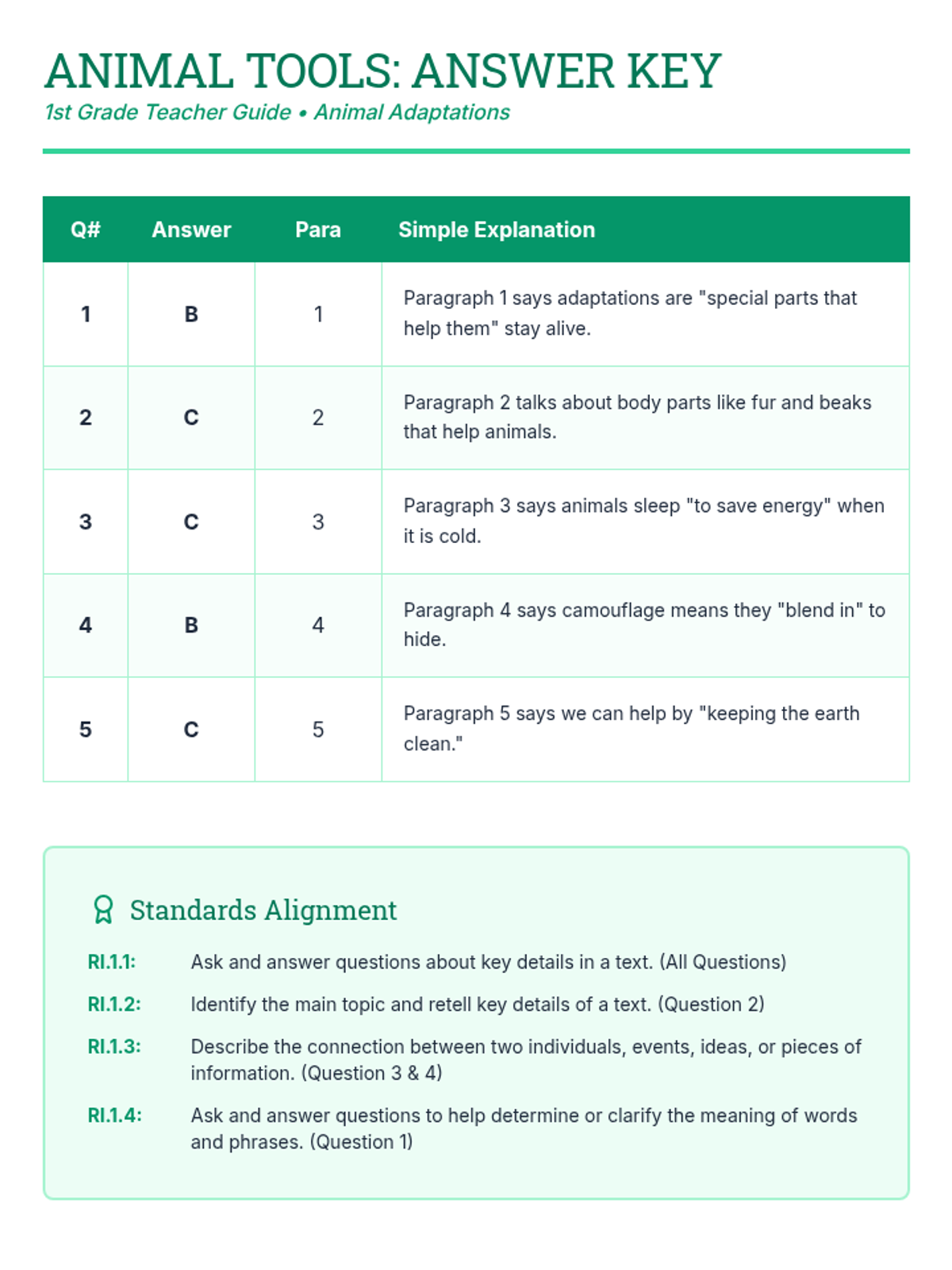
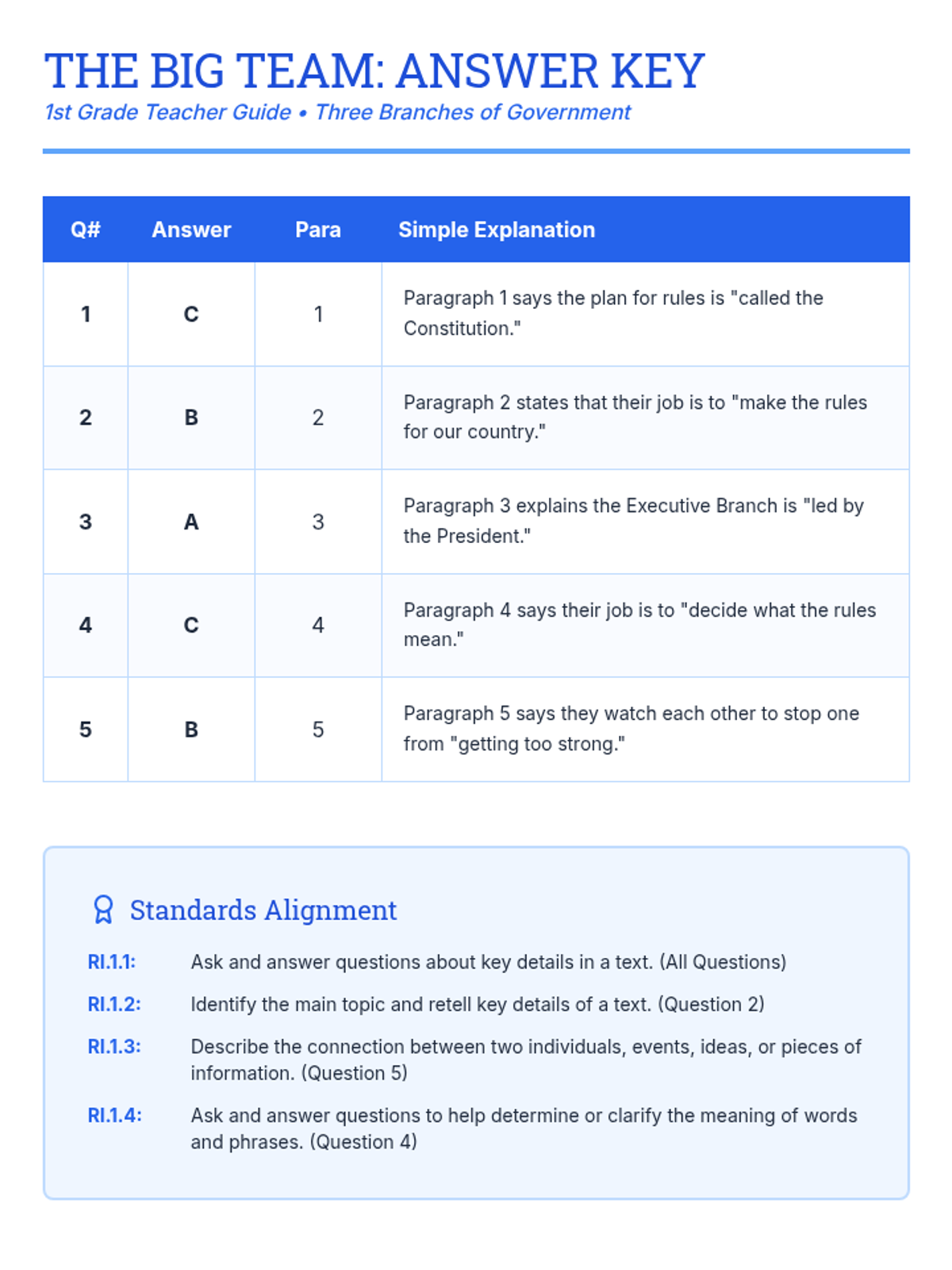
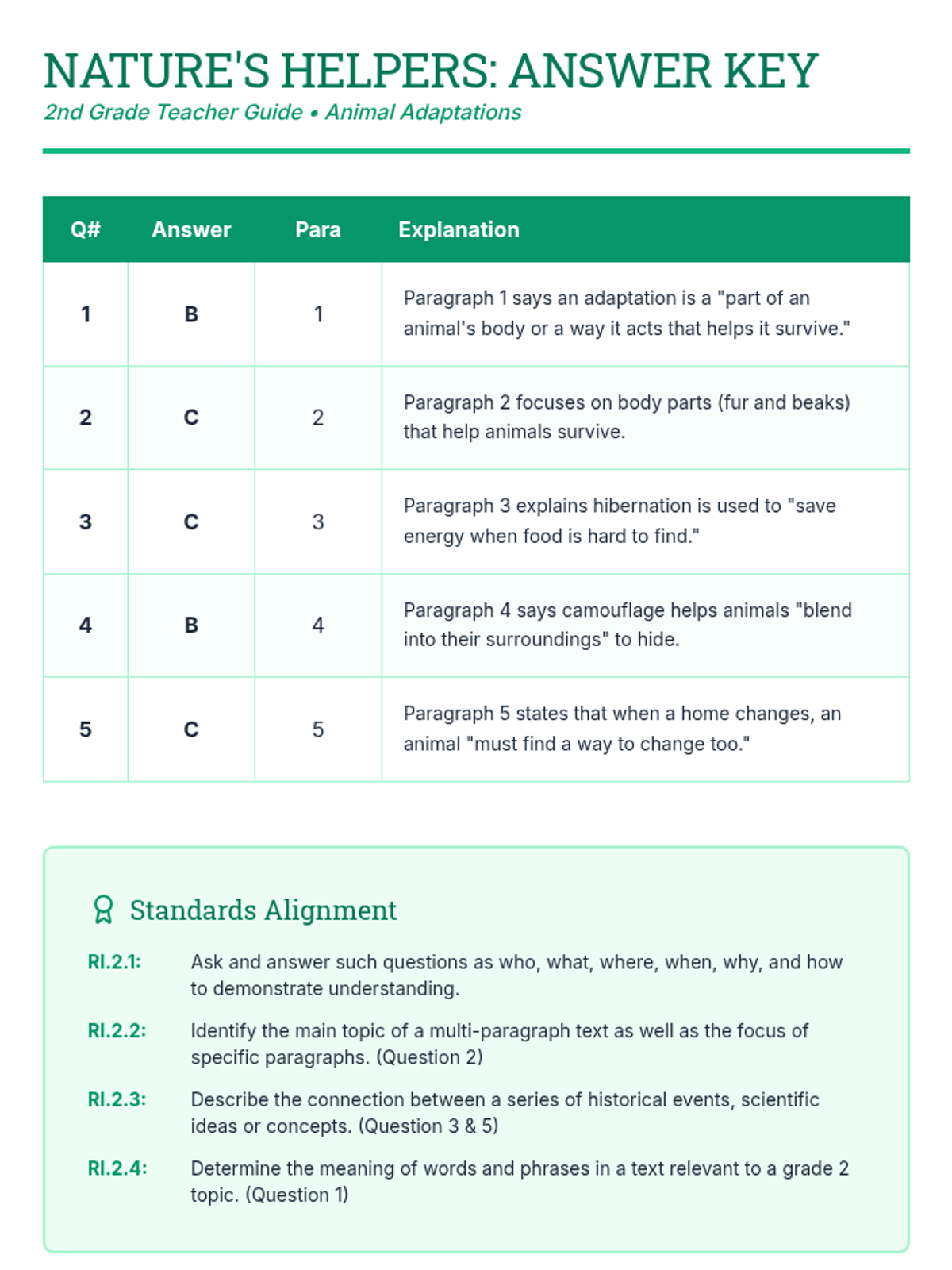
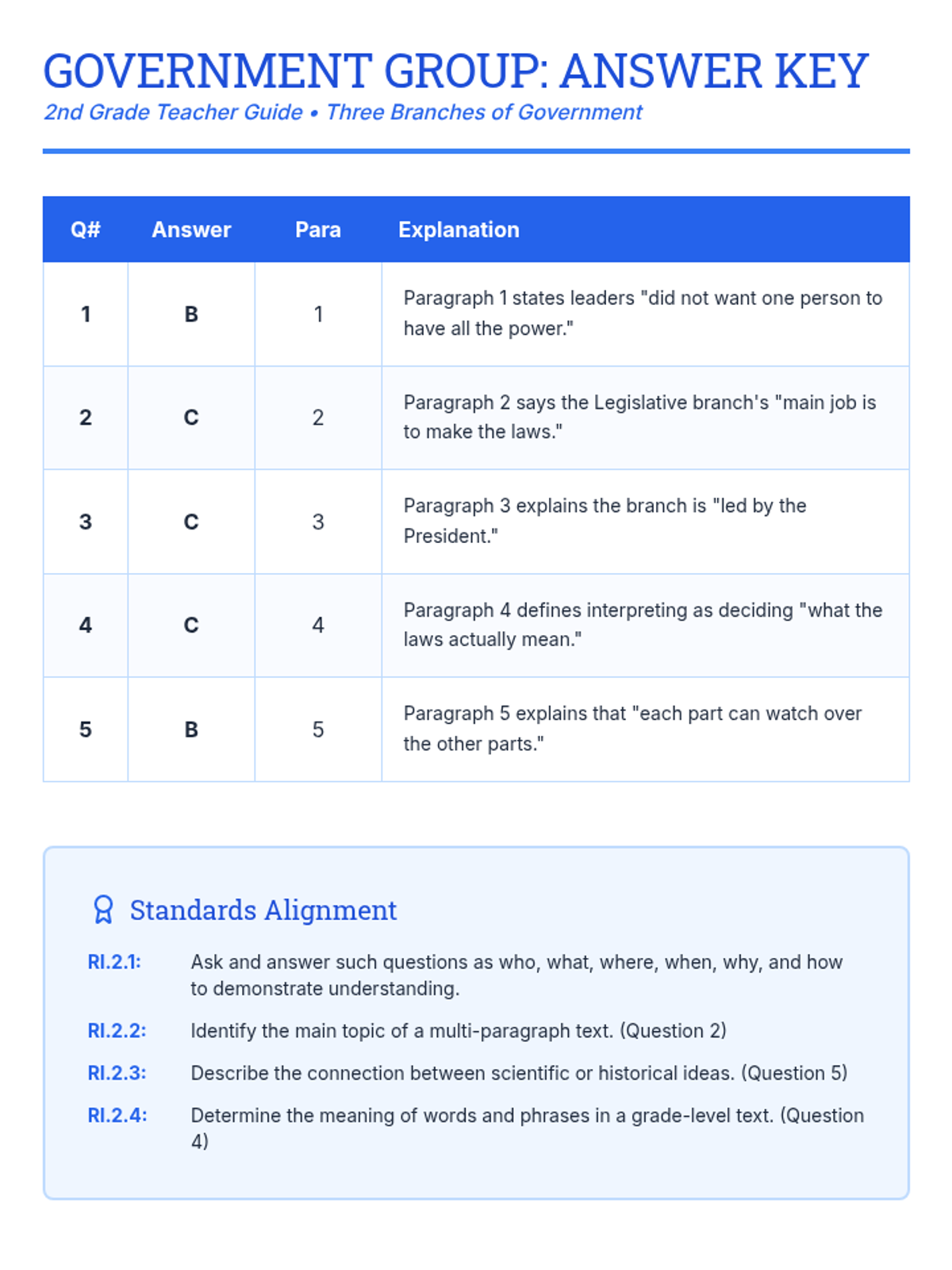
A comprehensive reading comprehension lesson focusing on RI.1, RI.2, RI.3, and RI.4 standards through the lenses of Animal Adaptations and the Three Branches of Government.
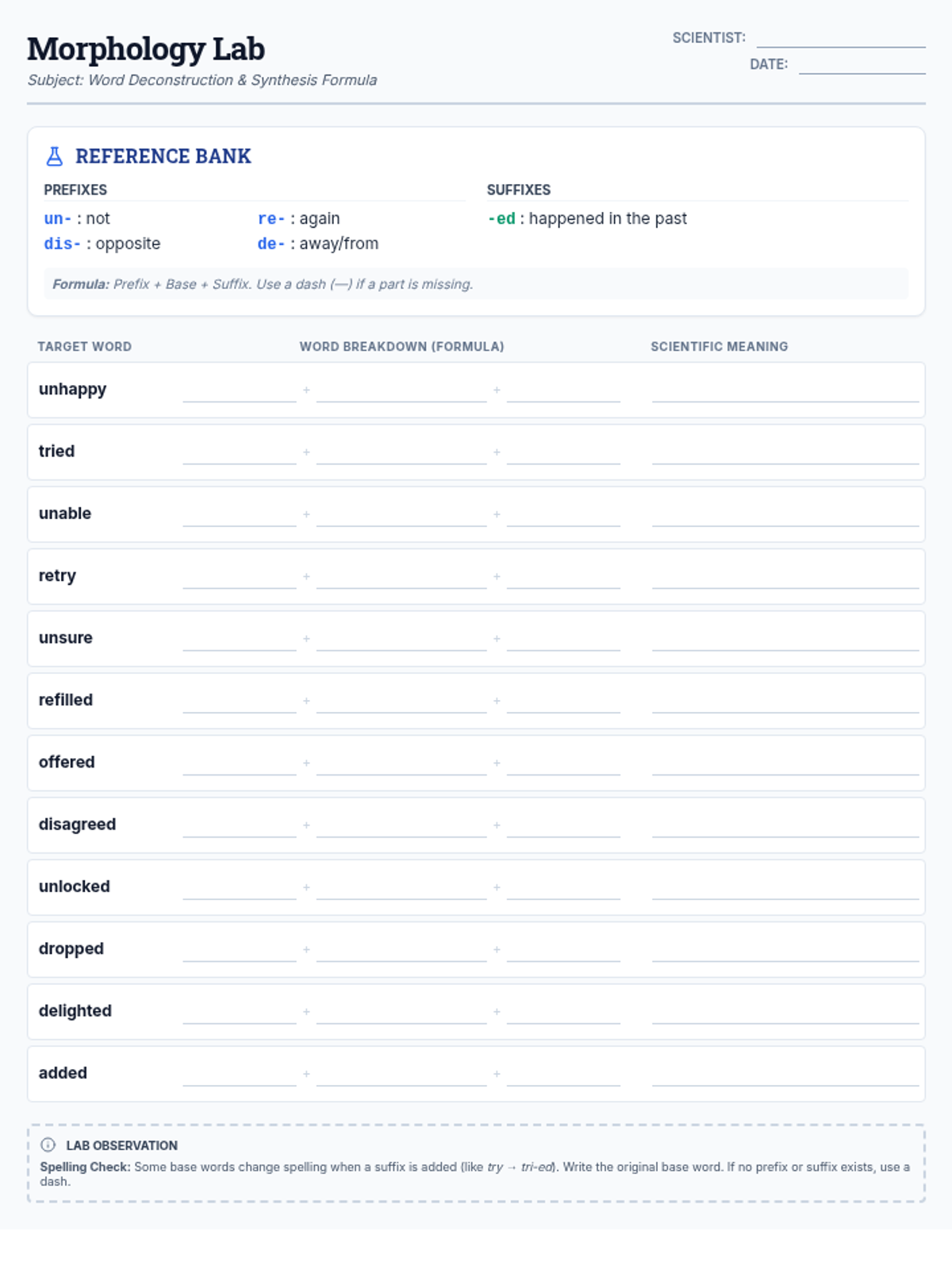
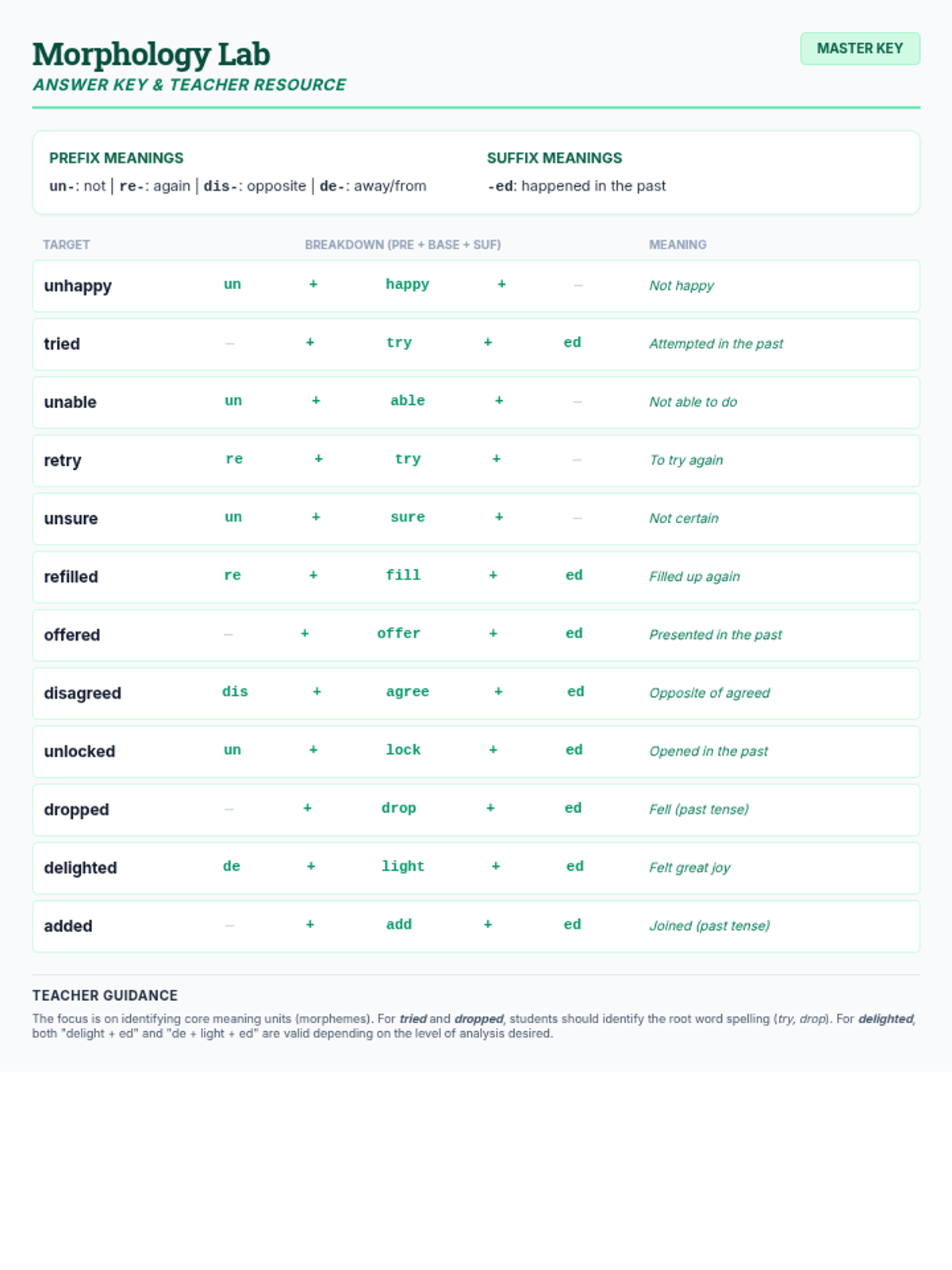
A lesson focused on morphology where students deconstruct words into prefixes, bases, and suffixes to determine their meanings using a word bank formula.
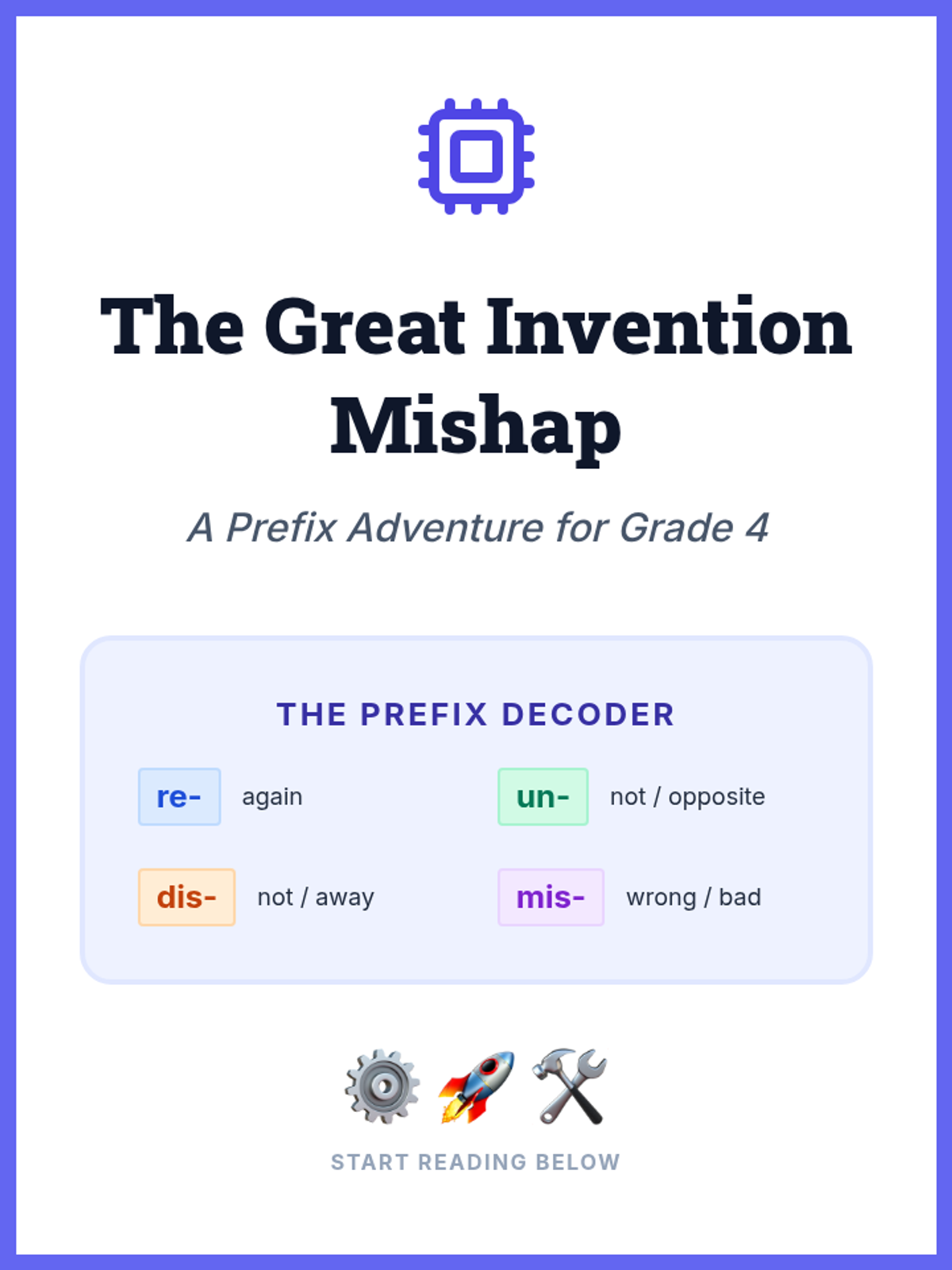
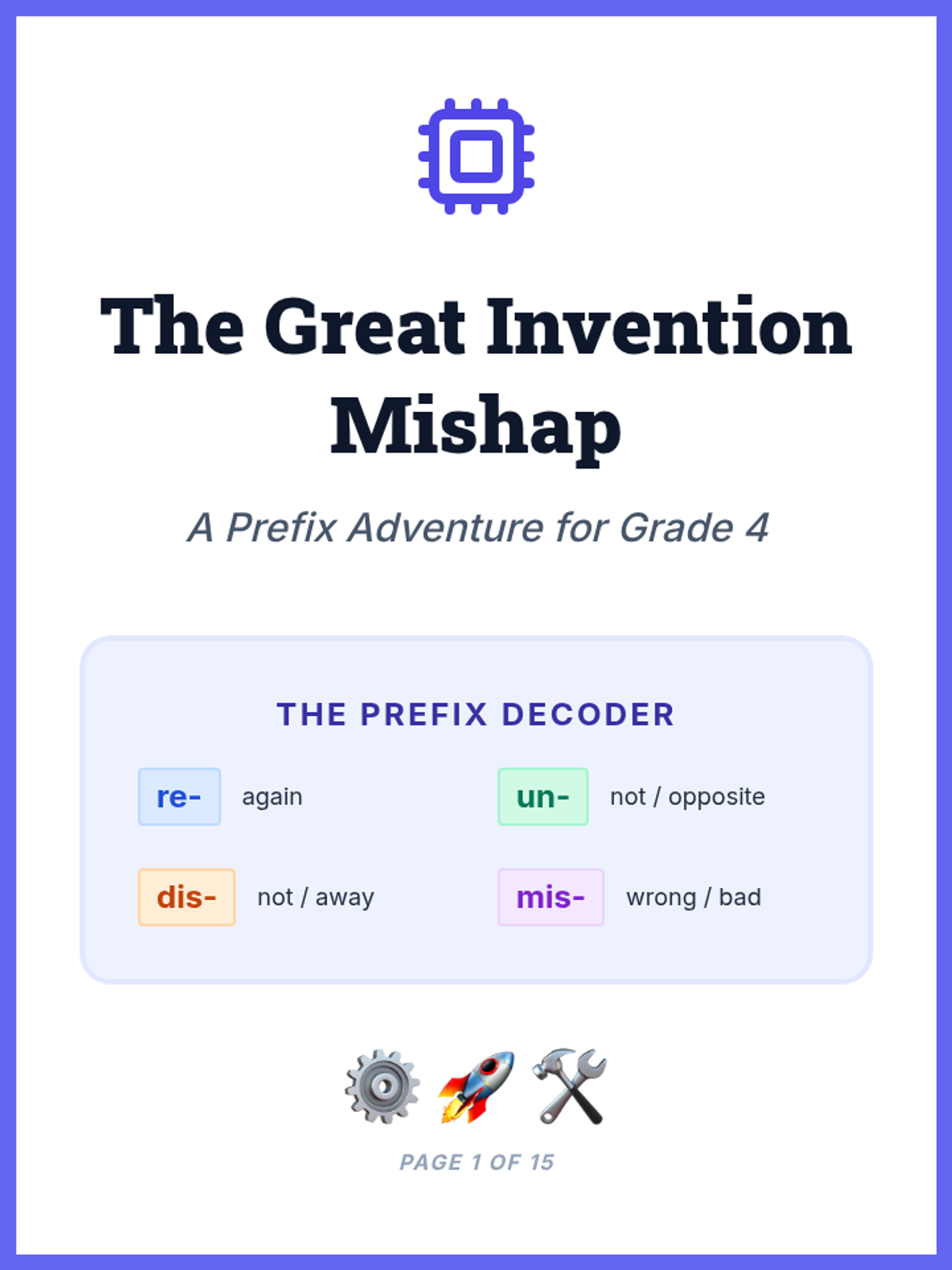
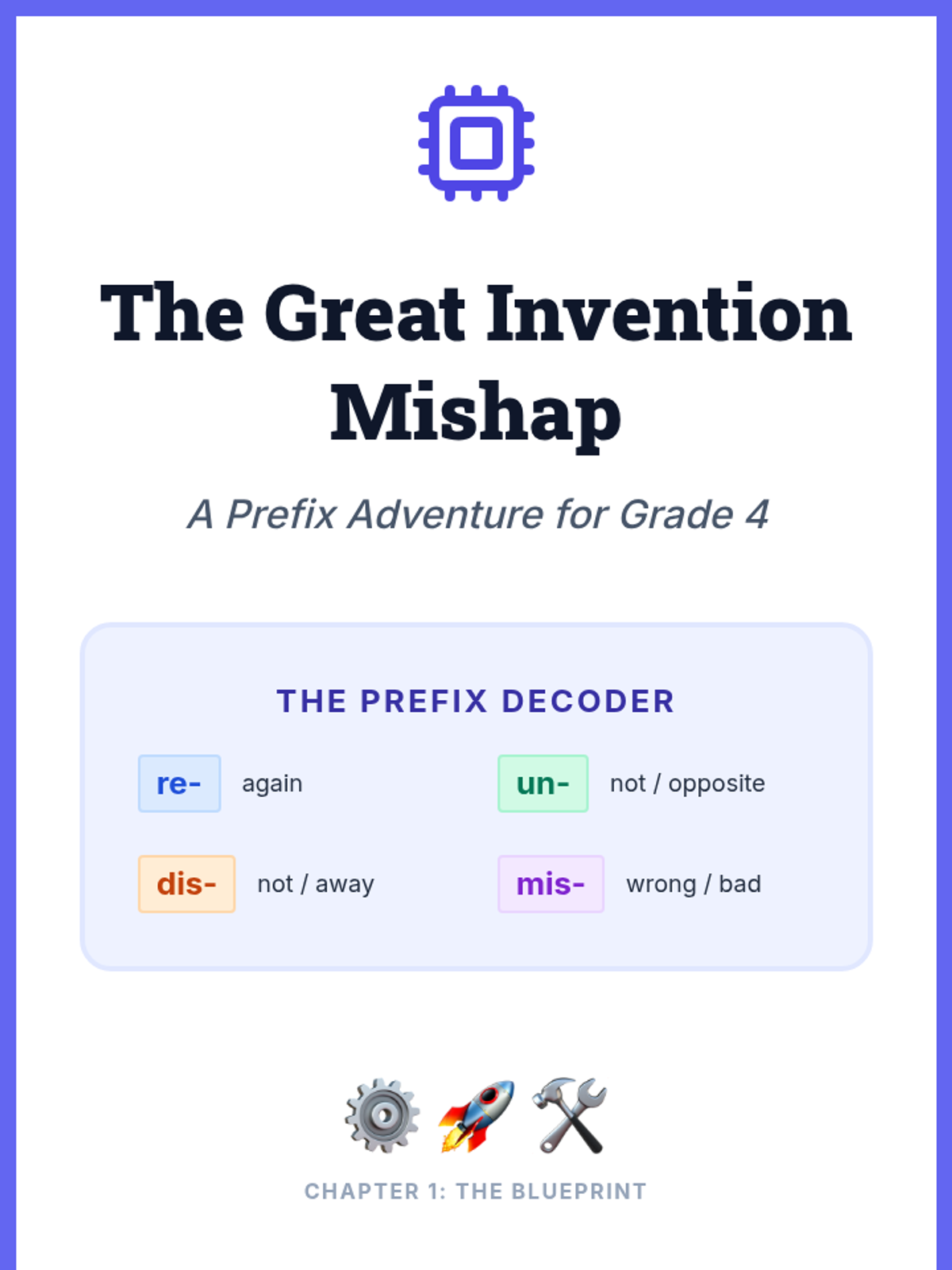
A Grade 4 literacy lesson focusing on the structural analysis of words with common prefixes: re-, mis-, dis-, and un-. Includes a multi-page reading passage and identification activities.
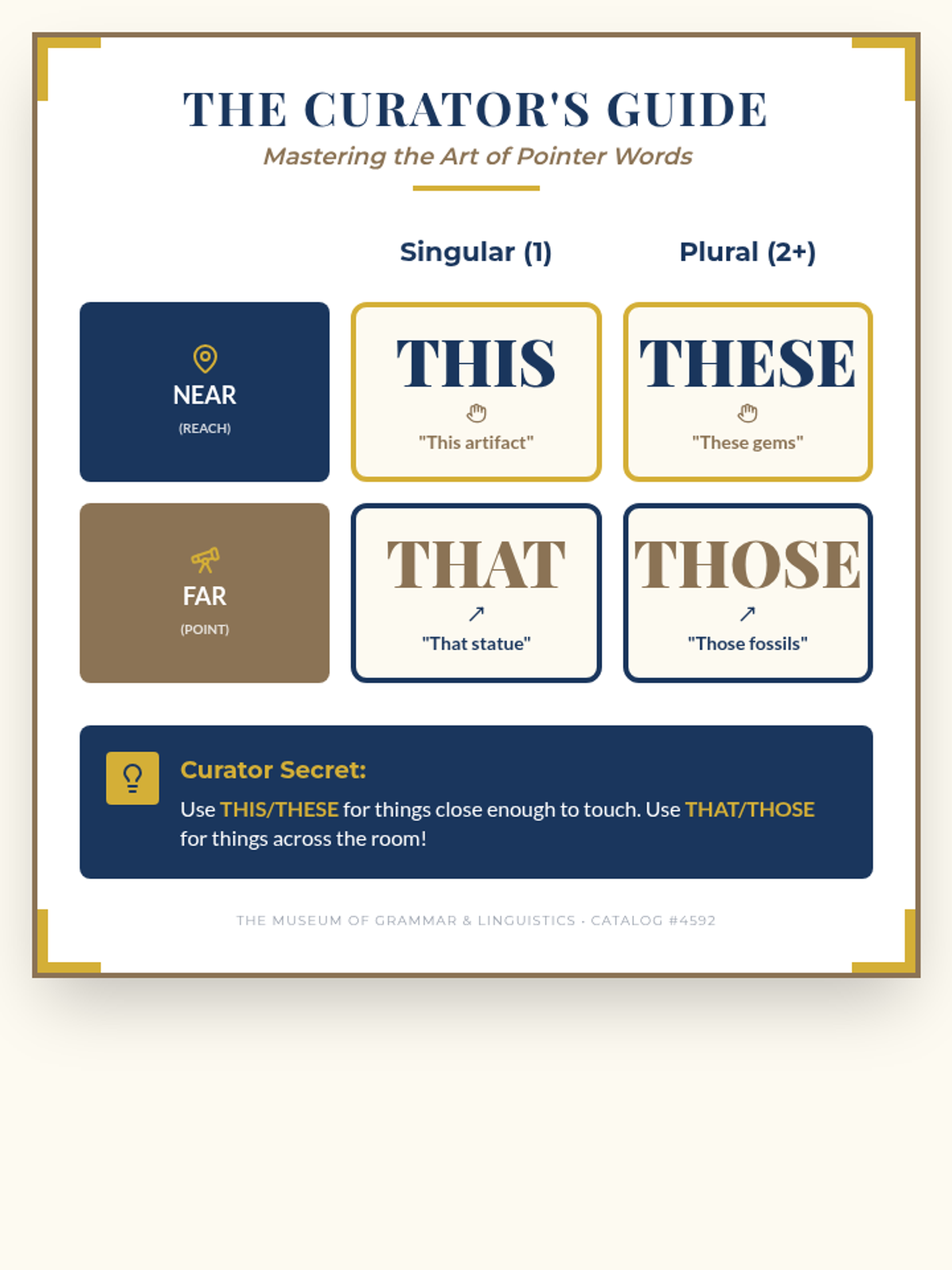
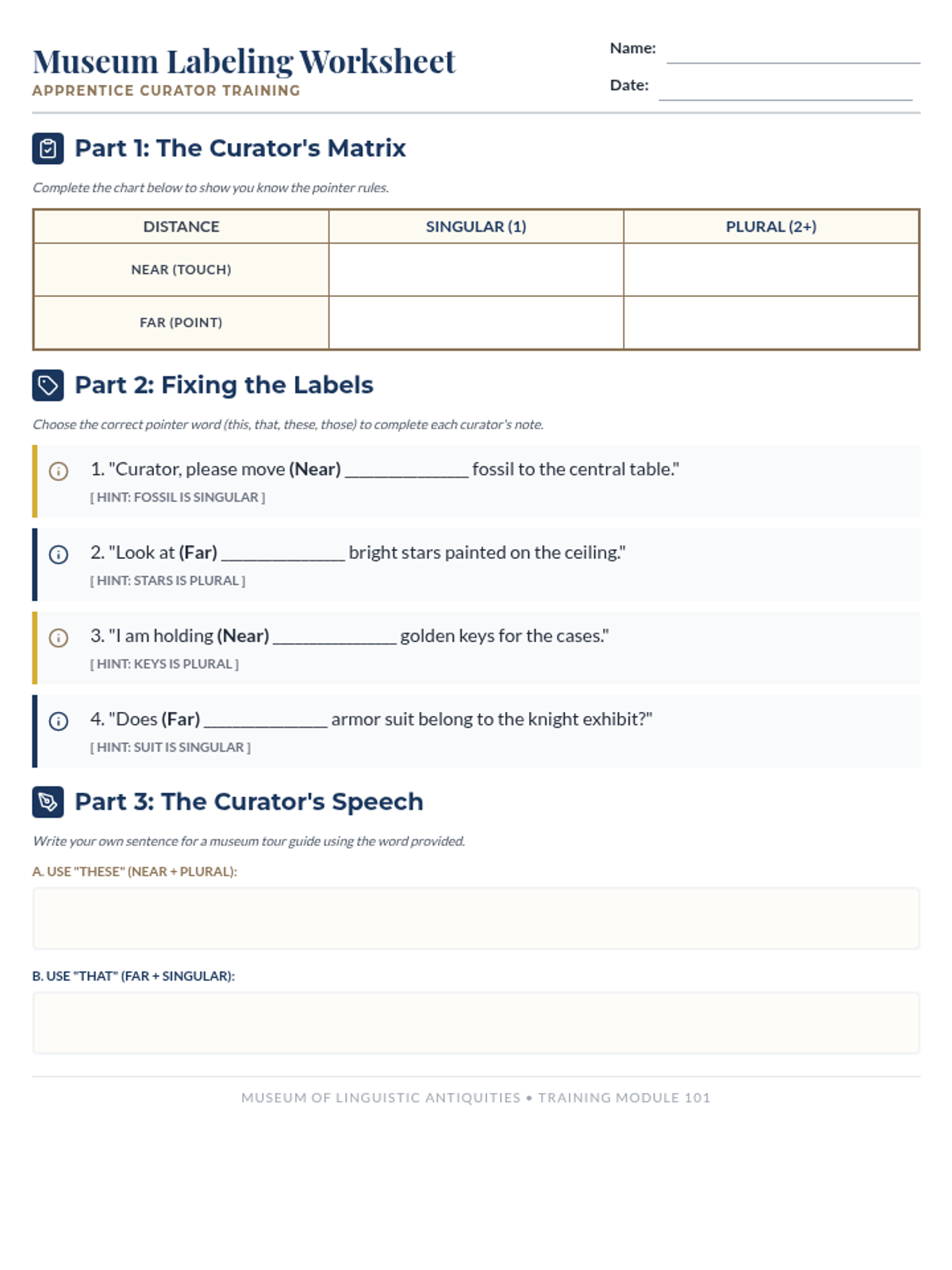
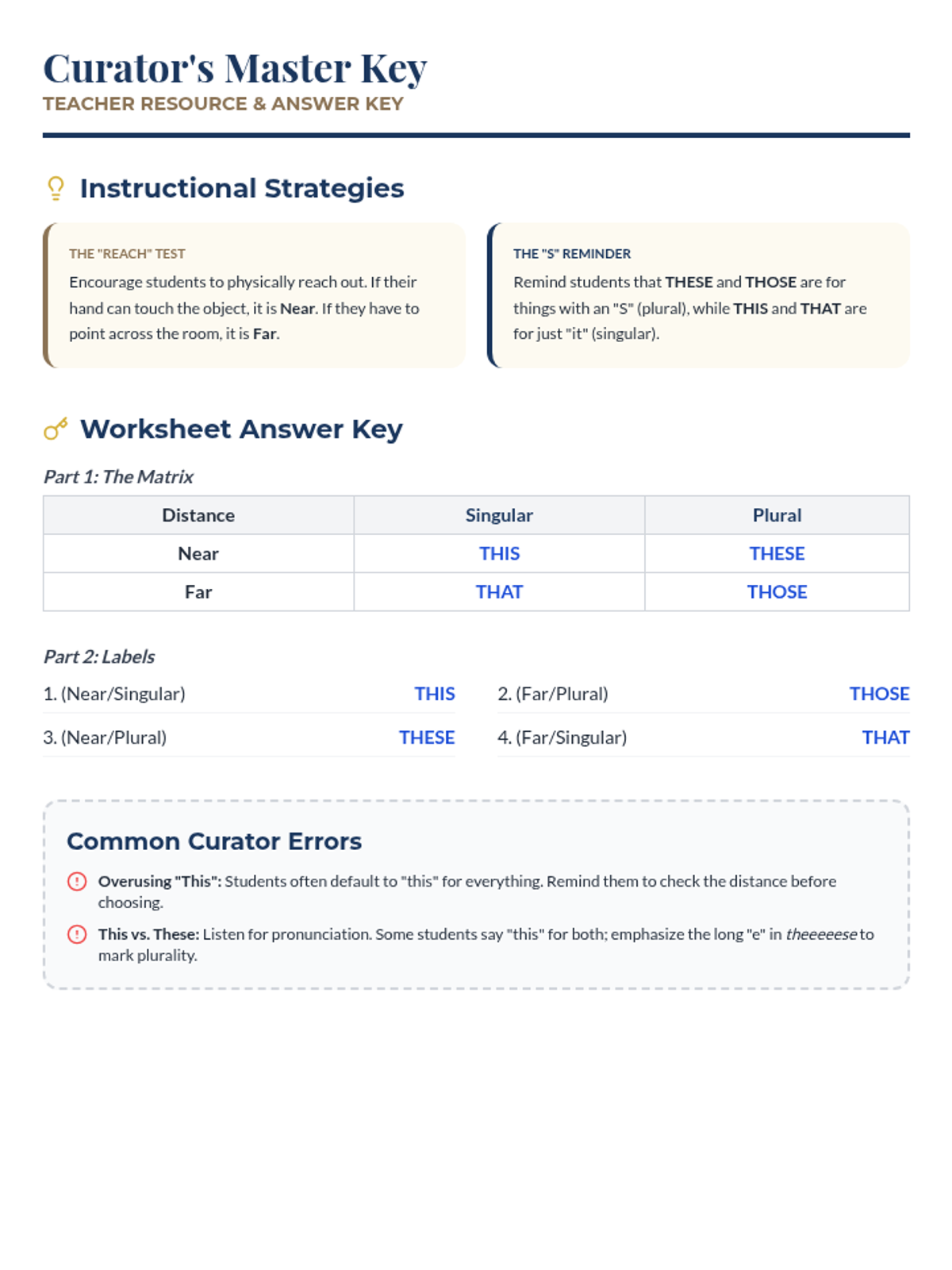
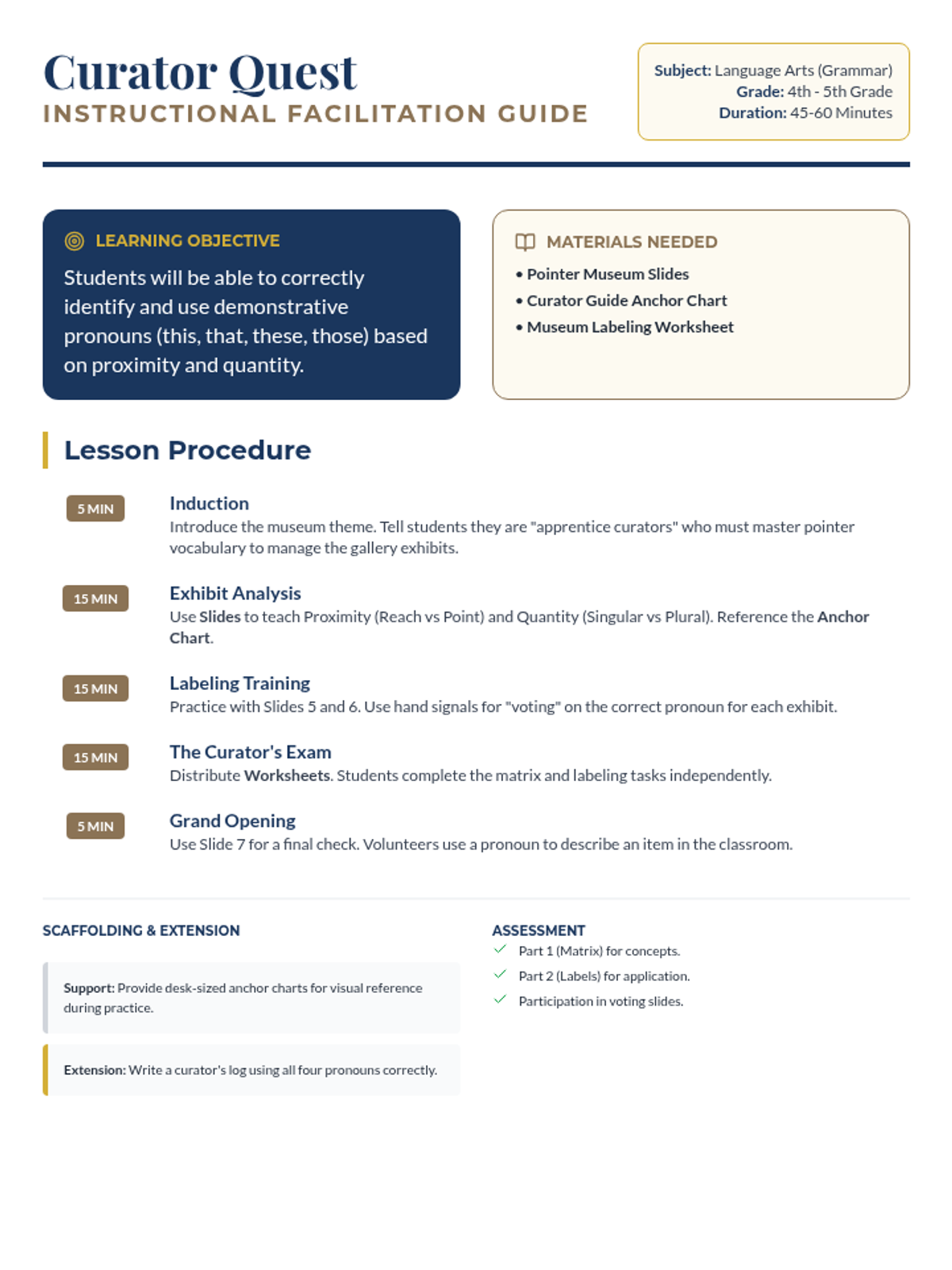
A comprehensive lesson on using demonstrative pronouns (this, that, these, those) through the lens of museum curators managing an exhibit. Students learn to distinguish between singular/plural and near/far objects.
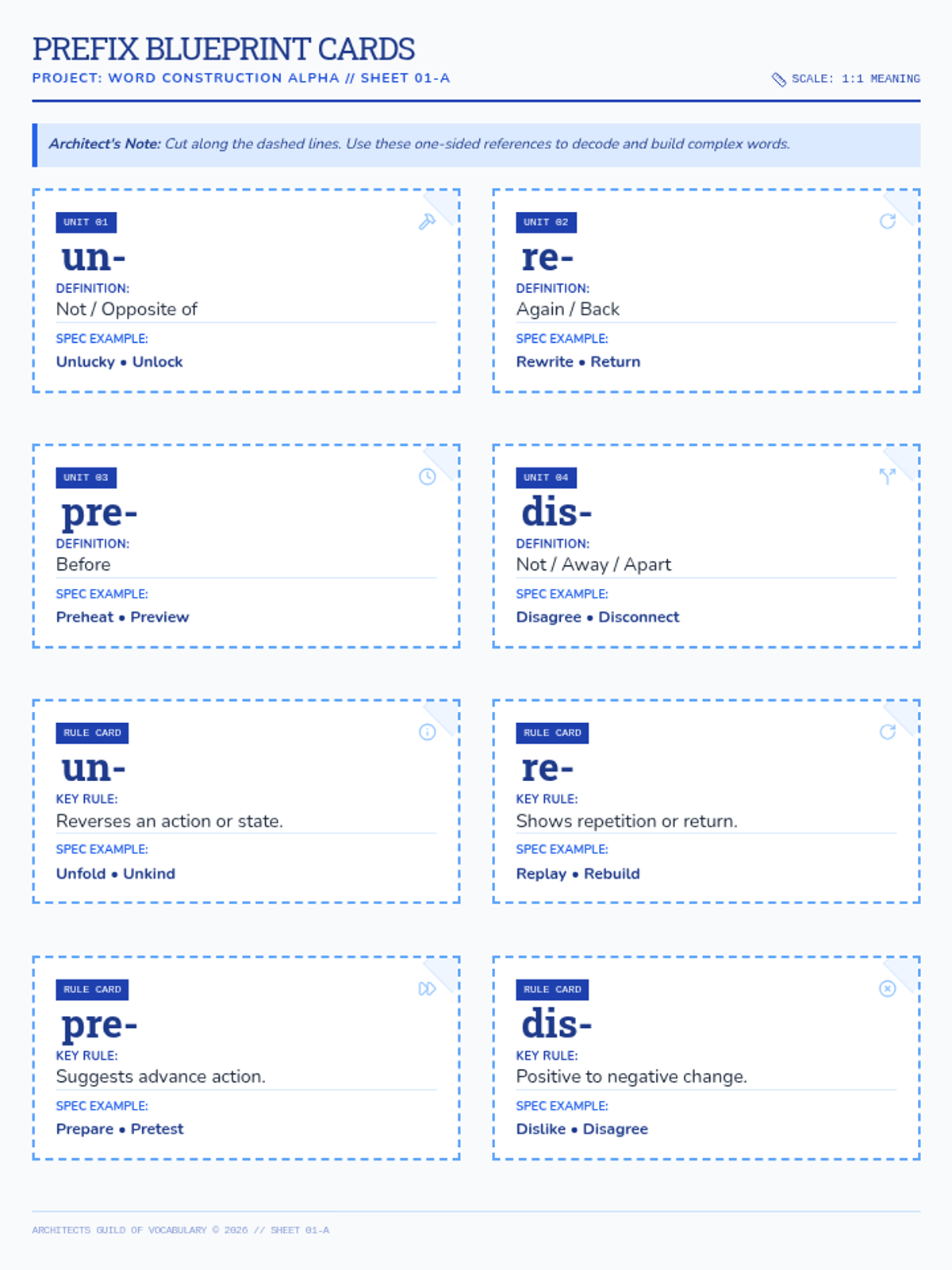
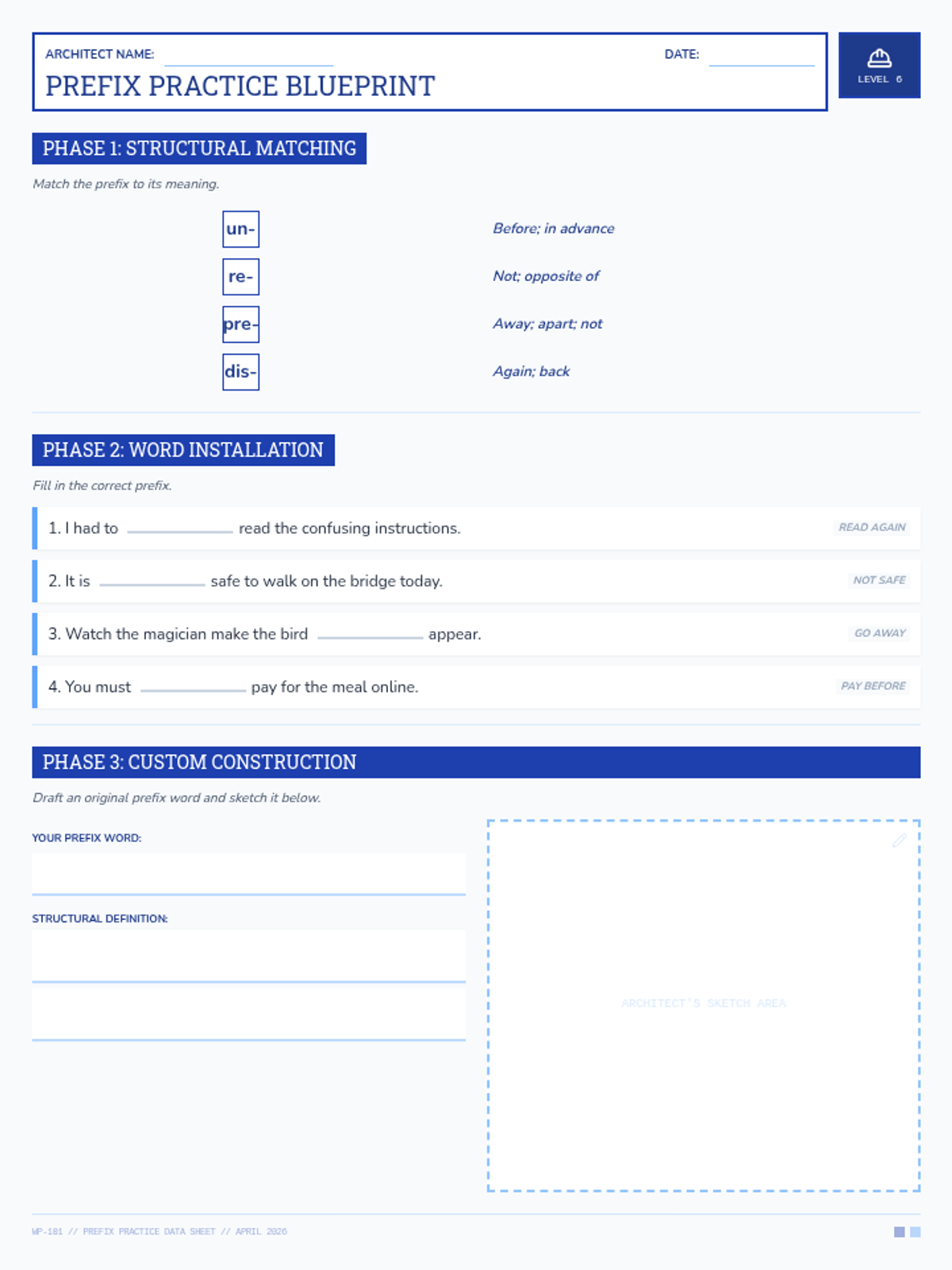
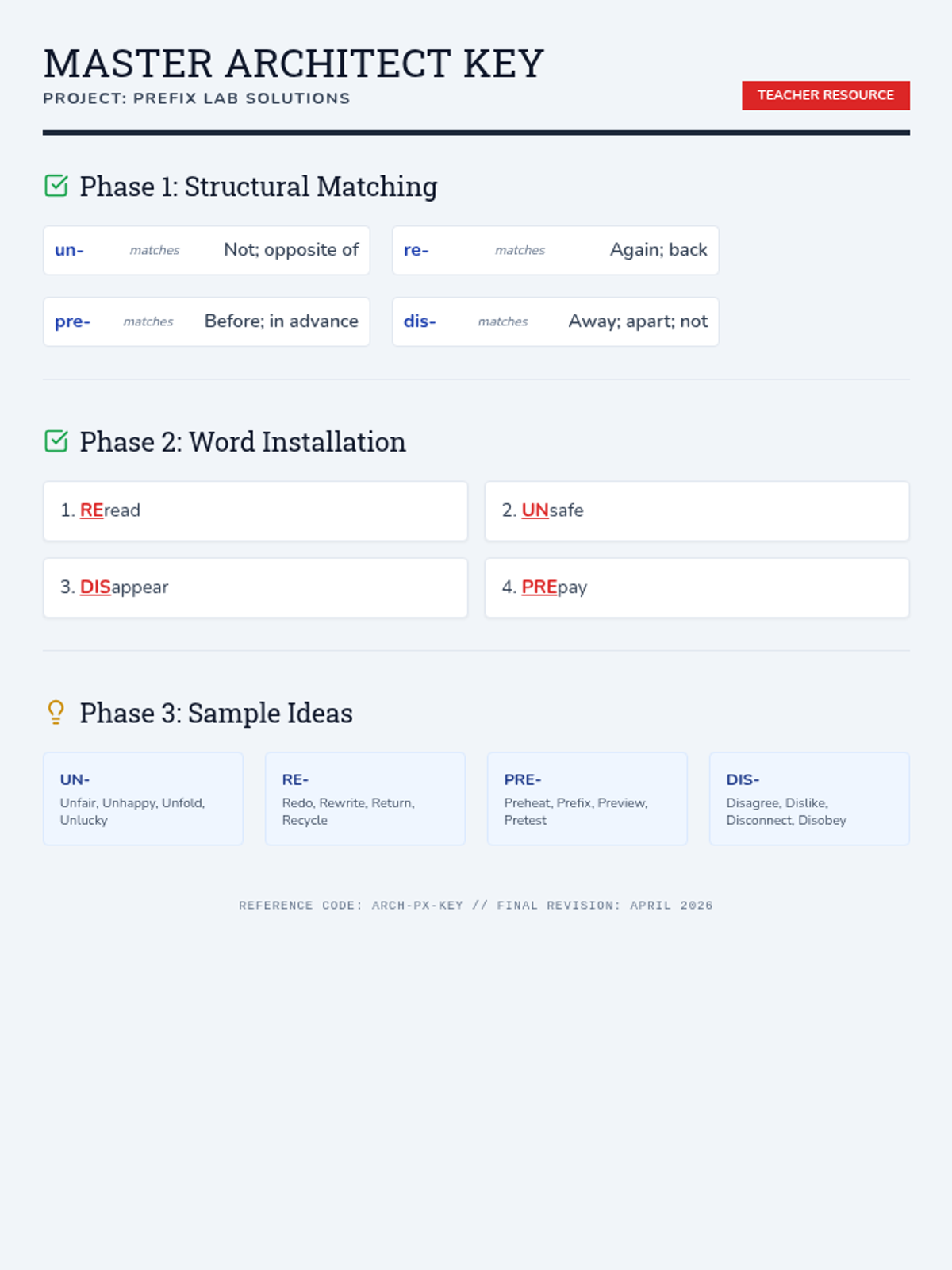
A foundational lesson on common prefixes (un-, re-, pre-, dis-) where students act as 'Word Architects' to build and deconstruct words.
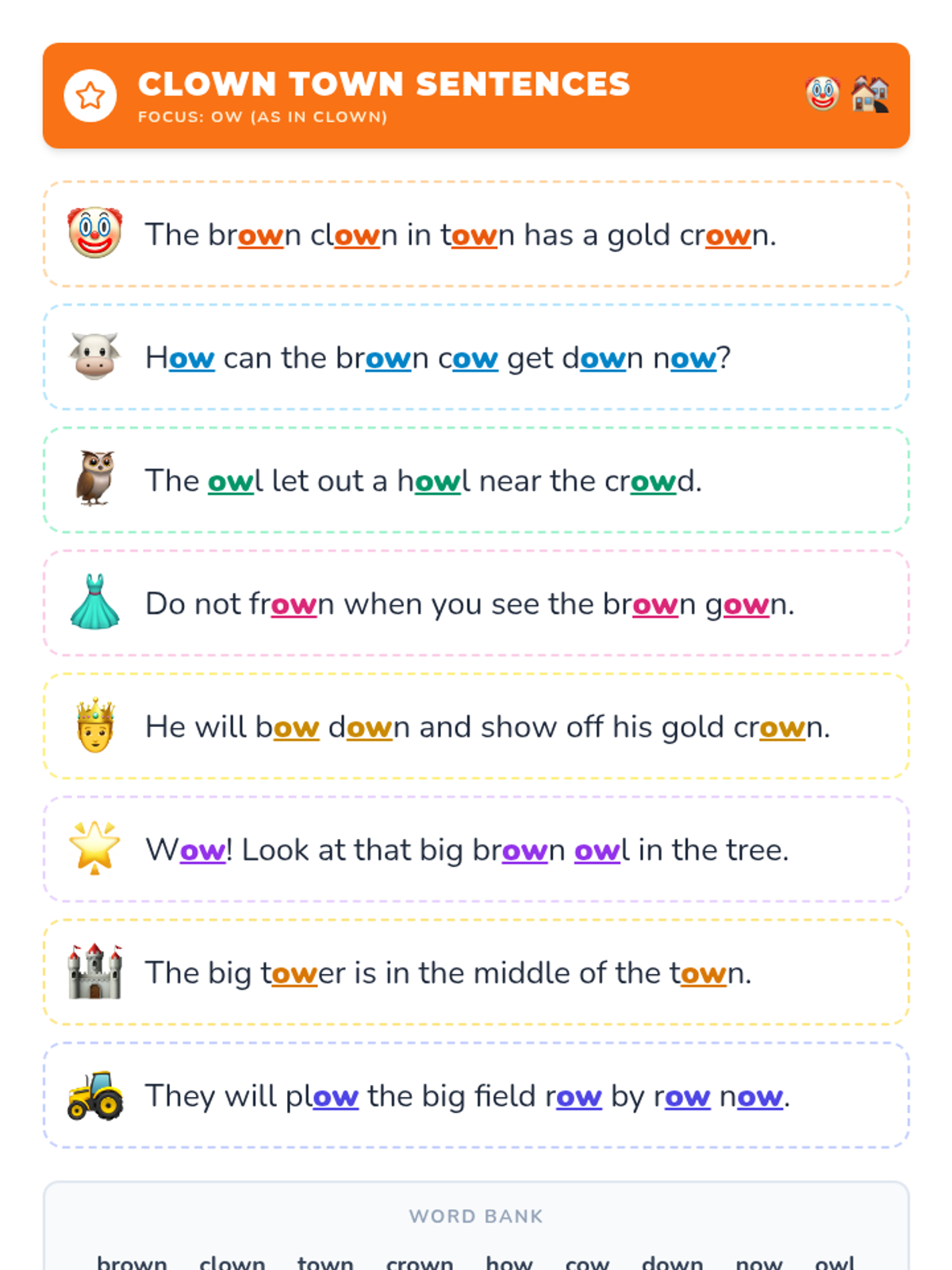
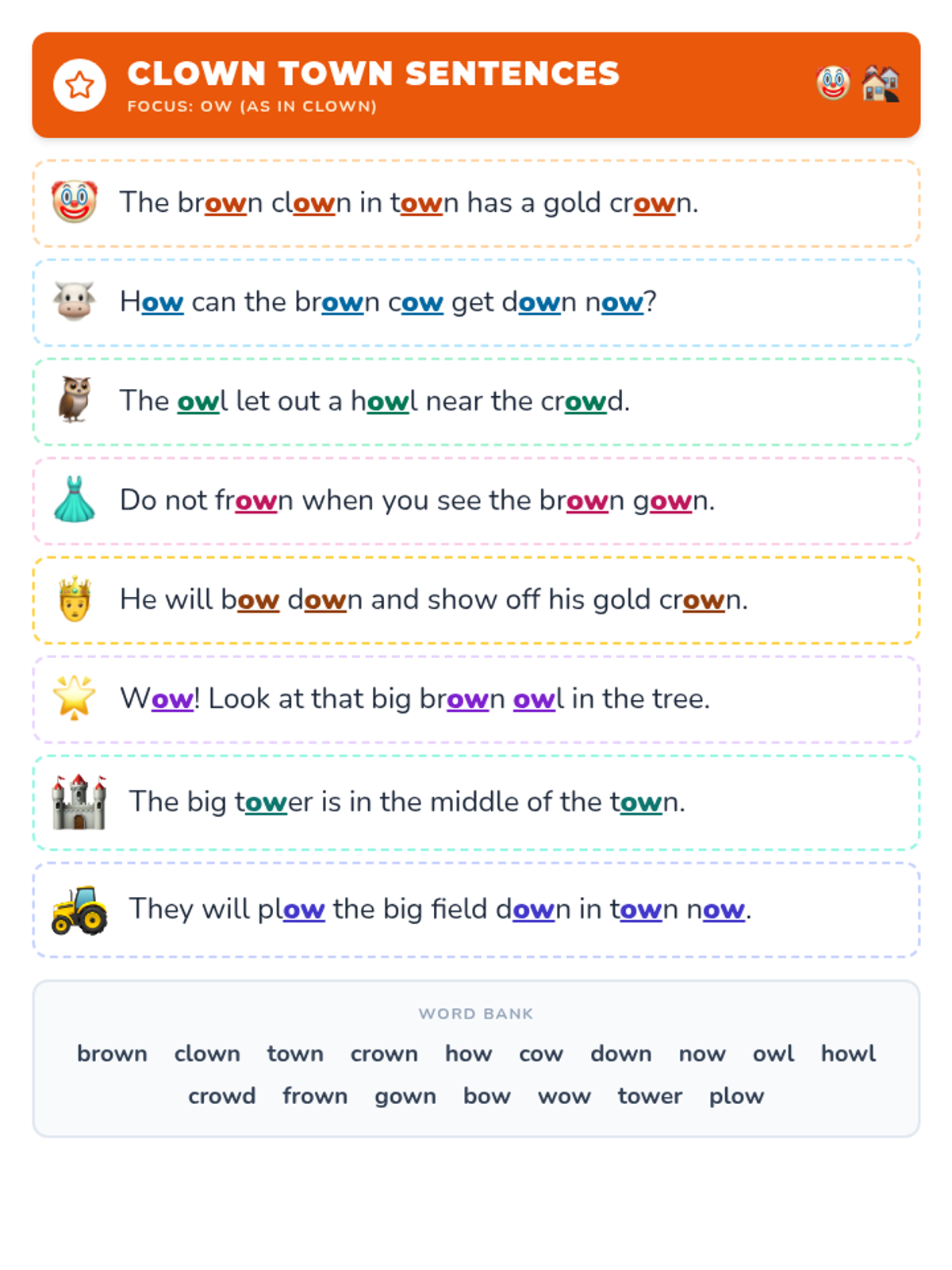
A phonics lesson focusing on the diphthong 'ow' as heard in 'clown' and 'town'.
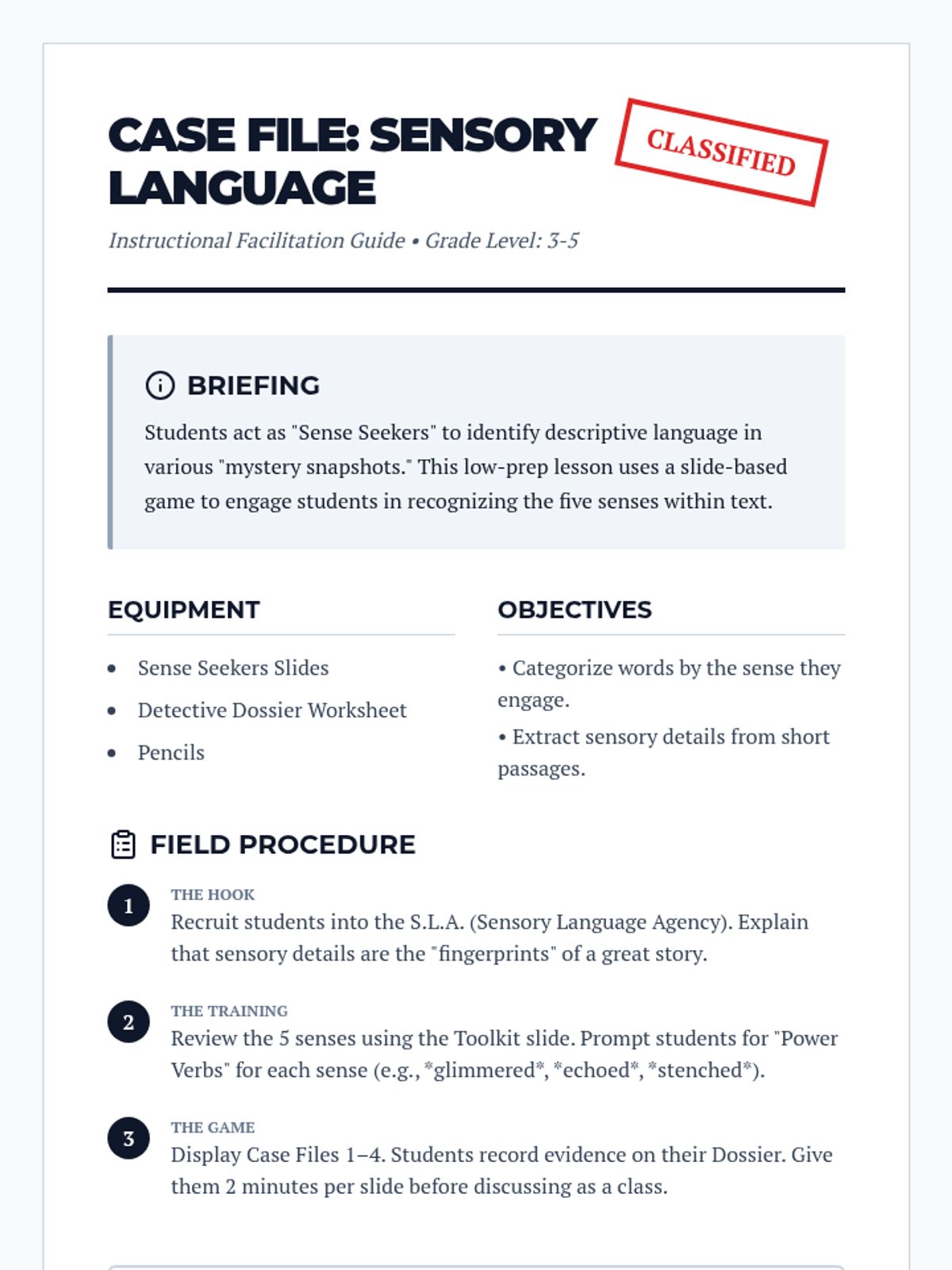
A lesson where students become 'Sense Seekers' to identify sensory language in descriptive text through a mystery-themed game.