Introduction to the four major organic macromolecules (carbohydrates, lipids, proteins, nucleic acids) through a meal-based hook and categorization activity.
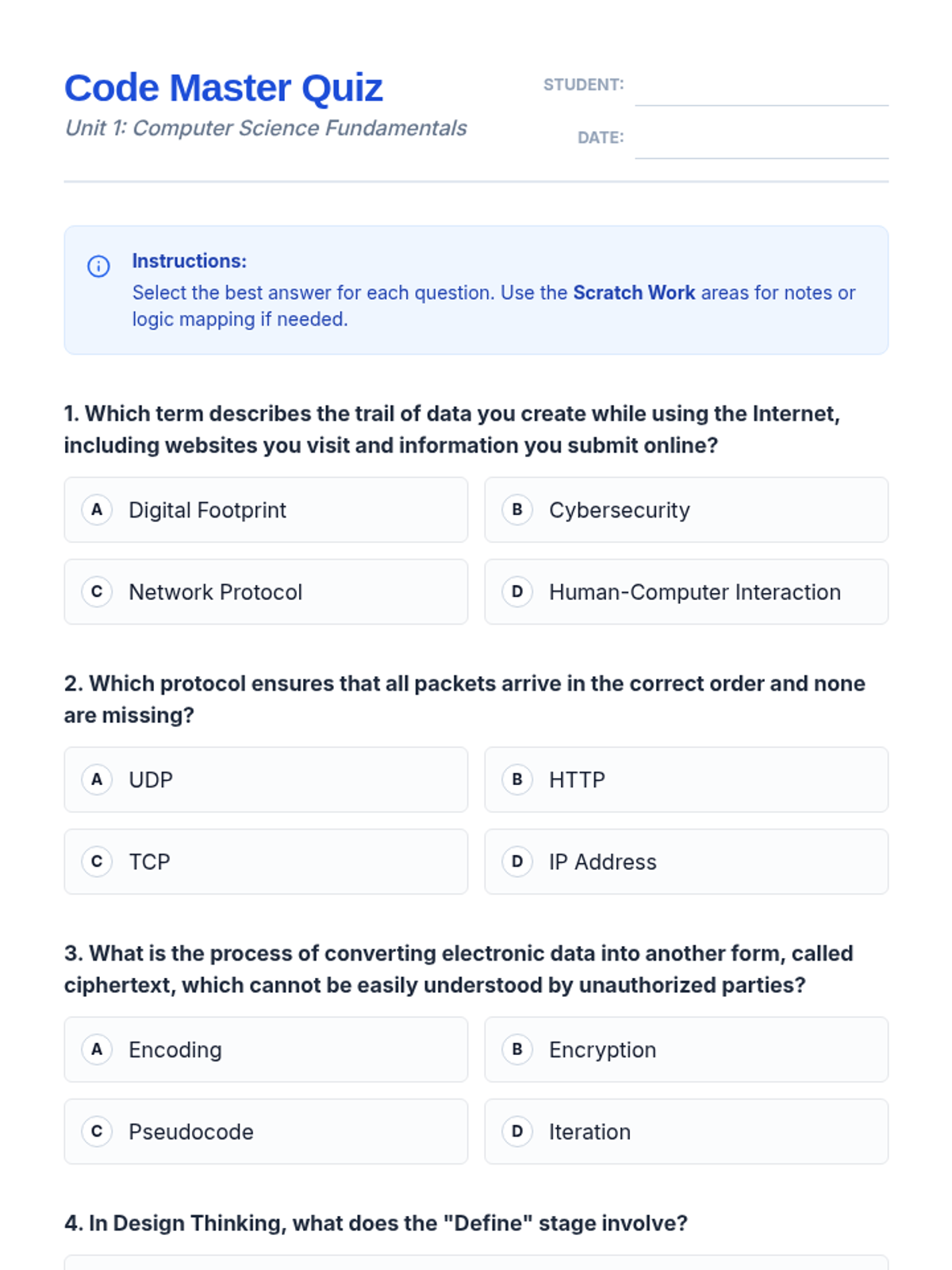
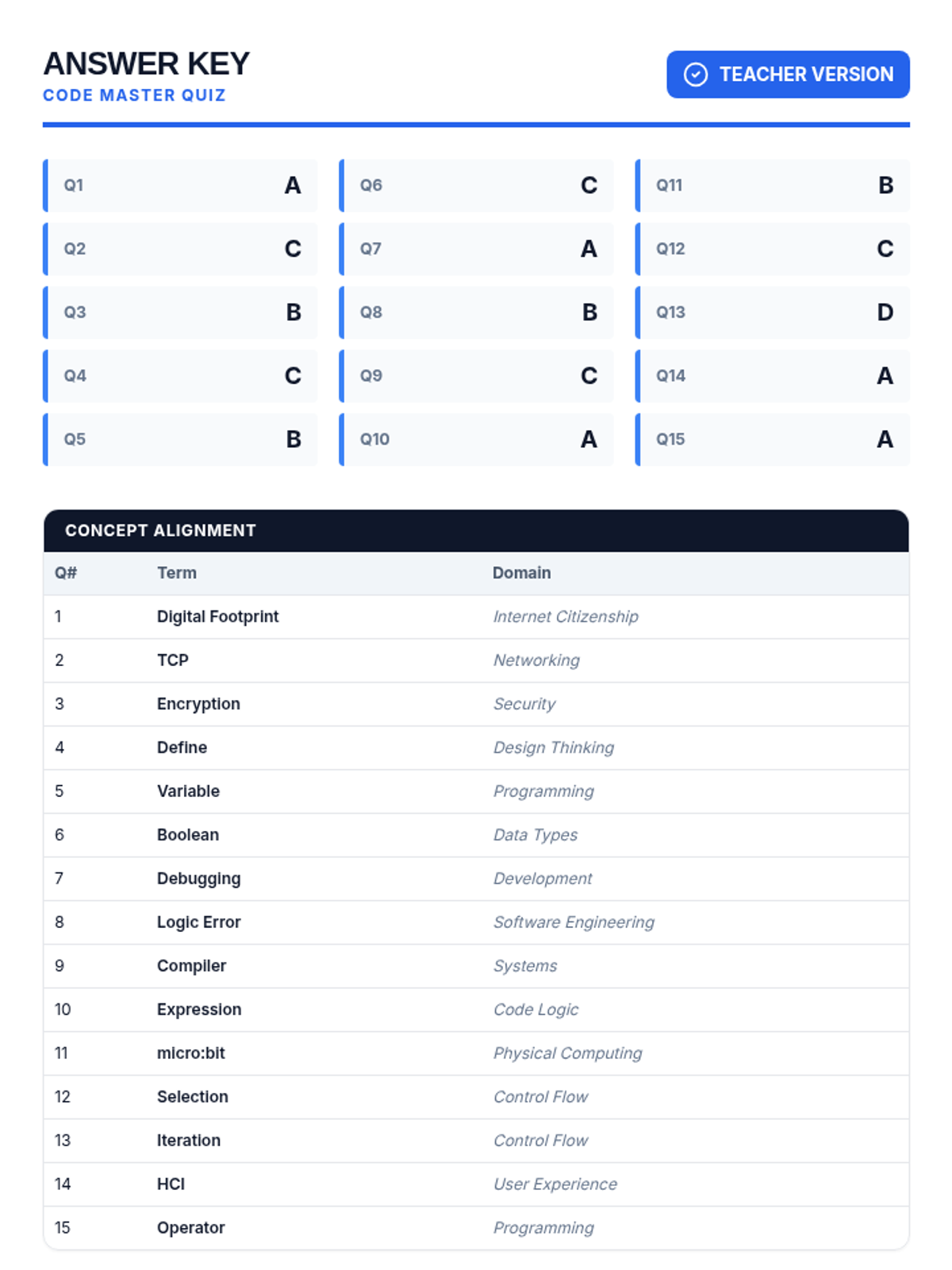
A foundational lesson covering essential computer science vocabulary, ranging from networking protocols to programming structures and design thinking principles.
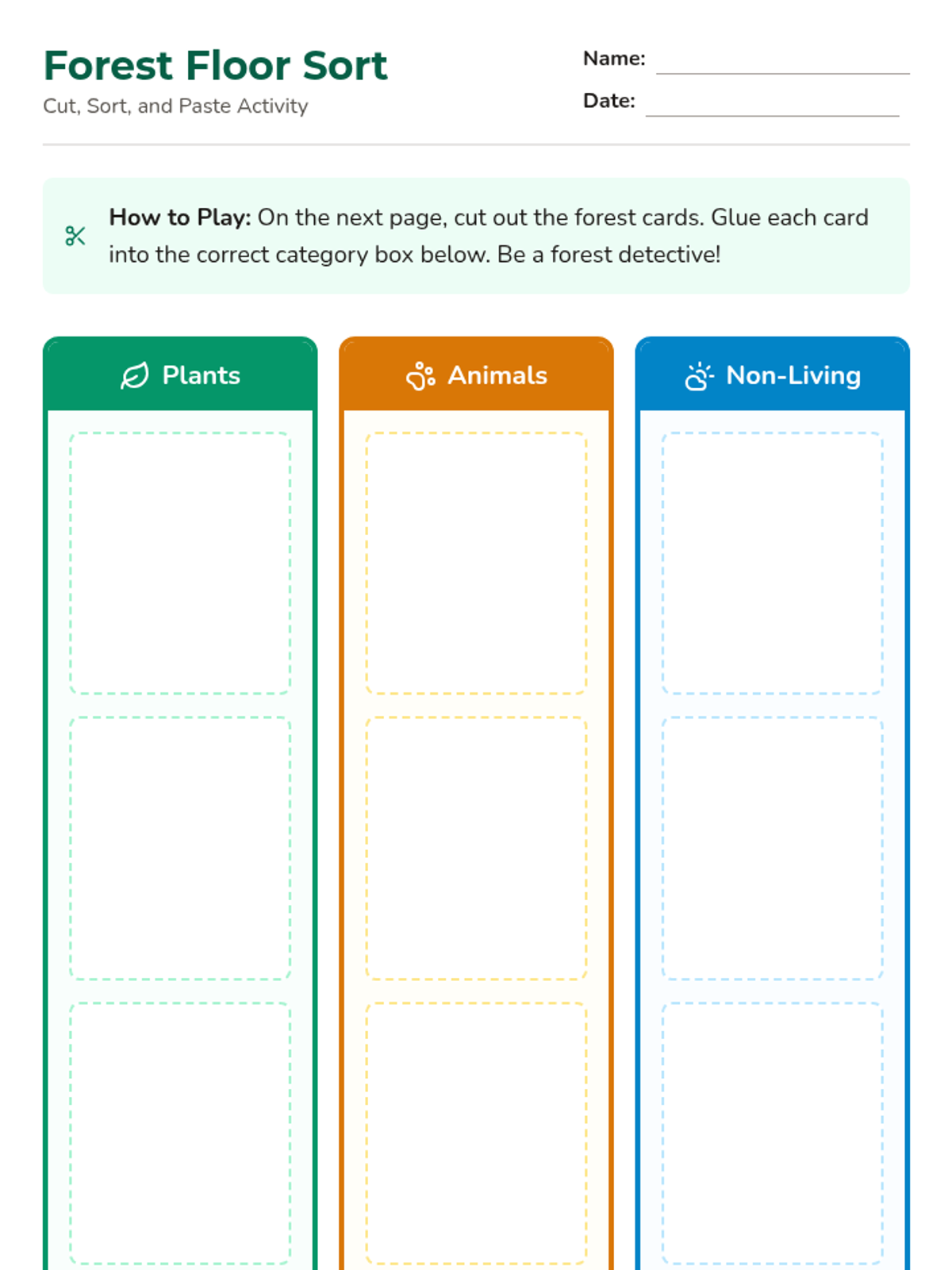
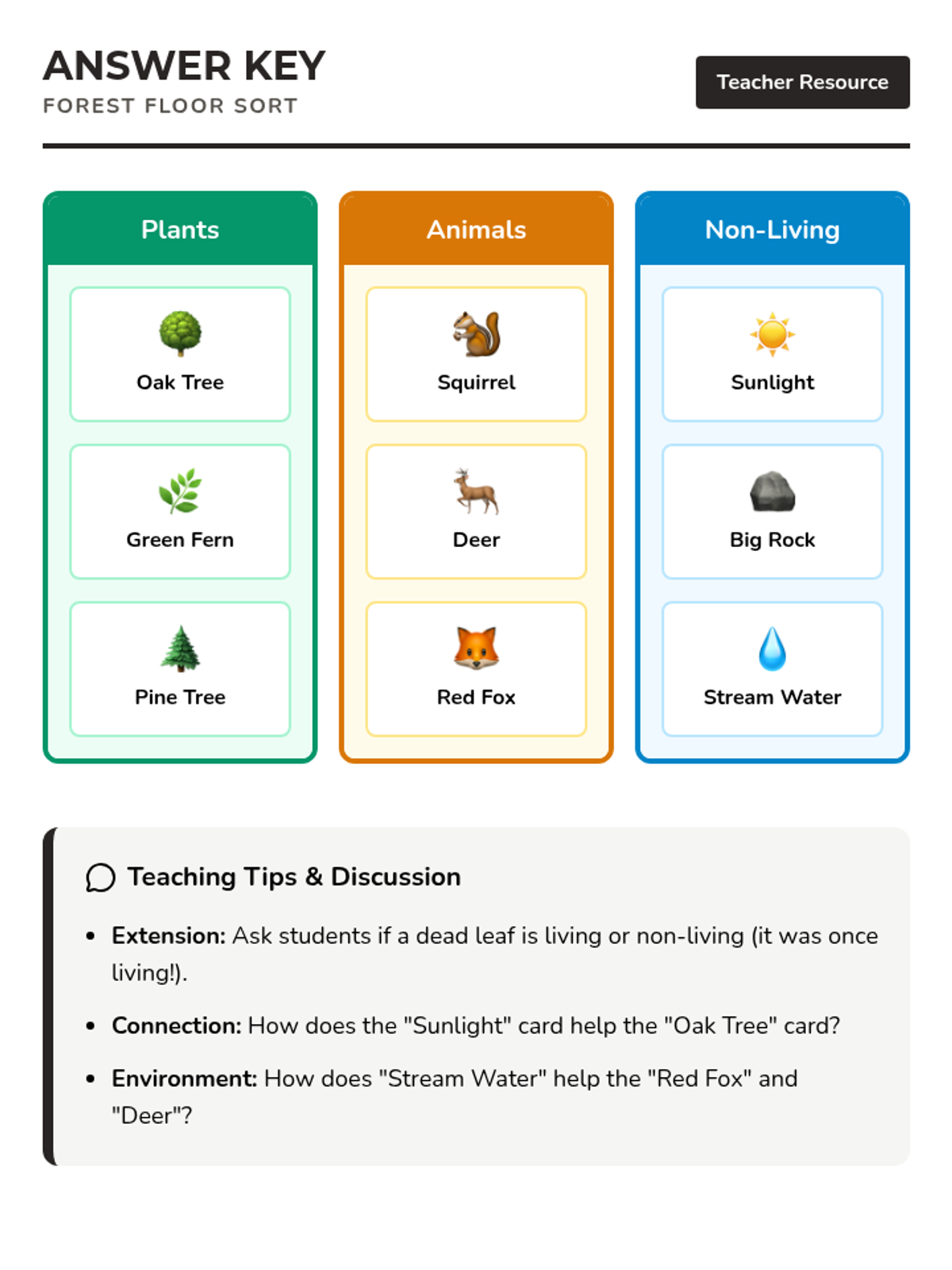
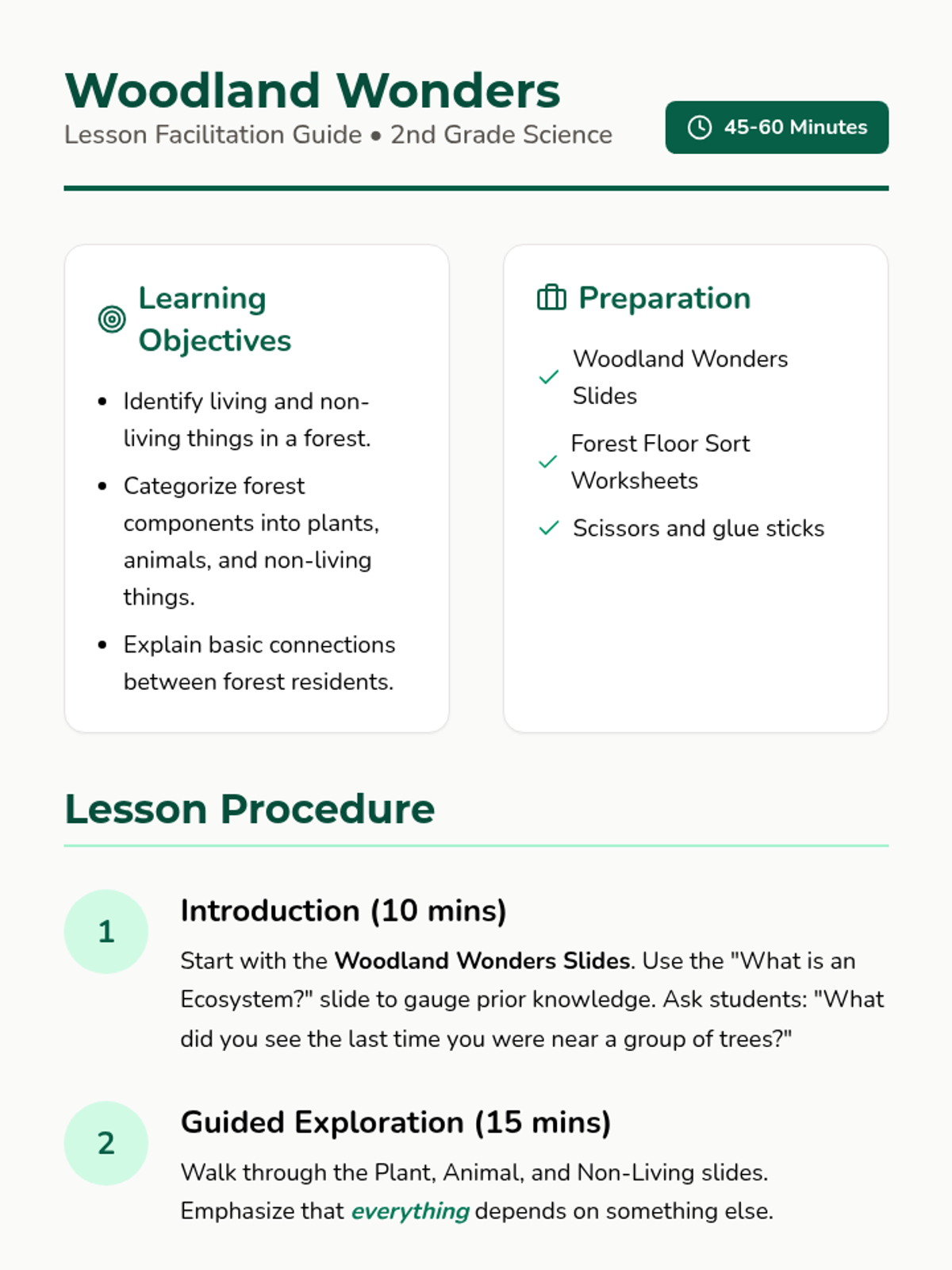
An introductory lesson on the forest ecosystem where students identify and categorize living and non-living components. Students will explore the roles of plants, animals, and the environment in a woodland setting.
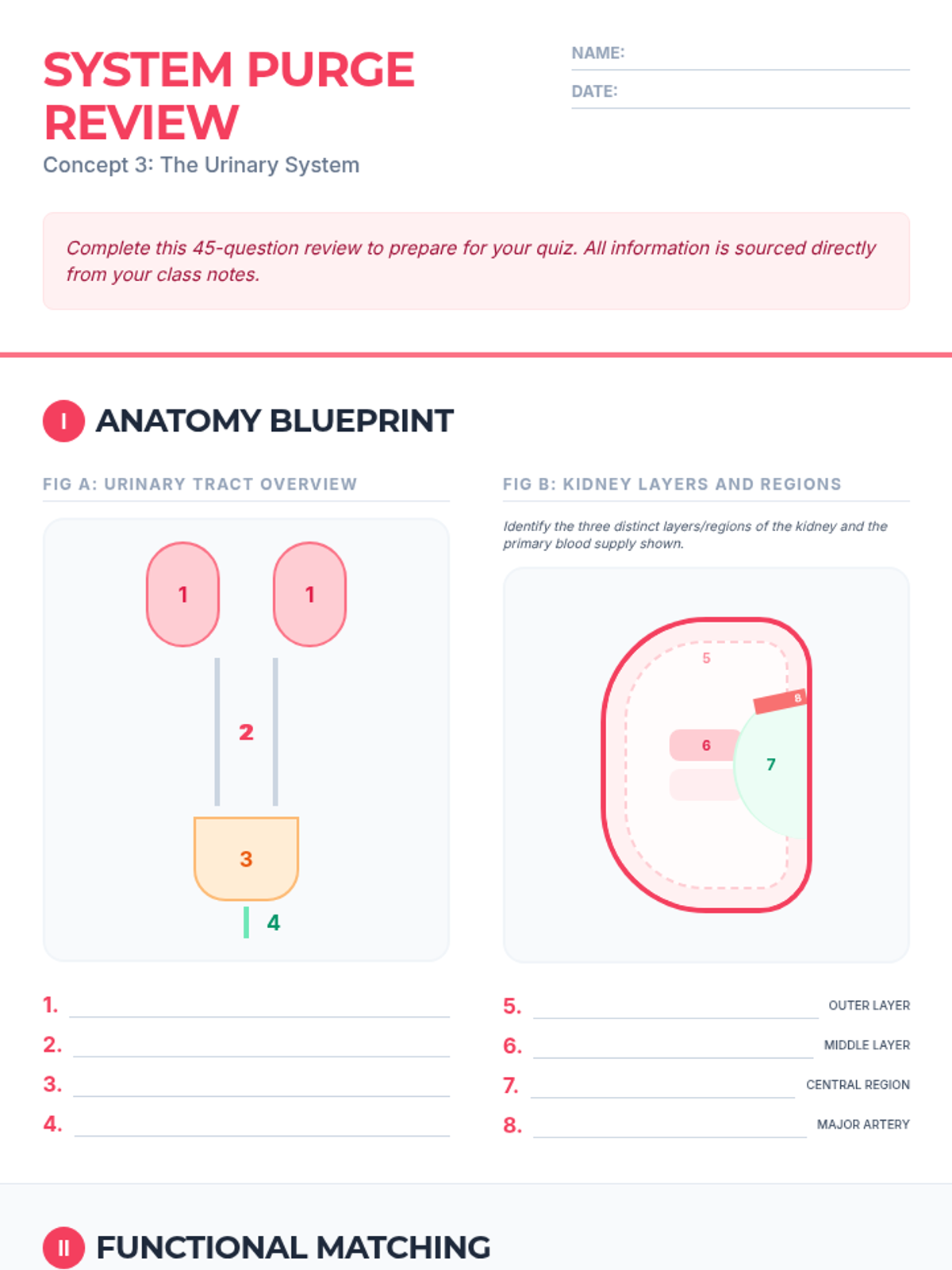
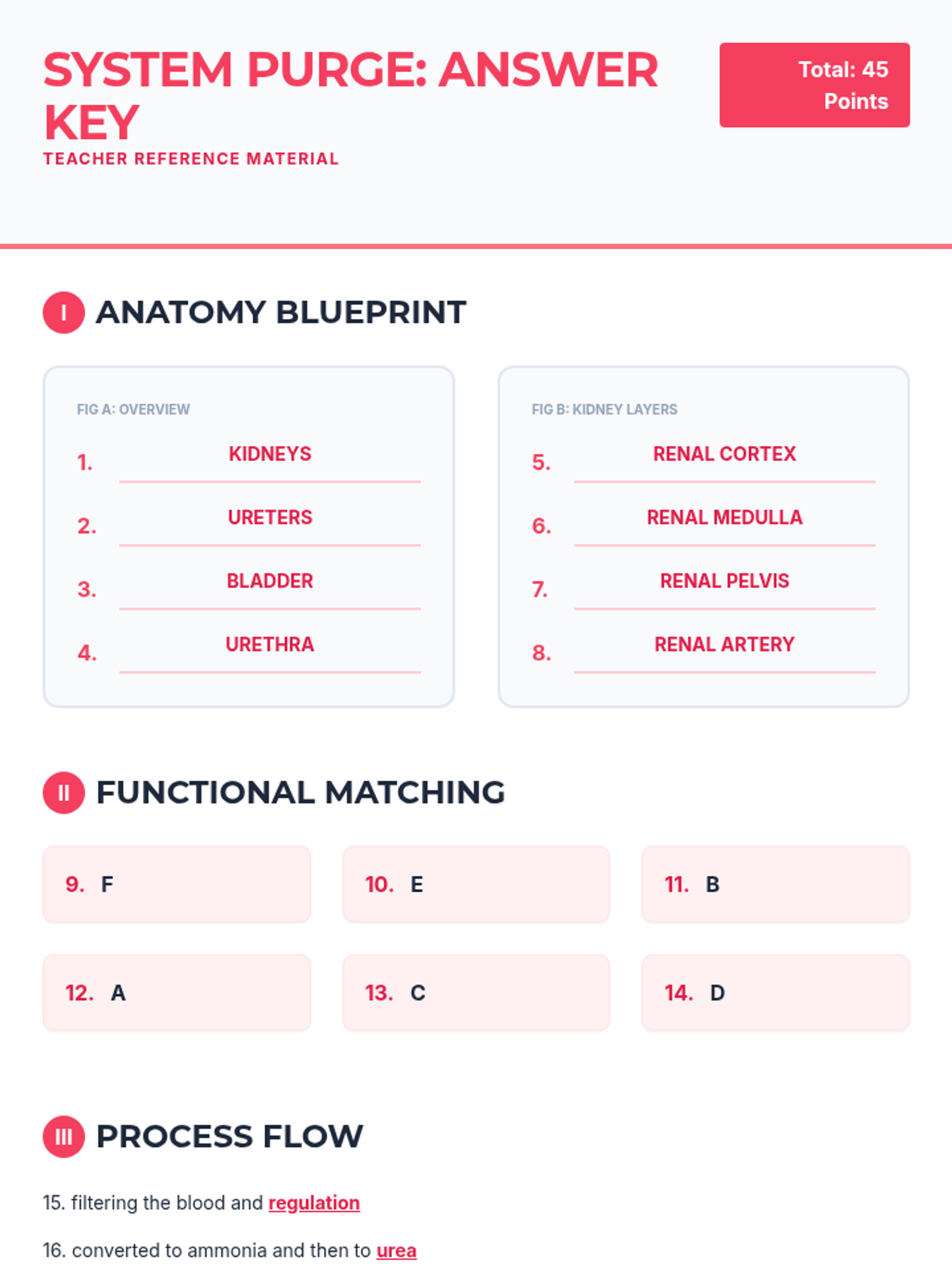
A comprehensive review of the urinary system based on Concept 3 notes, focusing on kidney structure, nephron function, and systemic regulation.
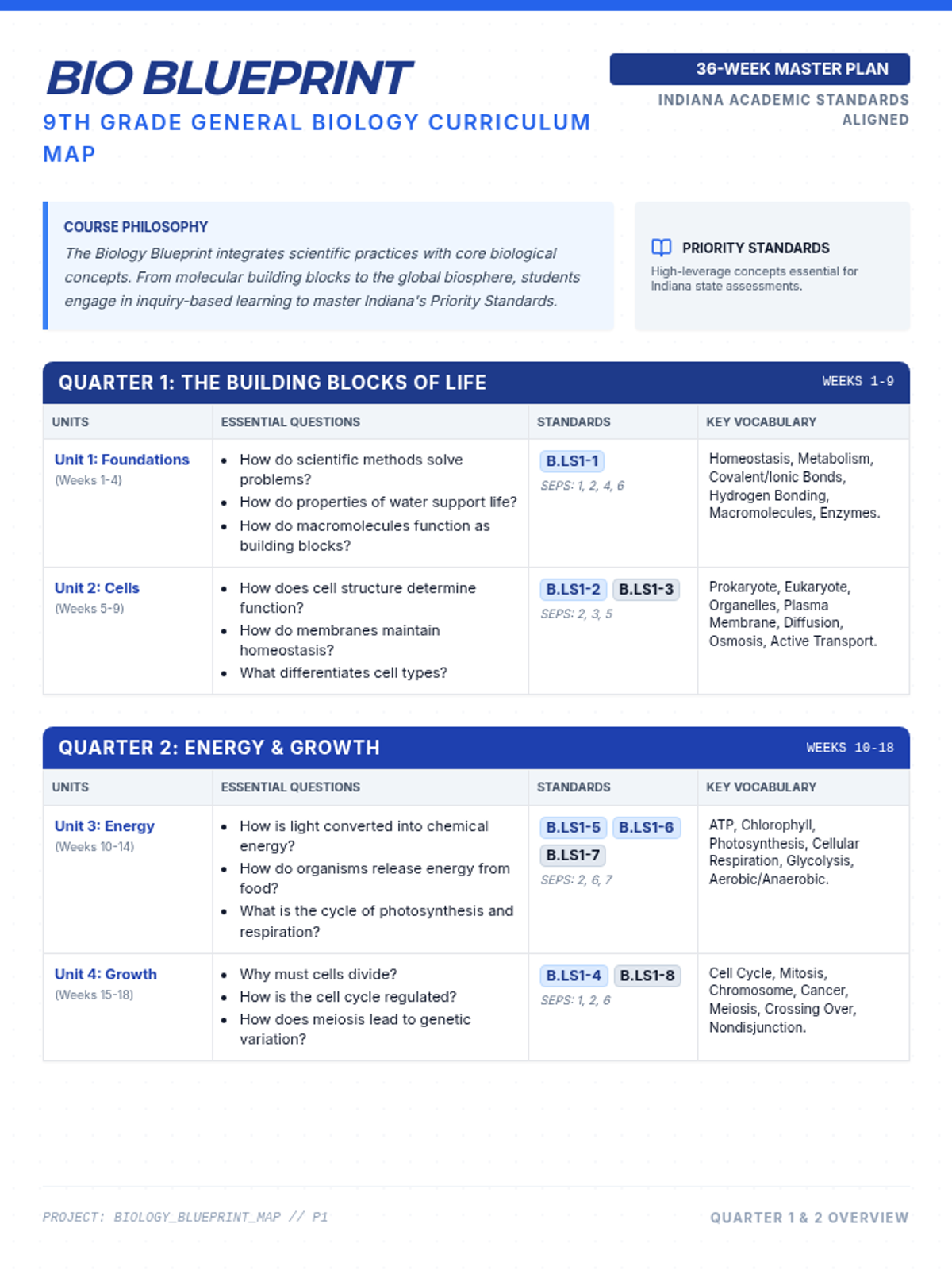
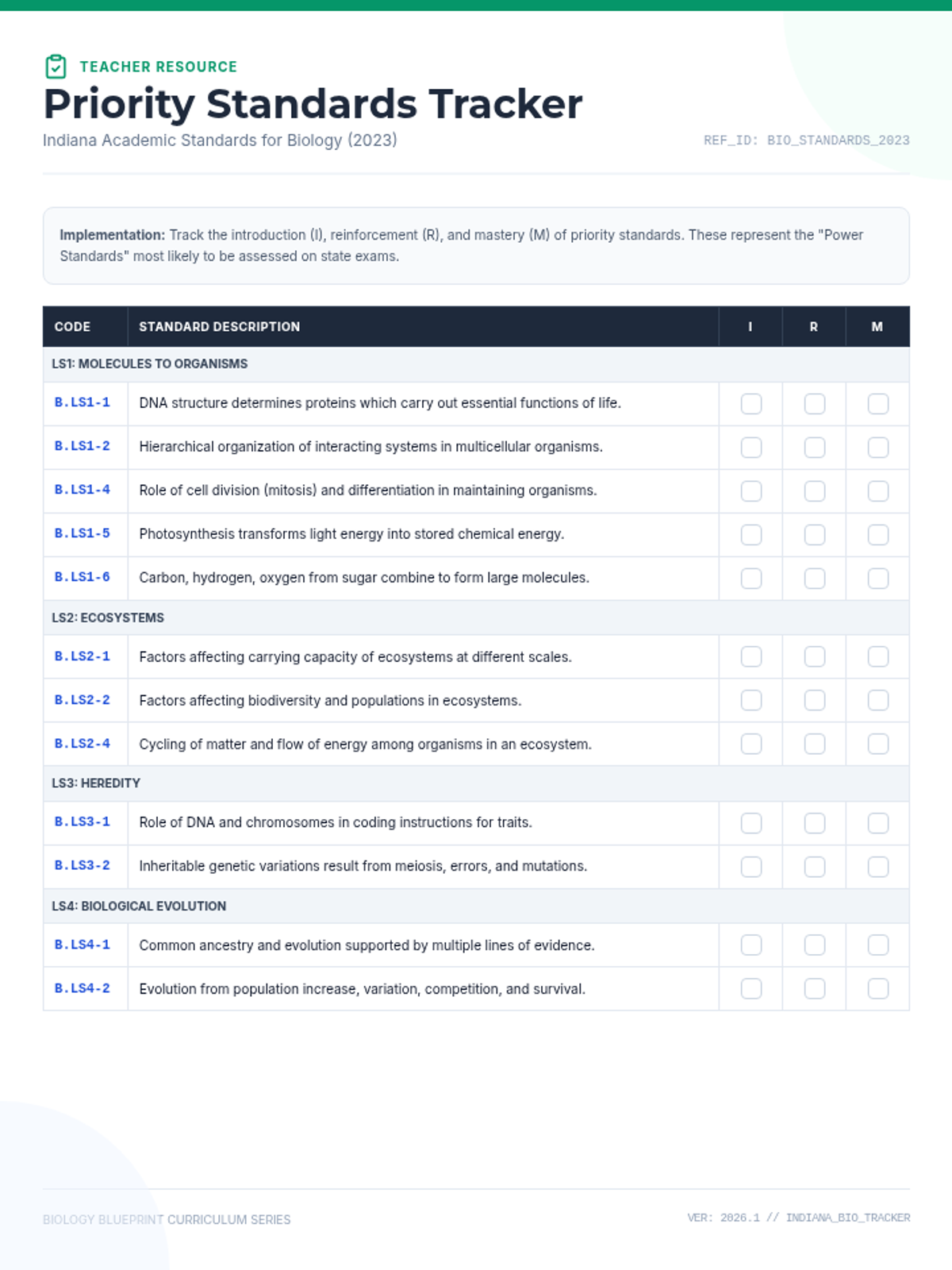
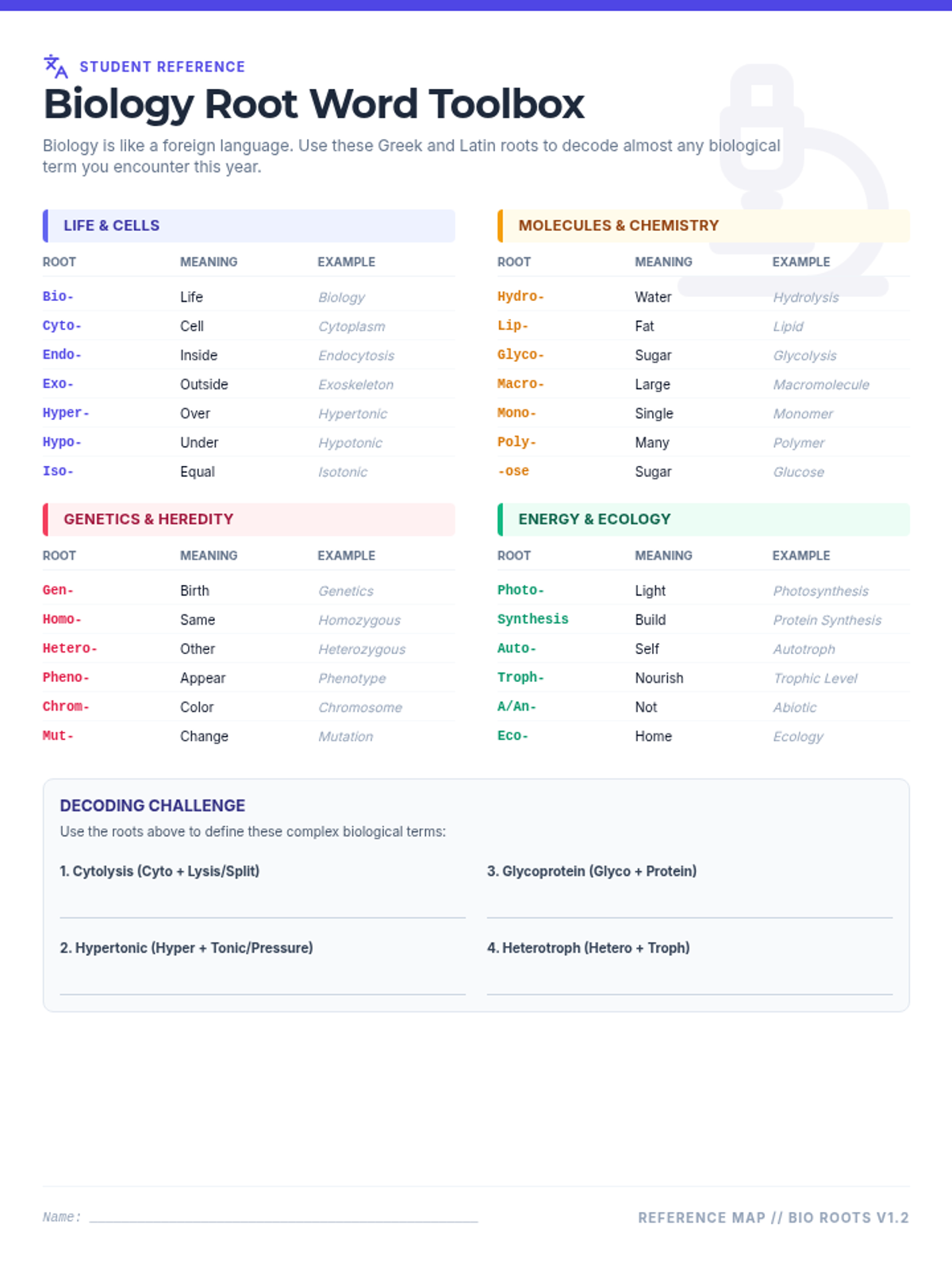
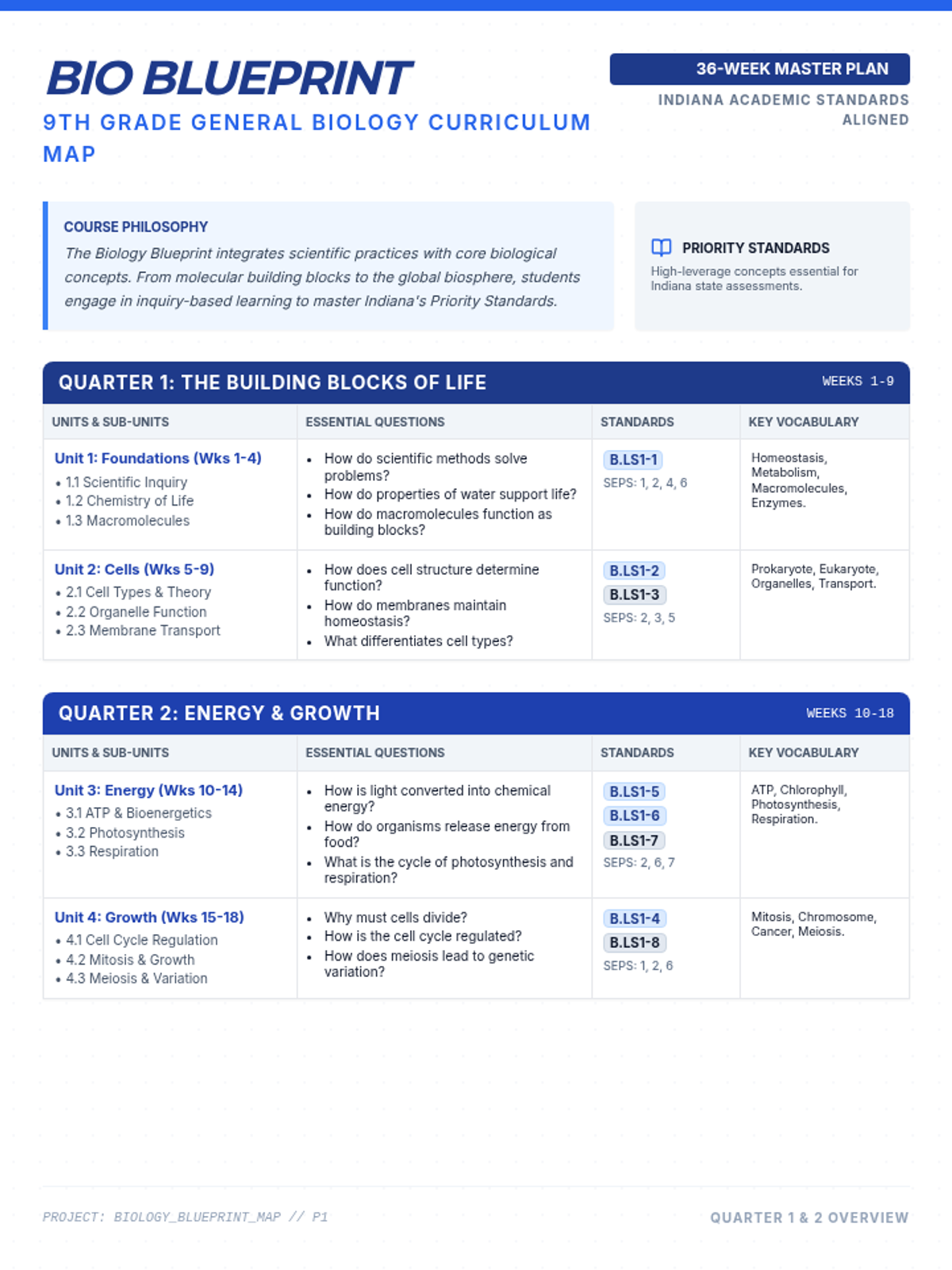
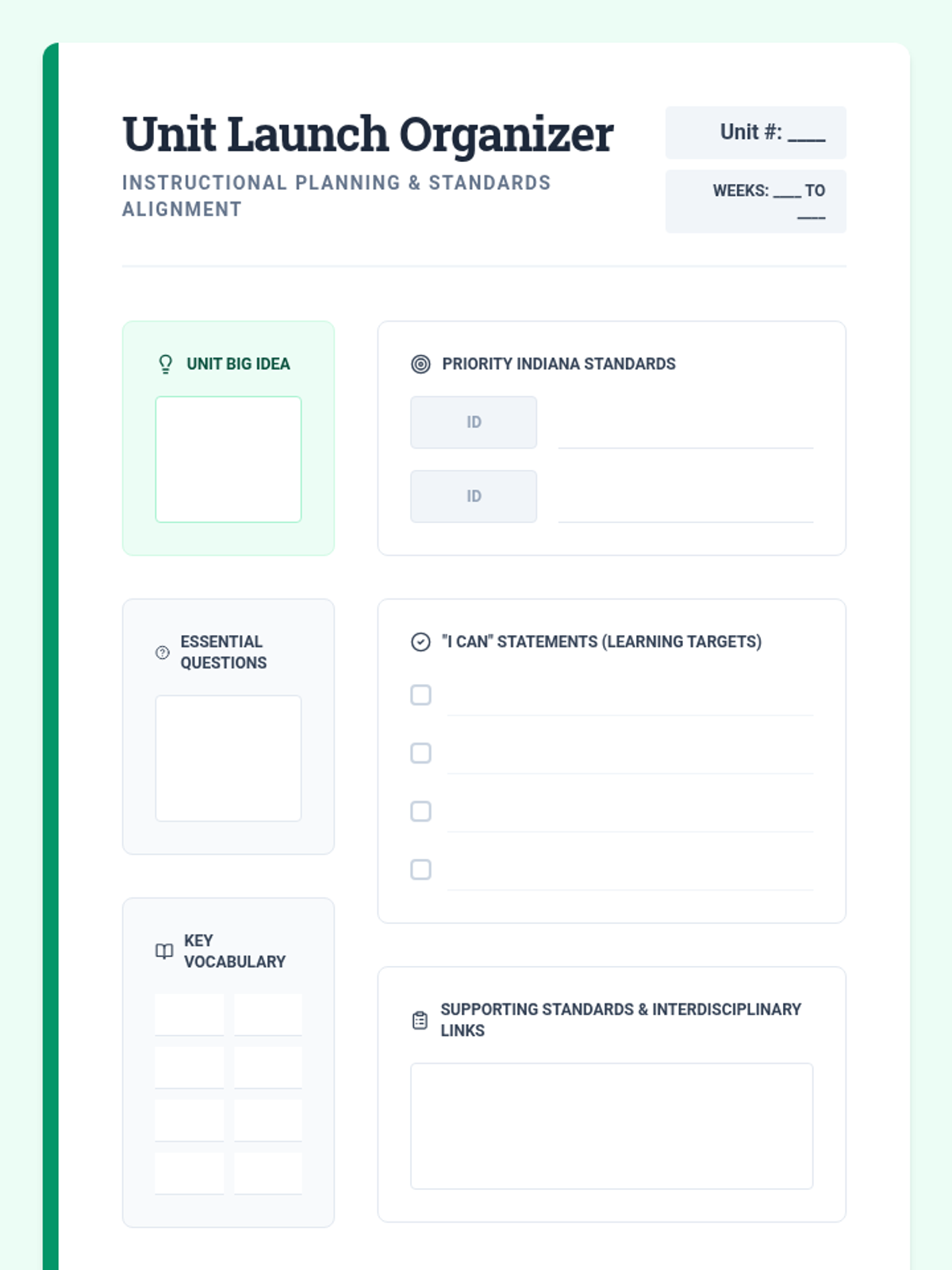
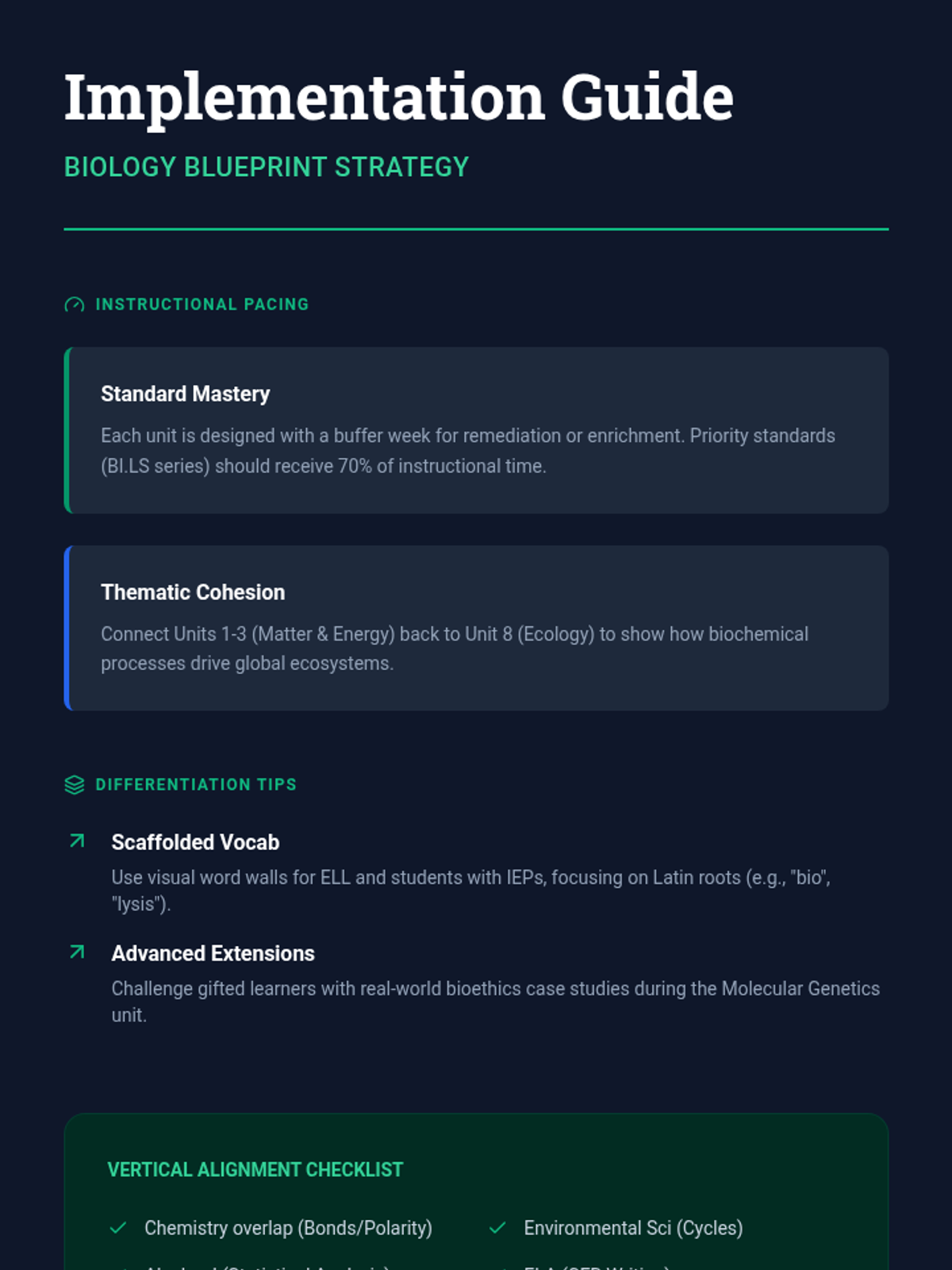
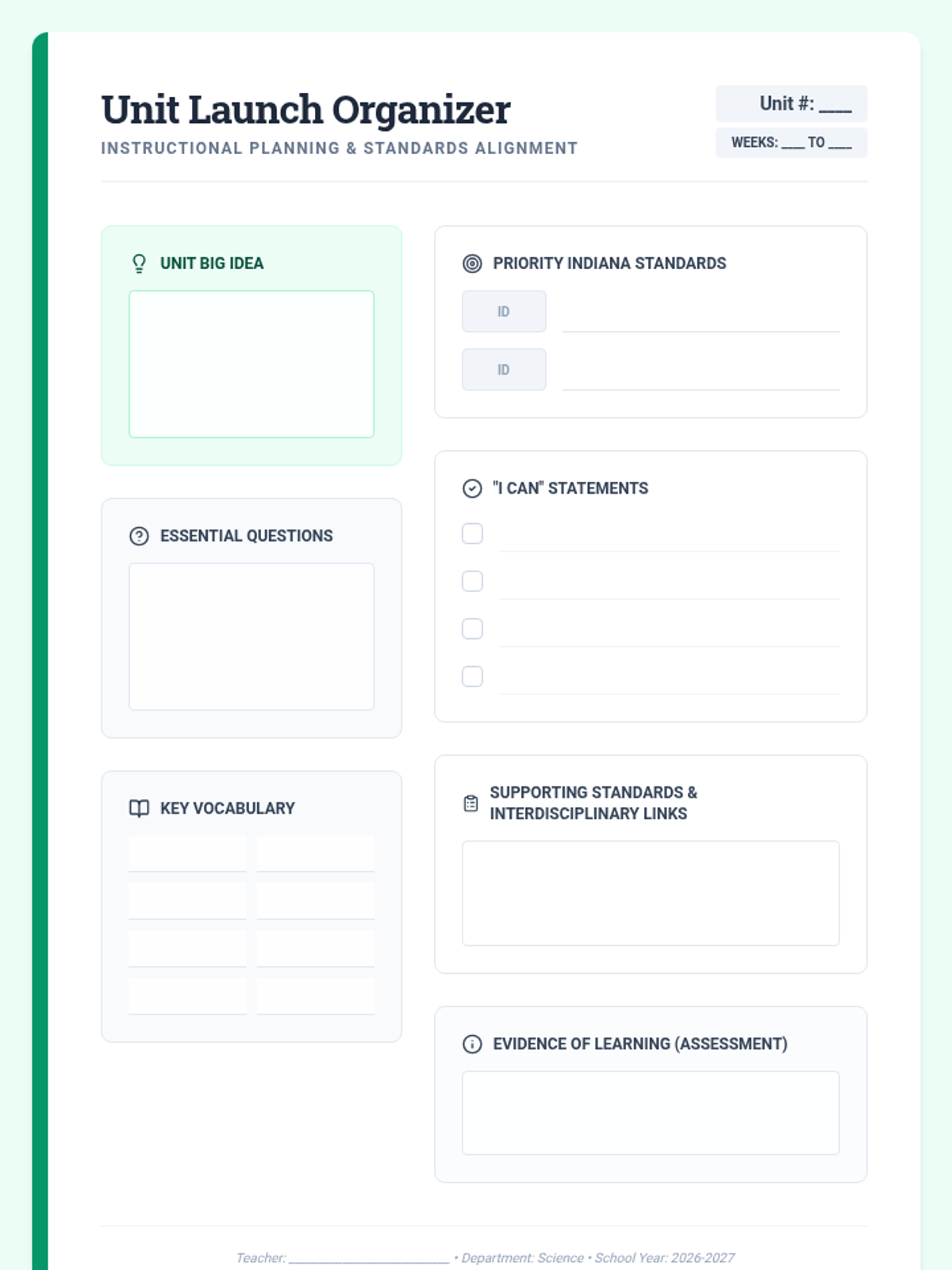
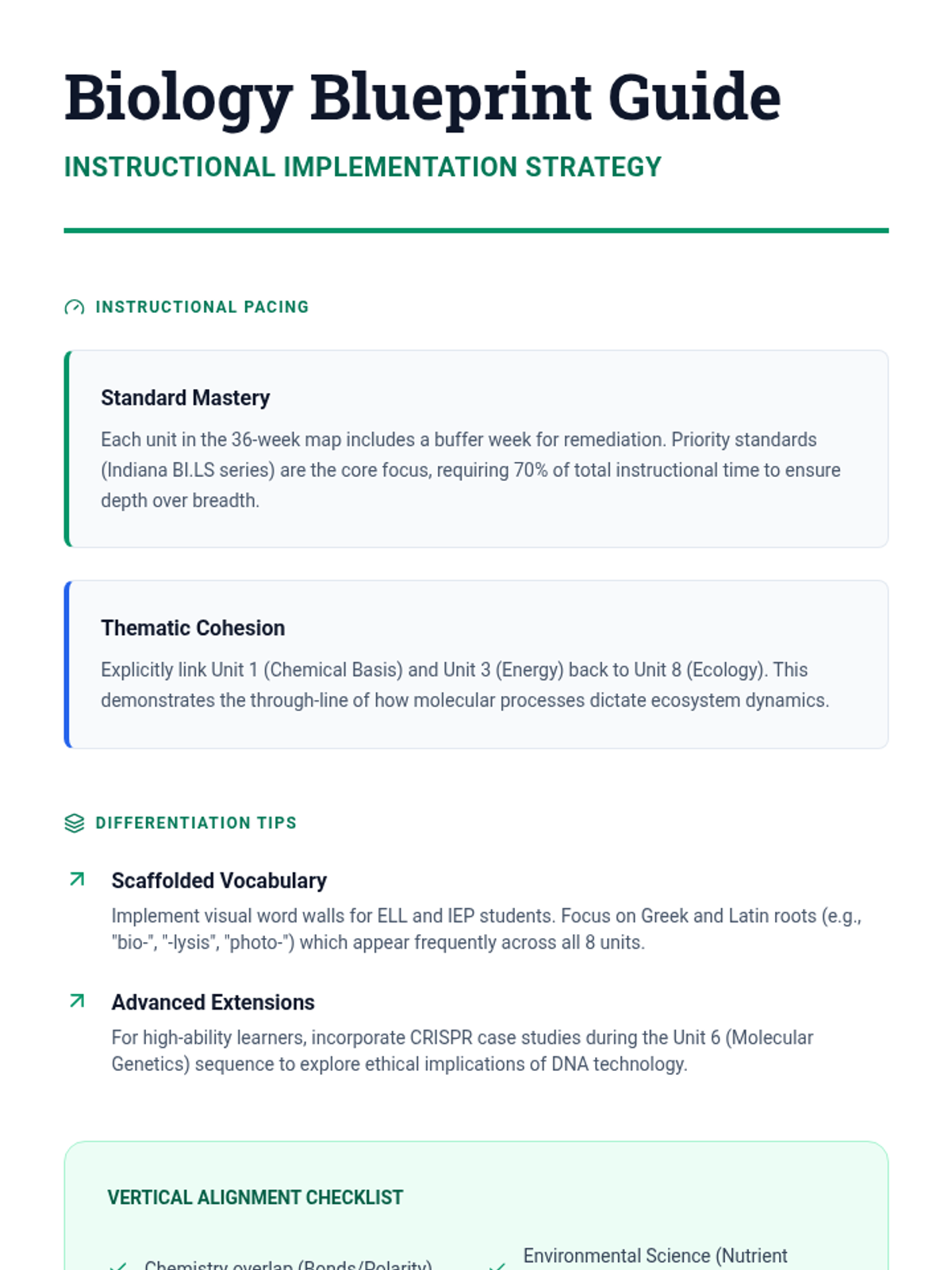
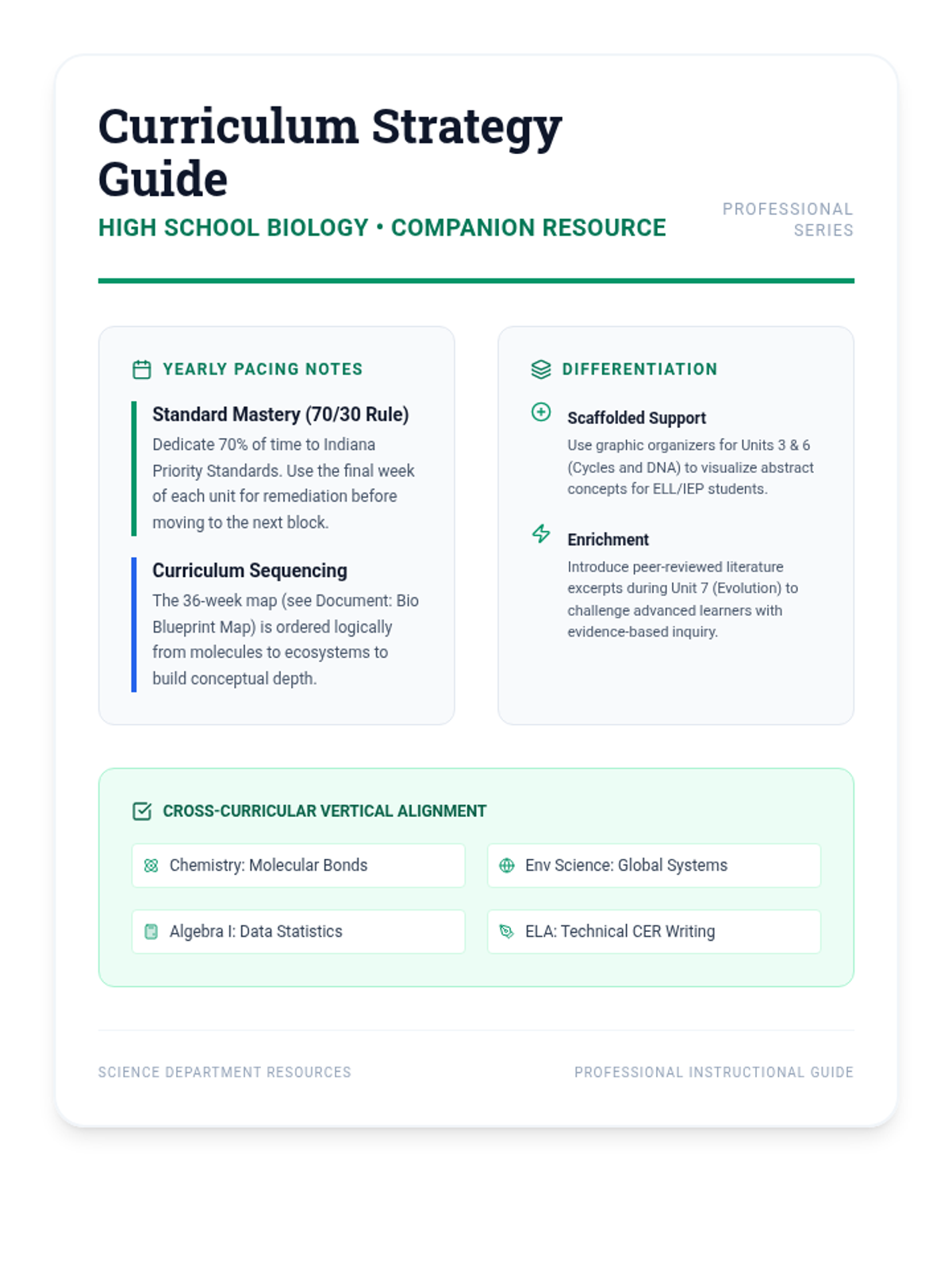
A foundational module containing the comprehensive year-long curriculum map, standards alignment documents, and essential vocabulary resources for 9th-grade biology.
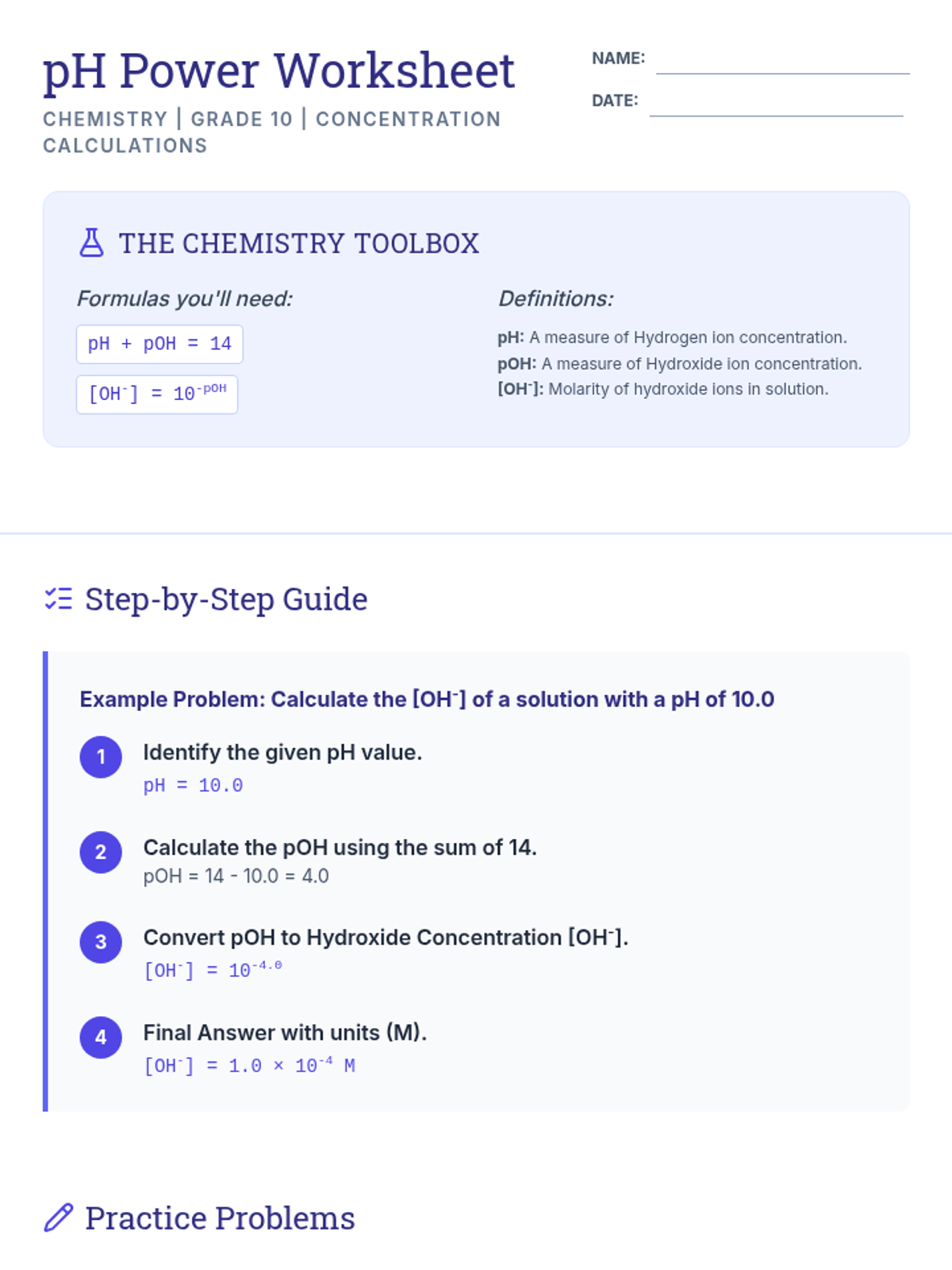
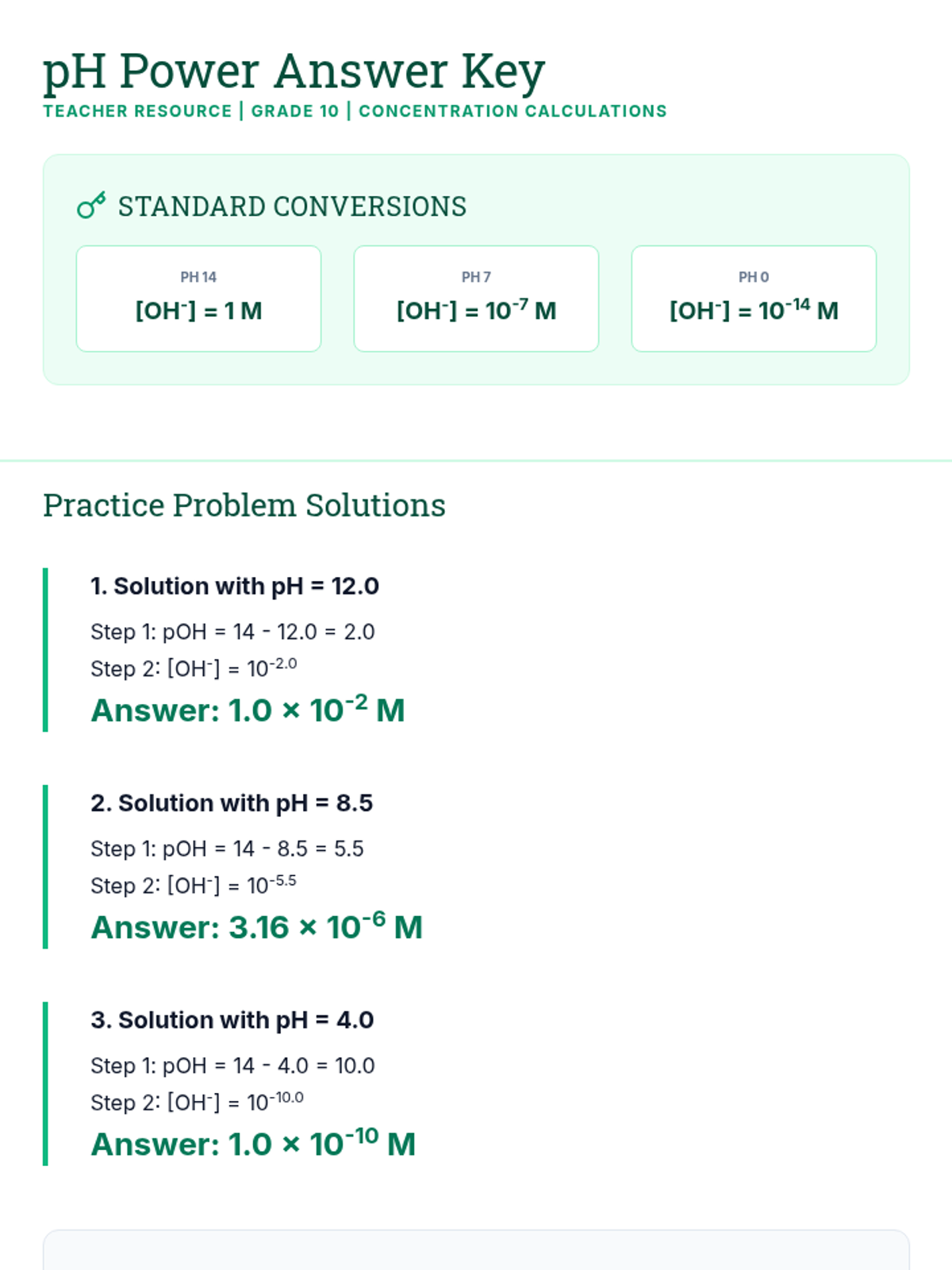
A lesson focused on the relationship between pH, pOH, and ion concentrations, featuring step-by-step methods for converting between them.
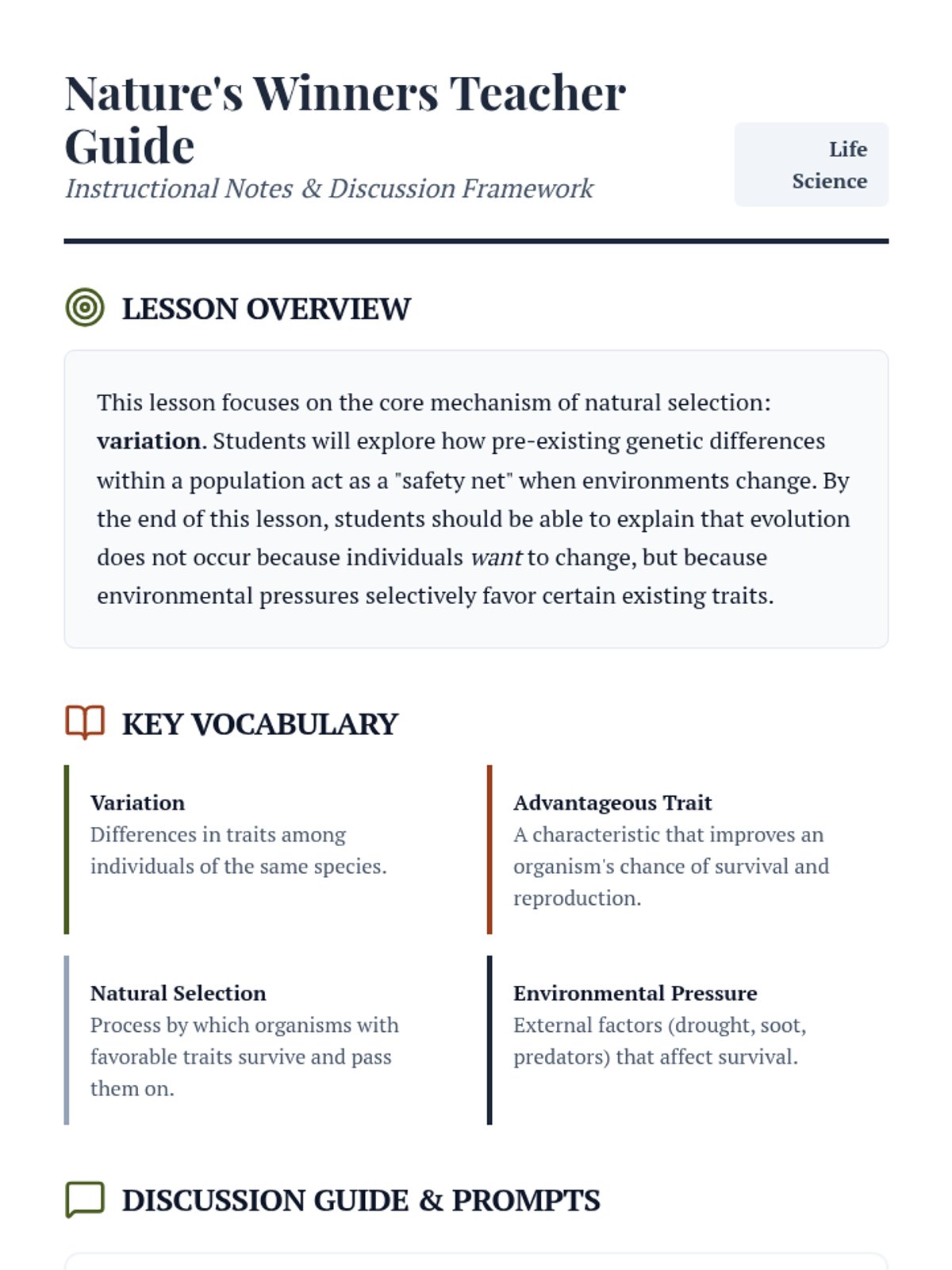
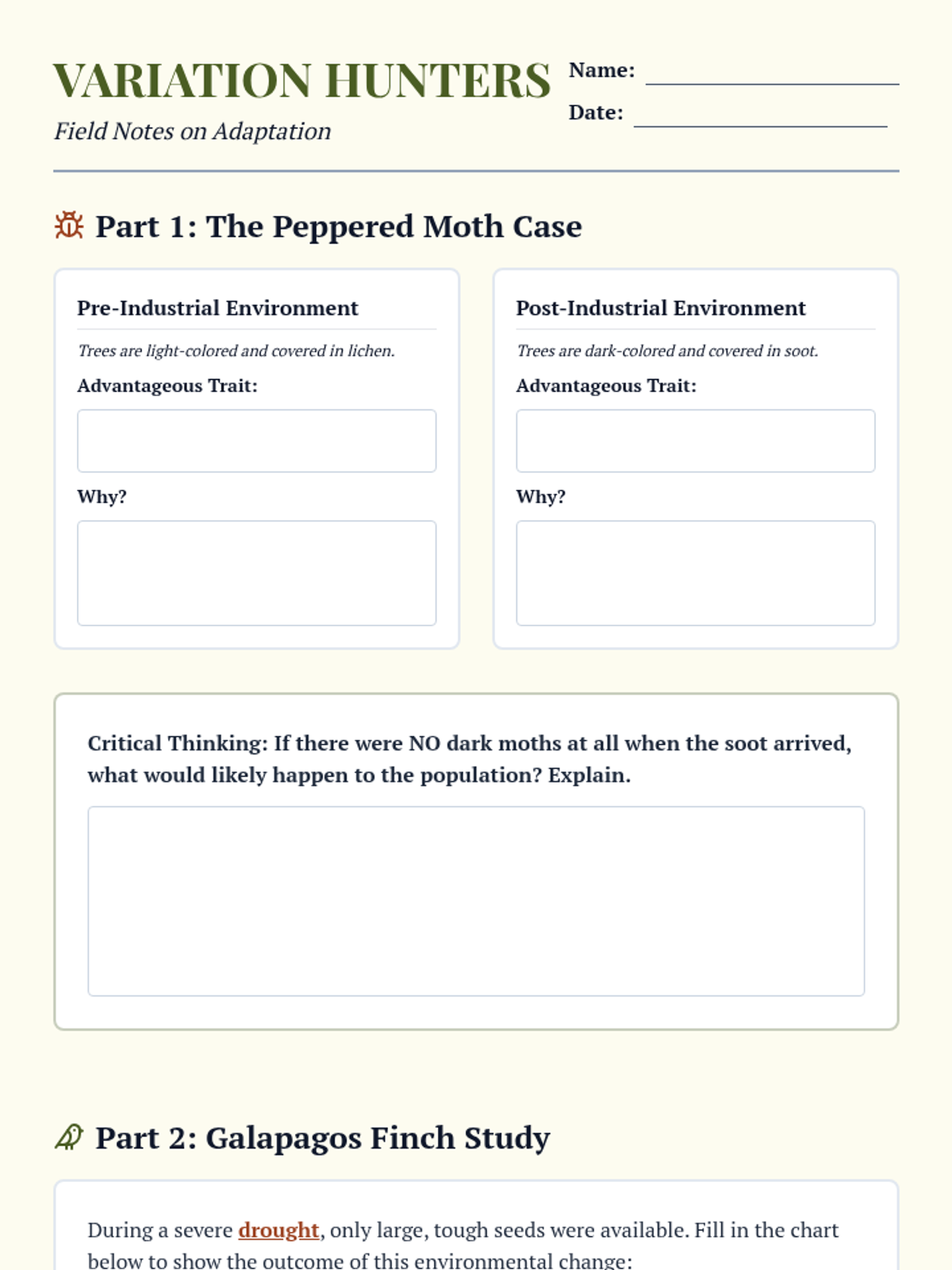
This lesson explores how genetic variation within a population influences survival during environmental changes, using peppered moths and Darwin's finches as primary case studies.
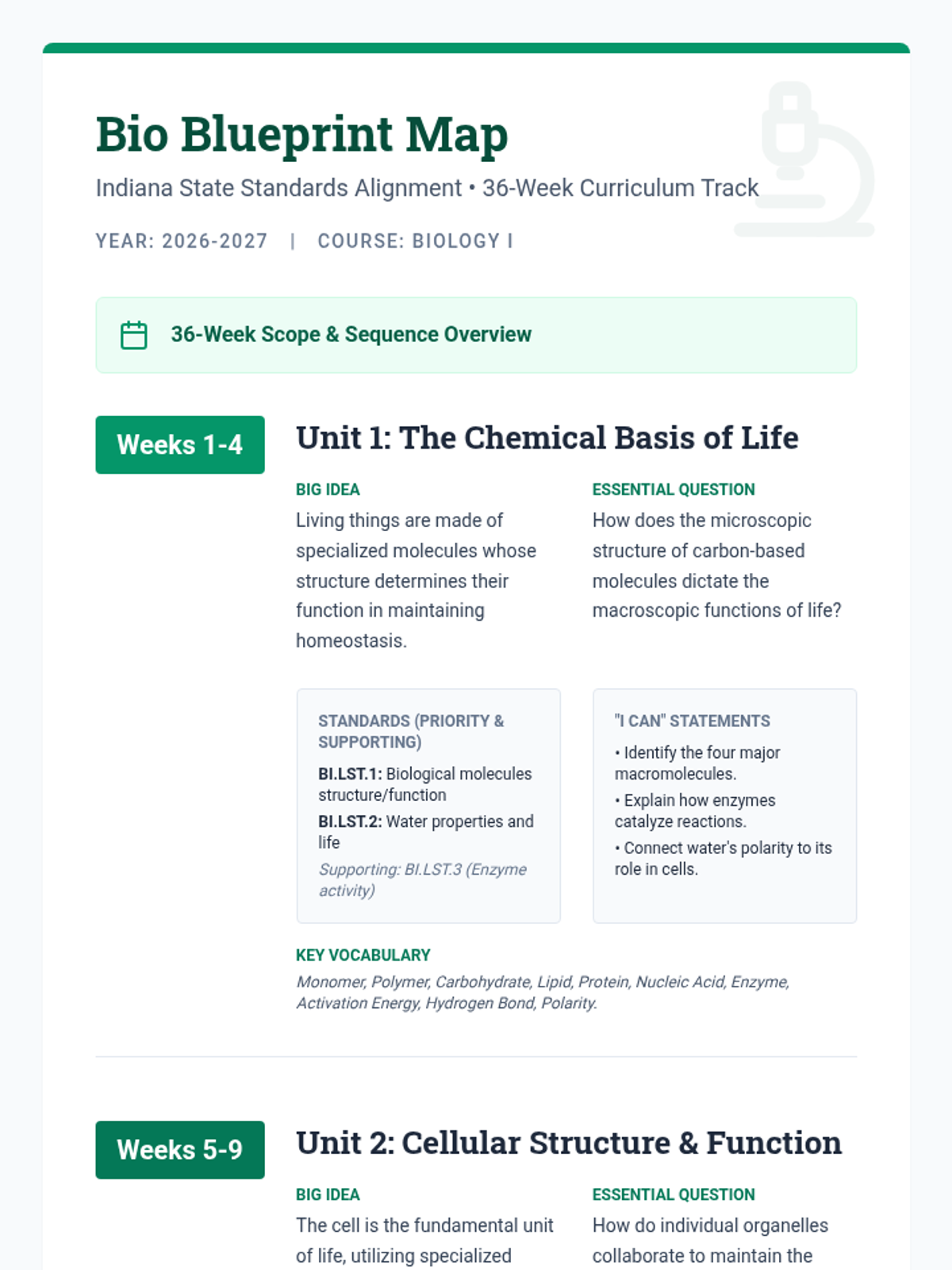
A curriculum planning lesson for biology teachers to organize a full year of high school biology instruction aligned with Indiana State Standards.
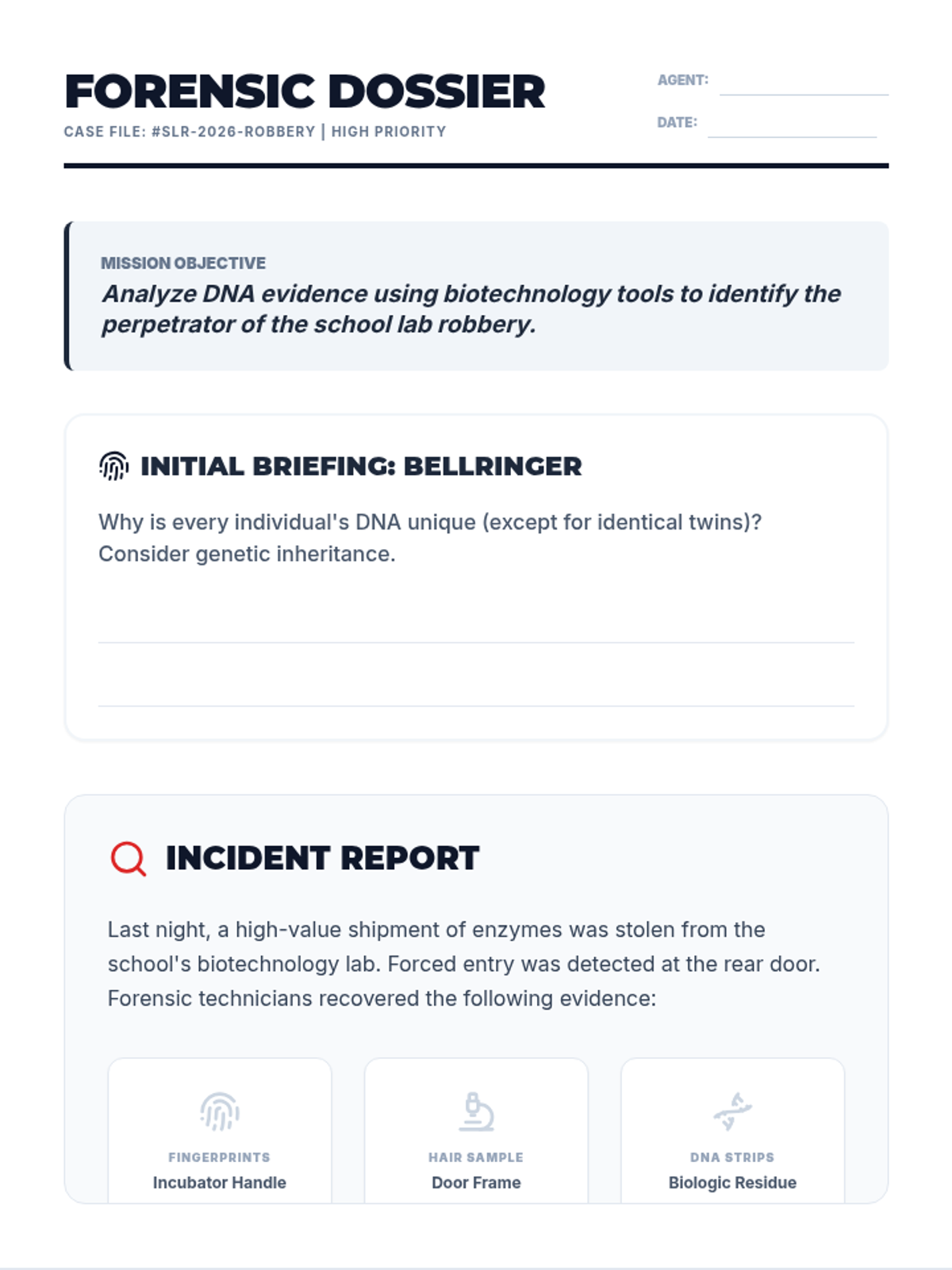
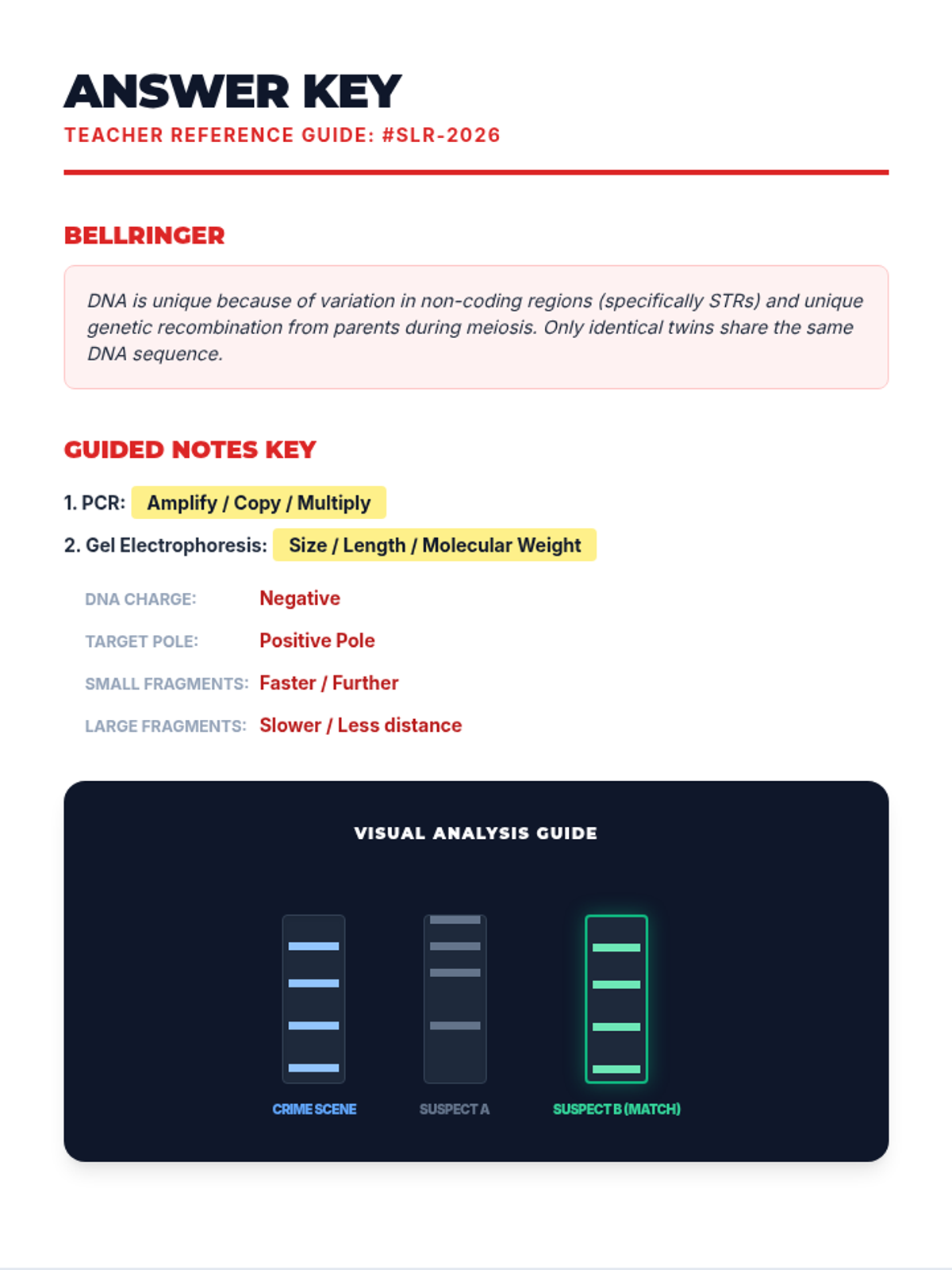
Students step into the role of forensic scientists to solve a school lab robbery. They will explore PCR, gel electrophoresis, and DNA fingerprinting to analyze evidence and identify a suspect using a Claim-Evidence-Reasoning framework.
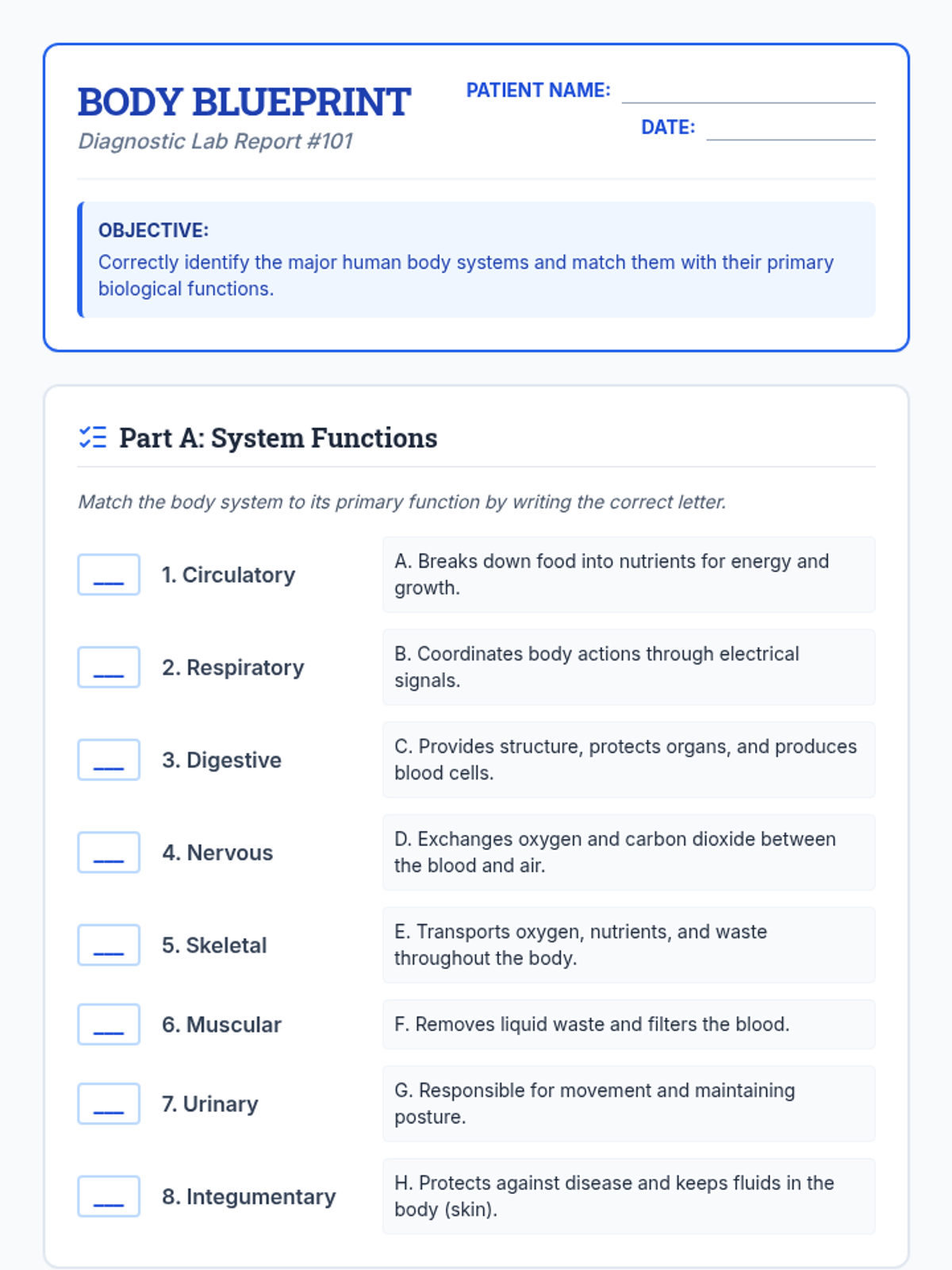
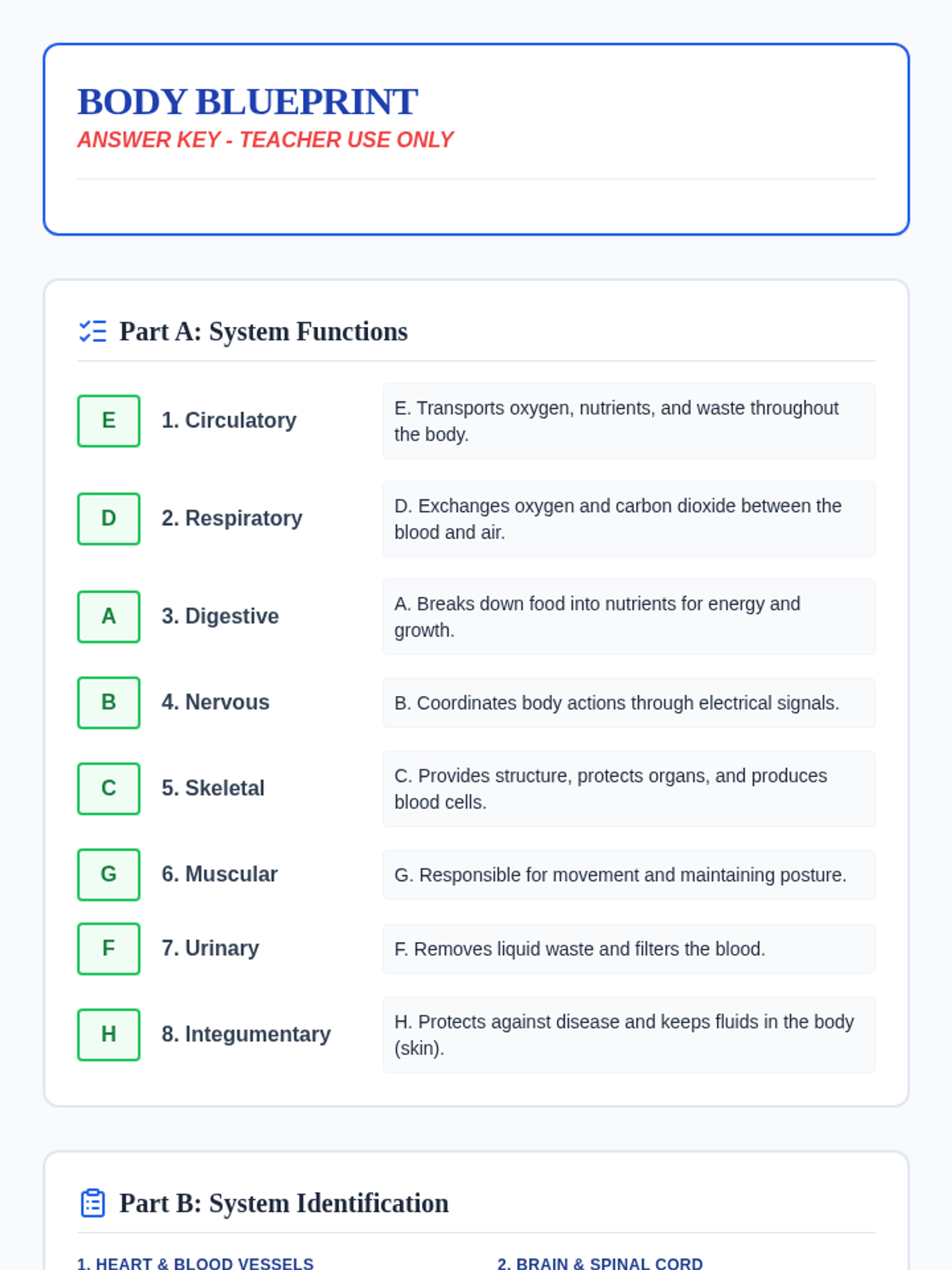
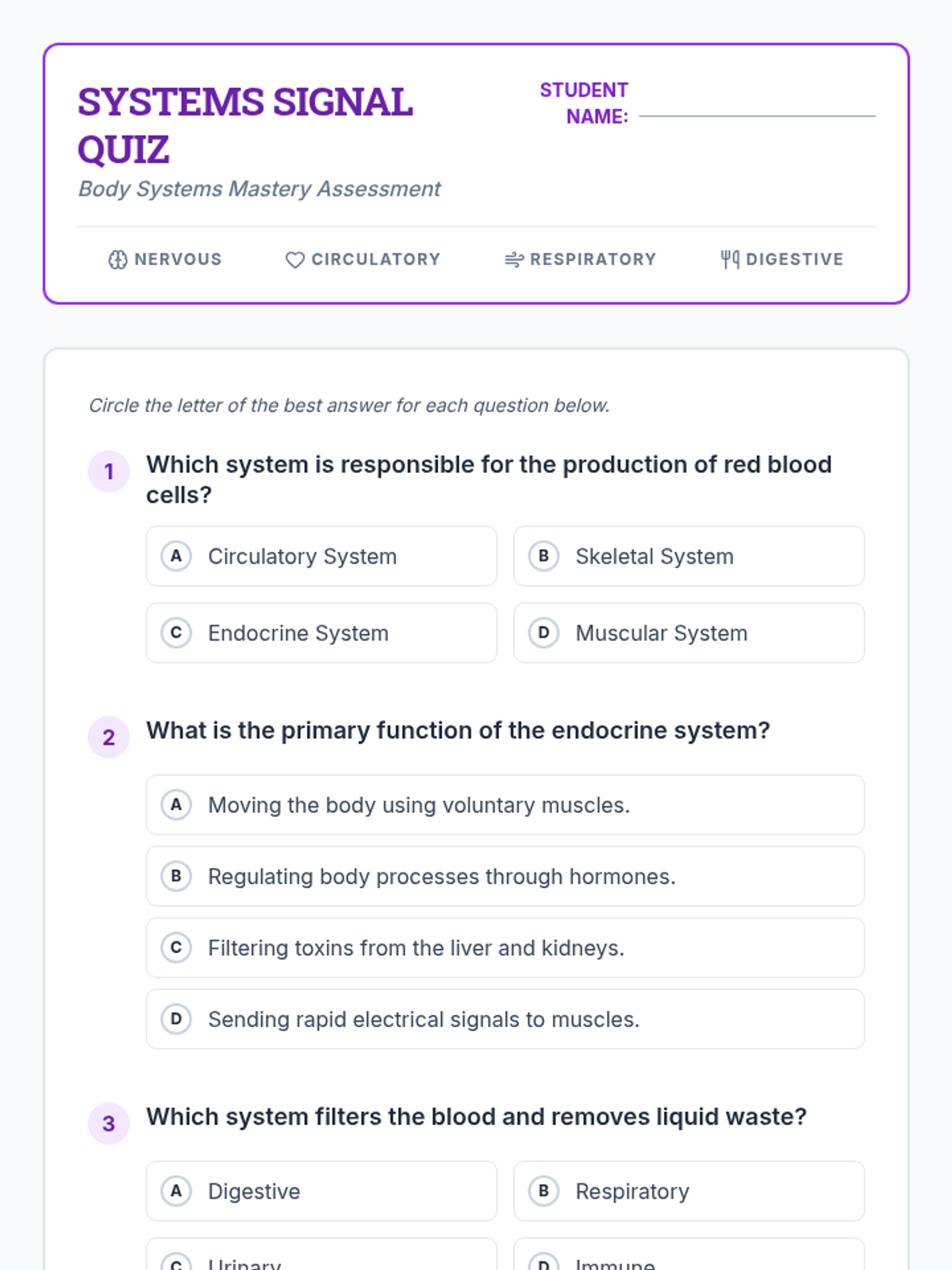
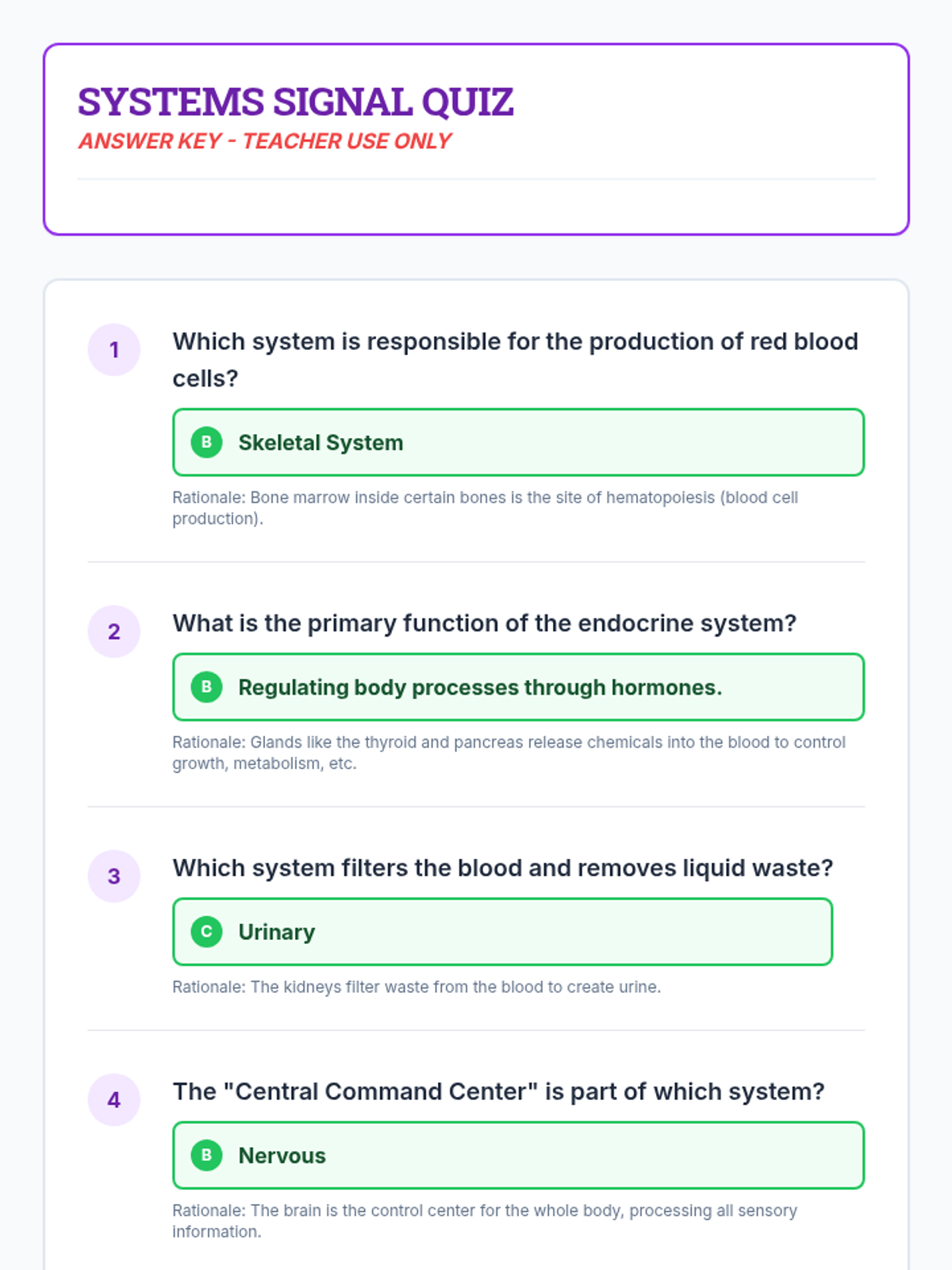
A comprehensive assessment suite to evaluate student understanding of the major human body systems, including their functions and key organs.
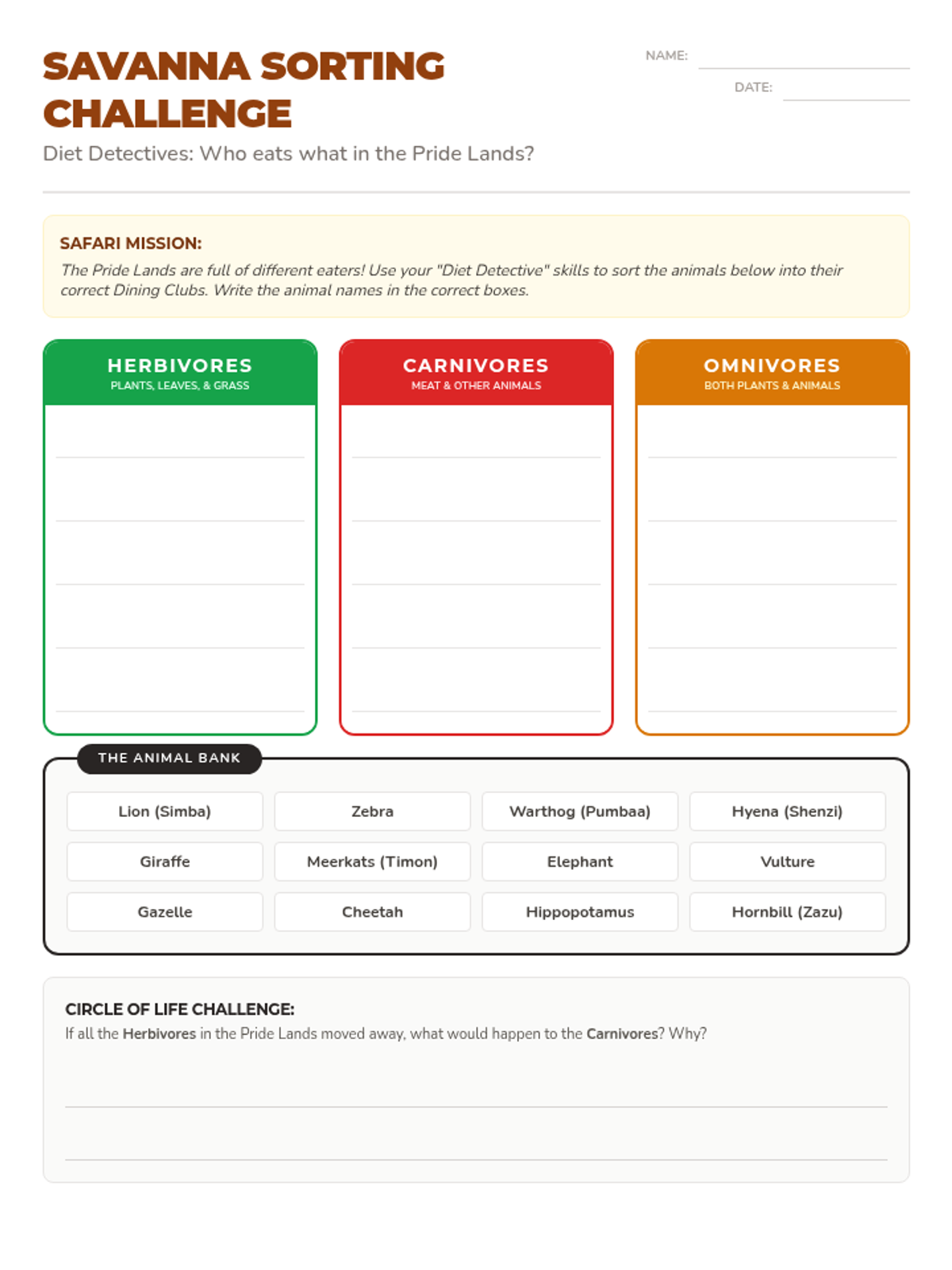
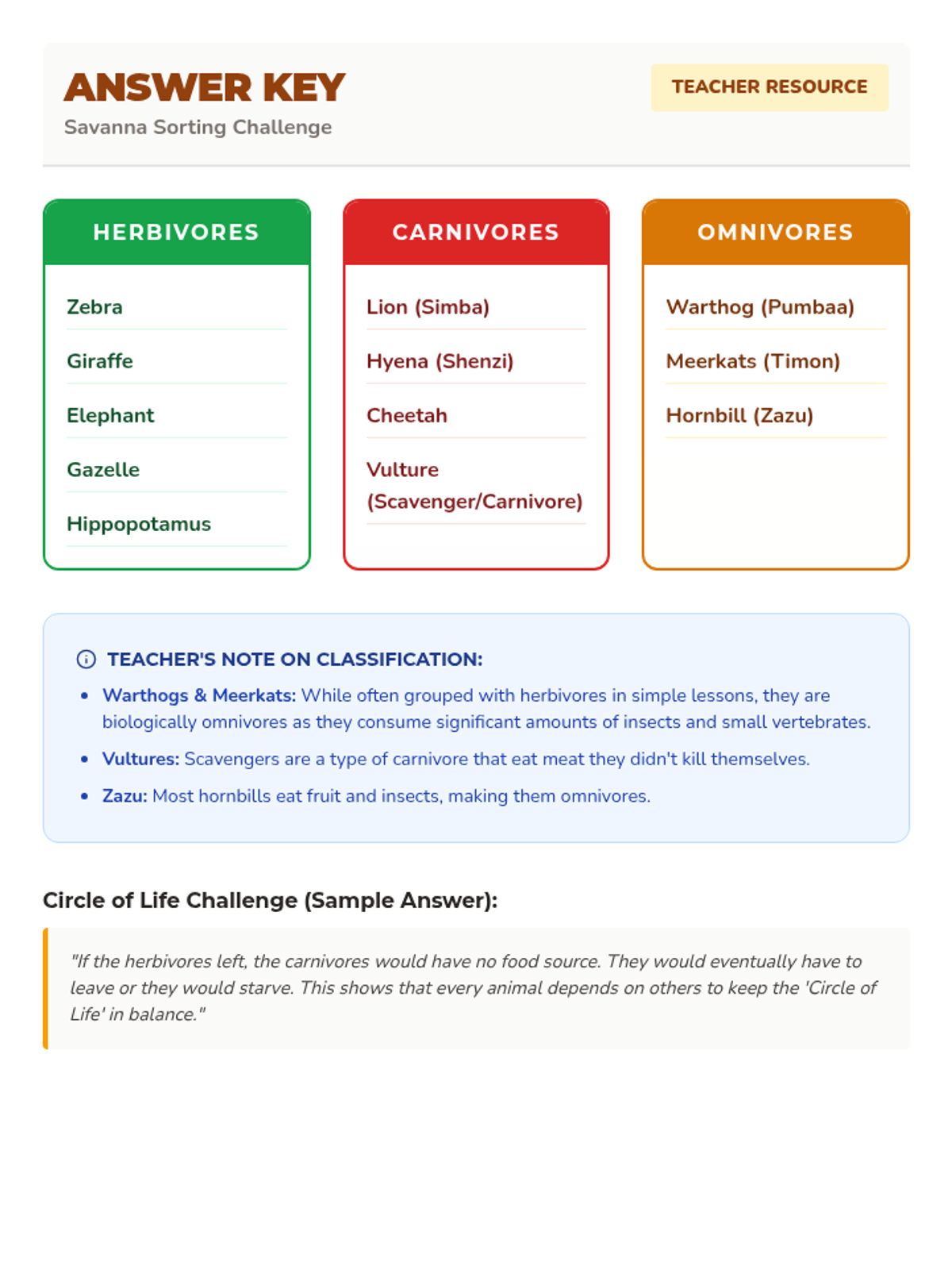
Culminating sorting activity where students categorize Lion King characters and other savanna animals by their diets, followed by a reflection on the 'Circle of Life'.
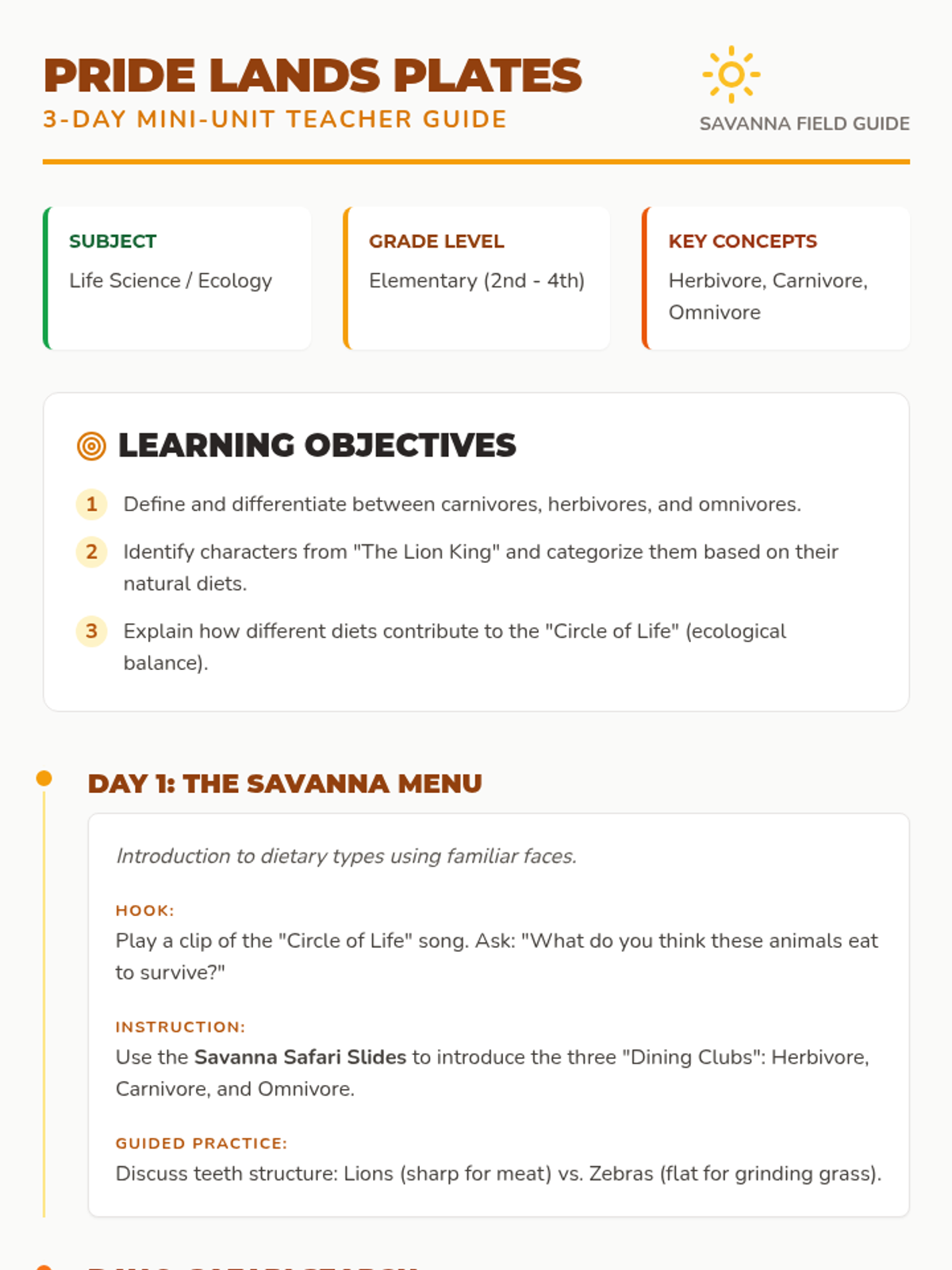
Students analyze the ecosystem of the Pride Lands, identifying various animals from the film and researching or discussing their real-world dietary habits.
Introduction to herbivores, carnivores, and omnivores using Pride Lands characters as examples. students learn to identify dietary traits and basic dental structures associated with each group.
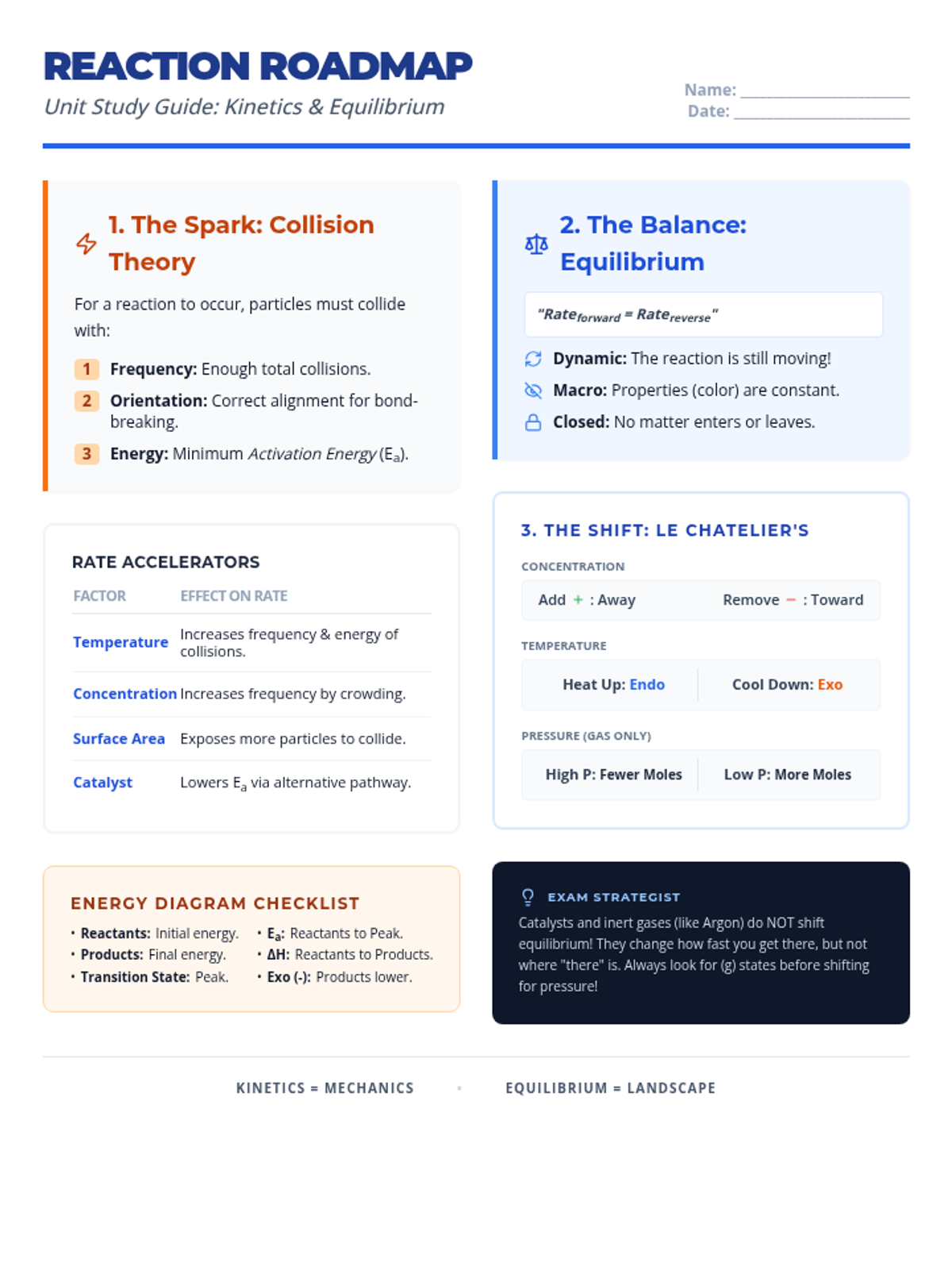
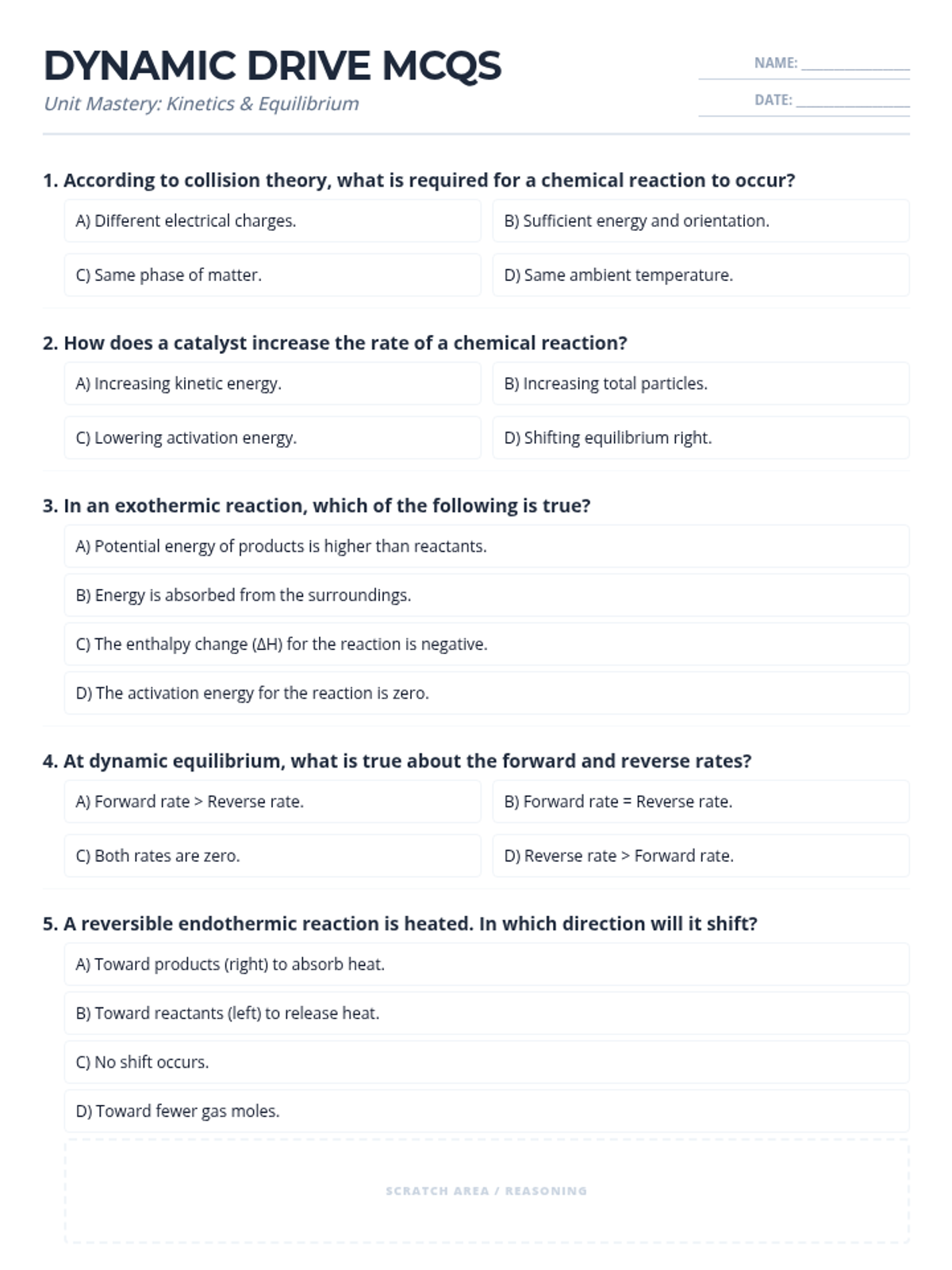
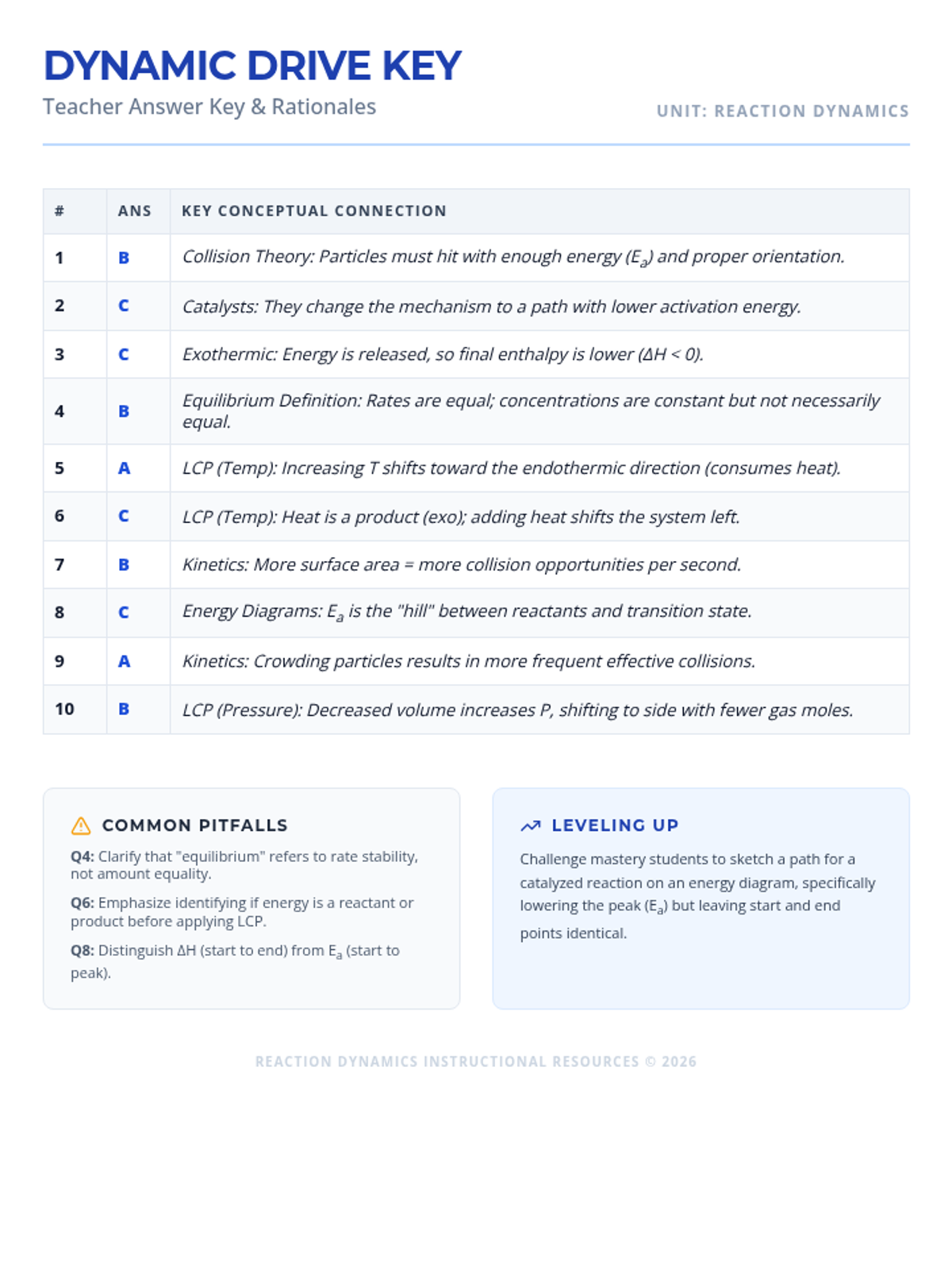
A comprehensive review phase for the Reaction Dynamics unit. Students synthesize their knowledge of collision theory, energy pathways, and equilibrium shifts through a focused study guide and a unit-wide conceptual assessment.
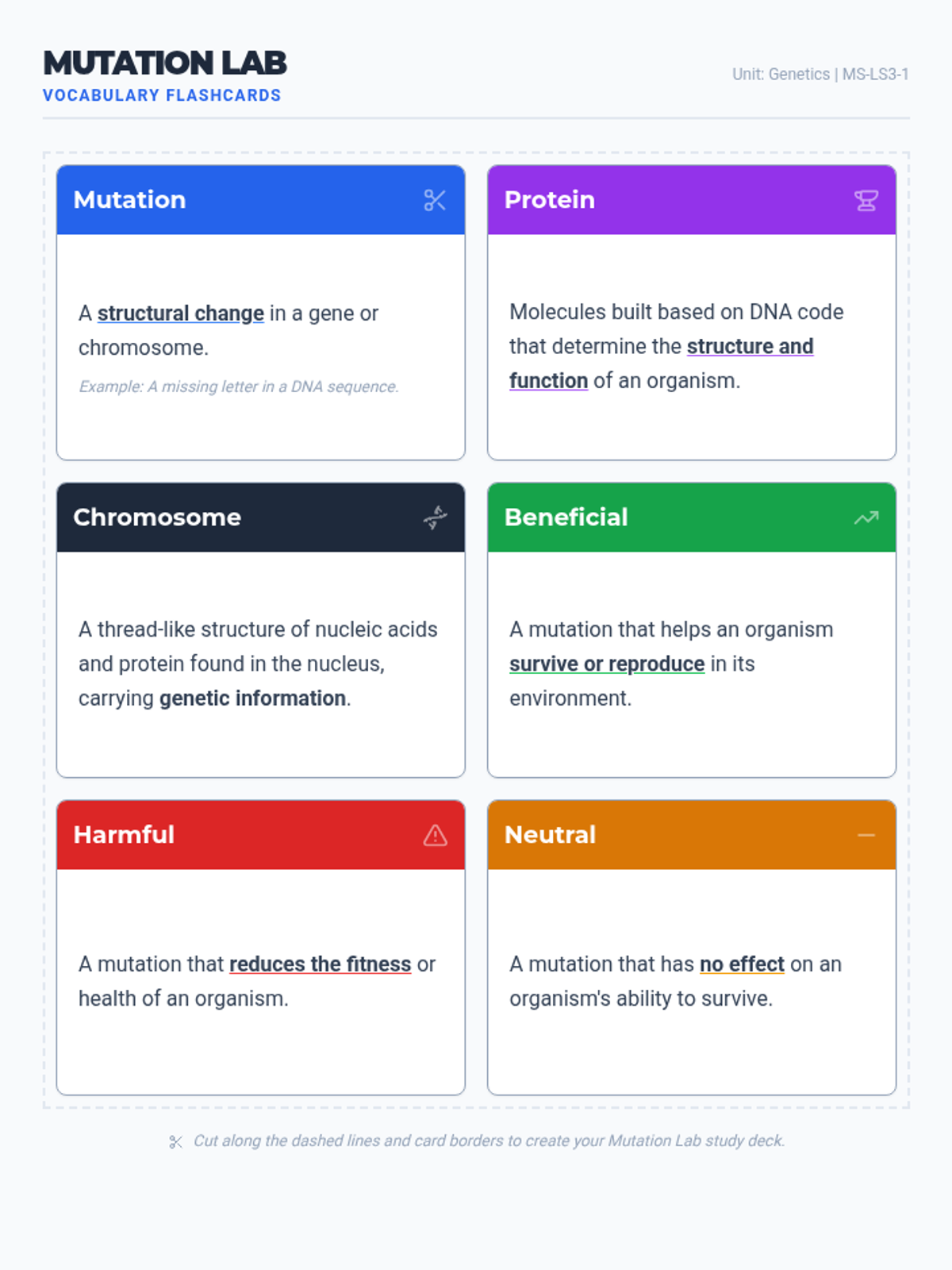
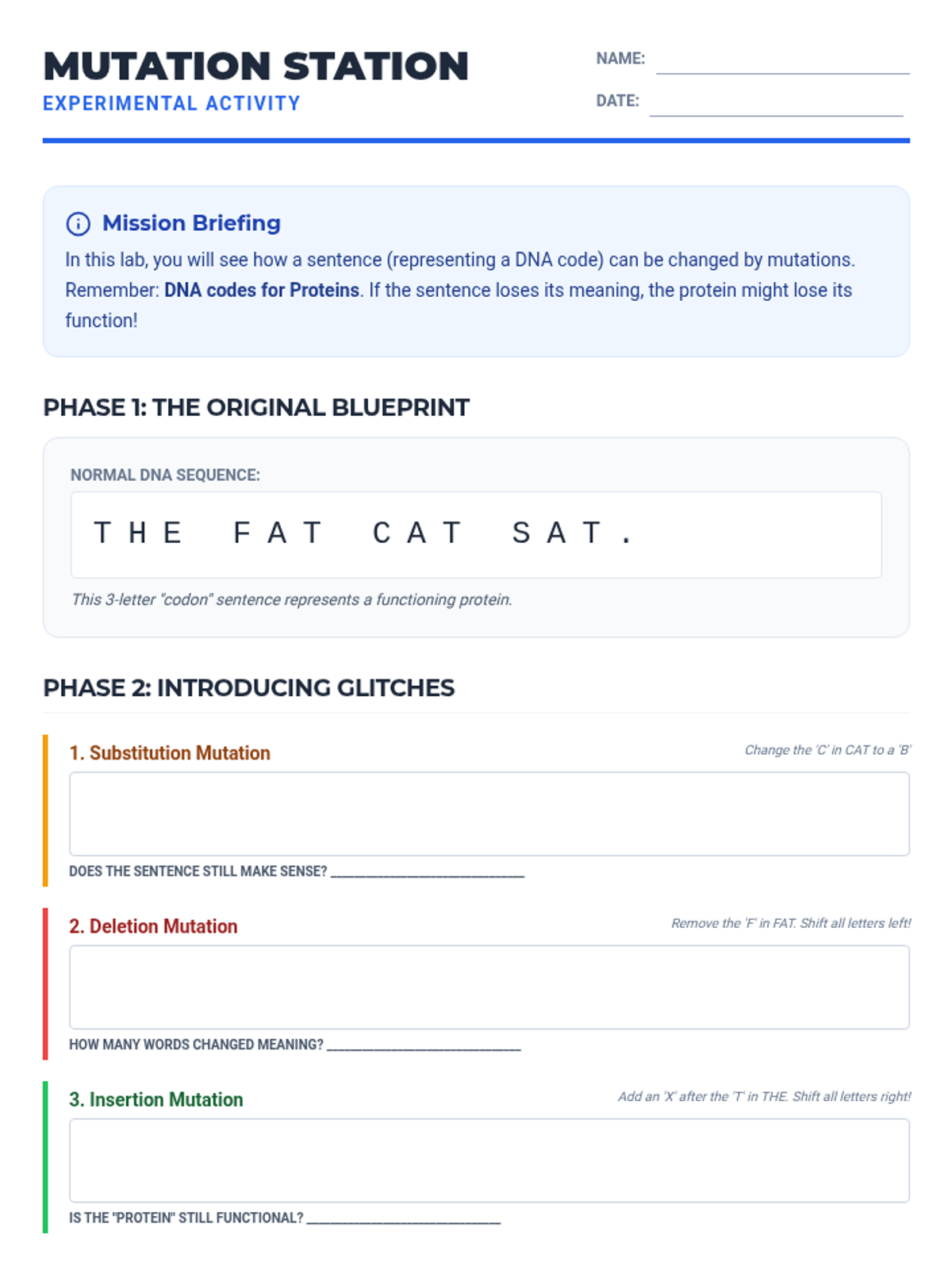
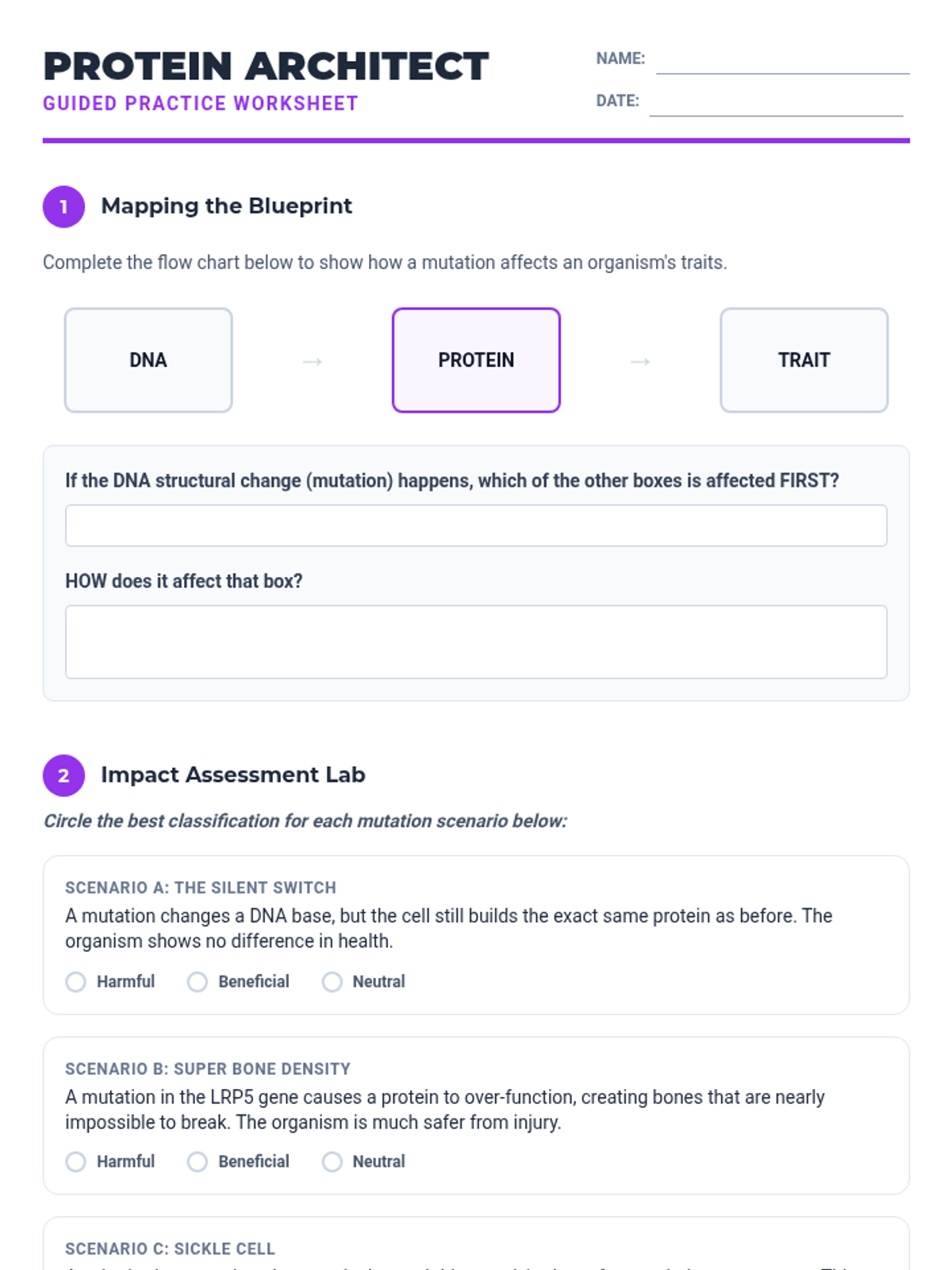
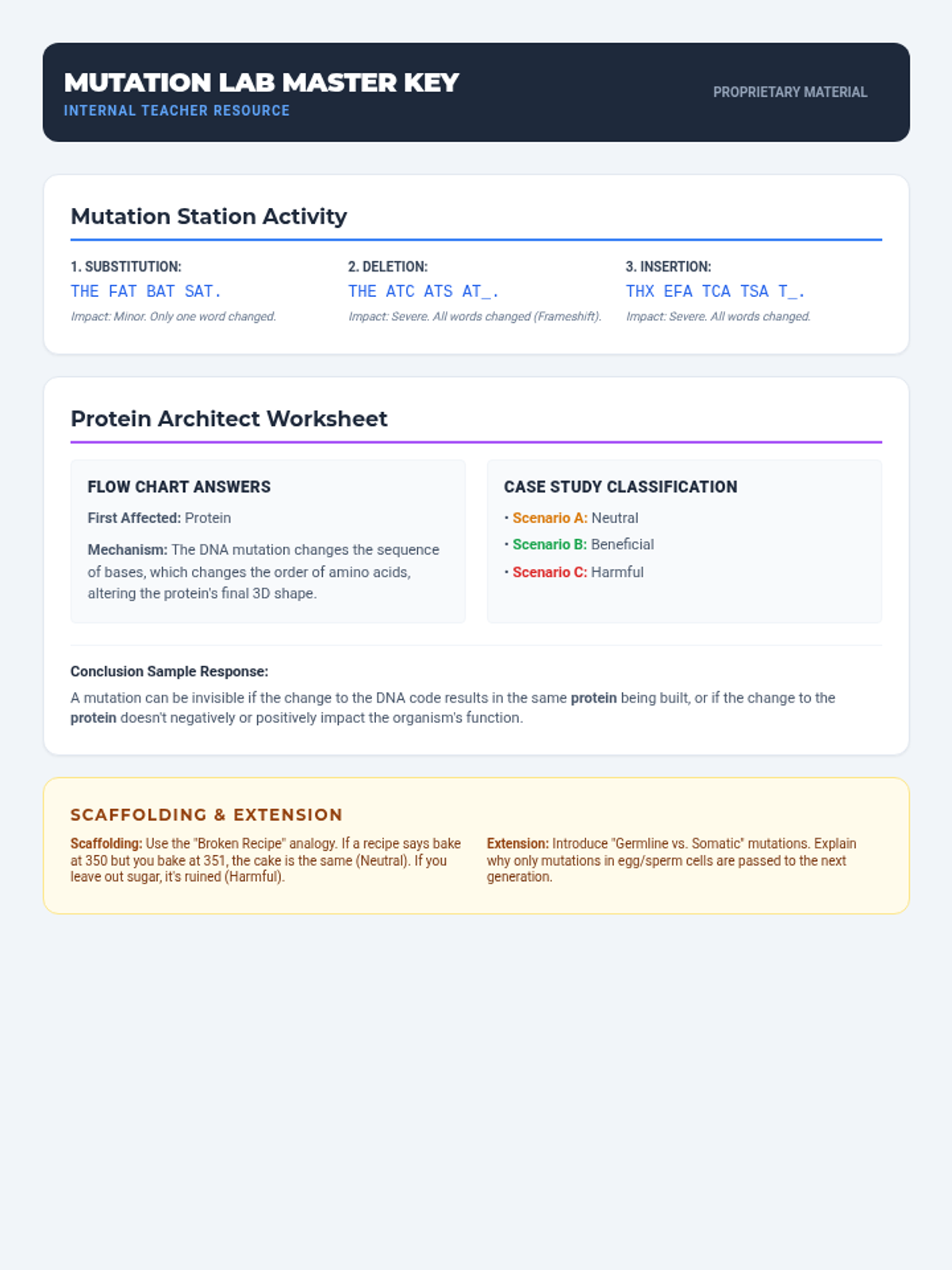
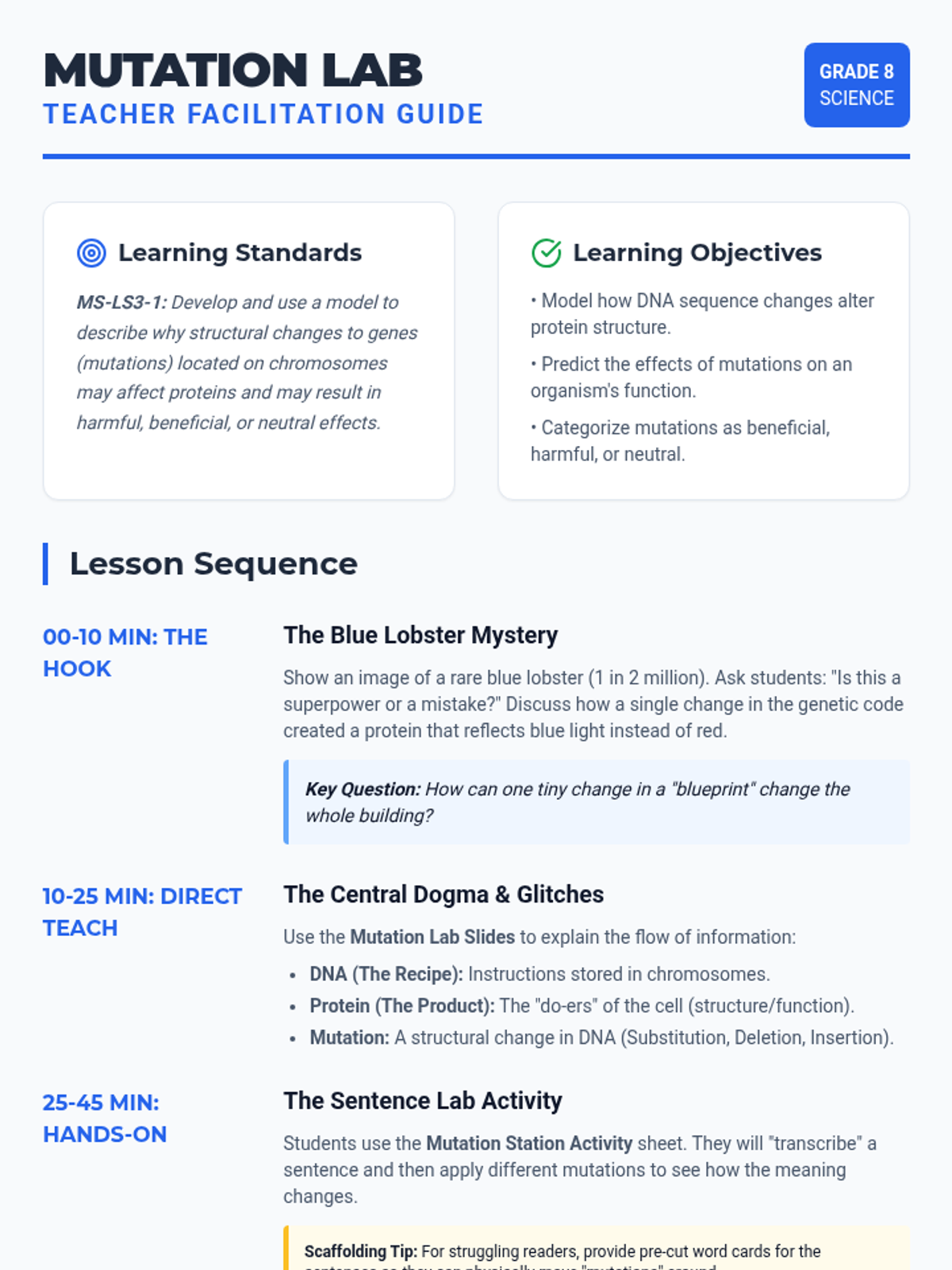
A comprehensive lesson on genetic mutations, exploring how changes in DNA structure affect protein function and organism traits through a high-tech laboratory lens.
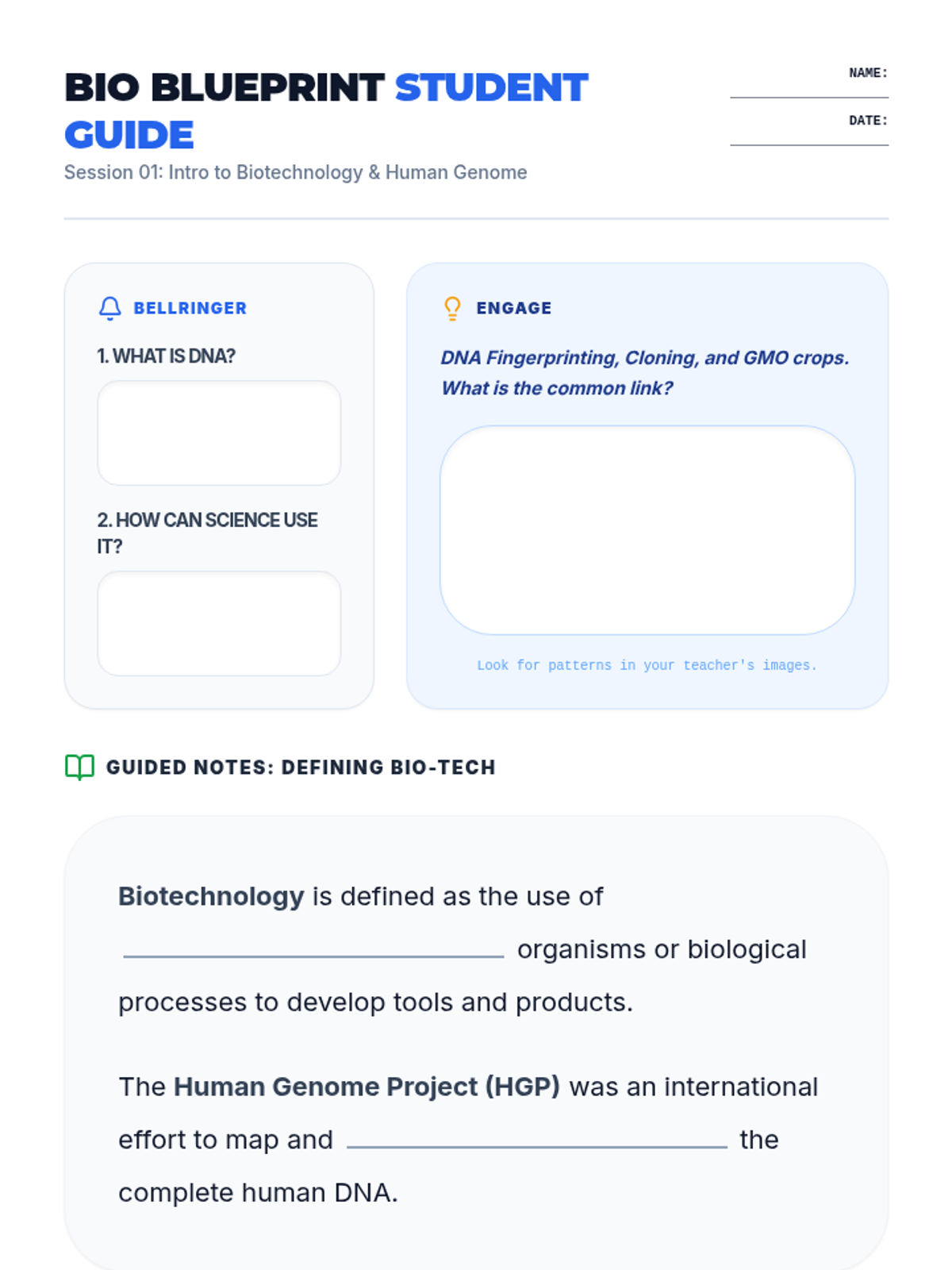
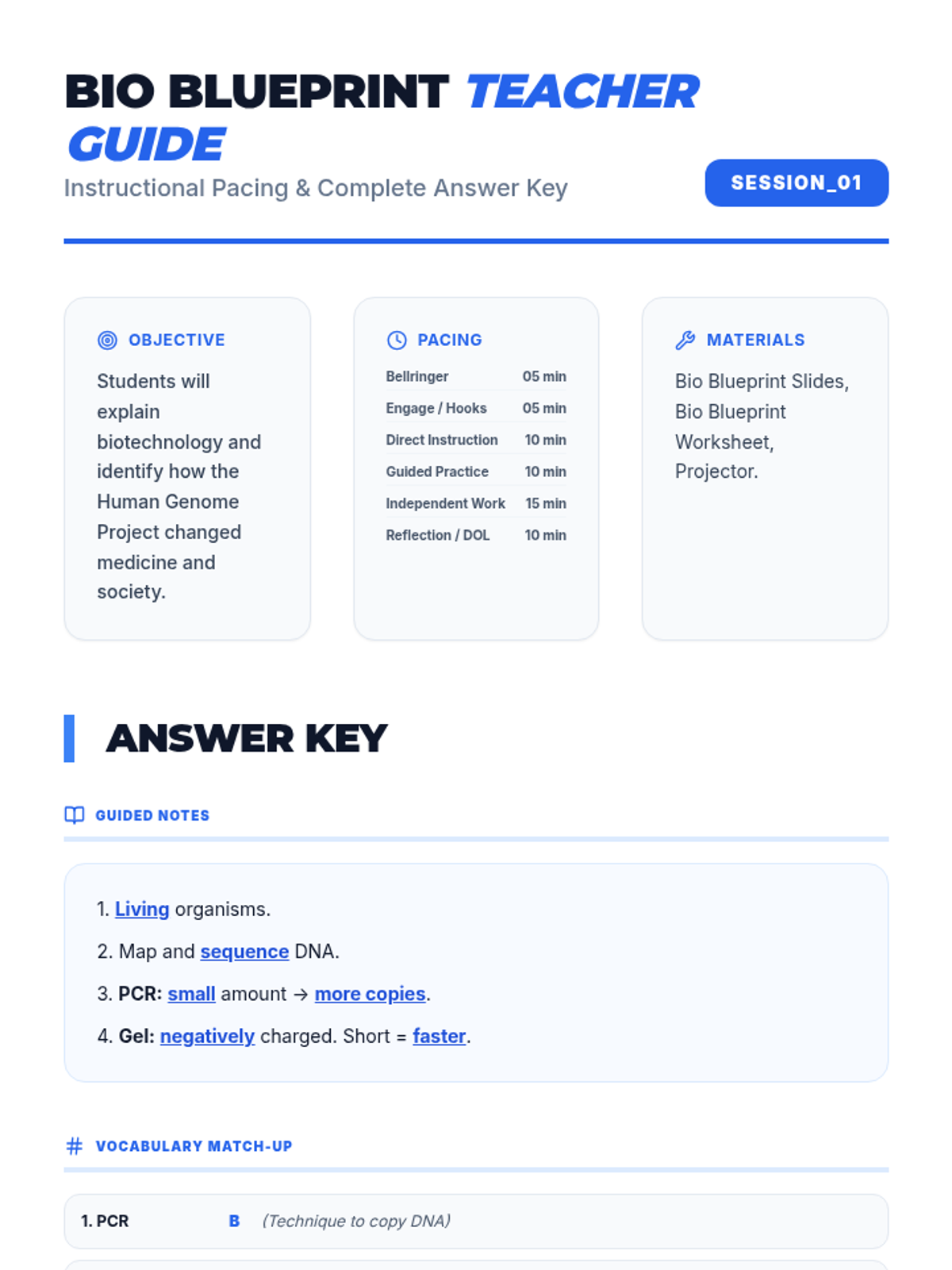
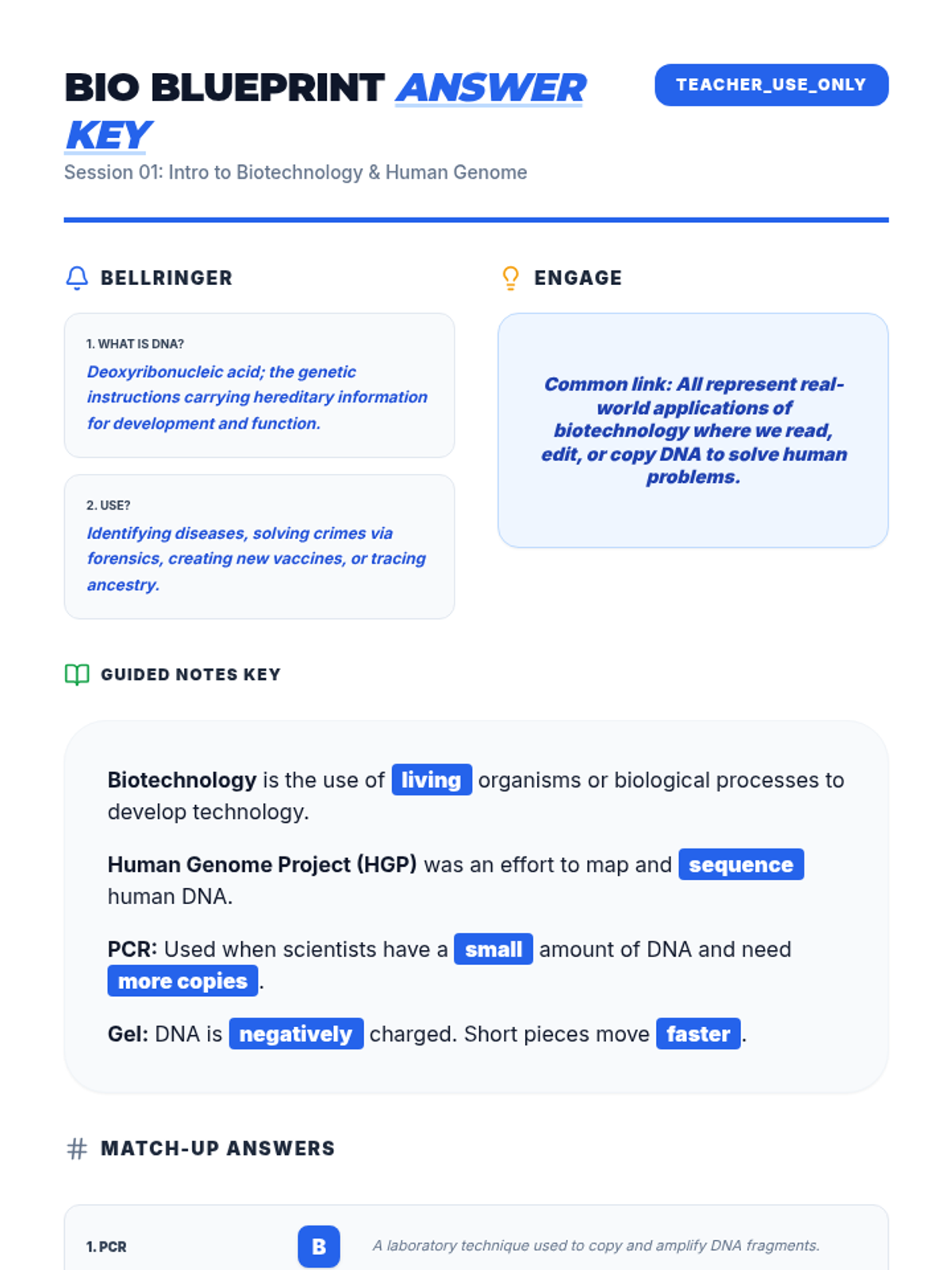
An introductory lesson on biotechnology and the Human Genome Project, covering fundamental concepts, DNA technology tools, and ethical considerations.
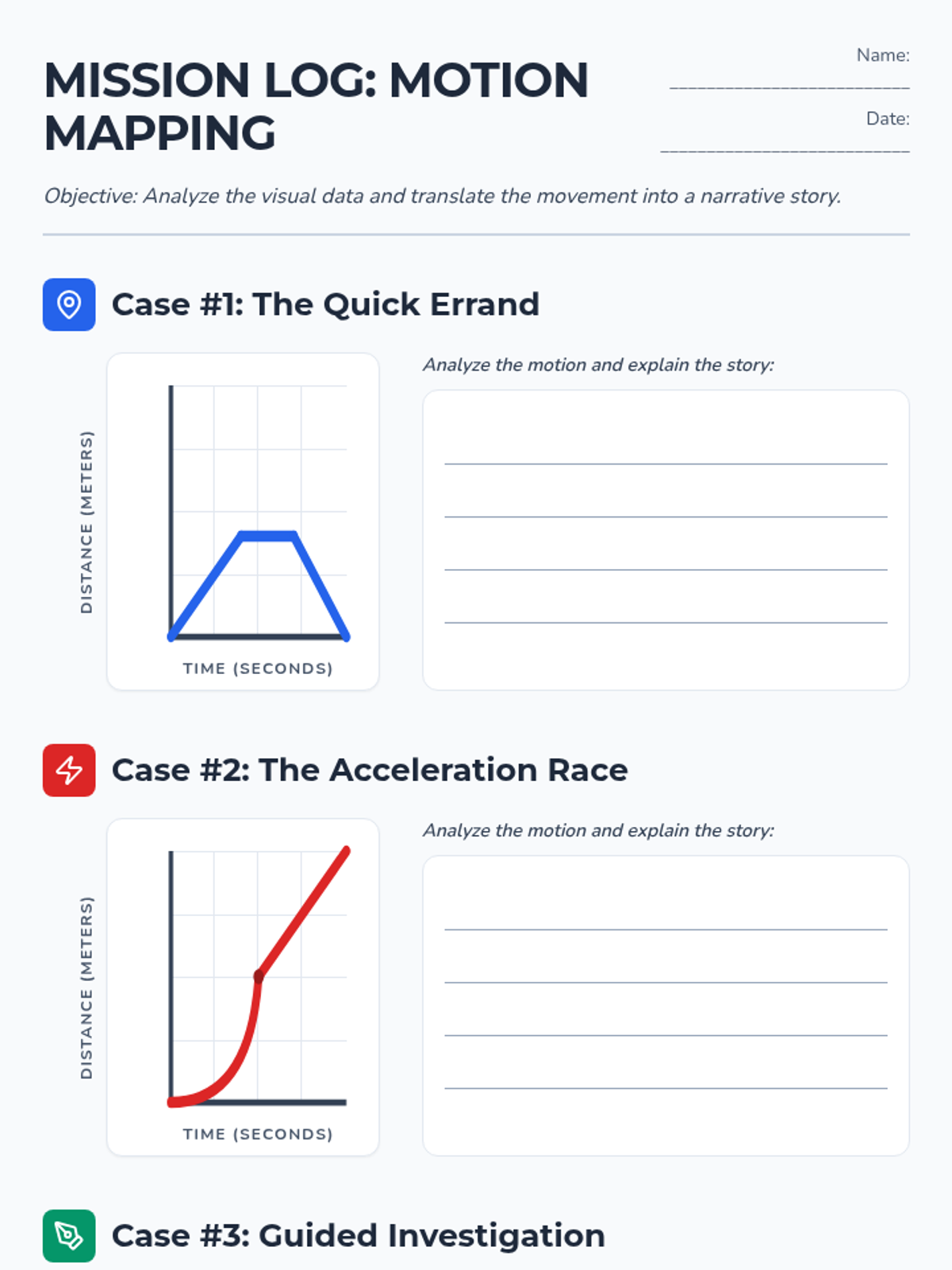
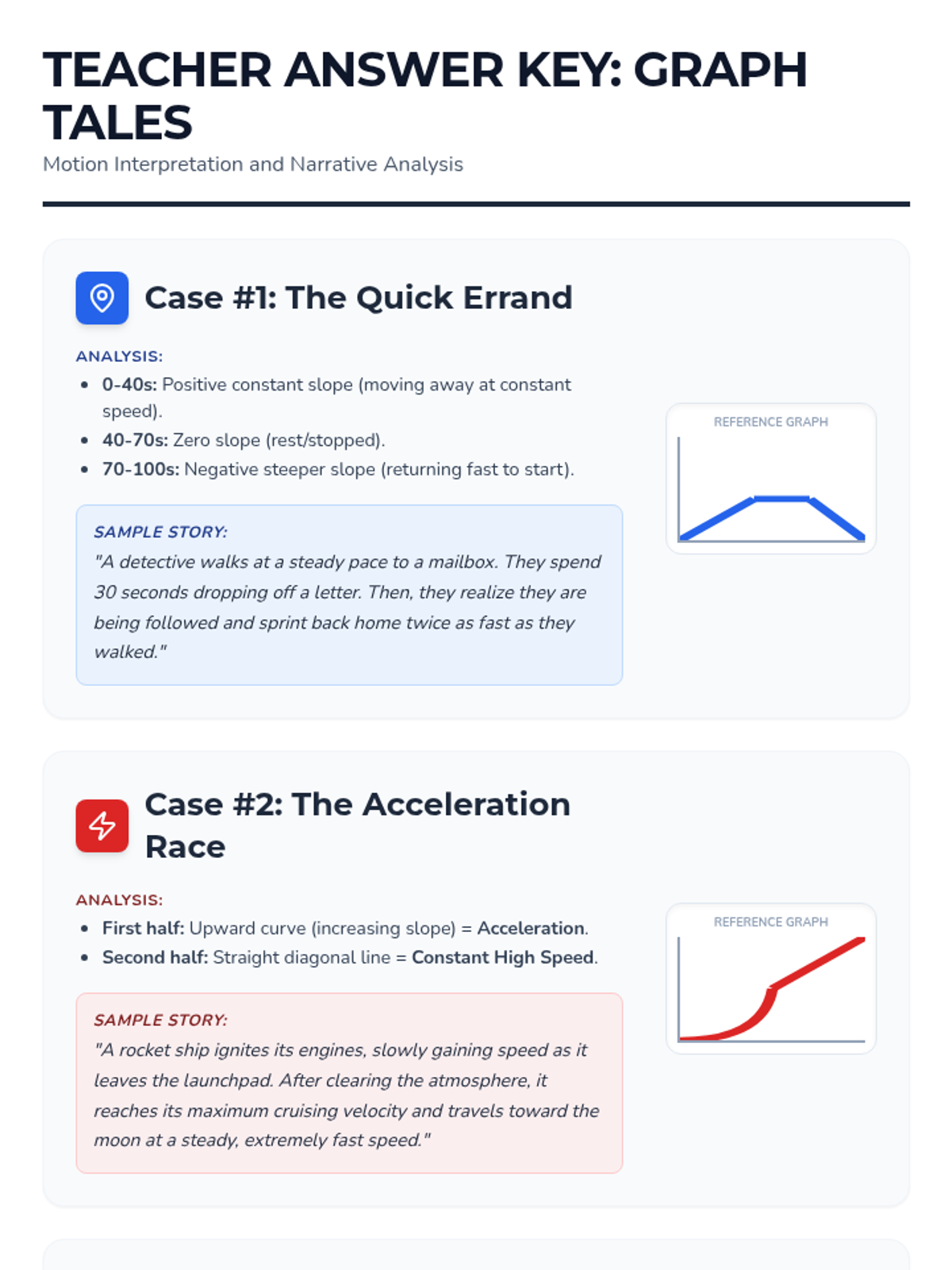
A lesson focused on interpreting distance-time graphs through creative storytelling and structured analysis. Students will translate visual data into narrative descriptions of motion, including constant speed, acceleration, and rest.
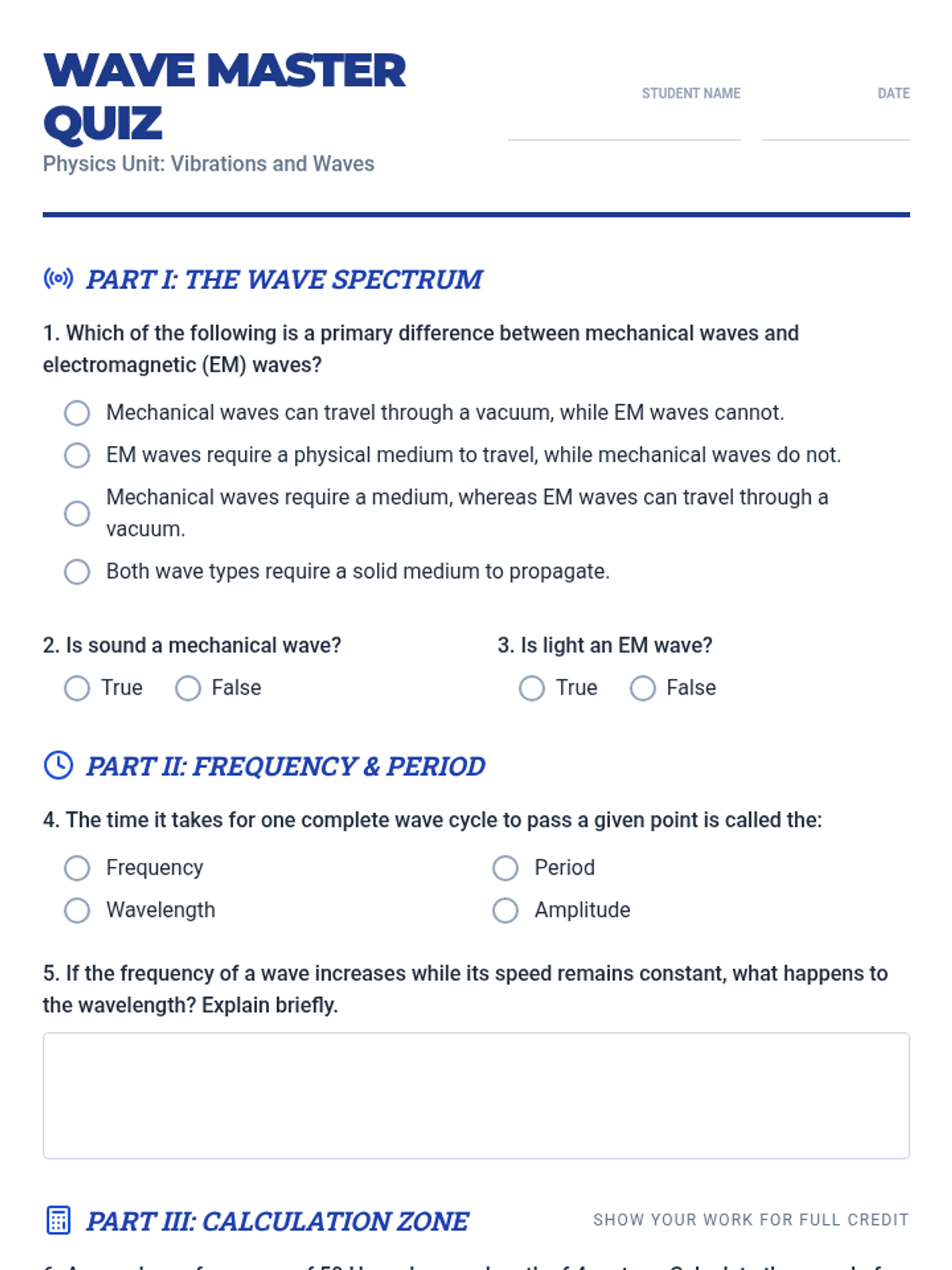
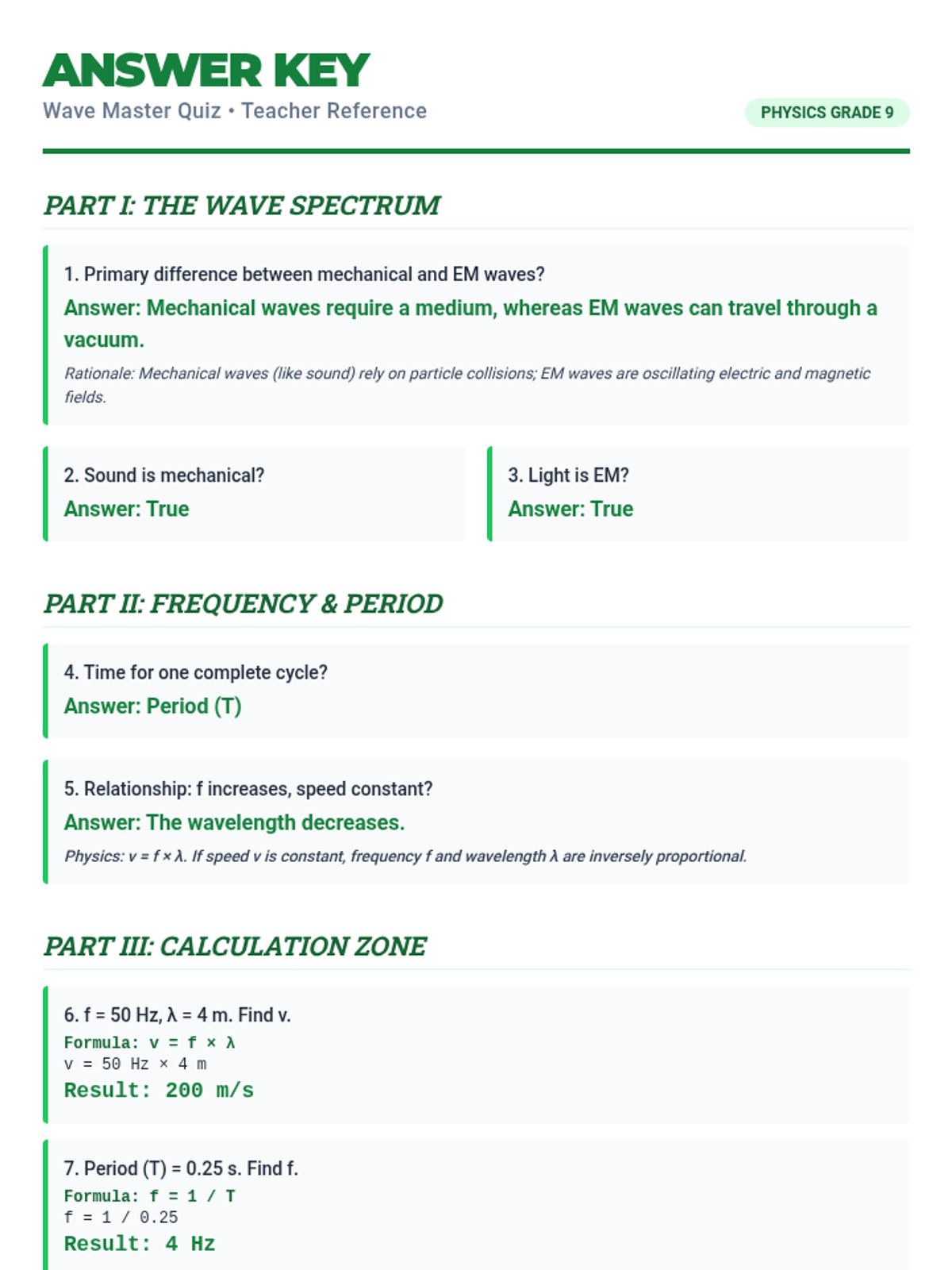
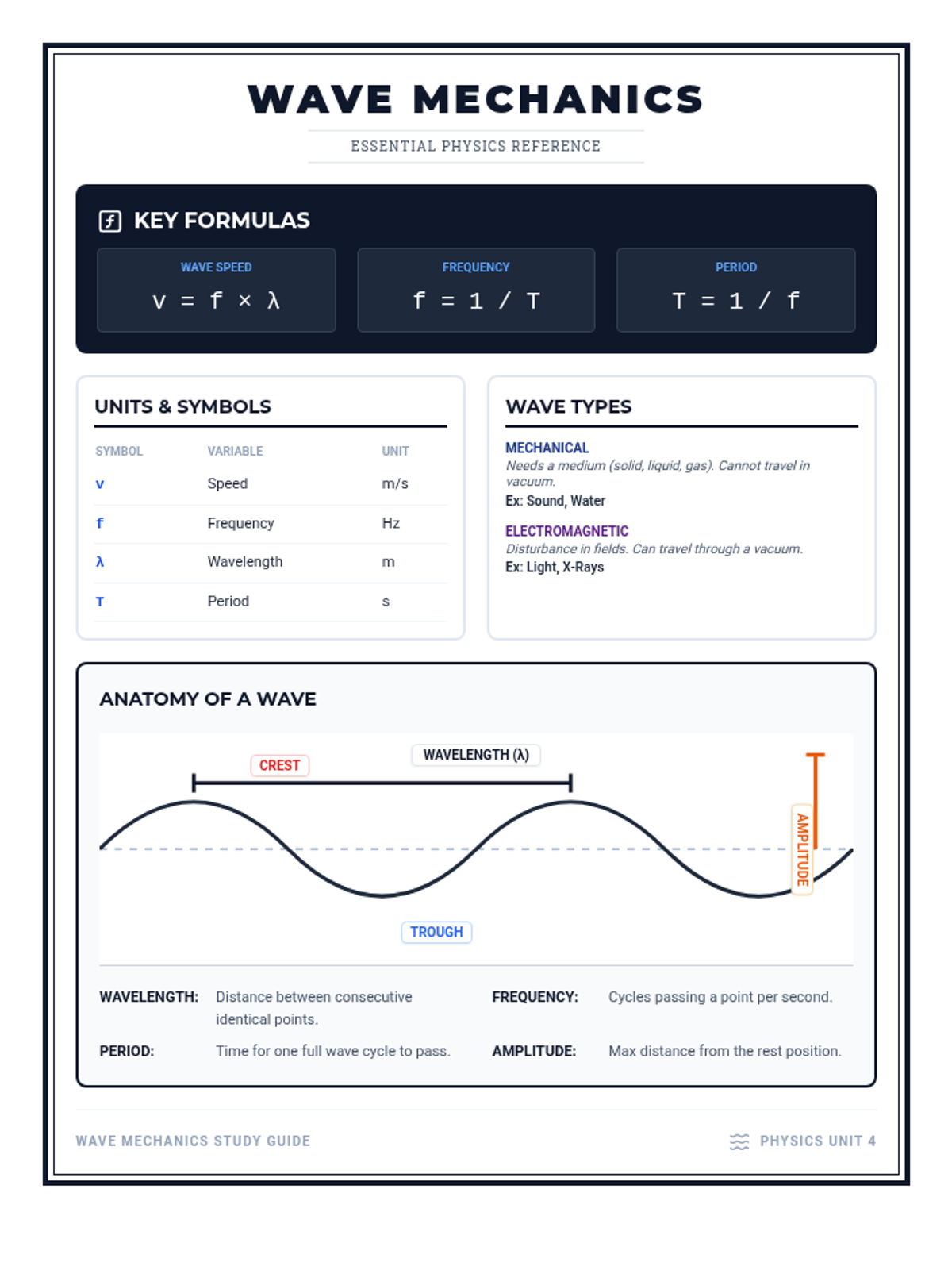
A comprehensive assessment and reference set covering mechanical and electromagnetic waves, including mathematical calculations for frequency, period, and speed.