Students explore the political spectrum (liberal, conservative, moderate) and participate in a 'Four Corners' activity to visualize how personal values aggregate into political stances.
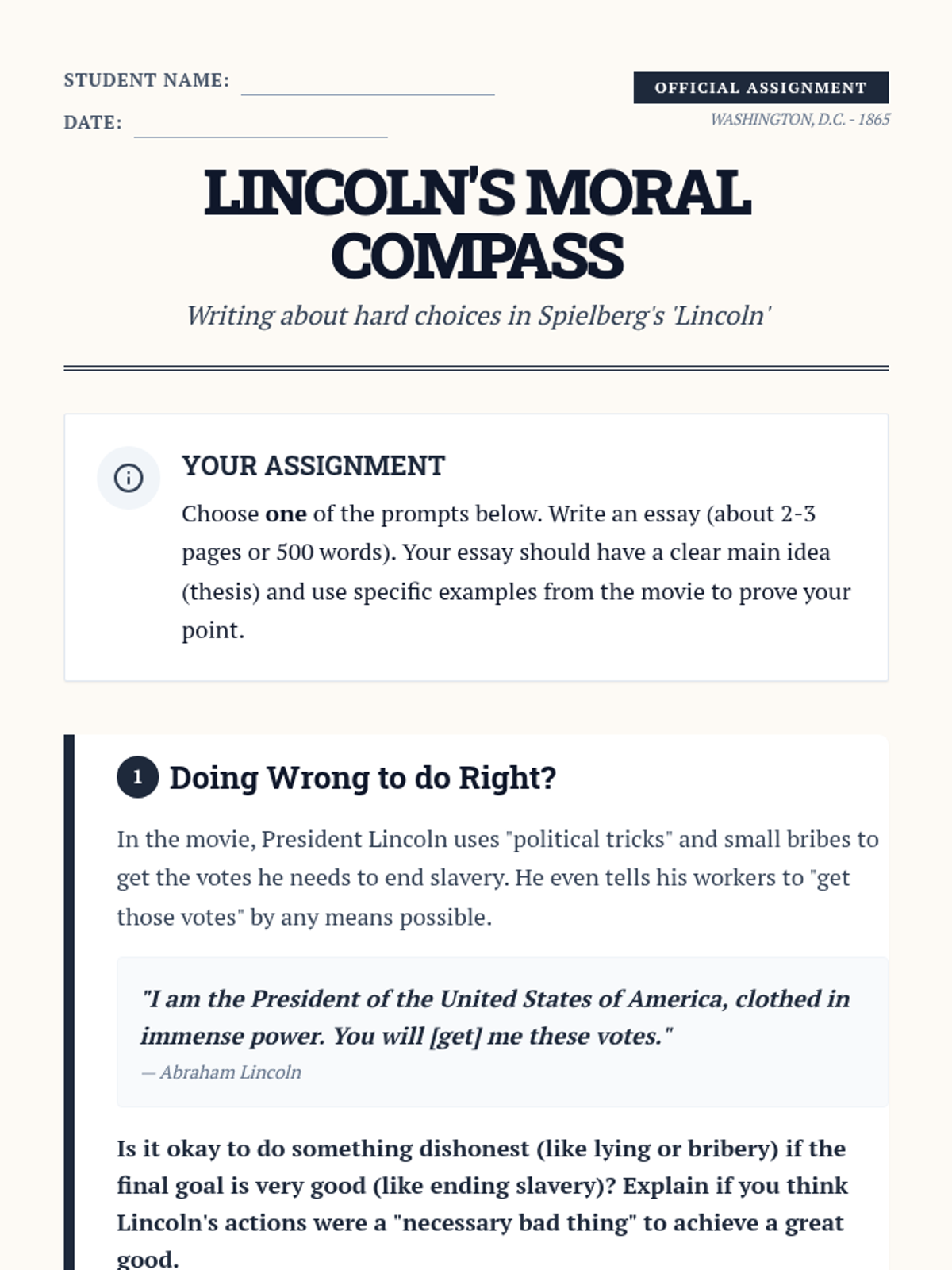
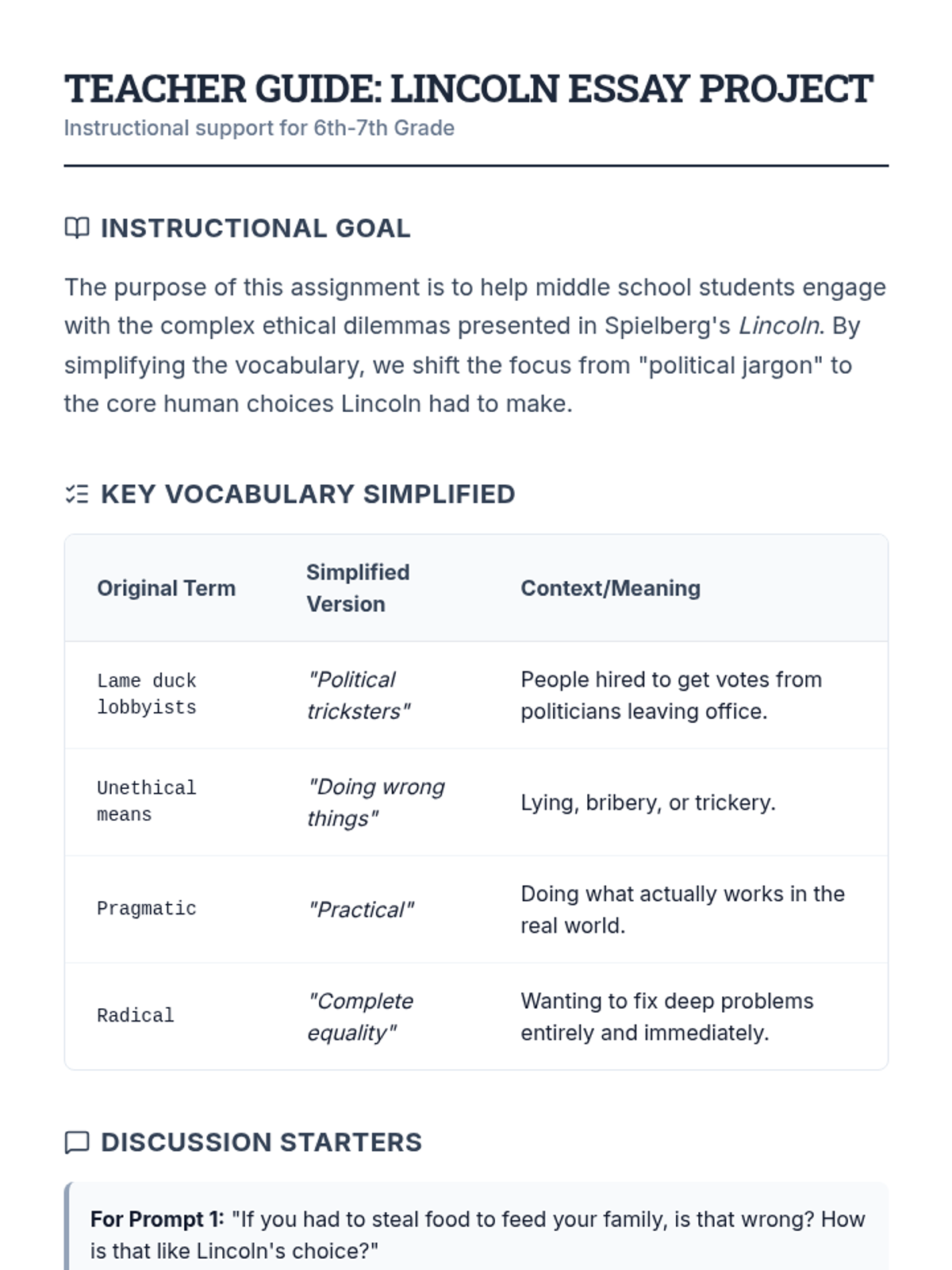
Students explore the ethical and personal challenges faced by Abraham Lincoln during the passage of the 13th Amendment, focusing on simplified versions of complex historical and political themes.
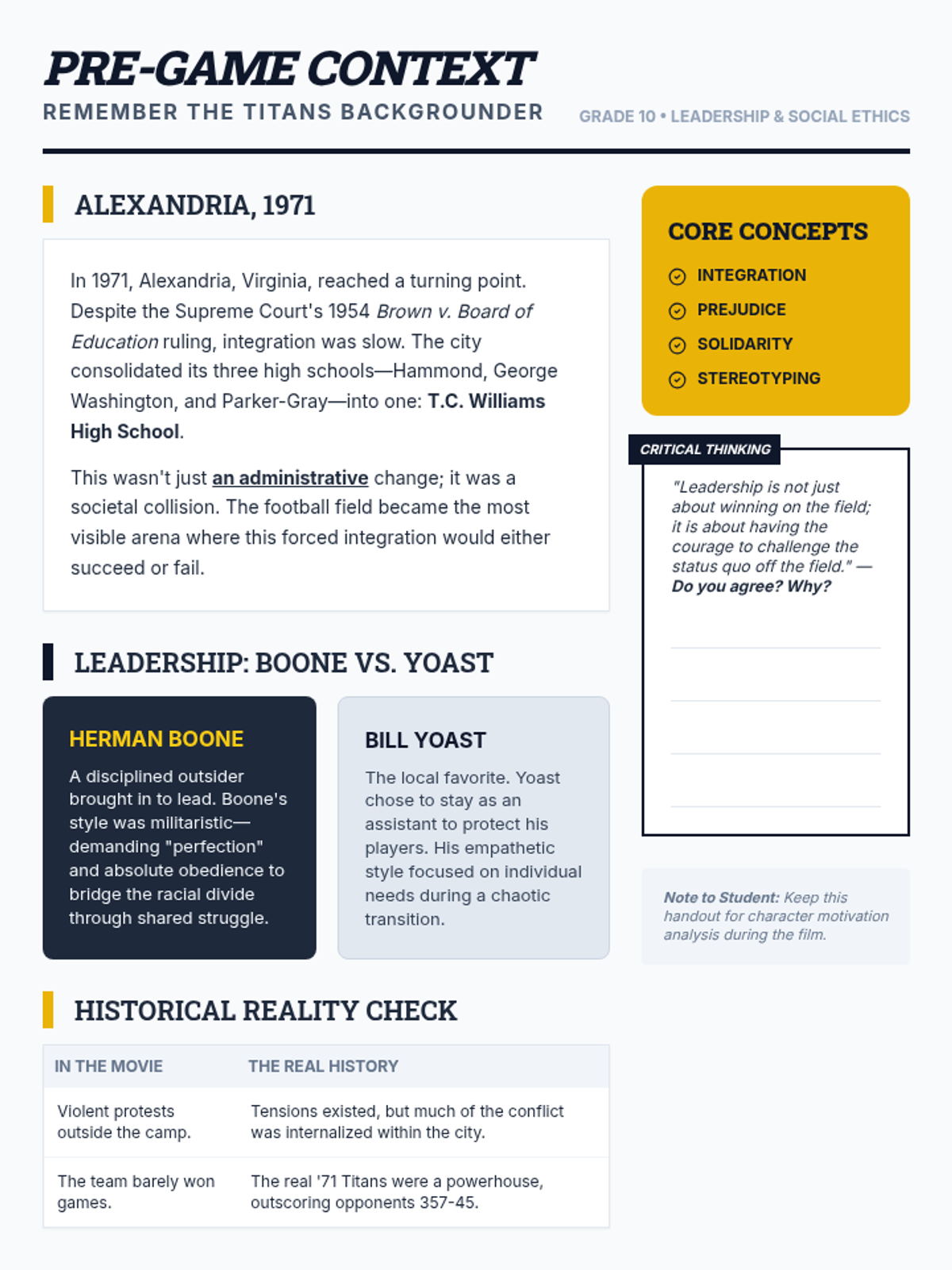
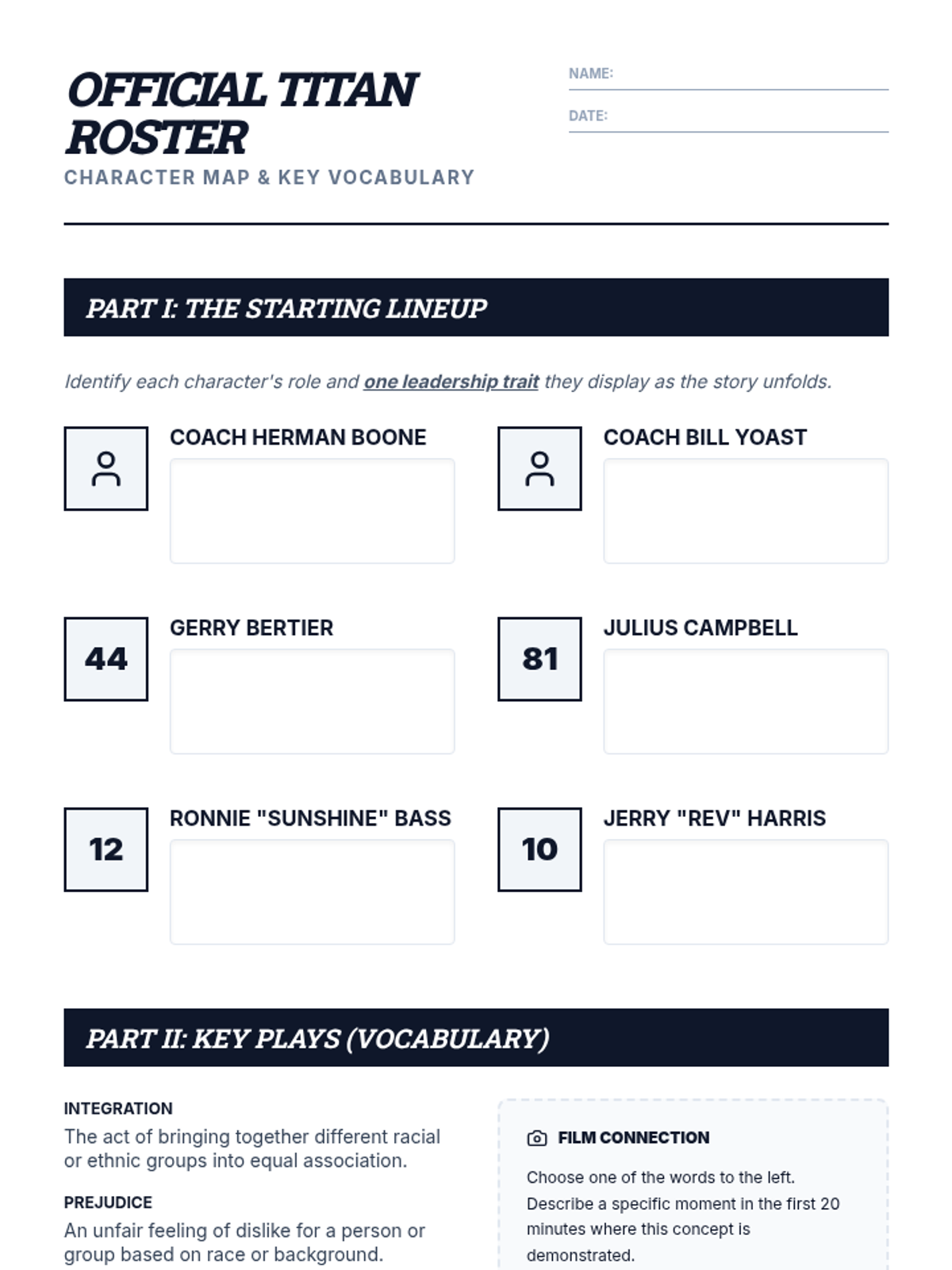
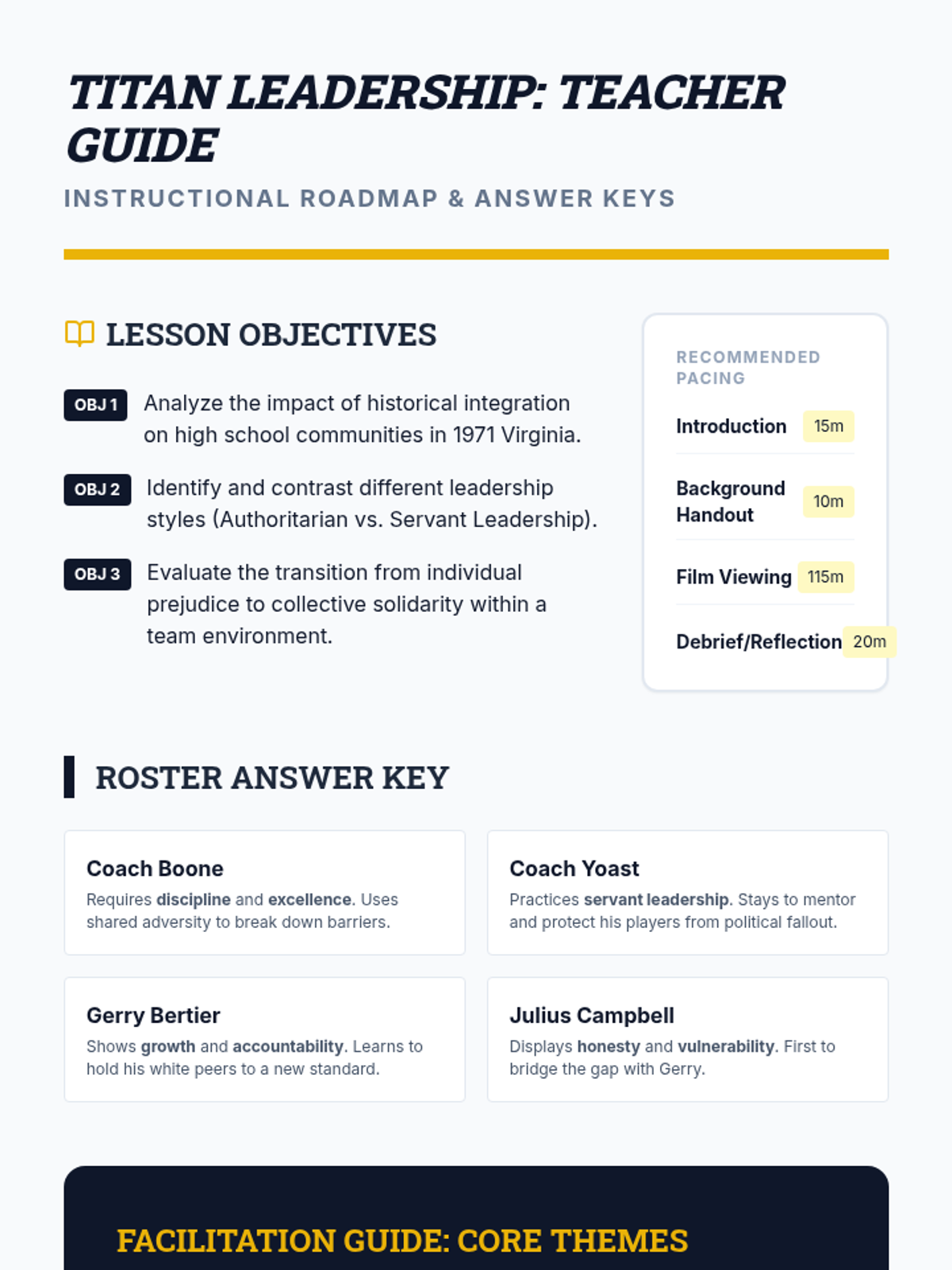
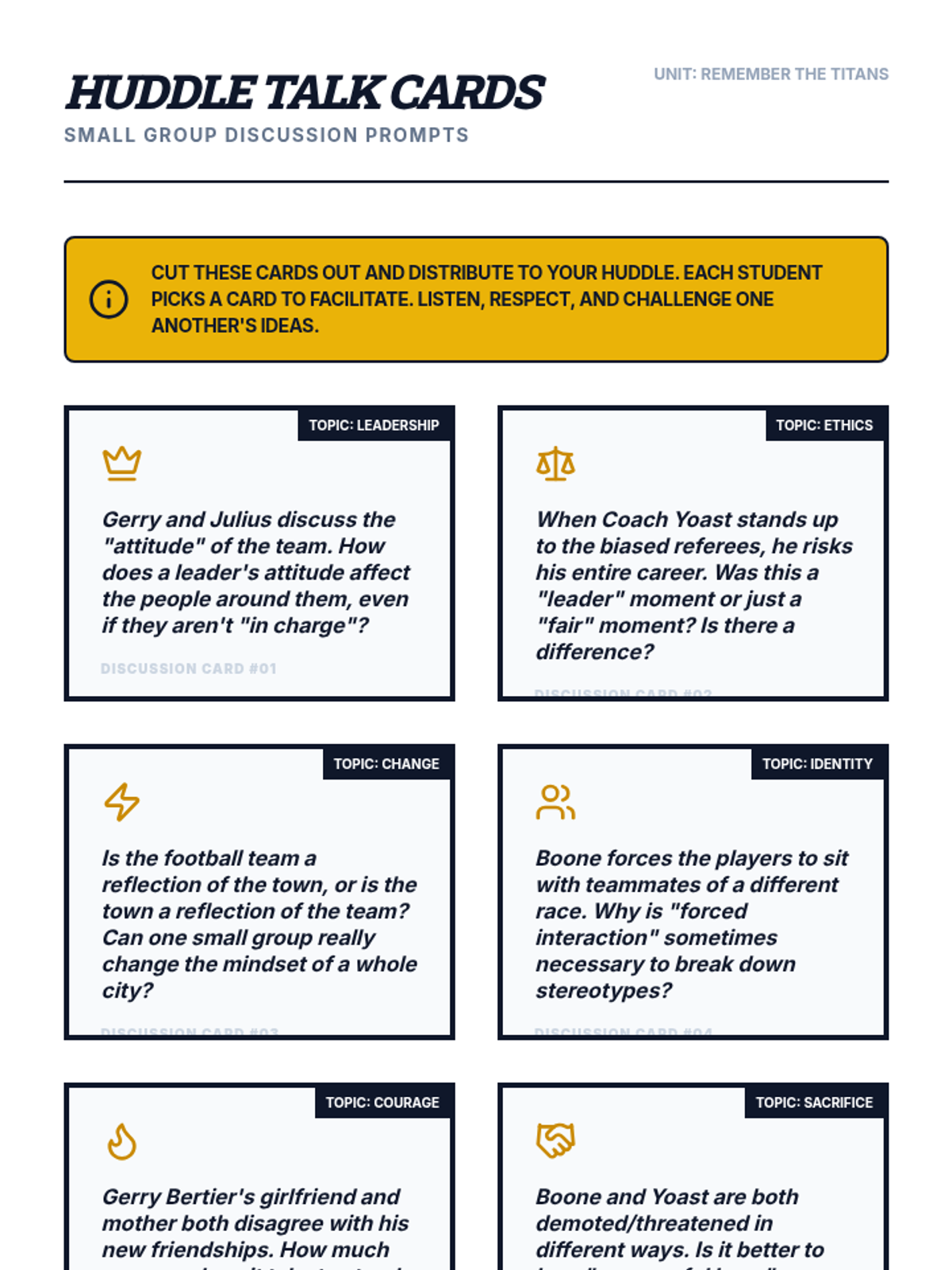
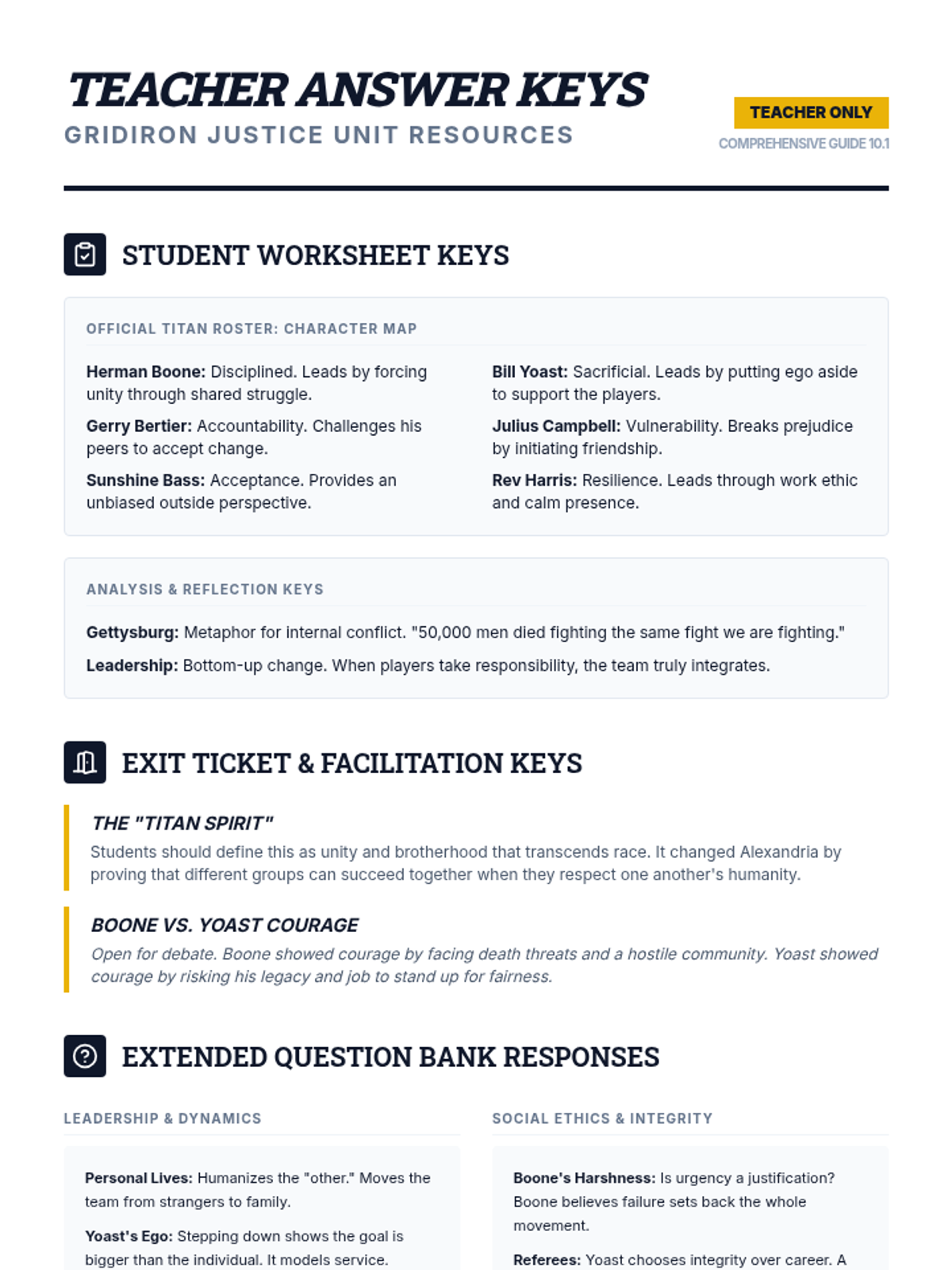
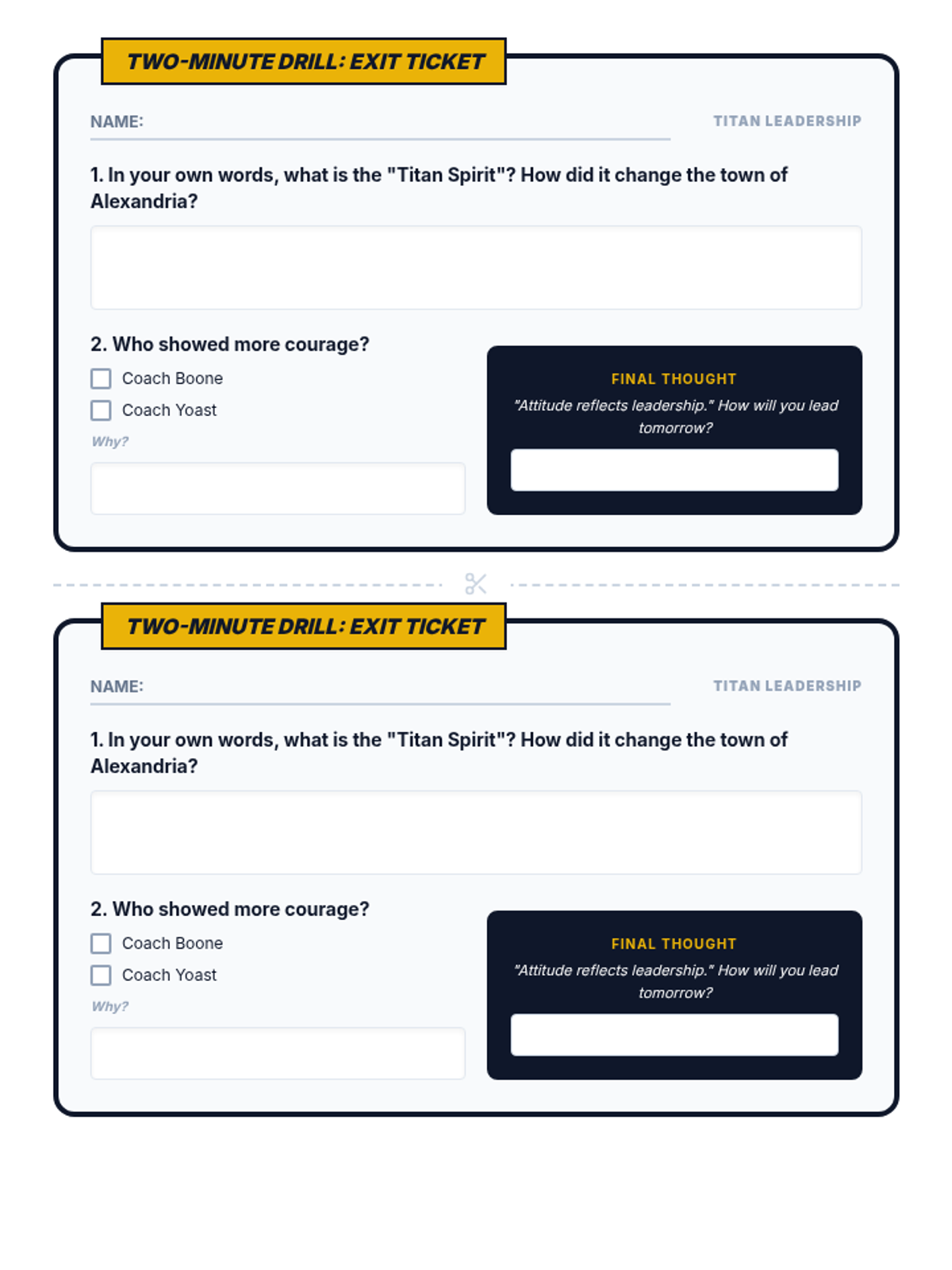
An introductory exploration of the historical and social themes in the film Remember the Titans, focusing on the 1971 integration of T.C. Williams High School and the leadership required to build a unified team.
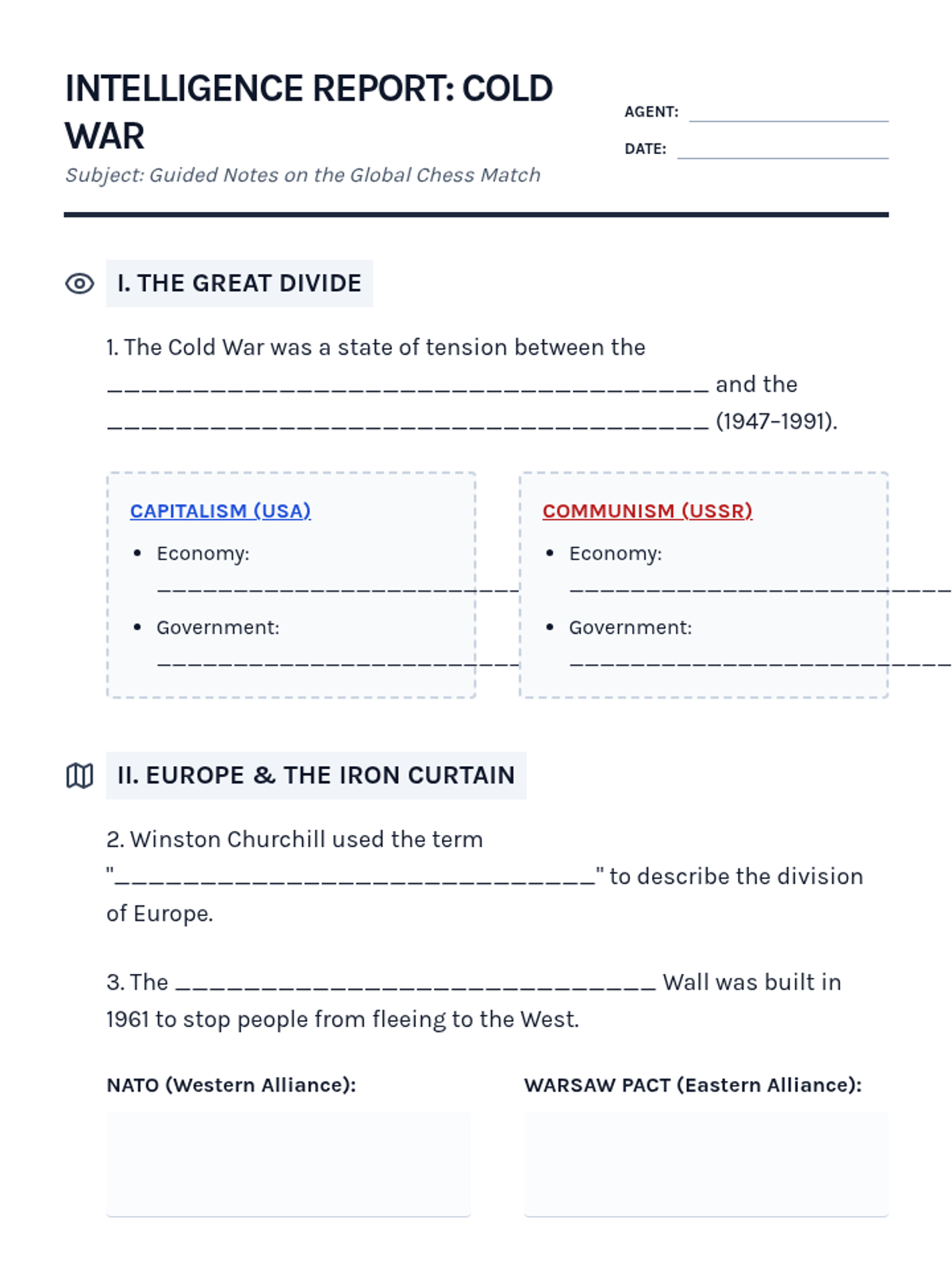
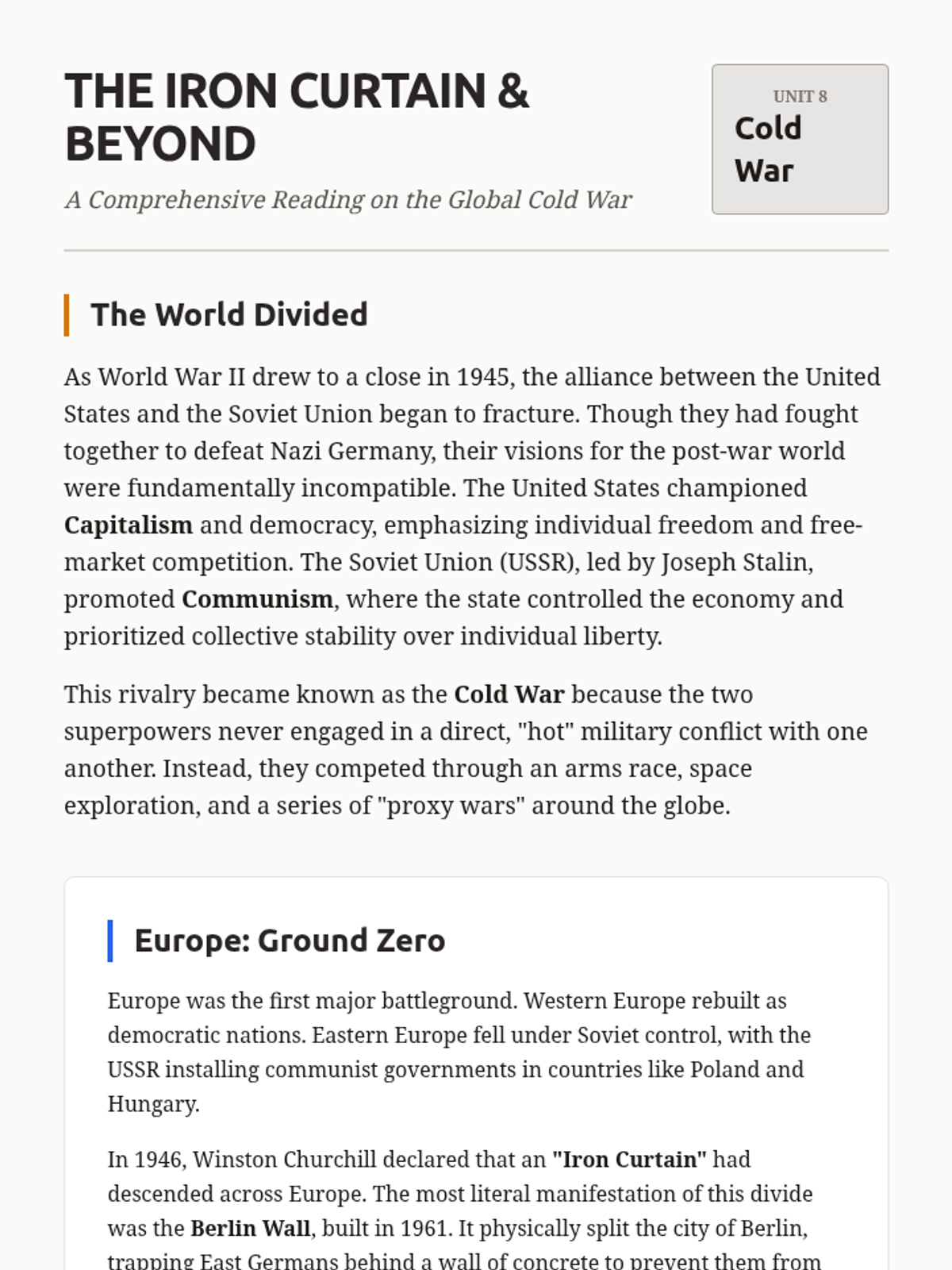
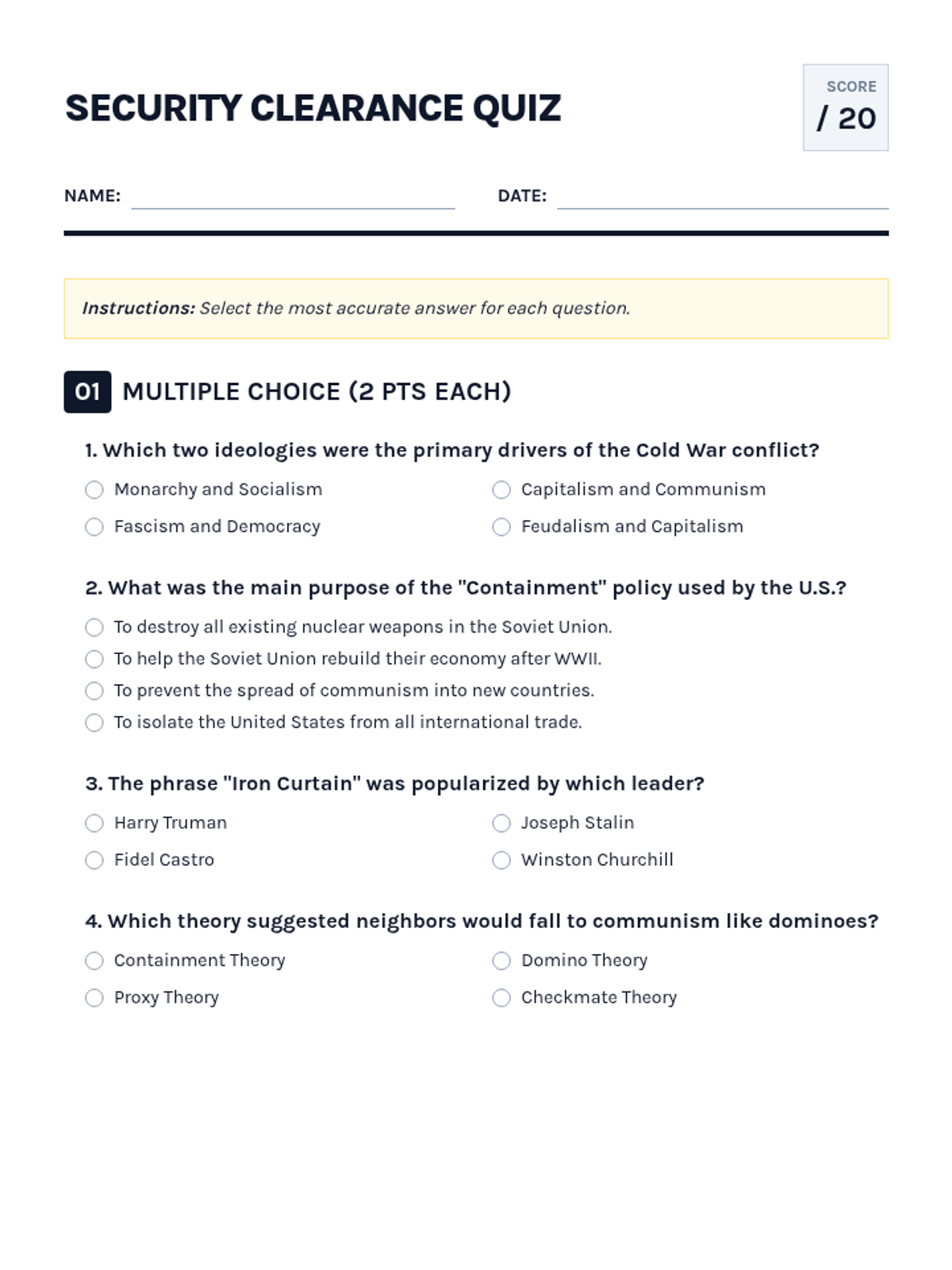
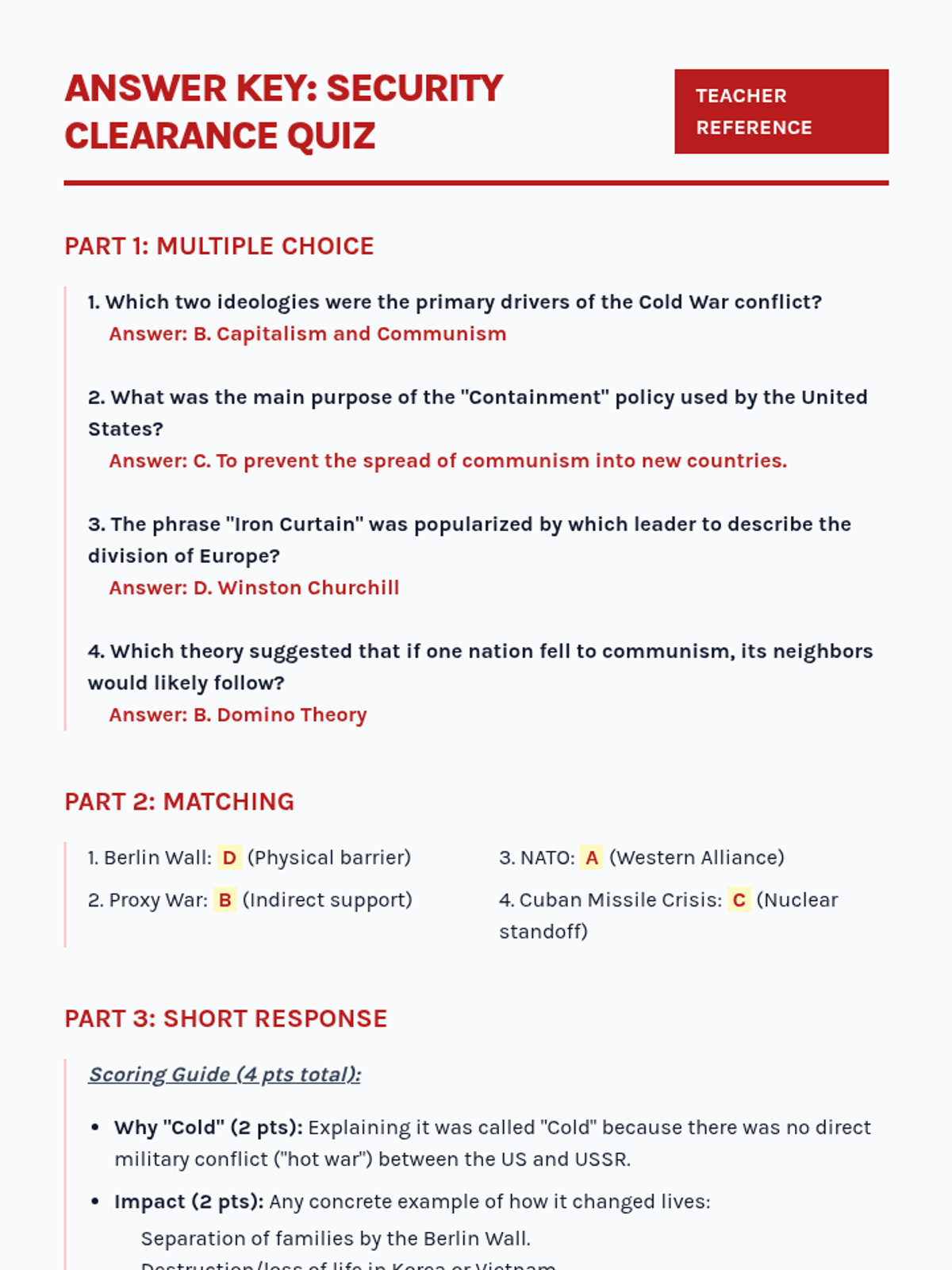
A comprehensive exploration of the Cold War's global impact, focusing on proxy wars in Korea and Vietnam, the division of Europe and the Berlin Wall, and the Cuban Missile Crisis. Students will analyze how the superpower rivalry reshaped the 20th-century world.
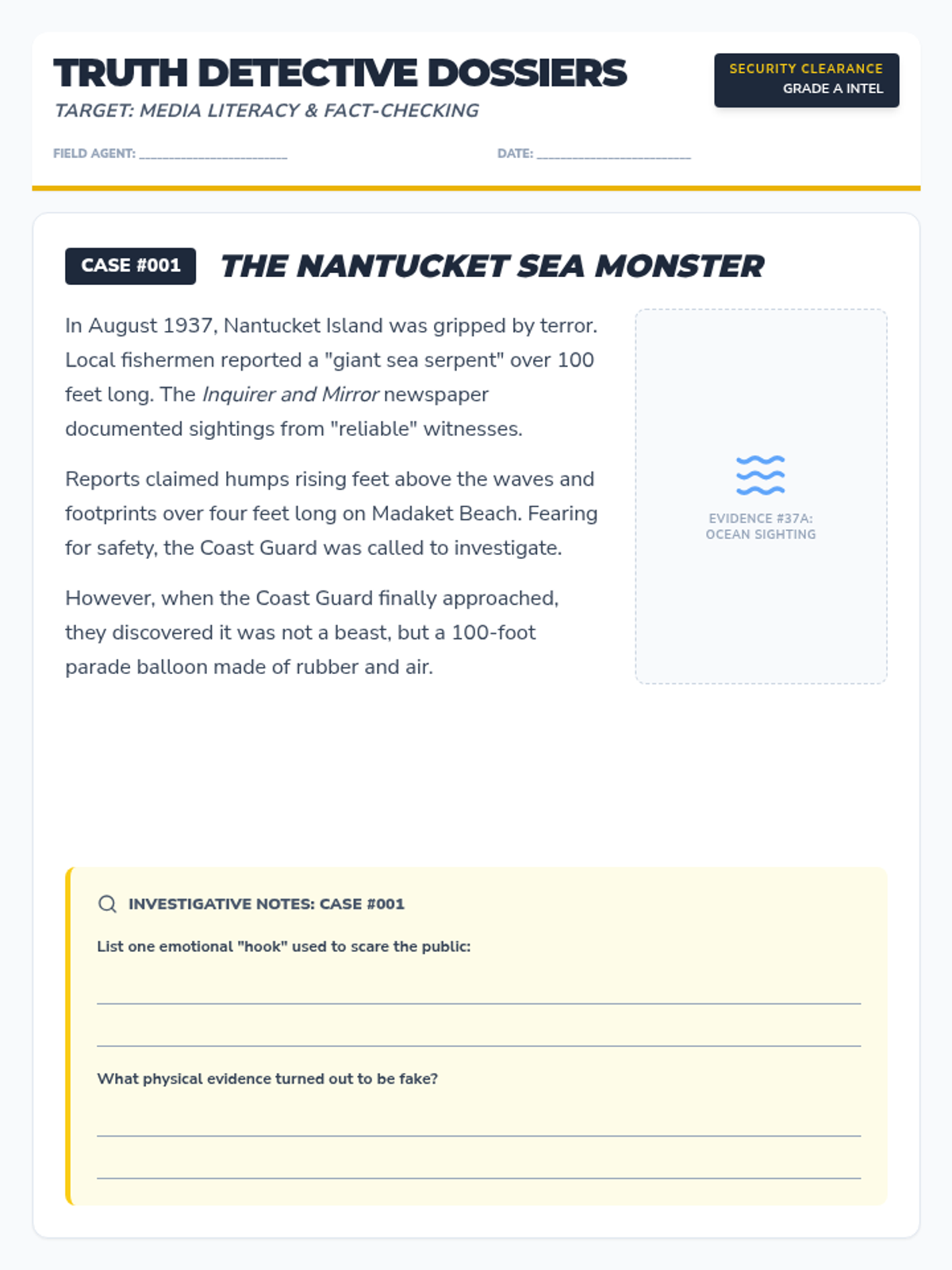
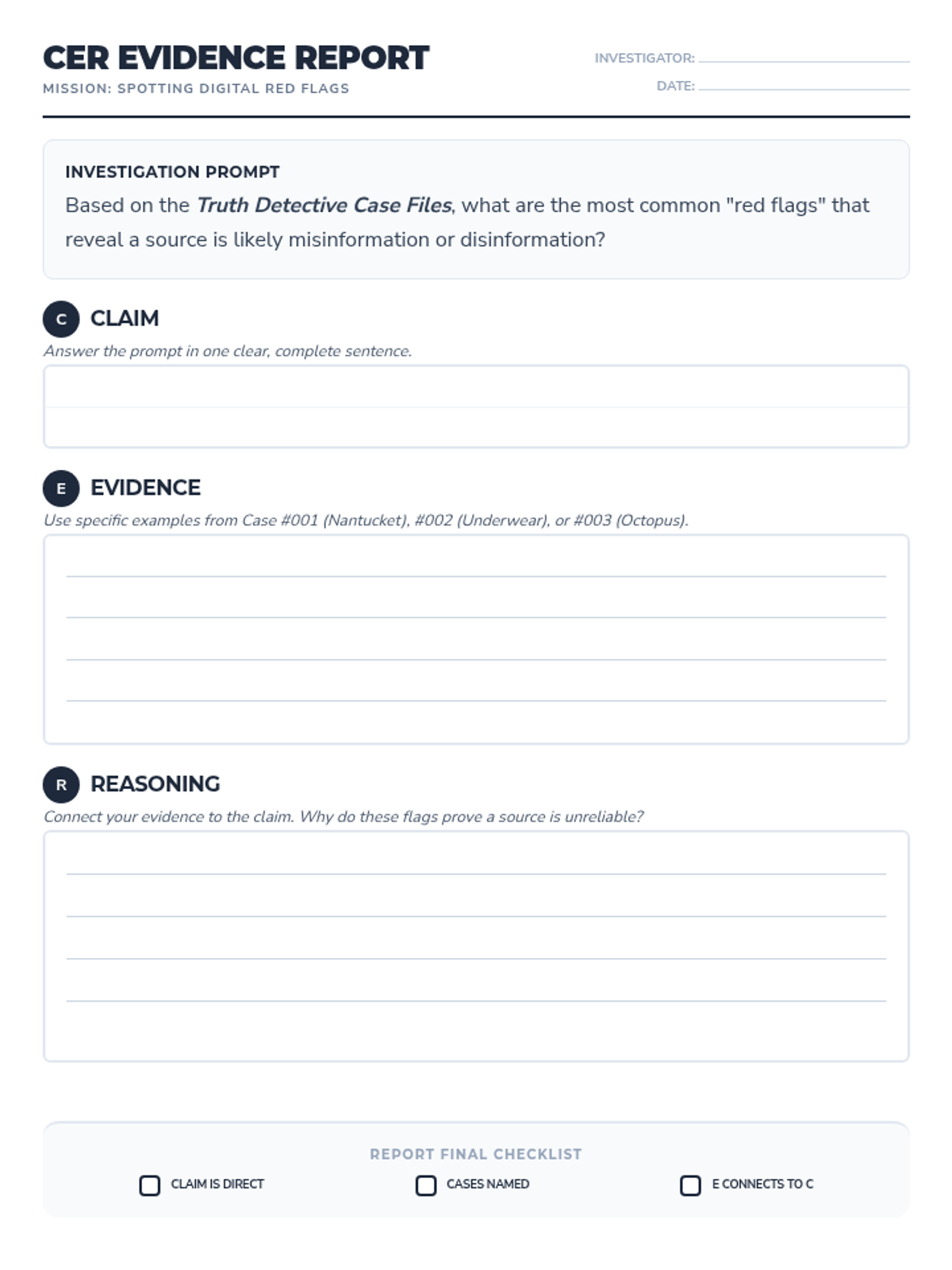
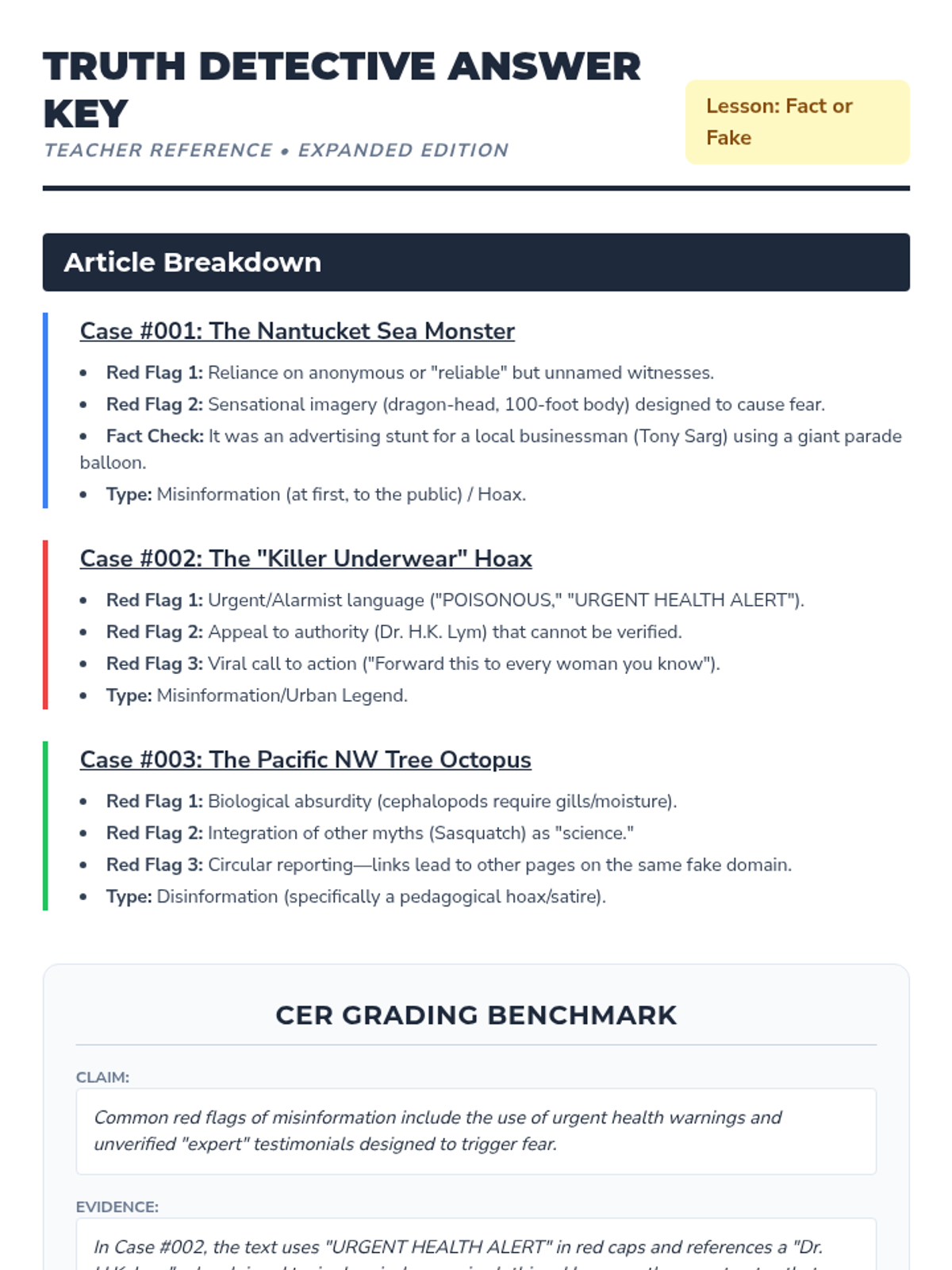
A lesson focused on identifying misinformation and disinformation through short case studies, culminating in a CER (Claim, Evidence, Reasoning) paragraph about spotting digital red flags.
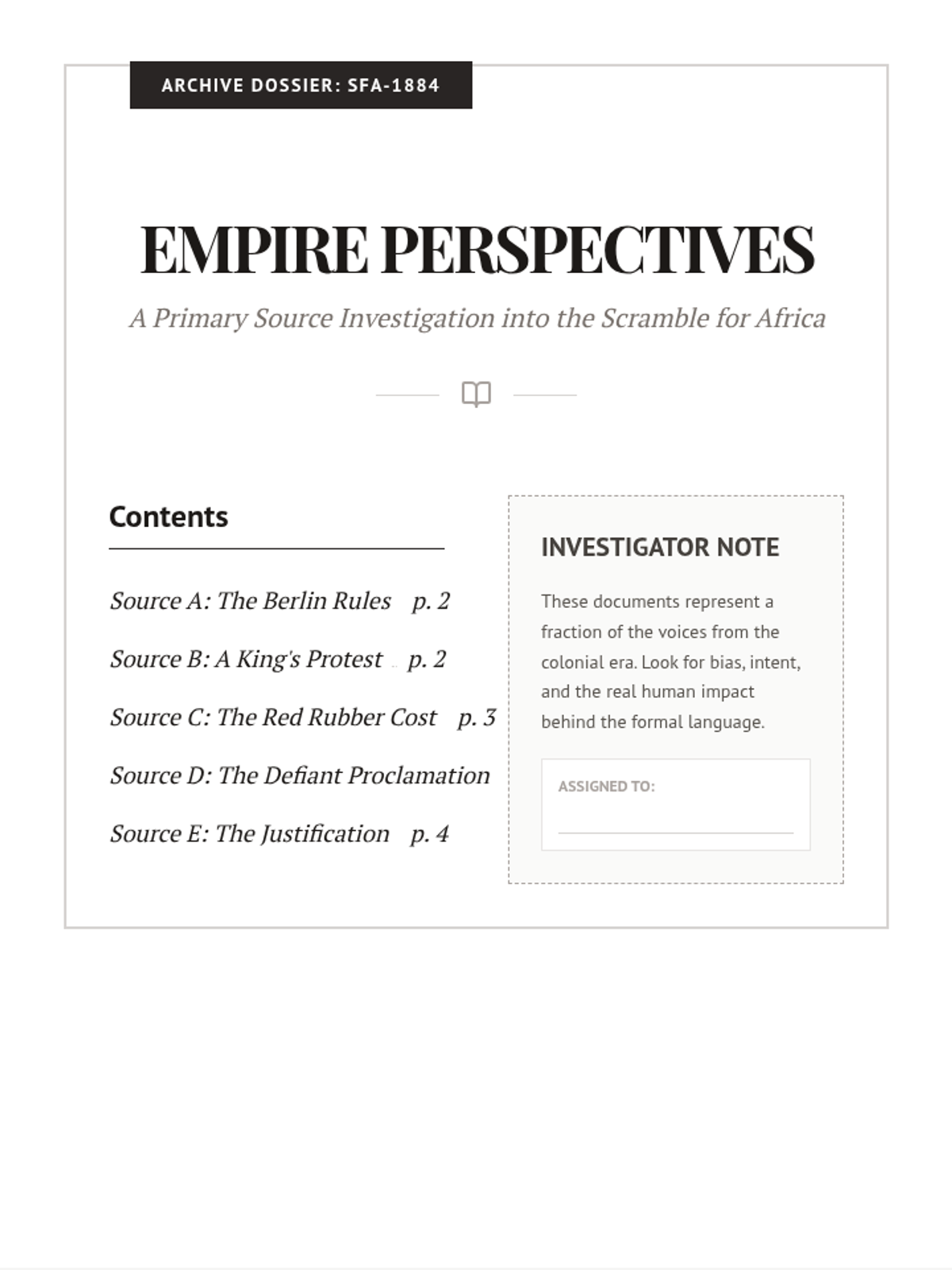
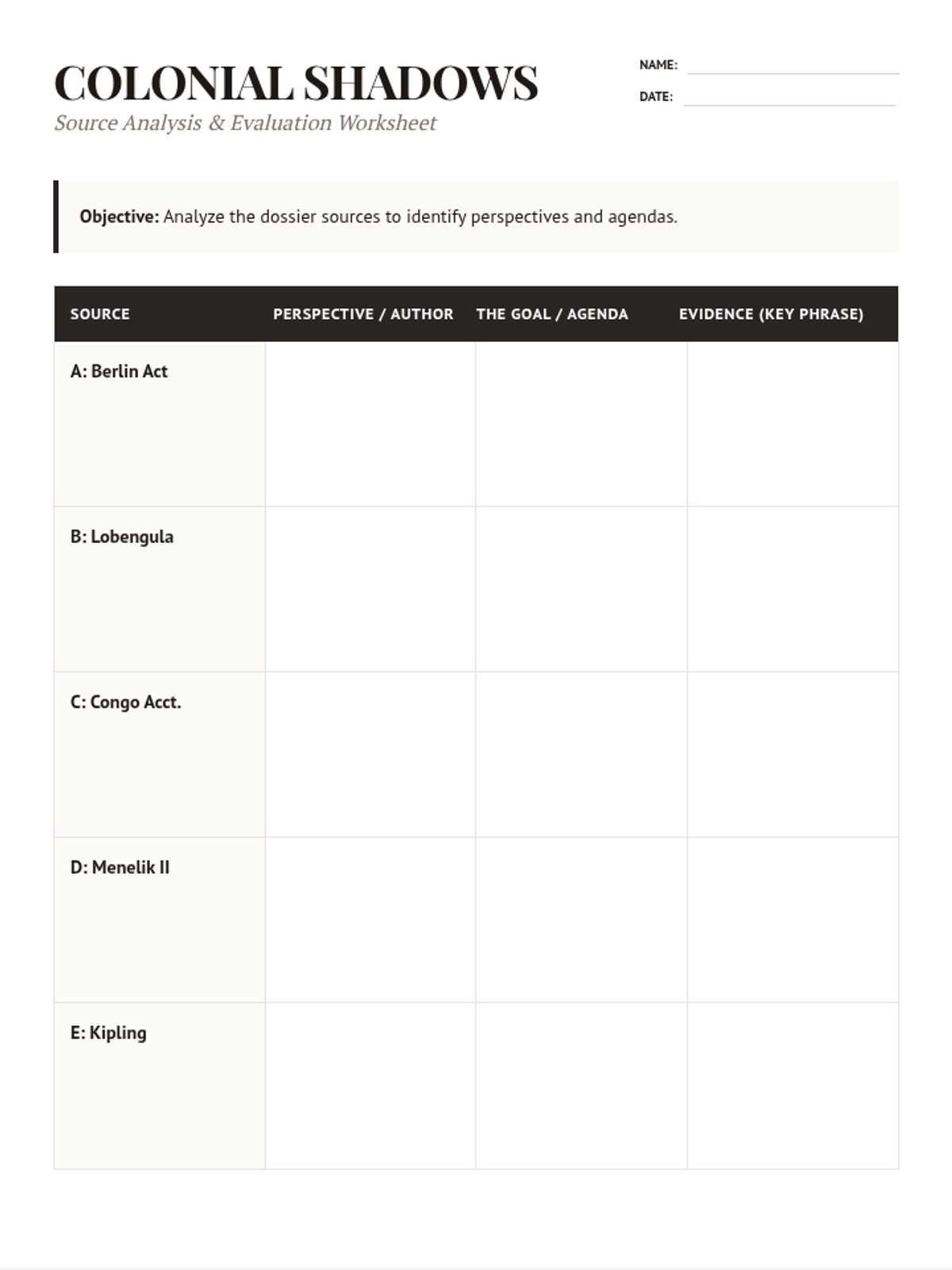
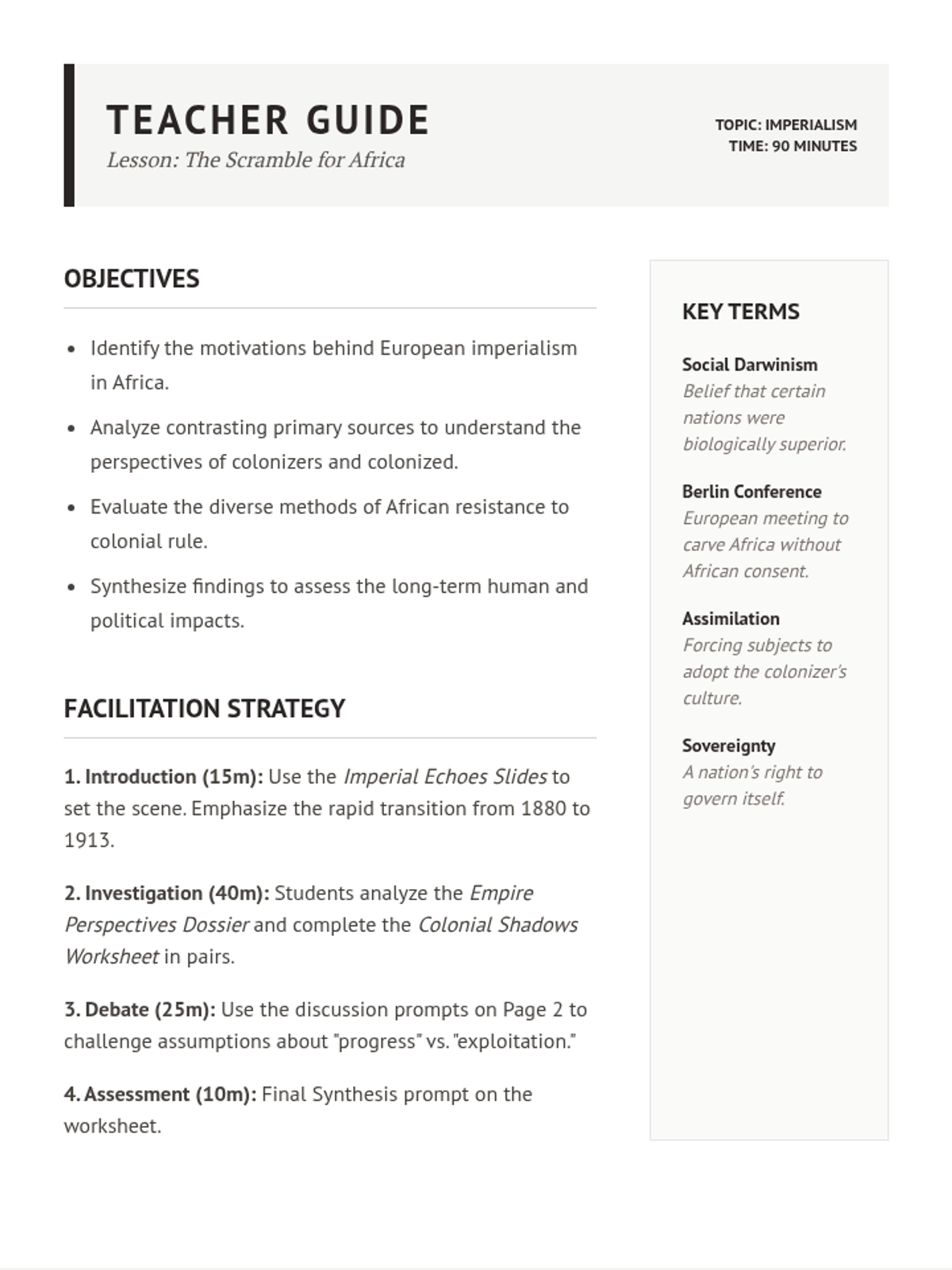
A comprehensive exploration of the European colonization of Africa, featuring diverse primary sources that highlight both imperialist motivations and African resistance. Students will analyze the human, economic, and political impacts of the 'Scramble for Africa'.
A lesson introducing the concept of family, its definition, and its importance as a social unit.
A comprehensive exploration of America's westward expansion, covering the ideological drive of Manifest Destiny, the industrial feat of the Transcontinental Railroad, and the social movement of the Exodusters.
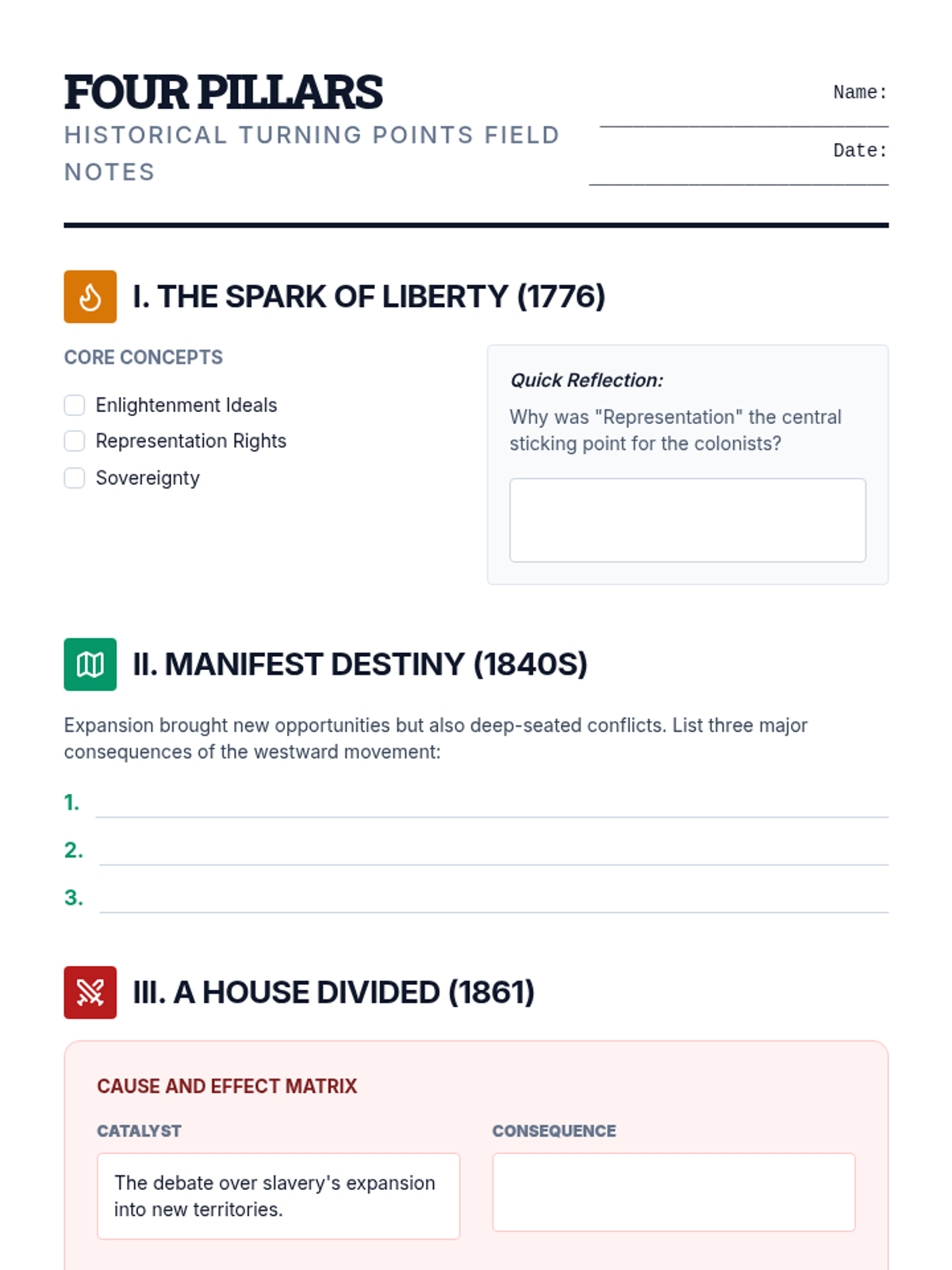
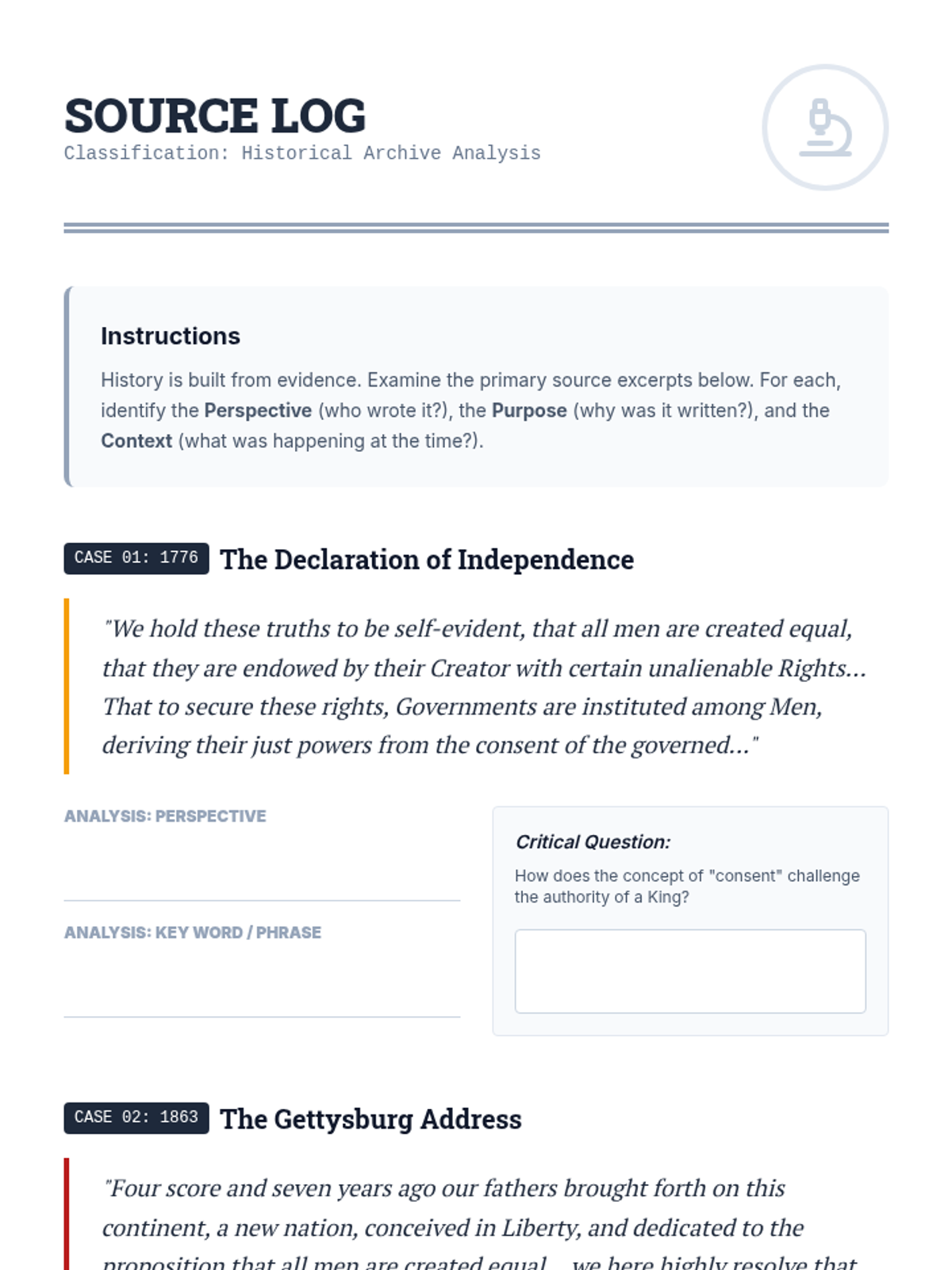
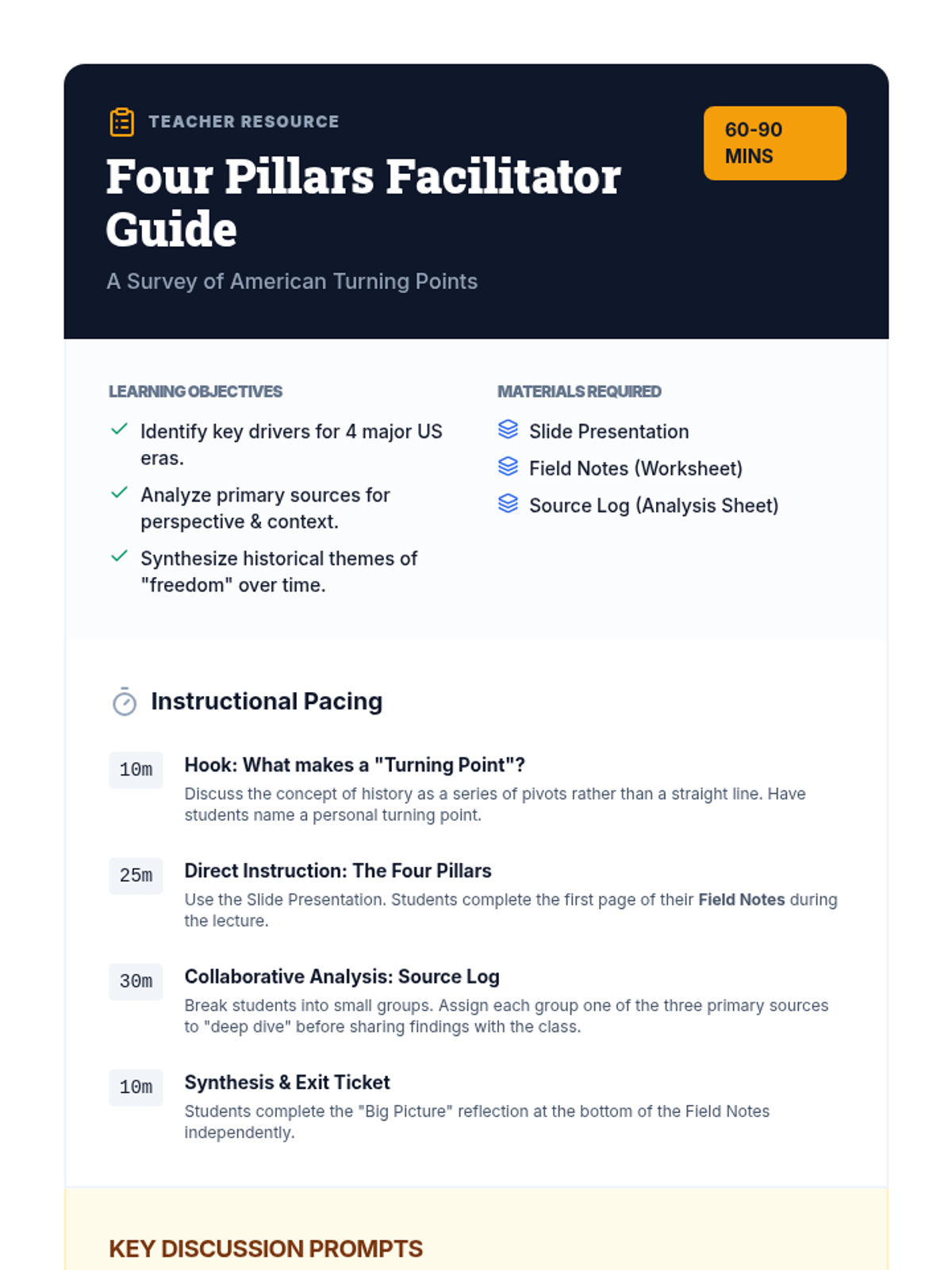
An intensive survey lesson covering the critical events and lasting impacts of the American Revolution, Westward Expansion, the Civil War, and World War II. Students will analyze primary sources and synthesize information across different eras to understand historical continuity and change.
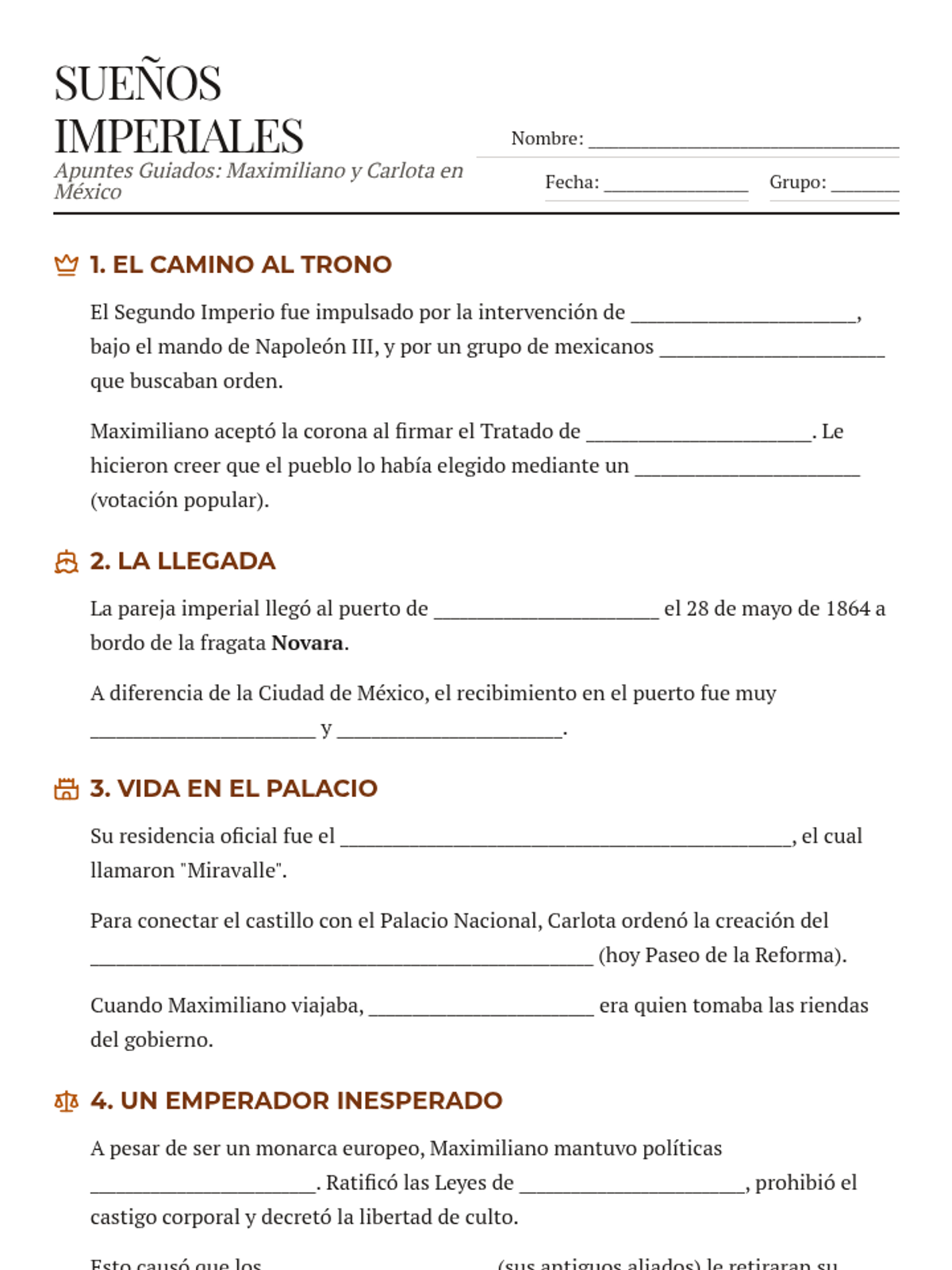
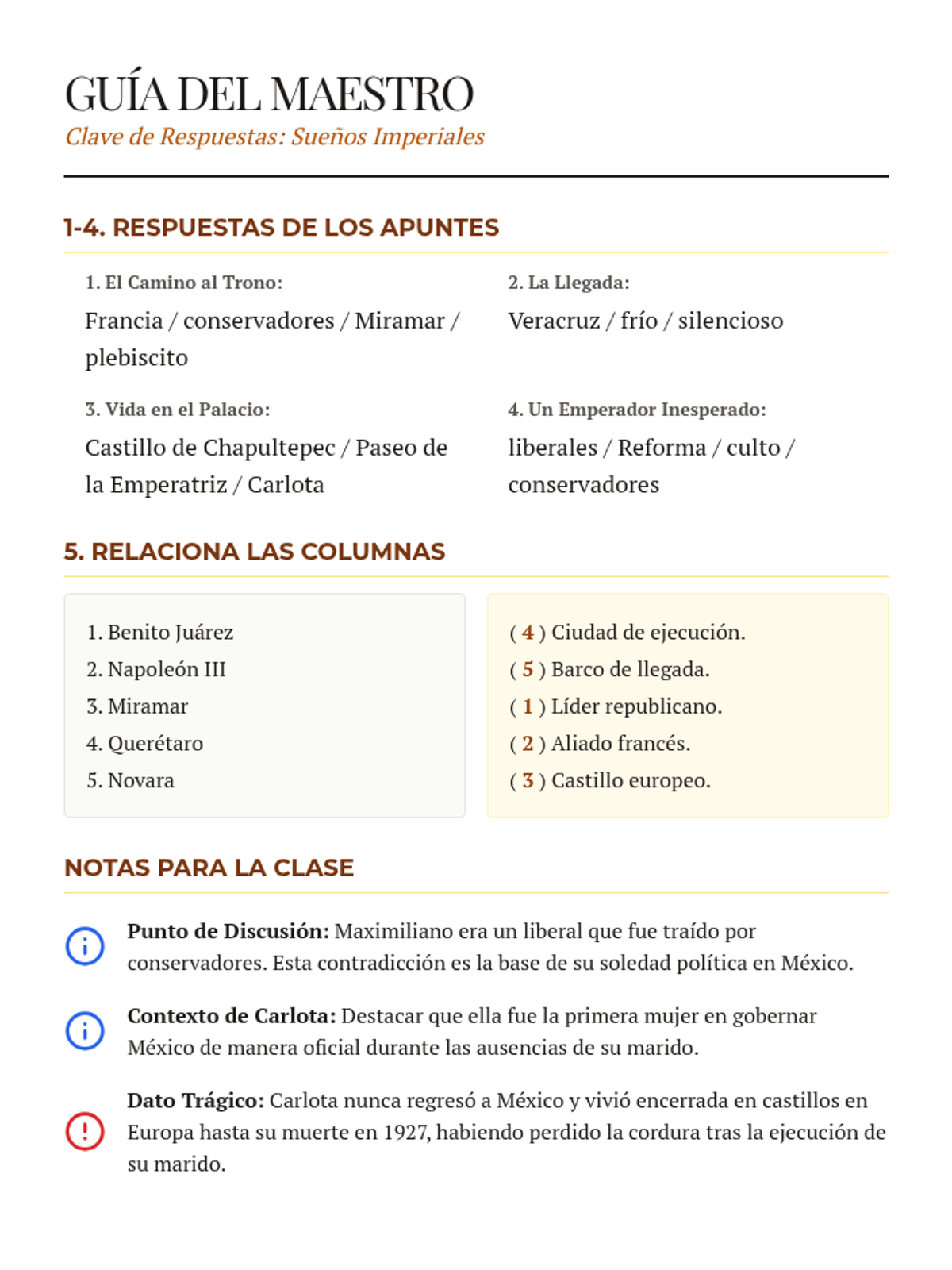
A lesson exploring the lives, reign, and eventual downfall of Maximilian I and Empress Carlota during the Second Mexican Empire, focusing on their time in Mexico.
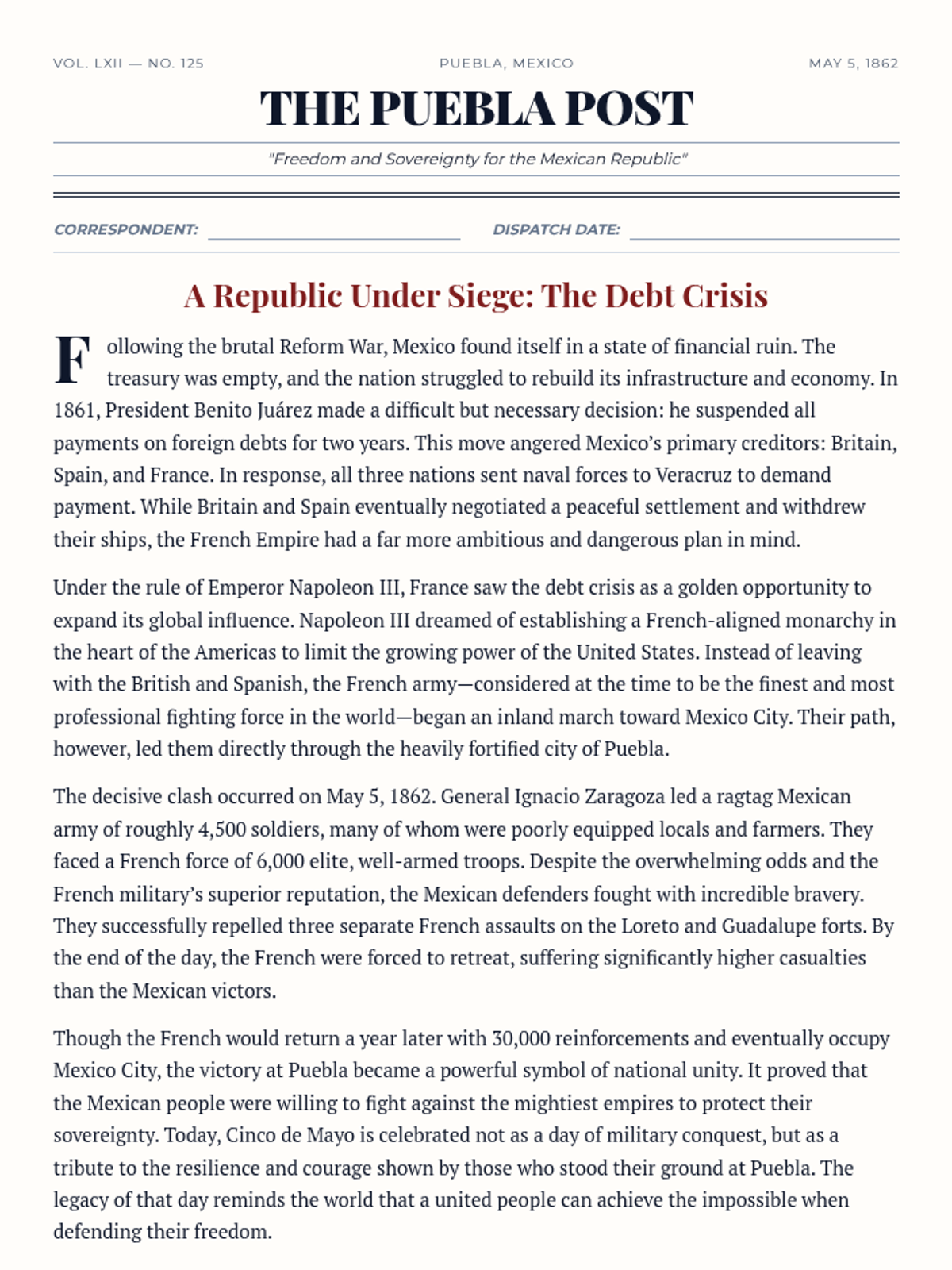
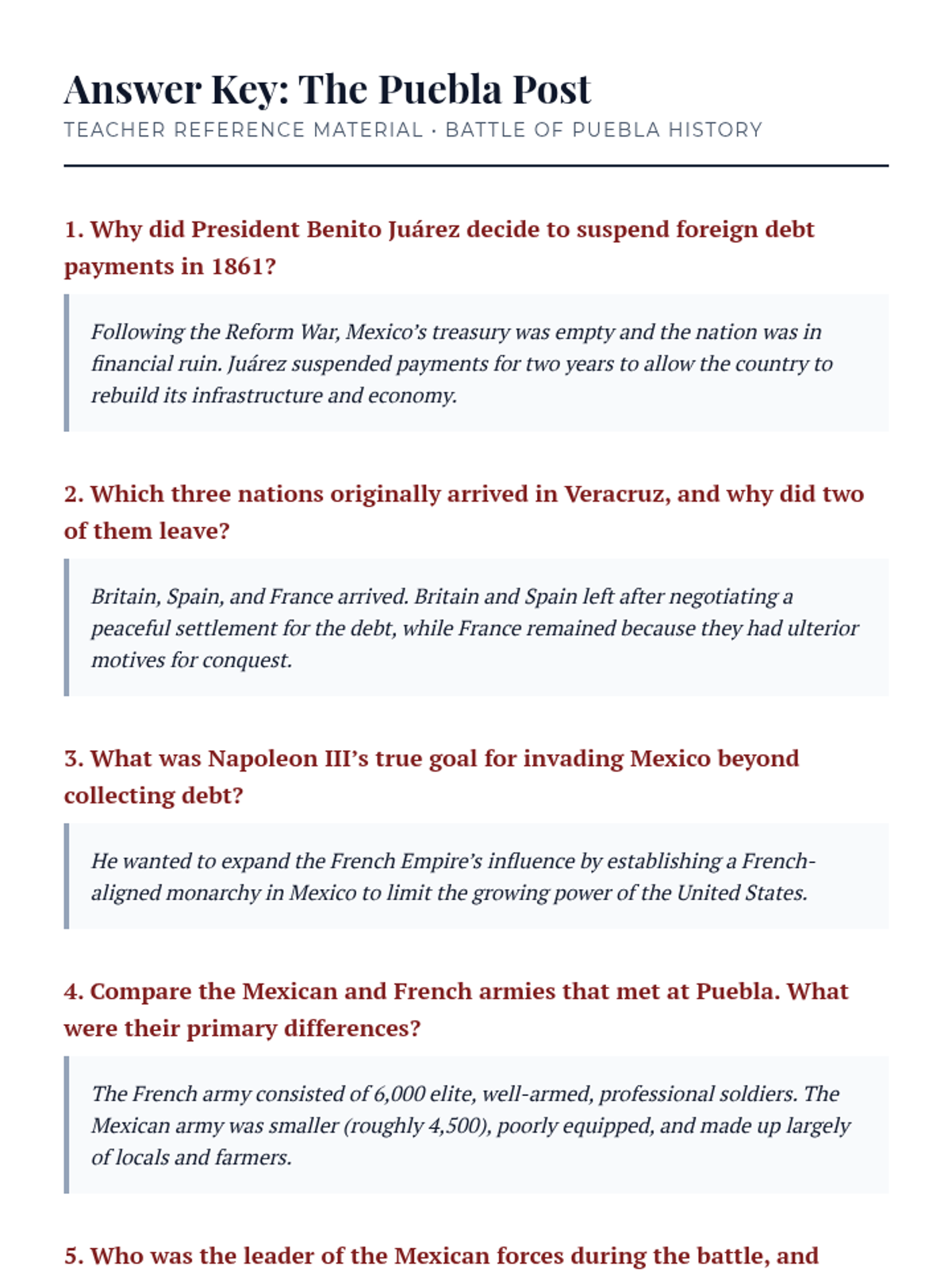
A lesson exploring the historical roots of Cinco de Mayo, focusing on the debt crisis and the Battle of Puebla.
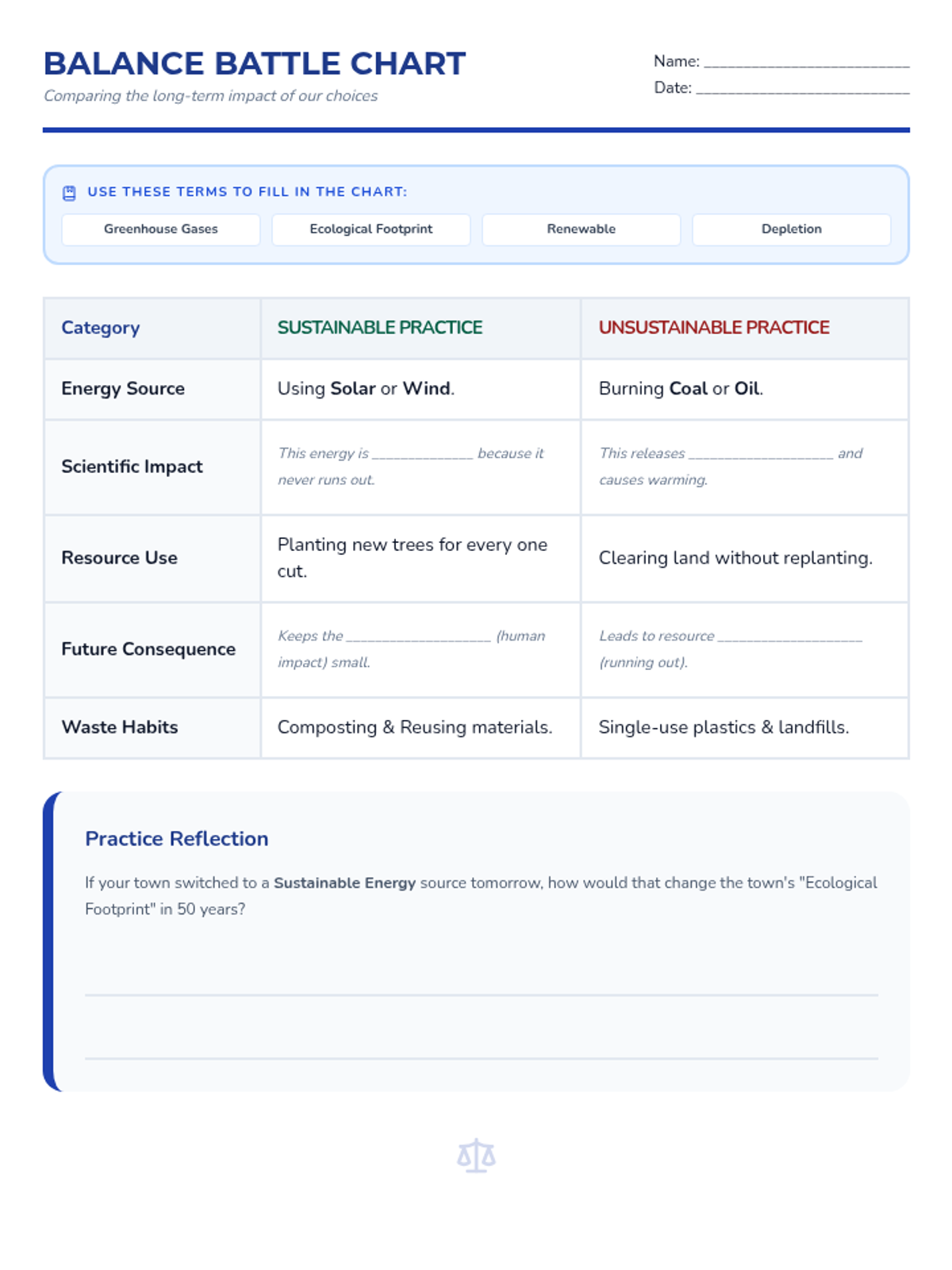
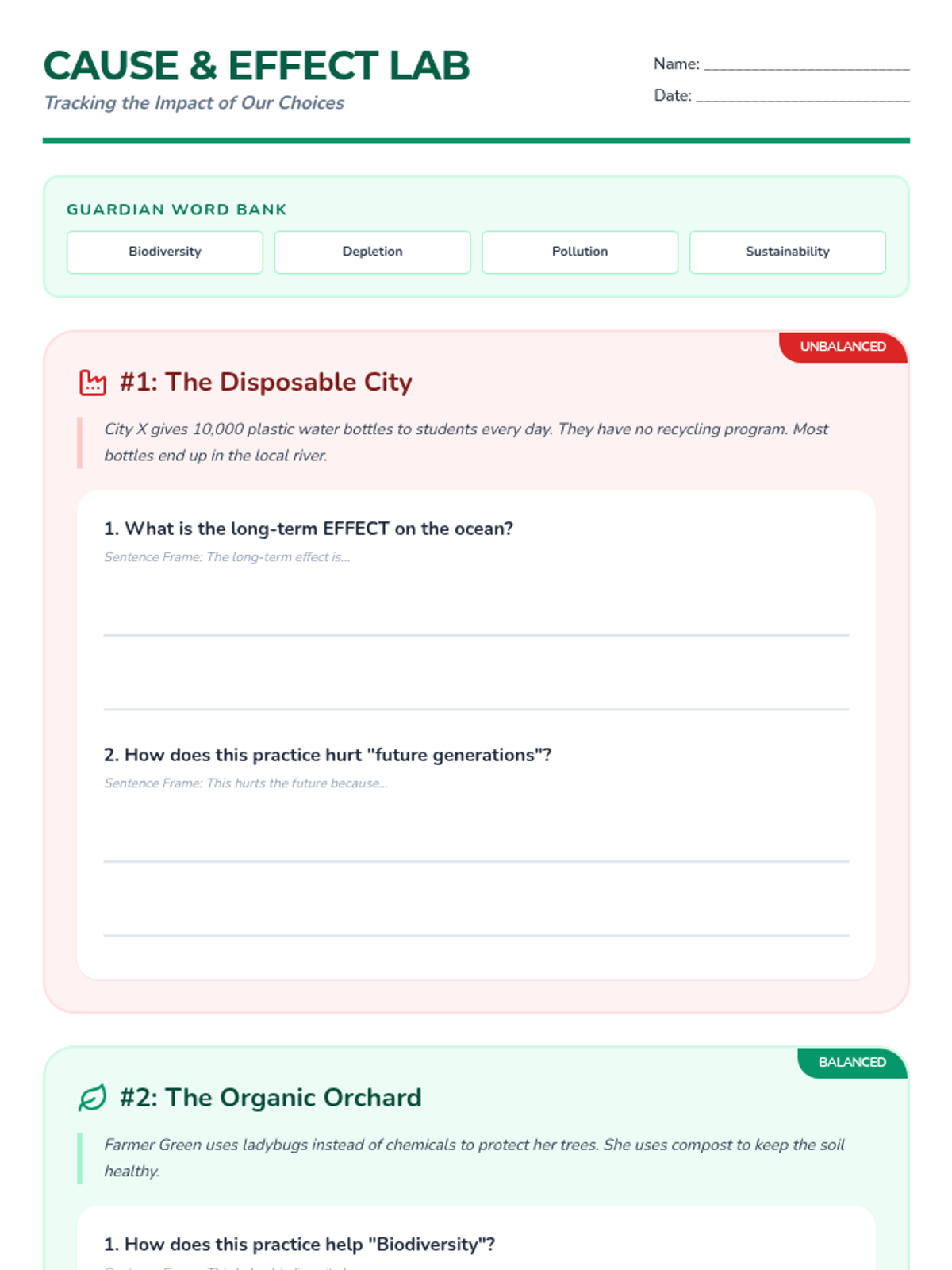
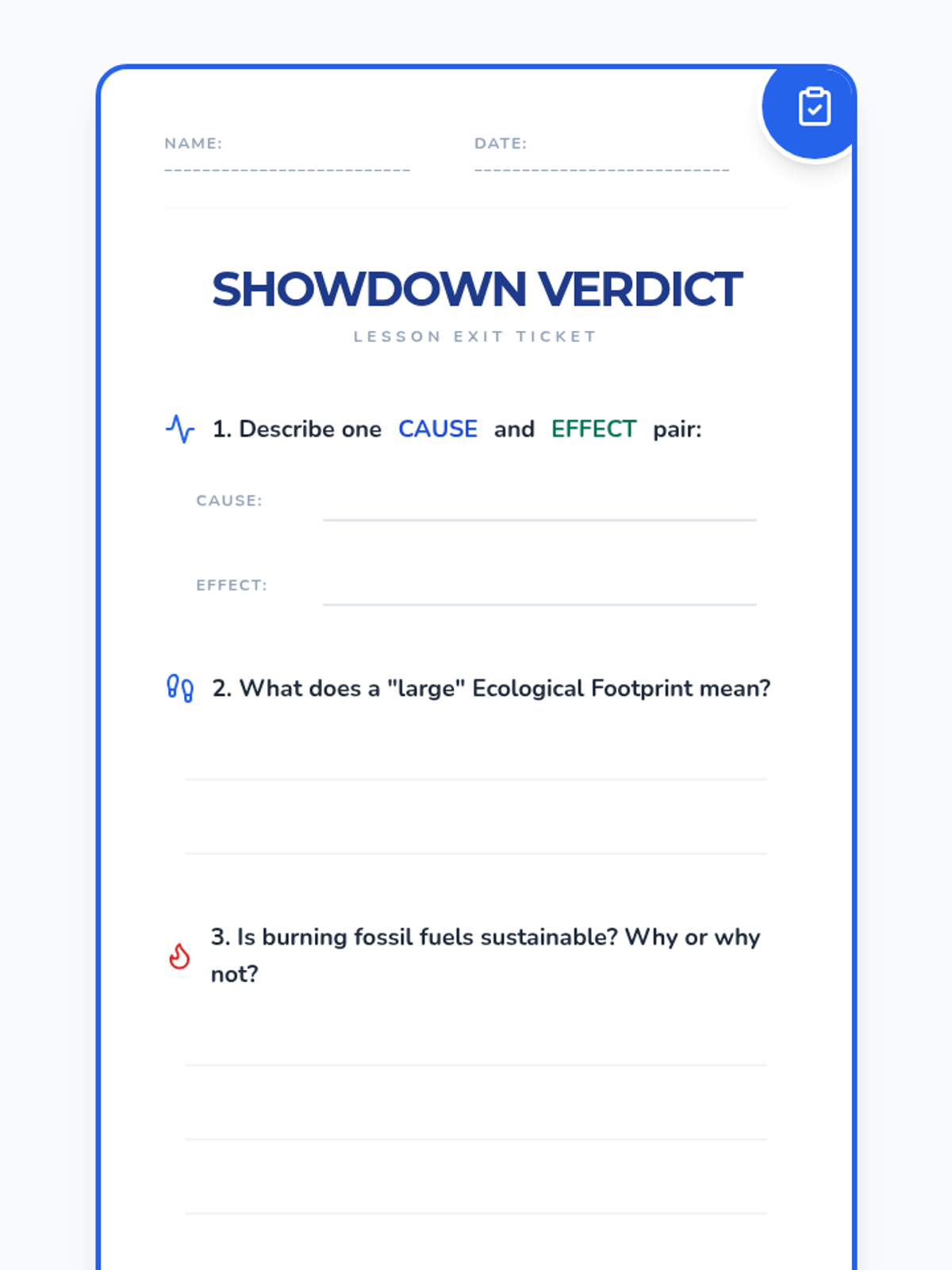
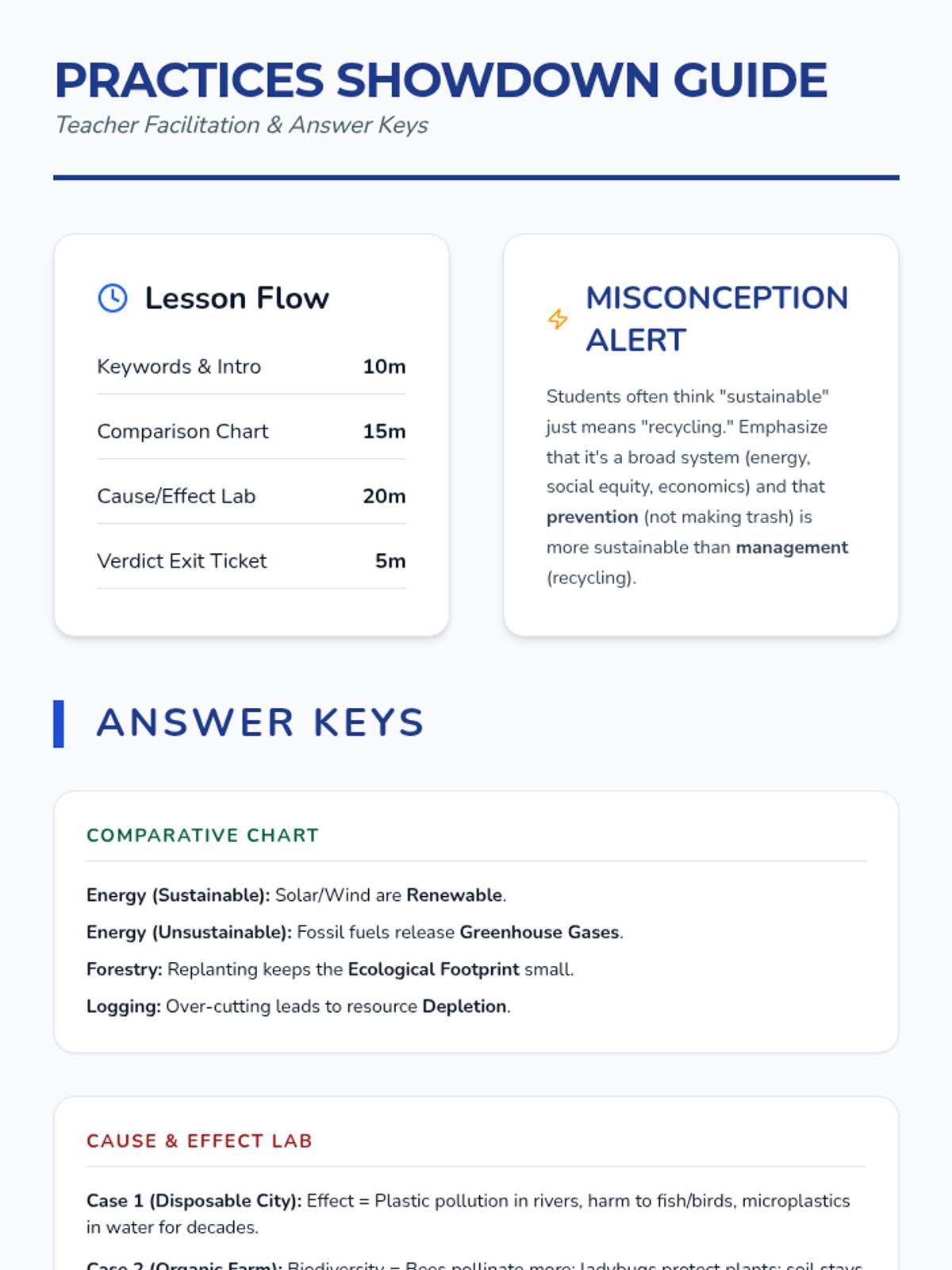
An exploration of sustainable vs. unsustainable practices through comparative analysis, cause-and-effect case studies, and real-world trade-offs. Includes a comparative chart, accommodated case studies, and an exit ticket.
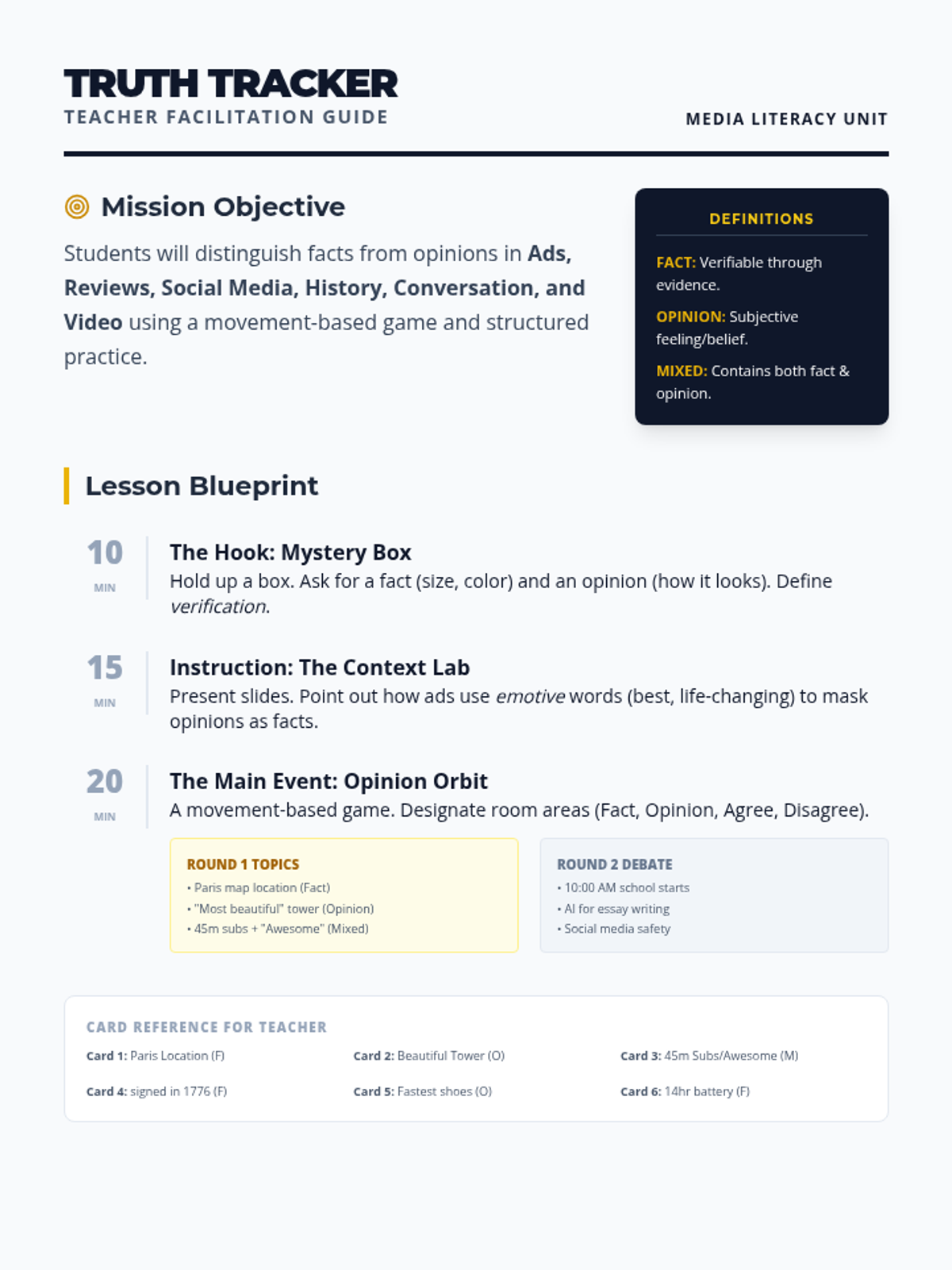
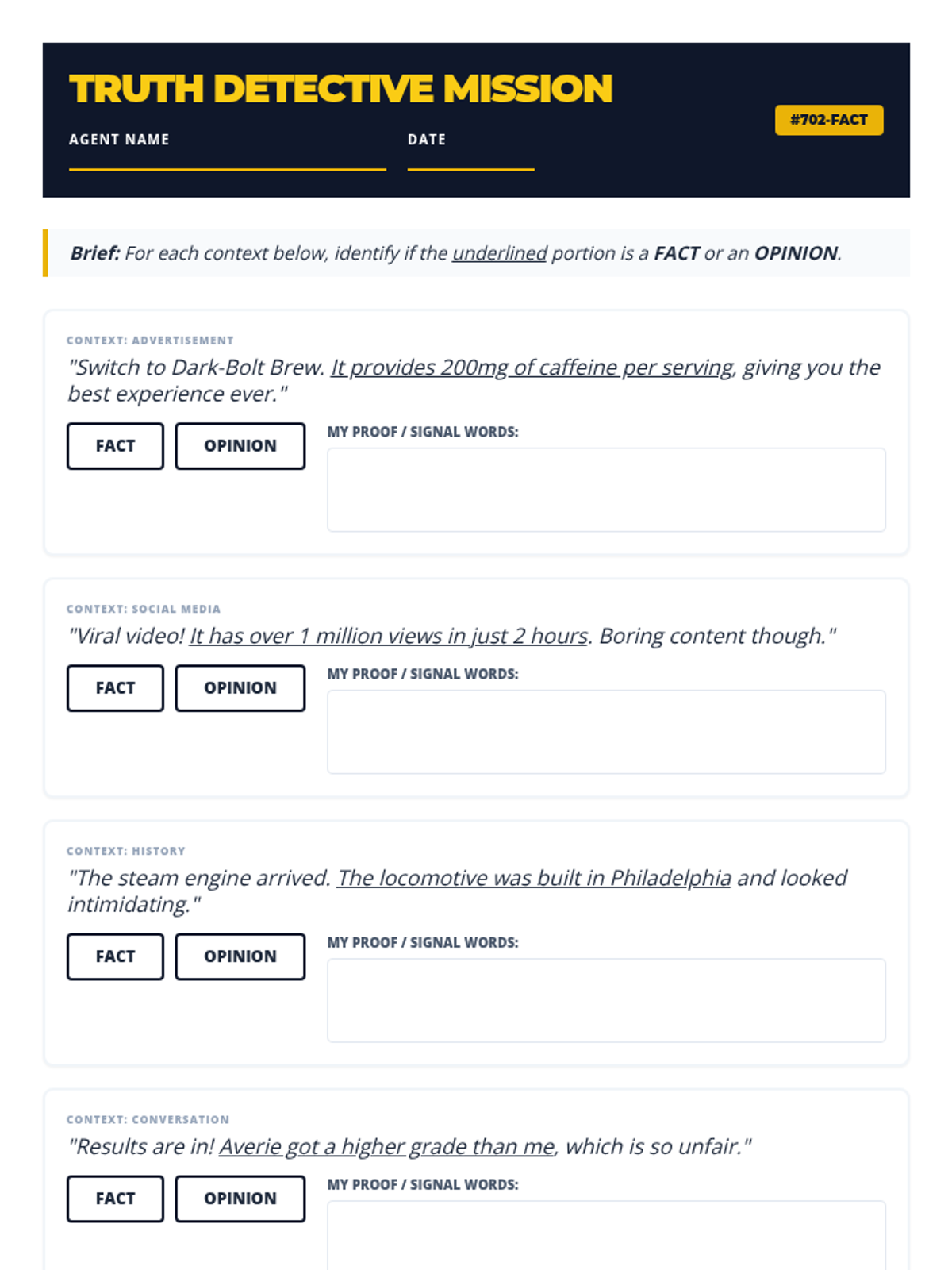
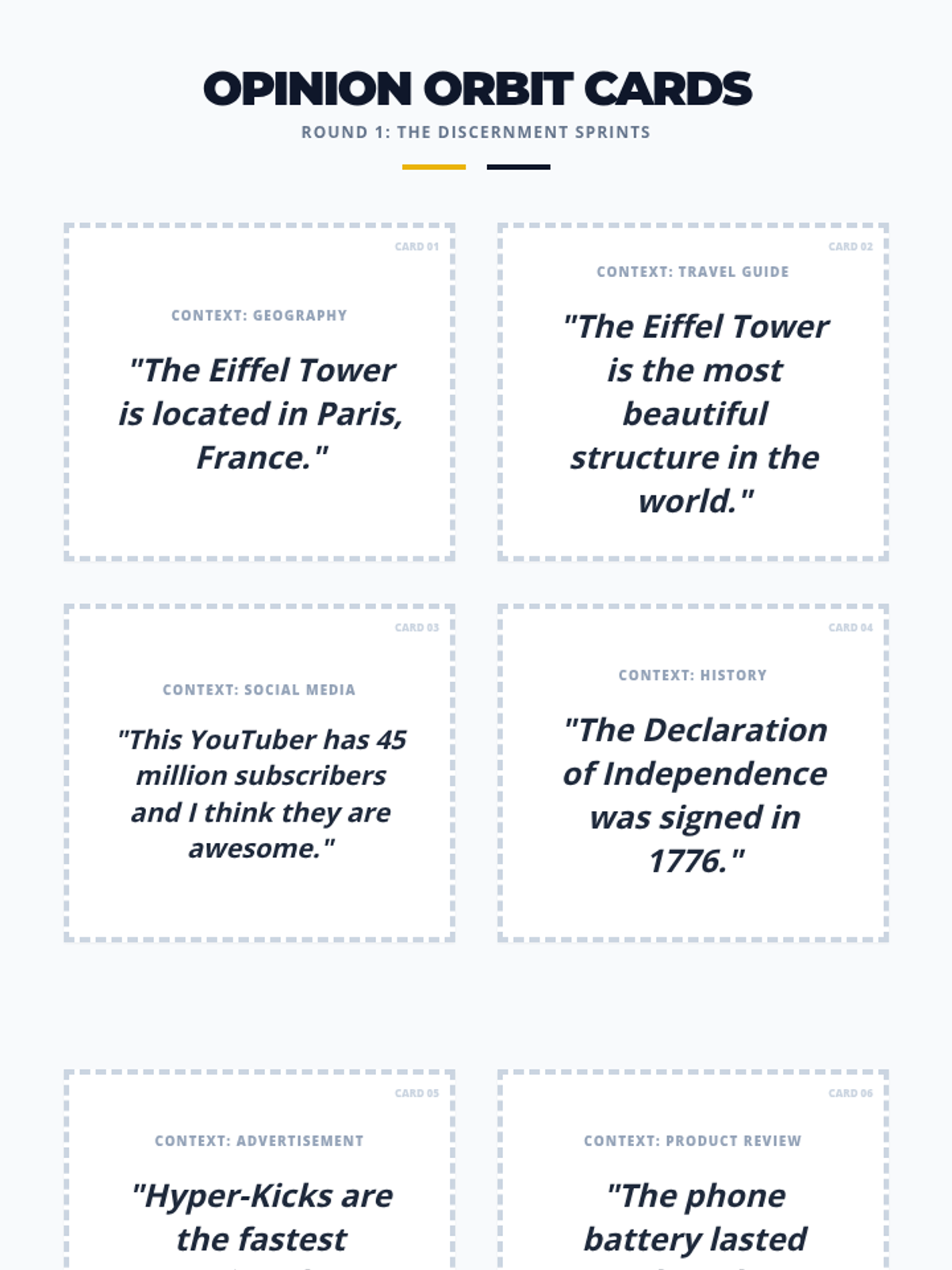
A middle school lesson focused on distinguishing between objective facts and subjective opinions across modern media contexts, featuring a movement-based 'Opinion Orbit' activity.
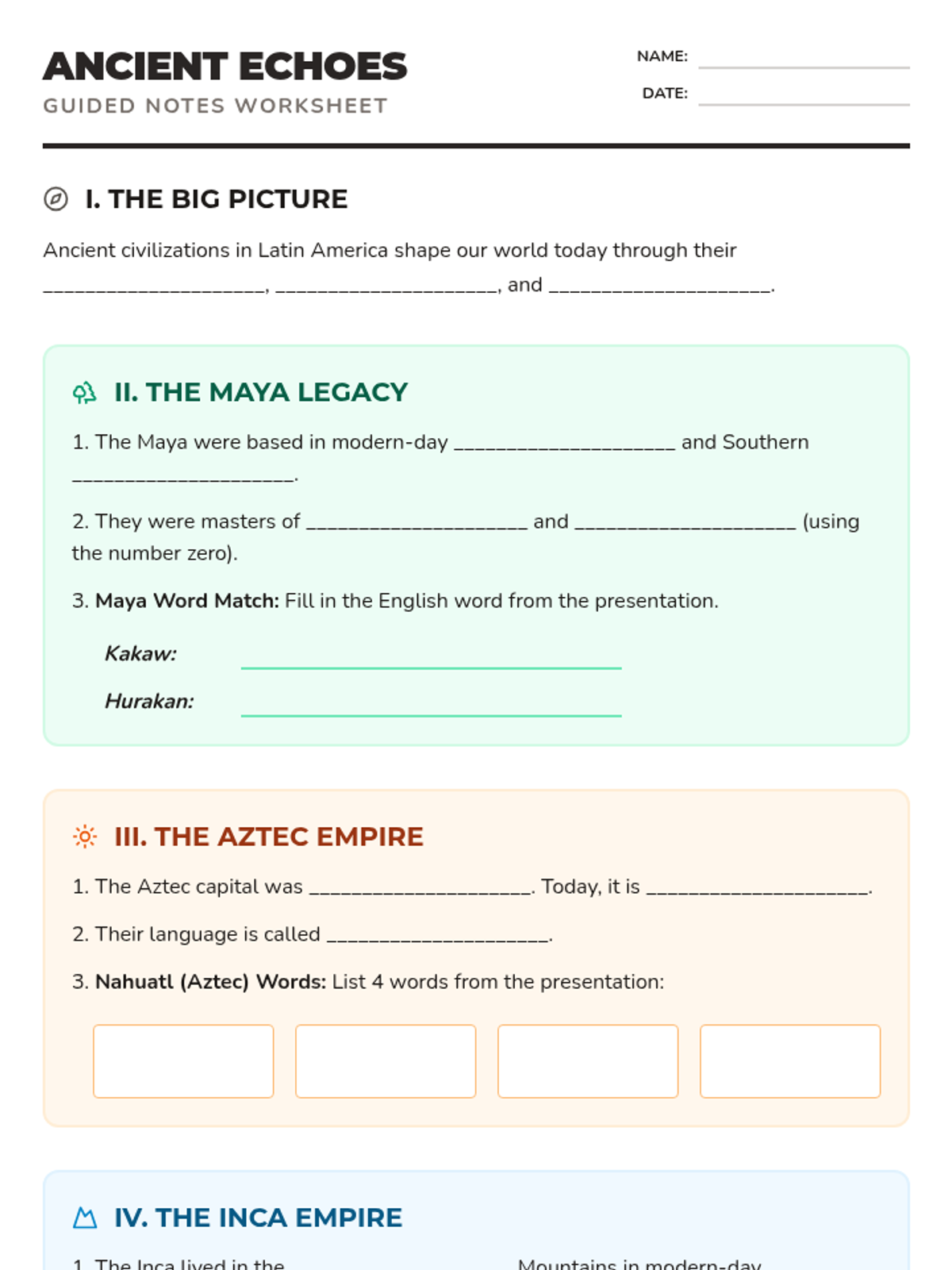
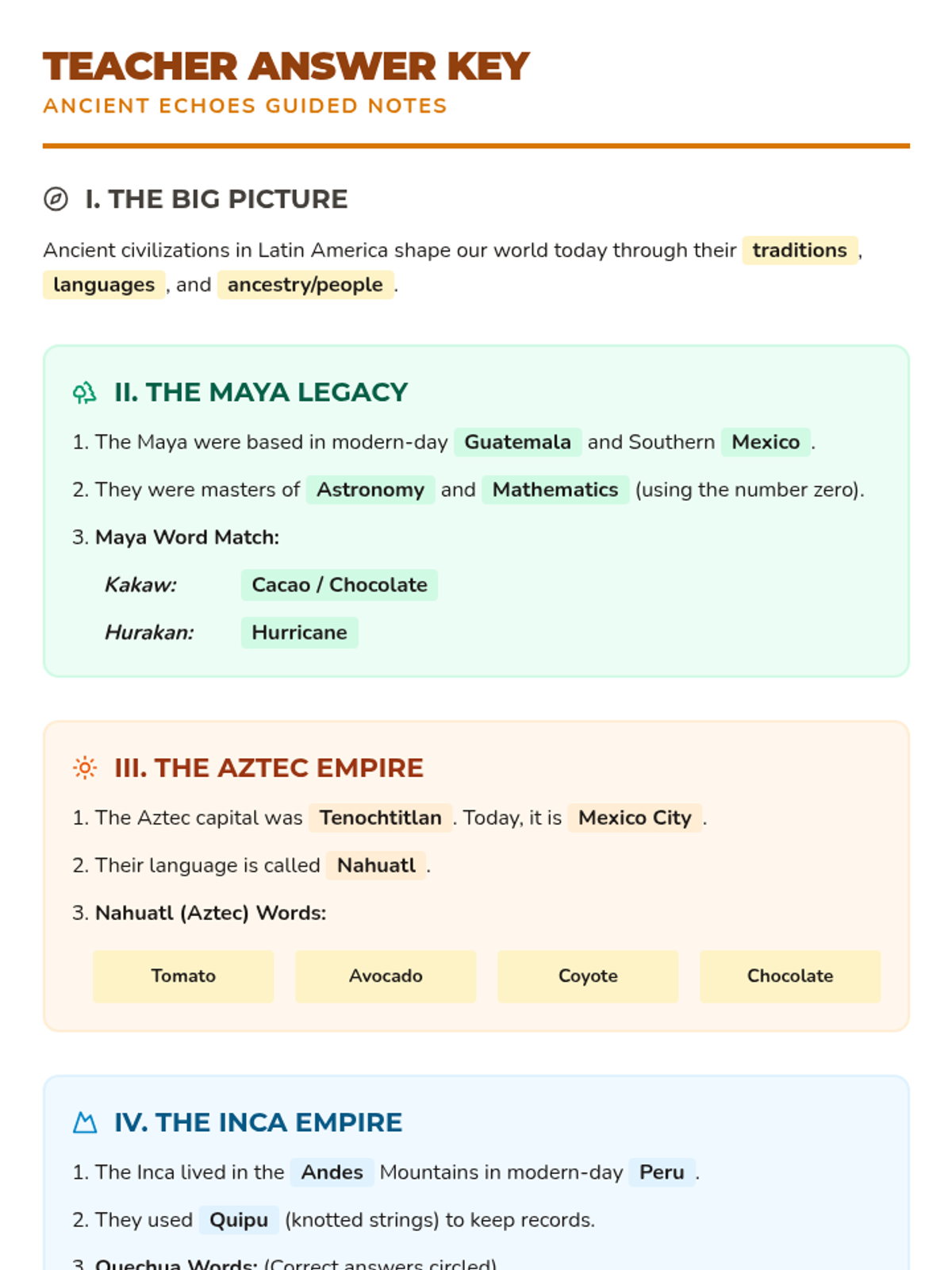
A lesson exploring the linguistic and cultural threads connecting the Maya, Aztec, and Inca civilizations to modern-day Mexico, Peru, and Guatemala. Students learn about indigenous words used in everyday language and enduring traditions.
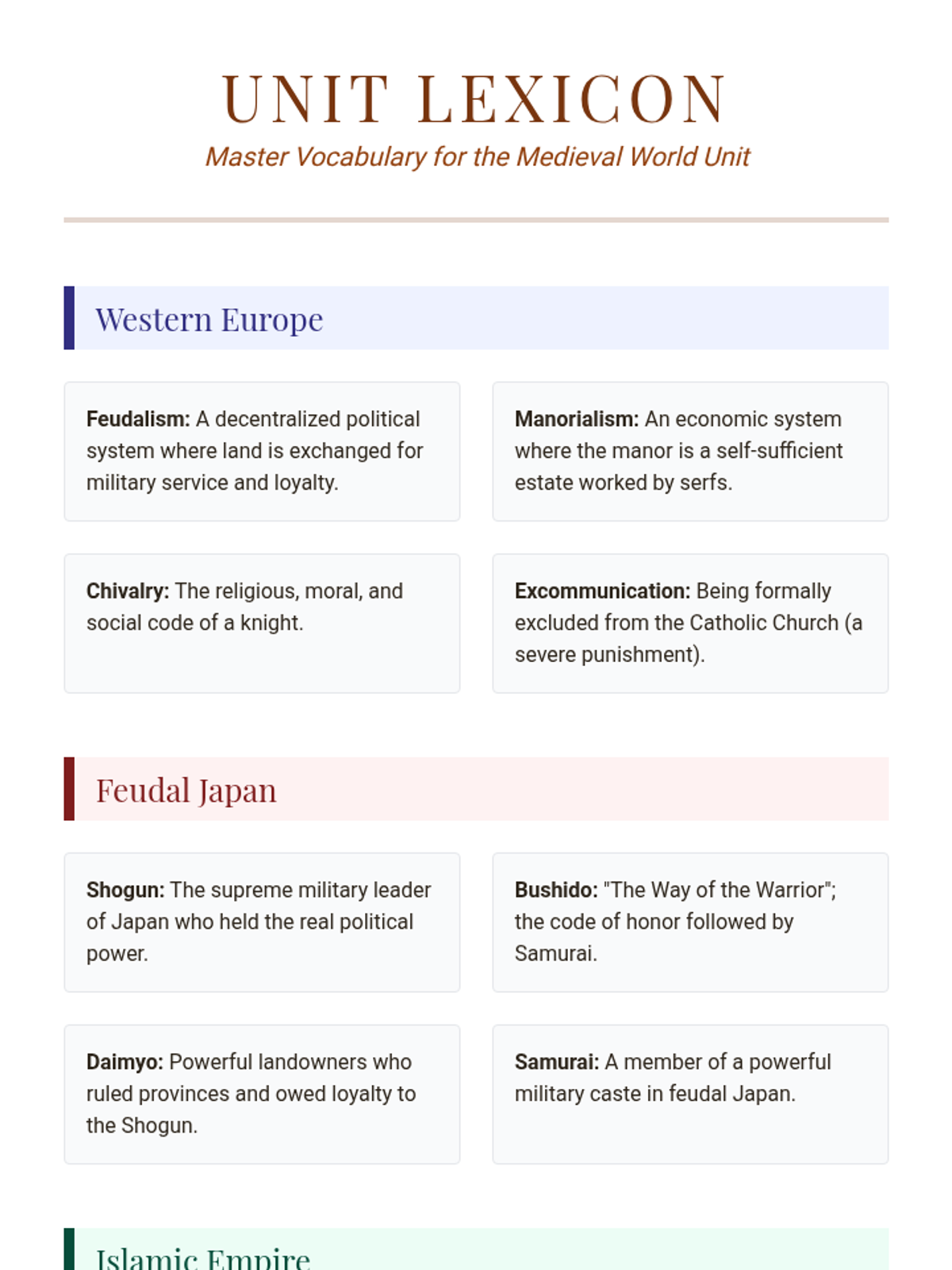
A review of the unit's key concepts and a final assessment on the shared characteristics and unique contributions of medieval civilizations.
Investigating the architecture, arts, and daily routines of people living in medieval castles, monasteries, and Japanese shrines.
A cross-cultural examination of medieval technology, from agricultural tools to navigational instruments and architectural marvels.
A look at the thriving economy of the Islamic Empire through trade networks, the Silk Road, and the impact of the Crusades.
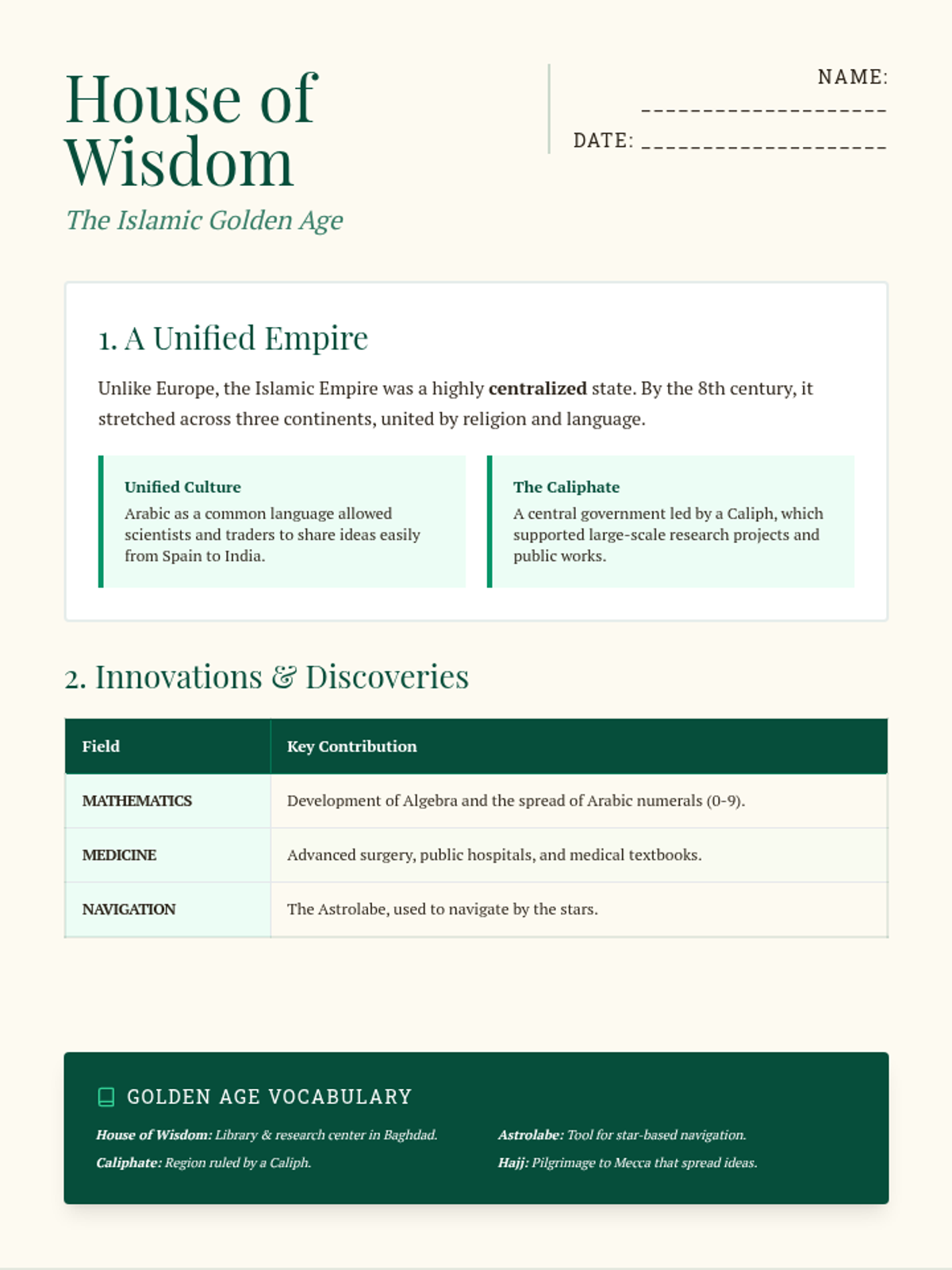
Exploring the Golden Age of the Islamic Empire, focusing on advancements in science, math, and the role of Islam in unifying a diverse caliphate.
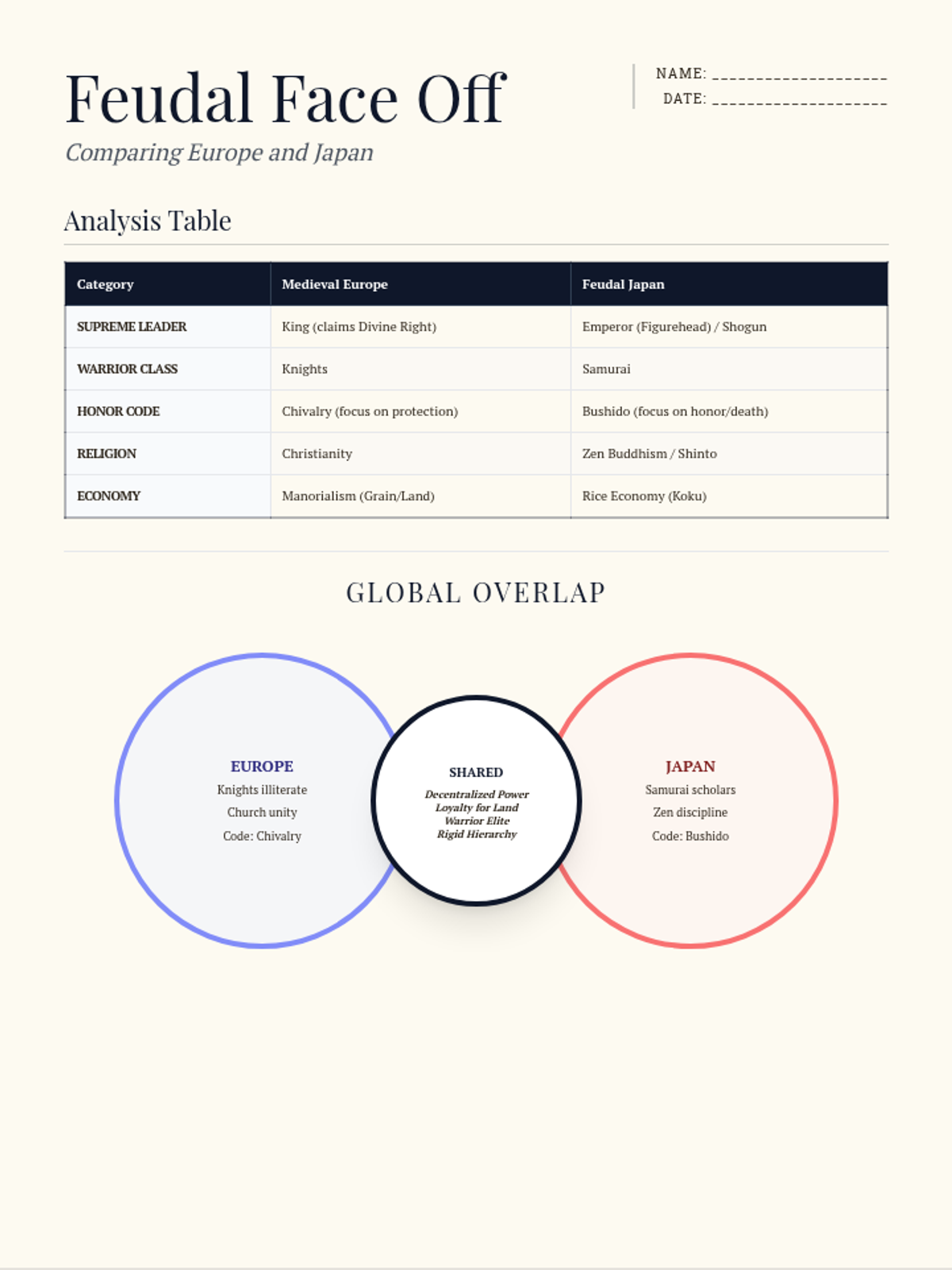
A comparative study of European and Japanese feudalism, highlighting similarities in social structures and differences in culture and technology.
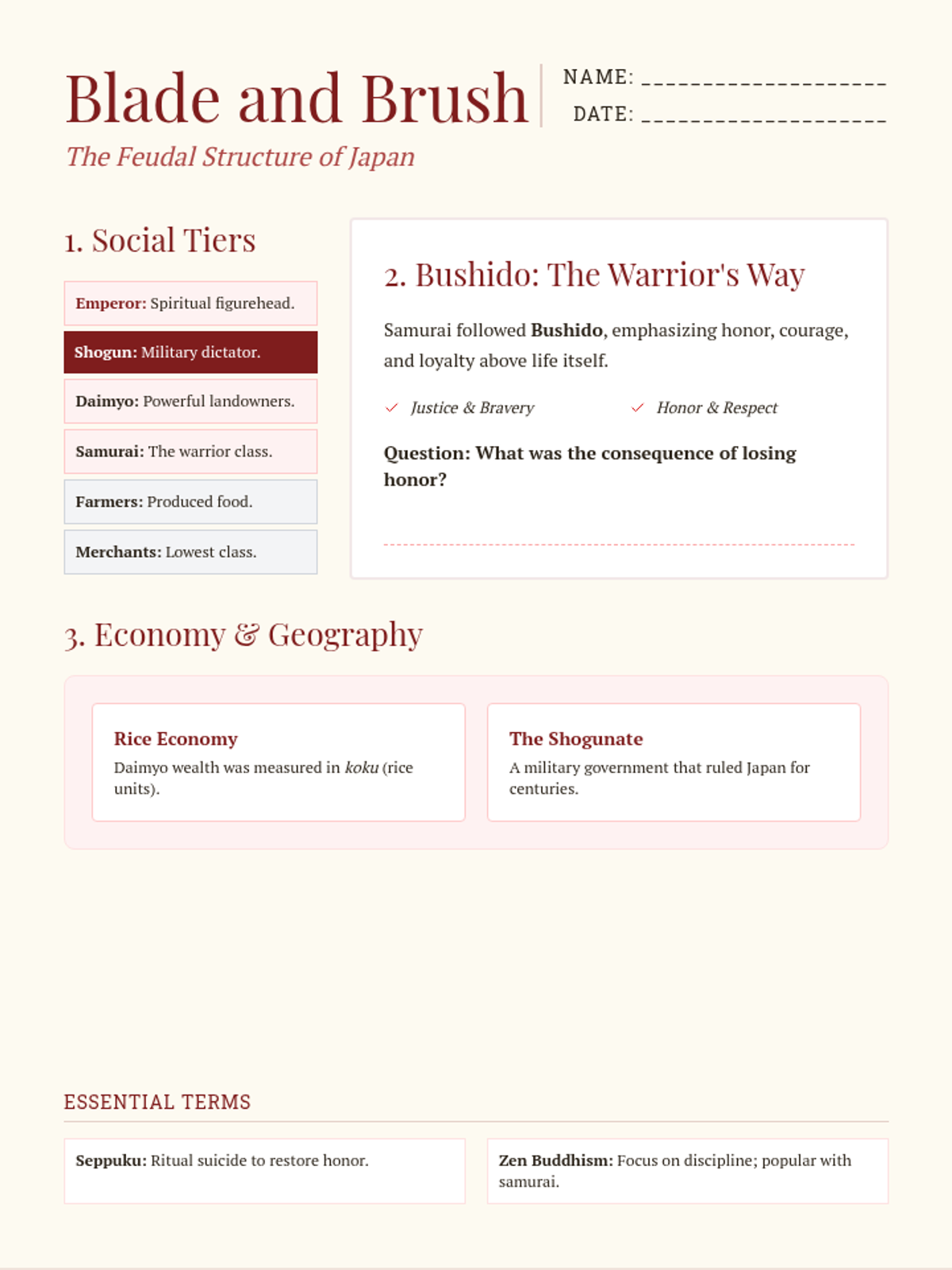
An analysis of Japan's feudal government, the role of the Shogun, and the code of the Samurai.