A Grade 3 reading lesson focused on identifying main ideas and supporting details within the context of community helpers, aligned to NCSCOS RI.3.2 and designed for Read to Achieve preparation.
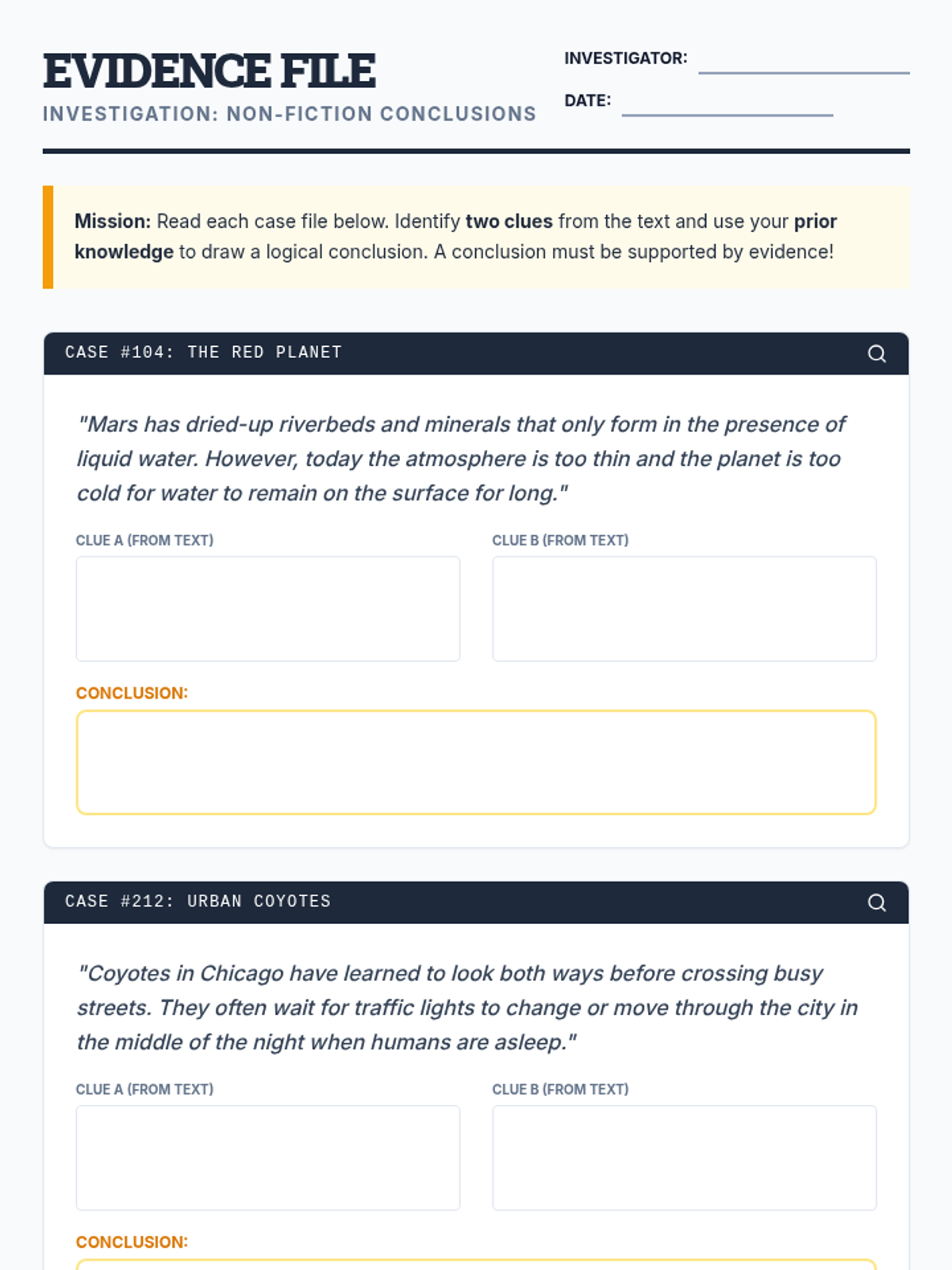
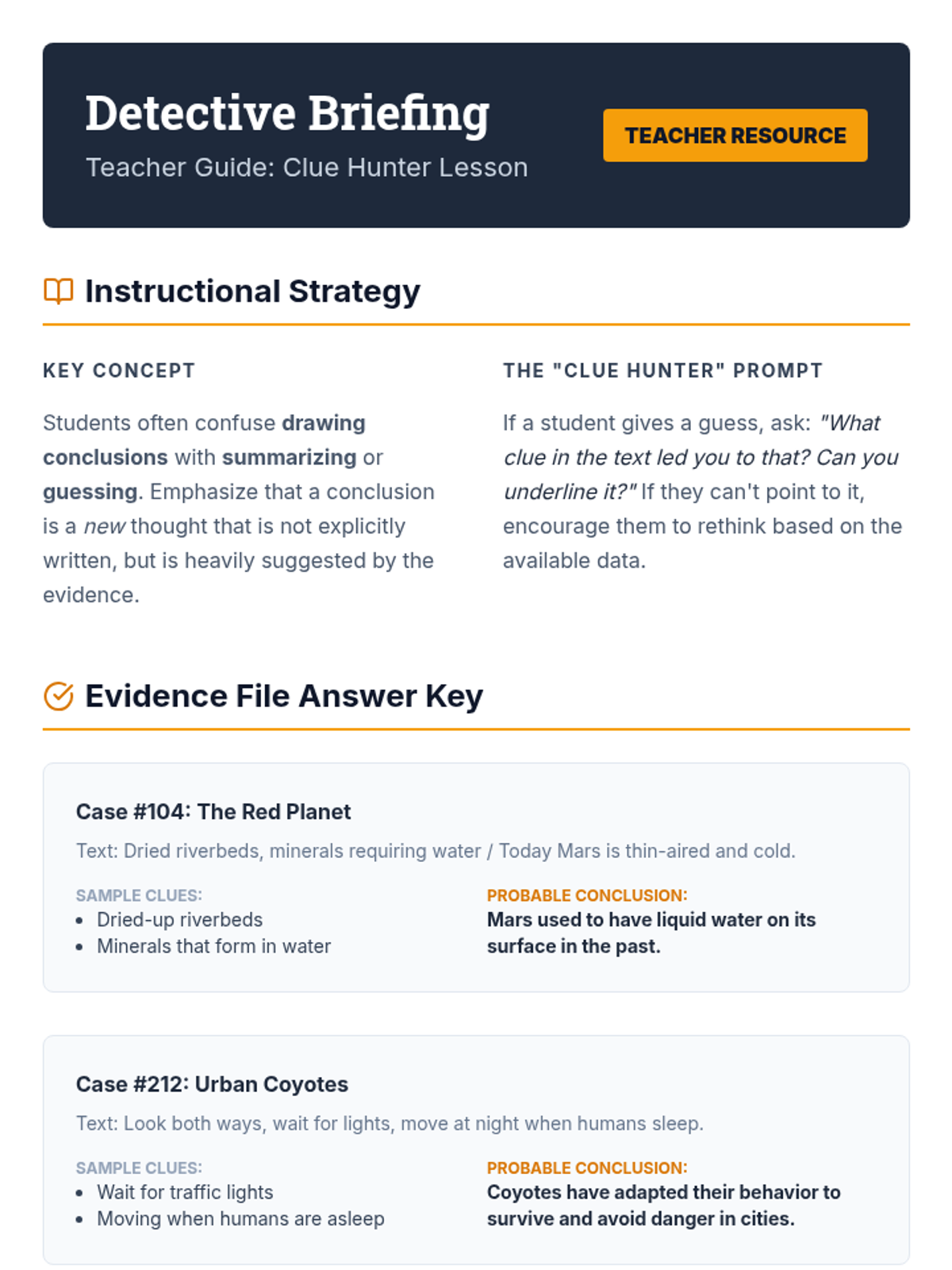
A mini-lesson on drawing conclusions from non-fiction text using the 'clue hunter' detective framework. Students learn to combine text evidence with prior knowledge to make logical inferences.
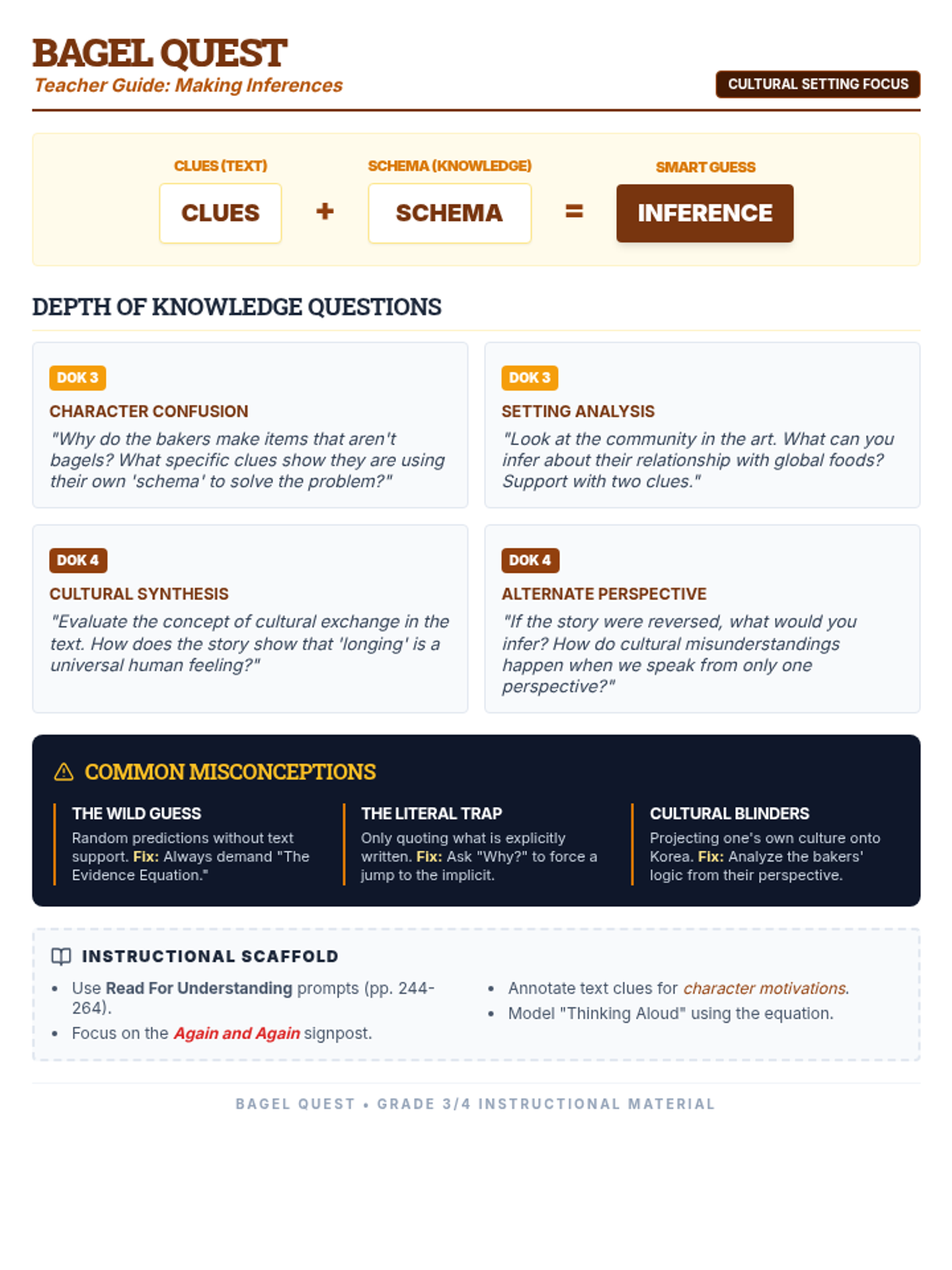
A lesson focused on making inferences using the story 'Where on Earth Is My Bagel?' with a specific focus on cultural setting and character motivations.
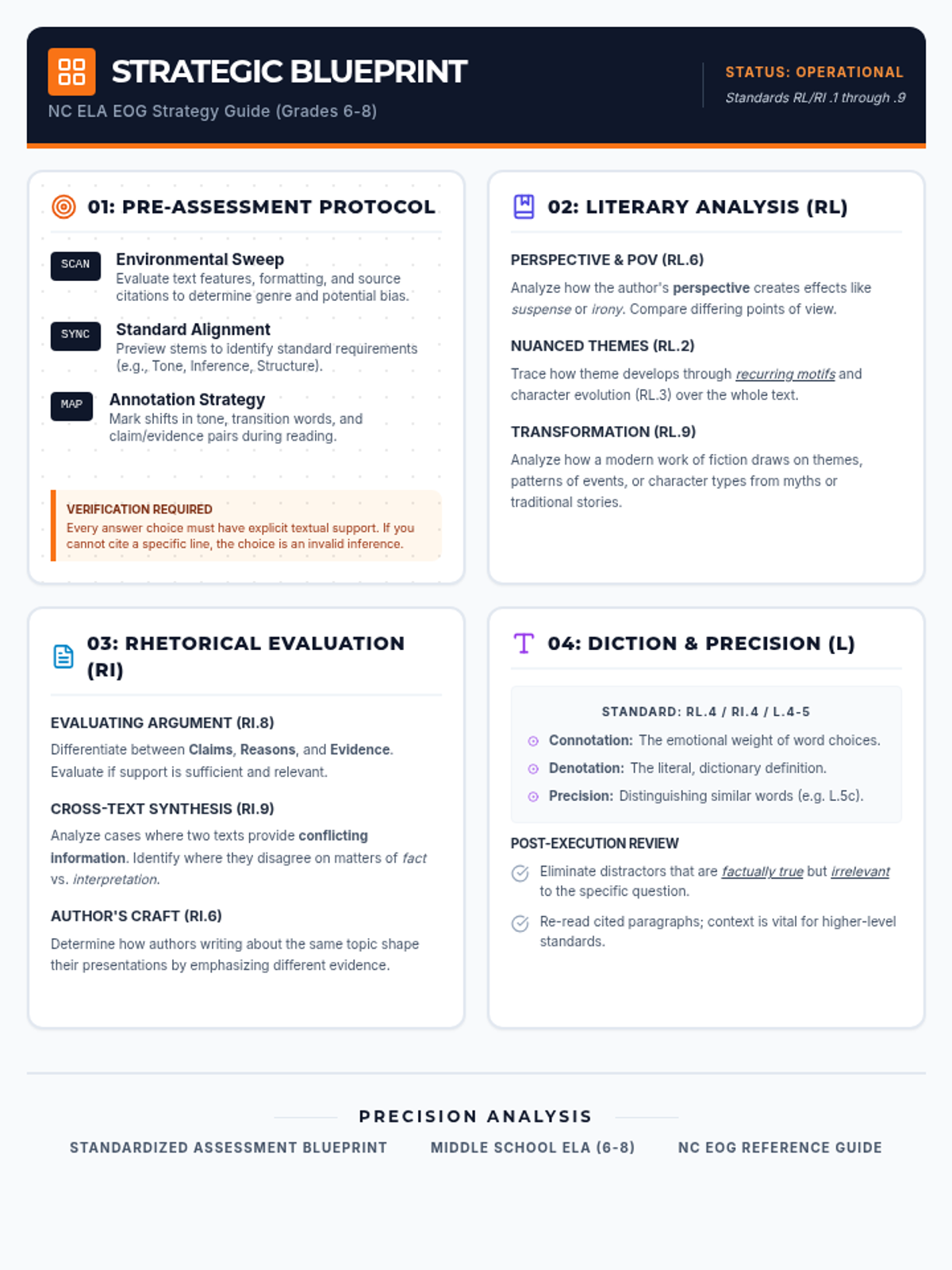
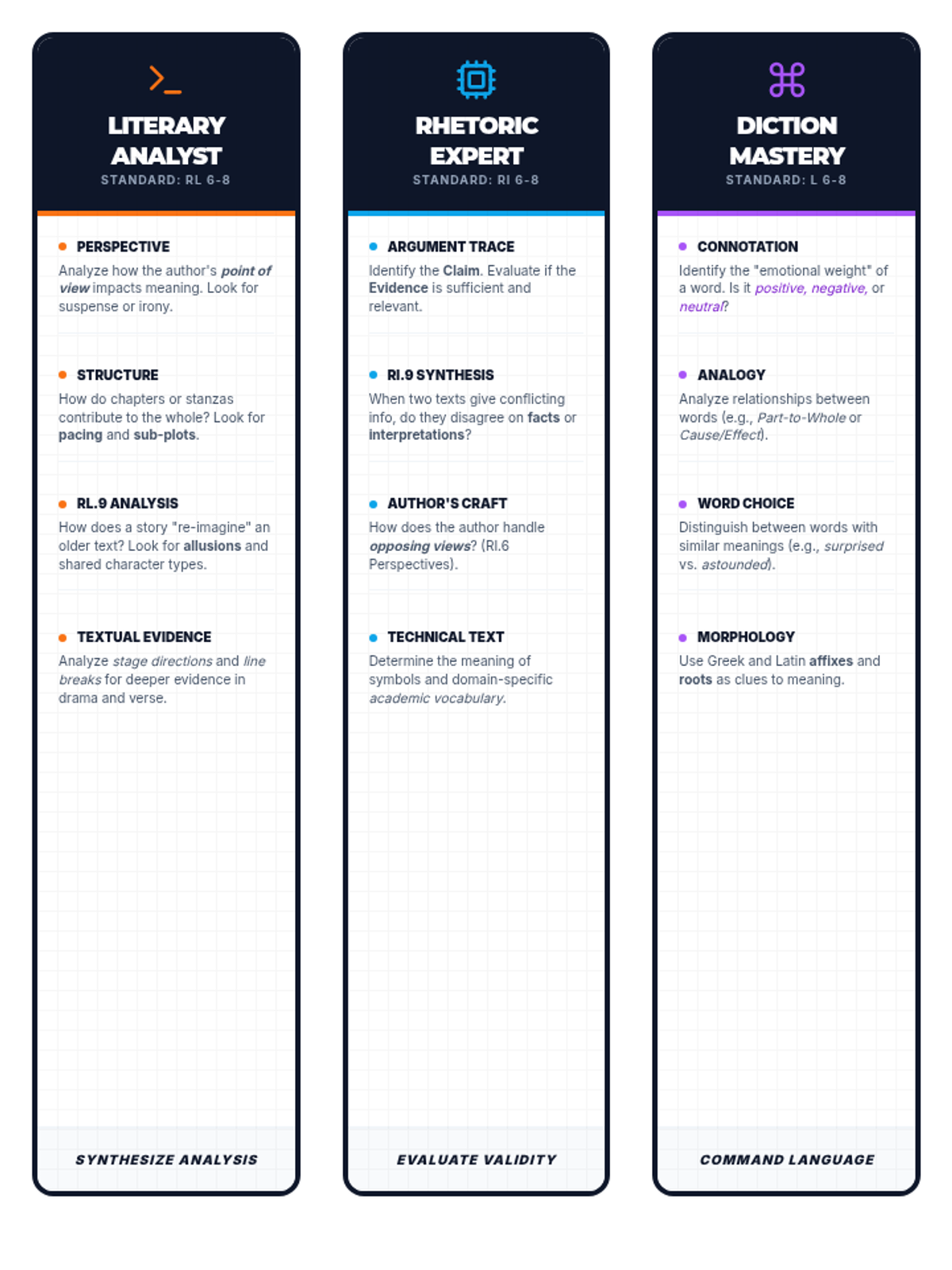
A comprehensive set of test-taking strategies and reference guides for NC ELA End-of-Grade assessments, specifically tailored for the complexity and standards of grades 6-8.
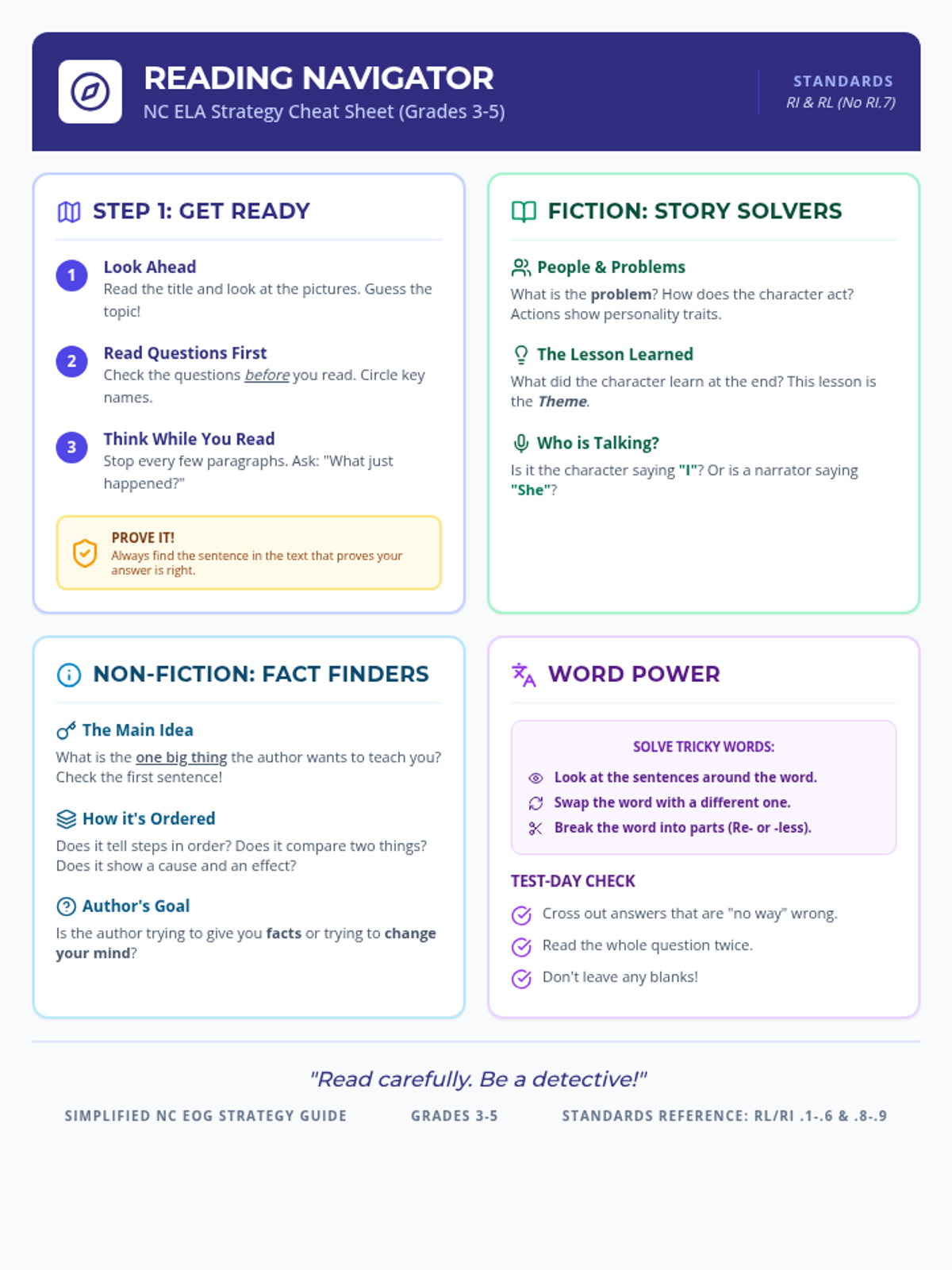
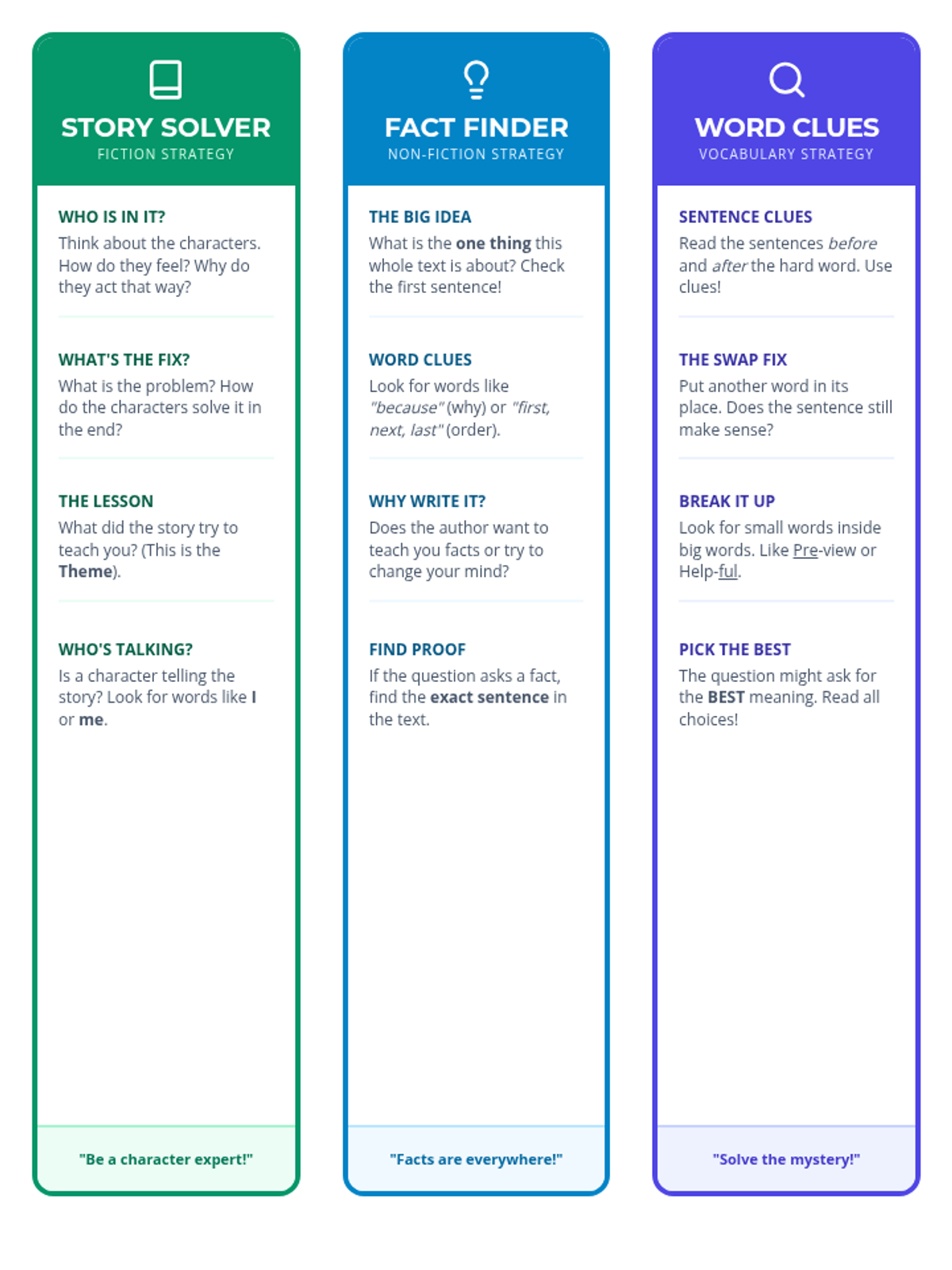
A comprehensive set of test-taking strategies and reference guides for NC ELA End-of-Grade assessments, covering both literary and informational text standards for grades 3-5.
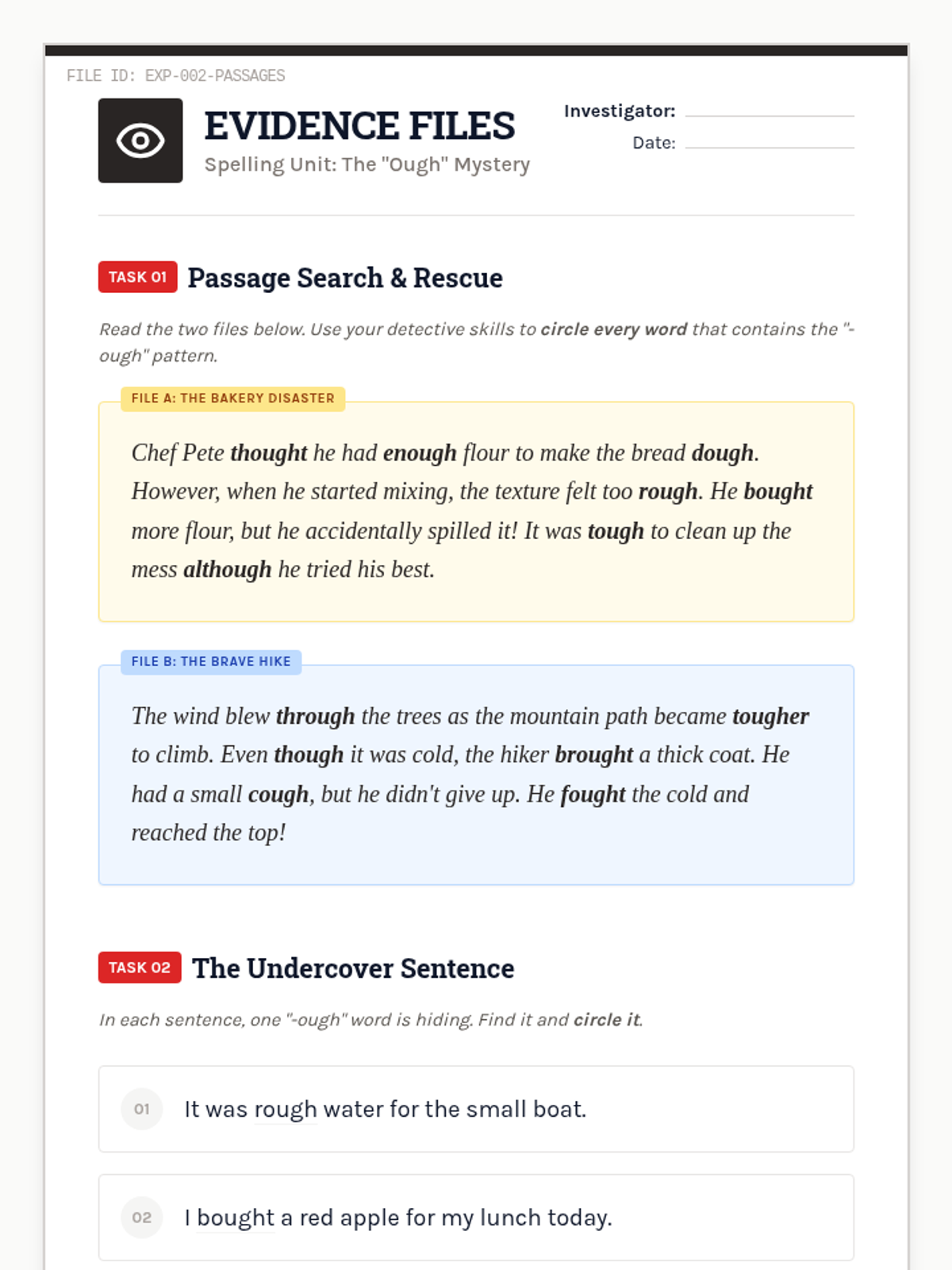
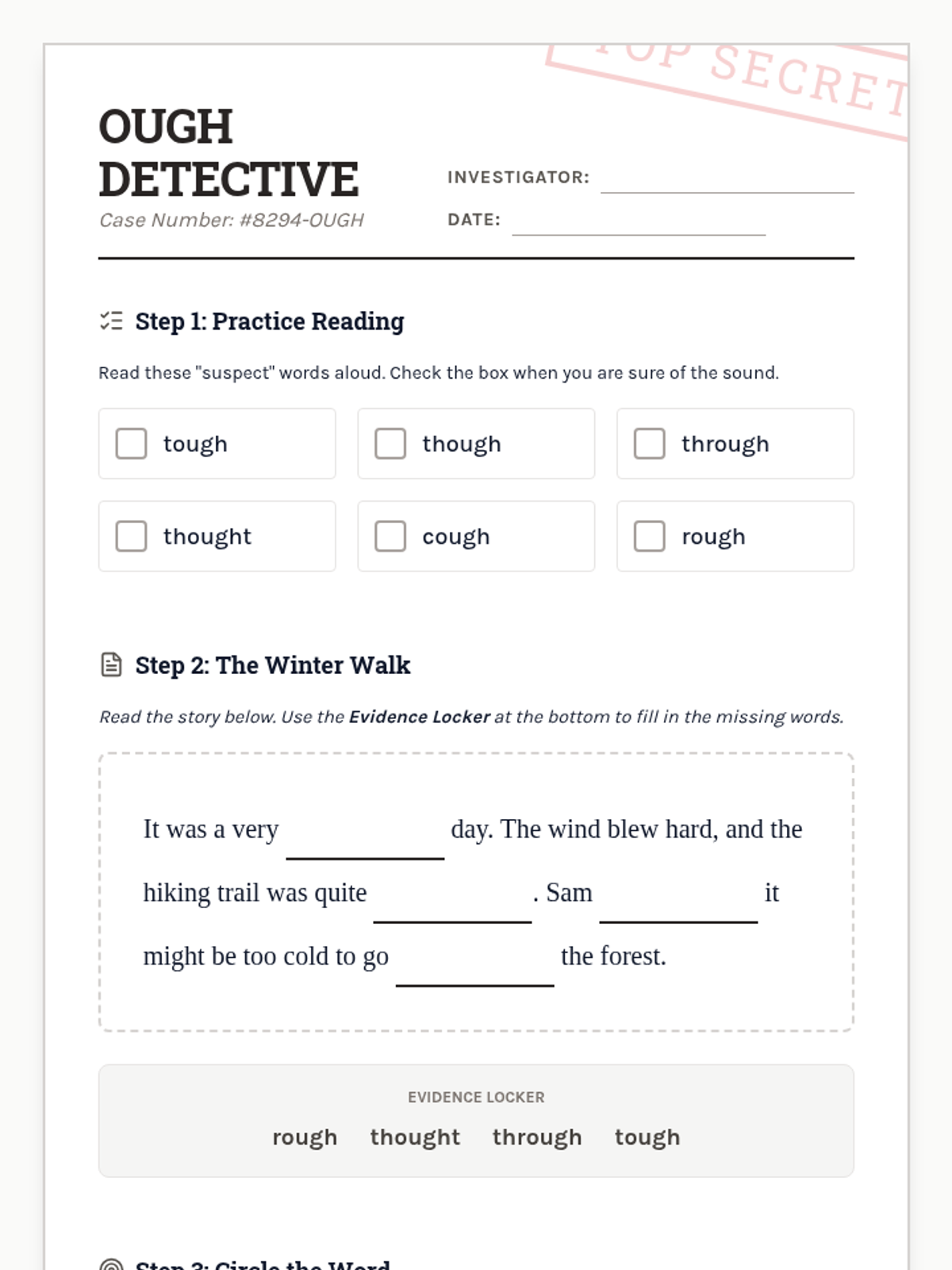
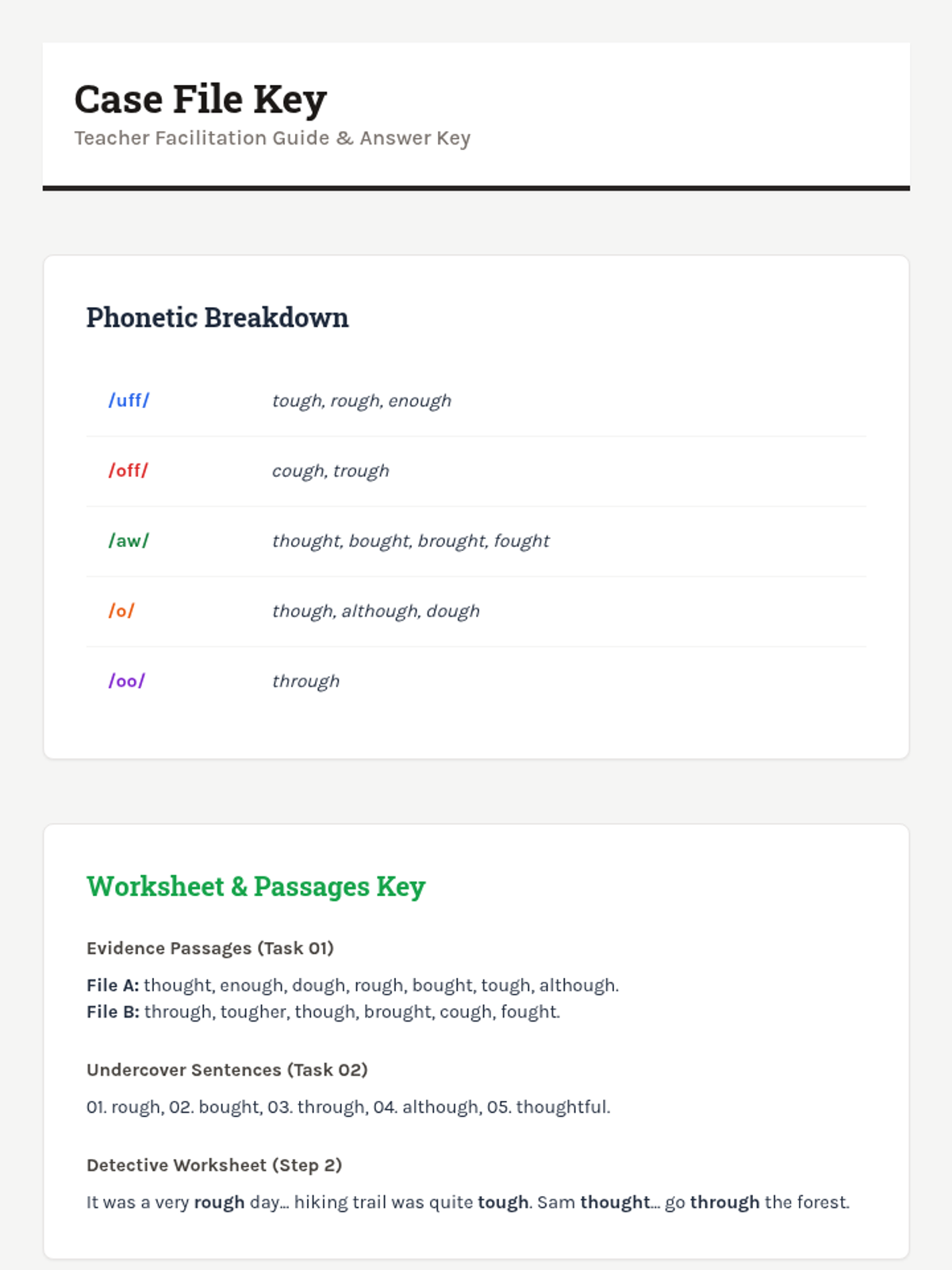
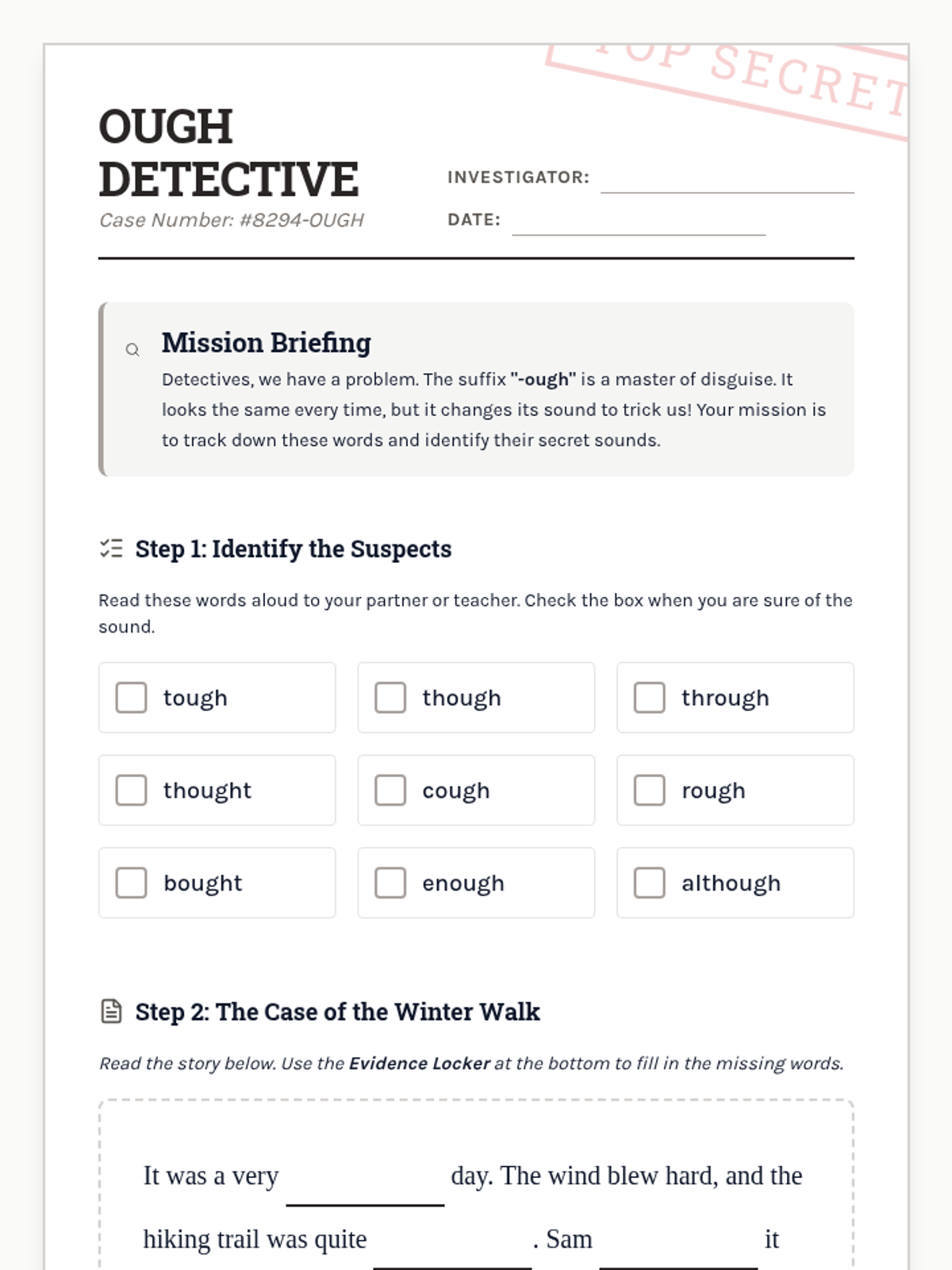
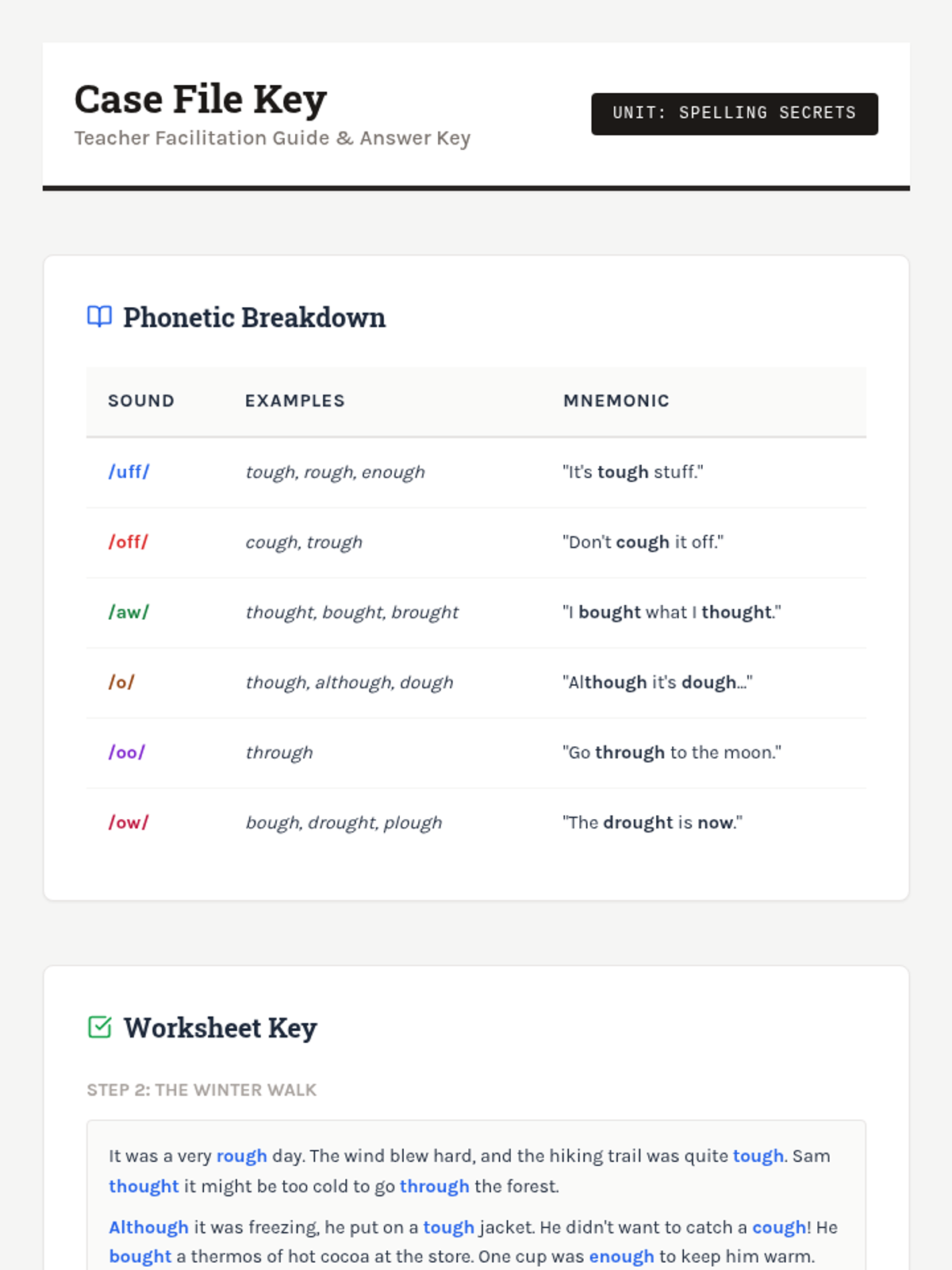
A deep dive into the many sounds of the '-ough' spelling pattern through a detective-themed investigation. Students will learn to identify and categorize the different pronunciations in context.
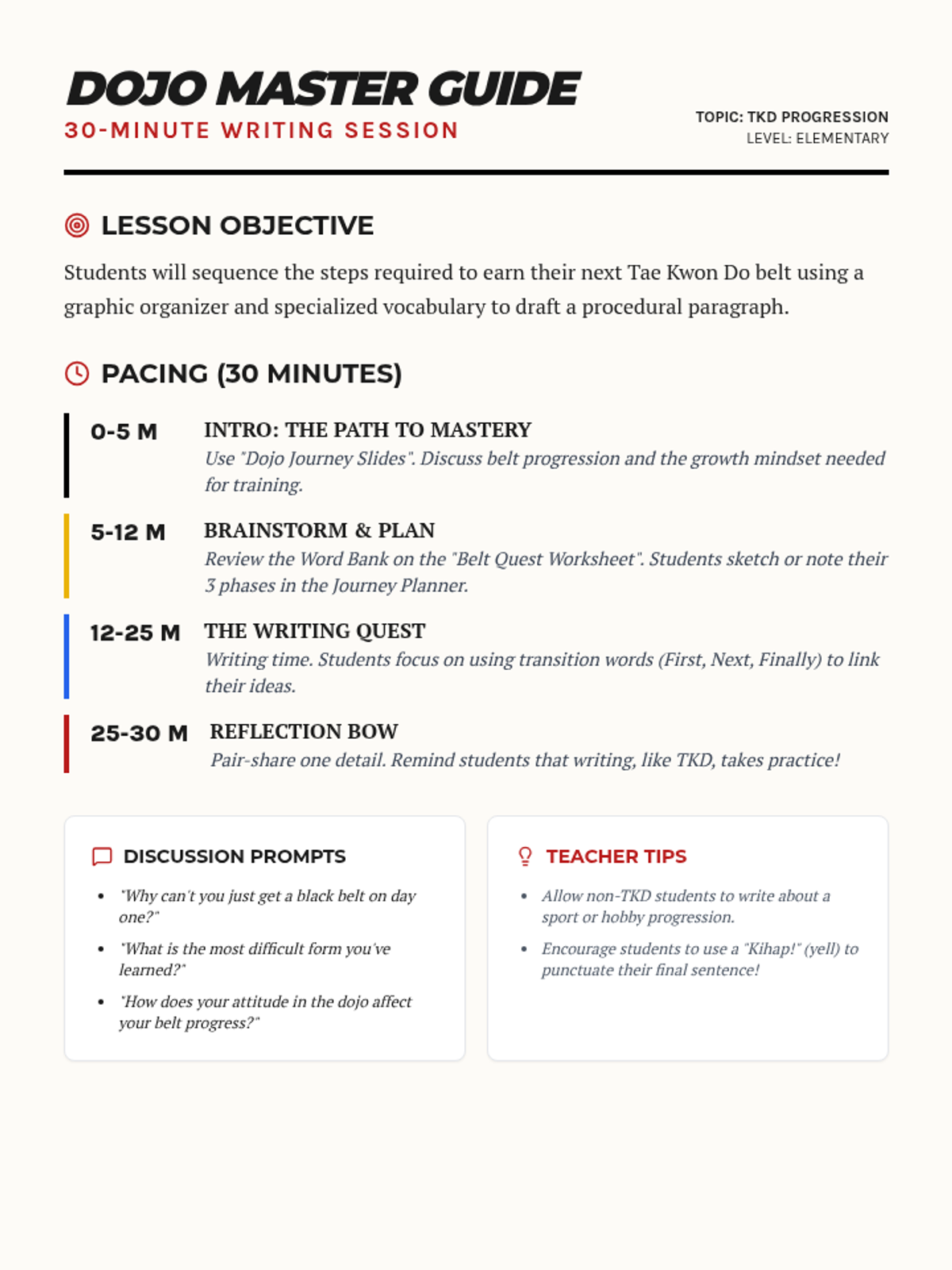
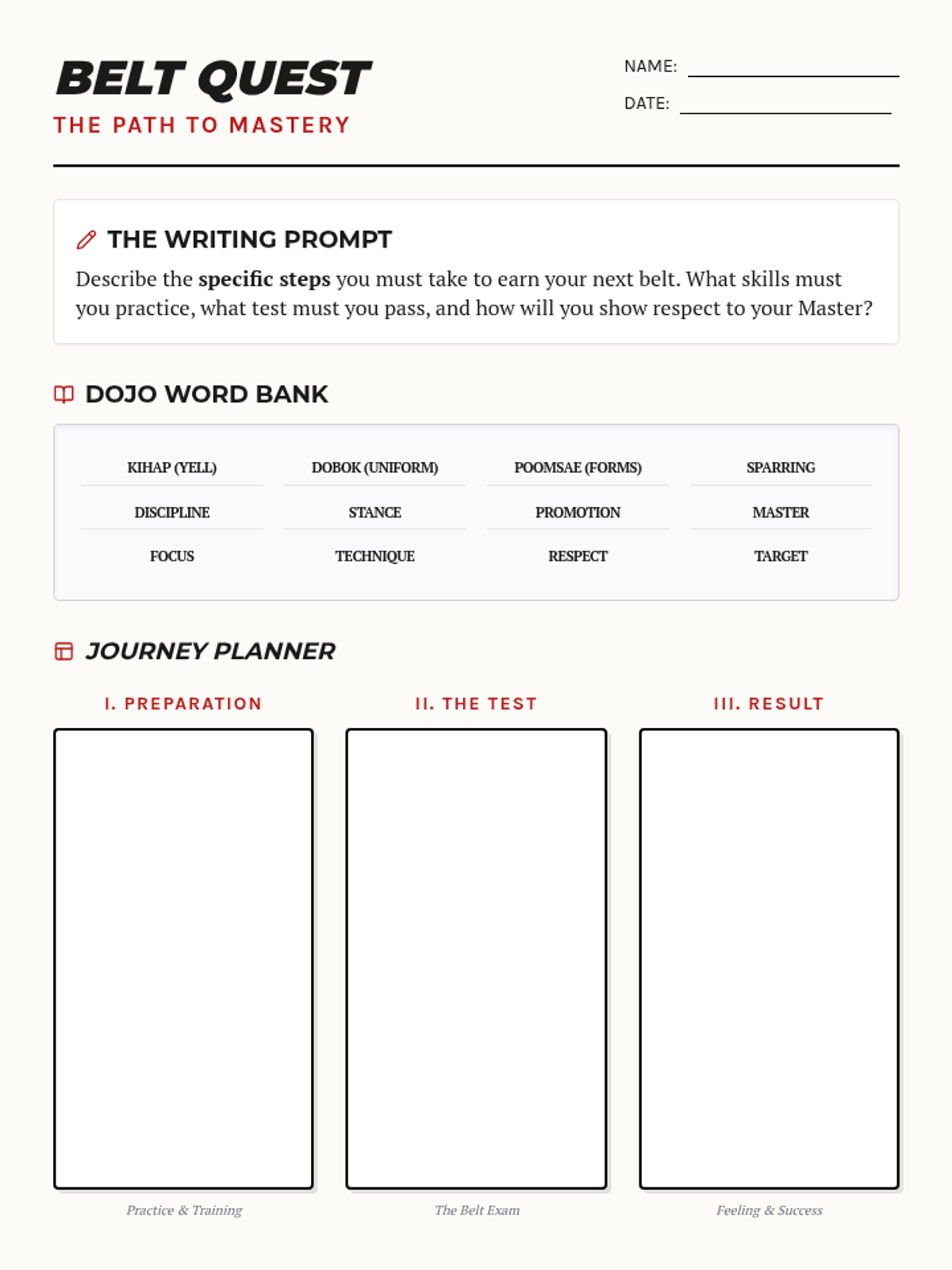
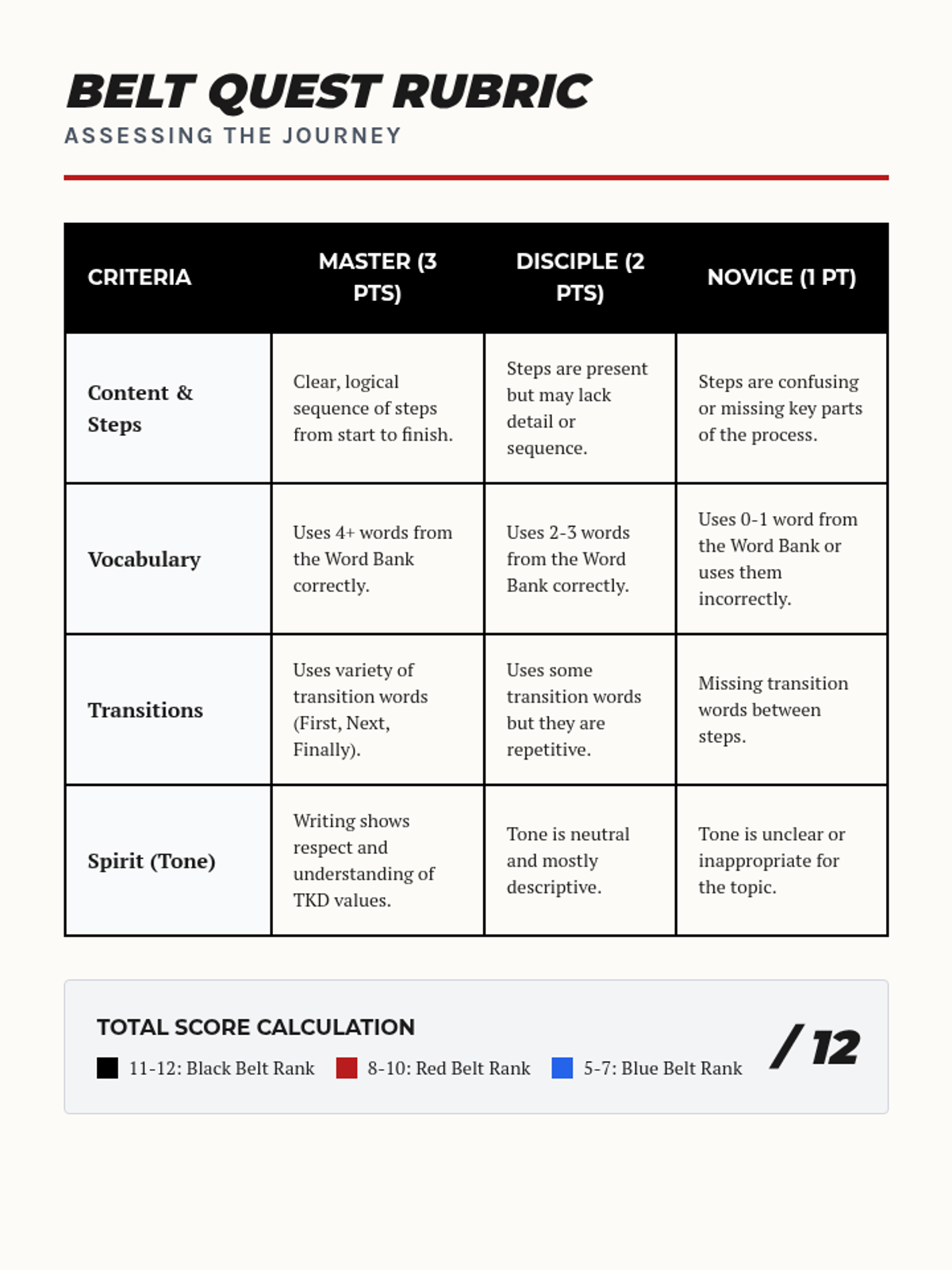
A 30-minute writing lesson where students sequence and describe the steps required to earn their next belt in Tae Kwon Do. Includes a graphic organizer and specialized word bank.
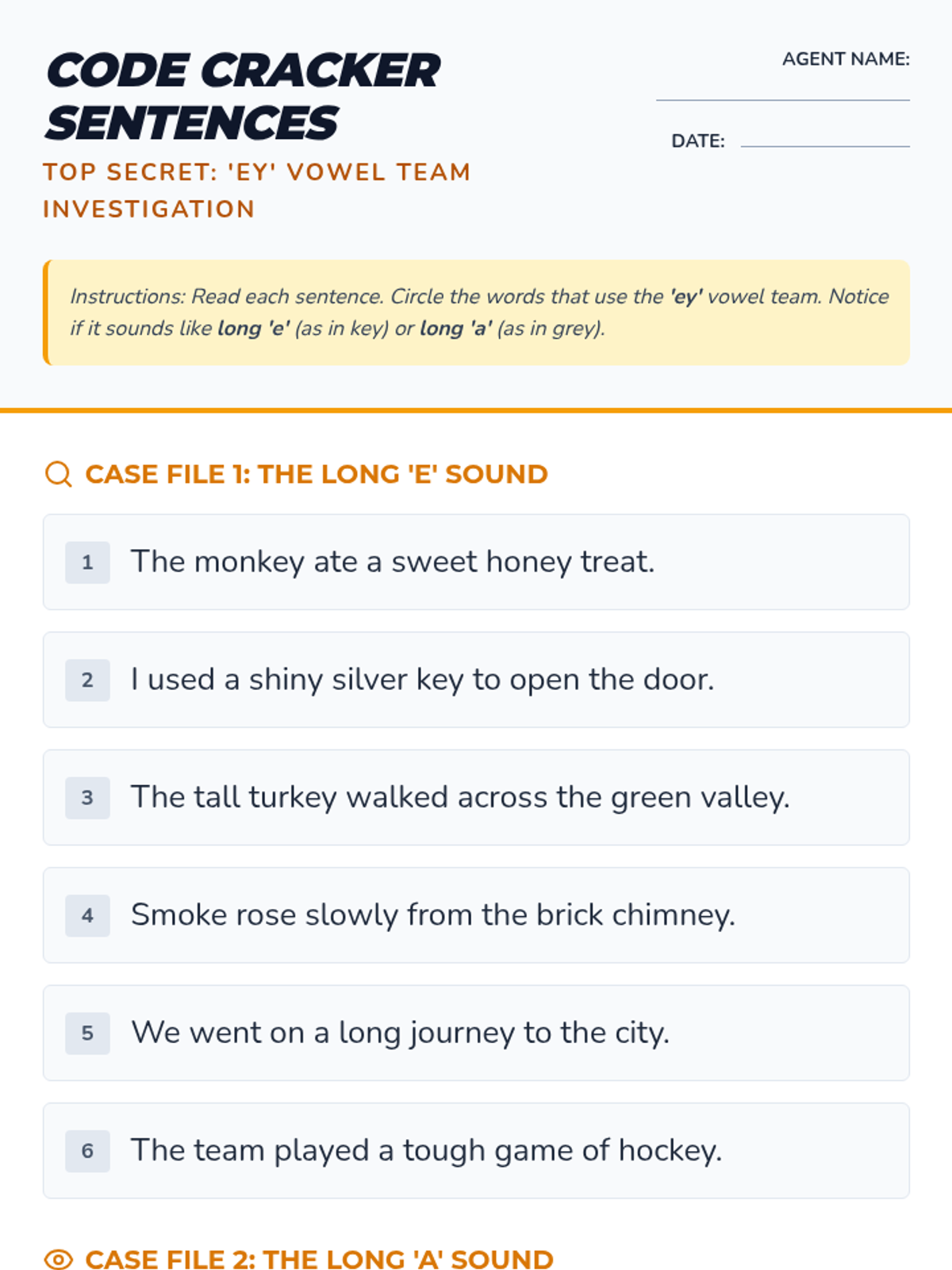
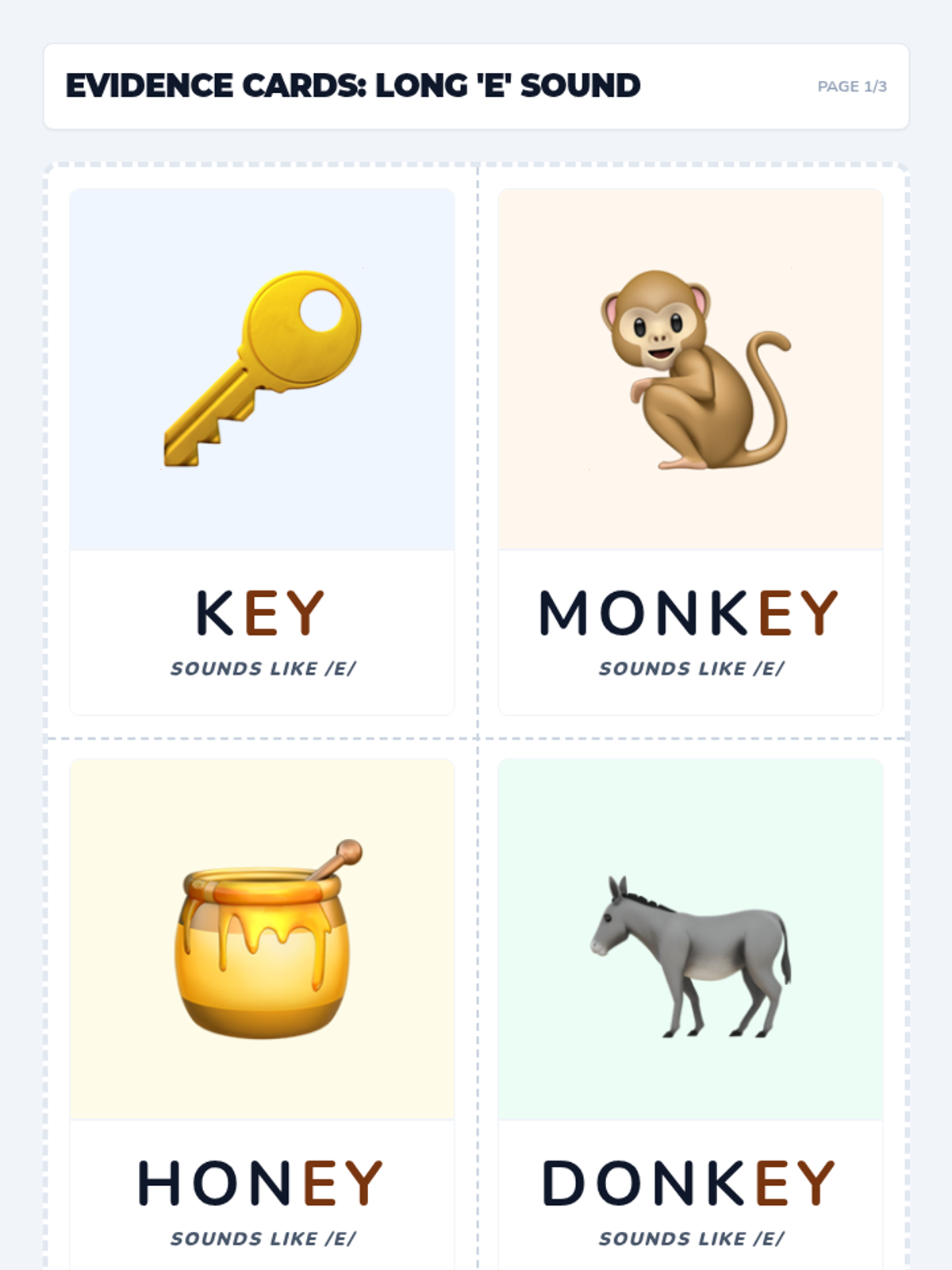
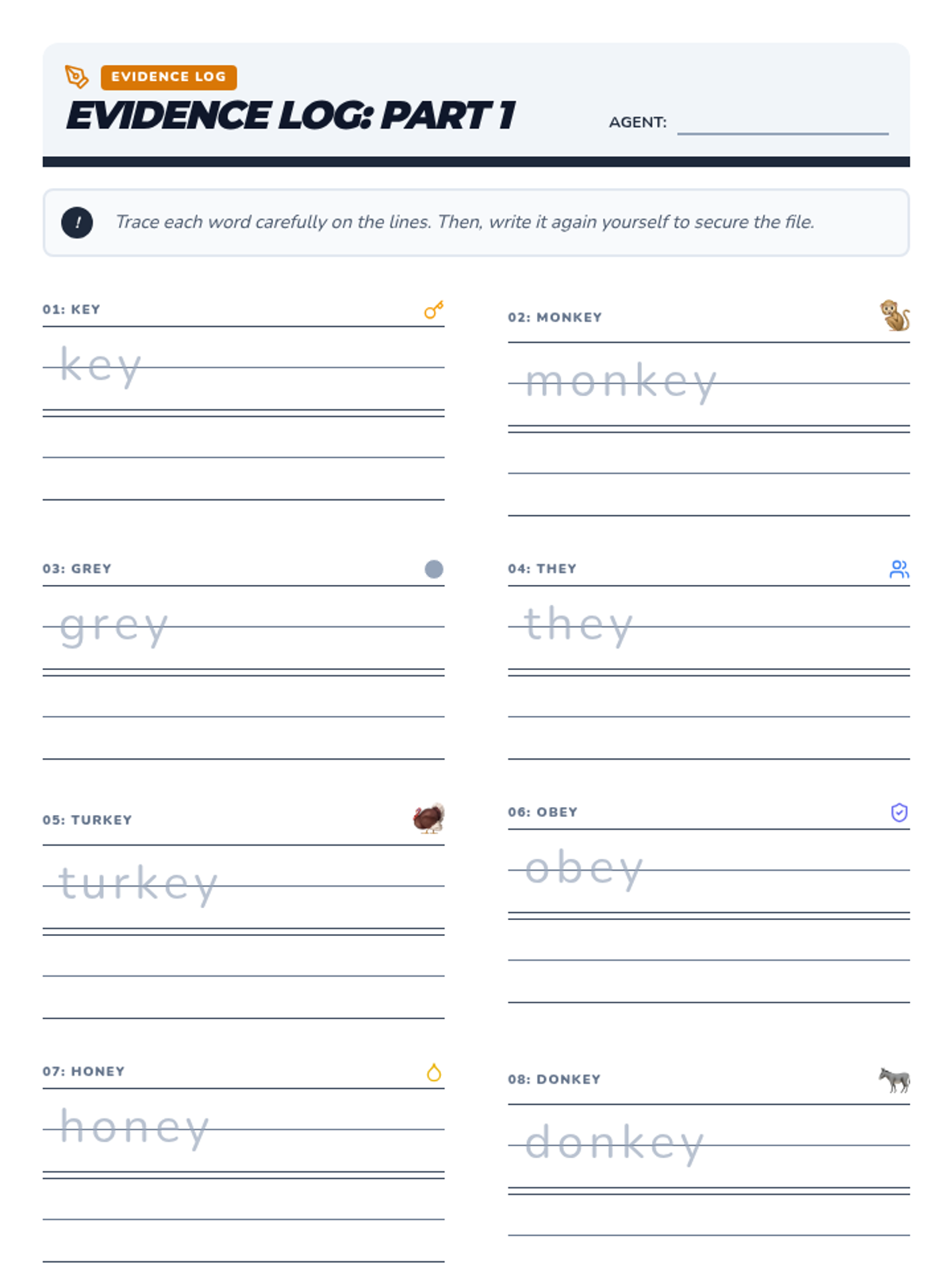
A collection of detective-themed reading and writing activities focusing on the 'ey' vowel team, covering both long /e/ and long /a/ sounds.
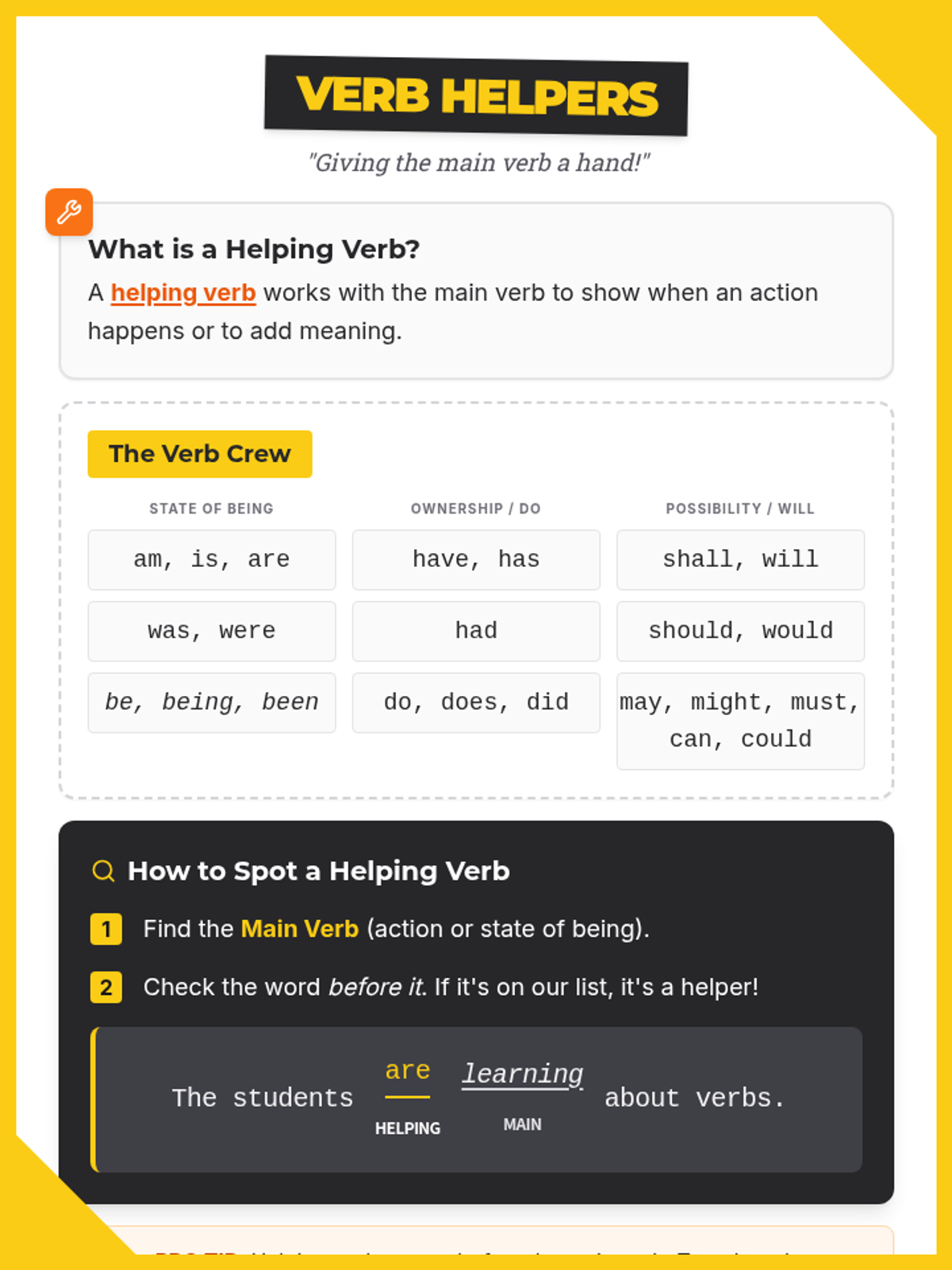
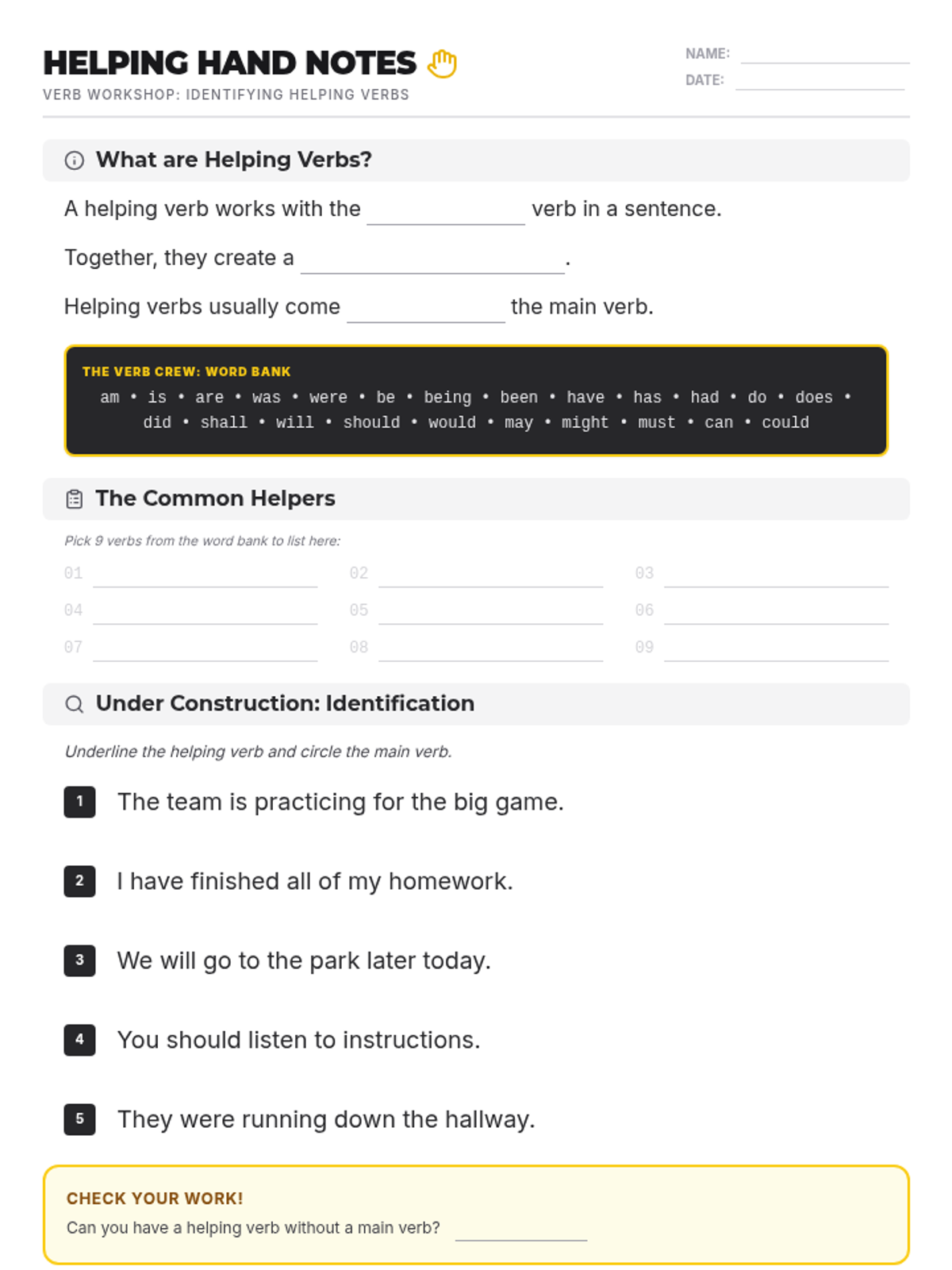
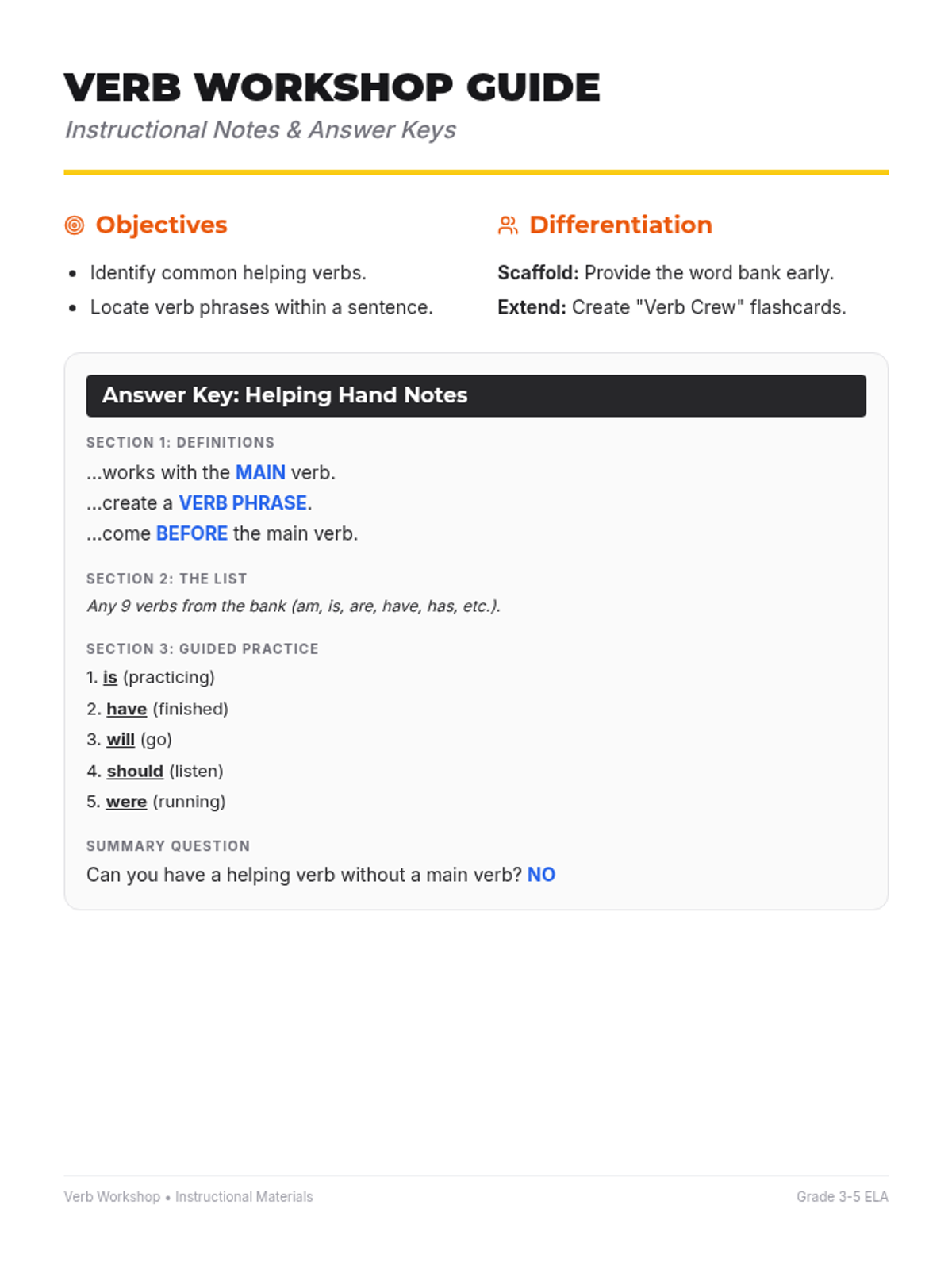
A foundational lesson on identifying helping verbs, featuring visual aids and guided practice to help students understand how auxiliary verbs support main verbs in a sentence.
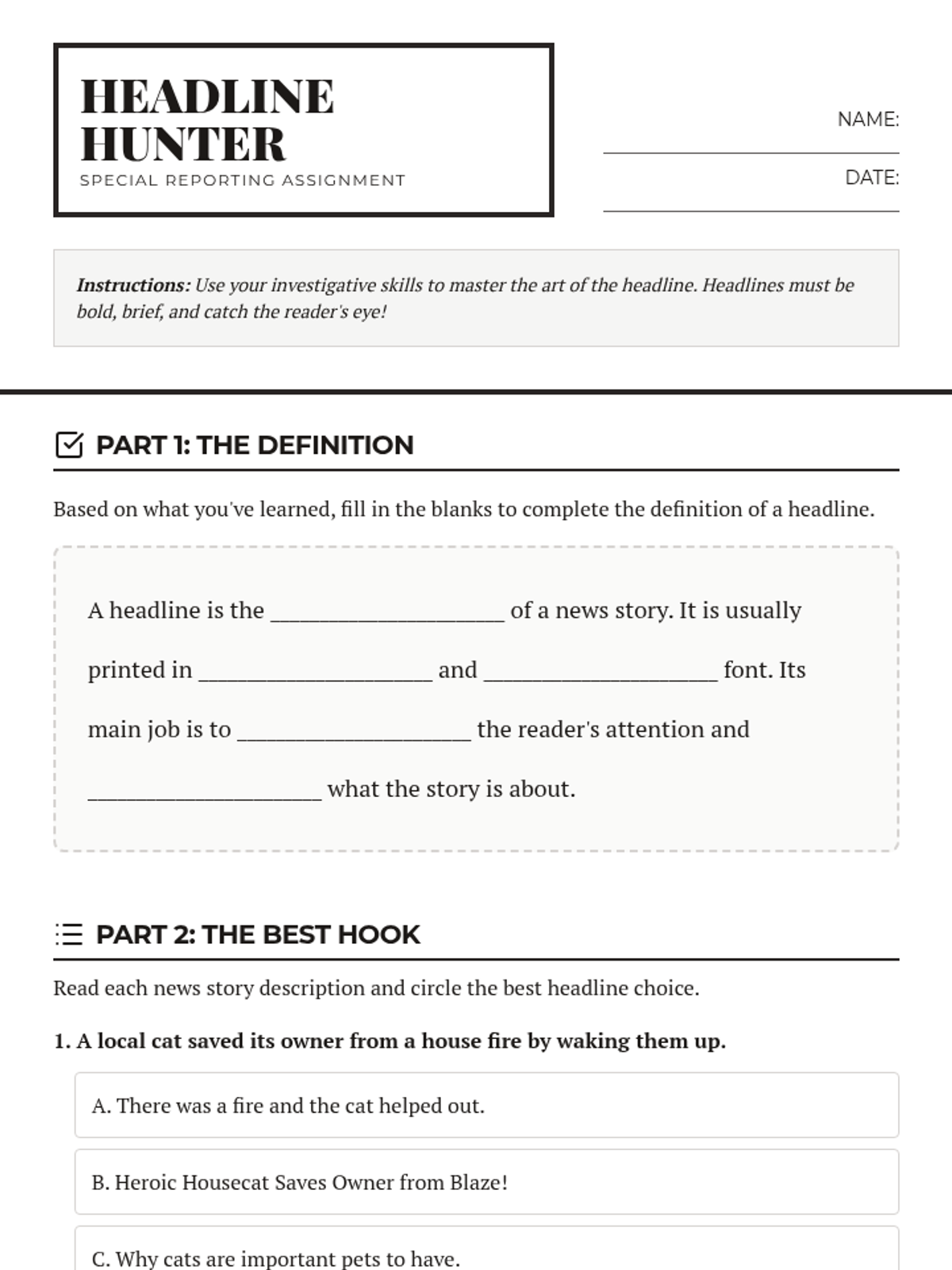
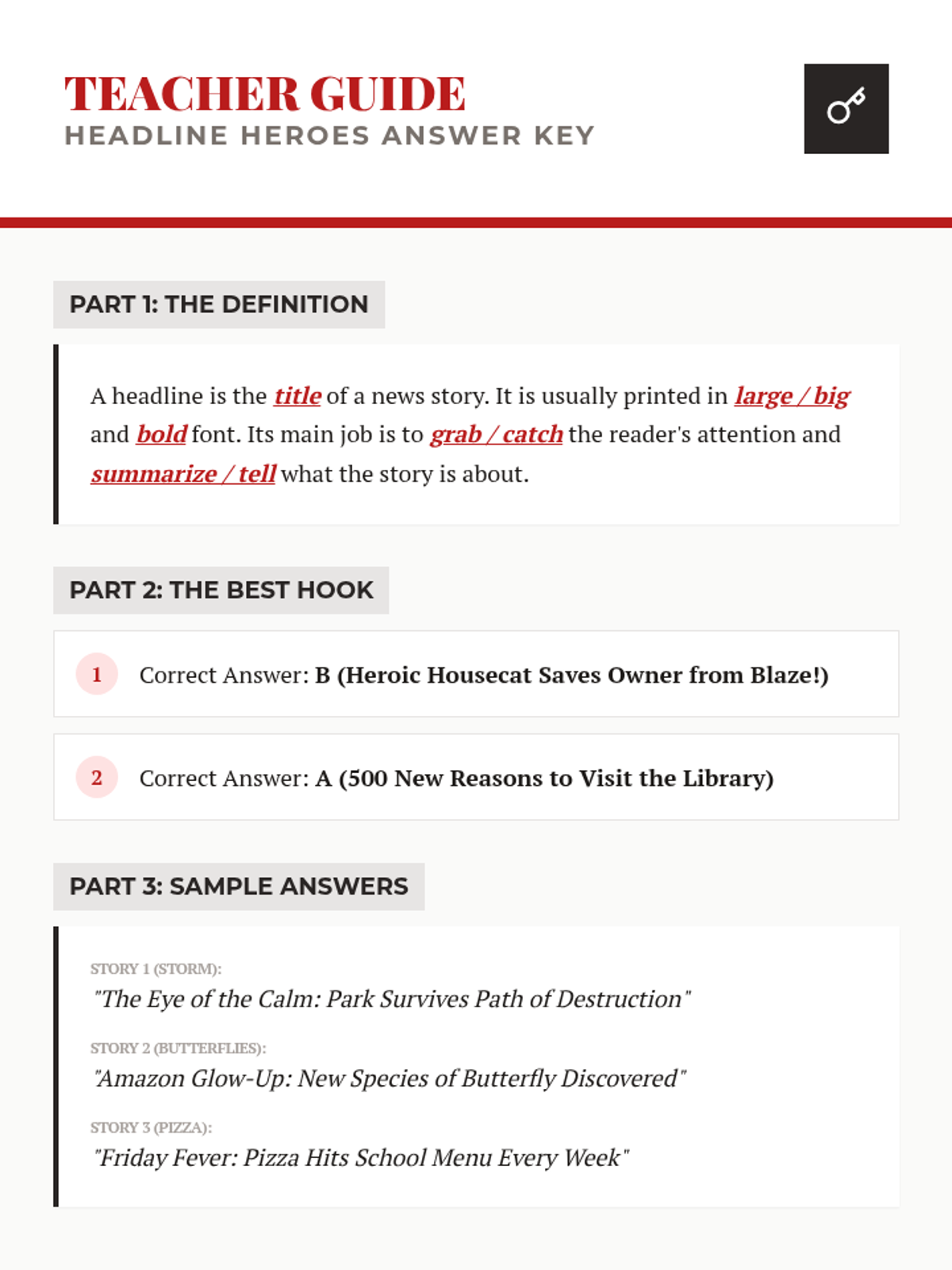
A lesson introducing students to the purpose, structure, and impact of headlines in journalism and media.
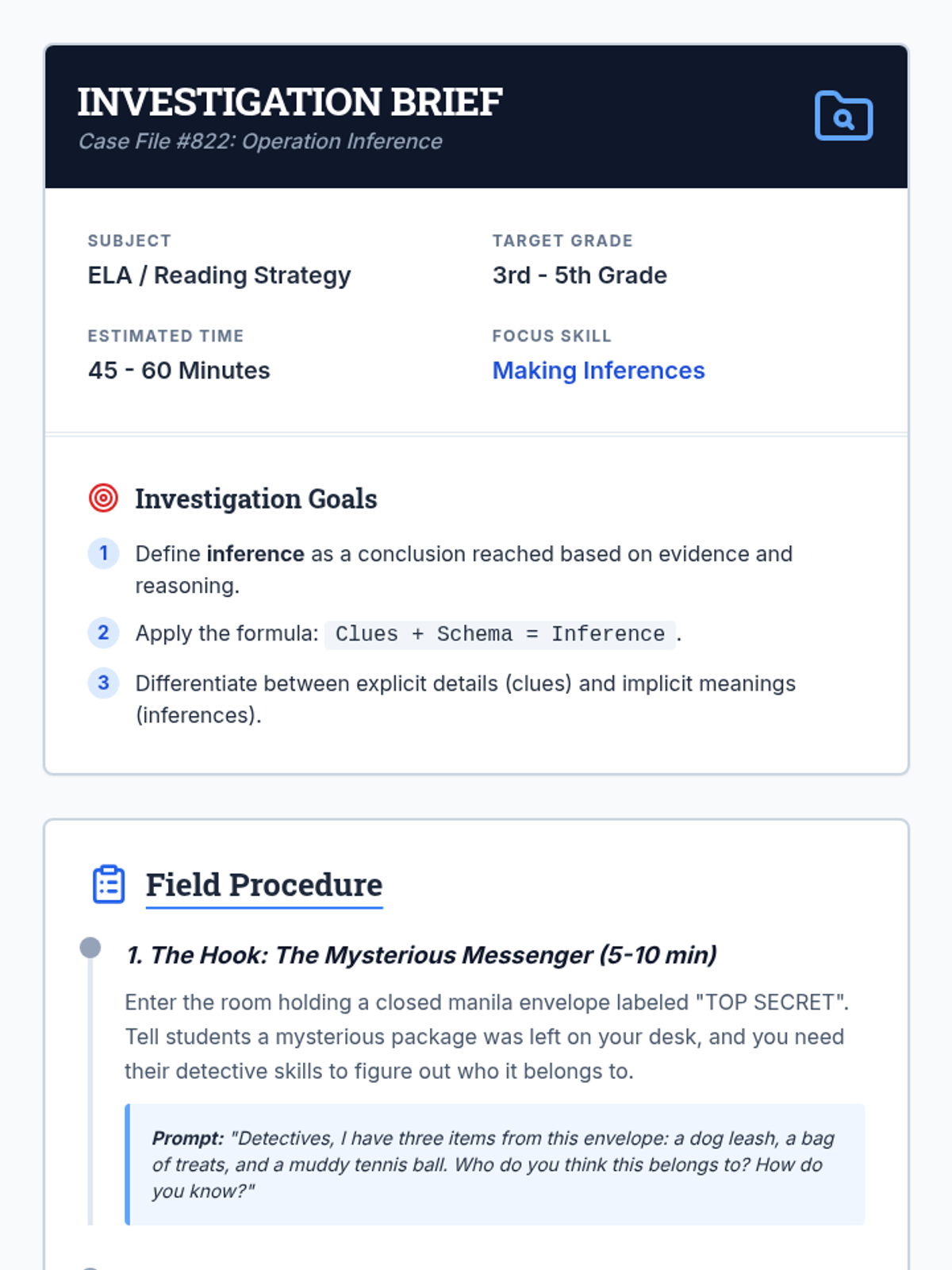
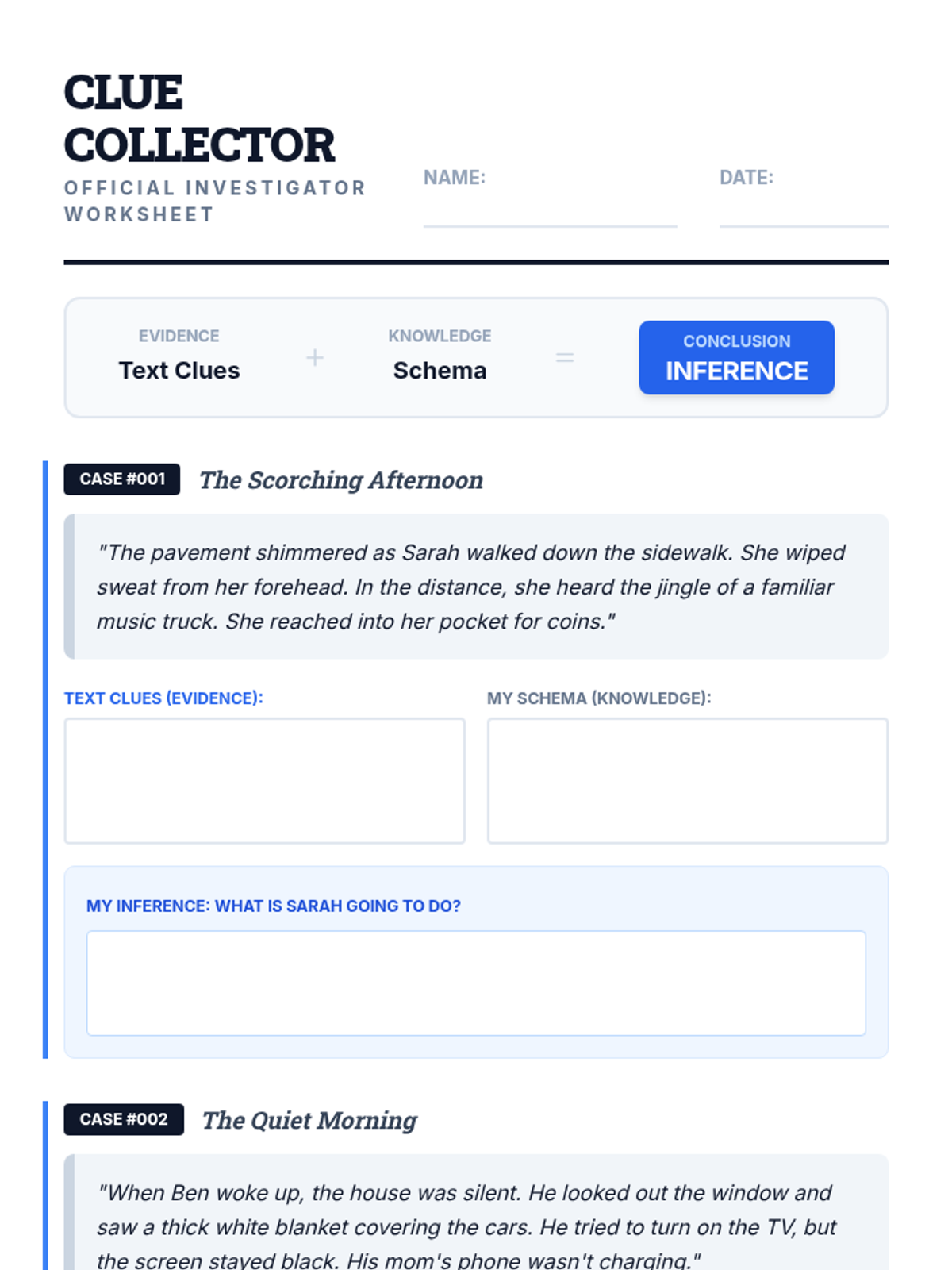
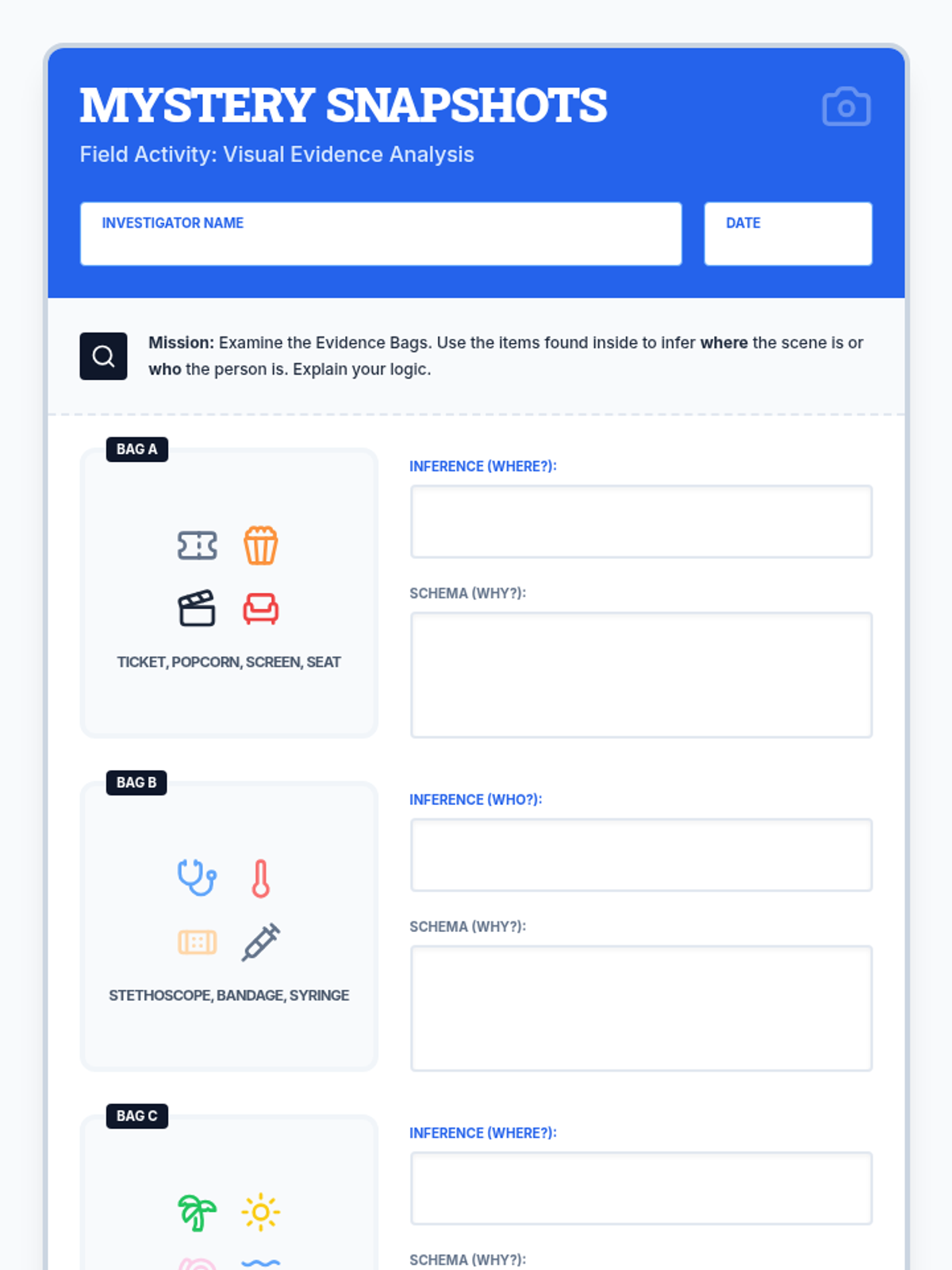
A detective-themed lesson where students learn to combine text clues with background knowledge to make logical inferences. Students act as 'investigators' to solve visual and text-based mysteries using the inference formula: Clues + Schema = Inference.
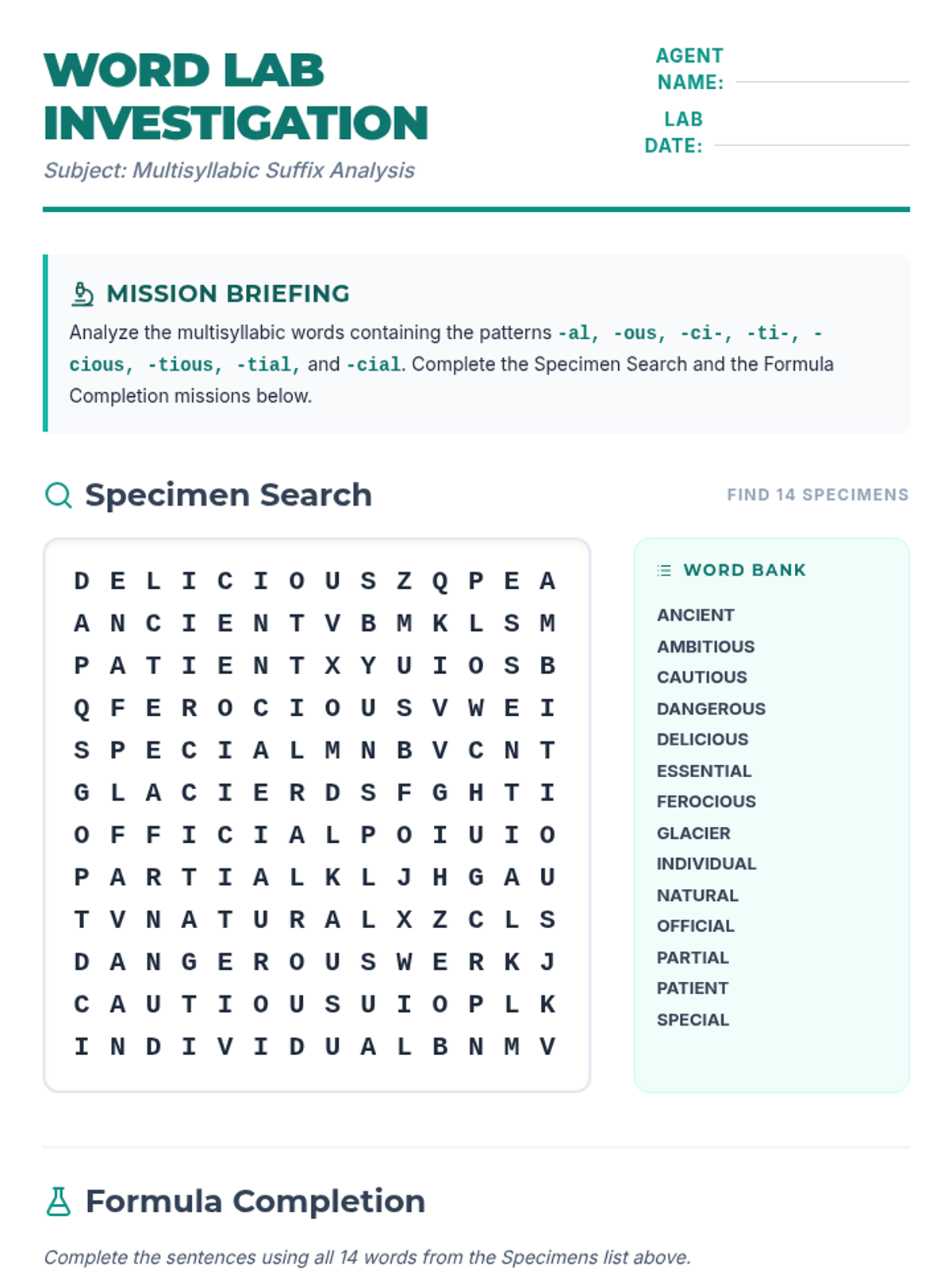
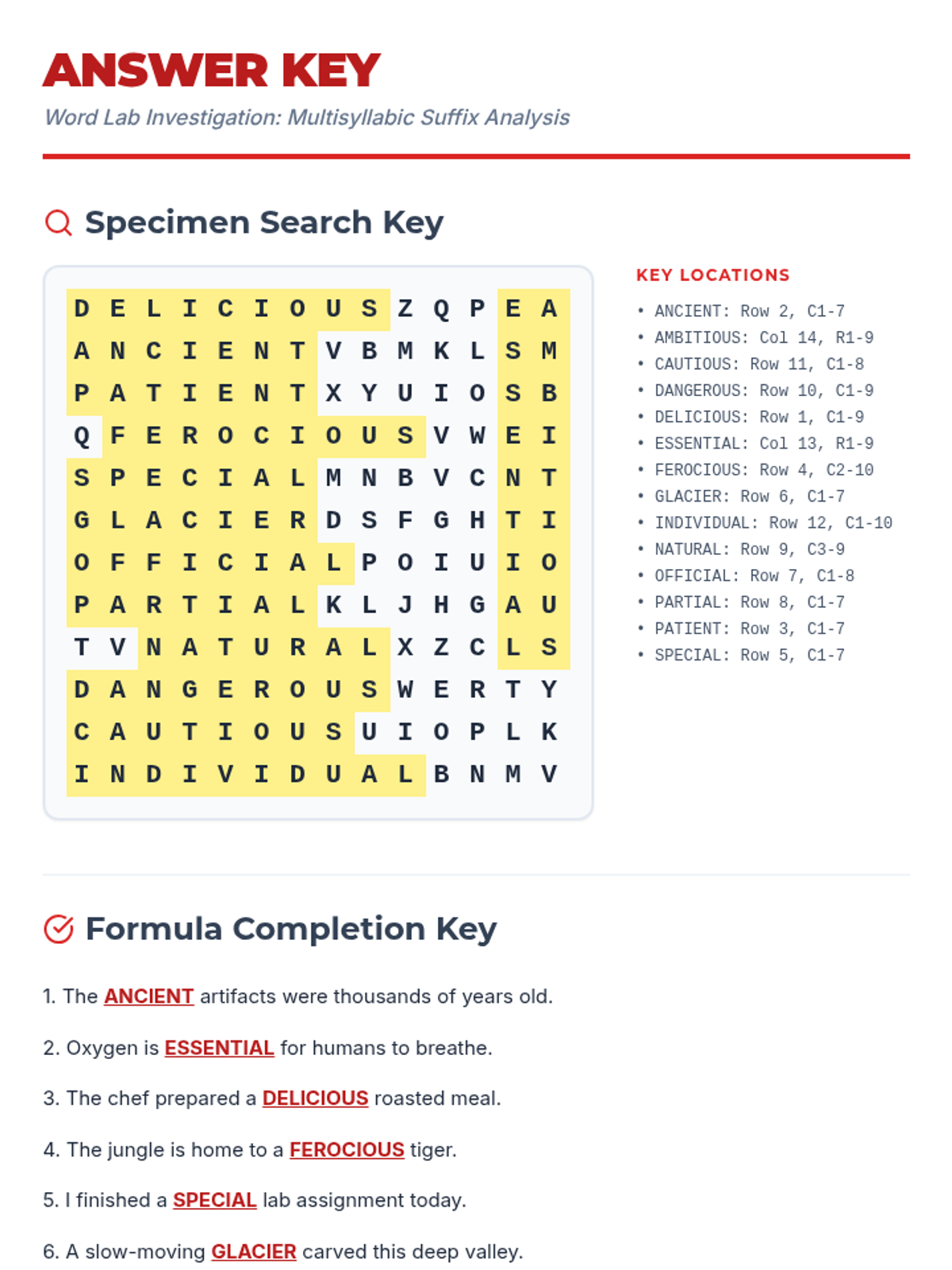
A lesson focused on decoding and spelling complex multisyllabic words with -al, -ous, and various -shun/-shus suffixes. Students investigate word patterns through search and context clues.
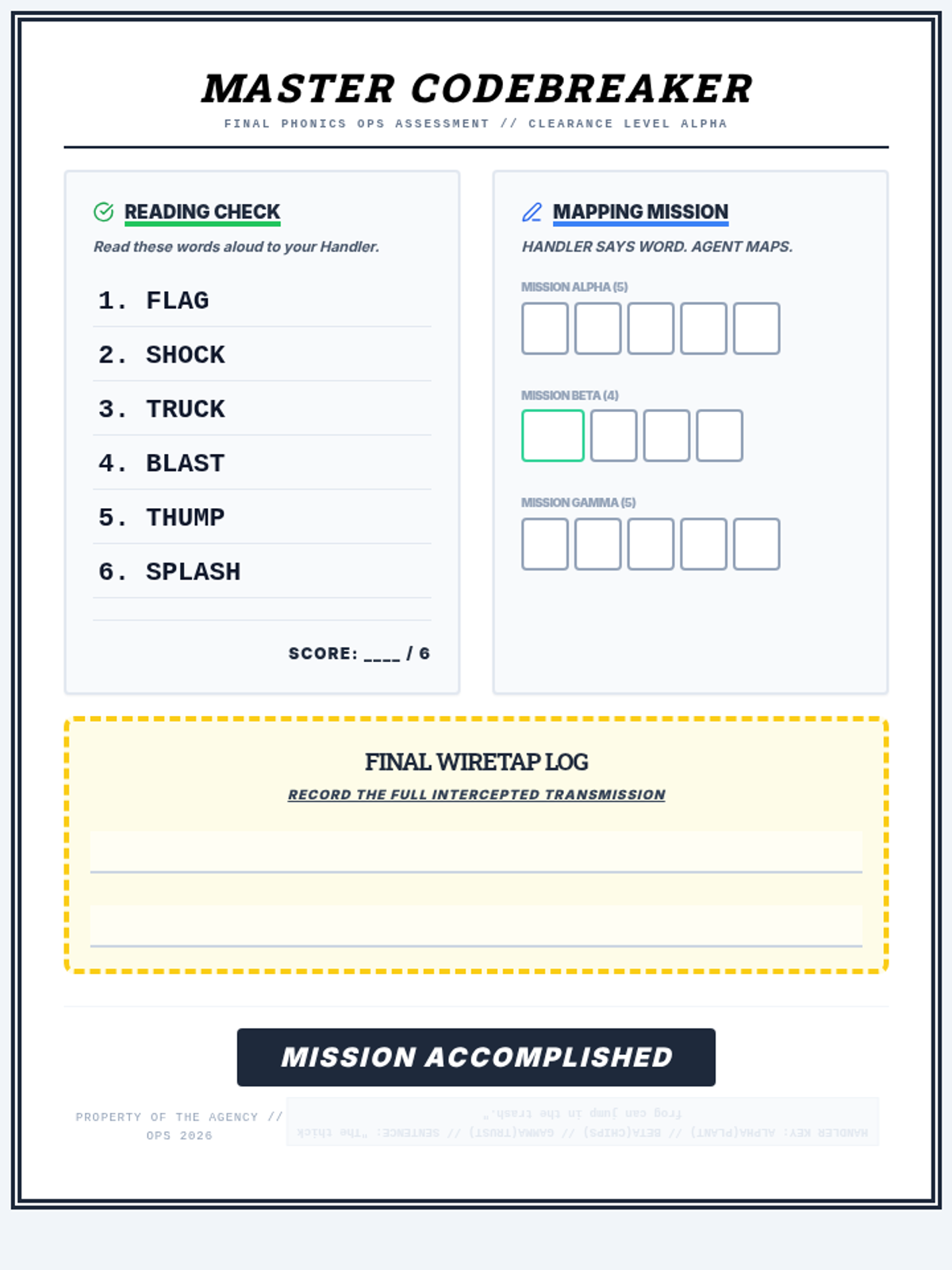
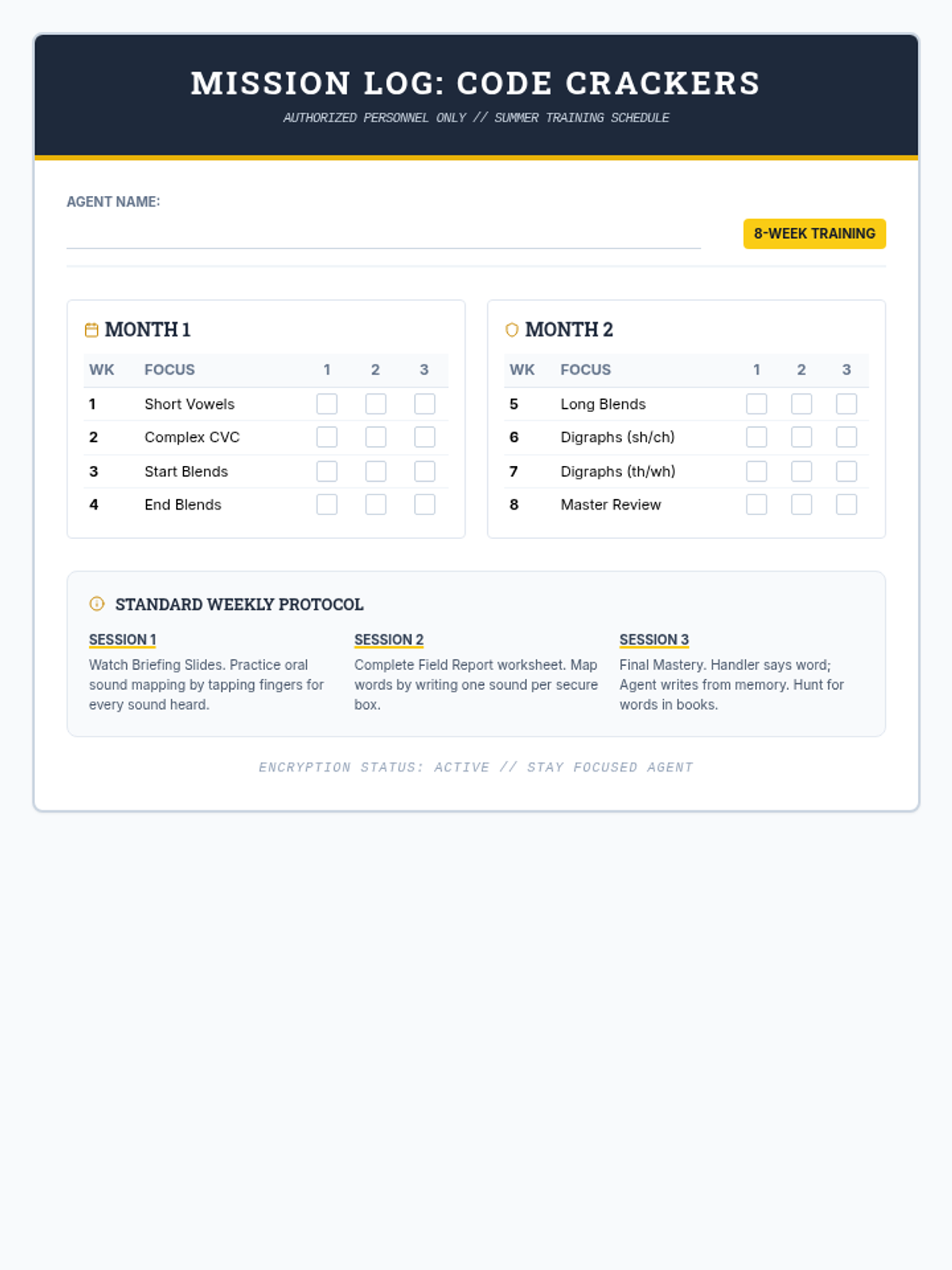
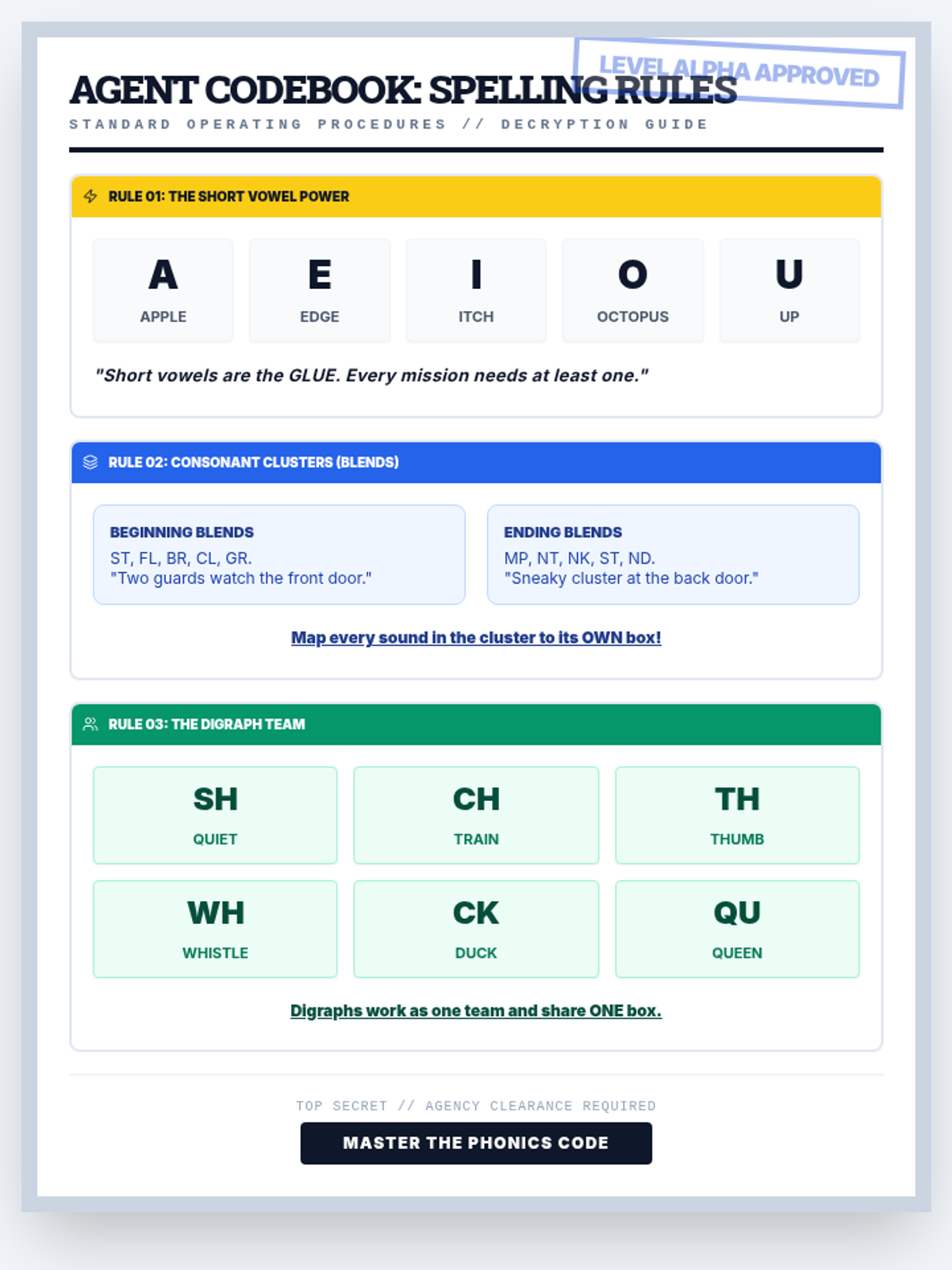
Synthesizes CVC, blends, and digraphs into complex spelling challenges and review missions for the final week.
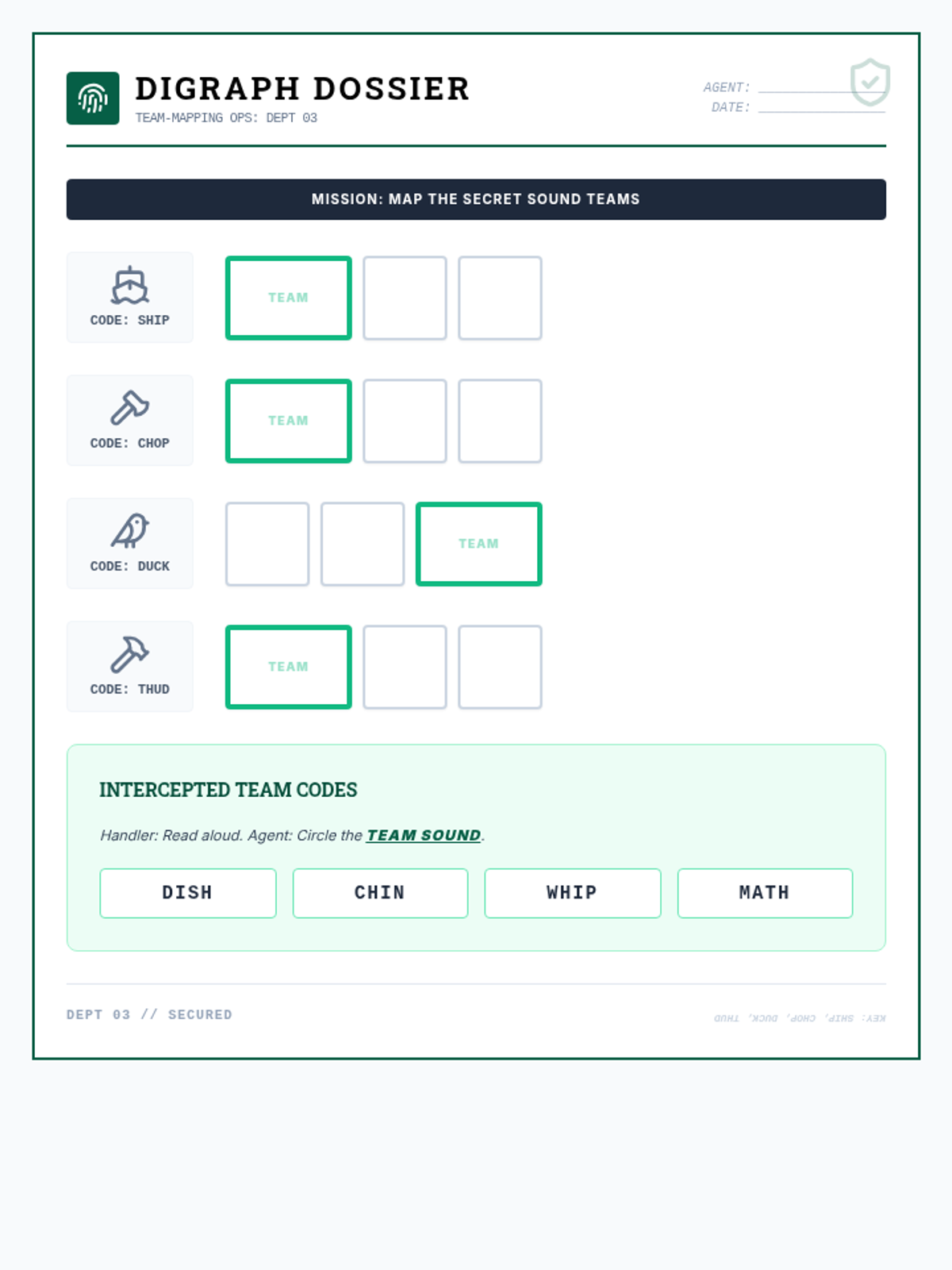
Covers common digraphs (sh, ch, th, wh, ck), teaching students that two letters can represent a single sound for weeks 6-7.
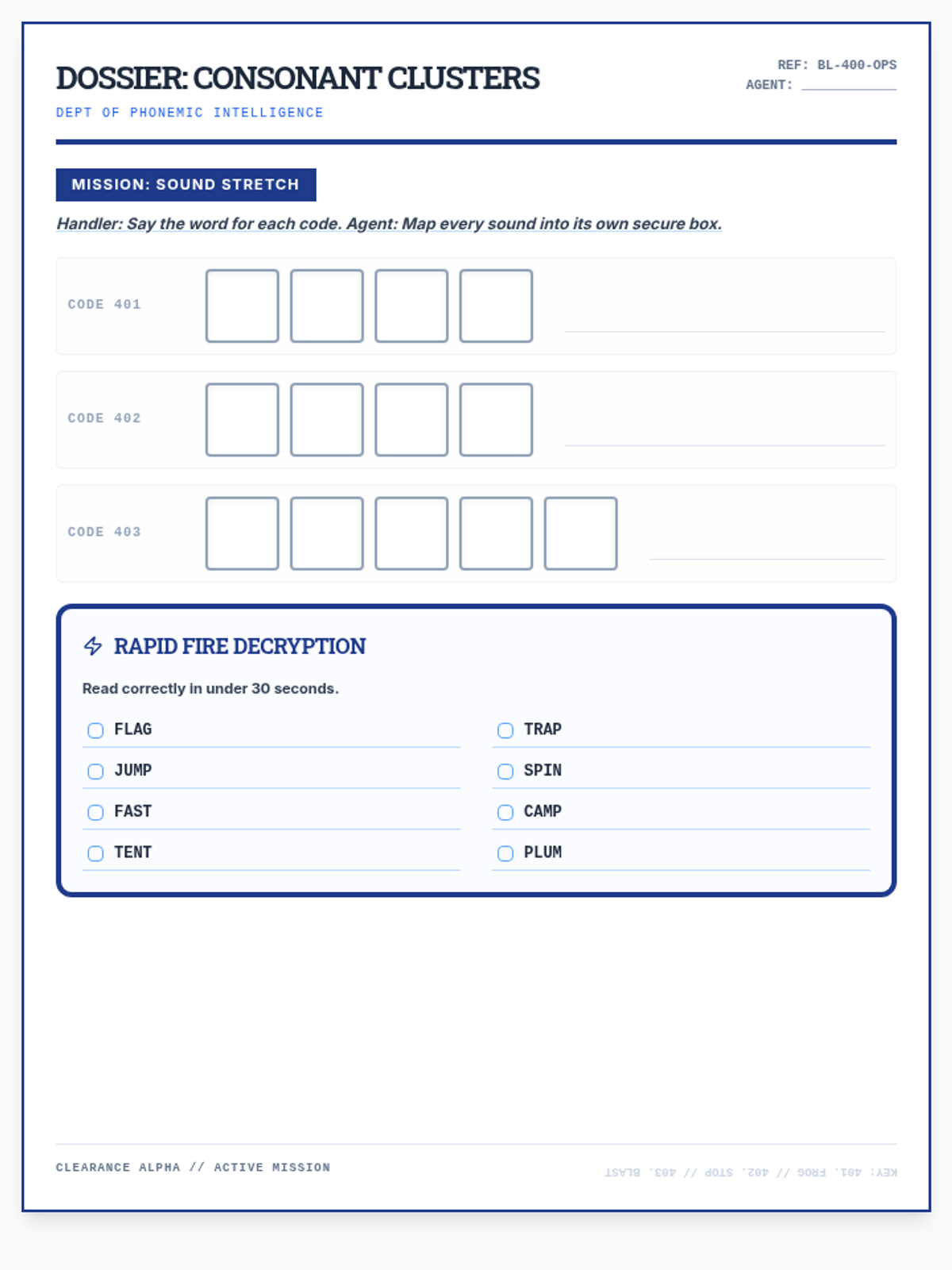
Introduces beginning and ending consonant blends, helping students hear and map multiple sounds within word clusters during weeks 3-5.
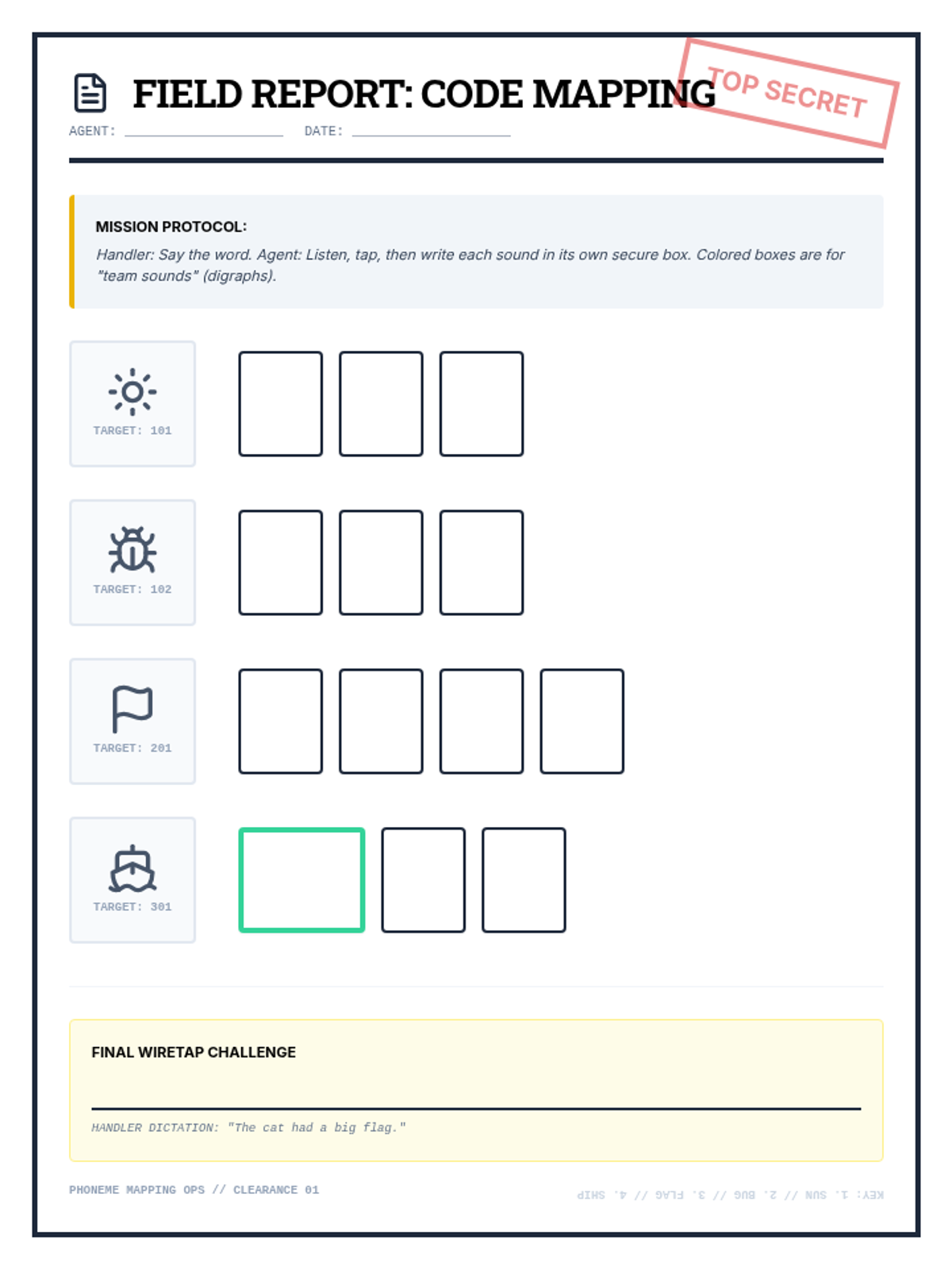
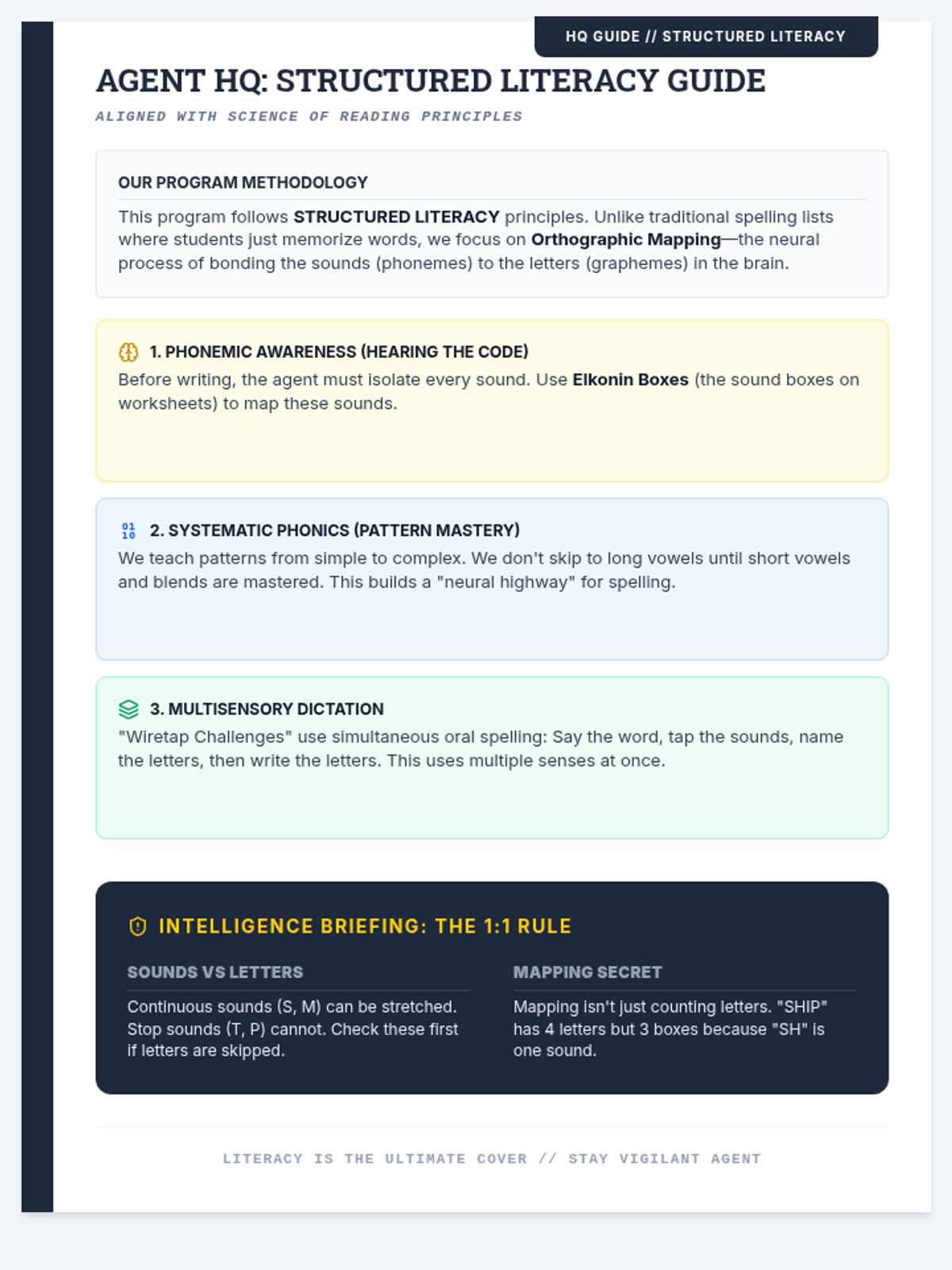
Focuses on CVC (Consonant-Vowel-Consonant) words, emphasizing sound isolation and phonemic awareness for the first two weeks of summer.
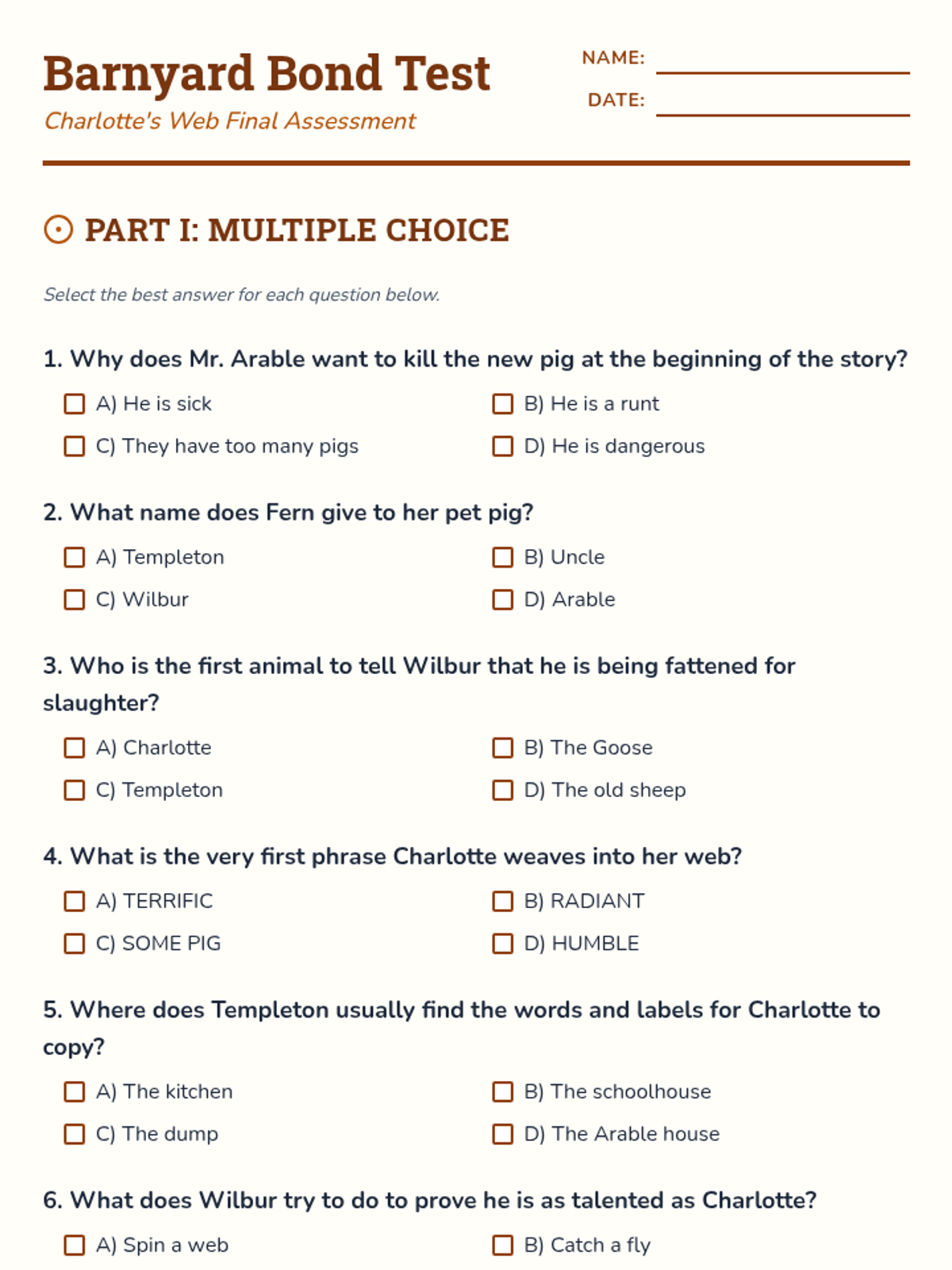
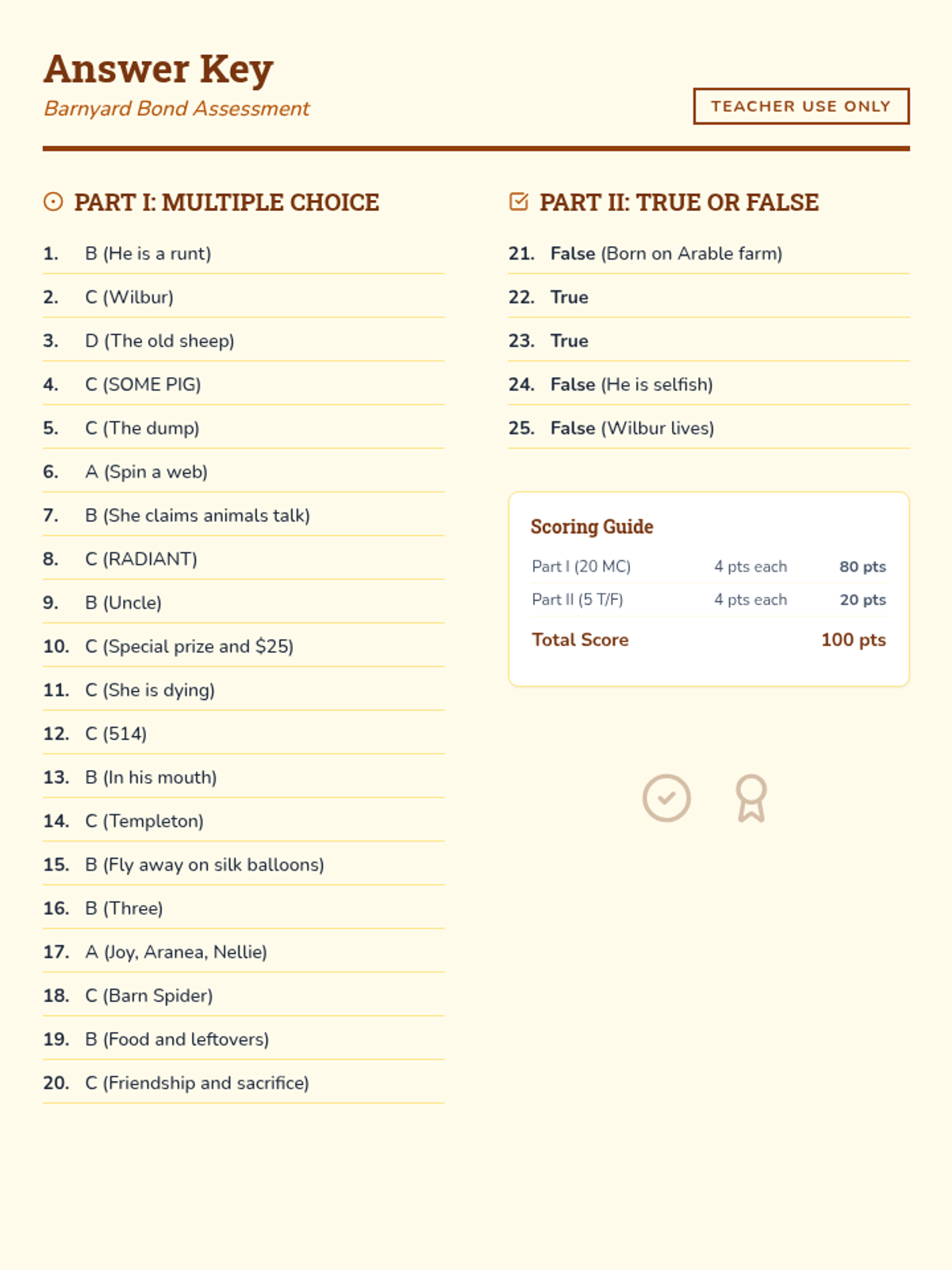
A final assessment for E.B. White's 'Charlotte's Web' including a 25-question test and a corresponding answer key.
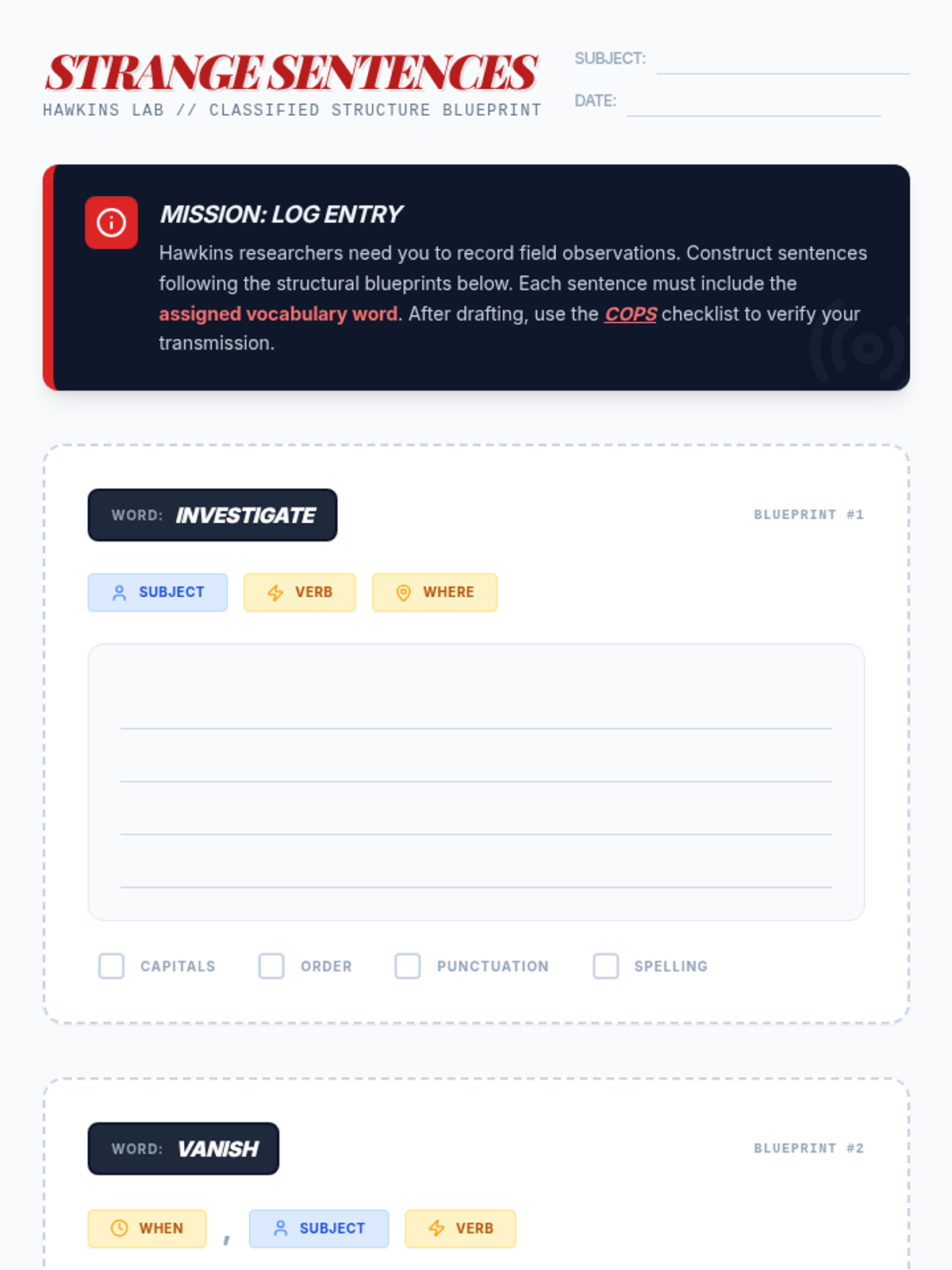
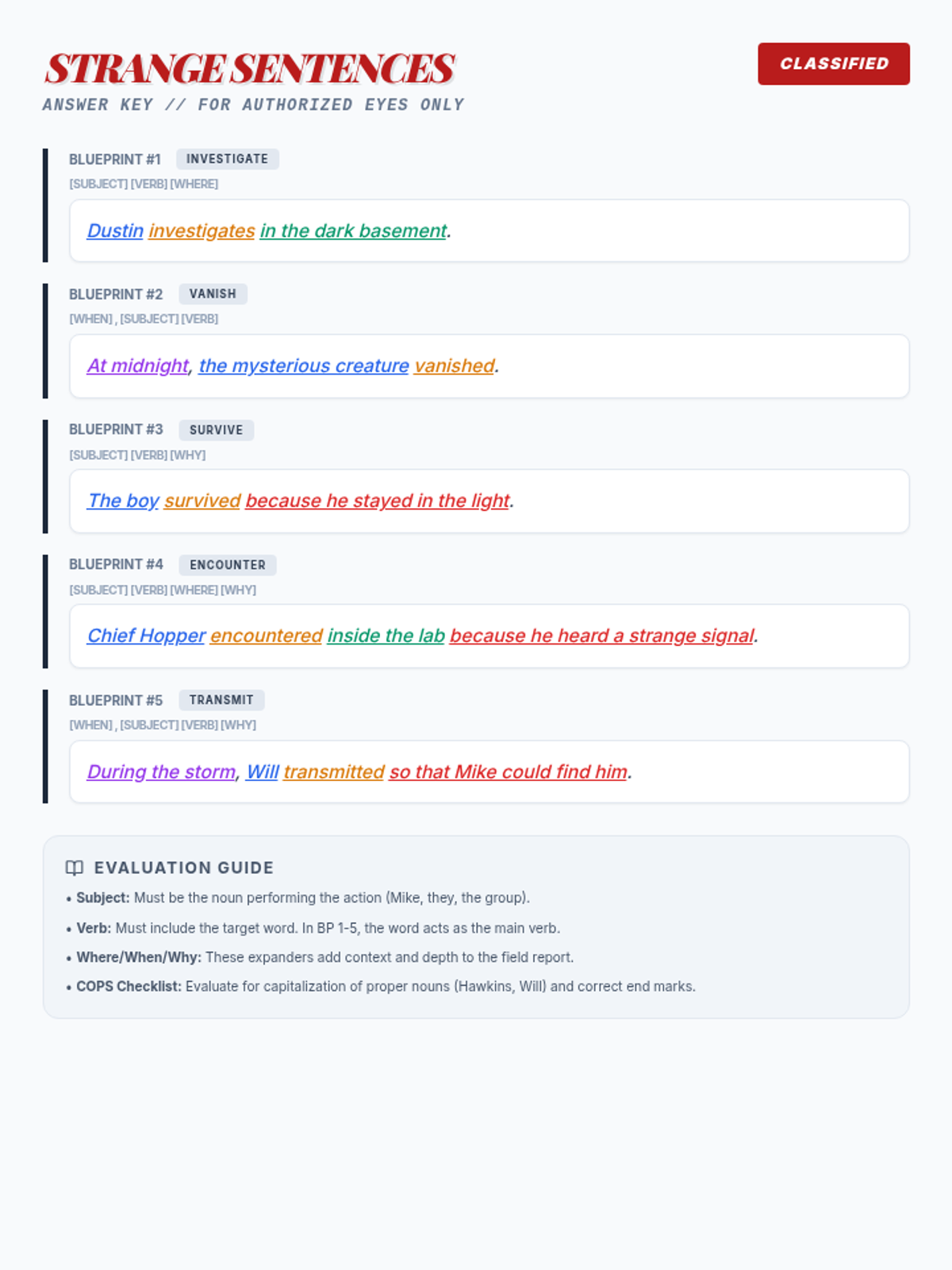
A Stranger Things themed lesson focusing on complex sentence construction using subject, predicate, and various predicate expanders (where, when, why).
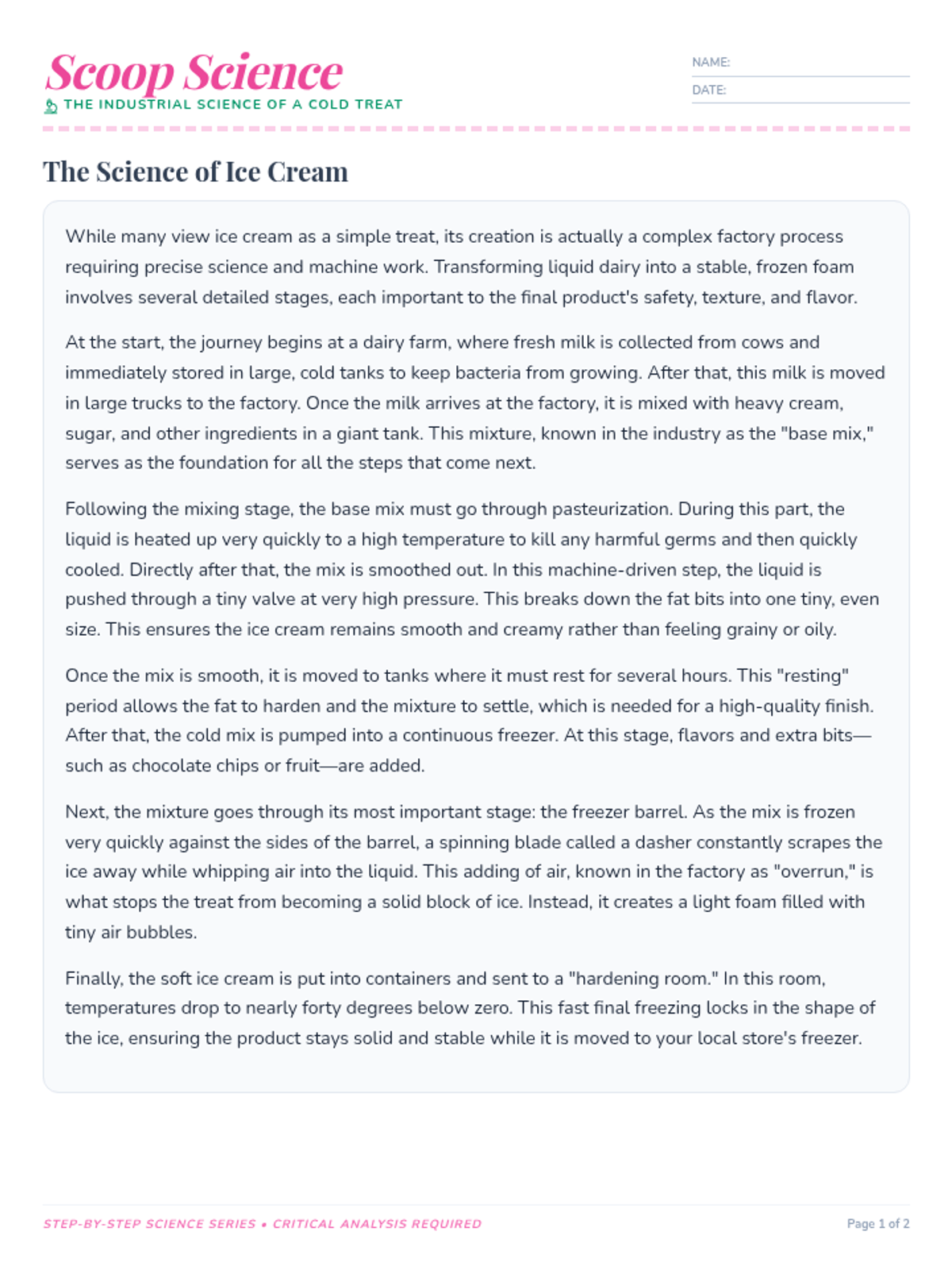
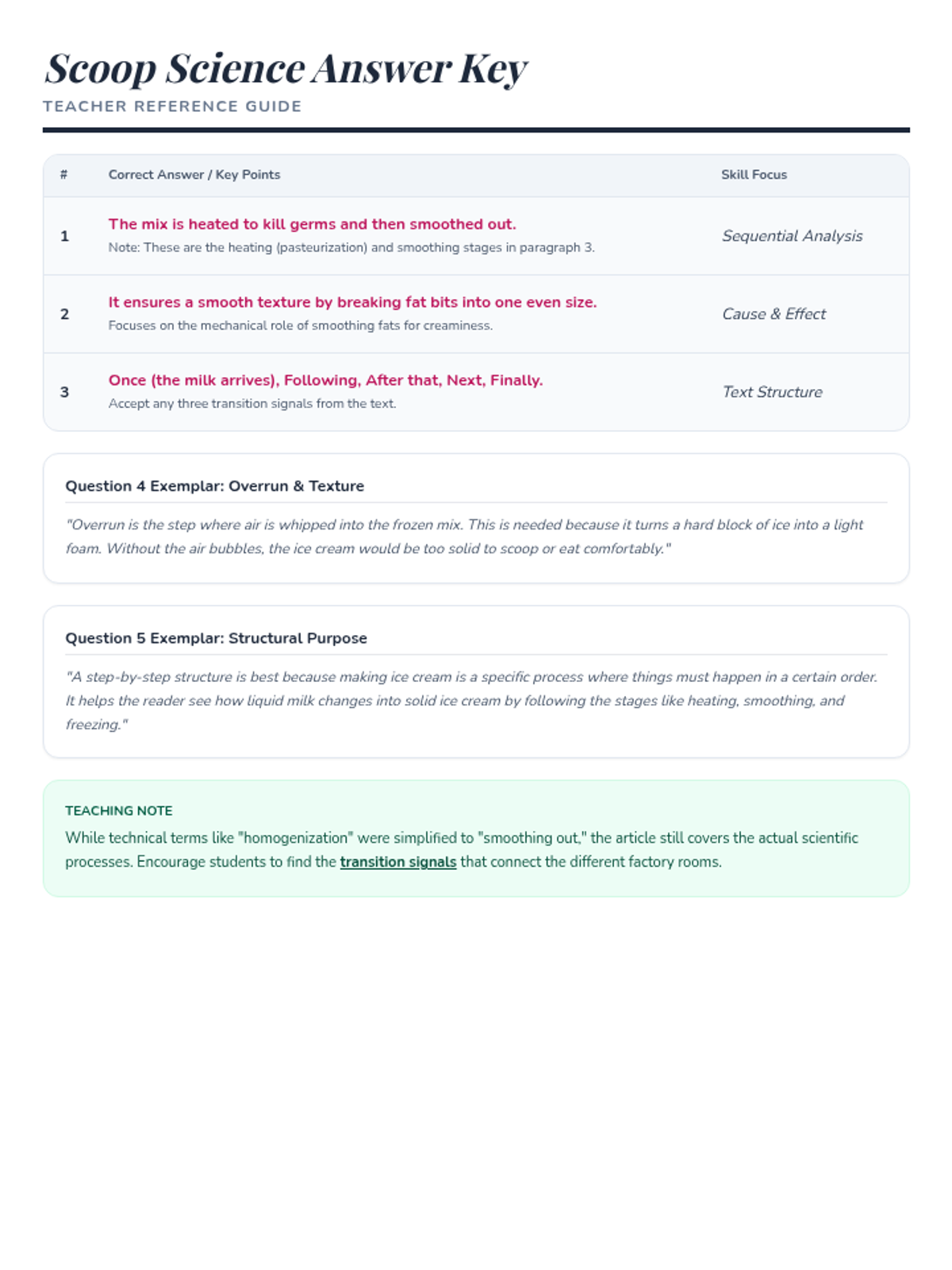
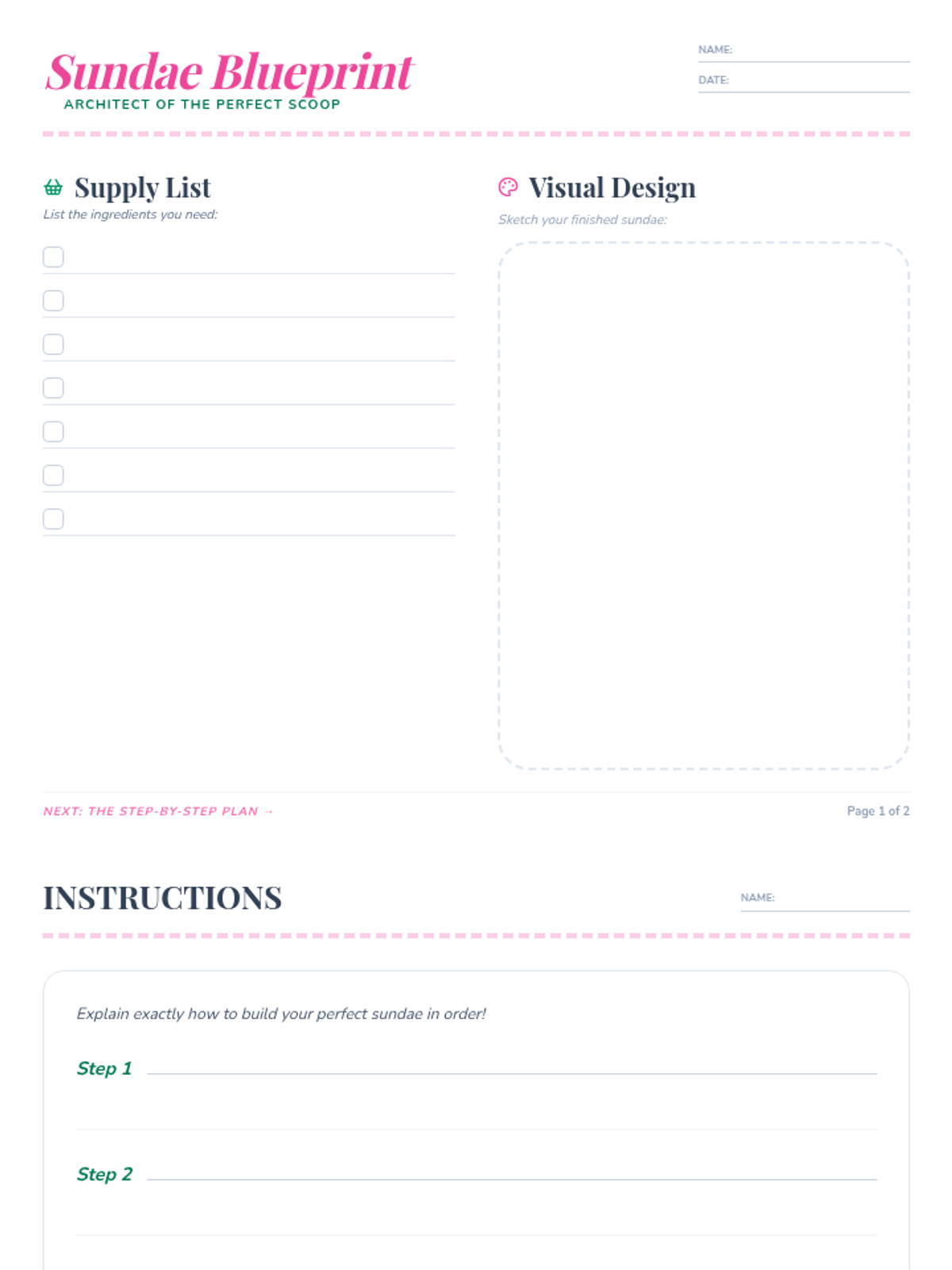
A lesson exploring the step-by-step process of making ice cream, focusing on chronological text structure and reading comprehension for elementary students.
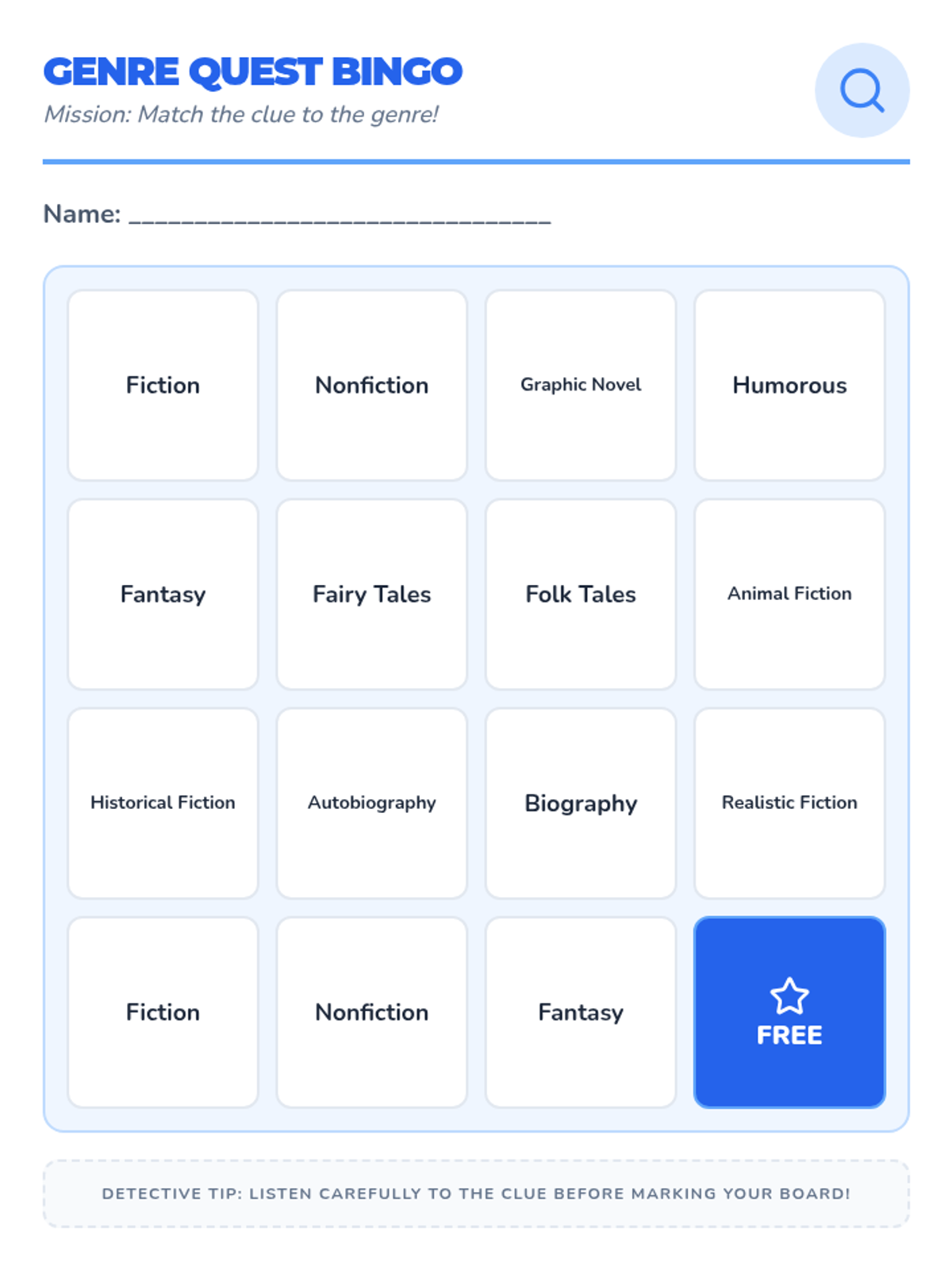
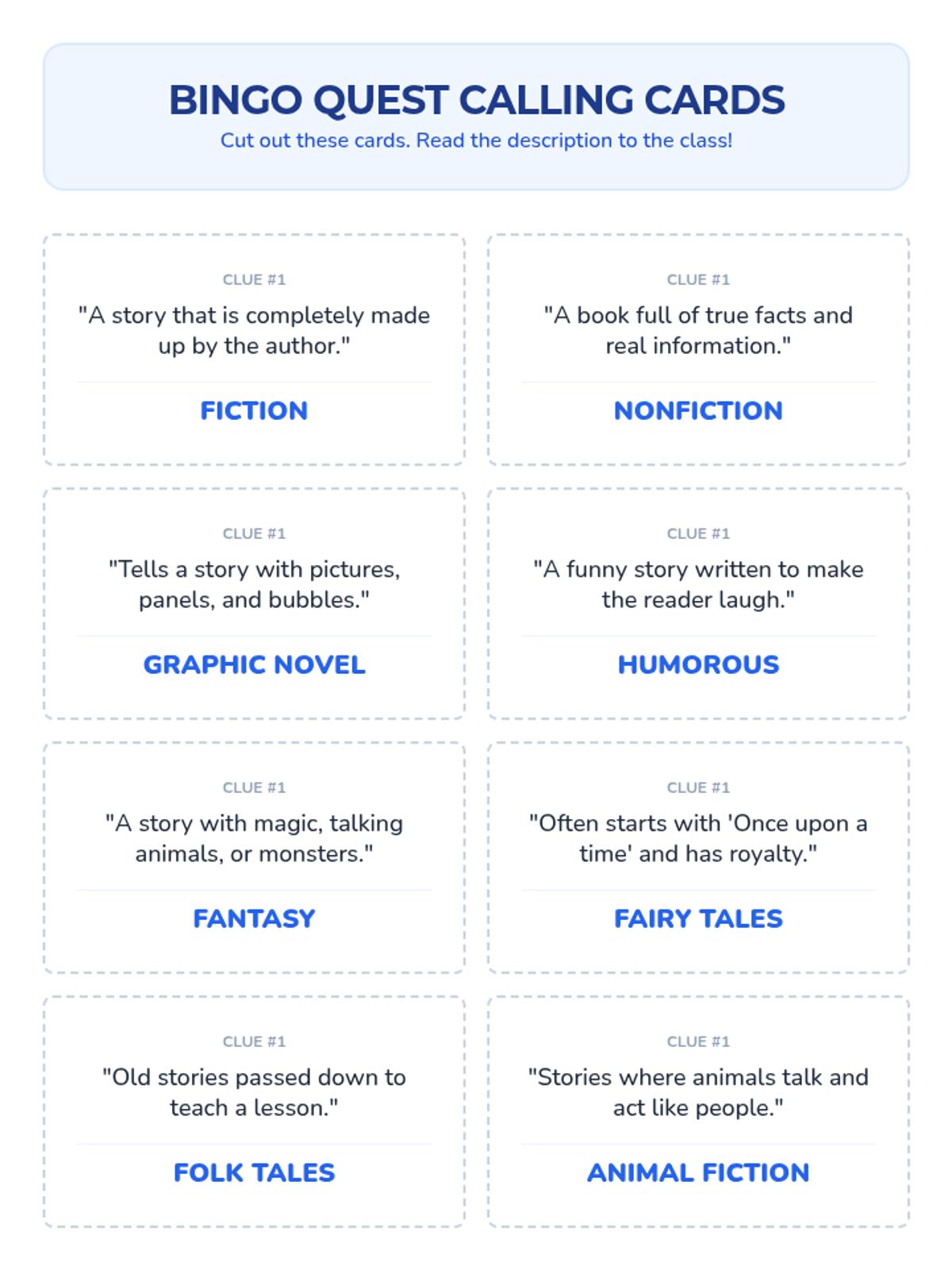
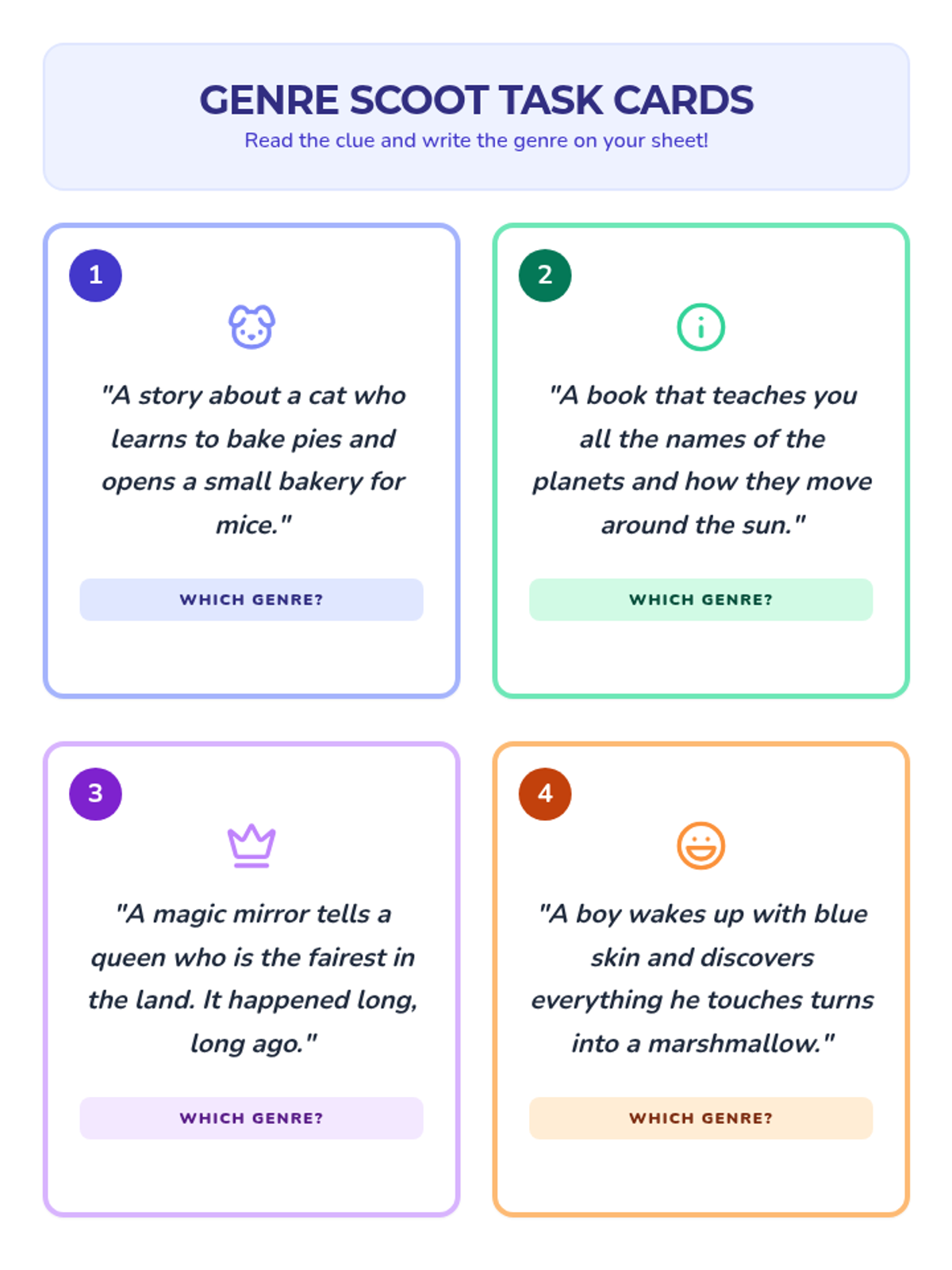
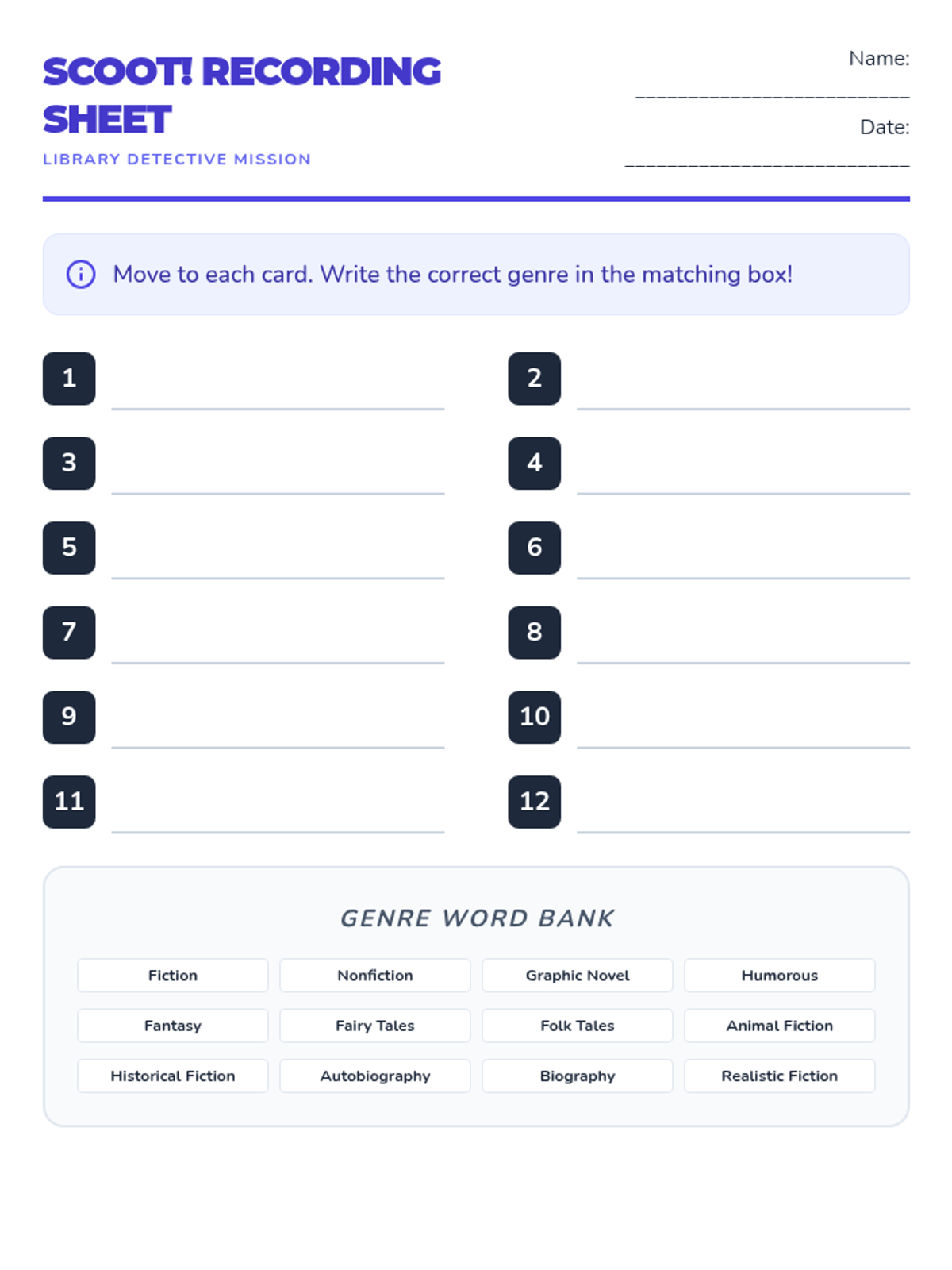
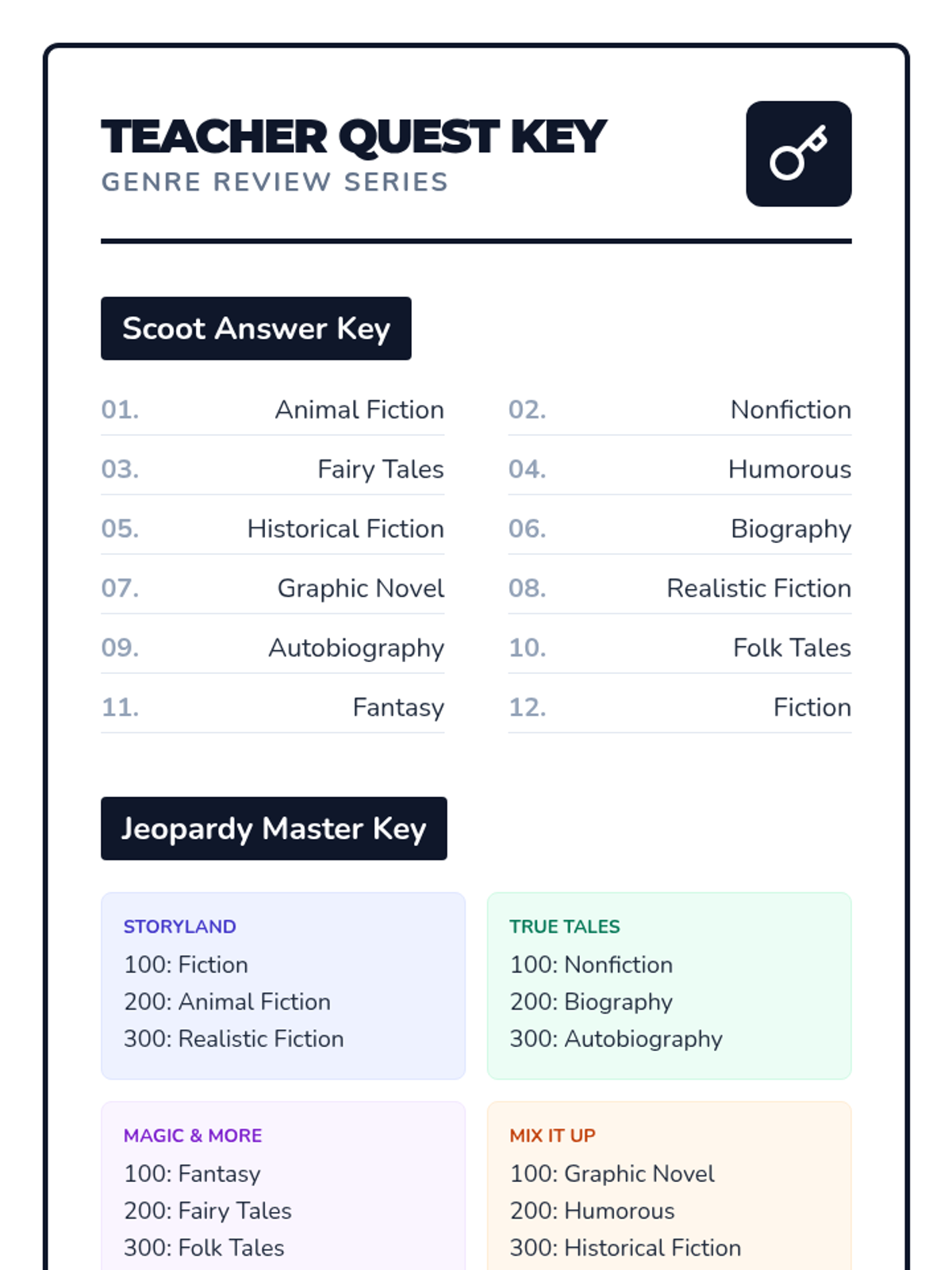
A comprehensive set of interactive games designed for K-3 students to master various reading genres through multiple play formats.
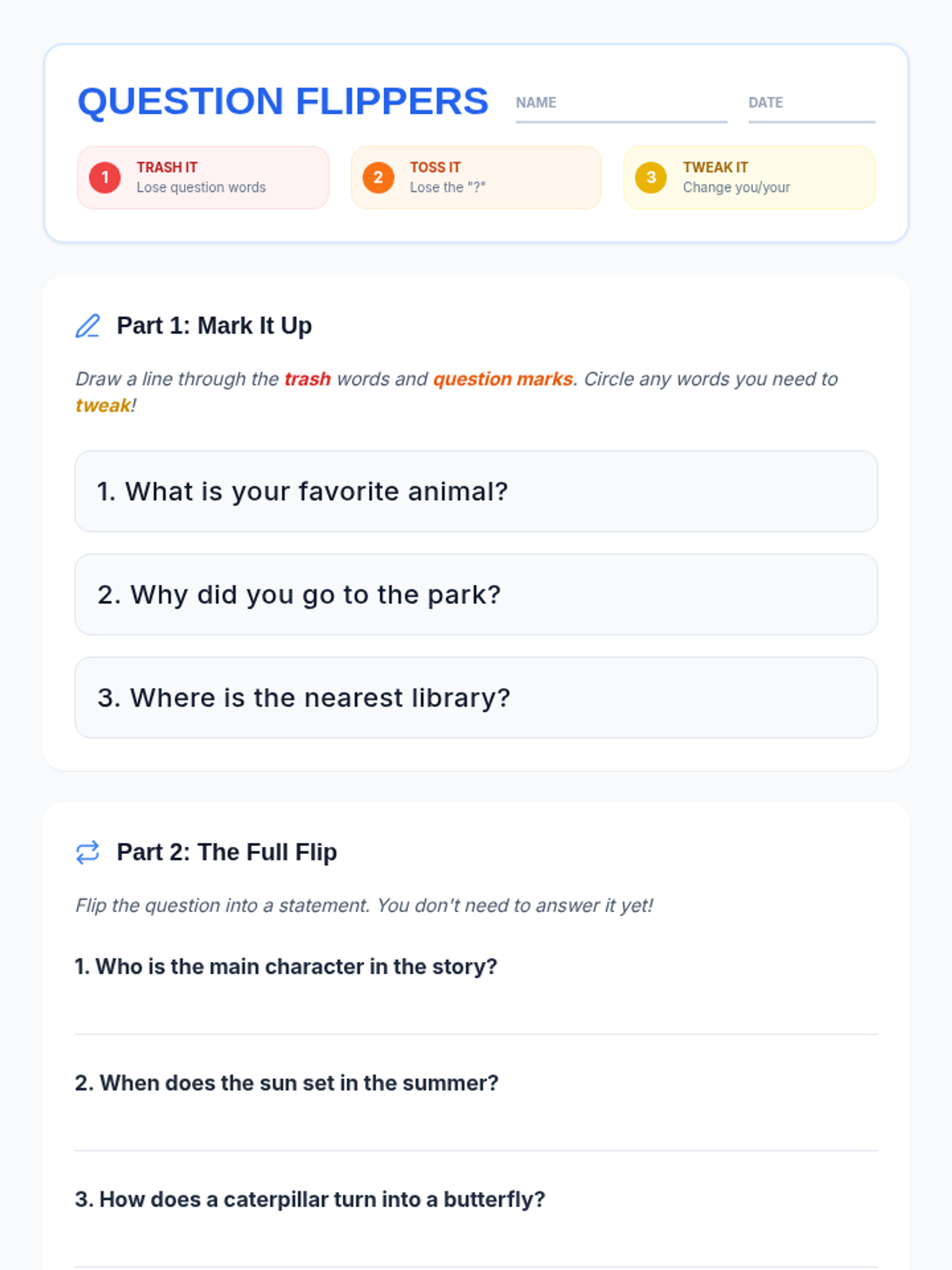
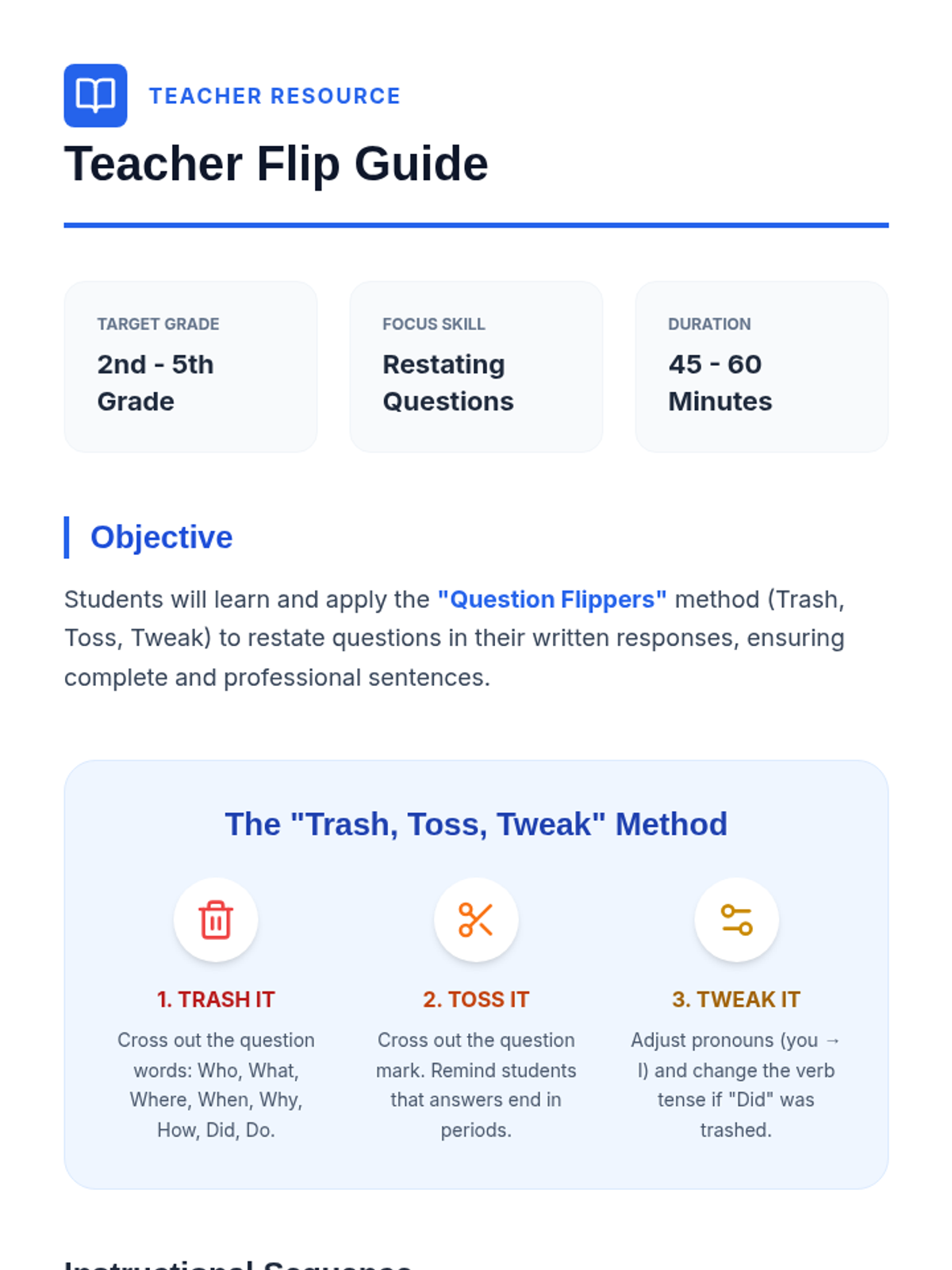
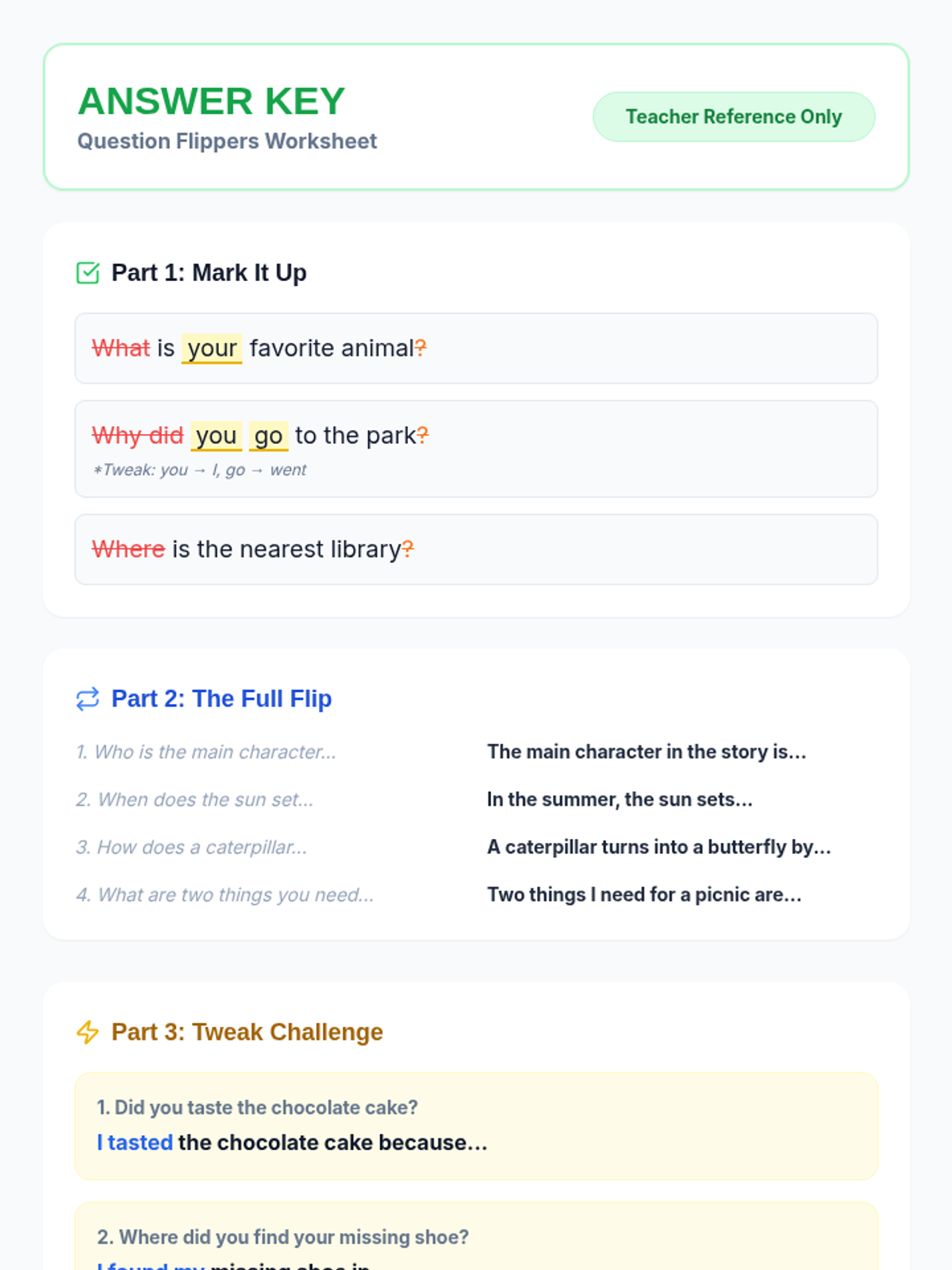
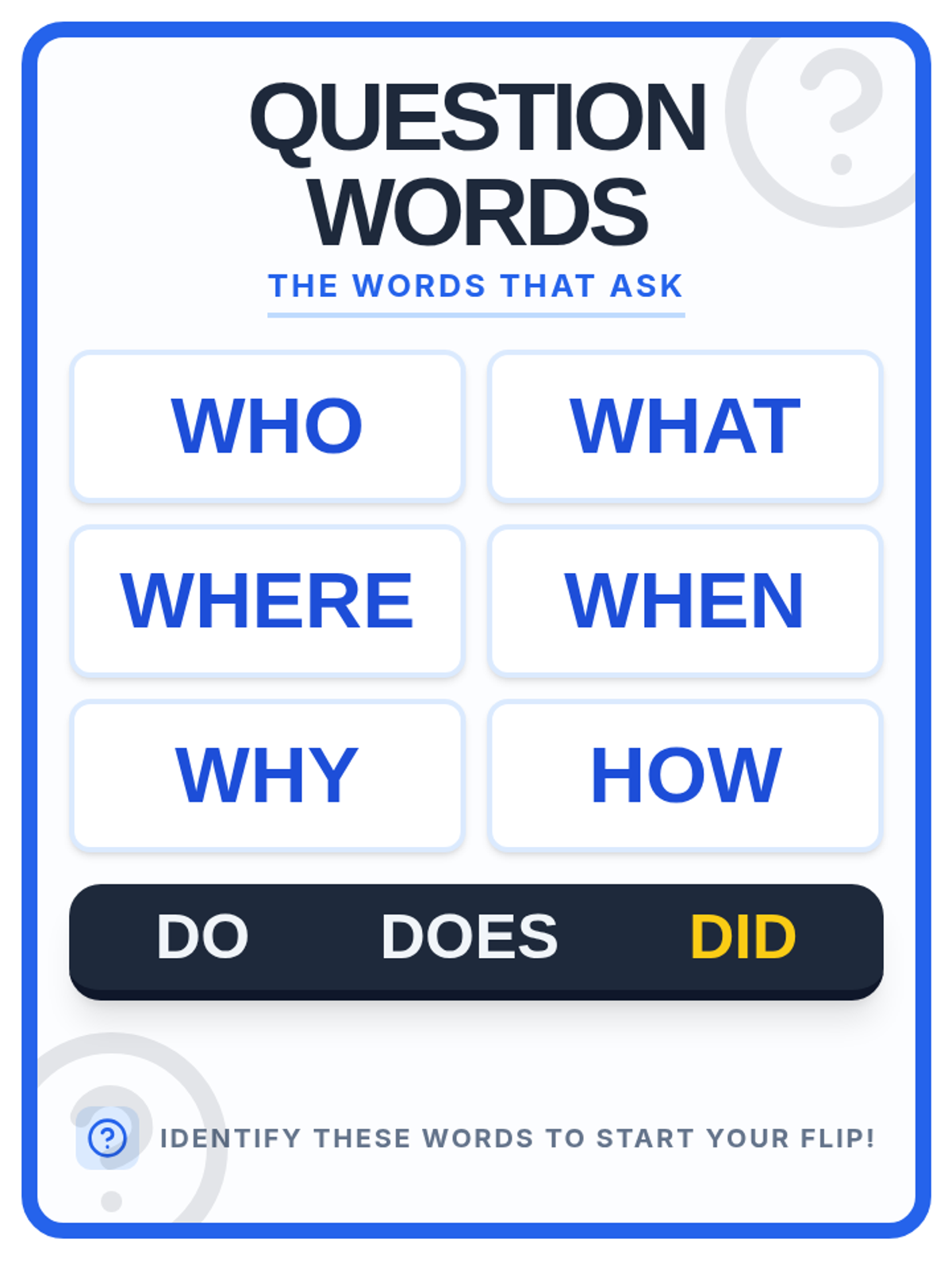
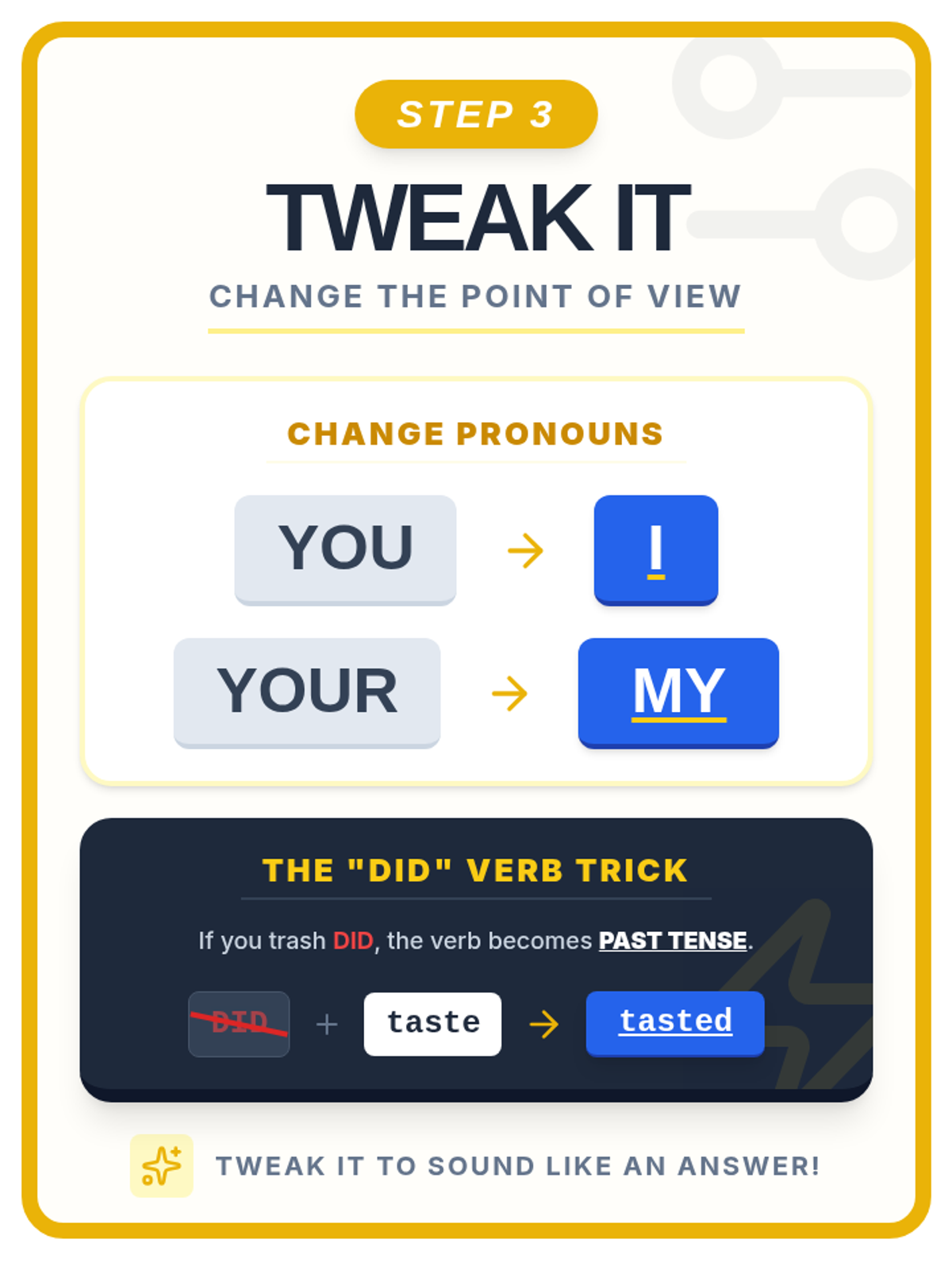
A step-by-step lesson teaching students how to restate a question in their written answers using the "Question Flippers" method: Trash, Toss, and Tweak.
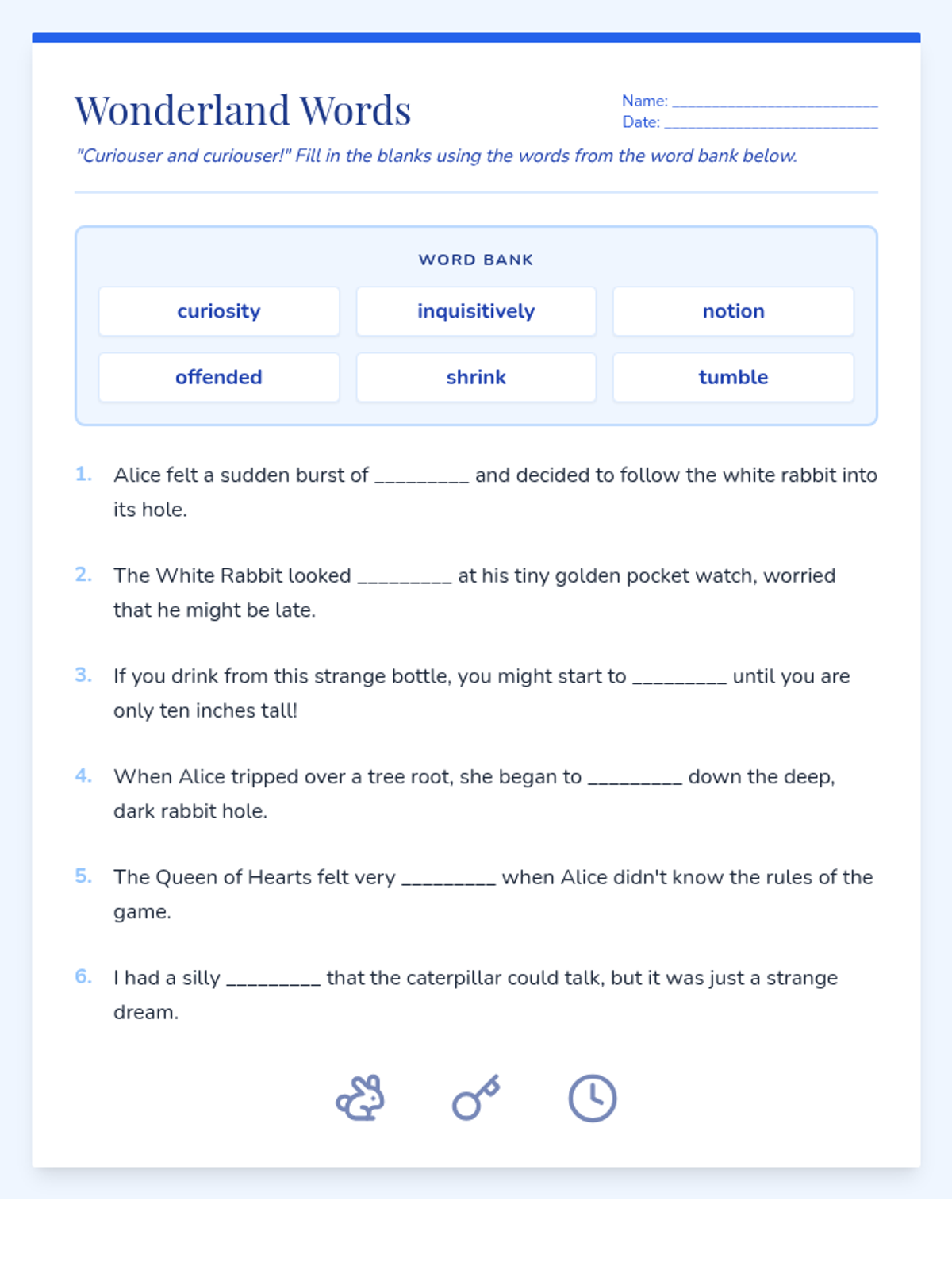
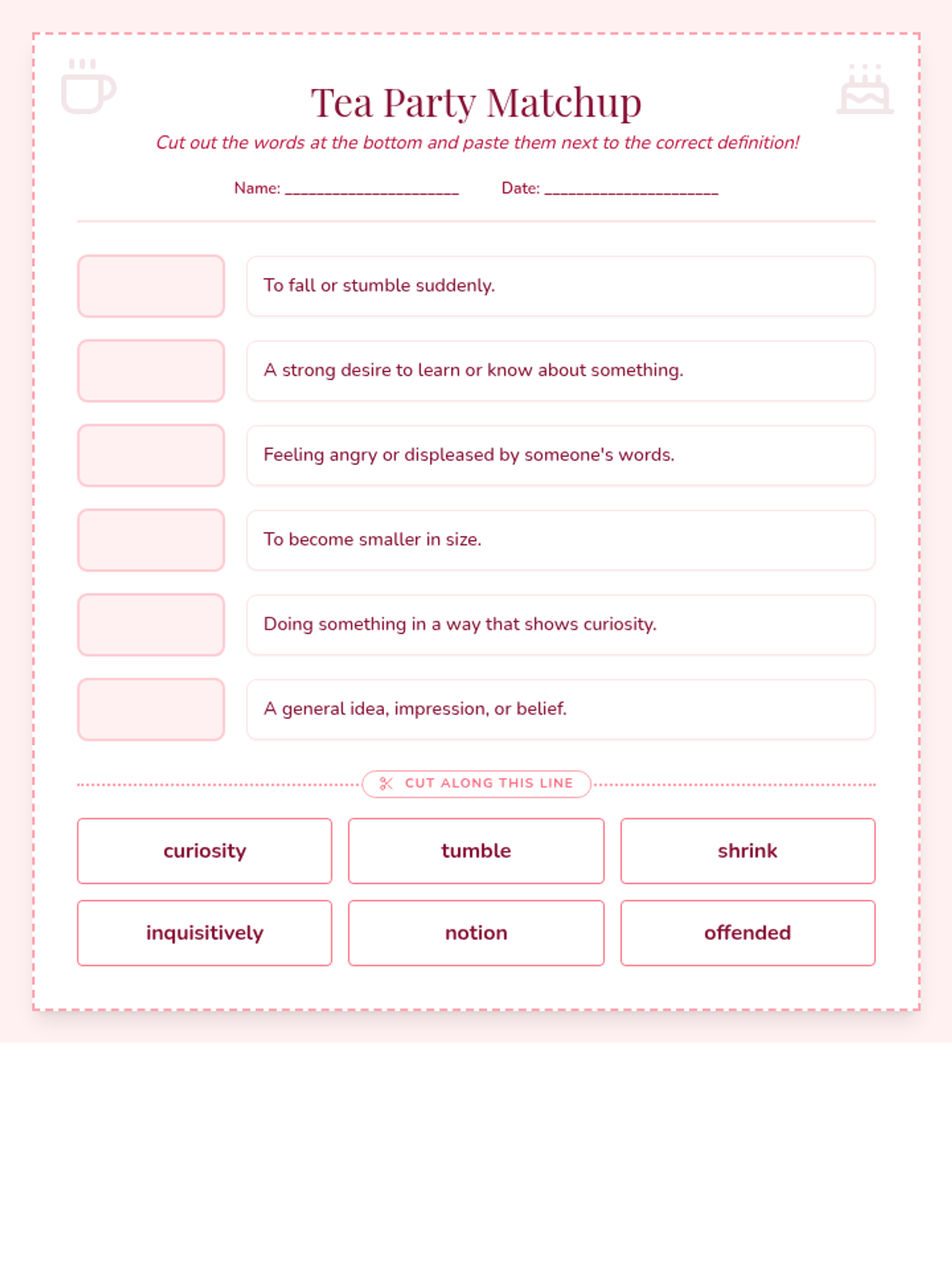
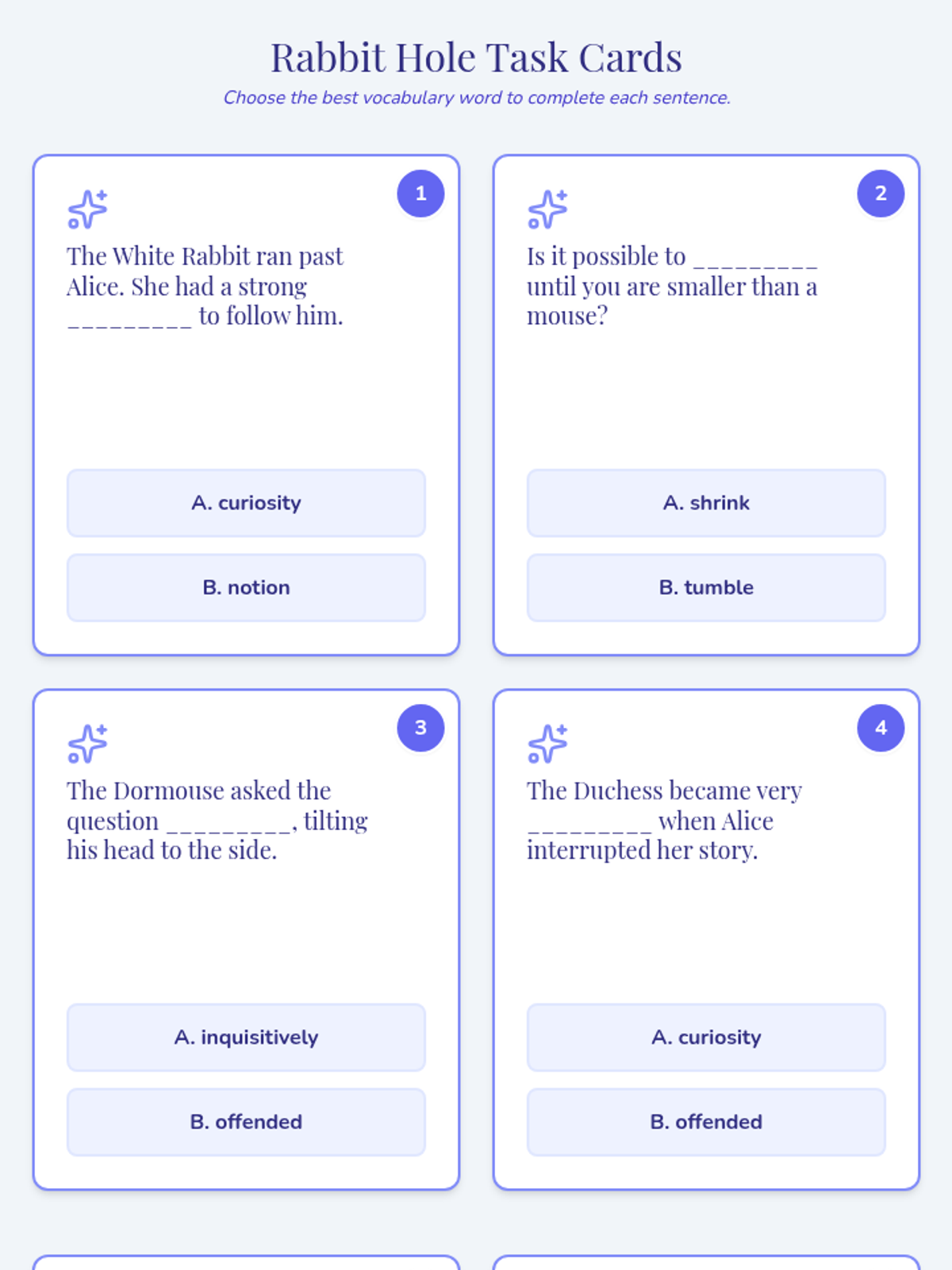
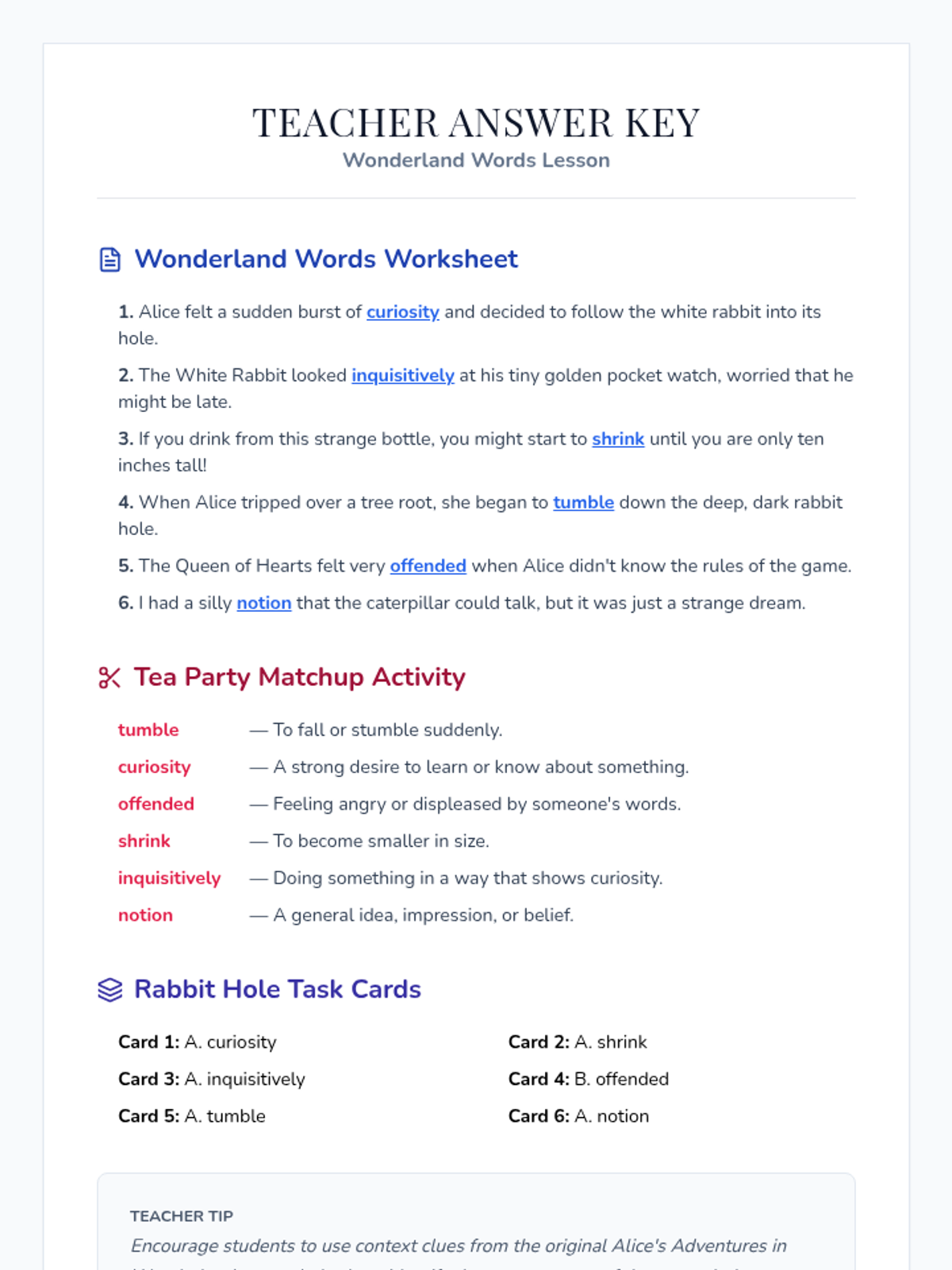
A vocabulary lesson based on words from Alice's Adventures in Wonderland, featuring interactive practice and assessment materials.
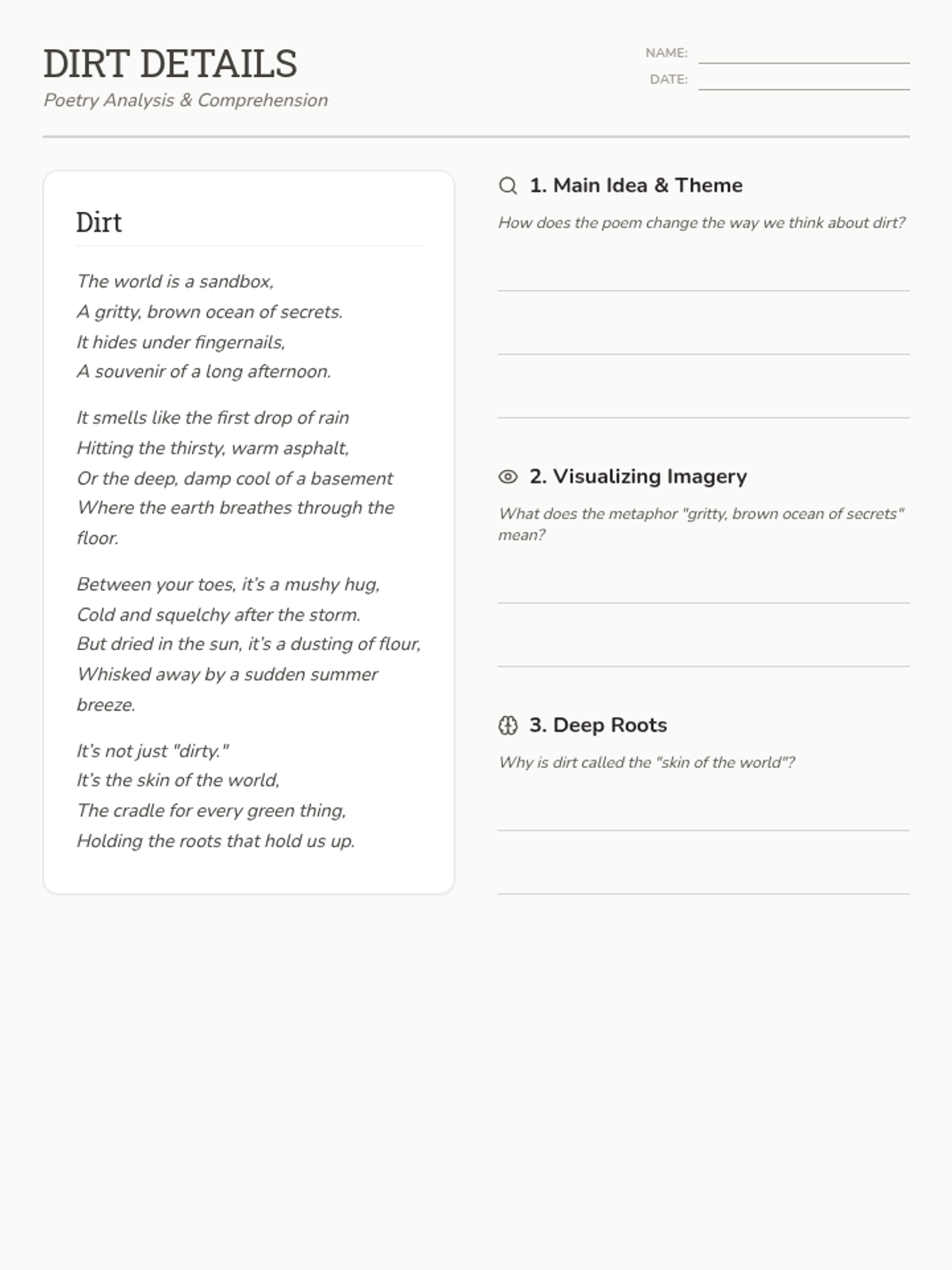
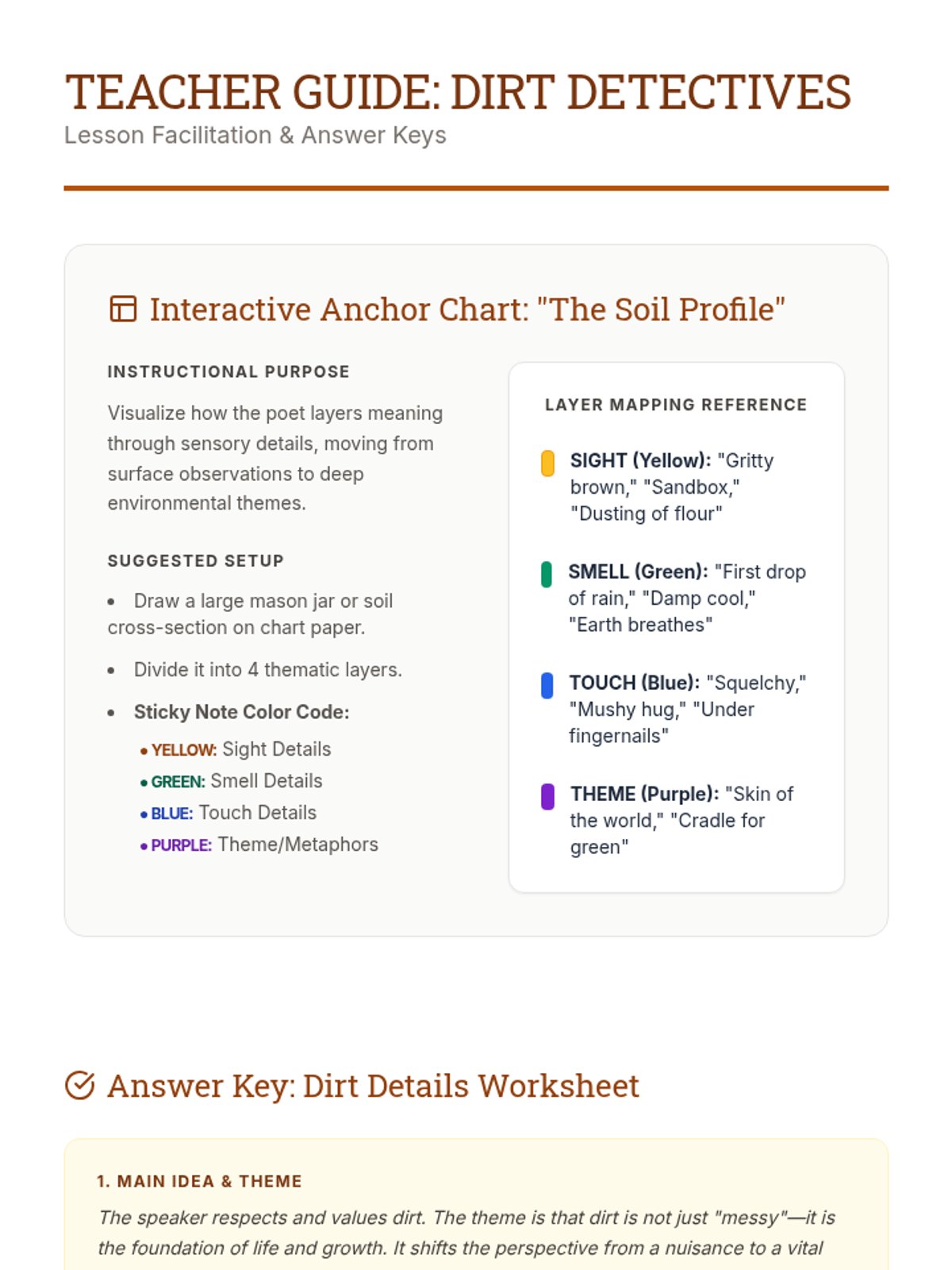
A sensory-focused exploration of the poem 'Dirt', focusing on identifying themes and mapping sensory imagery through interactive activities.
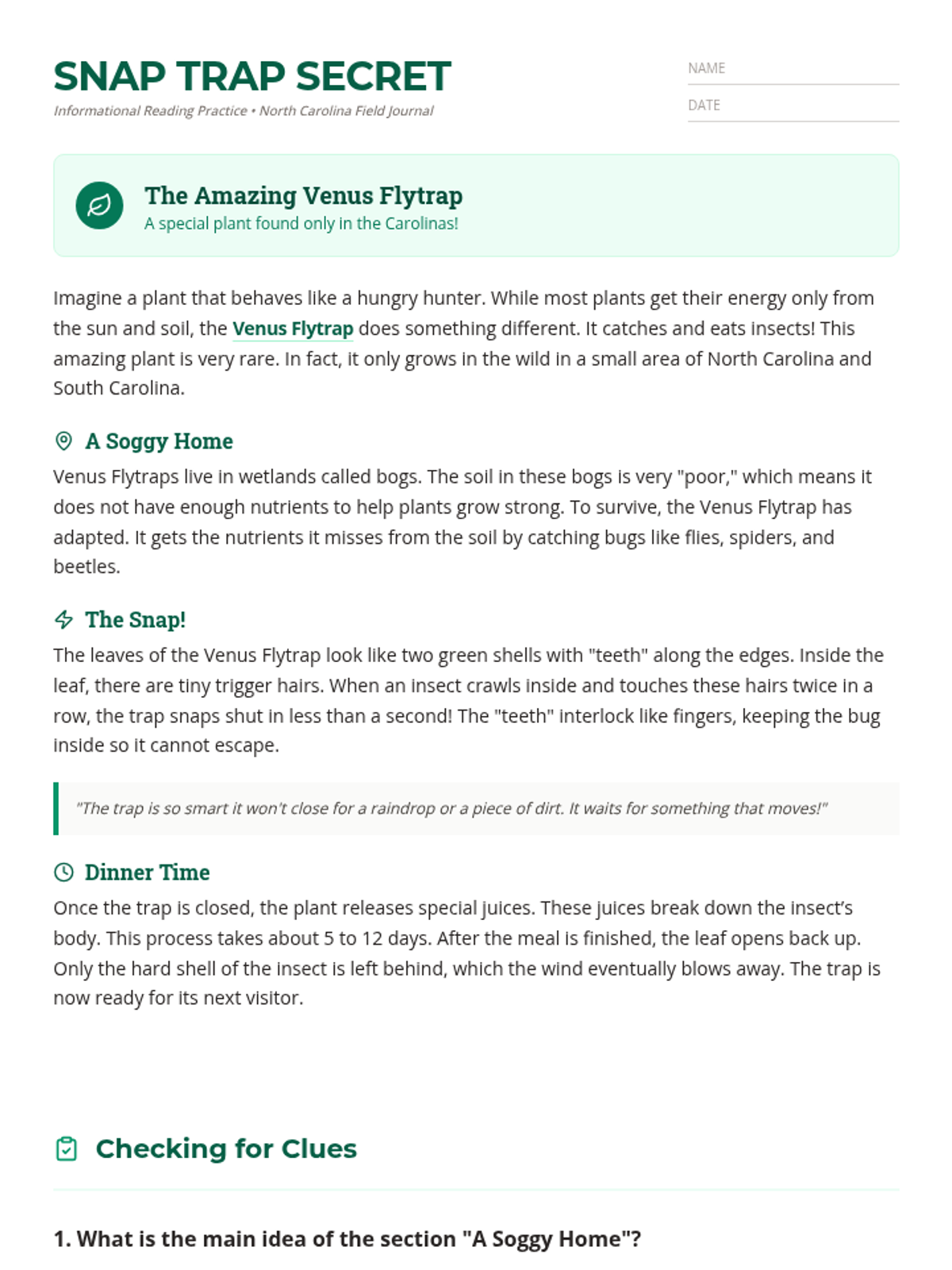
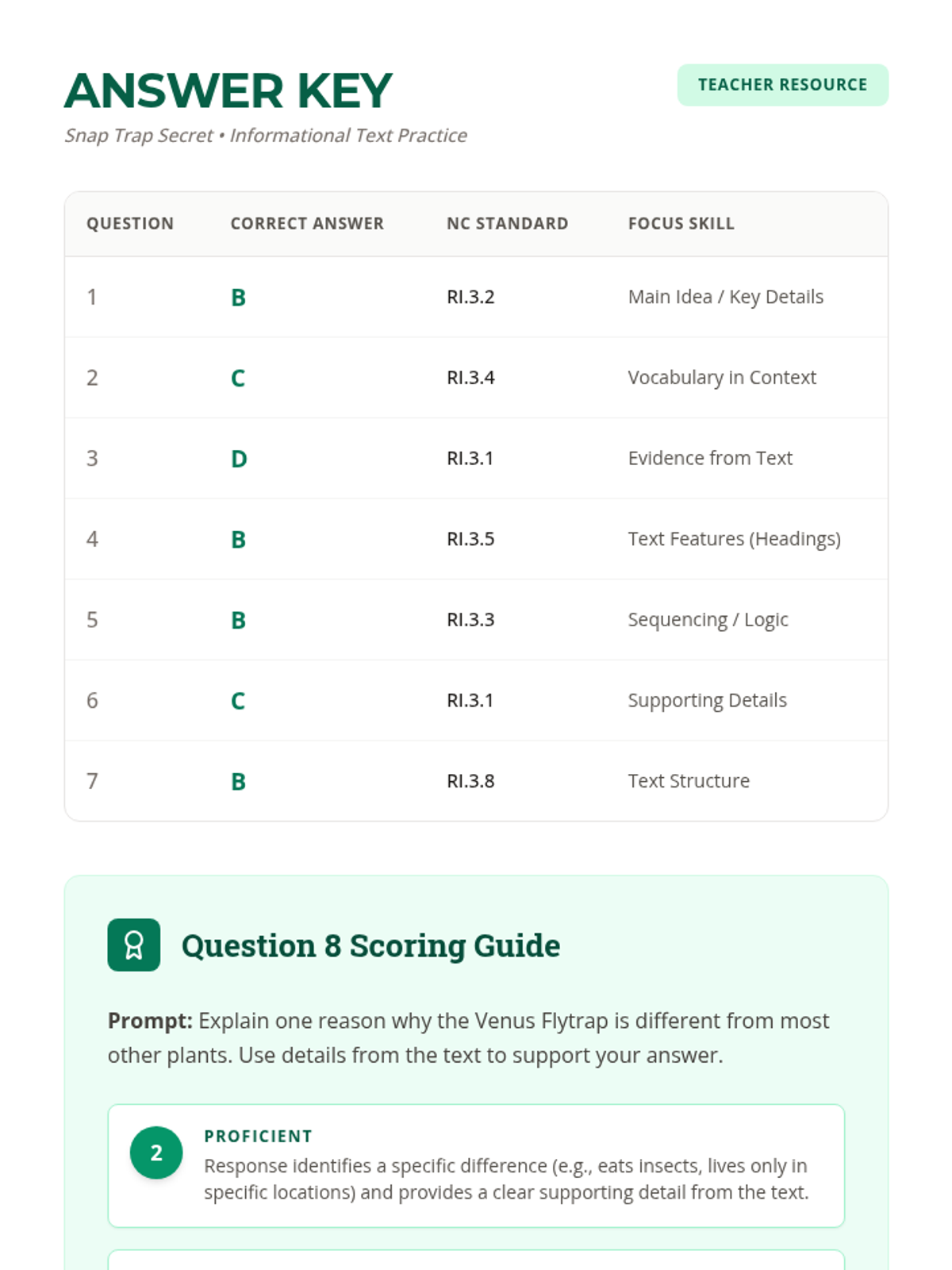
A practice lesson focused on Reading Informational Text standards for the NC EOG, featuring a local North Carolina wonder: the Venus Flytrap. Students will practice identifying main ideas, using text features, and determining word meanings.
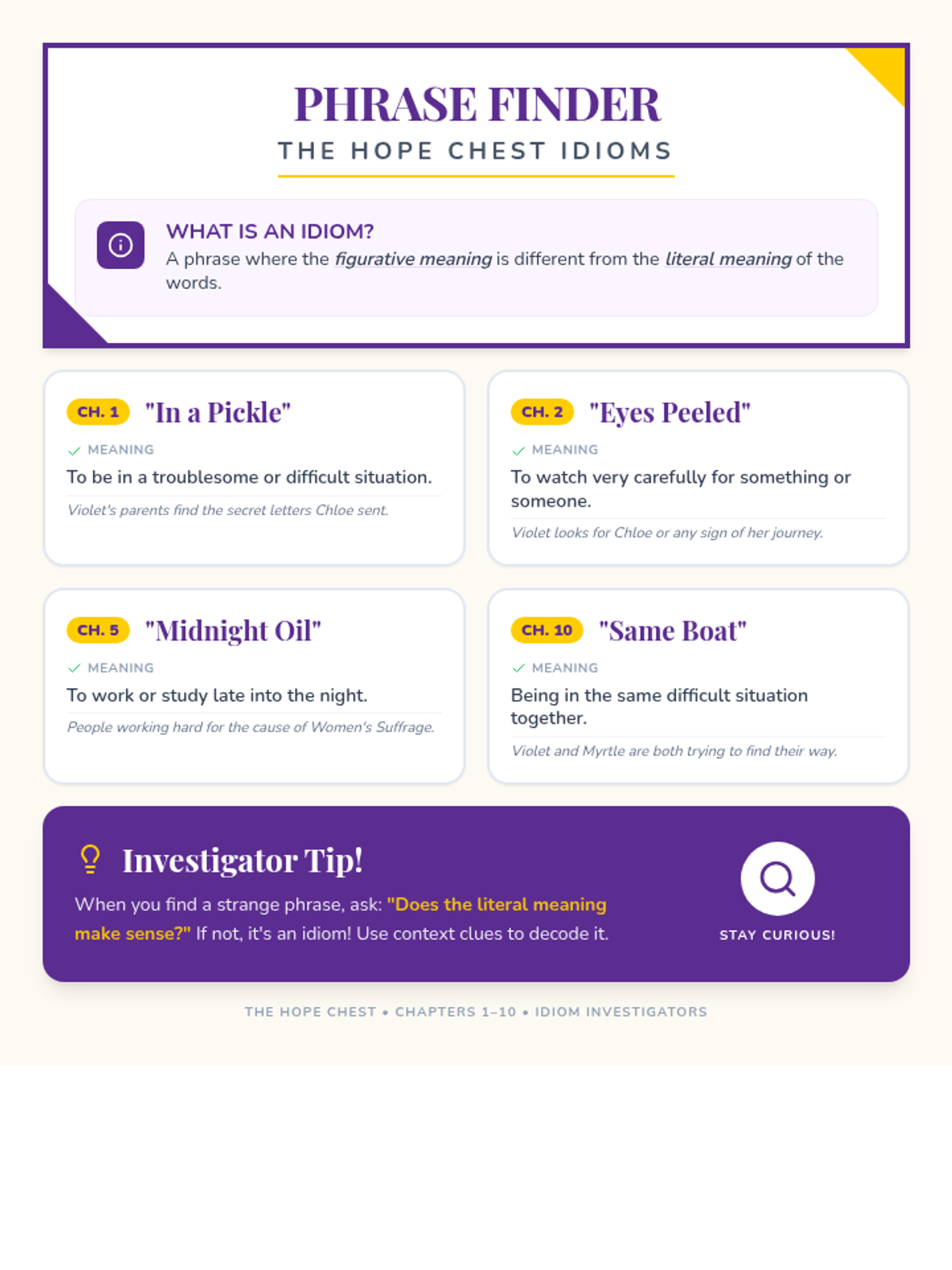
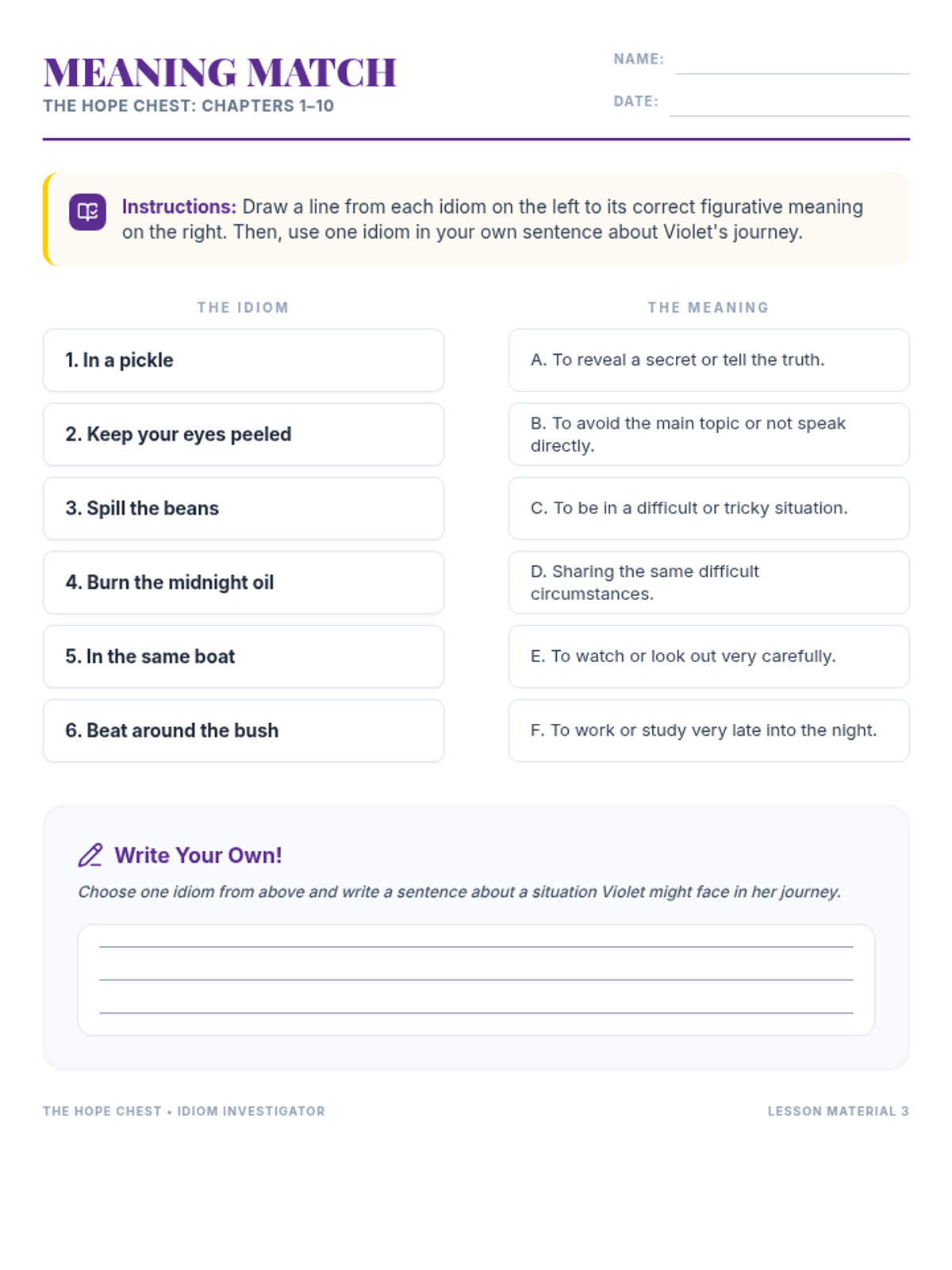
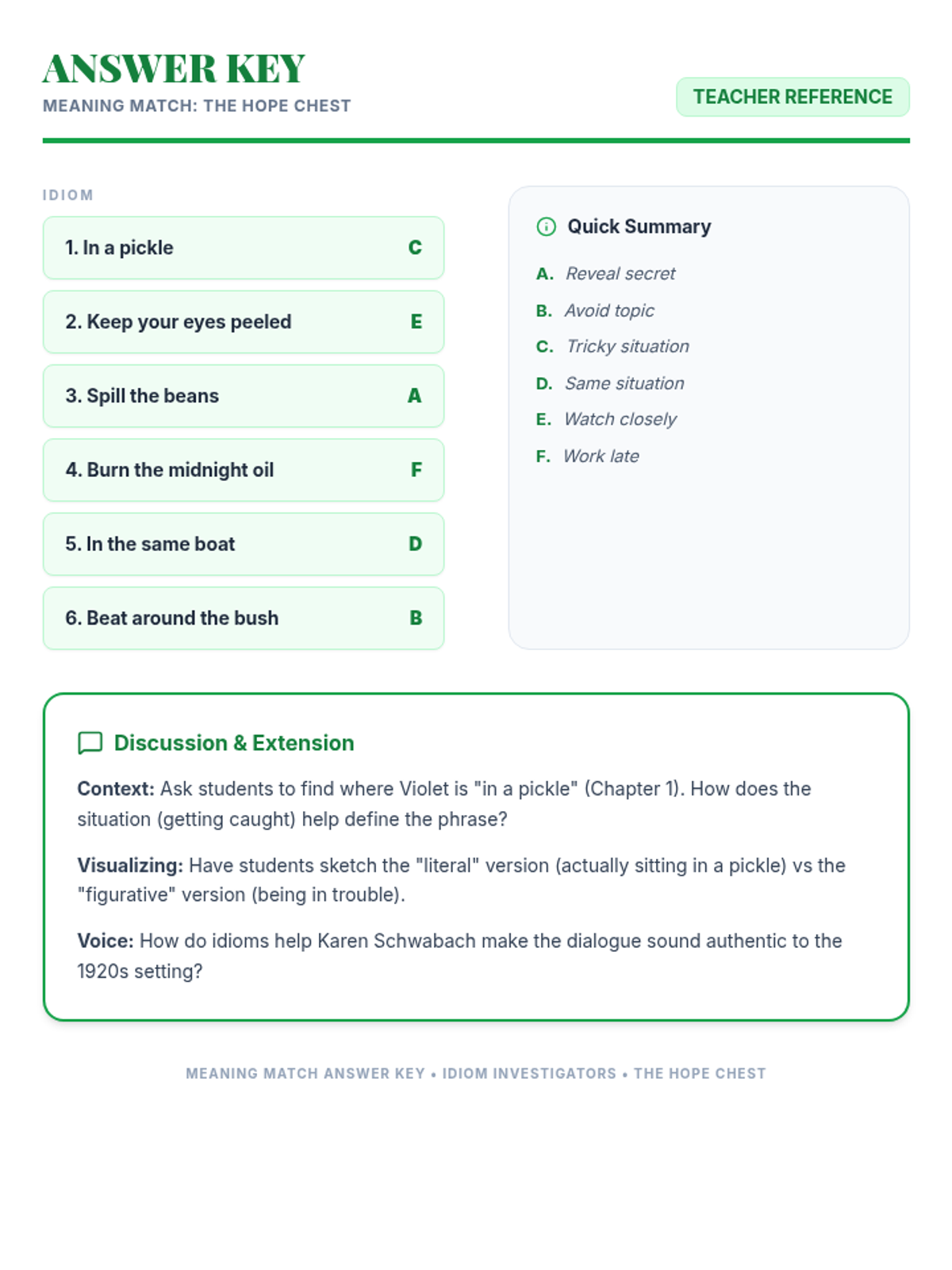
A mini-lesson exploring common idioms found in chapters 1-10 of *The Hope Chest*, helping students understand figurative language through the lens of Violet's journey.
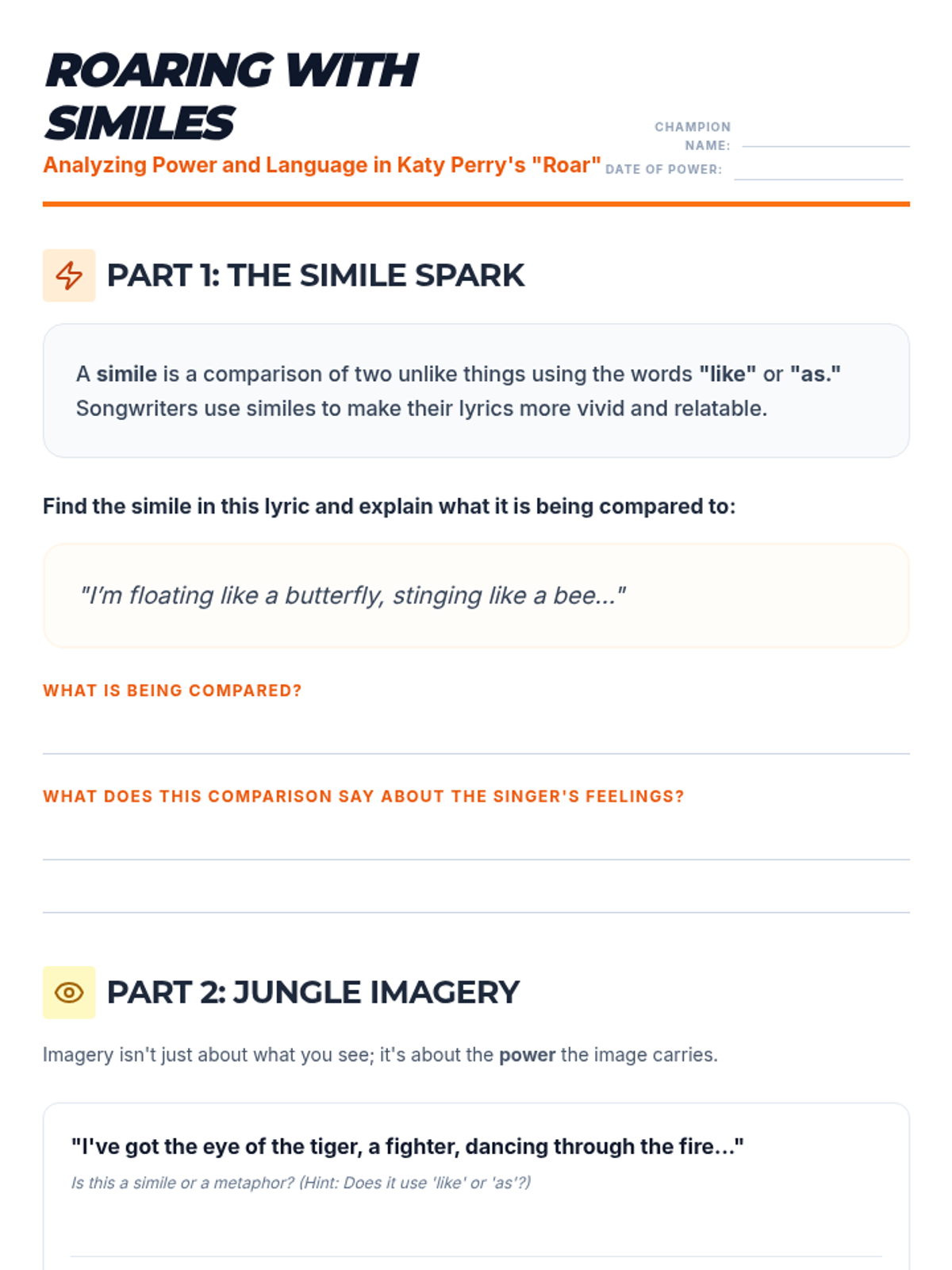
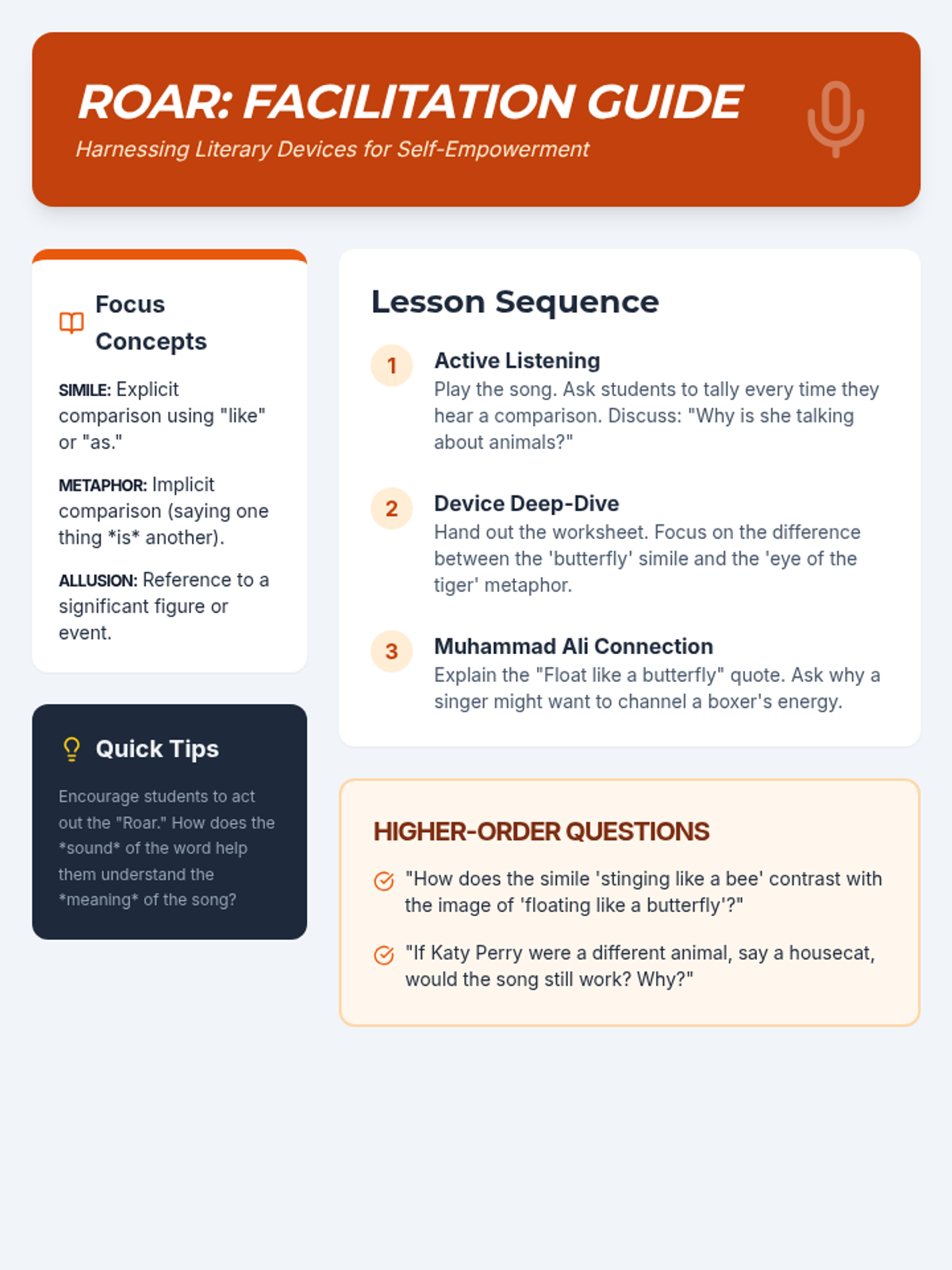
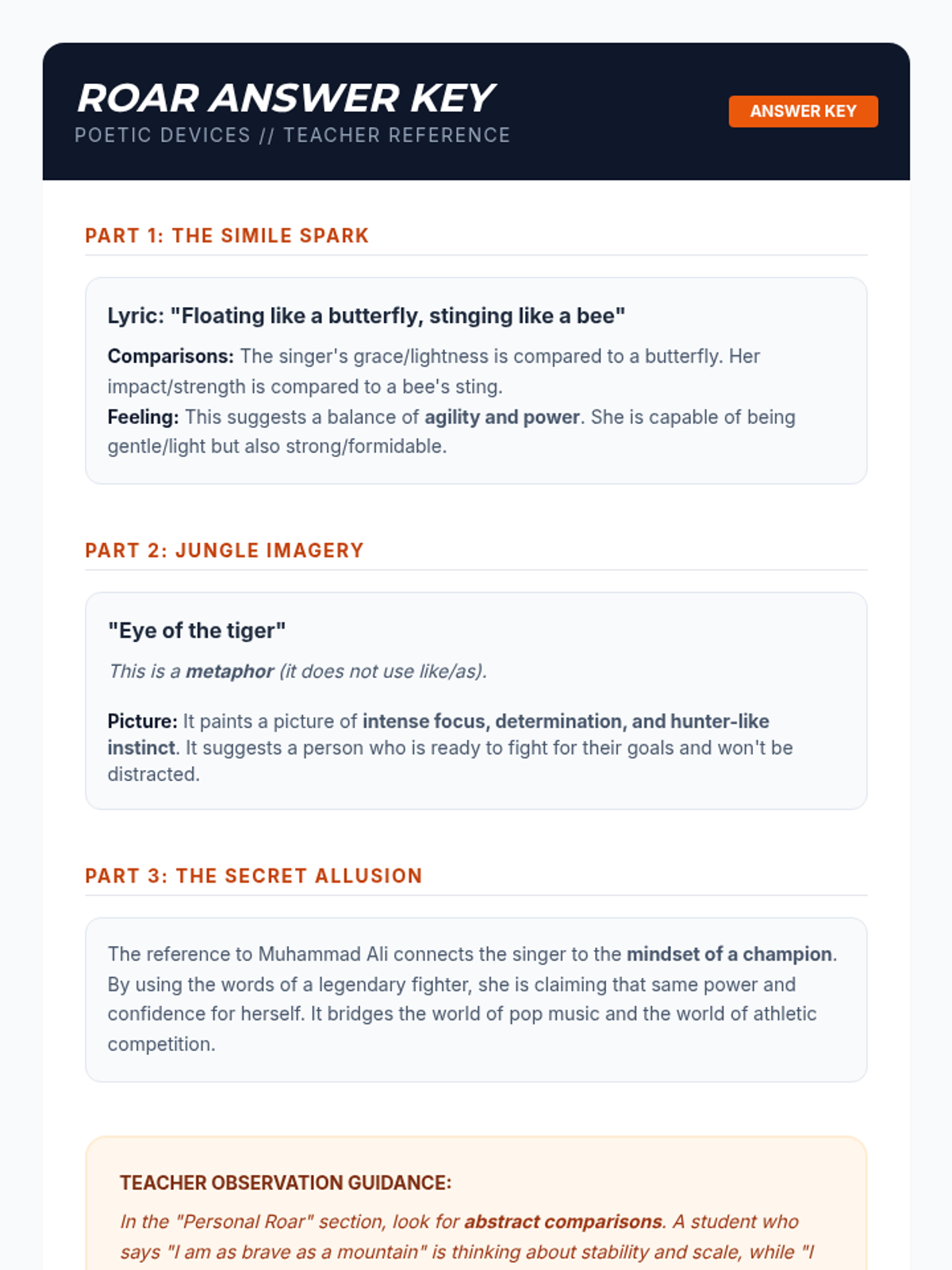
Students explore the use of similes and metaphors in Katy Perry's 'Roar' to express self-empowerment and strength. They analyze how these literary devices create vivid imagery and a powerful message.