This lesson introduces 6-8th grade students to the nervous system, focusing on the brain's structure and neuroplasticity. Students will learn how neurons communicate and how effortful learning physically grows the brain, fostering a growth mindset.
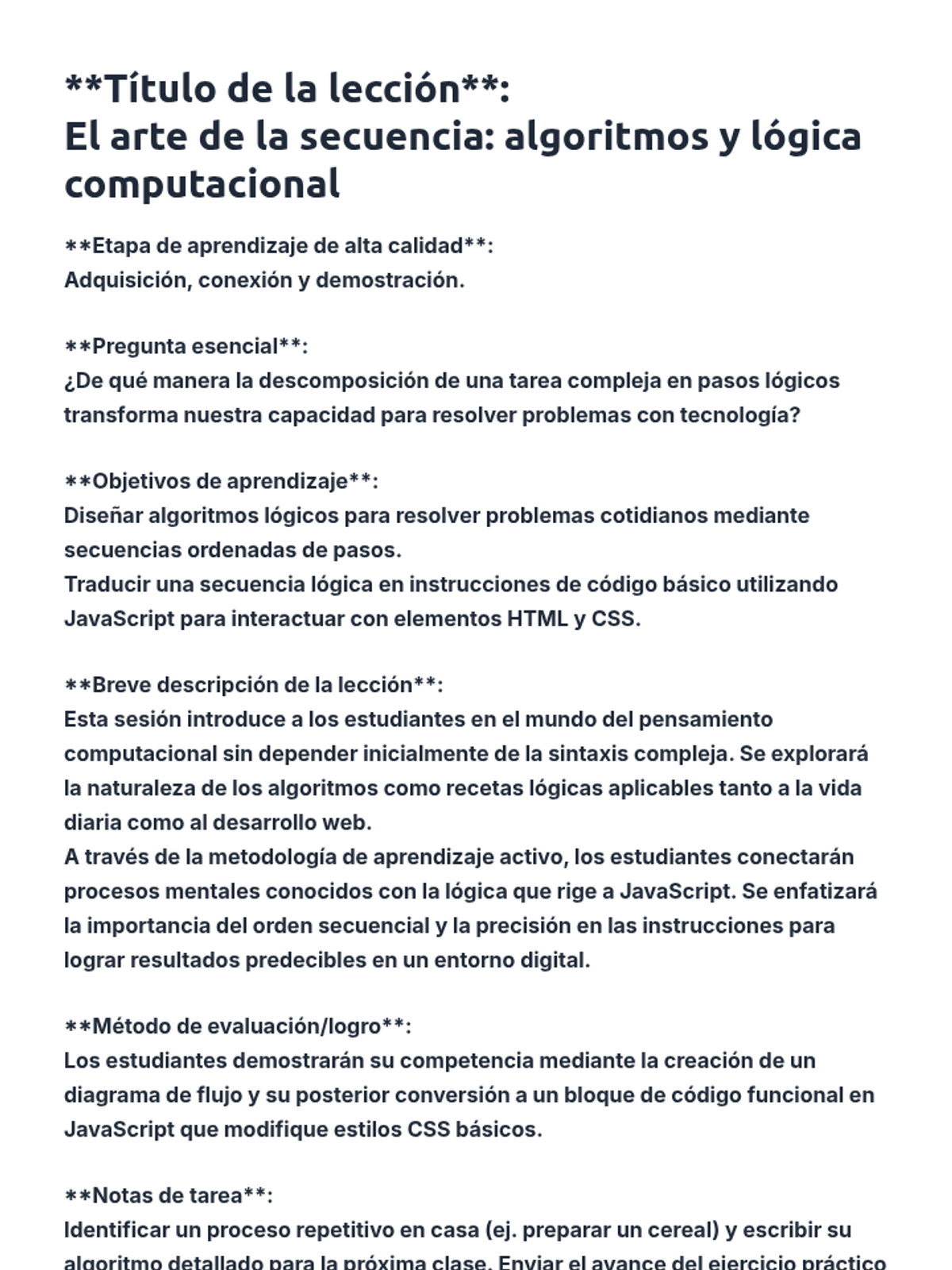
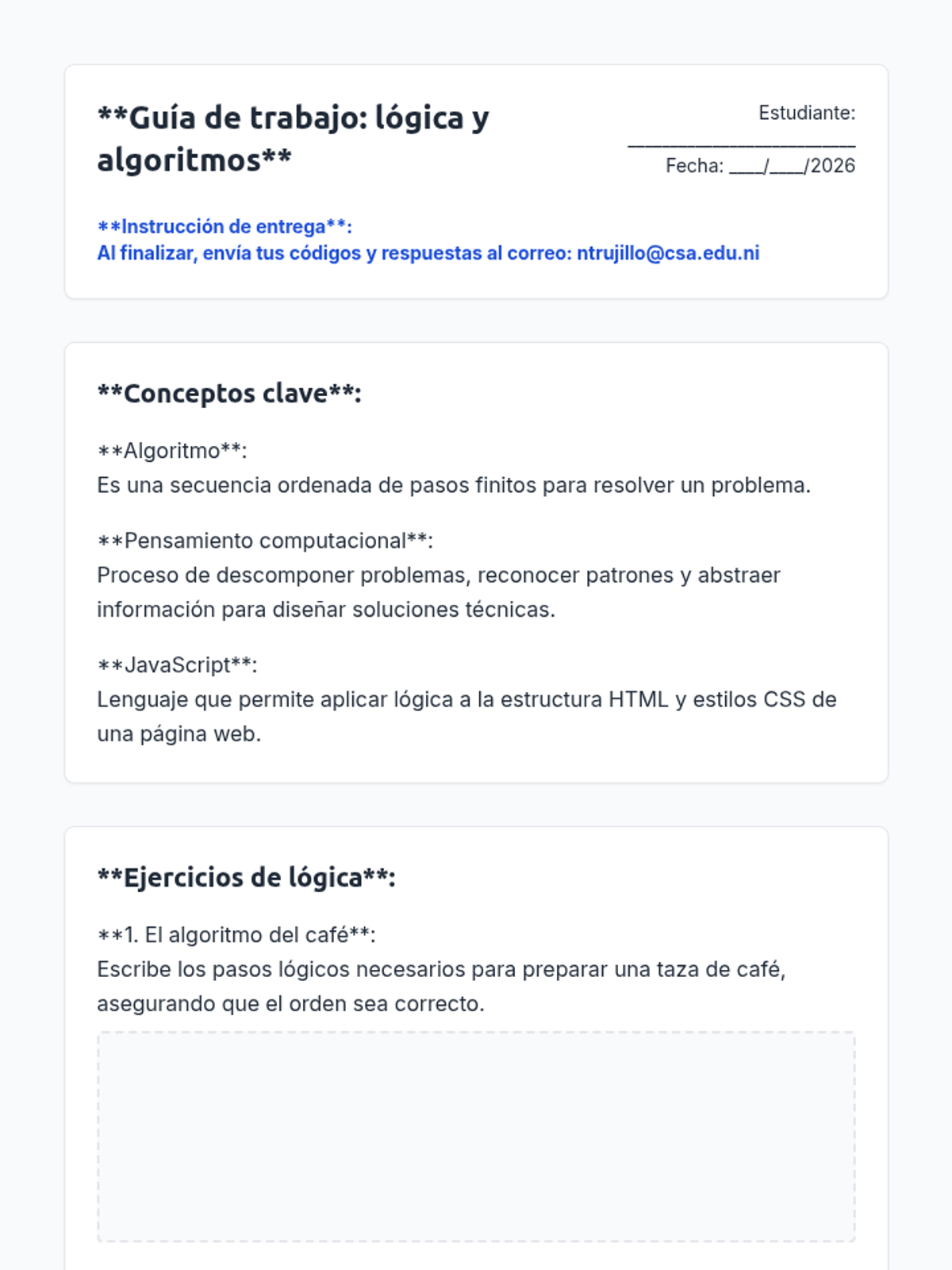
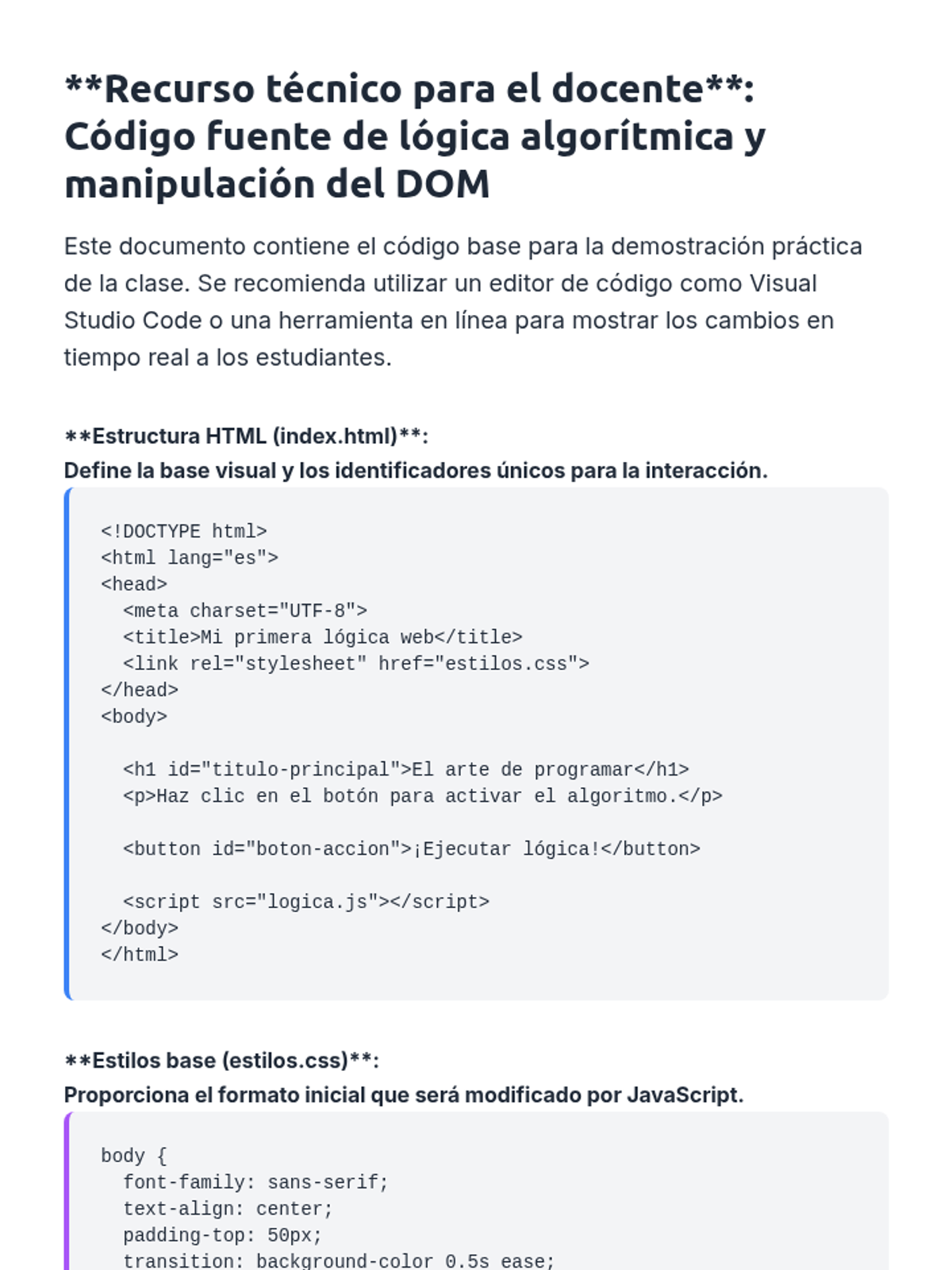
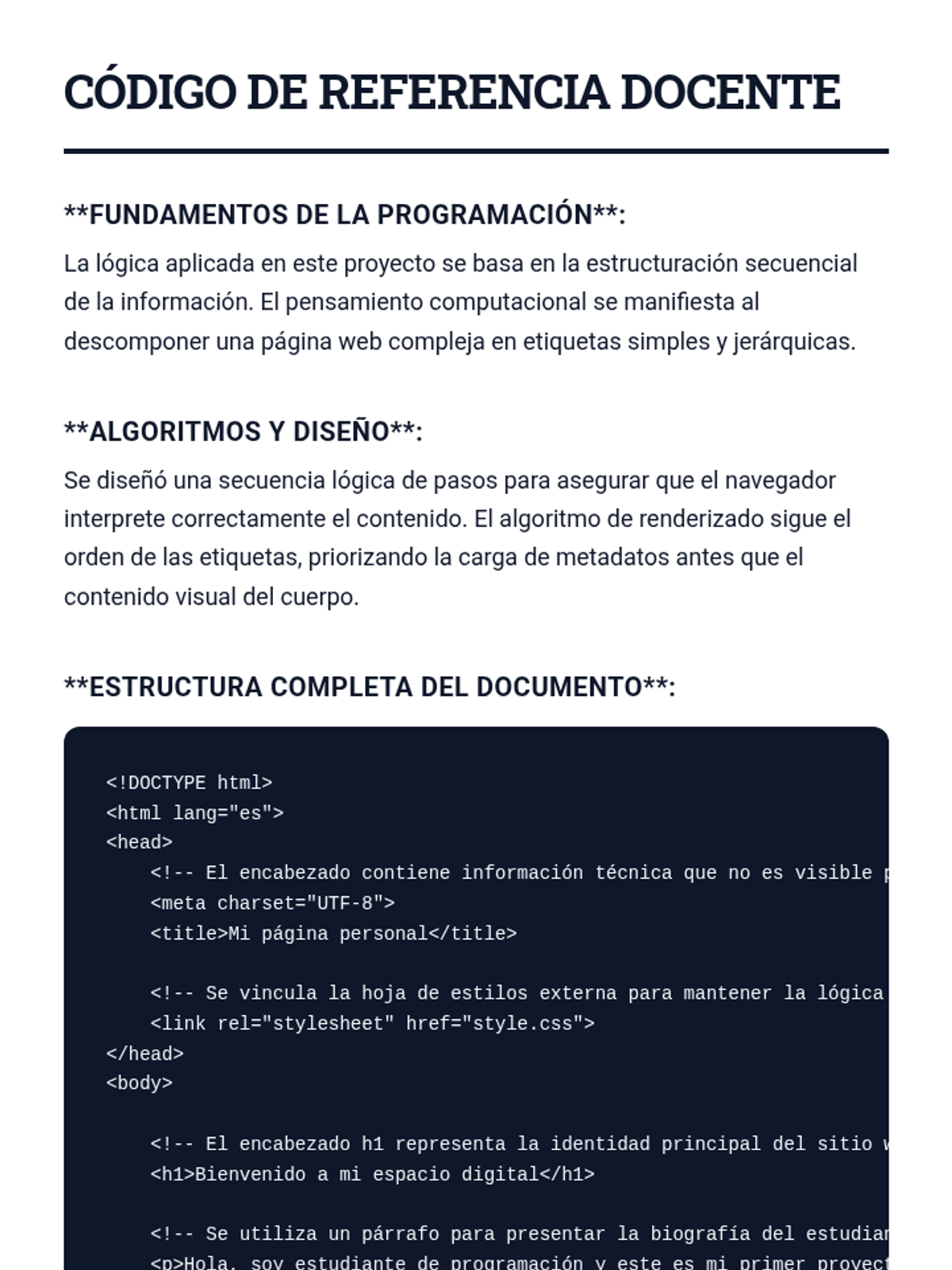
Plan de lección y recursos para la introducción a la lógica de programación y diseño de algoritmos para estudiantes de 7mo/8vo grado, utilizando JavaScript como herramienta principal.
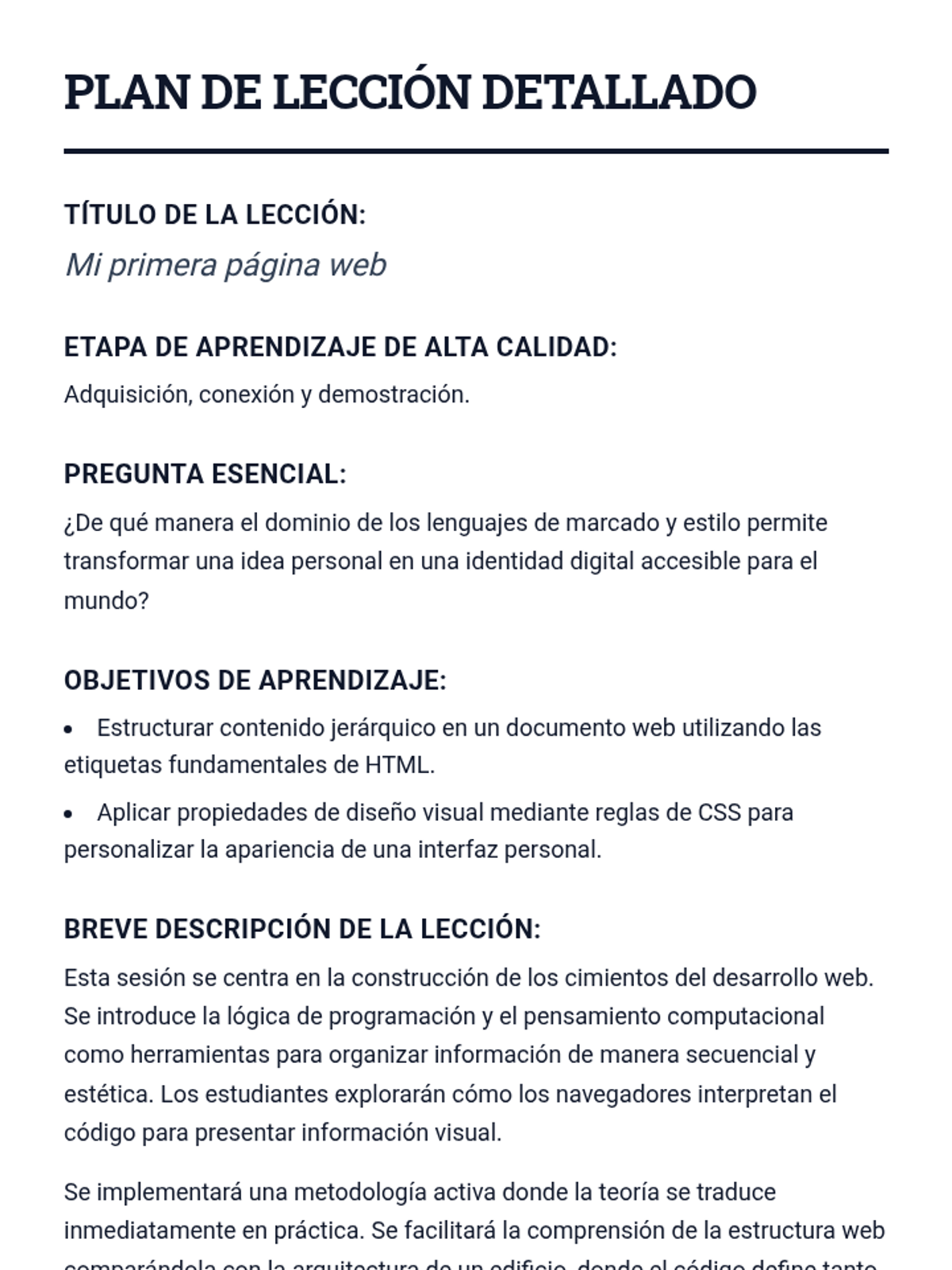
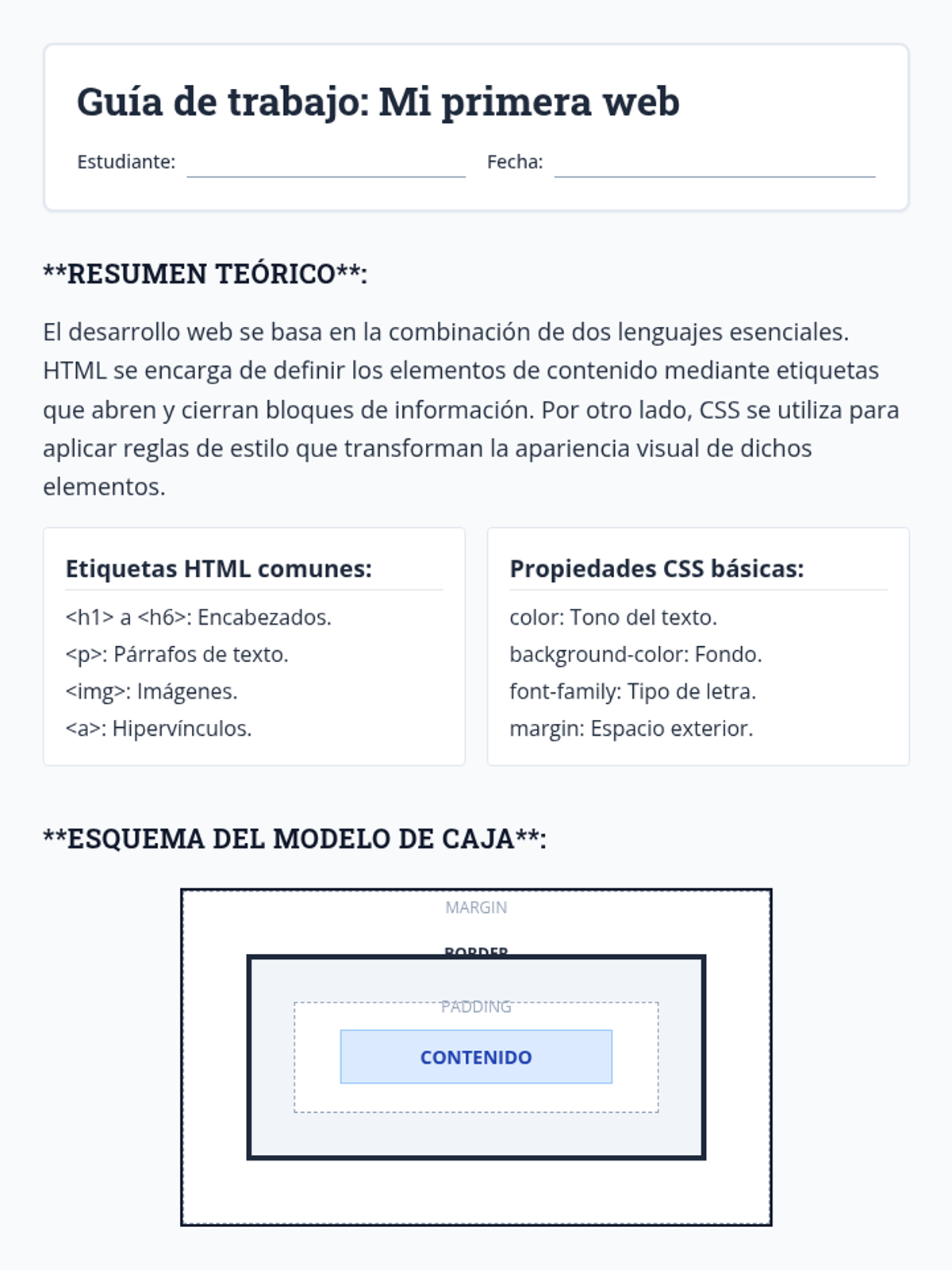
Lección introductoria sobre el uso de HTML y CSS para construir y diseñar una página web personal desde cero, integrando lógica y pensamiento computacional.
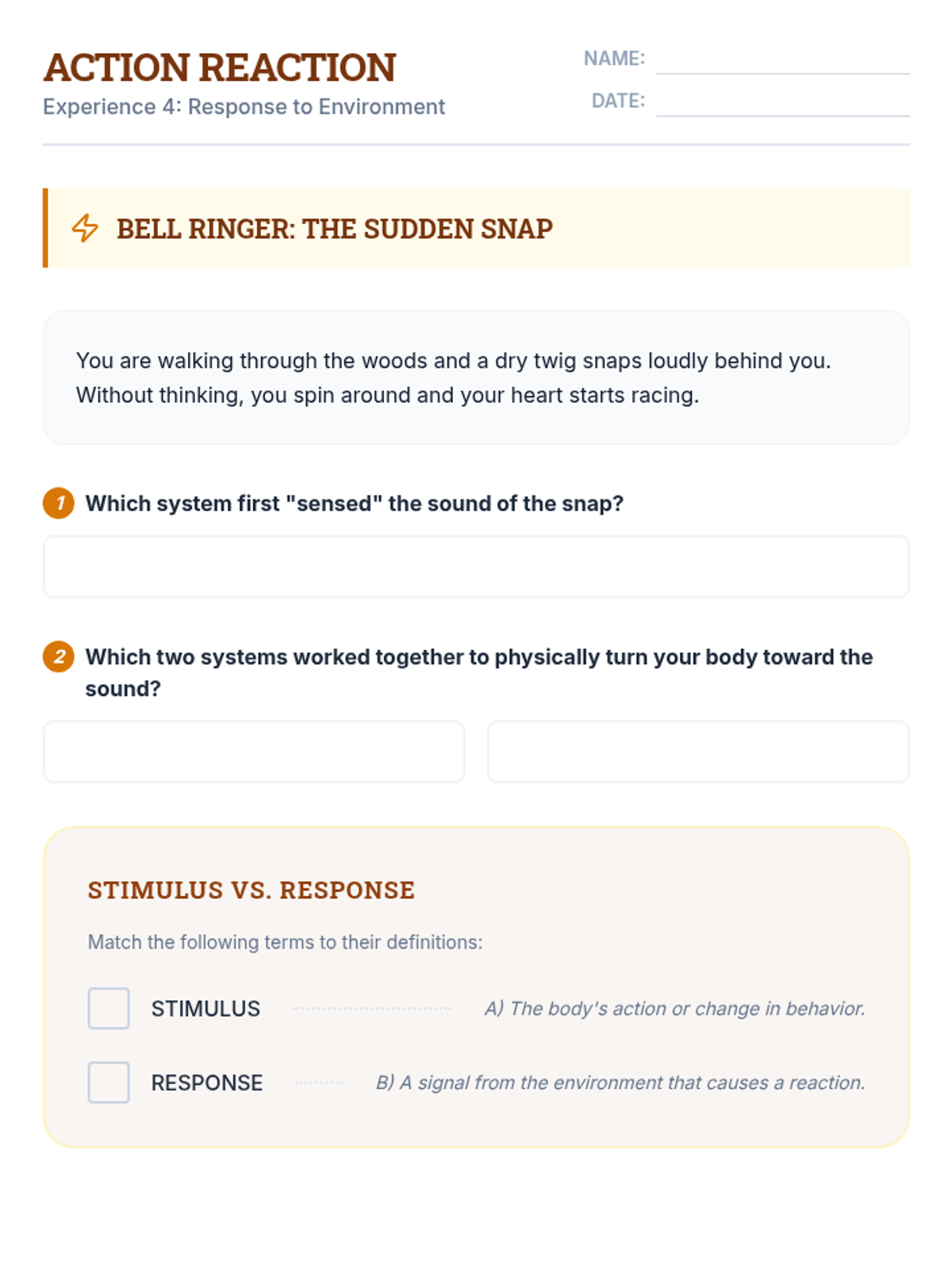
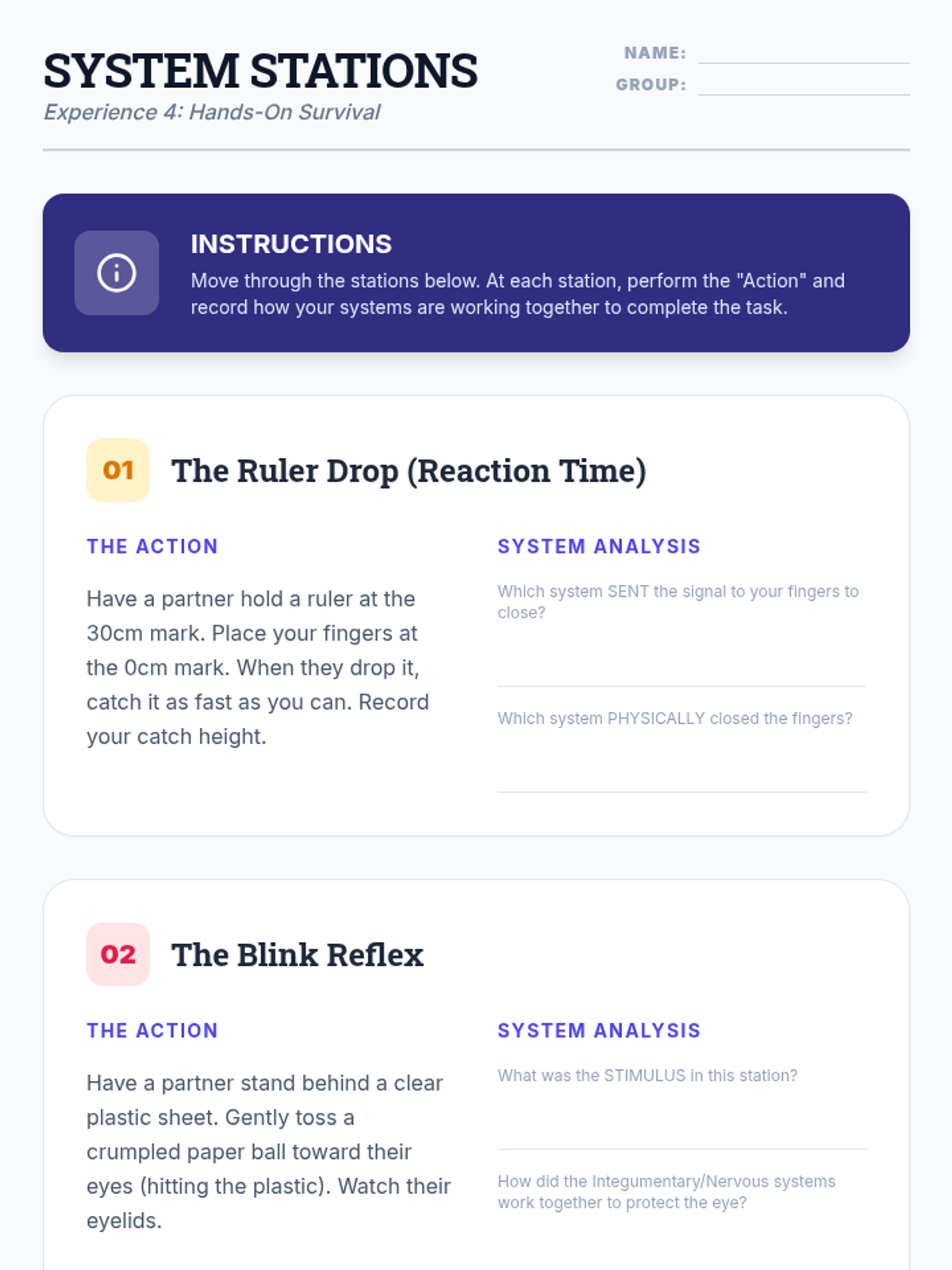
Analyze how the nervous, muscular, and integumentary systems work together to detect and react to external changes.
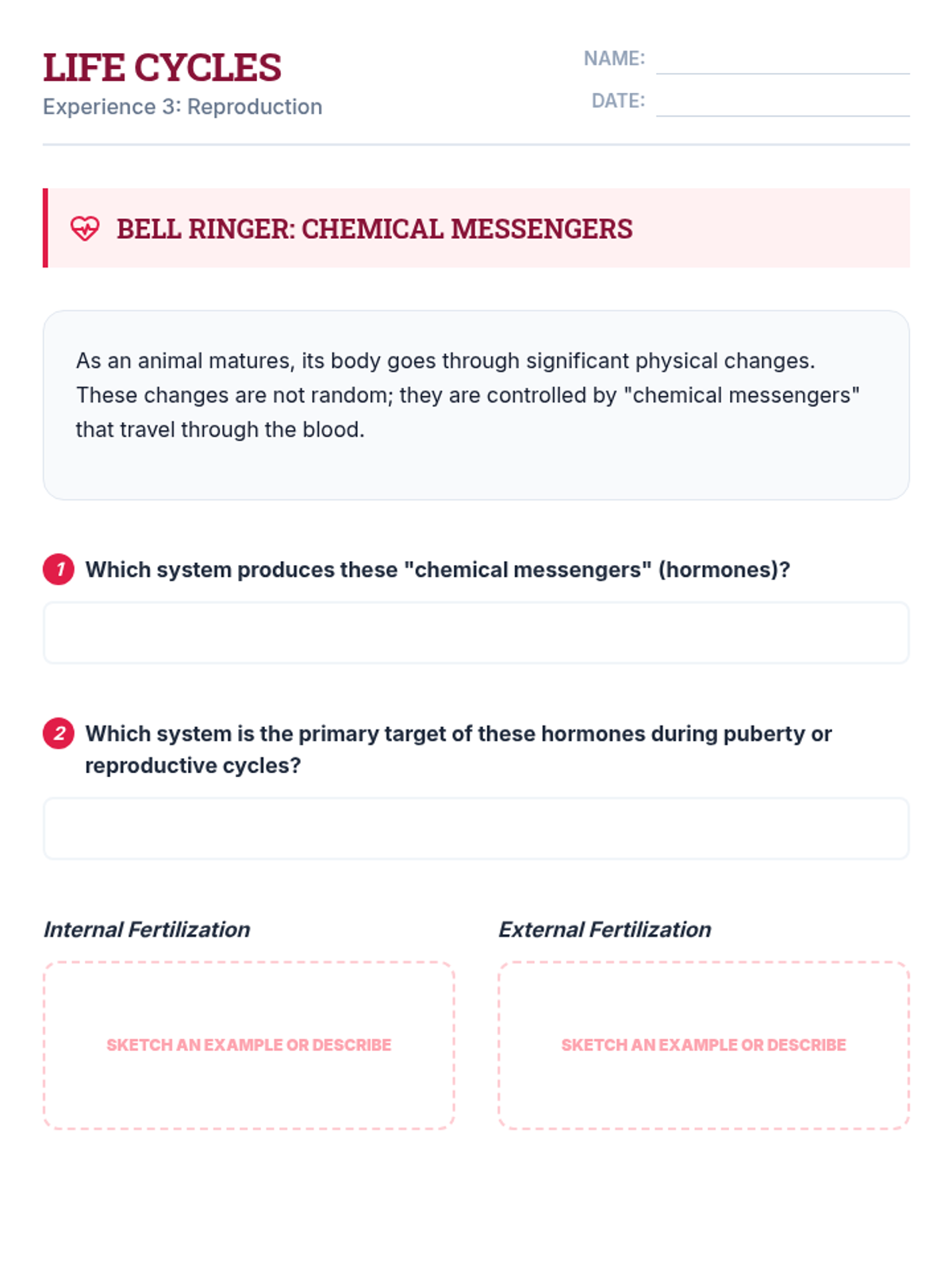
Investigate the reproductive and endocrine systems and how they ensure the continuation of animal species.
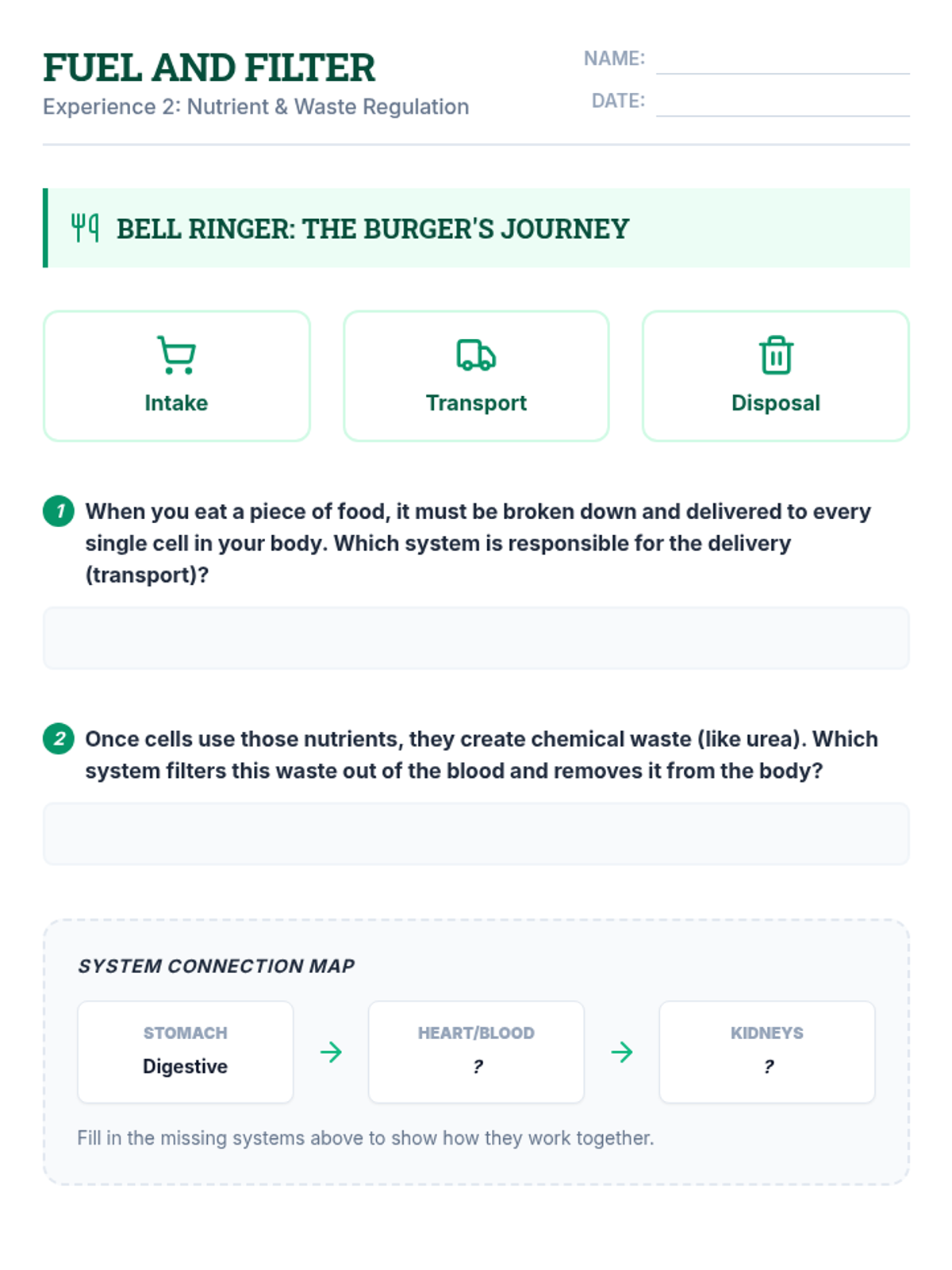
Examine the collaborative roles of the digestive, circulatory, and excretory systems in managing energy intake and waste removal.
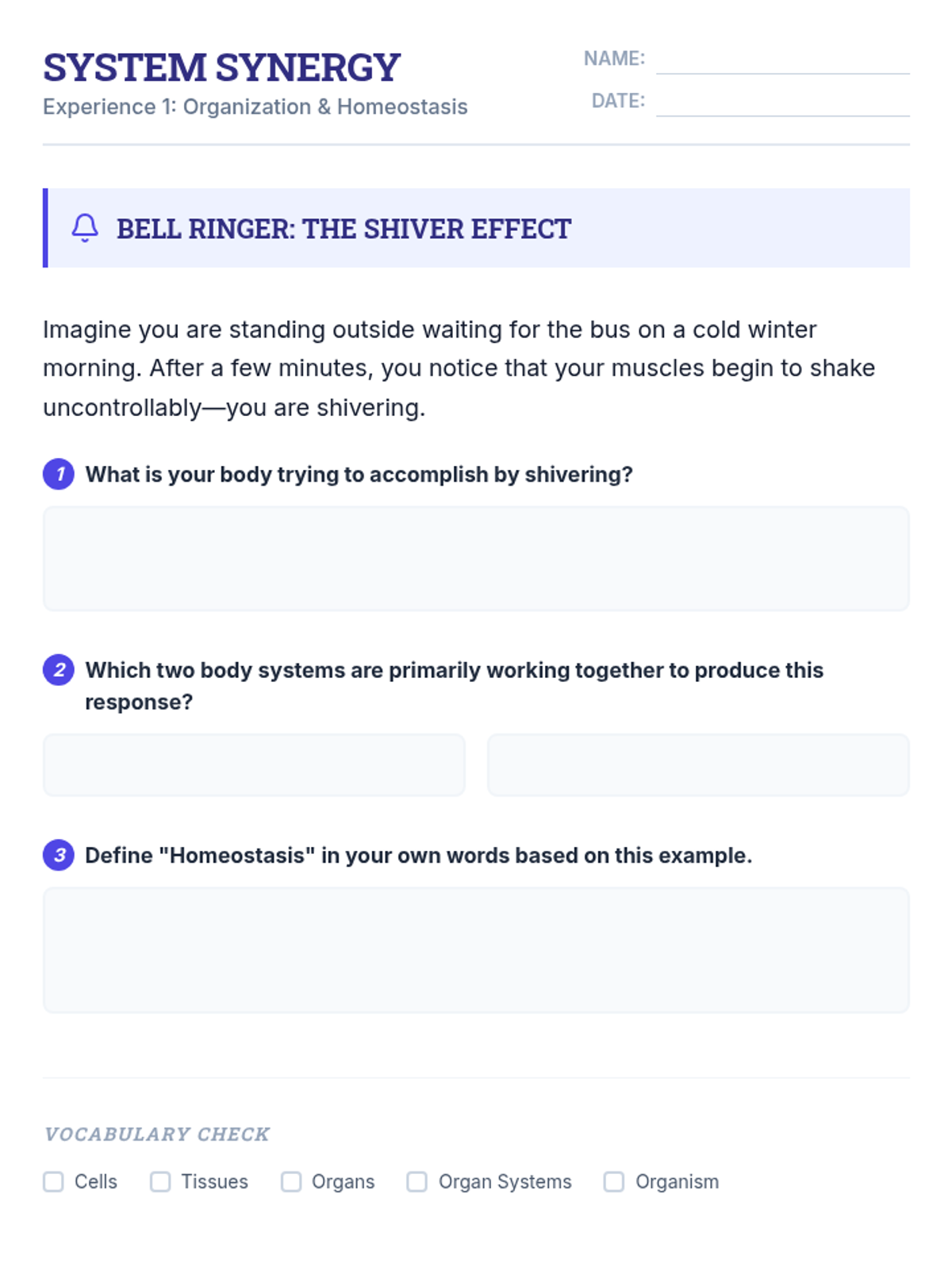
Explore the levels of biological organization and the feedback mechanisms that allow animals to maintain a stable internal environment.
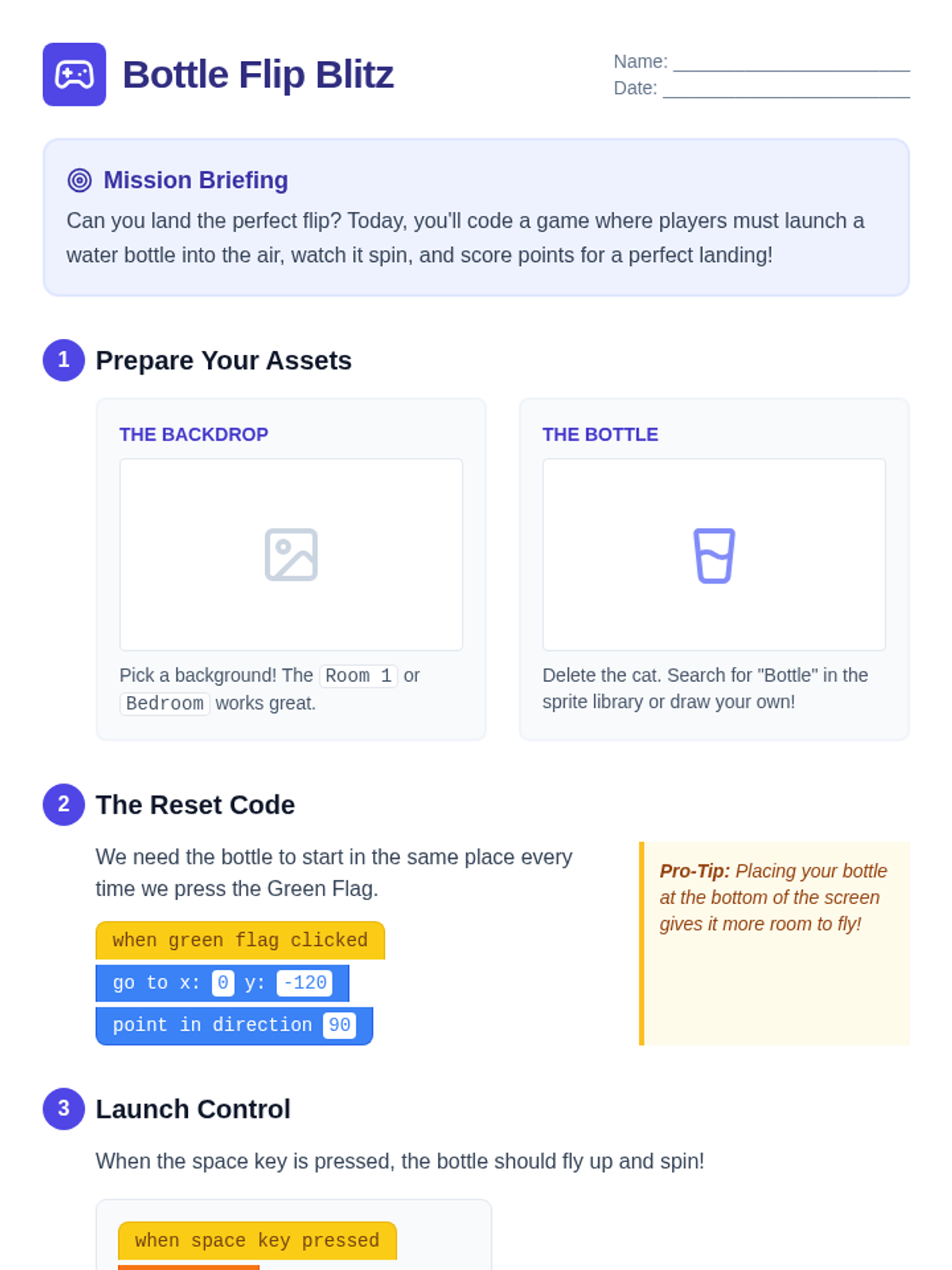
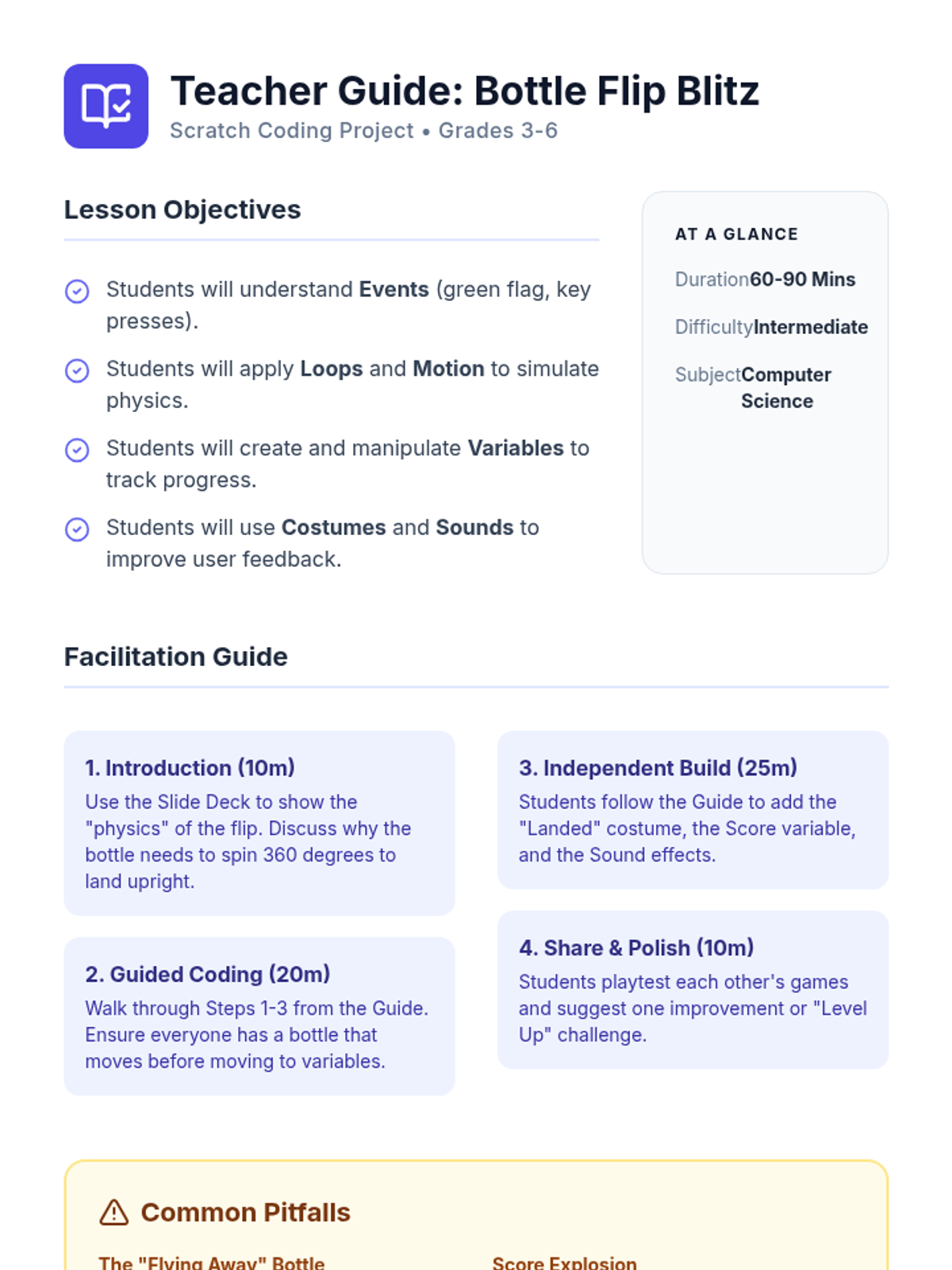
A step-by-step Scratch coding project where students build a physics-based bottle flip game. This lesson covers events, motion, loops, and variables through an engaging arcade-style project.
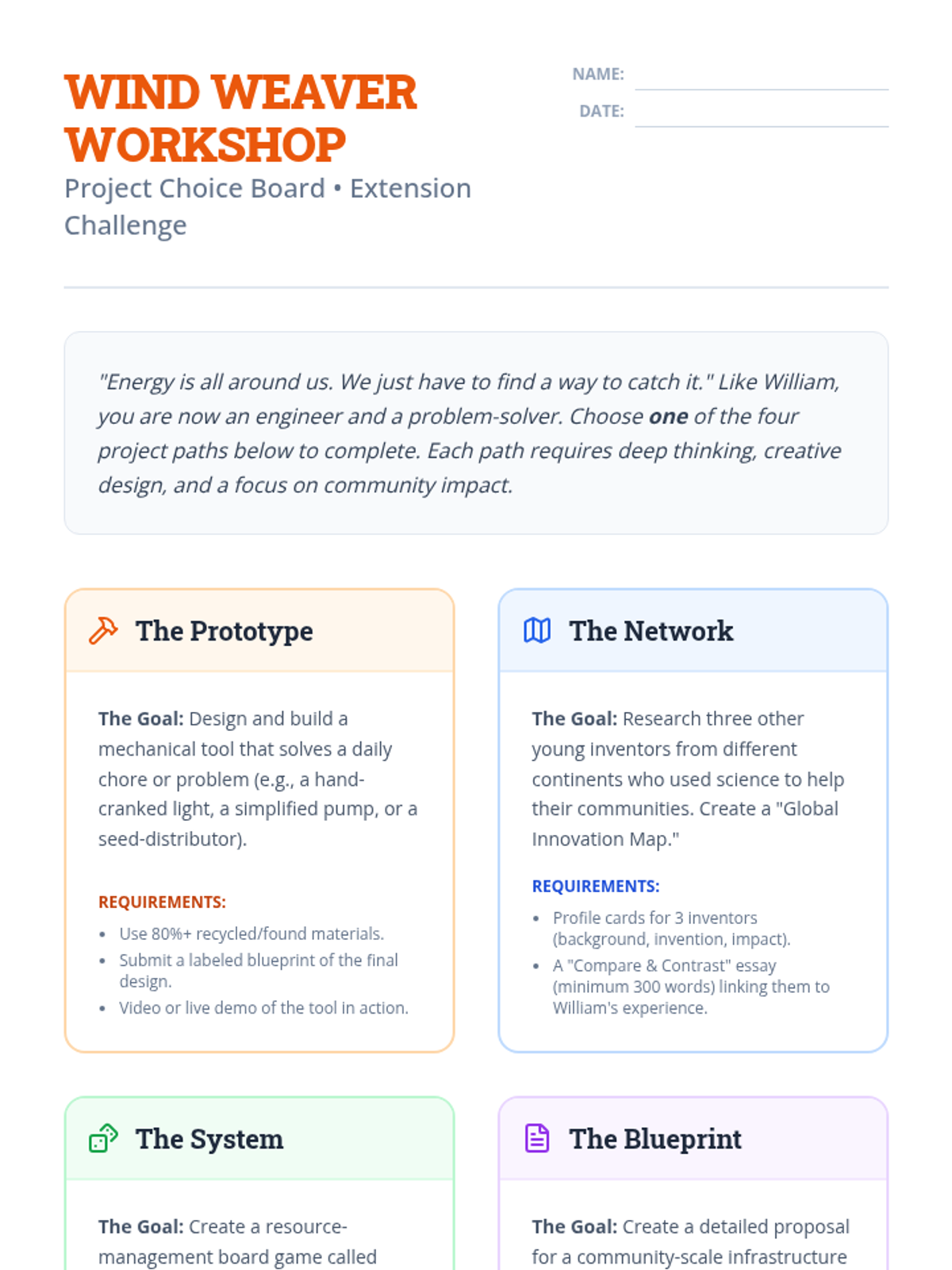
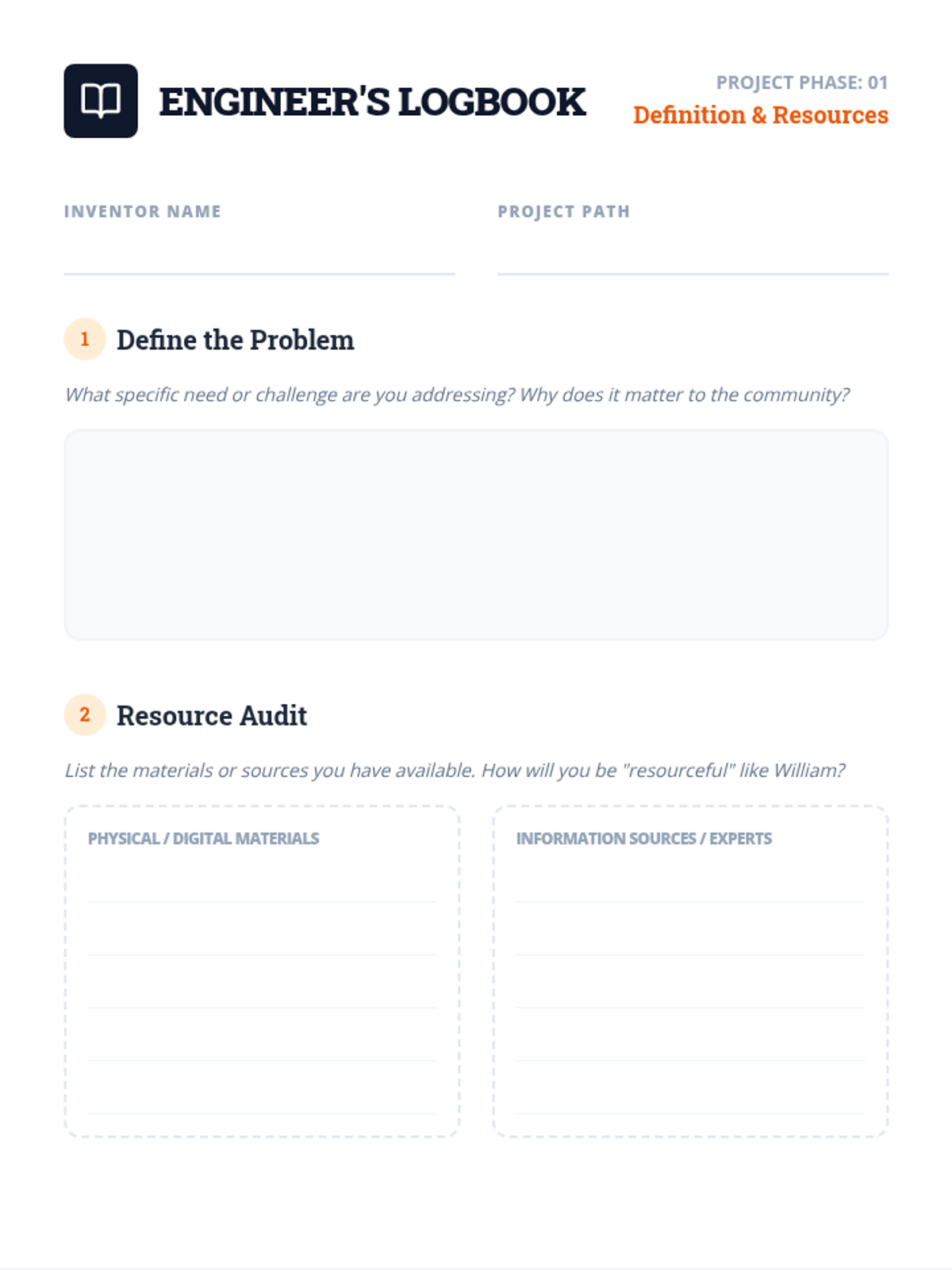
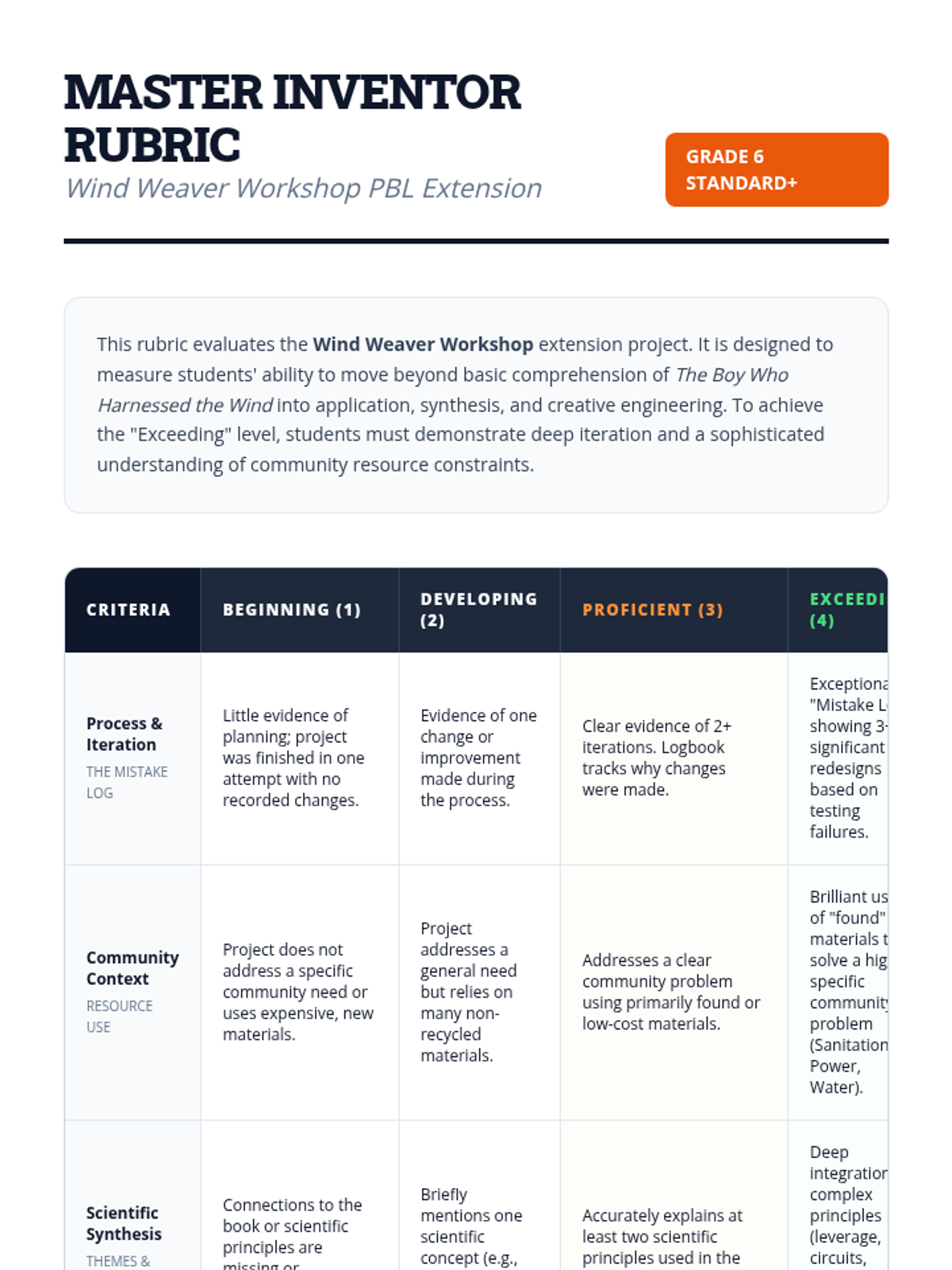
An advanced extension unit for Grade 6 students who have completed 'The Boy Who Harnessed the Wind'. This project-based learning experience focuses on engineering, resourcefulness, and community-driven innovation through a variety of high-level project choices.
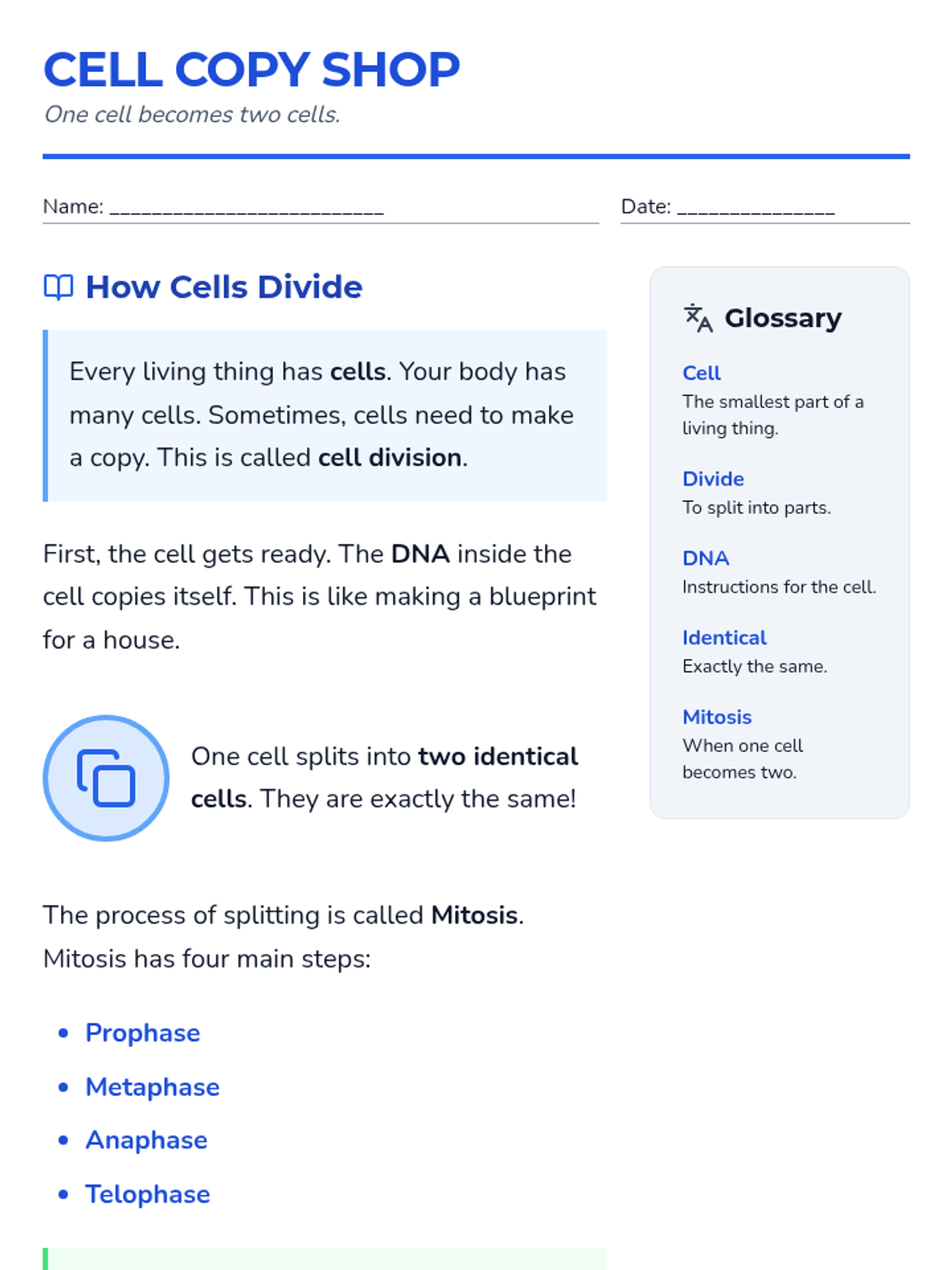
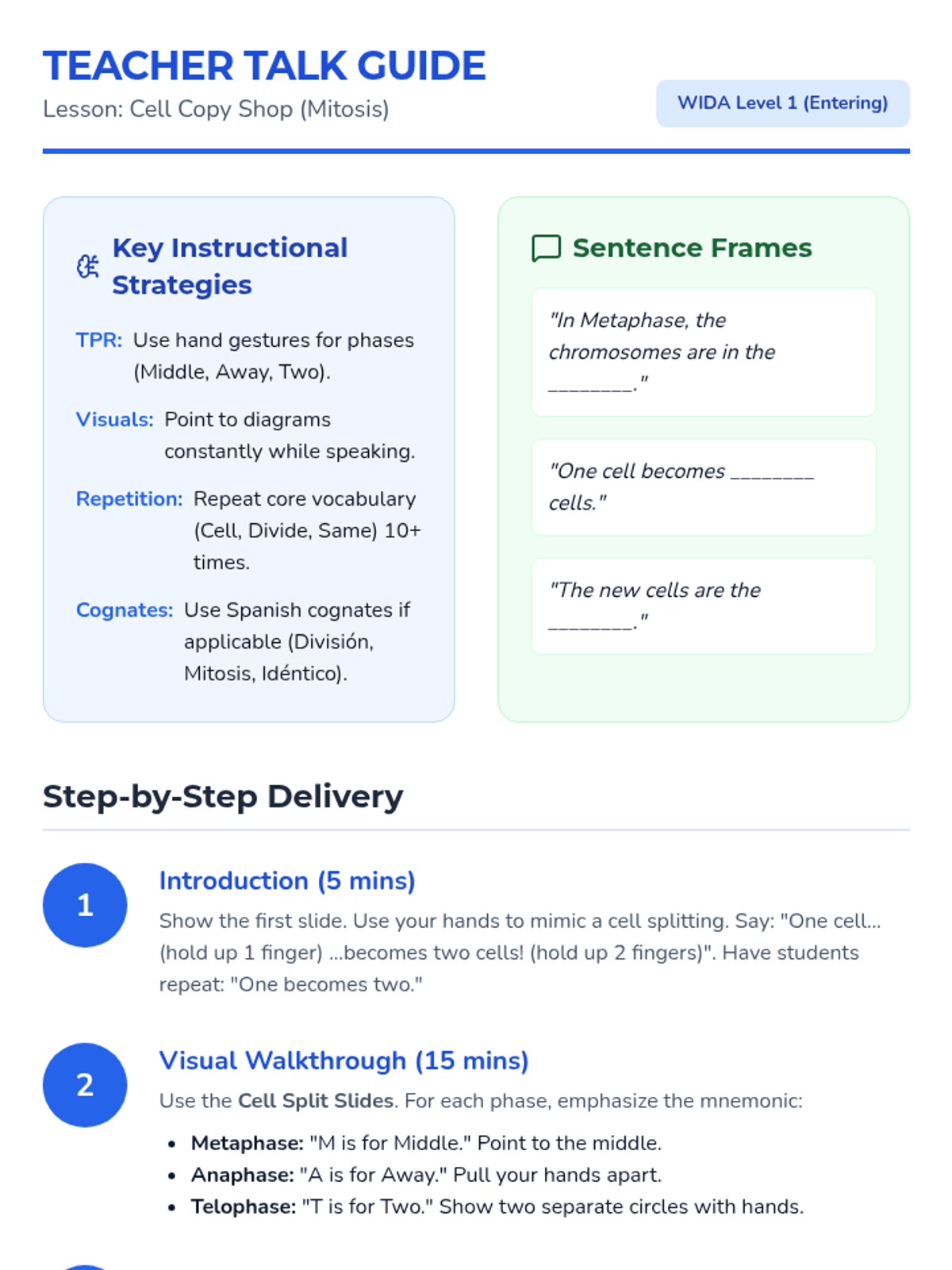
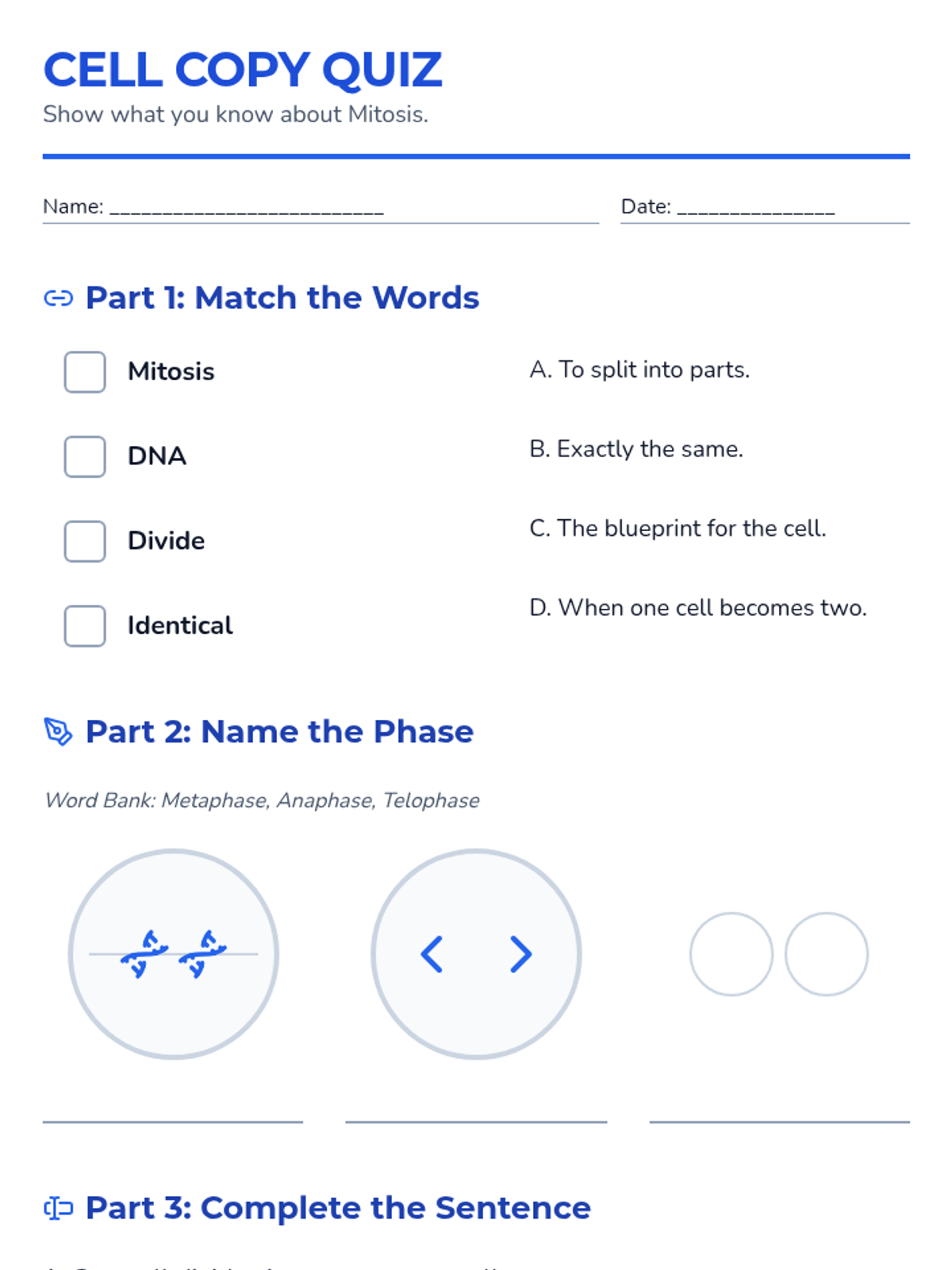
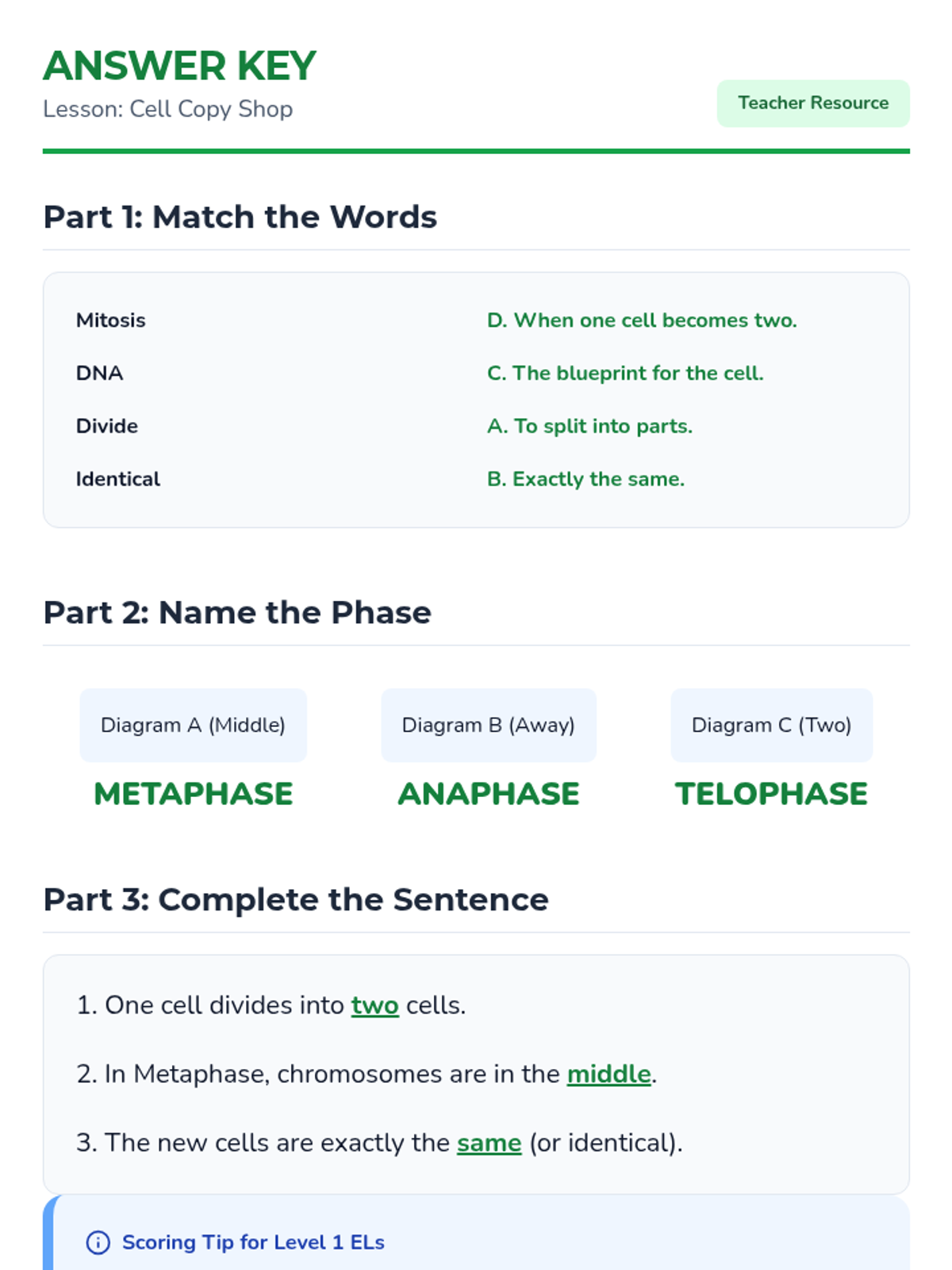
A highly visual lesson designed for WIDA Level 1 ELs, focusing on the phases of mitosis and the process of cell division using simplified language and clear diagrams.
A comprehensive rocket launch log and instructional guide for the PLTW Science of Flight module, focusing on data collection, aeronautical design, and flight analysis.
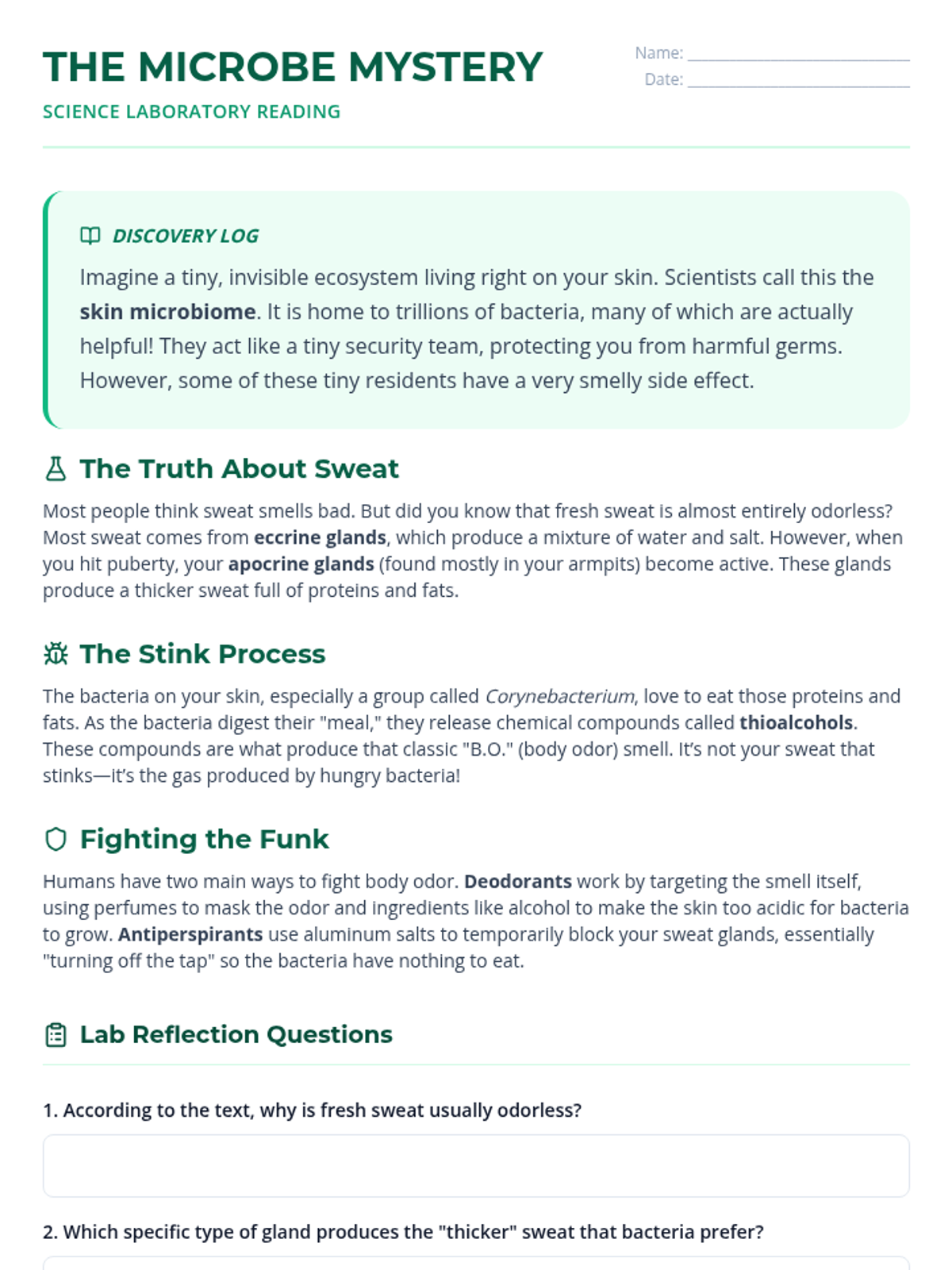
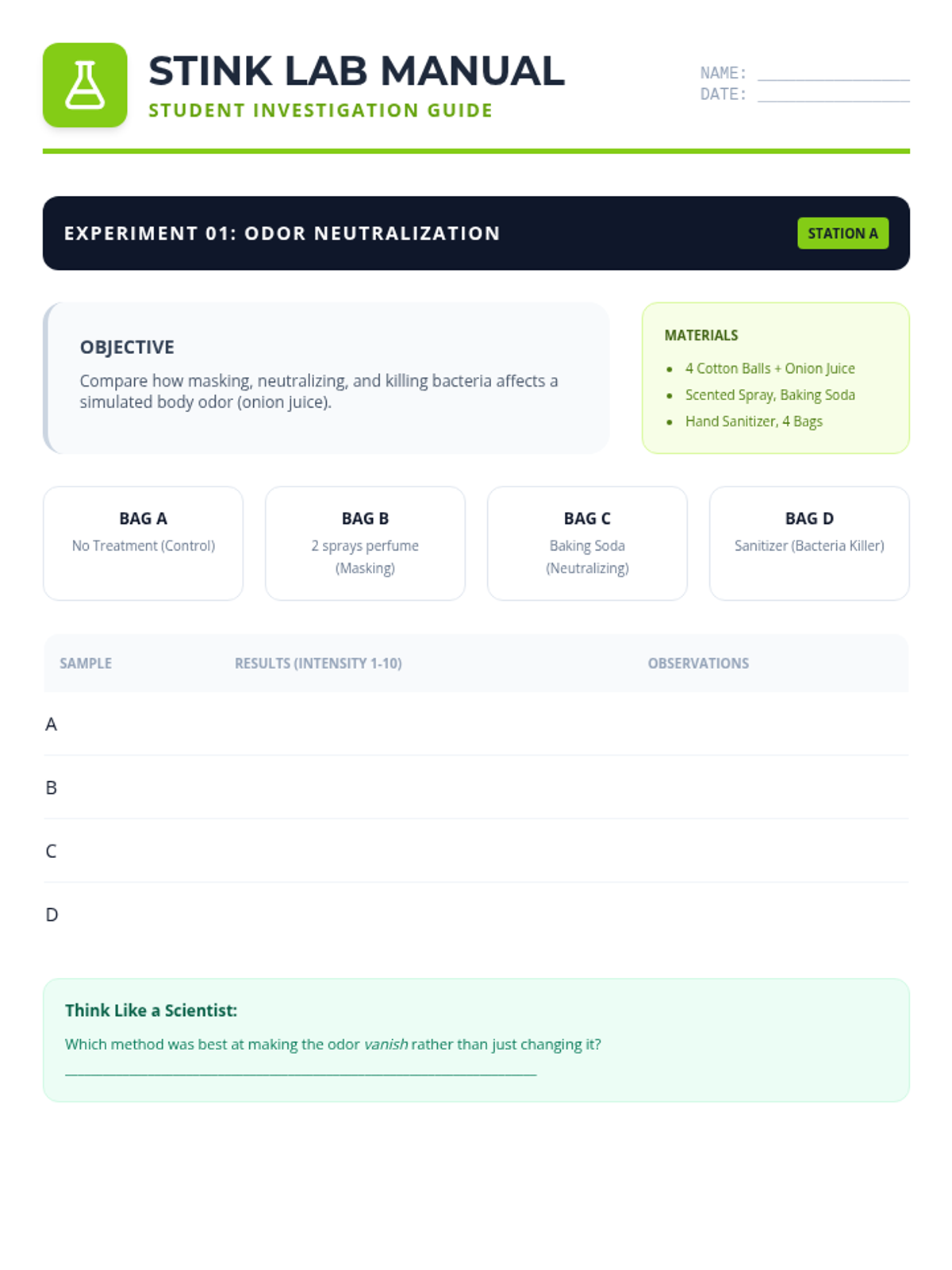
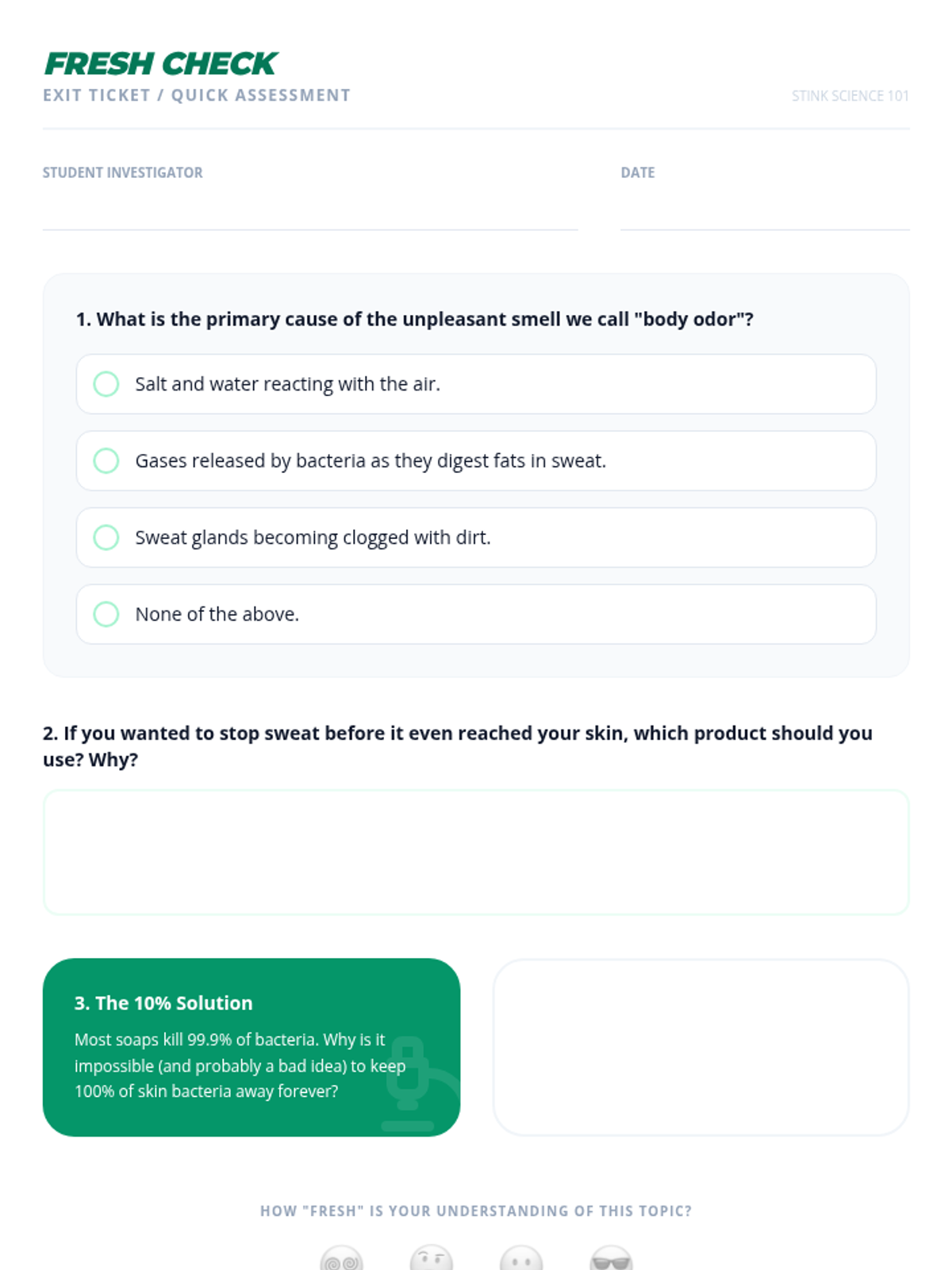
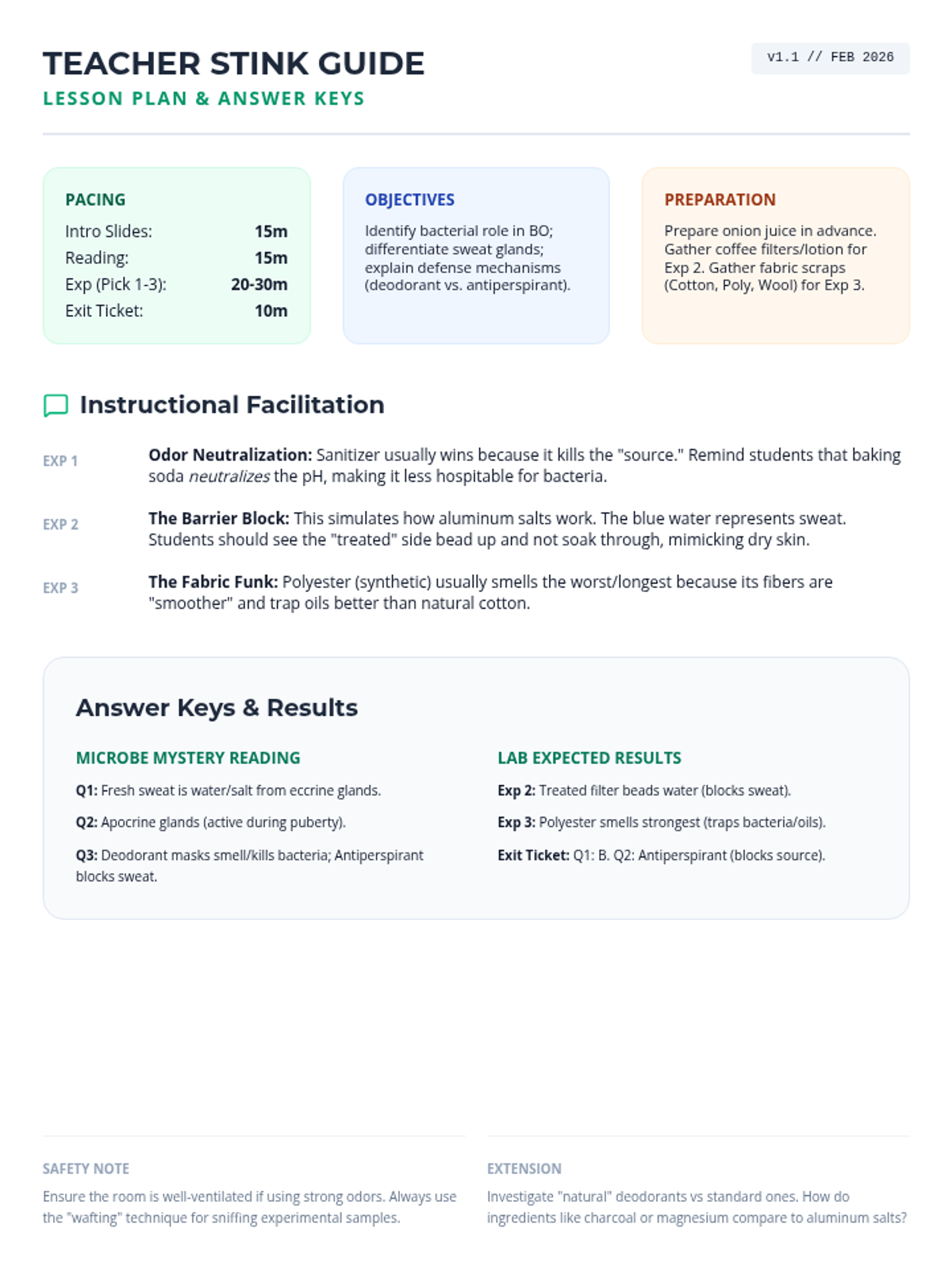
A comprehensive science lesson exploring the relationship between skin bacteria and body odor, explaining how deodorants and antiperspirants work to keep us fresh.
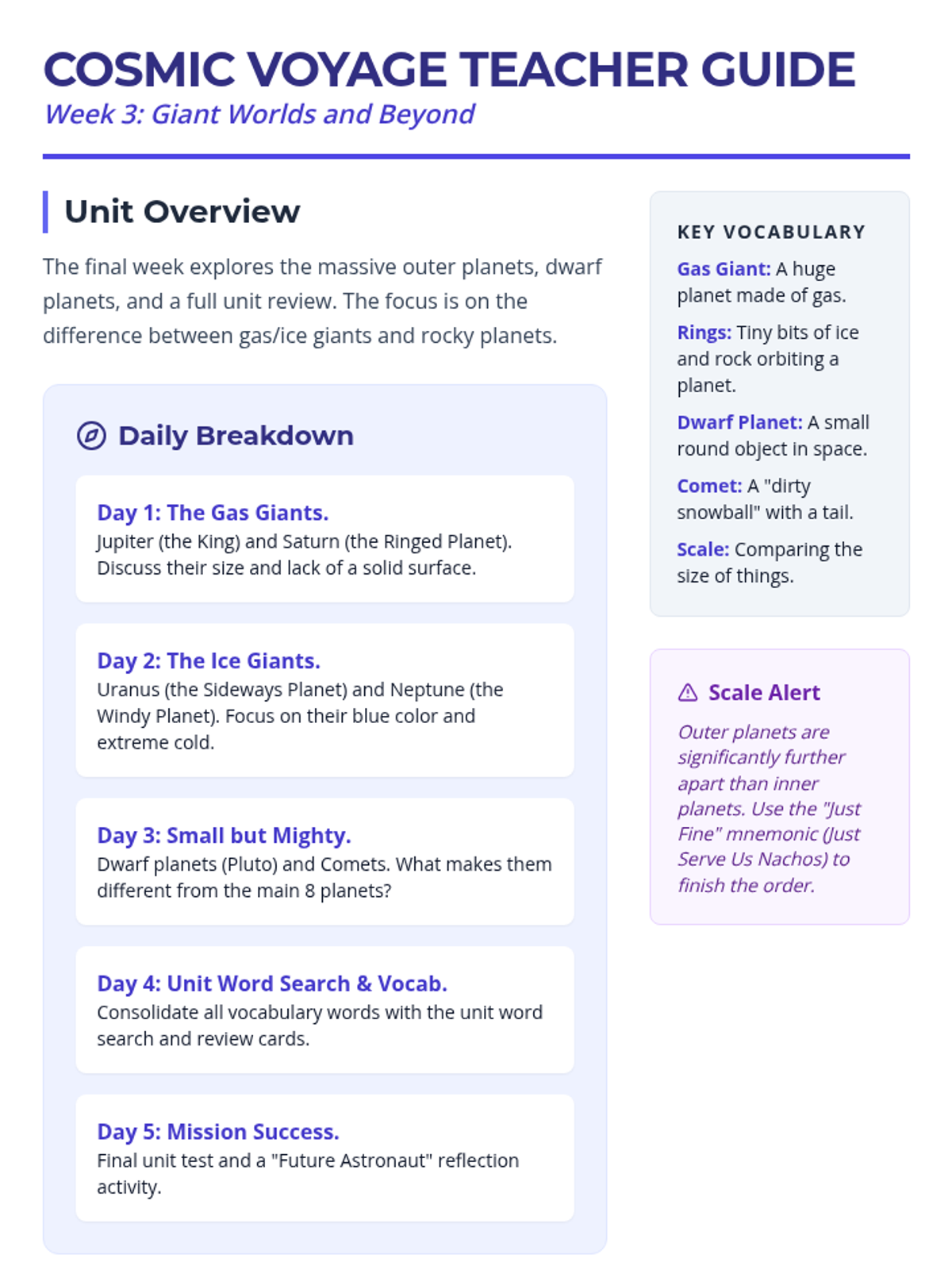
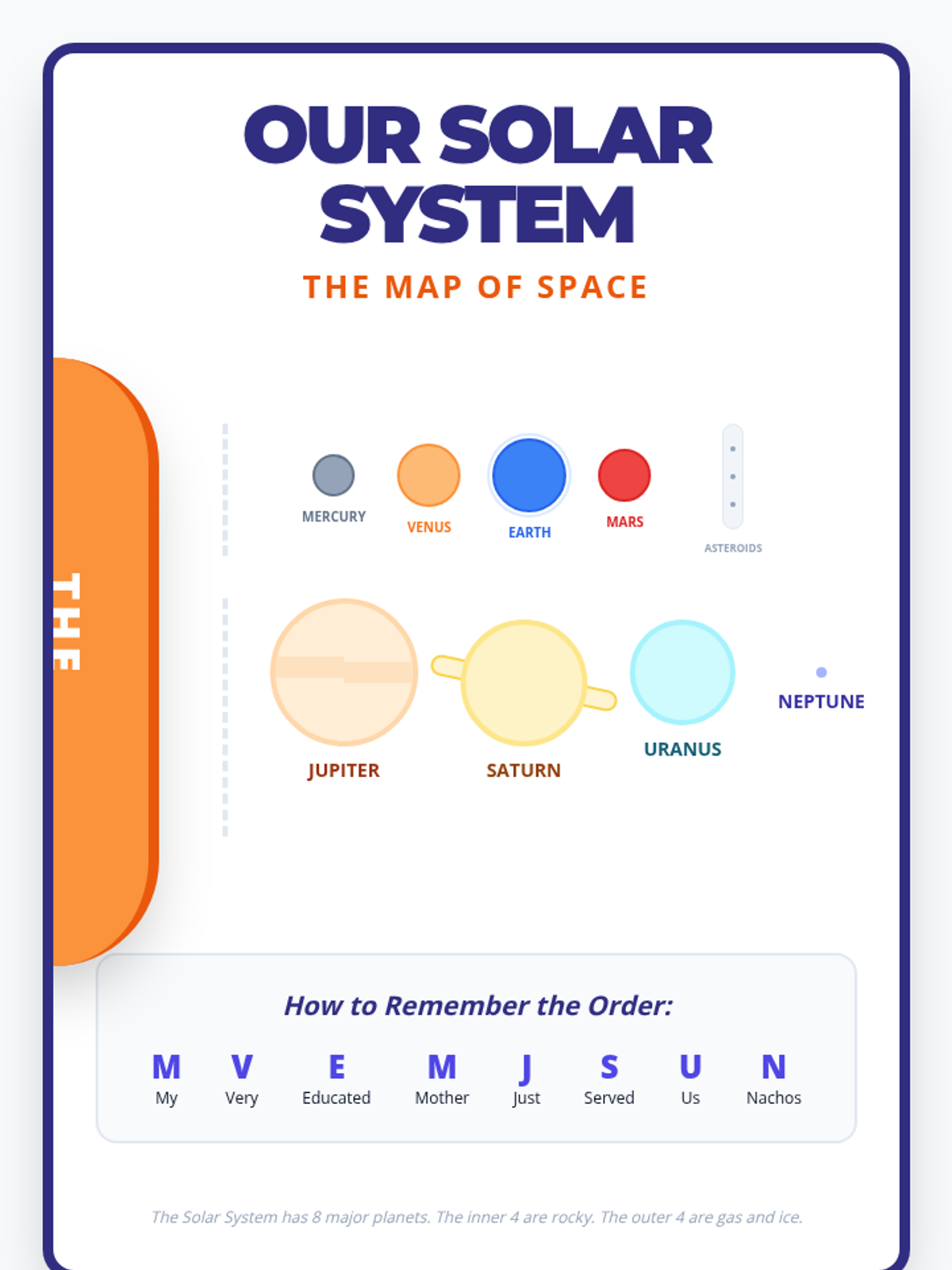
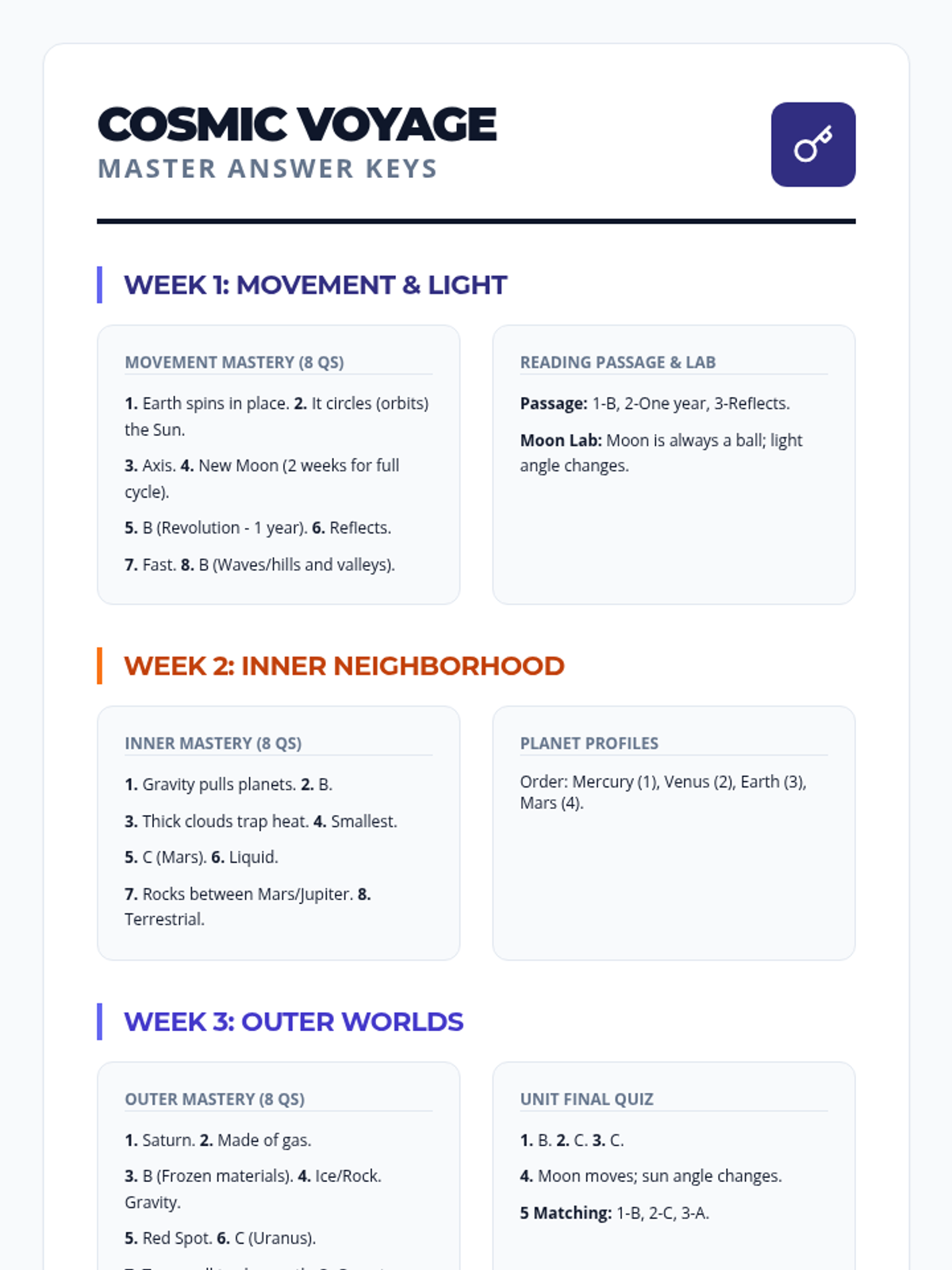
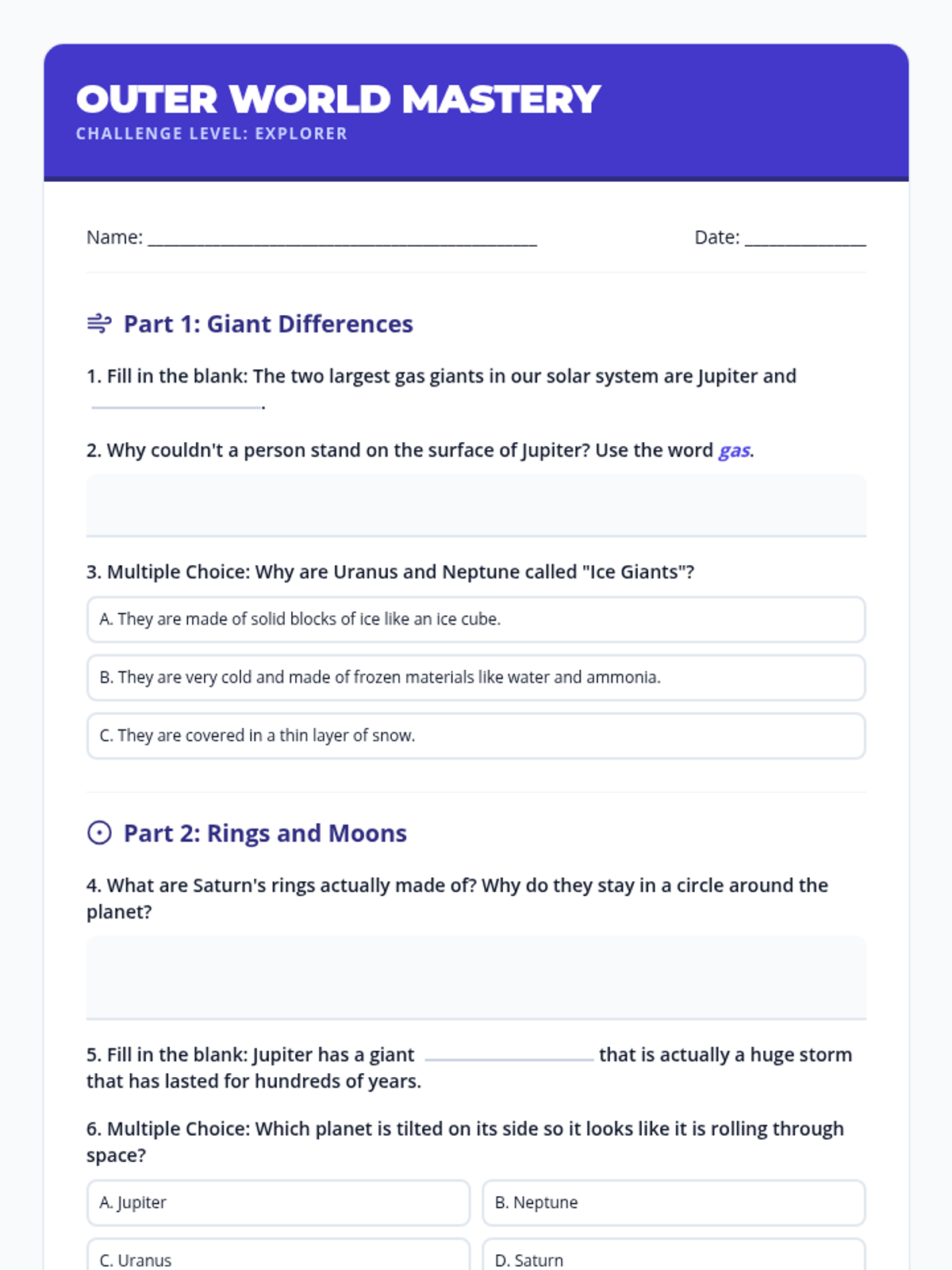
Covers the four gas and ice giants (Jupiter, Saturn, Uranus, and Neptune), along with dwarf planets and a final unit review.
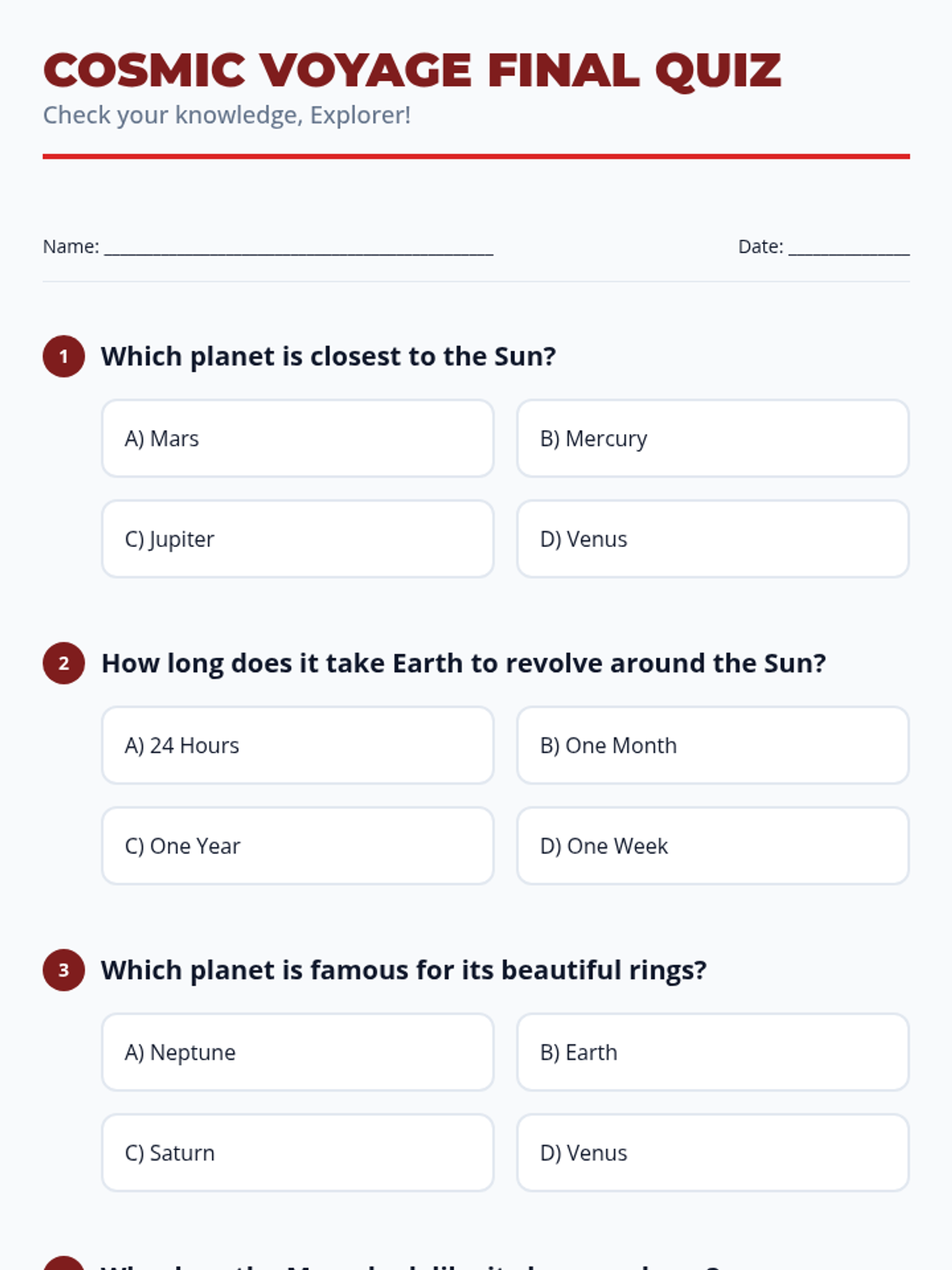
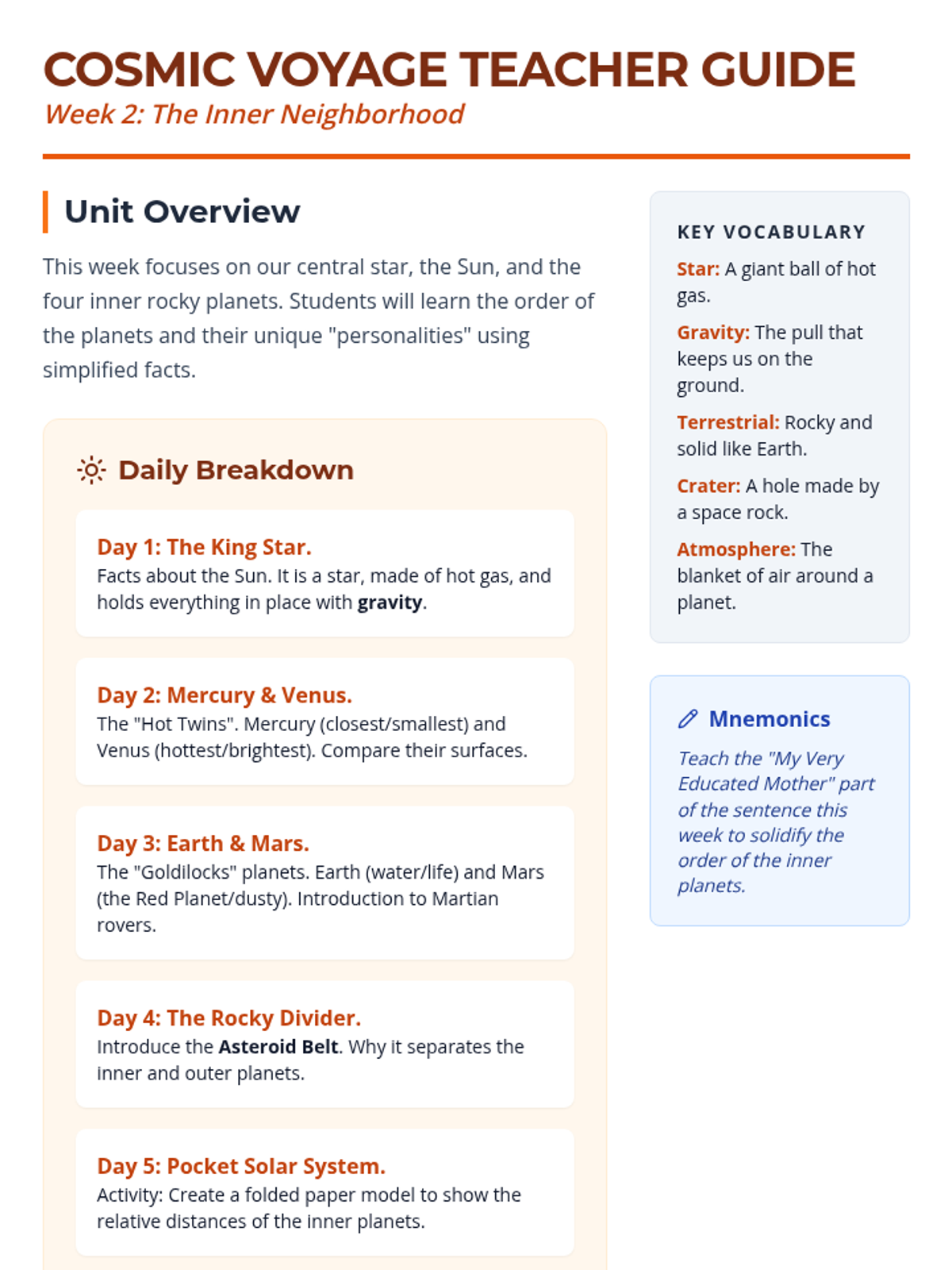
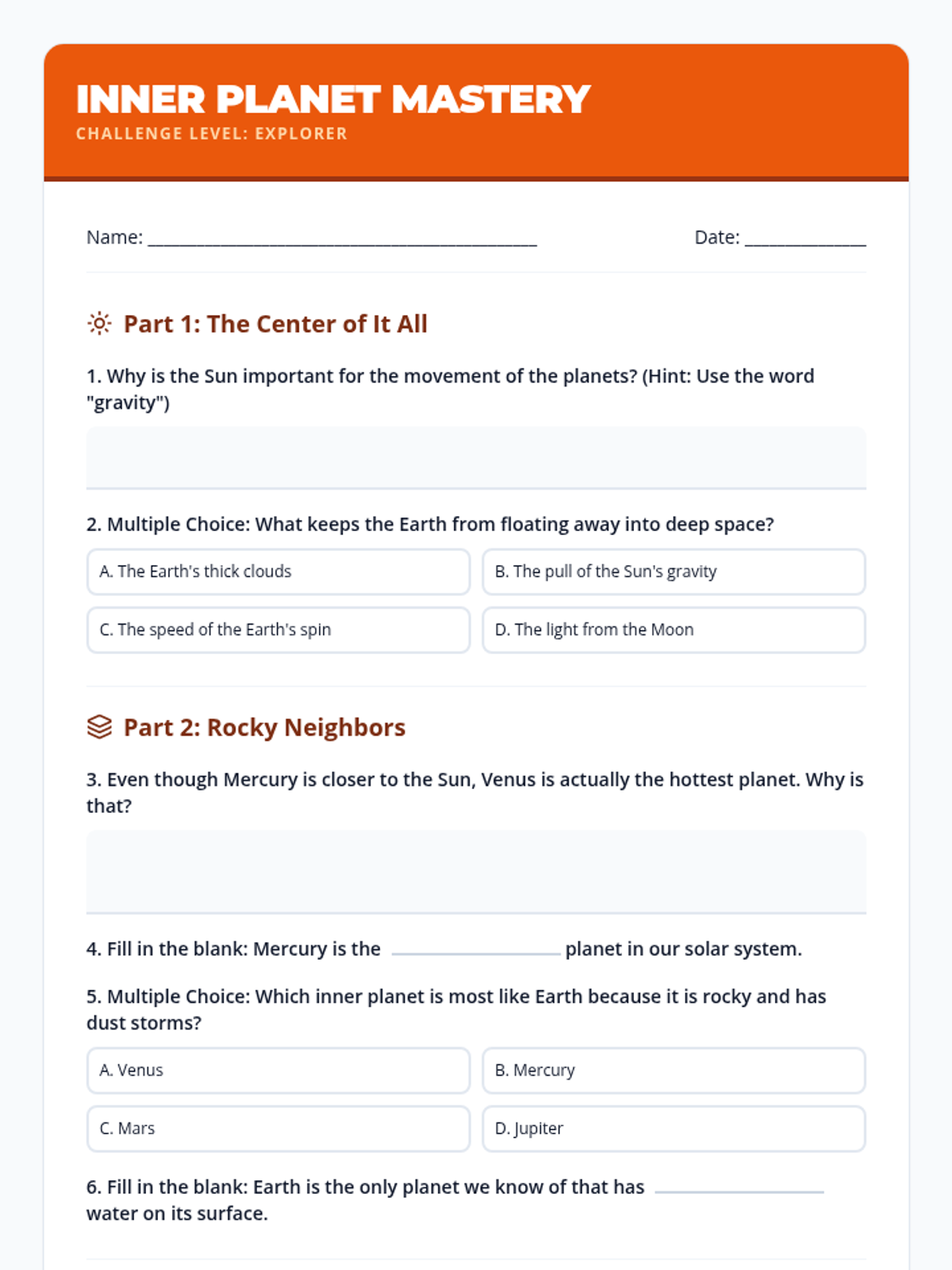
Explores the Sun as our central star and the characteristics of the four inner terrestrial planets (Mercury, Venus, Earth, and Mars).
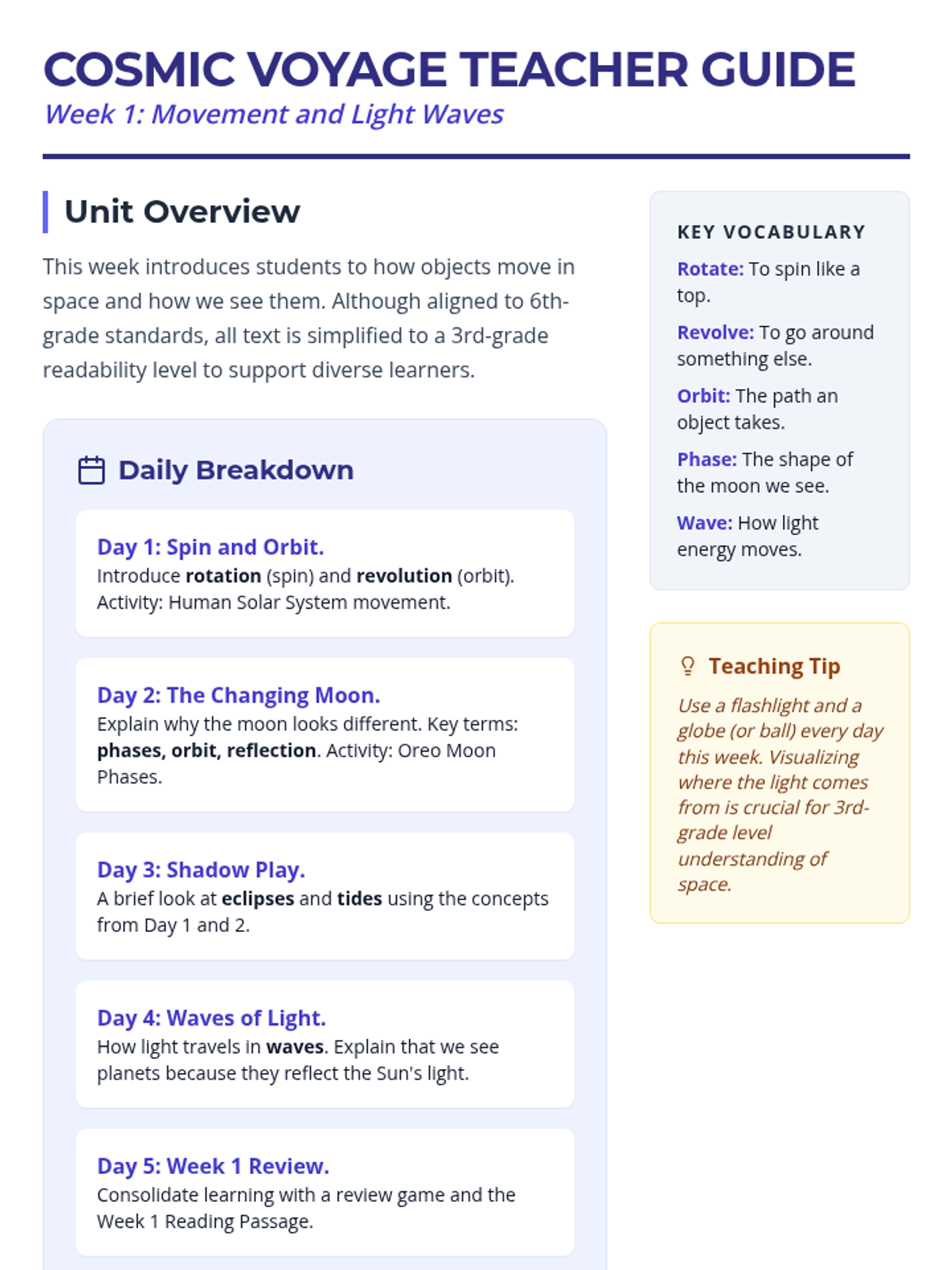
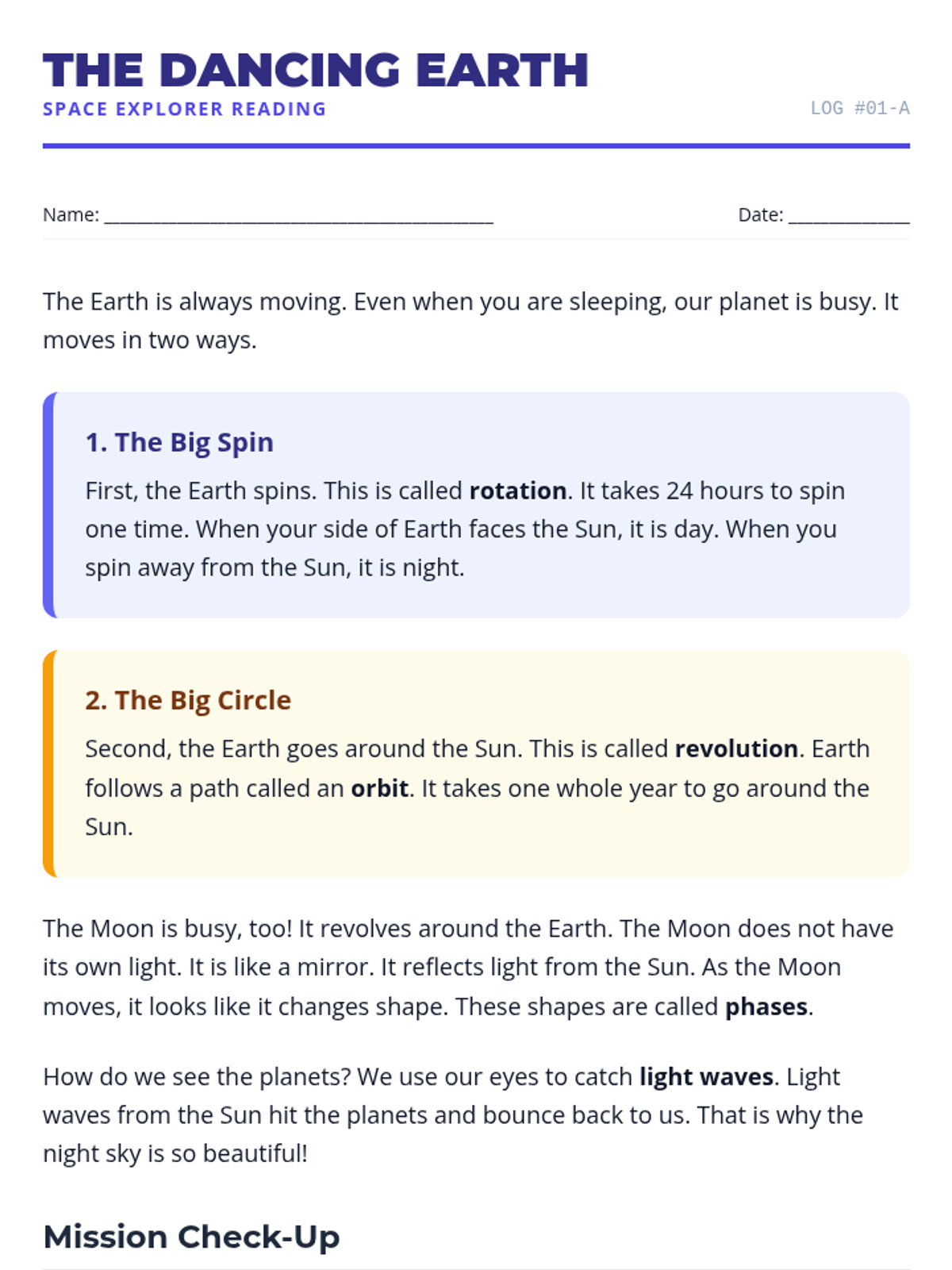
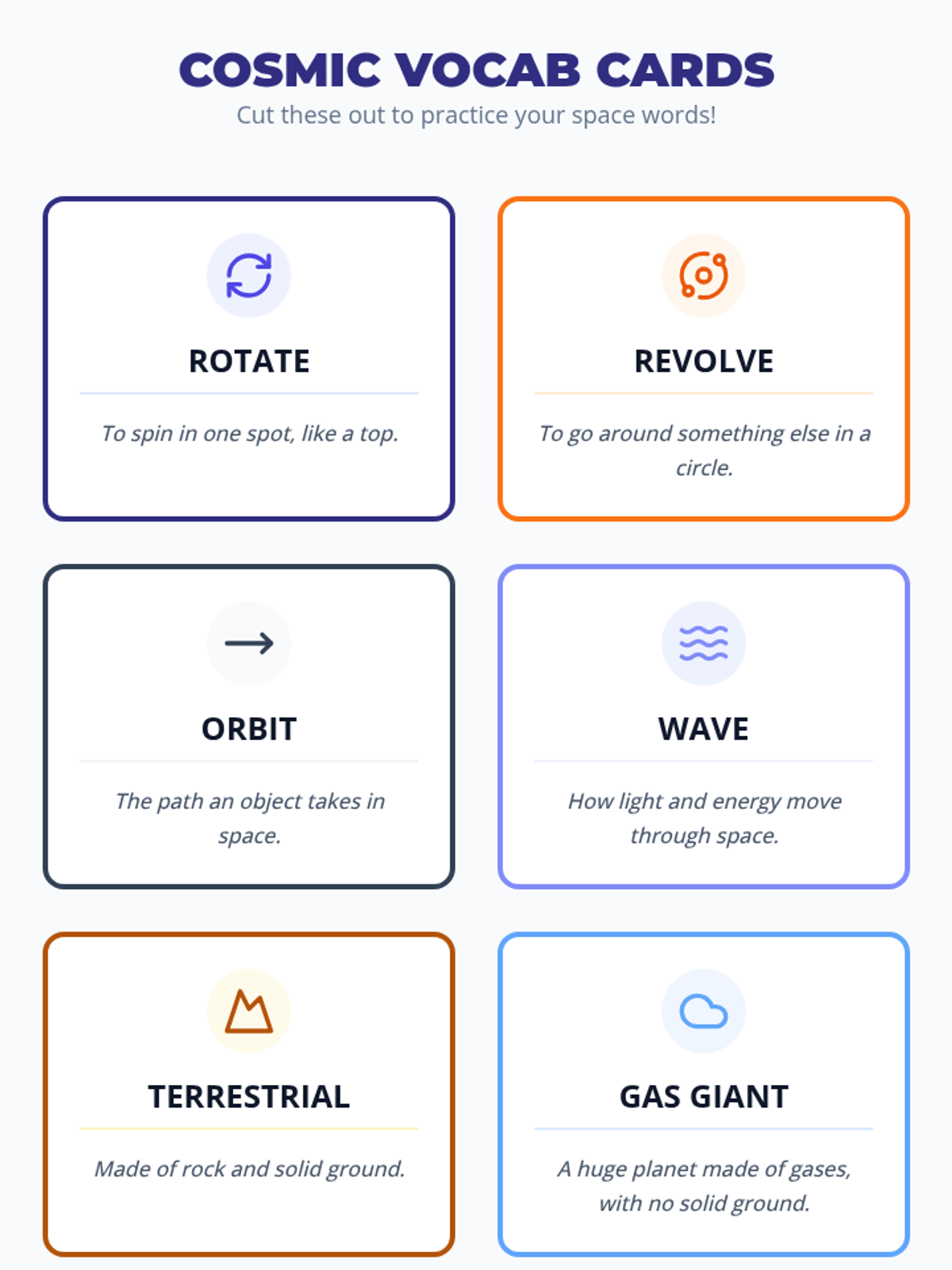
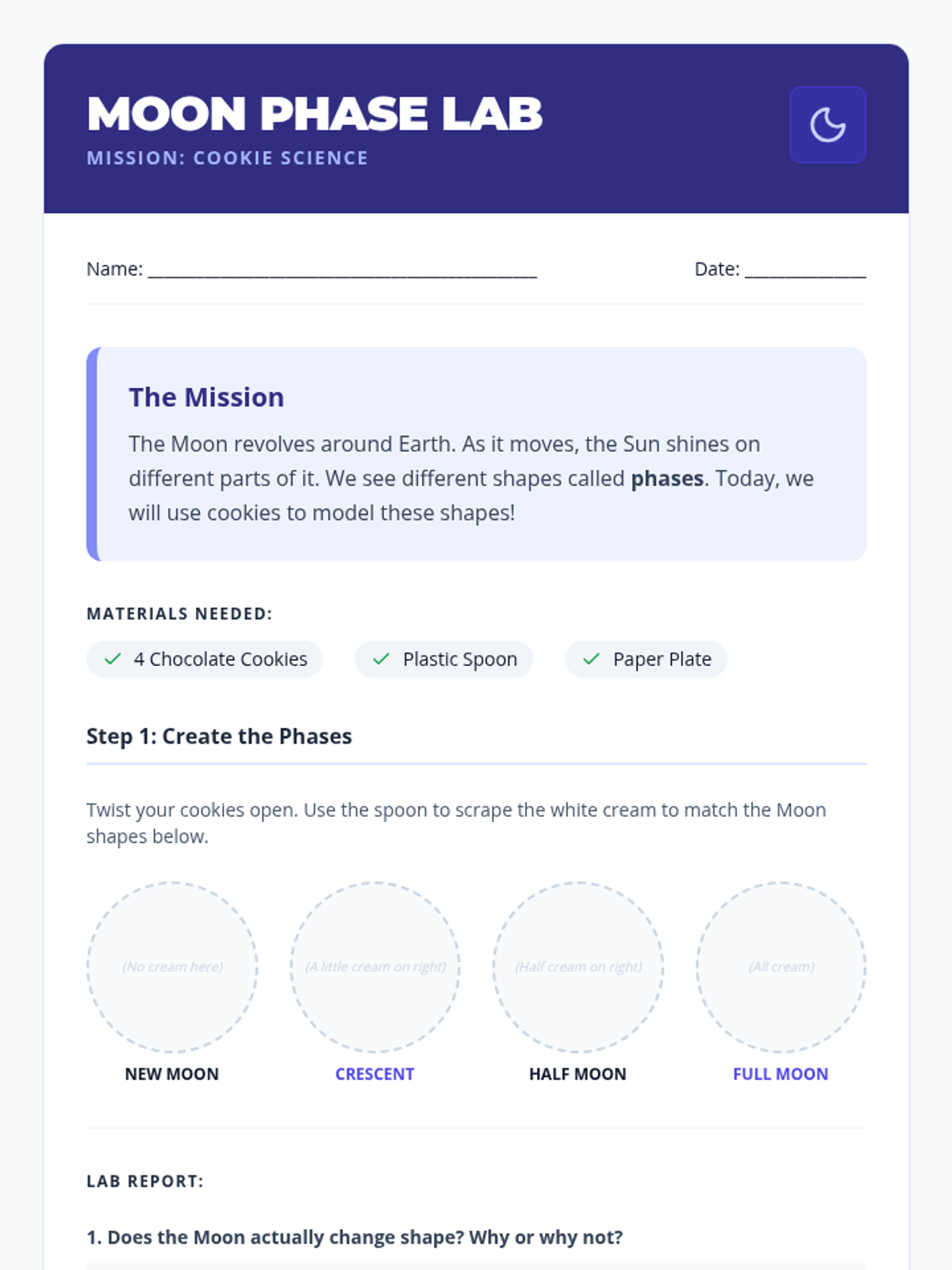
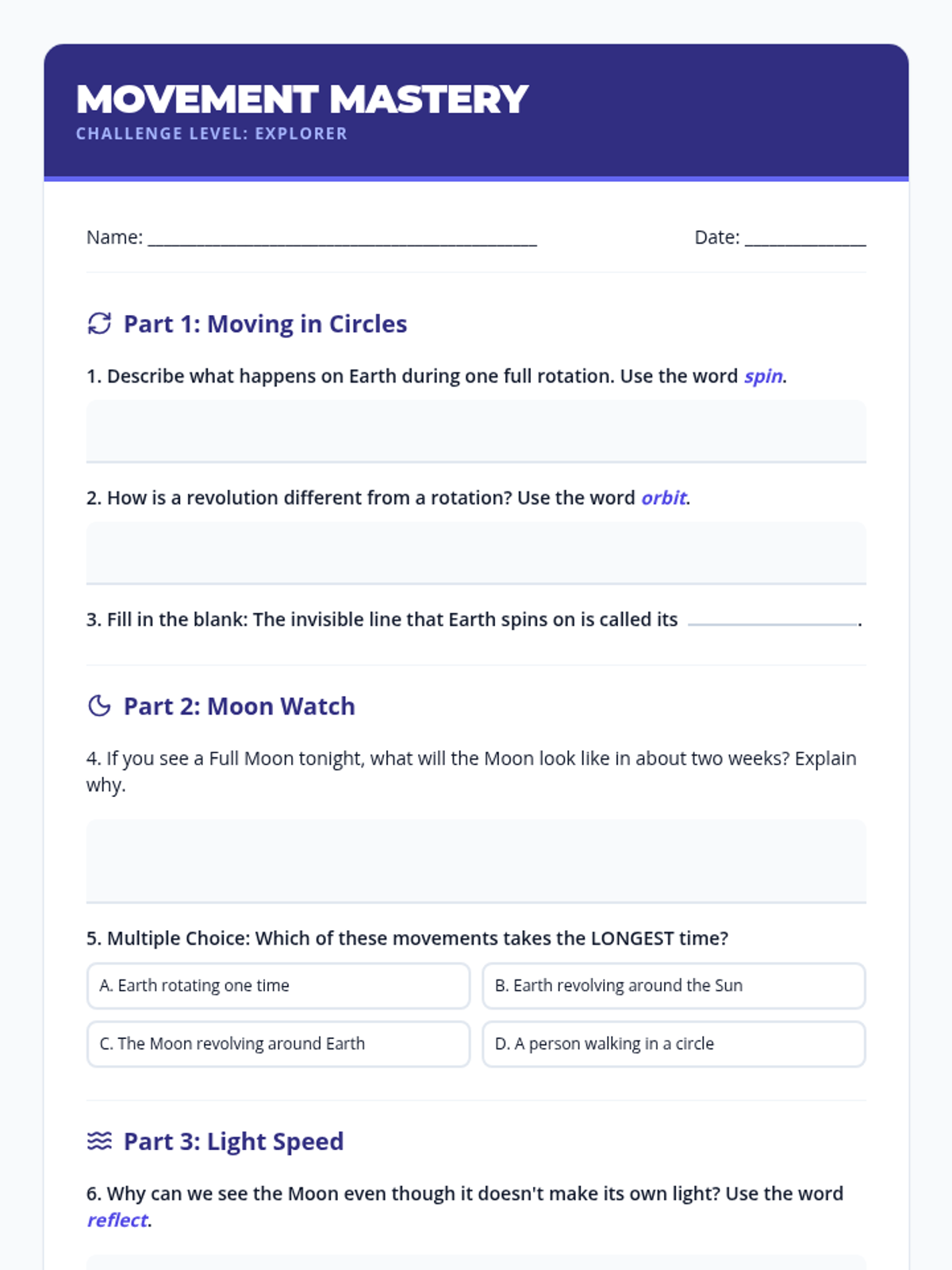
Focuses on the basic movements of Earth (rotation vs. revolution), the phases of the moon, and the basics of light waves as they relate to space exploration.
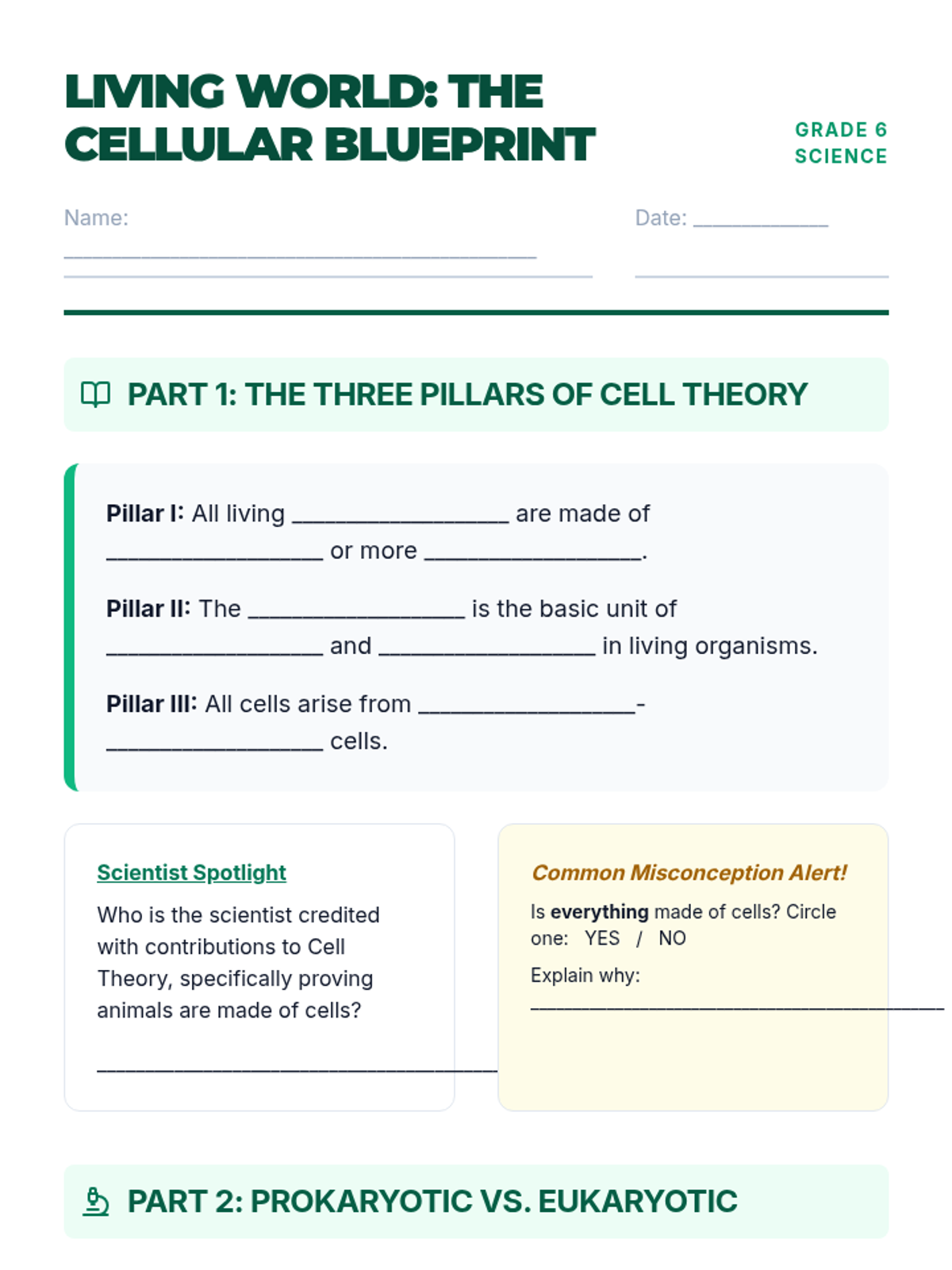
A backward-designed lesson for 6th-grade science focusing on the fundamental characteristics of life. Topics include Cell Theory, prokaryotic vs. eukaryotic classifications, unicellular vs. multicellular organisms, and autotrophic vs. heterotrophic energy strategies, all mapped directly to common assessment standards.
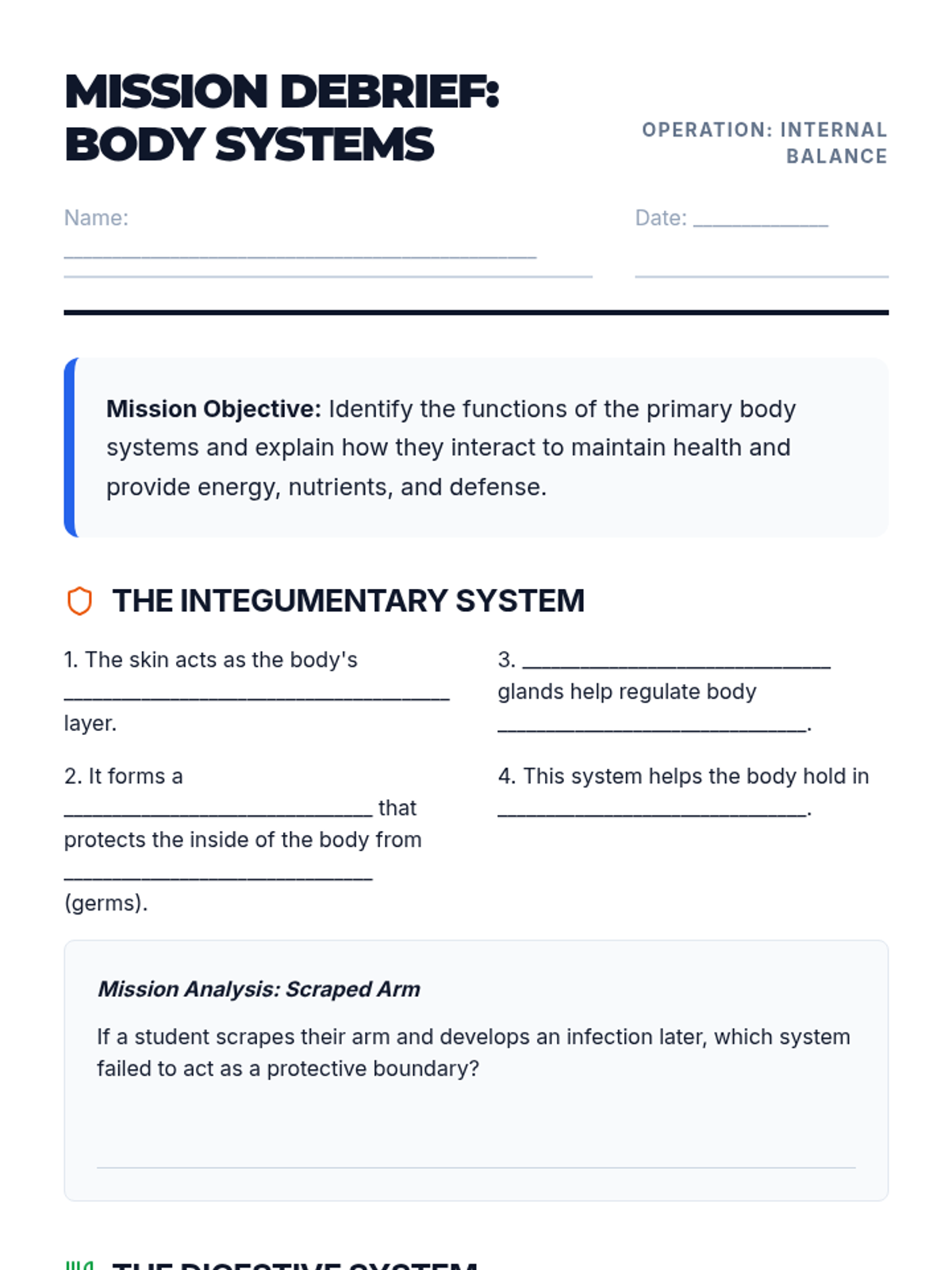
A comprehensive lesson on human body systems, focusing on the specific functions and interactions of the integumentary, digestive, respiratory, circulatory, urinary, and immune systems as assessed in 7th-grade science standards. The lesson utilizes a backward-design approach, ensuring all core test concepts are explicitly taught through concise notes and embedded practice questions.
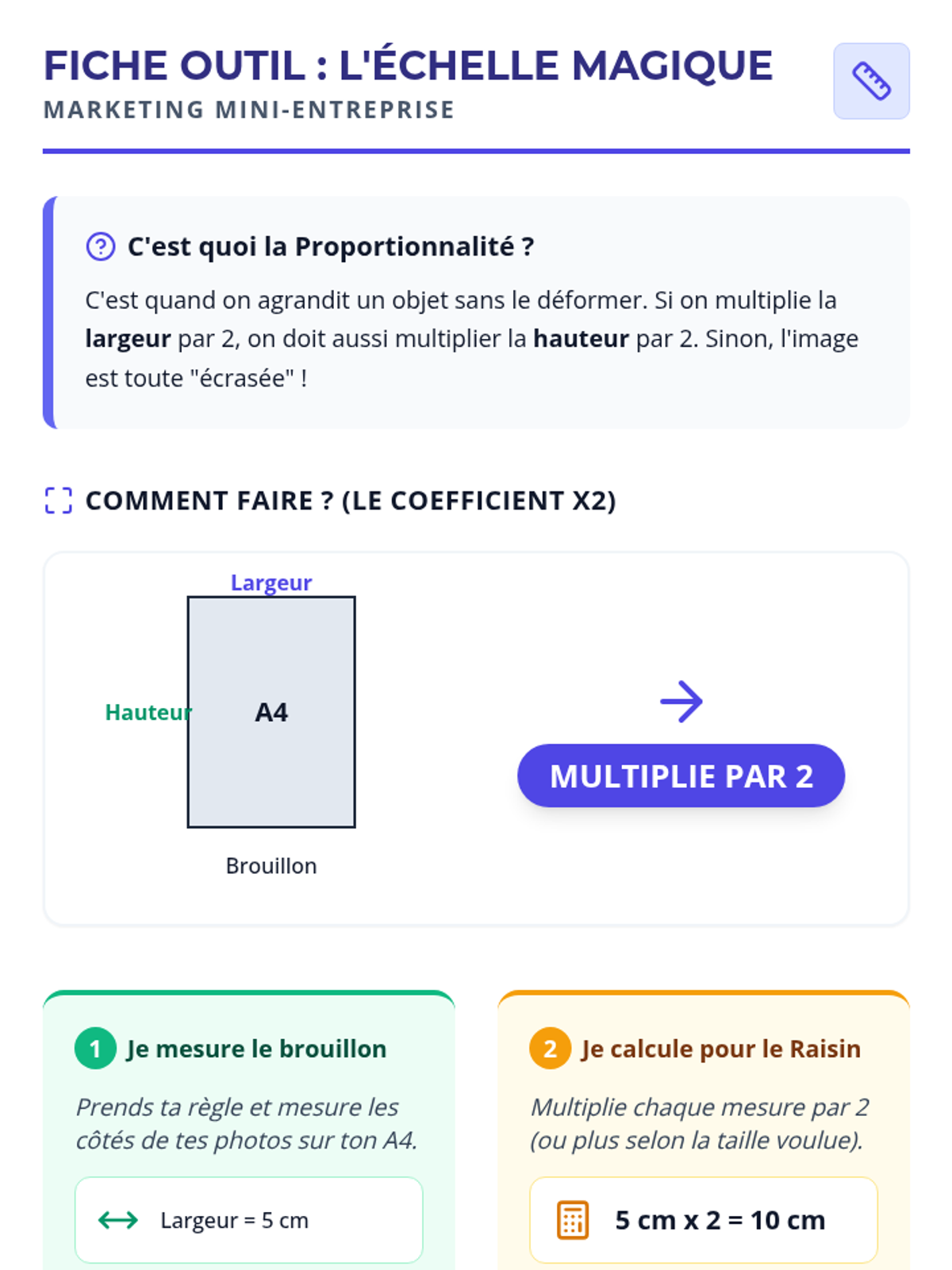
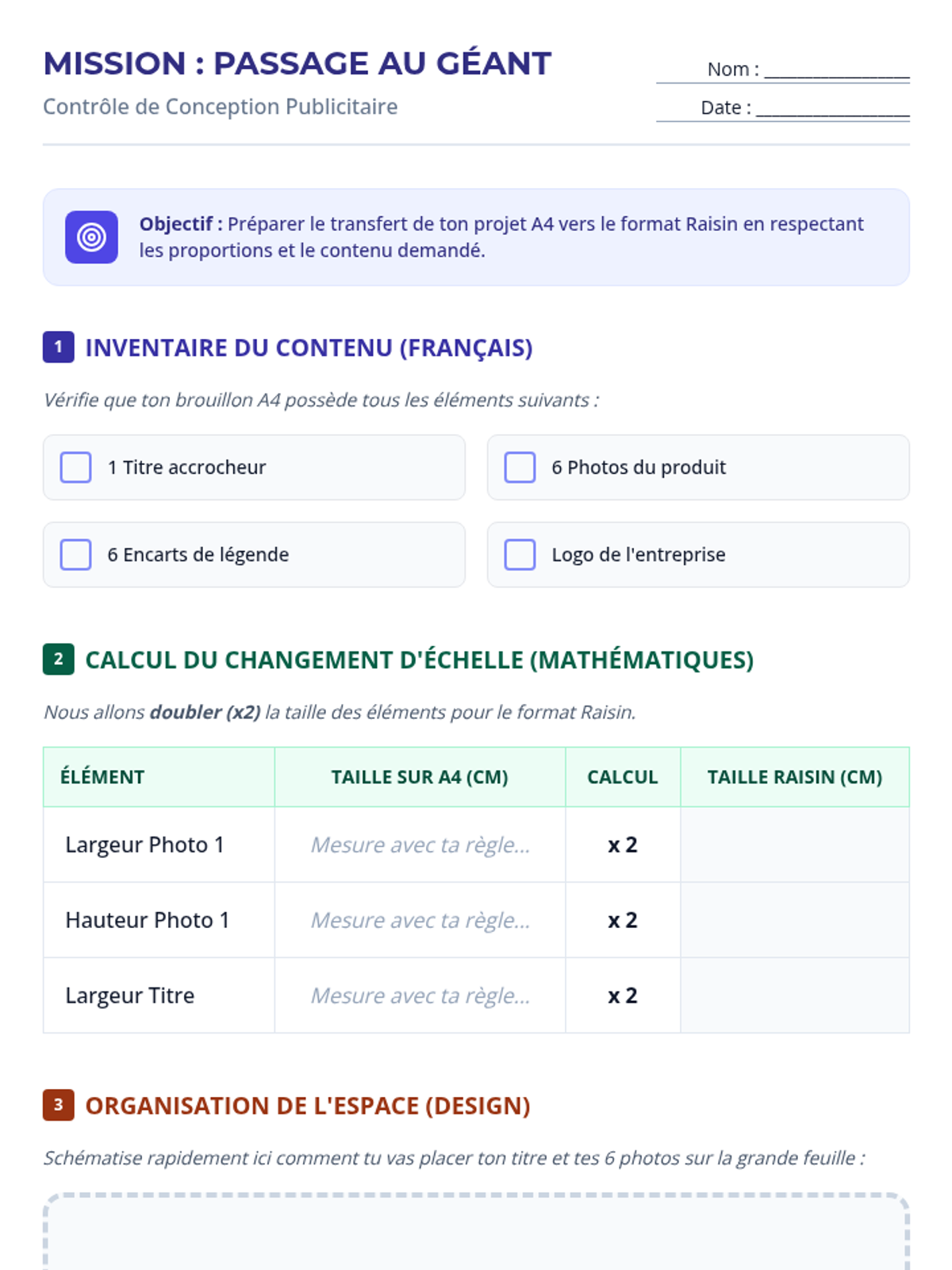
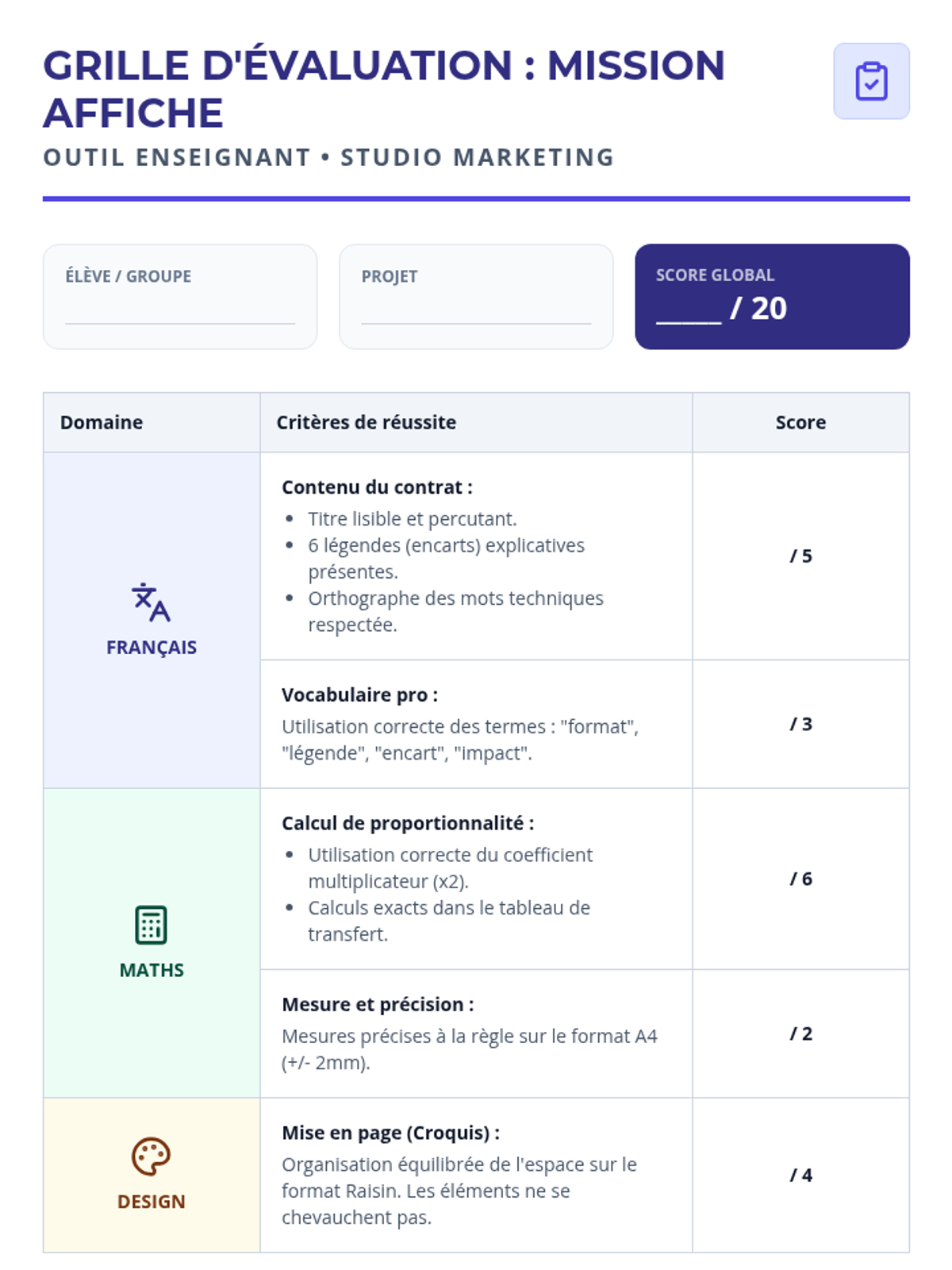
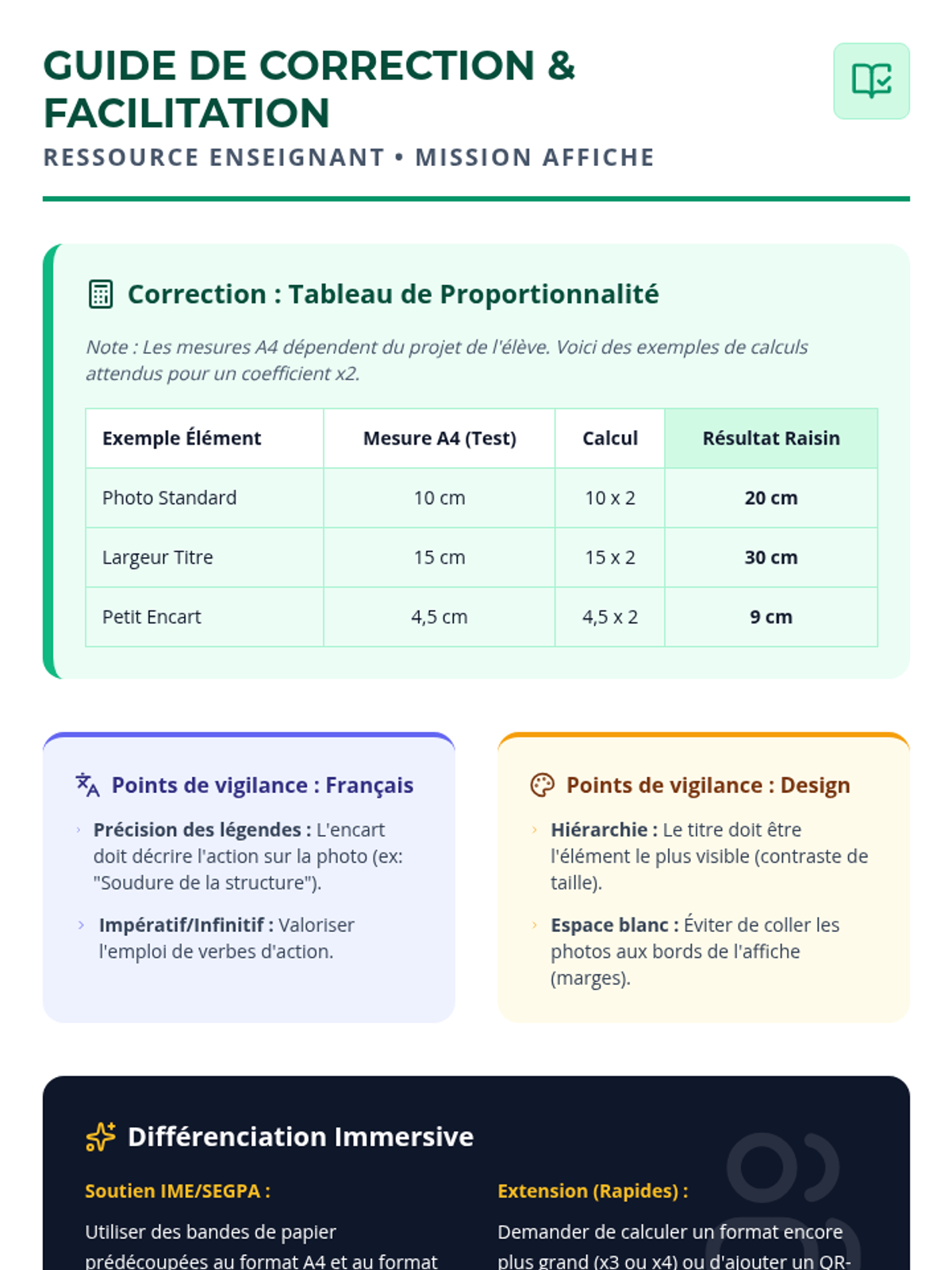
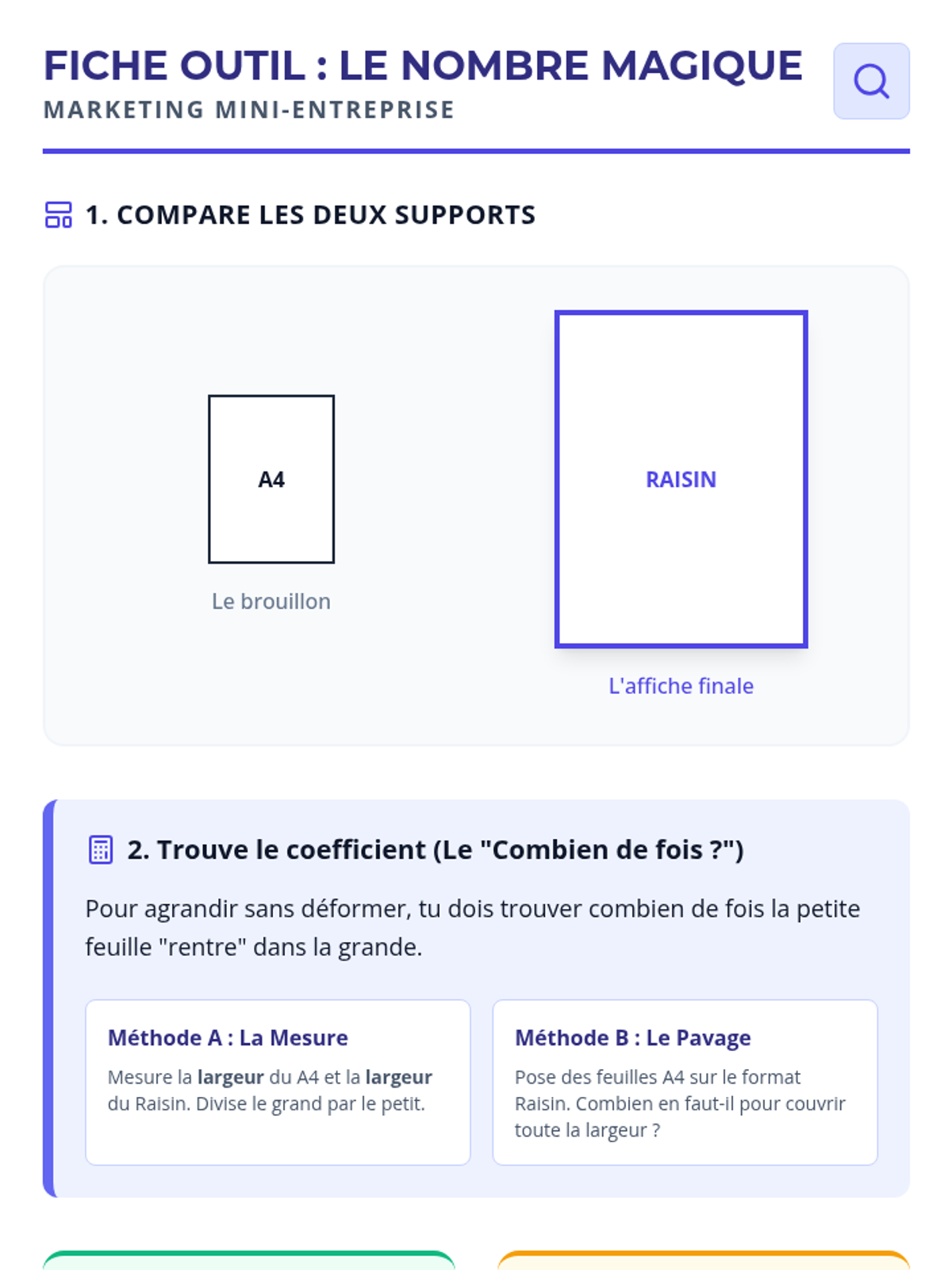
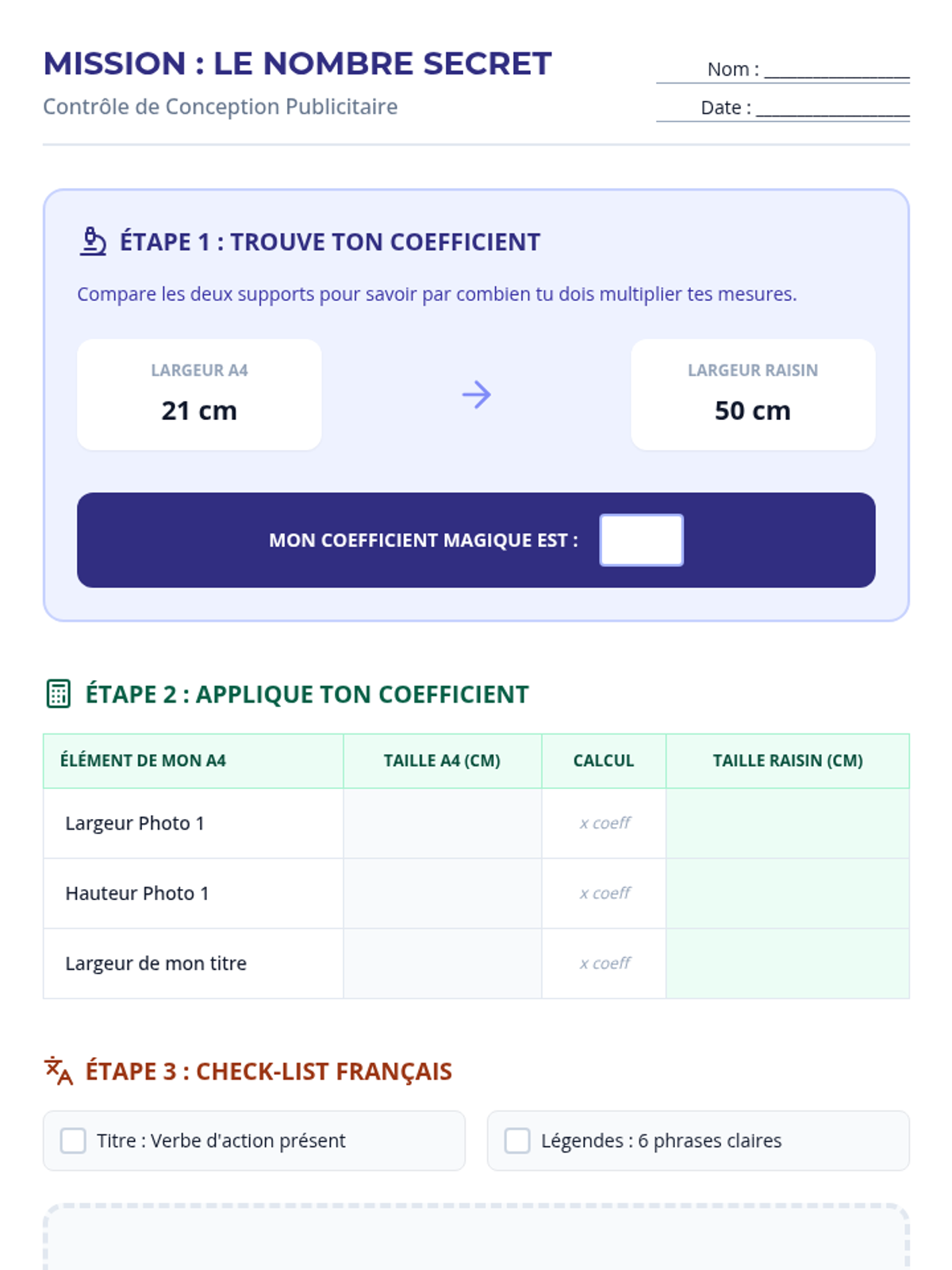
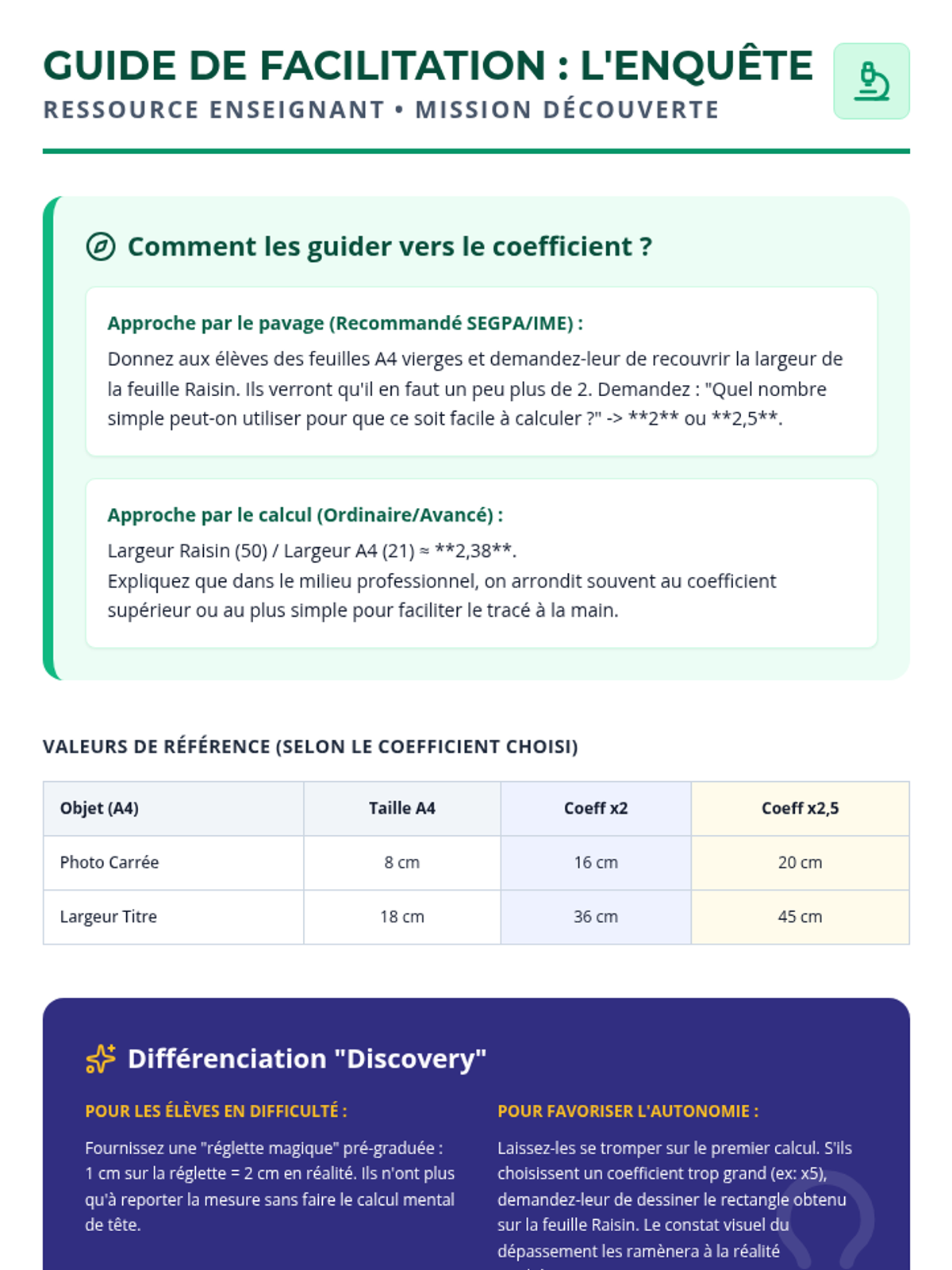
Cette leçon guide les élèves dans la conception d'une affiche publicitaire pour leur mini-entreprise, en se concentrant sur le passage du format A4 au format Raisin. Elle intègre des notions de français (titre, légendes) et de mathématiques (proportionnalité) dans un cadre professionnel immersif.