Students investigate the negative feedback loop of blood sugar regulation, analyzing the roles of the pancreas, liver, insulin, and glucagon.
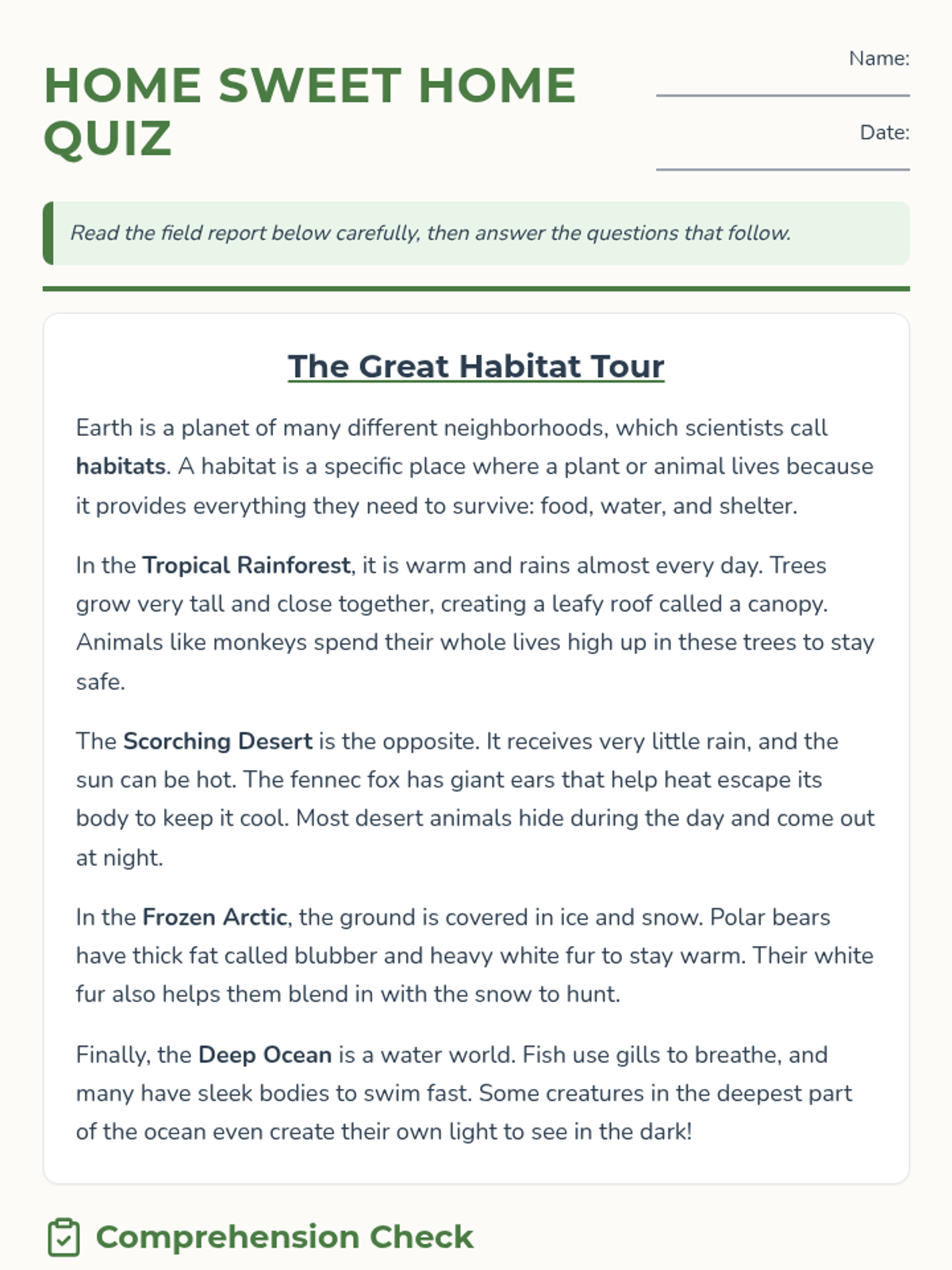
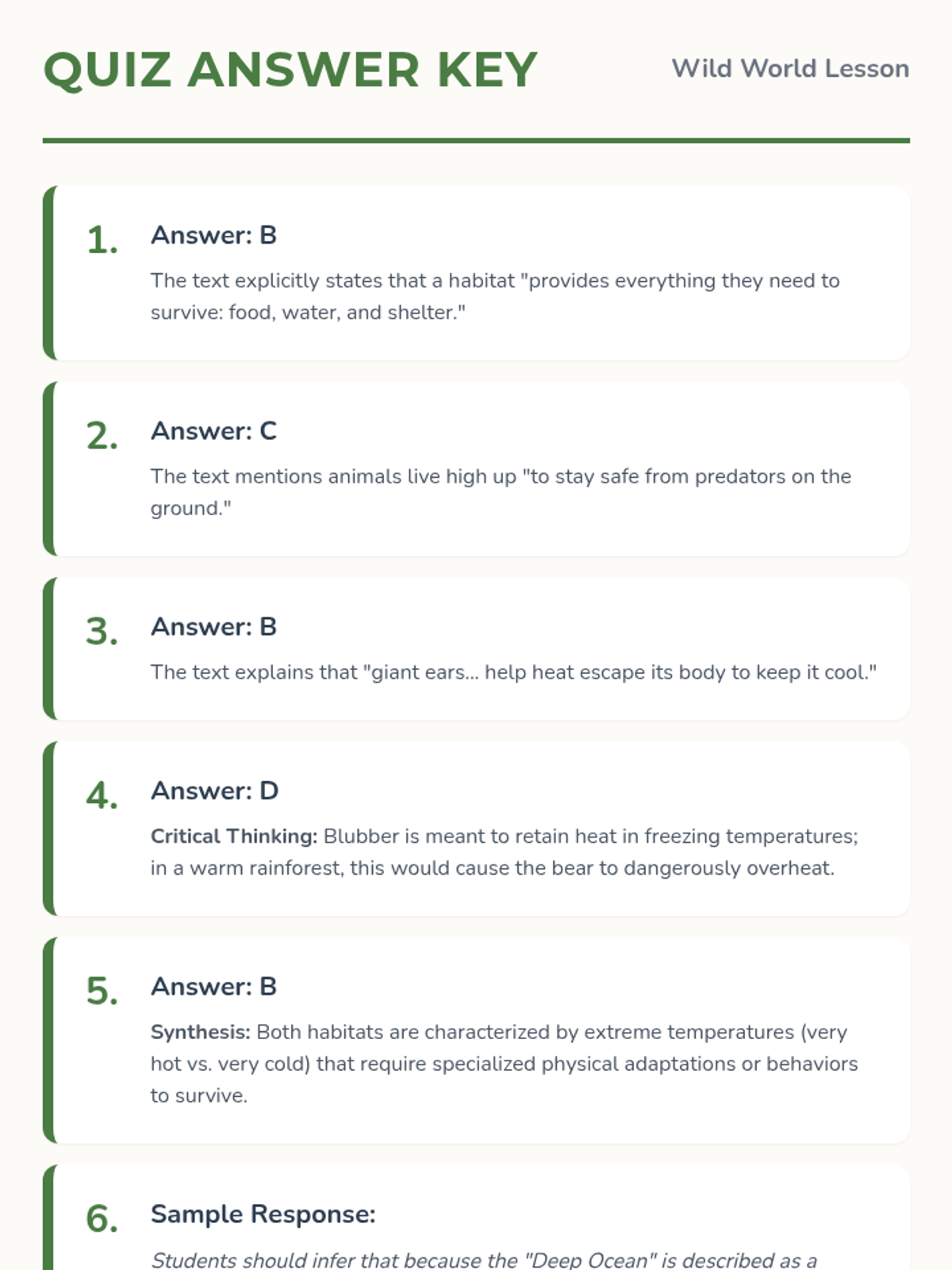
Students explore the diverse ecosystems of our planet through a non-fiction reading passage and an engaging class discussion focused on animal adaptations and survival.
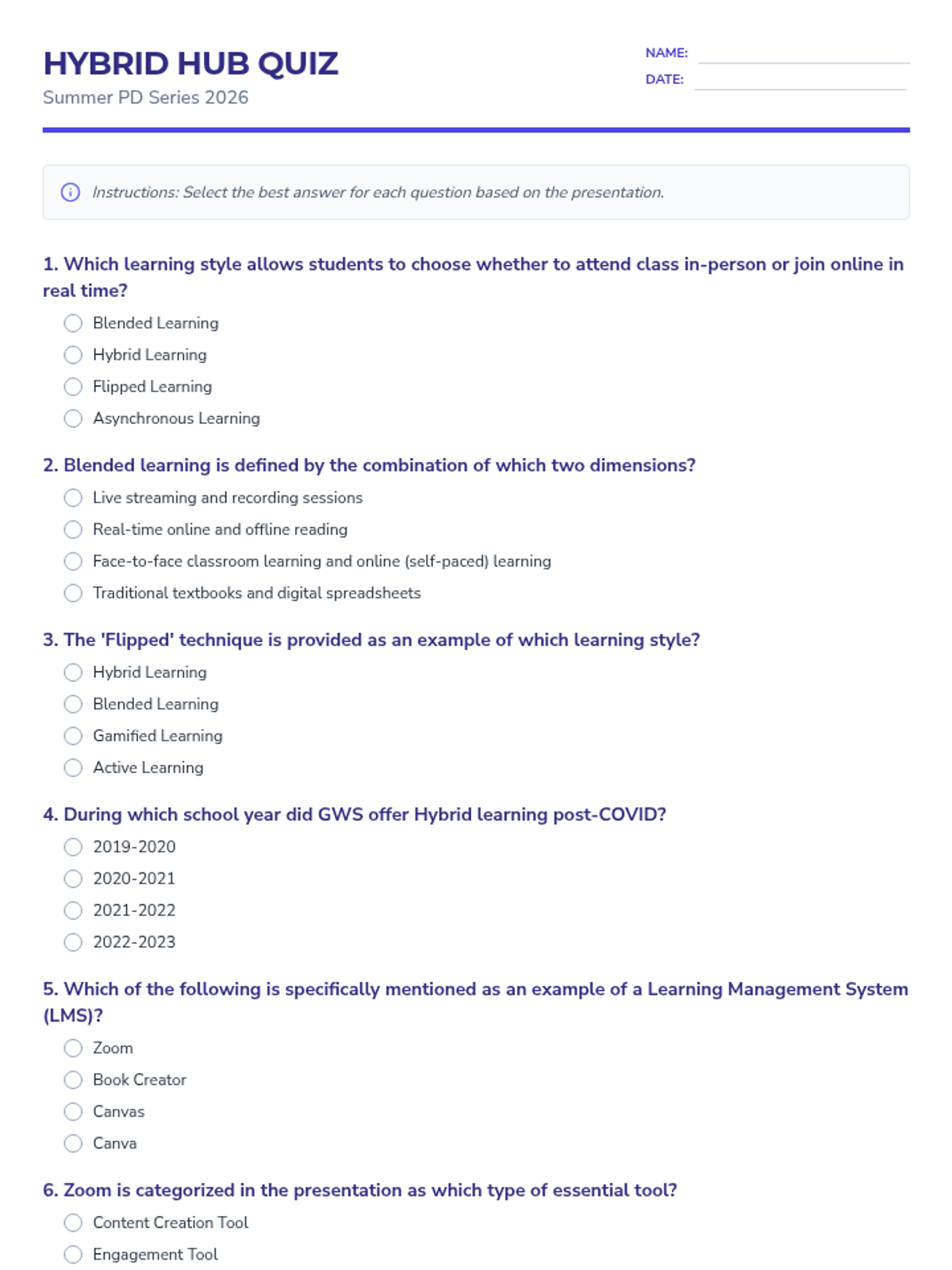
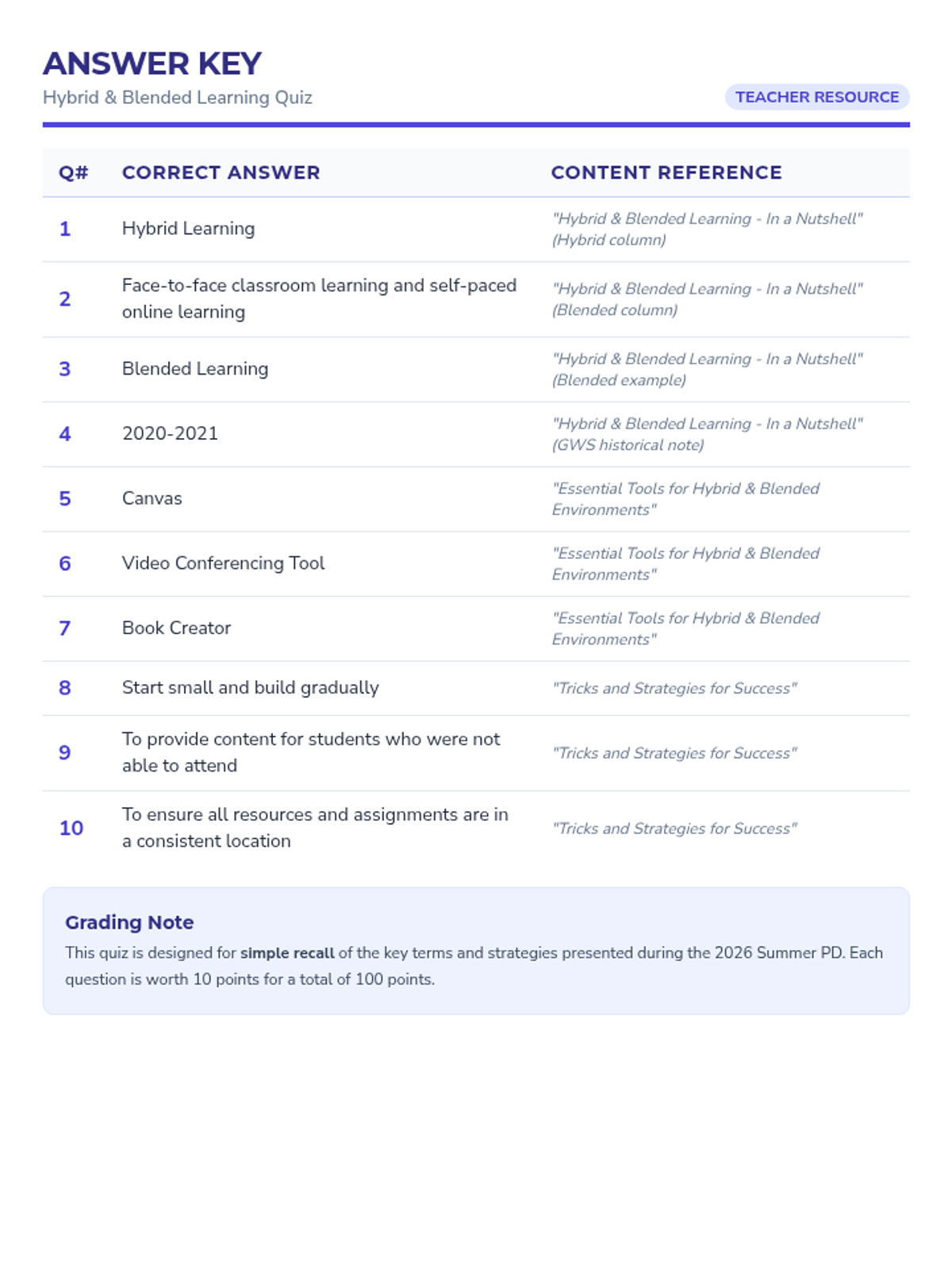
A professional development assessment designed to evaluate understanding of the differences between hybrid and blended learning models, essential tools, and instructional strategies.
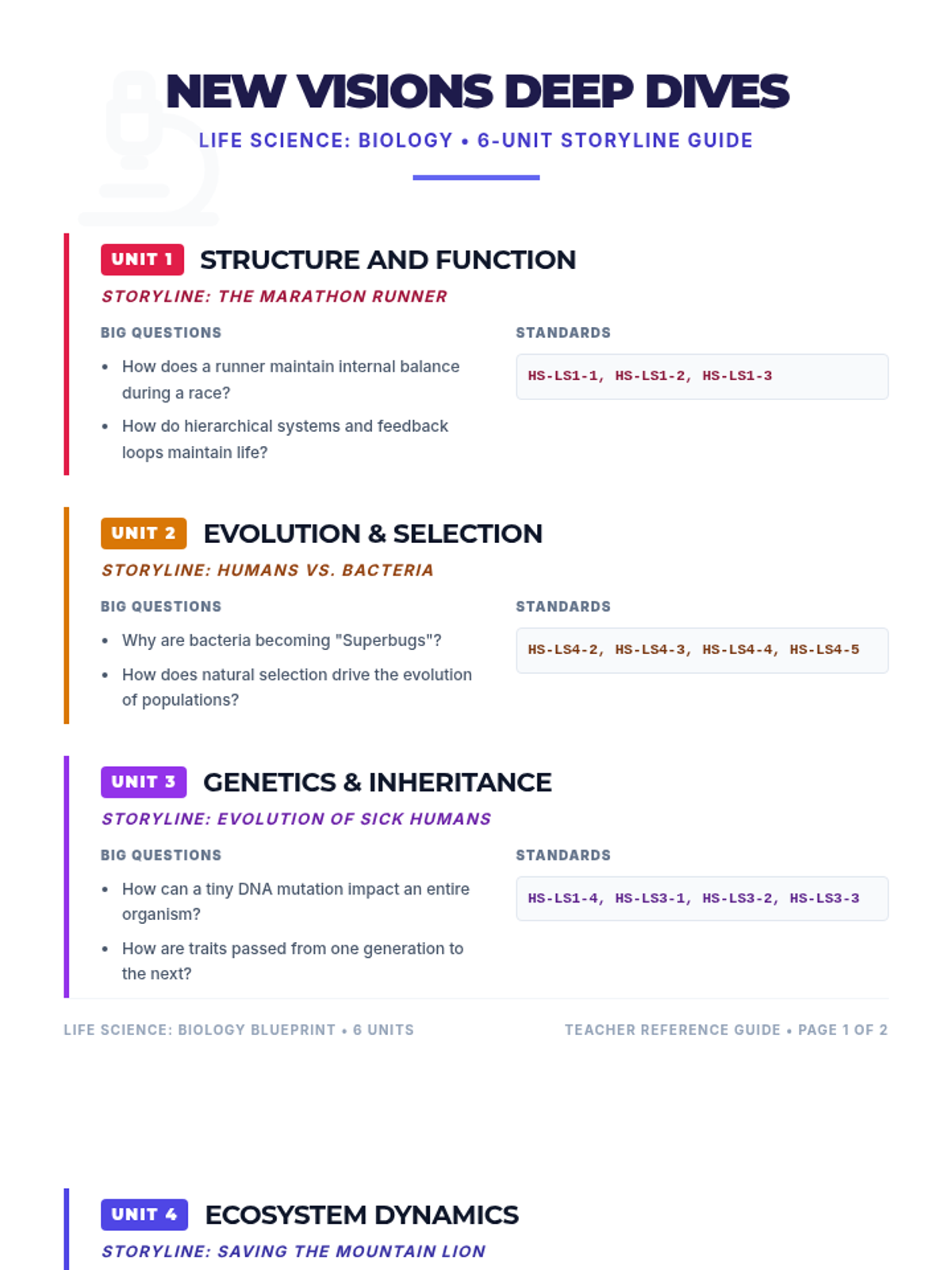
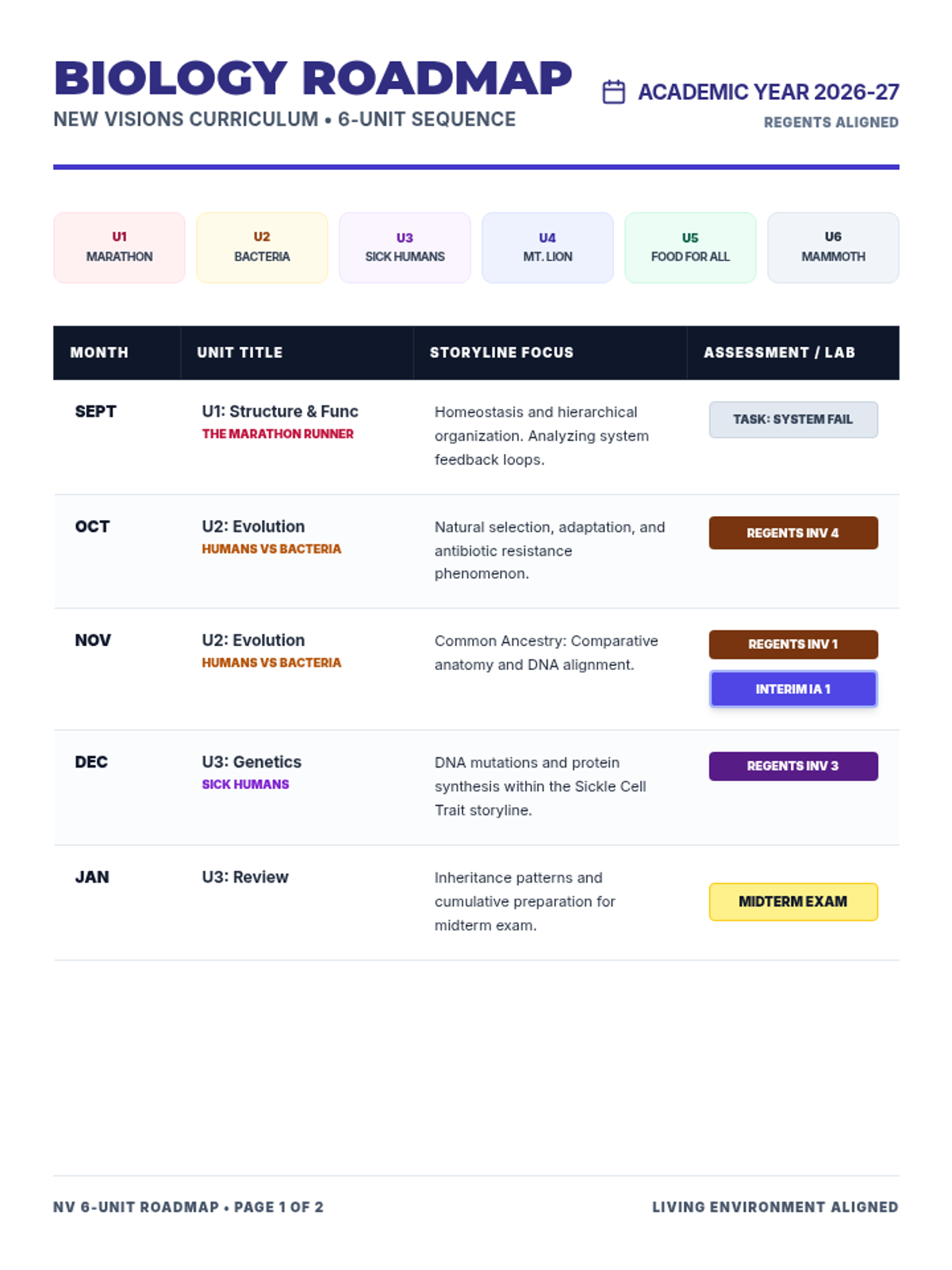
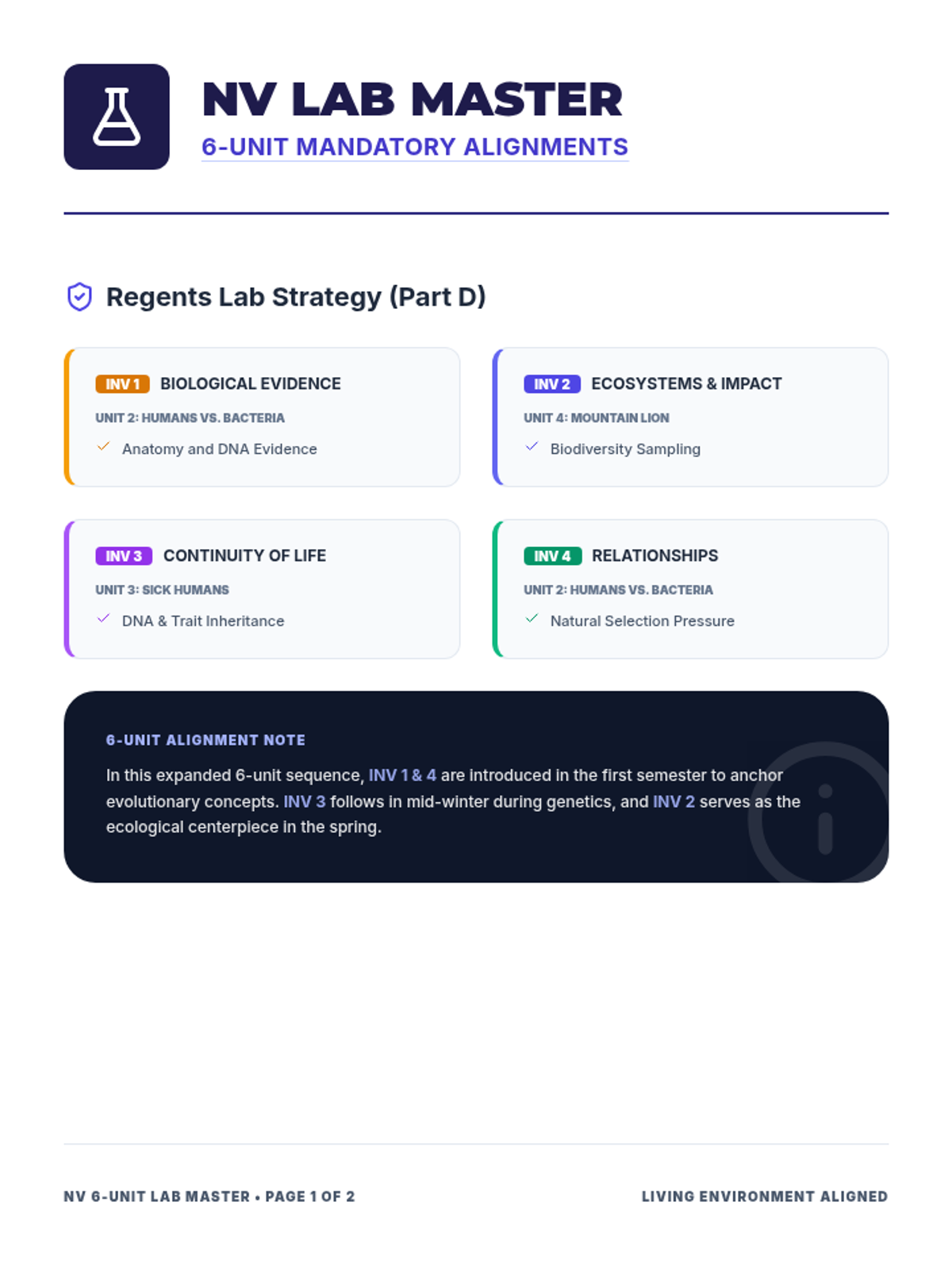
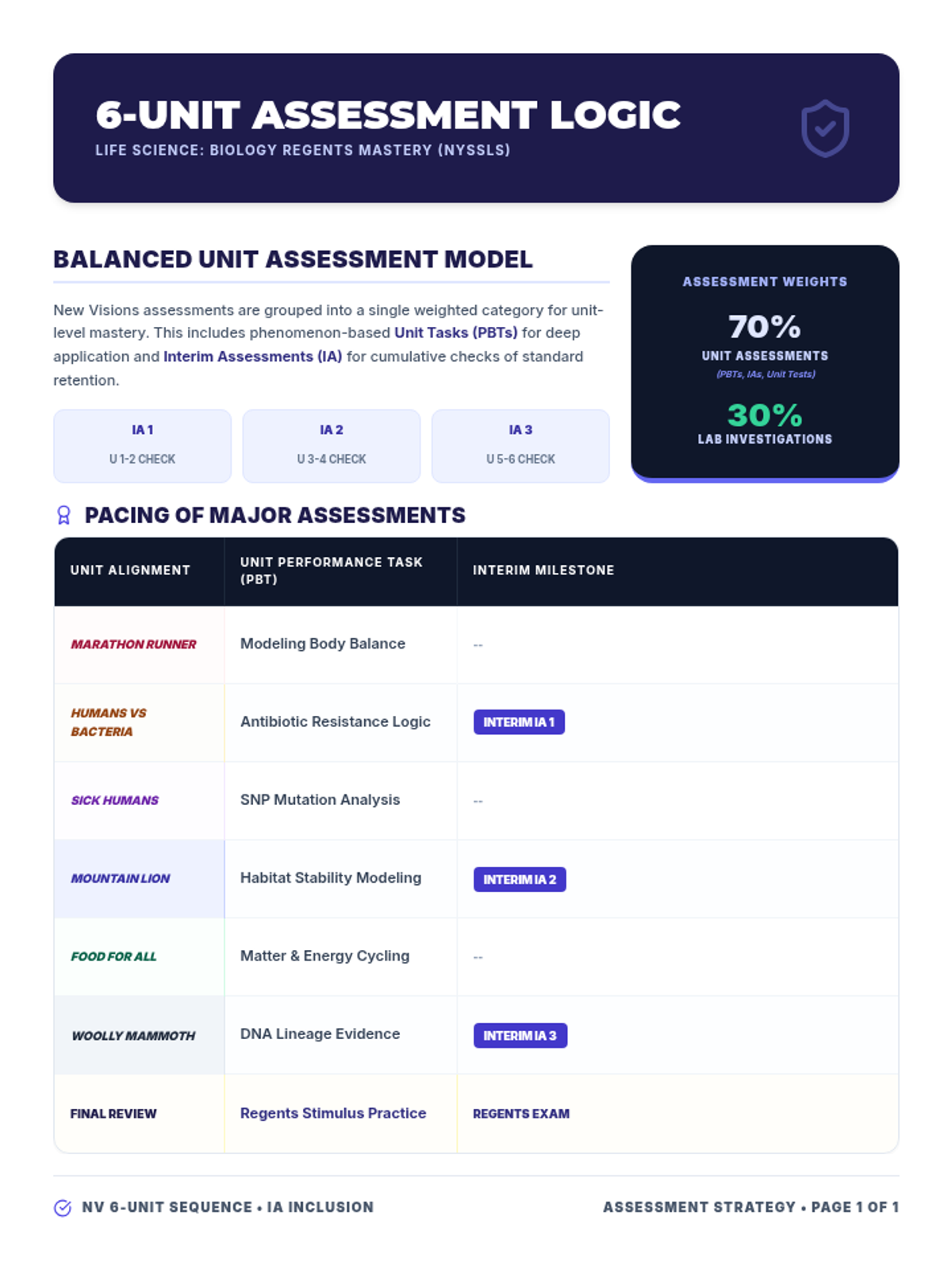
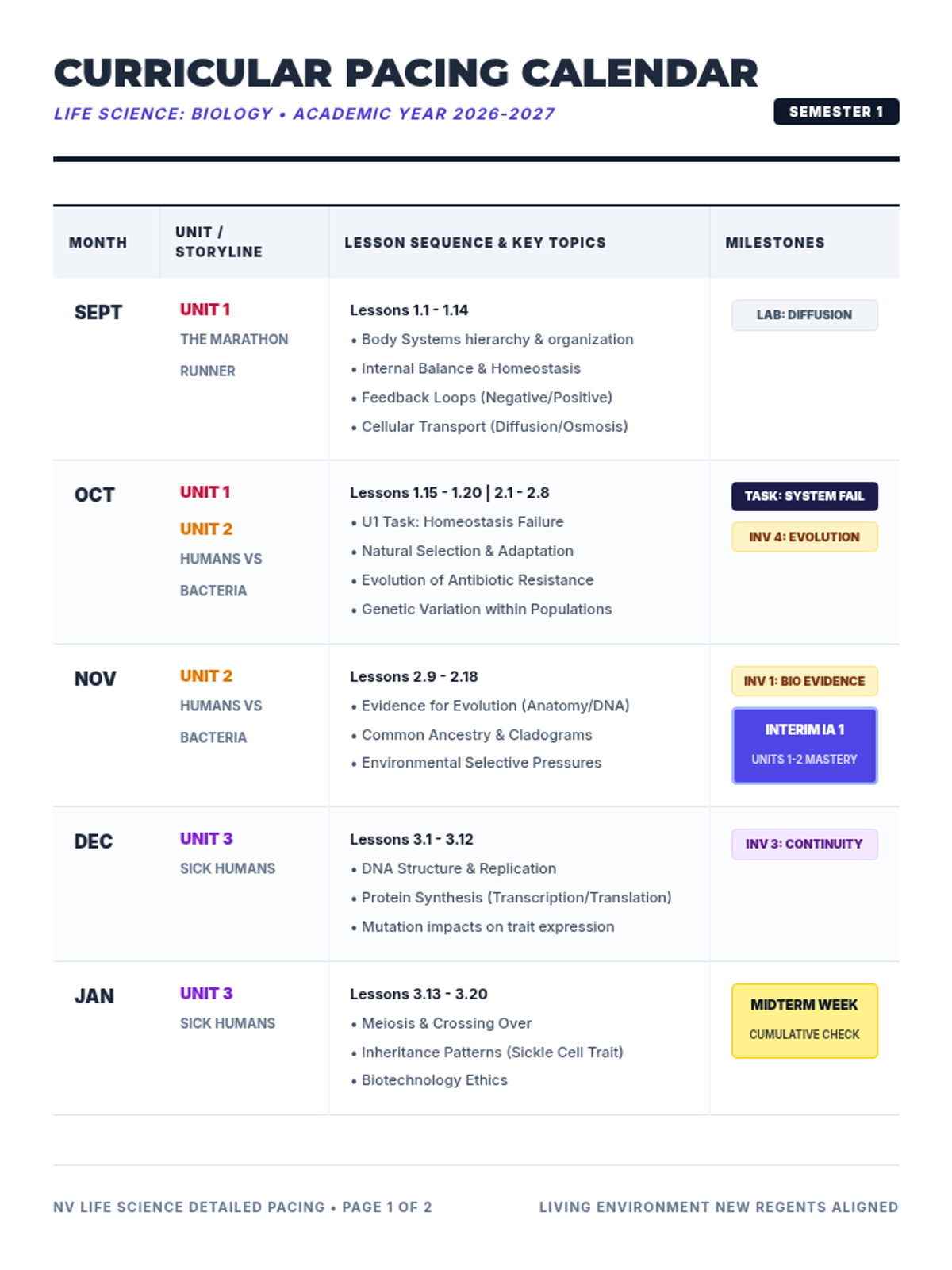
The foundational planning materials for the full-year Life Science: Biology curriculum, providing a high-level roadmap and detailed unit breakdowns.
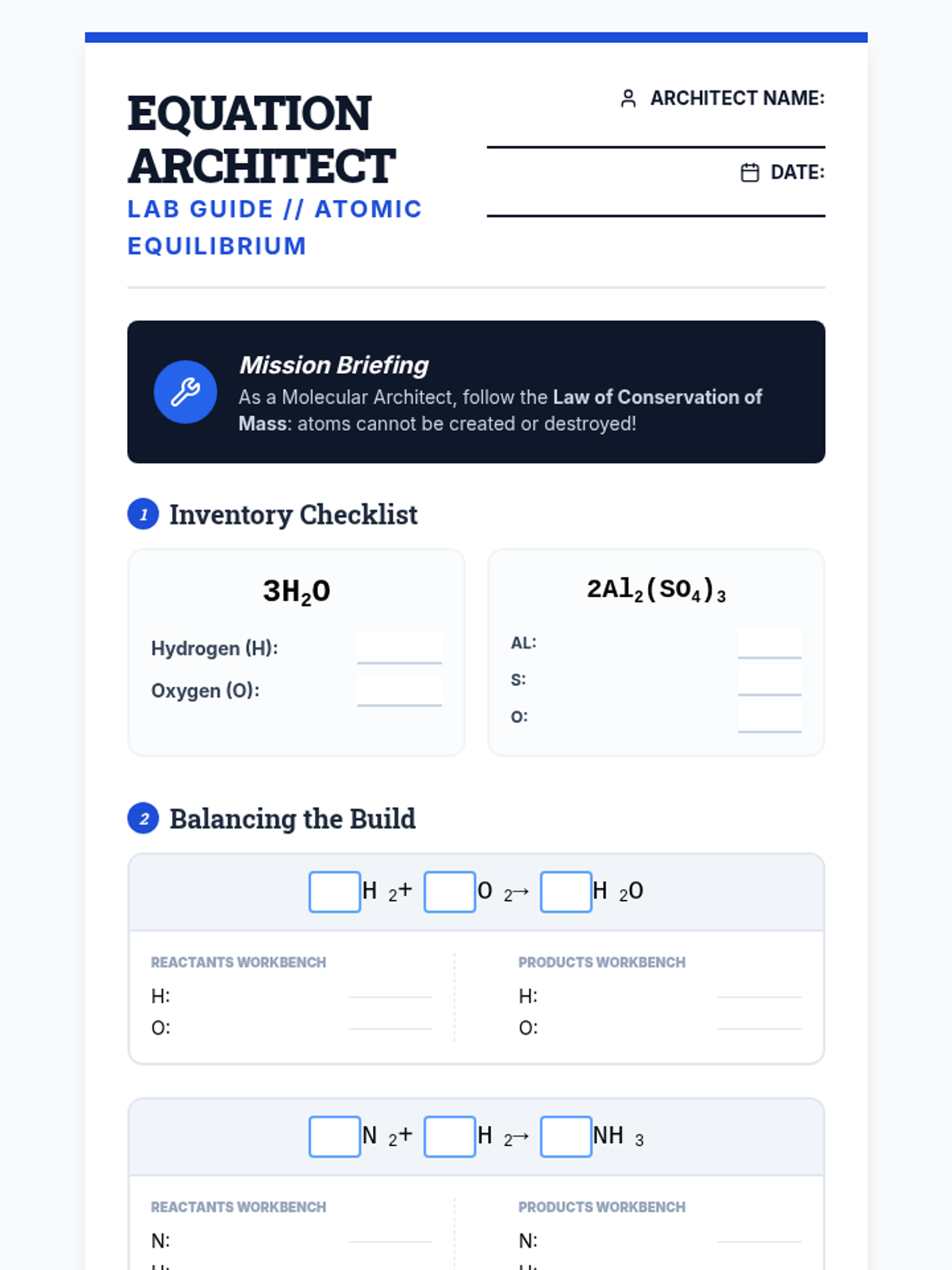
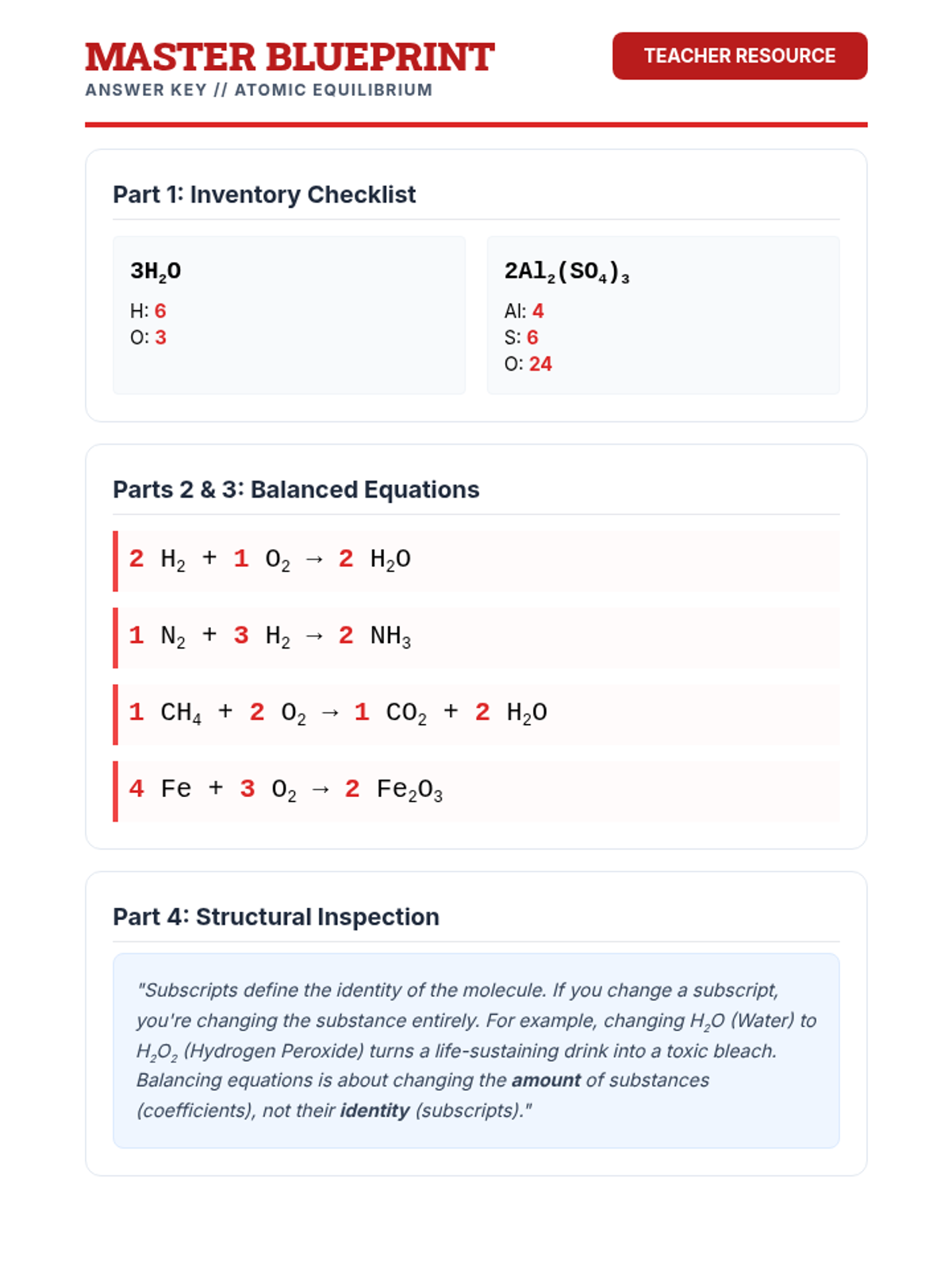
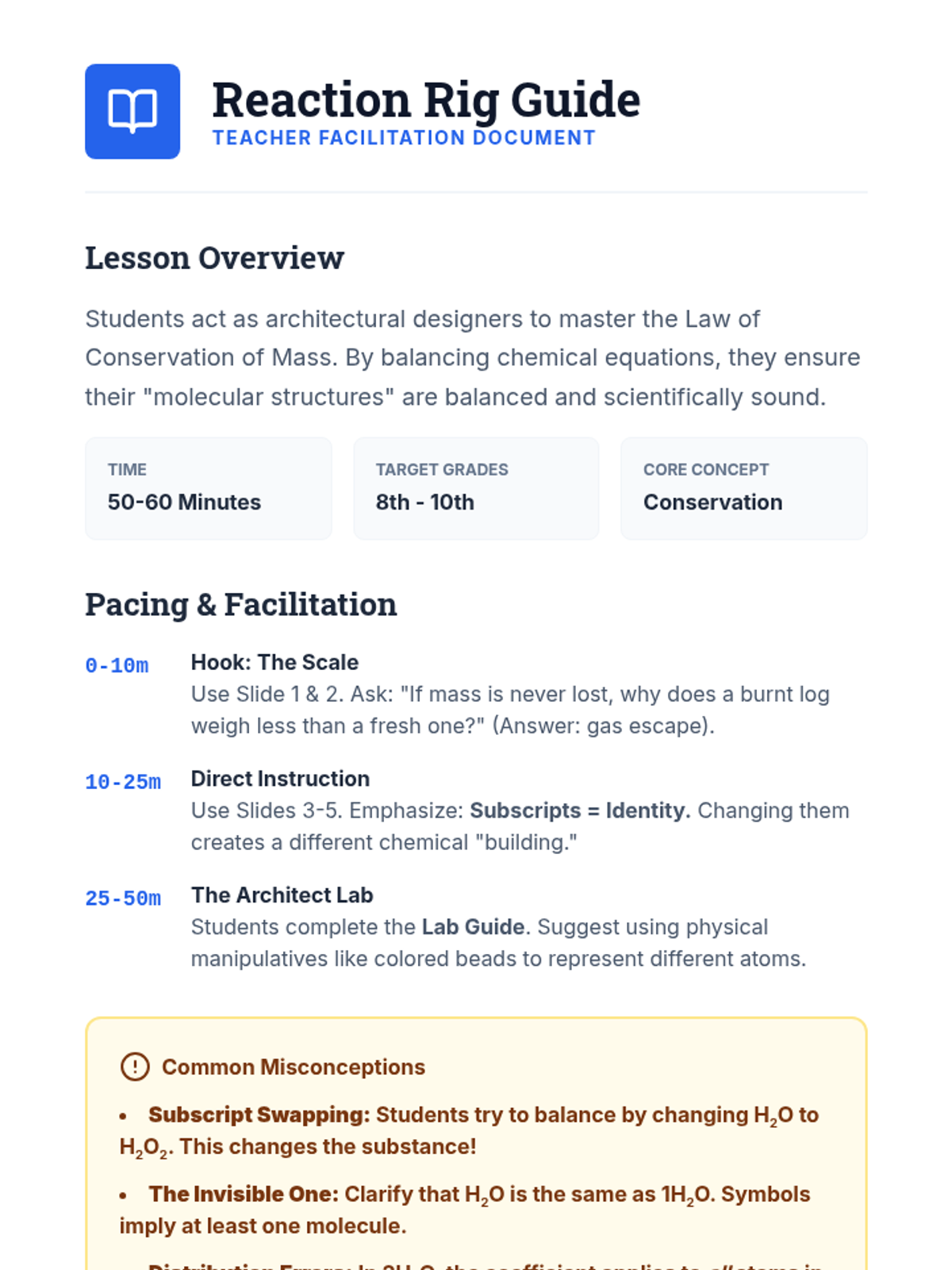
A comprehensive lesson on balancing chemical equations, focusing on the Law of Conservation of Mass and the visual representation of atoms. Students act as 'Molecular Architects' to build balanced chemical reactions.
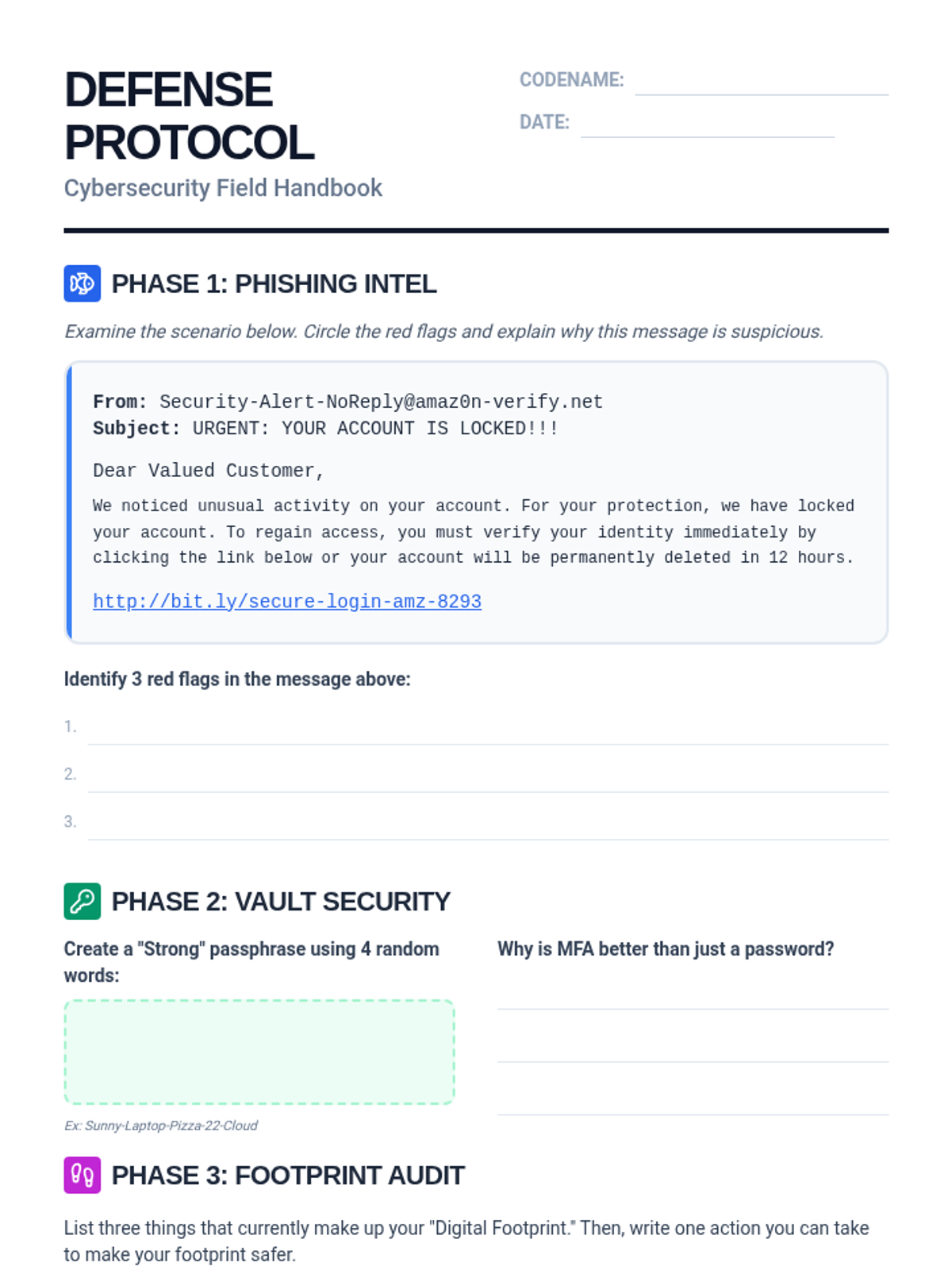
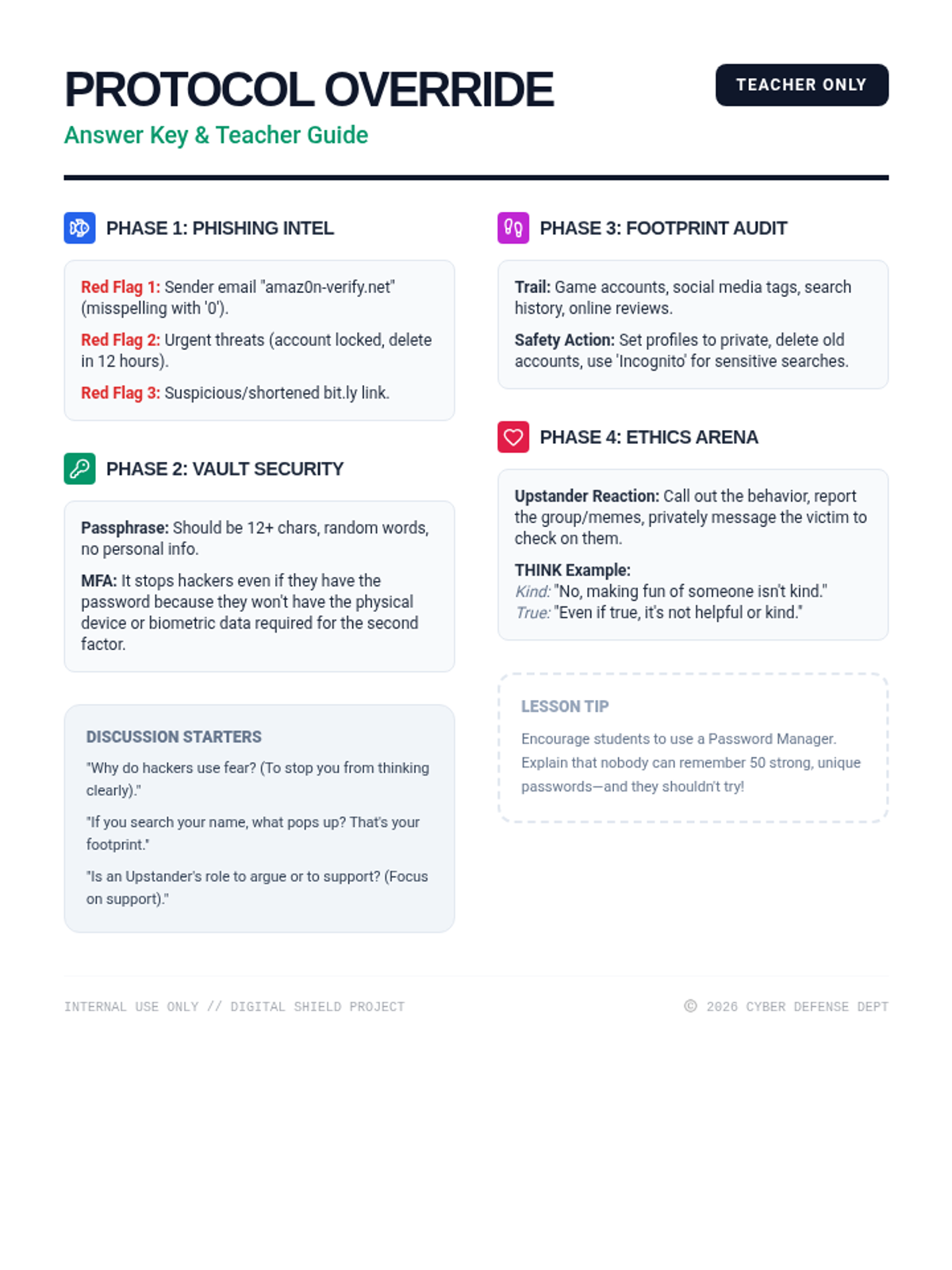
A comprehensive introduction to cybersecurity essentials, covering phishing, password security, digital footprints, and online ethics. Students learn to protect themselves and act responsibly in the digital world.
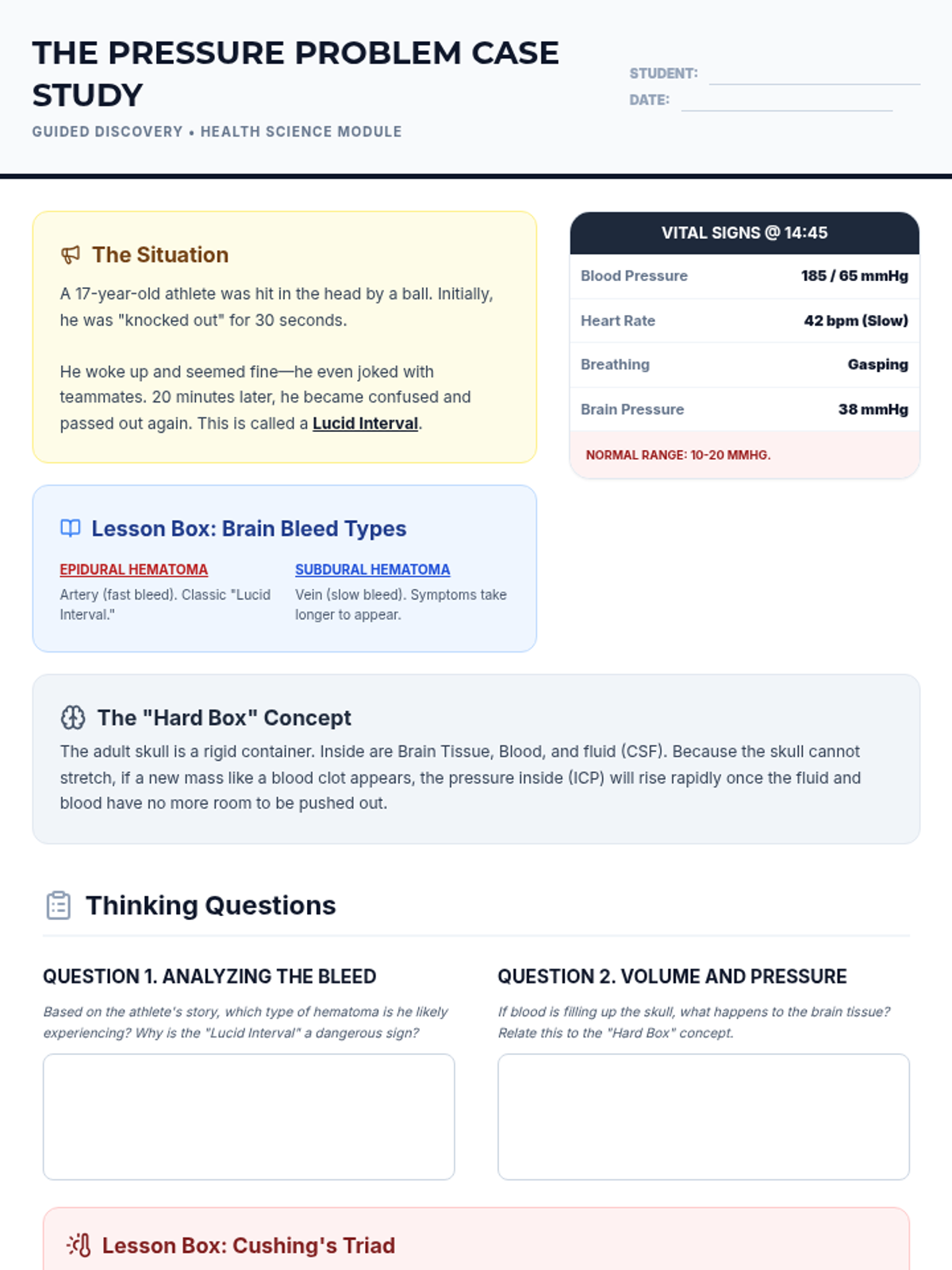
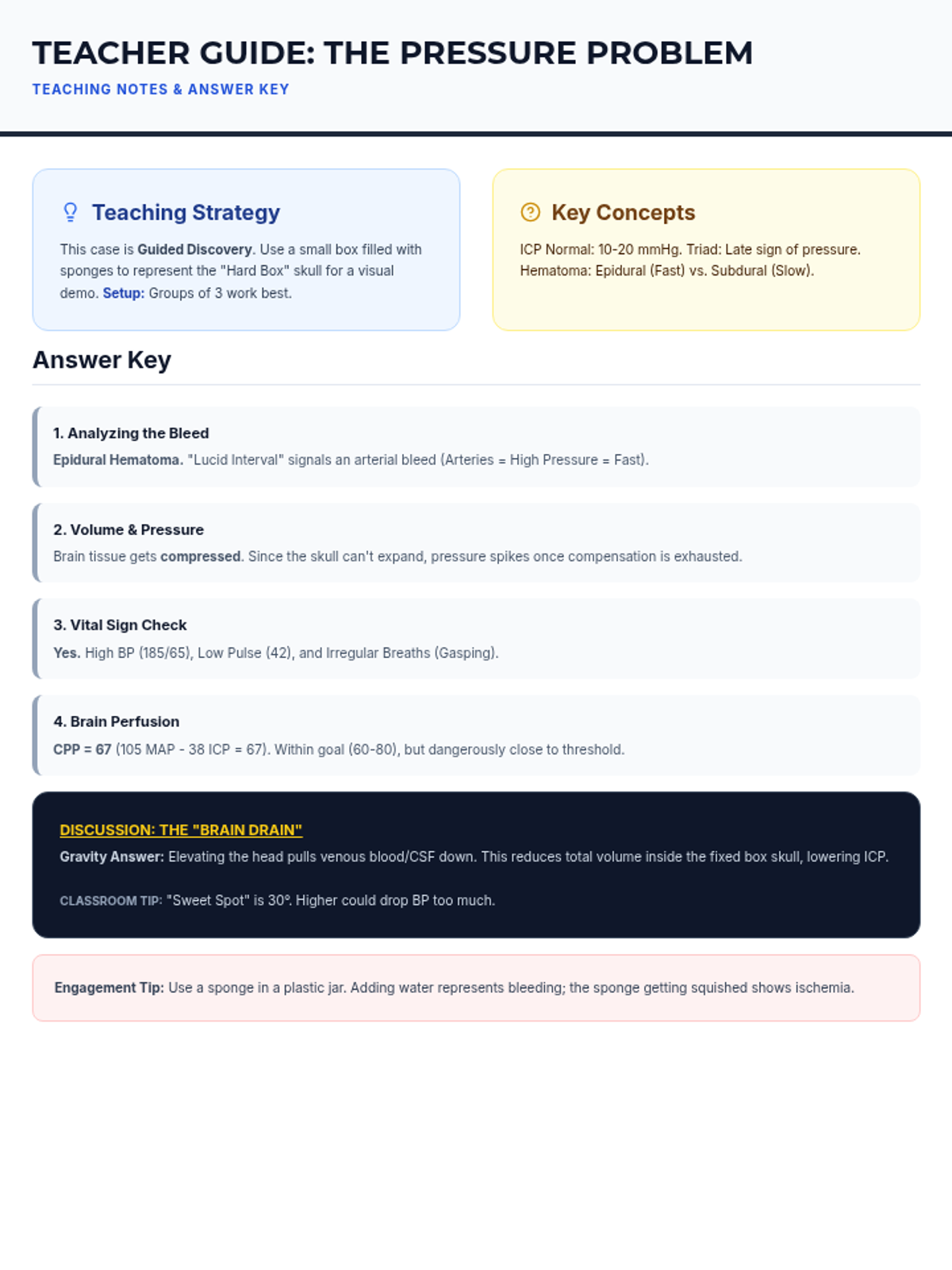
A health-science focused lesson on the anatomy, physiology, and clinical implications of increased intracranial pressure, featuring the Monro-Kellie doctrine and Cushing's Triad.
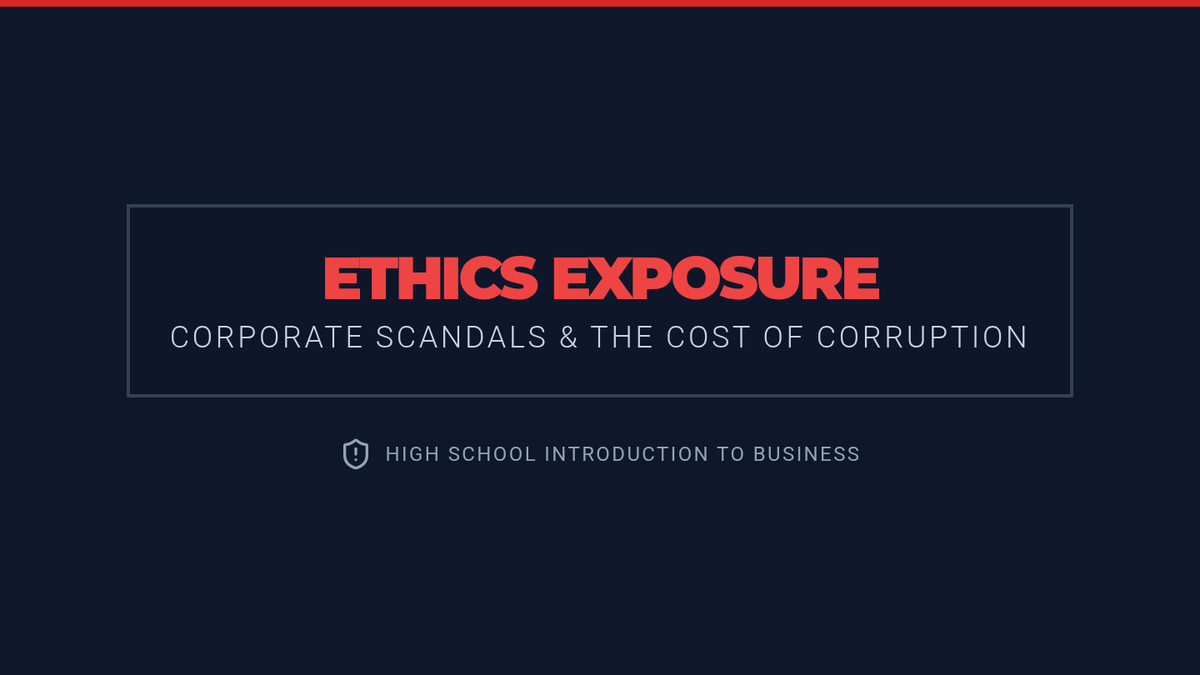
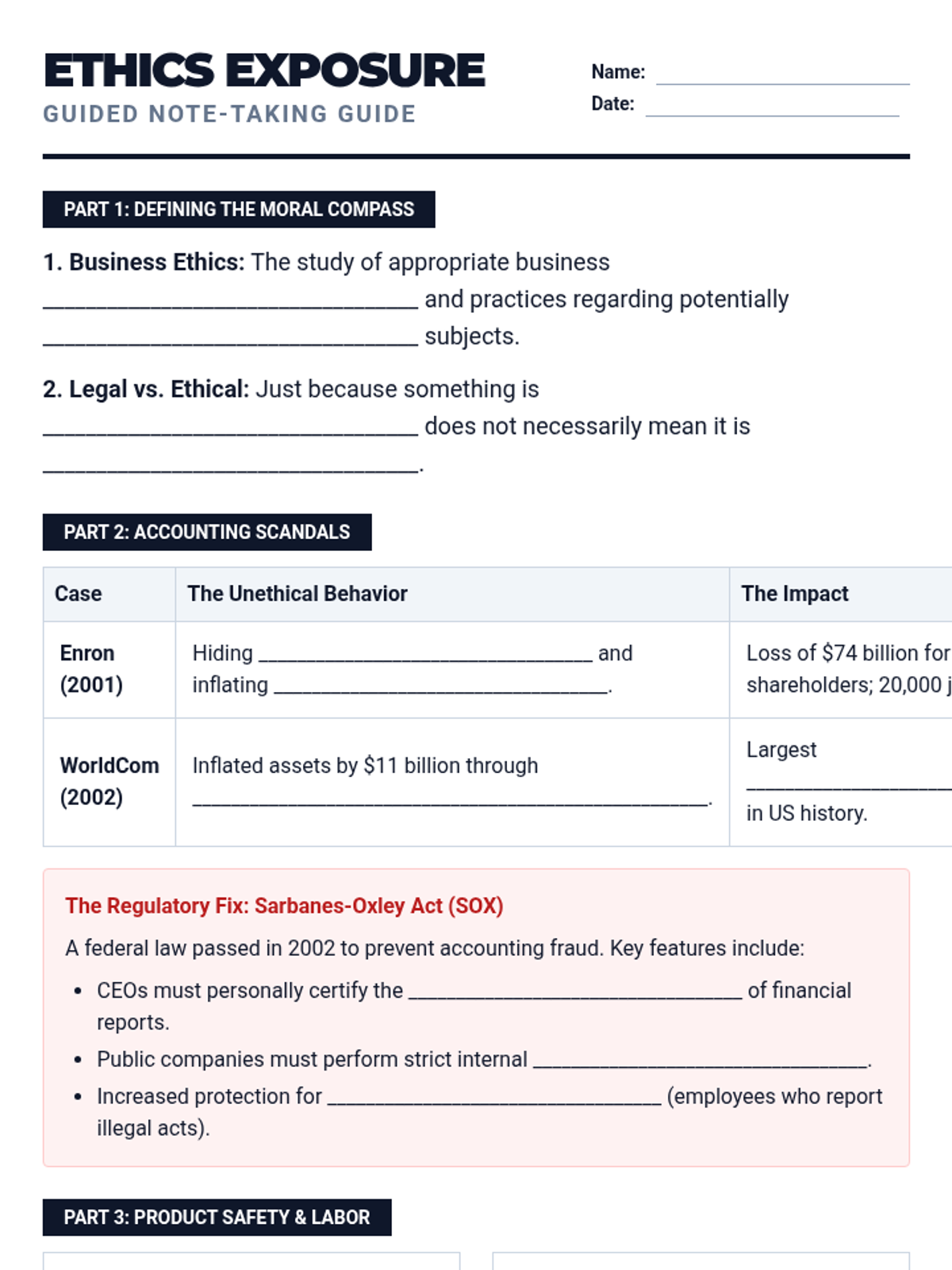
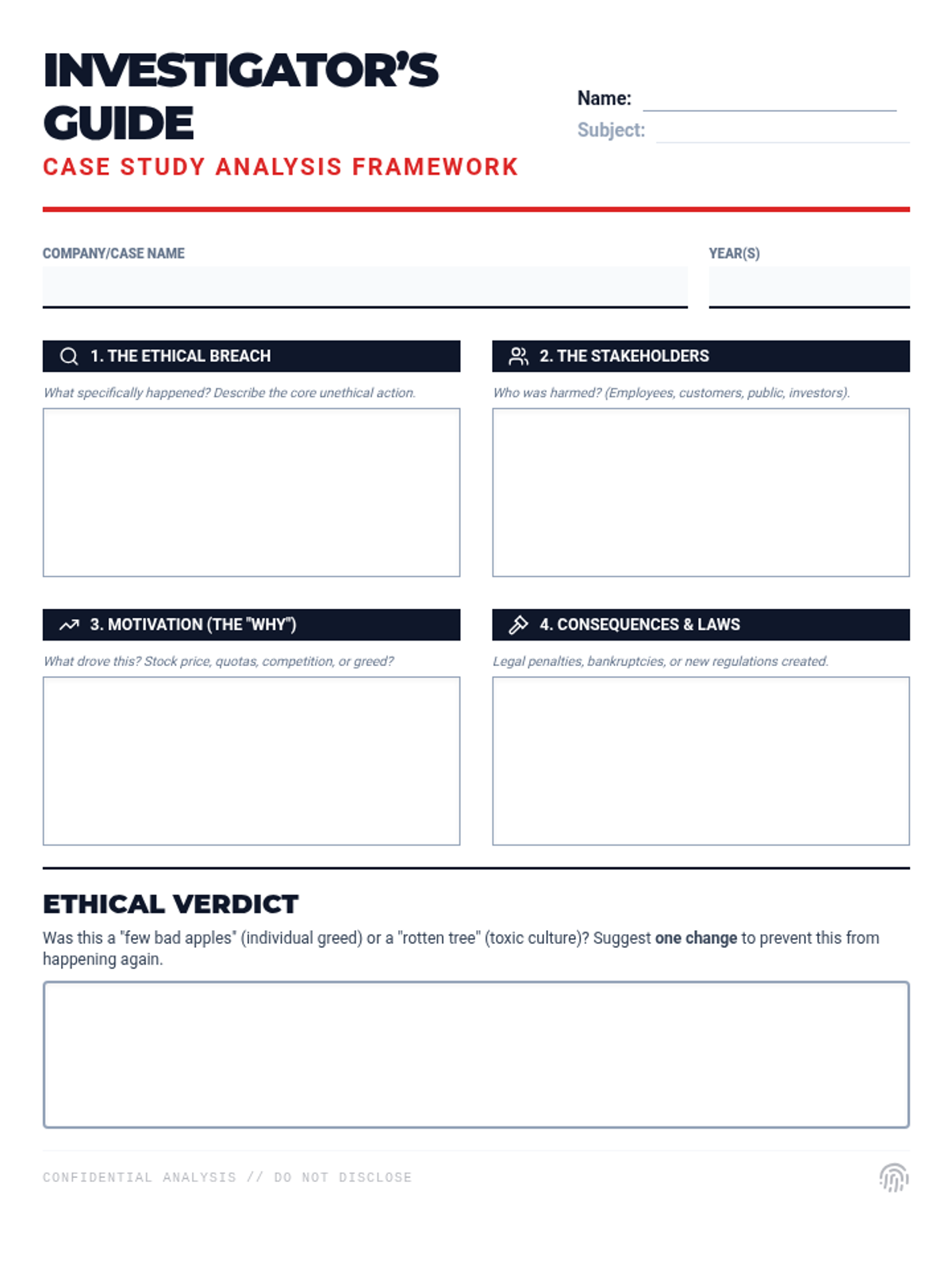
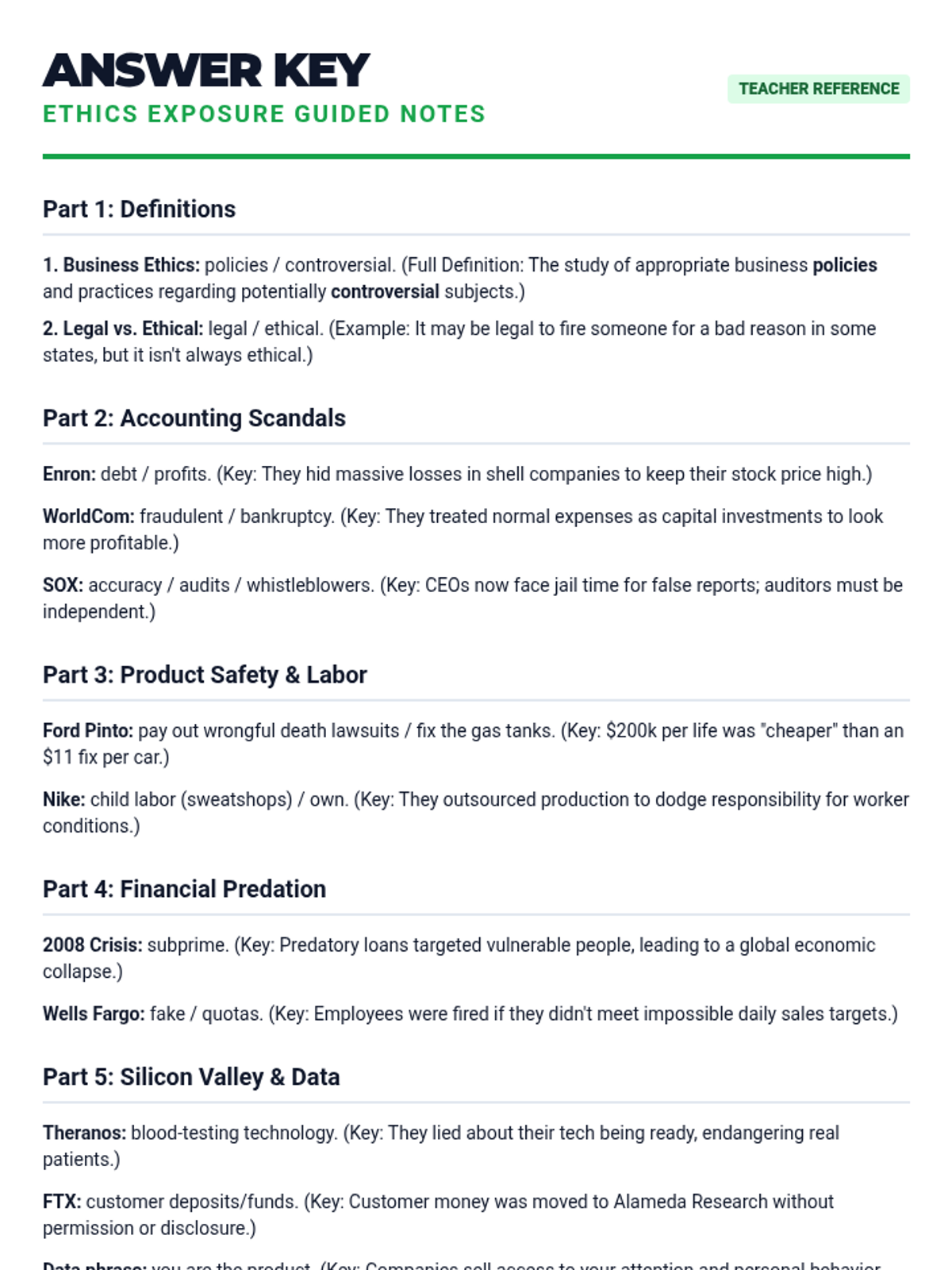
An introductory lesson on business ethics, covering major historical scandals, regulatory responses, and modern ethical dilemmas in the corporate world.
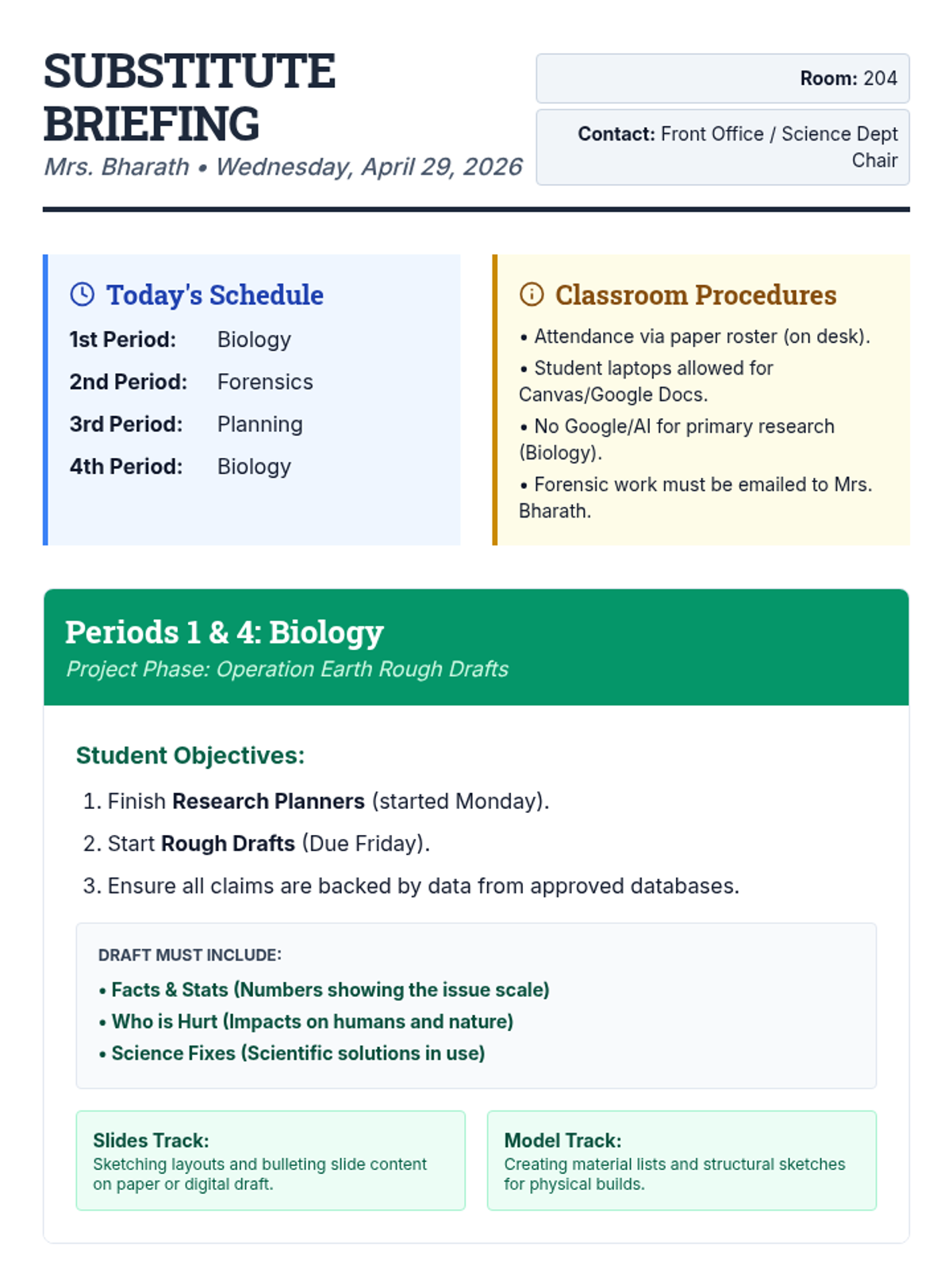
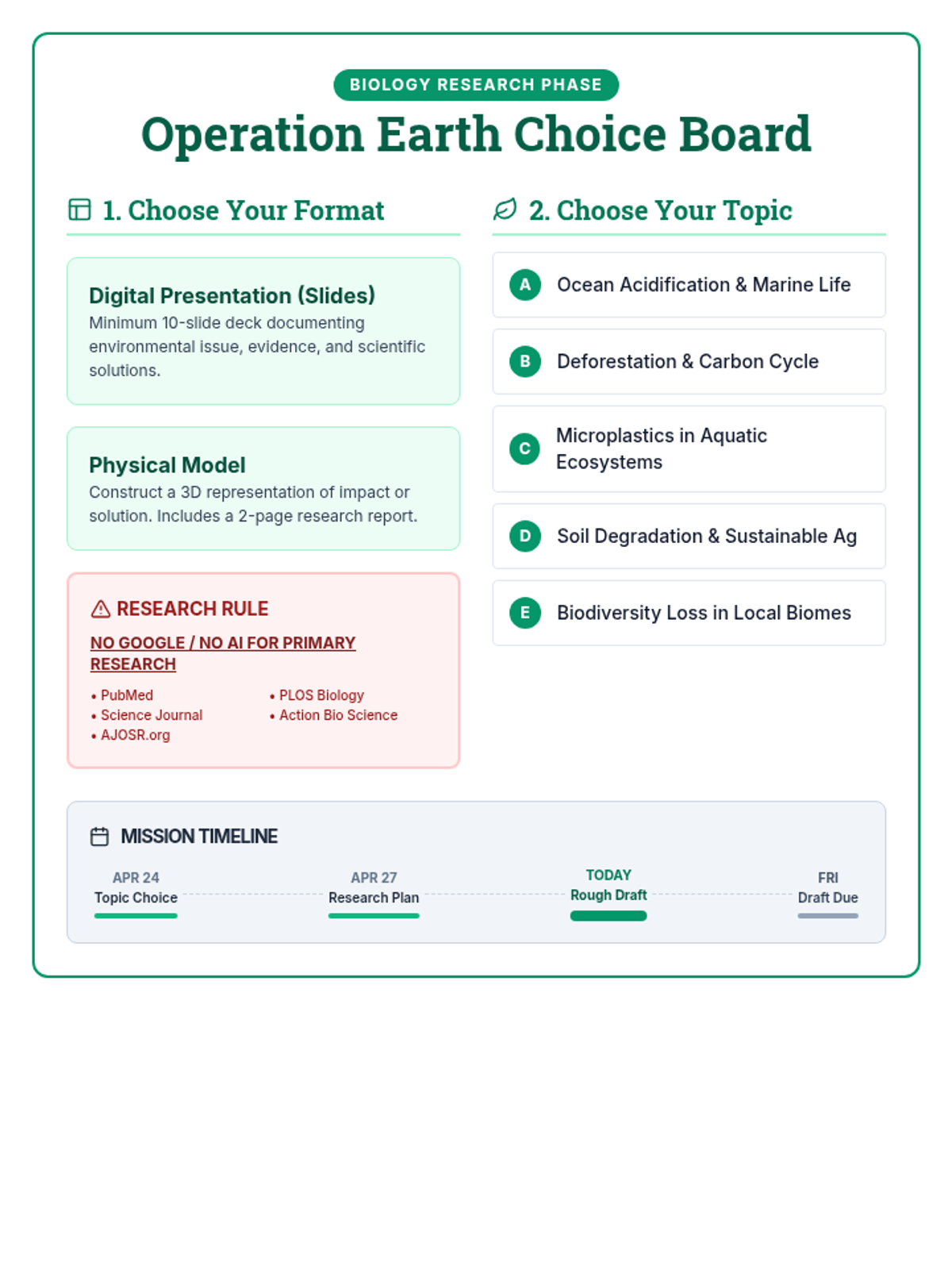
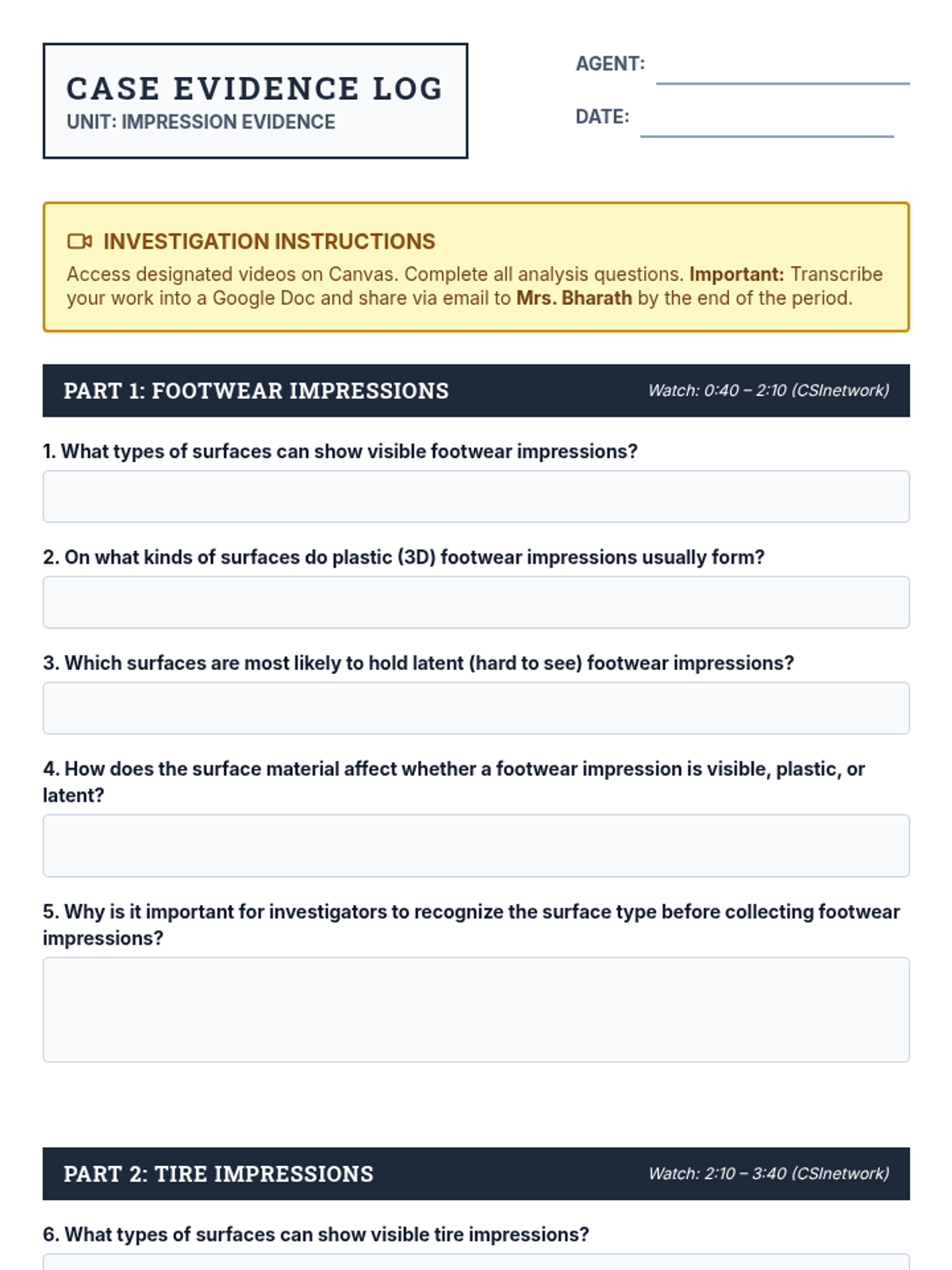
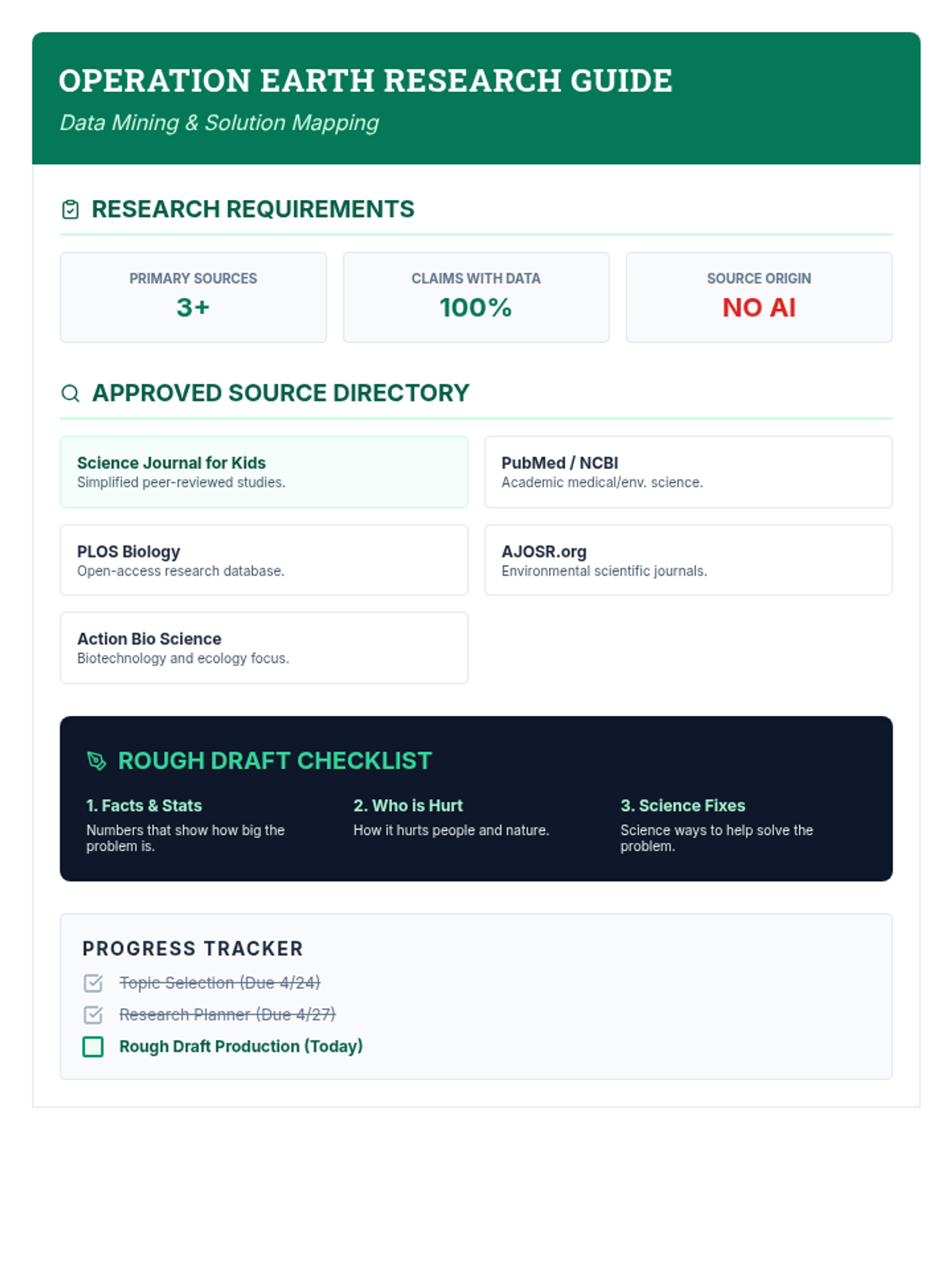
A comprehensive substitute teacher plan for 1st and 4th period Biology and 2nd period Forensics, focusing on environmental research and forensic impression evidence.
A comprehensive 8th-grade review game covering major concepts in Social Studies, Math, and Science. Designed for classroom engagement and cumulative review.
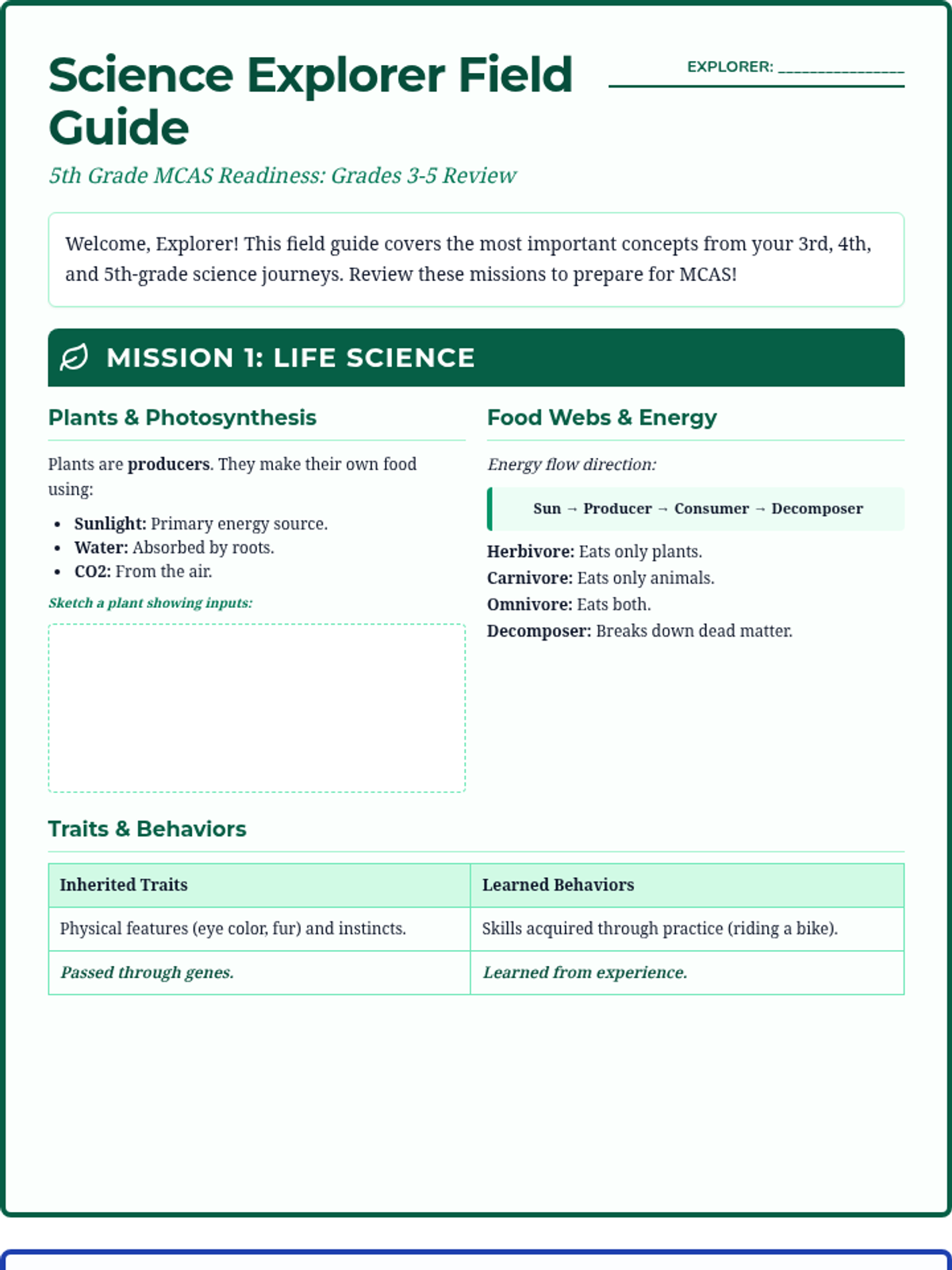
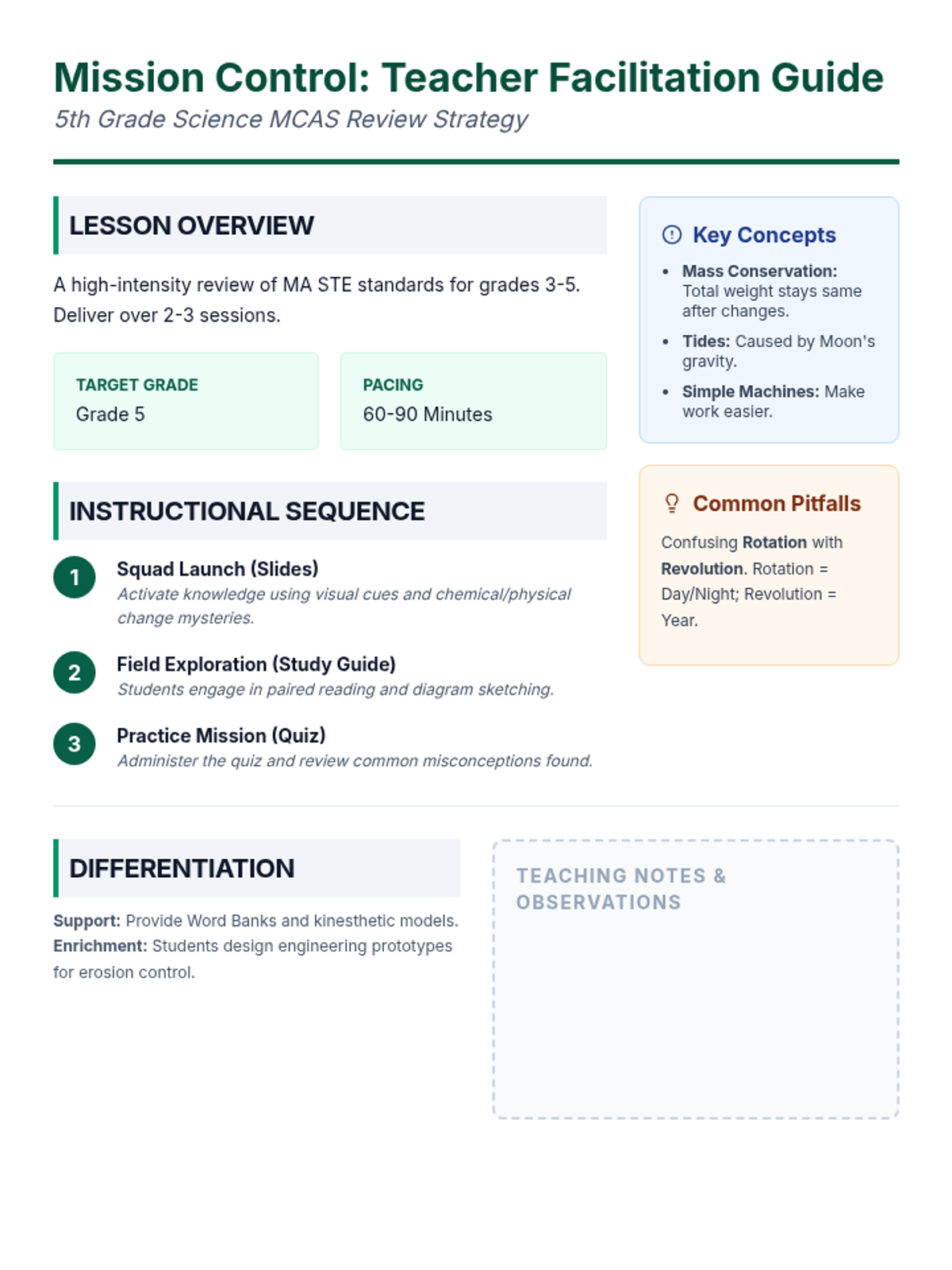
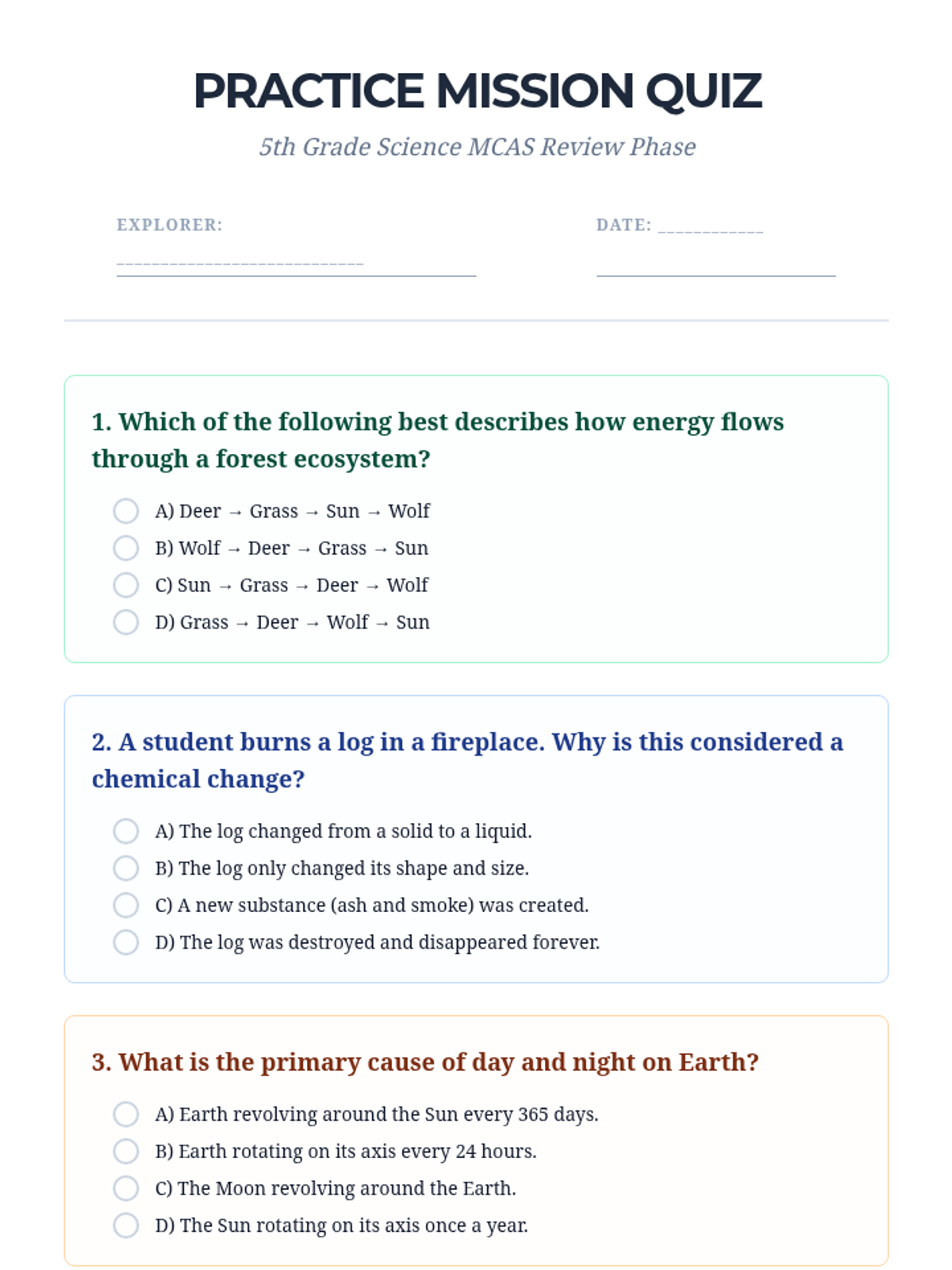
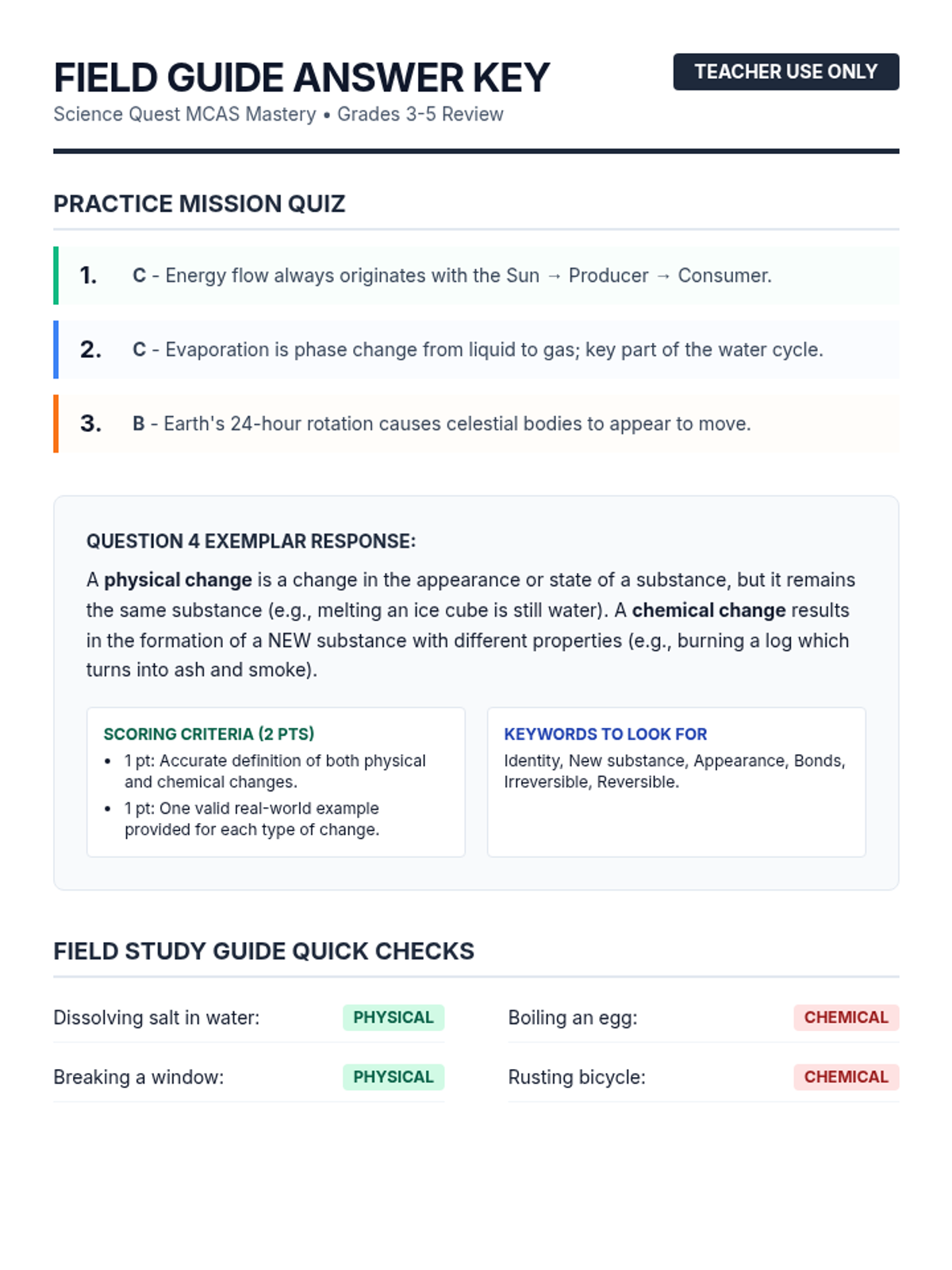
An all-in-one review session covering Life Science, Physical Science, Earth and Space Science, and Engineering Design for the 5th grade MCAS.
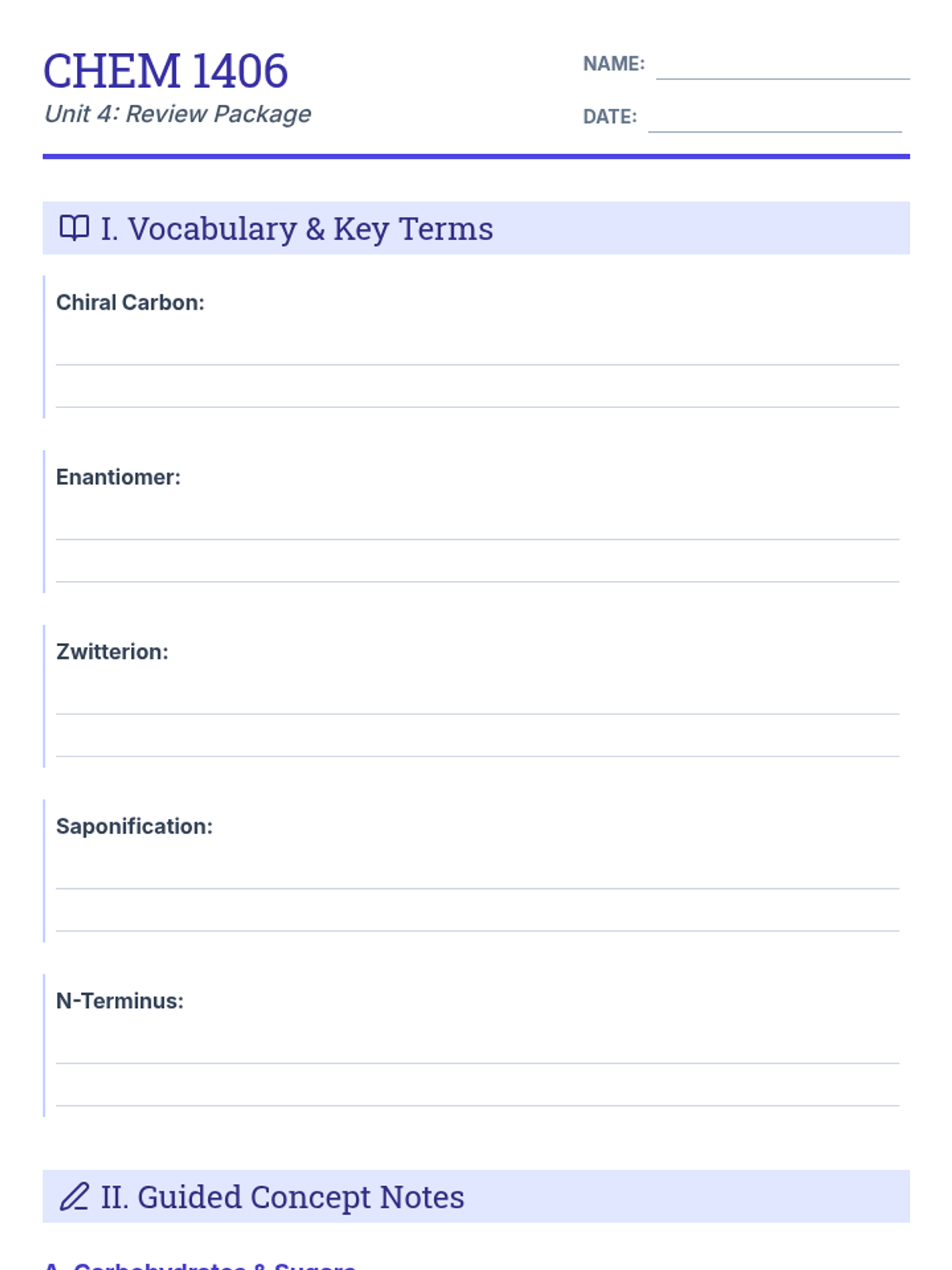
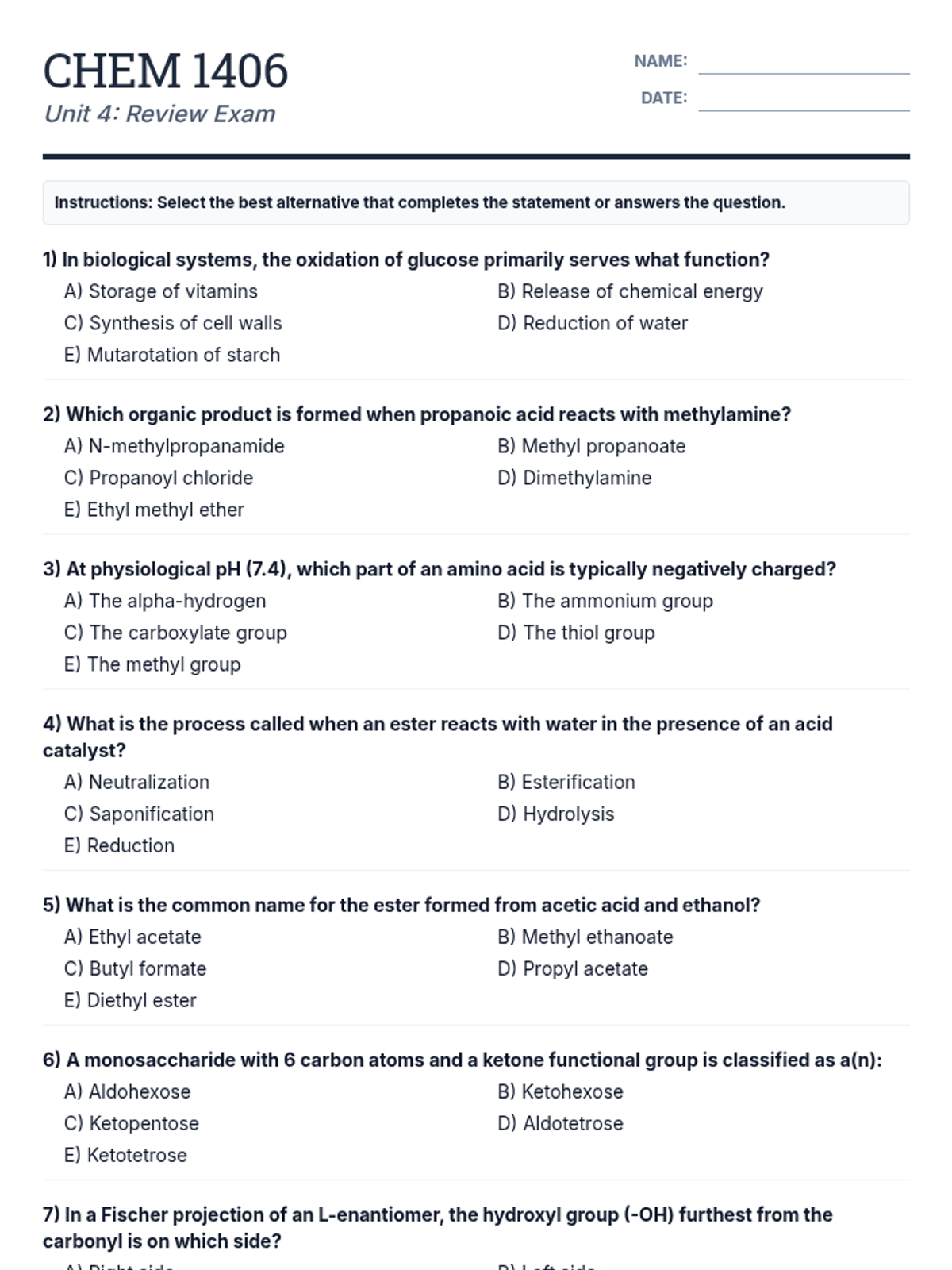
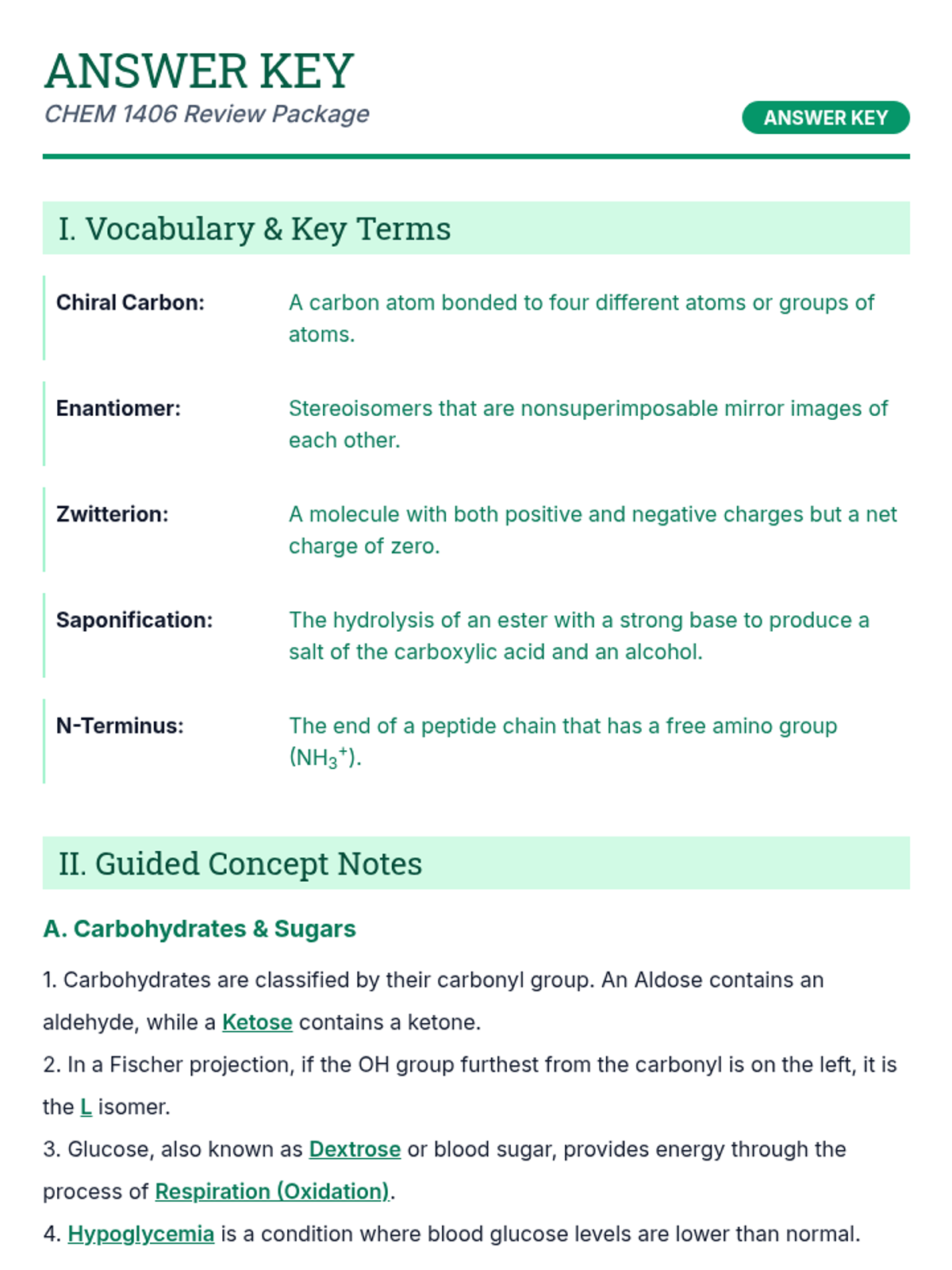
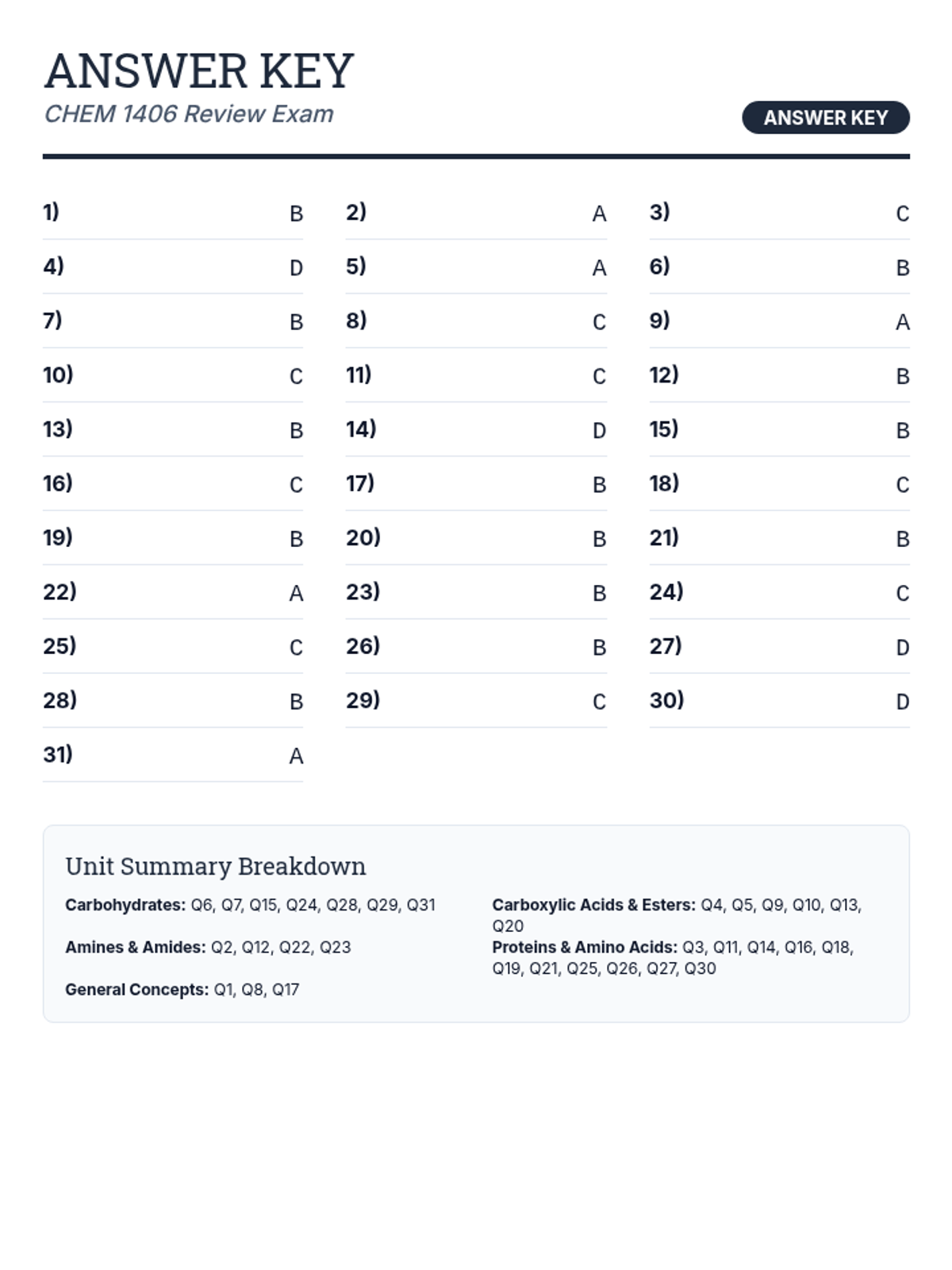
A deep dive into the structures and reactions of organic molecules and biomolecules, focusing on nomenclature, structural identification, and biological functions.
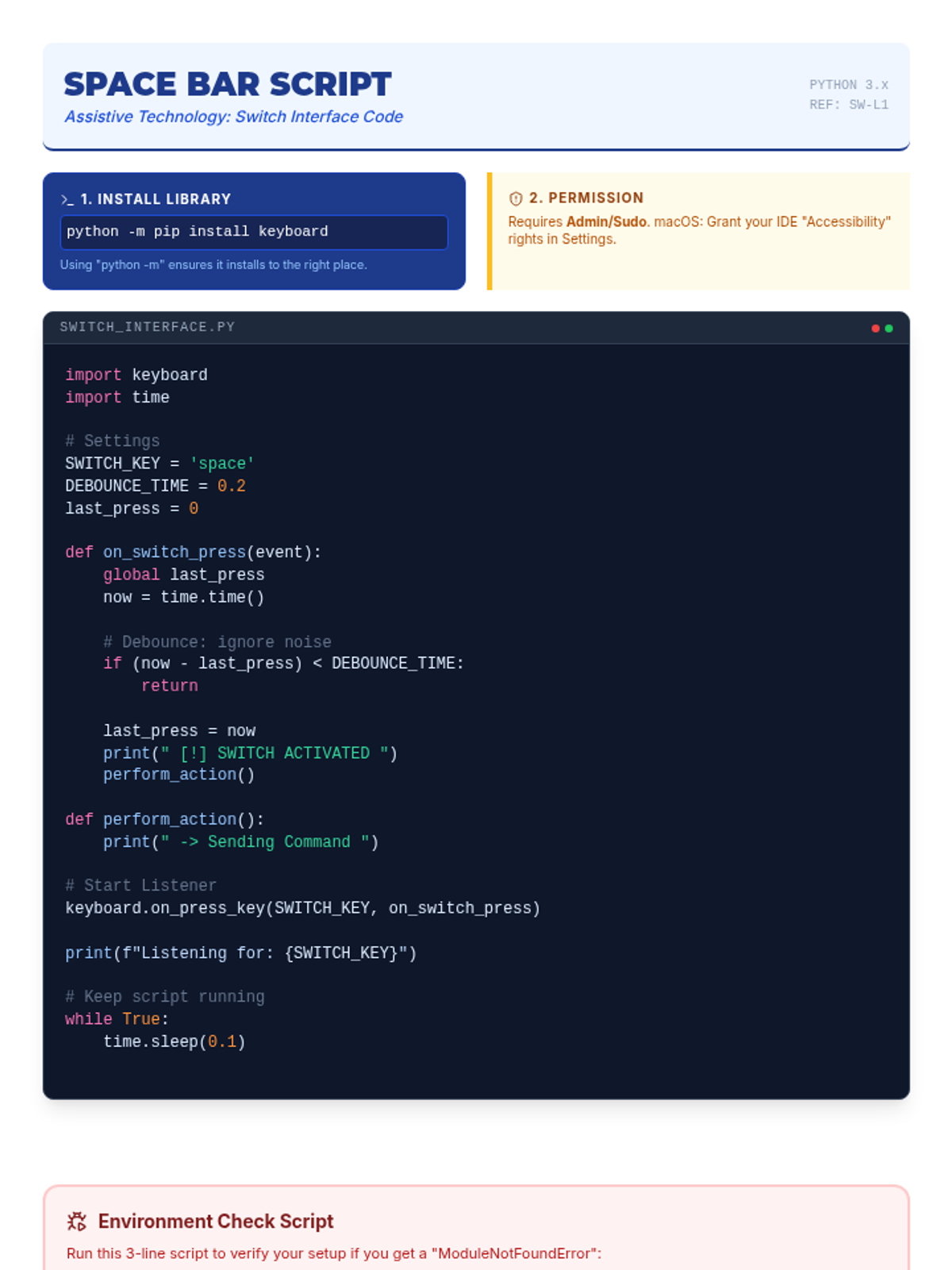
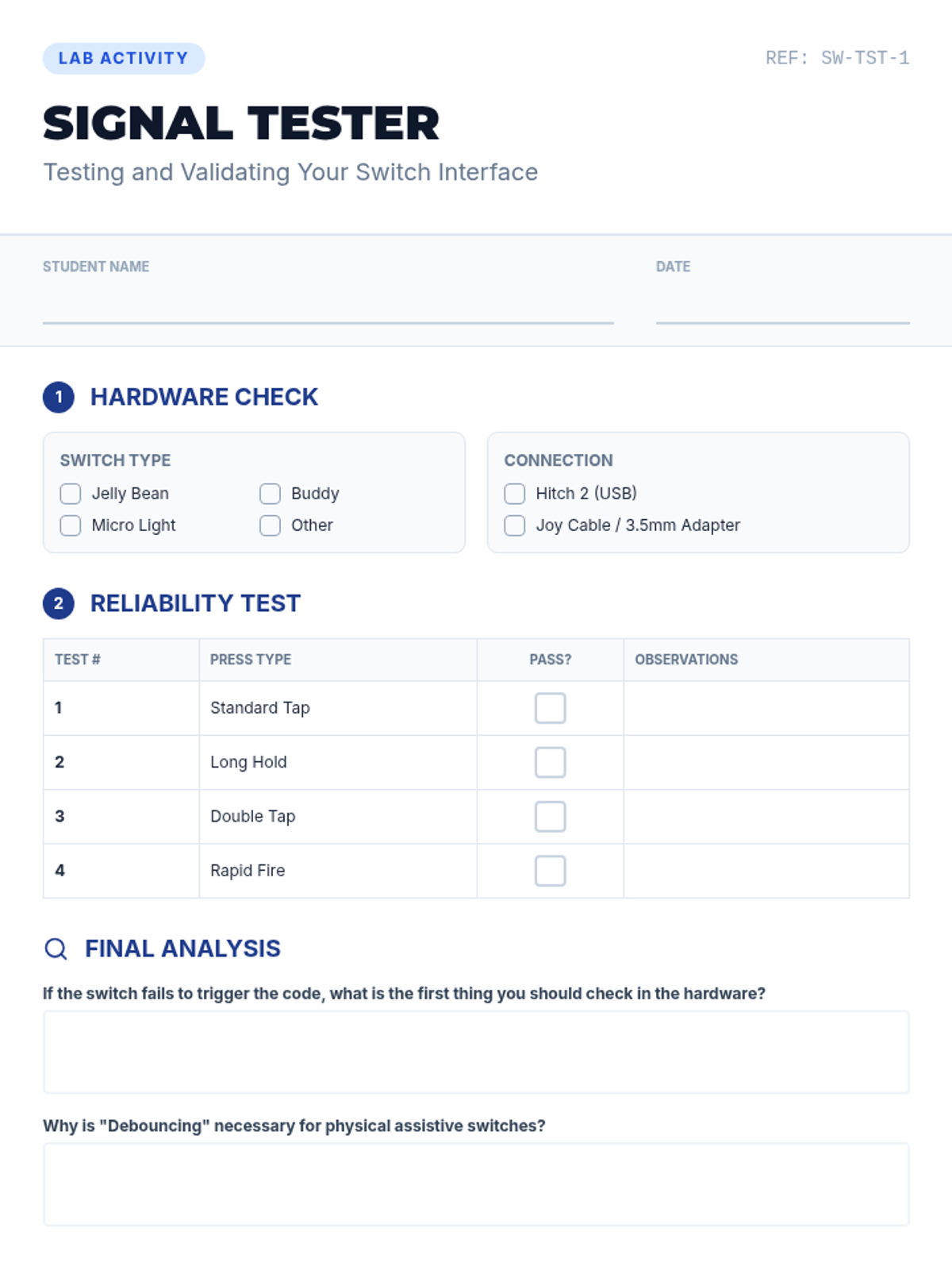
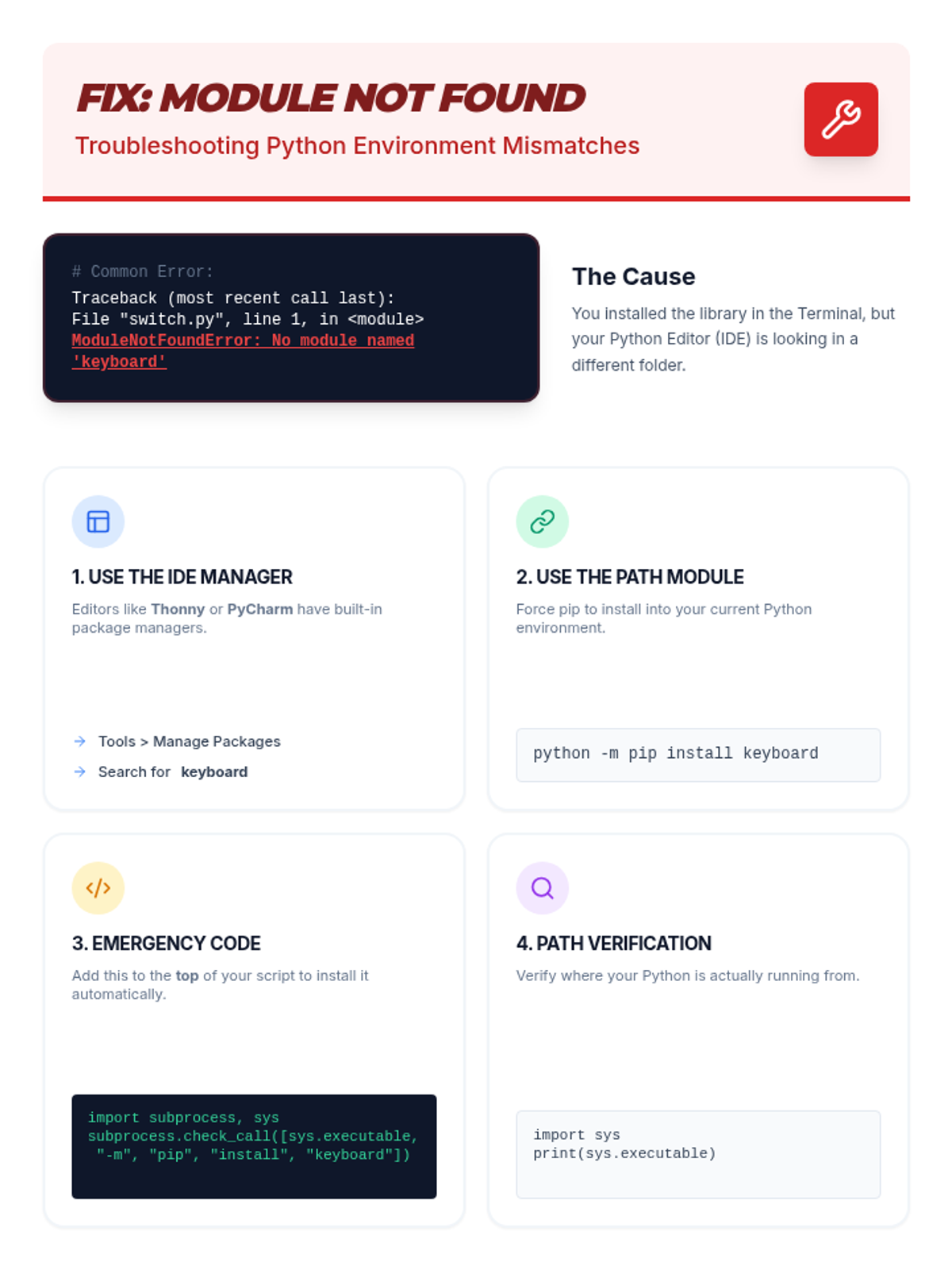
This lesson covers the logic and programming required to create a digital switch interface using Python, focusing on key bindings and signal processing.
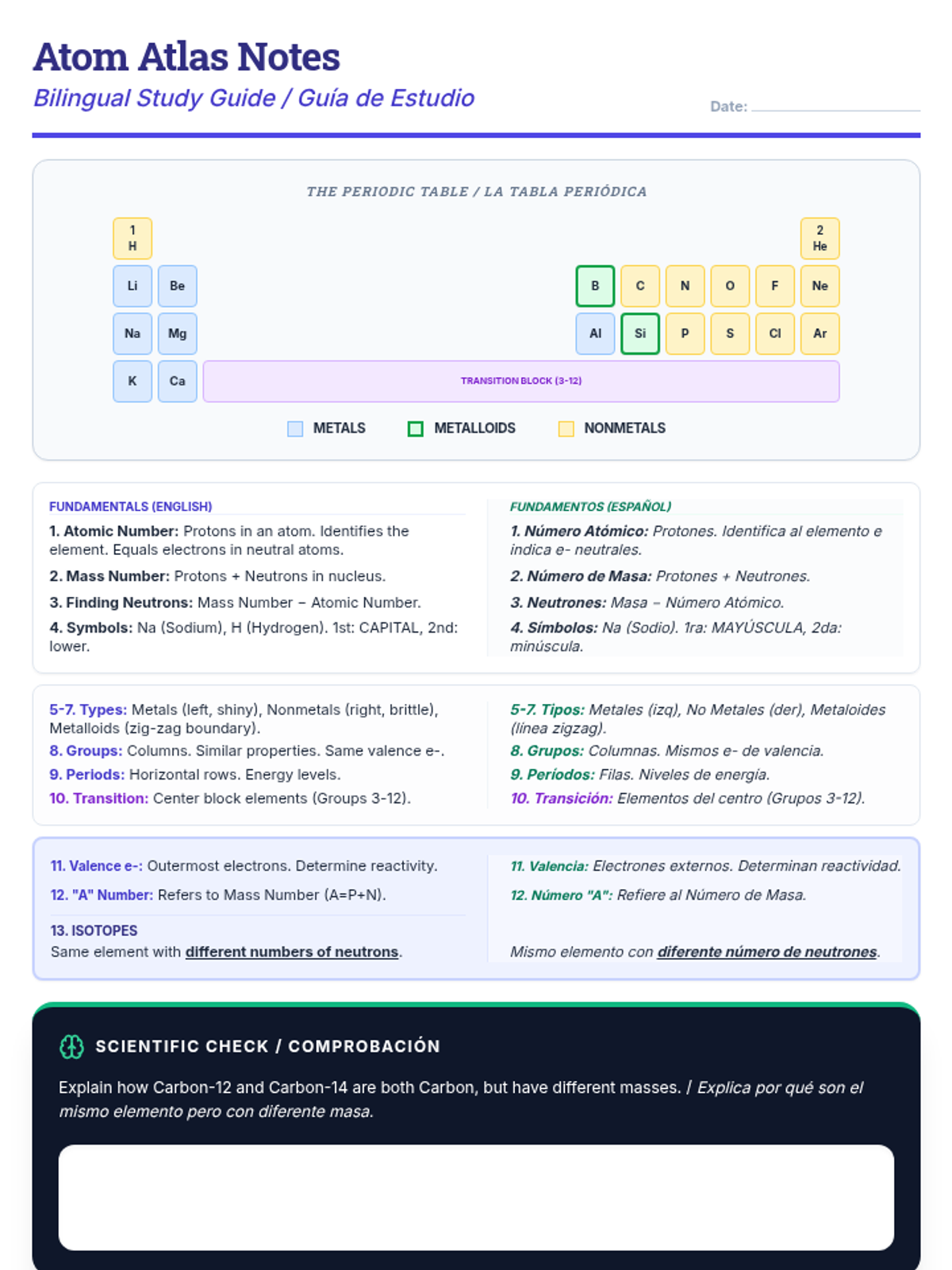
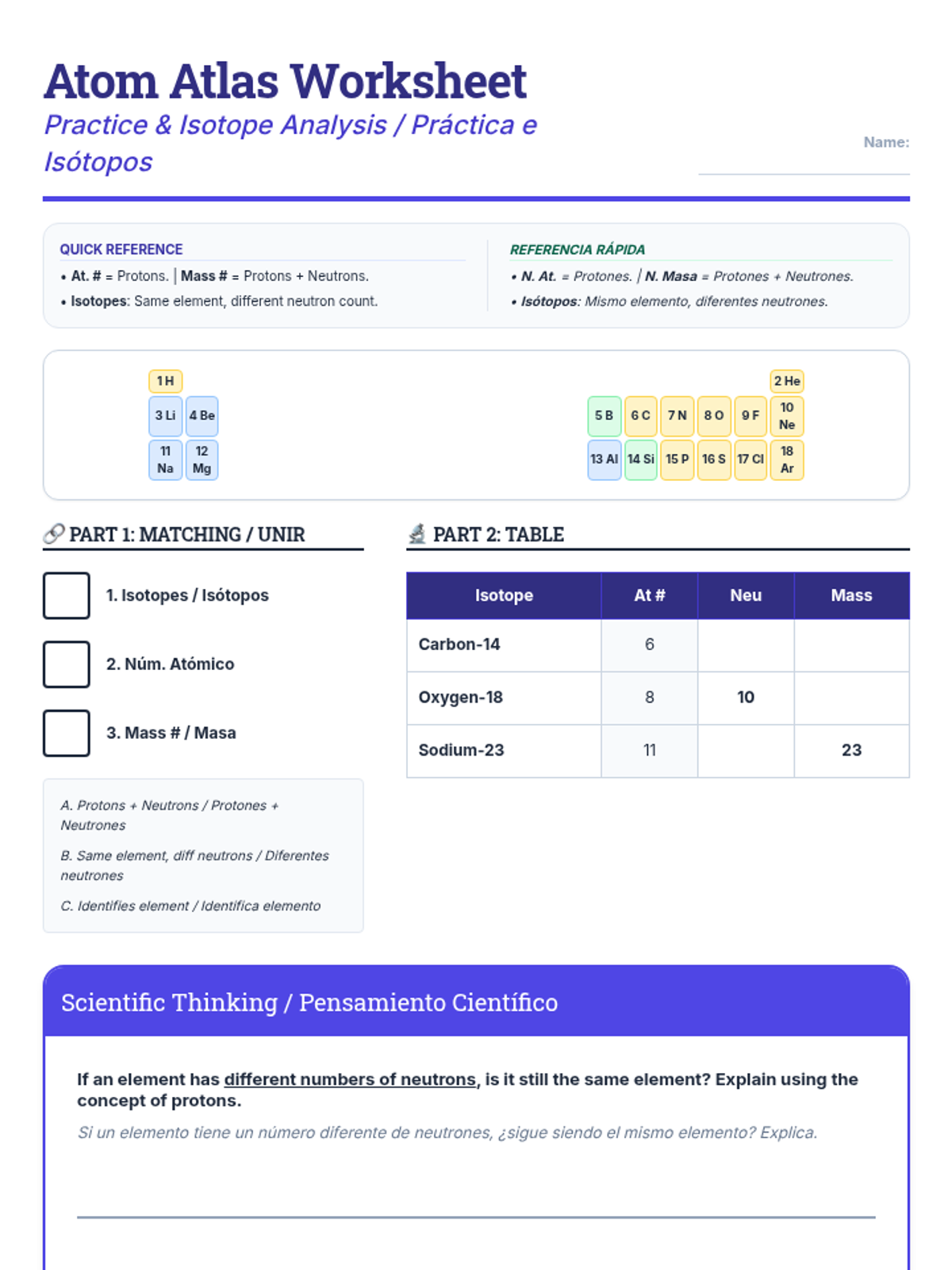
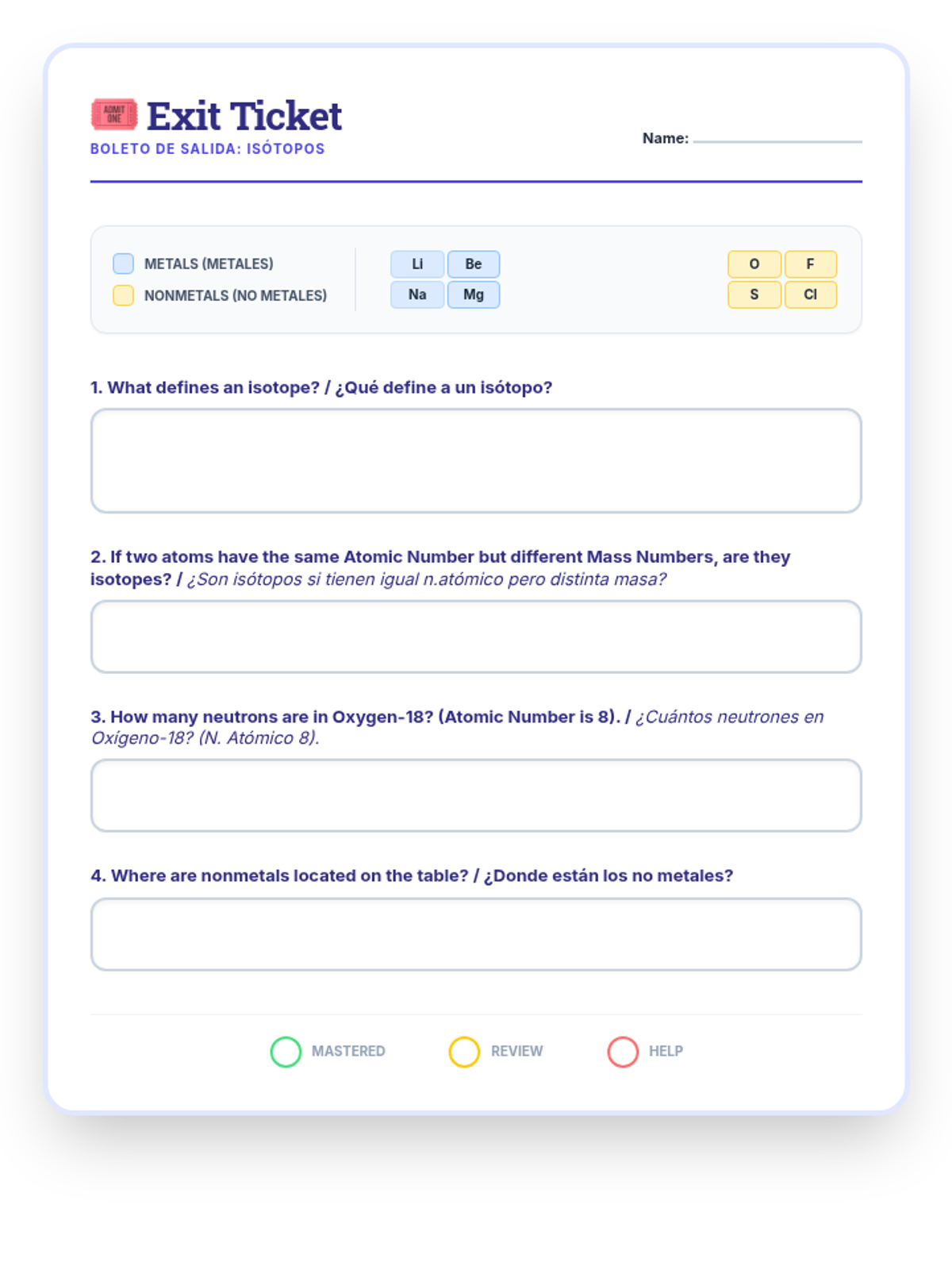
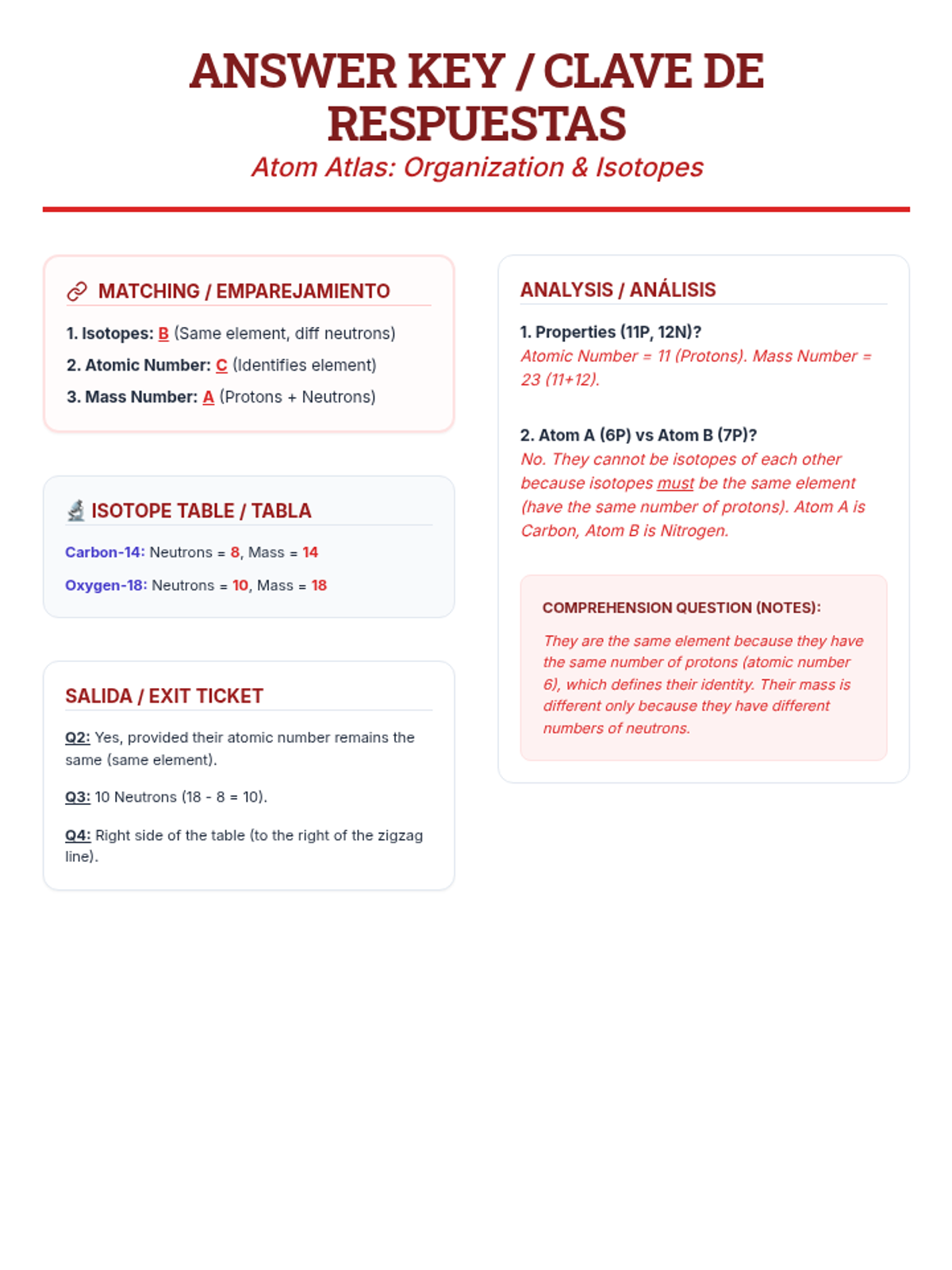
An introductory lesson on how the periodic table is organized, covering atomic numbers, mass, types of elements, and periodic trends.
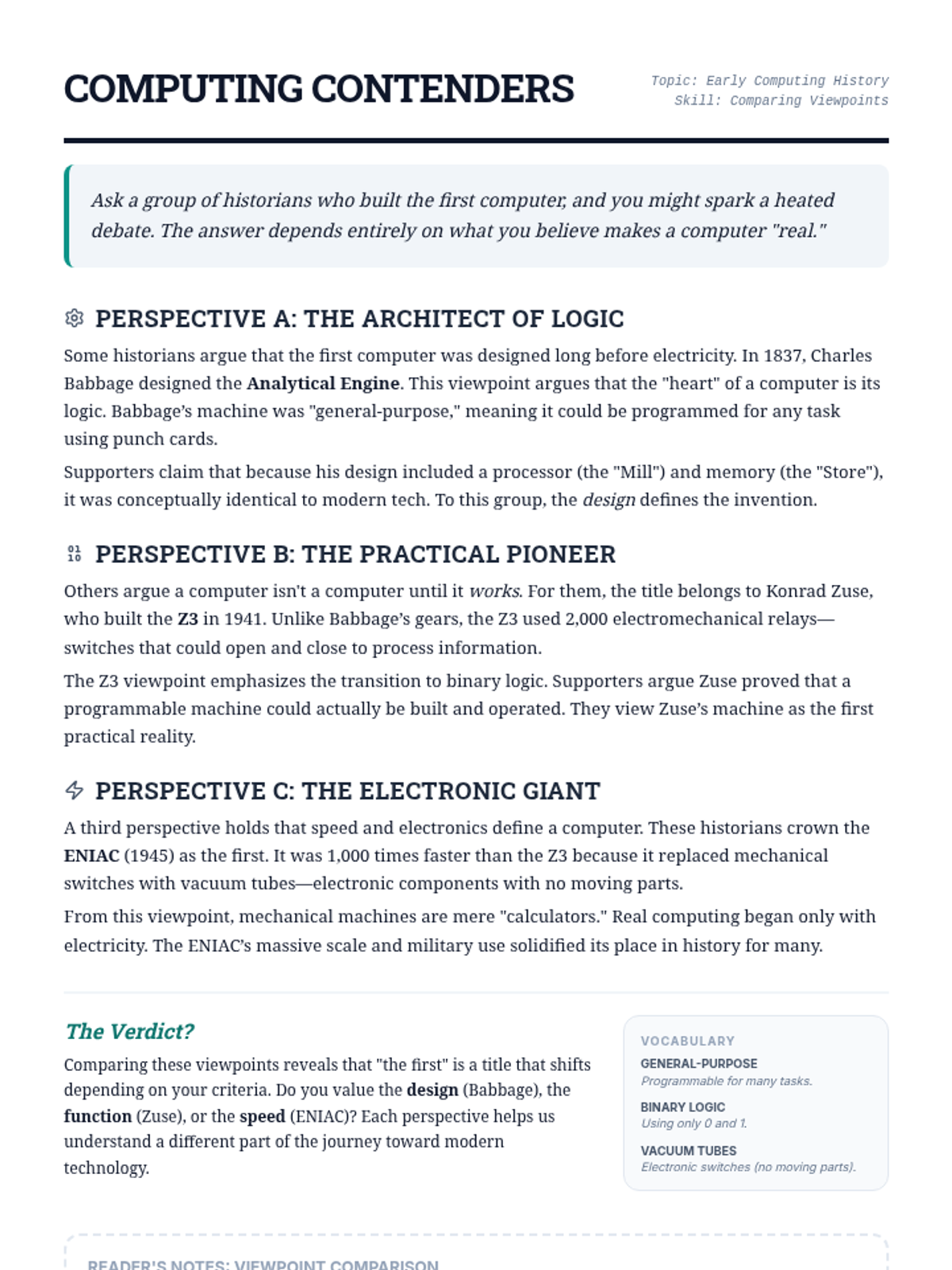
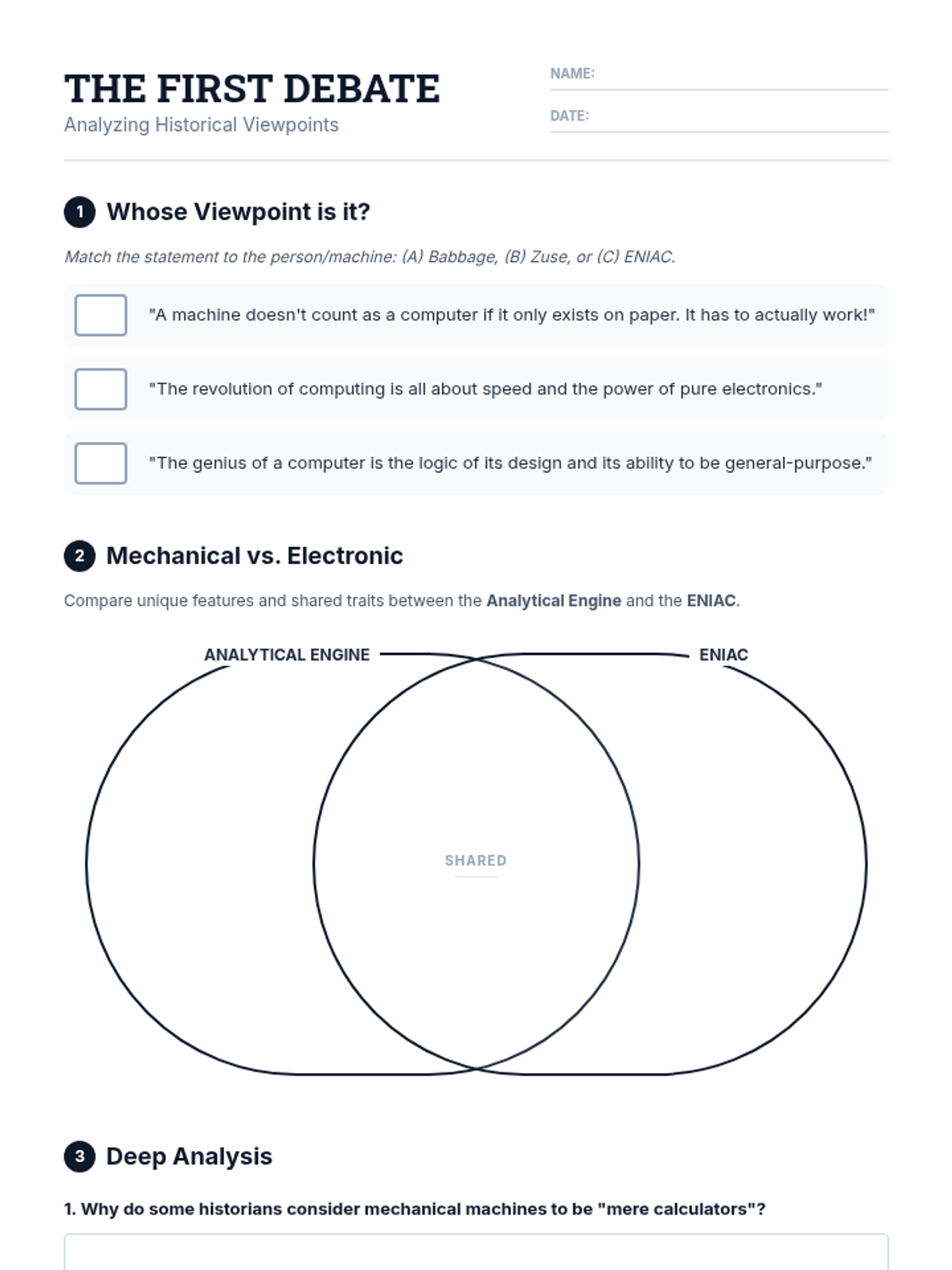
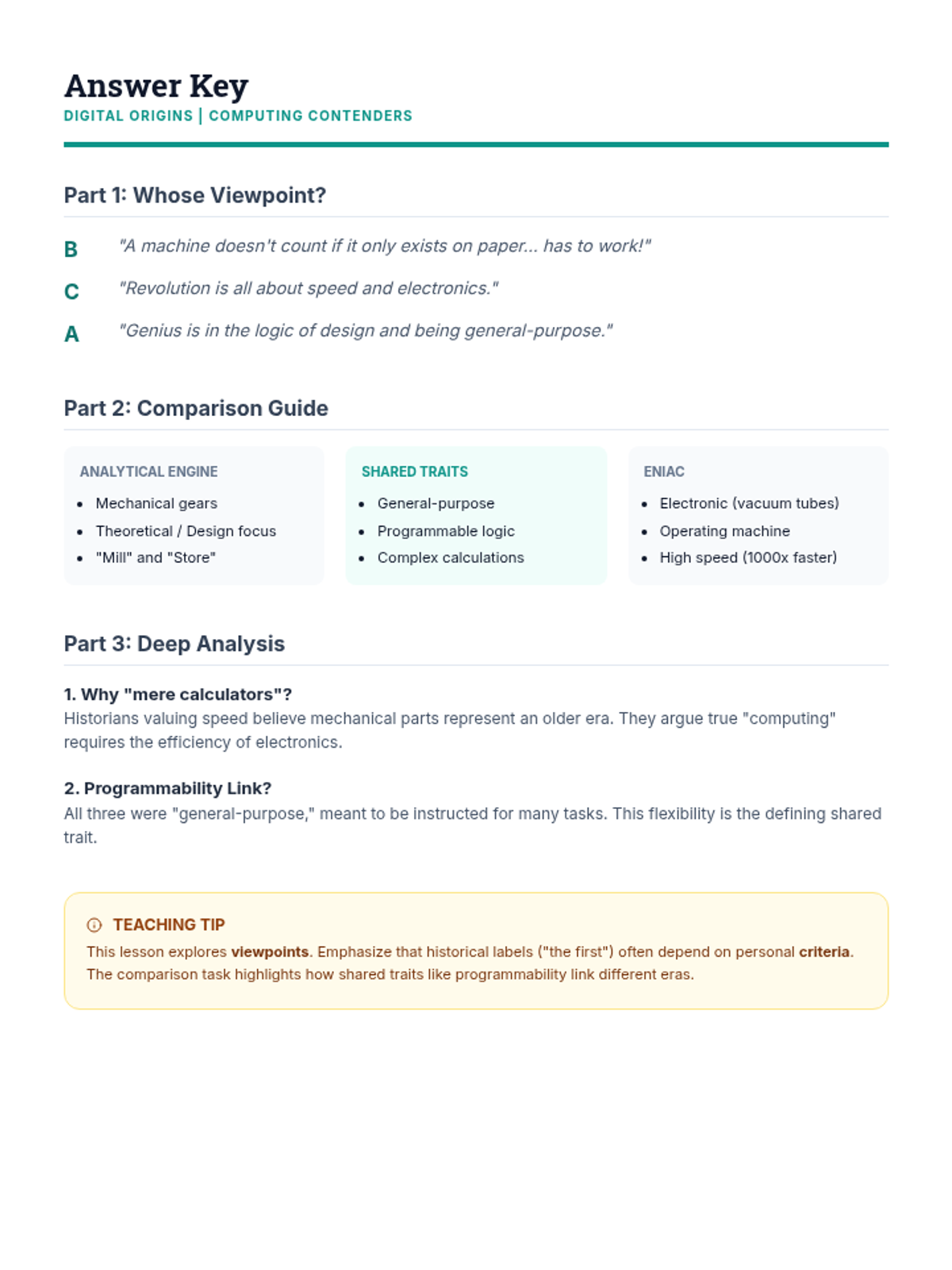
A lesson exploring the evolution of early computing machines and the varying historical perspectives on which machine deserves the title of the 'first' computer. Students will analyze different viewpoints based on technical criteria like programmability, electronics, and logic.
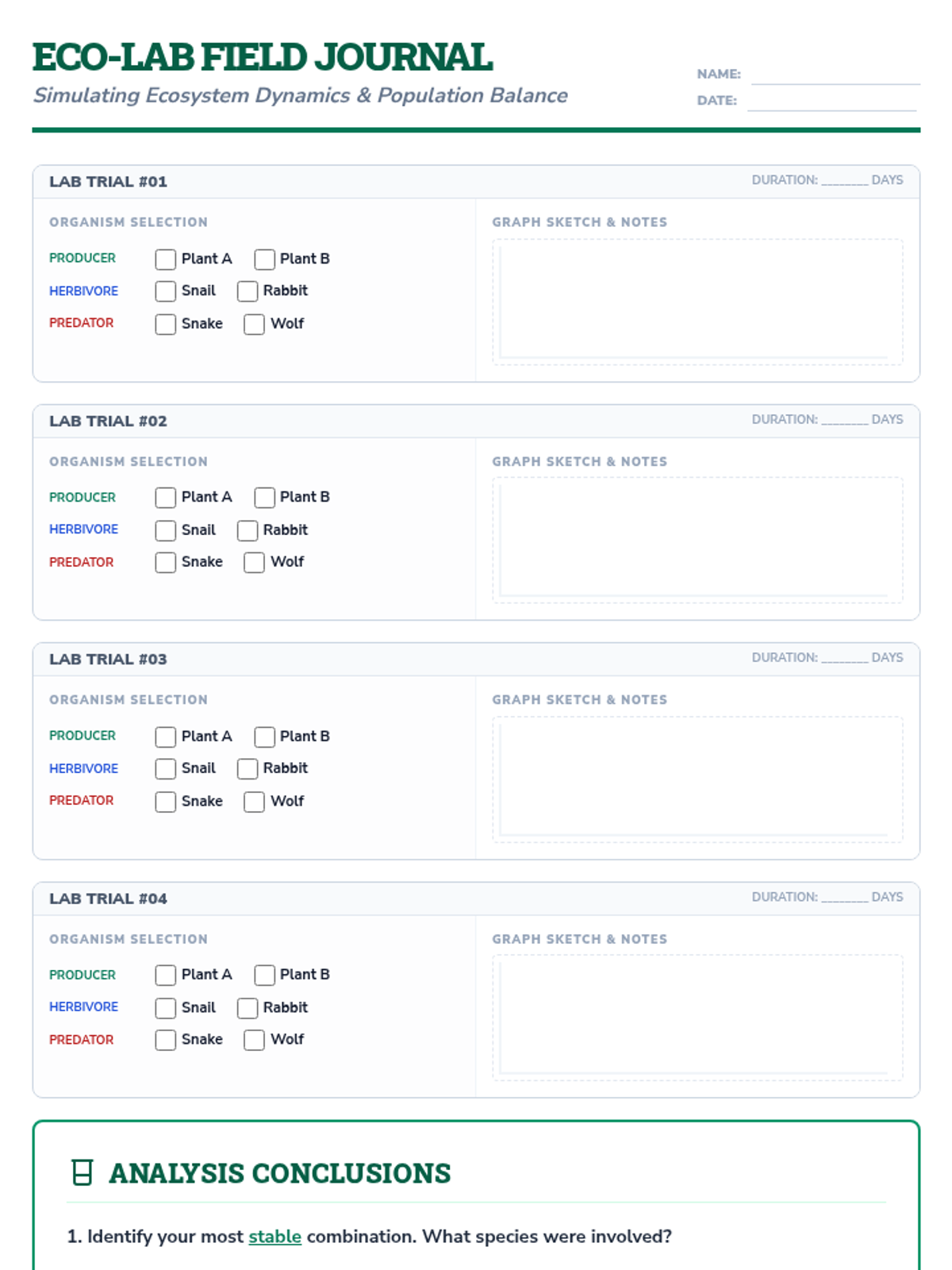
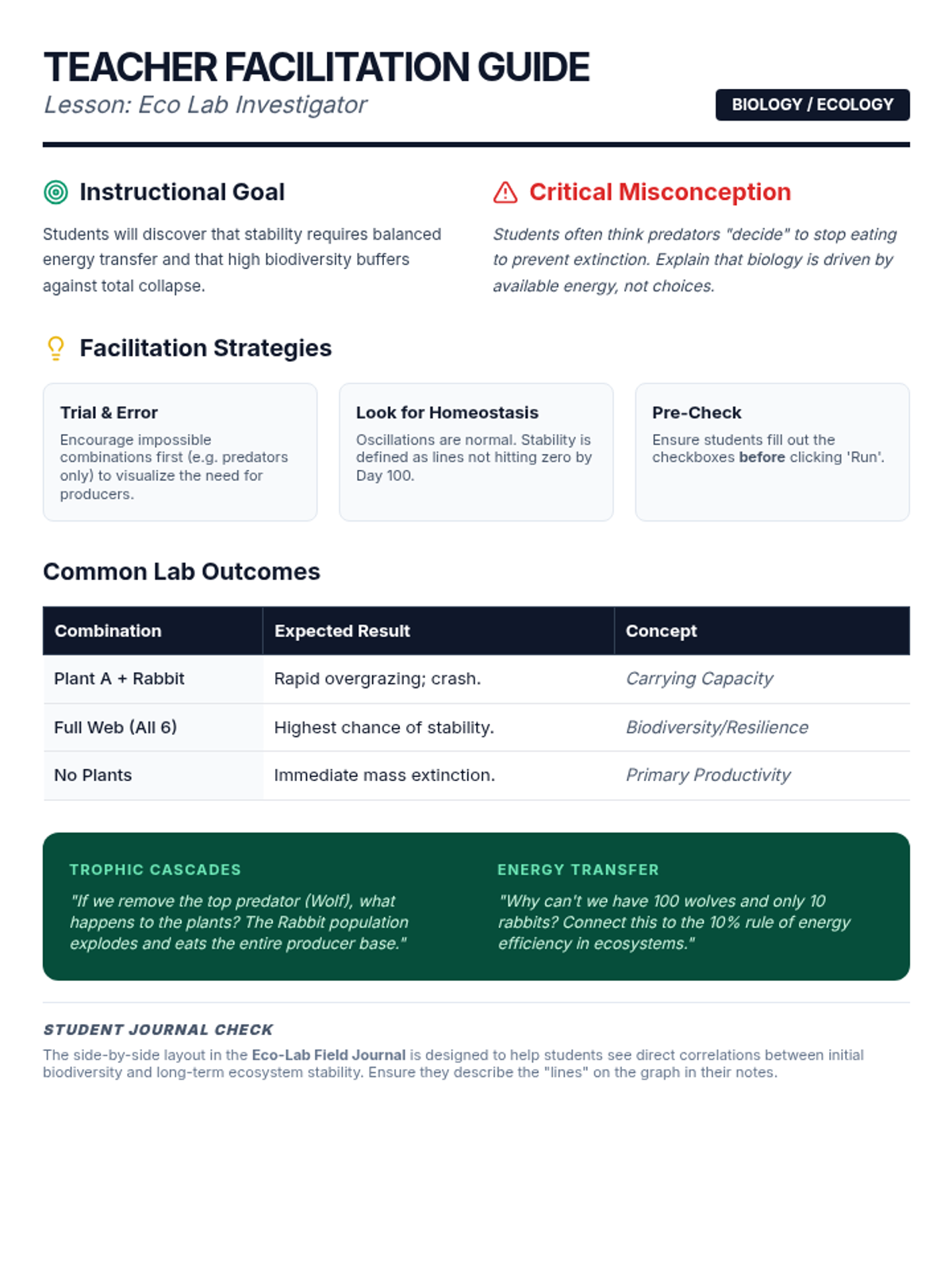
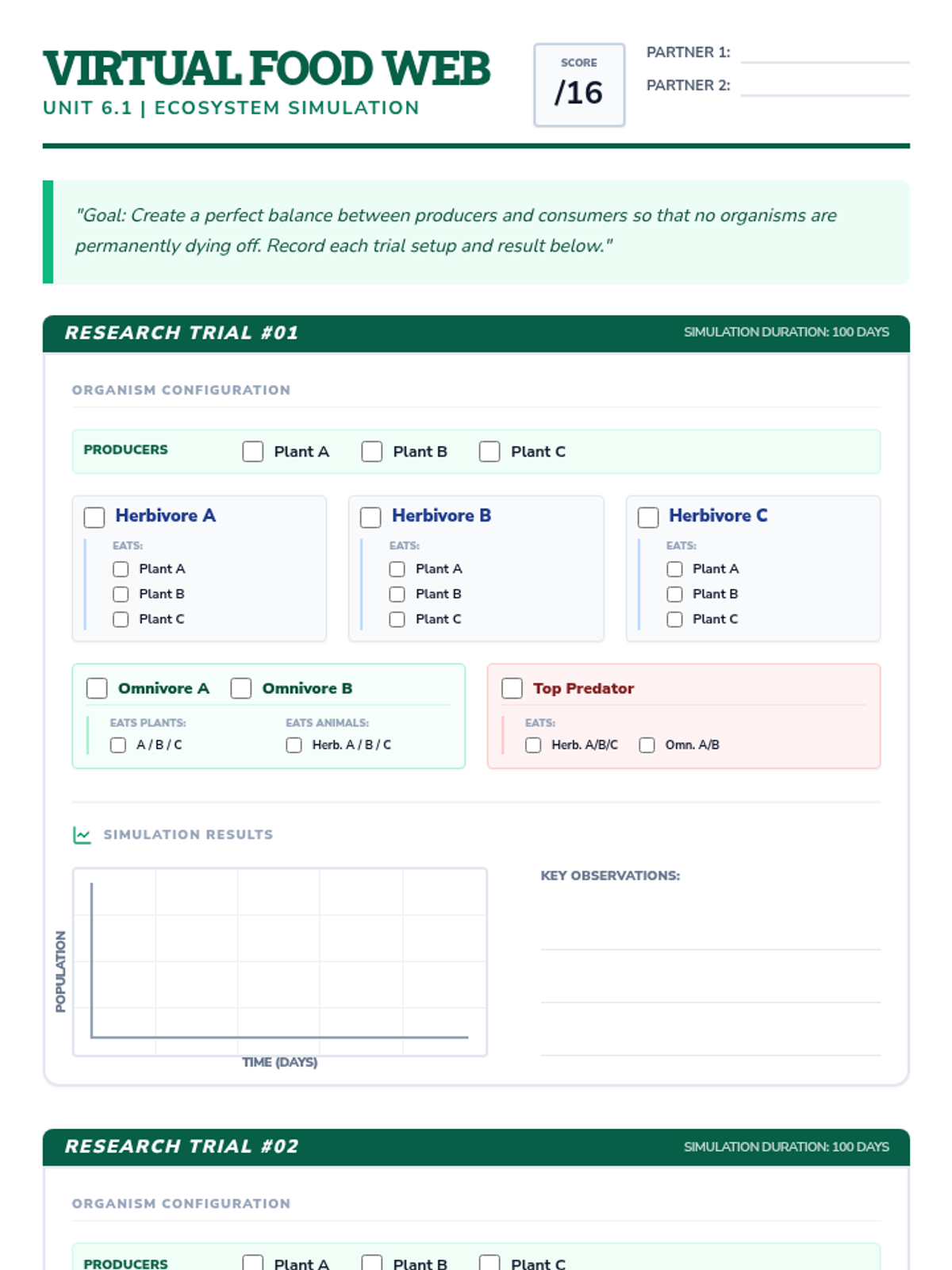
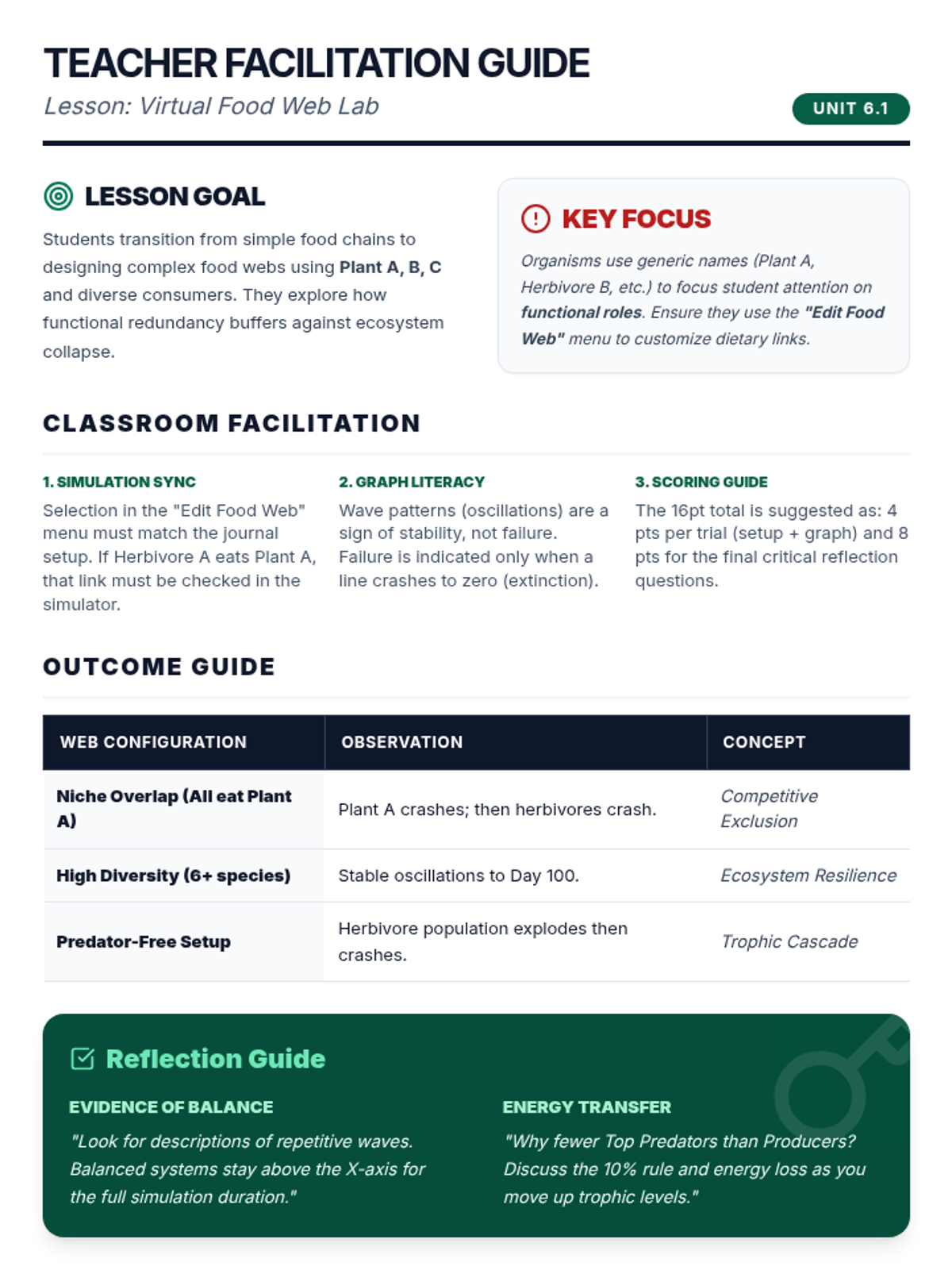
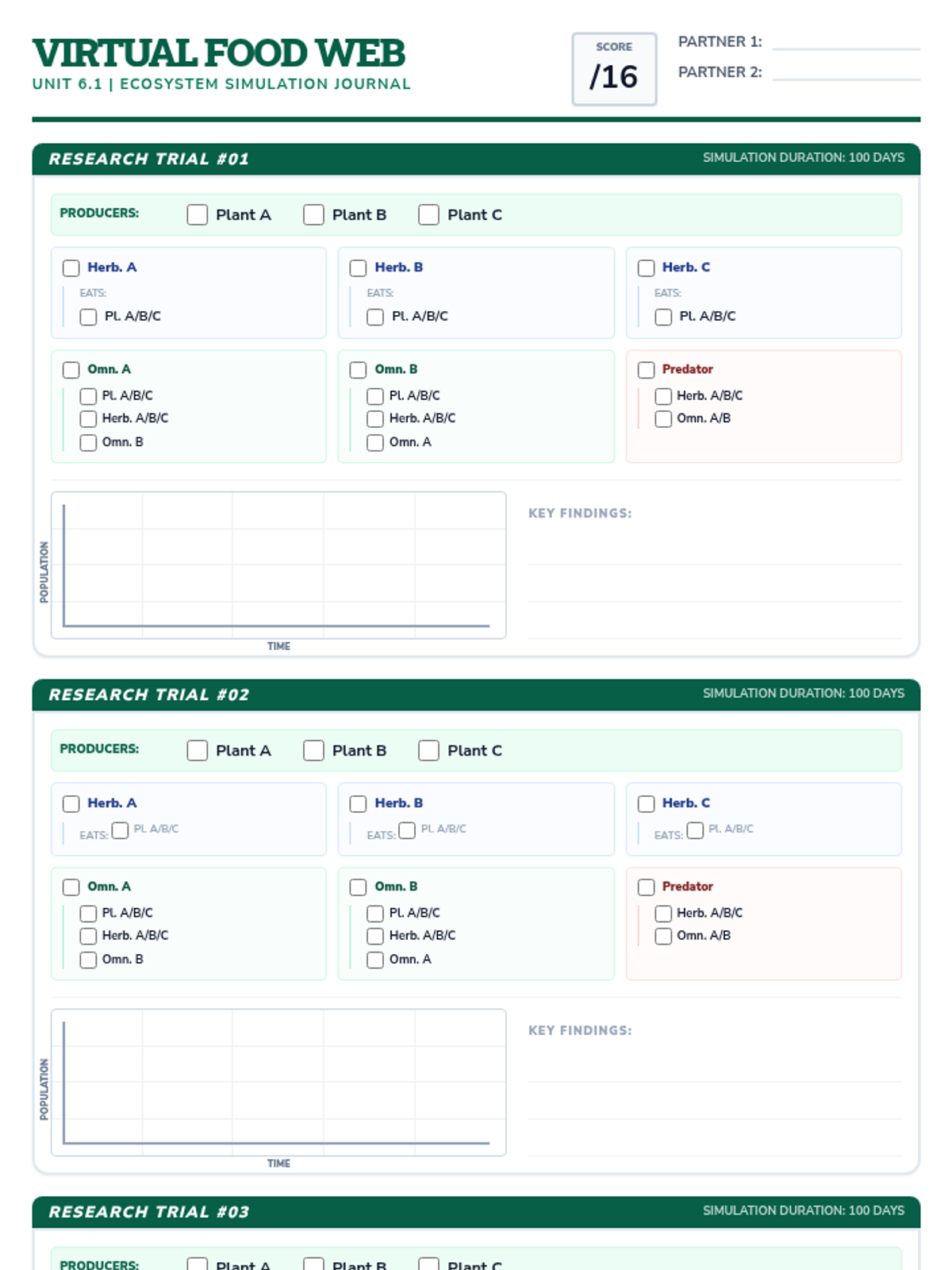
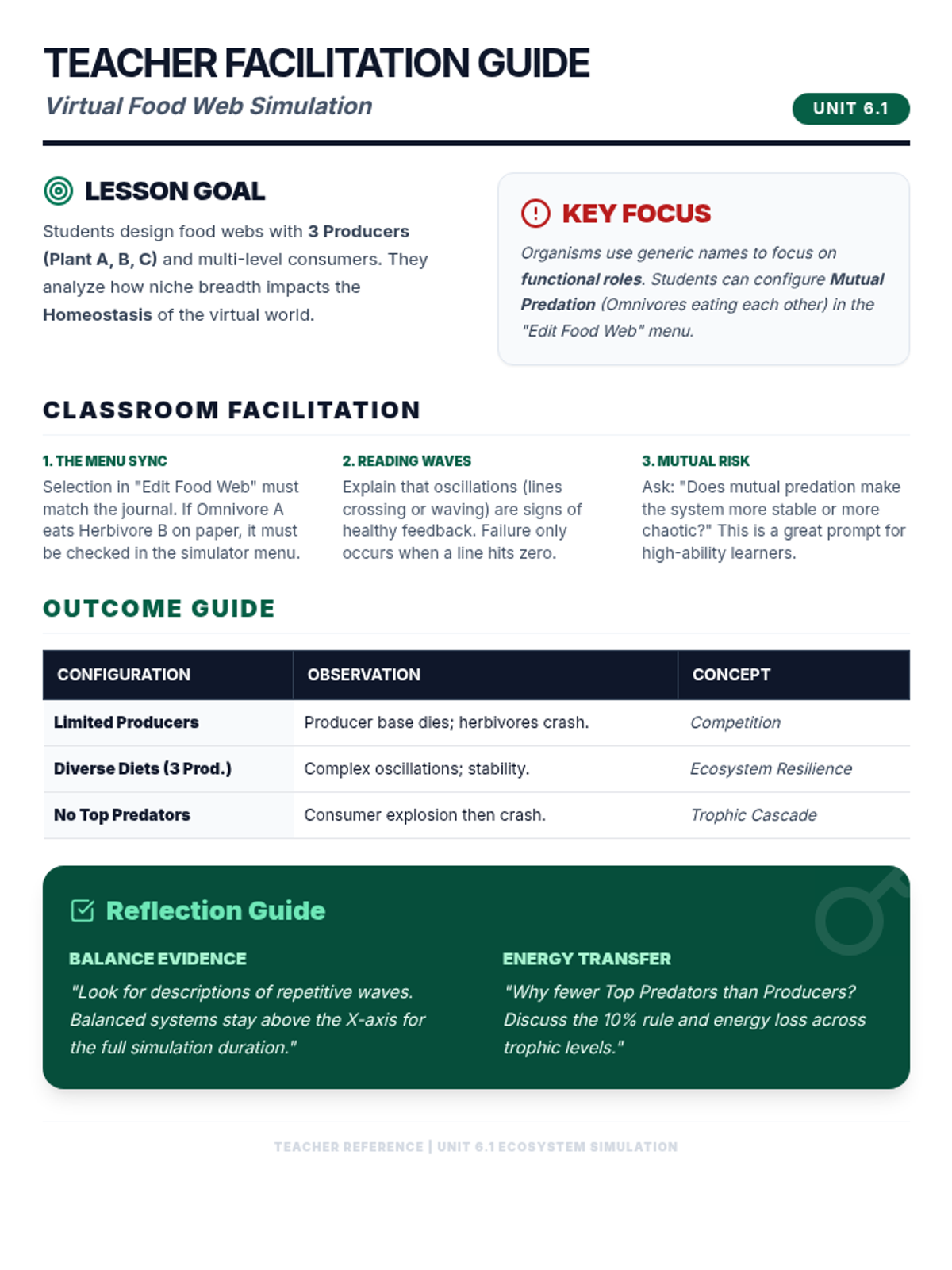
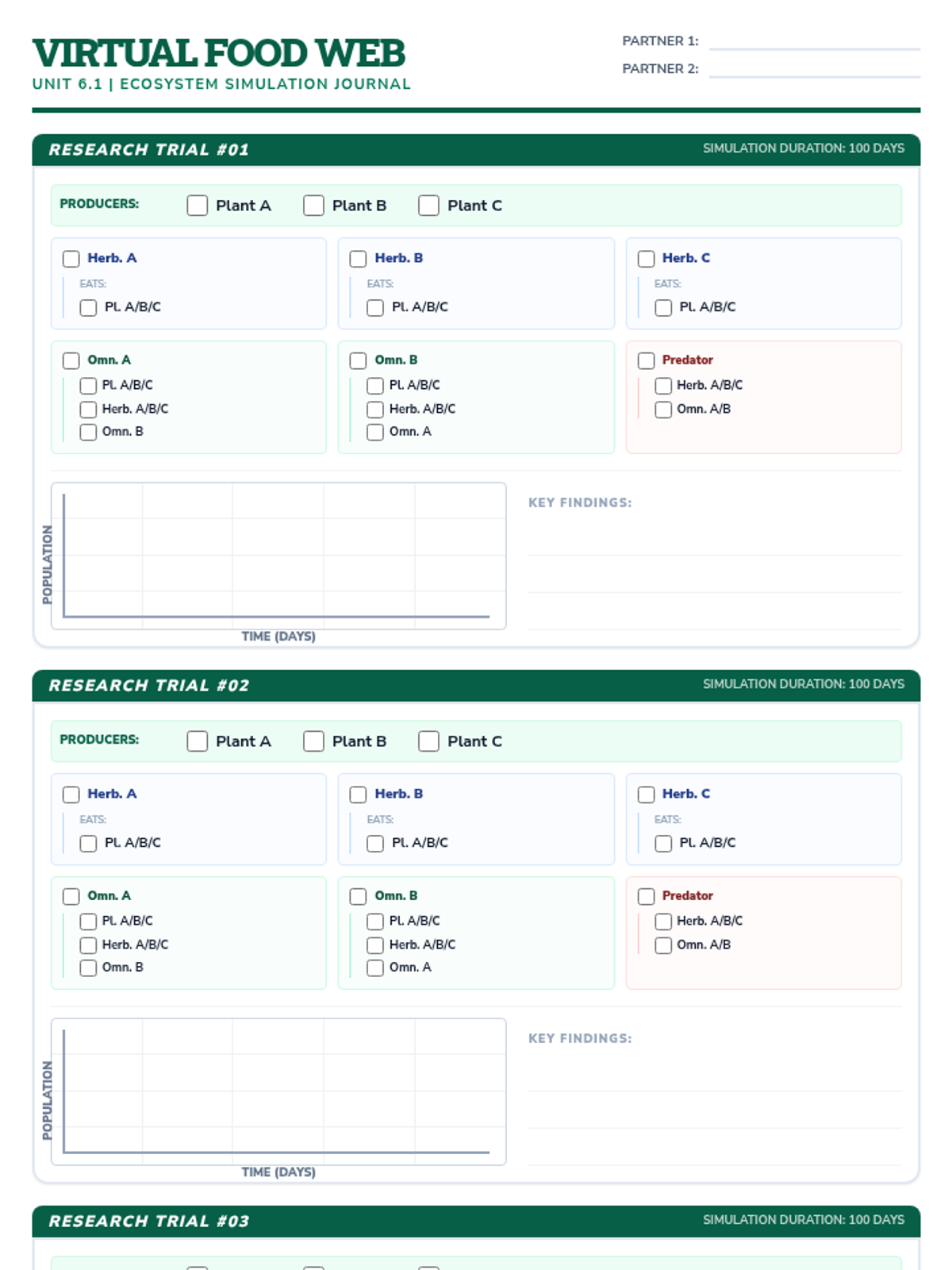
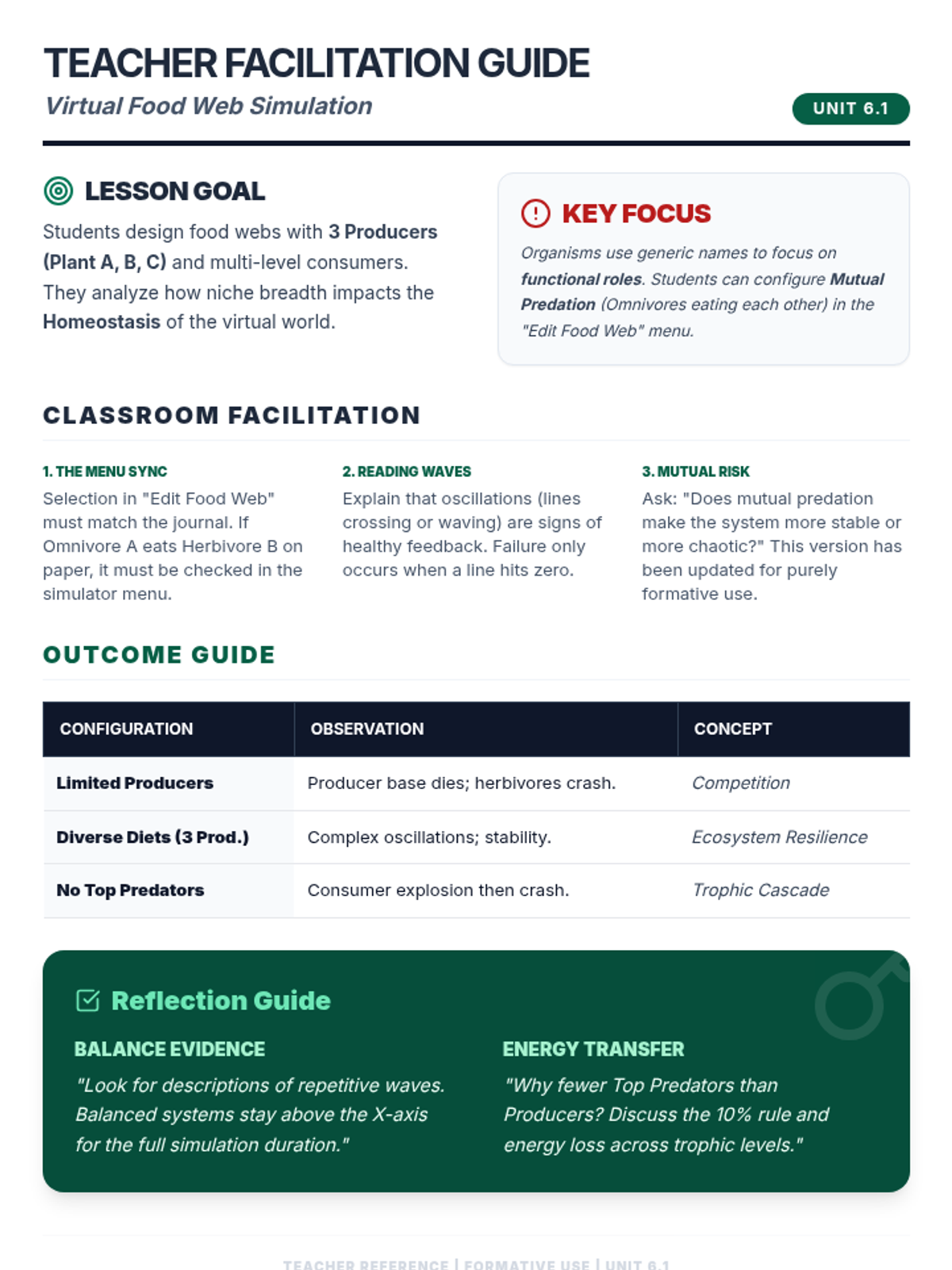
Students use an interactive ecology simulator to explore population dynamics by testing various combinations of producers, primary consumers, and secondary consumers. They record their findings in a structured field journal to identify patterns of stability and extinction.
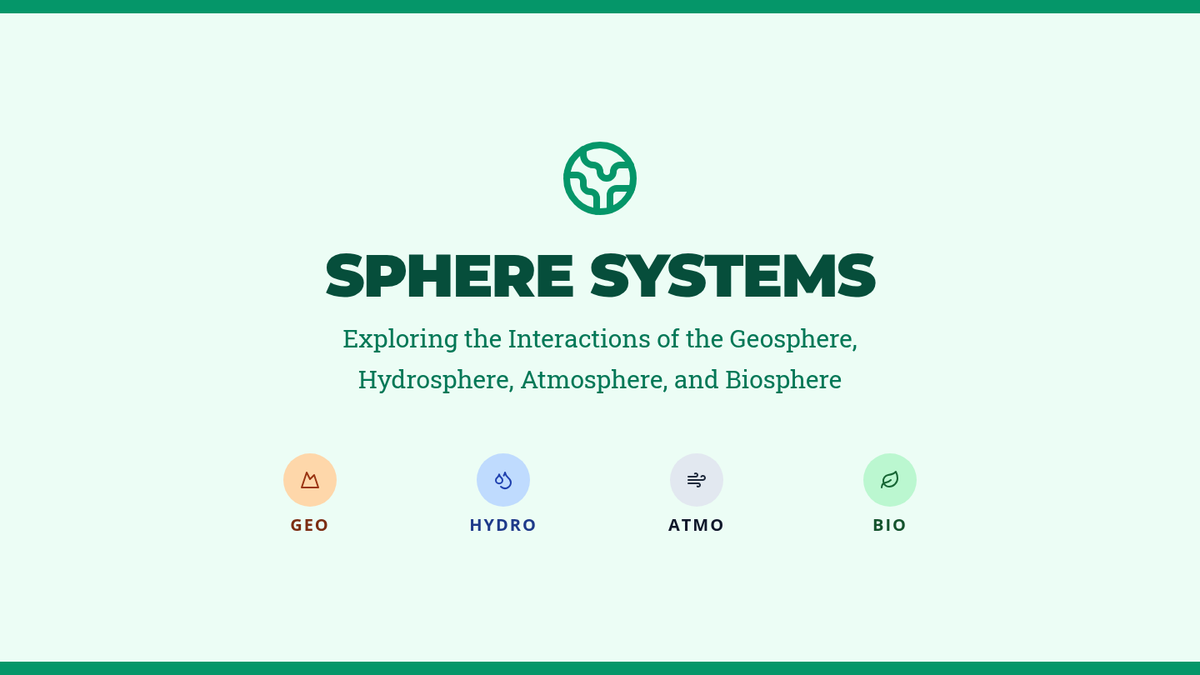
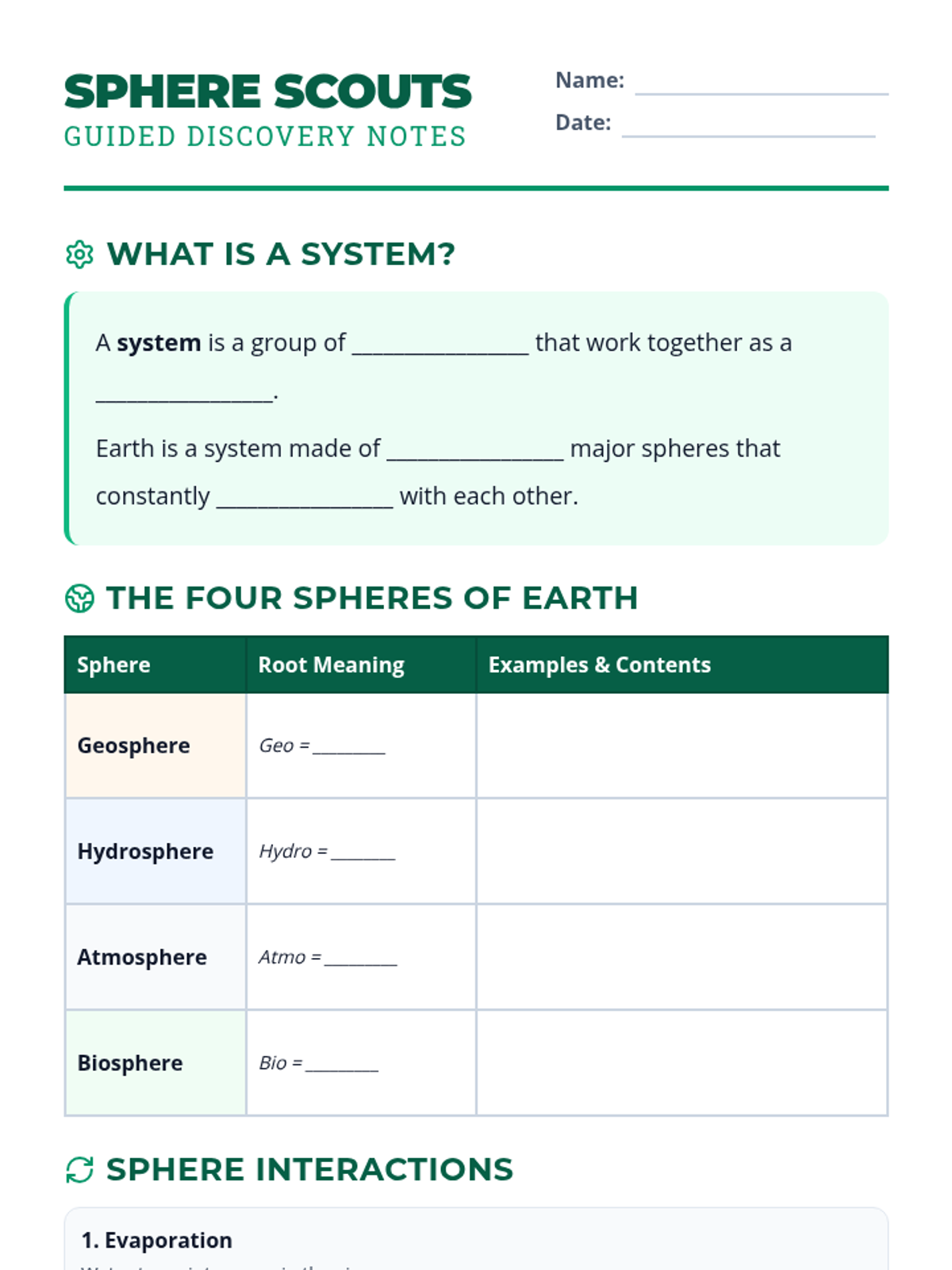
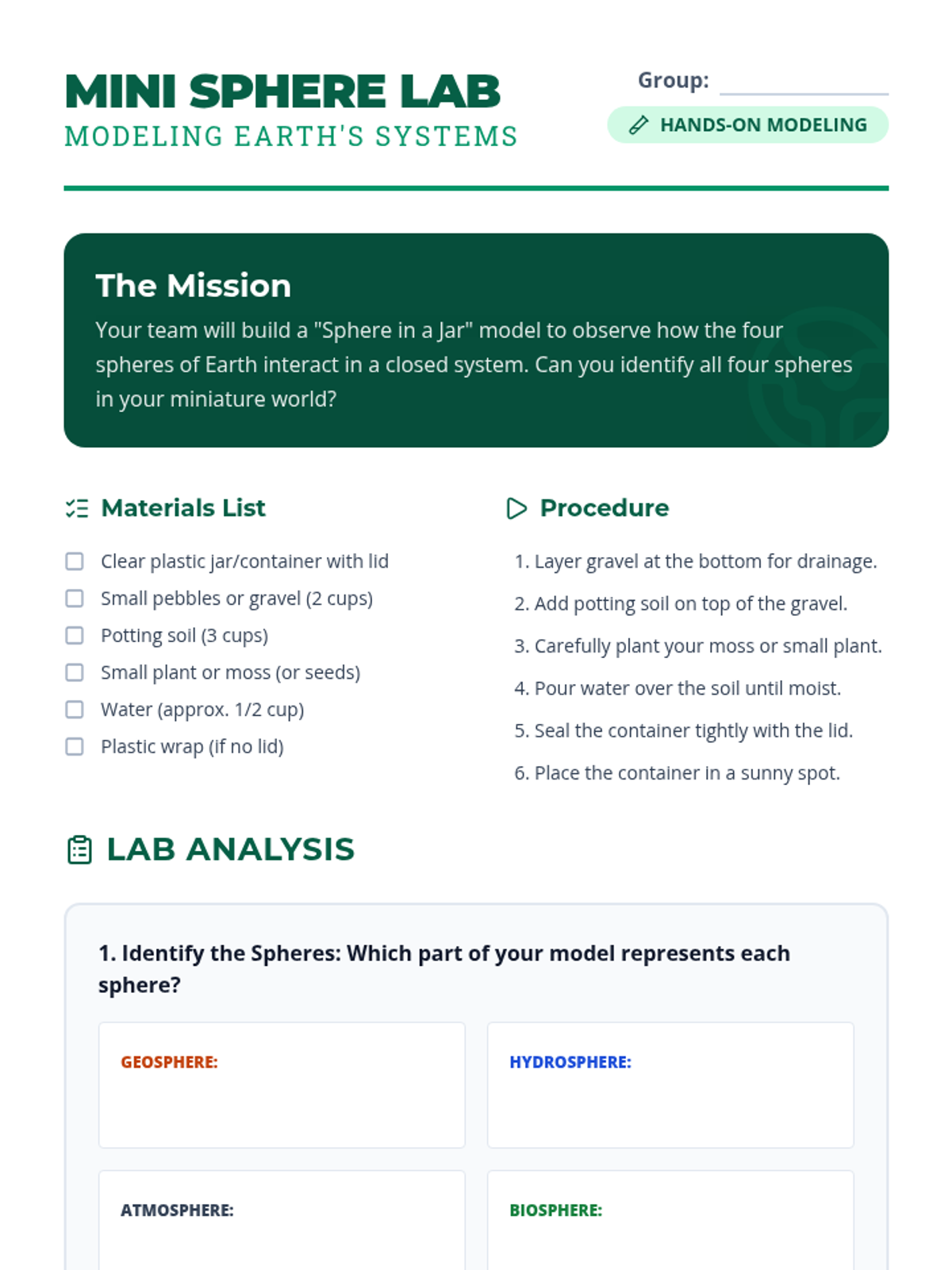
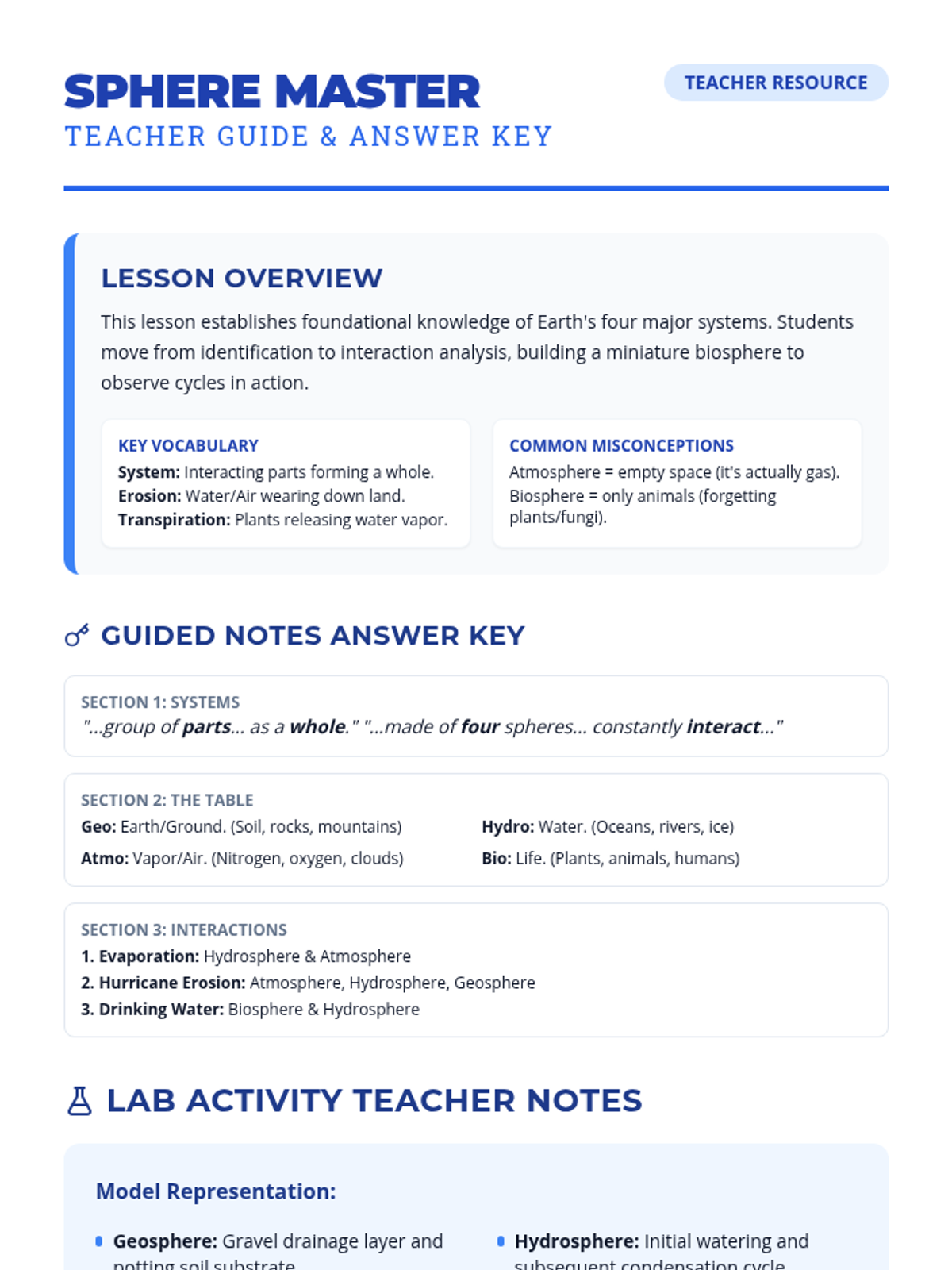
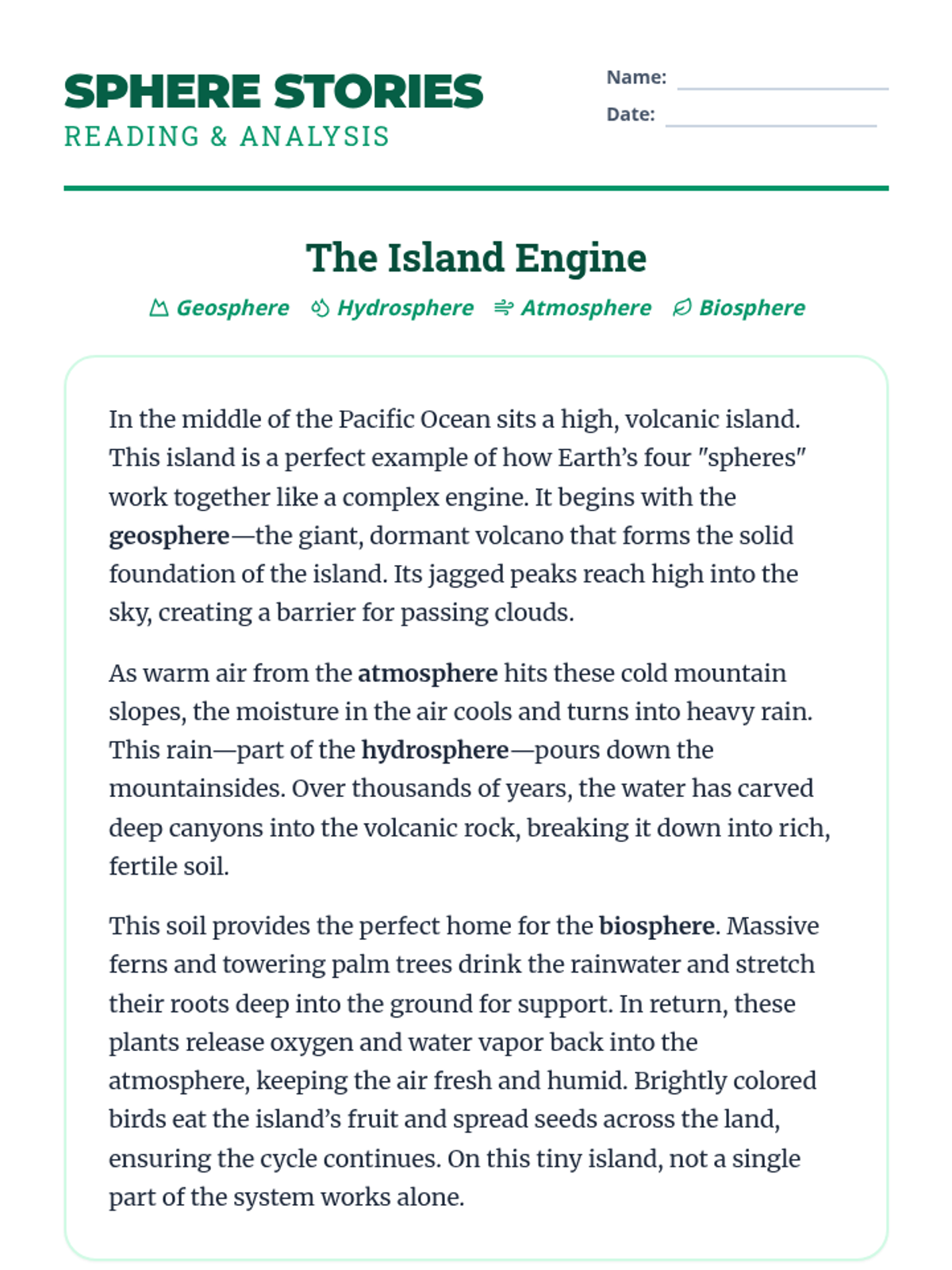
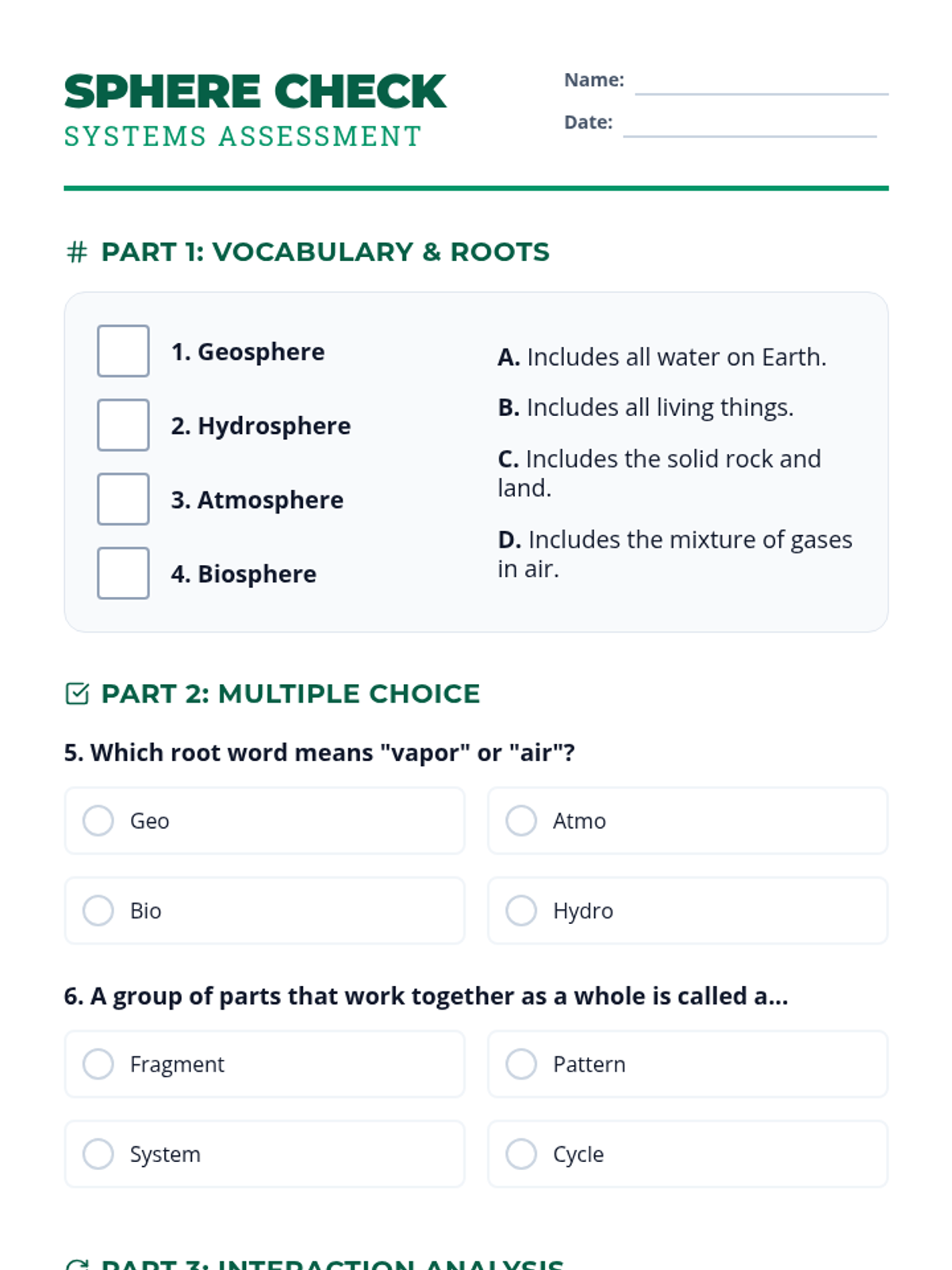
A comprehensive lesson exploring Earth's four major systems: the geosphere, hydrosphere, atmosphere, and biosphere. Students will learn to identify each sphere and describe the complex ways they interact to sustain life and shape the planet.
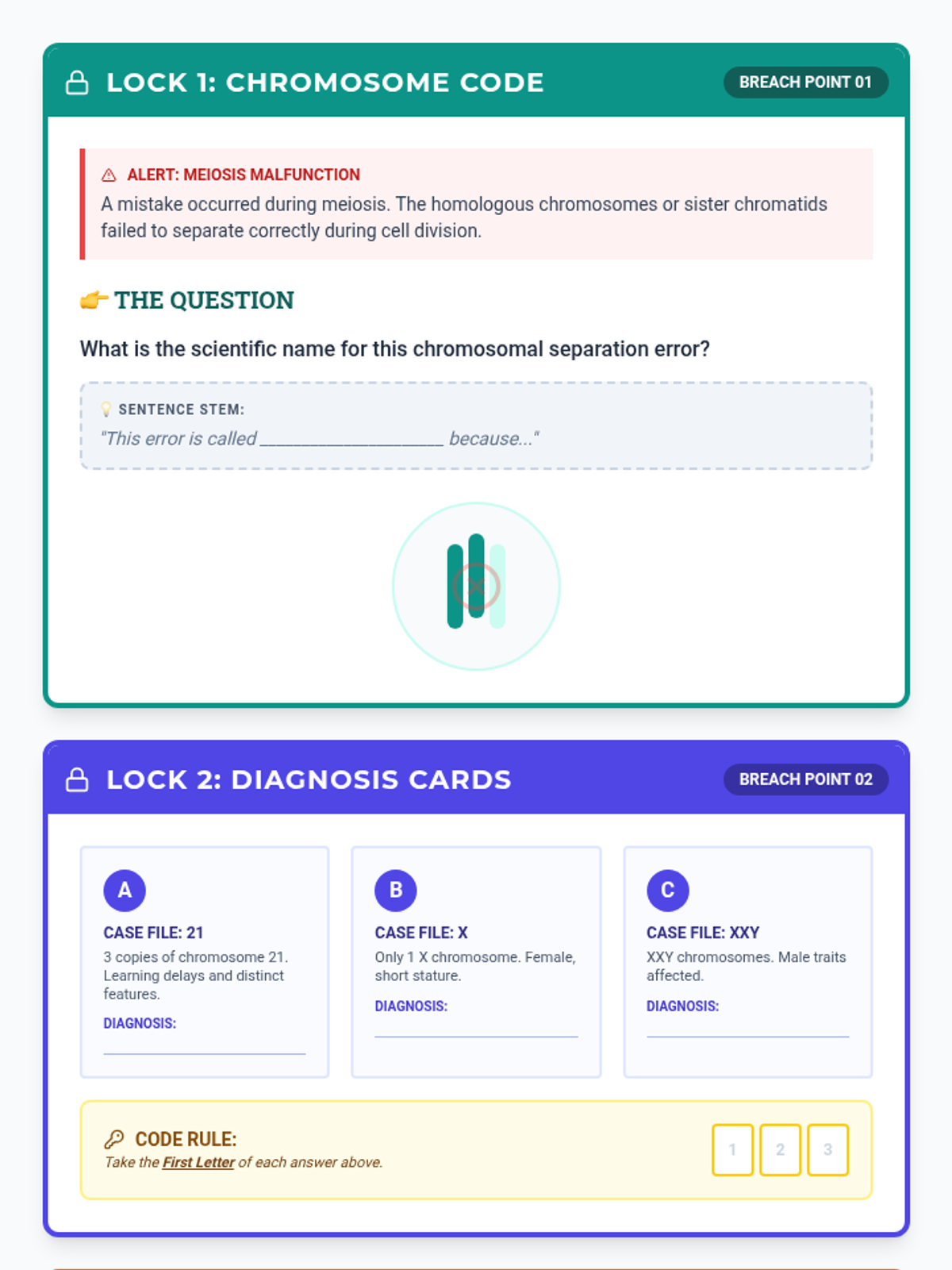
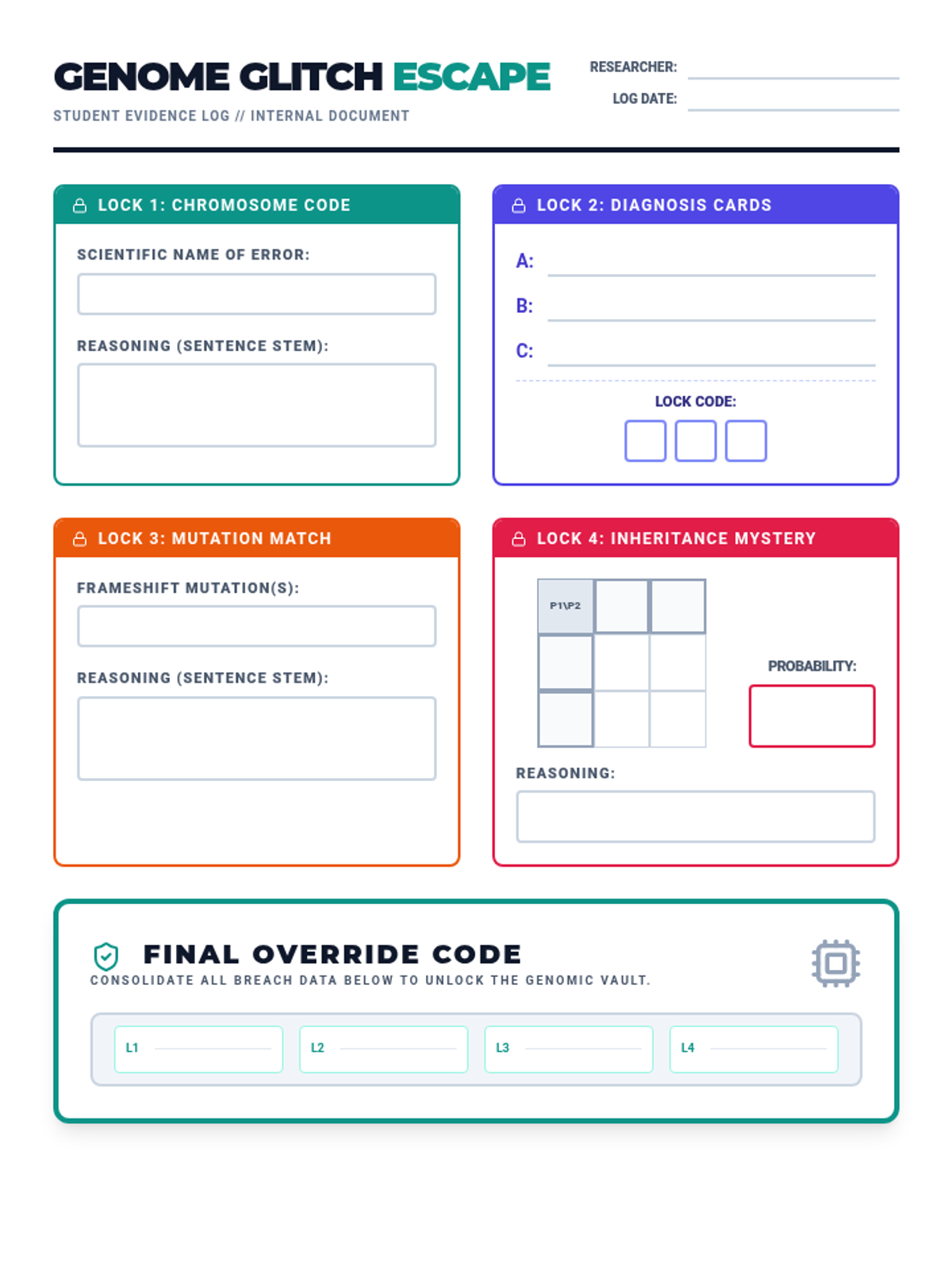
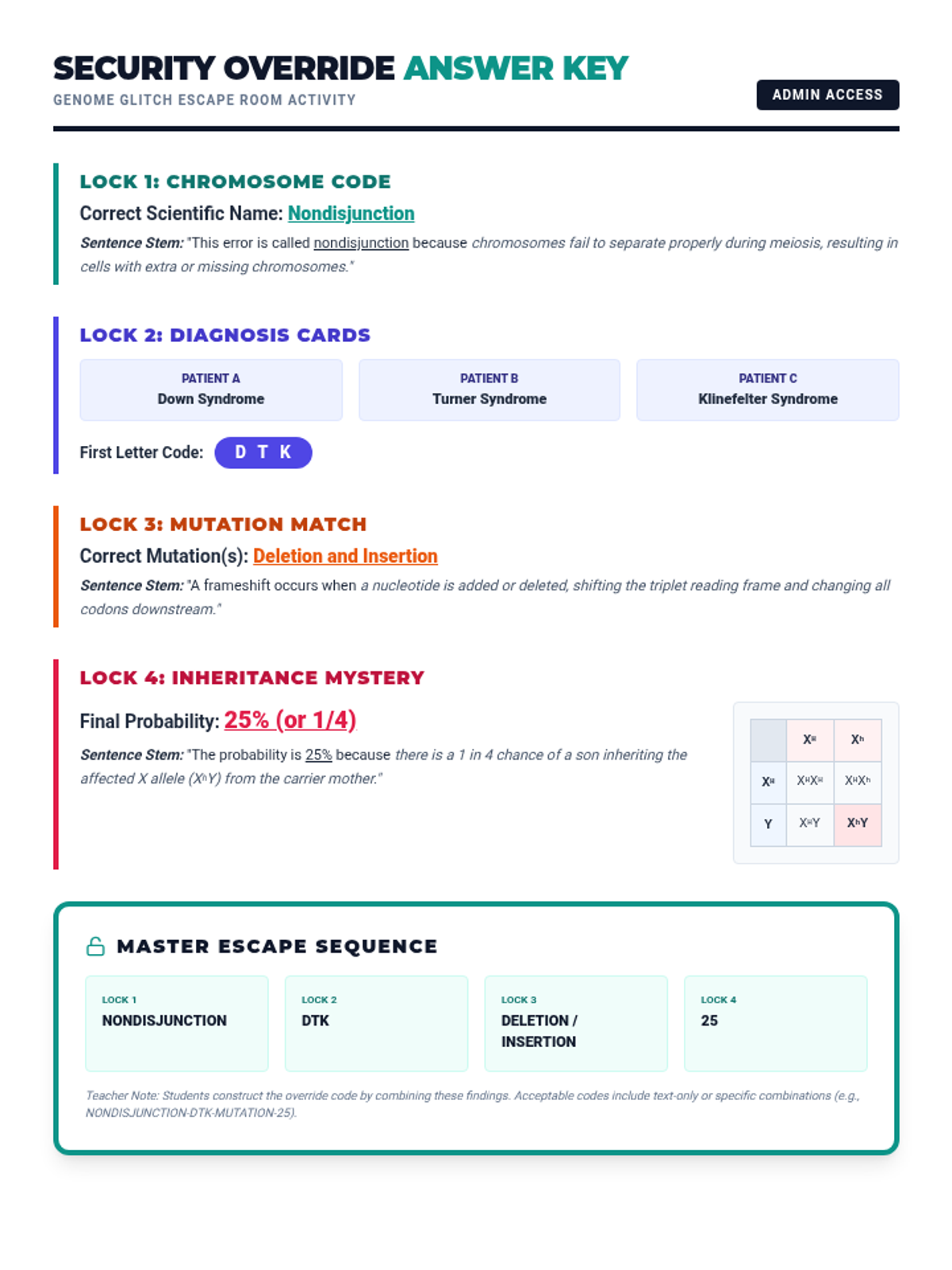
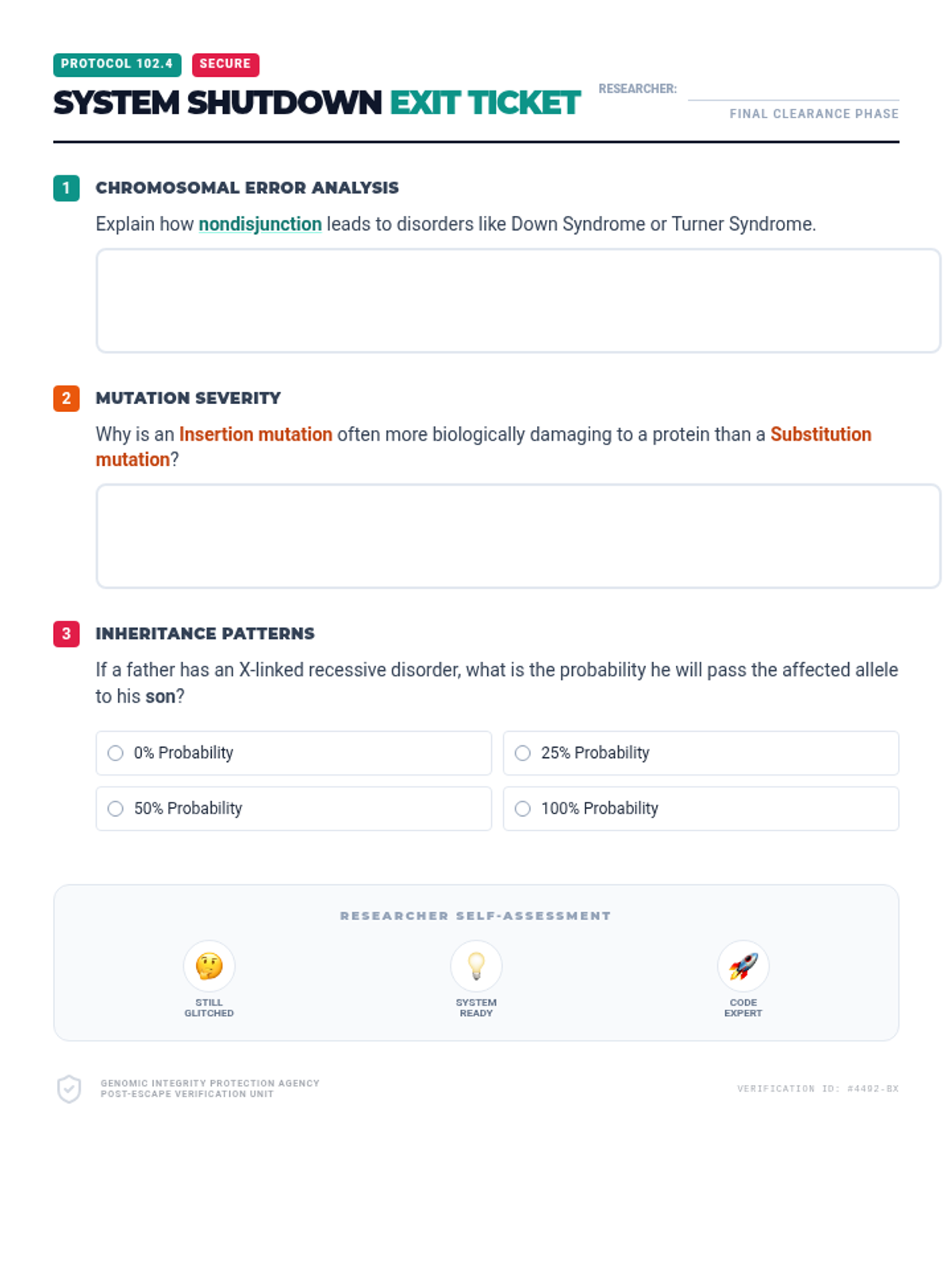
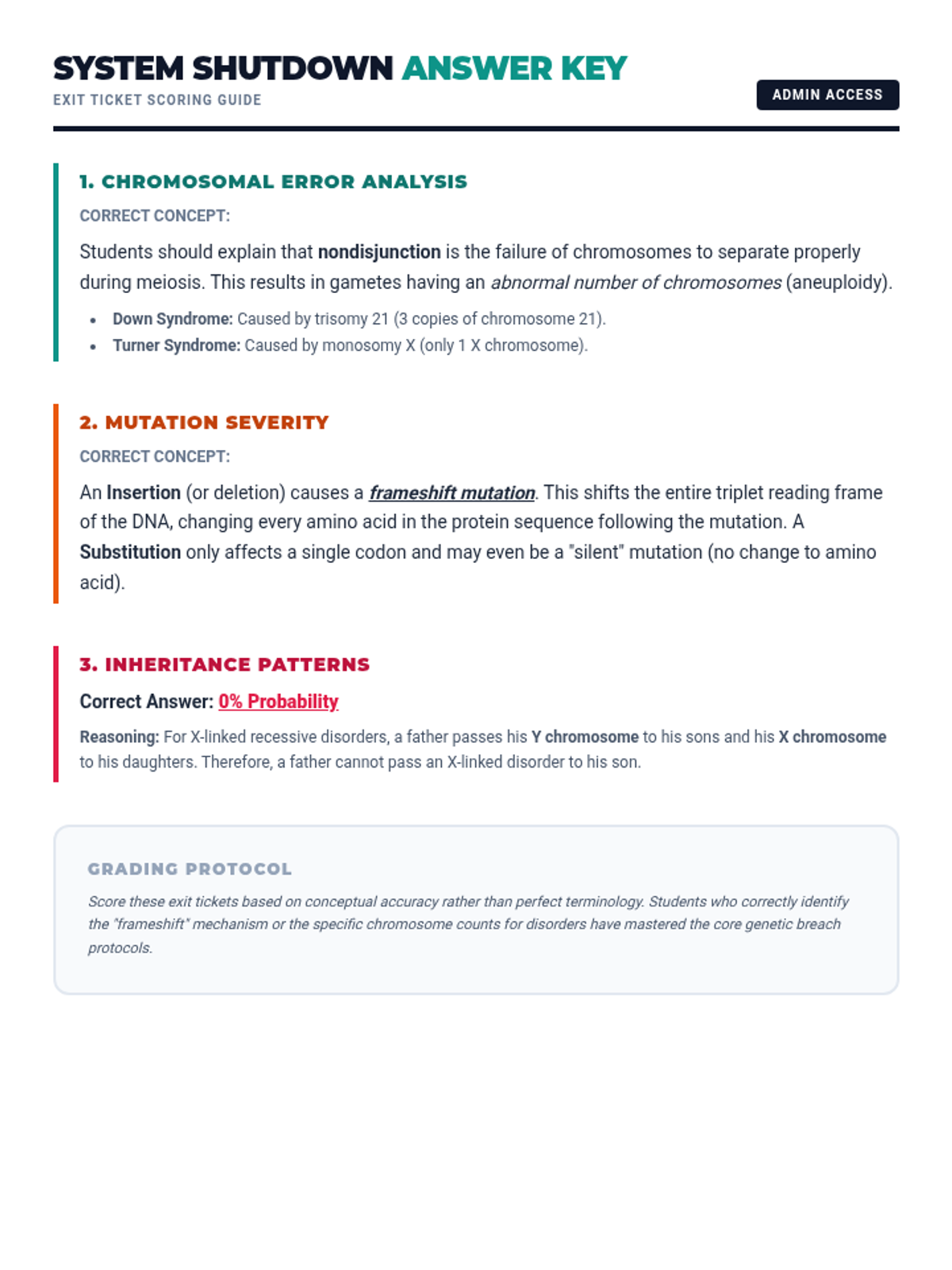
An immersive genetics escape room activity where students solve puzzles related to chromosomal errors, mutations, and inheritance patterns to 'unlock' a breached genomic system.