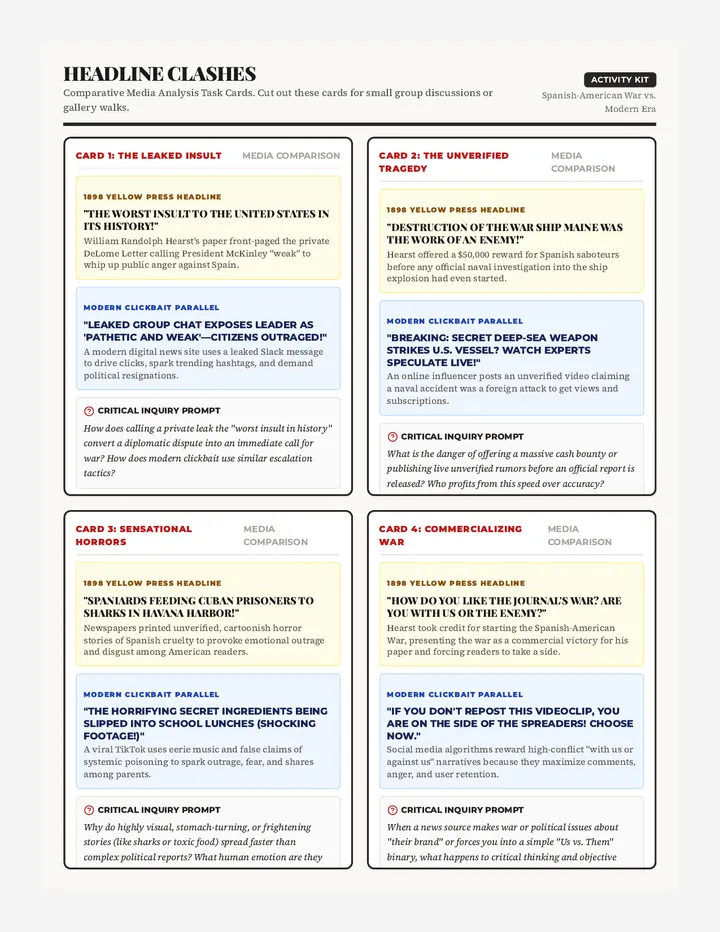
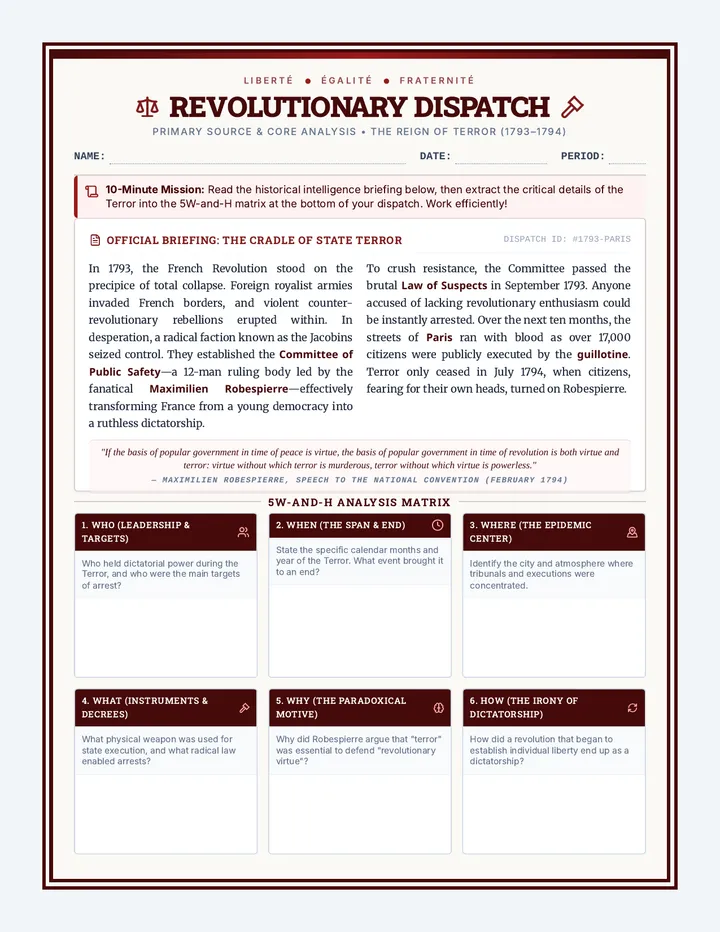
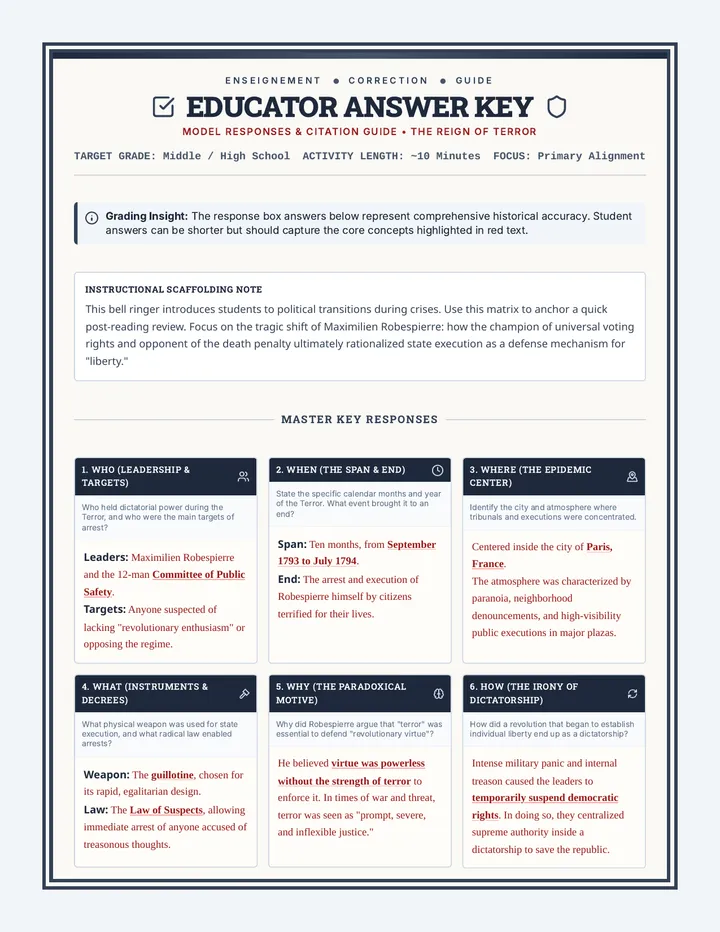
A comprehensive lesson for 12th-grade students to explore their identity as global citizens, analyze the ripple effects of international events, and develop a sense of responsibility toward a sustainable and equitable world.
An application-based assessment focusing on Maslow's Hierarchy of Needs, featuring a labeling section, scenario analysis, and character evaluation from literature.
A unit assessment covering prominent African American leaders, their roles as agents of change, and the systemic barriers they worked to dismantle within their communities.
A collection of resources for an educational information booth about Peru at a cultural fair, including a fact sheet and interactive trivia cards.
A structured research phase where students choose a focus area—either an ethical teaching or a significant practice—and map its connection to core Jewish tenets and contemporary life.
A comprehensive guide to structuring an informative essay on the social, economic, and religious consequences of the Black Death in medieval Europe.
An AP World History lesson exploring the technological innovations and environmental consequences of the Green Revolution in the mid-20th century.
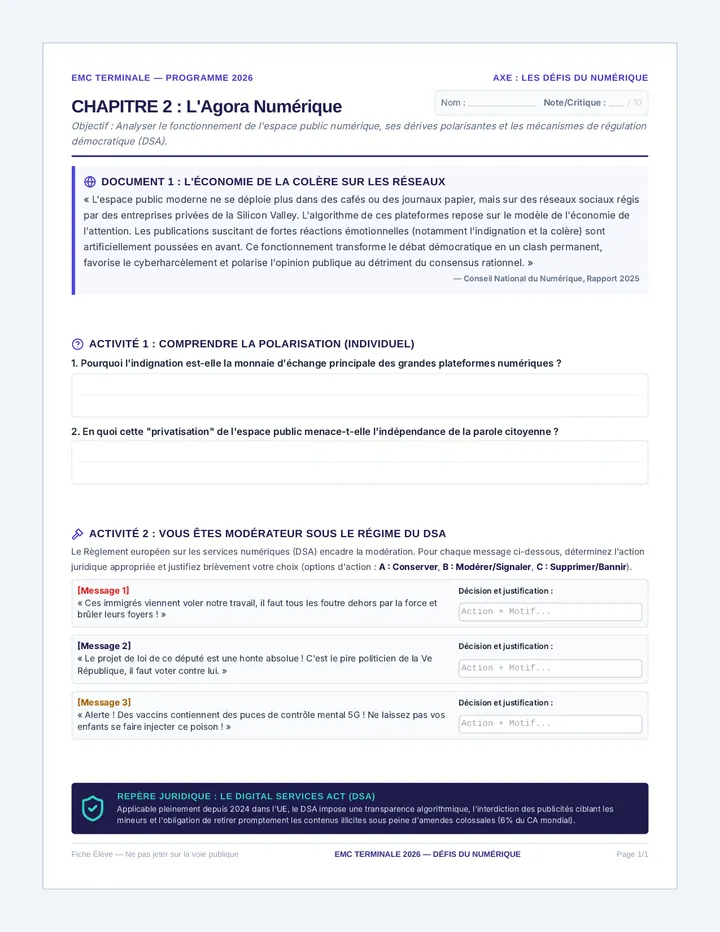
A deep-dive investigation into the Cuban Missile Crisis where students analyze declassified intelligence, private correspondence, and meeting transcripts to determine the causes and culpability of the nuclear standoff. Students act as intelligence analysts to produce a formal policy recommendation.
A comprehensive lesson exploring the systematic dehumanization of the Holocaust and its role in the birth of the modern international human rights movement. Students analyze primary documents, timelines of exclusion, and the legacy of the Nuremberg Trials.
A comprehensive assessment covering developmental domains, brain growth, major ECE theorists, and strategies for supporting young children's self-concept and identity.
A comprehensive look at the rise and fall of Maximilian I of Mexico, exploring the French intervention and the clash between imperial dreams and republican reality.
This lesson explores the devastating social and economic impacts of the Great Depression, focusing on unemployment, migration, and Hoovervilles, while challenging students to compare the contrasting philosophies of Presidents Hoover and FDR.
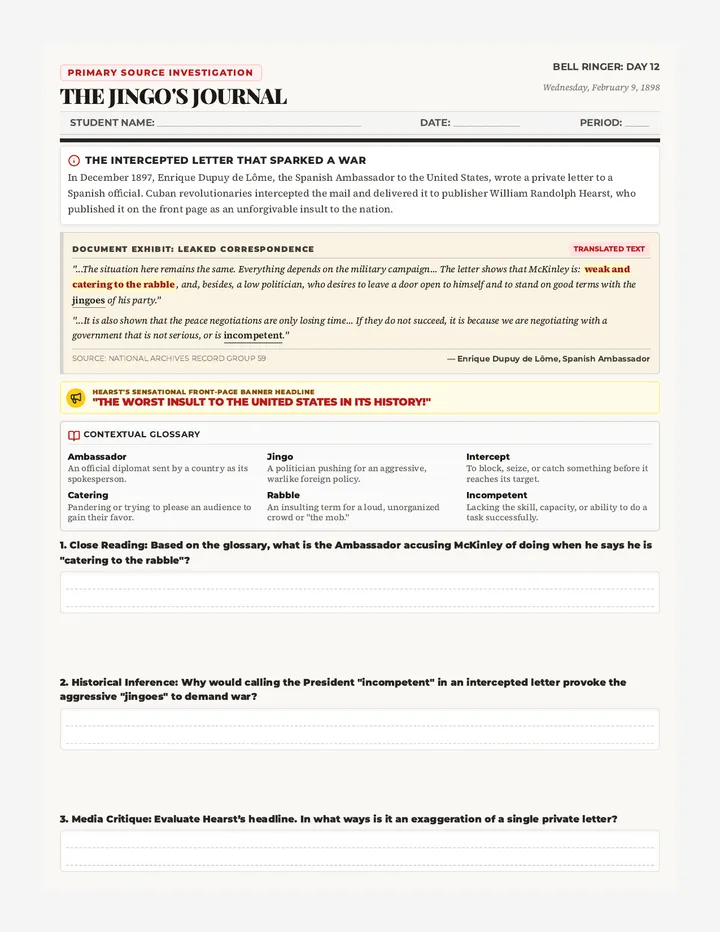
A comprehensive lesson on the American anti-war movement during the Vietnam War, exploring the motivations, methods, and impact of peace protests. Students will analyze primary sources, music, and key events to understand how public opinion shifted.
An intensive look at the President, the Cabinet, the Federal Court system, and the Supreme Court, providing all necessary materials for a student to catch up on missed instruction.