Students explore the four sectors of economic activity (Primary, Secondary, Tertiary, Quaternary) and map global supply chains to understand economic interdependence.
A comprehensive introduction to the geography, culture, and history of the Czech Republic, designed for middle school students.
Integrating social empathy and neurobiological insights into systemic advocacy, policy development, and macro-level social change efforts.
Examining interbrain synchrony and its role in group dynamics, collective action, and building resilient community movements.
An exploration of the neural mechanisms of burnout and secondary traumatic stress, providing practitioners with evidence-based compassion interventions for recovery.
Bridging the gap between individual neurobiology and large-scale social systems, focusing on how neural processes inform macro social work interventions.
An introduction to the foundational concepts of social neuroscience, exploring how human brains are biologically wired for social interaction and systemic belonging.
Week 5 of the ethics storyline: The funder unexpectedly withdraws, leaving the organization in a sustainability crisis that forces a final decision on its future and ethical legacy.
Week 4 of the ethics storyline: The funder mandates a shift toward high-metric 'job training' programs, forcing the organization to defund its 'harm reduction' services for the most vulnerable.
Week 3 of the ethics storyline: A local policy change puts the organization's mission at direct odds with the funder's corporate interests, testing the organization's commitment to advocacy.
Week 2 of the ethics storyline: The funder demands real-time data tracking of all program participants, creating a conflict between technical efficiency and participant privacy/dignity.
The opening phase of a 5-week ethics simulation where a struggling nonprofit must decide whether to accept transformative funding from a controversial corporate donor.
A comprehensive lesson covering the technical aspects of grant writing for nonprofits alongside the ethical complexities of macro-level social work, resource allocation, and advocacy.
A 25-minute intensive lesson on the Manhattan Project, focusing on the key sites (Oak Ridge, Los Alamos, Hanford) and President Truman's decision-making process for using the atomic bomb to end WWII.
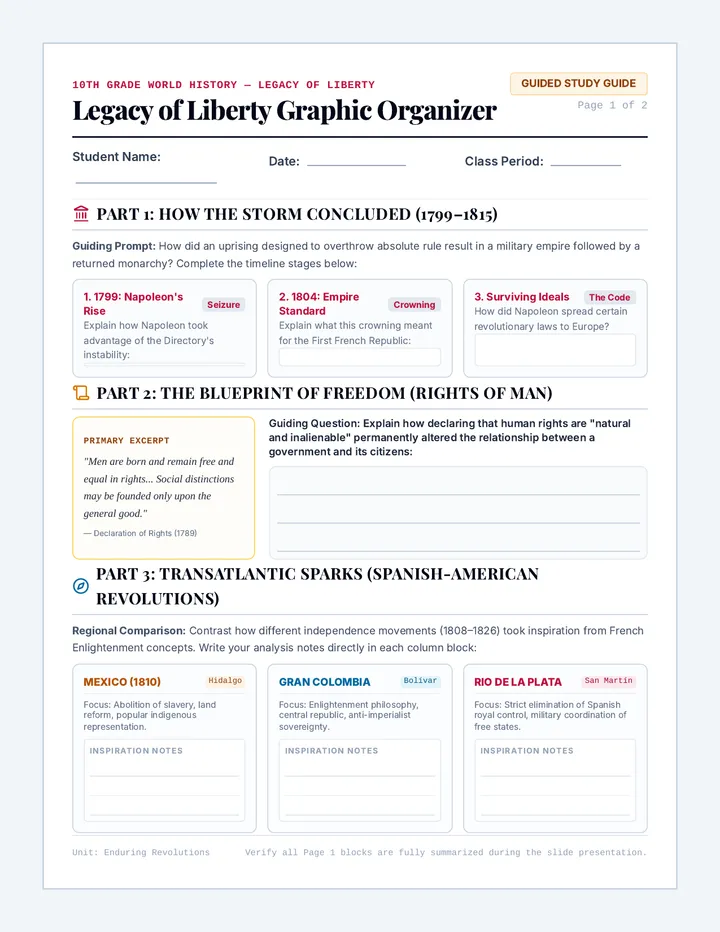
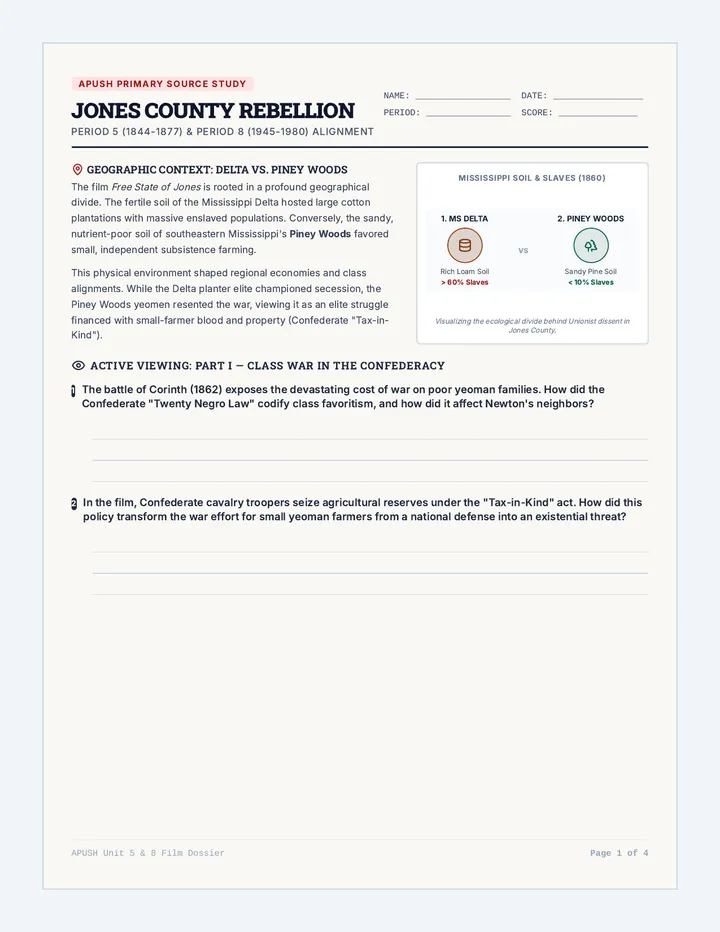
A comprehensive lesson exploring the social, economic, and political impacts of World War II on the United States home front, covering rationing, industry, labor shifts, and civil unrest.
A focused examination of the constitutional issues, conditions, and historical impact of Japanese American internment during WWII, centered on Executive Order 9066 and the Korematsu v. US decision.