A creative lesson where 4th graders explore the qualities of healthy friendships by creating their own 'Friendship Recipe Books,' using culinary metaphors to understand trust, respect, and kindness.
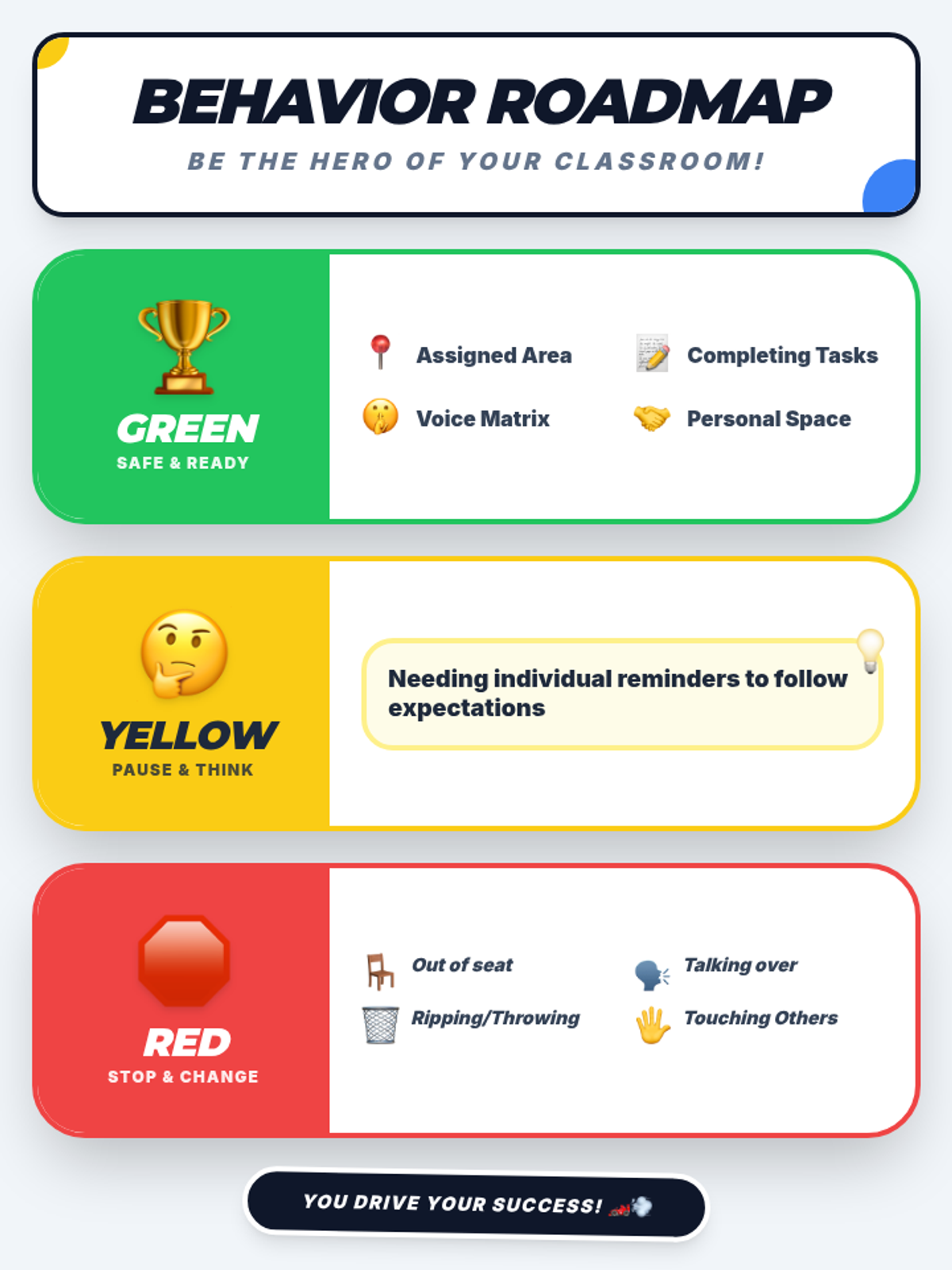
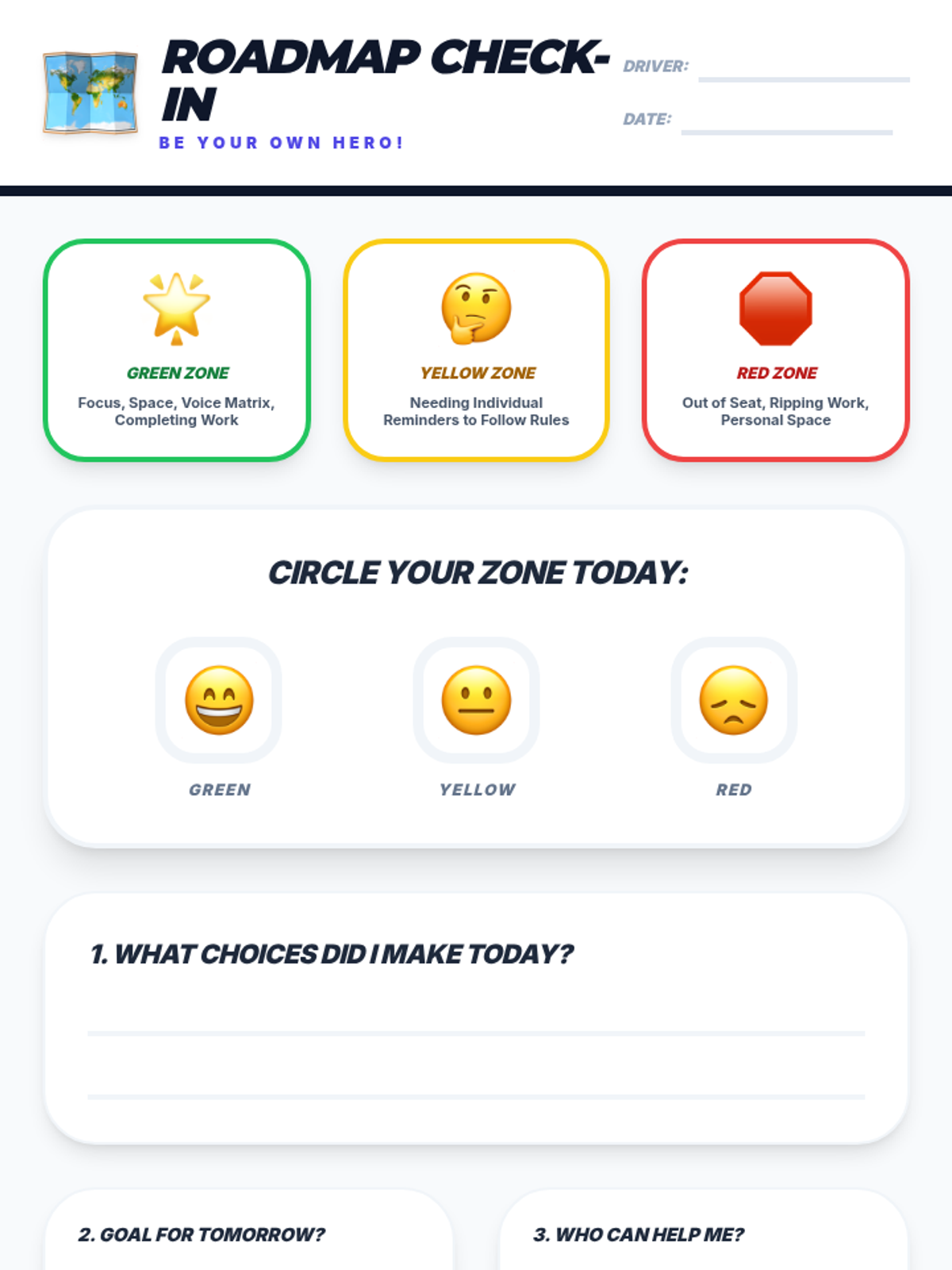
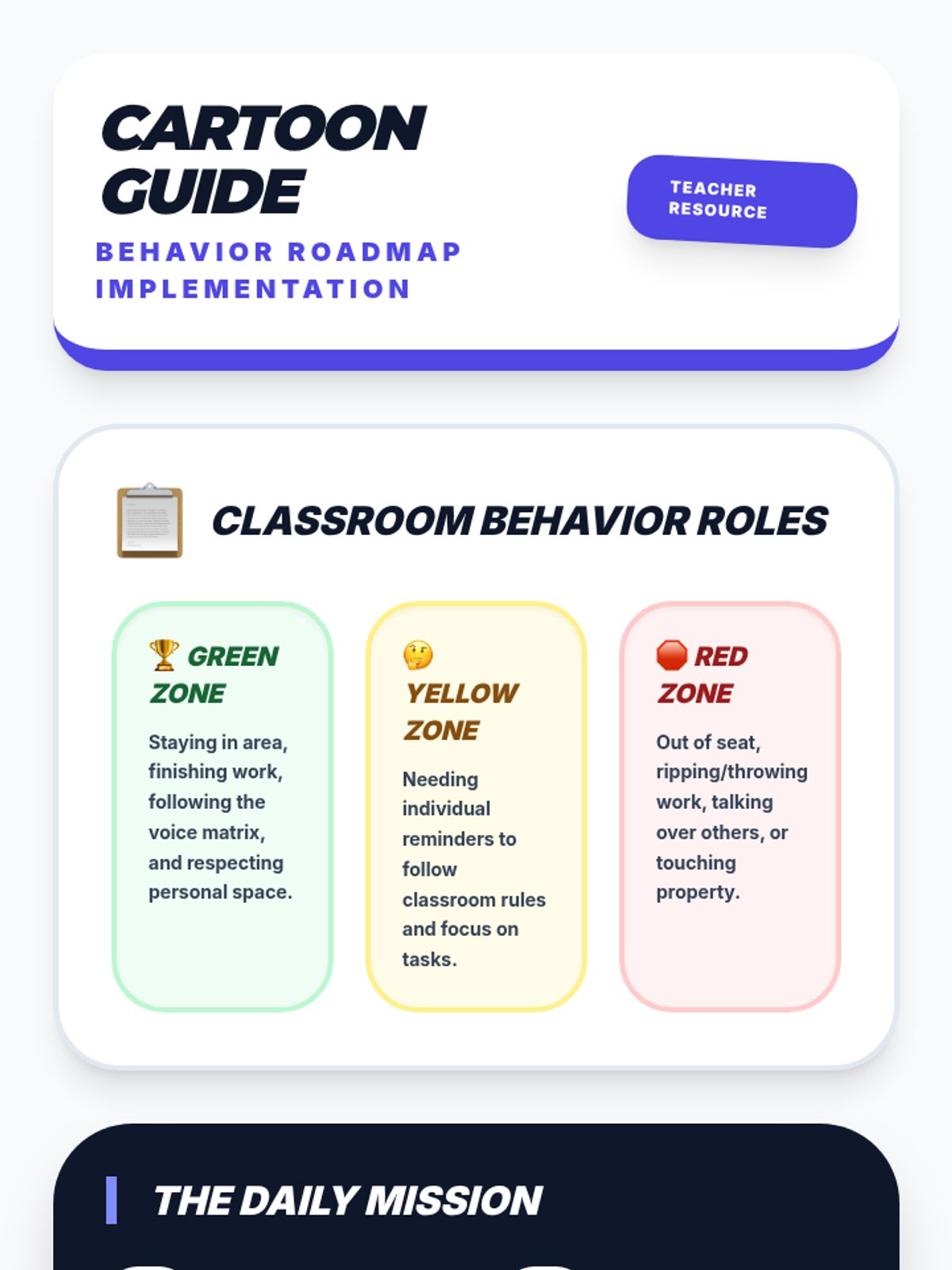
A comprehensive system for defining and maintaining a positive learning environment through a color-coded behavior framework. This lesson introduces students to green, yellow, and red behaviors with clear expectations and reflection tools.
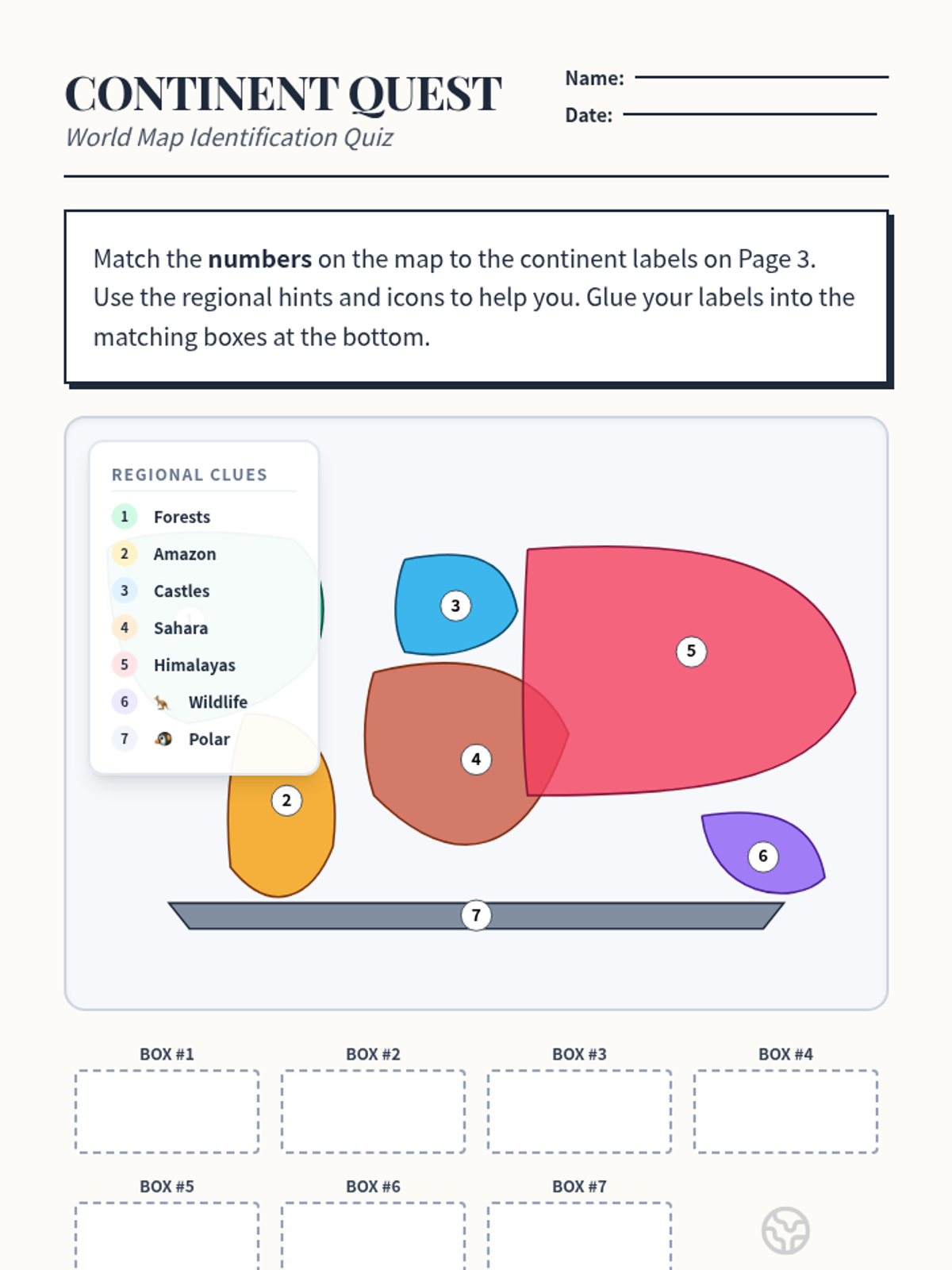
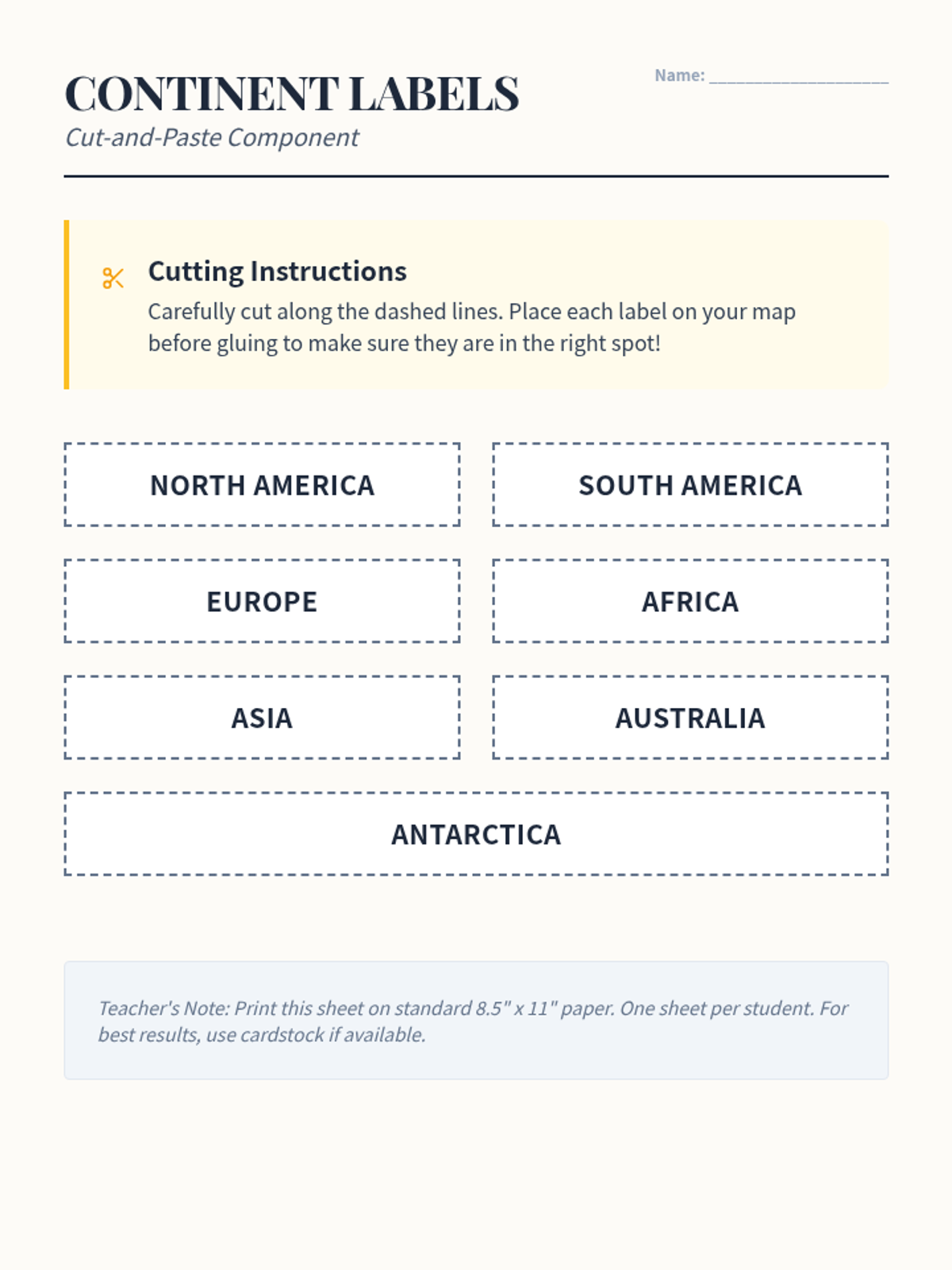
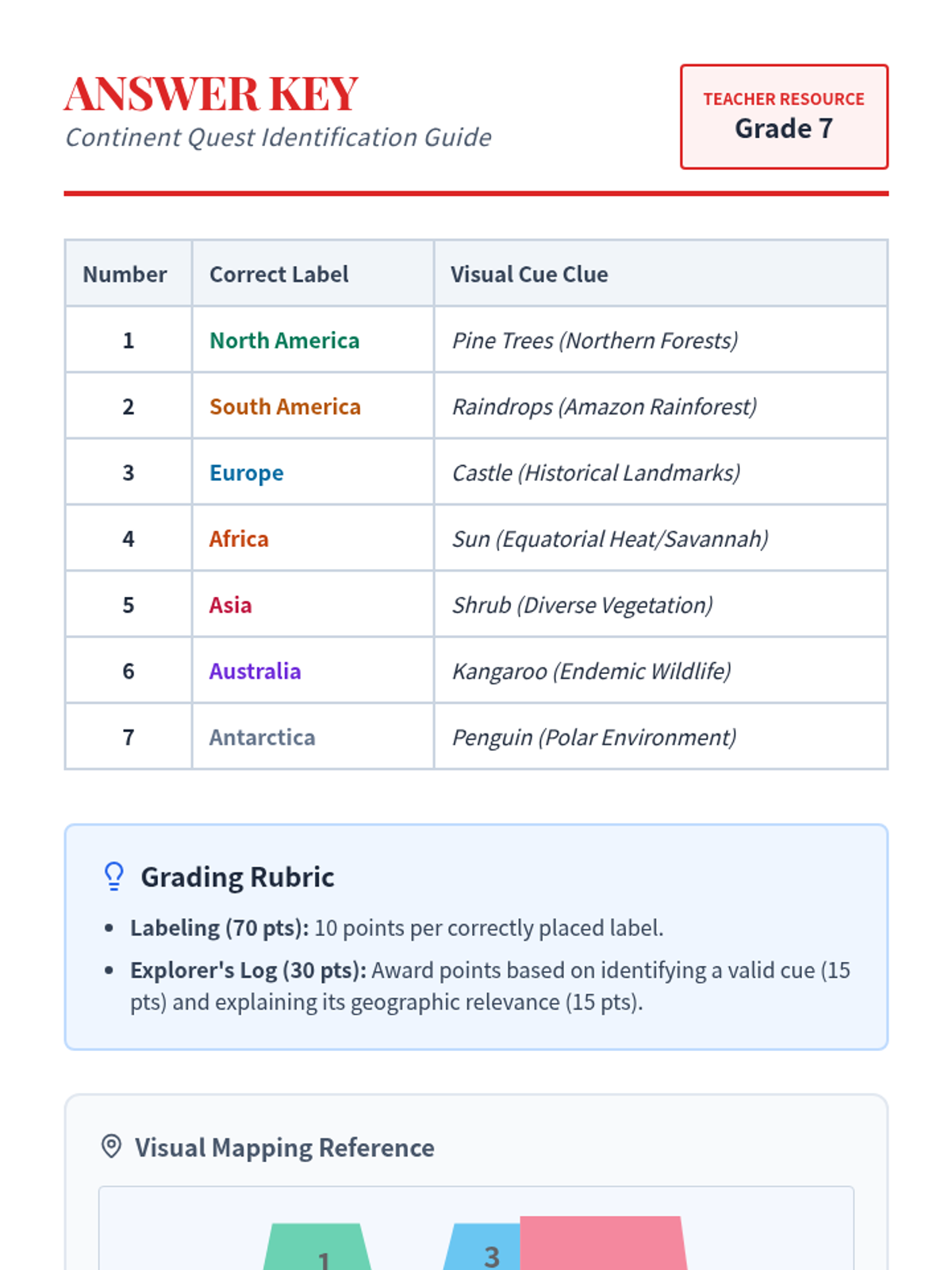
A foundational lesson on global geography focusing on identifying and labeling the seven continents using visual cues and spatial relationships.
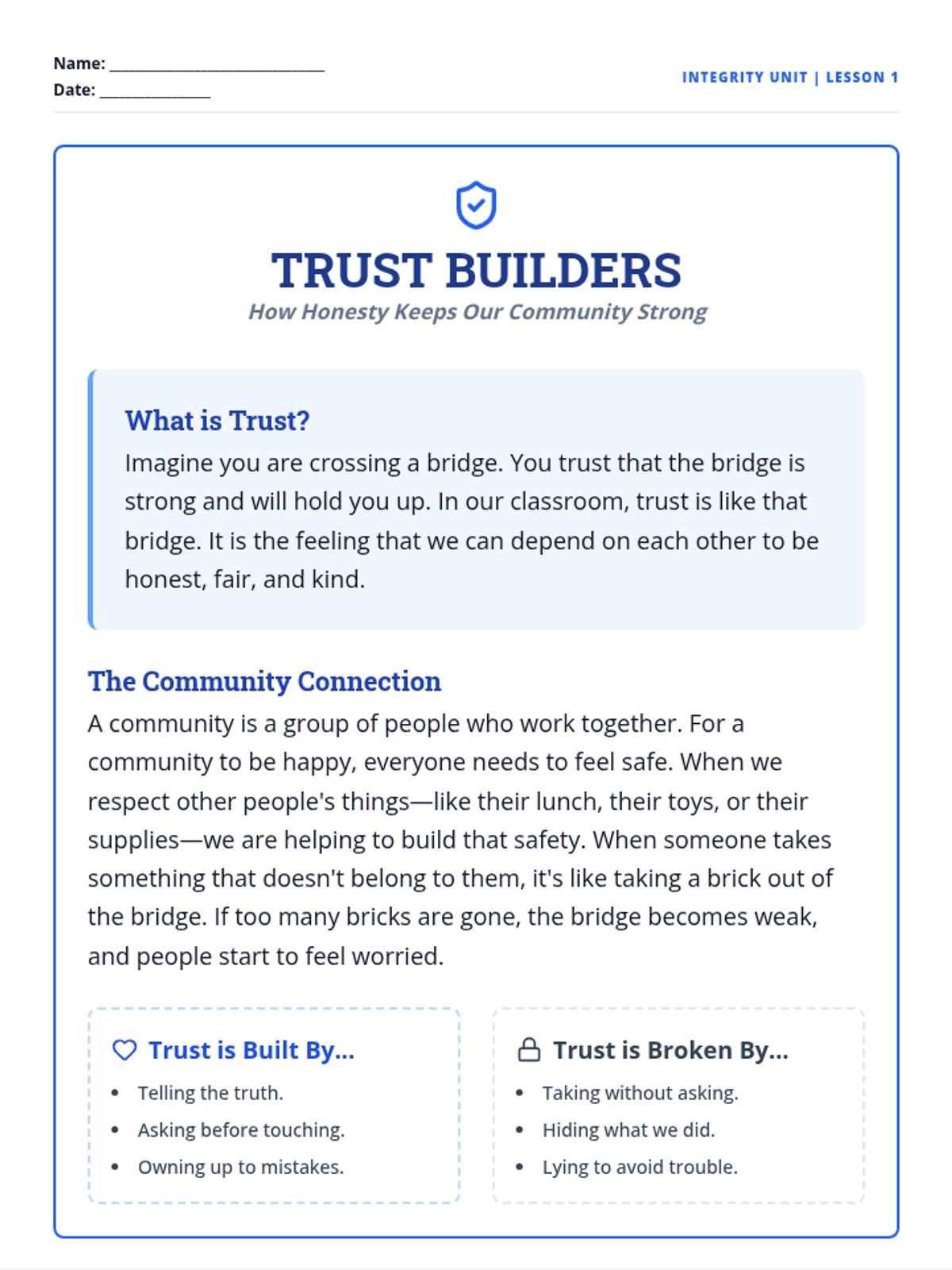
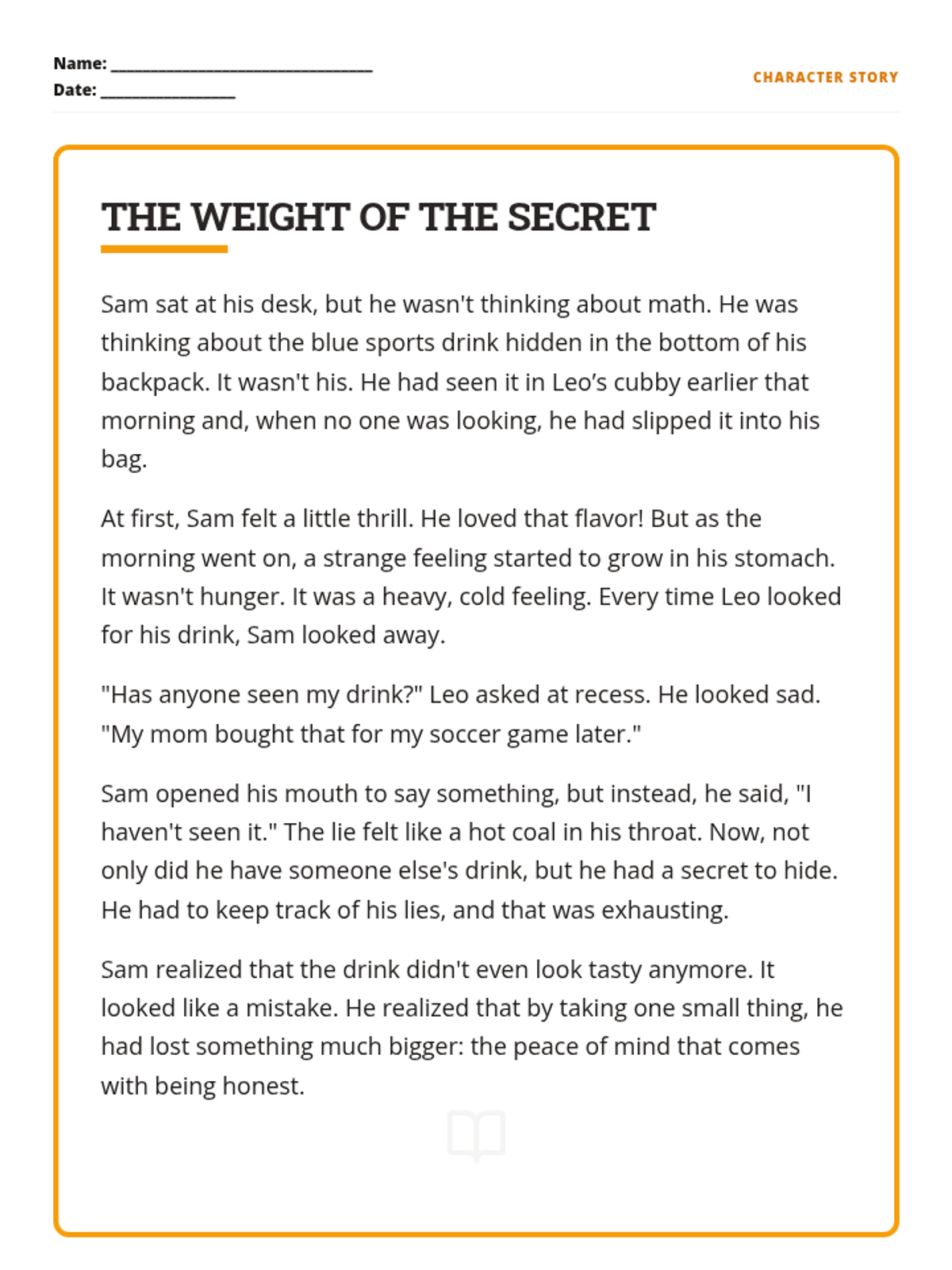
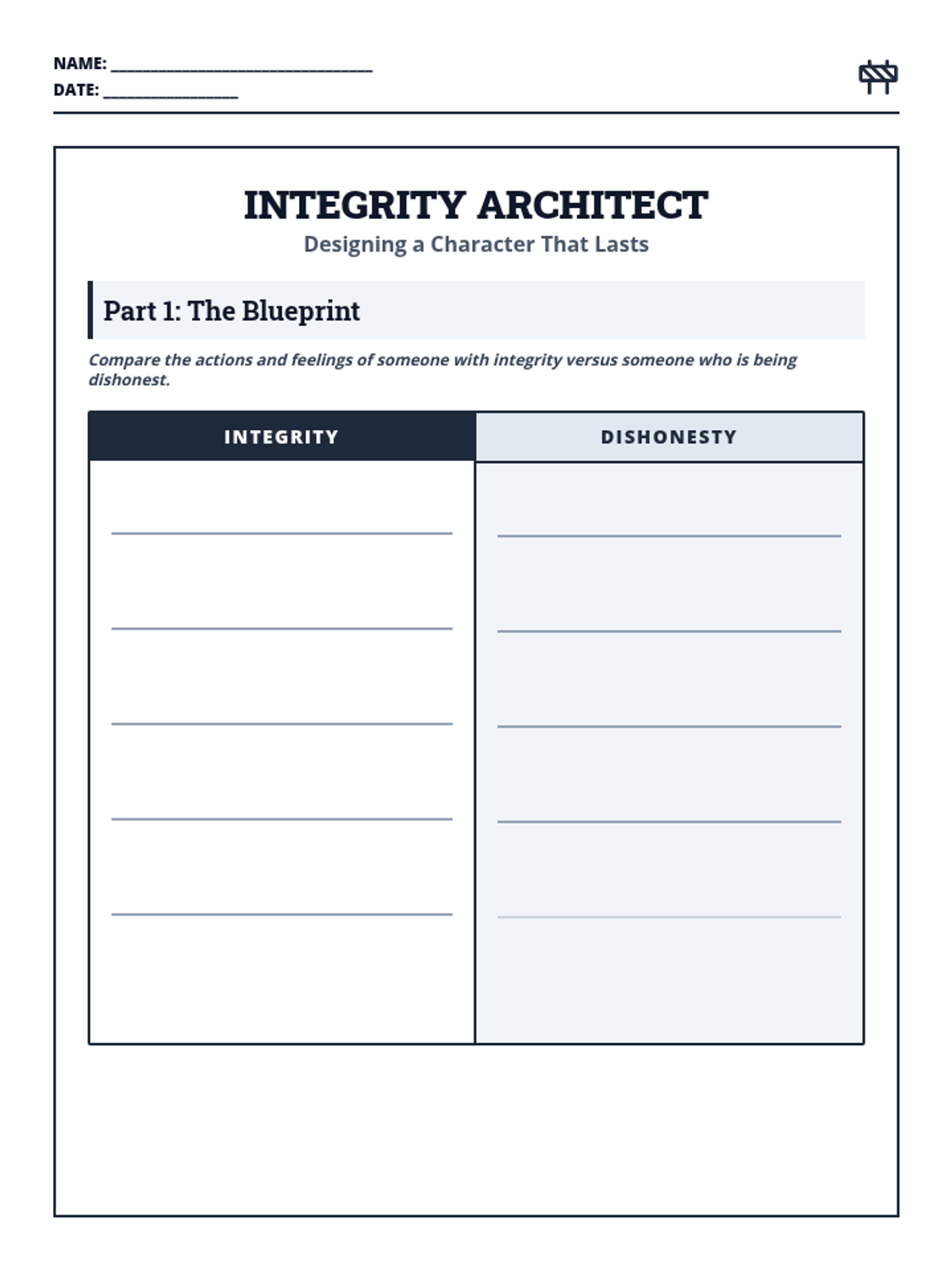
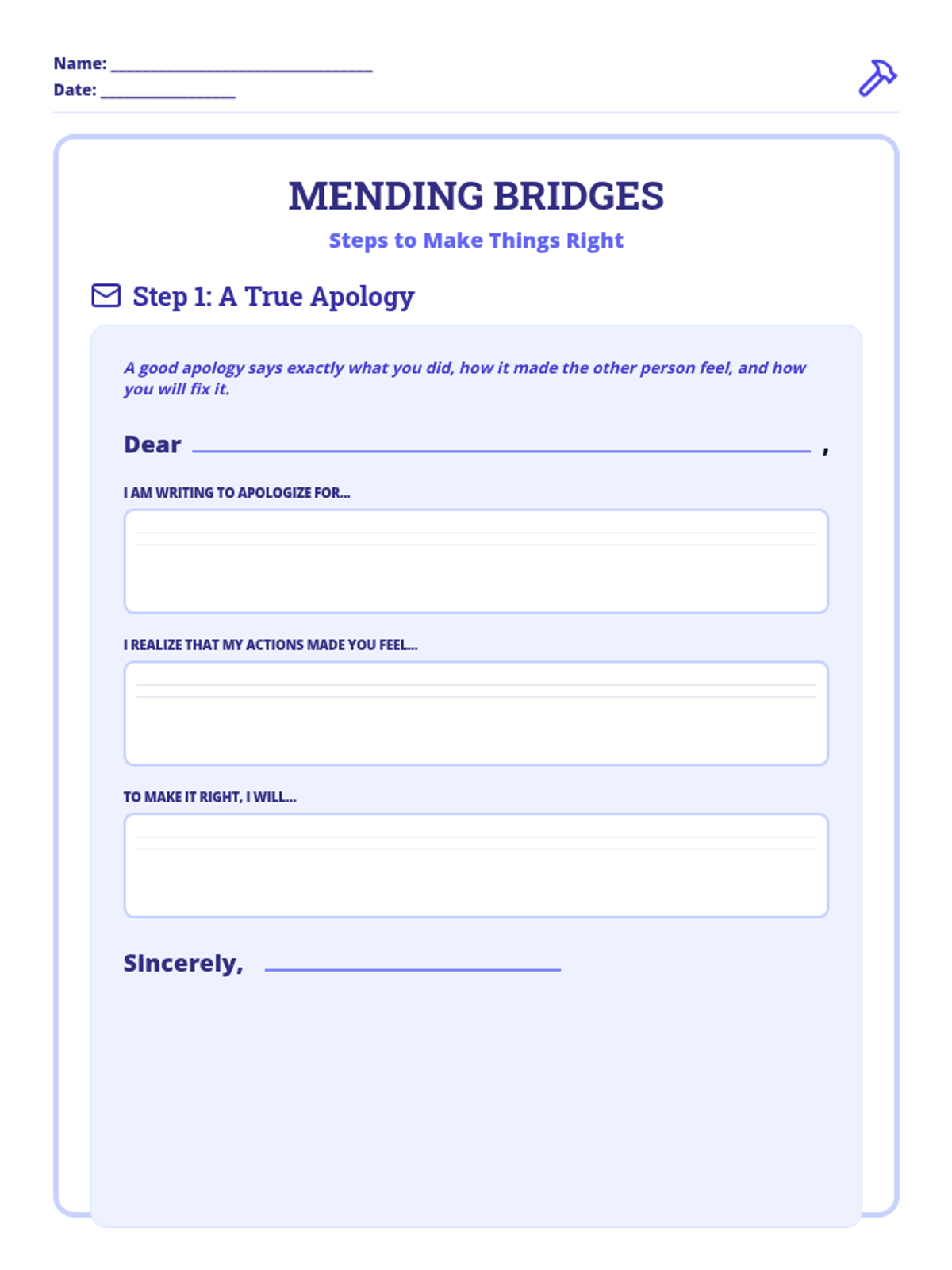
A restorative justice unit for elementary students focusing on the impact of theft and dishonesty on community trust, featuring informational text, a relatable narrative, and reflective writing projects.
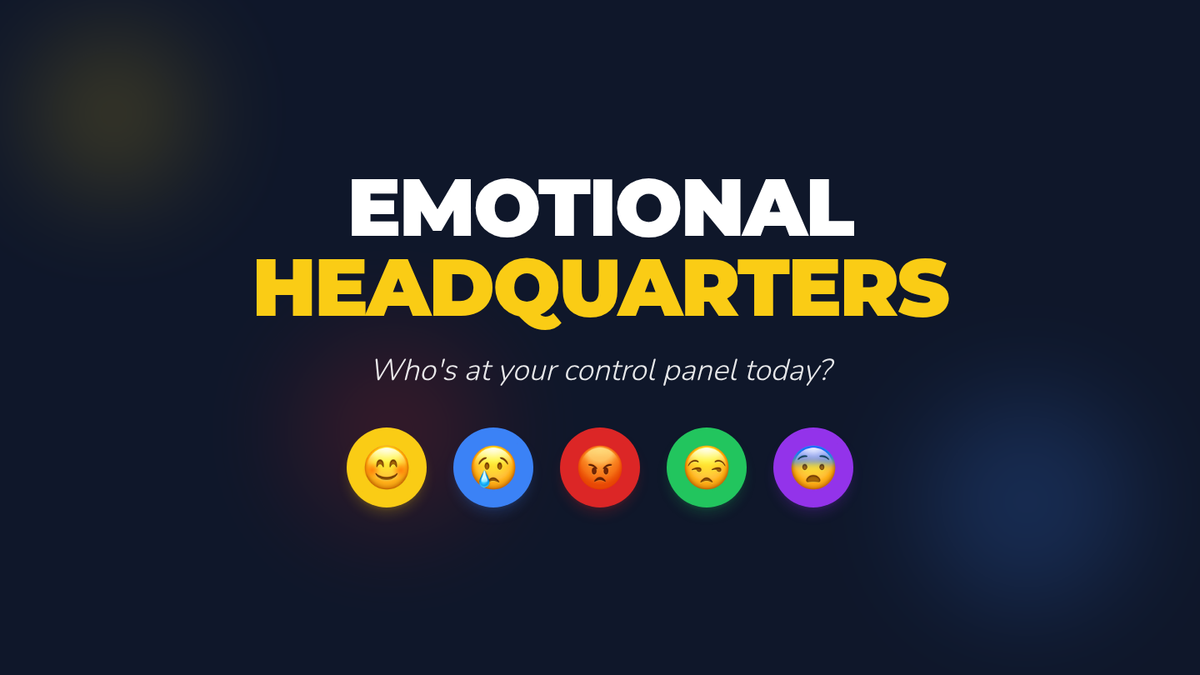
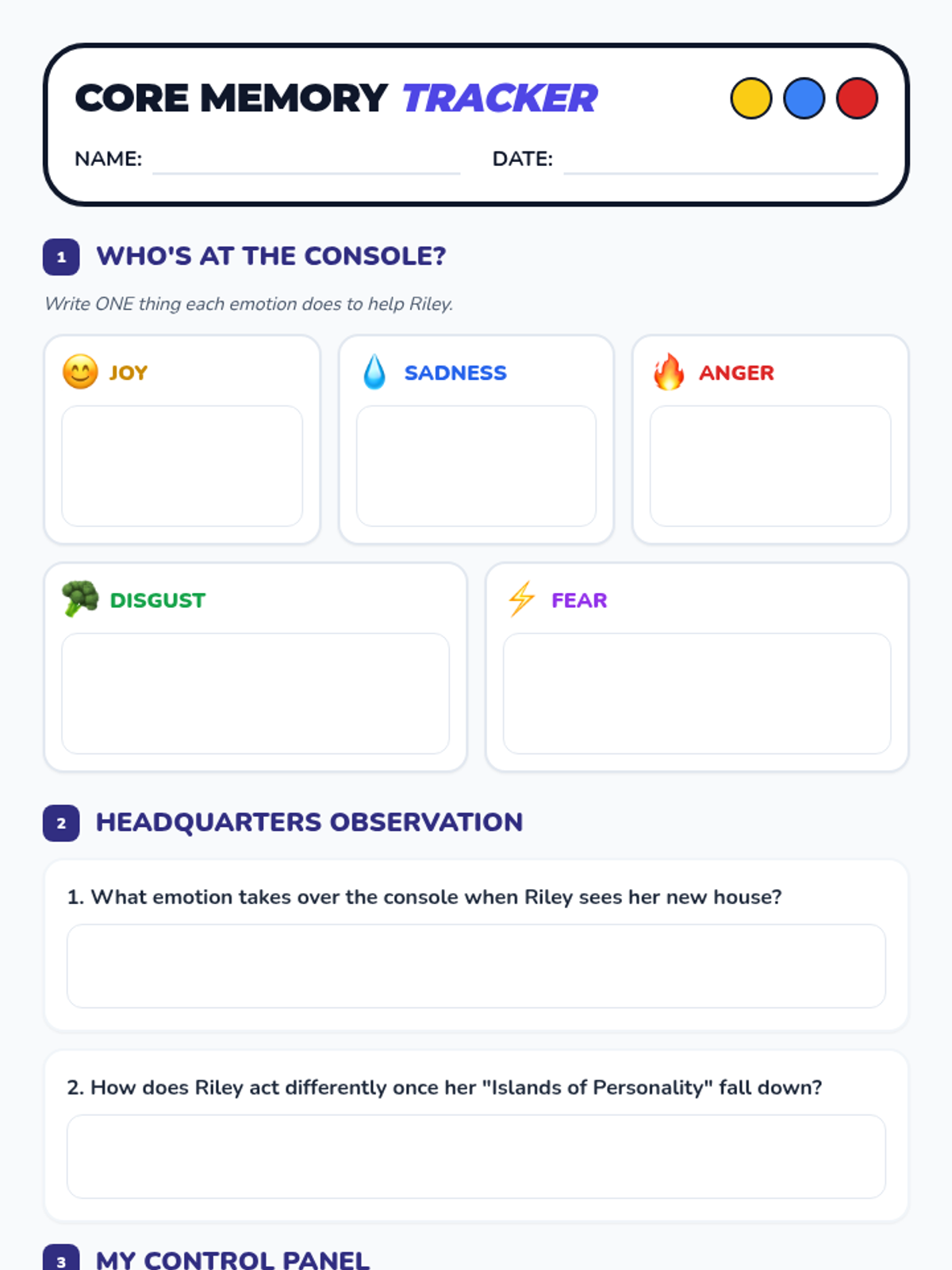
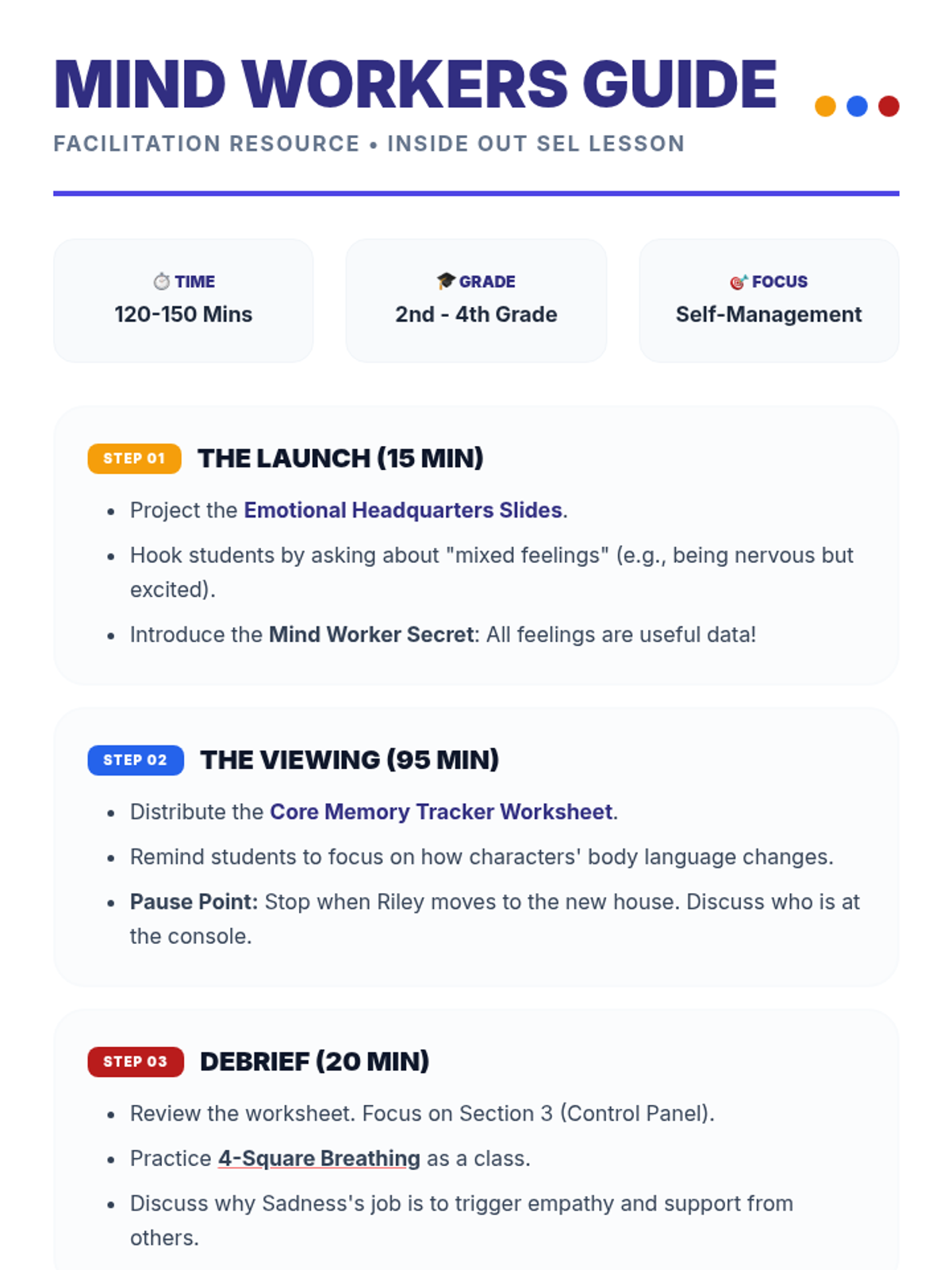
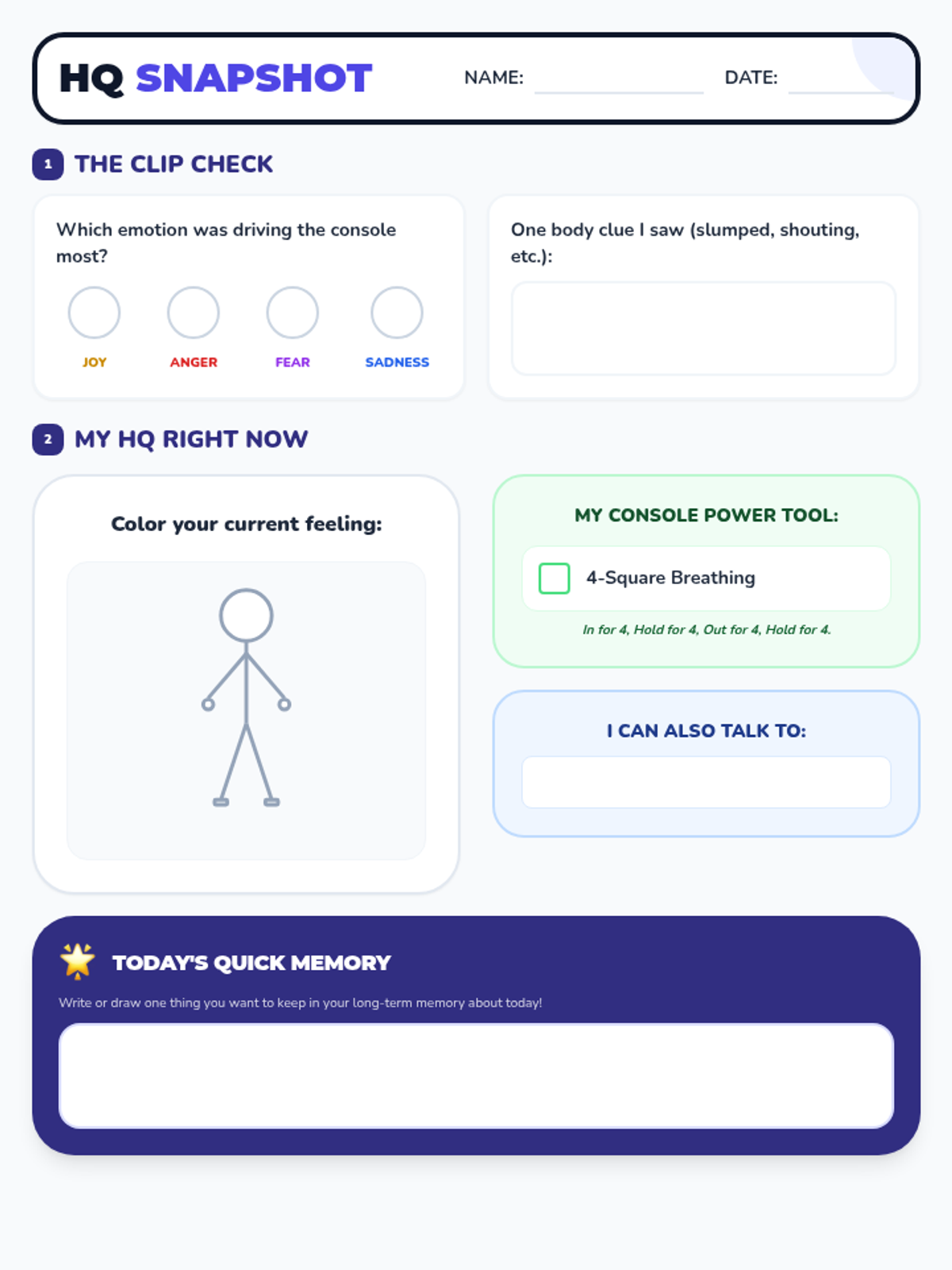
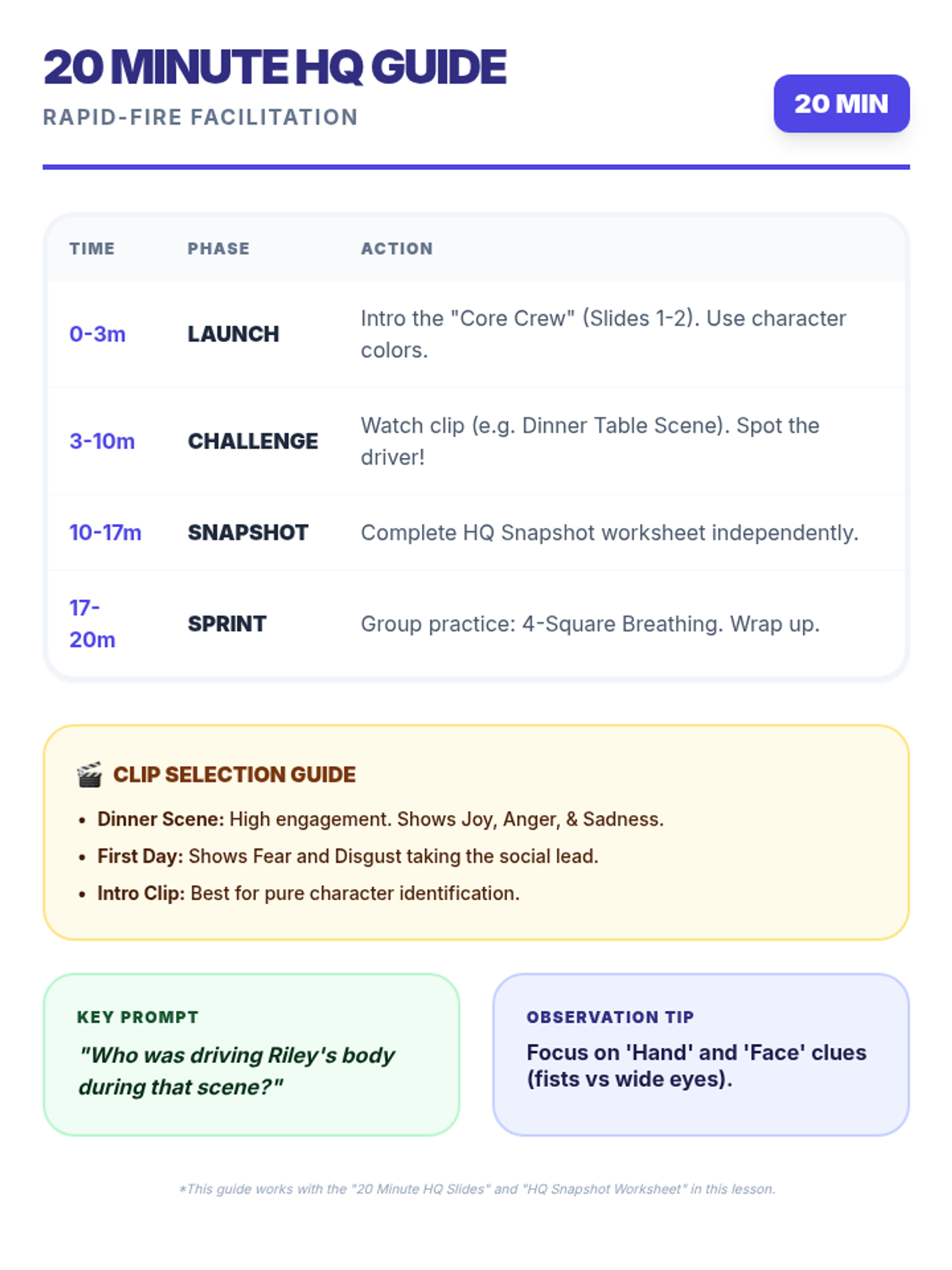
A rapid-fire 20-minute social-emotional learning session using Inside Out to help students identify their current 'Core Emotion' and learn one quick regulation tool. Perfect for short advisory periods or morning meetings.
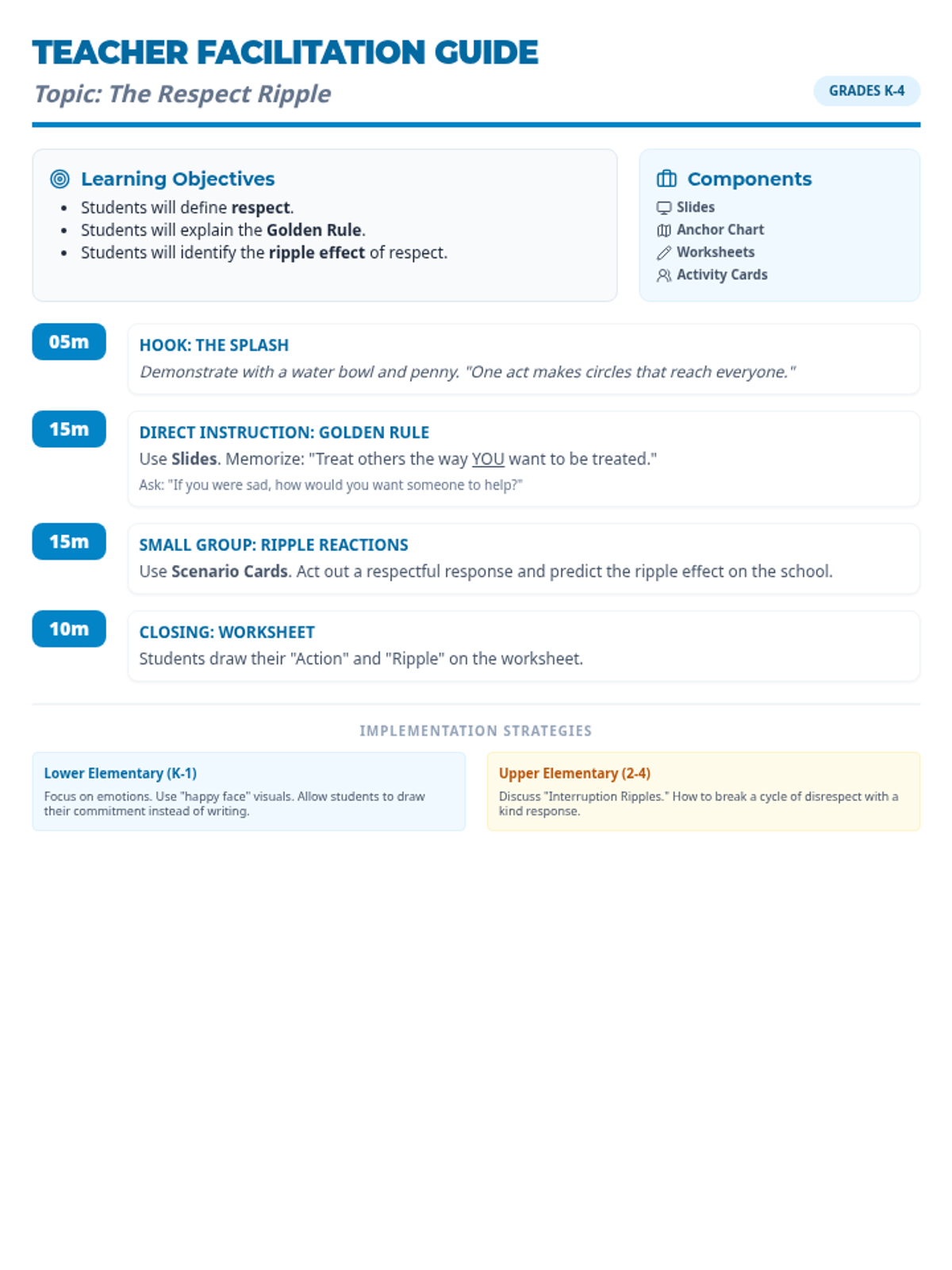
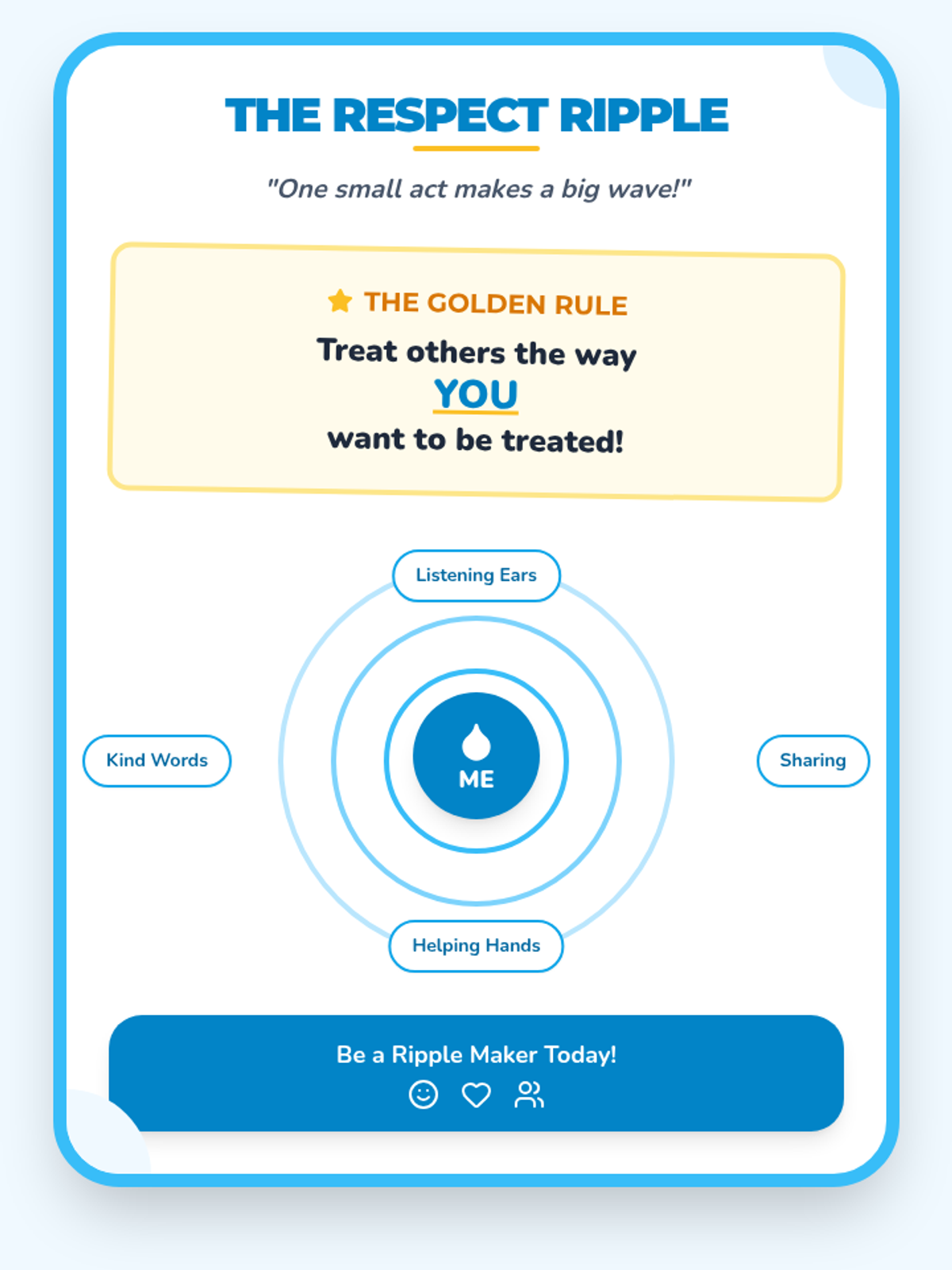
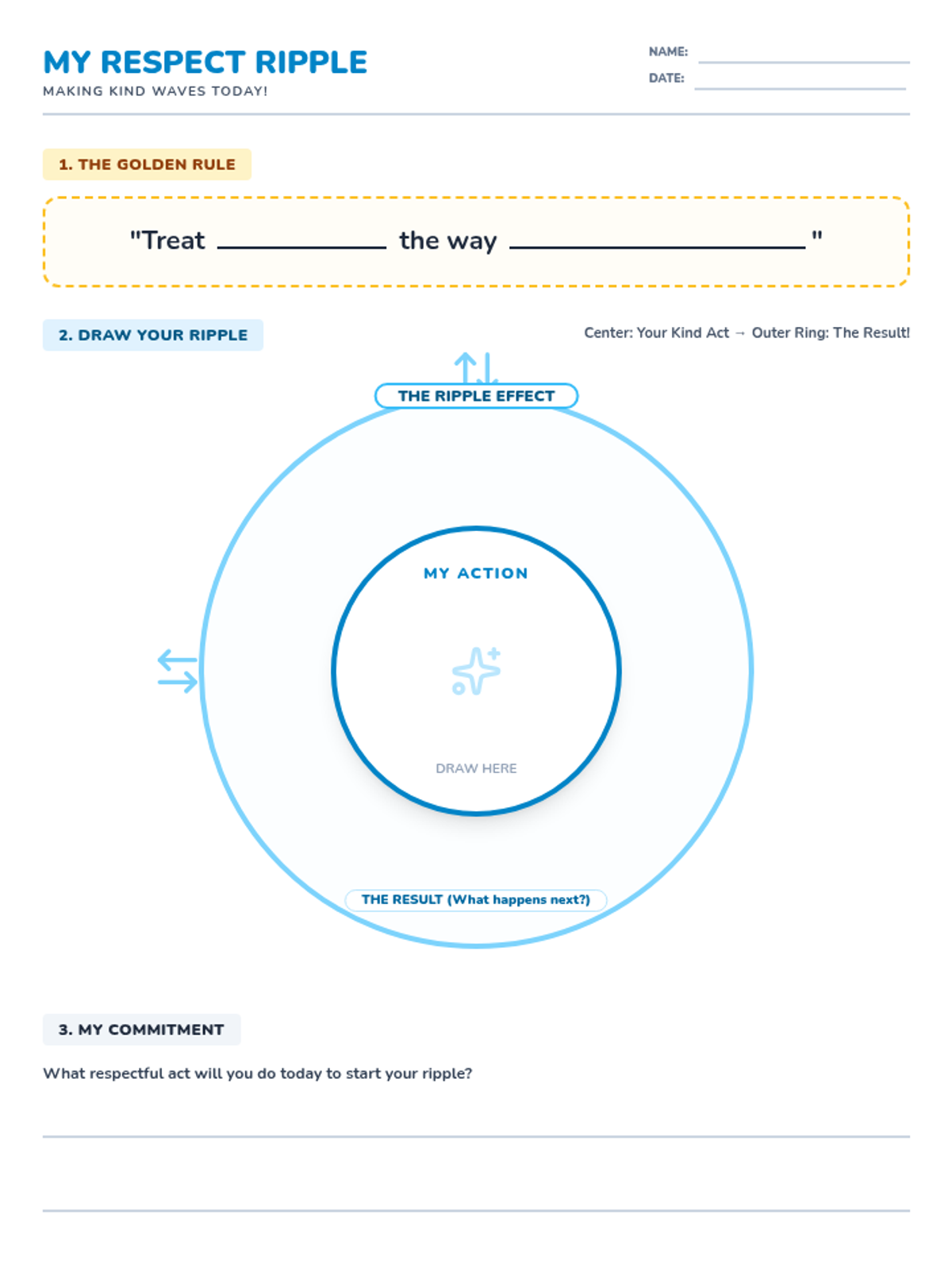
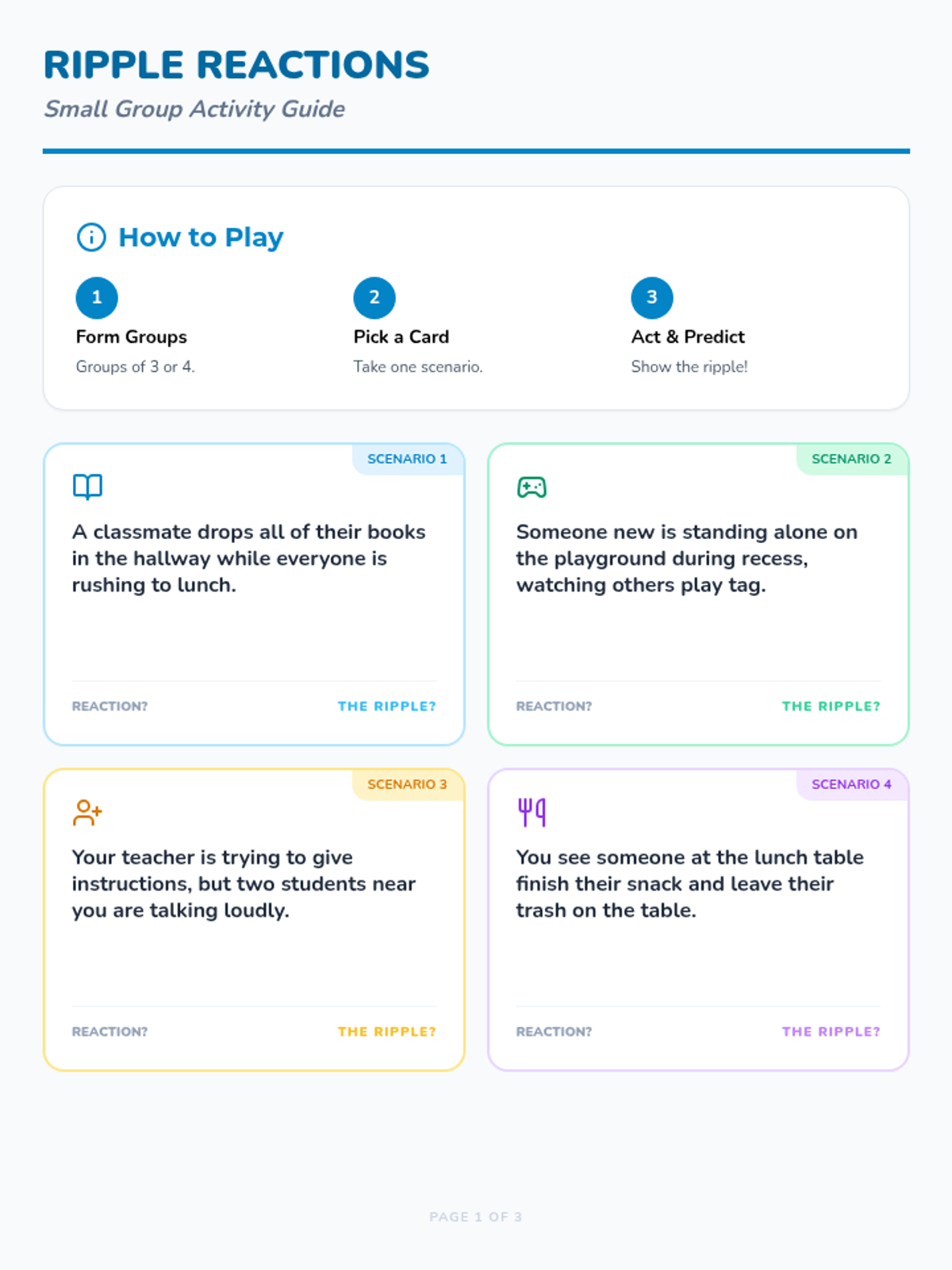
A comprehensive lesson on respect for K-4 students, focusing on the Golden Rule and the 'ripple effect' of kind actions. Includes a visual slide deck, teacher's guide, student worksheet, anchor chart, and small group activity cards.
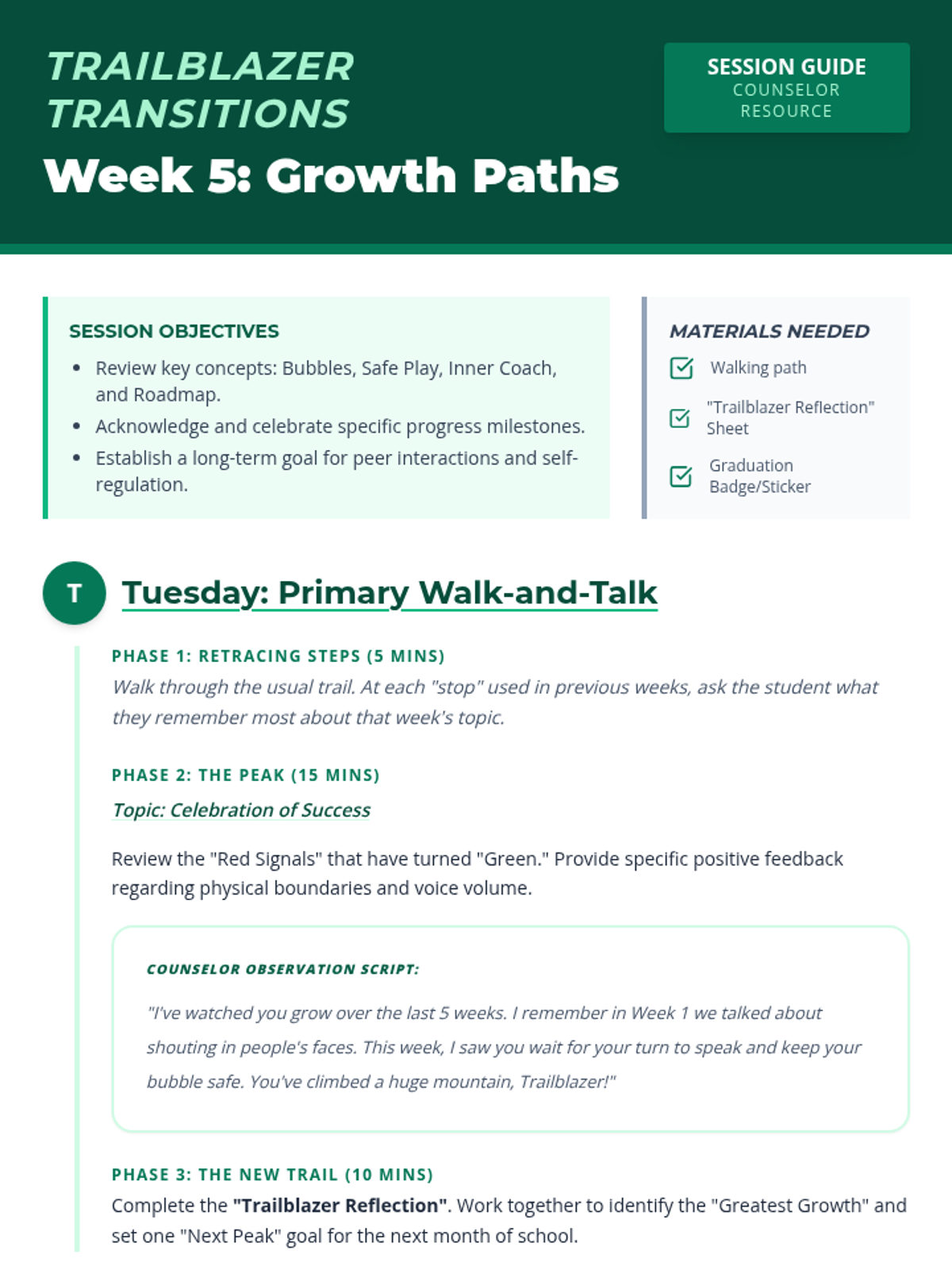
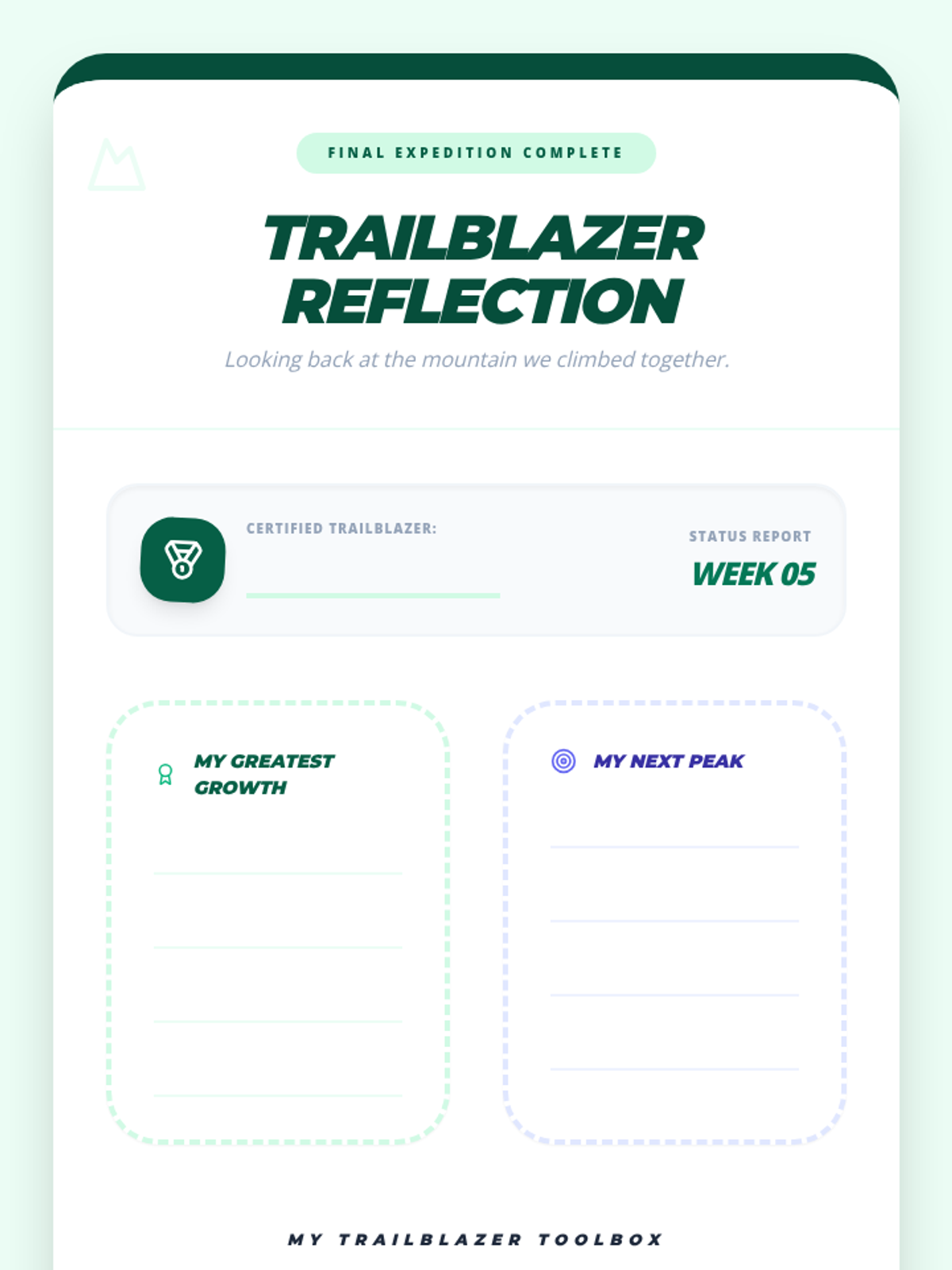
Consolidates learning from the previous weeks and sets goals for continued social-emotional success.
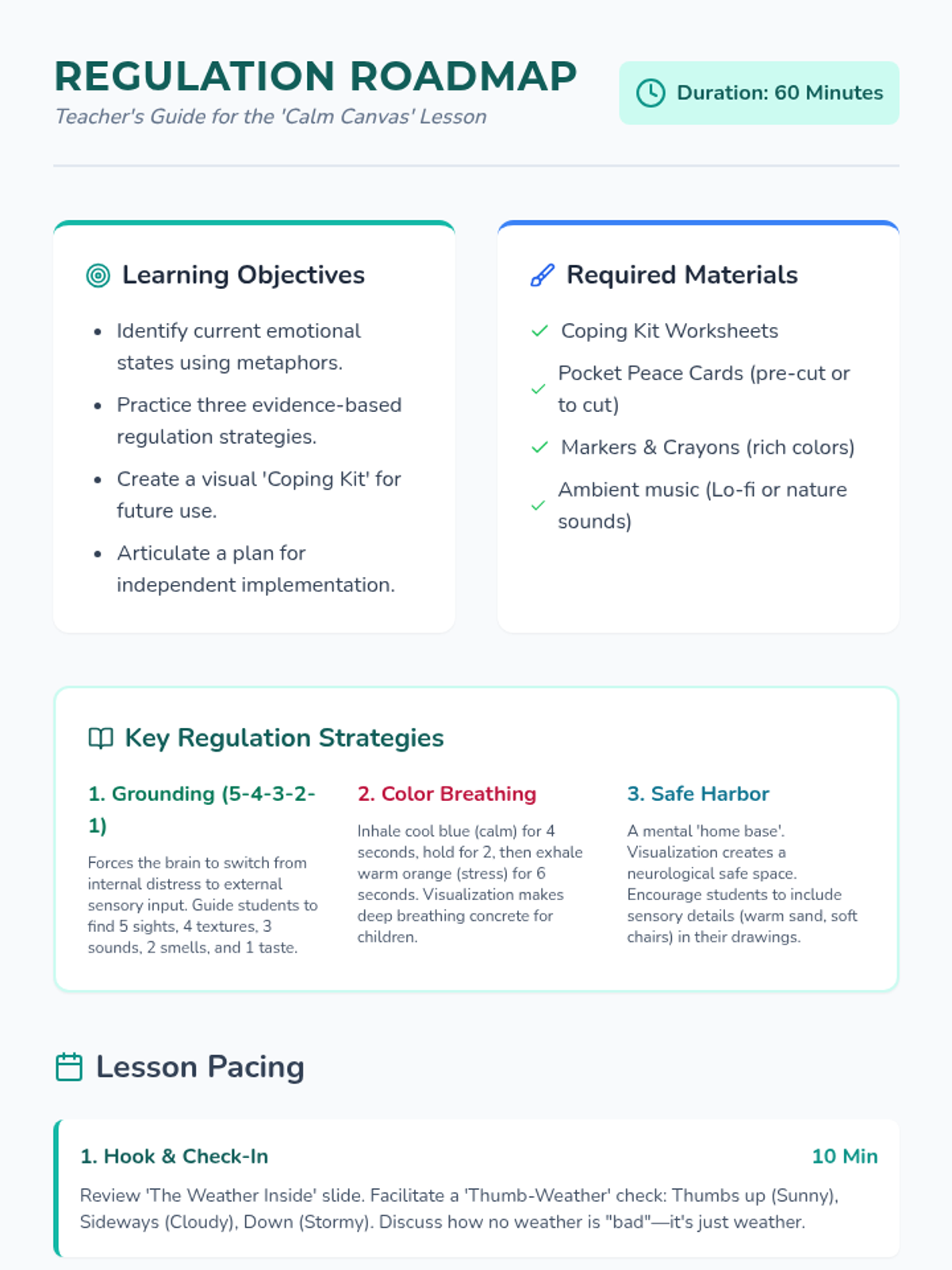
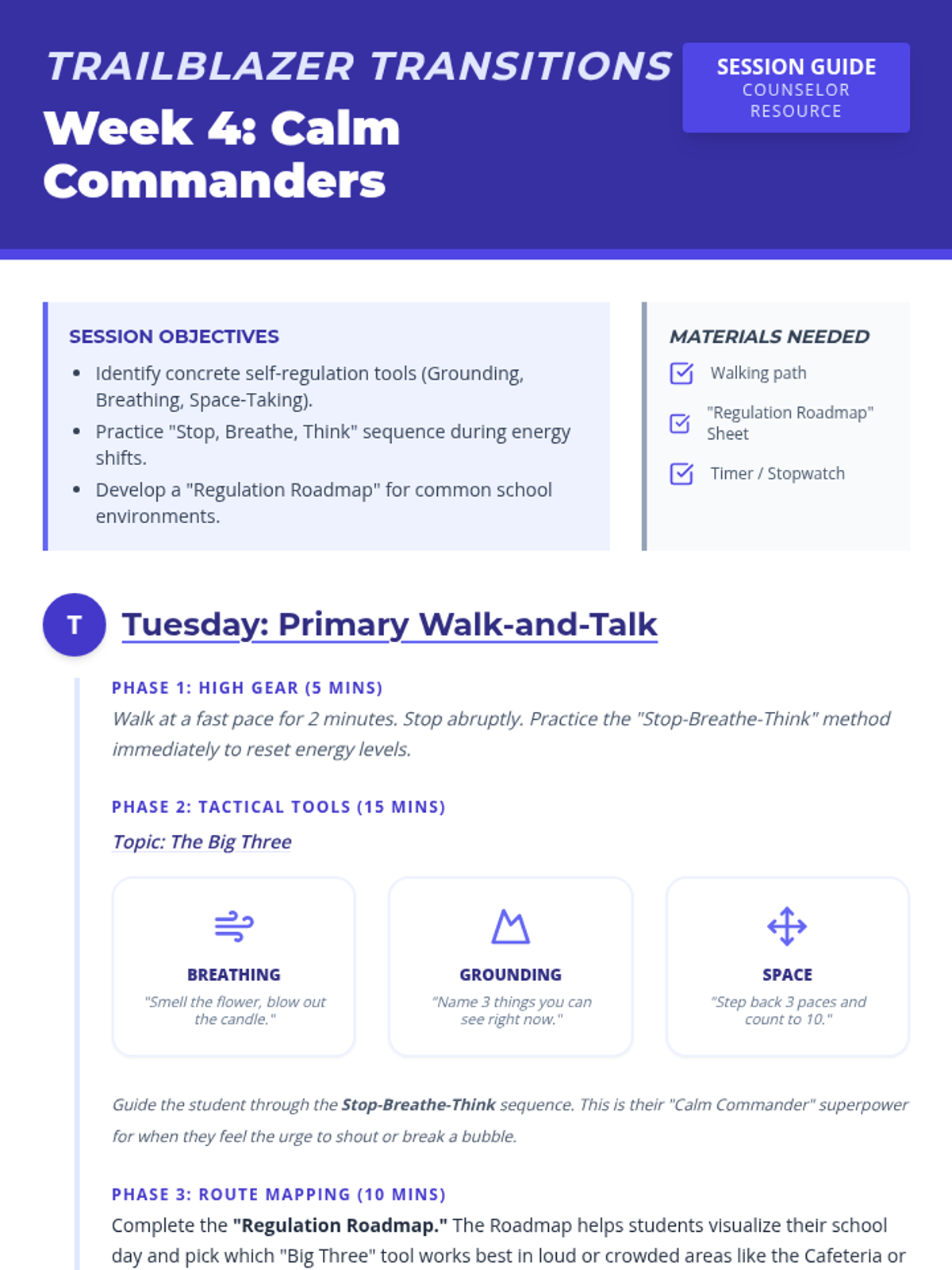
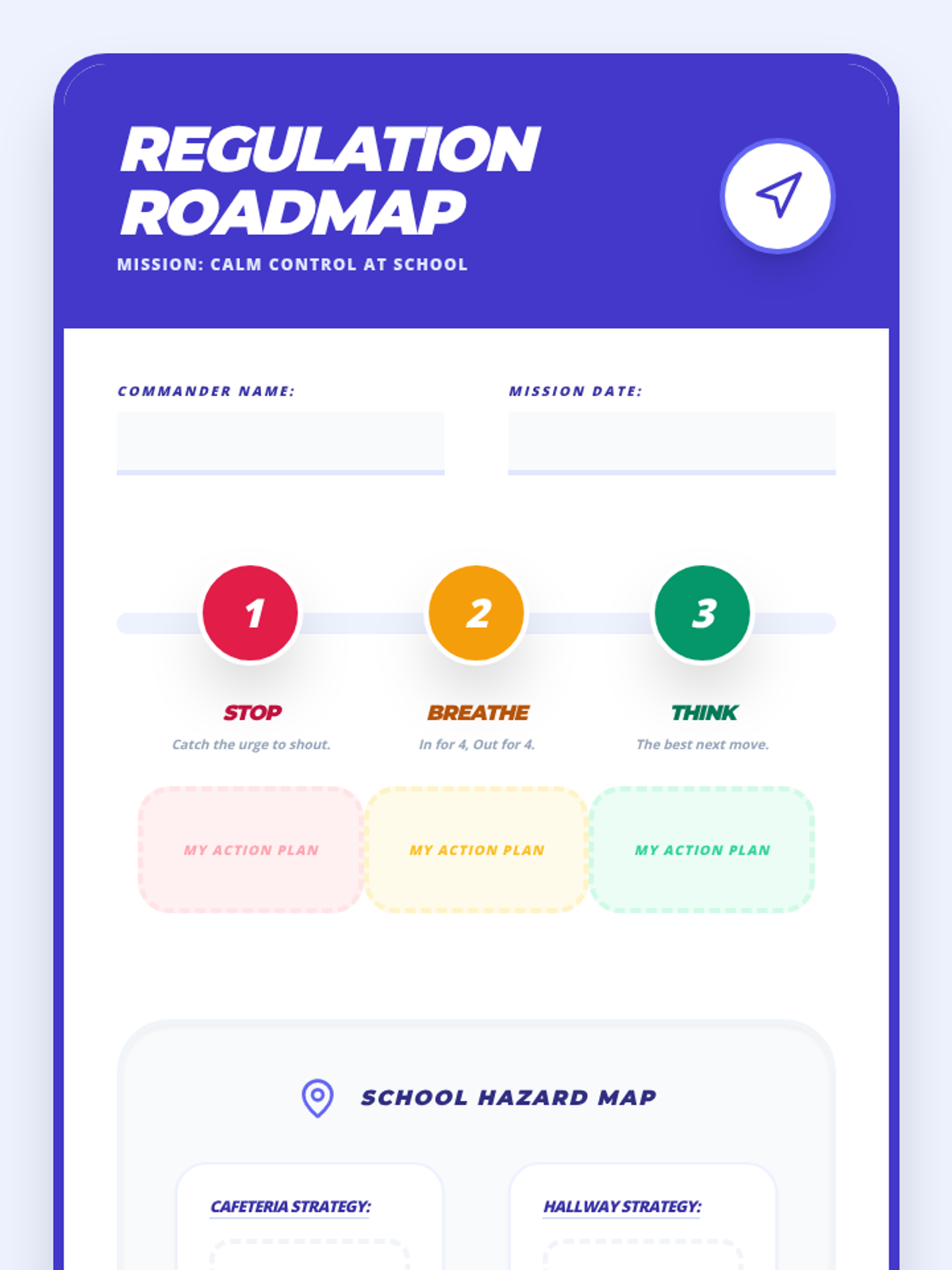
Teaches concrete self-regulation strategies and provides tools for emotional regulation.
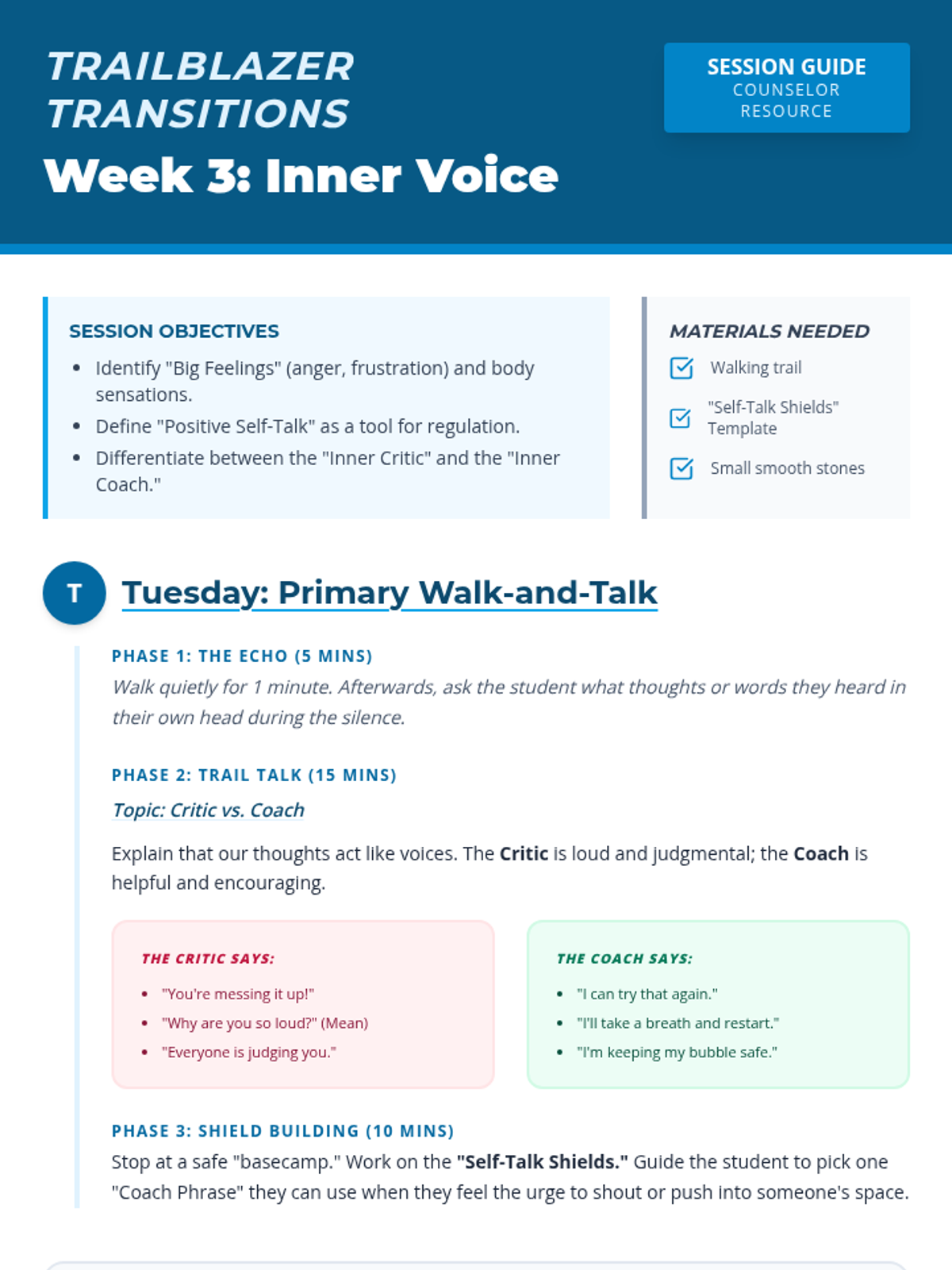
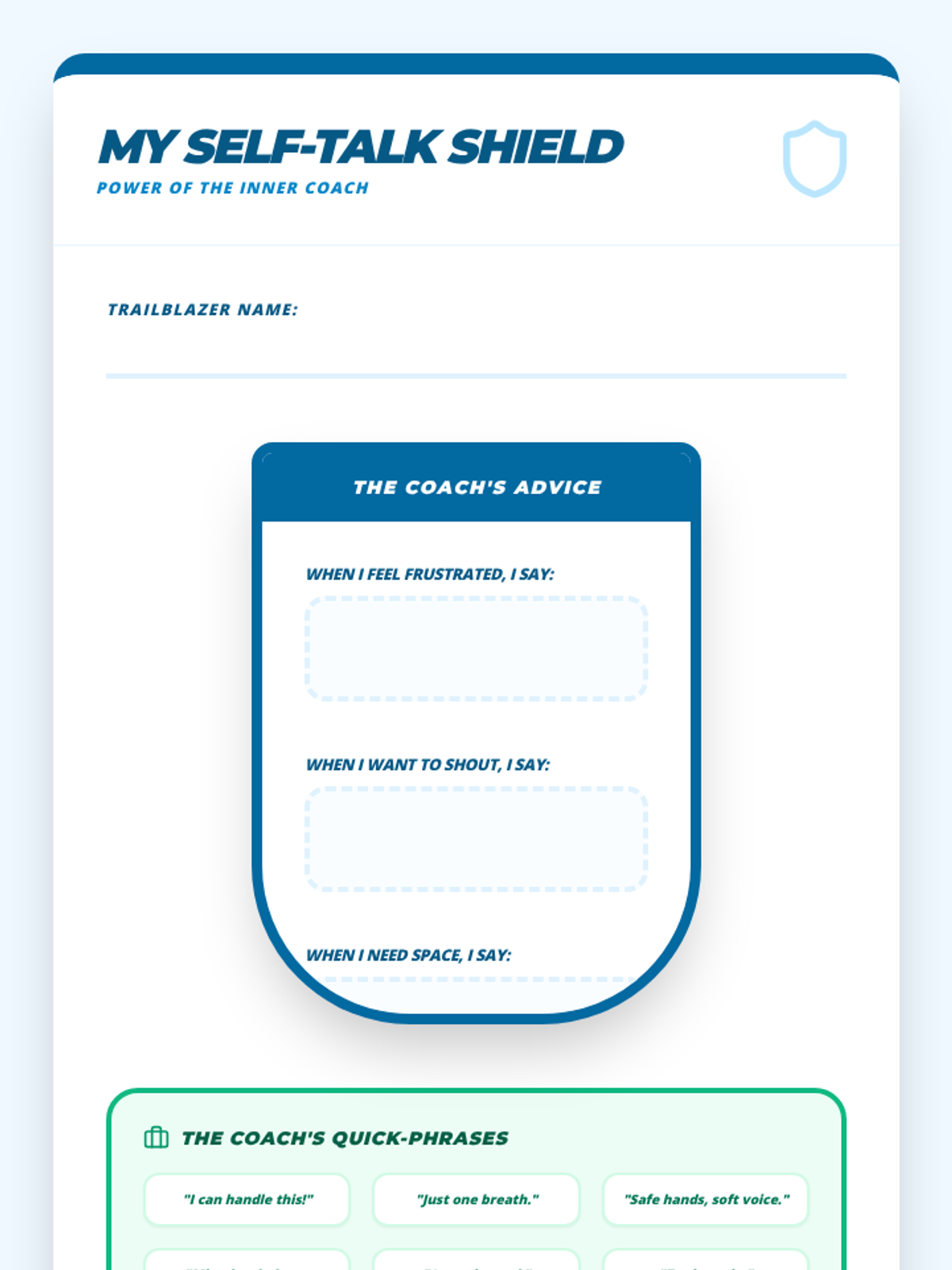
Explores emotional awareness and the power of positive self-talk to manage frustration.
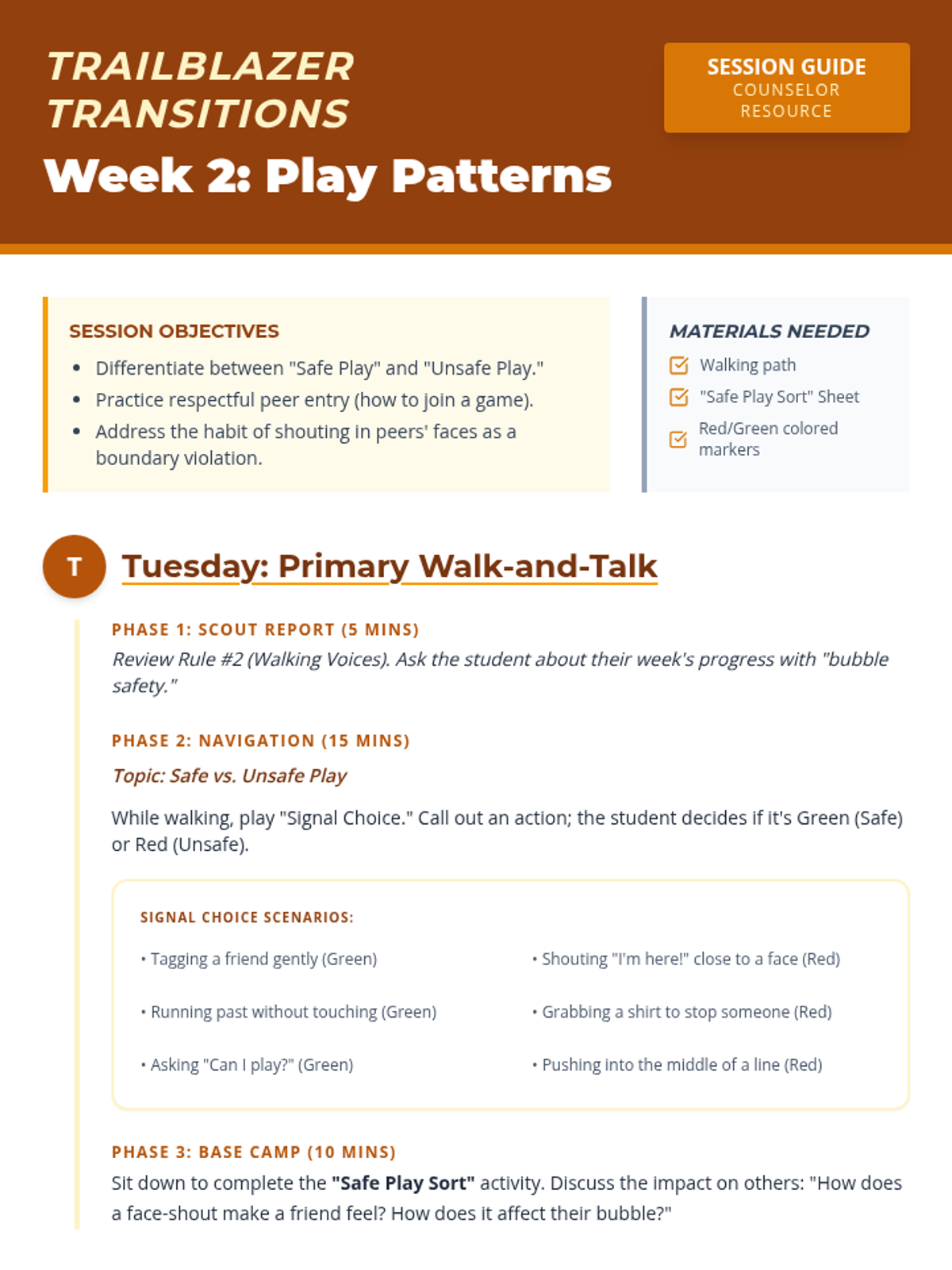
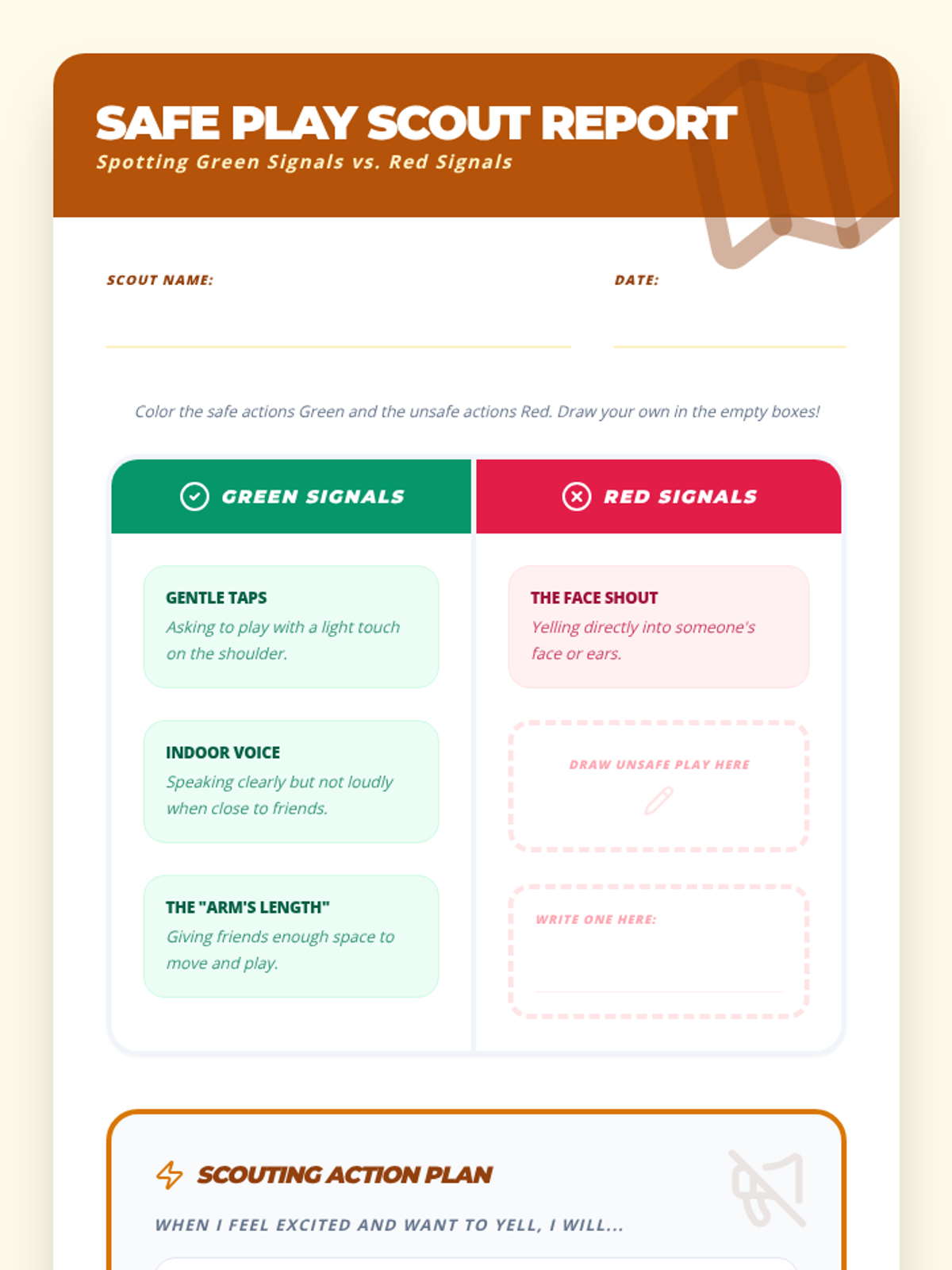
Focuses on distinguishing between safe and unsafe play, specifically addressing peer interactions like shouting and physical contact.
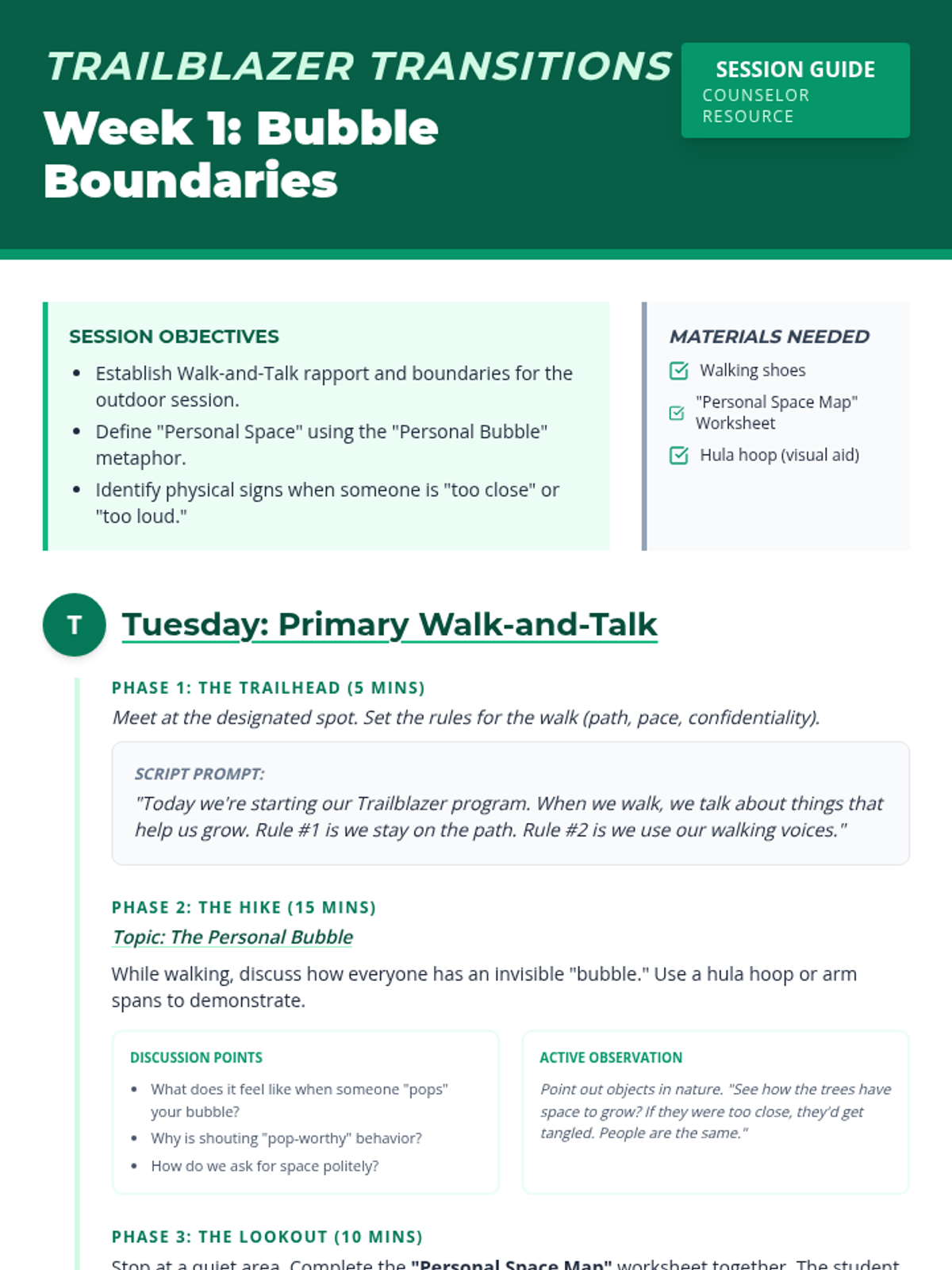
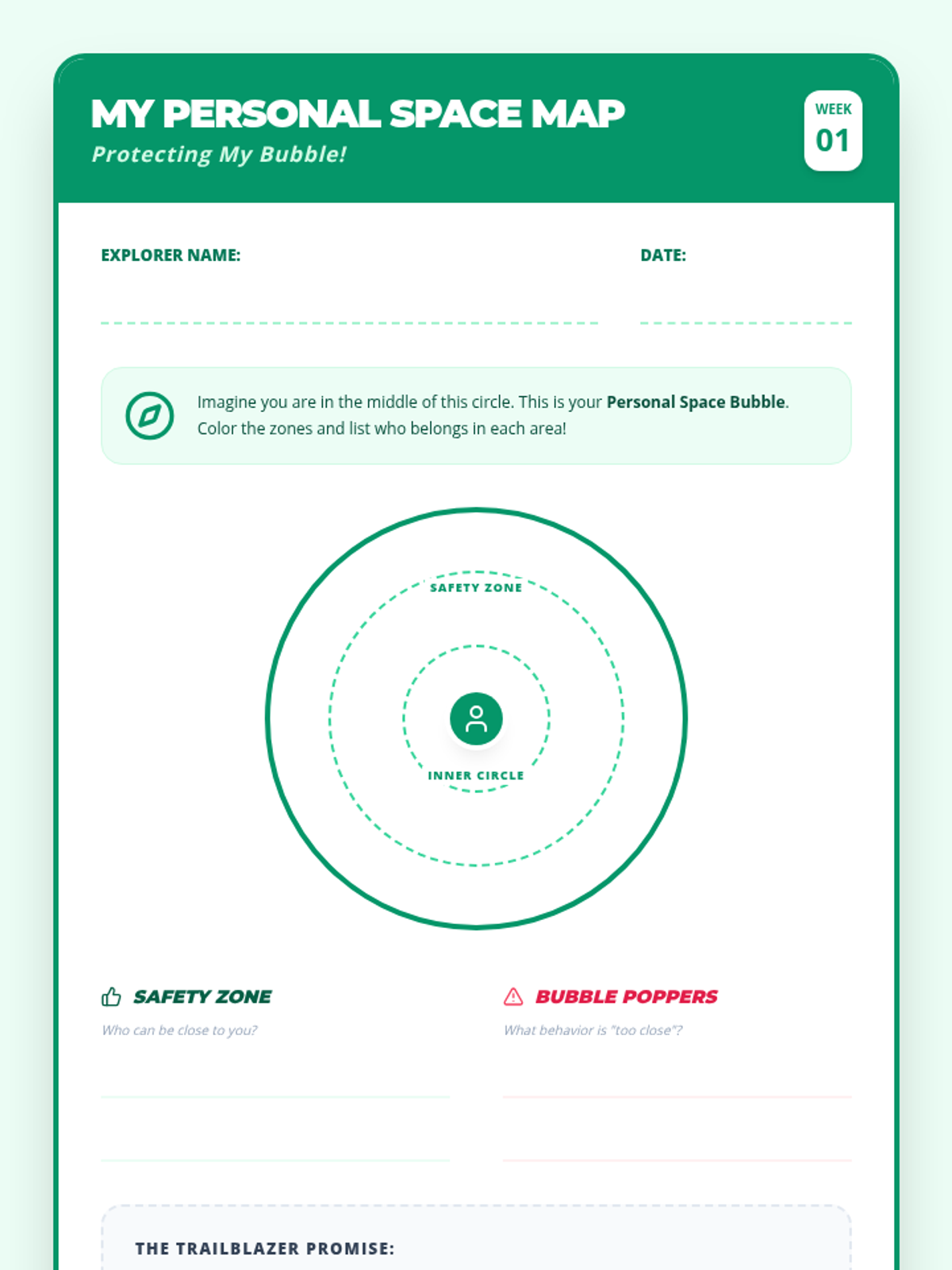
Introduces the concept of personal space and 'bubbles' while establishing the walk-and-talk routine.
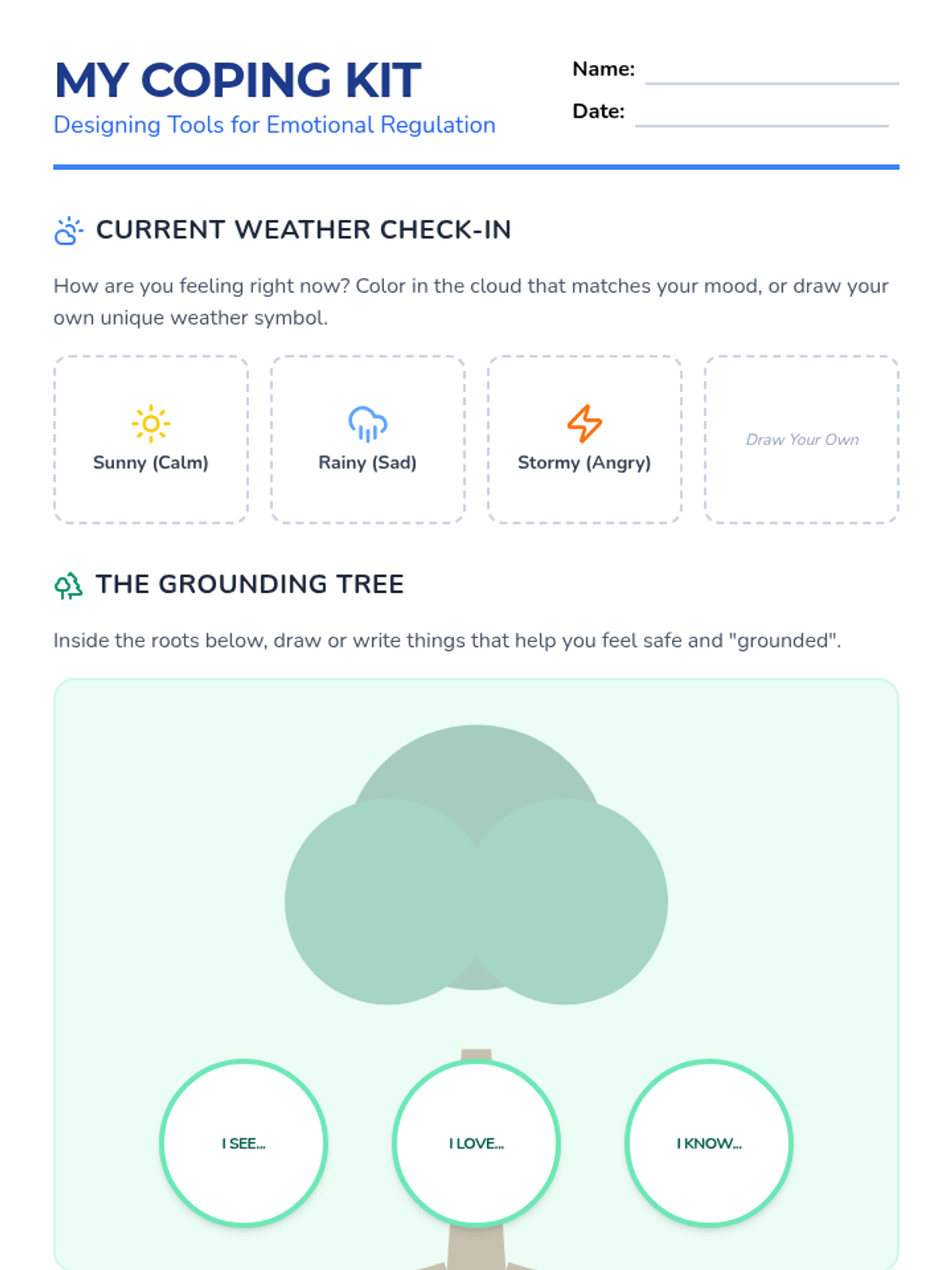
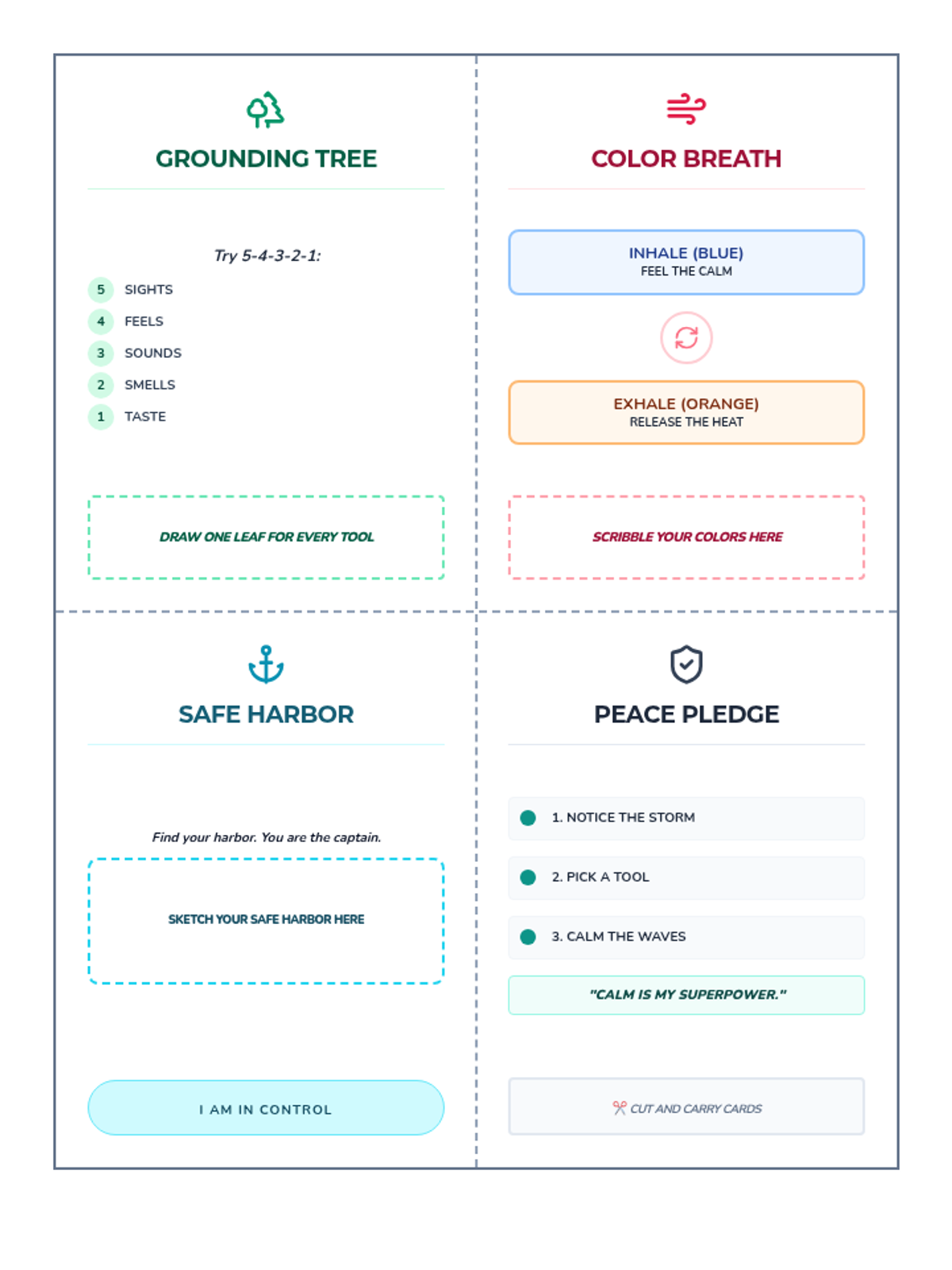
A creative art-based lesson where students learn to identify their emotional states and build a personalized 'coping kit' of regulation strategies using markers and crayons.
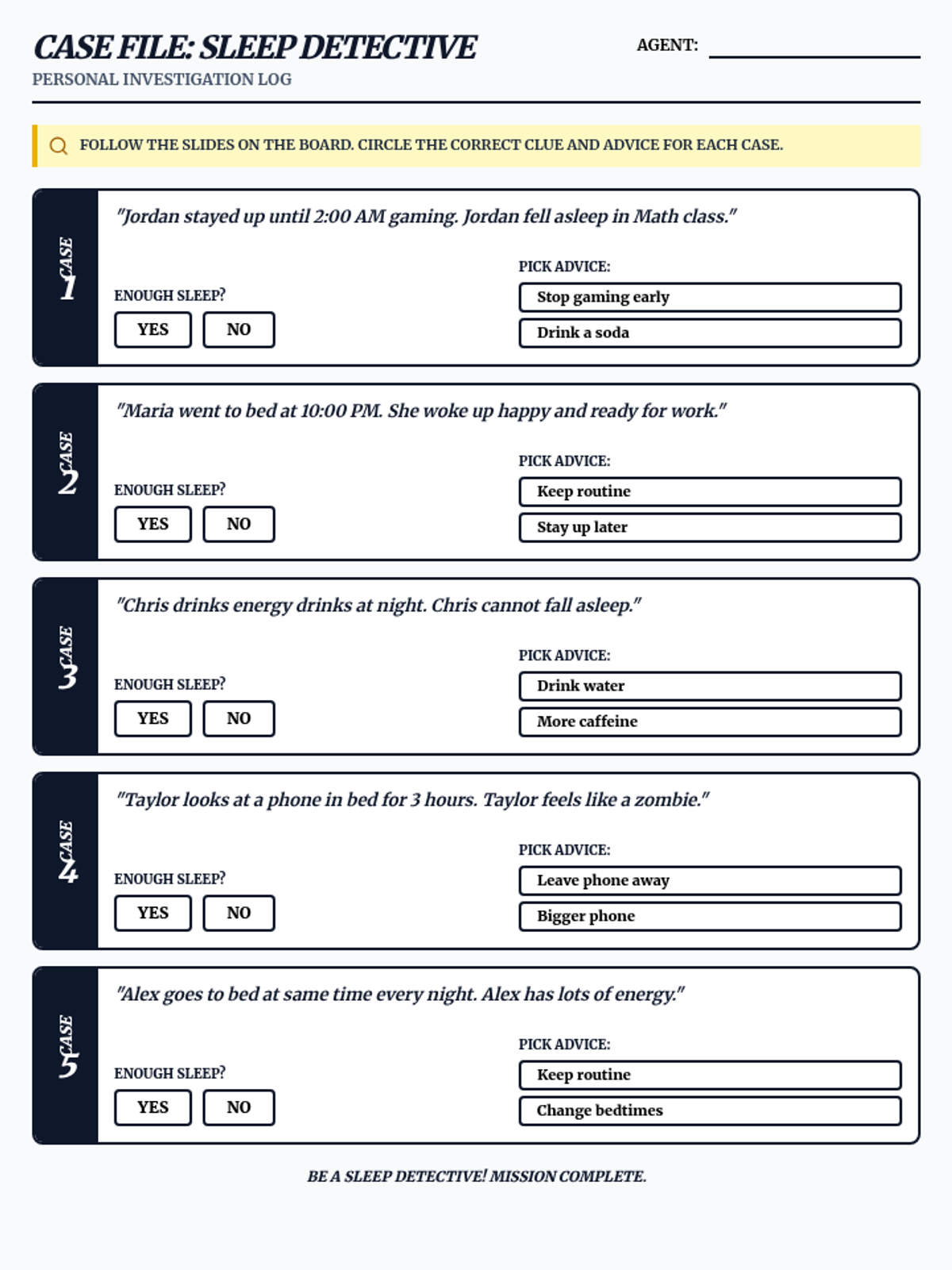
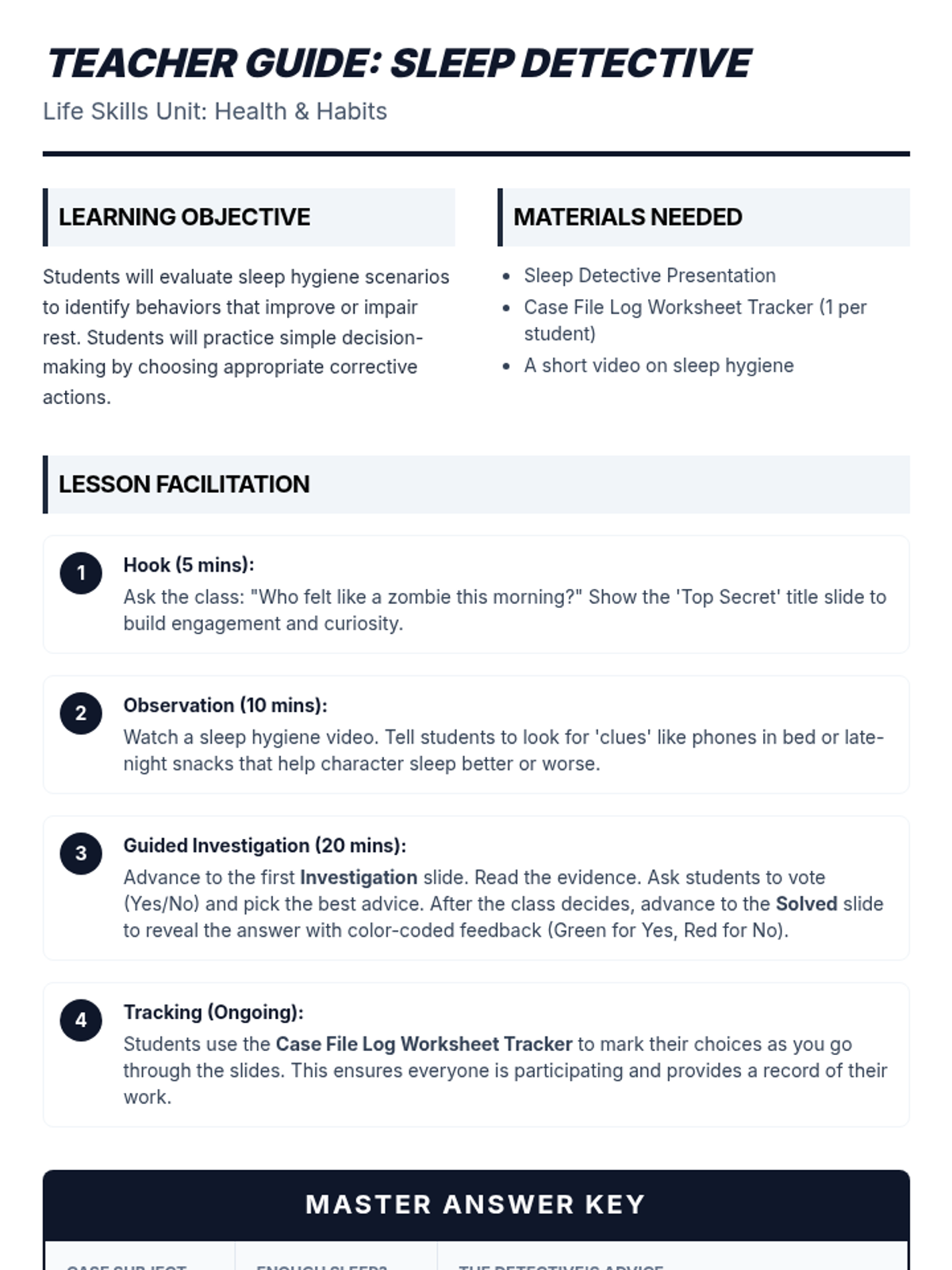
A life skills lesson where students become 'Sleep Detectives' to analyze habits and identify healthy sleep patterns using visual scenarios and simple decision-making.

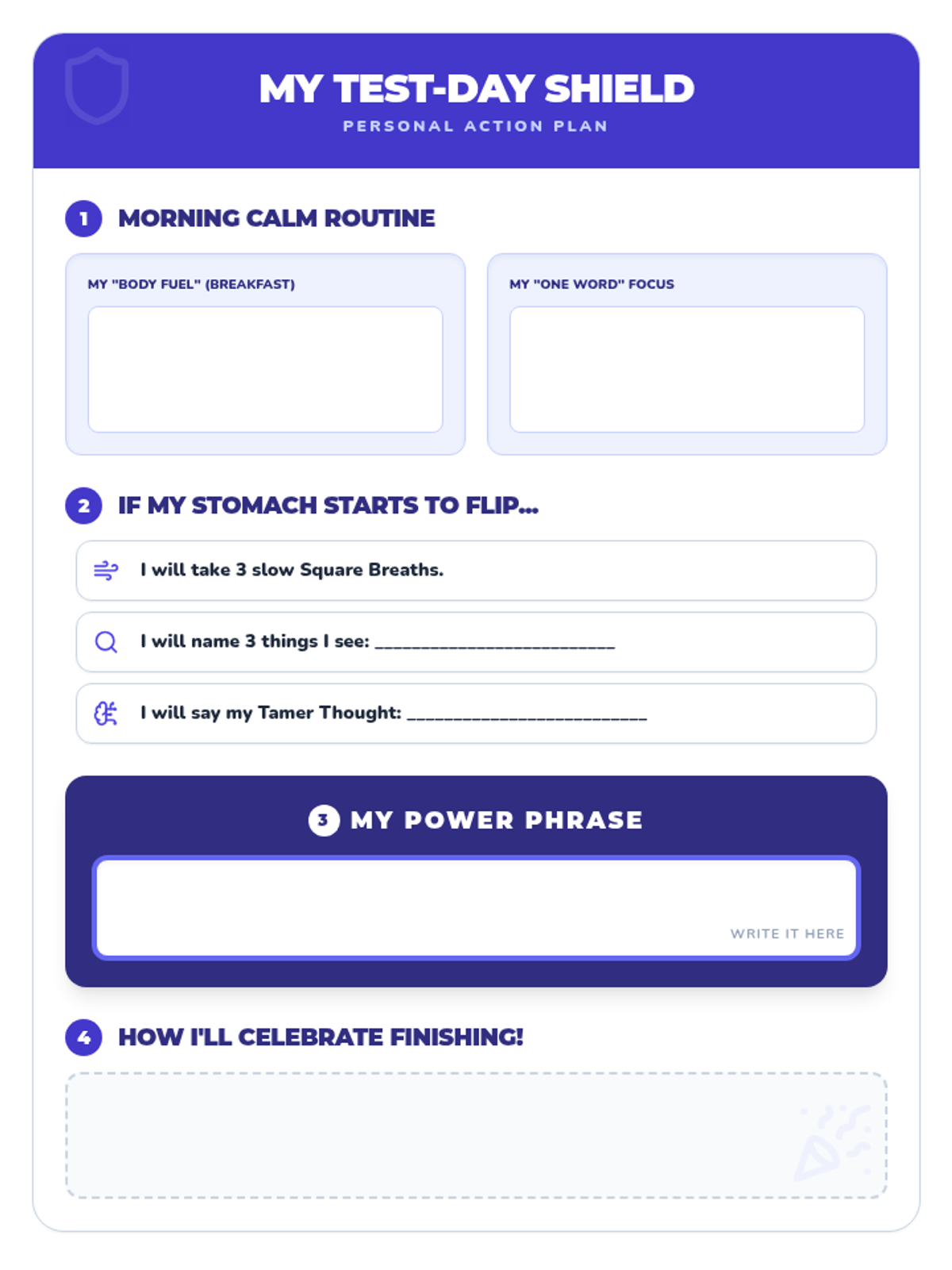
Integrates physical and cognitive strategies into a concrete, visual game plan for upcoming tests.
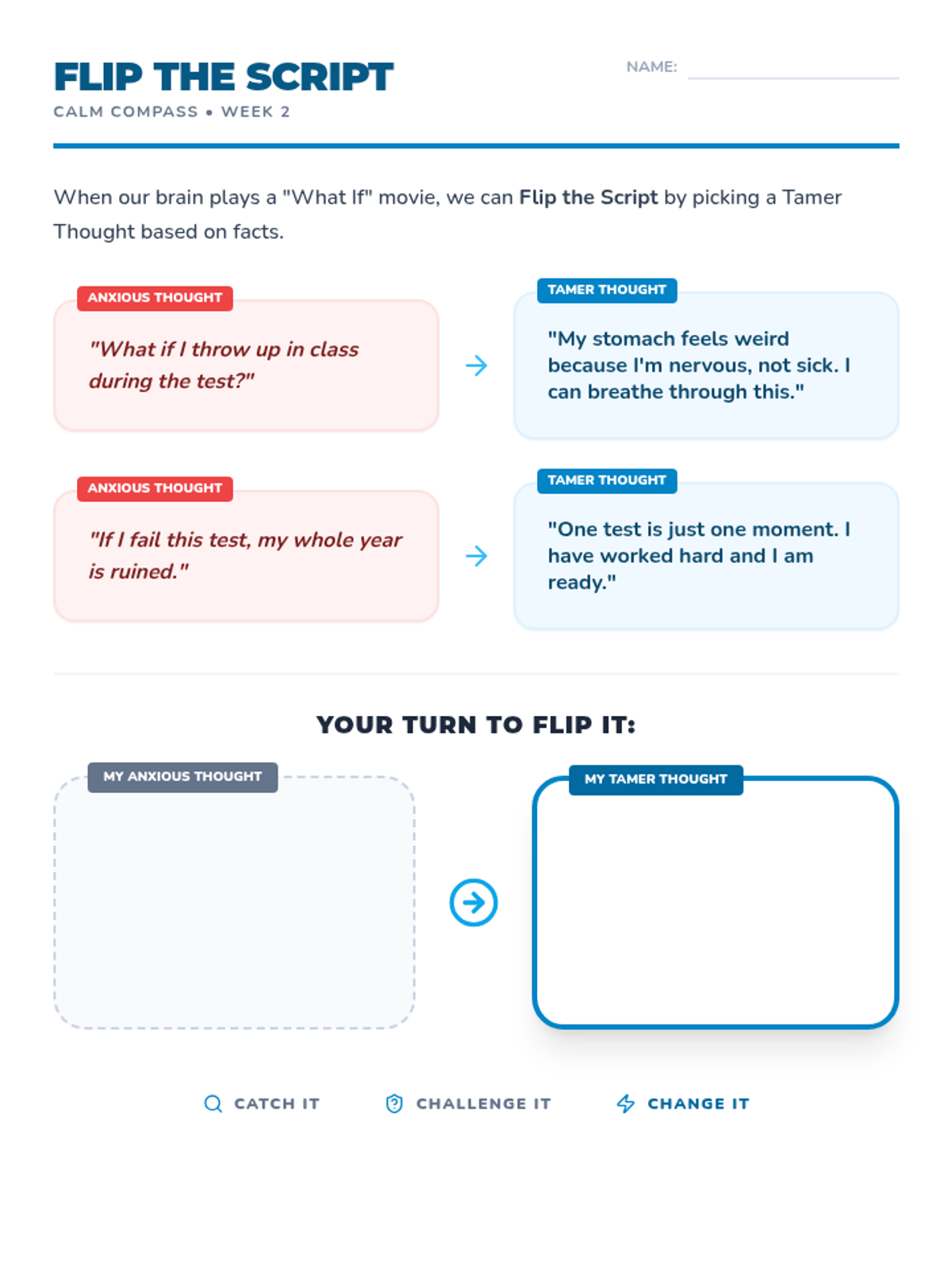
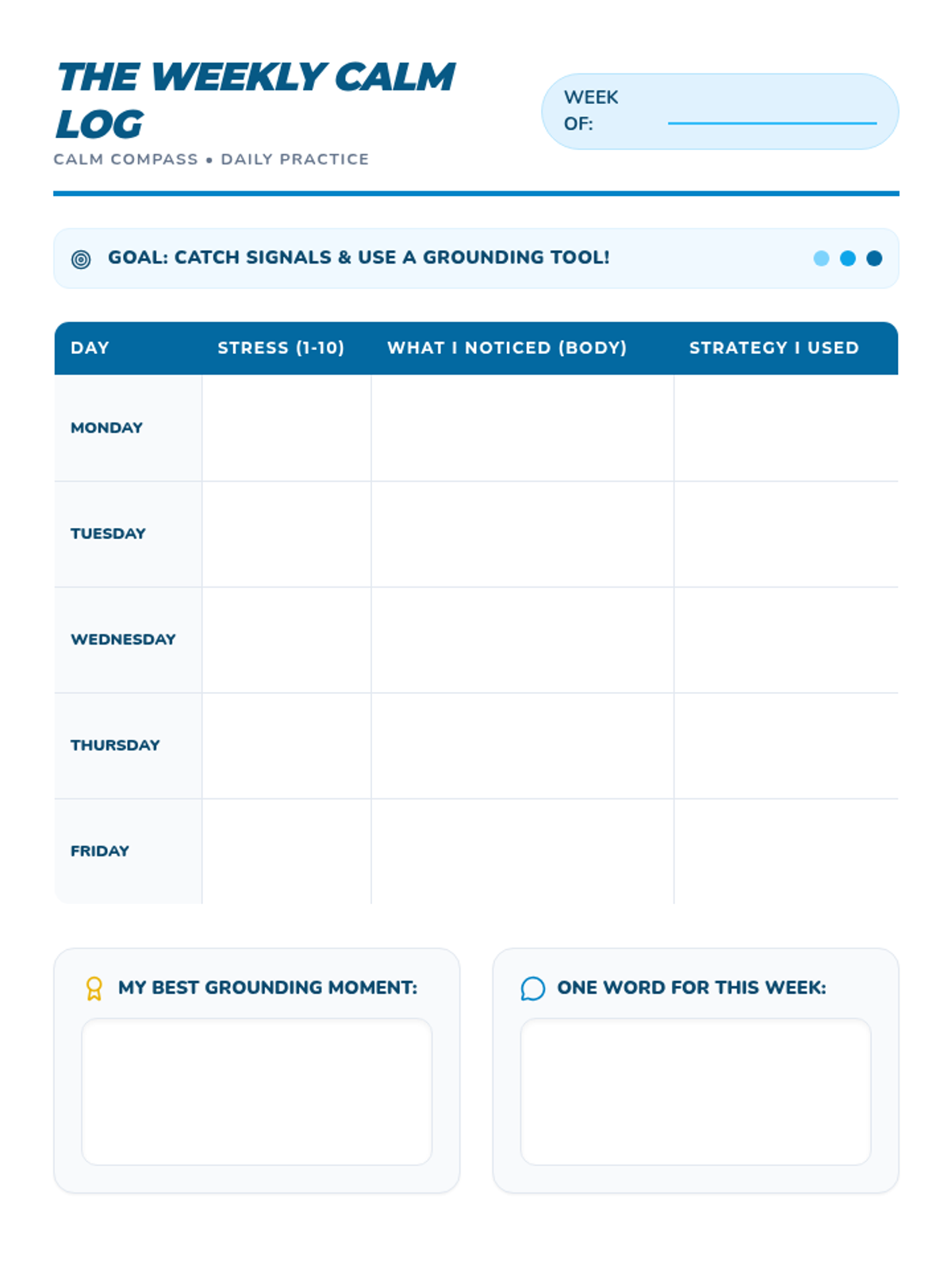
Explores the thoughts behind the physical feelings, teaching the student how to catch and reframe anxious 'what if' thinking.
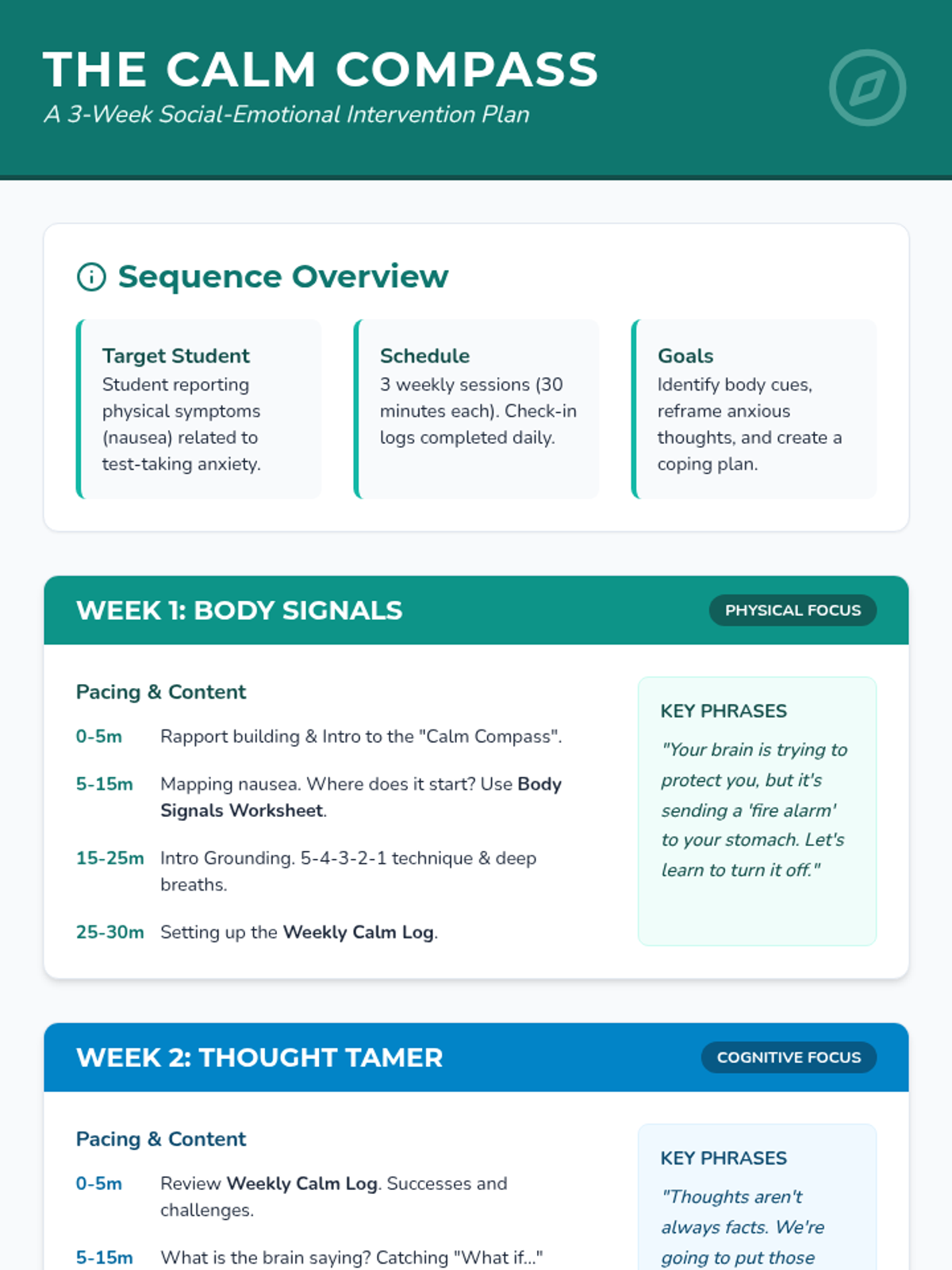
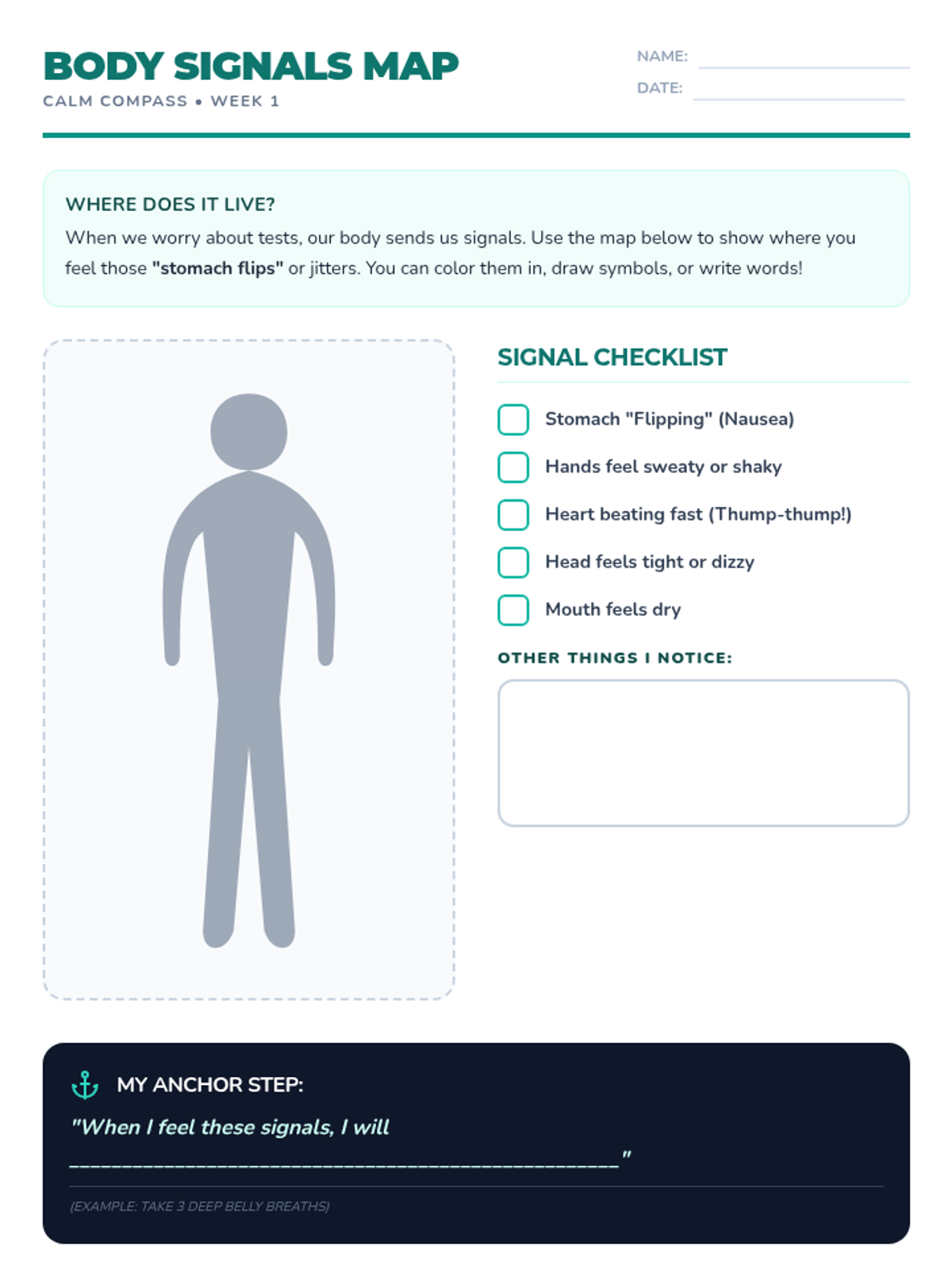
Focuses on identifying the physical manifestations of anxiety, particularly the 'stomach flip' sensation, and introduces grounding techniques.
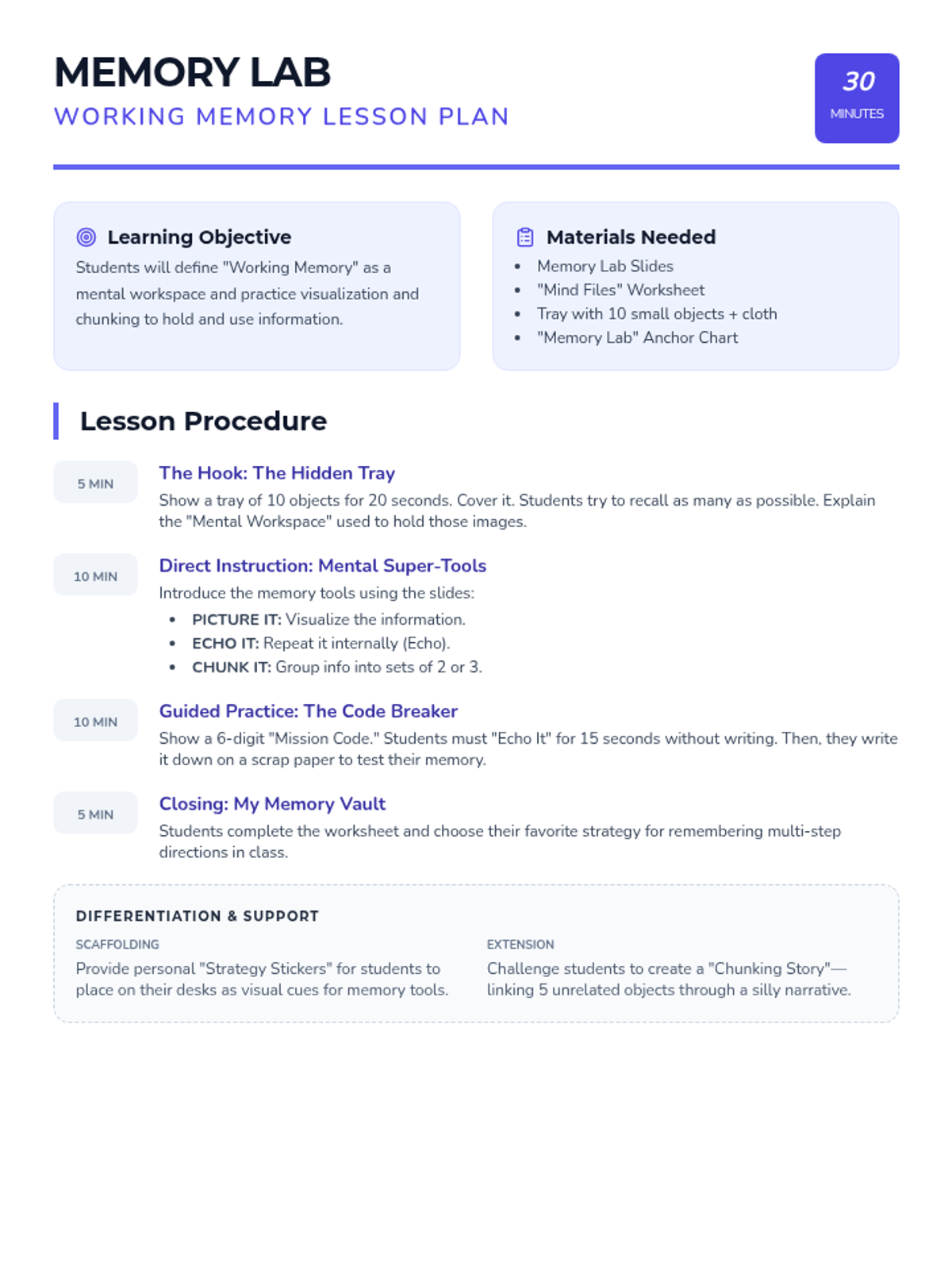
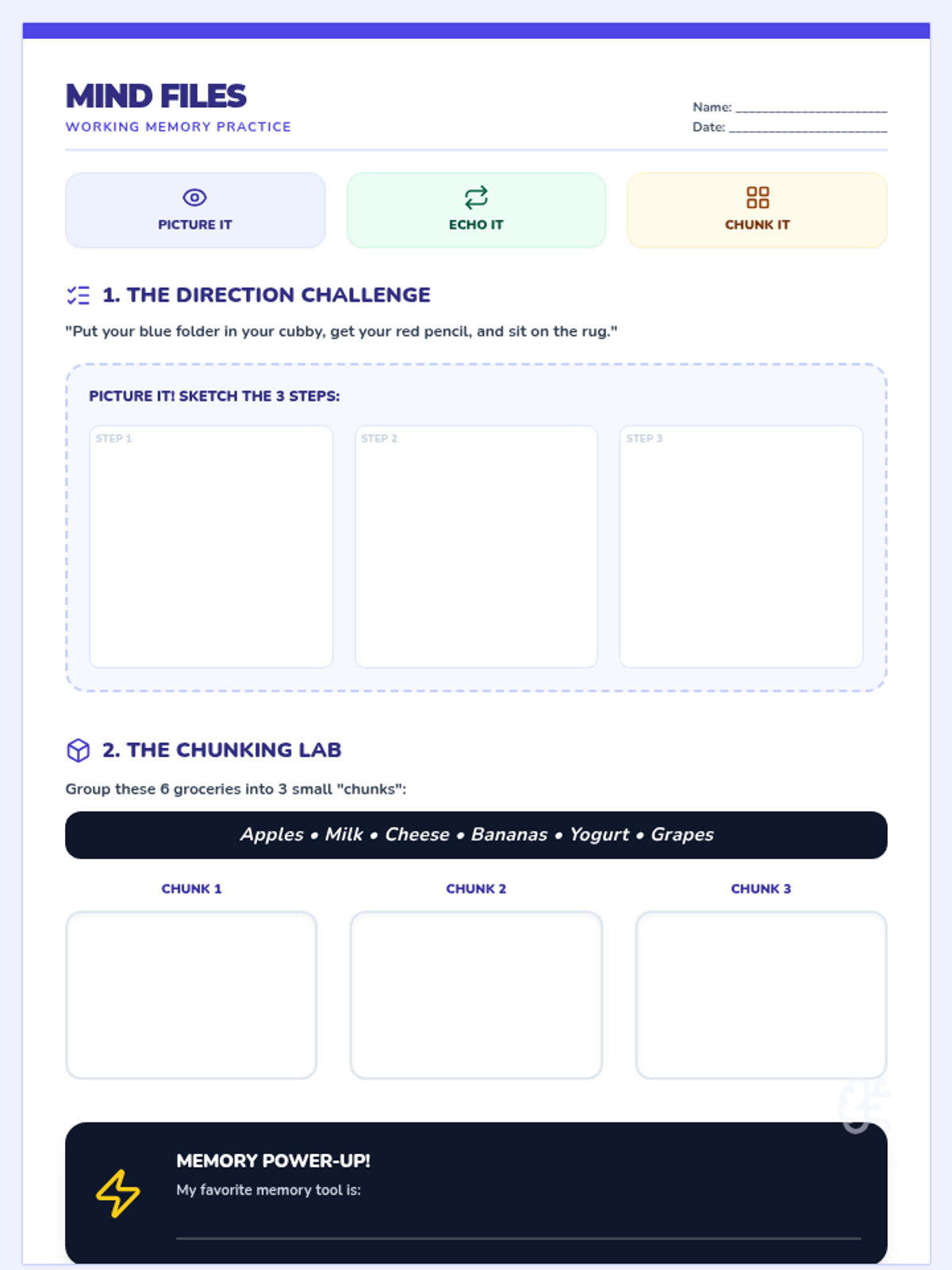
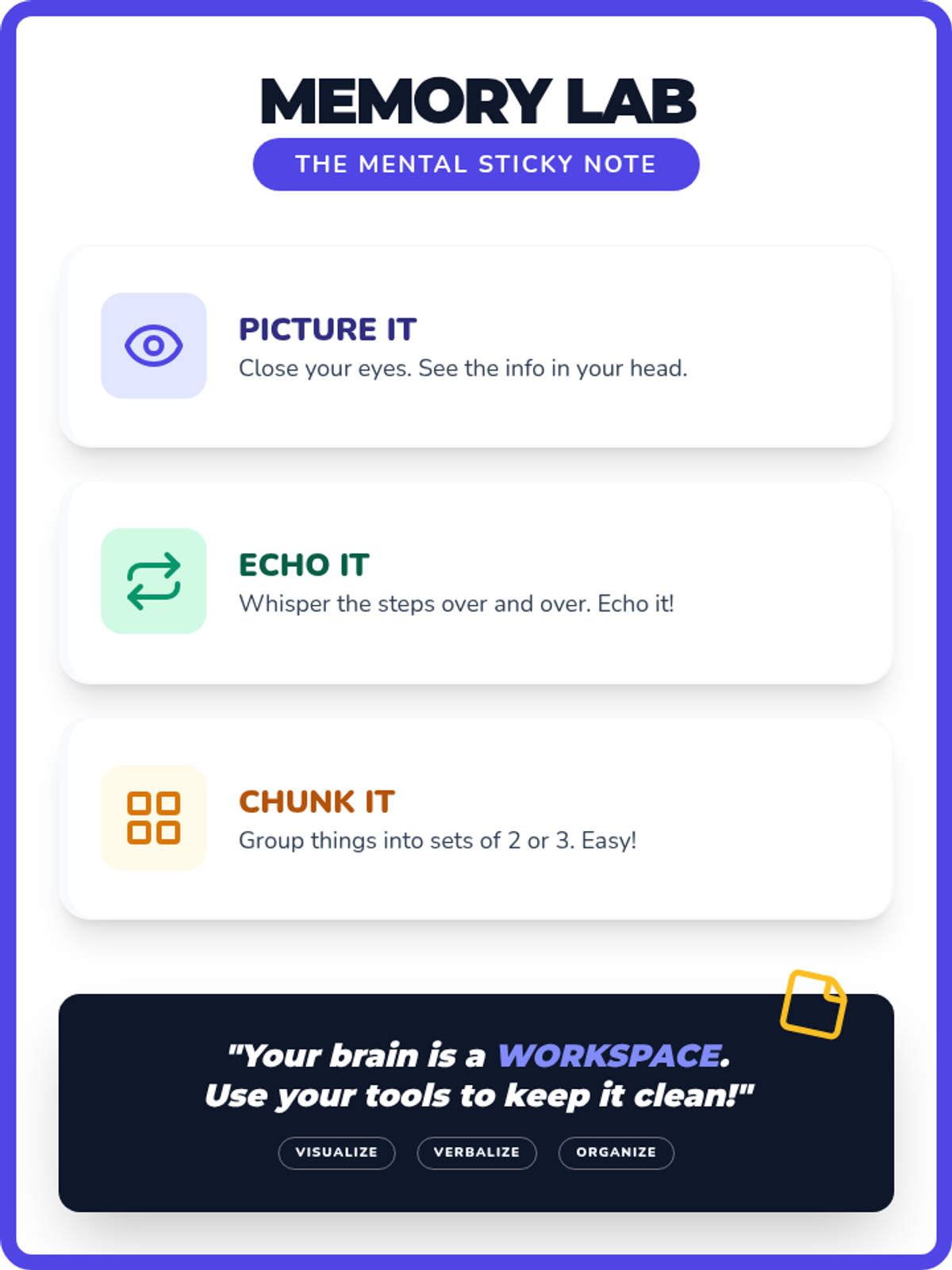
Students discover techniques like visualization and chunking to hold and manipulate information in their 'Memory Lab'.
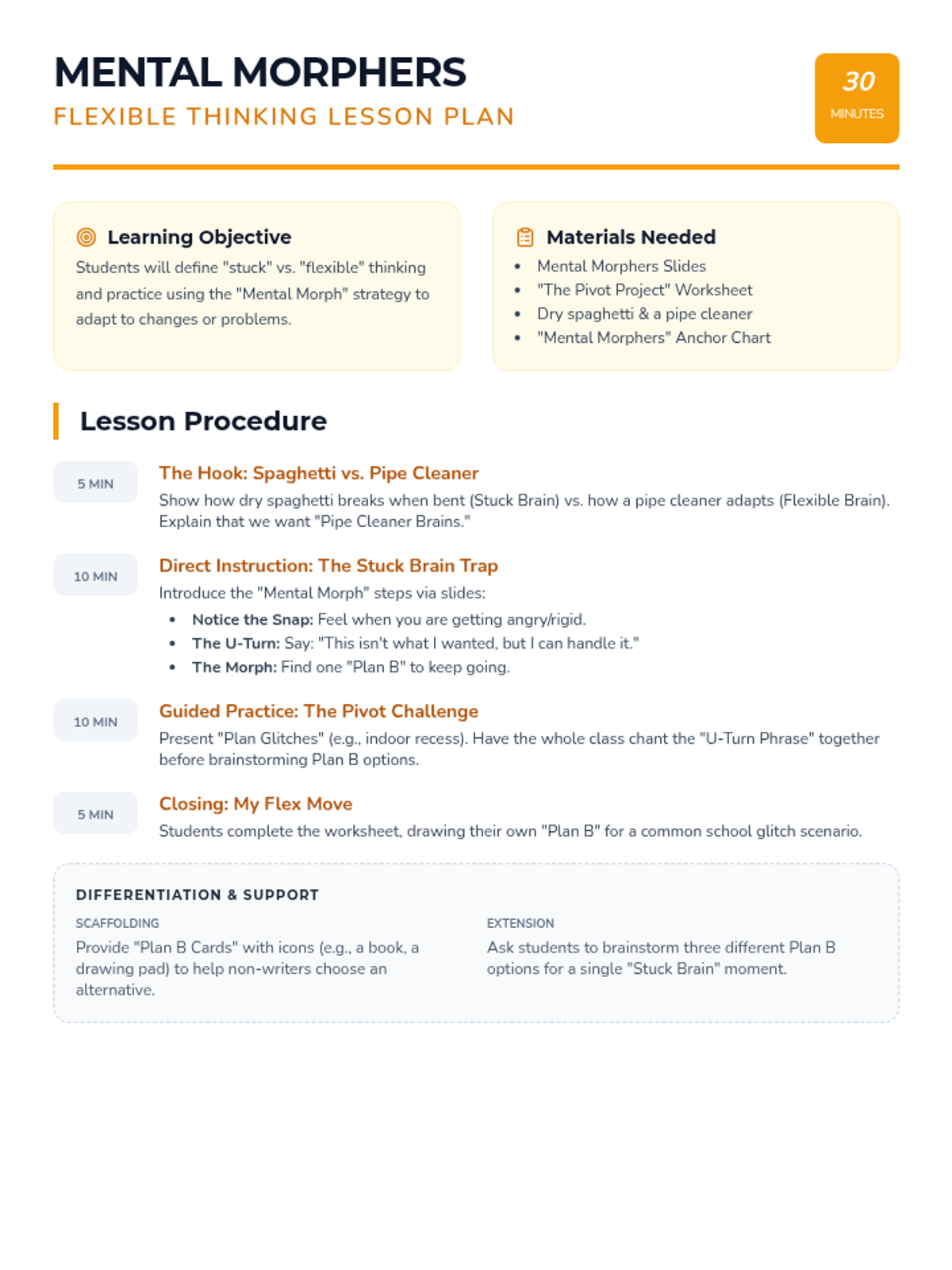
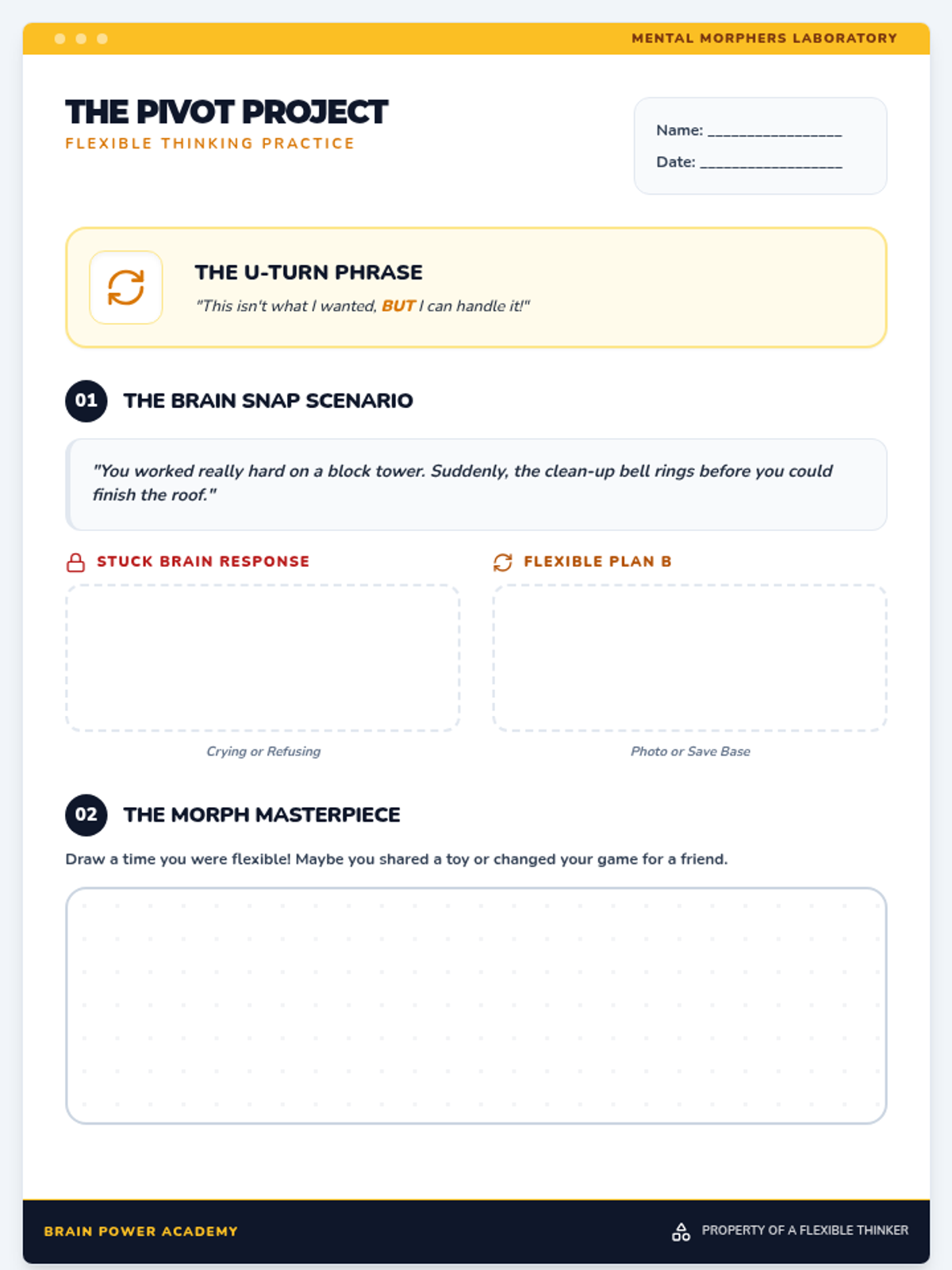
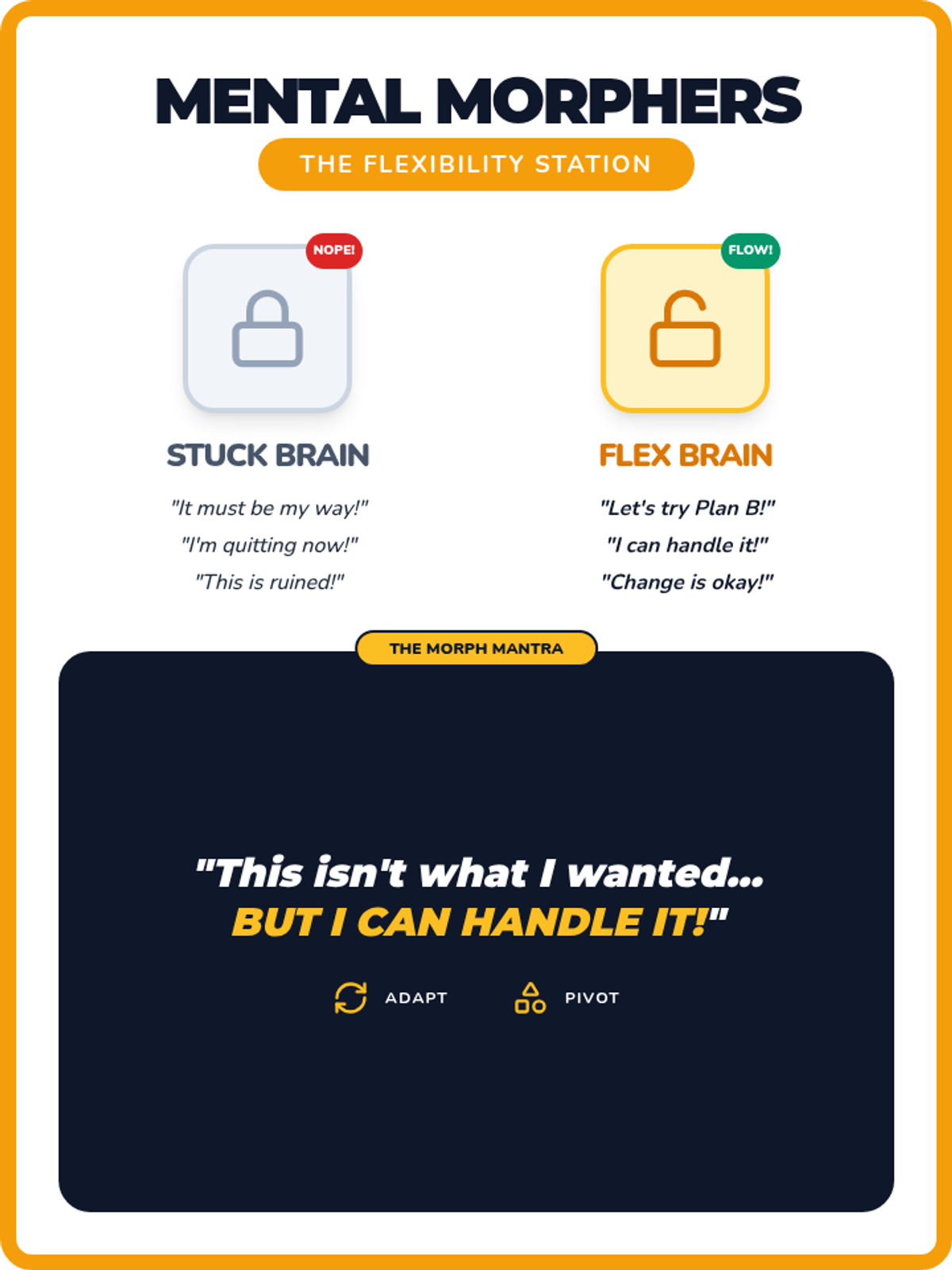
Students practice adapting to changes and seeing things from different perspectives using 'Mental Morphers' strategies.
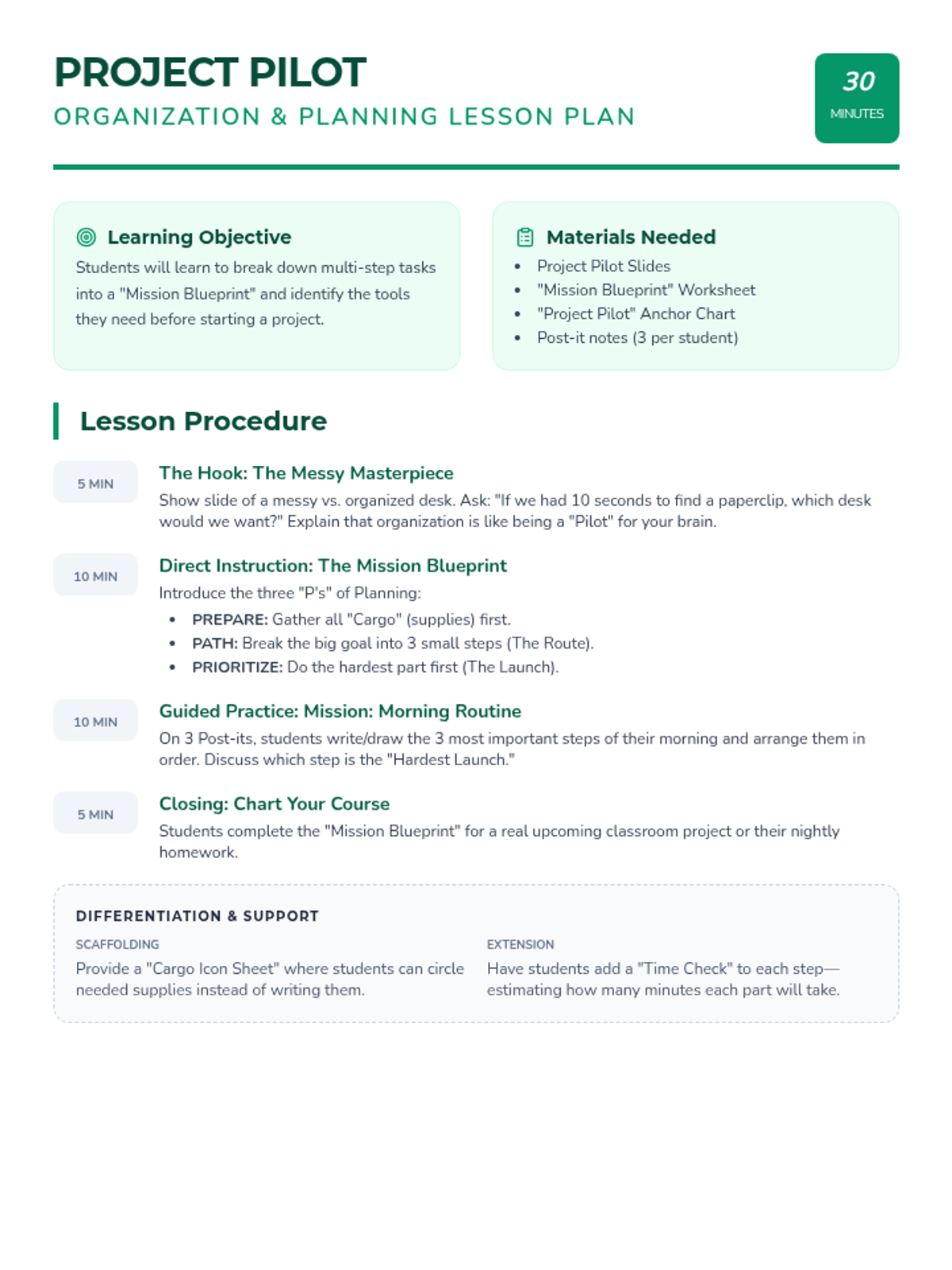
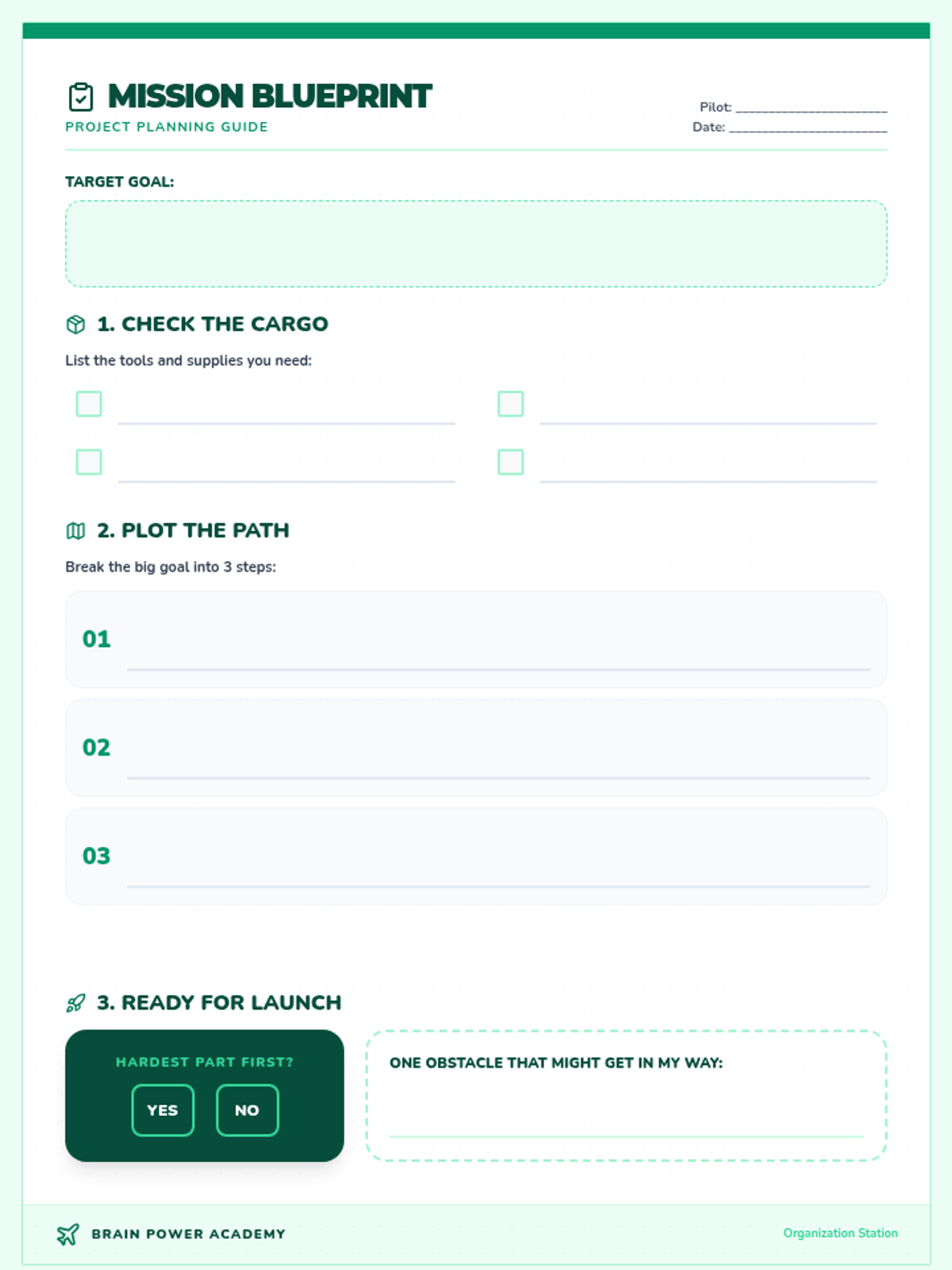
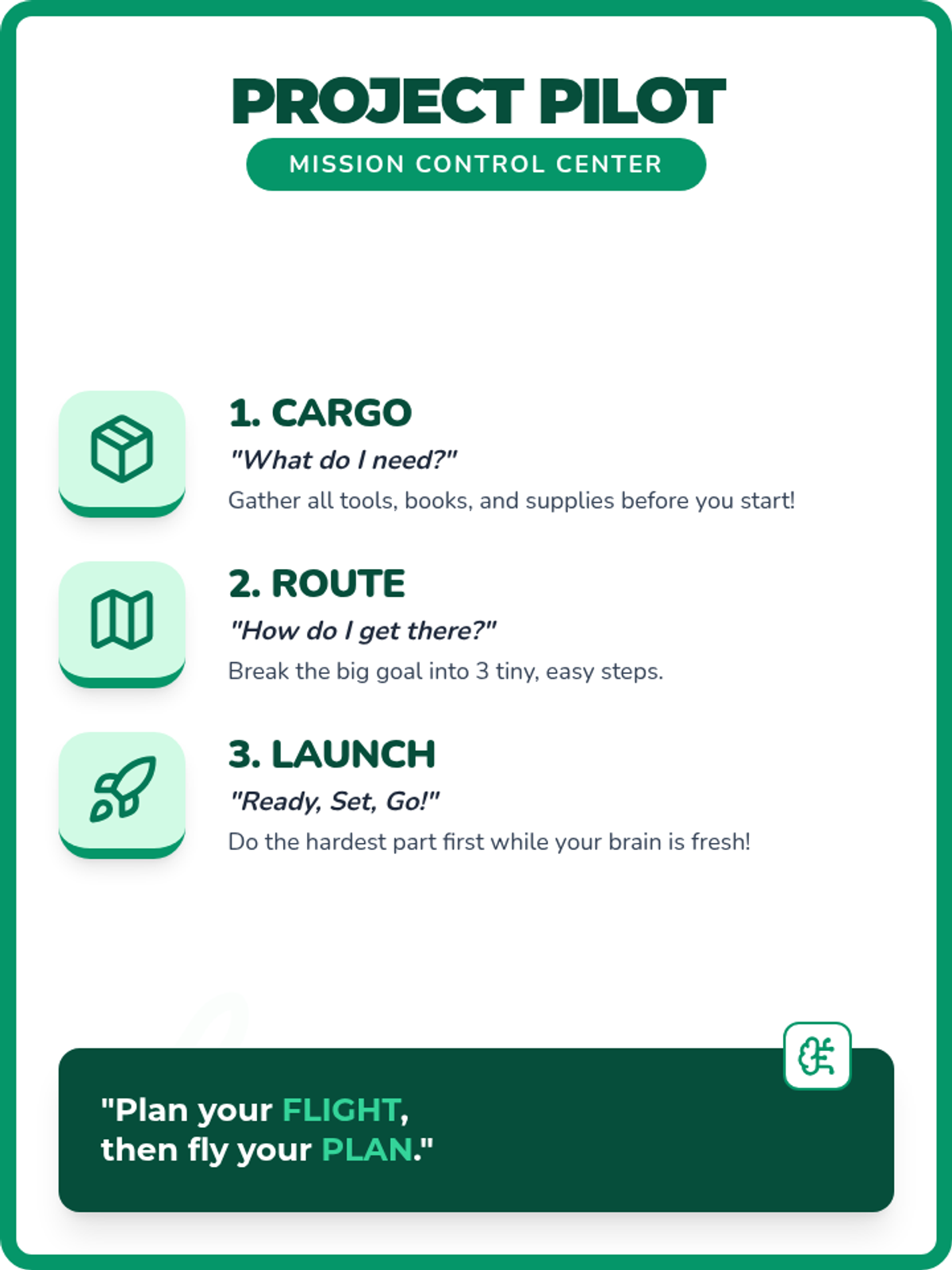
Students explore how to break big tasks into small steps and organize their tools for success using the 'Mission Blueprint' method.
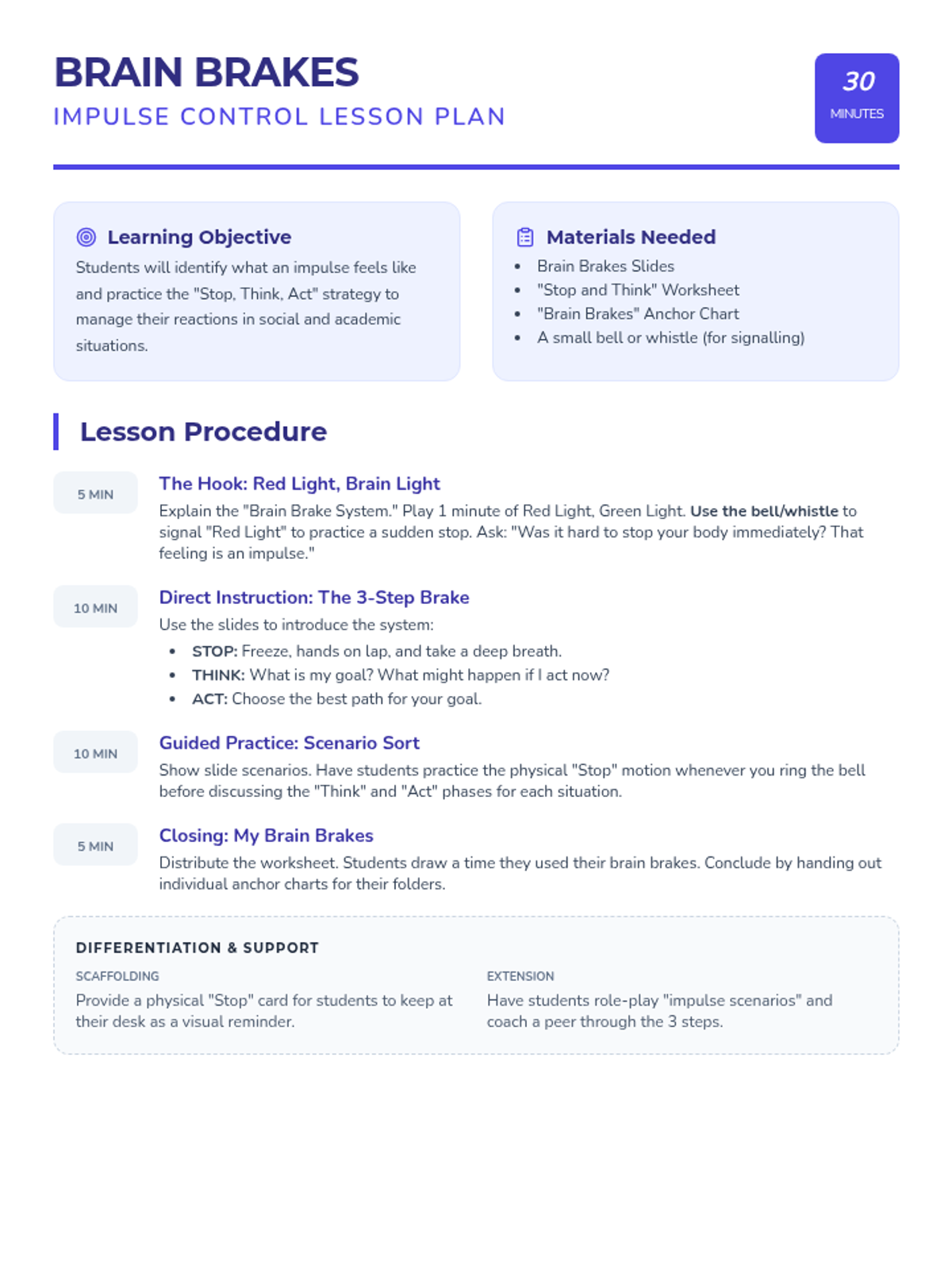
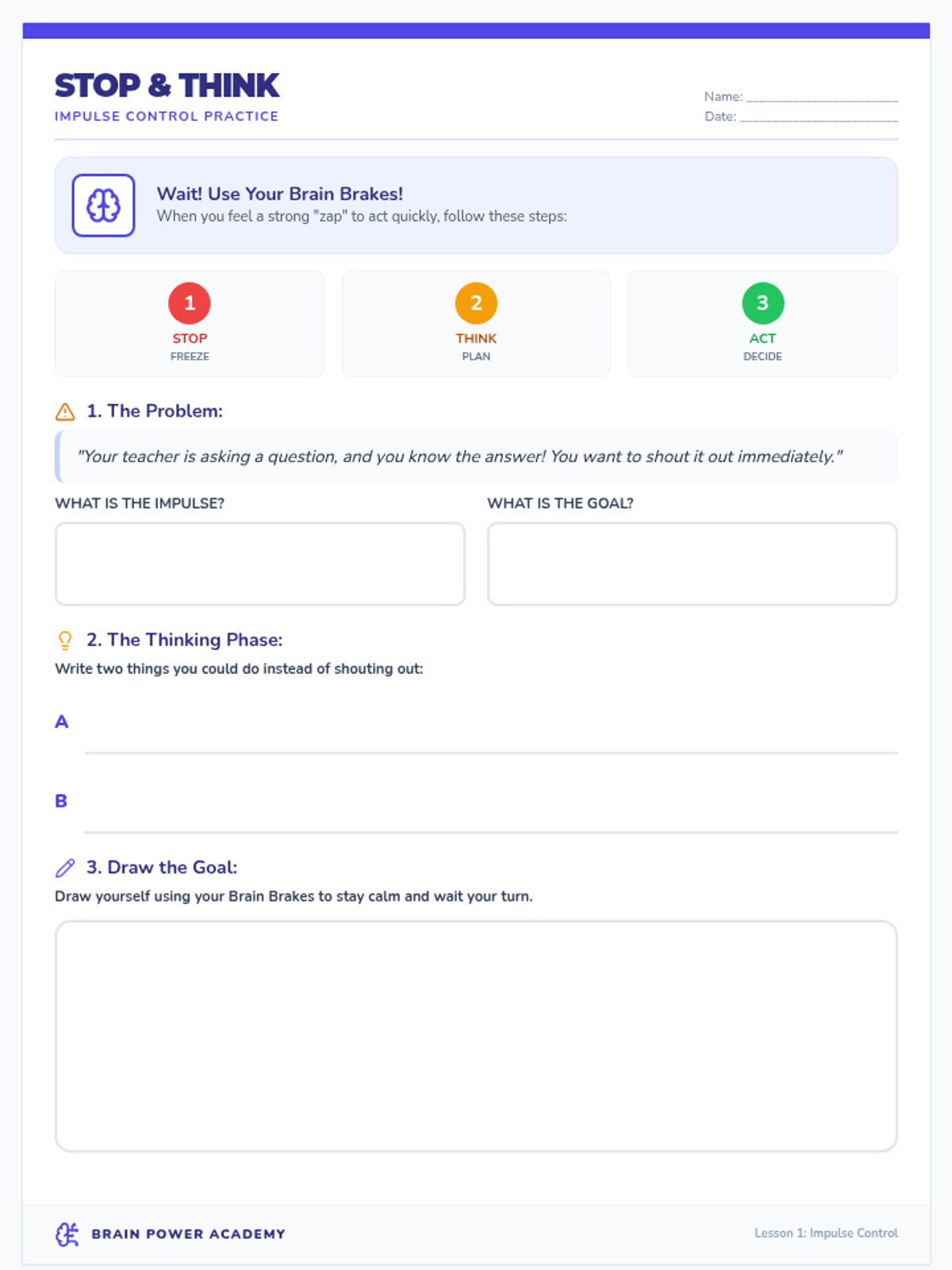
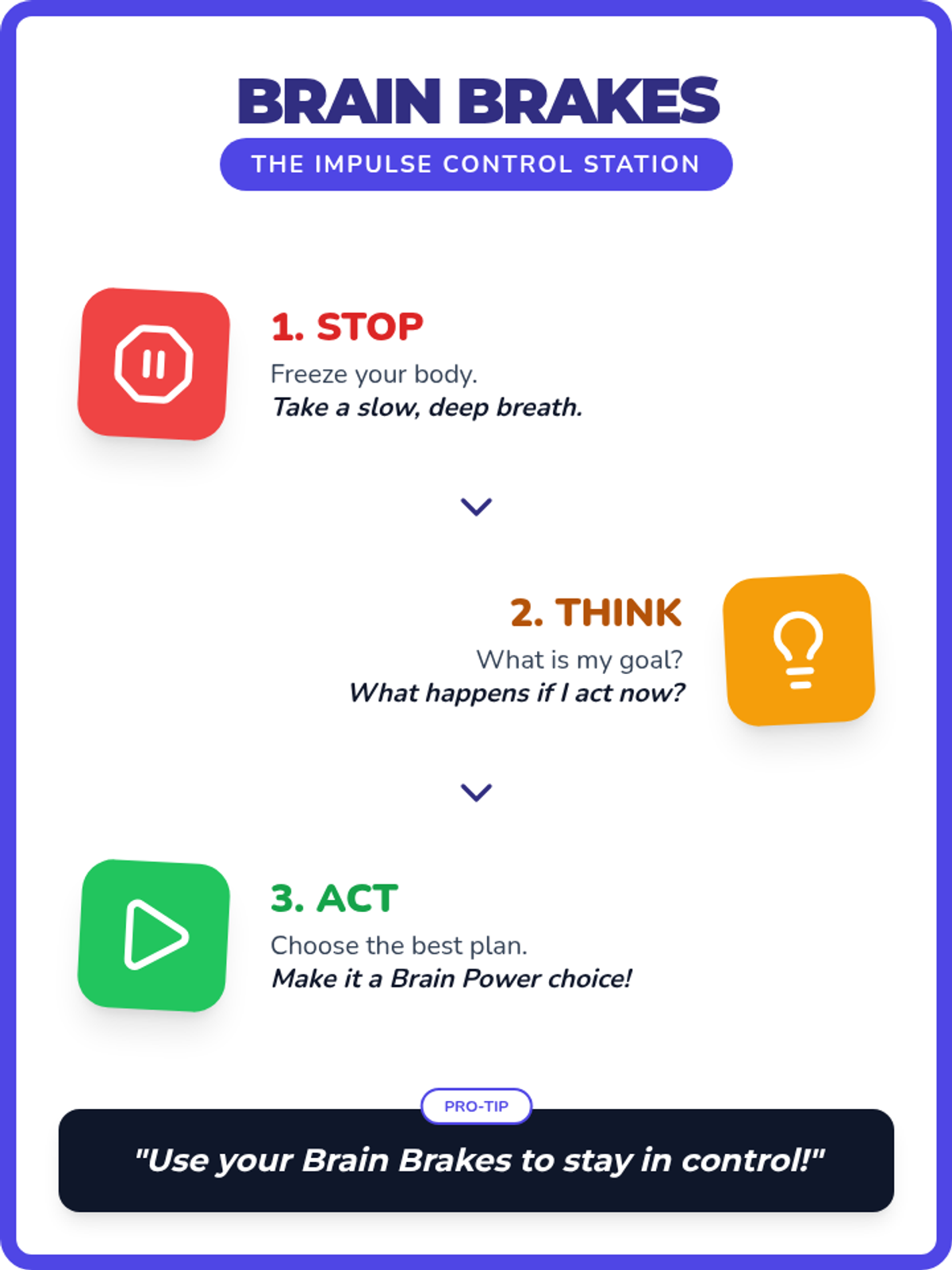
Students learn to identify impulsive urges and practice the 'Stop, Think, Act' strategy using the metaphor of 'Brain Brakes'.
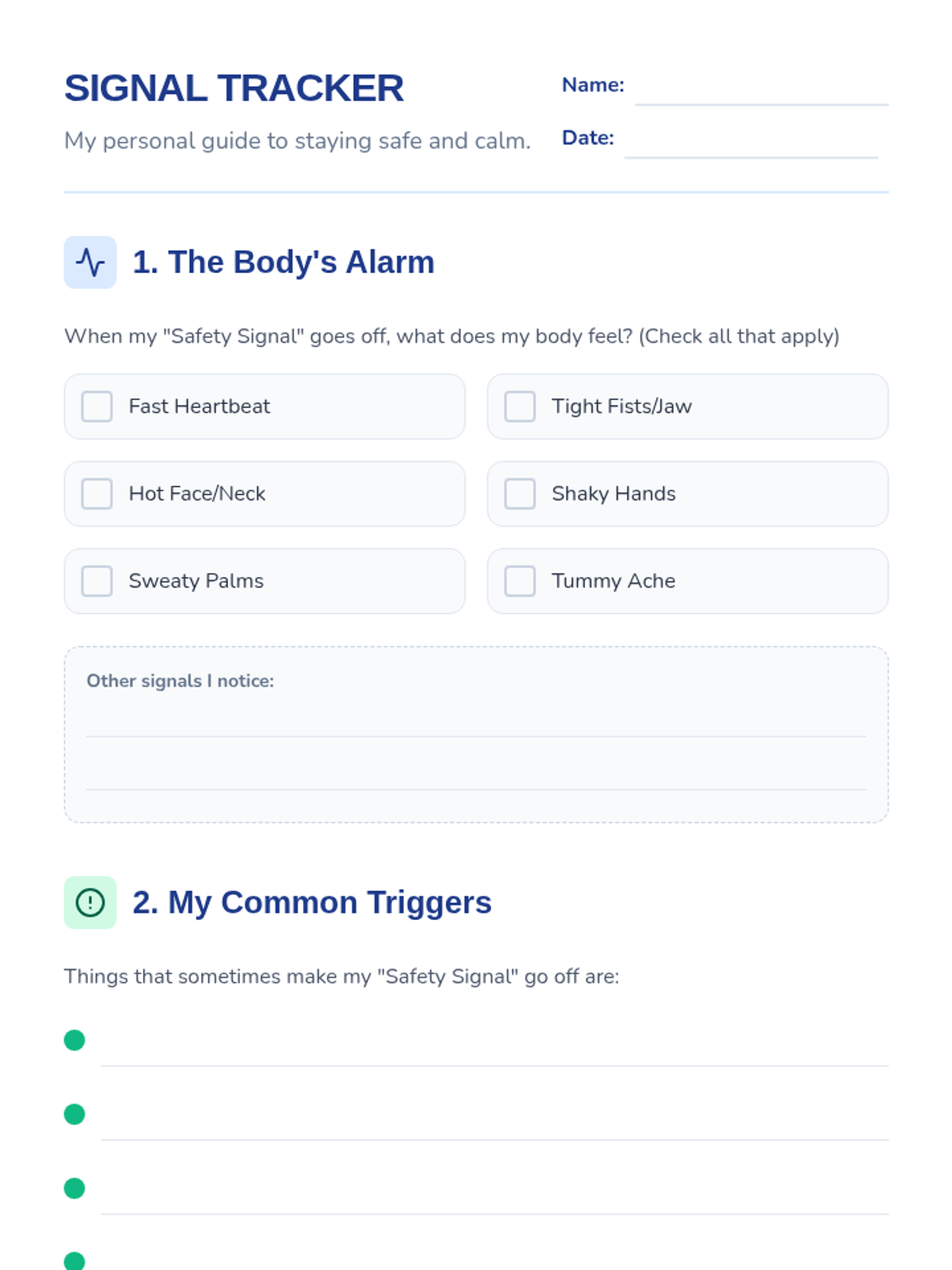
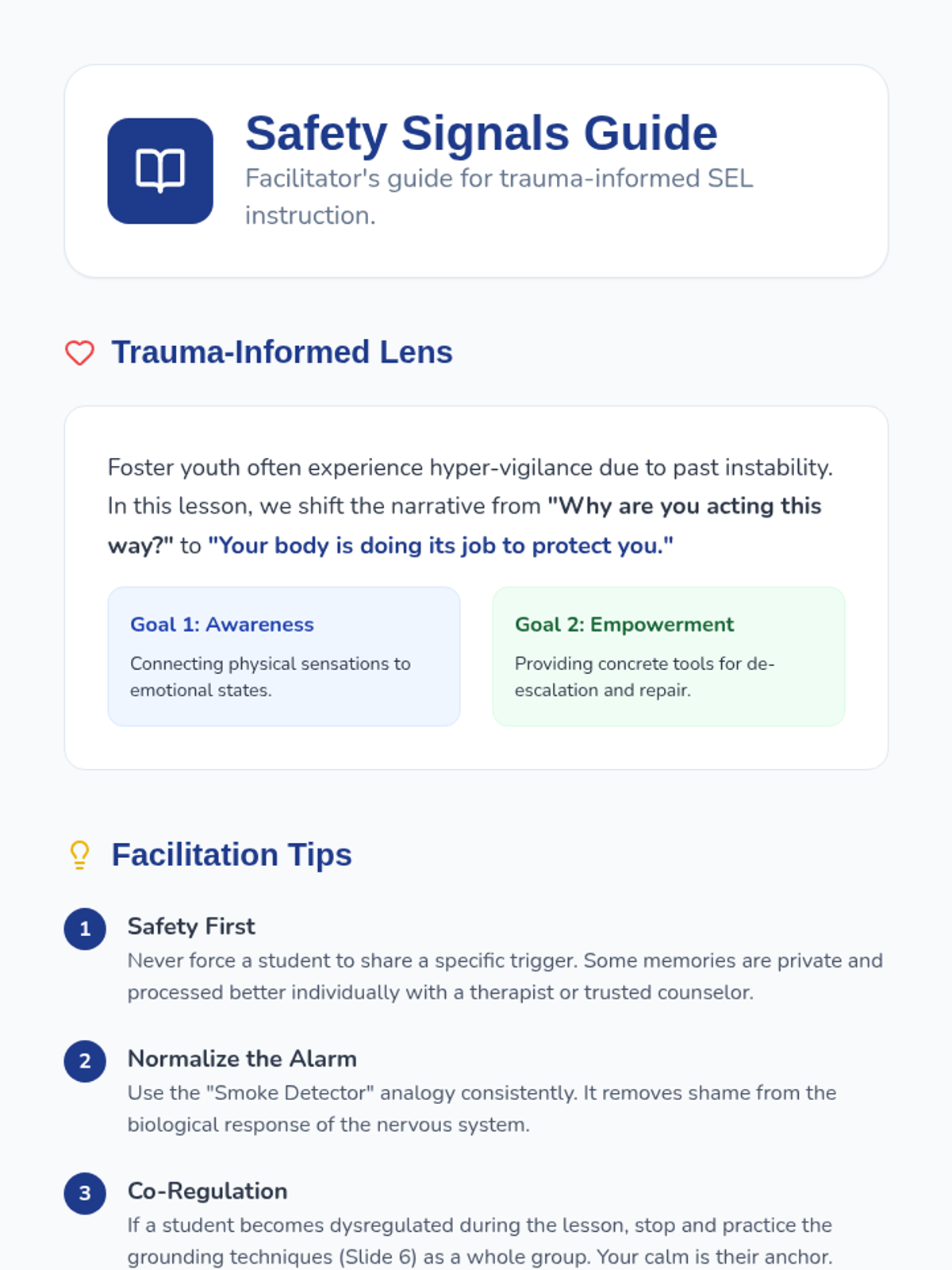
A trauma-informed lesson designed to help students identify their emotional triggers and develop healthy conflict resolution strategies in a safe, supportive environment.
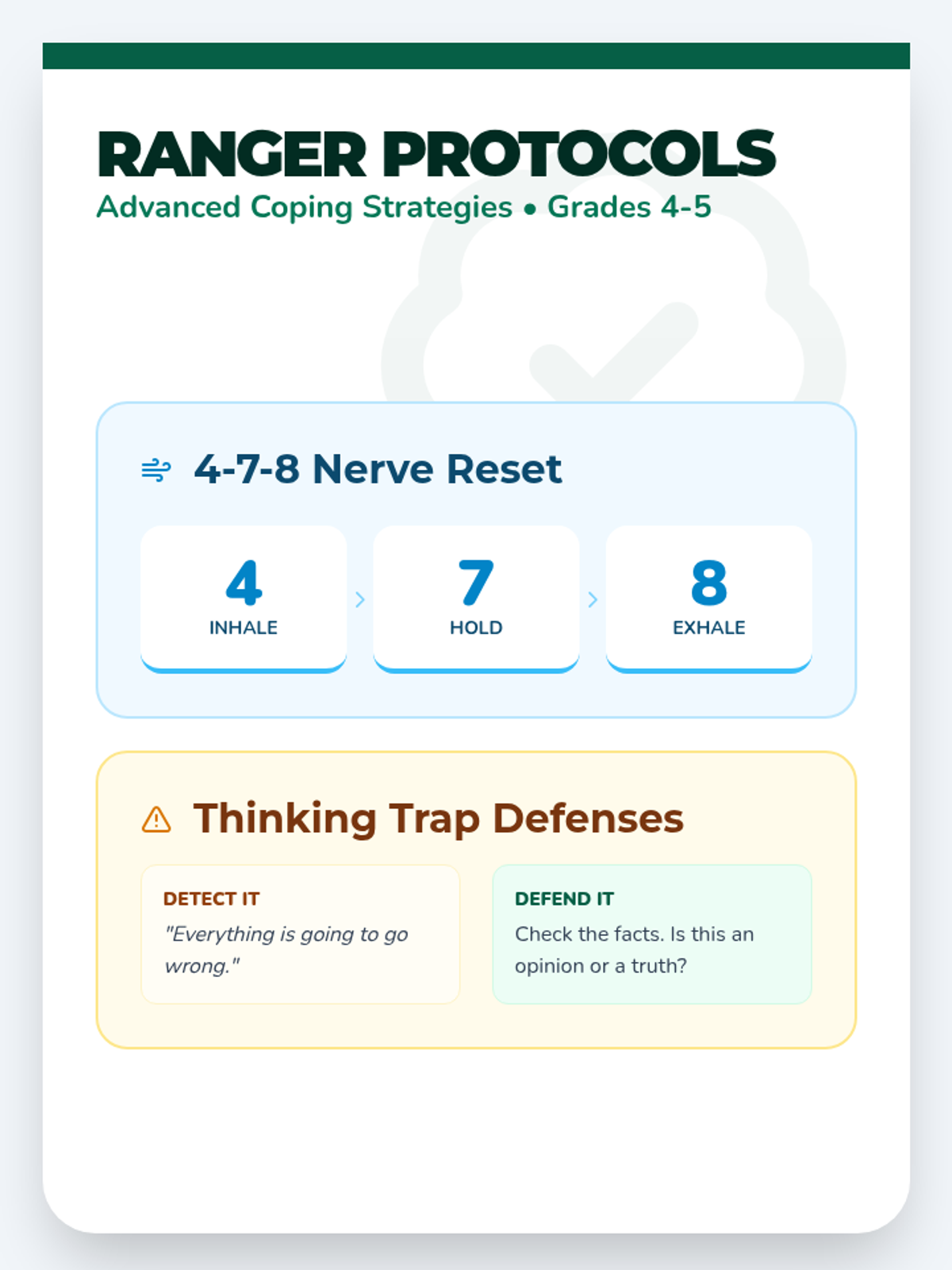
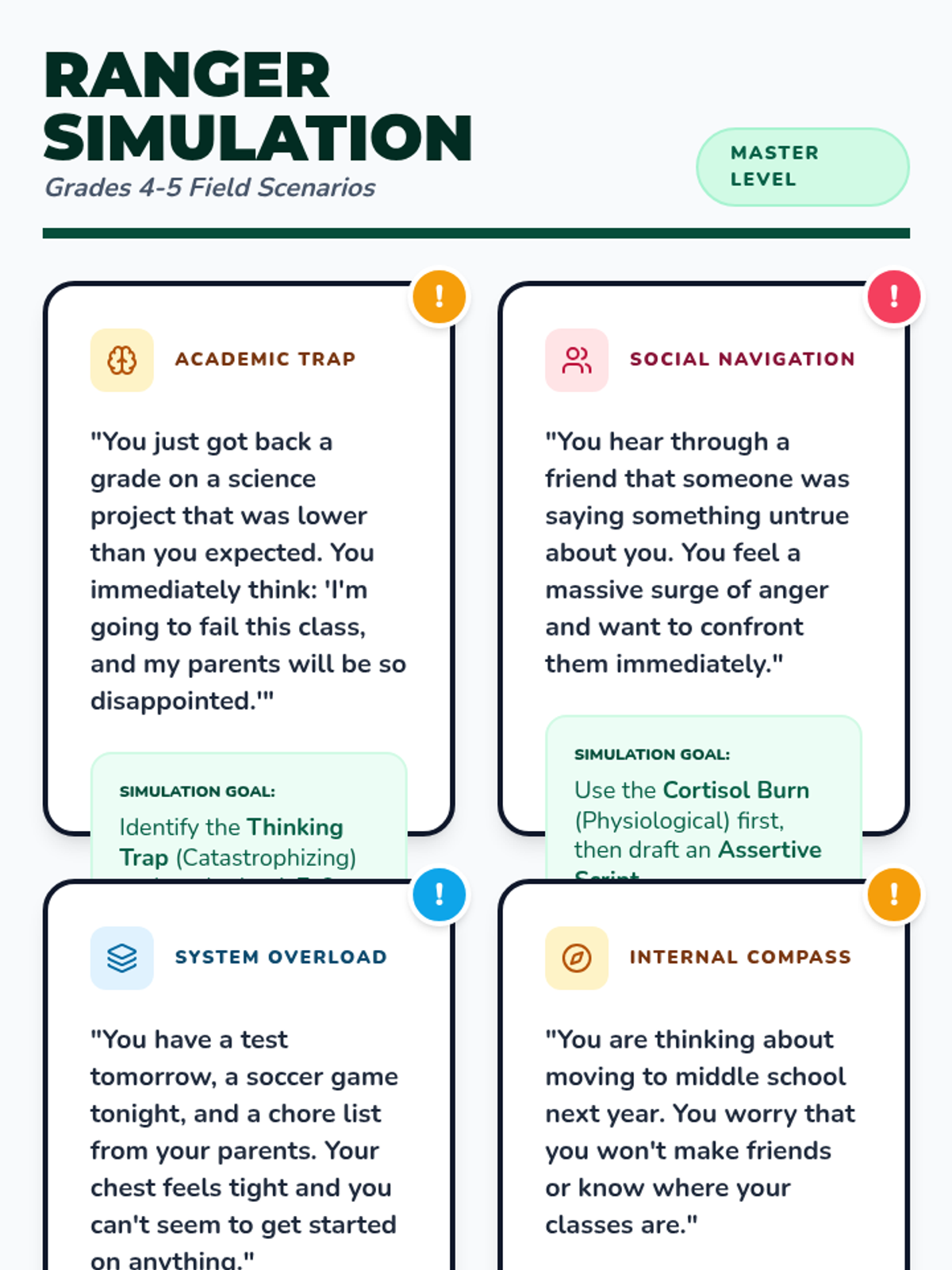
Advanced coping skills for 4-5 students exploring complex grounding methods, assertive communication strategies, cognitive reframing of self-talk, and understanding the physiological benefits of movement for stress management.
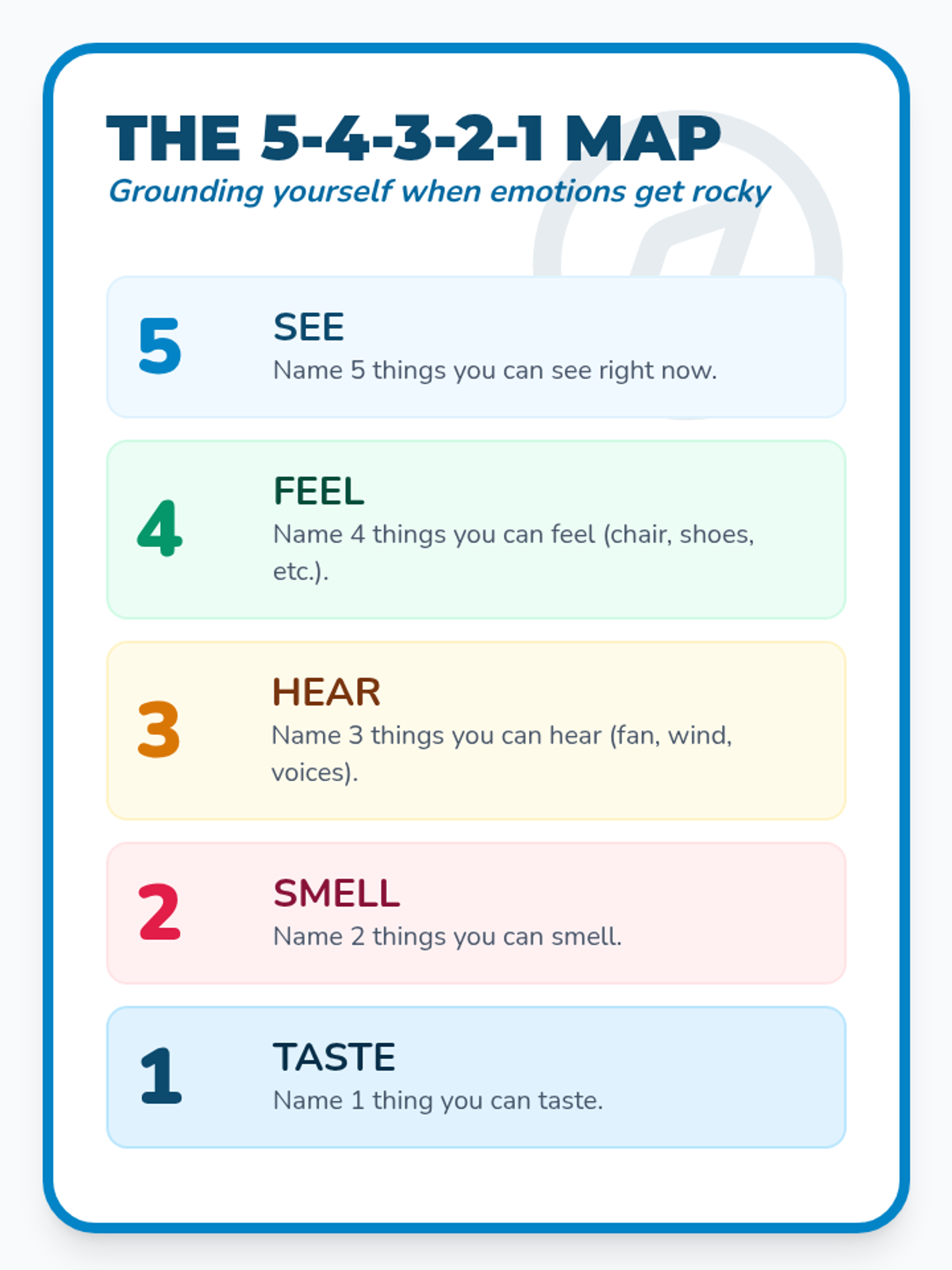
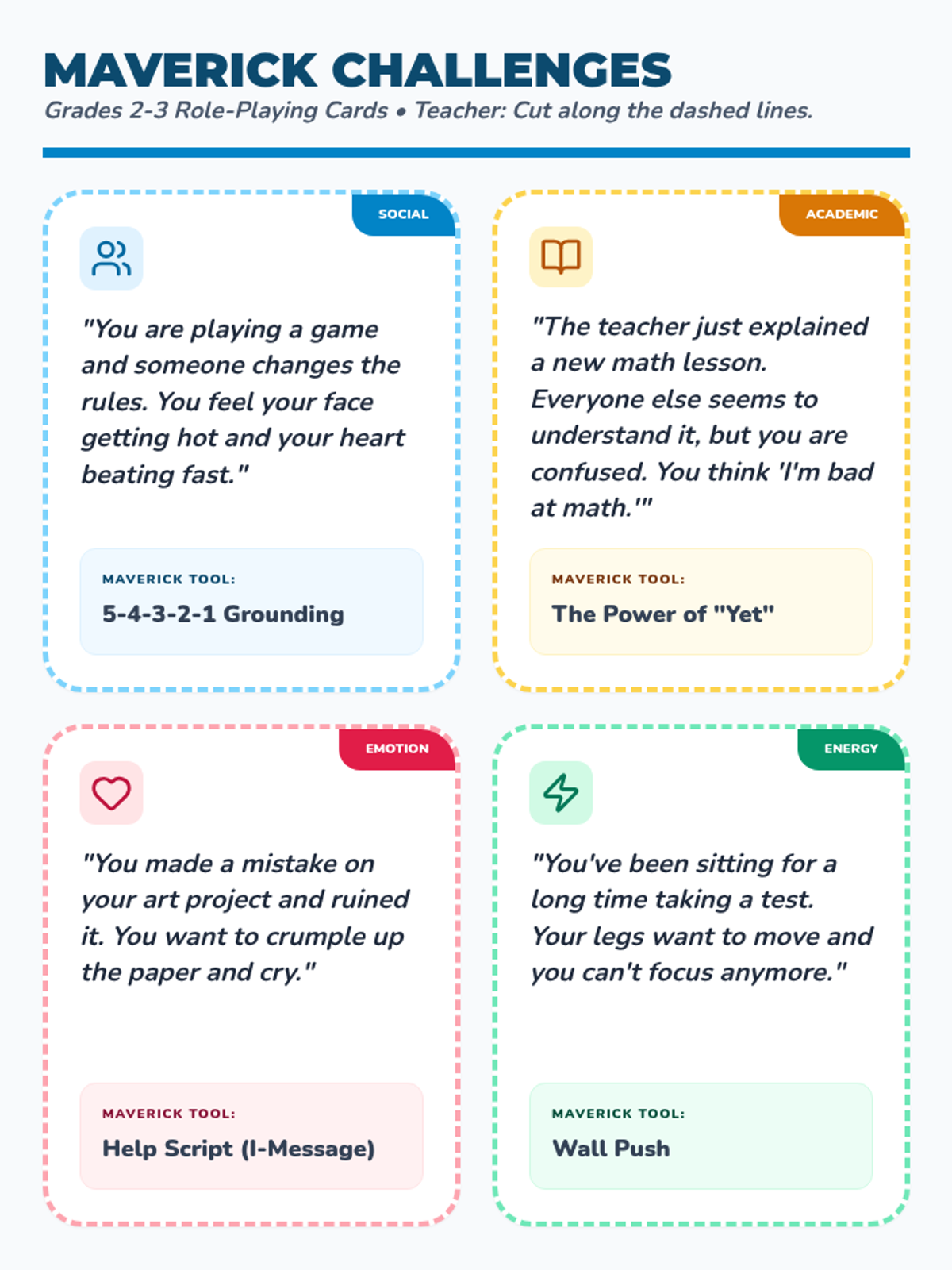
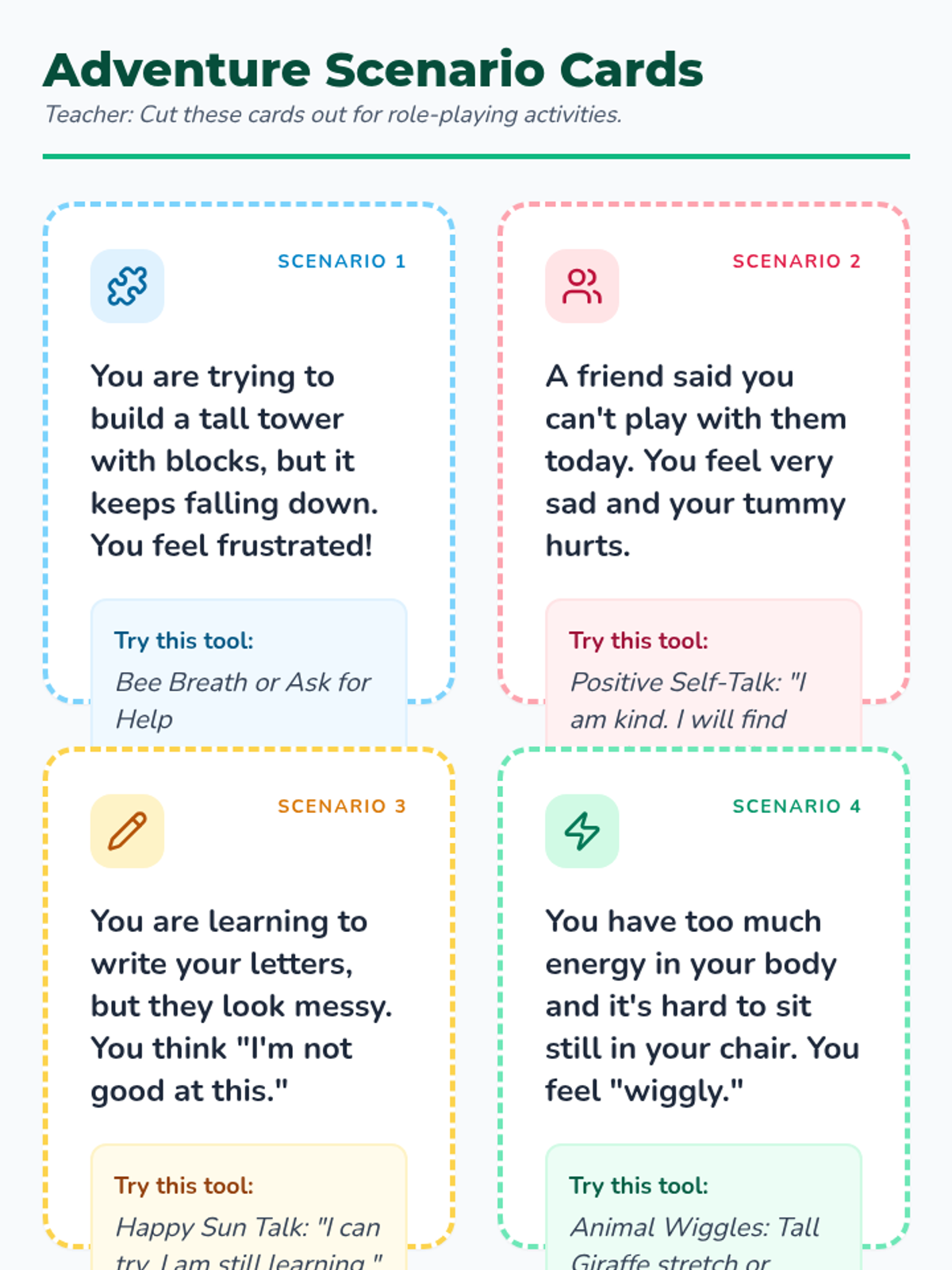
Intermediate coping skills for 2-3 students introducing the 5-4-3-2-1 grounding technique, specific communication scripts for asking for help, reframing negative thoughts, and purposeful physical activities to release energy.
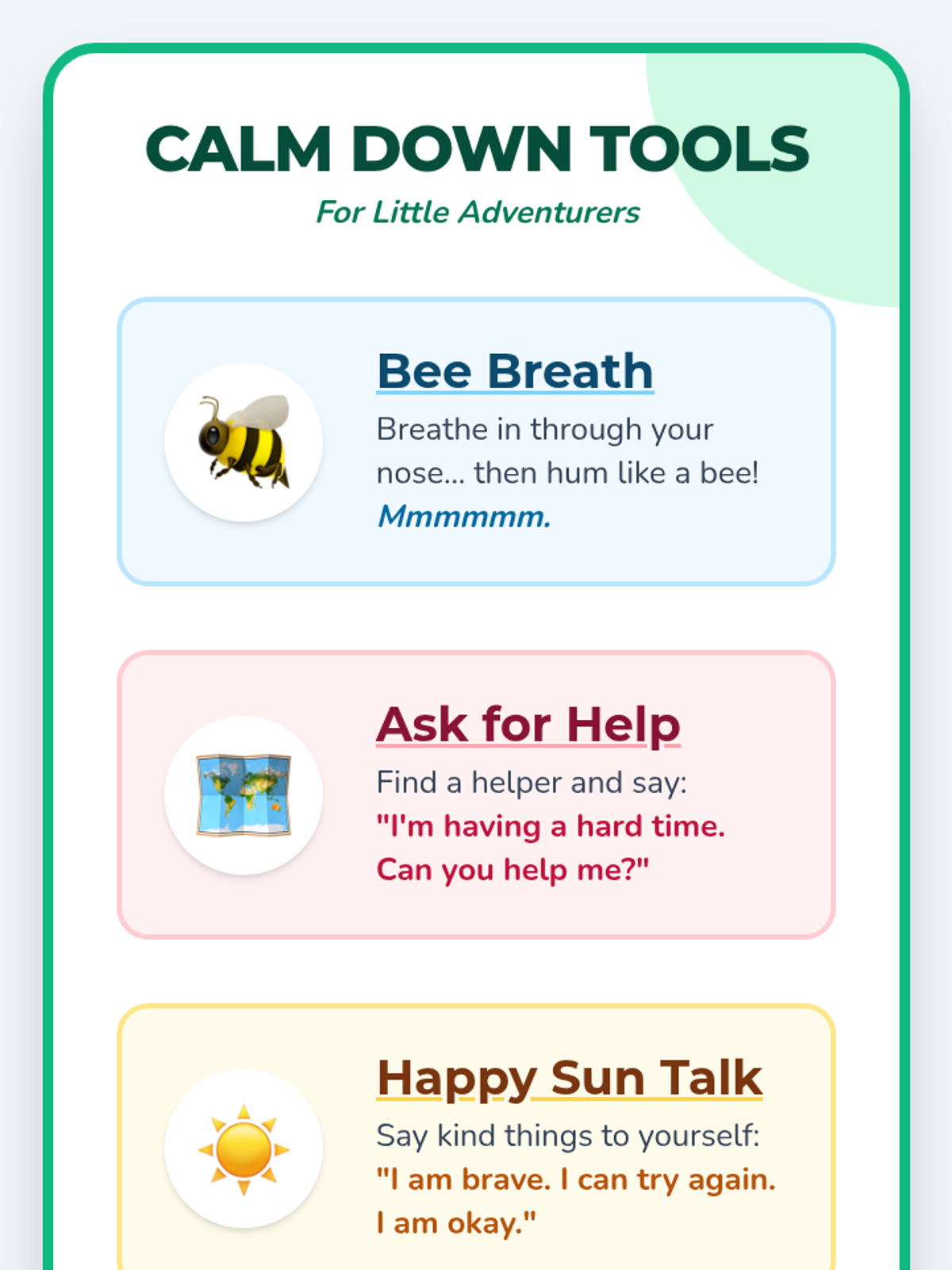
Foundational coping skills for K-1 students focusing on simple breathing techniques (like 'Bee Breath'), identifying helpers, basic 'I can' self-talk, and fun animal-themed movements.
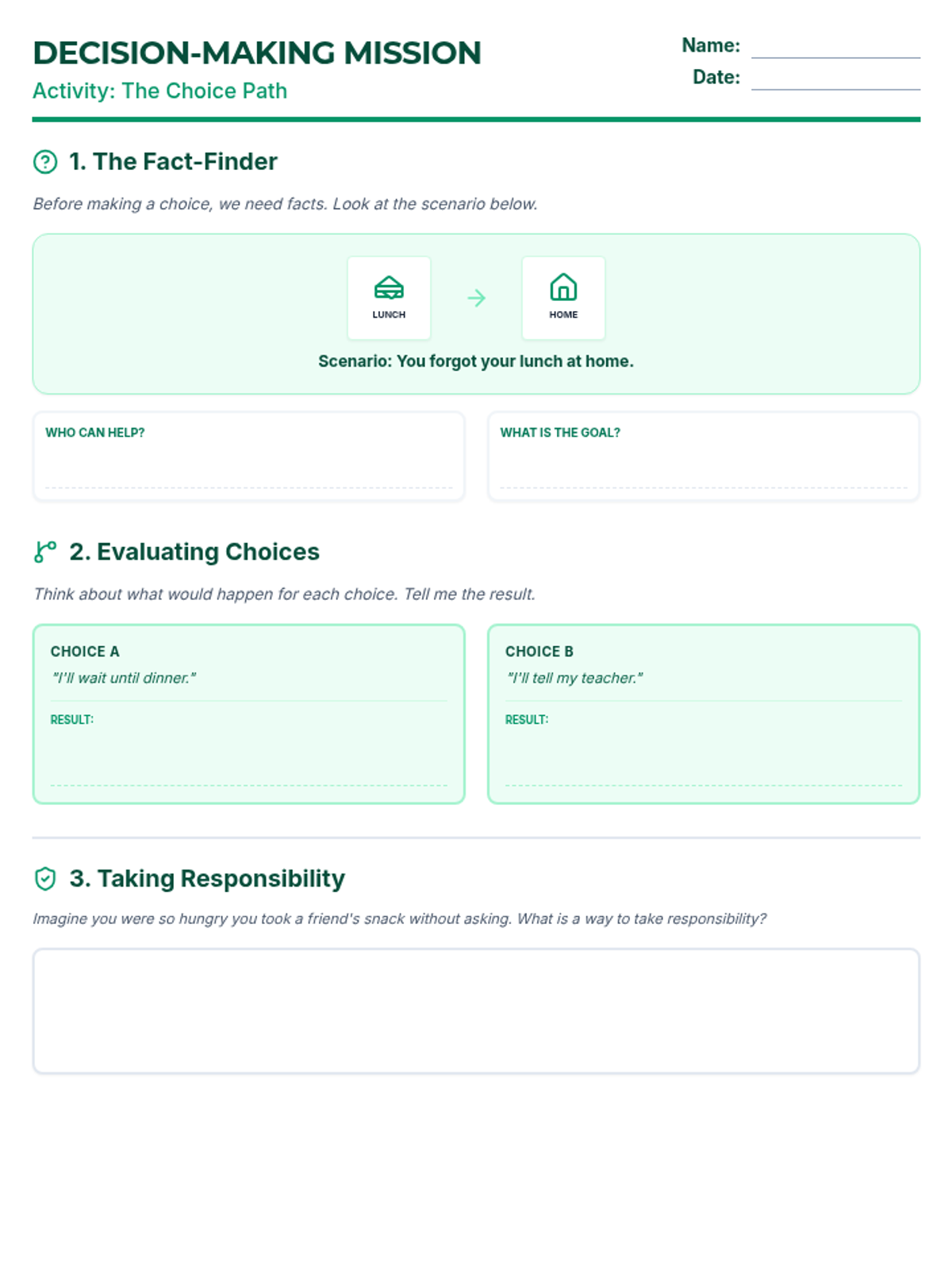
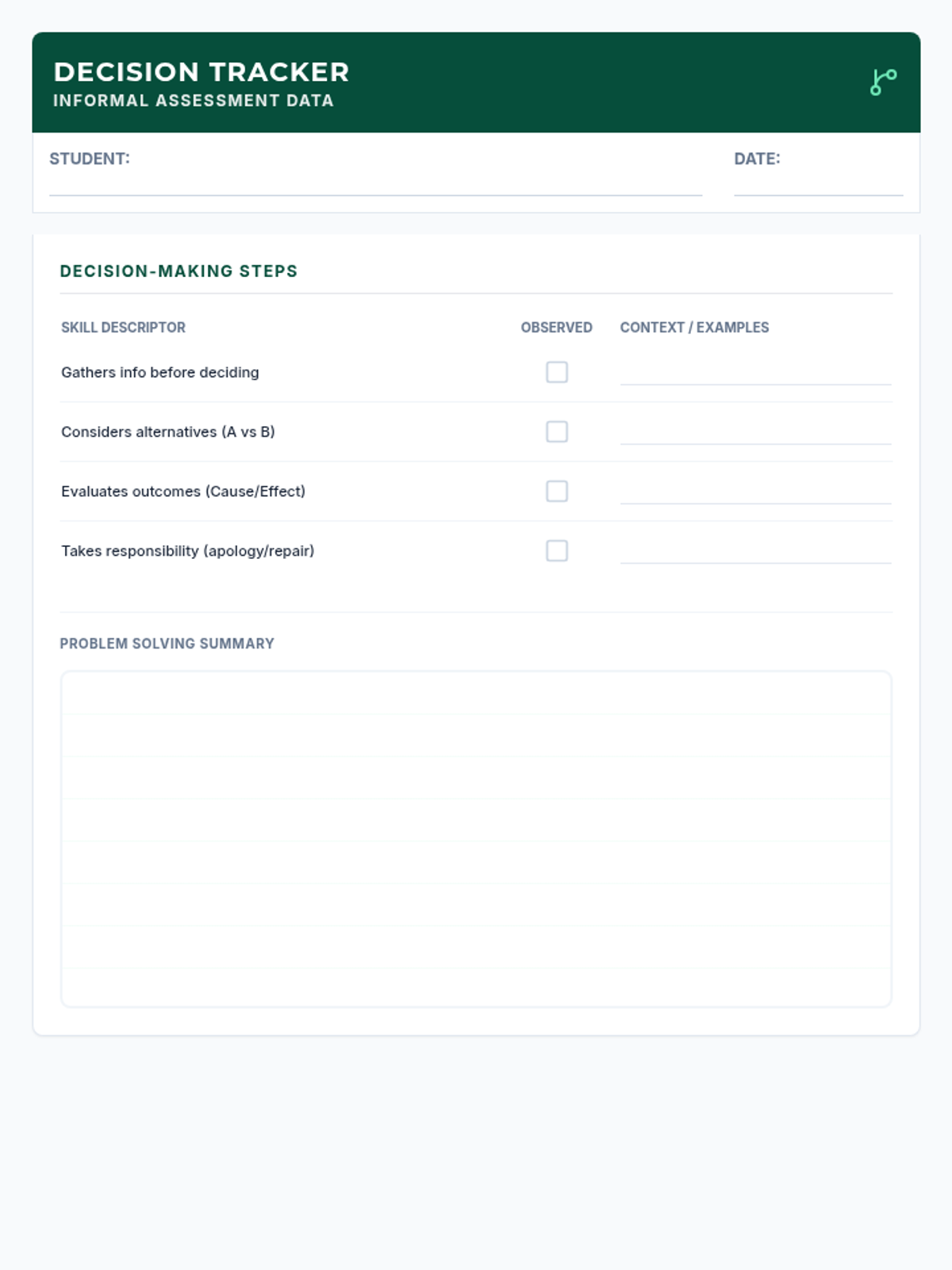
A 15-minute session assessing problem-solving steps and choice evaluation using simple scenario "Choice Path" cards.
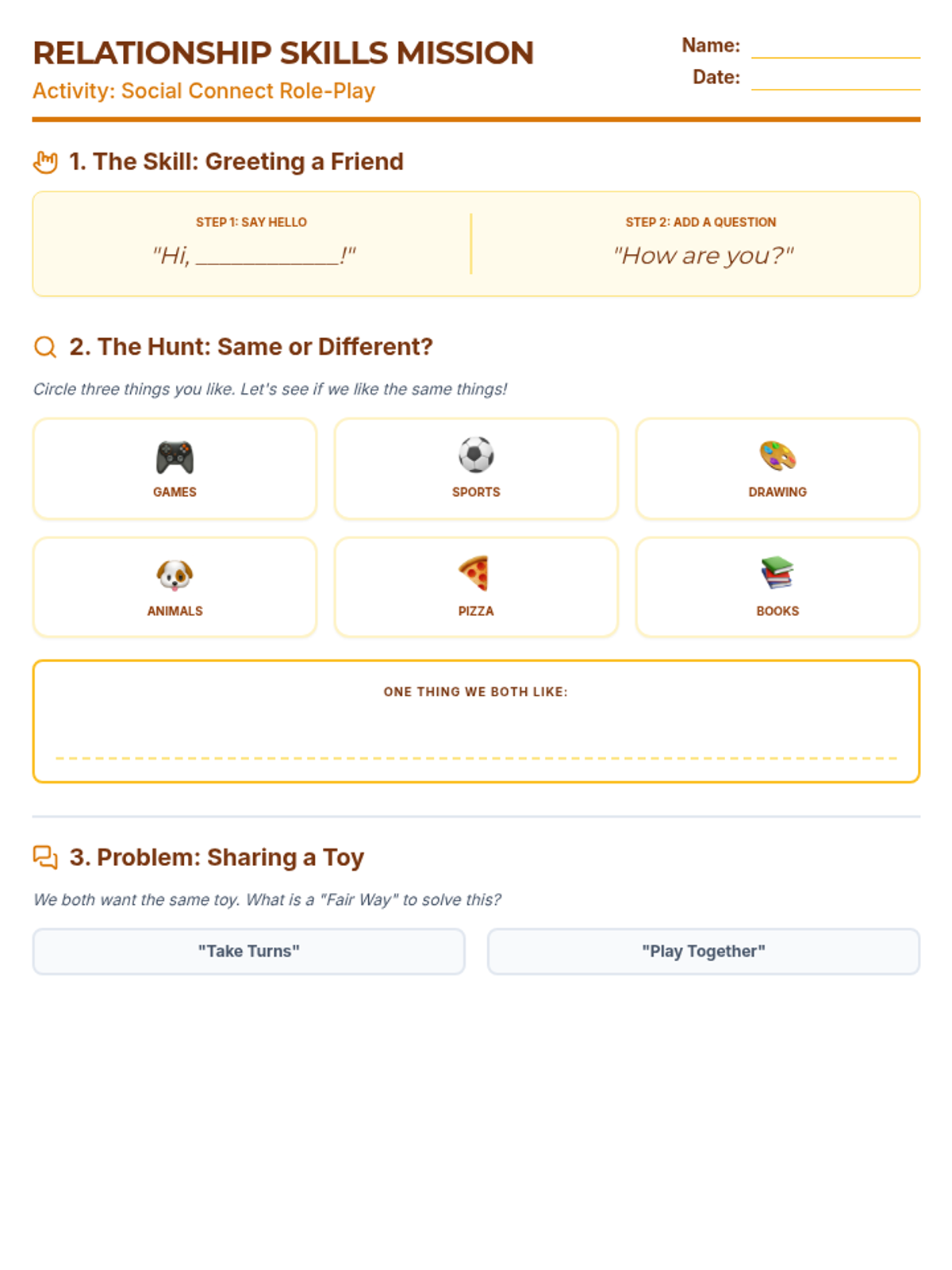
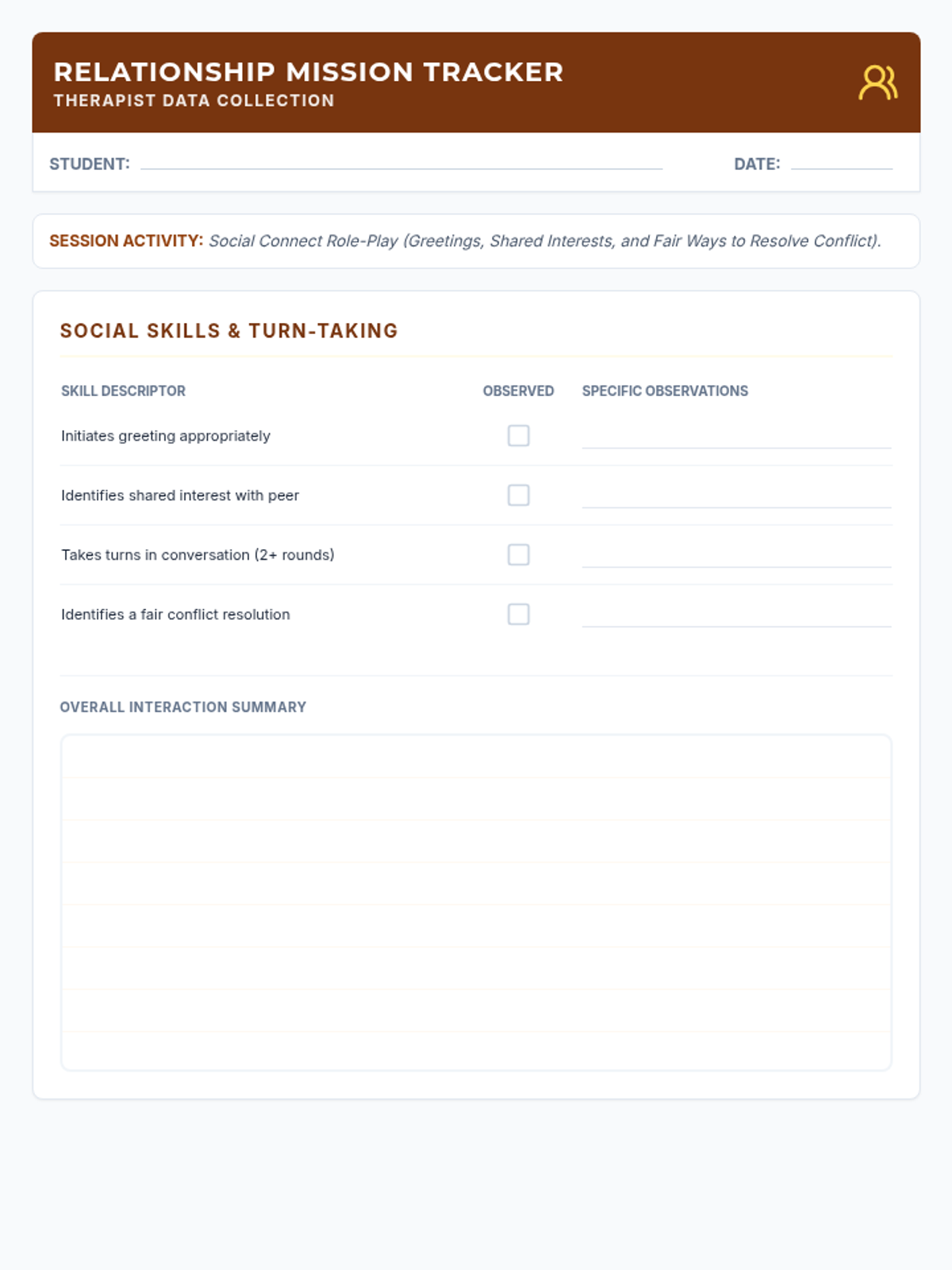
A 15-minute session focused on social greetings, reciprocal conversation, and identifying shared interests through a "Social Connect" role-play.
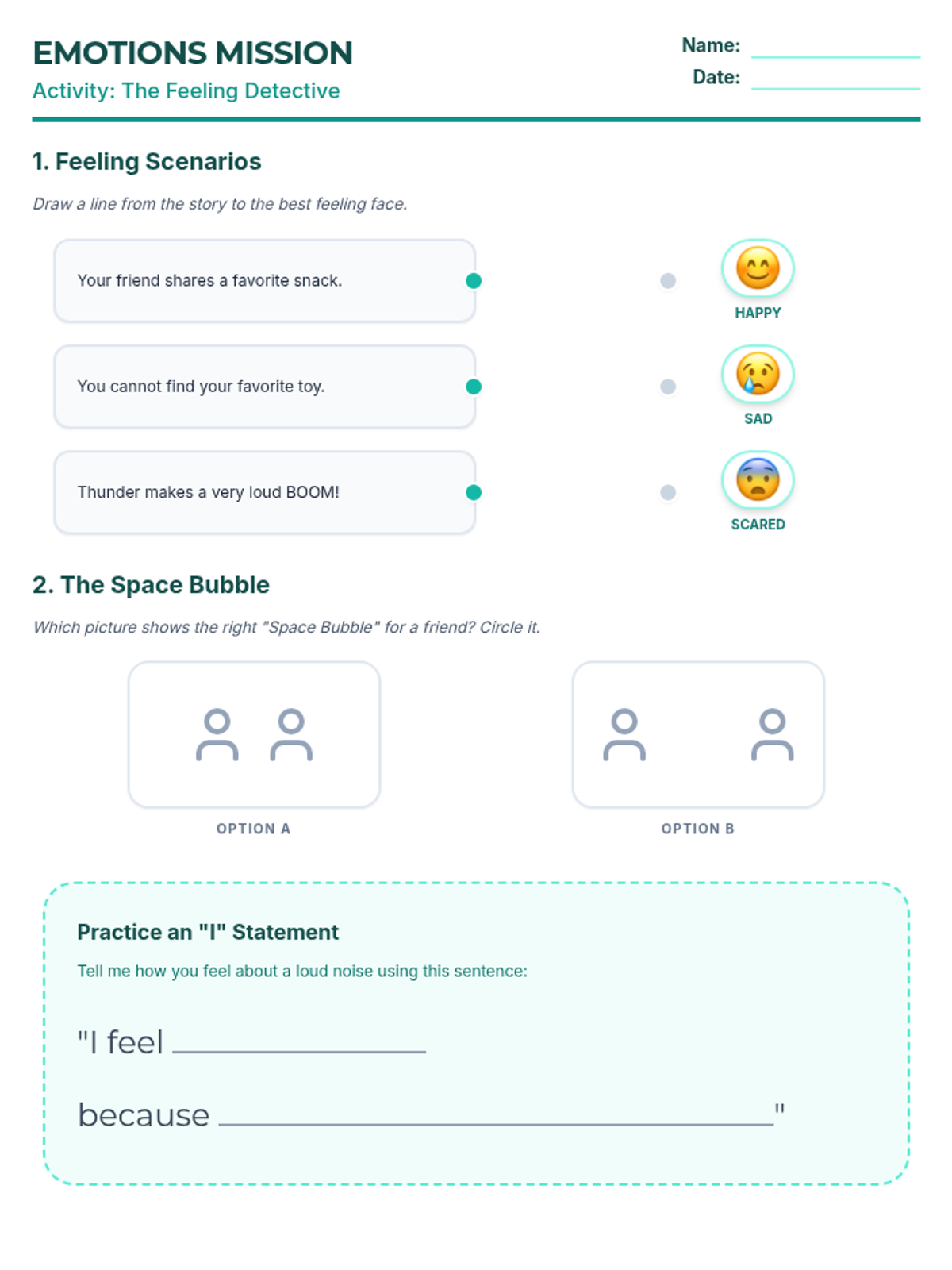
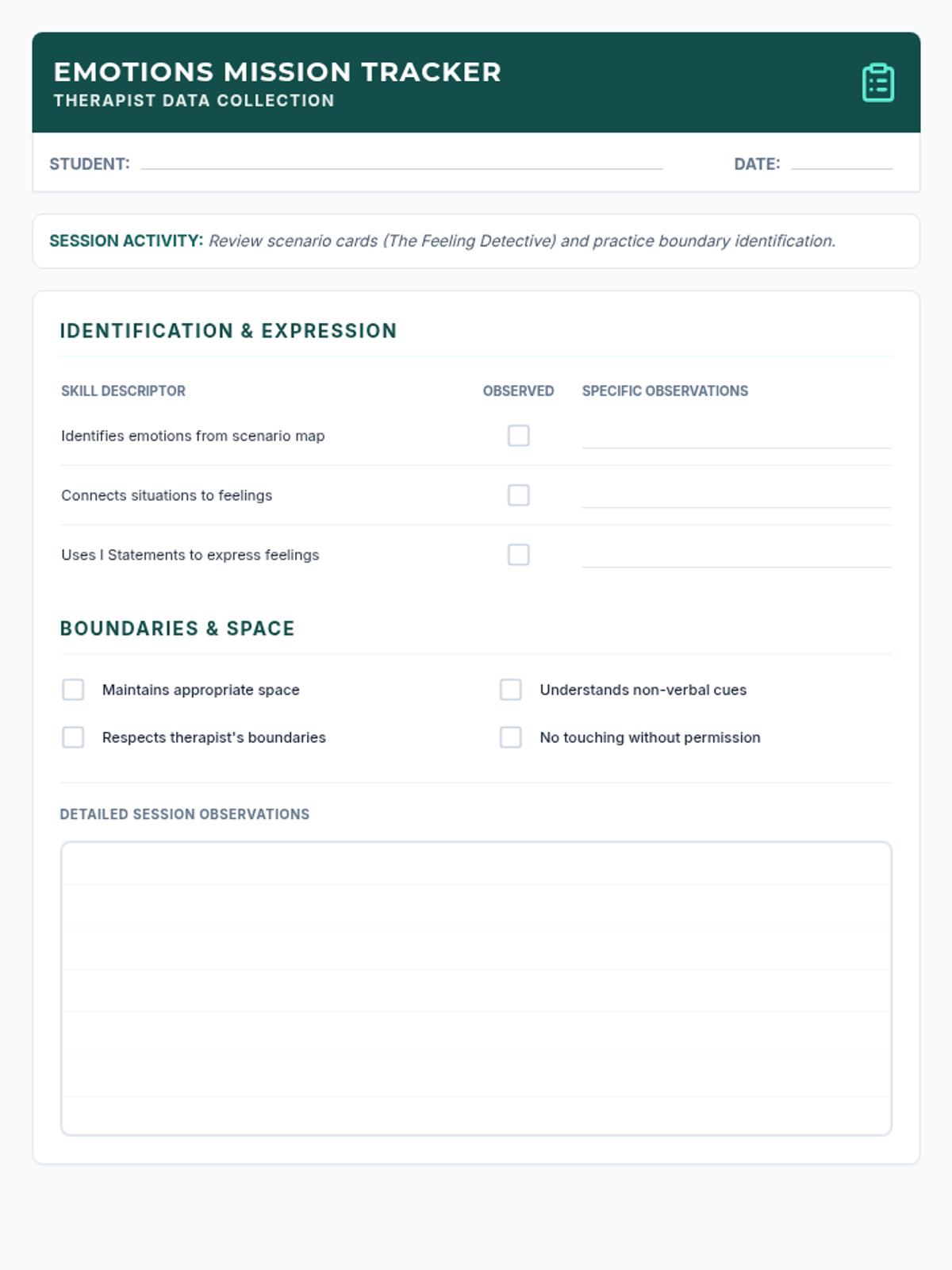
A 15-minute session to evaluate emotional identification, situational connection, and personal space boundaries using a "Feeling Detective" scenario map.