Students step into the role of park architects to master equivalent fractions and number line placement by designing their own 'Fraction Fairgrounds' amusement park.
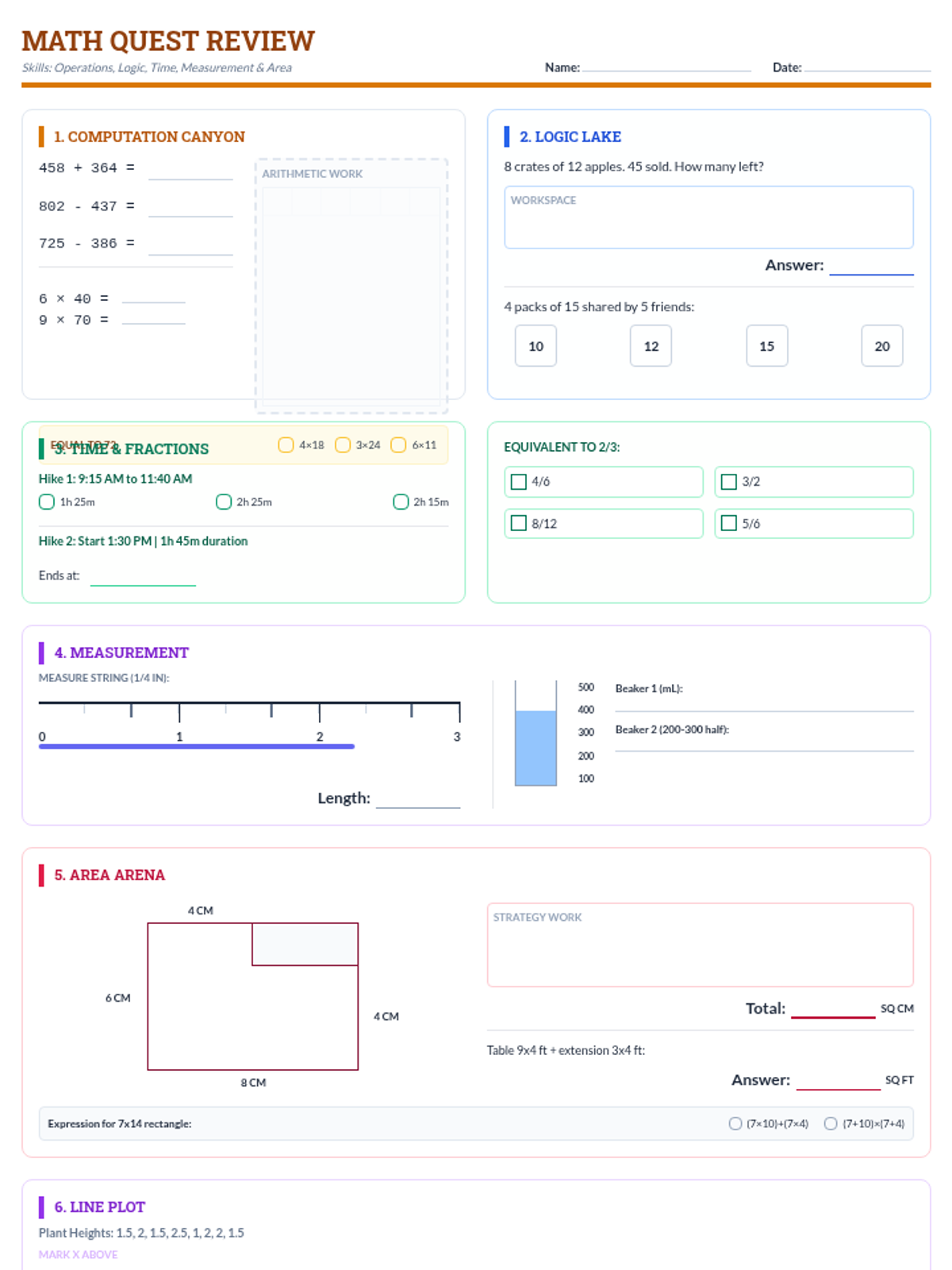
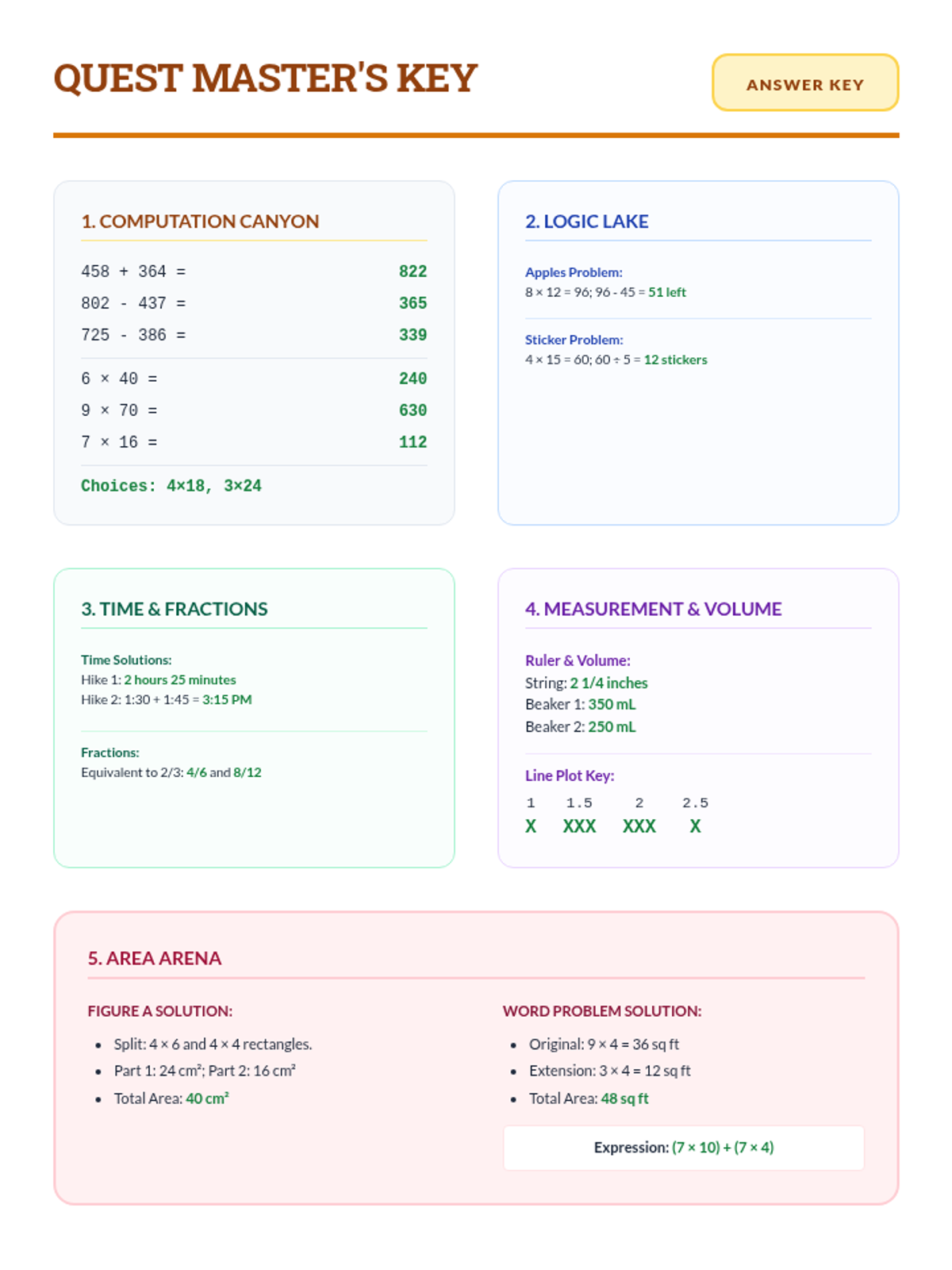
A comprehensive review of key 3rd/4th grade math skills including multi-step problems, measurement, fractions, and geometry.
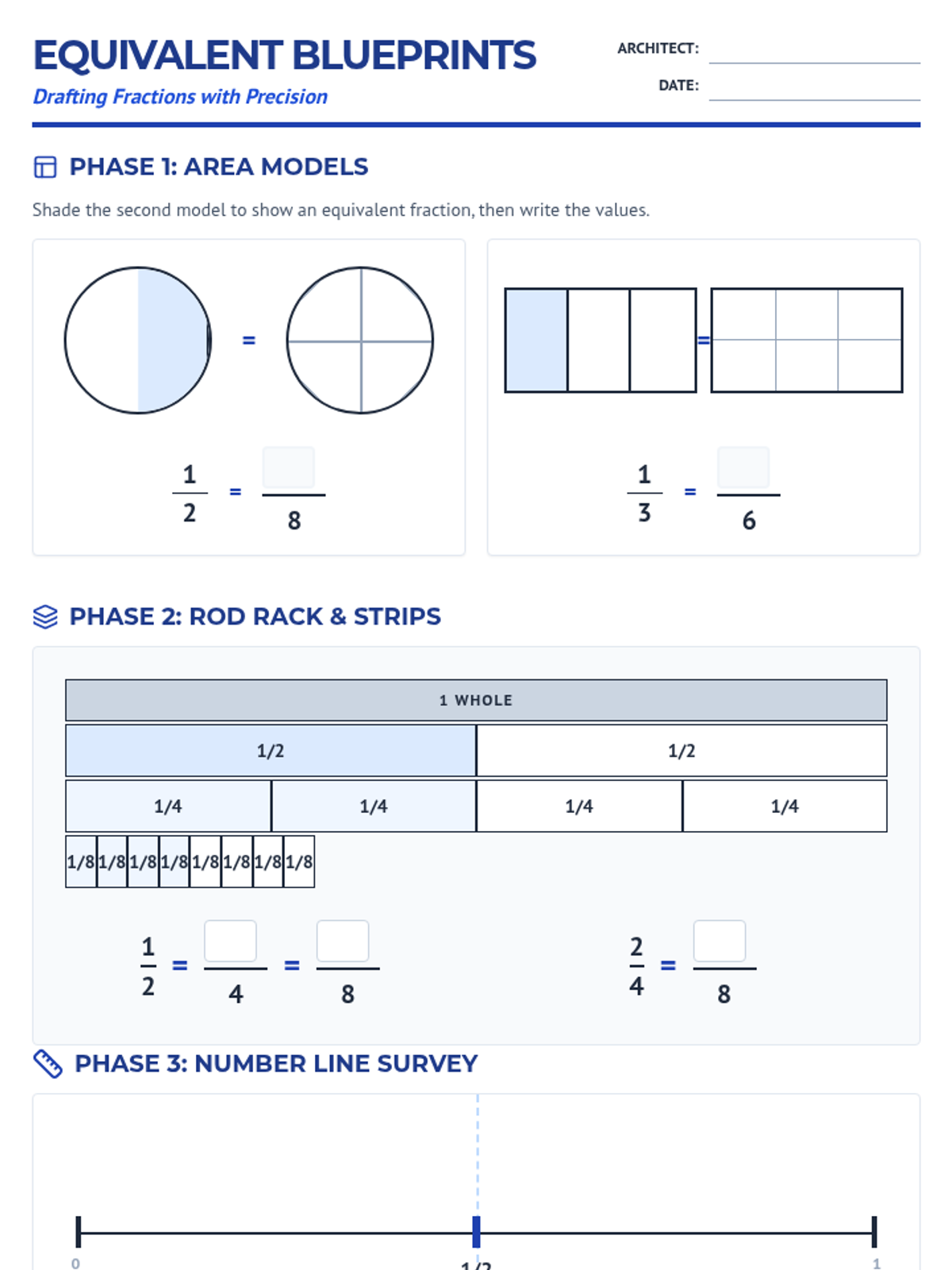
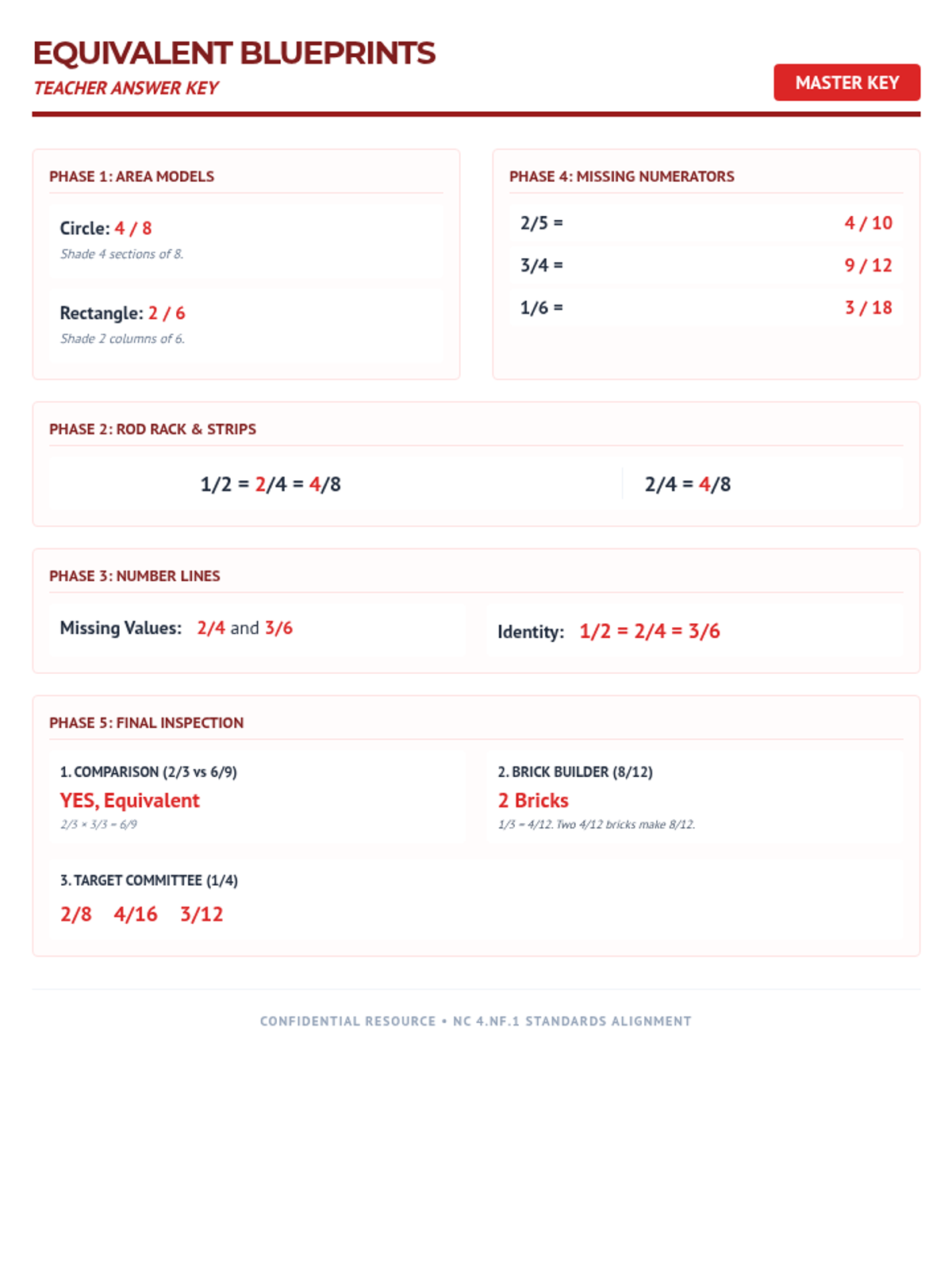
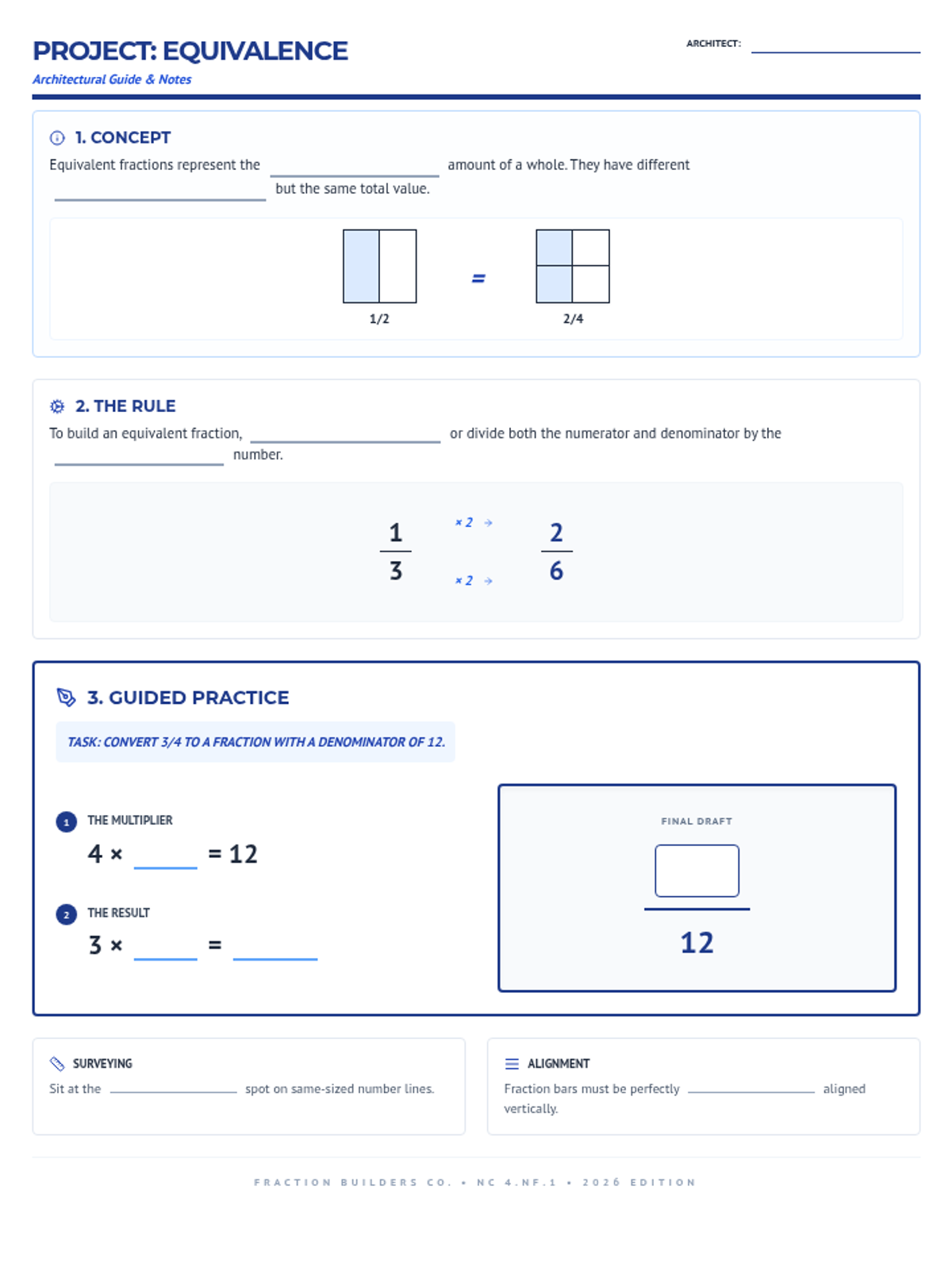
A comprehensive lesson on equivalent fractions using visual models like area models, number lines, and fraction strips to build conceptual understanding before moving to numeric methods.
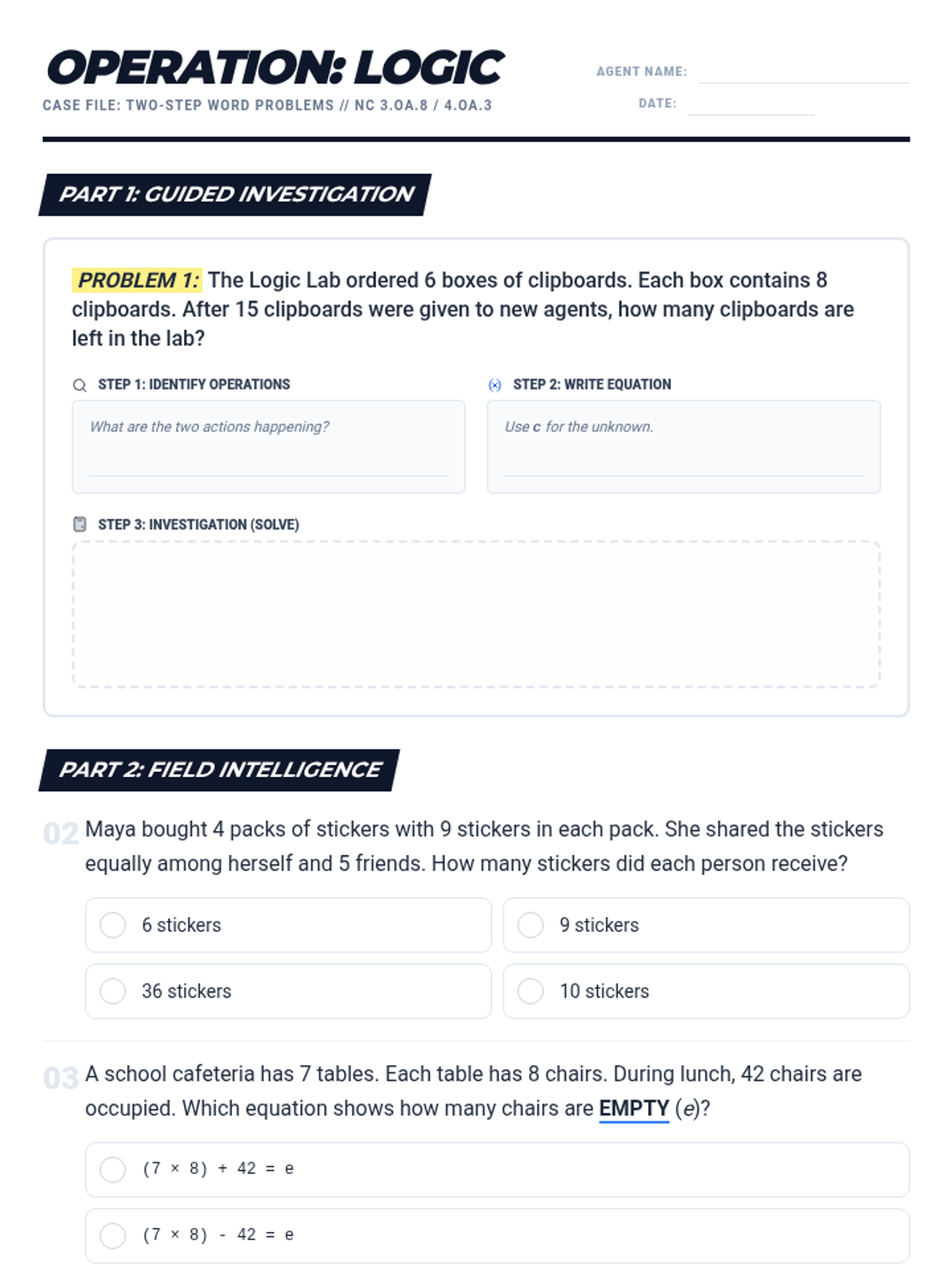
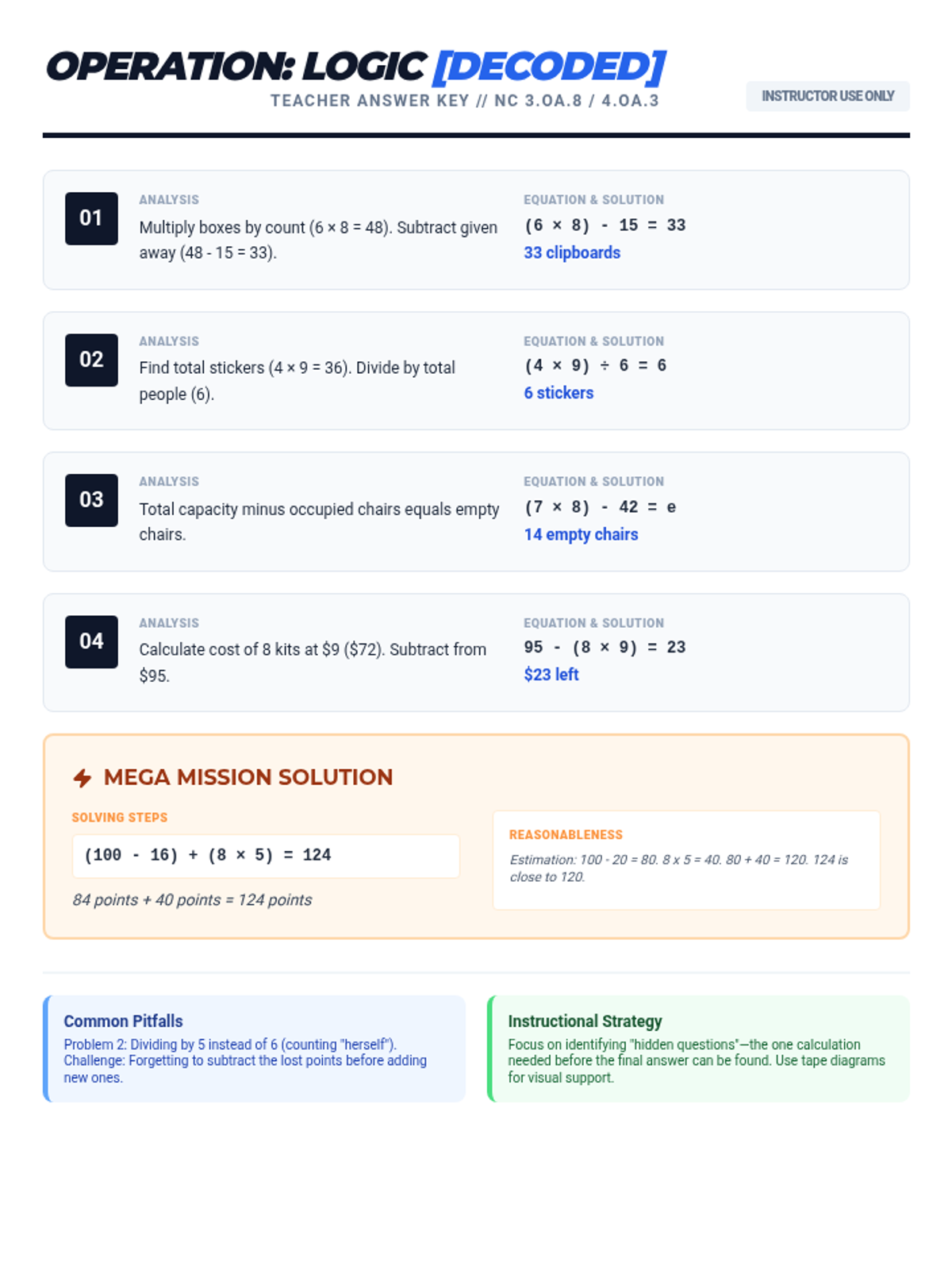
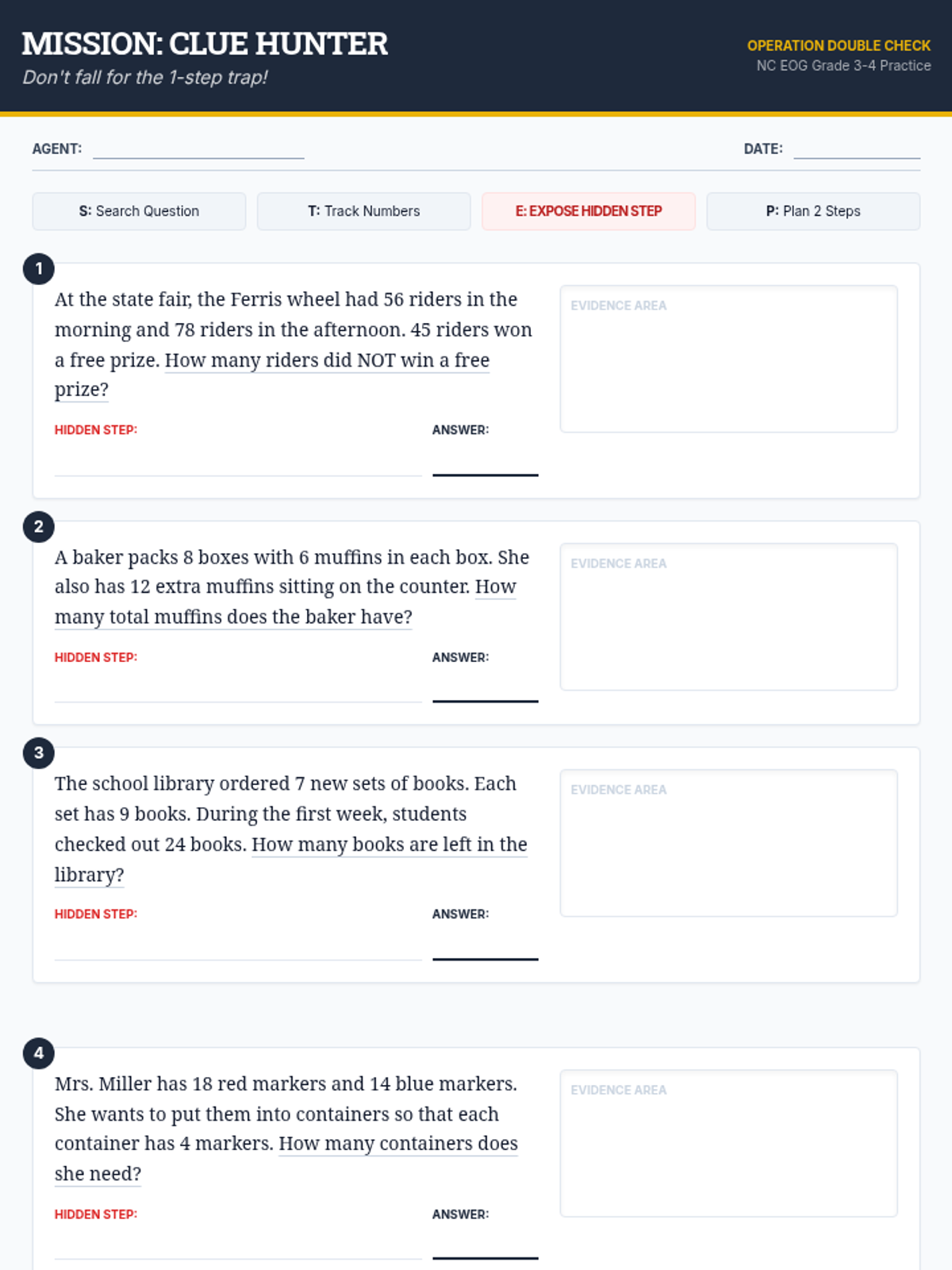
A rigorous dive into solving two-step word problems using all four operations, designed for NC Grade 3/4 EOG preparation. Students will practice breaking down problems, writing equations with variables, and checking for reasonableness.
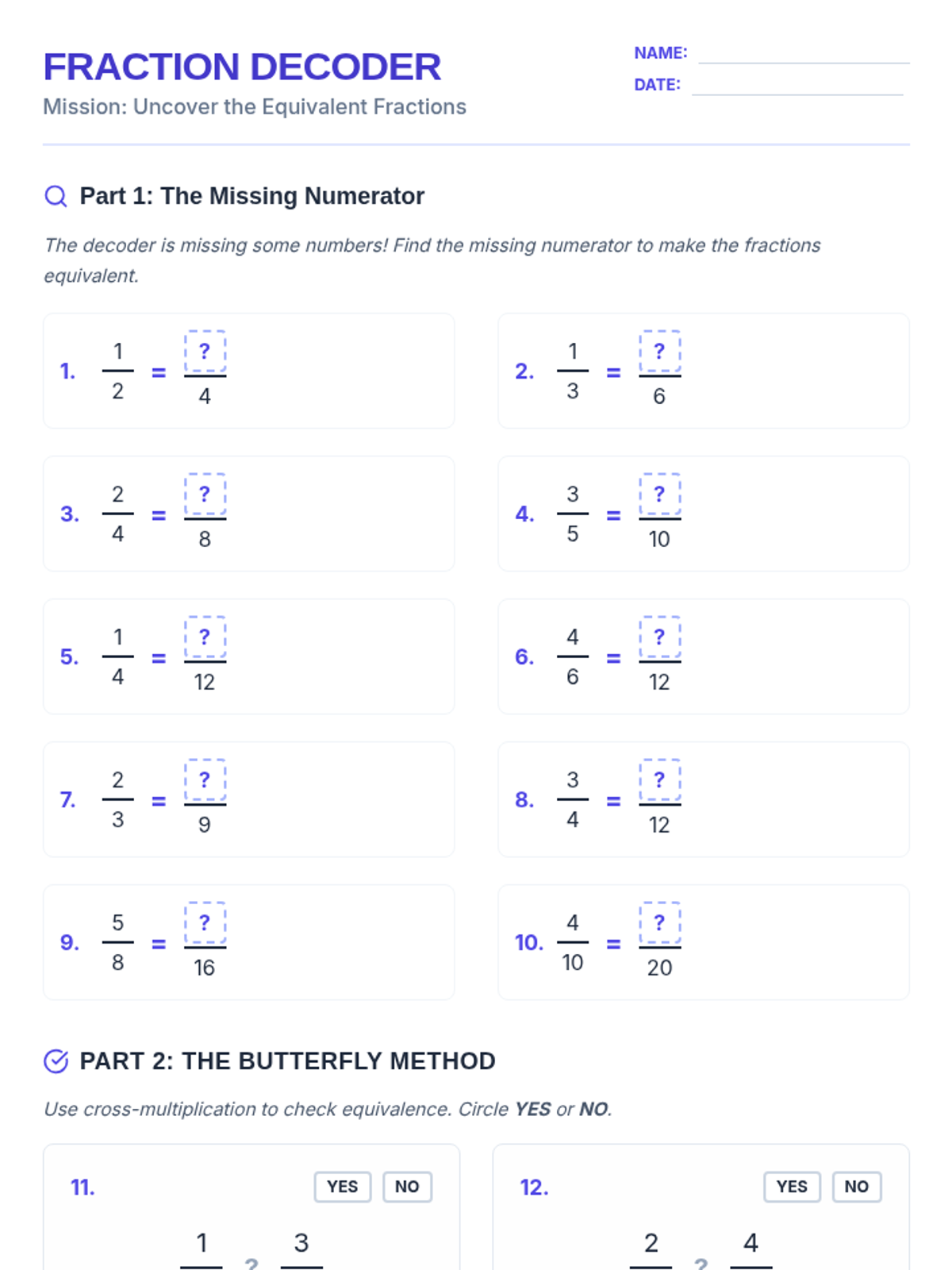
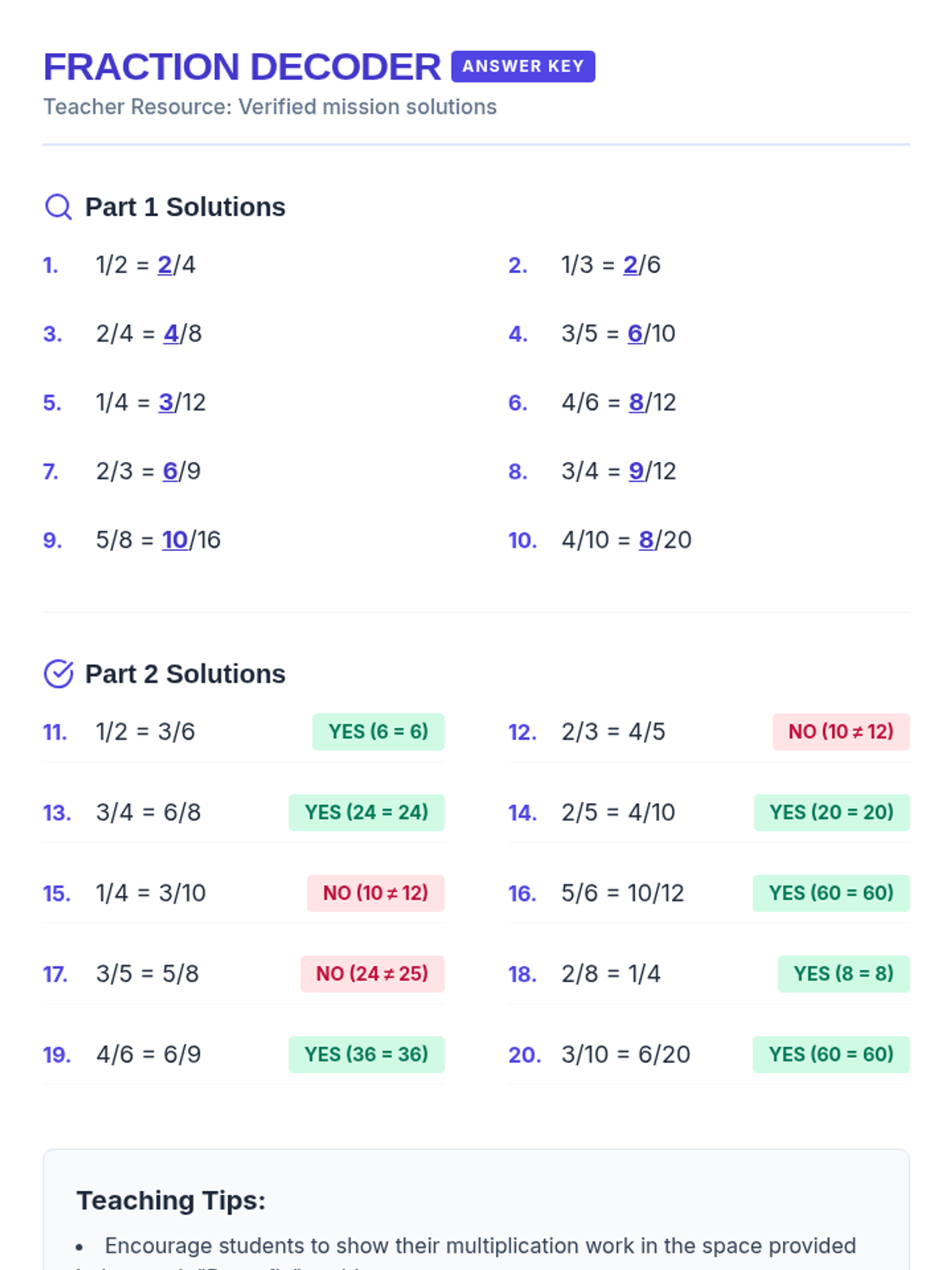
A lesson focused on identifying and creating equivalent fractions using numerical methods like cross-multiplication and scaling, without the use of visual models.
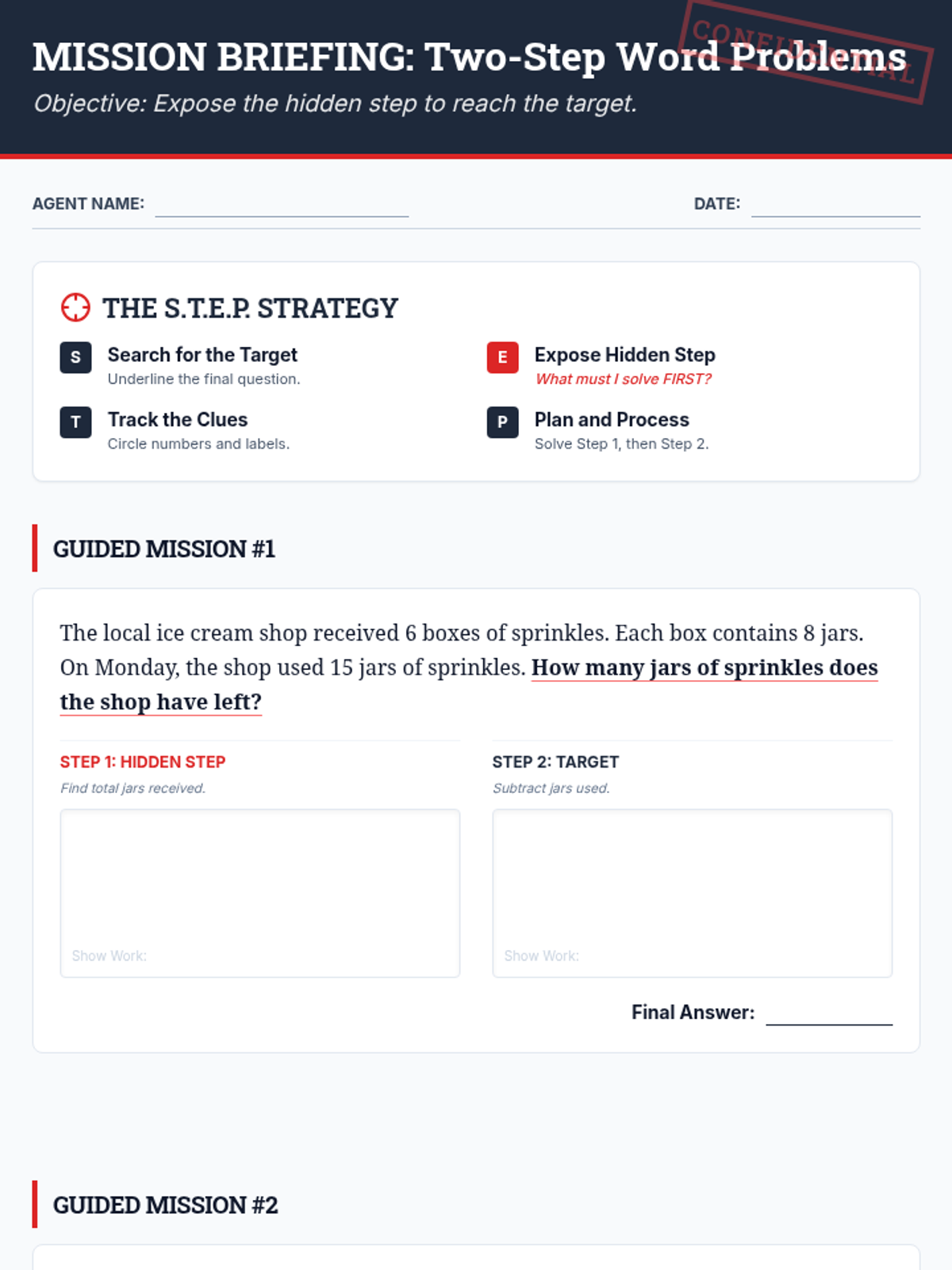
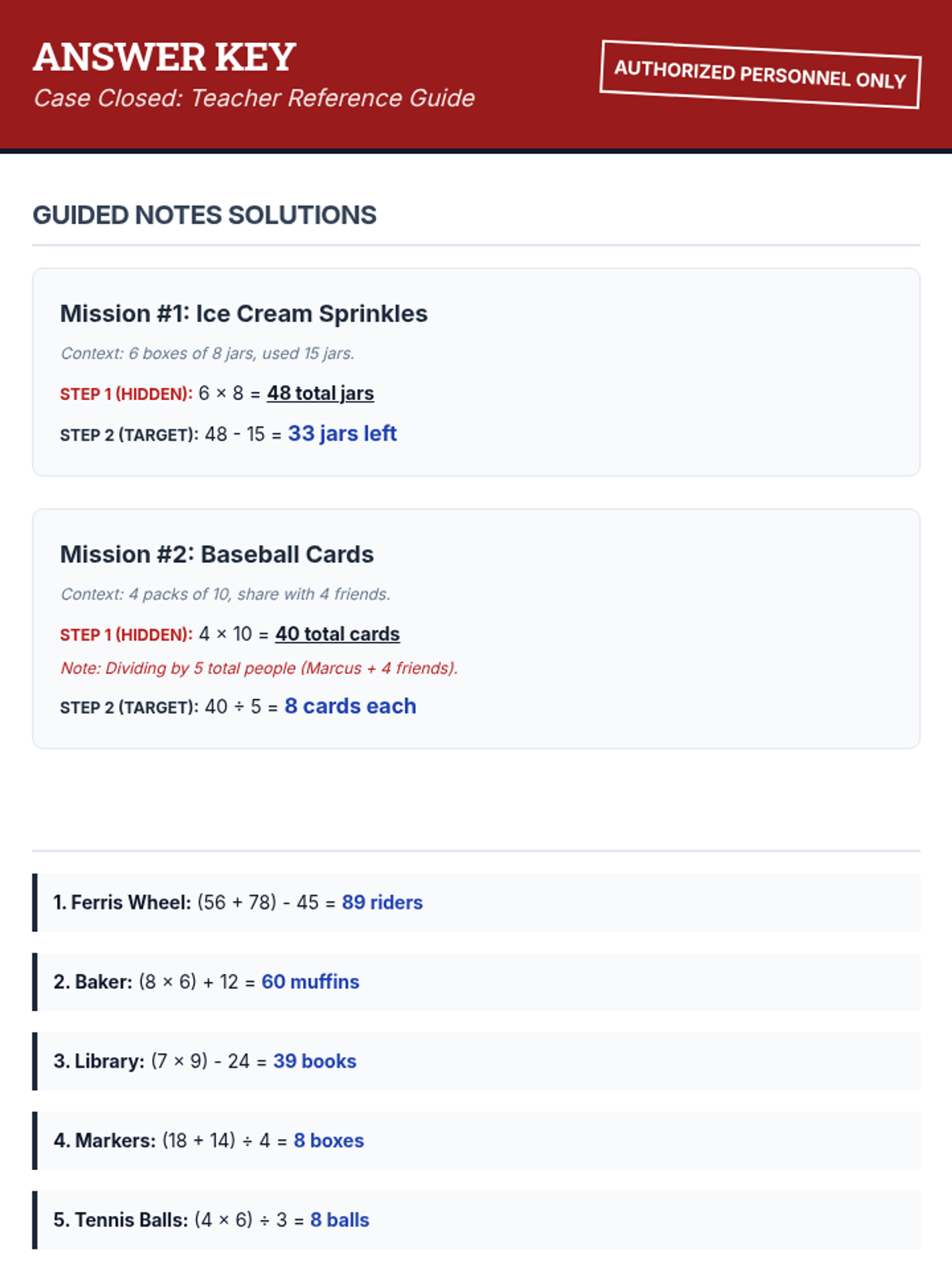
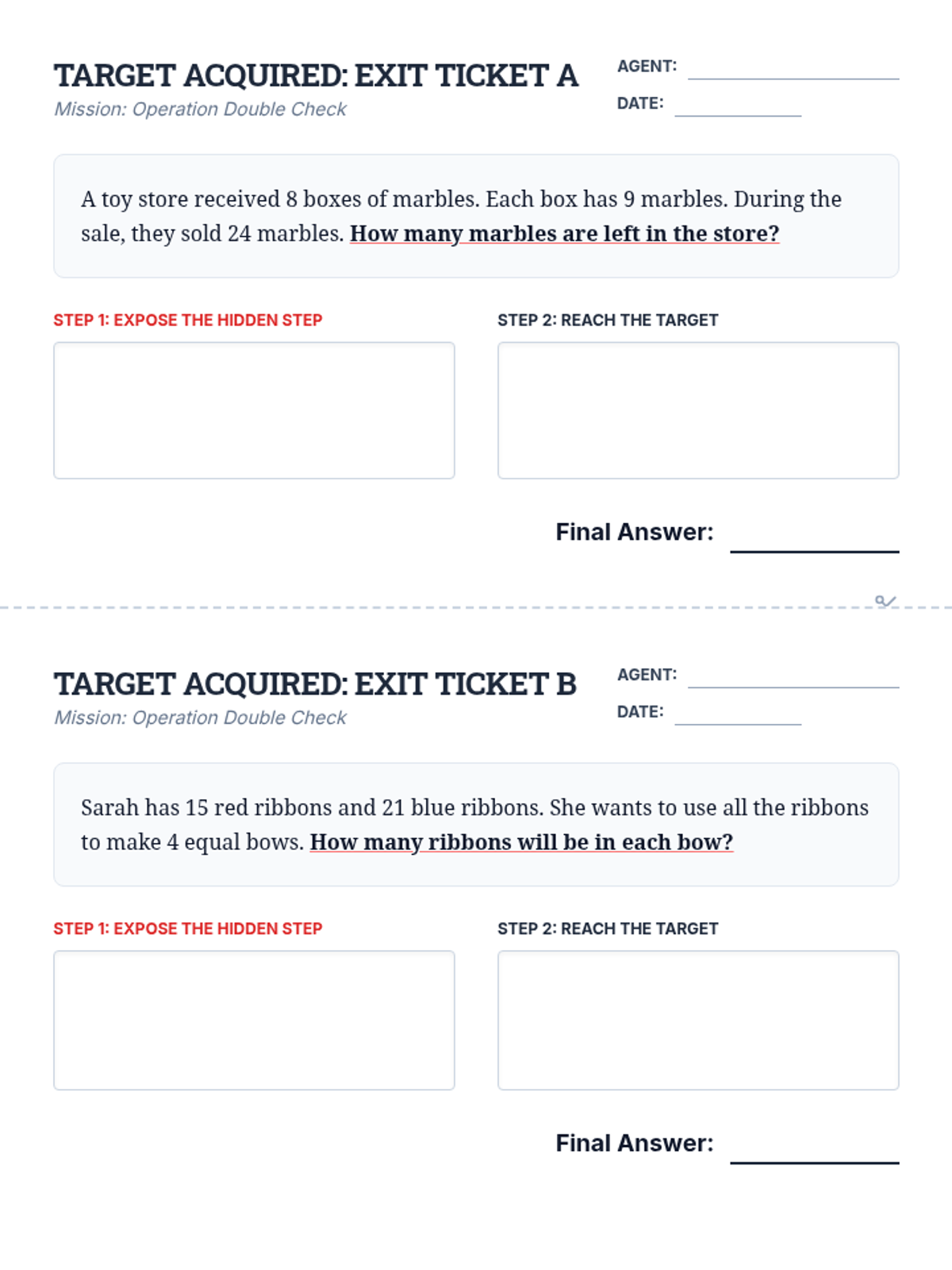
A mission-themed lesson focused on identifying the 'hidden step' in two-step word problems. Students learn a specific strategy to ensure they answer the full question rather than stopping after one operation.
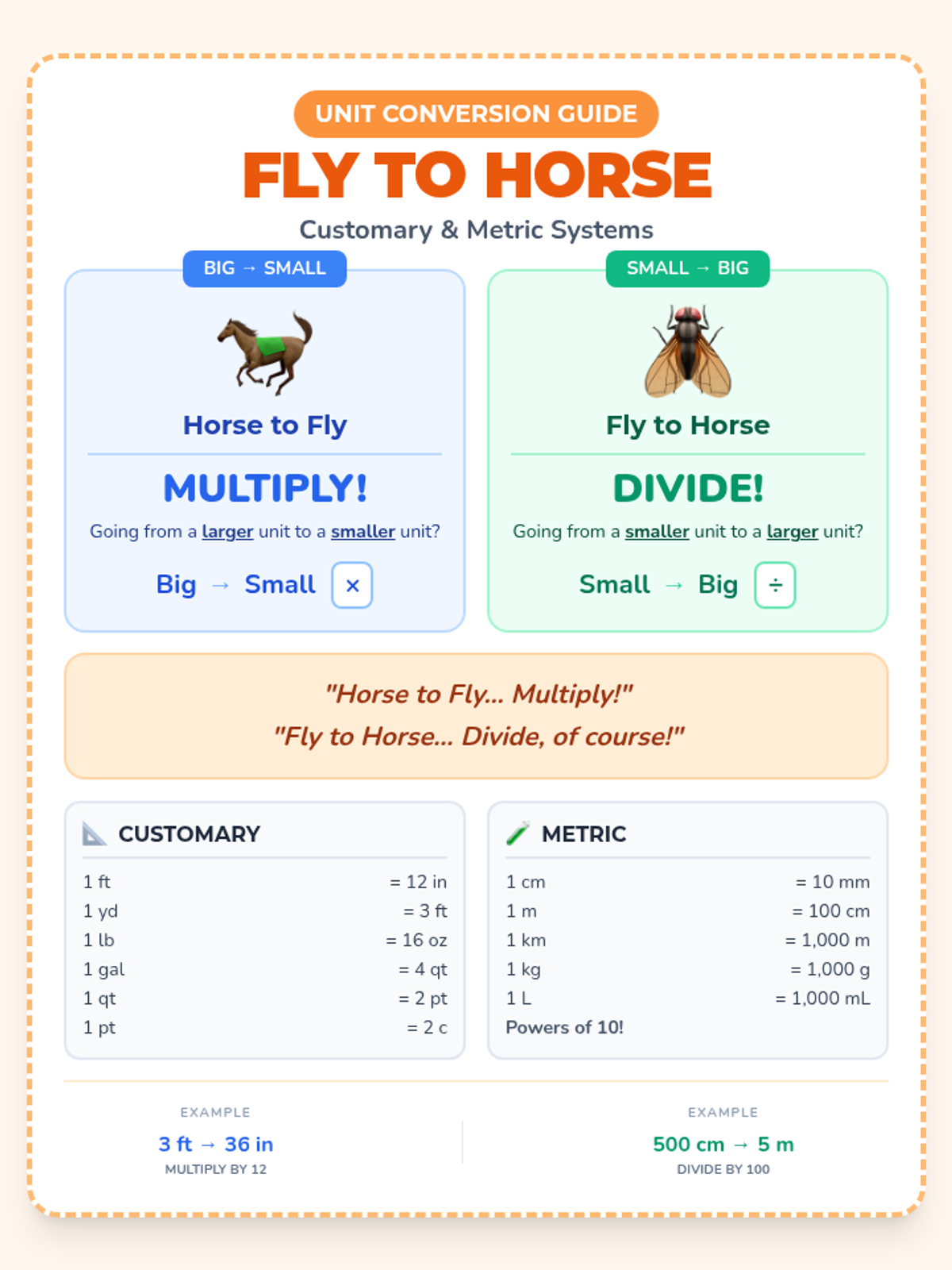
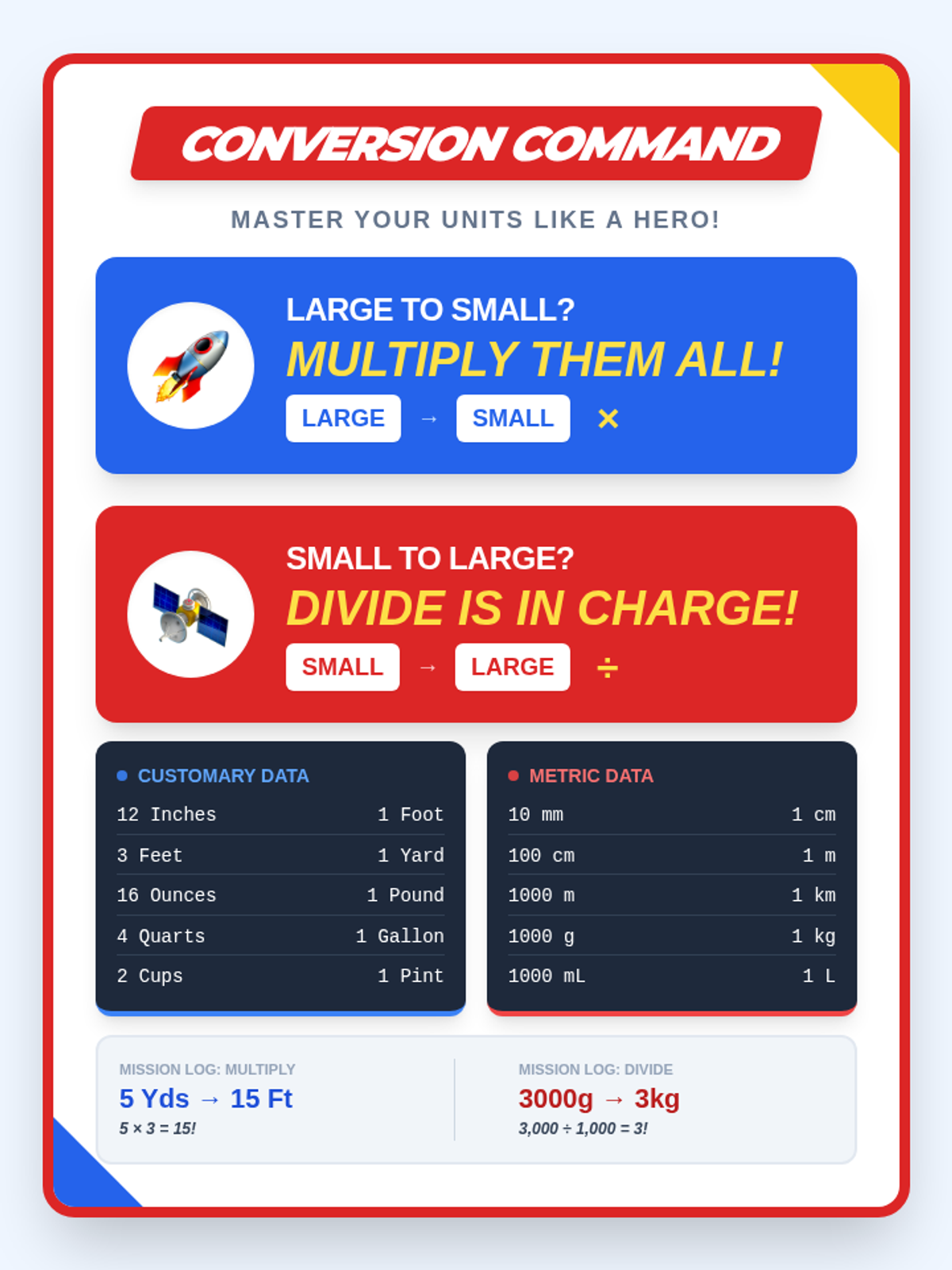
A collection of visual aids and tools to help students master unit conversions across Customary and Metric systems using various mnemonic strategies.
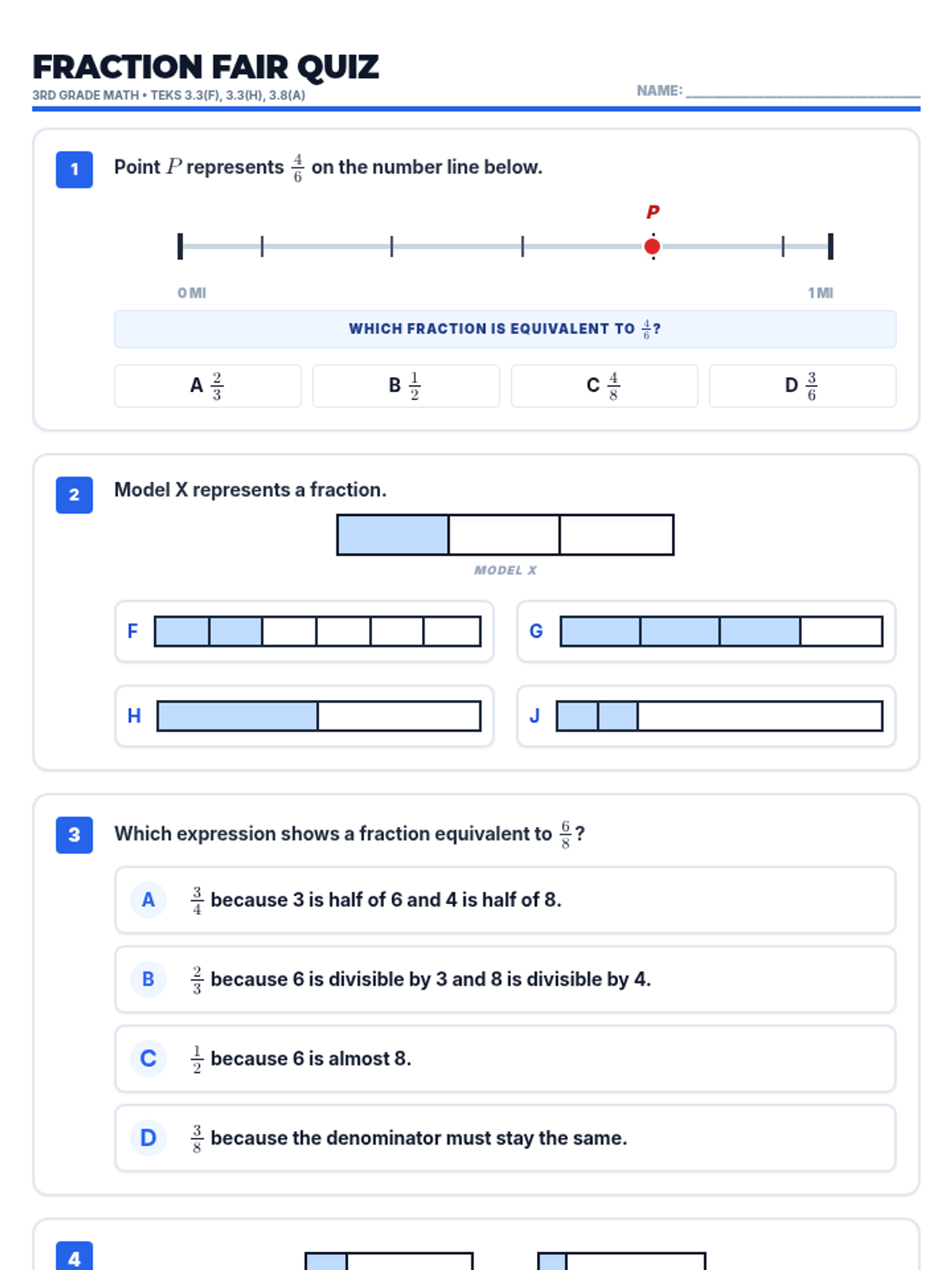
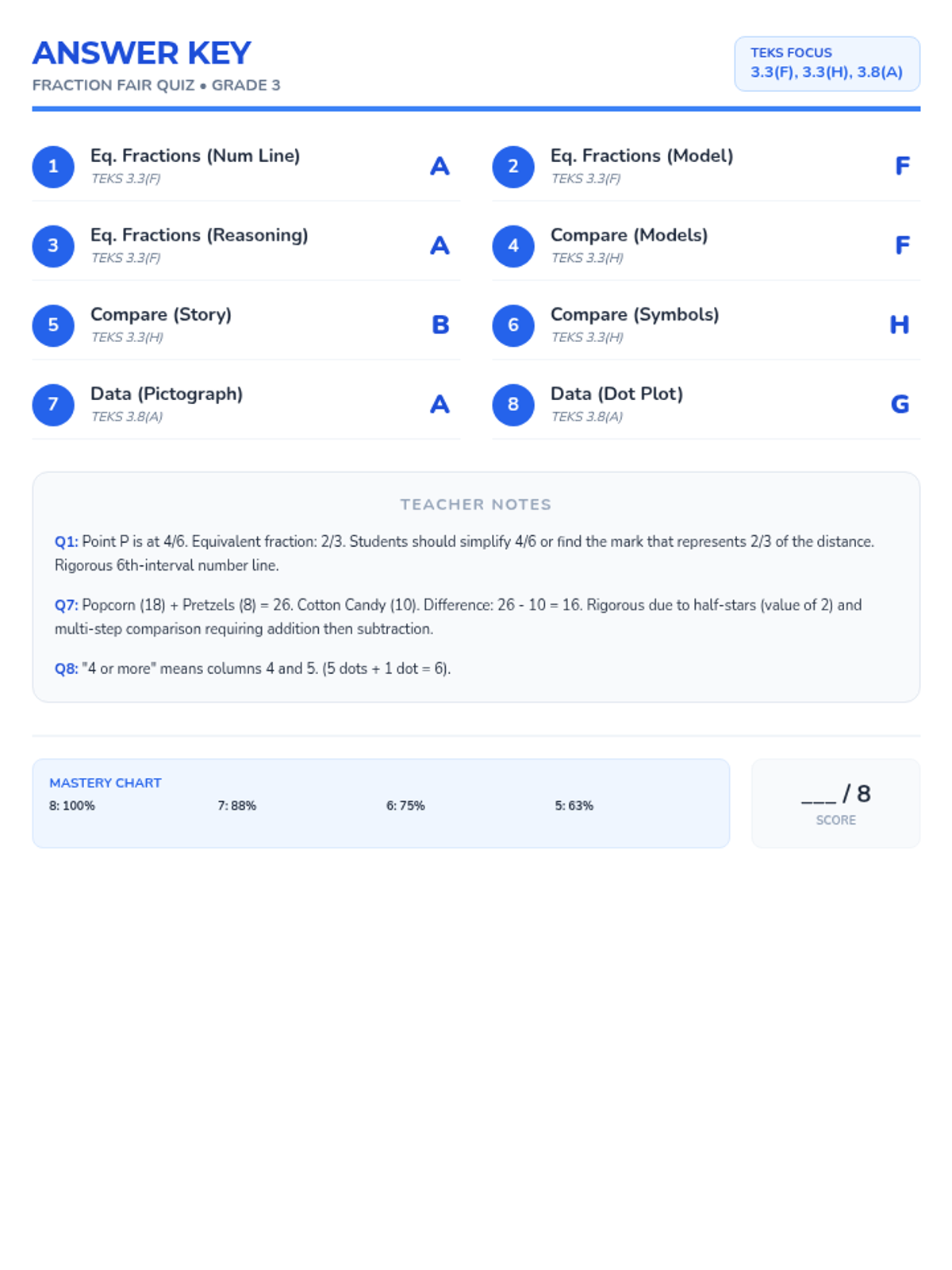
A 3rd-grade math quiz covering equivalent fractions, comparing fractions, and data analysis using bar graphs and dot plots, aligned with STAAR standards.
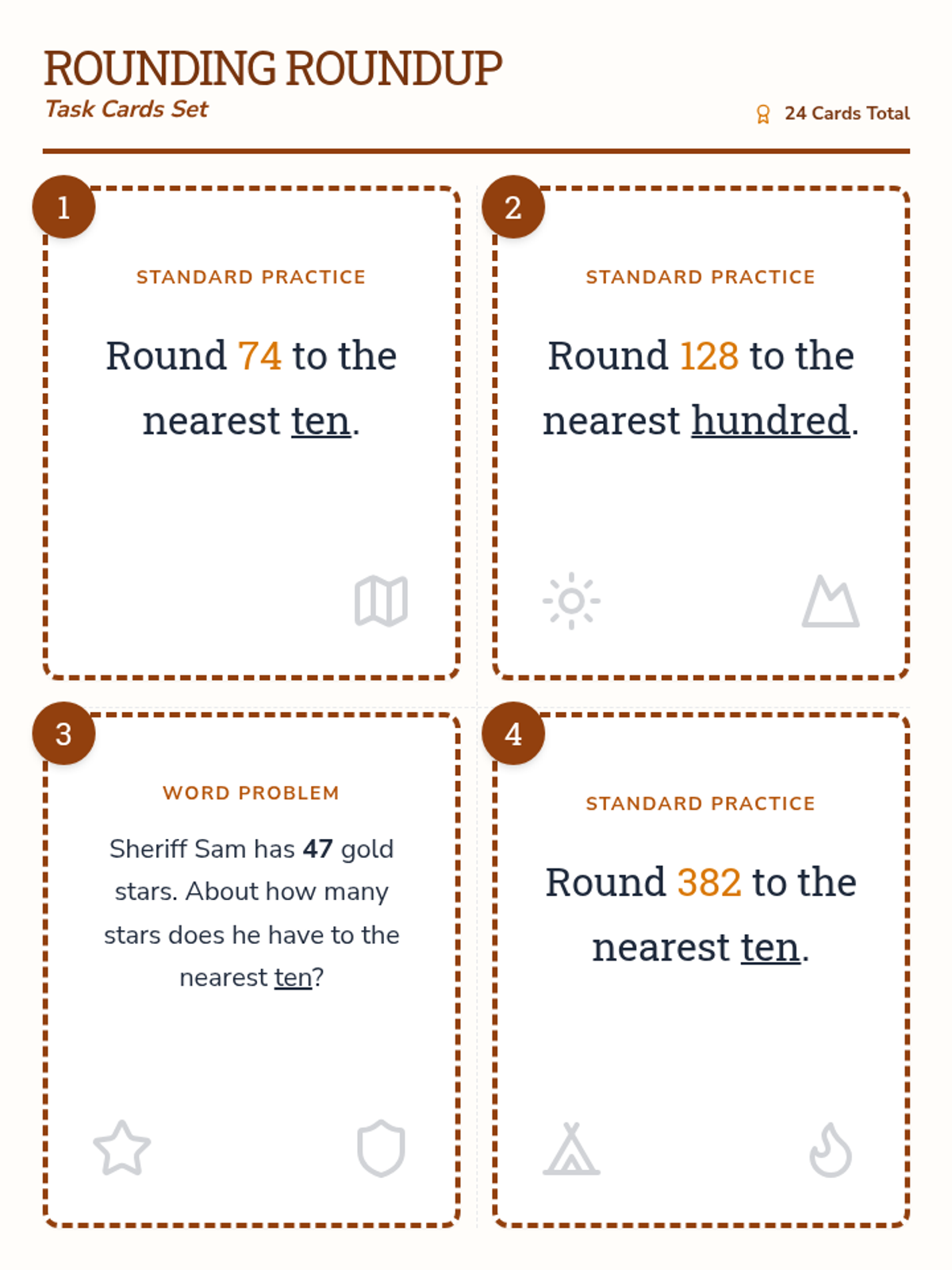
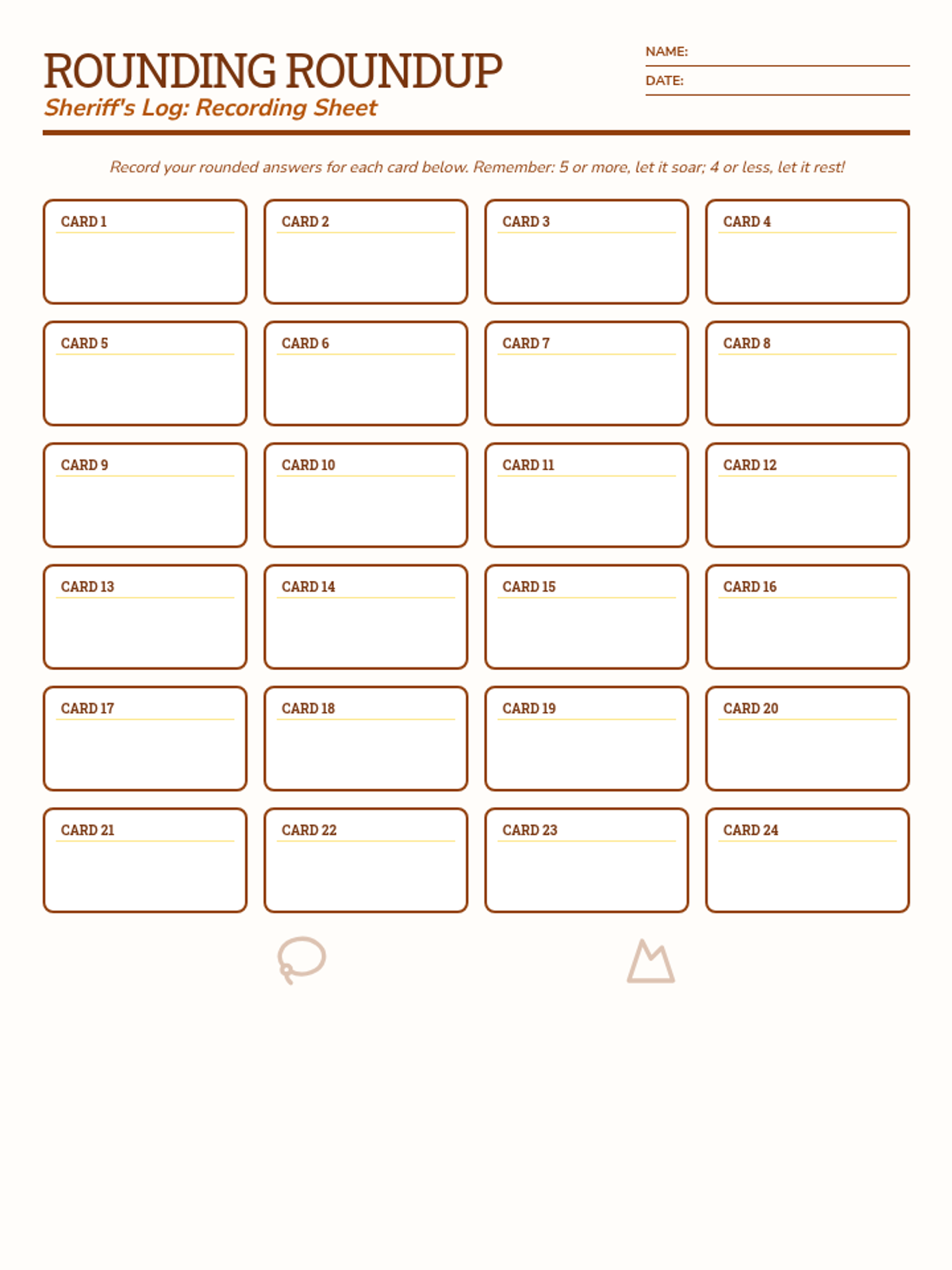
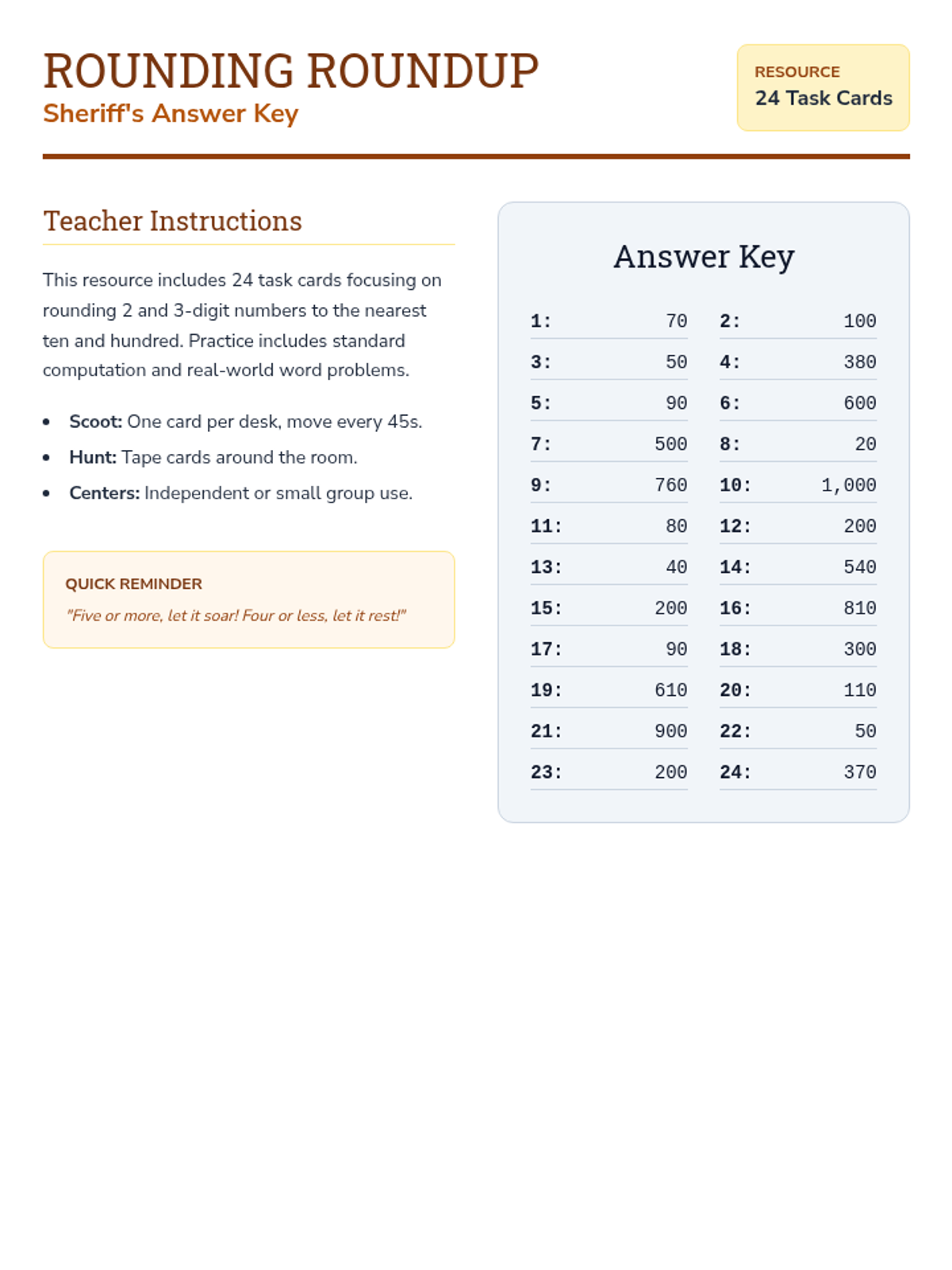
A Wild West-themed practice session for rounding 2 and 3-digit numbers to the nearest ten and hundred using task cards and word problems.
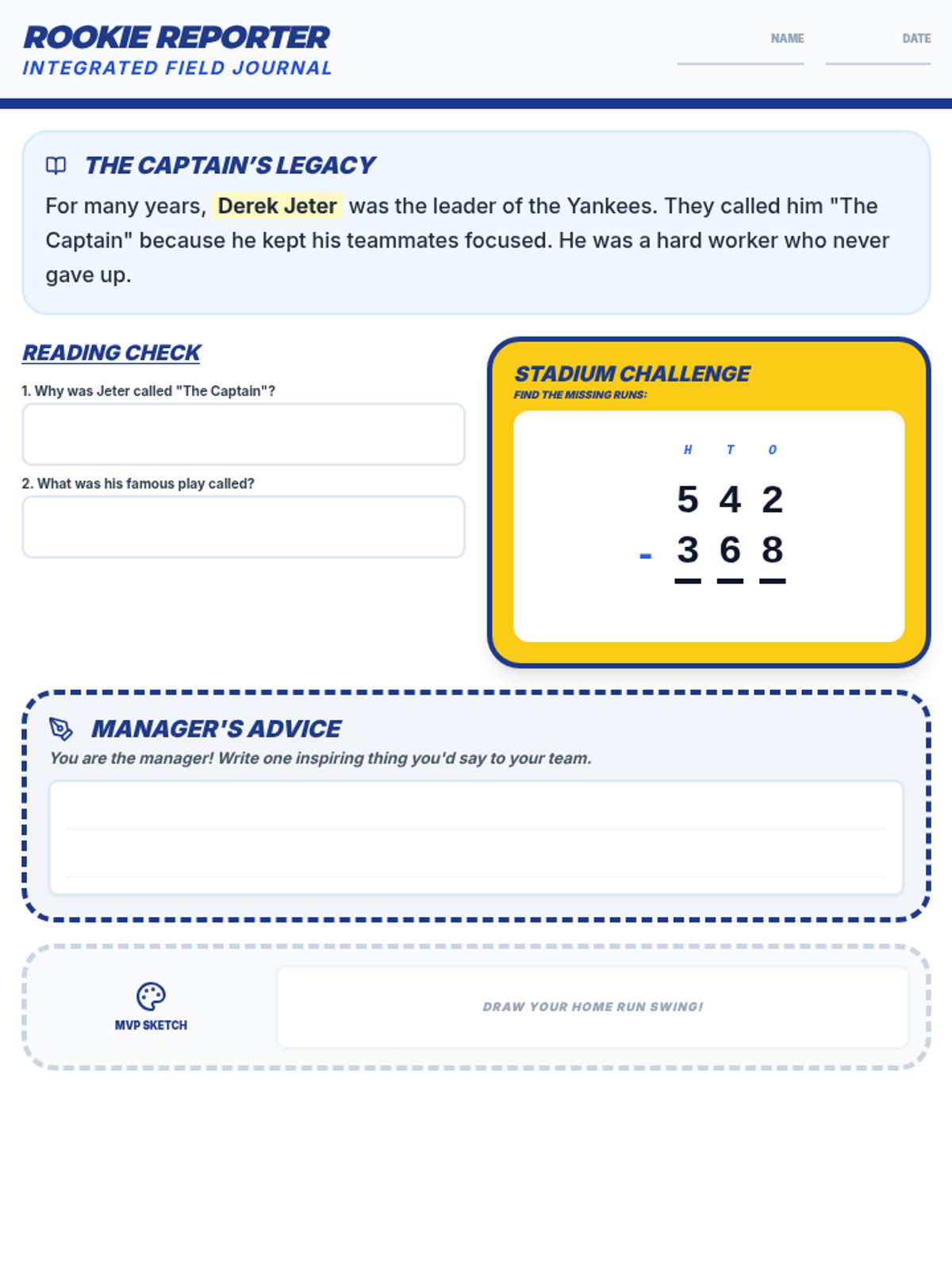
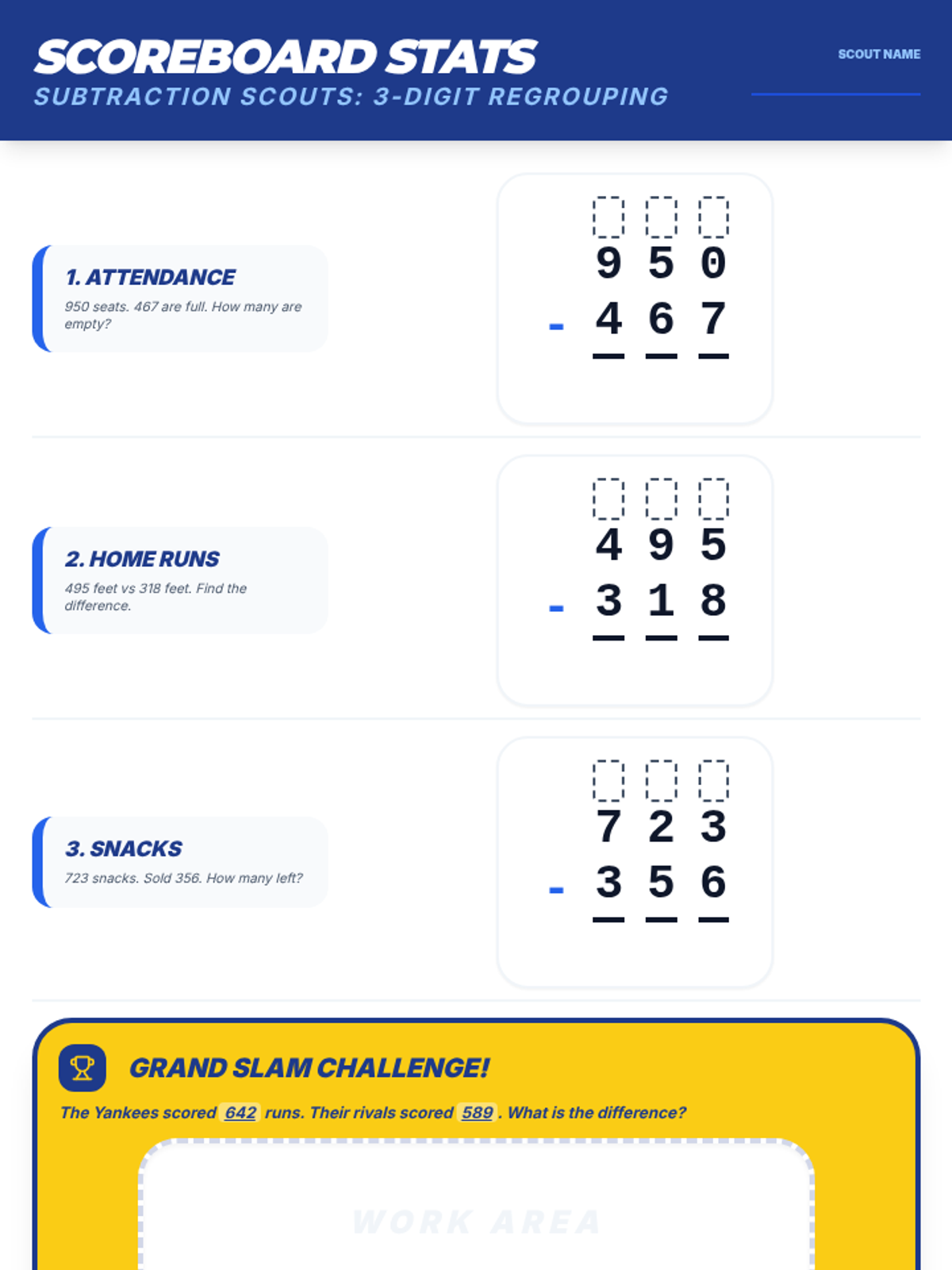
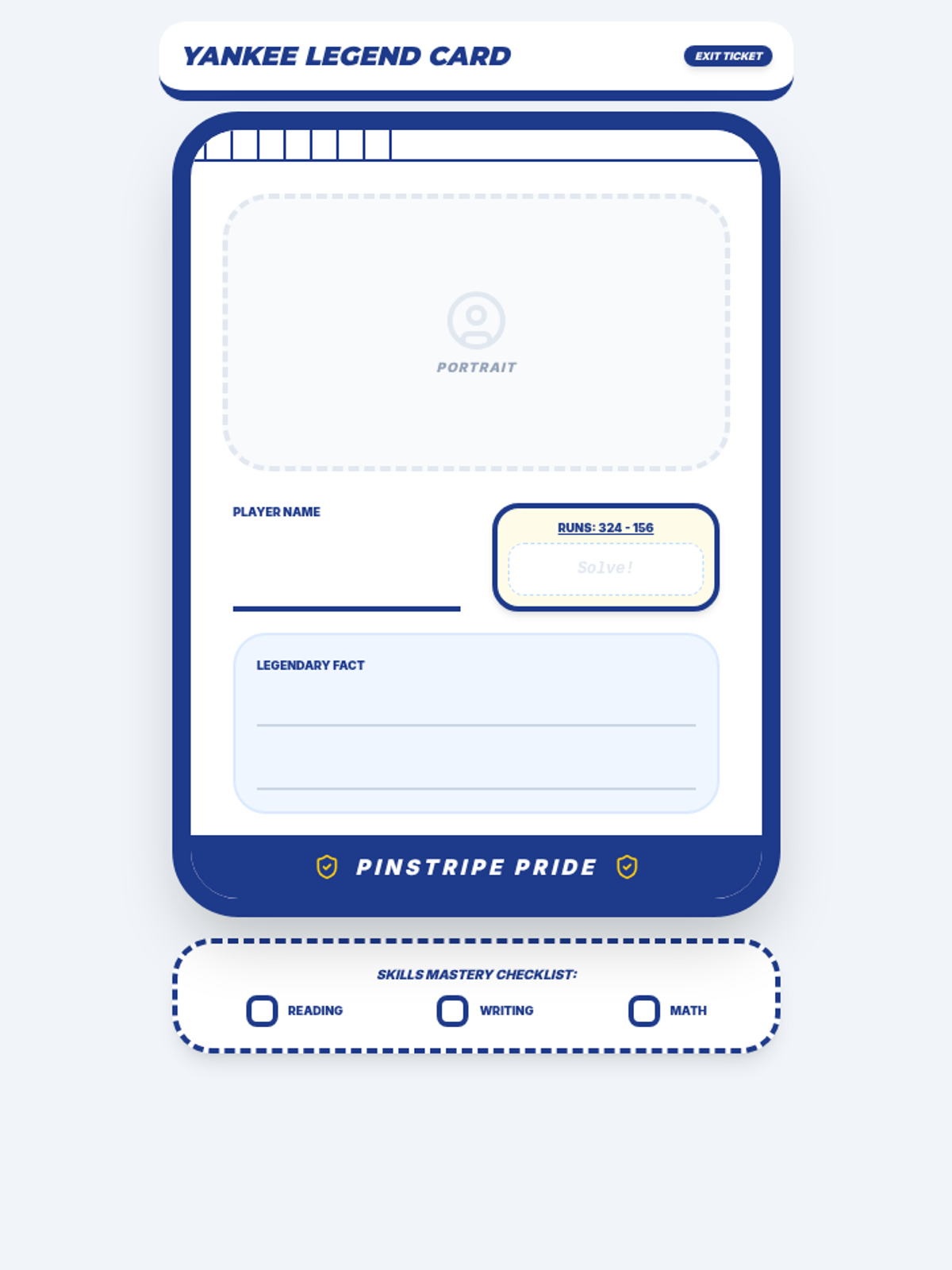
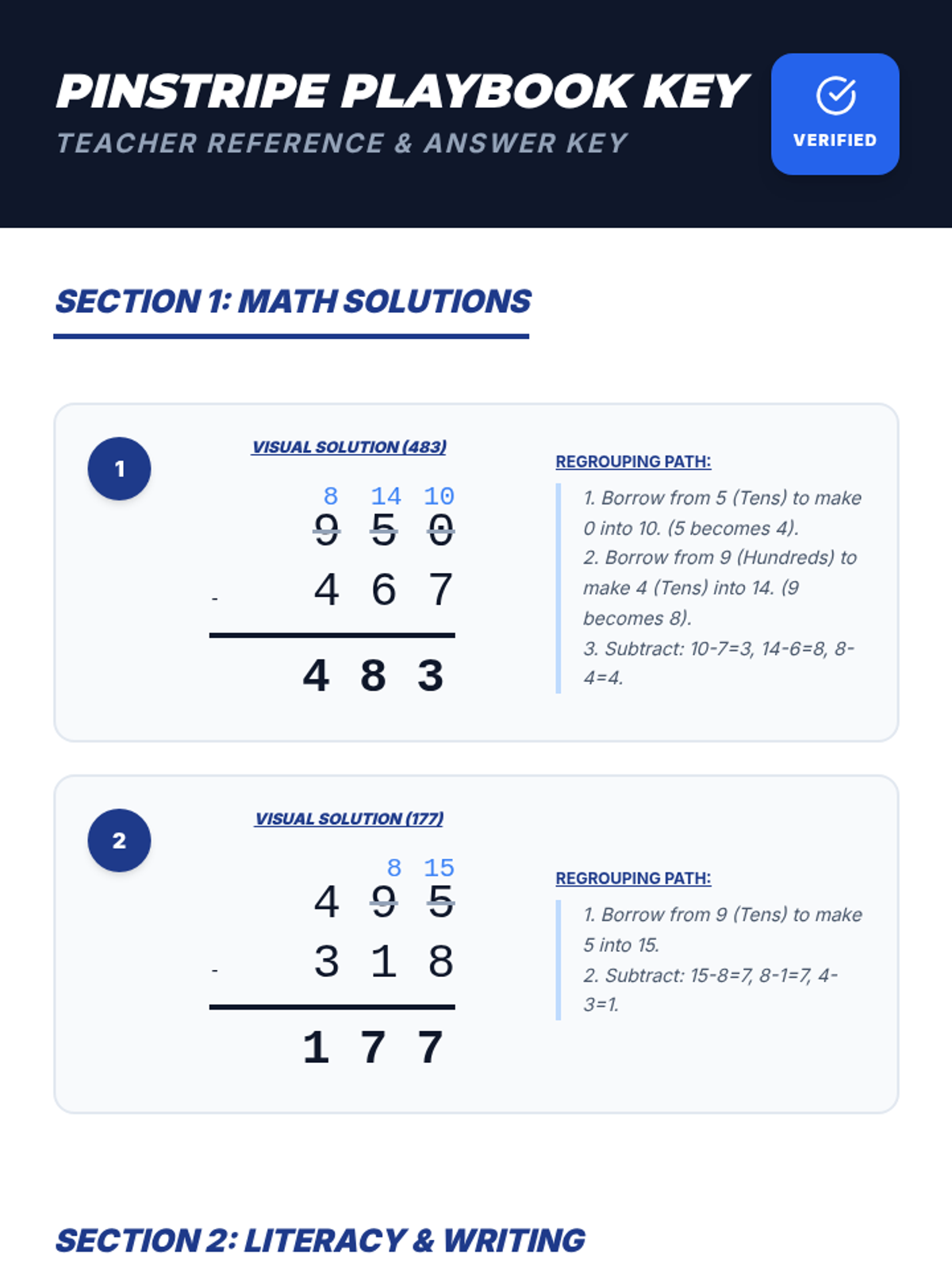
An integrated literacy and math lesson themed around the New York Yankees, designed to build confidence and maintain engagement for students with attentional challenges. Students will practice 3-digit subtraction with regrouping through stadium statistics and develop reading and writing skills through baseball-themed narratives.
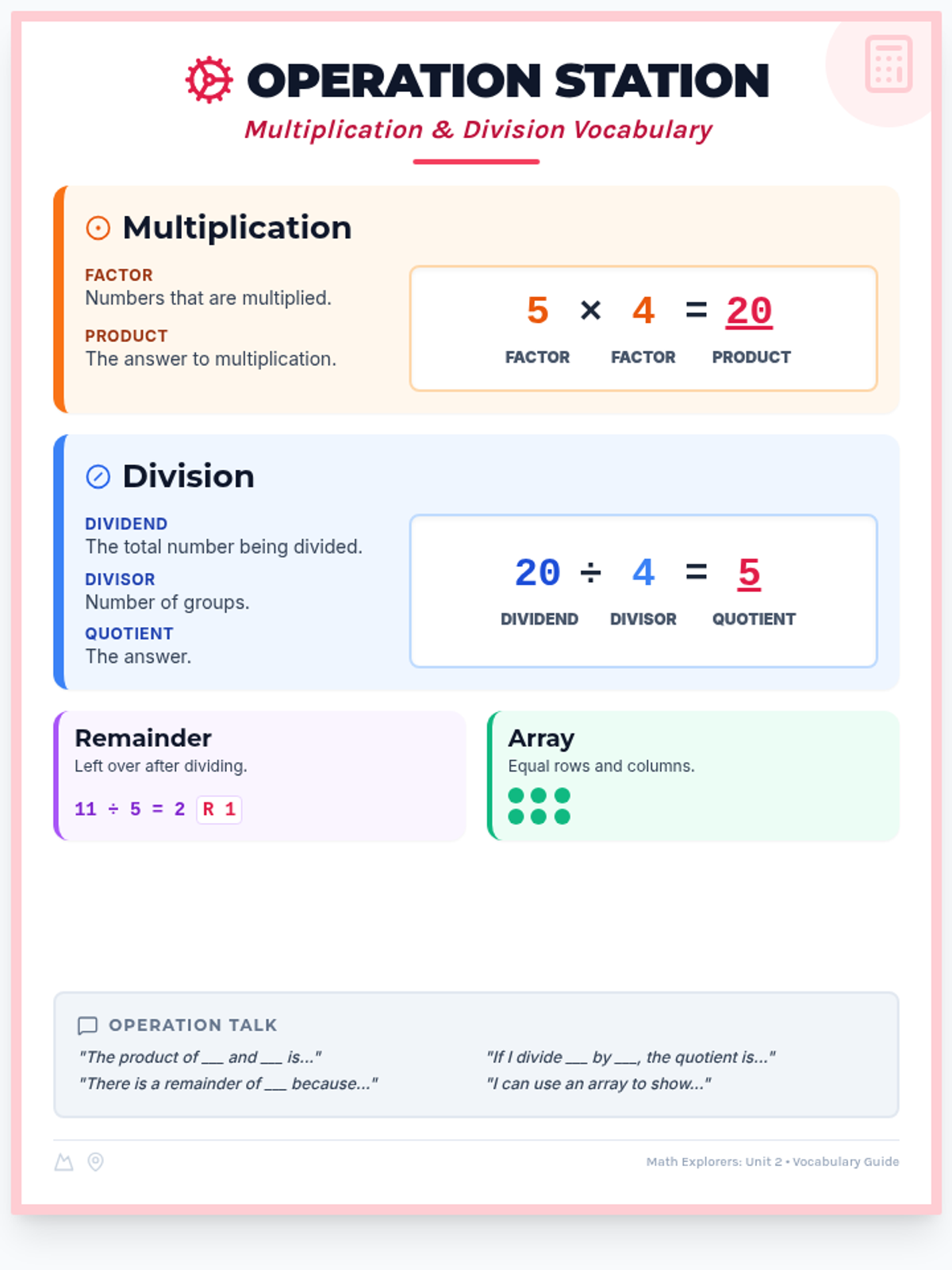
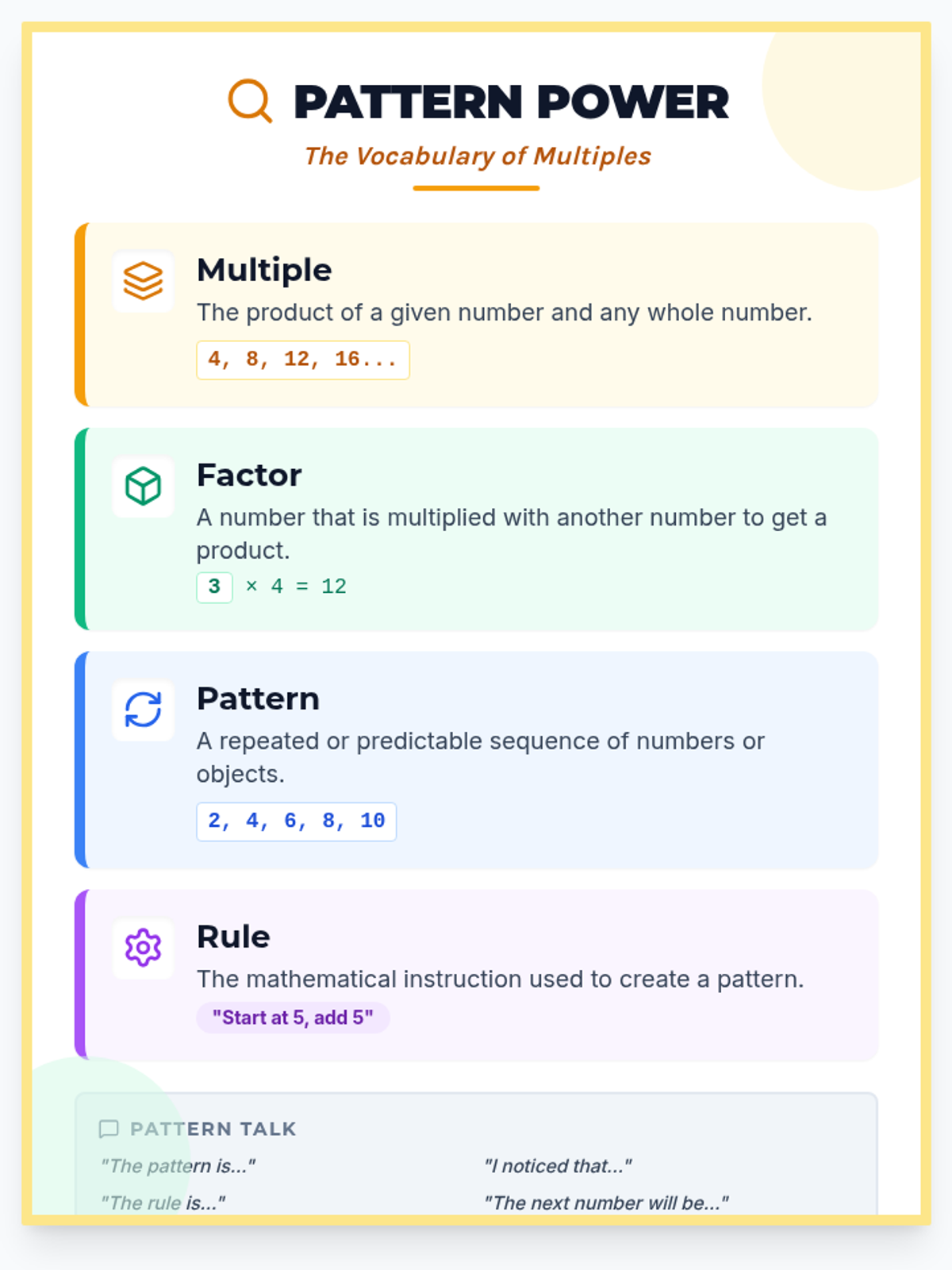
Foundational vocabulary and conceptual frameworks for multiplication and division in 4th Grade.
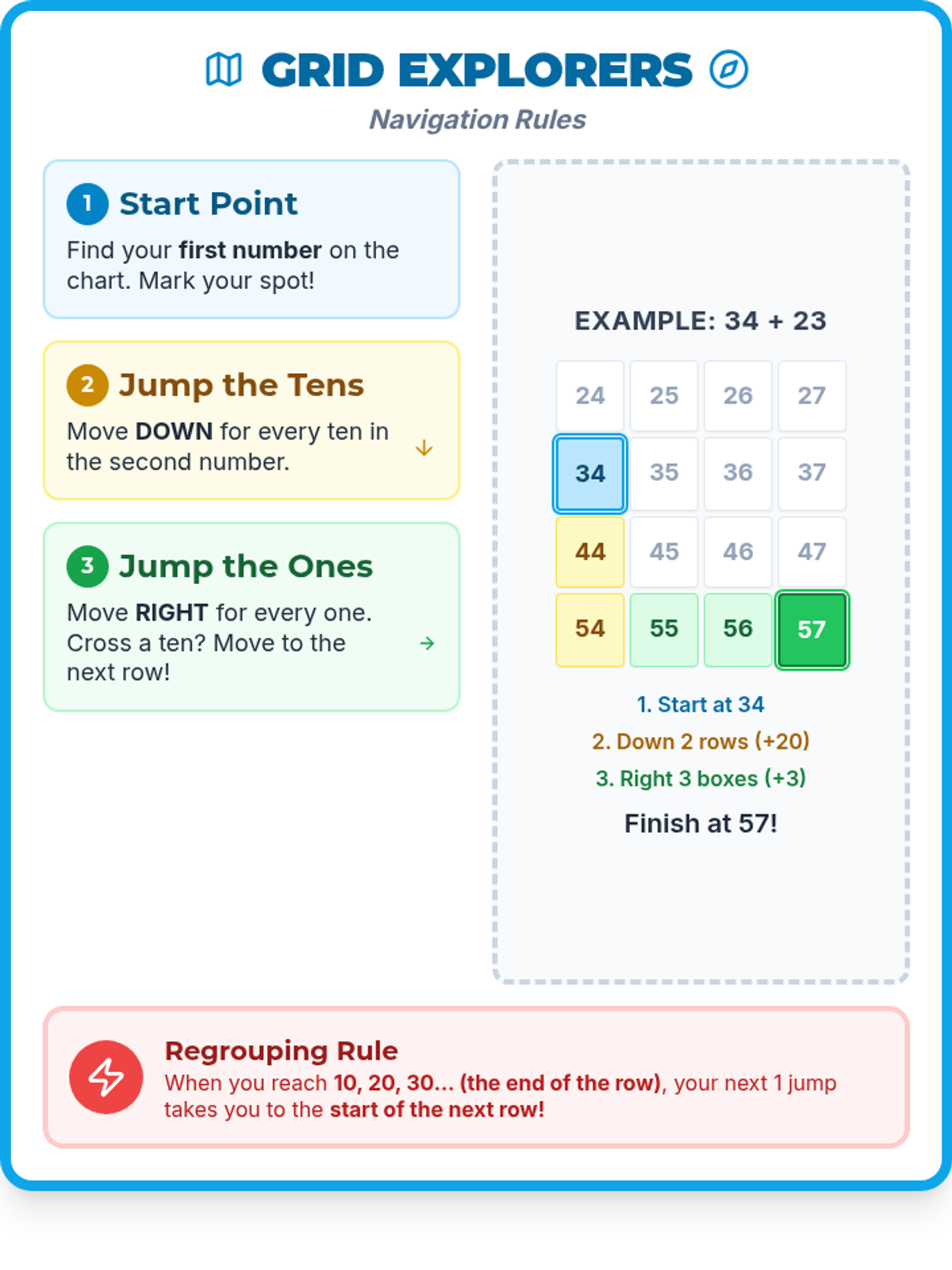
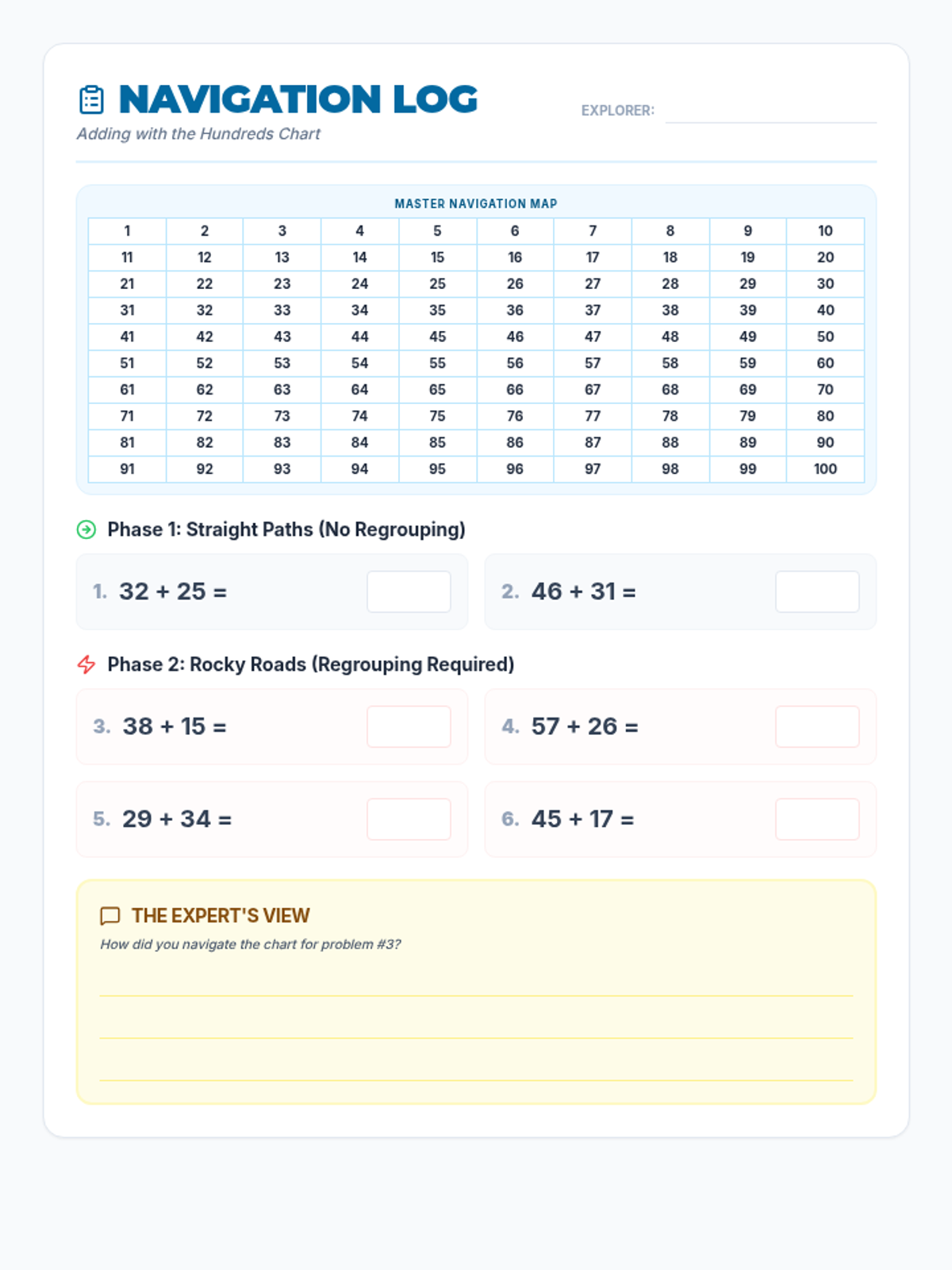
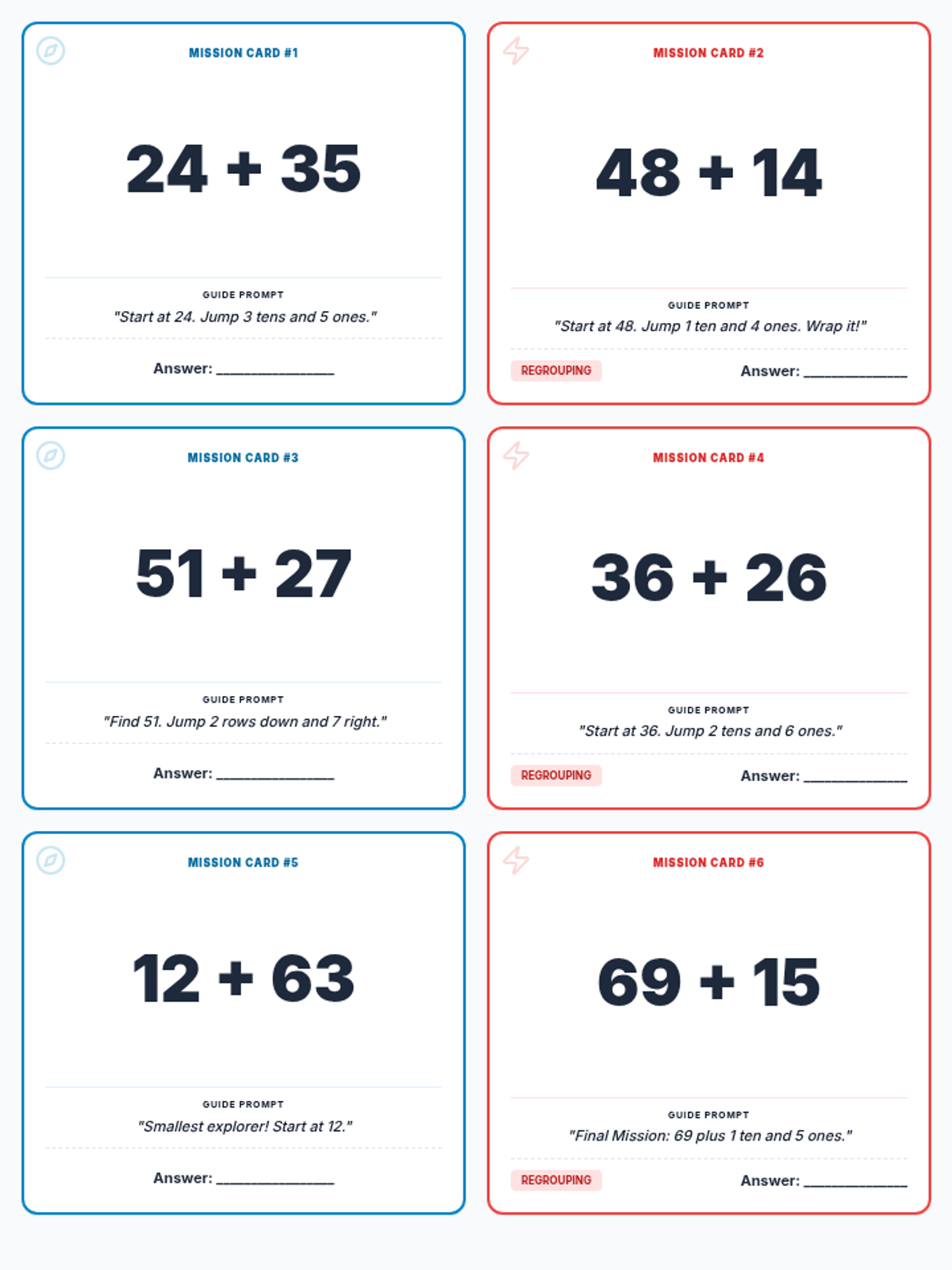
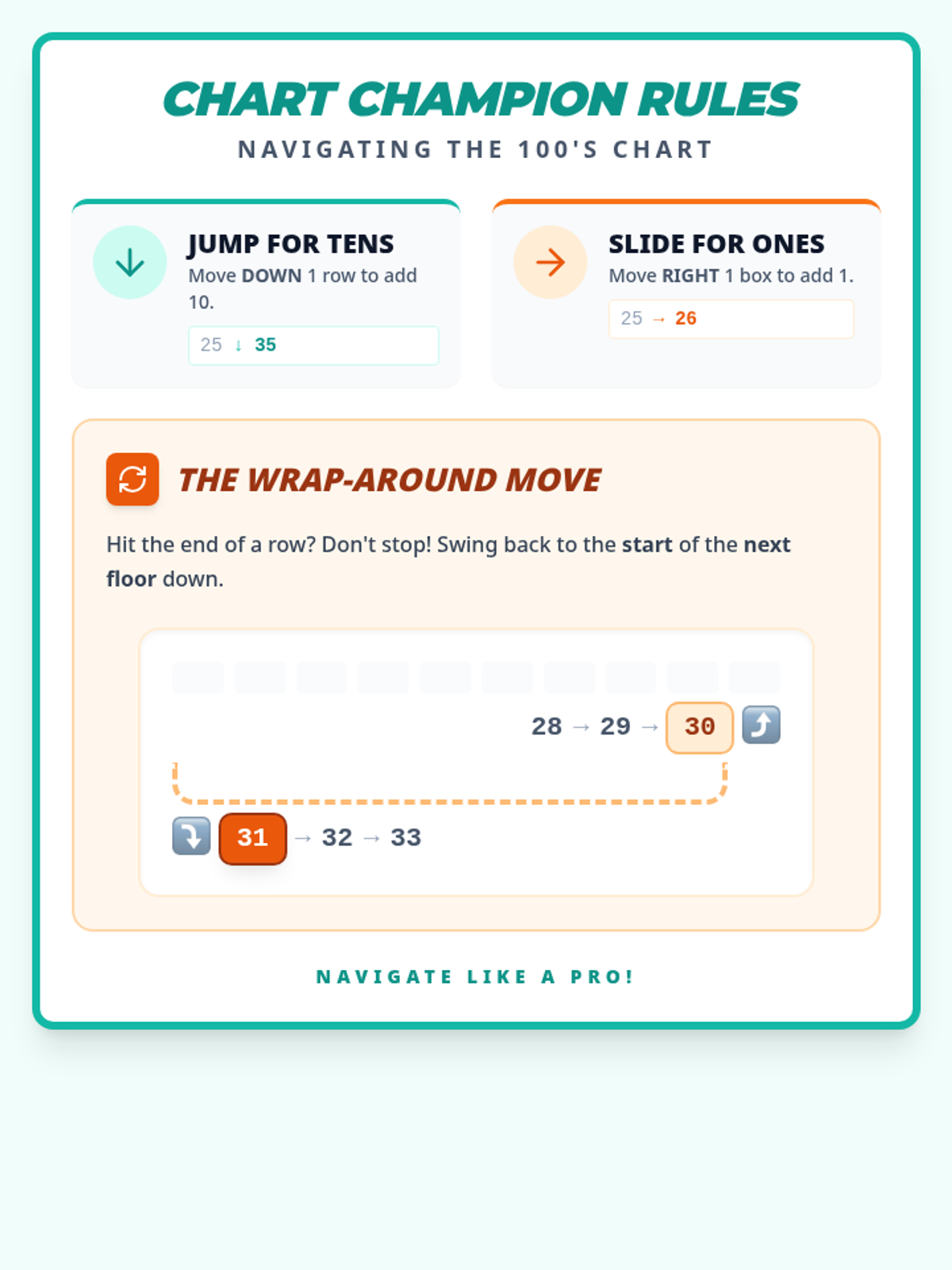
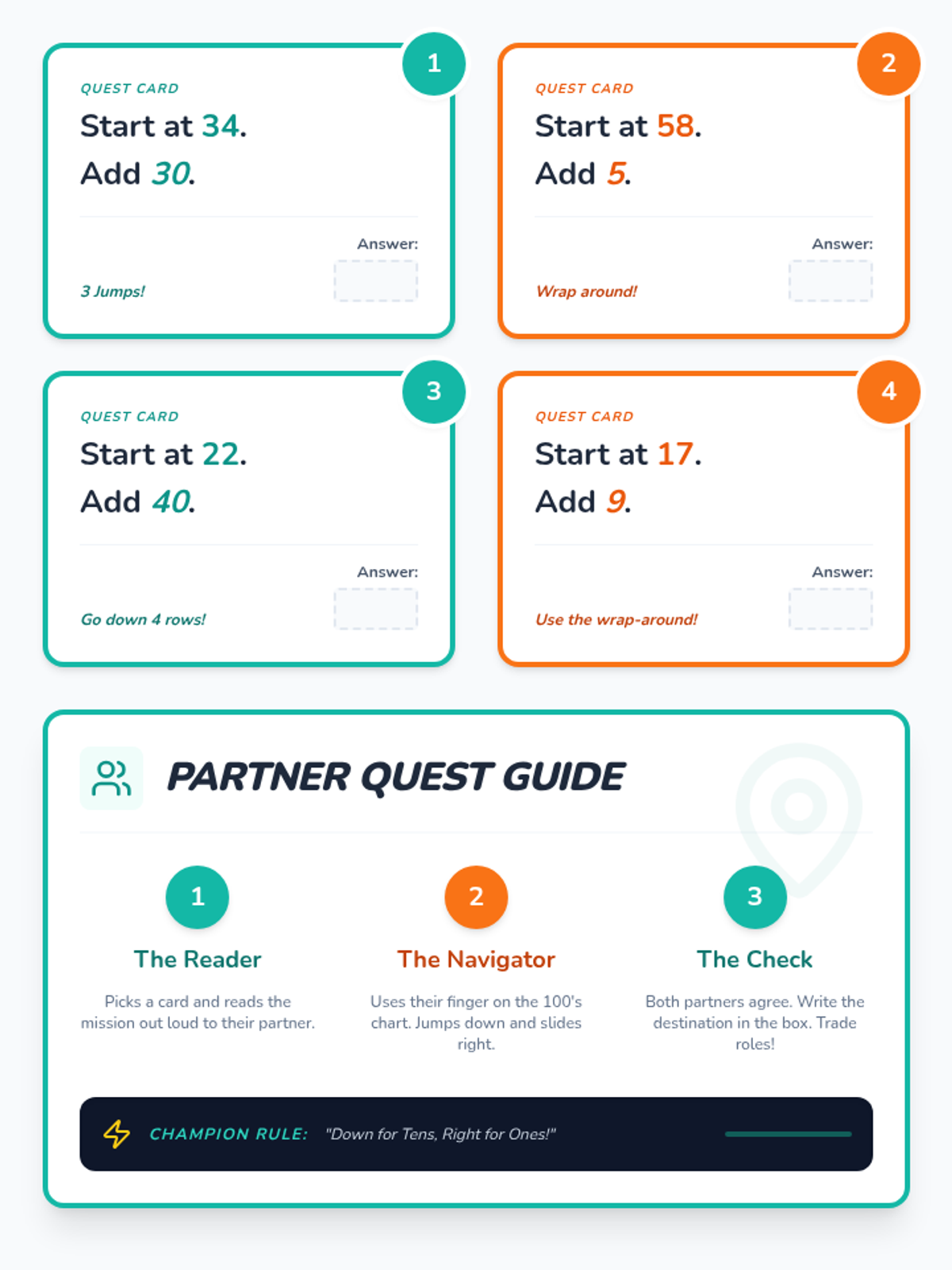
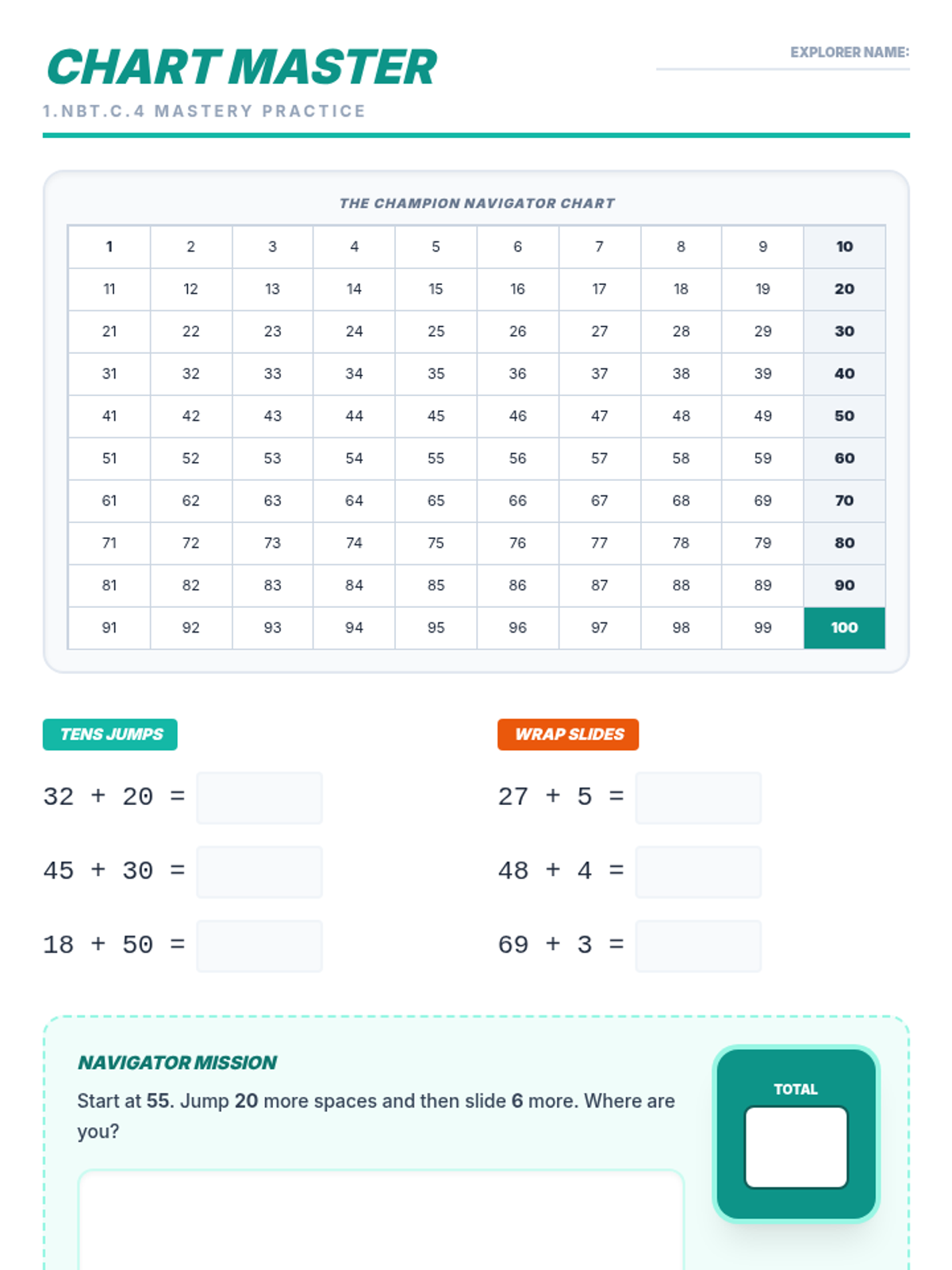
A primary math lesson focused on using a hundreds chart to solve two-digit addition problems, including those requiring regrouping by composing a ten. Students will learn to navigate the chart by jumping tens (moving down) and ones (moving right).
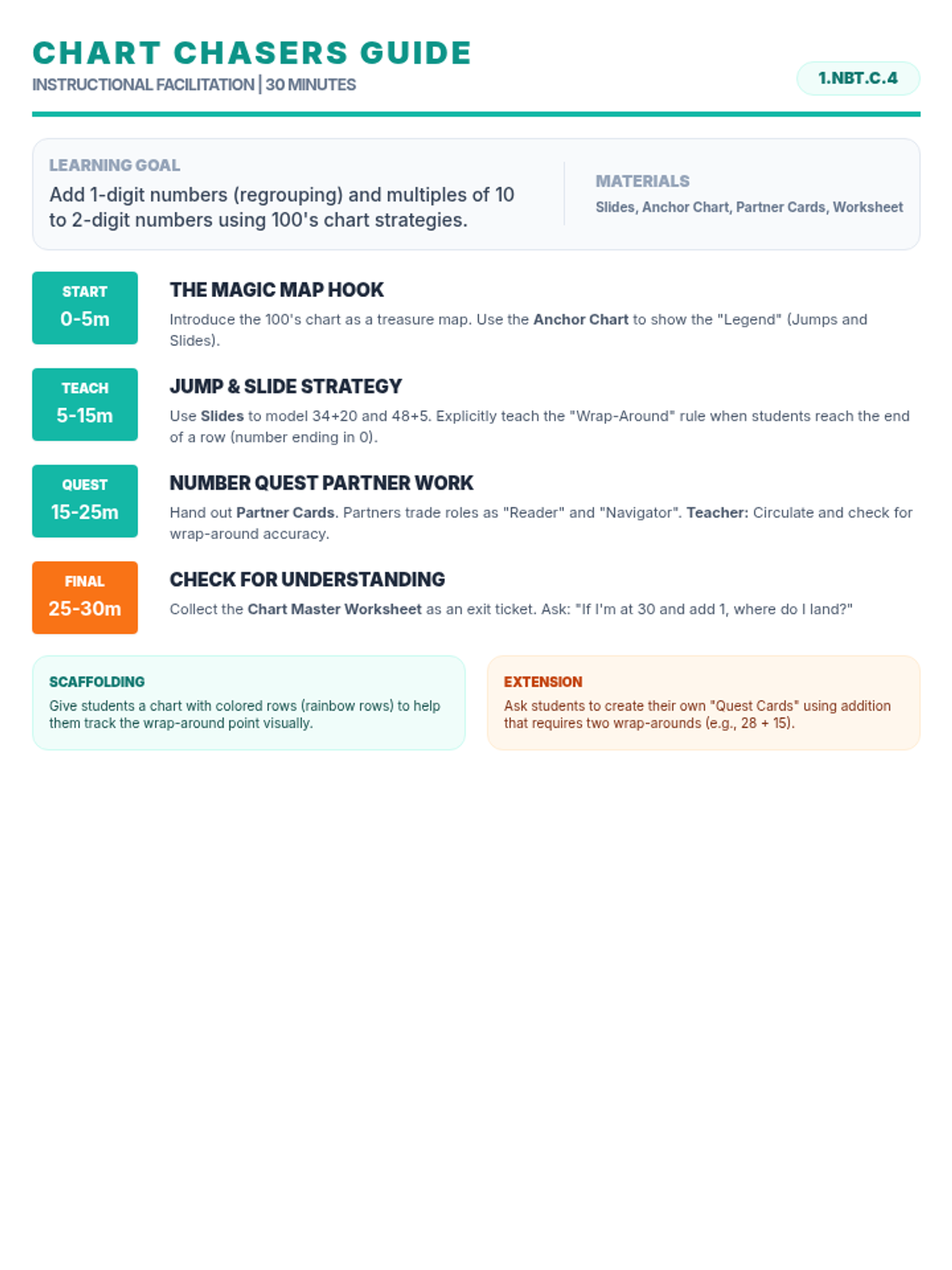
A 30-minute lesson teaching students how to use a 100's chart to add two-digit numbers, focusing on 2-digit + 1-digit with regrouping and 2-digit + multiples of 10. Students will learn the 'Jump and Slide' method for navigating the chart.
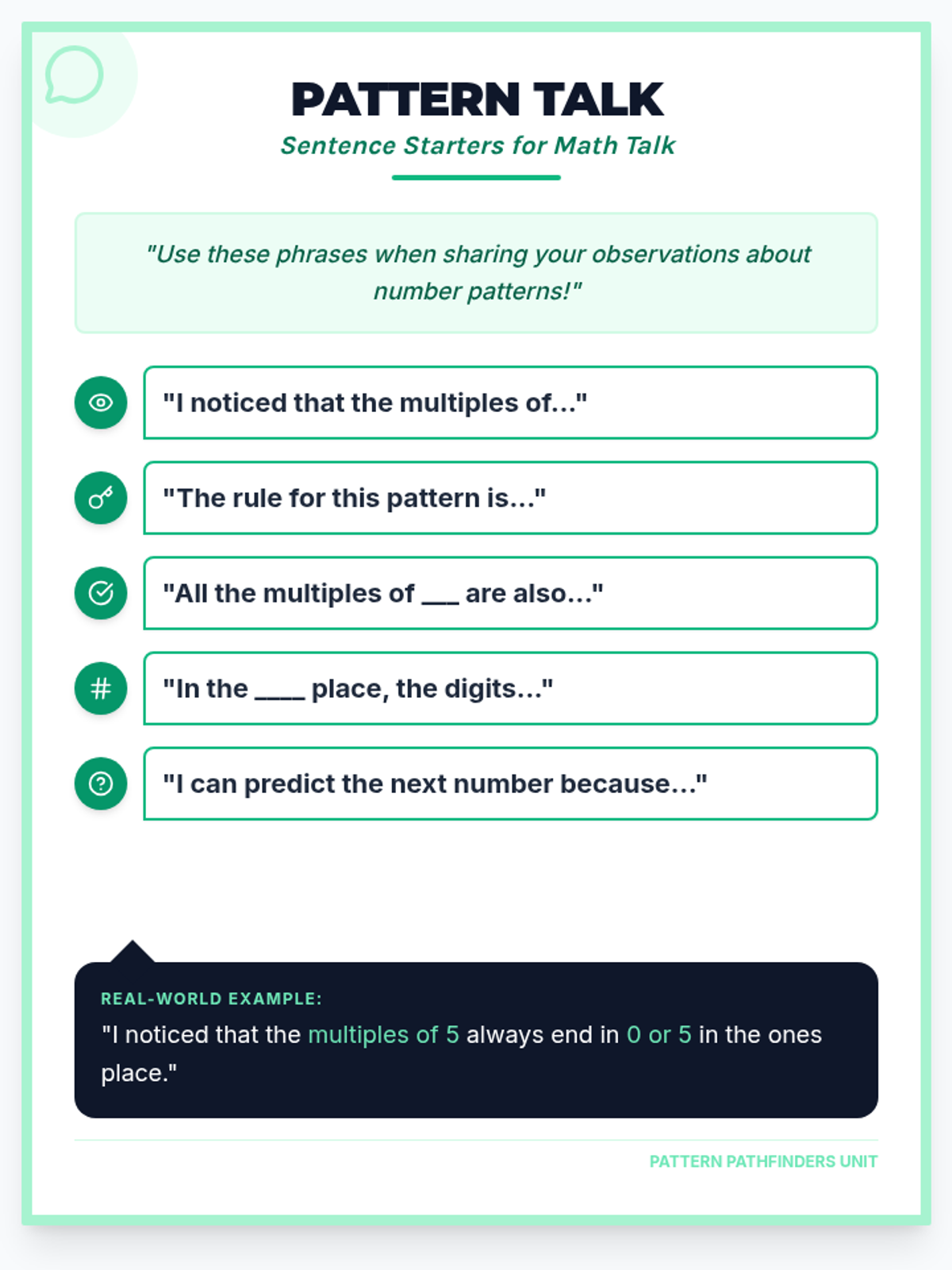
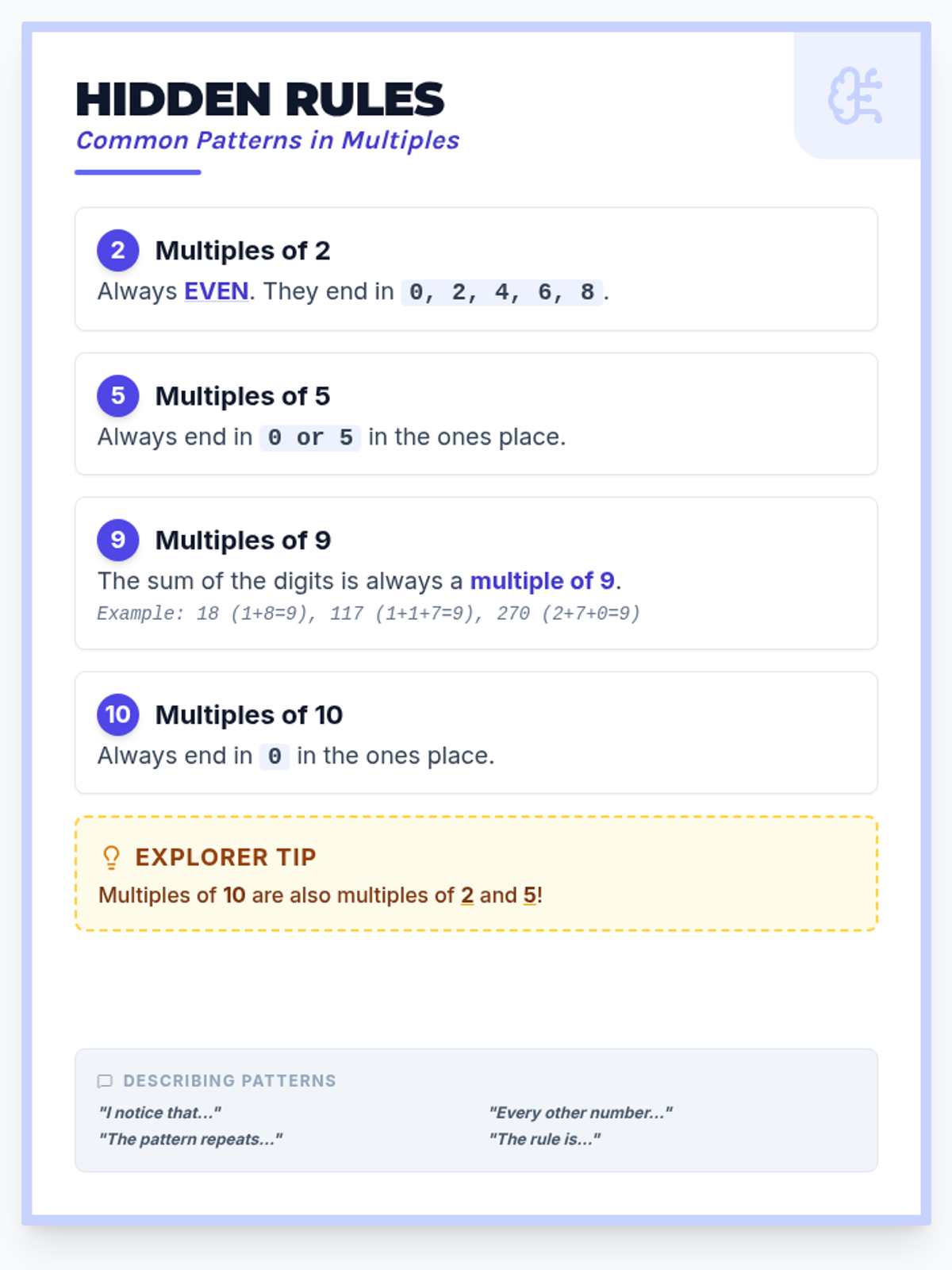
A set of anchor charts and reference materials for 4th Grade students to explore, identify, and describe mathematical patterns within multiples.
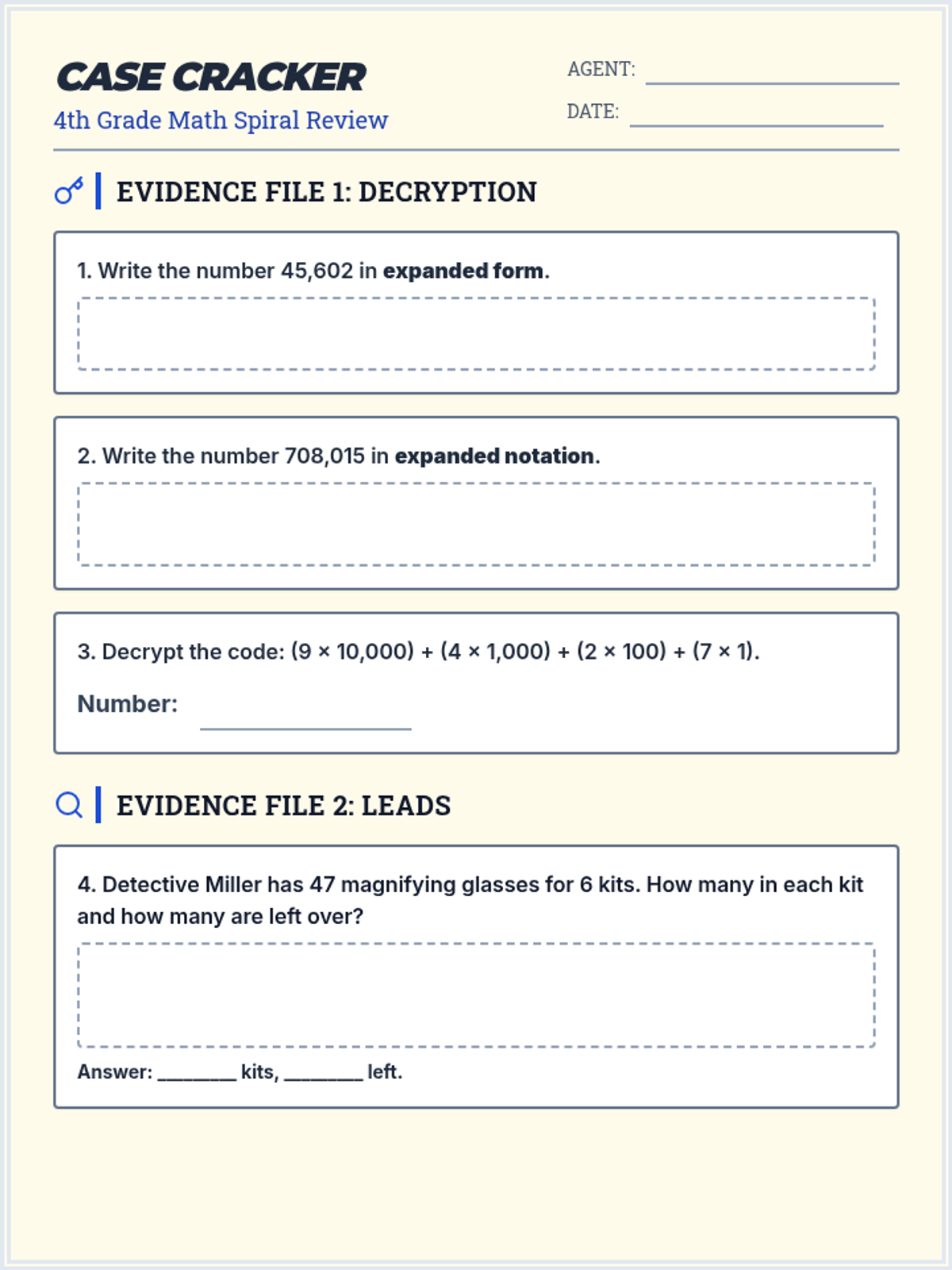
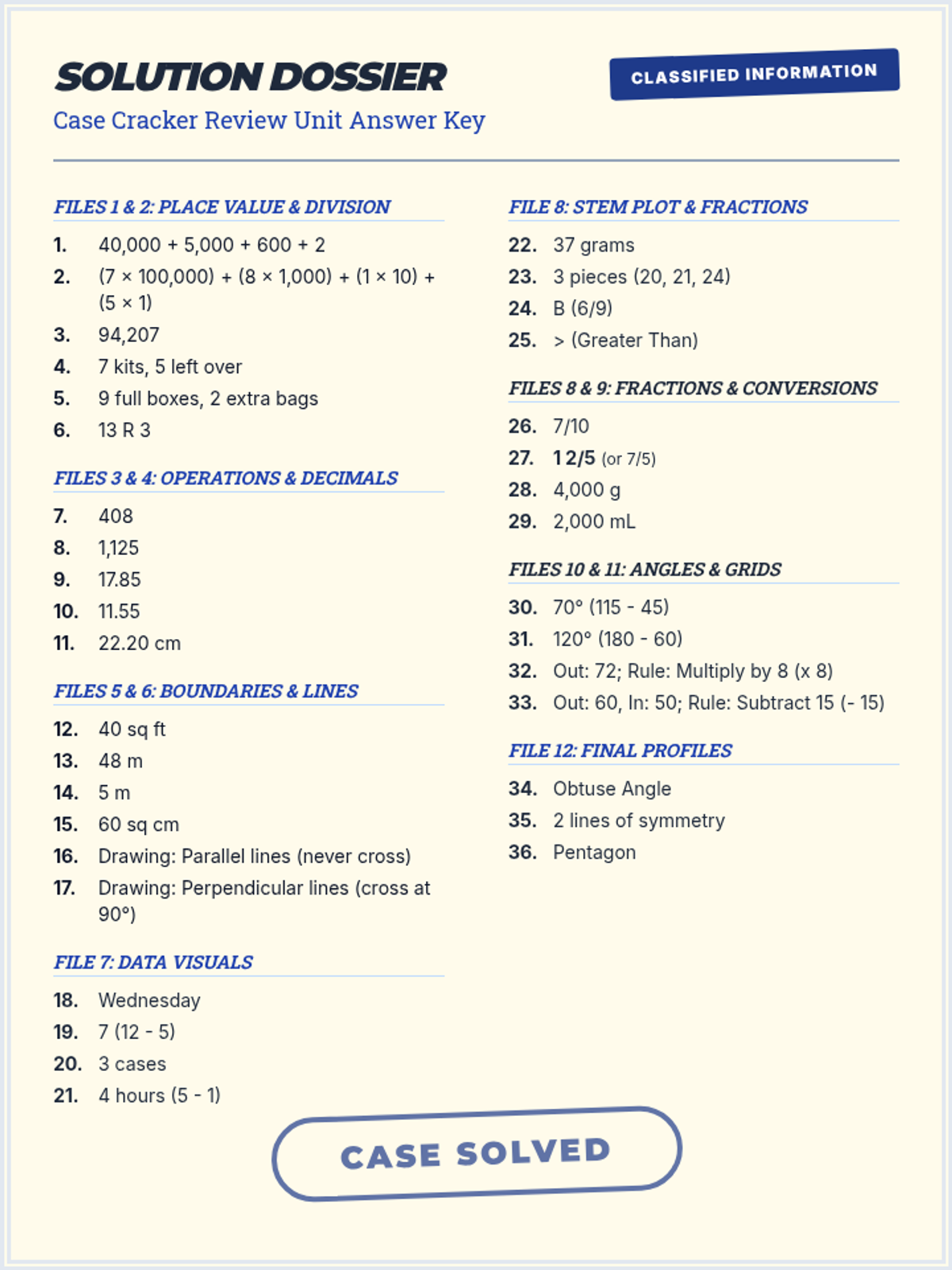
A comprehensive spiral review of 4th-grade math standards presented as a detective mystery. Students solve place value, operations, fractions, measurement, and geometry problems to crack the cases.
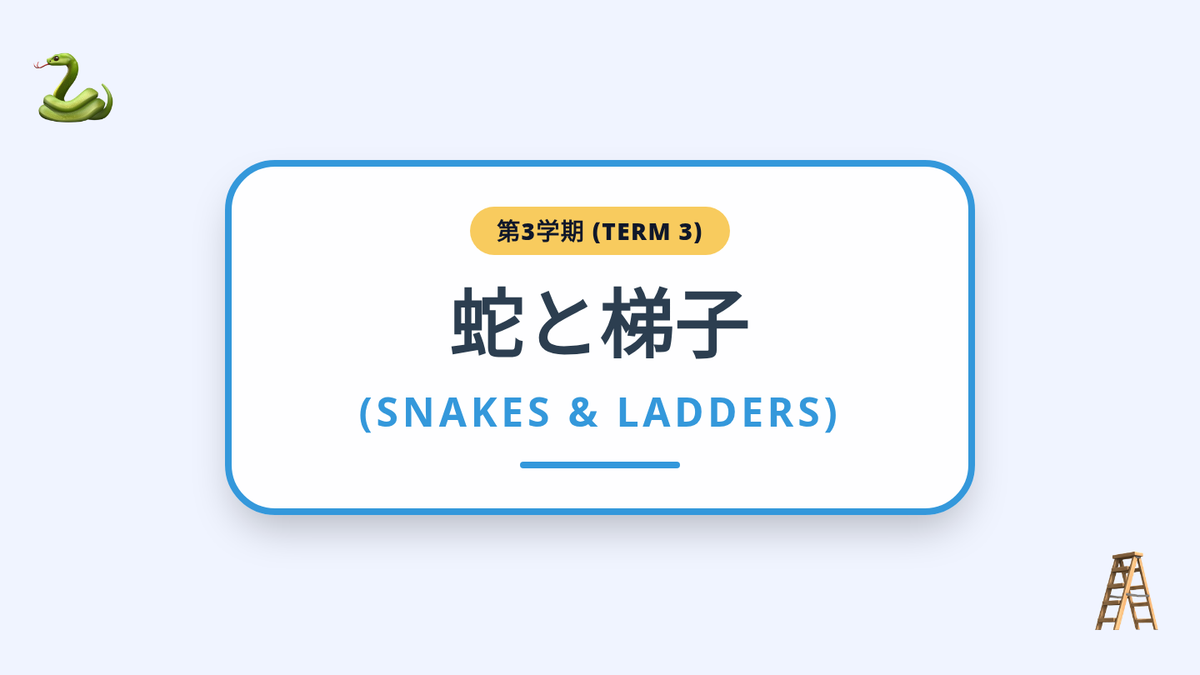
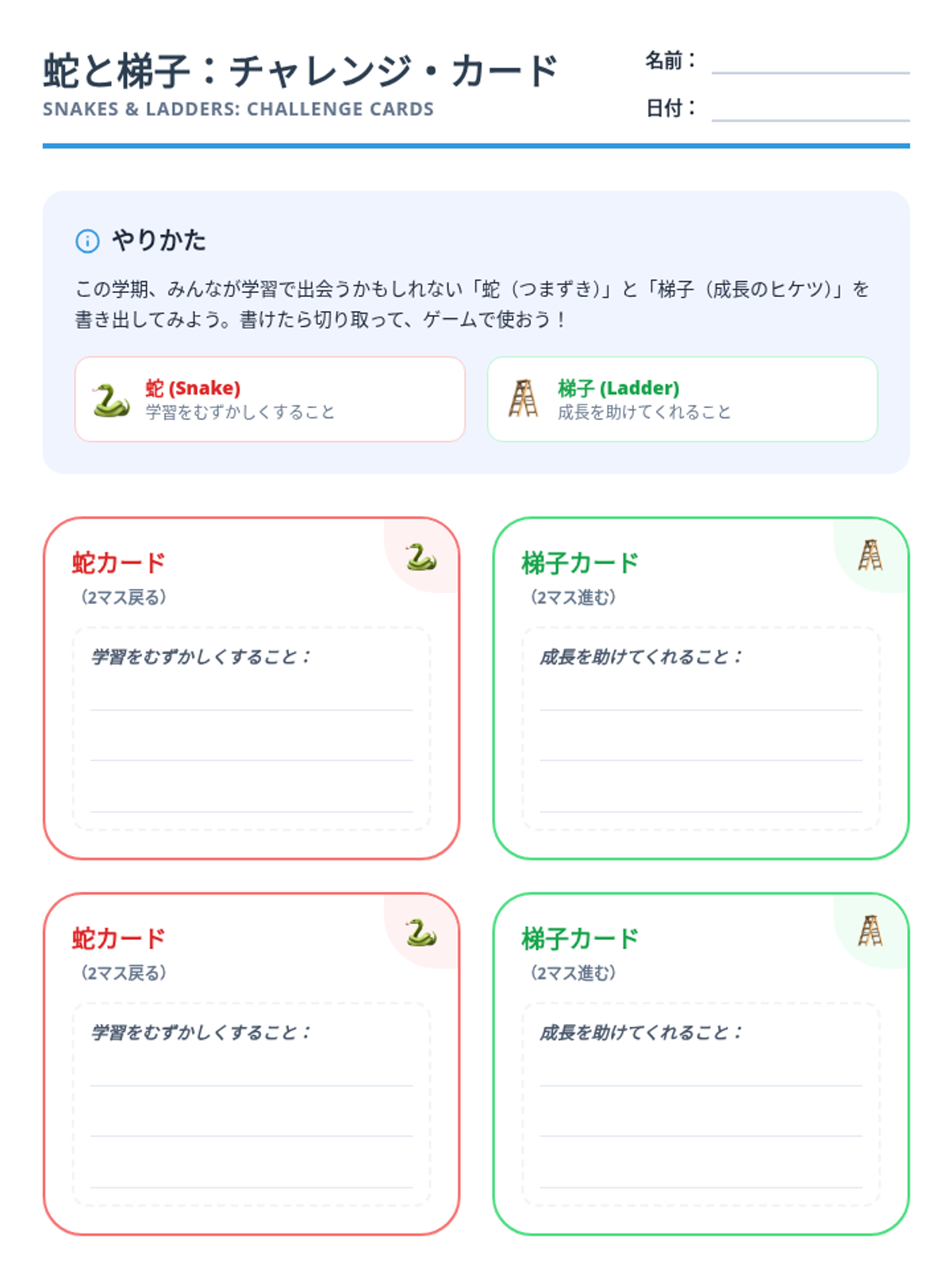
A Japanese social-emotional learning lesson using the 'Snakes and Ladders' game as a metaphor for classroom setbacks and growth mindset strategies.
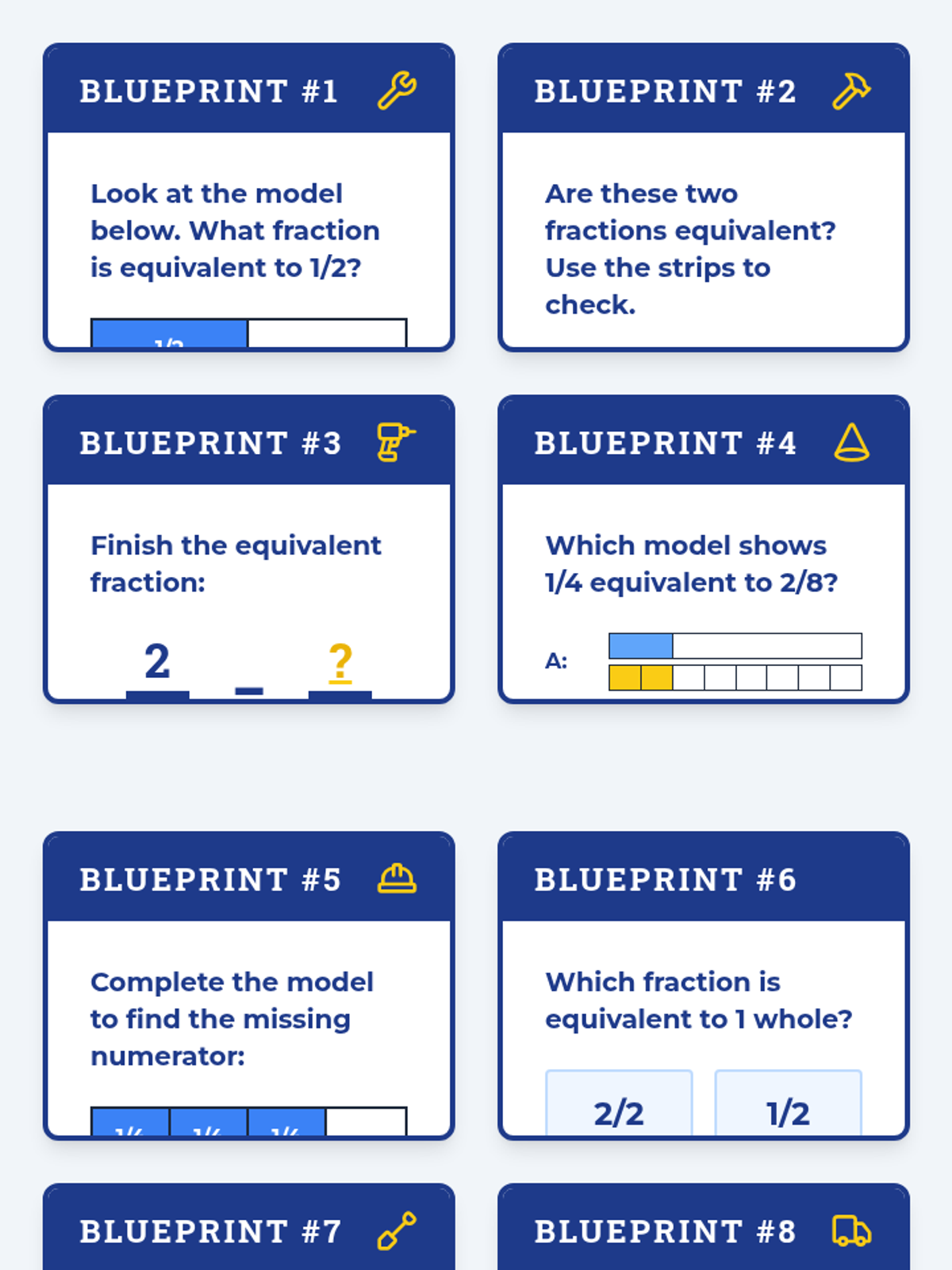
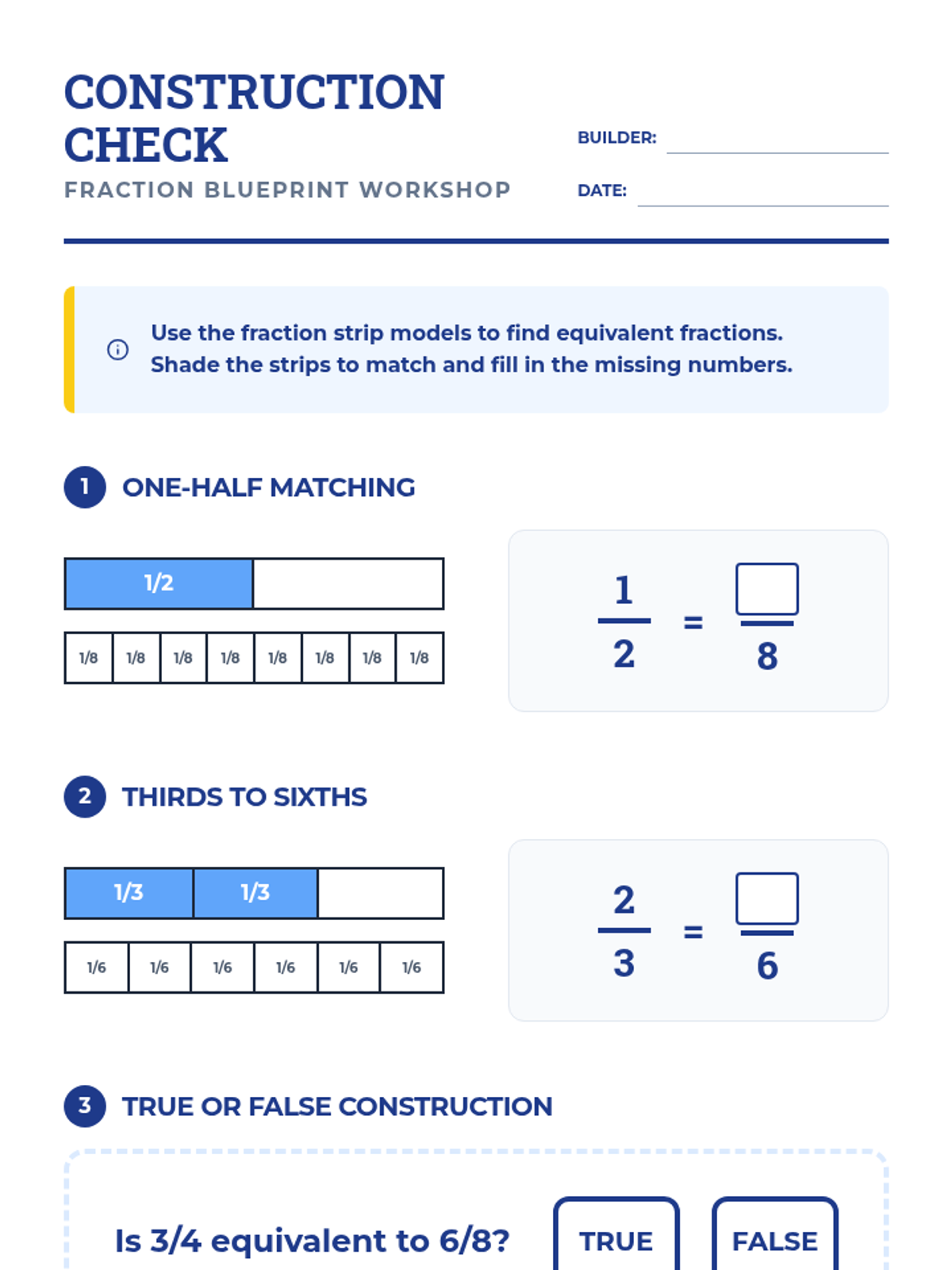
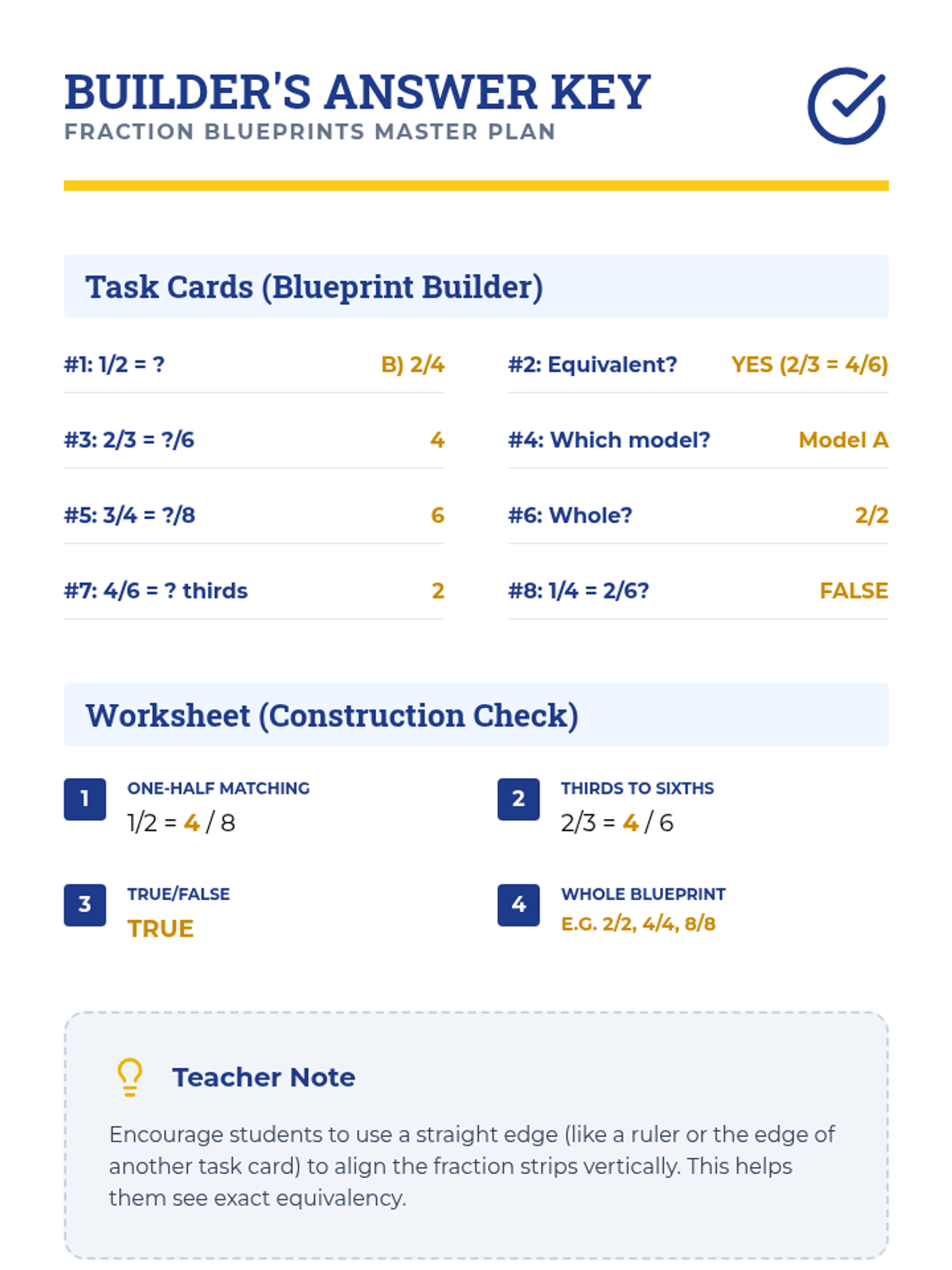
A lesson focusing on identifying and generating equivalent fractions using visual fraction strip models, styled with a fun blueprint and construction theme.
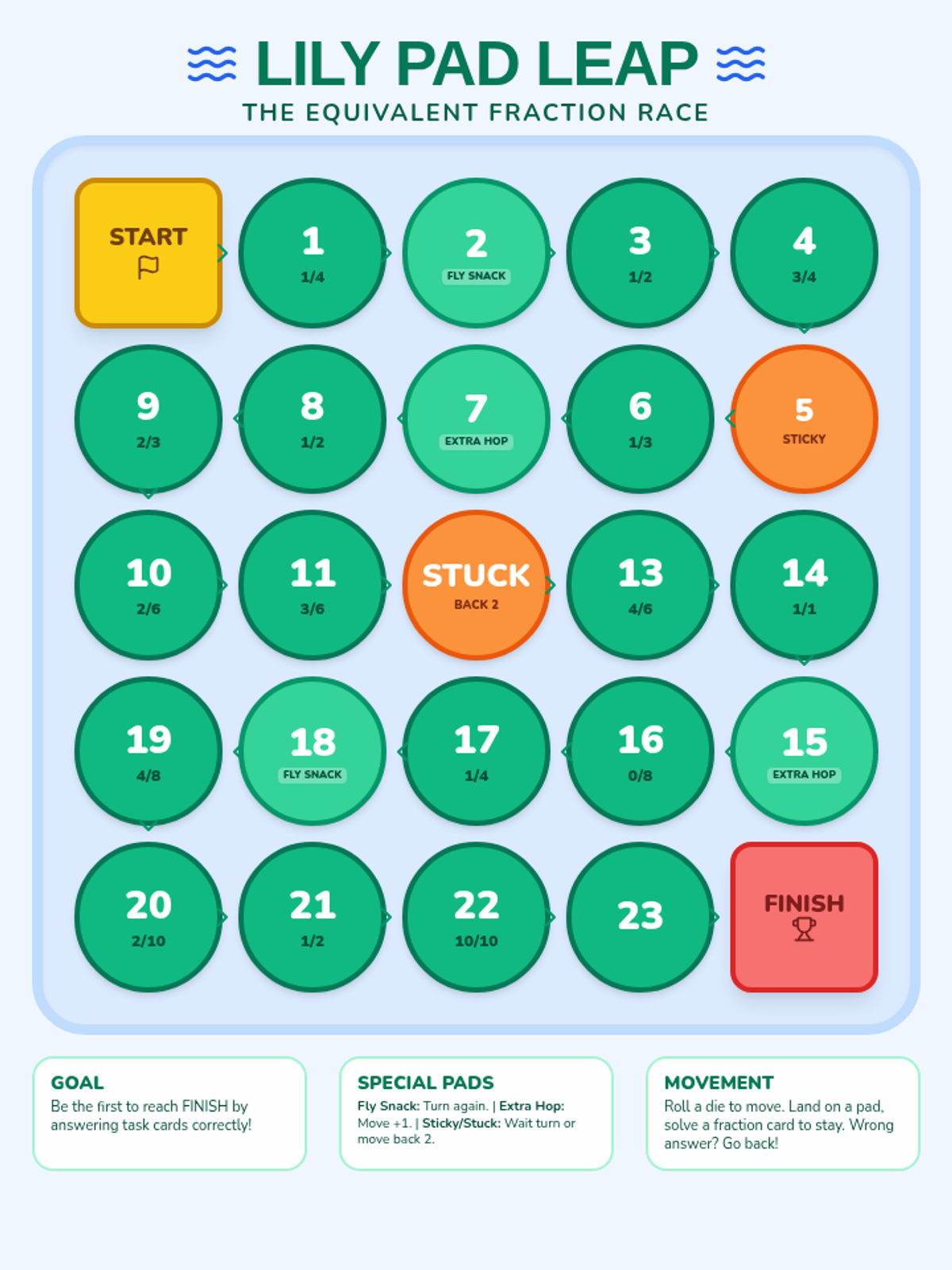
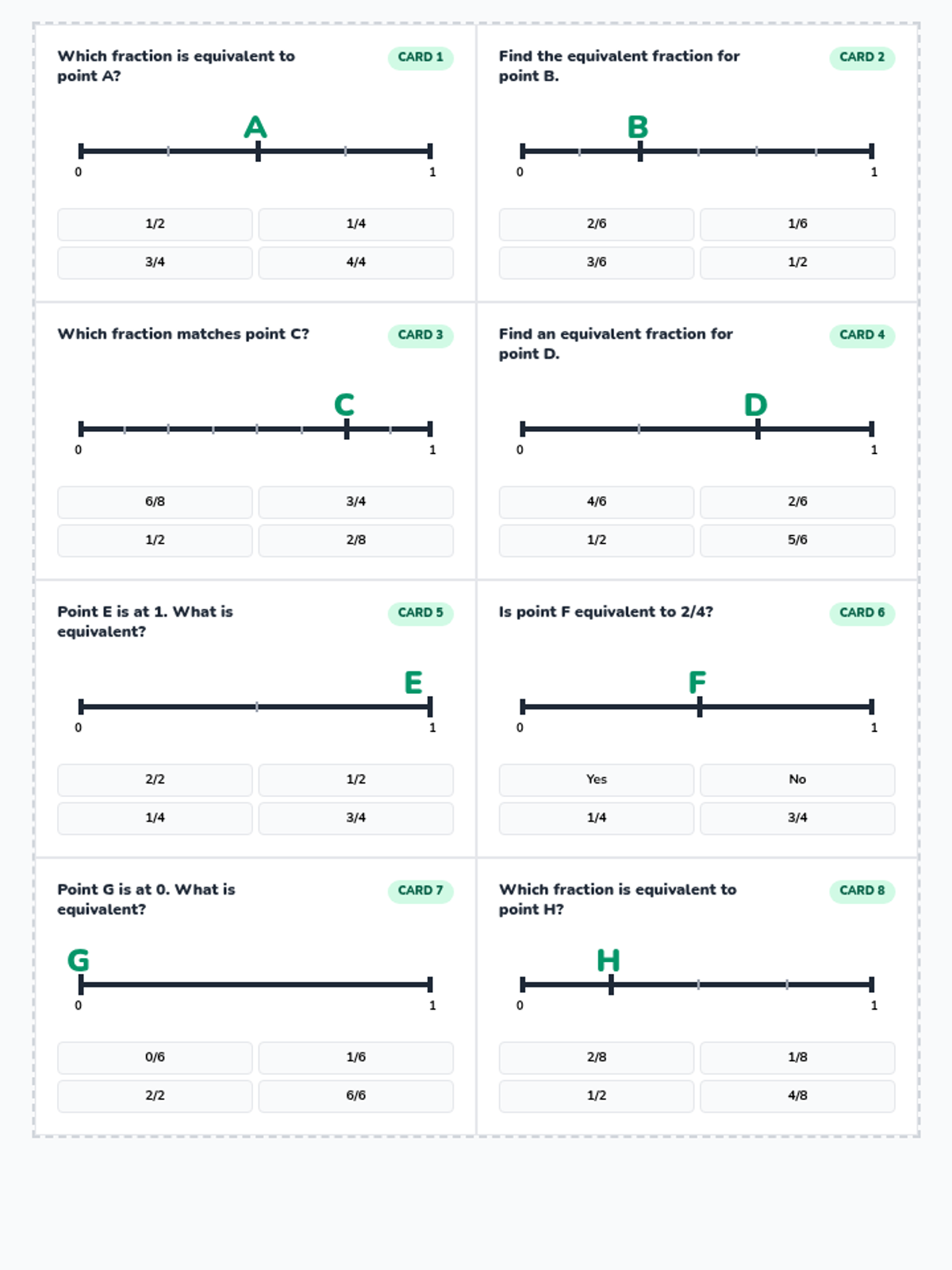
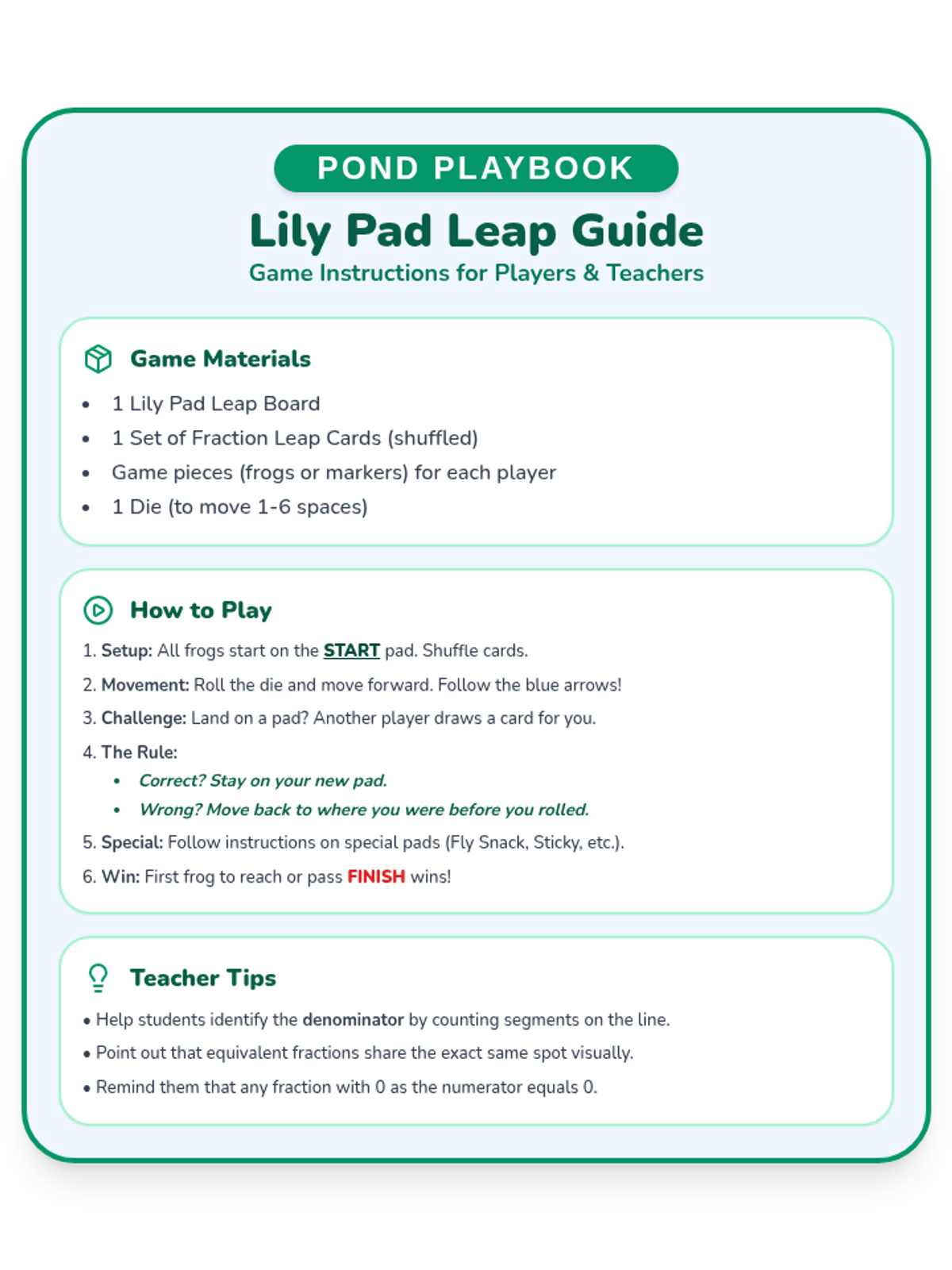
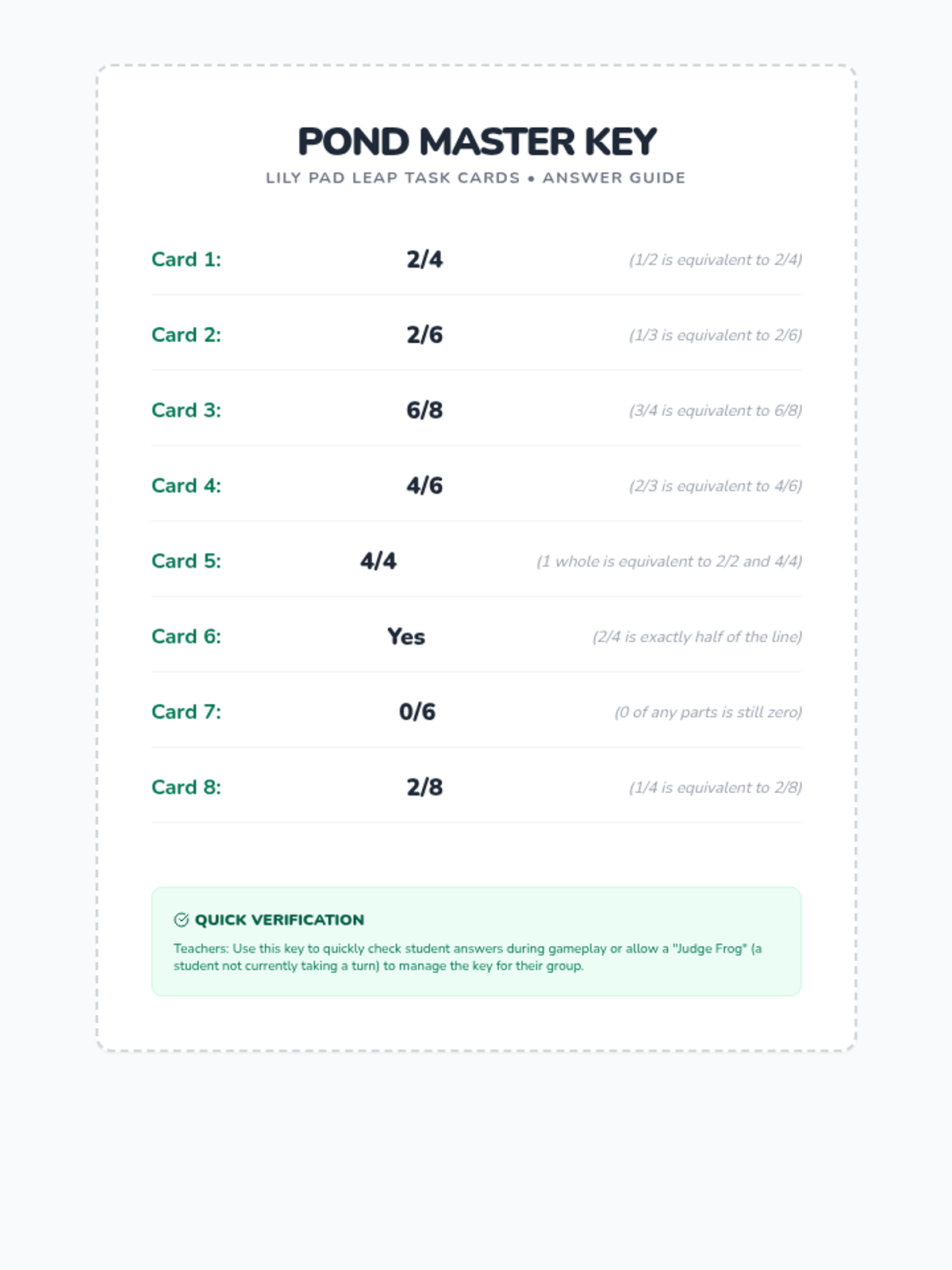
A fun, frog-themed board game and task card set designed to help third graders master equivalent fractions using number lines. Students navigate a pond-themed board by solving fraction challenges that require identifying and comparing points on number lines.
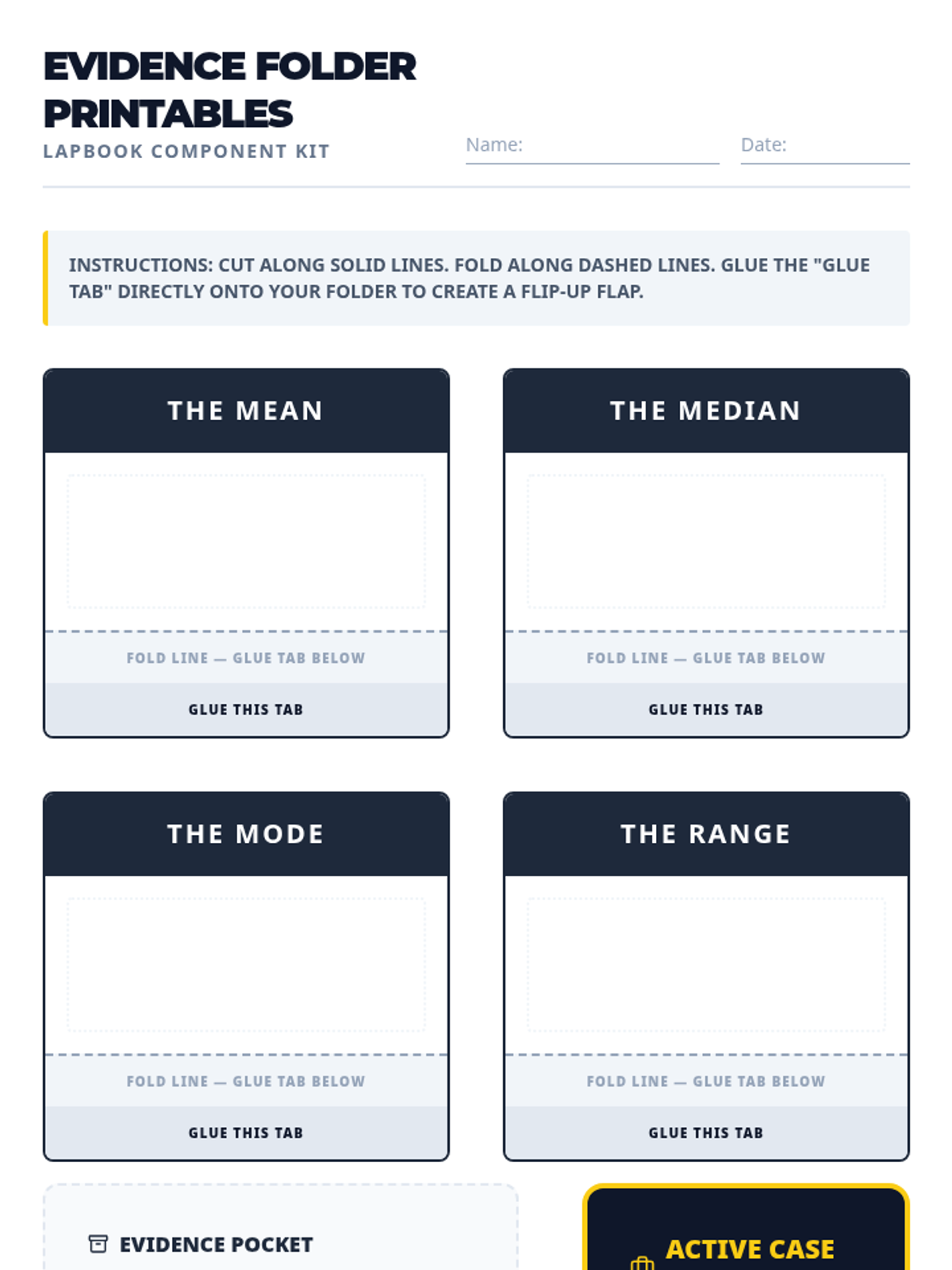
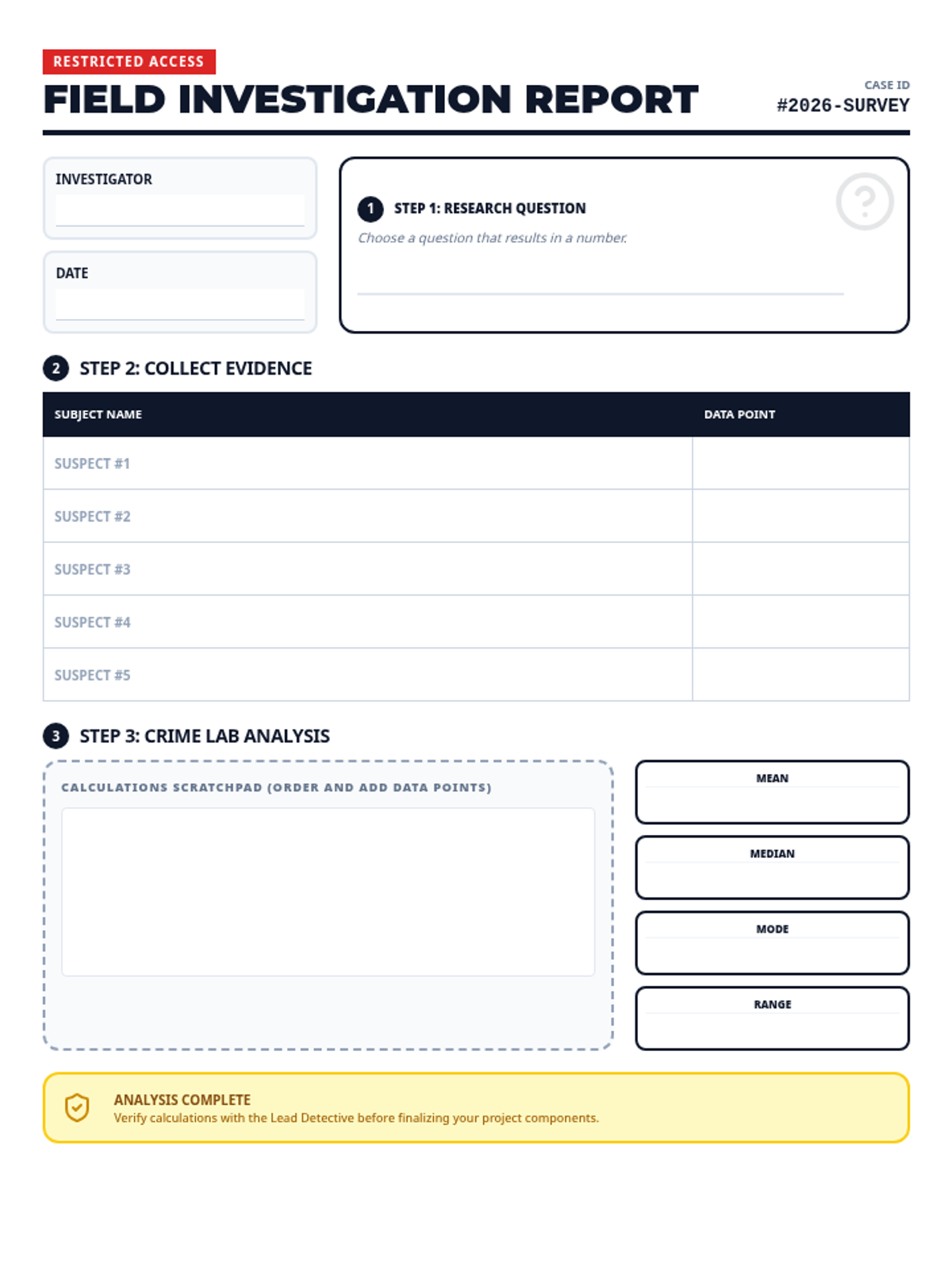
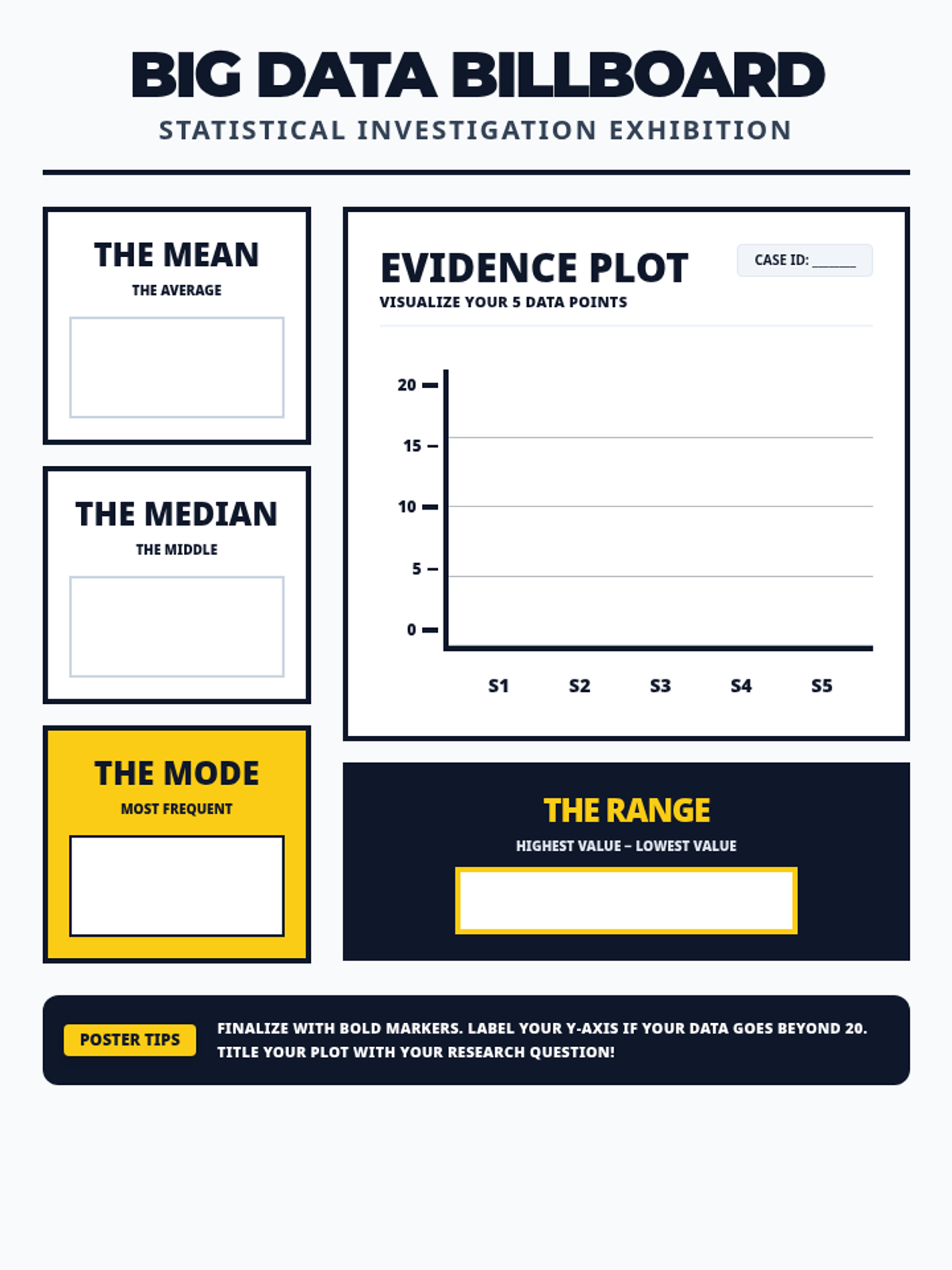
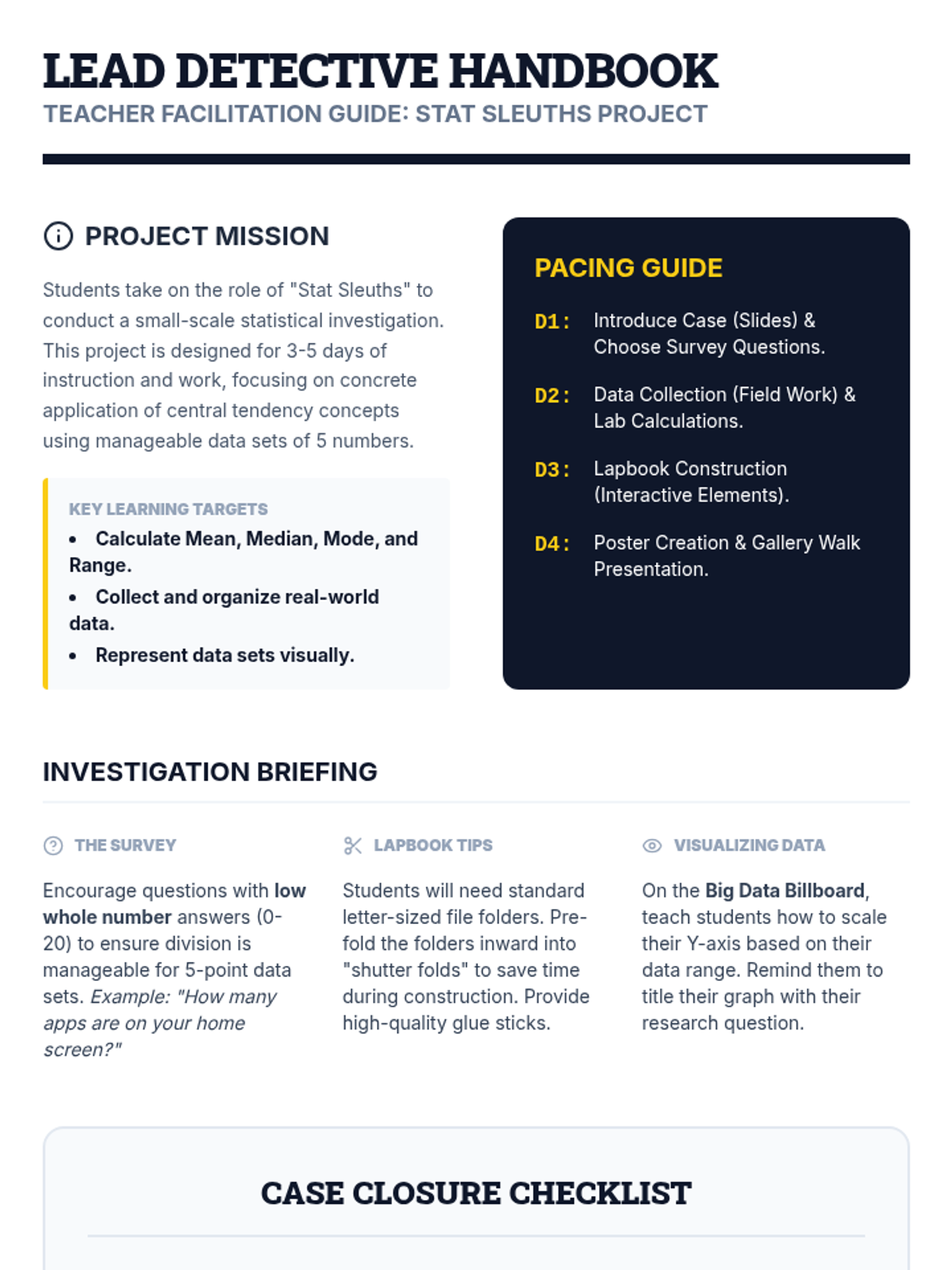
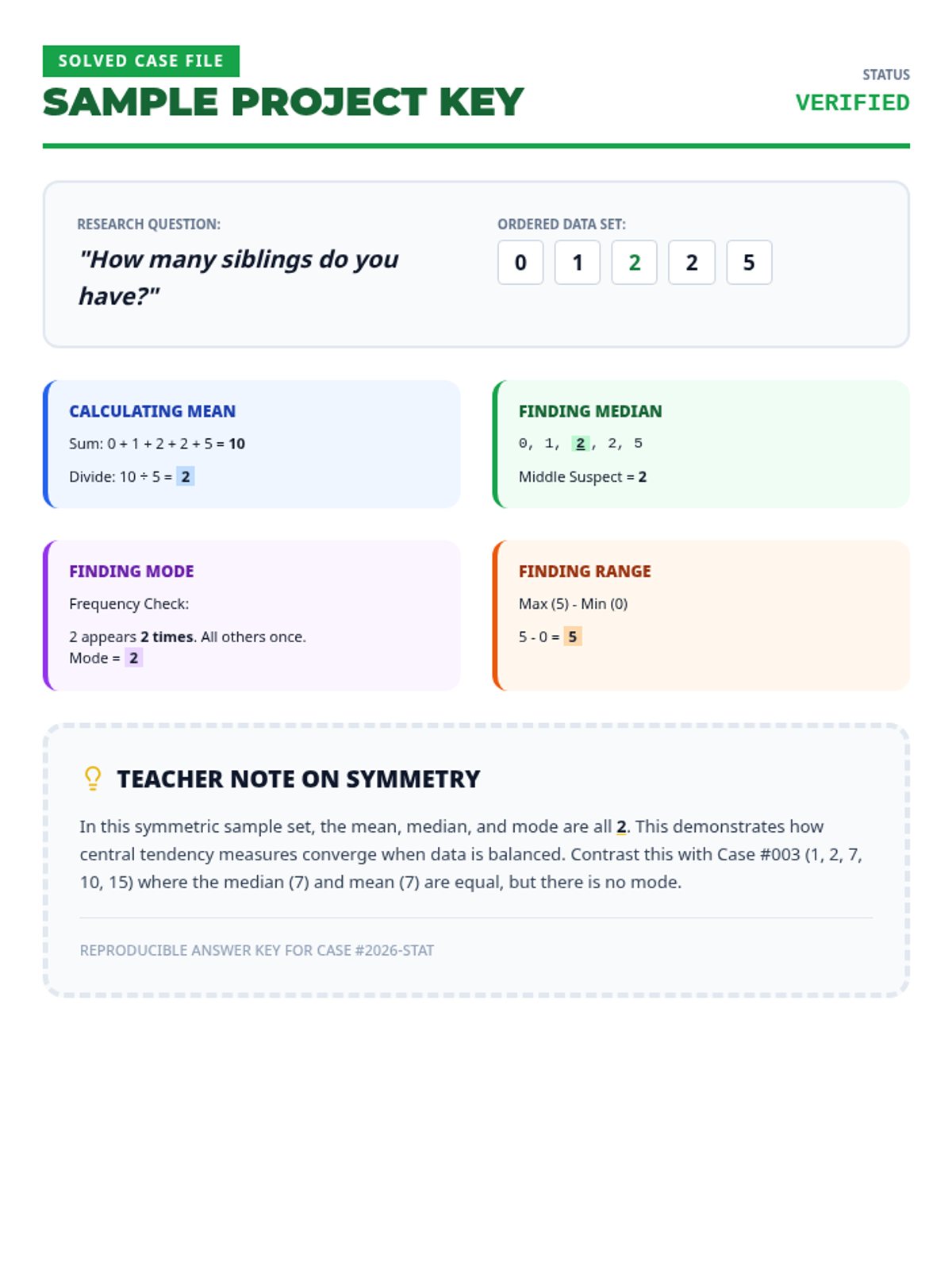
A comprehensive hands-on project where students become 'Stat Sleuths' to collect real-world data, calculate central tendencies, and present their findings through an interactive lapbook and poster.
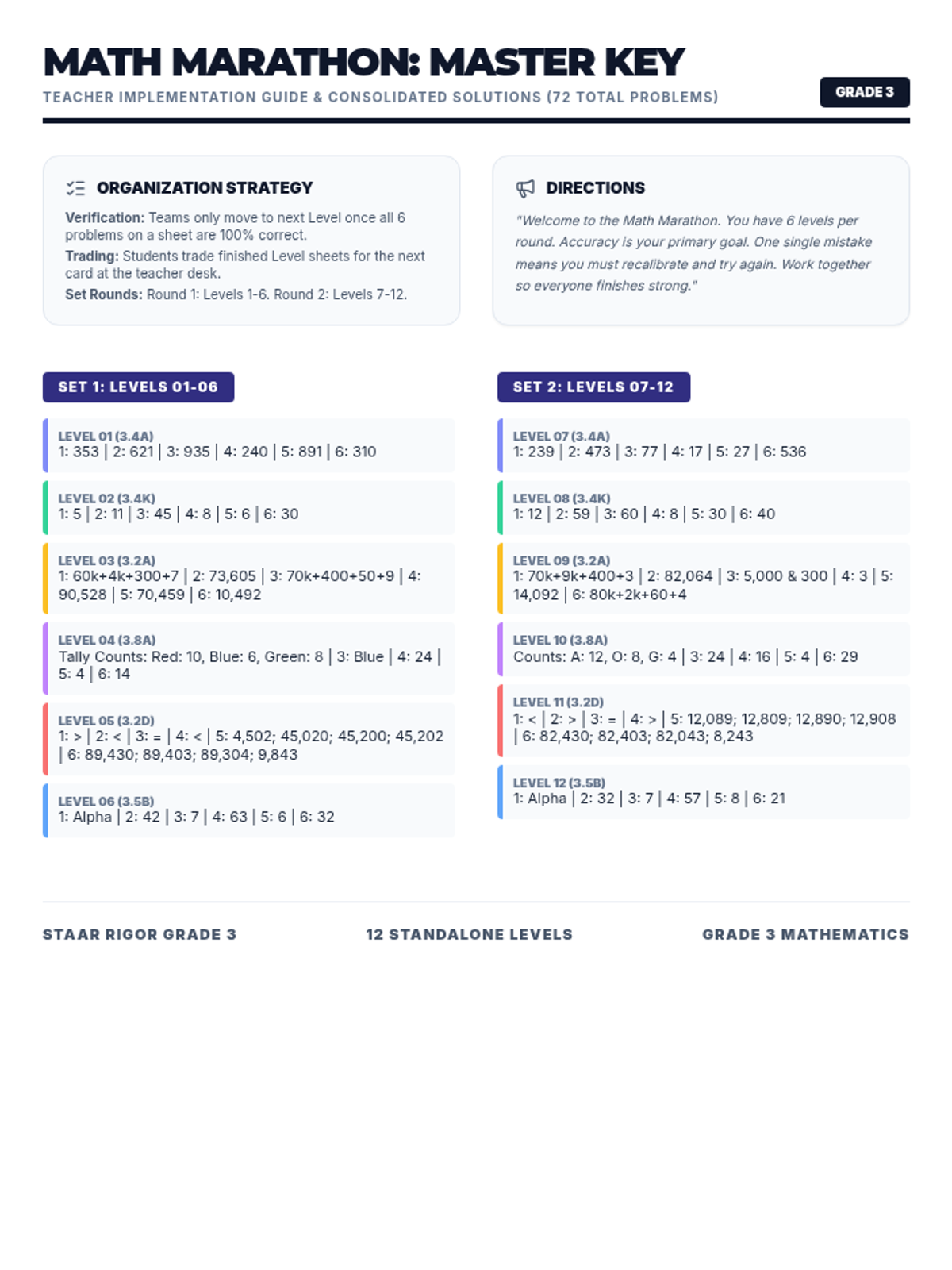
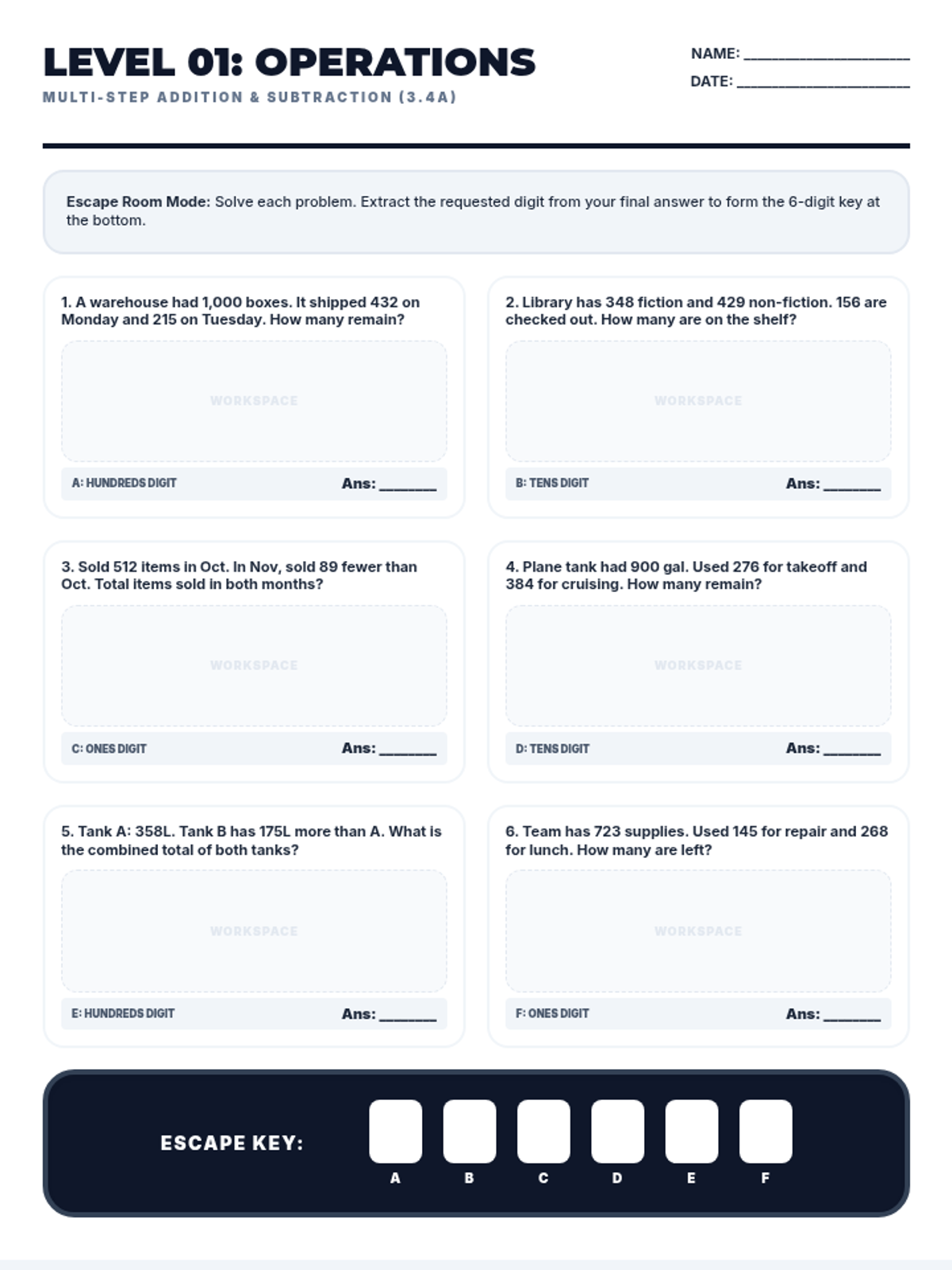
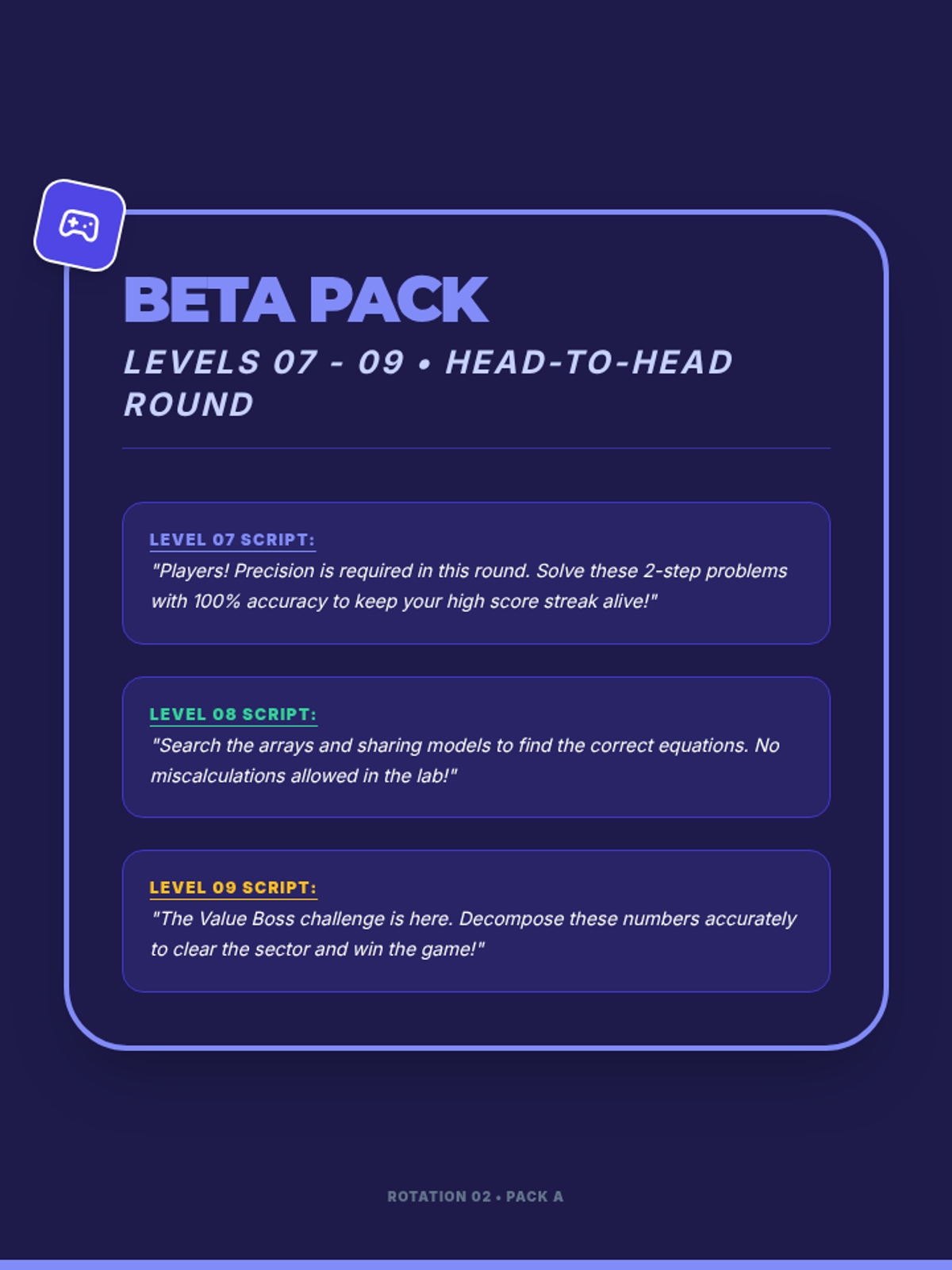
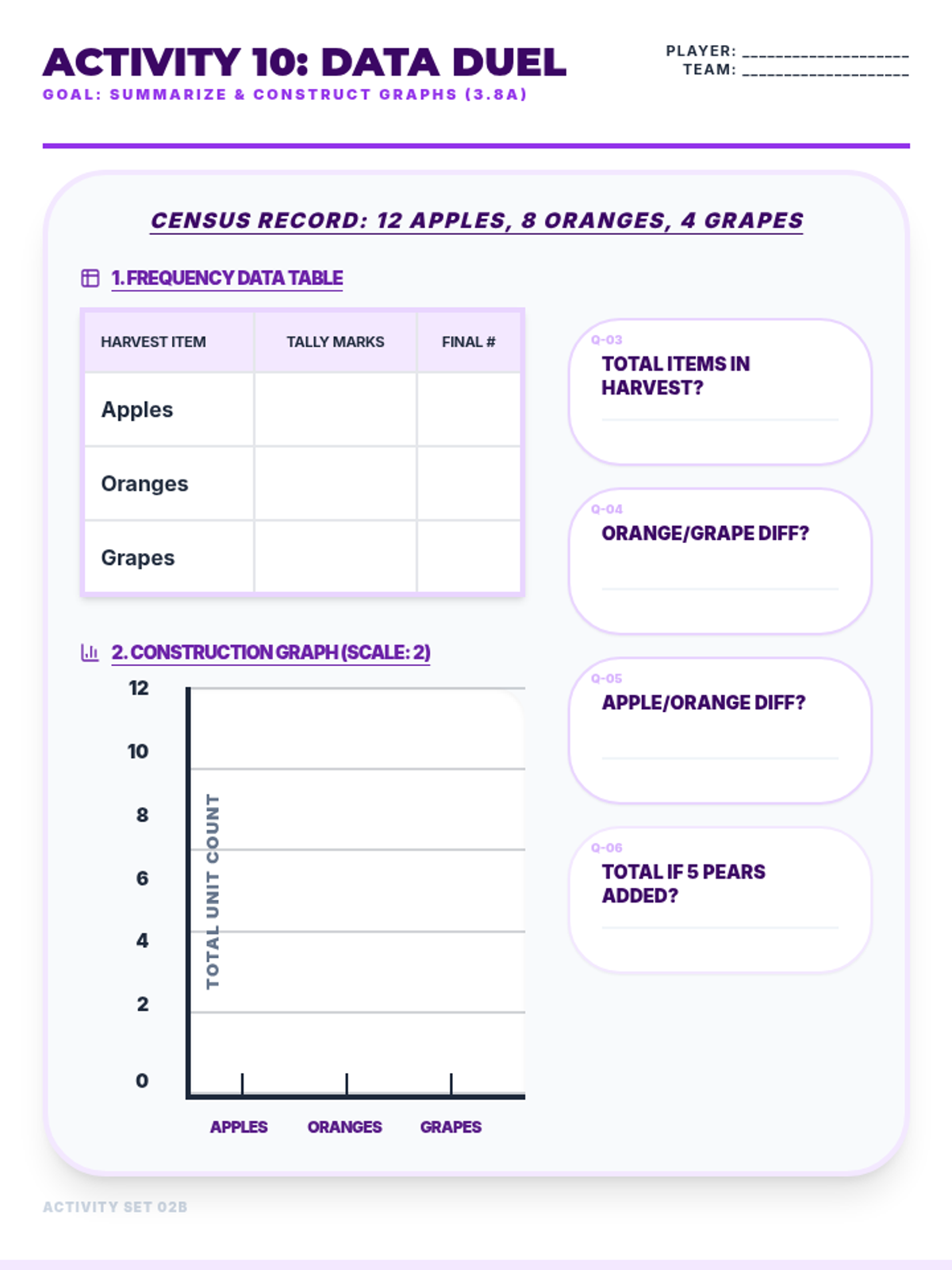
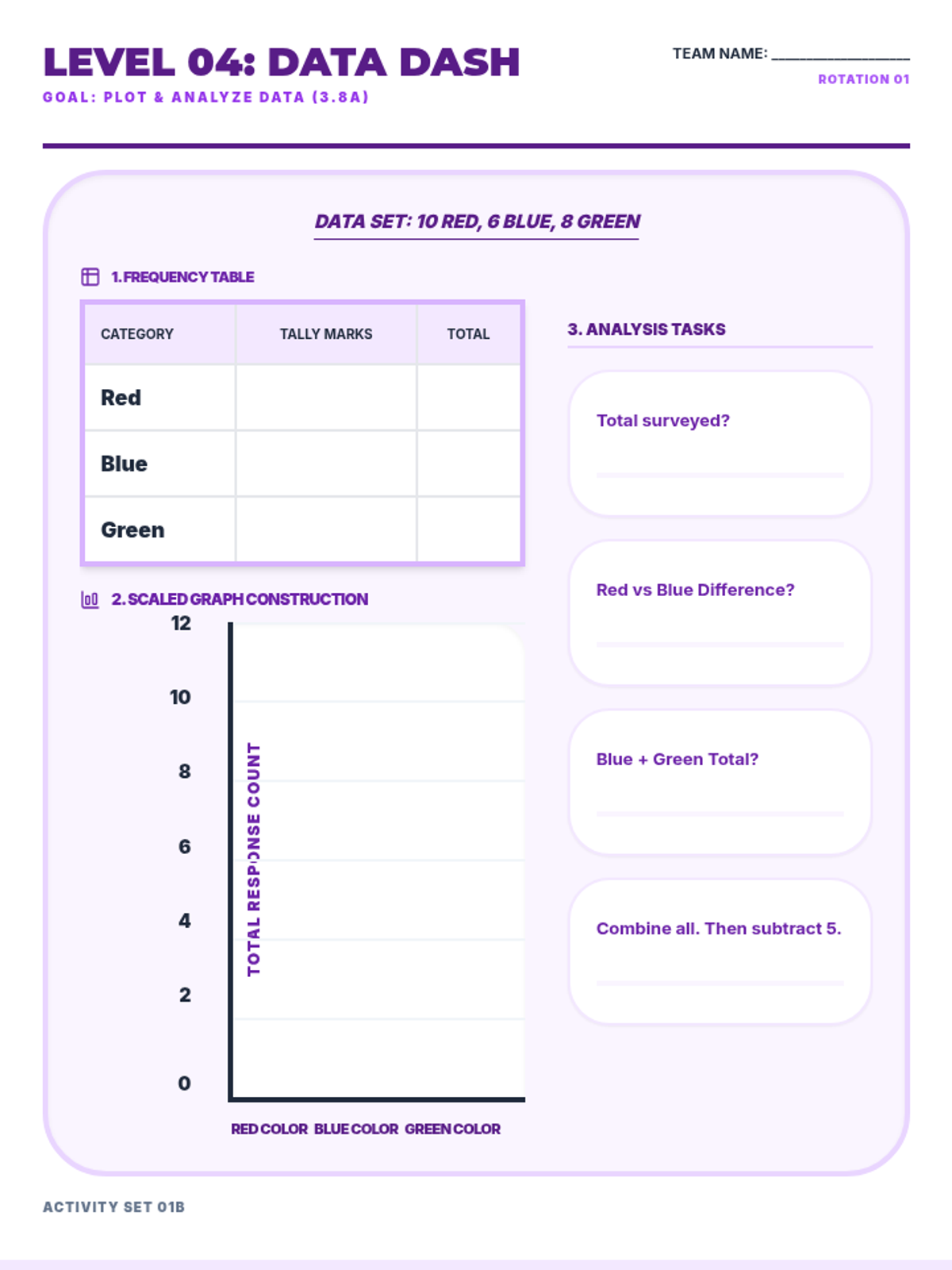
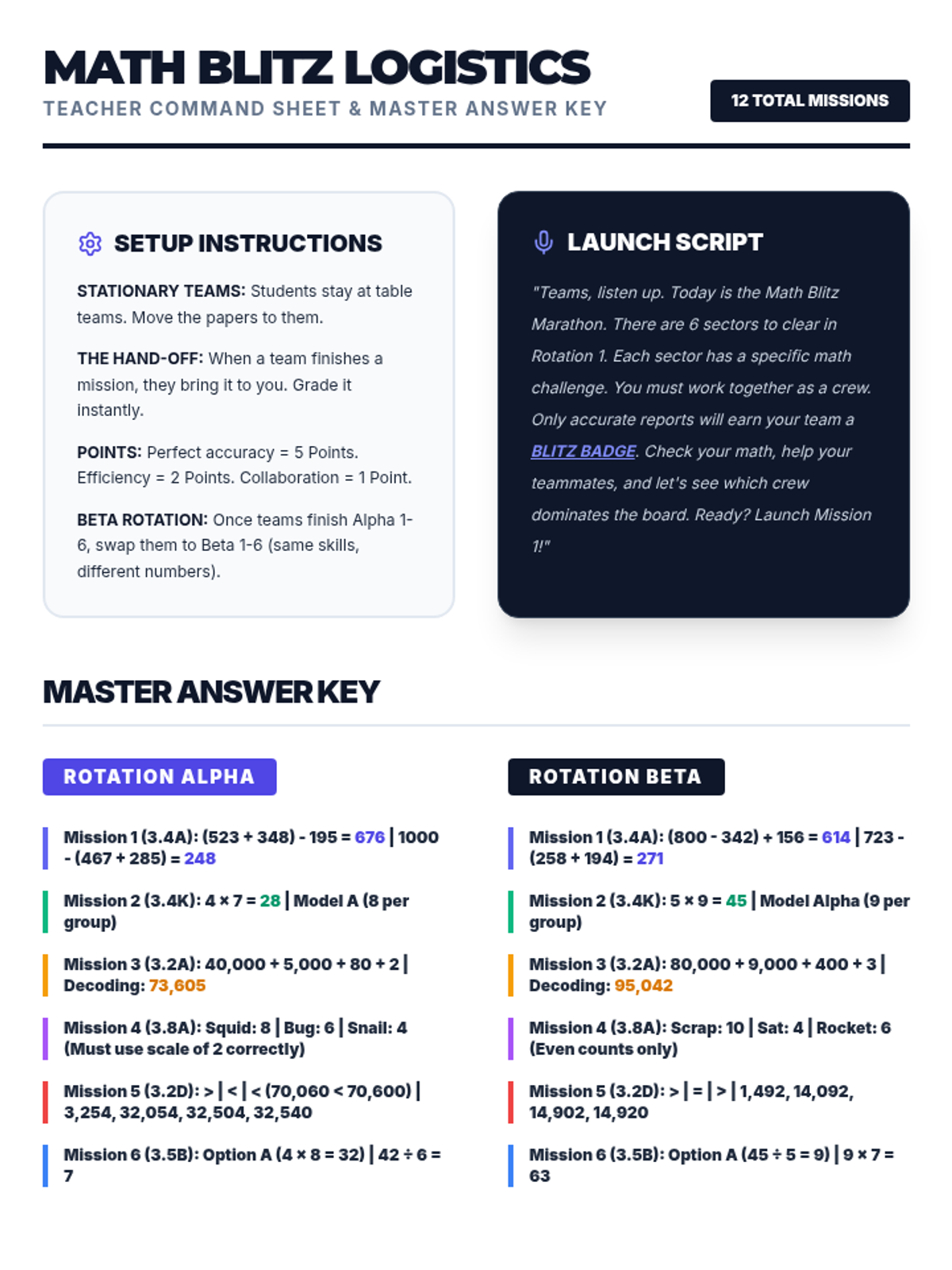
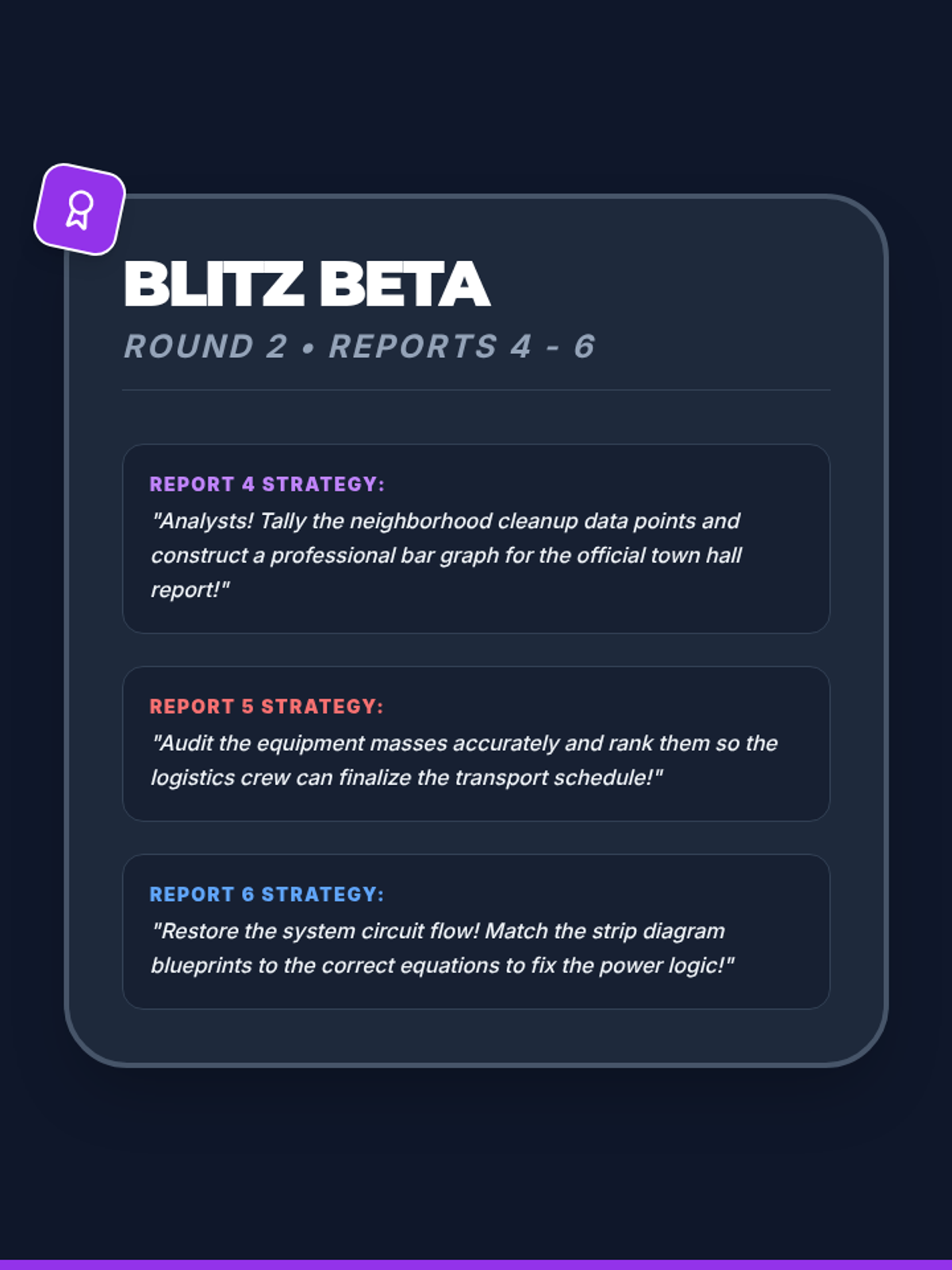
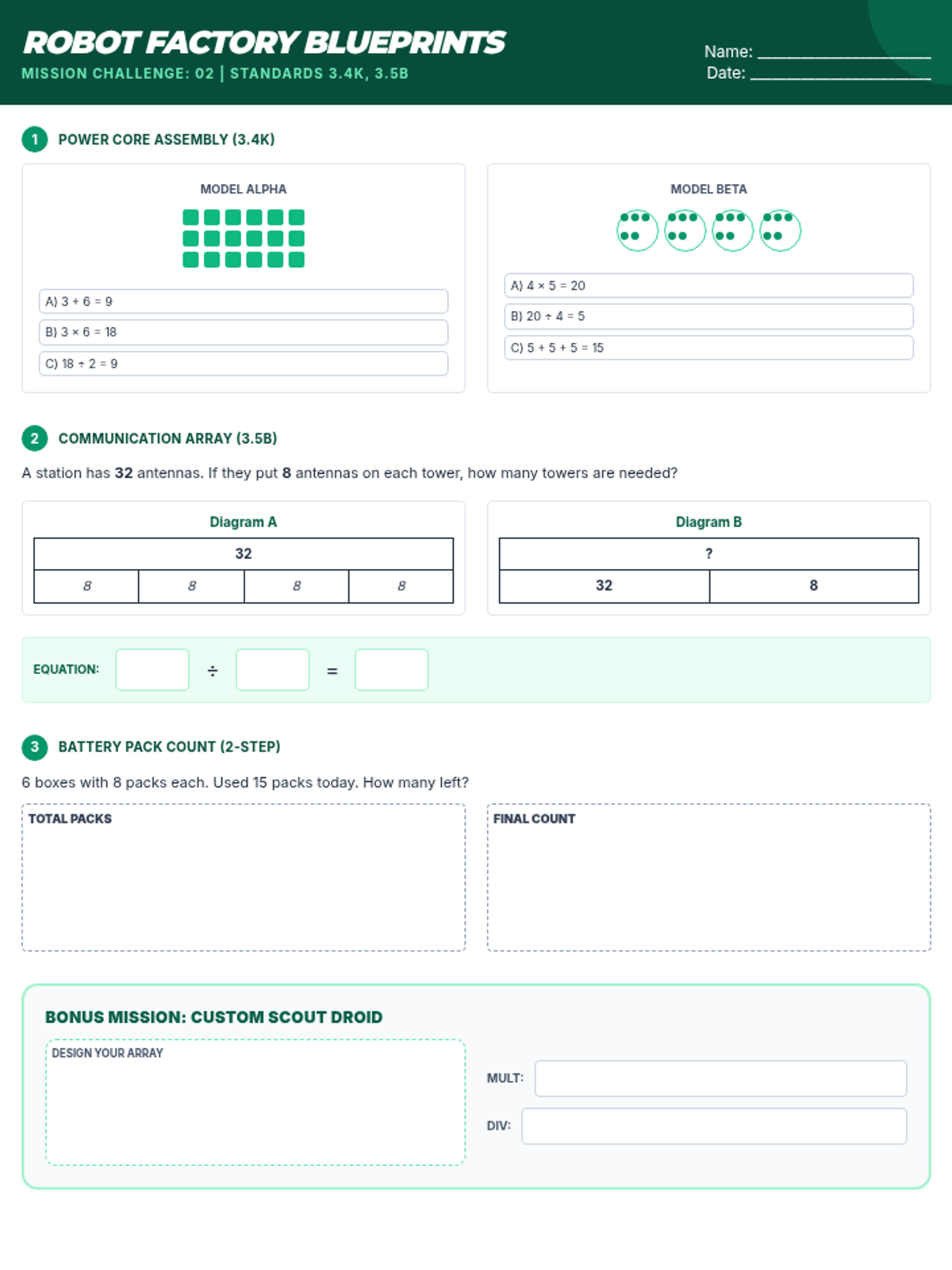
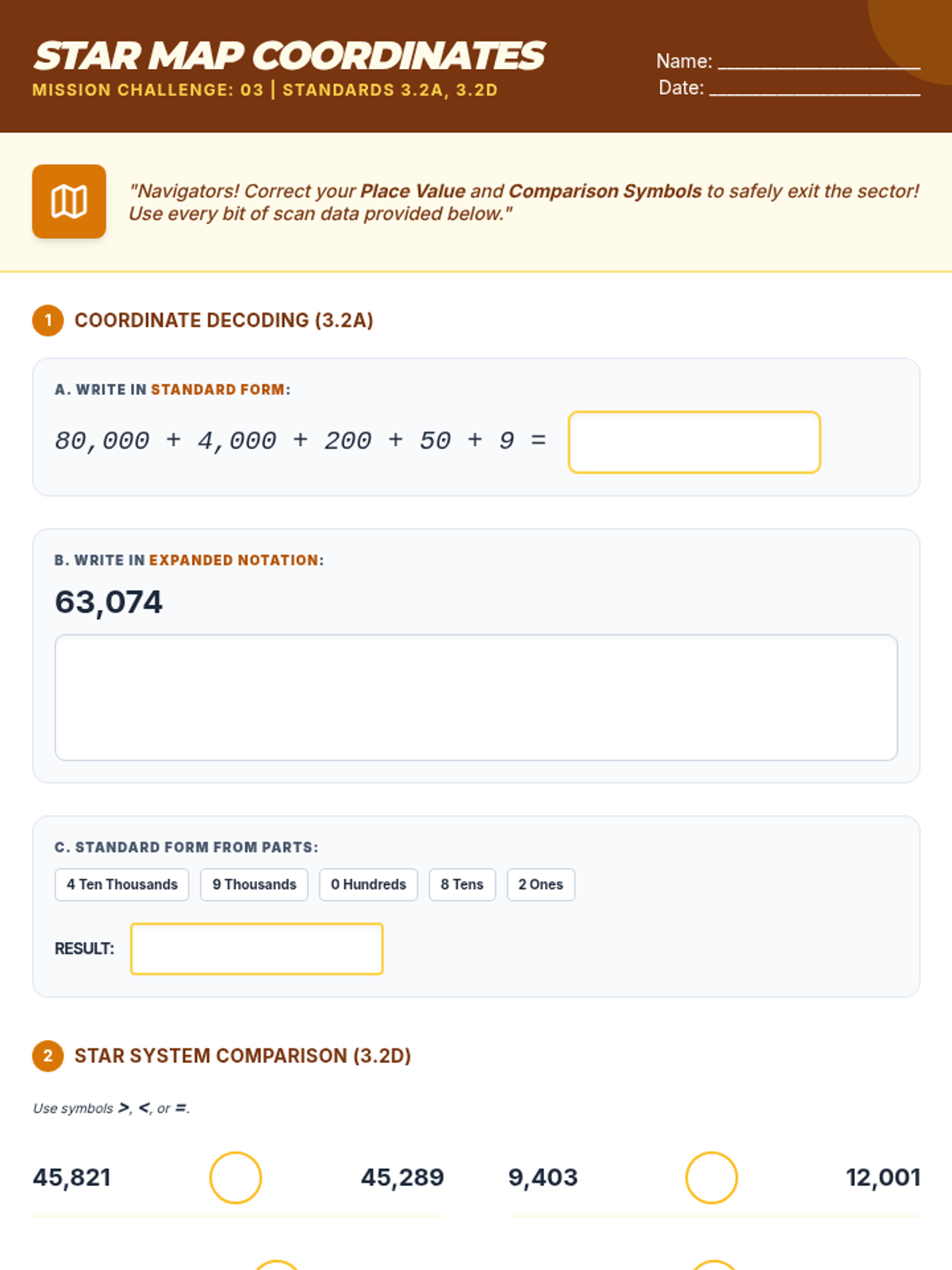
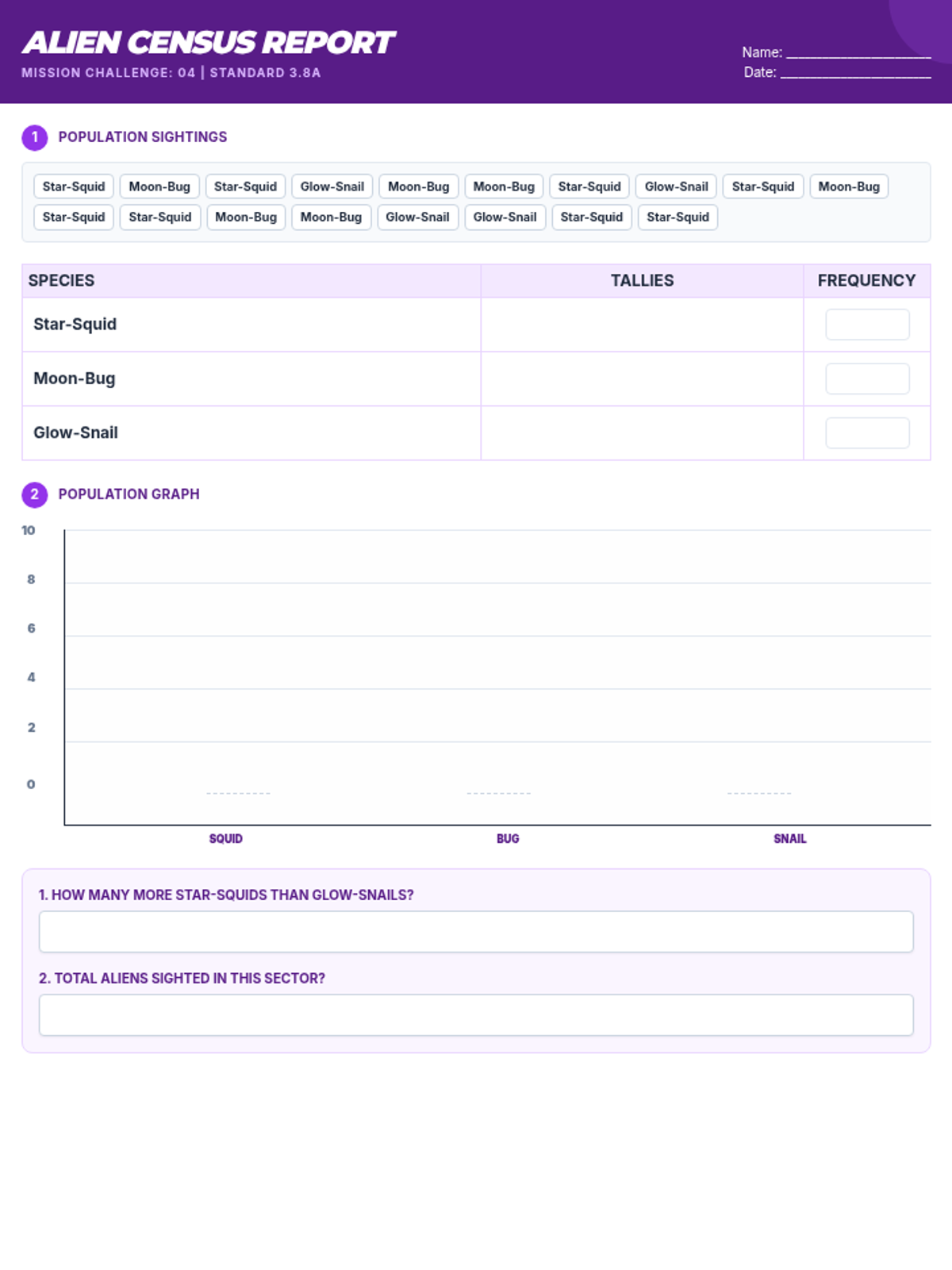
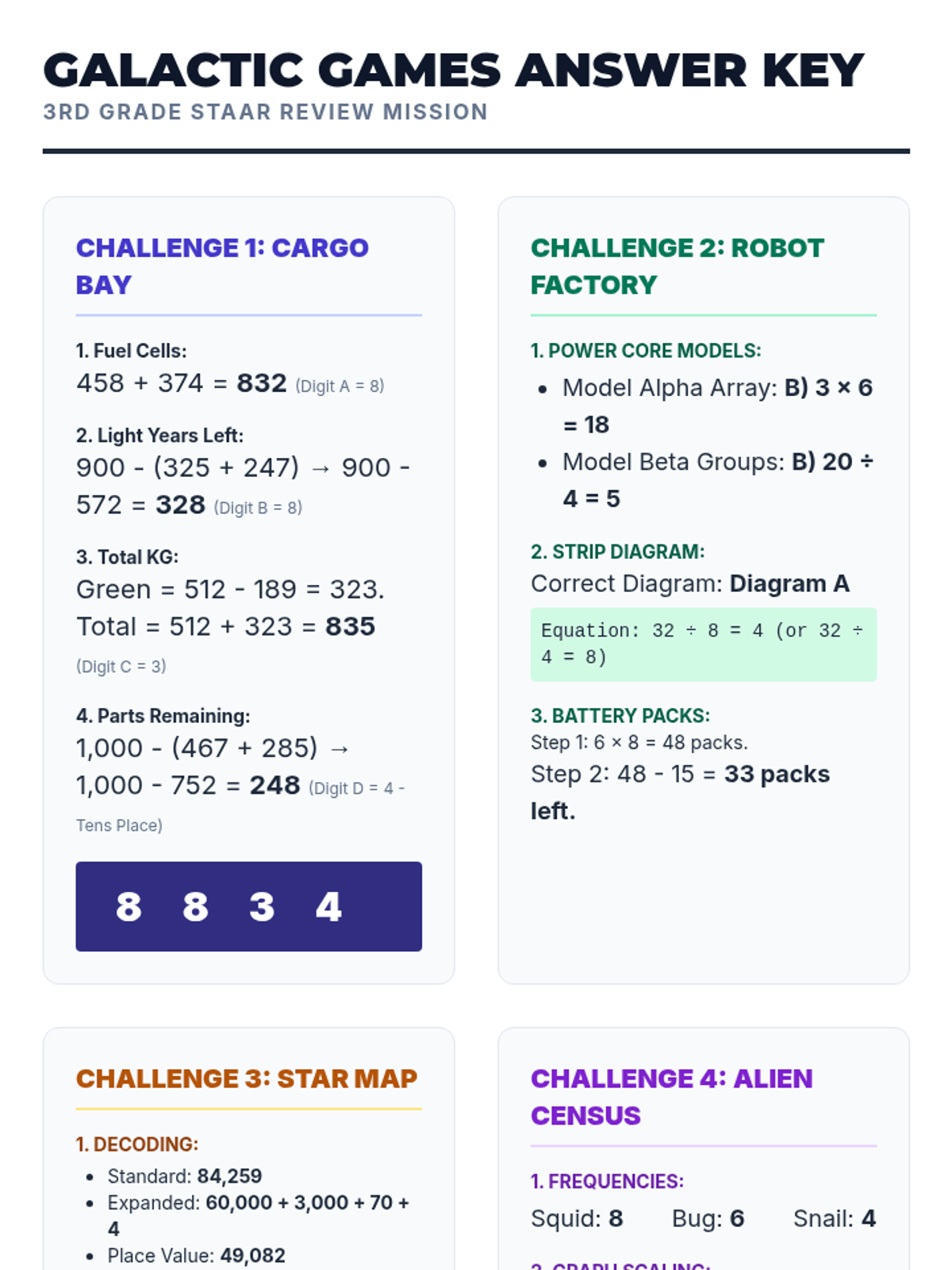
A high-energy, station-based STAAR review covering place value, operations, and data through four engaging team-based missions. Students work in table teams to solve challenges, earn points, and master key 3rd-grade math standards.
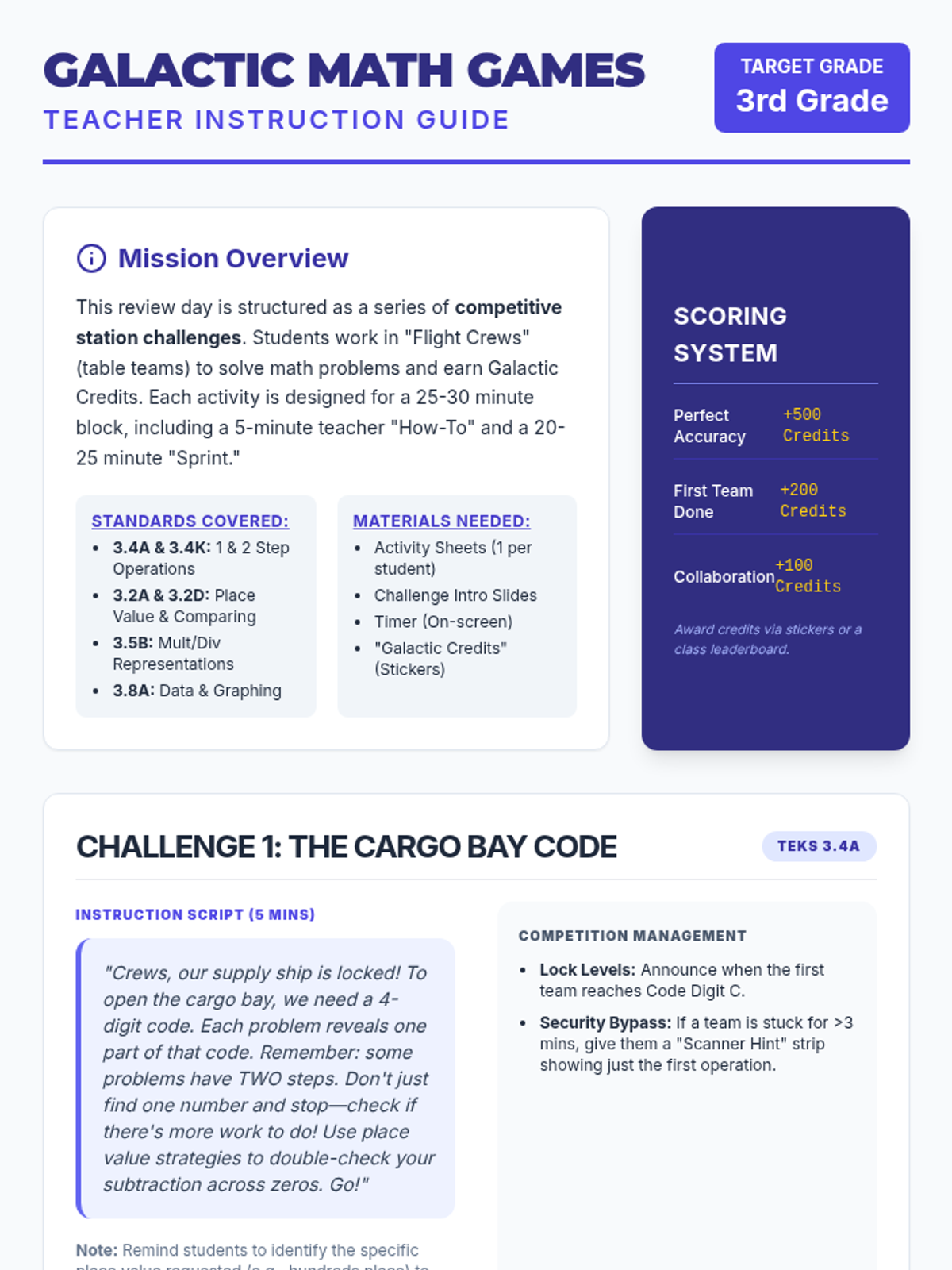
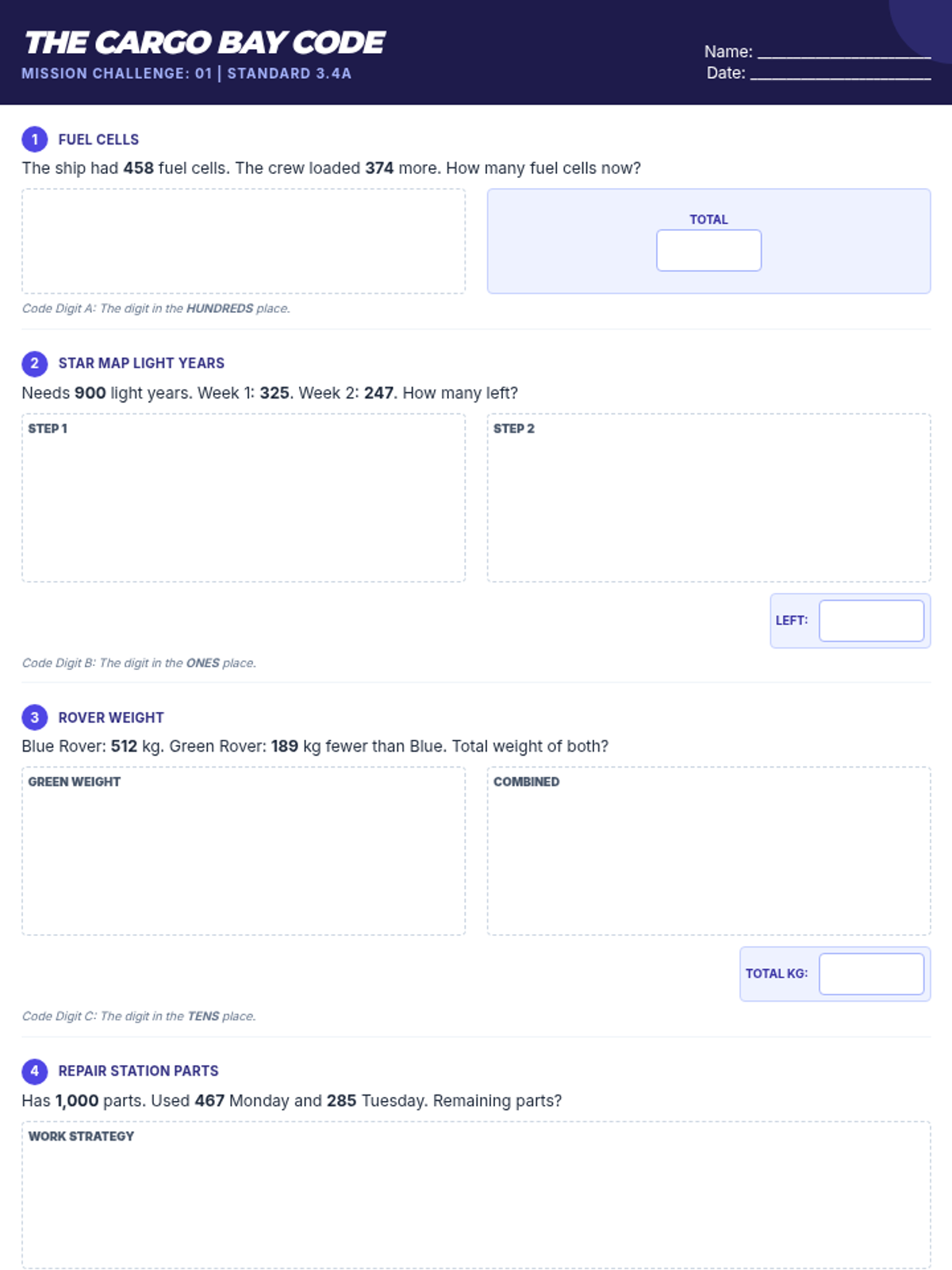
A high-energy, space-themed math review day focusing on key 3rd Grade STAAR standards. Students work in table teams to complete galactic challenges involving multi-step operations, place value, and data analysis.
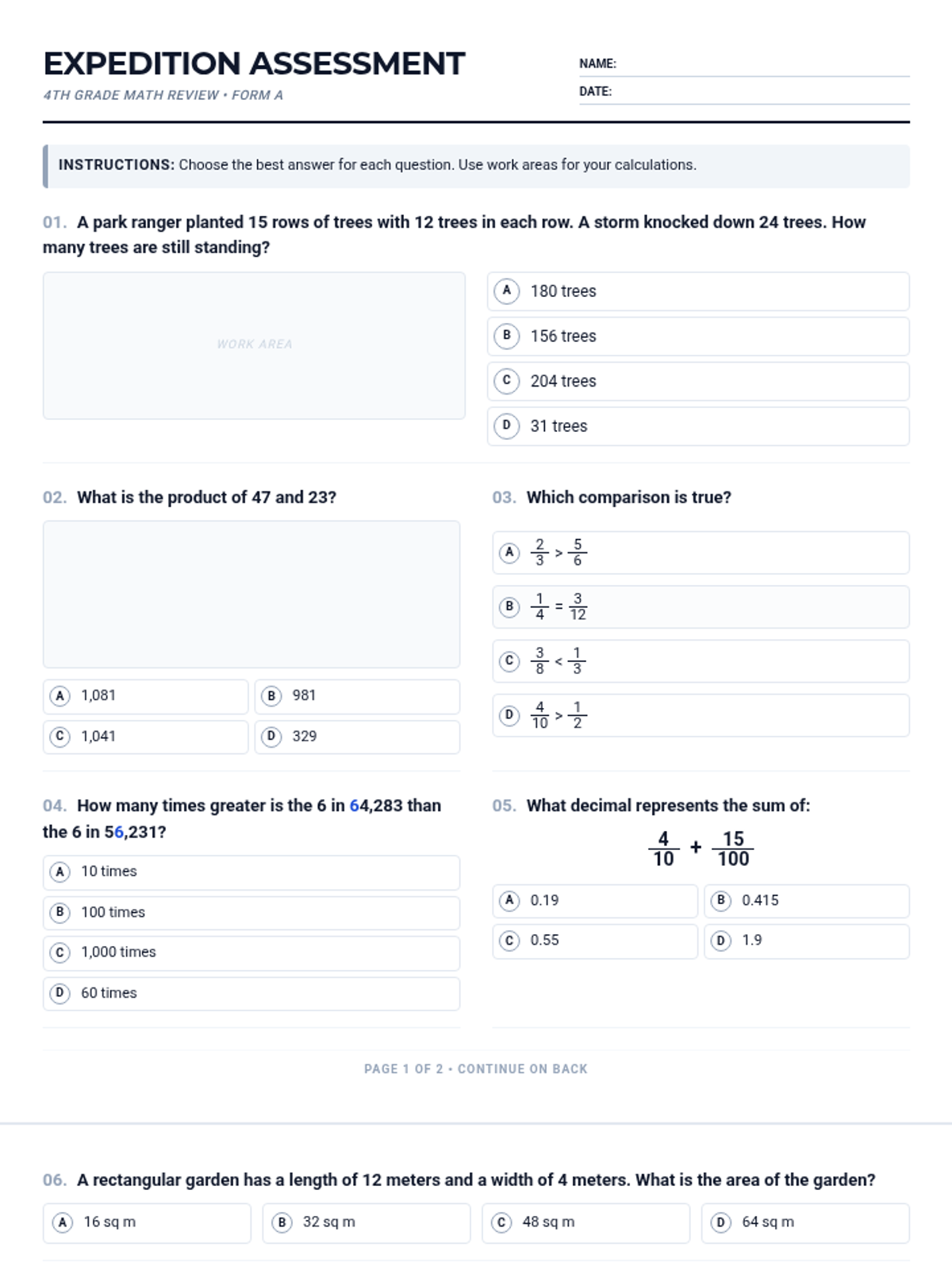
A high-stakes review lesson covering all 4th-grade math domains (OA, NBT, NF, MD, G) with a focus on multi-step problem solving and EOG-style questions.