A comprehensive Grade 5 lesson on adding and subtracting fractions with unlike denominators, focusing on visual models, common denominators, and real-world applications aligned to NCSCOS 5.NF.1 and 5.NF.2.
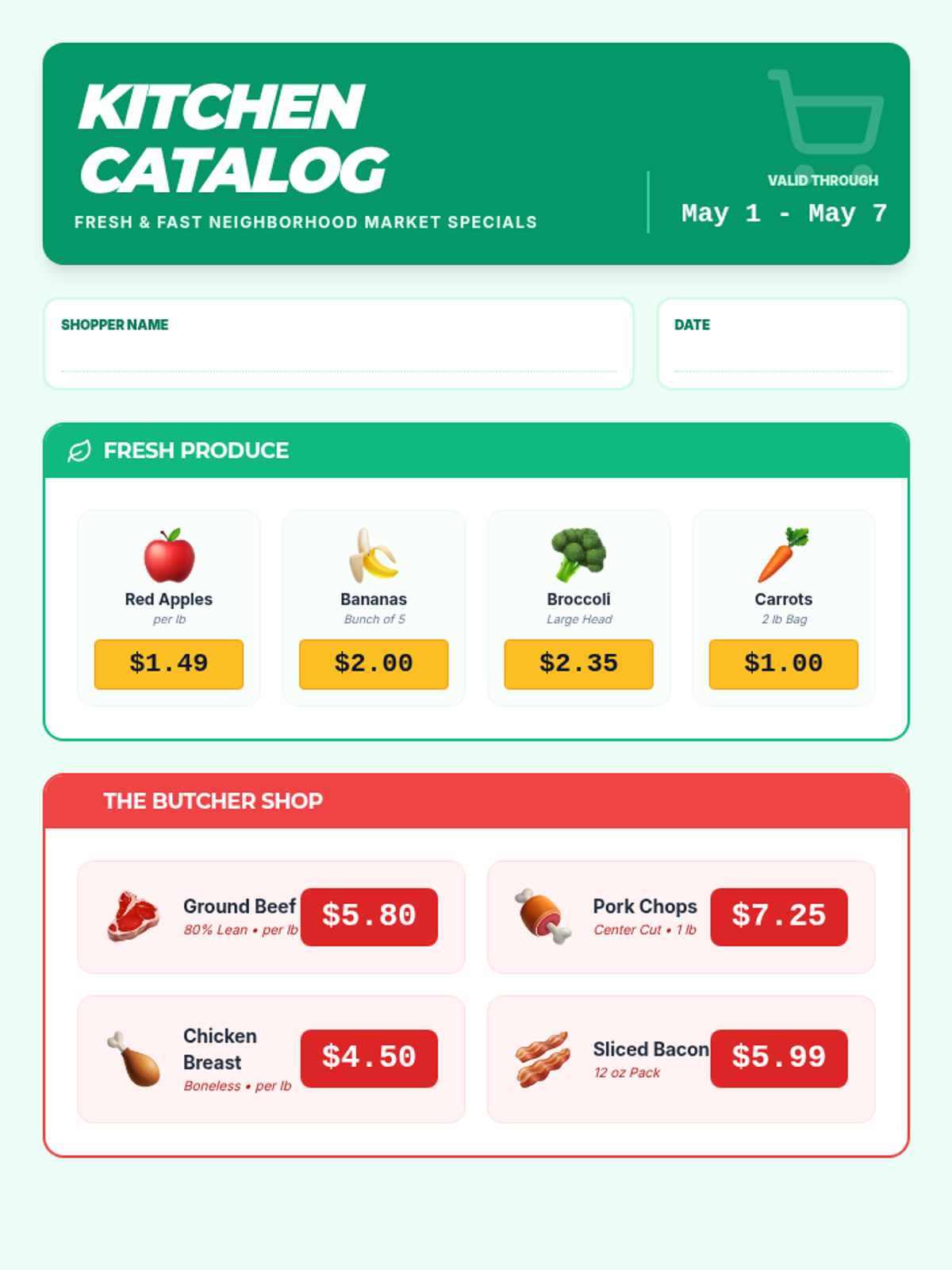
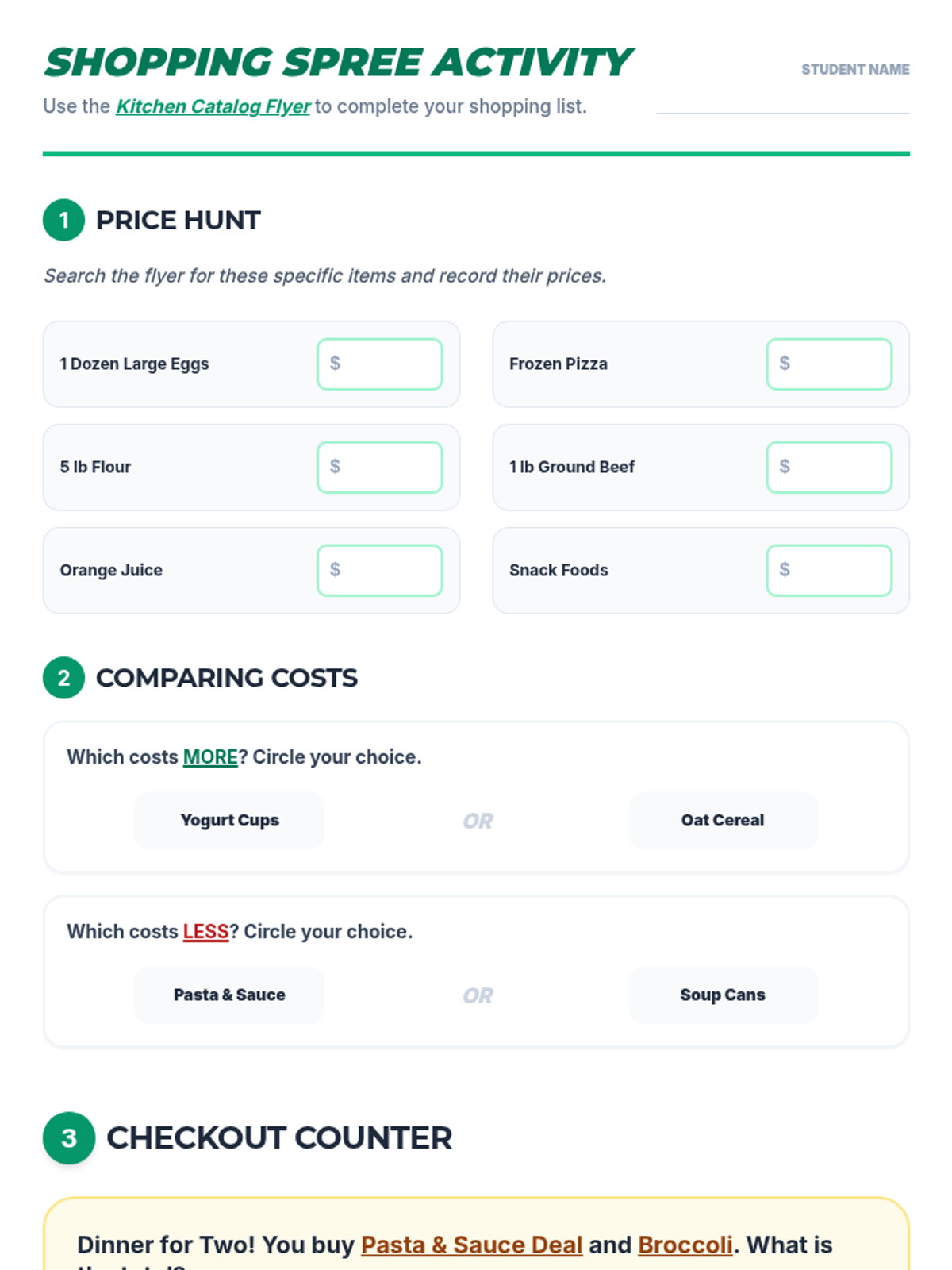
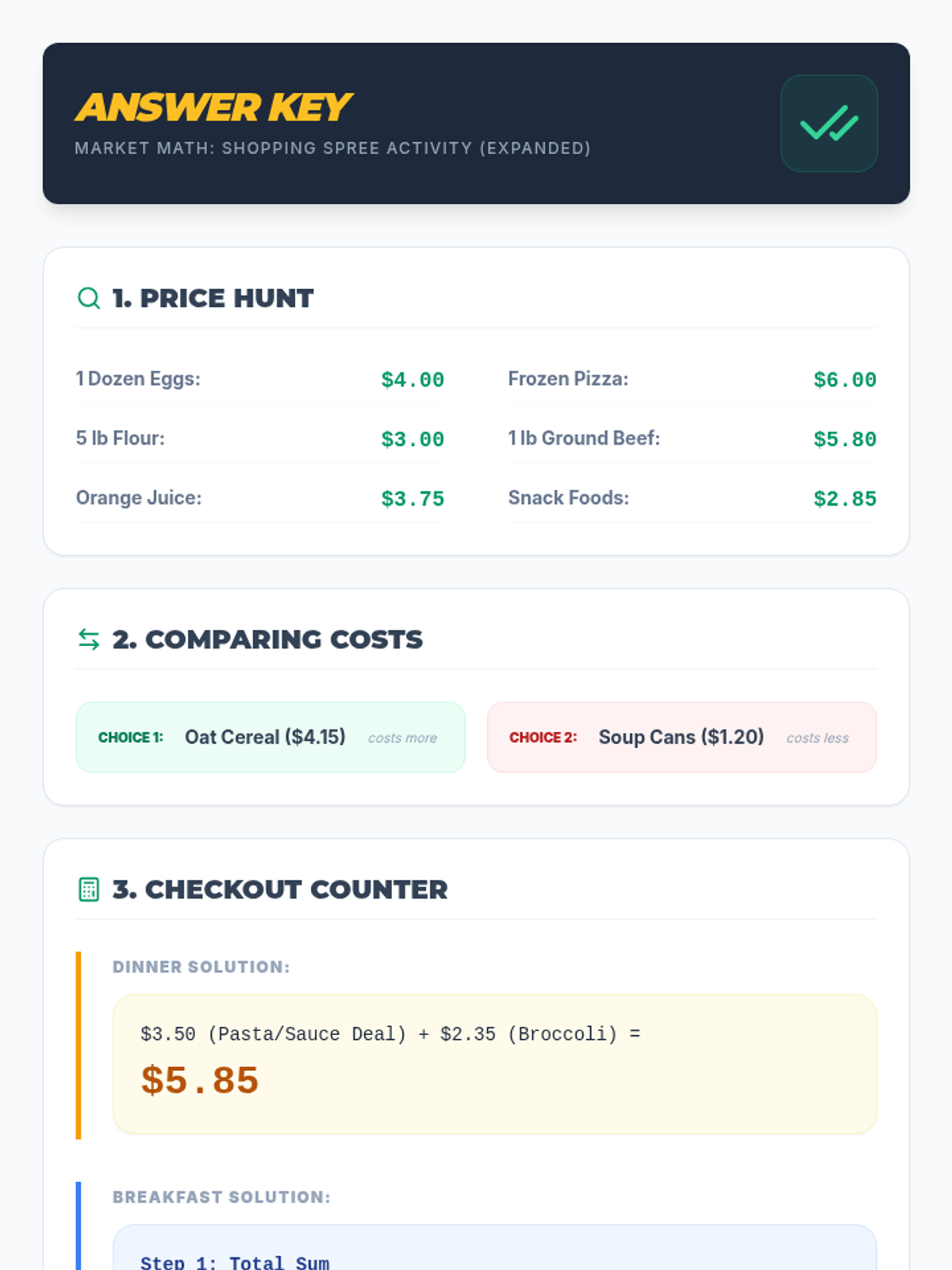
A lesson focused on real-world math applications using a grocery store advertisement. Students practice reading decimals, comparing prices, and calculating totals for a shopping trip.
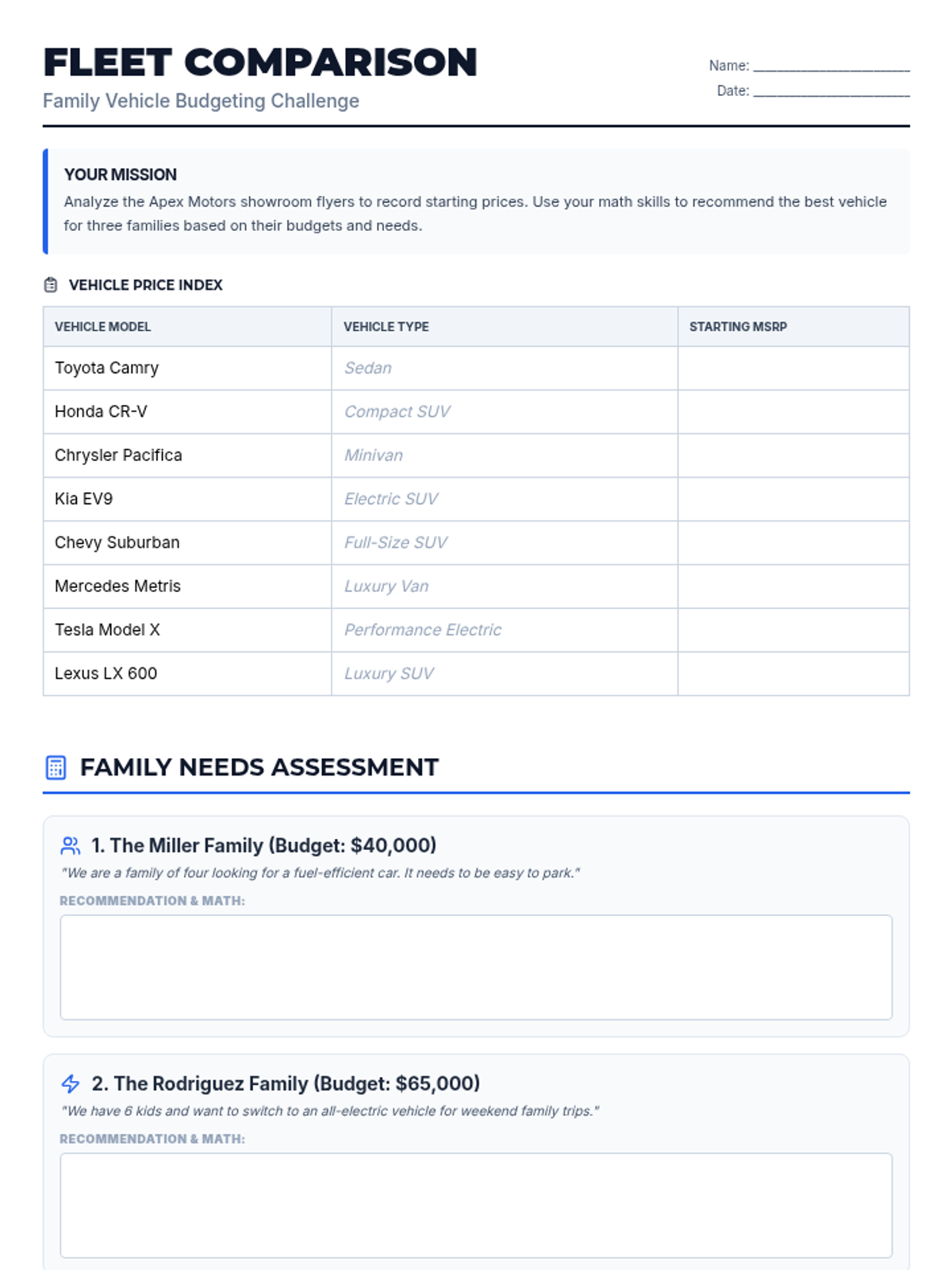
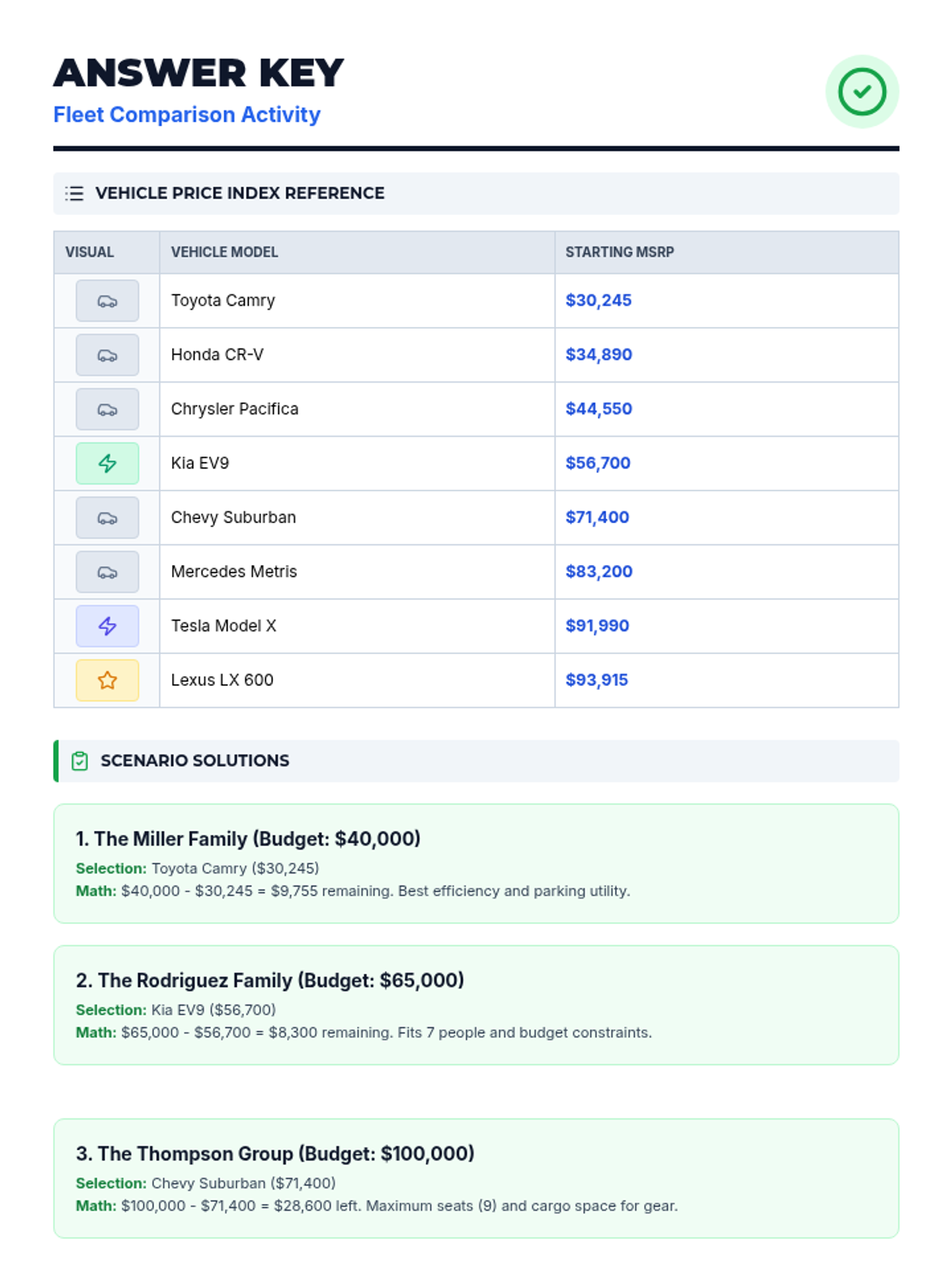
A hands-on math lesson where students analyze vehicle pricing, features, and budgeting for family-sized transport. Students use a series of showroom flyers to compare costs and make purchasing decisions based on specific family needs.
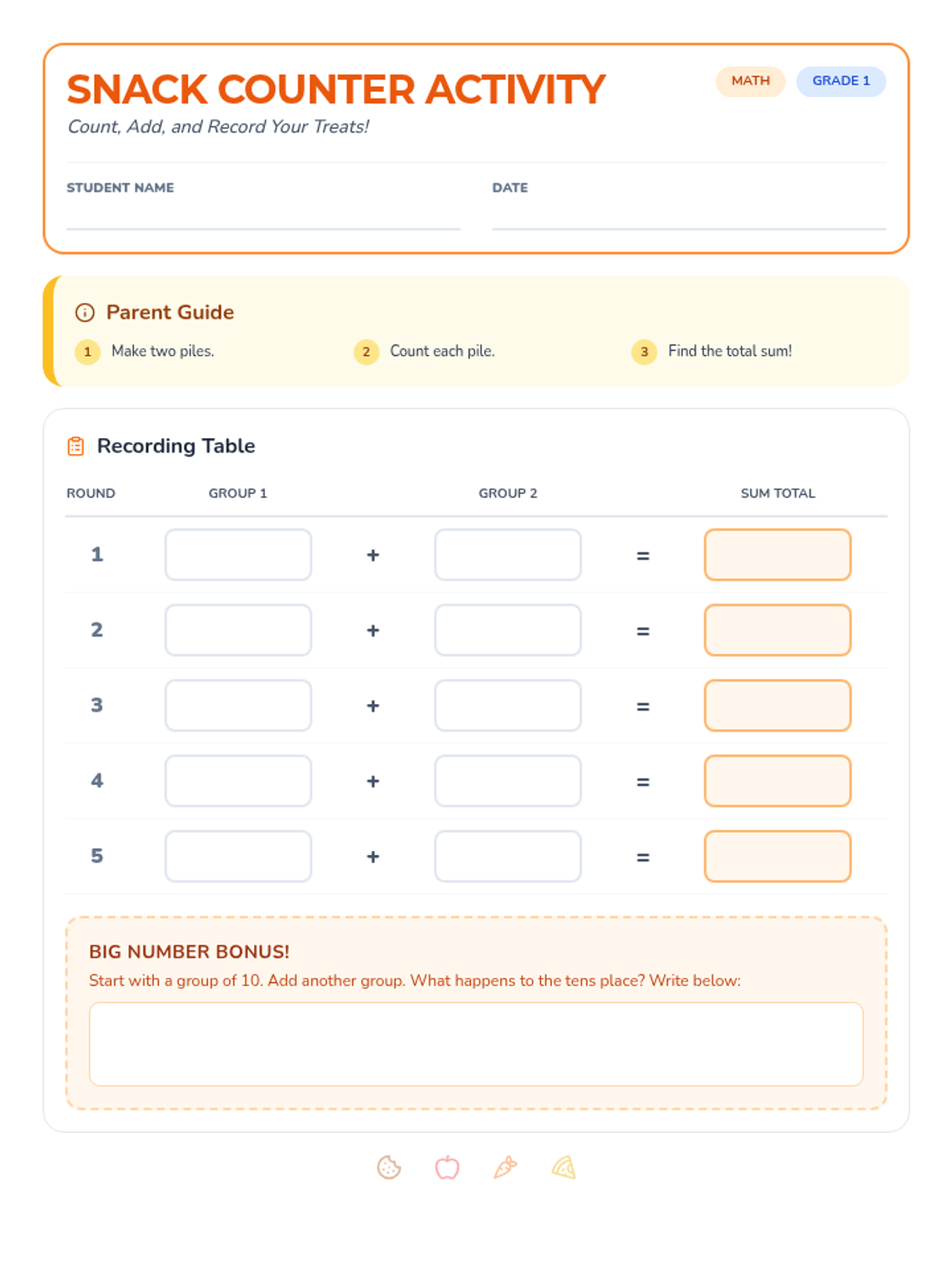
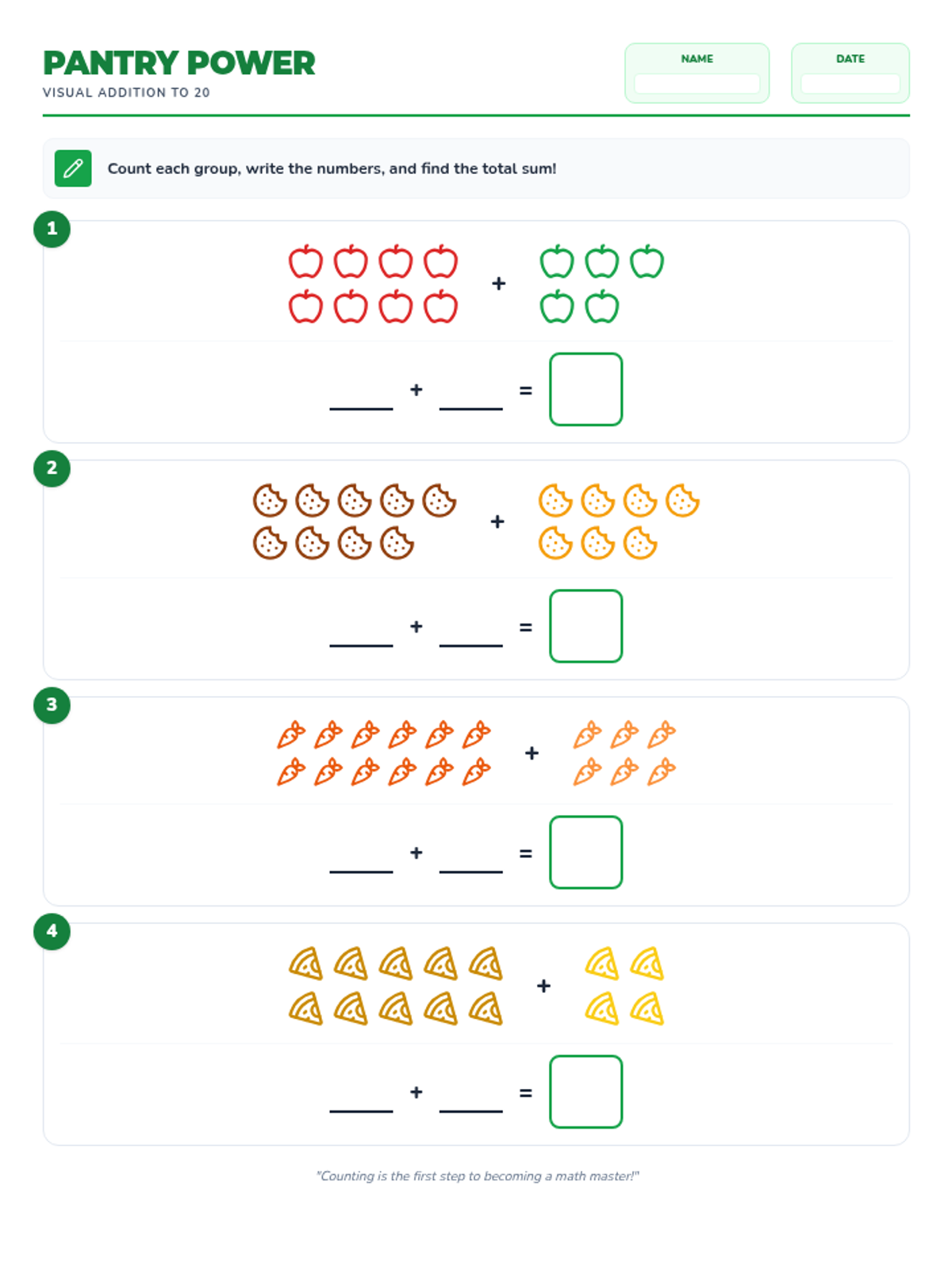
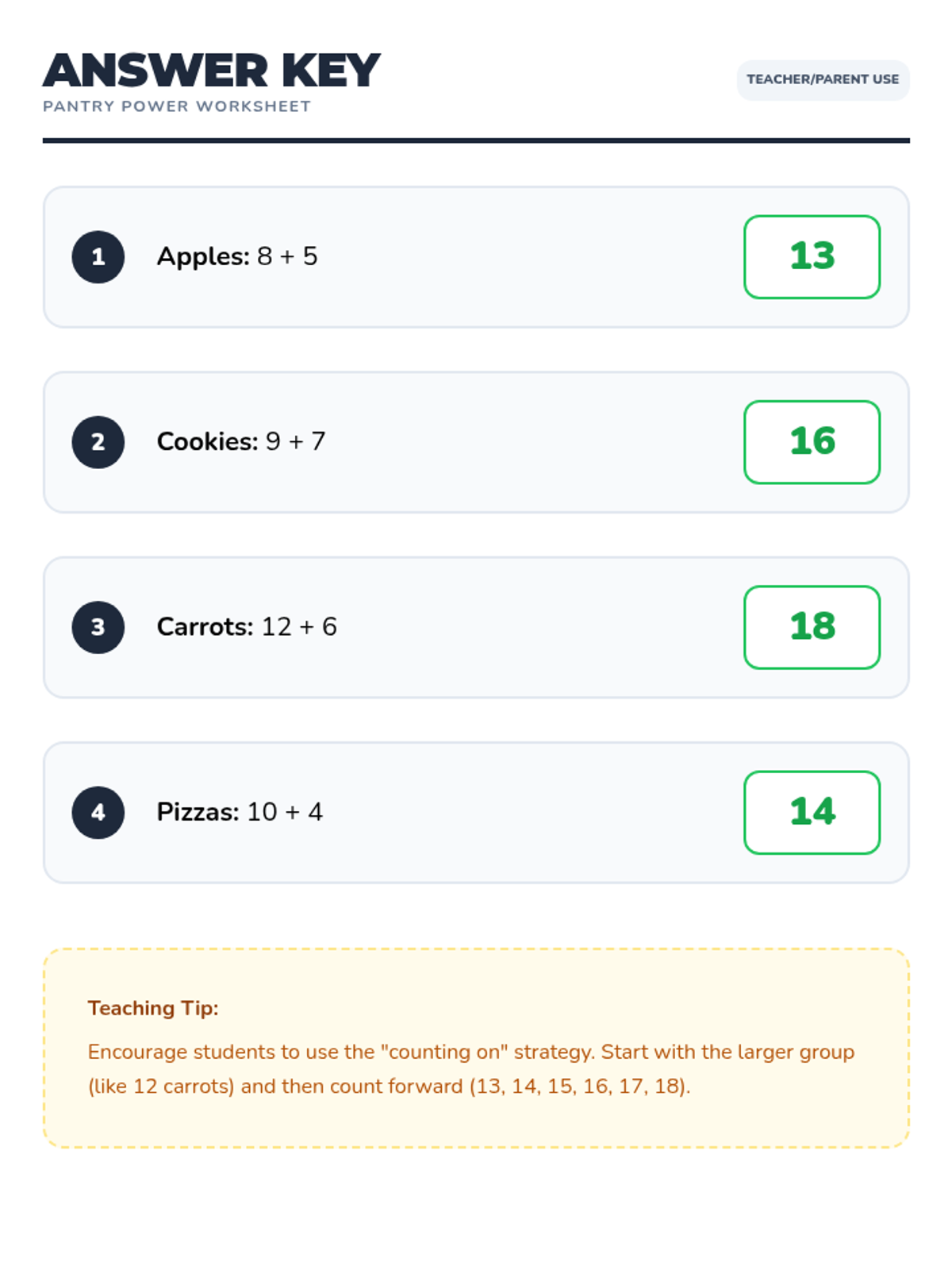
A hands-on addition lesson for first graders using household snacks to master adding two groups up to 20. Ideal for home learning and parent-child interaction.
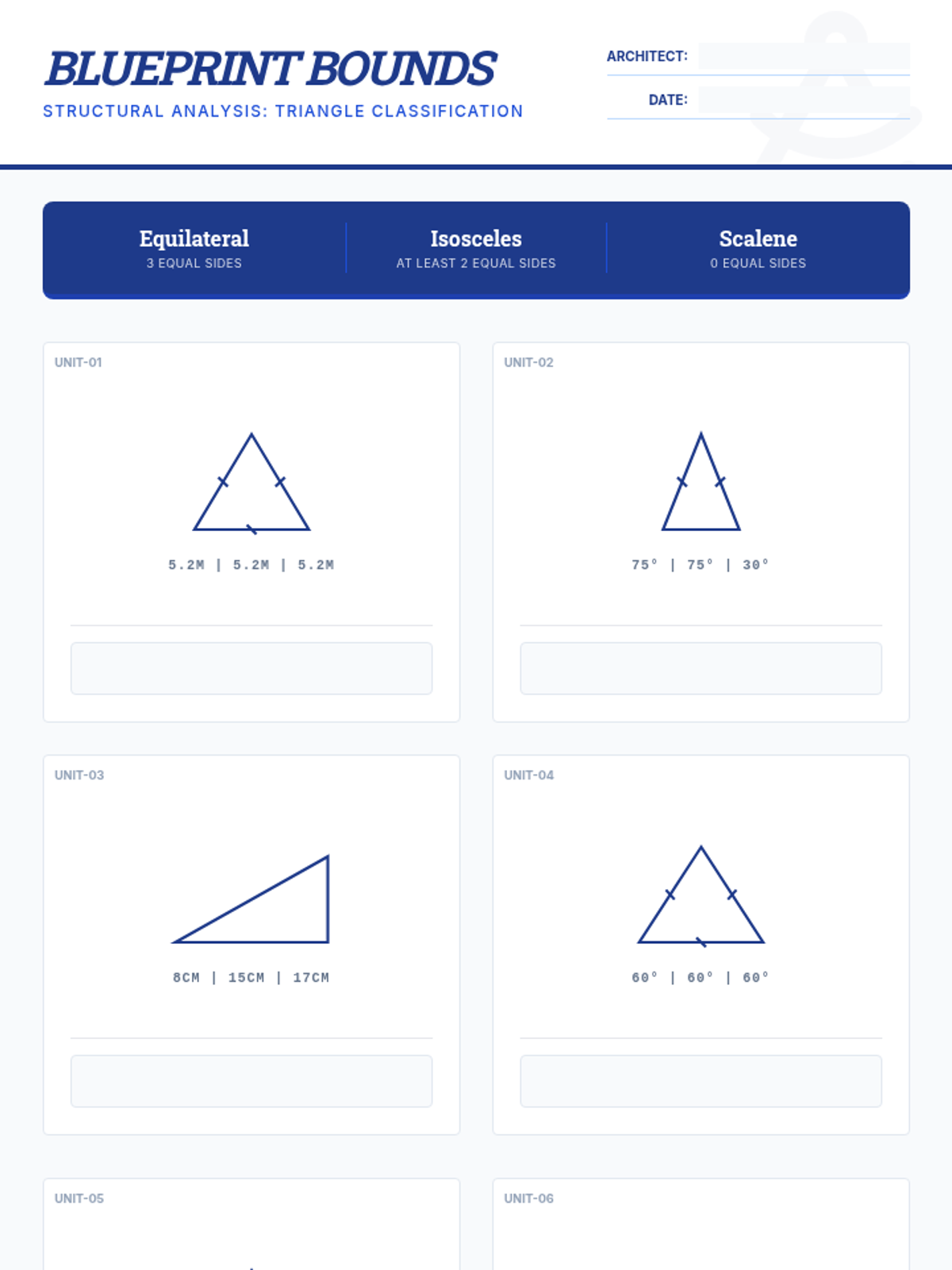
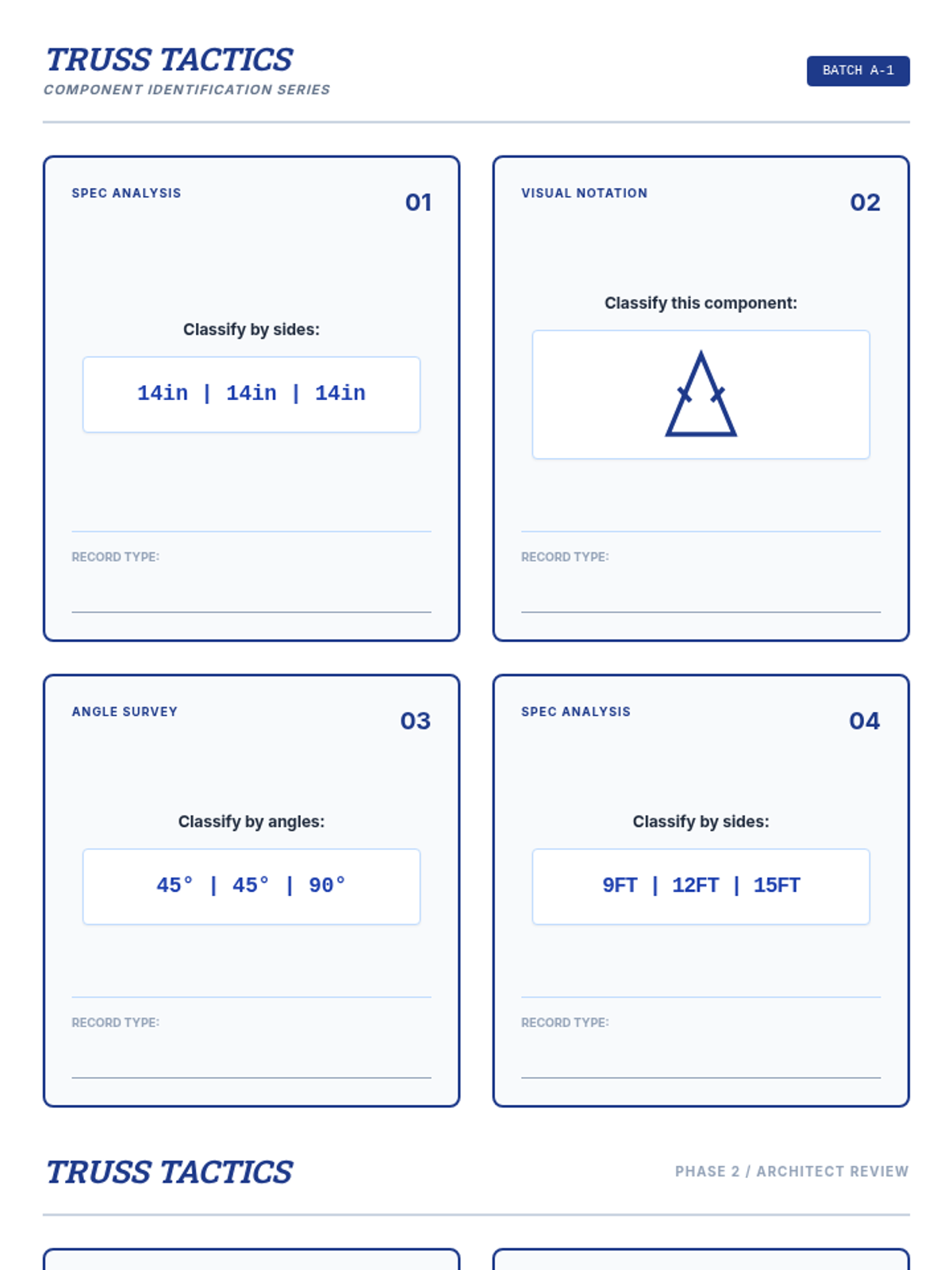
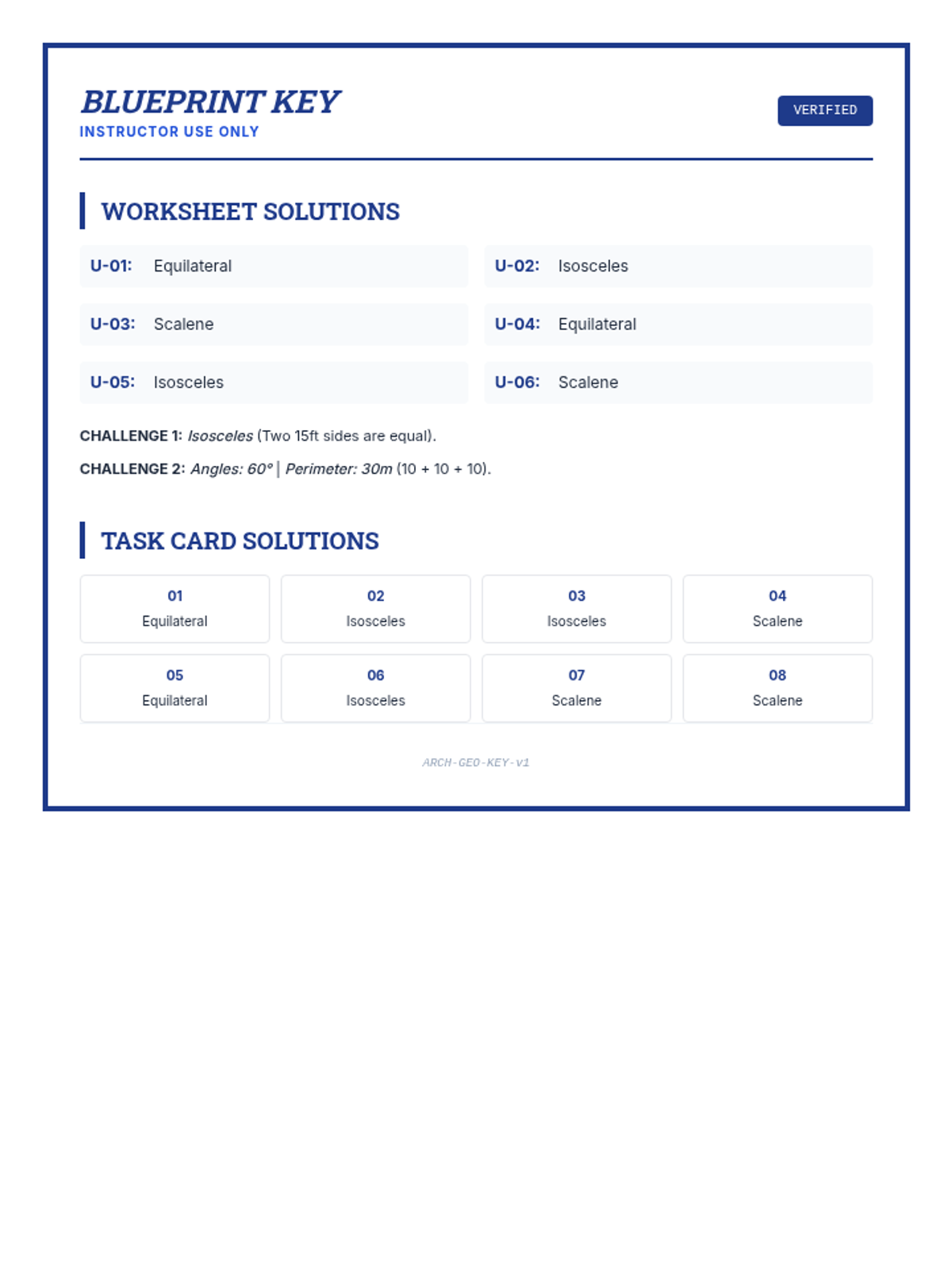
A hands-on geometry lesson focused on classifying triangles by side lengths (scalene, isosceles, equilateral) using geometric notation and measurements within an architectural drafting context.
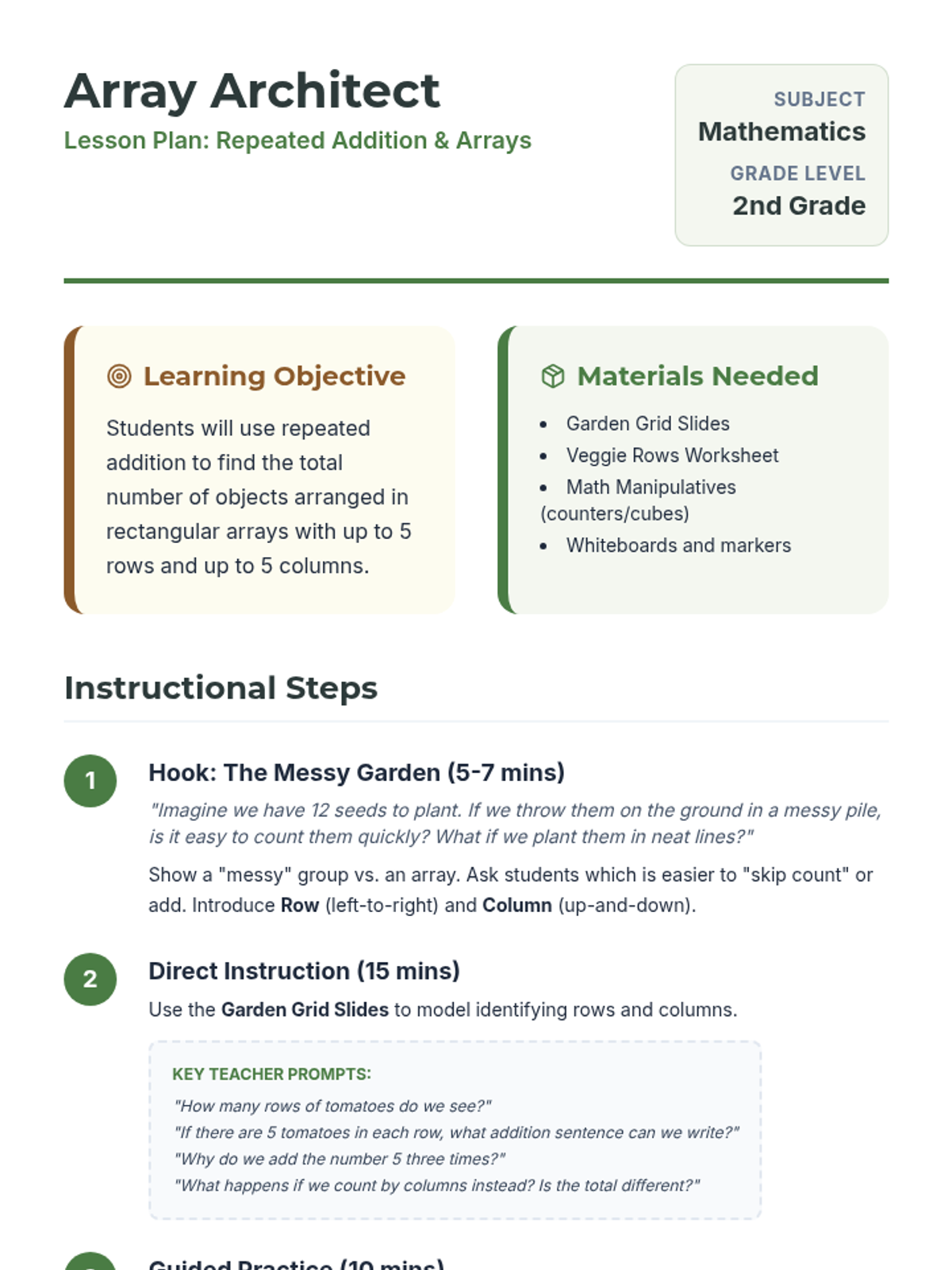
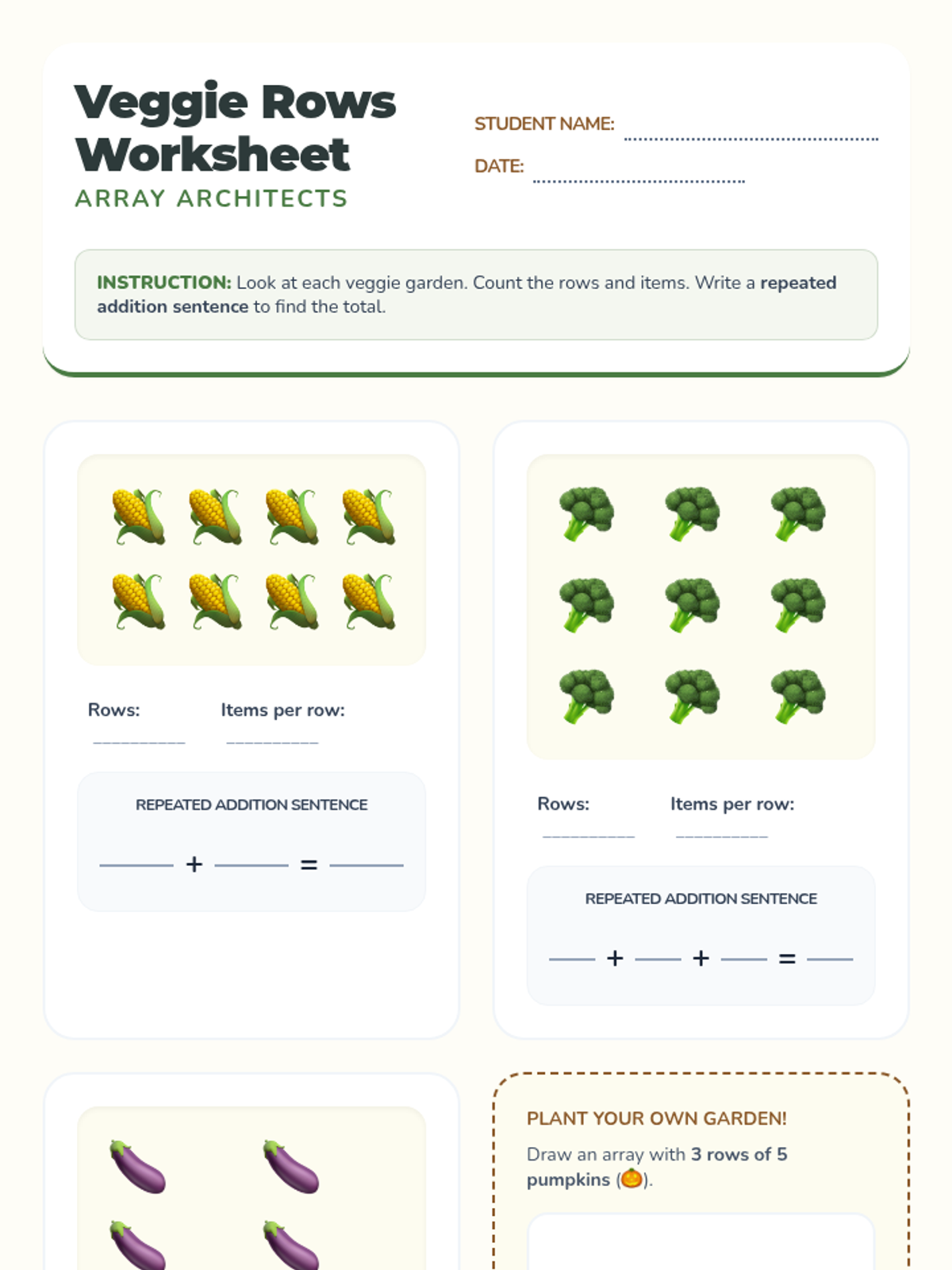
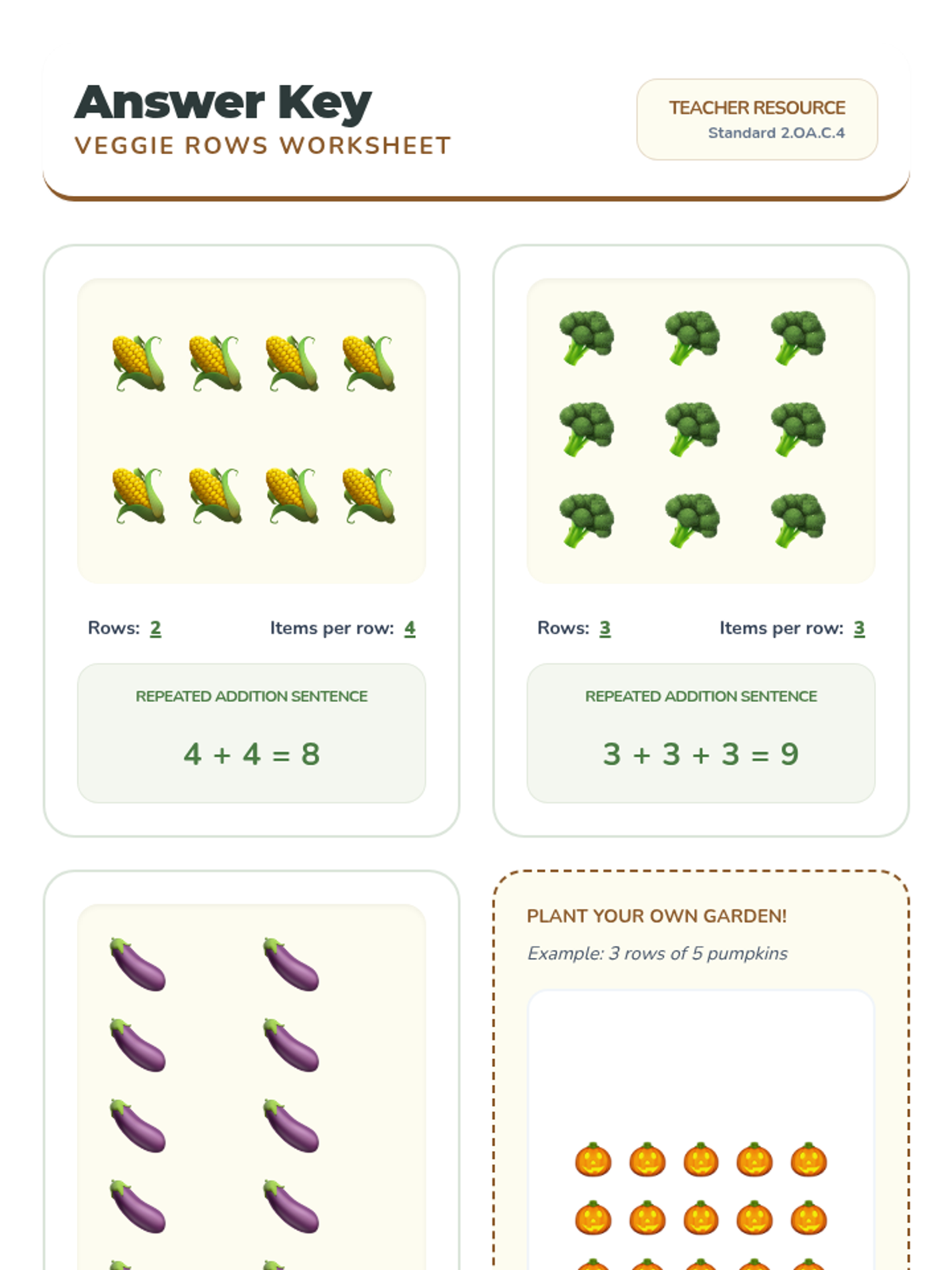
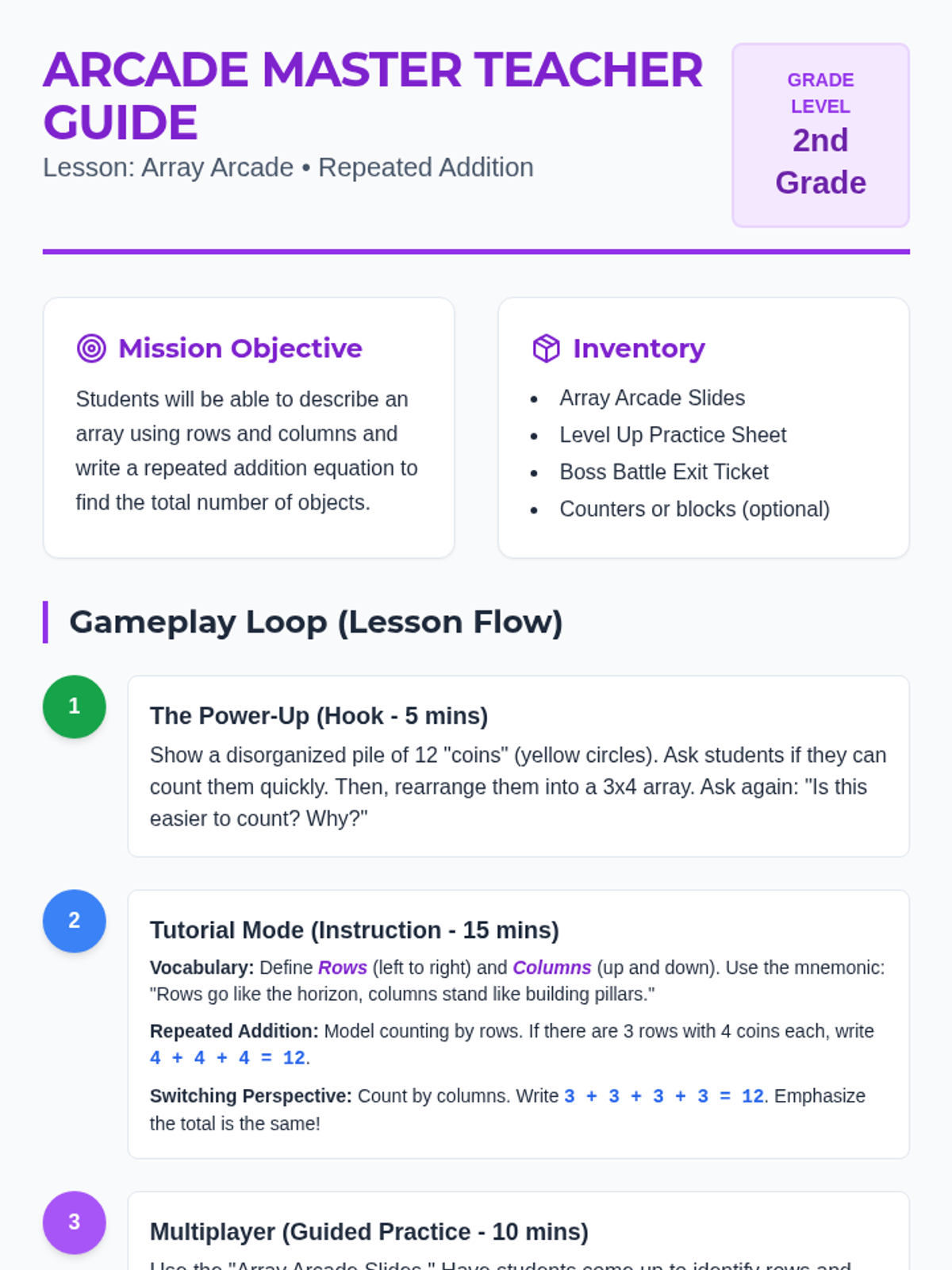
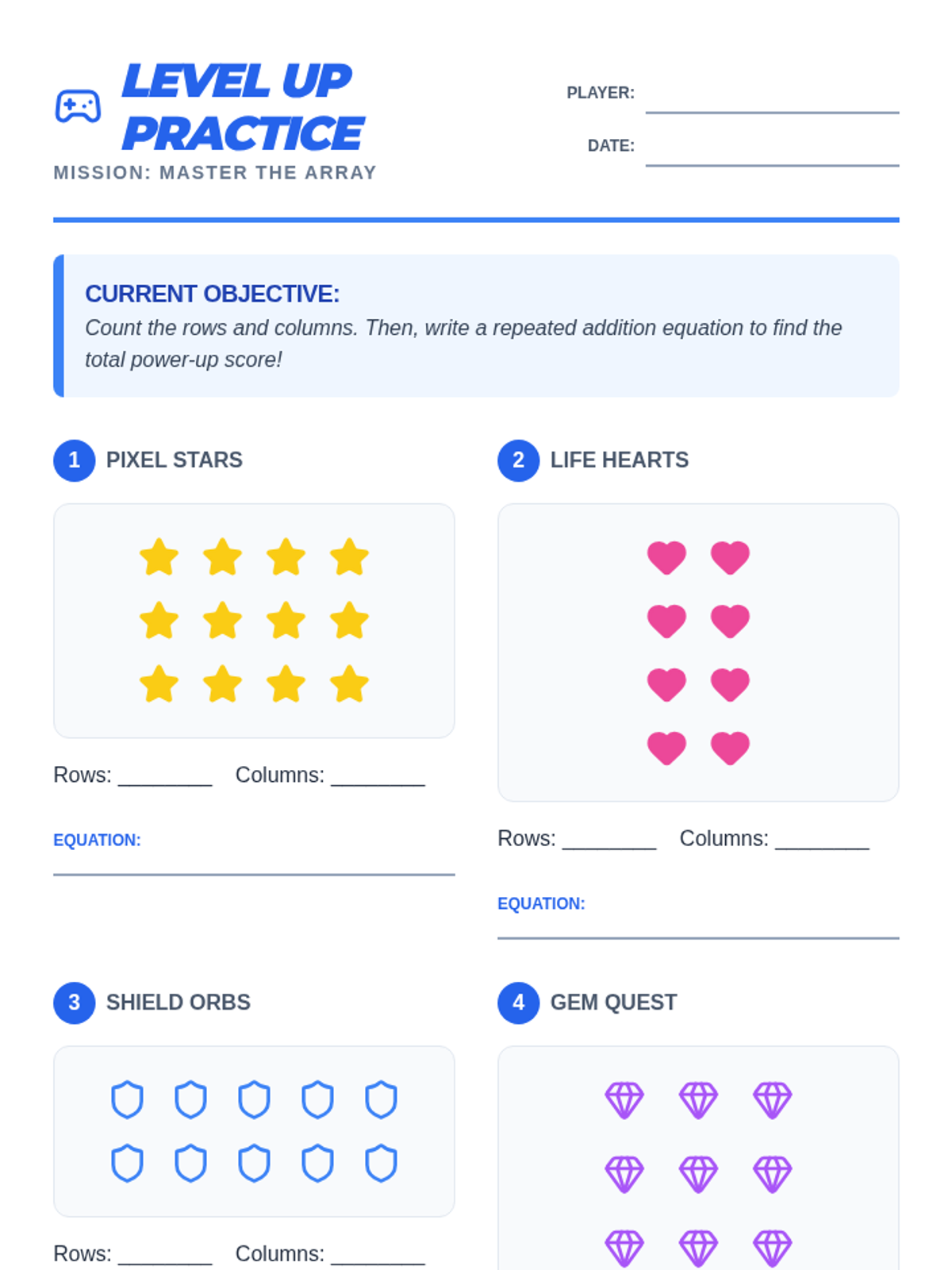
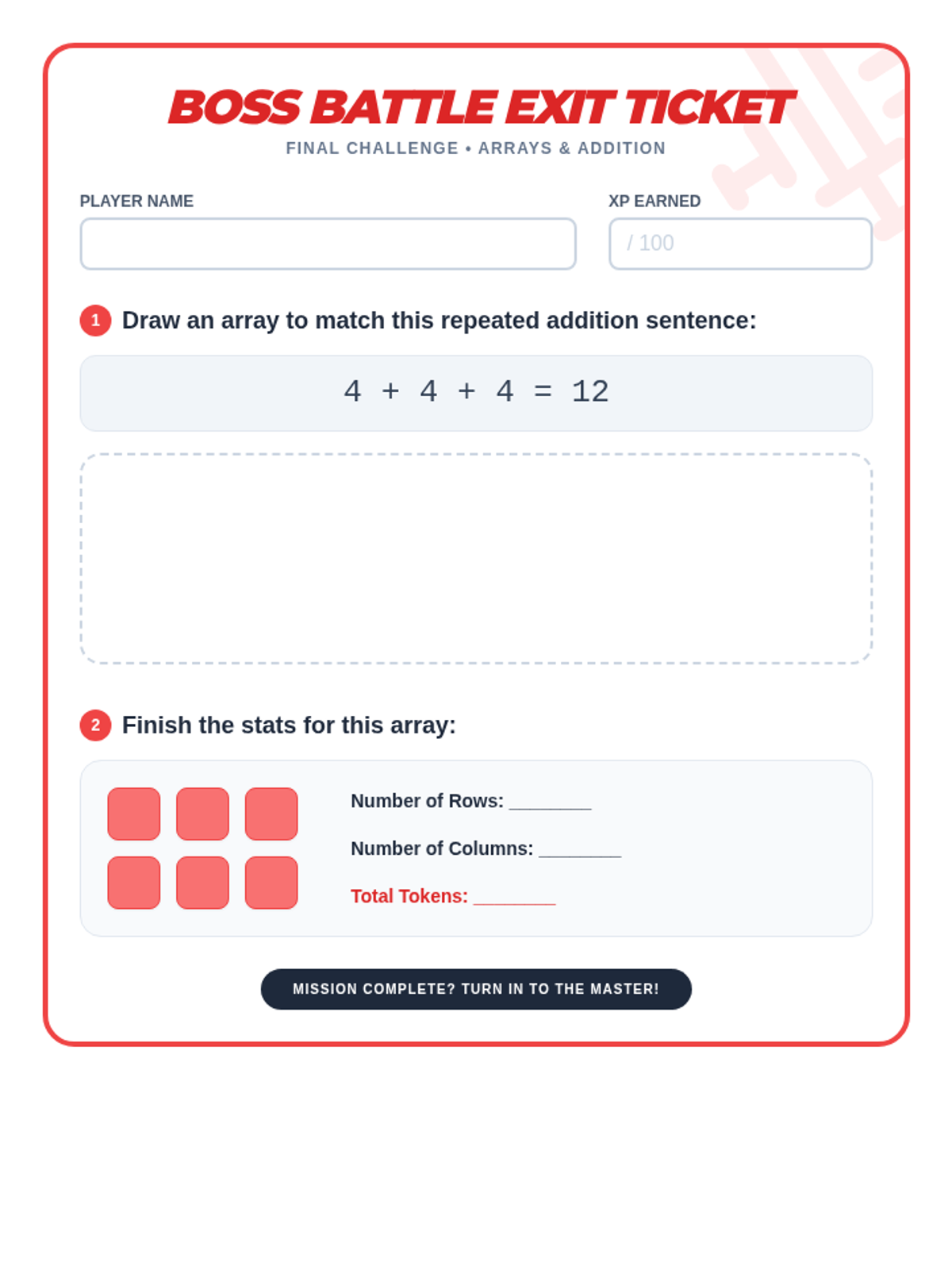
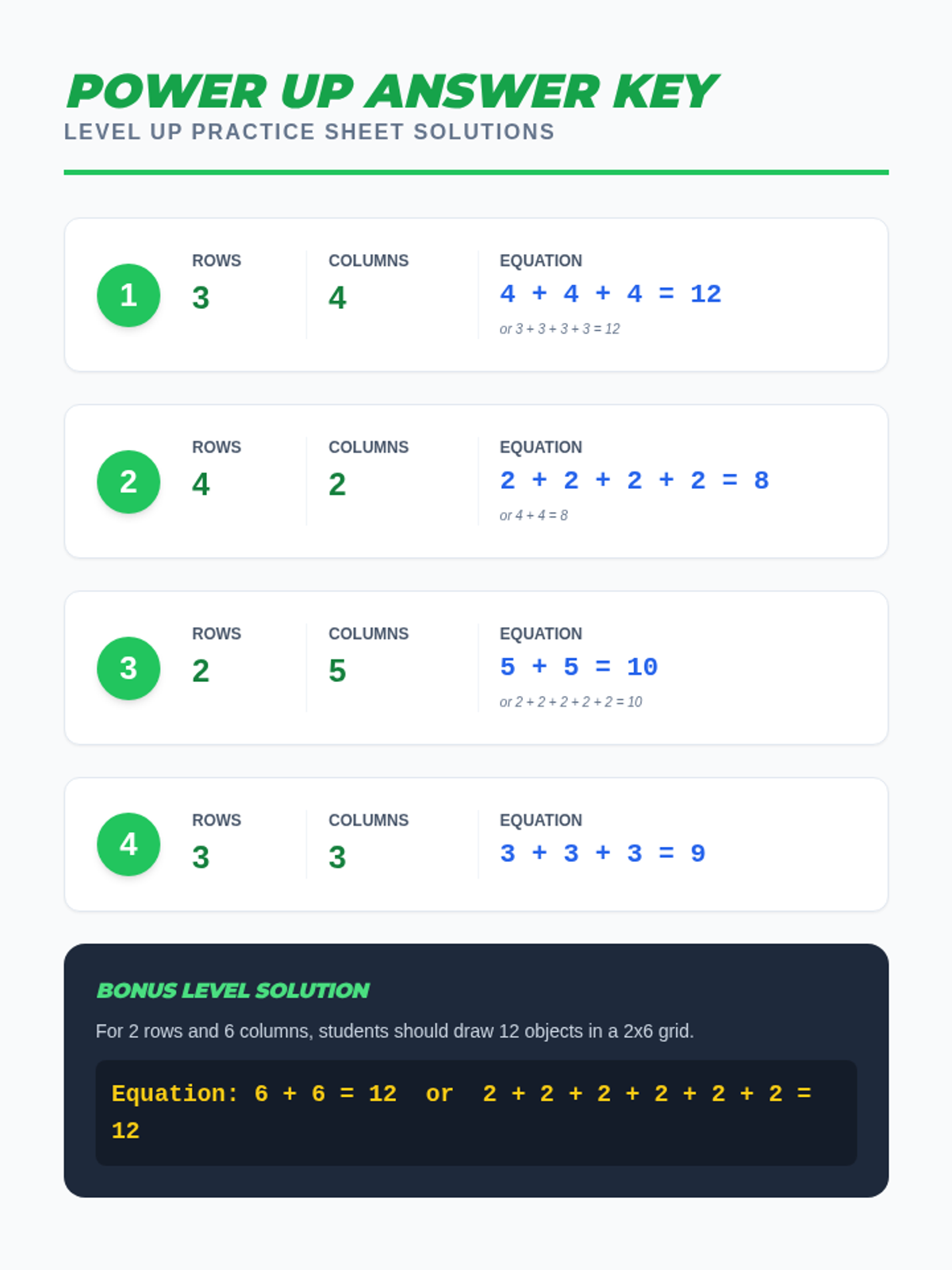
In this lesson, students explore the connection between arrays and repeated addition by organizing 'garden' items into rows and columns. They will learn to identify the number of items in each row/column and write corresponding addition sentences to find the total.
A high-energy introduction to arrays where students learn to identify rows and columns and relate them to repeated addition.
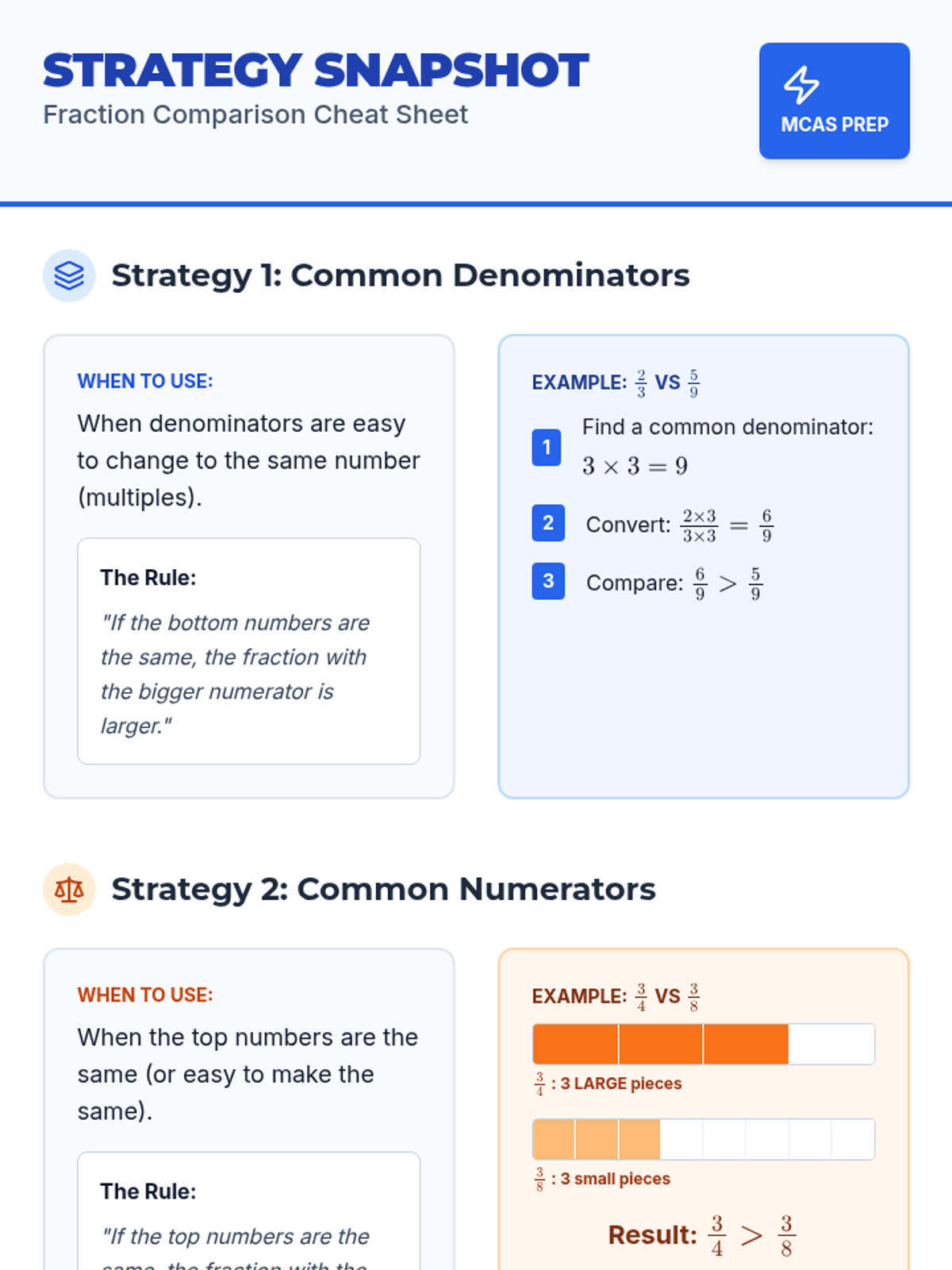
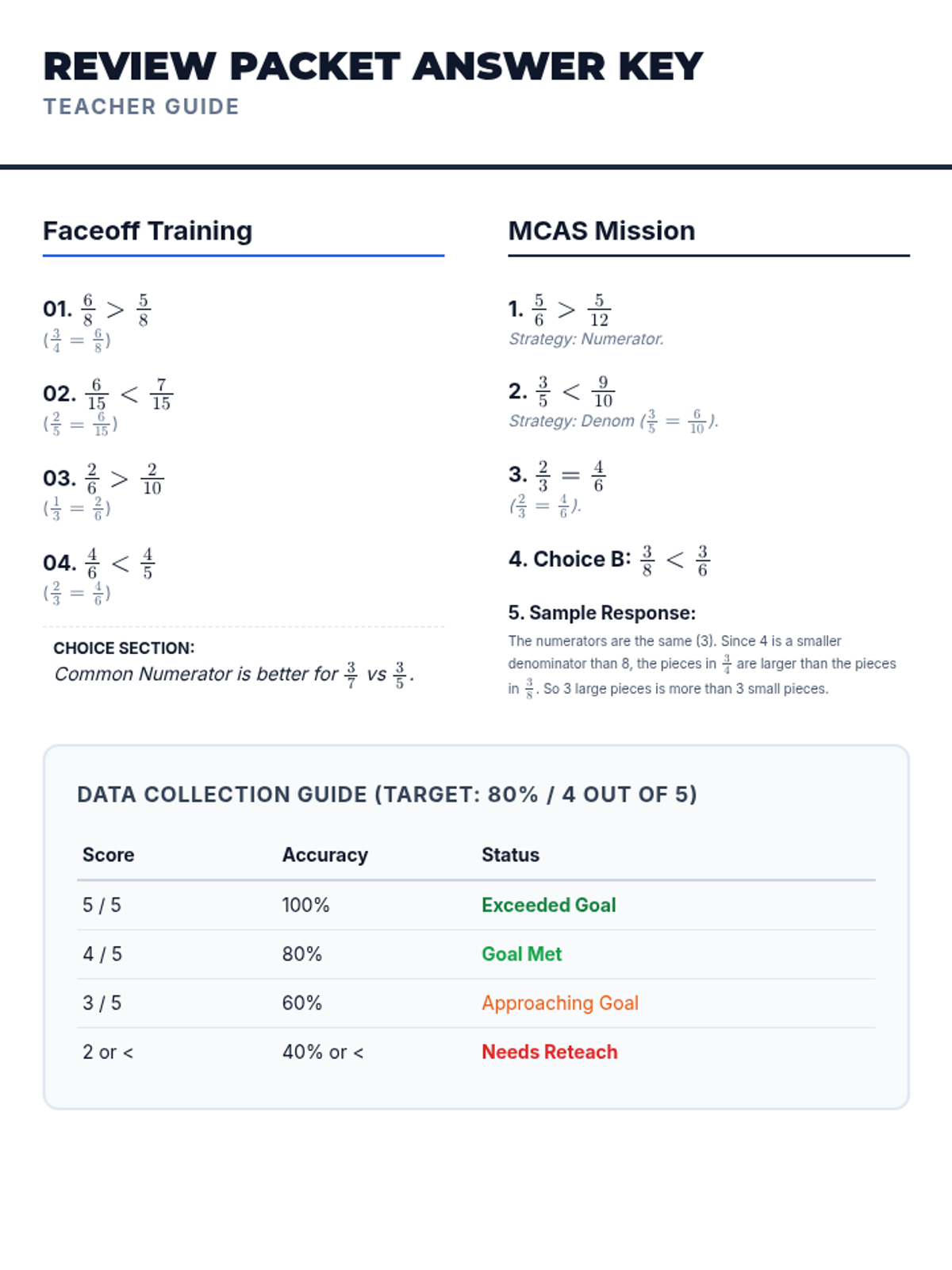
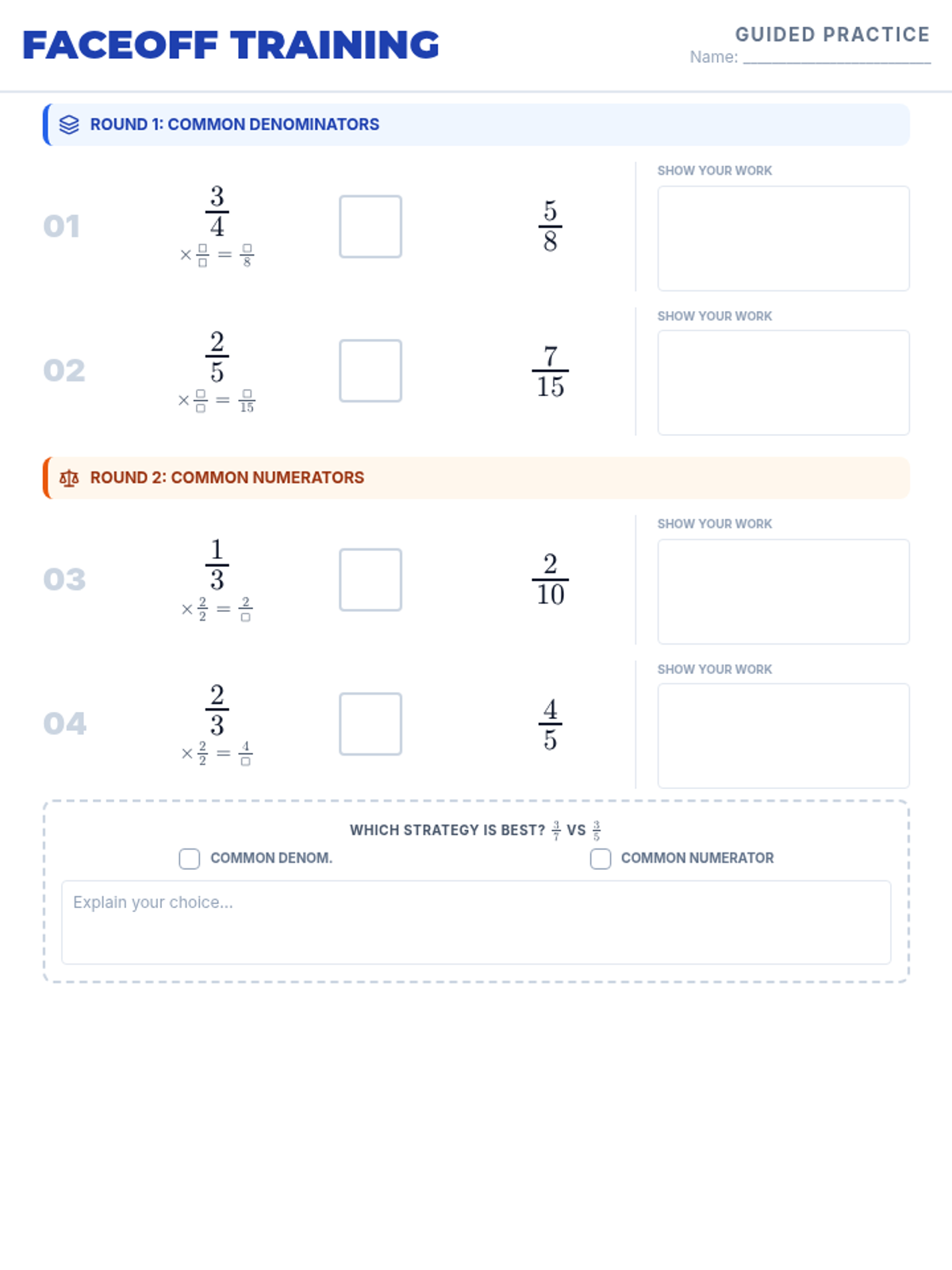
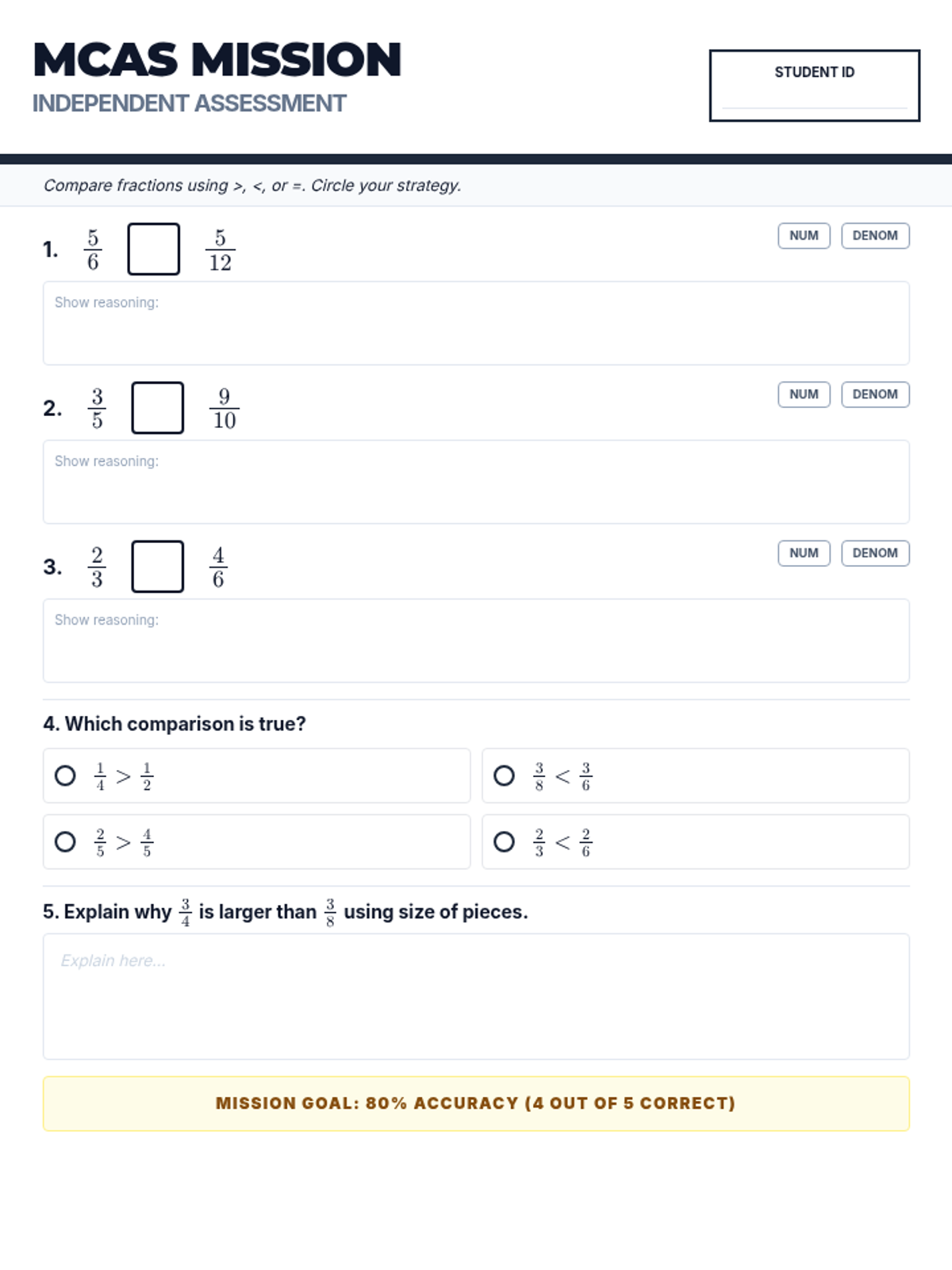
A high-intensity review lesson focused on comparing fractions using common numerators and common denominators, designed for rapid MCAS preparation.
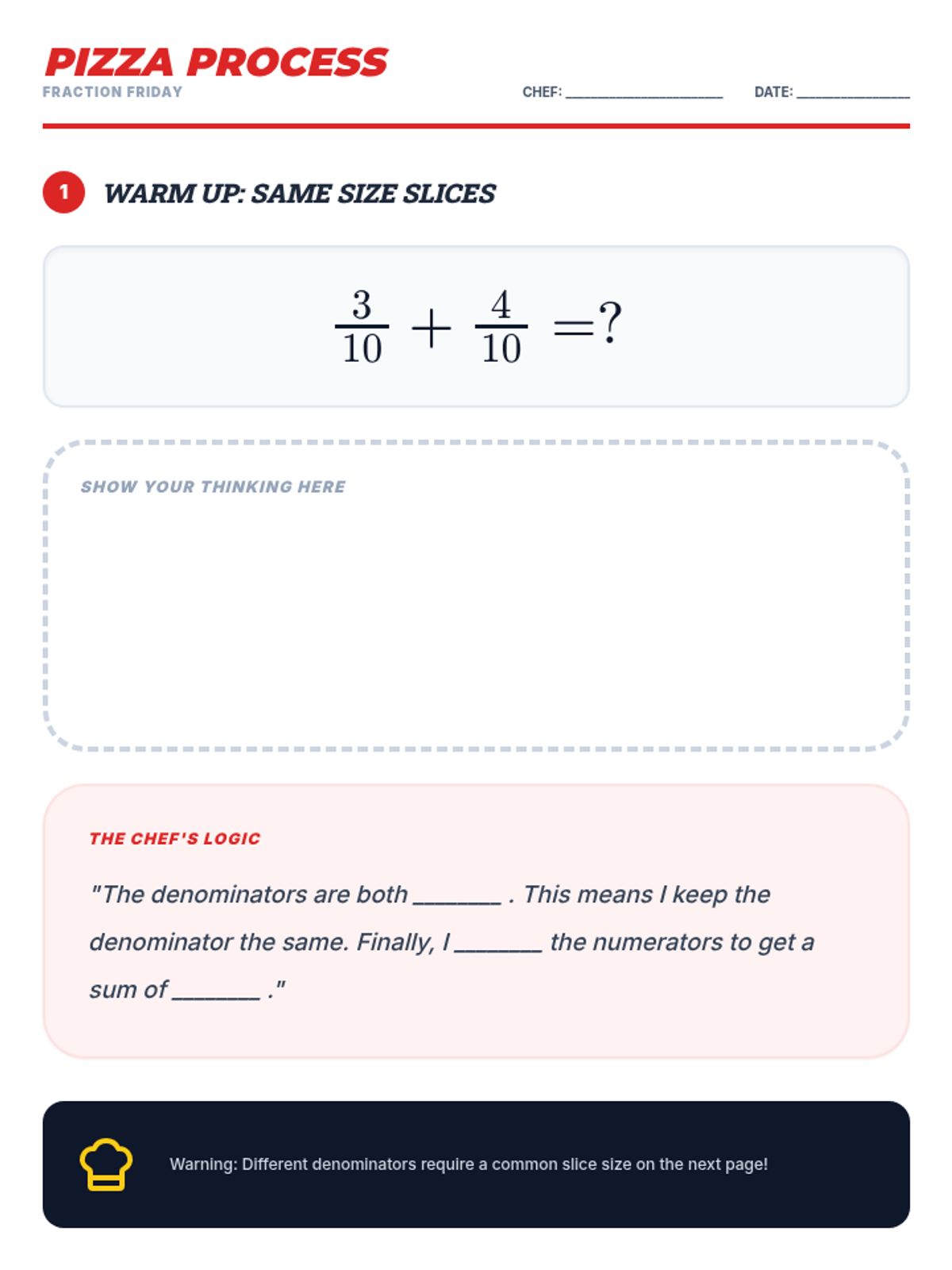
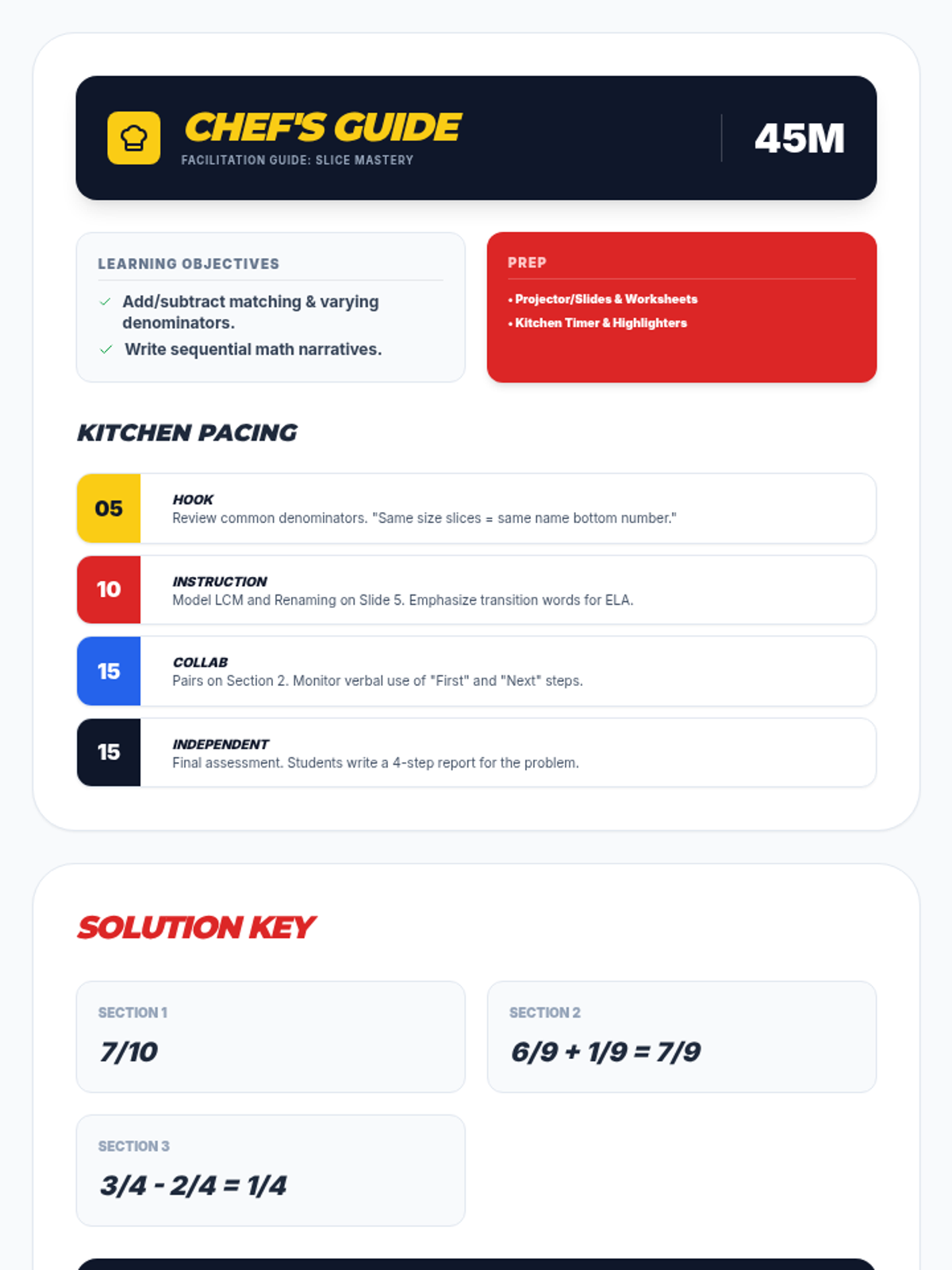
A 45-minute introductory lesson on adding and subtracting fractions, progressing from common denominators to uncommon denominators using step-by-step writing frames to solidify the mathematical process.
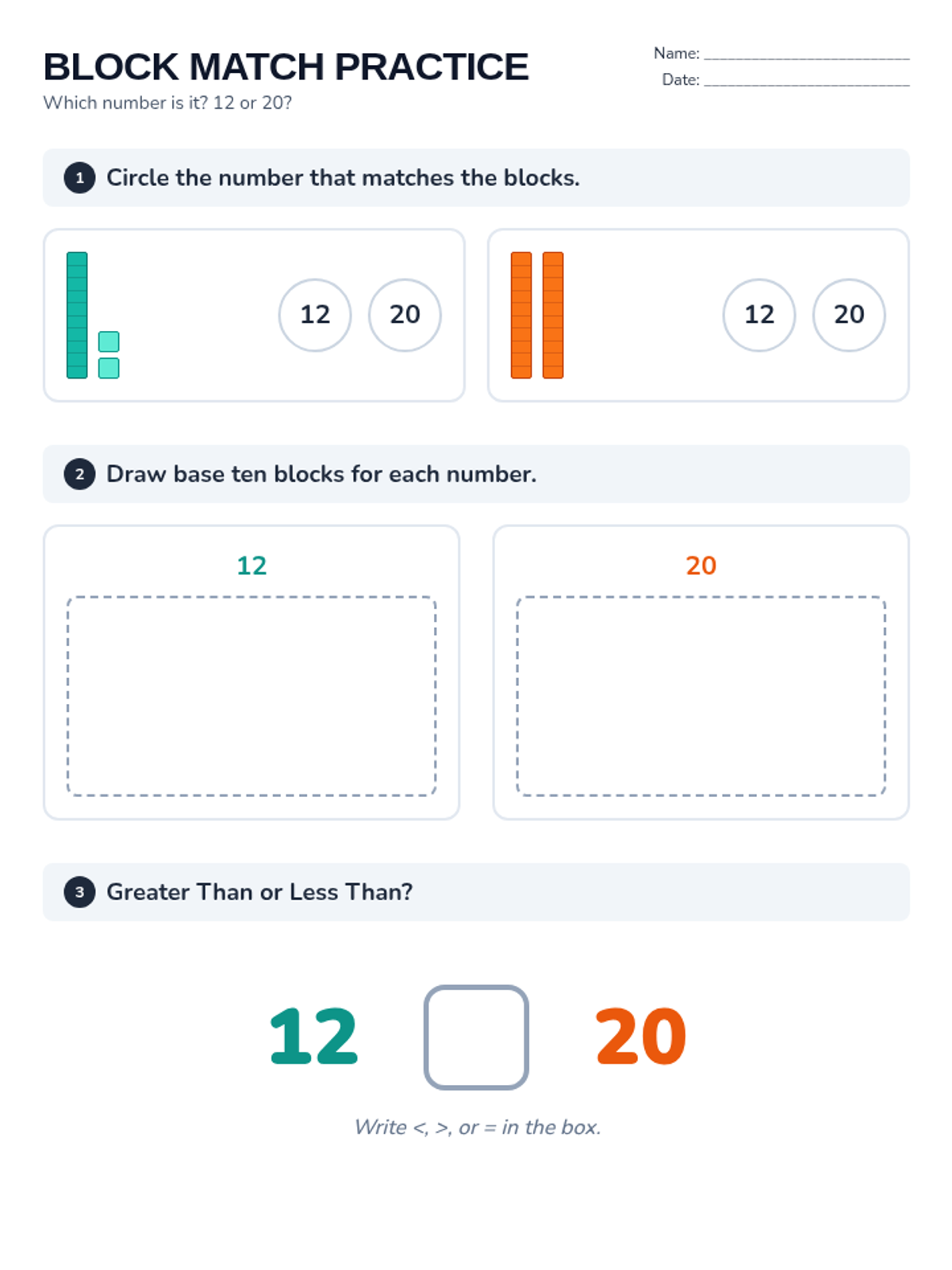
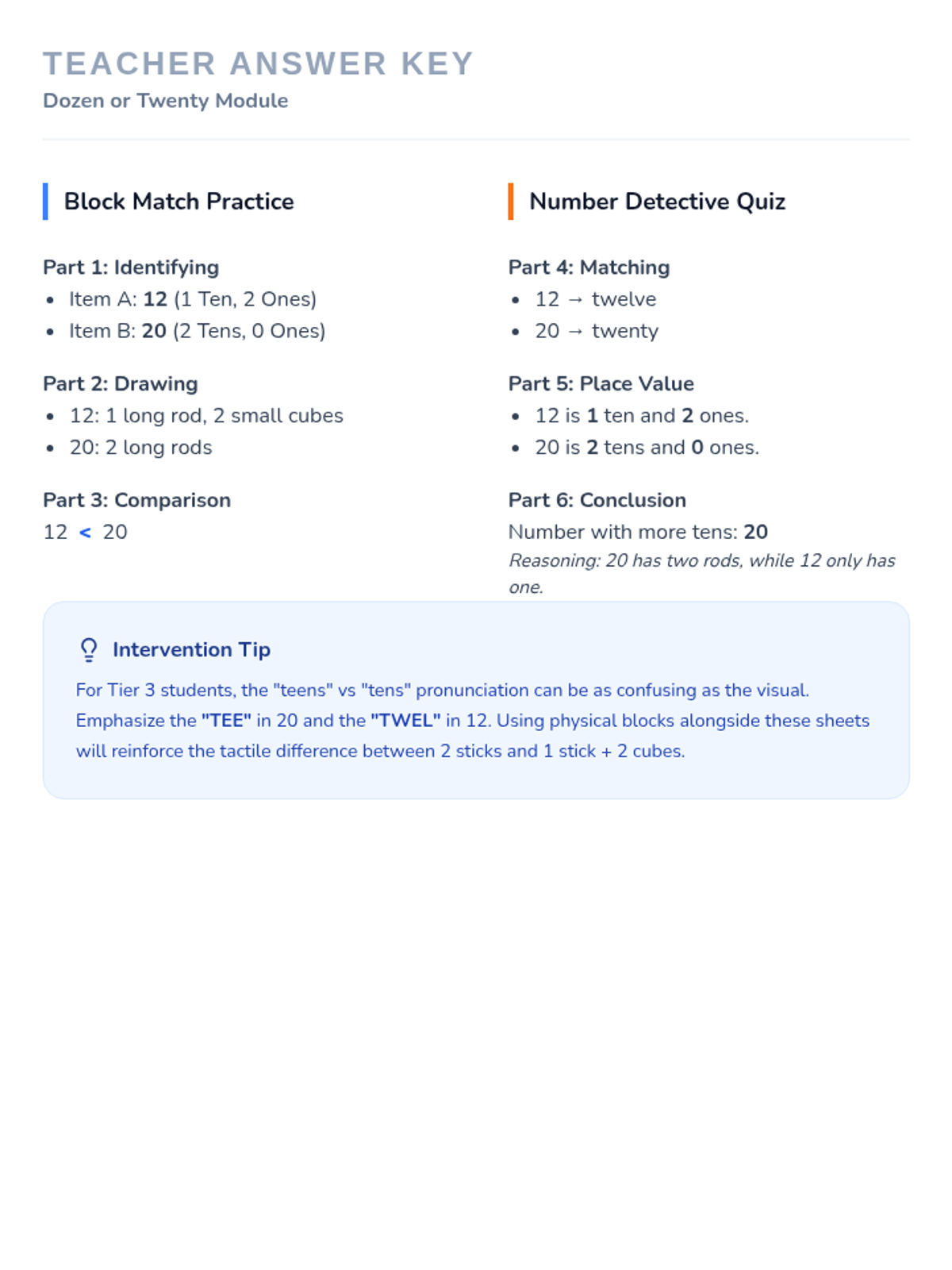
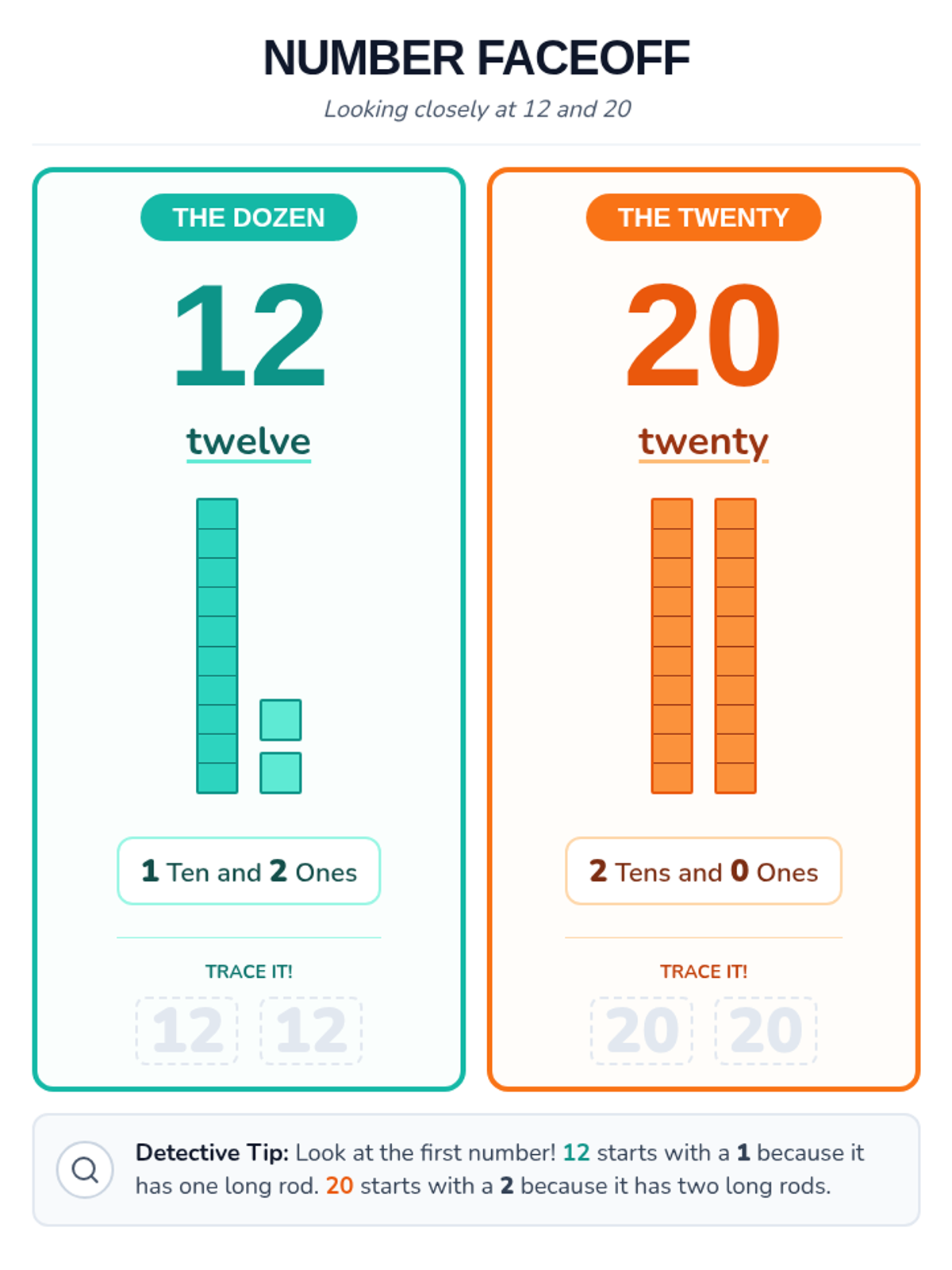
A targeted intervention lesson to help students distinguish between the numbers 12 and 20 using base ten block visualizations and comparative practice.
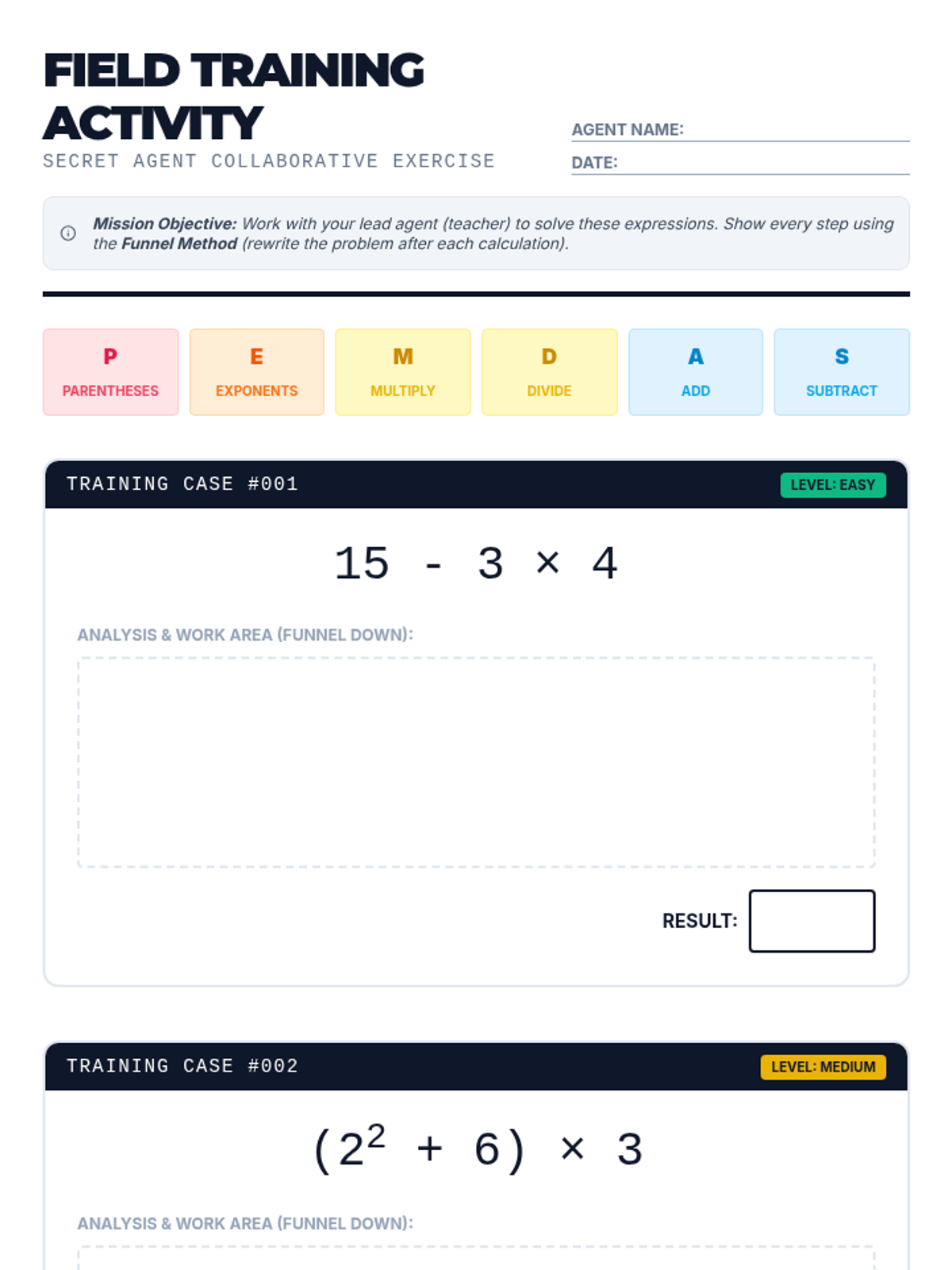
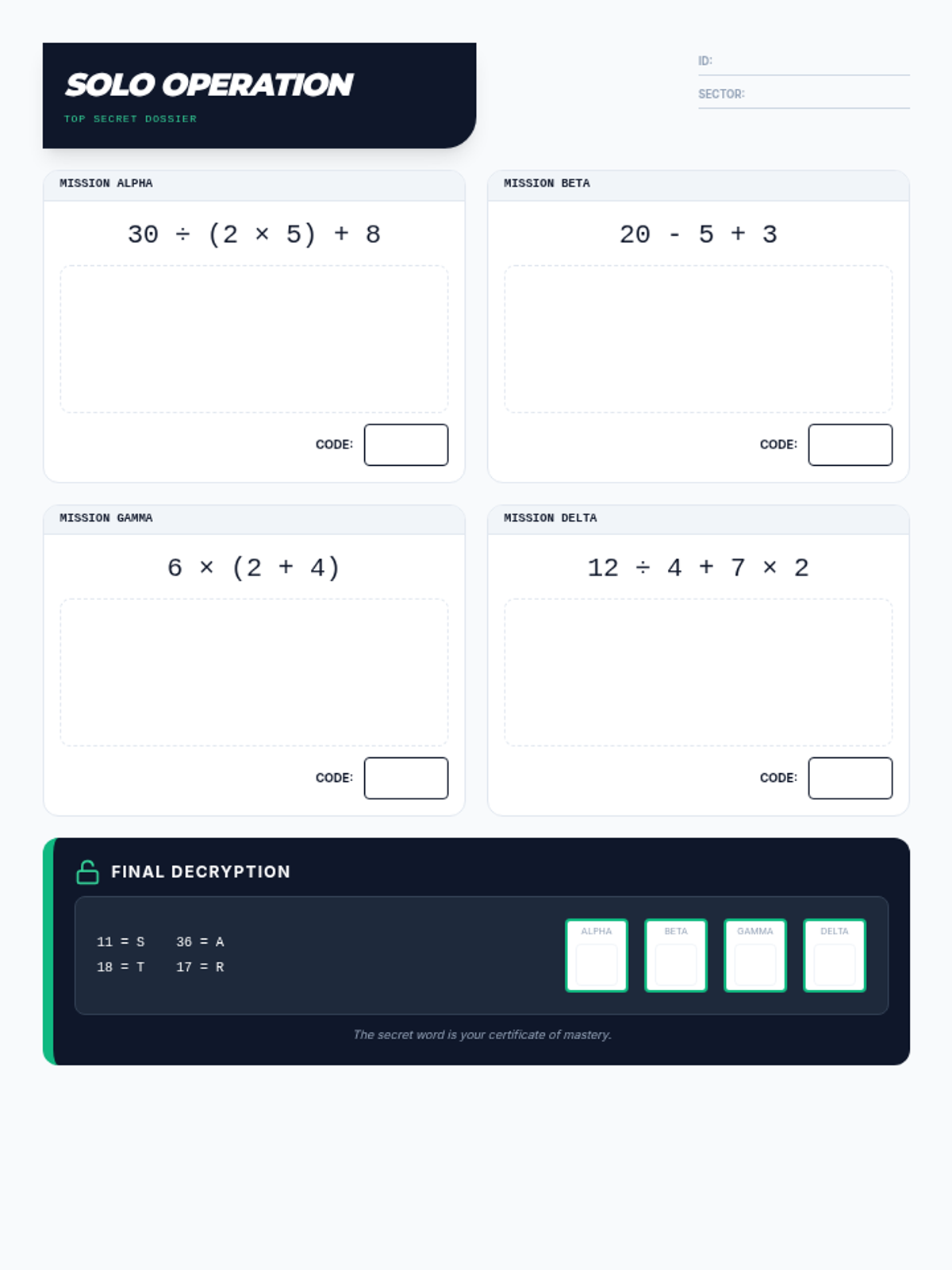
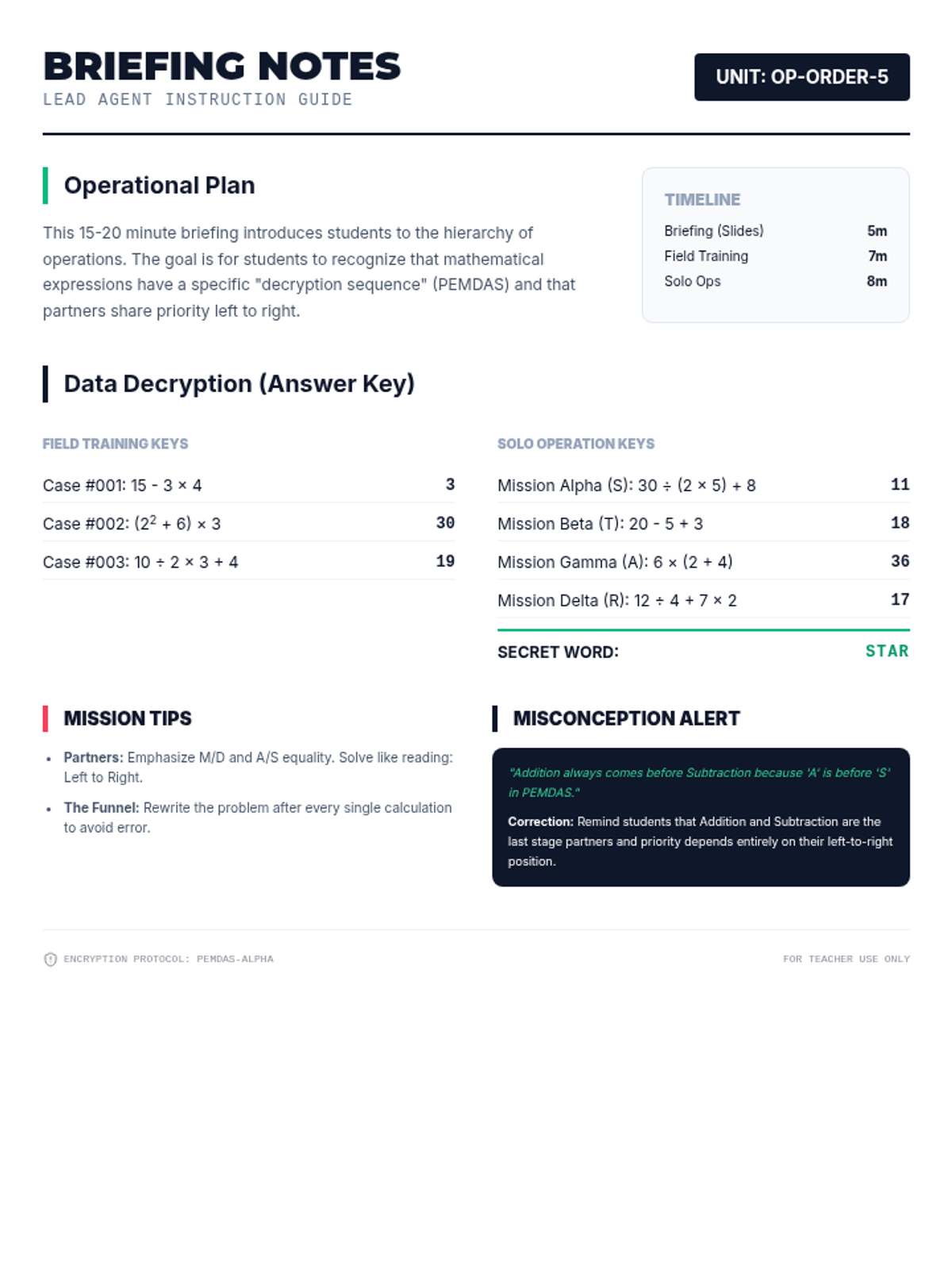
An introductory lesson on the Order of Operations (PEMDAS) using a secret agent theme to engage students in solving mathematical 'missions'. Students will learn the hierarchy of operations and apply them to evaluate numerical expressions.
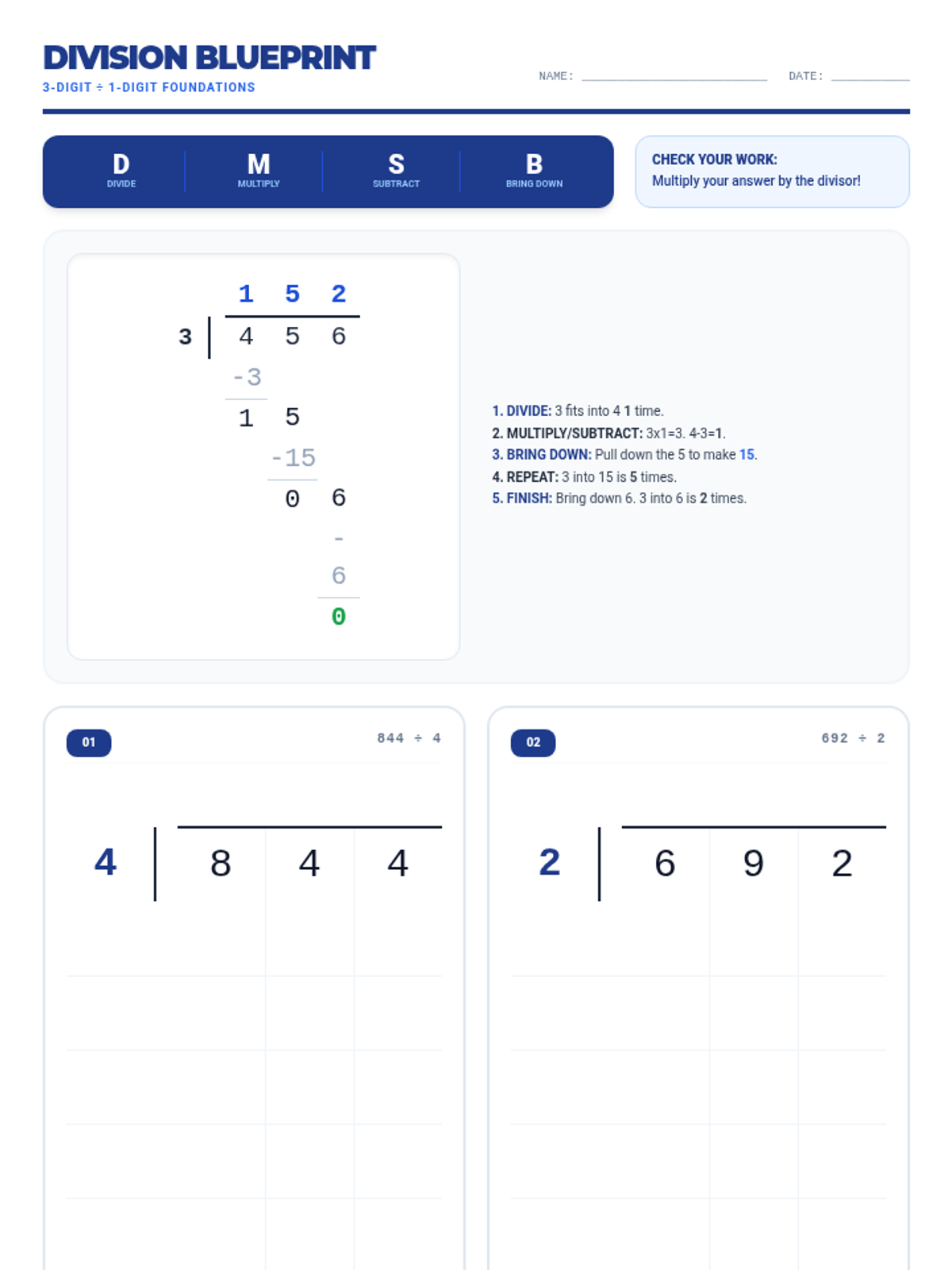
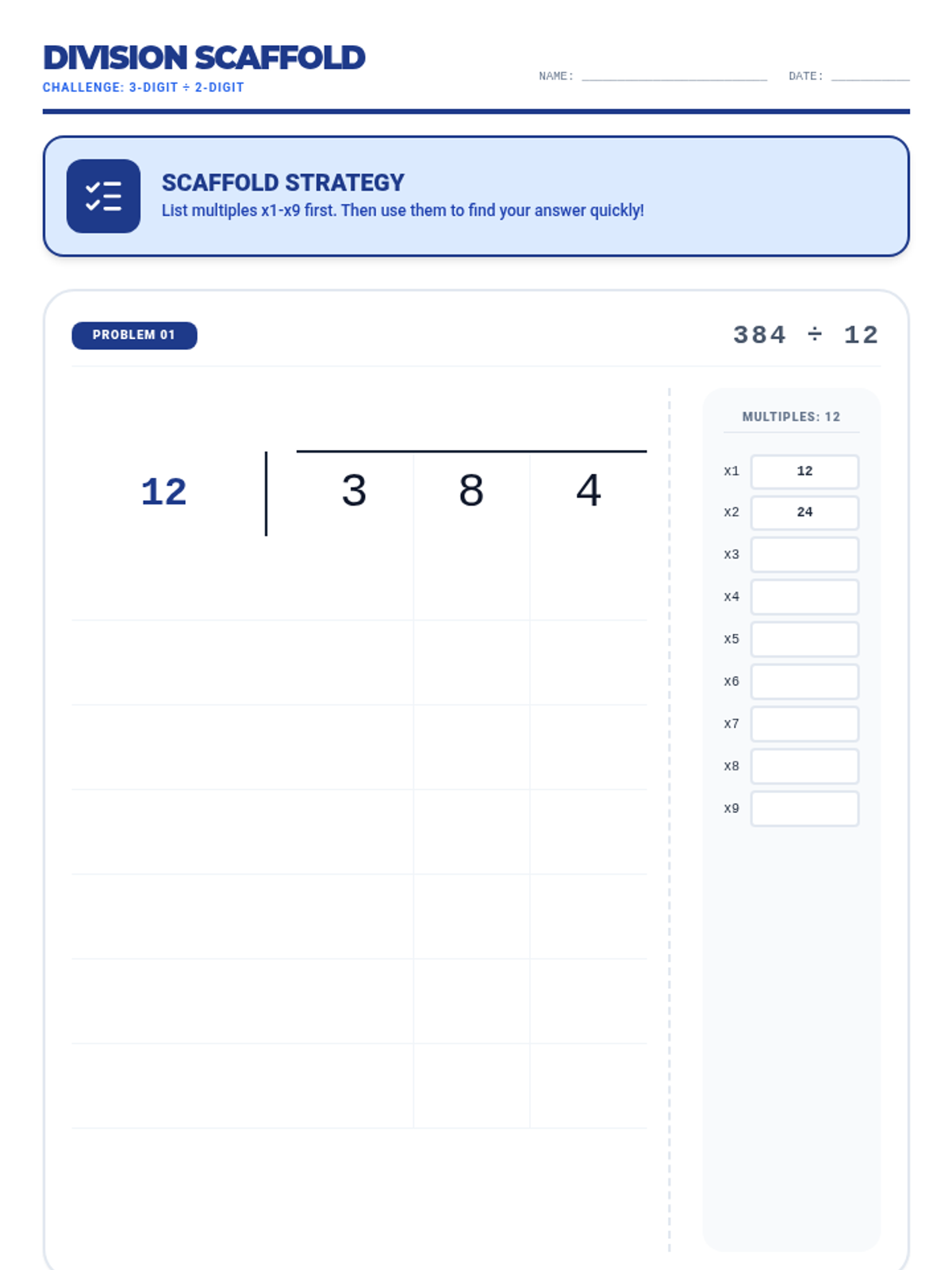
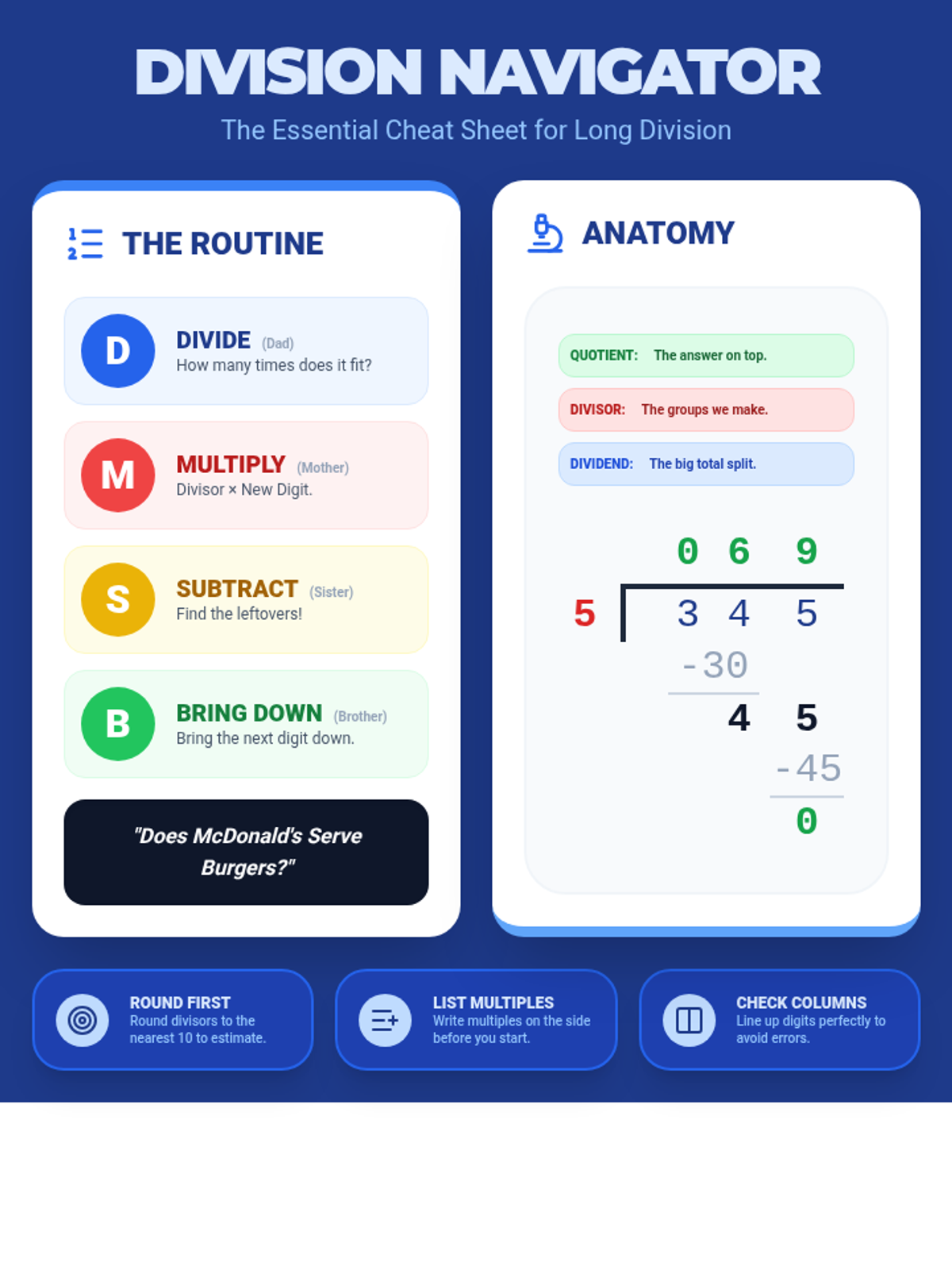
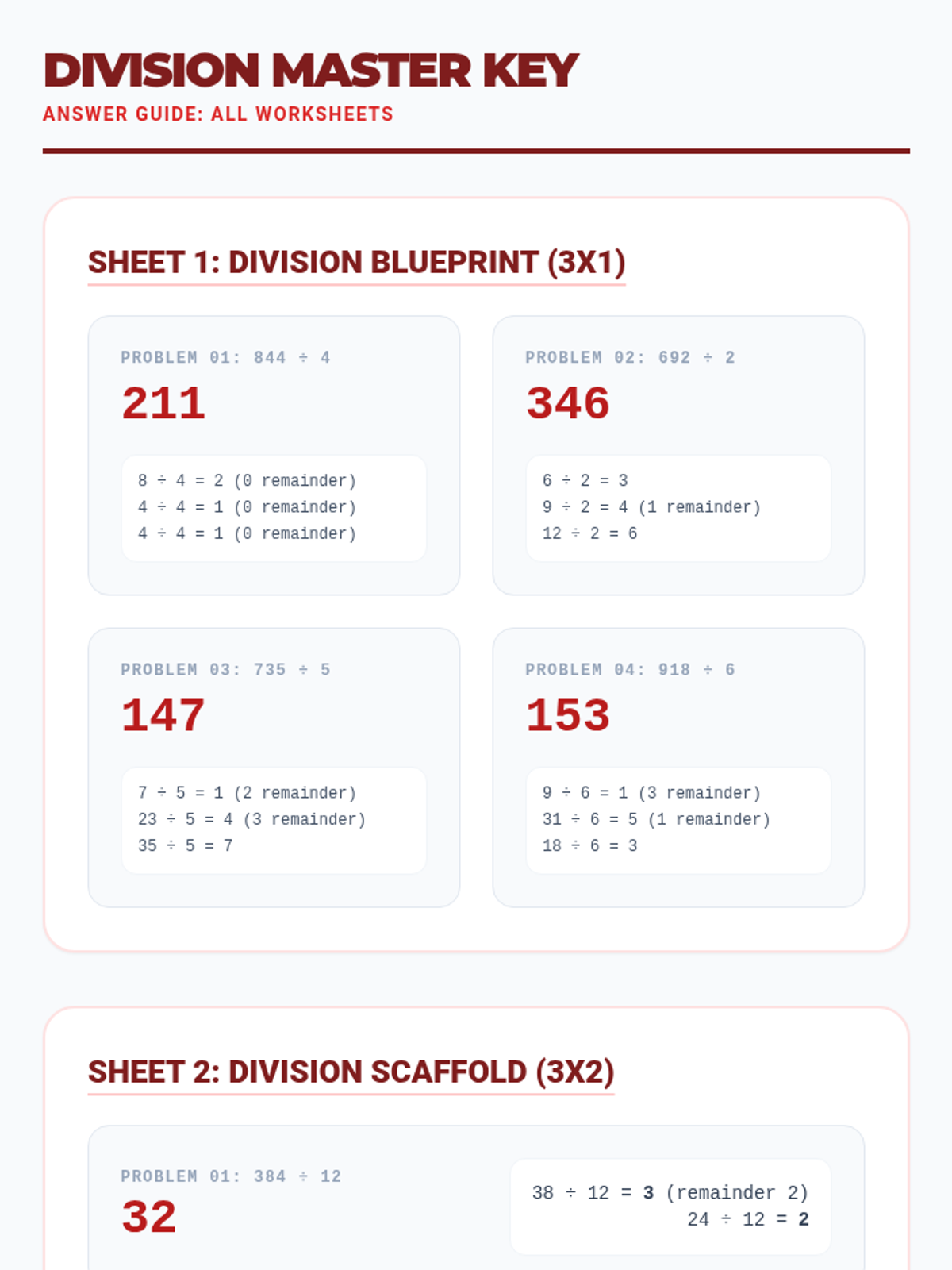
A foundational lesson on long division, moving from 3-digit by 1-digit to 3-digit by 2-digit divisors using visual scaffolding and the DMSB mnemonic.
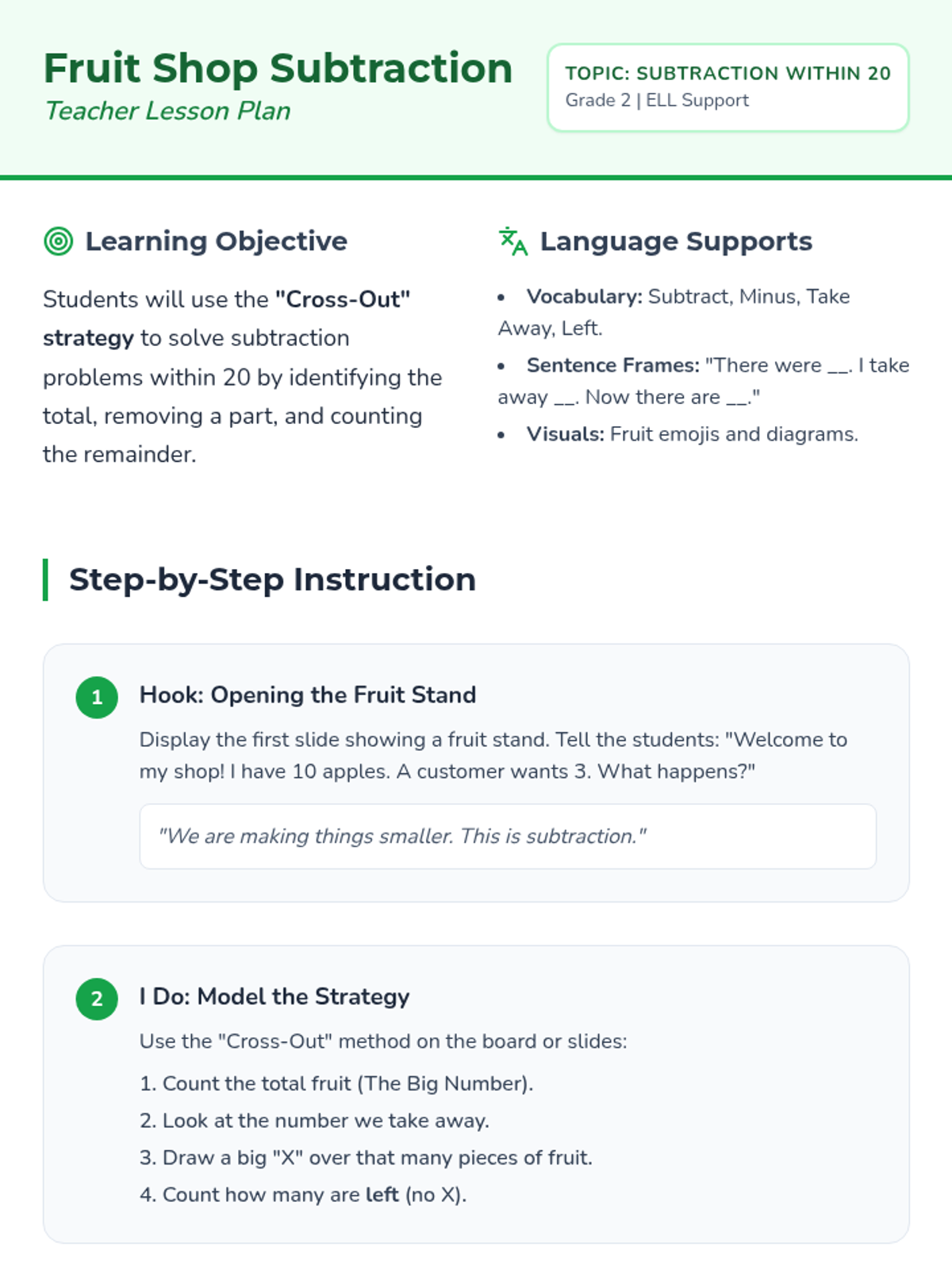
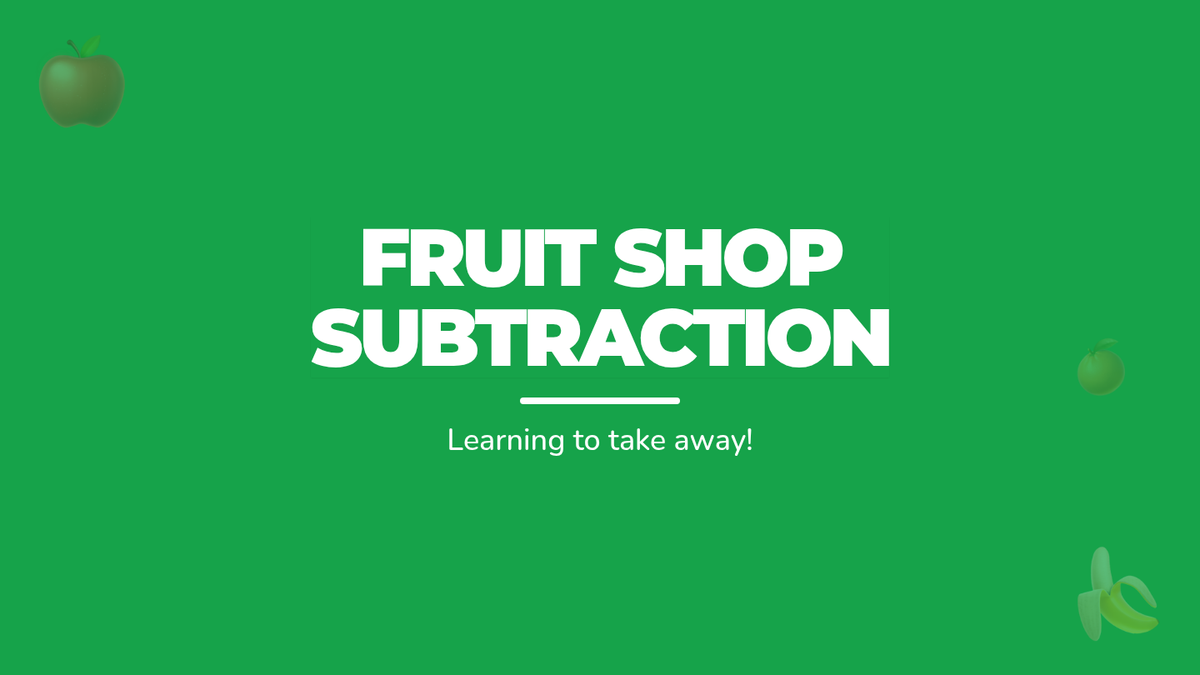
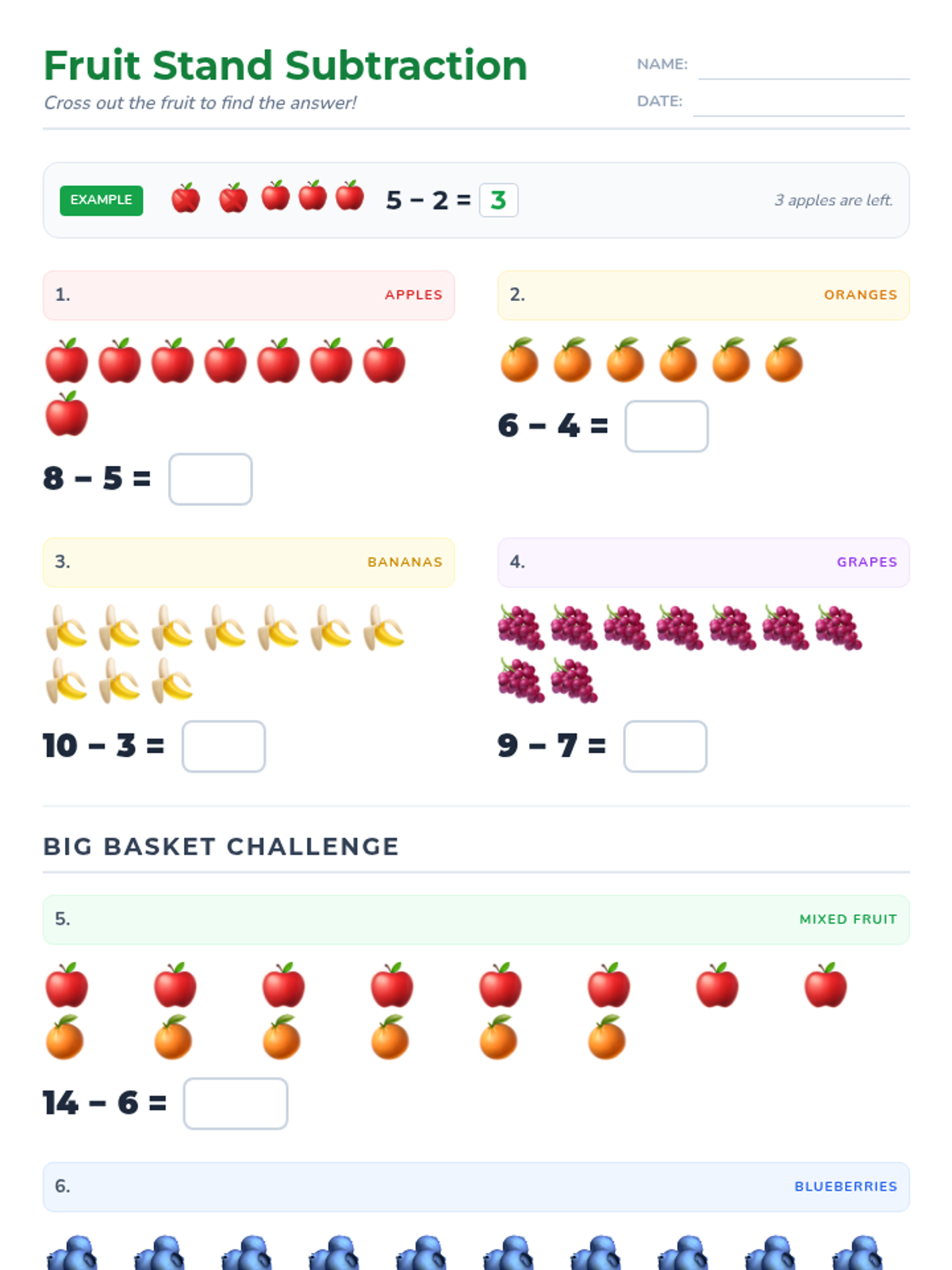
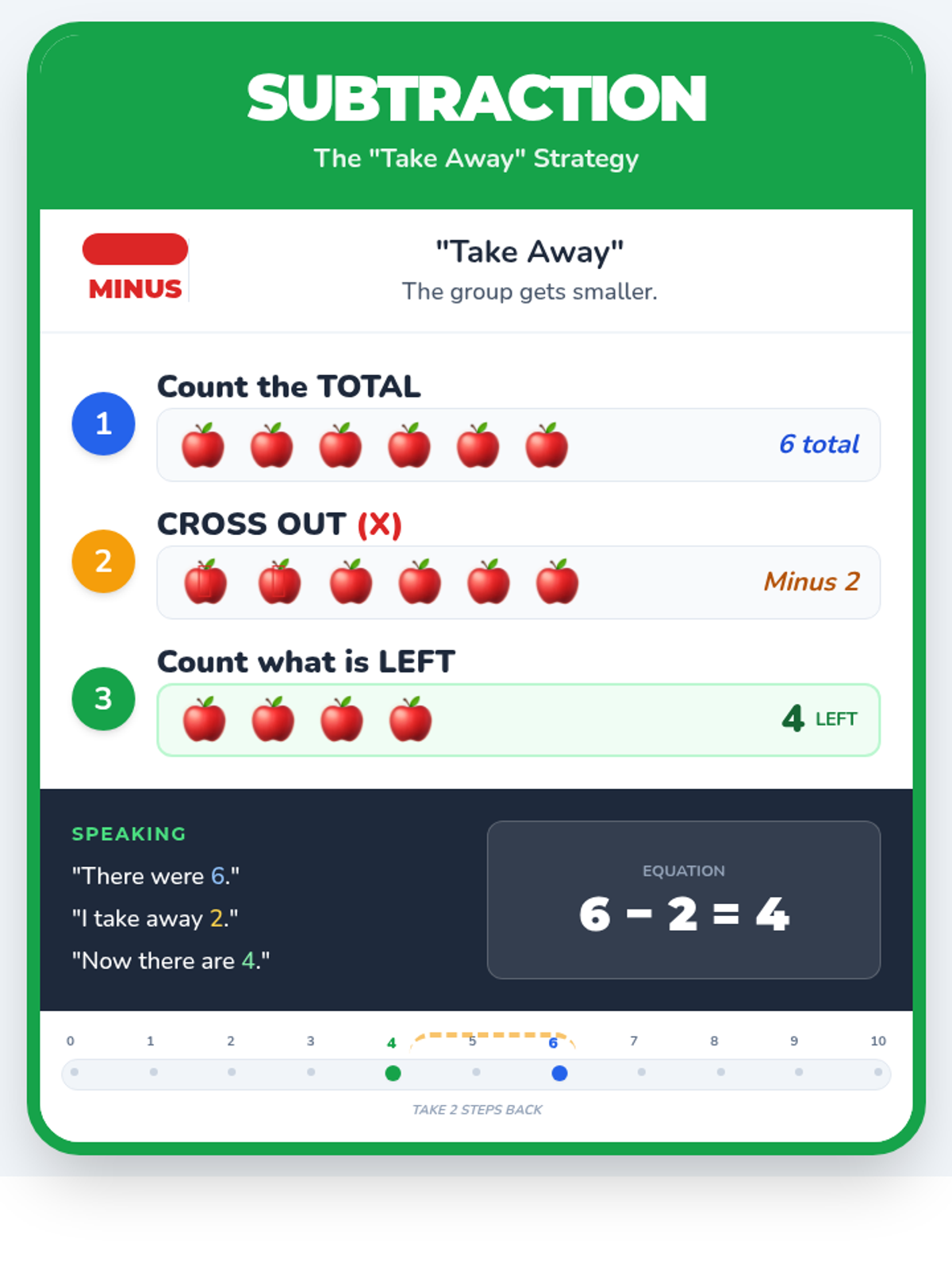
A foundational subtraction lesson for 2nd grade ELL students, focusing on the 'cross-out' strategy within 10 and 20 using fruit-themed visuals.
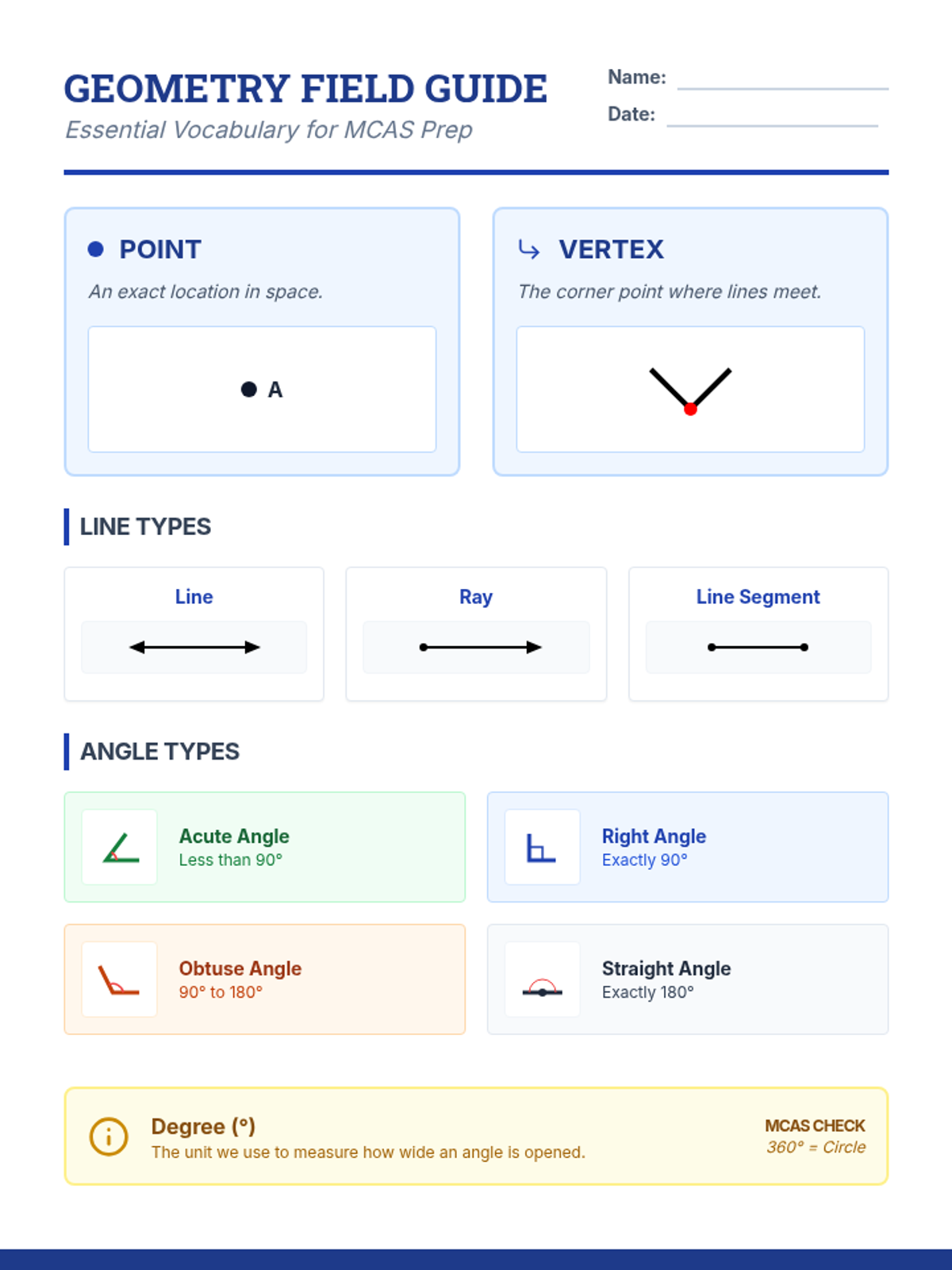
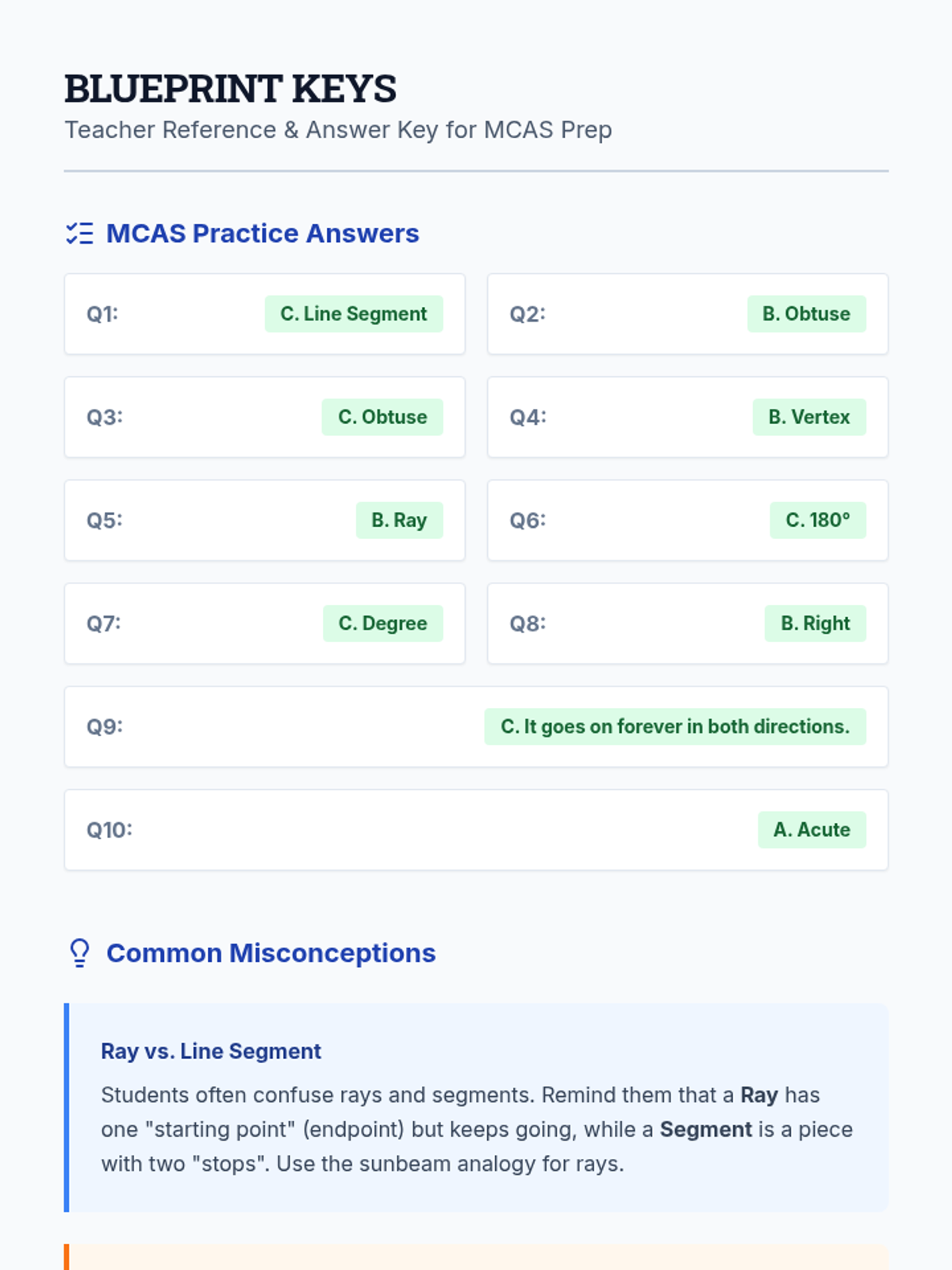
A comprehensive introduction to fundamental geometric terms and angle classifications, designed for Massachusetts MCAS preparation with high visual support.
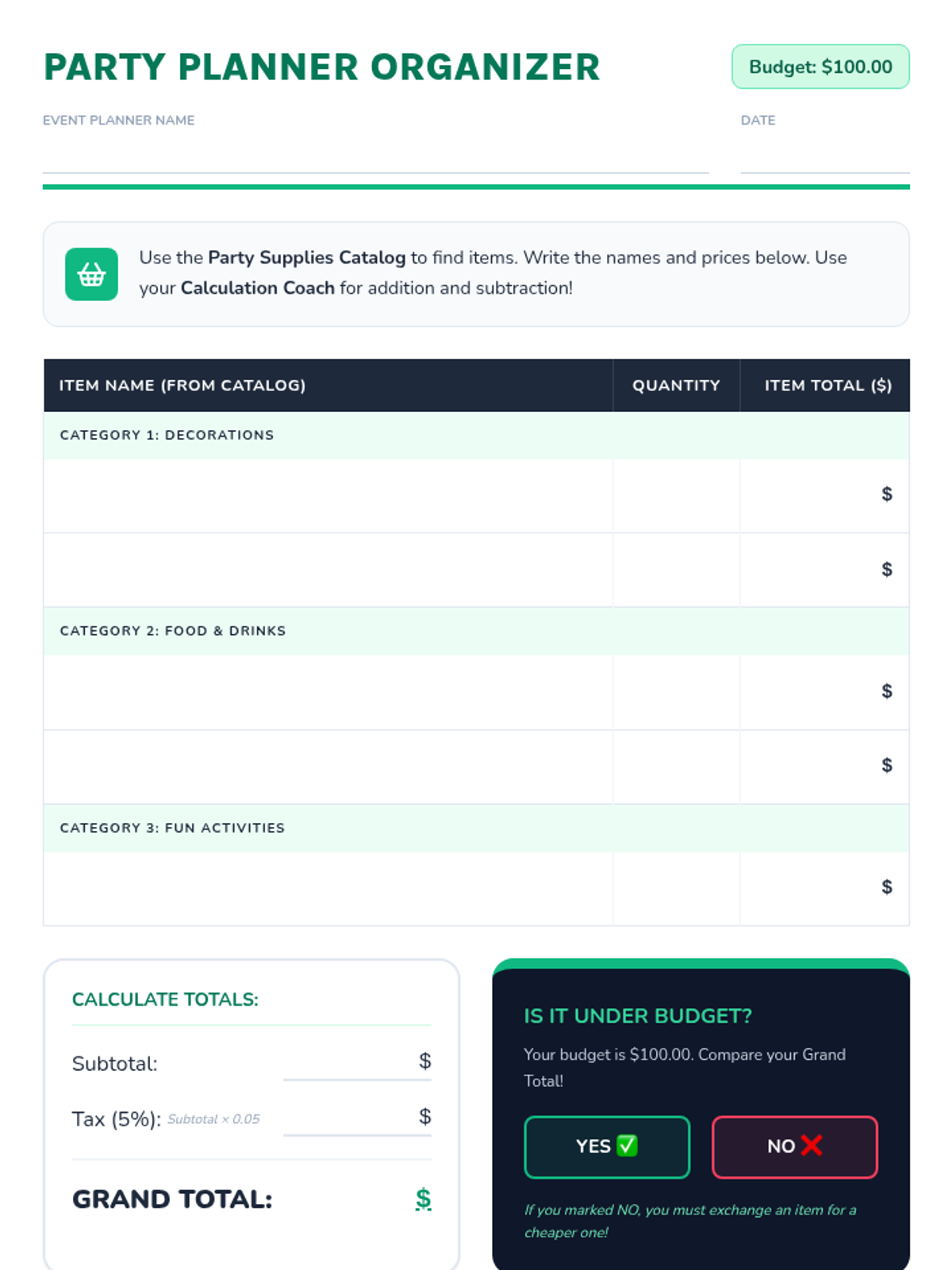
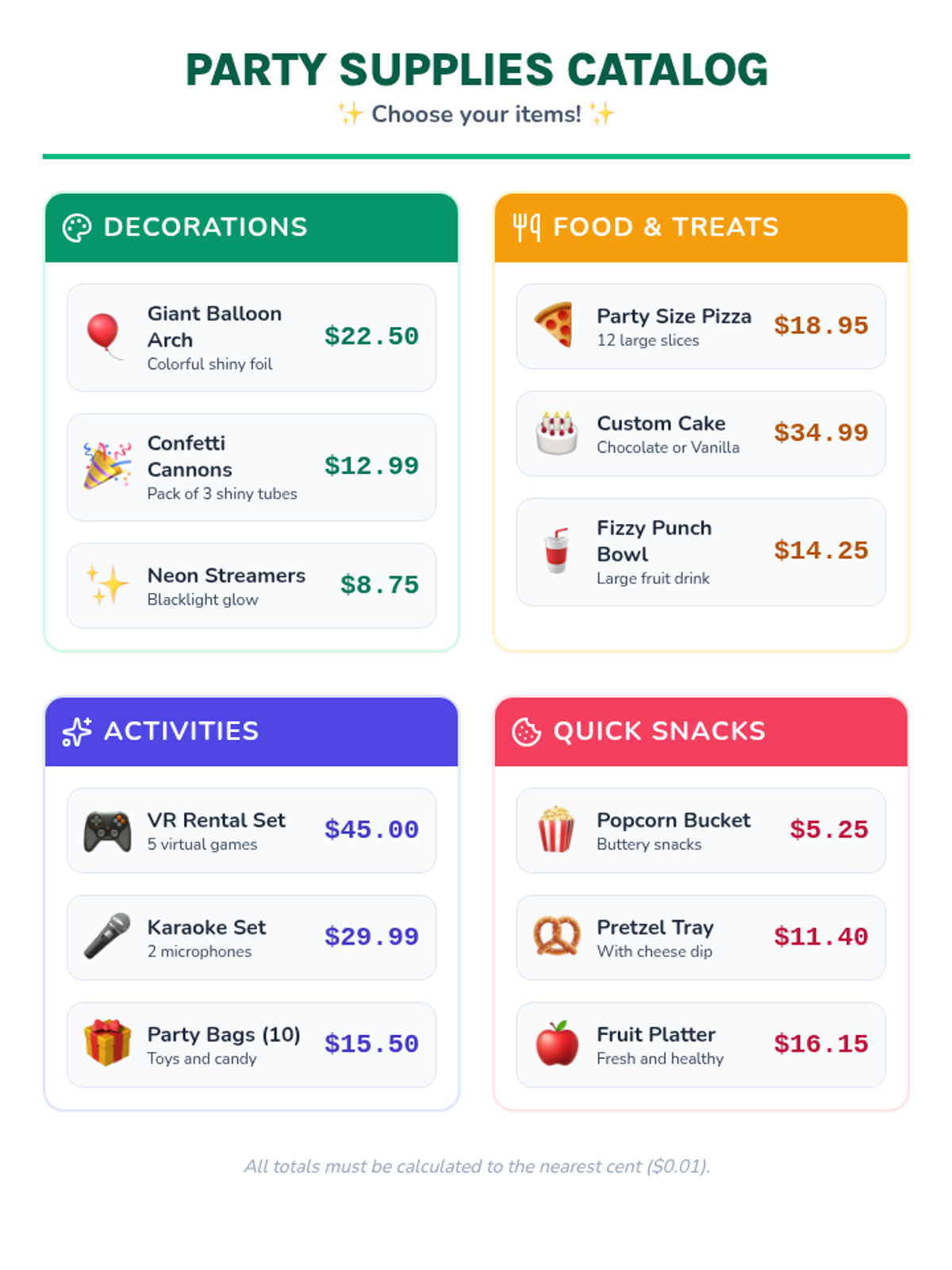
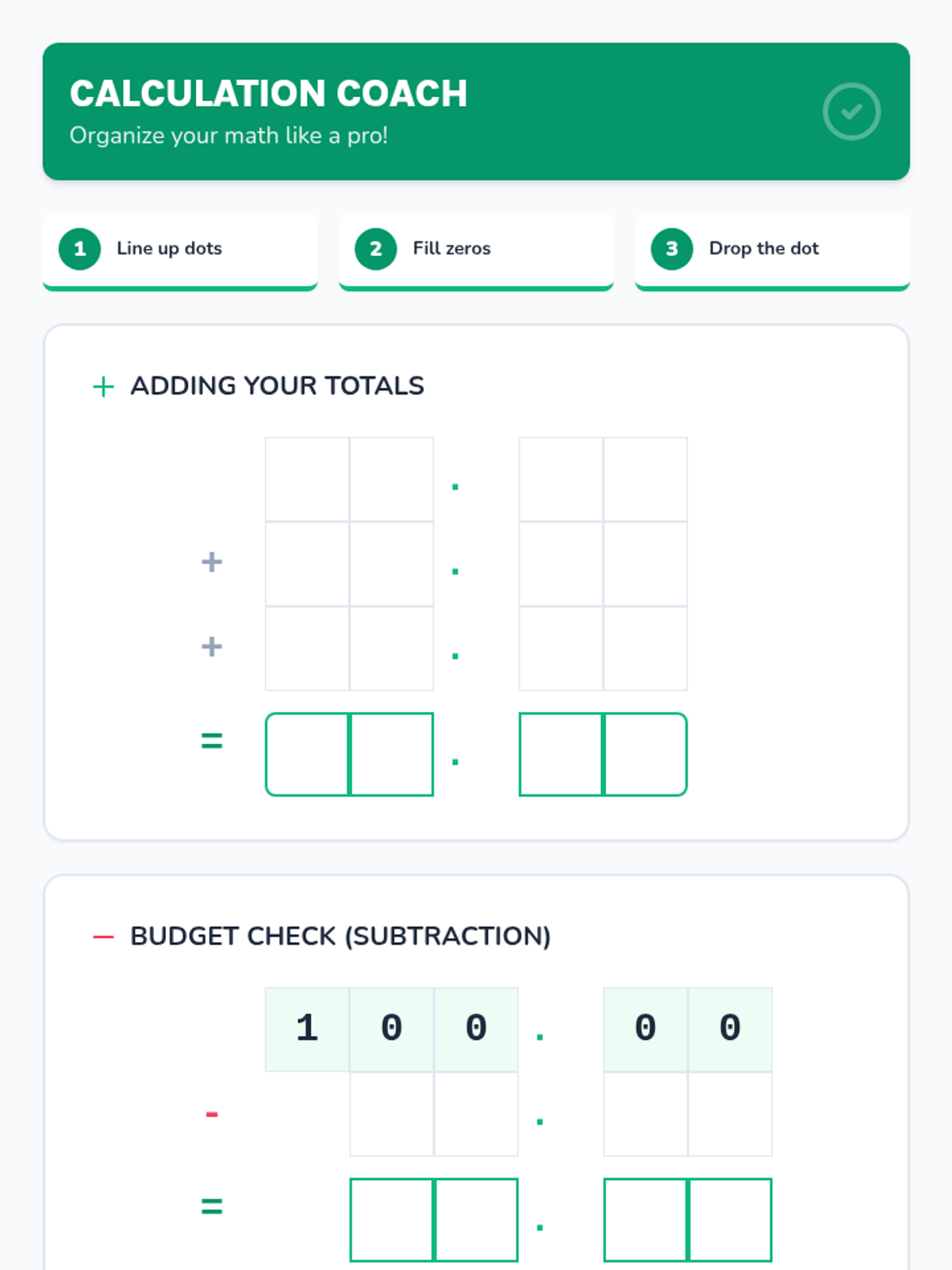
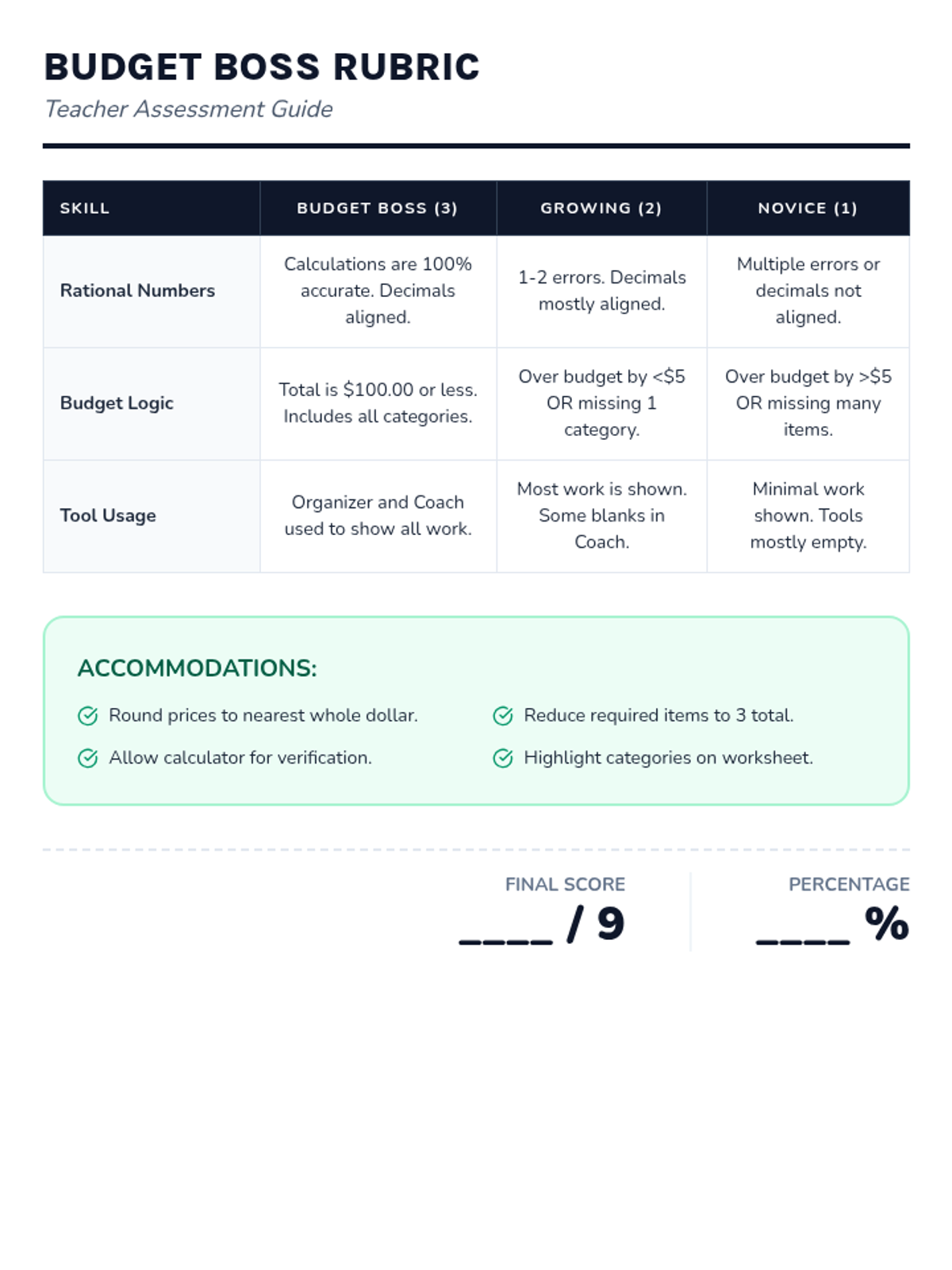
A hands-on performance task where students apply rational number operations to plan a party budget. Students use visual graphic organizers to track spending, calculate totals, and ensure they stay within a set budget.
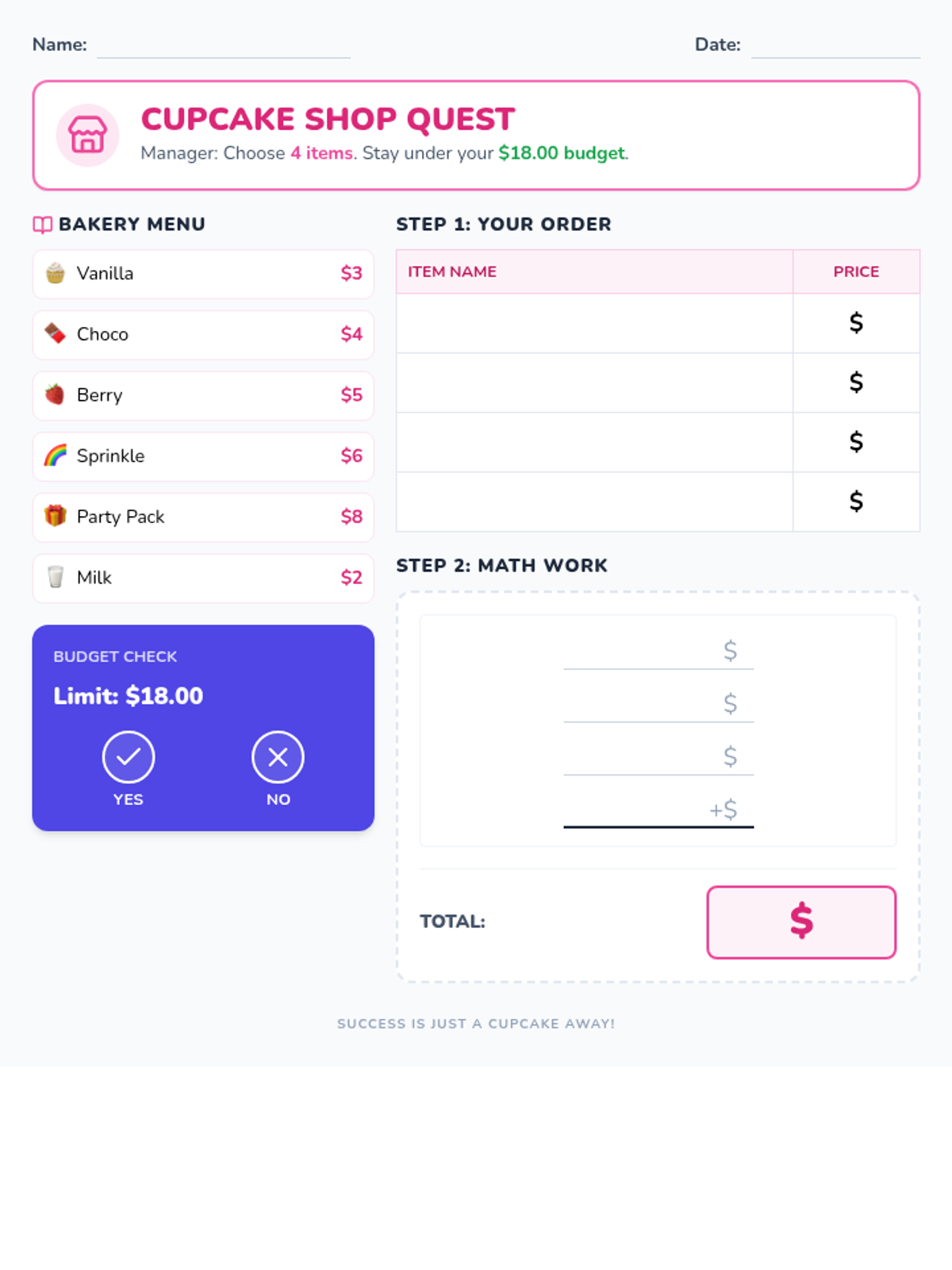
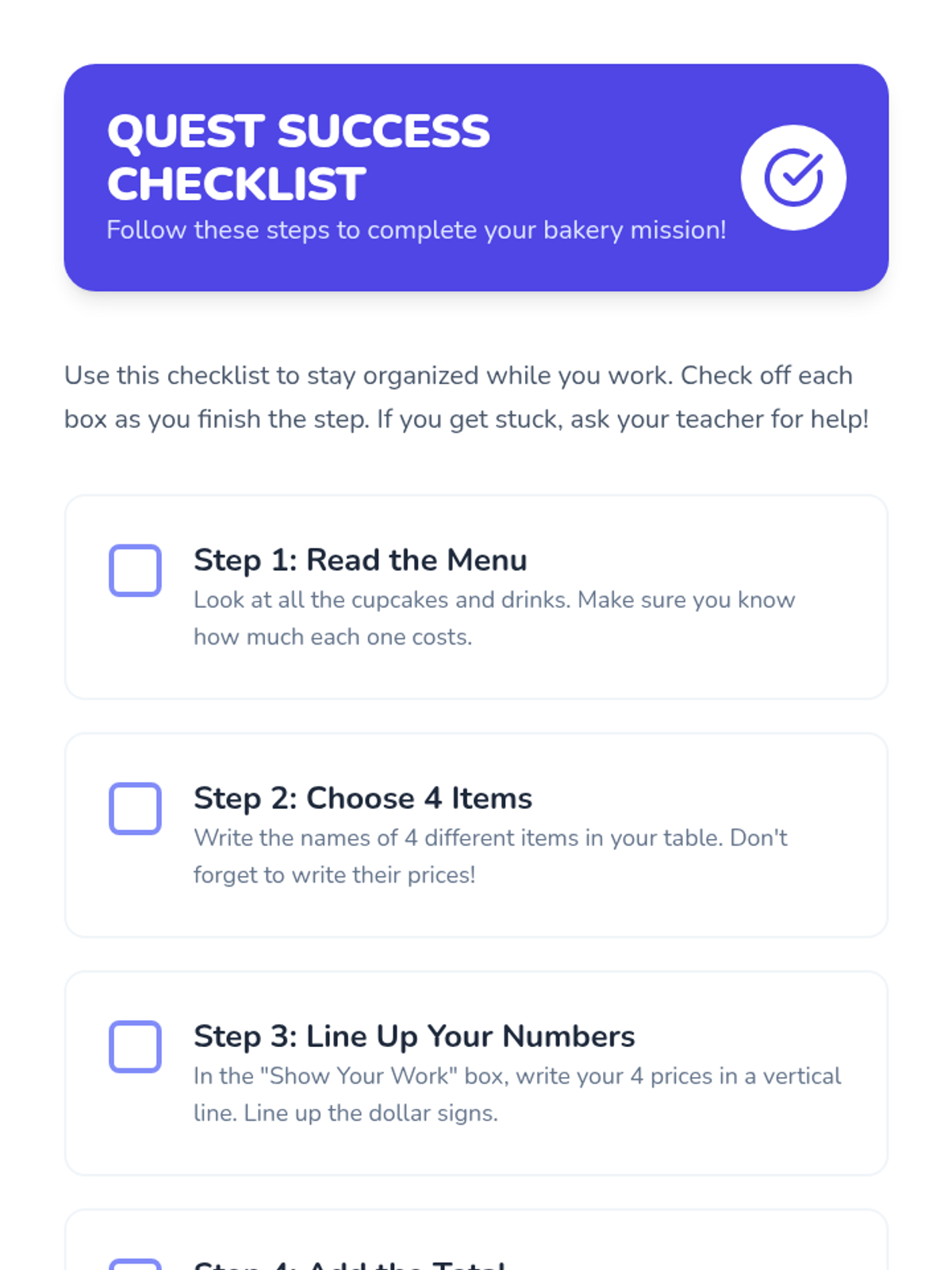
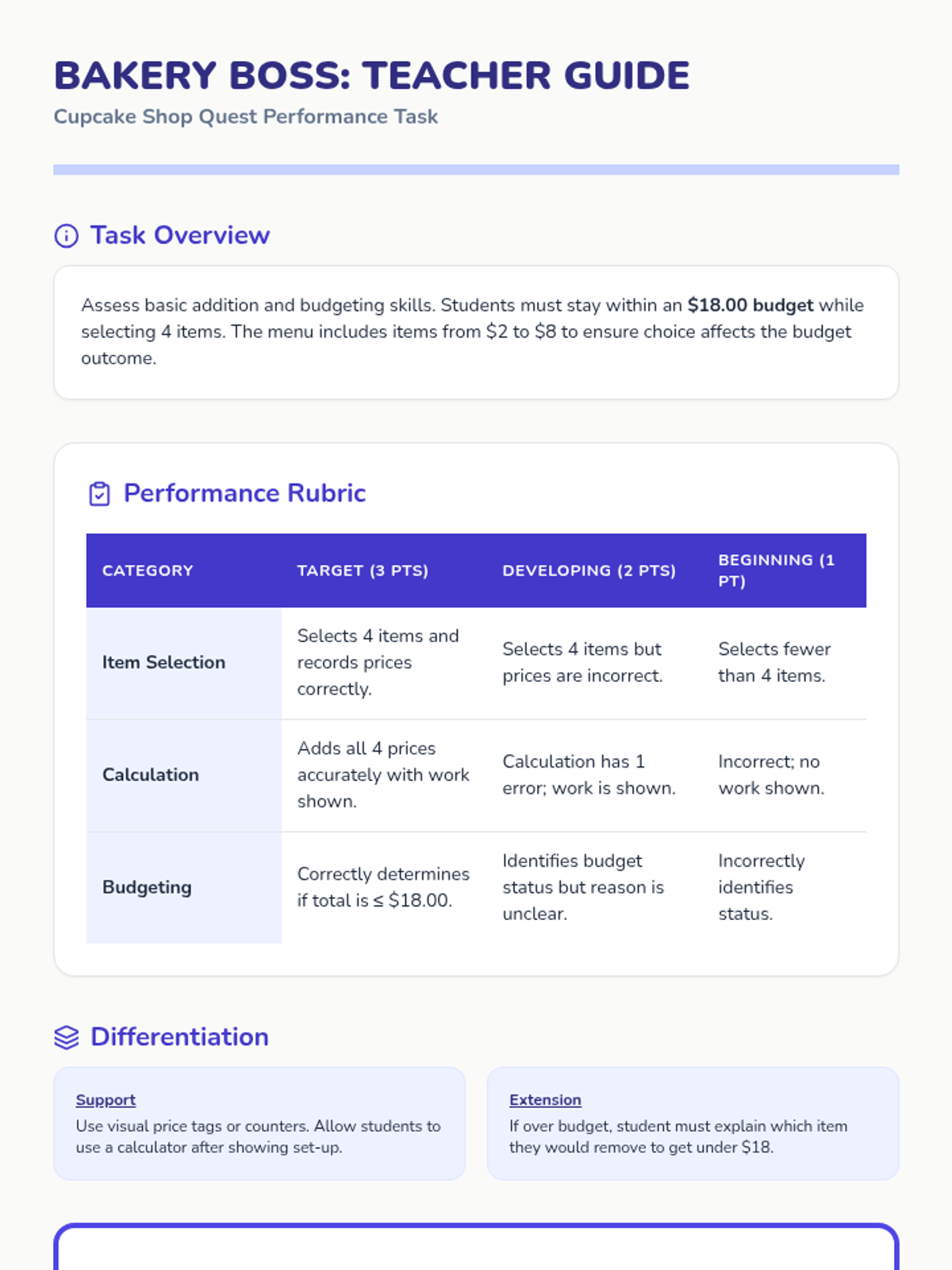
A real-world math performance task where students manage a bakery order, calculate costs, and stay within a budget. Designed with heavy scaffolding and visual support for special education students.
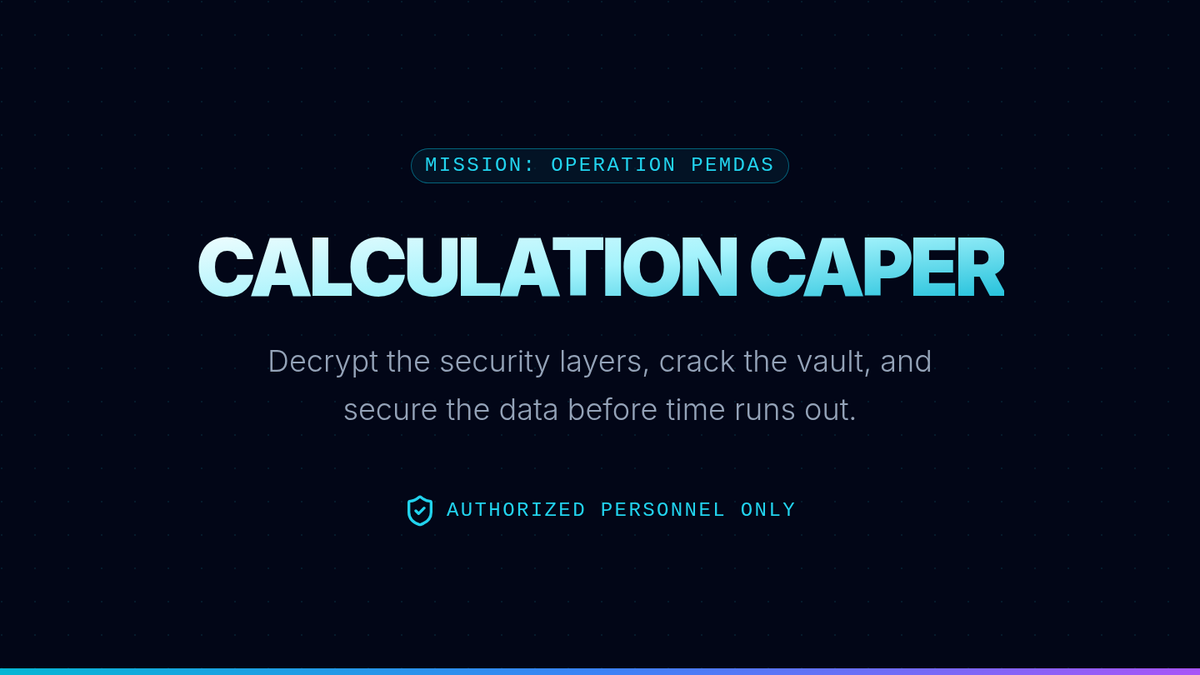
A high-stakes escape room challenge where students solve PEMDAS expressions involving exponents to crack the vault code. Students act as digital detectives navigating four distinct security layers.