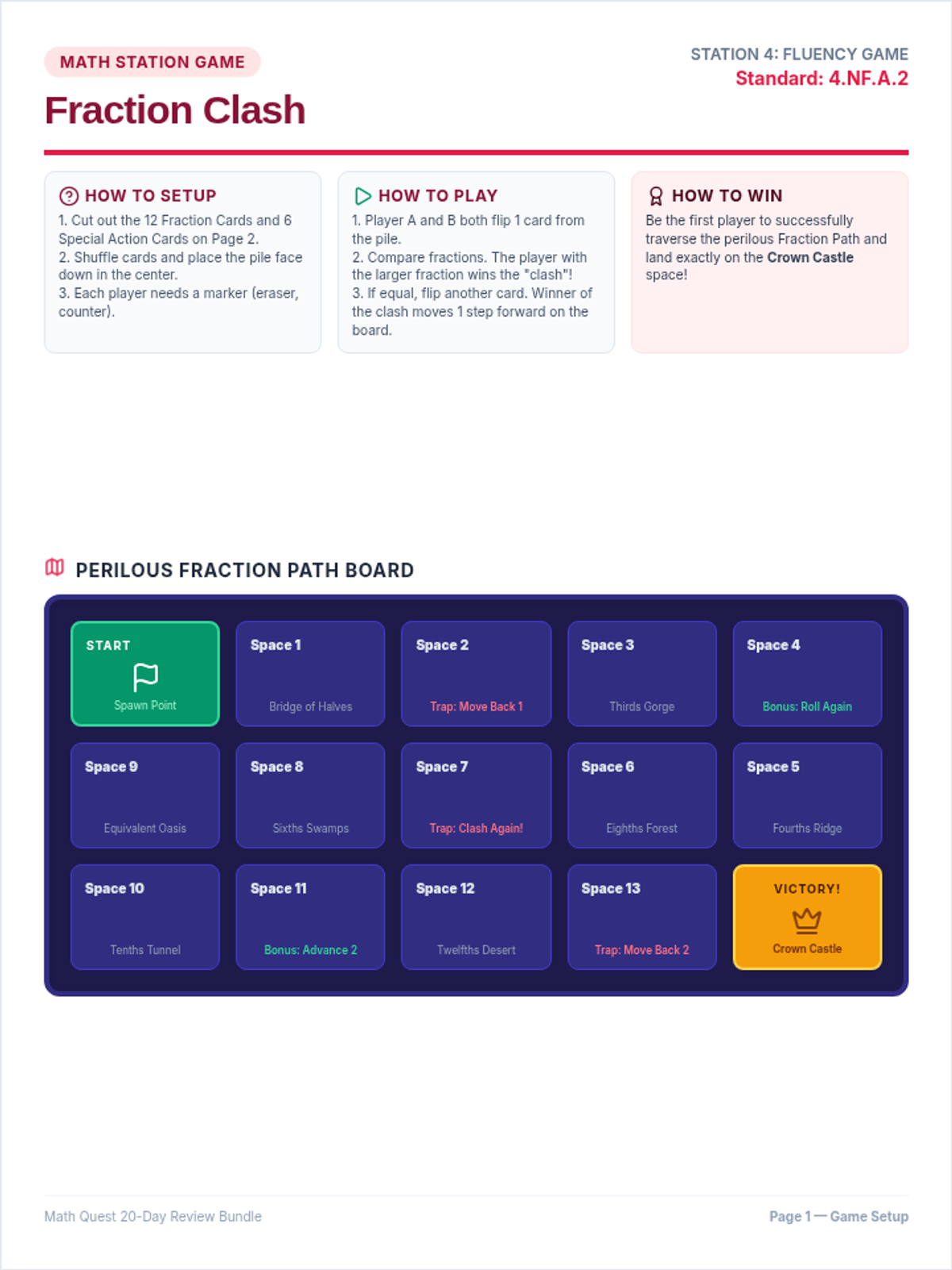
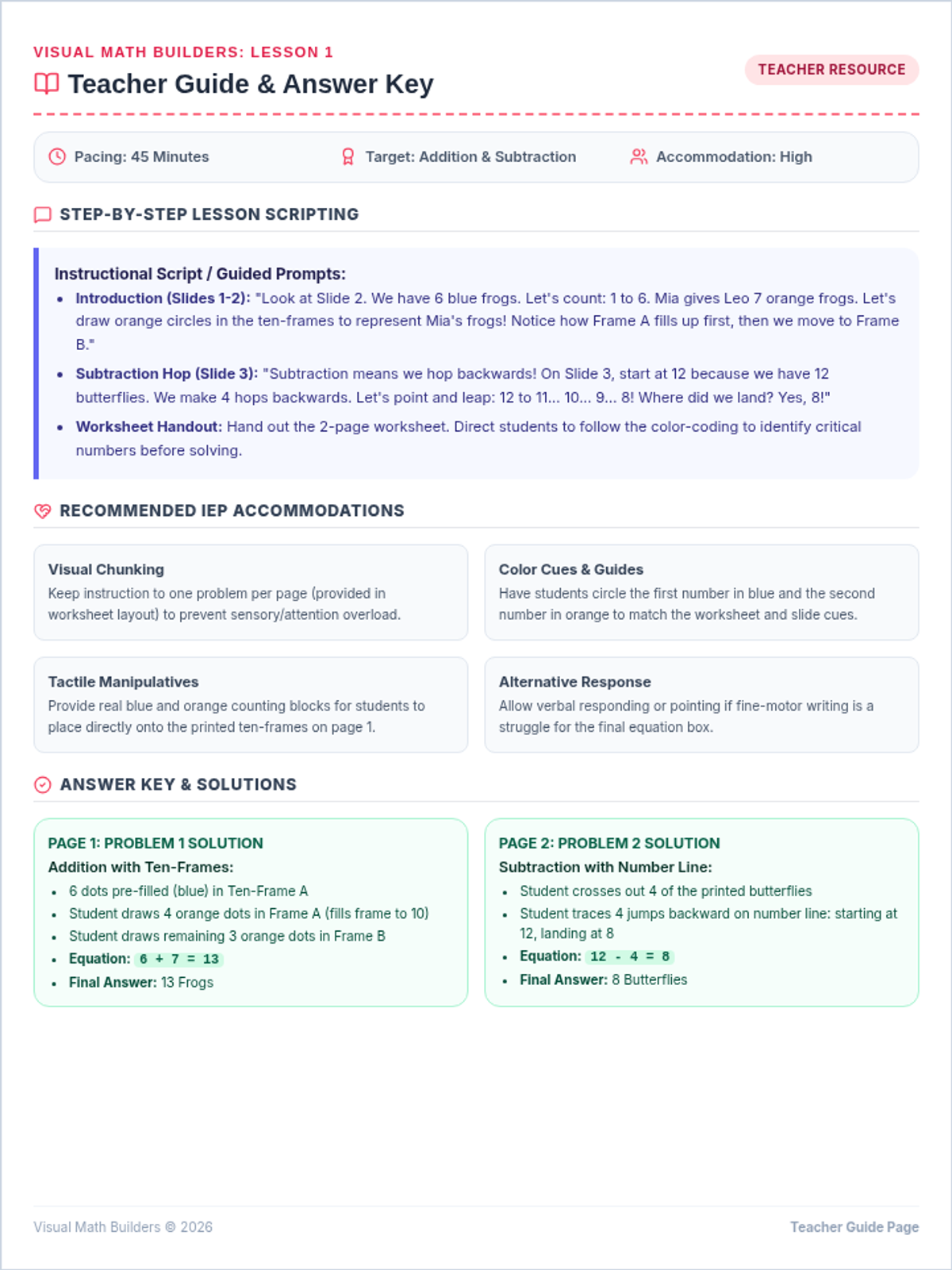
A focused 20-minute lesson on adding and subtracting fractions with like denominators using visual benchmarks and number lines to build conceptual understanding.
A collection of foundational homework worksheets covering reading comprehension, arithmetic, grammar, and basic fractions with a nature-inspired 'Meadow Scouts' theme.
Final review and post-assessment to measure progress across the 10-day intervention.
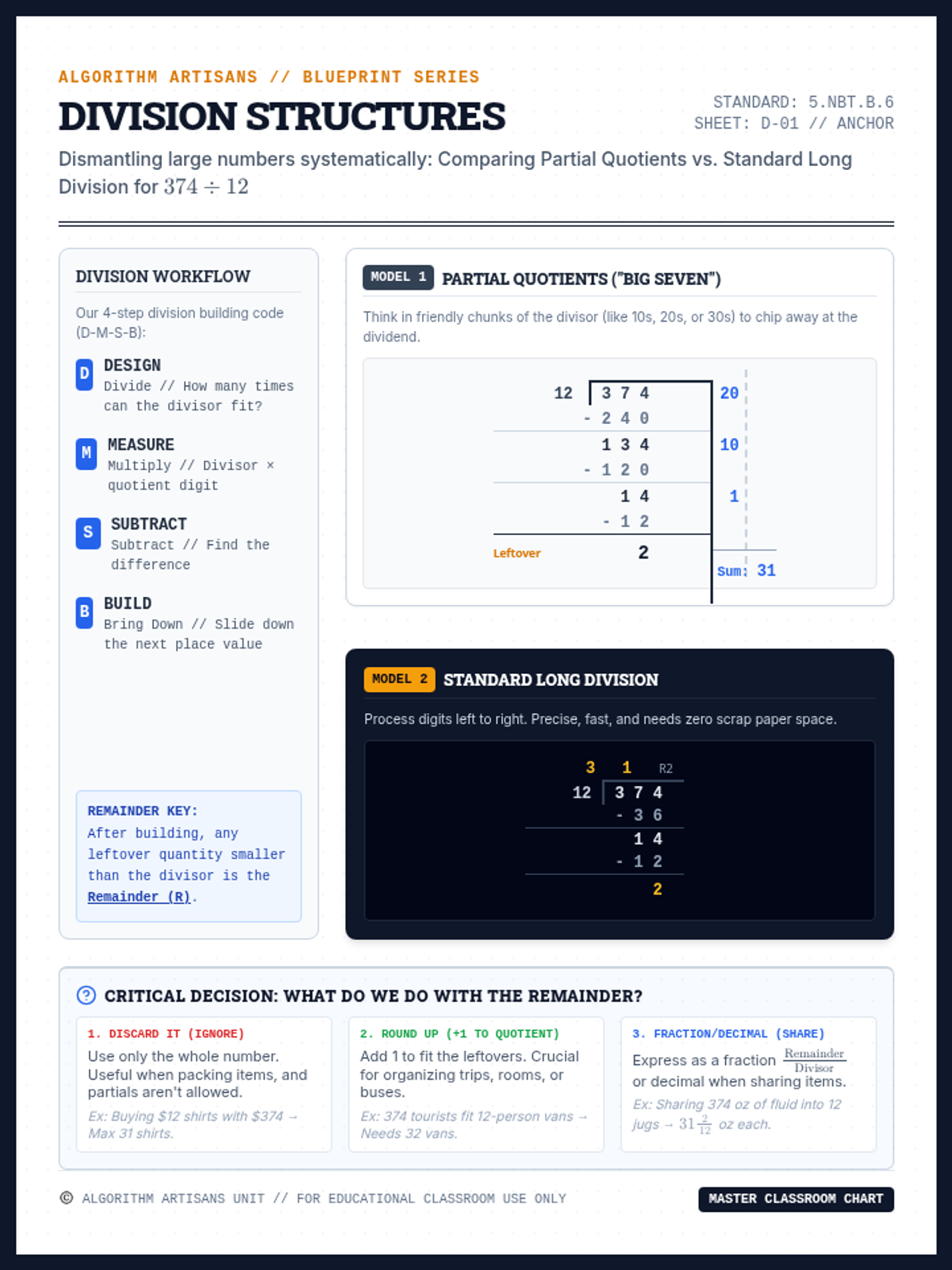
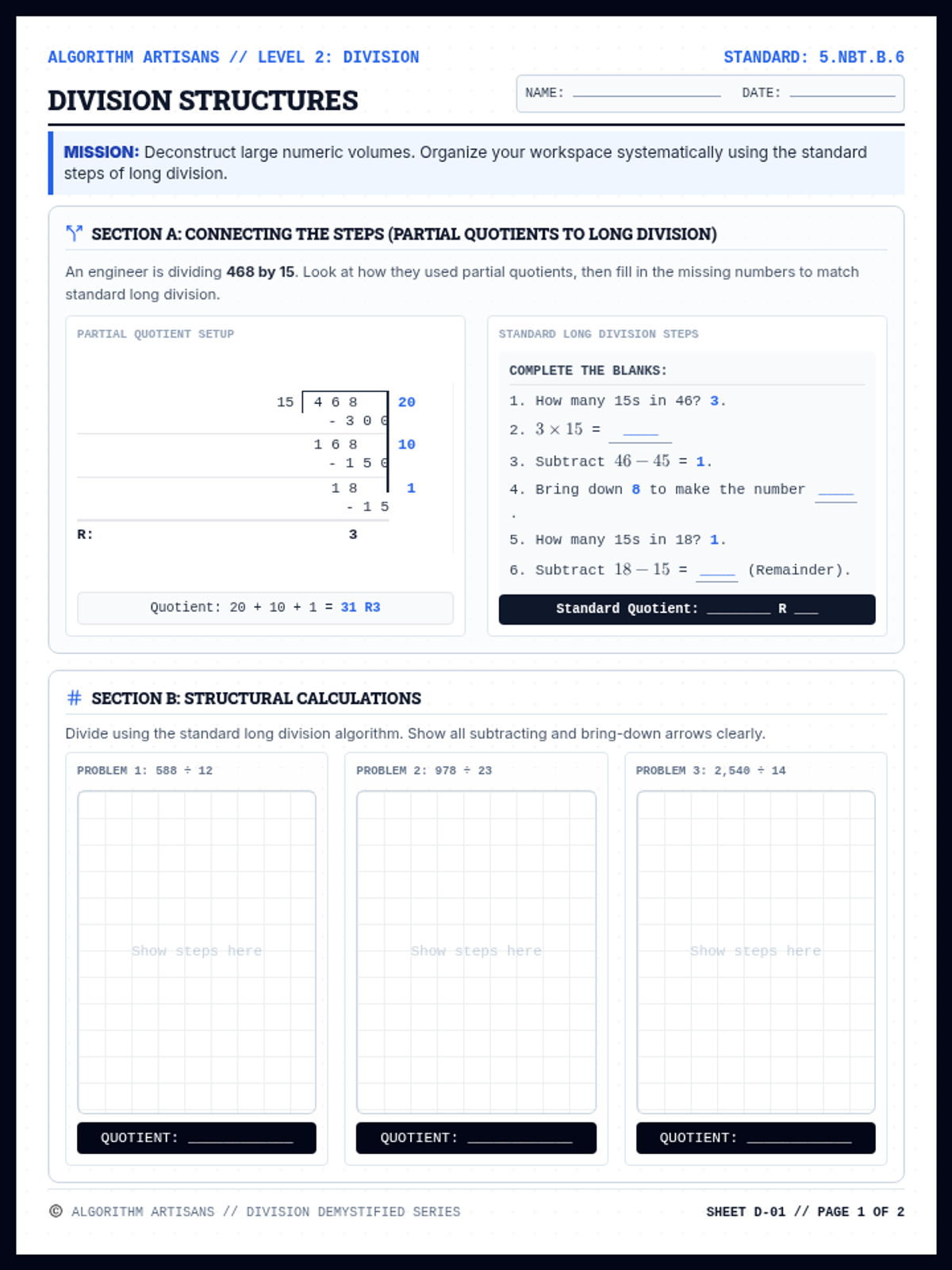
Synthesizing strategies to solve division problems with 3-digit dividends and 1-digit divisors.
Using the 100-beaded number line to visualize division as repeated subtraction and leaps.
Using base 10 blocks to regroup tens into ones when a number cannot be shared equally in its current form.
Applying division strategies to 2-digit numbers with small remainders or simple sharing scenarios.
Introduction to multi-digit division by sharing tens and ones using base 10 blocks without regrouping.
Students build division fact fluency and strategy using the 100-bead Rekenrek to find 'how many groups'.
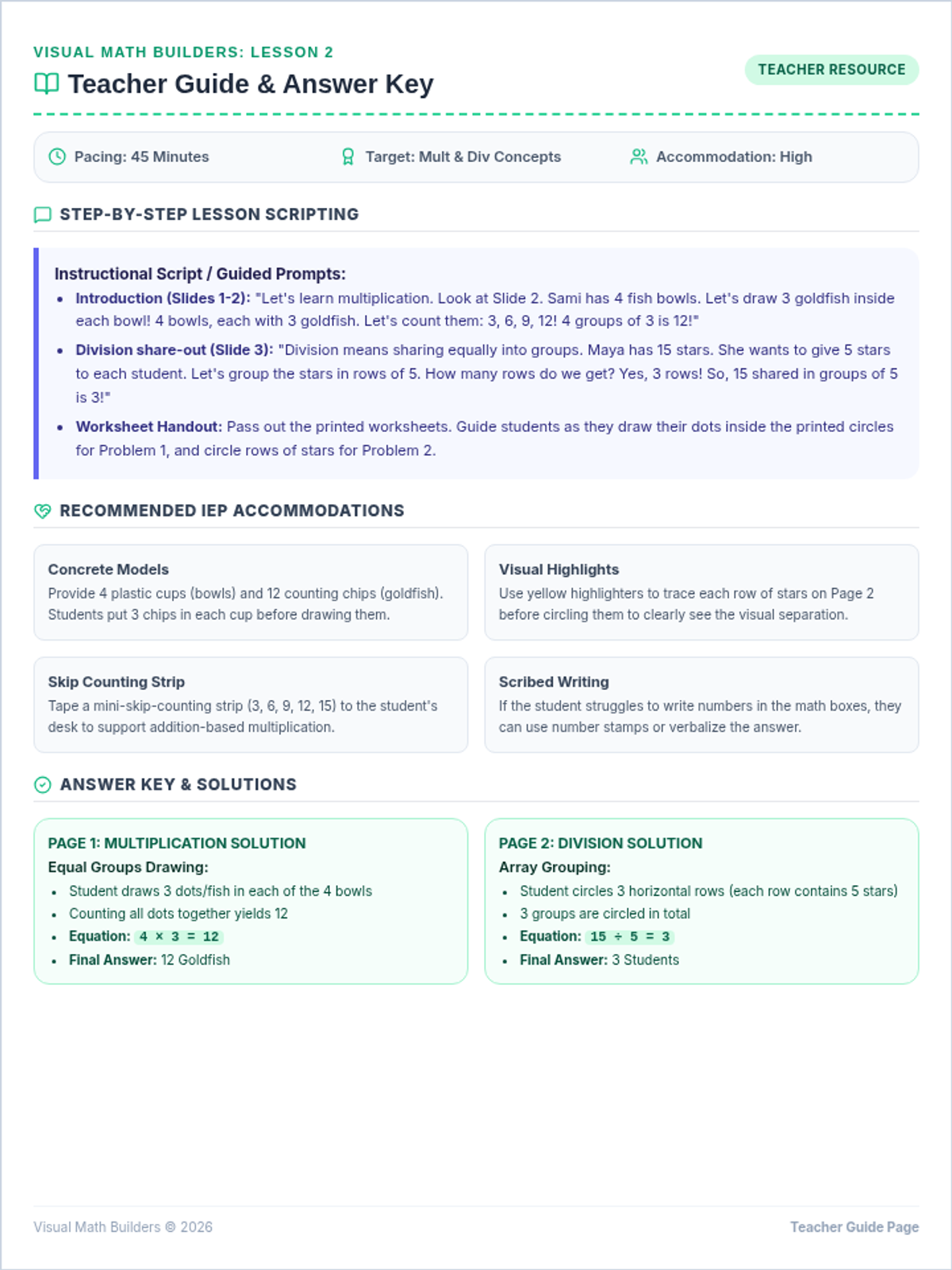
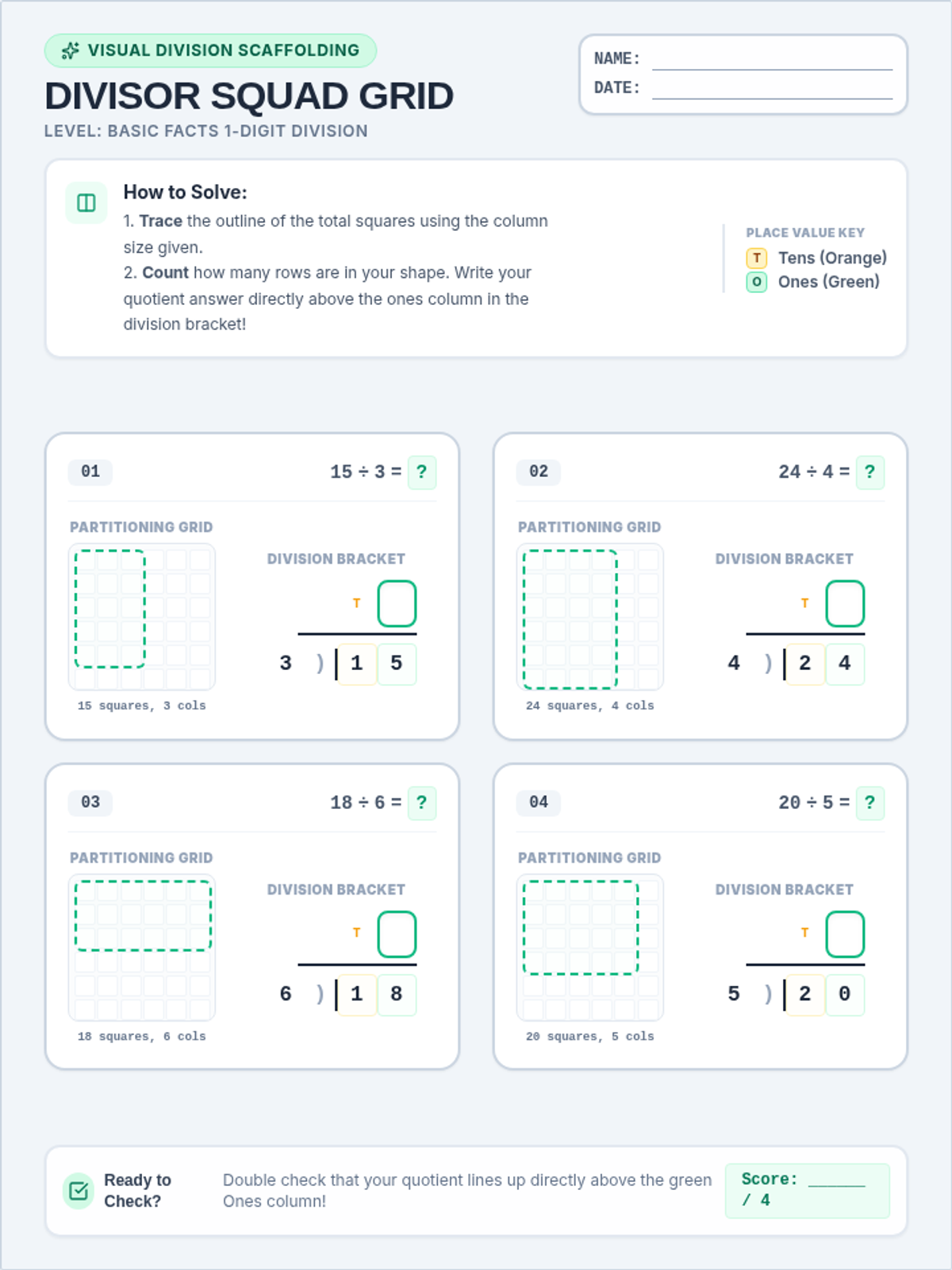
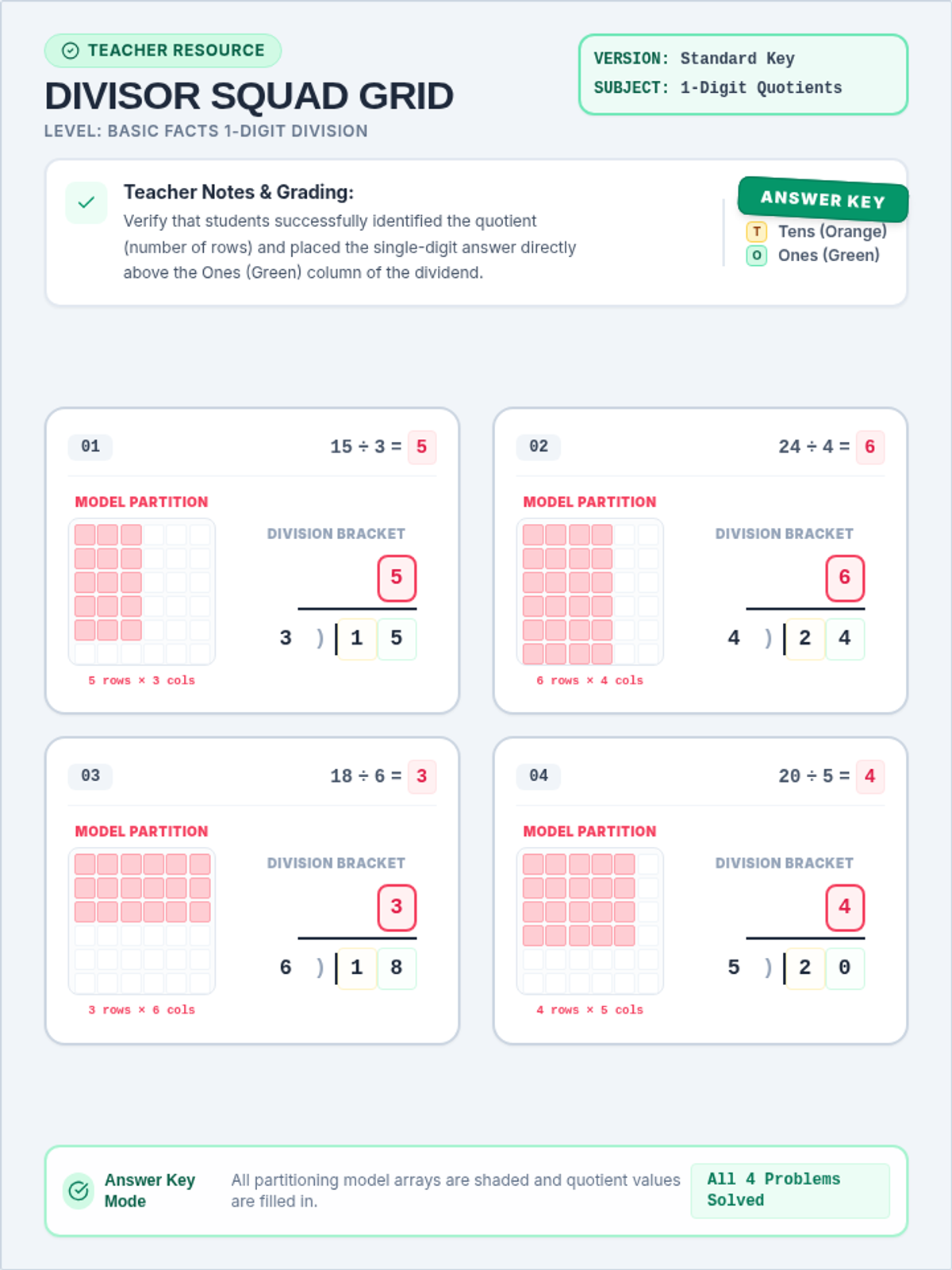
Students use counters and area models to visualize division as rows and columns in an animal parade.
Students explore division as 'grouping' or measurement division by organizing animals into habitats.
Students explore division as 'equal sharing' using counters to distribute snacks to hungry animals. Includes a baseline pre-assessment.
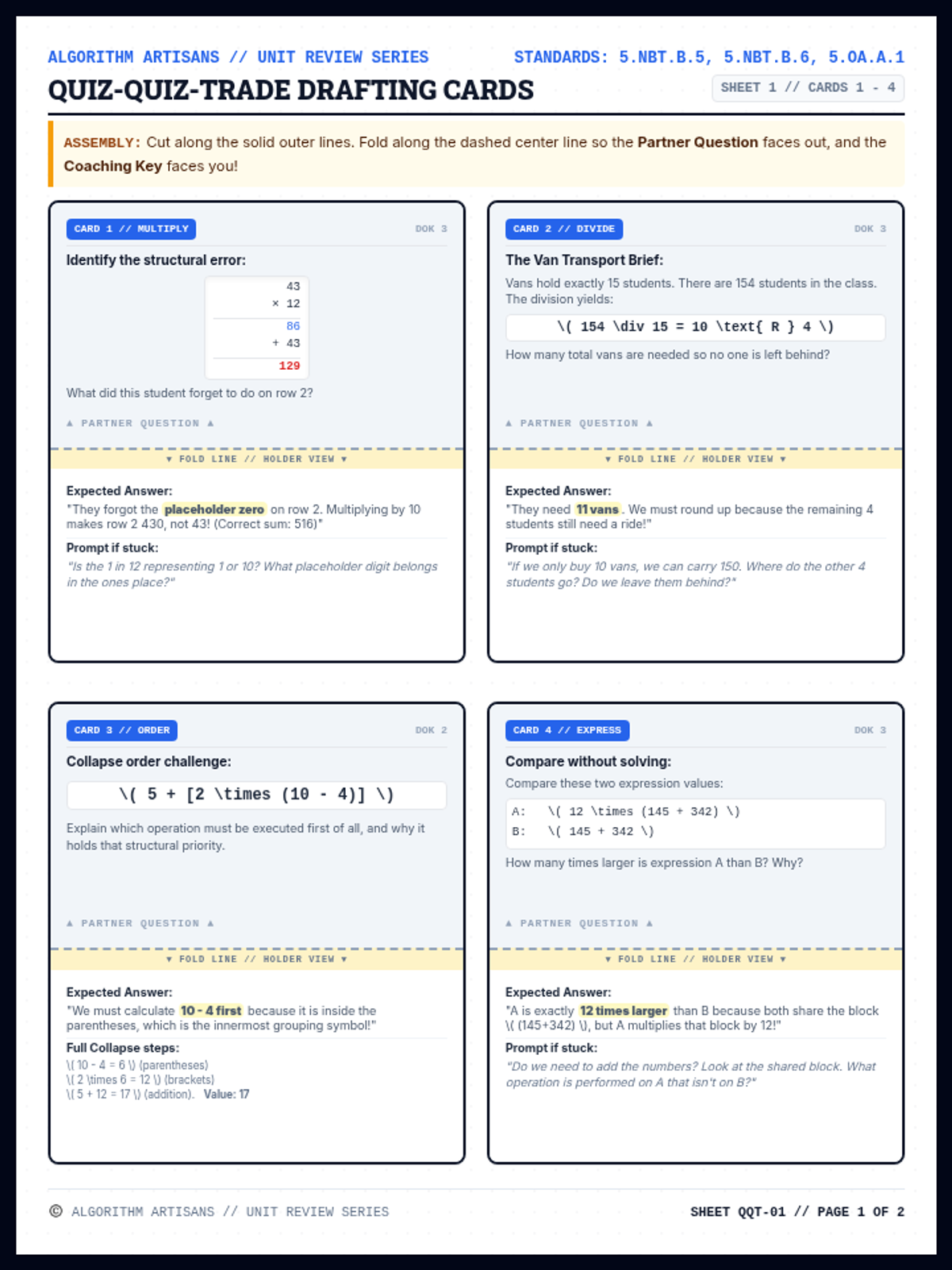
Unit review and final comprehensive word problem assessment.
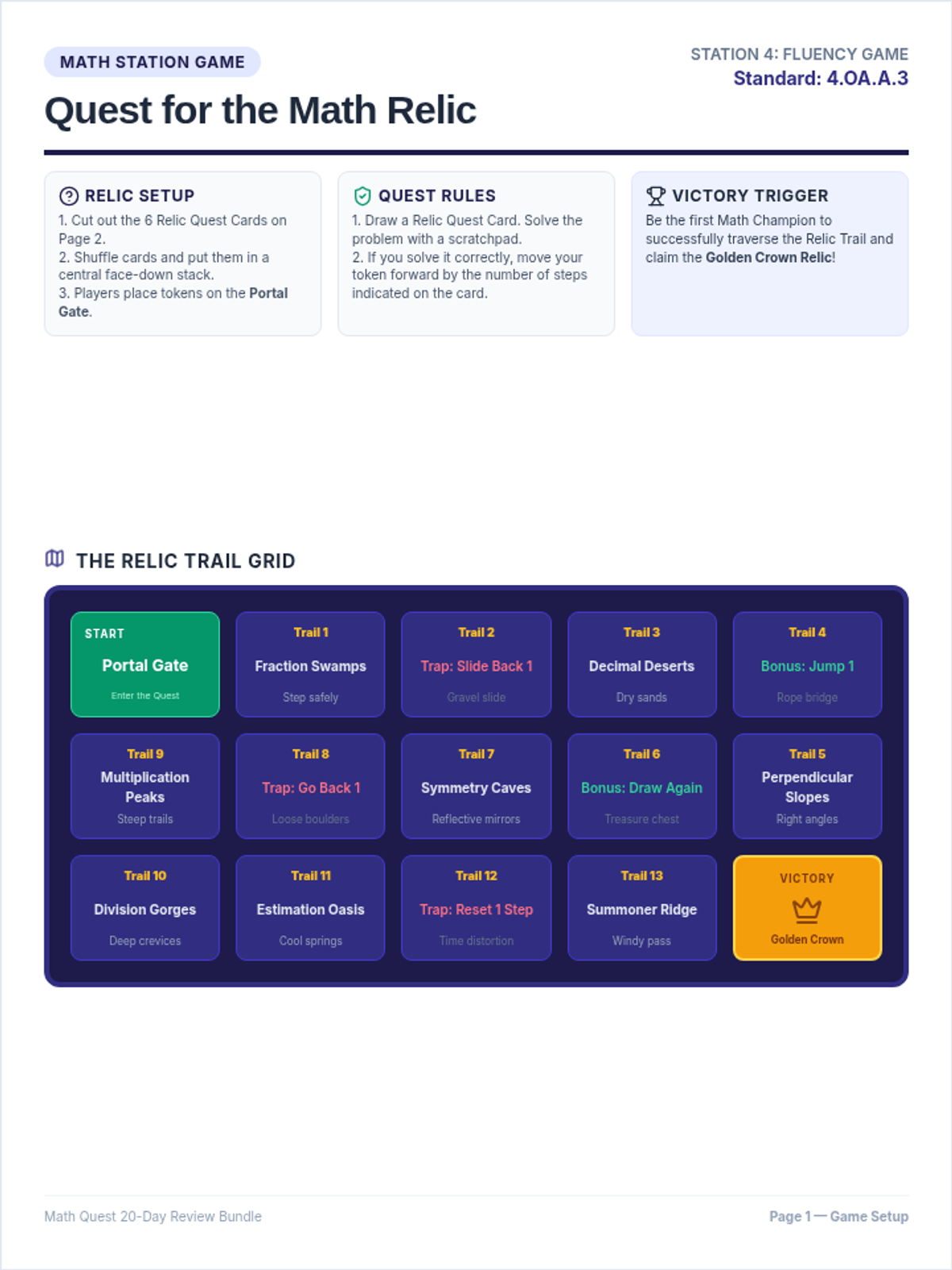
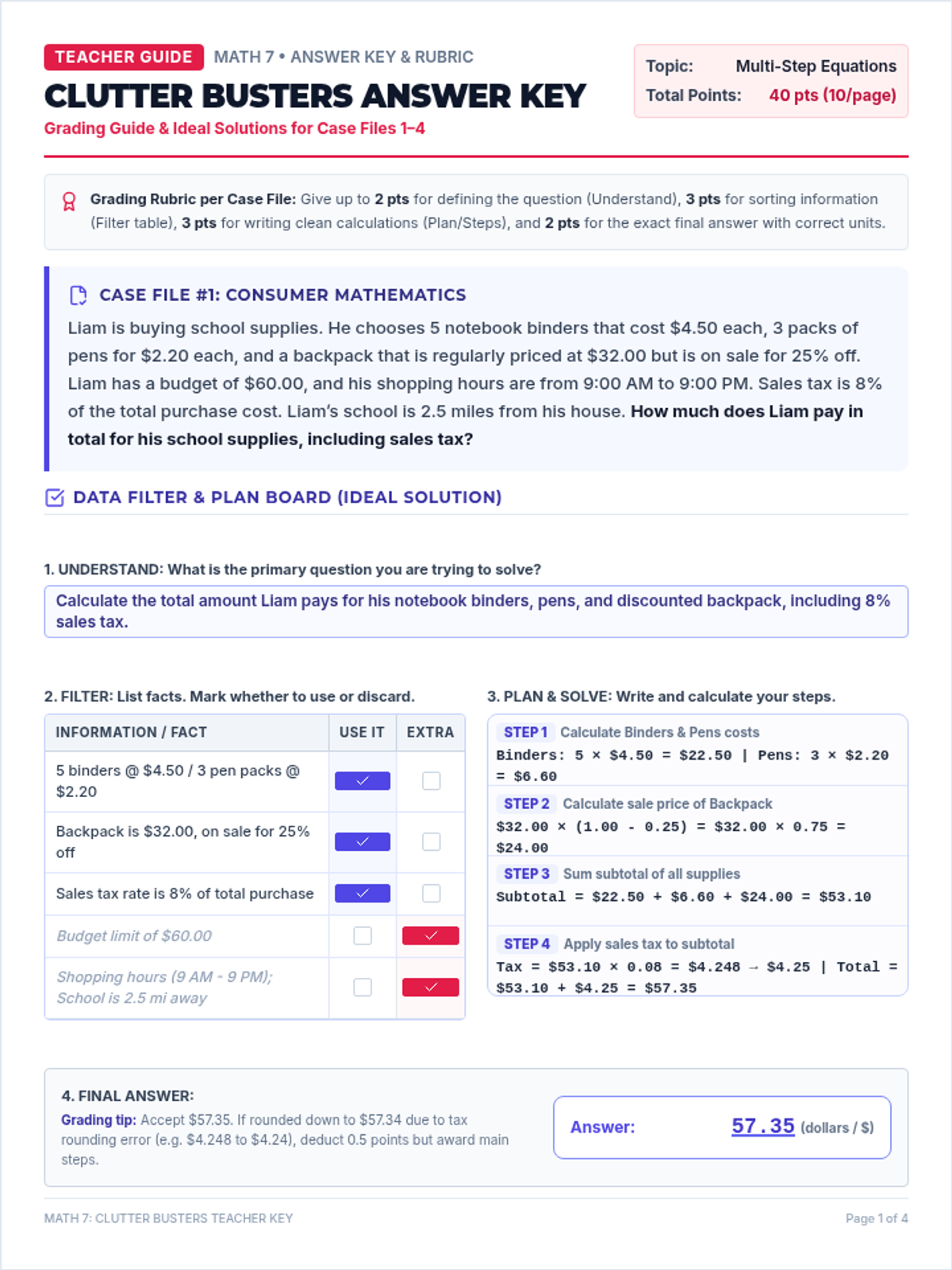
Mixed operations multi-step word problems involving all four operations.
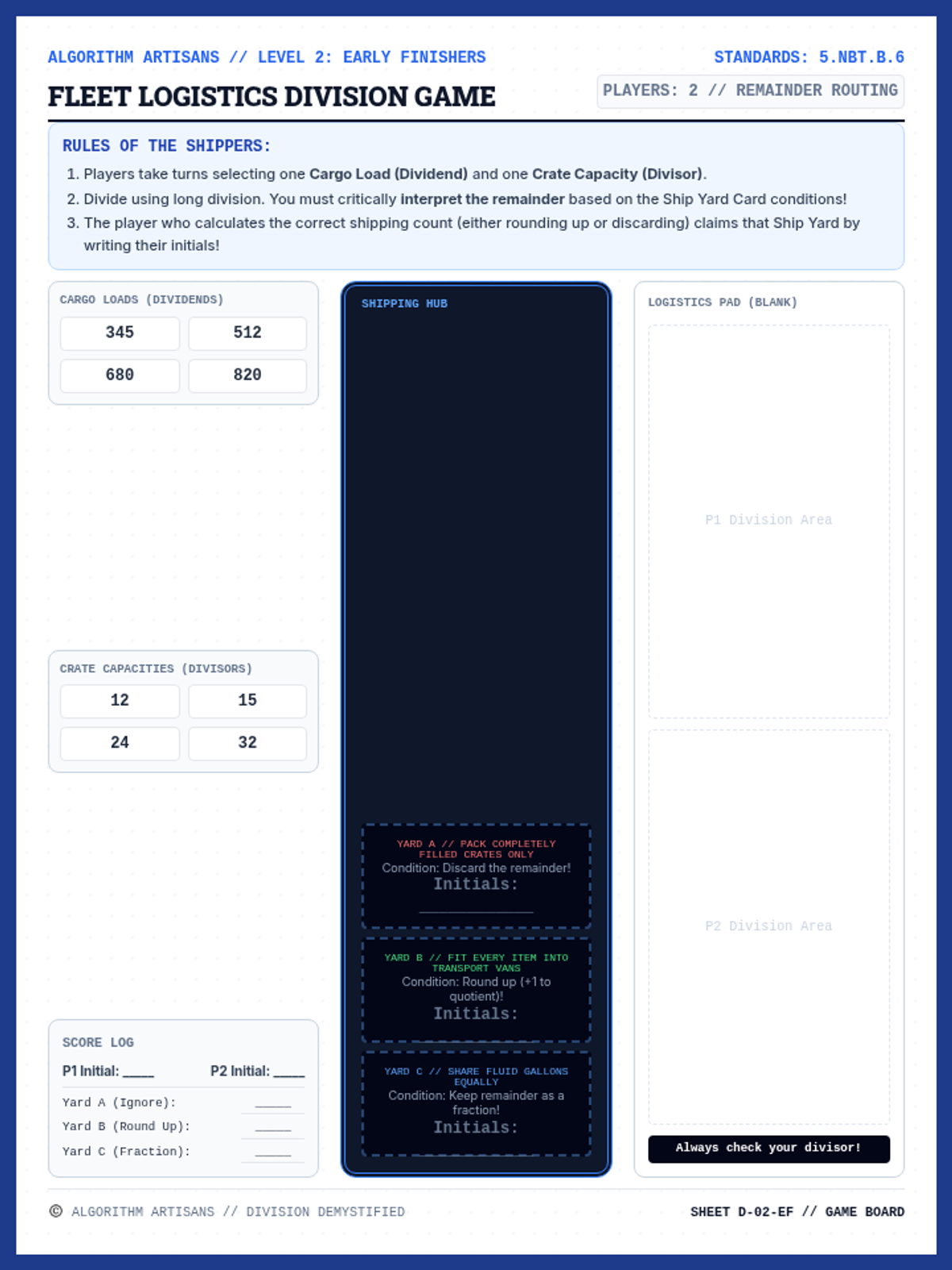
Interpreting remainders in context (Round up, discard, or fraction). Includes Bi-Weekly Check 2.
Division word problems using partitive and quotative models with 4-digit dividends.
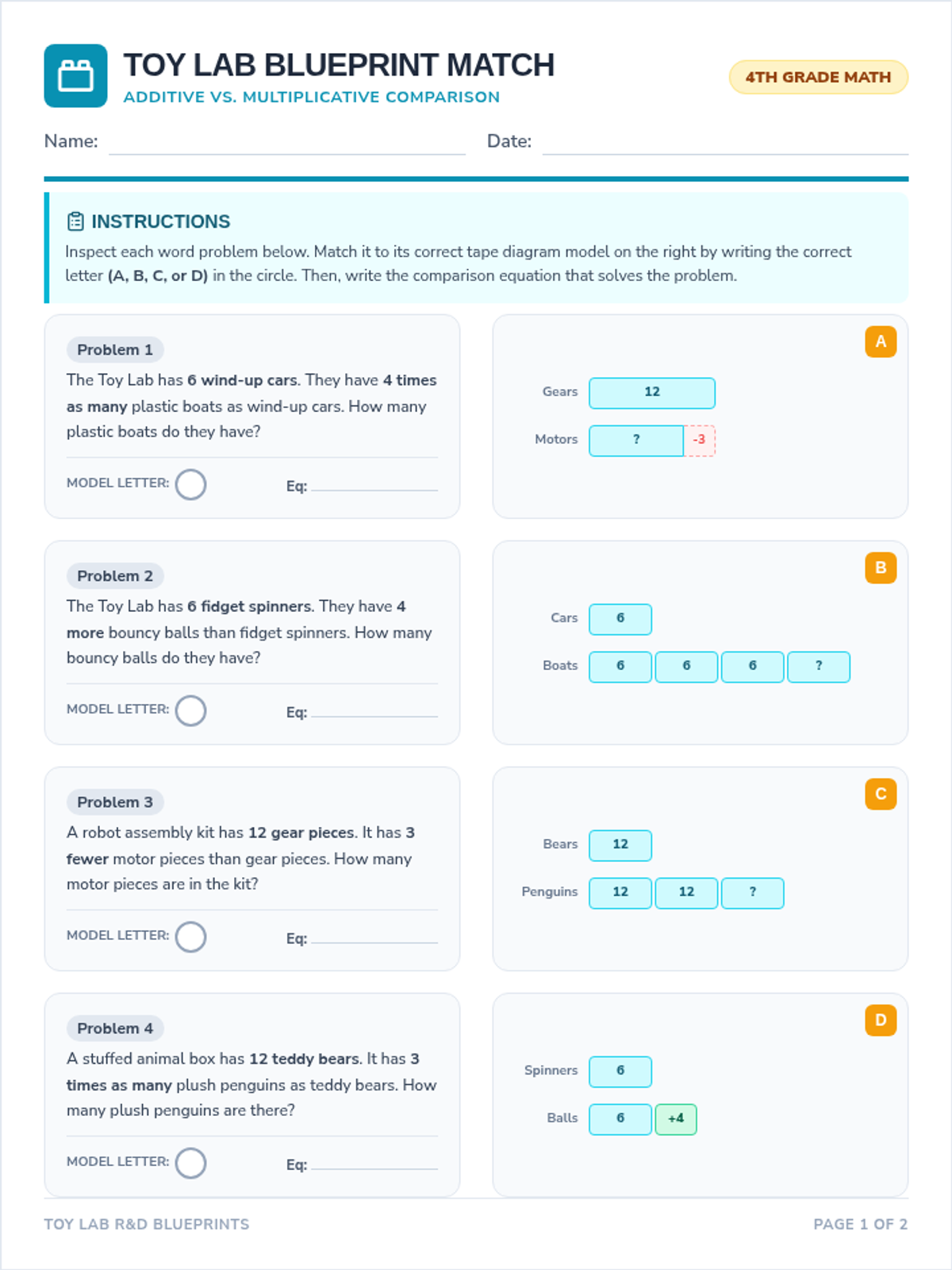
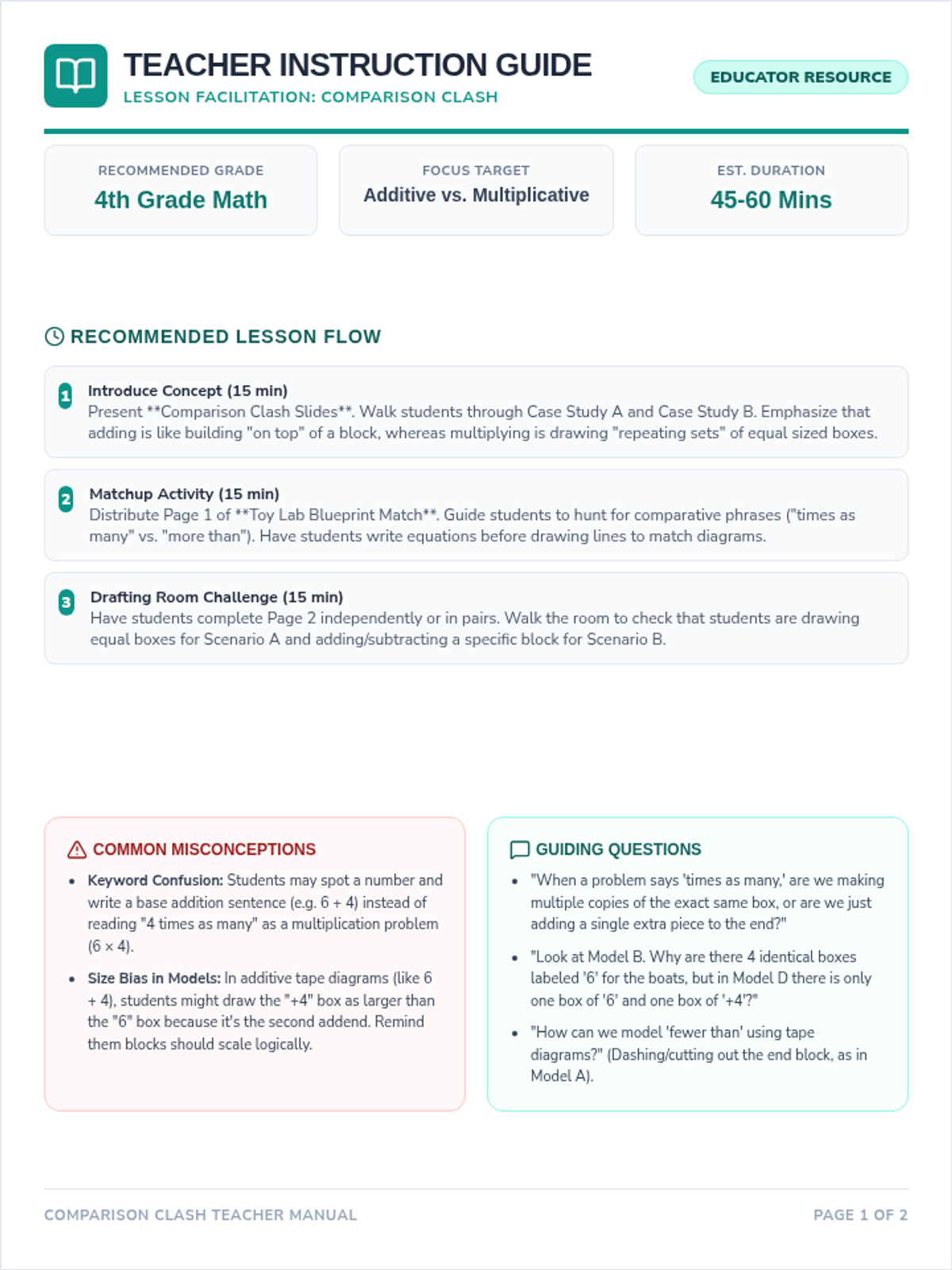
Understanding multiplicative comparison and multi-step multiplication problems. Includes Bi-Weekly Check 1.
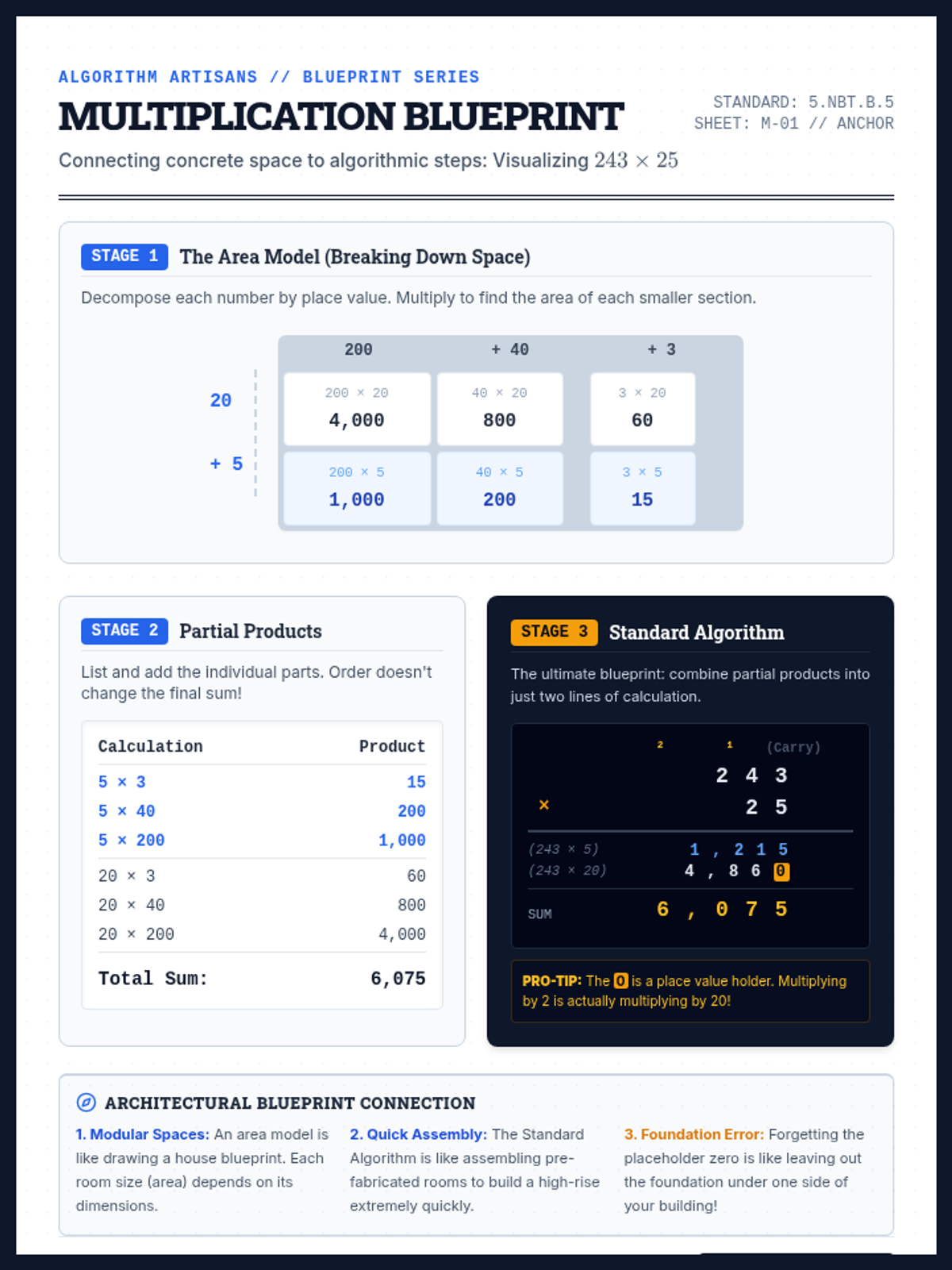
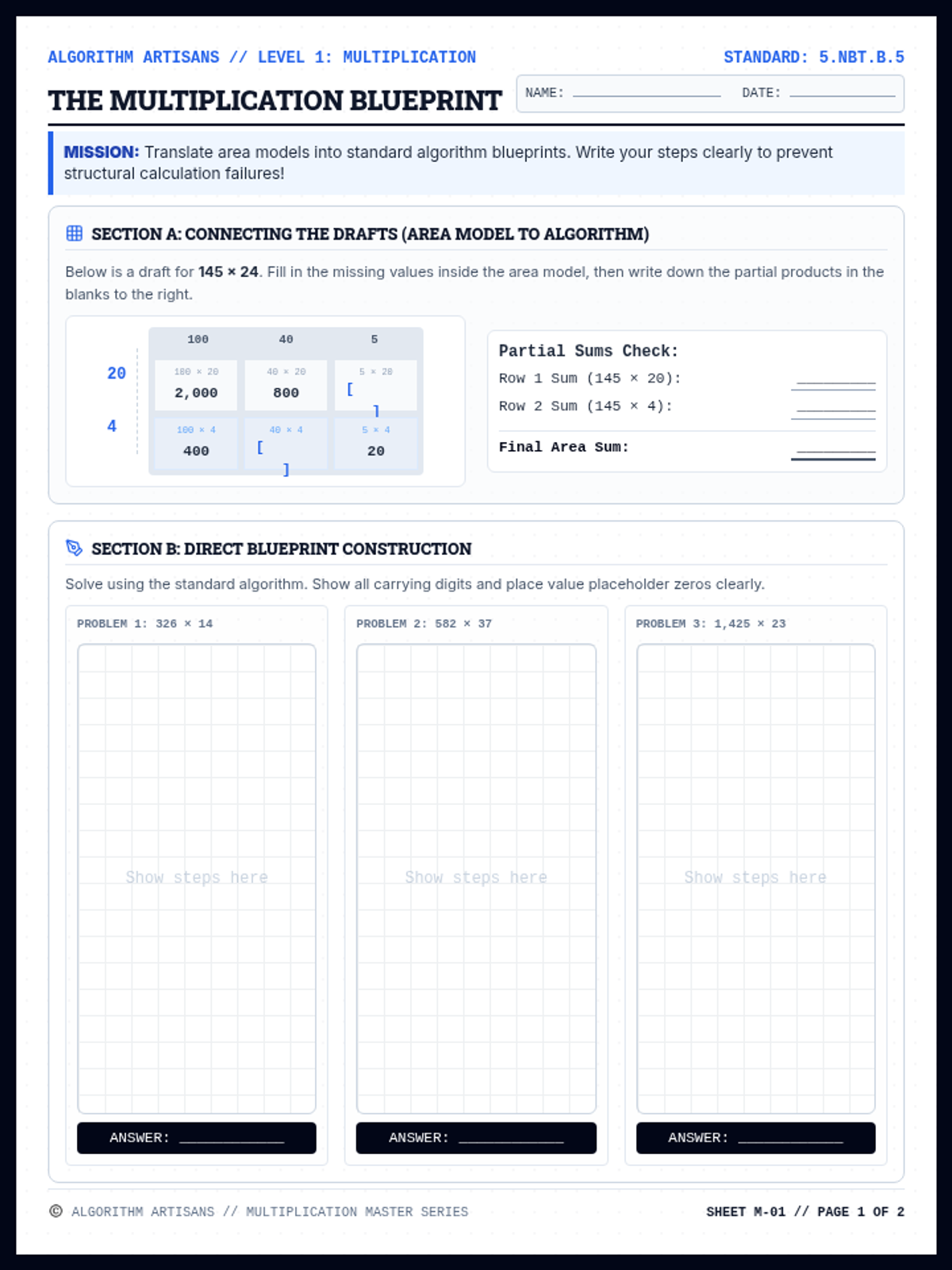
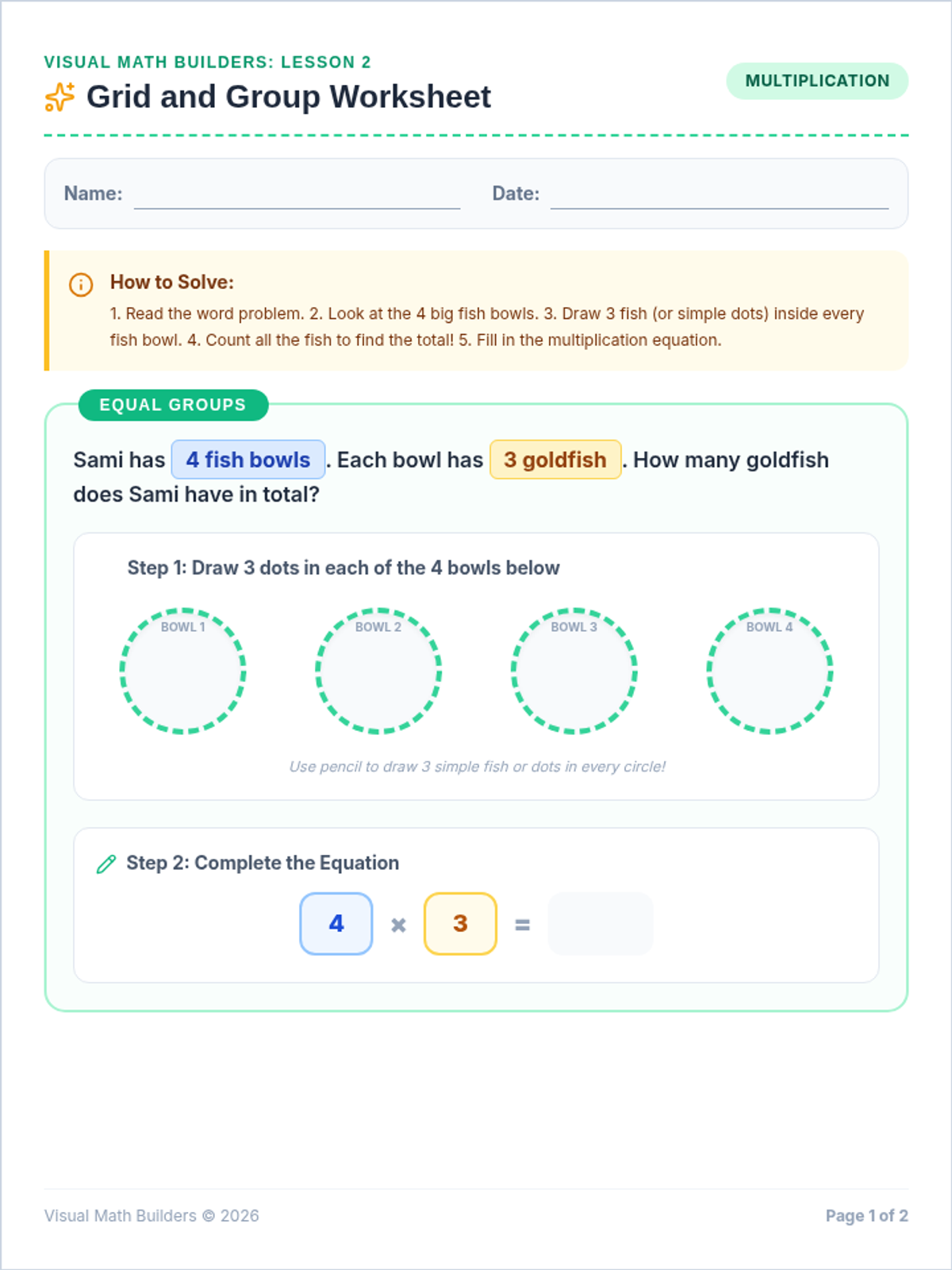
Multiplication word problems involving multi-digit numbers (4-digit by 1-digit) and area models.
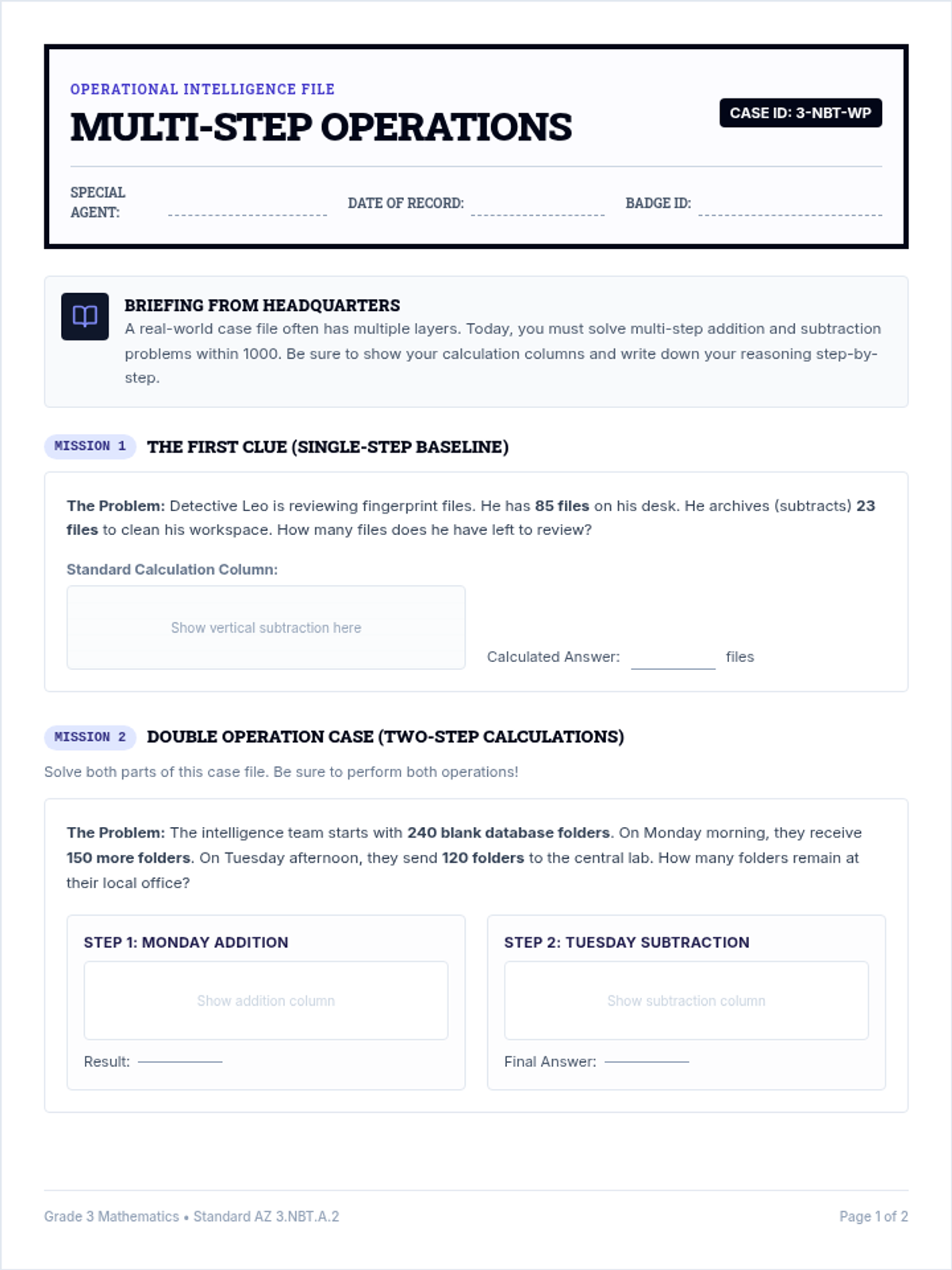
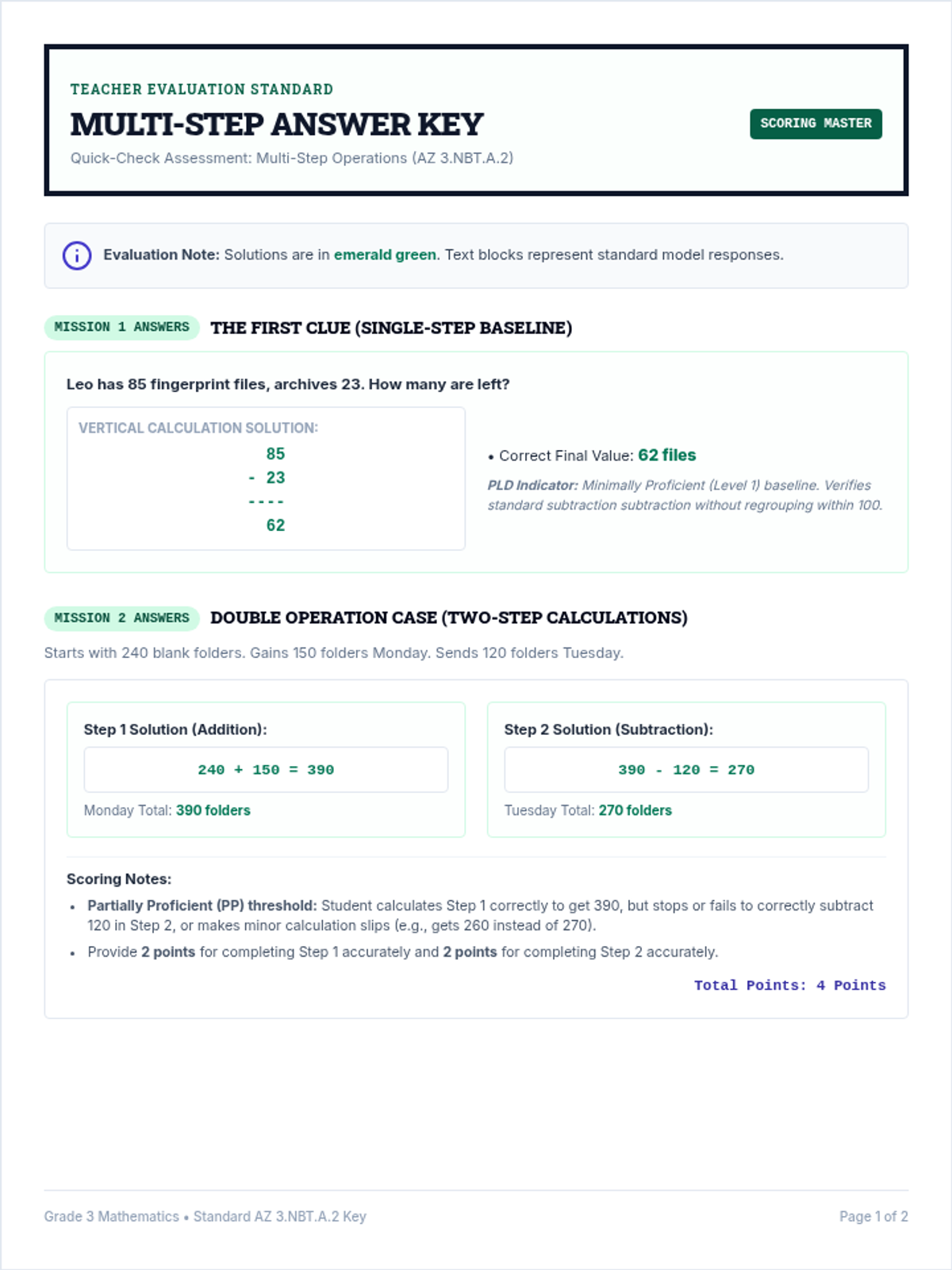
Focus on multi-step addition and subtraction problems involving money, distance, and population.
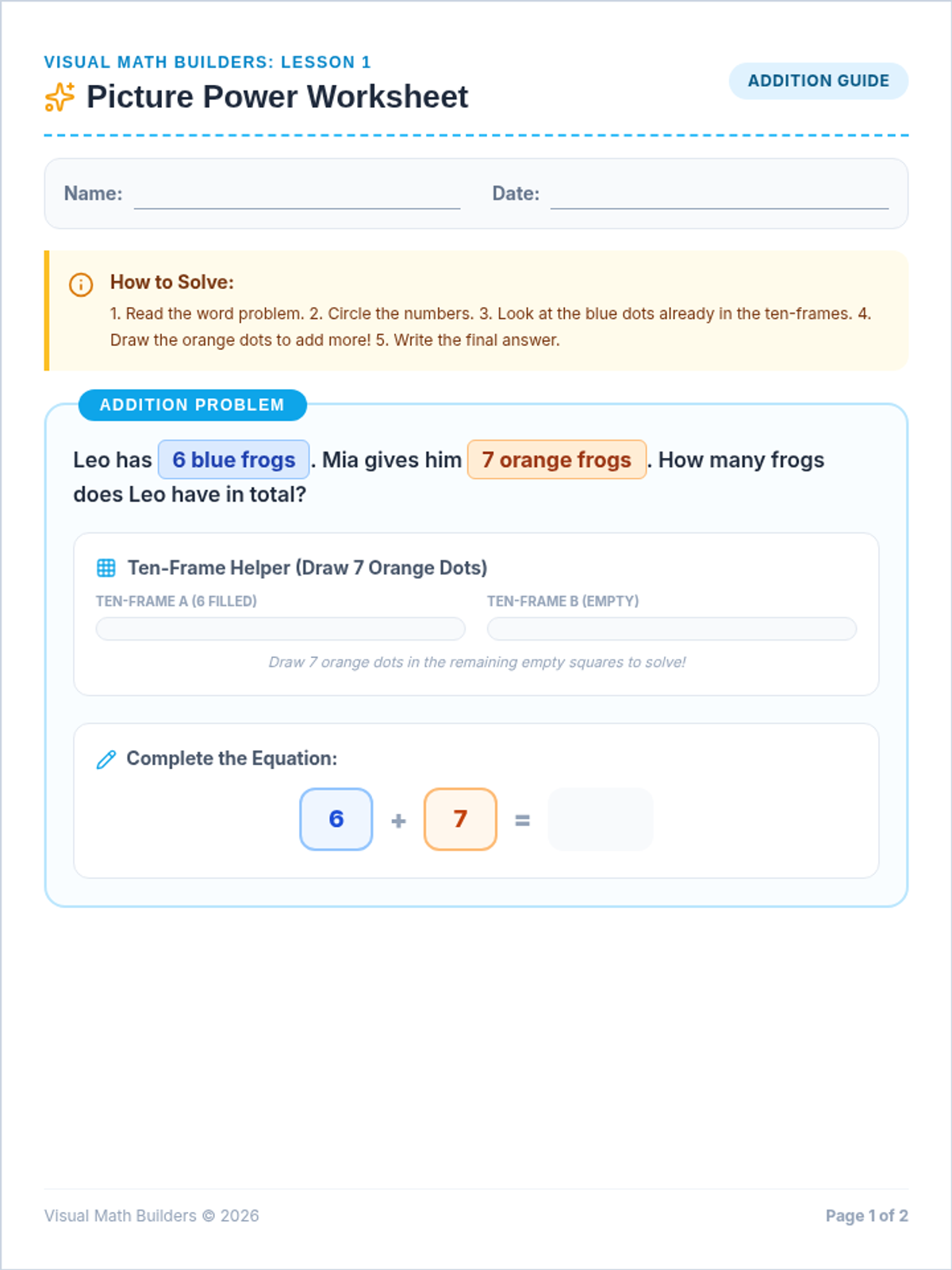
Introduction to word problem strategies (CUBES, Tape Diagrams) using multi-digit addition and subtraction.
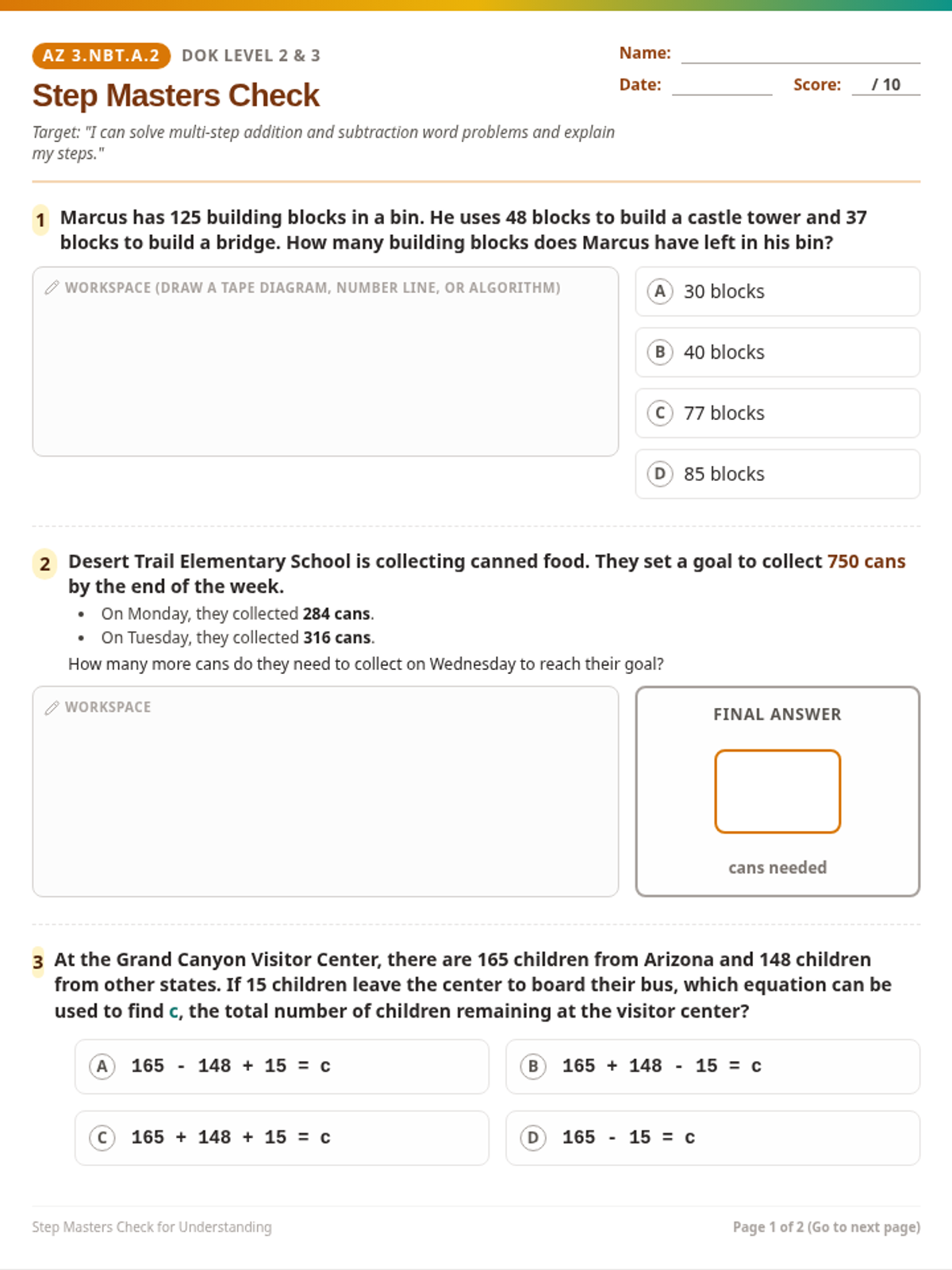
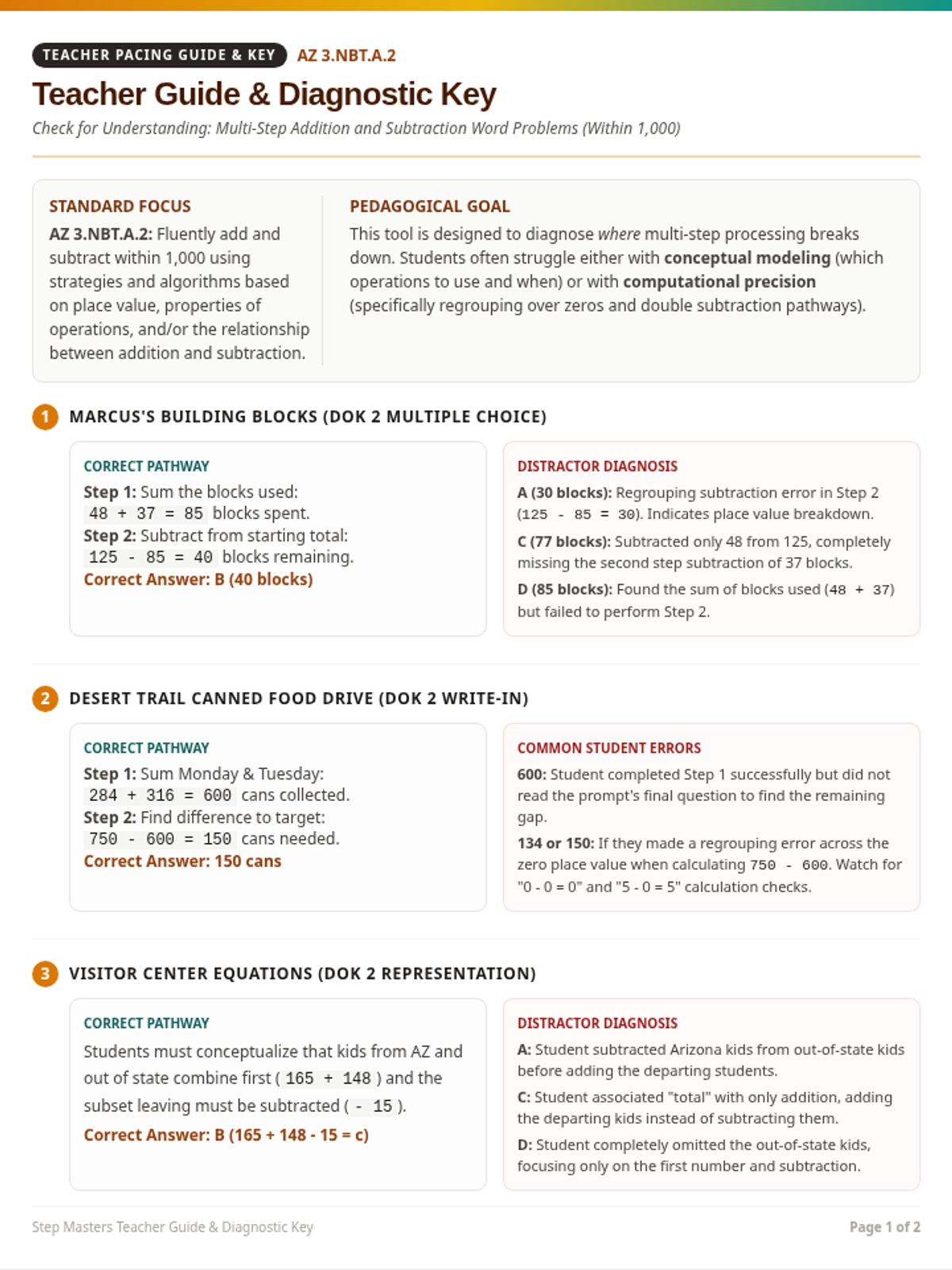
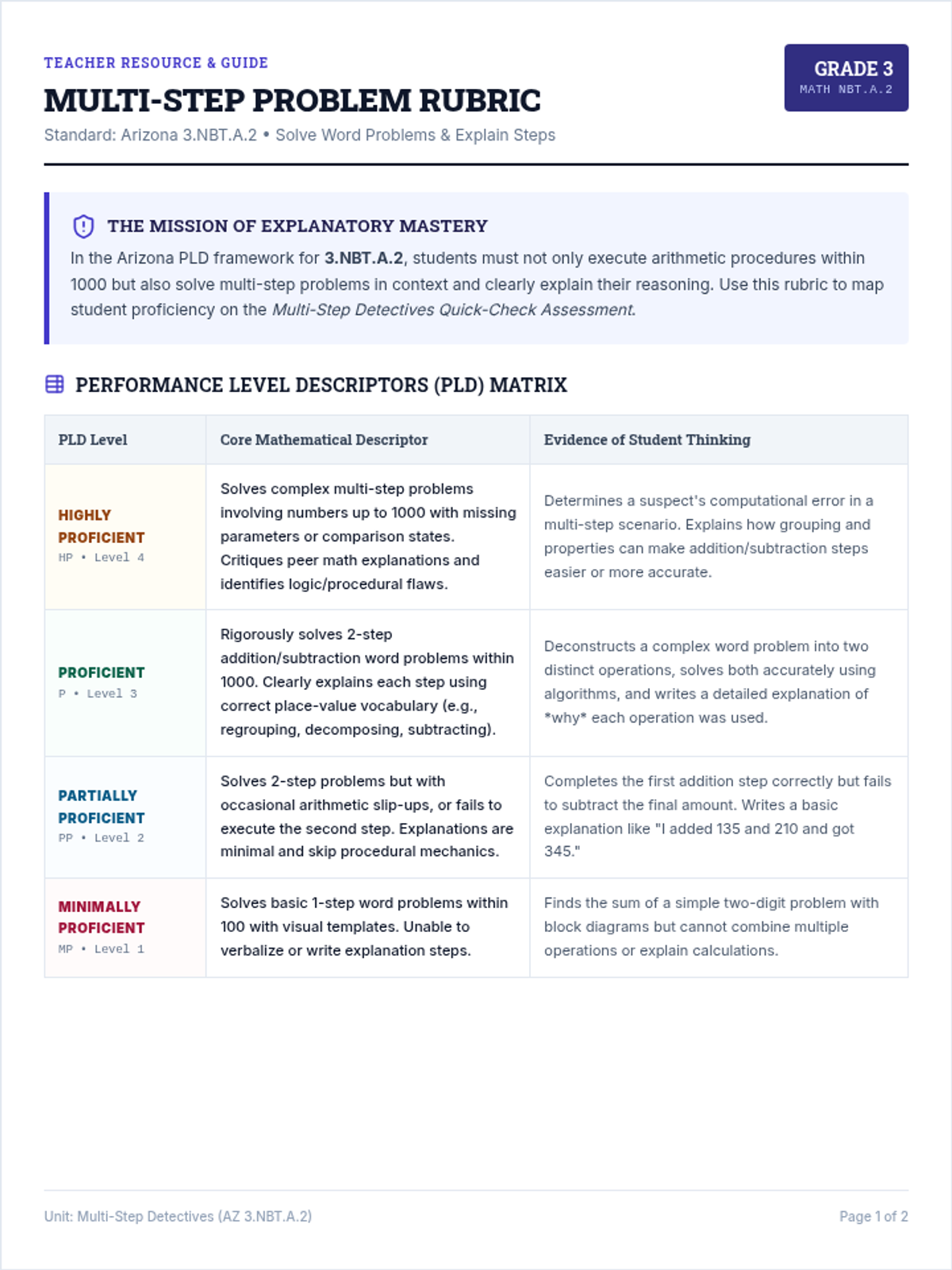
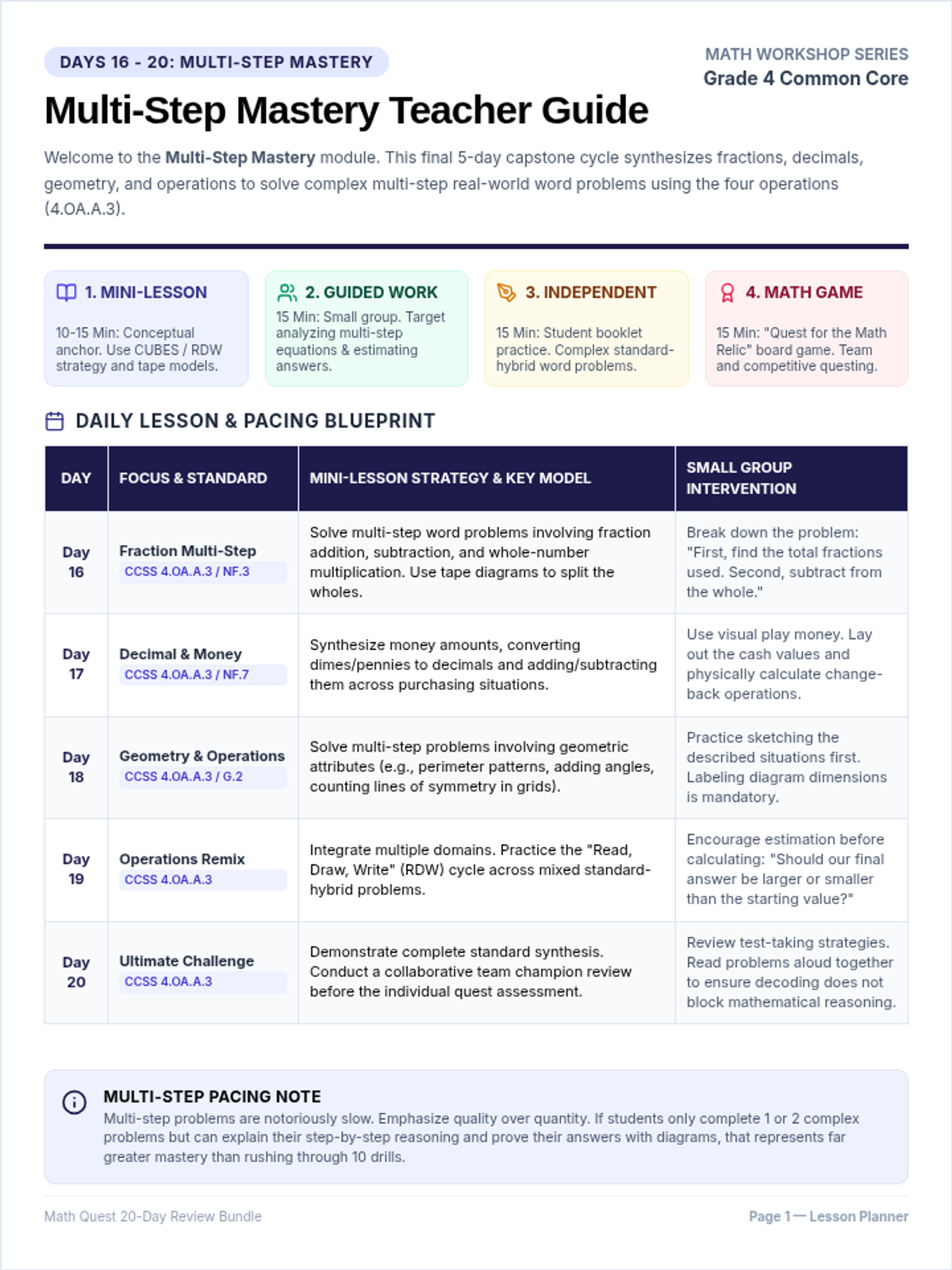
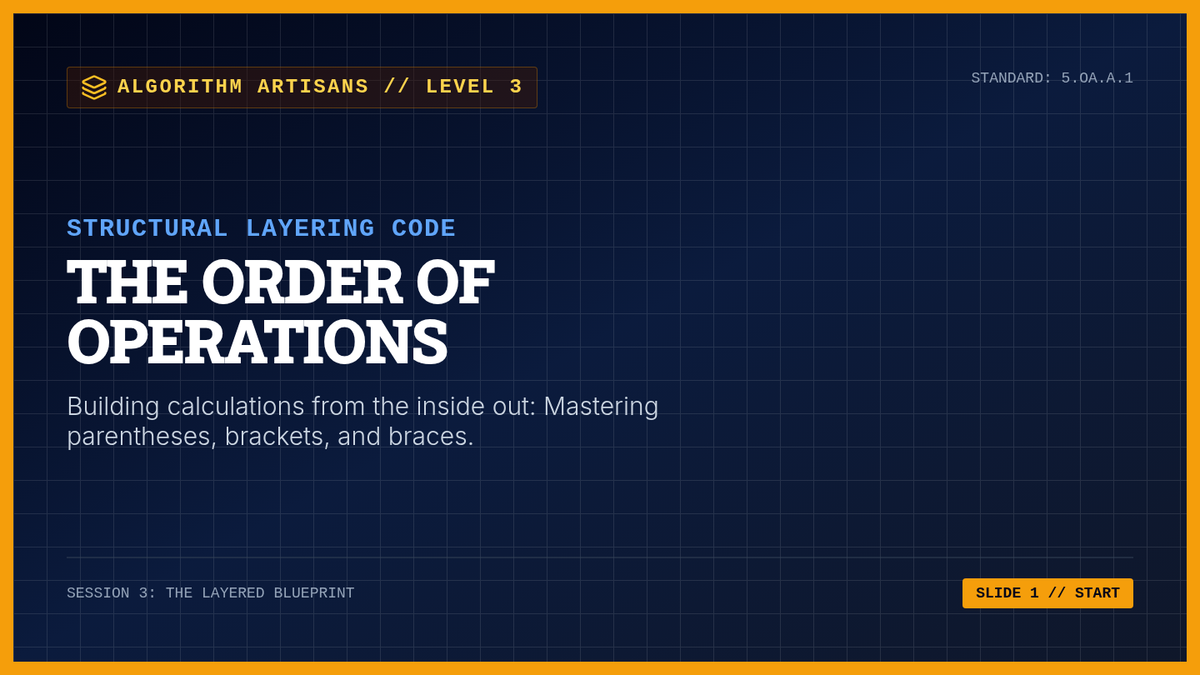
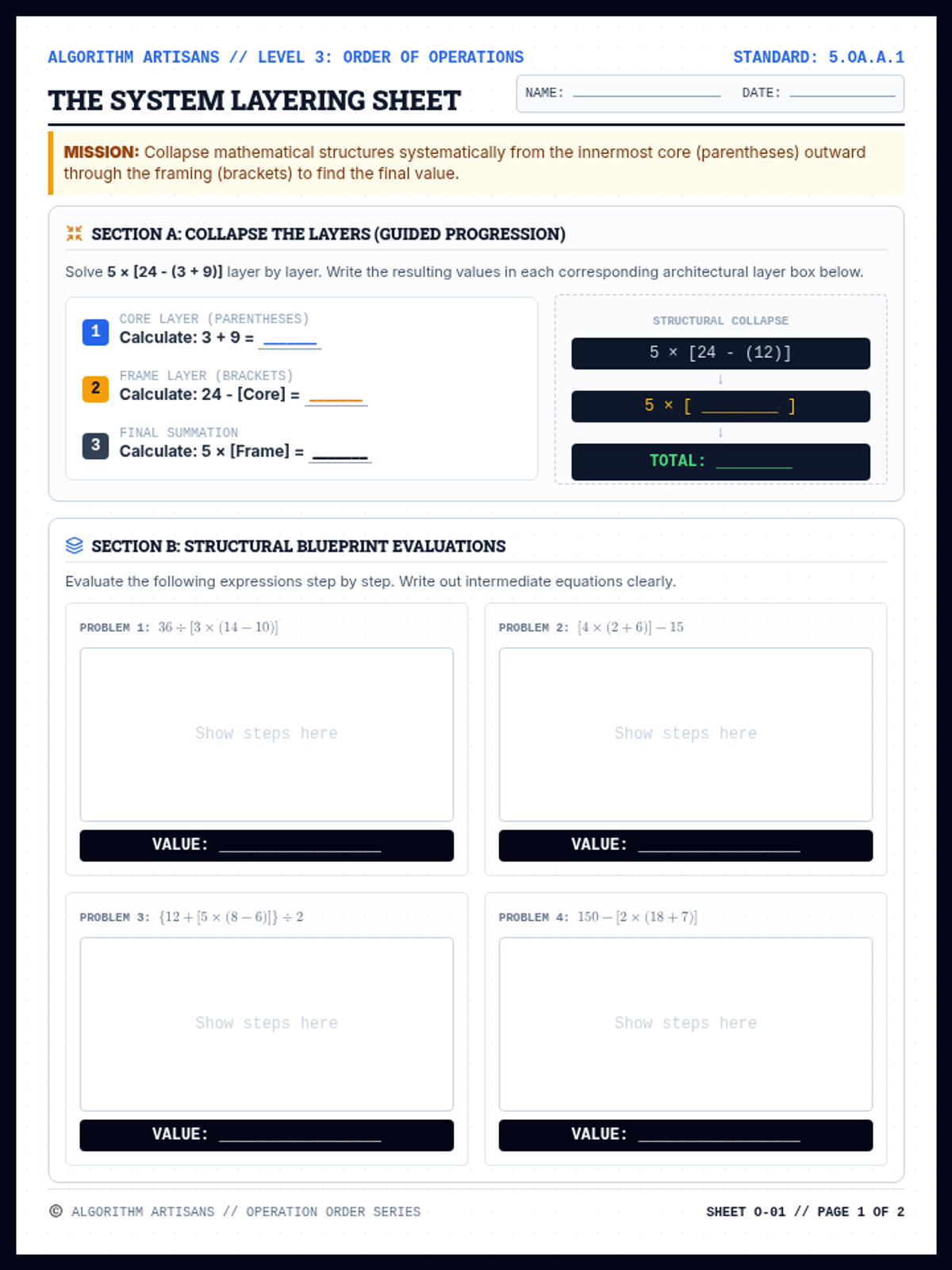
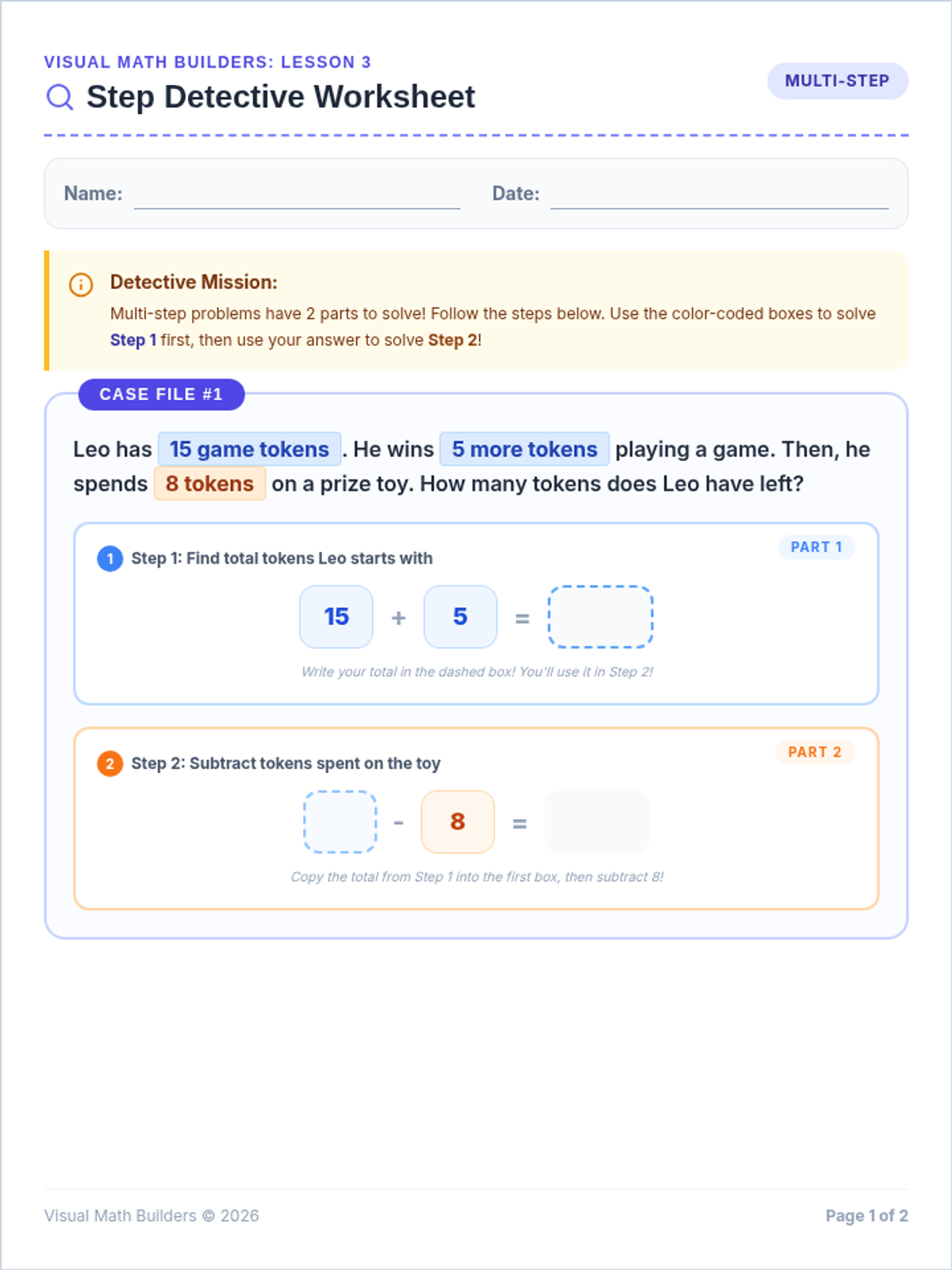
An intervention lesson focused on breaking down and solving multi-step word problems using whole numbers. Includes strategy instruction and a progress monitoring assessment.
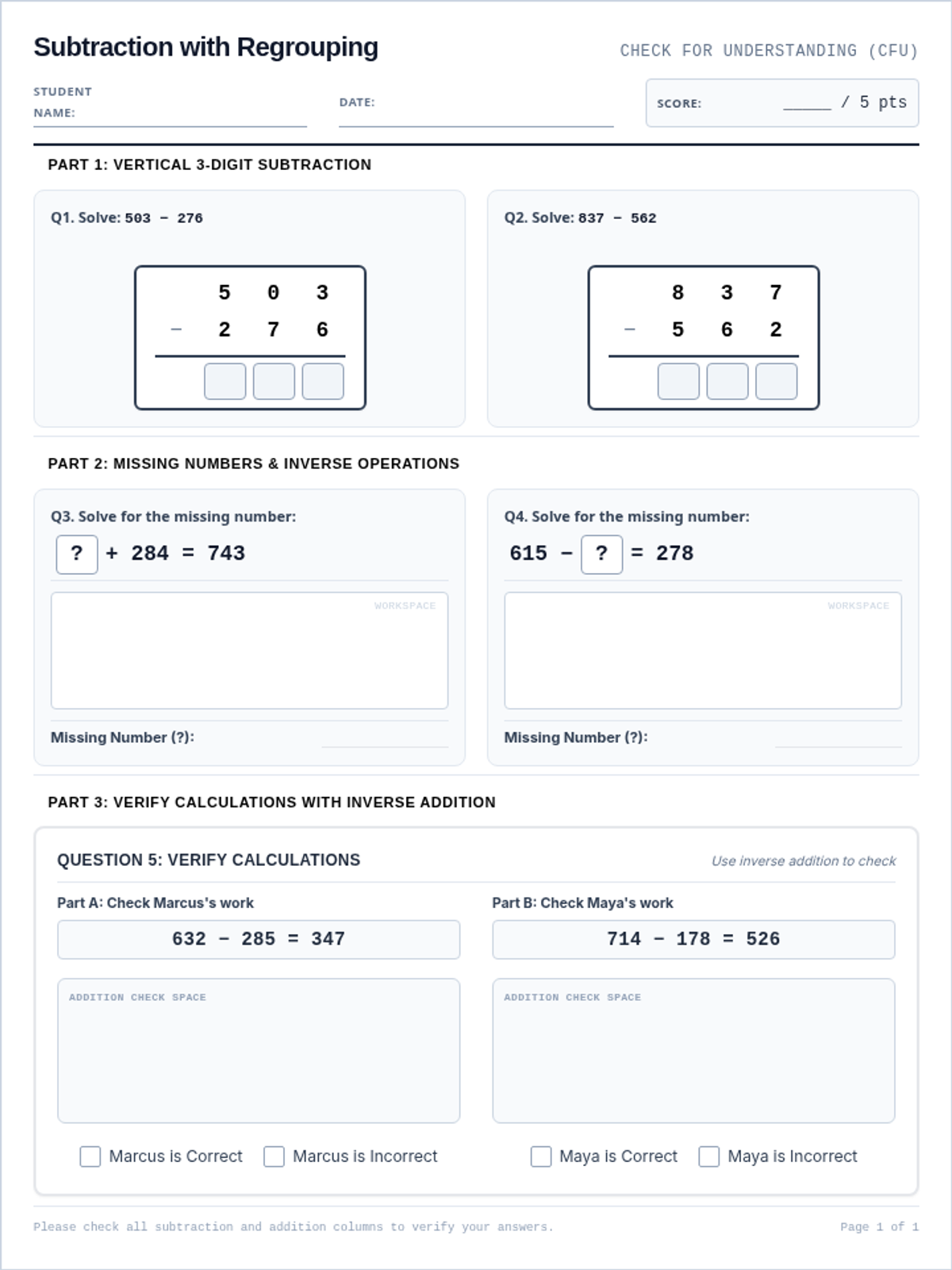
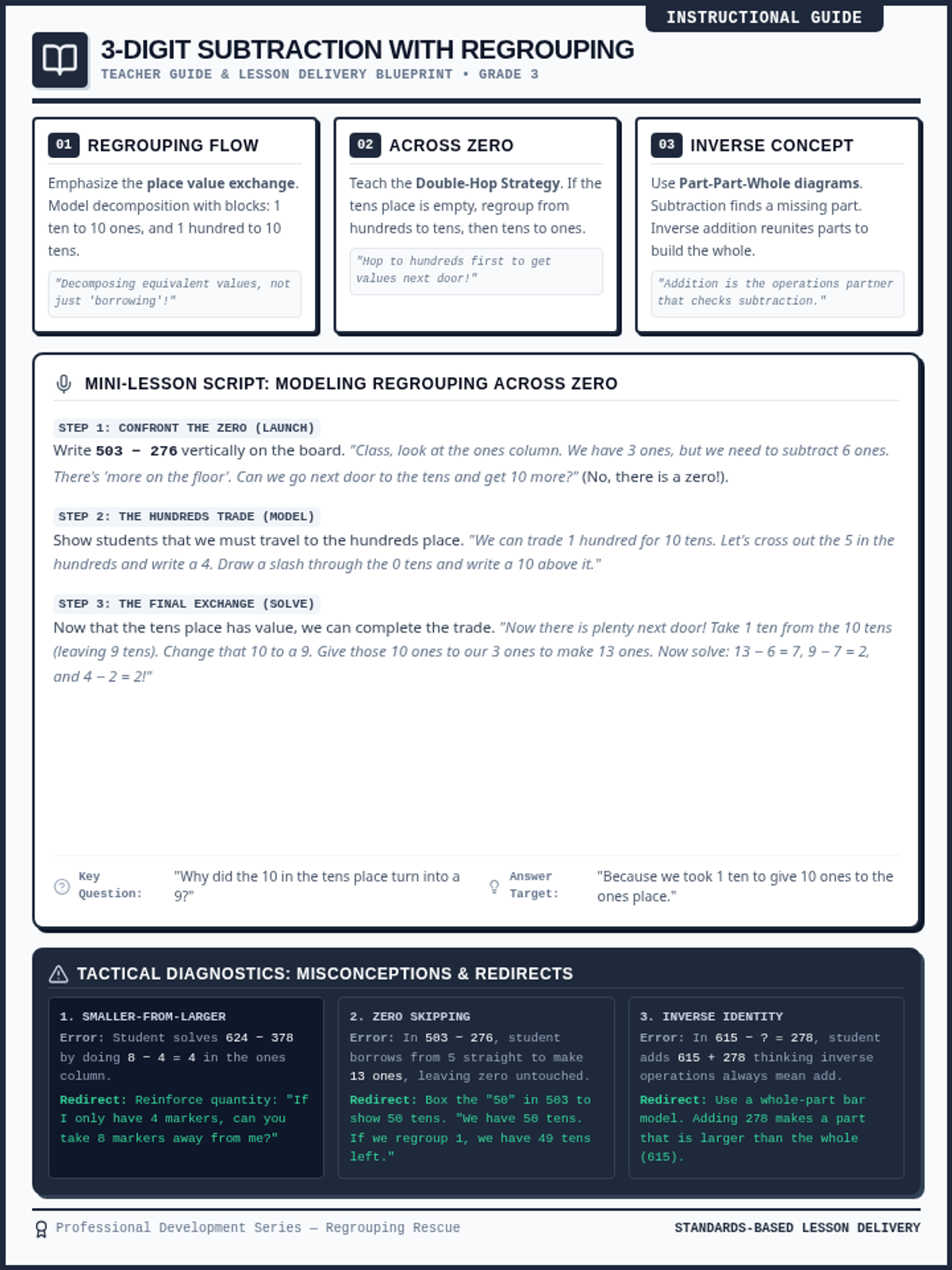
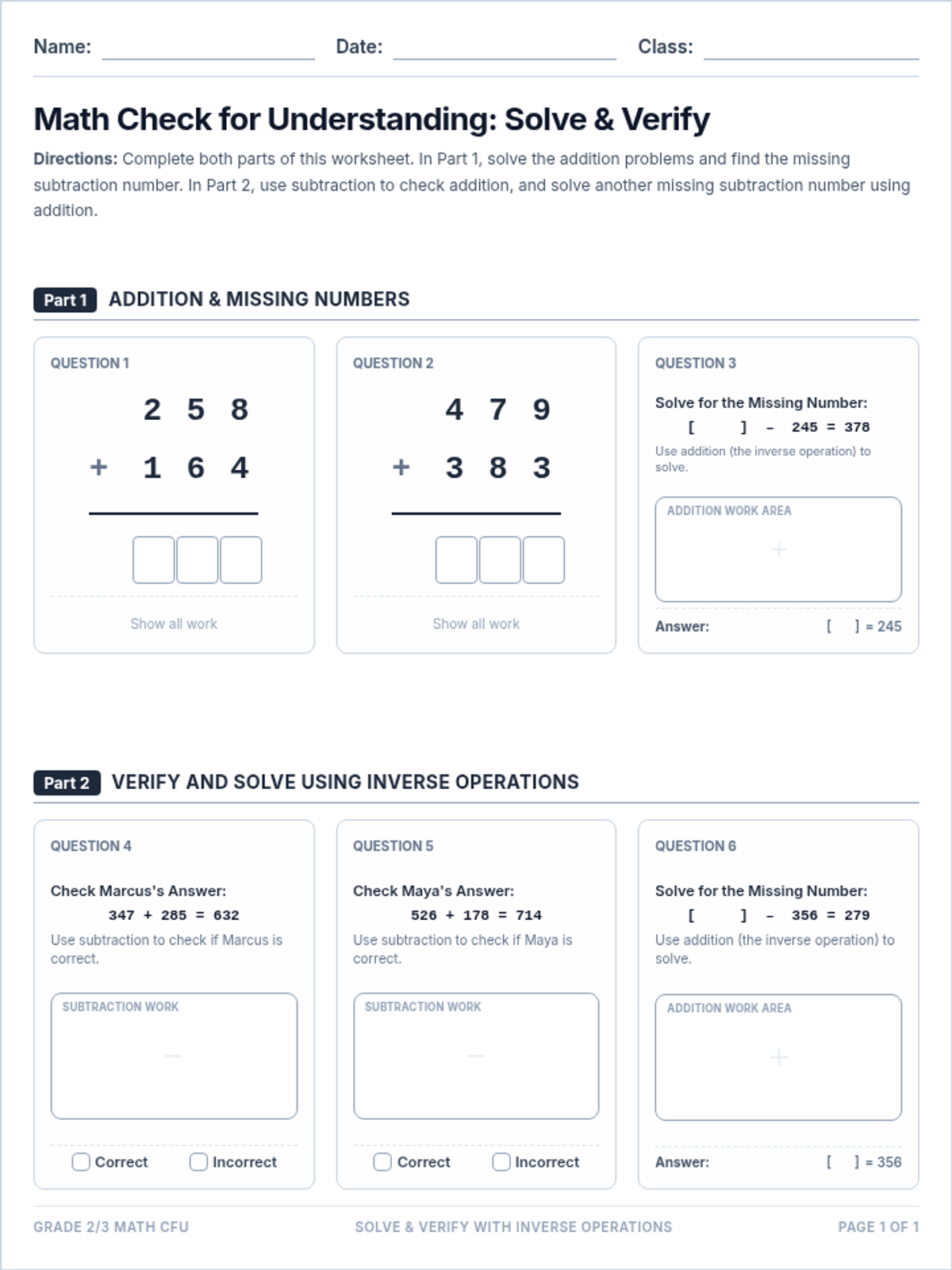
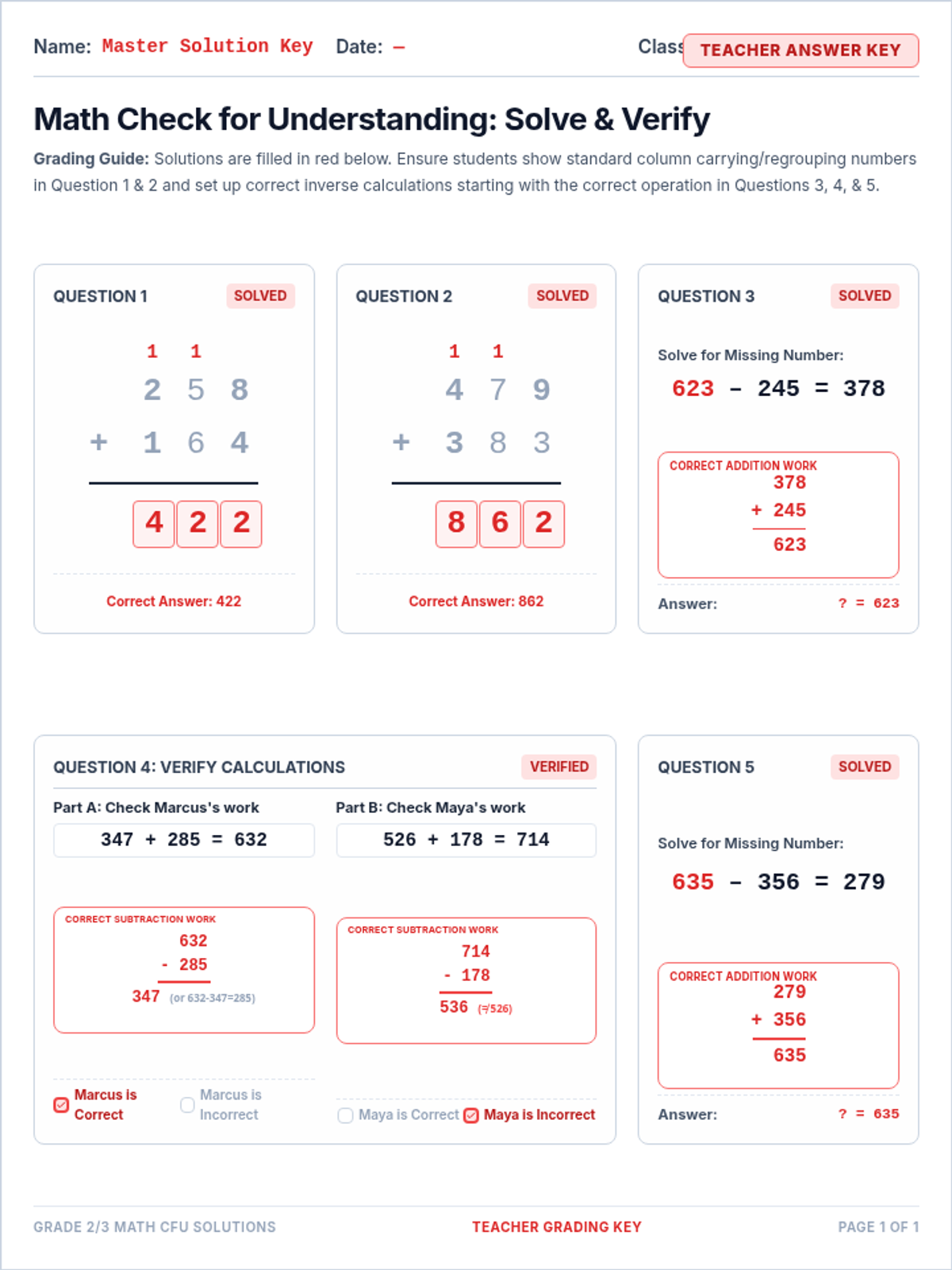
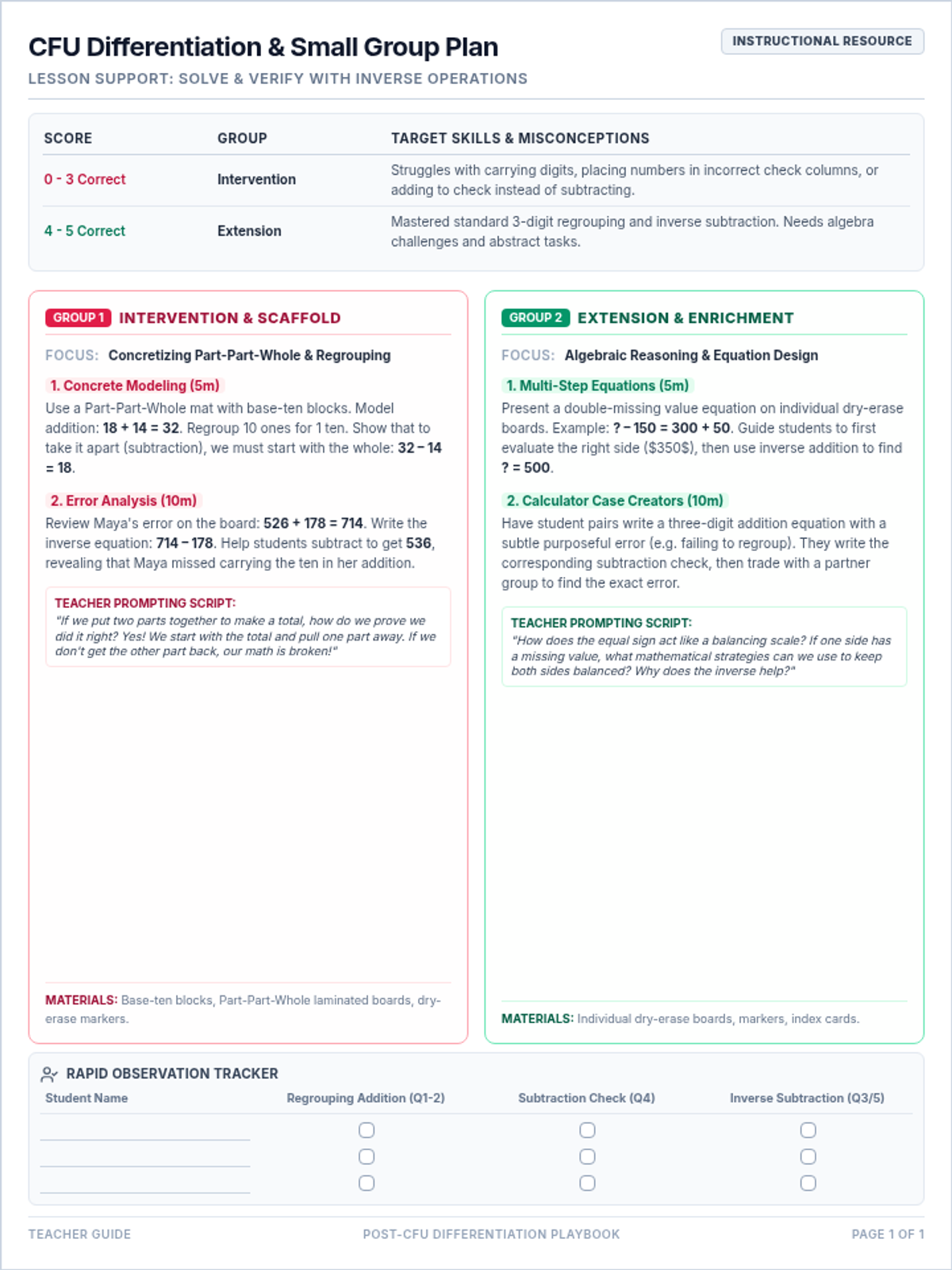
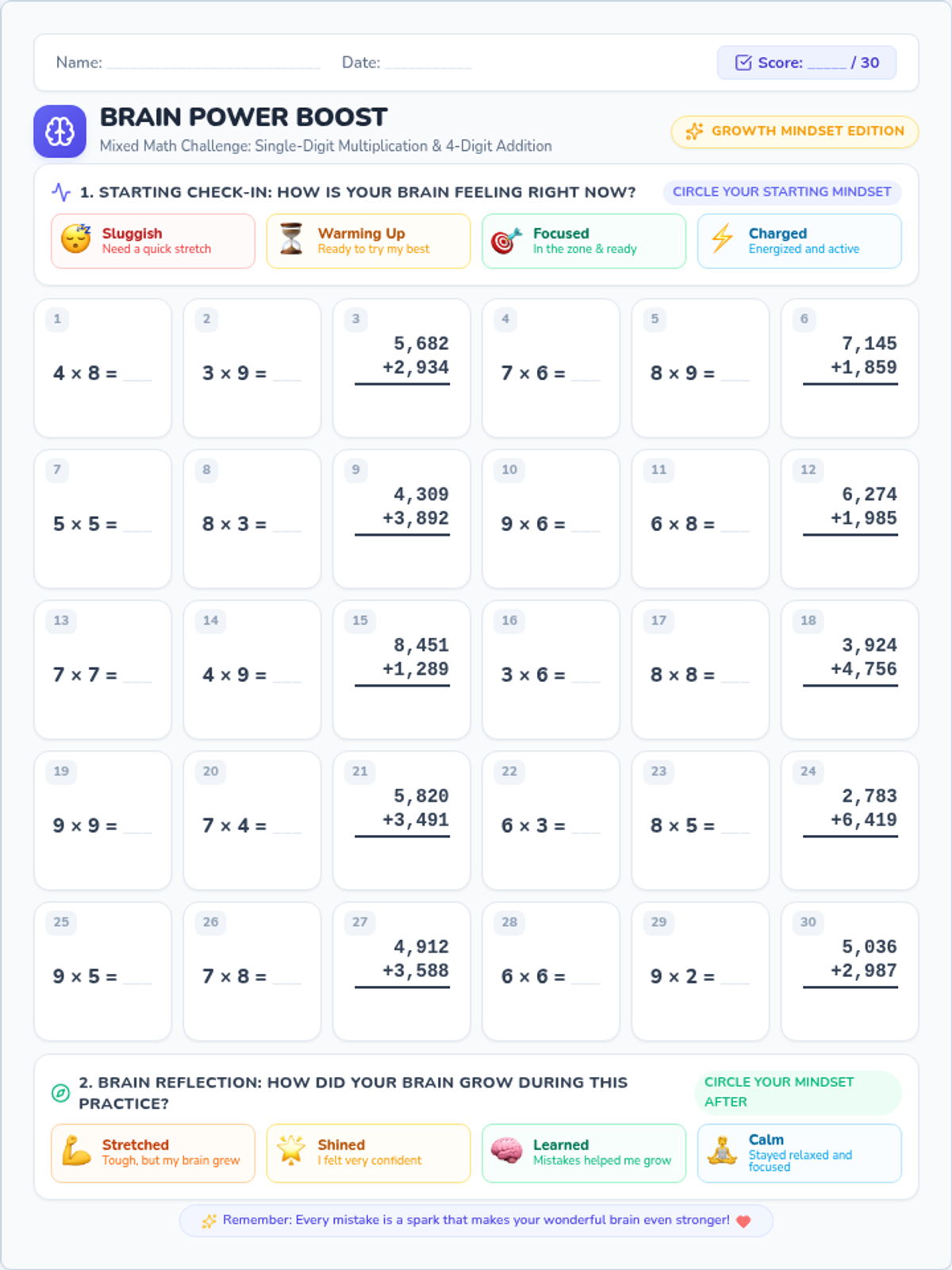
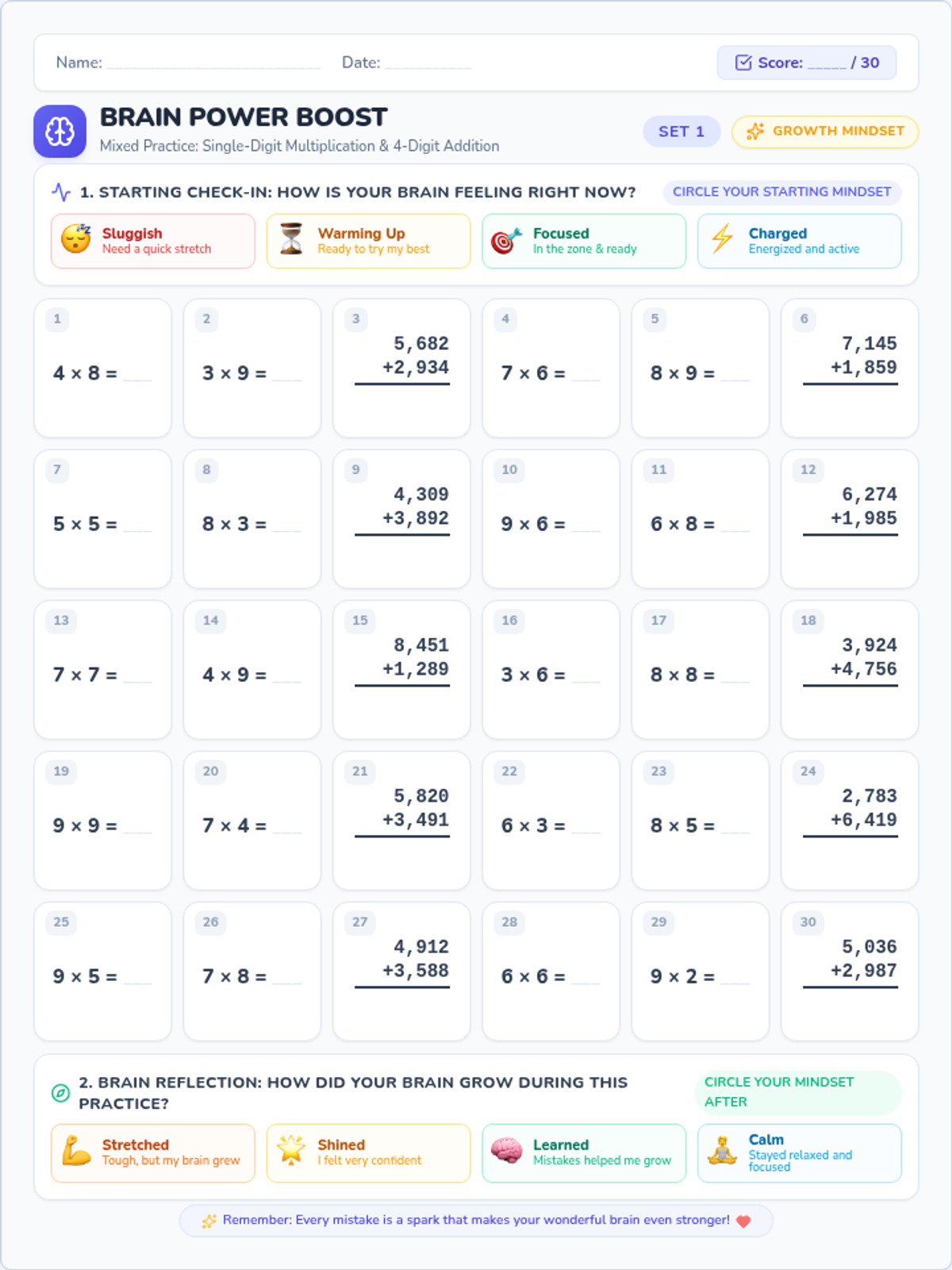
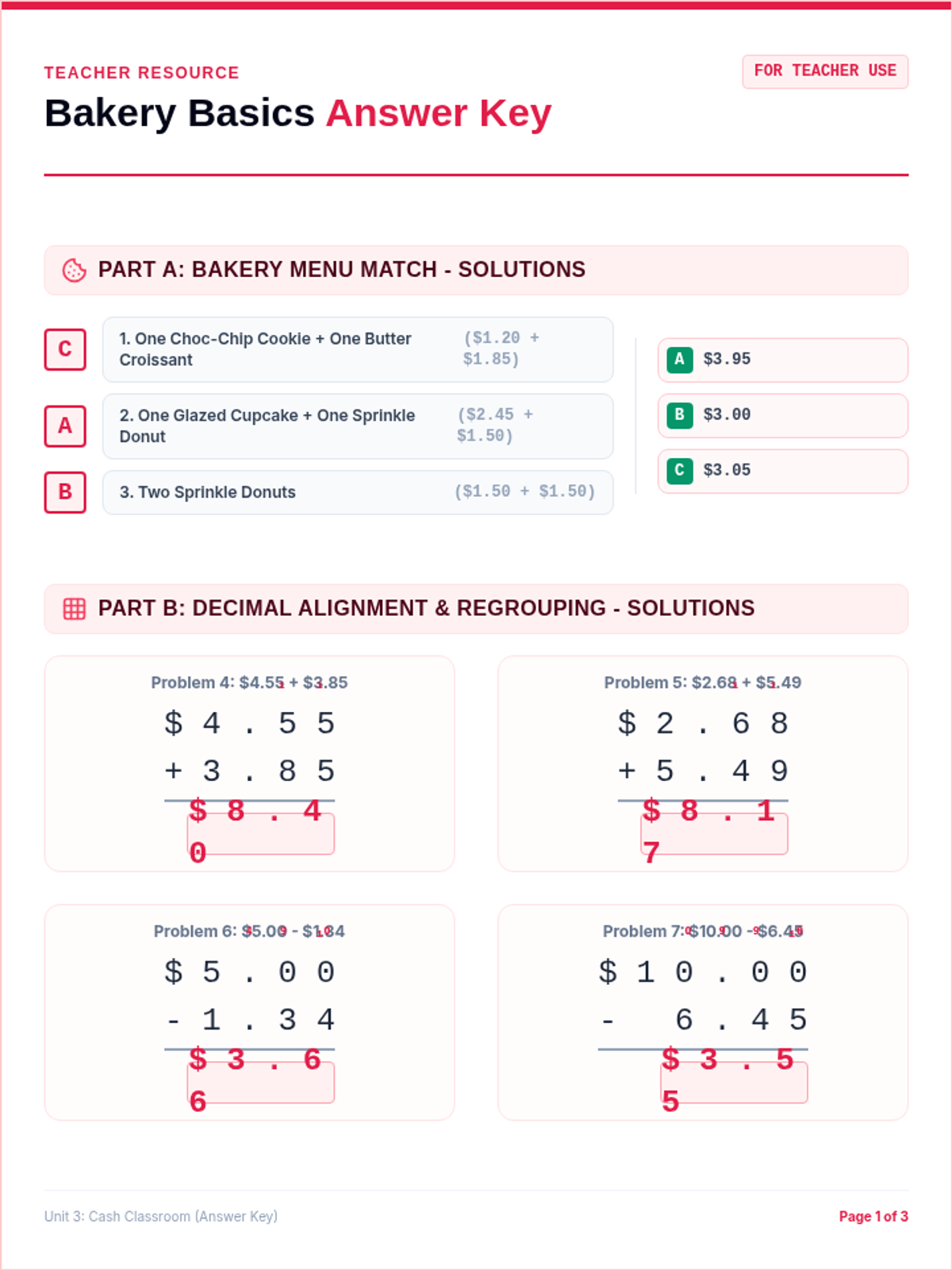
A comprehensive practice set focusing on 3 and 4-digit addition and subtraction with complex regrouping and borrowing across zeros.
A 45-minute ESL lesson for 5th graders focused on evaluating how quantitative data supports oral claims, themed around video game popularity trends. Students act as 'Data Detectives' to verify gaming claims using charts and graphs.
Introduces strategies for balancing and solving one-, two-, and multi-step linear equations using inverse operations.
Focuses on mastery of integer operations, absolute value, and rational number properties through visual number line navigation.
Advanced operations and algebraic thinking for the RIT 211-220 range, covering factors, multiples, prime/composite numbers, and multi-step word problems with remainders.
A targeted practice session focusing on Operations and Algebraic Thinking for students in the RIT 201-210 range, featuring multi-step word problems, patterns, and algebraic properties.
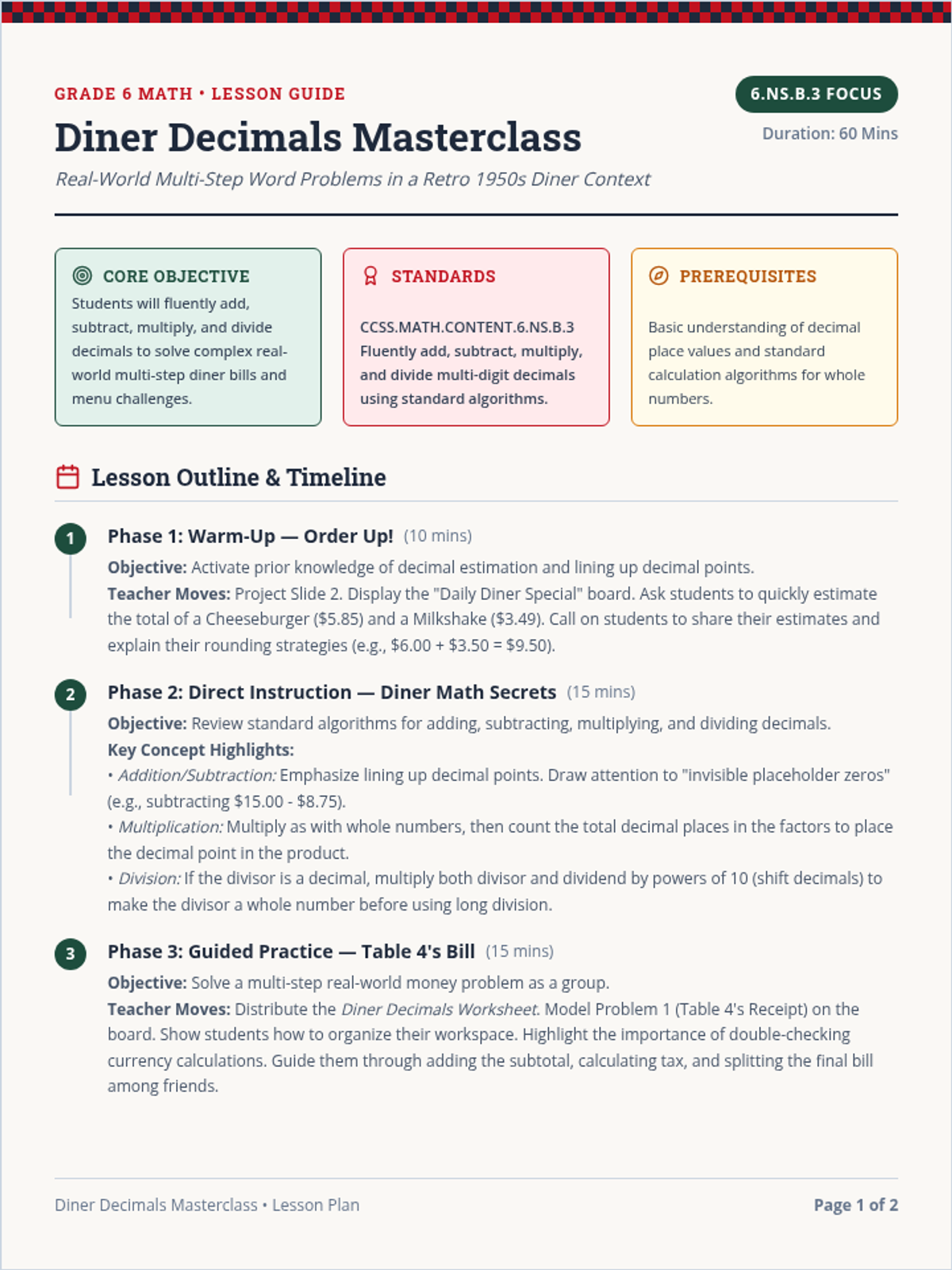
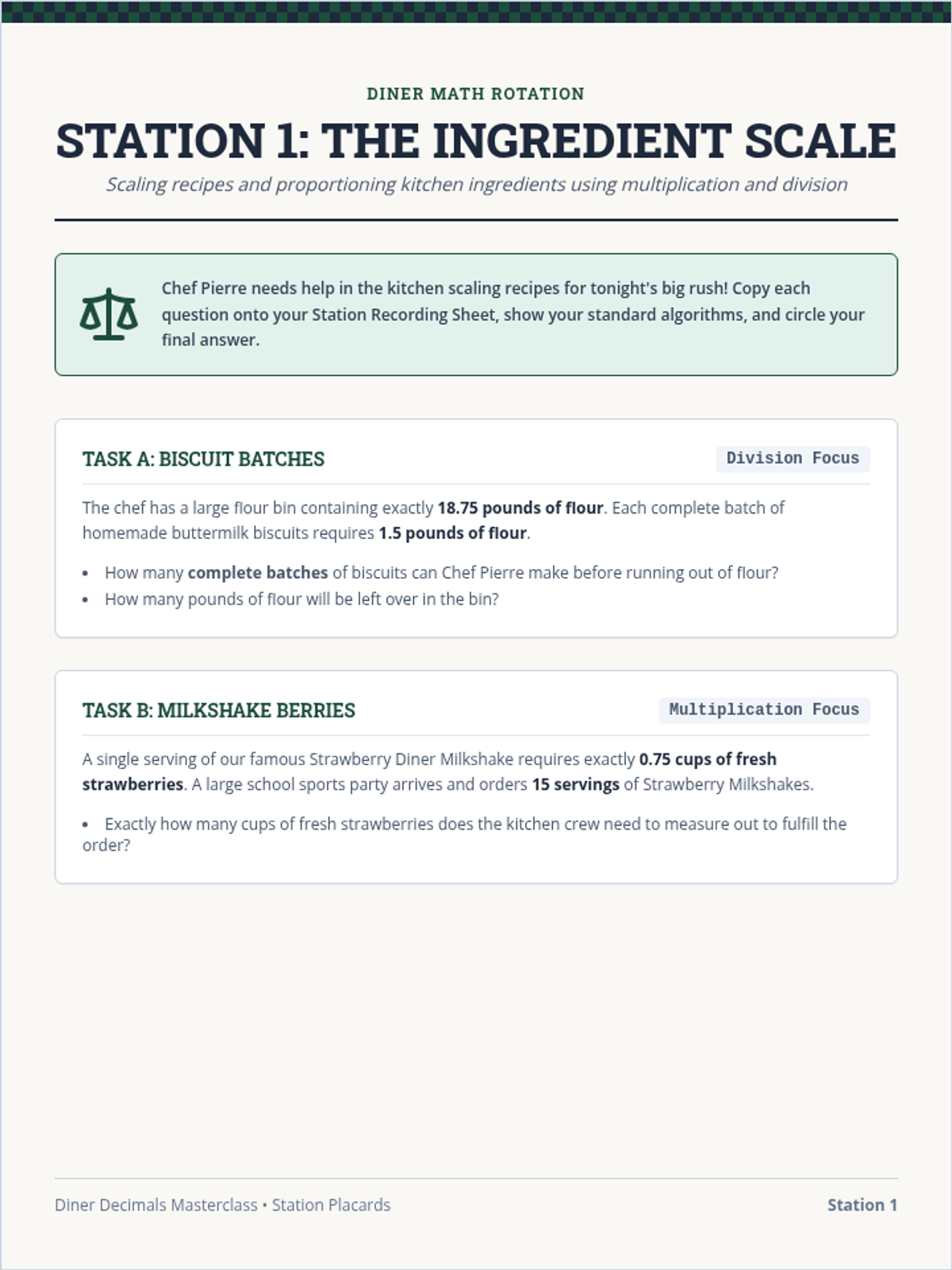
A lesson focused on bridging the conceptual understanding of decimal division with the standard algorithm, covering three key scenarios: decimal by whole number, whole number by decimal, and decimal by decimal.
A creative math lesson focused on calculating the area of circles using radius and diameter, featuring a coloring art activity to reinforce learning.
A hands-on exploration of geometry and spatial reasoning using tangrams, featuring puzzles across four diverse themes with varying difficulty levels.
A quick assessment designed for IEP students to demonstrate their understanding of single-digit absolute value and integer comparison.
A foundational lesson on absolute value using the "distance from zero" concept, designed specifically for students requiring visual scaffolding and concrete representations.
A math practice lesson focused on first-grade addition and time-telling skills, themed around the animals of the African savannah.
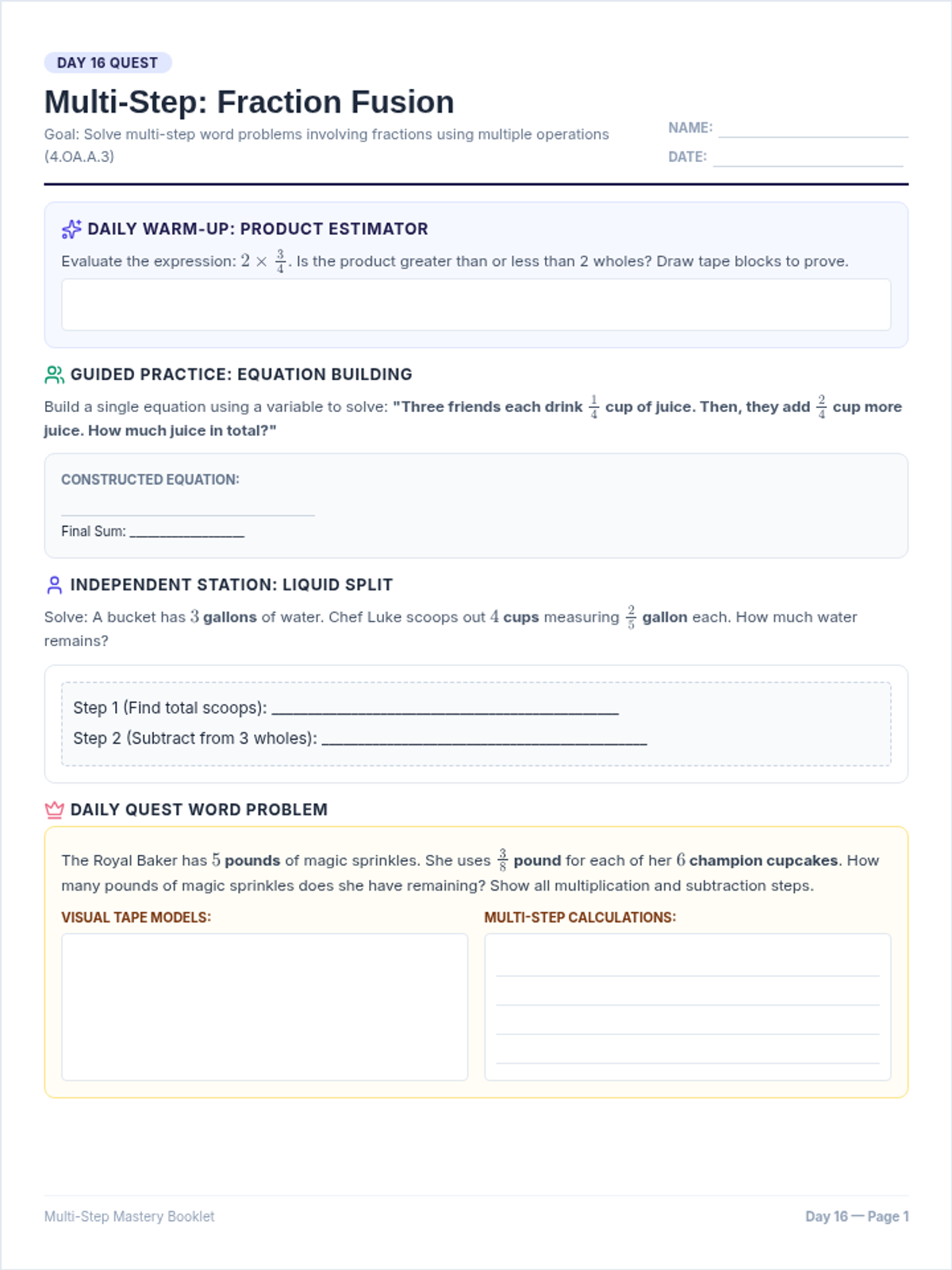
A collection of STAAR-aligned multi-step word problems for 4th-grade math, focusing on multiplication, division, fractions, and decimals using the RDW (Read, Draw, Write) strategy.
A 45-minute introductory lesson on independent and dependent variables using sports and nature contexts. Students will learn to identify variables, understand cause-and-effect relationships, and represent them in tables and graphs.
A simplified lesson on the Triangle Sum Rule, focusing on 3-letter angle naming and solving for missing angles using one-step equations with whole numbers.
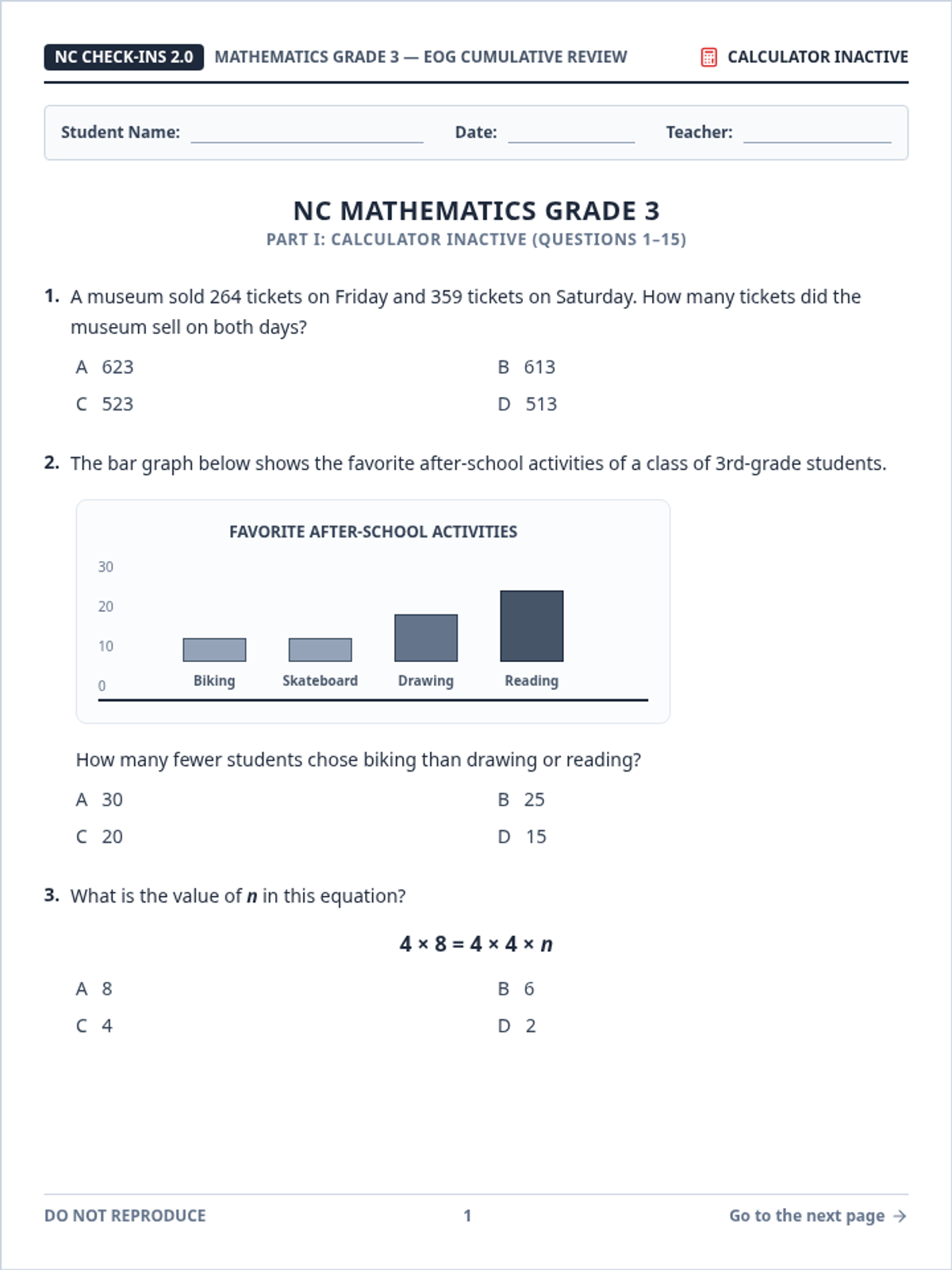
A collection of STAAR-aligned two-step word problems designed for 3rd-grade math mastery. This lesson focuses on problem-solving strategies for addition, subtraction, multiplication, and division scenarios commonly found on the Texas state assessment.
A comprehensive set of tools for assessing and tracking a student's ability to identify numbers 1 through 20 in randomized order.
A visual, video-game themed lesson on two-way frequency tables designed for 8th-grade special education students using Minecraft and Garry's Mod examples.
A focused assessment on identifying and calculating angle relationships including complementary, supplementary, adjacent, and vertical angles.
A lesson focused on understanding and converting between fractions and decimals using visual models and step-by-step procedures. Designed for students needing scaffolded support and reduced visual clutter.
A lesson focused on developing a foundational understanding of volume by counting unit cubes within rectangular prisms, designed for students needing repetitive skill practice and clear visual support.