Explores the hierarchy of genetic material from the nucleus to individual genes. Students learn how DNA codes for traits and how chromosomes organize this information.
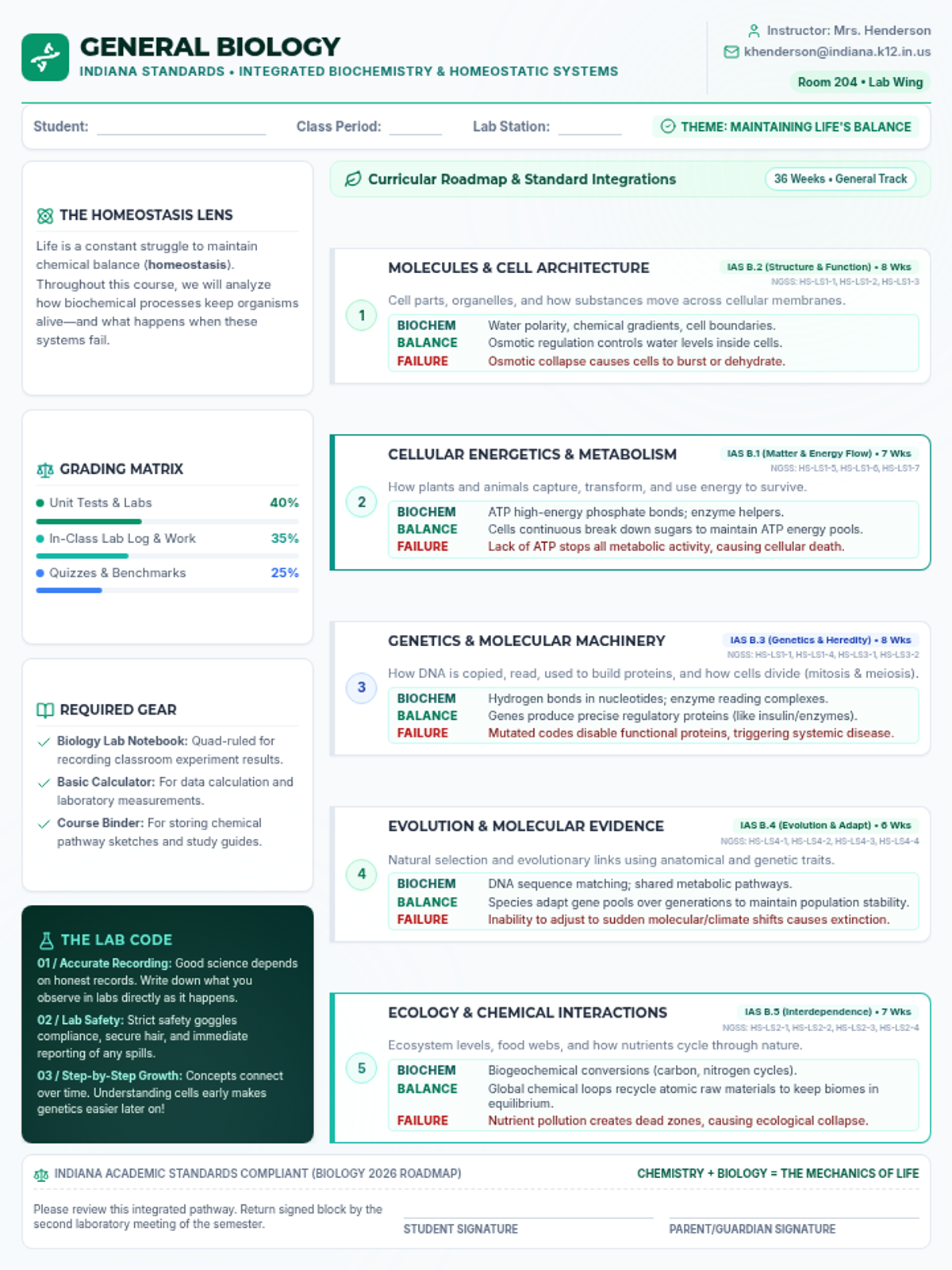
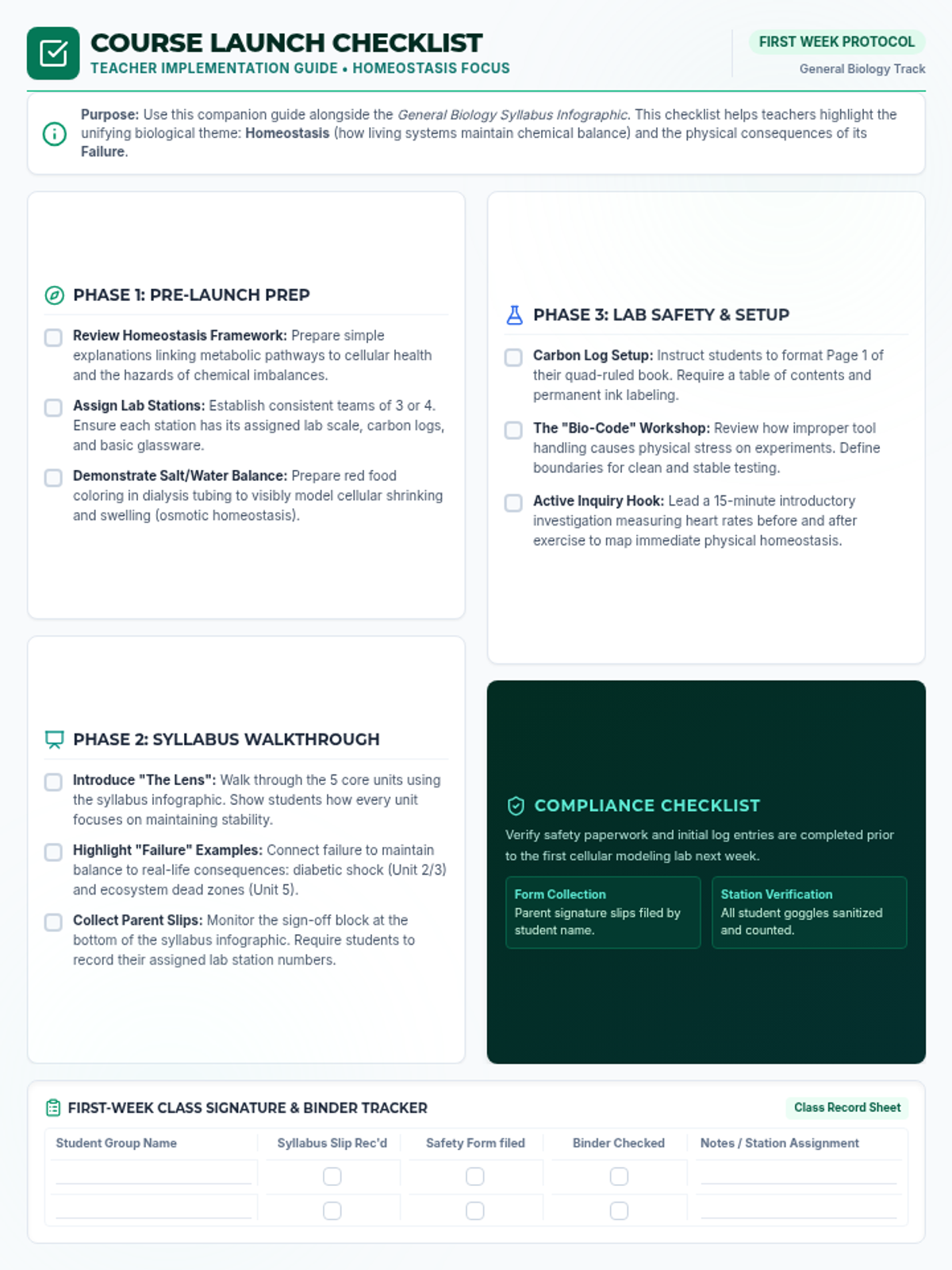
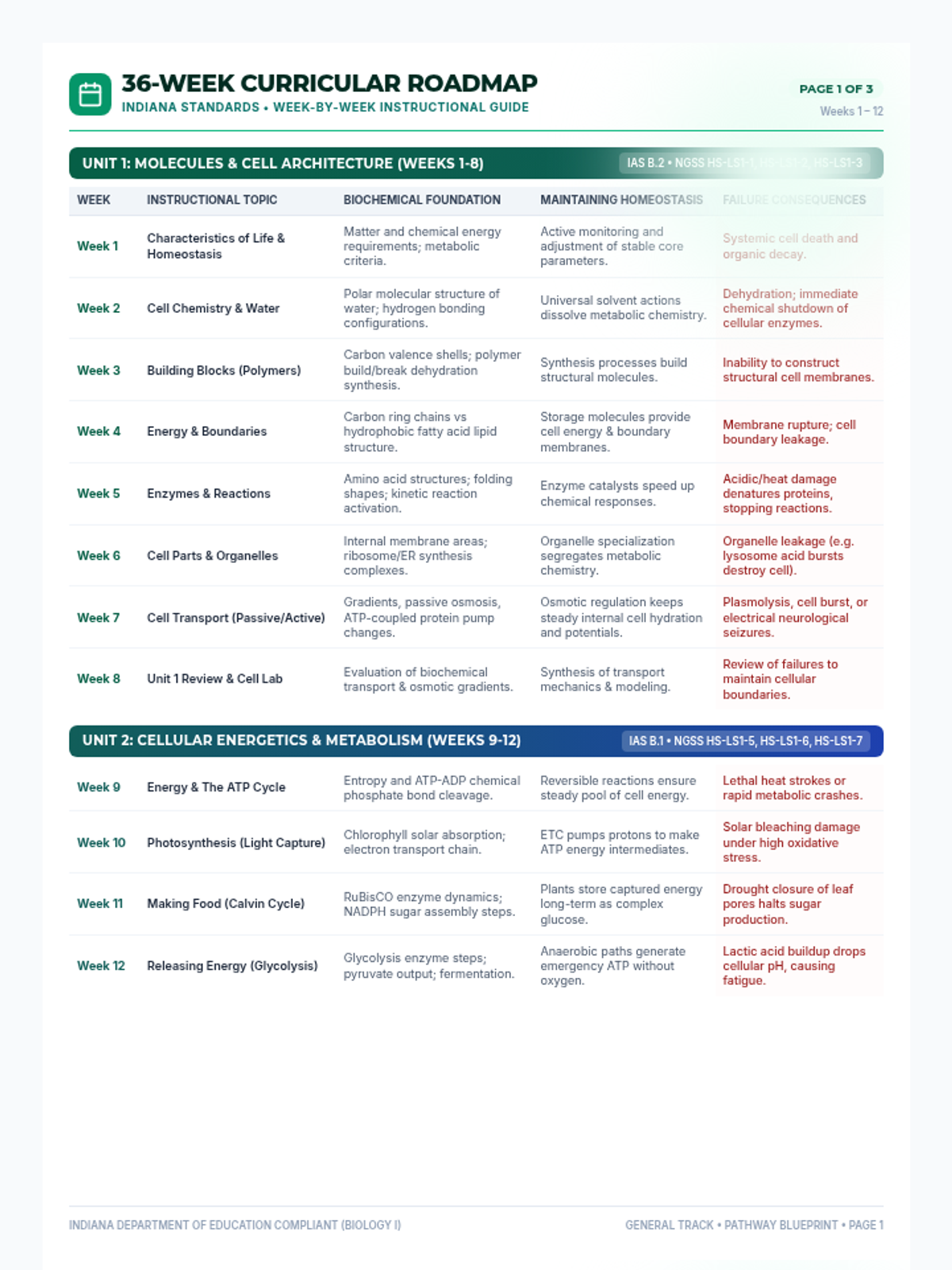
An introductory framework establishing course policies, Indiana state biology standards, and the integrated biochemistry roadmap for the academic year.
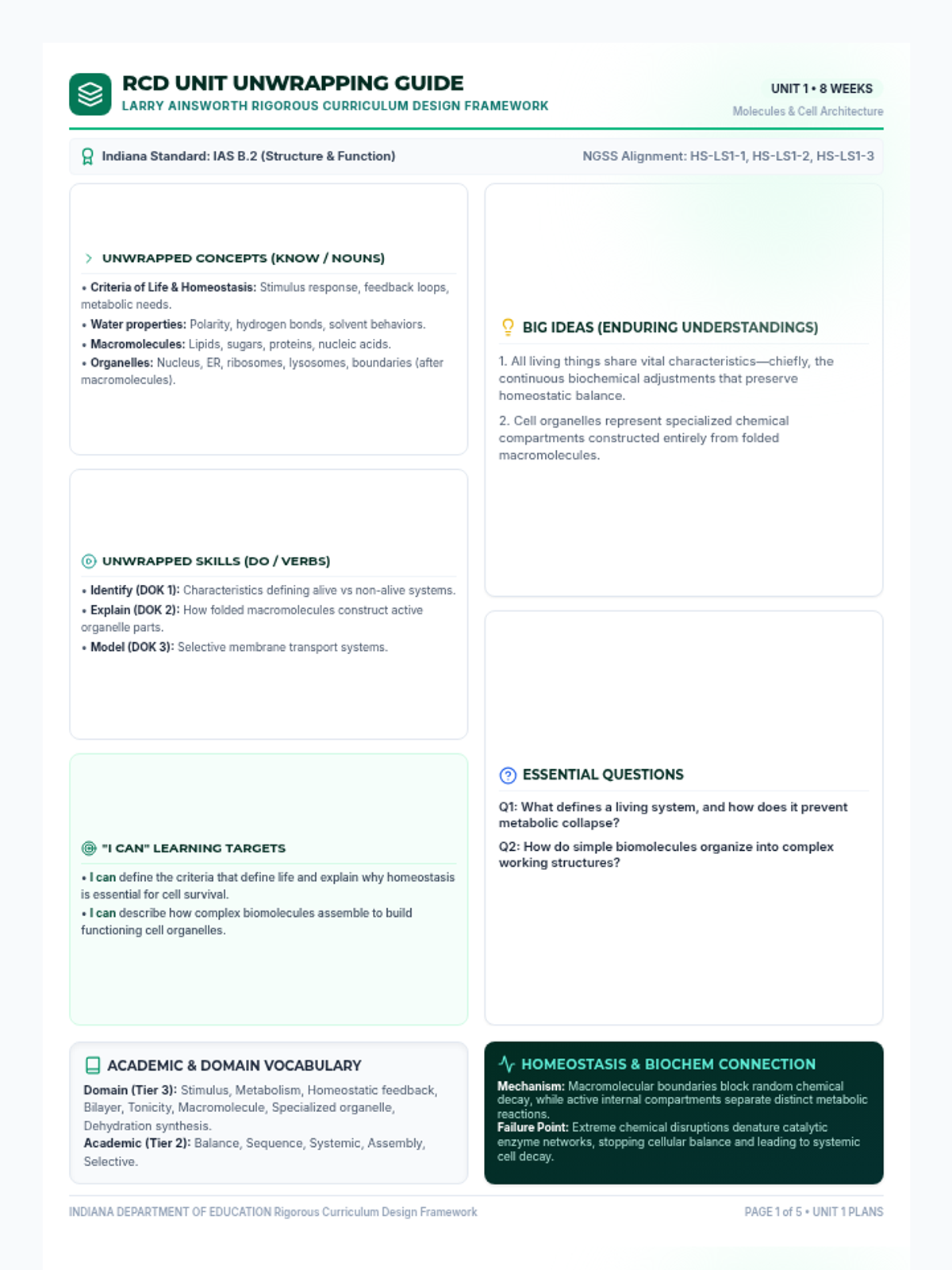
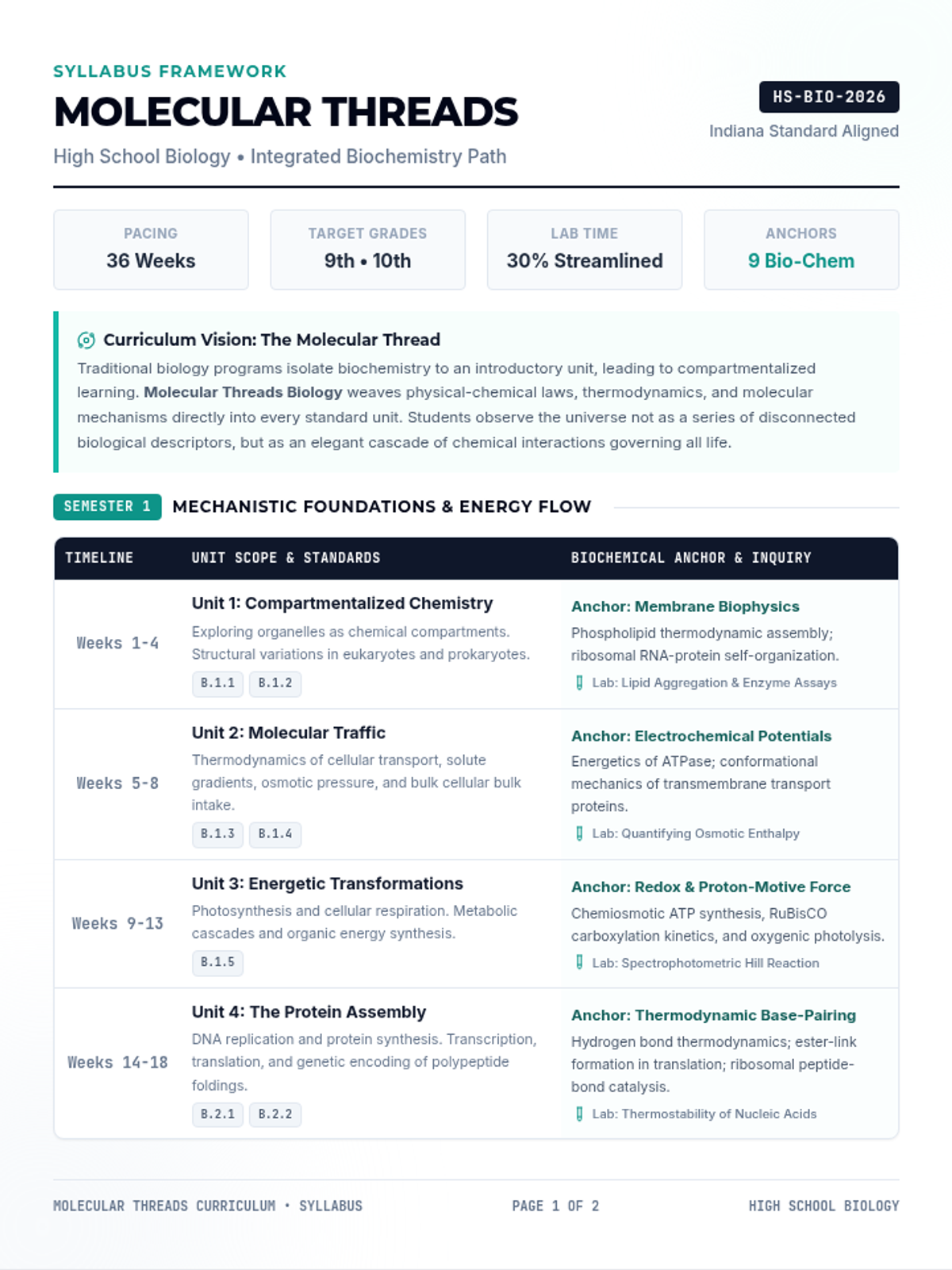
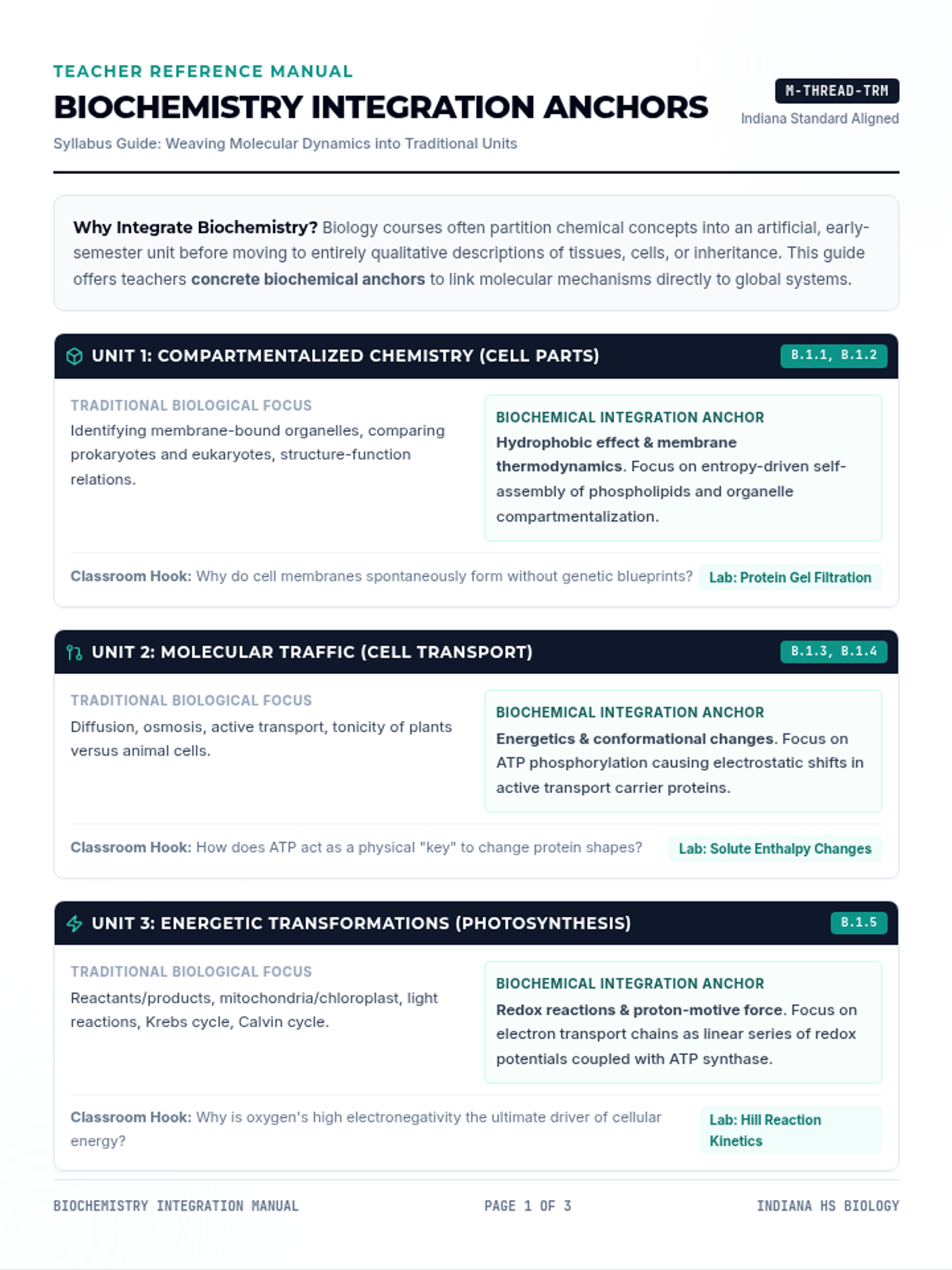
The master blueprint for the Molecular Threads Biology curriculum, featuring a comprehensive yearlong syllabus and a teacher reference guide for weaving biochemistry anchors into every unit.
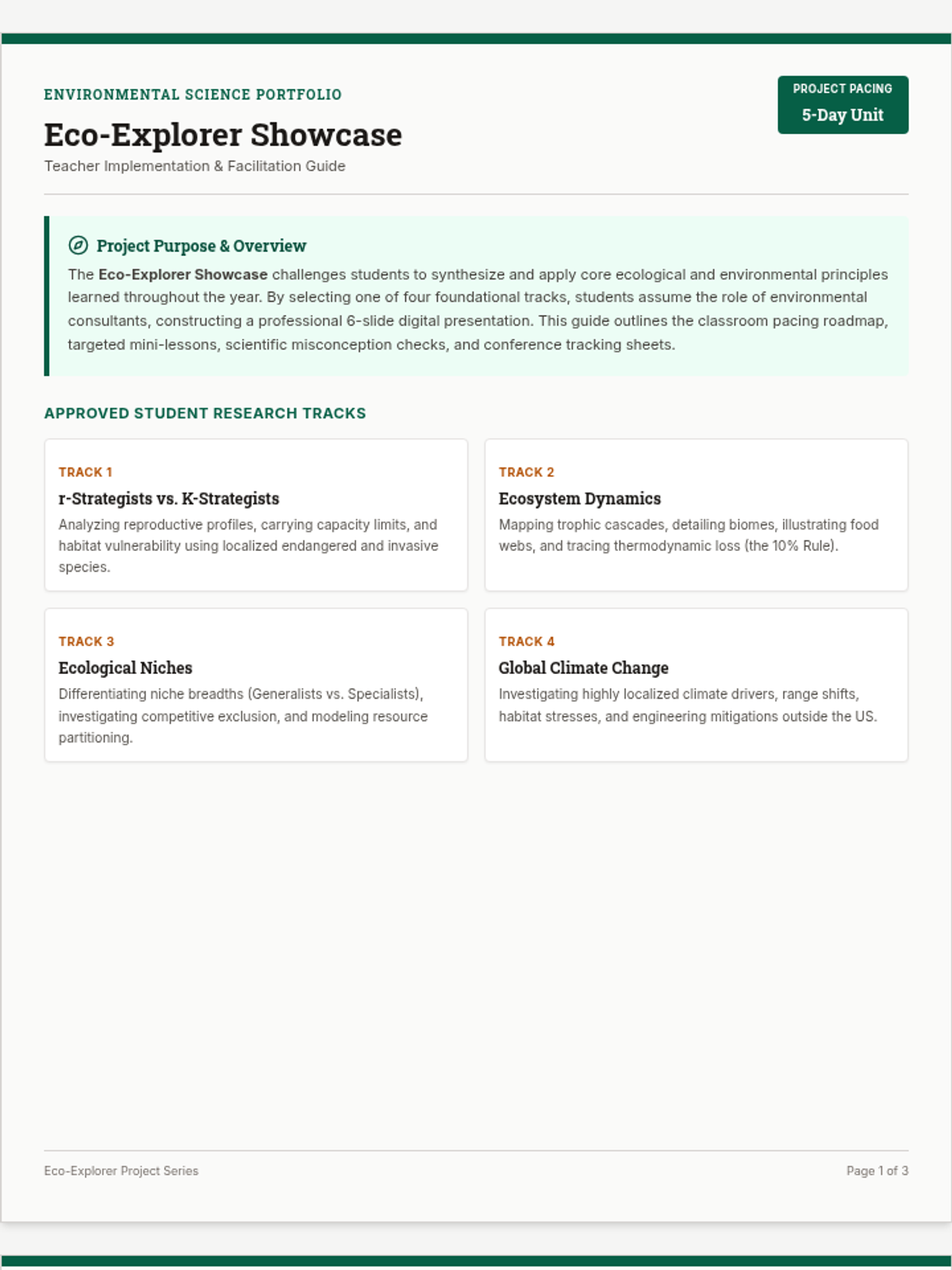
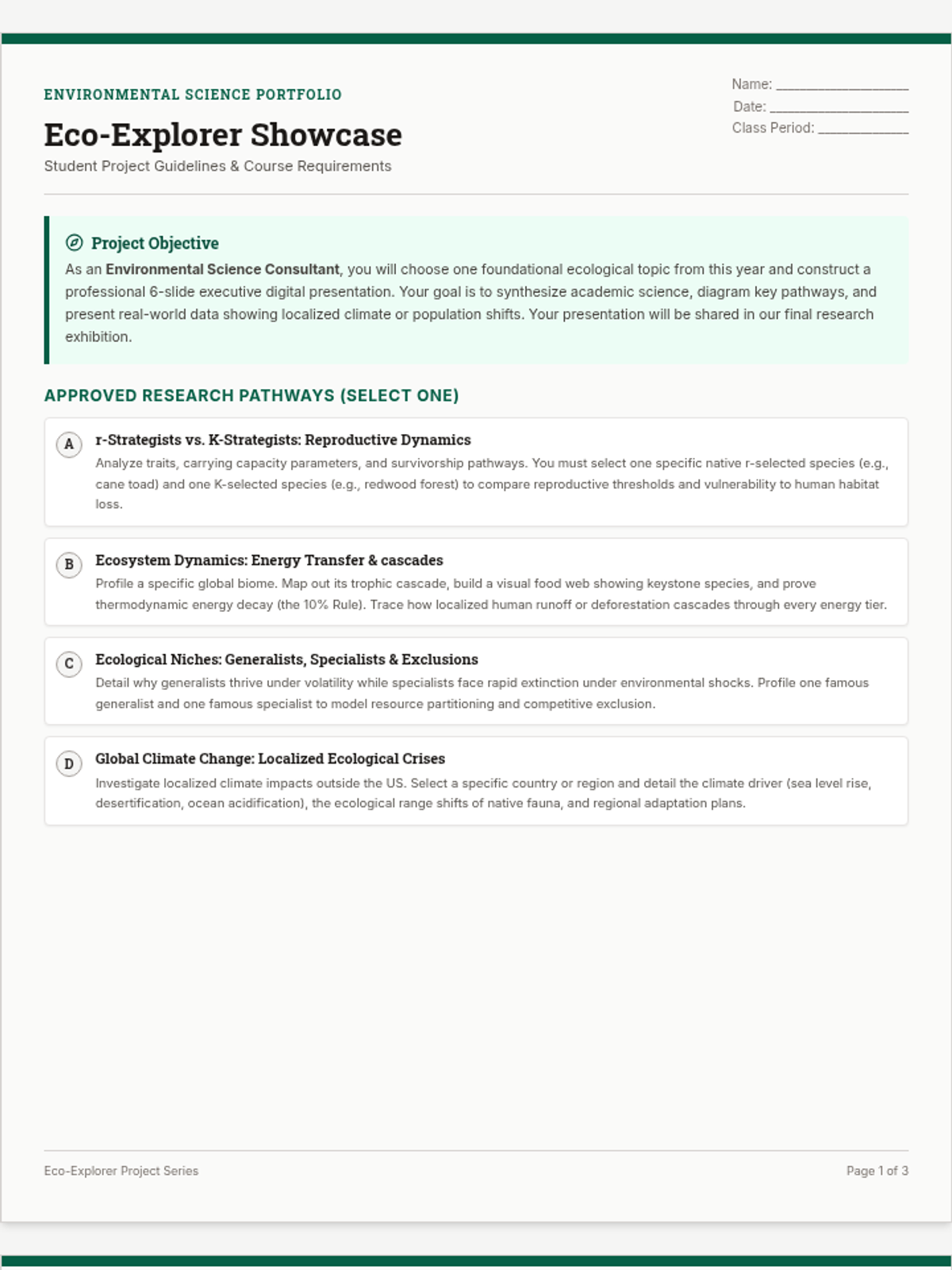
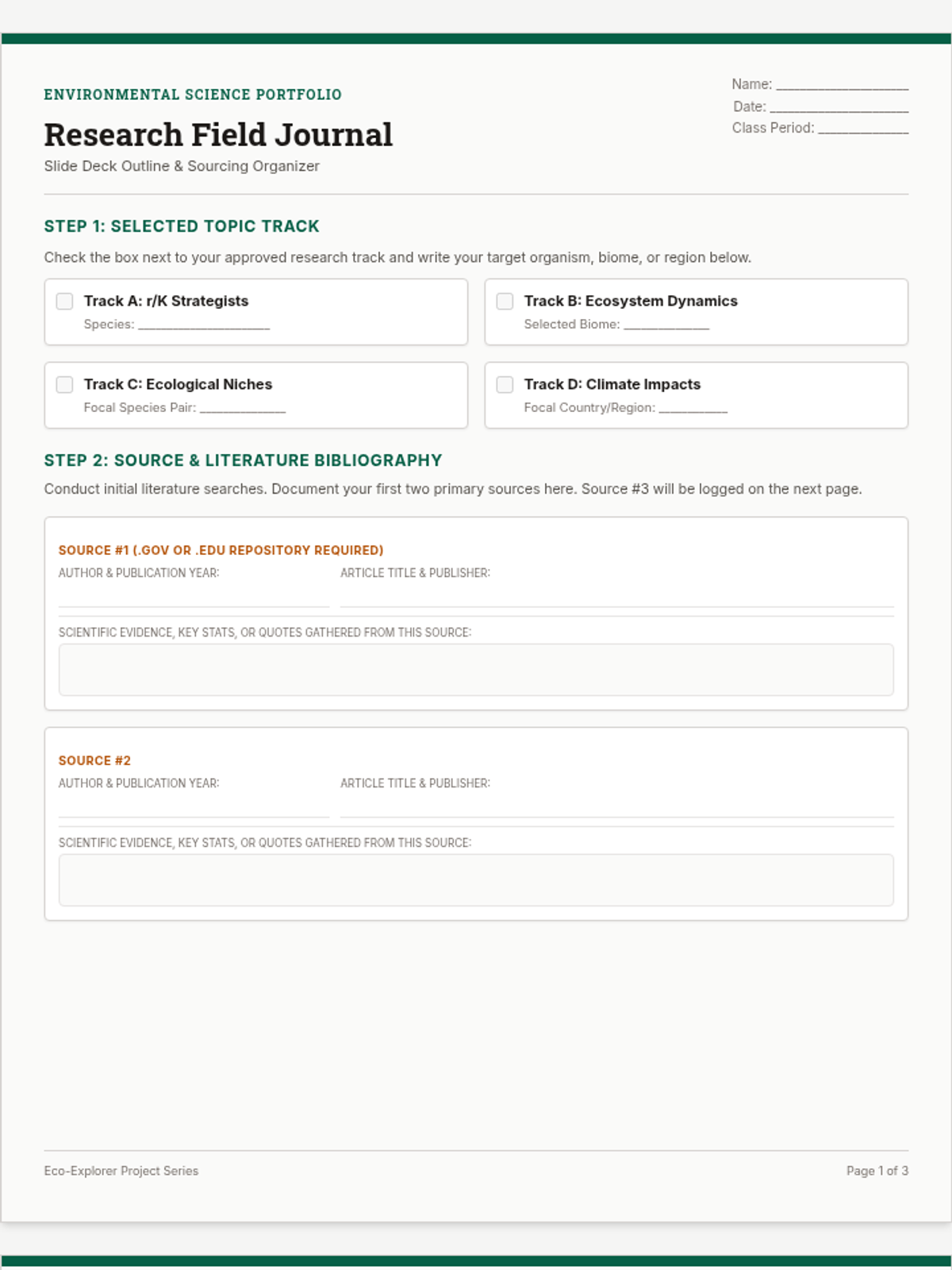
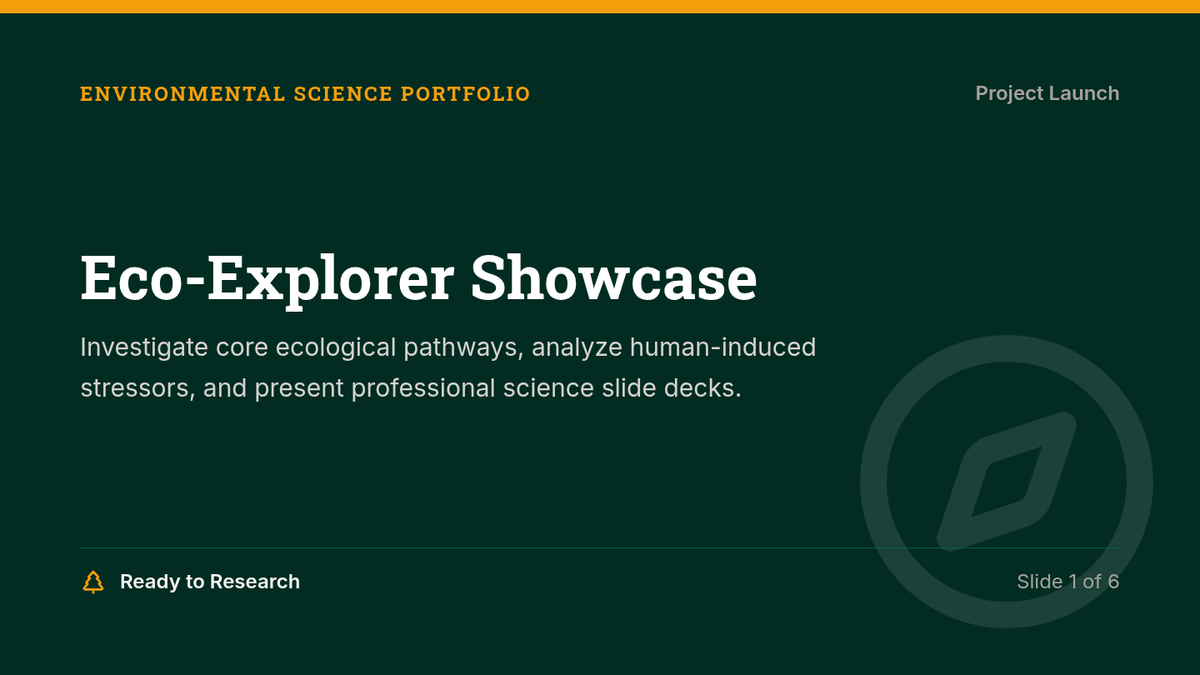
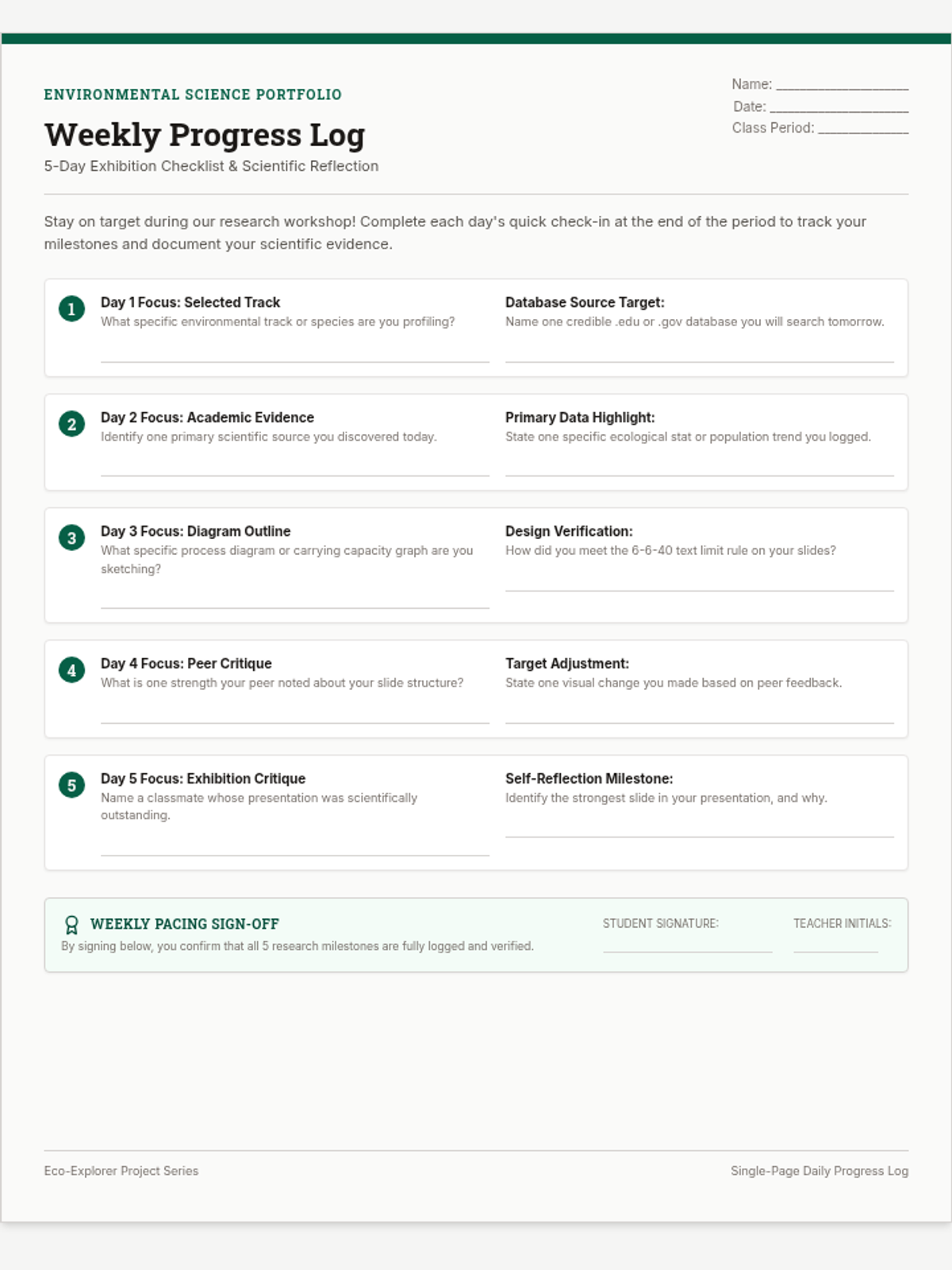
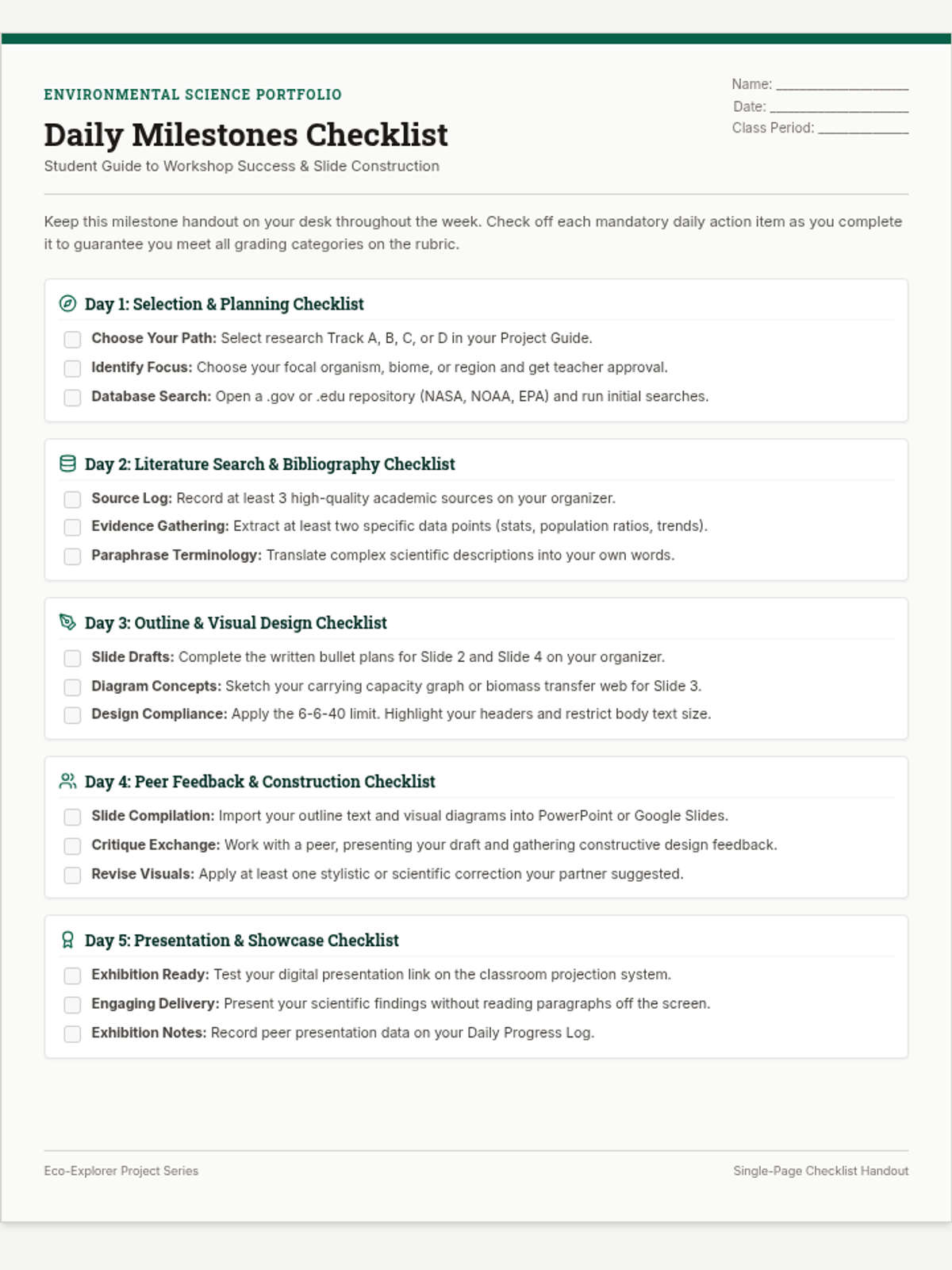
An environmental science research project where students choose a major topic from the year—such as life strategies, ecosystem dynamics, ecological niches, or global climate change—to research, synthesize, and present as a professional digital slide show.
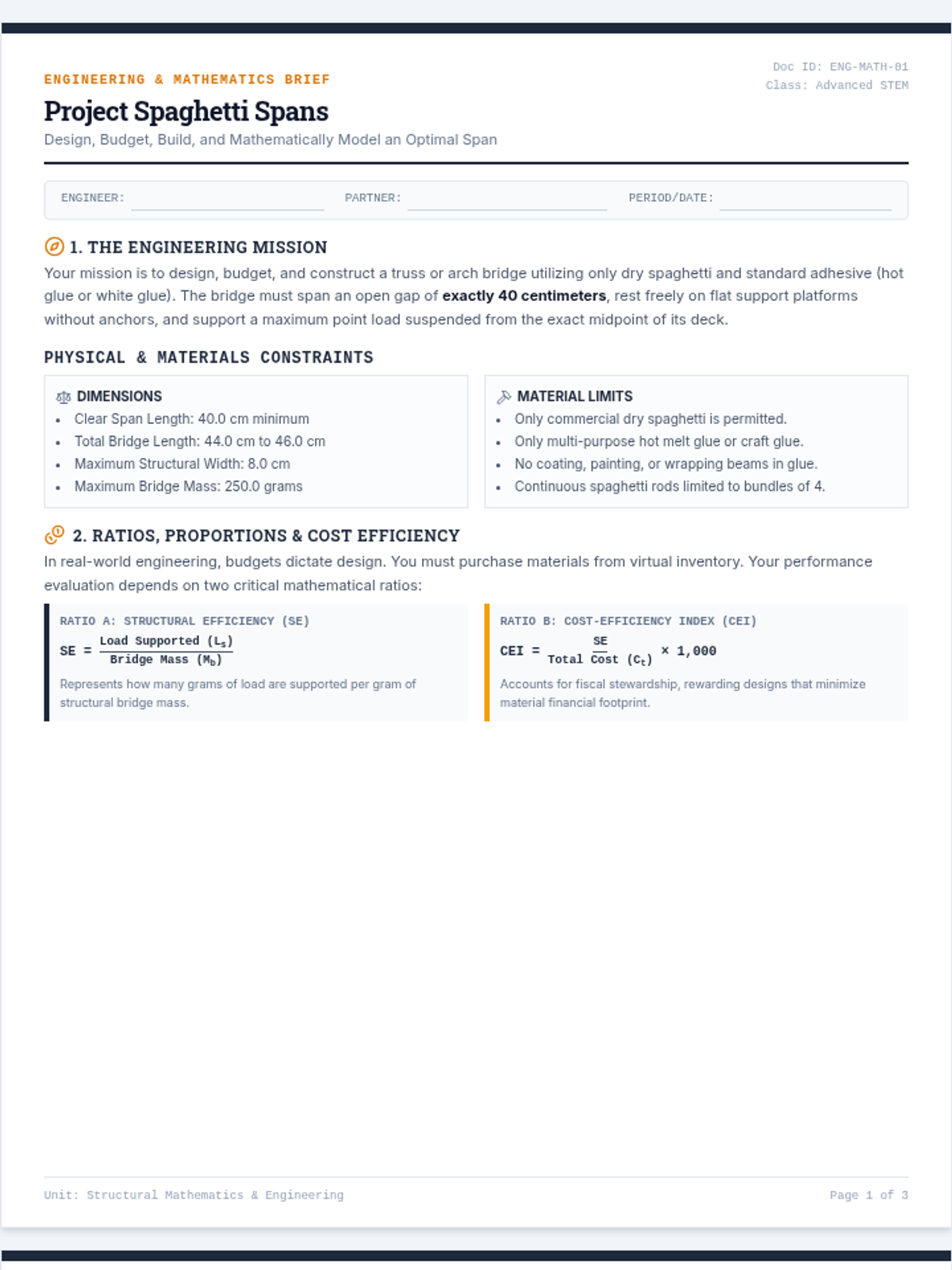
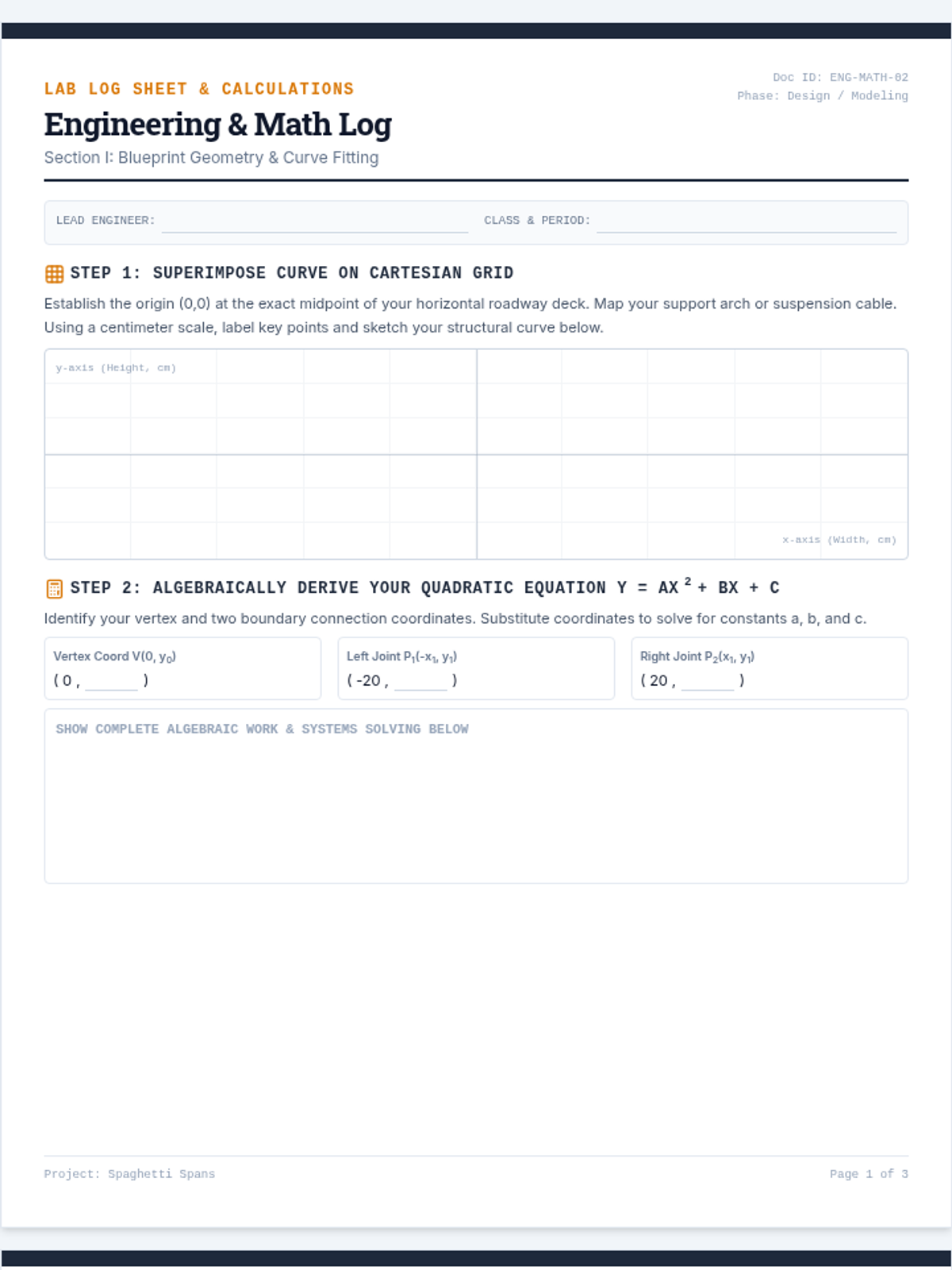
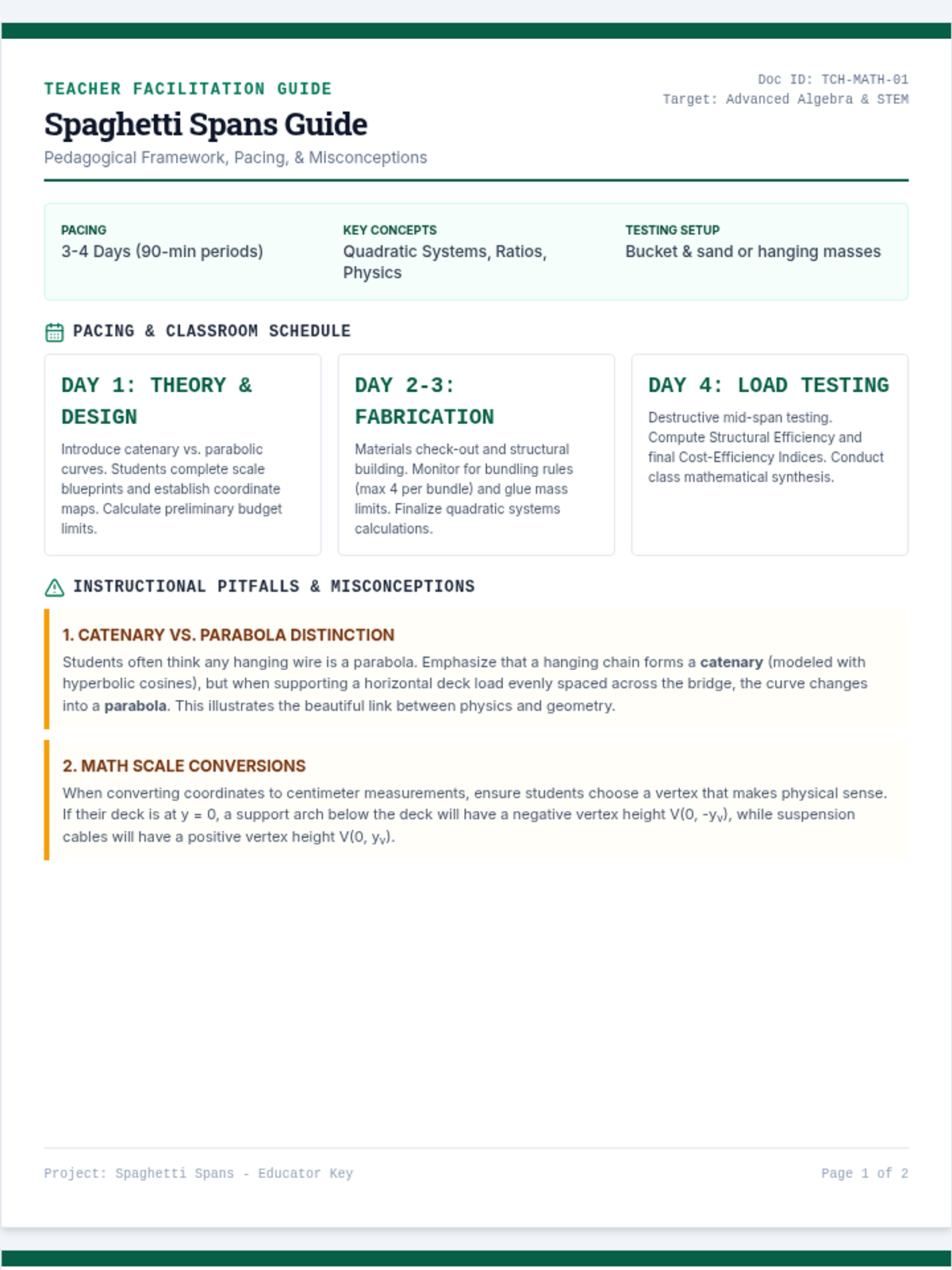
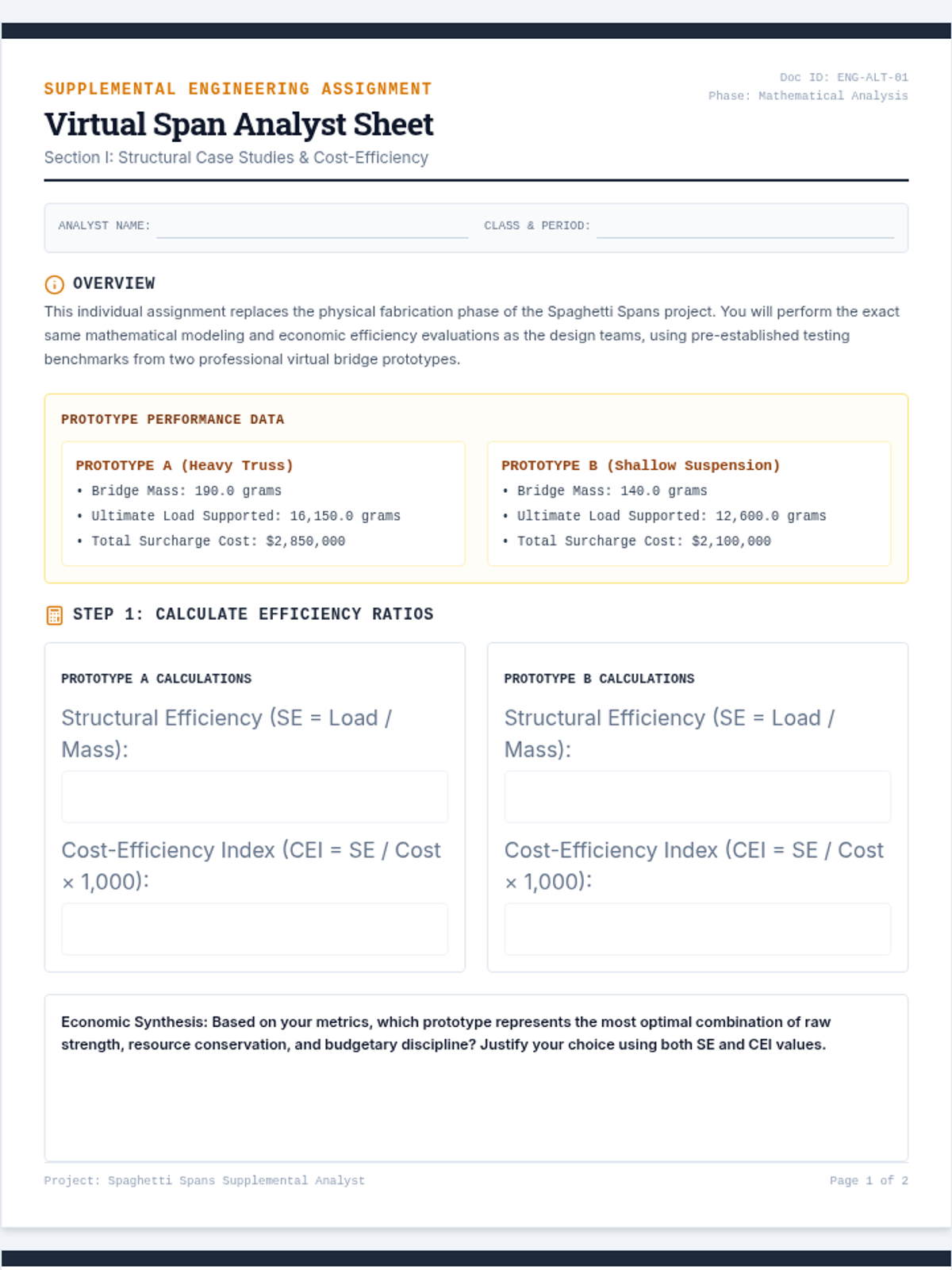
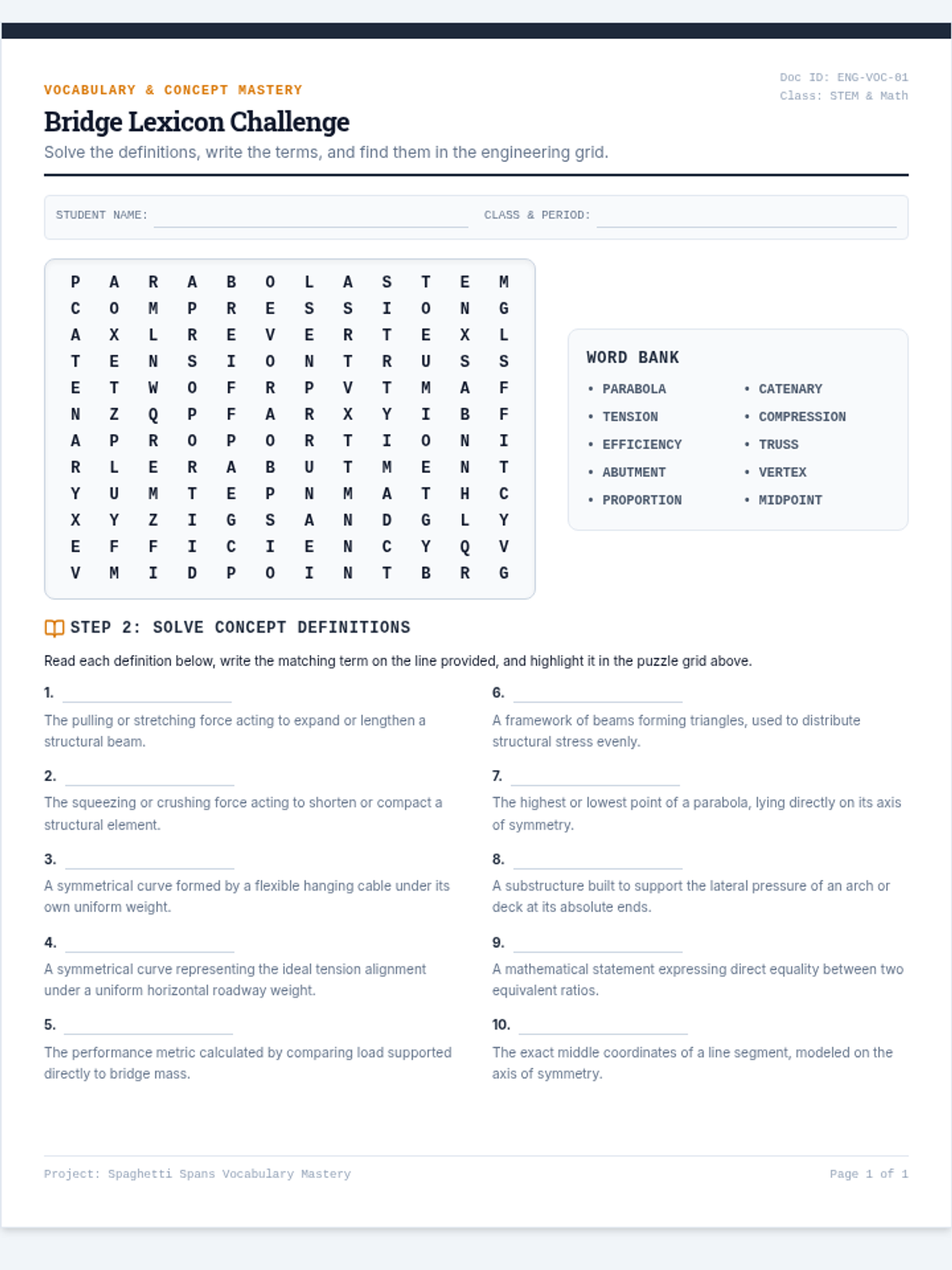
A rigorous STEM project combining structural engineering with advanced mathematics. Students design, budget, build, and test spaghetti bridges using ratios, proportions, cost-efficiency metrics, quadratic modeling, and catenary curves.
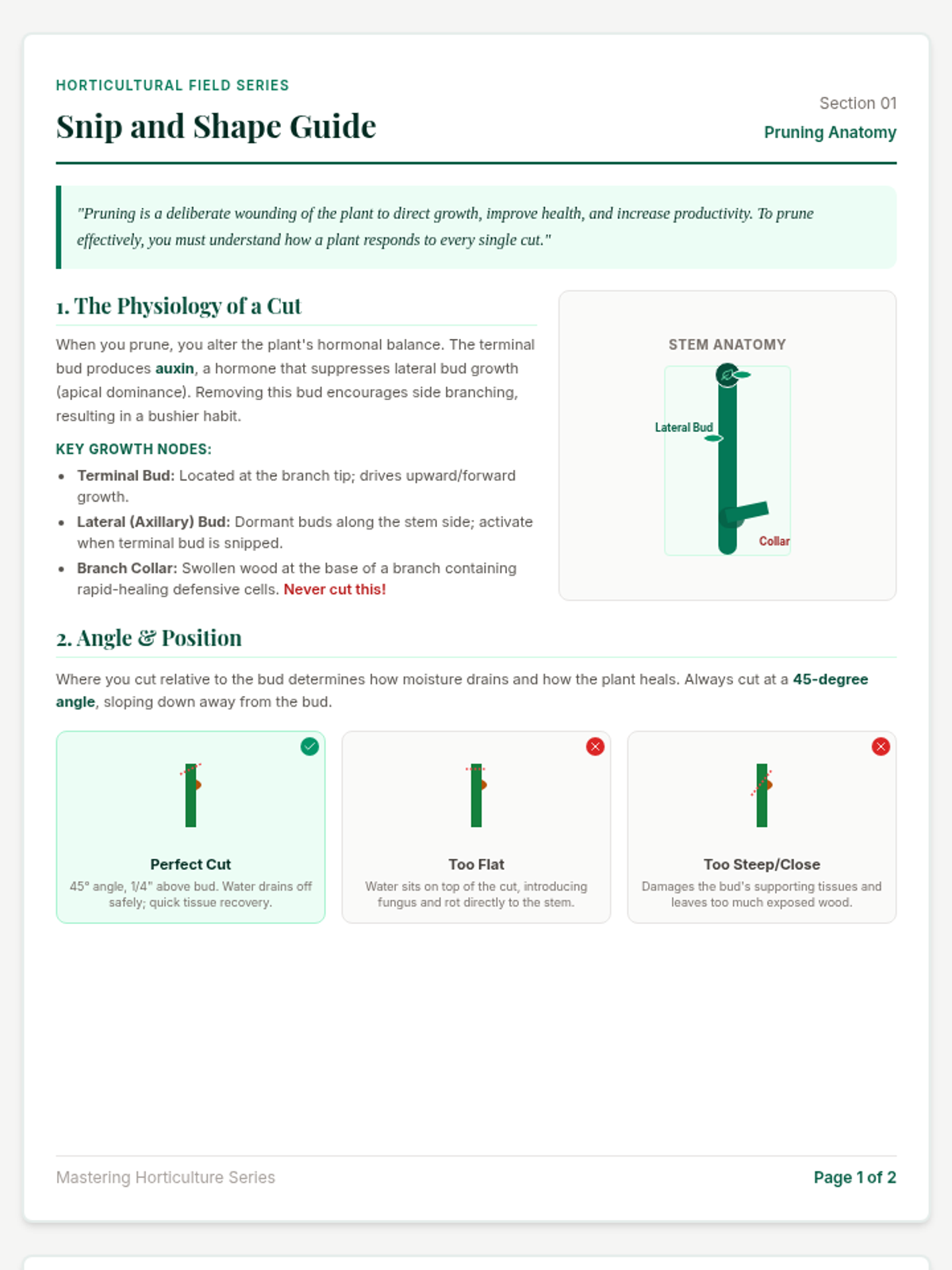
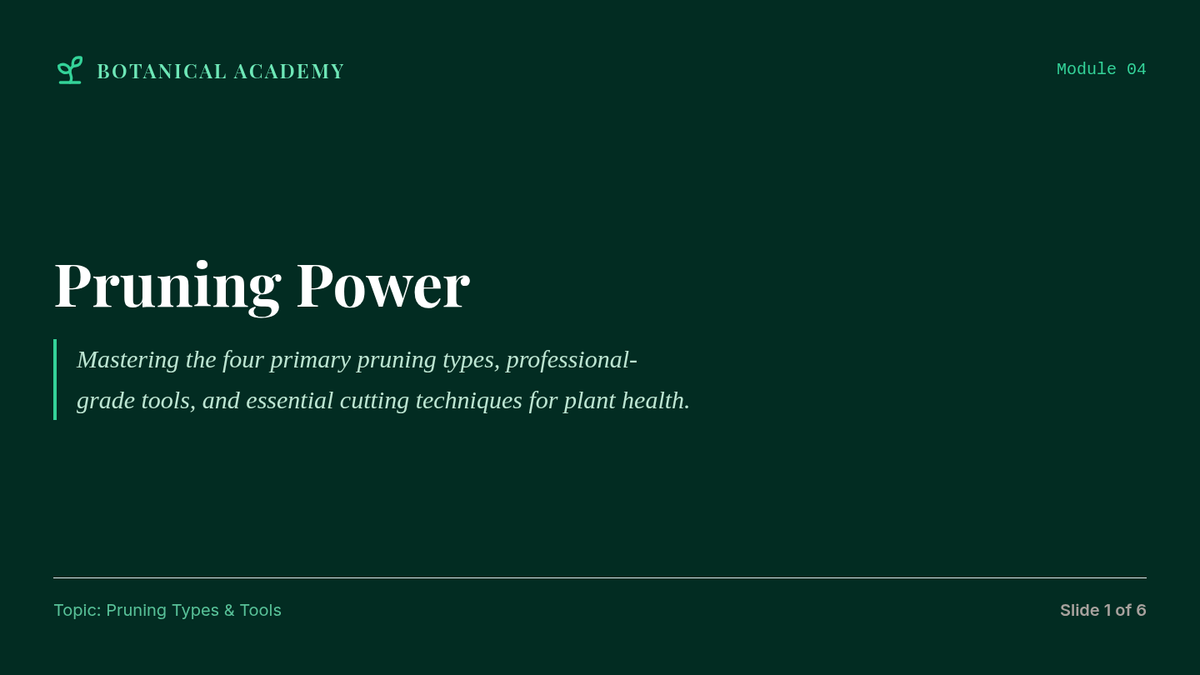
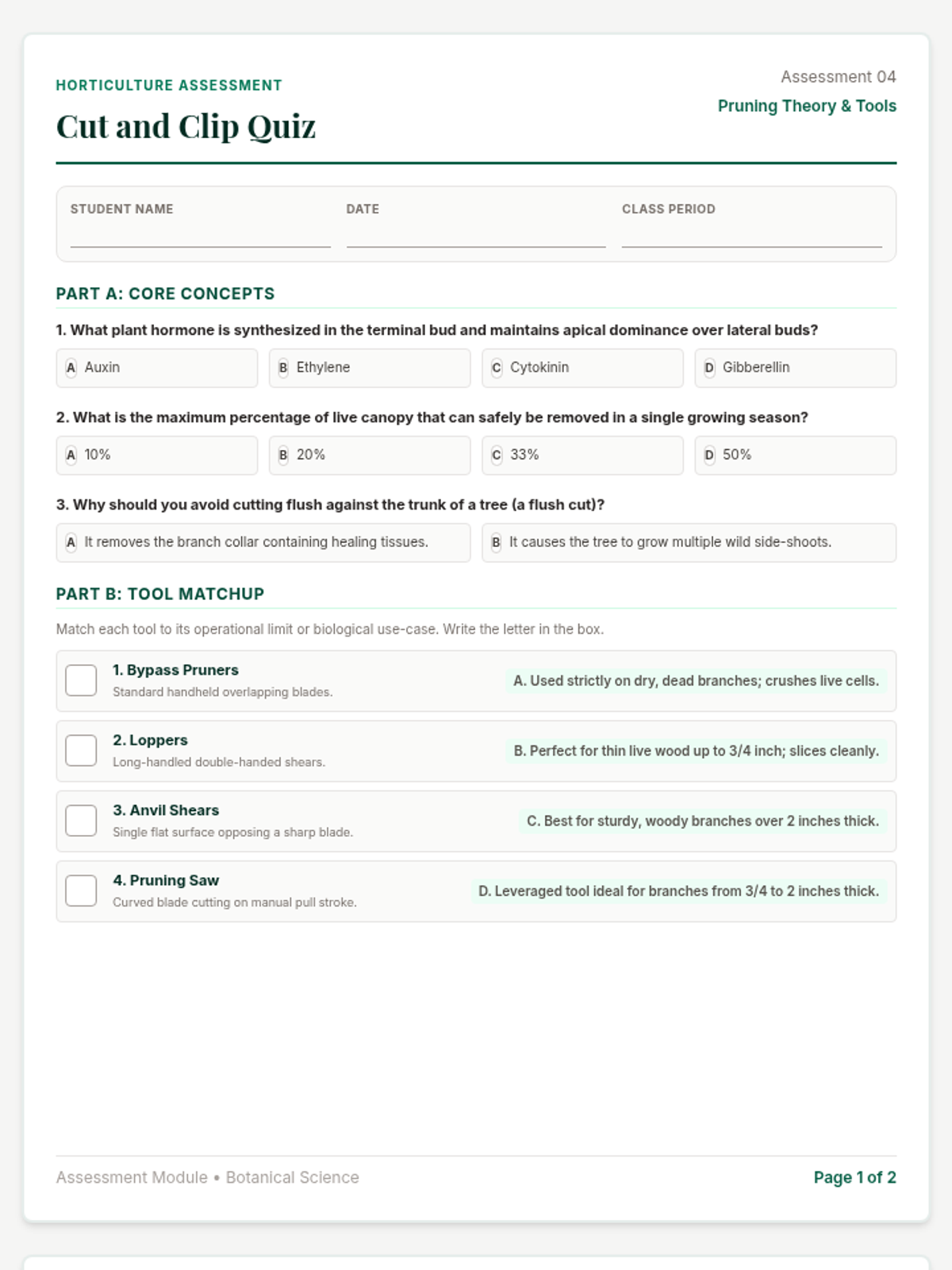
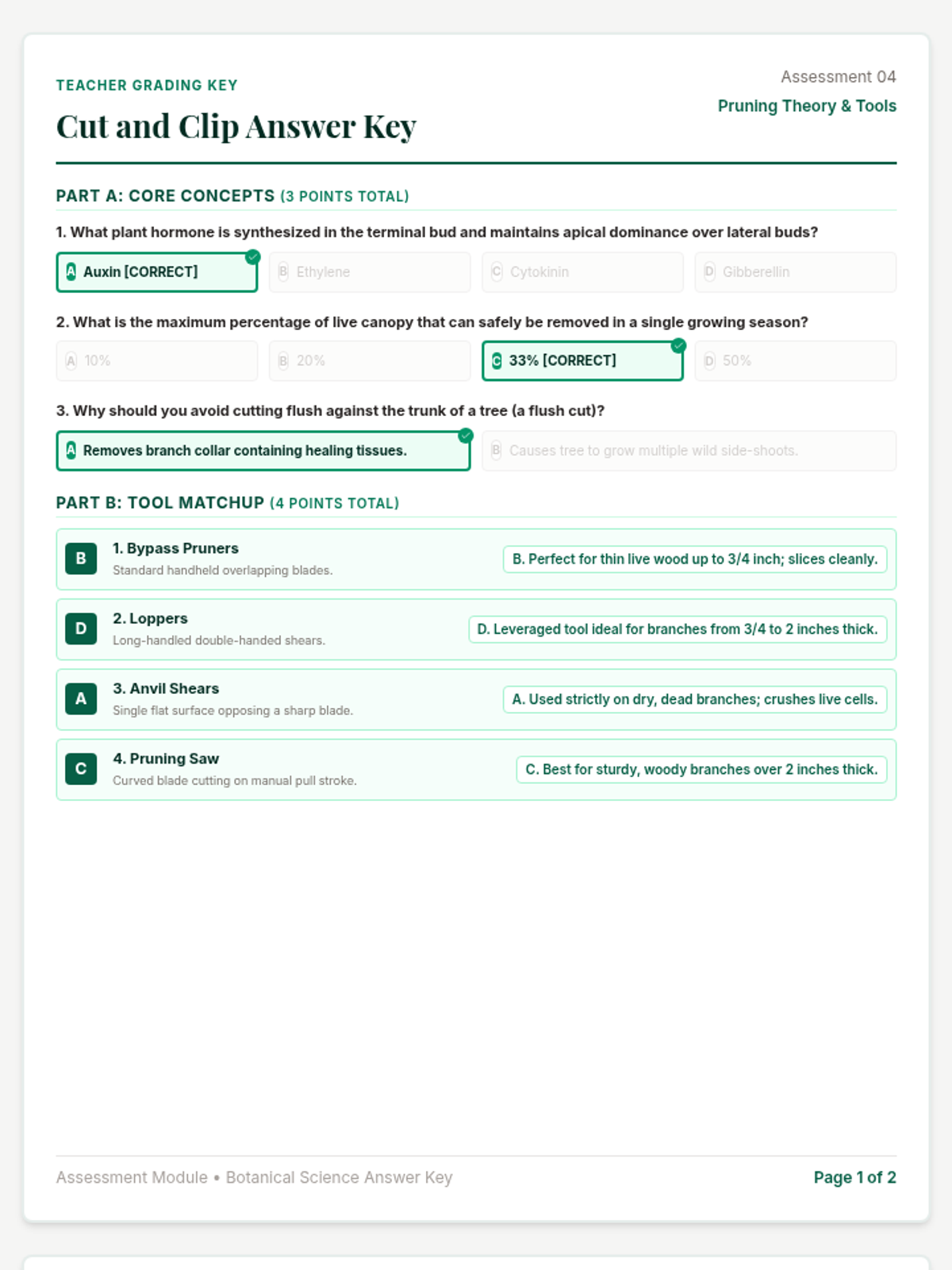
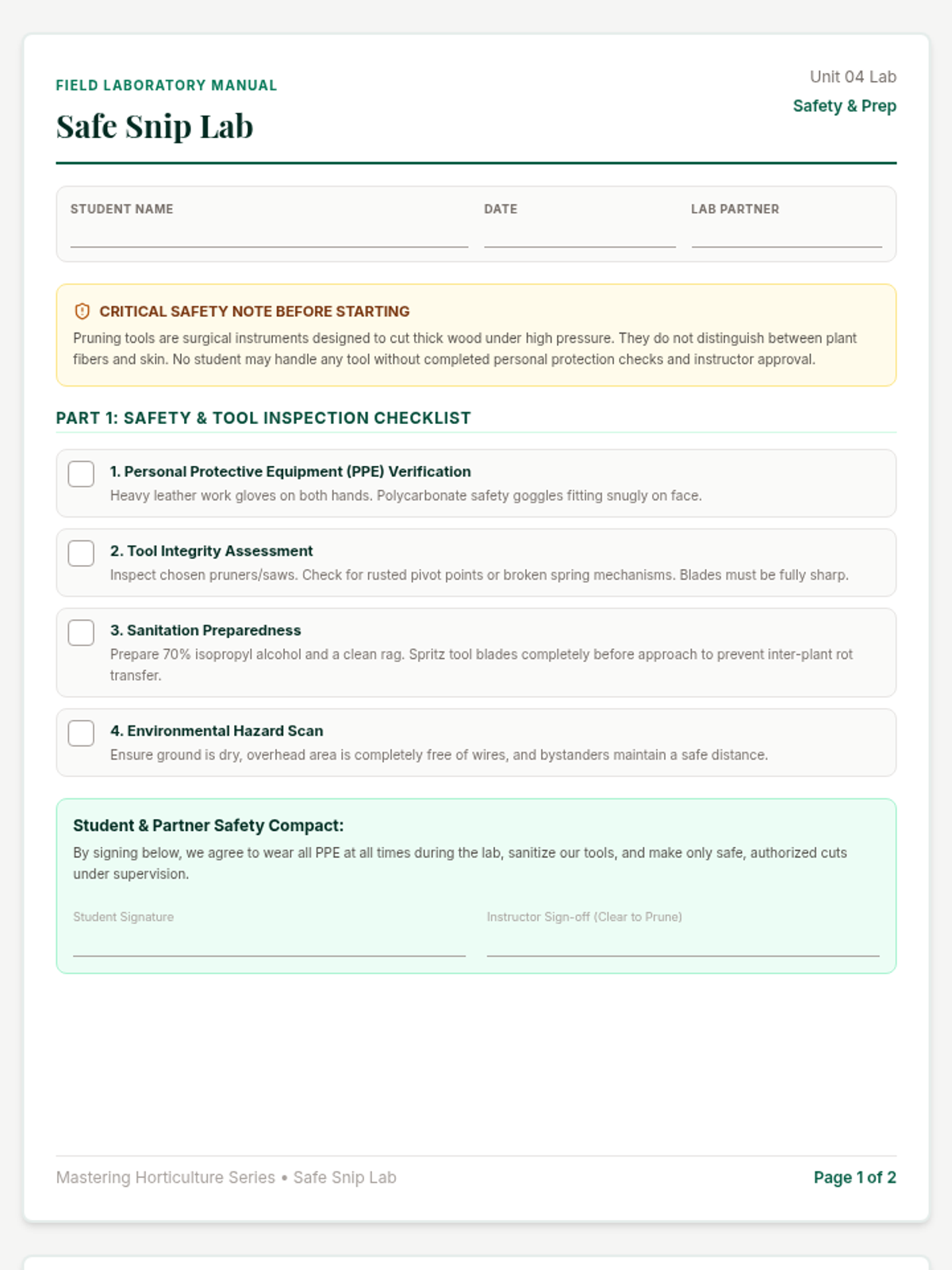
An immersive gardening lesson introducing pruning principles. Students master key tools, safety protocols, and the mechanics of plant growth to make clean, professional, and healthy cuts.
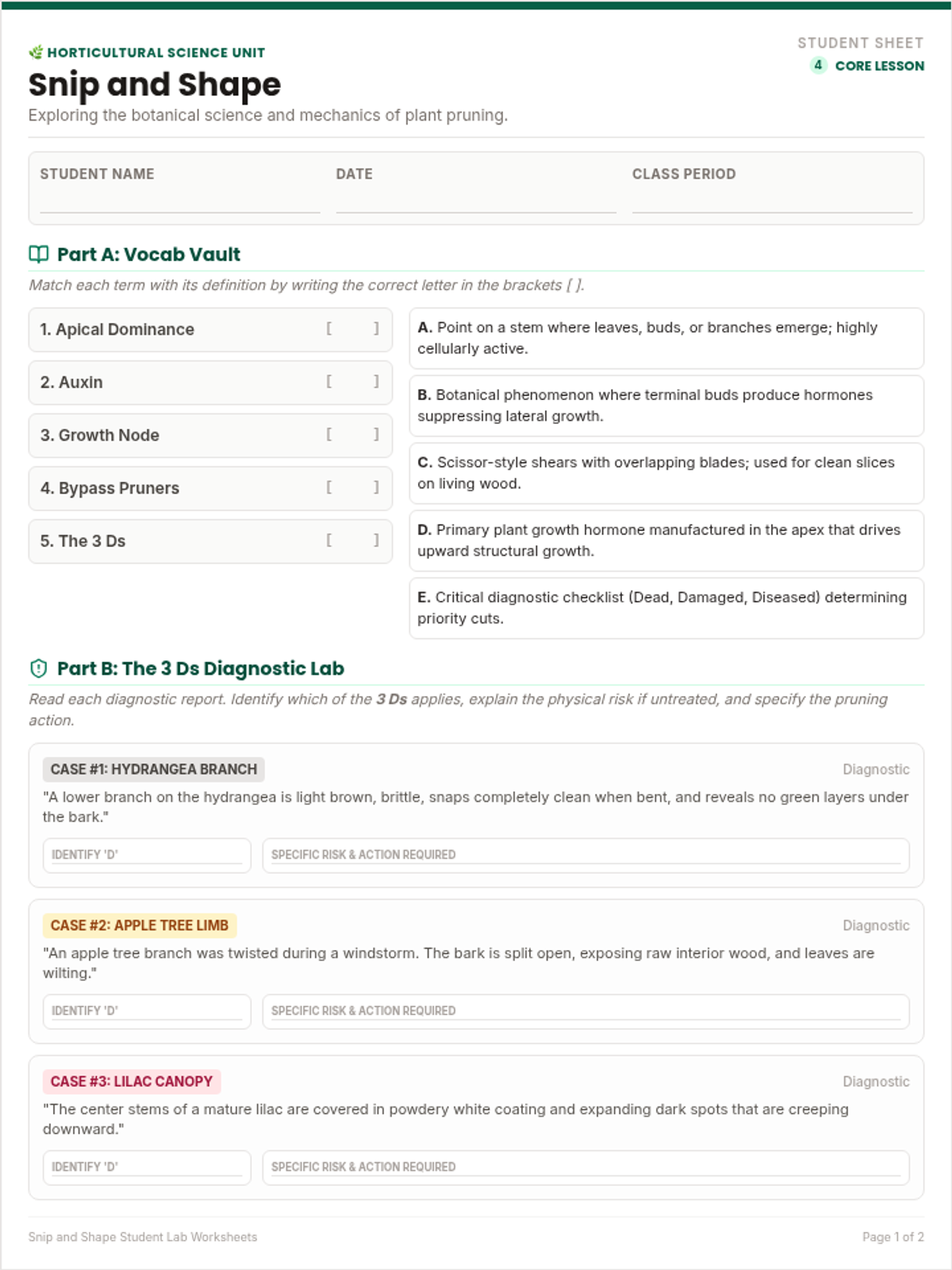
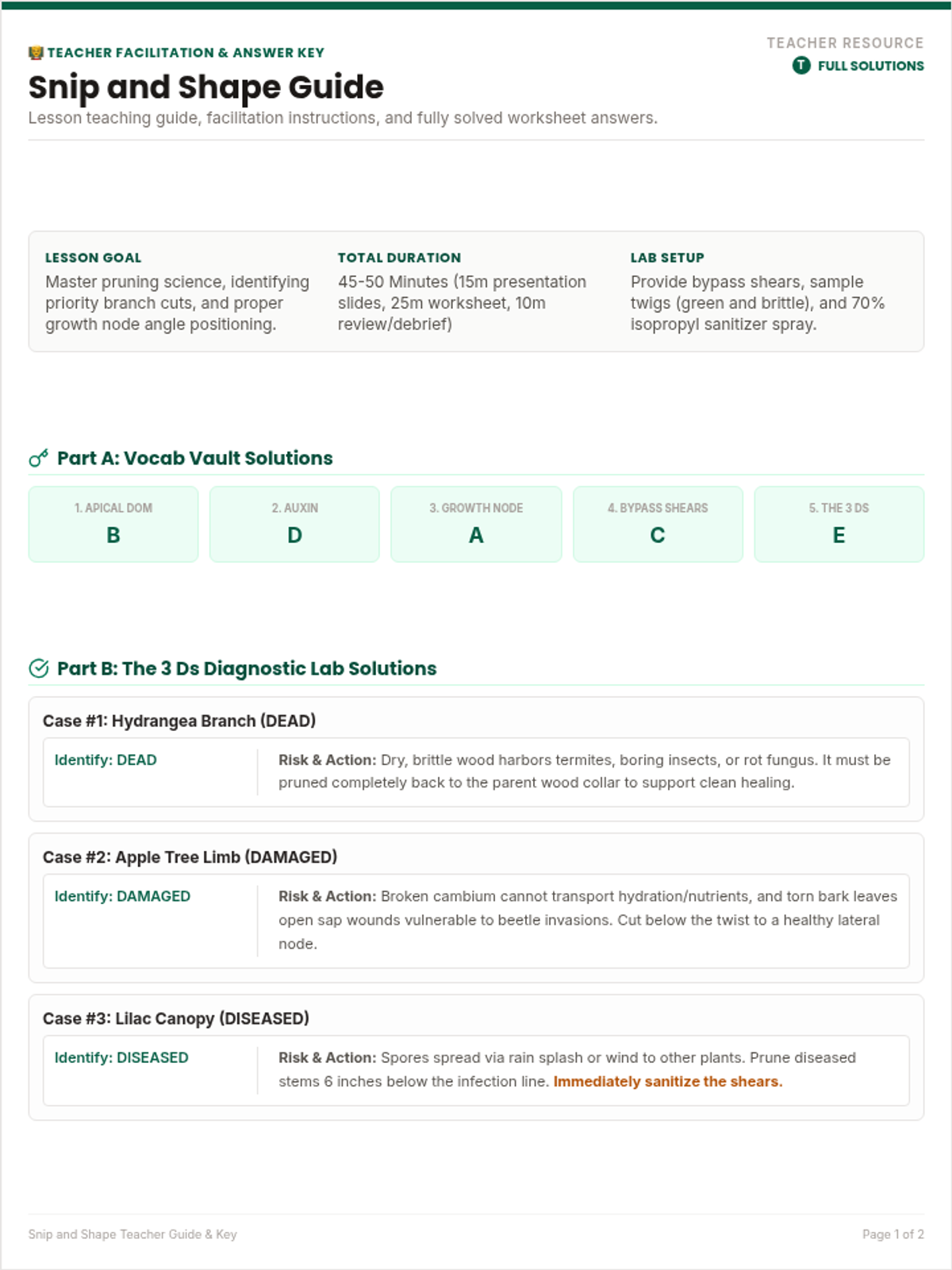
A hands-on, engaging lesson on the science and art of pruning. Students learn the botanical reasons for pruning (apical dominance), the "3 Ds" of identifying what to cut, and proper pruning cuts to keep plants healthy.
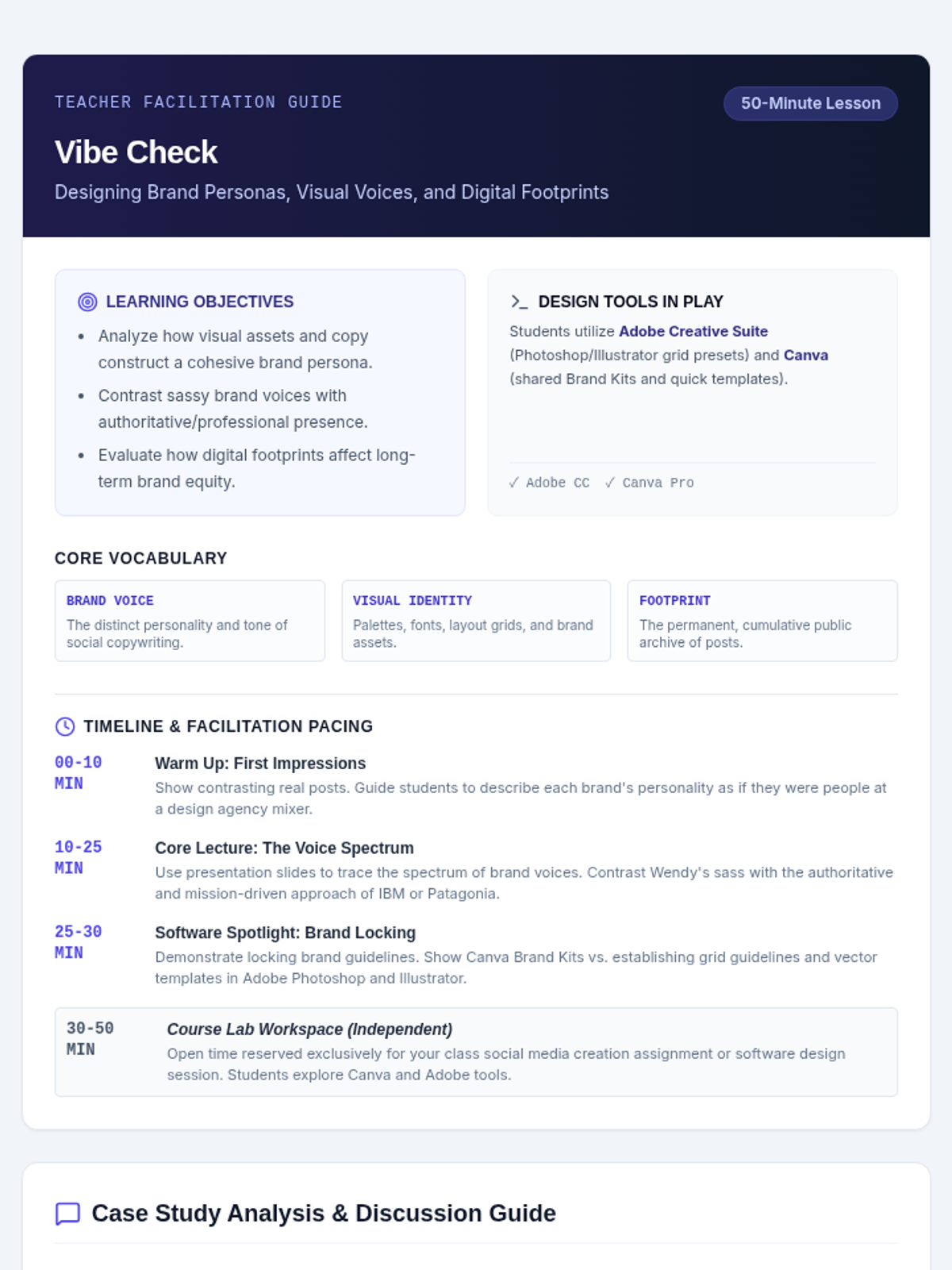
A digital design lesson focusing on social media brand personas, digital footprint, and visual design aesthetics using Adobe and Canva. Students compare contrasting brand voices, from Wendy's playful roasts to polished professional corporate presences.
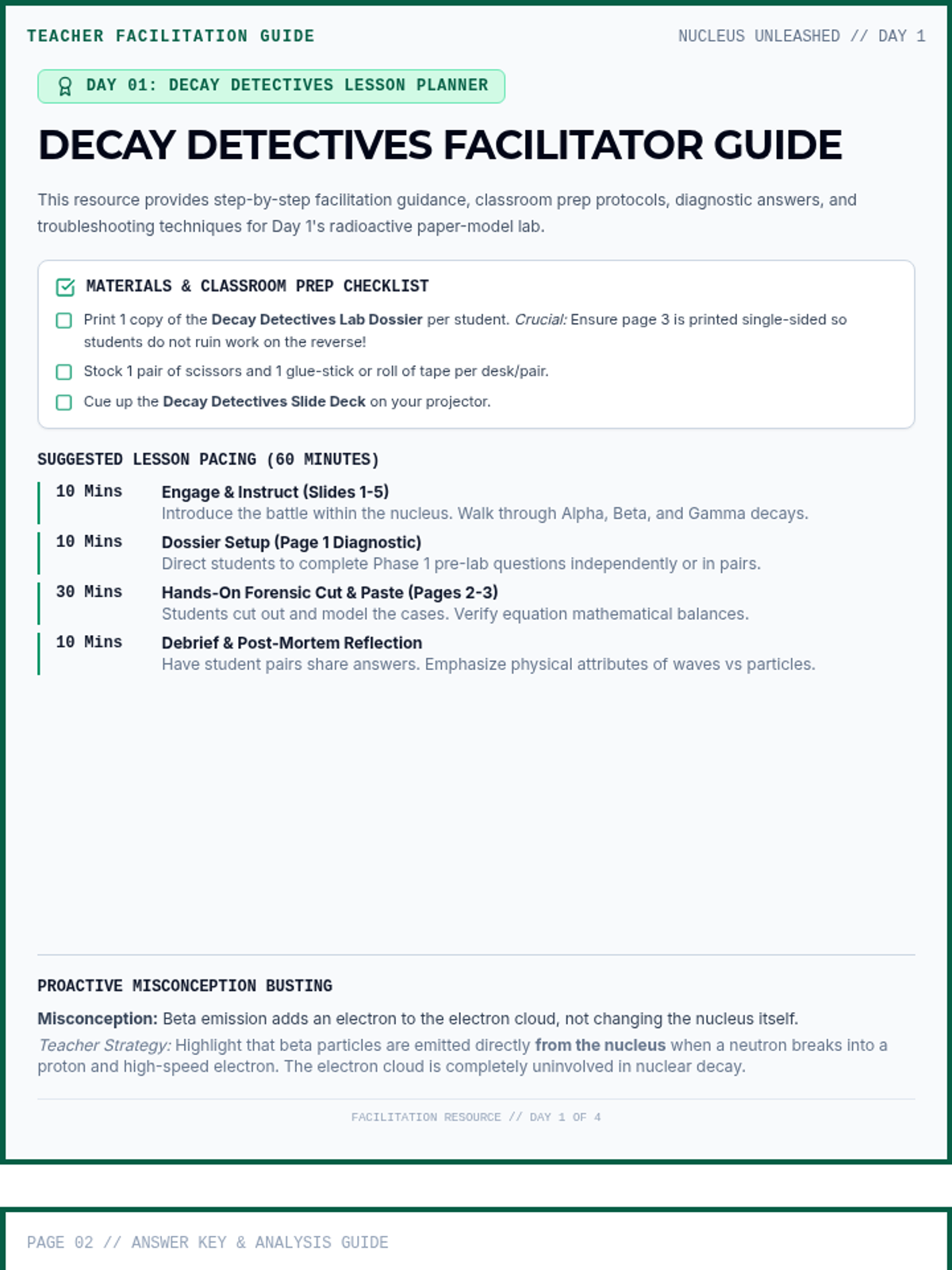
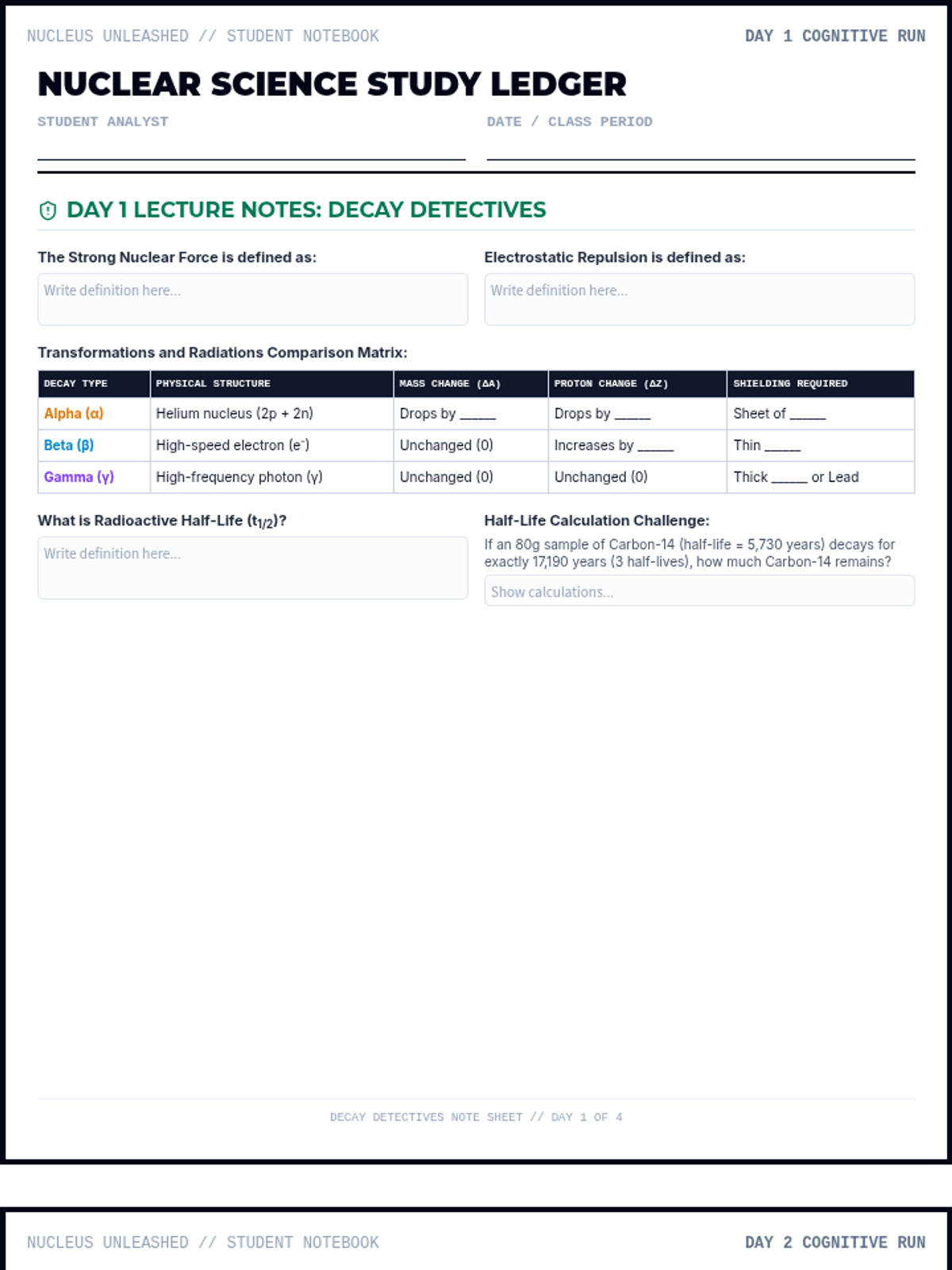
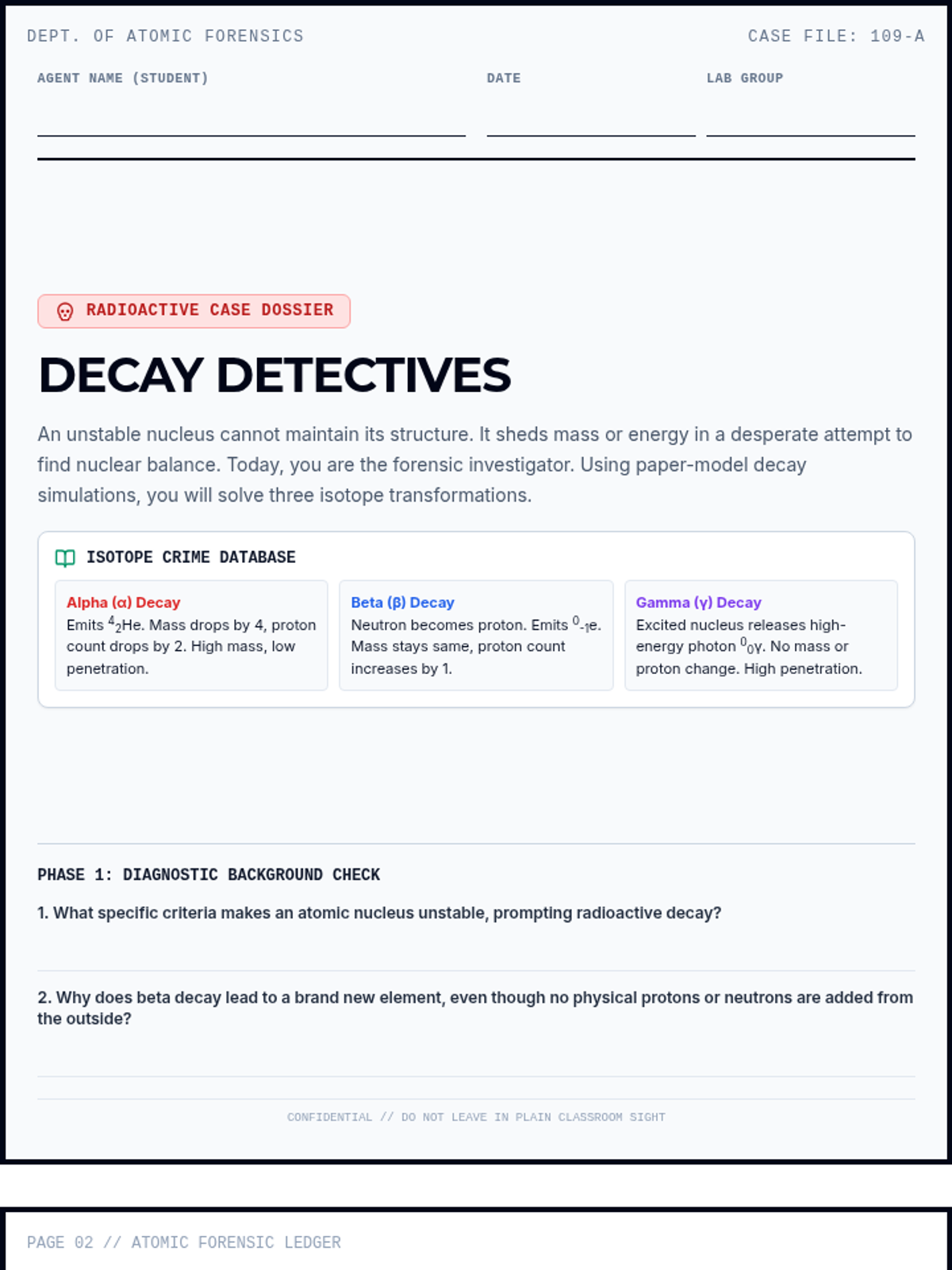
An interactive, station-based exploration of nuclear processes in chemistry. Students rotate through four distinct stations with comprehensive reading passages and analytical tasks covering radioactive decay and stability, fission versus fusion, half-life calculations for archaeological dating, and modern technological applications.
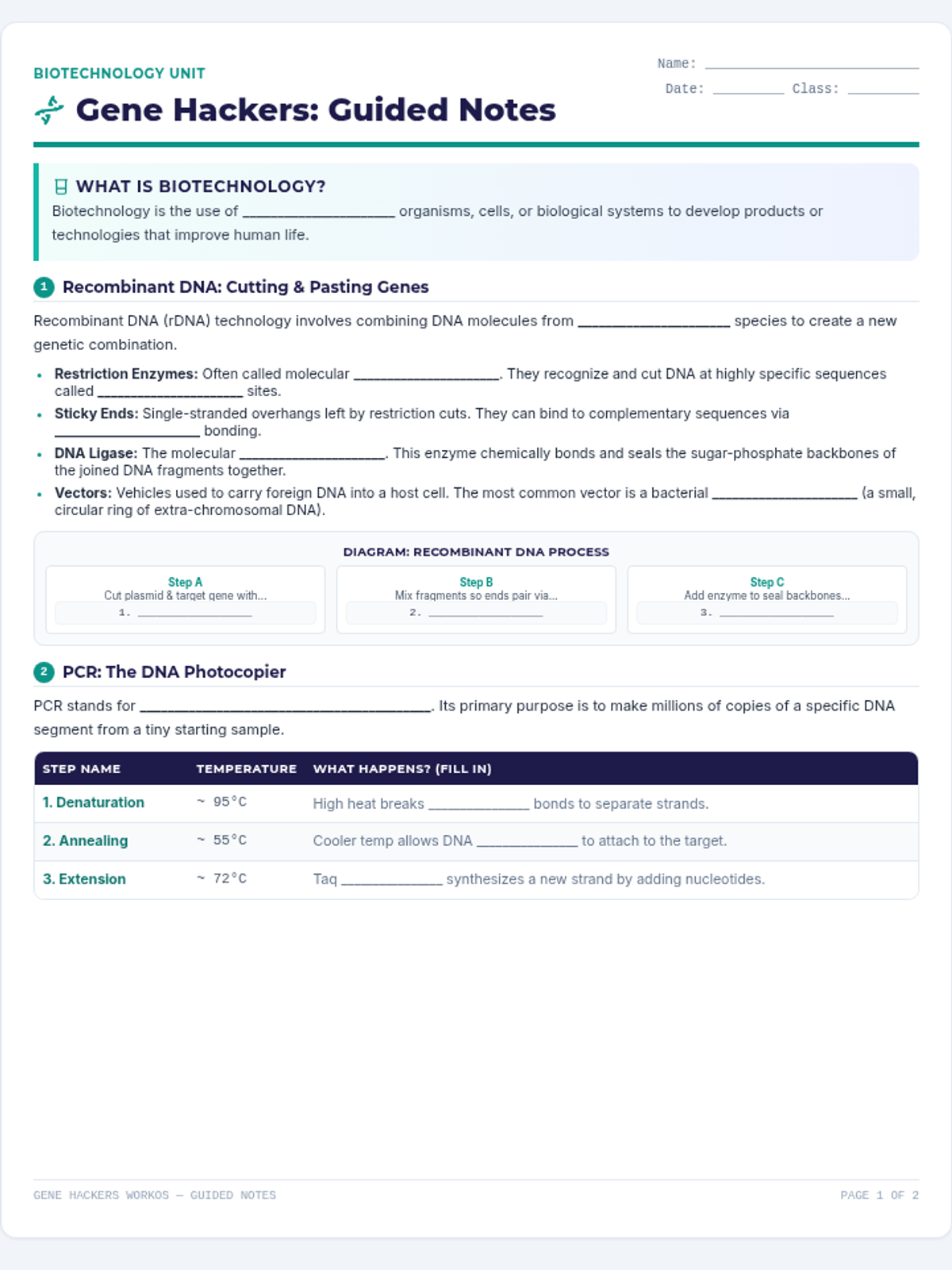
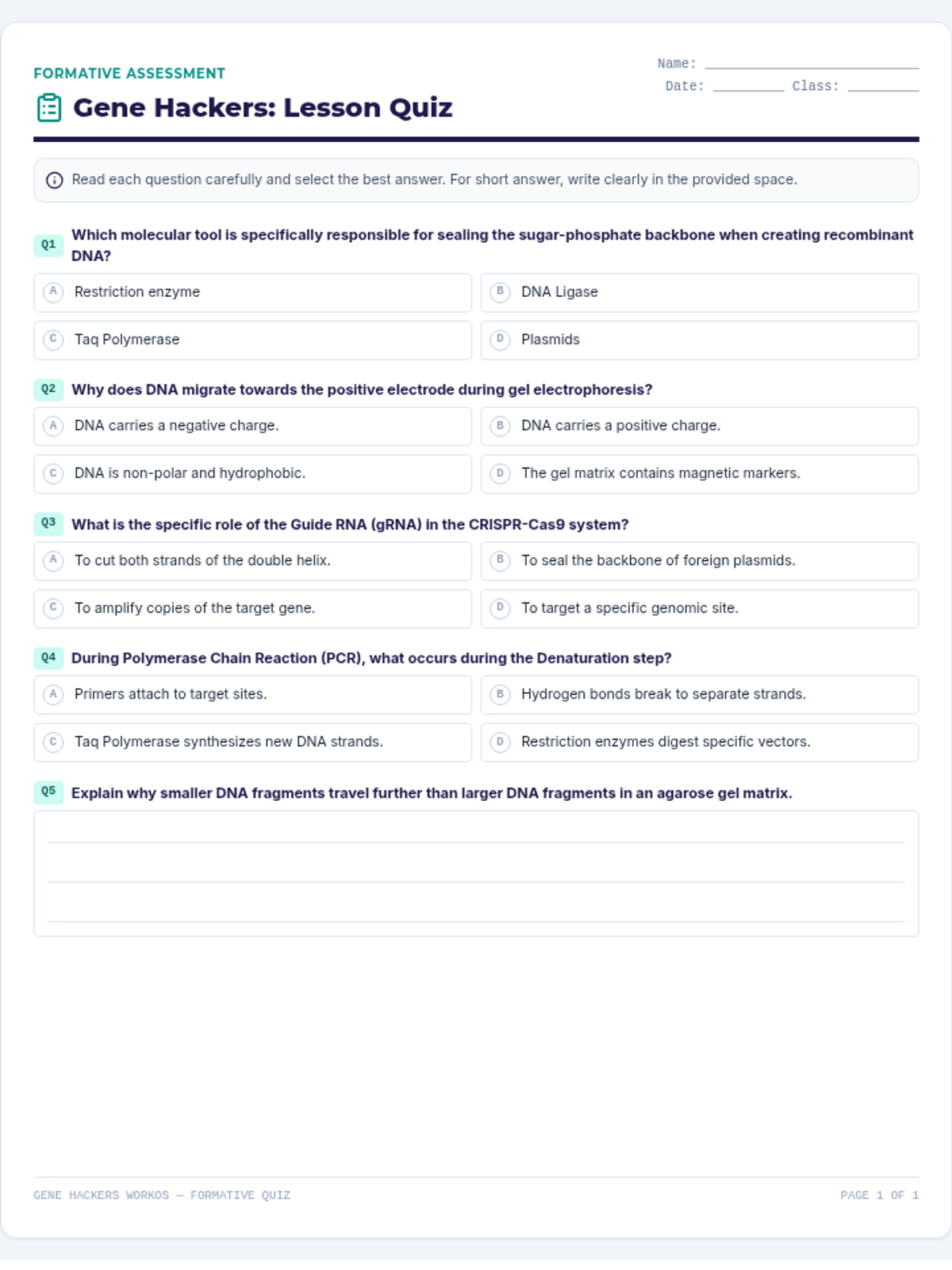
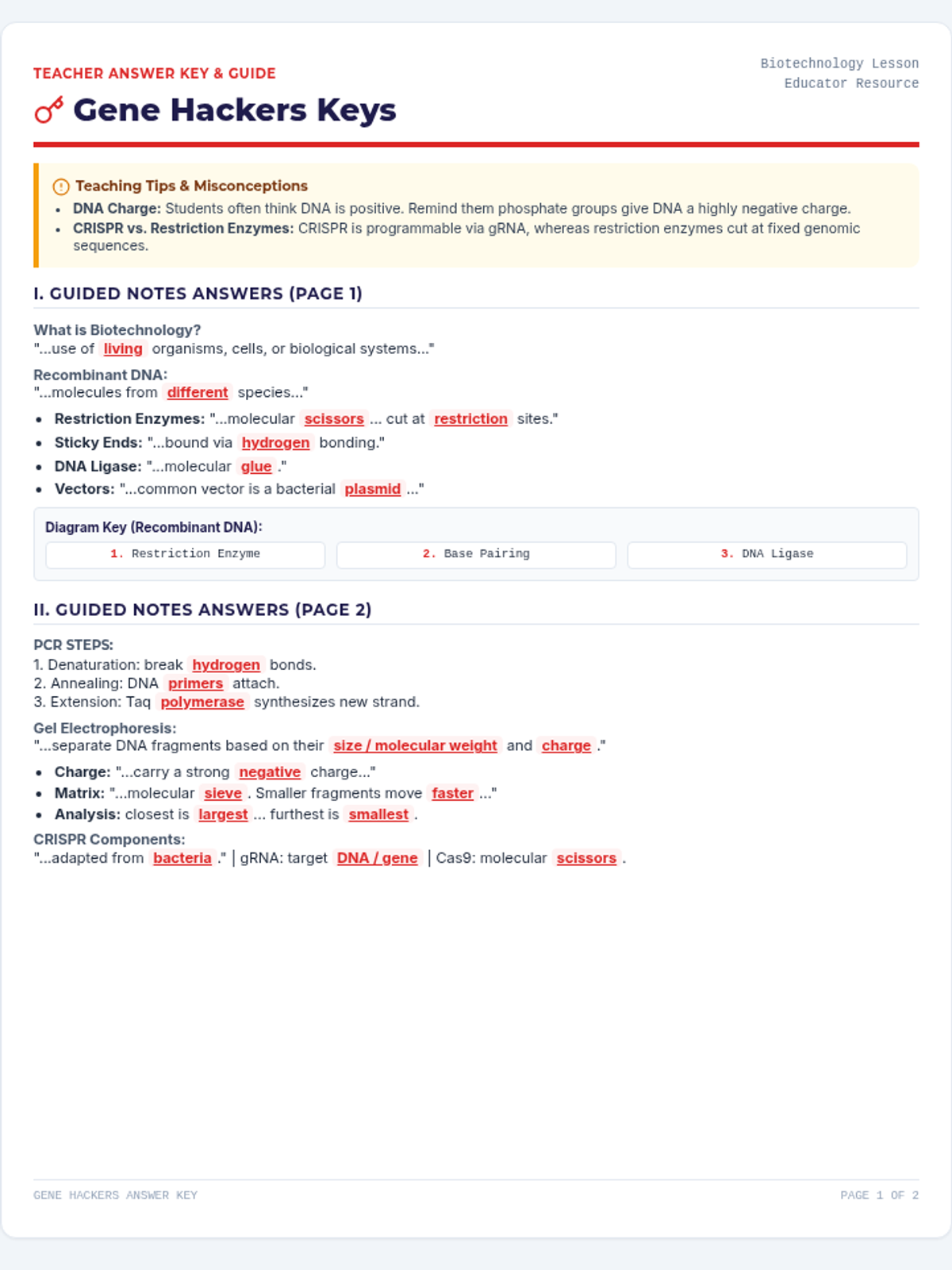
An introductory lesson on biotechnology, focusing on key tools like CRISPR, recombinant DNA, and gel electrophoresis. Students complete interactive guided notes and a formative assessment to demonstrate understanding of genetic engineering.
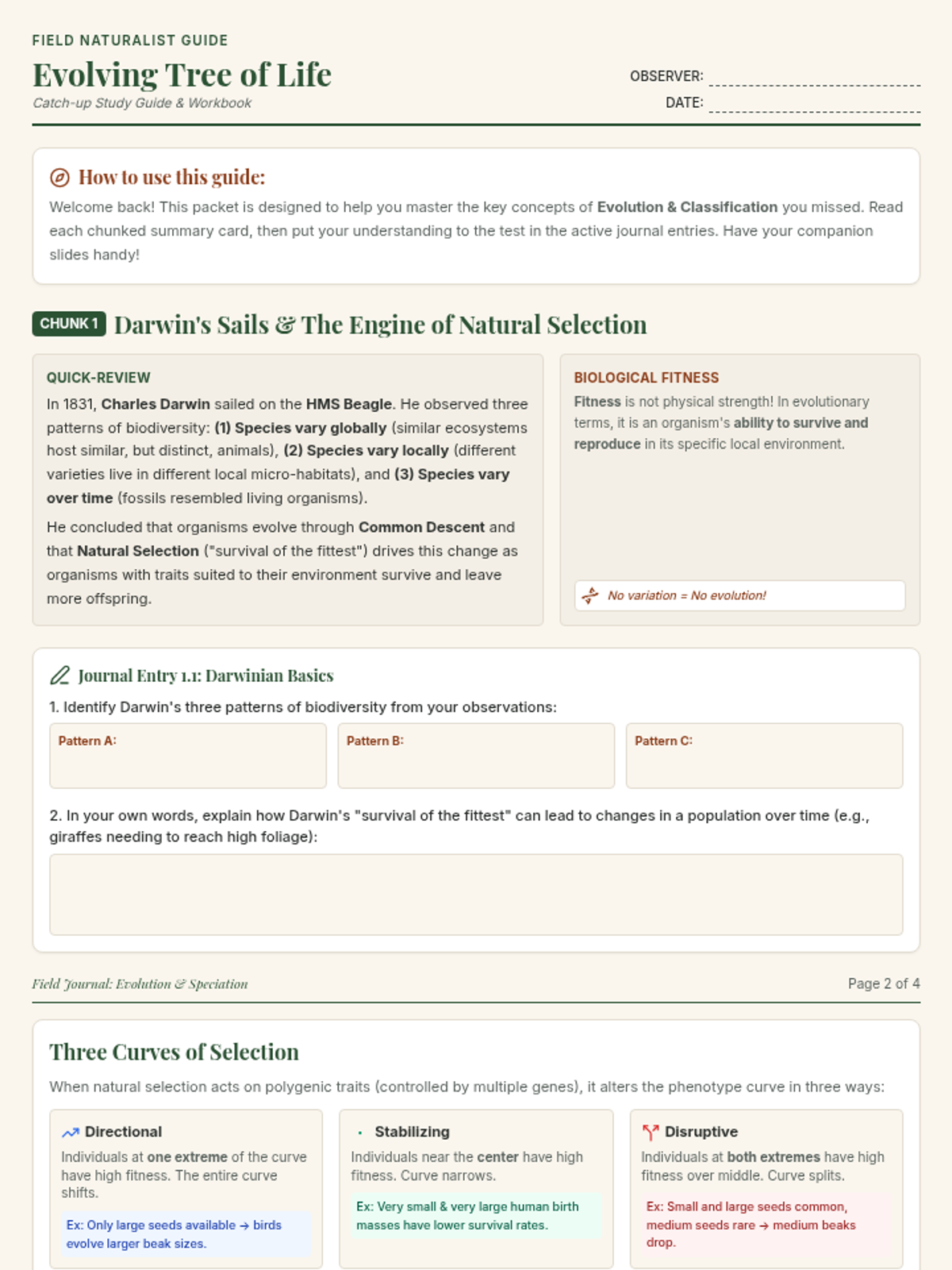
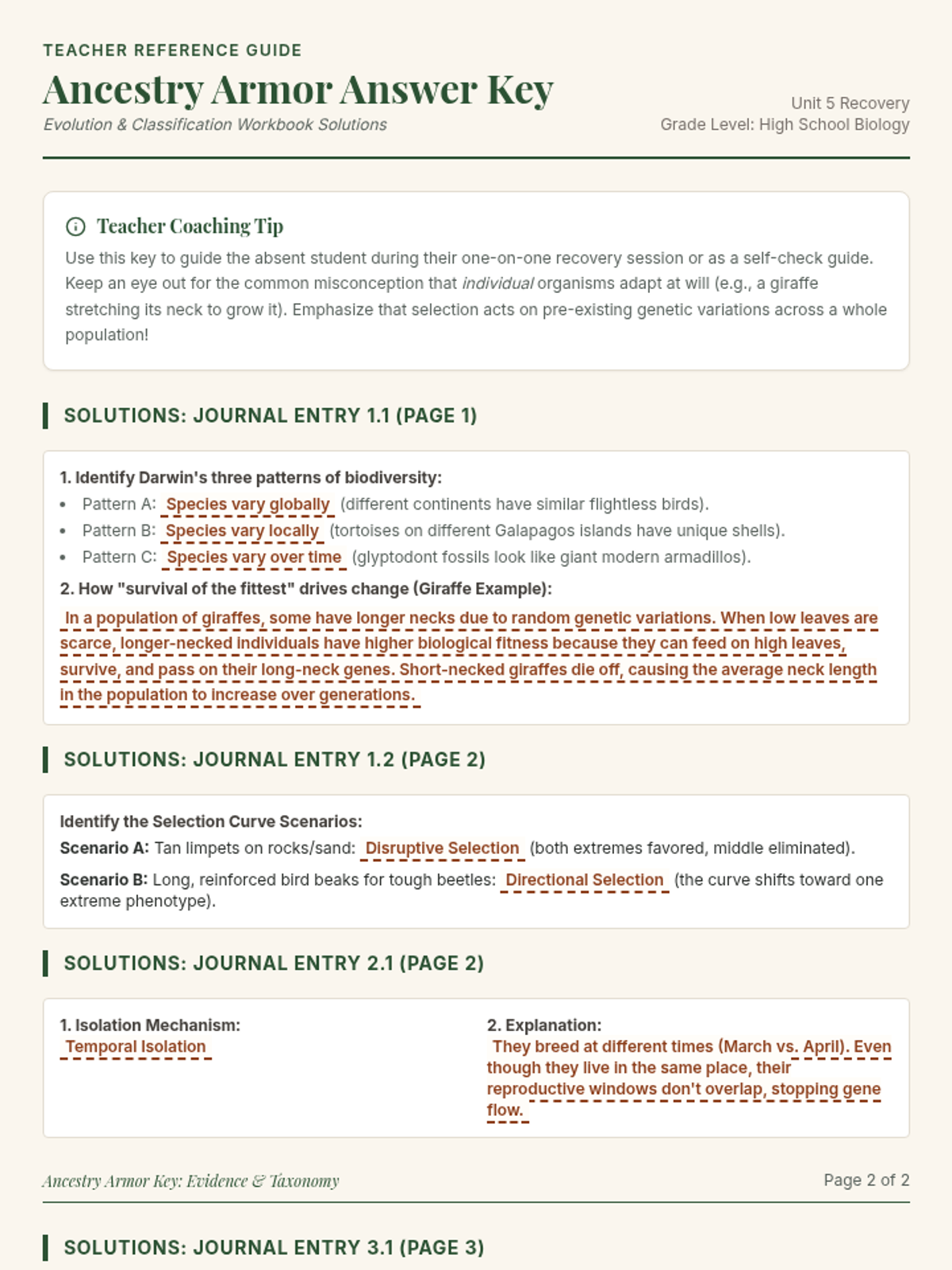
A self-paced study lesson designed for students catching up on Evolution and Classification. It chunk-packs Darwinian theory, speciation, lines of evolutionary evidence, Linnaean taxonomy, and cladograms into accessible, digestible visual summaries and active workbook exercises.