Students compare daily routines in remote Australian sheep stations (including School of the Air) with coastal Pacific village life. They will create a Venn diagram to compare and contrast these lifestyles.
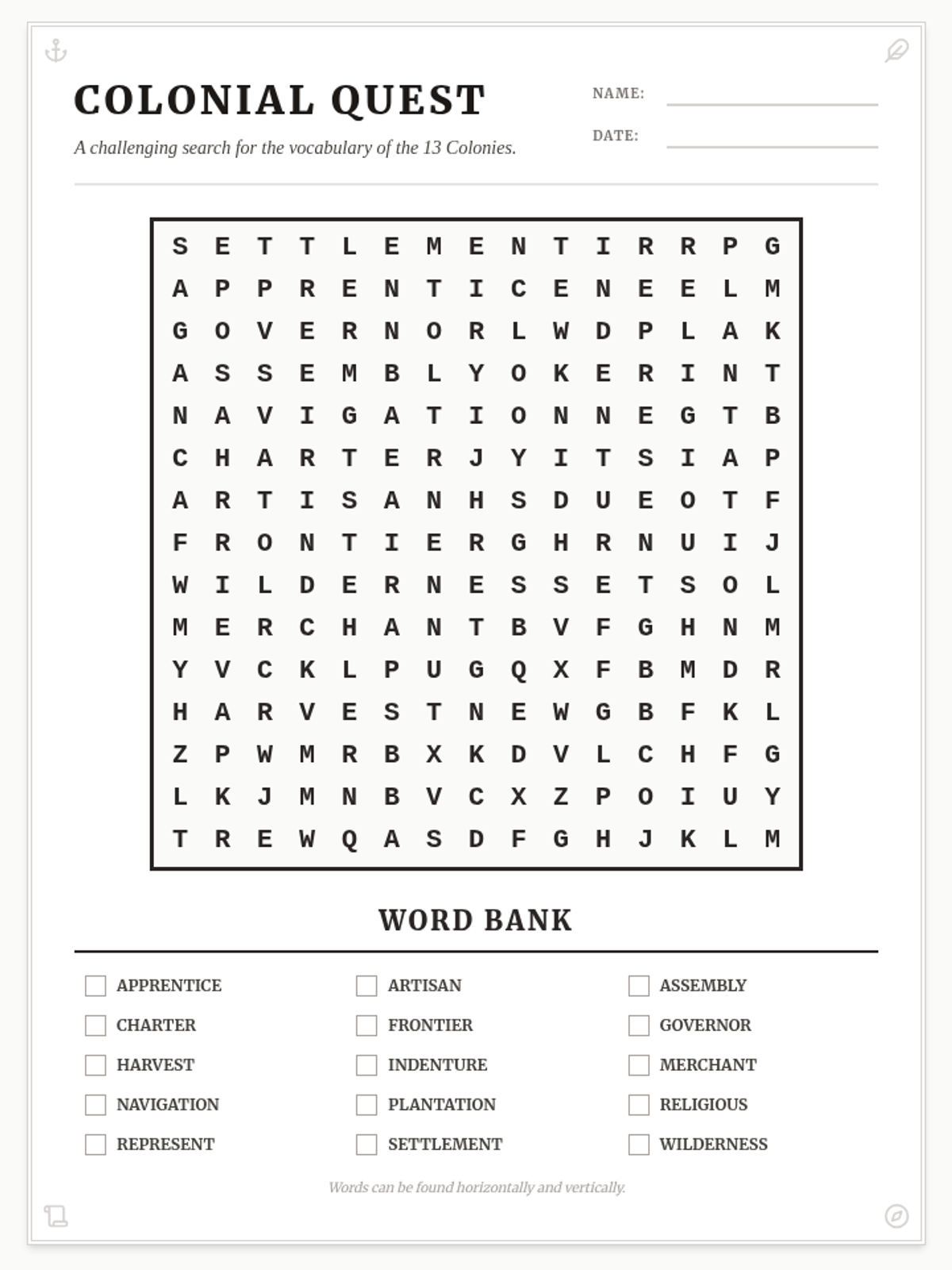
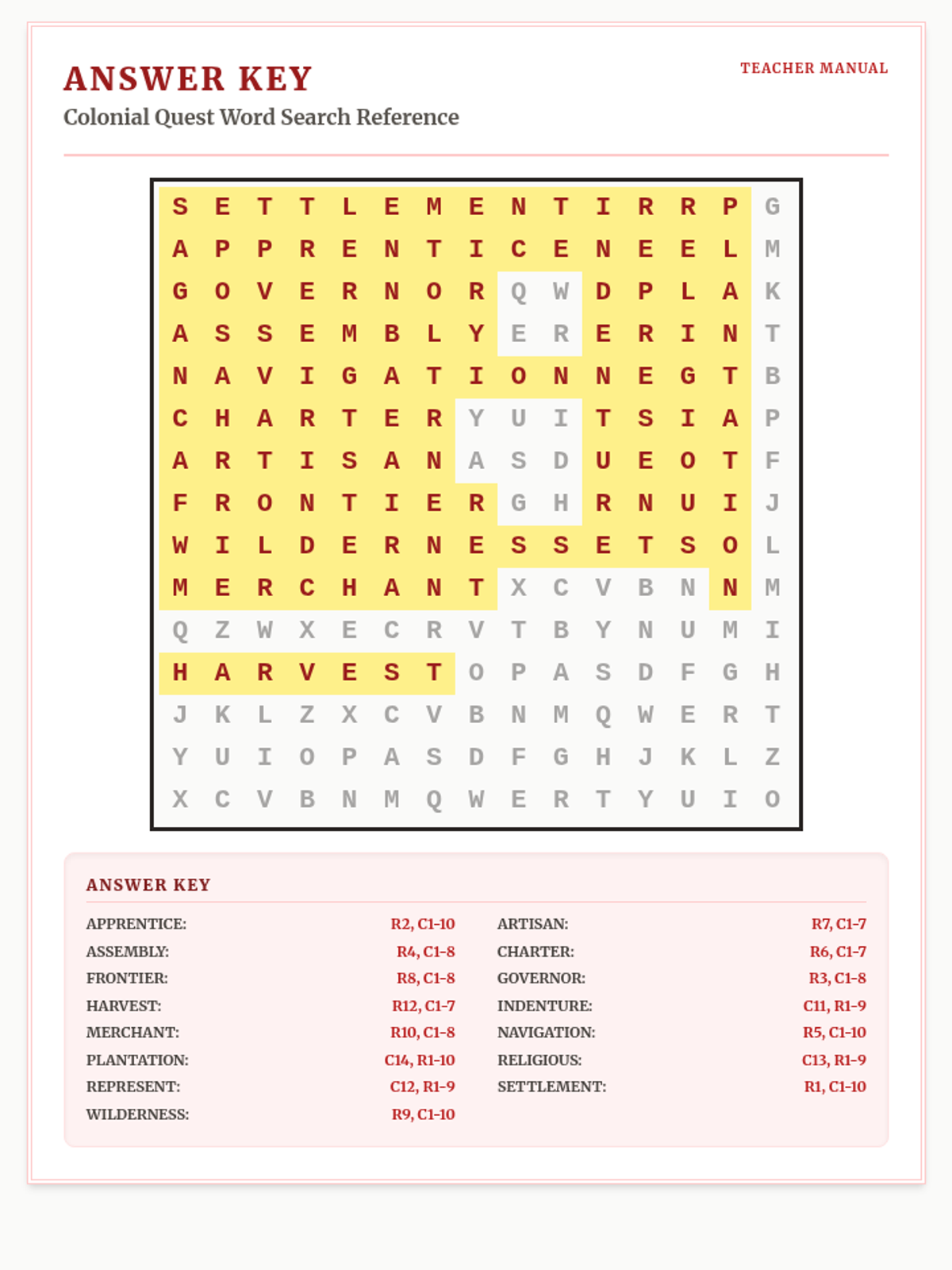
A look into the lives, systems, and vocabulary of the thirteen original American colonies.
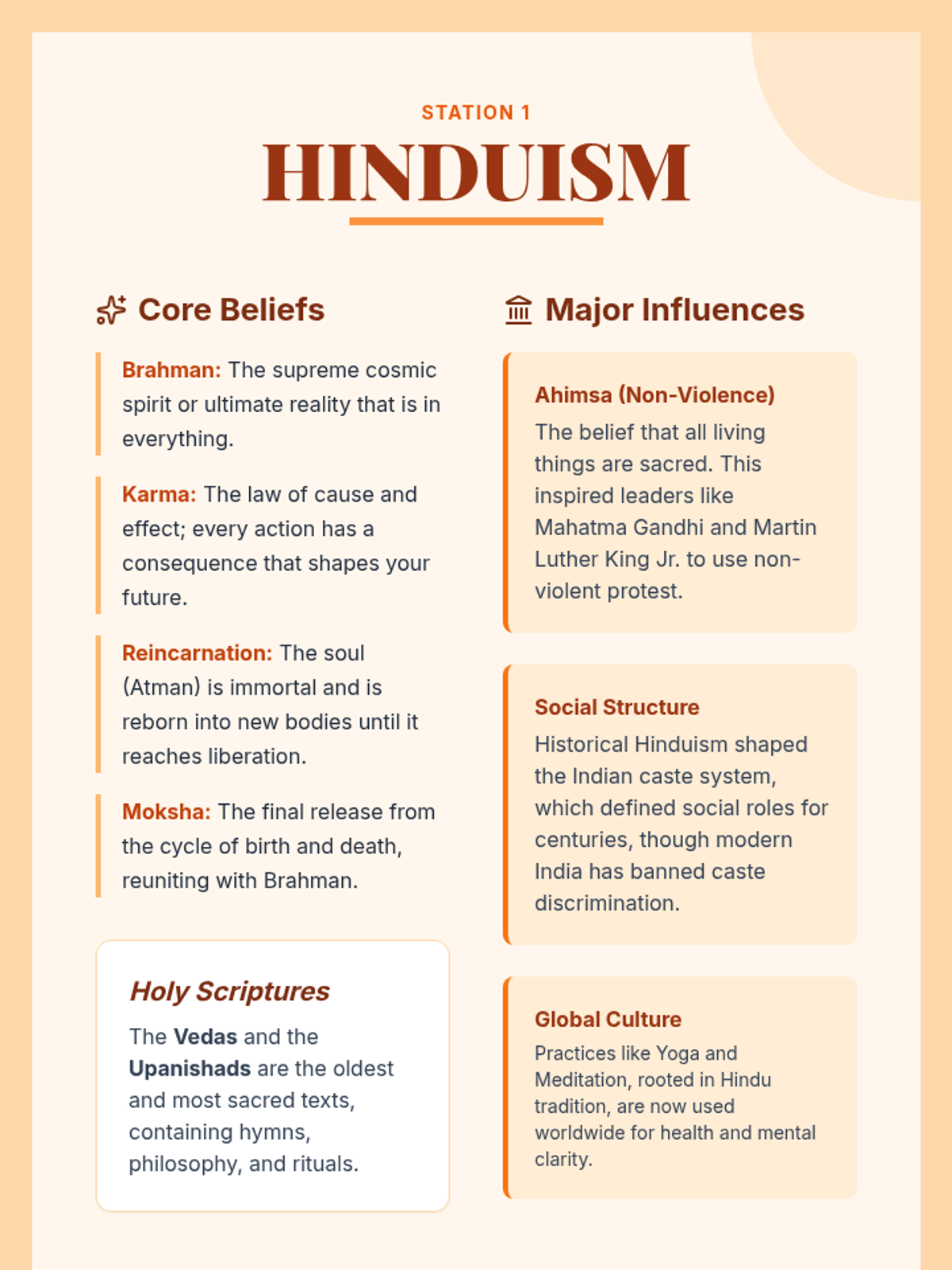
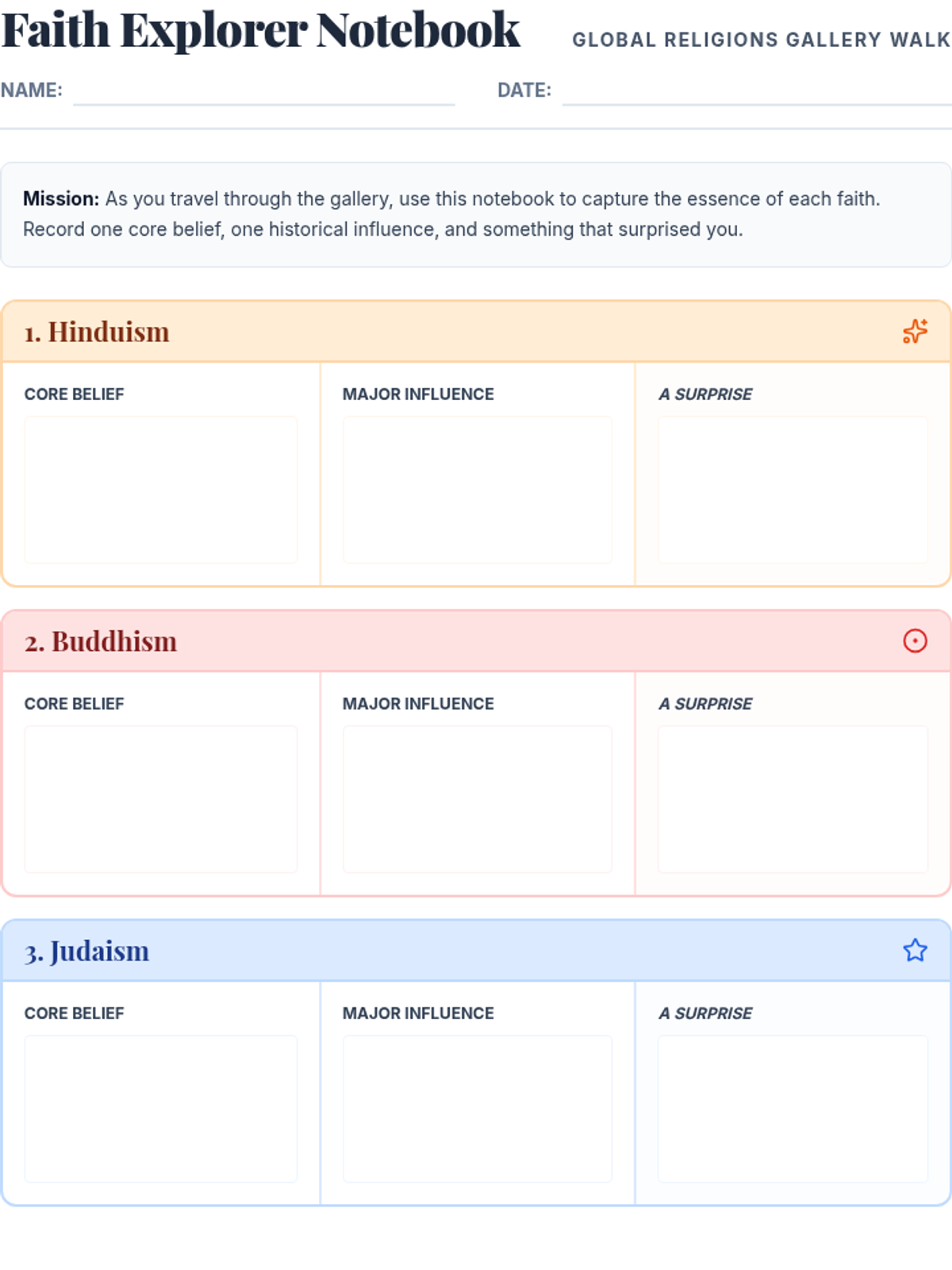
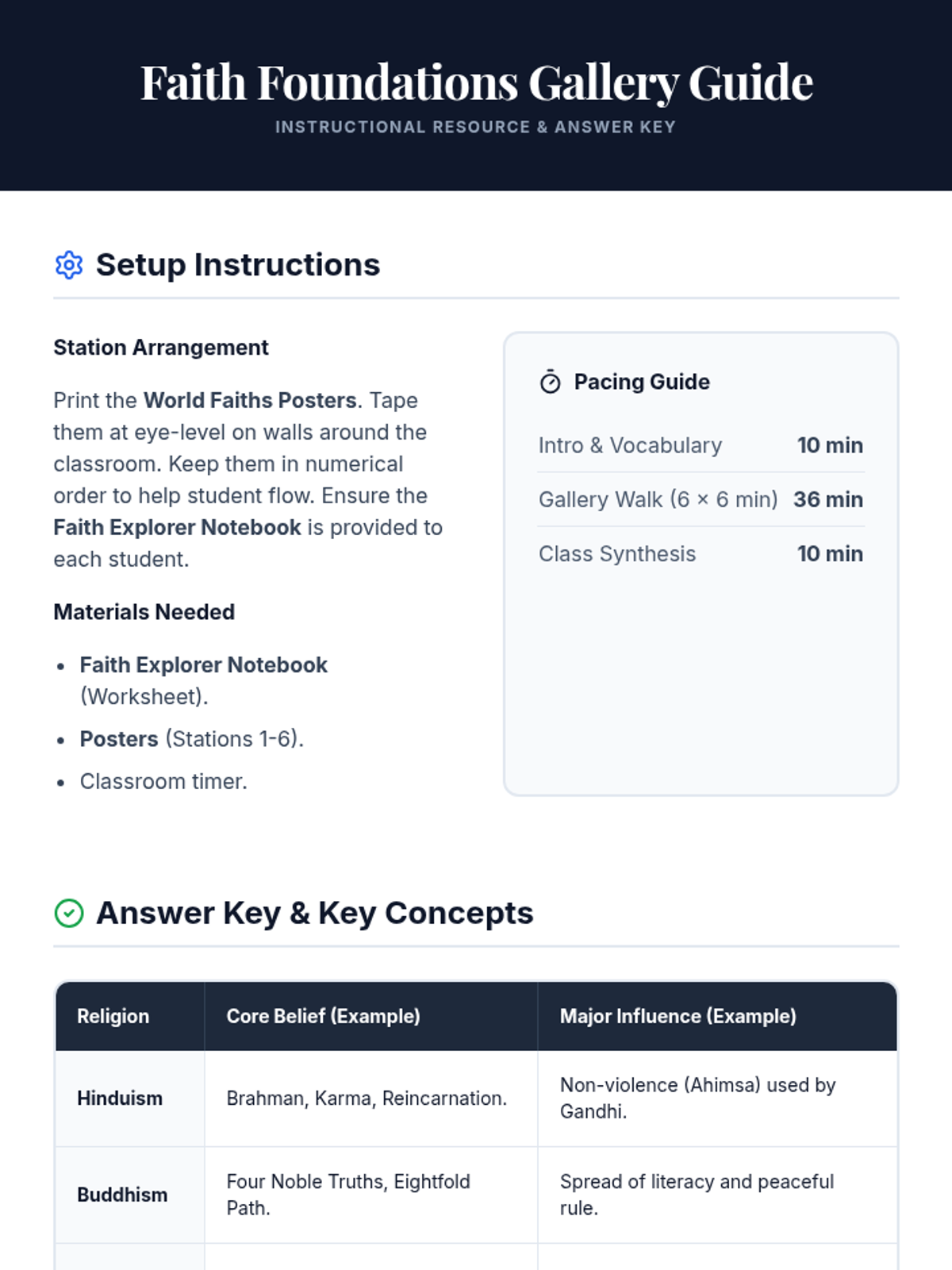
An immersive gallery walk exploring the core beliefs and historical influences of Hinduism, Buddhism, Judaism, Christianity, Islam, and Taoism. Students rotate through visual stations to build a comparative understanding of global spiritual traditions.
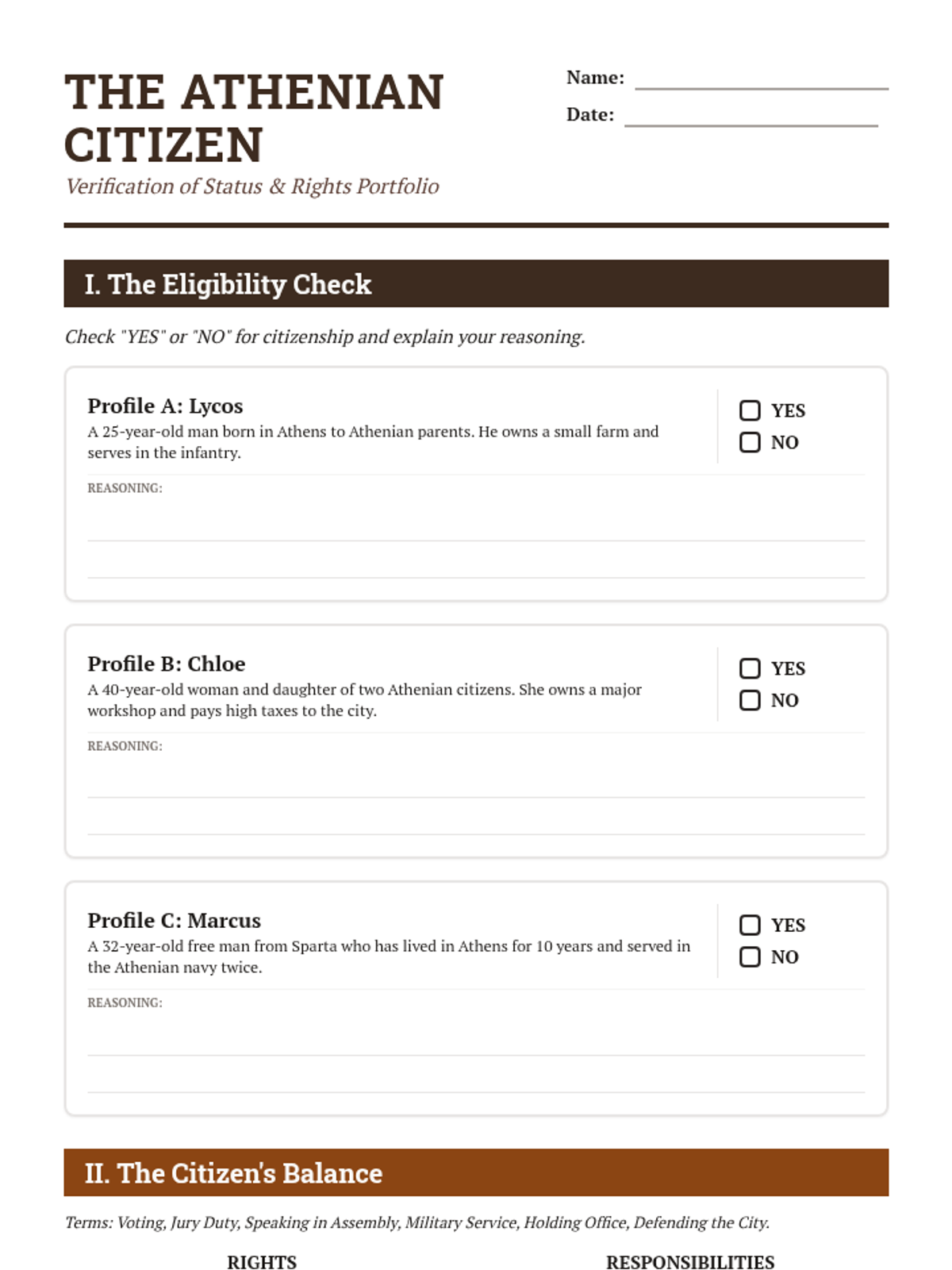
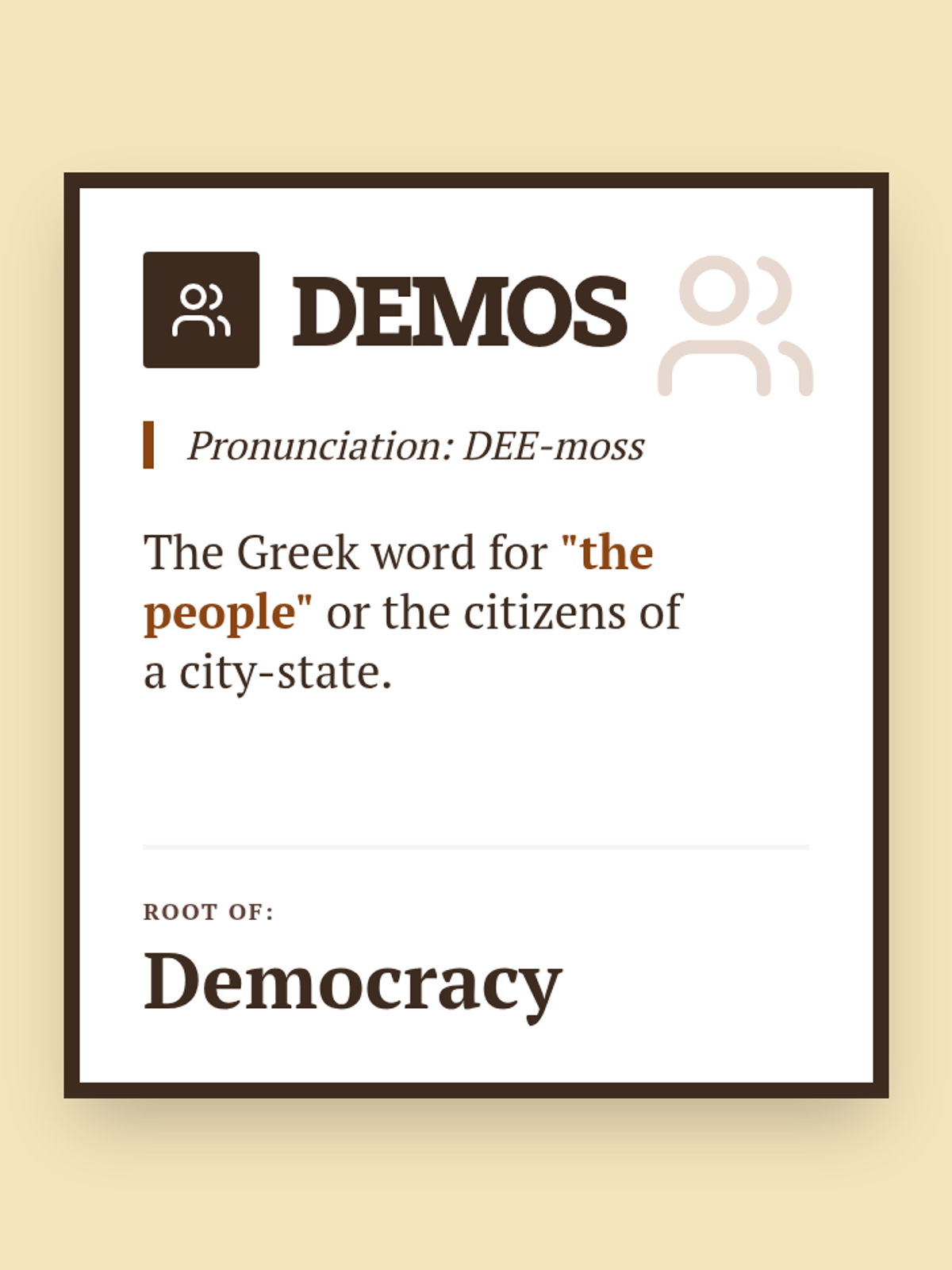
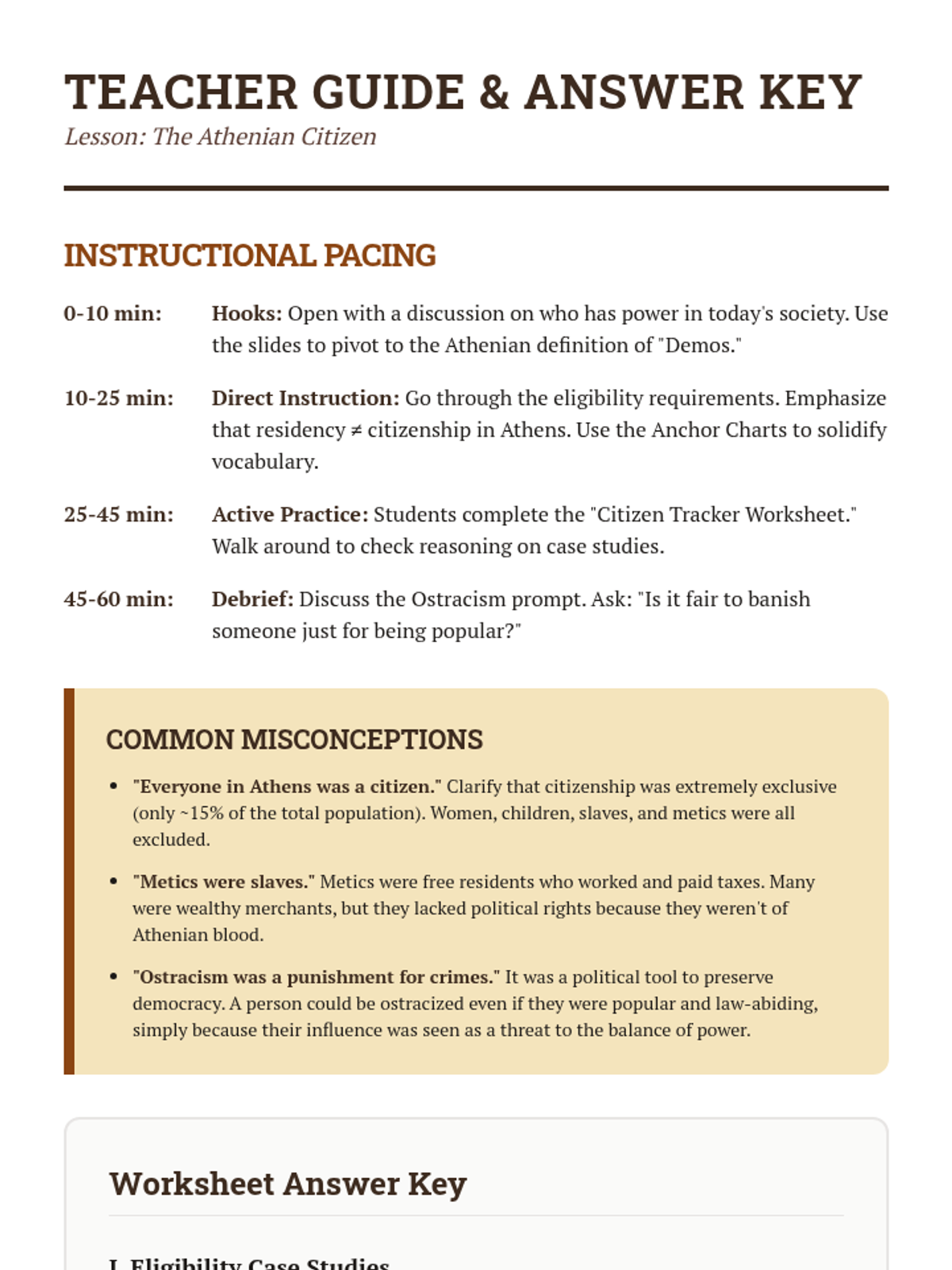
An exploration of the foundations of citizenship in ancient Athens, covering eligibility, rights, responsibilities, and the unique practice of ostracism.
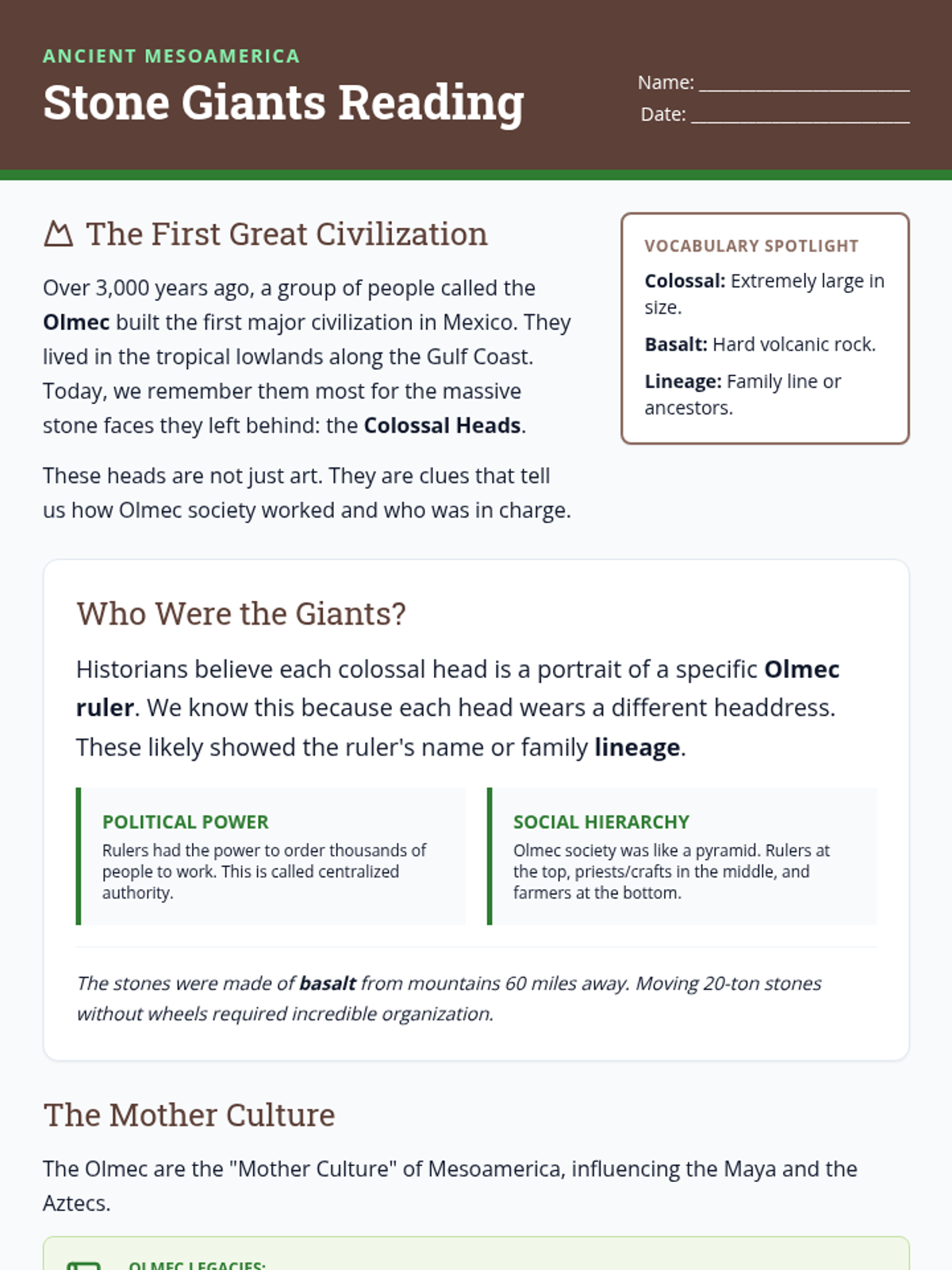
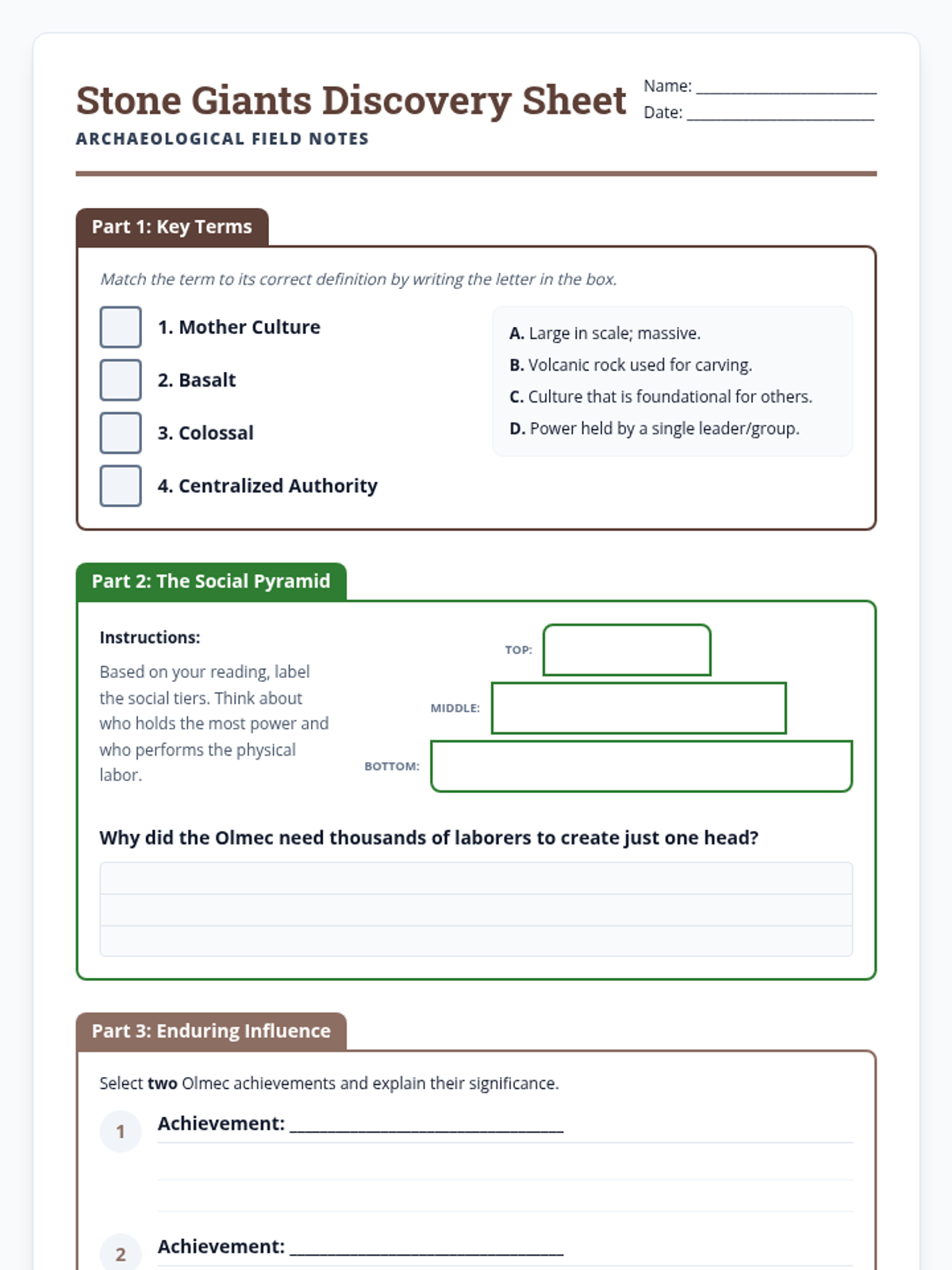
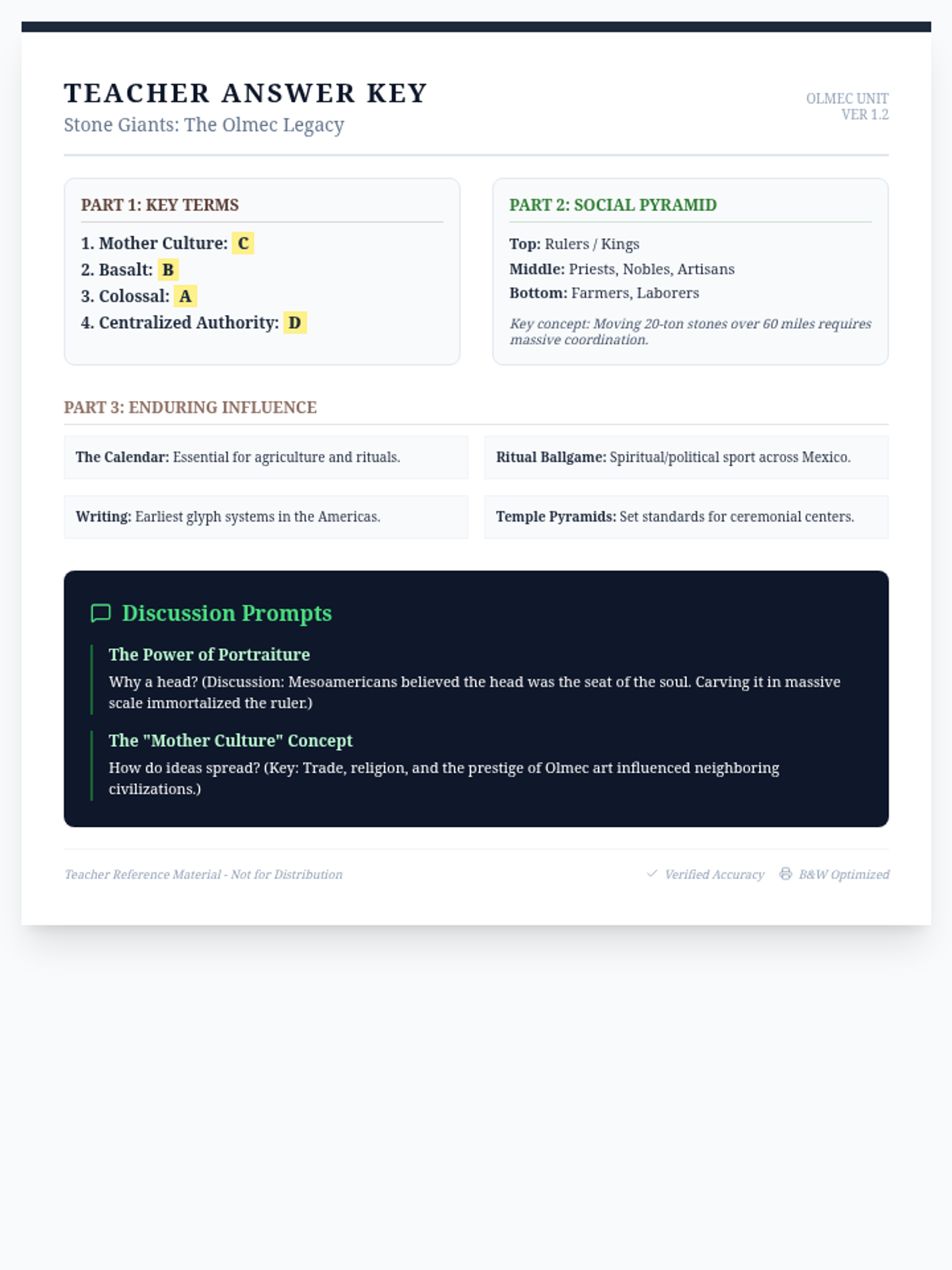
A lesson exploring the Olmec civilization through their iconic colossal heads, focusing on social hierarchy, political power, and their enduring legacy as Mesoamerica's 'Mother Culture'.
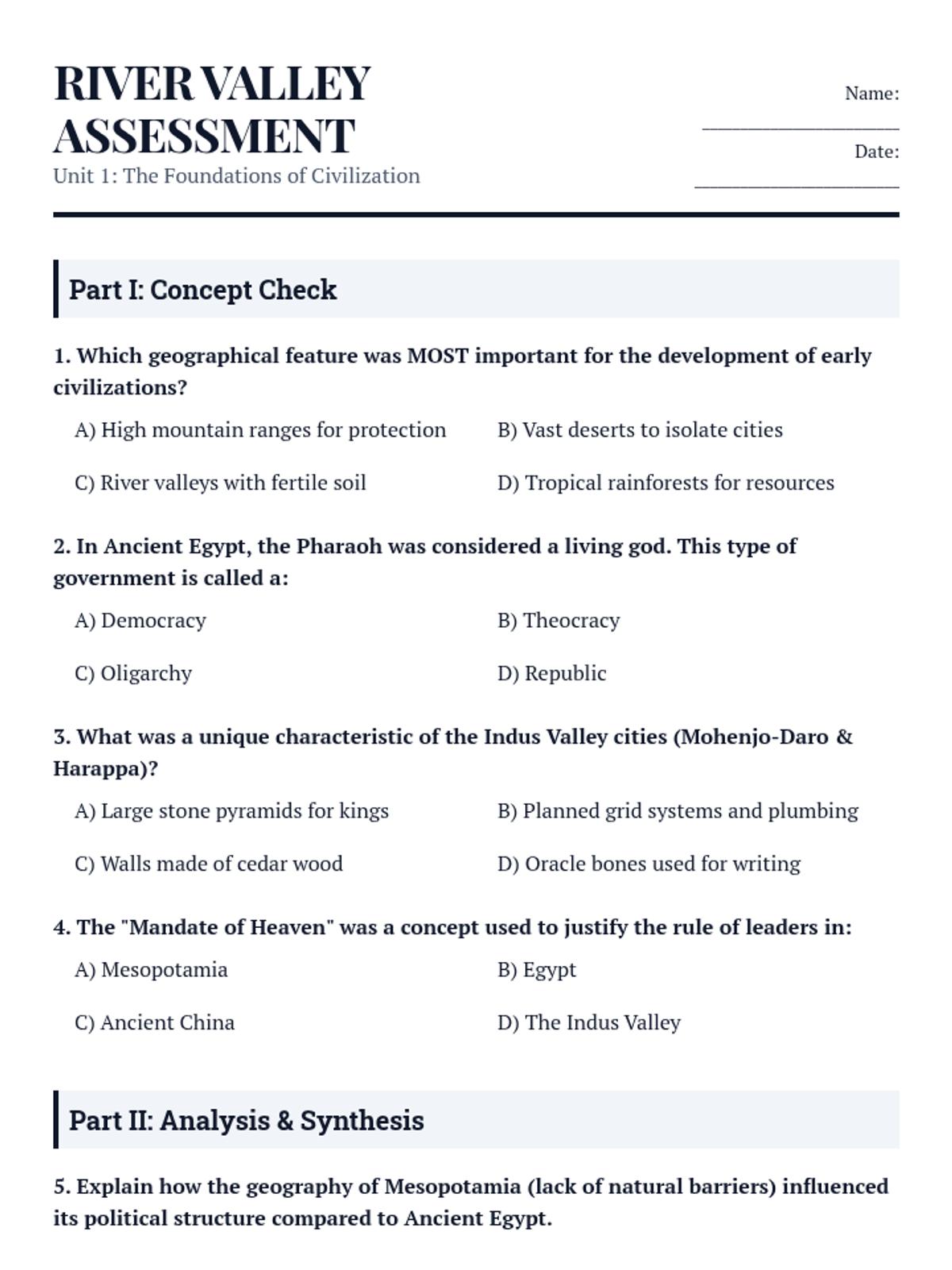
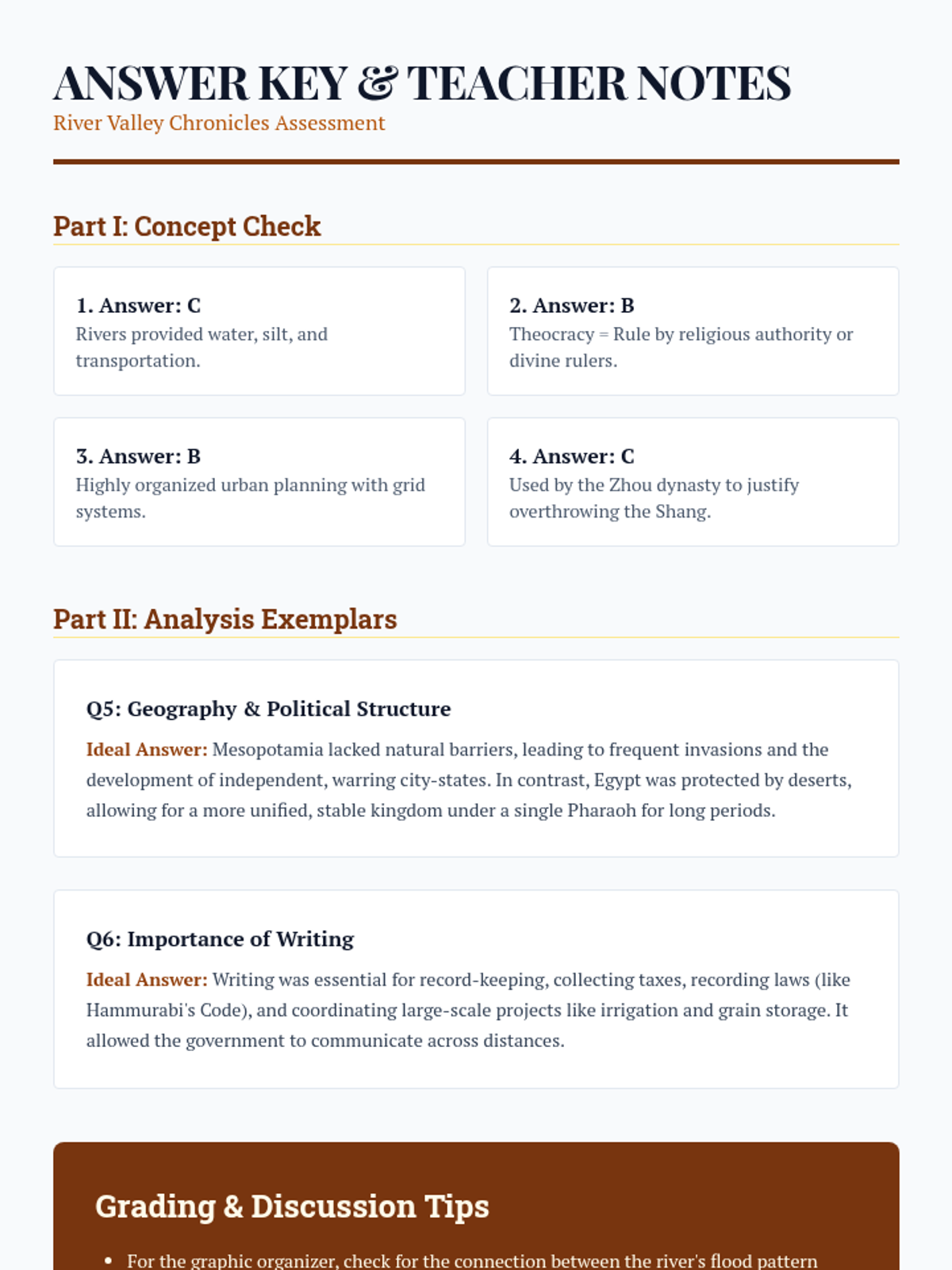
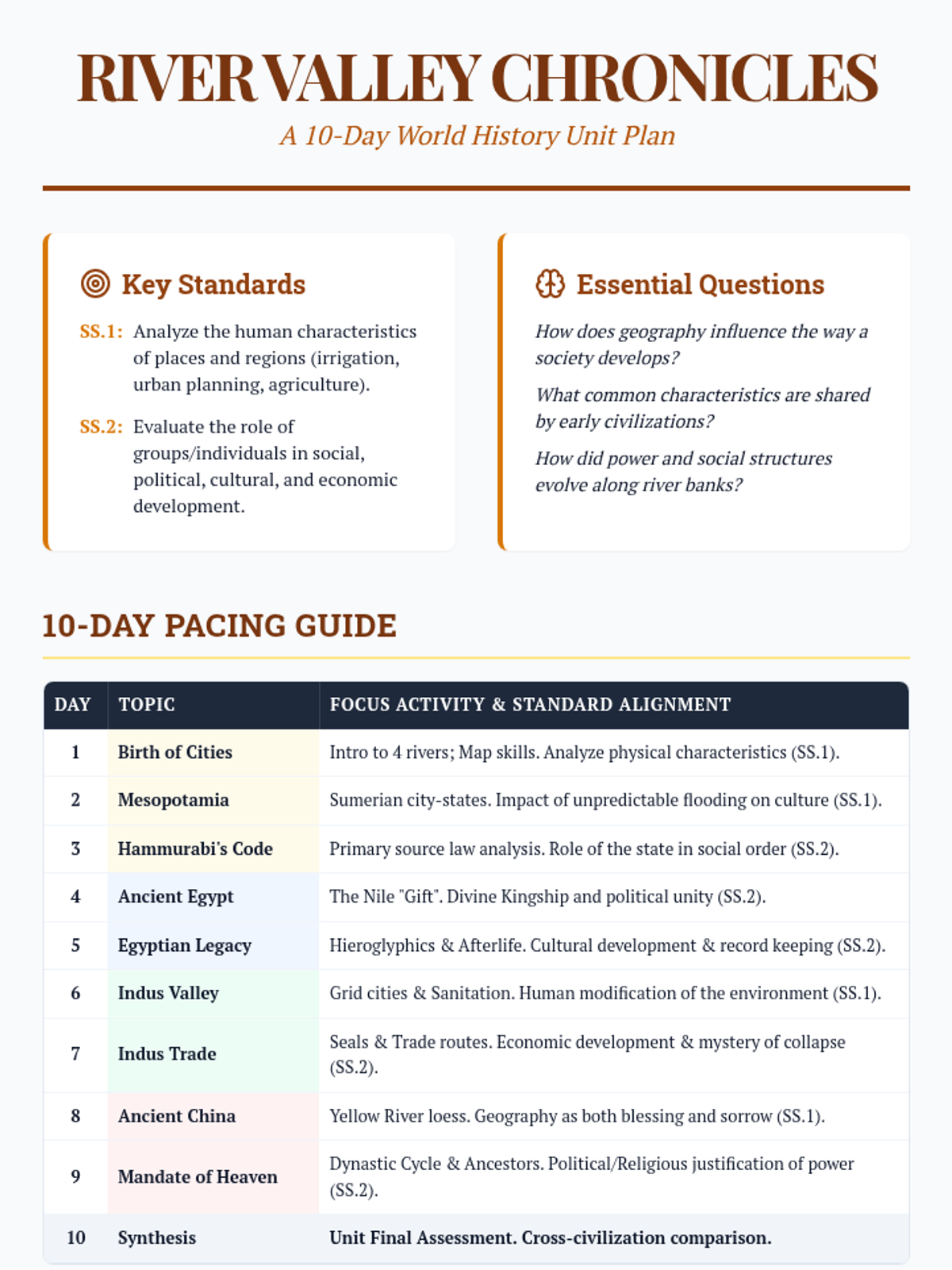
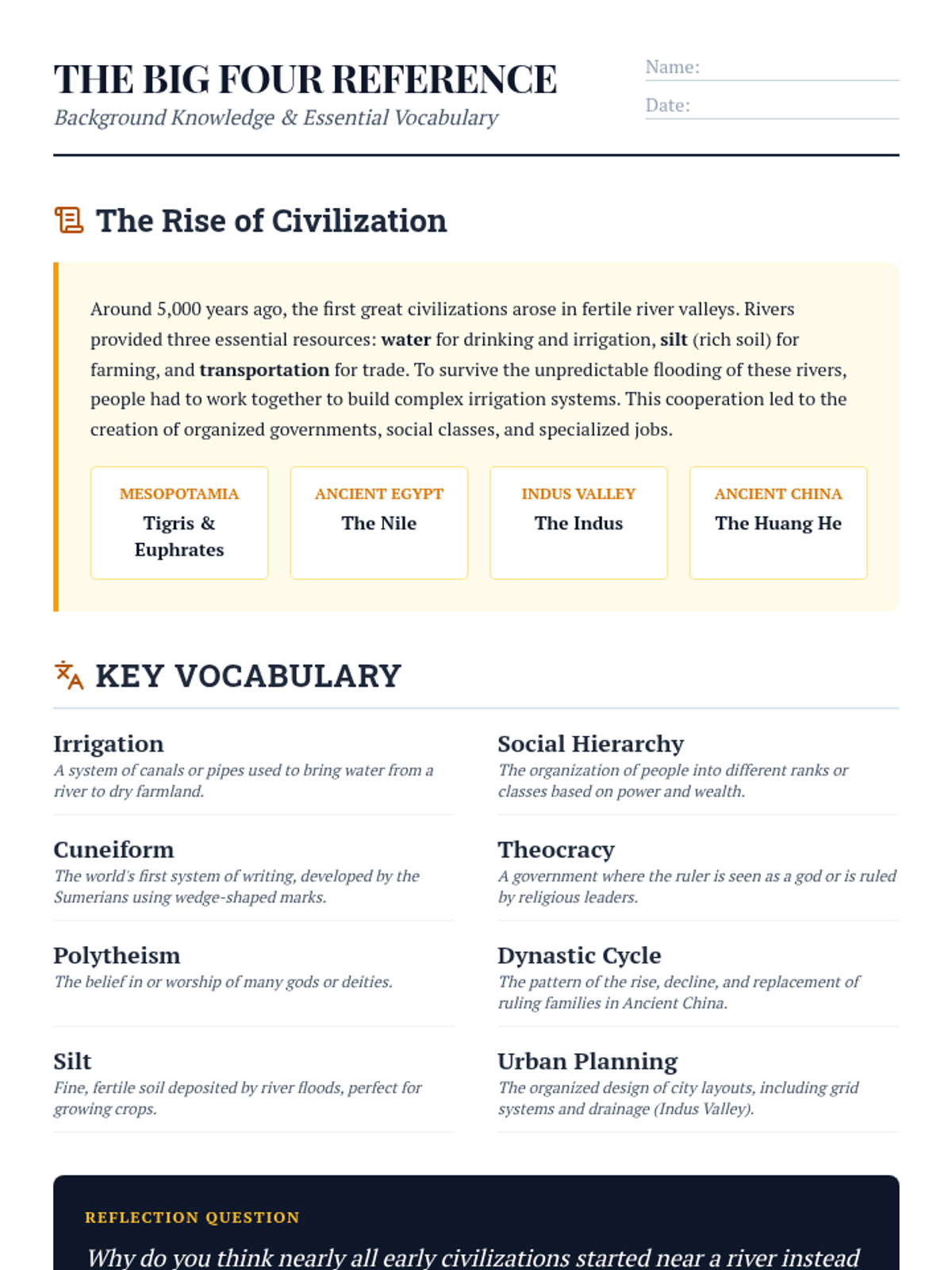
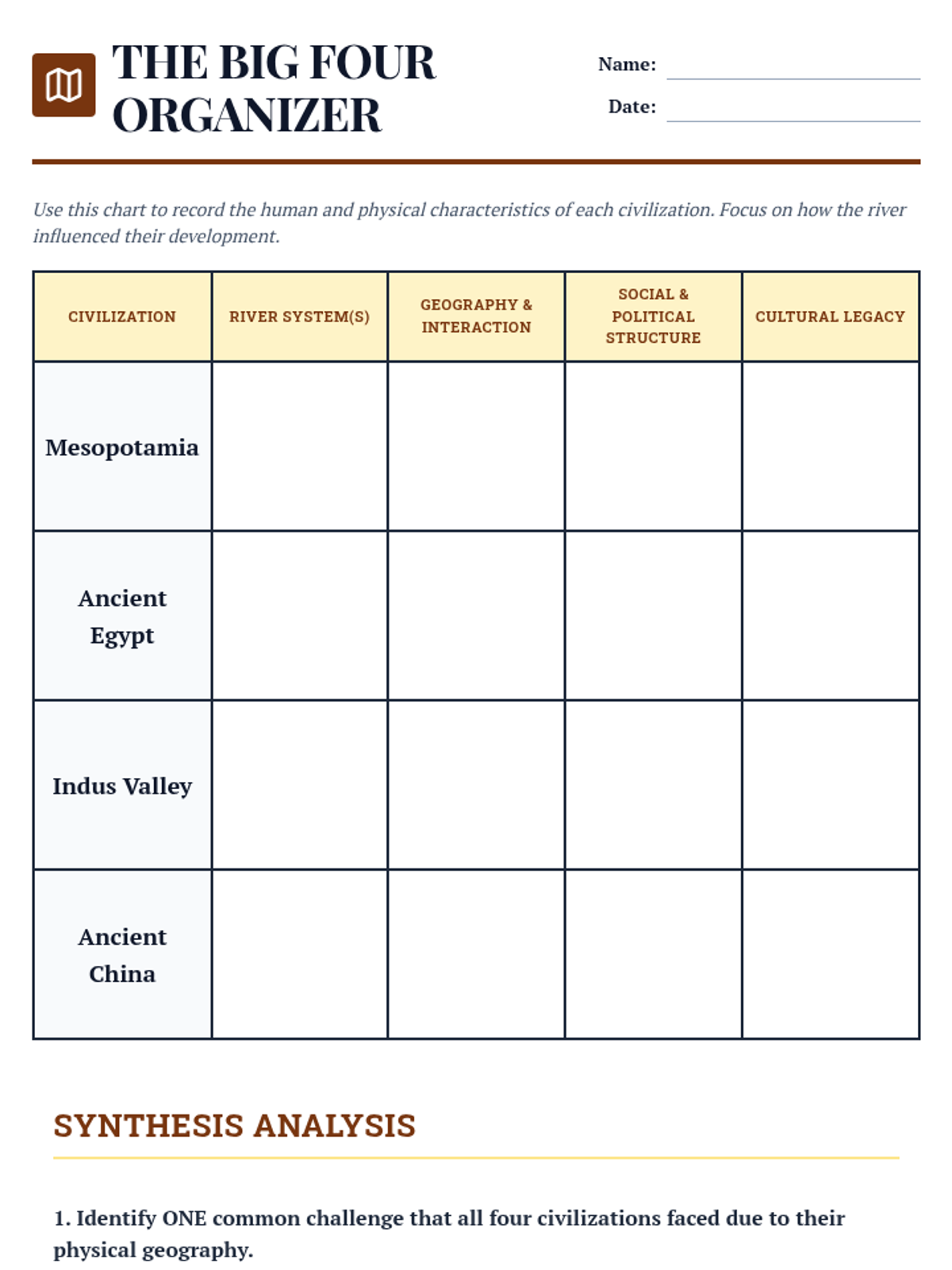
A final comparison of the four civilizations, focusing on shared characteristics like irrigation, social classes, and writing systems, culminating in a unit assessment.
Focusing on the Huang He (Yellow River), the early dynasties, the concept of the Mandate of Heaven, and the development of Confucianism and Taoism.
Investigating the advanced urban planning of Harappa and Mohenjo-Daro, the mystery of their undeciphered script, and their extensive trade networks.
An analysis of the Nile River's role in Egyptian life, the power of Pharaohs, the construction of pyramids, and the religious beliefs of the afterlife.
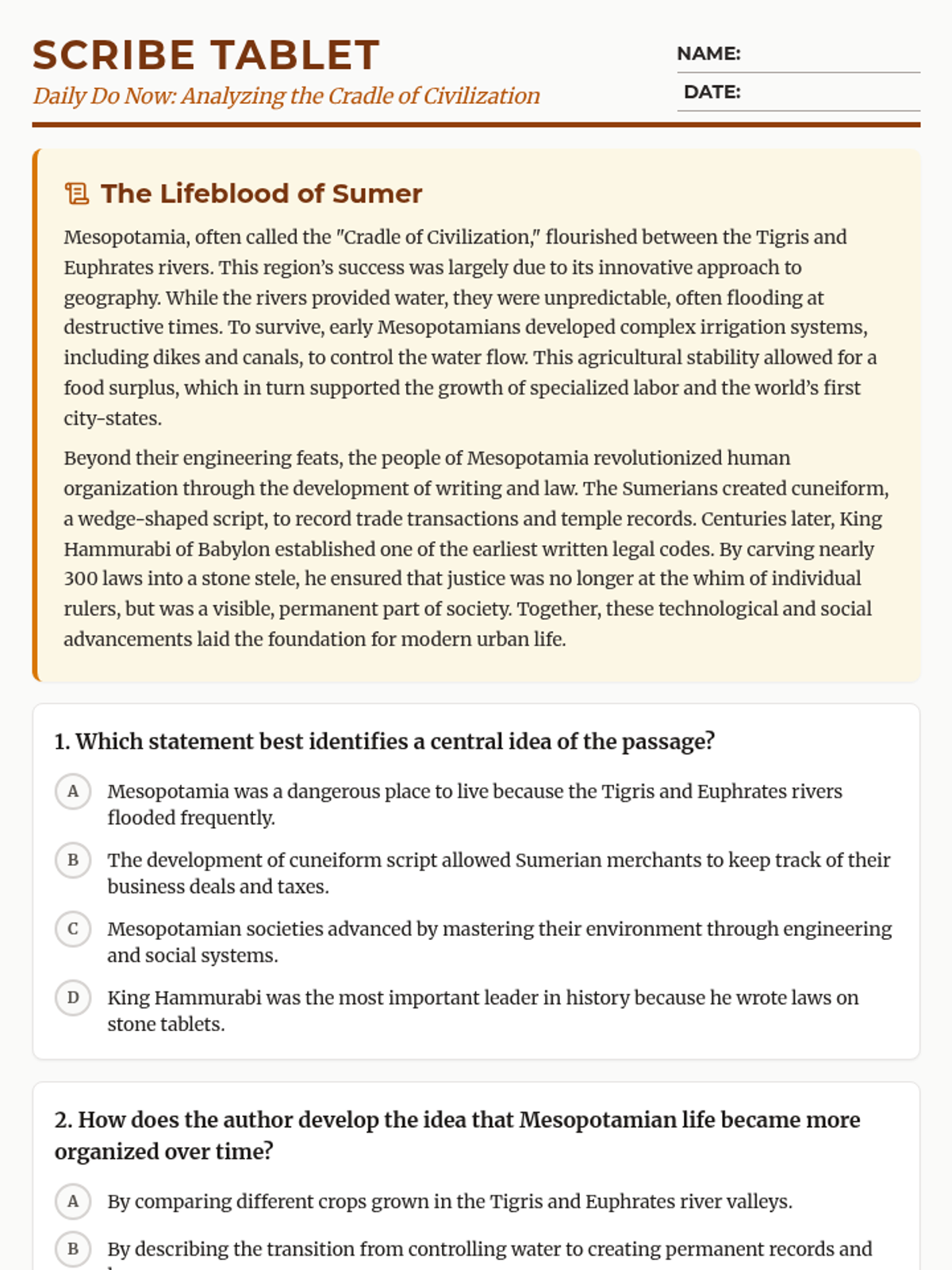
An exploration of the Tigris and Euphrates rivers, the development of city-states, the Code of Hammurabi, and the social hierarchy of Sumer.
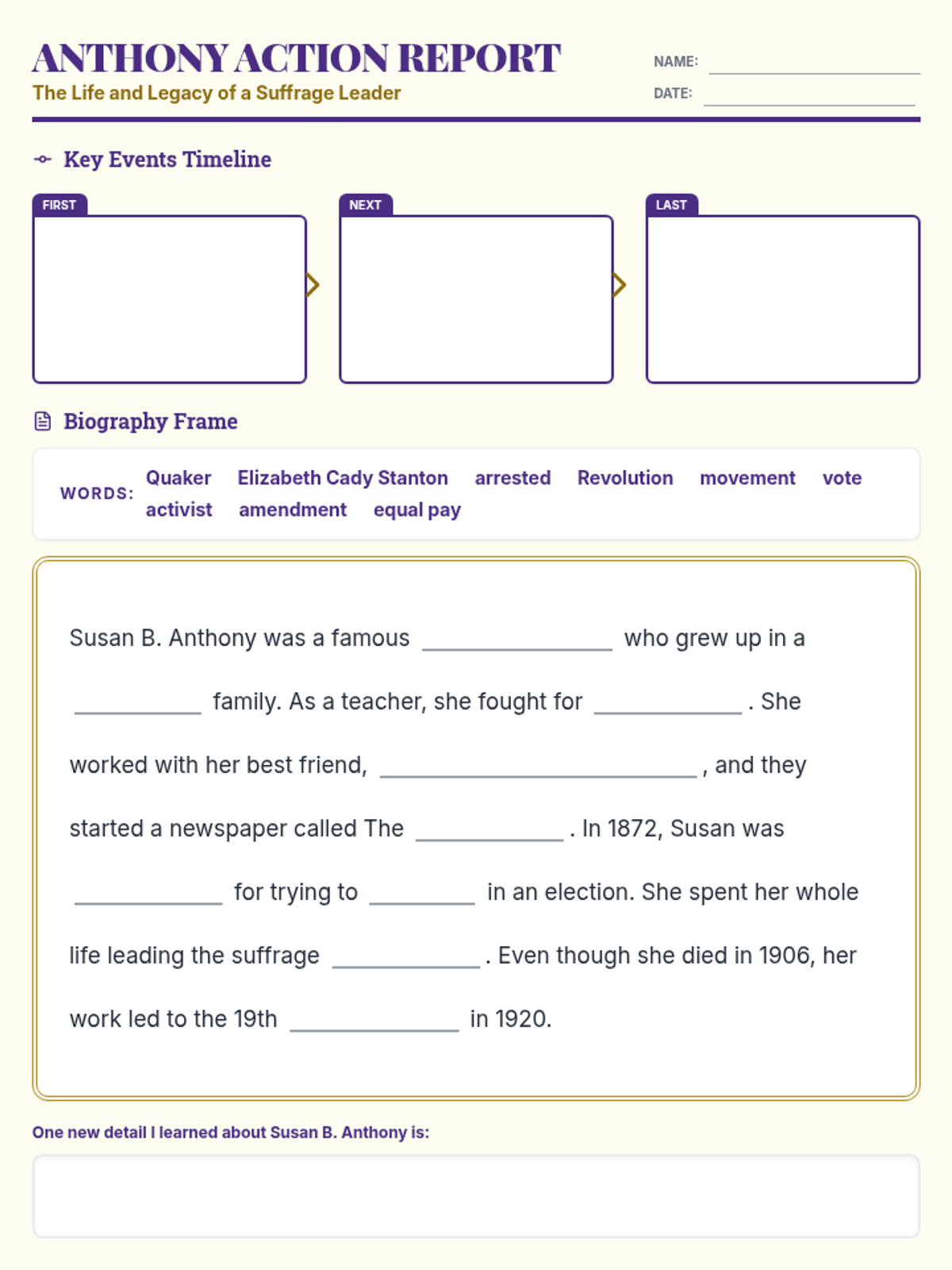
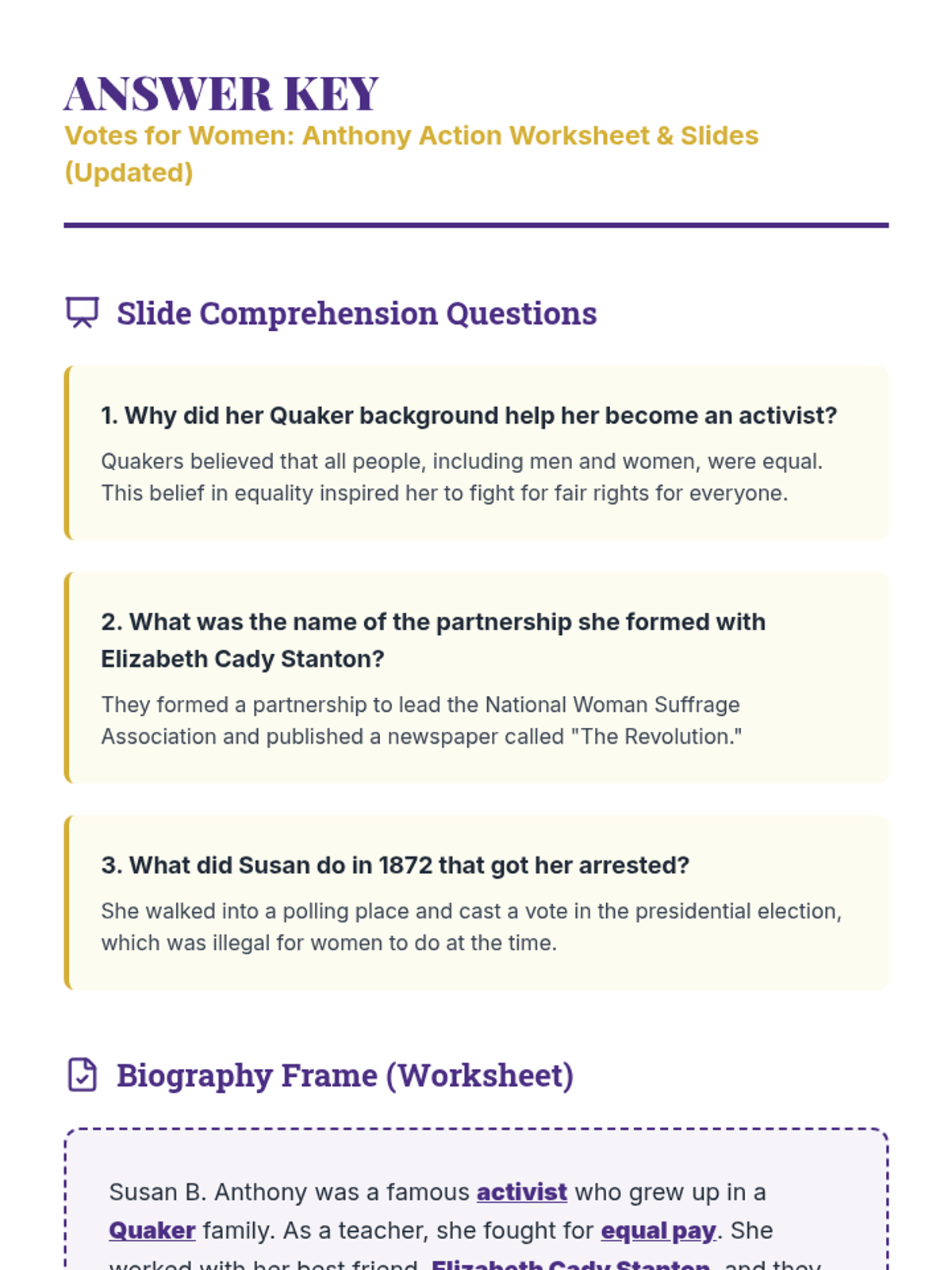
A lesson exploring the Women's Suffrage Movement through the life and activism of Susan B. Anthony, featuring vocabulary building and historical sequencing.
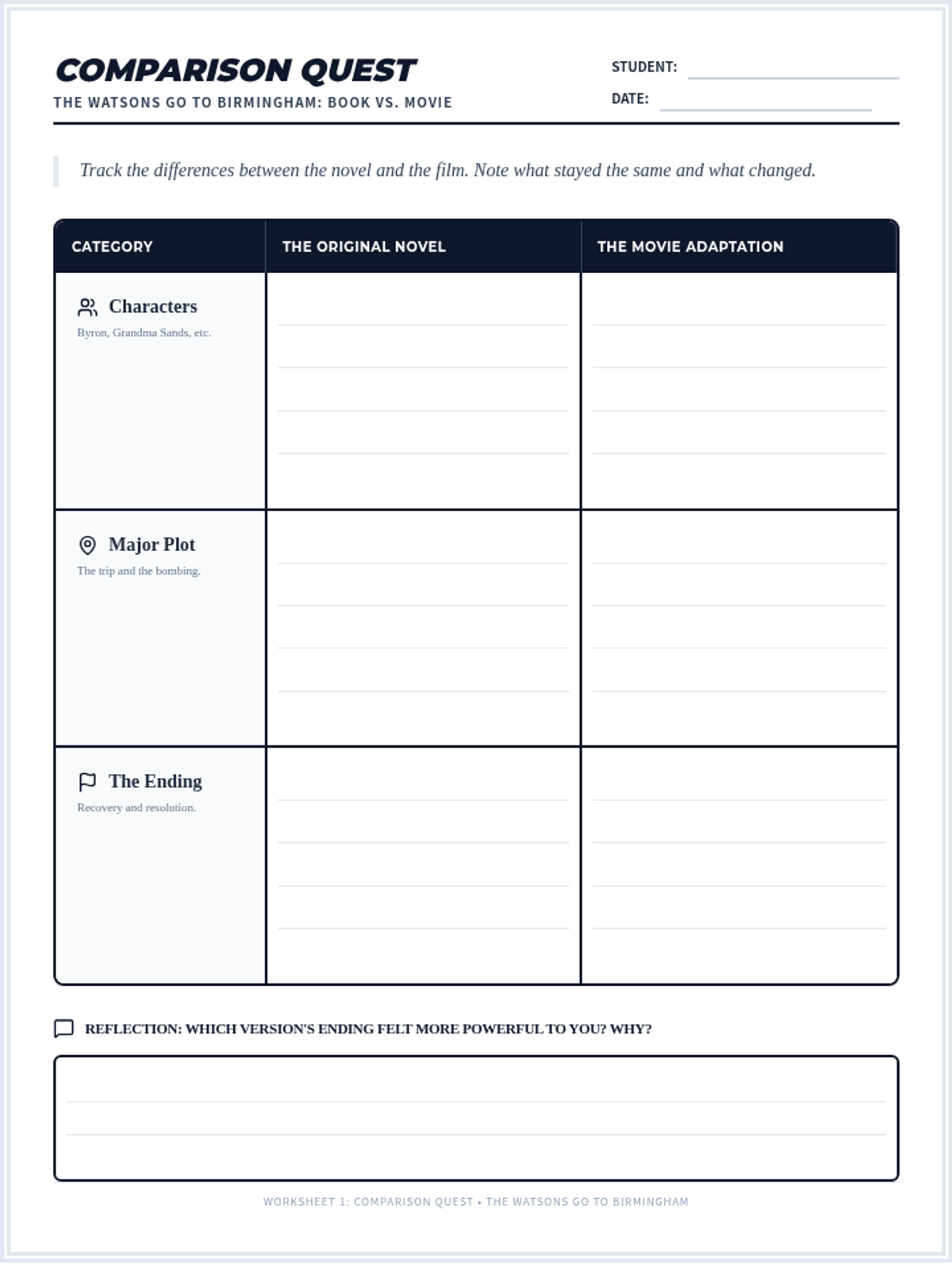
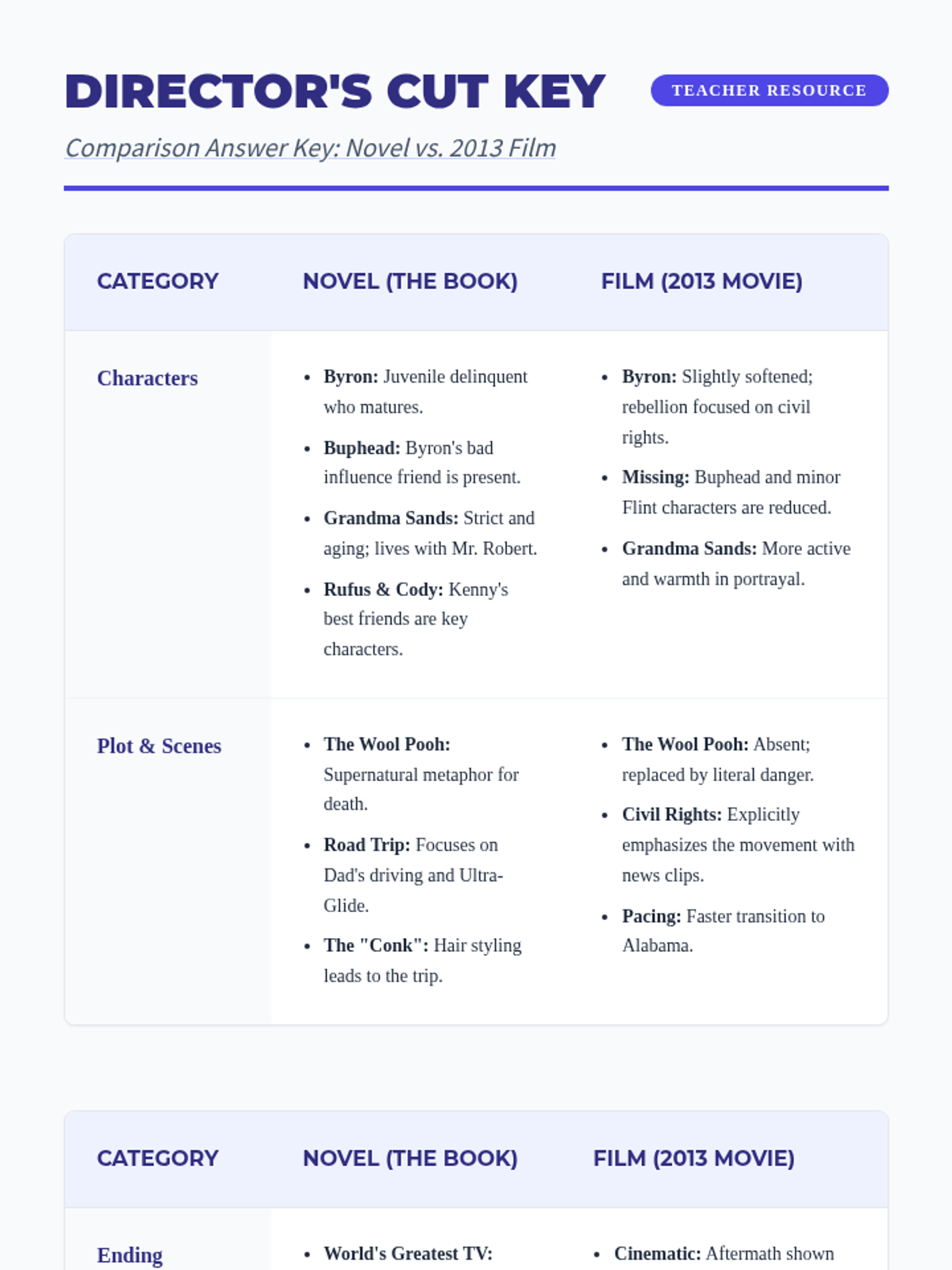
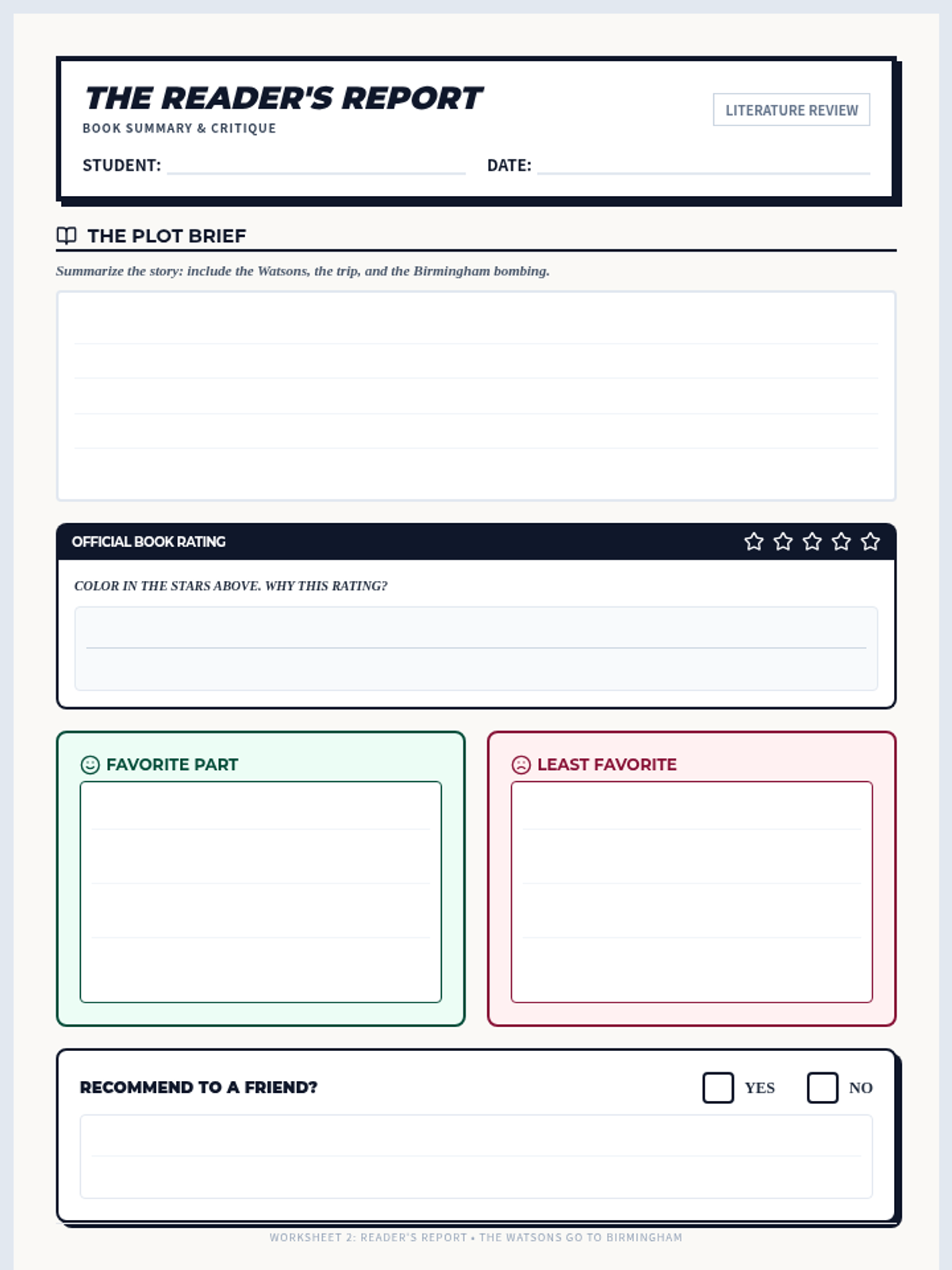
A comprehensive look at the classic novel 'The Watsons Go to Birmingham – 1963', including a complete plot summary and a comparative analysis between the book and its film adaptation.
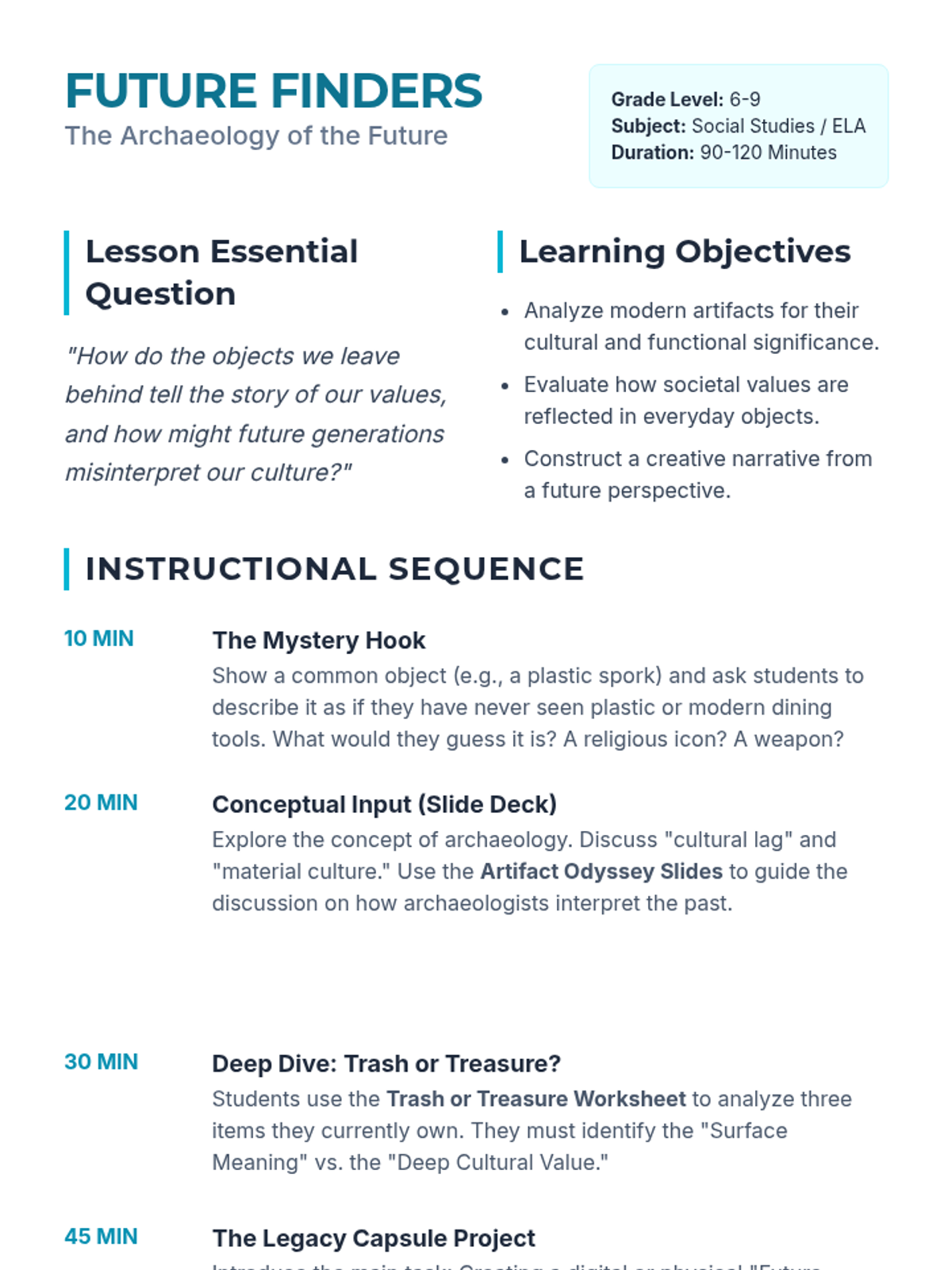
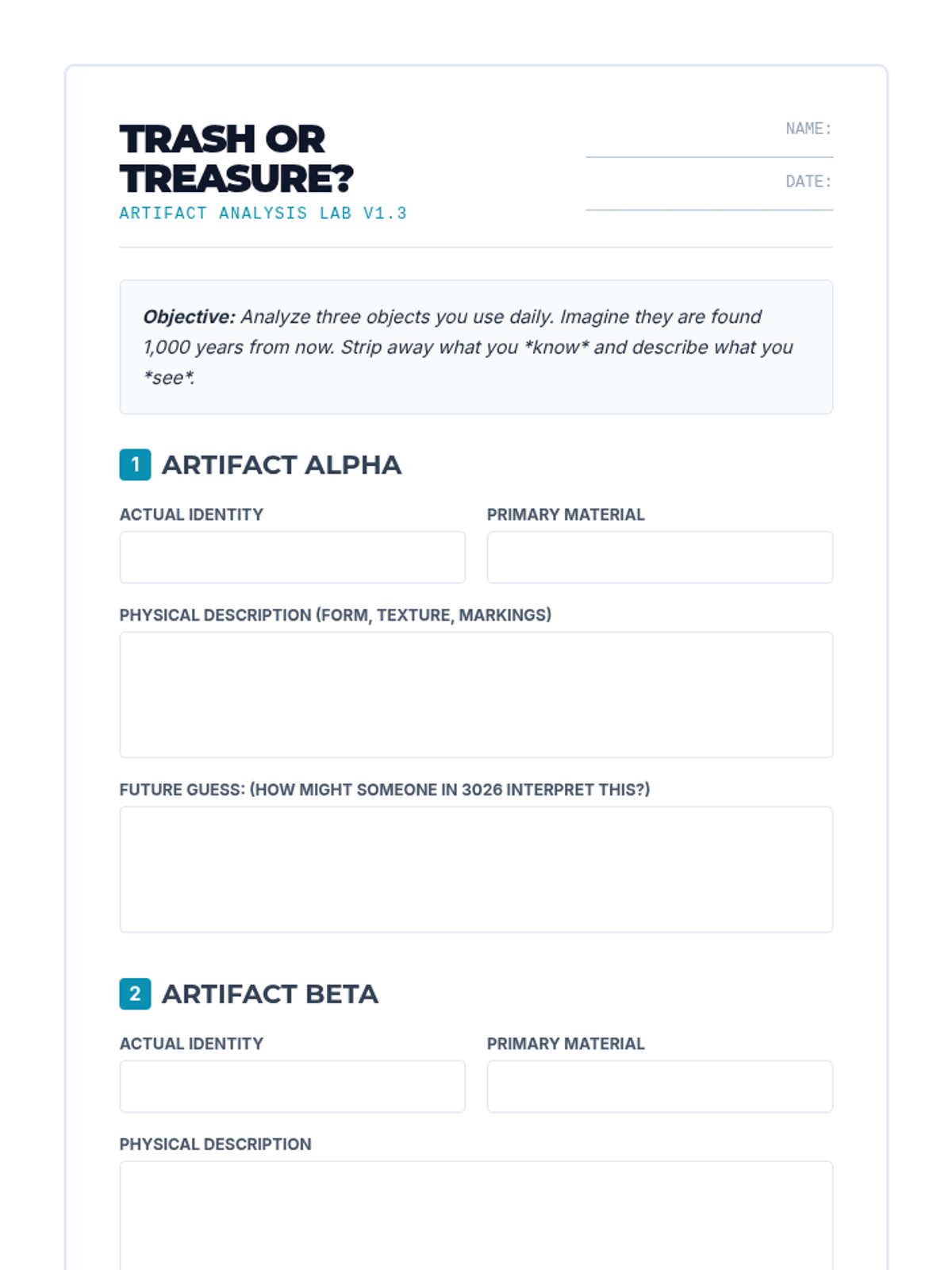
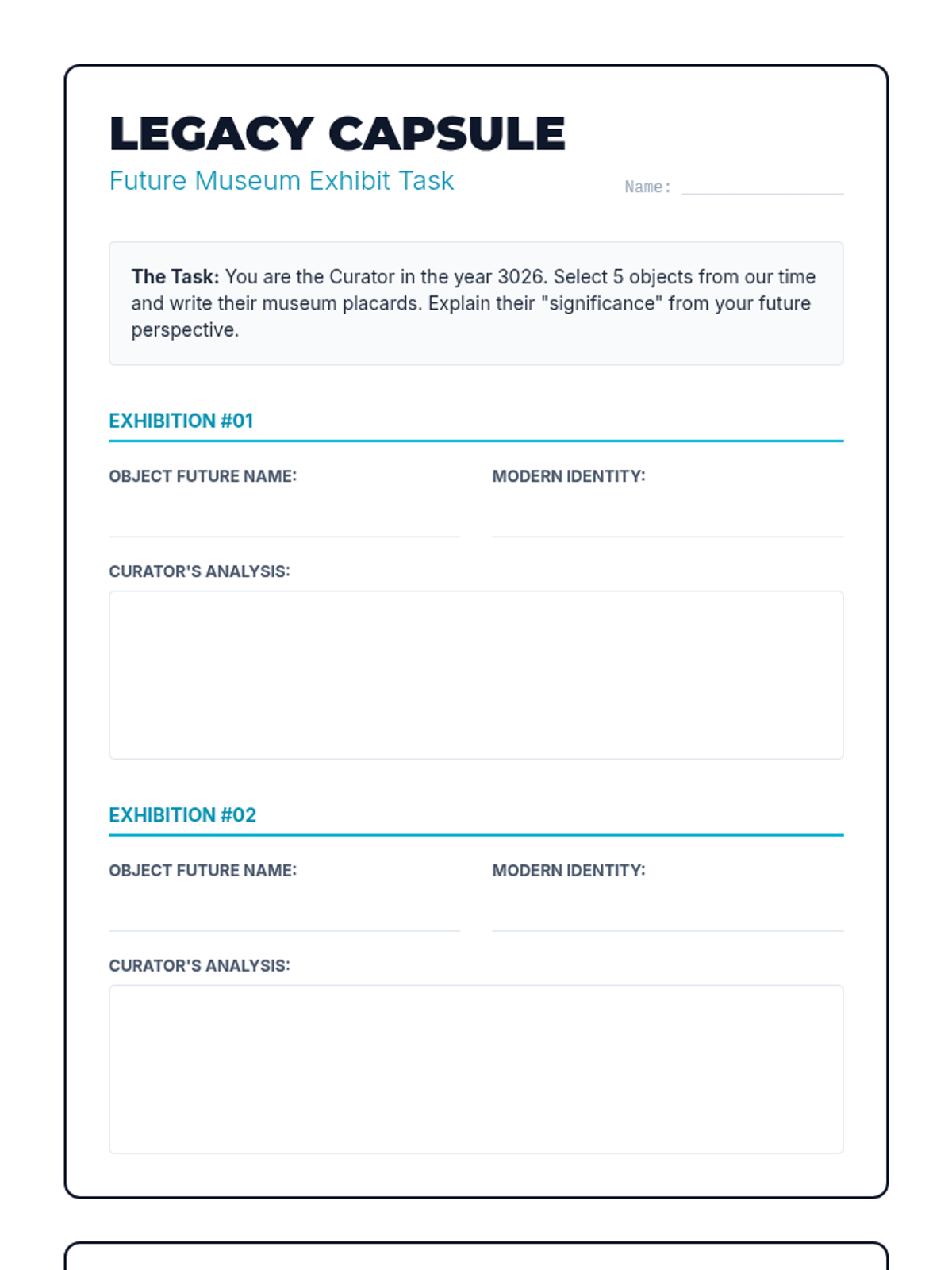
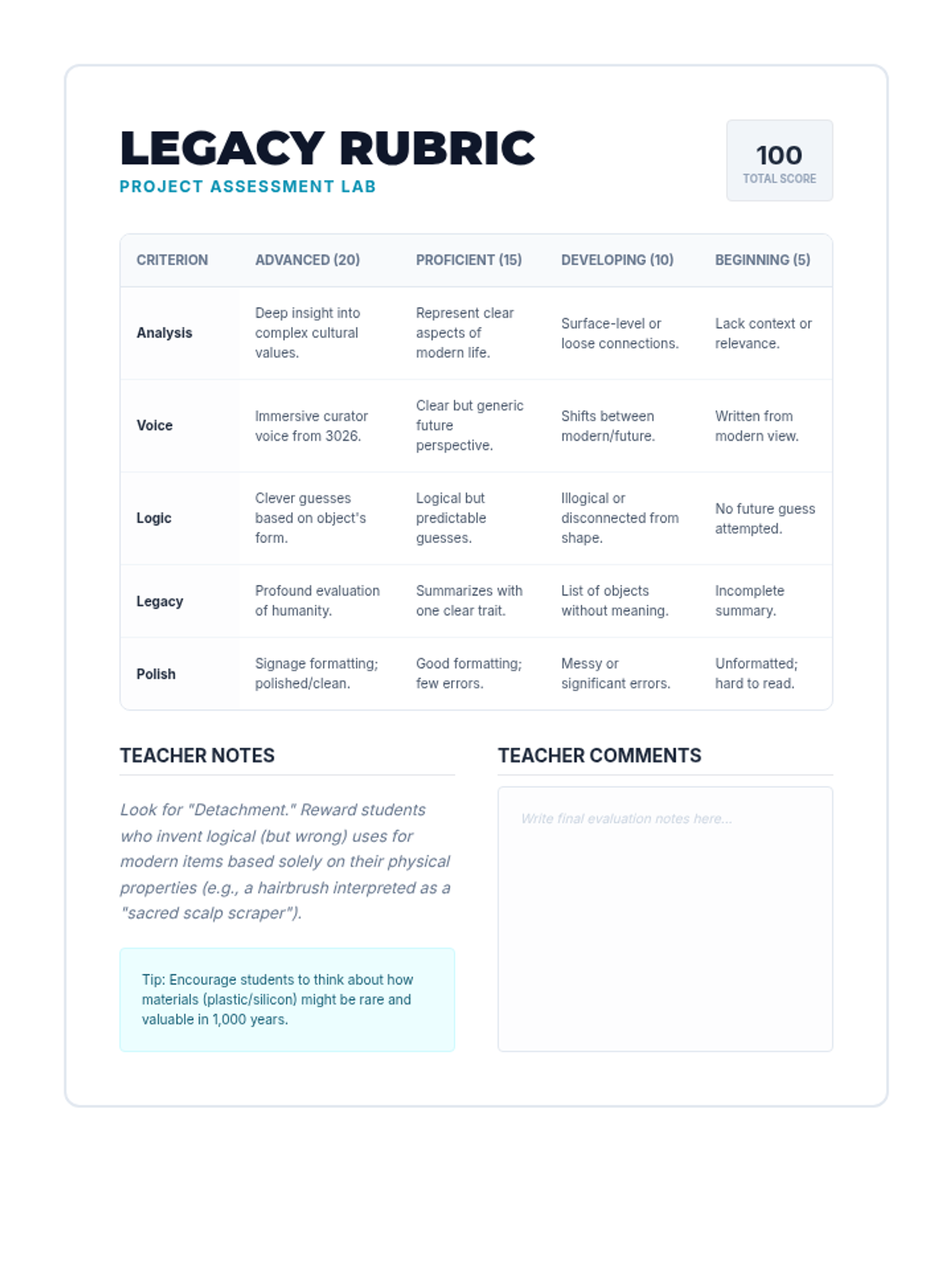
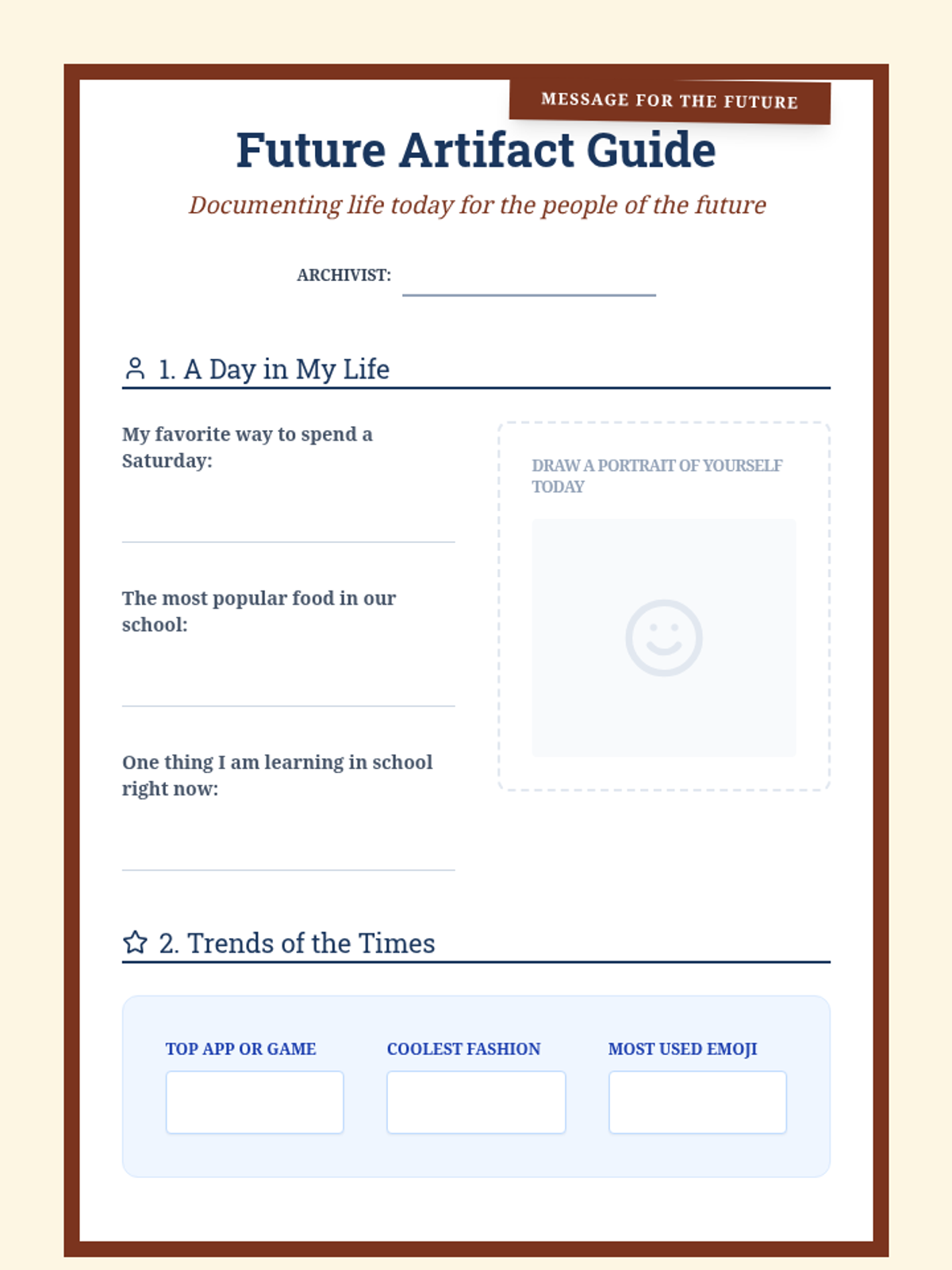
A Social Studies and Creative Writing lesson where students analyze modern cultural objects as future archaeological artifacts to evaluate societal values and legacy.
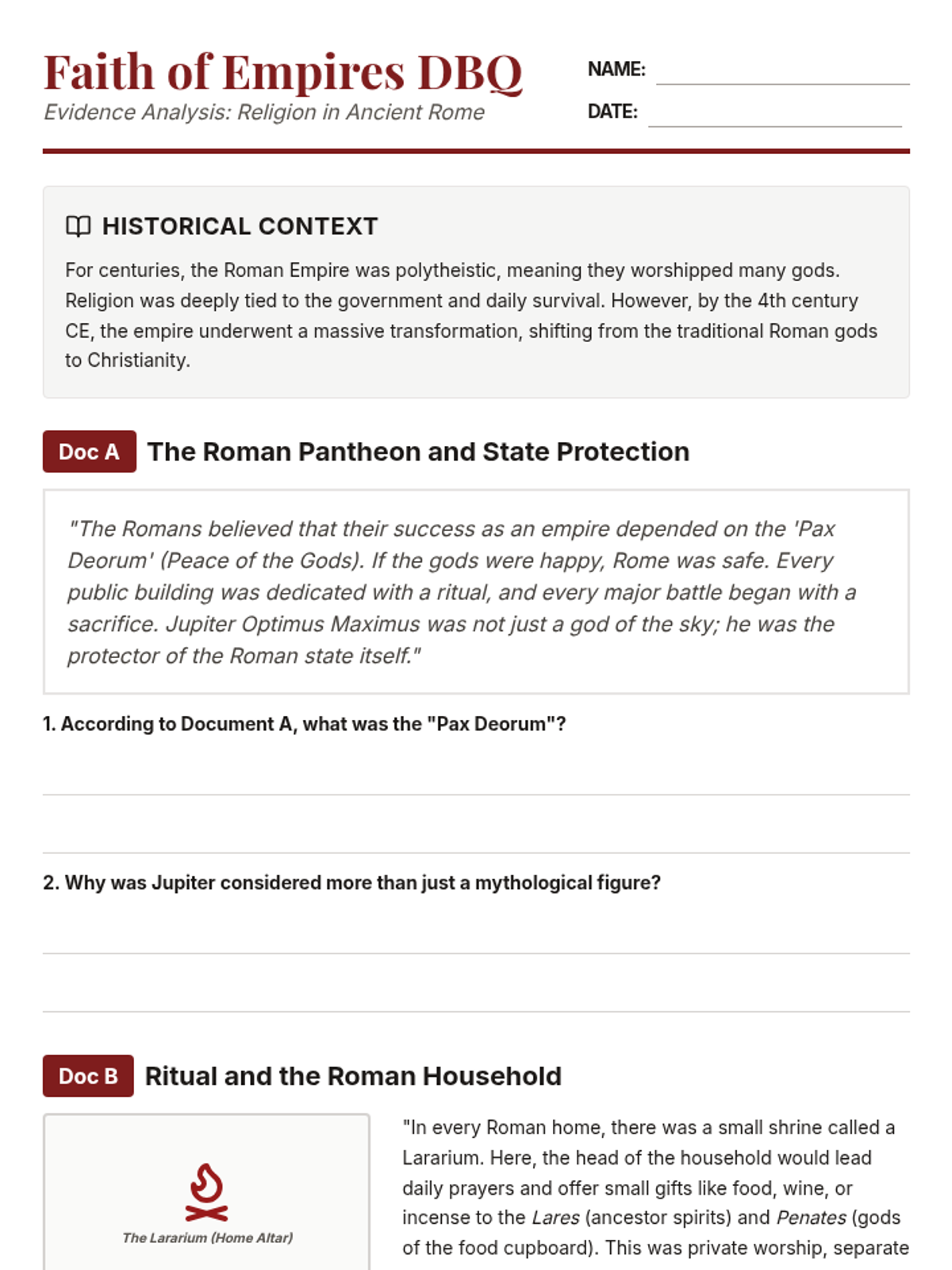
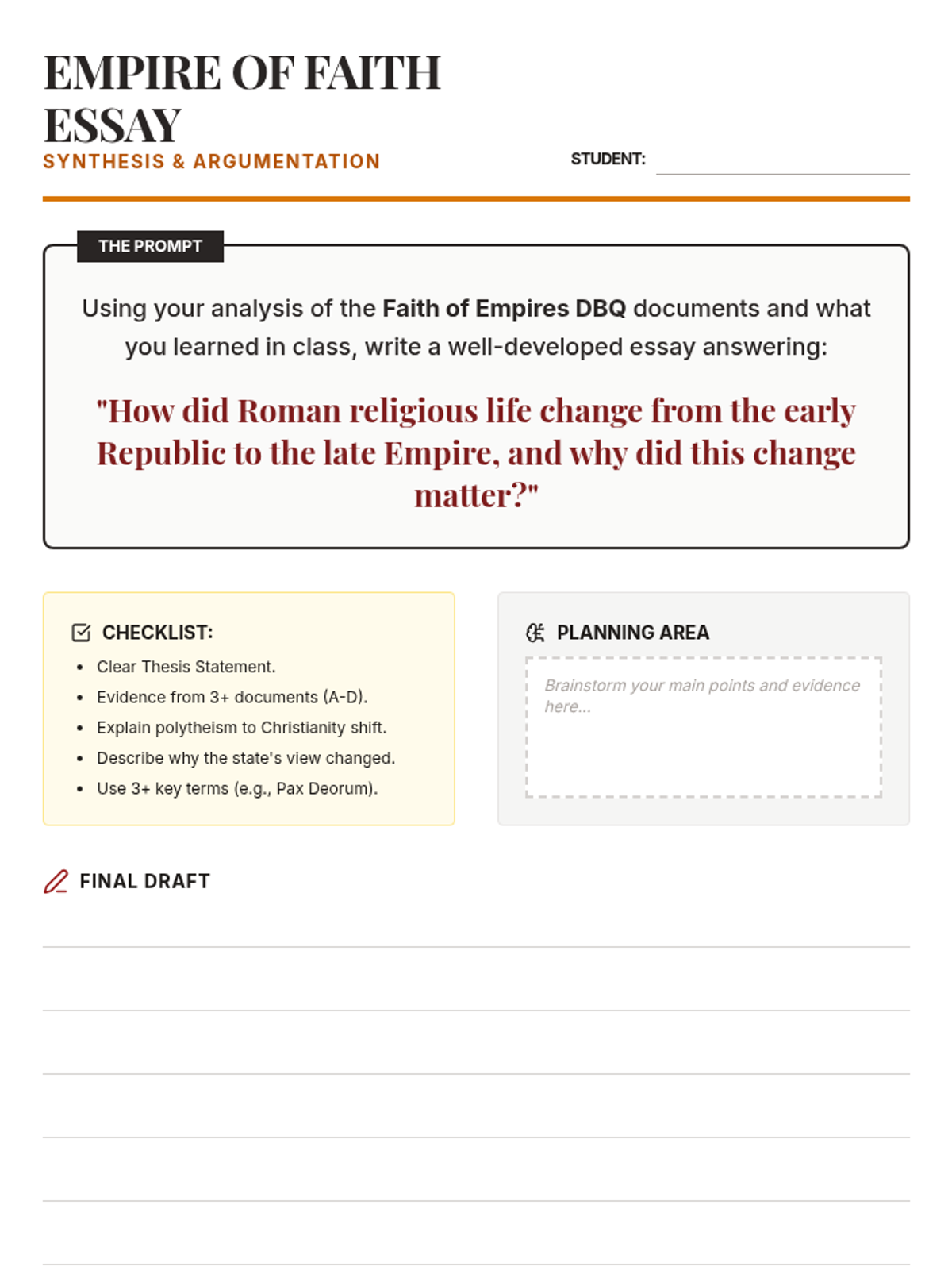
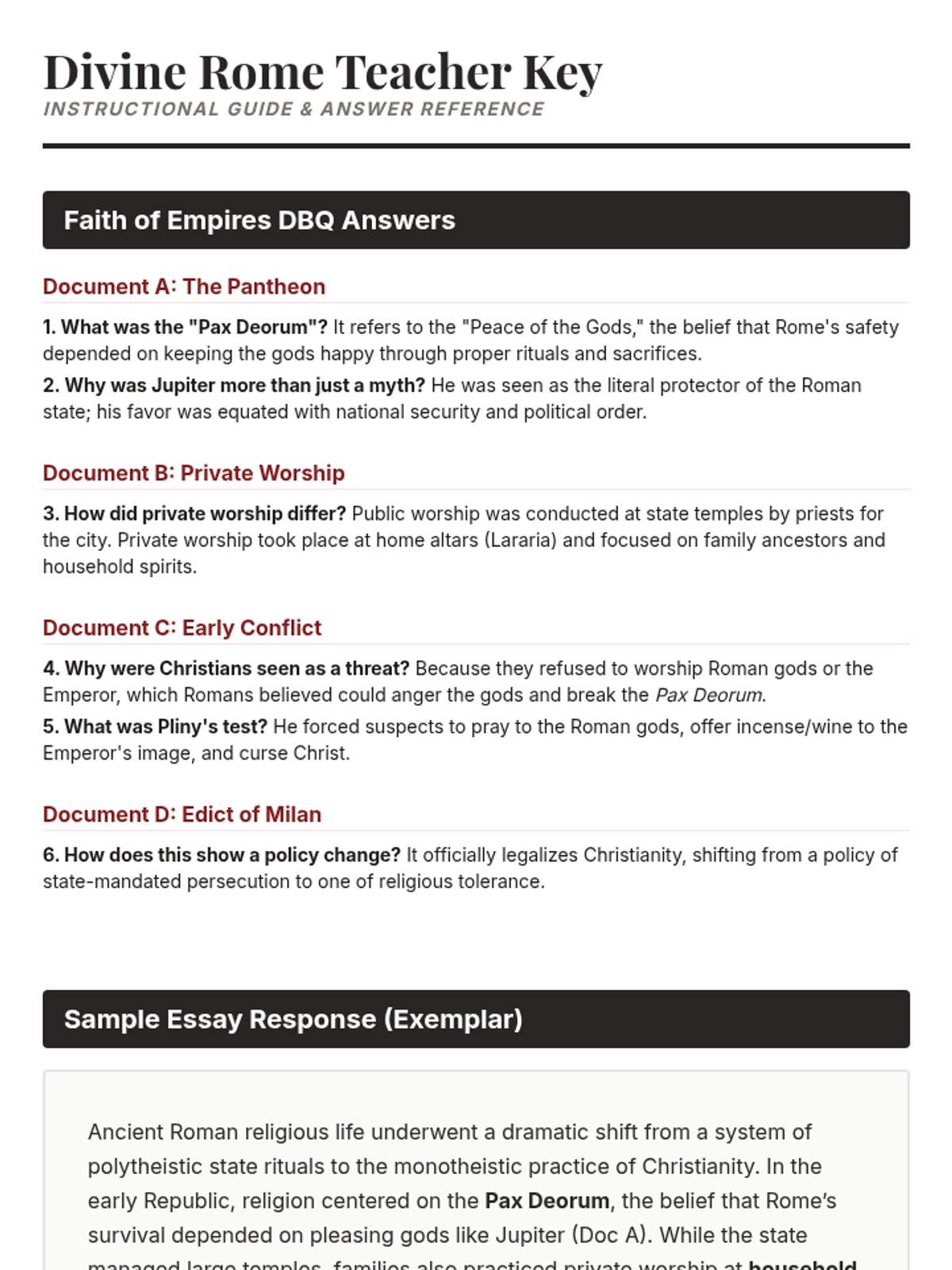
An exploration of Ancient Roman religion, from the polytheistic pantheon and state rituals to the historical transition toward Christianity.
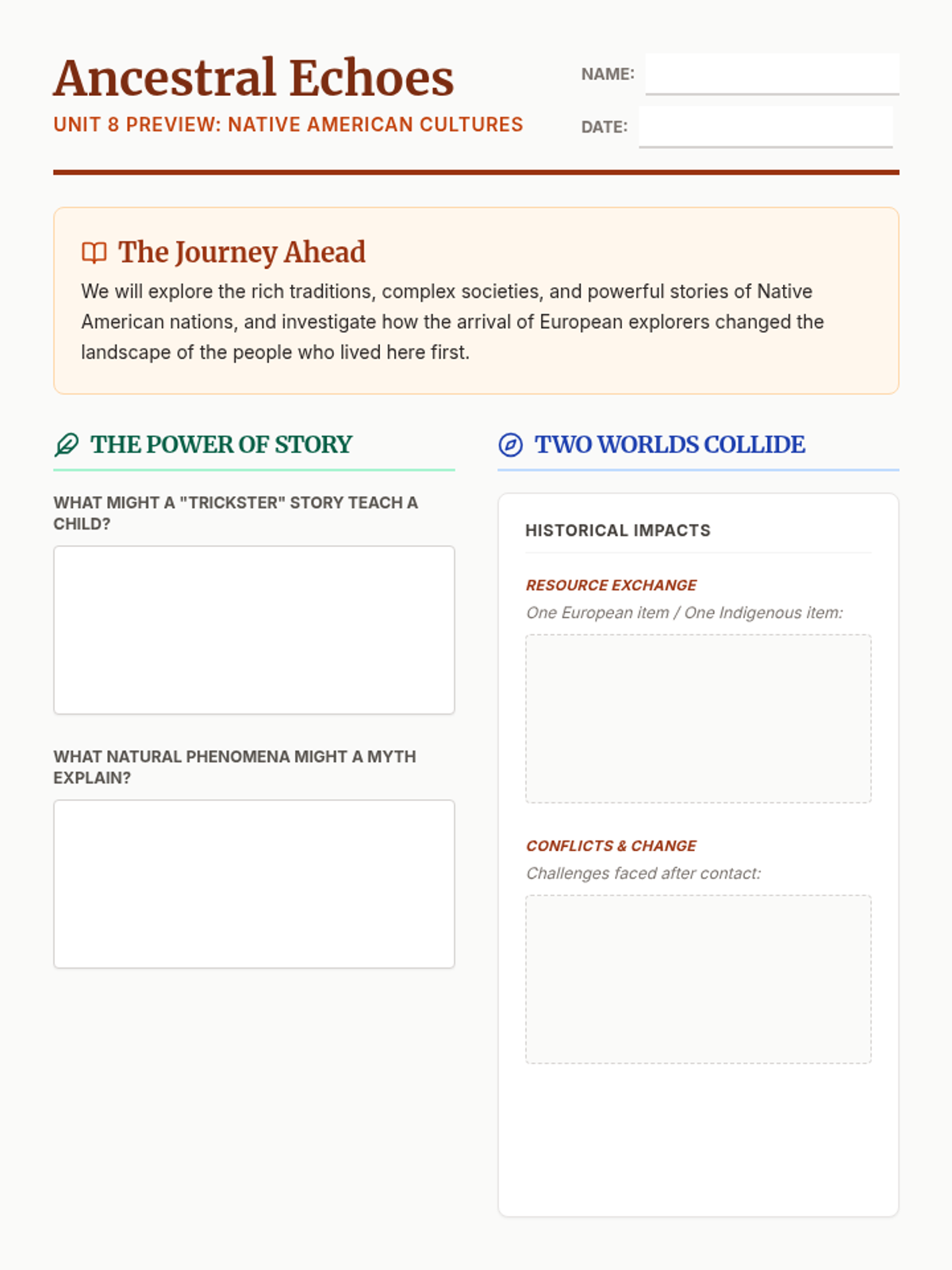
An introductory preview of CKLA Unit 8 exploring Native American cultures, traditional myths, and the historical impact of European exploration.
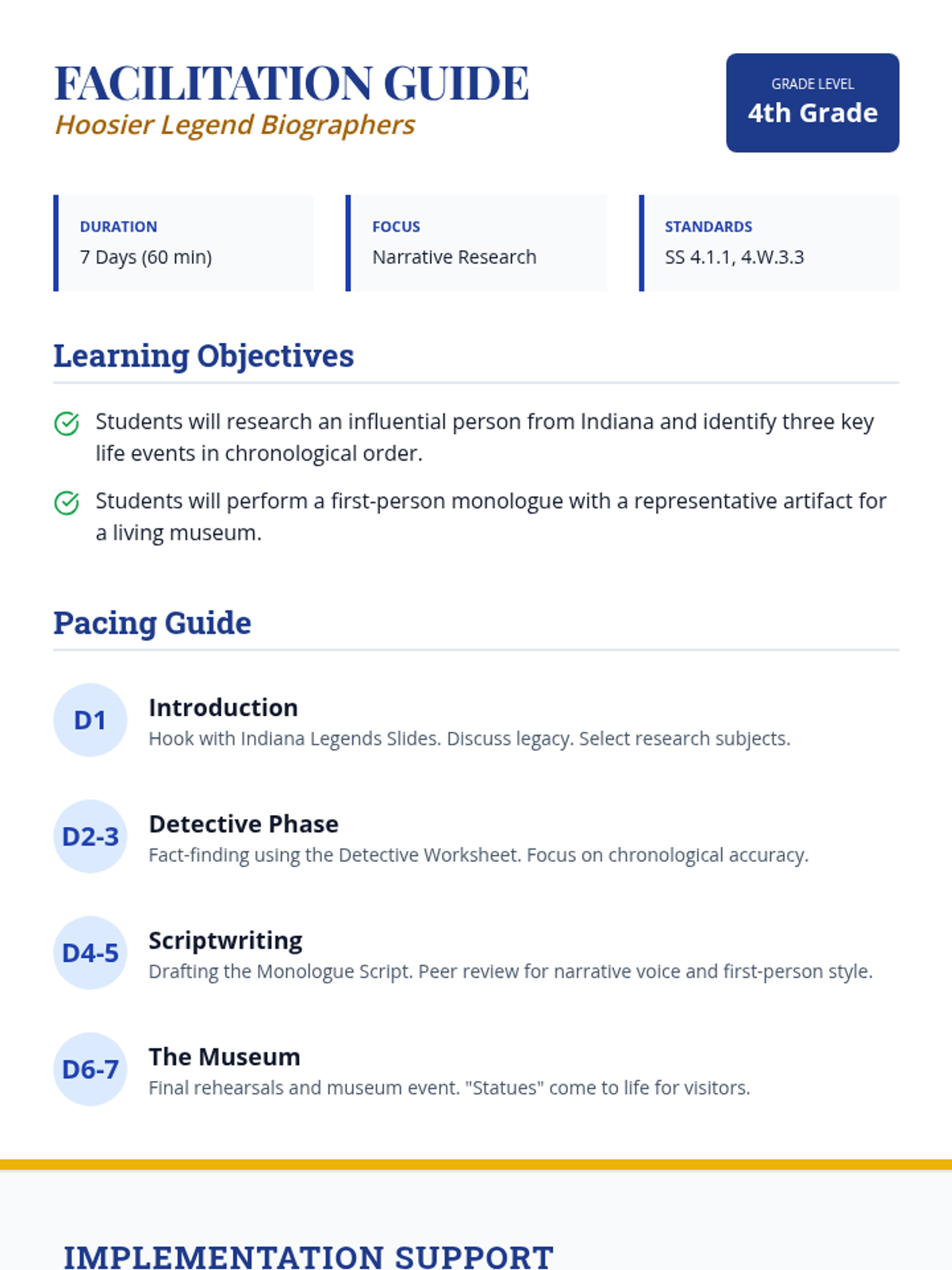
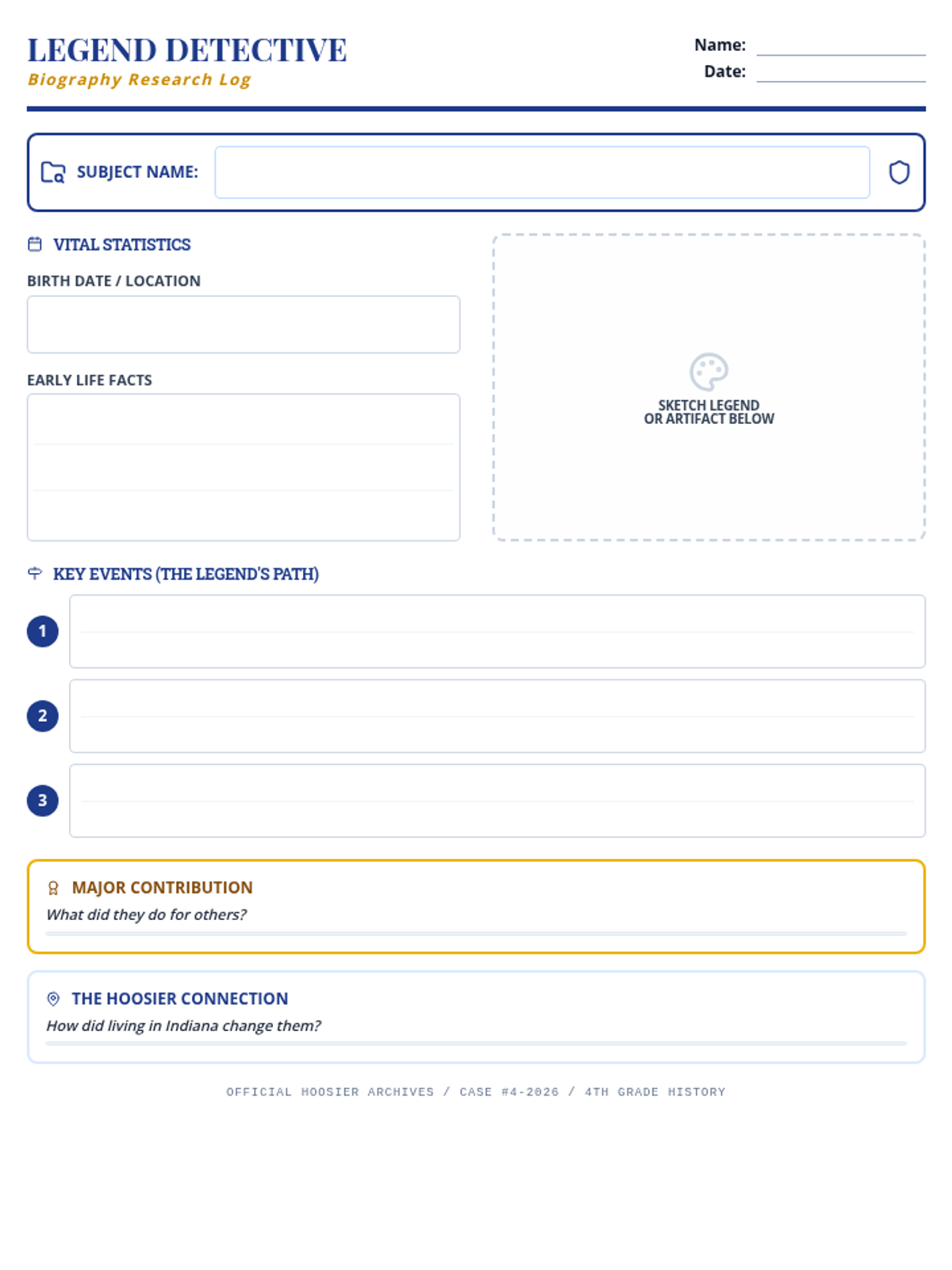
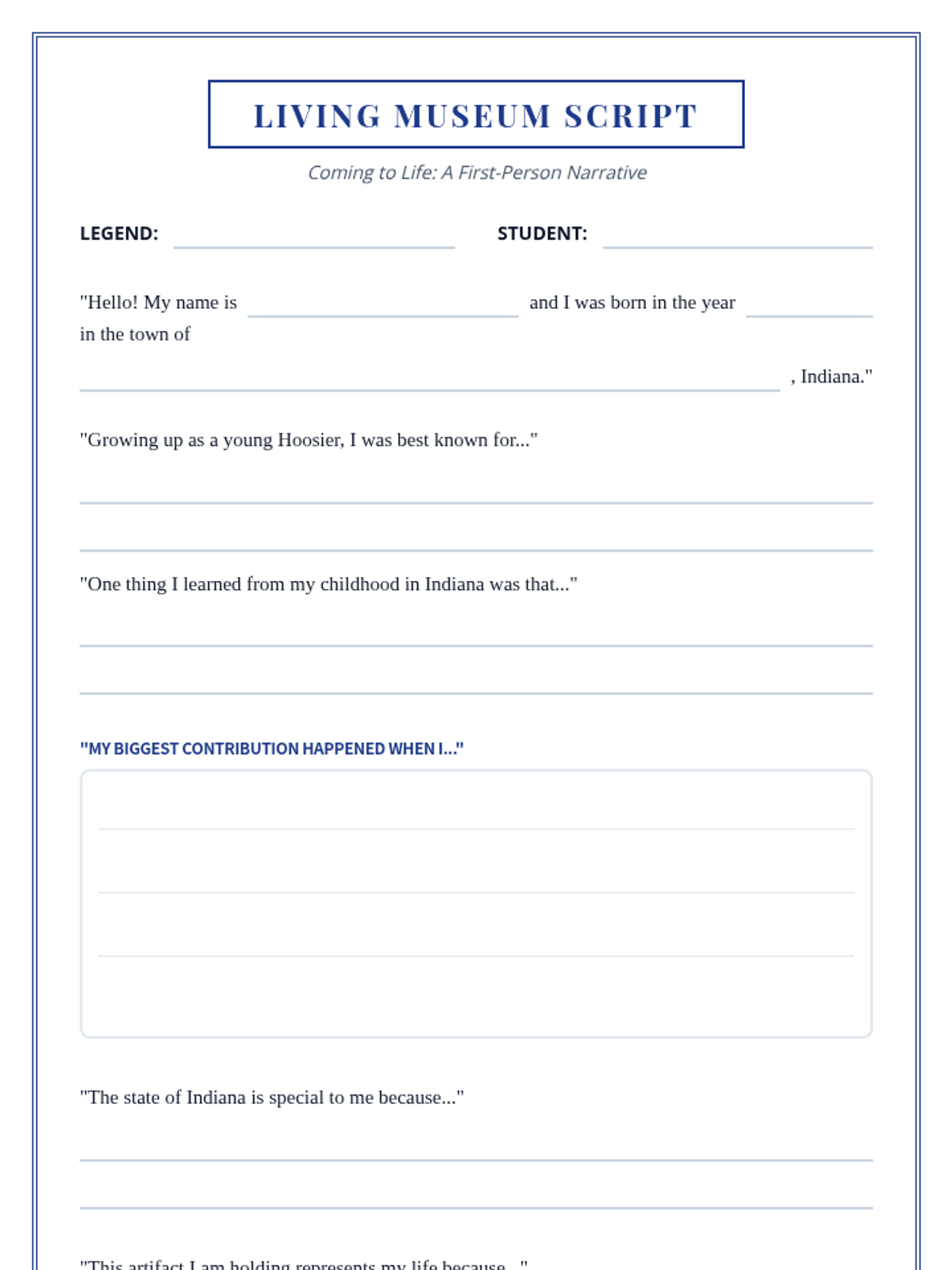
A comprehensive biography project where fourth graders research influential Indiana figures, develop narrative writing skills, and prepare for a 'living museum' presentation. students learn to synthesize facts into first-person scripts and select representative artifacts.
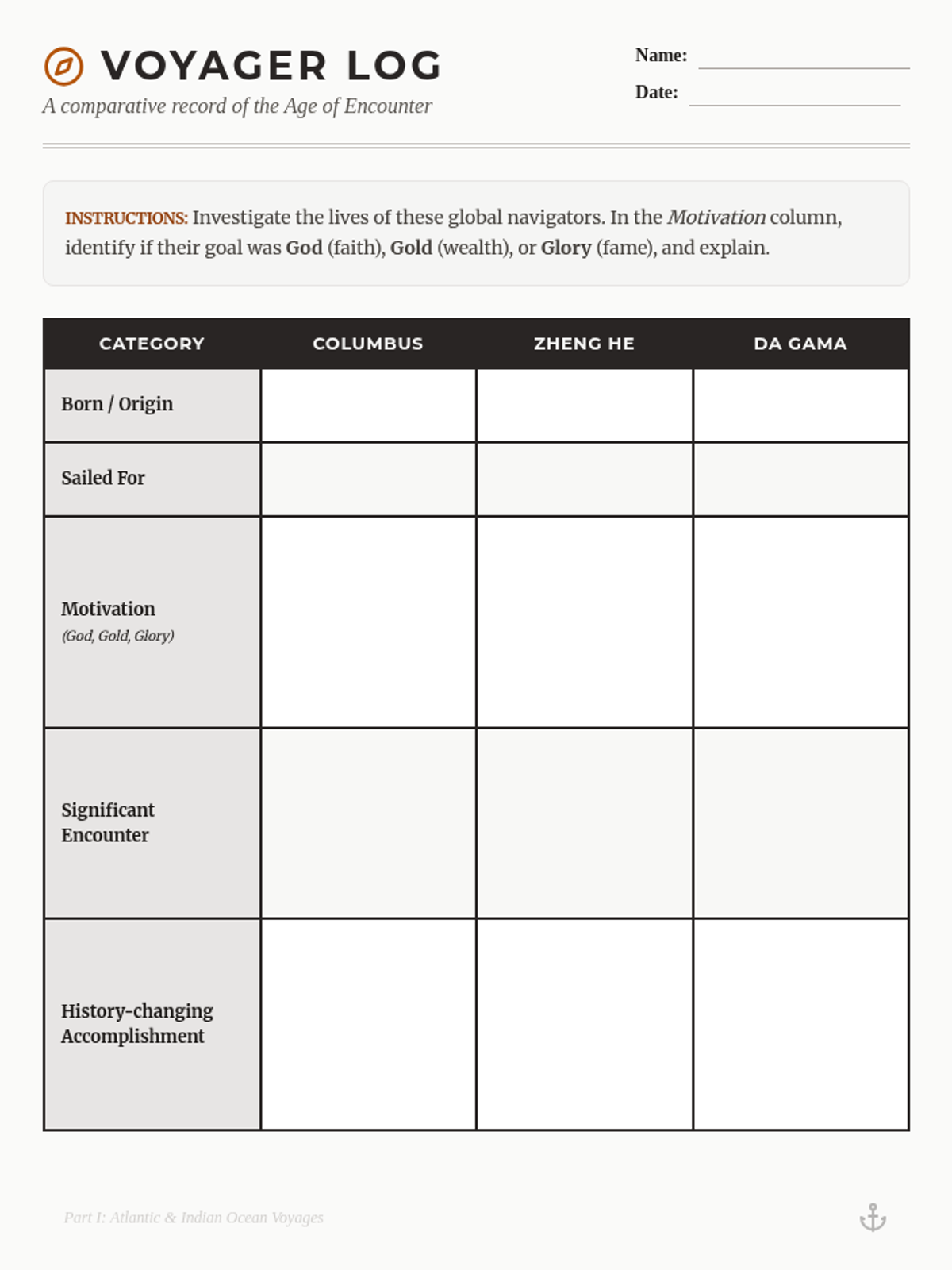
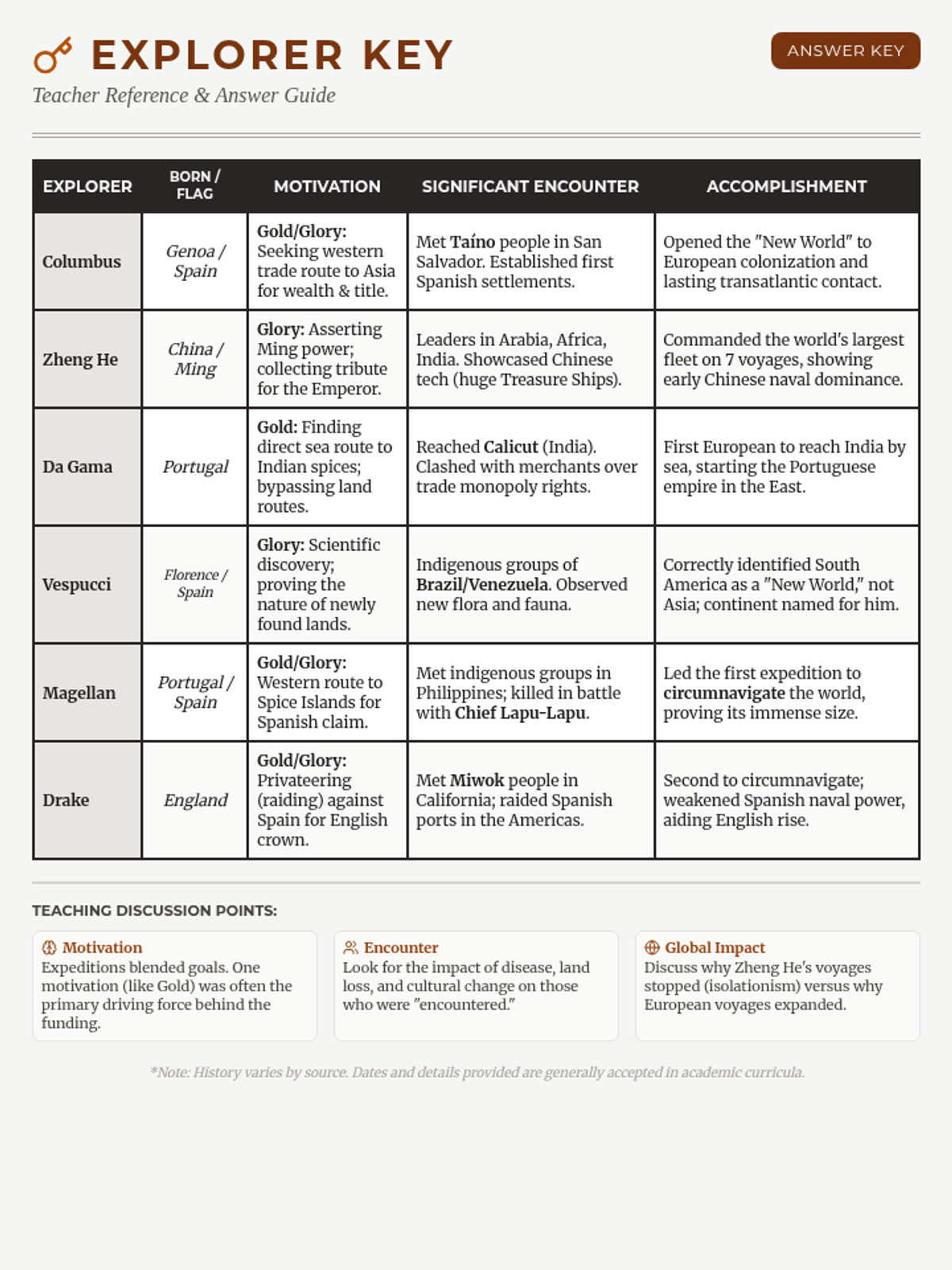
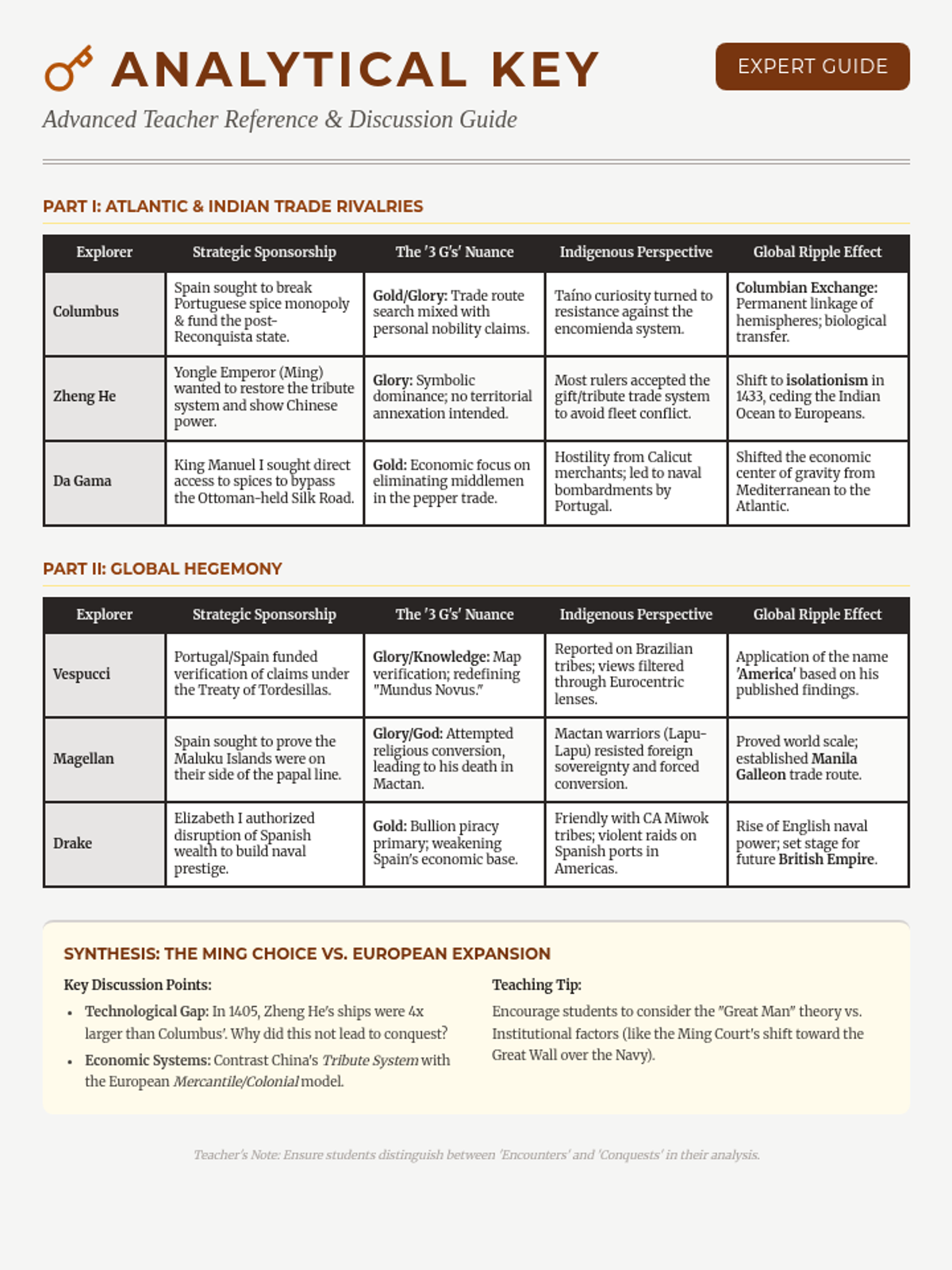
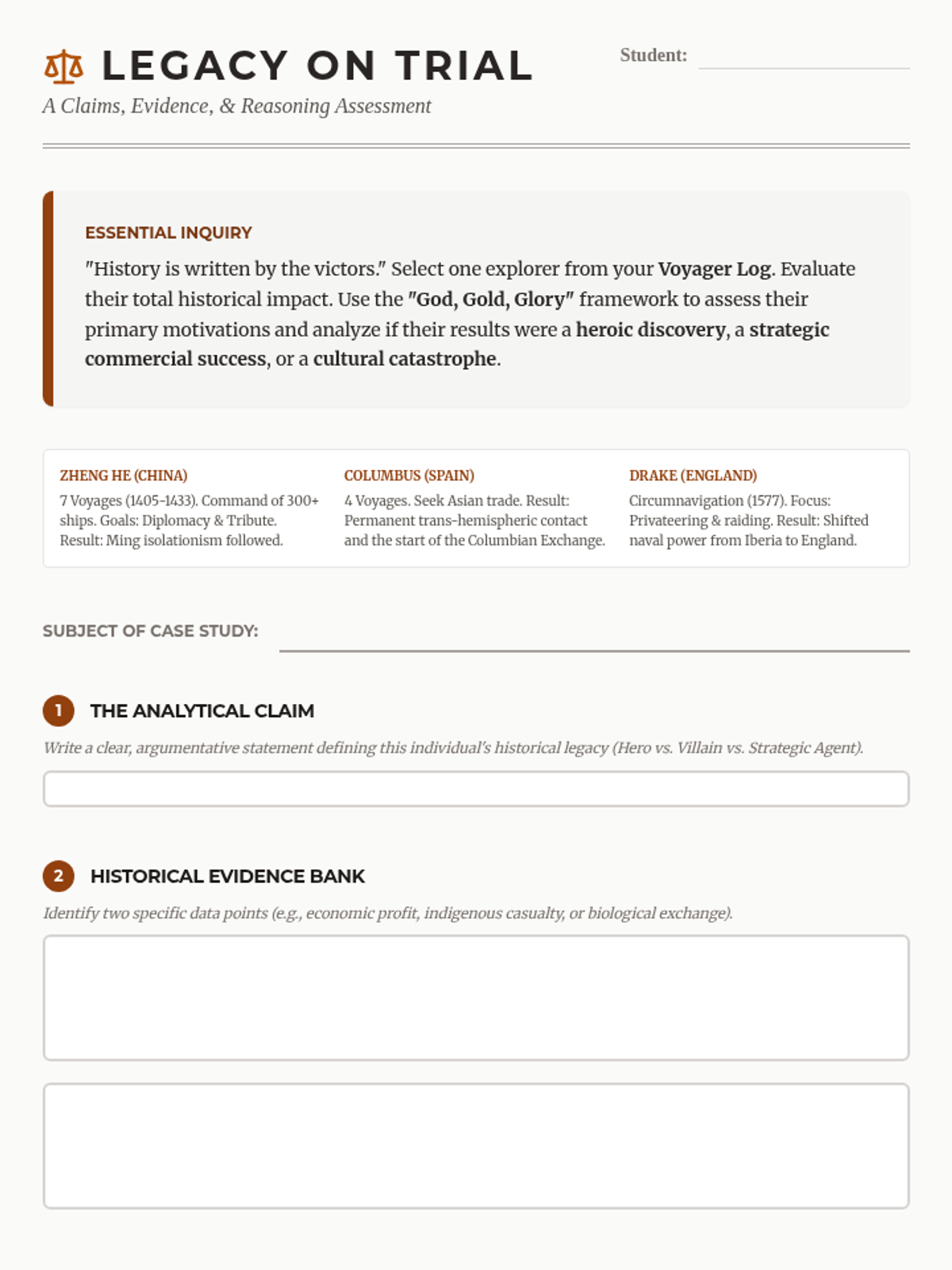
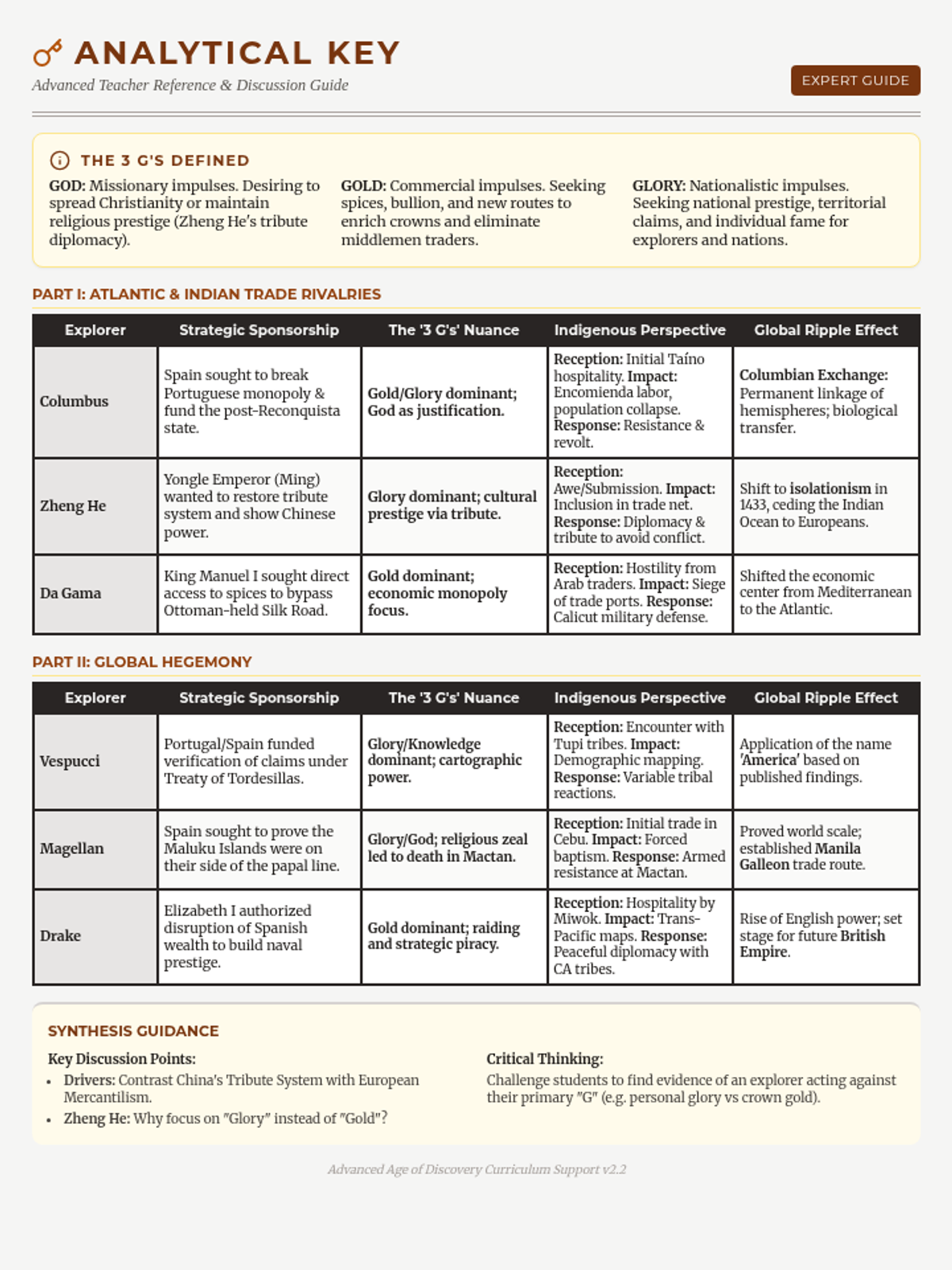
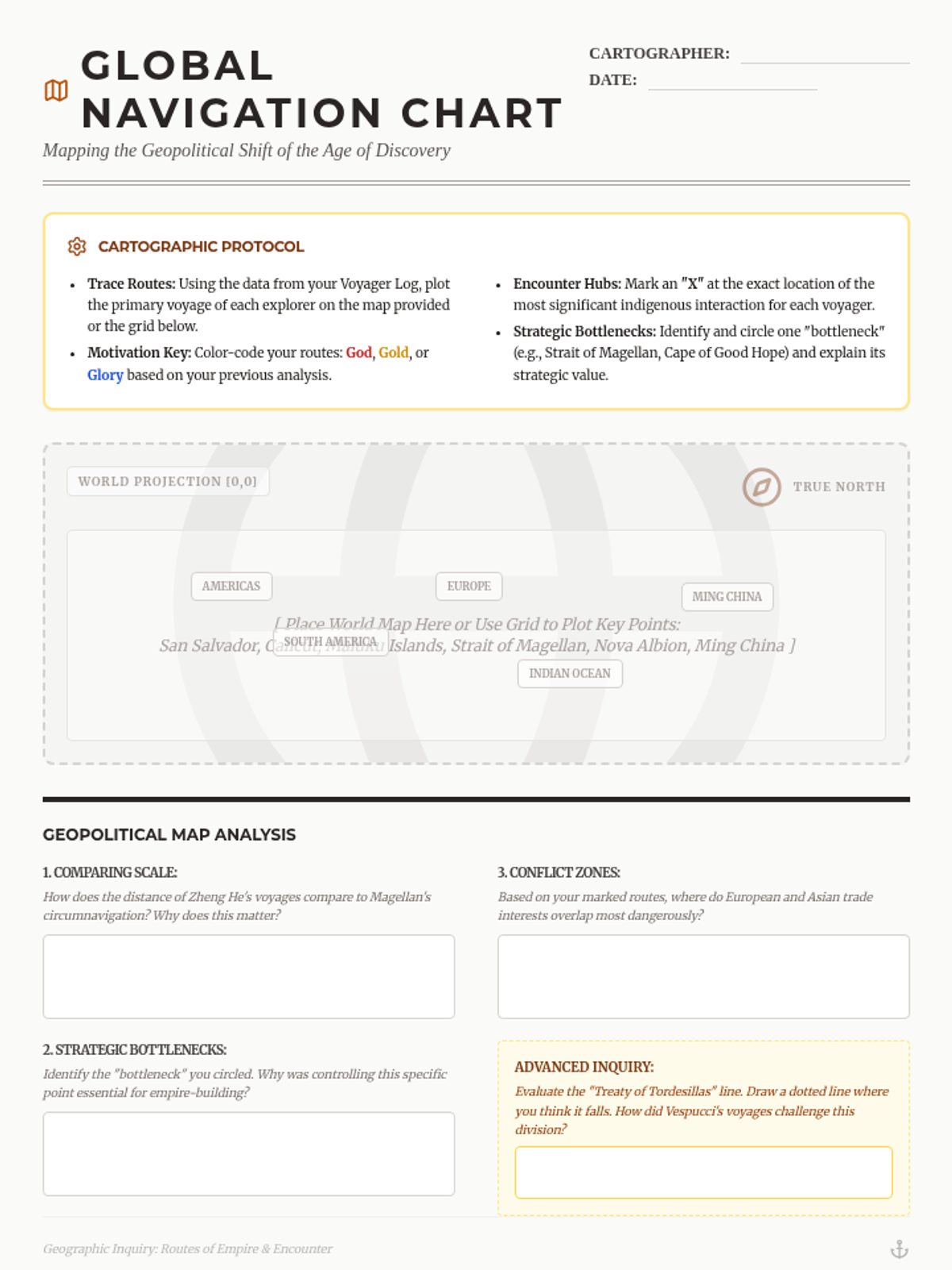
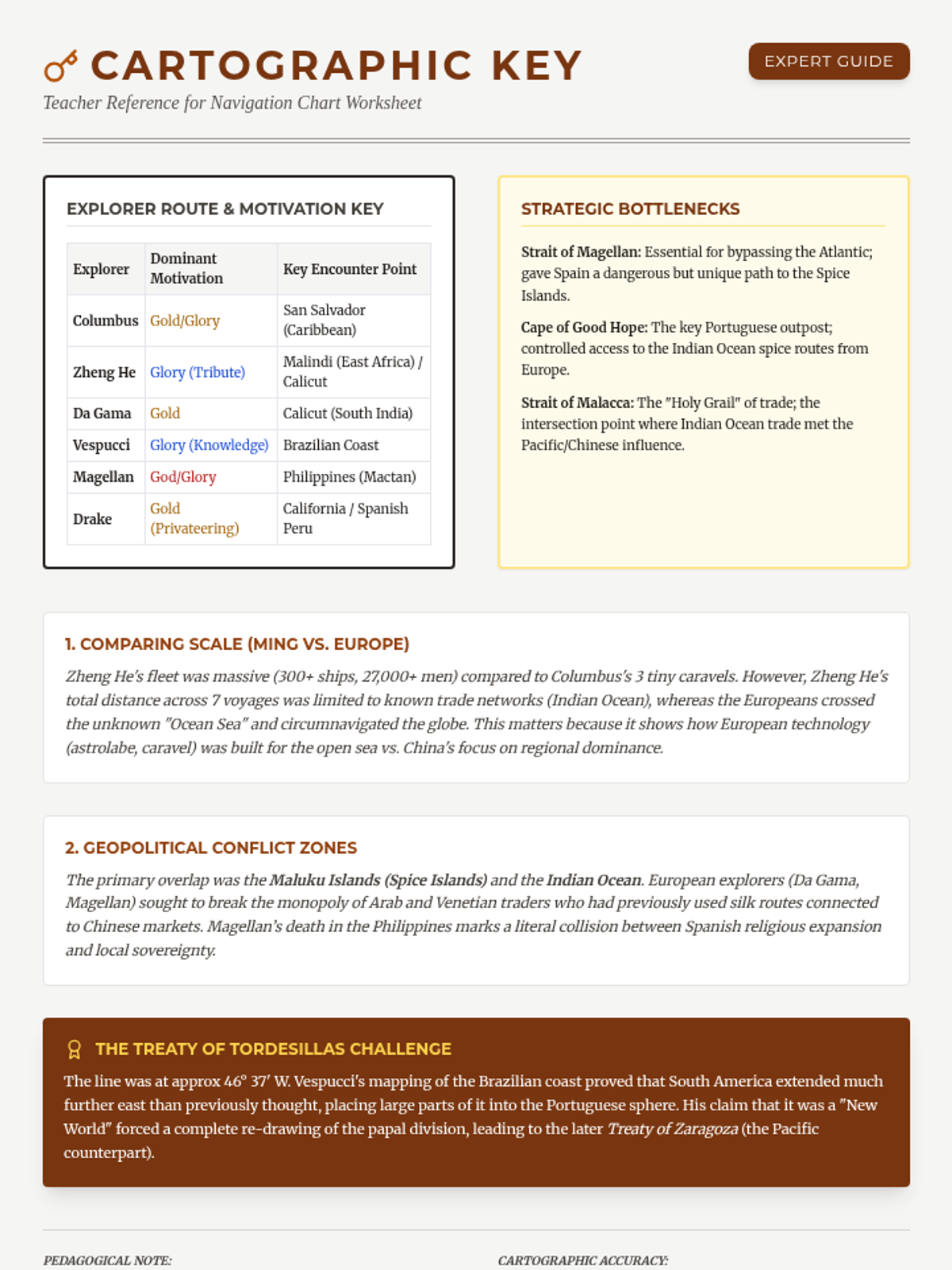
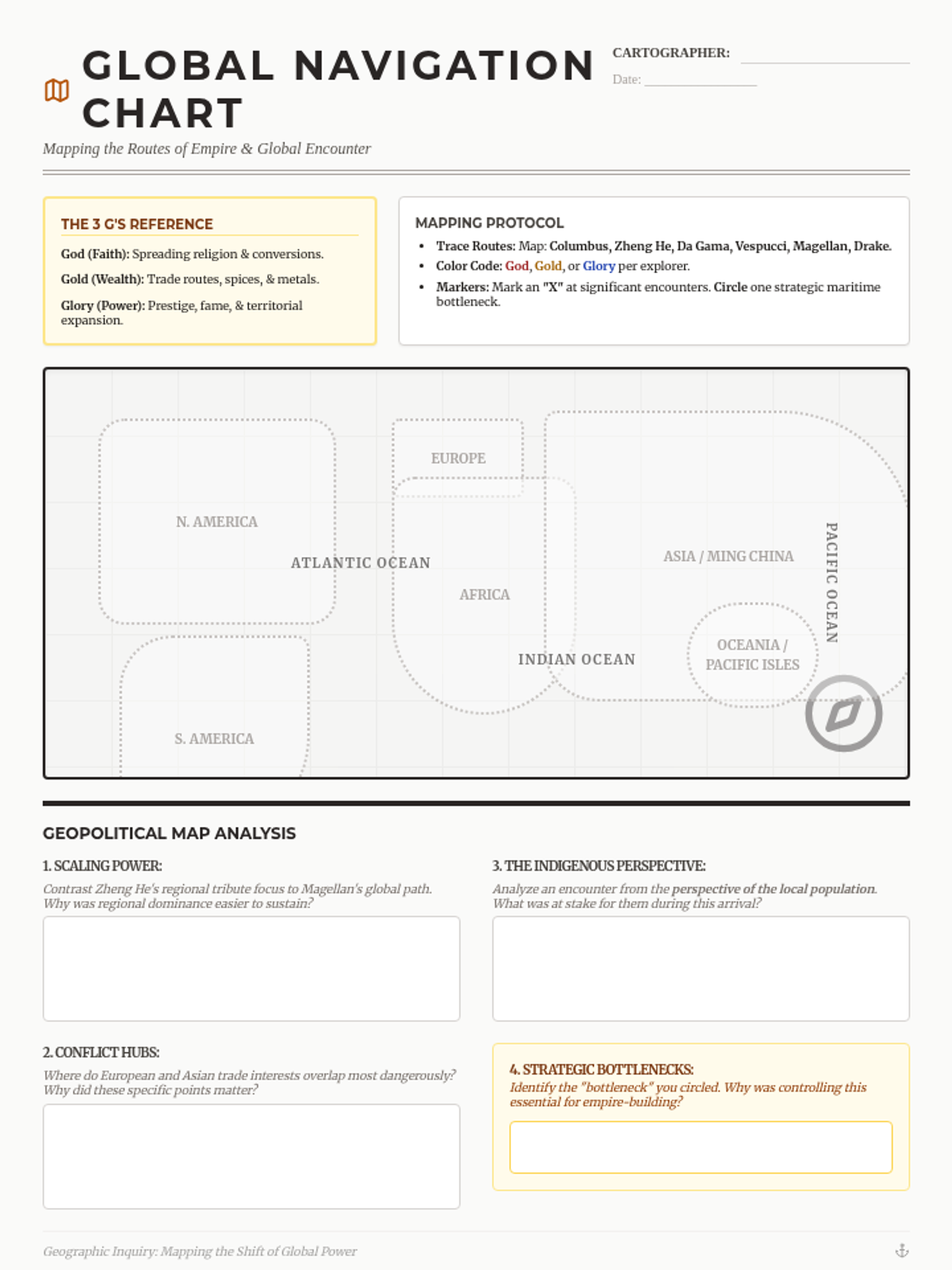
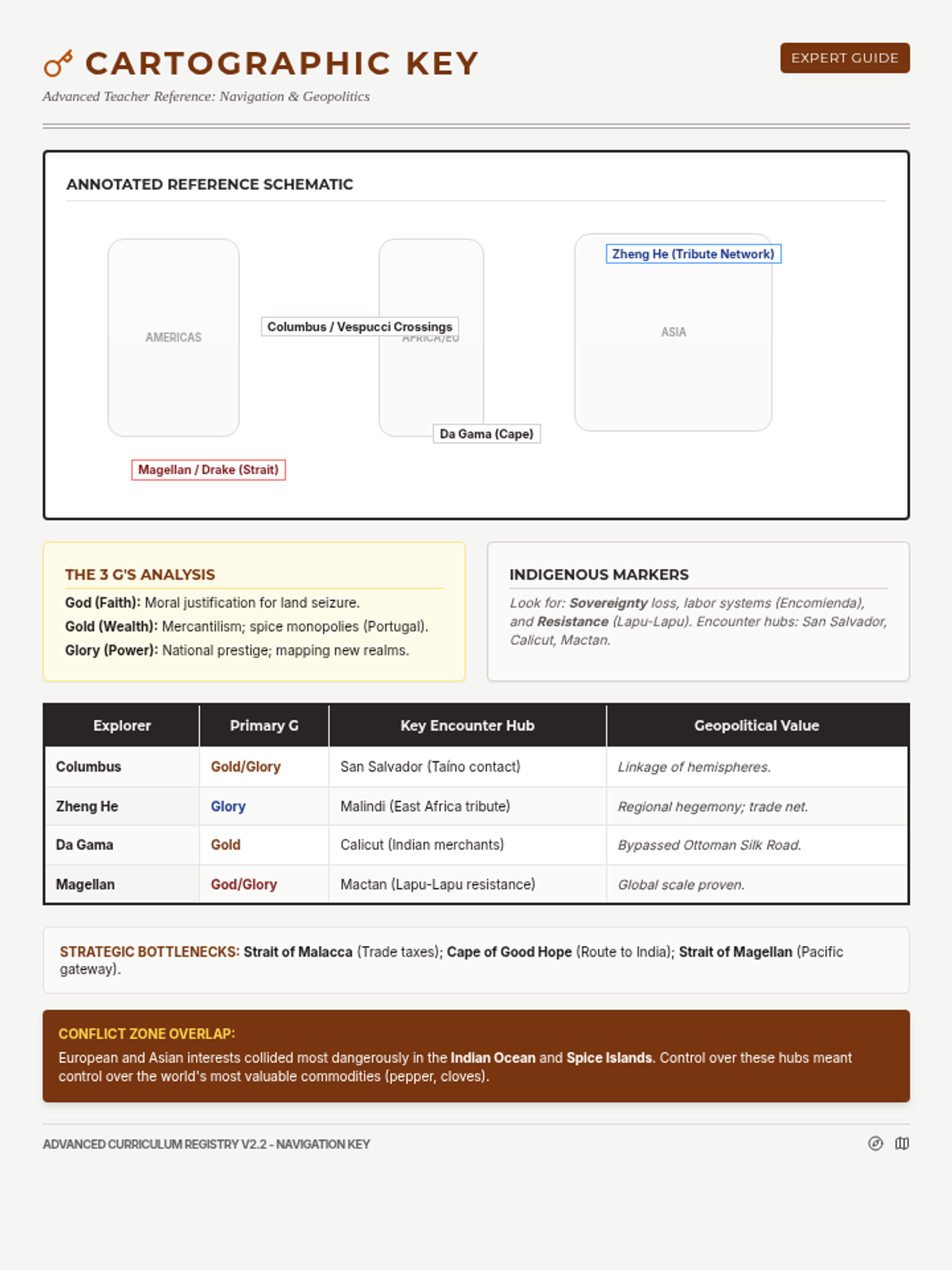
A deep dive into the Age of Exploration, comparing the motivations, encounters, and global impact of famous maritime explorers from around the world.
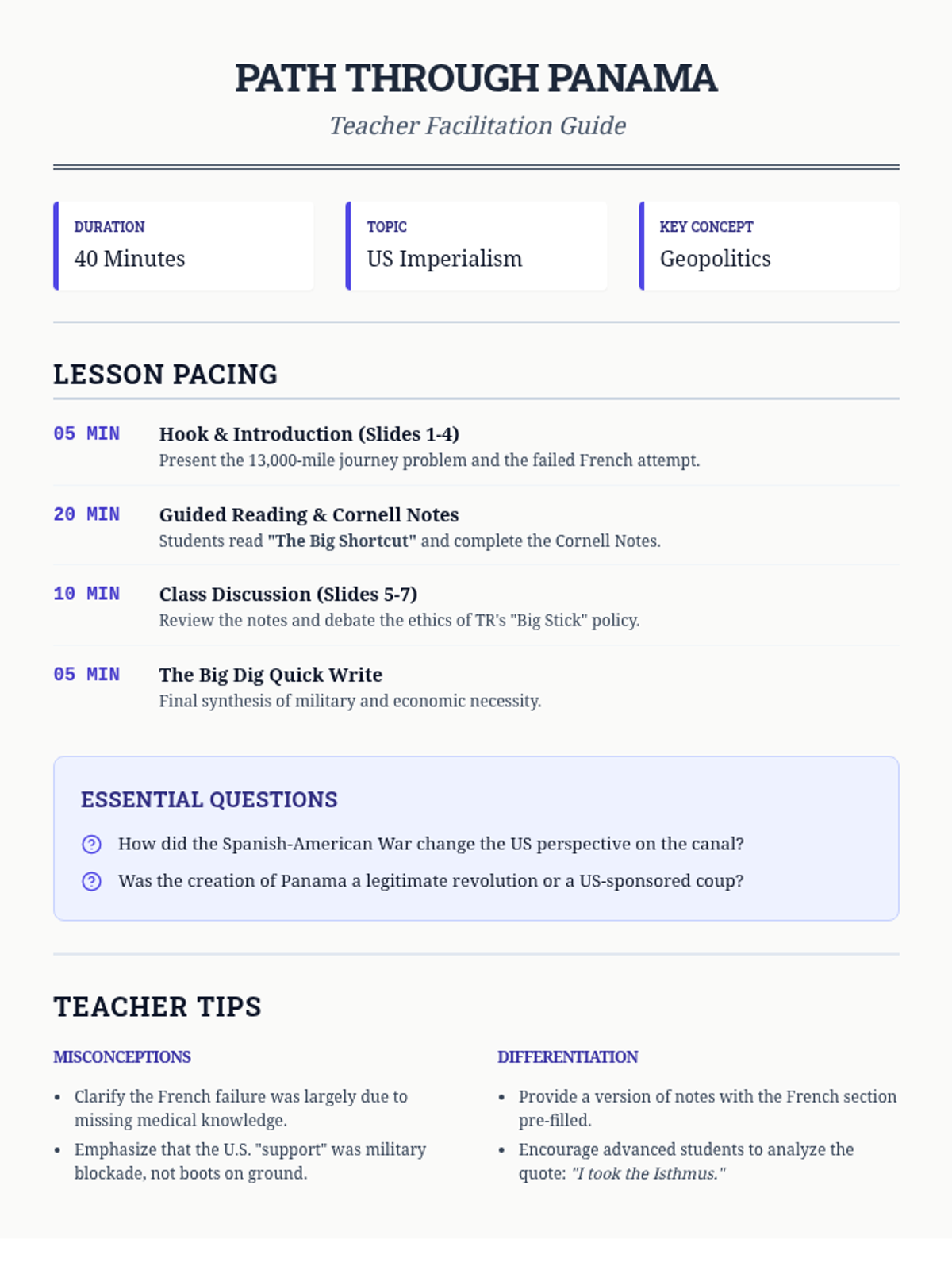
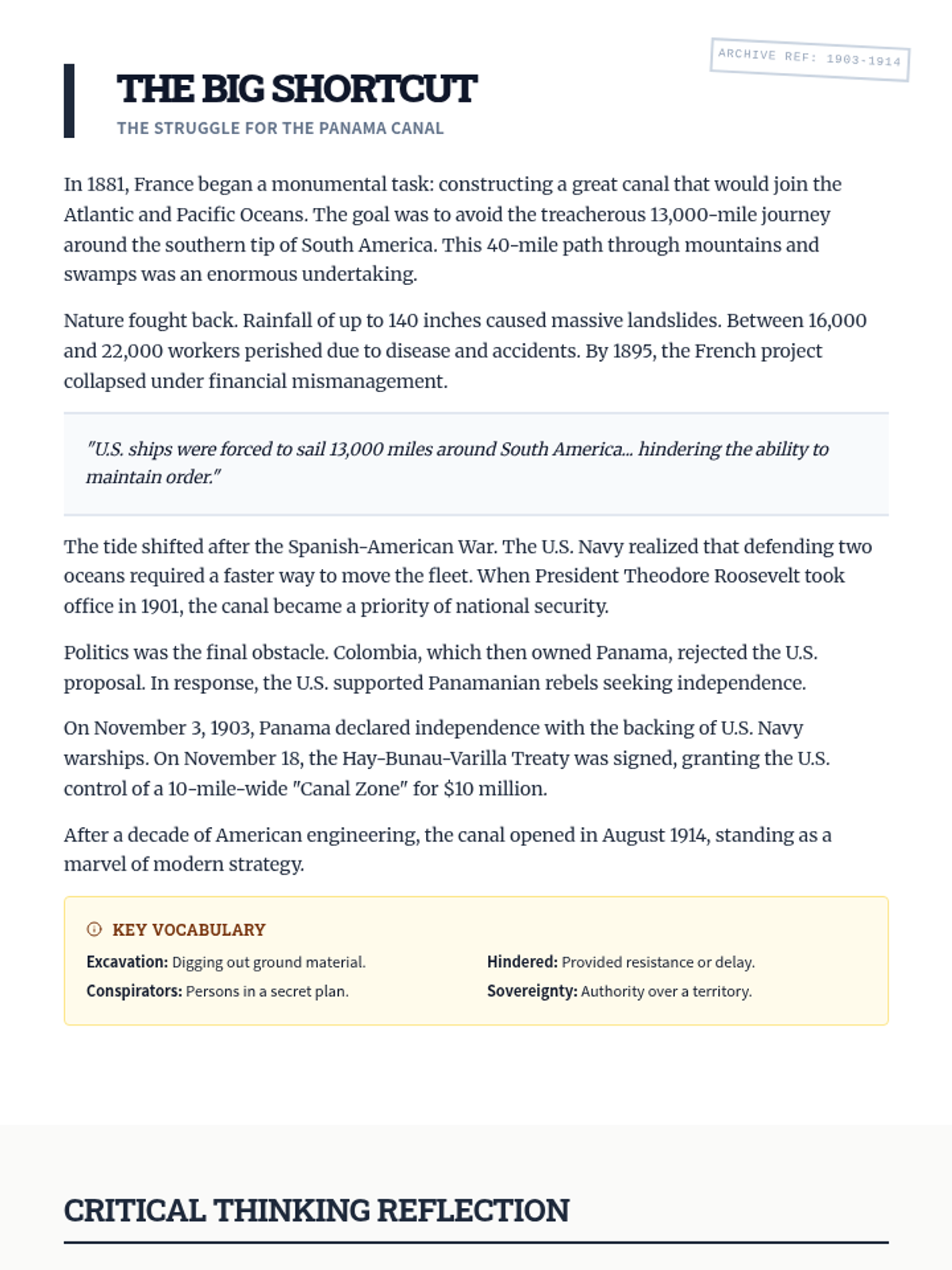
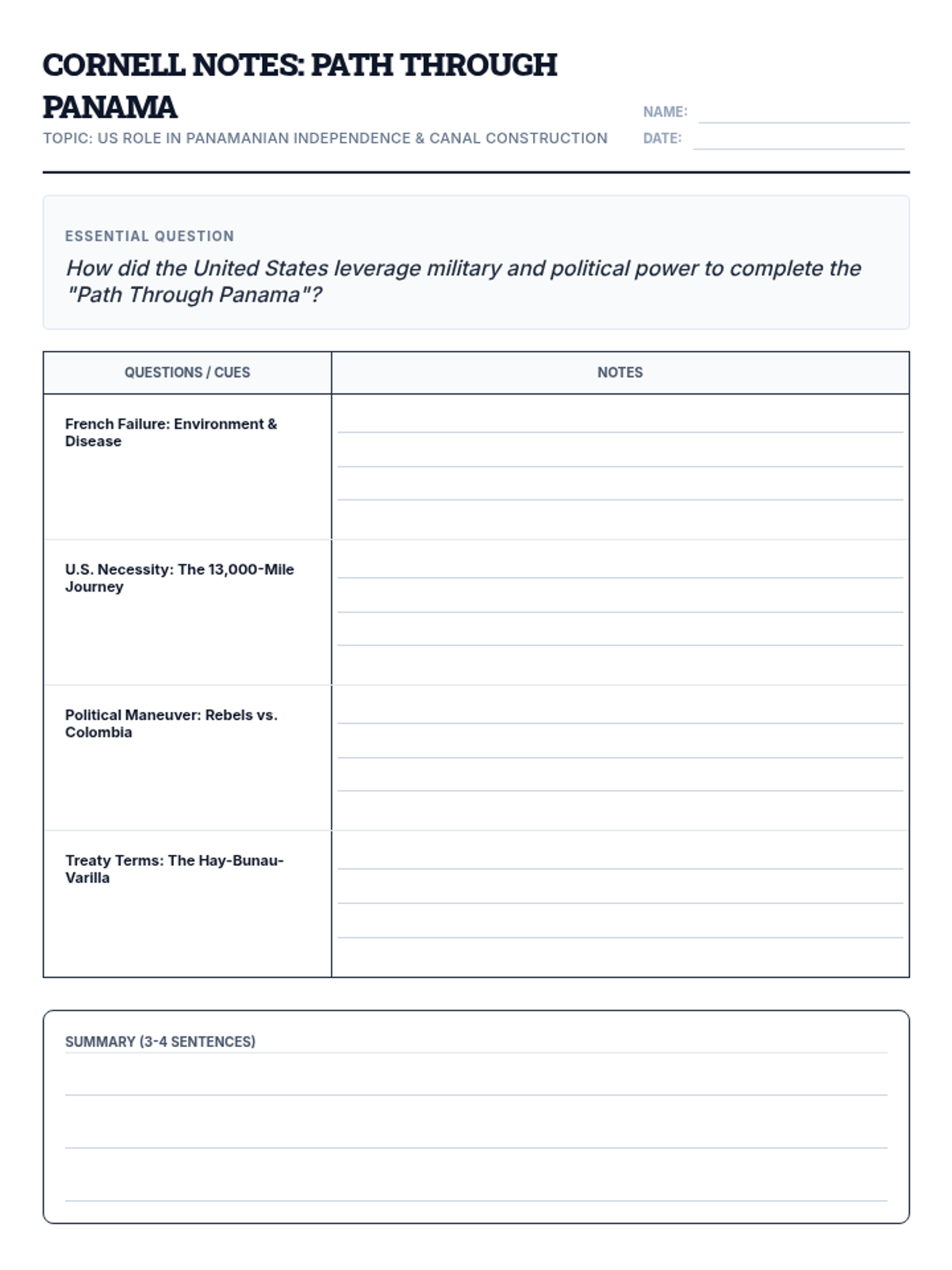
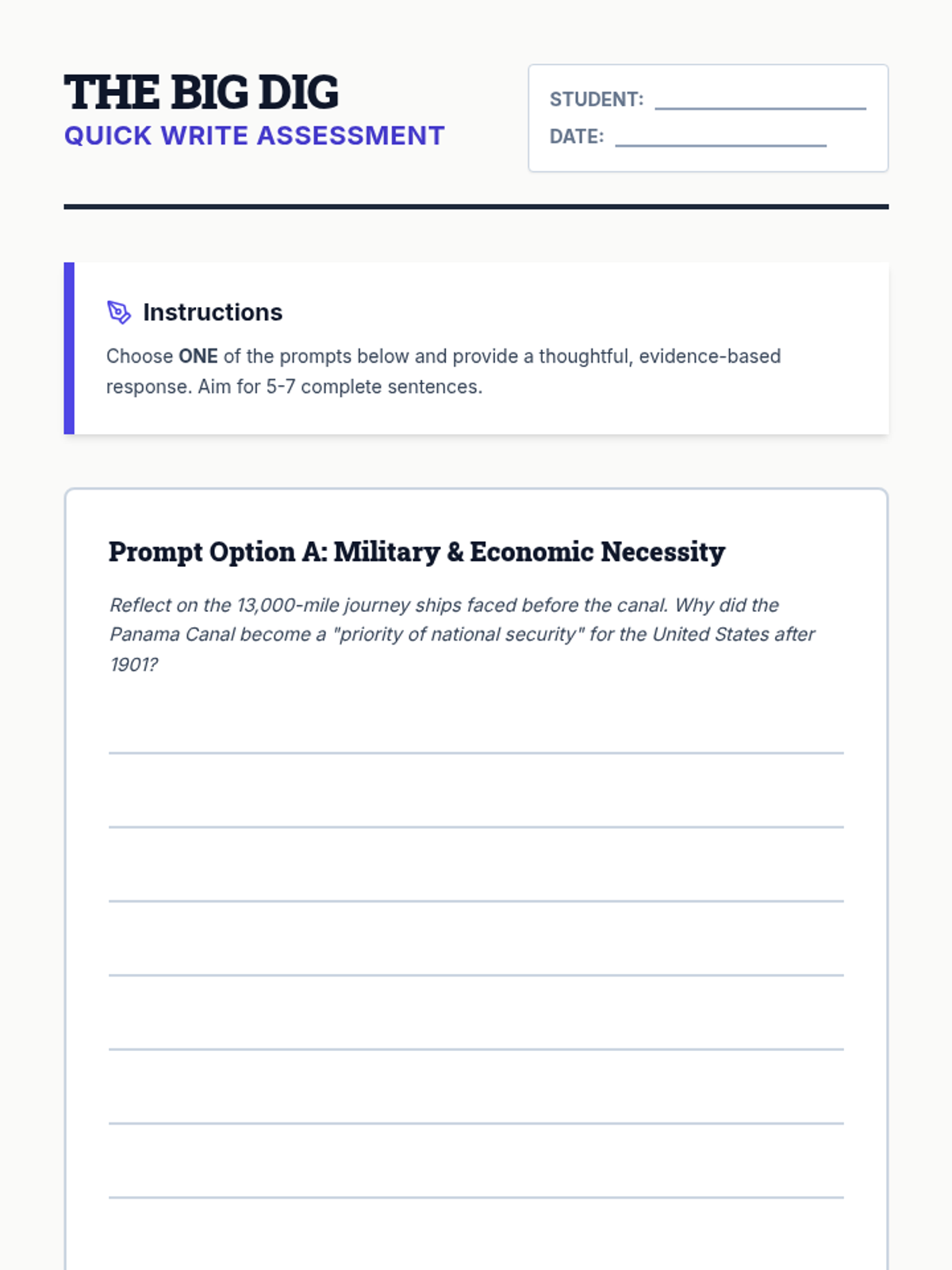
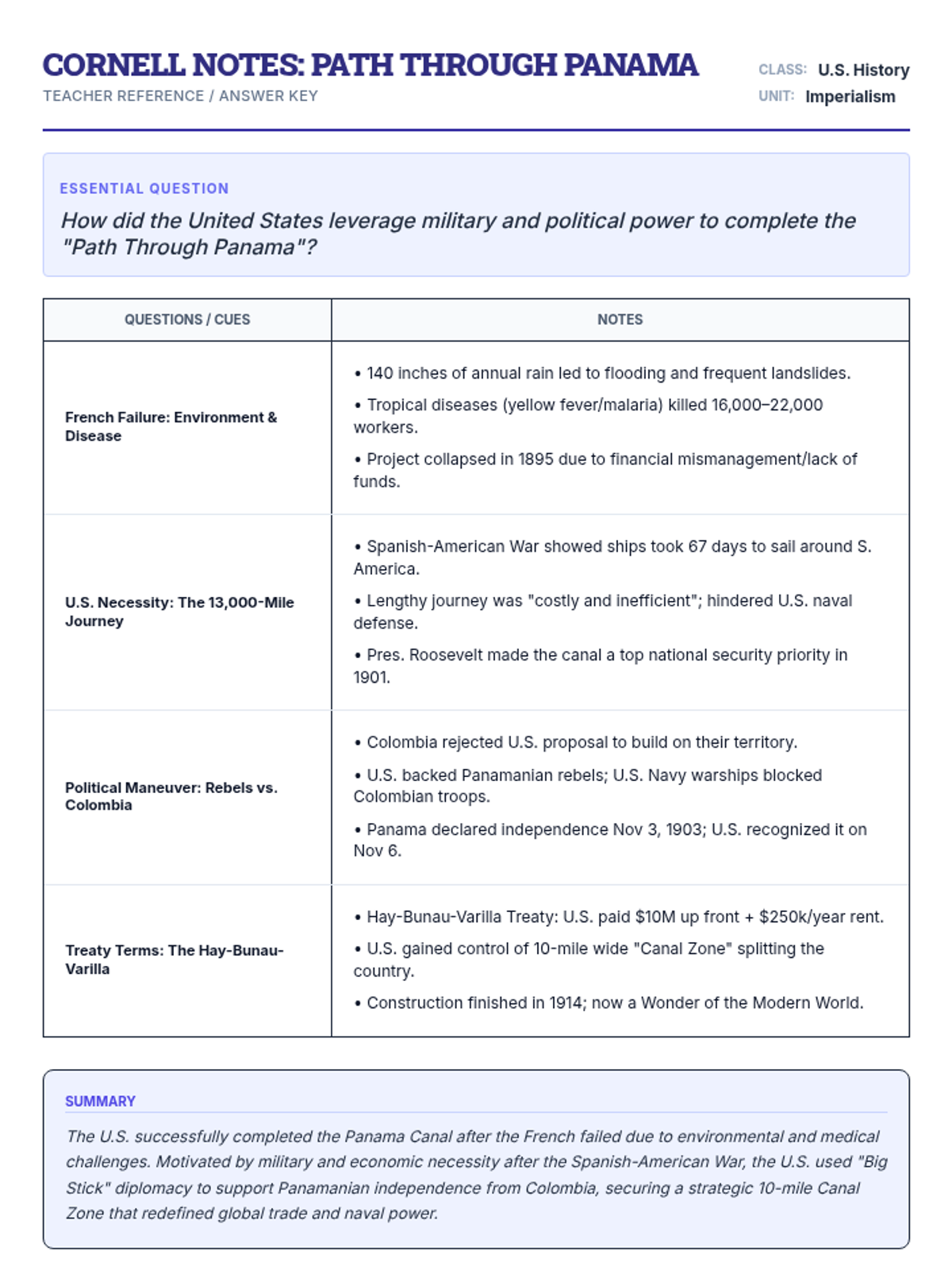
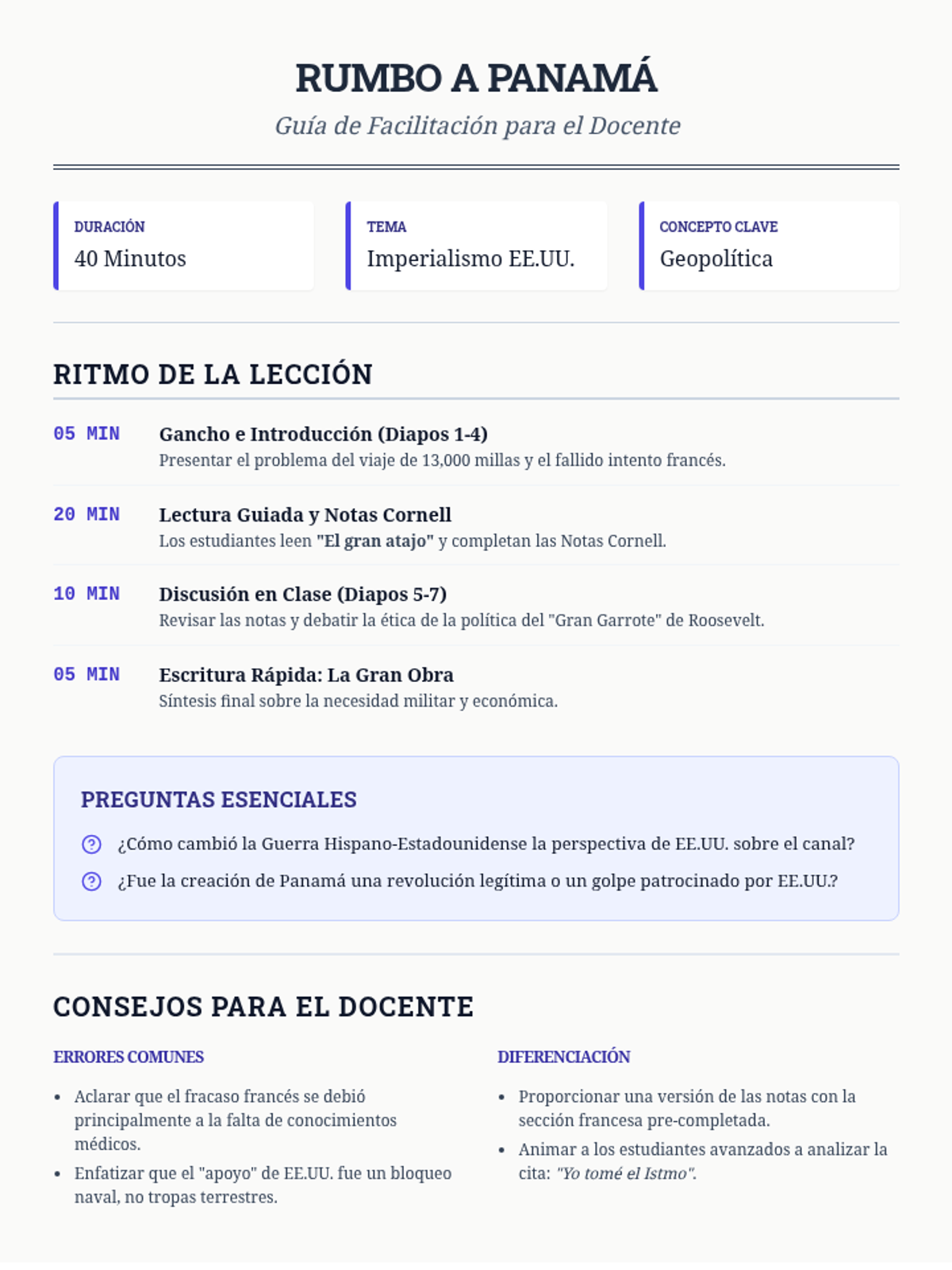
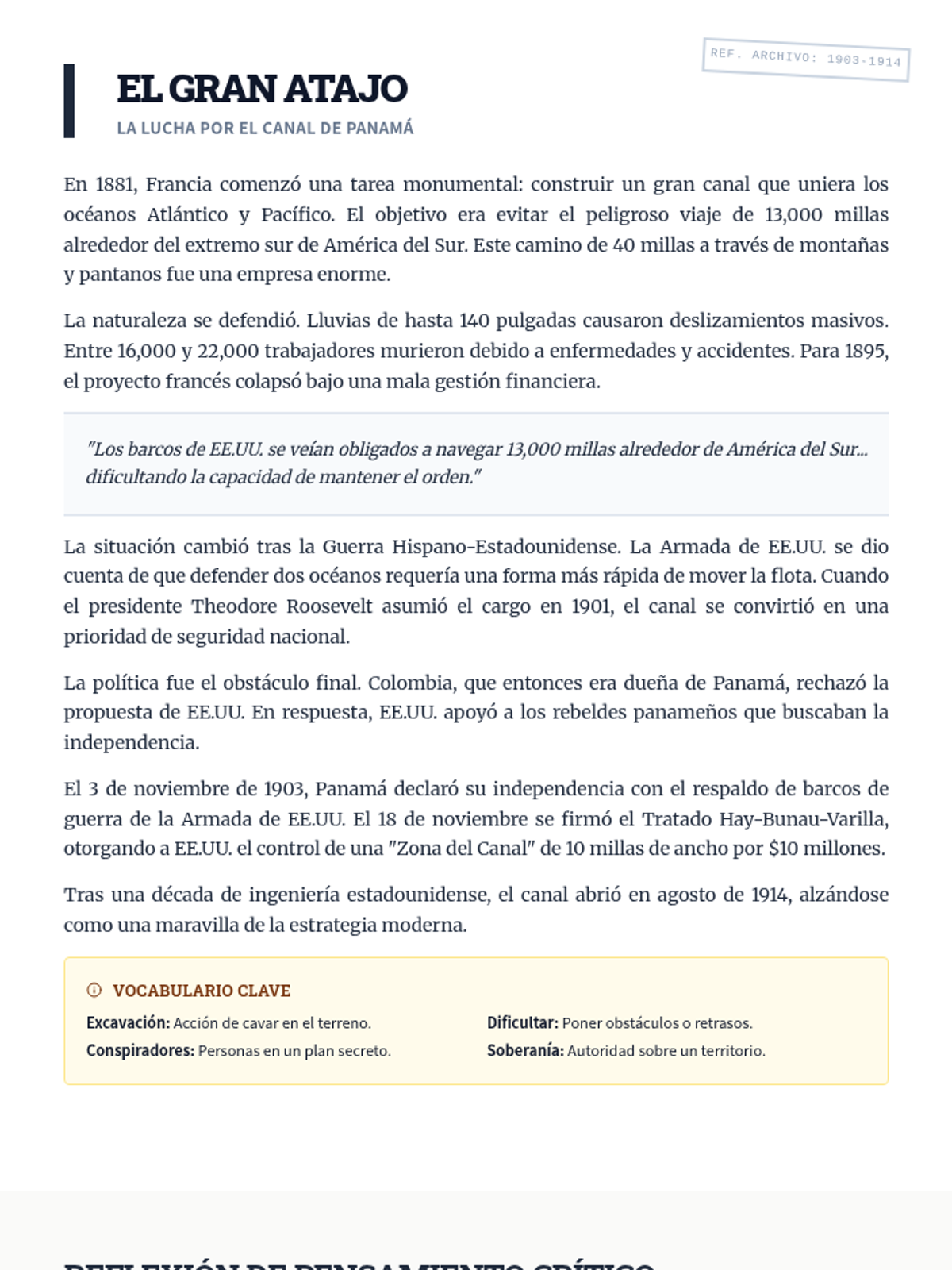
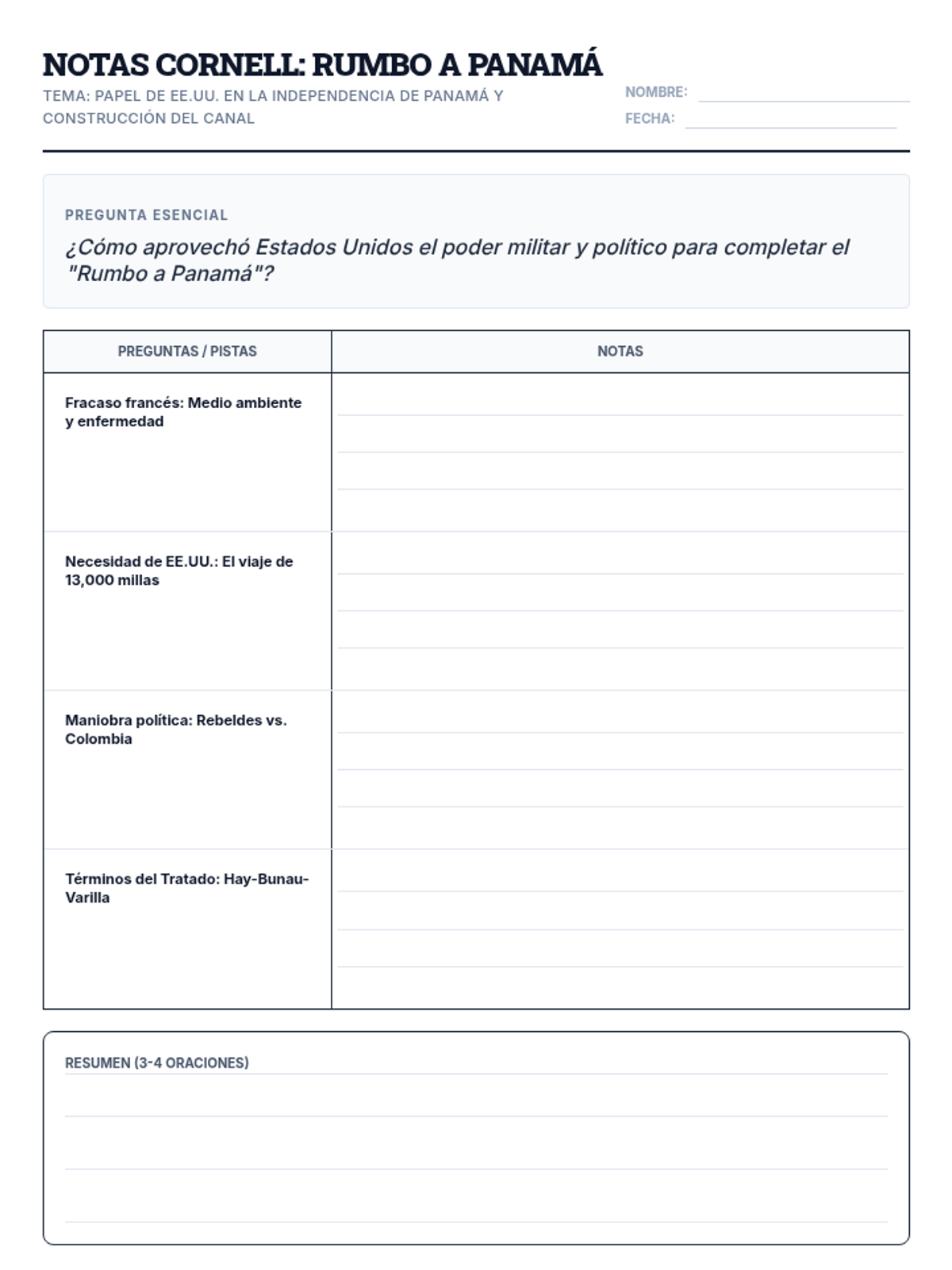
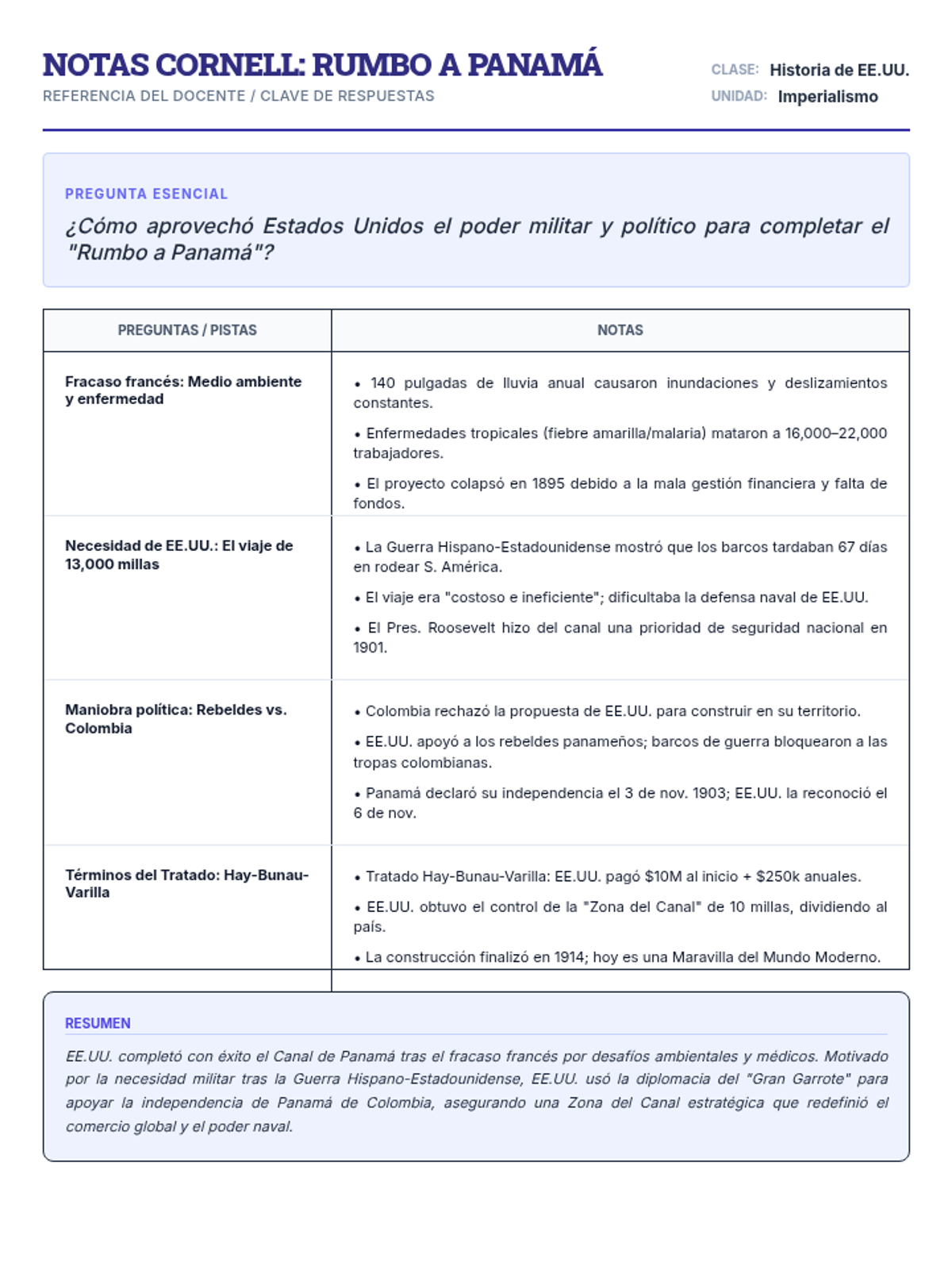
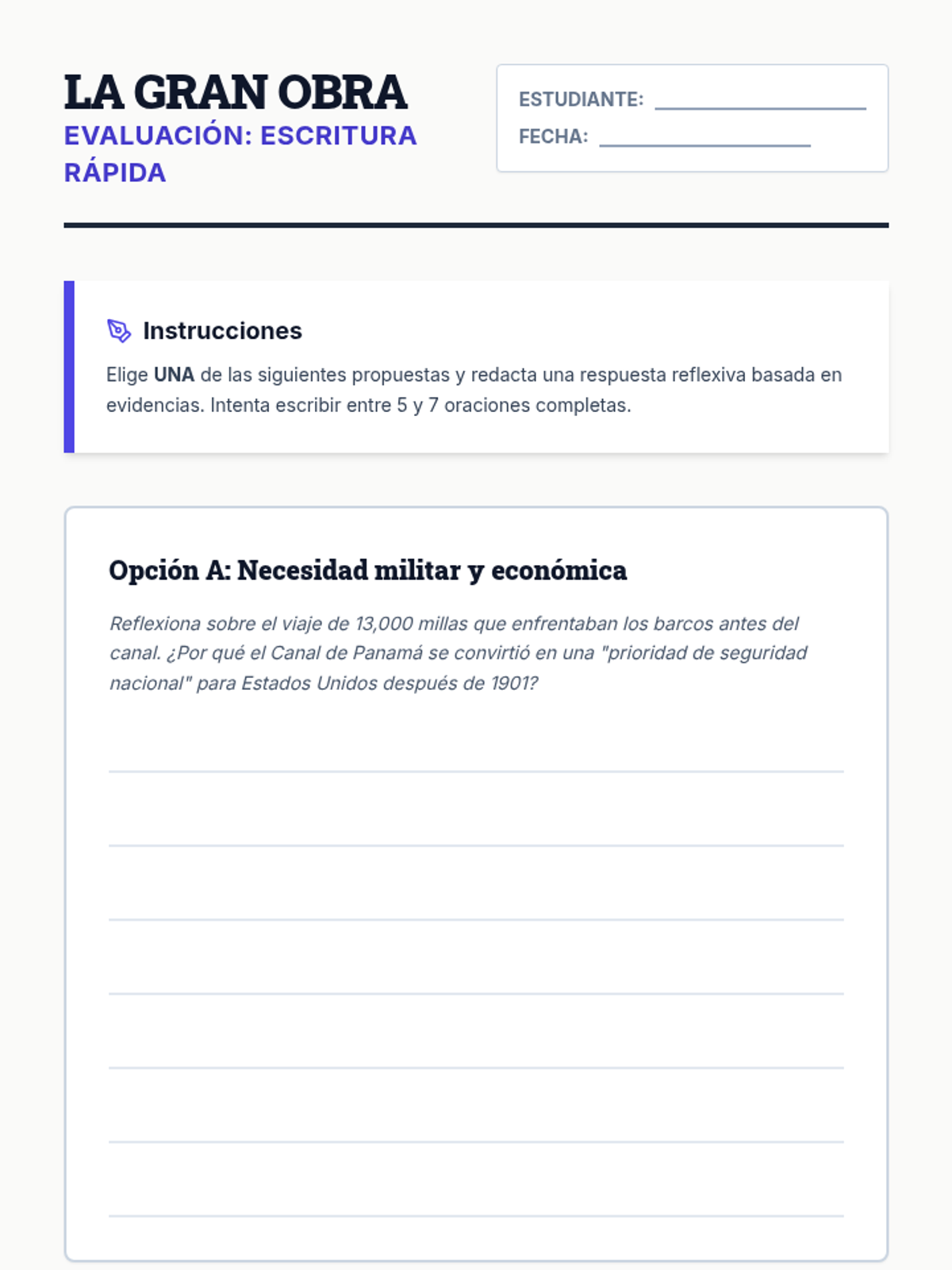
A 40-minute introductory lesson exploring the geopolitical, military, and economic motivations behind the US involvement in the Panama Canal's construction and Panamanian independence.
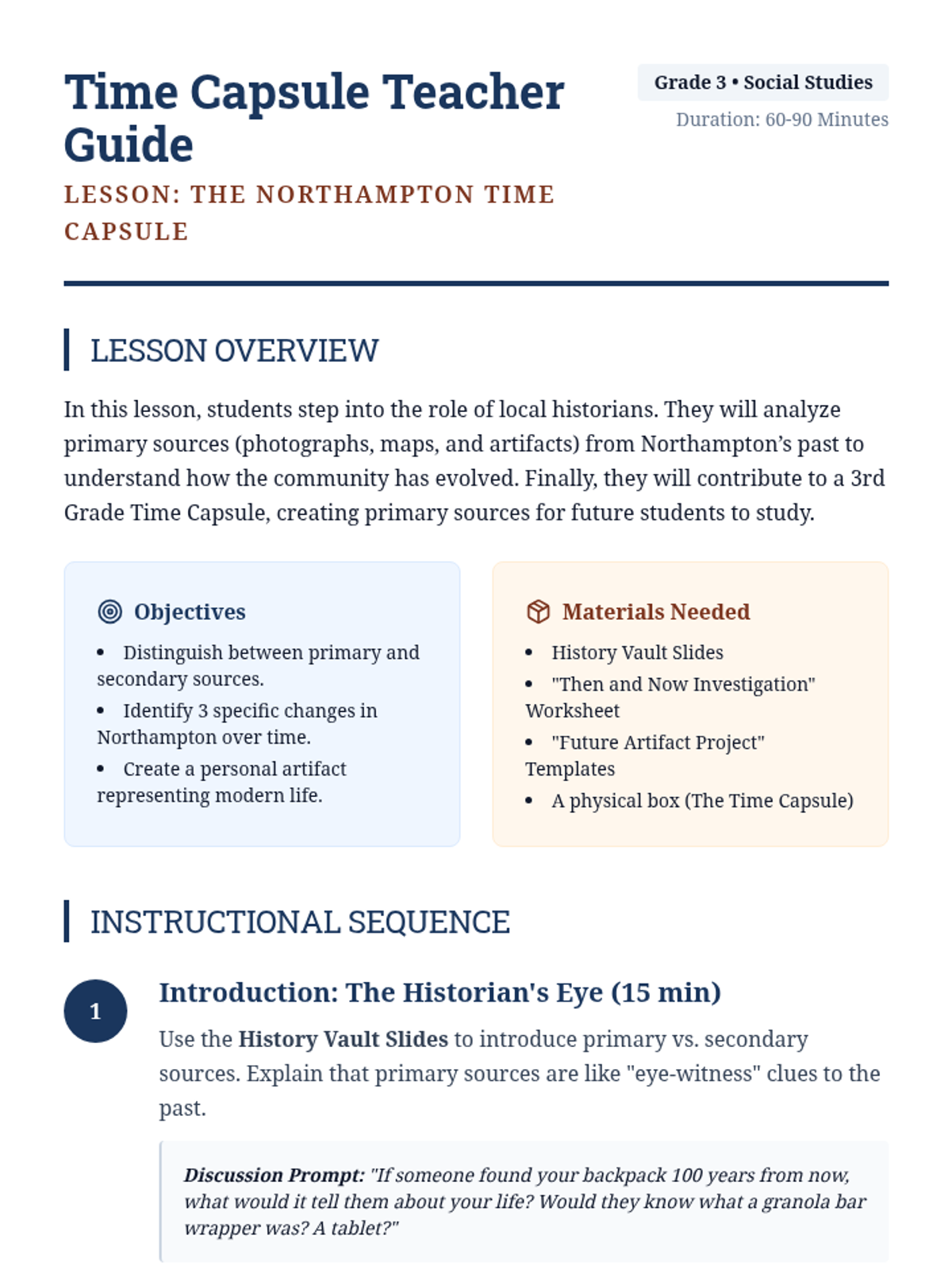
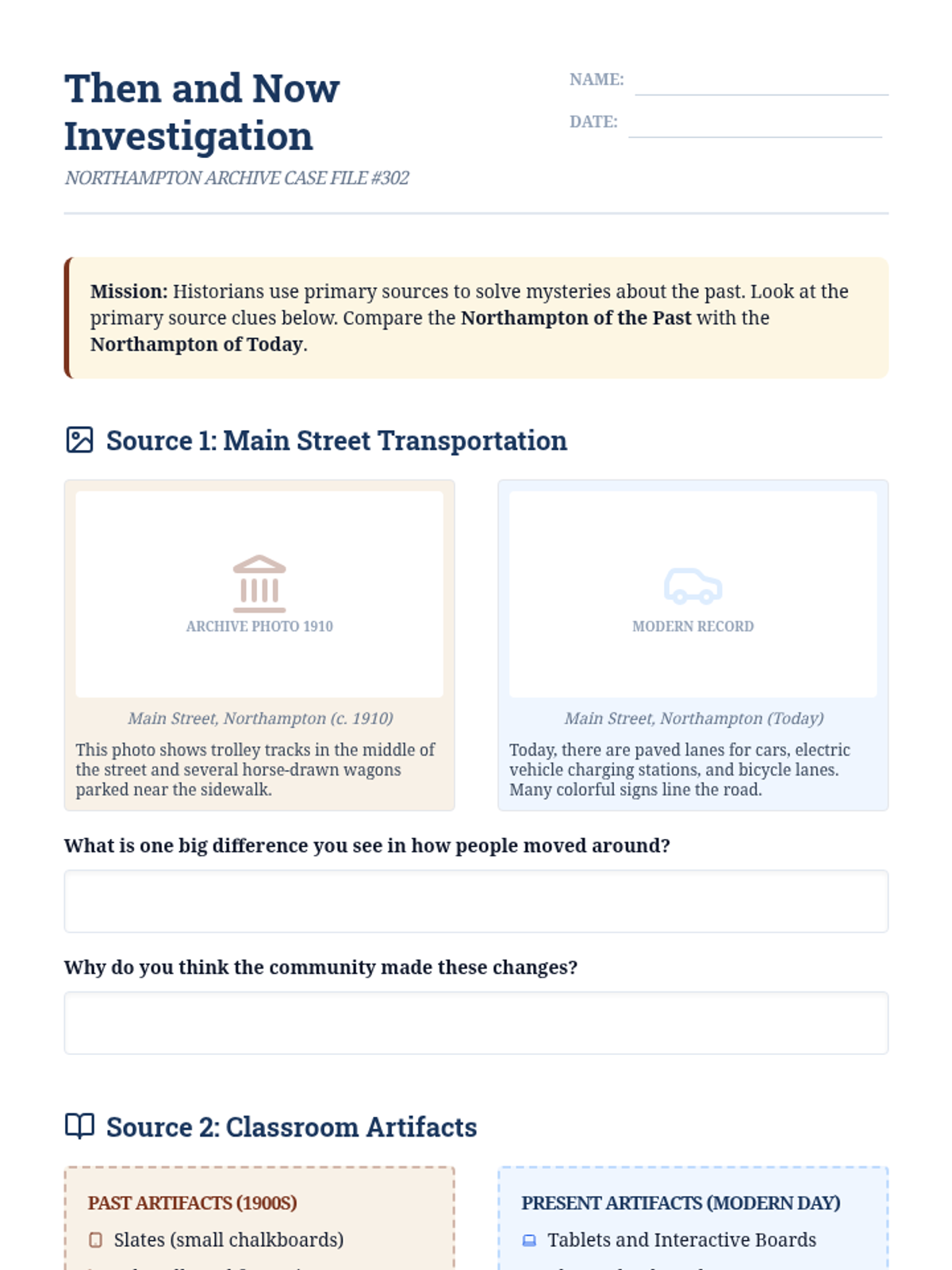
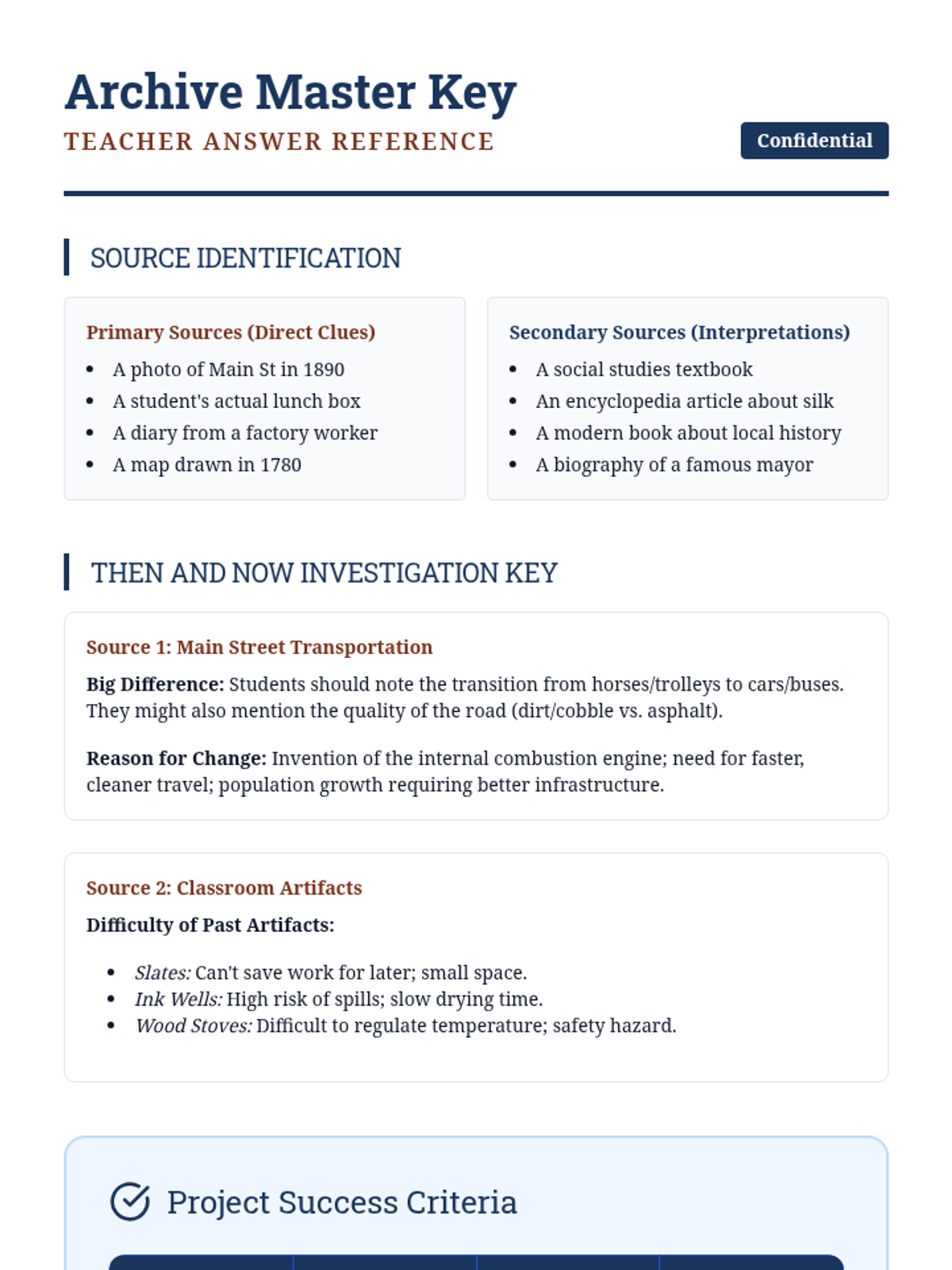
A history lesson where 3rd-grade students investigate primary sources to understand how Northampton has changed, culminating in the creation of a modern-day time capsule.
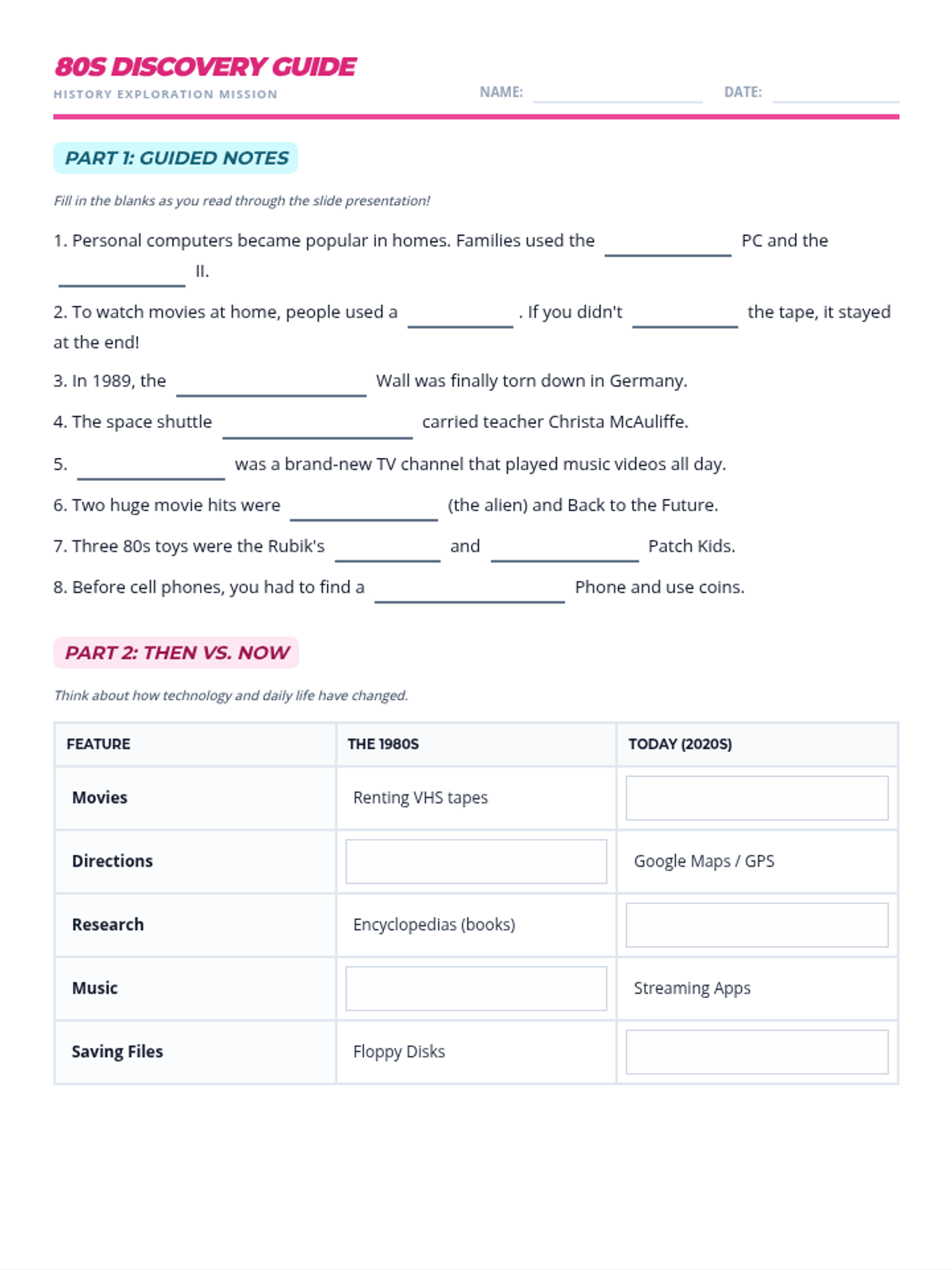
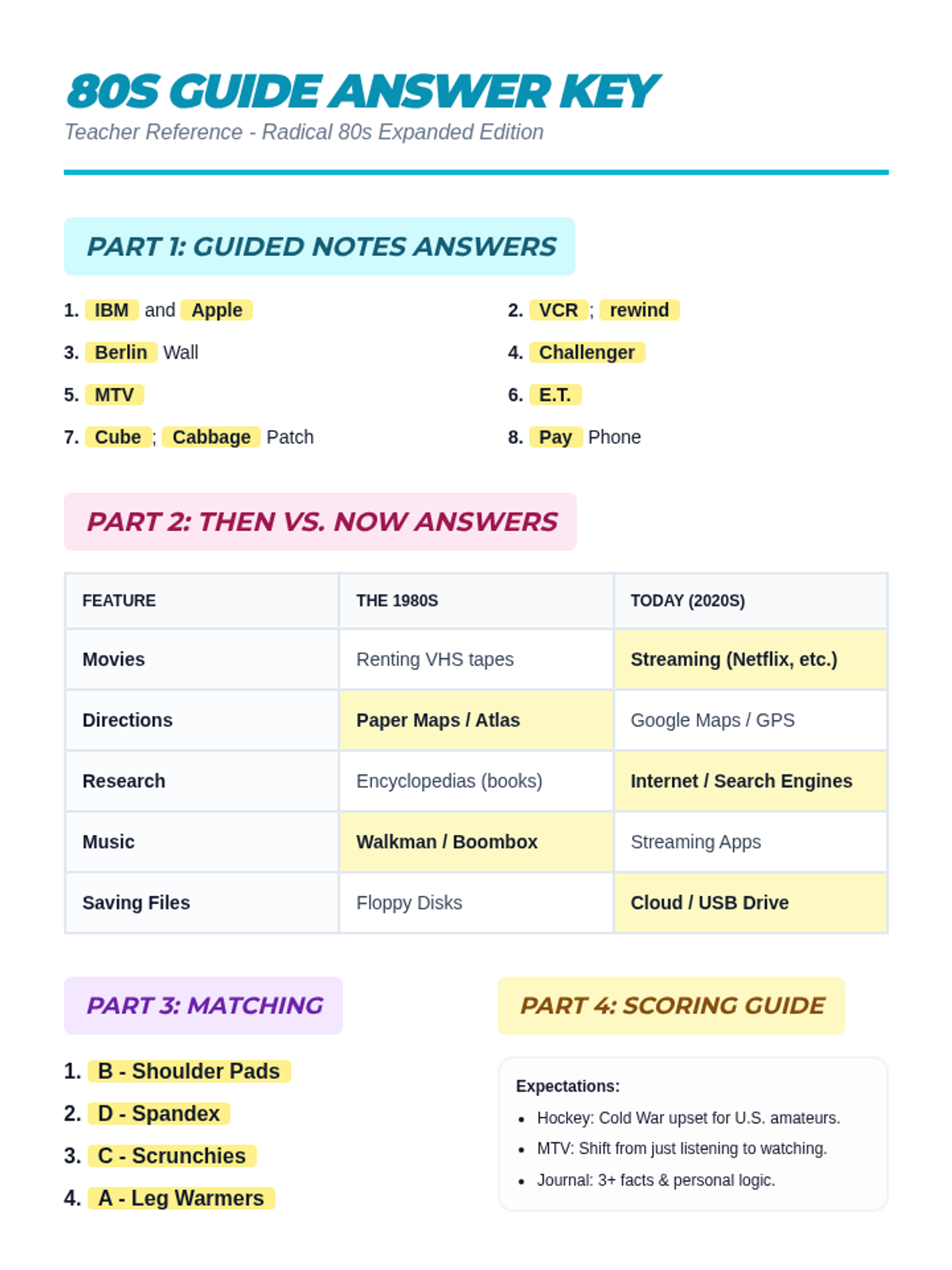
A vibrant, interactive dive into the 1980s for 4th graders, covering technology, culture, fashion, and history through a virtual asynchronous lens.
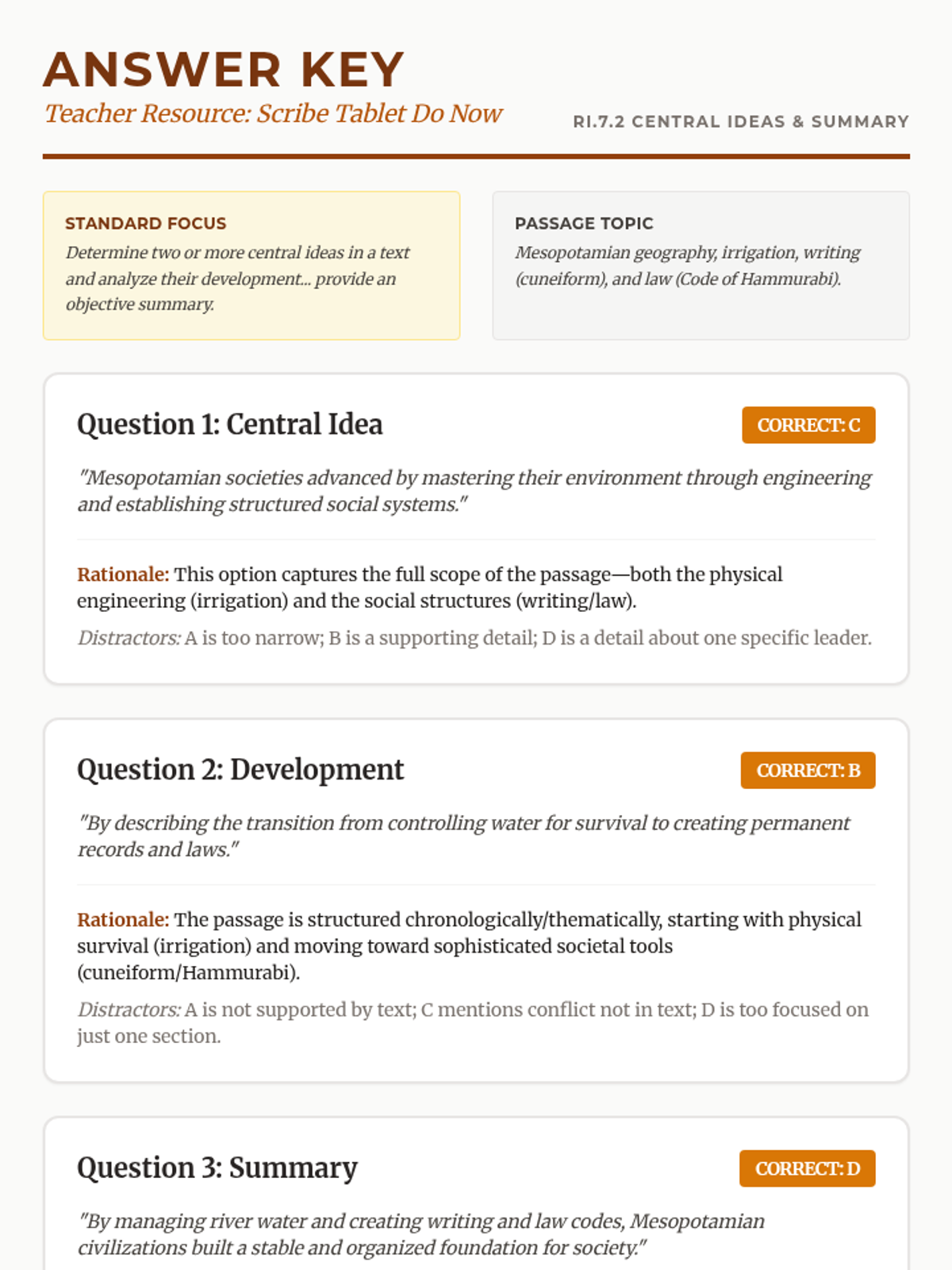
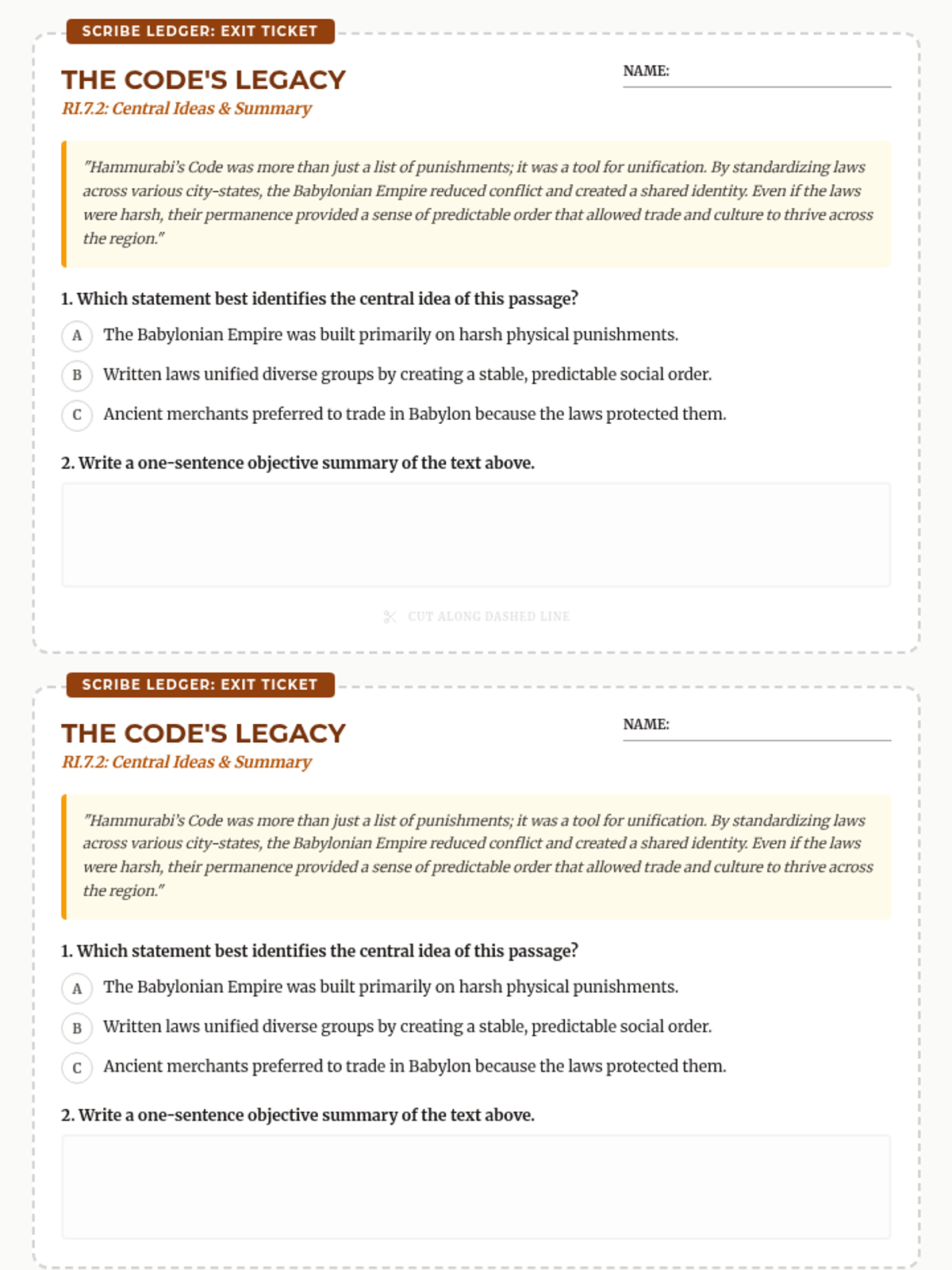
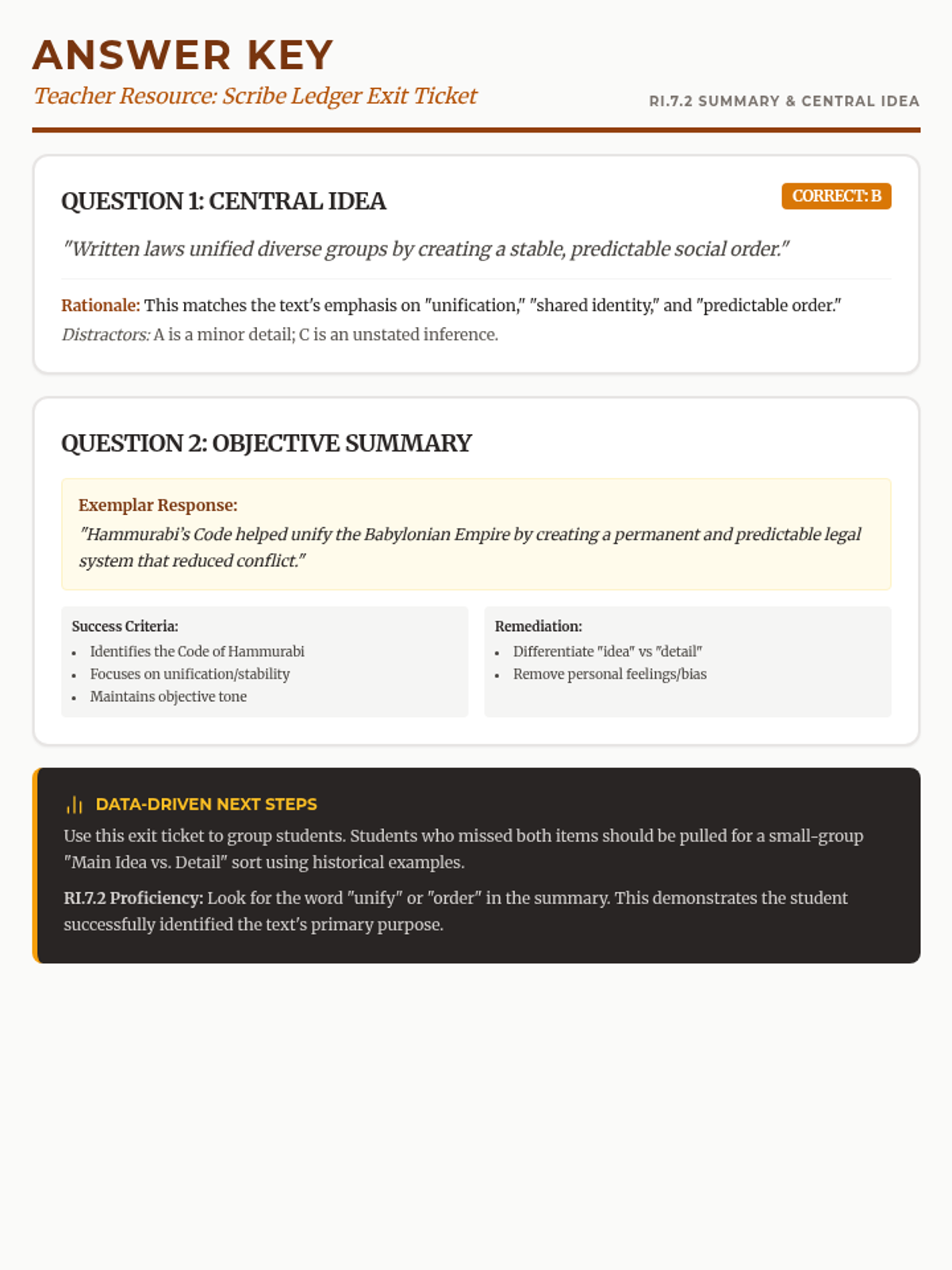
A quick bell-ringer activity focused on identifying central ideas and summarizing key concepts about Ancient Mesopotamia.