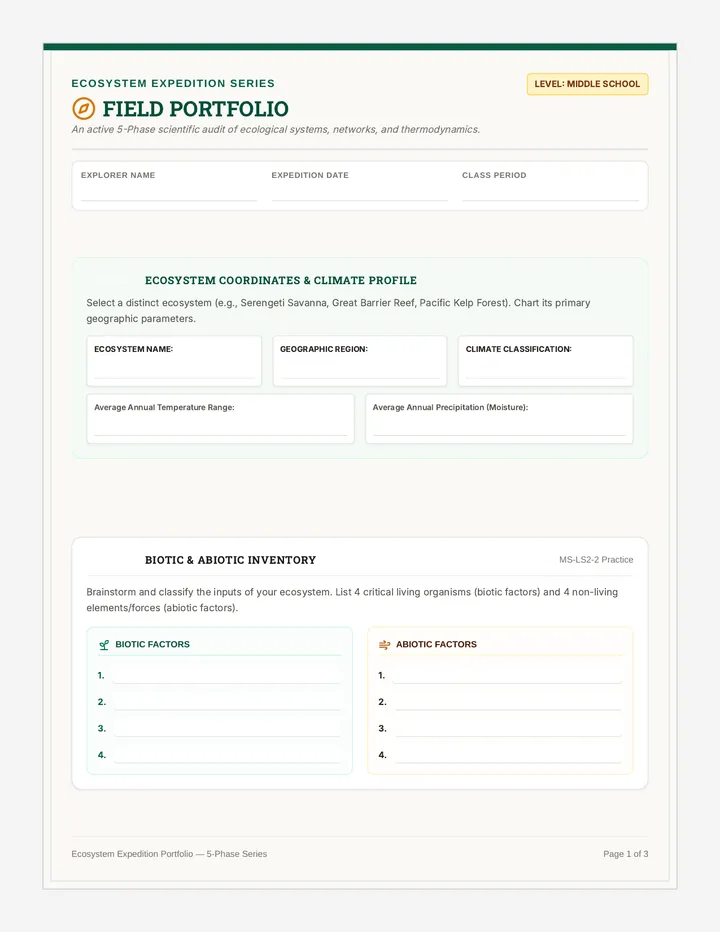
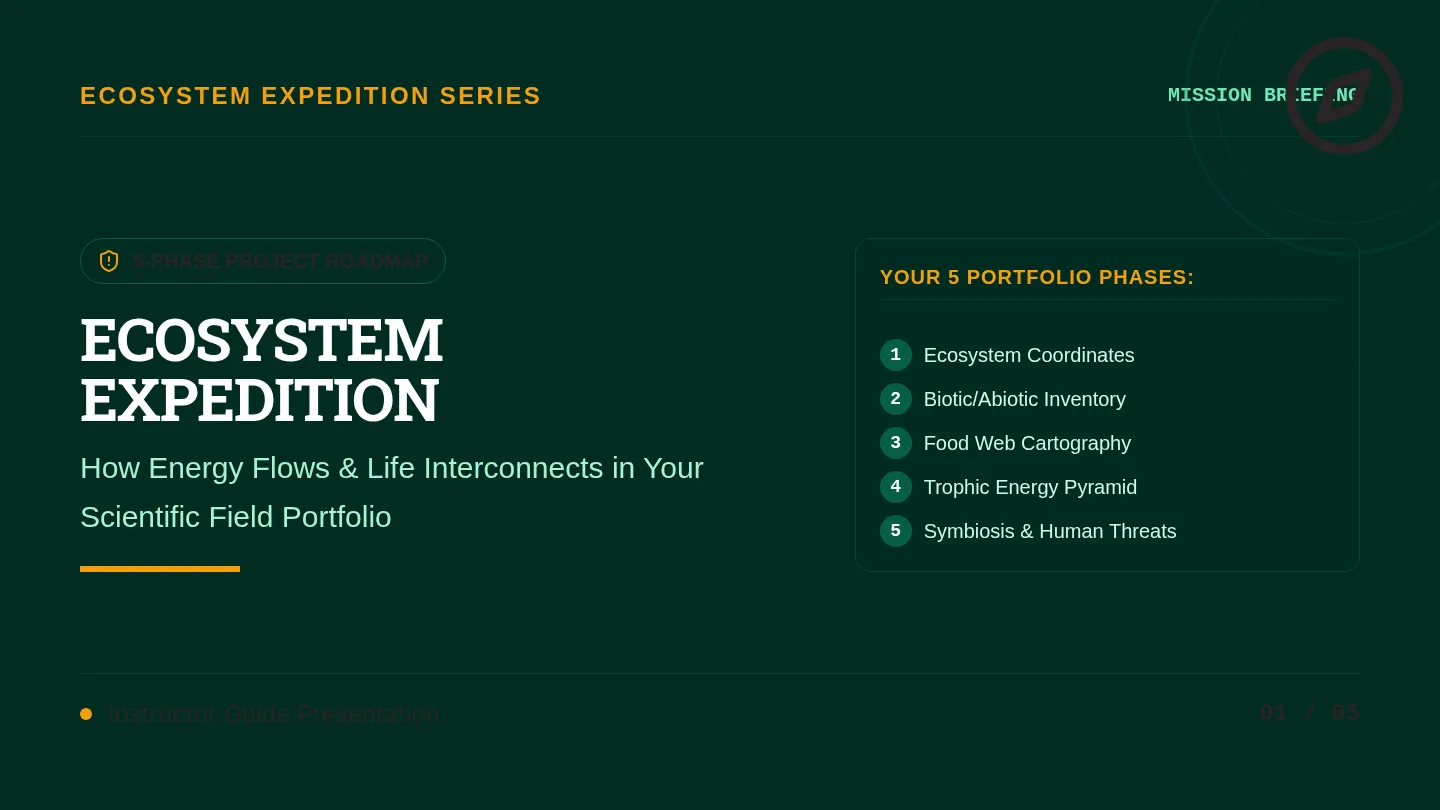
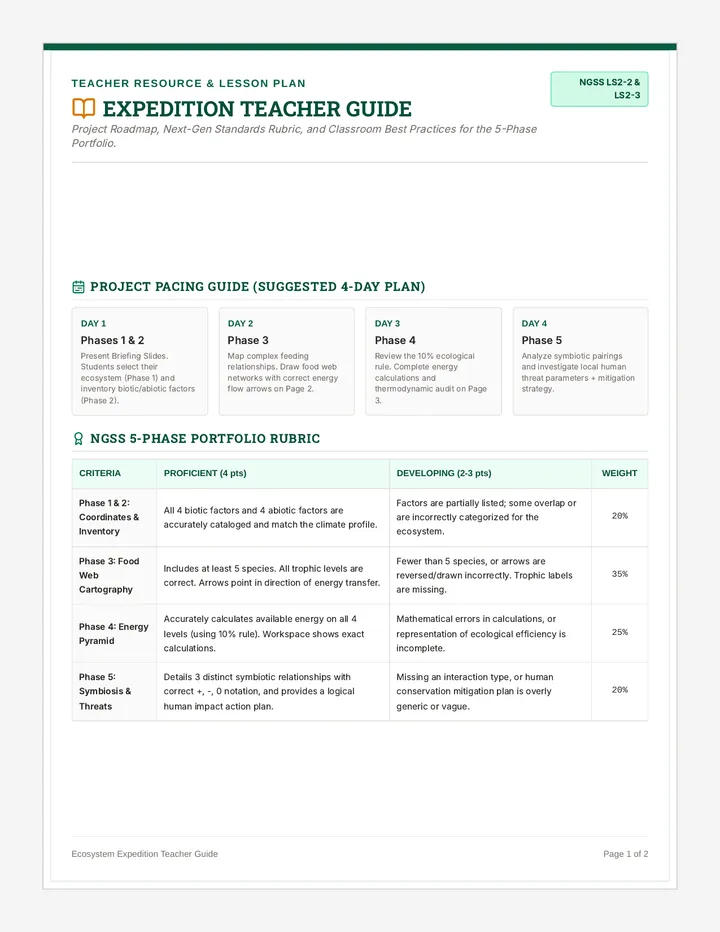
Focuses on MS-LS2-3. Students develop models to describe the cycling of matter and flow of energy through food webs, exploring how competition at one level impacts the entire system.
A lesson exploring the movement of carbon through Earth's systems, including photosynthesis, respiration, decomposition, and human impact.
In this lesson, students analyze the 'brain rot' phenomenon through a scientific lens, focusing on how short-form media impacts the brain's reward system. Students engage with new vocabulary, watch a targeted video, and participate in a mediated debate about their digital habits.
A hands-on exploration of thermal energy transfer through convection and freezing point depression experiments. Students observe how density and temperature interact in water and how salt affects the melting process of ice.
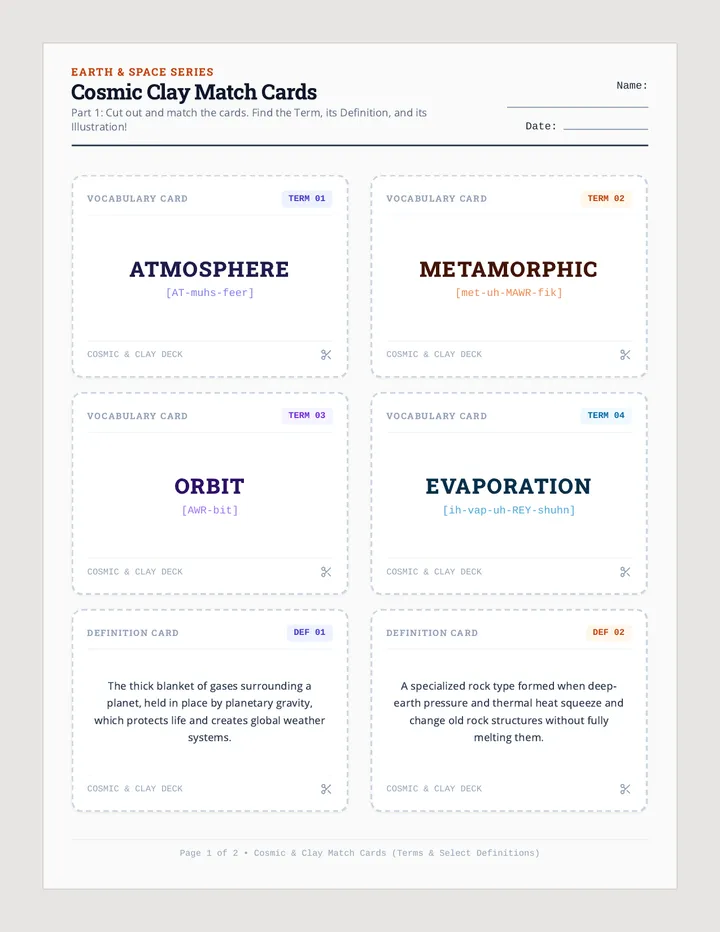
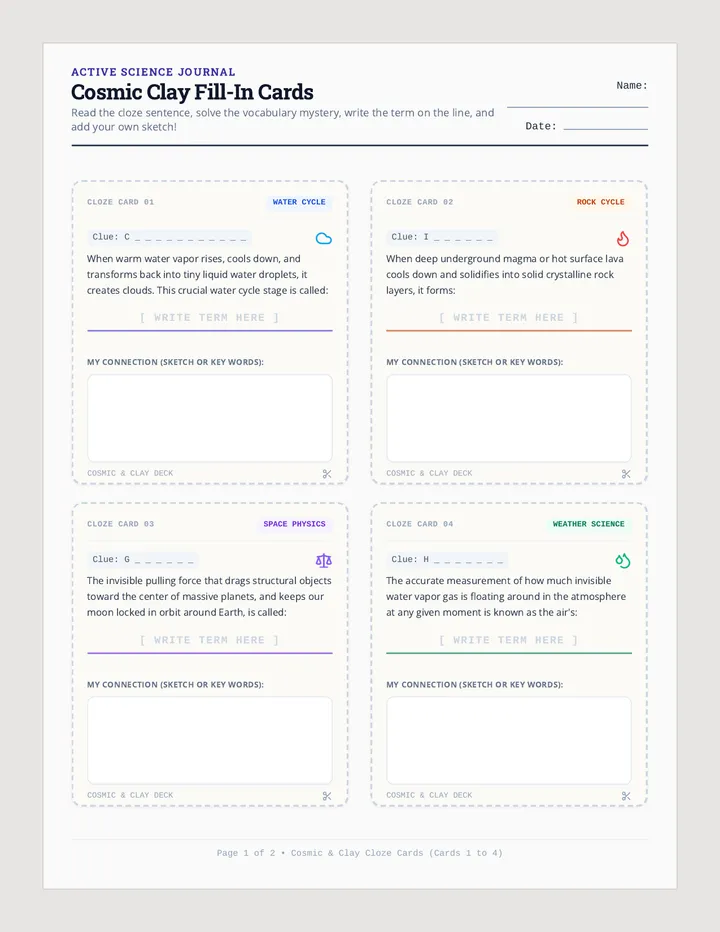
An introductory exploration of the physics of sound and light through vocabulary reinforcement and visual aids.
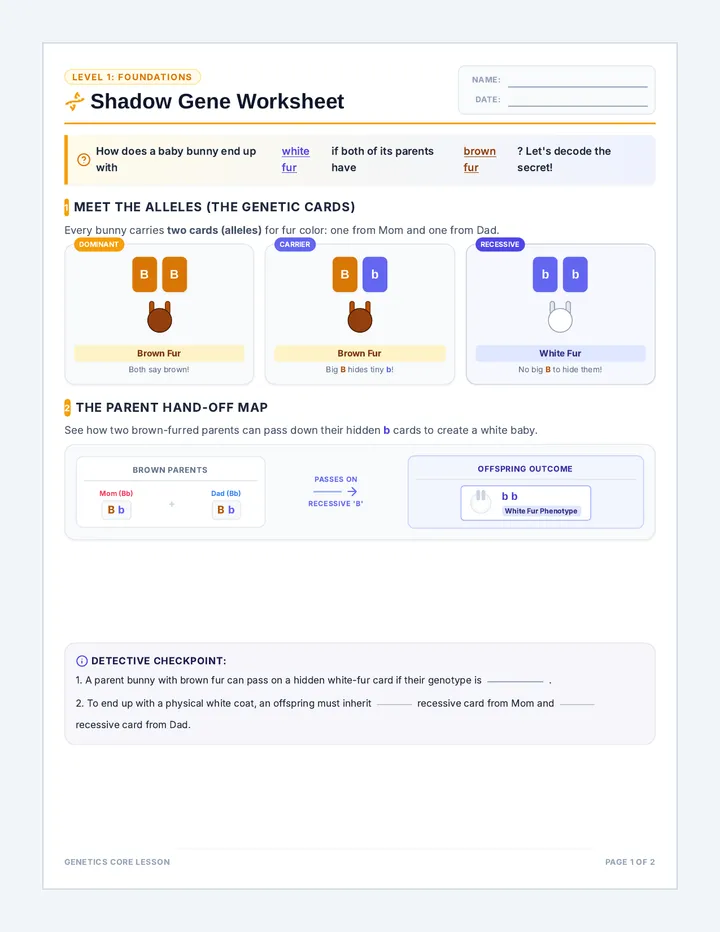
A lesson exploring how traits are passed down through different types of reproduction and how populations change over time through natural and artificial selection.
A student-led inquiry project exploring the intersection of music and neuroscience. Students choose their own research path to discover how musical training transforms cognitive development and present their unique findings.
A hands-on exploration of ocean acidification where students simulate carbon dioxide absorption and observe the effects of acid on calcium carbonate structures like shells and chalk.
Focuses on MS-LS2-4. Students analyze ecosystem stability and construct arguments about how biological changes, specifically invasive species, disrupt the balance of native populations.
Focuses on MS-LS1-5 and MS-LS2-1. Students investigate how environmental factors (resource density) and genetic factors influence the growth and survival of individual organisms. Includes the Plant Density Lab.