A historiographical lesson focusing on Elizabeth Eisenstein’s 'The Printing Press as an Agent of Change.' Students debate whether print caused a revolution in fixity and standardization or if the change was more gradual.
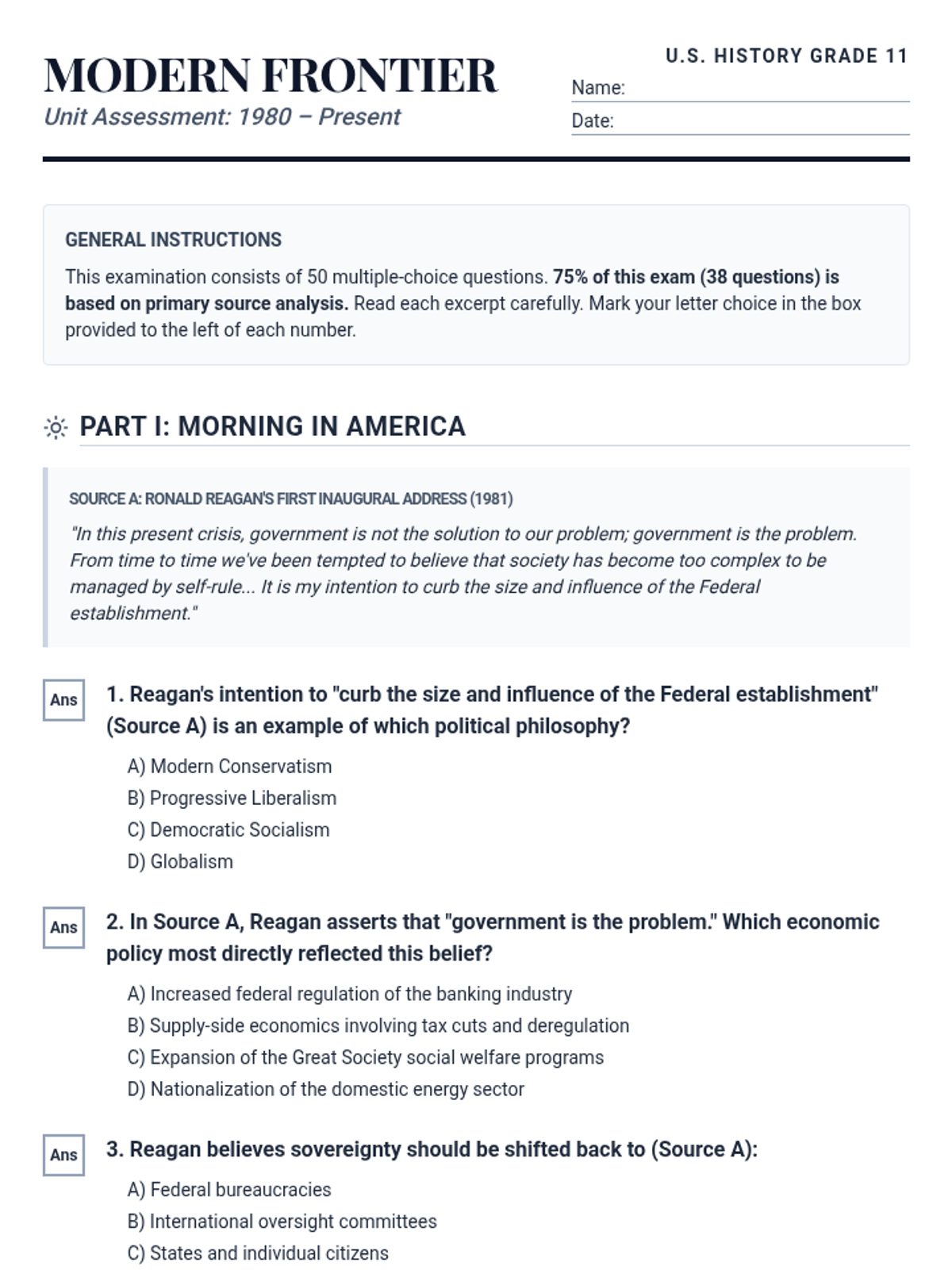
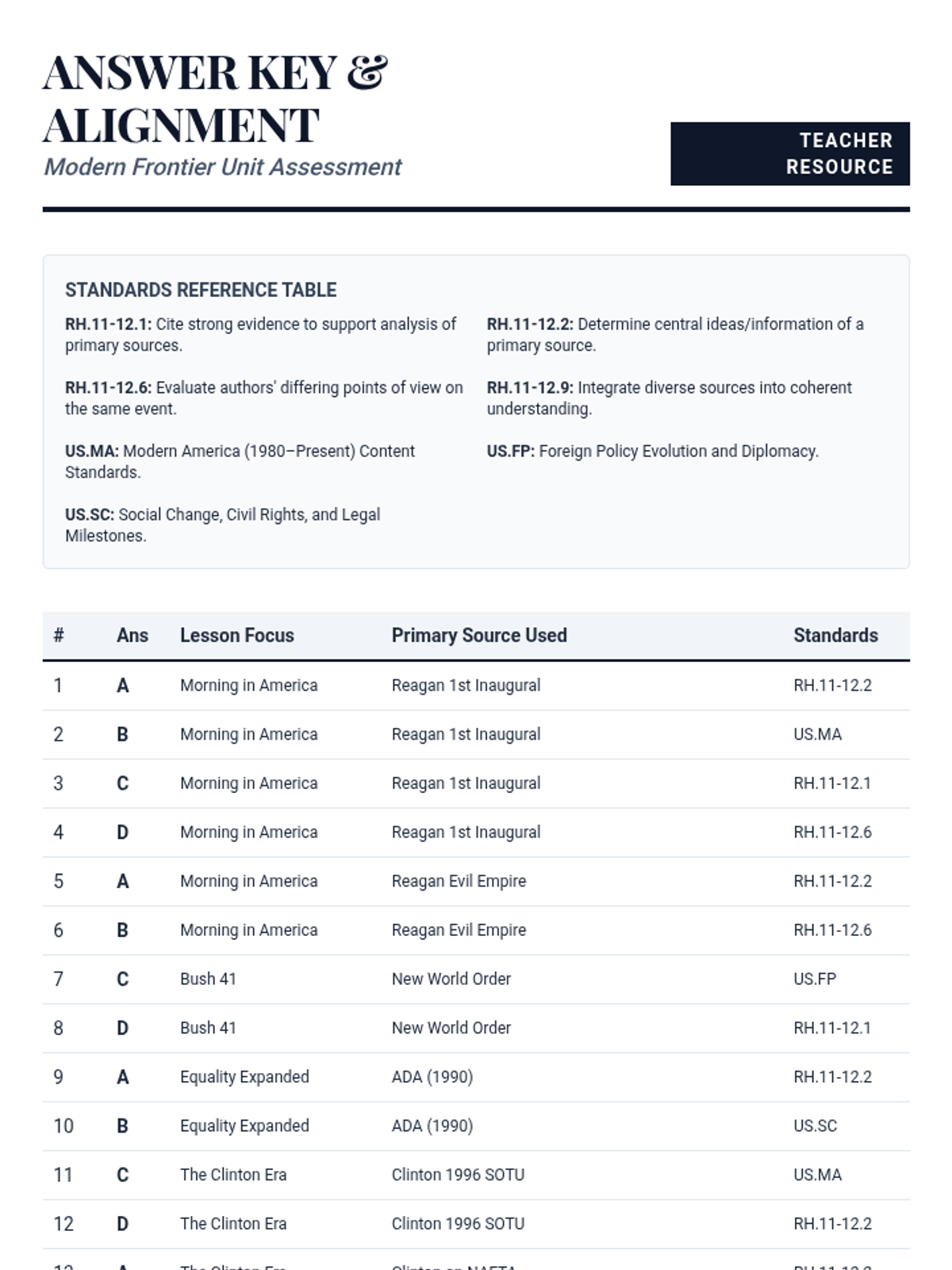
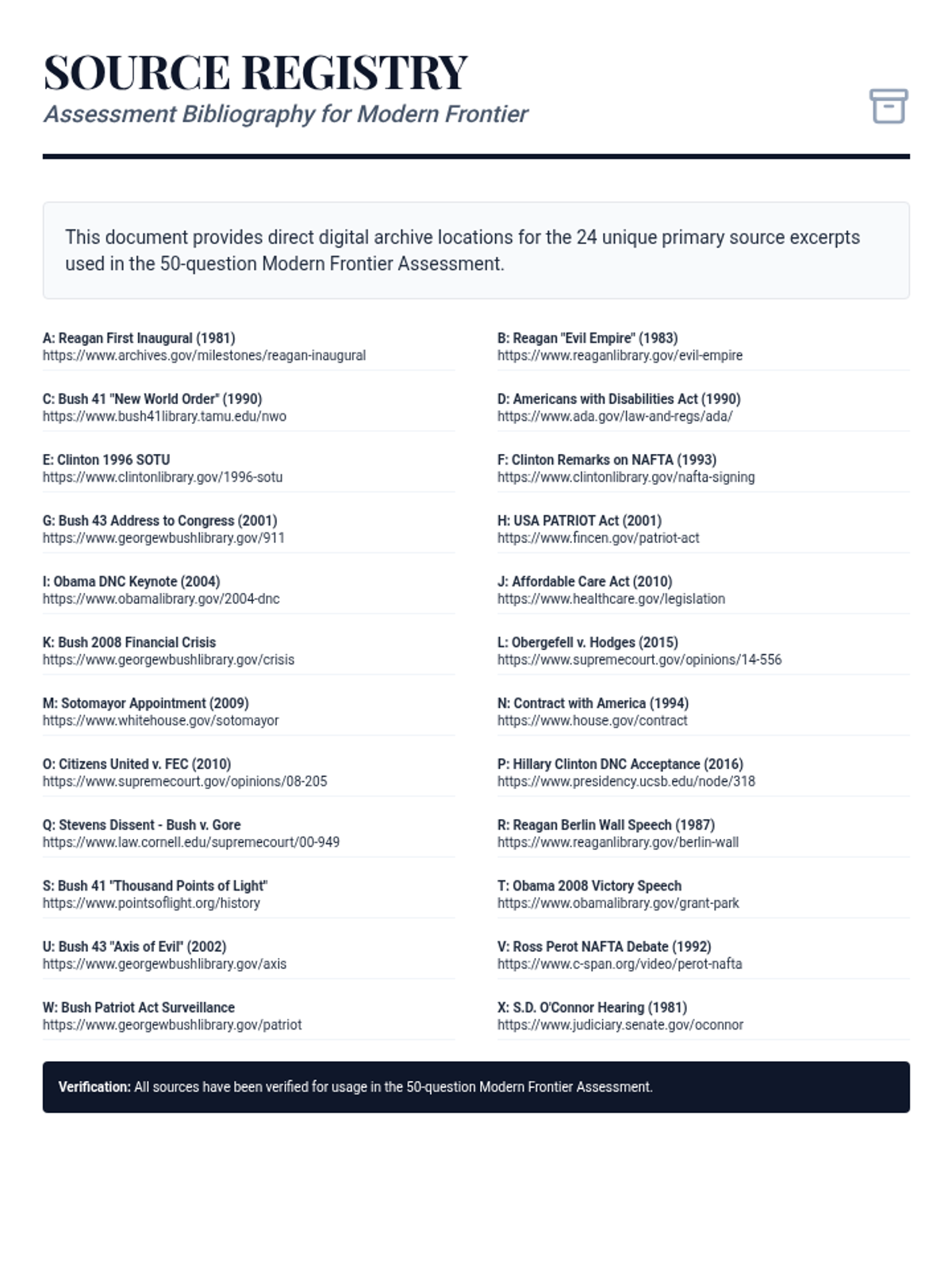
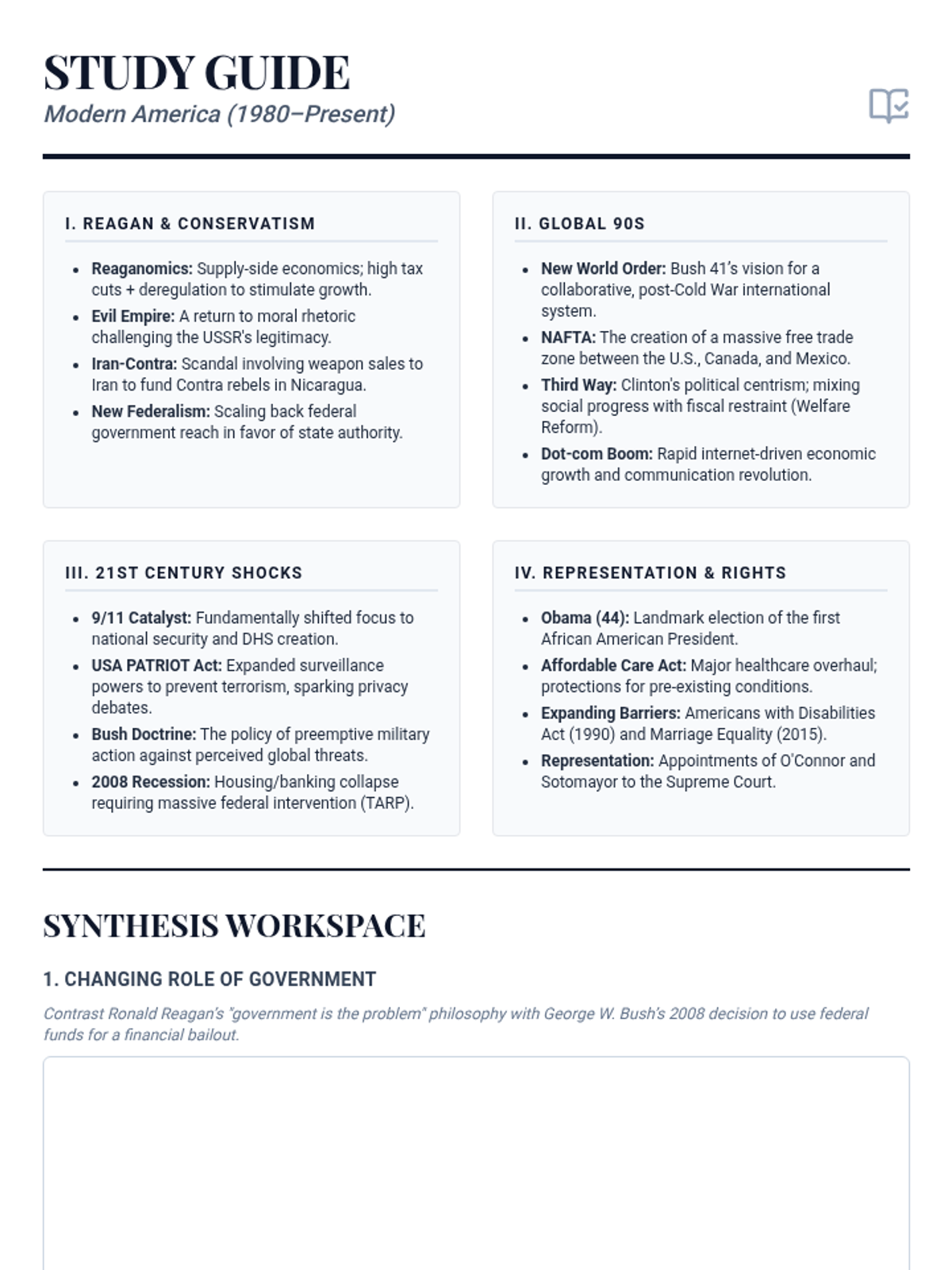
The final assessment for the modern American history unit, evaluating student understanding of late 20th and early 21st-century domestic and foreign policy.
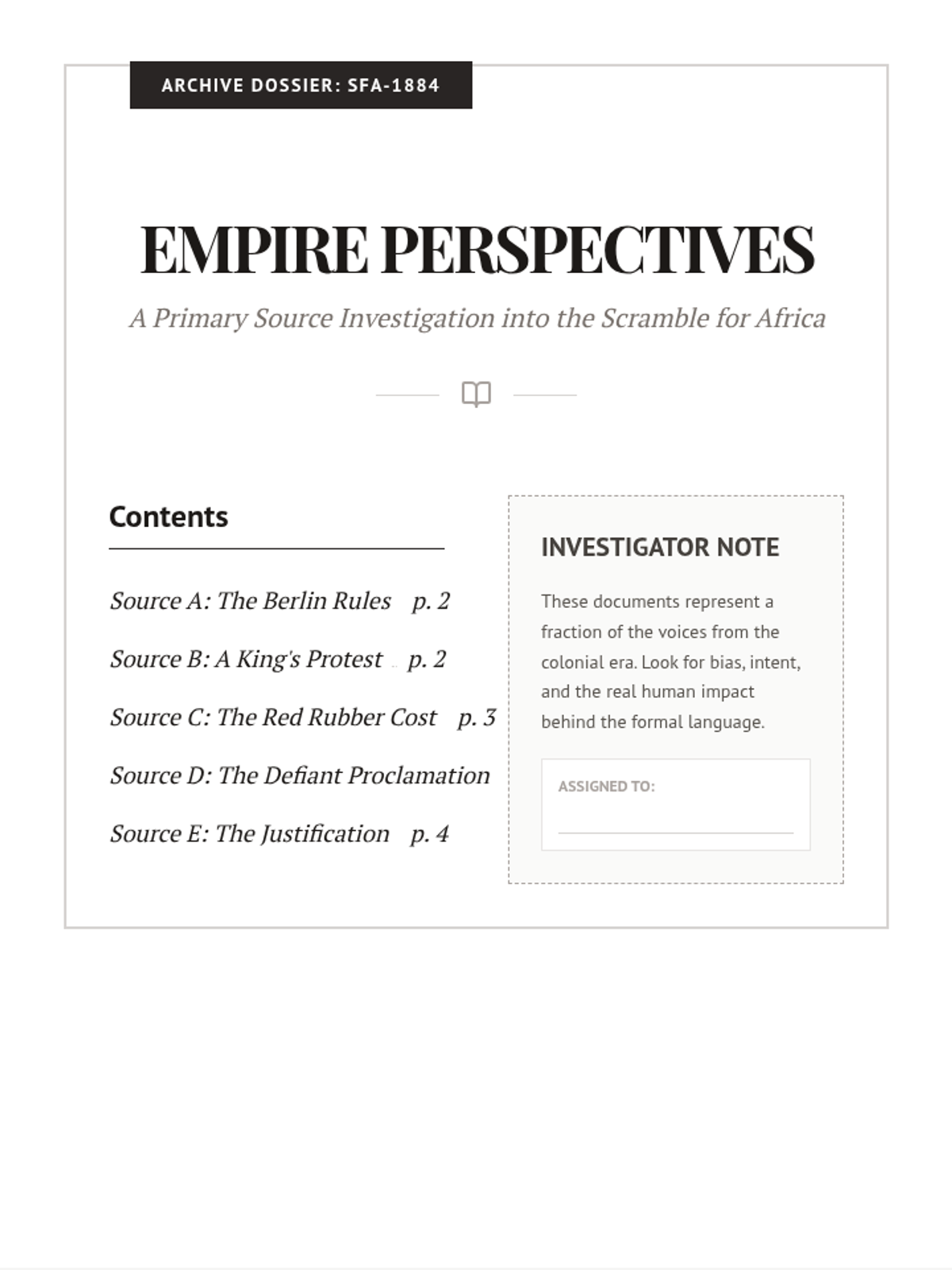
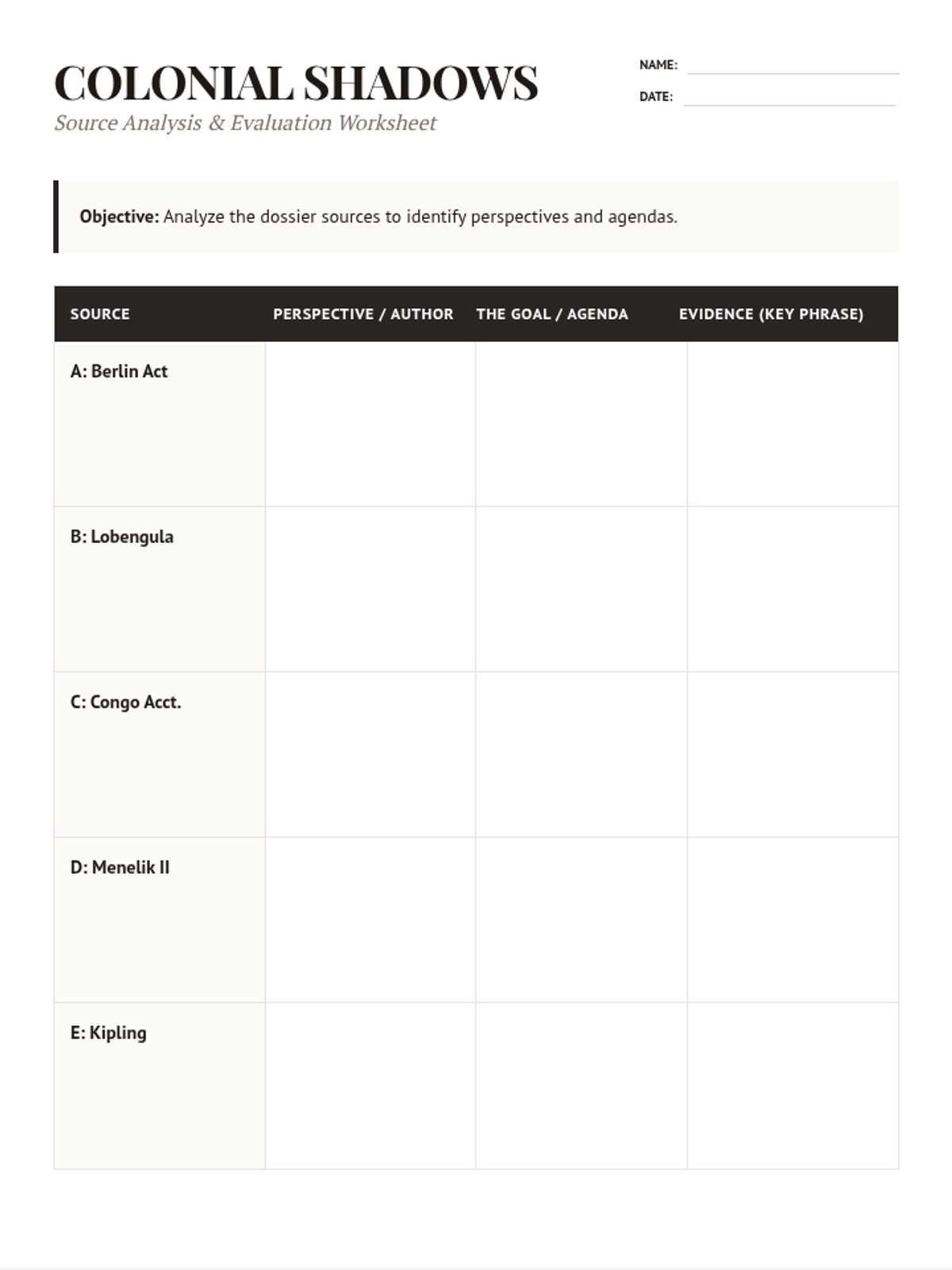
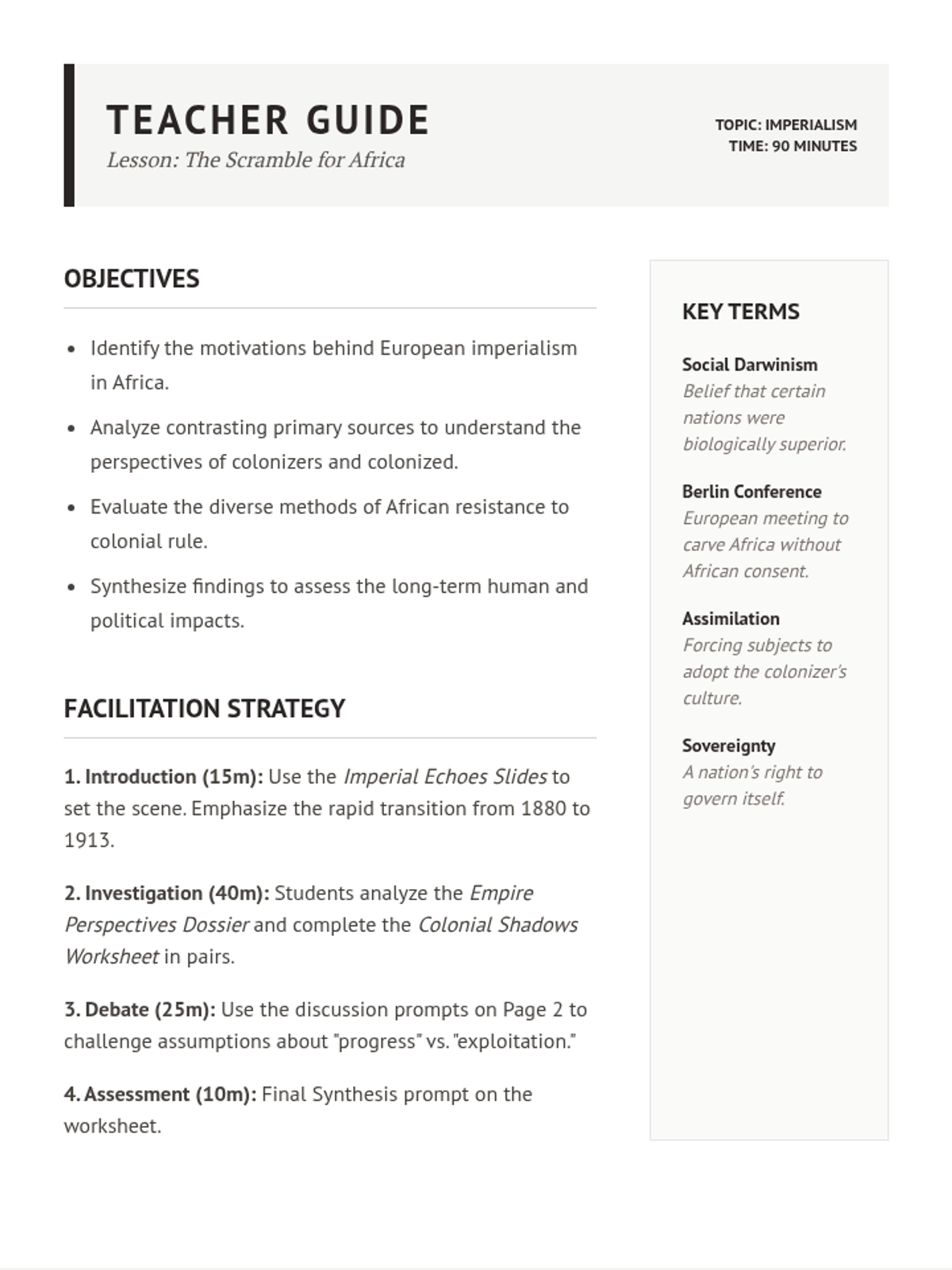
A comprehensive exploration of the European colonization of Africa, featuring diverse primary sources that highlight both imperialist motivations and African resistance. Students will analyze the human, economic, and political impacts of the 'Scramble for Africa'.
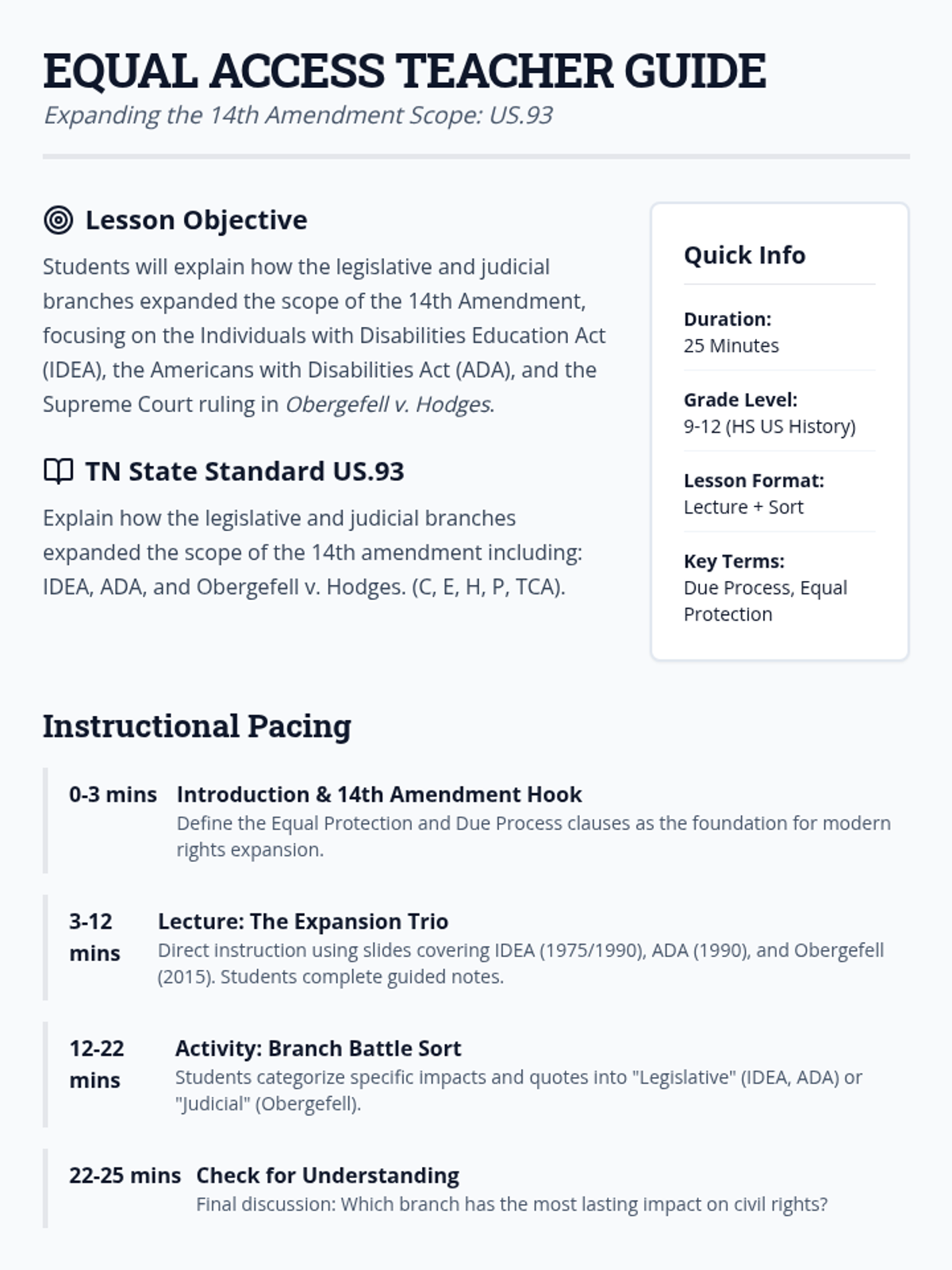
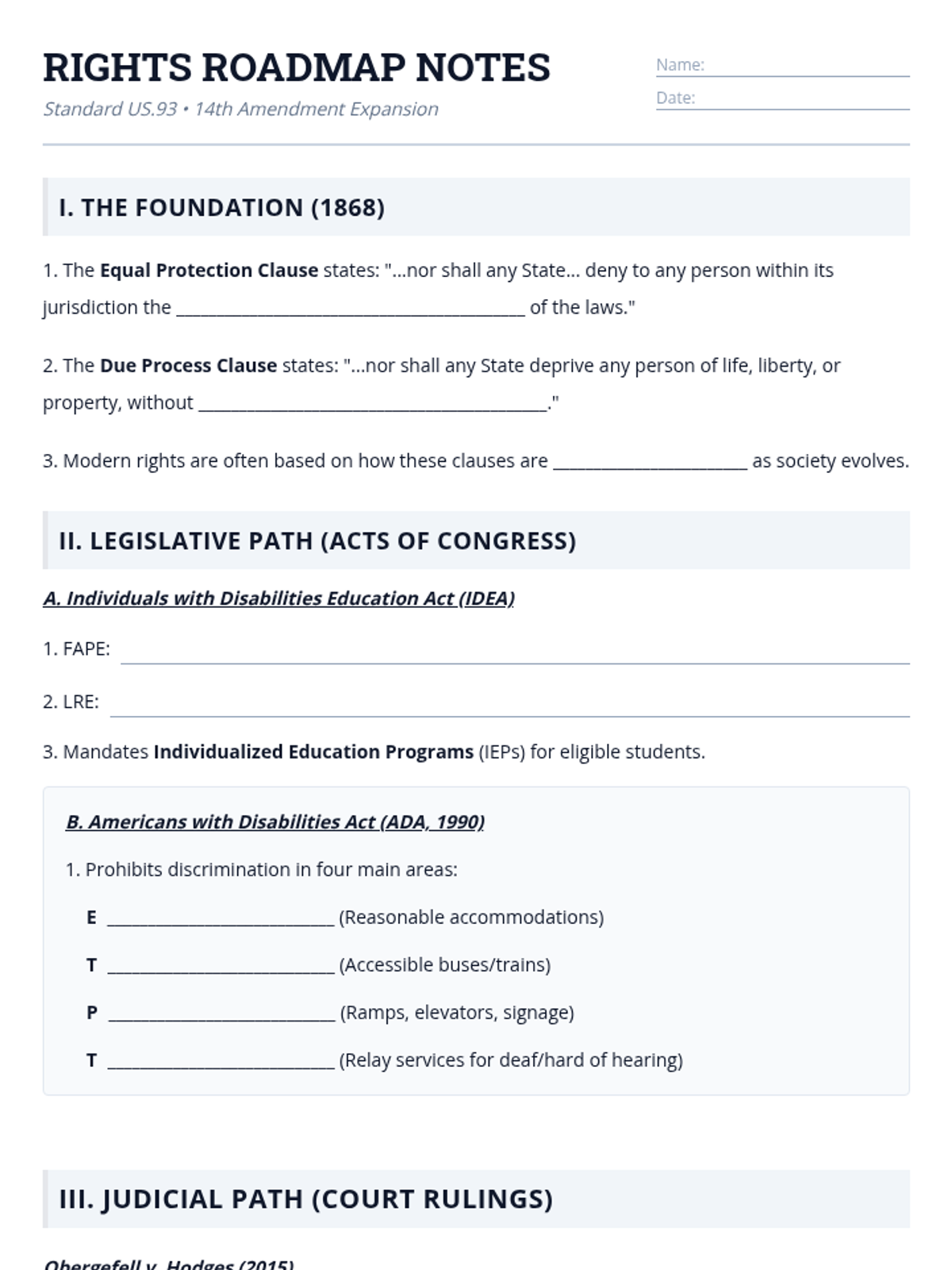
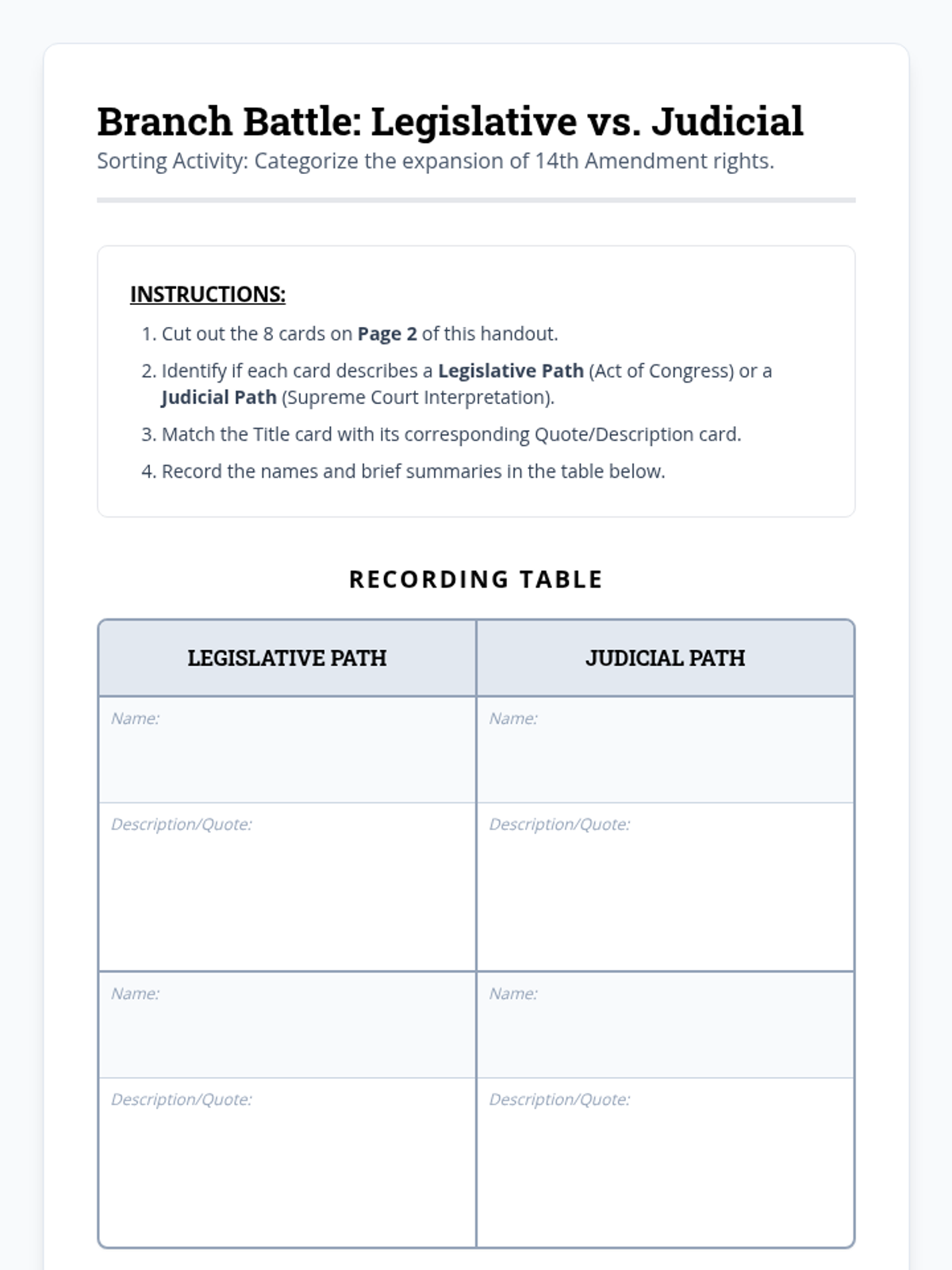
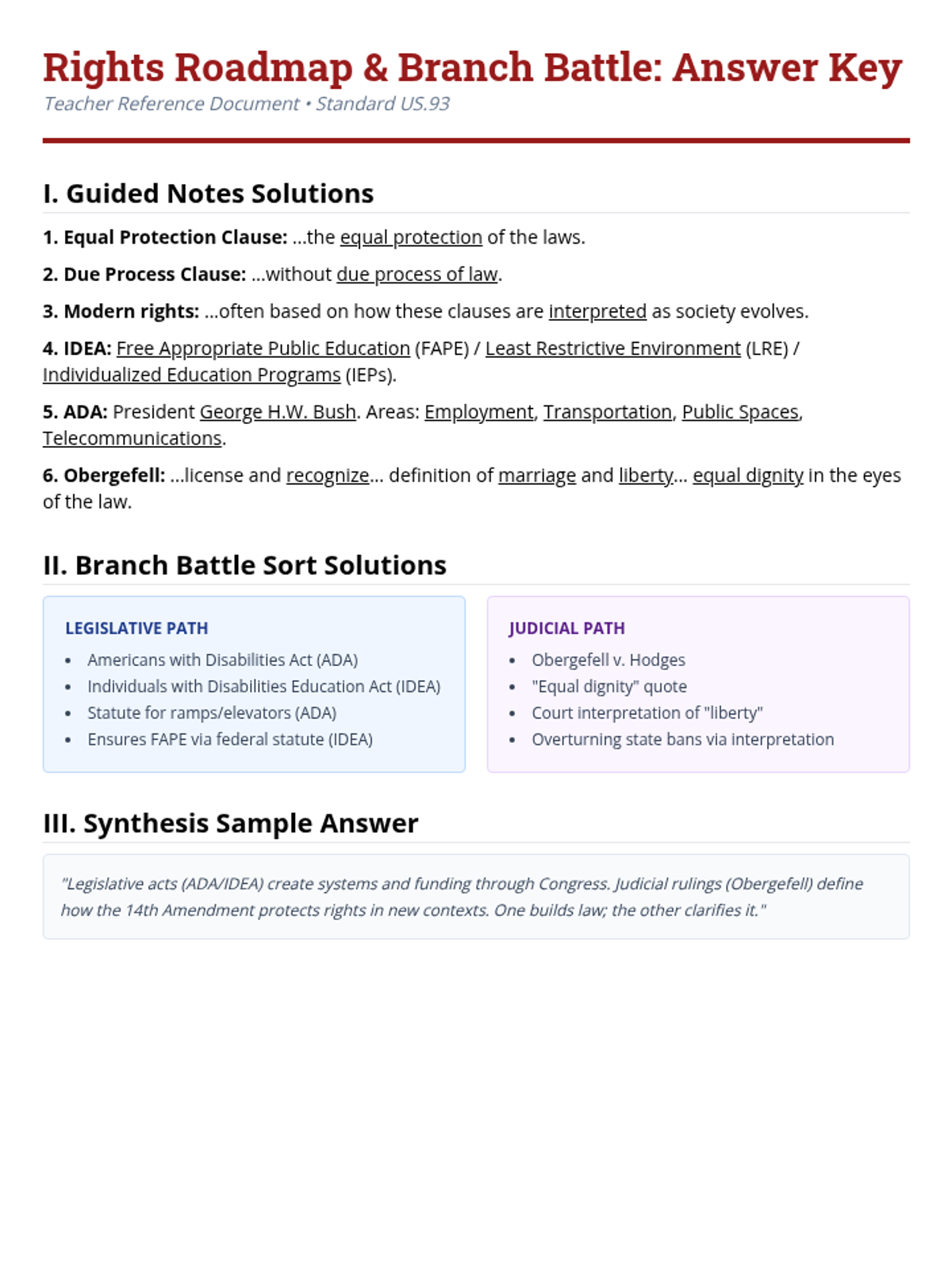
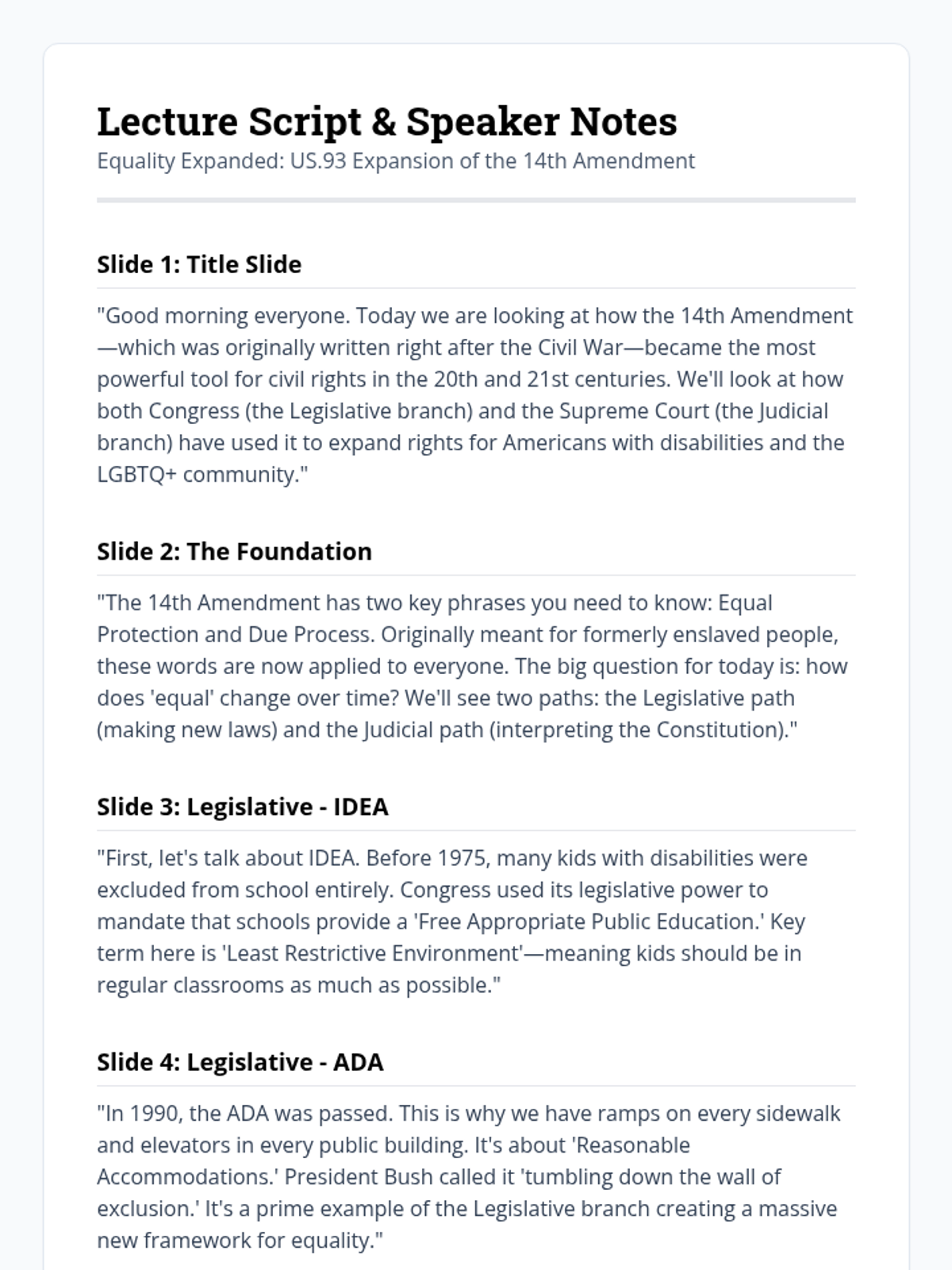
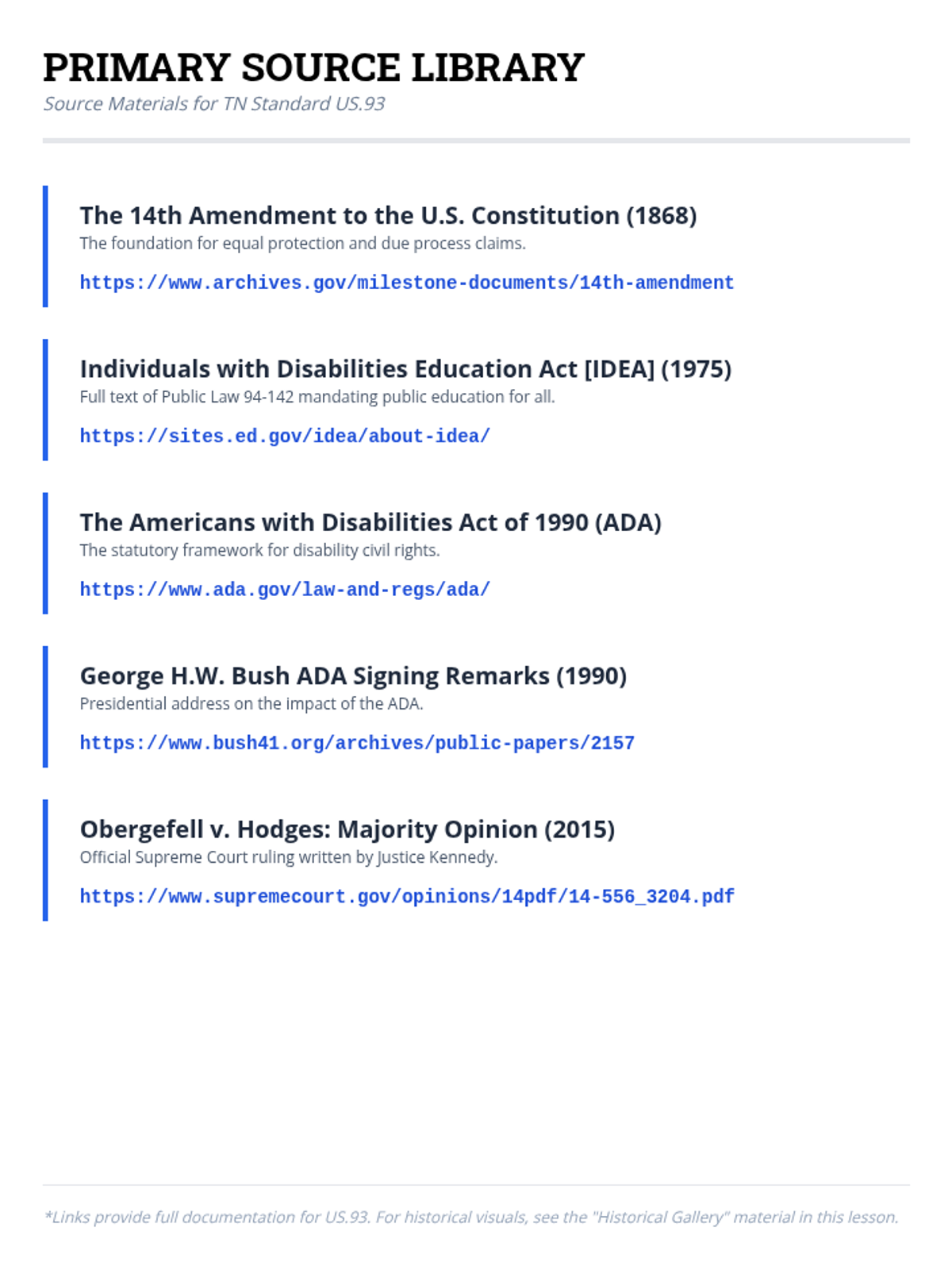
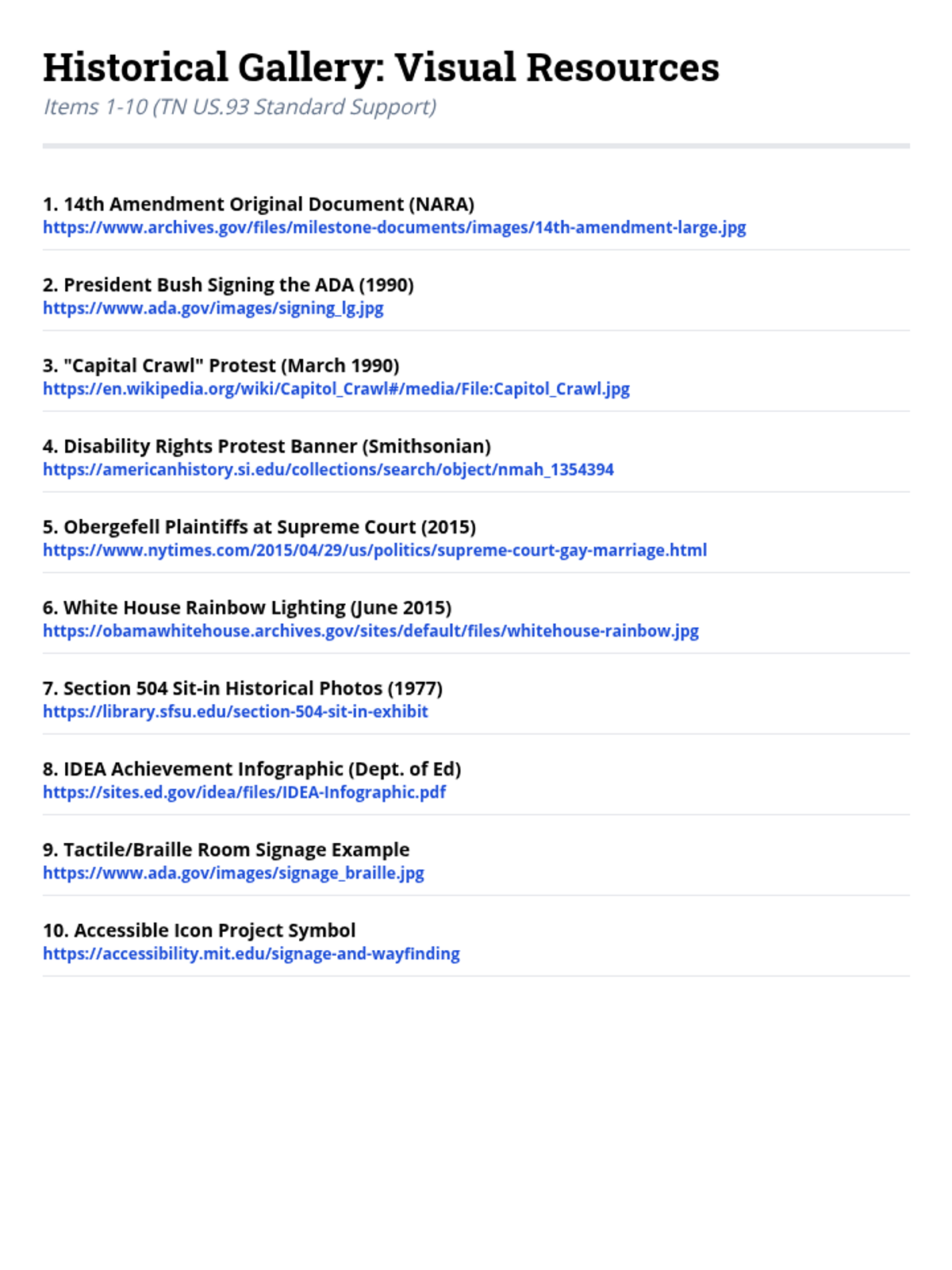
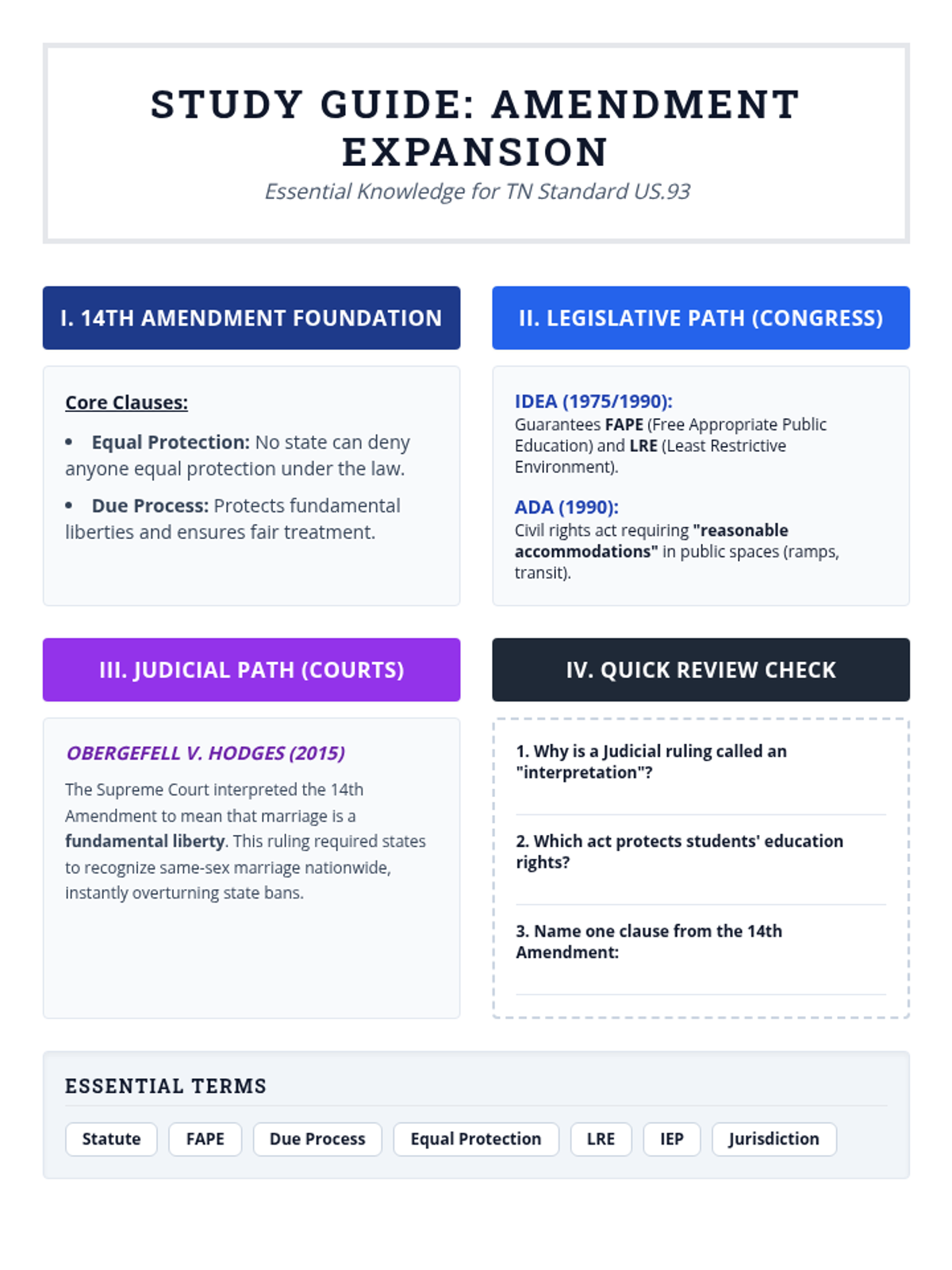
A high-school level exploration of how the 14th Amendment's scope was expanded through legislative acts like the ADA and IDEA, and judicial rulings like Obergefell v. Hodges. Students analyze the roles of different government branches in securing civil rights.
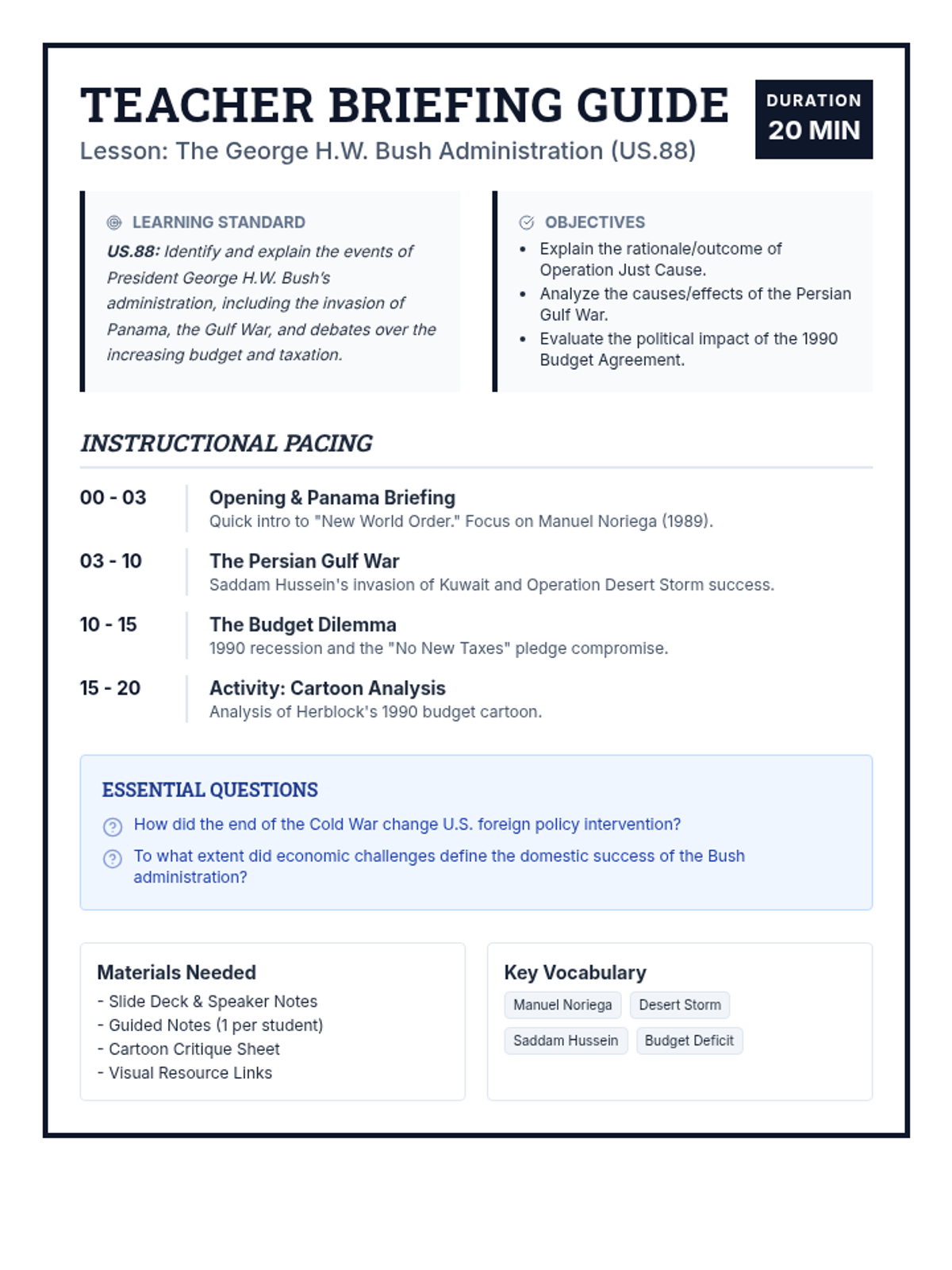
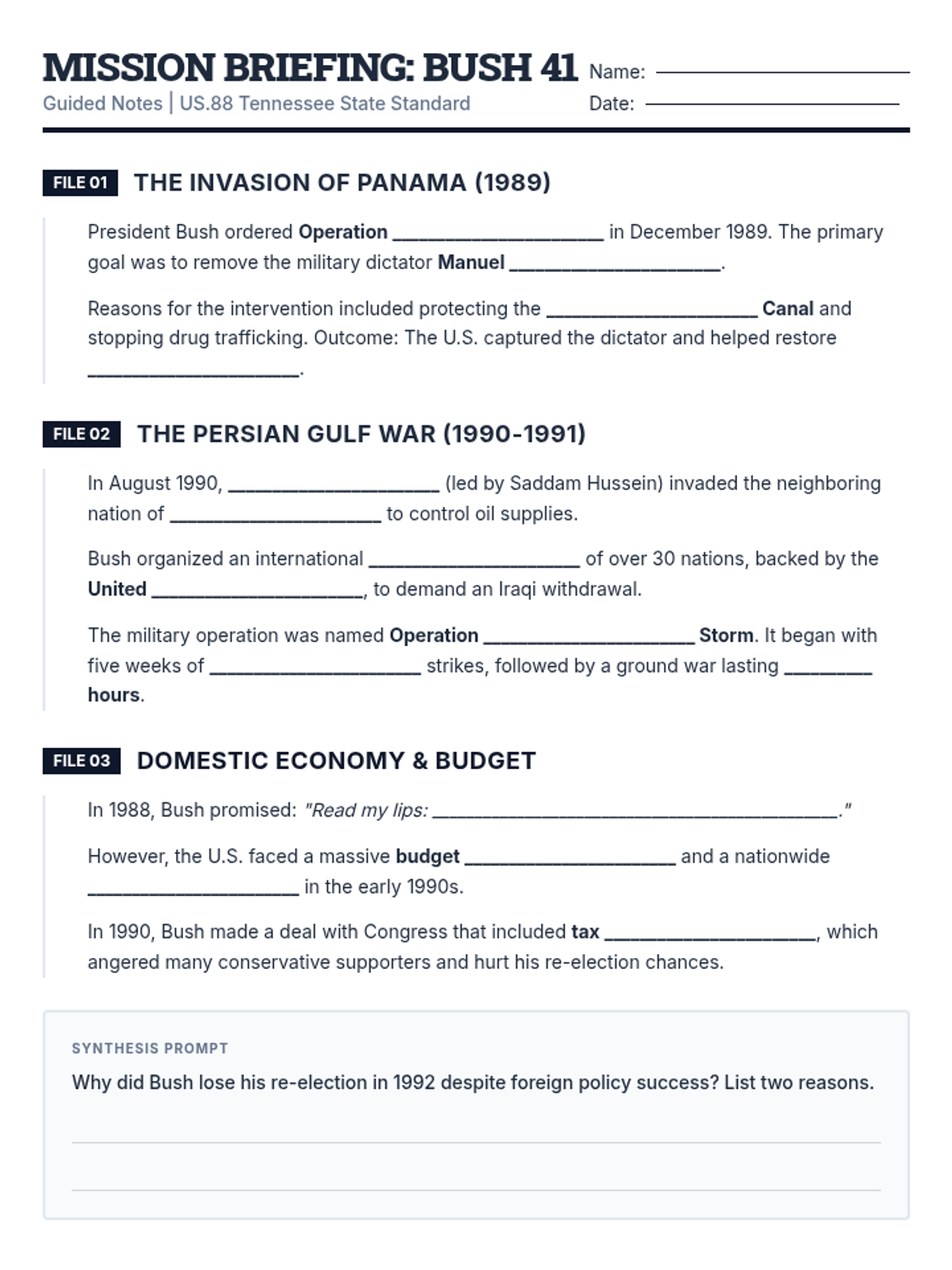
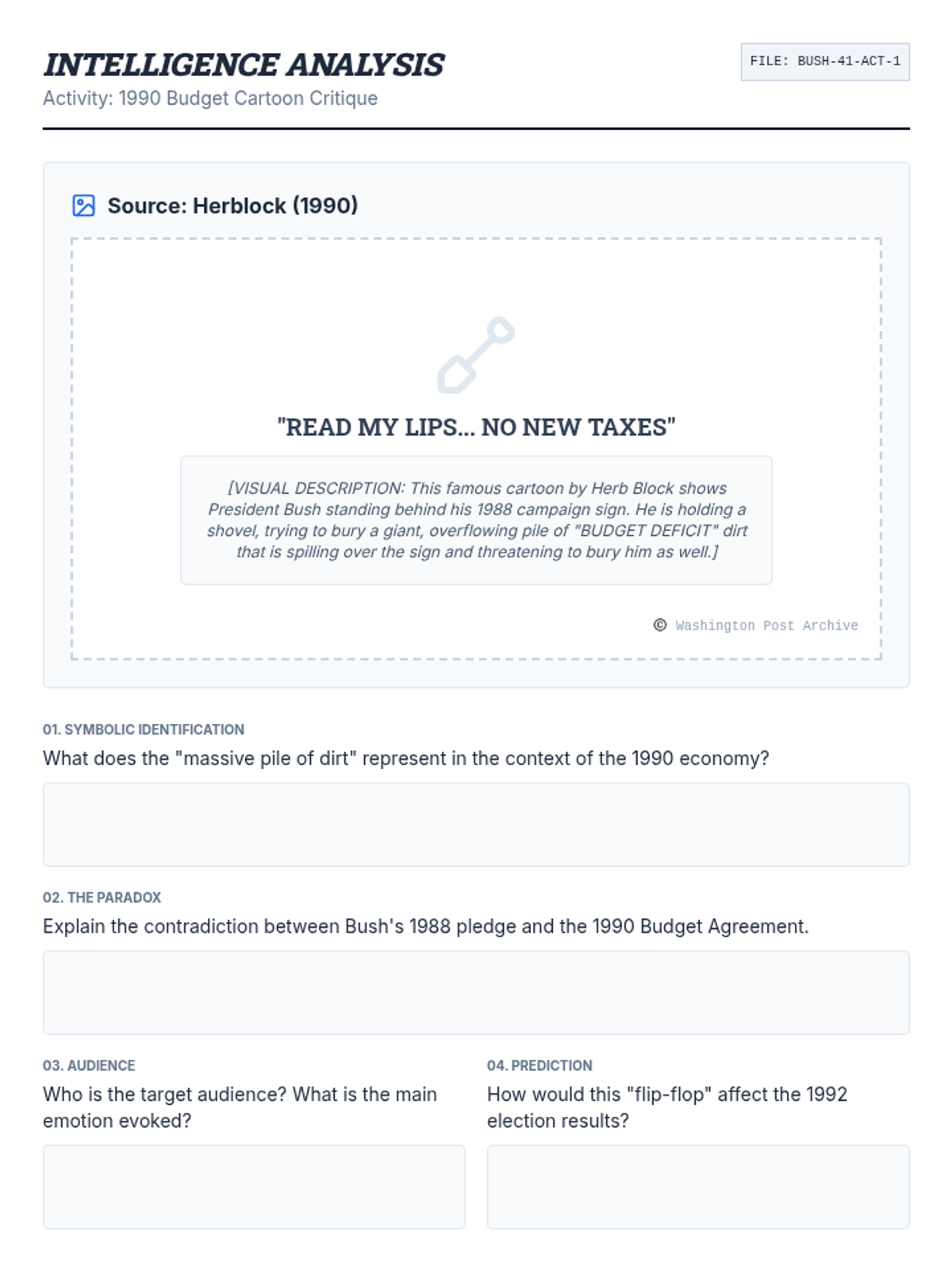
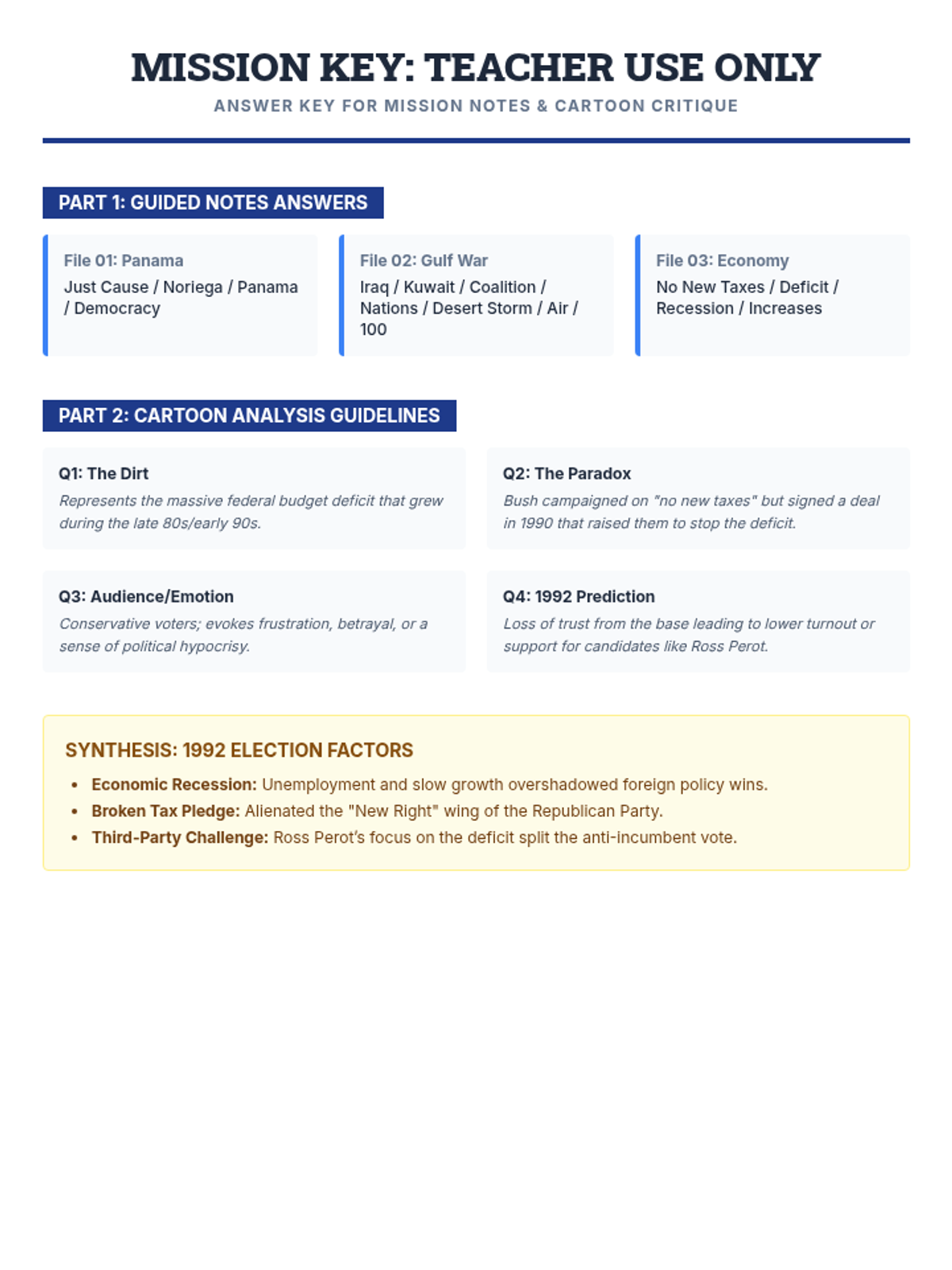
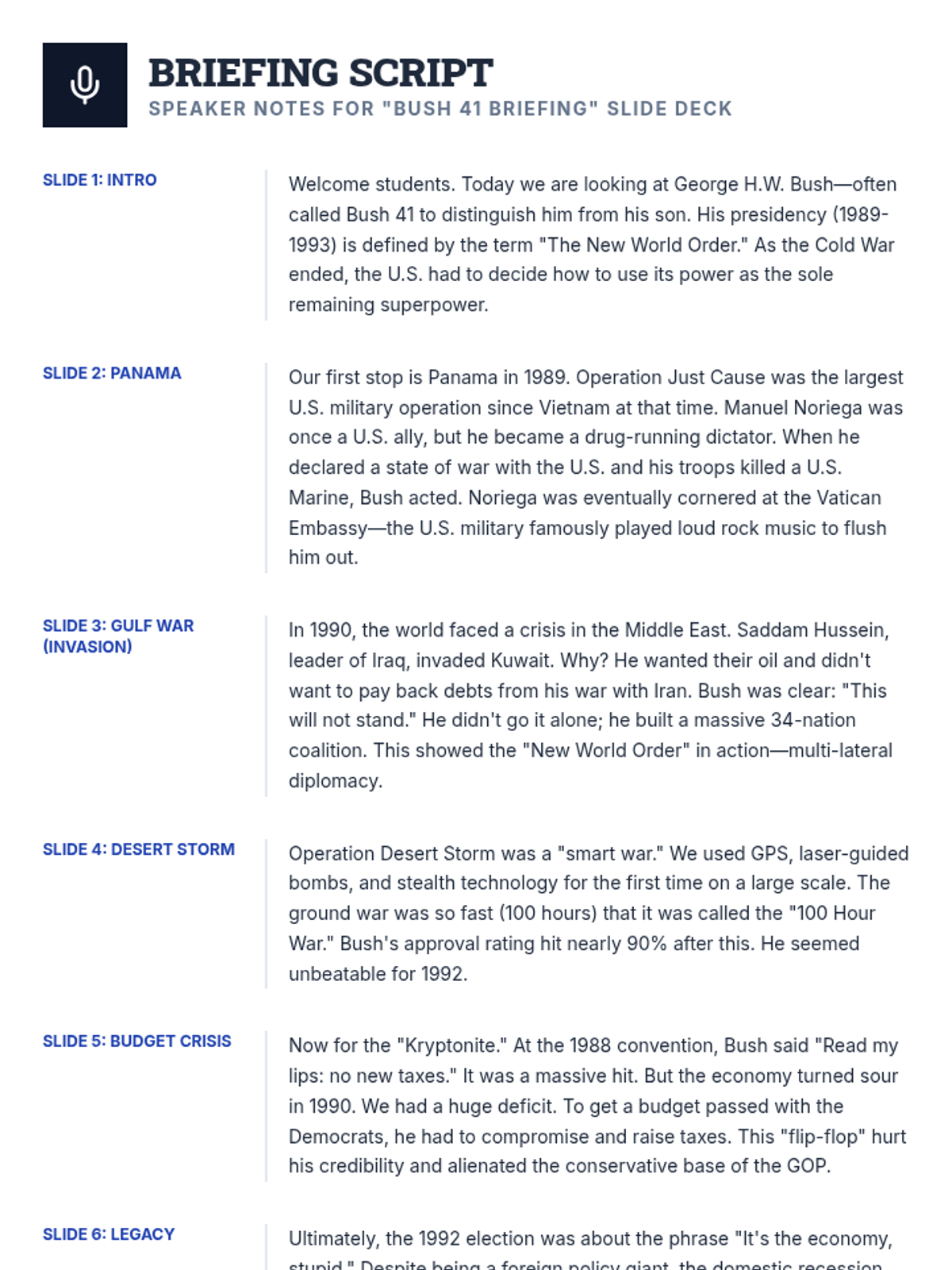
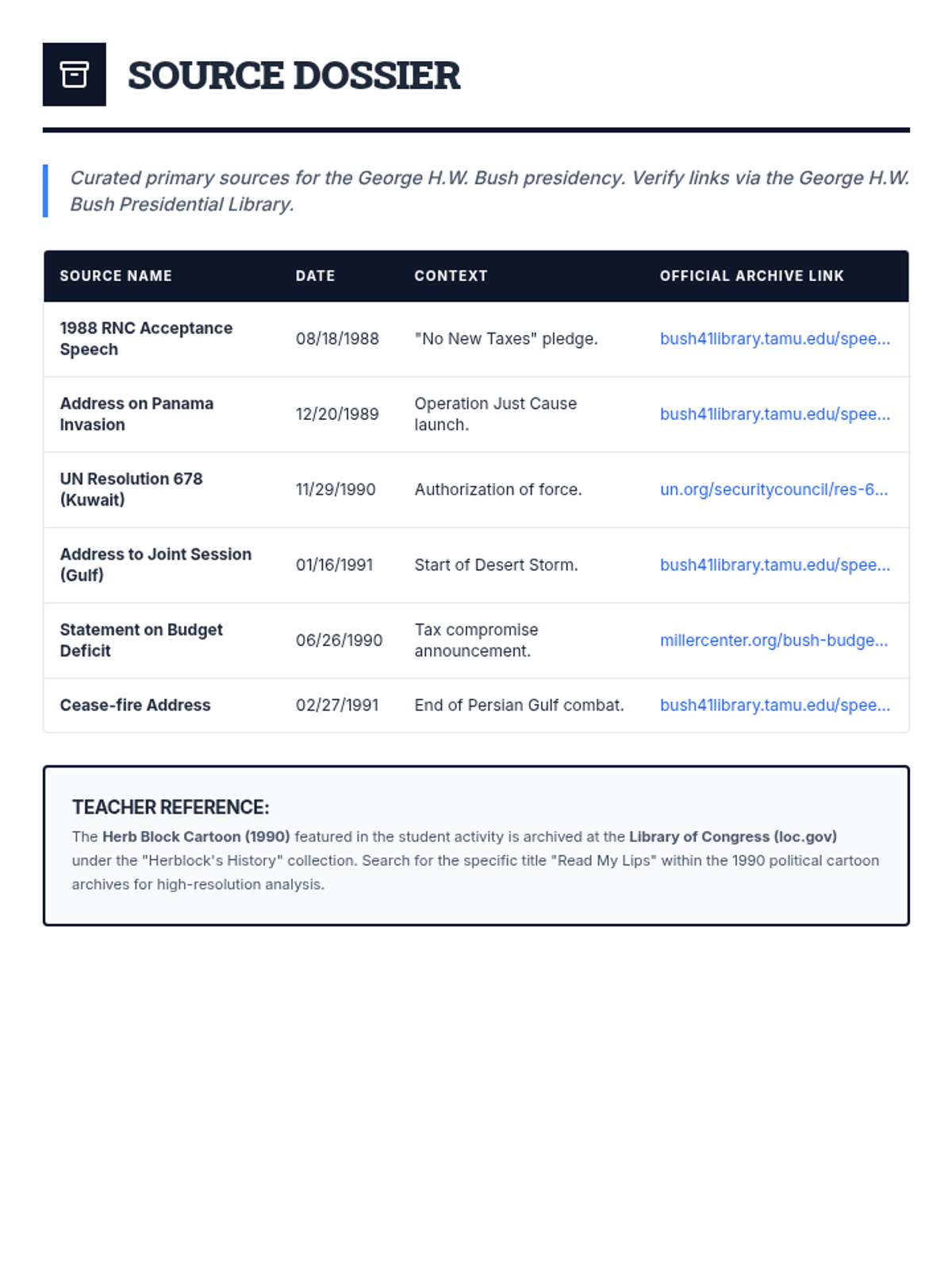
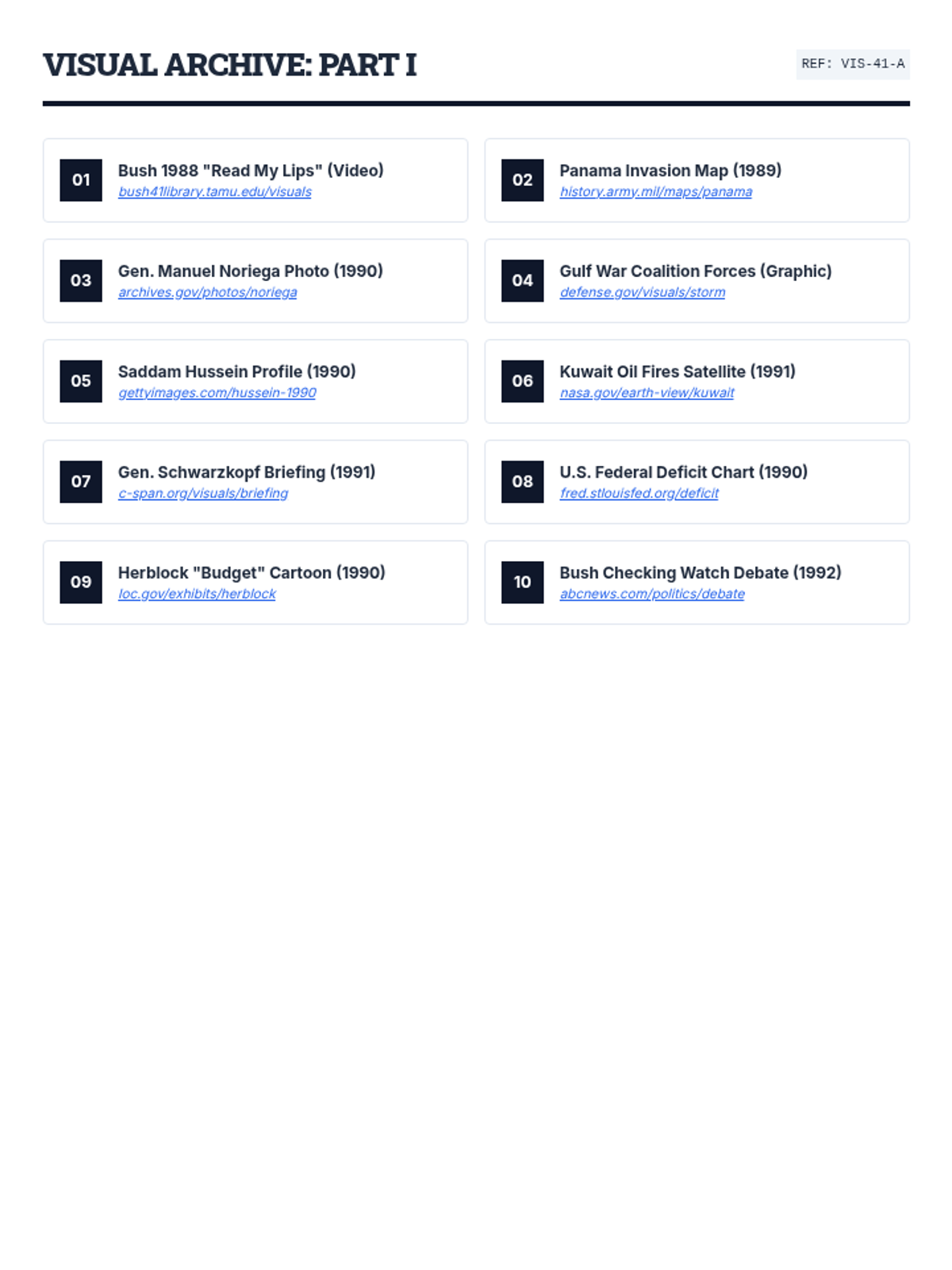
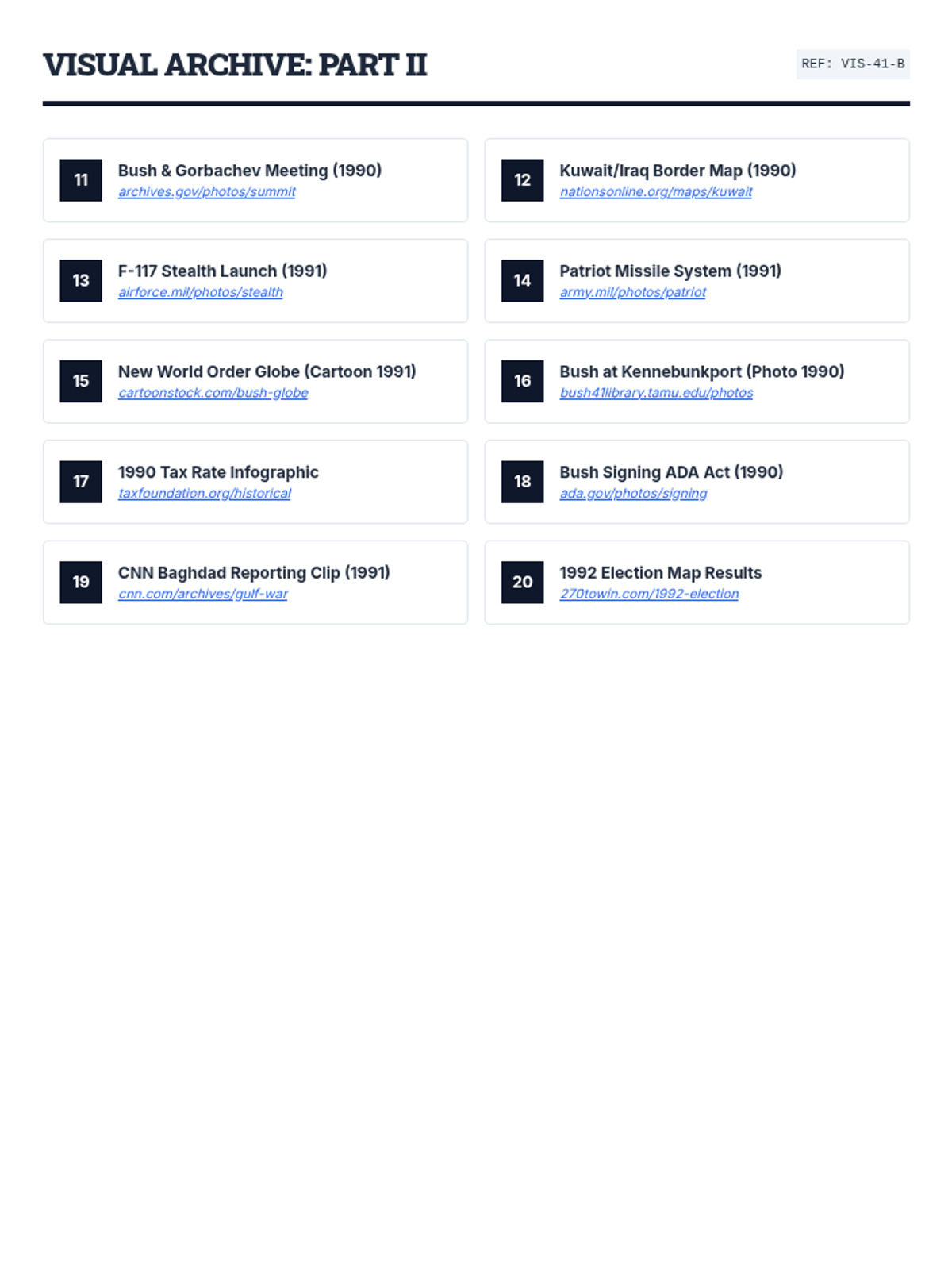
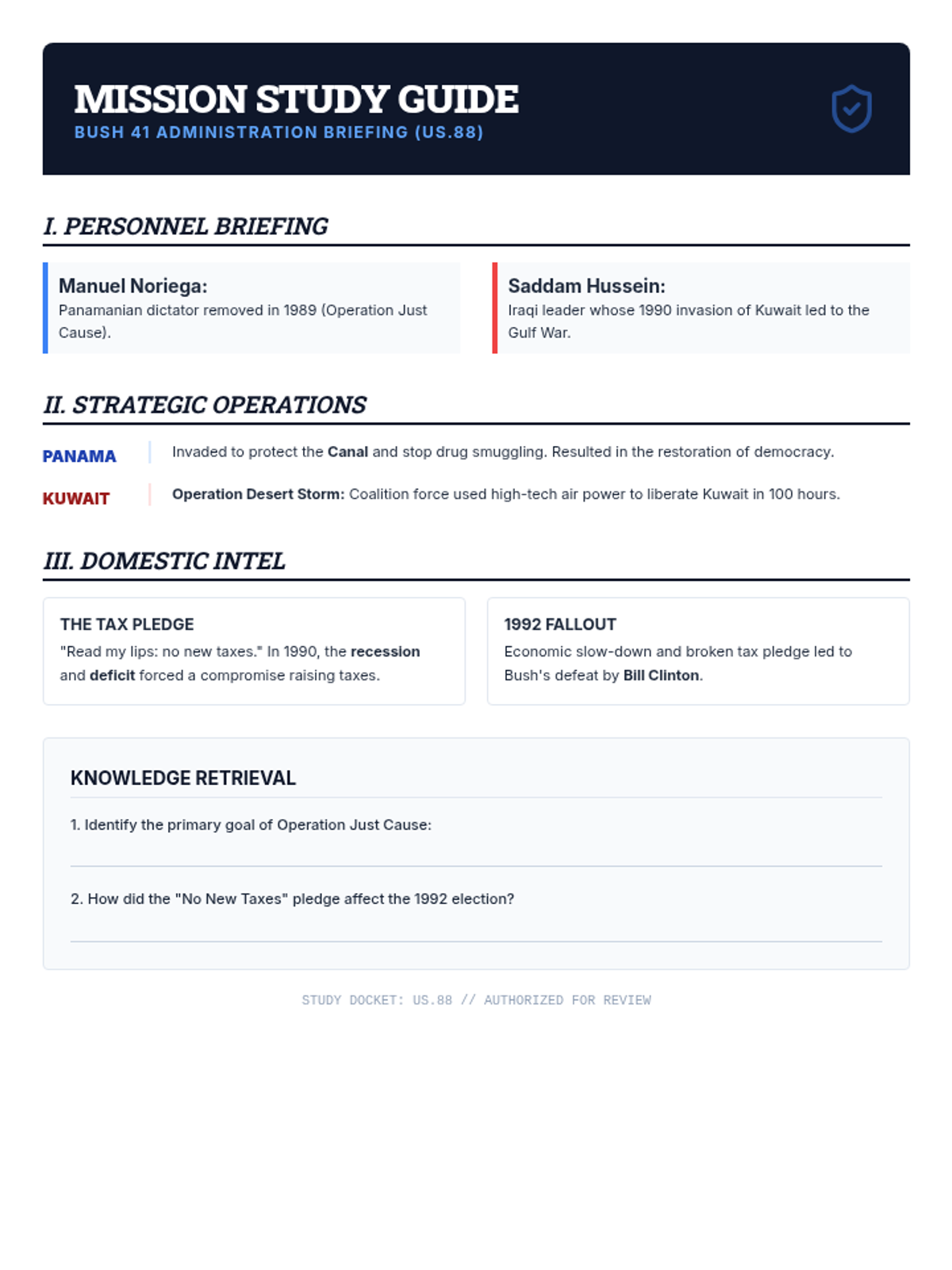
A focused 20-minute lesson covering the George H.W. Bush administration, specifically the invasion of Panama, the Gulf War, and the domestic budget debates.
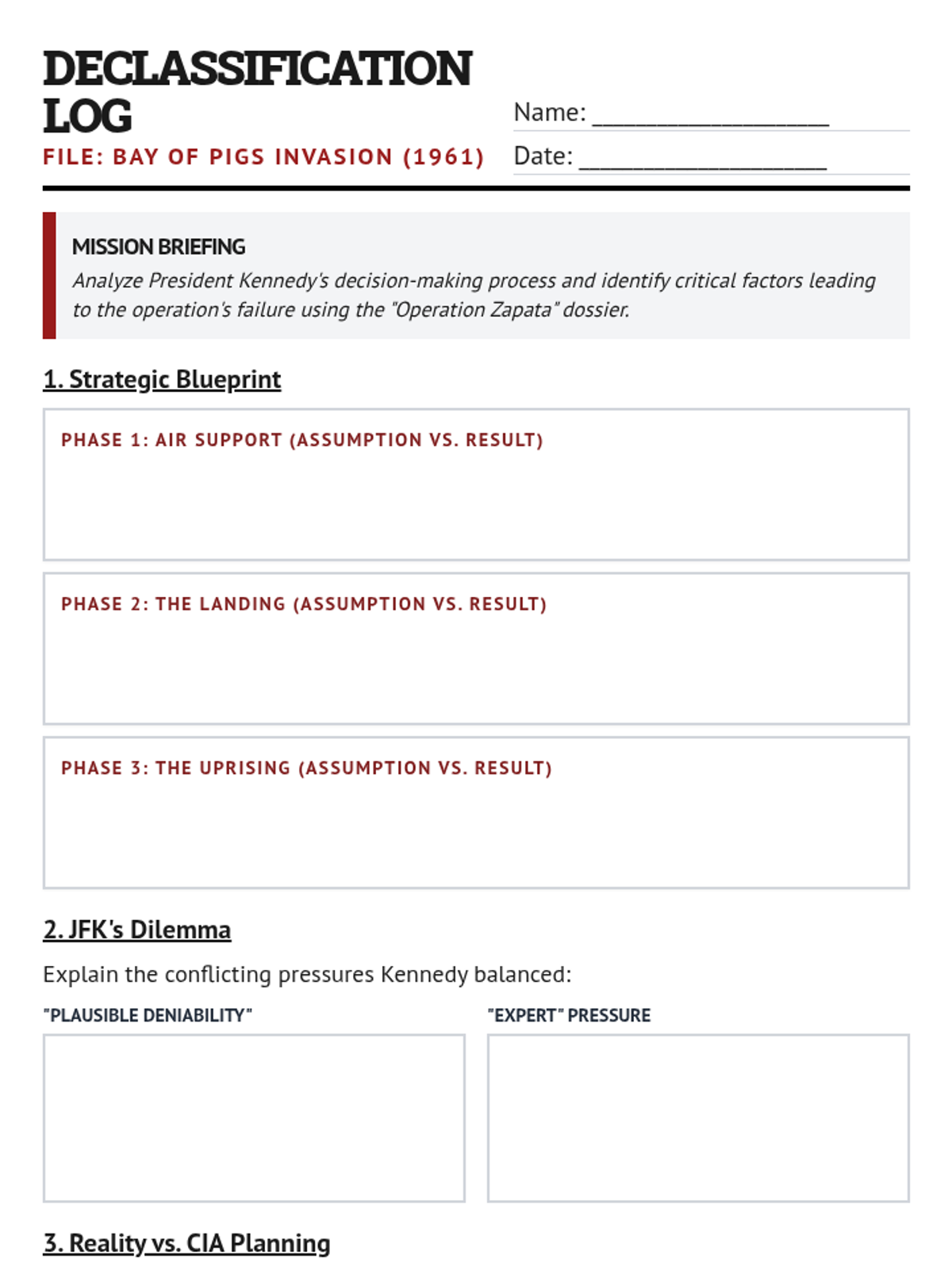
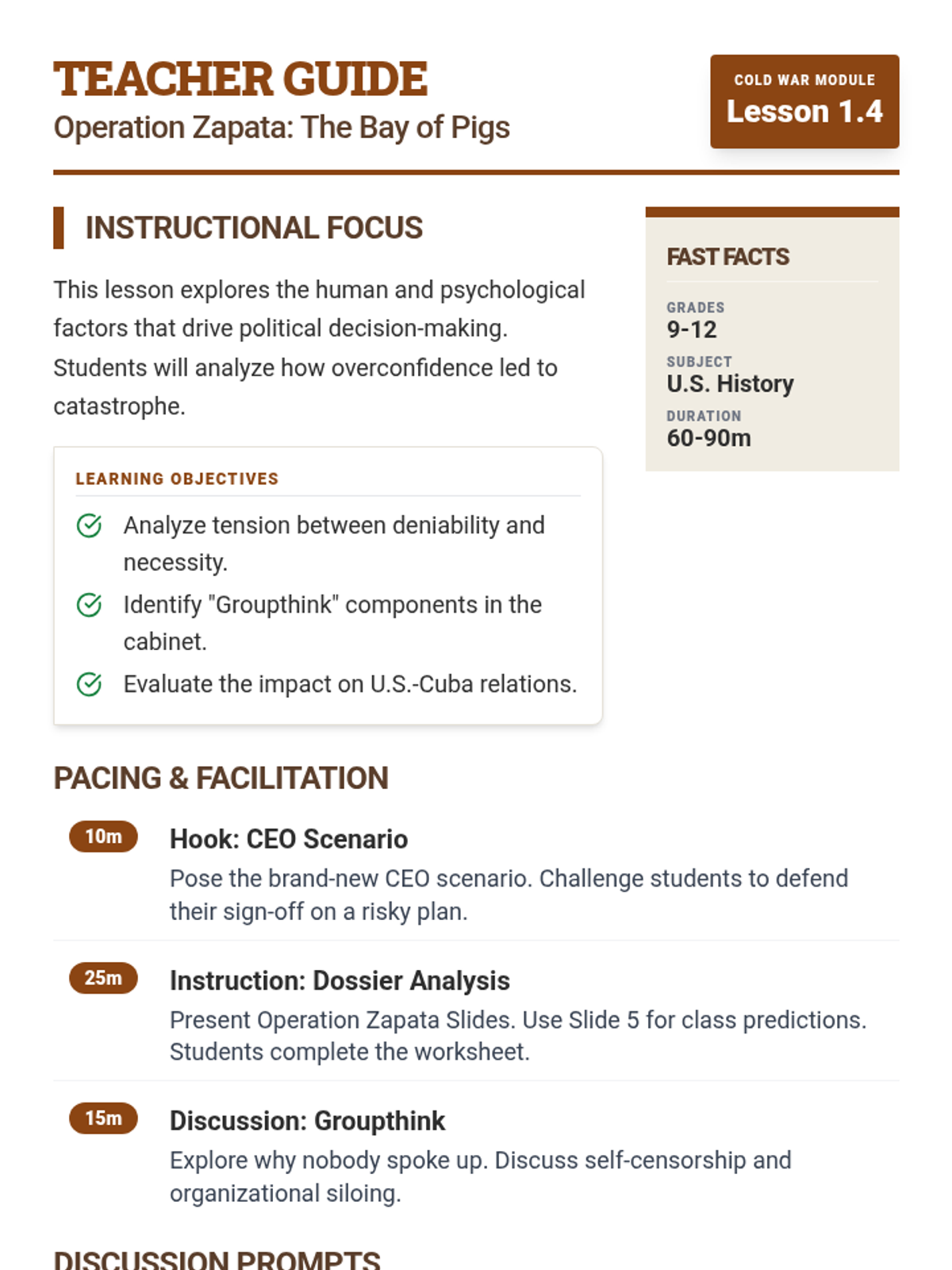
An in-depth look at the Bay of Pigs invasion, focusing on John F. Kennedy's decision-making process, the strategic failures of the CIA-led operation, and the enduring geopolitical consequences of the Cold War crisis.
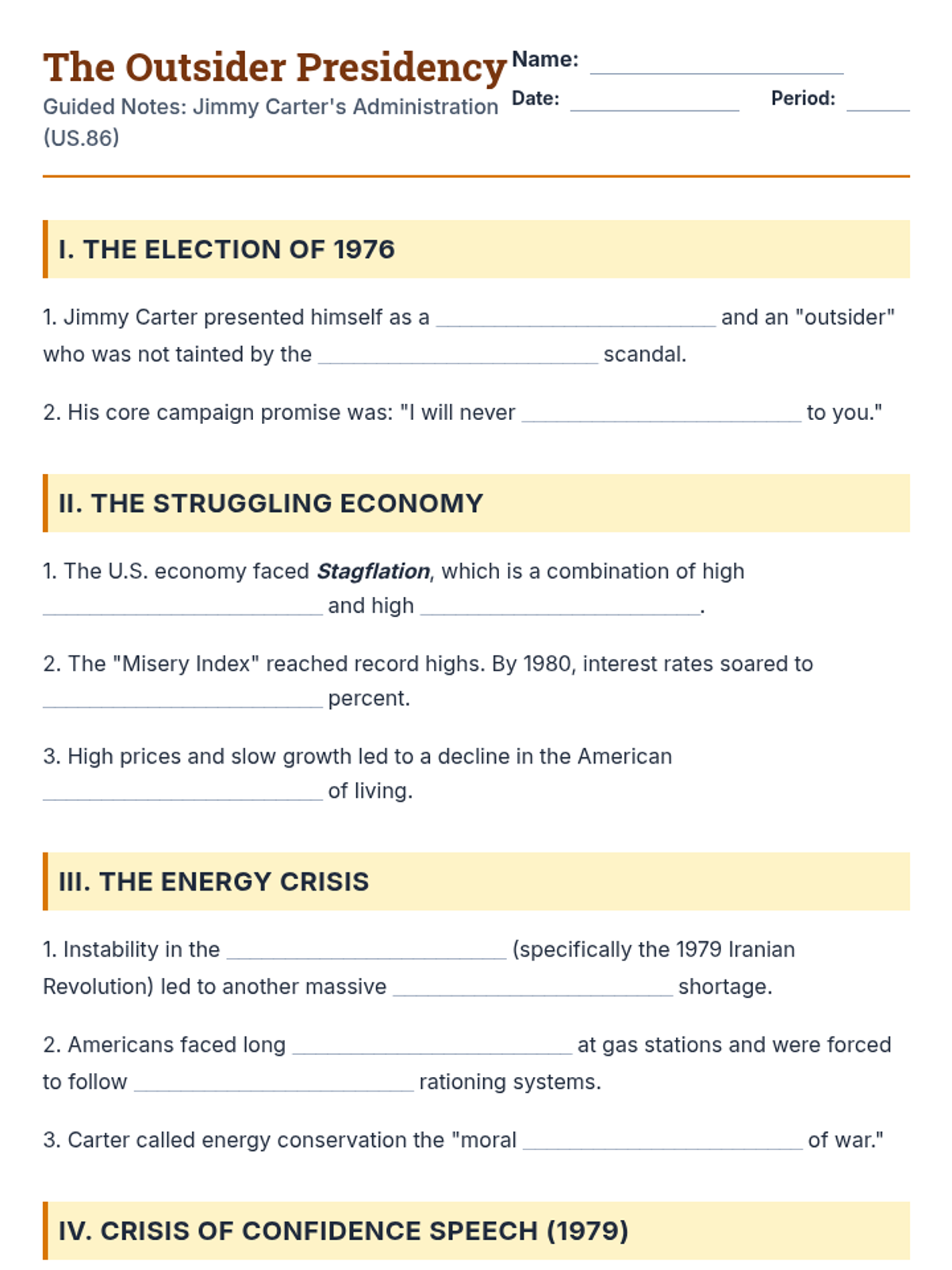
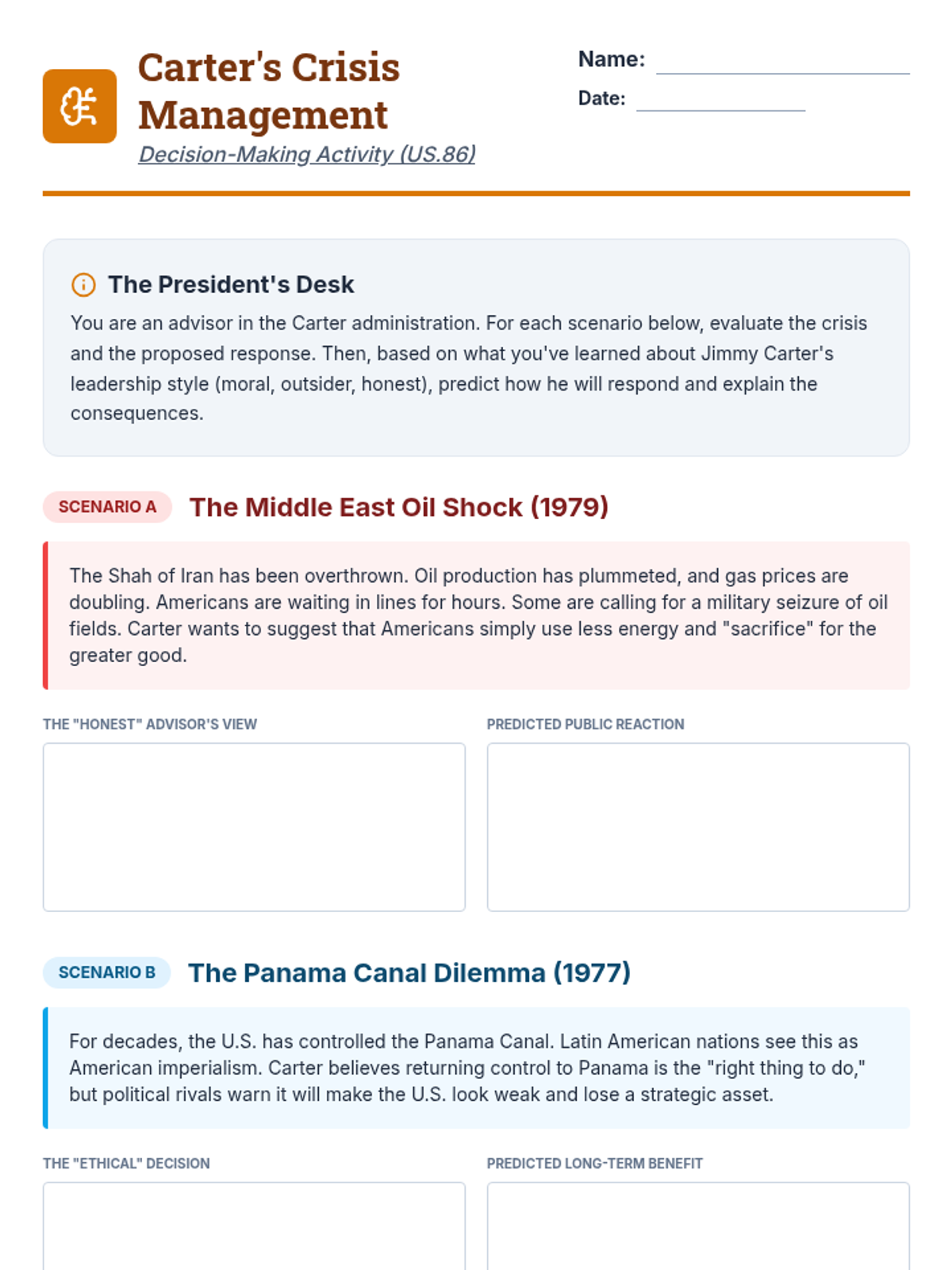
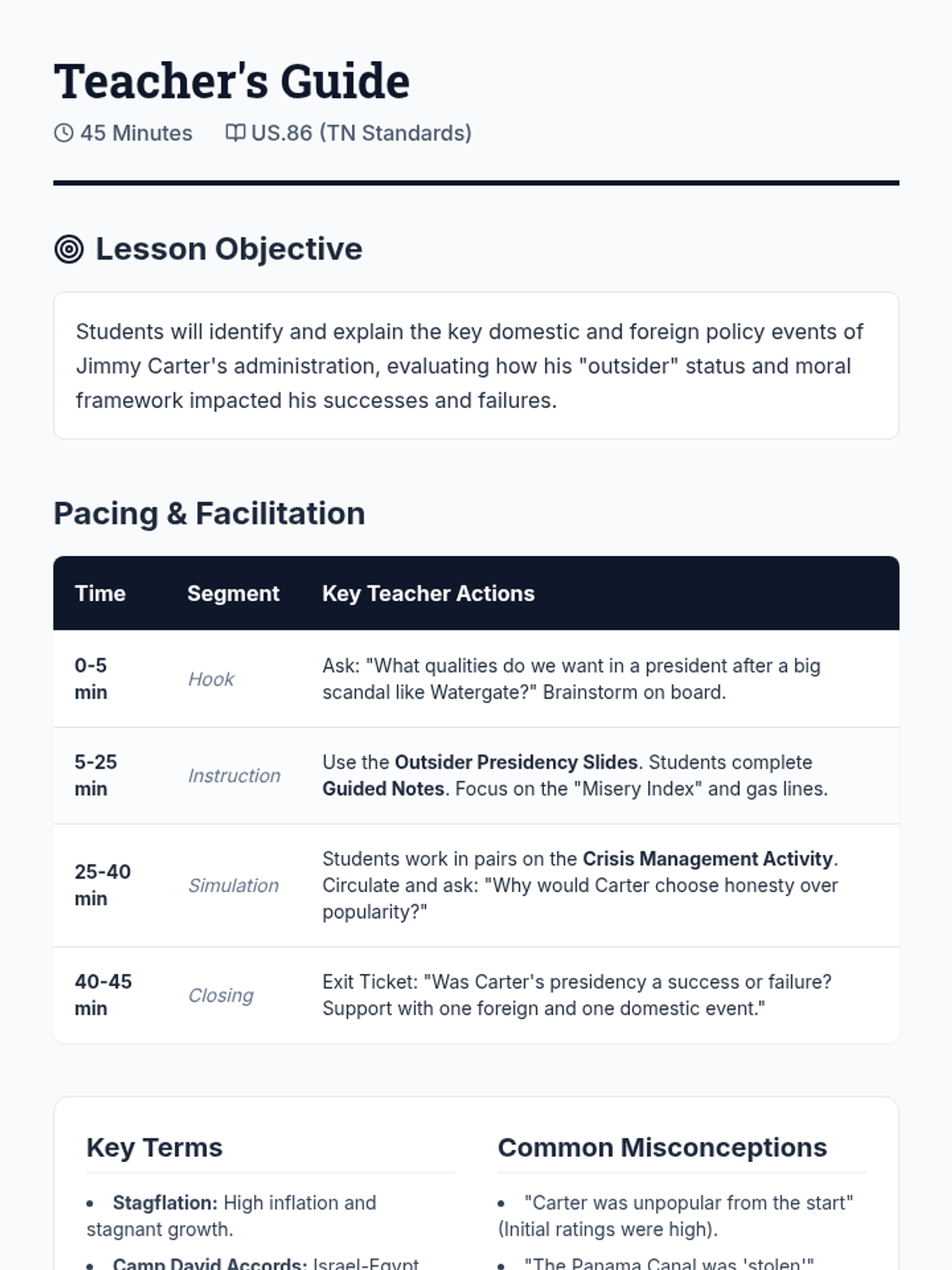
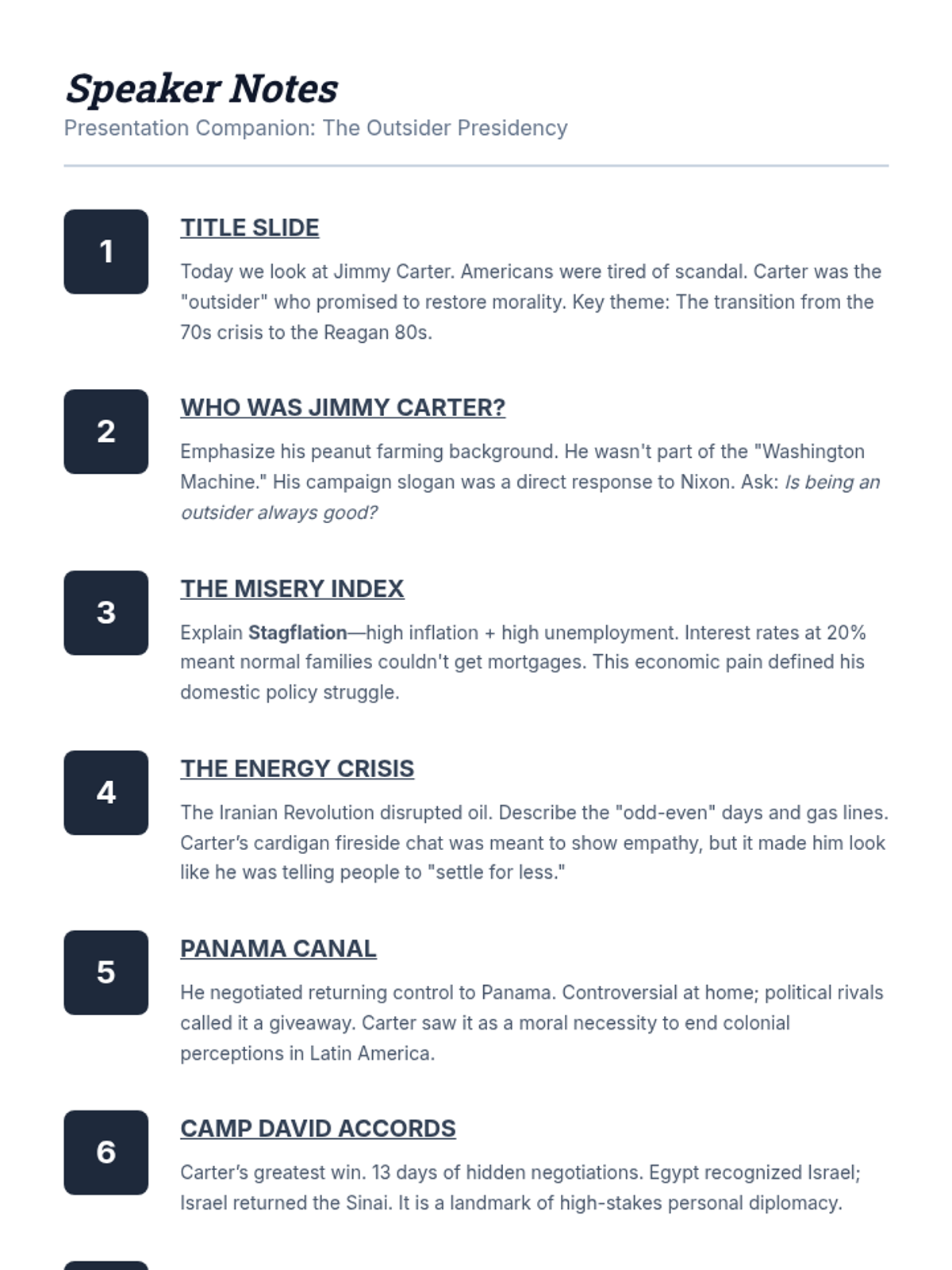
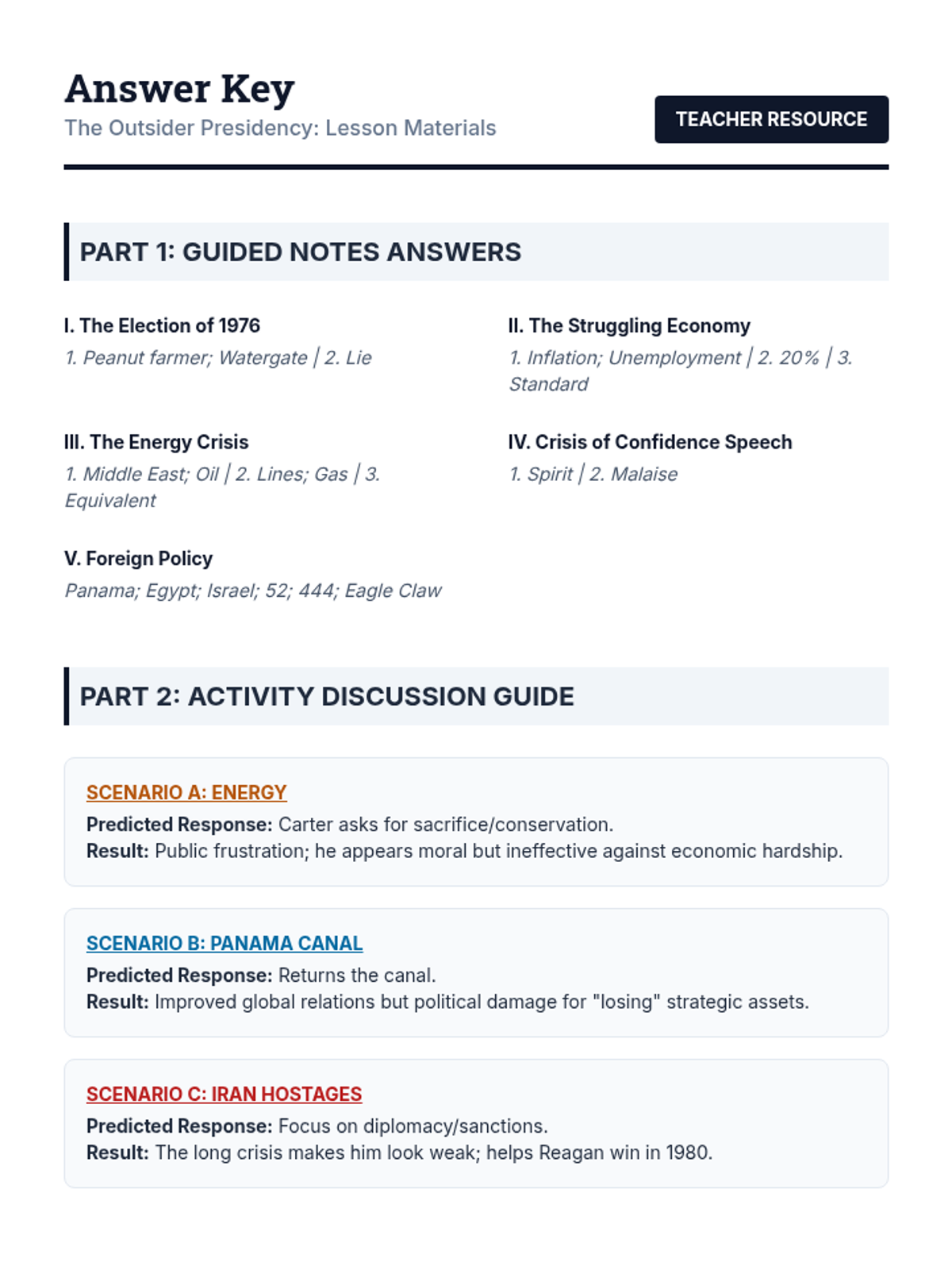
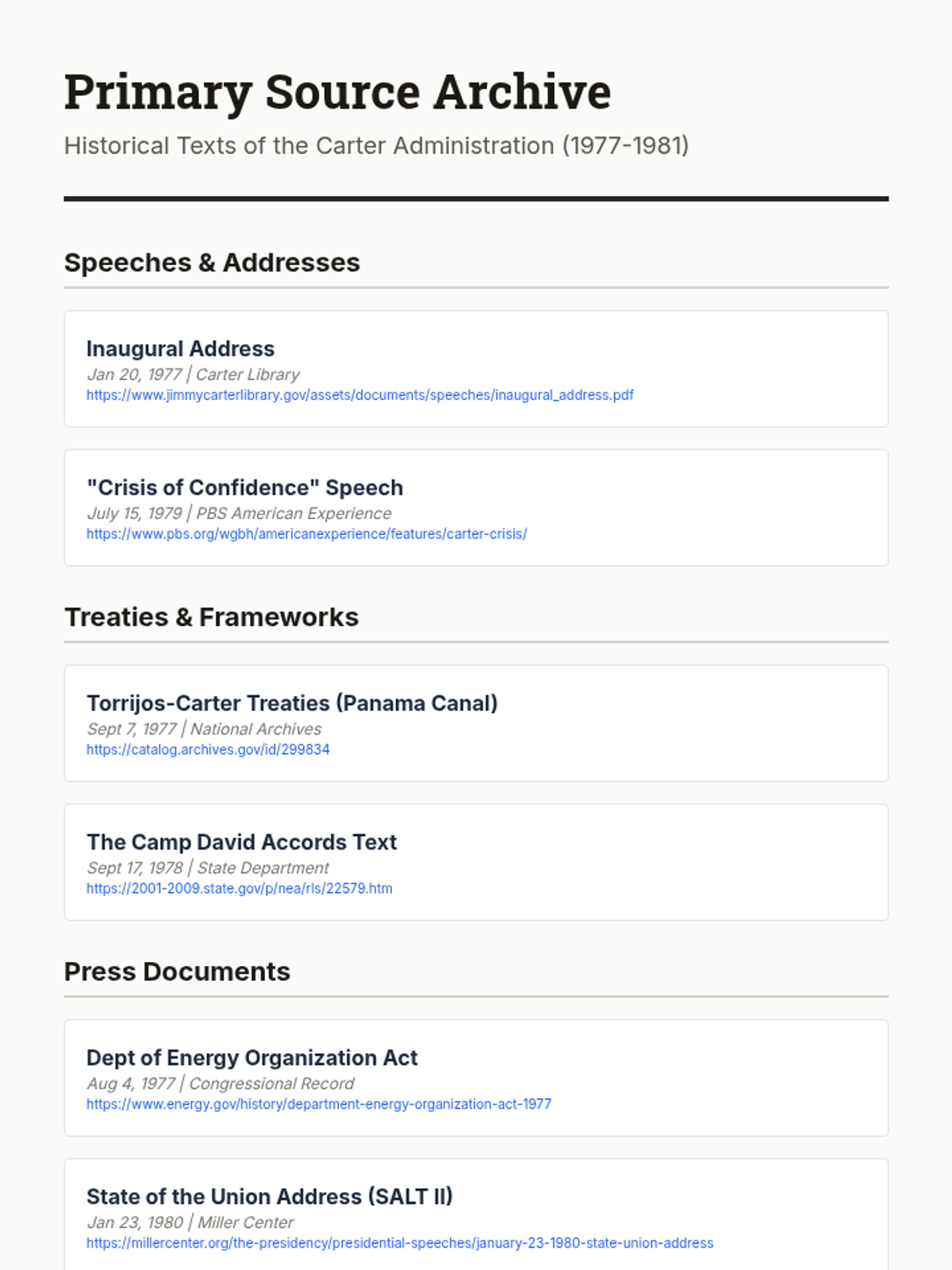
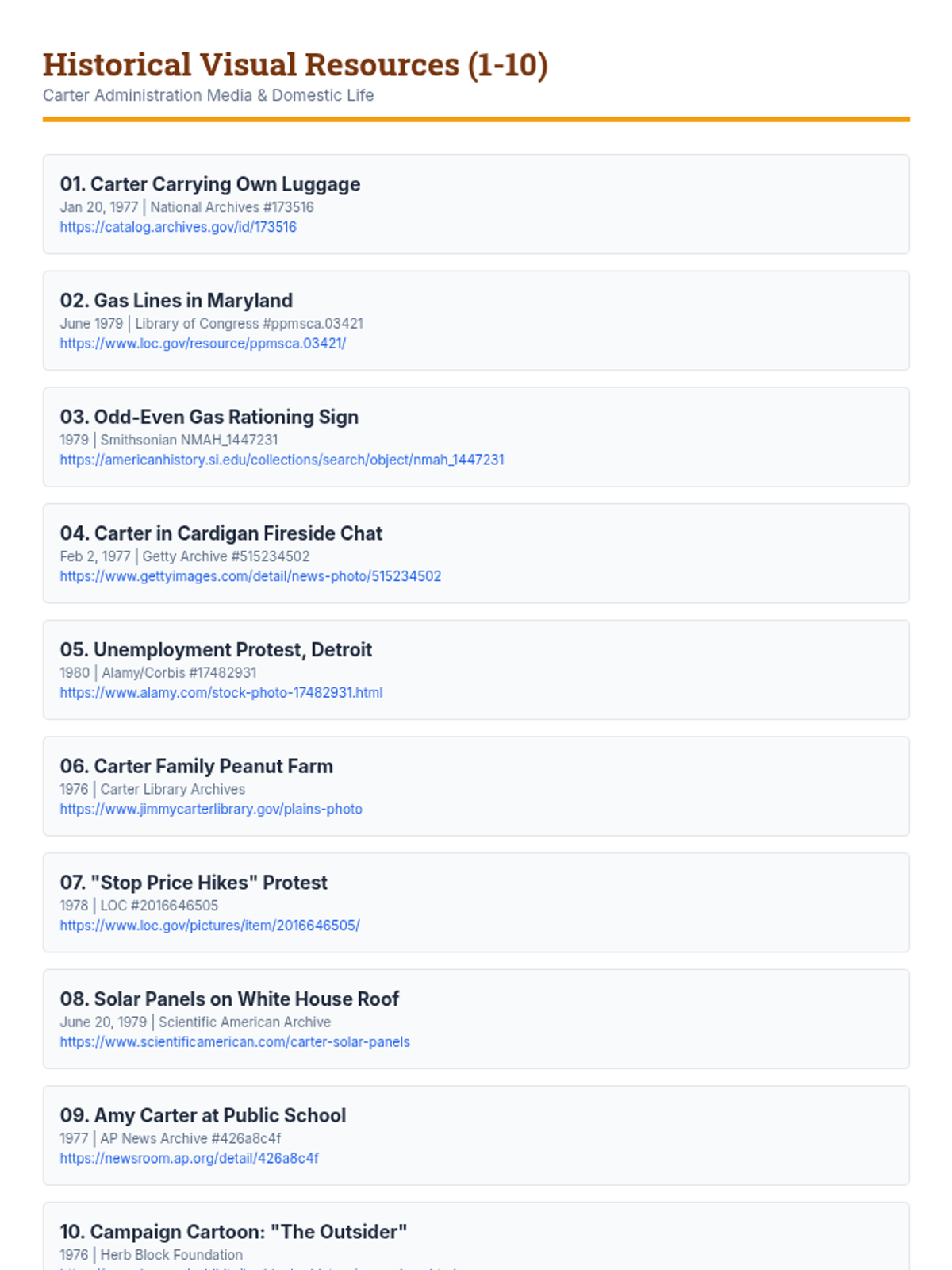
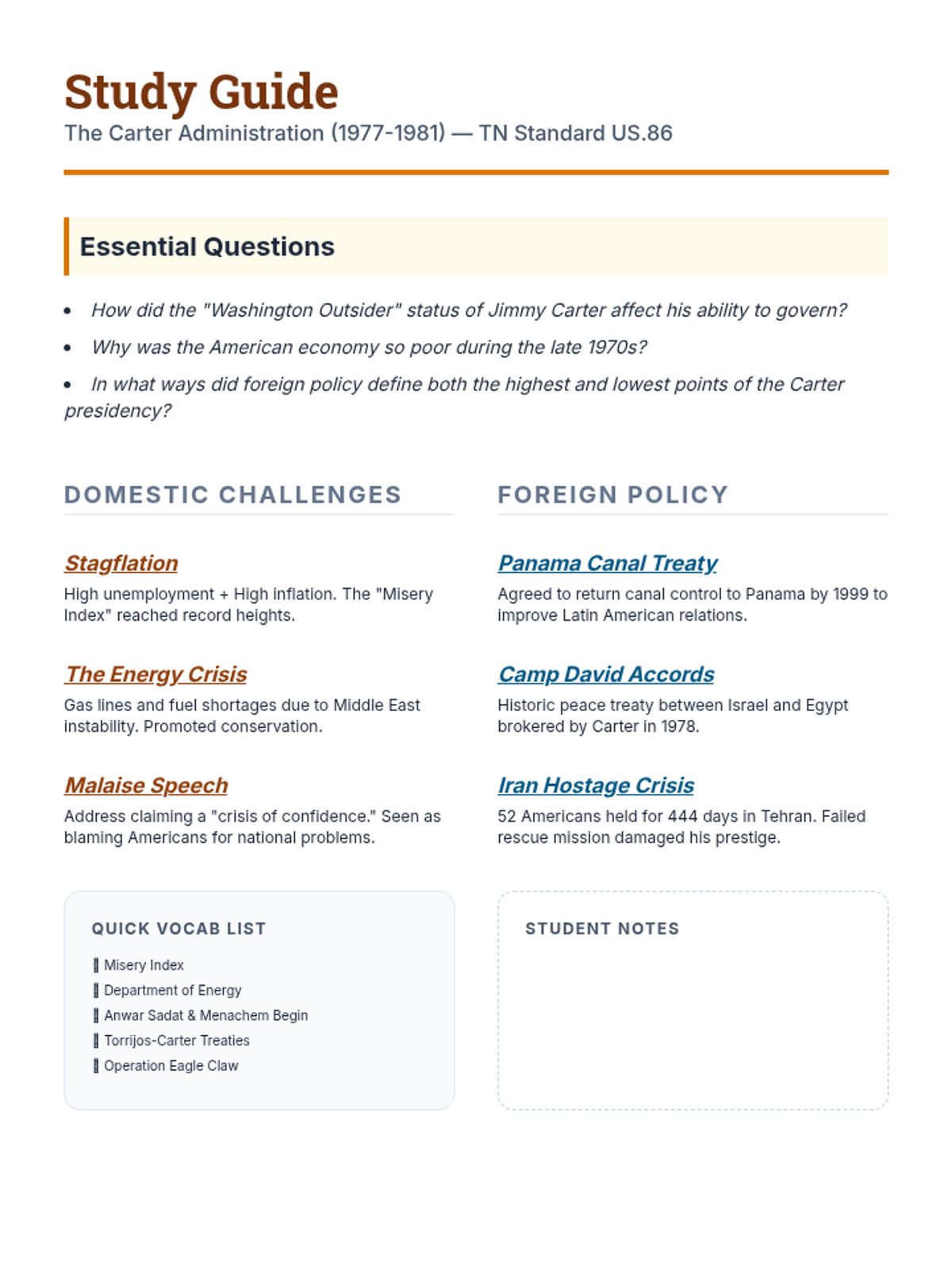
A comprehensive lesson on Jimmy Carter's administration, covering the economic challenges, foreign policy triumphs and failures, and the cultural shift of the late 1970s. Includes slides, notes, activities, and extensive primary/visual resources.
A comprehensive exploration of America's westward expansion, covering the ideological drive of Manifest Destiny, the industrial feat of the Transcontinental Railroad, and the social movement of the Exodusters.
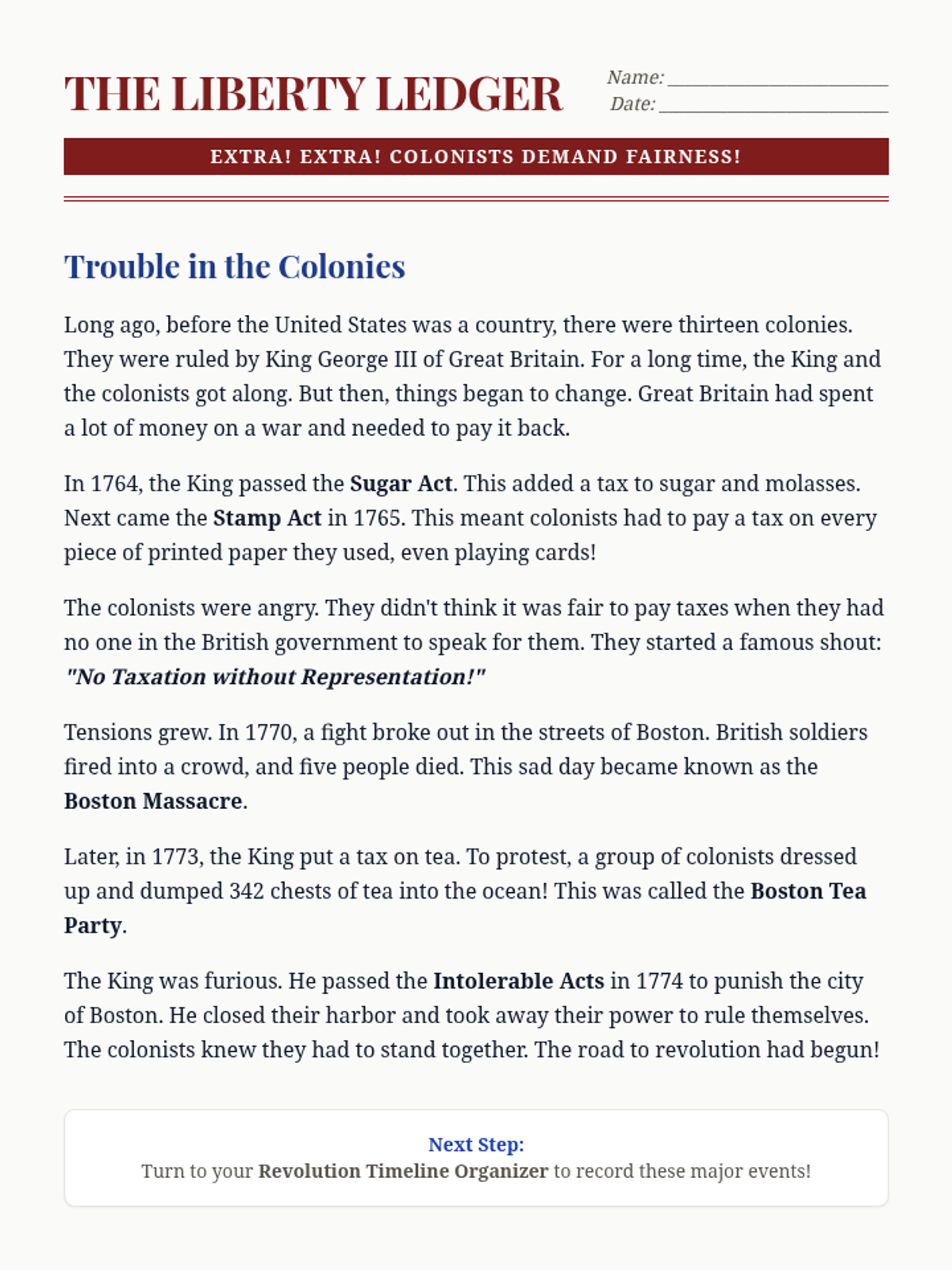
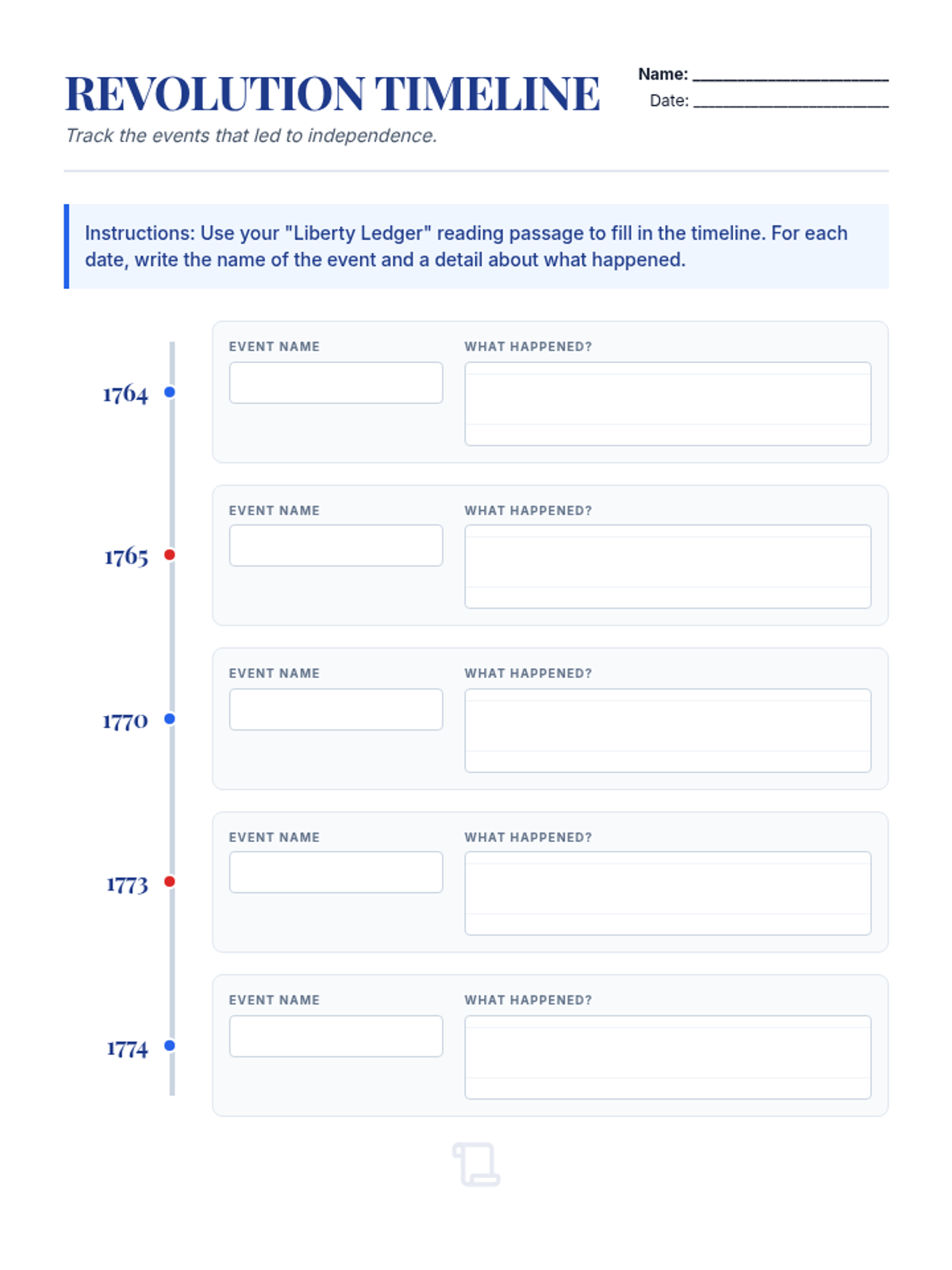
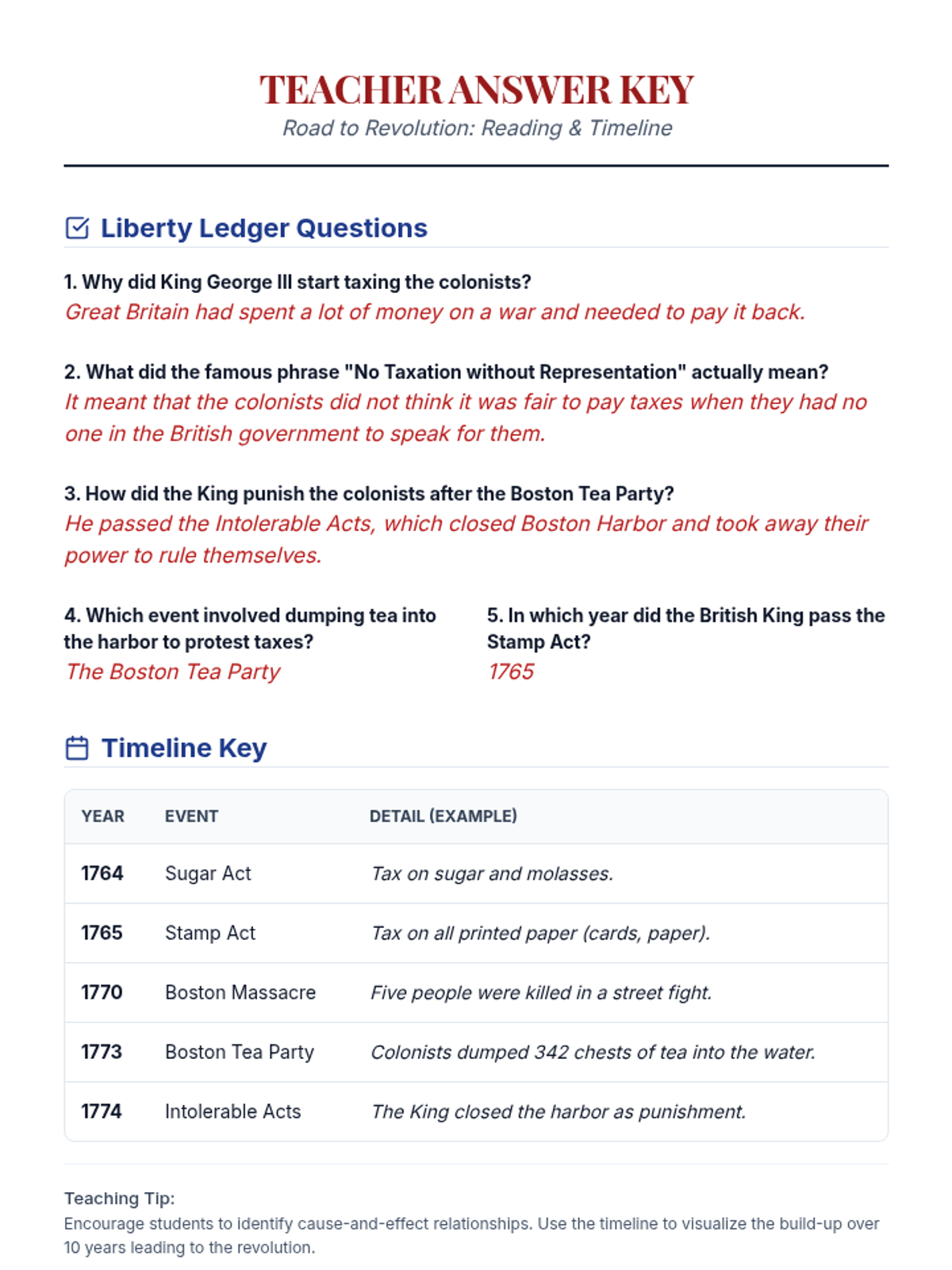
A lesson introducing 3rd graders to the key events that sparked the American Revolution, focusing on the tension between the colonies and Great Britain.
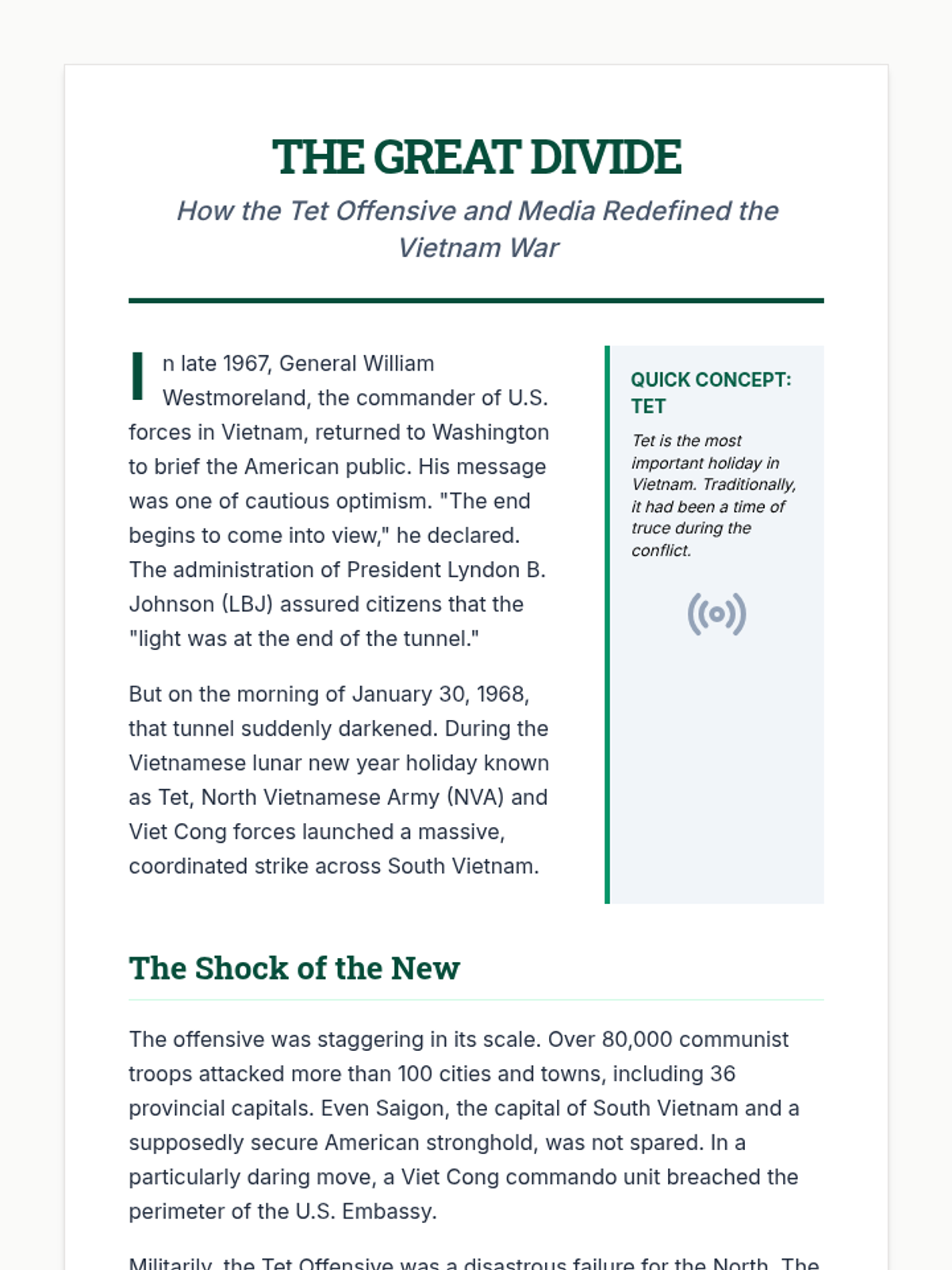
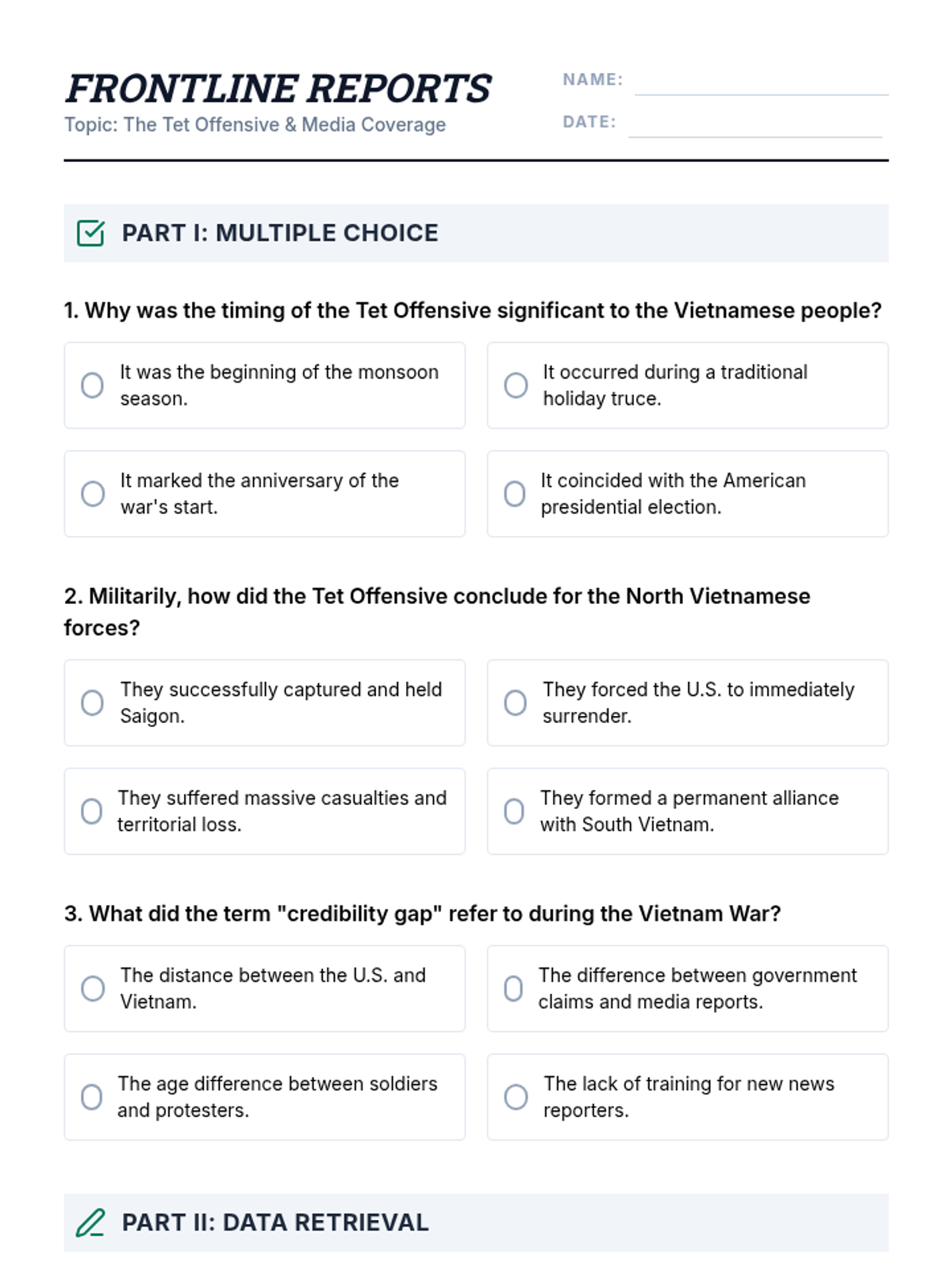
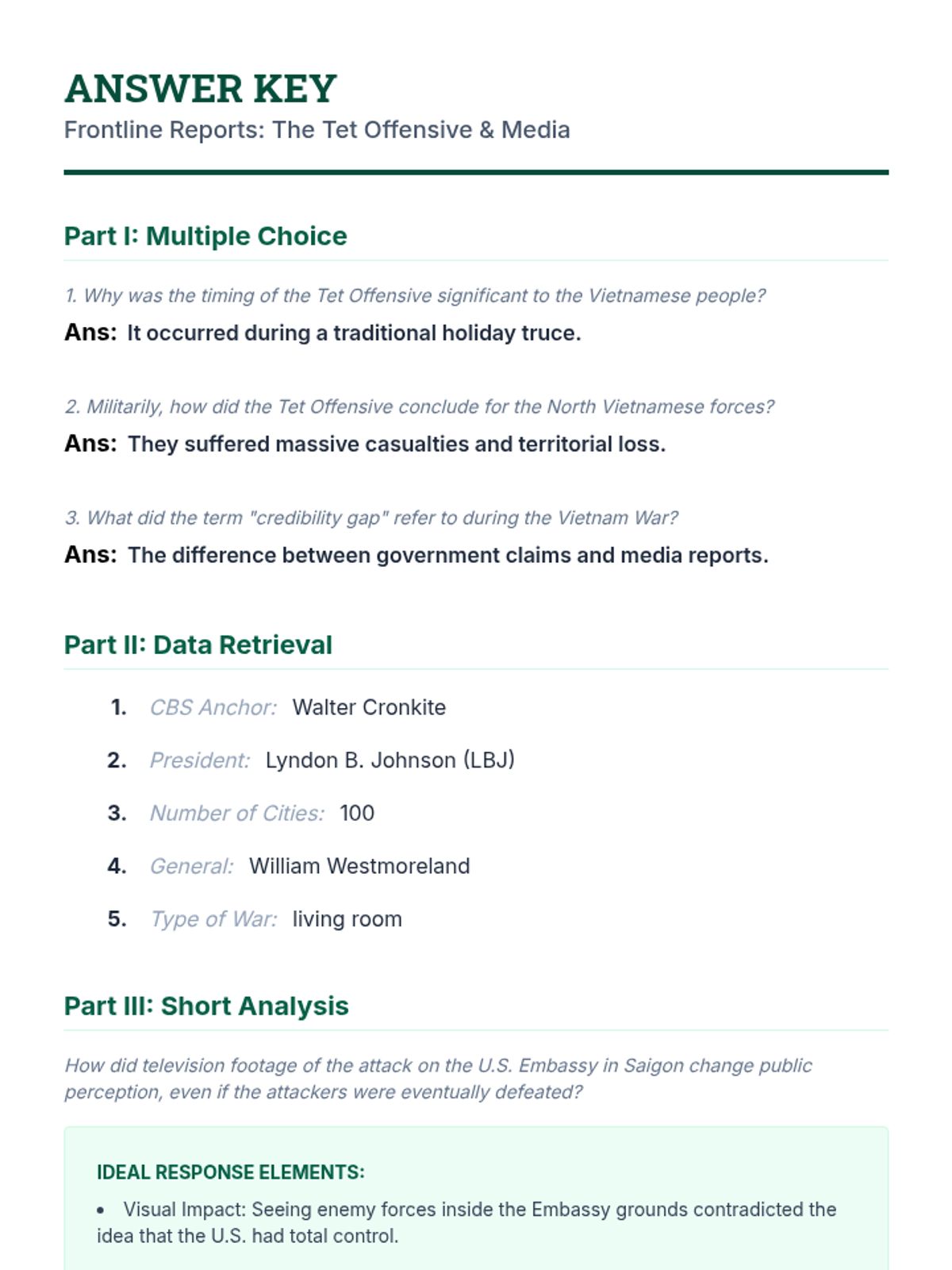
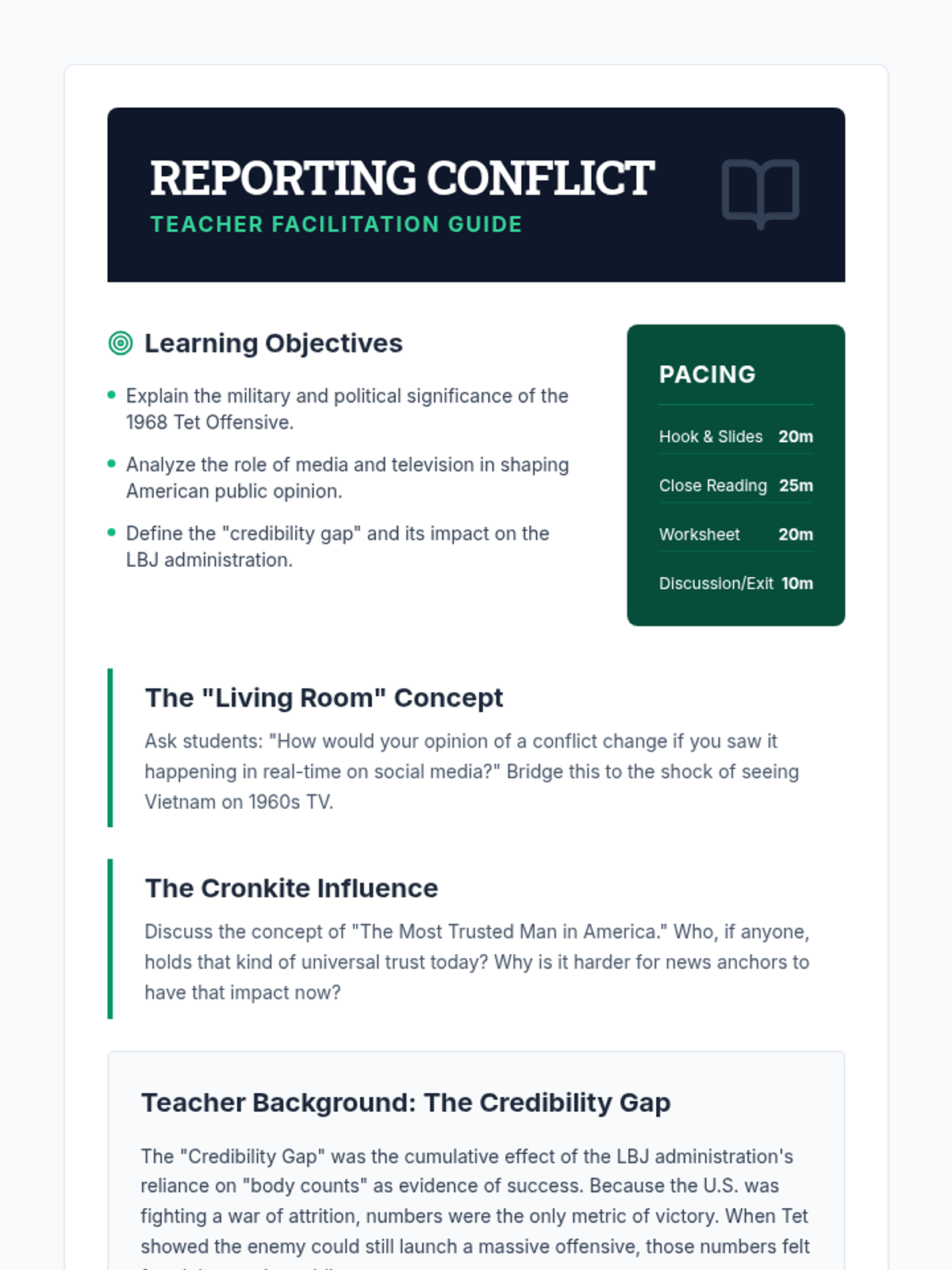
An in-depth exploration of the Tet Offensive and the pivotal role of media coverage during the Vietnam War, examining how the 'Living Room War' changed American public opinion and created a credibility gap.