Examines the multilingual manuscripts of the Dunhuang Library Cave to understand the mechanics of translation and cultural syncretism on the frontier.
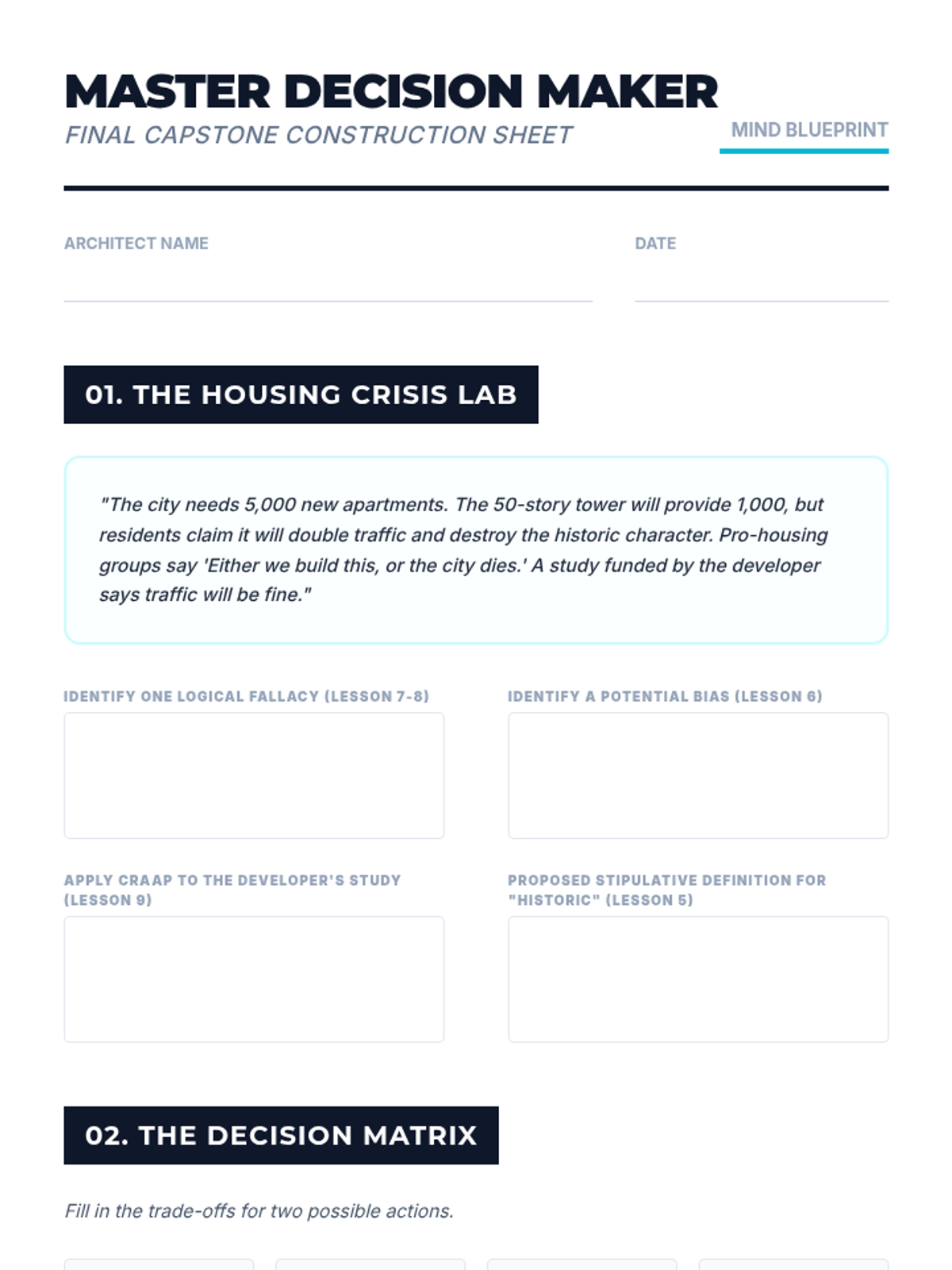
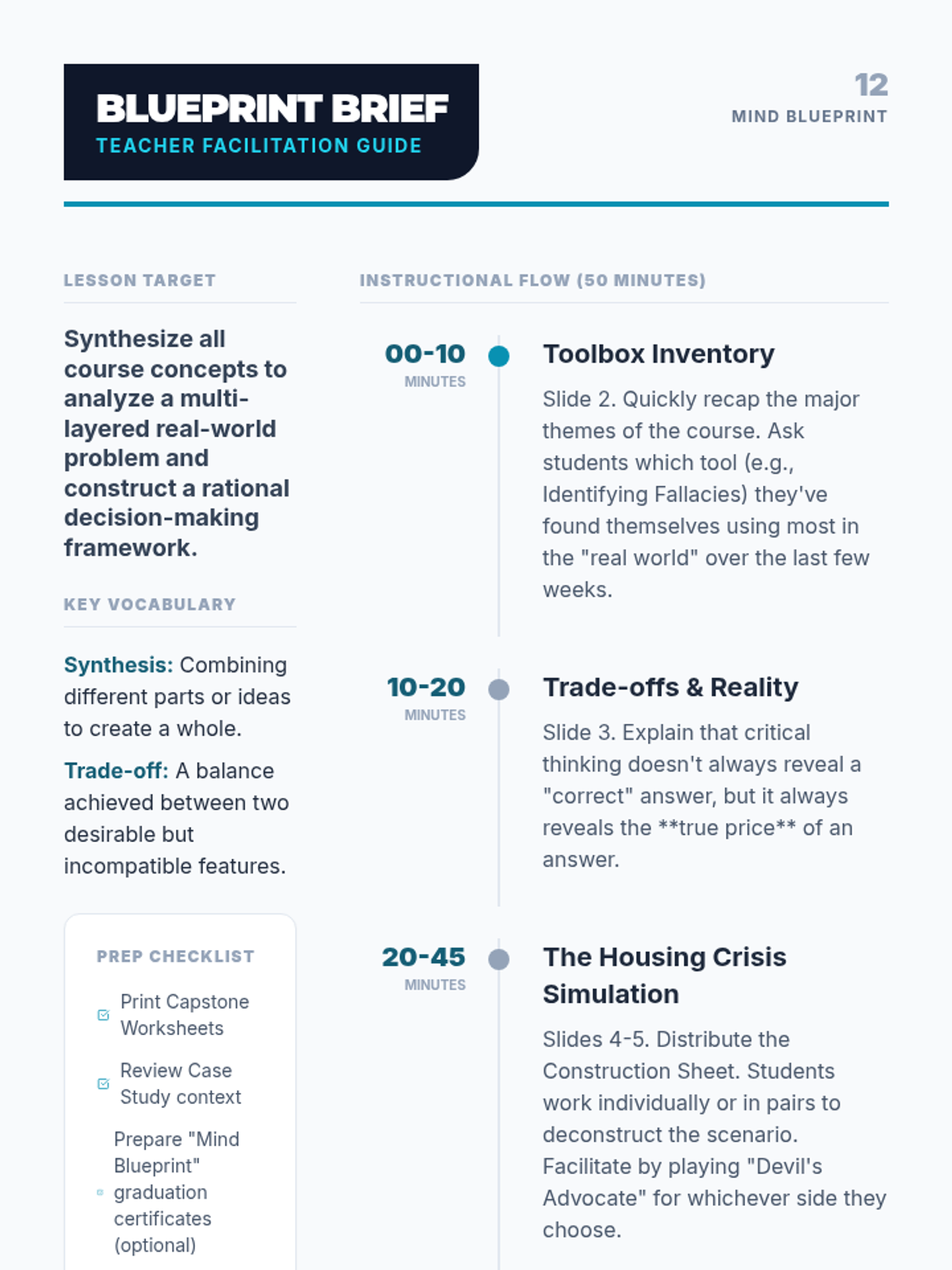
A comprehensive review of the course concepts applied to complex logic problems. Includes the course Posttest.
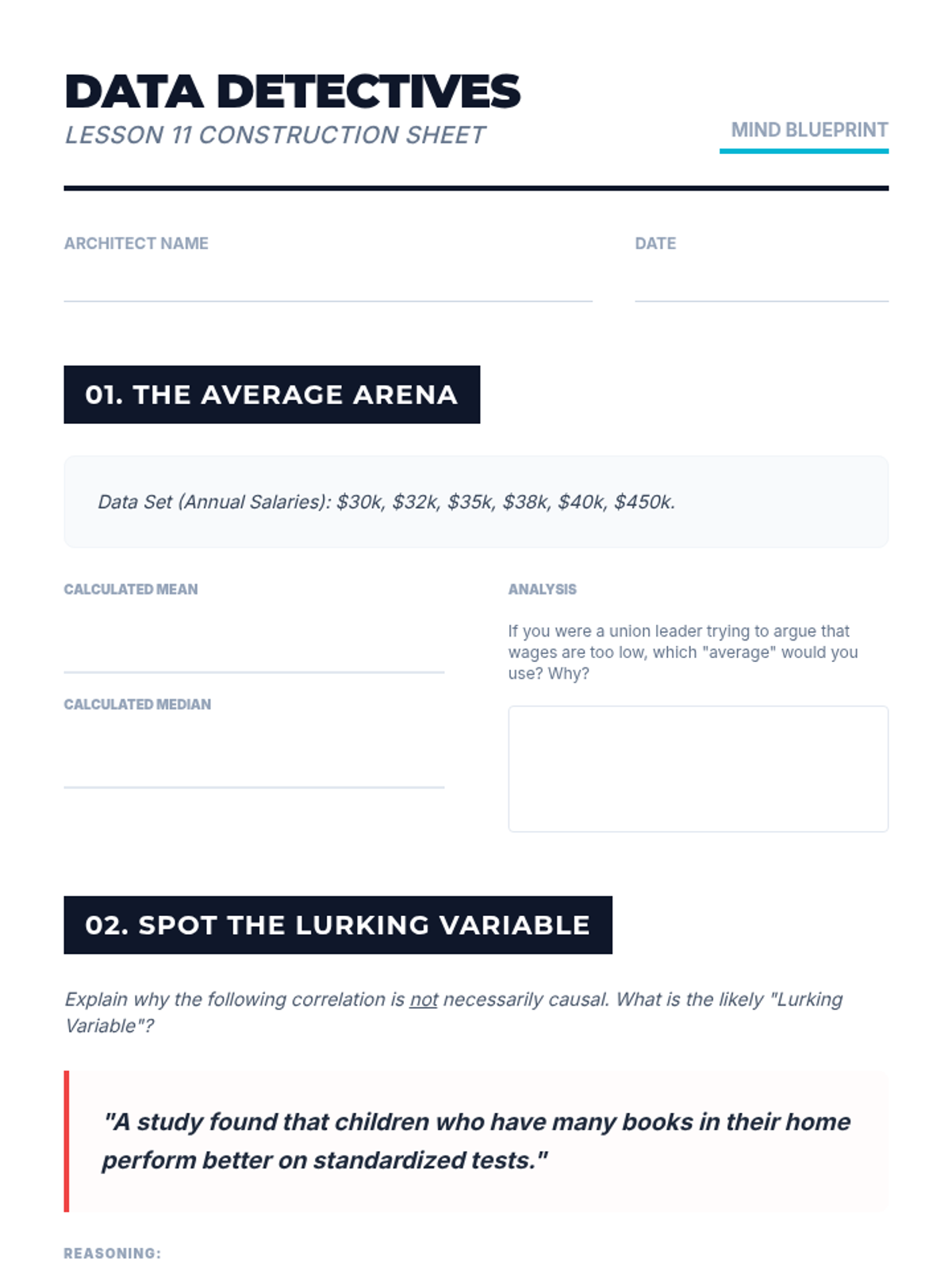
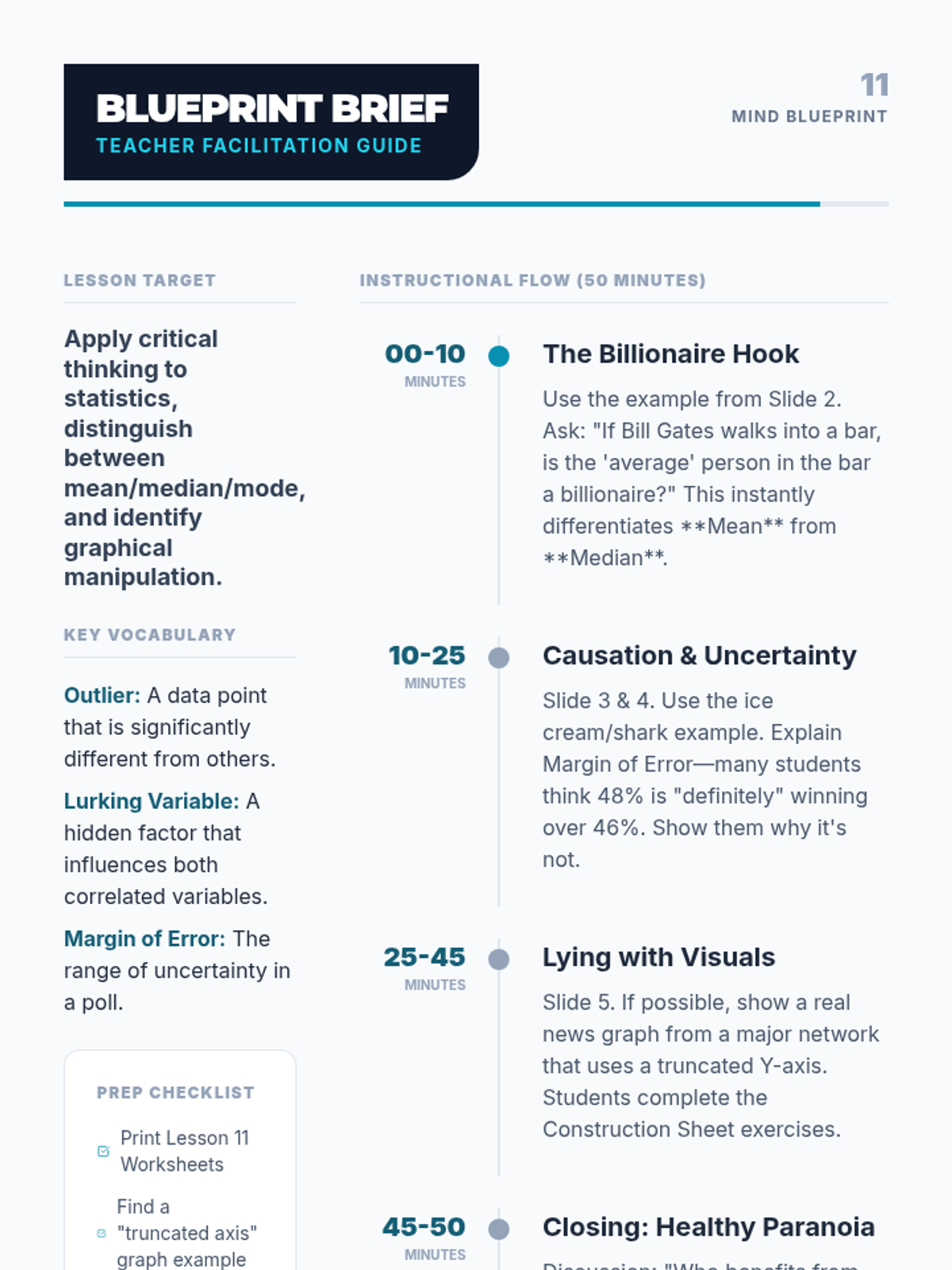
Analyzing statistics for reliability, sample size, and representative quality, while identifying the misuse of averages and partial claims.
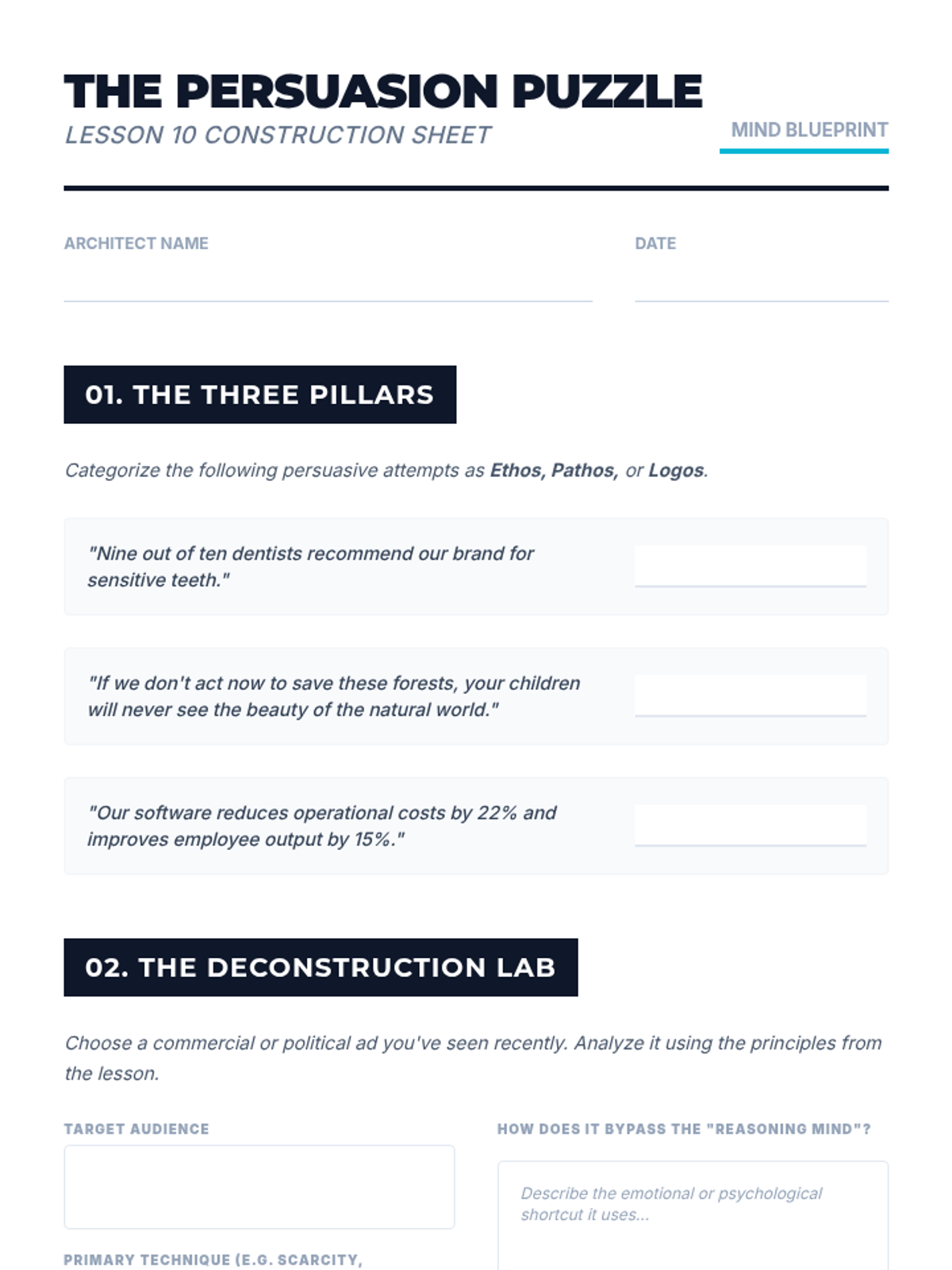
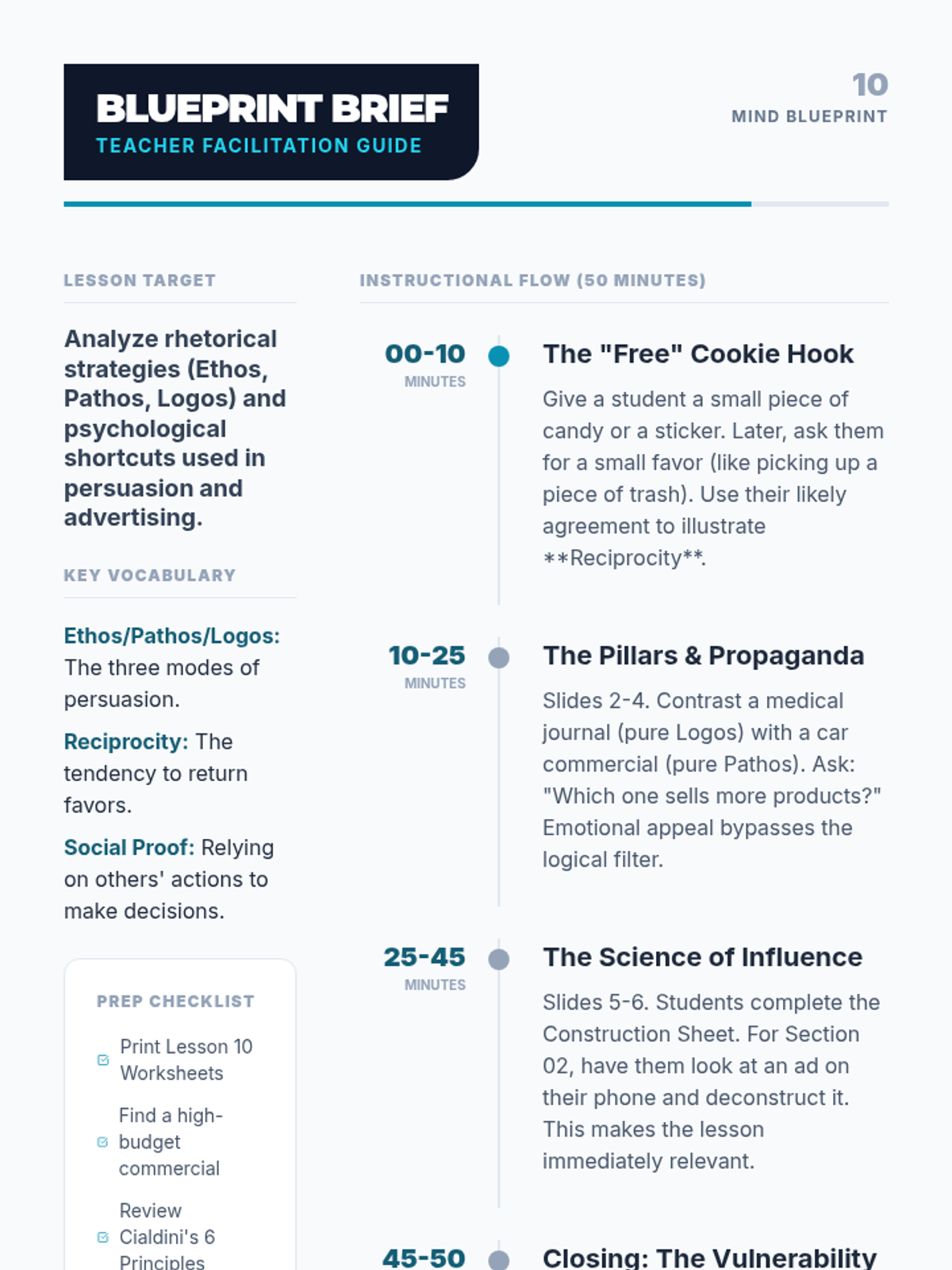
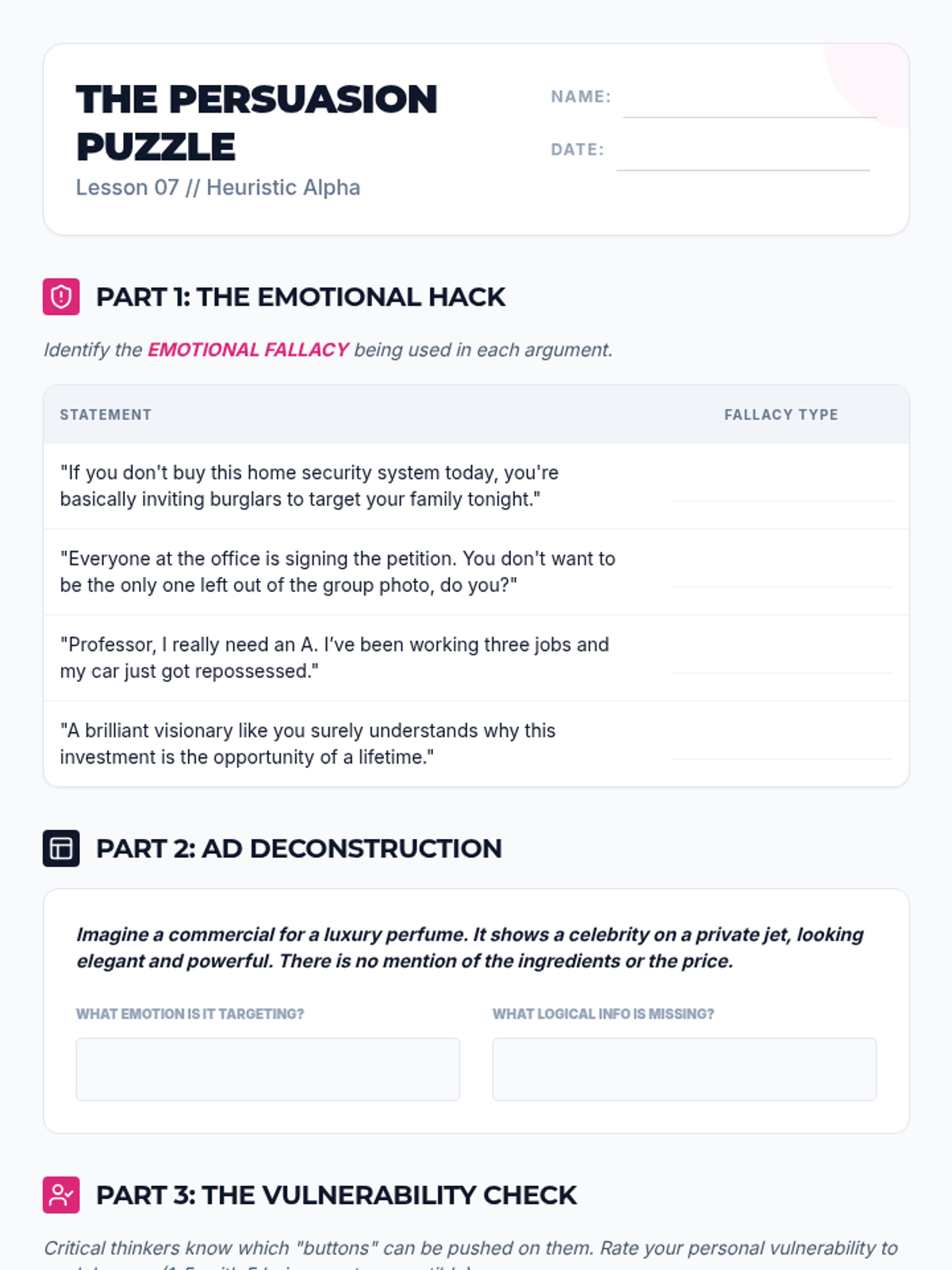
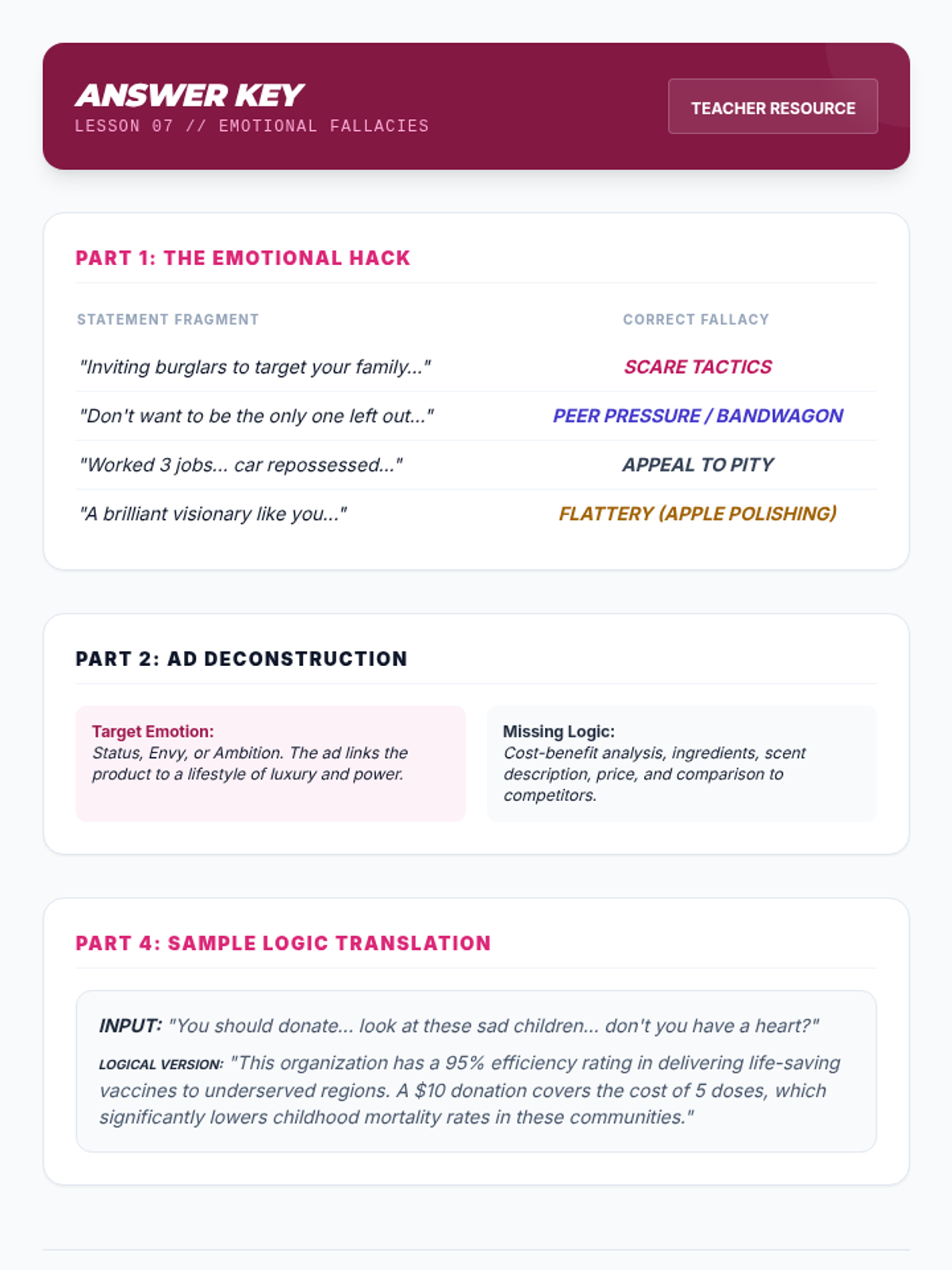
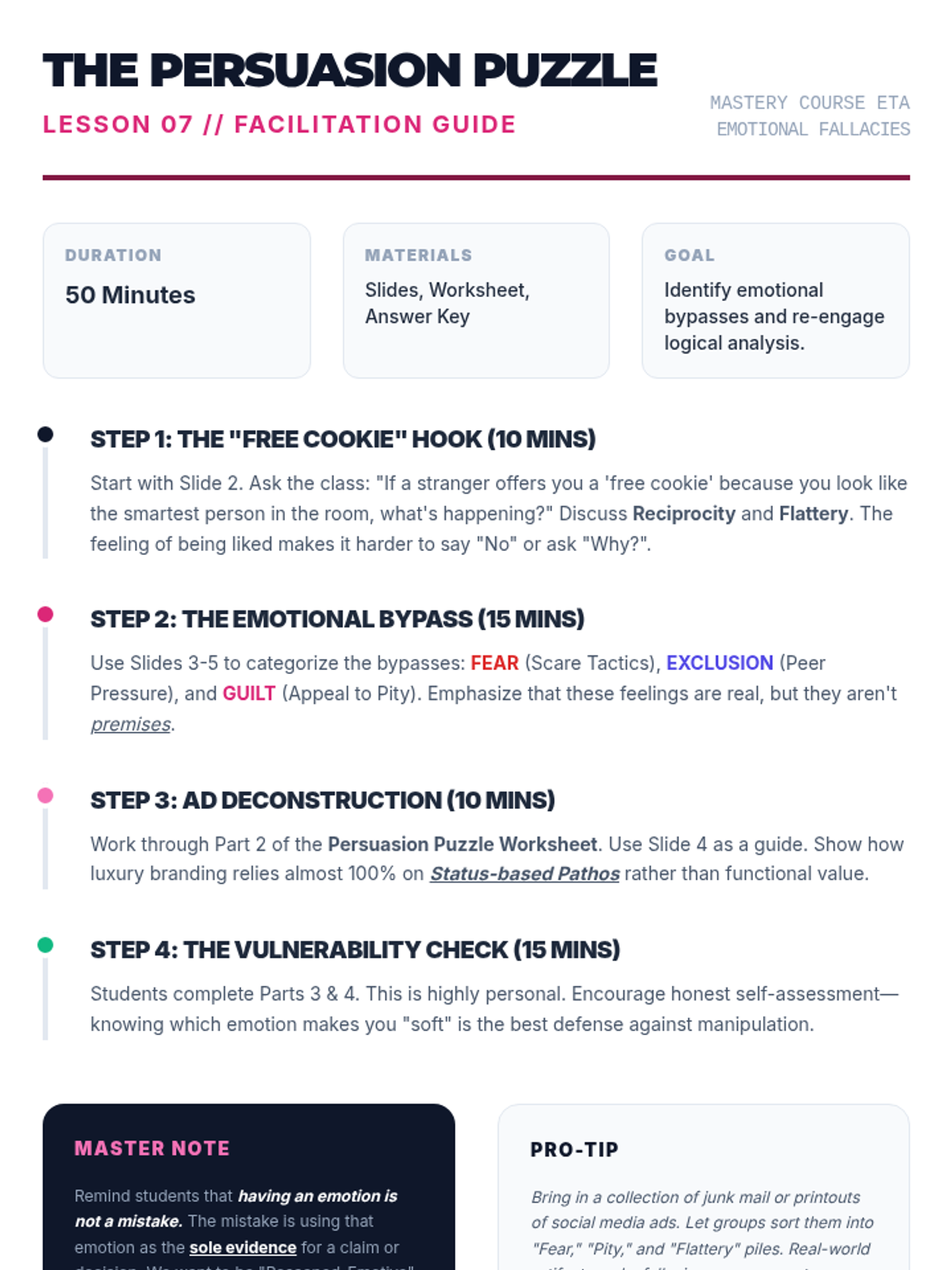
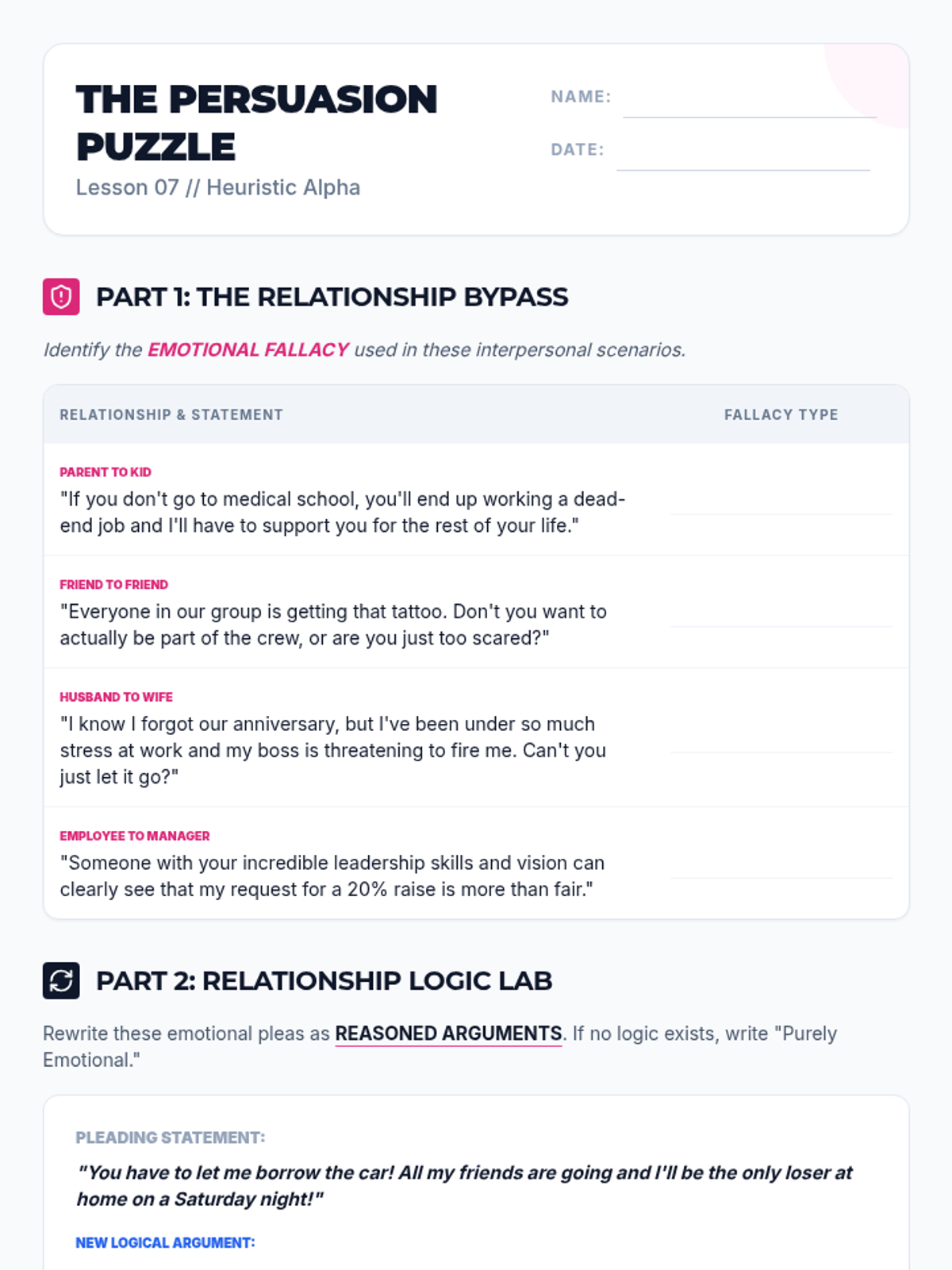
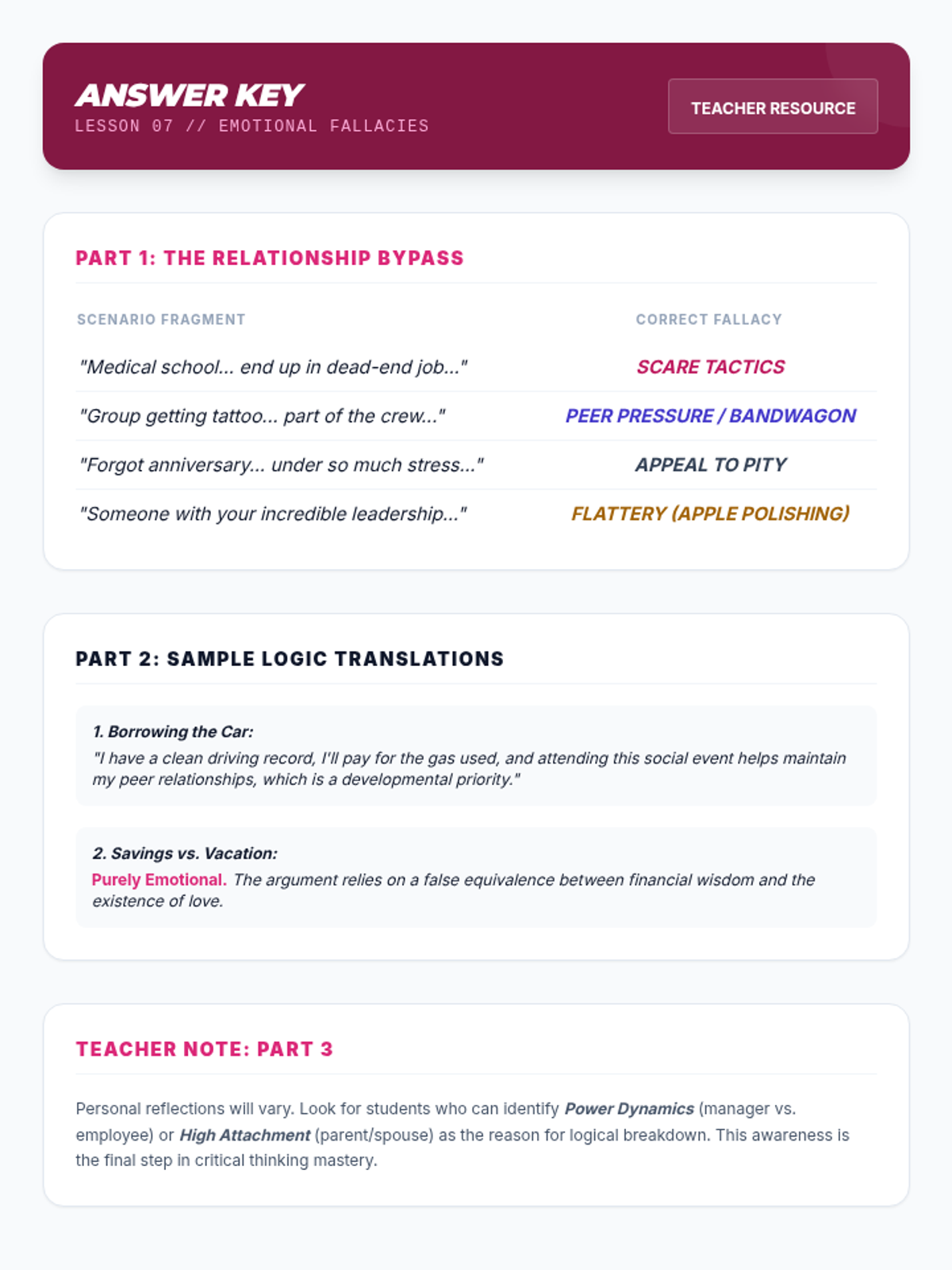
Identifying fallacies that bypass logic to target emotions: scare tactics, flattery, peer pressure, and appeals to pity.
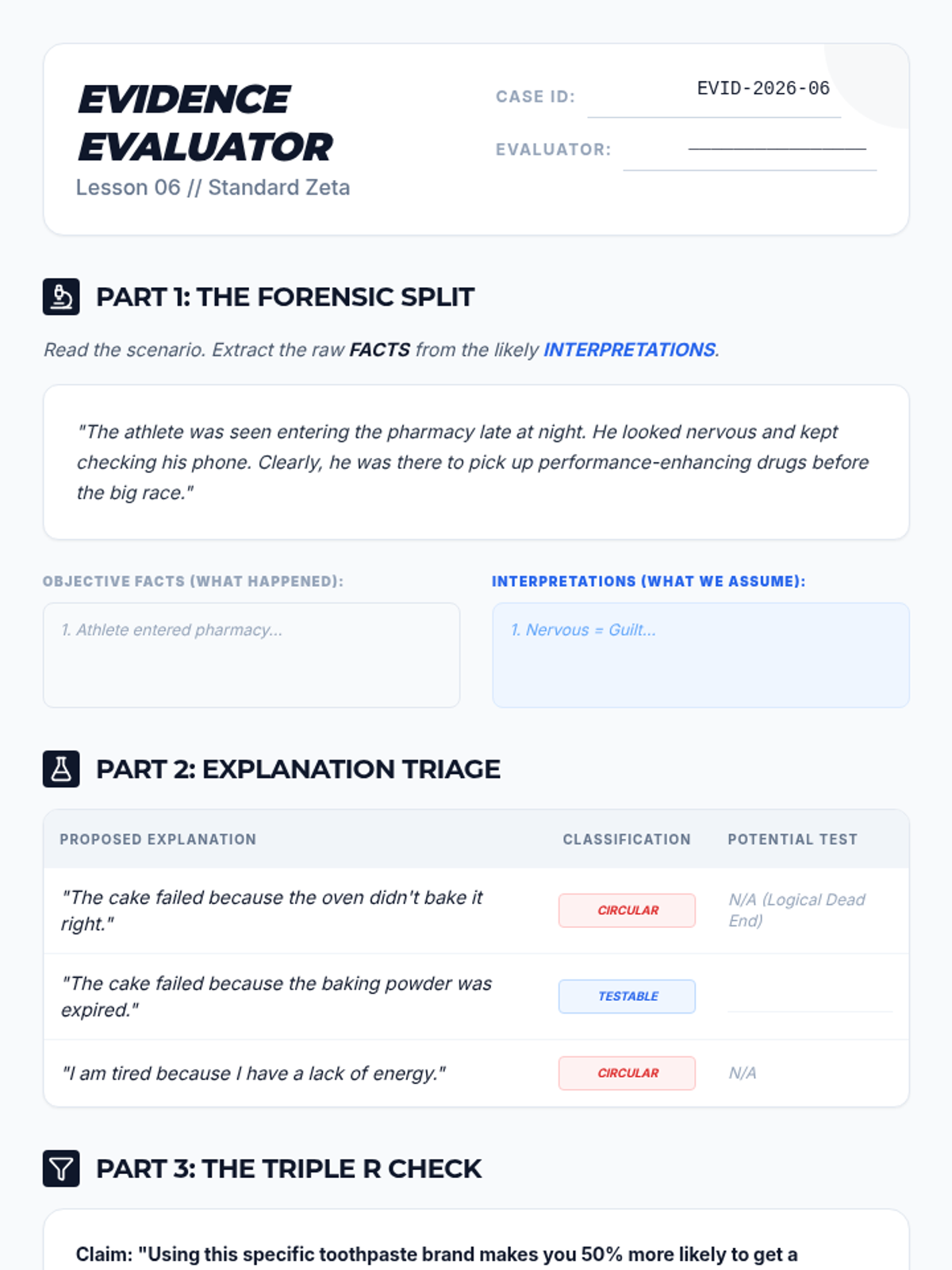
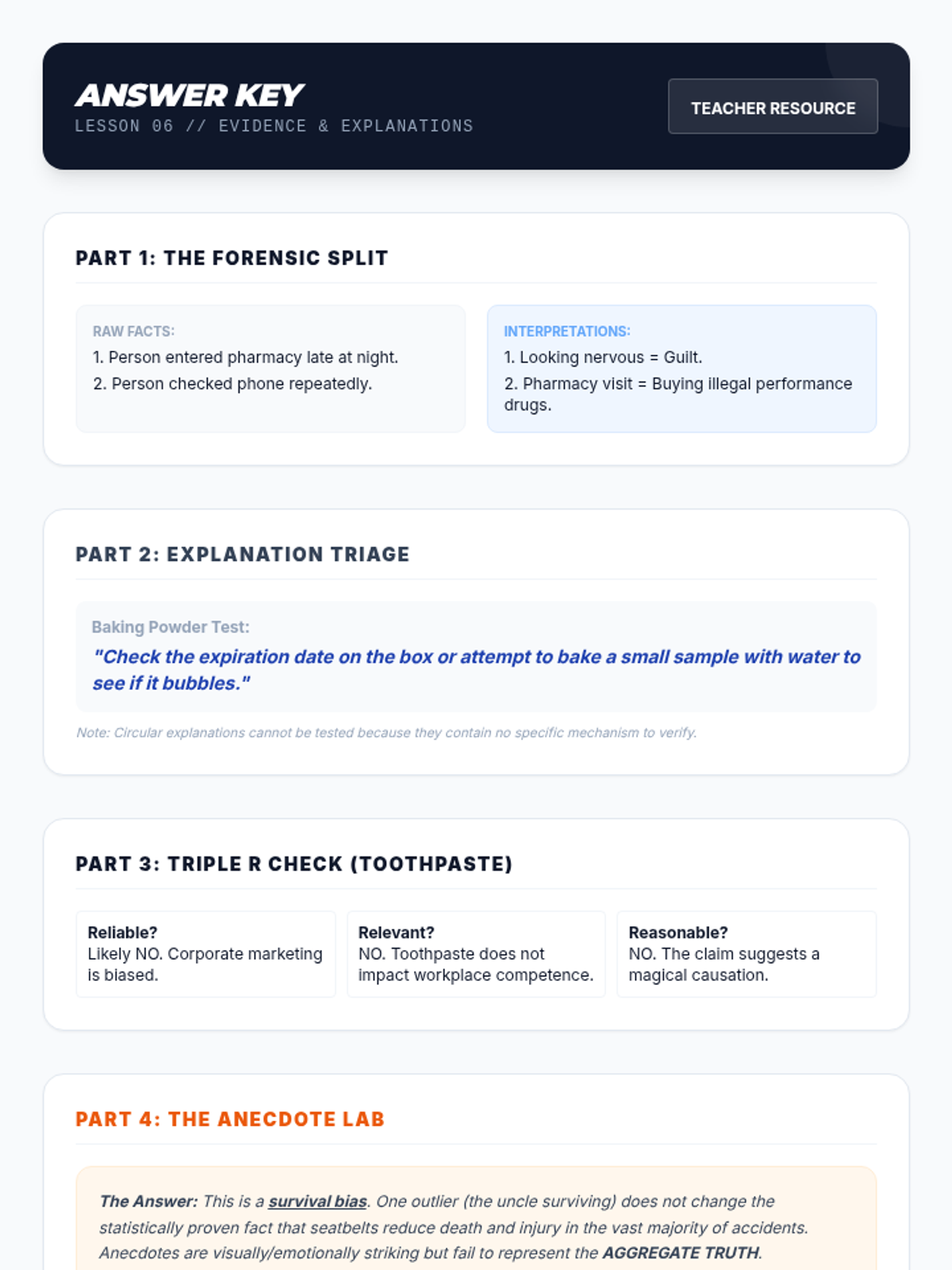
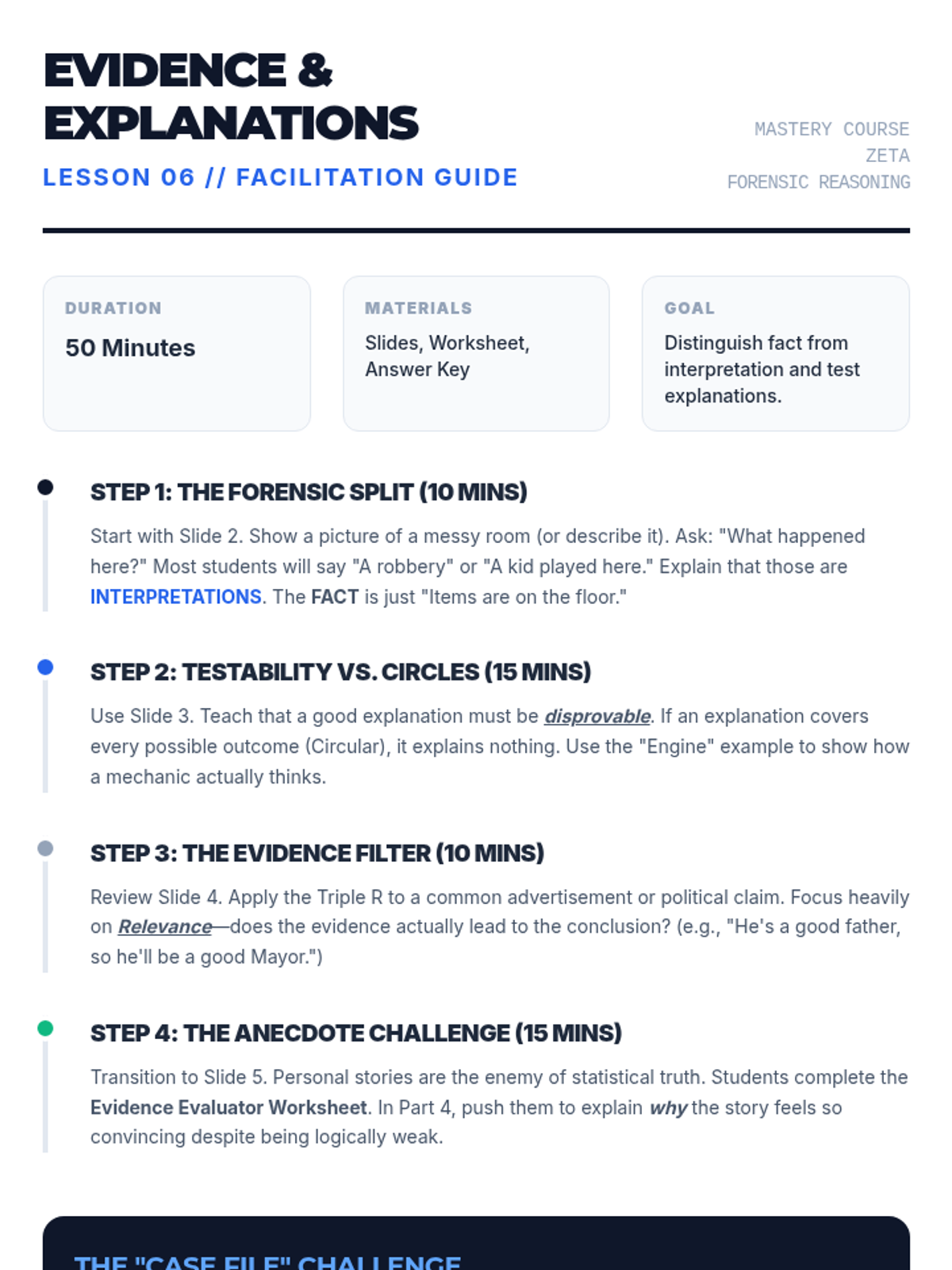
Developing the skills to assess the validity and reasonableness of evidence, and ensuring explanations are relevant and testable.
Recognizing errors in inductive logic: hasty generalizations, biased generalizations, and non sequiturs.
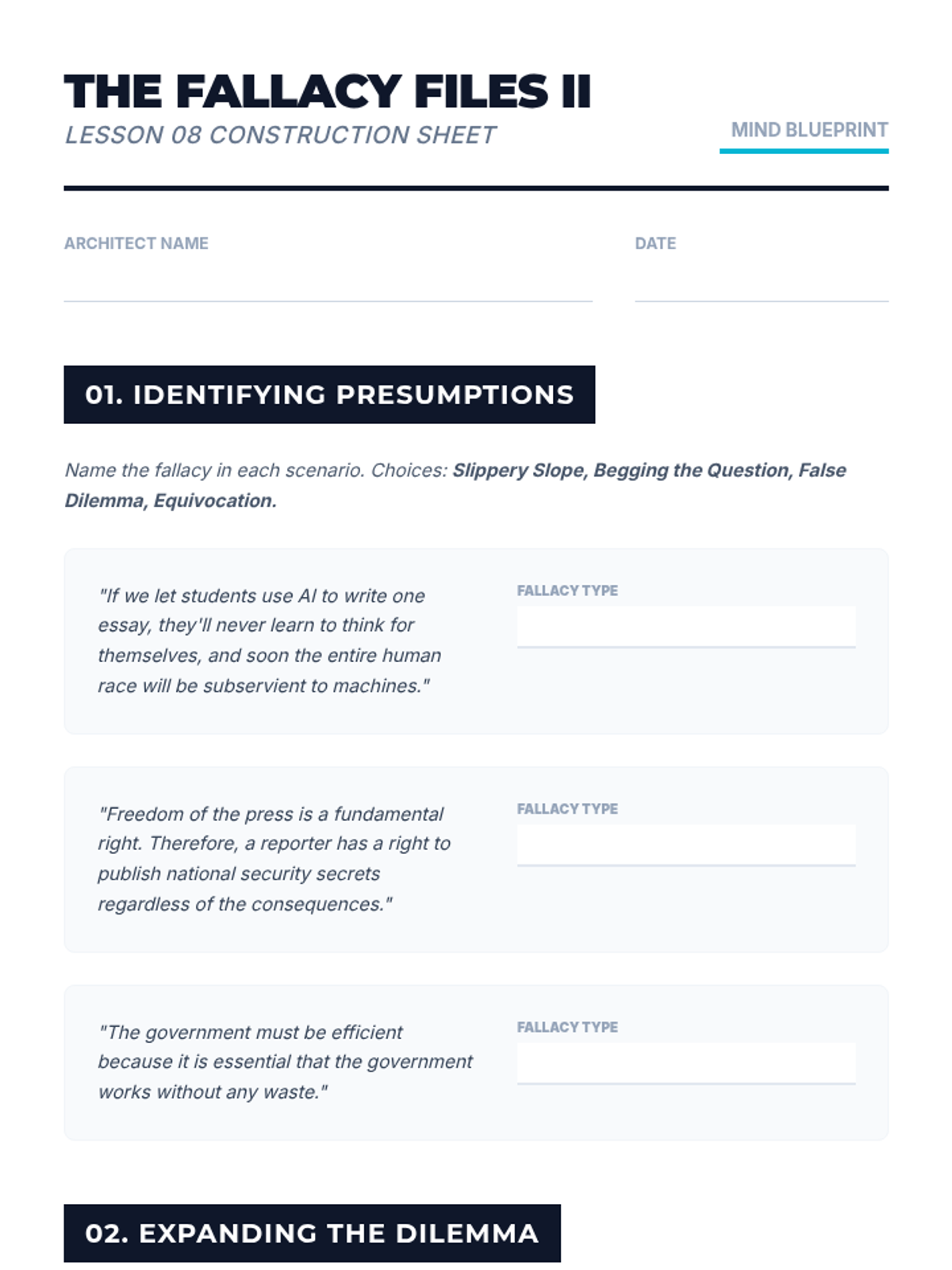
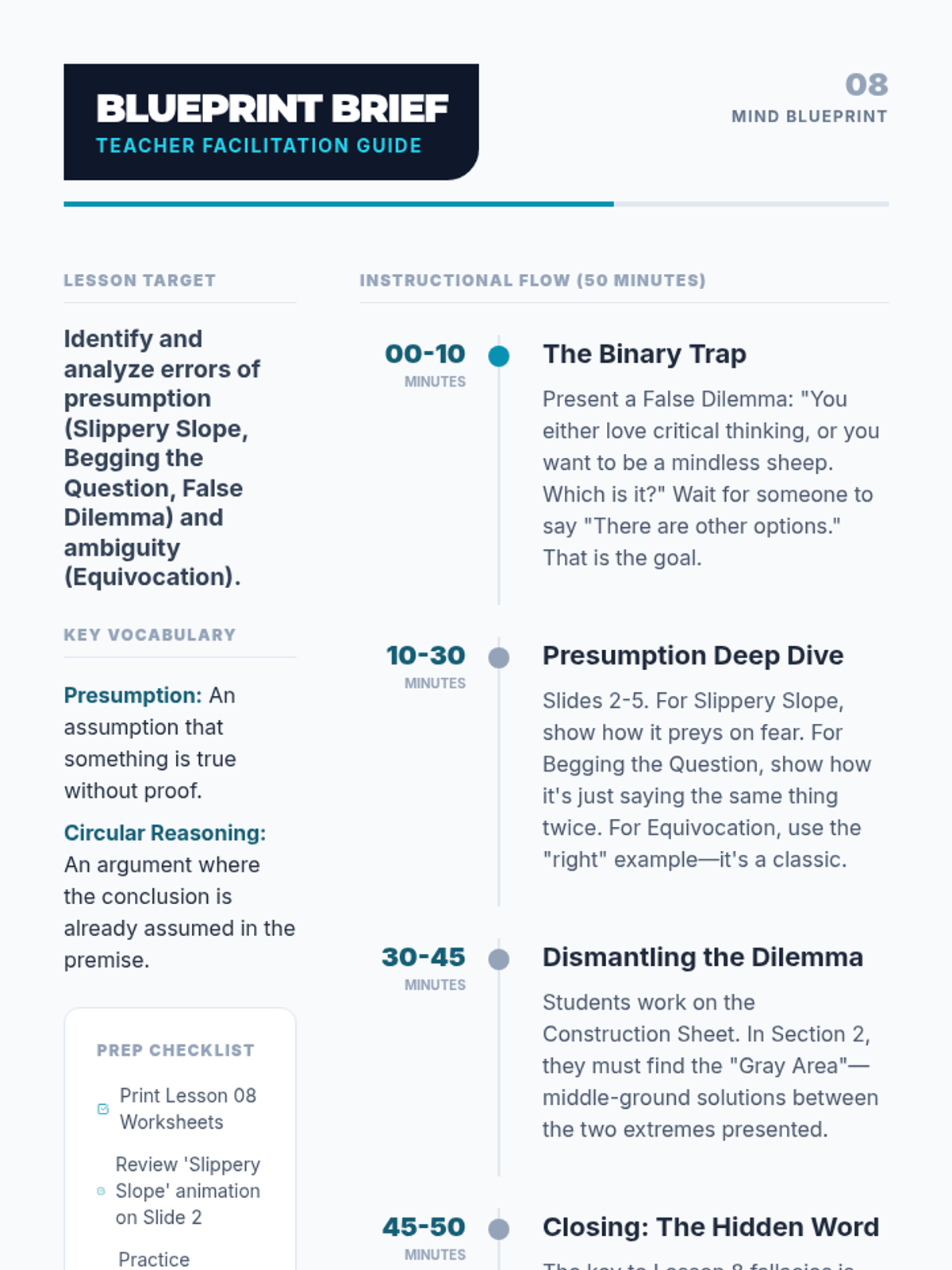
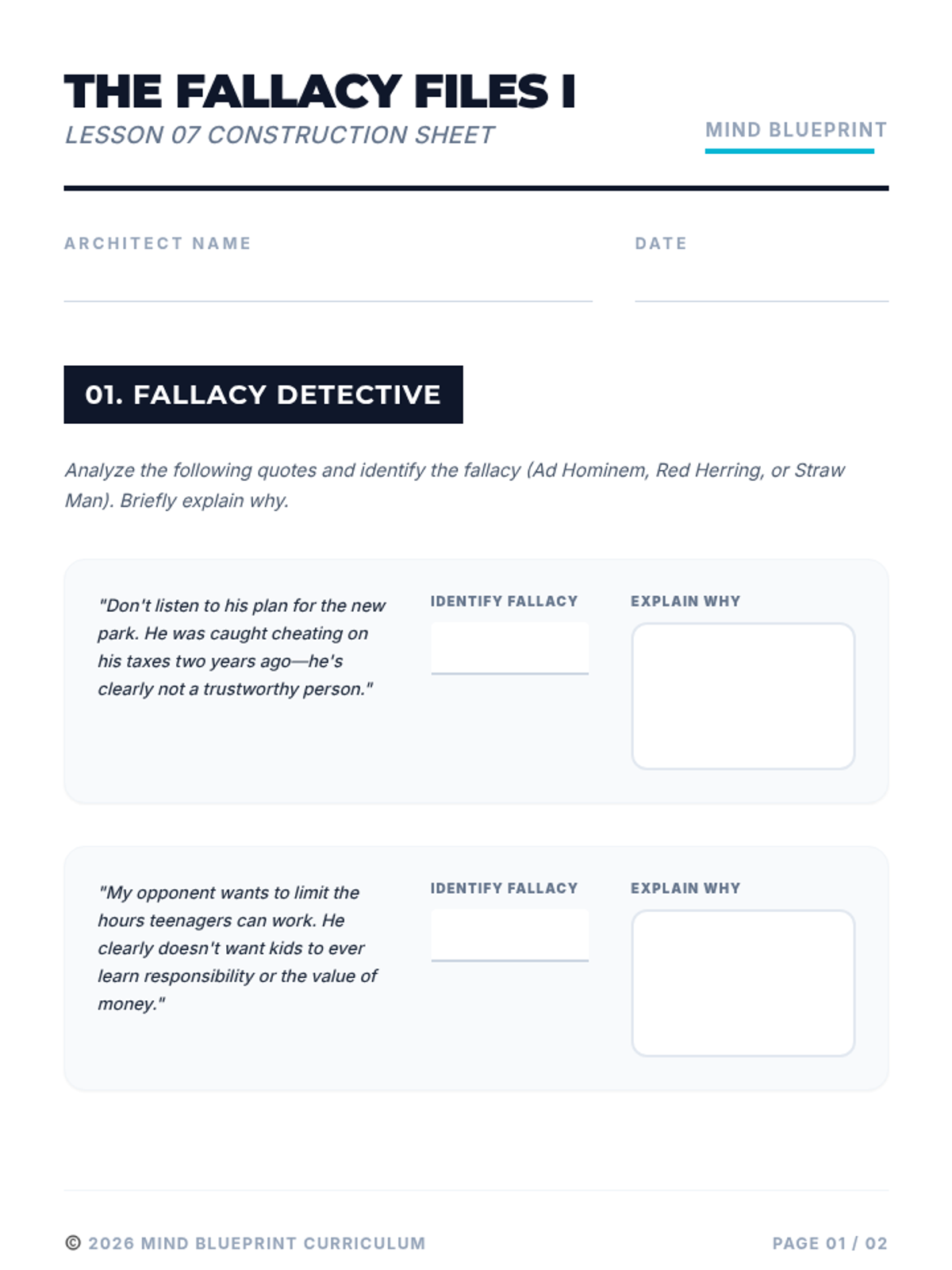
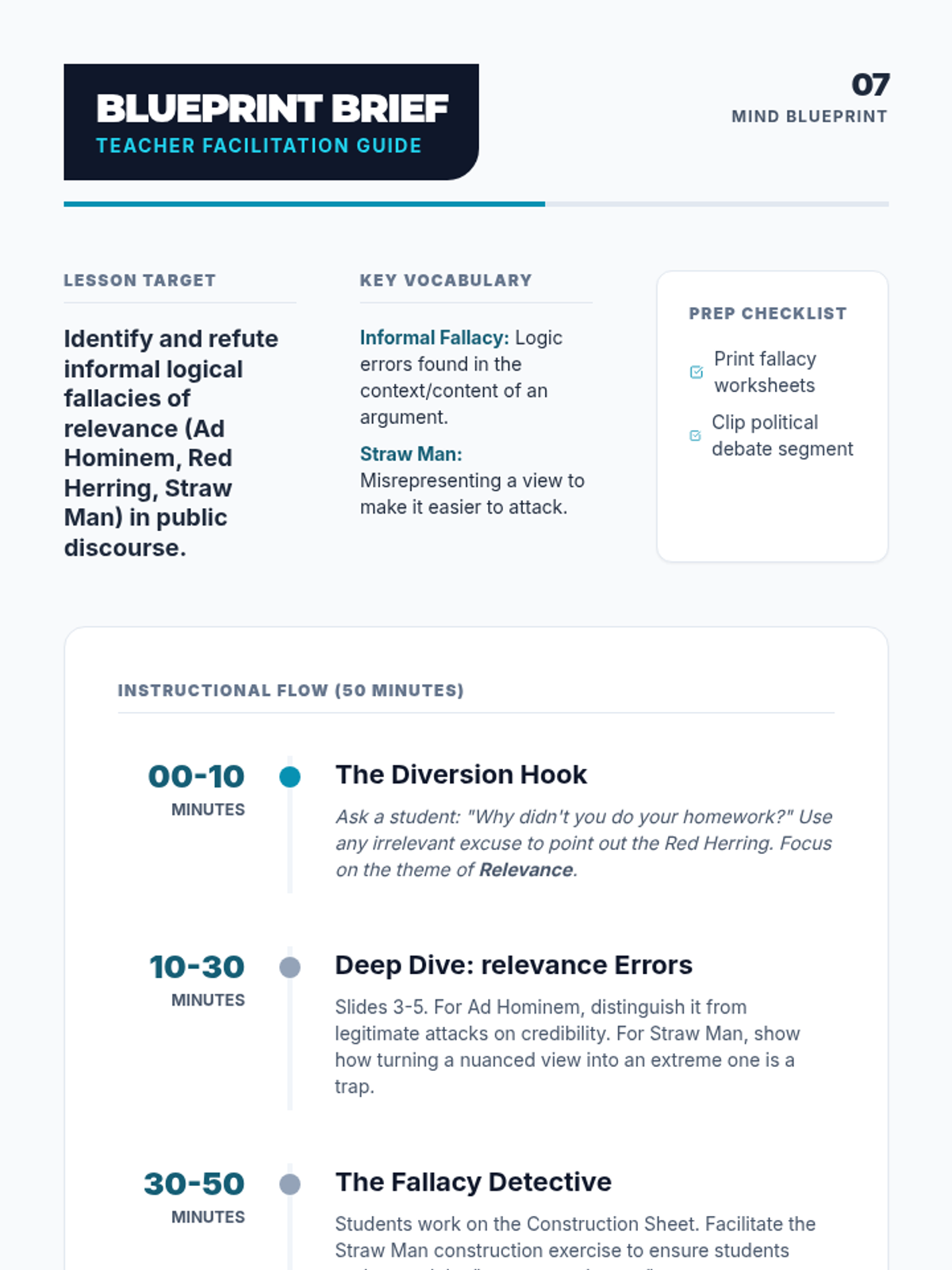
A deep dive into common logical errors: Slippery Slope, Circular Reasoning, Ad Hominem, Red Herring, and the Straw Man.
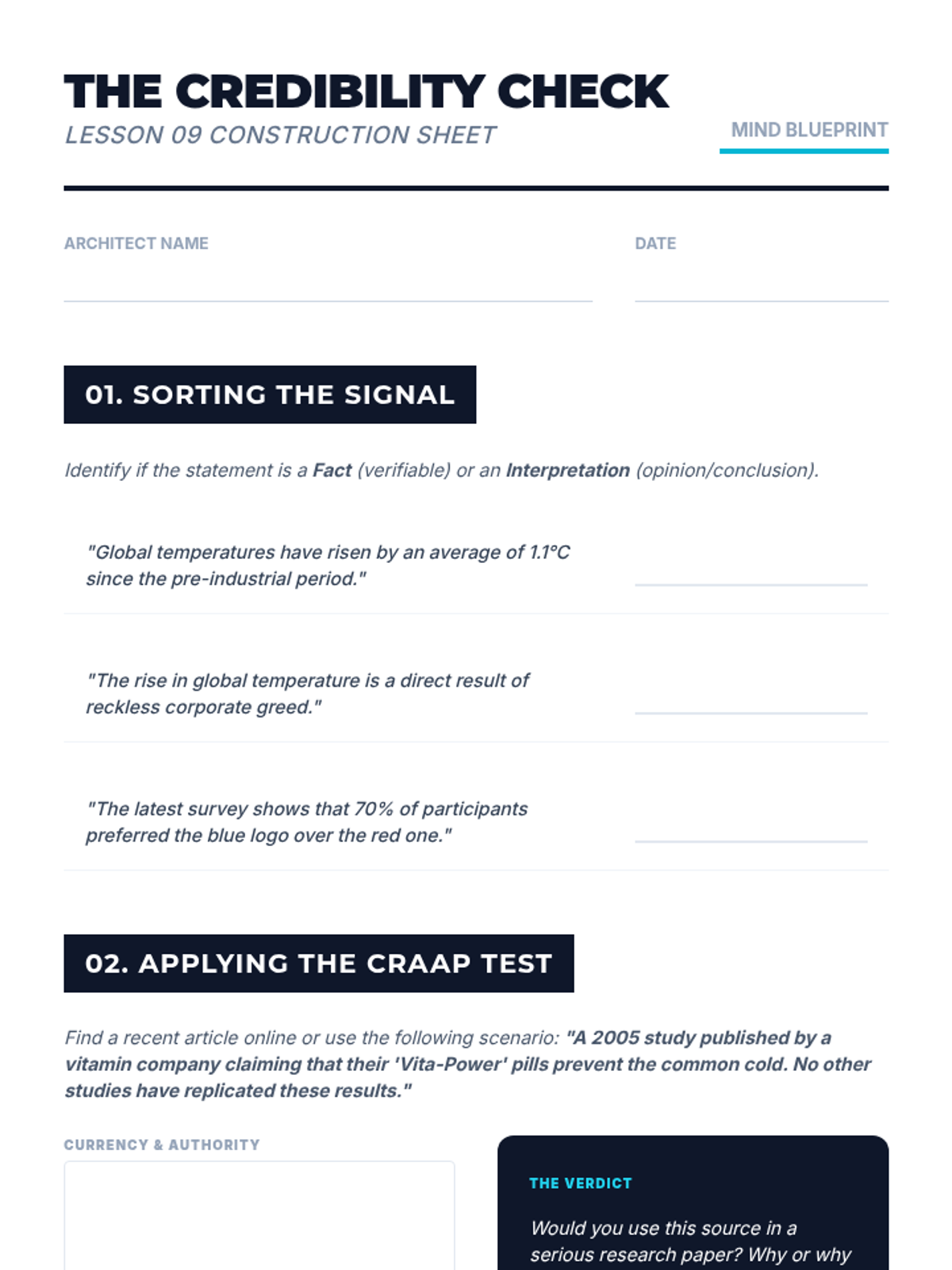
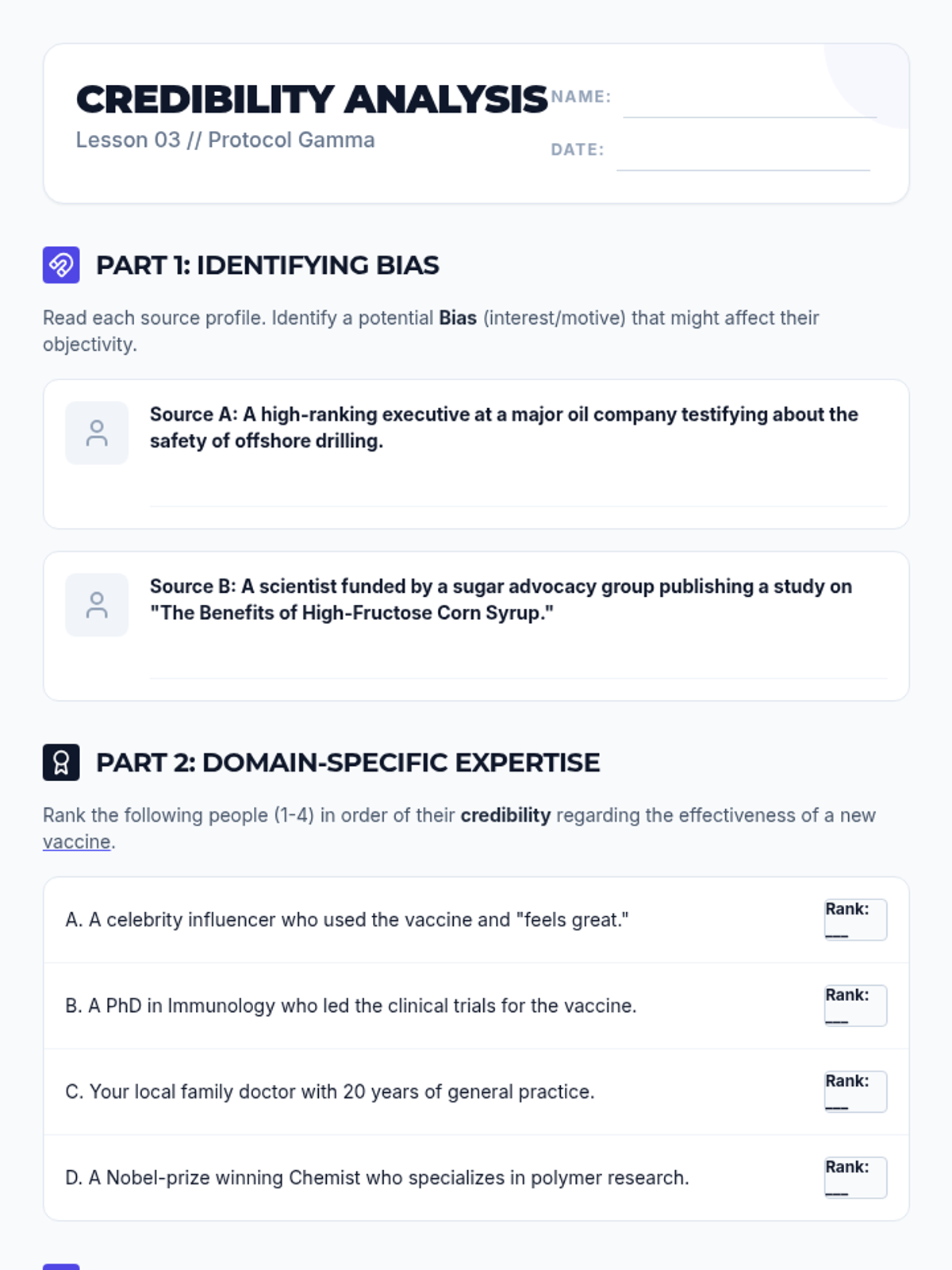
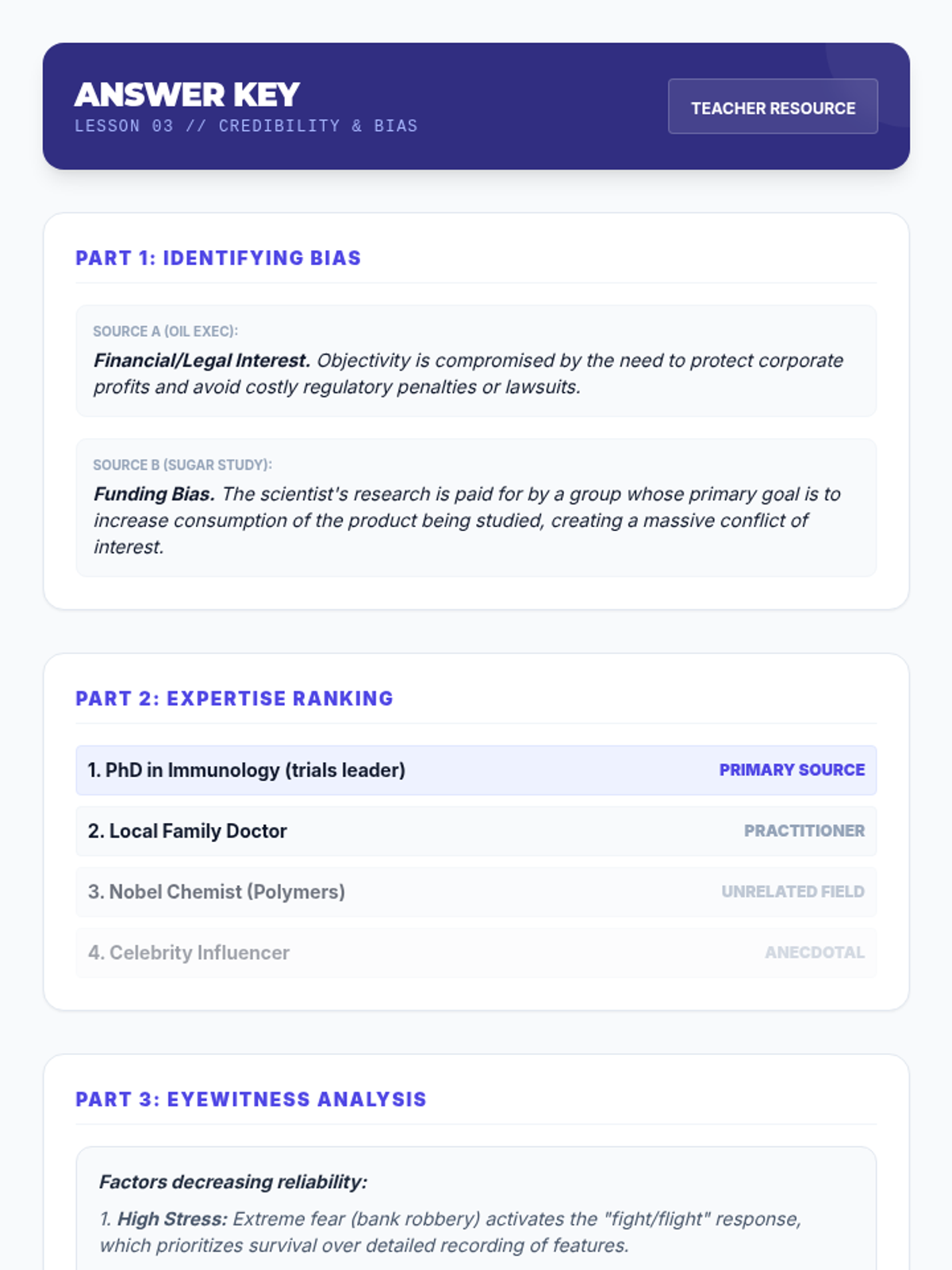
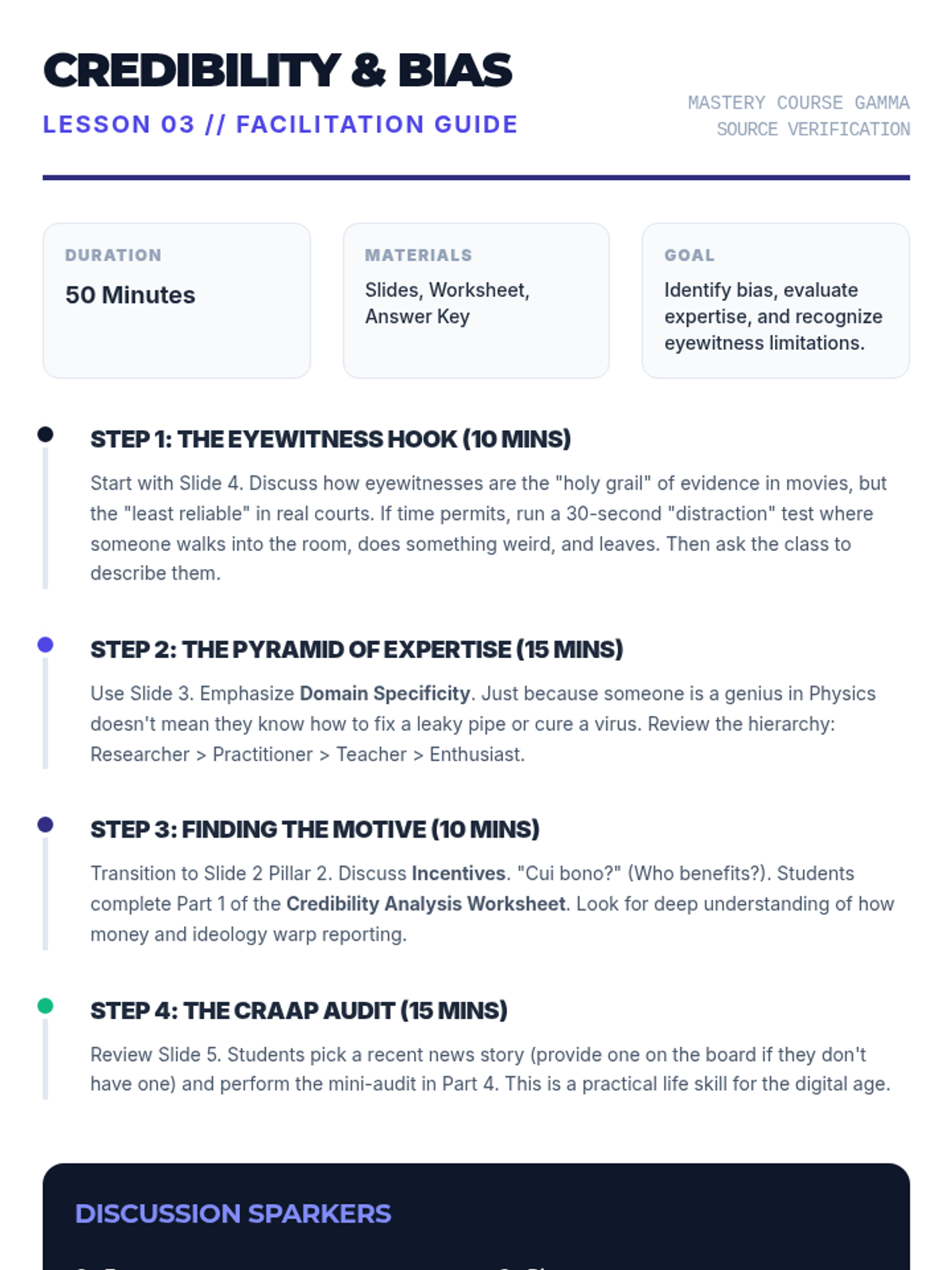
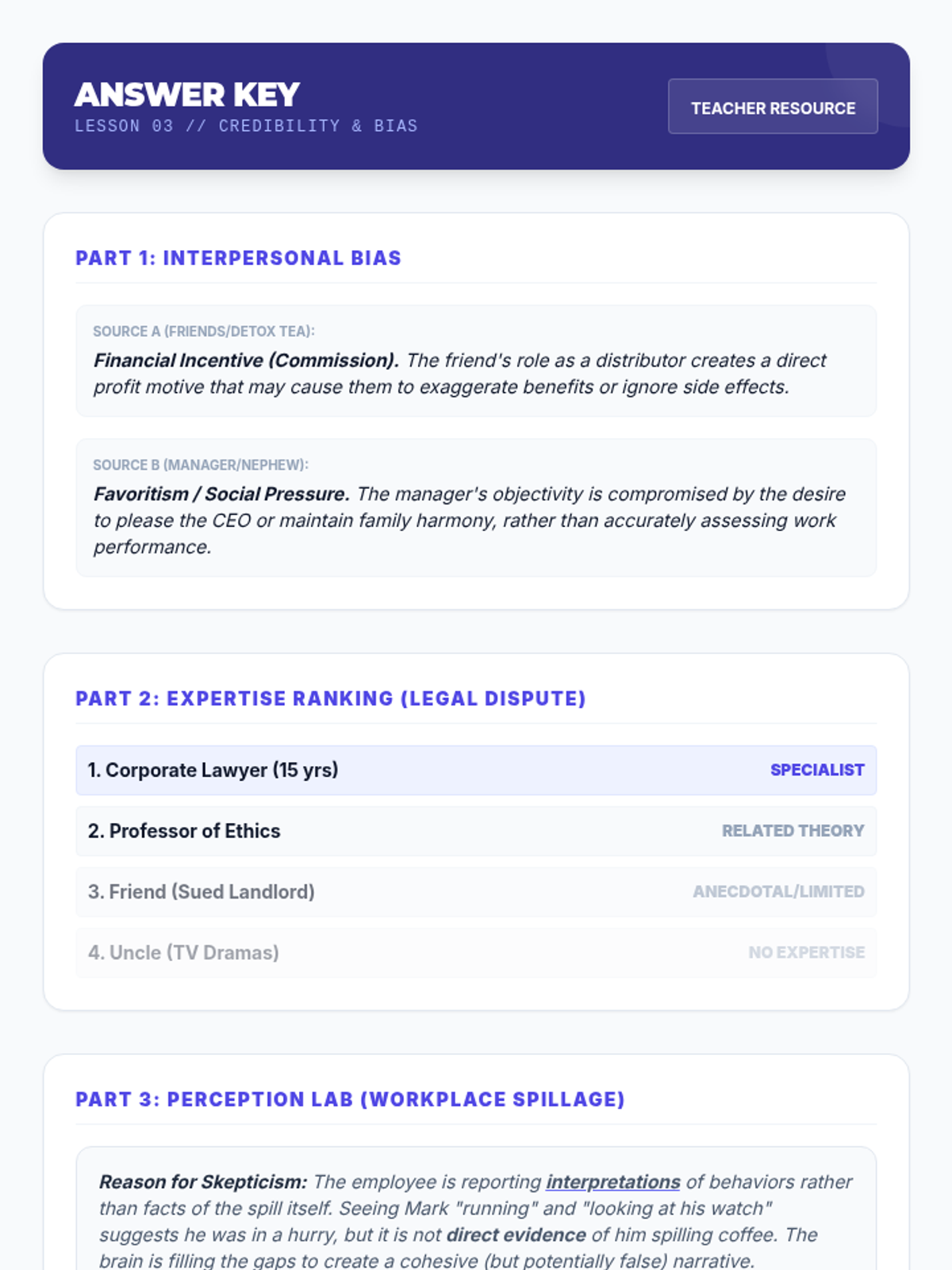
Evaluating source reliability by recognizing bias, determining levels of expertise, and understanding the specific challenges of eyewitness testimony.
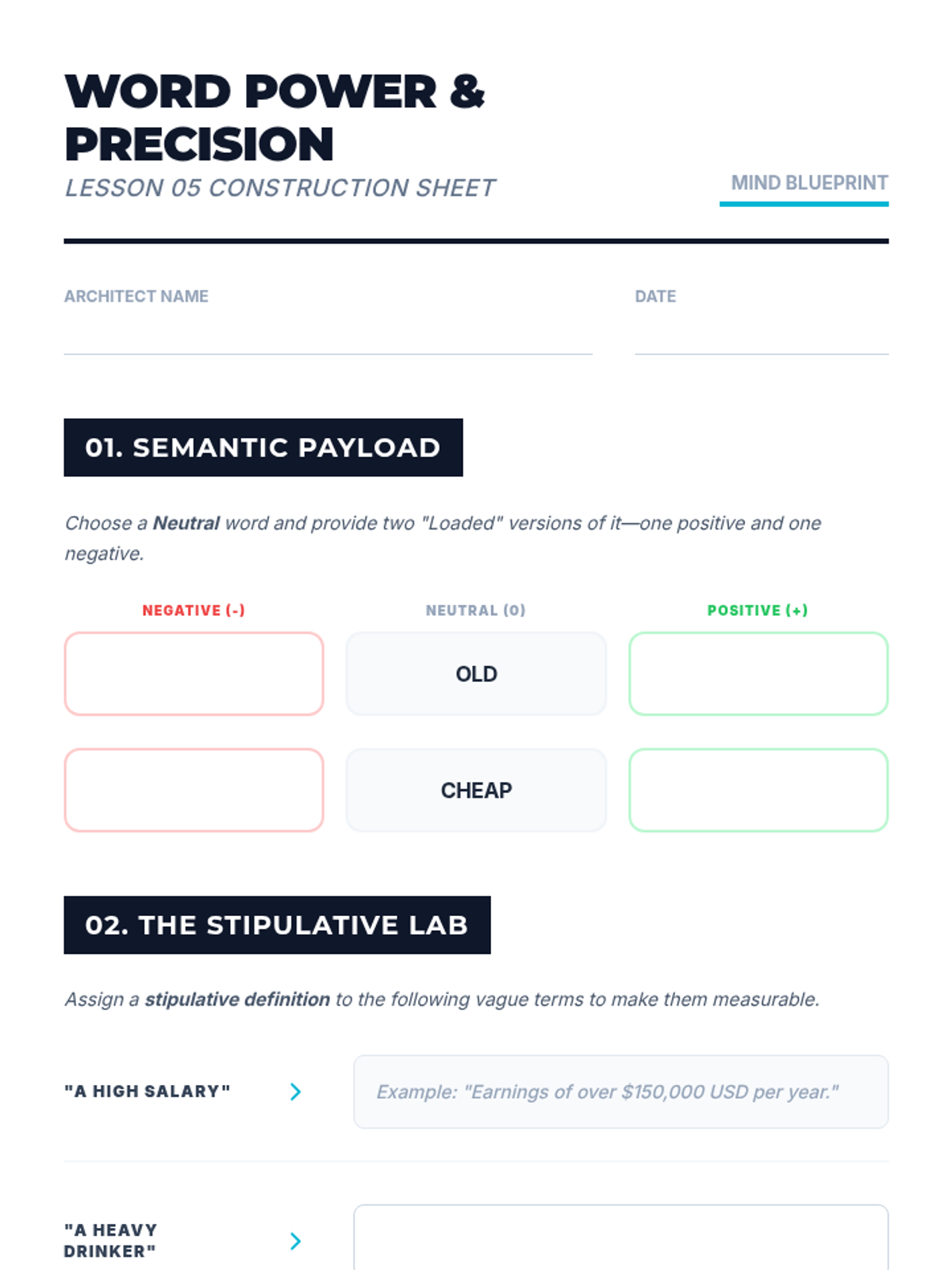
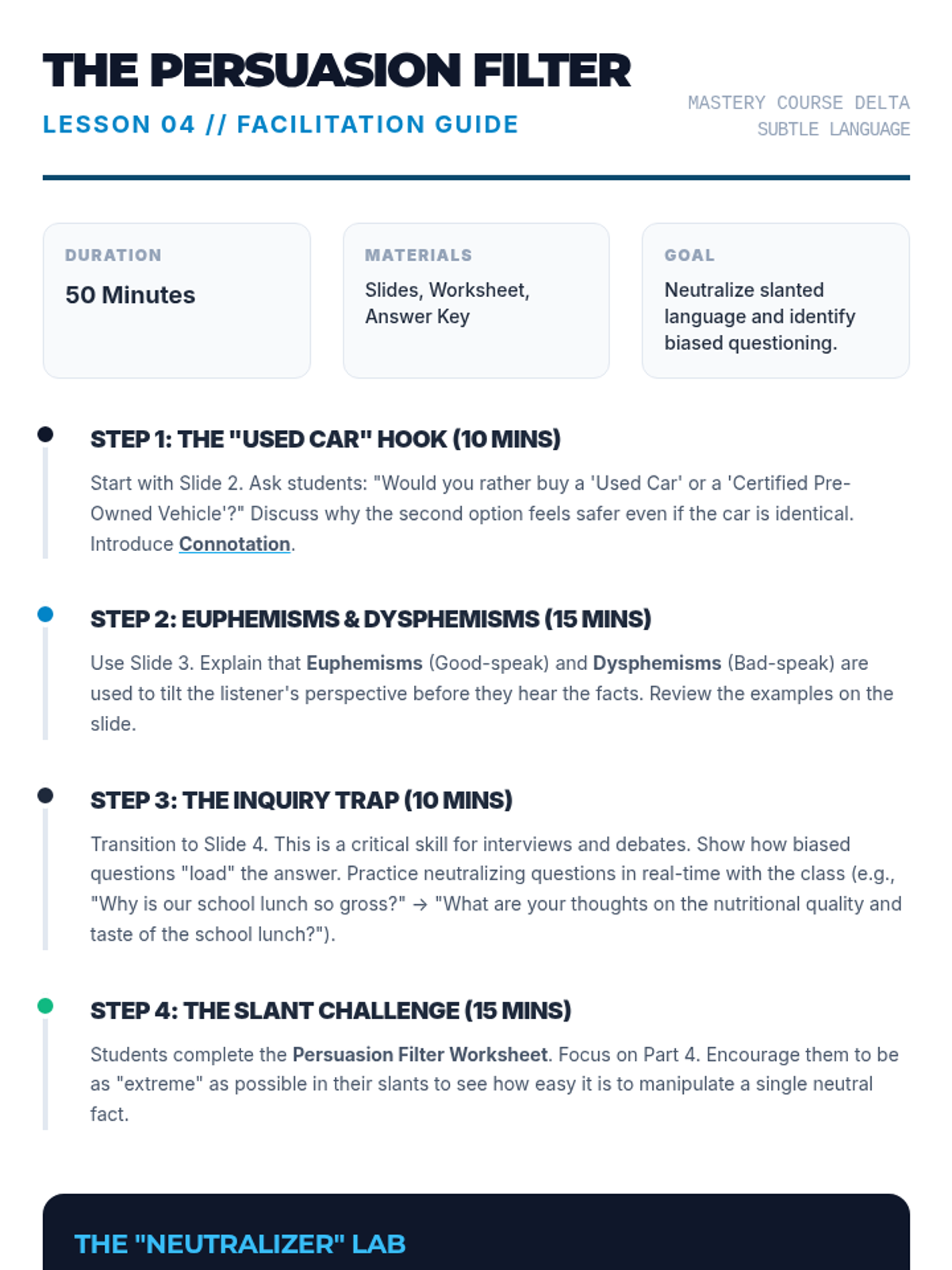
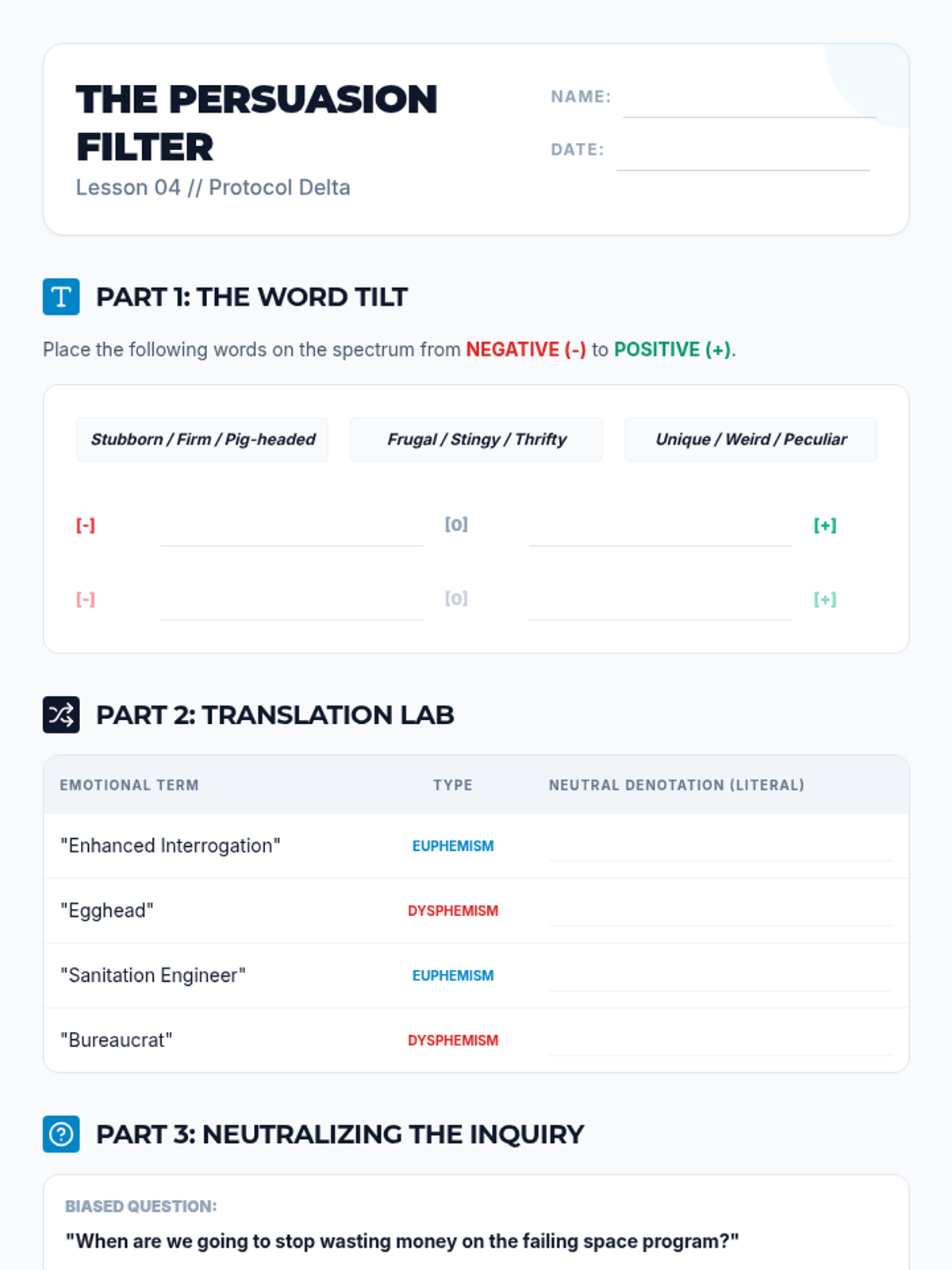
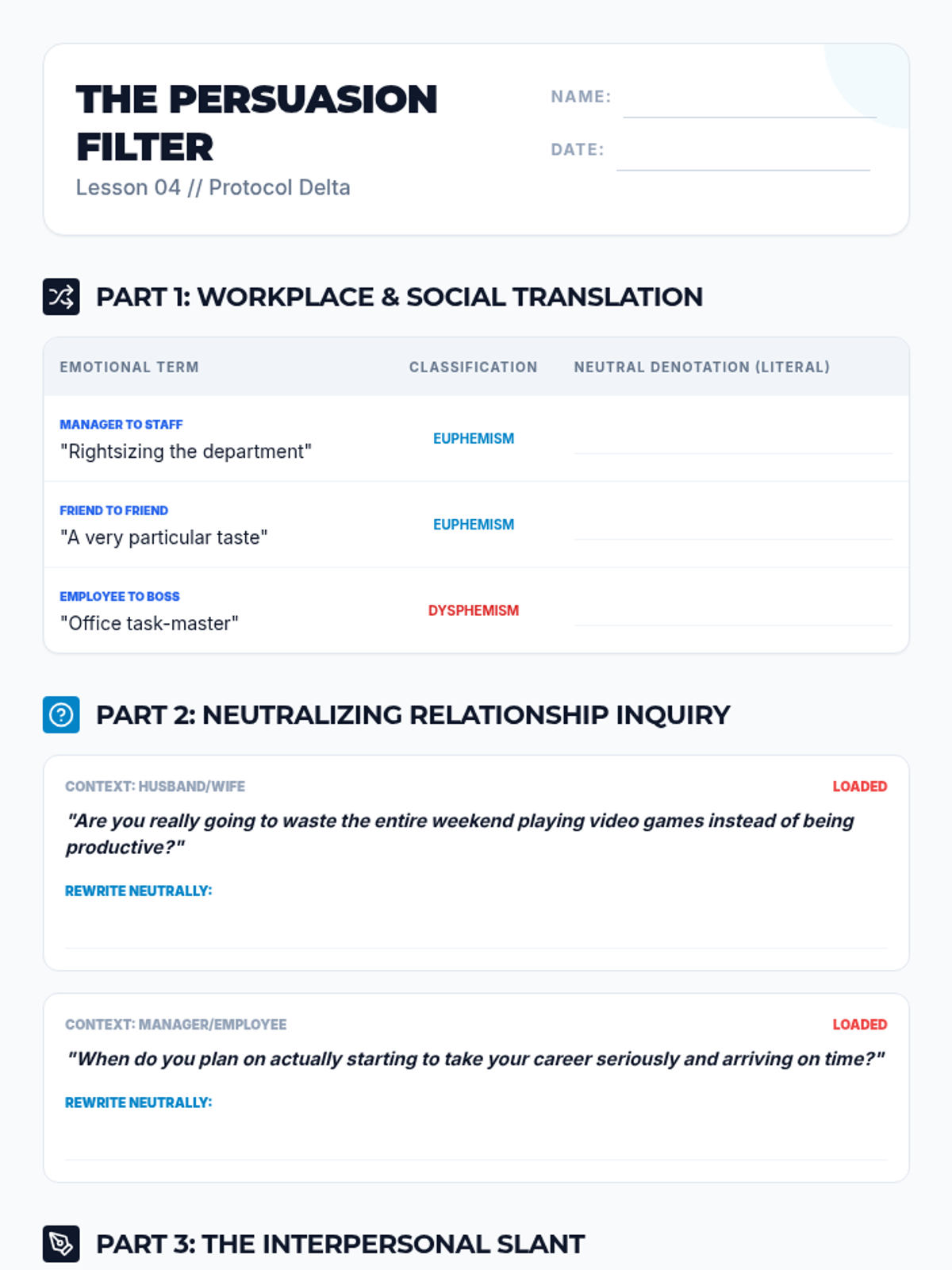
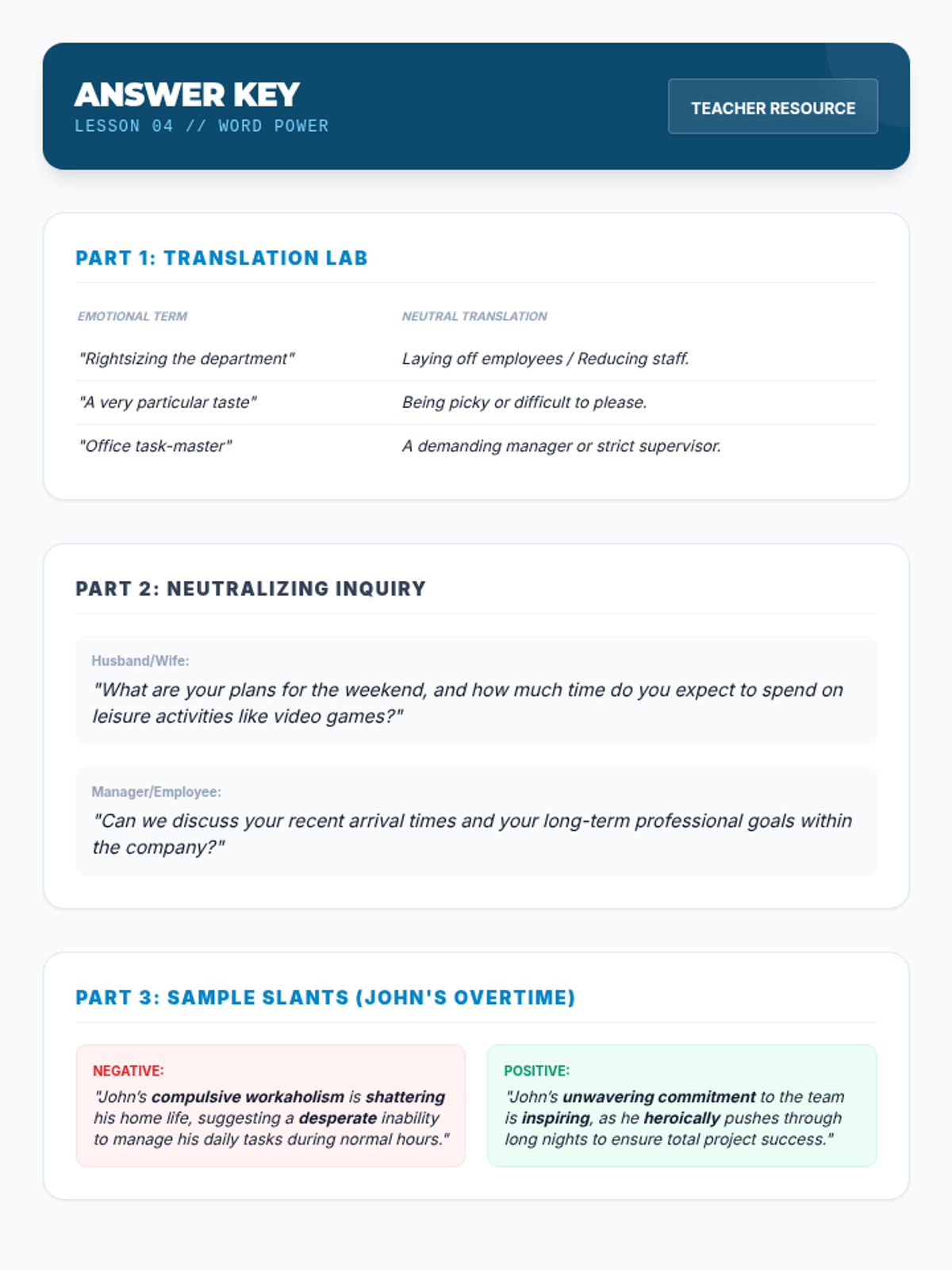
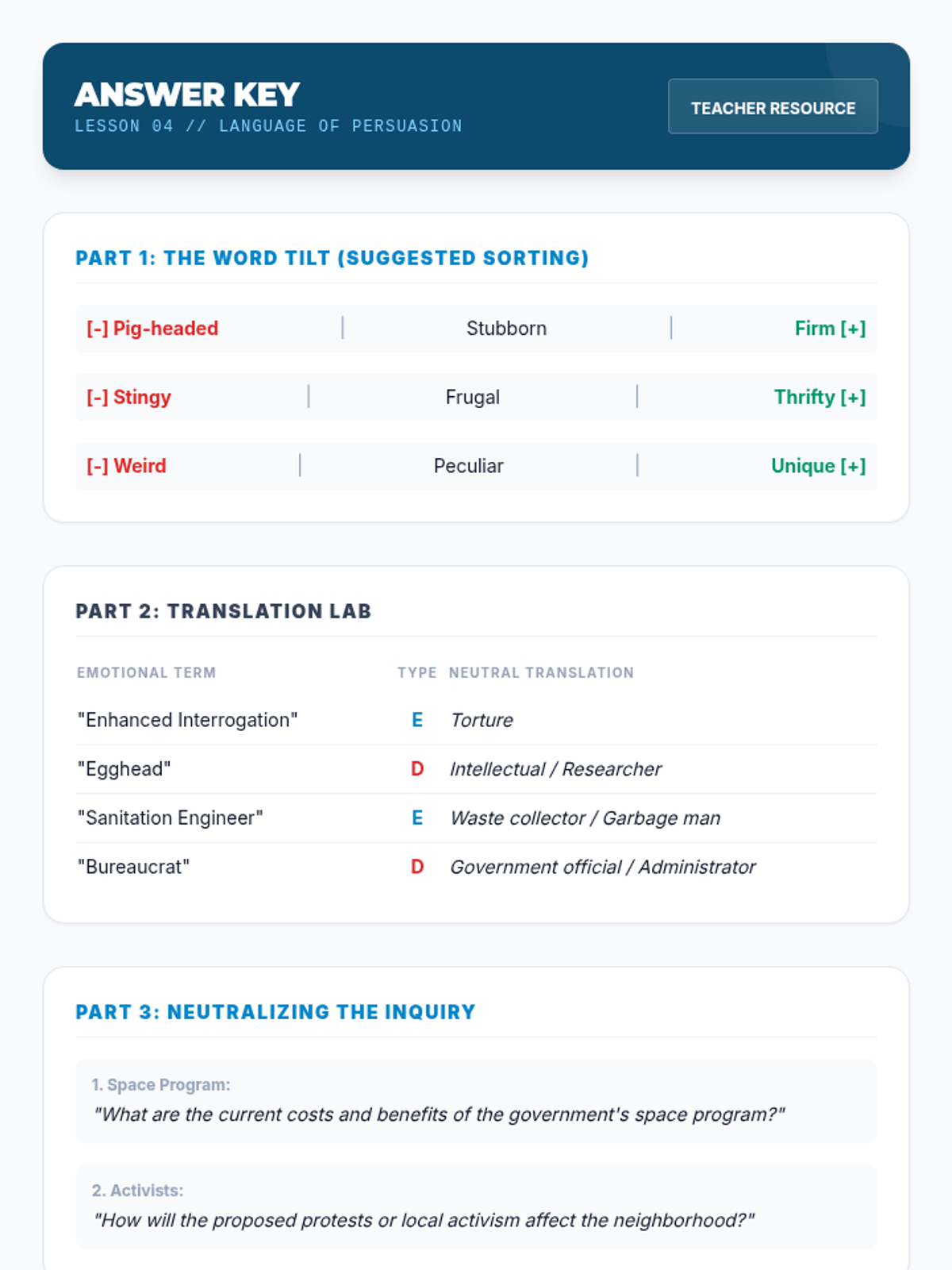
Analyzing how language is used to influence: euphemisms, dysphemisms, and the subtle power of biased questioning.