A 3rd-grade grammar lesson focusing on the 'Double the Consonant' rule for CVC words when adding suffixes like -er and -est, featuring a detective-themed investigation.
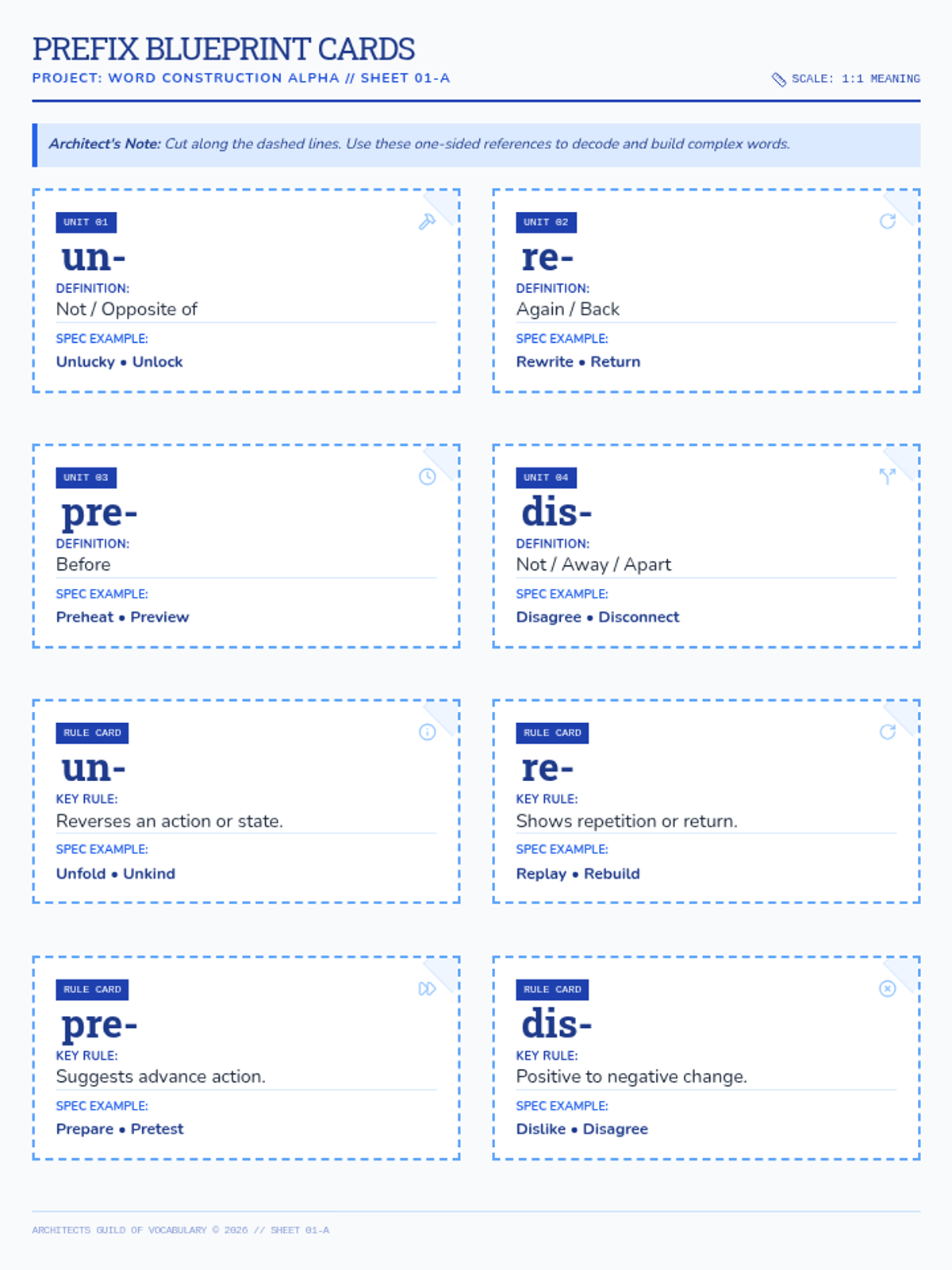
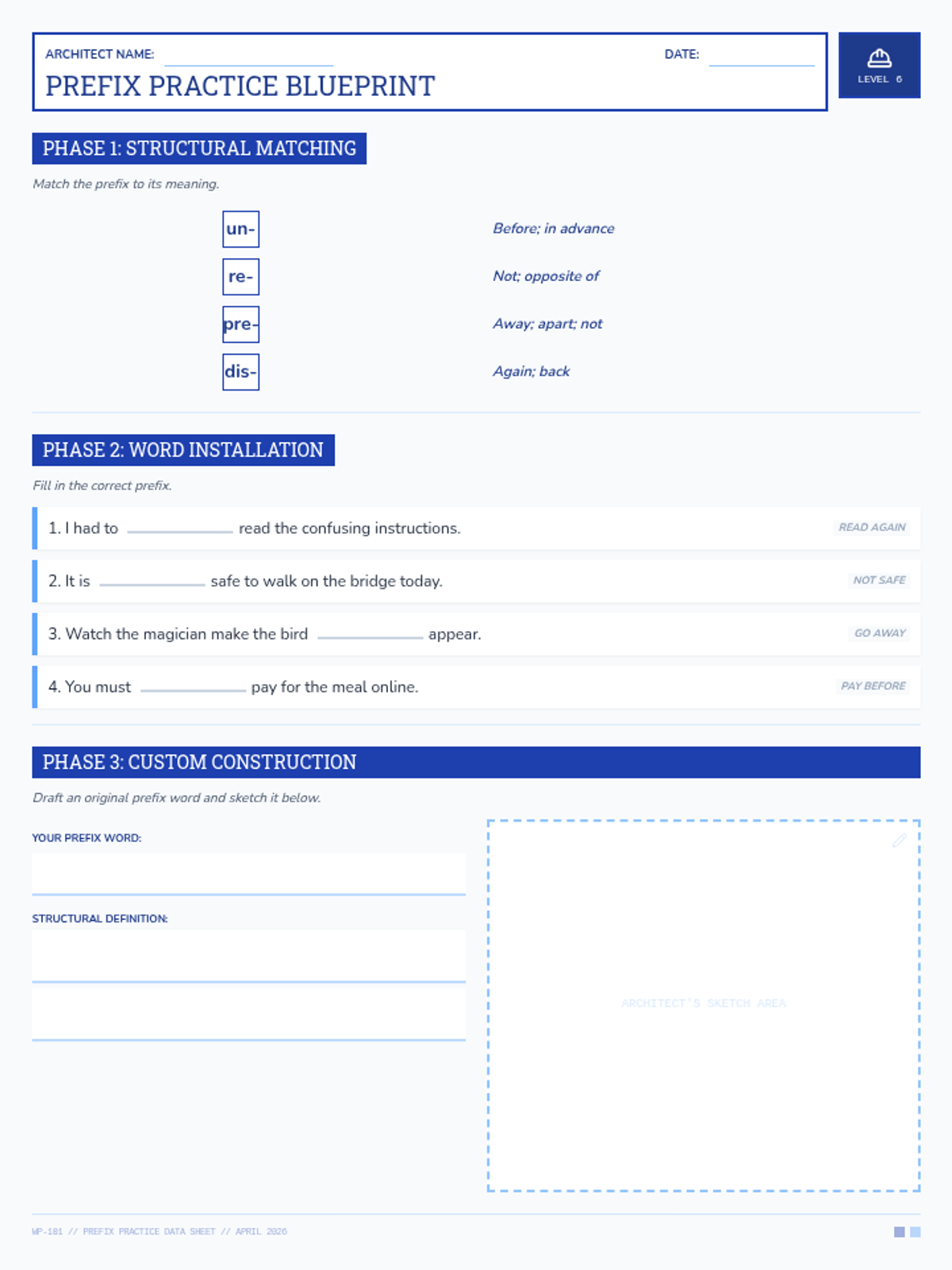
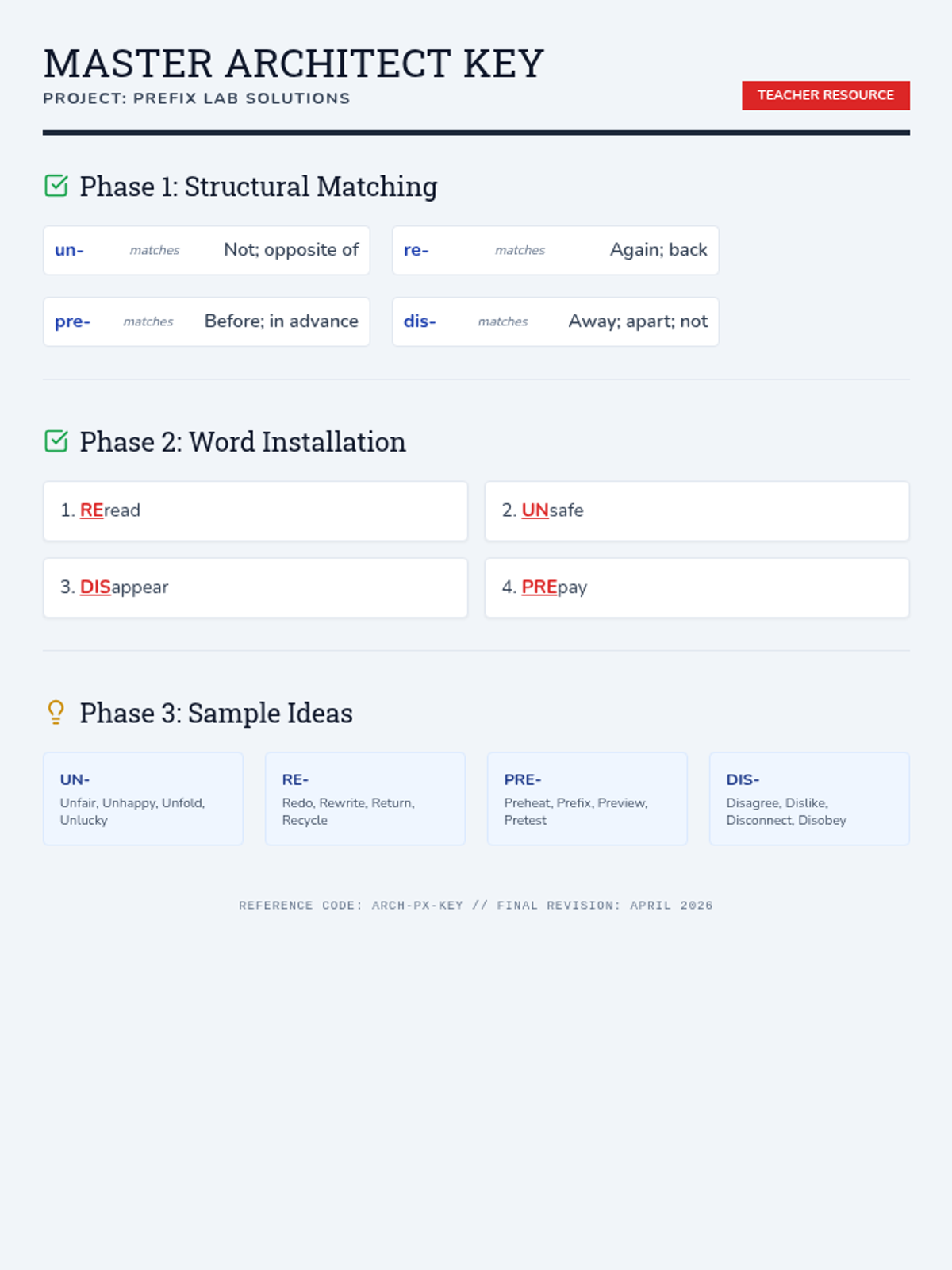
A foundational lesson on common prefixes (un-, re-, pre-, dis-) where students act as 'Word Architects' to build and deconstruct words.
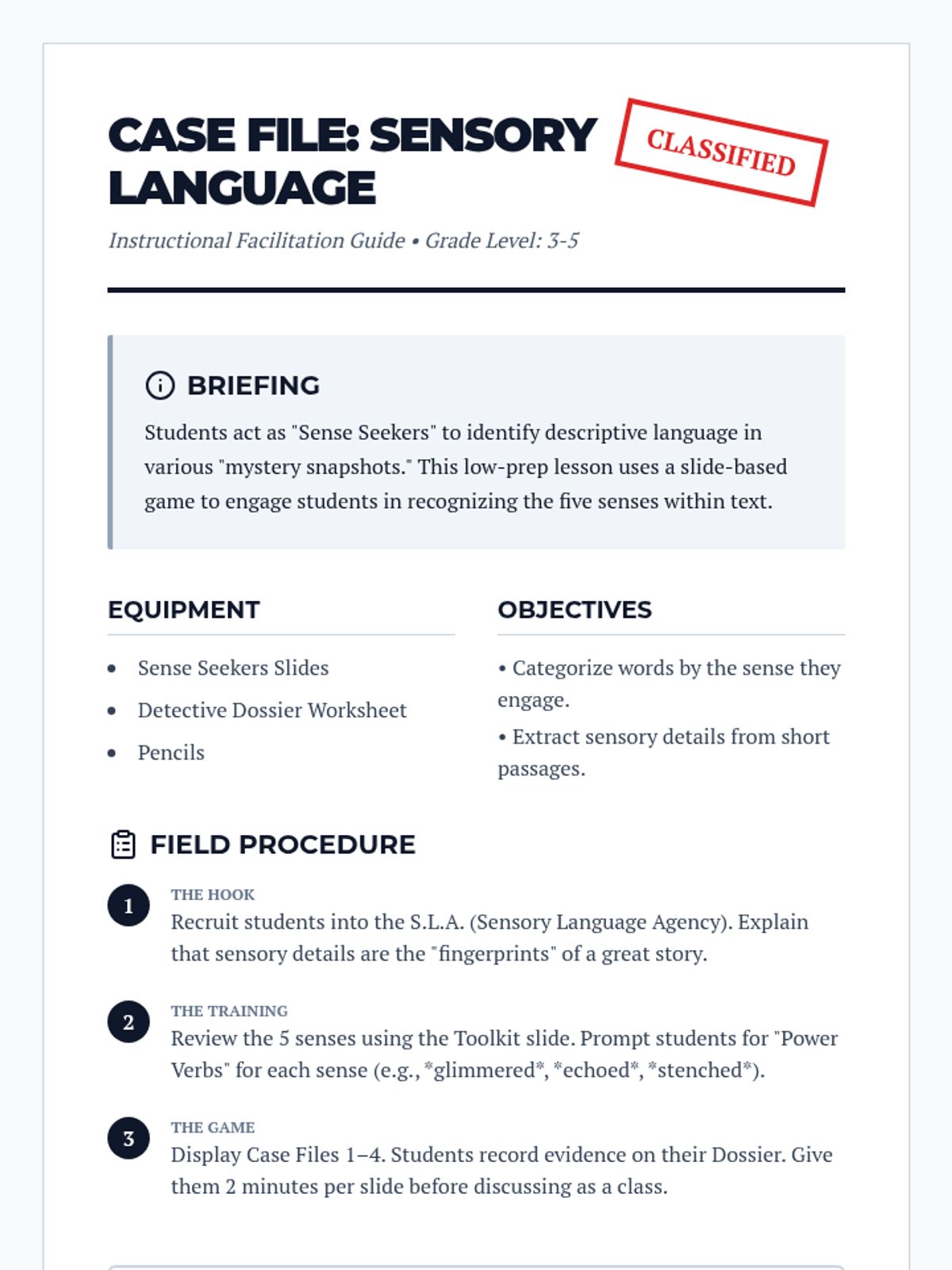
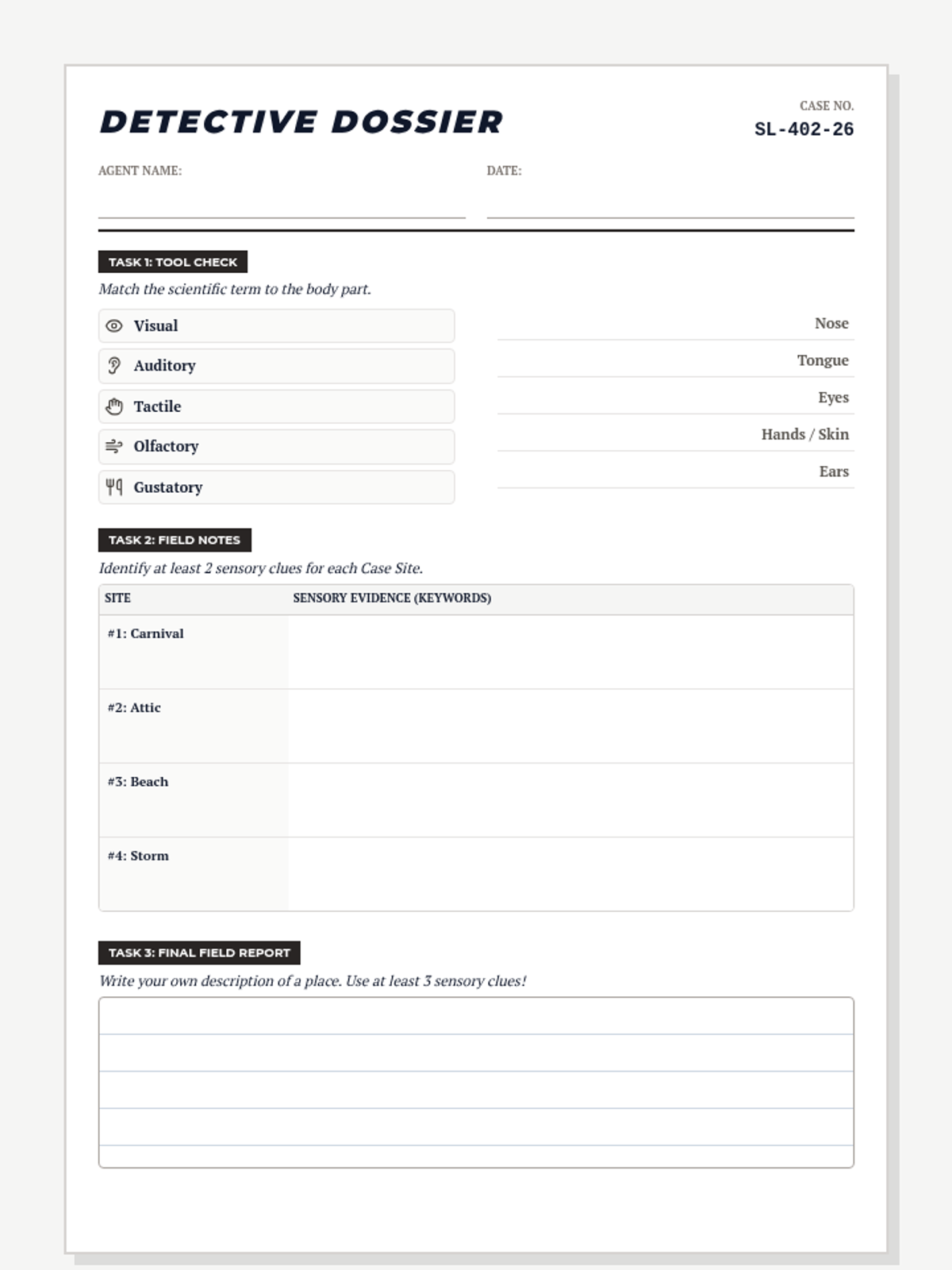
A lesson where students become 'Sense Seekers' to identify sensory language in descriptive text through a mystery-themed game.
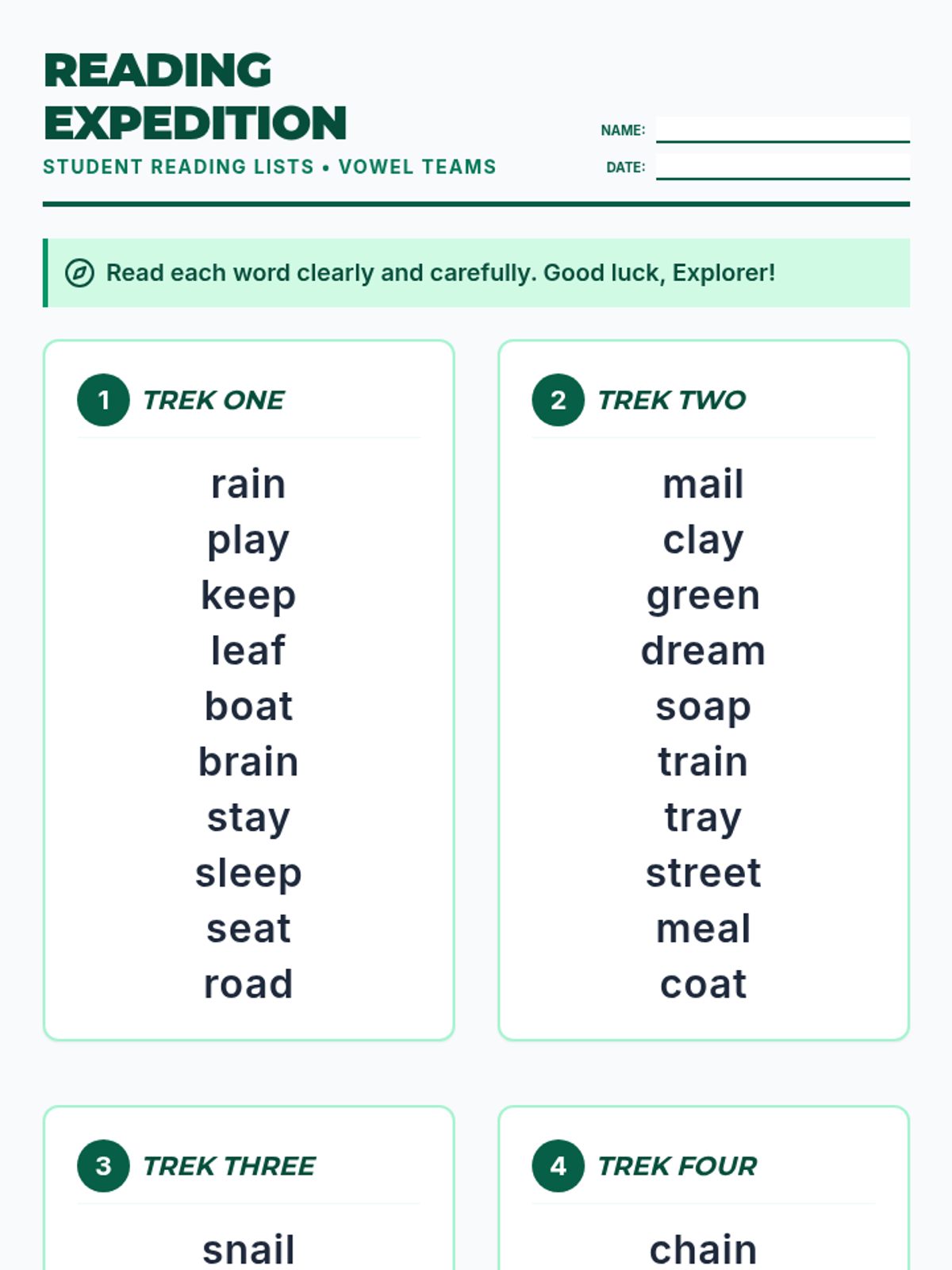
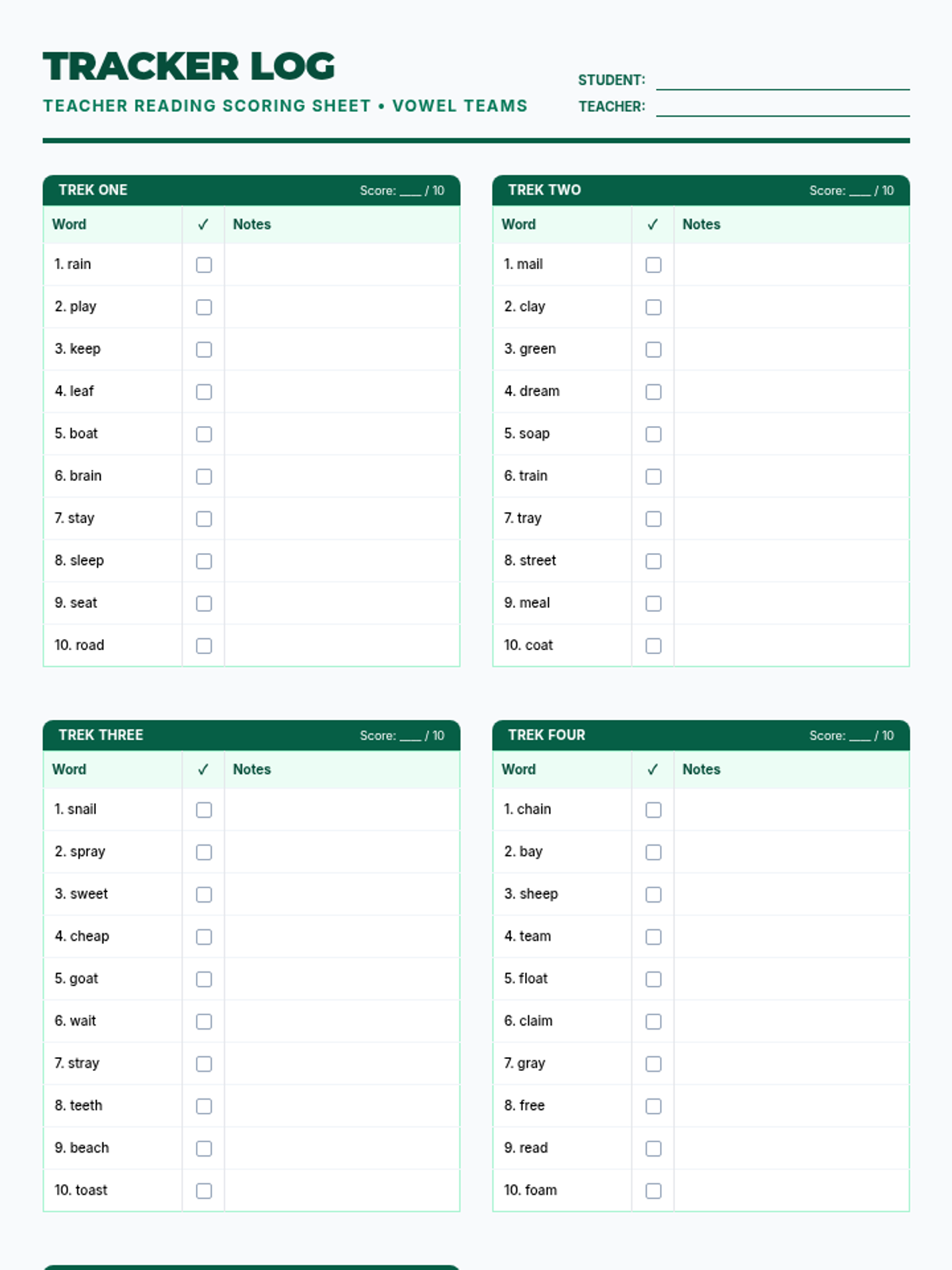
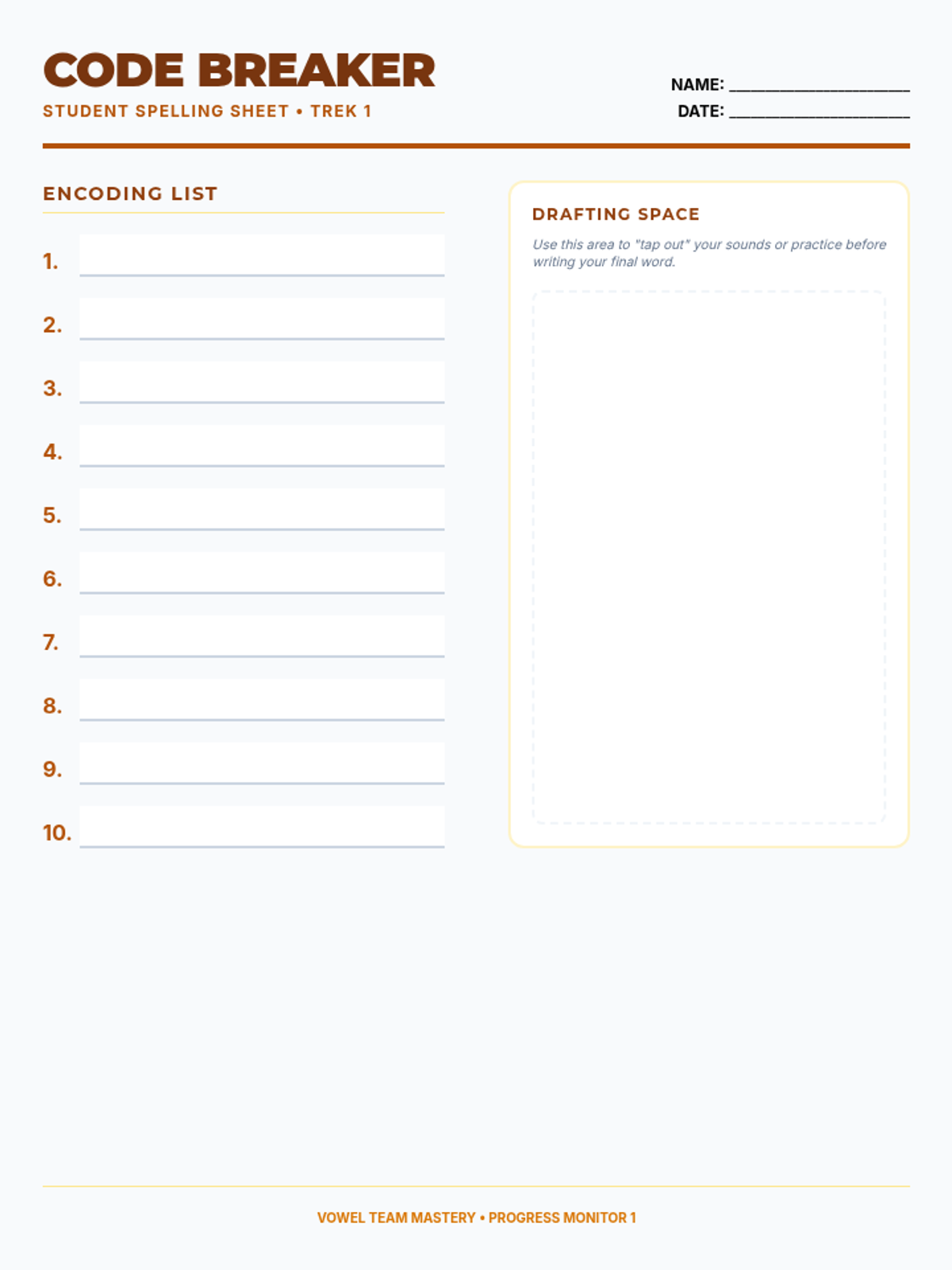
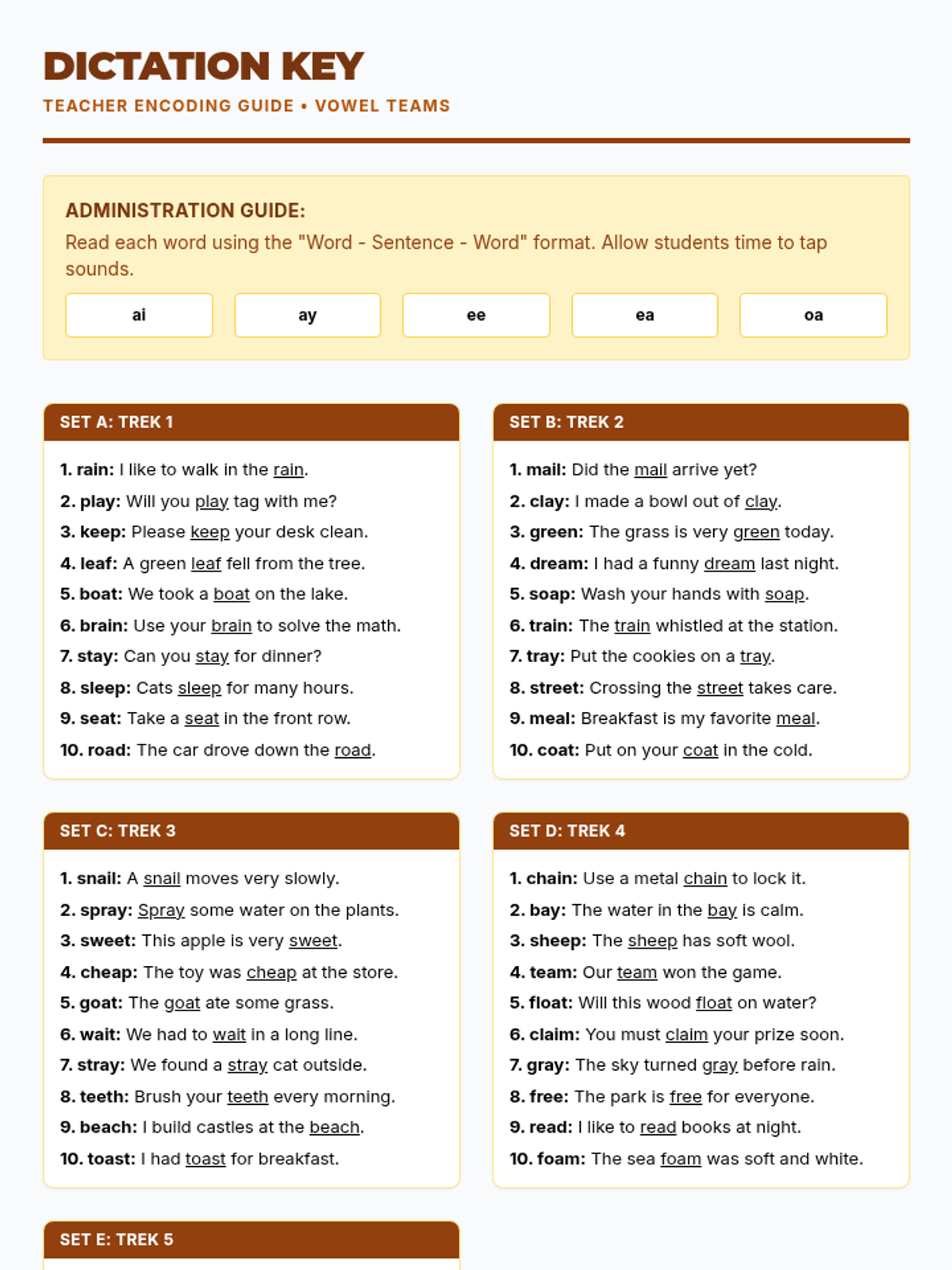
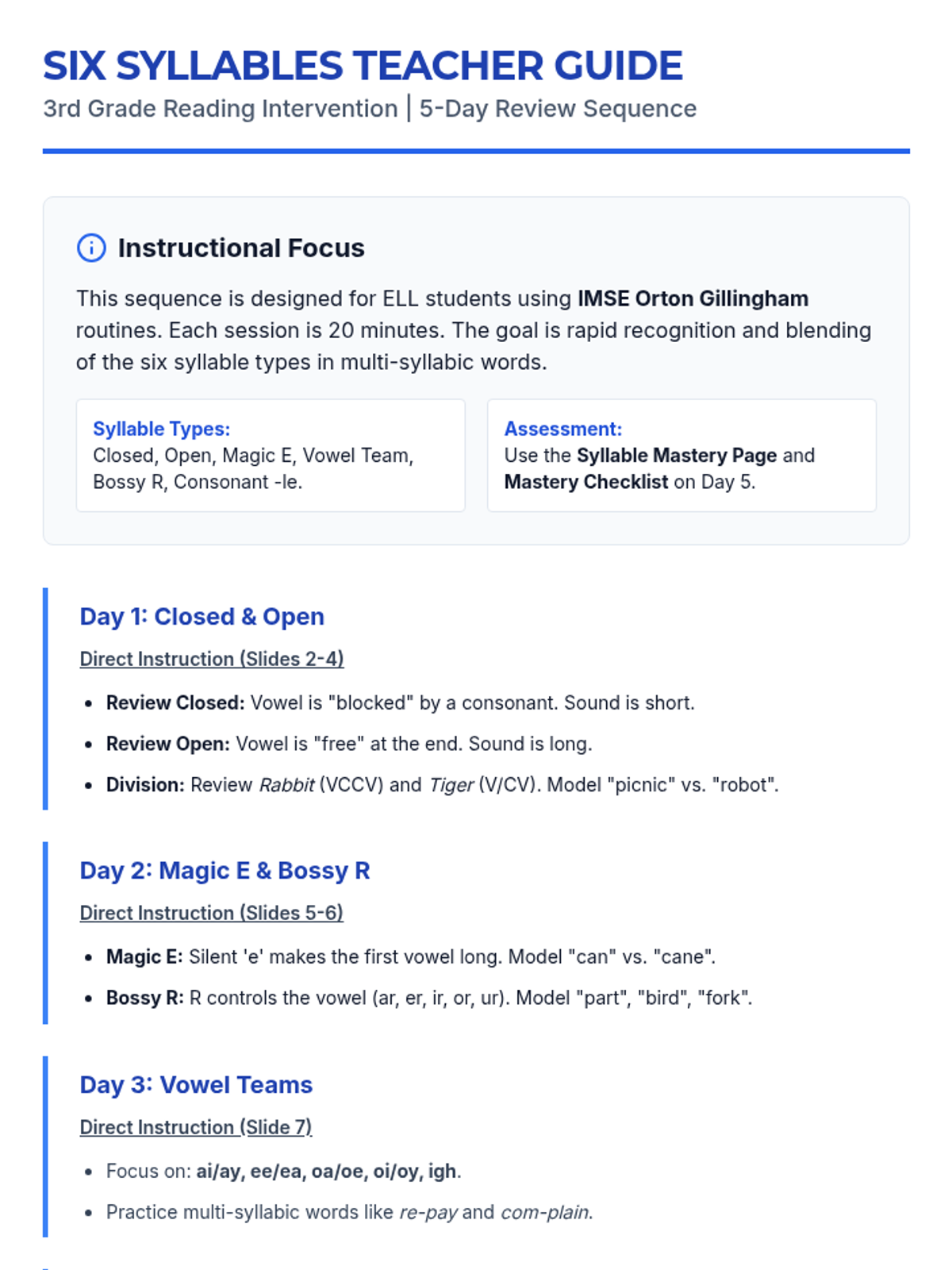
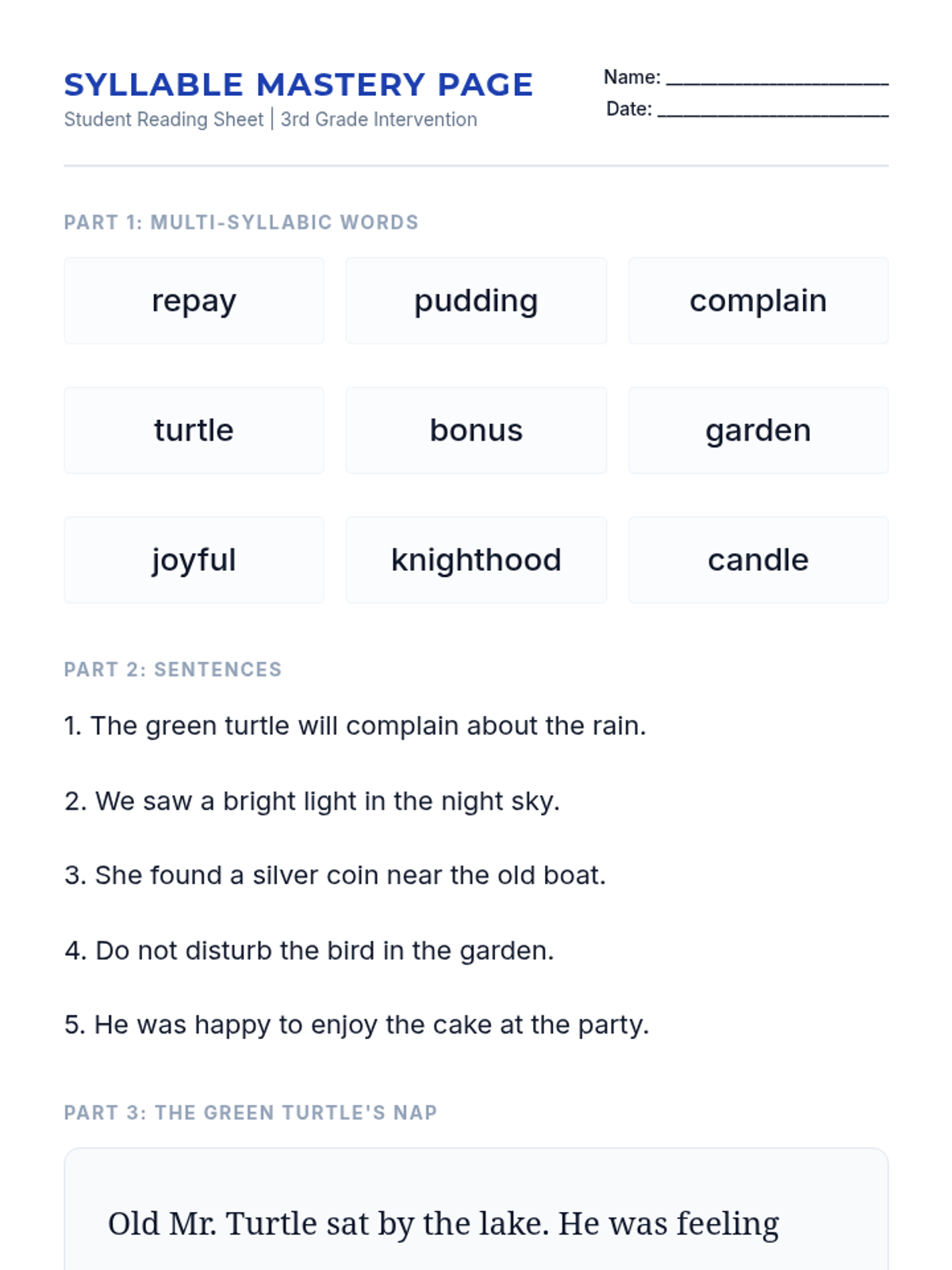
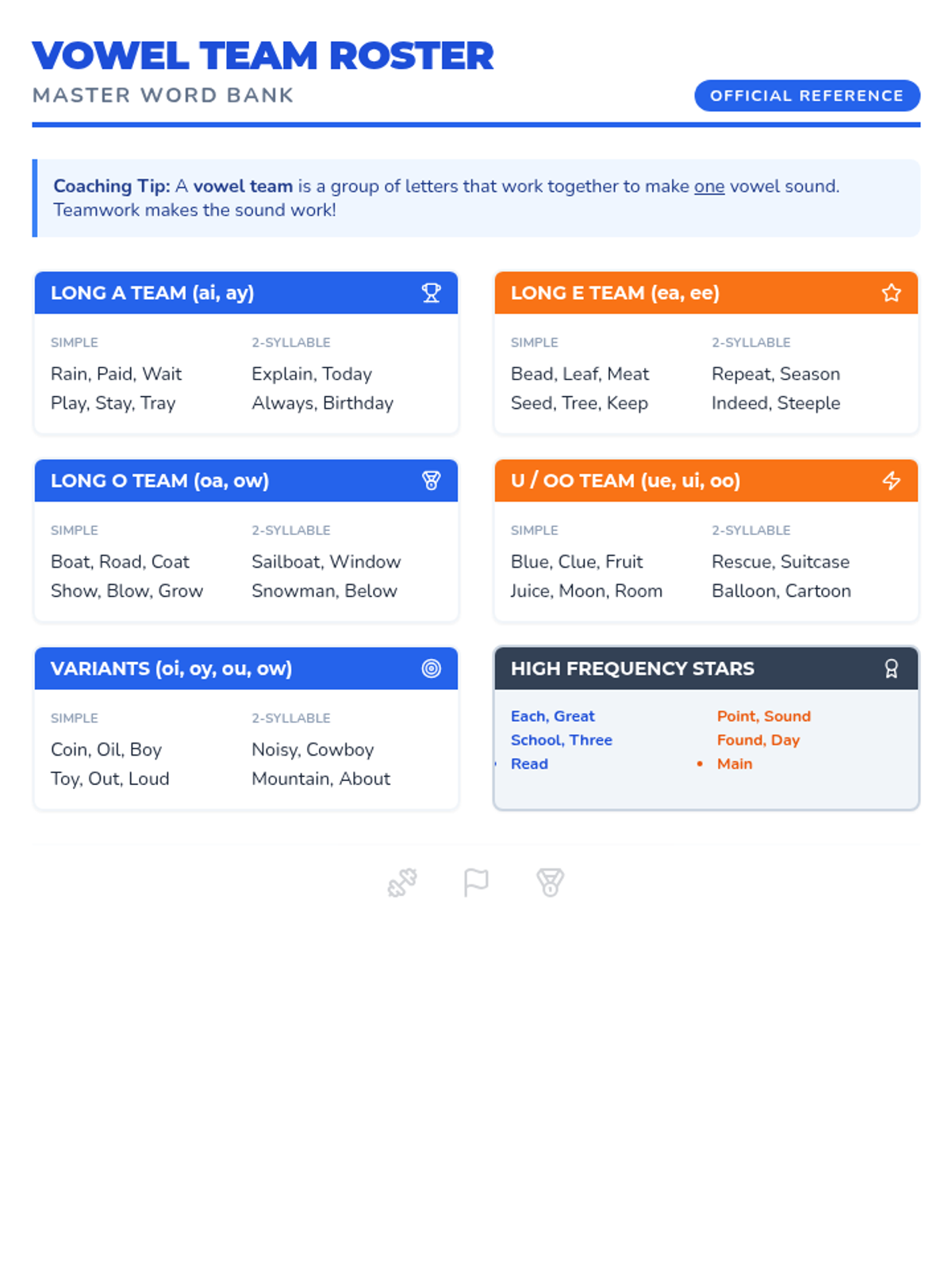
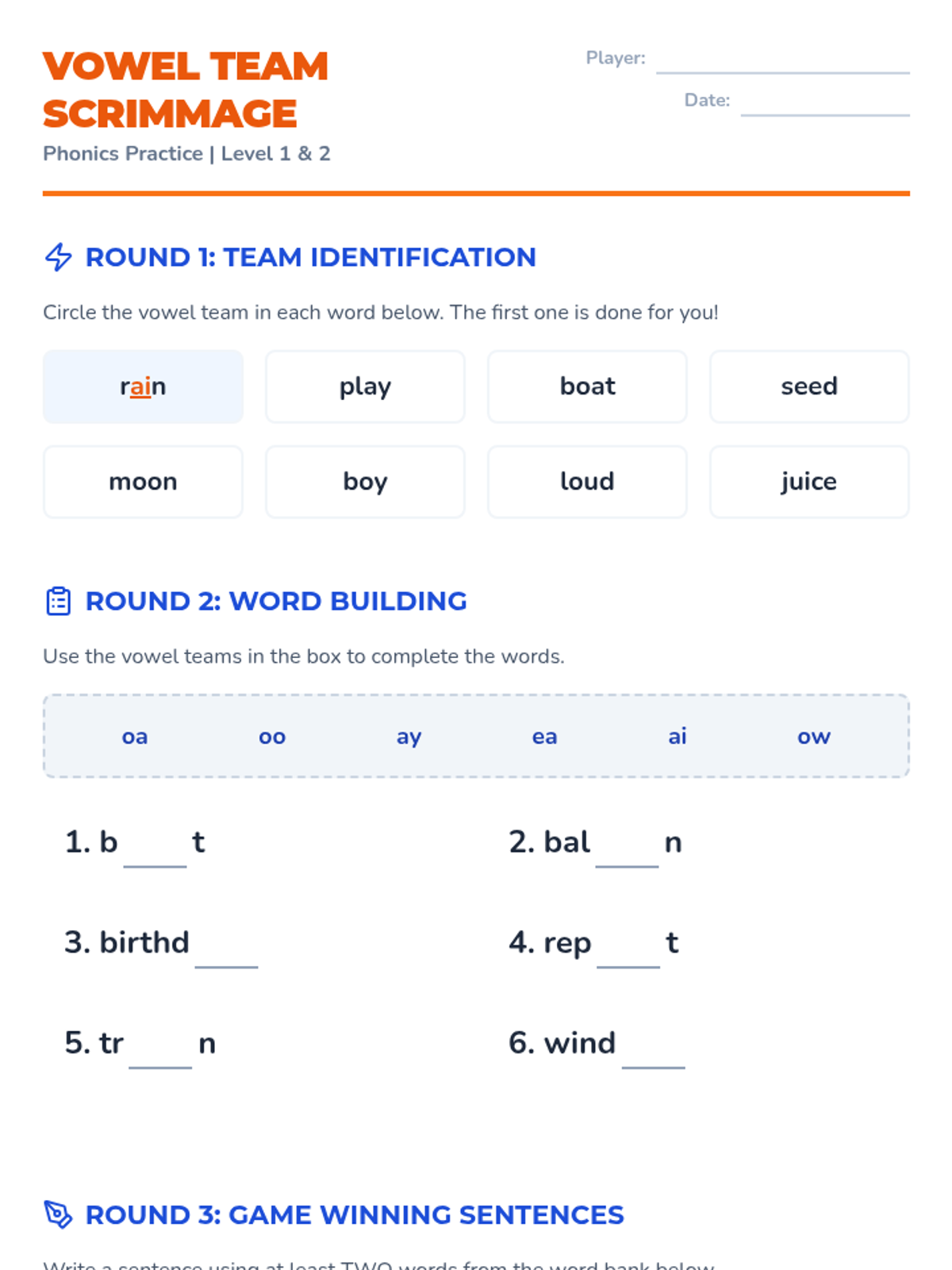
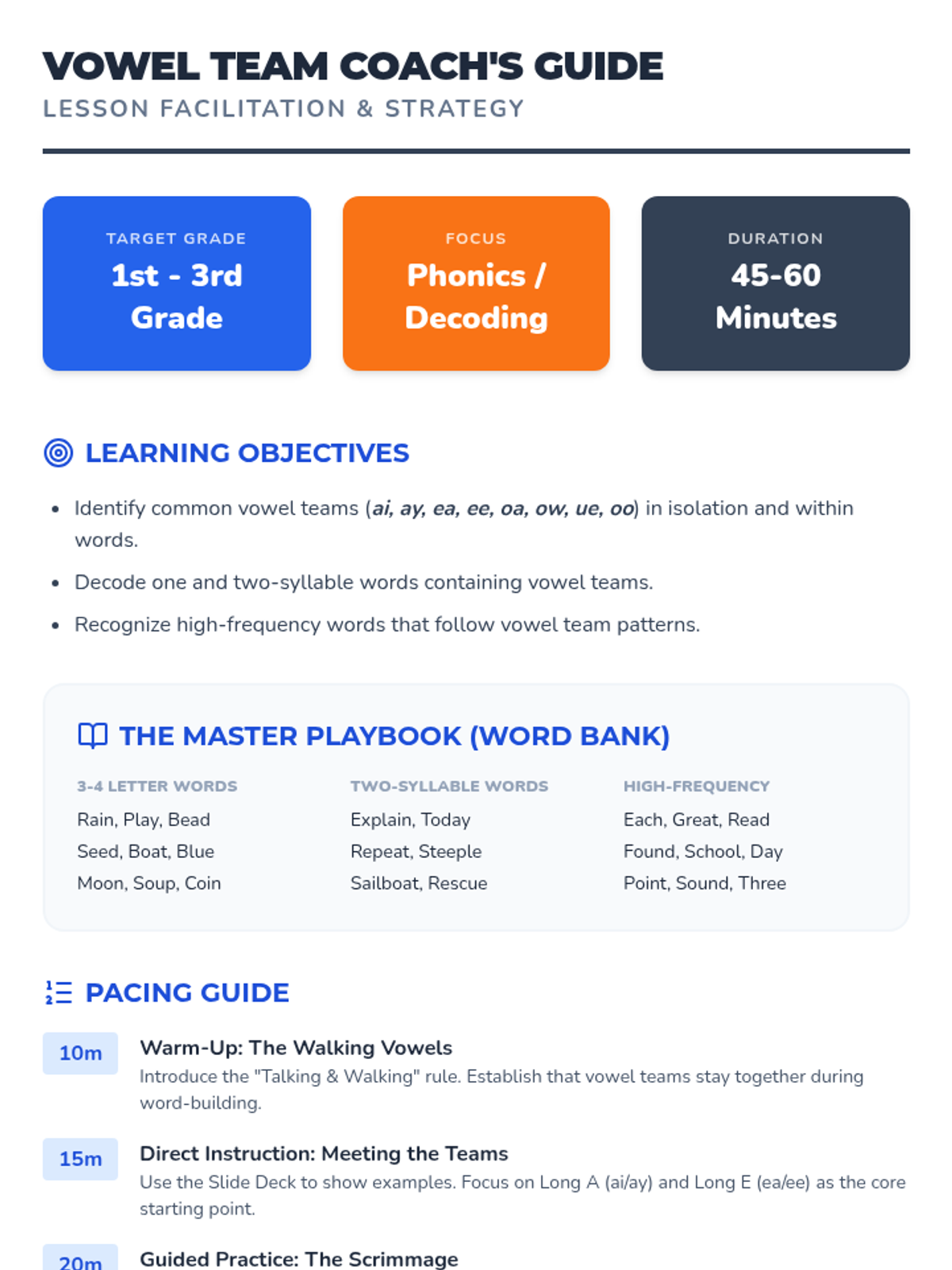
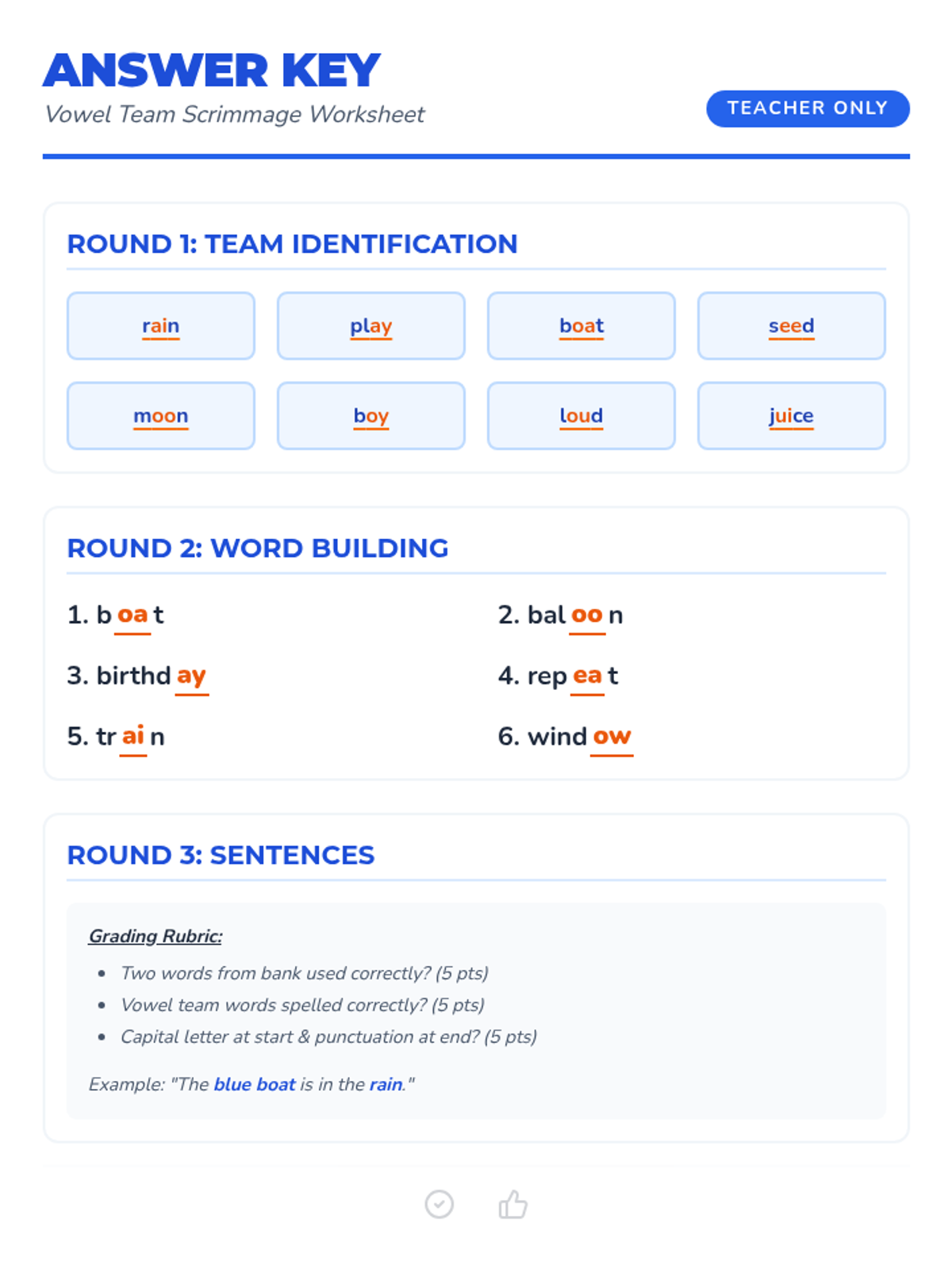
A comprehensive introduction to vowel teams using a sports-themed approach. Students will identify, read, and write words with various vowel teams, ranging from simple one-syllable words to more complex two-syllable terms.
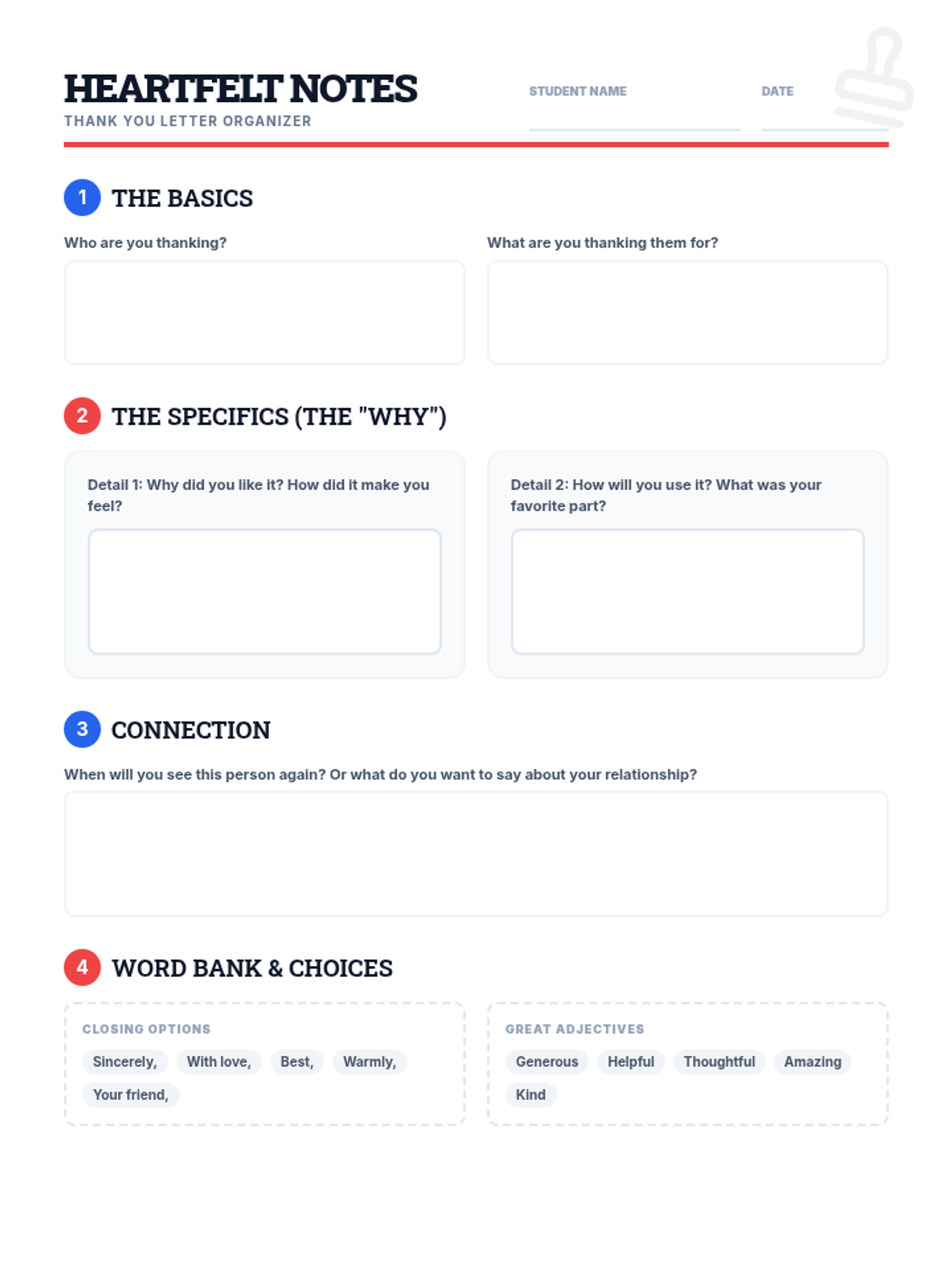
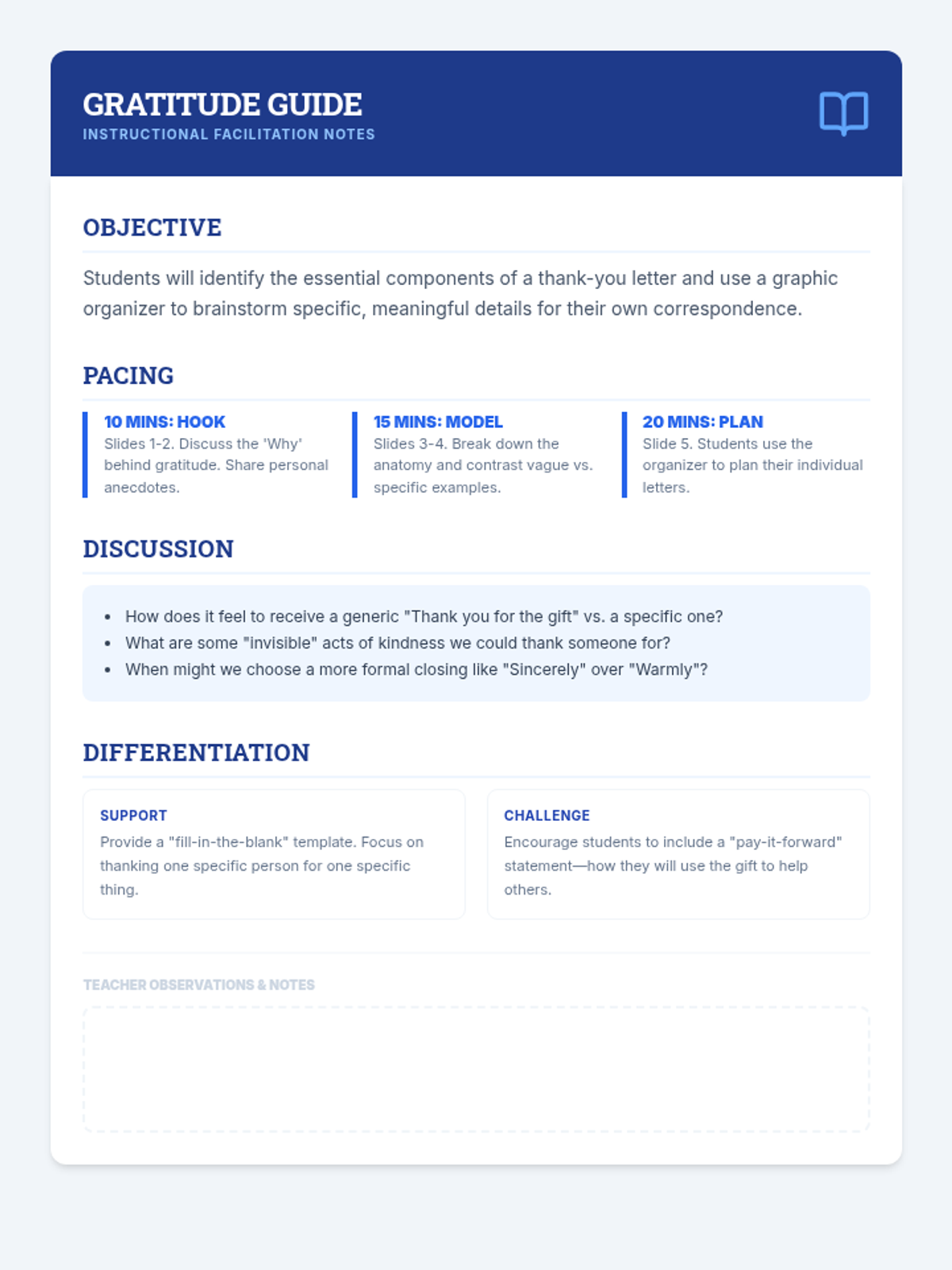
A lesson focused on the art of writing sincere thank-you letters, covering the essential components and the emotional impact of expressing gratitude.
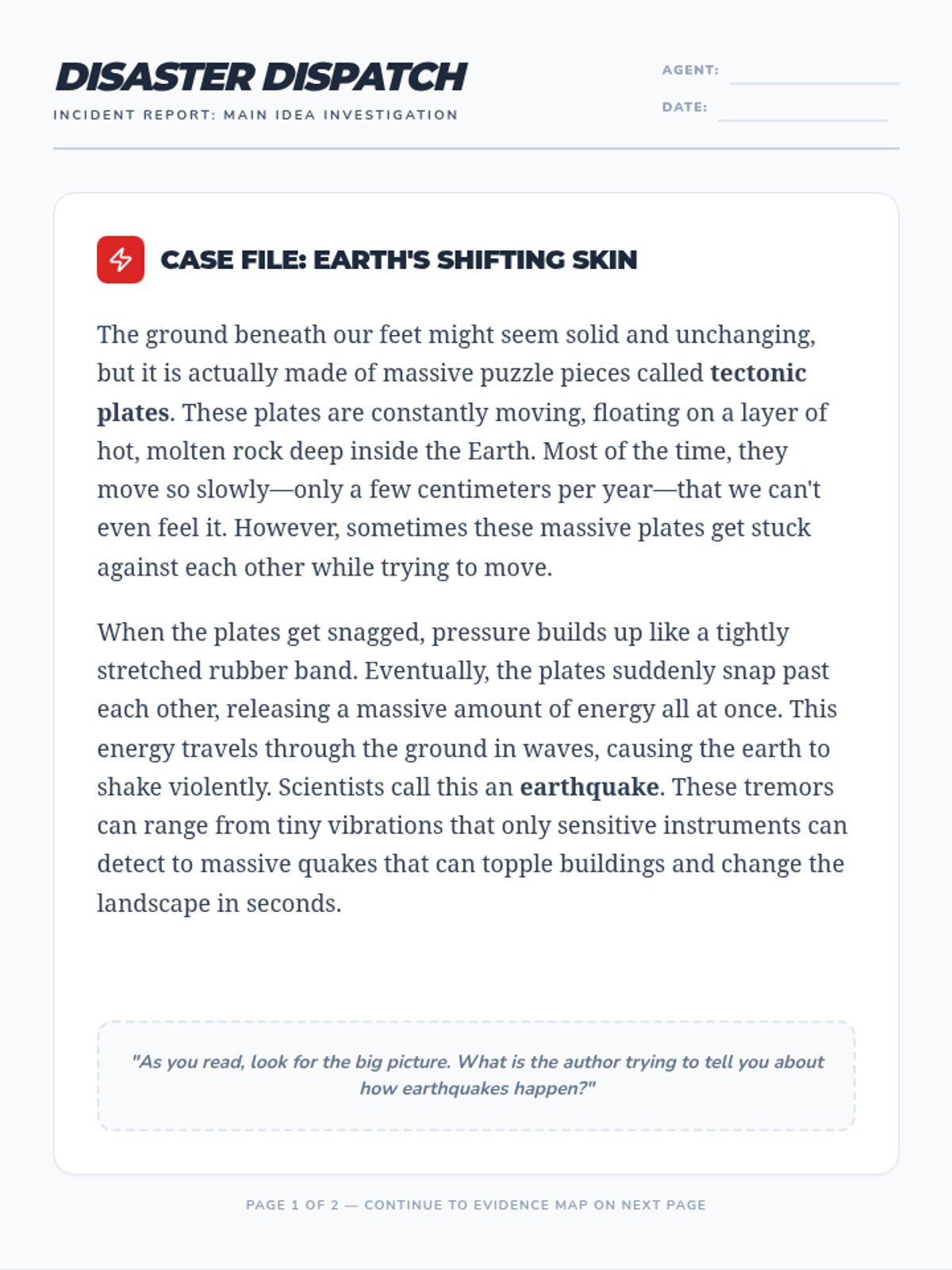
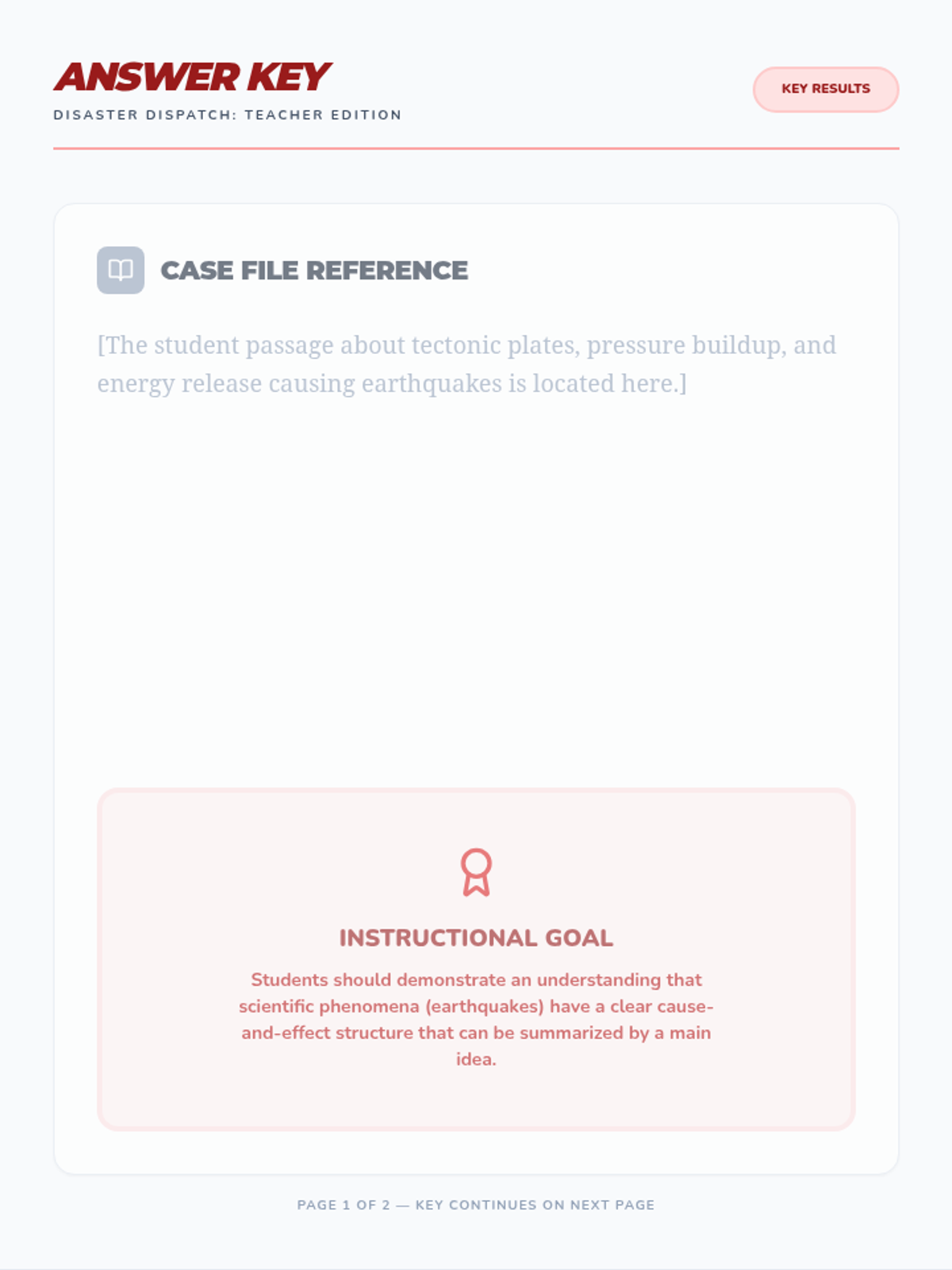
In this lesson, students practice identifying the main idea and supporting details in non-fiction texts about natural disasters. They will use a graphic organizer to map out the structure of a passage about earthquakes.
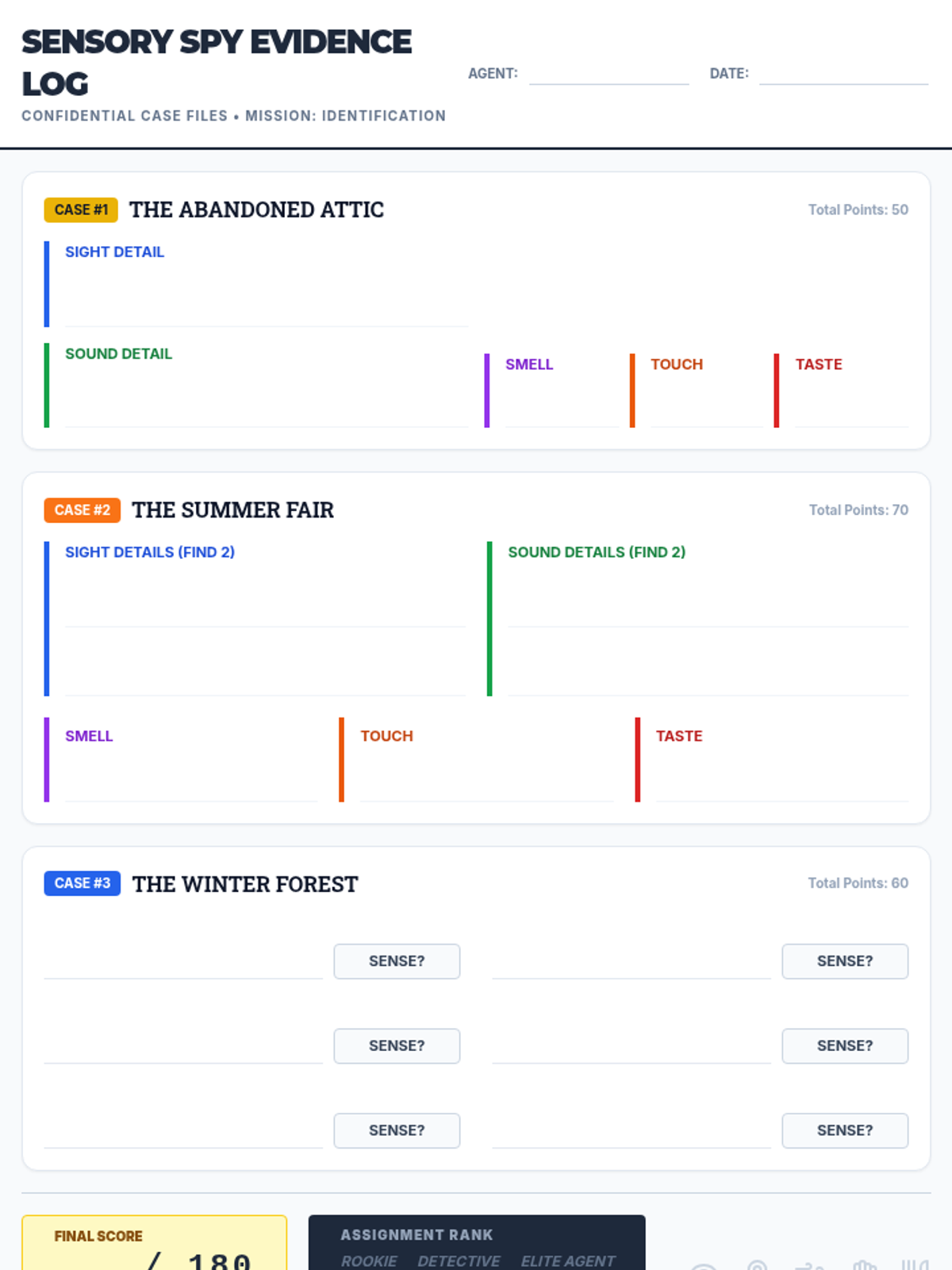
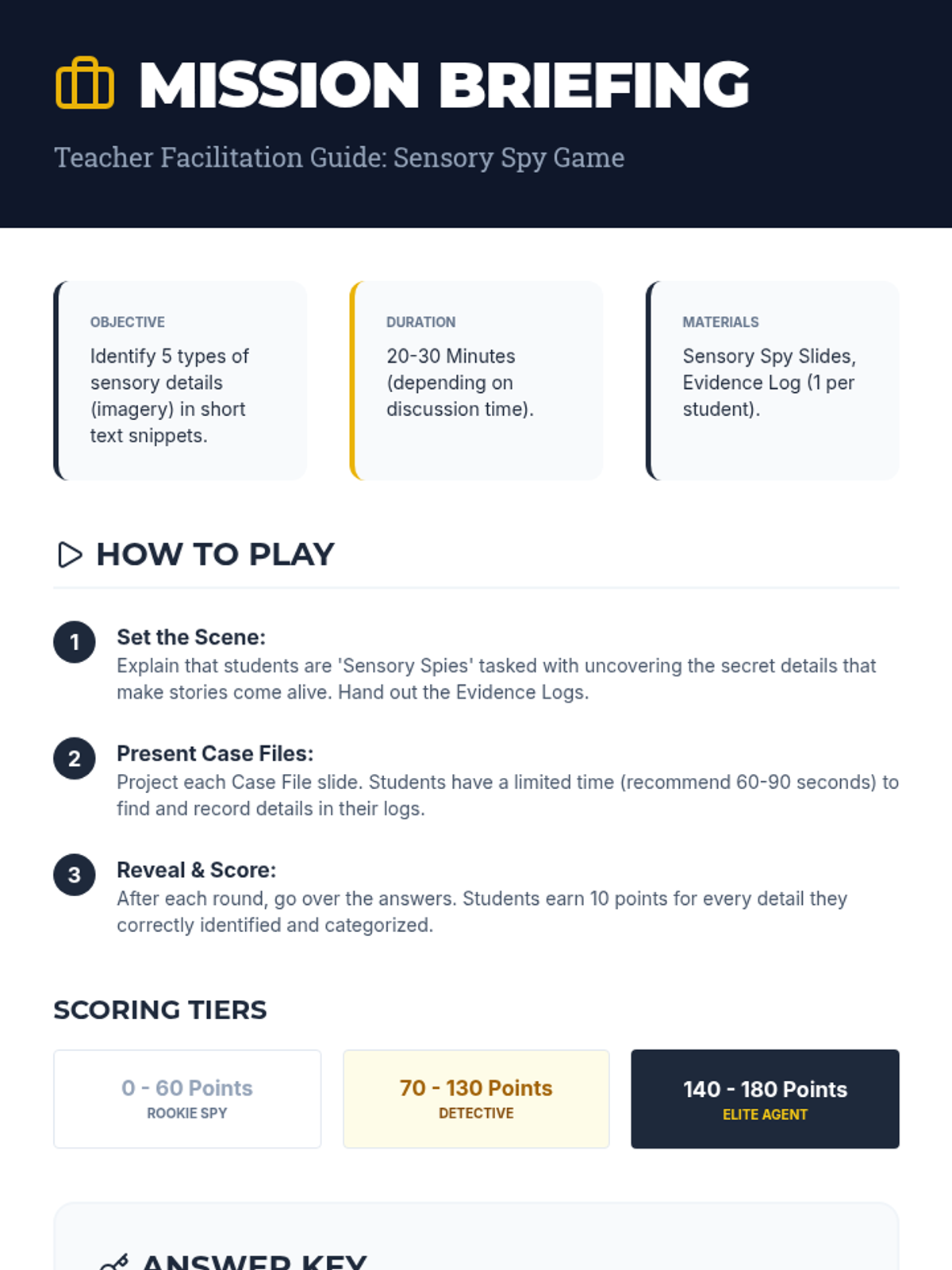
A fast-paced, interactive game where students become 'Sensory Spies' to track down descriptive language in high-interest short story snippets. Students compete to identify sights, sounds, smells, tastes, and textures hidden within case files.
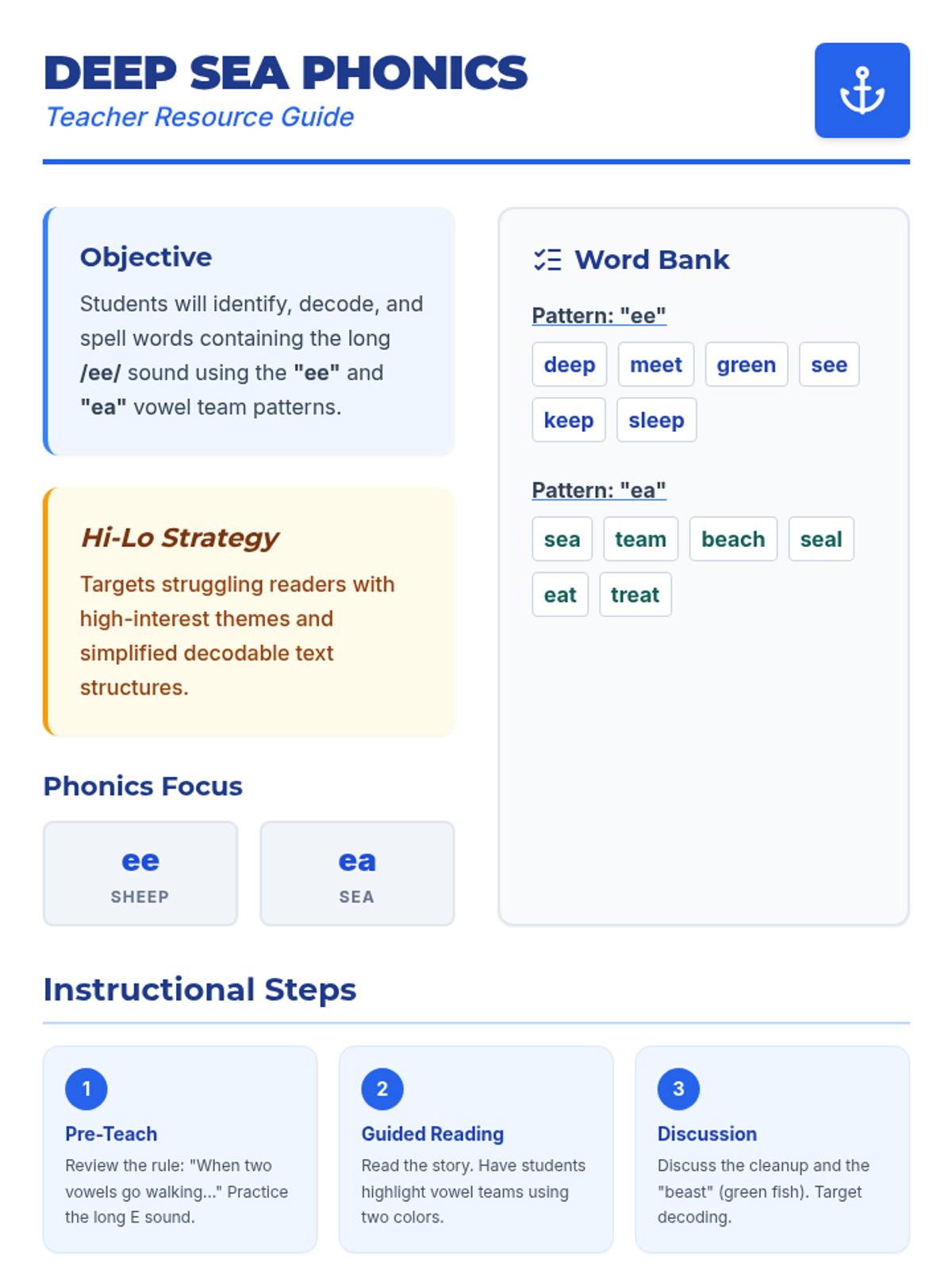
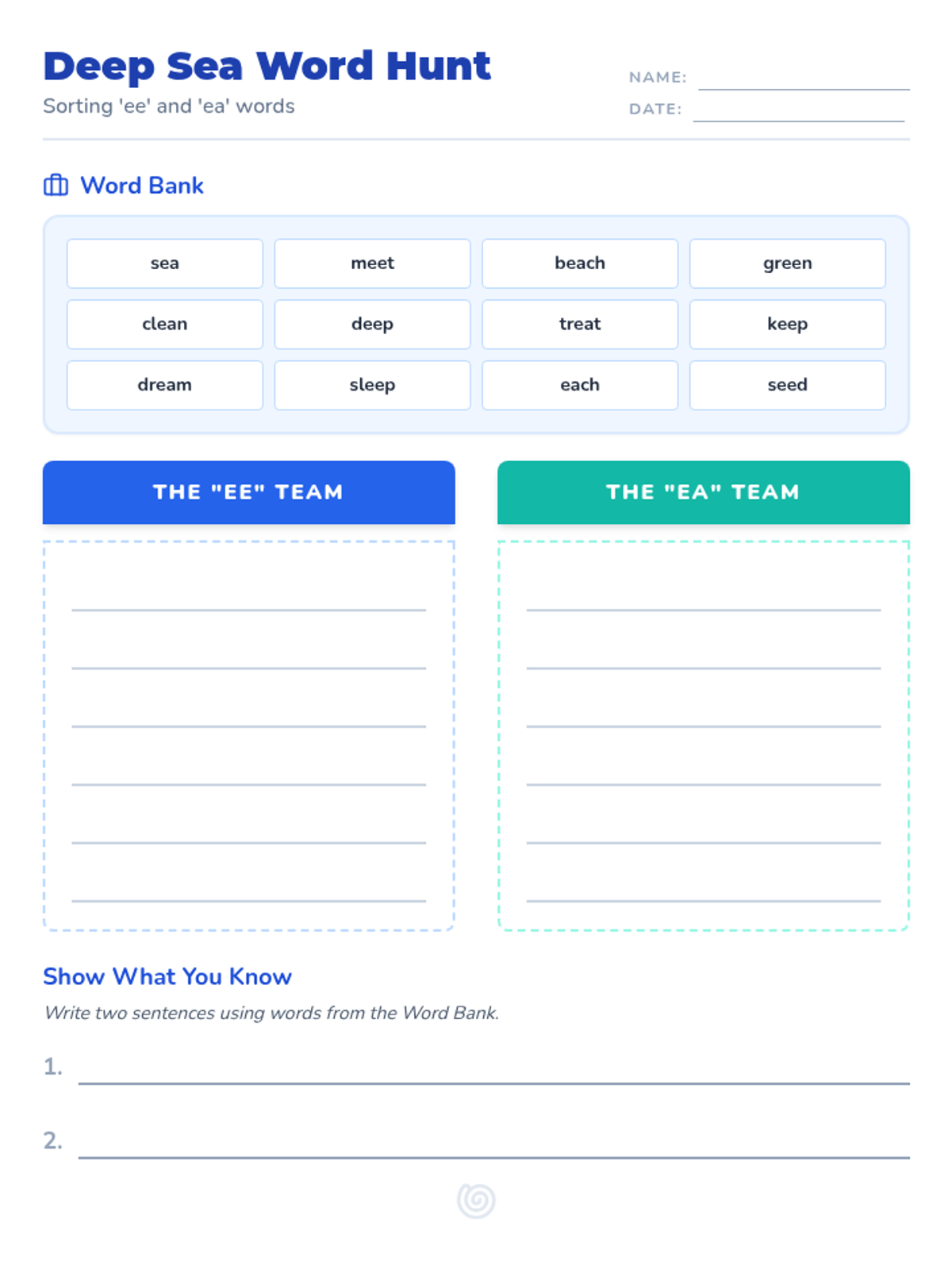
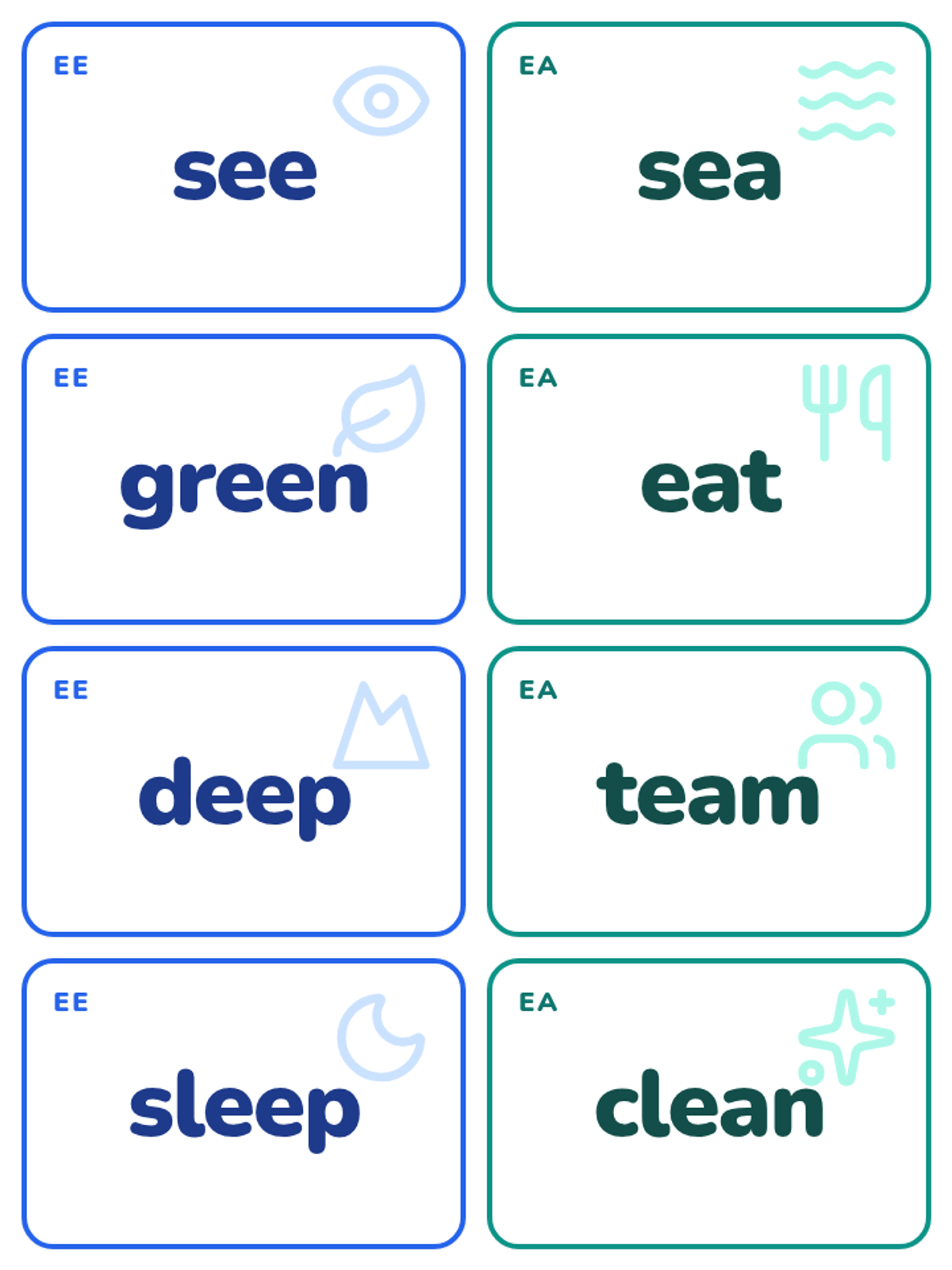
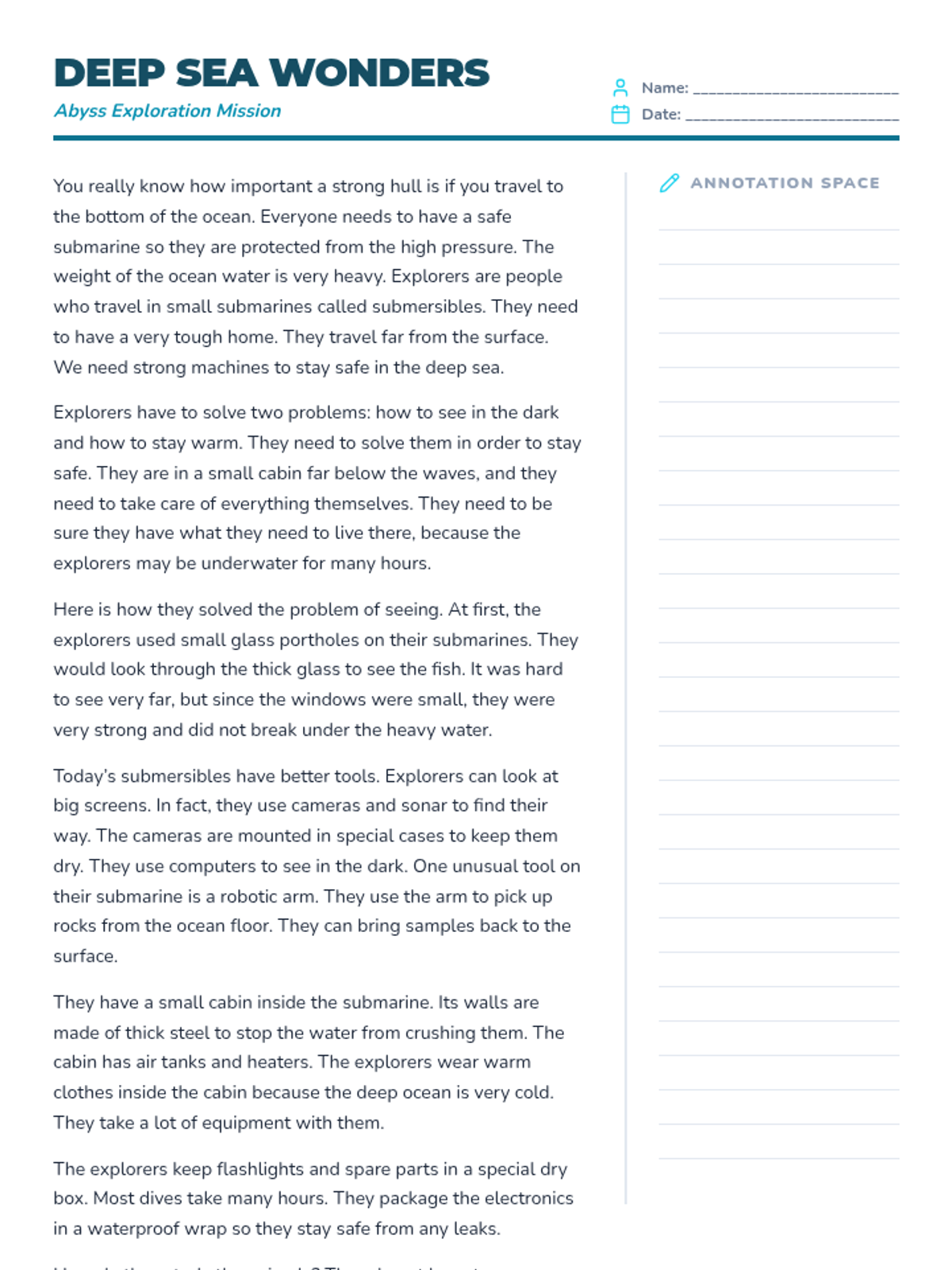
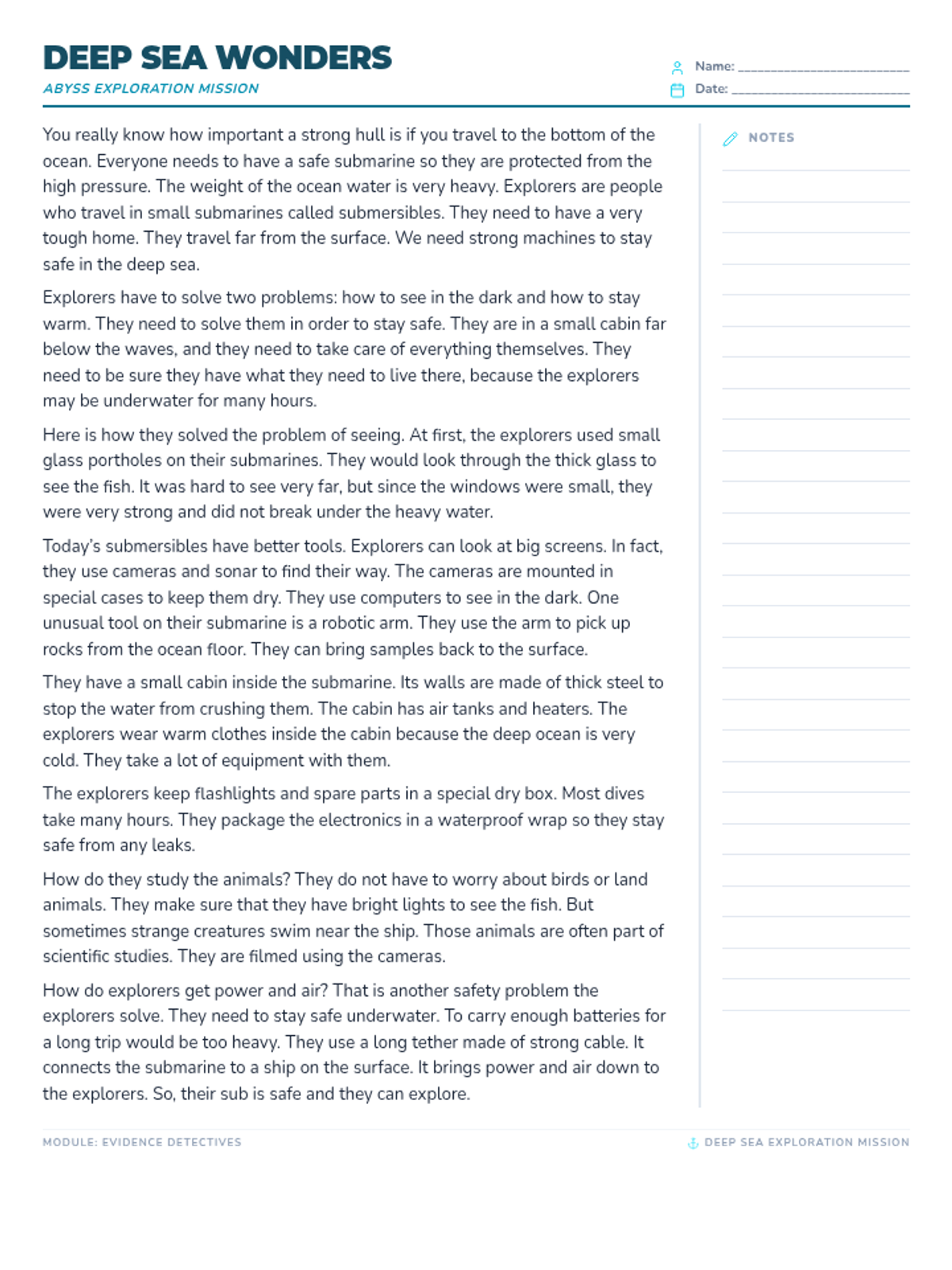
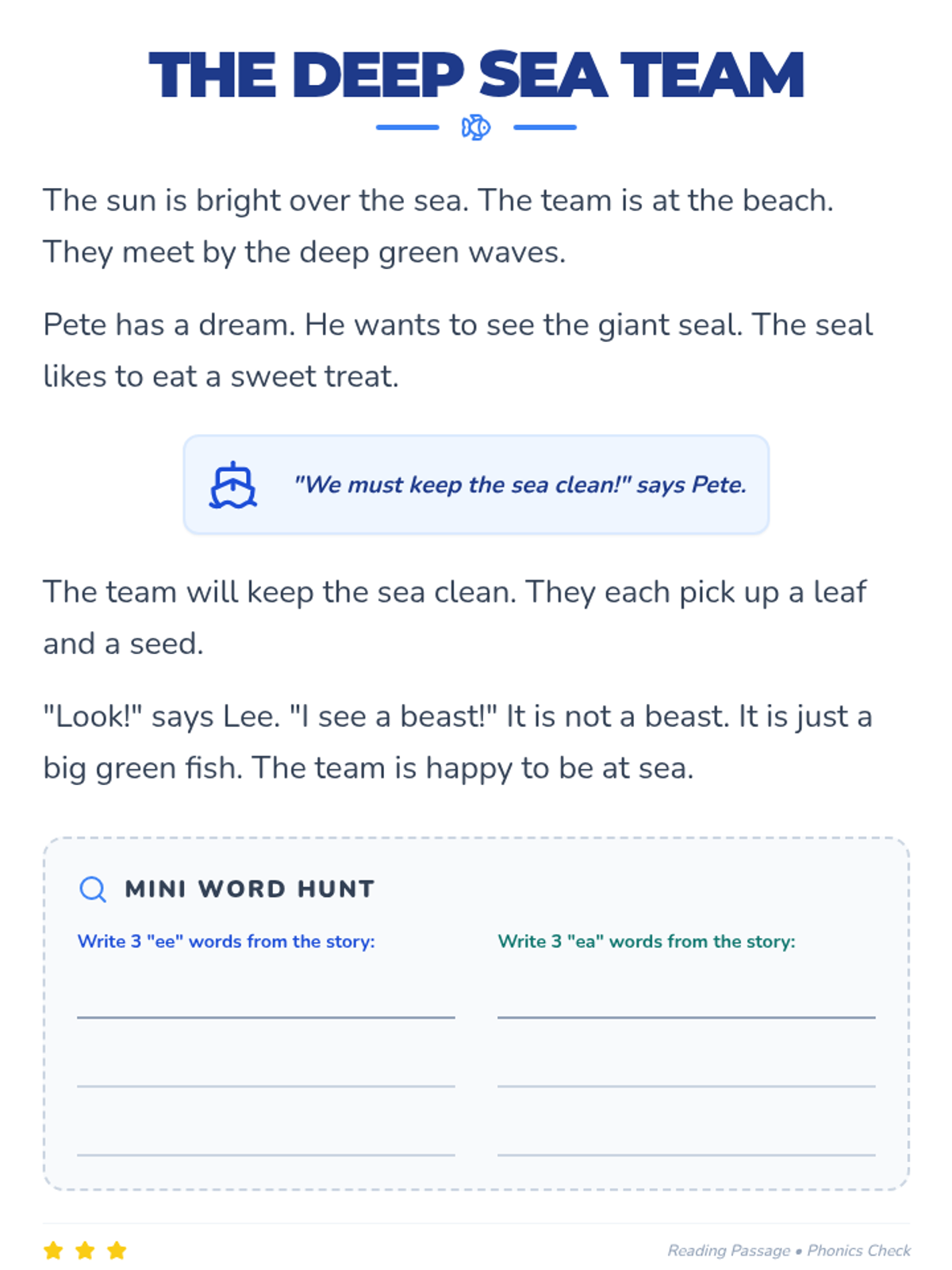
A phonics-focused lesson targeting the /ee/ sound spelled with 'ee' and 'ea' through an engaging deep-sea exploration theme. Includes a high-interest reading passage, word sorting activities, and instructional support.
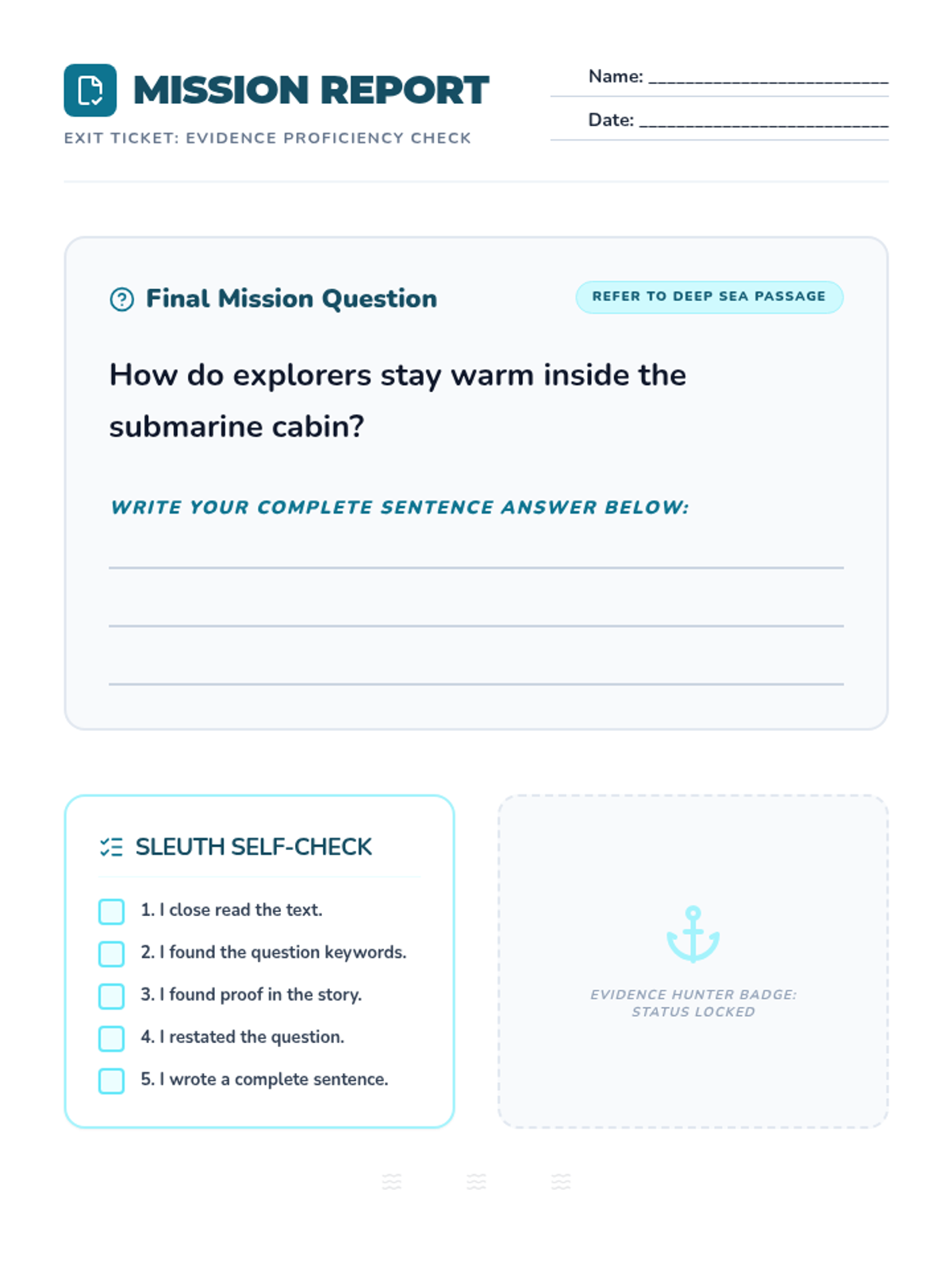
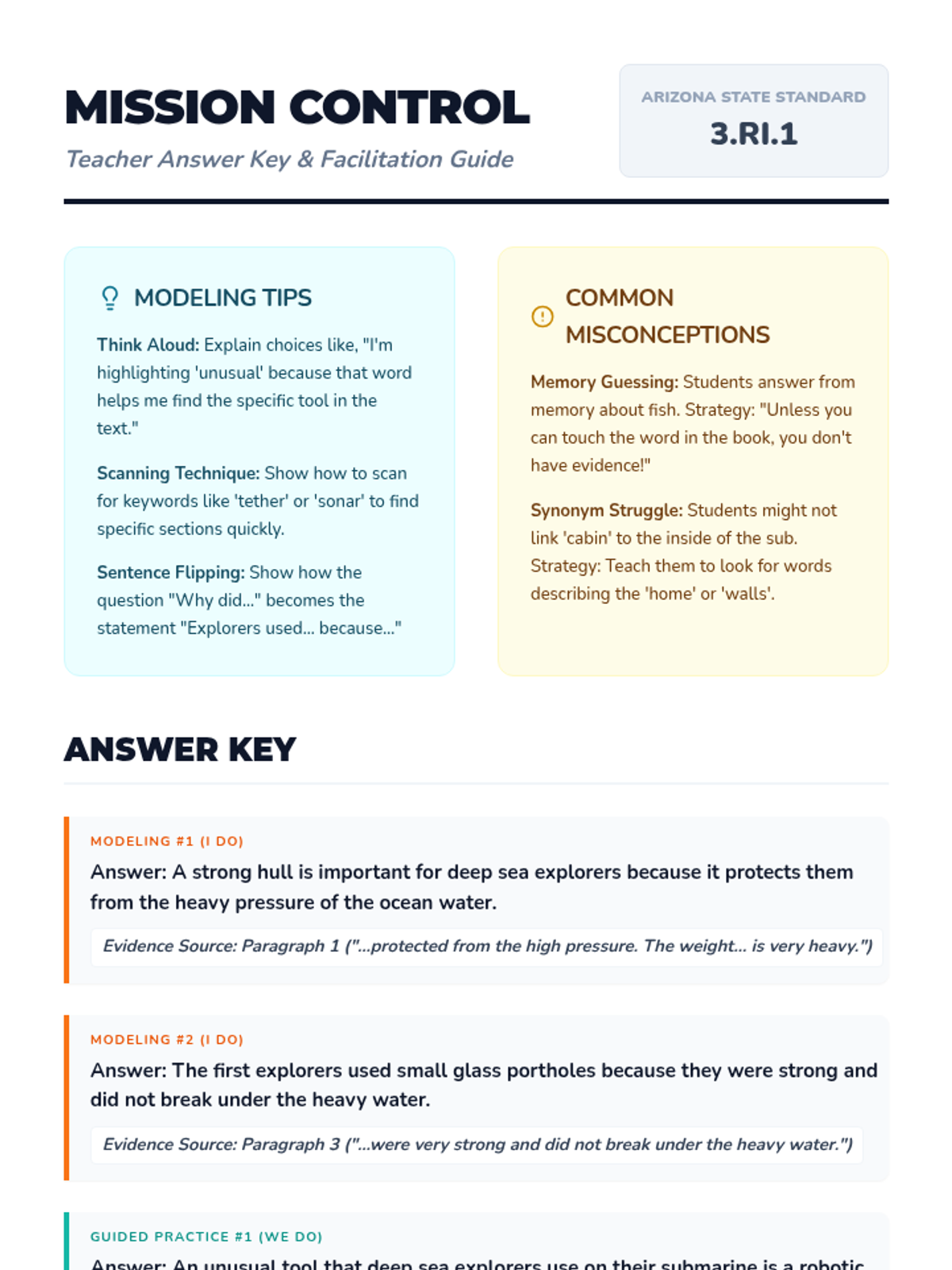
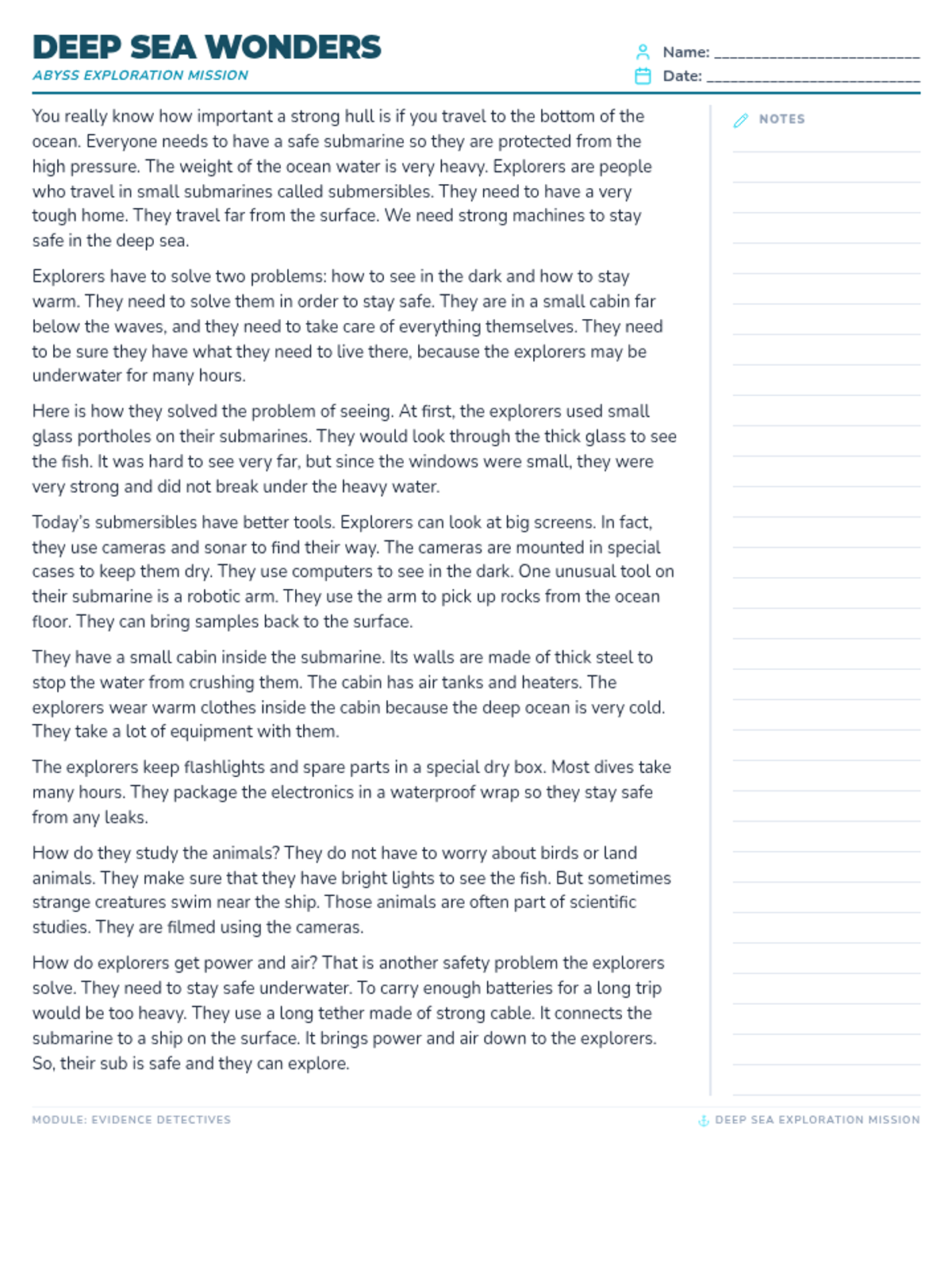
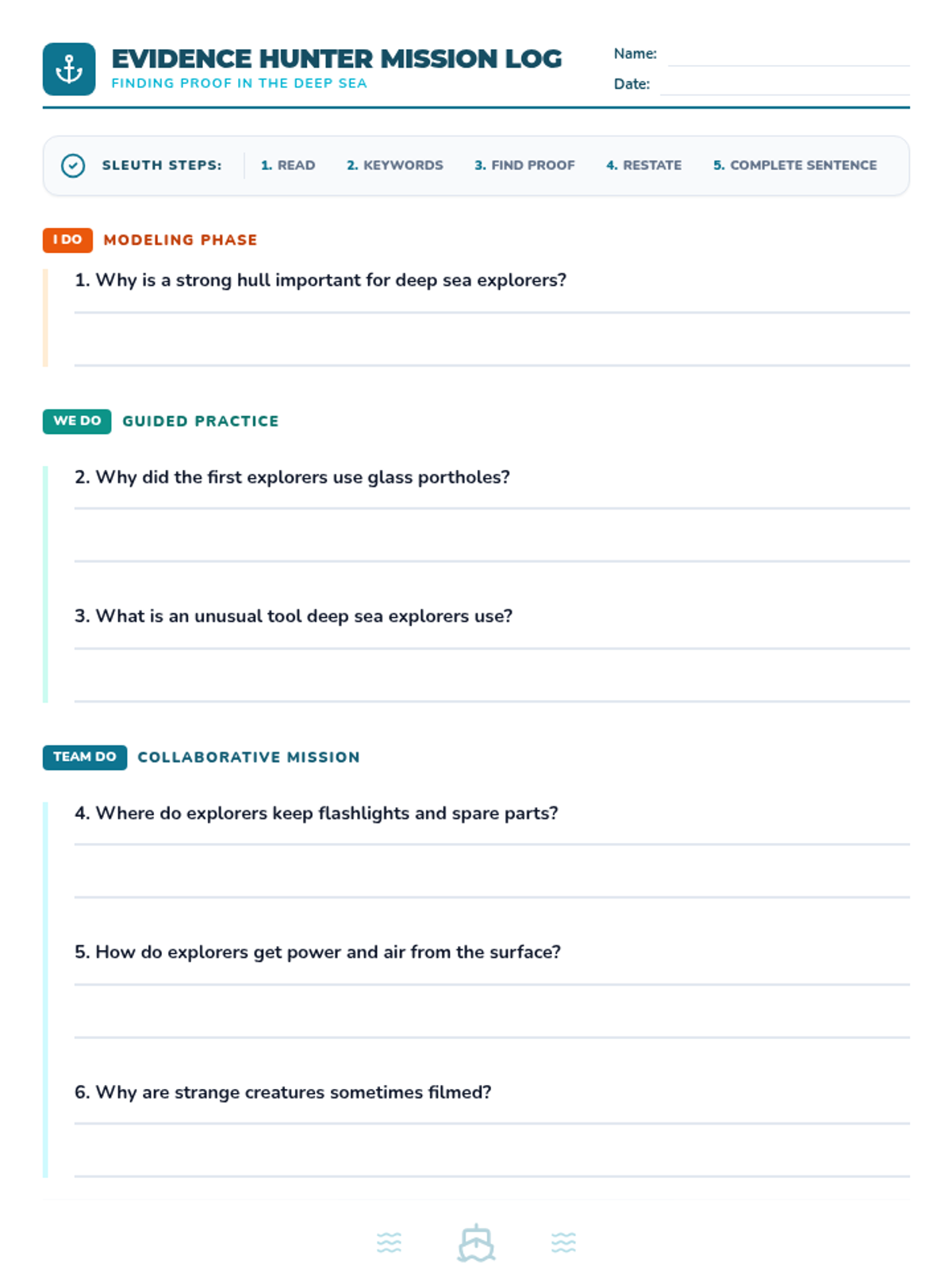
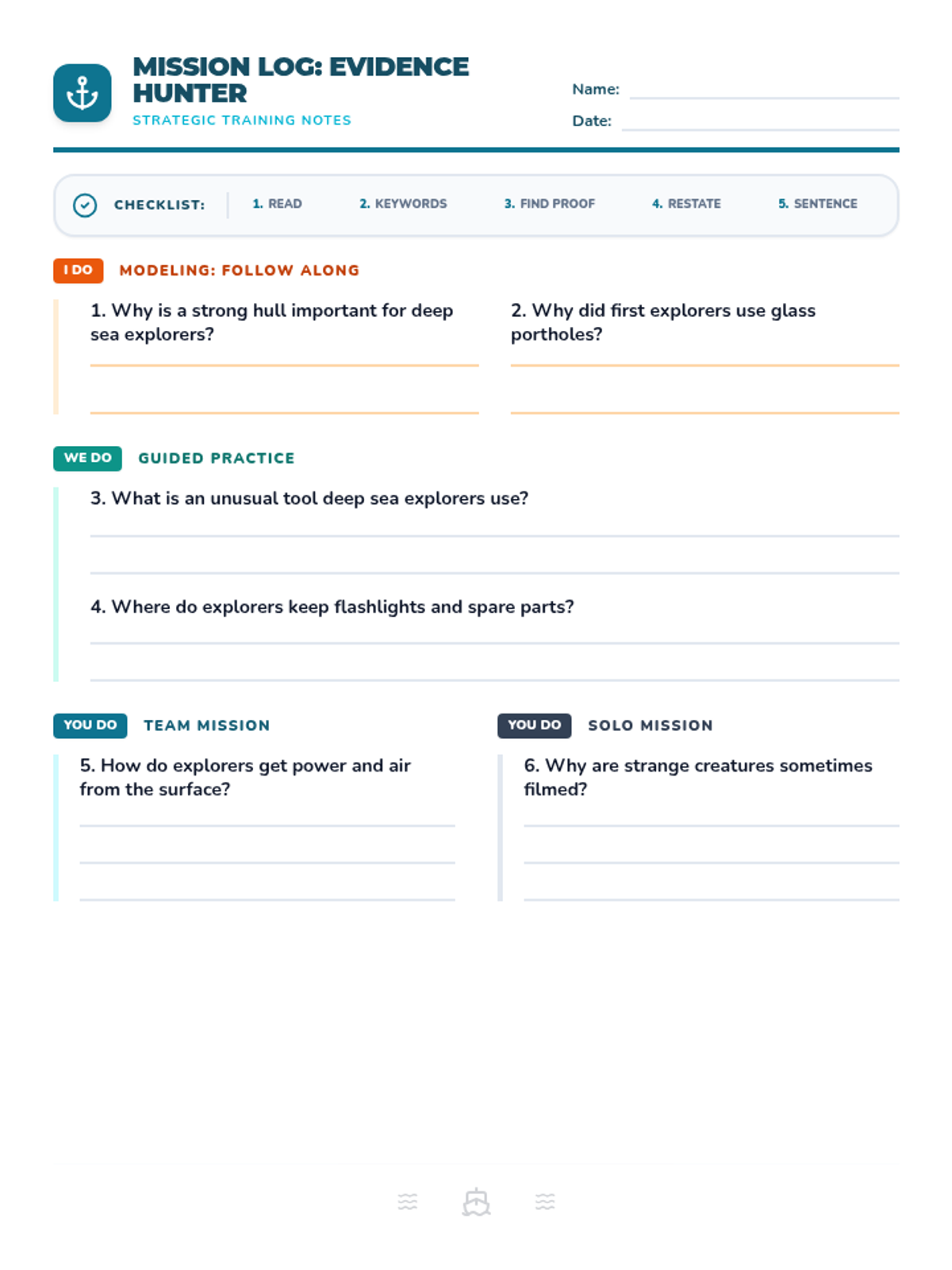
A 3rd-grade explicit instruction lesson on finding text evidence, following the 'I Do, We Do, You Do' model. Students learn to use a five-step checklist to answer questions about deep sea exploration, focusing on identifying keywords and locating proof in the text.
A vocabulary-focused lesson for 'One Well' that uses collaborative discussion and a matching gallery walk to help 3rd graders explore the science and global impact of water.
A vocabulary-focused lesson for 'The Hope Chest' that uses collaborative discussion and a gallery walk to help 4th graders predict word meanings through context clues related to the women's suffrage movement.
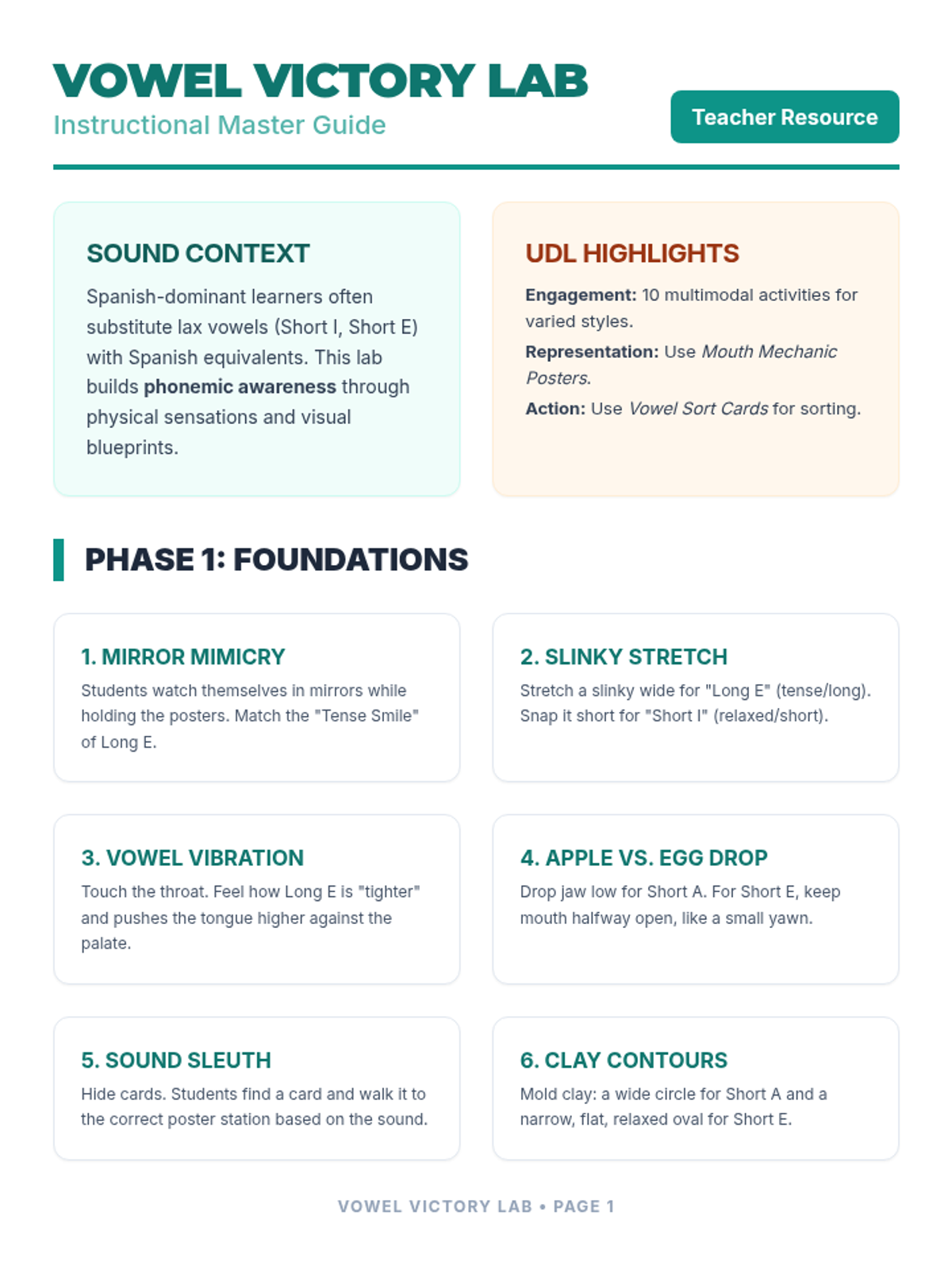
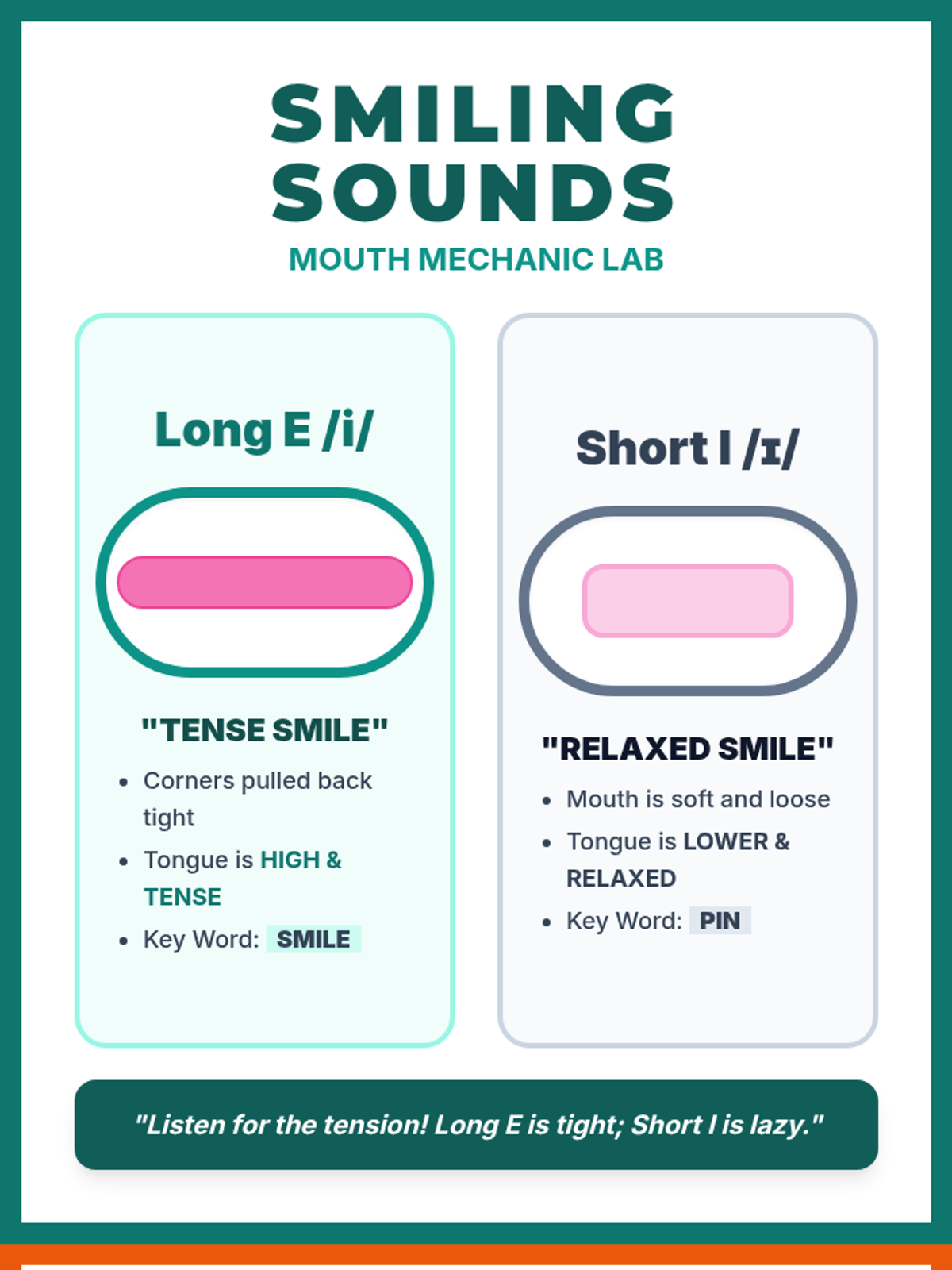
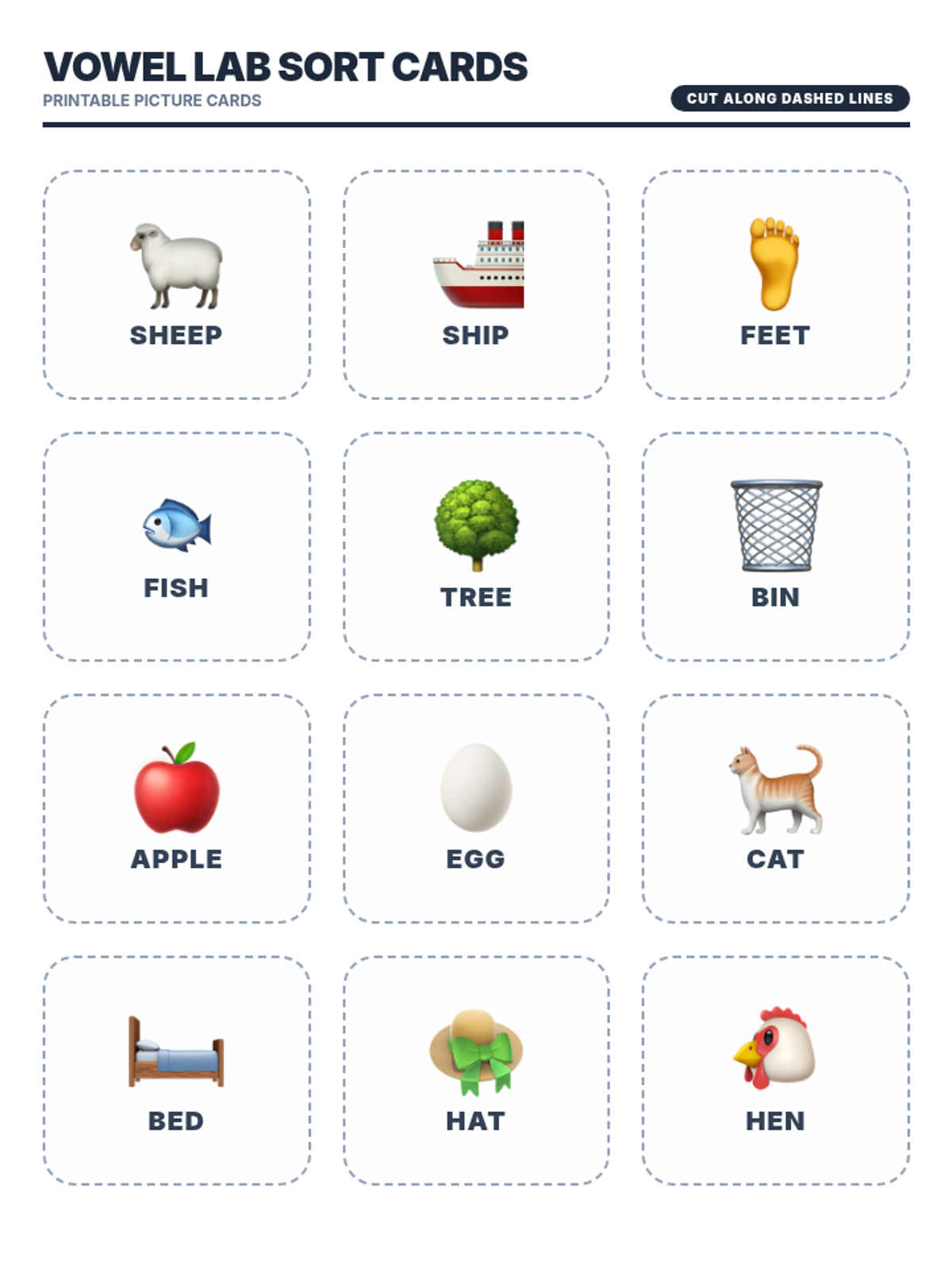
A comprehensive phonics lesson for bilingual students focusing on the specific vowel contrasts of Long E/Short I and Short A/Short E through multisensory, UDL-aligned activities.
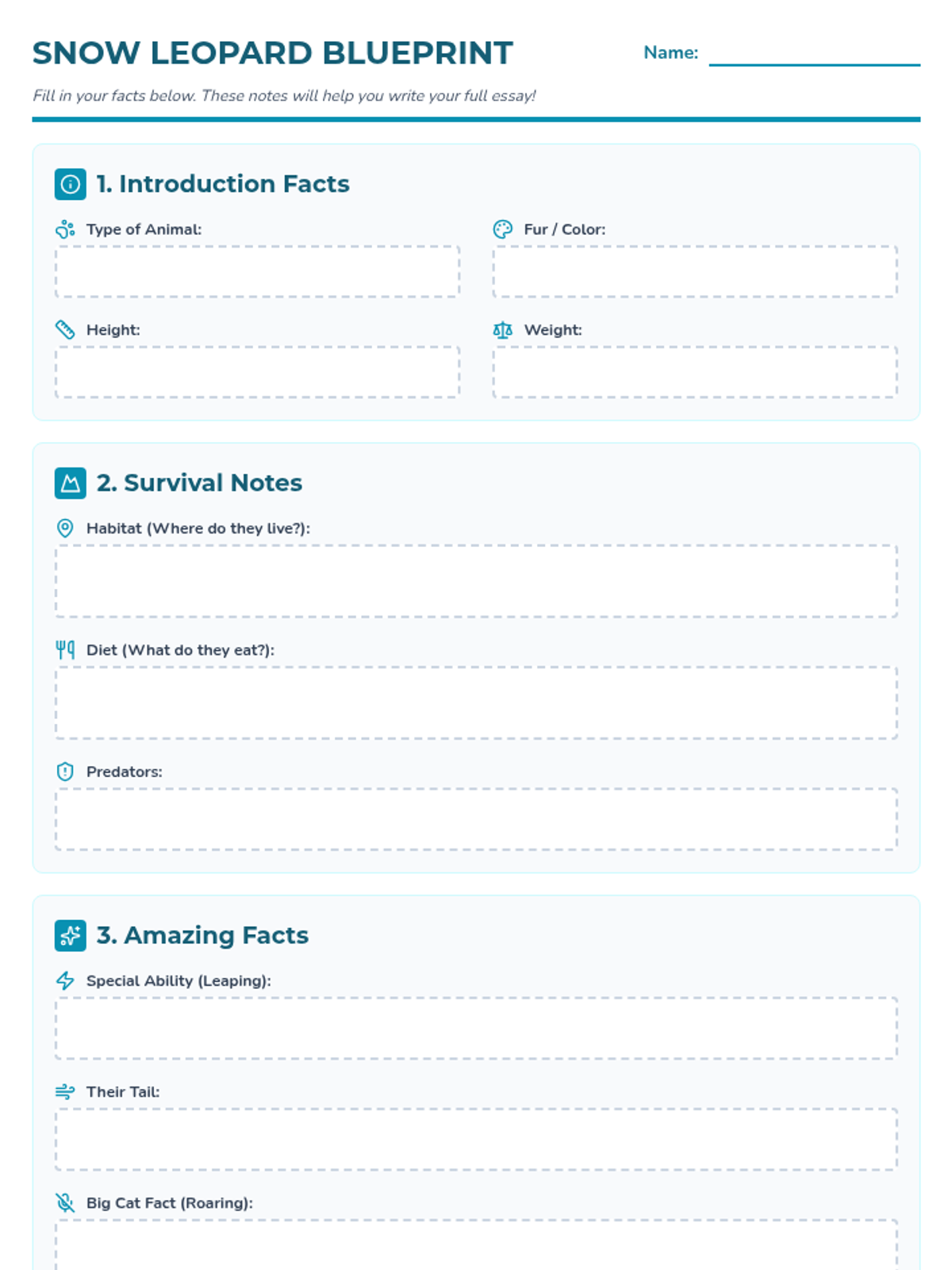
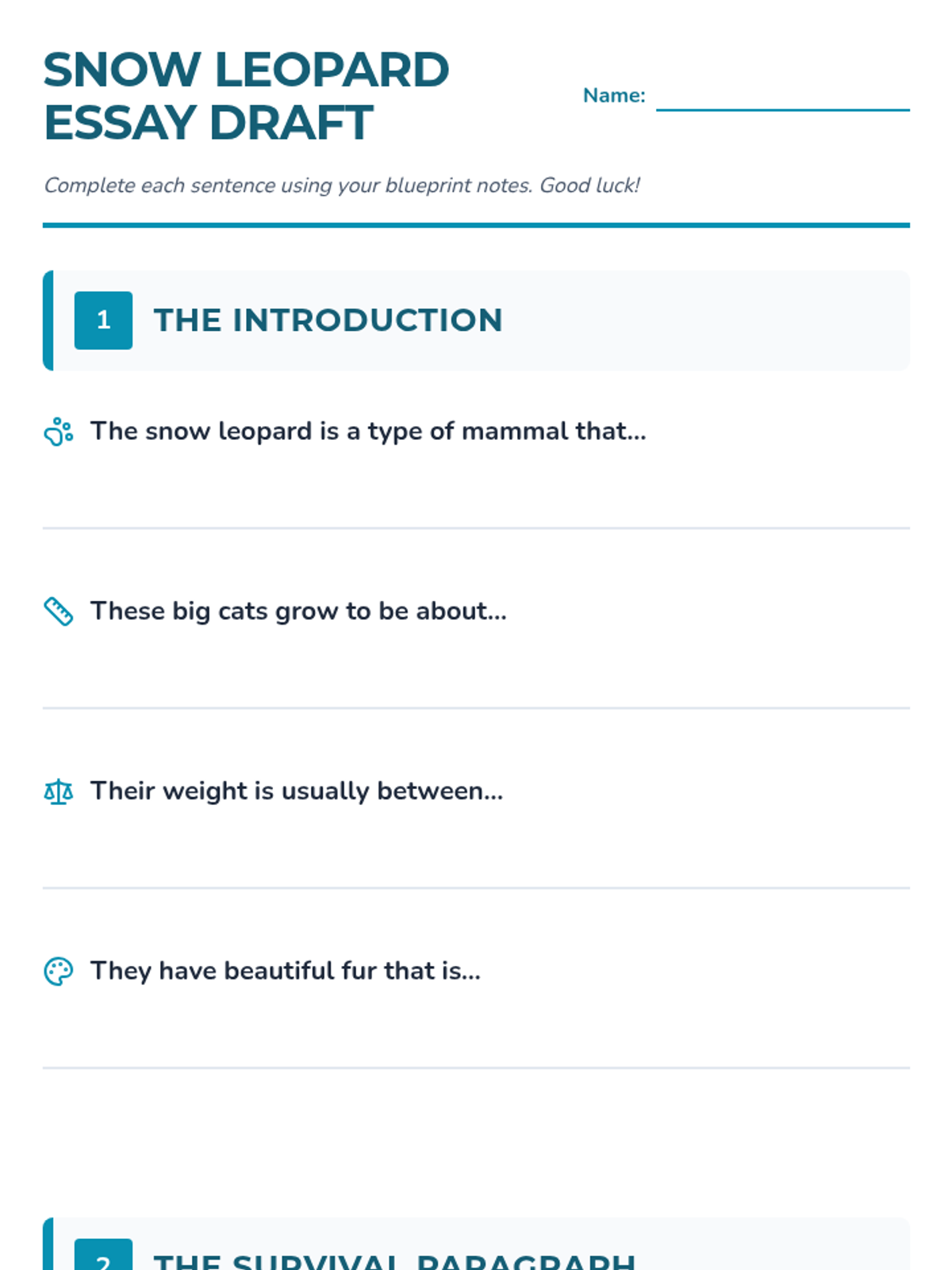
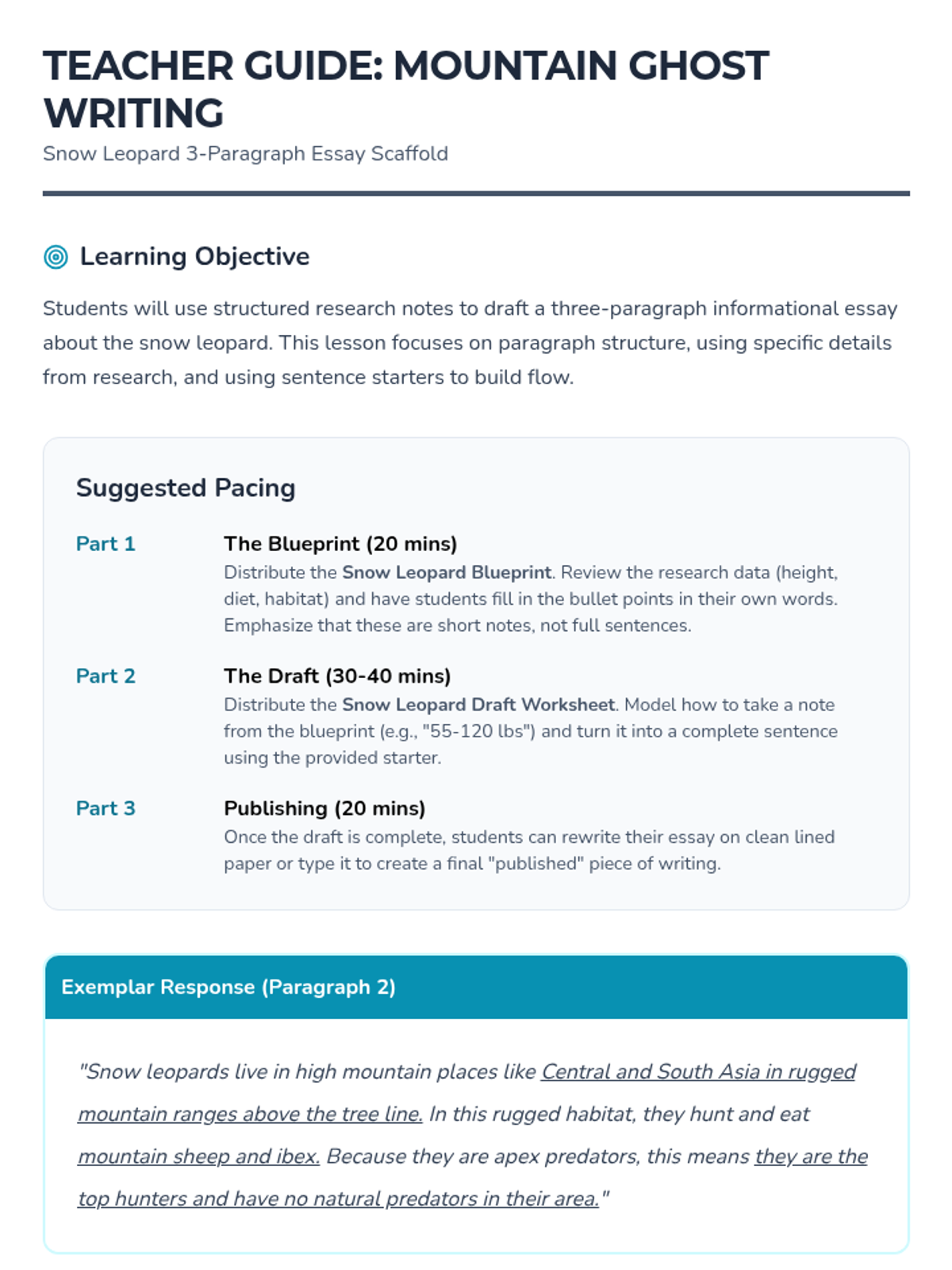
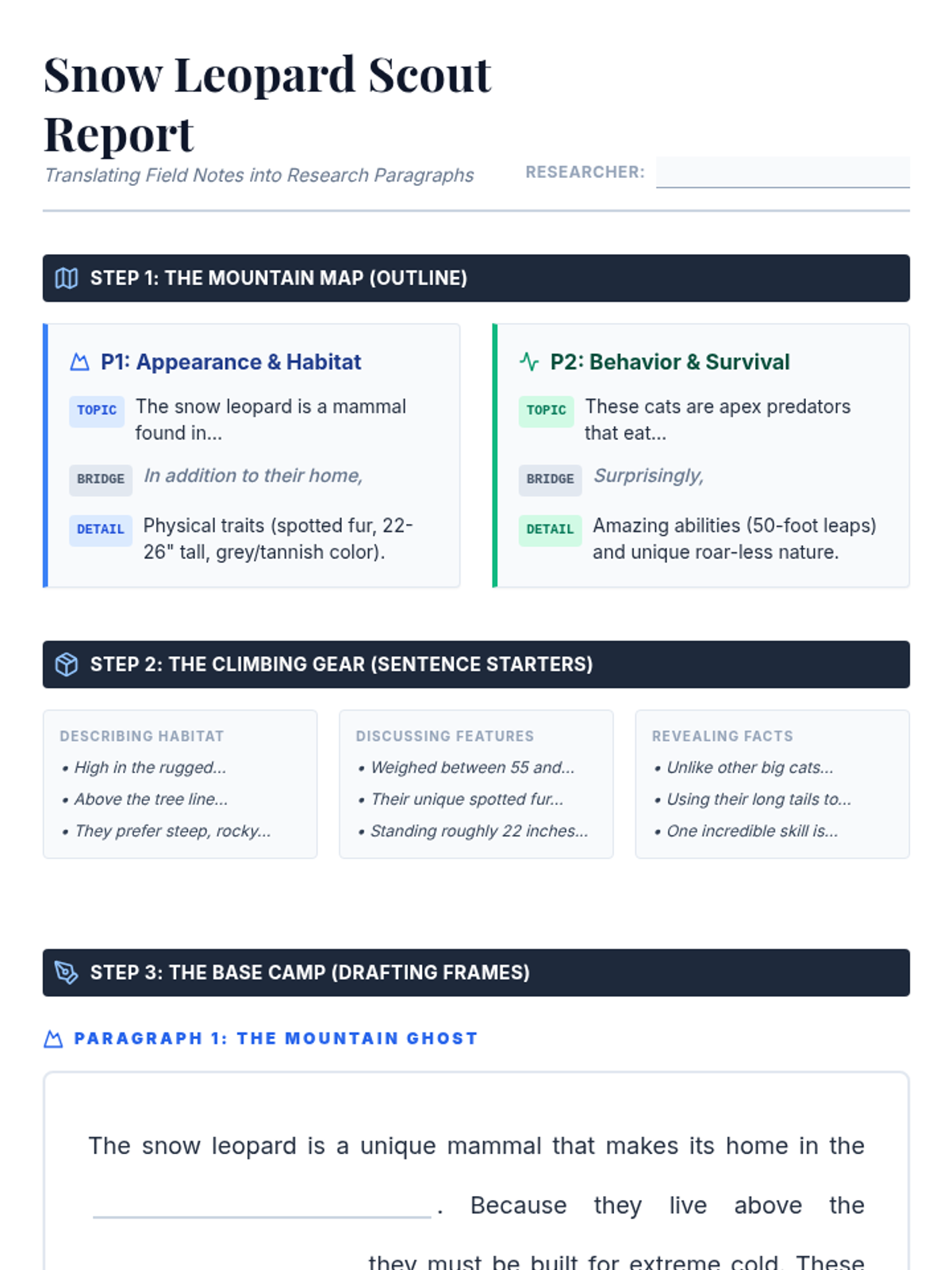
A scaffolded writing lesson designed to help students transition from research notes to a structured three-paragraph essay about the snow leopard. It includes a visual graphic organizer and a sentence-starter drafting sheet.
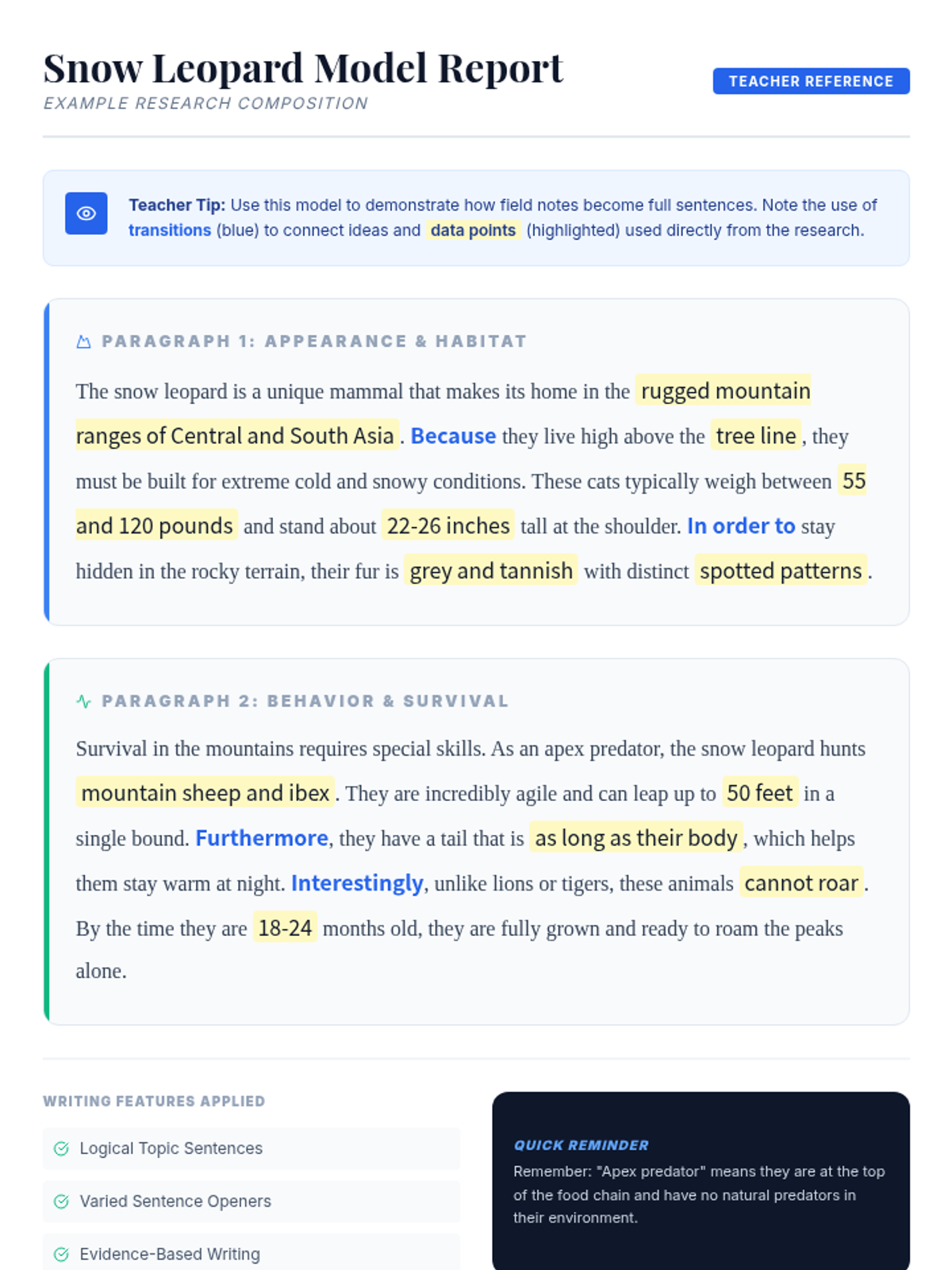
A lesson focused on transforming animal research notes into cohesive, descriptive paragraphs using structured writing supports like outlines and paragraph frames.
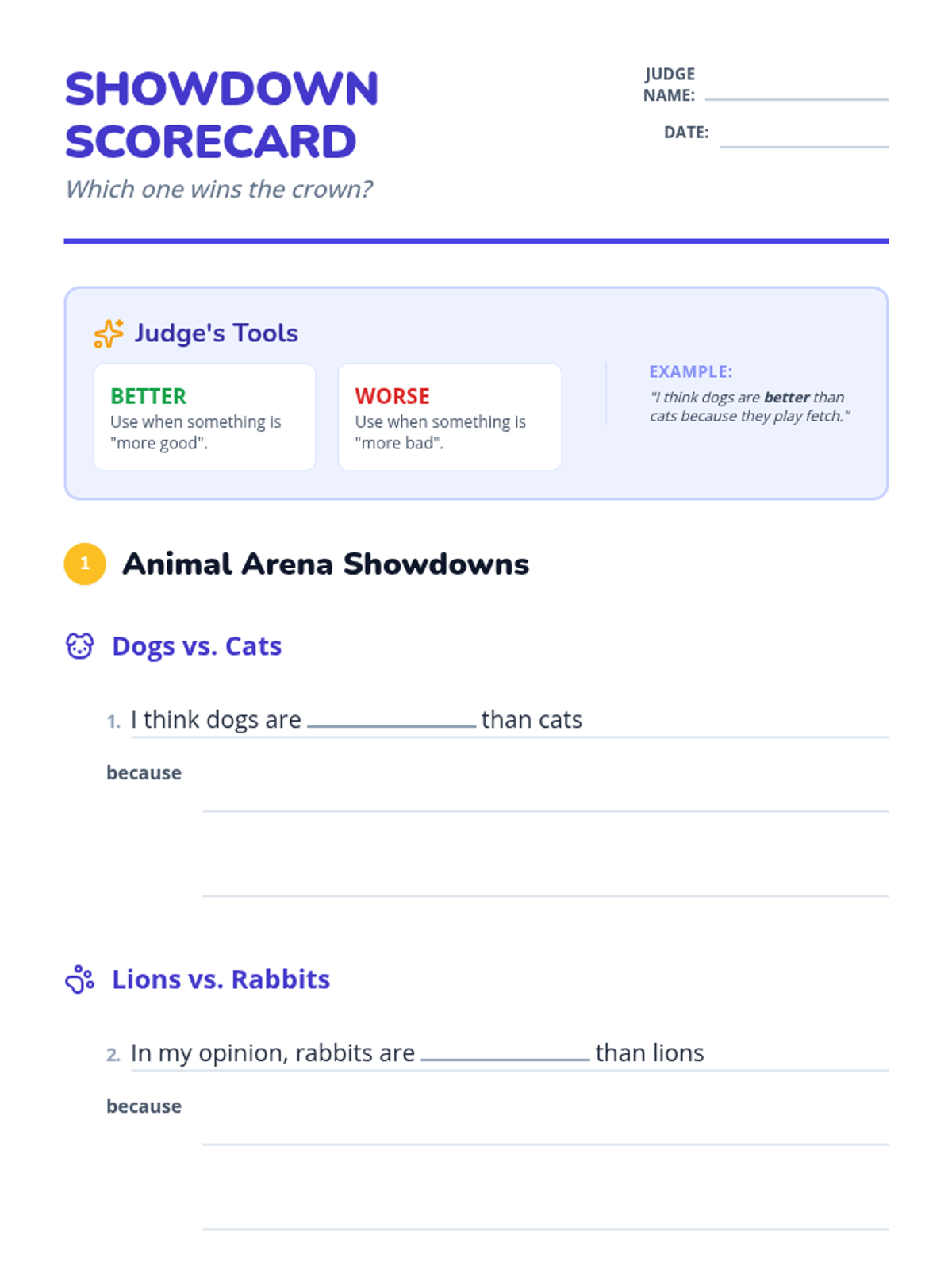
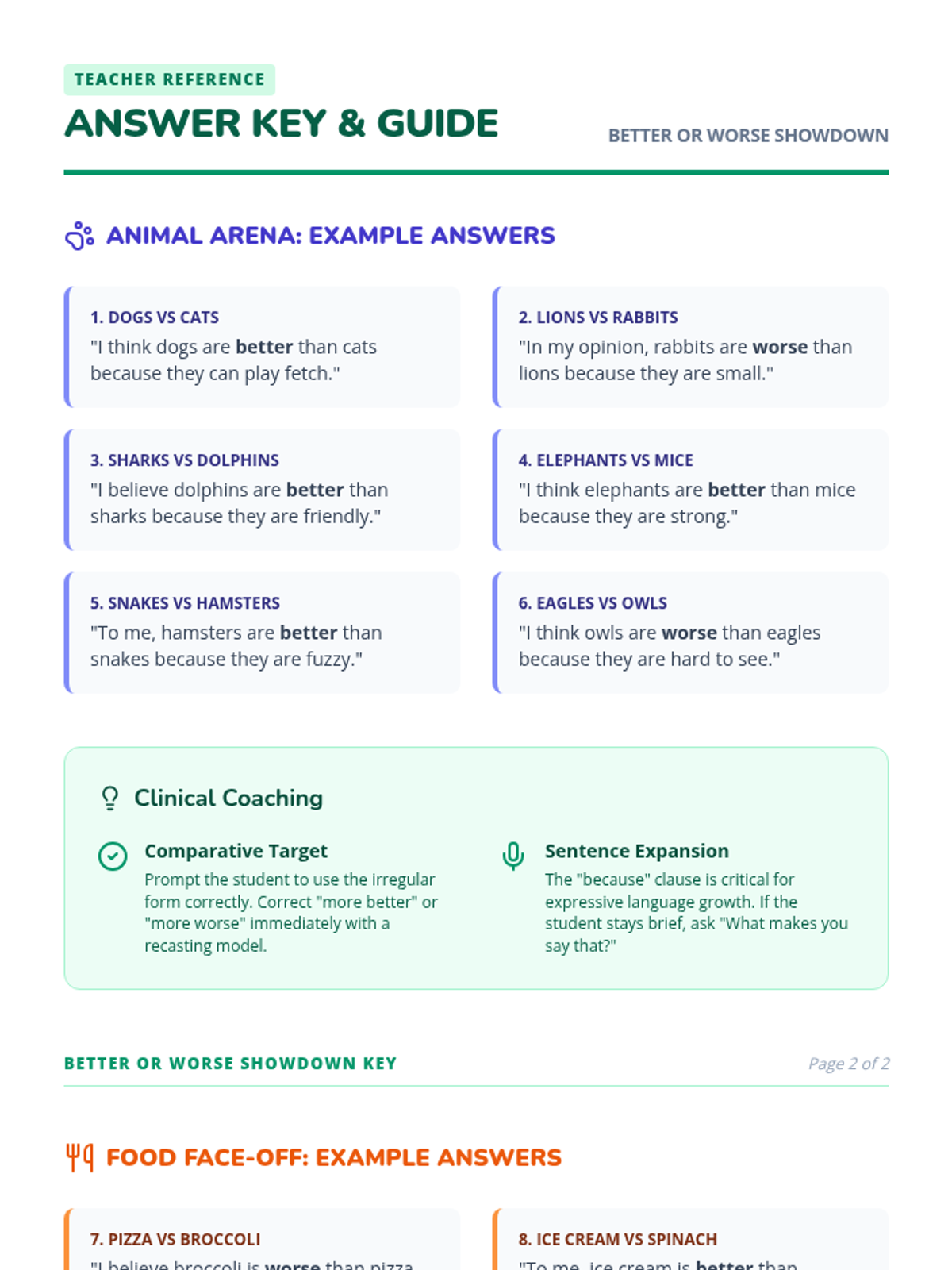
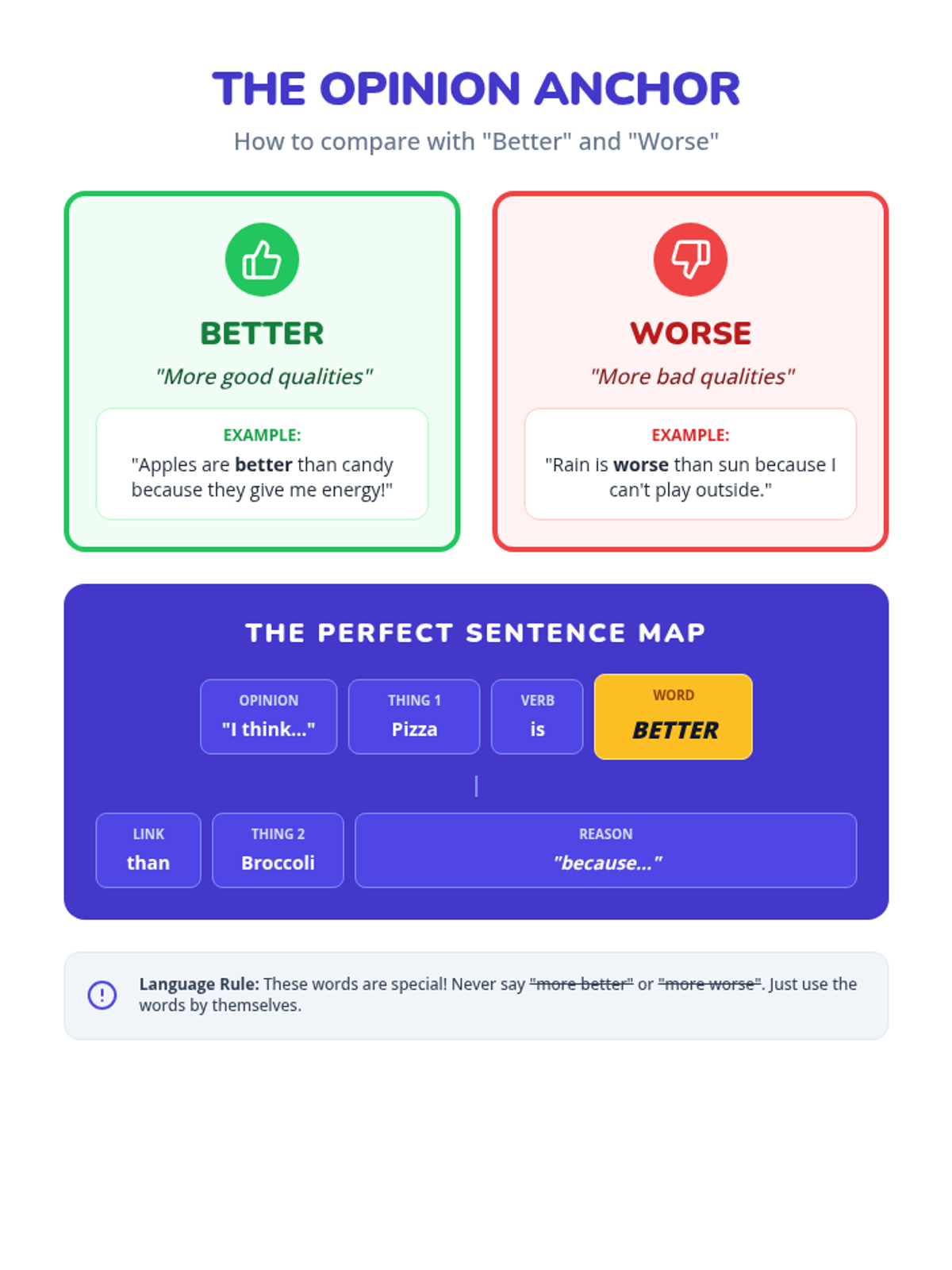
A language therapy lesson focused on using the comparative adjectives 'better' and 'worse' to express opinions about animals and food through structured sentence frames.
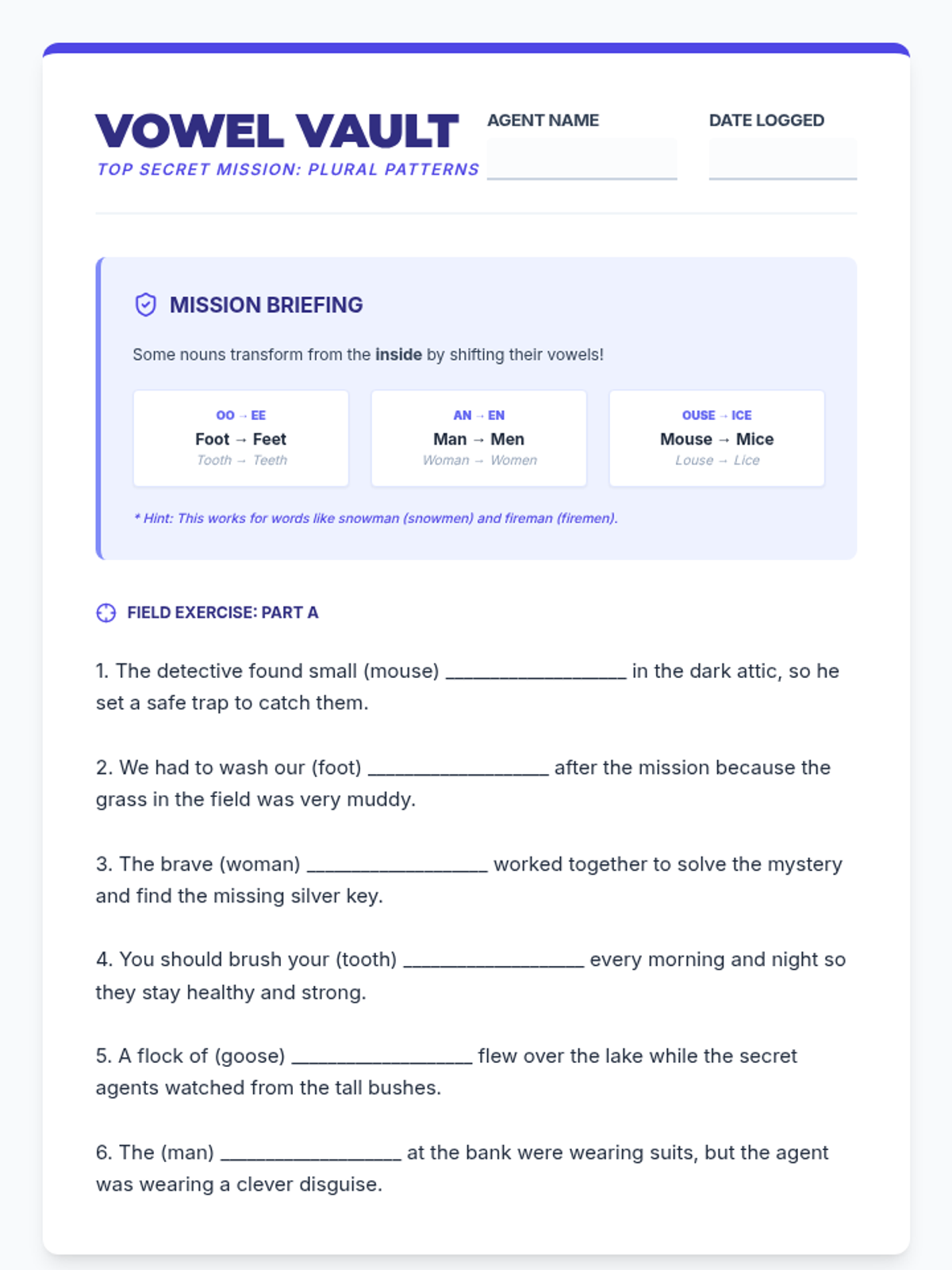
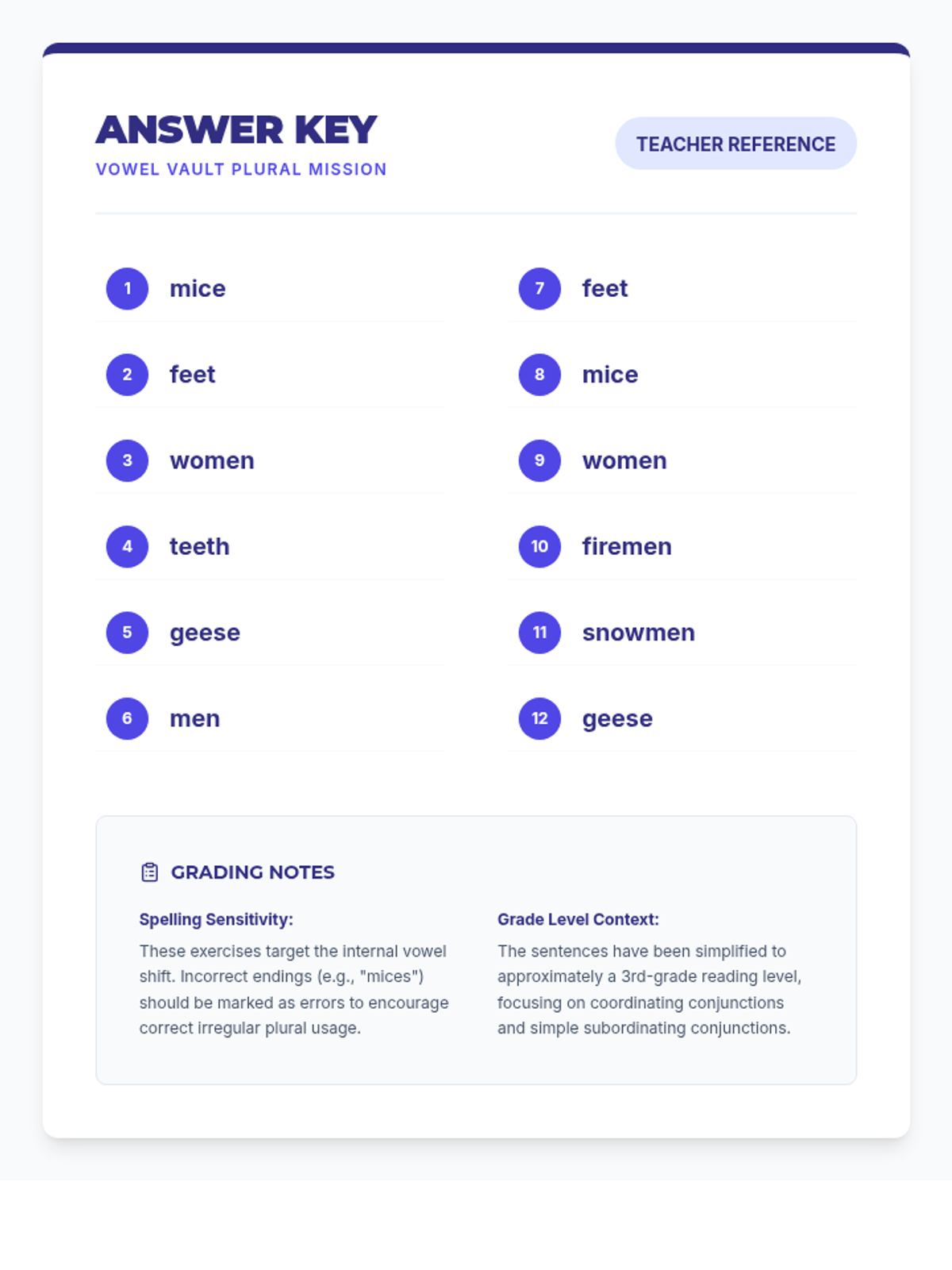
A focused lesson on irregular plural nouns that undergo vowel shifts, designed for 4th-grade students to master common internal spelling changes.
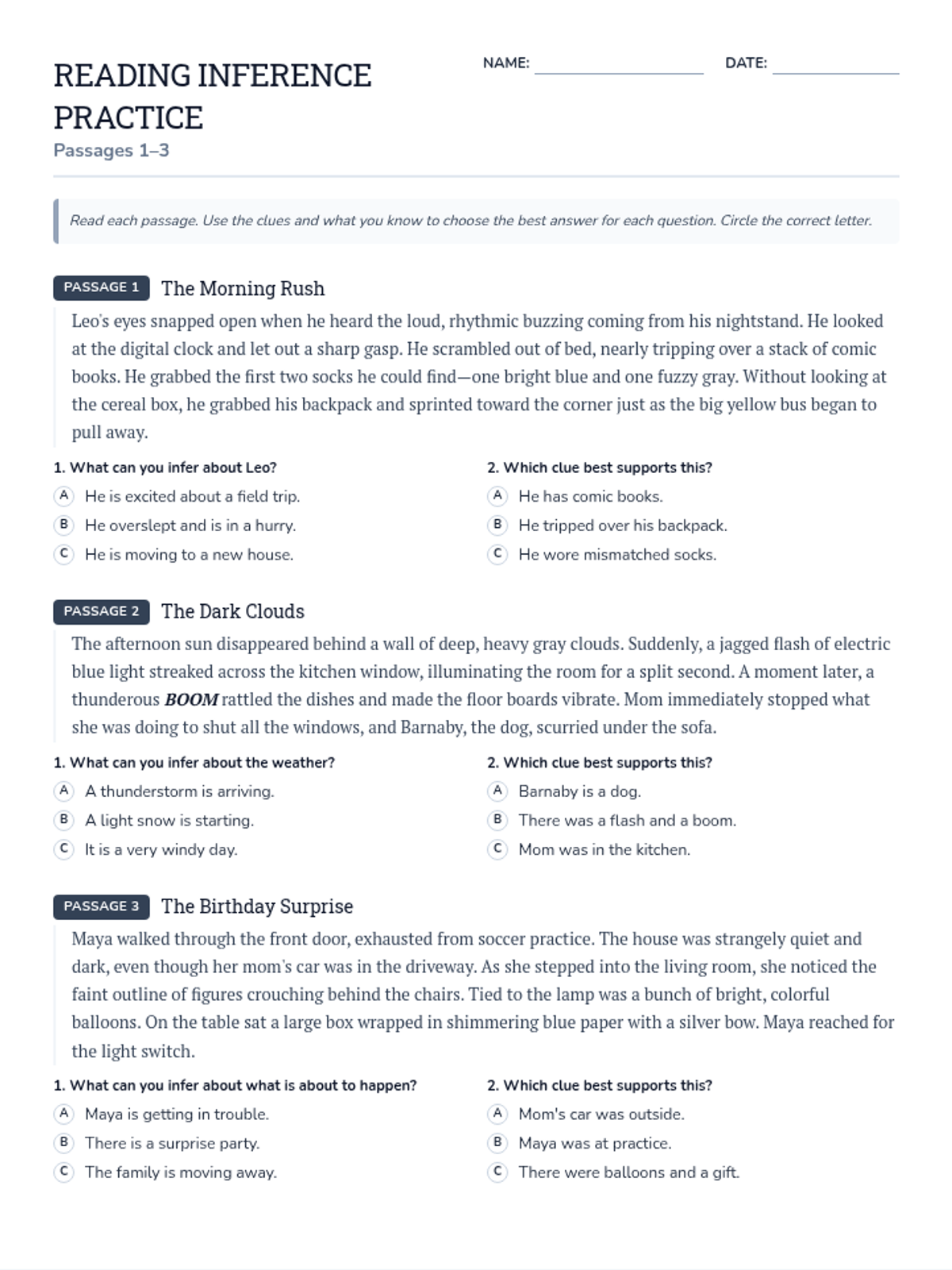
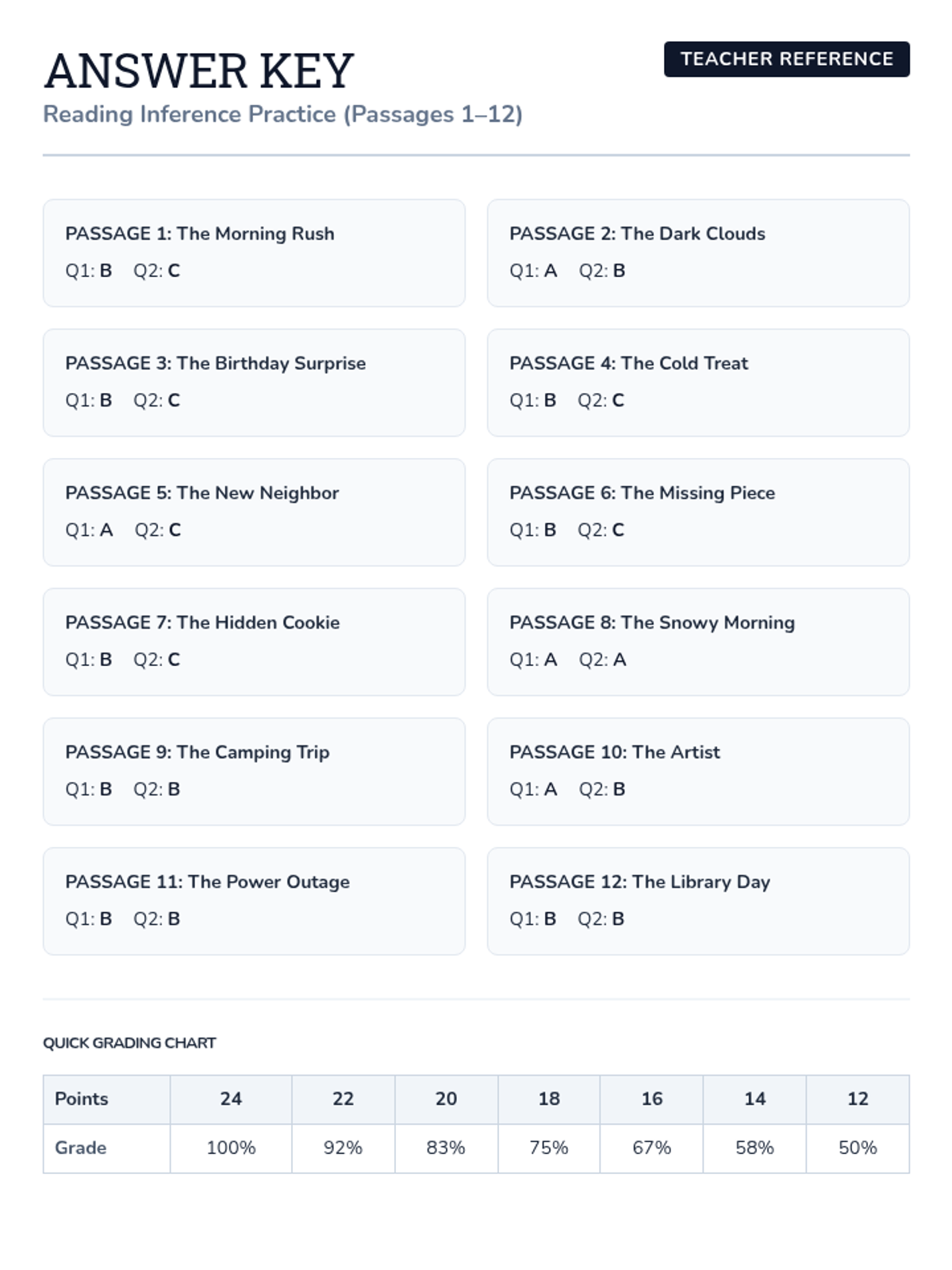
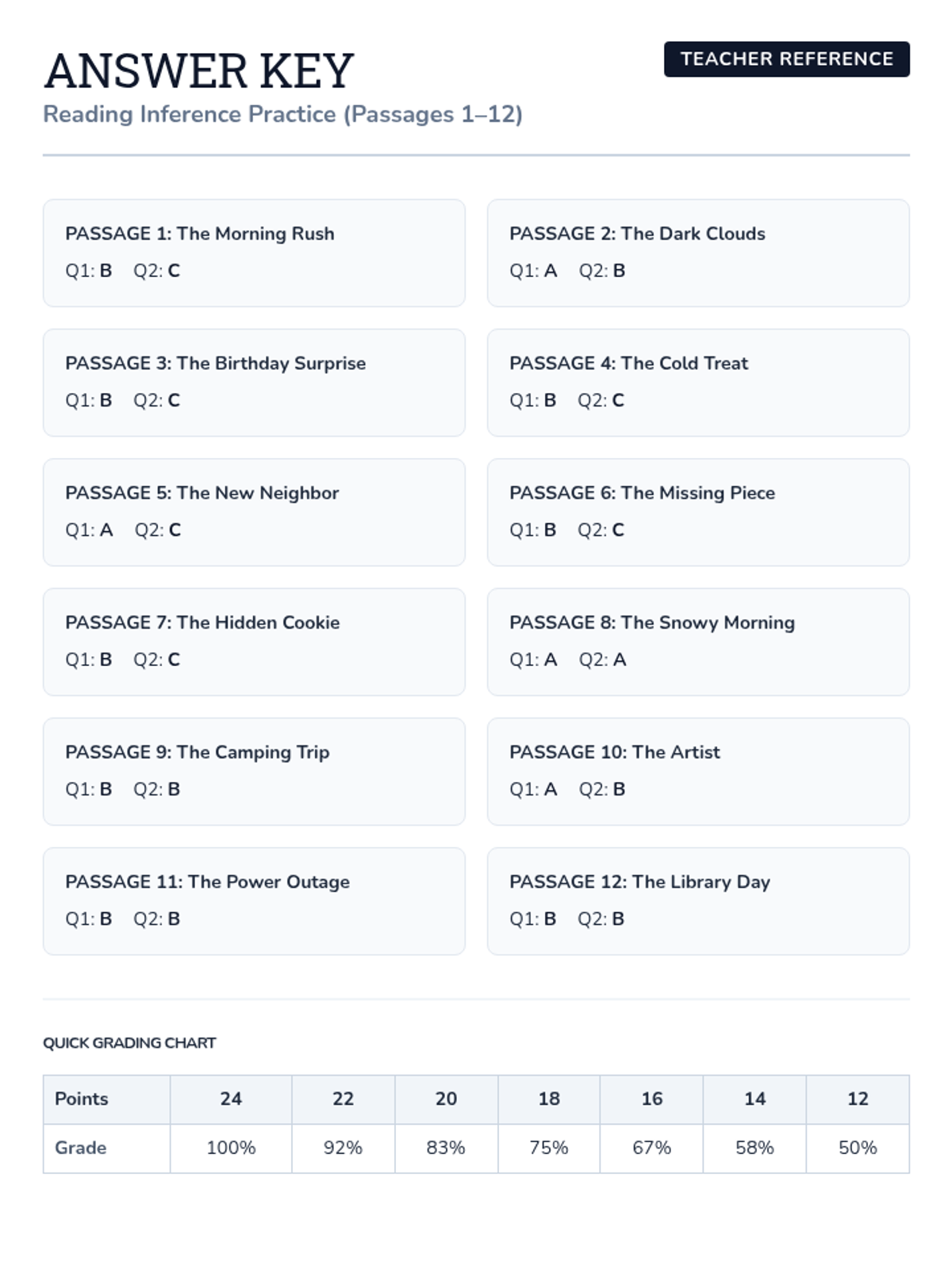
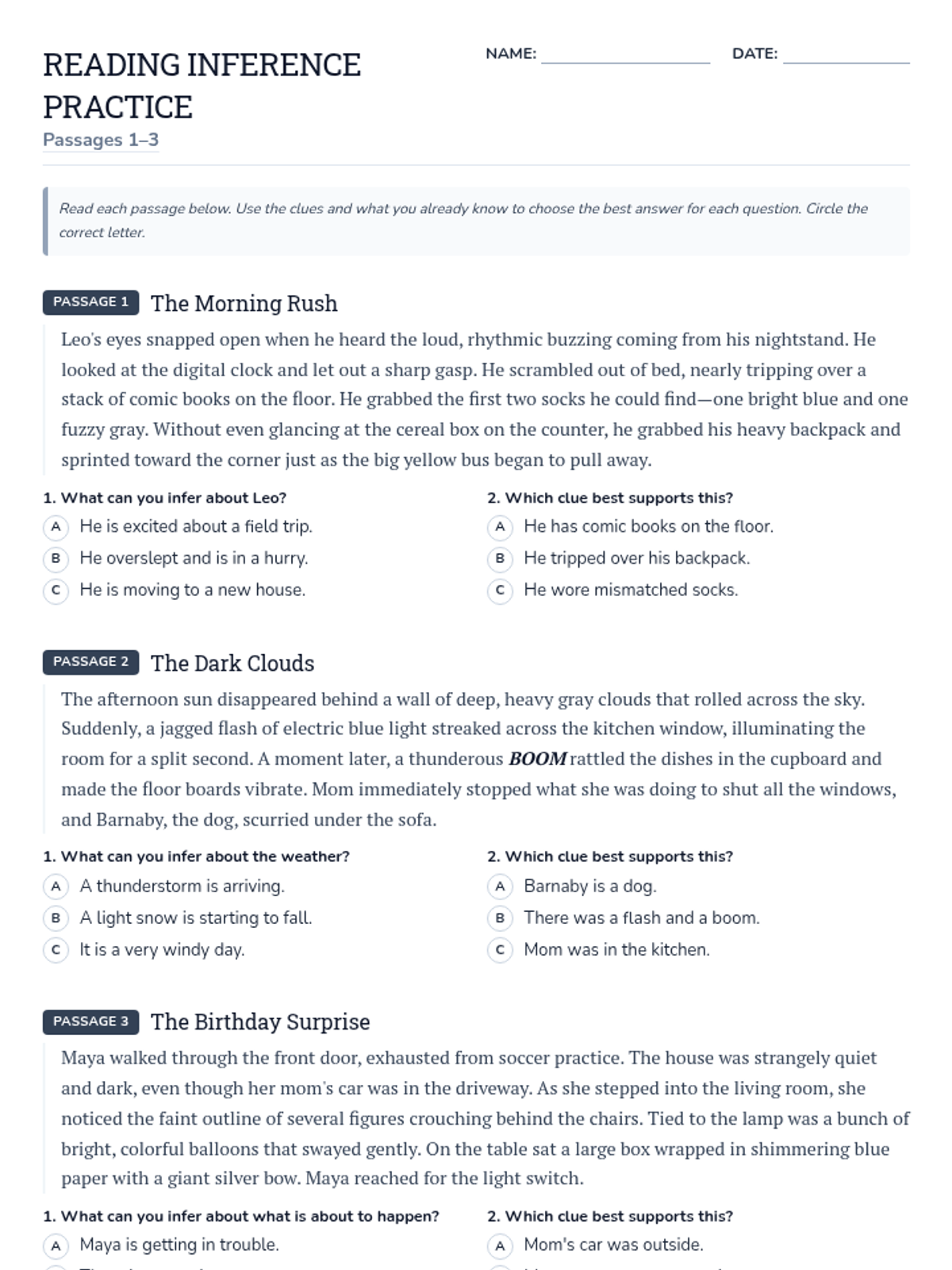
A collection of reading passages designed to help 3rd-grade students practice making inferences and identifying textual evidence. Includes 12 detailed passages with multiple-choice questions.
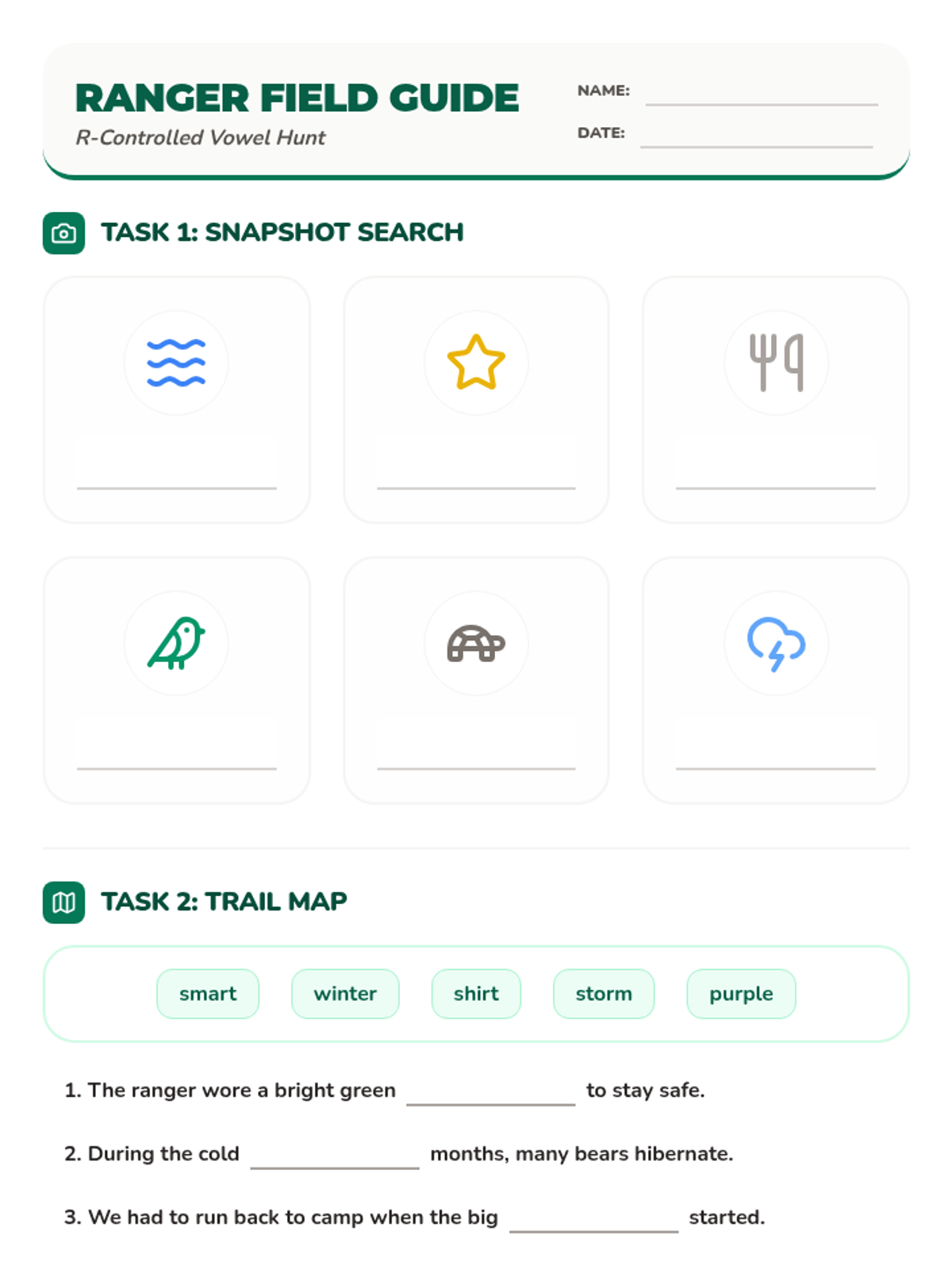
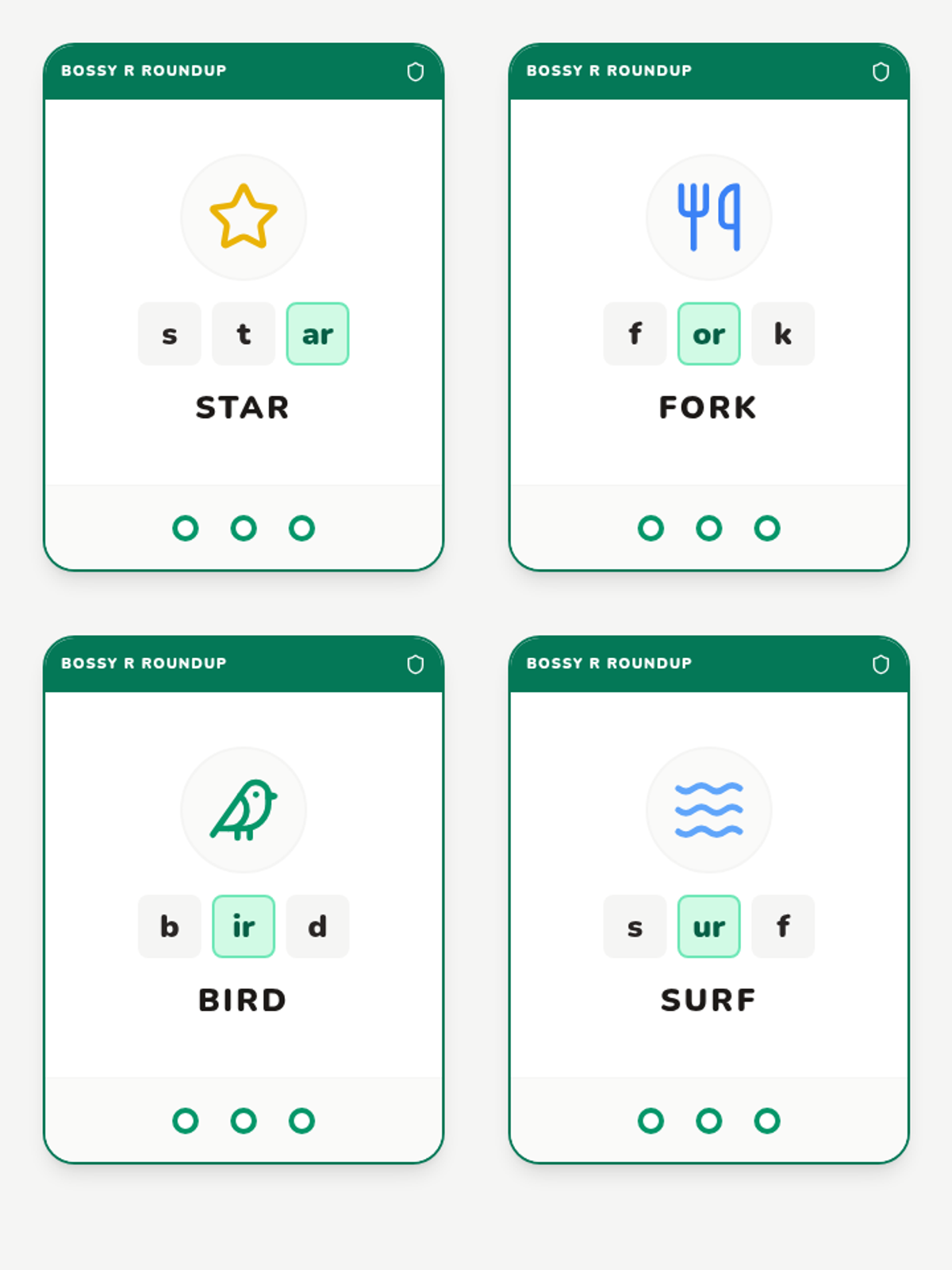
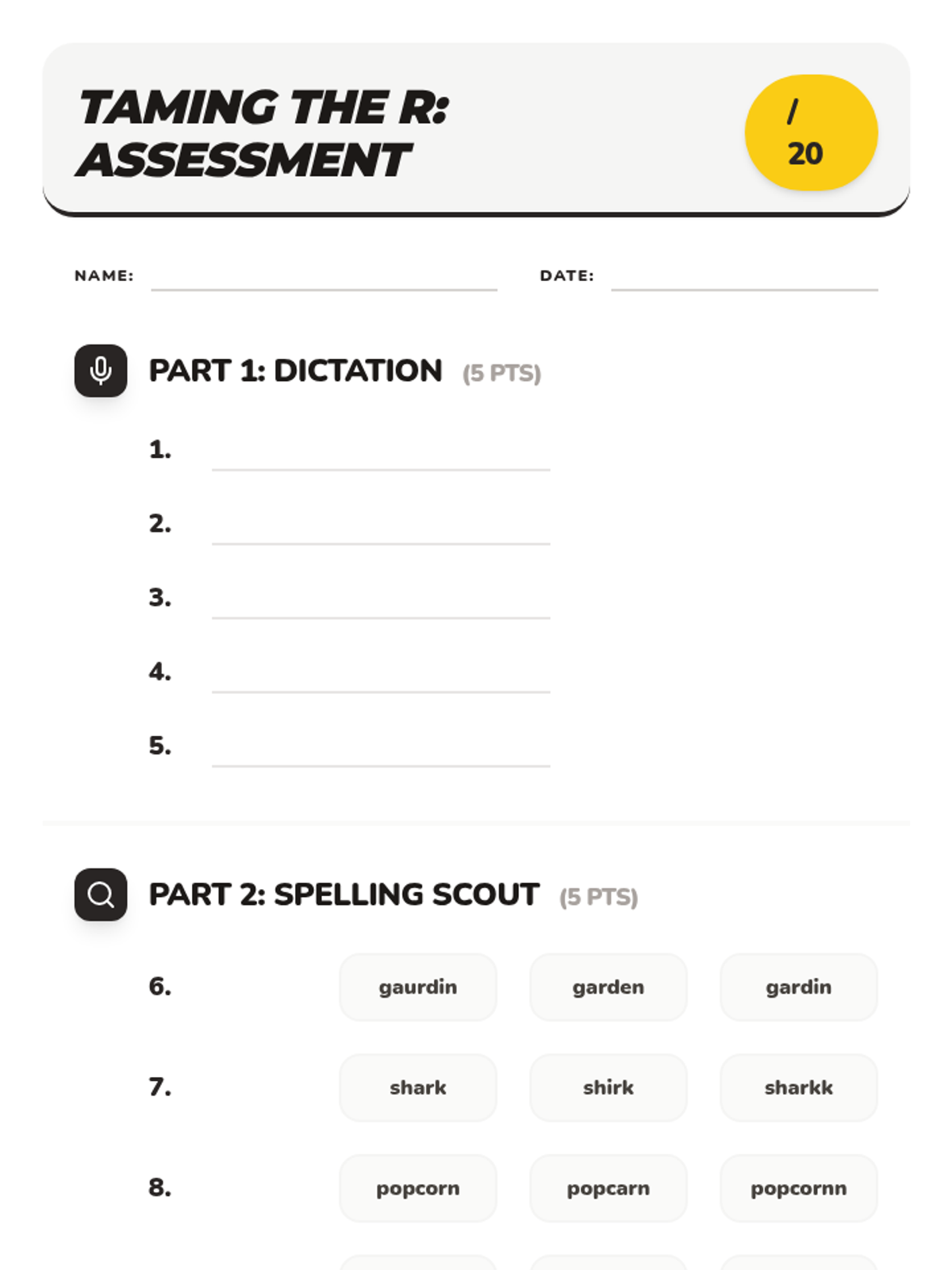
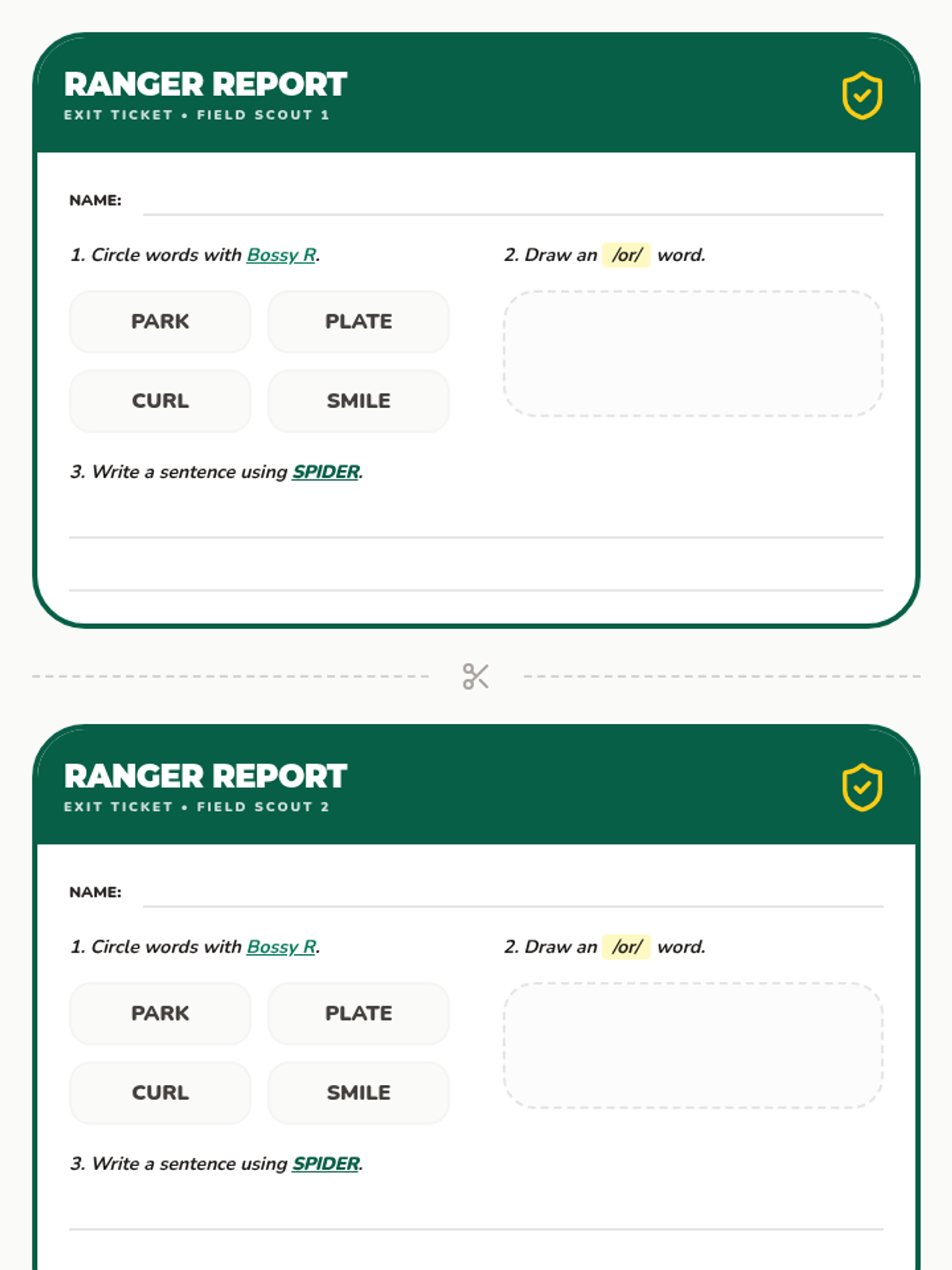
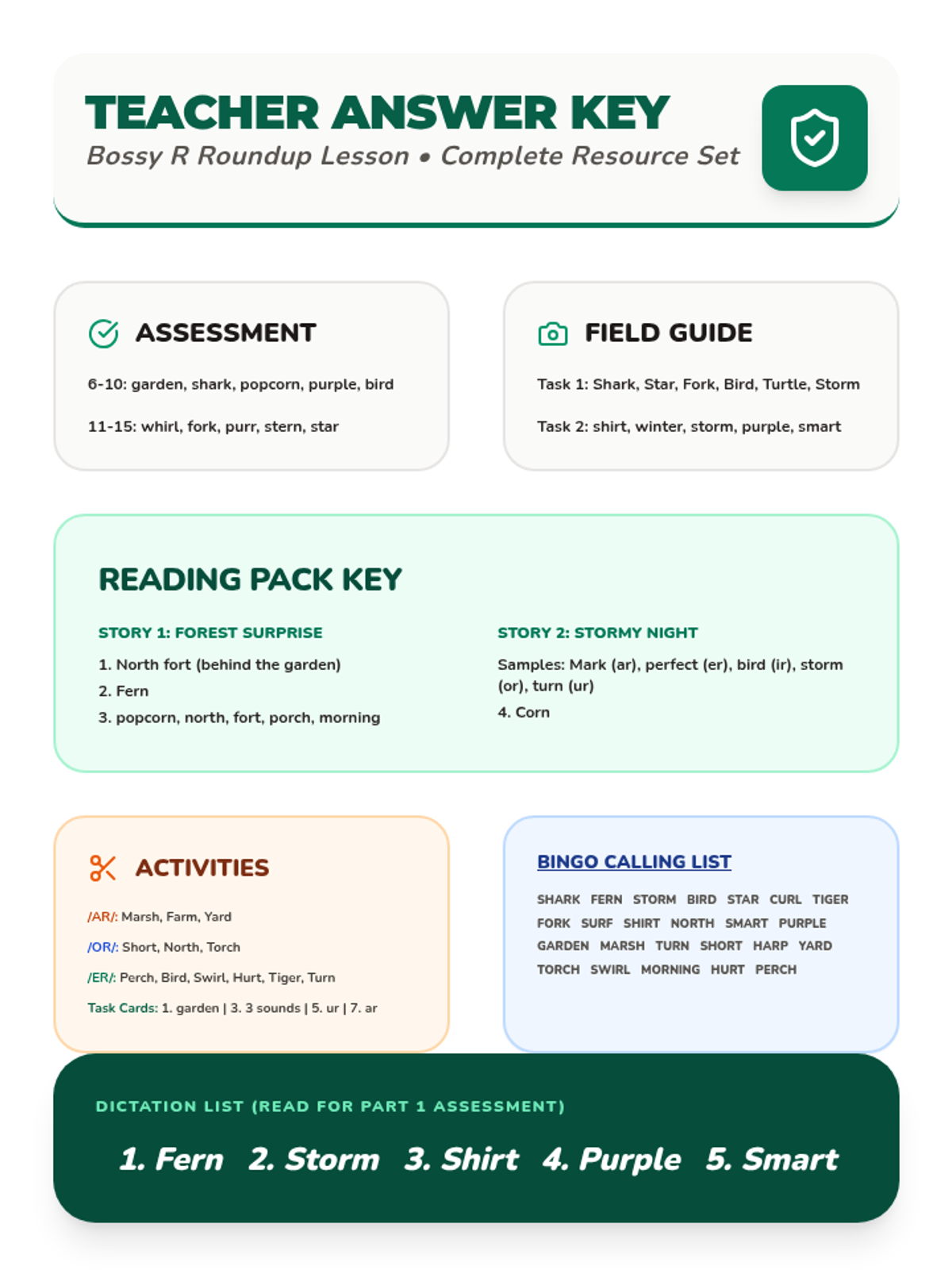
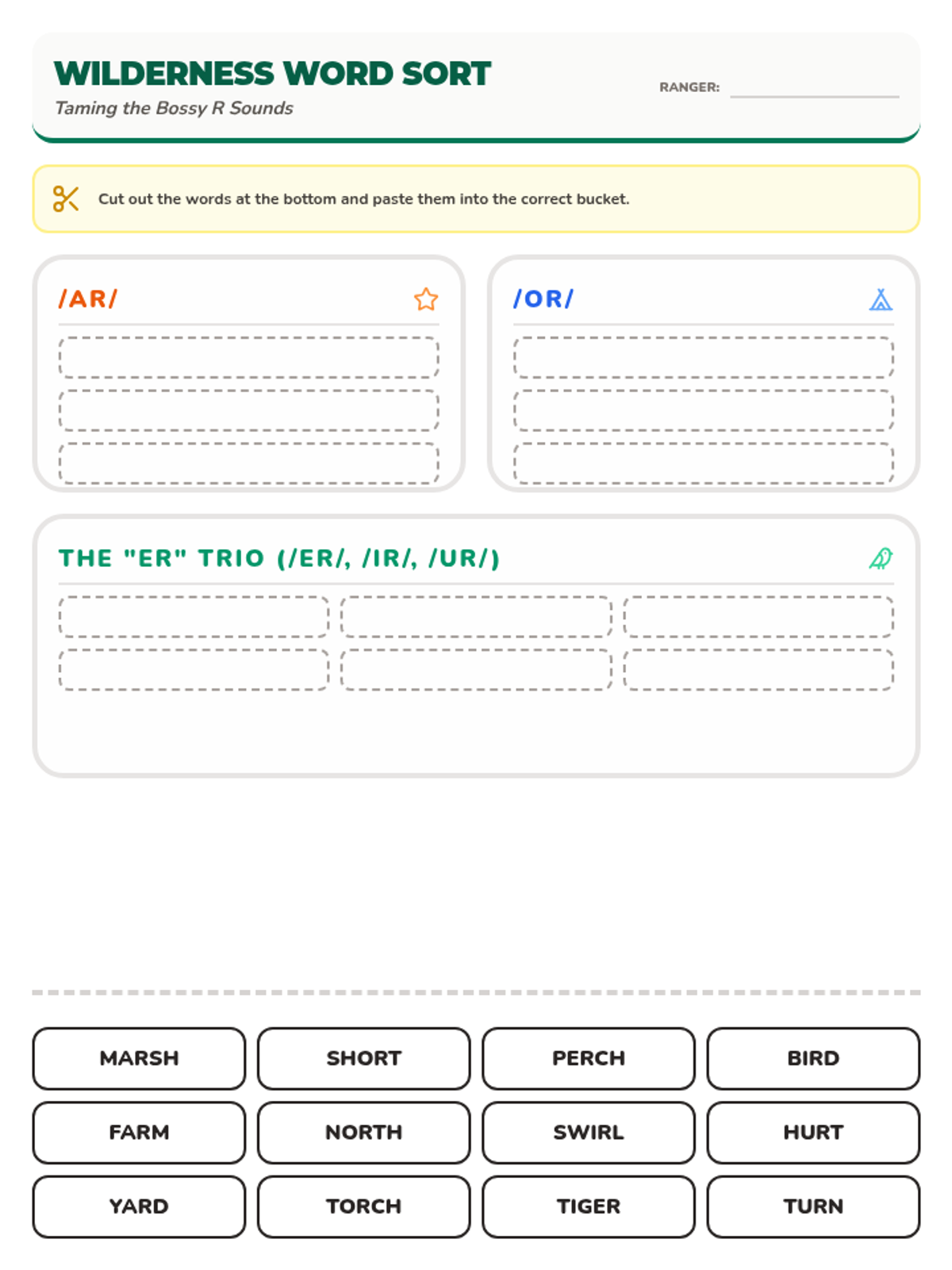
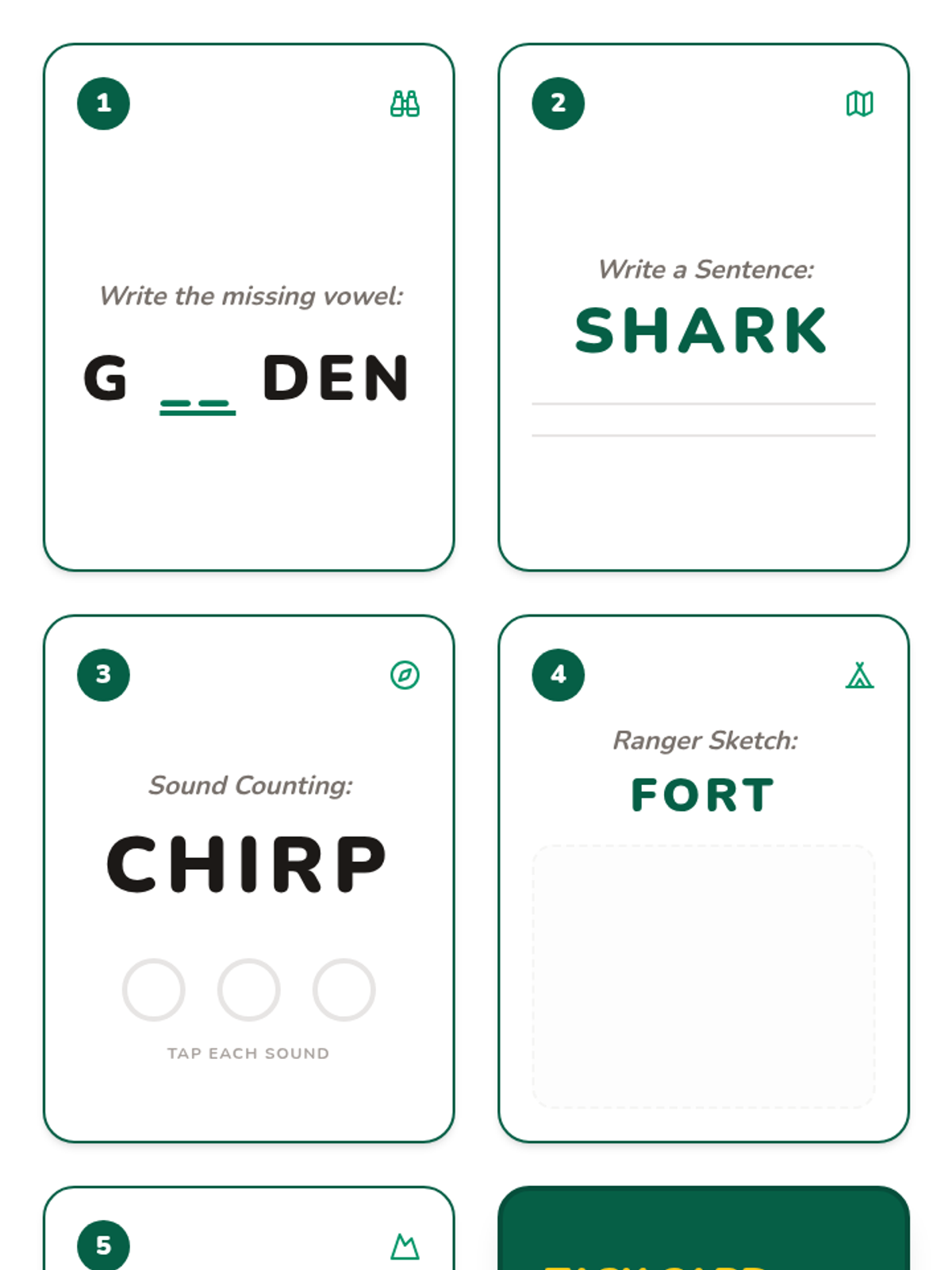
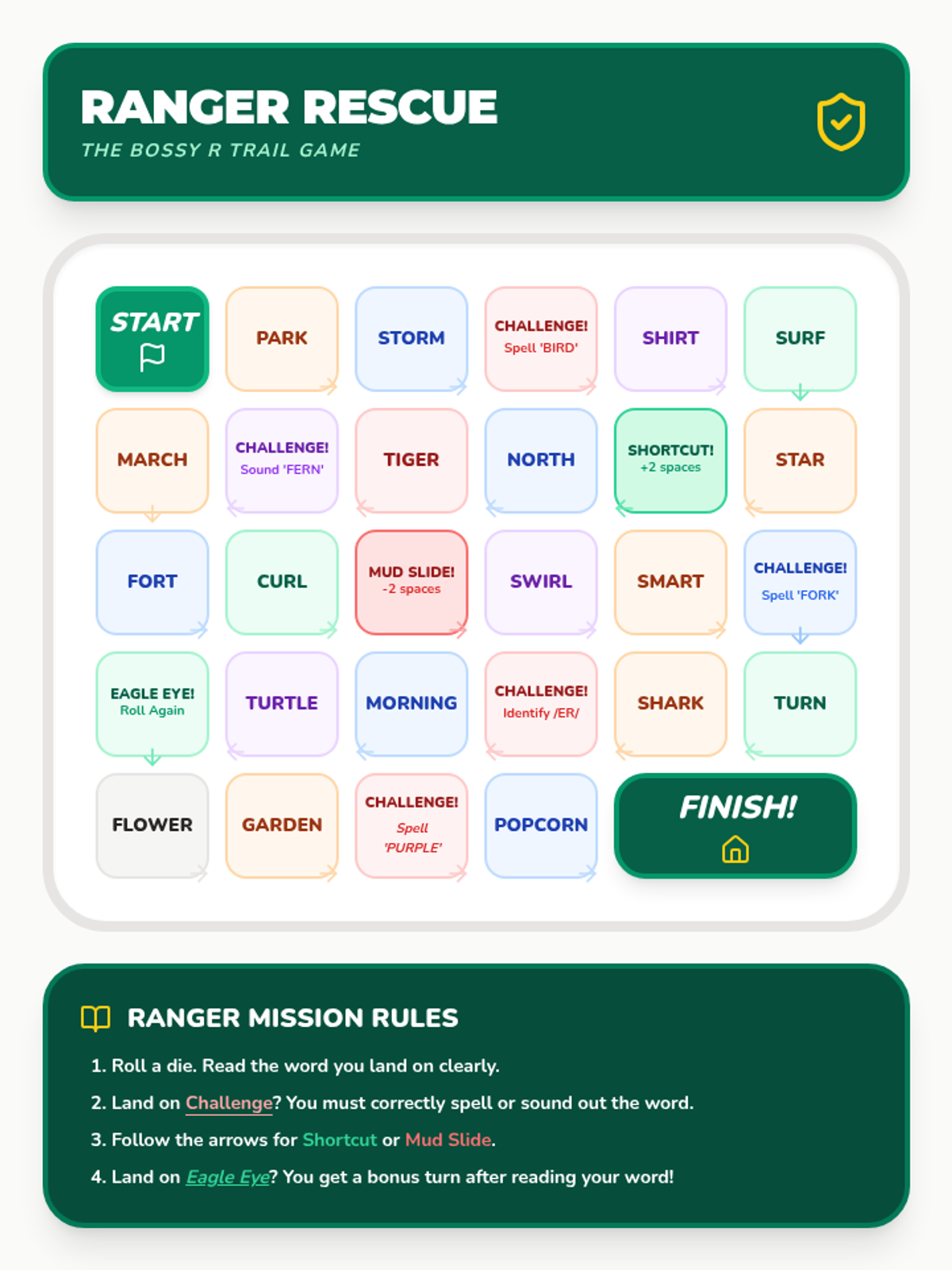
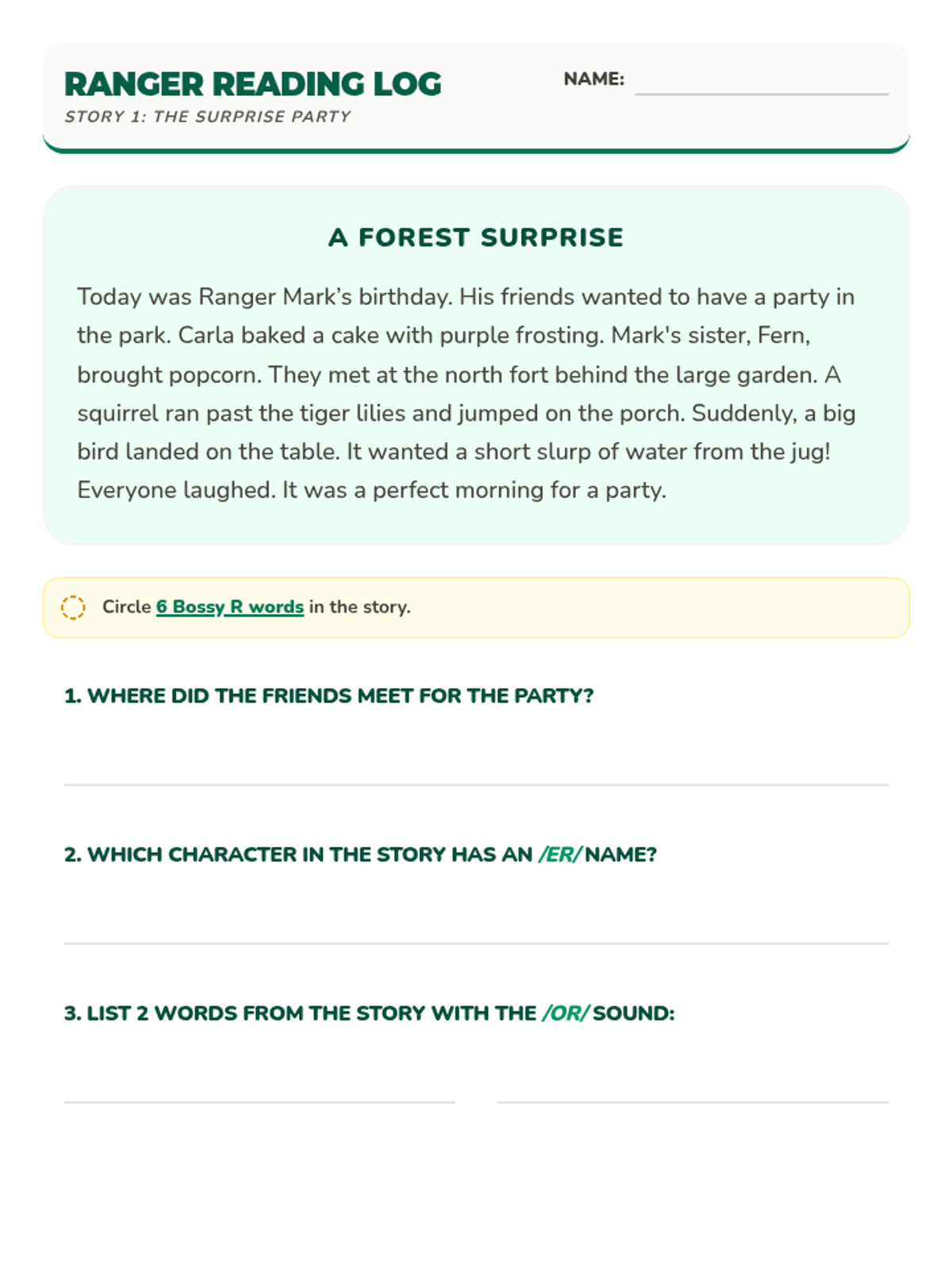
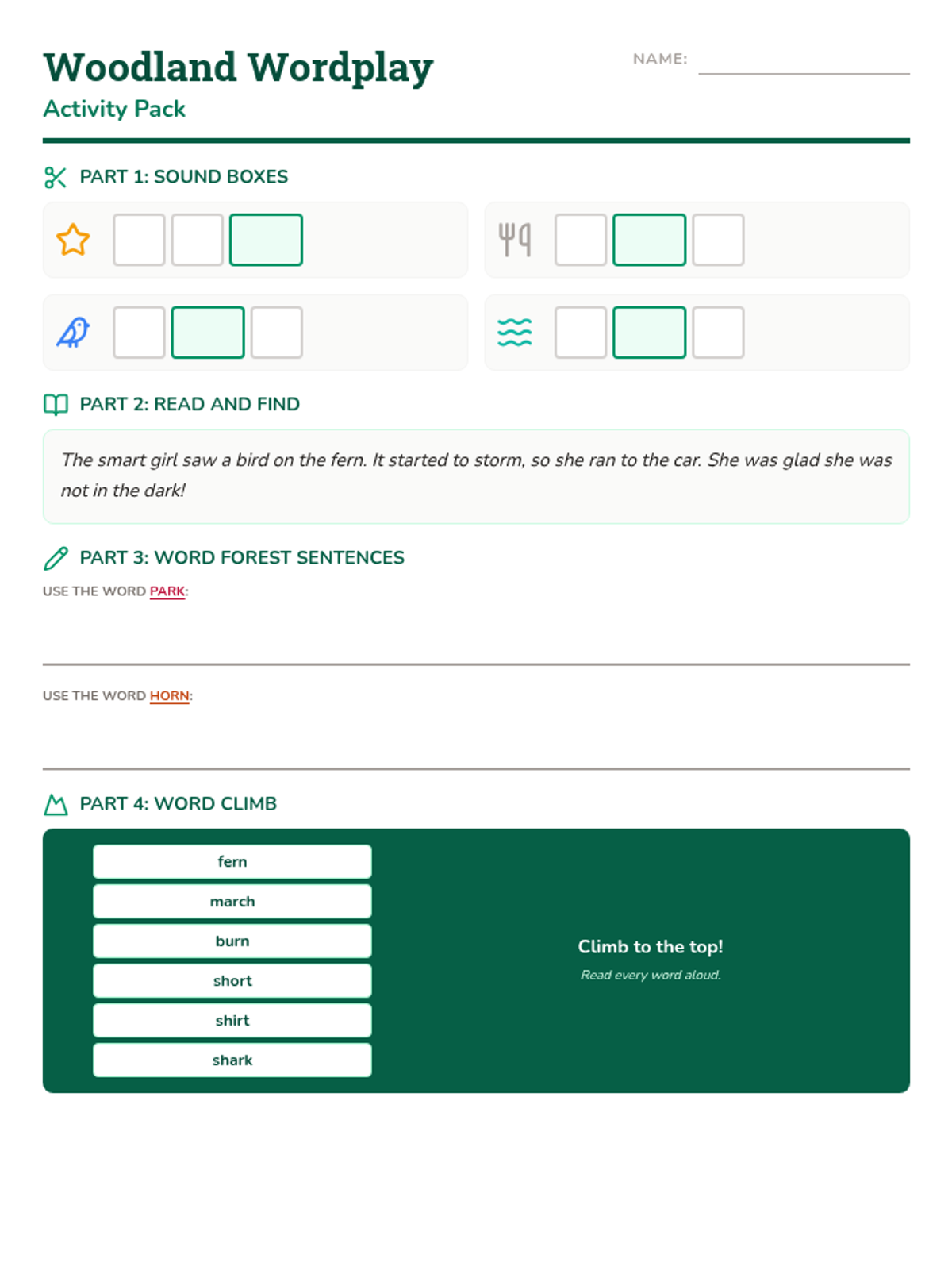
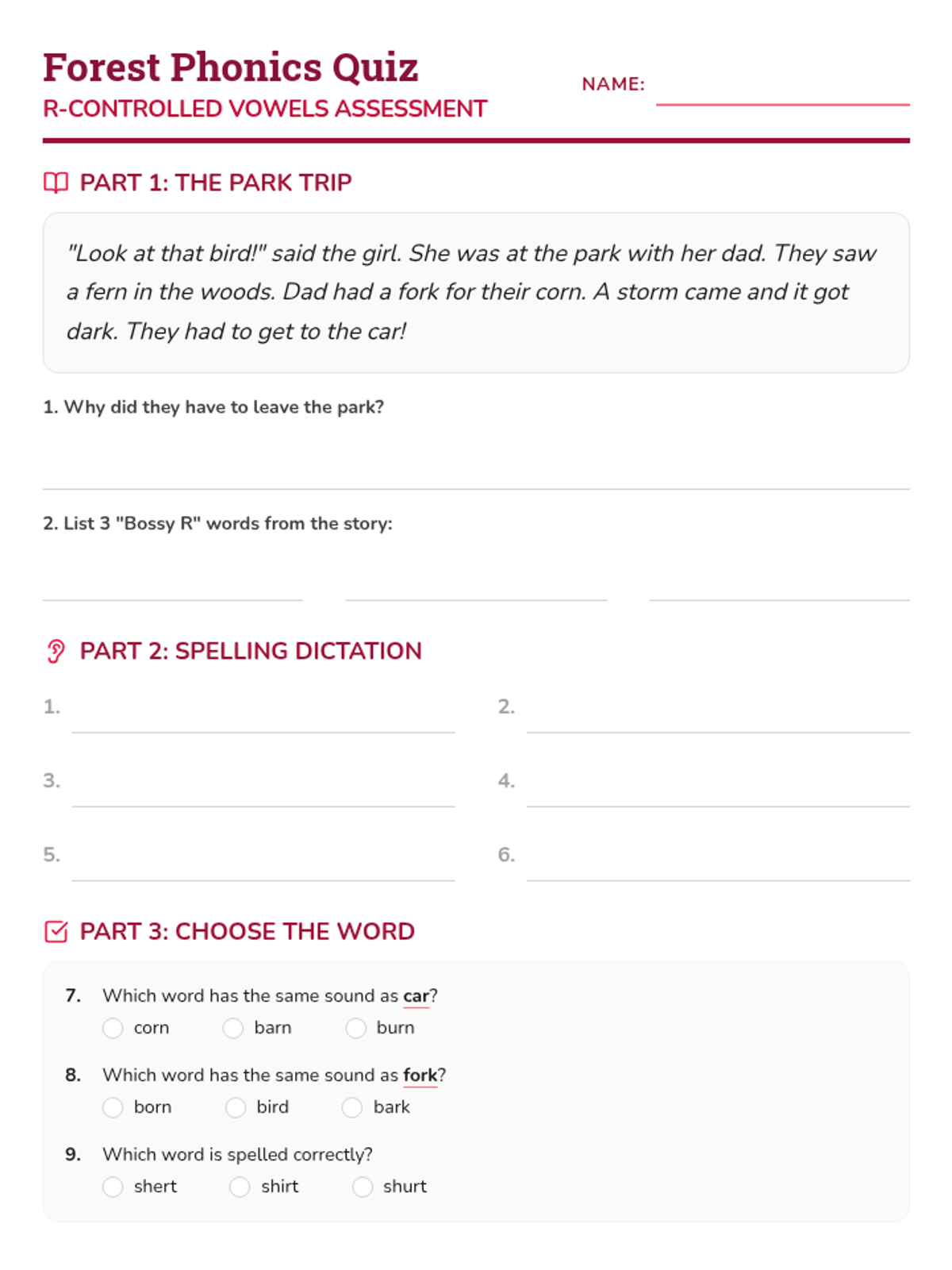
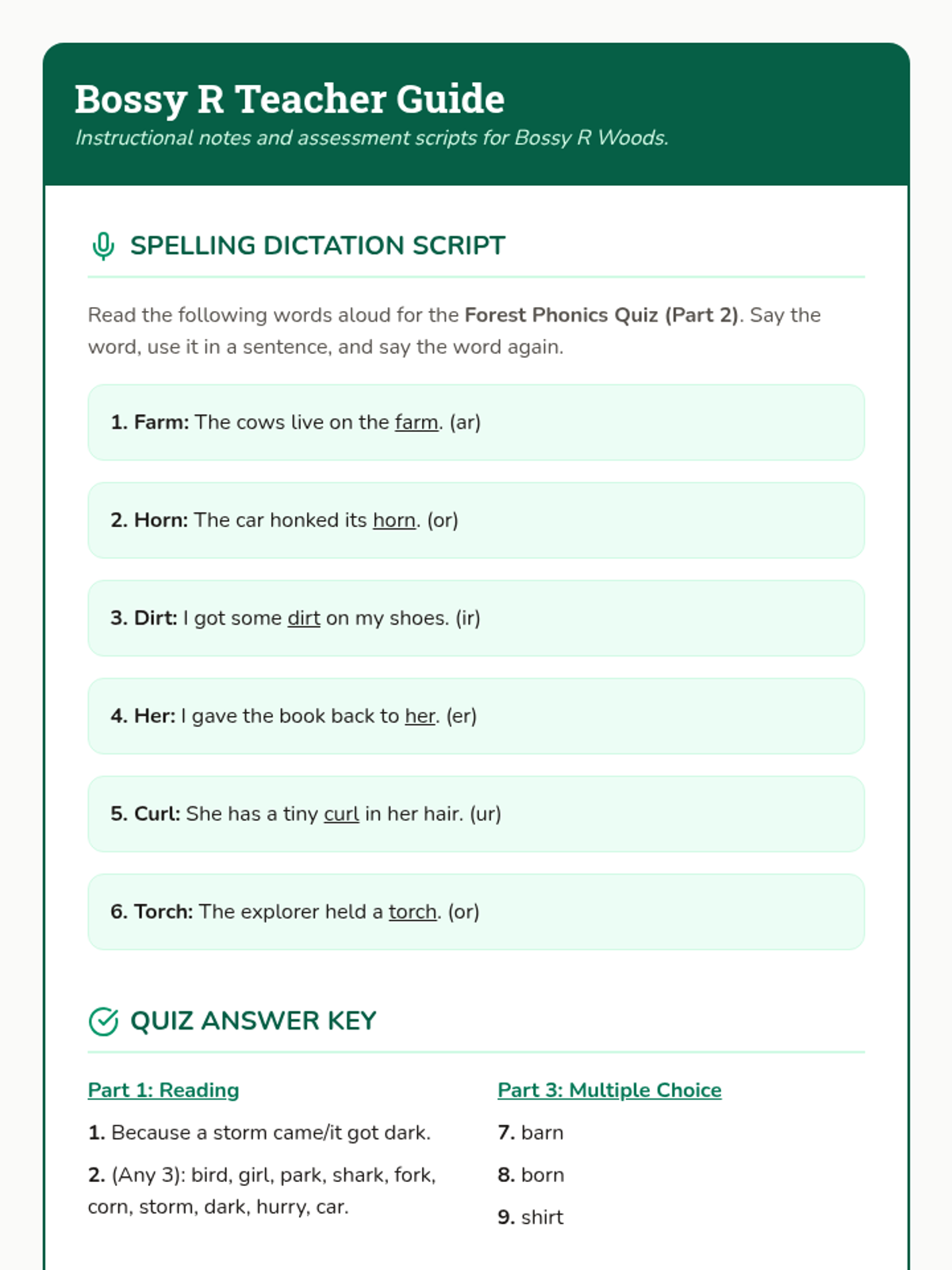
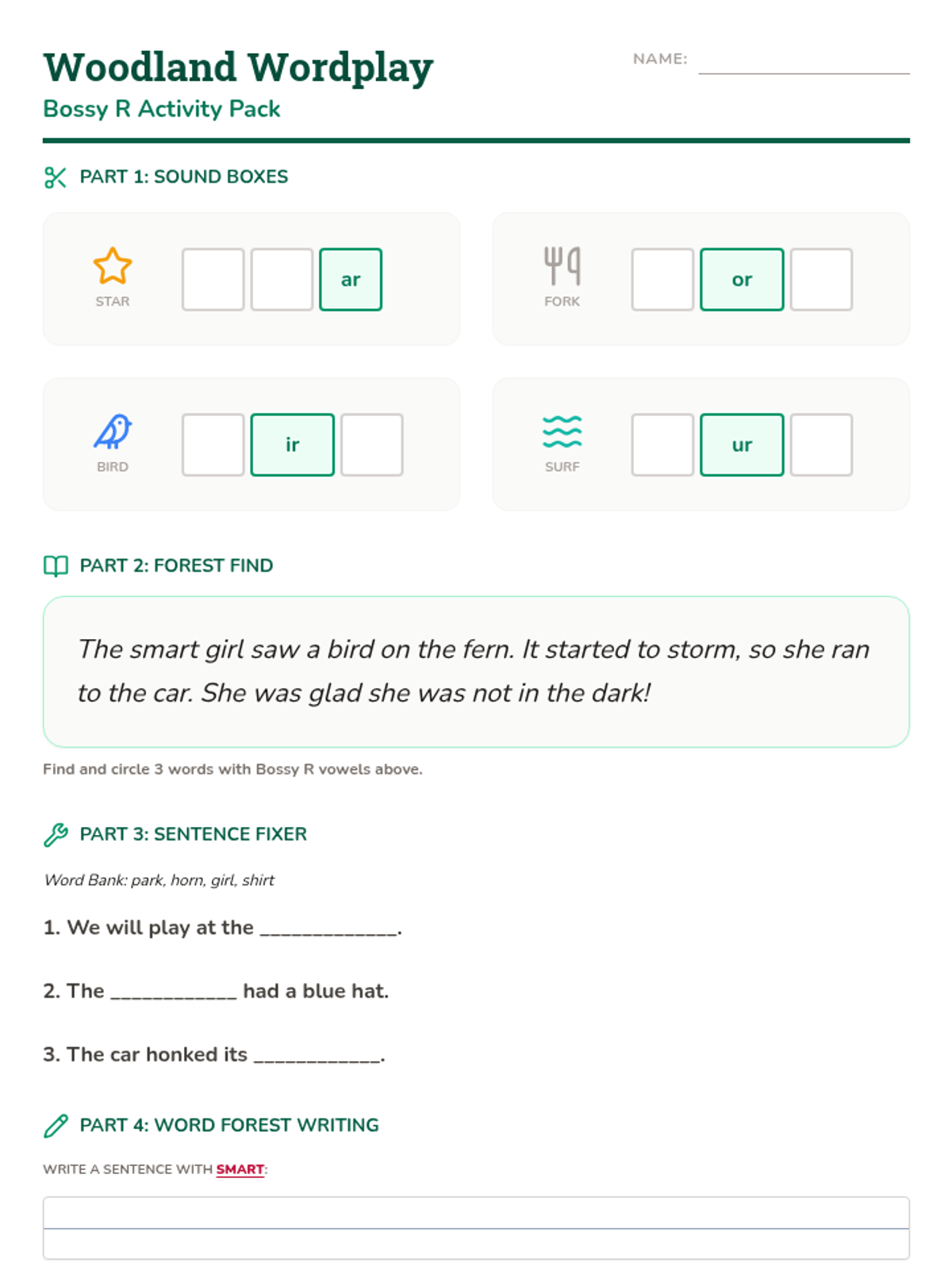
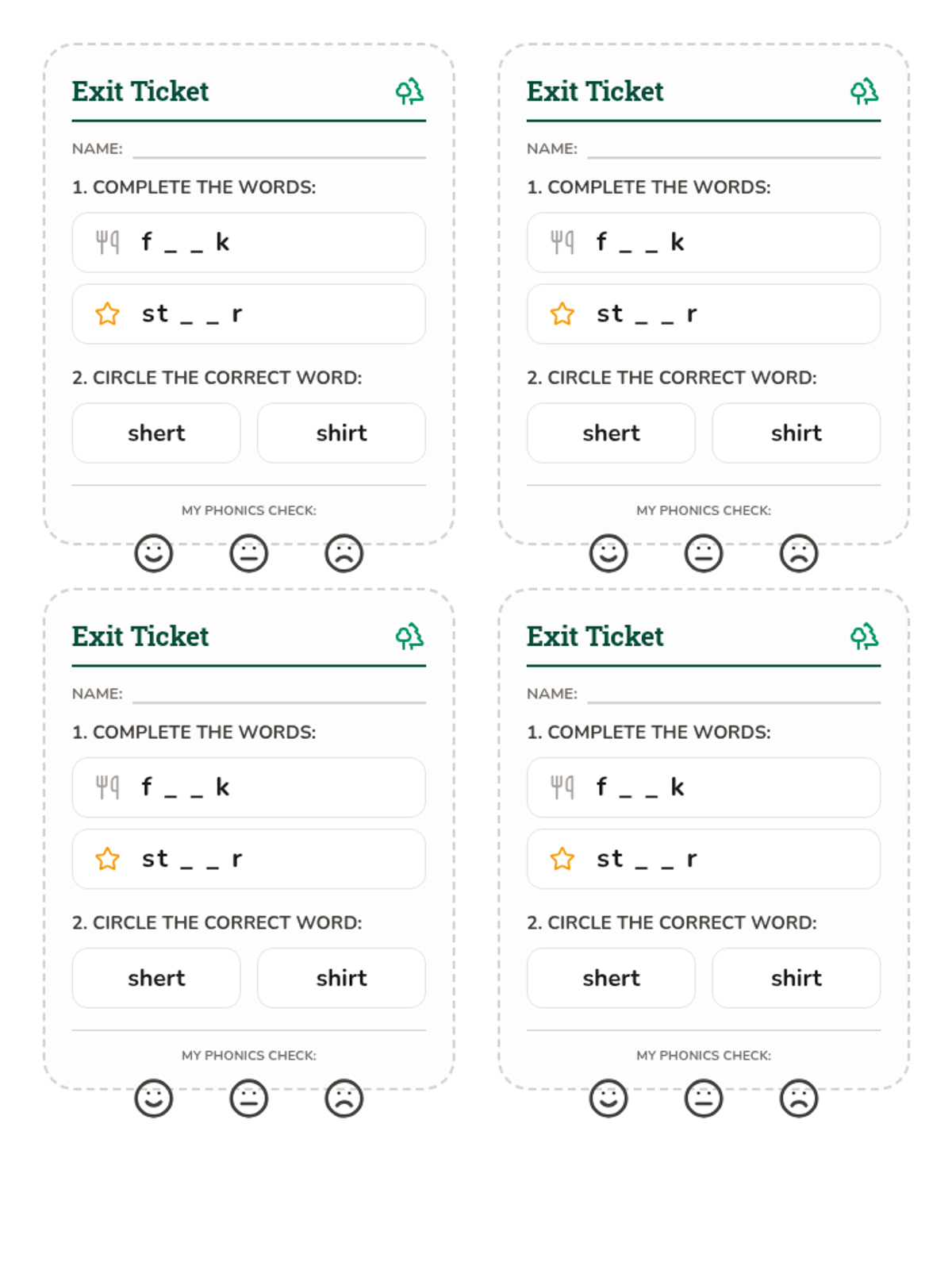
A comprehensive lesson on r-controlled vowels (ar, er, ir, or, ur) for 3rd-grade students, featuring a ranger-themed approach to "taming" the Bossy R. Includes direct instruction, blending practice, independent work, and formal assessment.
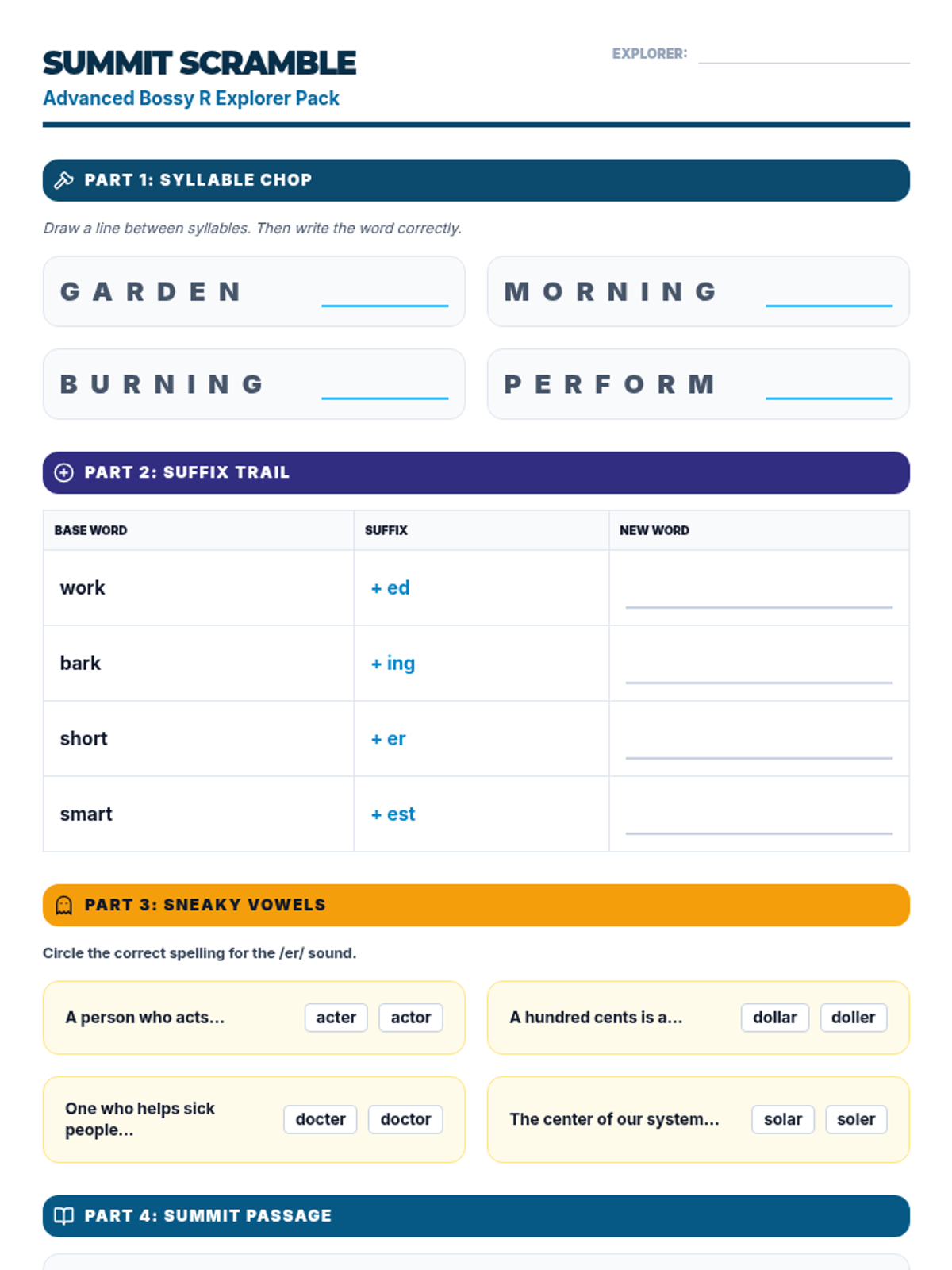
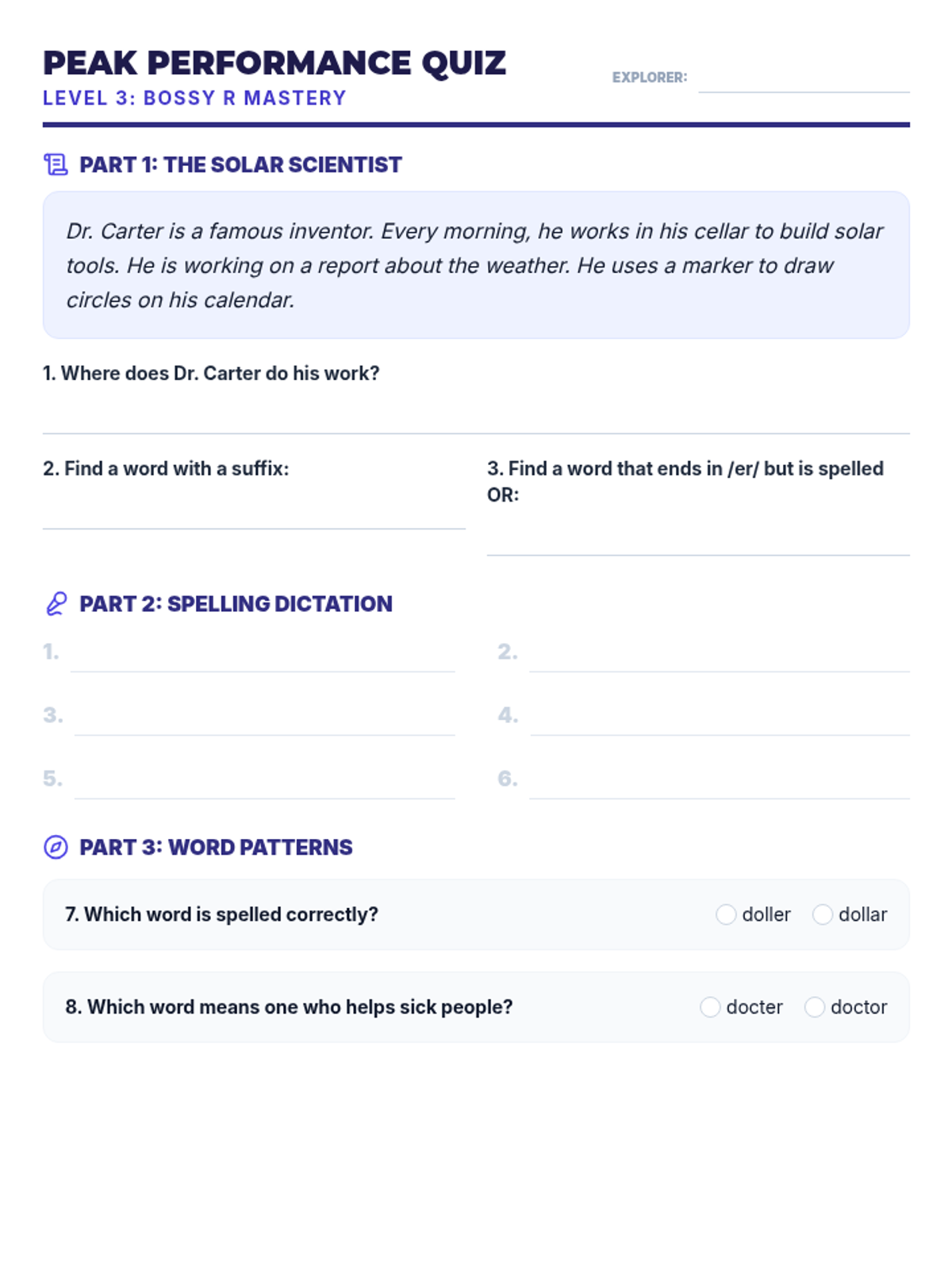
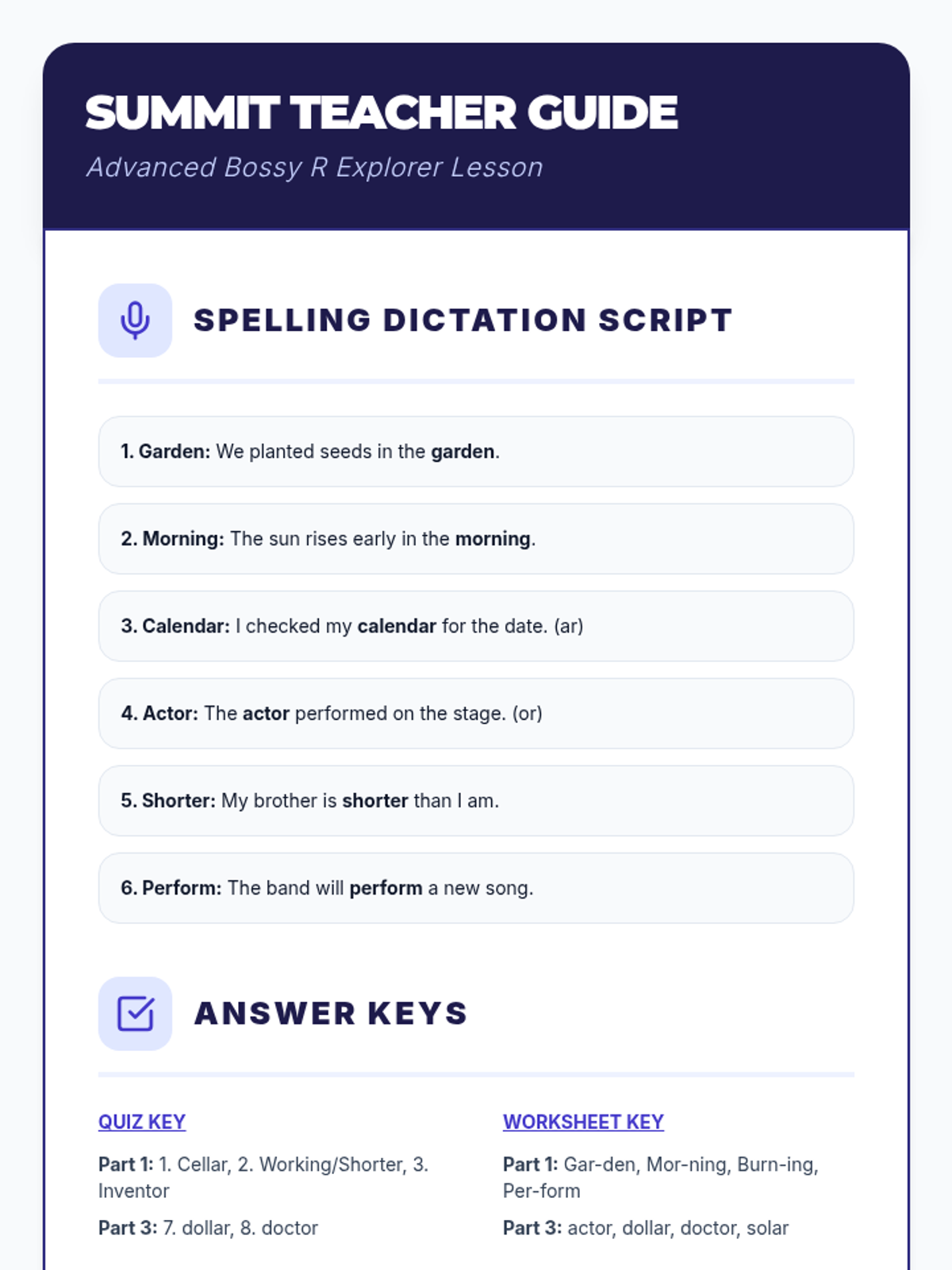
An advanced phonics lesson for 3rd grade focusing on multi-syllabic r-controlled vowel words, unstressed vowel sounds (ar, or as /er/), and adding suffixes to r-controlled base words.
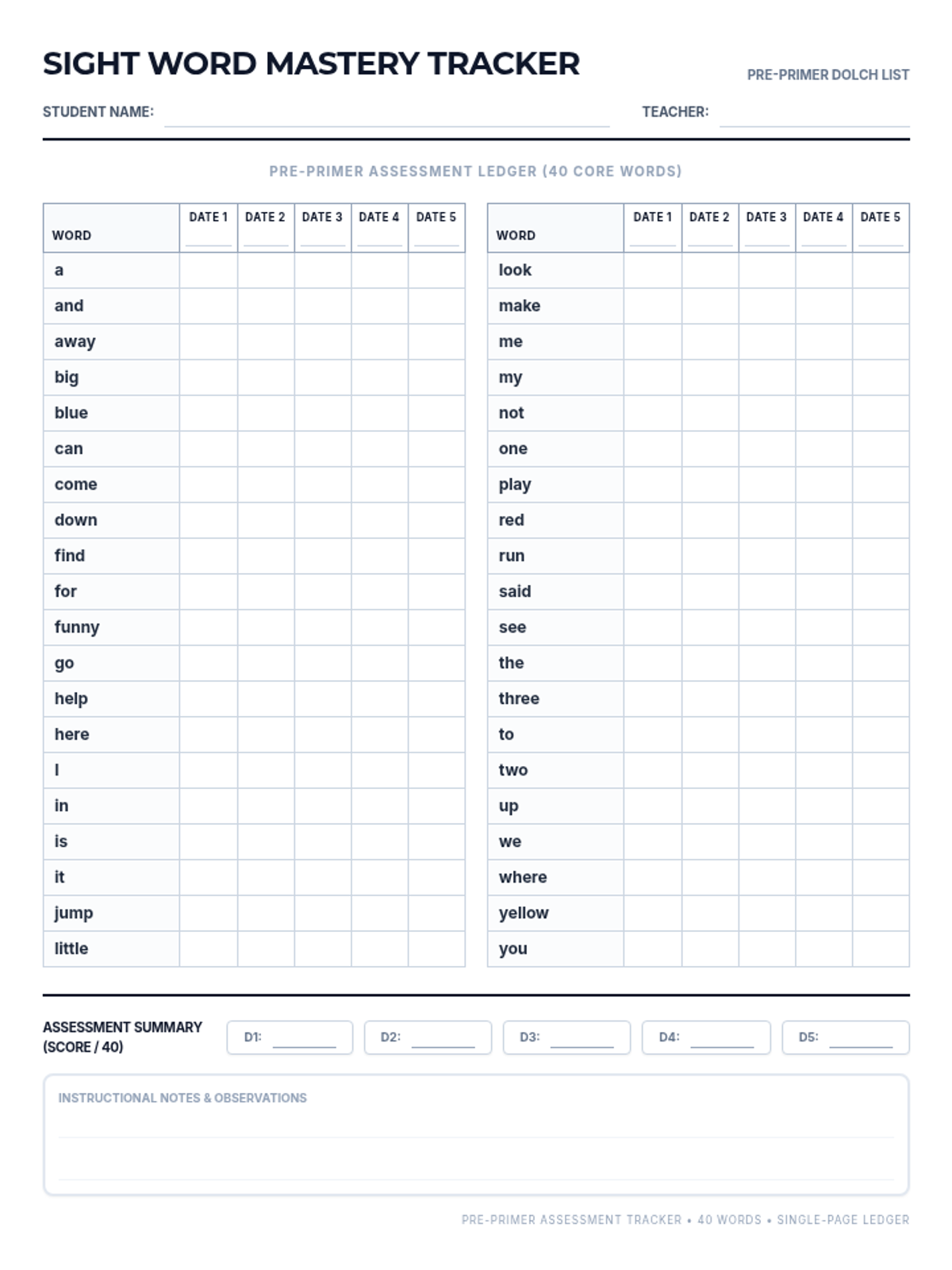
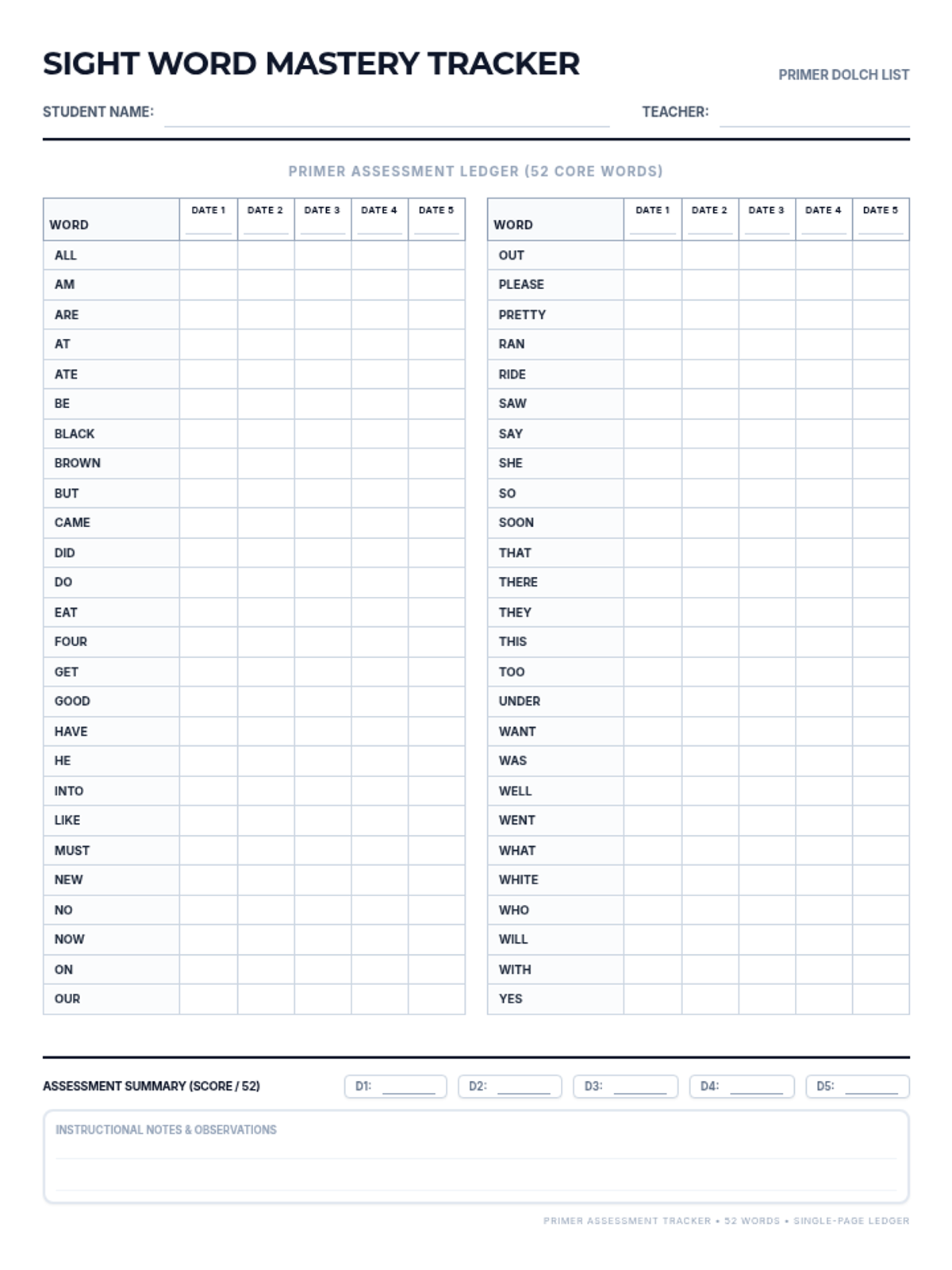
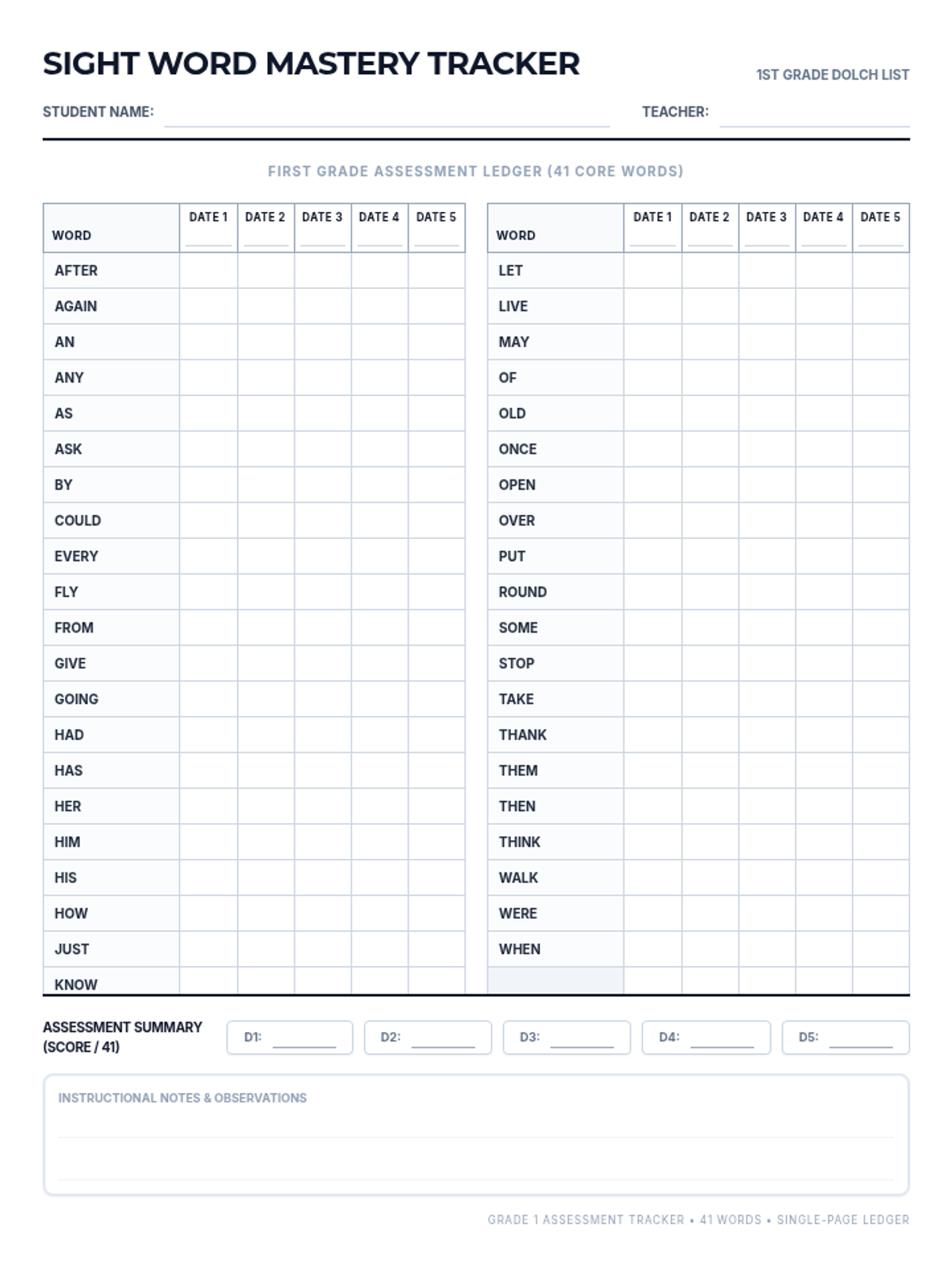
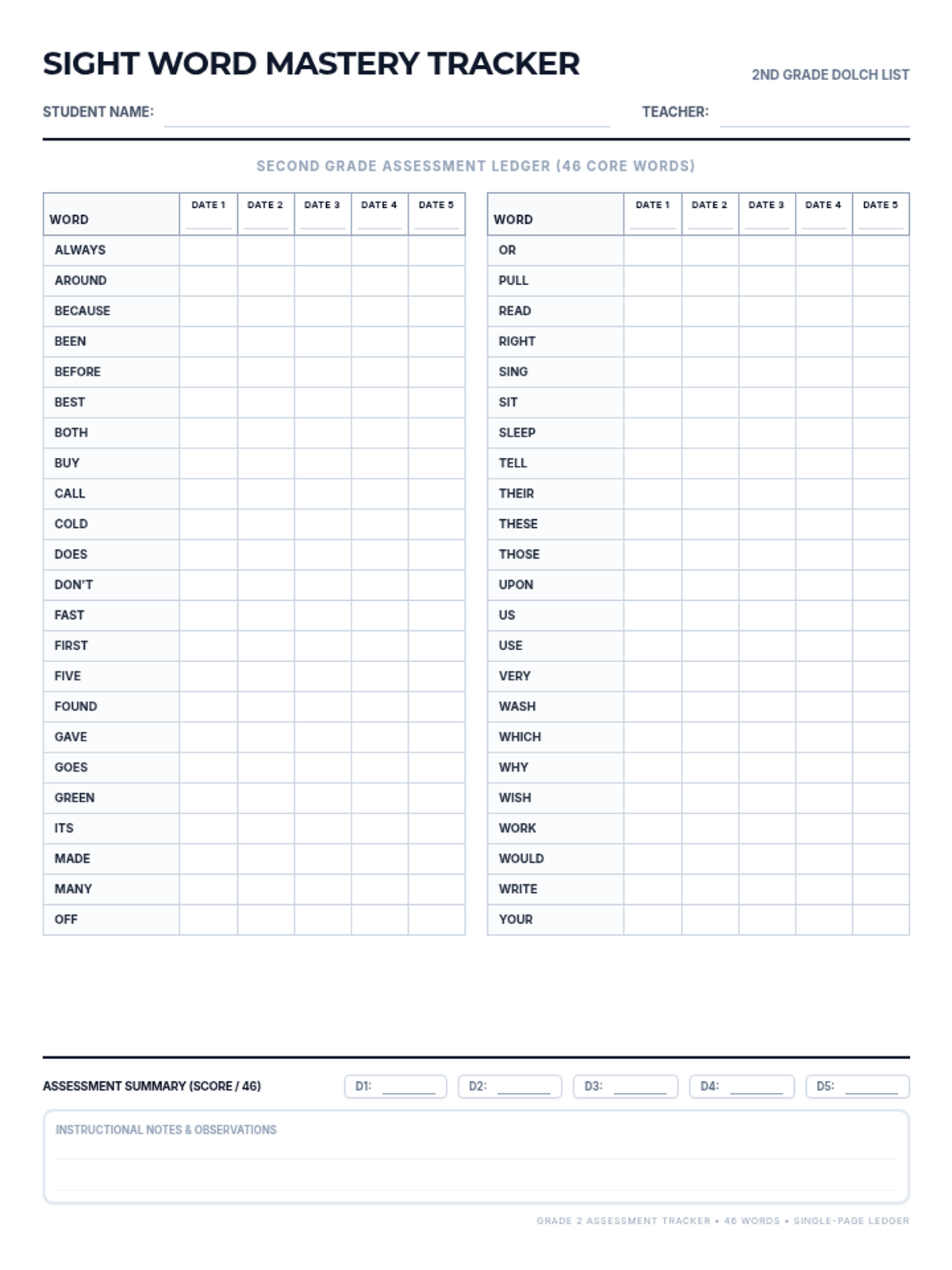
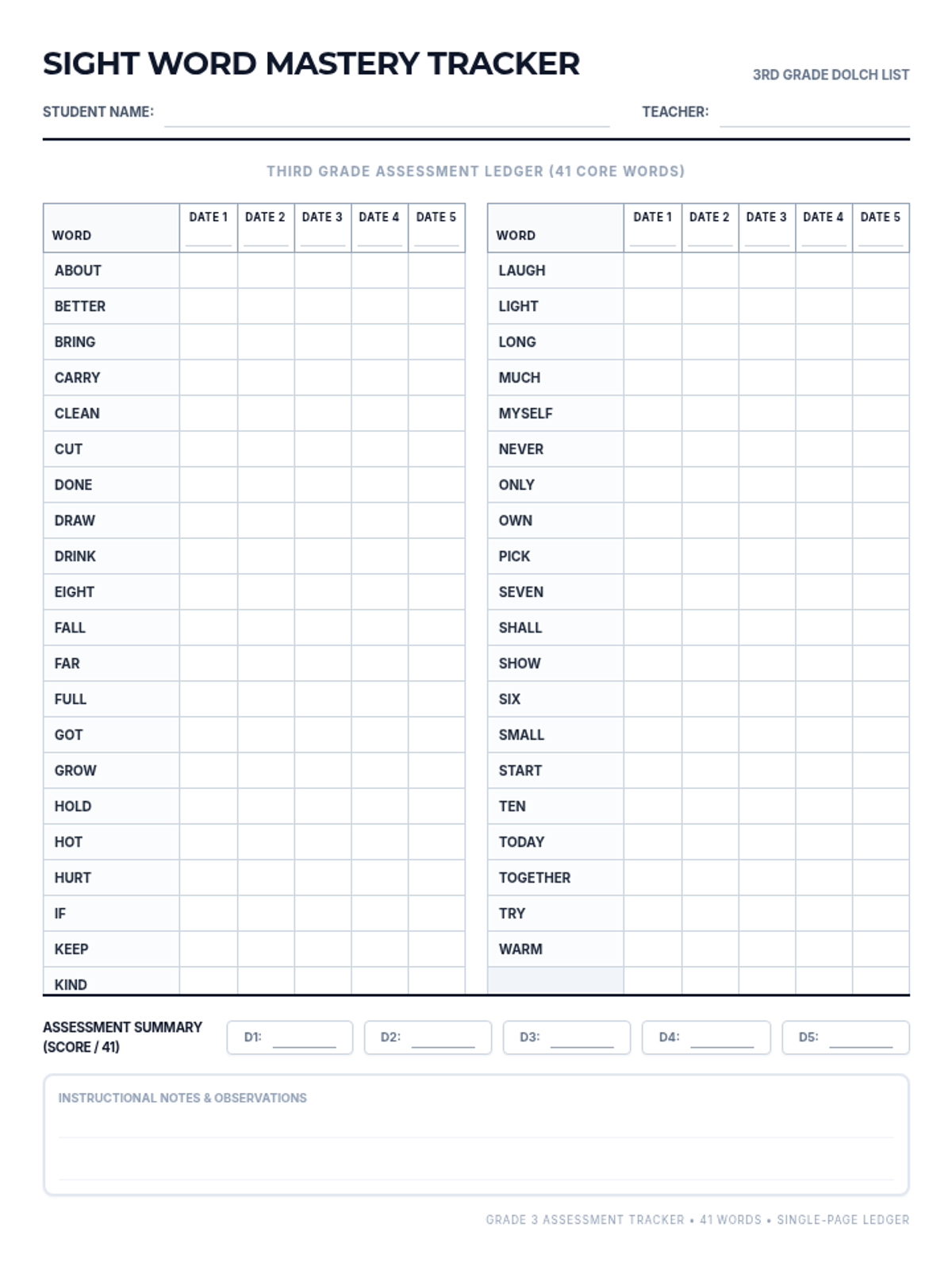
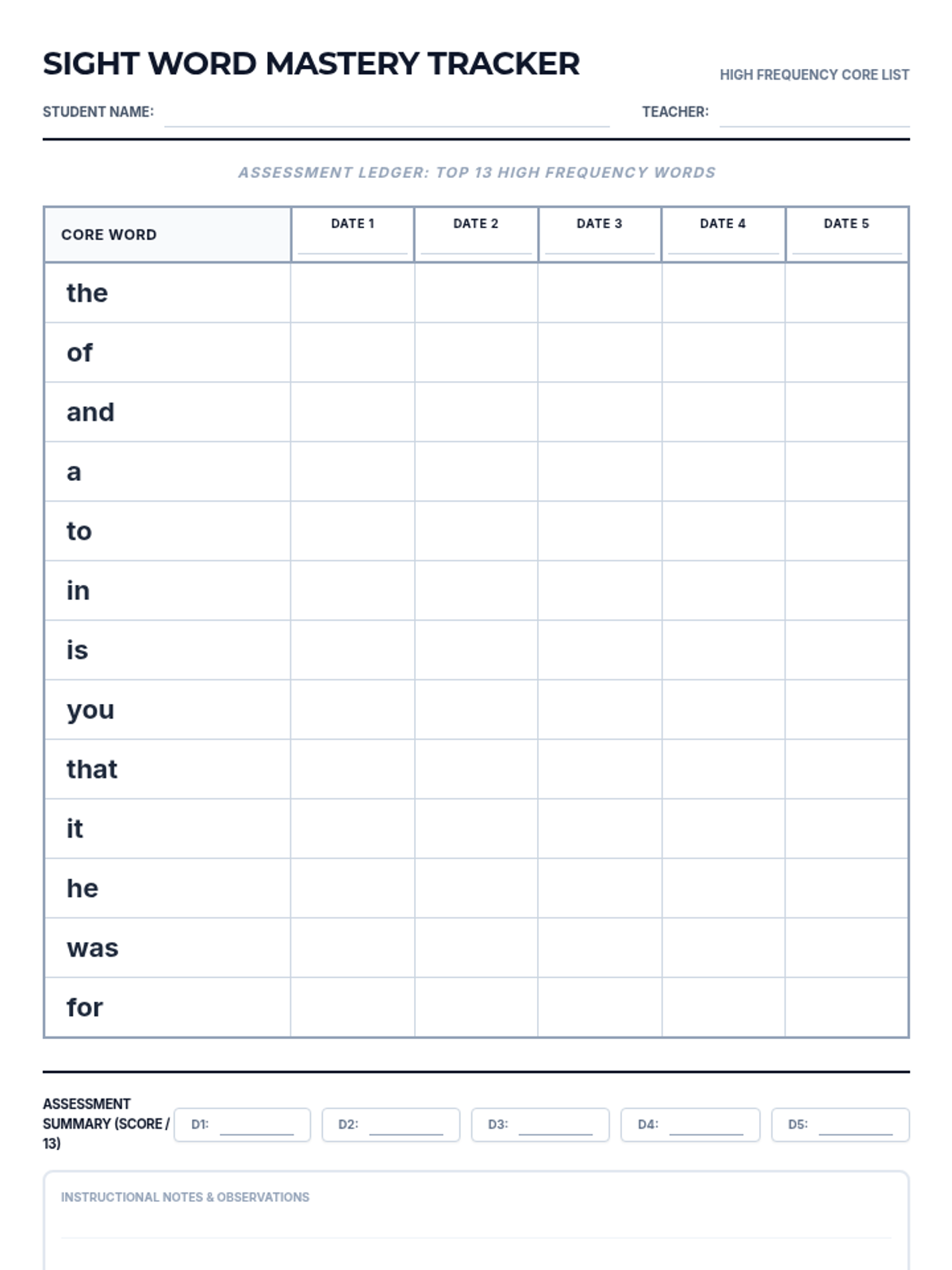
A focused tool for tracking progress on Pre-Primer Dolch sight words, designed for easy assessment and data collection.
A comprehensive phonics lesson introducing the five r-controlled vowels (ar, er, ir, or, ur) through interactive forest-themed instruction and practice.
A comprehensive collection of 10 word search puzzles focusing on commonly confused words (homophones and near-homophones). Designed to improve vocabulary recognition and spelling through engaging "Case File" themed activities.
A collection of graphic organizers designed to help students write structured paragraphs about their favorite things using sentence stems and frames.
A creative writing project for young children (ages 2-8) to produce a 15-30 page book. Students can choose between a narrative story, an expository ABC book, or a how-to guide, focusing on visual design and writing conventions.
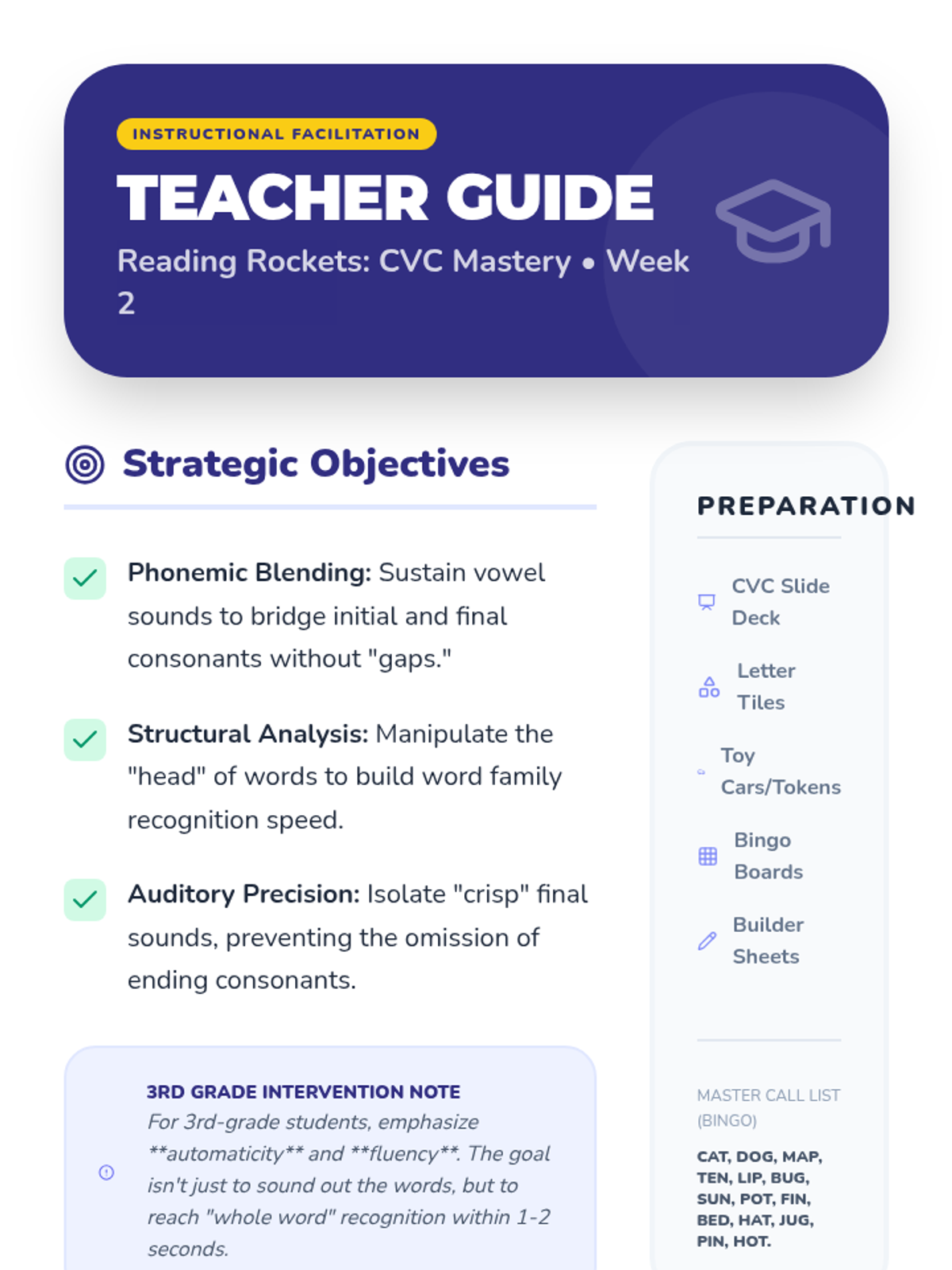
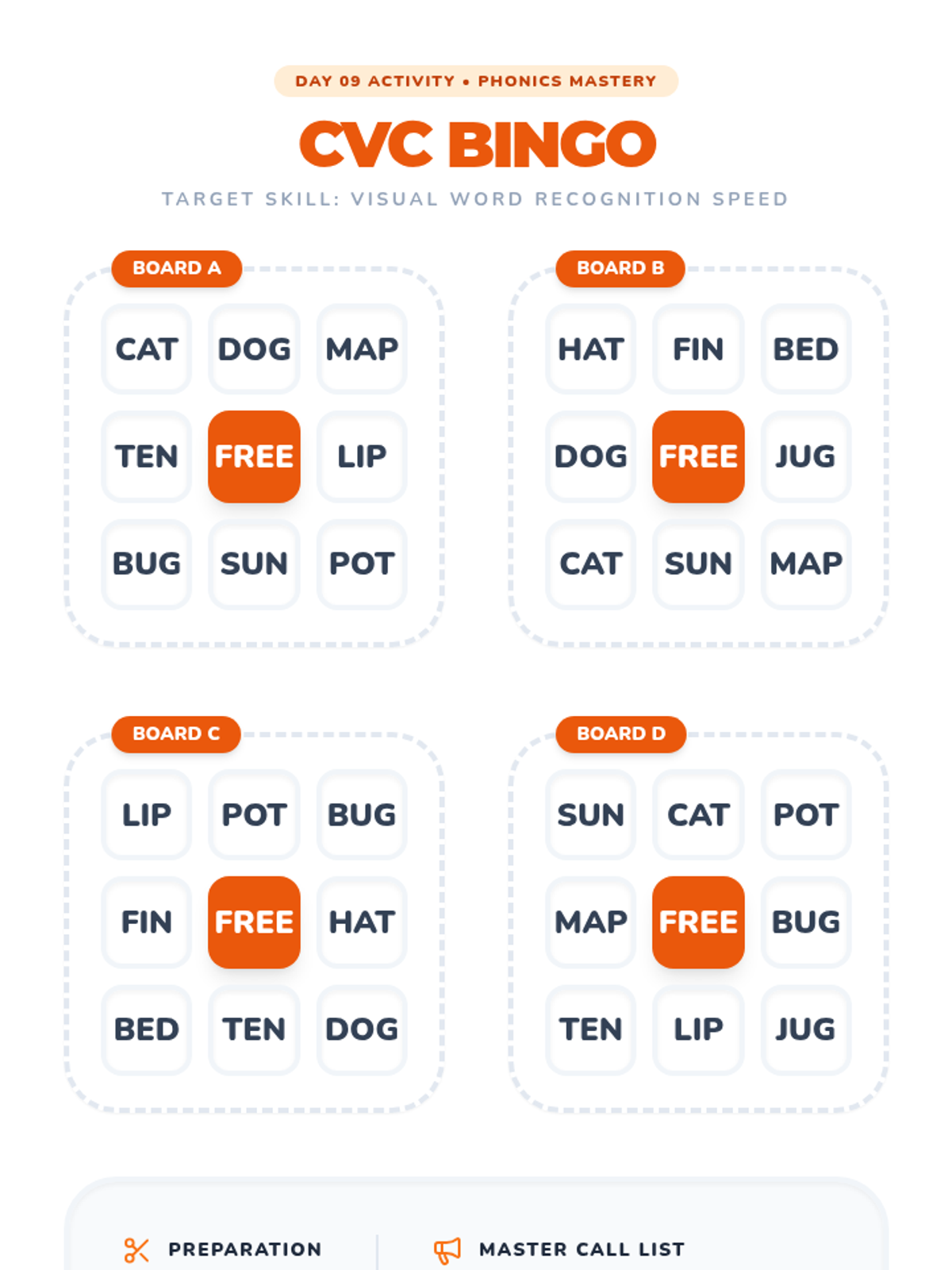
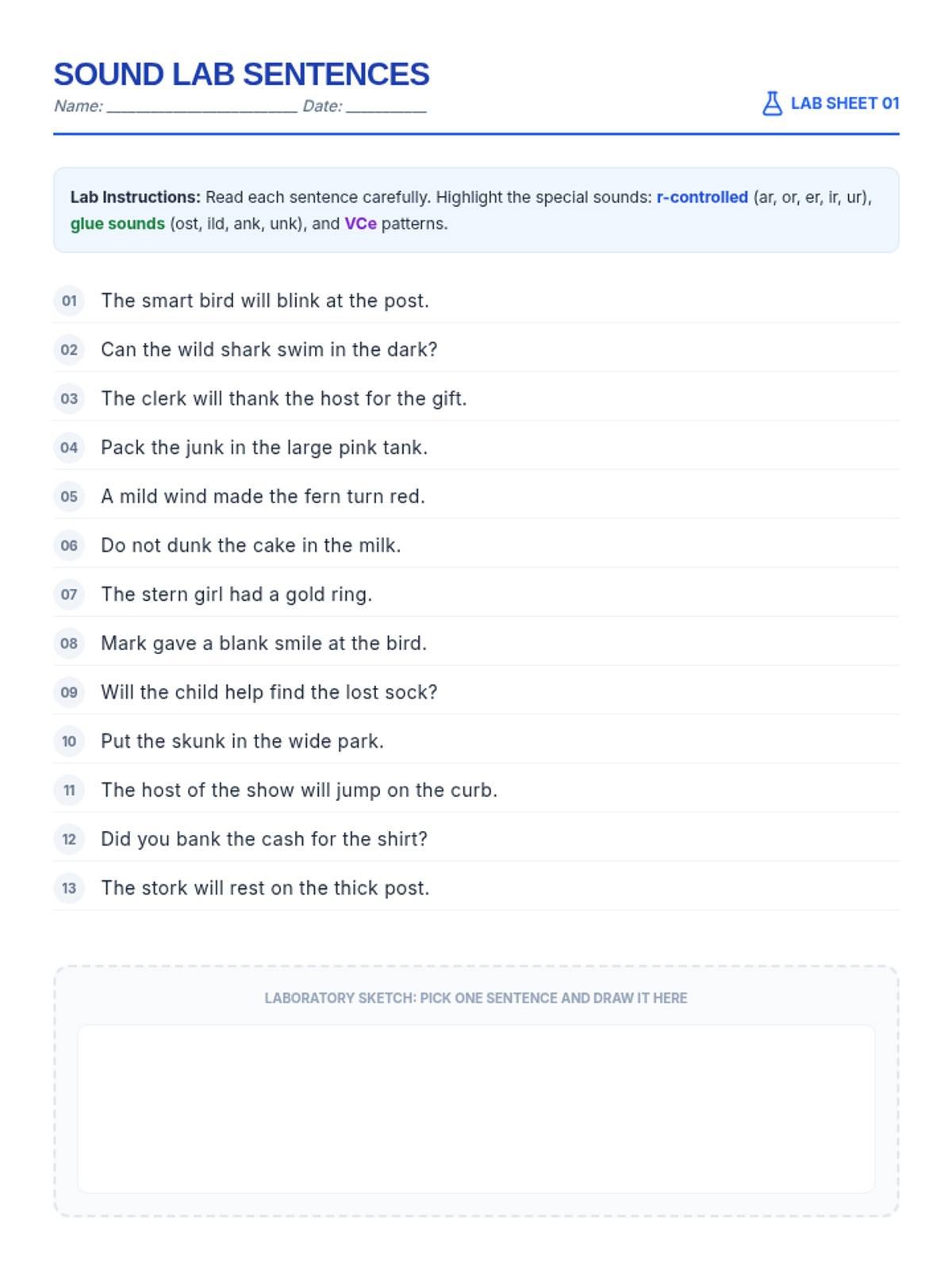
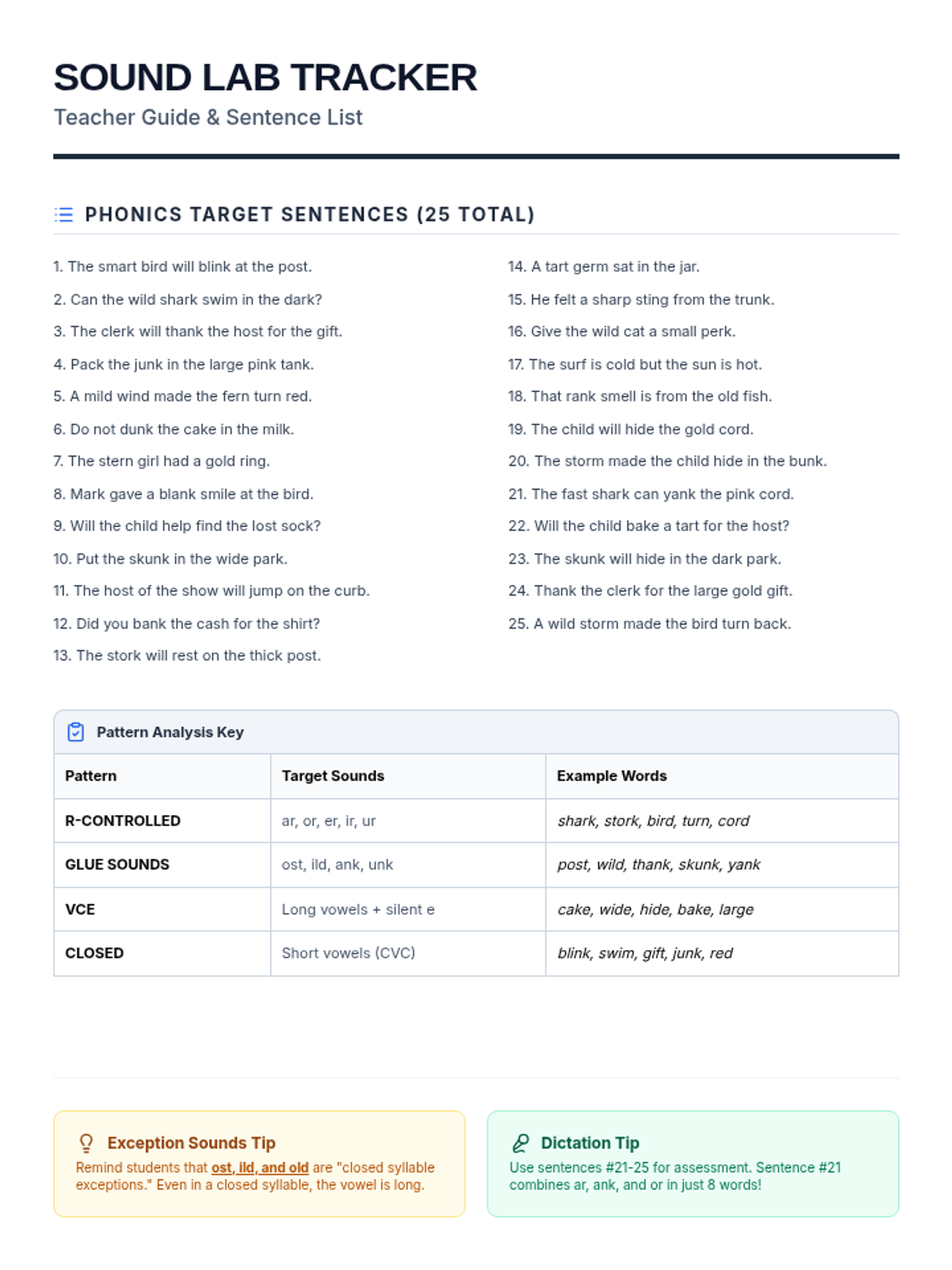
A two-part small-group phonics sequence for Grade 3 students (reading at 1st-2nd grade level). Part 1 focuses on Silent e (VCe) patterns, and Part 2 focuses on R-controlled vowel patterns.
A collaborative "Pairs Compare" activity where students work in teams of four to share keywords, locate evidence, and synthesize final answers on index cards.