Students plan, draft, and revise a five-paragraph Extended Constructed Response analyzing how Poe's language and structure mirror the narrator's psychological collapse.
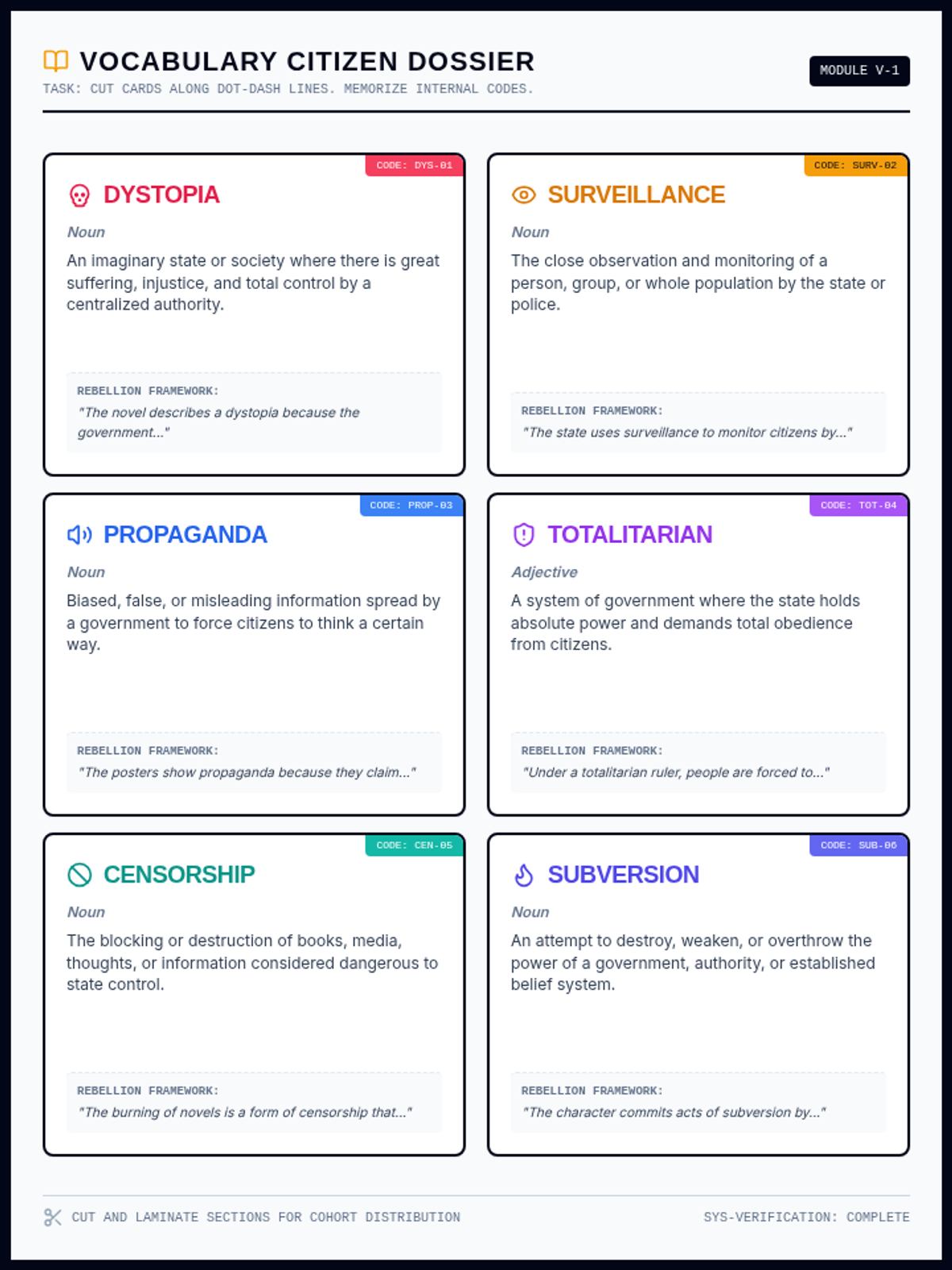
A lesson focused on mastering academic vocabulary used in reading comprehension questions. Students will learn to distinguish between common analytical verbs and concepts through a hands-on matching game and reference guides.
A 45-minute lesson where students showcase their media literacy investigations through screencasts, engage in peer evaluation using a professional rubric, and reflect on their growth as digital fact-checkers.
In this lesson, students step into the role of investigative journalists to create a screencast that documents their fact-checking process and final findings. They will learn to combine digital storytelling with technical screencasting skills to present evidence clearly and convincingly.
A 45-minute lesson where students become newsroom investigators, learning to distinguish between objective hard news reporting and subjective opinion pieces through hands-on analysis and writing practice.
Students will identify and compare four major text structures: chronology, comparison, cause/effect, and problem/solution. Through an architectural 'blueprint' theme, ESL students will learn signal words and structural patterns to improve reading comprehension.
A focused lesson on identifying the main idea in fictional and non-fictional texts, tailored for adult learners preparing for the HSED RLA exam. Includes guided practice with current events and structured graphic organizers.
A lesson focused on analyzing the structure and content of a persuasive essay regarding school uniforms, helping students identify key argumentative components.
A lesson focused on distinguishing summary from opinion through the lens of the Prometheus myth, featuring a neutral news reporting activity.