Students explore the legal definition of 'domestic dependent nations' and create diagrams illustrating the complex jurisdiction between Tribal, State, and Federal governments.
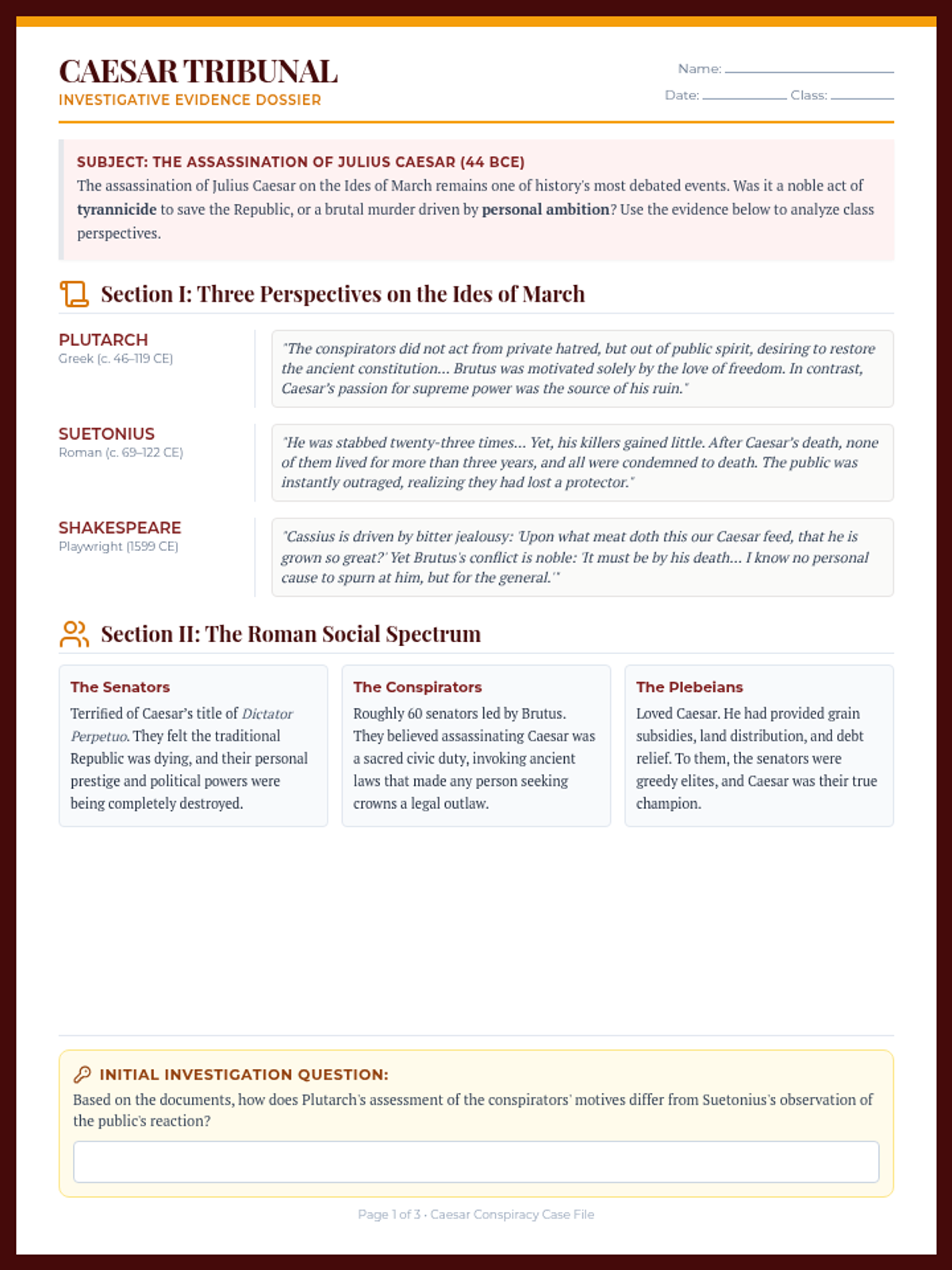
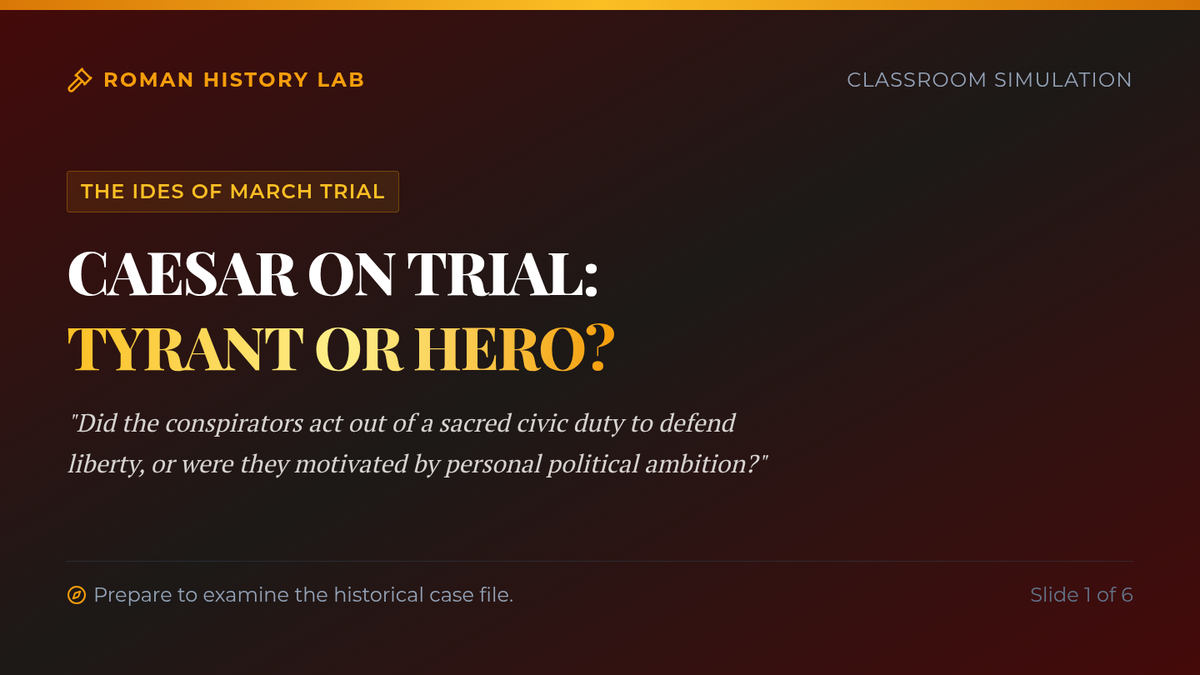
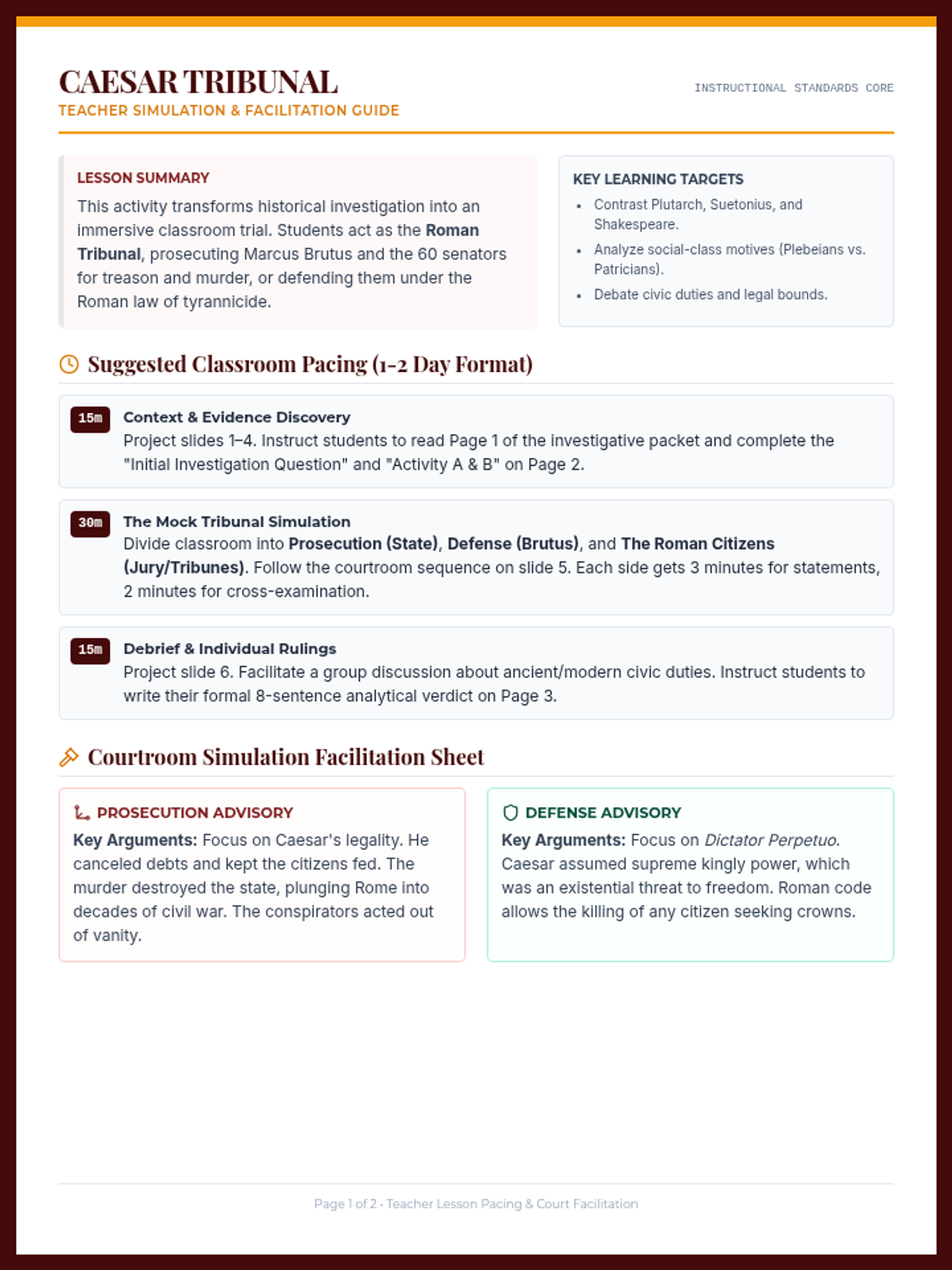
A comprehensive classroom simulation and analysis lesson about the assassination of Julius Caesar. Students examine historical perspectives, engage with primary sources, and debate civic duty through a mock trial and a three-page investigative document.
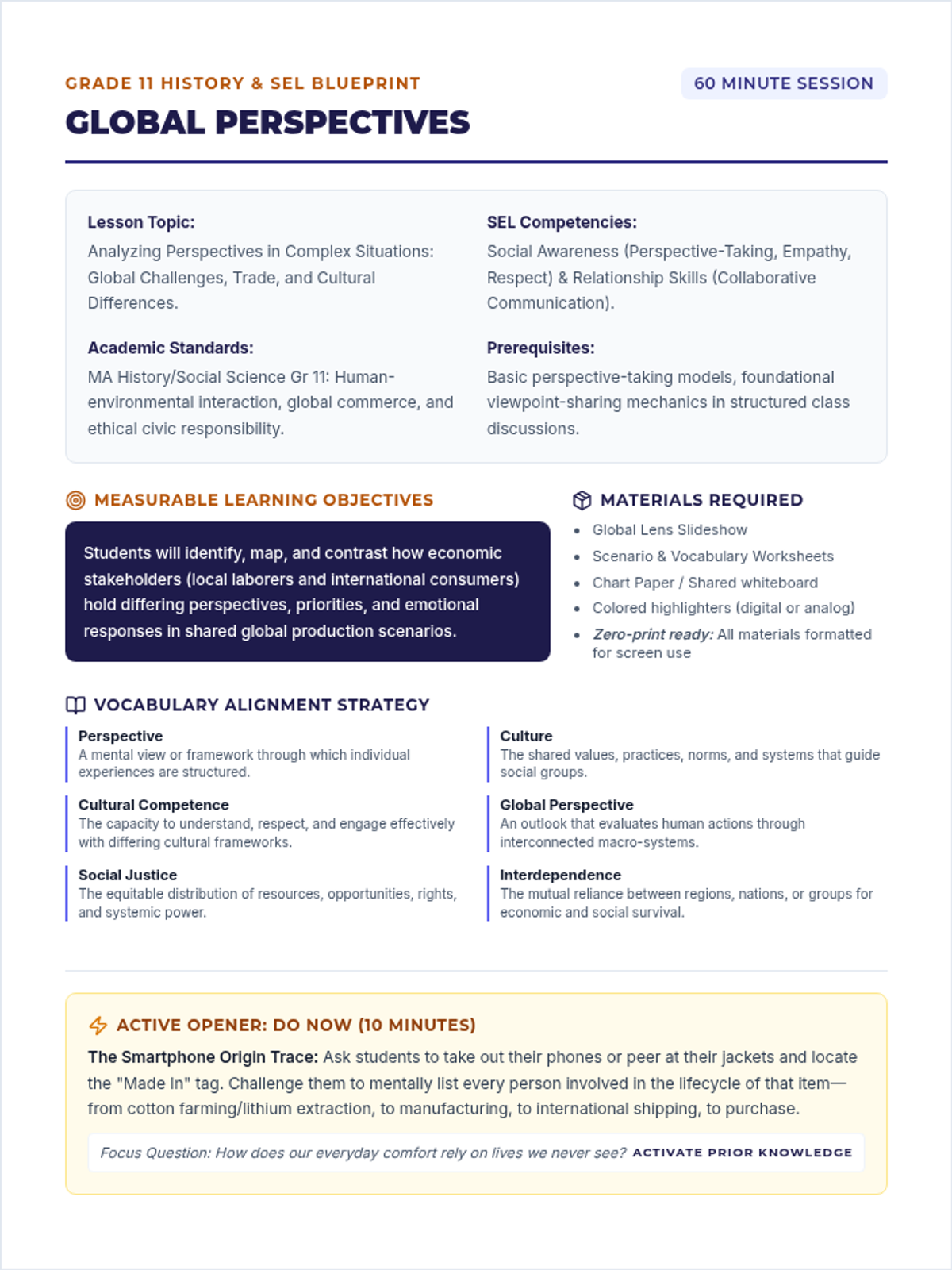
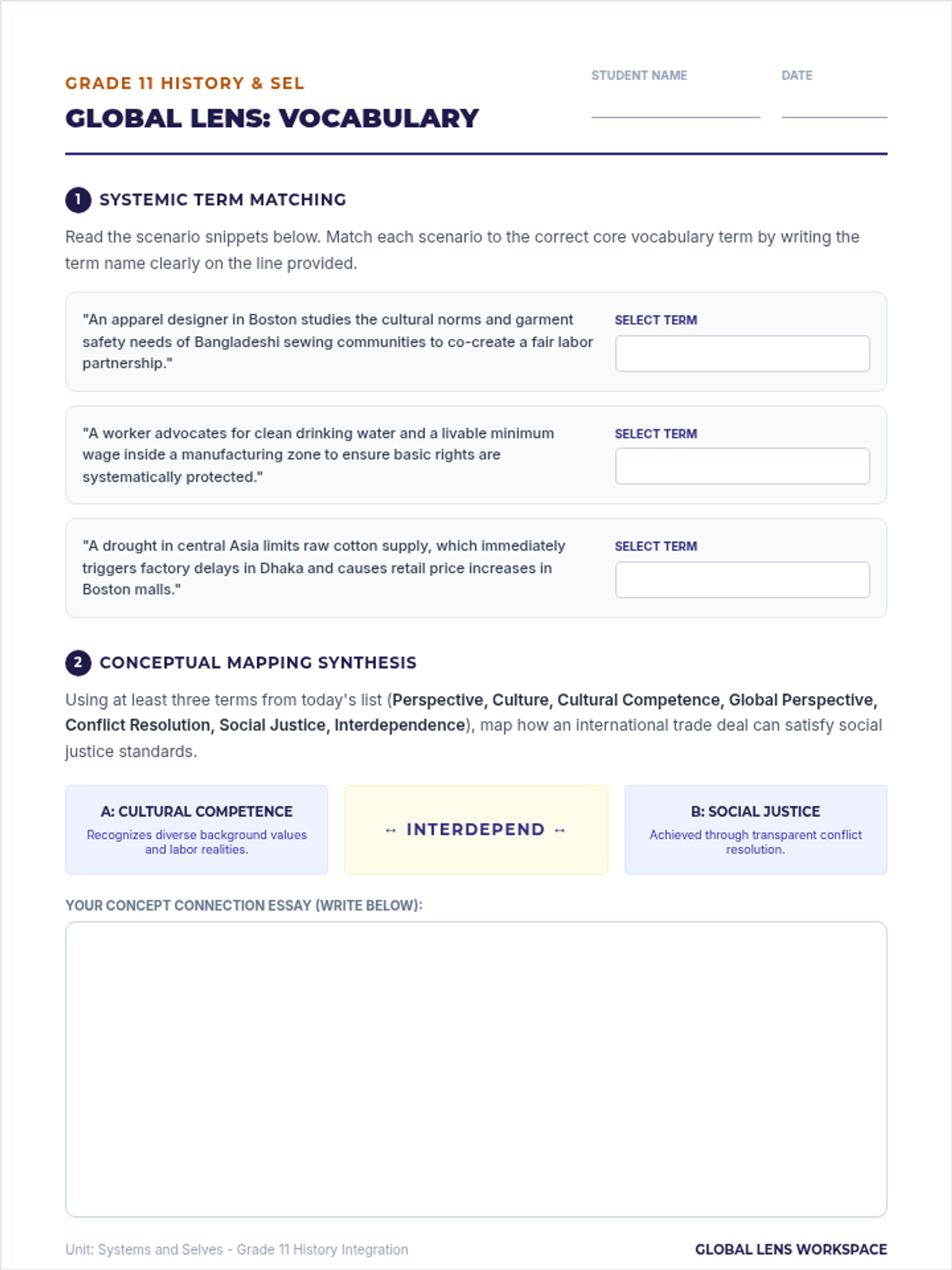
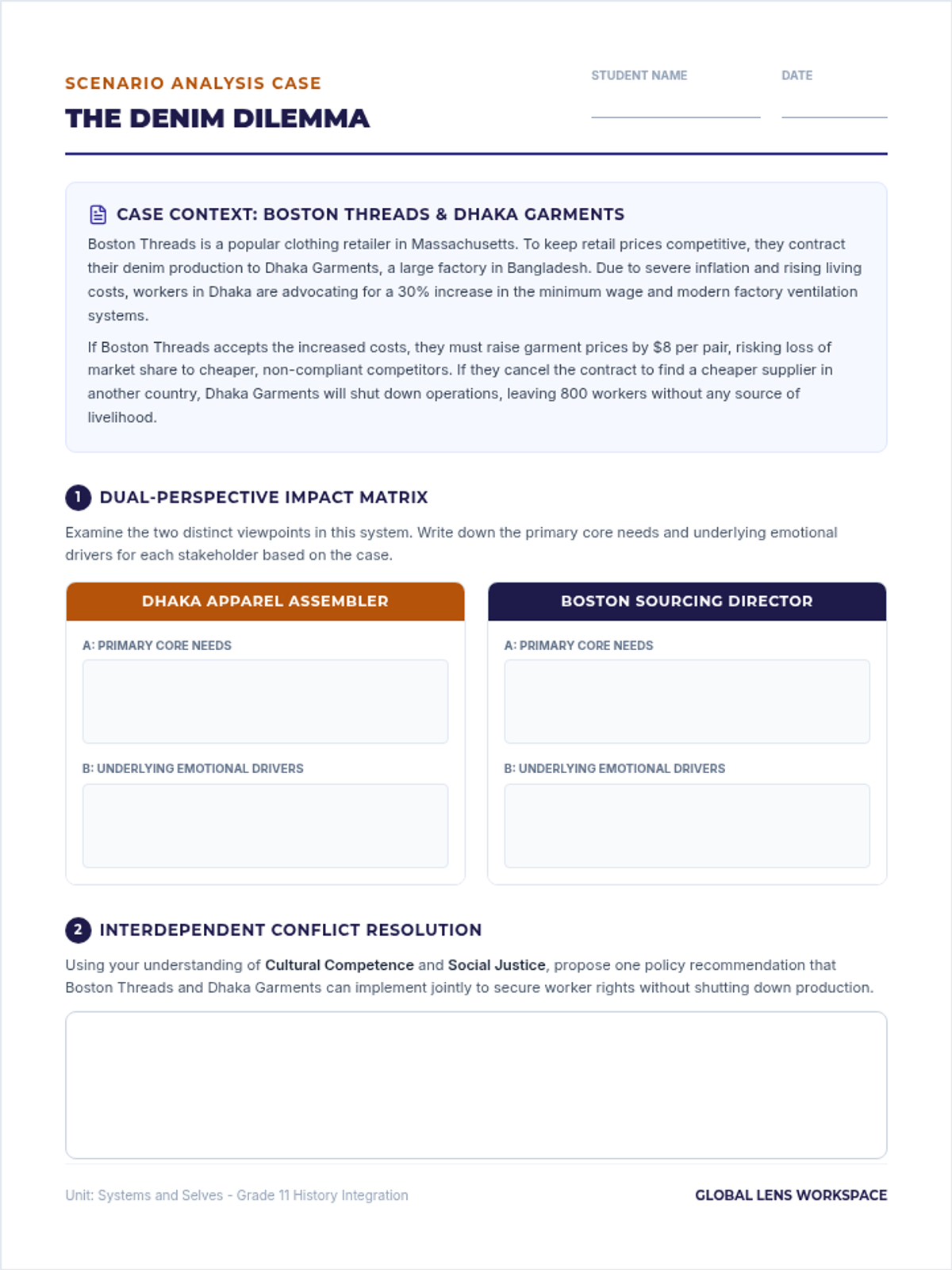
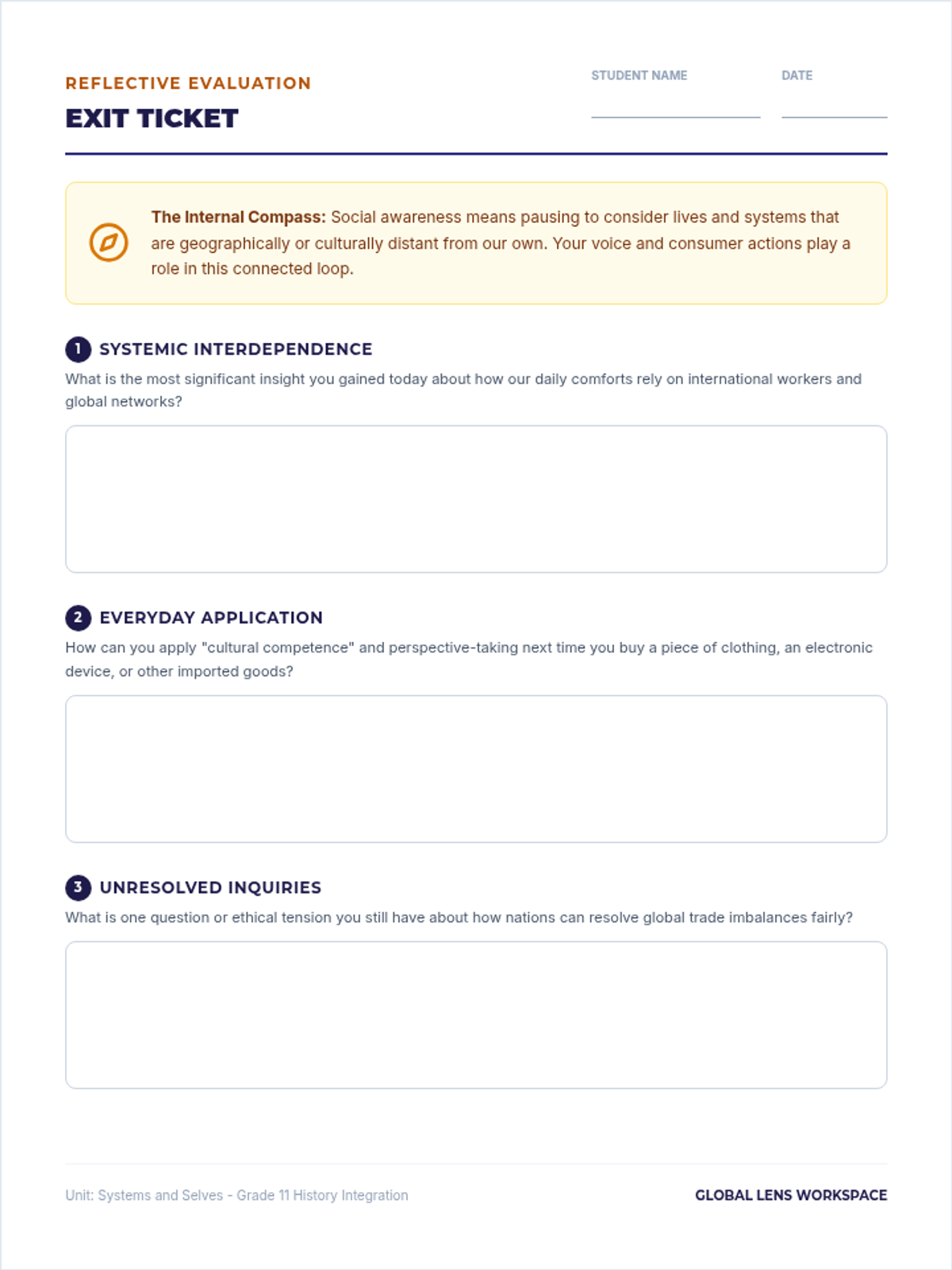
A grade 11 history and SEL lesson examining global trade, local labor, and economic interdependence. Students analyze complex global scenarios using multi-perspective lenses and cultural competence.
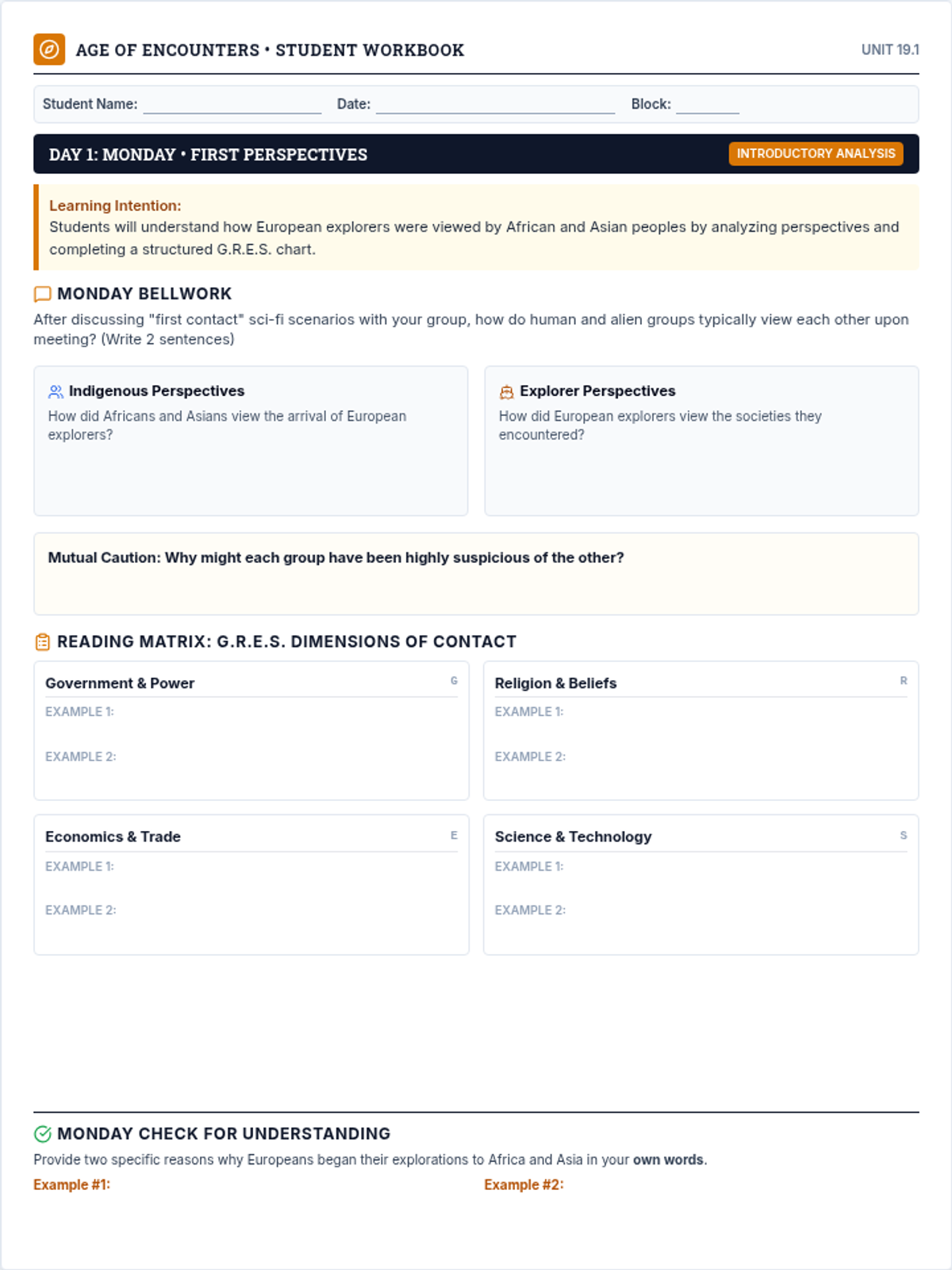
A comprehensive 5-day history unit exploring the Age of Exploration, cultural exchanges, technological innovations in navigation, the Transatlantic Slave Trade, and encounters with East Asian empires.
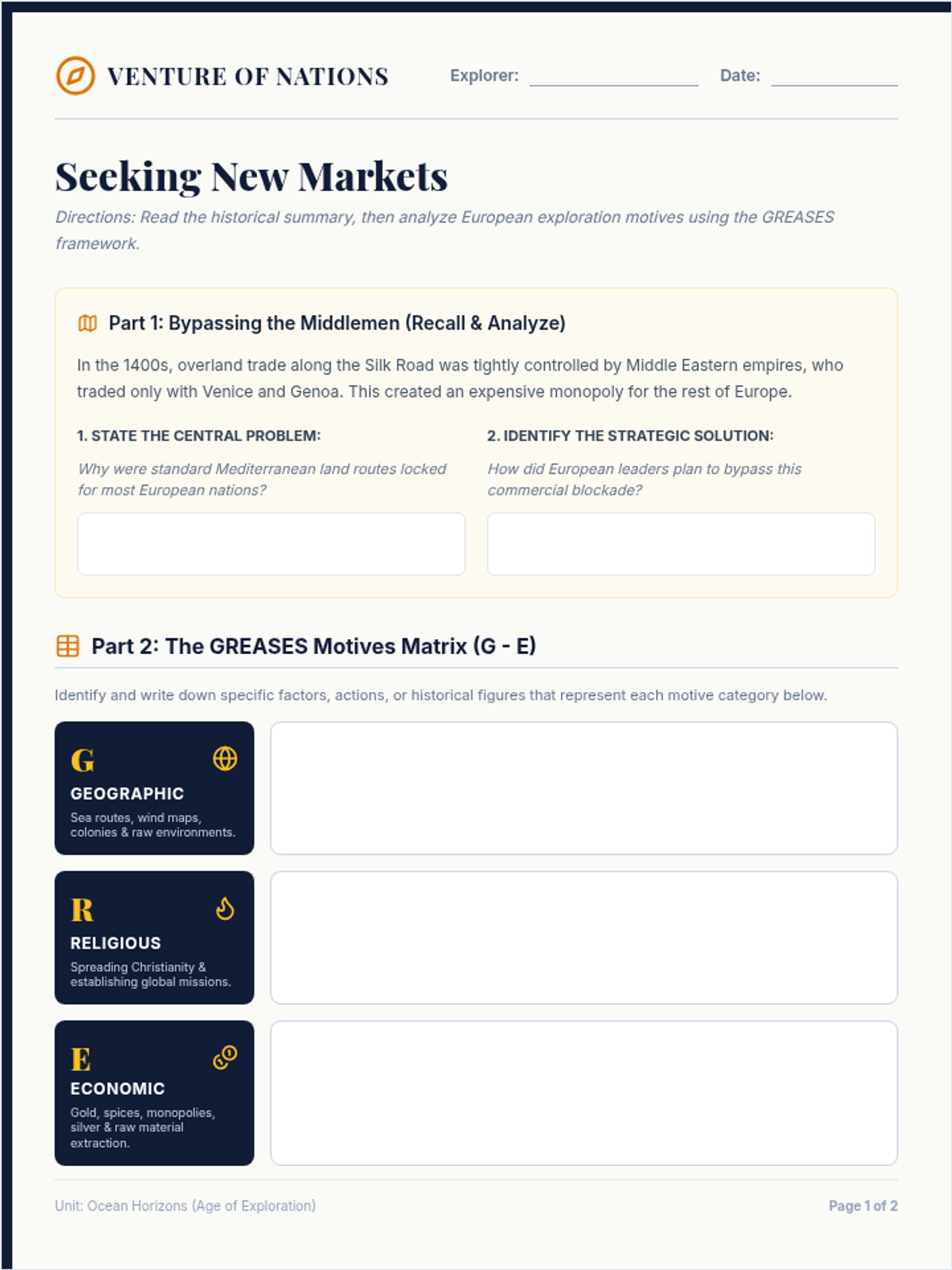
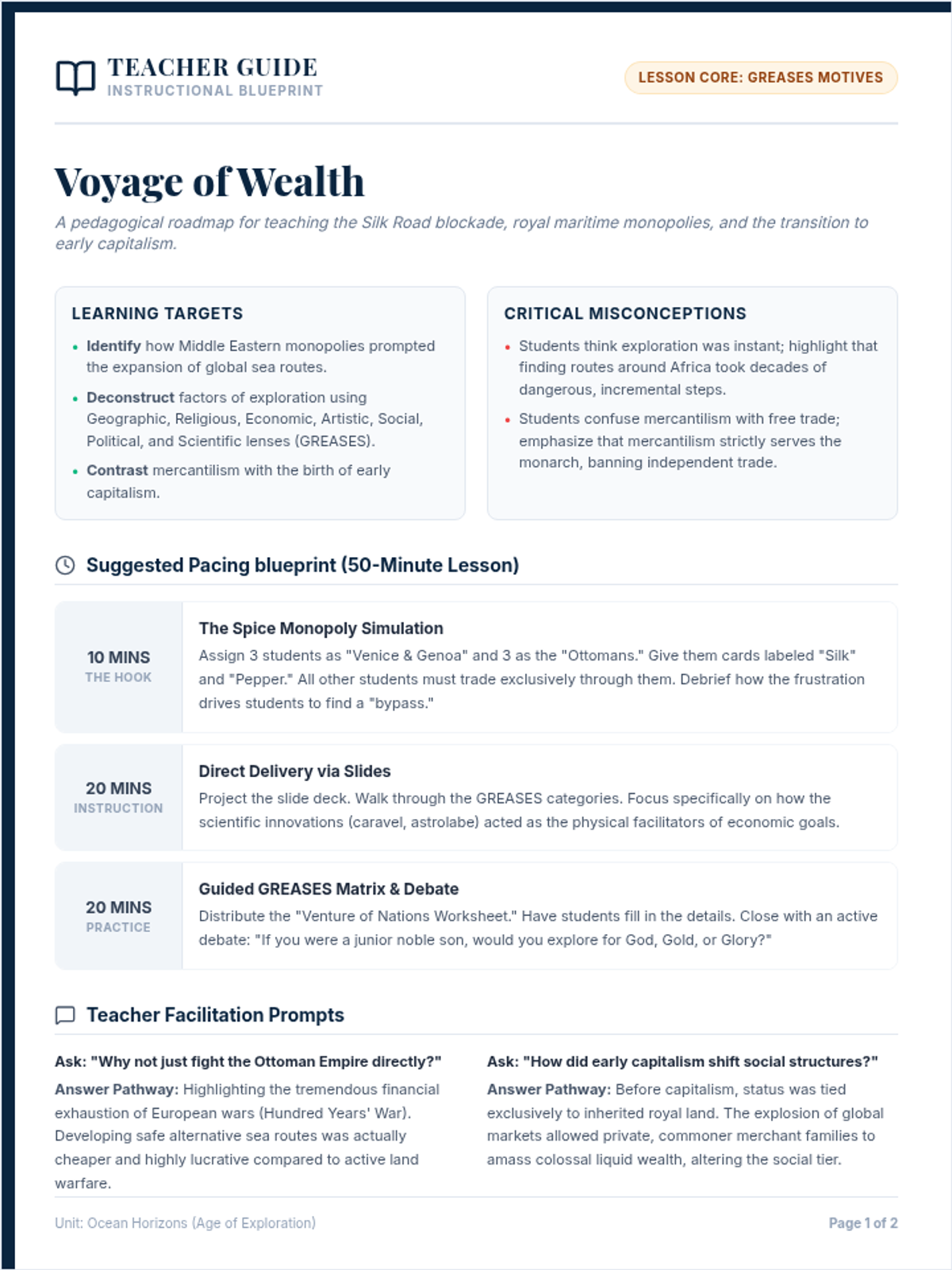
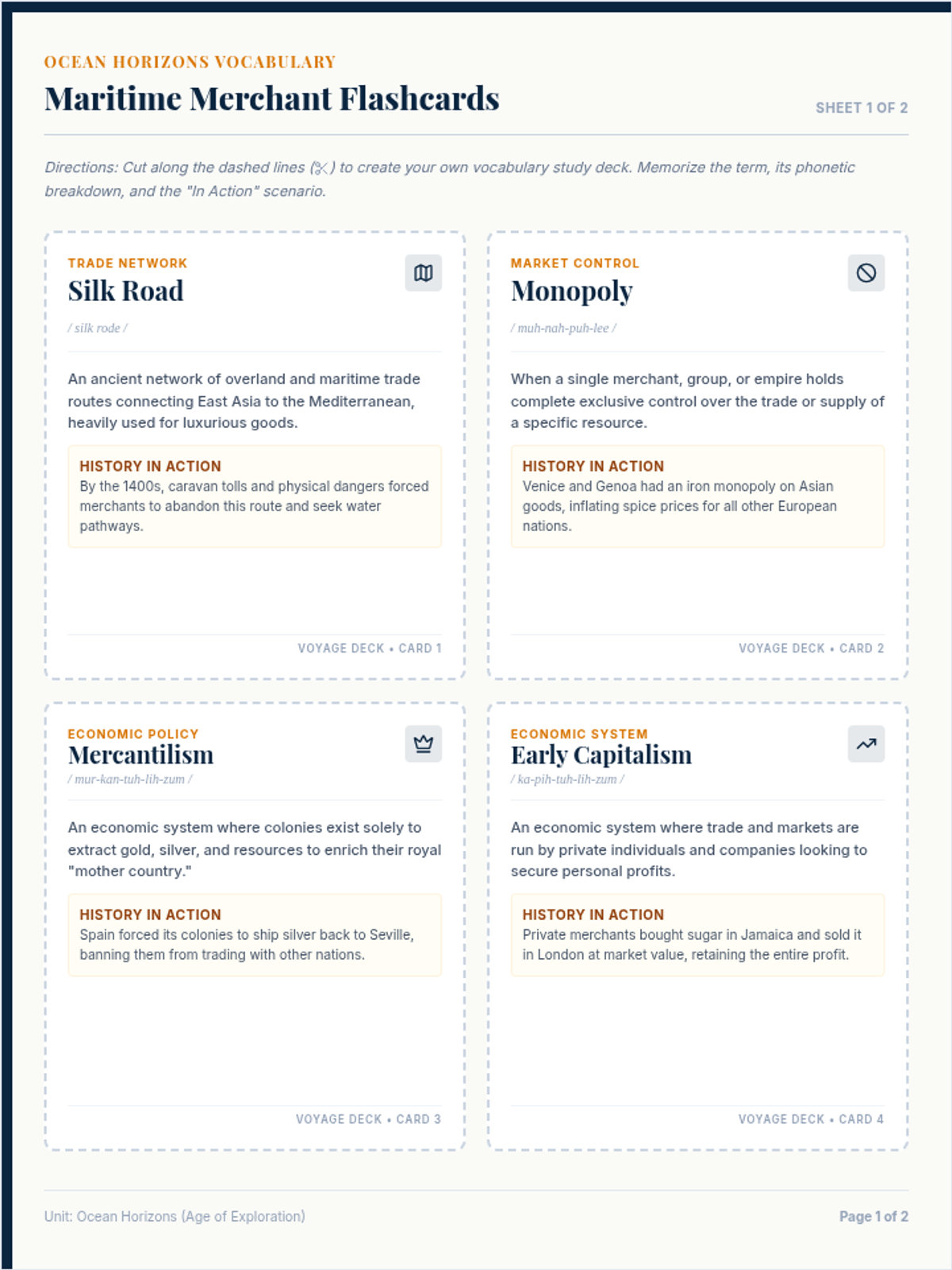
An in-depth exploration of the factors that drove European powers to seek new trade routes, introducing the GREASES framework for historical analysis of global expansion.
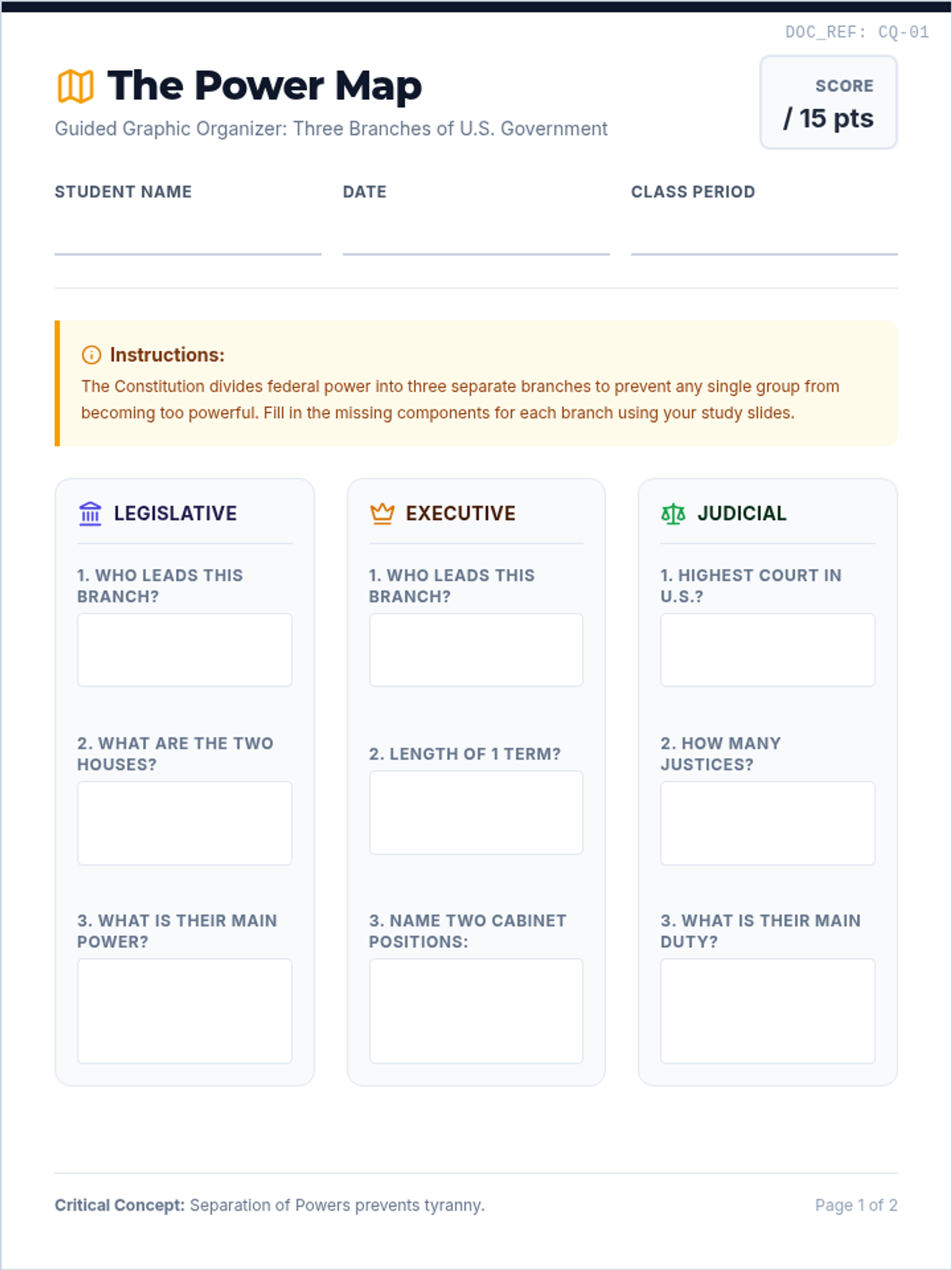
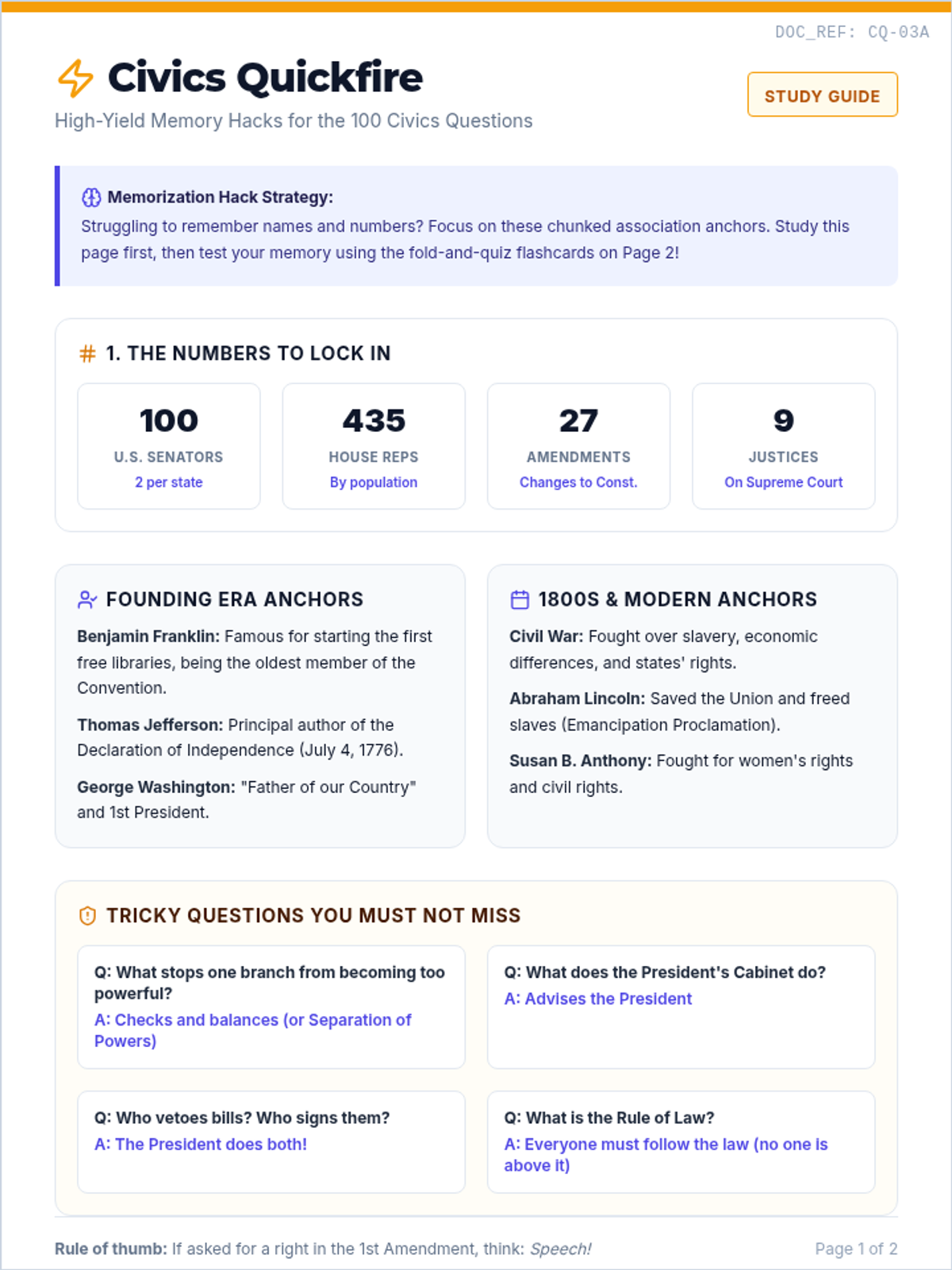
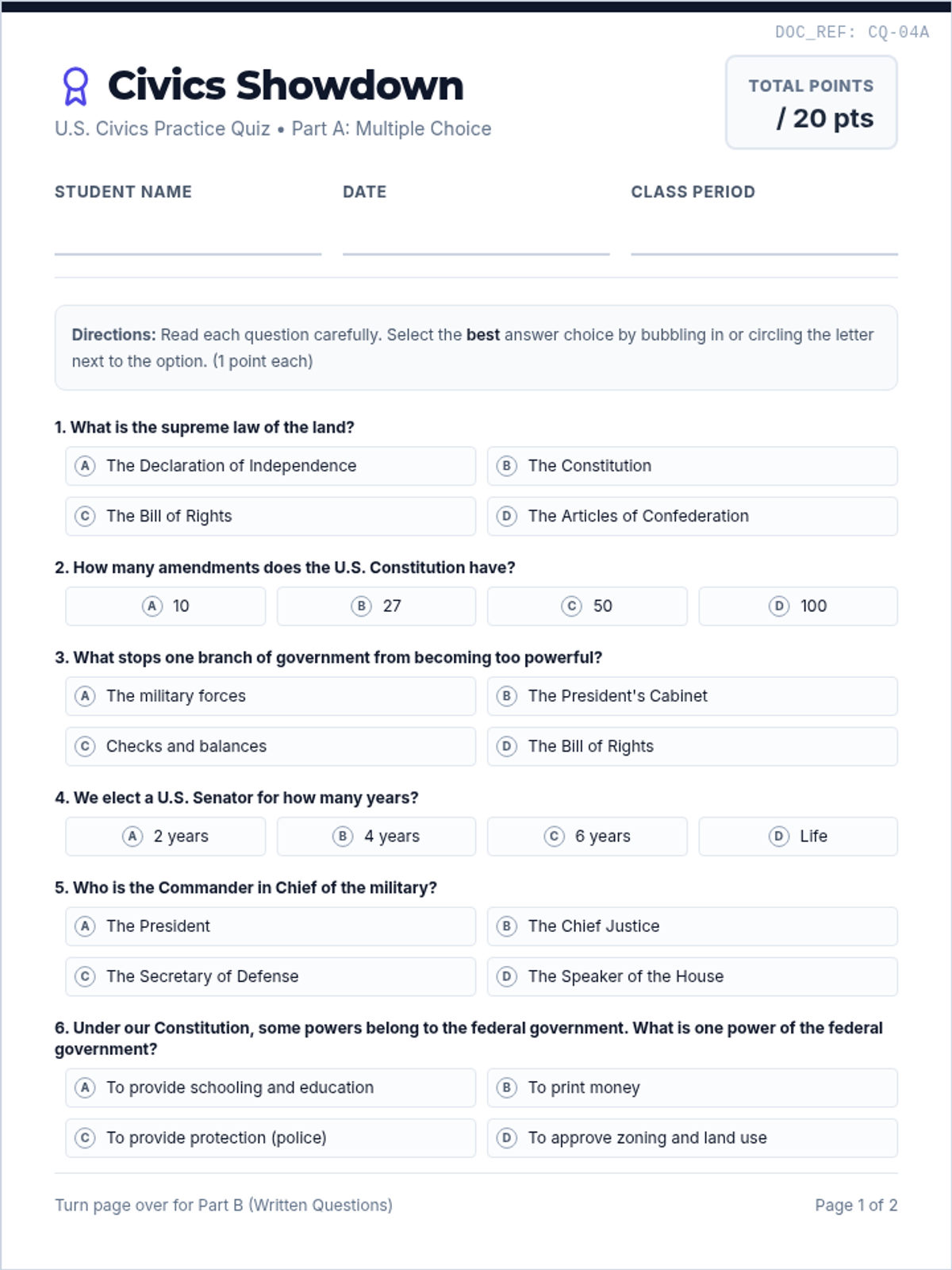
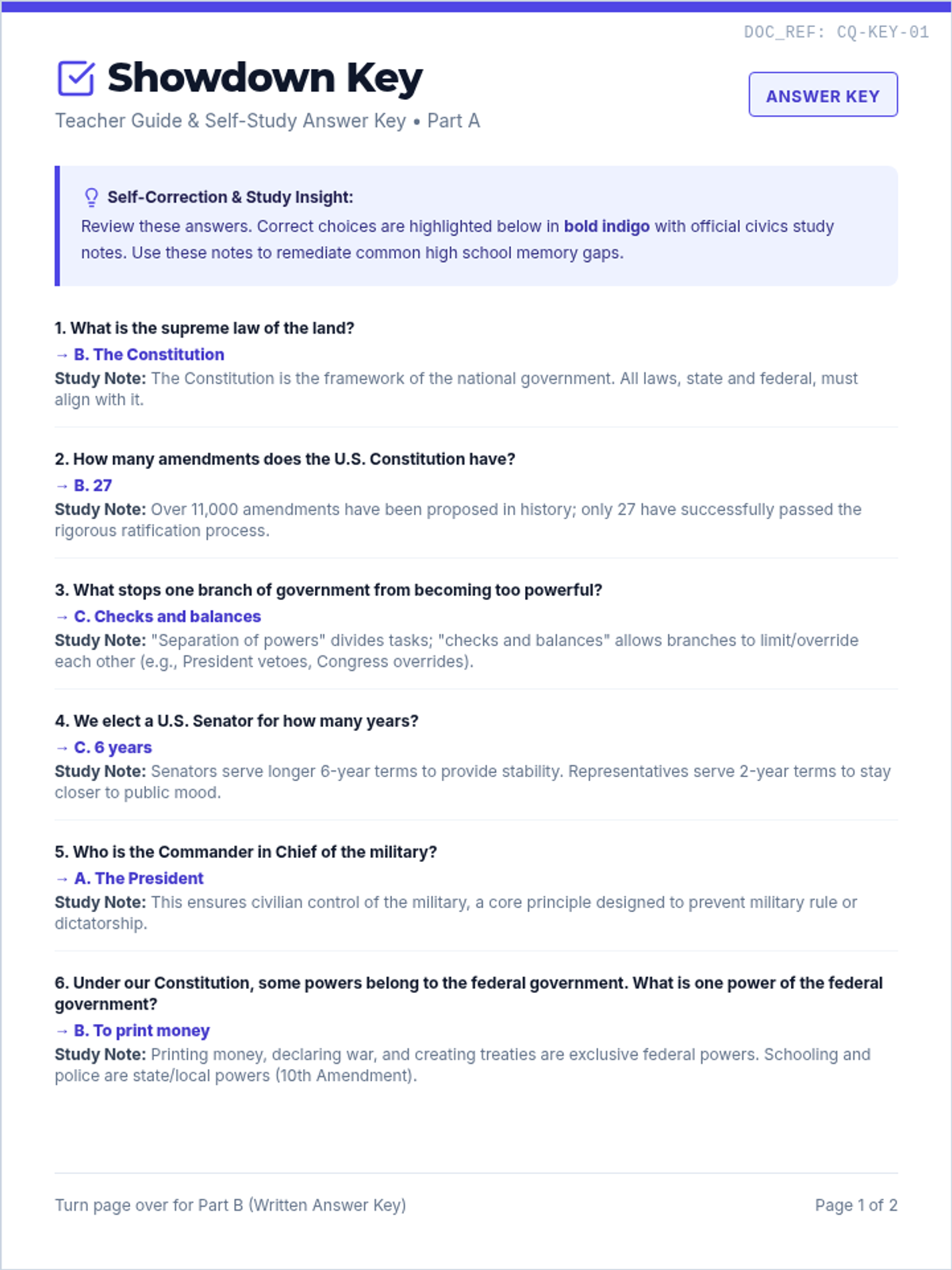
A comprehensive study bundle designed for high school students preparing for the Iowa-required civics exam. The materials use chunked information, visual aids, and scaffolded structures to support rote memorization, quick recall, and structured independent study of the official 100 citizenship questions.
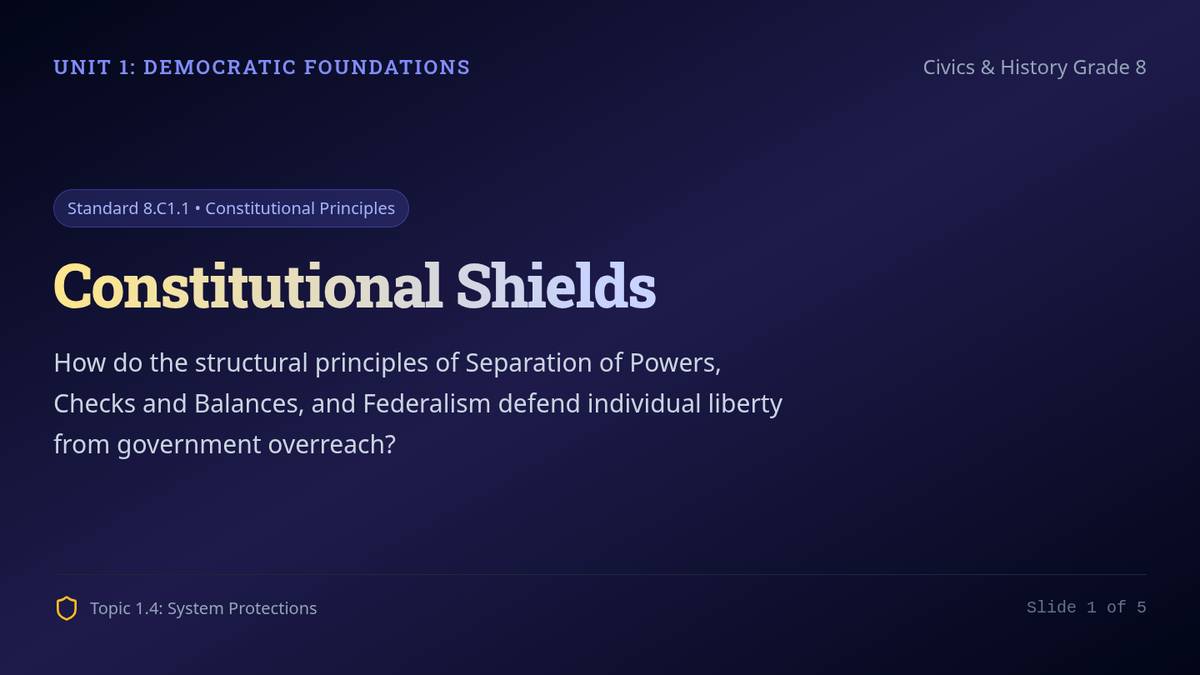
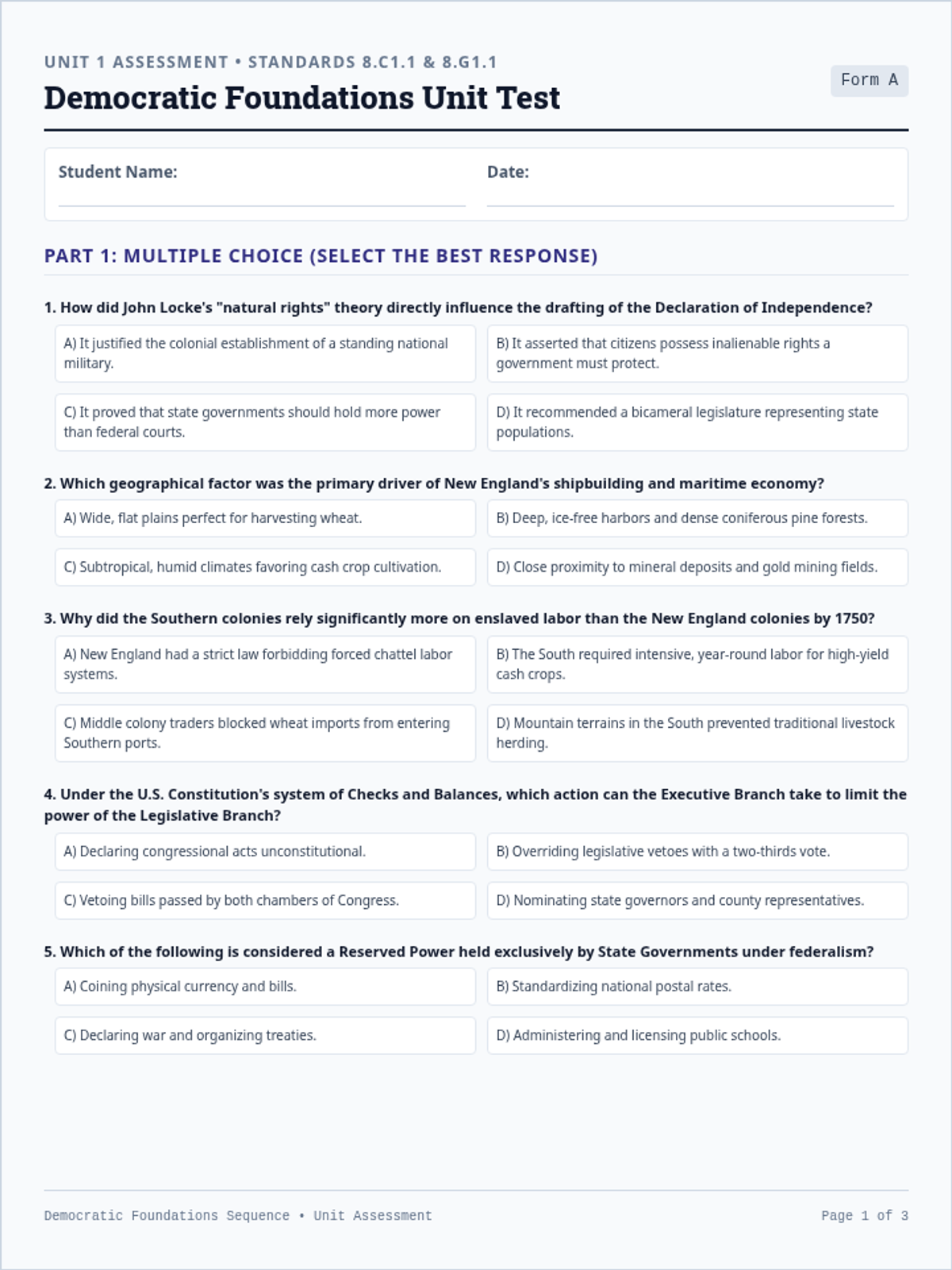
A deep dive into the structural principles of the U.S. Constitution, focusing on separation of powers, checks and balances, and federalism, culminating in a standards-aligned unit assessment.
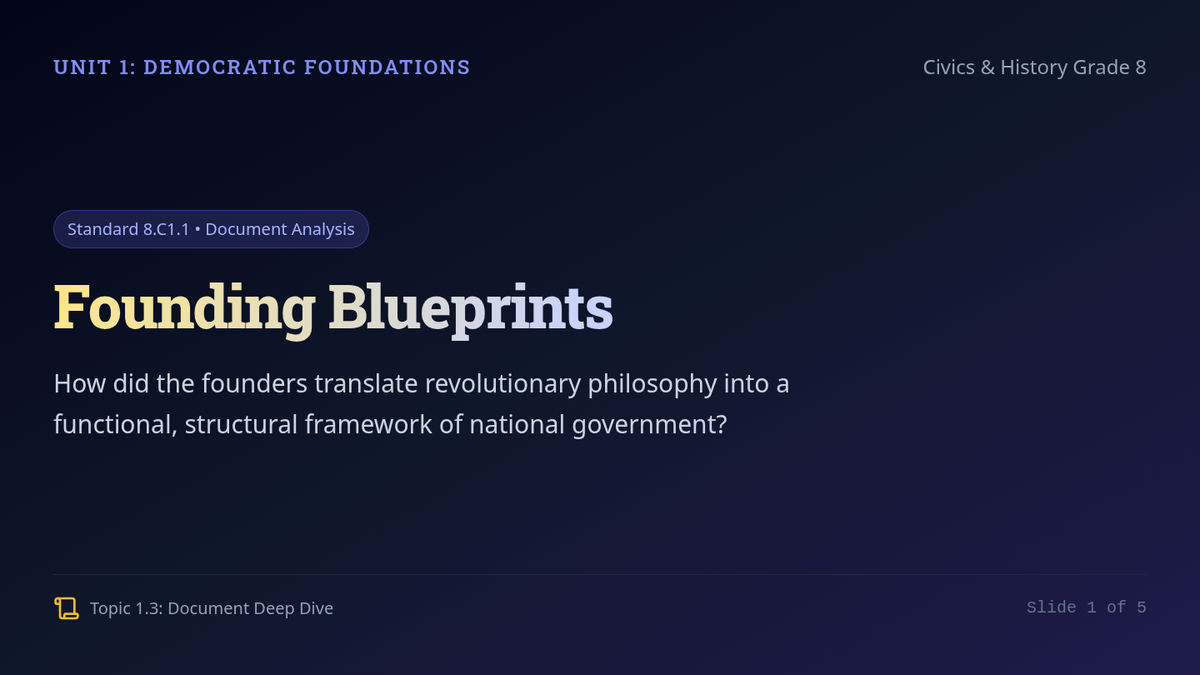
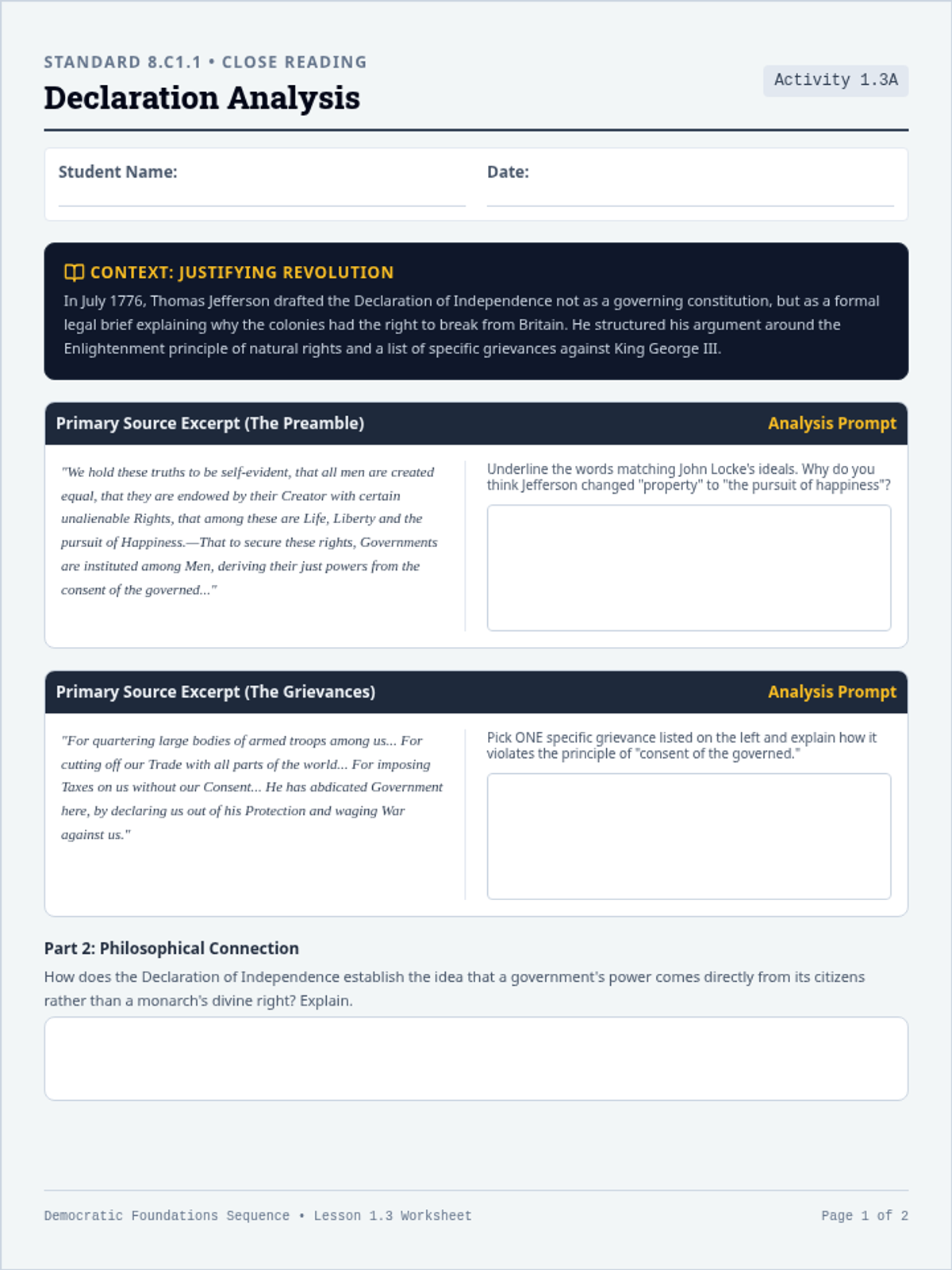
A close analytical reading of the Declaration of Independence and the original United States Constitution, detailing the historical grievances and the structural compromises of early American nation-building.
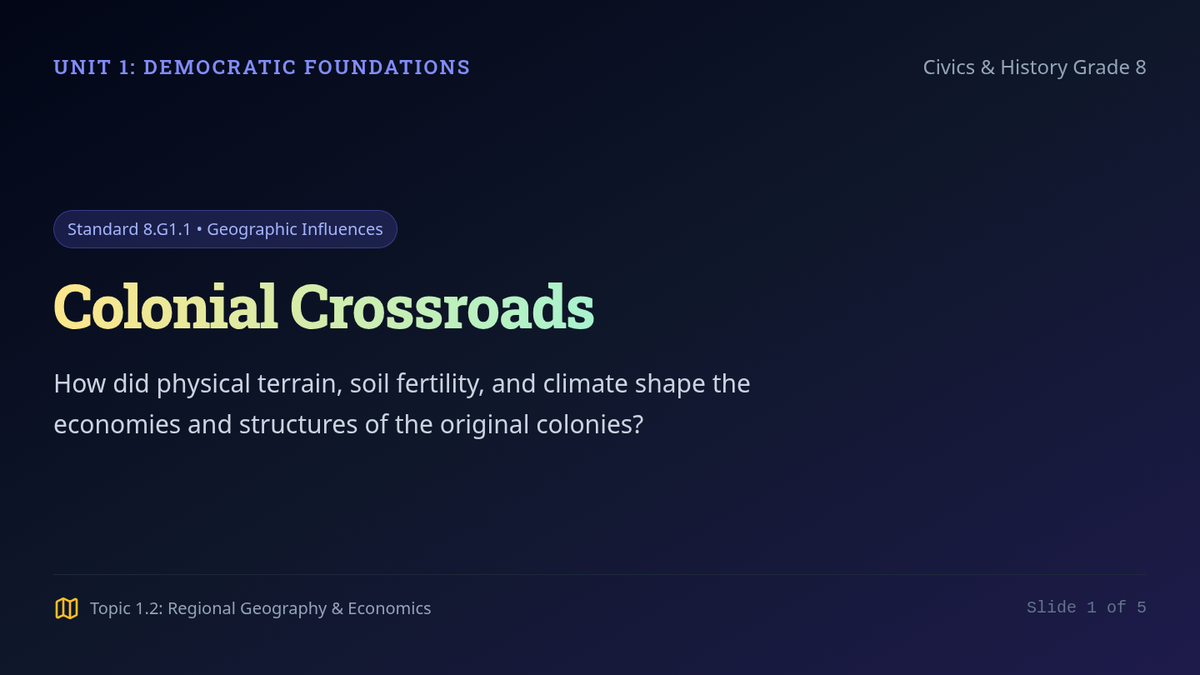
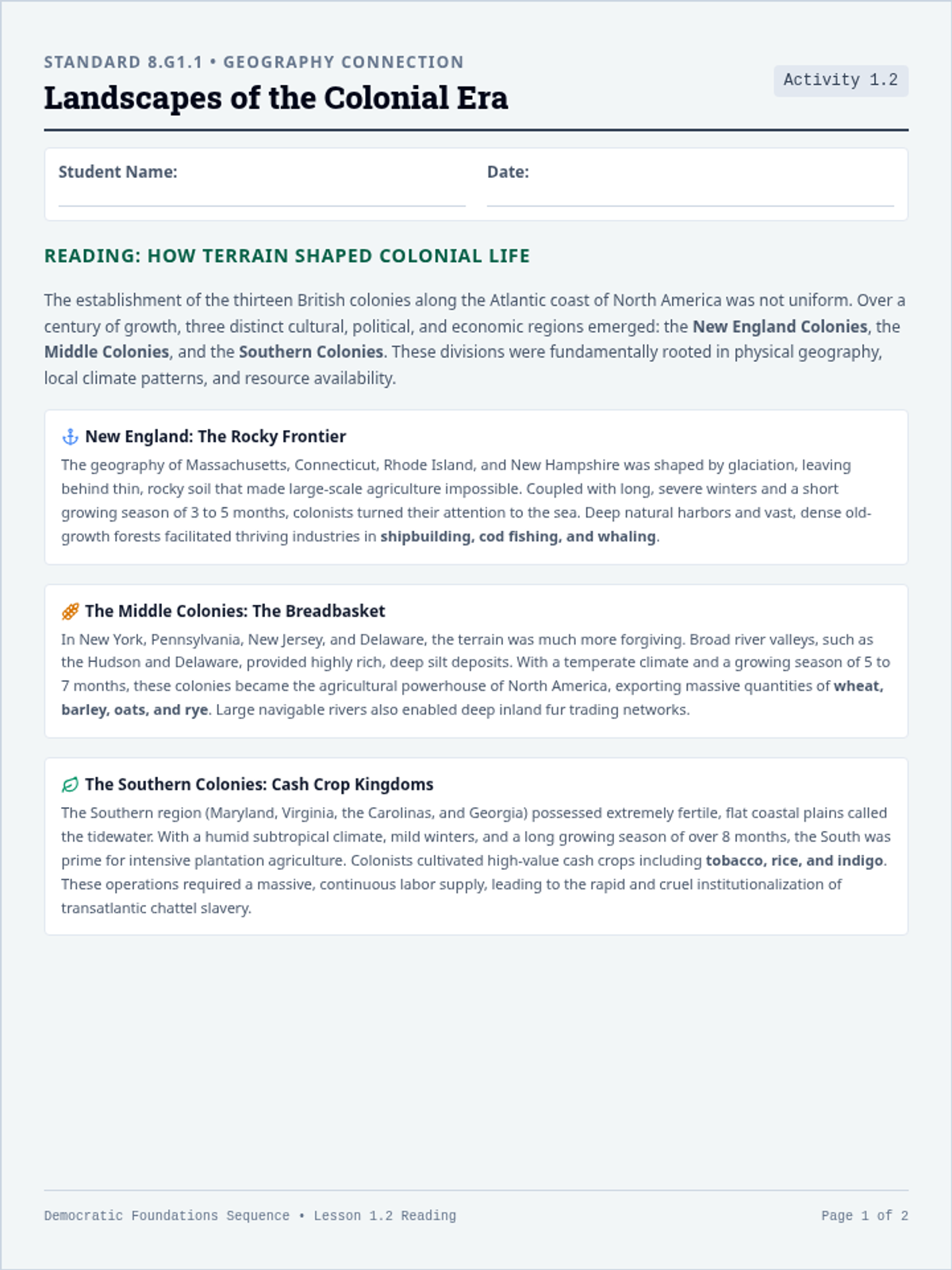
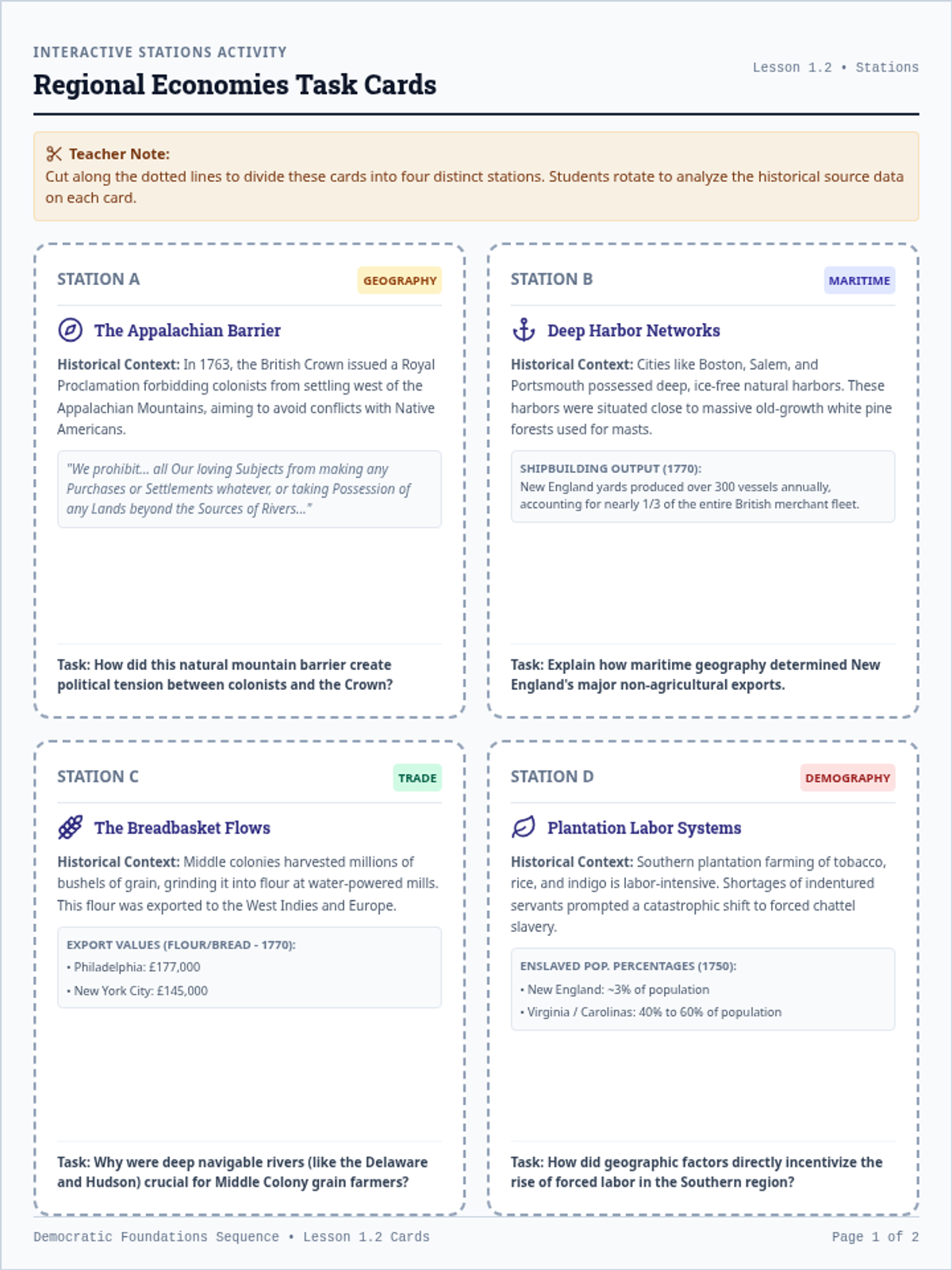
An analysis of early American regional geography, resource distribution, and economic systems, investigating how physical geography shaped the development of distinct Northern, Middle, and Southern colonial societies.