Students analyze the Mars Climate Orbiter failure to understand the stakes of unit conversion and learn the 'grid' method for dimensional analysis.
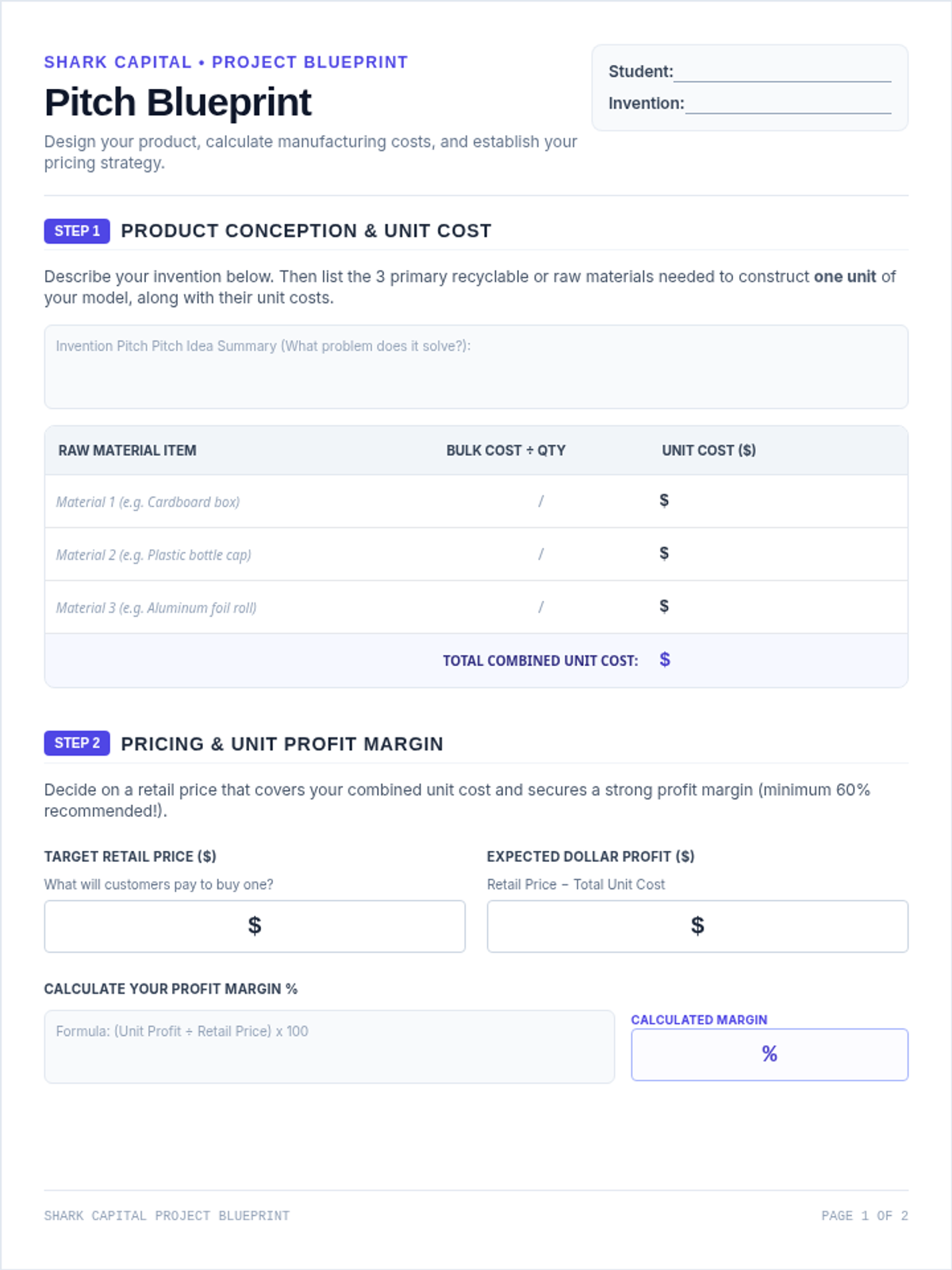
Students apply their mathematical knowledge to their own inventions. They calculate their product costs, set their retail price, determine their company valuation, and write the math portion of their pitch speech.
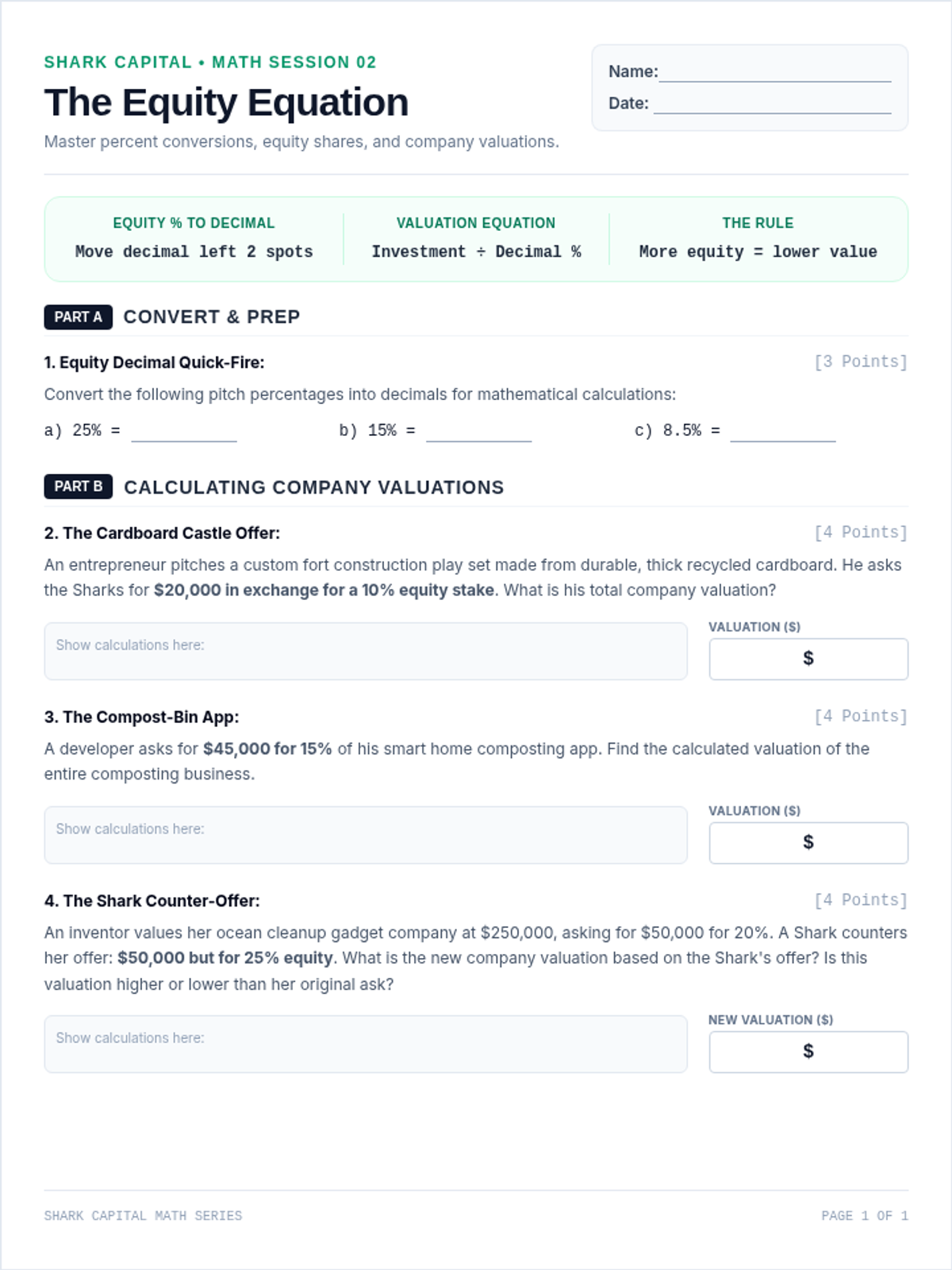
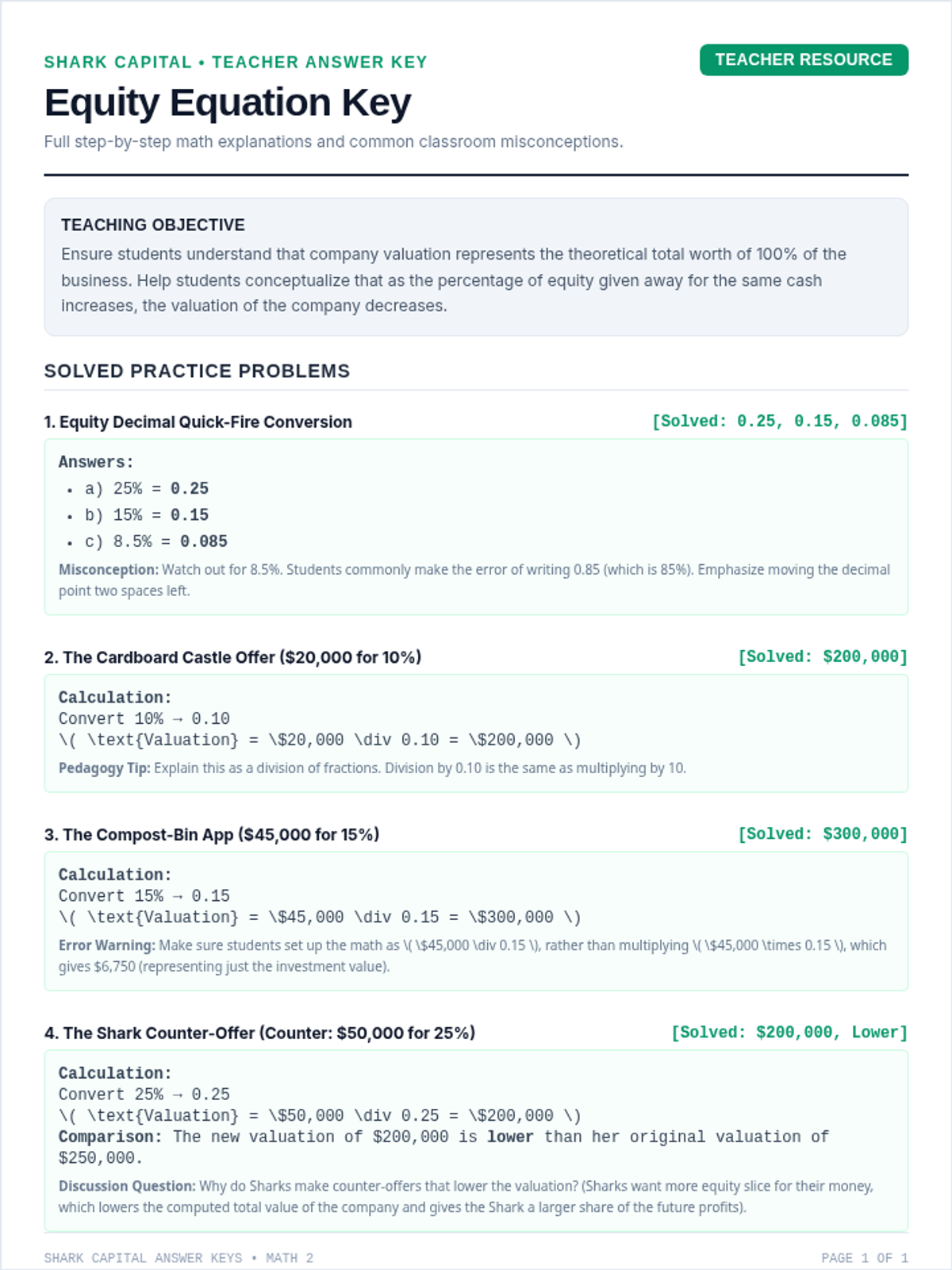
Students tackle company valuations, percentage offers, and equity calculations. They learn the math behind asking for investment and determining what percentage of their company to sell.
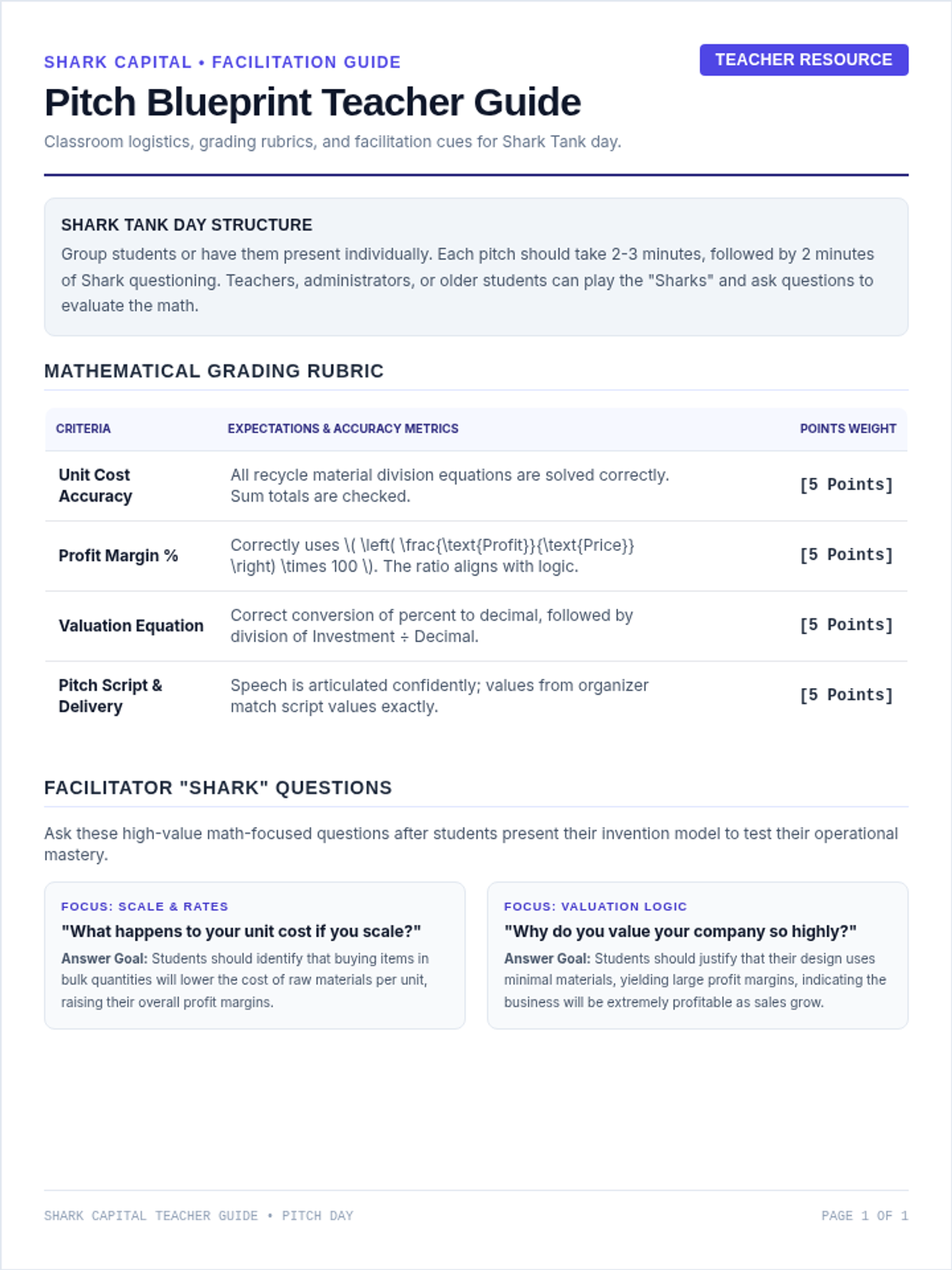
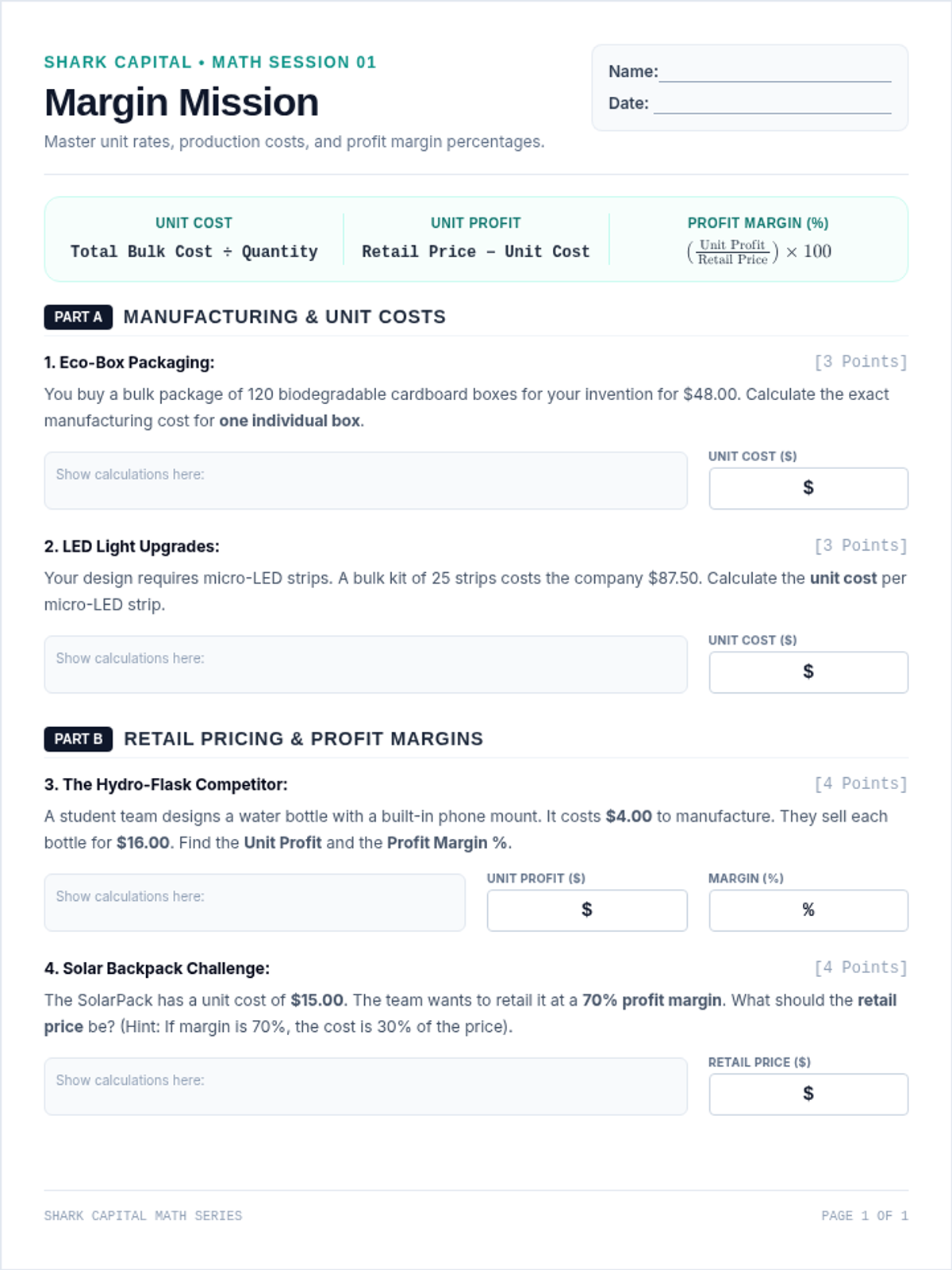
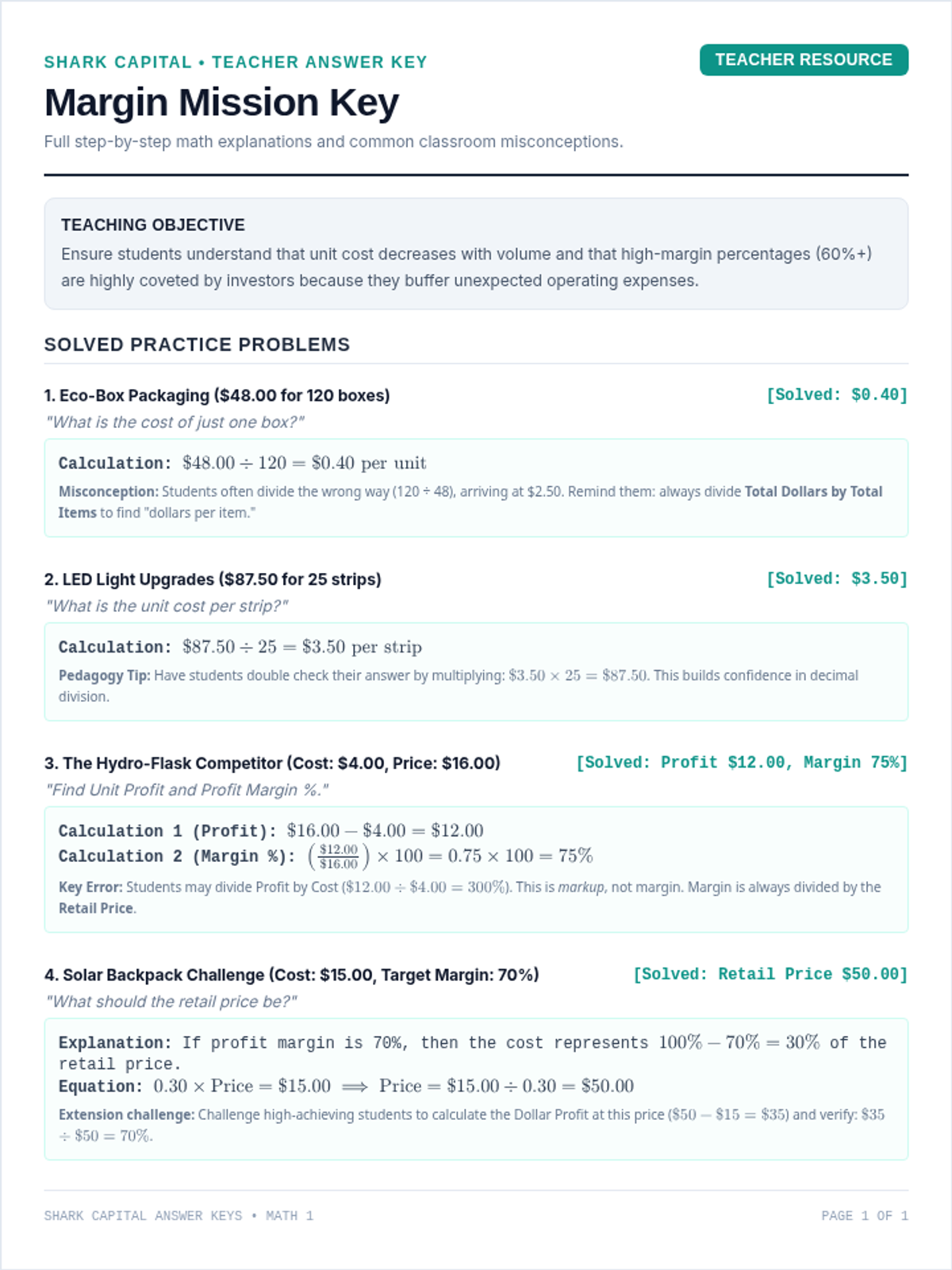
Students master unit rates, production costs, retail pricing, and profit margin percentages. They learn how to analyze whether an invention is financially viable on a unit level.
An Algebra 1 lesson introducing projectile motion through the lens of launching rockets. Students learn to identify key features of quadratic graphs—specifically the vertex as maximum height and x-intercepts as landing times—and evaluate quadratic functions to find heights at specific seconds.
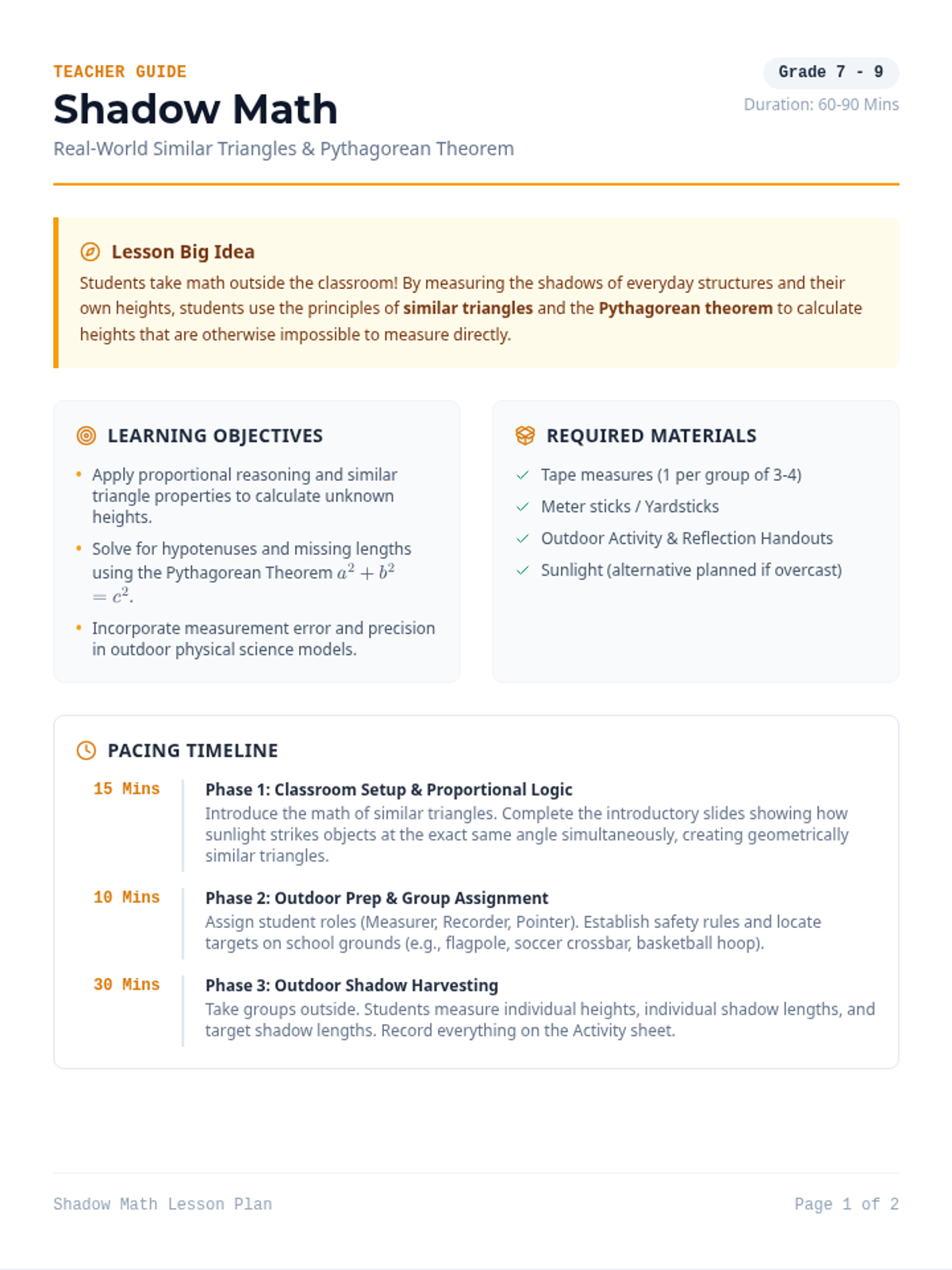
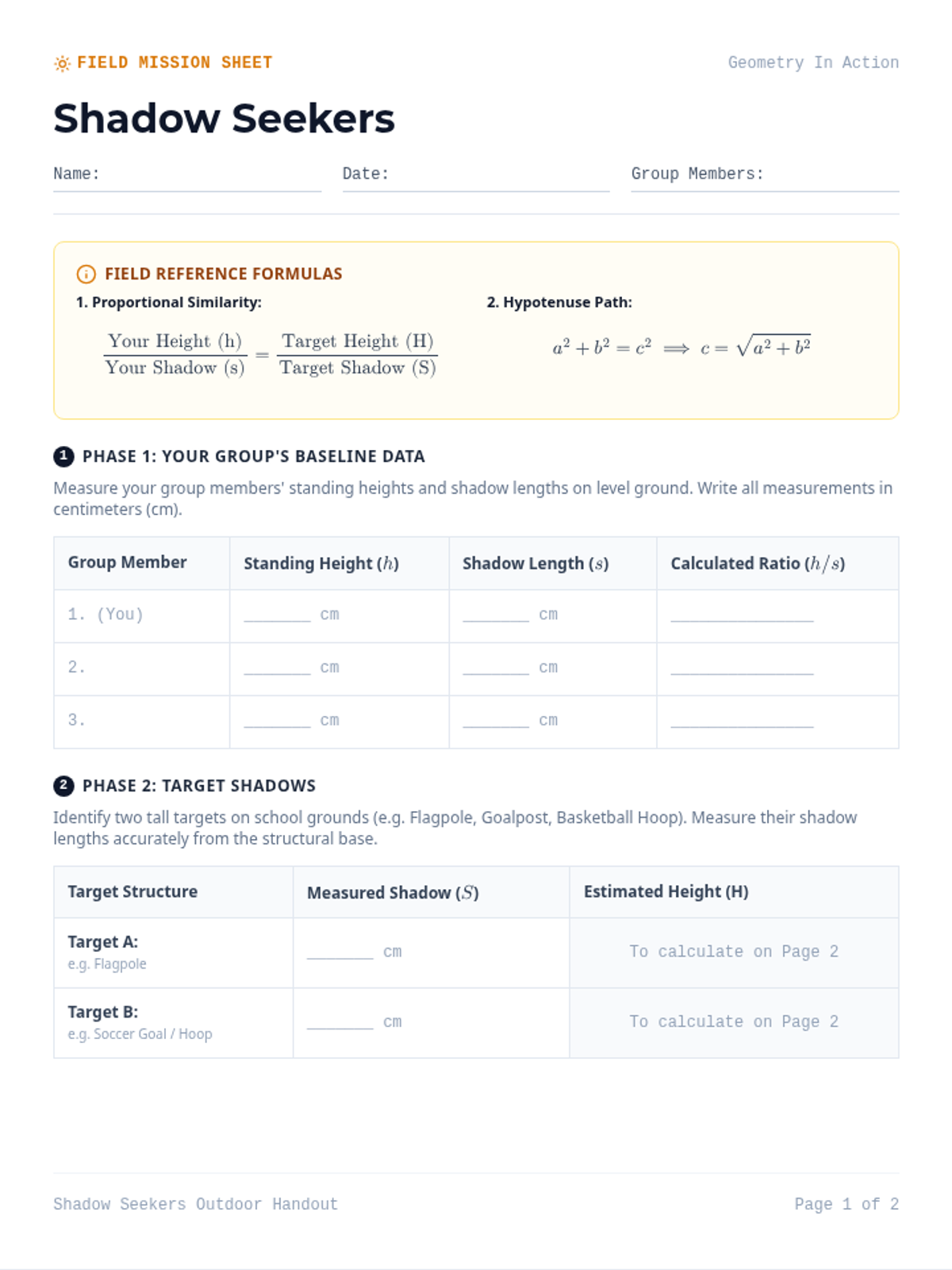
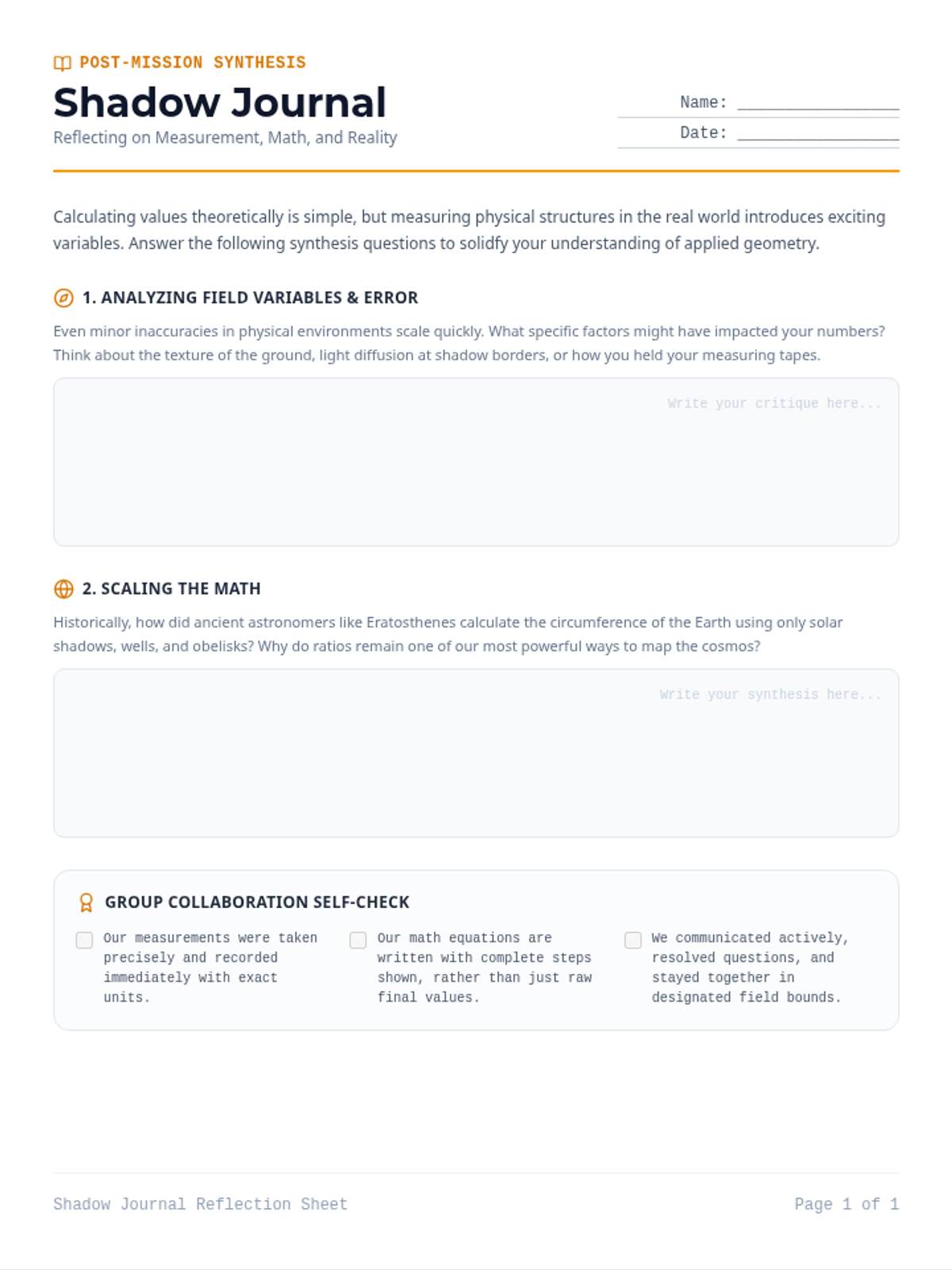
A hands-on geometry lesson where students head outdoors to measure shadows and use the Pythagorean theorem and geometric ratios to calculate the height of school structures. Includes a lesson plan, slide deck, outdoor activity guide, and reflection journal.
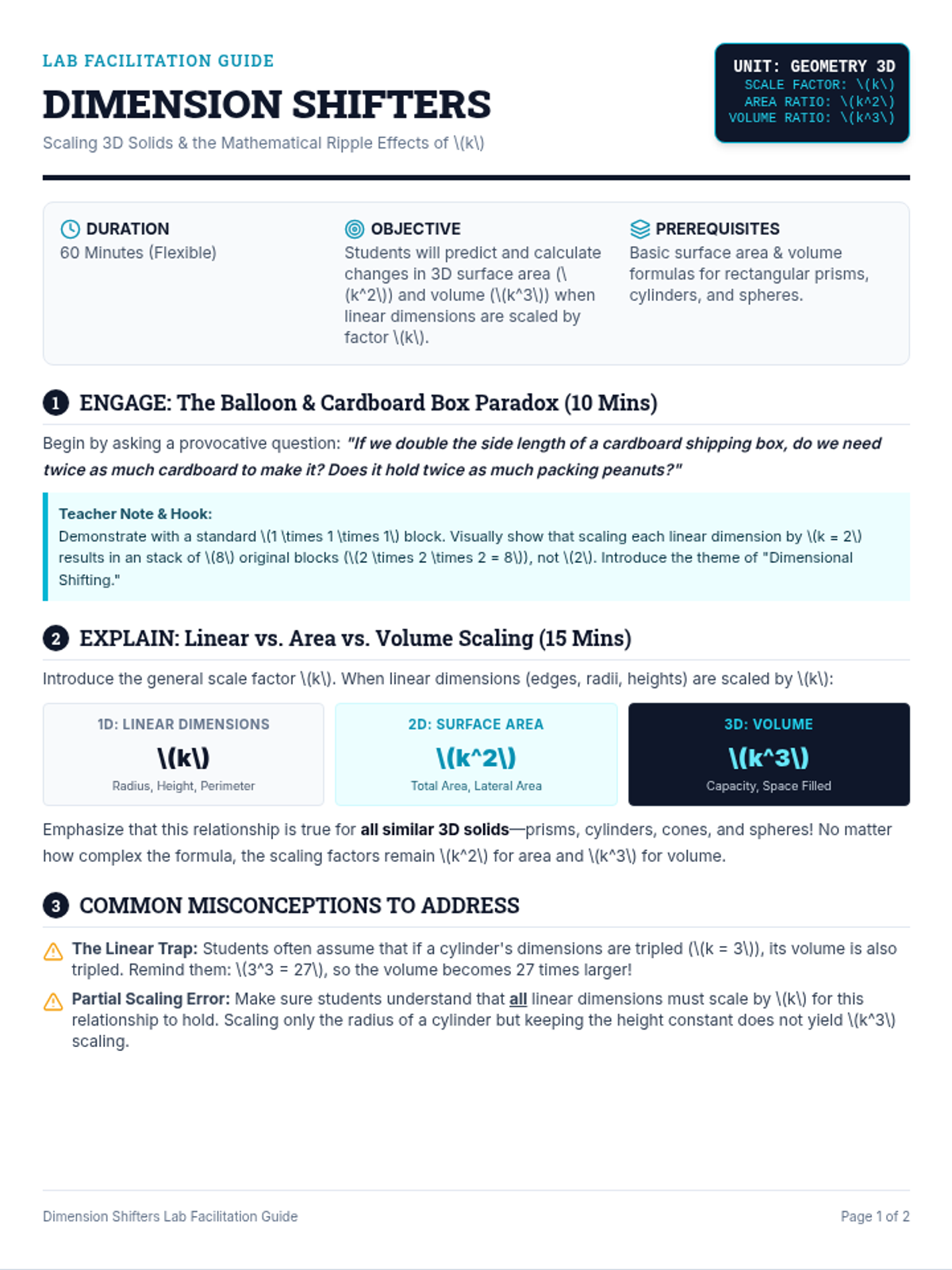
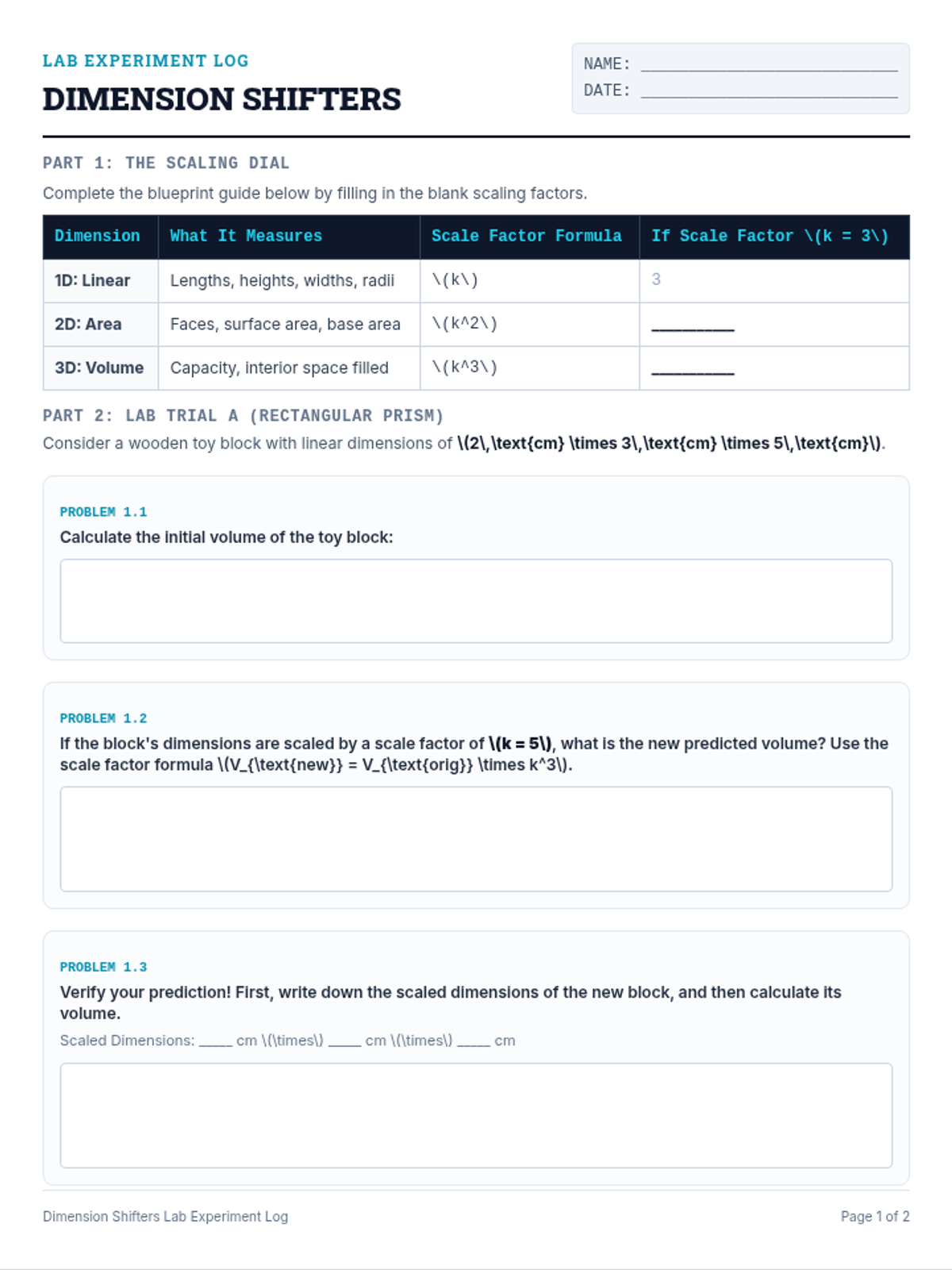
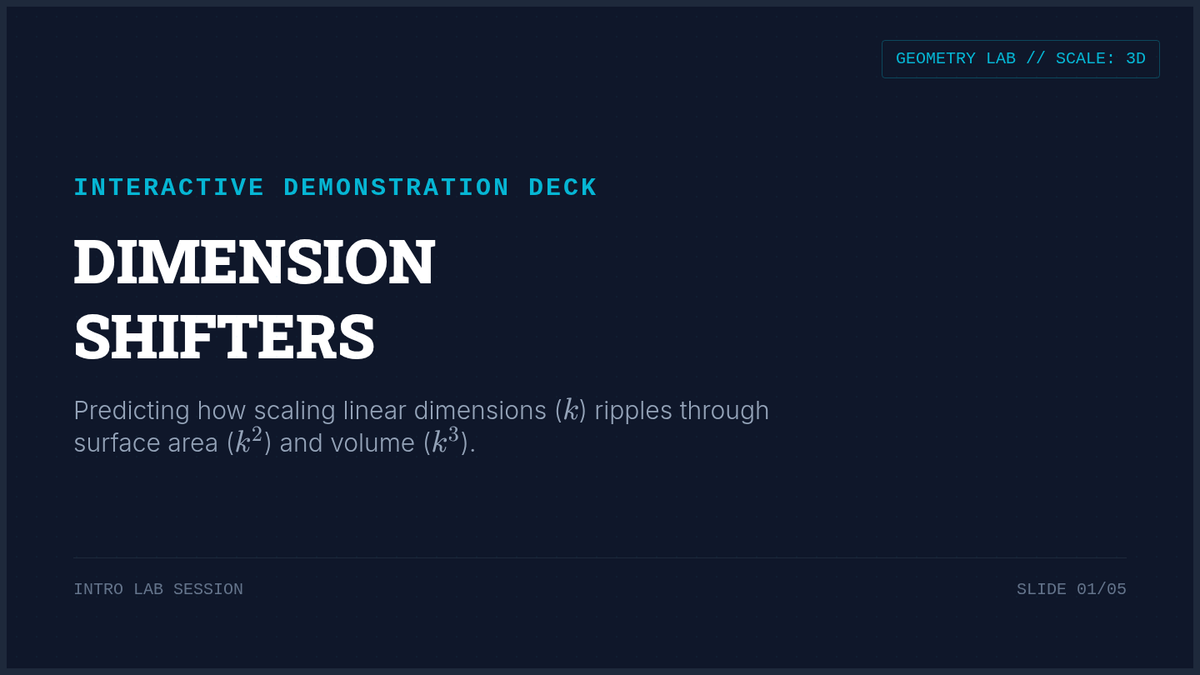
A hands-on geometry lesson exploring how scaling the linear dimensions of 3D solids by a scale factor k impacts their total surface area (by k²) and volume (by k³). Features interactive model-scaling examples, a vocabulary challenge, and guided practice.
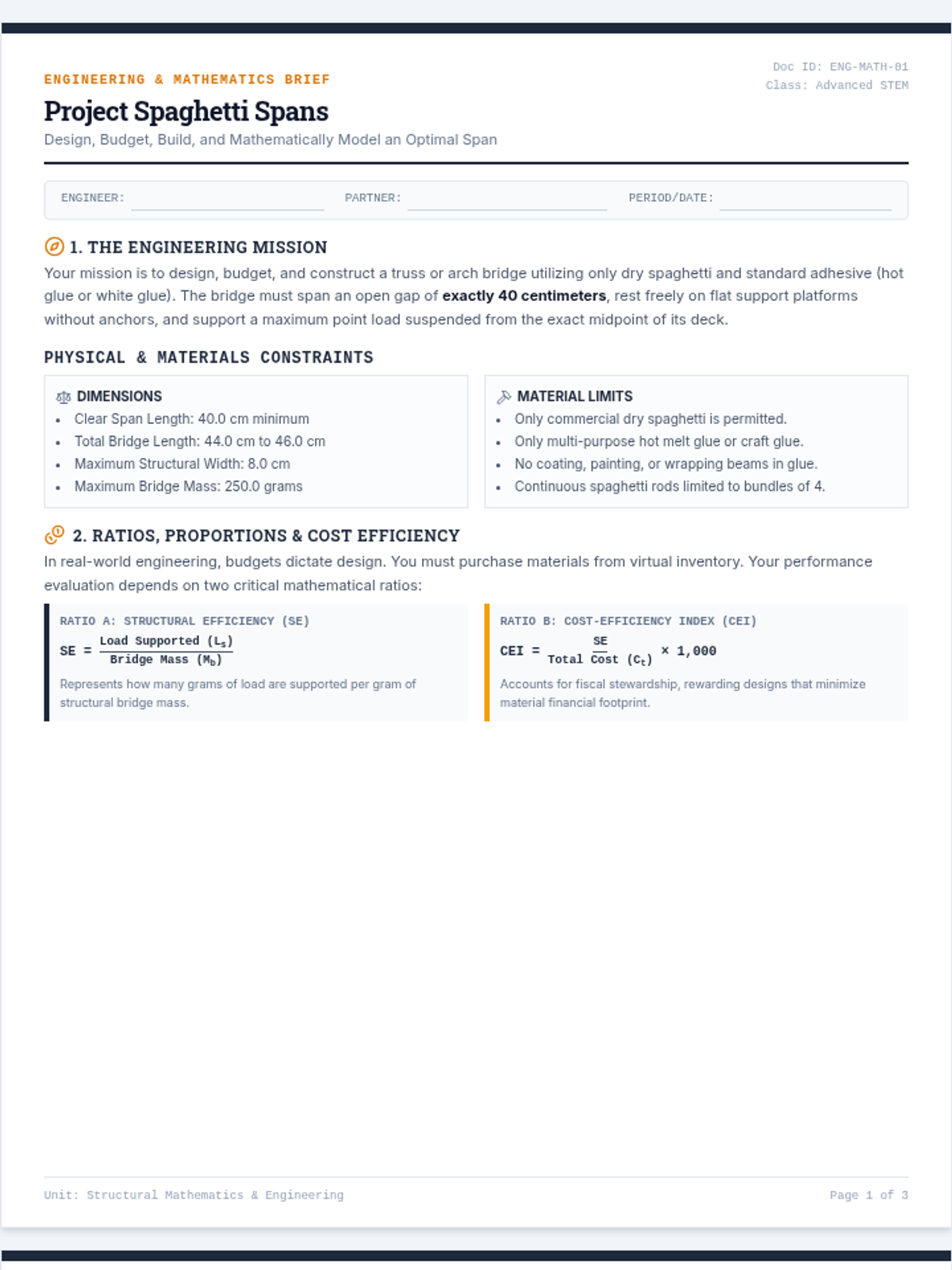
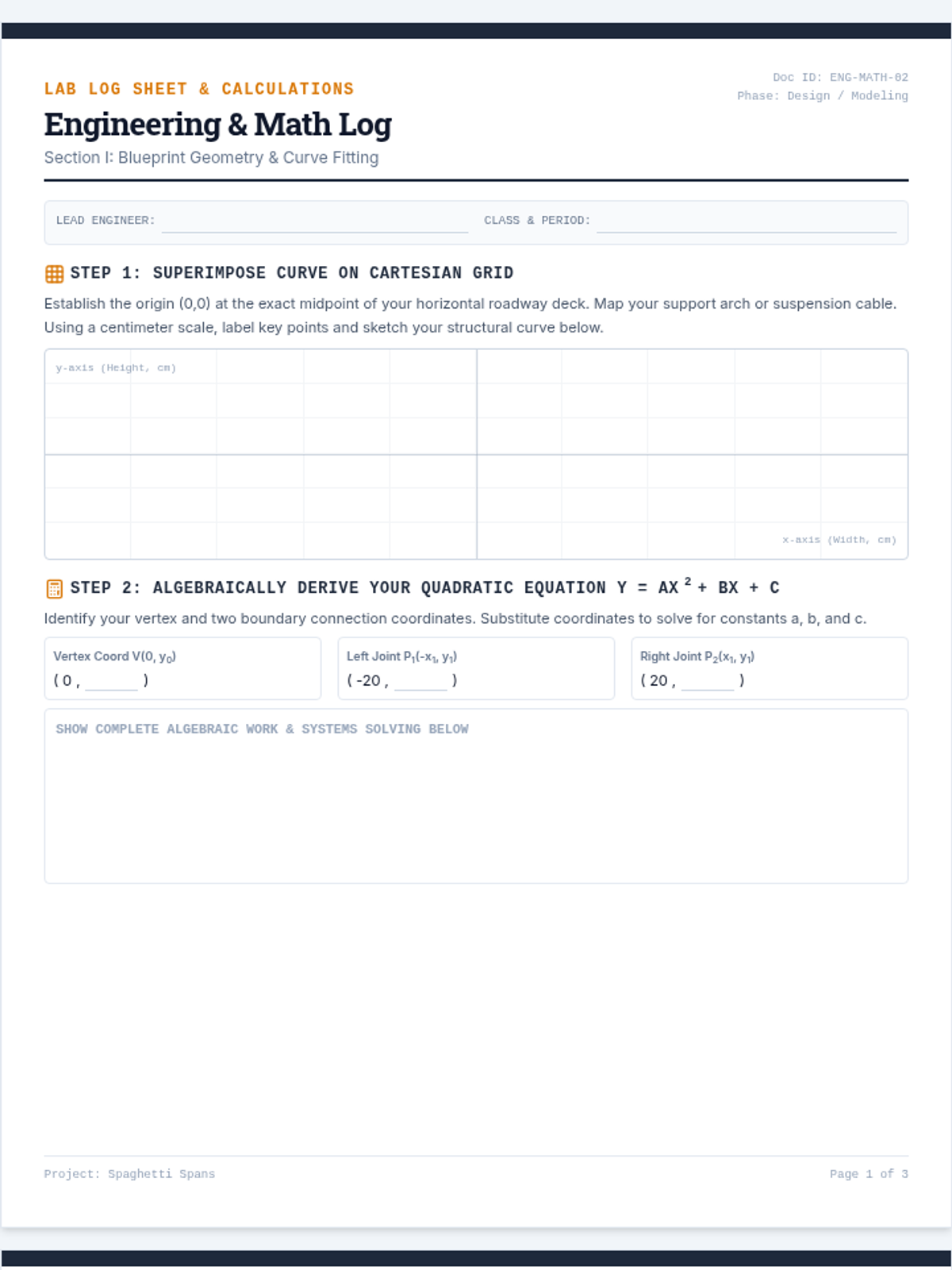
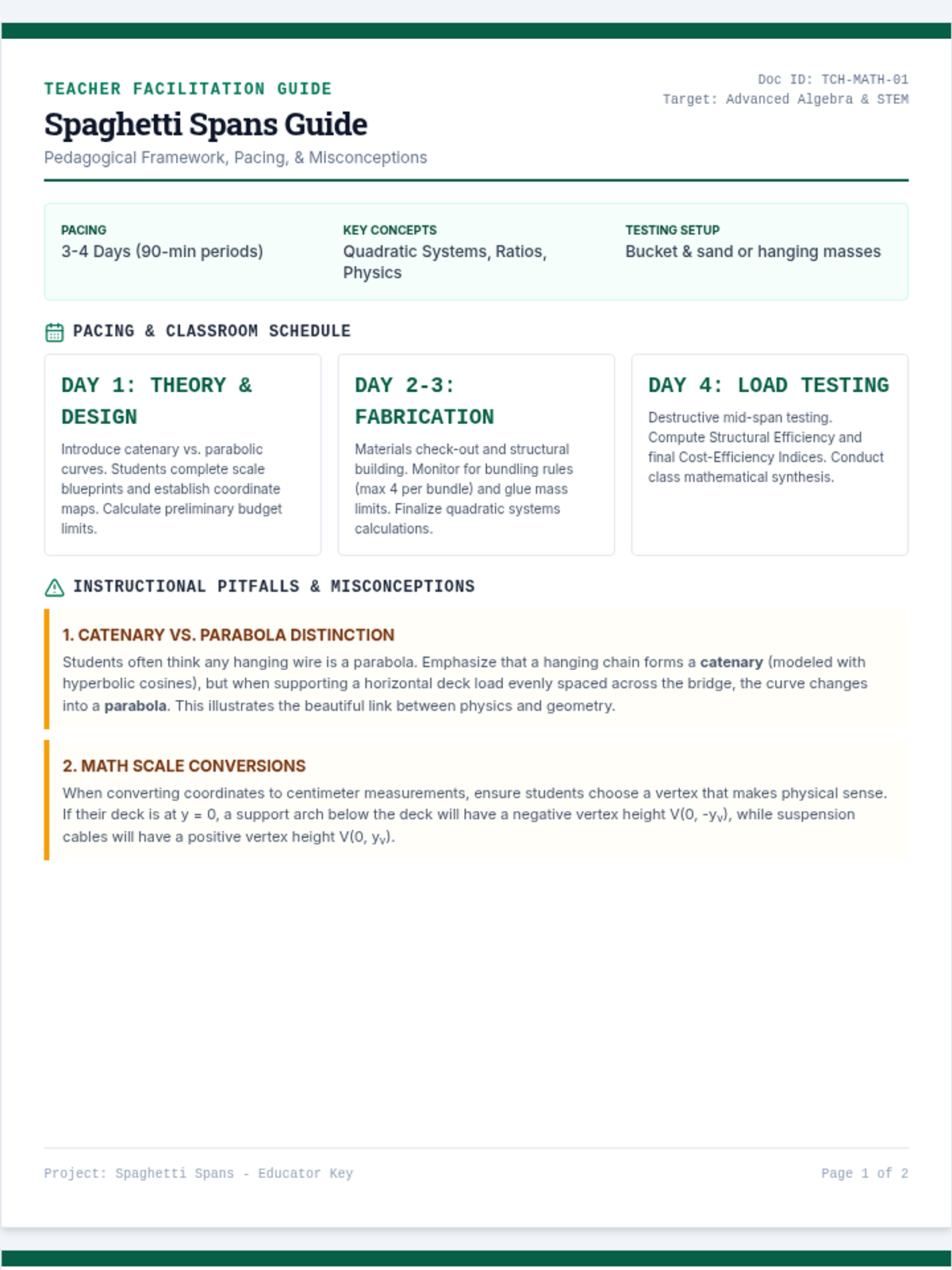
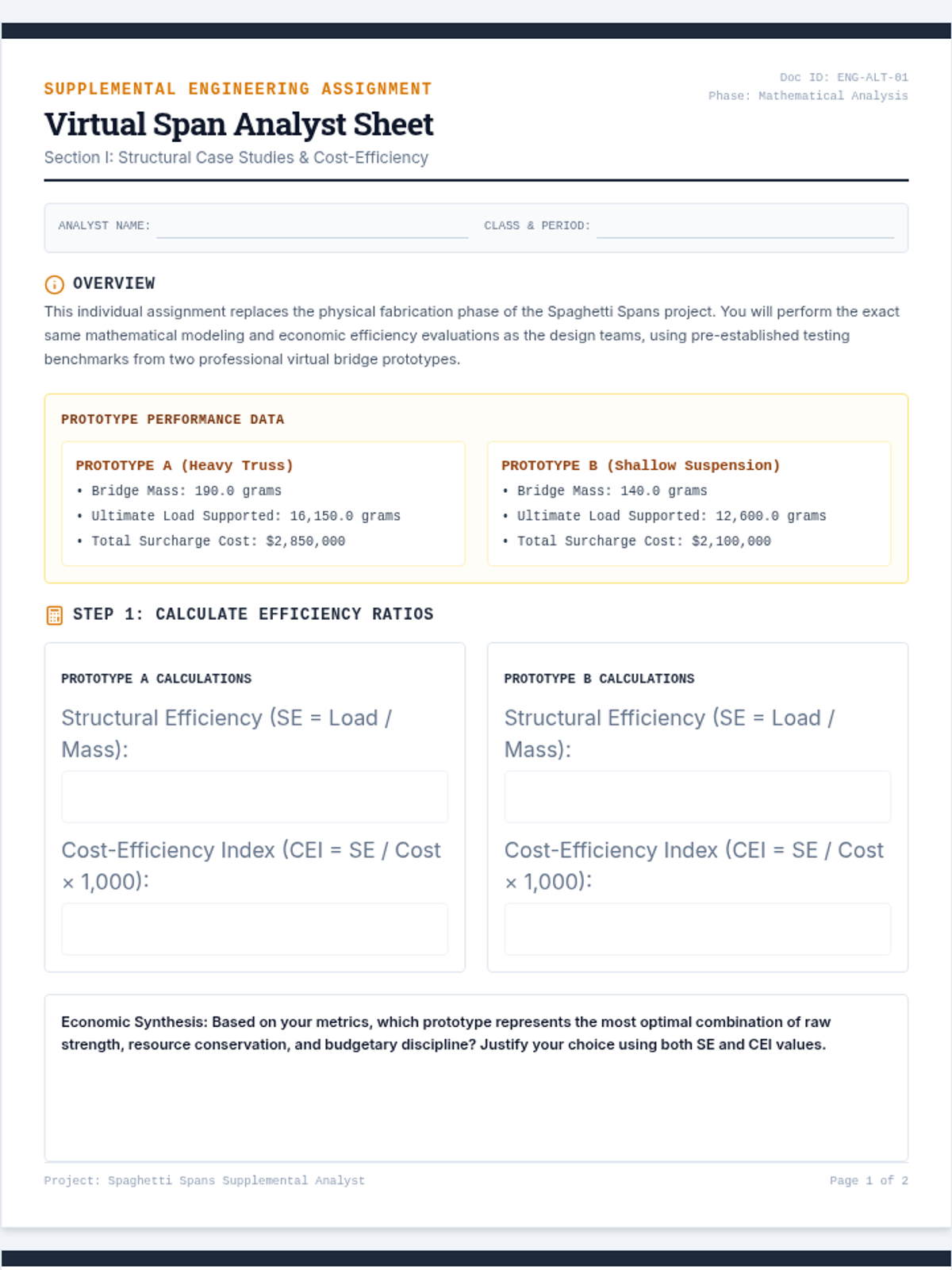
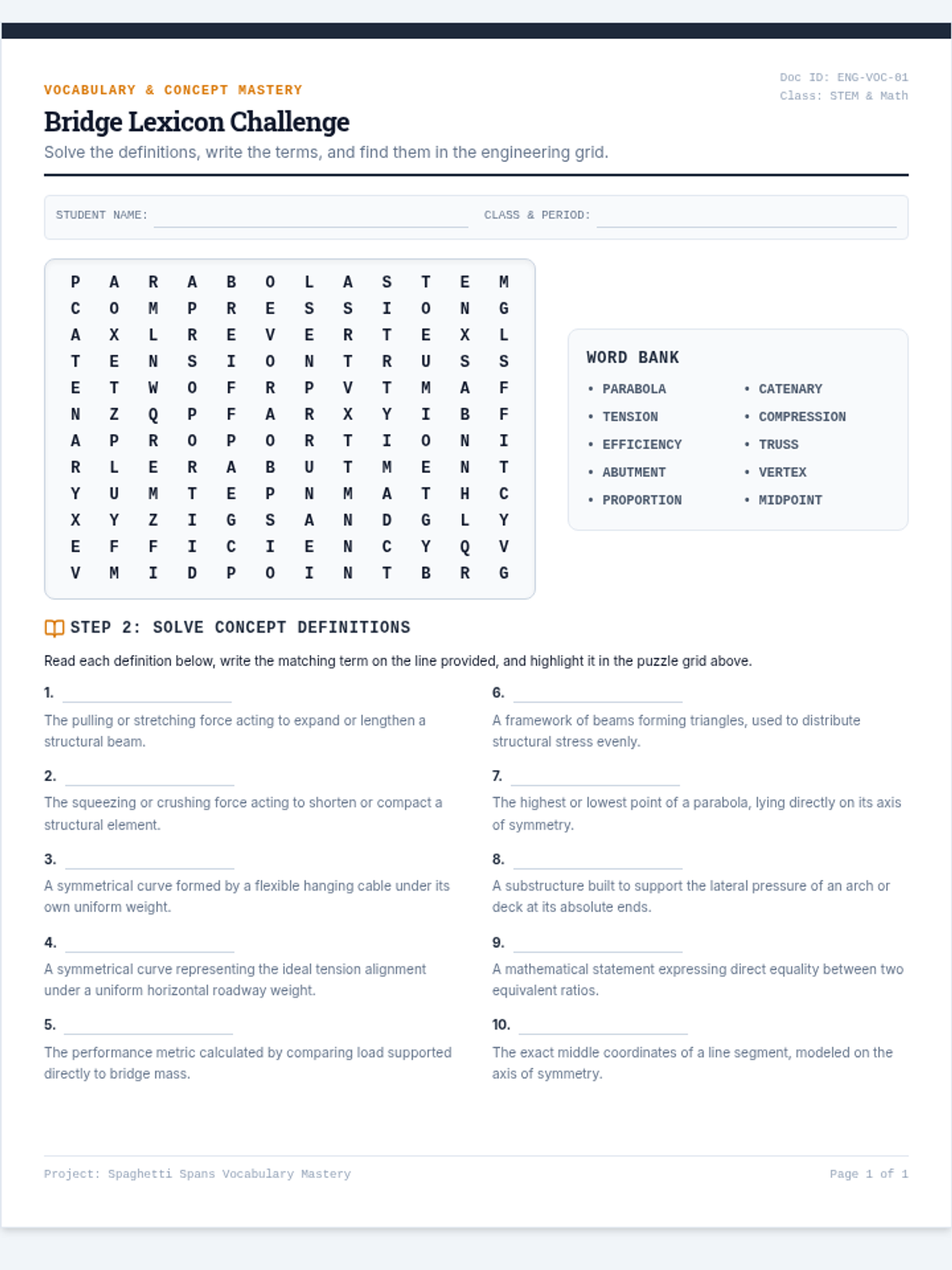
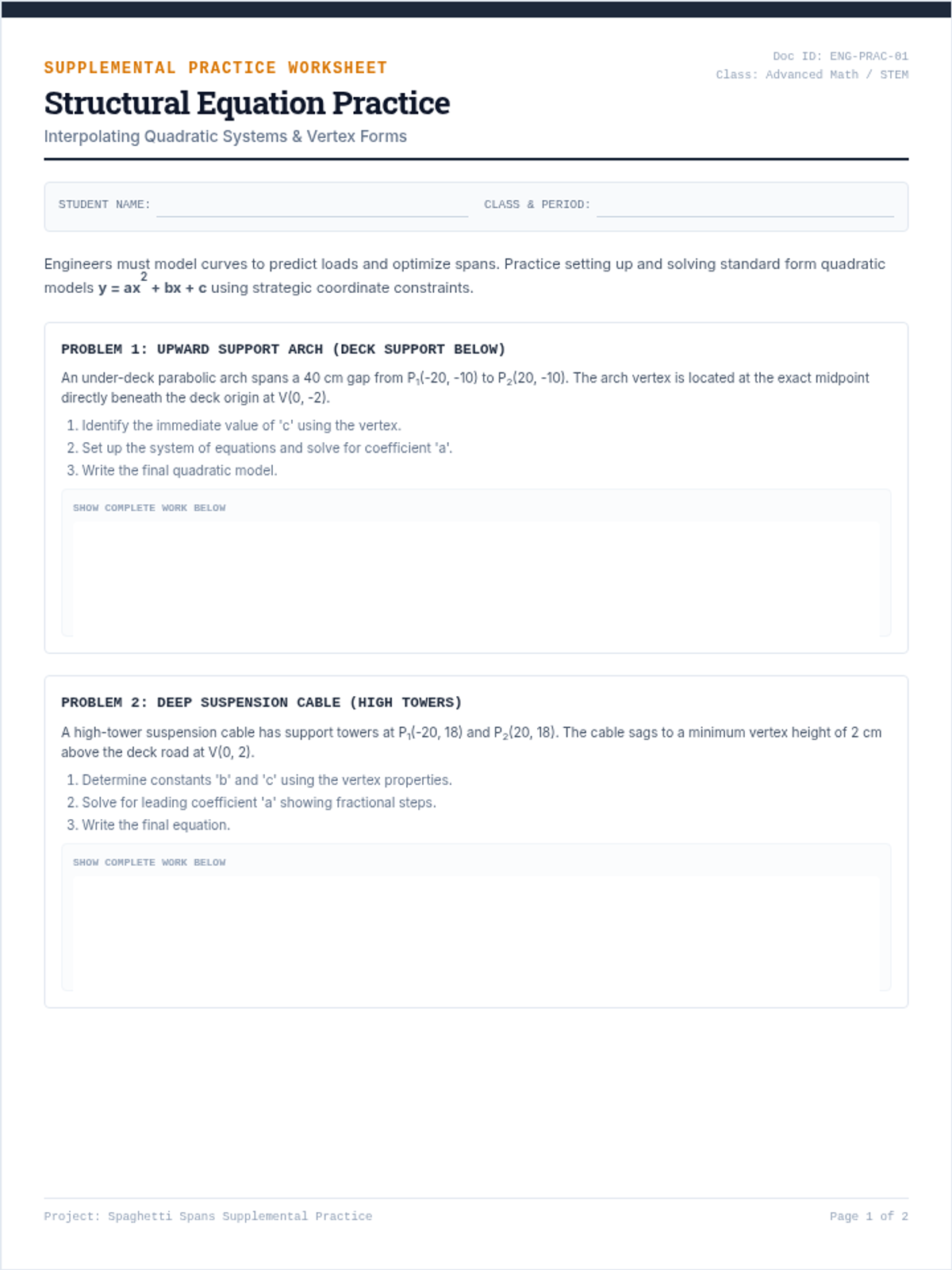
A rigorous STEM project combining structural engineering with advanced mathematics. Students design, budget, build, and test spaghetti bridges using ratios, proportions, cost-efficiency metrics, quadratic modeling, and catenary curves.
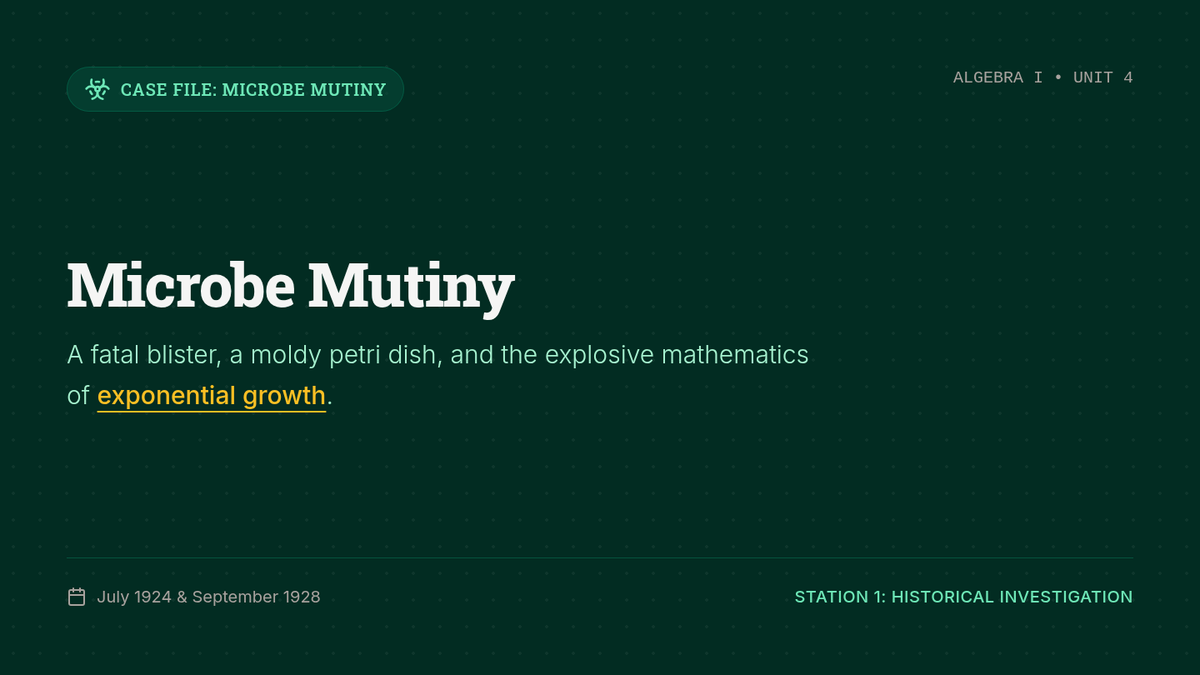
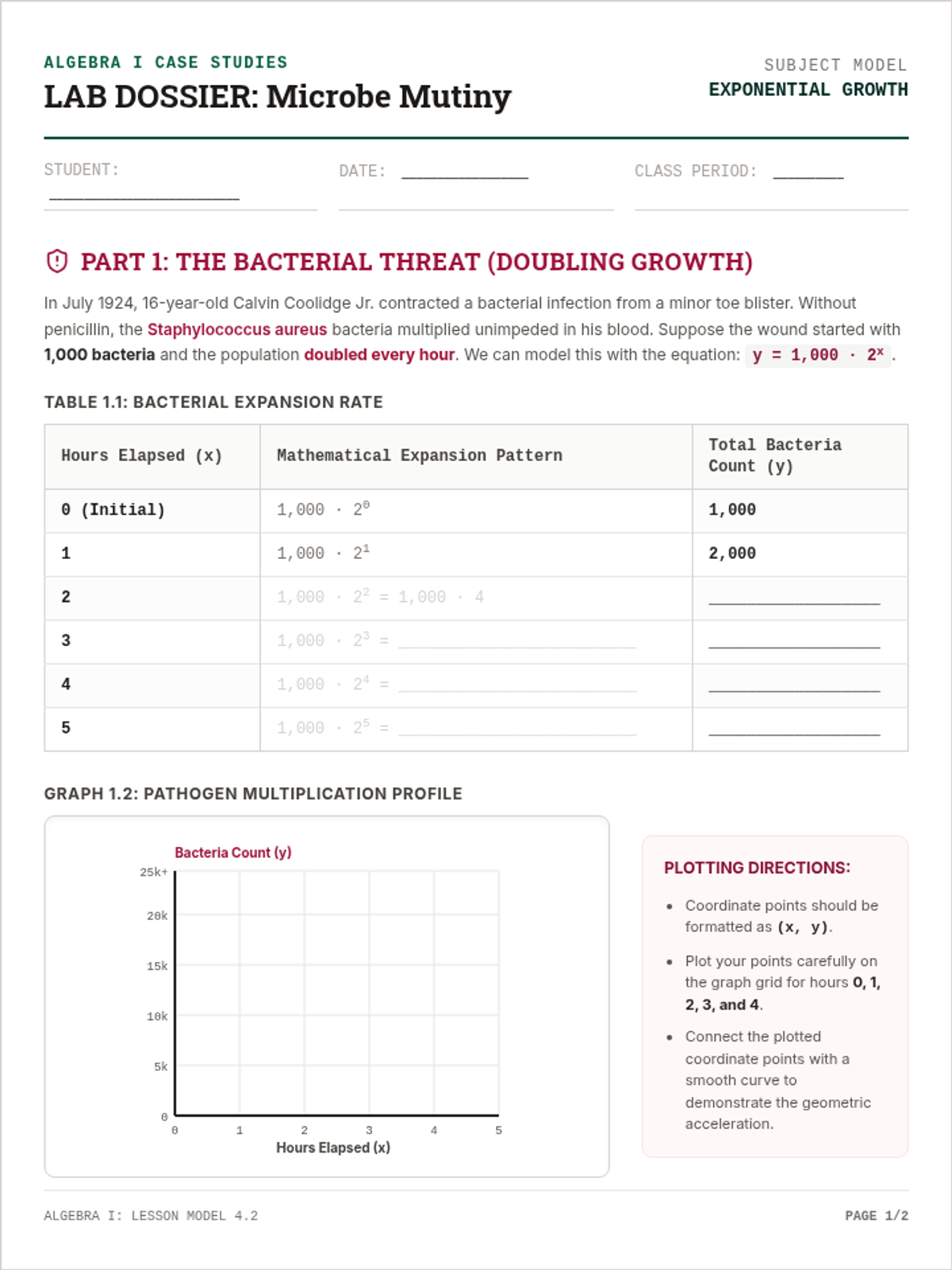
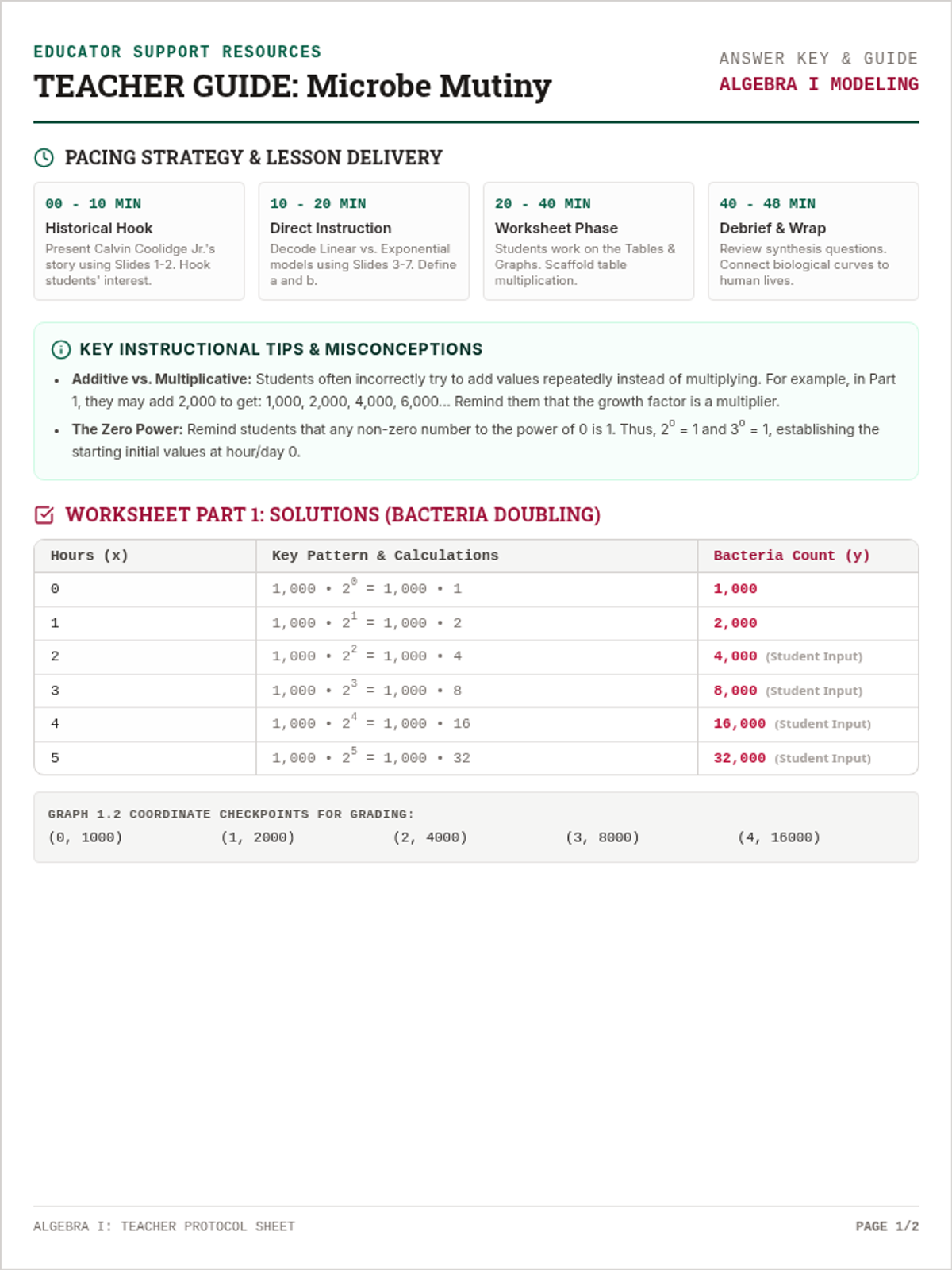
An 8th-grade Algebra lesson introducing exponential growth. Students investigate linear vs. exponential growth models by examining the tragic 1924 history of Calvin Coolidge Jr.'s fatal bacterial infection and how the exponential growth of Penicillium mold led to the discovery of life-saving penicillin.
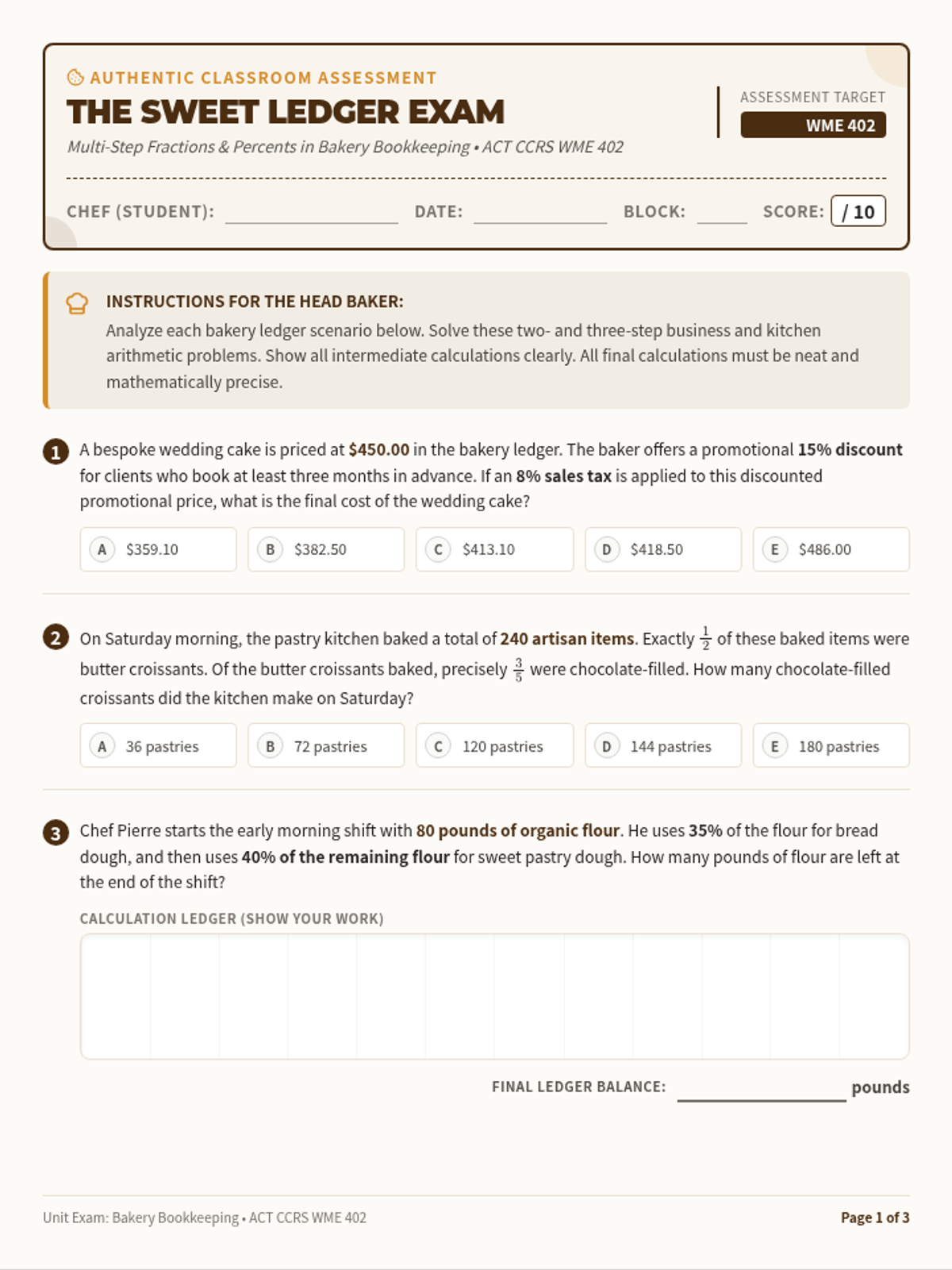
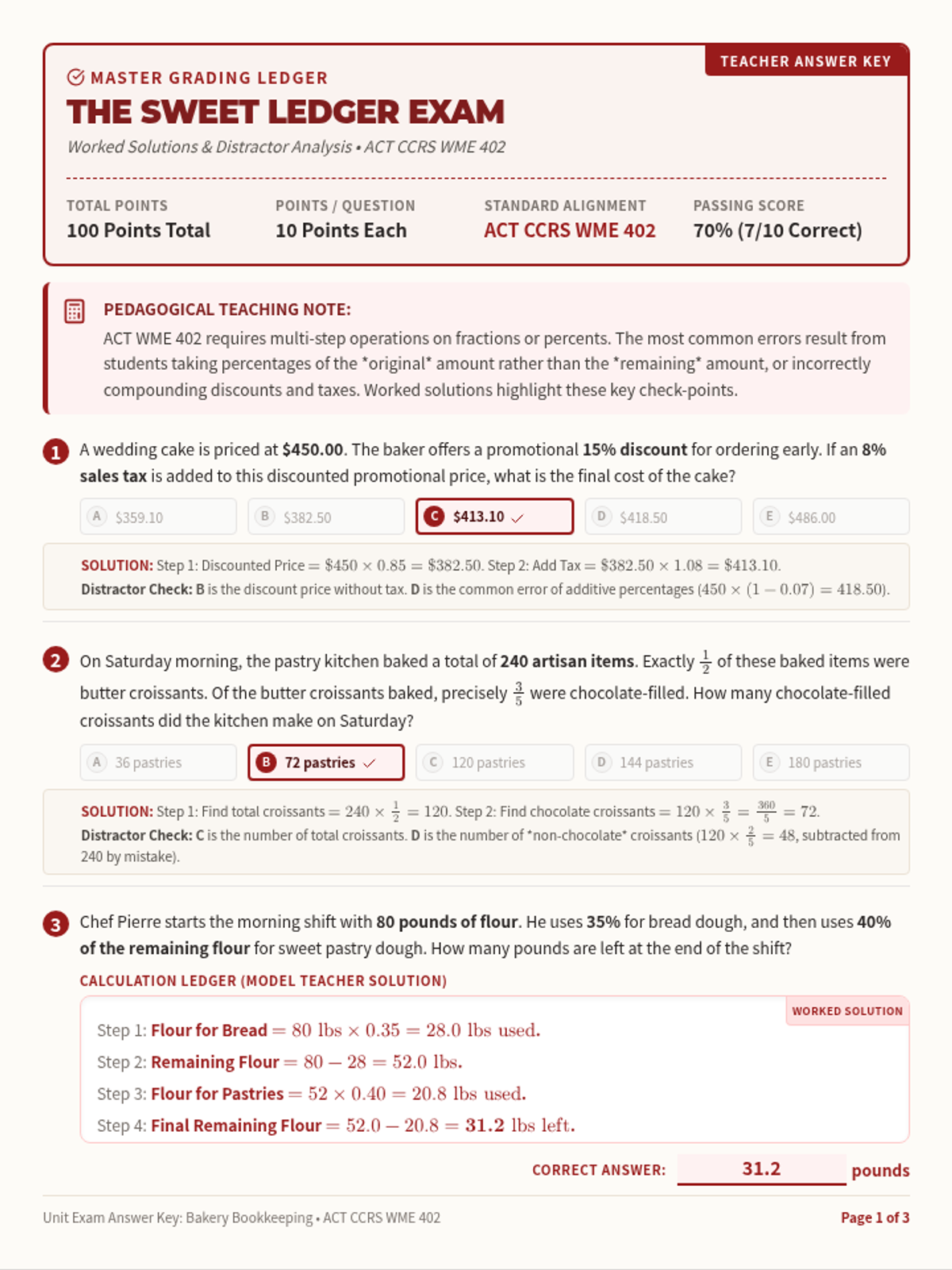
An assessment aligned with ACT CCRS WME 402 focusing on two-step and three-step word problems involving fractions and percents. Students solve practical business and kitchen problems for a boutique bakery.