A lesson for 3rd and 4th graders exploring how animals use mimicry as a survival strategy. Students will watch a video on caterpillar mimicry and research their own 'copycat' animals to create Wanted Posters.
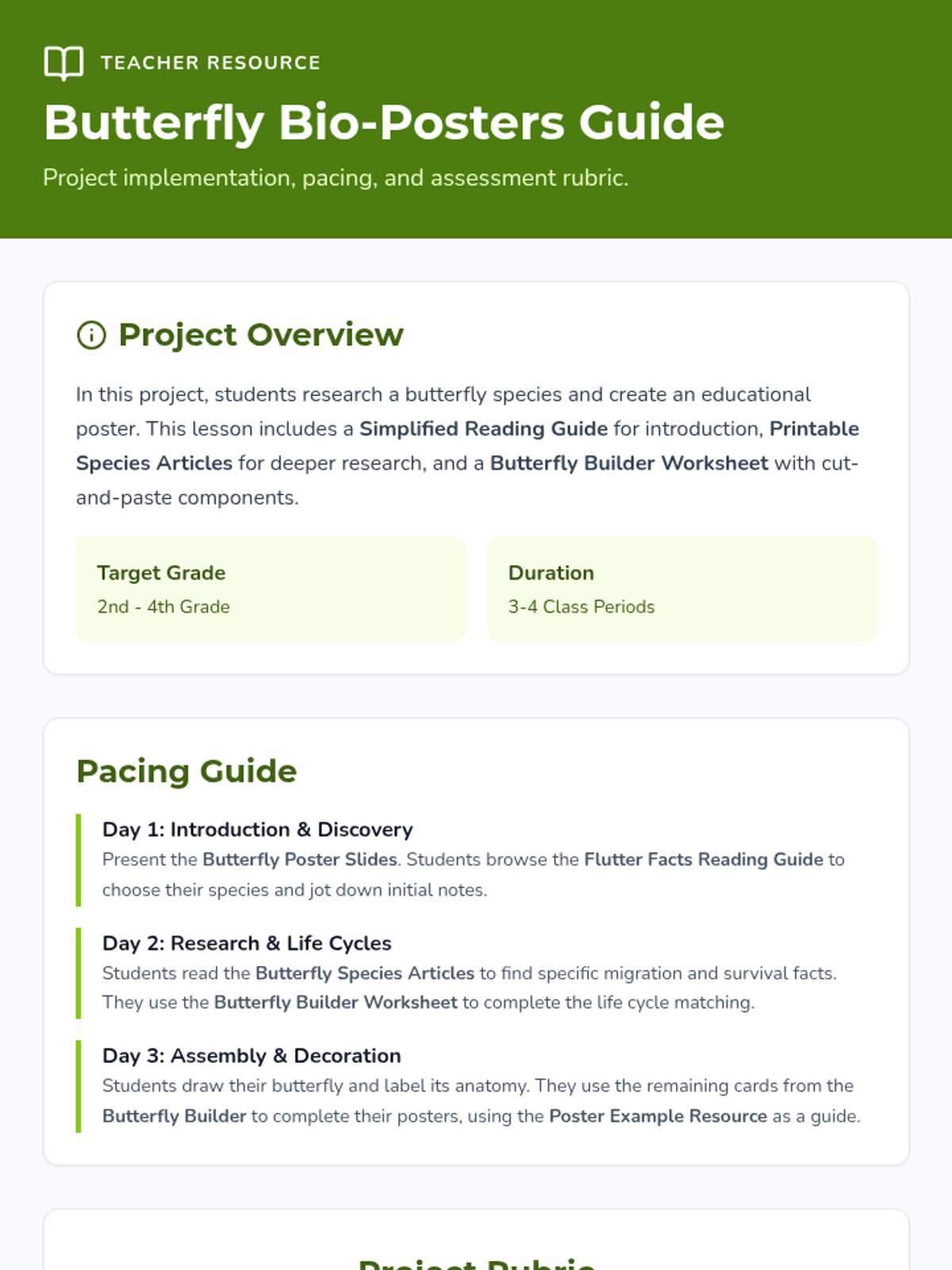
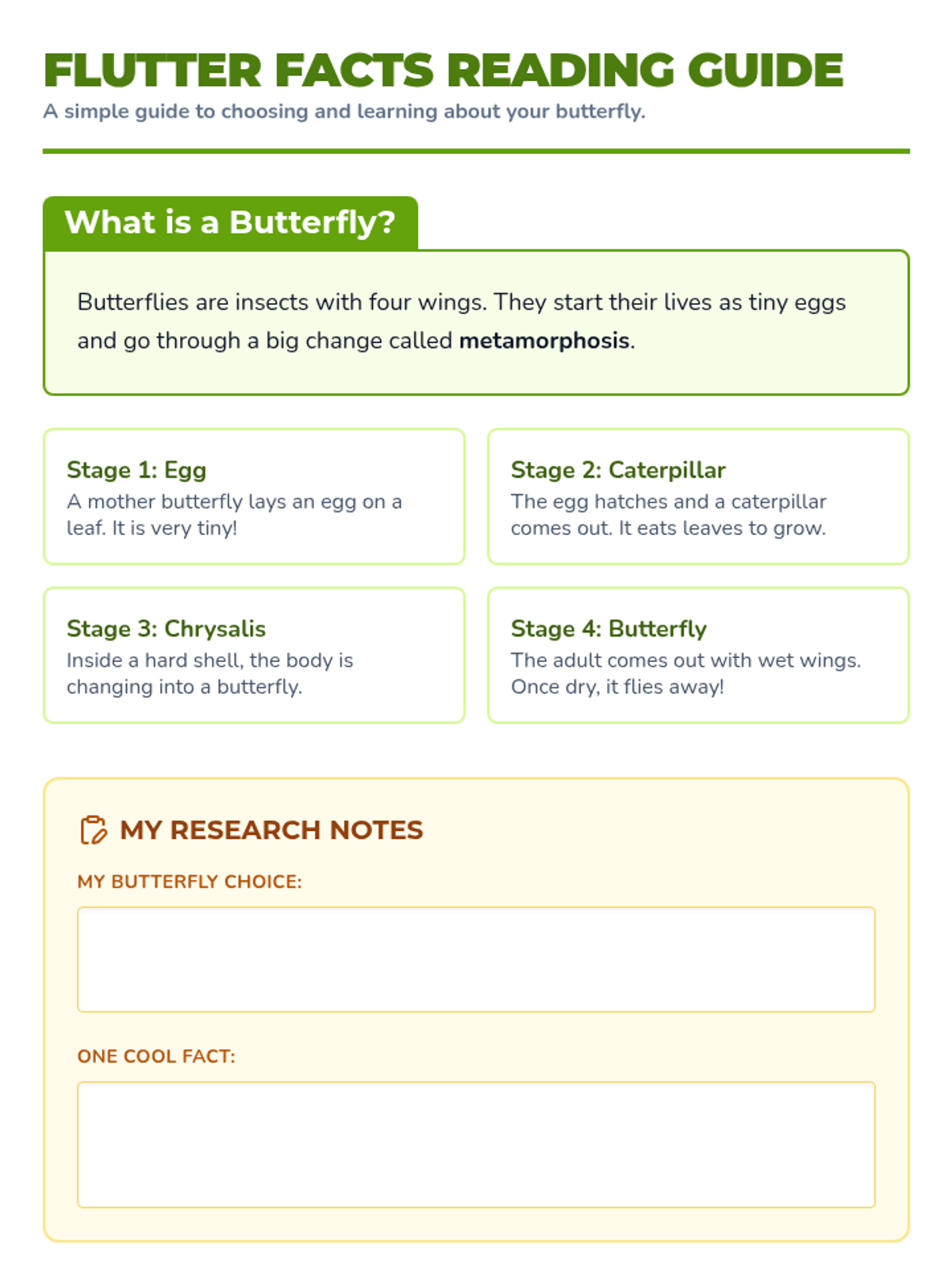
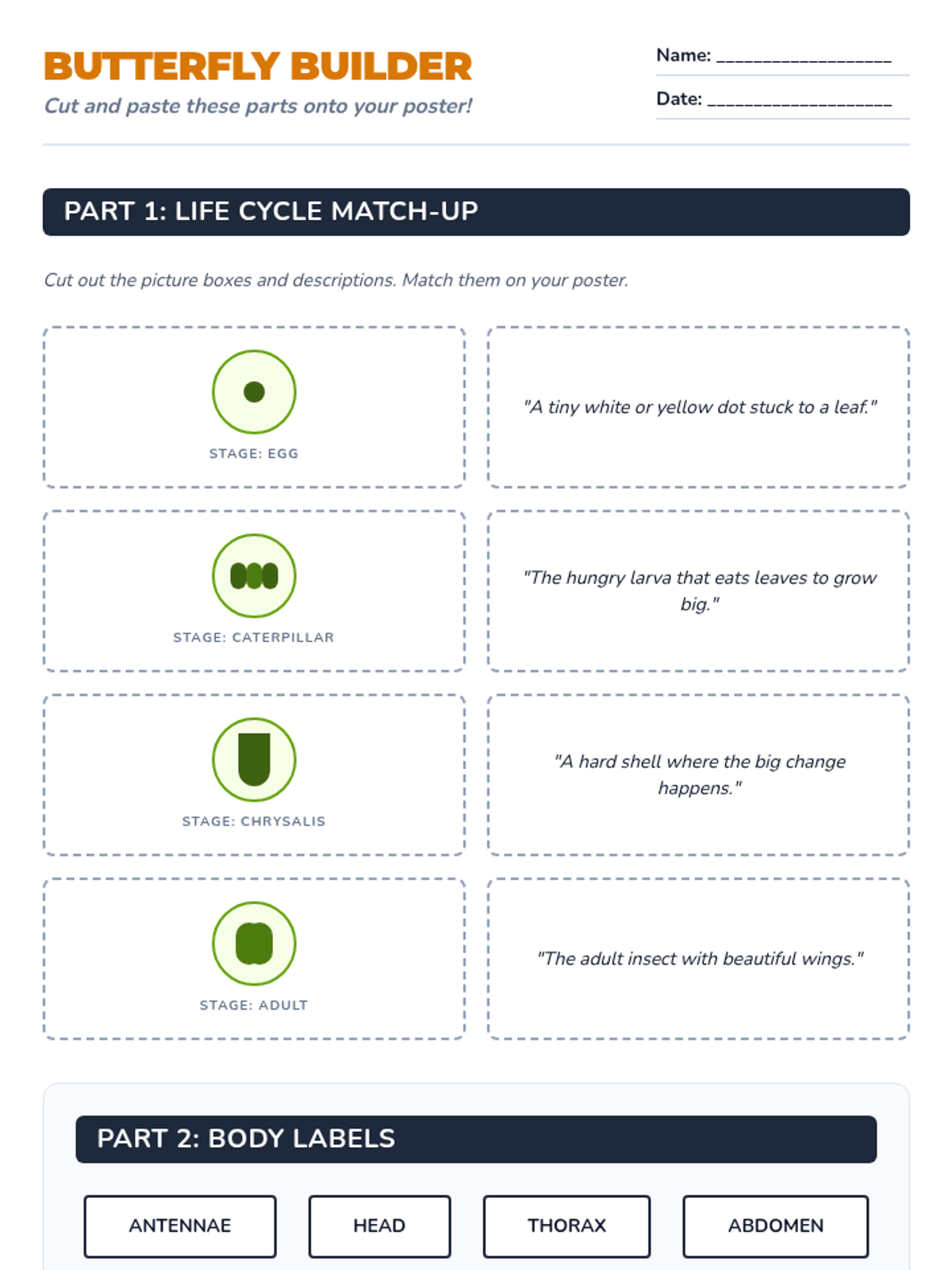
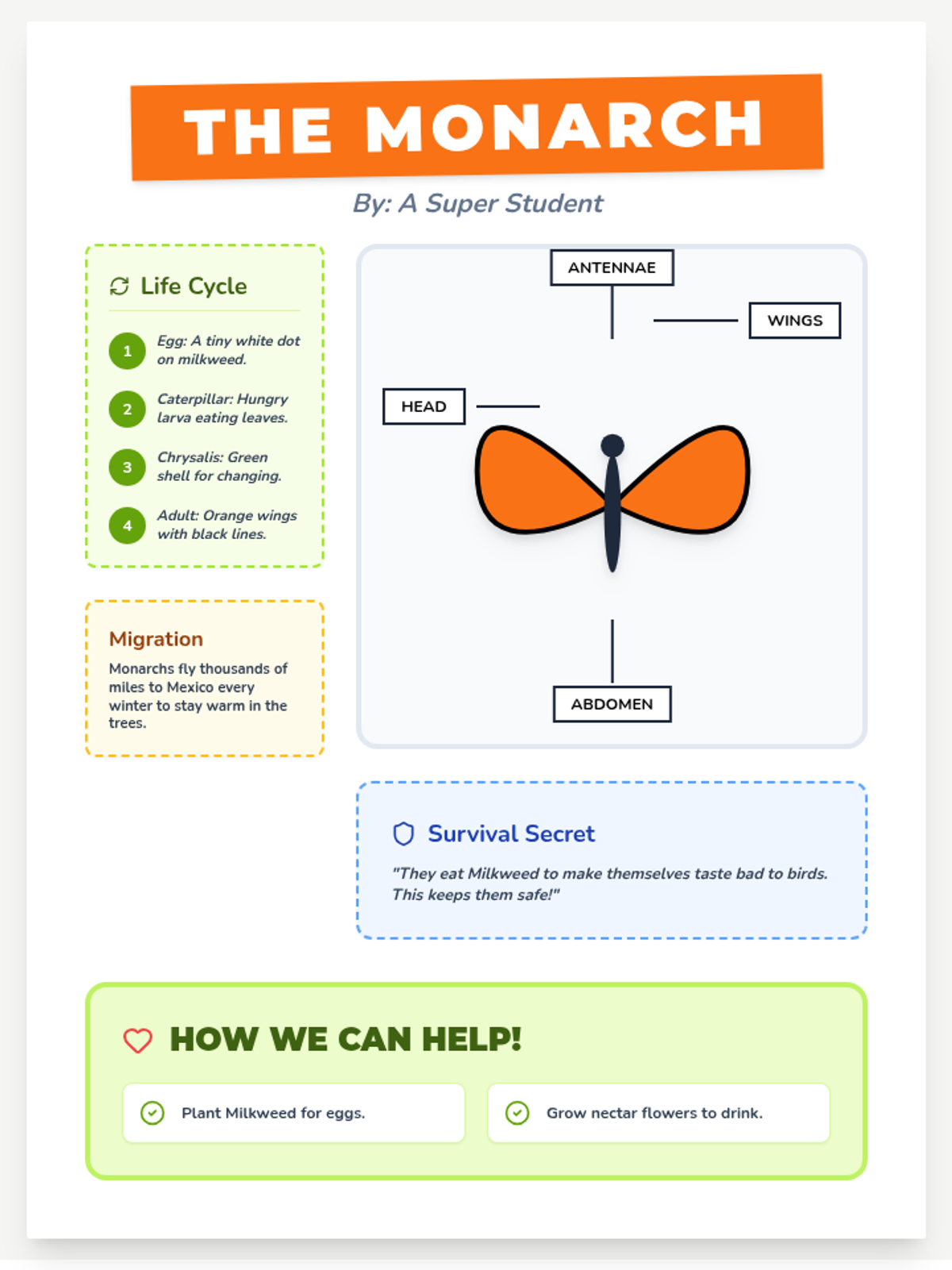
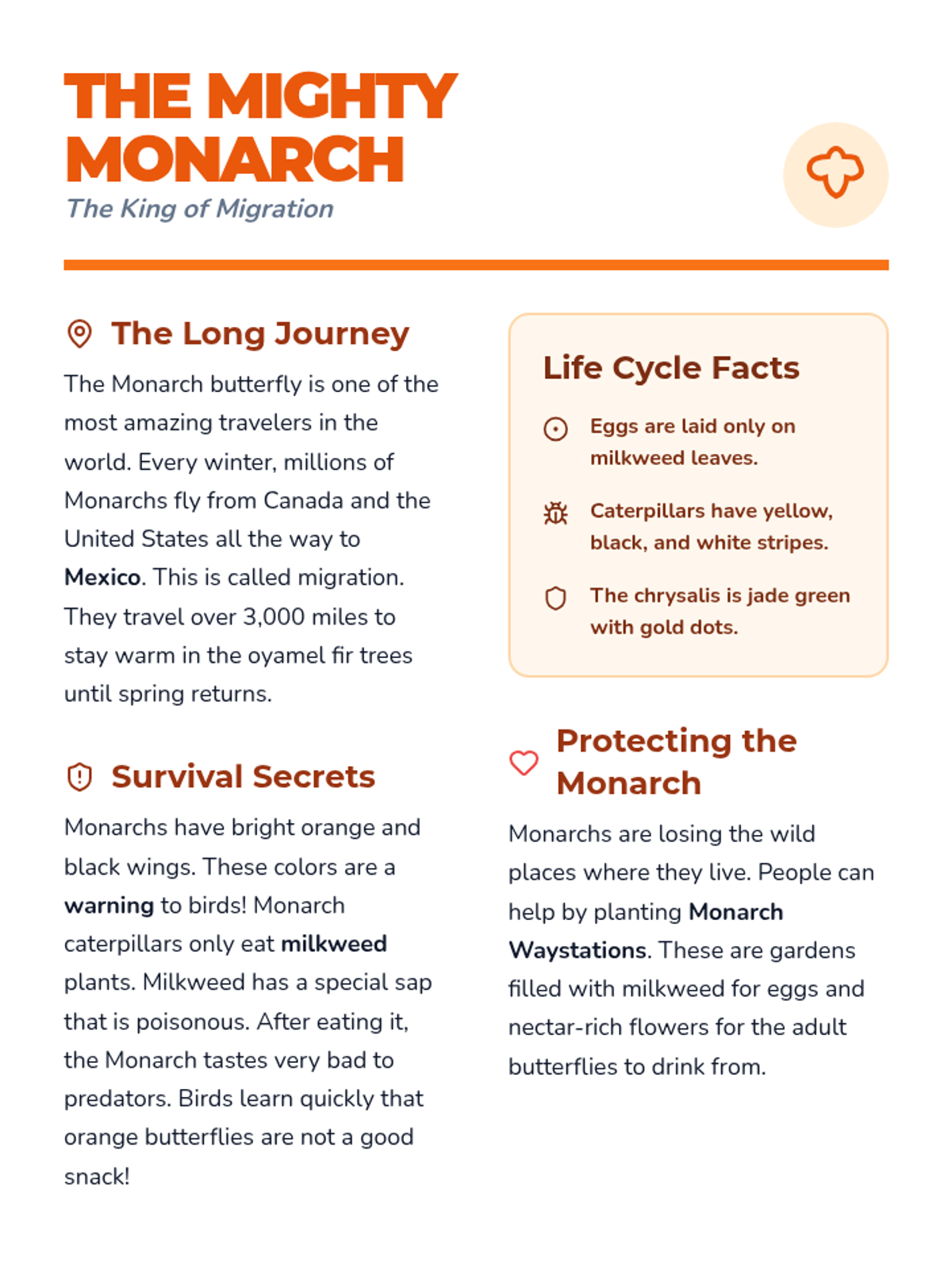
A creative science project where students research a butterfly species of their choice and design an informative poster. The lesson includes a simplified reading guide, cut-and-paste components, and a presentation to guide the project.
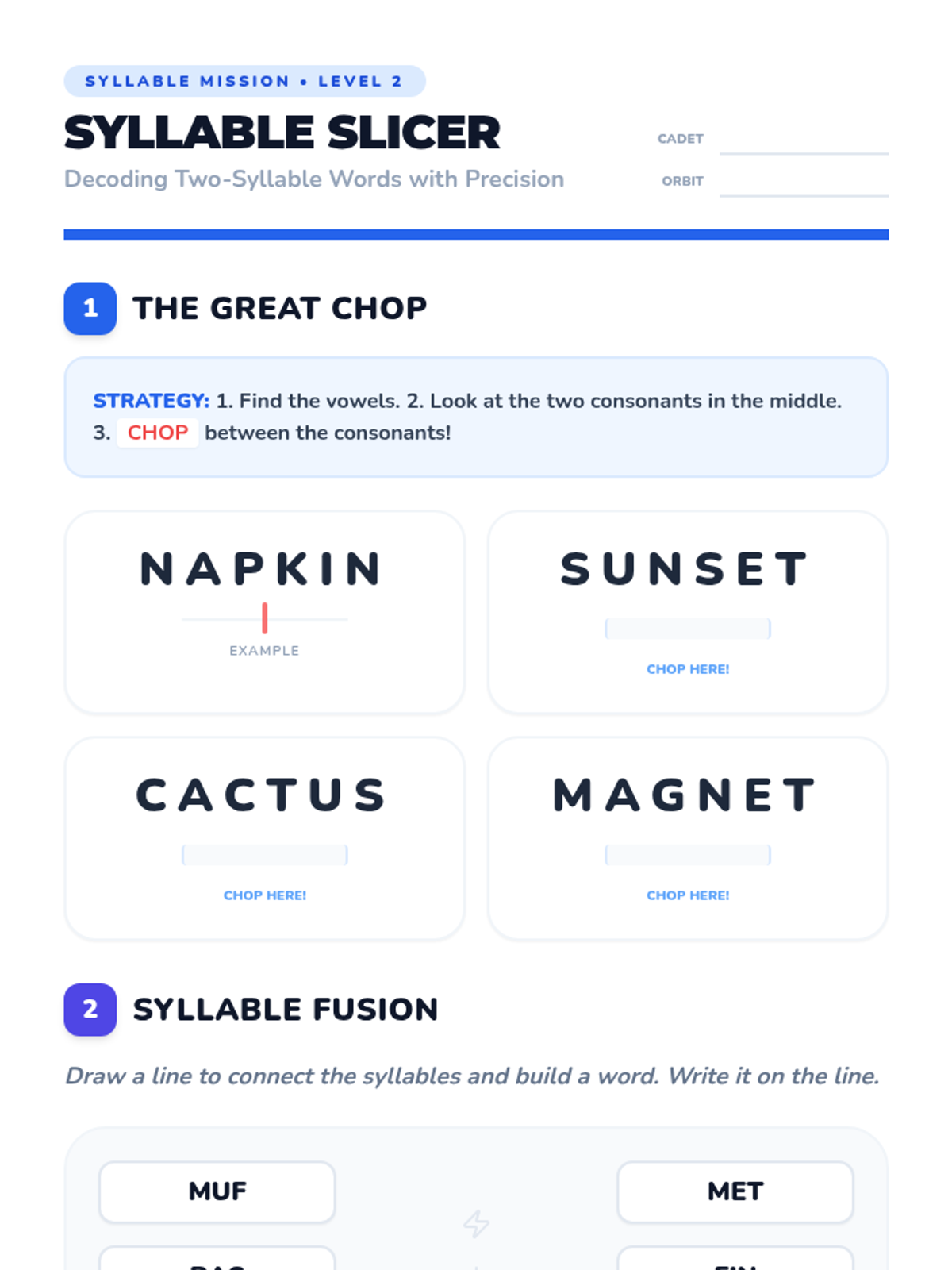
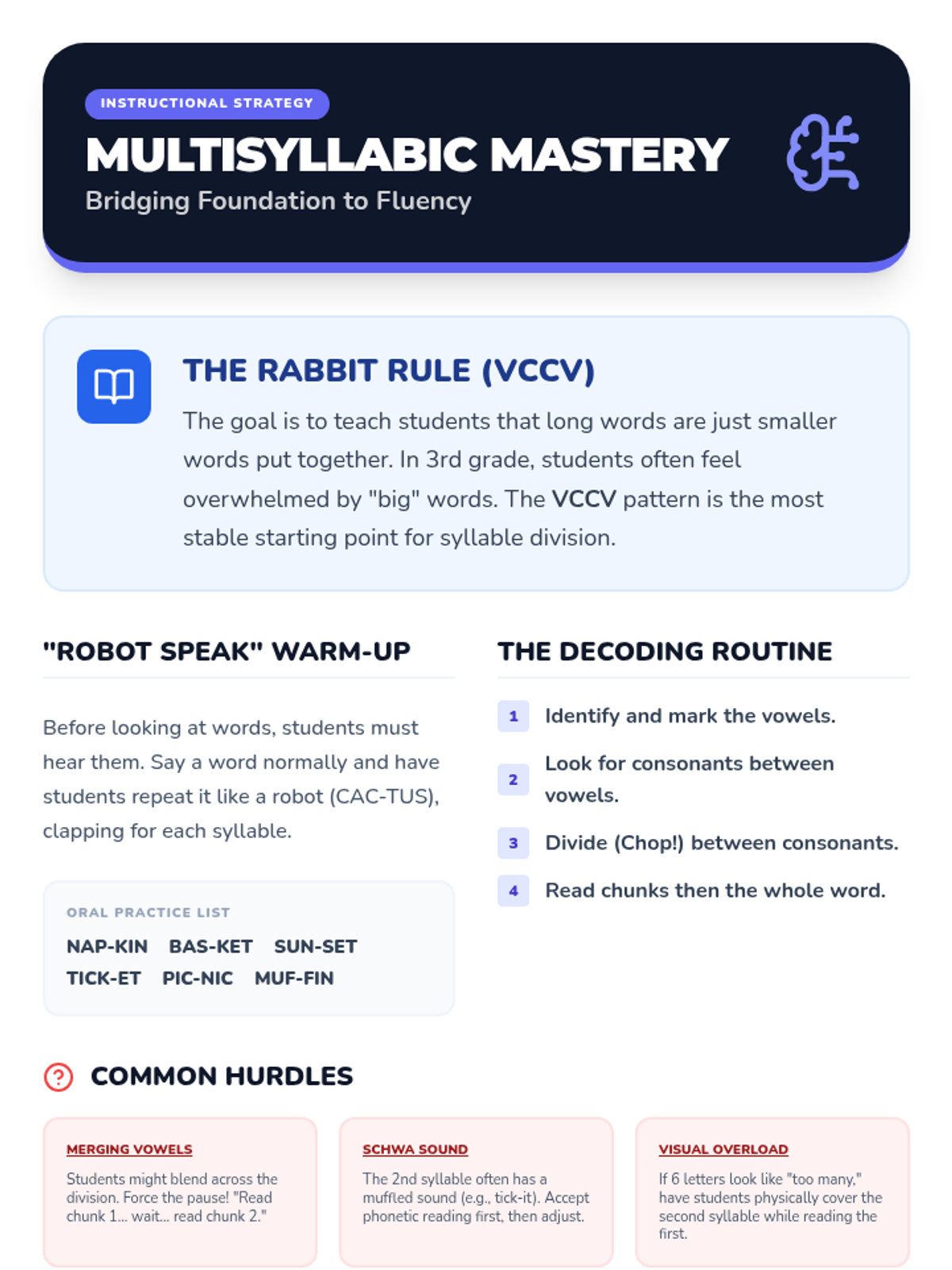
Advanced word study focusing on syllable division rules, decoding strategies for 2-syllable words, and reading multisyllabic fluency.
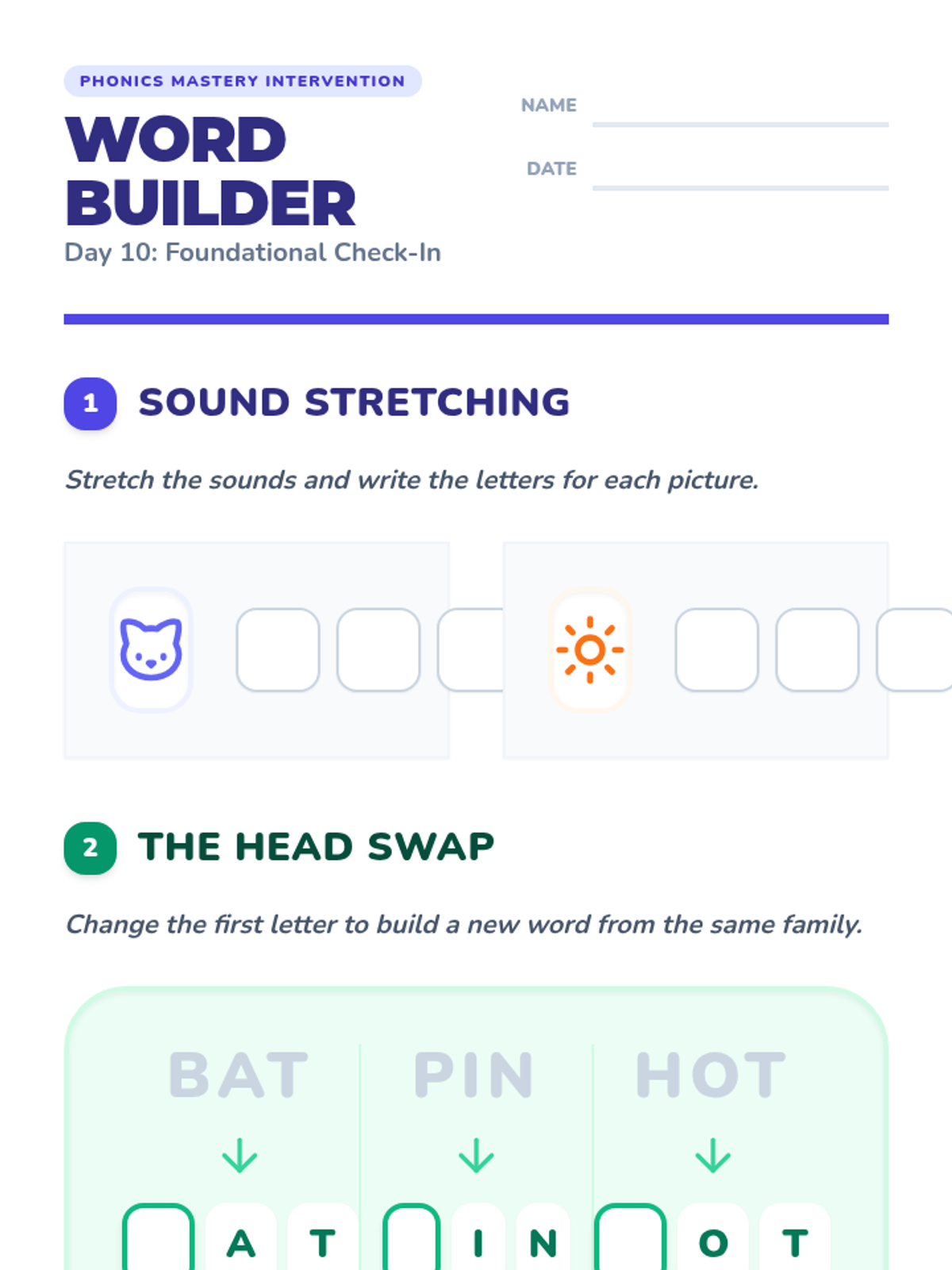
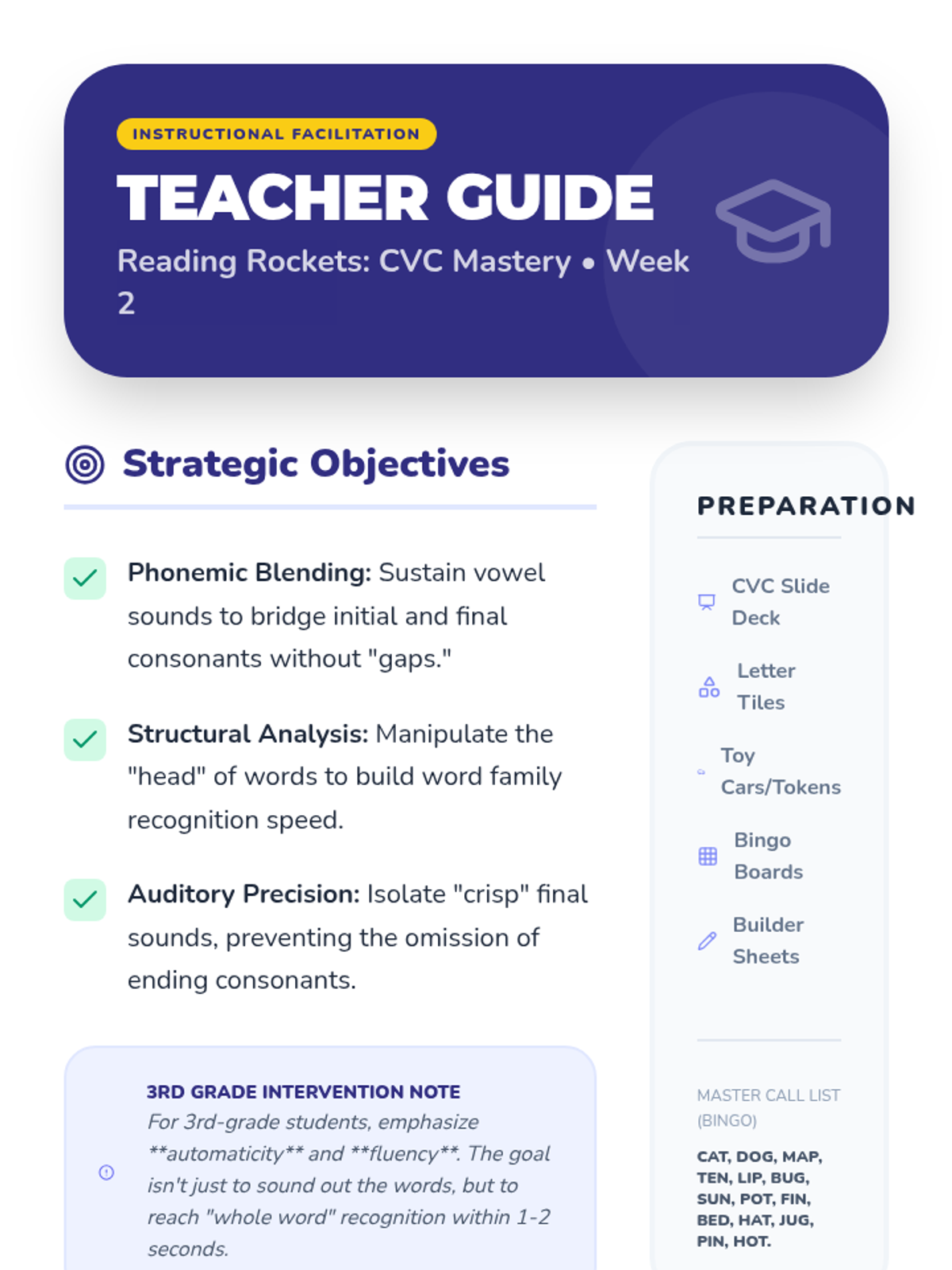
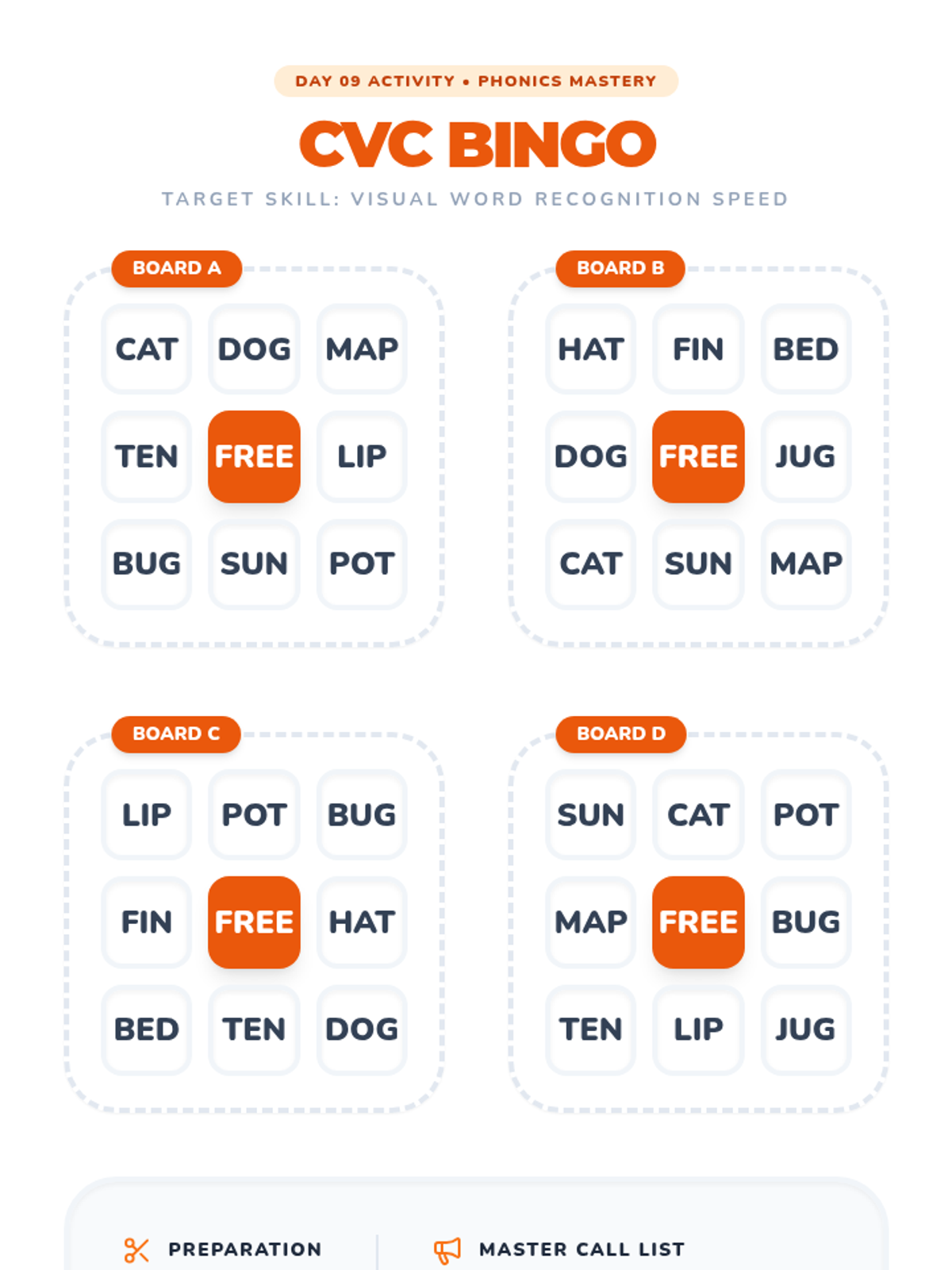
A week of targeted CVC practice covering blending, initial and final consonant changes, and automaticity.
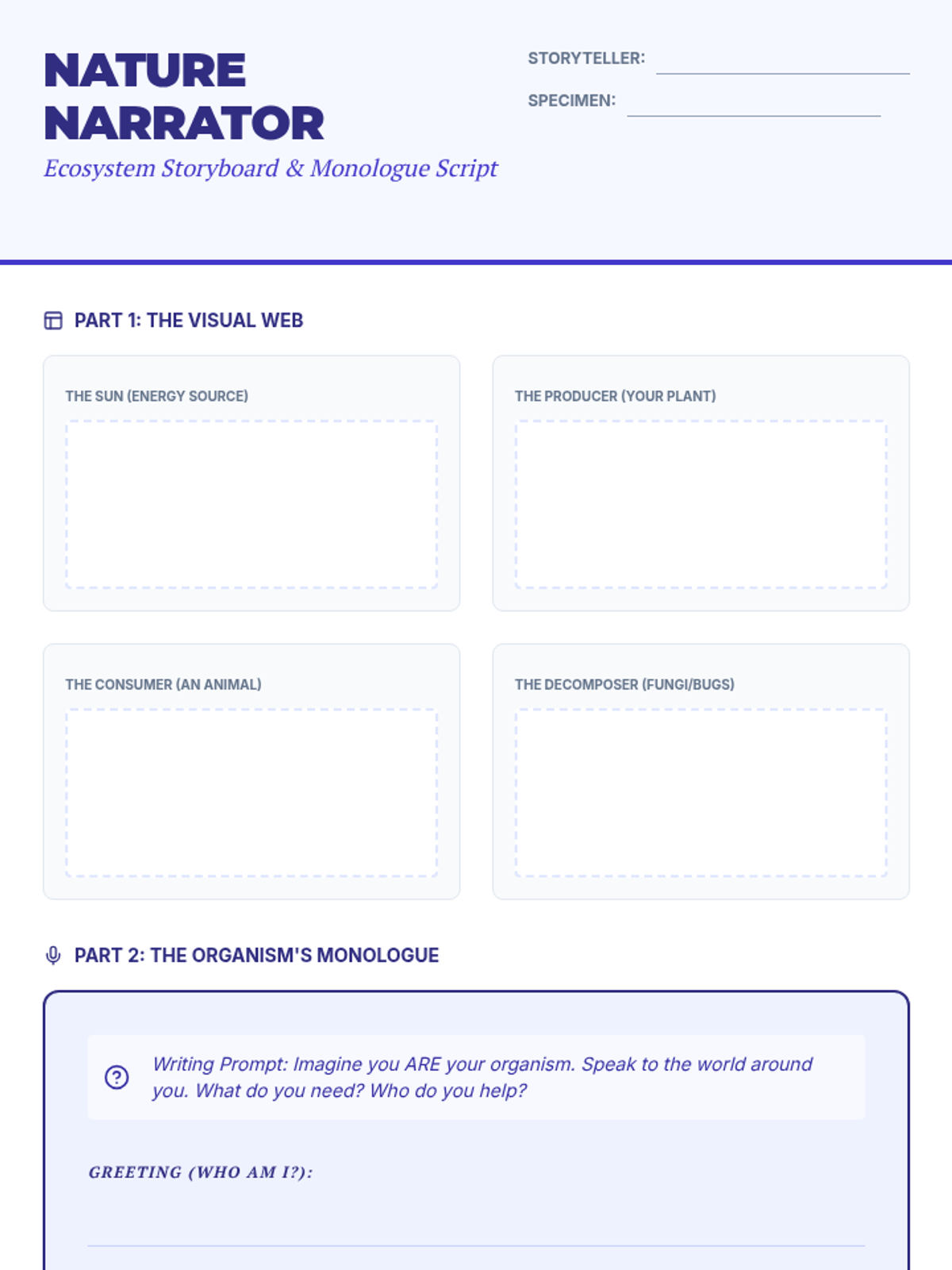
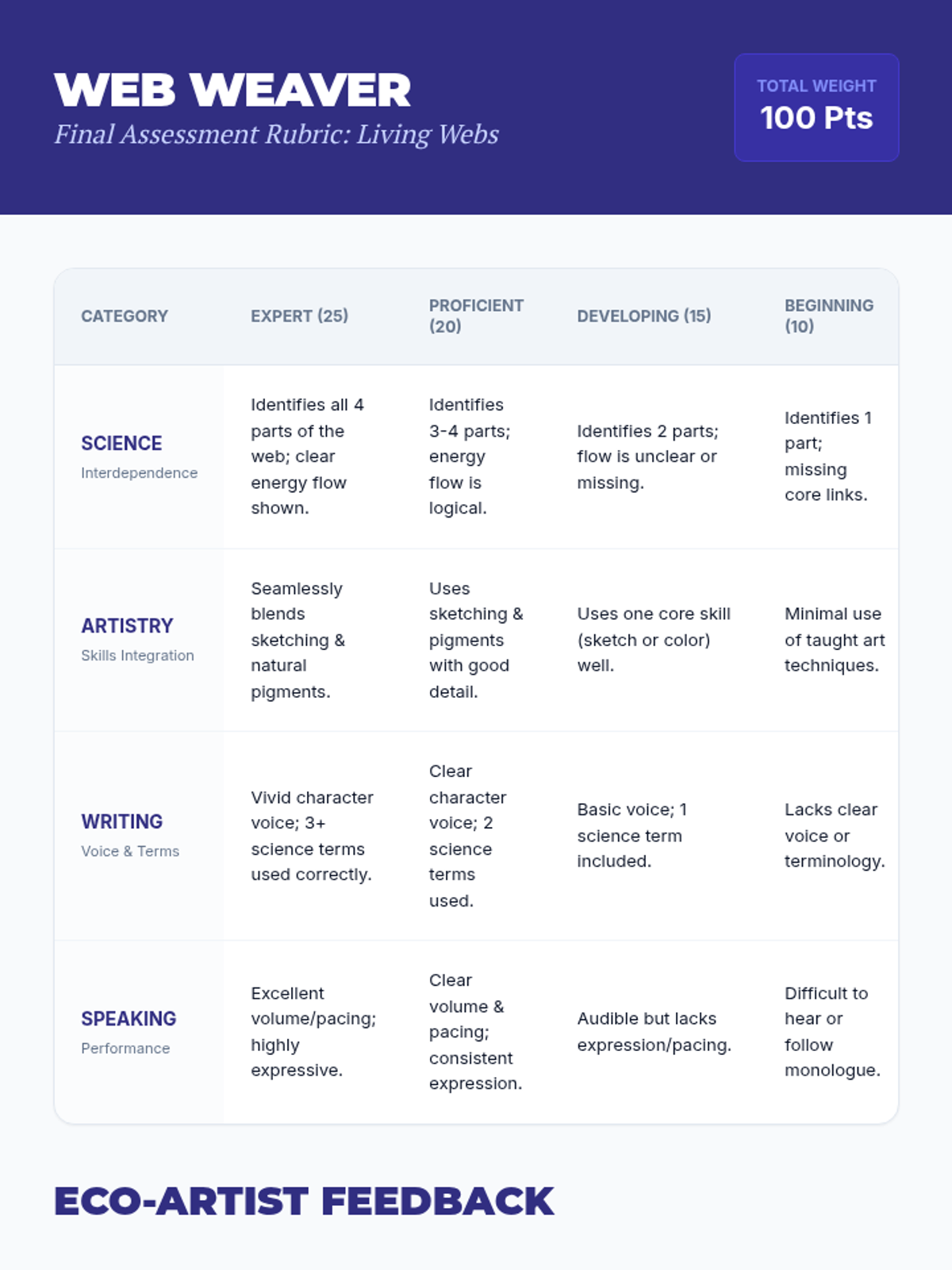
Students synthesize their knowledge of ecosystems to create narrative art pieces that tell the story of interdependence in the natural world.
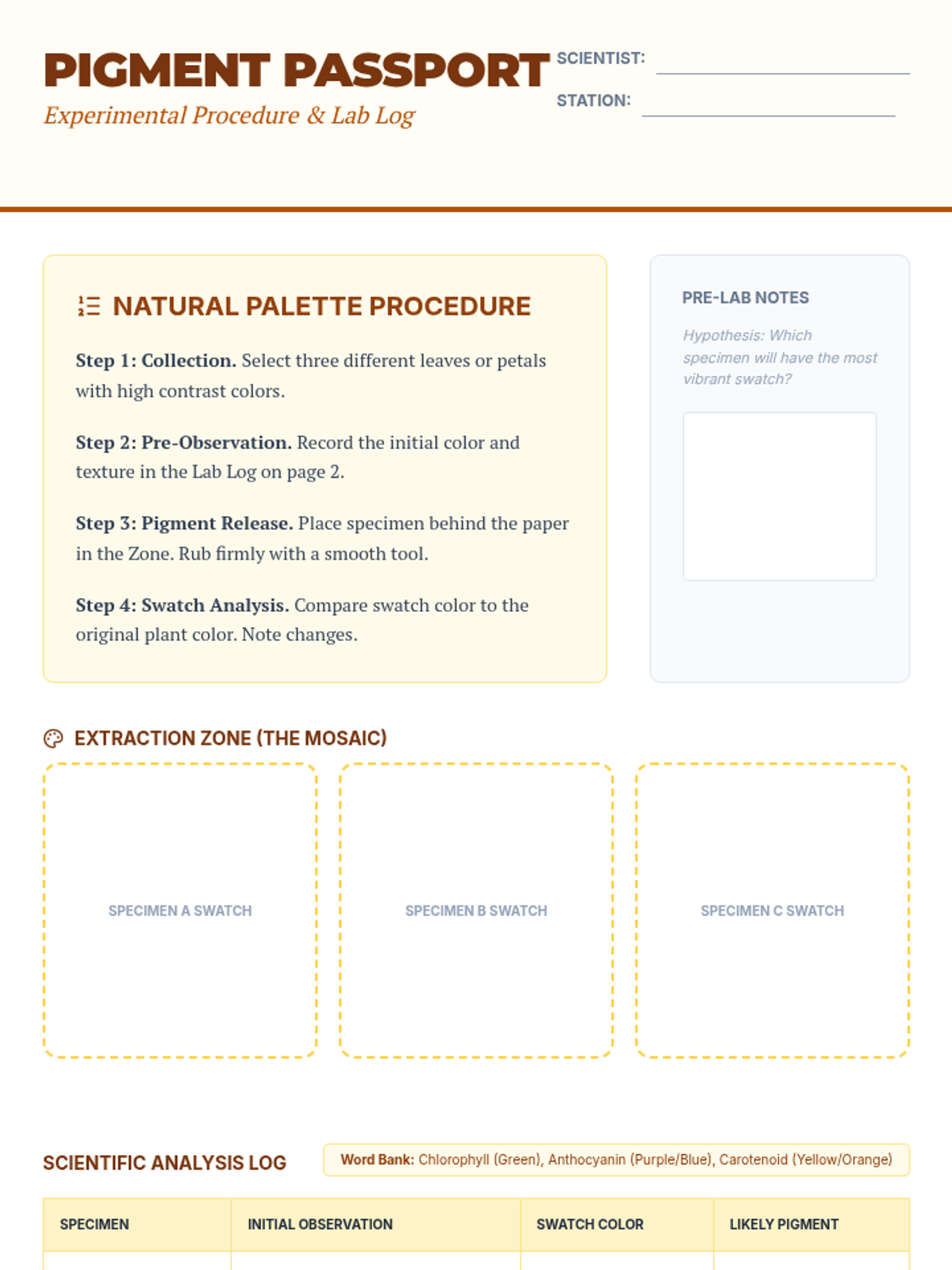
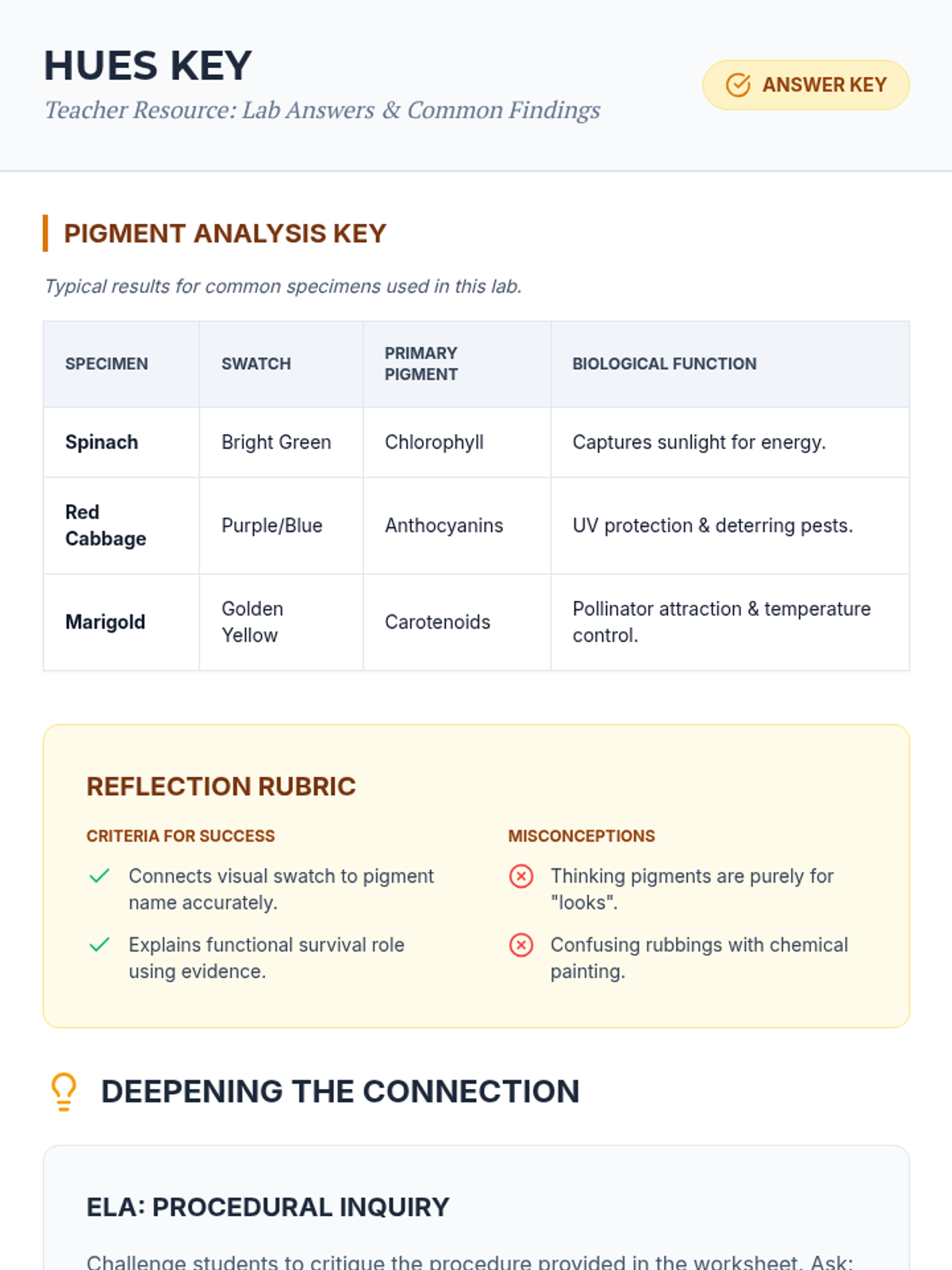
An exploration into the chemistry of natural pigments, where students follow procedures to extract colors and document their experimental process.
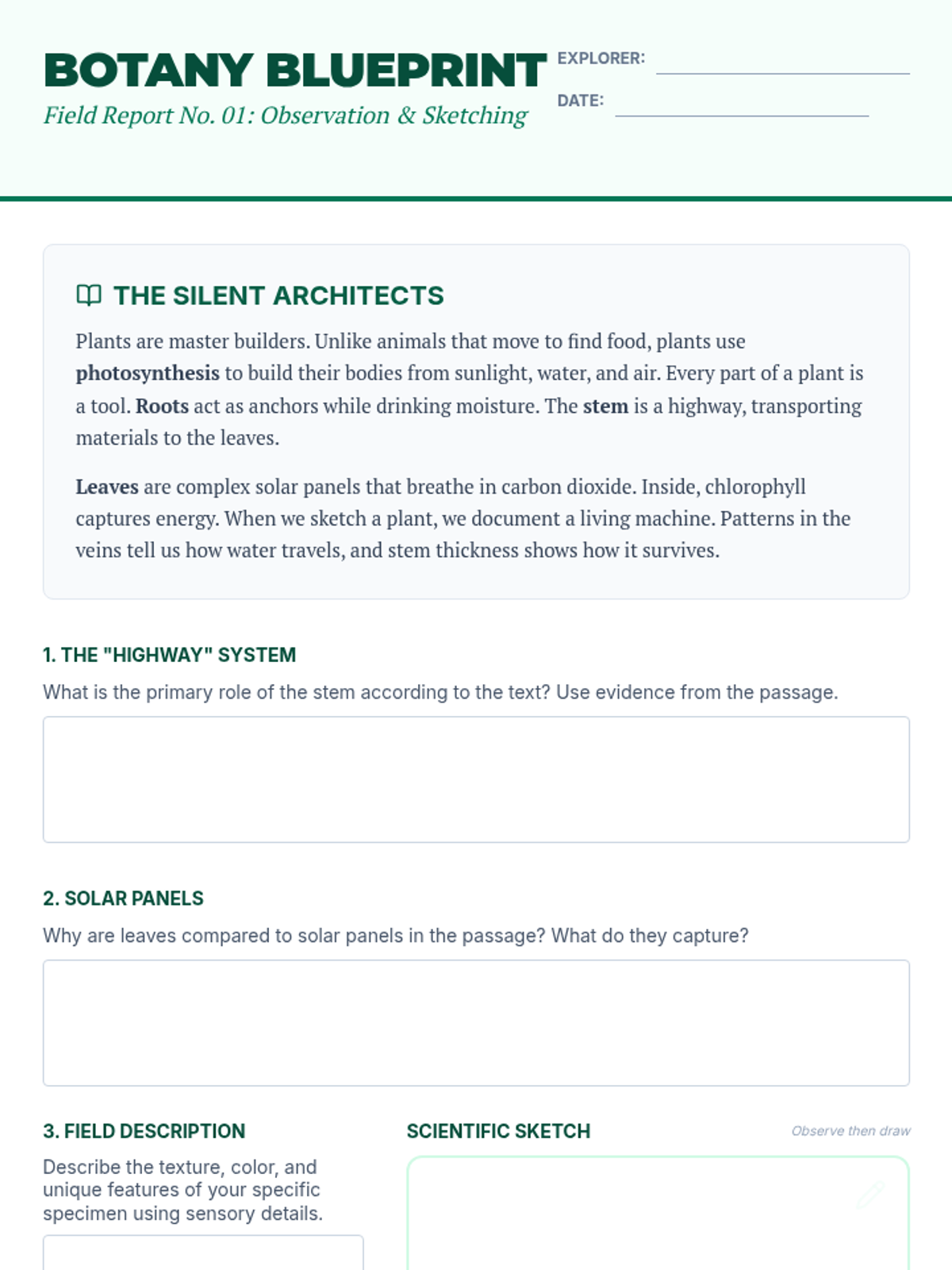
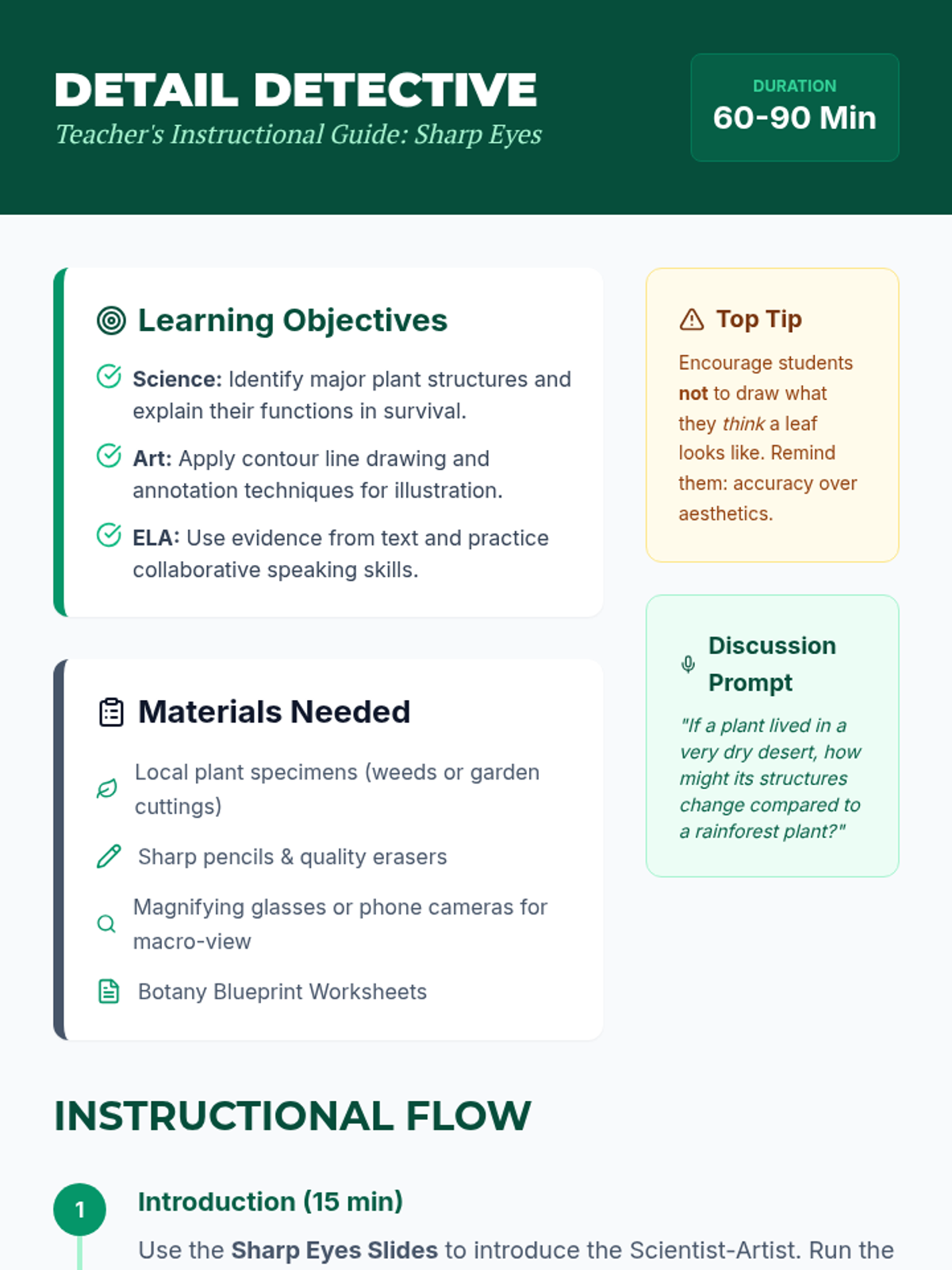
Students learn the art of botanical illustration by observing plant structures and recording their findings with scientific precision and artistic flair.
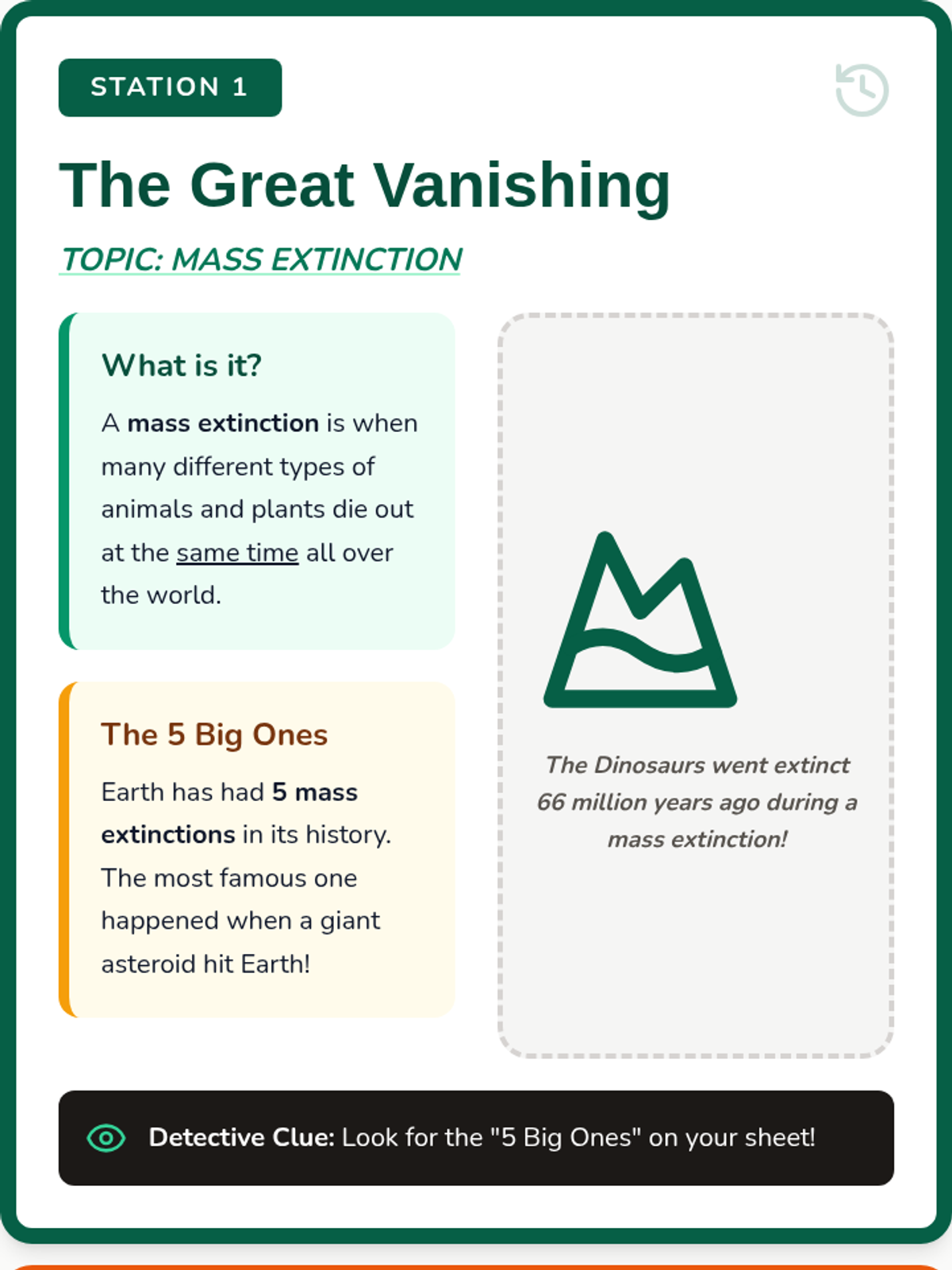
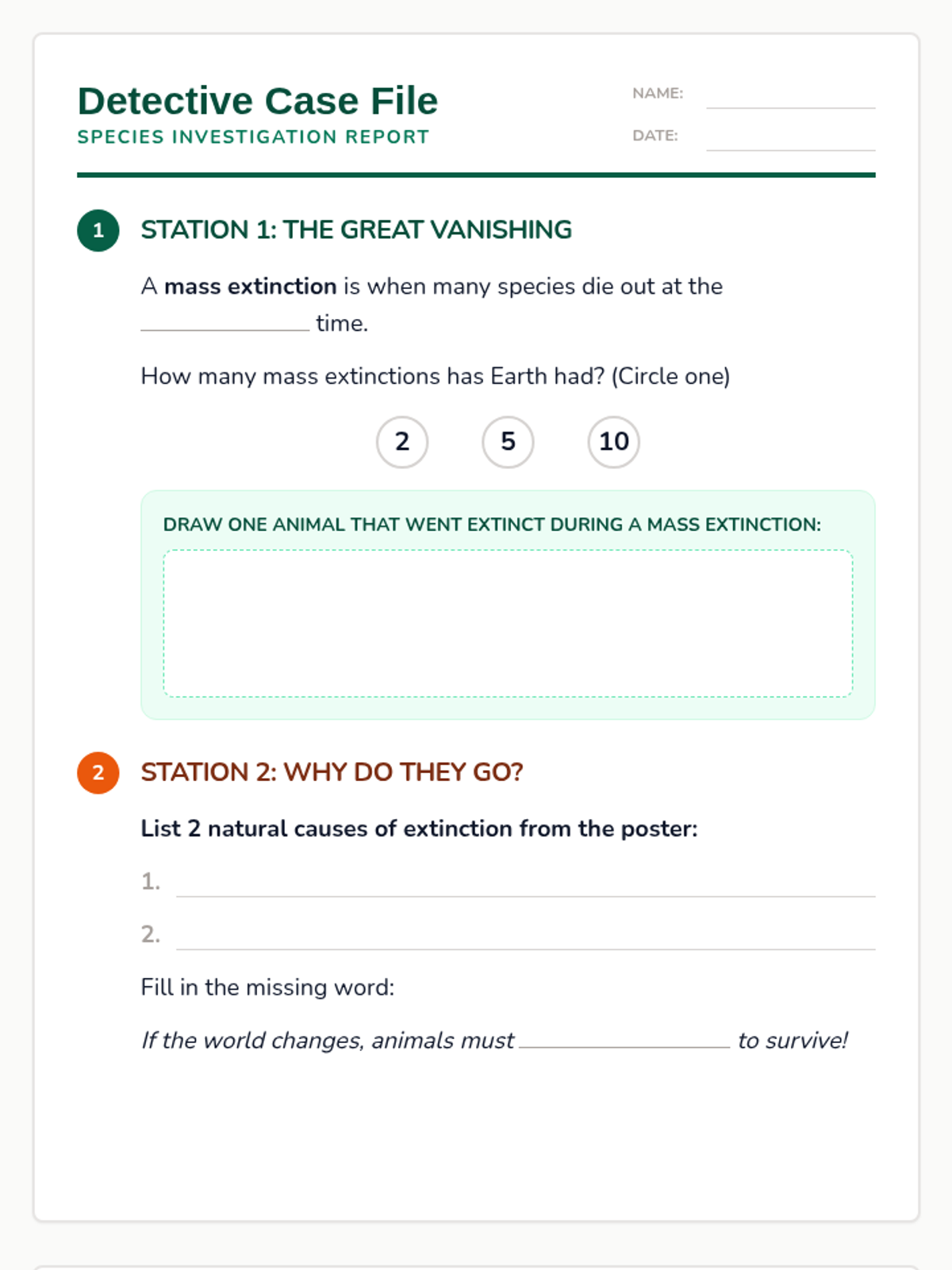
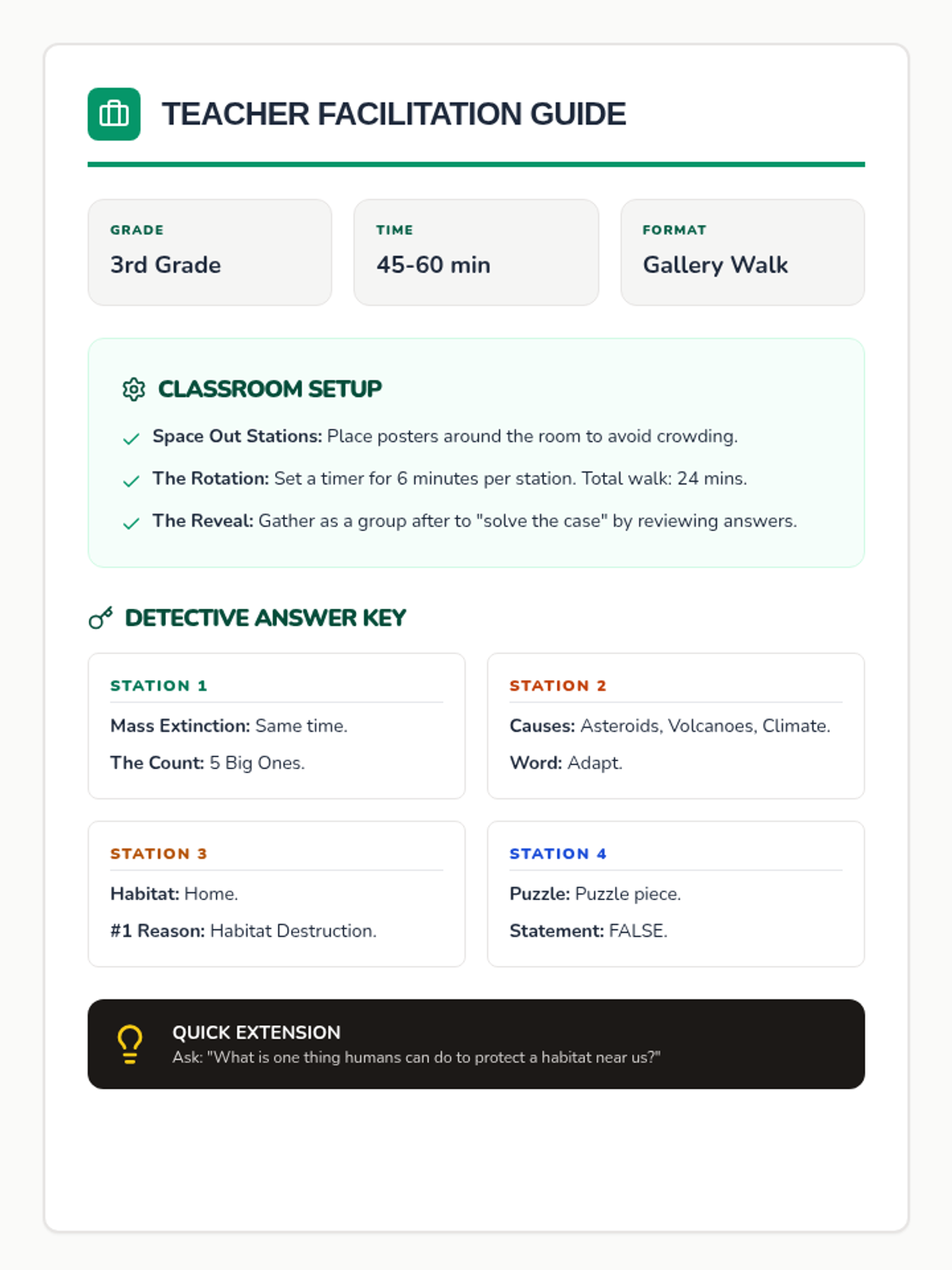
An introductory biology lesson where students act as detectives to investigate the causes and effects of extinction through an interactive gallery walk.
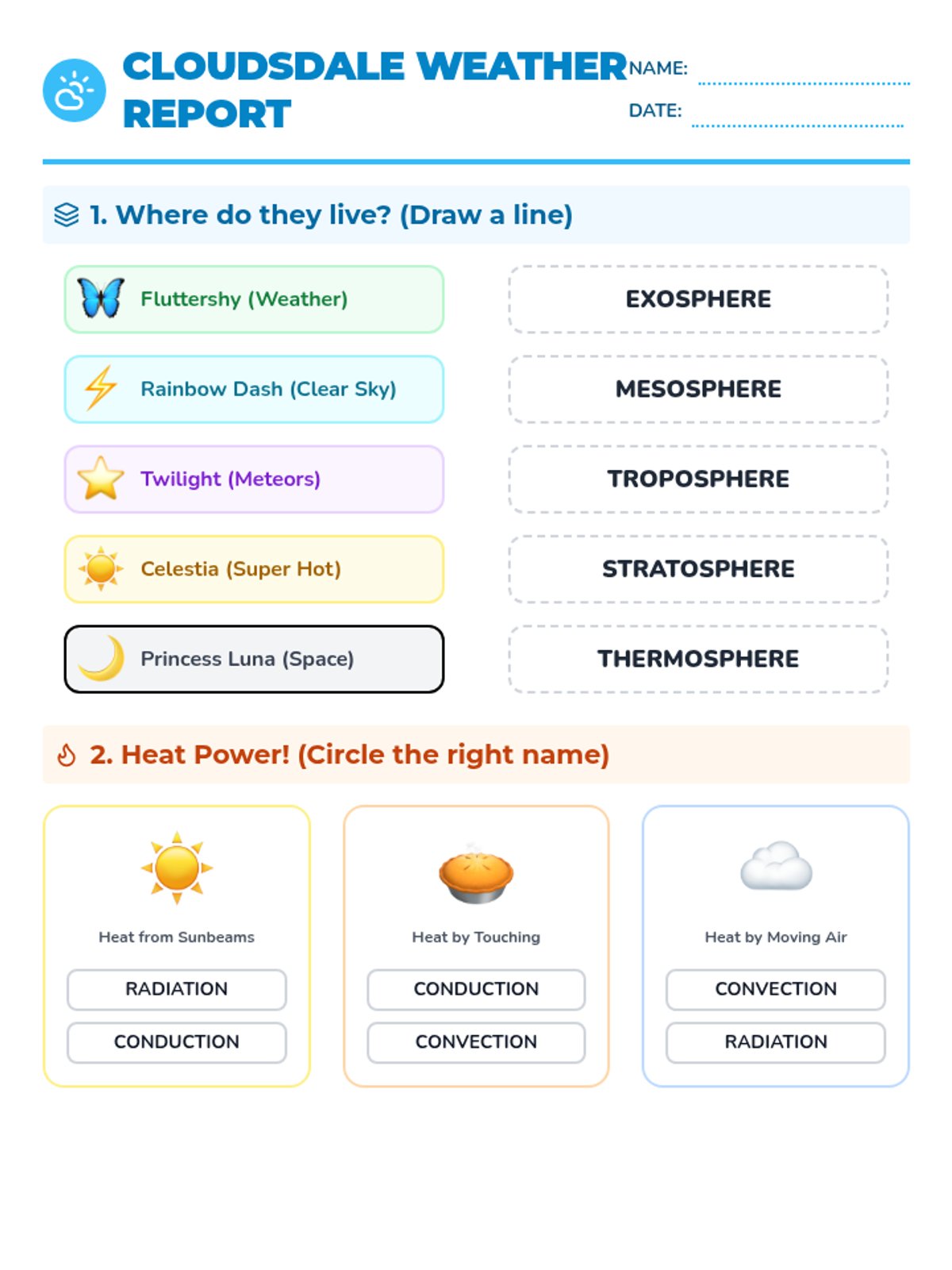
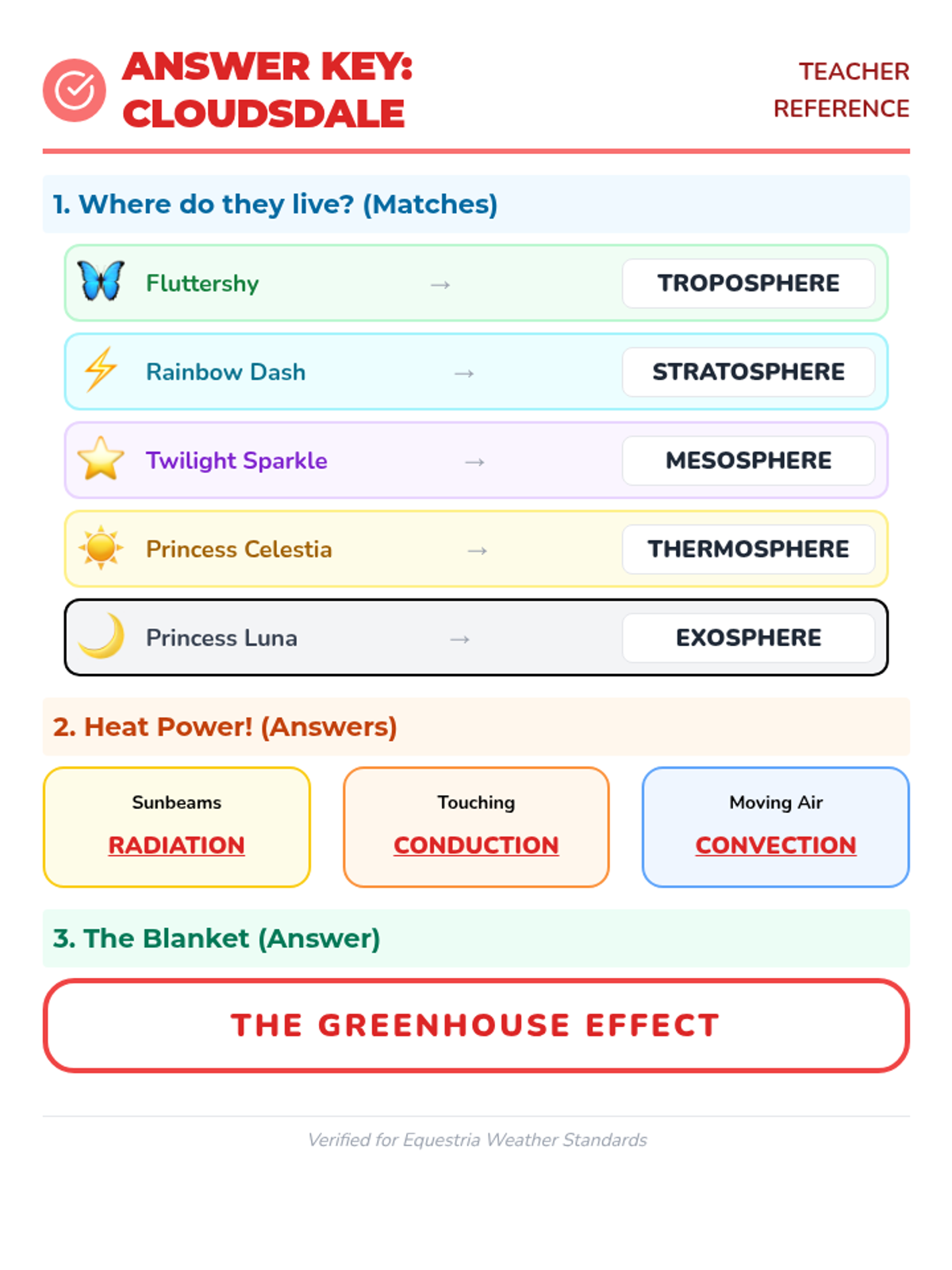
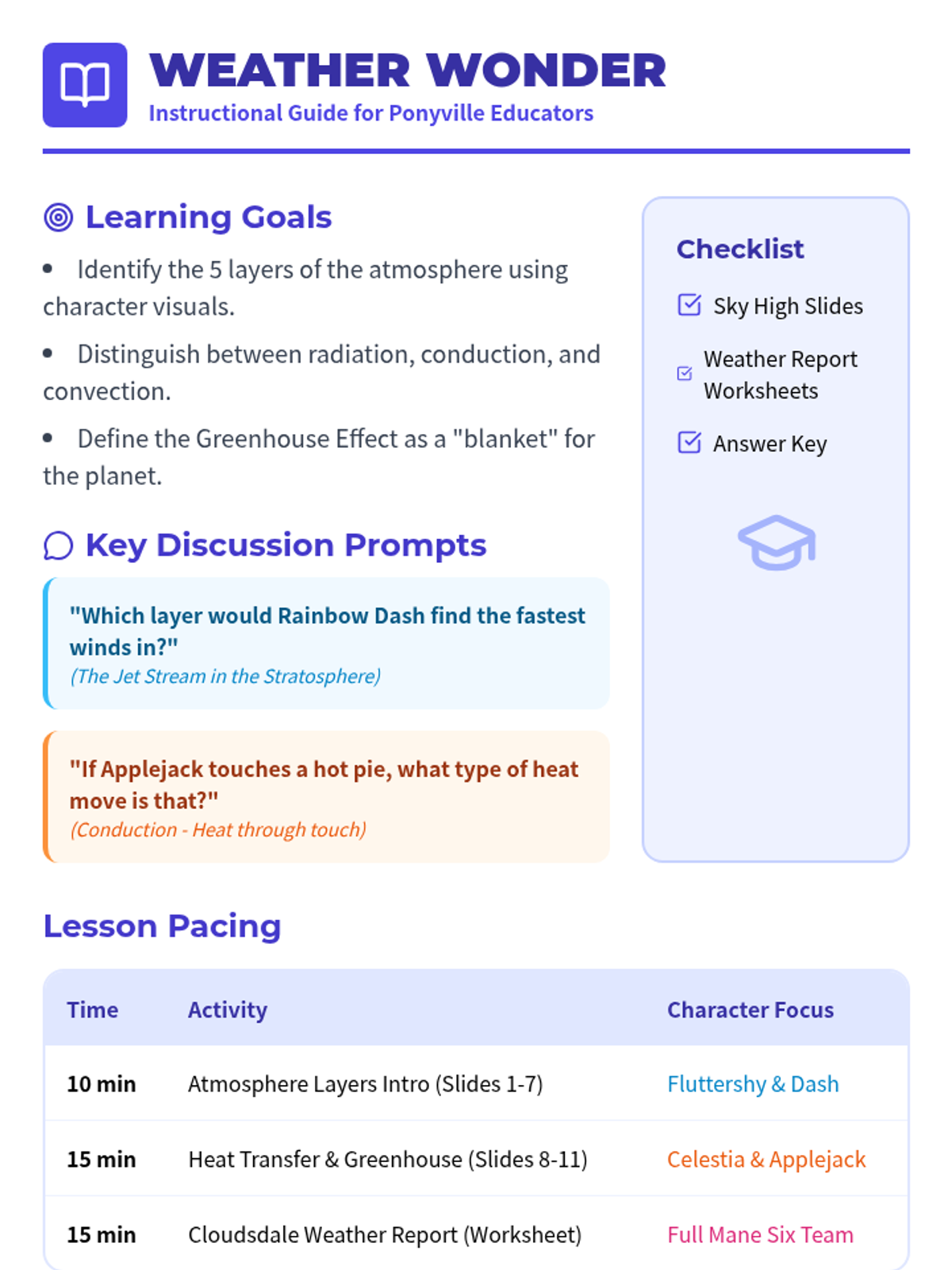
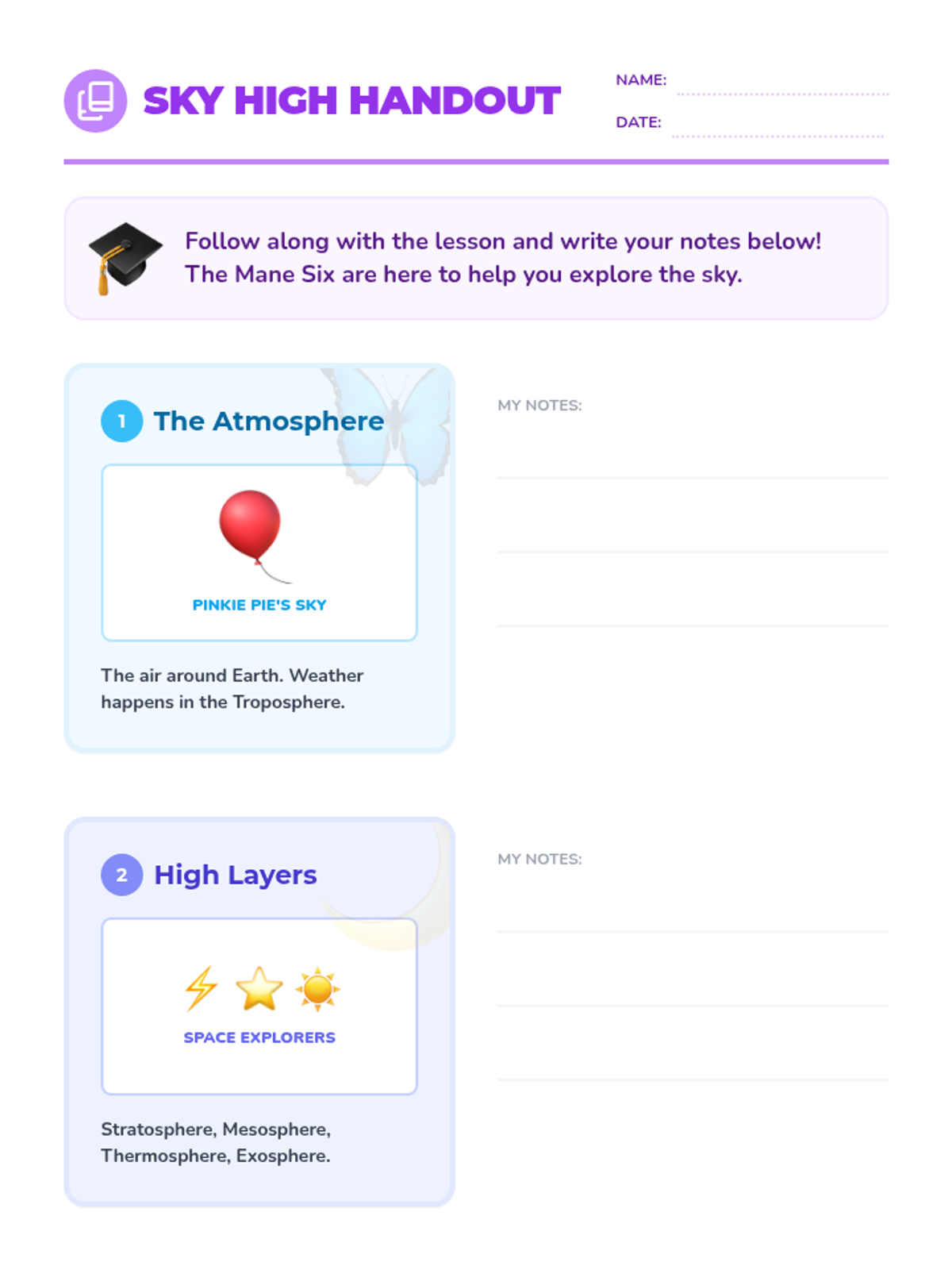
Explore the layers of the atmosphere and how heat moves through Equestria with the help of the Mane Six. This lesson covers atmospheric layers and thermal energy transfer using simplified language and visual symbols.
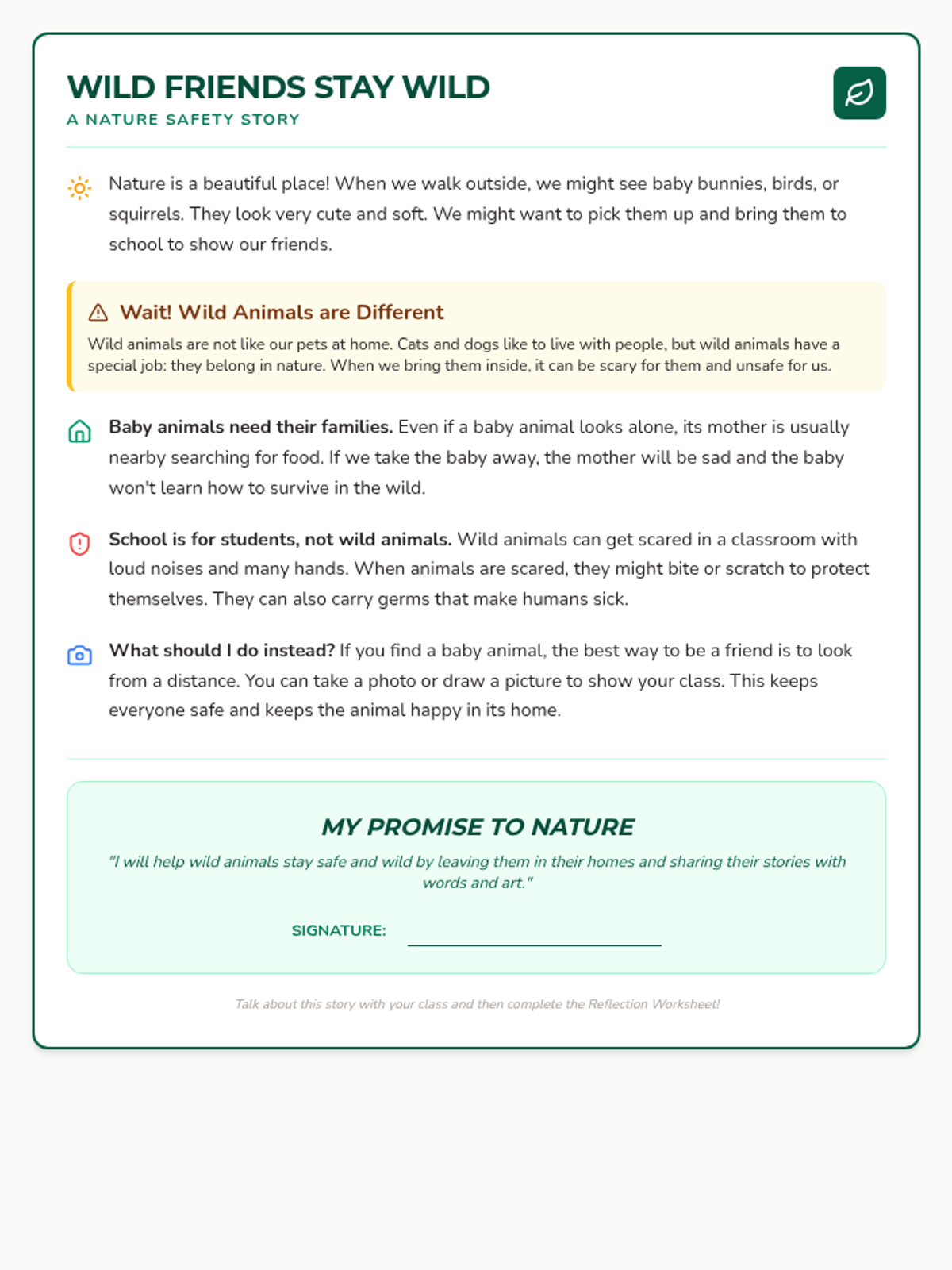
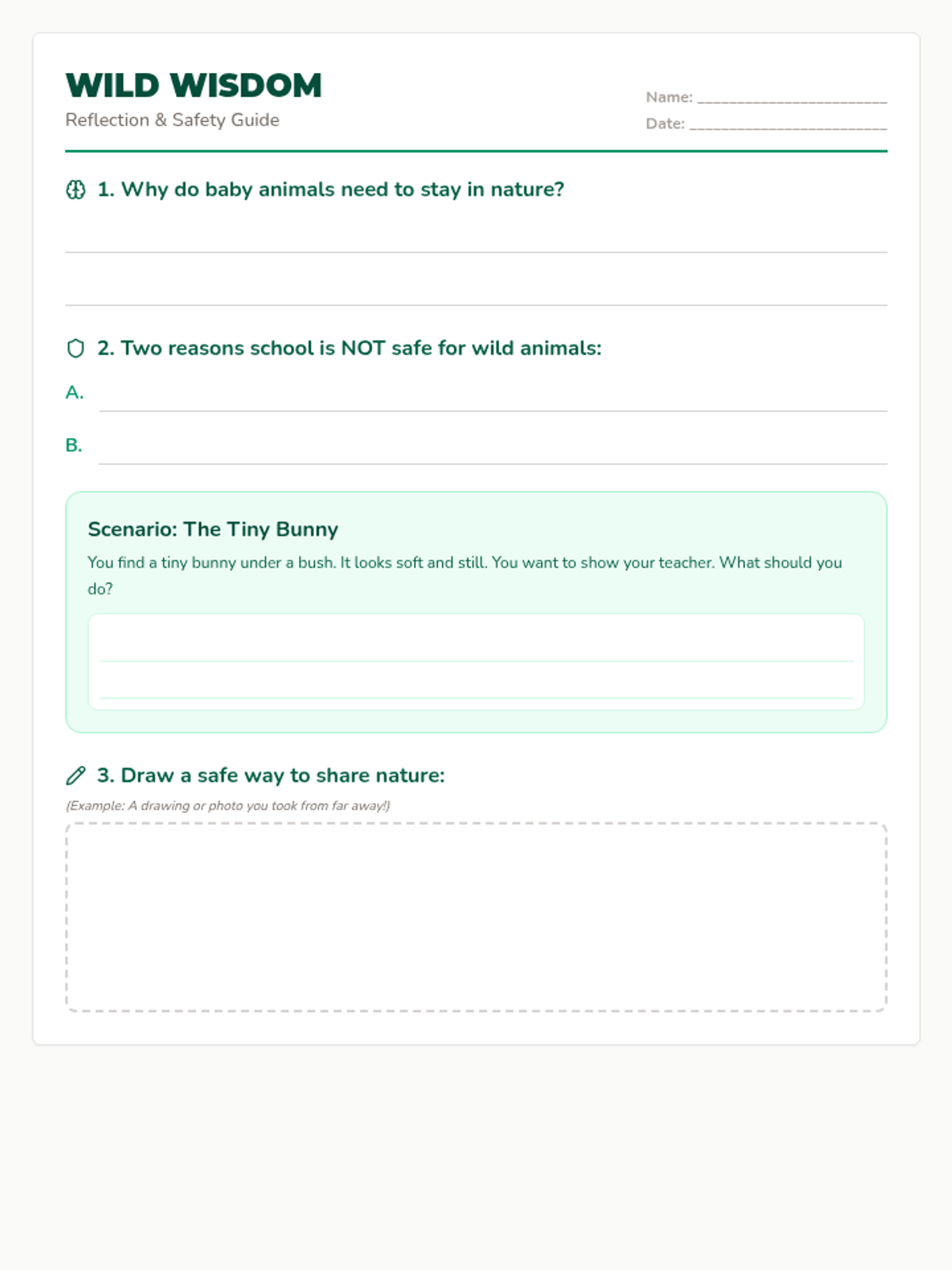
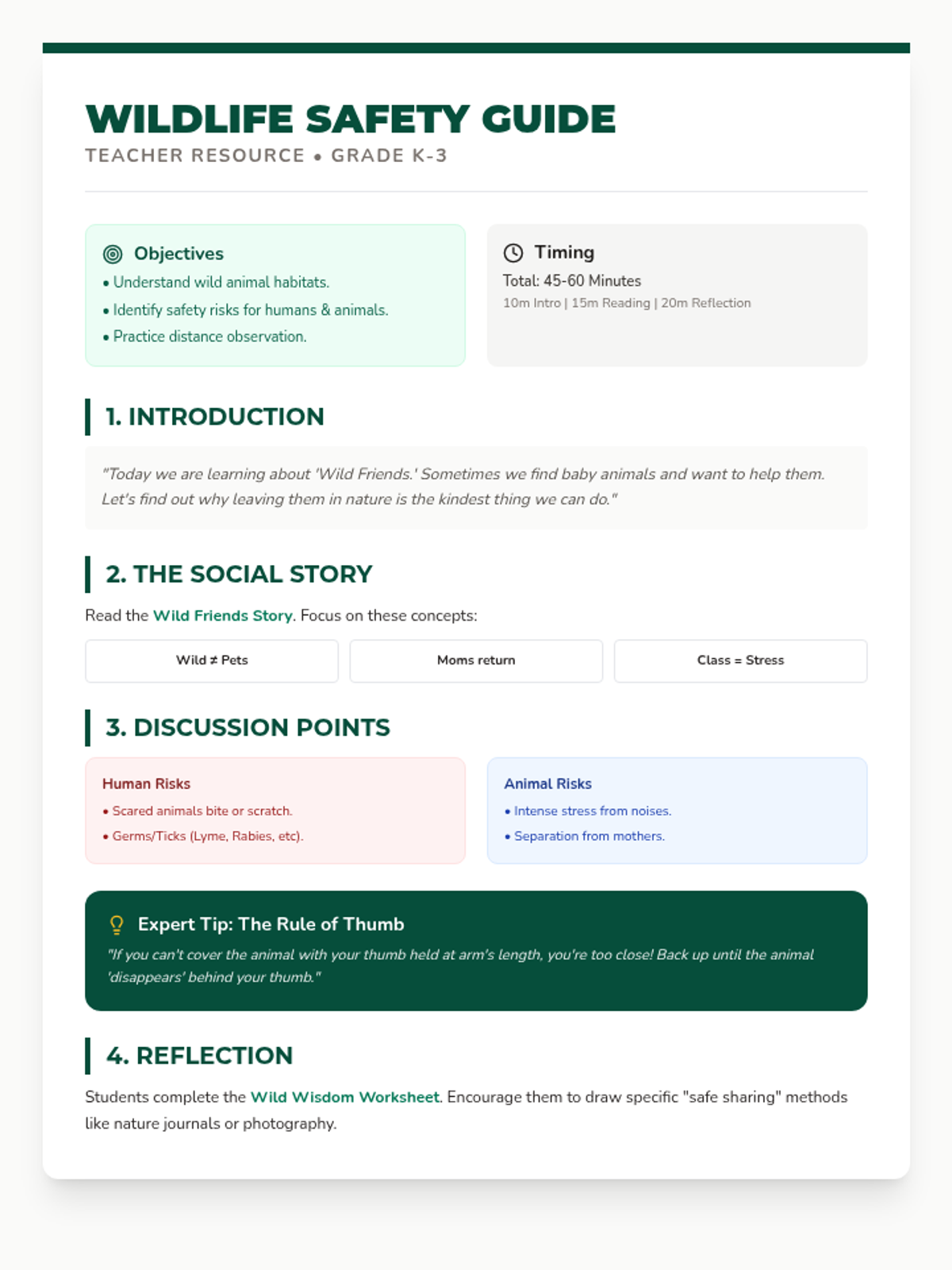
This lesson teaches students why wild animals, especially babies, should remain in their natural habitats rather than being brought to school, focusing on the safety of the animal and the classroom community.
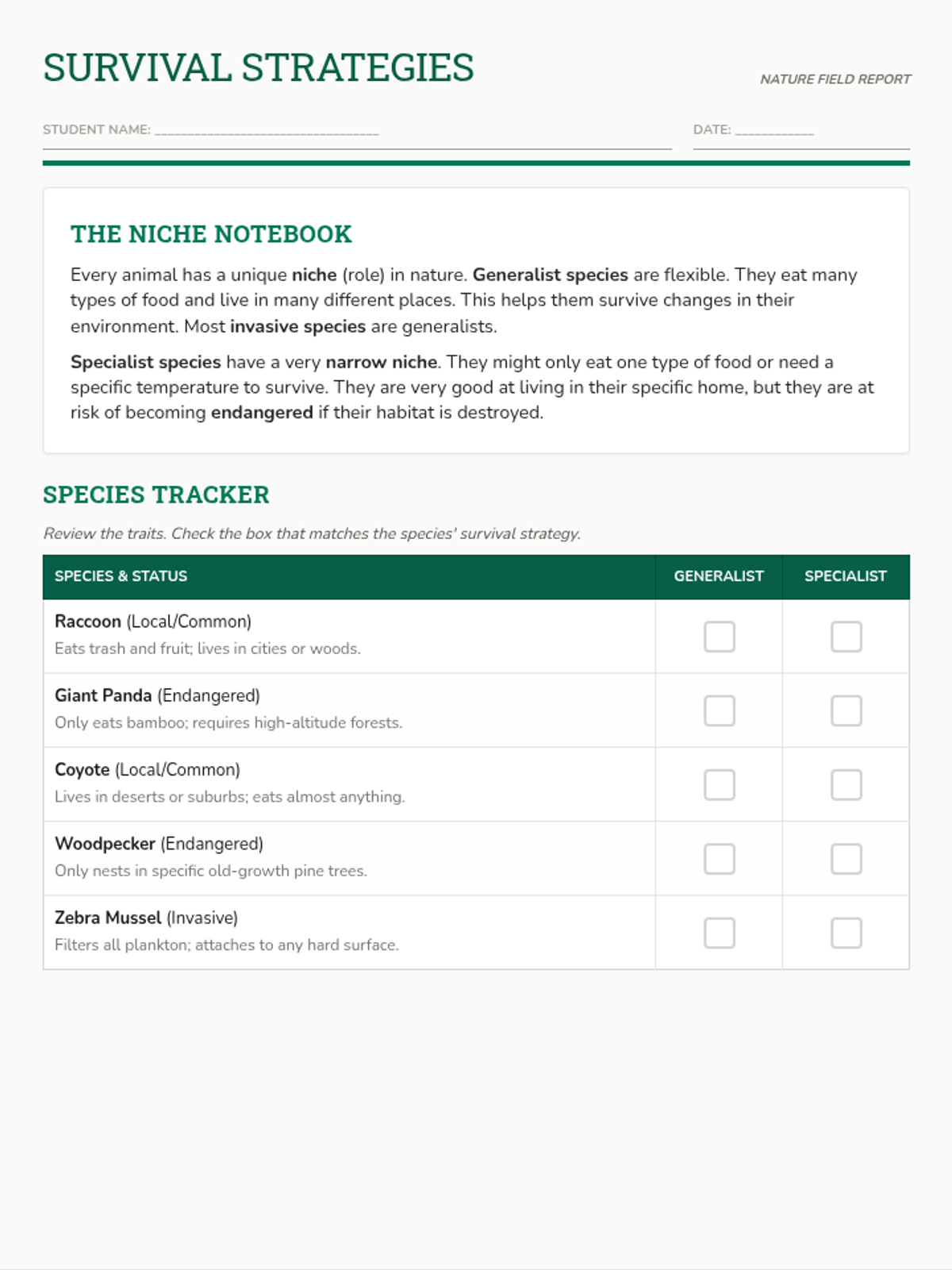
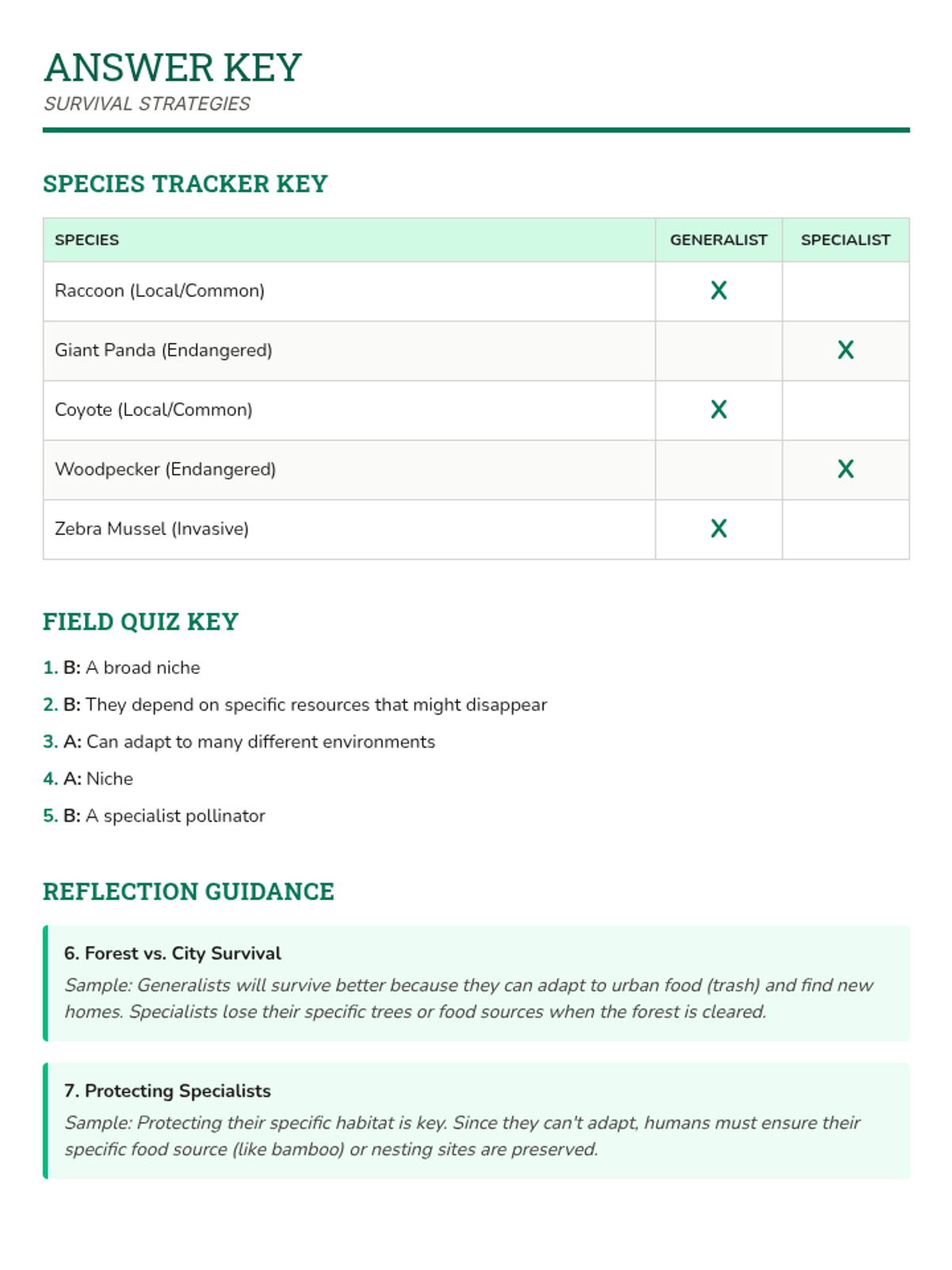
A lesson exploring the differences between generalist and specialist species, focusing on how their niches affect their survival and impact on ecosystems.
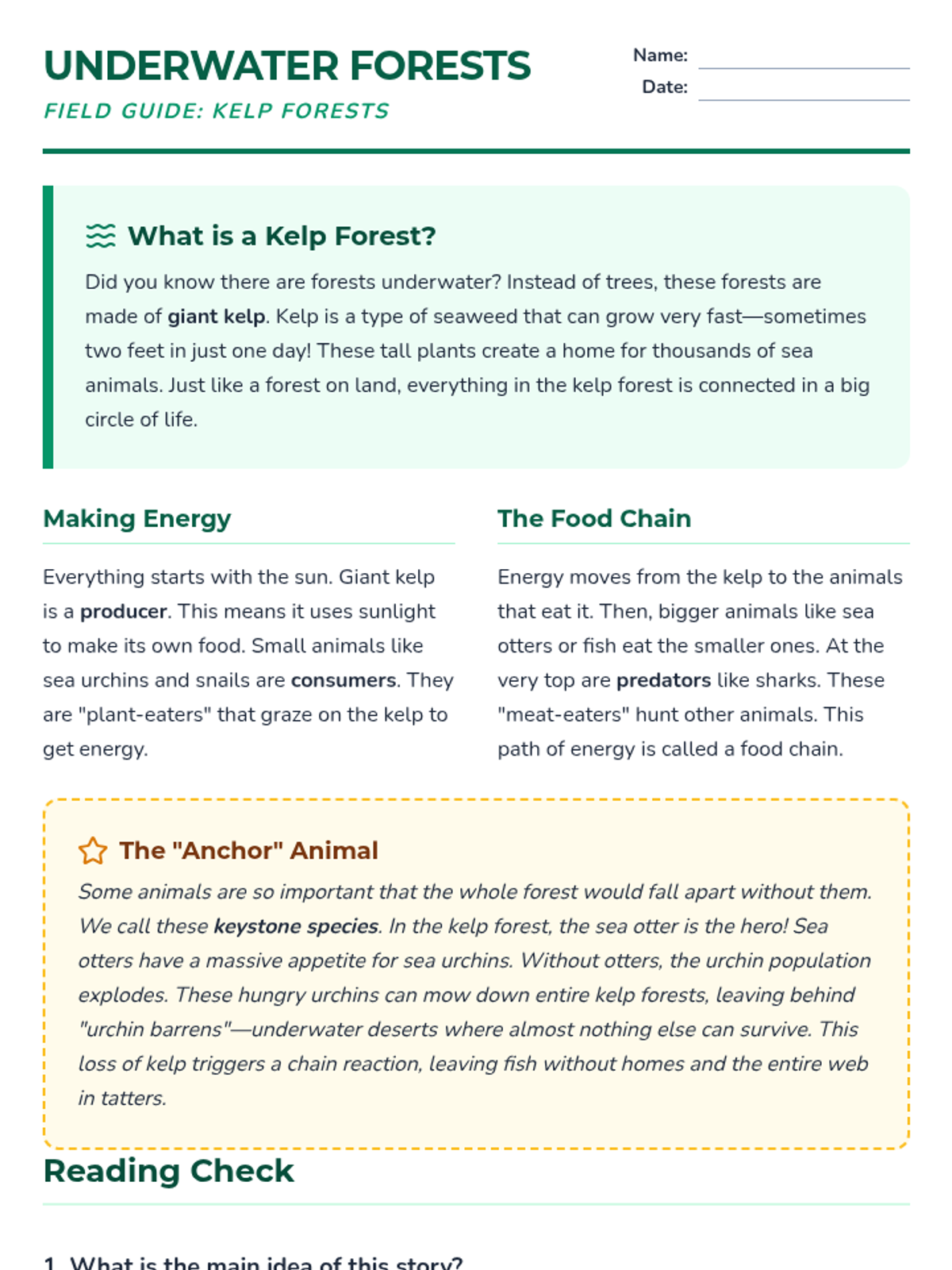
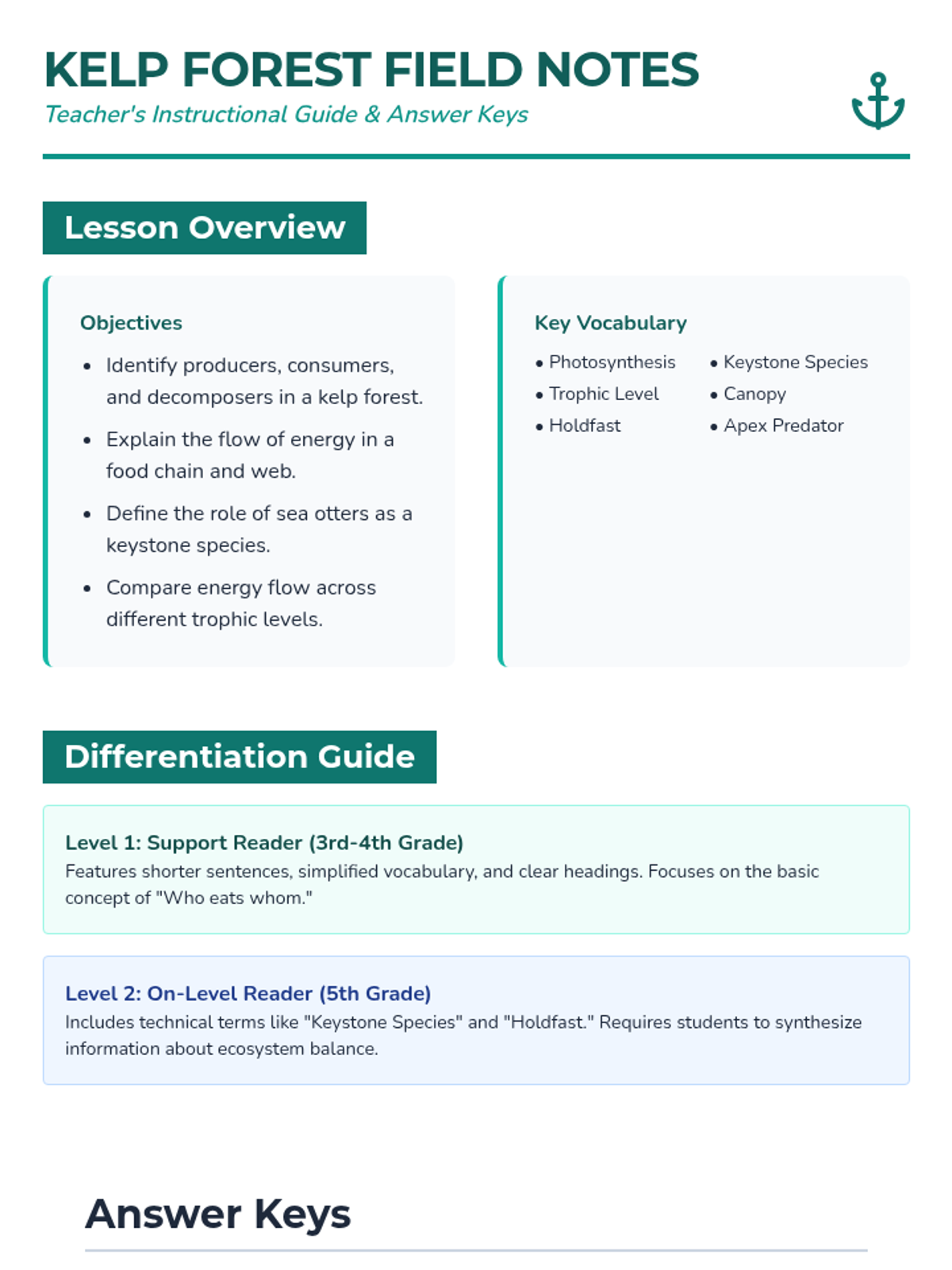
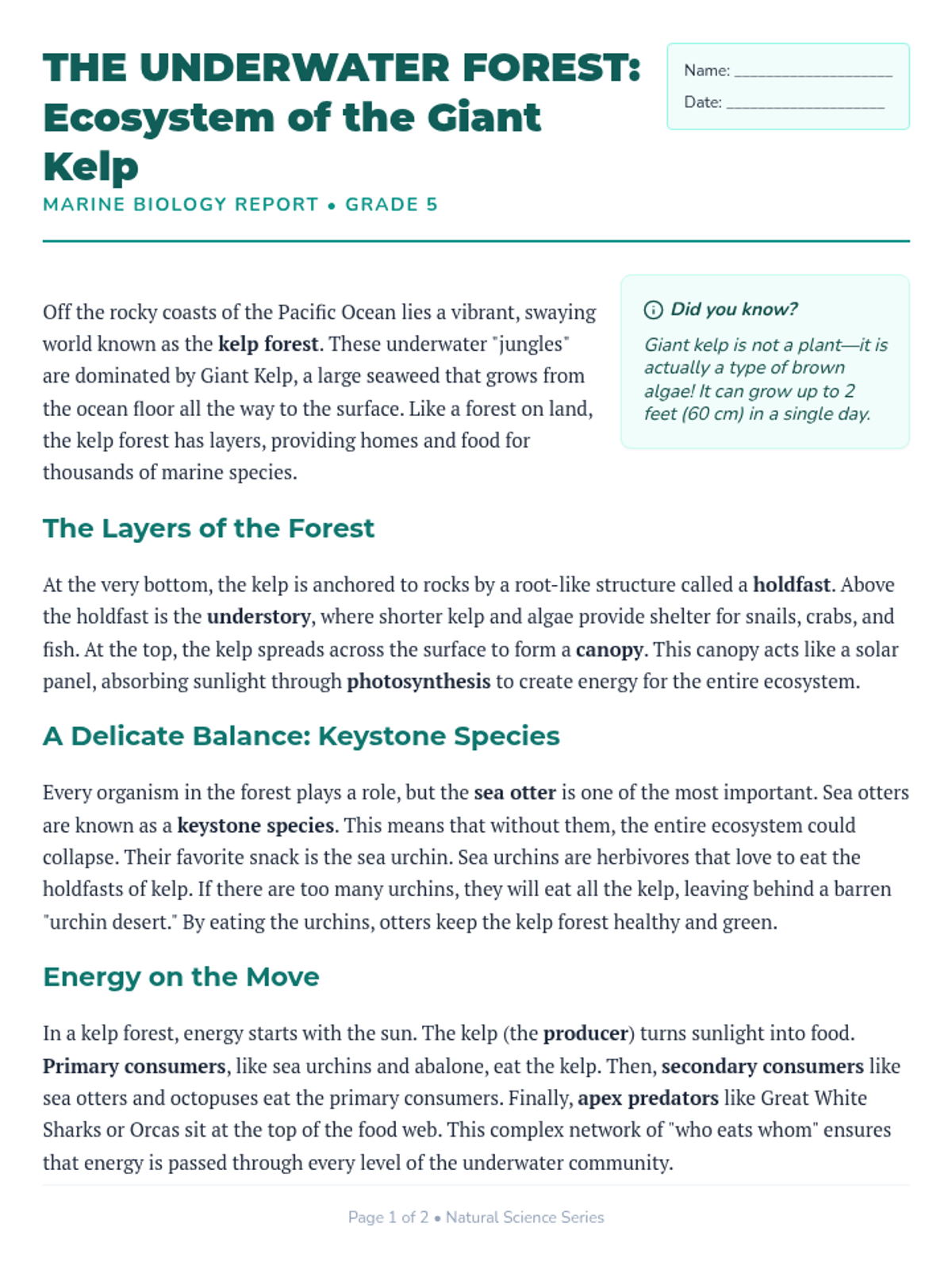
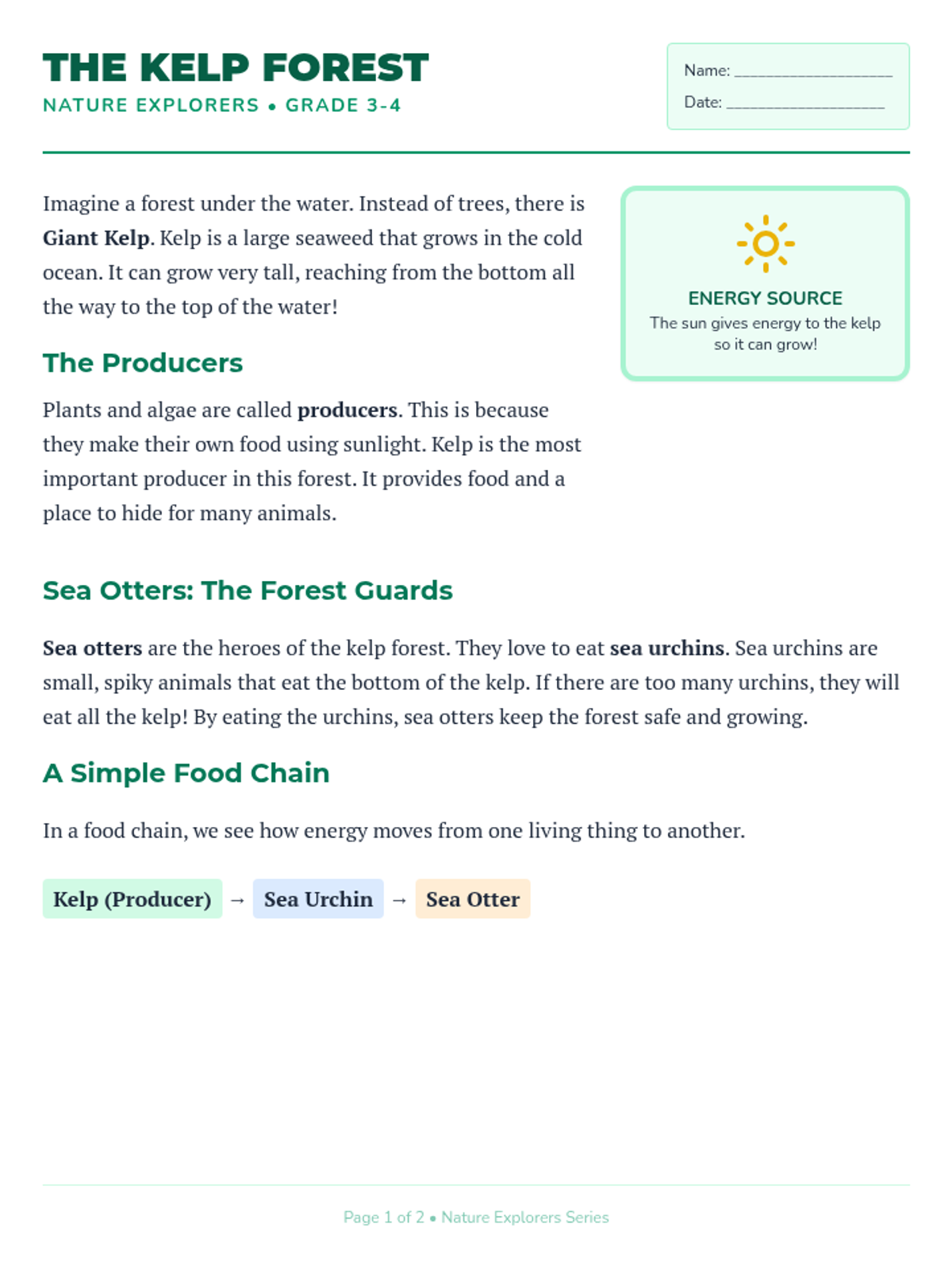
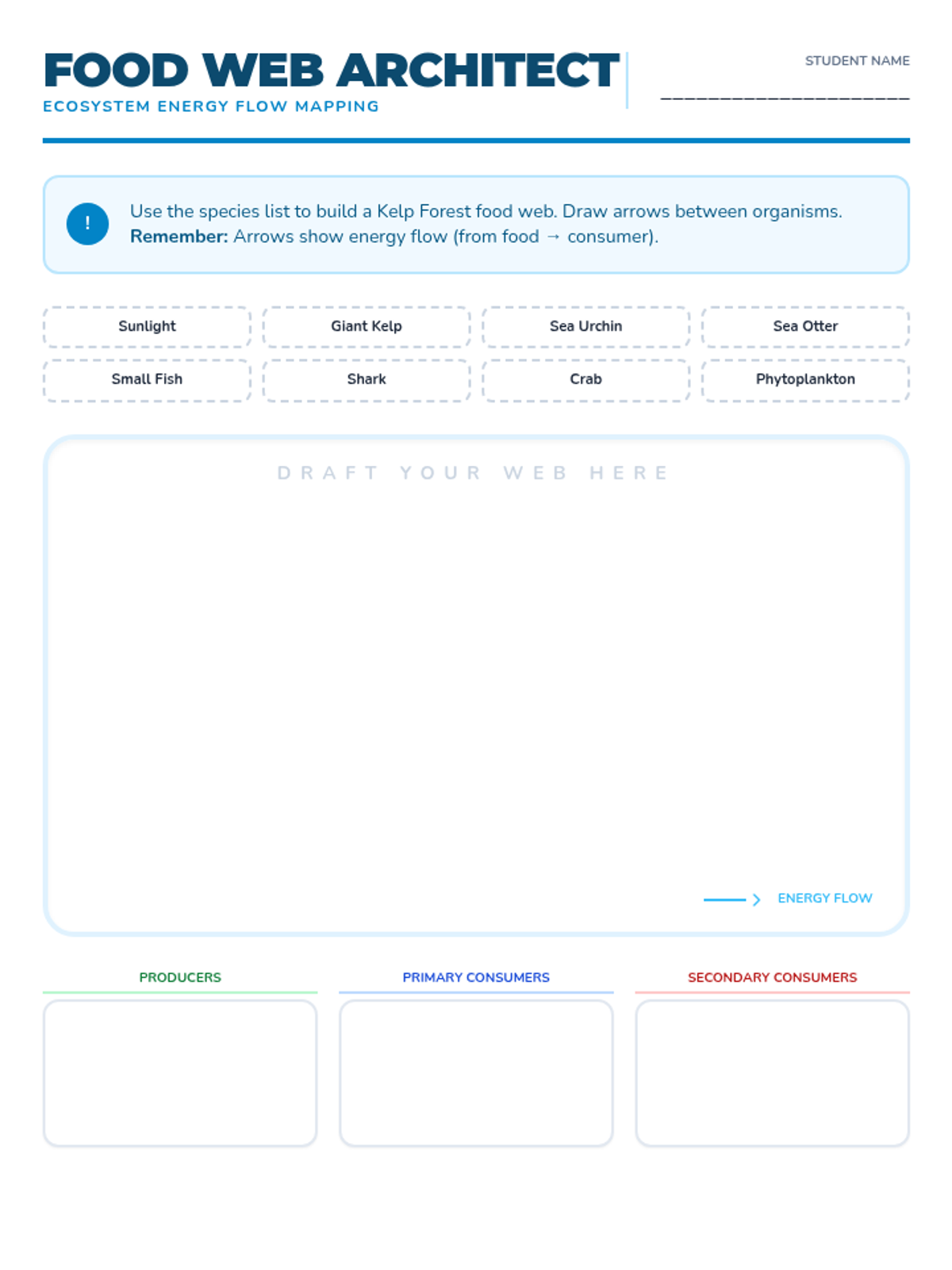
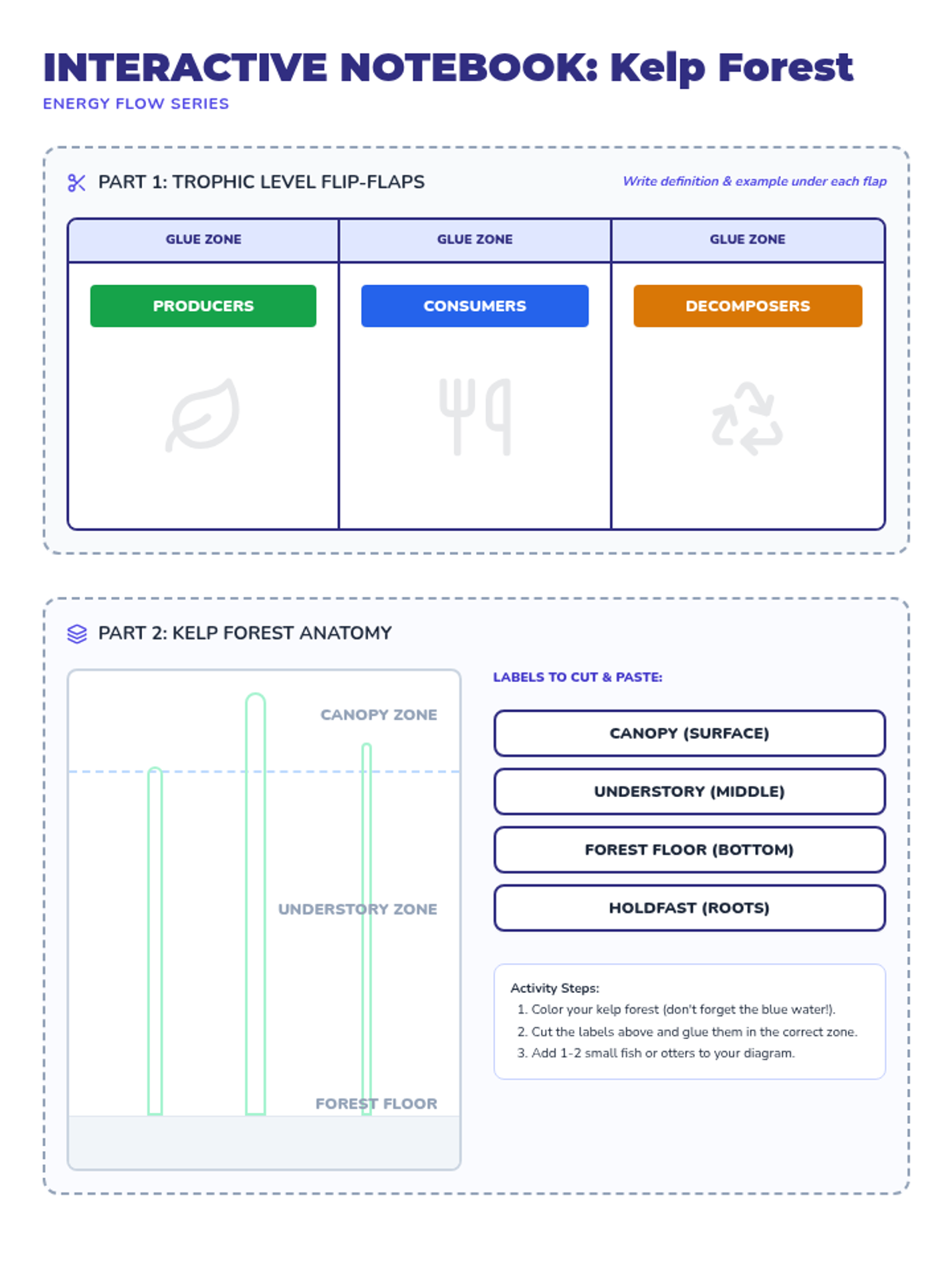
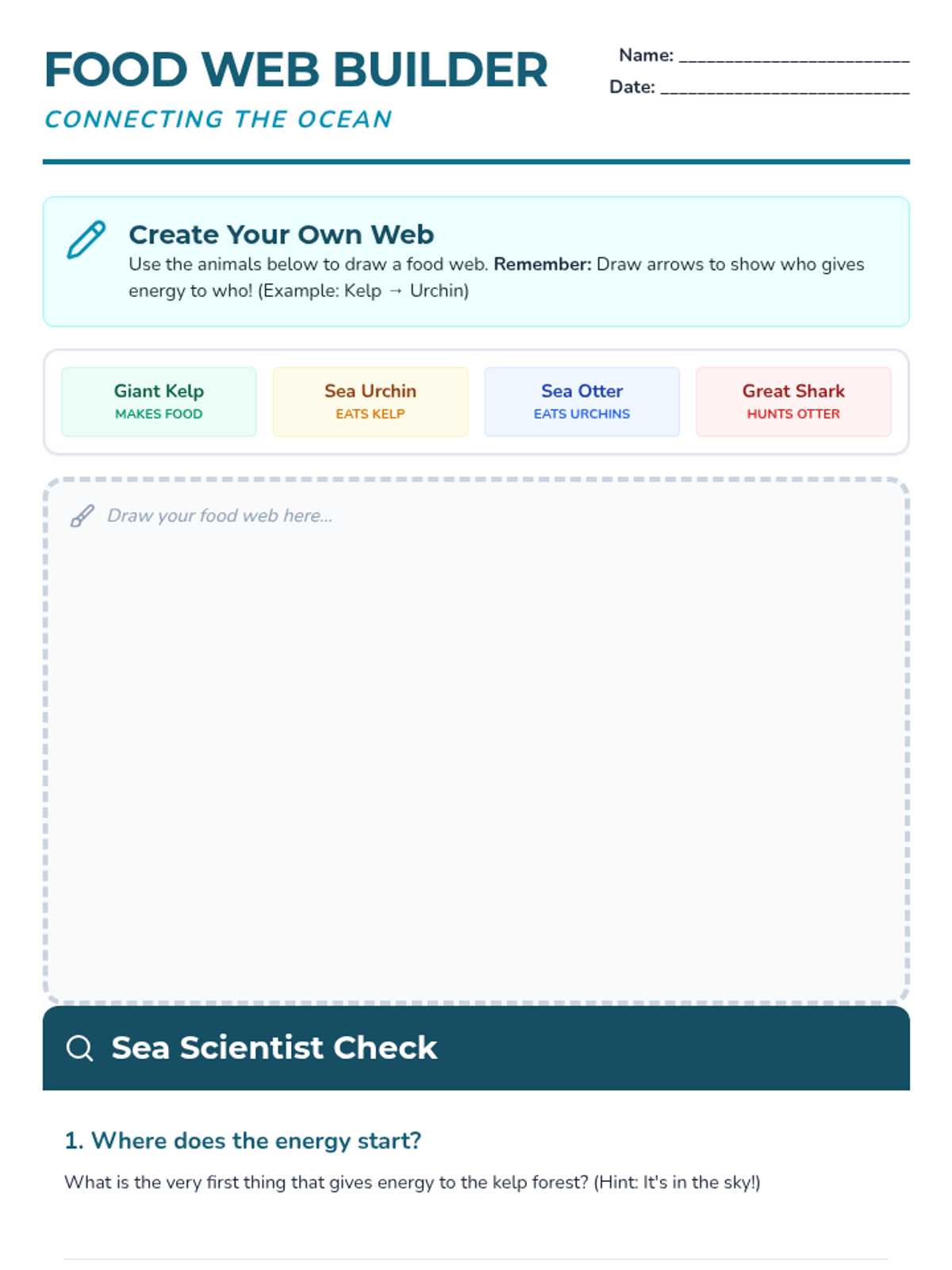
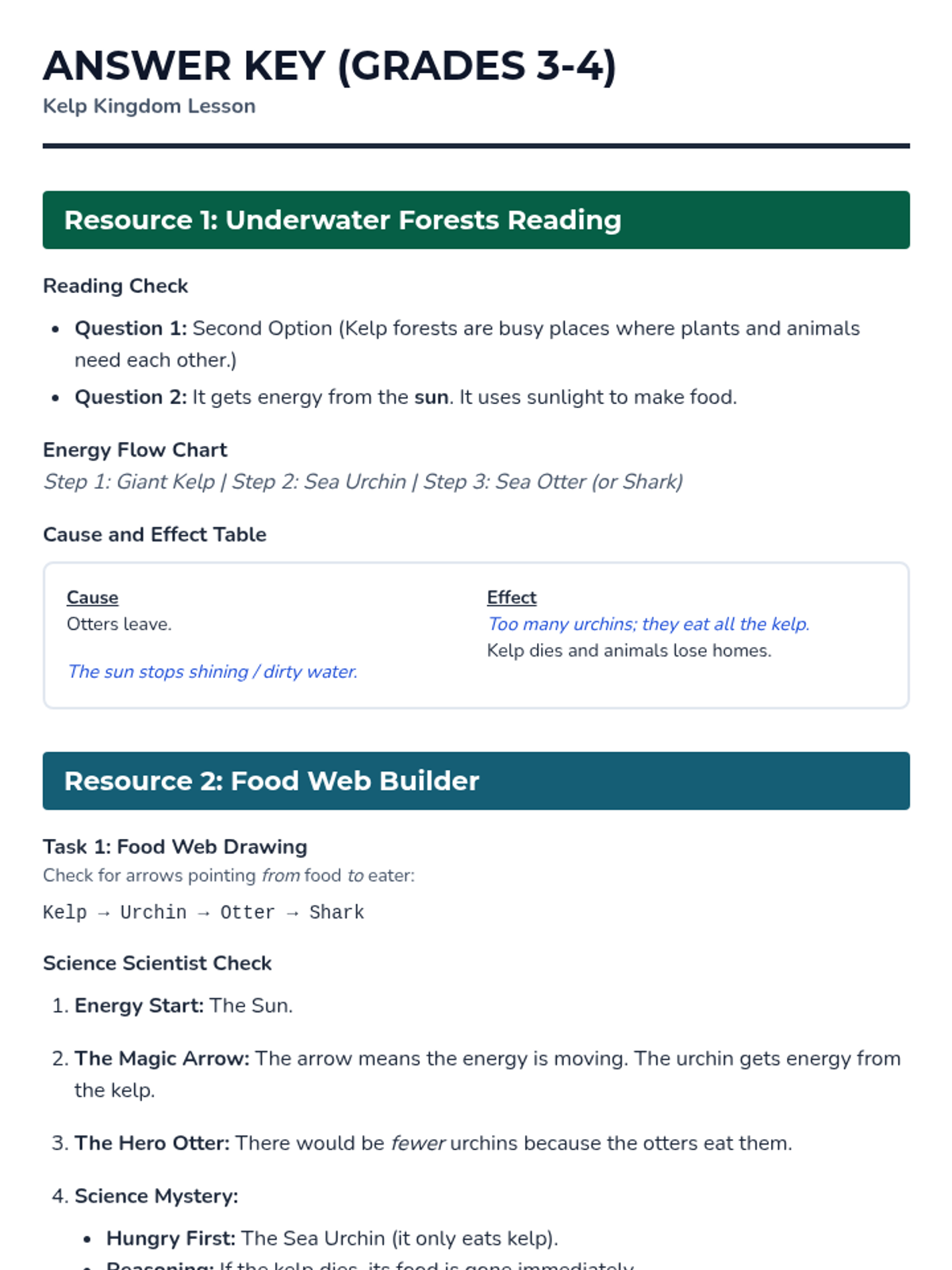
A deep dive into the complex food webs of the kelp forest ecosystem. Students will explore energy flow, keystone species, and the delicate balance of marine life through evidence-based reading and hands-on mapping.
Students will explore the complex relationships within a kelp forest ecosystem, focusing on energy flow through food chains and webs while comparing on-level and supported reading materials.