Introduction to the engineering concepts of sensors, integrators, effectors, and negative feedback. Students translate biological diagrams of homeostasis into block diagrams used in control engineering to identify system components.
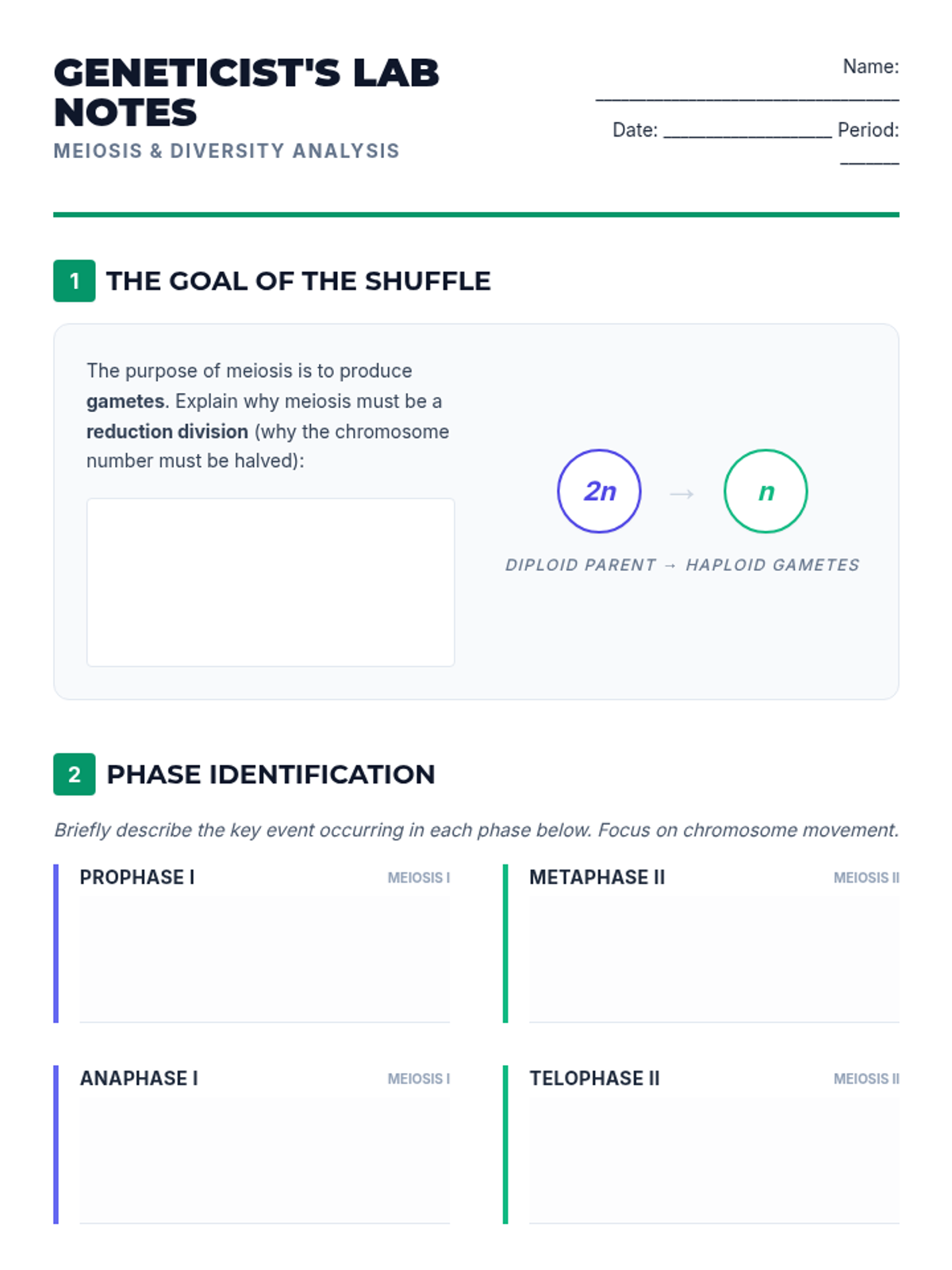
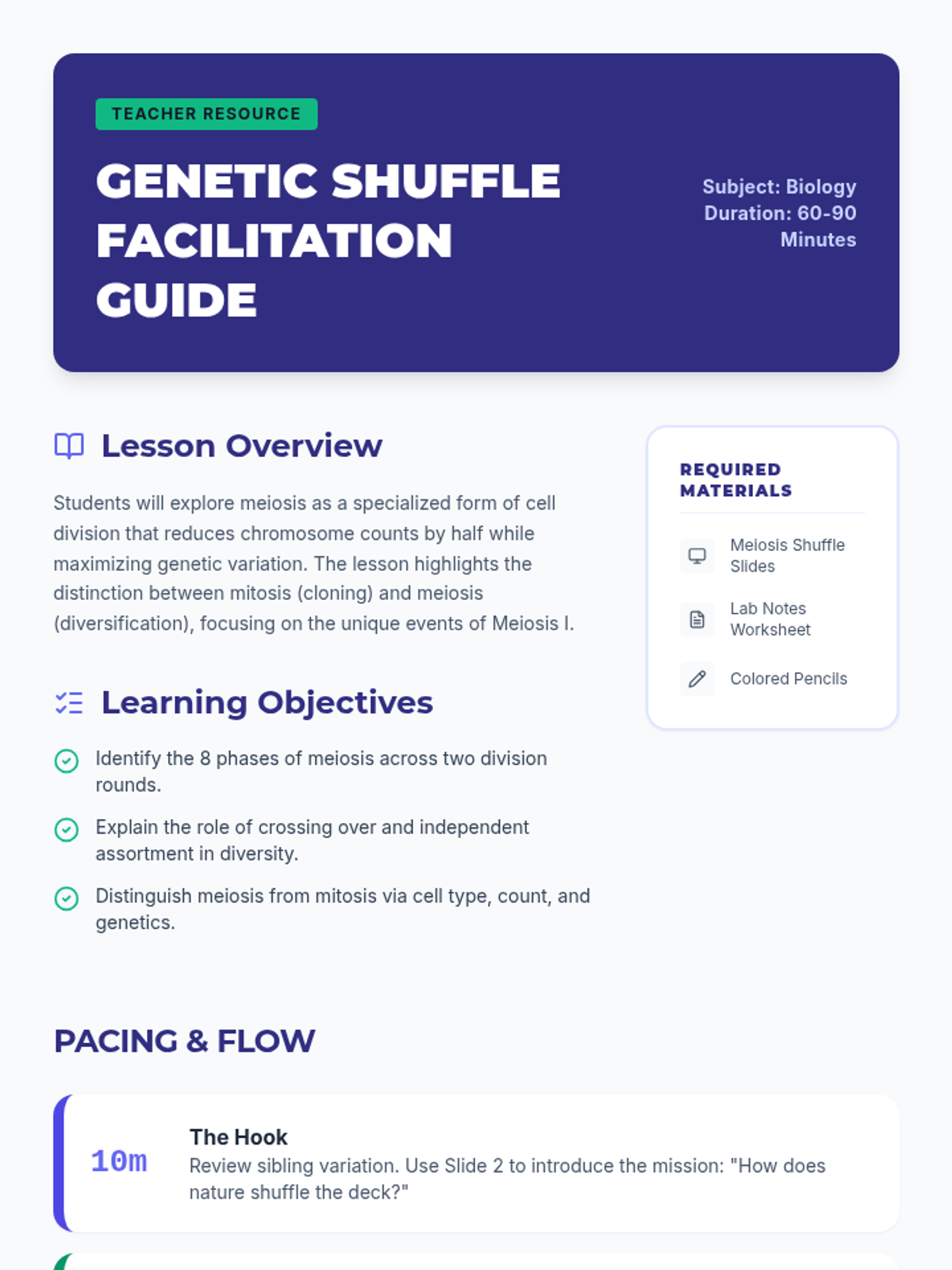
A comprehensive lesson on meiosis covering its phases, final products, and its critical role in genetic diversity compared to mitosis. Students will engage with visual models and comparative analysis.
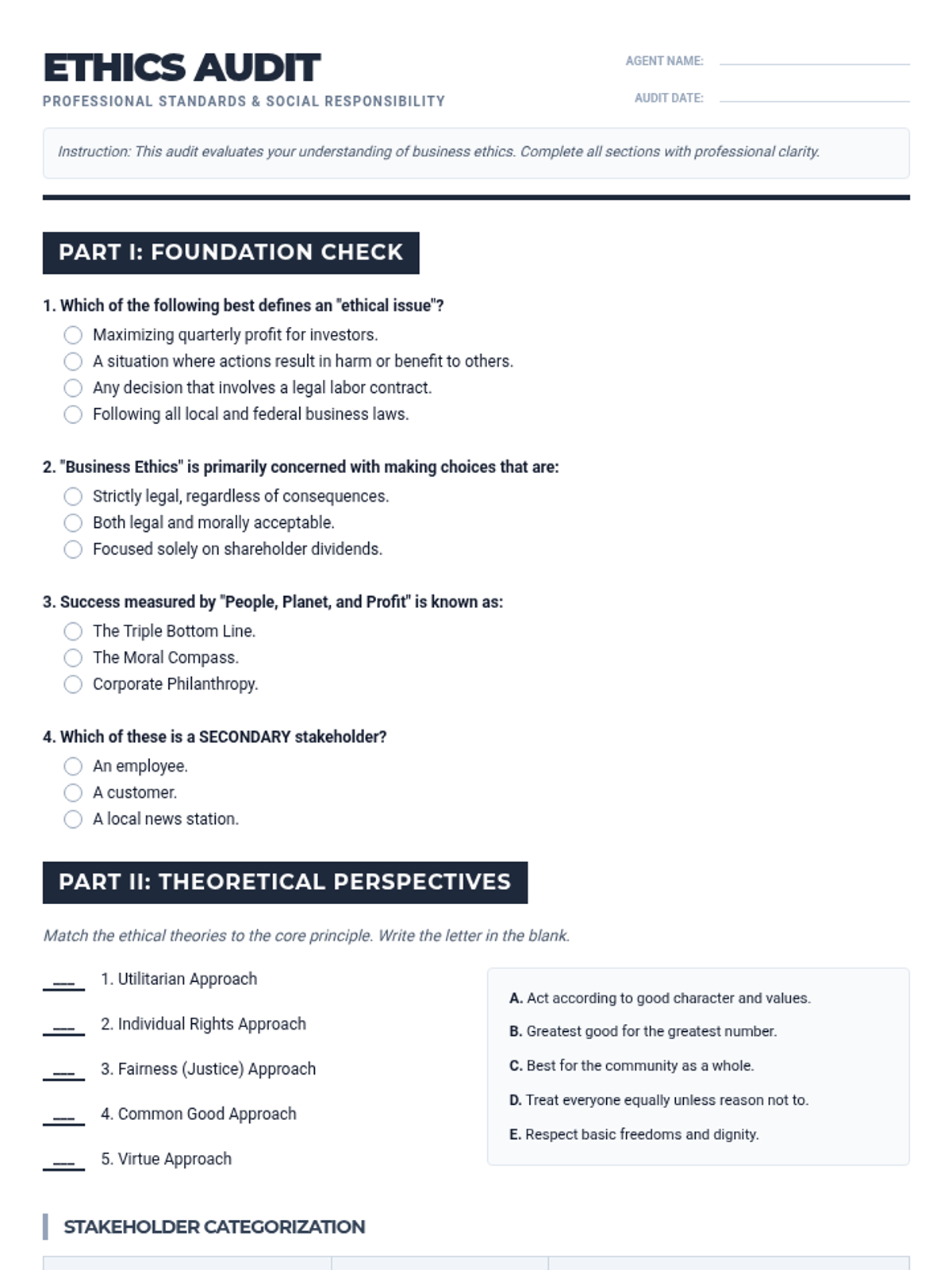
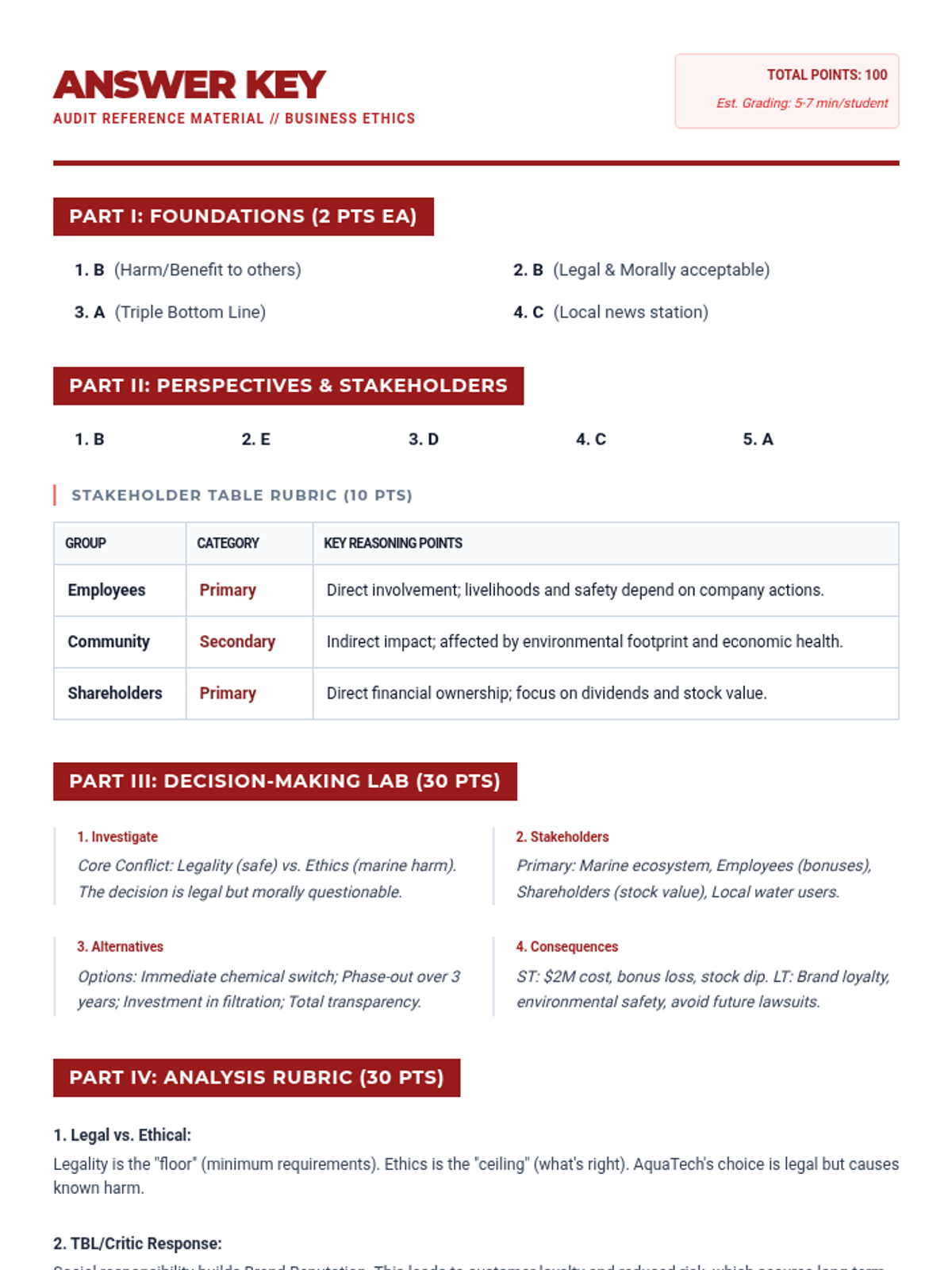
A comprehensive assessment covering business ethics, social responsibility, ethical theories, and the stakeholder decision-making process.
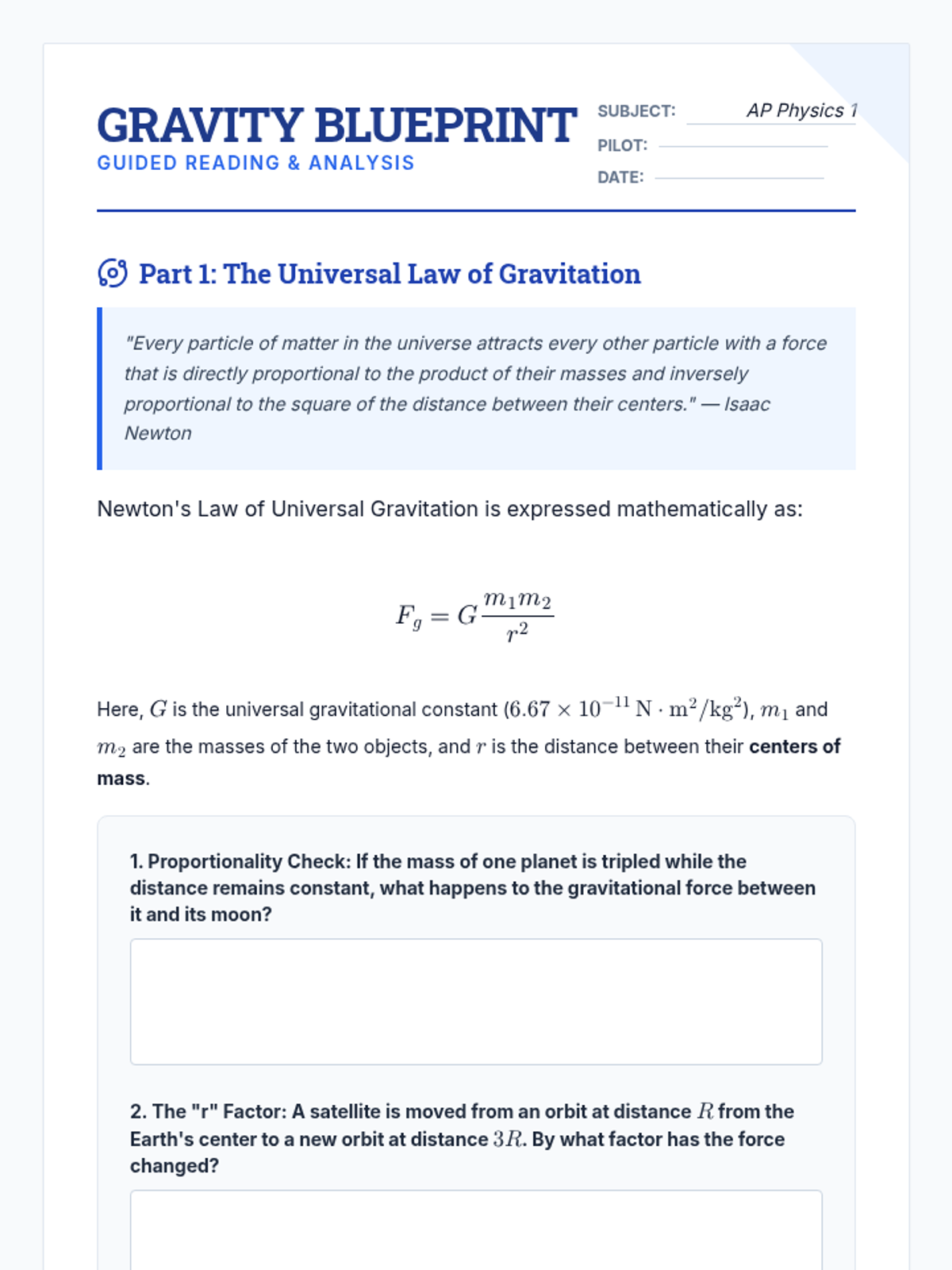
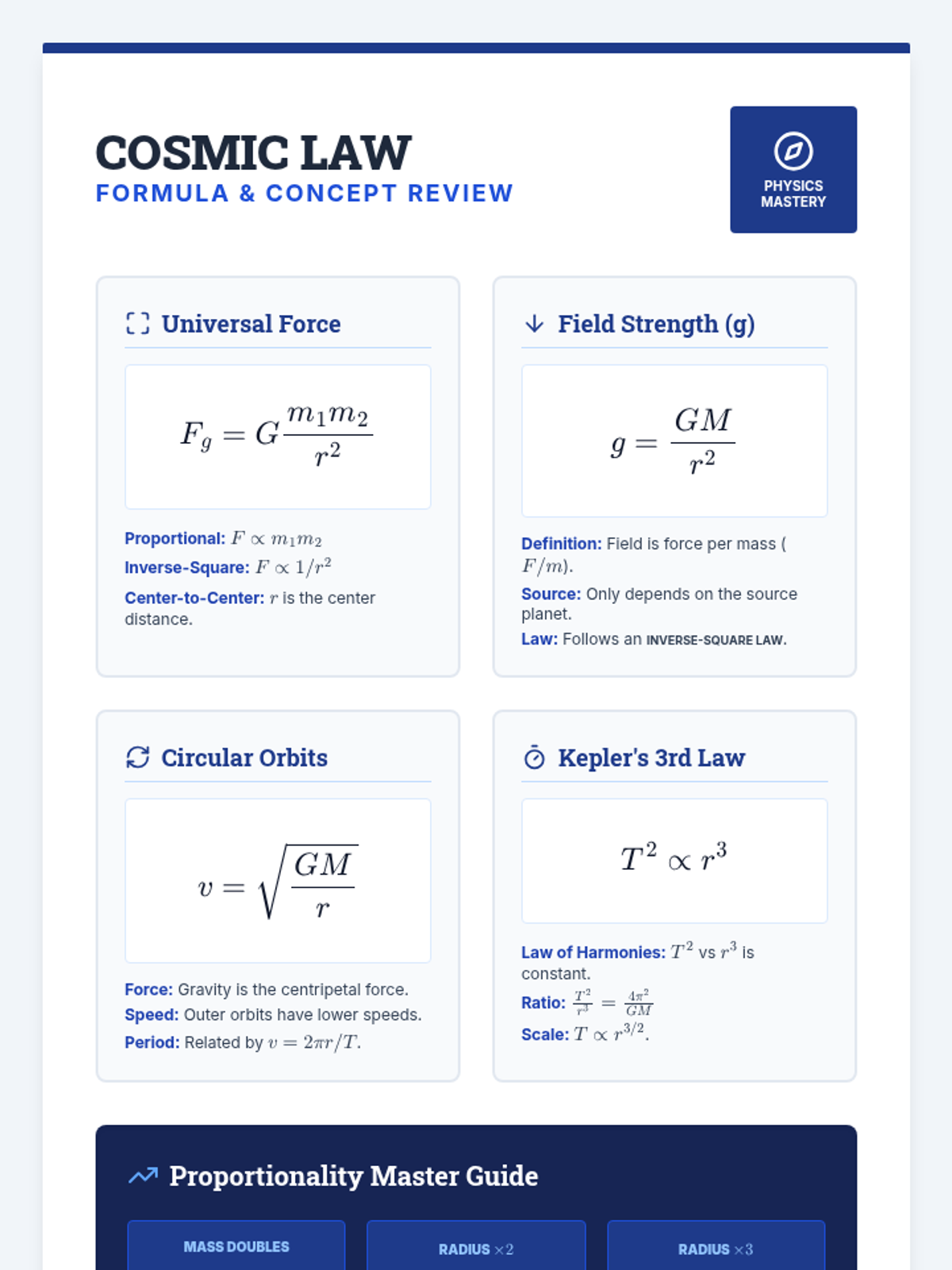
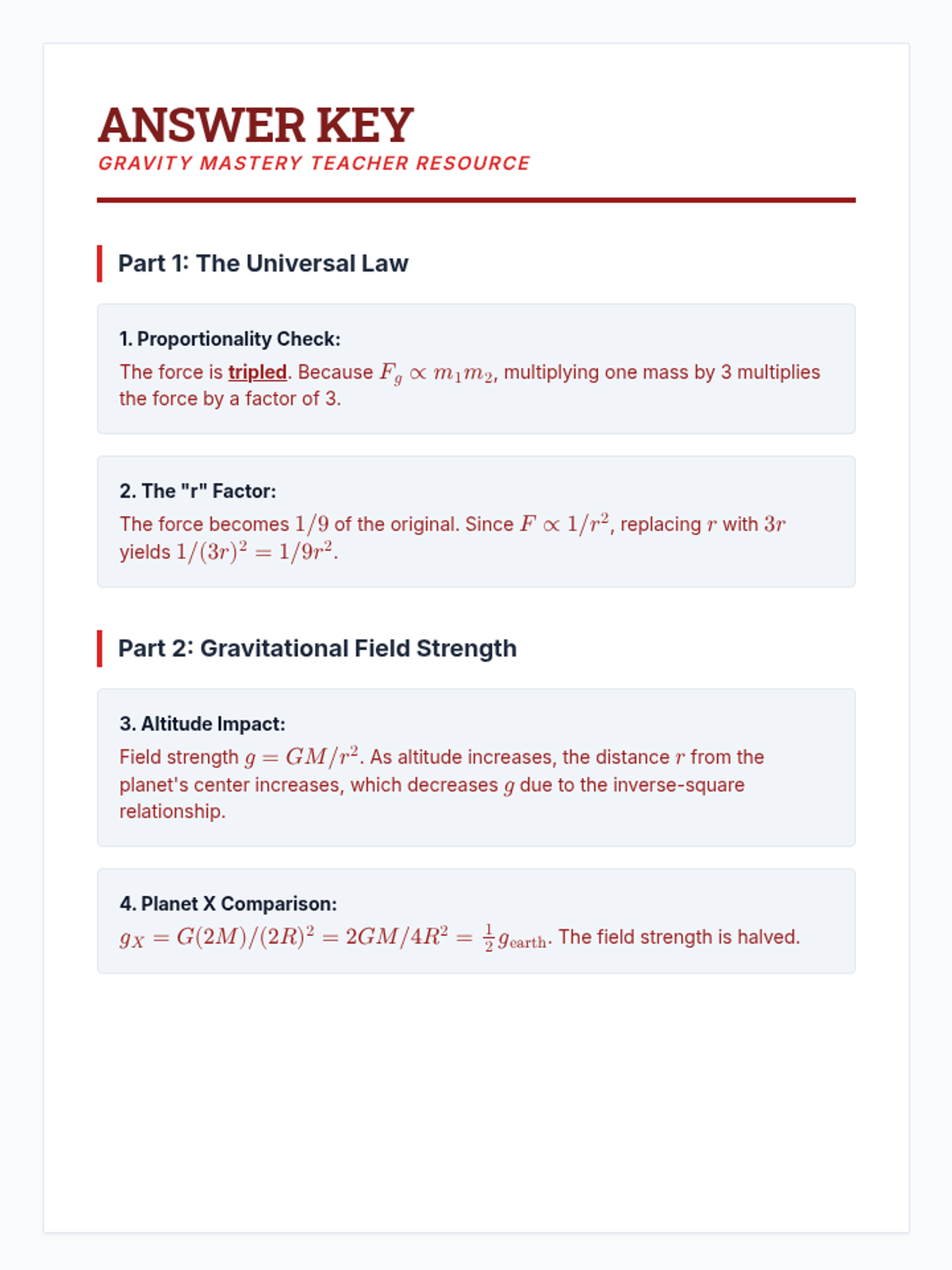
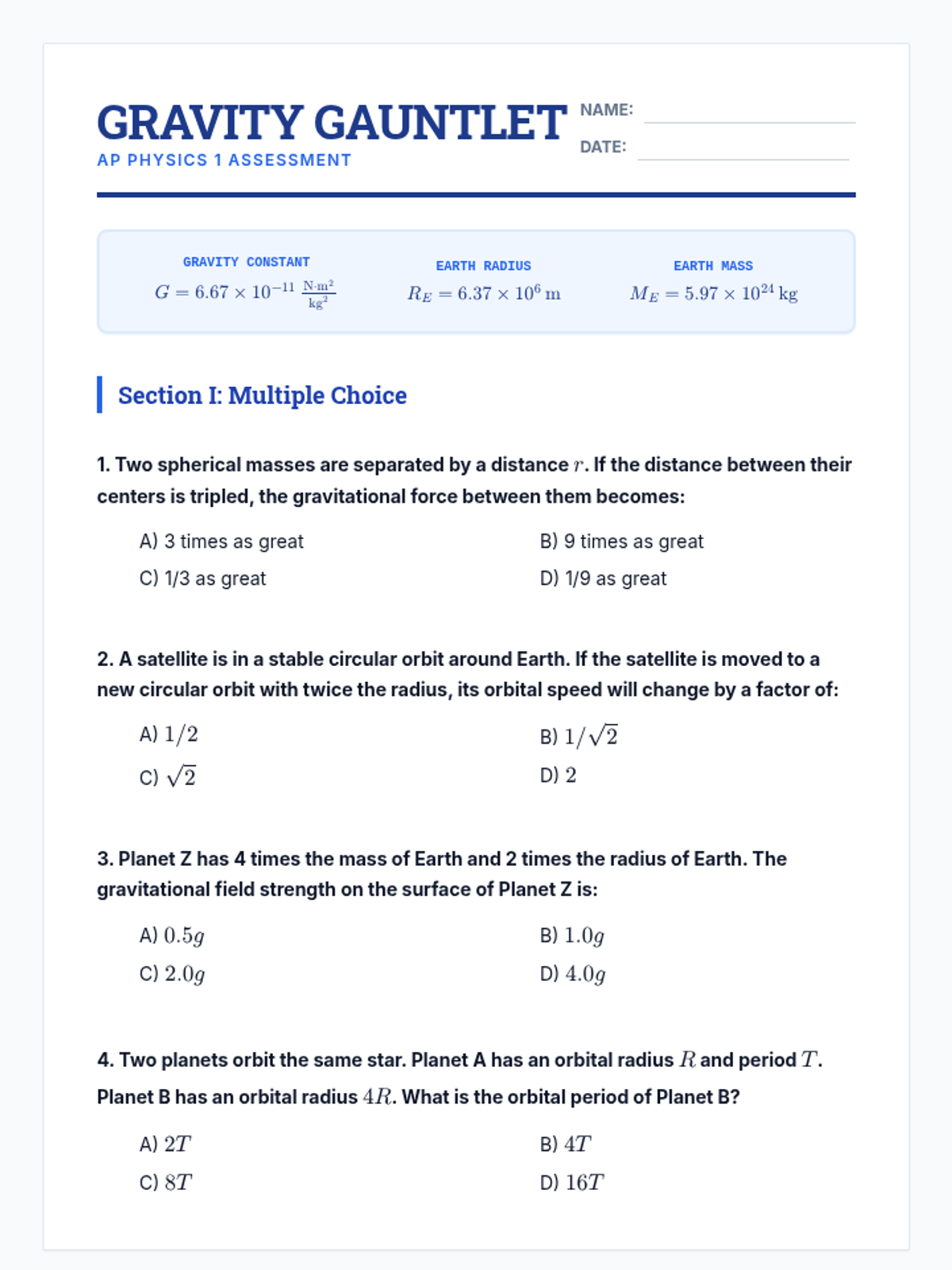
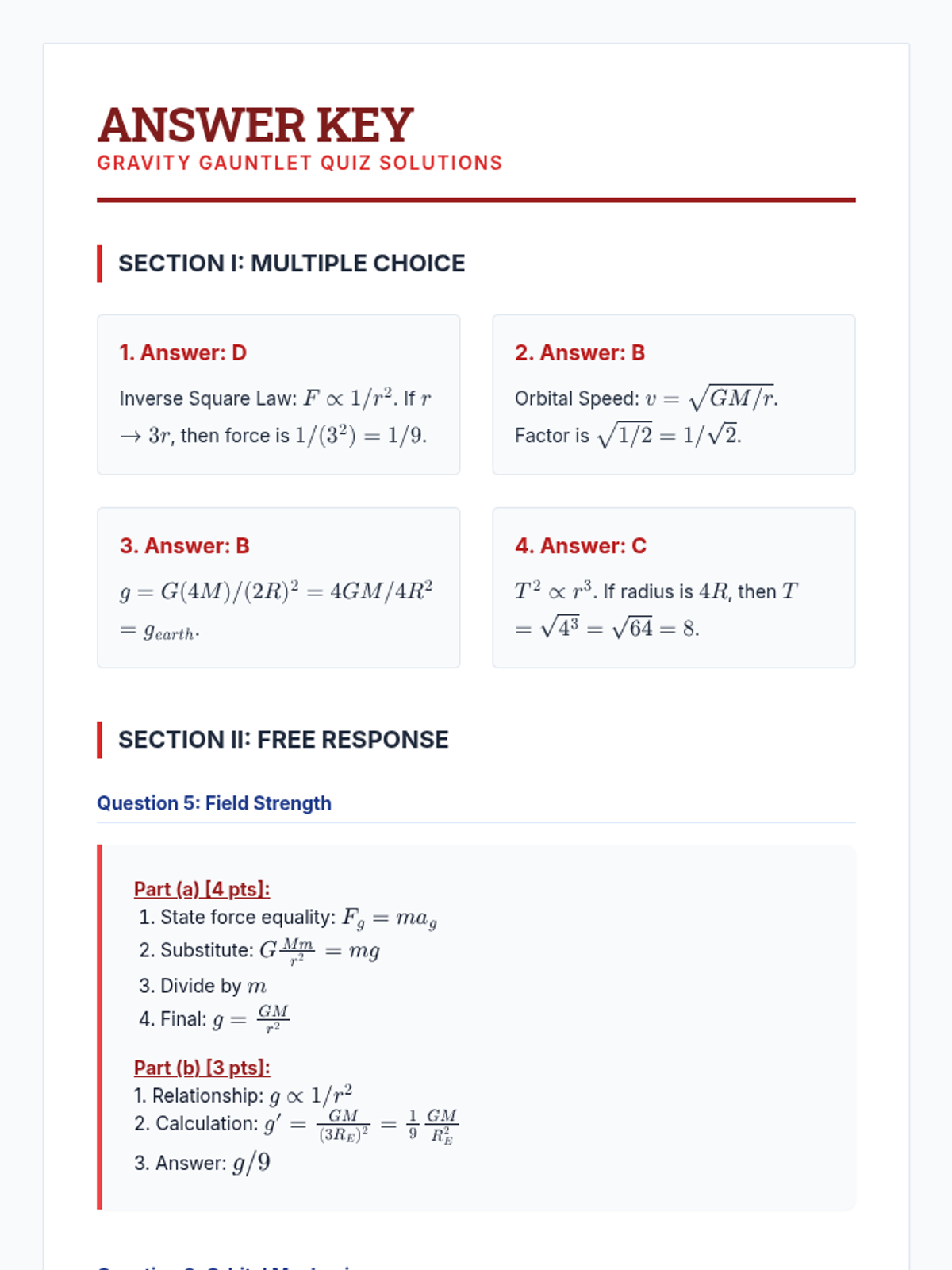
A comprehensive lesson covering Newton's Law of Universal Gravitation, gravitational field strength, and orbital mechanics, designed for AP Physics 1 students to master the inverse-square law and Kepler's Third Law.
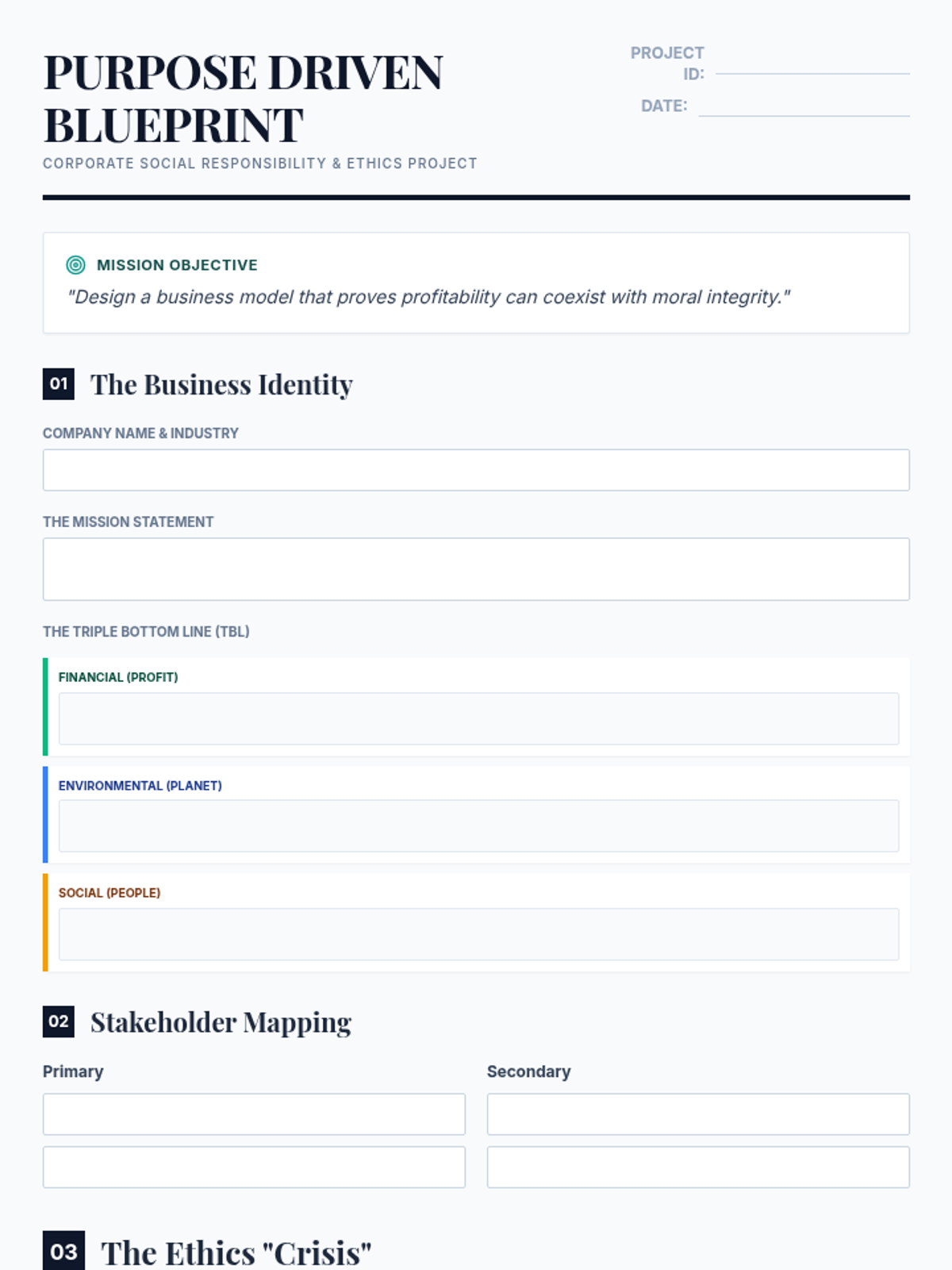
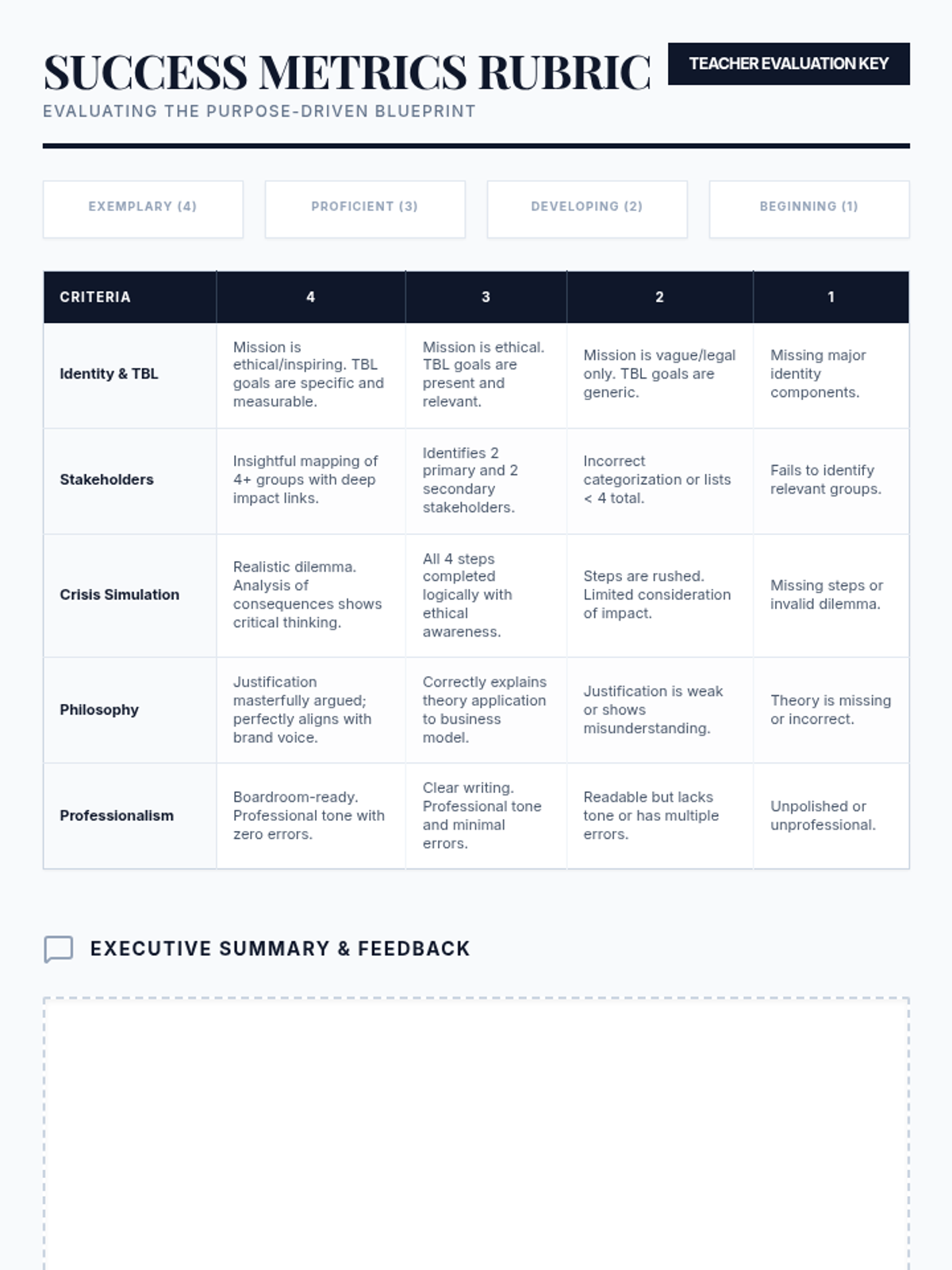
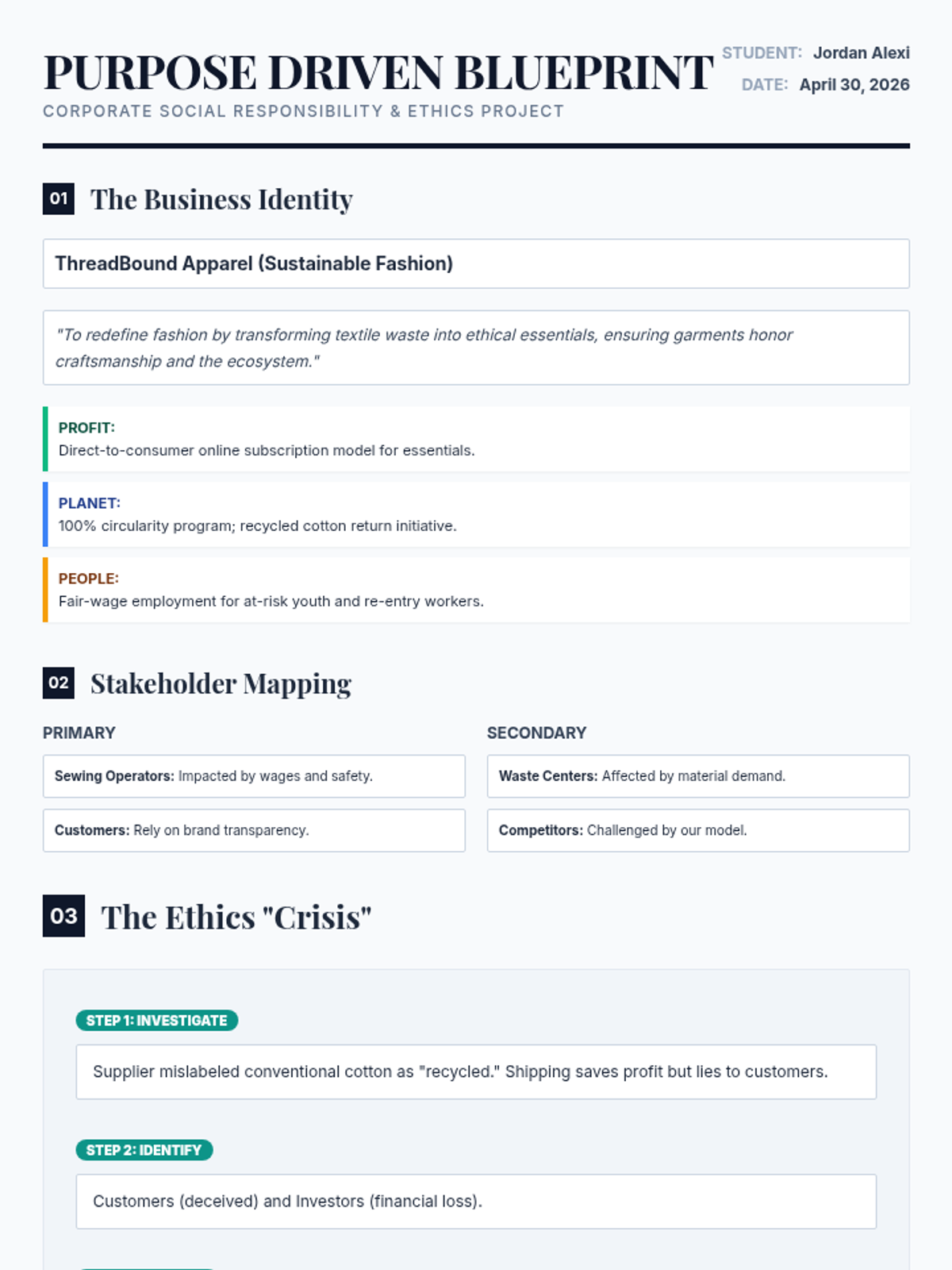
A comprehensive project where students design a socially responsible business from the ground up, focusing on the Triple Bottom Line, stakeholder mapping, and ethical decision-making.
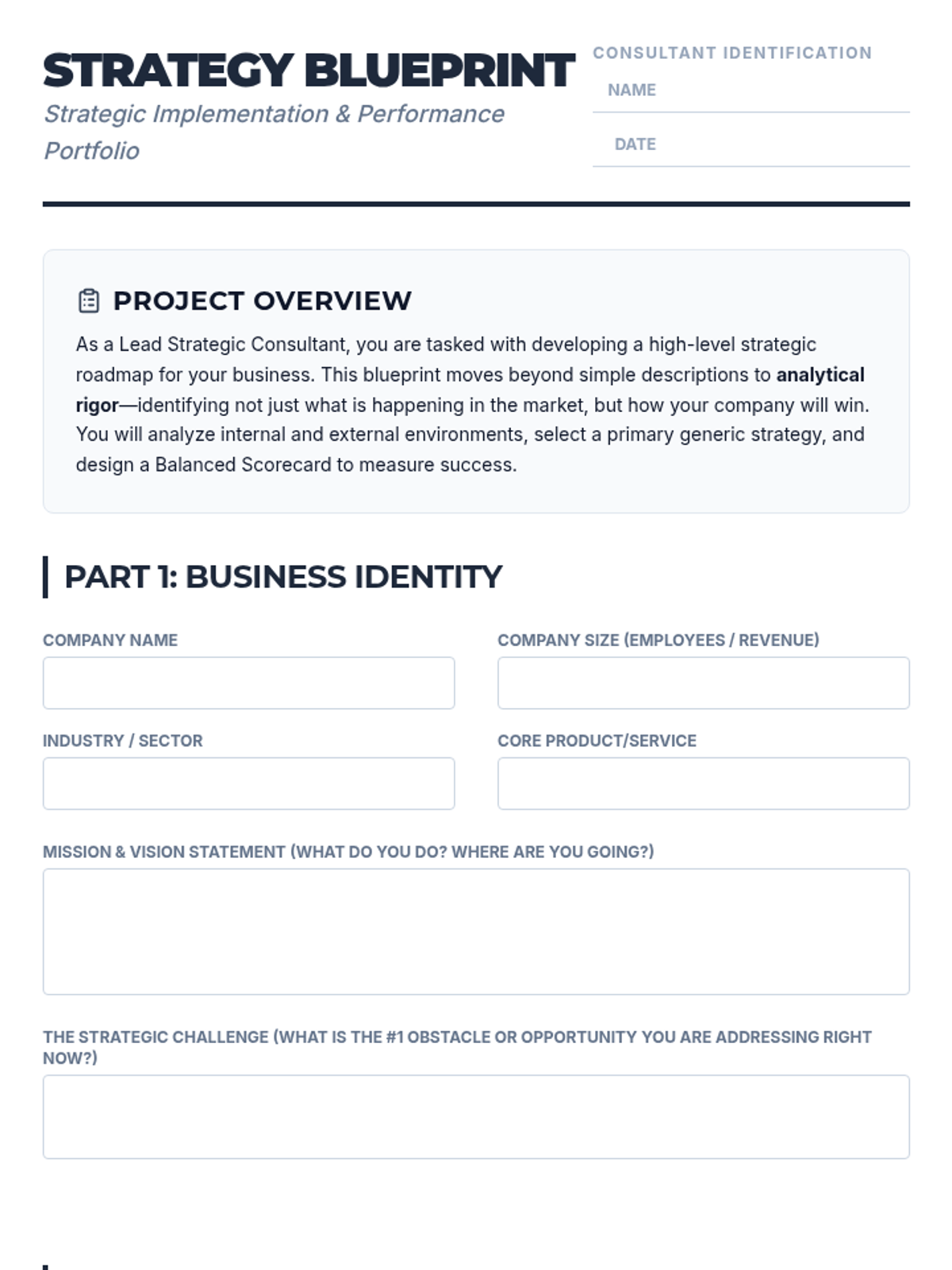
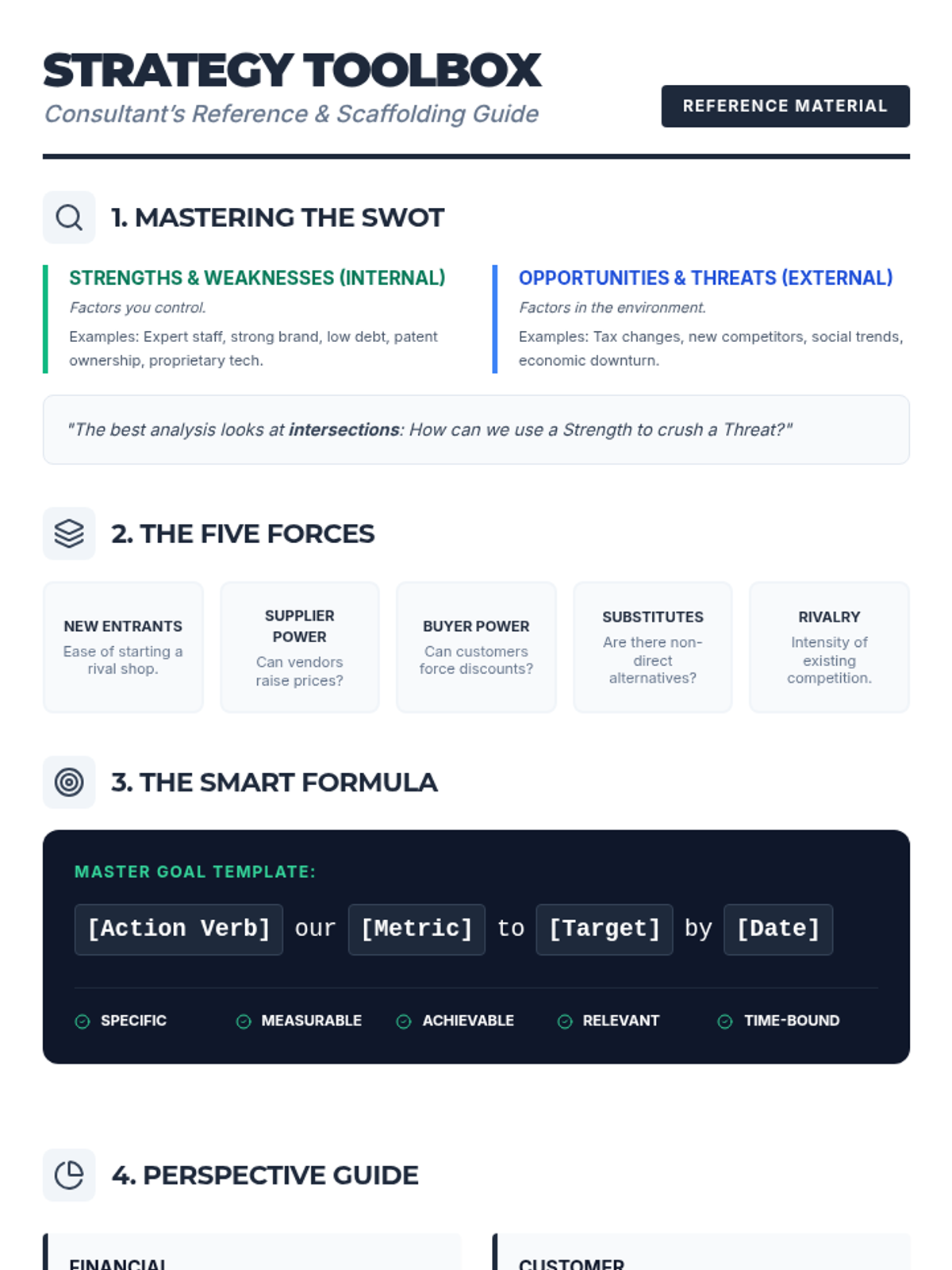
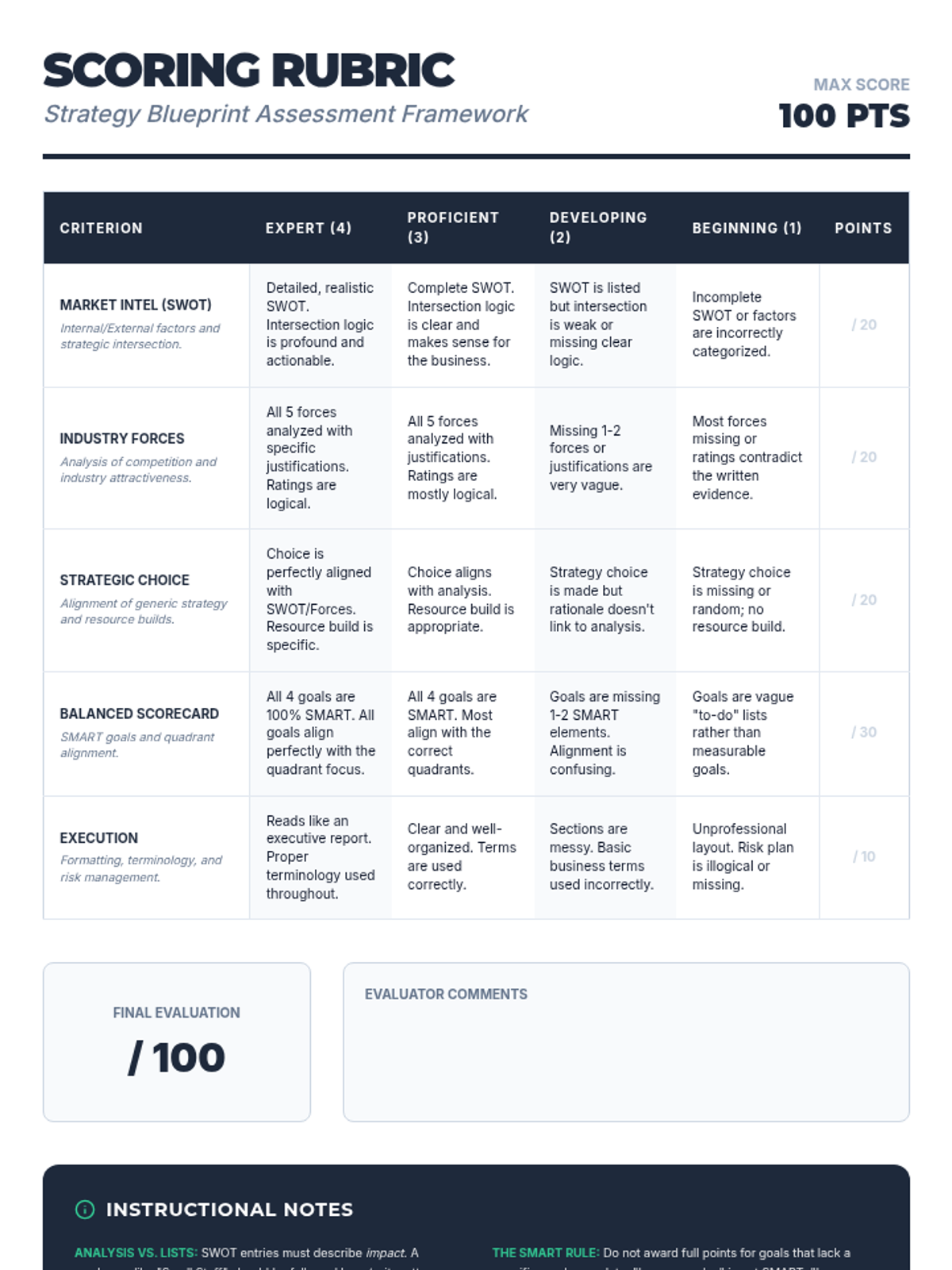
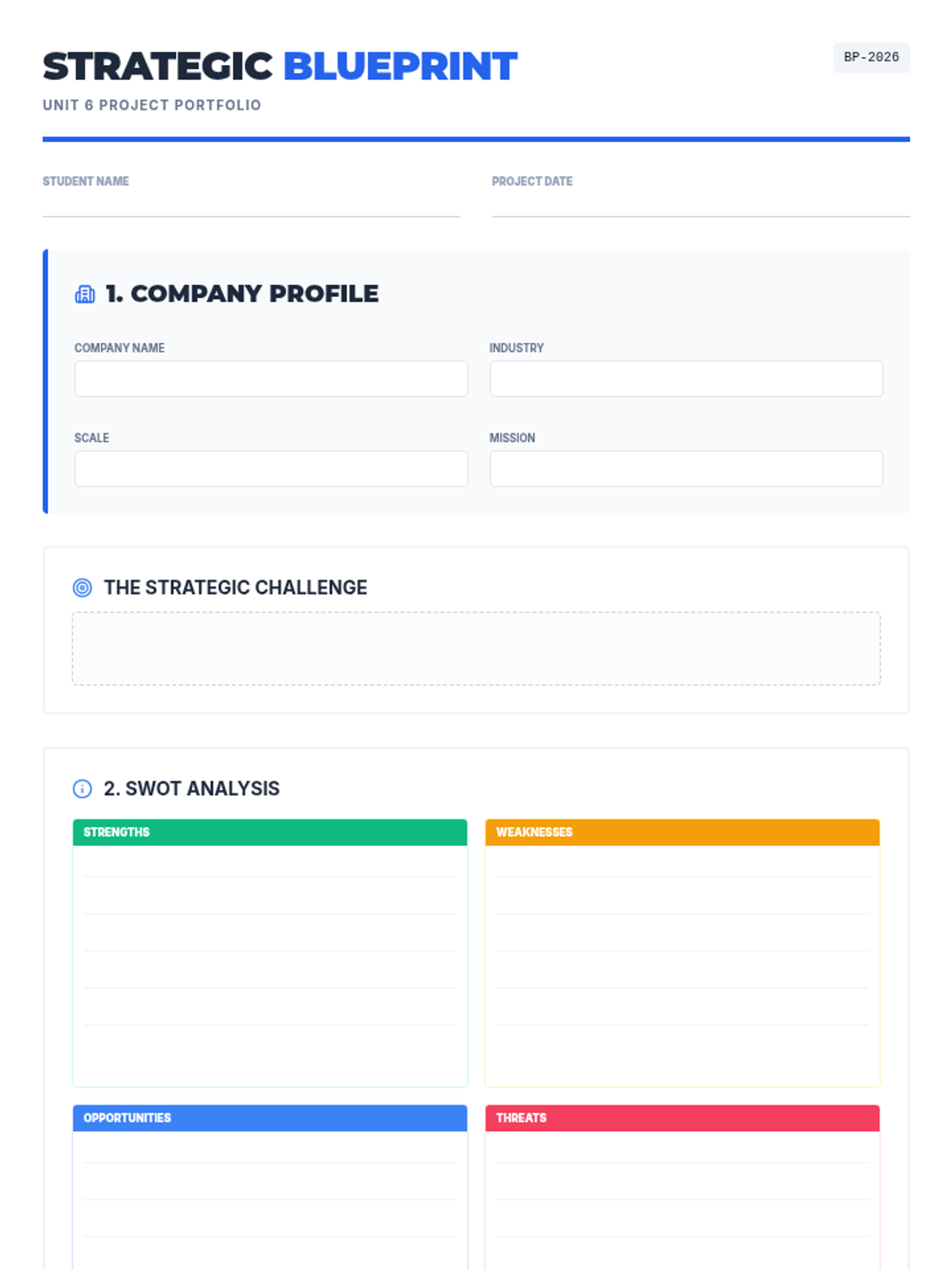
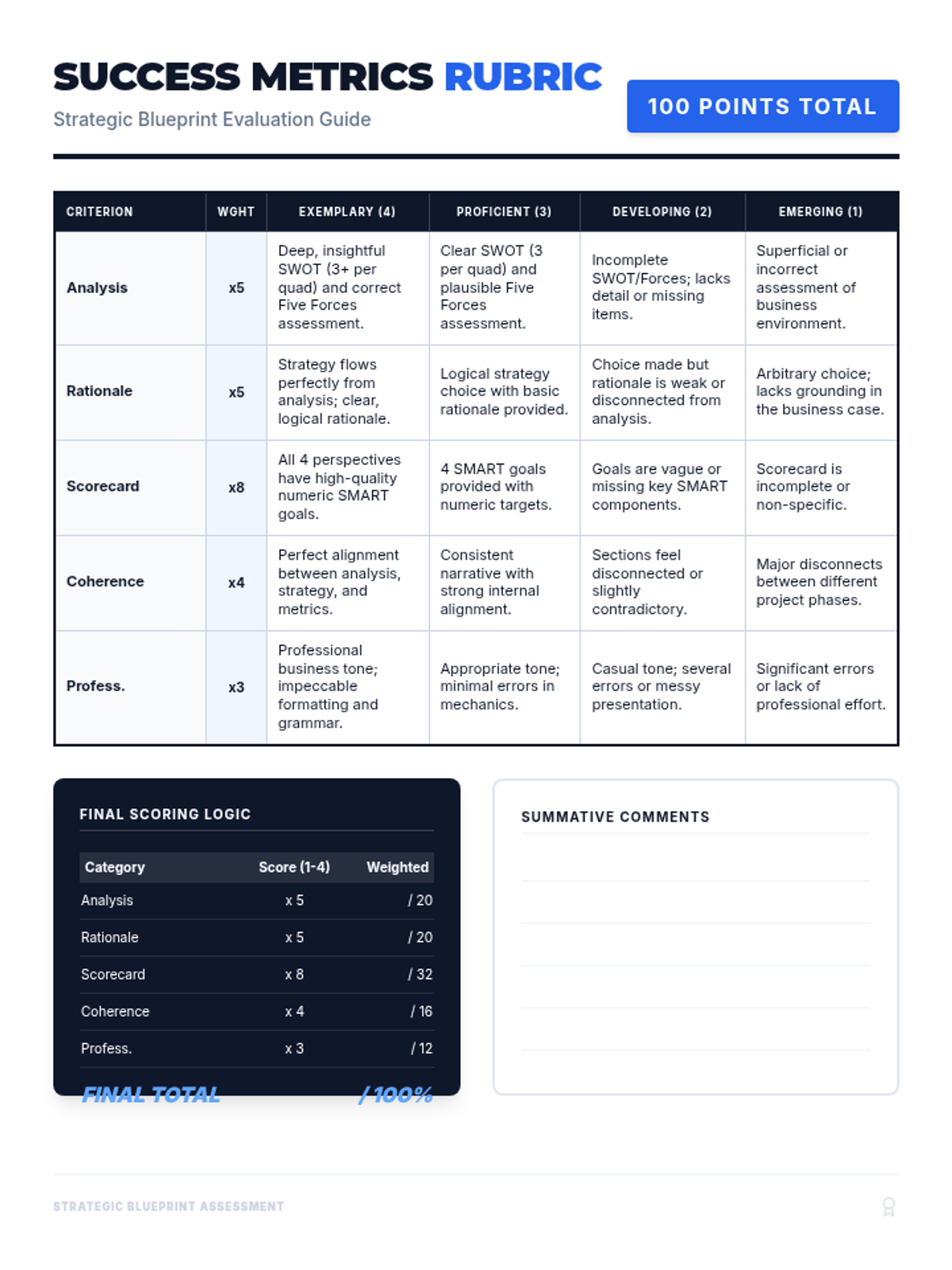
A comprehensive business strategy project where students act as consultants to develop a strategic plan and performance measurement system using SWOT analysis, Porter's Five Forces, and the Balanced Scorecard. This project includes scaffolded templates for analysis and a structured framework for goal setting.
A comprehensive project-based lesson where students develop a strategic plan and a Balanced Scorecard for a business, moving from situational analysis to actionable metrics.
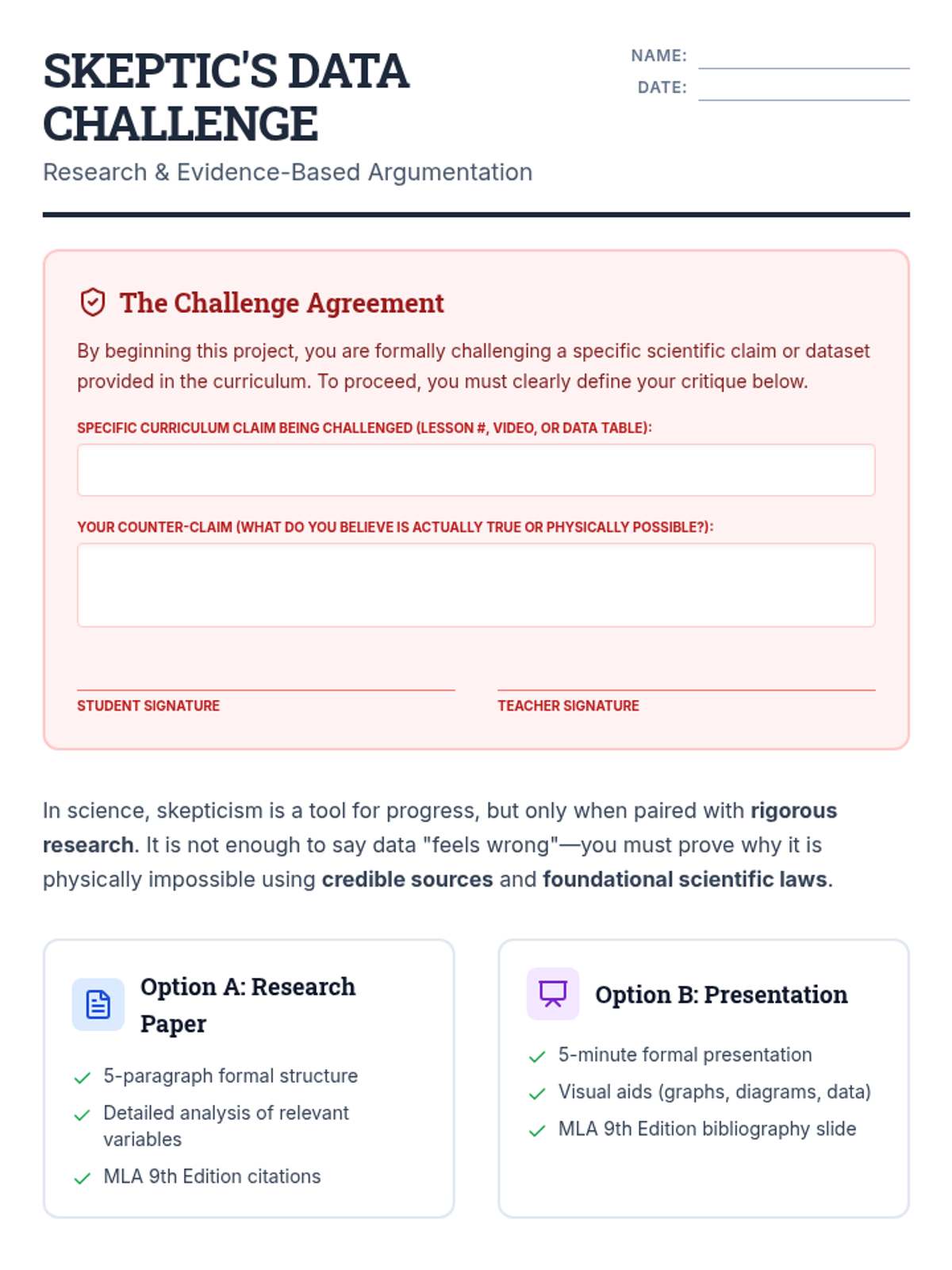
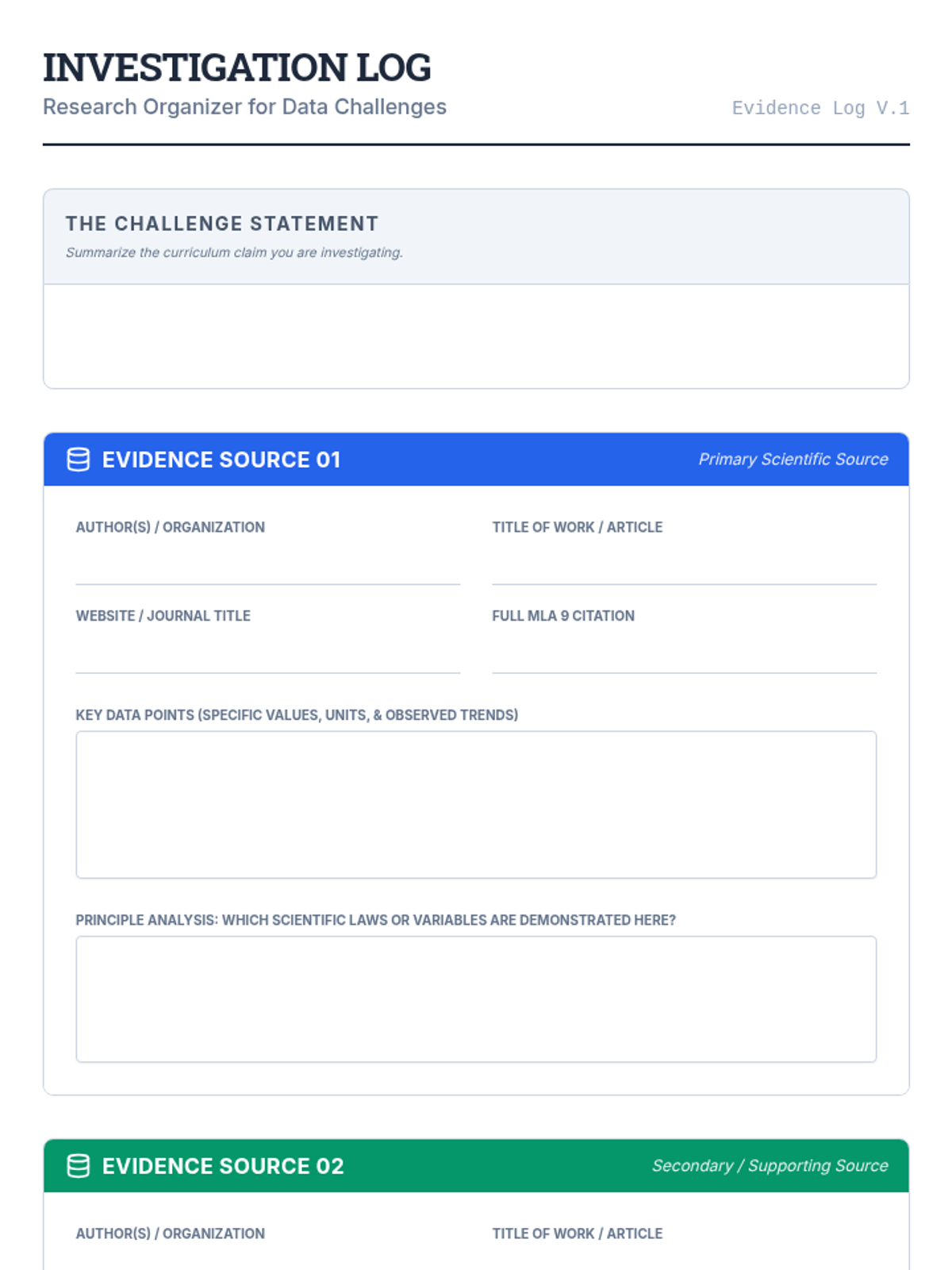
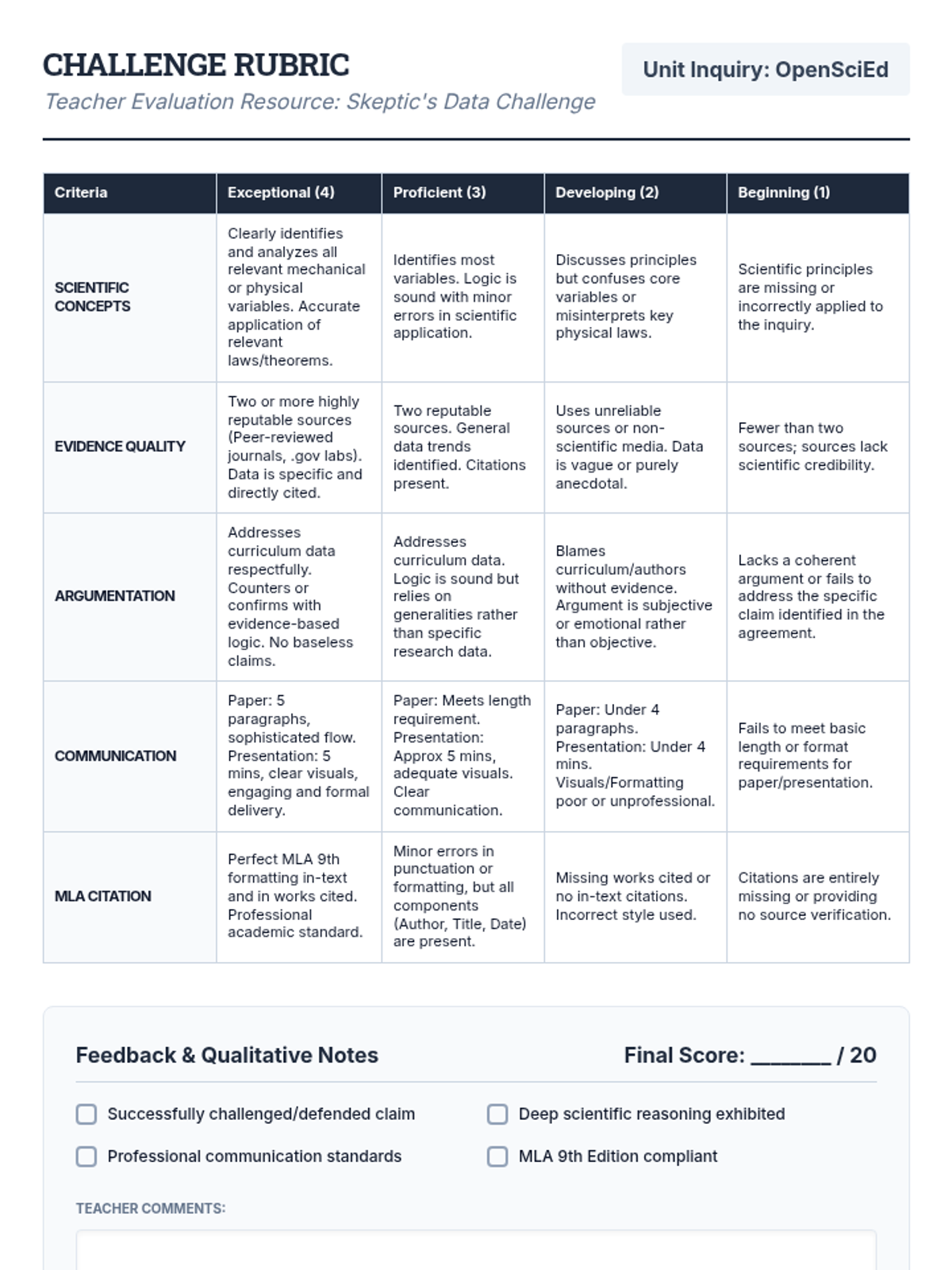
An optional enrichment lesson for students to investigate curriculum data through formal research and evidence-based argumentation, honoring scientific inquiry and rigorous data validation.
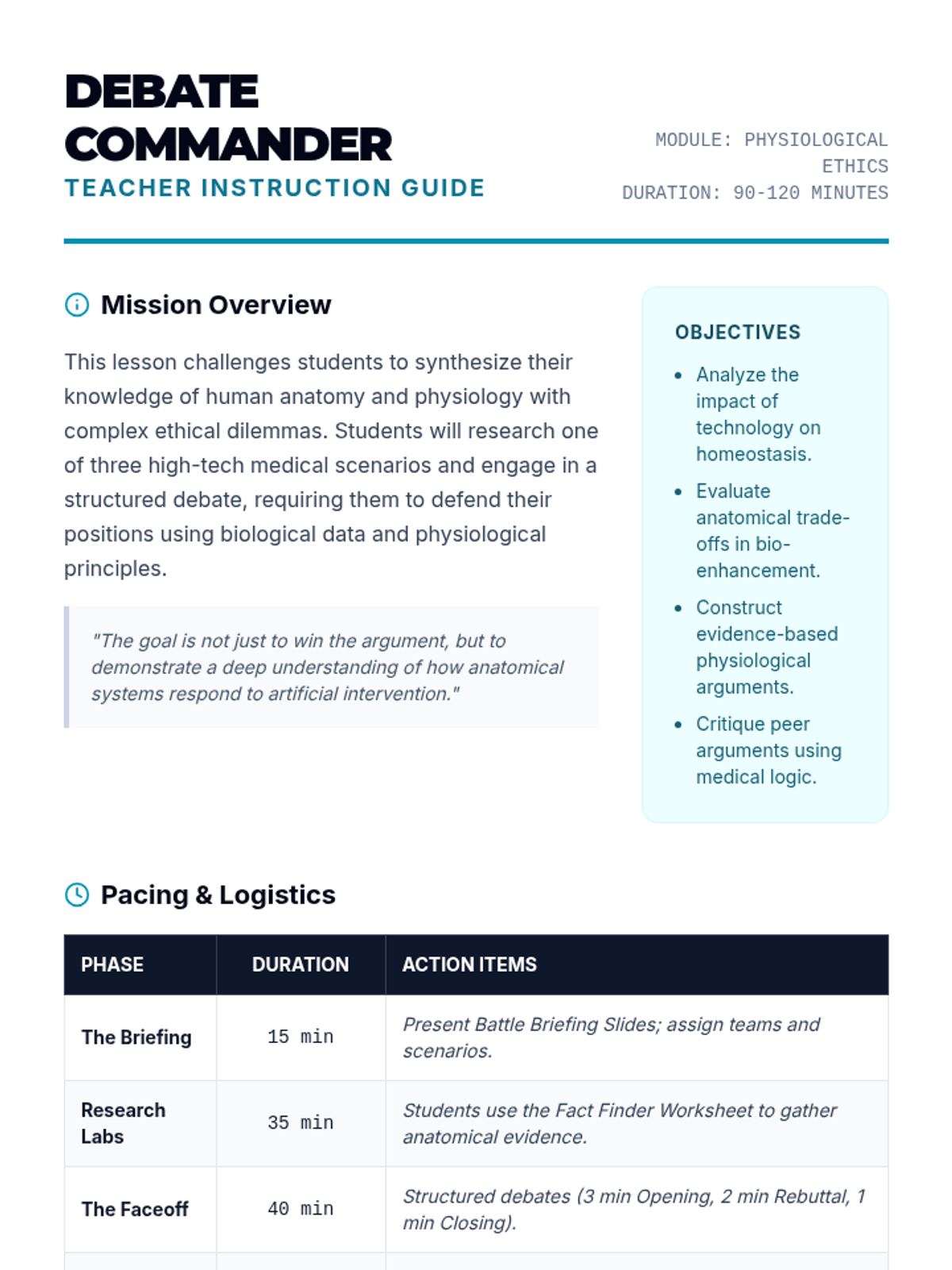
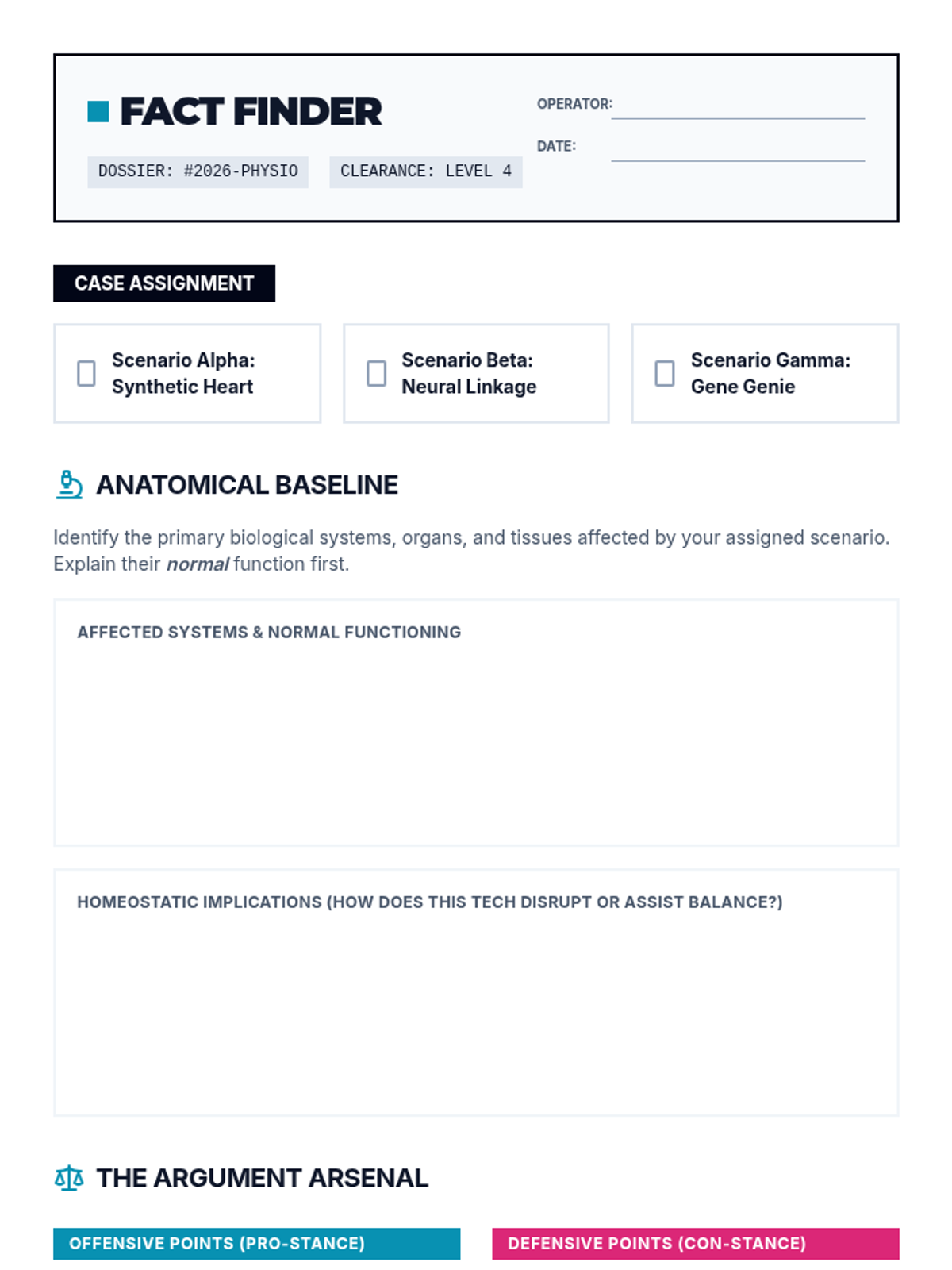
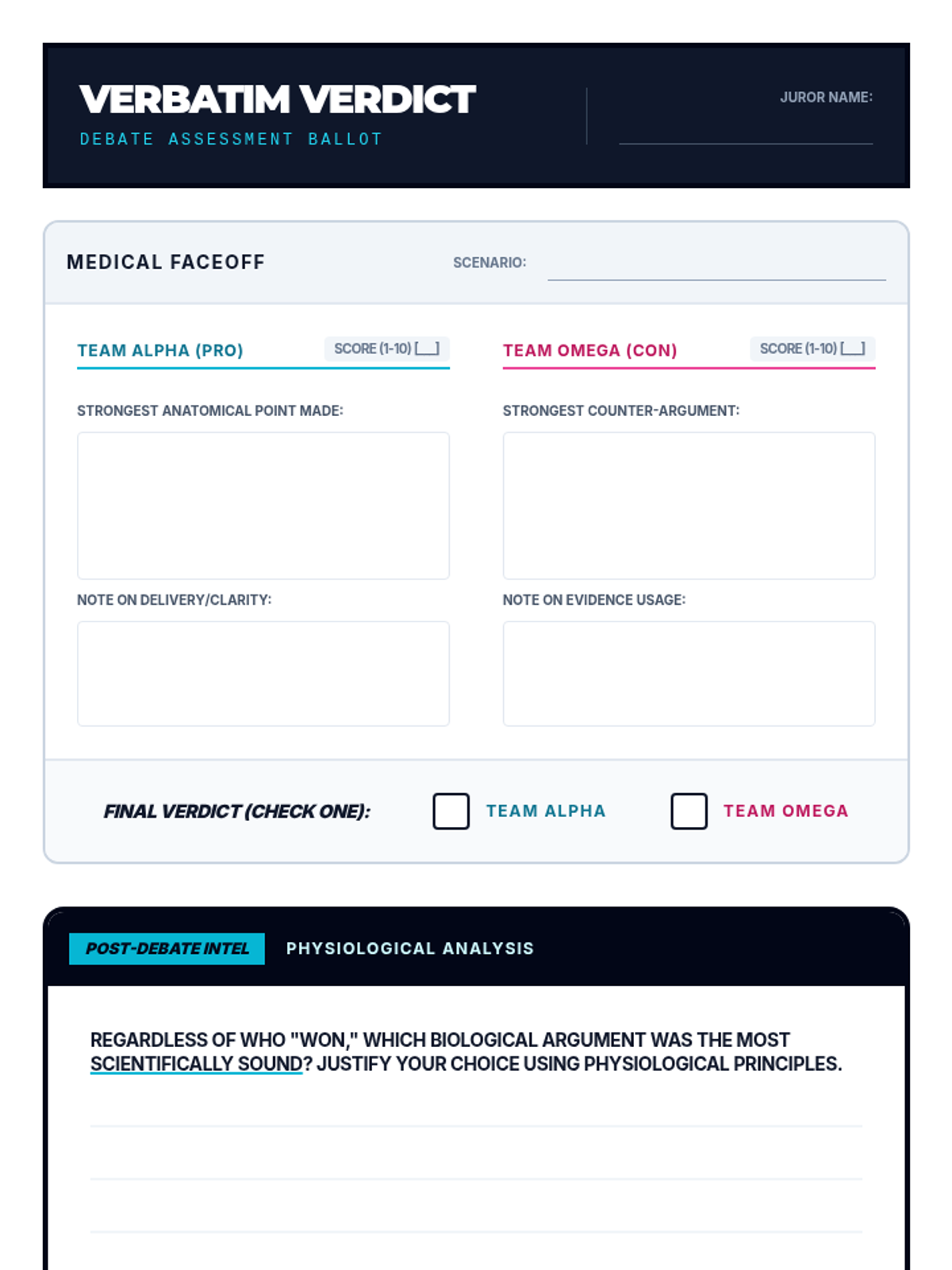
A high-stakes debate lesson where students explore the ethical and physiological implications of human bio-enhancement and medical technology.
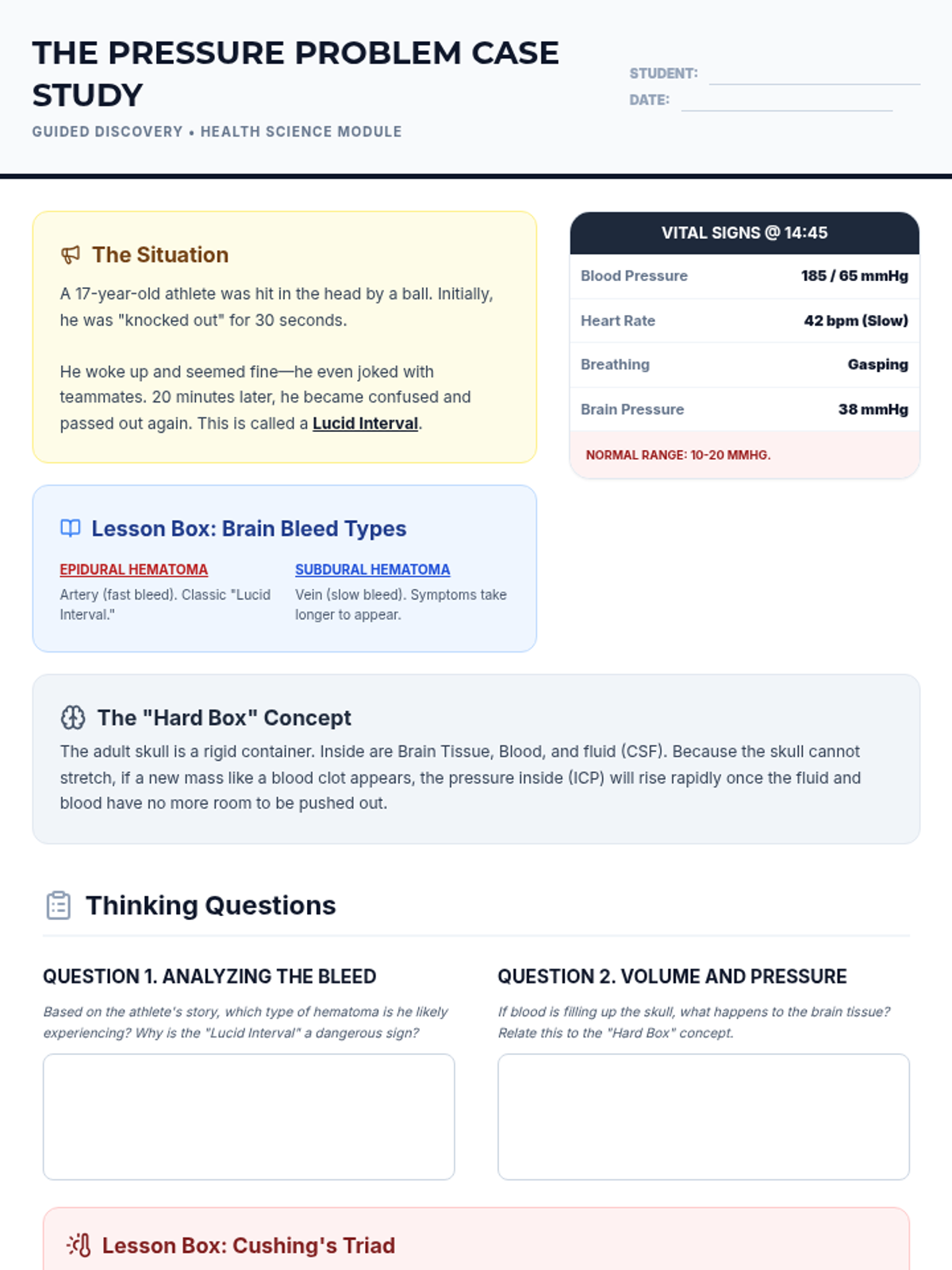
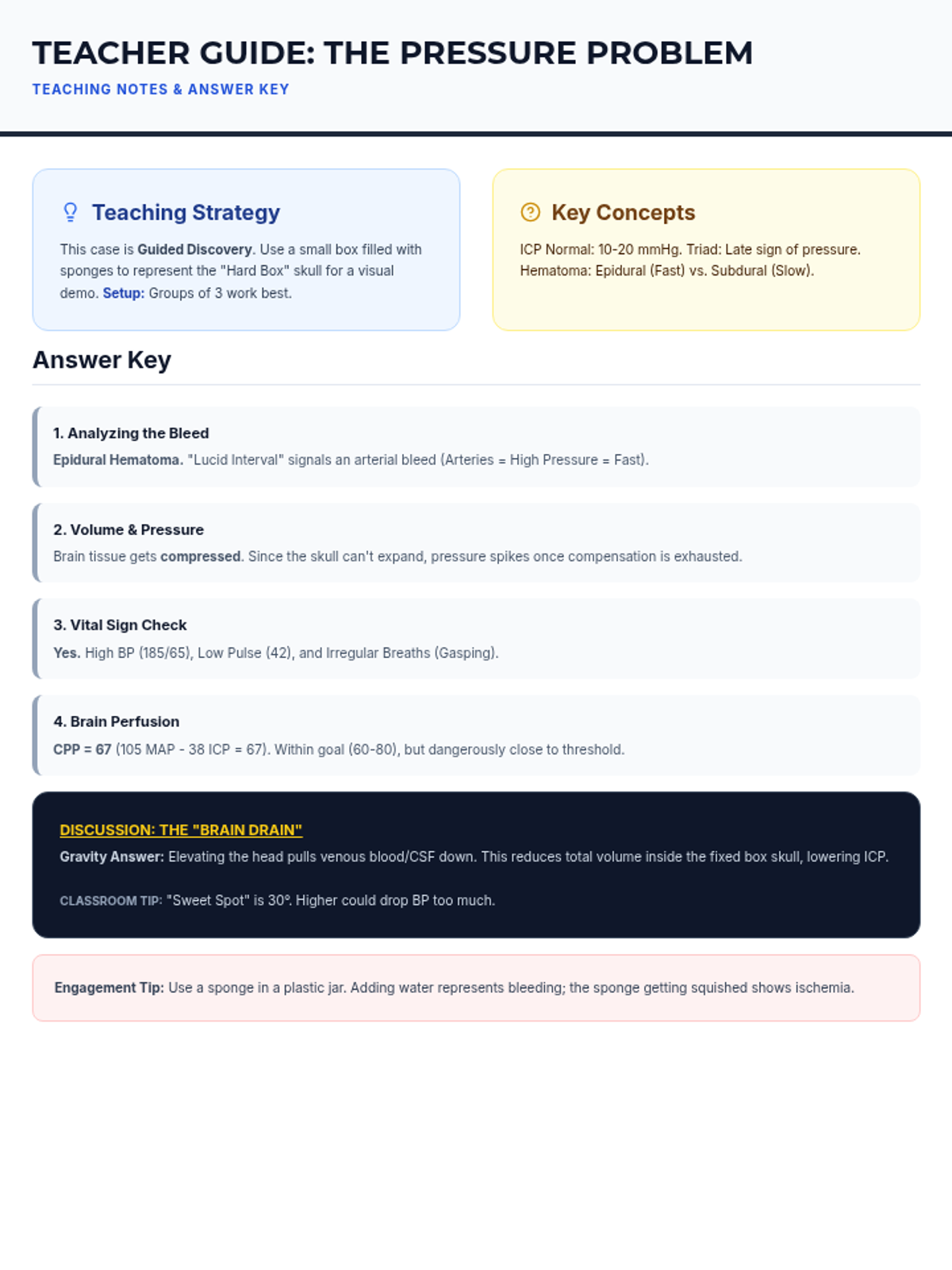
A health-science focused lesson on the anatomy, physiology, and clinical implications of increased intracranial pressure, featuring the Monro-Kellie doctrine and Cushing's Triad.
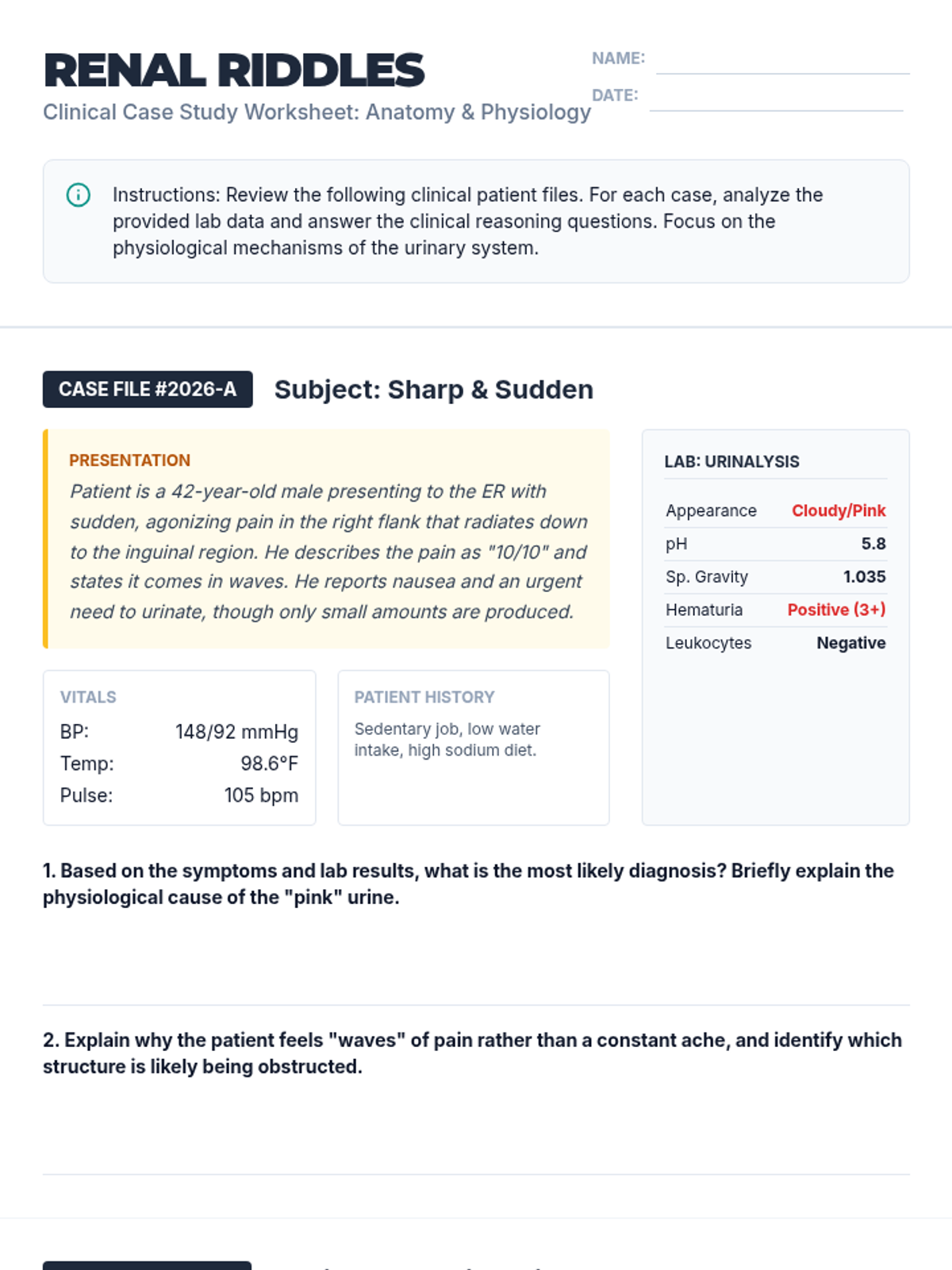
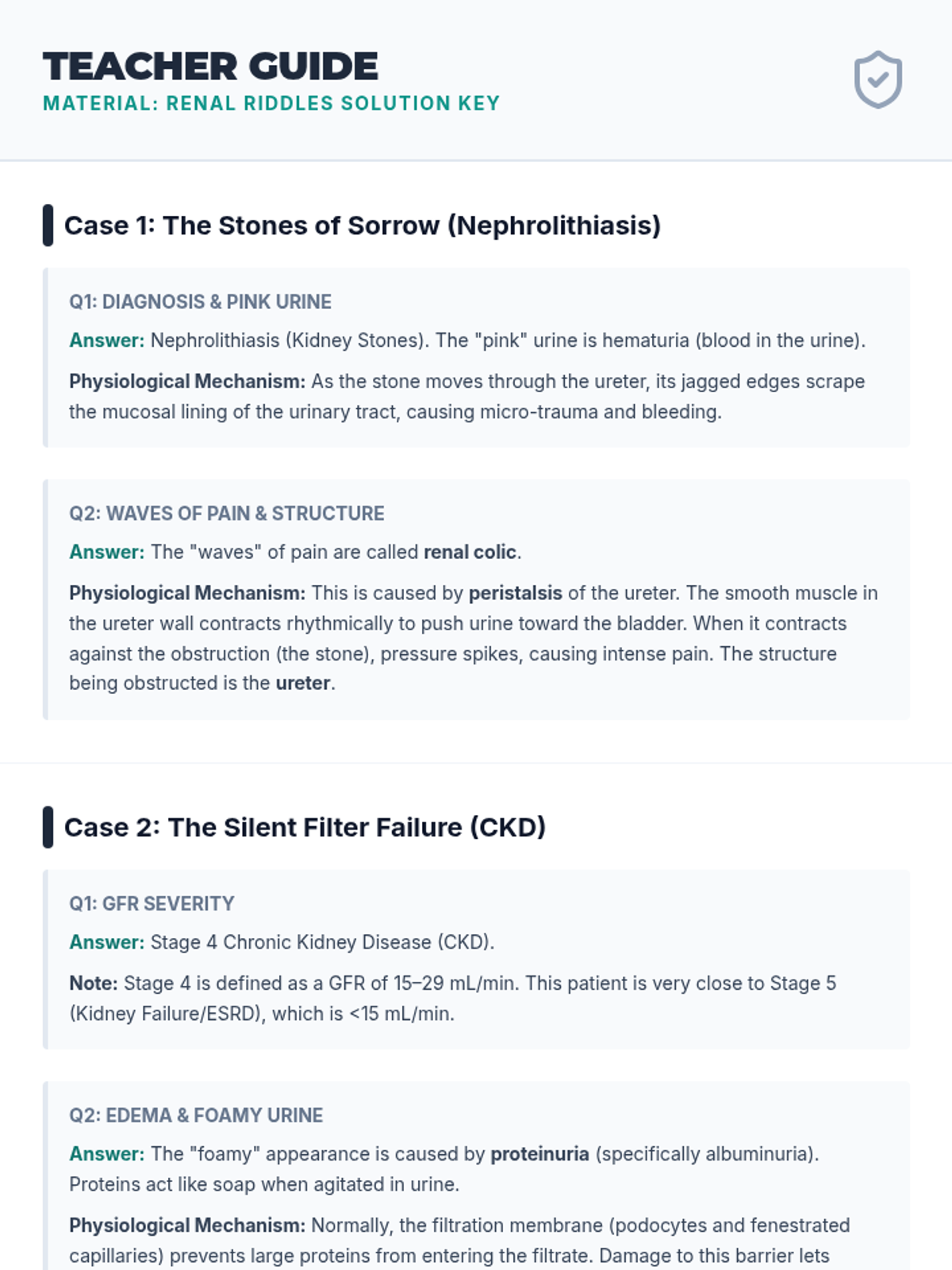
A series of clinical case studies exploring urinary system pathology, diagnostic testing, and physiological principles for advanced Anatomy & Physiology students.
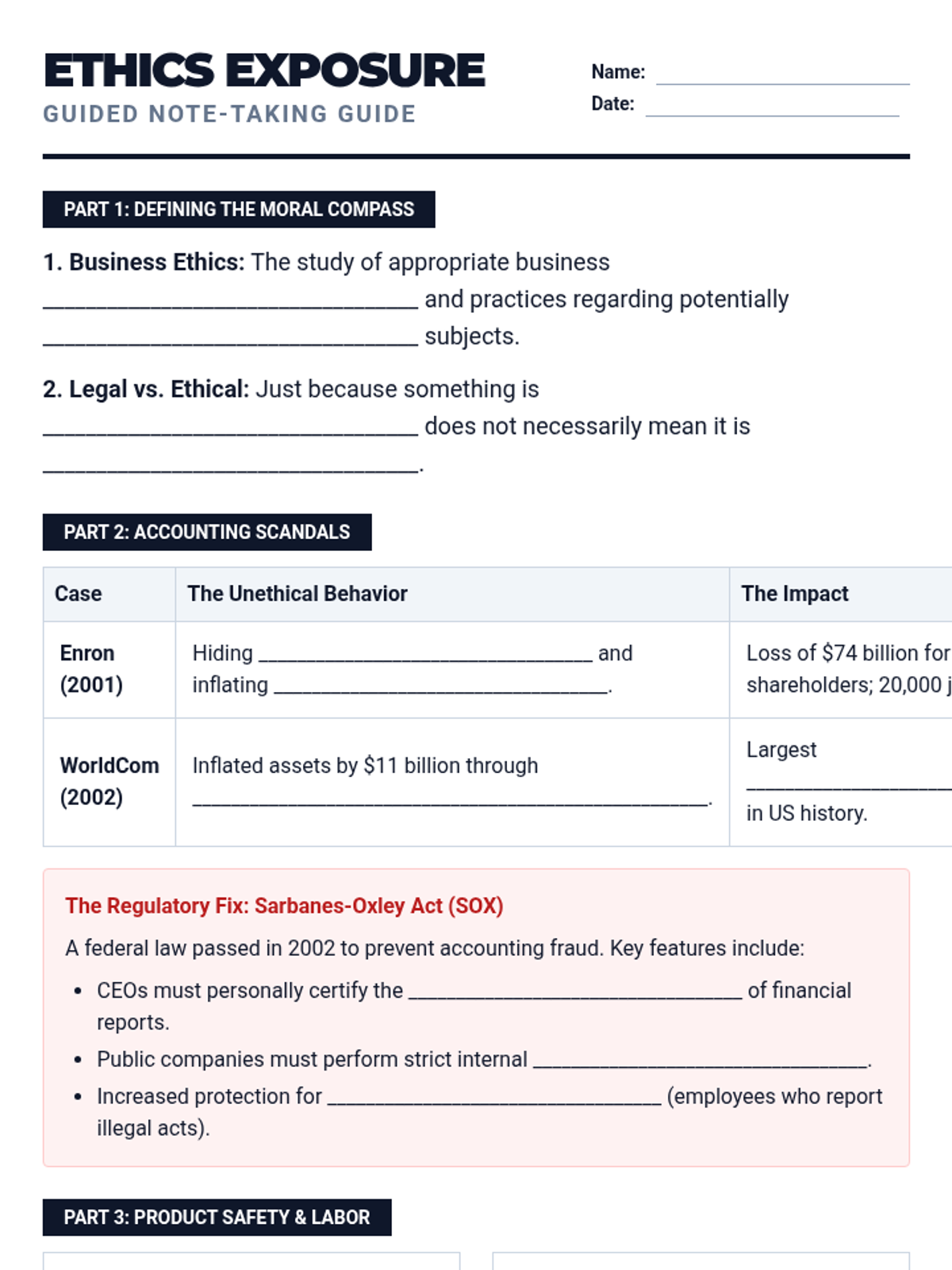
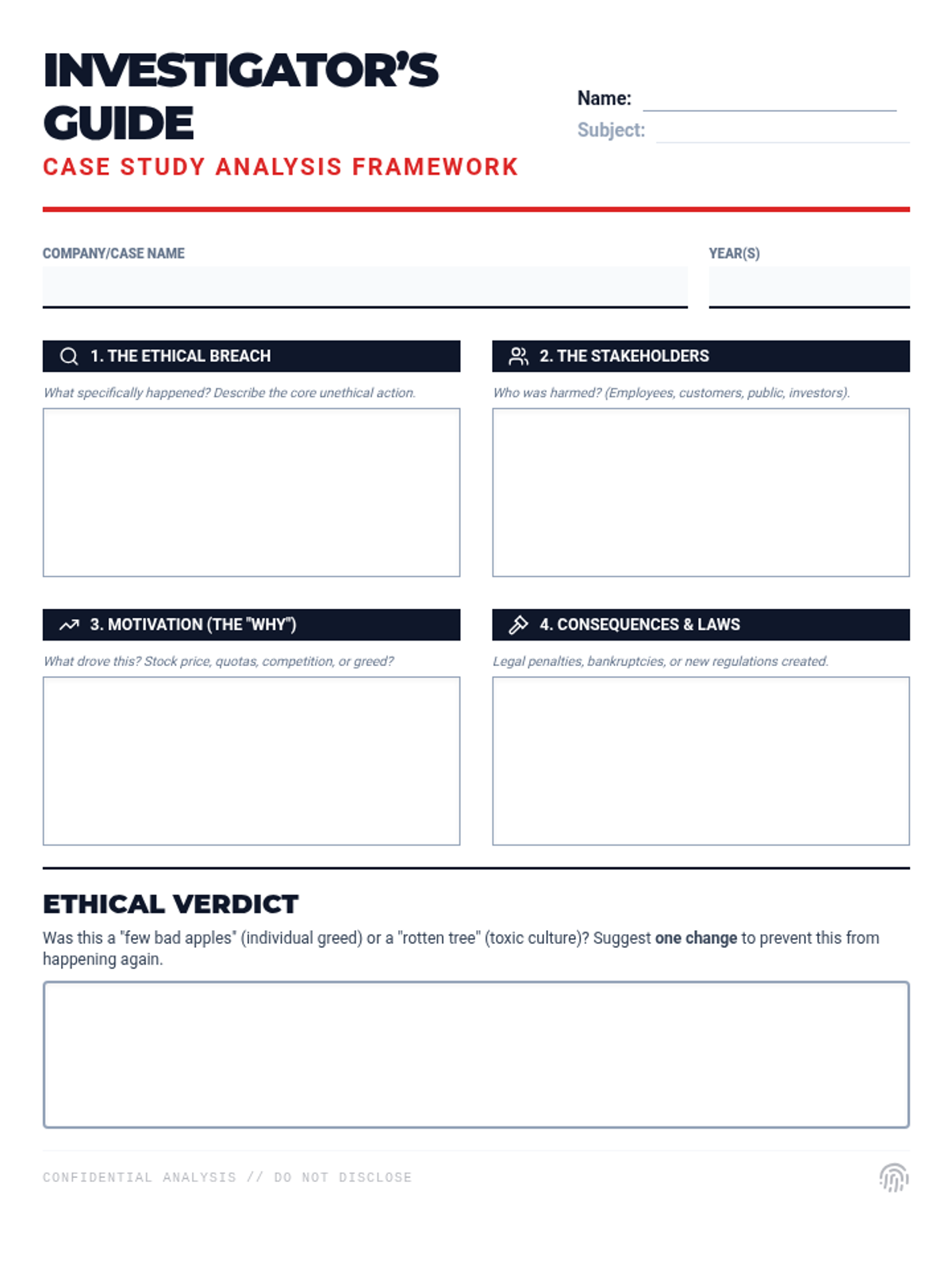
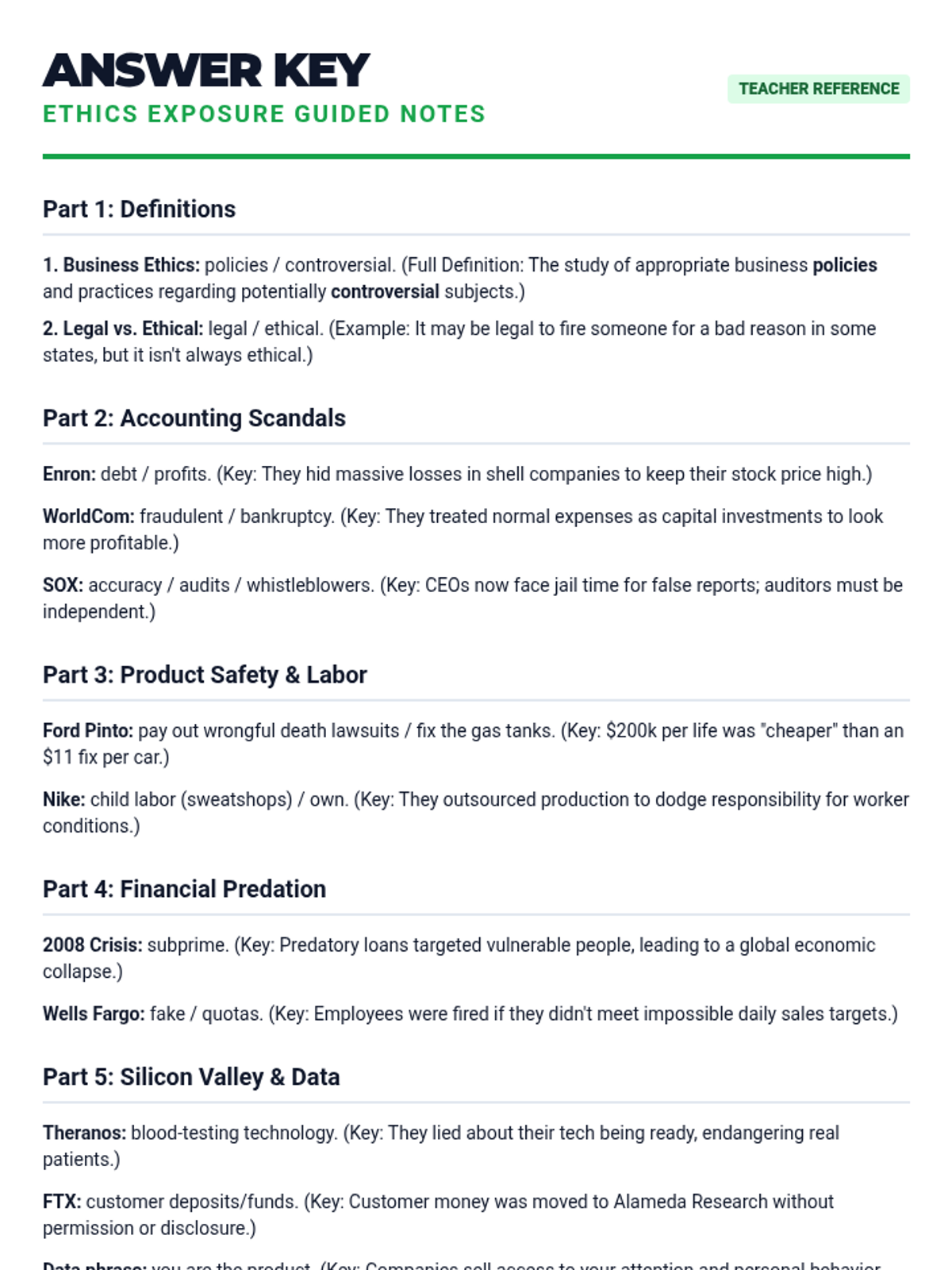
An introductory lesson on business ethics, covering major historical scandals, regulatory responses, and modern ethical dilemmas in the corporate world.
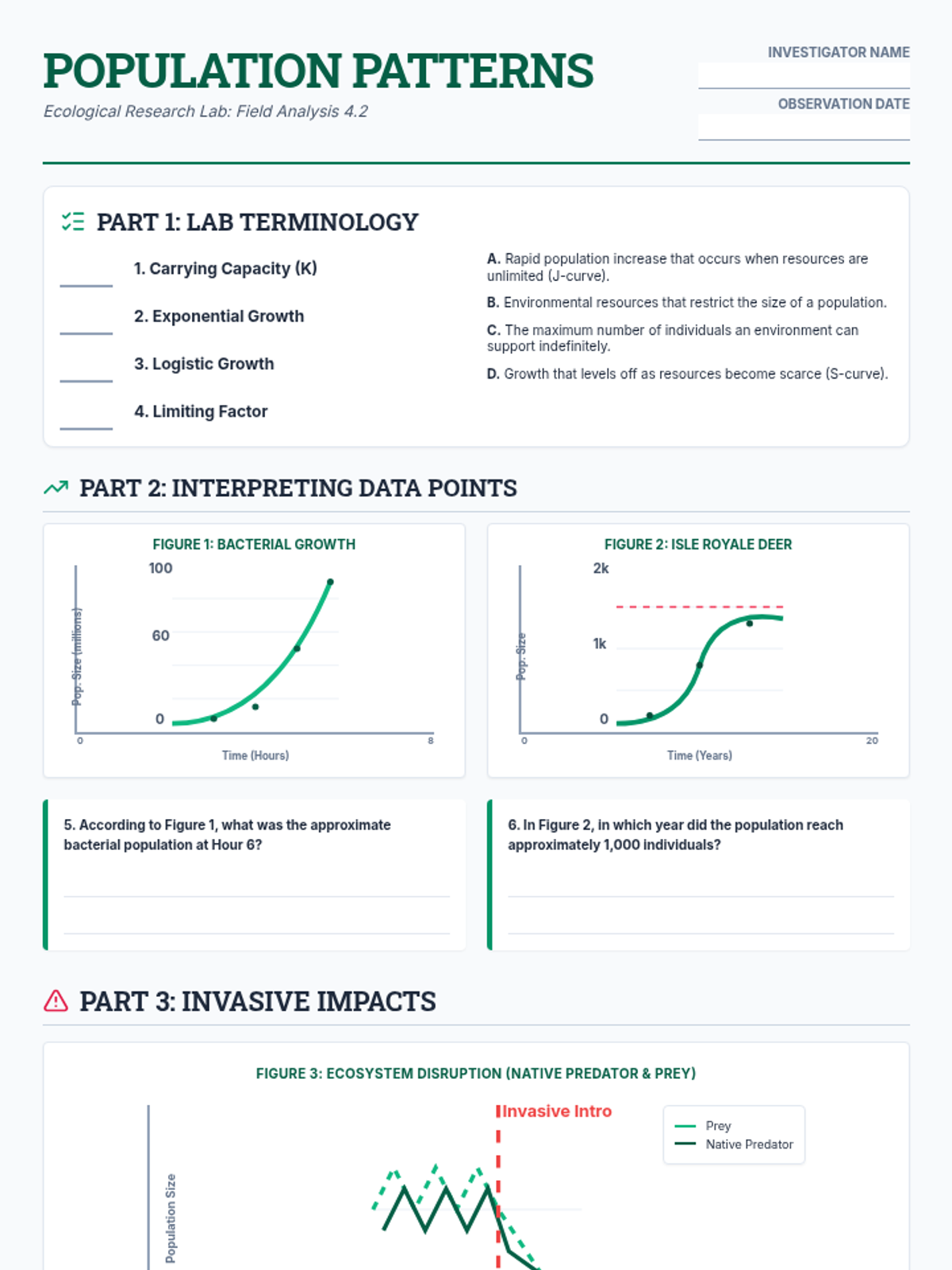
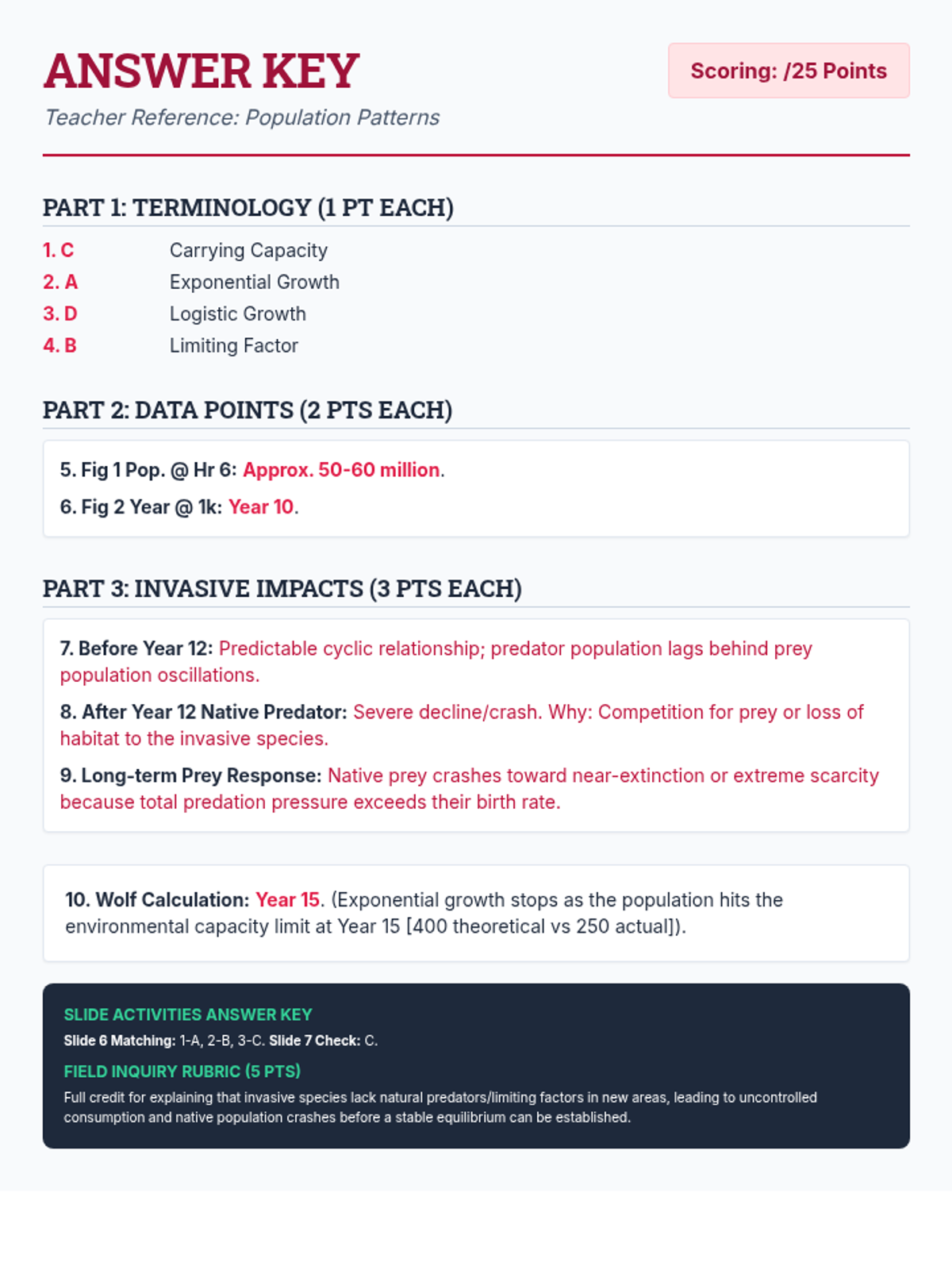
Students learn to distinguish between exponential and logistic population growth models, identify carrying capacity, and understand the role of limiting factors in shaping biological communities.
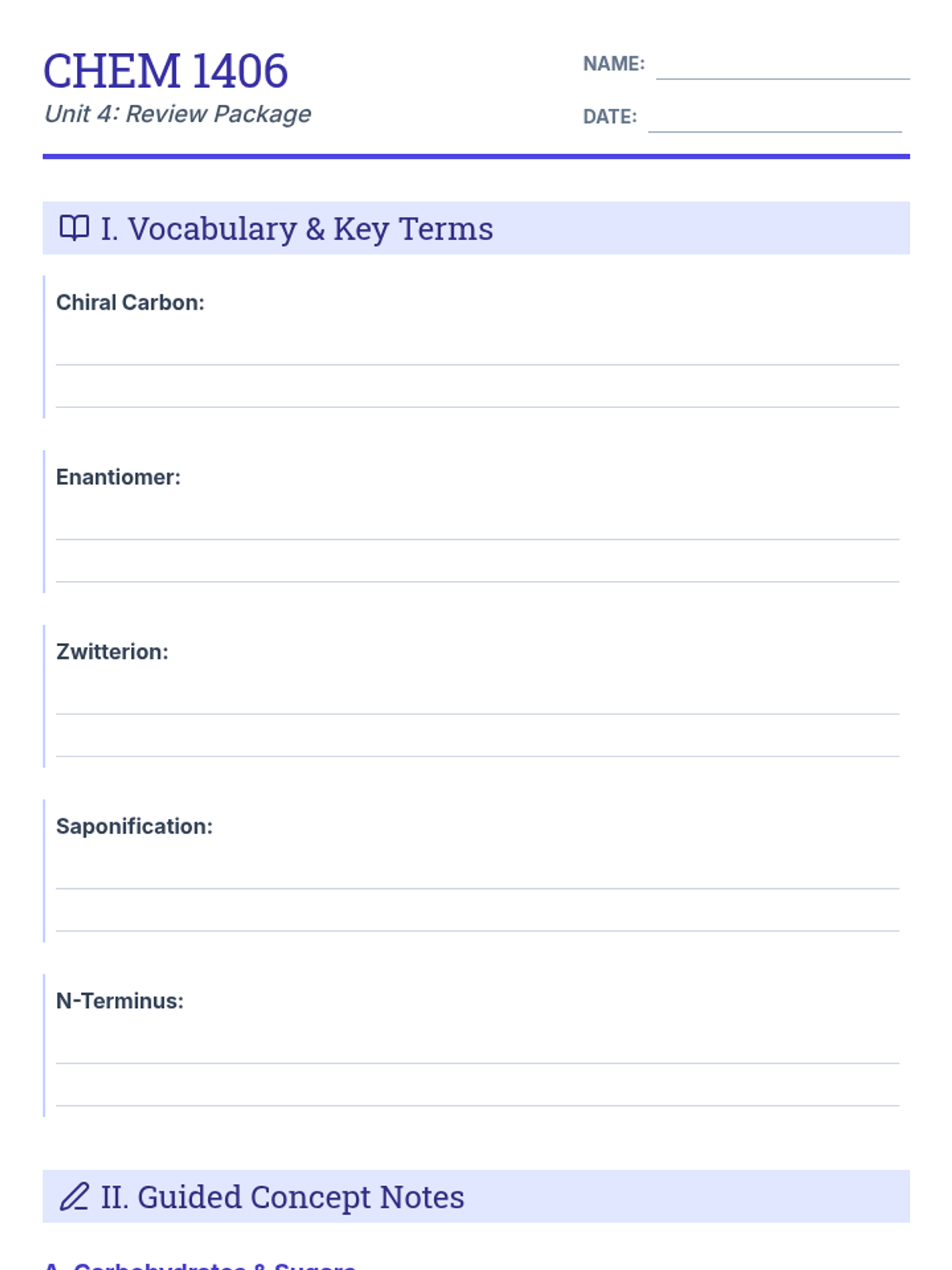
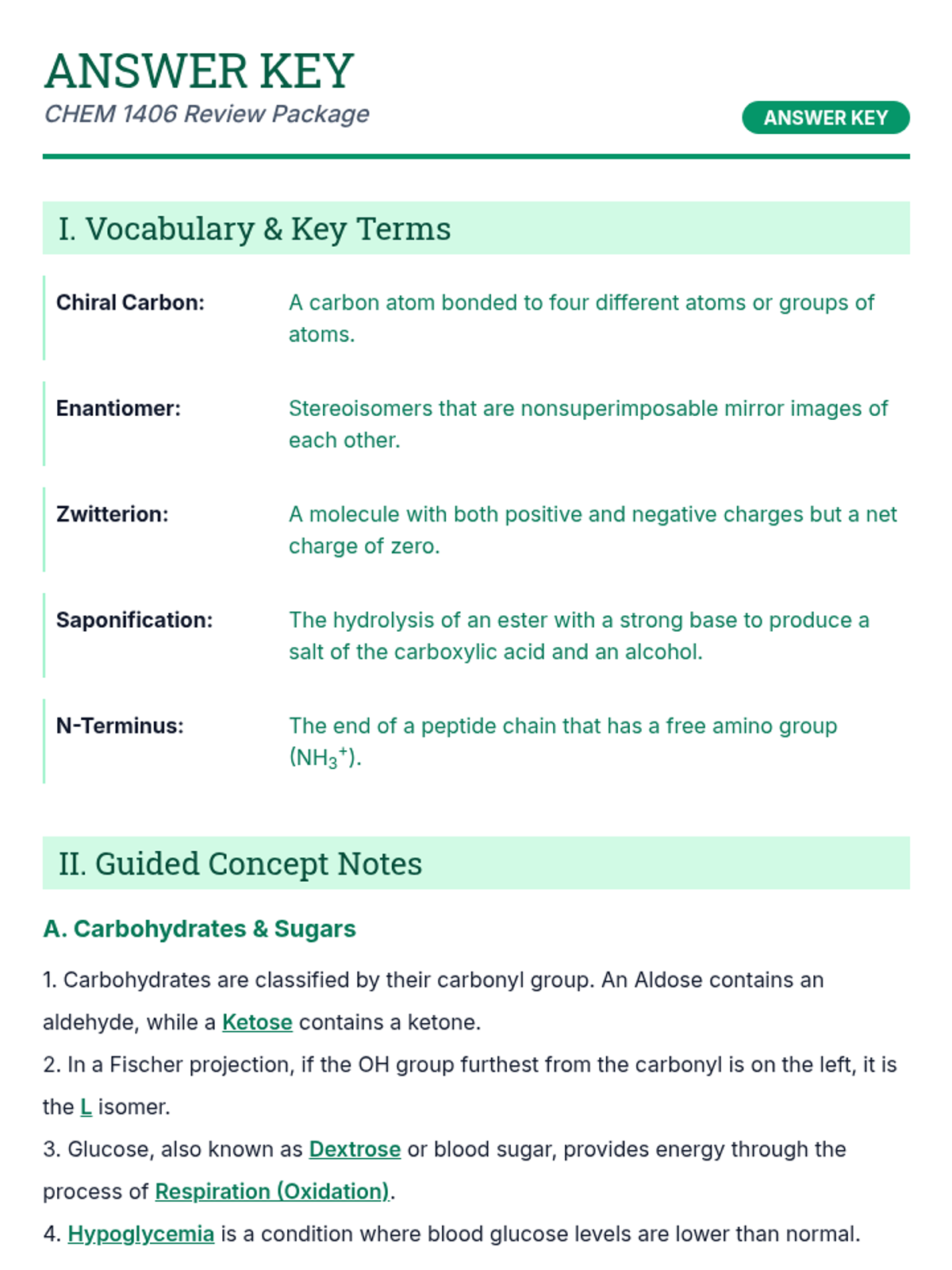
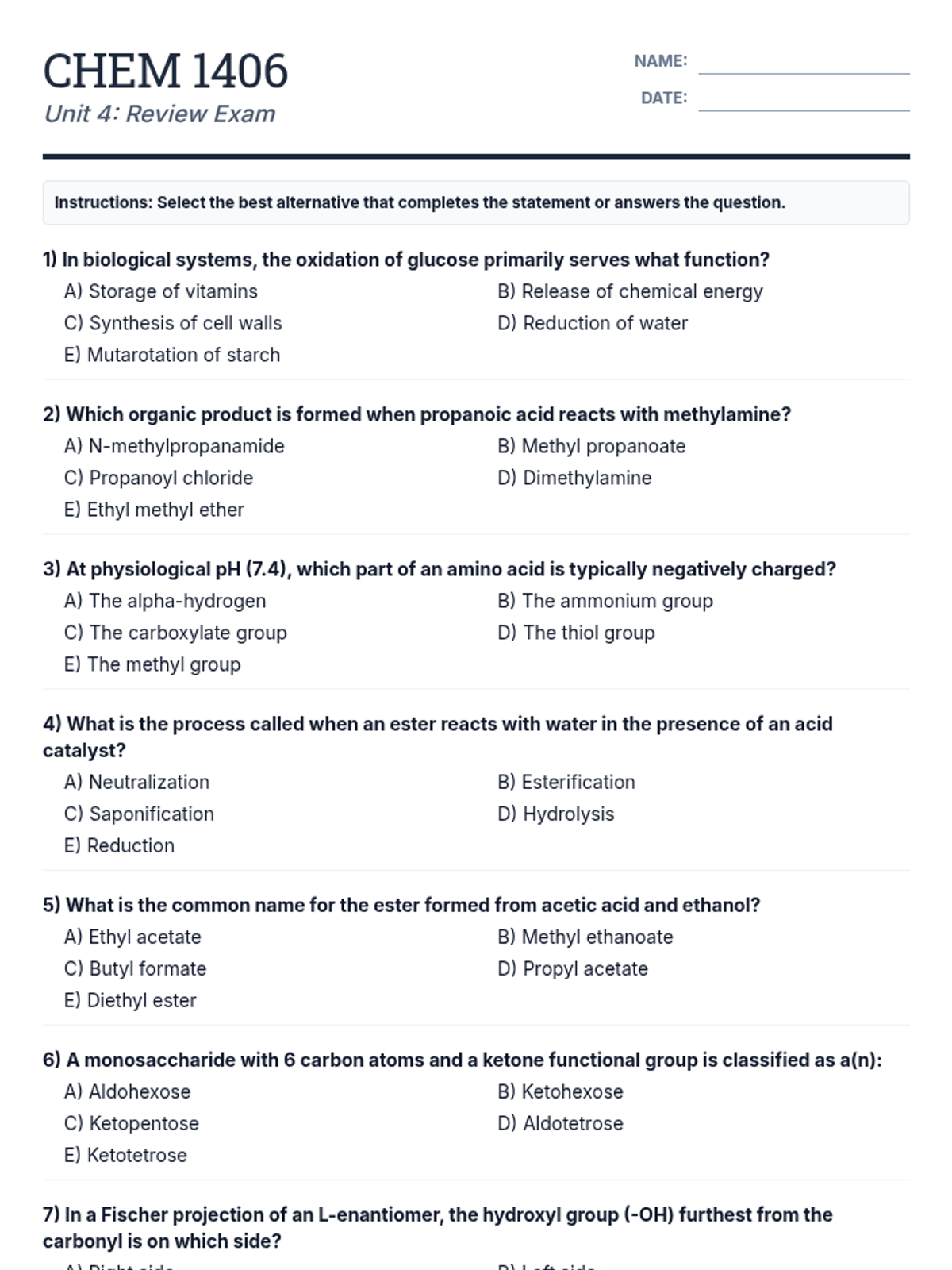
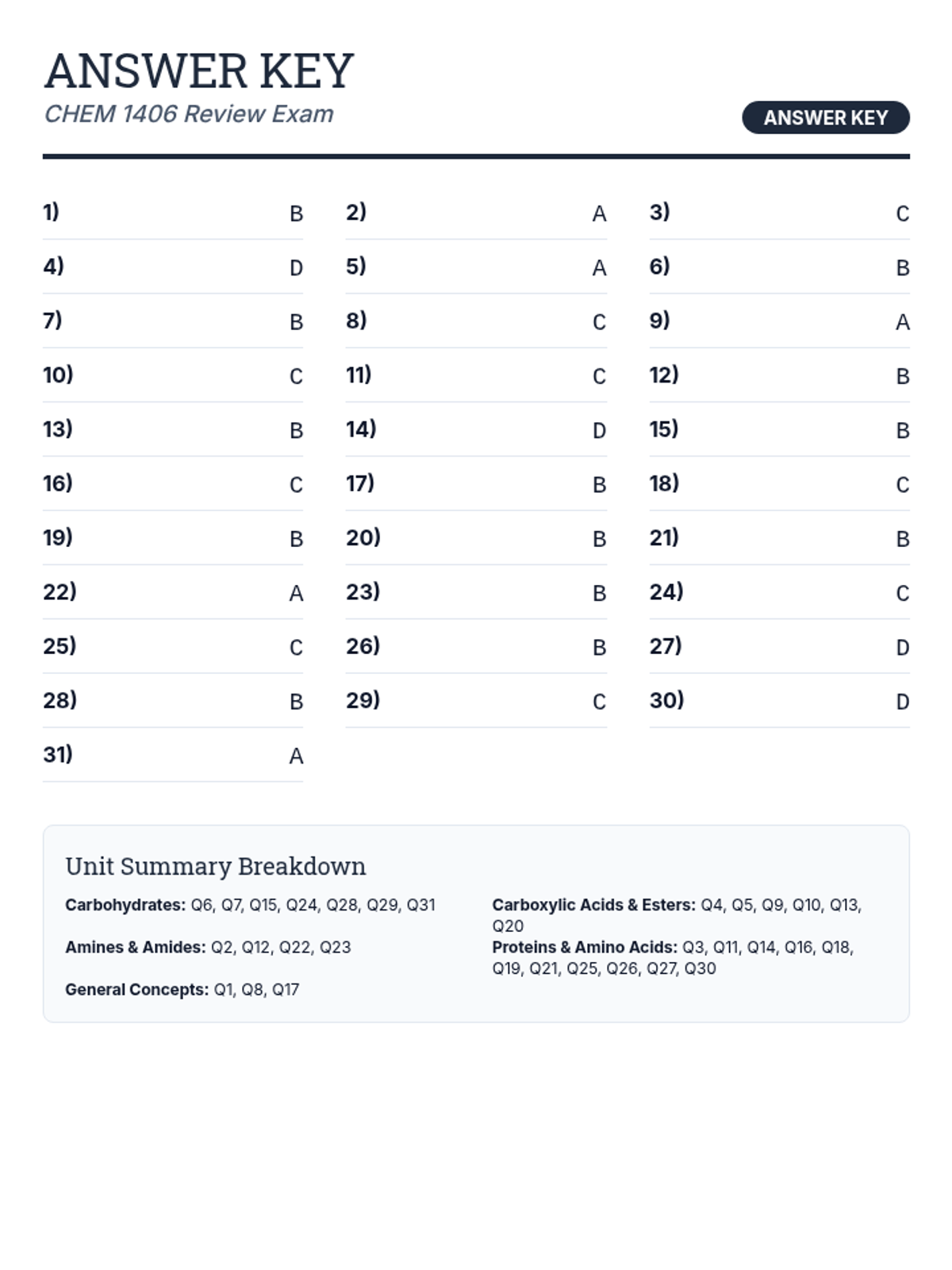
A deep dive into the structures and reactions of organic molecules and biomolecules, focusing on nomenclature, structural identification, and biological functions.
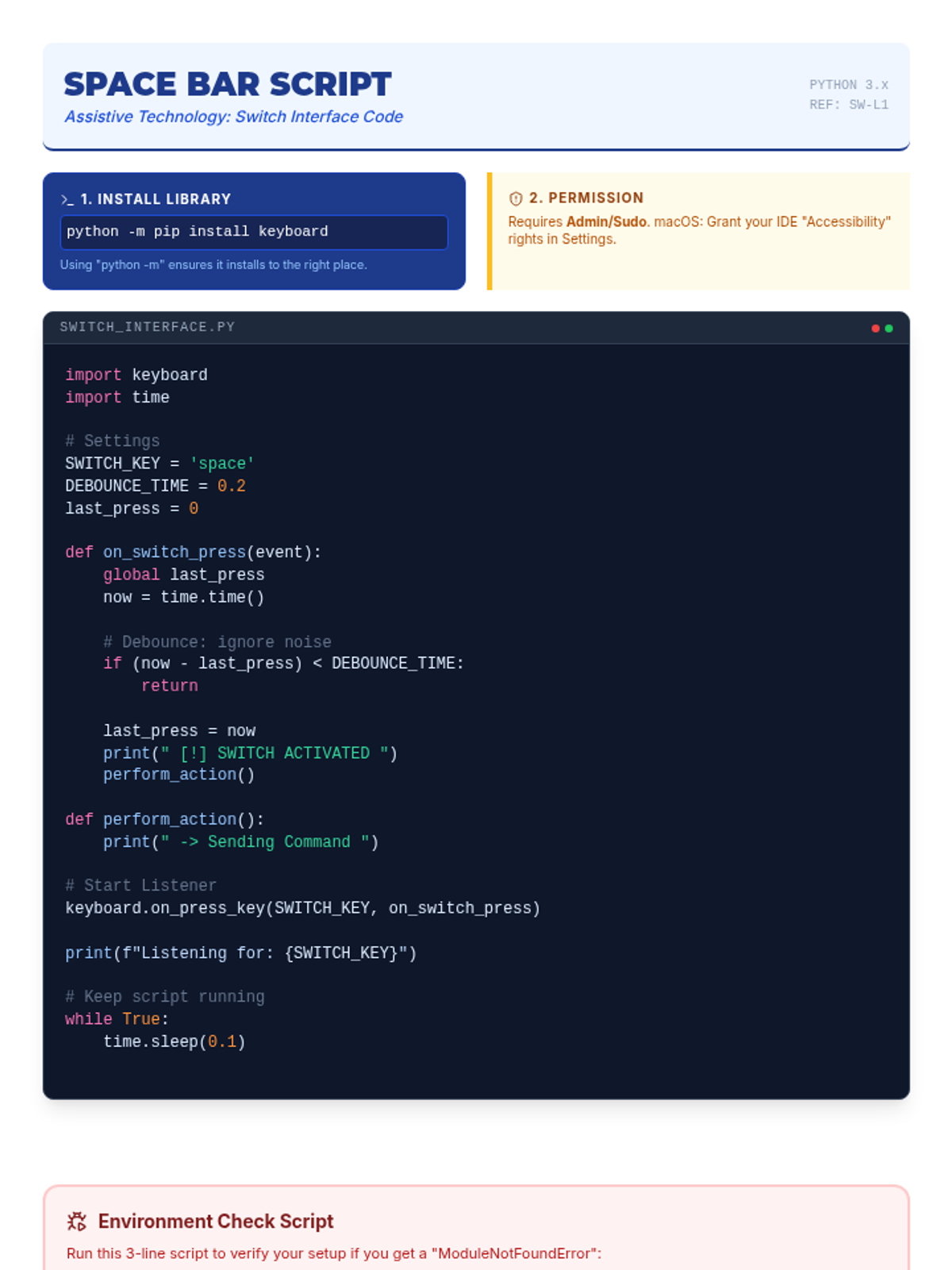
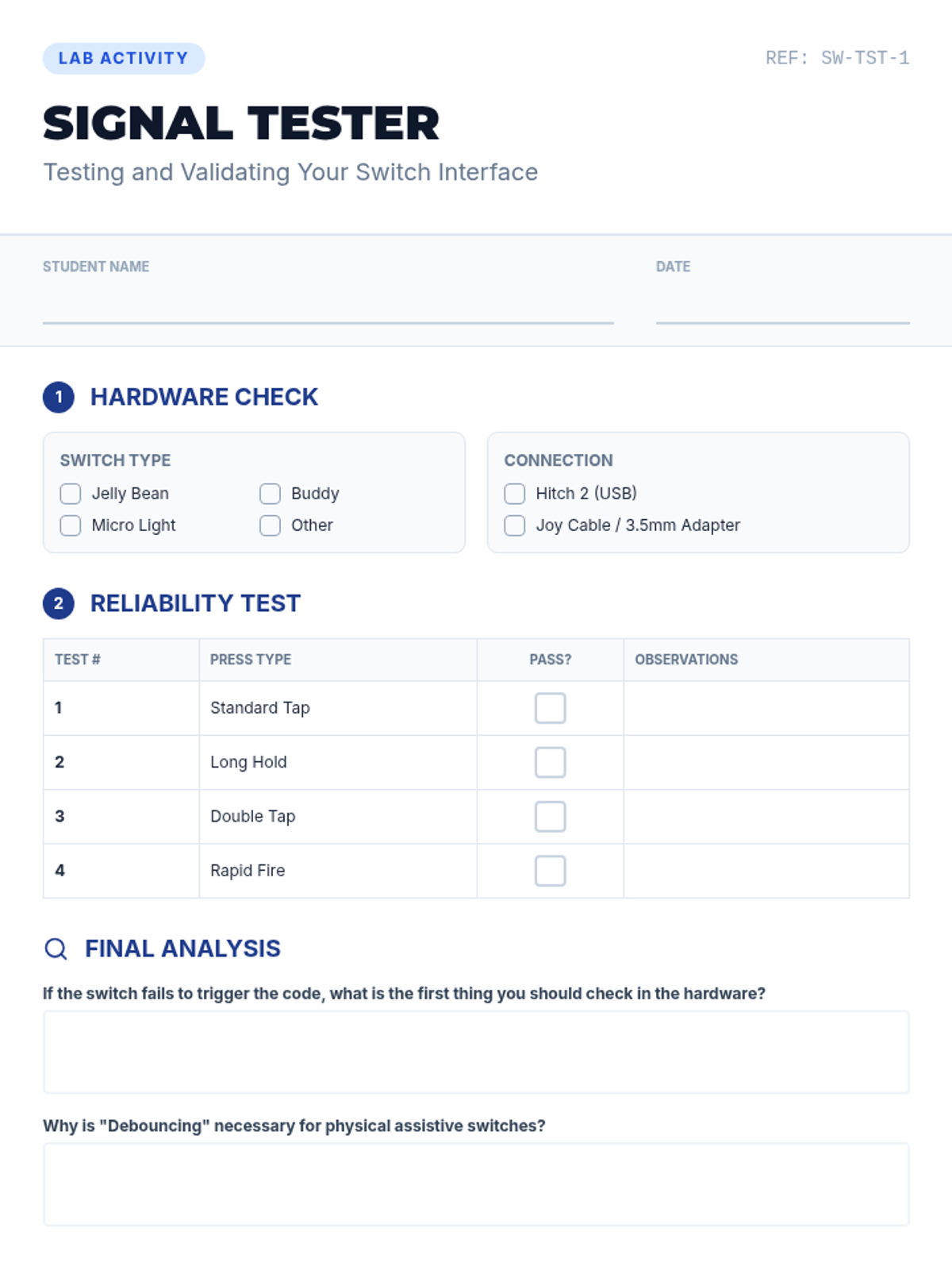
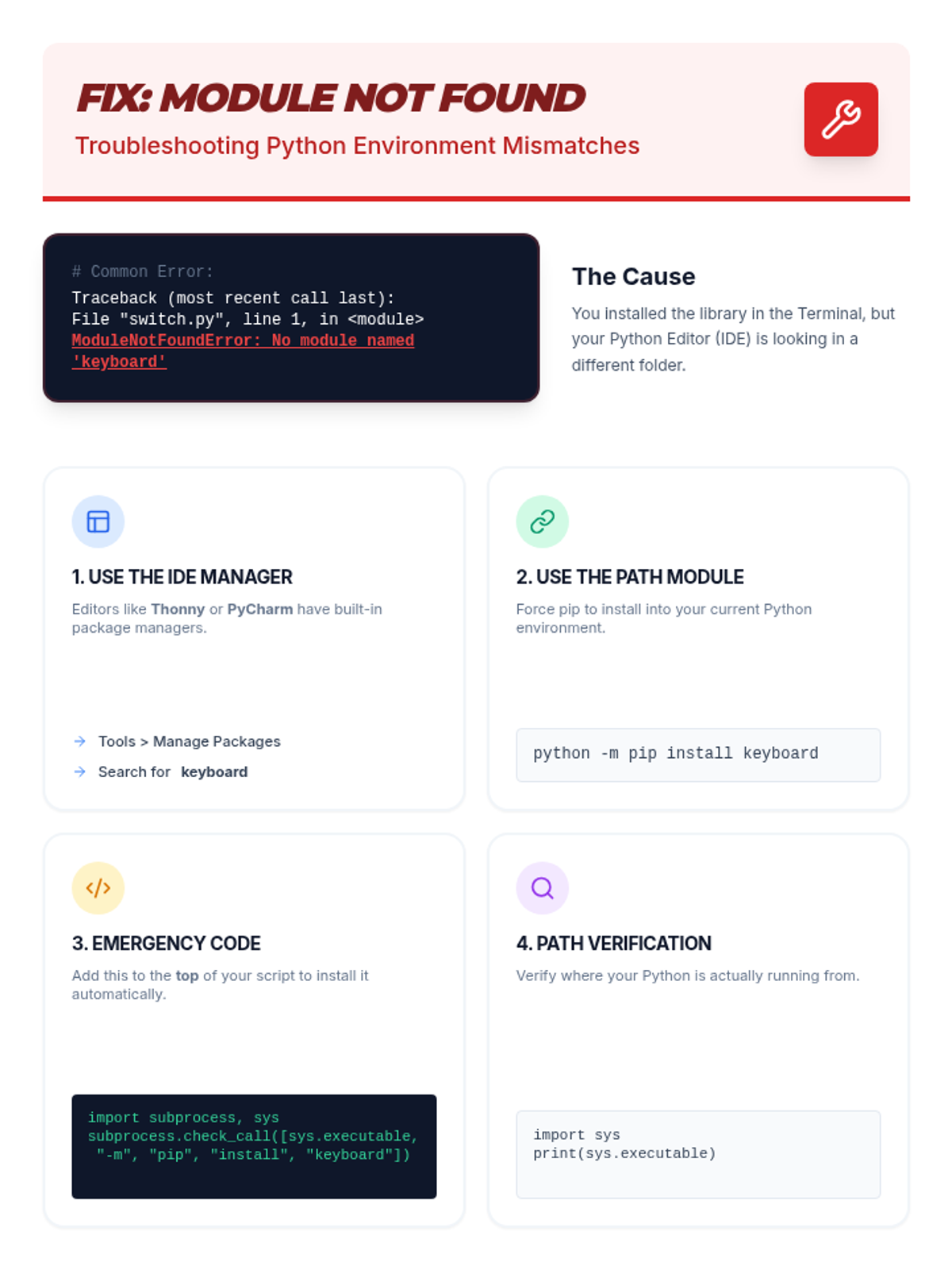
This lesson covers the logic and programming required to create a digital switch interface using Python, focusing on key bindings and signal processing.
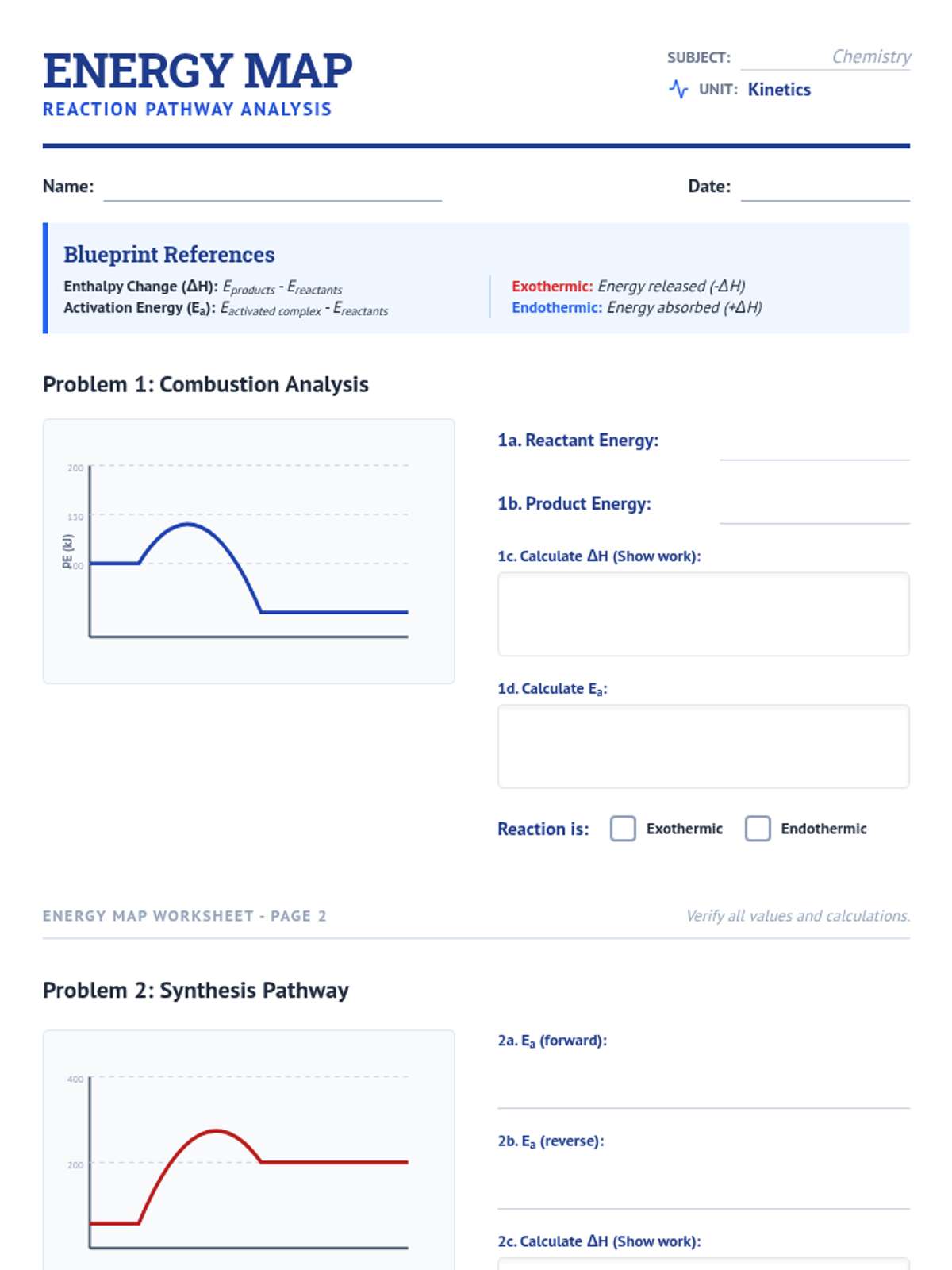
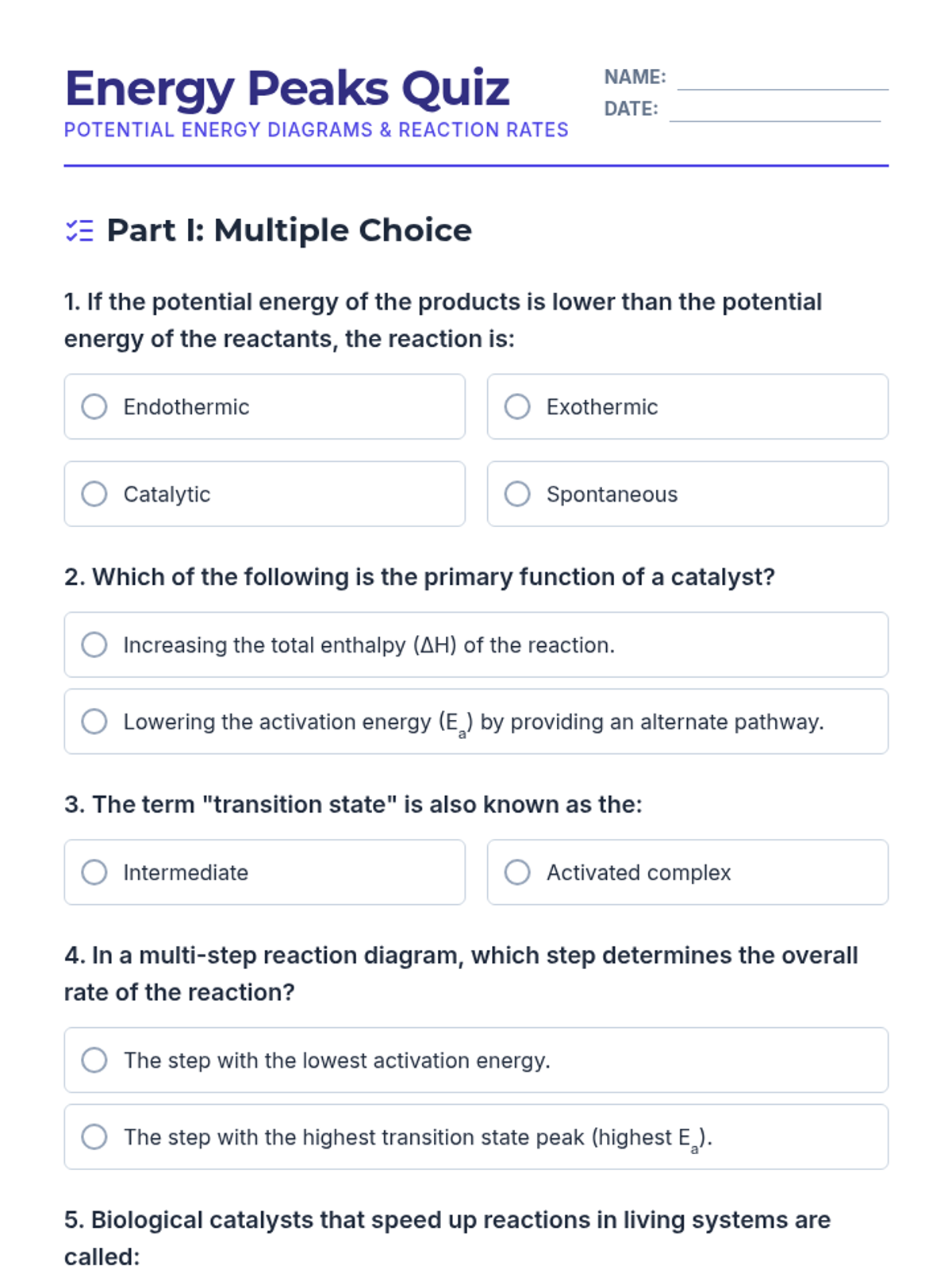
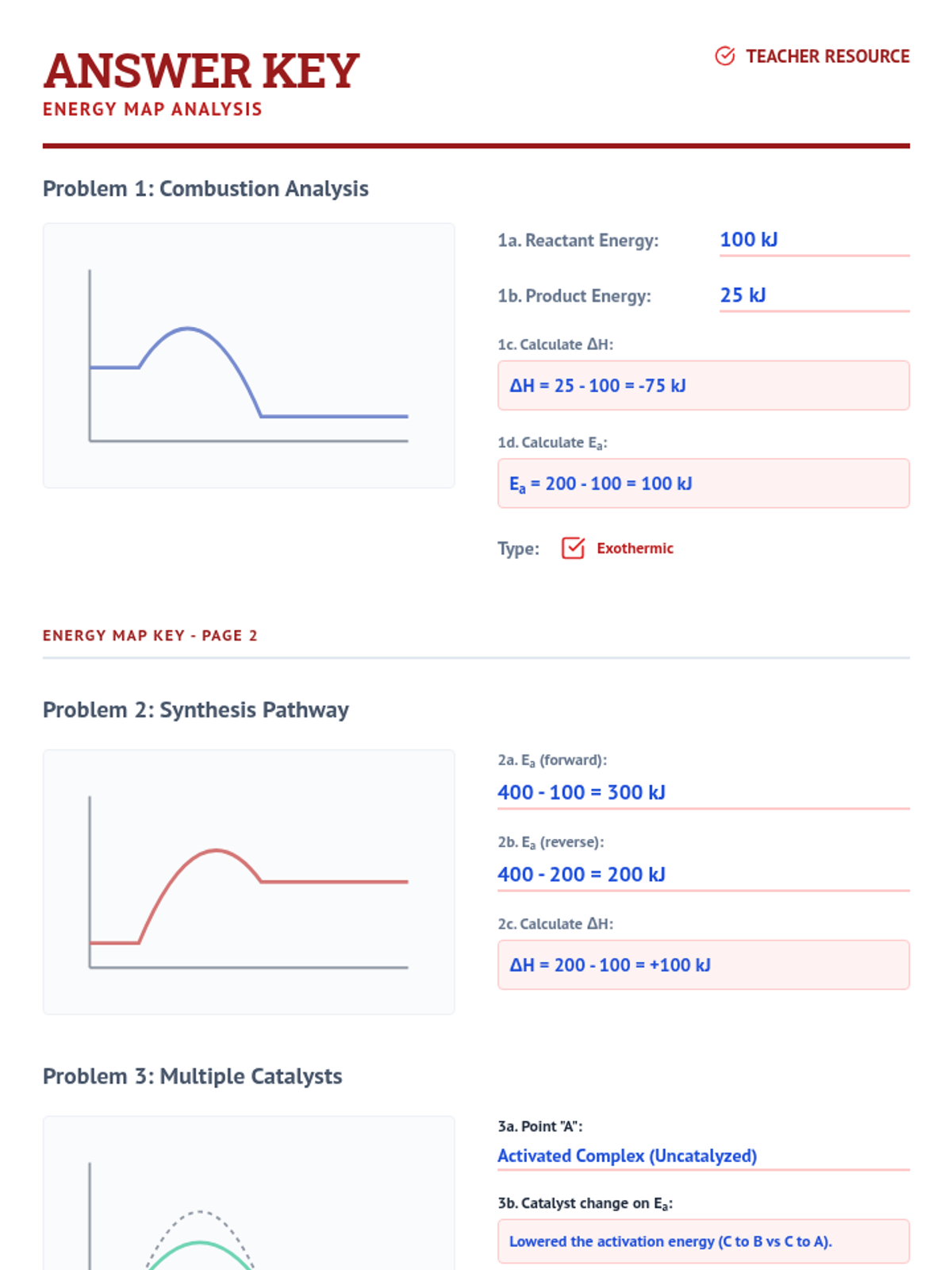
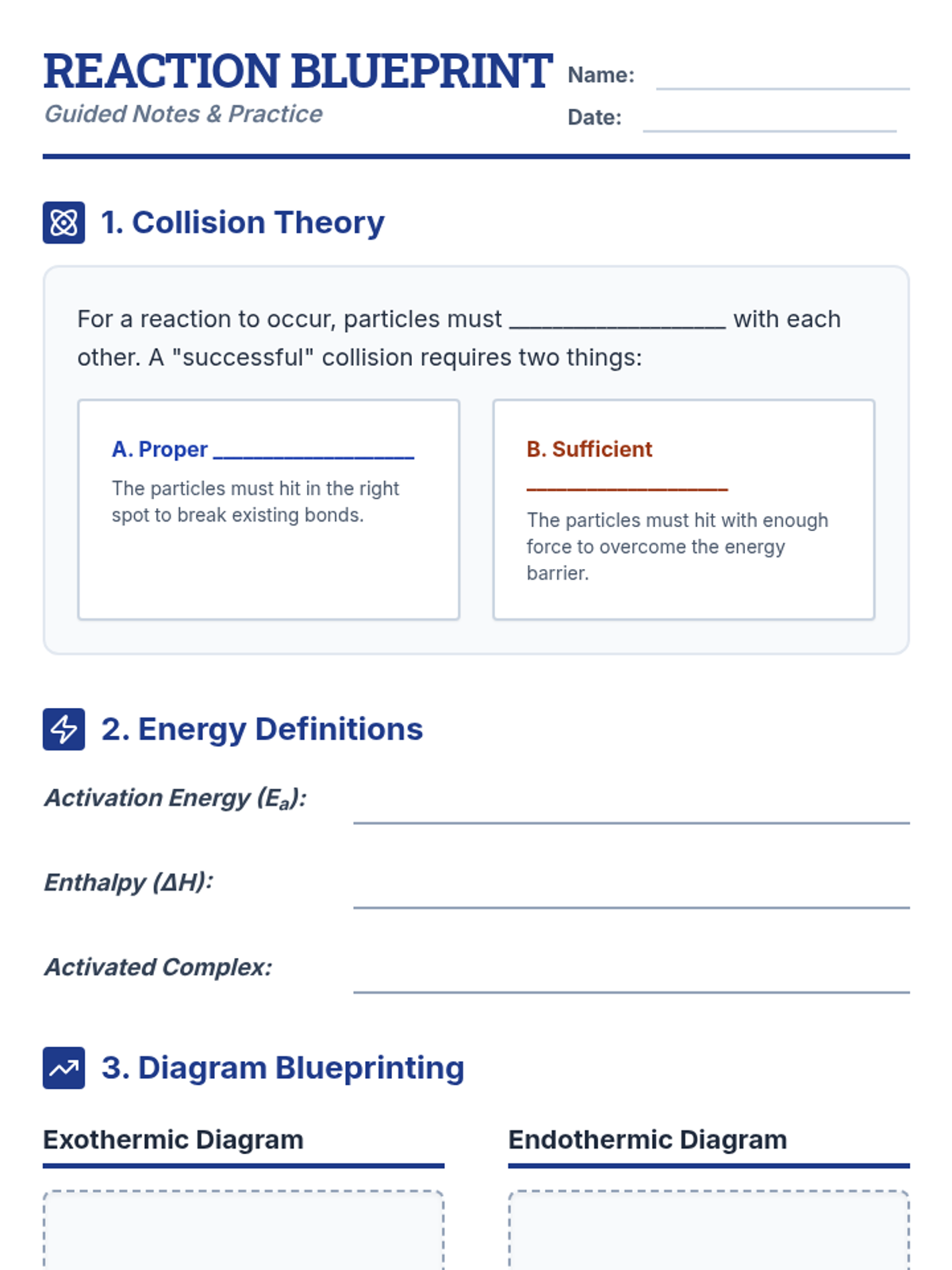
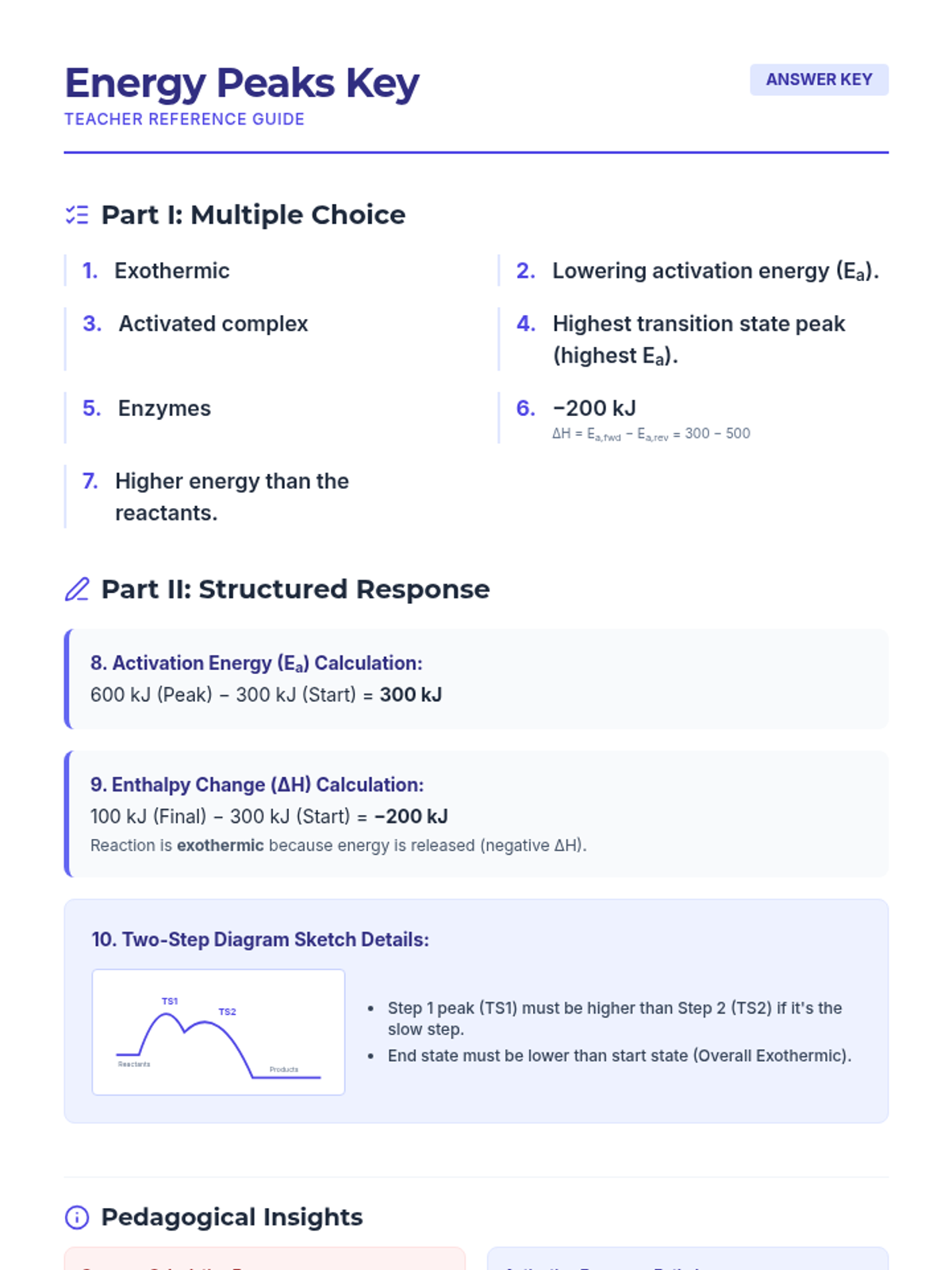
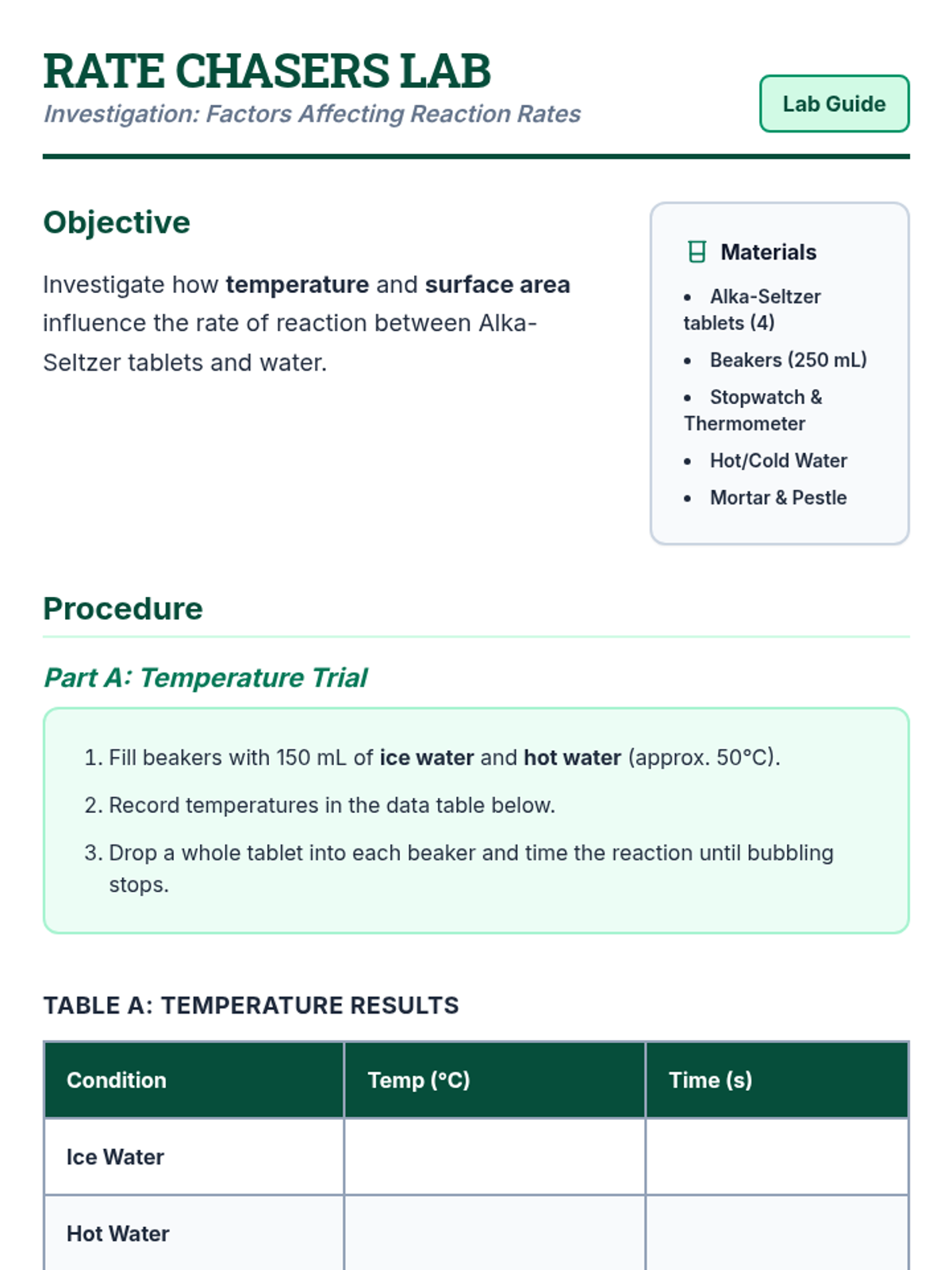
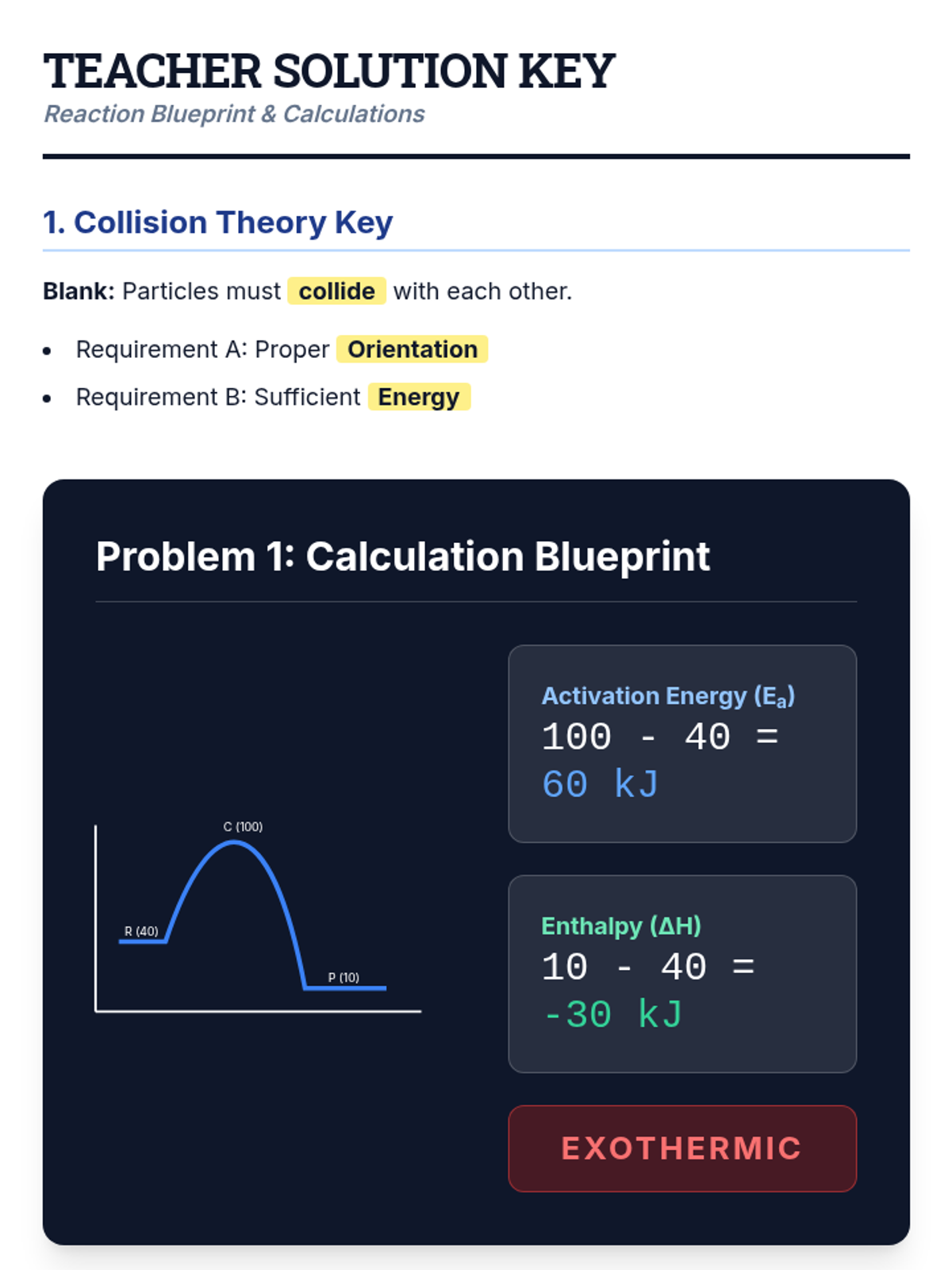
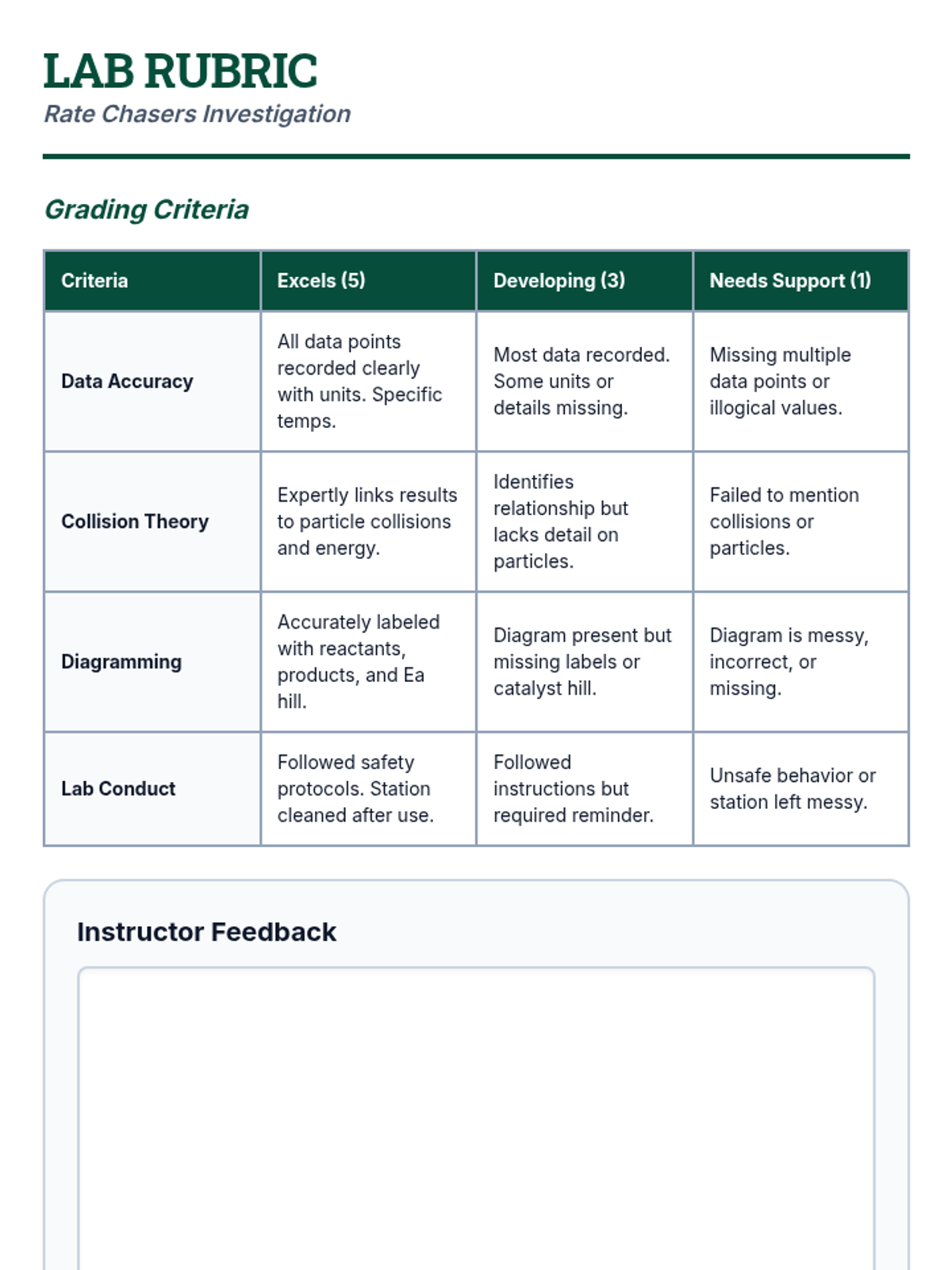
A comprehensive lesson exploring the mechanics of chemical reactions, including collision theory, energy diagrams, and the factors that influence reaction rates. Students will learn to visualize and calculate energy changes while conducting a hands-on investigation.