Lenny.com
Explore
Create
ActivitiesNewMathEnglish Language ArtsScience & EngineeringSocial StudiesGlobal LanguagesHealth & Physical EducationSpecial EducationCounseling & Life SkillsArts & CreativityESL
Lenny.com
Lenny.com
Explore
Create
ActivitiesNewMathEnglish Language ArtsScience & EngineeringSocial StudiesGlobal LanguagesHealth & Physical EducationSpecial EducationCounseling & Life SkillsArts & CreativityESL
Lenny.com
Lenny.com

Solutions

Lenny for EducatorsLenny for SchoolsLenny for Districts

Product

ExploreSign inCreateSupportAbout

Resources

Getting startedMTSS Acceleration Program

© 2026 Lenny Learning Inc.

TermsPrivacyAccessibility
LinkedInInstagramX
Lenny
Social StudiesSocial Studies PracticesLocation WordsMapsOrder EventsChronology and CausationEvaluating SourcesHistorical ThinkingGeography, Humans, & the EnvironmentAmerican Symbols and LandmarksCitiesStatesState CapitalsRegions of the United StatesGeographic SkillsPhysical GeographyHuman GeographyRegional GeographyGeography of AfricaGeography of AsiaGeography of EuropeGeography of OceaniaGeography of the AmericasSociety and Environment of EuropeSociety and Environment of AsiaSociety and Environment of The AmericasSociety and Environment of the Middle EastSociety and Environment of AfricaHistoryPrehistoryComparing Ancient River CivilizationsAncient MesopotamiaAncient Egypt and KushAncient South AsiaEarly ChinaGreeceRome and the Byzantine EmpireAncient World HistoryNative Peoples of North AmericaNative Peoples of Mesoamerica and South AmericaAfrican EmpiresMedieval AsiaMedieval EuropeThe Silk RoadMedieval HistoryIslamic EmpiresWorld ReligionsRenaissance PeriodAge of ExplorationThe Thirteen ColoniesThe American RevolutionUS History Early RepublicFounding of the United StatesUS History AntebellumUS Civil WarReconstruction PeriodThe Gilded AgeUS ImperialismWorld ImperialismWorld War IUS History 1920sGreat DepressionWorld War IIThe Cold WarUS History 1950-60sUS History 1960s-70sWorld History 20th CenturyContemporary US HistoryContemporary World HistoryHolidaysCivics and GovernmentCitizenshipGovernment FoundationsThe ConstitutionUS ConstitutionExecutive BranchLegislative BranchJudicial BranchState and LocalPolitical ParticipationPublic PolicyPolitical SystemsPower and AuthoritySocial MovementsDefining DevianceTheories of DevianceCrime and Criminal JusticeEconomicsBasic Economic PrinciplesSupply and DemandWhat is MoneyEconomic FundamentalsMicroeconomicsMacroeconomicsBanking and FinanceEconomic SystemsGlobal EconomicsCorporations and PowerThe Changing WorkplaceUnemployment and LaborClass and InequalitySocial MobilityGlobal InequalityPsychologyHistory of PsychologyPsychology as a ScienceBrain and Nervous SystemNeuroscience and BehaviorGenetics and BehaviorSleep and ConsciousnessSensory ProcessesPerceptual OrganizationClassical ConditioningOperant ConditioningObservational LearningCognitive LearningMemory ProcessesThinking and Problem SolvingLanguage and CognitionTheories of MotivationStress and CopingPrenatal and Infant DevelopmentChildhood DevelopmentAdolescent DevelopmentAdulthood and AgingSelf and IdentitySocial CognitionSocial InfluenceAttraction and RelationshipsGroup BehaviorPrejudice and DiscriminationAnxiety and Mood DisordersClinical PsychologyForensic PsychologyPhilosophy & EthicsIntroduction to PhilosophyMajor Philosophers & IdeasMind and Body ProblemFree Will vs DeterminismEthics & MoralityReligion & PhilosophyPolitical Philosophy

Compromise Conundrum

A 45-minute stand-alone lesson centered on the Constitutional Convention's debate over representation and the Three-Fifths Compromise. It includes chunked reading for accessibility, a high-engagement 'Four Corners' activity, and a graphic organizer assessment designed for formal observation alignment with the Danielson Framework.

SASenta Agnello-Shelton

South Carolina

Background

You believe wealth and property make a country strong. Since enslaved labor creates wealth, you believe that wealth must be protected with political power.

Your Position

Count for REPRESENTATION.

Argument (Read Aloud)

"Our wealth makes this nation strong. If we contribute more value, we deserve more votes. Power must match the wealth of the states!"

Abraham Baldwin

Georgia

Background

Representing Georgia. You believe the South needs strong representation to prevent the North from passing laws that hurt your region's farming interests.

Your Position

Count for REPRESENTATION.

Argument (Read Aloud)

"Georgia is a young state. We need every person counted so we can stand up to the powerful North. Our future depends on these numbers!"

Alexander Hamilton

New York

Background

You want a powerful government that can collect taxes. While you dislike slavery, your biggest goal is making sure the national government has authority over states.

Your Position

Count for TAXATION/Deal.

Argument (Read Aloud)

"Wealth must be taxed to make this nation work. If the South has population, they must pay their share. Compromise is the only path to stability."

George Mason

Virginia

Background

You own many enslaved people but worry about morality. Yet, you fear a powerful North will use the government to take away state rights and property.

Your Position

Count for REPRESENTATION.

Argument (Read Aloud)

"We must protect our states from a government that might destroy our economy. Representation must reflect our population so we can defend ourselves!"

Gunning Bedford

Delaware

Background

From a small state. Suspicious of large states. You think they want to count enslaved people just to "bully" the smaller states in Congress with more votes.

Your Position

NO counting for votes.

Argument (Read Aloud)

"The large states are greedy! Why should they get extra votes for owning property? Small states will not be ignored in this government!"

Roger Sherman

Connecticut

Background

Practical. Believes states must find a middle ground to stay united. While you don't like slavery, you care more about having a functional nation.

Your Position

Pragmatic Compromise.

Argument (Read Aloud)

"We have compromised once already. Let us do it again. A partial count is better than no Union at all. We must be practical to succeed!"

John Rutledge

South Carolina

Background

Powerful Southern delegate. You believe "interest" rules over morality. You won't accept a plan that taxes your wealth or limits your influence.

Your Position

FULL representation!

Argument (Read Aloud)

"This is not about humanity; this is about interest! Our interest is wealth and power in the House. We will have our full share!"

Benjamin Franklin

Pennsylvania

Background

Wisest delegate. An abolitionist, but a master diplomat. You know the Convention will fail without a deal. You are willing to yield points to save the Union.

Your Position

COMPROMISE for Union.

Argument (Read Aloud)

"I don't entirely approve of this plan, but I expect no better. We must yield some points, or we shall leave as separate nations."

William Paterson

New Jersey

Background

Author of the New Jersey Plan. You think large states are greedy. If enslaved people aren't citizens, they shouldn't count for any votes.

Your Position

Count for TAXATION only.

Argument (Read Aloud)

"Has a man in Virginia more right to a vote than a man in New Jersey? Why should he get more power for owning property?"

William Davie

North Carolina

Background

You are firm: the South will never join a Union that treats enslaved people as zero. Population is the only fair way to count power.

Your Position

Count for REPRESENTATION.

Argument (Read Aloud)

"We will never confederate on terms that don't include three-fifths of our people. We must have representation or we leave!"

Oliver Ellsworth

Connecticut

Background

You believe that if states don't compromise, the Union will die. You are from the North but willing to give the South power to keep them in.

Your Position

Support COMPROMISE.

Argument (Read Aloud)

"Morality is a state issue. Our issue is the Union. We must accept the Three-Fifths rule to ensure we have a government at all."

Caleb Strong

Massachusetts

Background

From a state where slavery is ending. You think Southern demands are ridiculous, but you fear a civil war if no agreement is reached.

Your Position

Northern Peacemaker.

Argument (Read Aloud)

"If we can't agree on counting people, how can we agree on a Constitution? We must find a way to balance power before they walk away."

C. C. Pinckney

South Carolina

Background

Revolutionary War veteran. You believe the South has given up enough. You want the Constitution to protect property rights with power.

Your Position

Count for REPRESENTATION.

Argument (Read Aloud)

"The South will be a minority without these votes. We must have full representation so the North does not tax us into poverty!"
You might also like

Backcountry Fury Slides

Tar Heel Voices

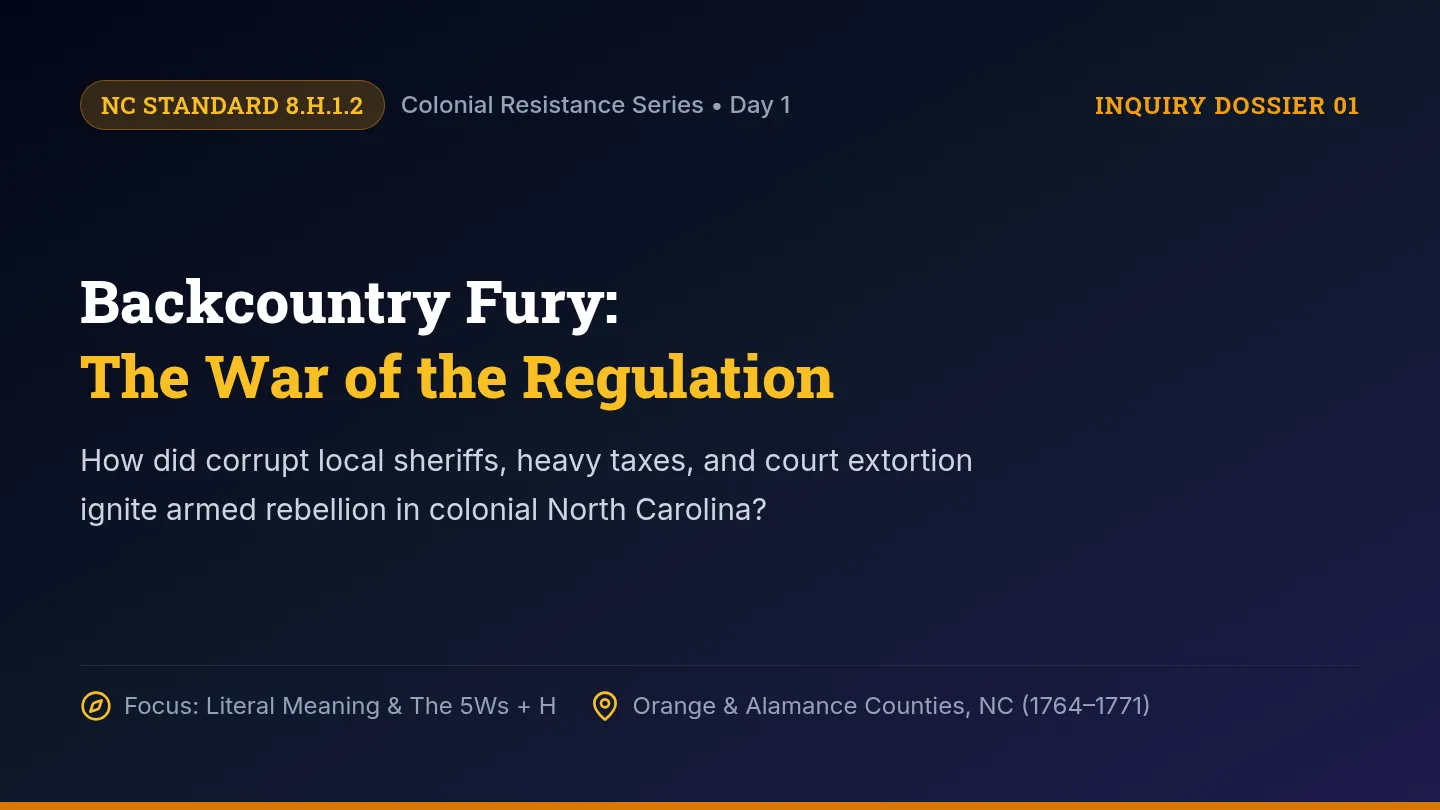
A multi-day inquiry sequence examining primary sources from pivotal moments of colonial and revolutionary resistance in North Carolina. Students decode literal meaning (who, what, when, where, why, and how) and analyze historical context in alignment with NC standard 8.H.1.2.

TC

Teresa Compton

6
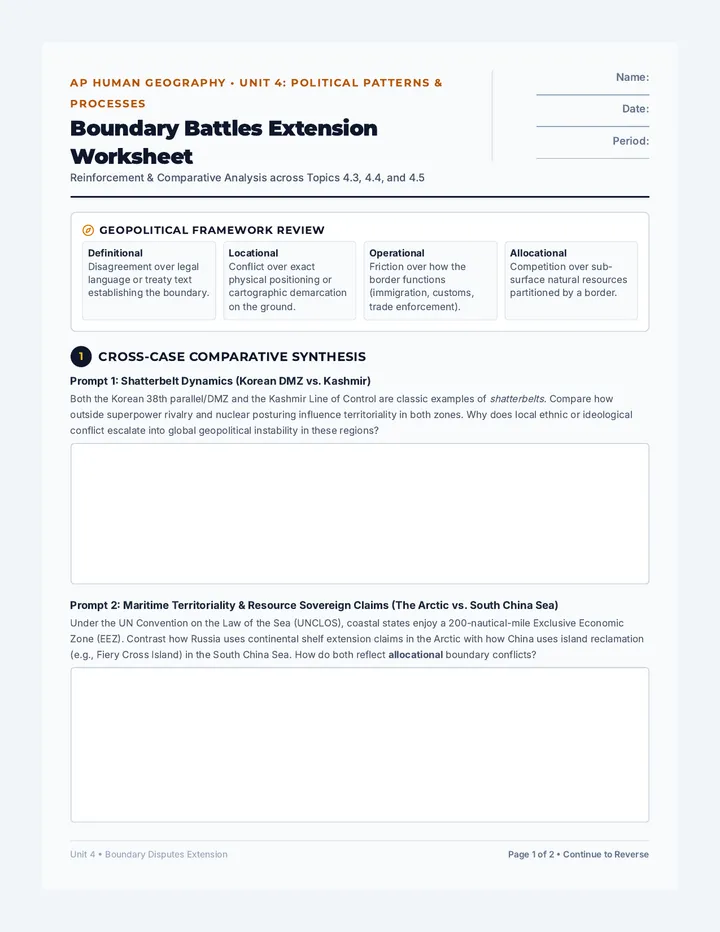
Boundary Battles Extension Worksheet

Border Battles

An advanced AP Human Geography lesson analyzing the nature, functions, and conflicts surrounding international boundaries, territoriality, choke points, and shatterbelts through global case studies.

CM

Casey Moriarty

3
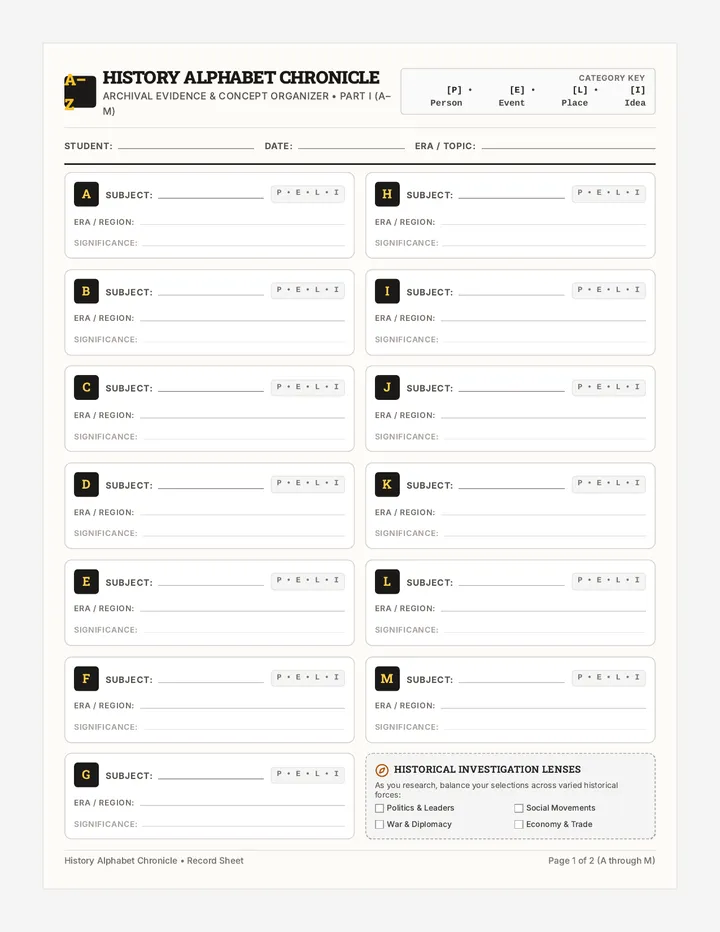
History Alphabet Organizer

History Alphabet Organizer

A comprehensive two-page printable A–Z historical graphic organizer designed for U.S. or World History. Students document historical figures, events, locations, and ideas across every letter of the alphabet, complete with categorization tags, historical context fields, ruled significance lines, and a synthesis challenge.

L

lialiano

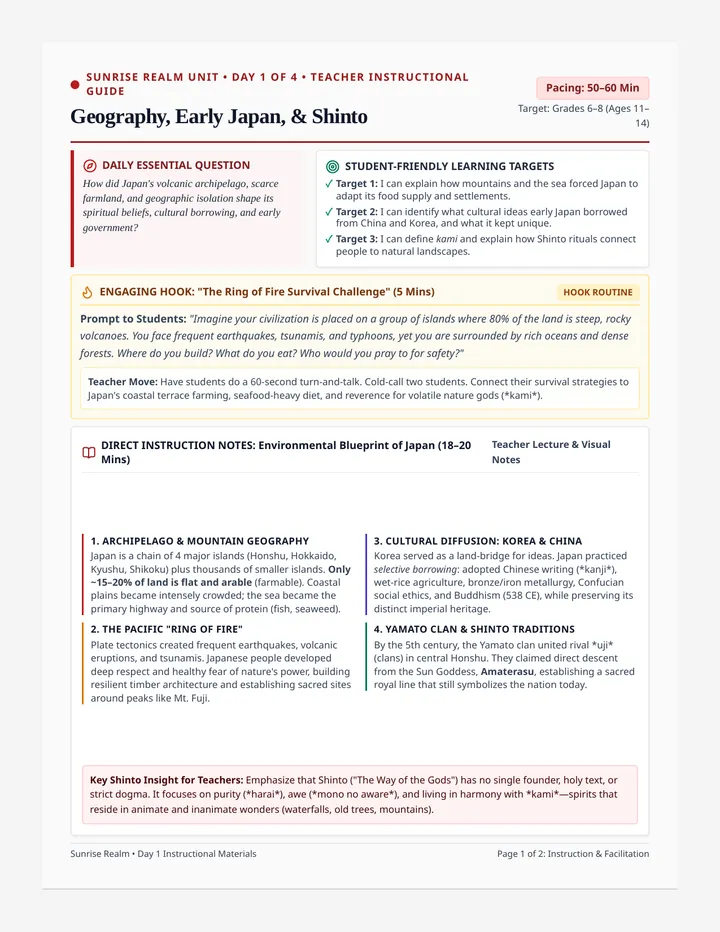
Island Realm Teacher Guide

Sunrise Realm

A comprehensive 4-day middle school social studies unit exploring Ancient and Medieval Japan from geography and Shinto through the Heian Golden Age, feudal samurai society, and the Mongol invasions to Tokugawa isolation.

DB

Danielle Burham

10
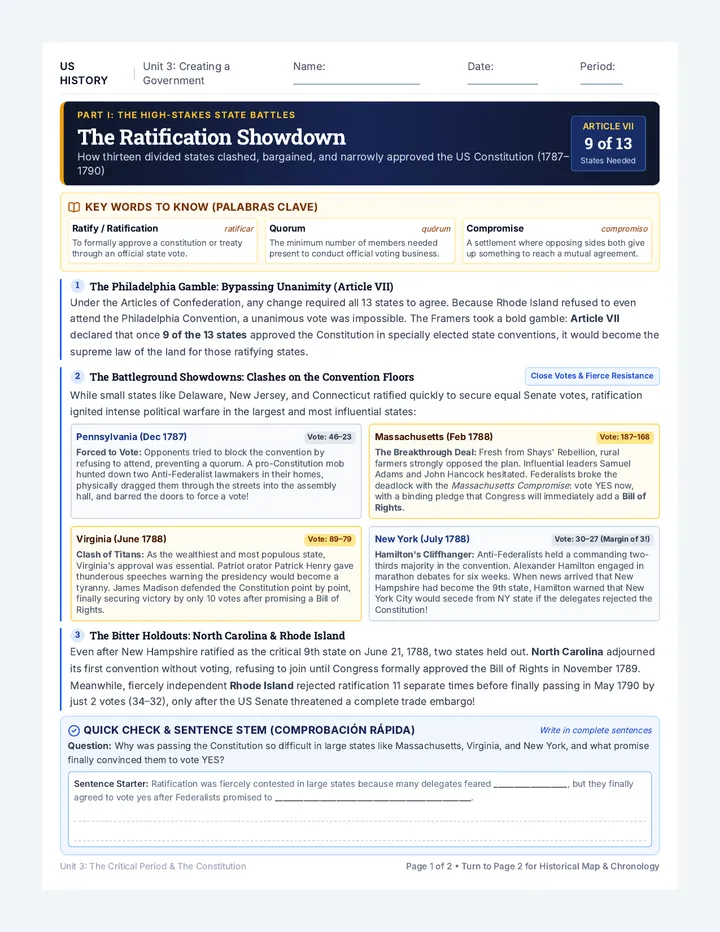
Ratification Showdown Reading

Ratification Showdown

A comprehensive middle school history lesson examining the fierce political, regional, and economic battles over the ratification of the US Constitution from 1787 to 1790. Students analyze primary source maps, explore high-stakes state conventions, and evaluate the compromise that created the Bill of Rights.

M

matthew.hoard

2
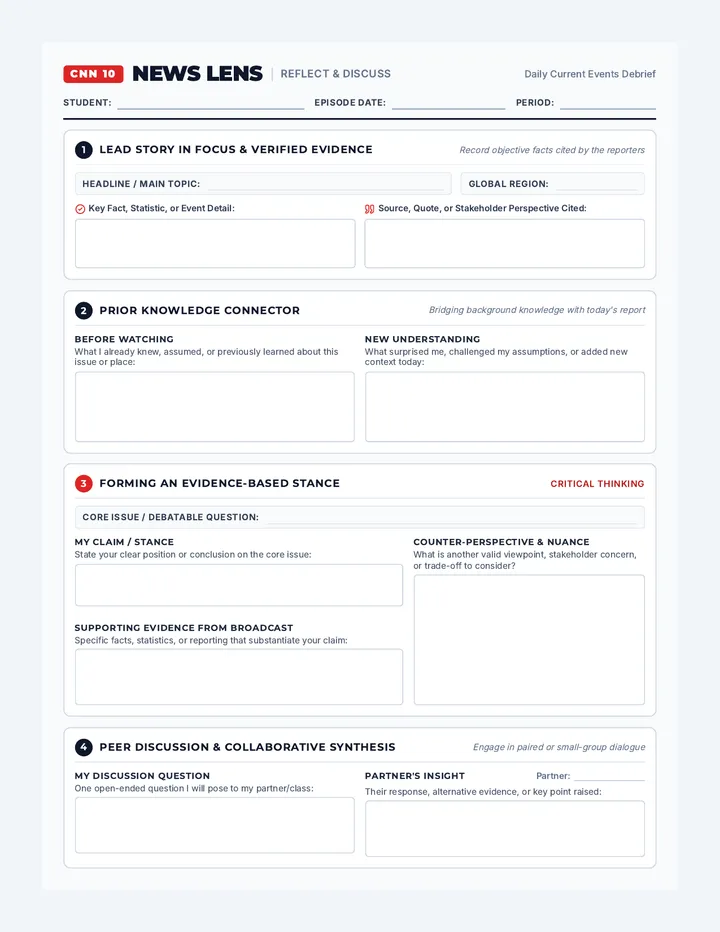
News Lens Graphic Organizer

News Lens Graphic Organizer

A print-ready CNN 10 graphic organizer that guides students to connect daily broadcast stories to their prior knowledge, synthesize reported evidence, articulate an evidence-based opinion, and prepare for peer discussion.

L

lialiano

Business Blueprint Slides

Market Makers

A hands-on introductory curriculum that equips students with foundational business acumen and marketing savvy through practical entrepreneurial challenges, financial basics, and campaign design.

D

despinoza

9
Early Humans Worksheet

Early Humans Worksheet

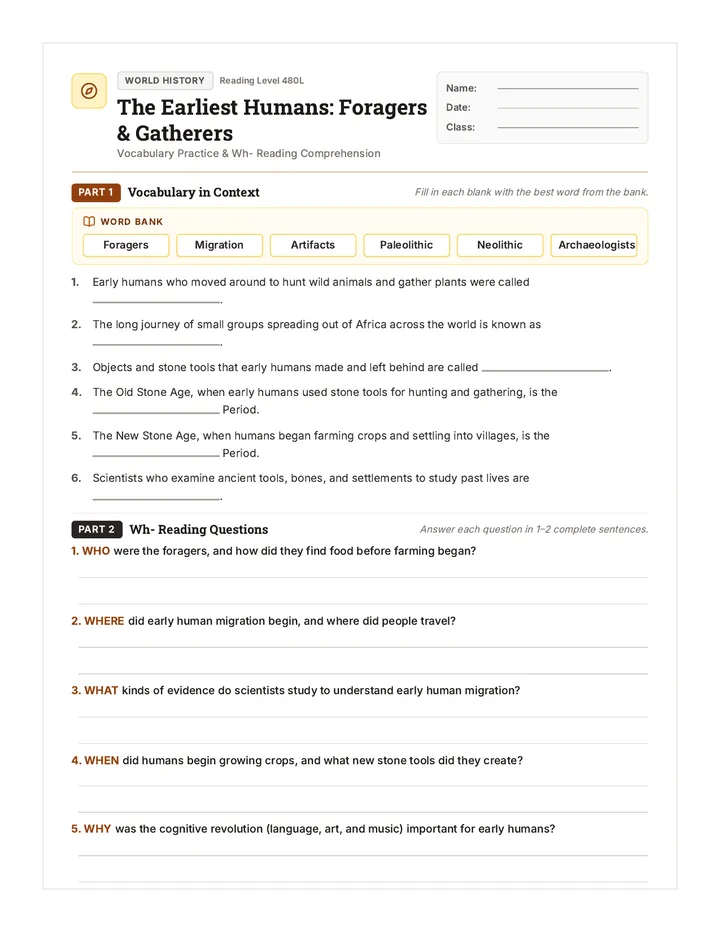
A reading comprehension worksheet based on the Newsela text about early foragers and gatherers. Features a vocabulary word bank with fill-in-the-blank sentences and five basic Wh- short answer questions with generous handwriting space.

KM

Kristina Martin

Hemisphere Hunt Slides

Continent Quest

A 4th-grade geography sequence introducing students to North America through map navigation, regional comparisons, and landform exploration. Students investigate hemisphere locations, the three major nations, and iconic geographic features across the continent.

E

ehdunn

9
Frontier Friction Discussion Slides

Frontier Friction Discussion Slides

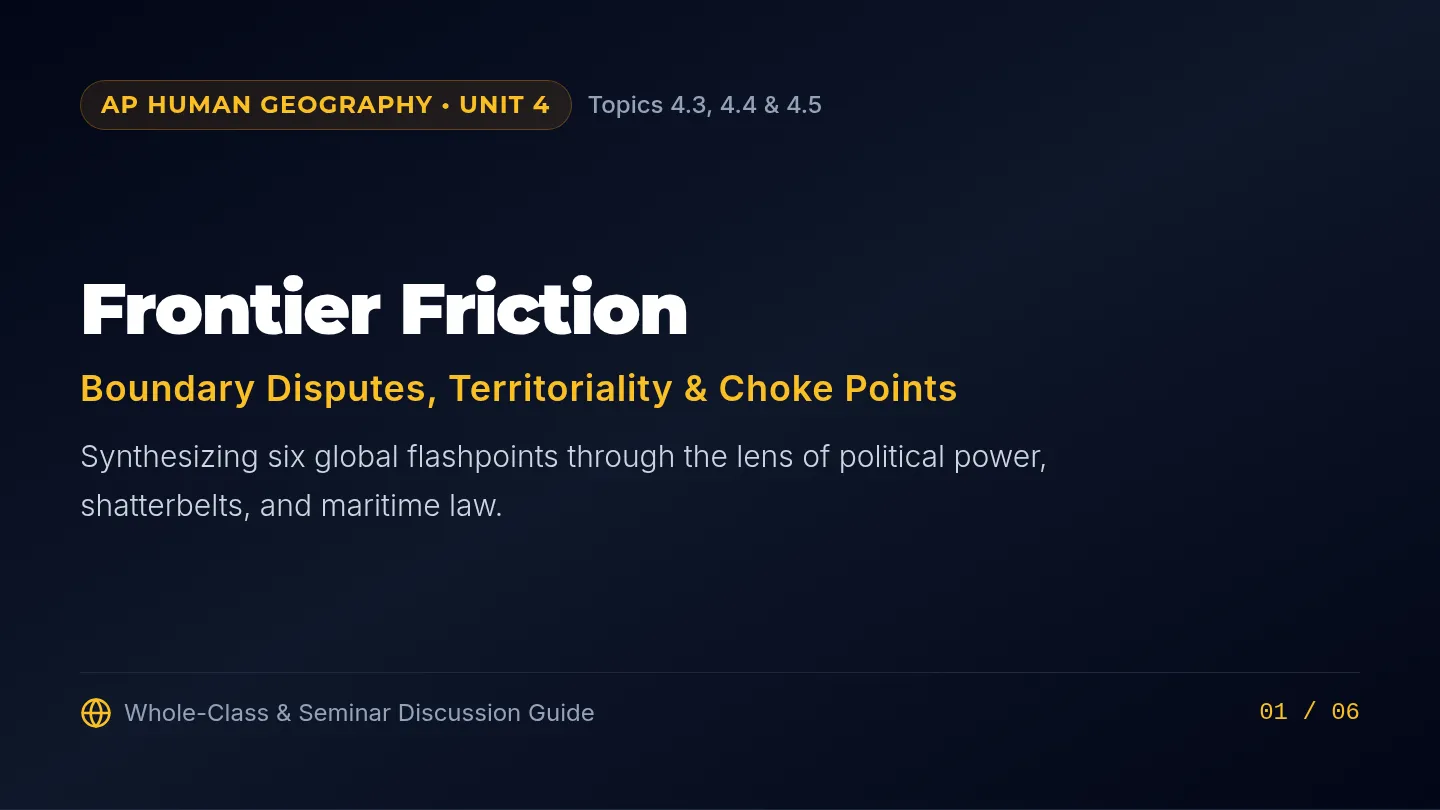
A high-impact six-slide presentation providing visual prompts, inquiry frameworks, and debate questions for whole-class and small-group geopolitical discussions.

CM

Casey Moriarty

Camera Tricks Slides

Pixel Sleuths

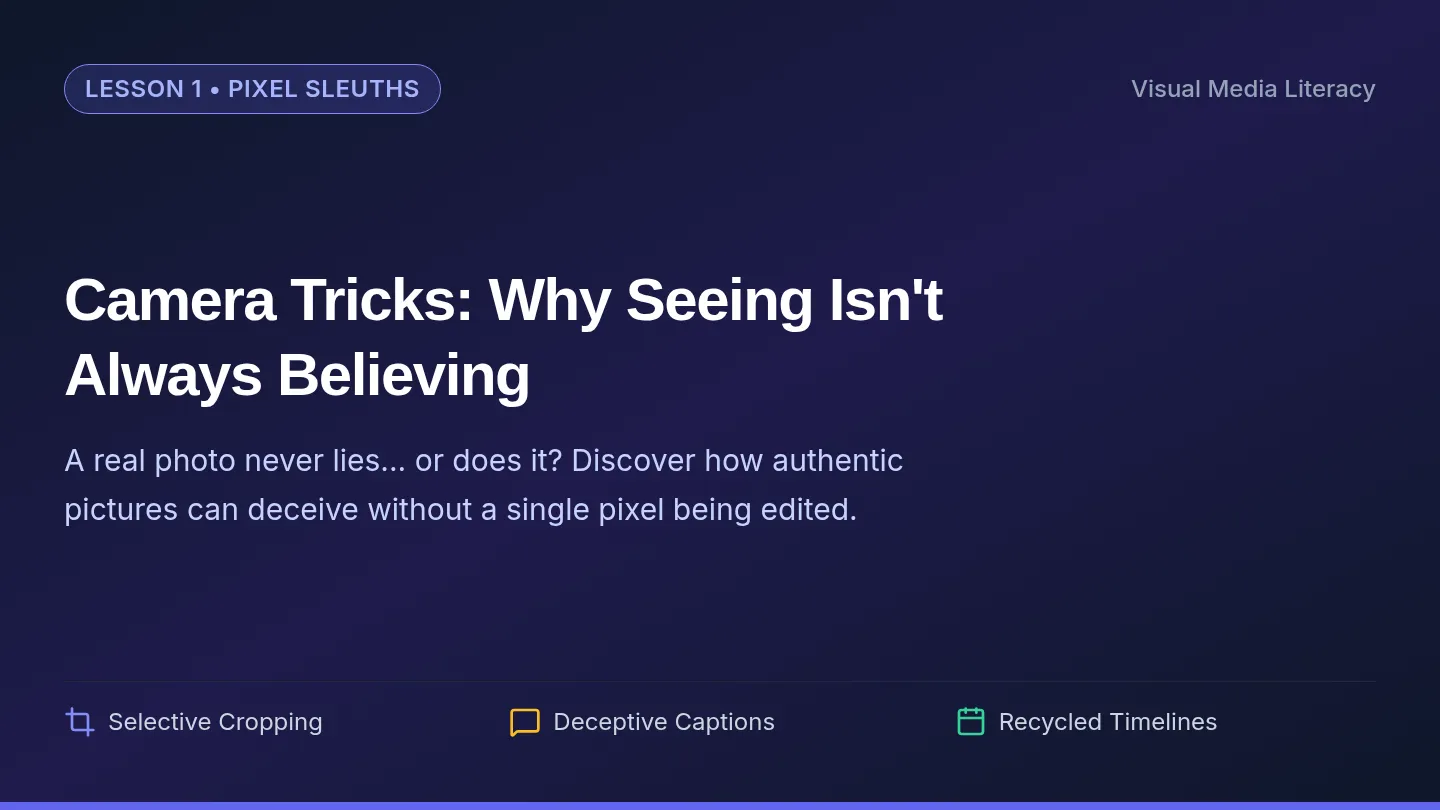
A 3-part media literacy unit for middle school students on analyzing visual media, spotting manipulated photos, and verifying online sources using lateral reading.

Lenny Avatar
Lenny
9