This lesson explores the chemical signaling at the synapse. Students examine how neurotransmitters bridge the gap between neurons and analyze the impact of pharmacological substances and toxins on this critical communication point.
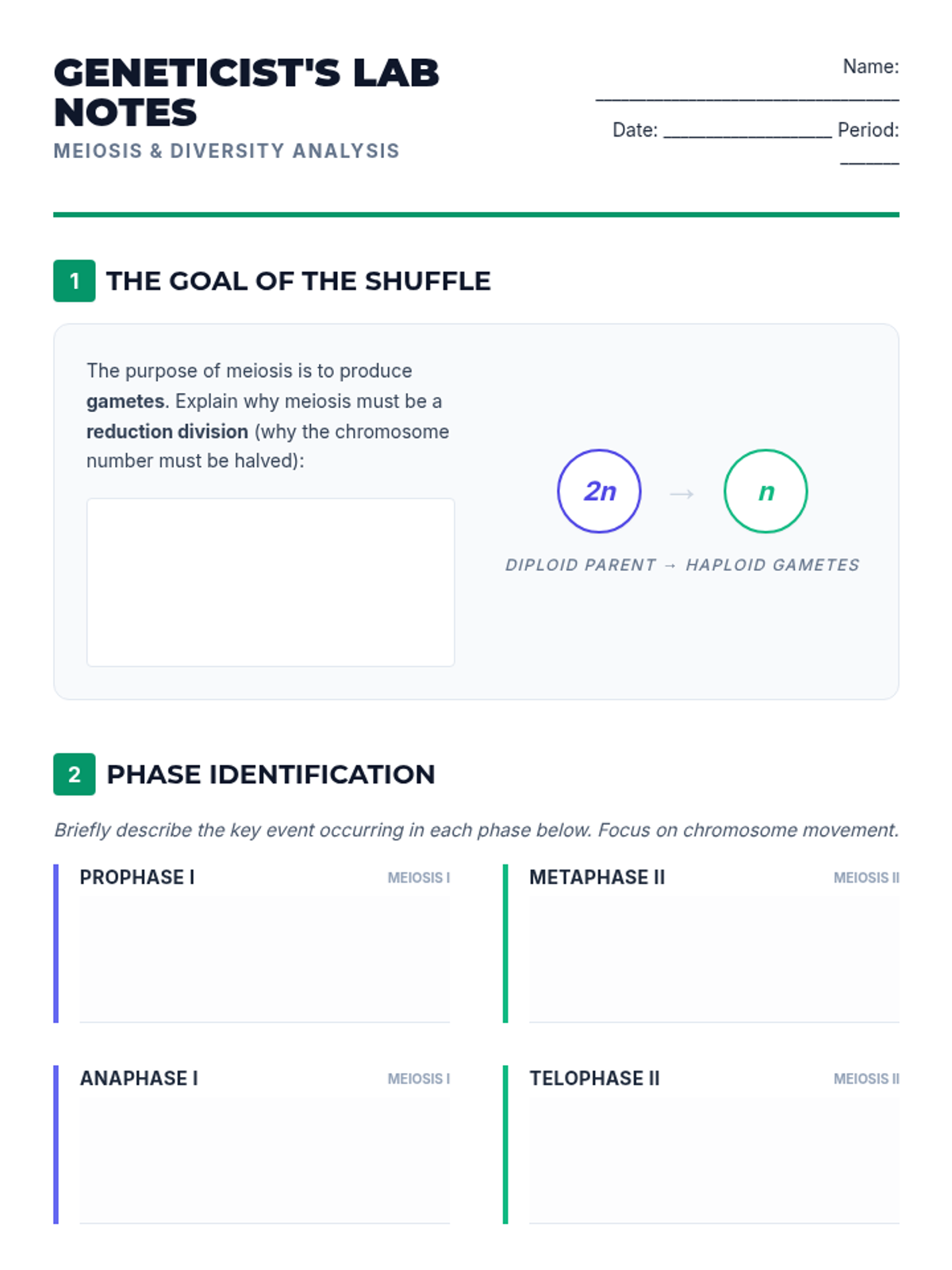
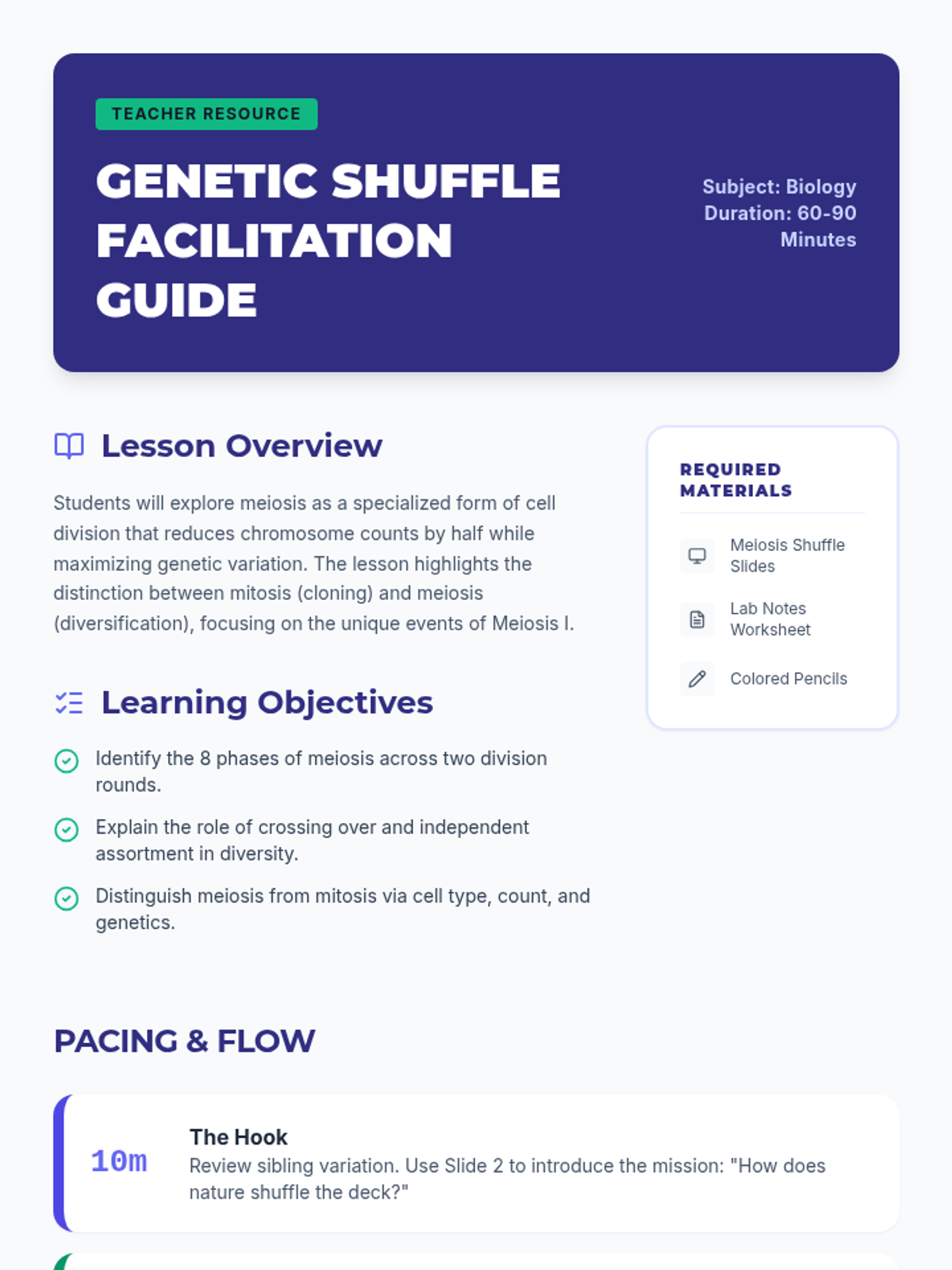
A comprehensive lesson on meiosis covering its phases, final products, and its critical role in genetic diversity compared to mitosis. Students will engage with visual models and comparative analysis.
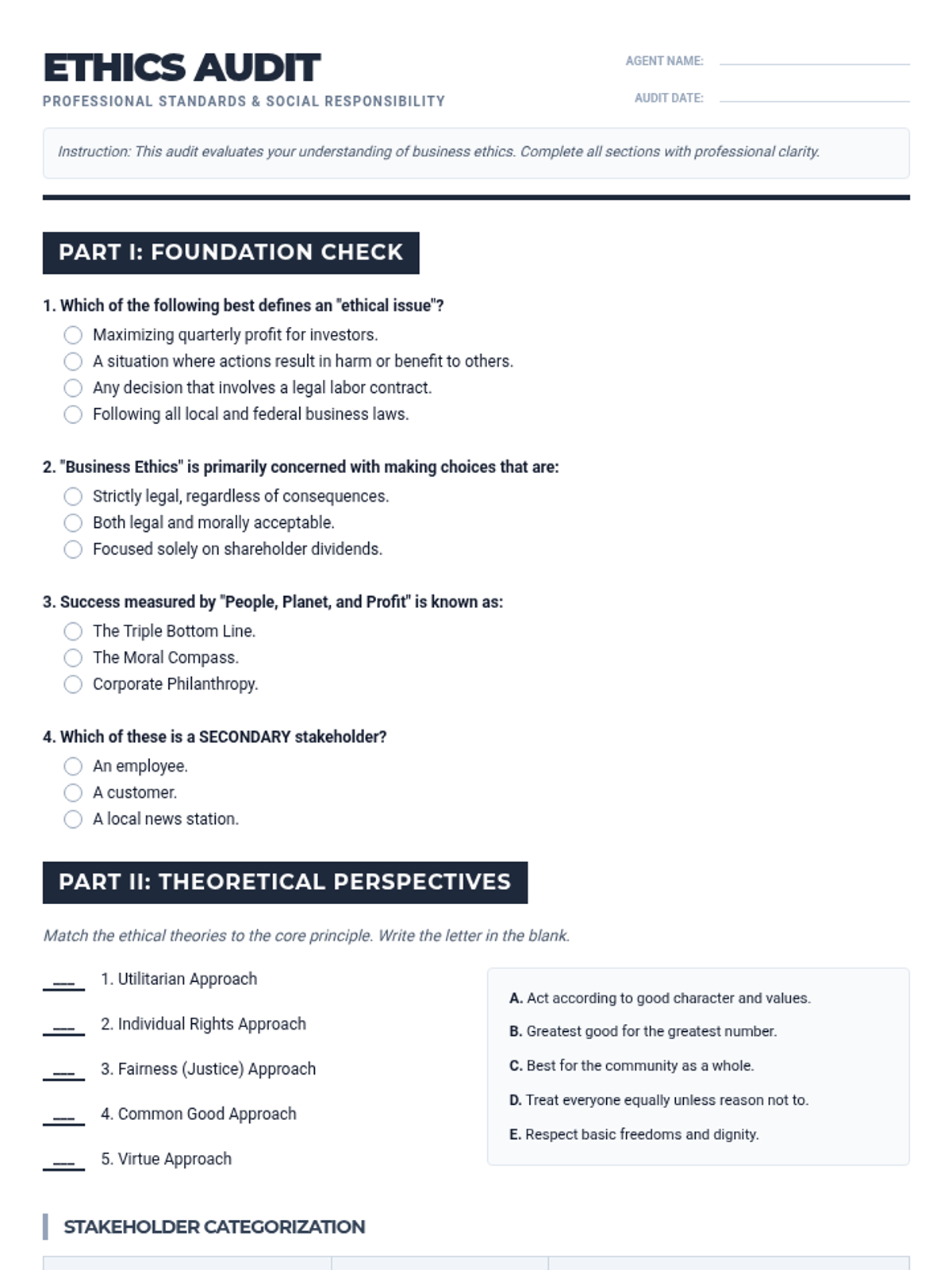
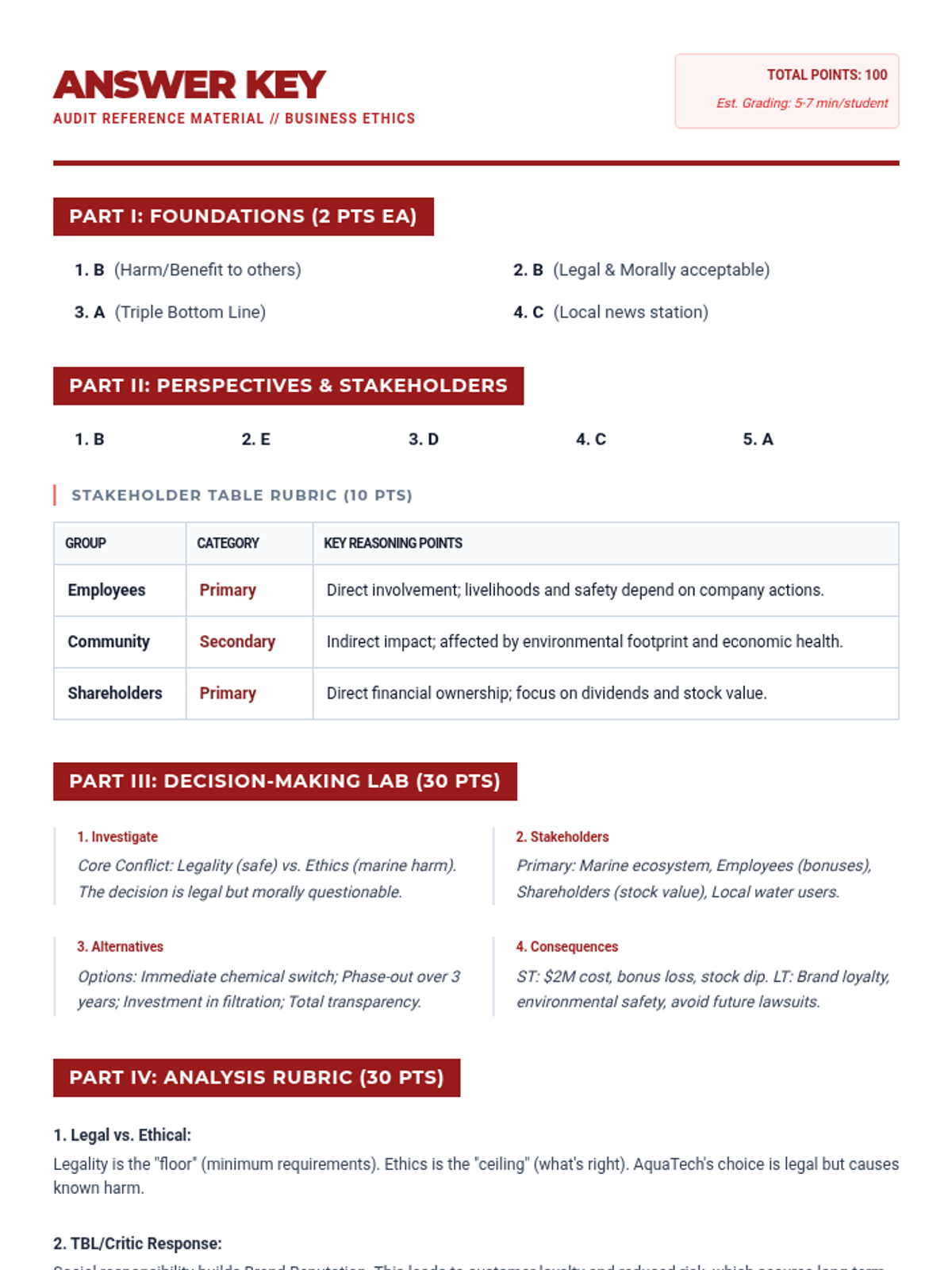
A comprehensive assessment covering business ethics, social responsibility, ethical theories, and the stakeholder decision-making process.
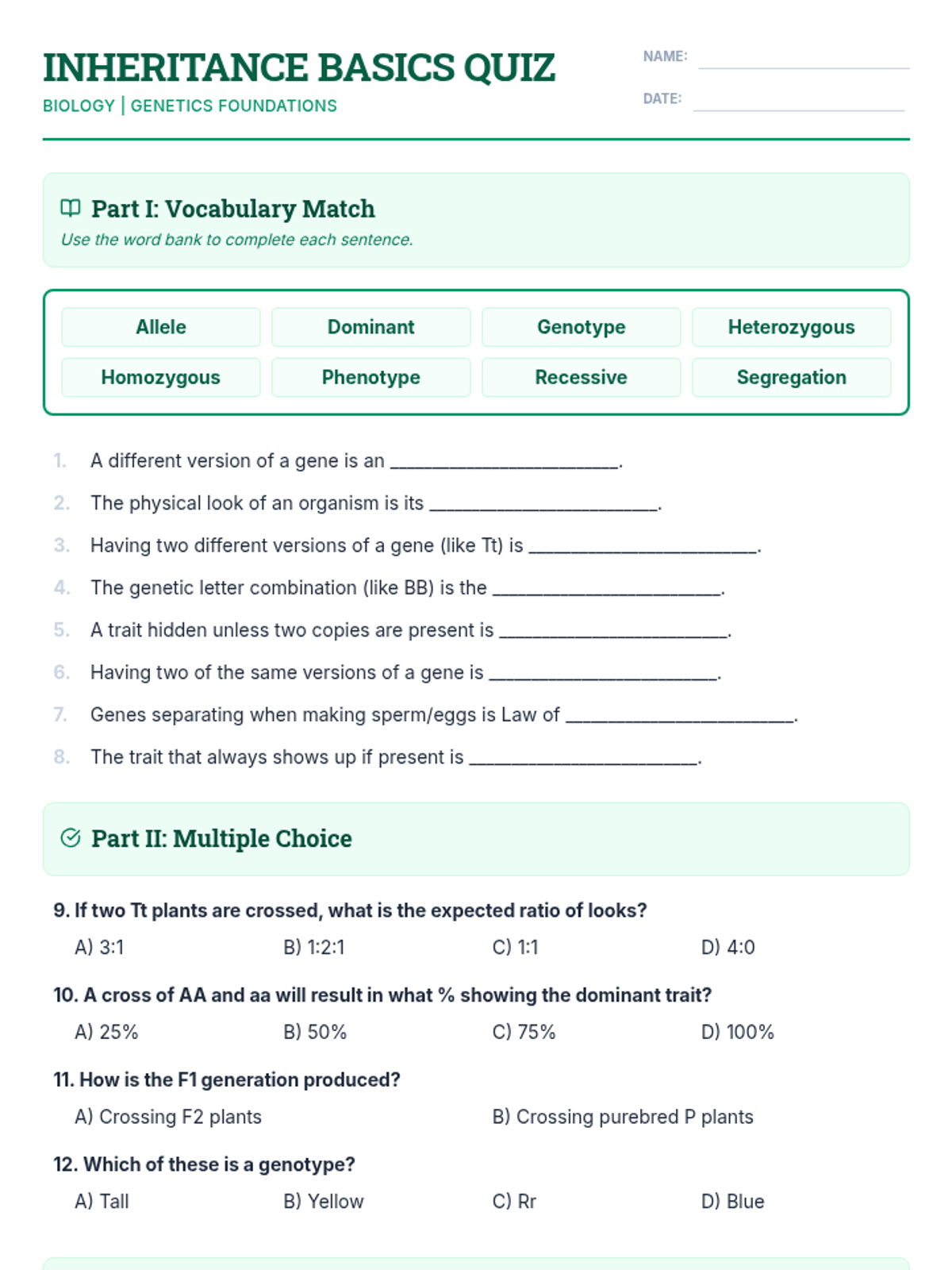
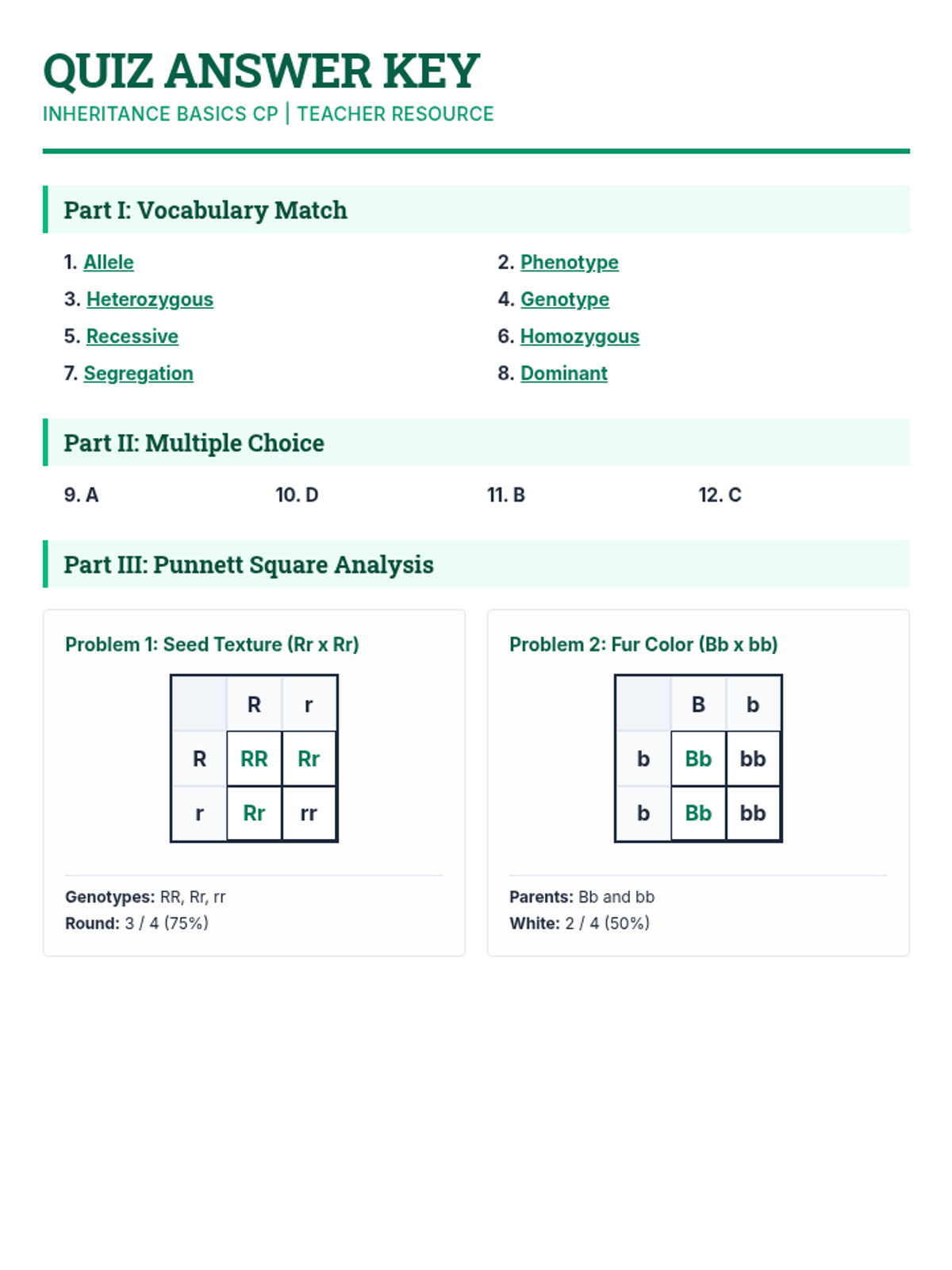
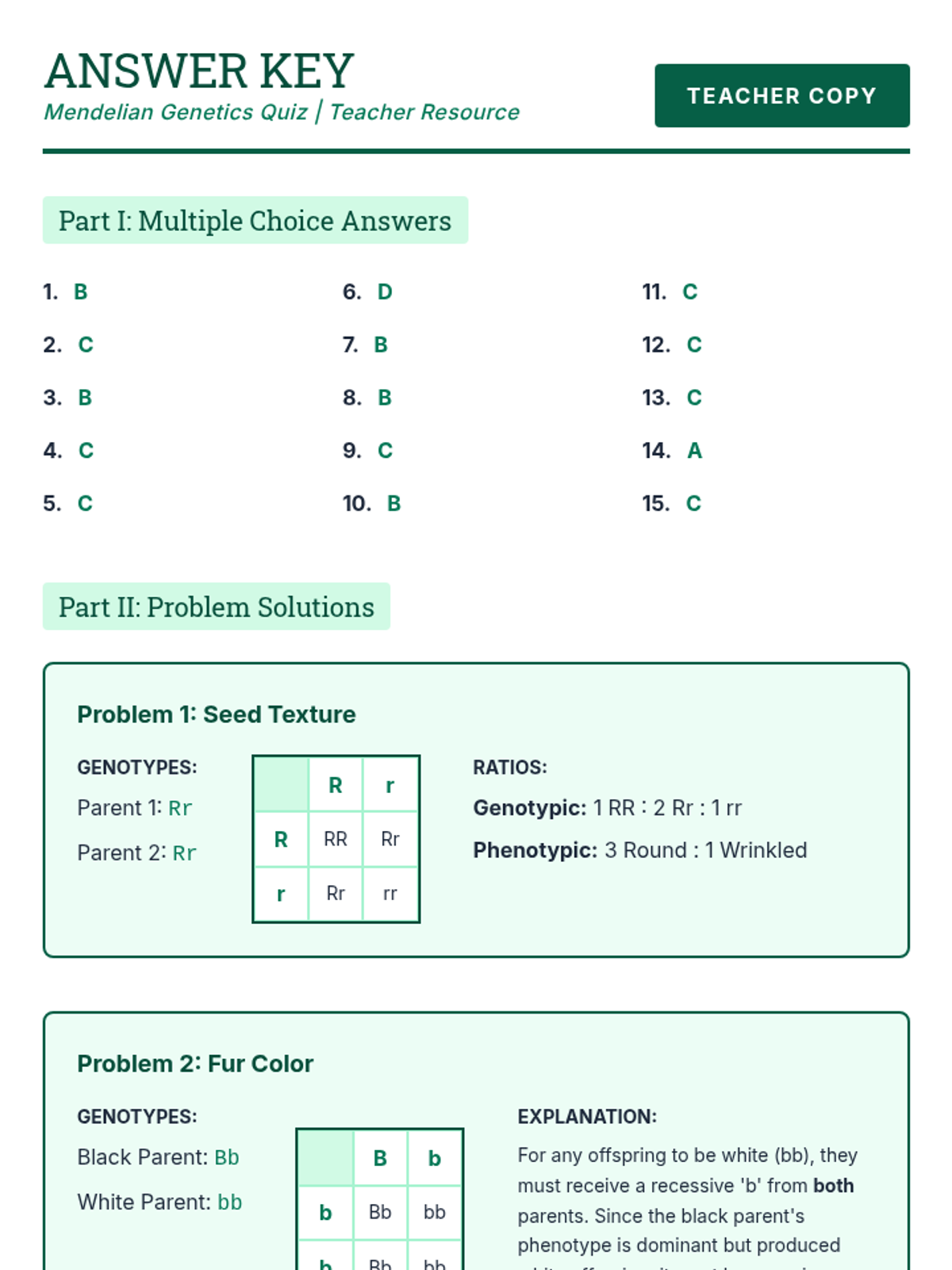
A foundational assessment on Mendelian genetics, simplified for College Prep (CP) biology students with clearer language and vocabulary support.
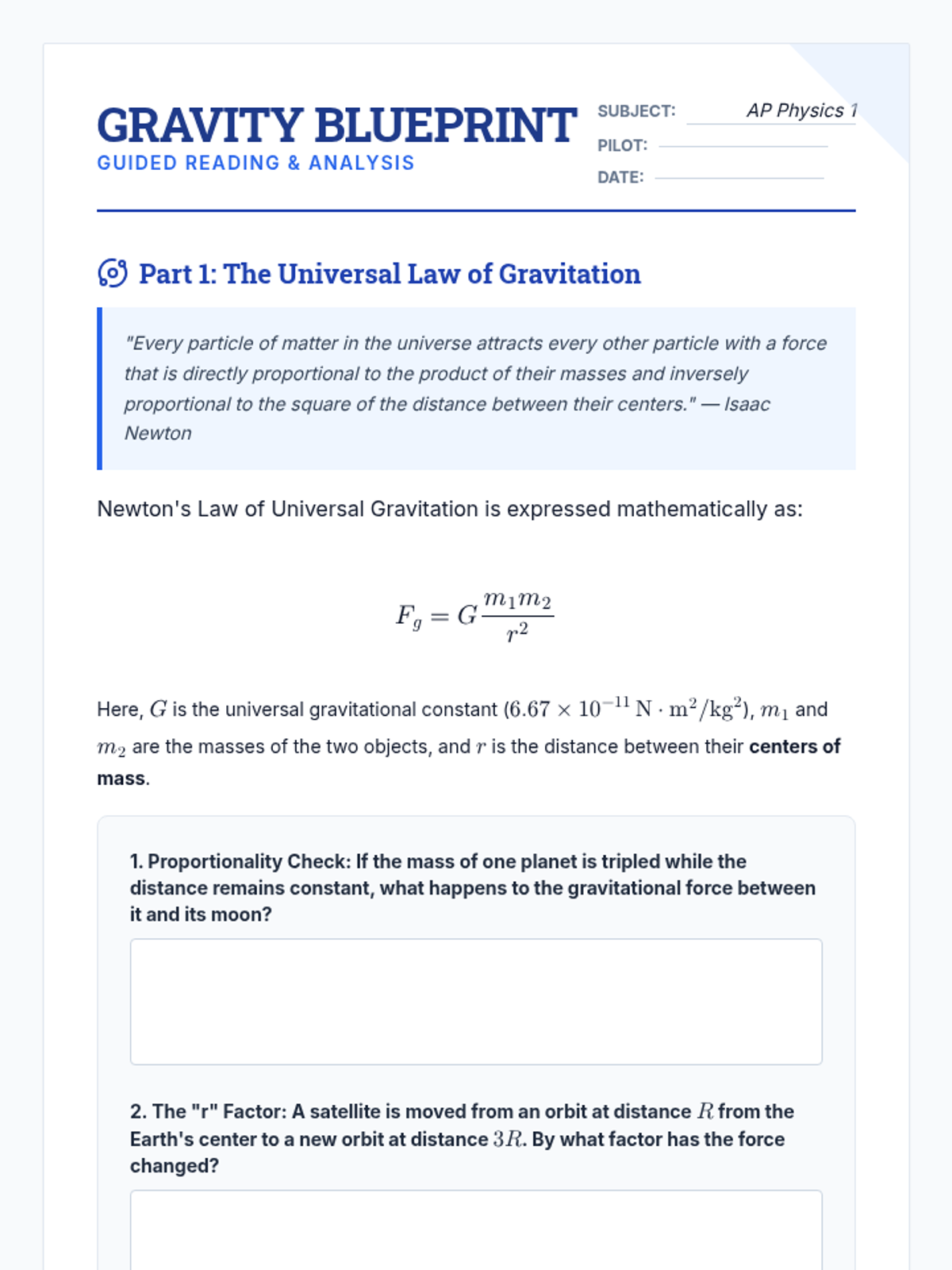
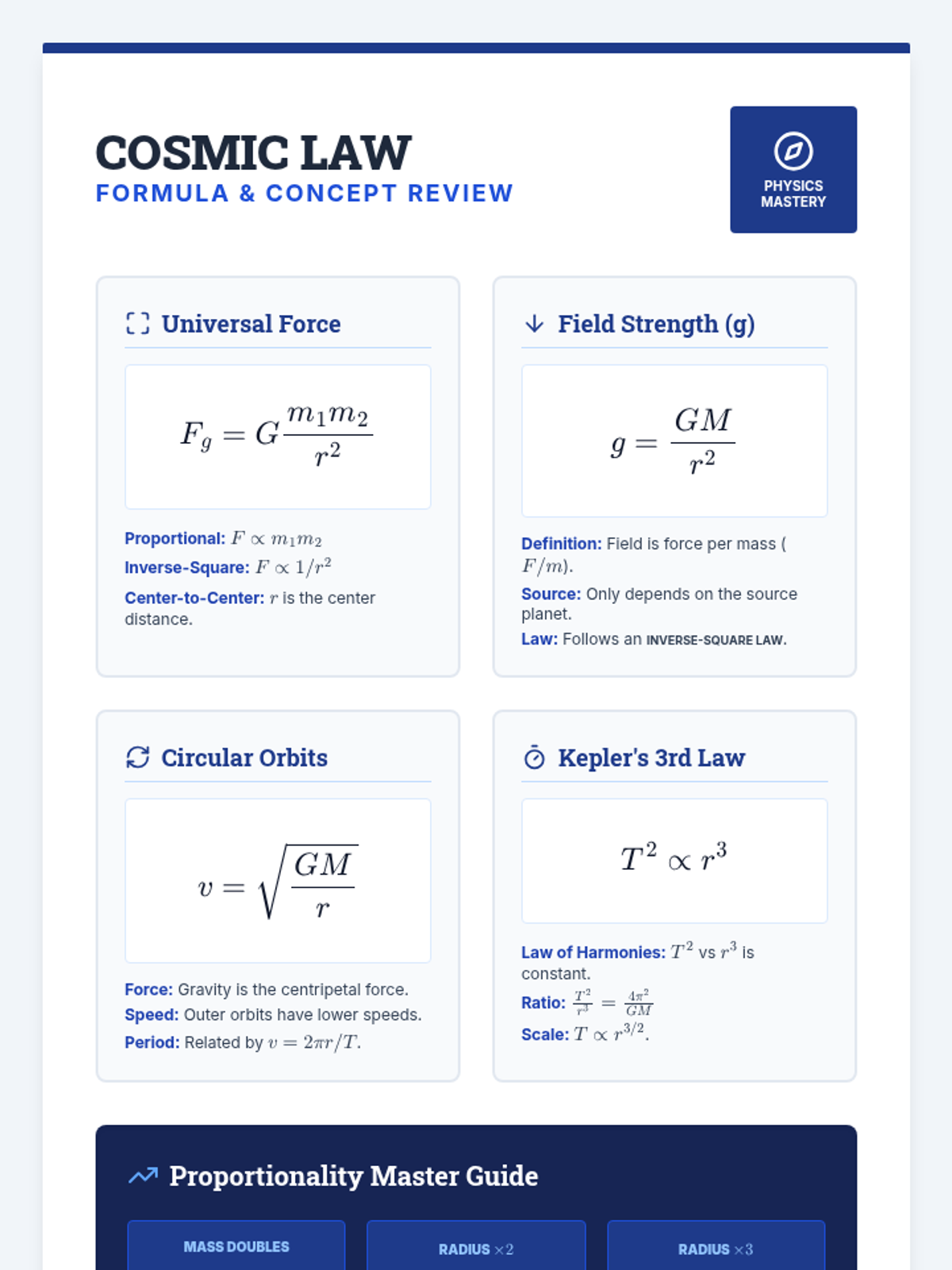
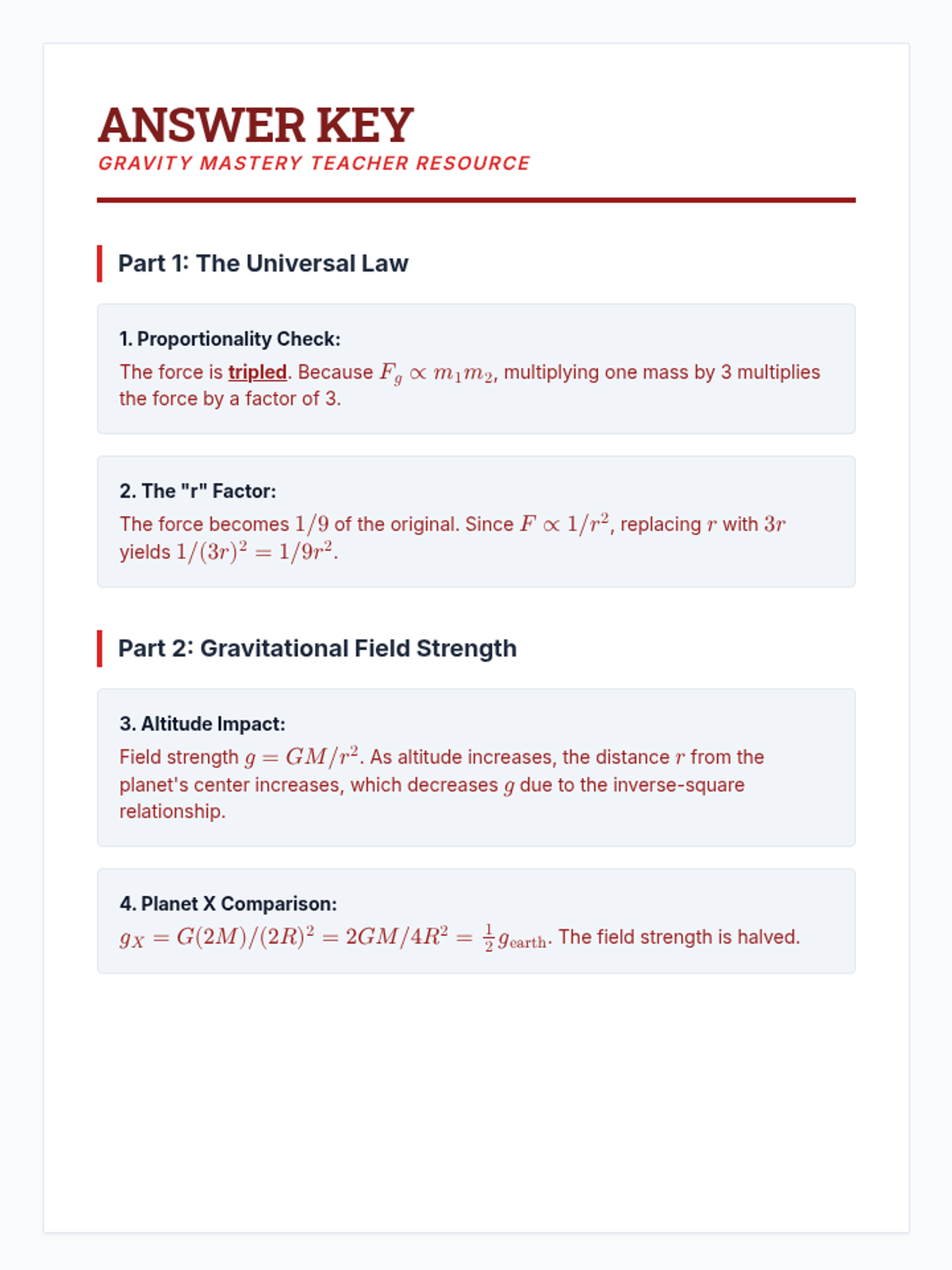
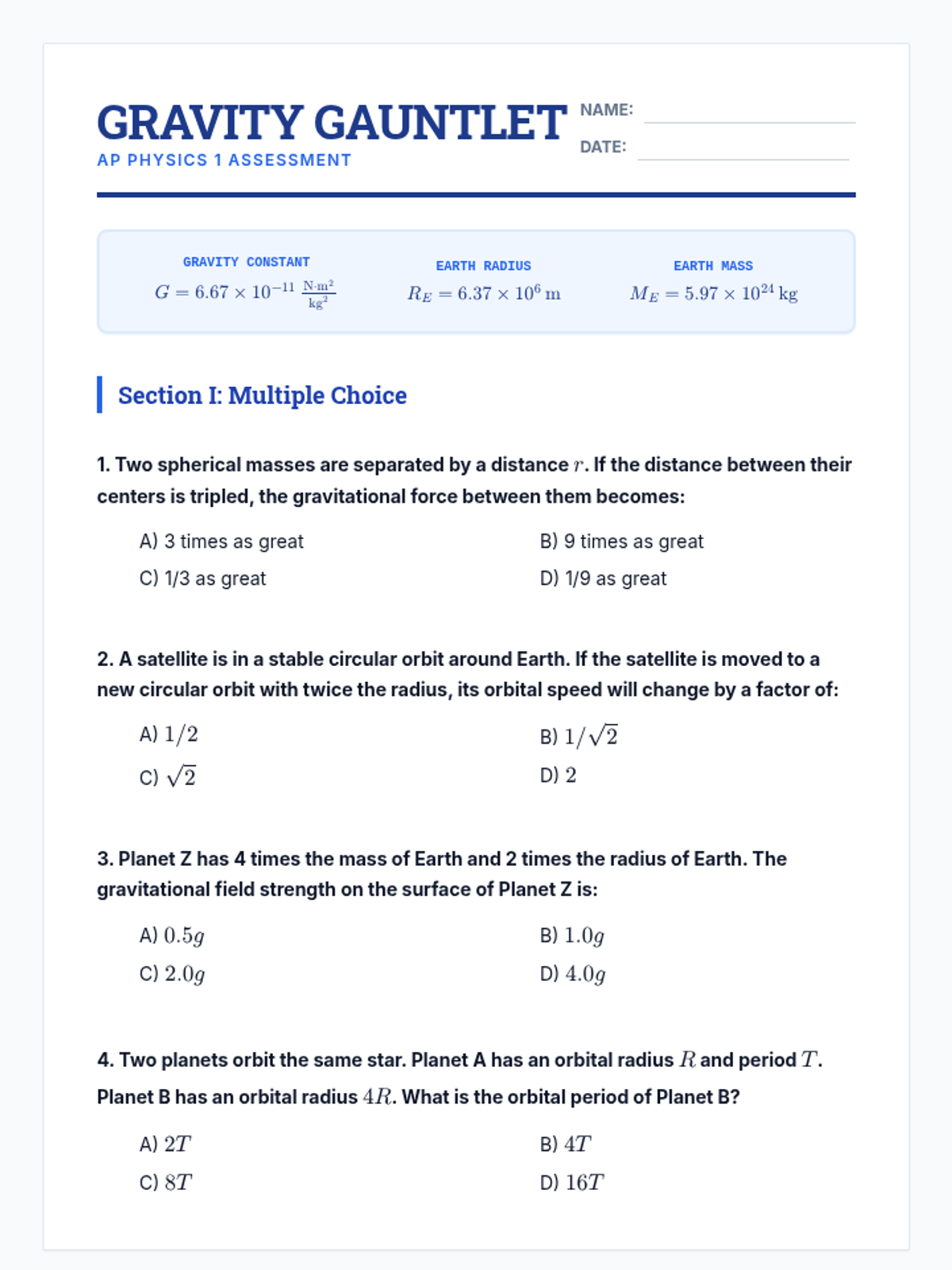
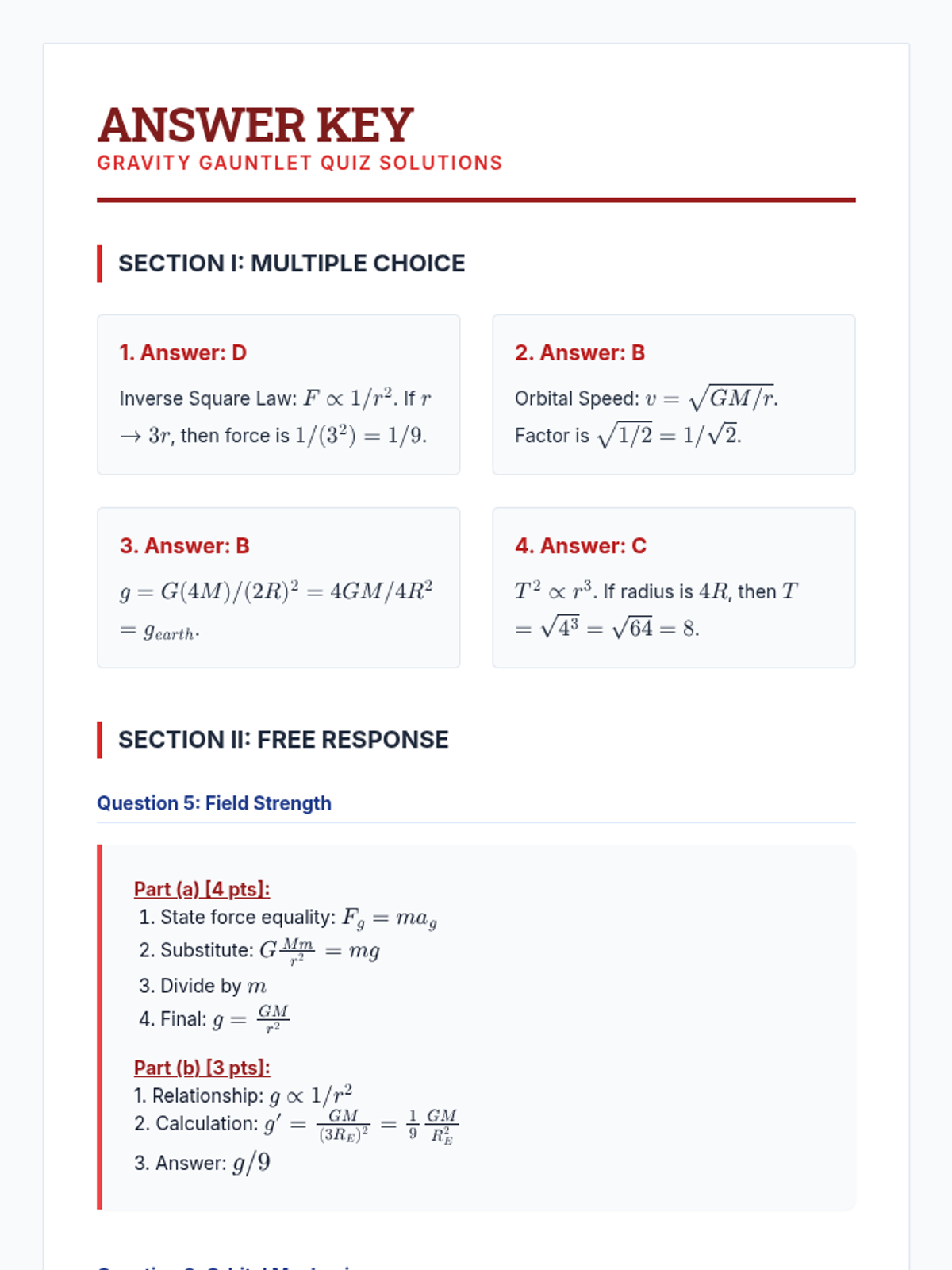
A comprehensive lesson covering Newton's Law of Universal Gravitation, gravitational field strength, and orbital mechanics, designed for AP Physics 1 students to master the inverse-square law and Kepler's Third Law.
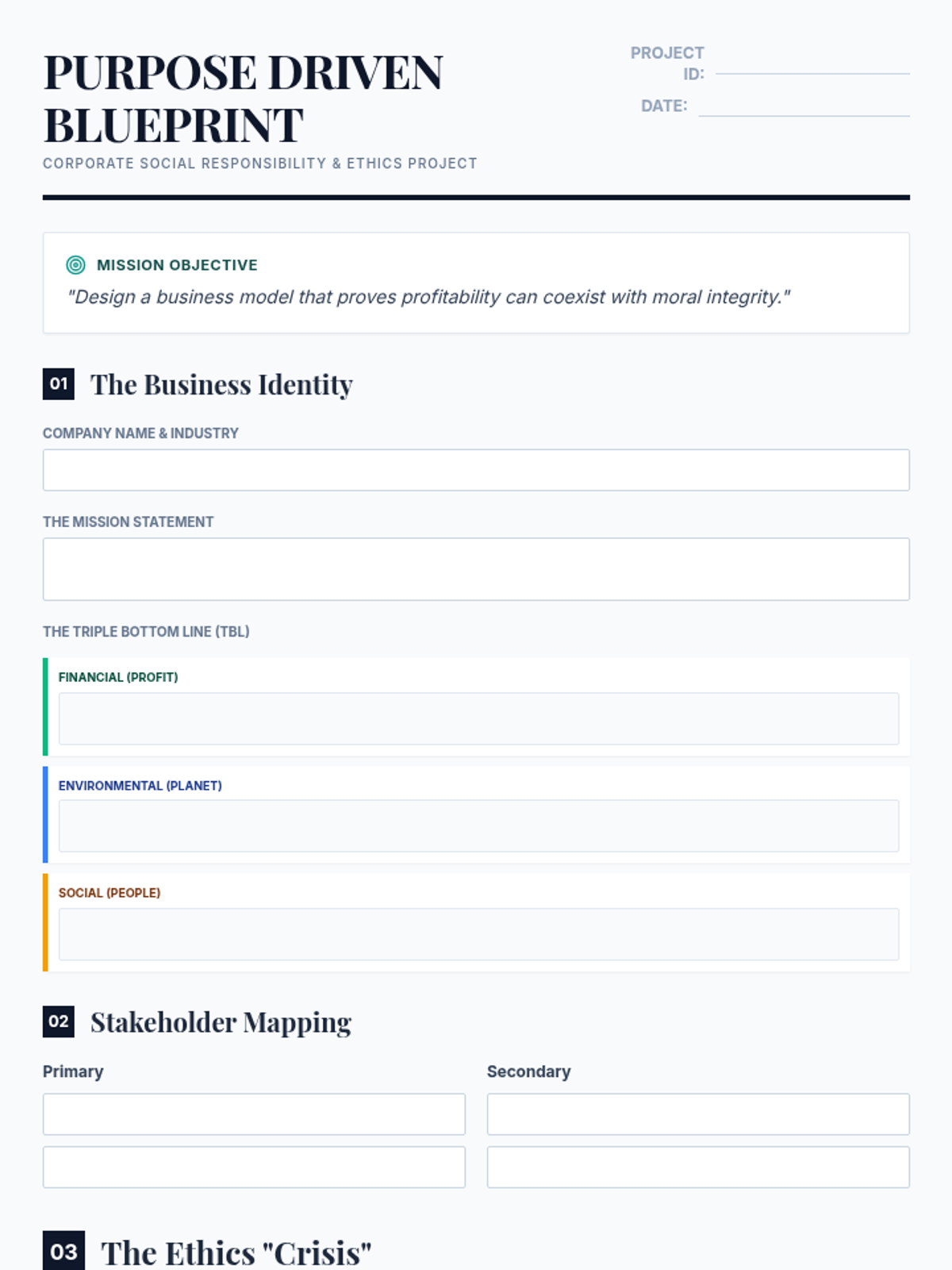
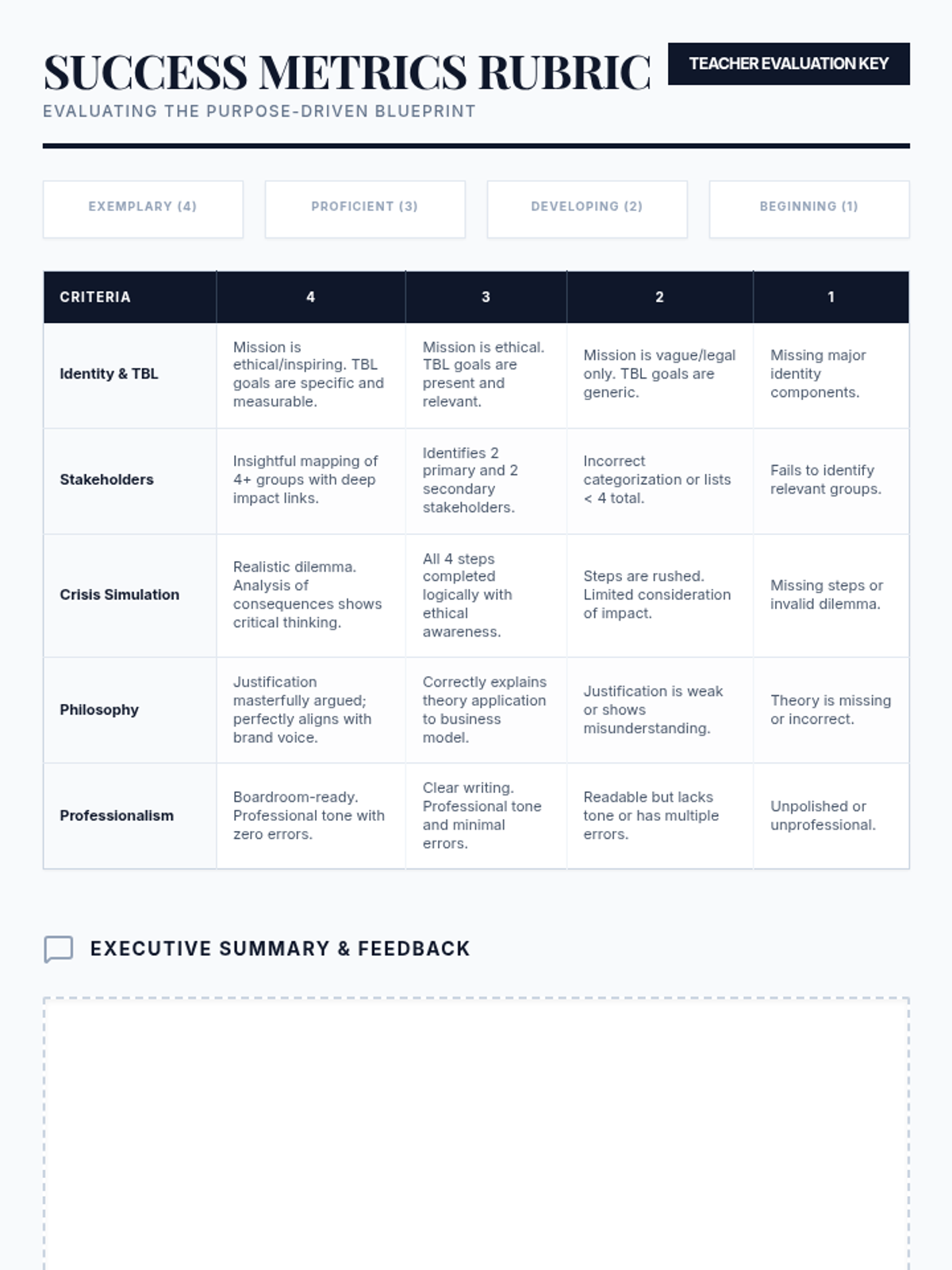
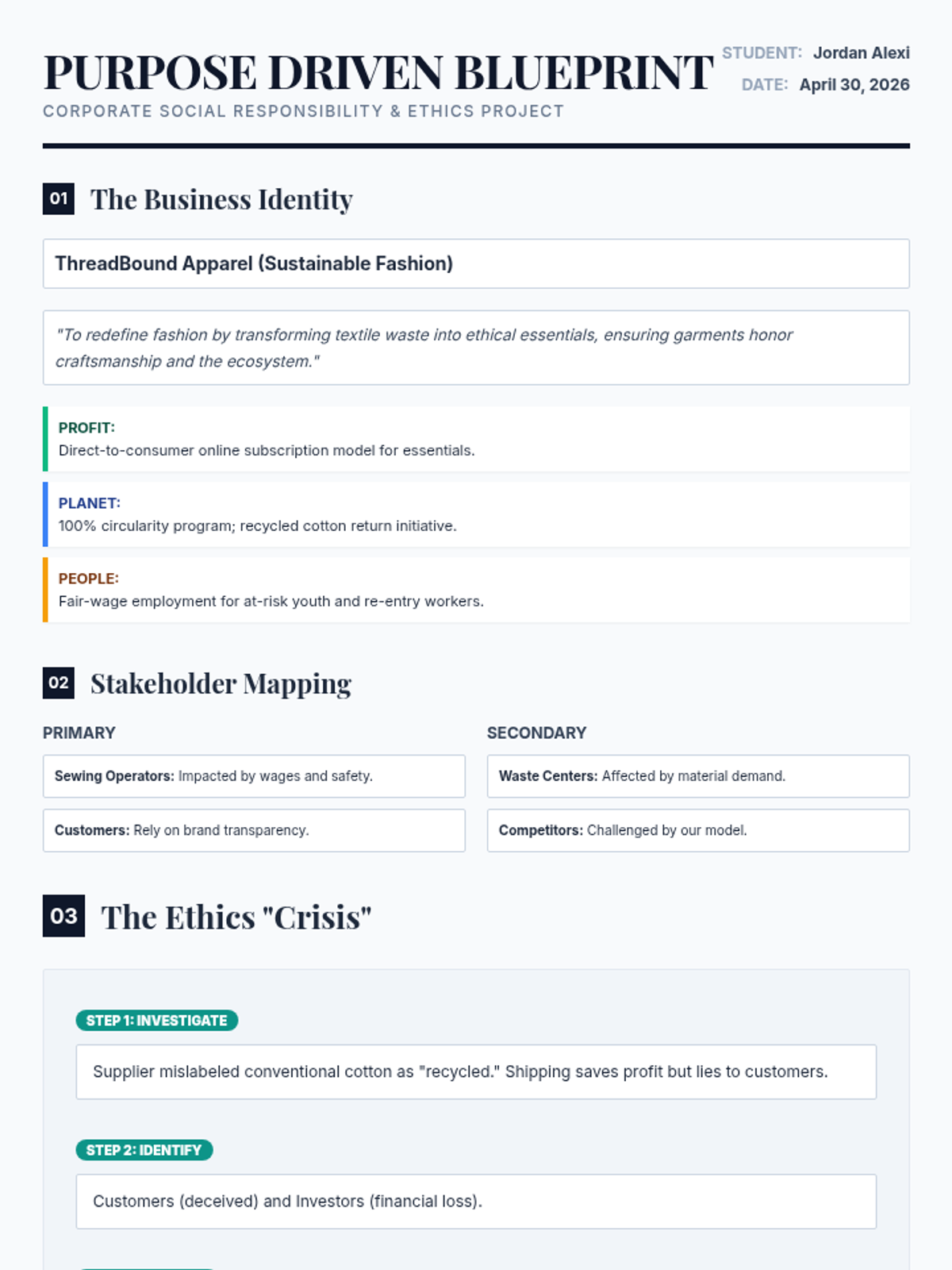
A comprehensive project where students design a socially responsible business from the ground up, focusing on the Triple Bottom Line, stakeholder mapping, and ethical decision-making.
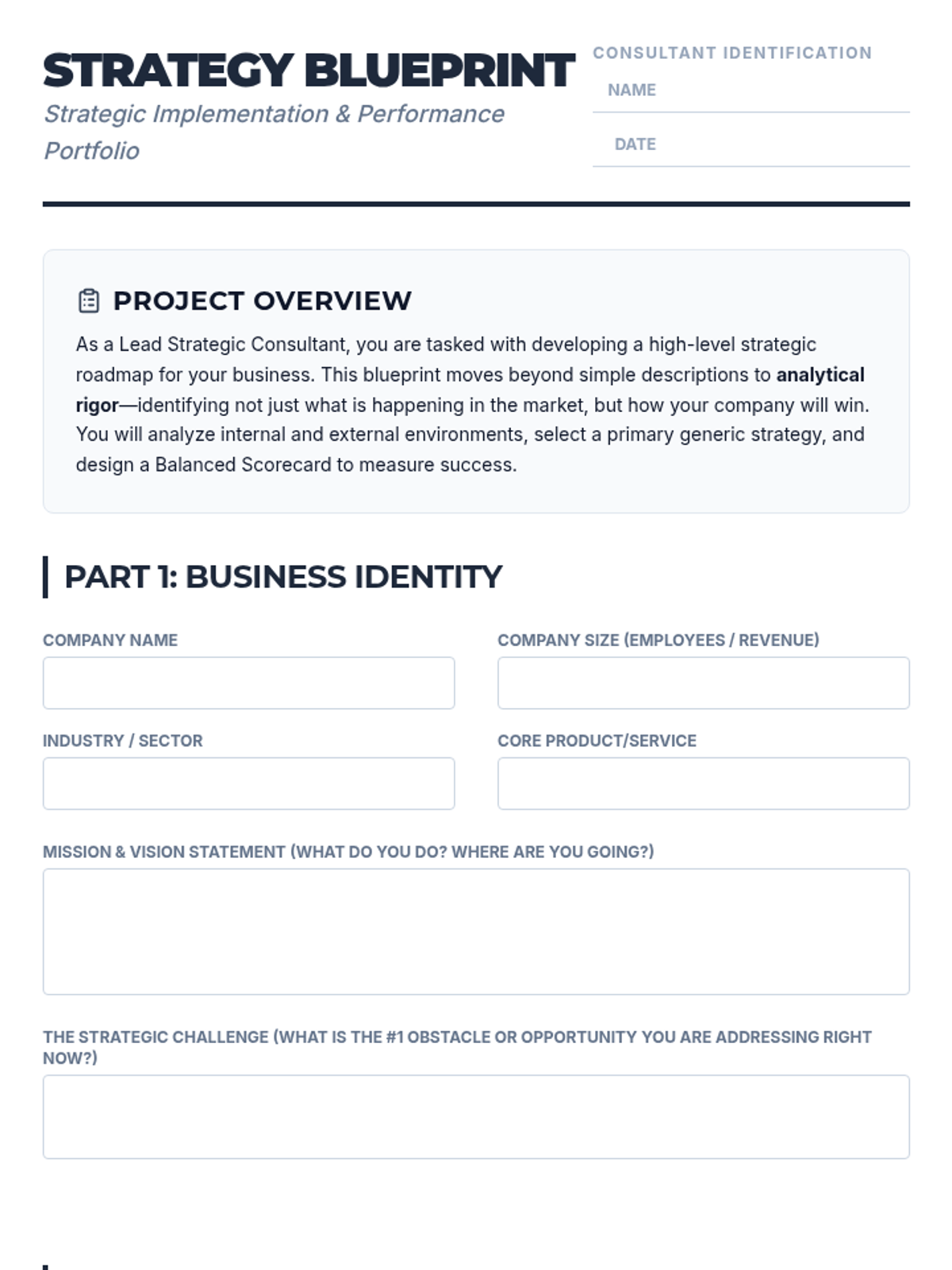
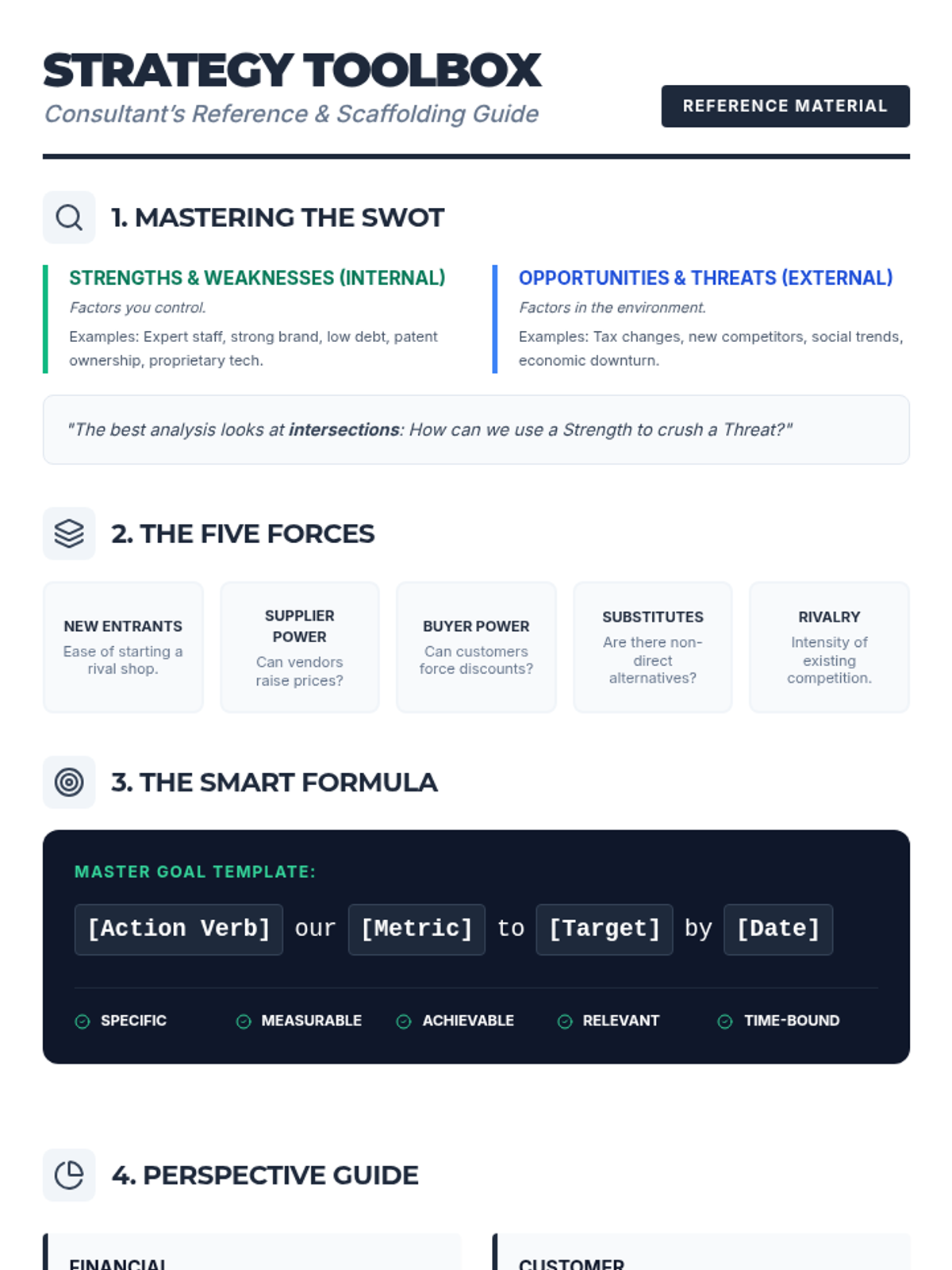
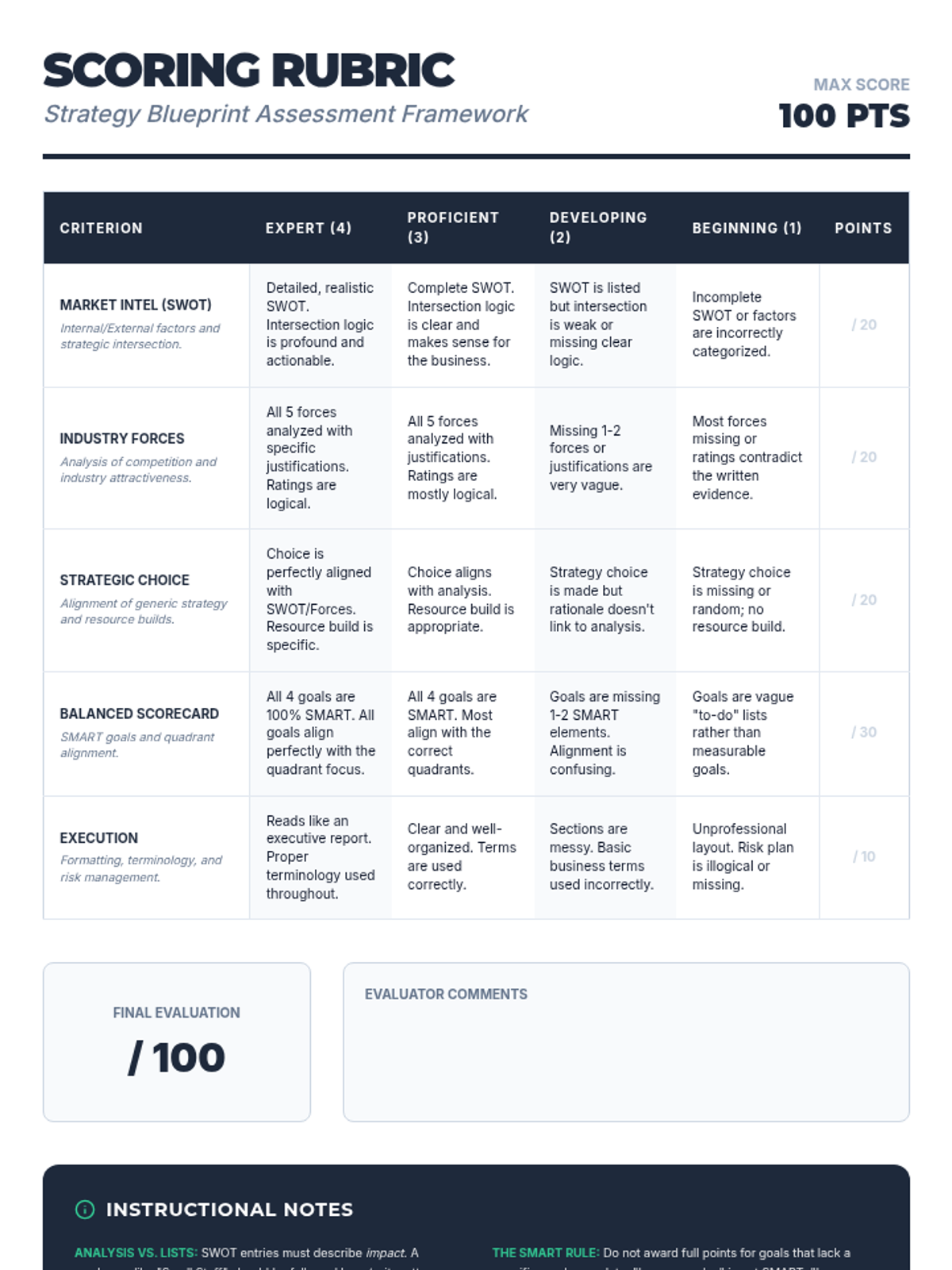
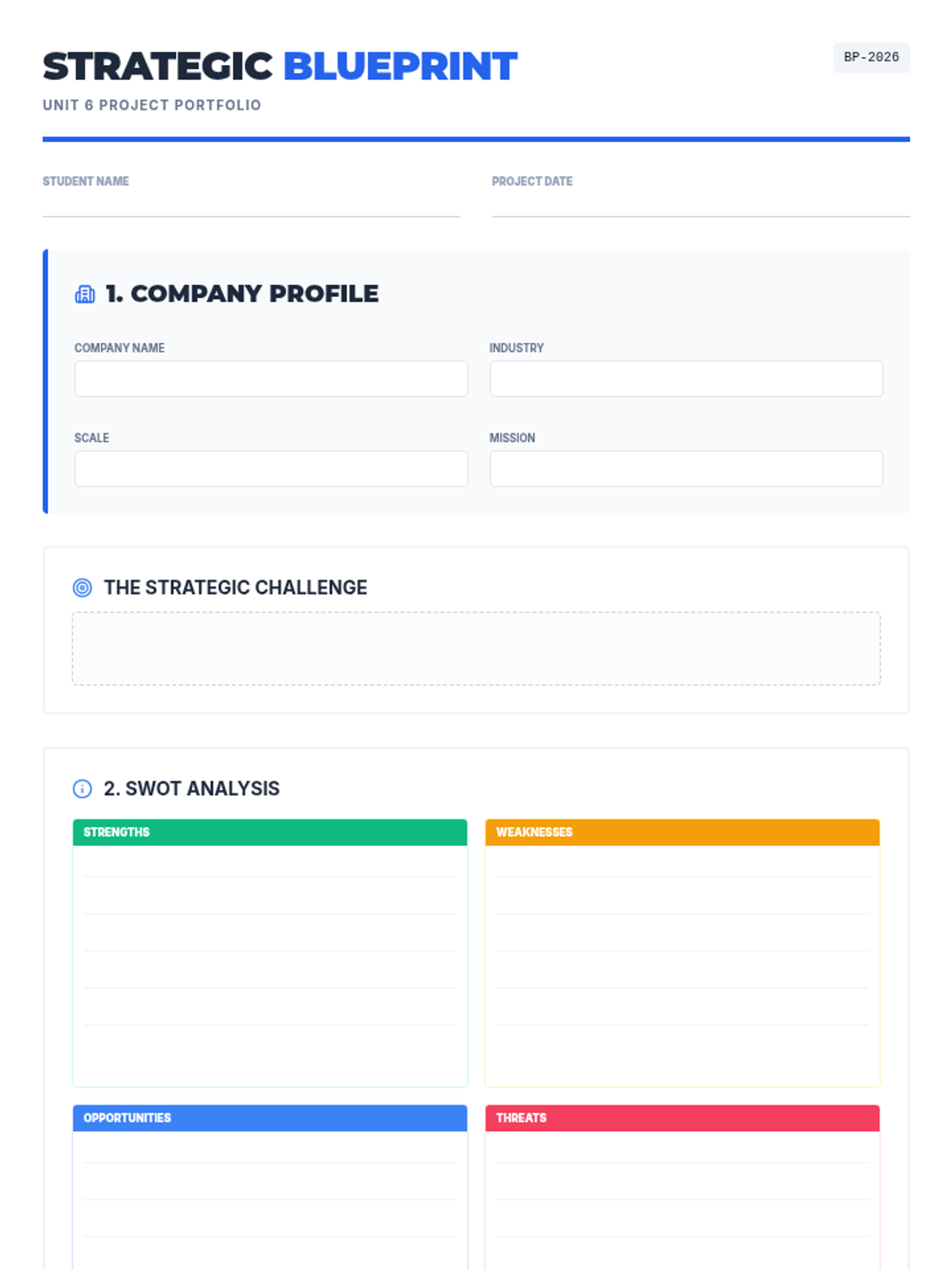
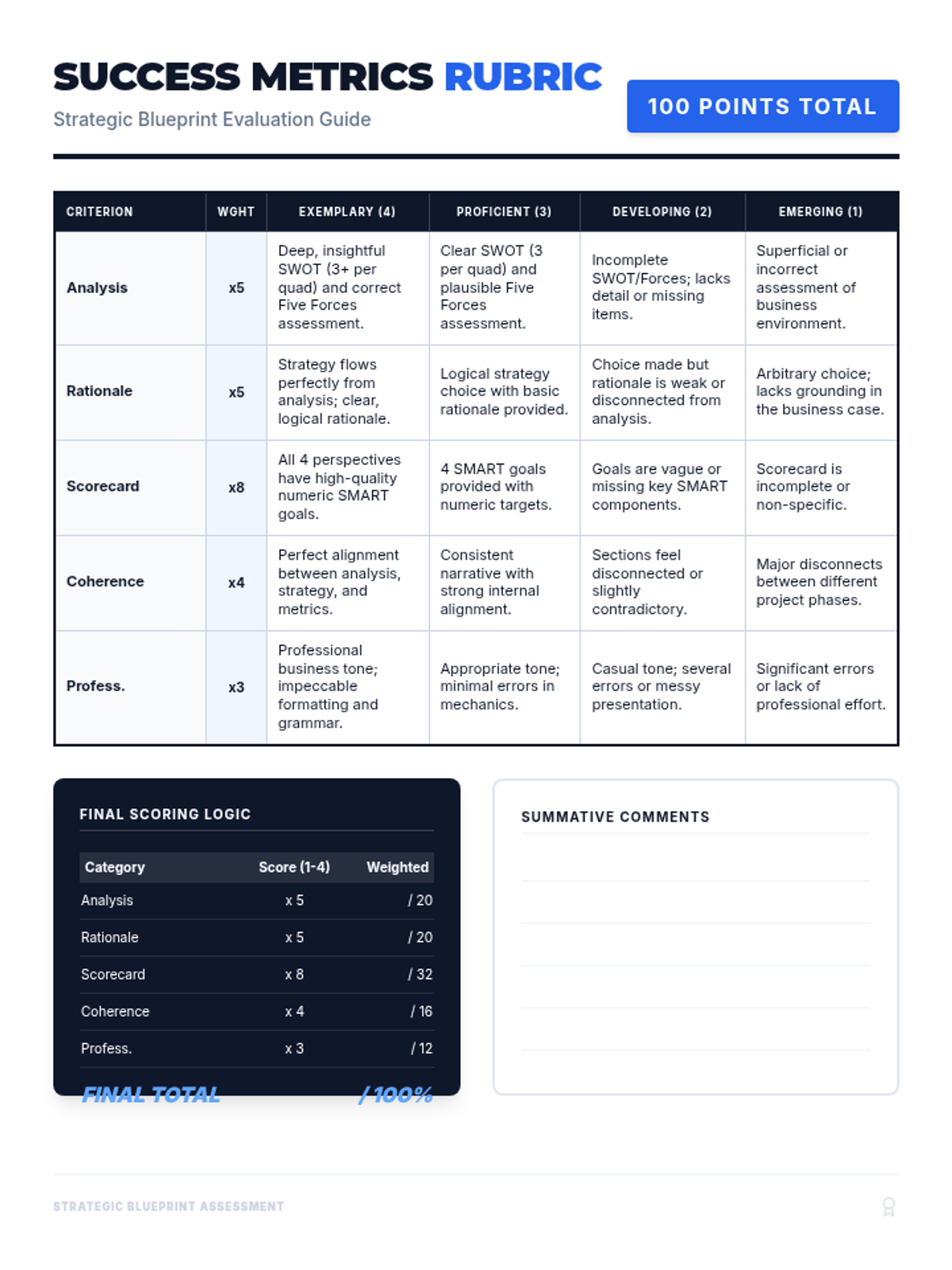
A comprehensive business strategy project where students act as consultants to develop a strategic plan and performance measurement system using SWOT analysis, Porter's Five Forces, and the Balanced Scorecard. This project includes scaffolded templates for analysis and a structured framework for goal setting.
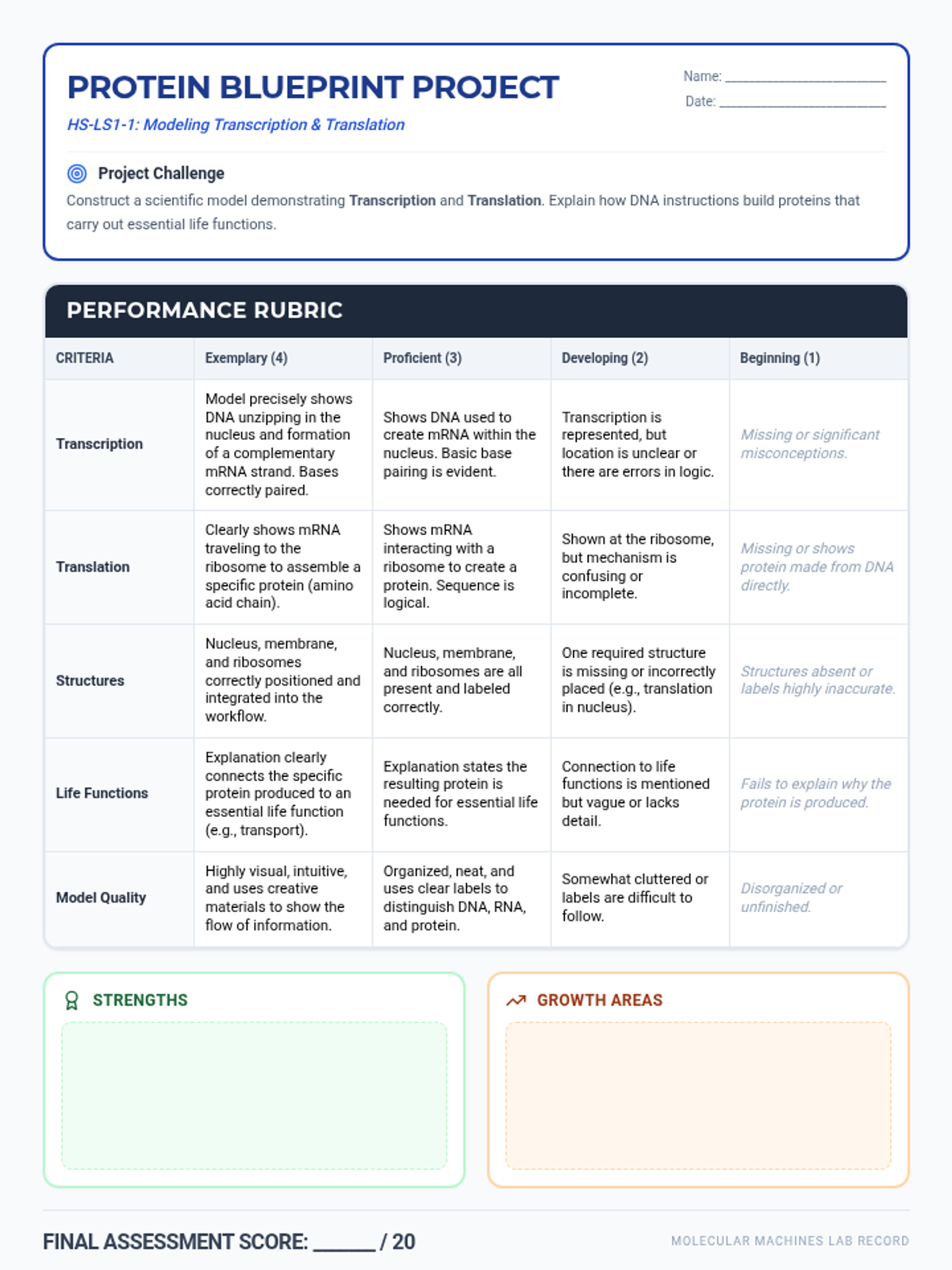
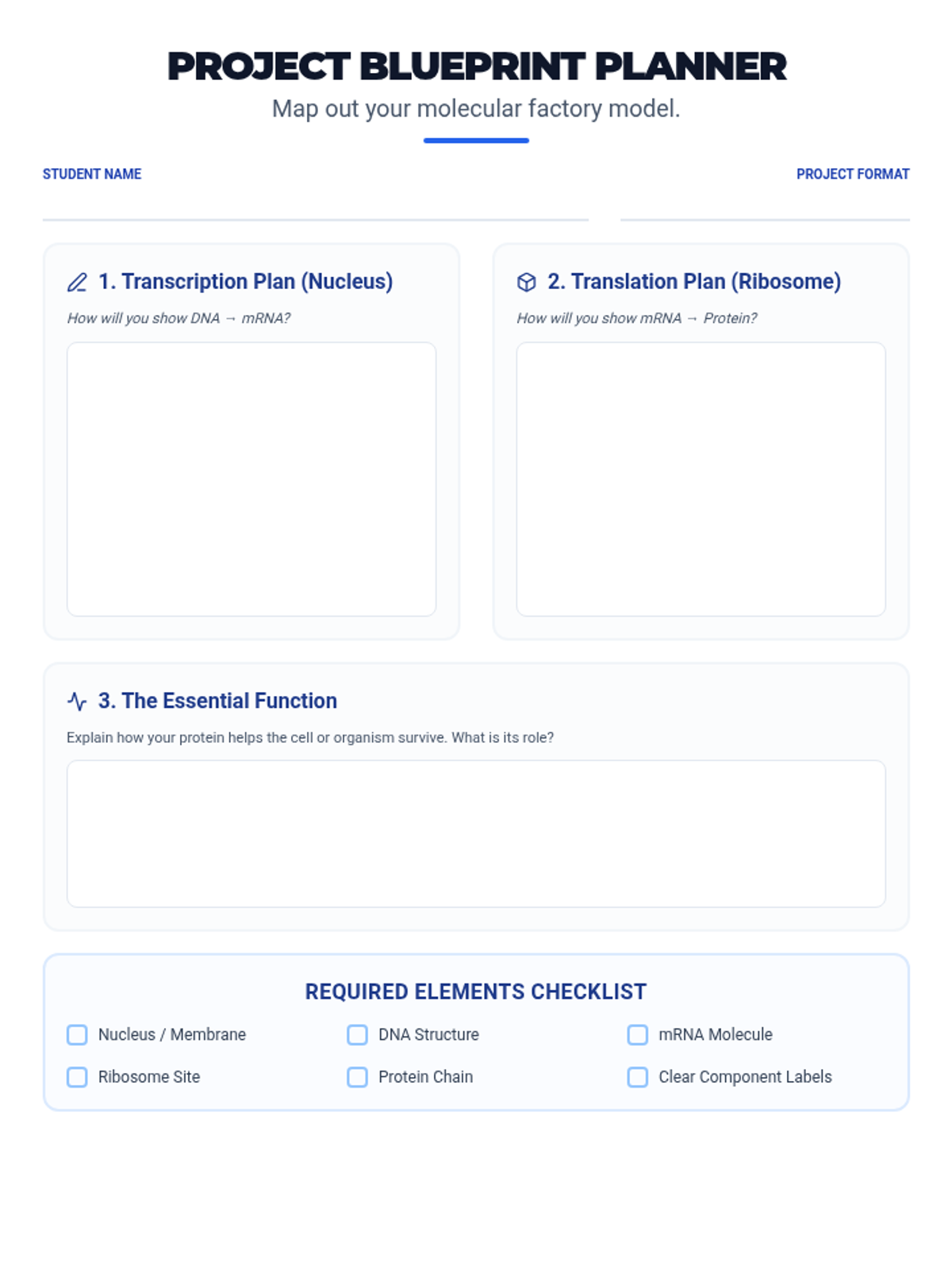
This lesson guides students through a summative project where they construct and explain models of transcription and translation, focusing on the flow of genetic information from DNA to proteins within the cell.
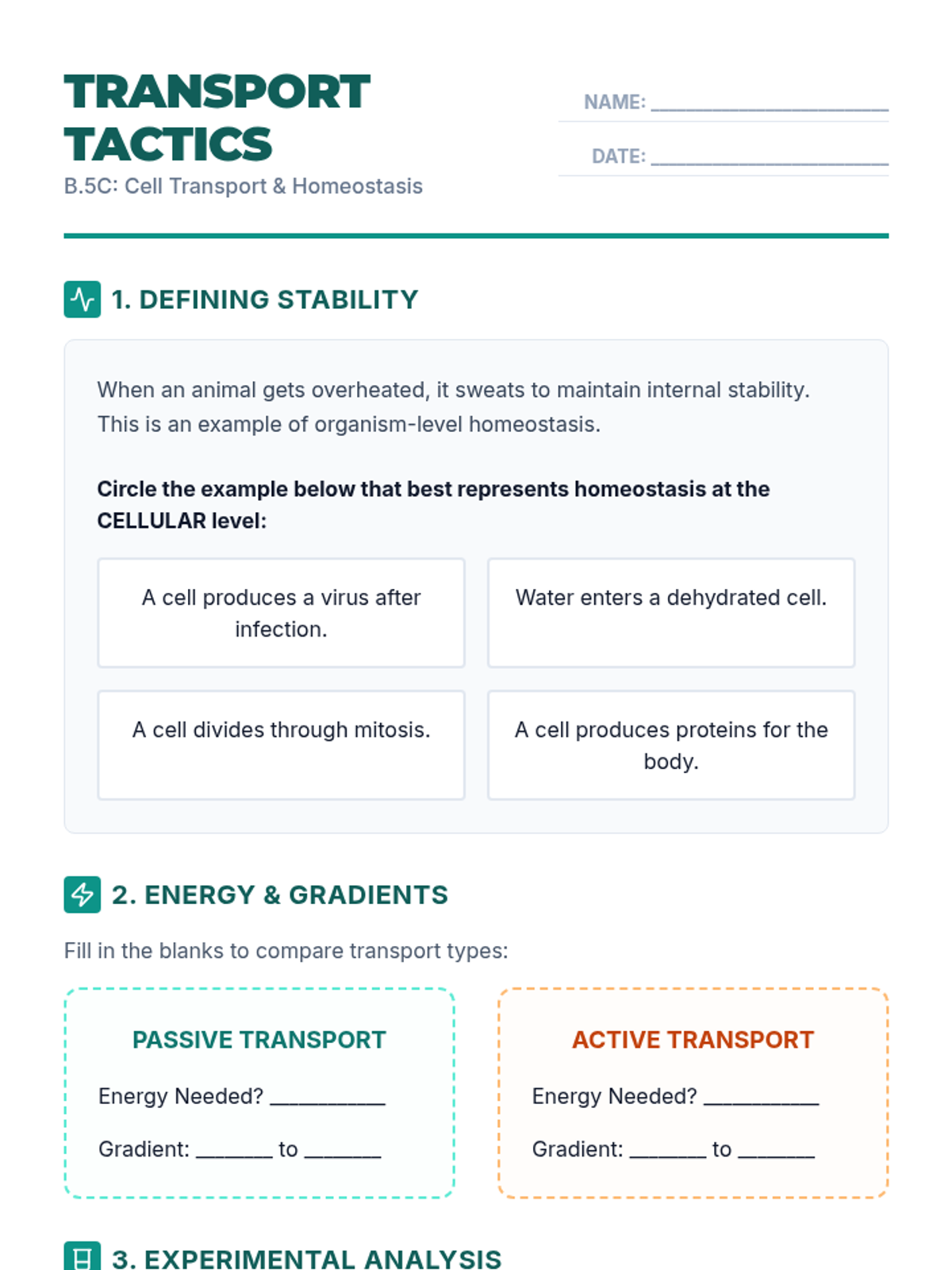
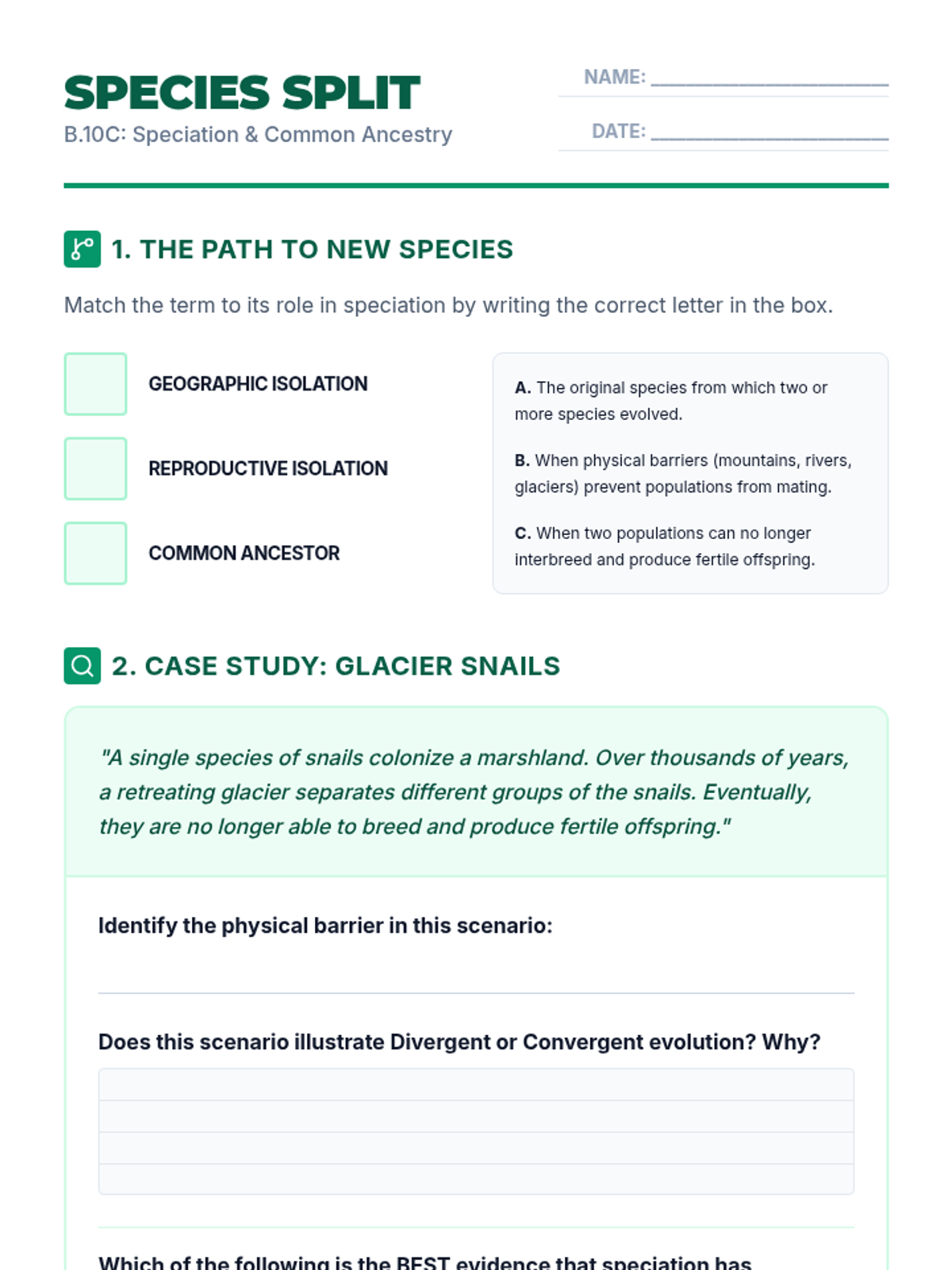
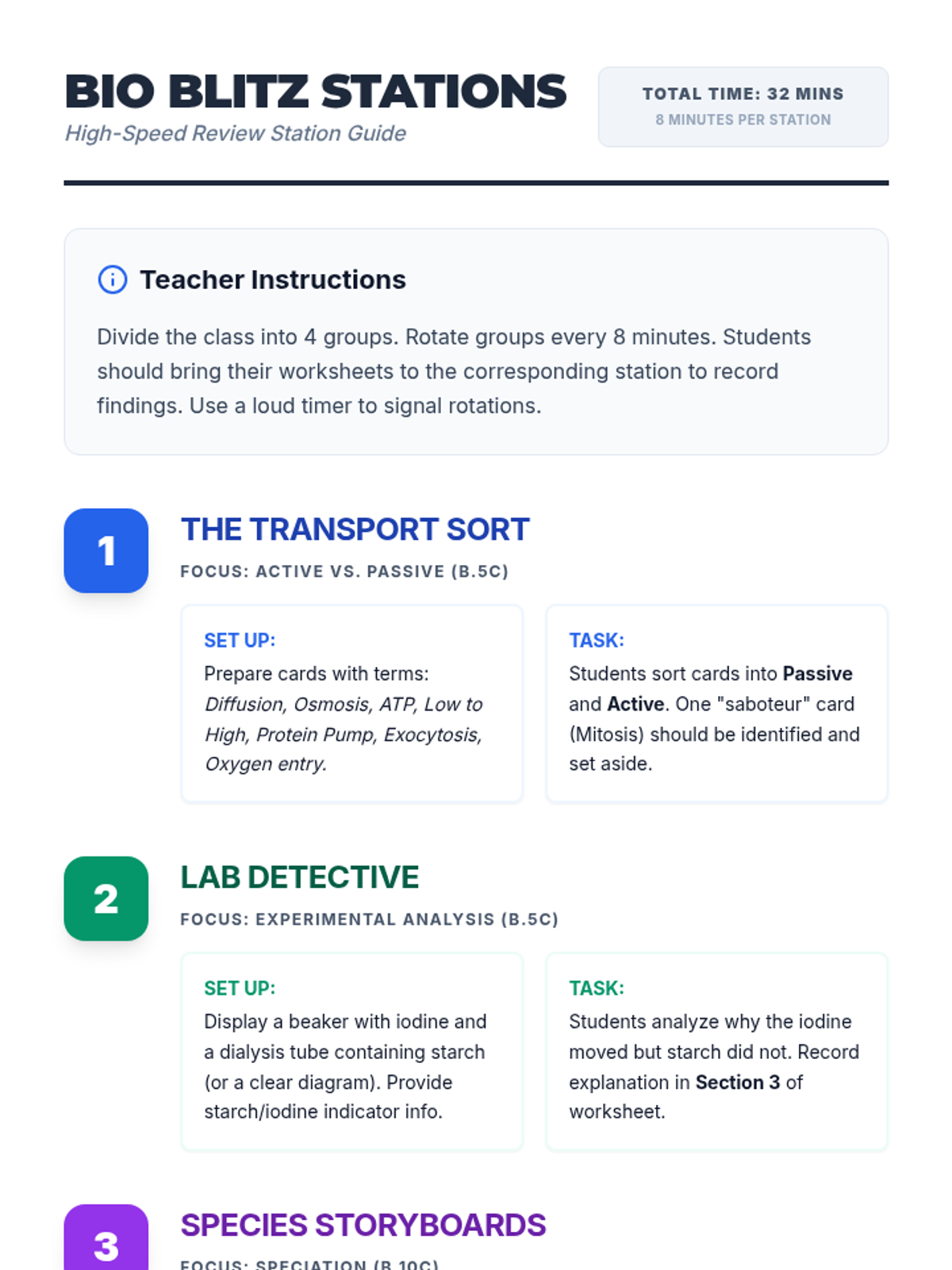
A 50-minute high-energy review lesson covering cell membrane dynamics, homeostasis, and the mechanisms of speciation.
A comprehensive project-based lesson where students develop a strategic plan and a Balanced Scorecard for a business, moving from situational analysis to actionable metrics.
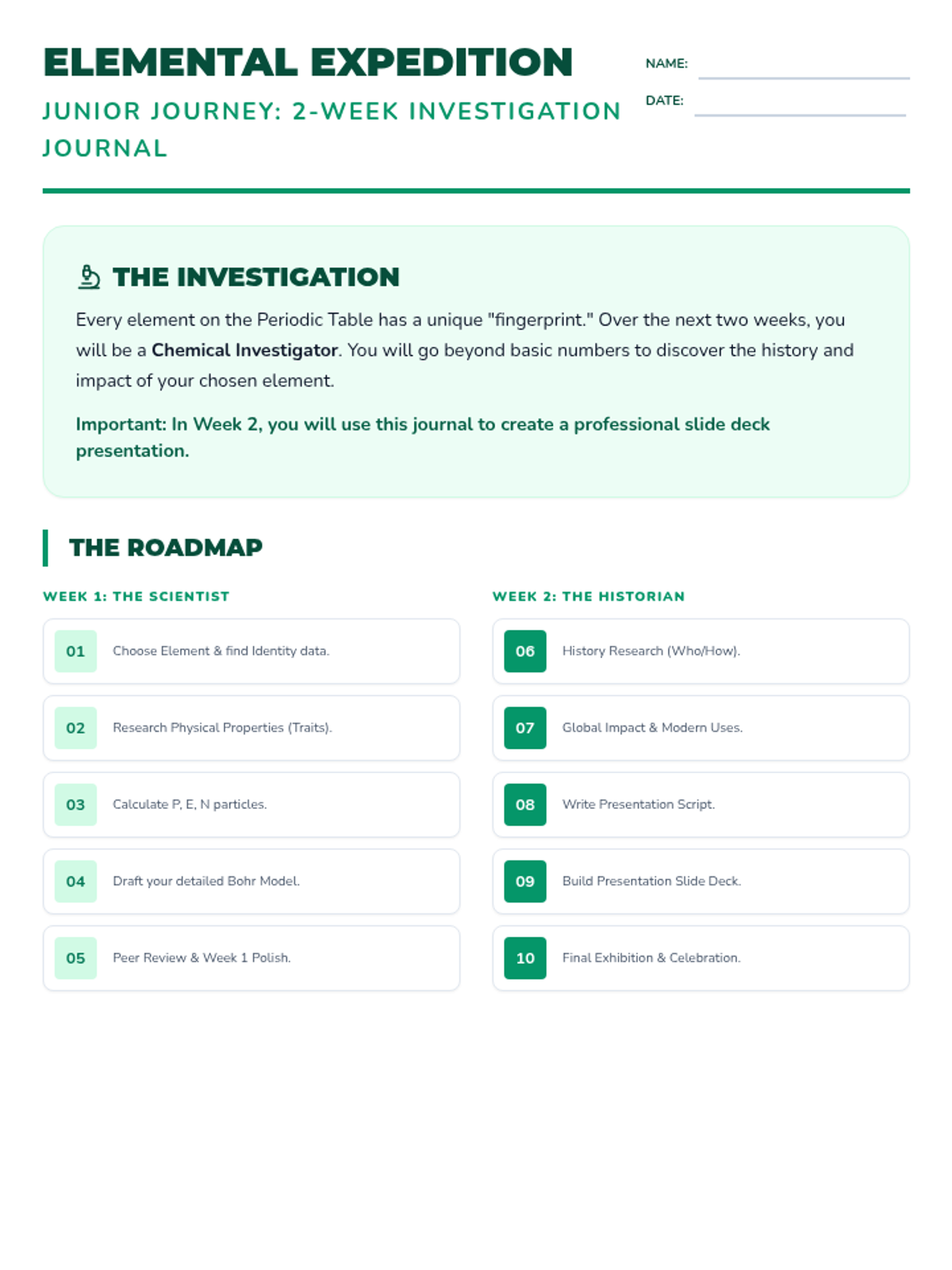
A comprehensive two-week version of the element research project for juniors, allowing for deeper dives into historical context and atomic modeling.
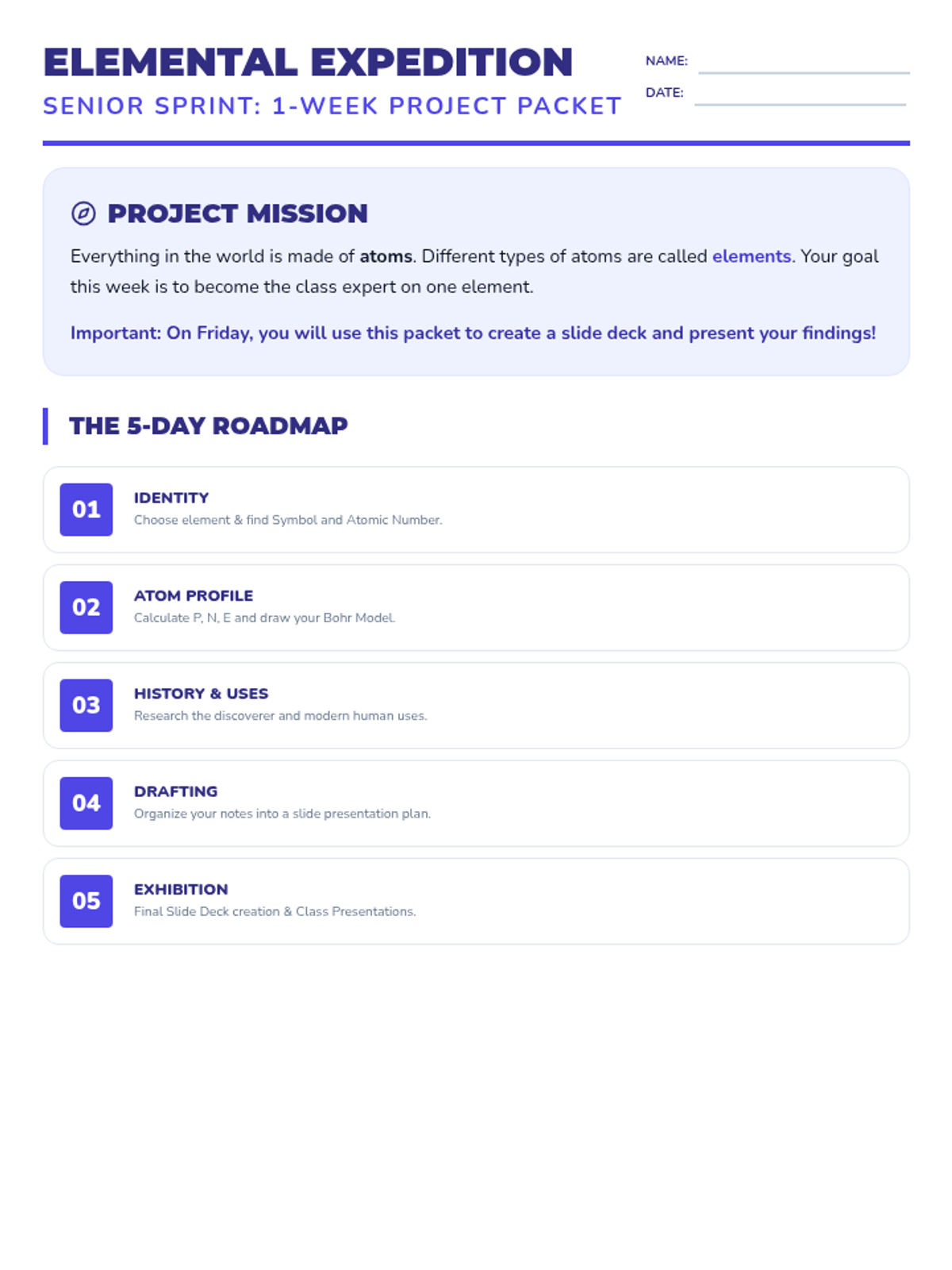
An accelerated one-week version of the element research project designed for seniors, focusing on core atomic data and primary uses.
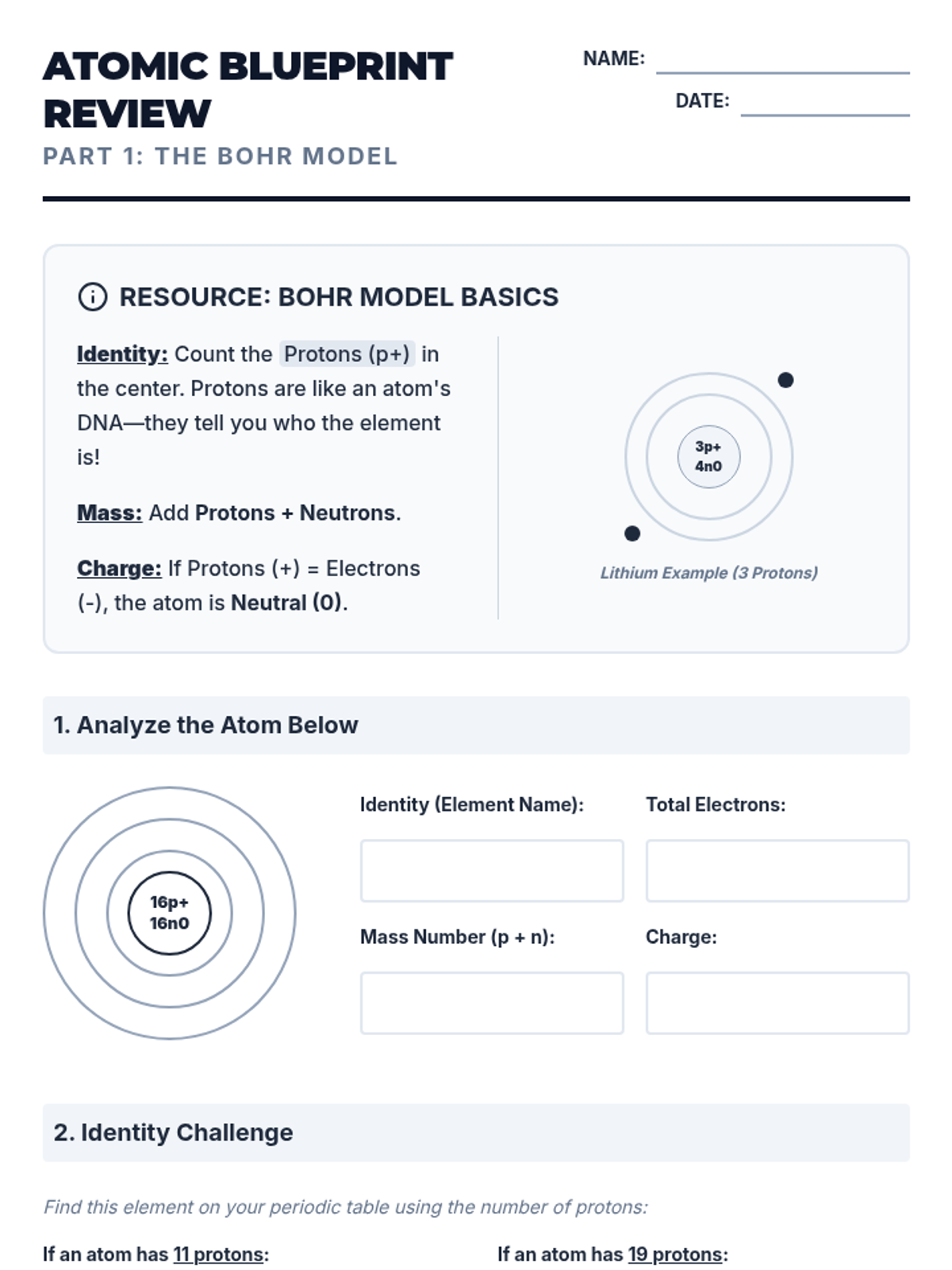
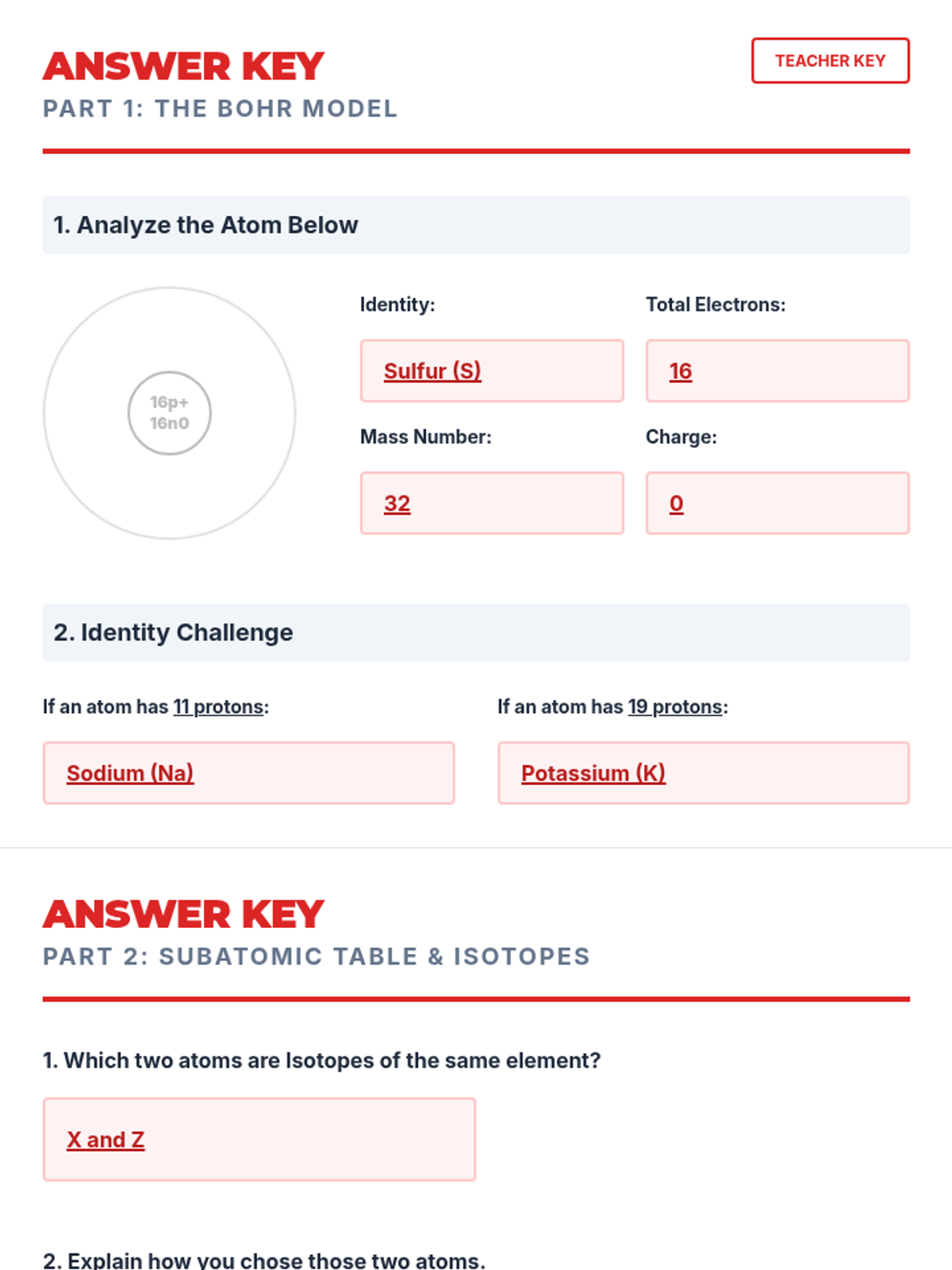
A comprehensive review sequence focusing on atomic structure, Bohr models, isotopes, and electron configurations designed for high school chemistry students.
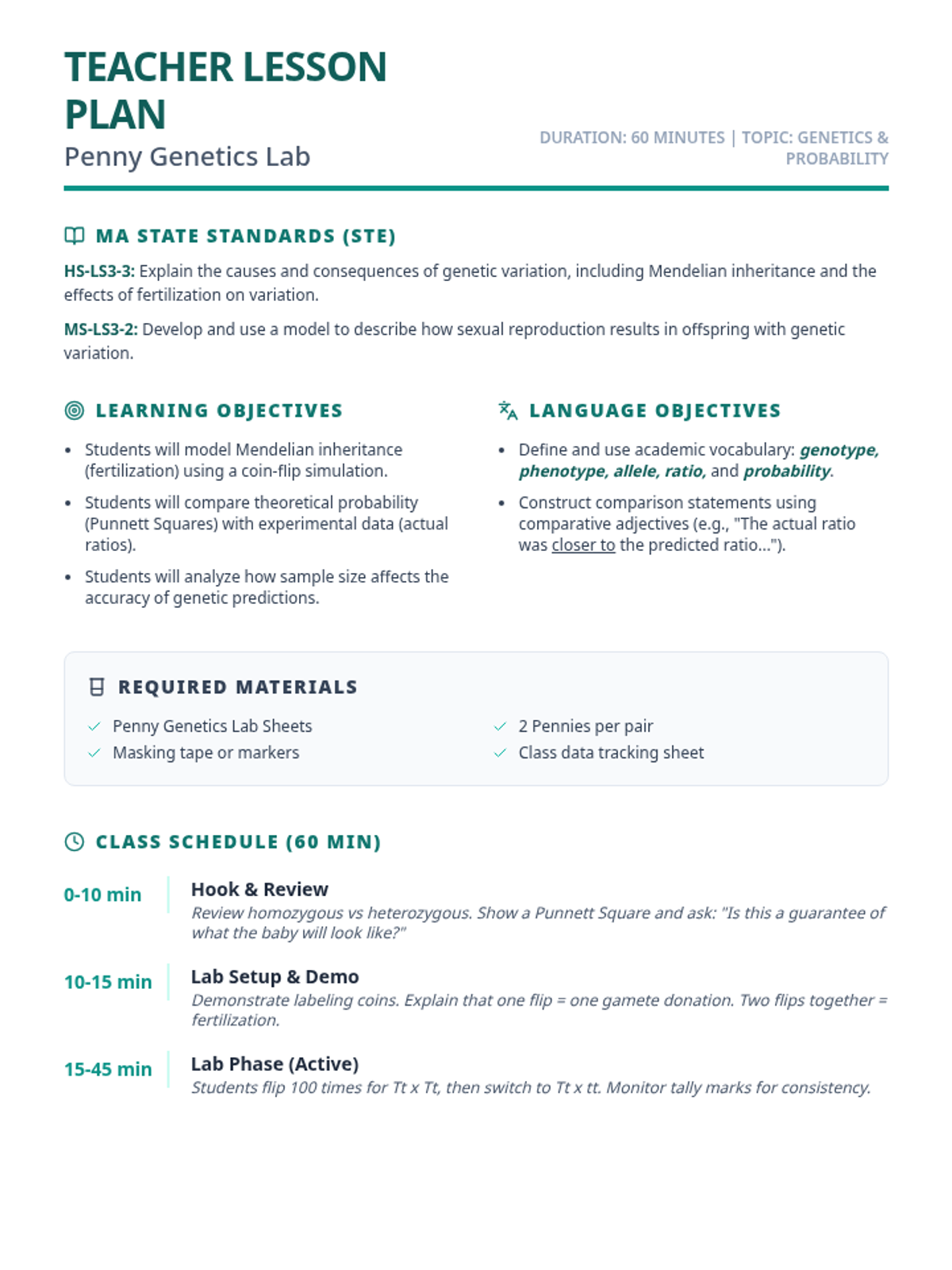
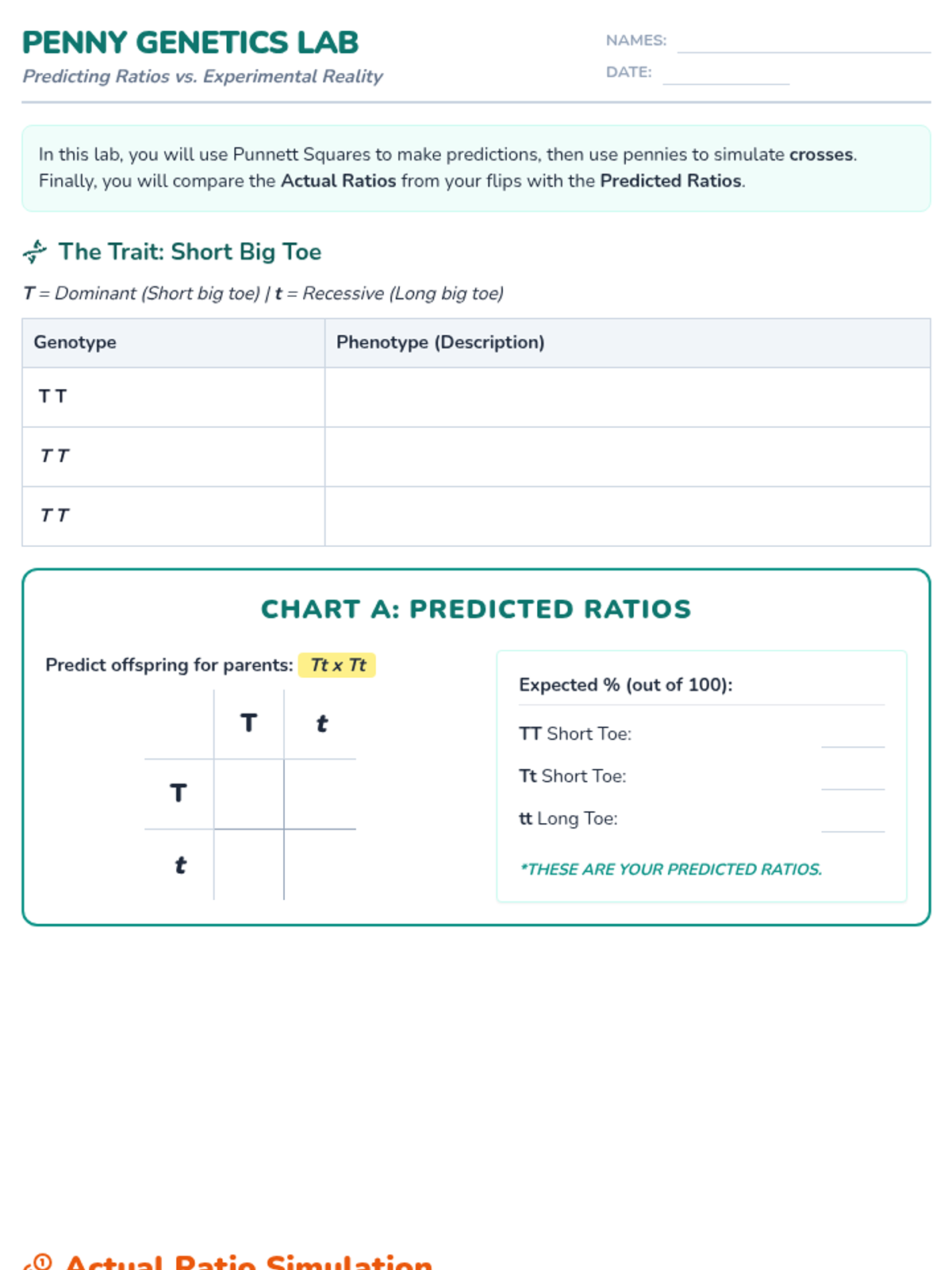
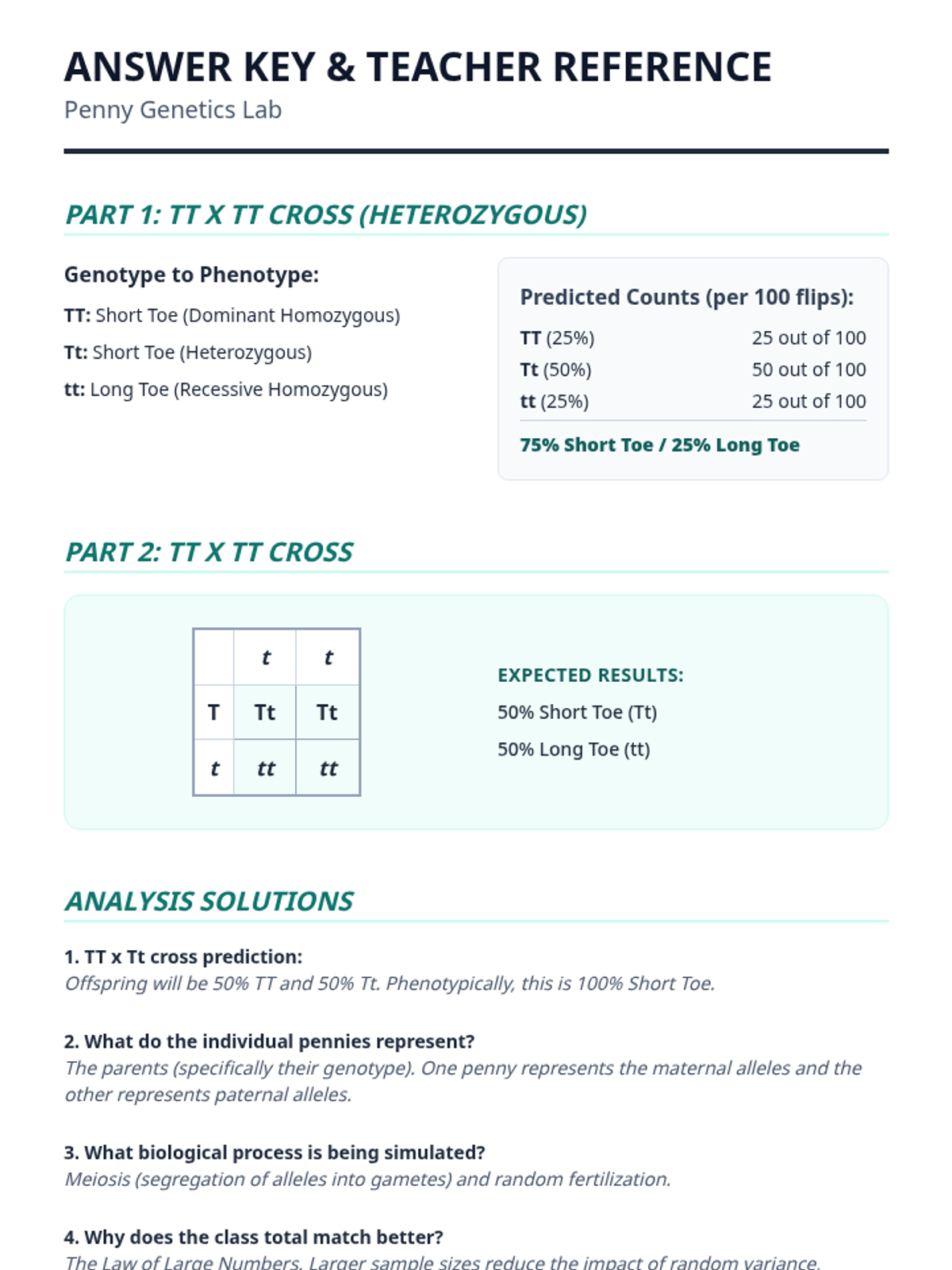
A 60-minute hands-on lab exploring the relationship between Punnett square predictions and actual genetic outcomes using coin-flip simulations. Students compare theoretical probability with experimental data to understand how fertilization works.
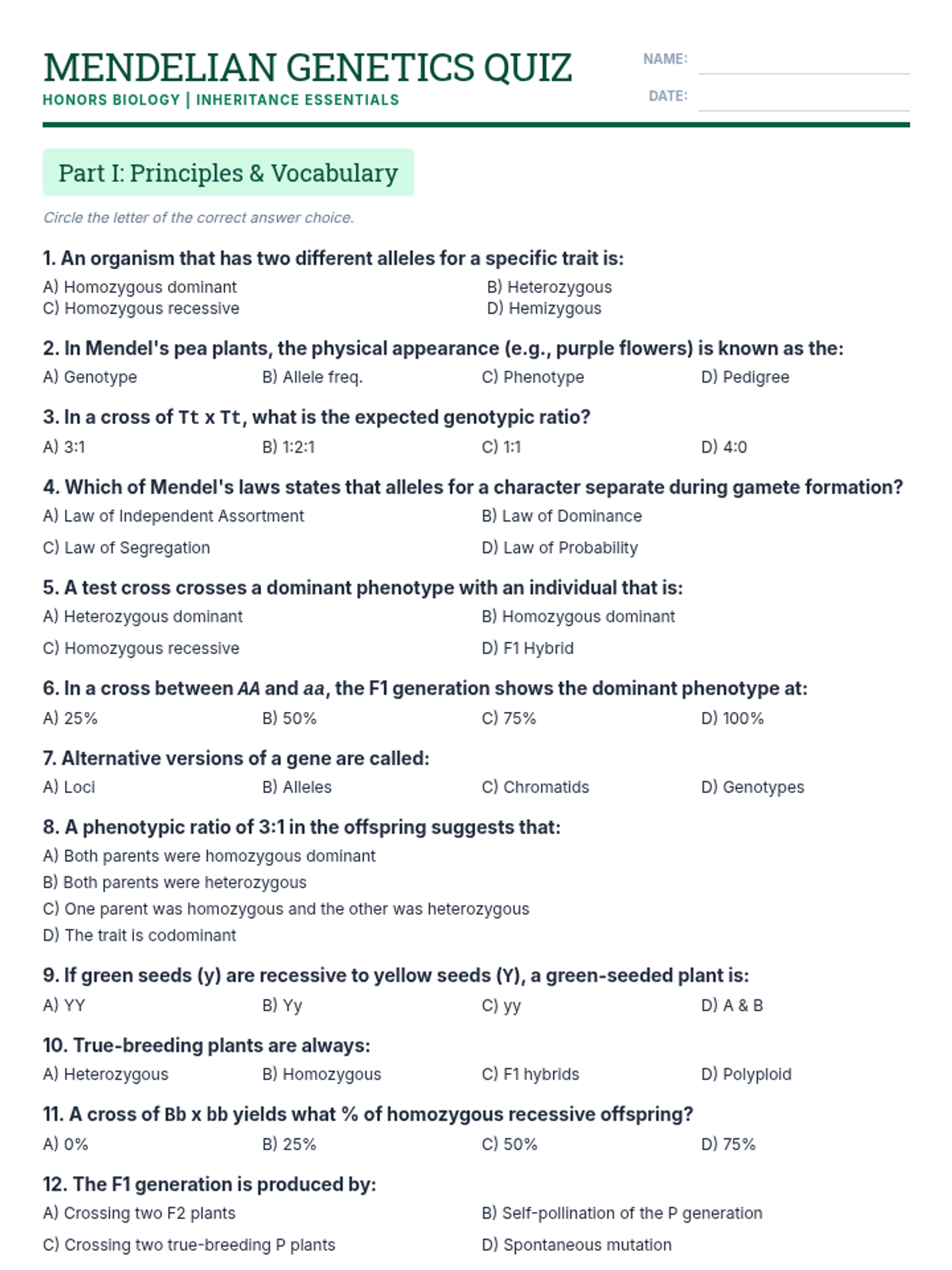
A rigorous assessment on the principles of Mendelian inheritance, covering monohybrid crosses, terminology, and probability ratios for honors biology students.
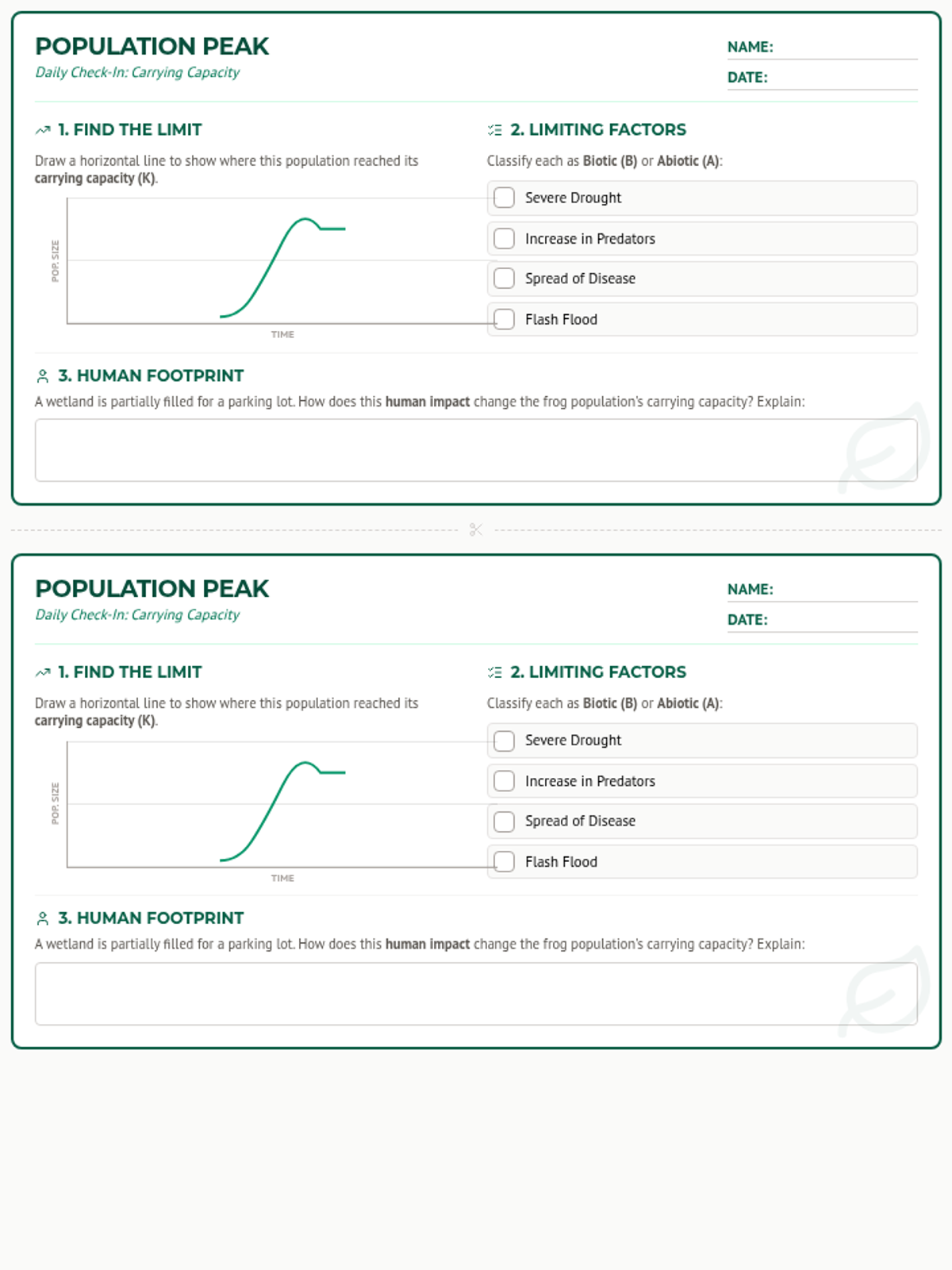
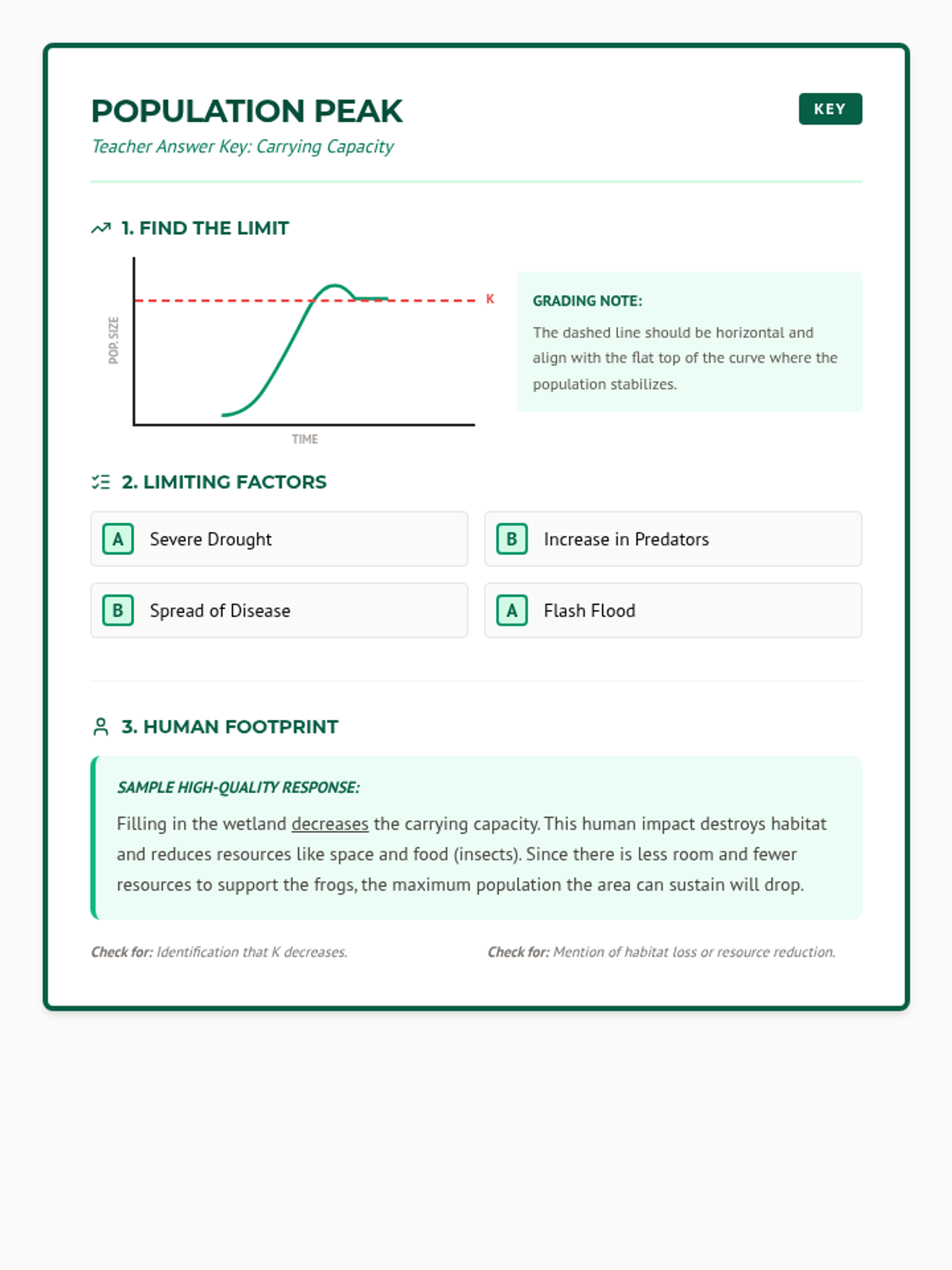
A quick review session focused on population carrying capacity, identifying biotic and abiotic limiting factors, and examining human environmental impacts. Includes a visual presentation for review and printable assessment tools.
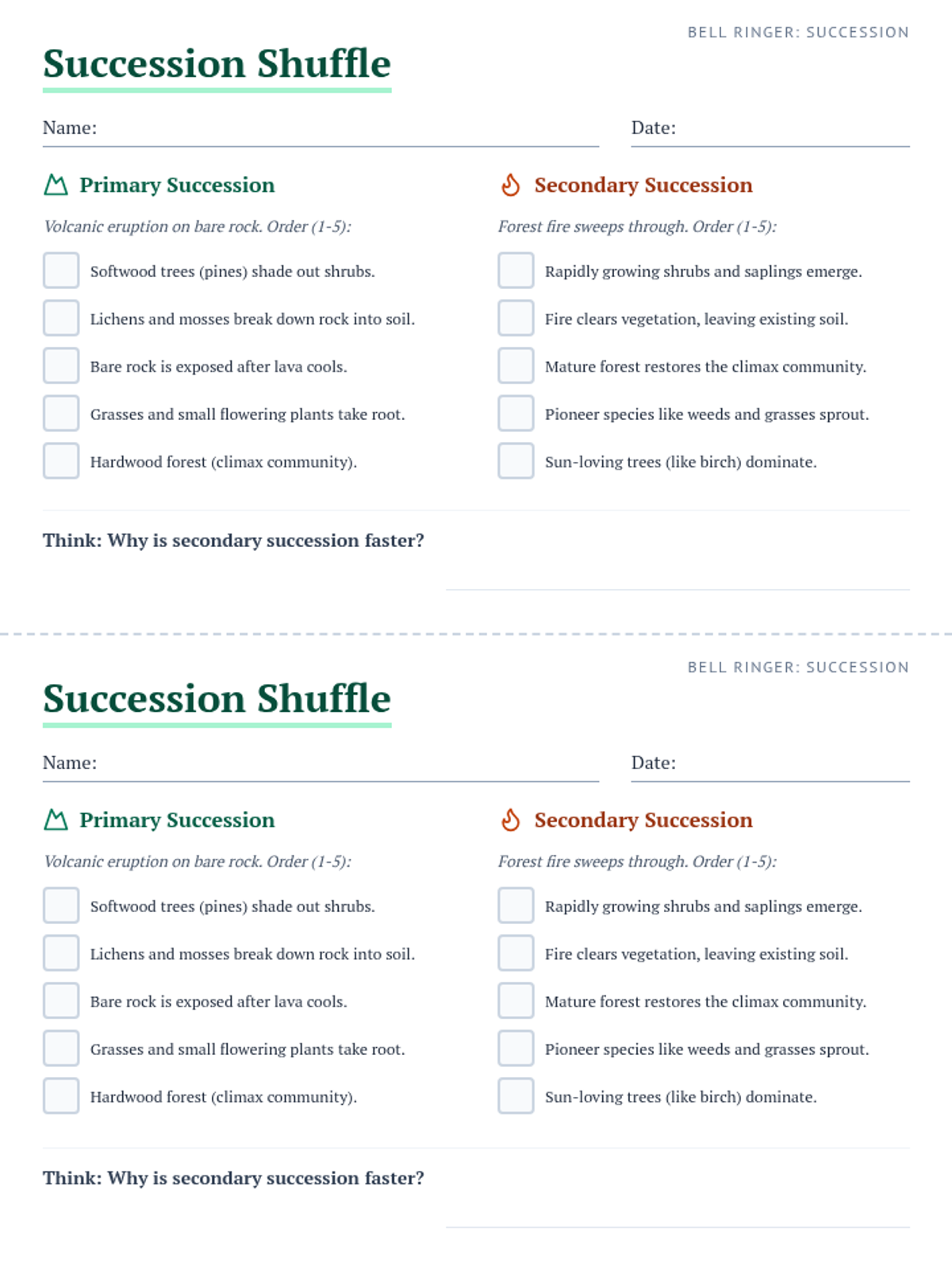
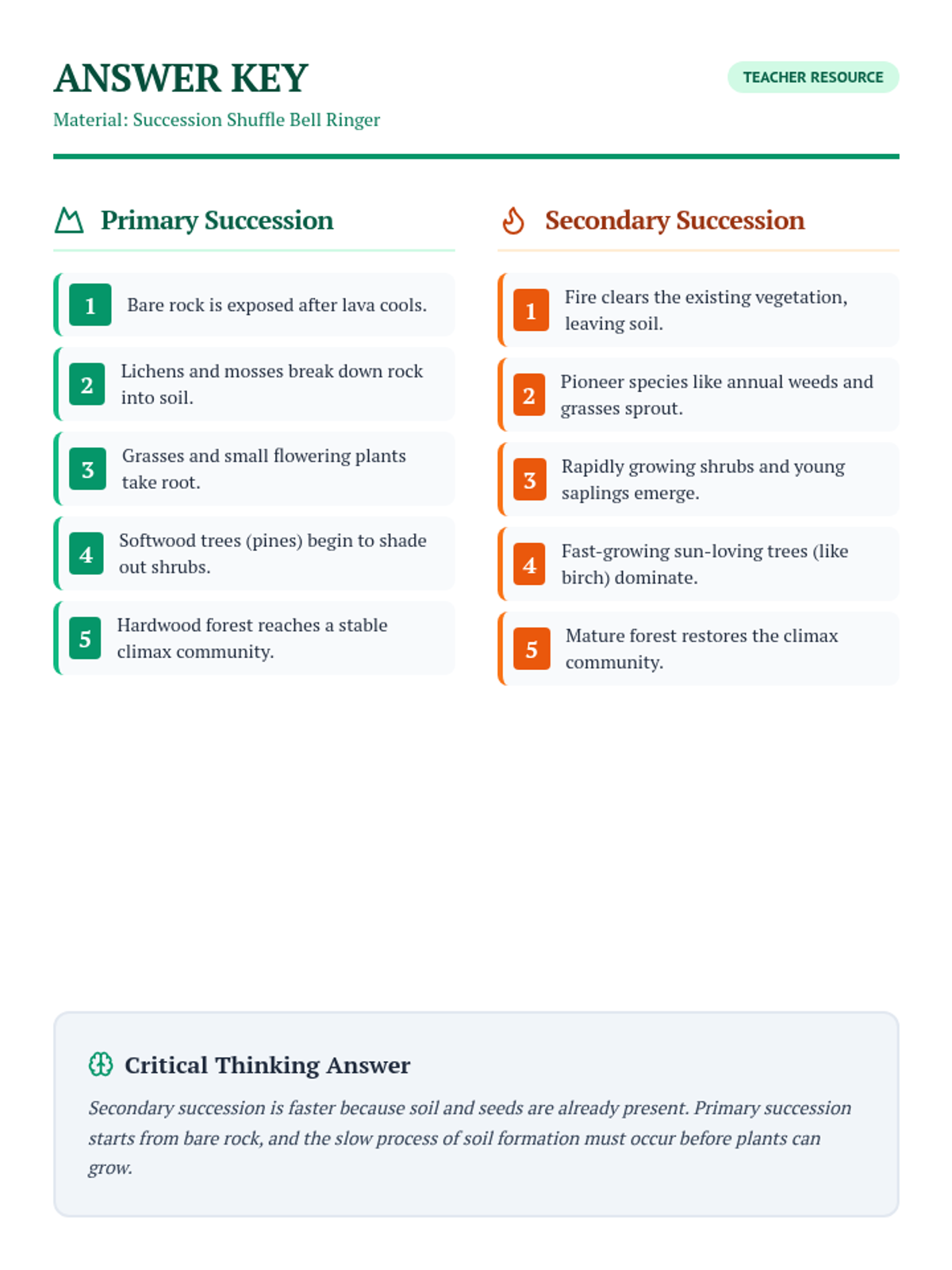
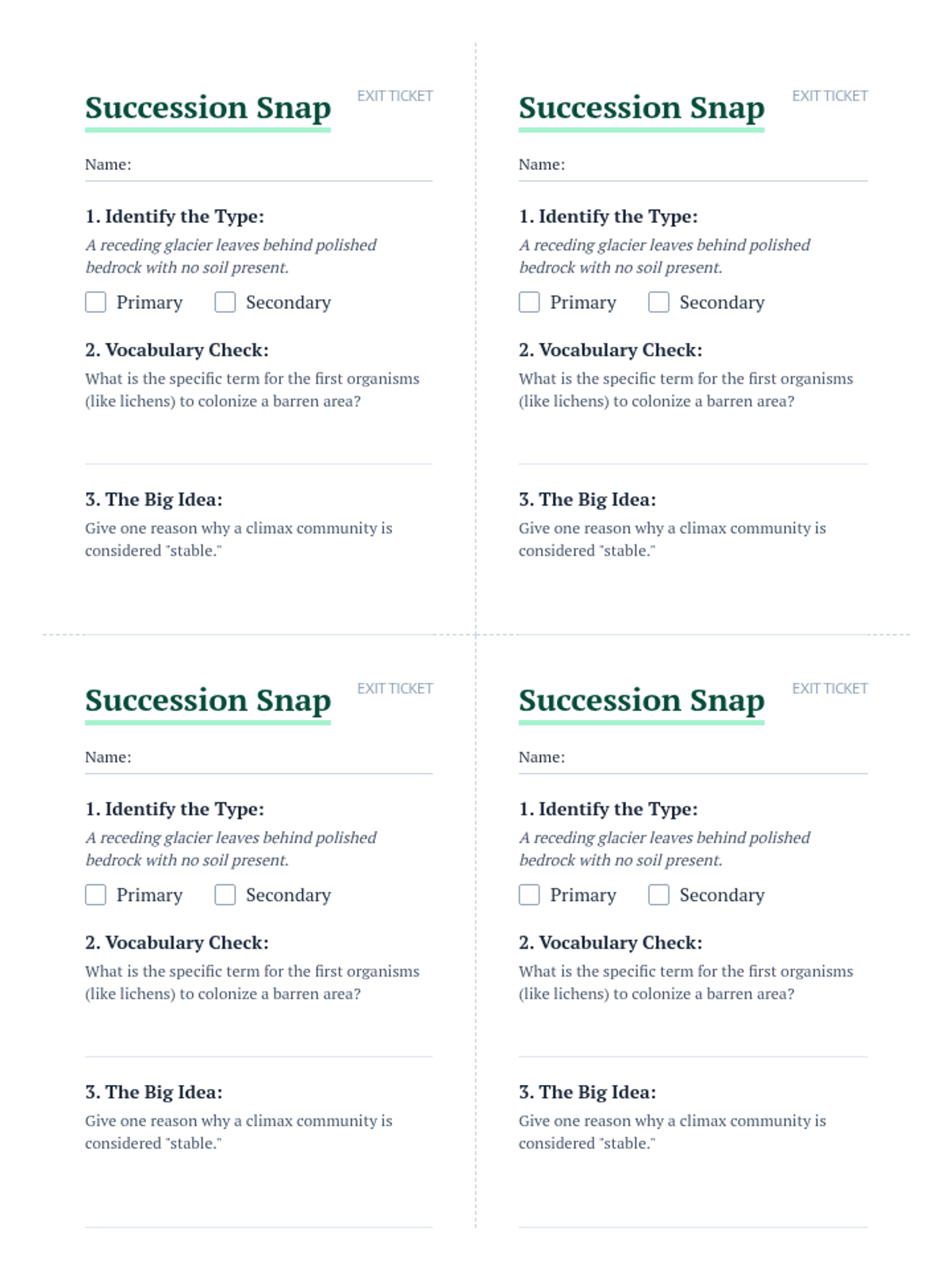
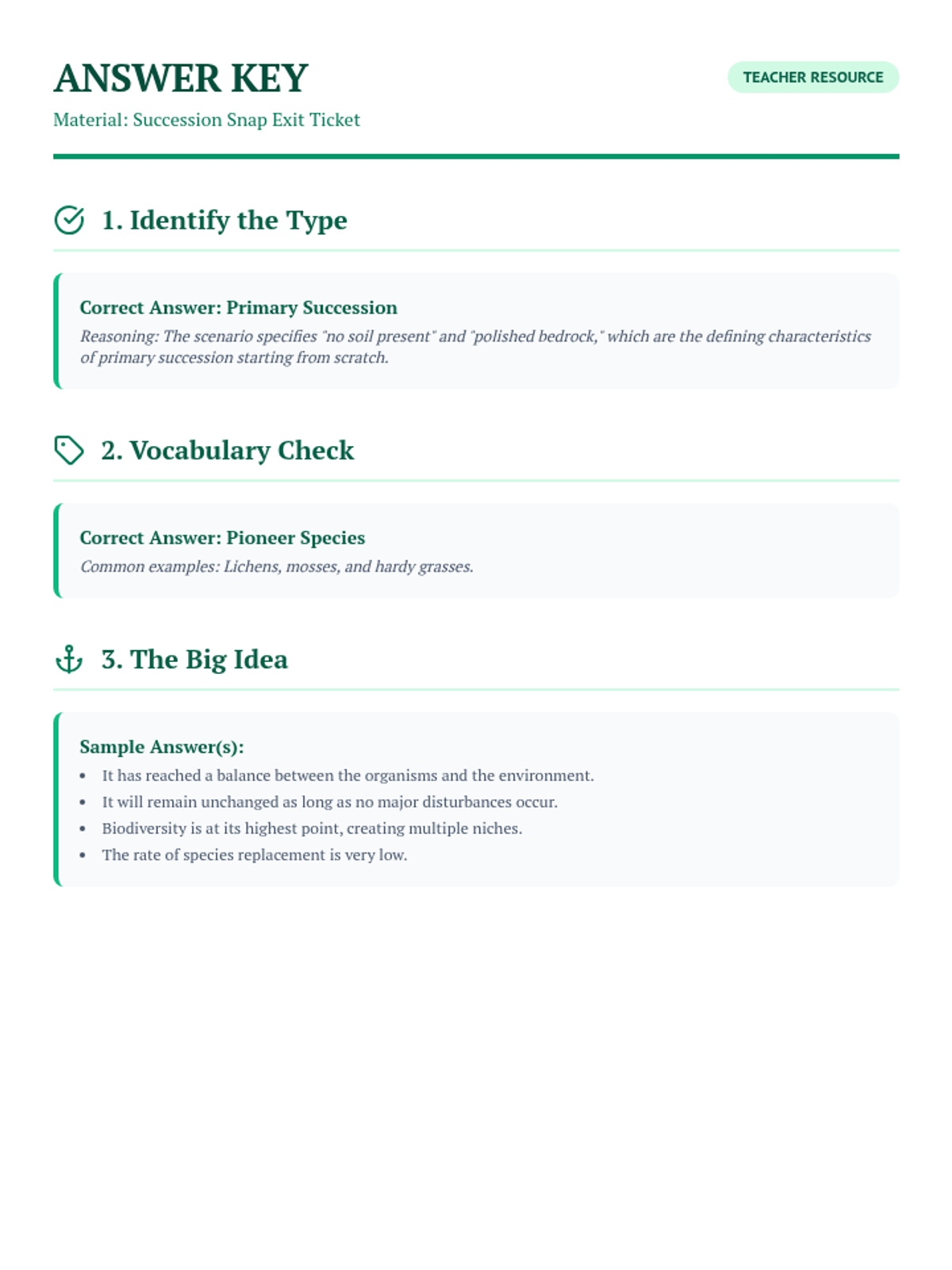
A quick, engaging bell ringer activity designed to review the stages of primary and secondary ecological succession through a sequence ordering task.
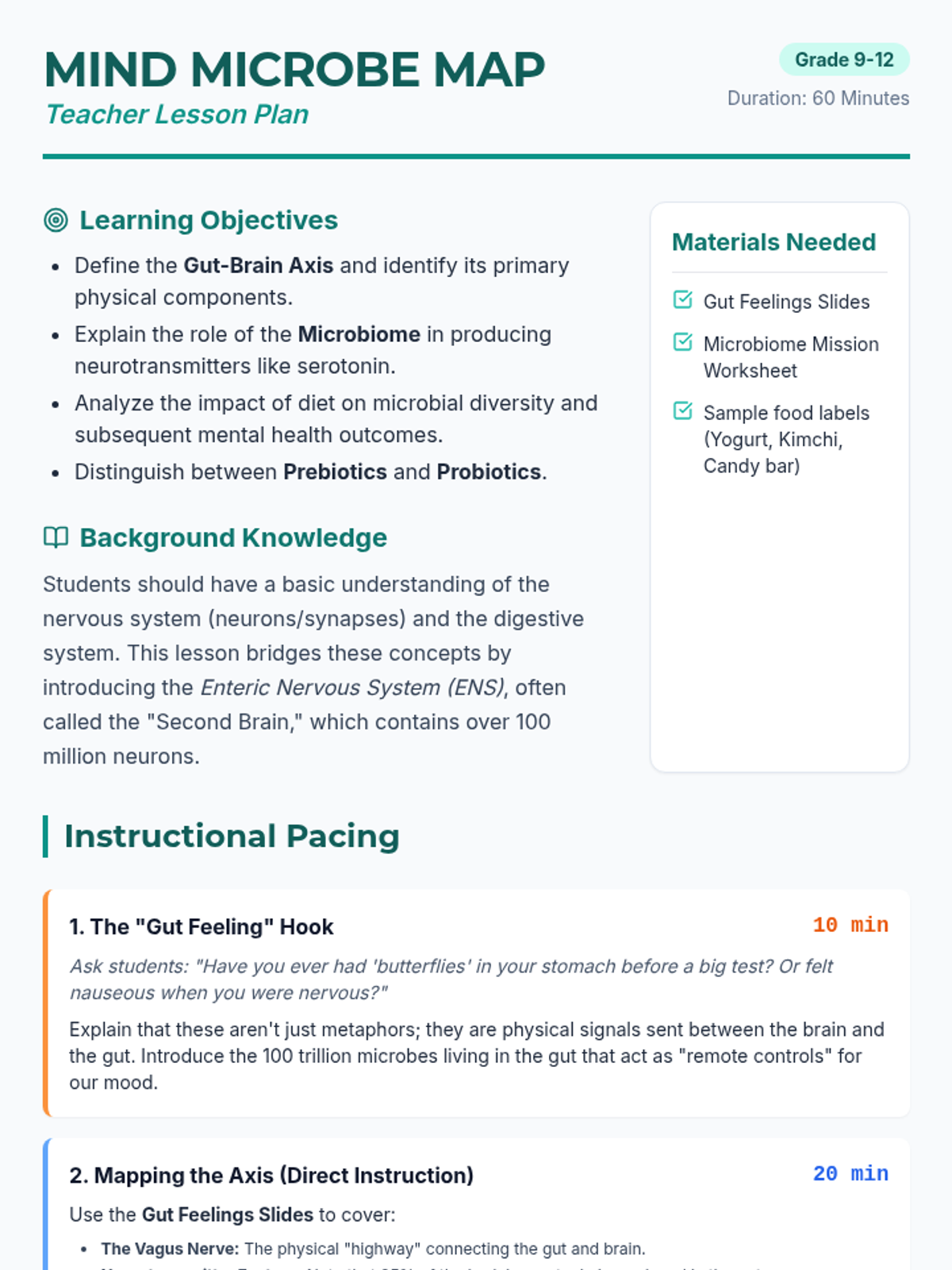
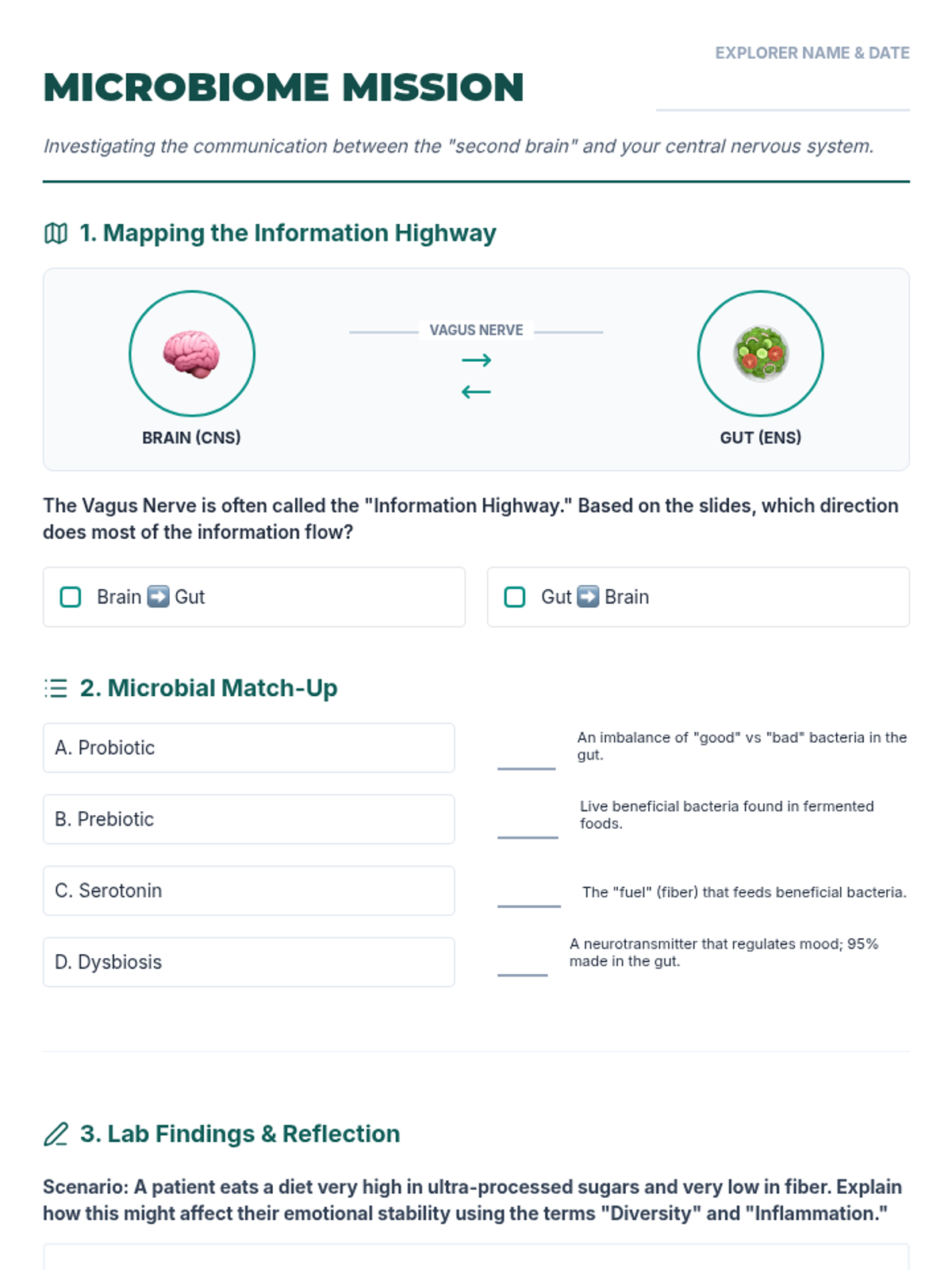
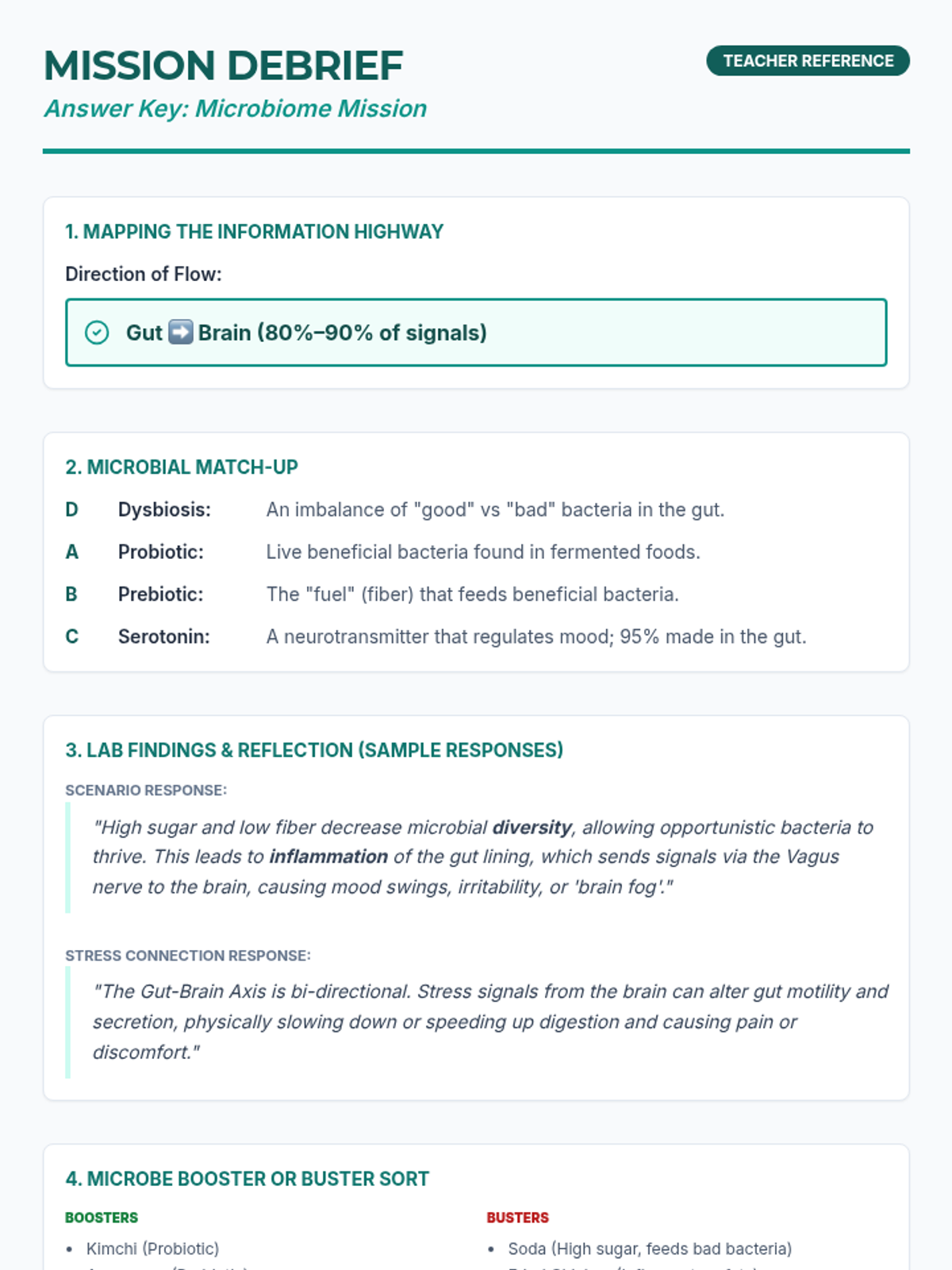
A comprehensive lesson exploring the gut-brain axis and how the microbiome influences mental health, neurotransmitter production, and emotional well-being.
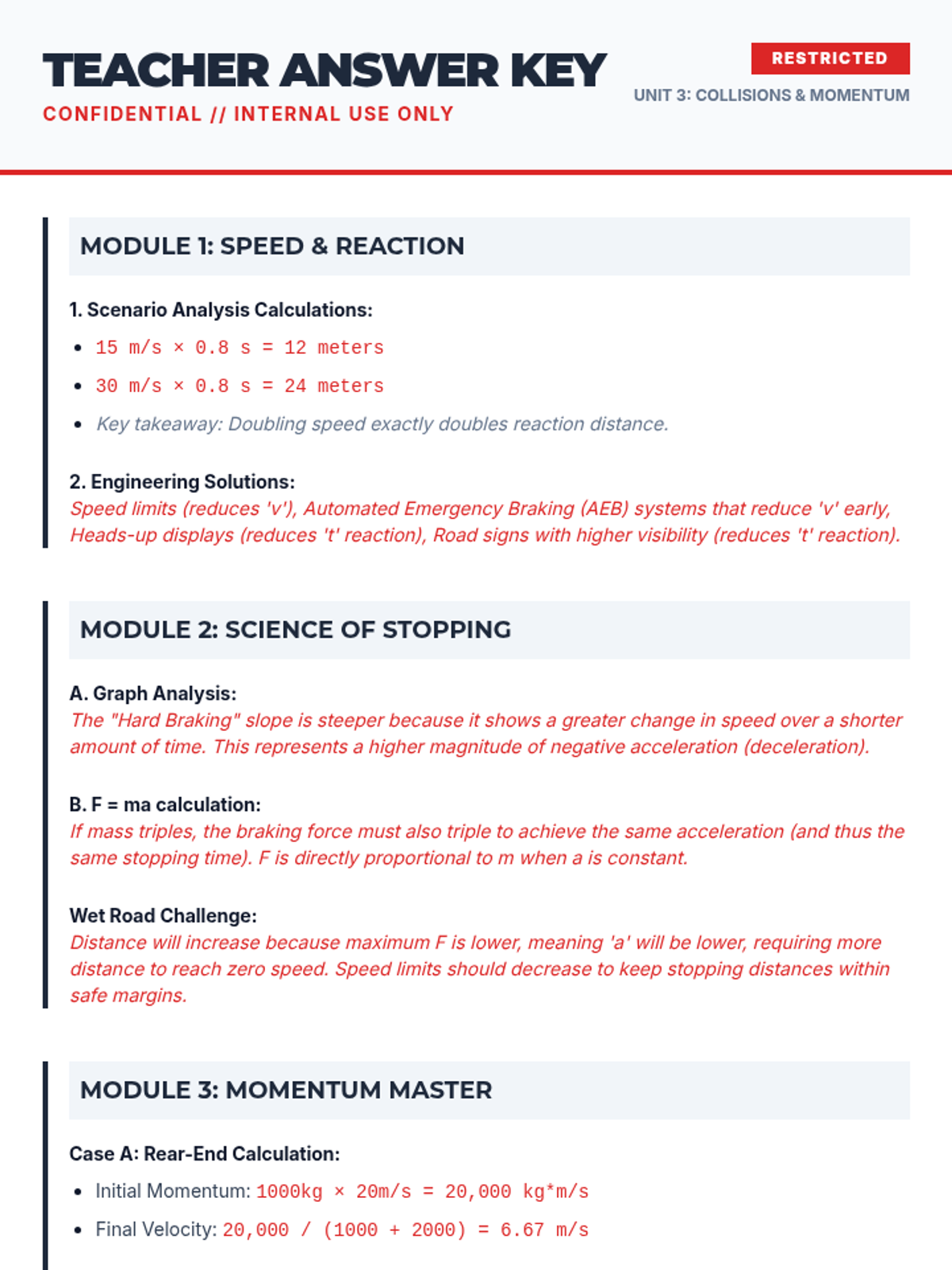
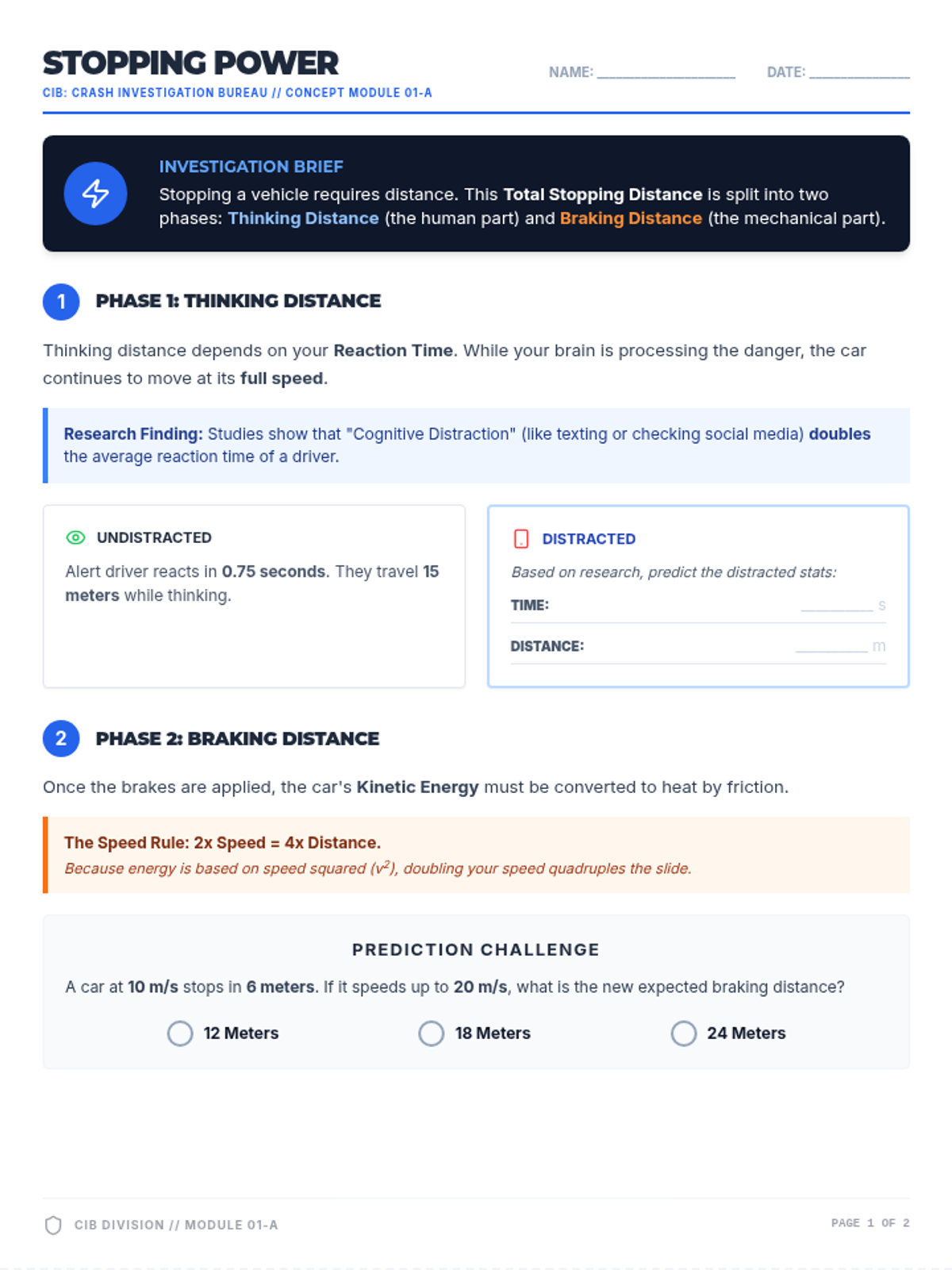
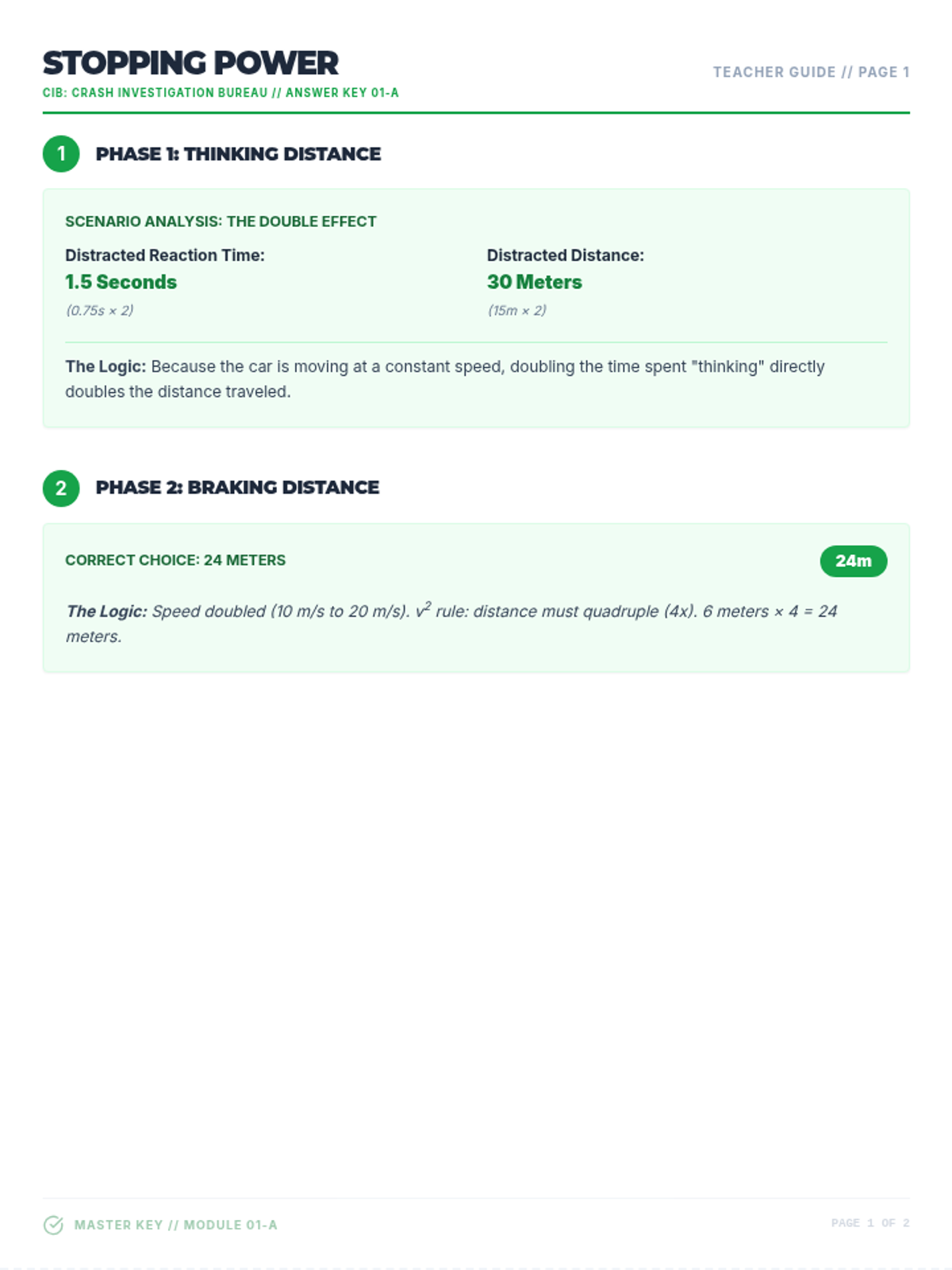
A series of independent modules covering mathematical models of reaction distance, braking forces, momentum conservation, and safety engineering.
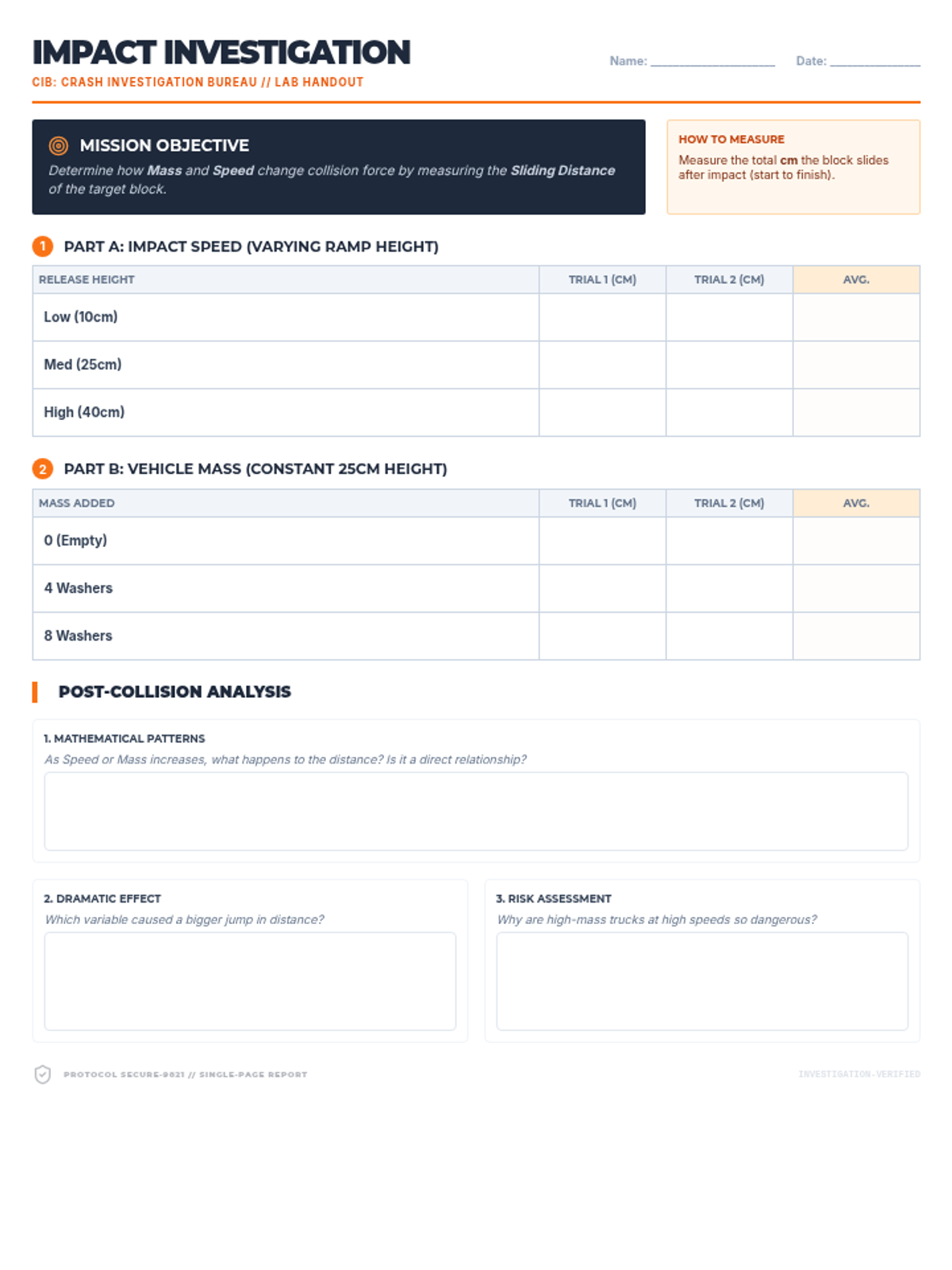
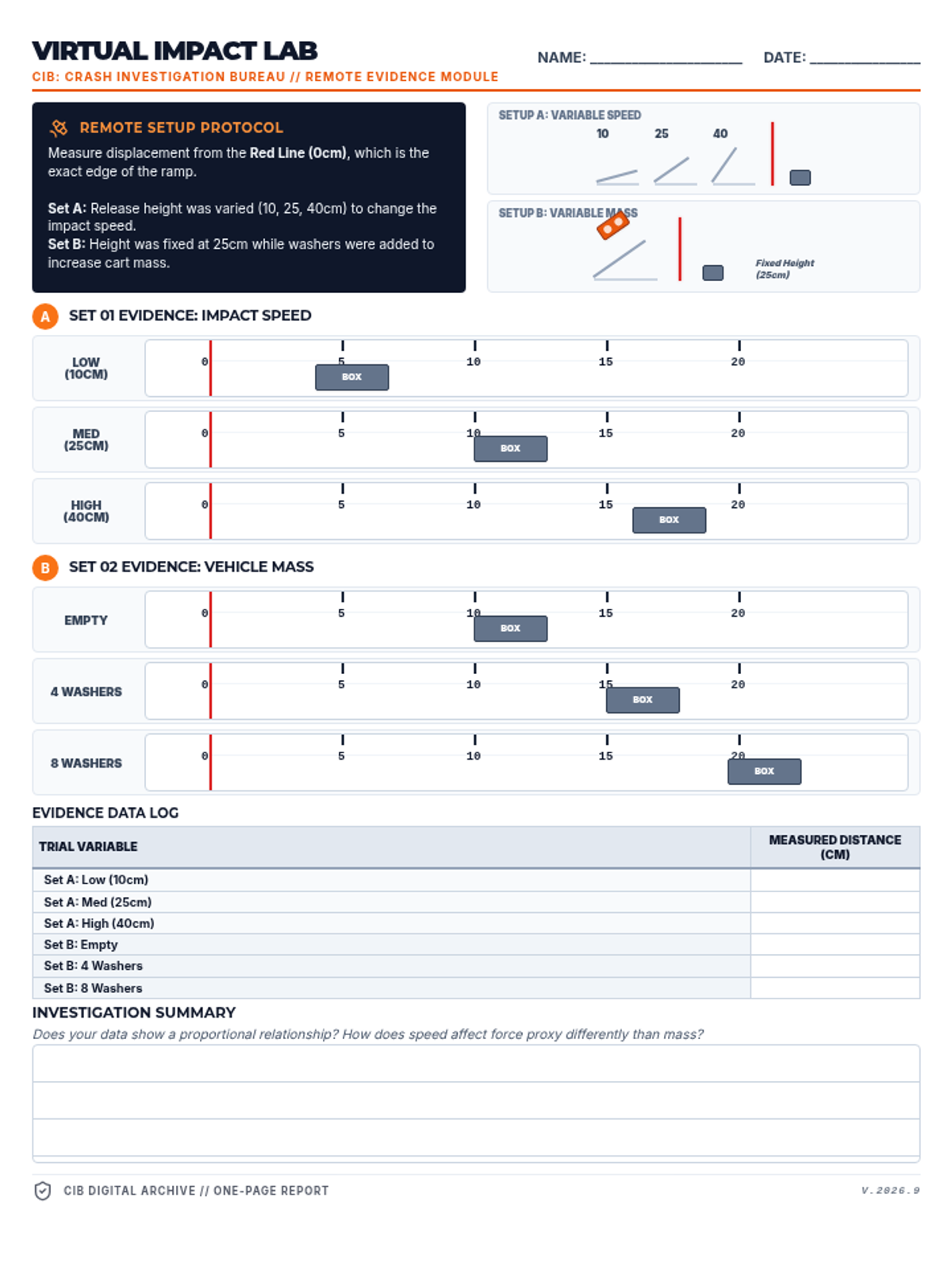
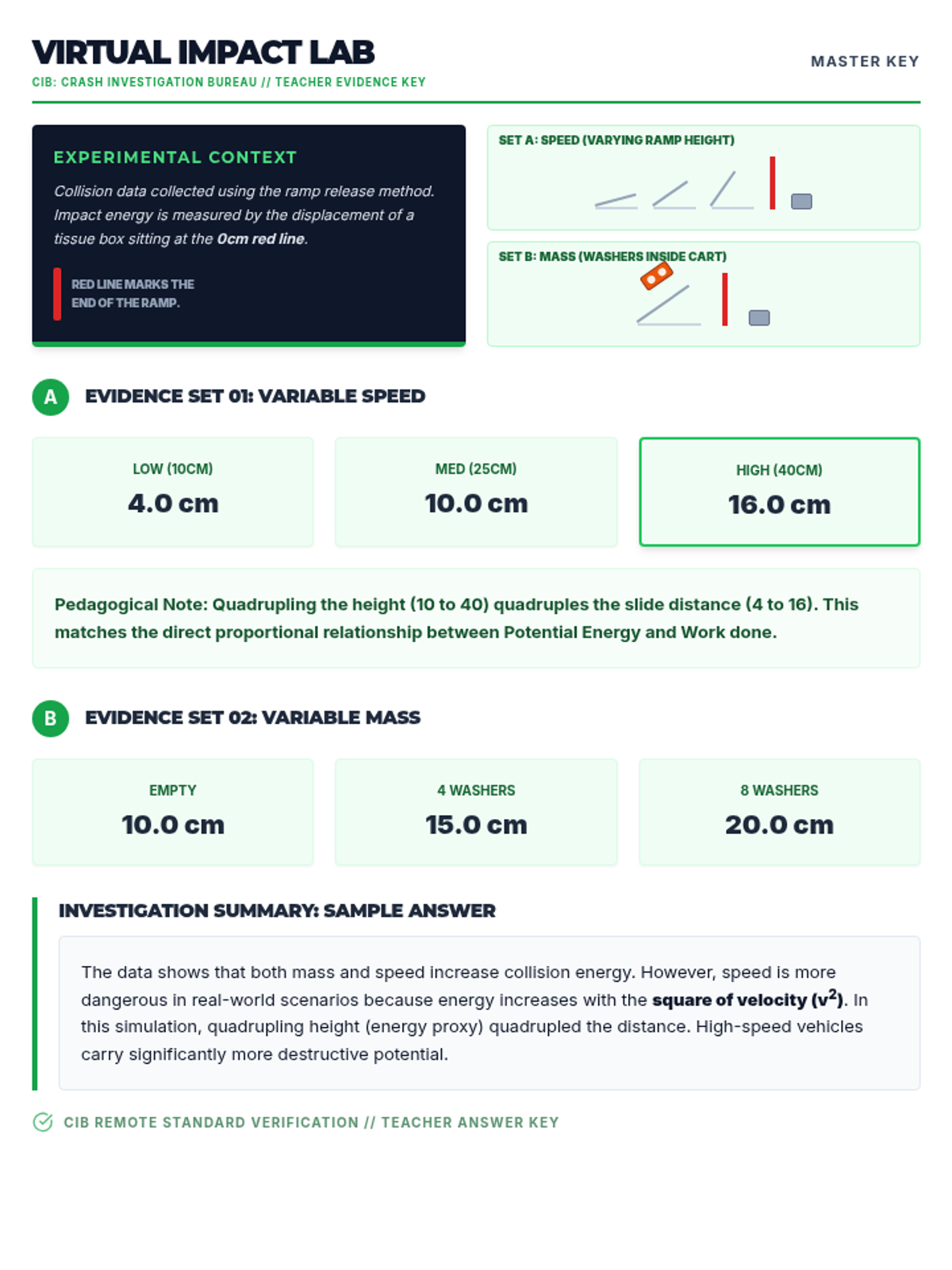
A hands-on interactive session where students investigate the relationship between mass, speed, and impact force using ramps and sliding targets.
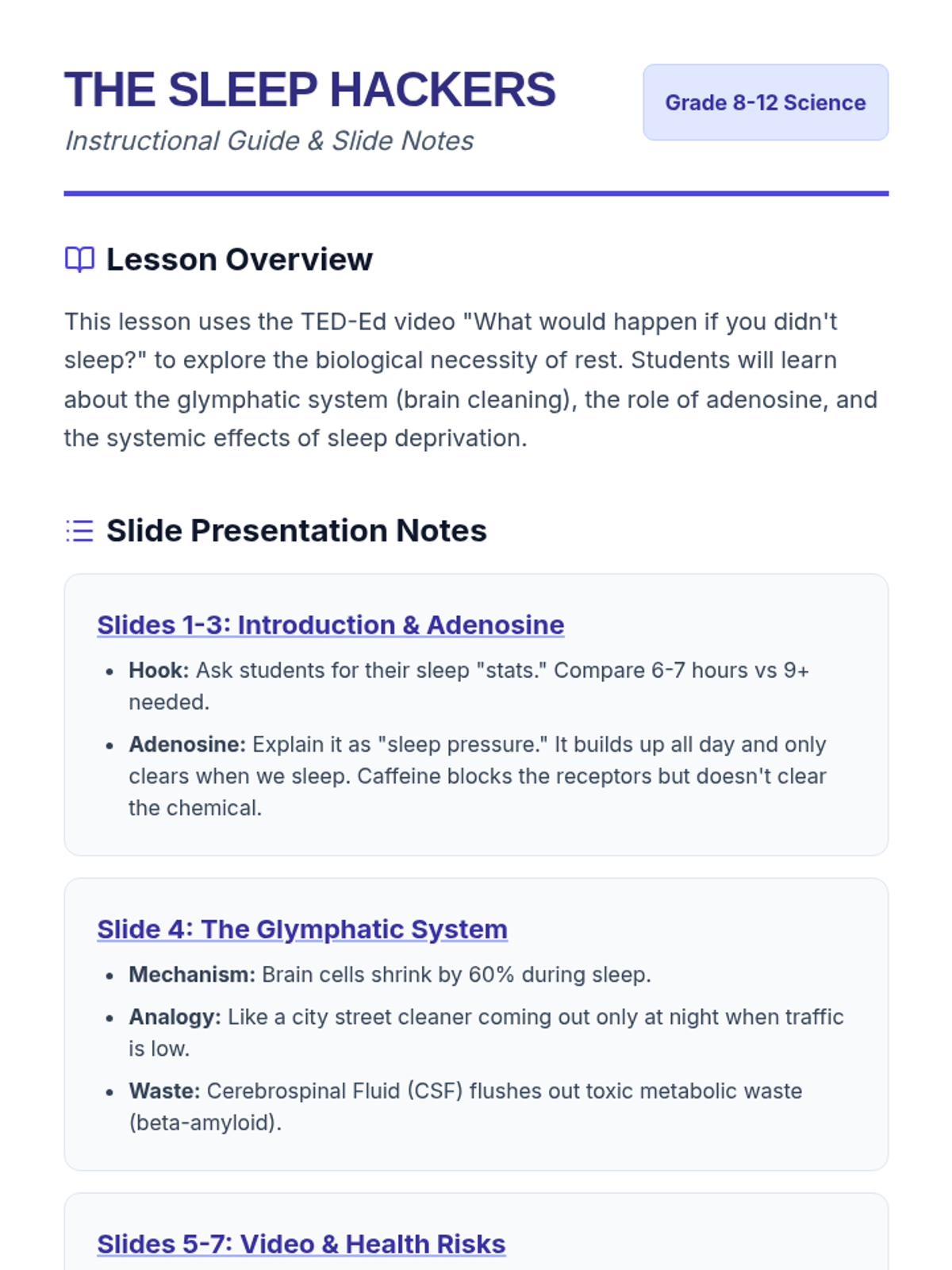
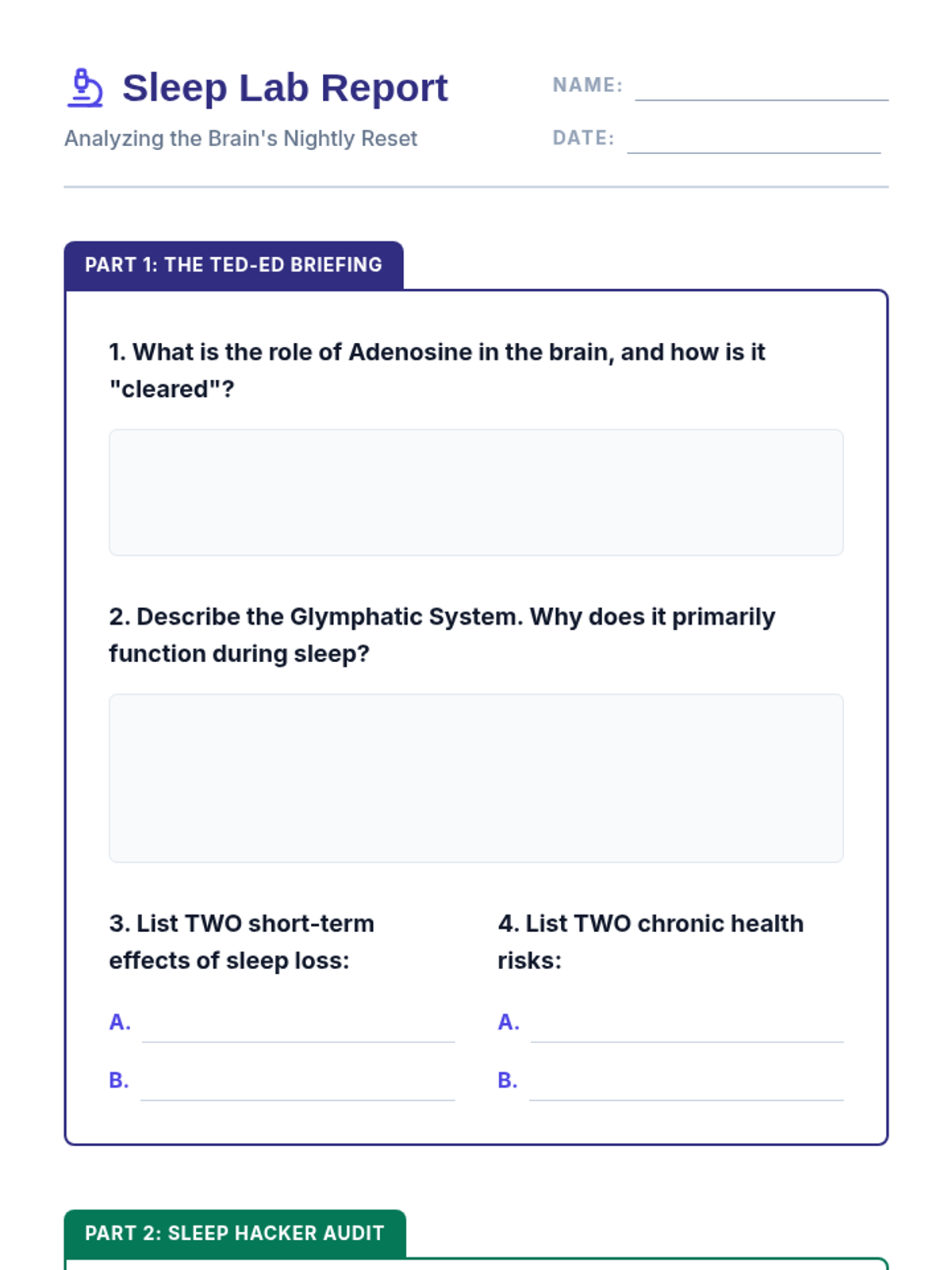
An exploration of the biological necessity of sleep, the mechanics of how the brain cleans itself during rest, and the physiological consequences of sleep deprivation.