Students treat characters as puzzles, breaking them into 'Radical + Component' structures. They practice 'character math' (e.g., Tree + Tree = Forest) to understand logical compounding.
A comprehensive lesson for Spanish I/II students to learn and practice vocabulary related to love and relationships in the context of Valentine's Day. Students will move from interpretive vocabulary acquisition to interpersonal and presentational sentence building.
Students will learn and use Spanish vocabulary for love and relationships, progressing from identifying terms to writing original sentences about emotions and ideal partners.
A lesson focused on the life of Selena Quintanilla, using the past tense to analyze how an author's diction and syntax build mood and tone in a biographical text.
A comprehensive lesson on the Spanish imperfect tense, focusing on childhood descriptions and habits using a scrapbook theme. includes instructional slides, note-taking guides, and intensive conjugation practice.
A comprehensive 100-minute direct instruction lesson on the Spanish imperfect tense, focusing on describing childhood habits and routines. Includes visual slides, a guided note-taking packet, and an assessment.
A foundational lesson covering essential German greetings and introductions alongside an introduction to the German case system (nominative, accusative, and dative). Students will practice social interactions and understand how nouns change based on their role in a sentence.
A comprehensive 100-minute lesson on the Spanish imperfect tense, focusing on nostalgic descriptions and childhood routines through structured notes, slides, and a 30-question conjugation challenge.
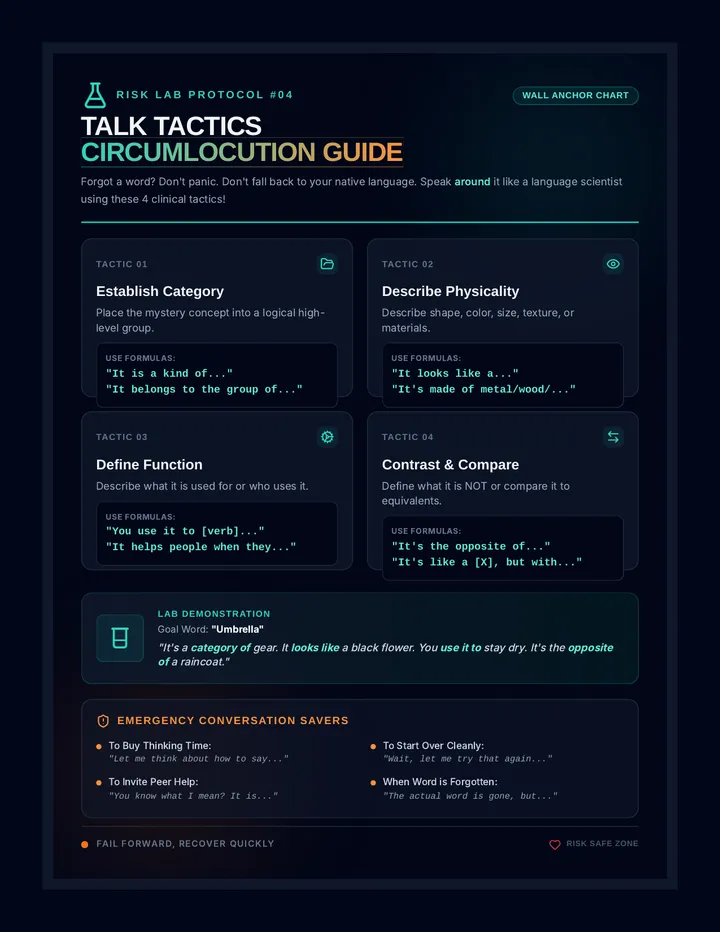
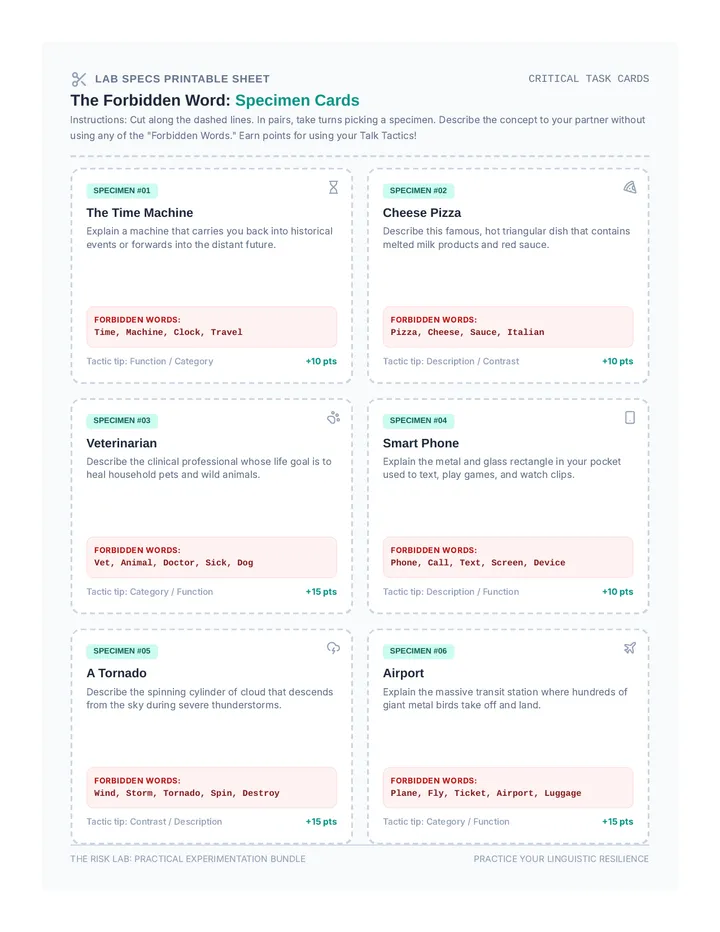
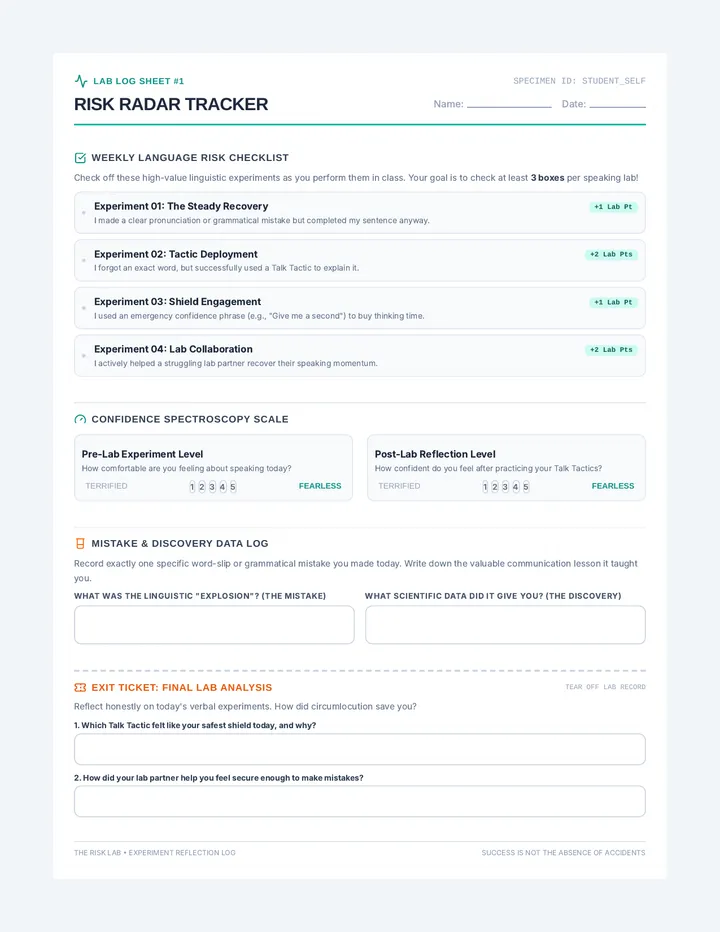
A comprehensive toolkit for foreign language teachers to bridge the gap between rote memorization and spontaneous oral communication through interactive activities and low-stakes scaffolding.
An introductory lesson to American Sign Language covering the alphabet, numbers 1-10, family members, and common household objects. Students will practice both expressive and receptive skills through various activities.
Una lección centrada en el tercer capítulo de la memoria de Melba Pattillo Beals, explorando los eventos iniciales de la integración de Central High School.
A follow-up lesson on household chores (quehaceres) focused on reinforcing vocabulary through visual practice and sentence construction. Students will engage with 30 different practice items ranging from simple identification to contextual application.
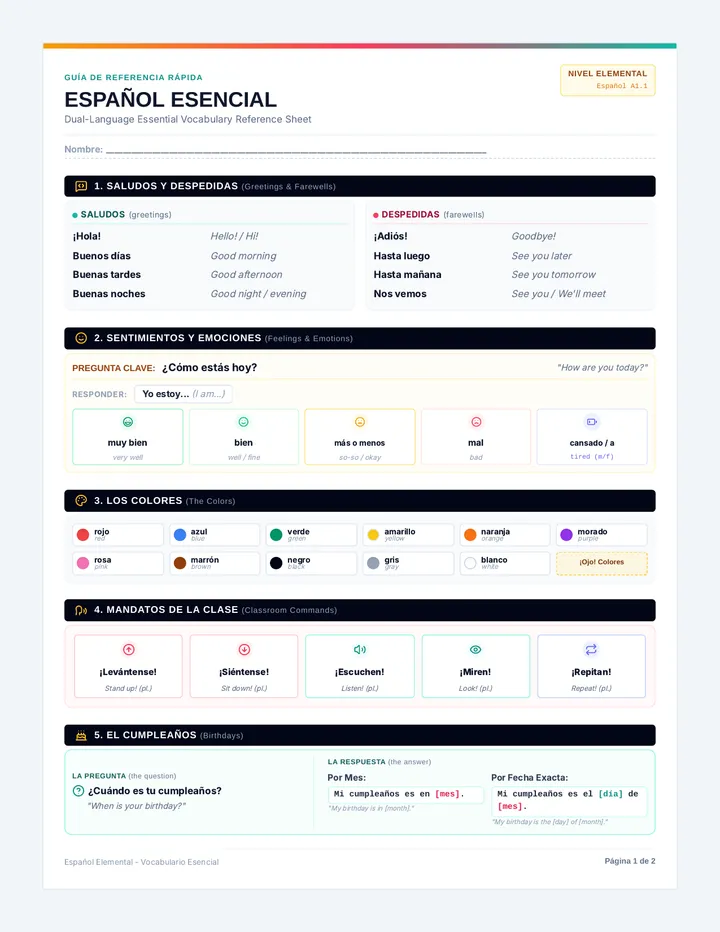
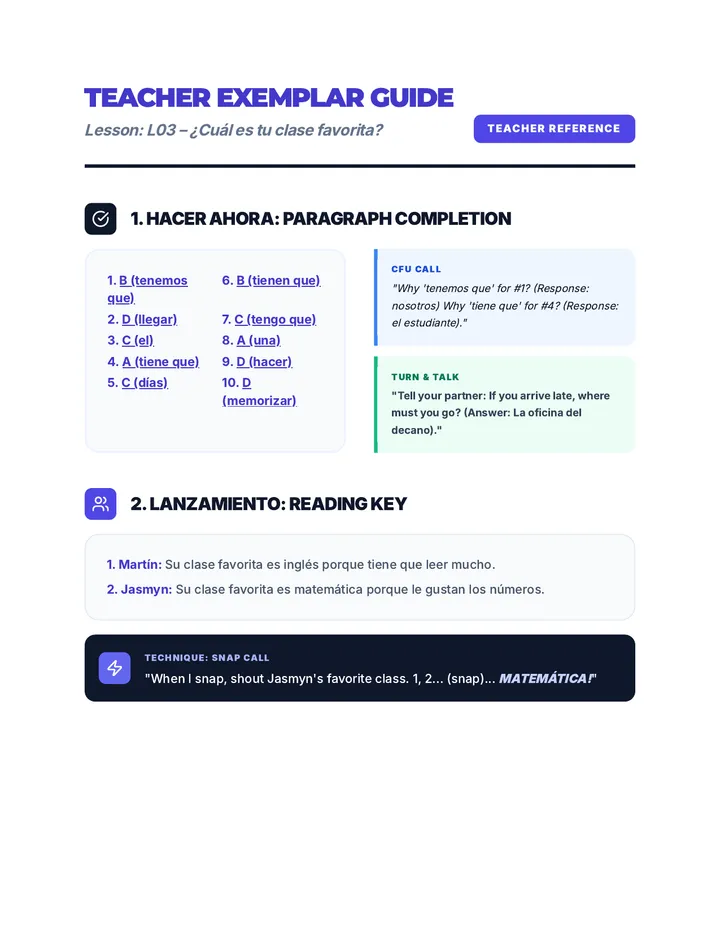
A comprehensive lesson focused on Spanish household chore vocabulary, the 'tener que' + infinitive grammar structure, and cultural reflections on domestic responsibilities.
A lesson focused on the cultural tradition of sending Valentine's Day cards, designed for ESL students to practice functional reading and writing skills.
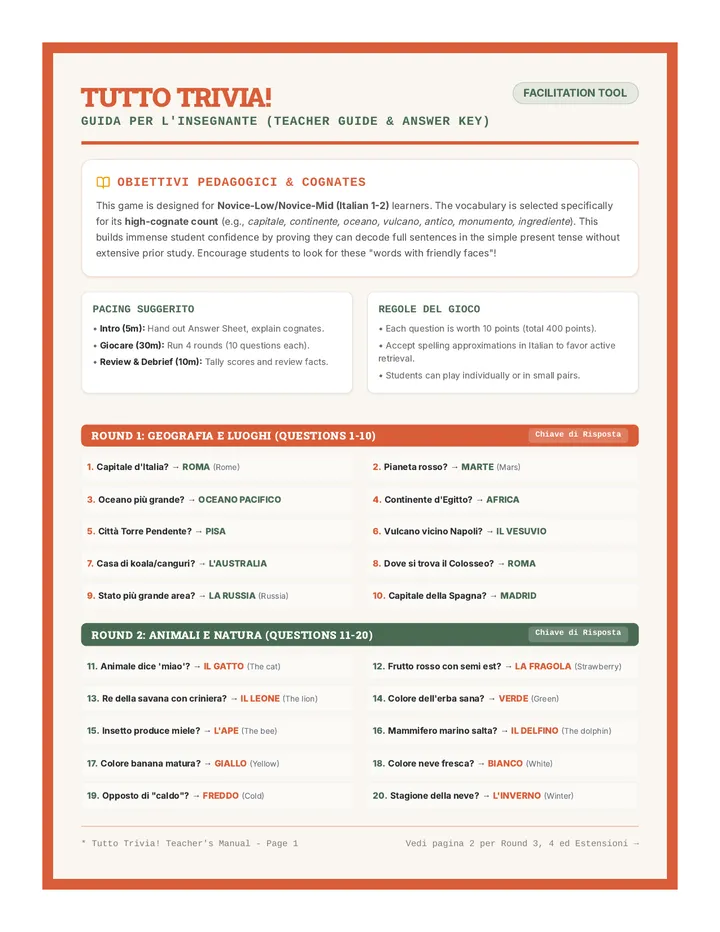
A lesson exploring the linguistic connections between Latin, Romance languages, and English through the lens of 'linguistic detective work.' Students identify cognates and understand the historical influence of the Roman Empire on modern speech.
A lesson for English Language Learners to identify and practice common American idioms using visual aids and video-based instruction. Students will explore literal vs. figurative meanings and practice using idioms in spoken sentences.
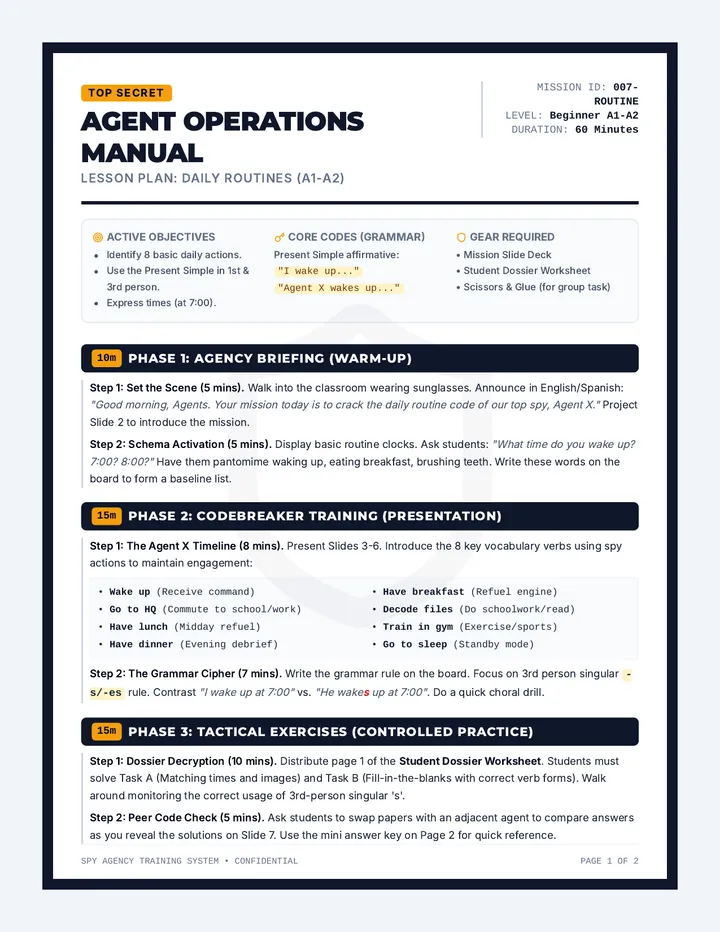
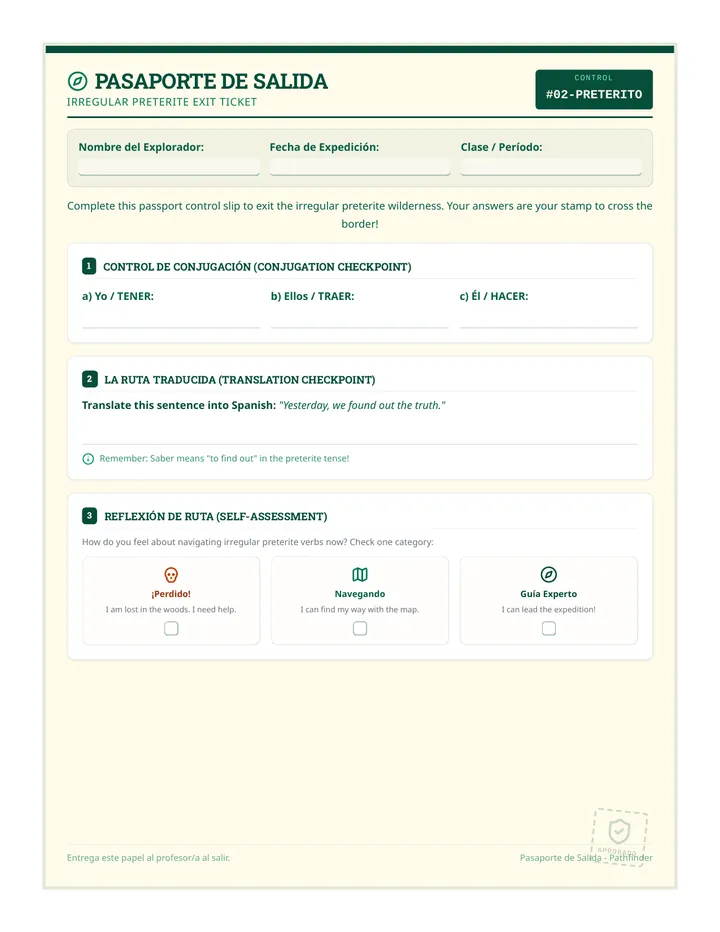
A whimsical, 'Time Wizard' themed lesson where ESL students master prepositions of time through categorization, a guided video analysis, and a sentence scramble activity. Students will learn to distinguish between point-in-time, duration, and deadline prepositions.
An intermediate ESL lesson focusing on prepositions of purpose ('for') and characteristics ('with') through a hands-on classroom object gallery activity.
An intermediate ESL lesson focused on the physical 'geography' of vowel shifts in irregular verbs, using Khan Academy's vowel-shift video as a central teaching tool.
A beginner-friendly ESL lesson focusing on the simplicity of modal verbs, emphasizing that they never change form (no conjugation). Students explore 'can' and 'will' through a collaborative 'Superpower Circle' activity and reflective writing.
This lesson focuses on helping intermediate ELL students choose the correct relative pronouns (who, that, which) based on whether the antecedent is a person or a thing, using the 'Cranky Witch' mnemonic from Khan Academy.
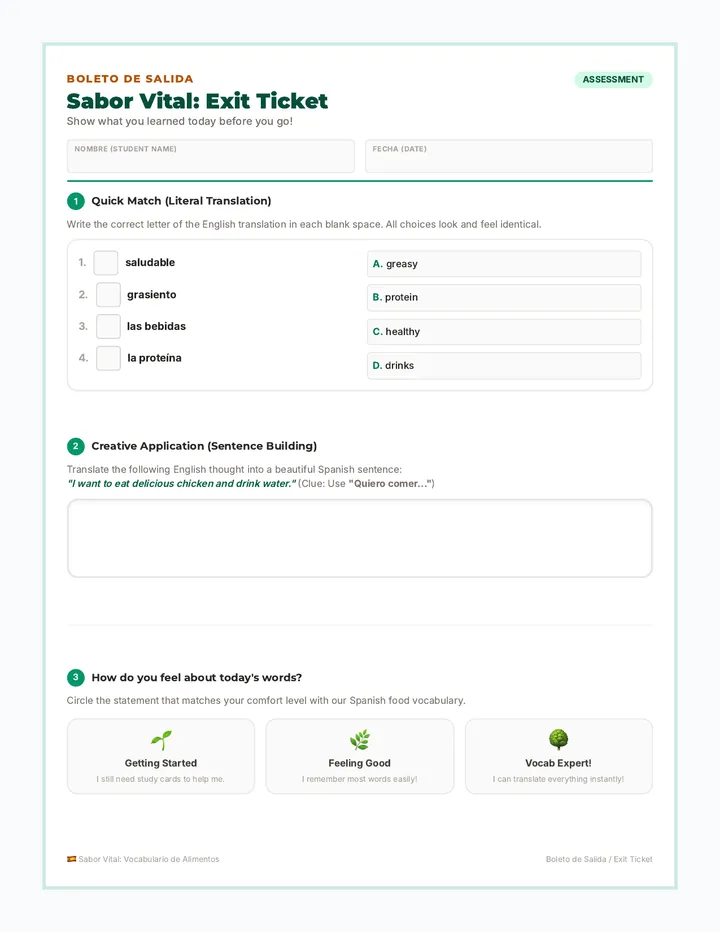
An intermediate ESL lesson focused on mastering the pronunciation of the most irregular English verbs, specifically targeting vowel shifts in 'said/fled' and silent 'L' in 'could/should/would'.
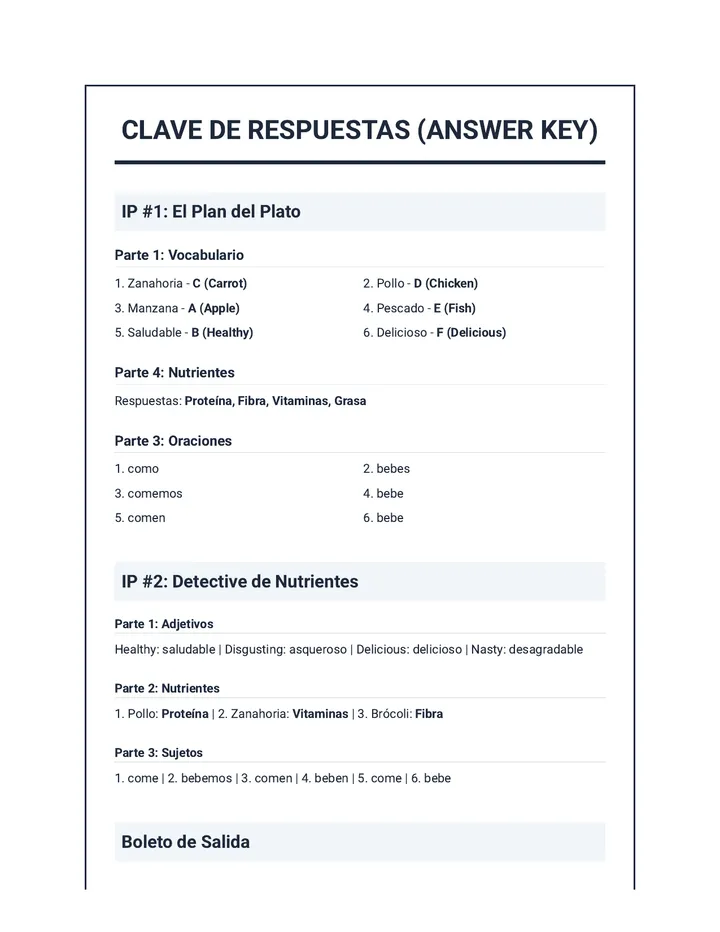
A lesson focusing on the spatial relationships of opposite prepositions (In/Out vs. On/Off), specifically addressing common ESL errors regarding transportation and enclosed spaces.
A comprehensive lesson for Beginner/Intermediate ELLs focusing on the Simple Aspect (Past and Future). Students will explore the timeline of language through visual aids, a Khan Academy video, and interactive "Will Wall" activities.
The sequence culminates in a mock TV interview where students synthesize their travel experiences, using multiple tenses and circumlocution strategies.
Students master the interplay between Passé Composé and Imparfait by narrating travel mishaps and setting the scene for their stories.
Students explore dining etiquette and social norms across the Francophone world, practicing idiomatic expressions and conversational maintenance.
Focusing on the conditional mood, students practice polite service interactions and conflict resolution in hotels and transit hubs.
Students transition from near future to simple future to plan detailed itineraries for Dakar, Paris, or Montreal, predicting weather and scheduling logistics.
Students act as amateur lexicographers, identifying a foreign word or phrase currently entering English usage through social media, food culture, or music (e.g., 'mukbang,' 'hygge'). They create a dictionary entry including pronunciation, etymology, current usage examples, and a prediction of its longevity.
This lesson broadens the scope to words from Arabic ('algorithm,' 'nadir'), Japanese ('tycoon,' 'zen,' 'emoji'), and Hindi ('pundit,' 'guru'). Students research the historical trade routes or cultural exchanges (like the tech boom or yoga craze) that facilitated these specific borrowings.
Students explore the unique contribution of German and Yiddish to English expressiveness, covering terms like 'schadenfreude,' 'zeitgeist,' 'spiel,' and 'chutzpah.' They analyze how these words often fill specific gaps in English regarding psychology and human behavior.
Focusing on the deep integration of Spanish, students examine words like 'aficionado,' 'barrio,' 'guerrilla,' and 'vigilante,' exploring how these words have shifted in meaning or connotation when entering English usage.
Students explore the linguistic mechanisms of lexical borrowing, distinguishing between direct loanwords and calques (loan translations) while tracing the origins of everyday English words.
Students present their final field guides in a gallery walk format, teaching peers about the linguistic influences in their chosen domains.
Students design visual aids and infographics to make complex foreign terminology accessible and memorable for a general audience.
Students draft technical definitions and usage guides that explain the nuances of their chosen terms within their professional context.
Students use etymological resources to trace the historical origins of their harvested words and identify cultural patterns in language usage.
Students explore specialized vocabulary in various fields and select a domain of interest to begin their initial research into foreign terms.
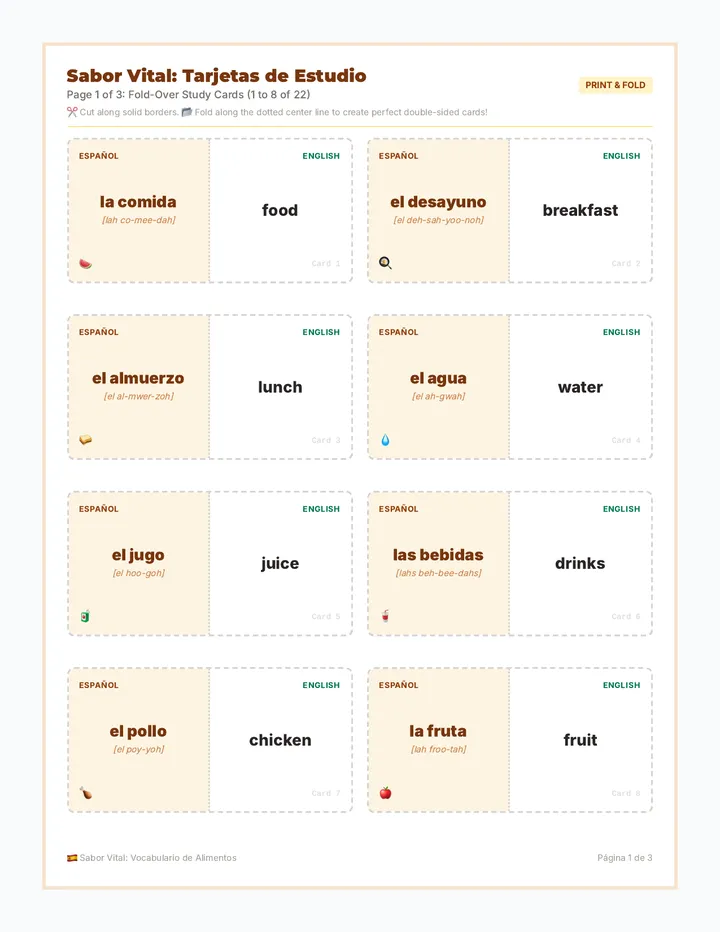
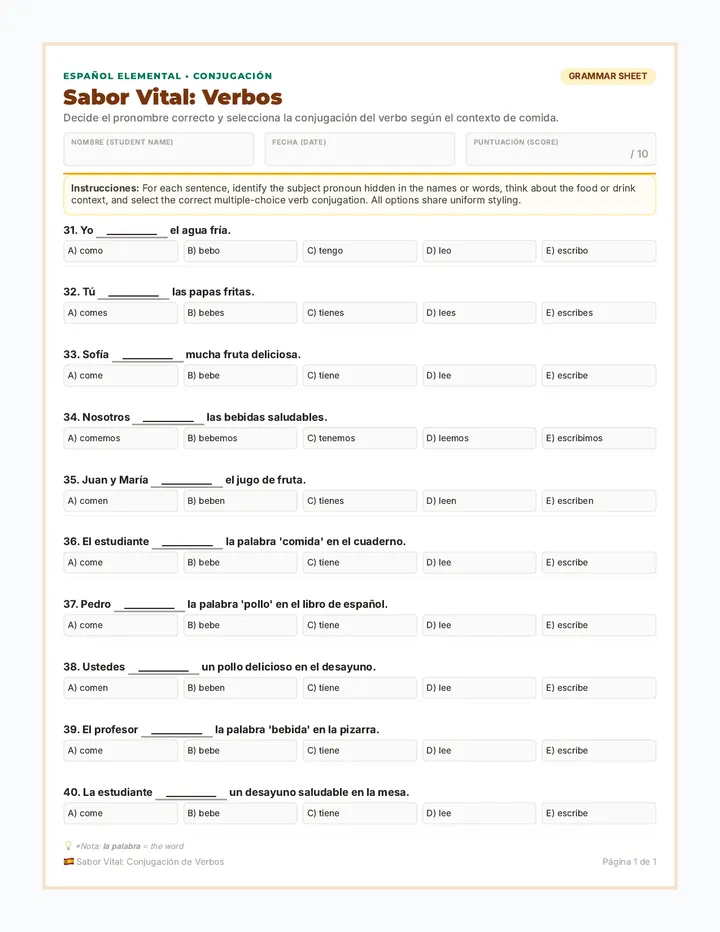
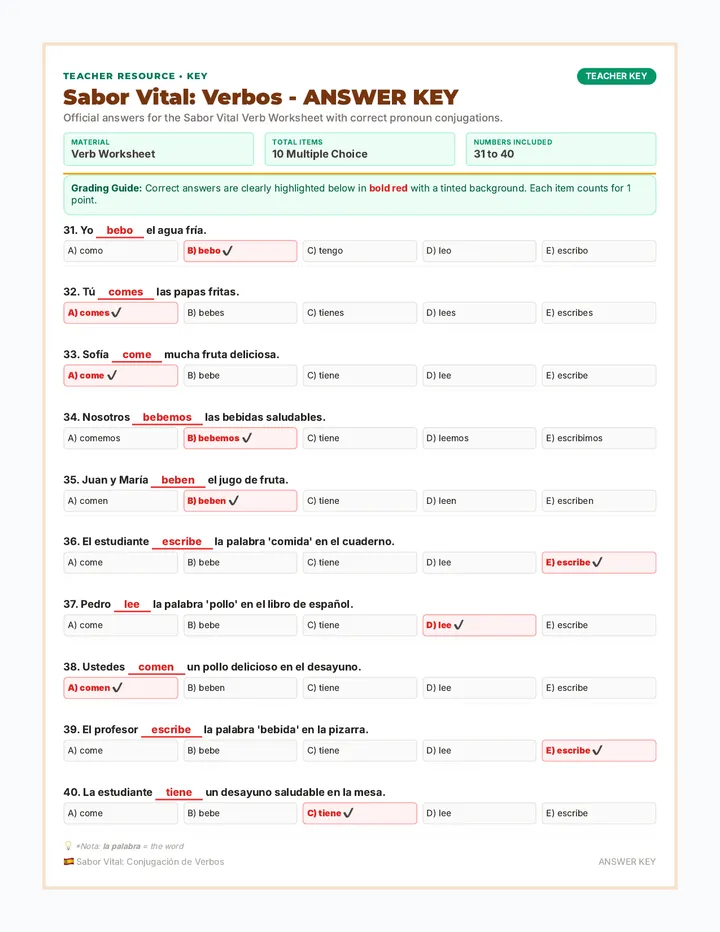
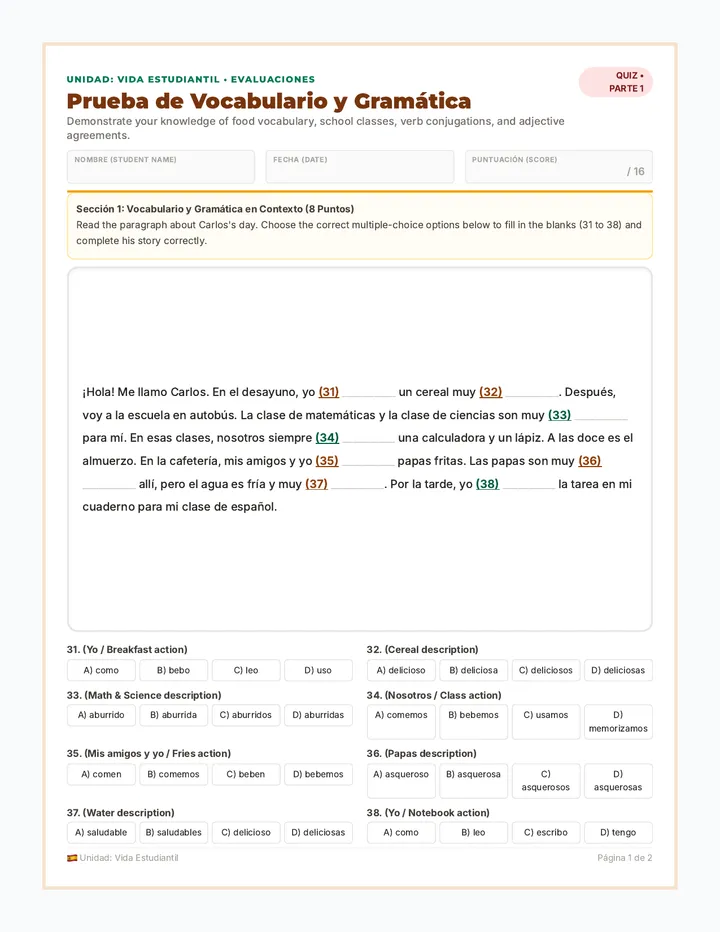
Students demonstrate their learning through video introductions and reflect on their week of Spanish.