Students explore the life of Neanderthals through a video and descriptive writing activity. They will use sensory details and historical facts to narrate a time-travel adventure meeting their ancient cousins.
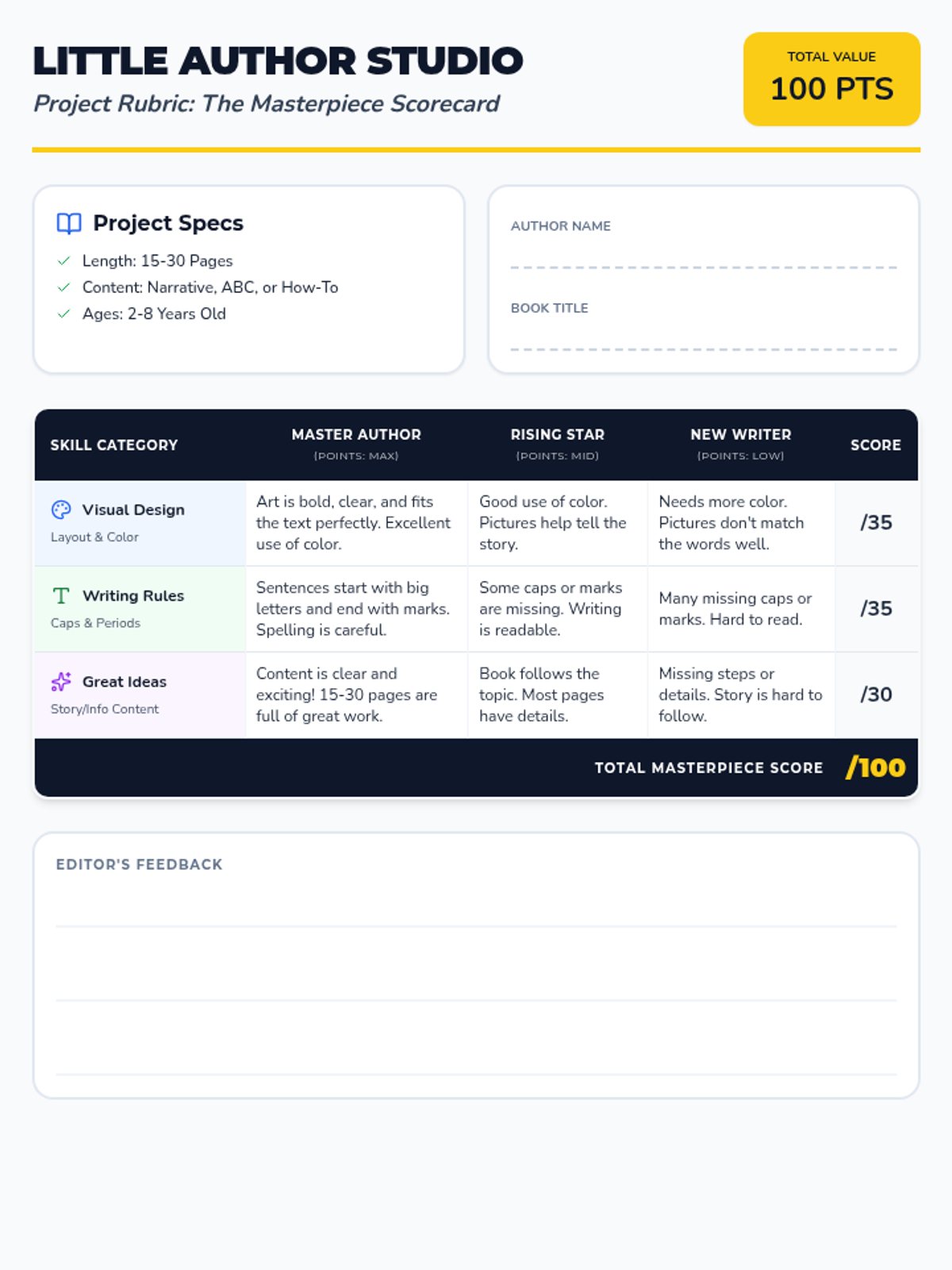
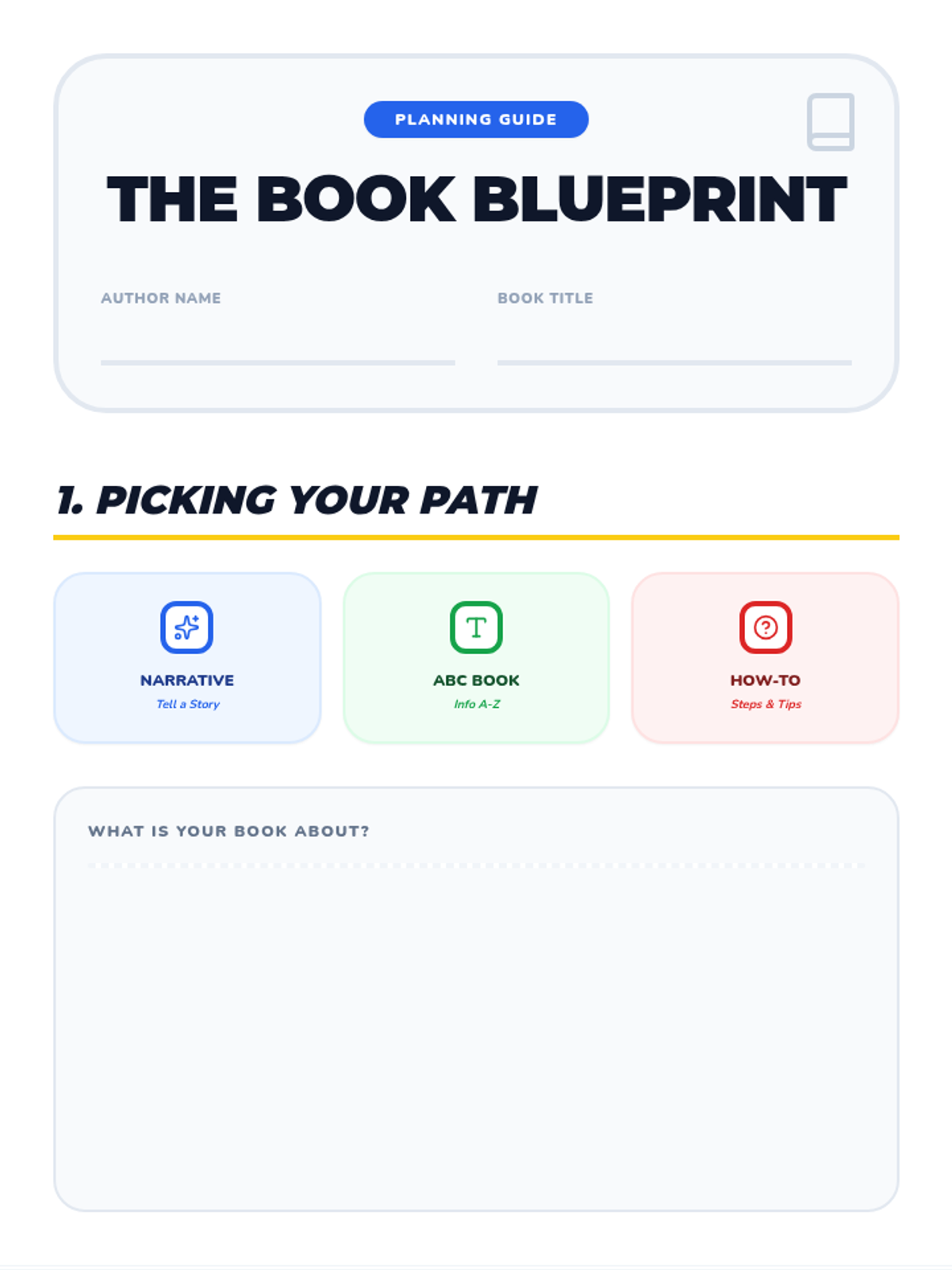
A creative writing project for young children (ages 2-8) to produce a 15-30 page book. Students can choose between a narrative story, an expository ABC book, or a how-to guide, focusing on visual design and writing conventions.
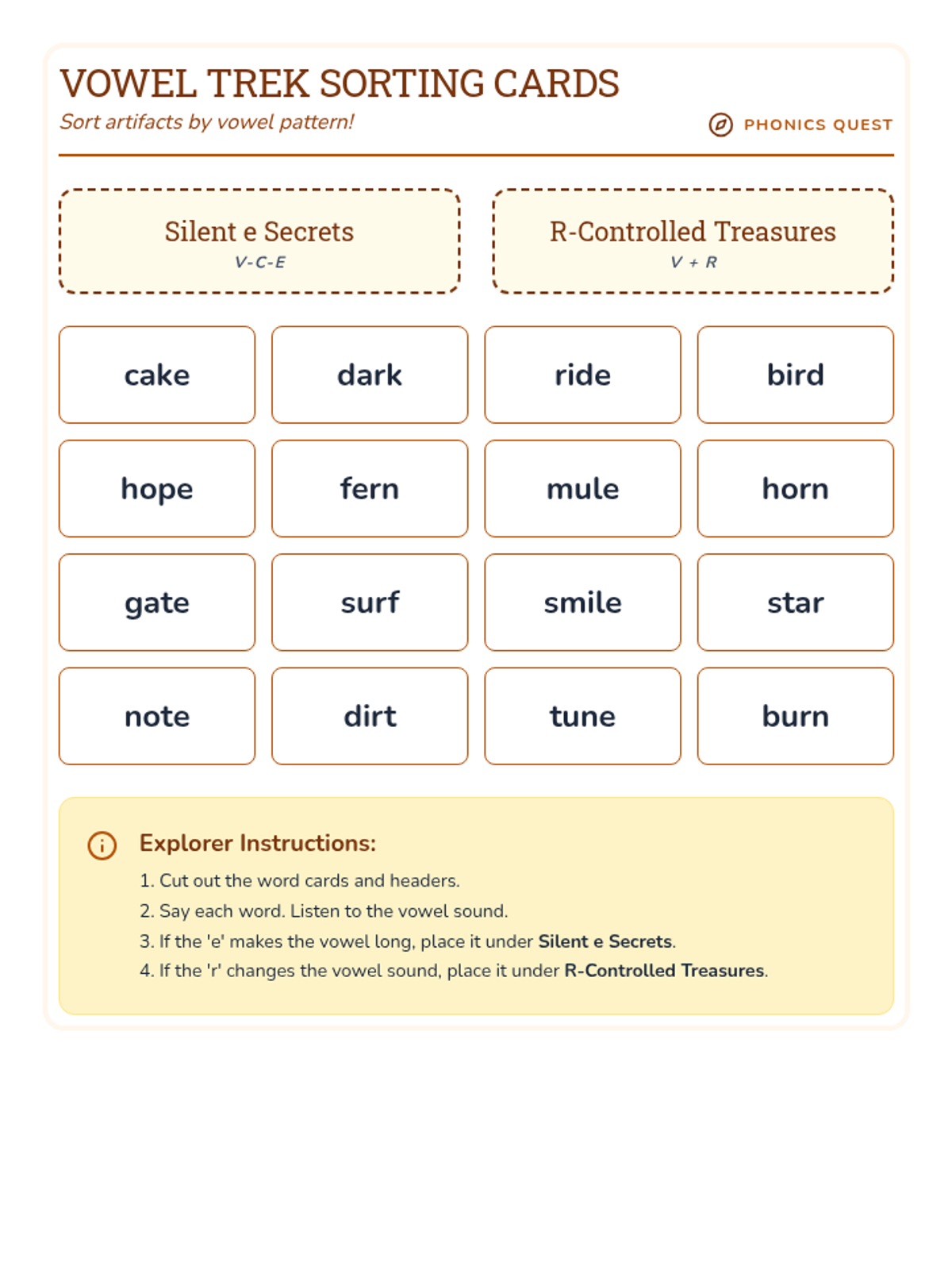
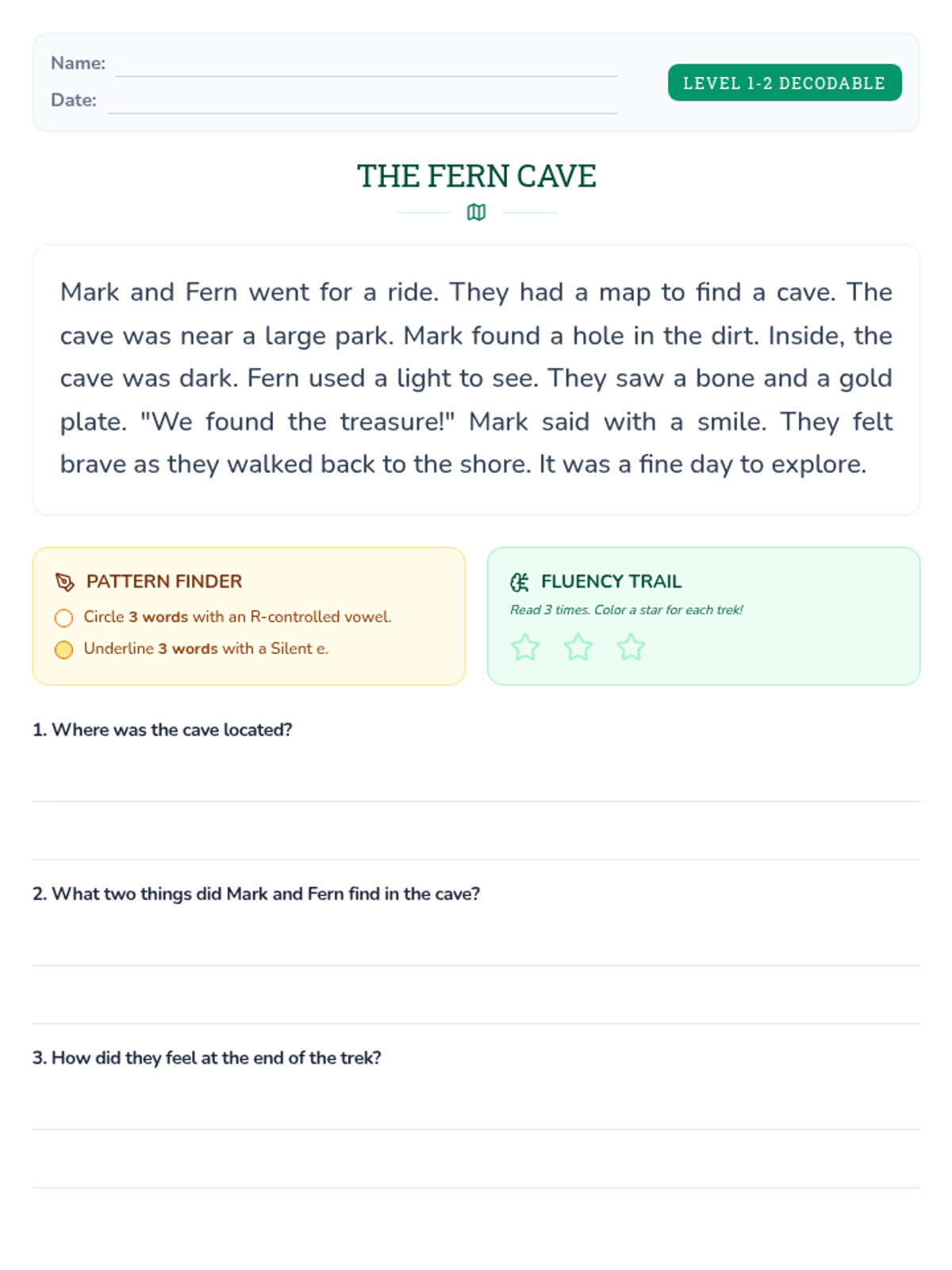
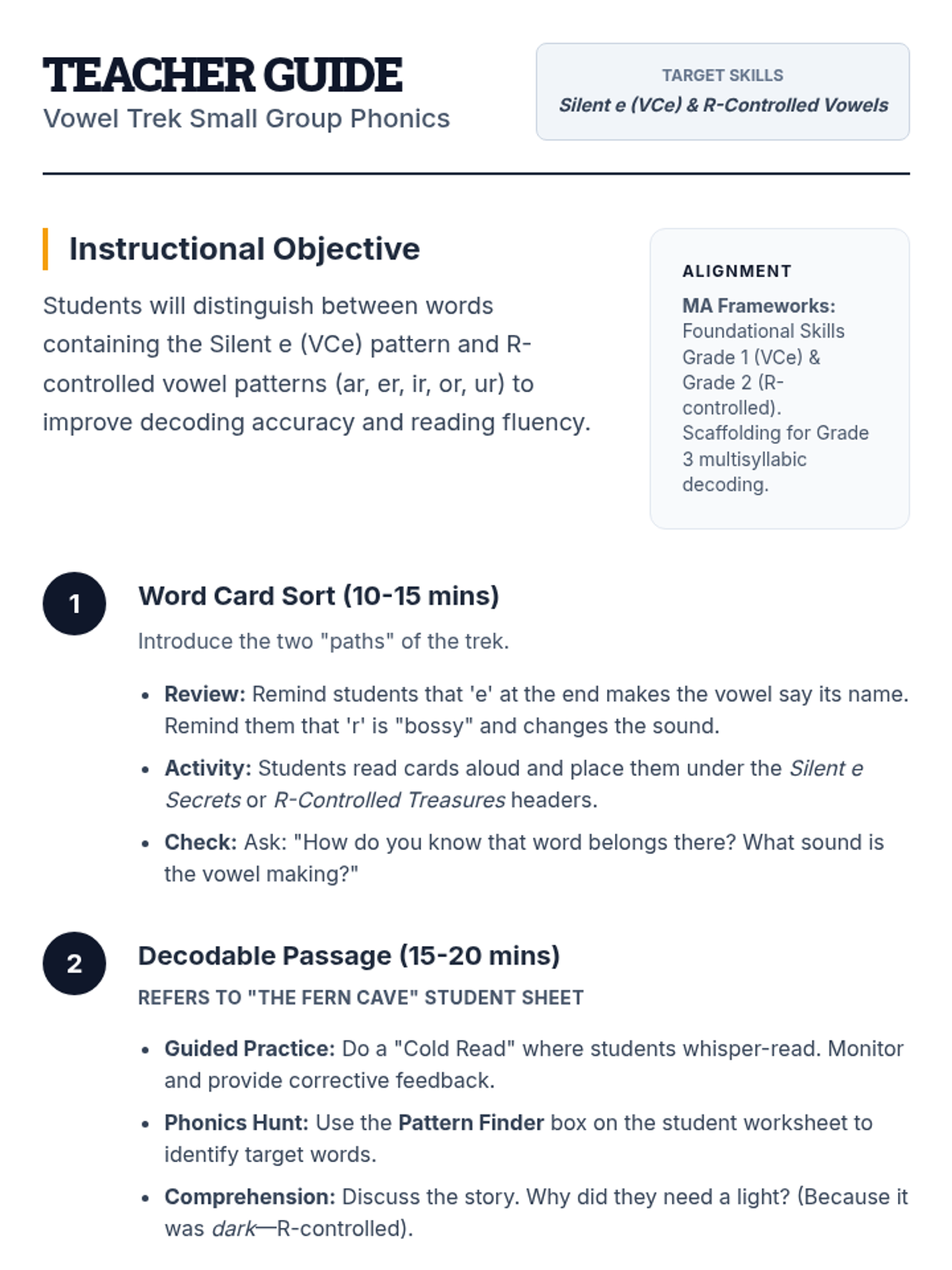
A small-group phonics lesson focused on distinguishing between silent e (VCe) and r-controlled vowel patterns, designed for Grade 3 students reading at a 1st-2nd grade level.
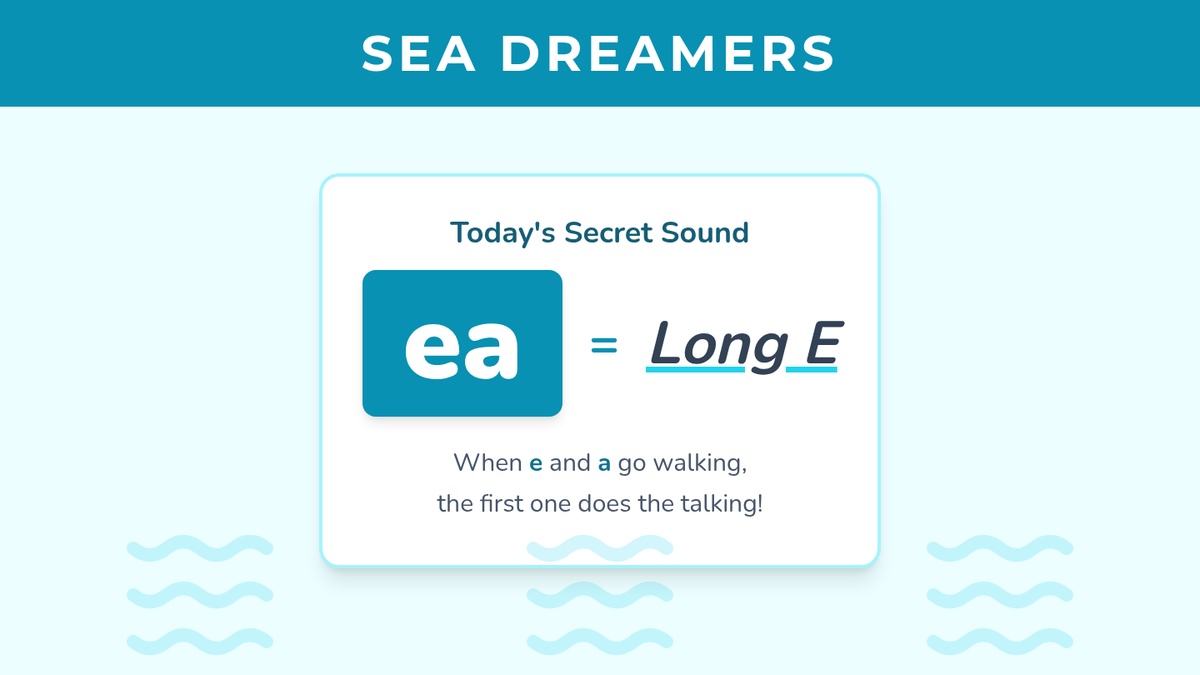
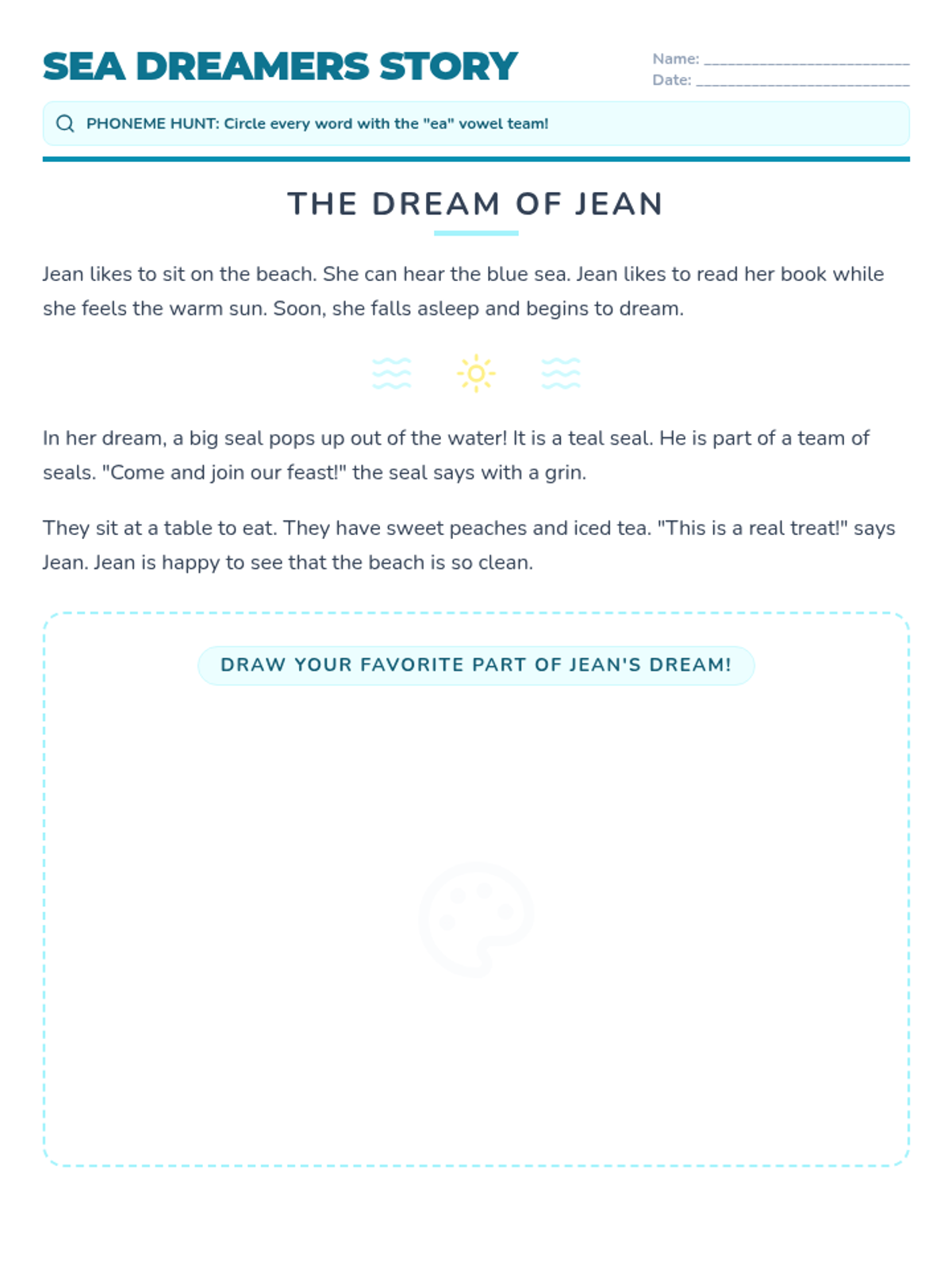
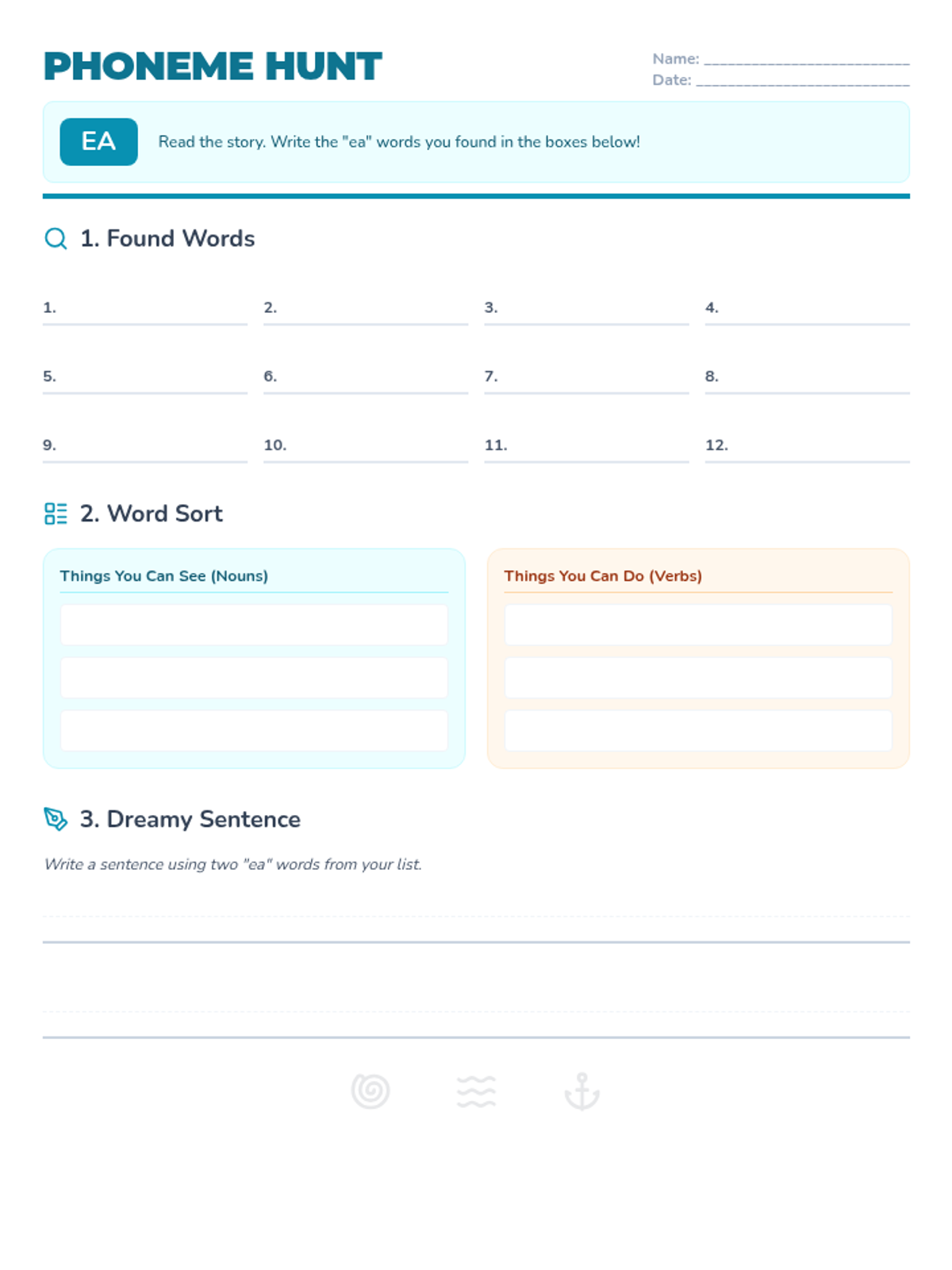
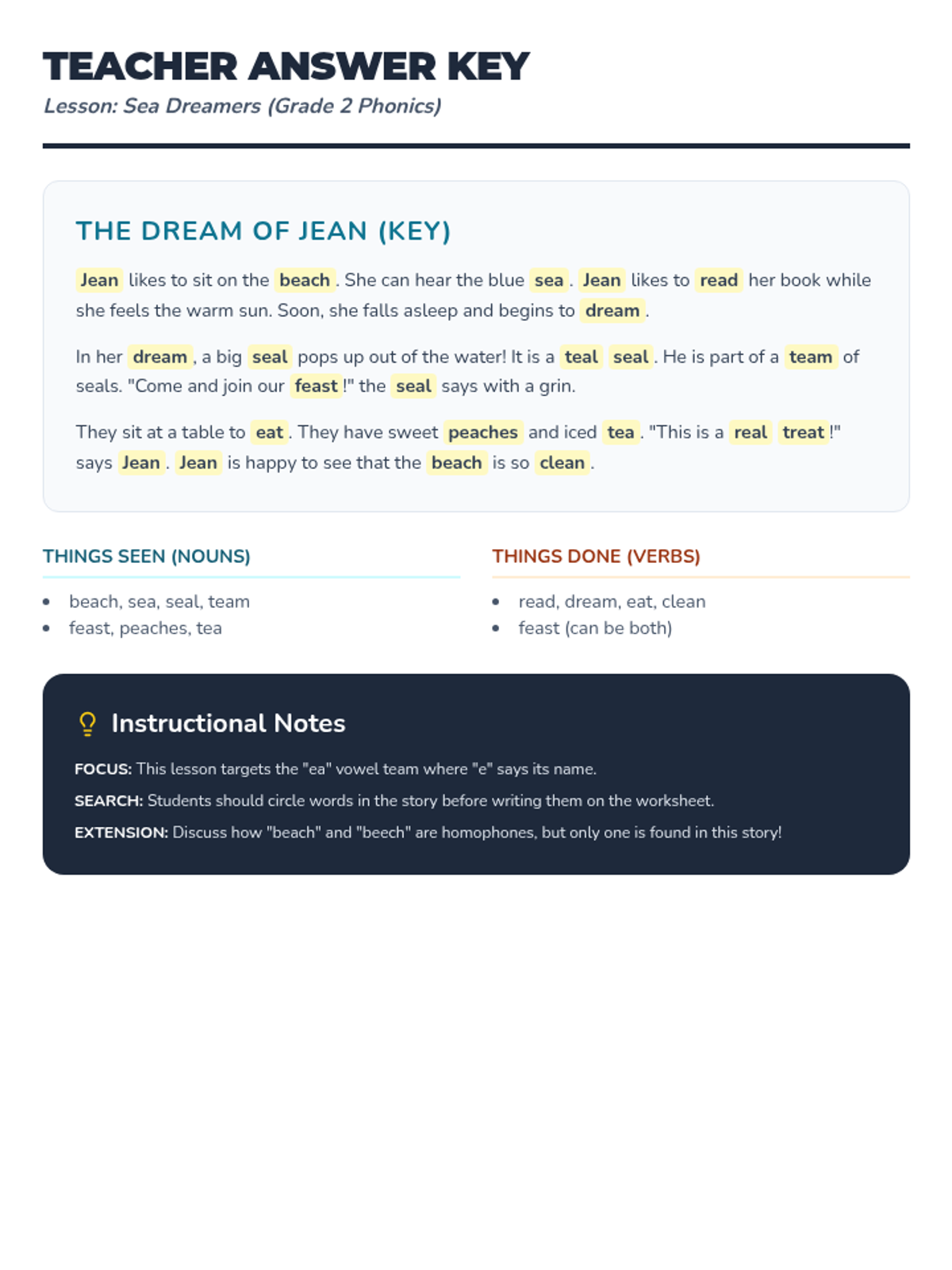
A Grade 2 phonics lesson focusing on the 'ea' vowel team (long e sound) through an engaging coastal-themed story and word-hunting activities.
A collaborative "Pairs Compare" activity where students work in teams of four to share keywords, locate evidence, and synthesize final answers on index cards.
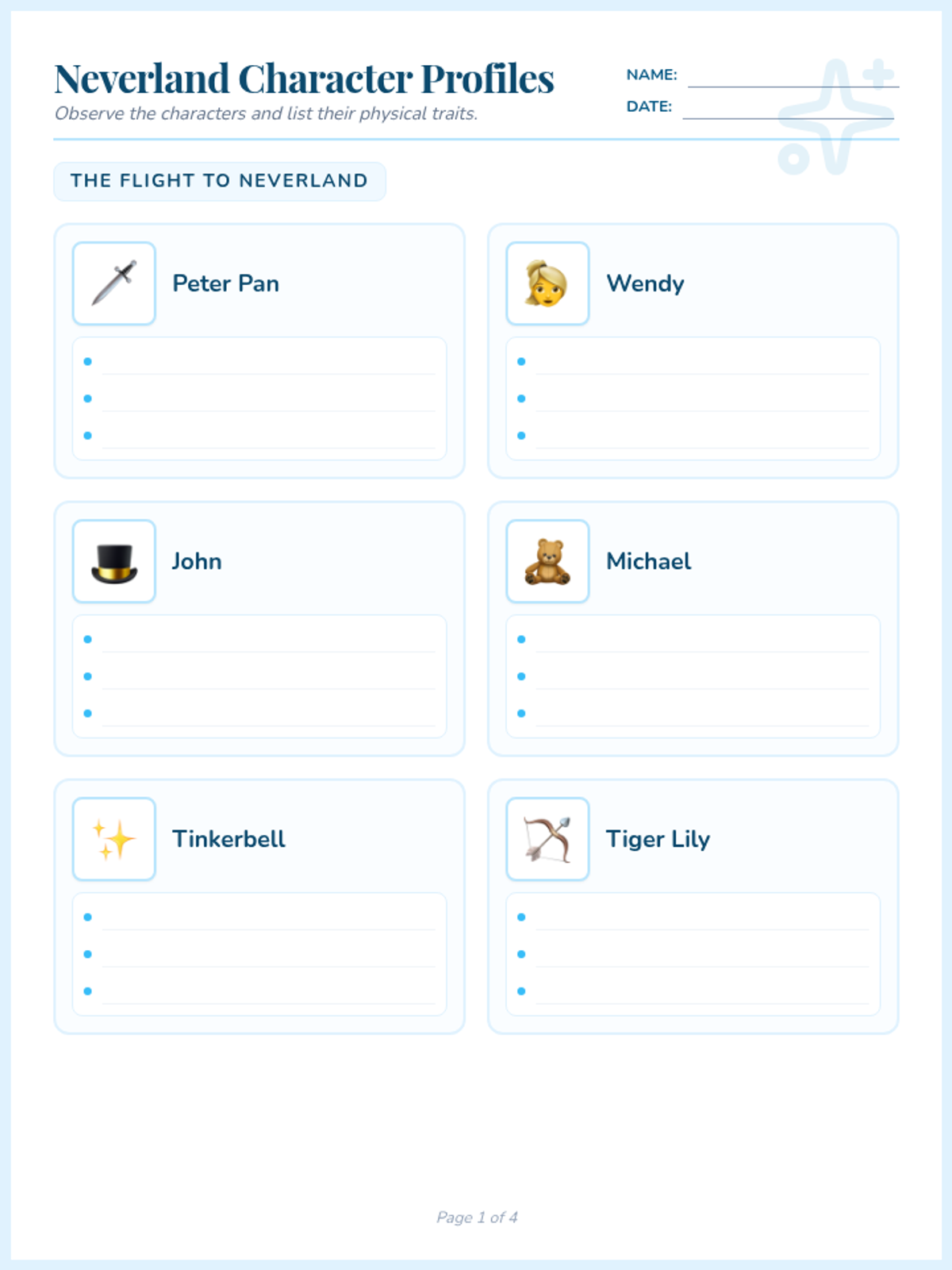
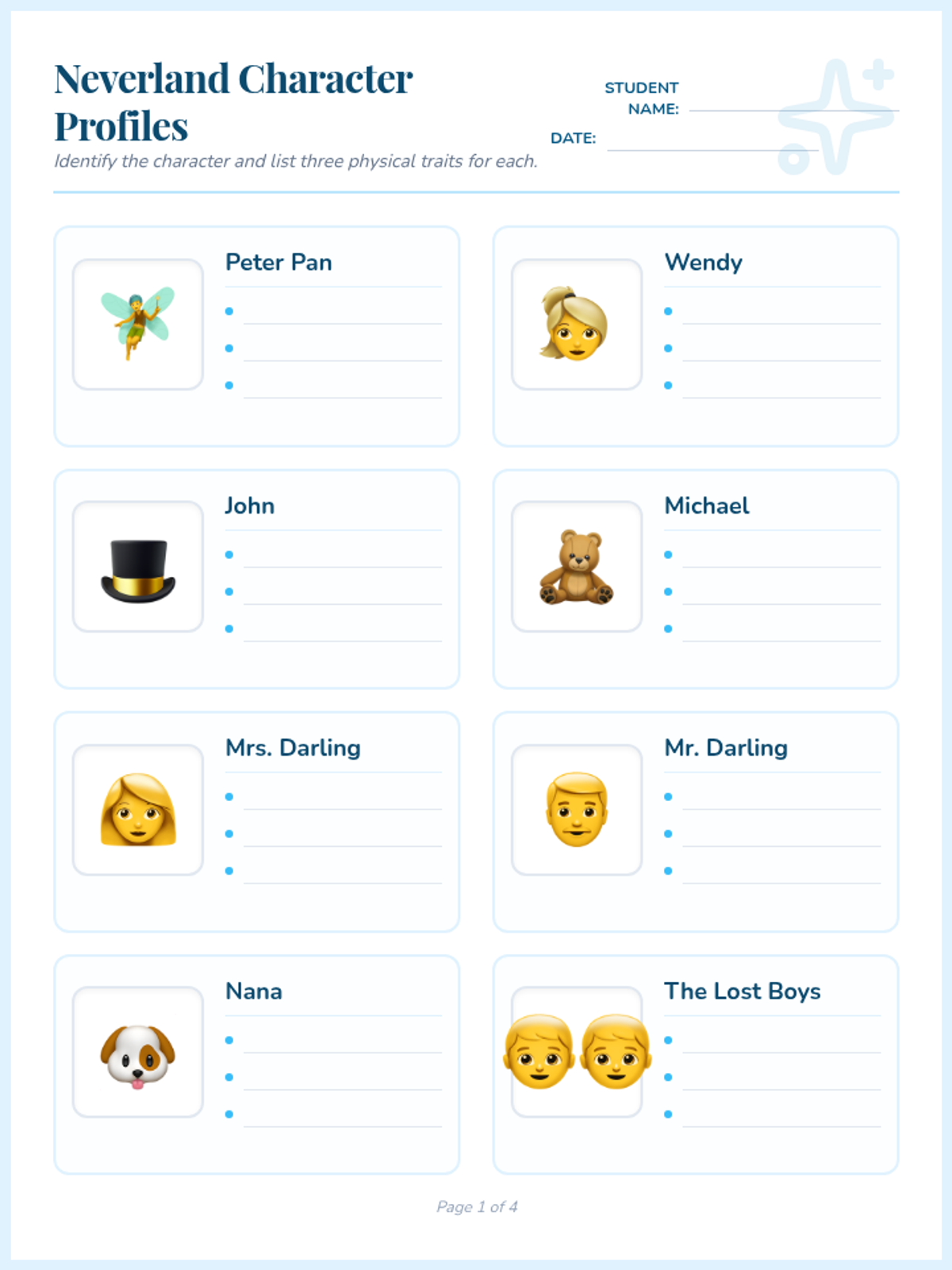
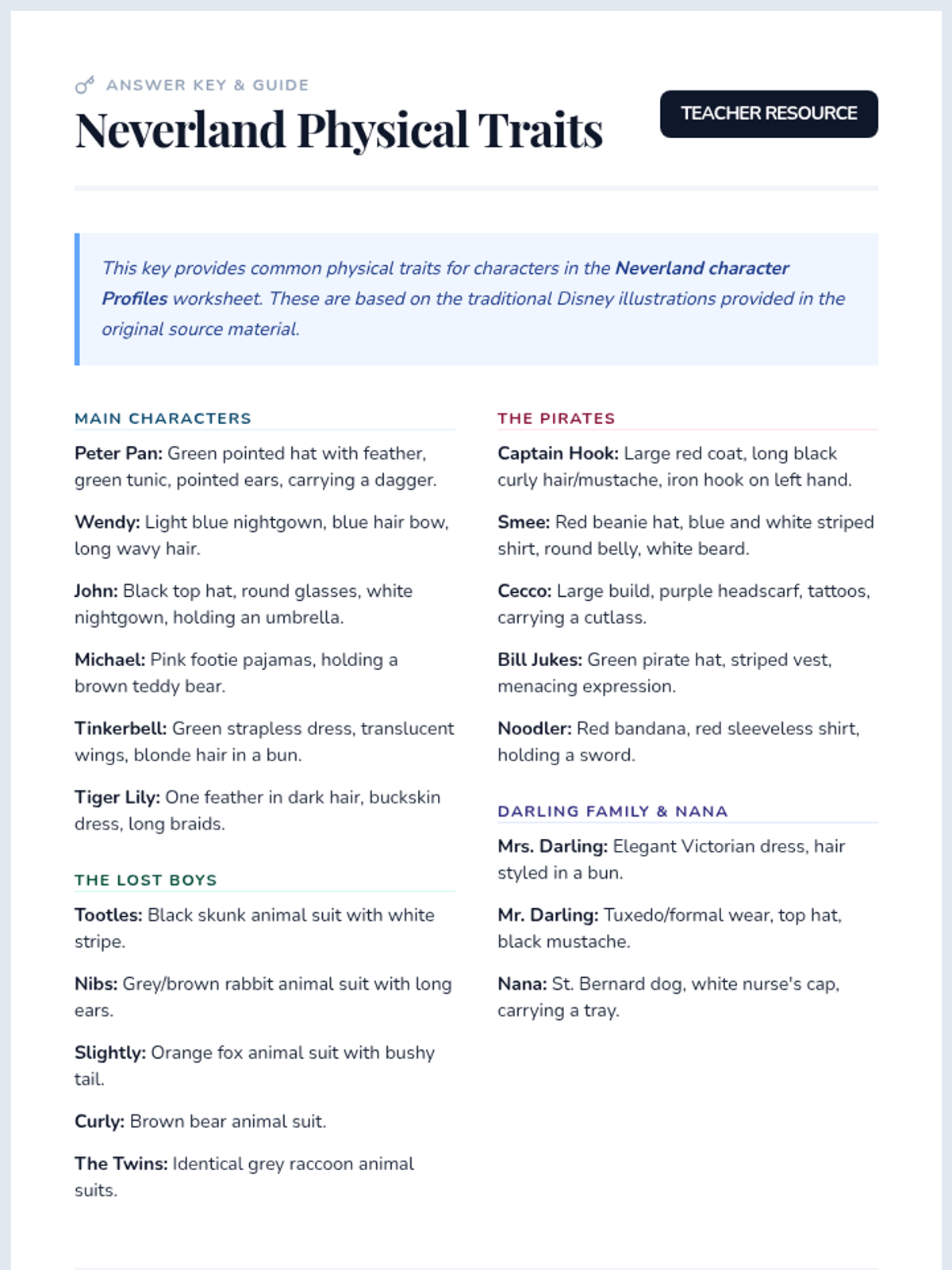
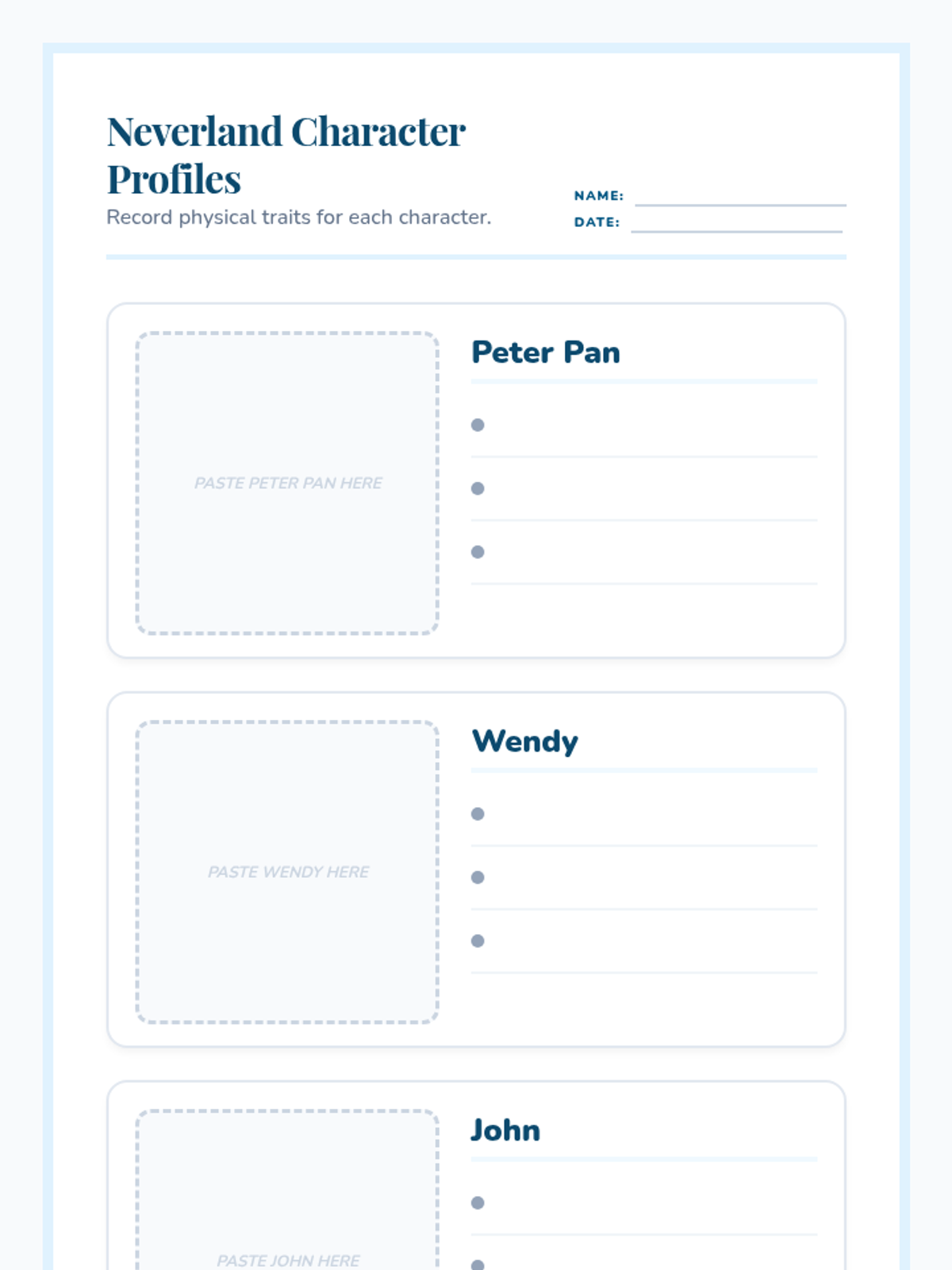
A character analysis lesson based on the classic story of Peter Pan, focusing on identifying physical traits and character descriptions.
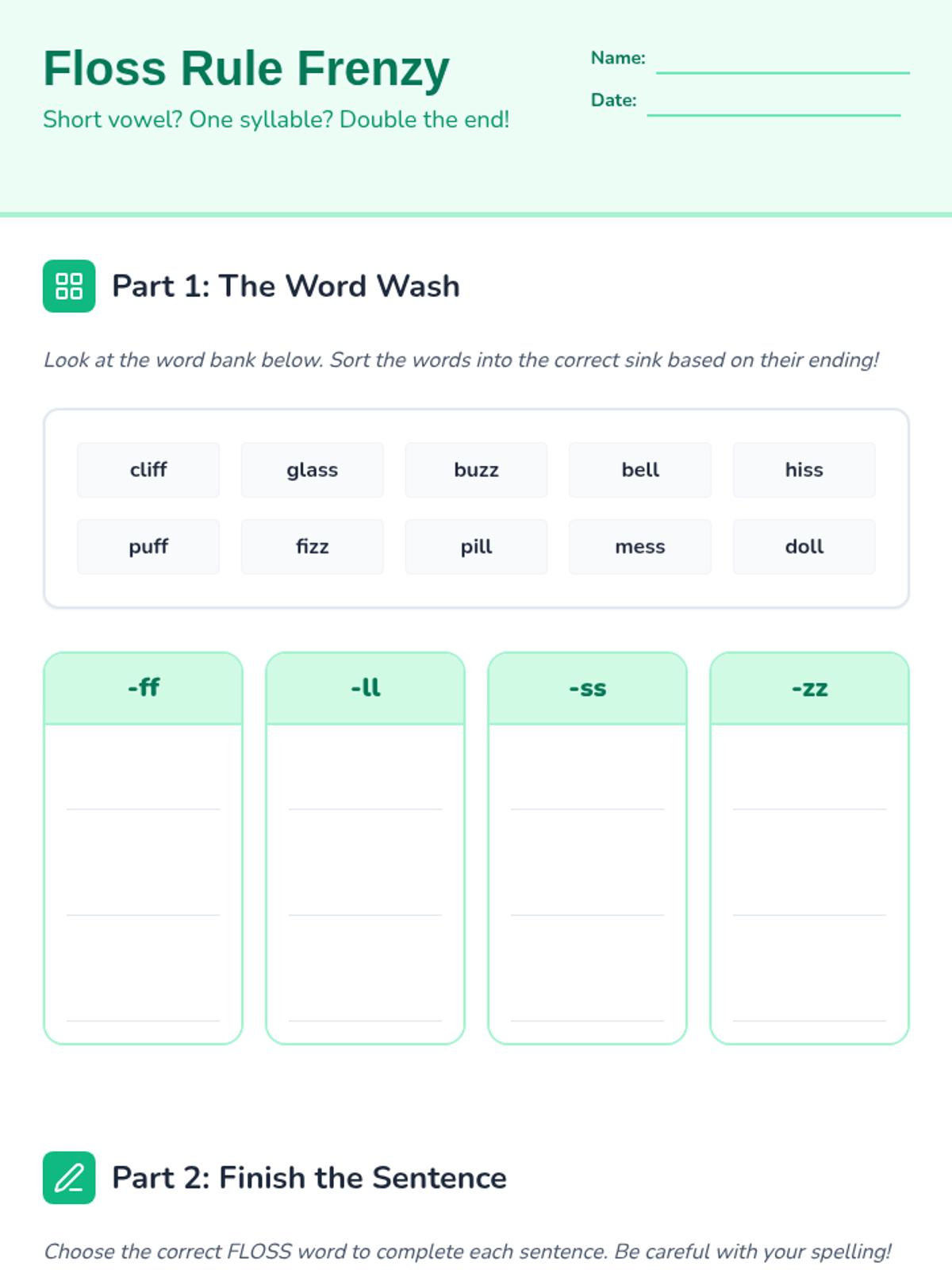
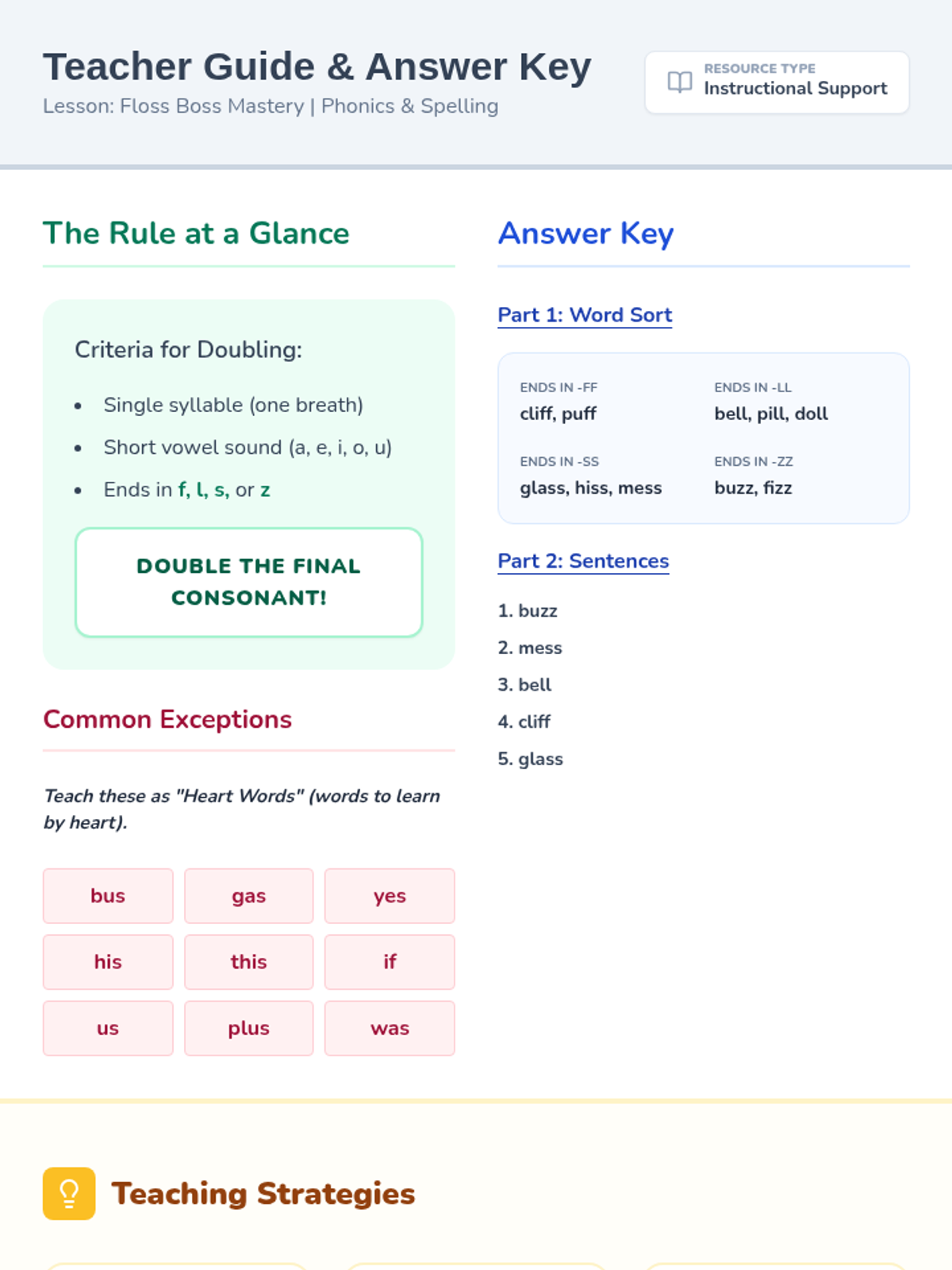
A phonics lesson for 2nd graders focusing on the FLOSS rule (doubling f, l, s, and z at the end of short vowel words). Students will learn to identify, sort, and spell words following this pattern.
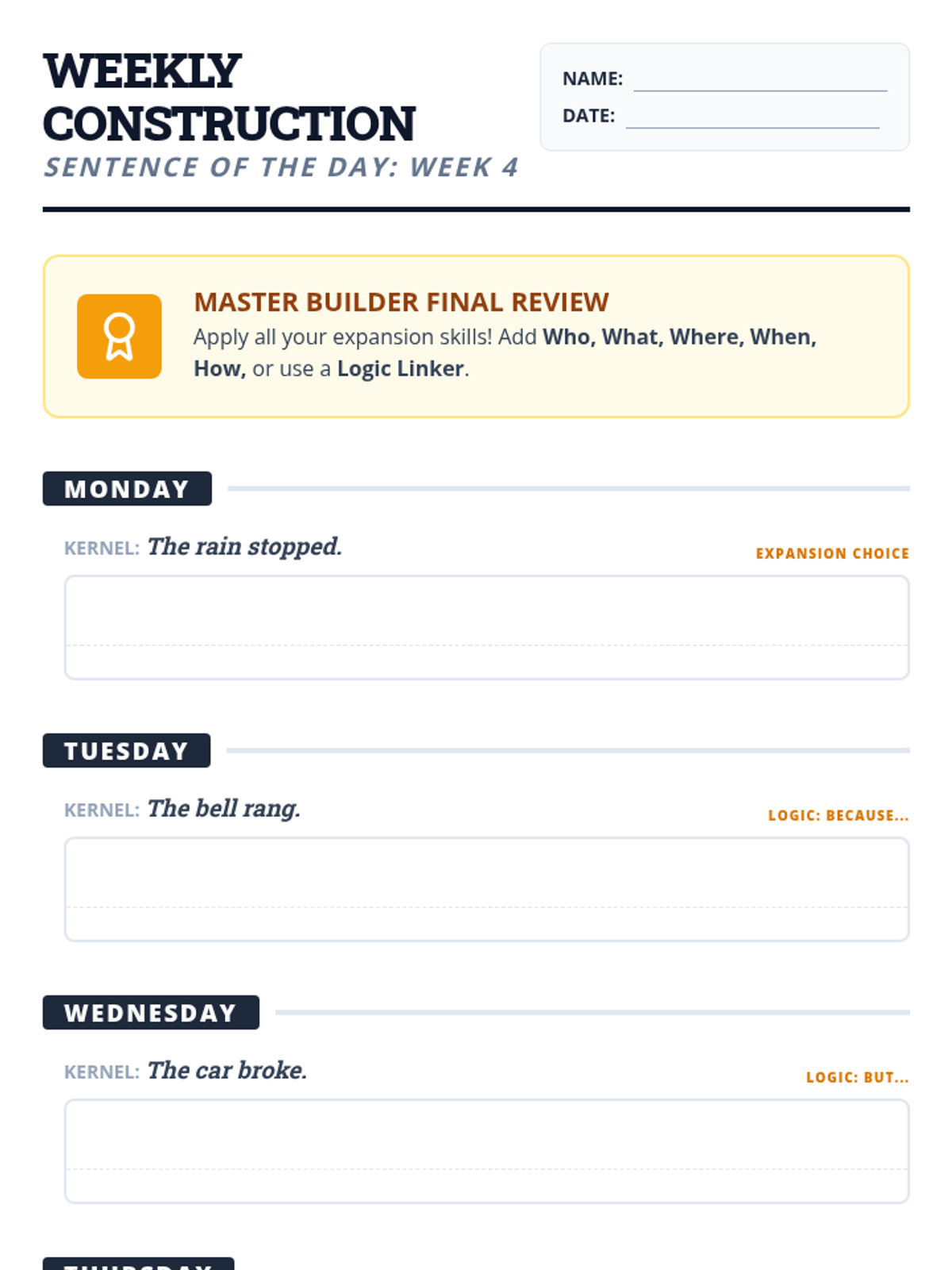
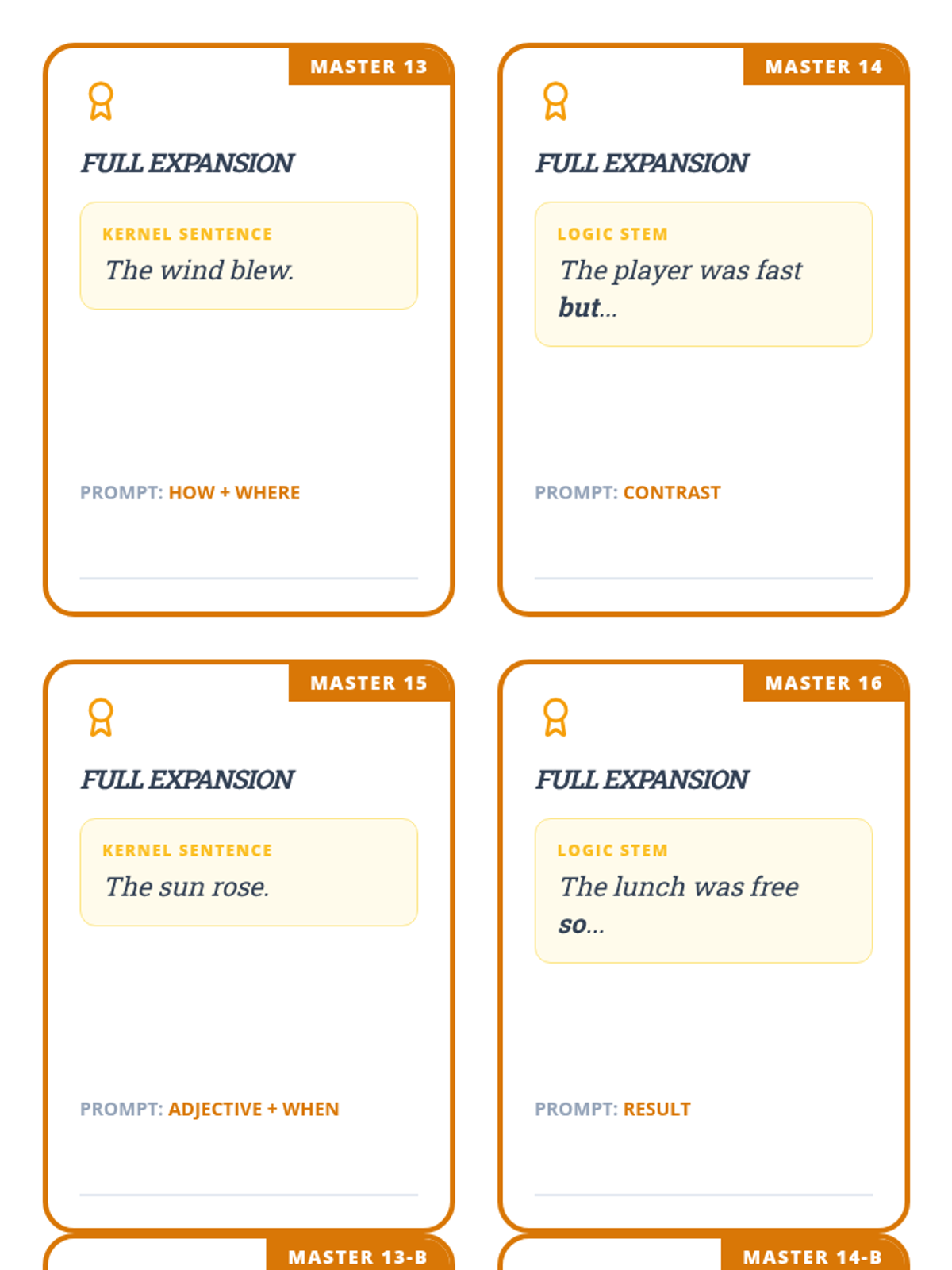
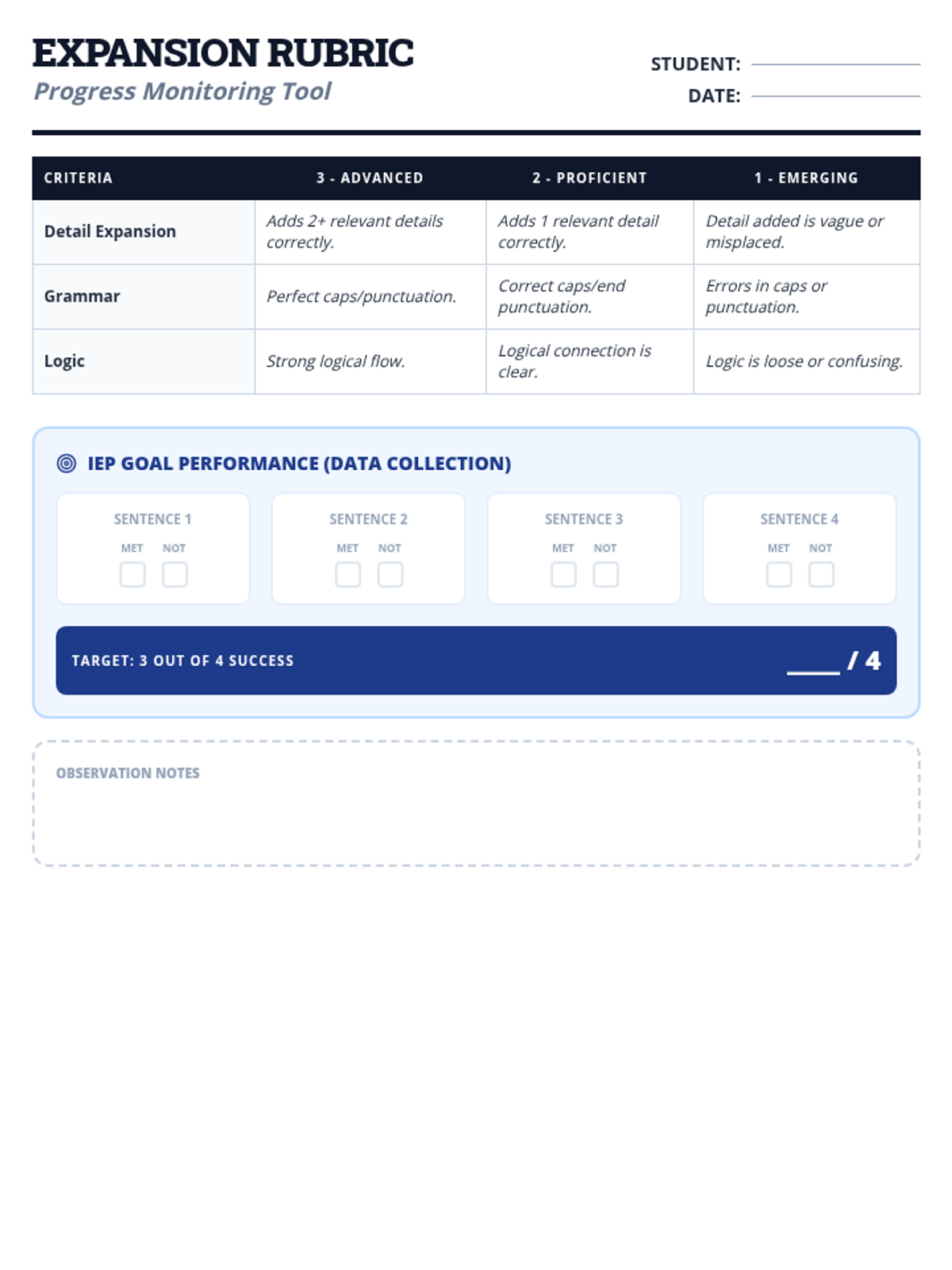
The final review lesson where students apply all previous strategies (adjectives, situational details, and logical conjunctions) to create complex and polished sentences.
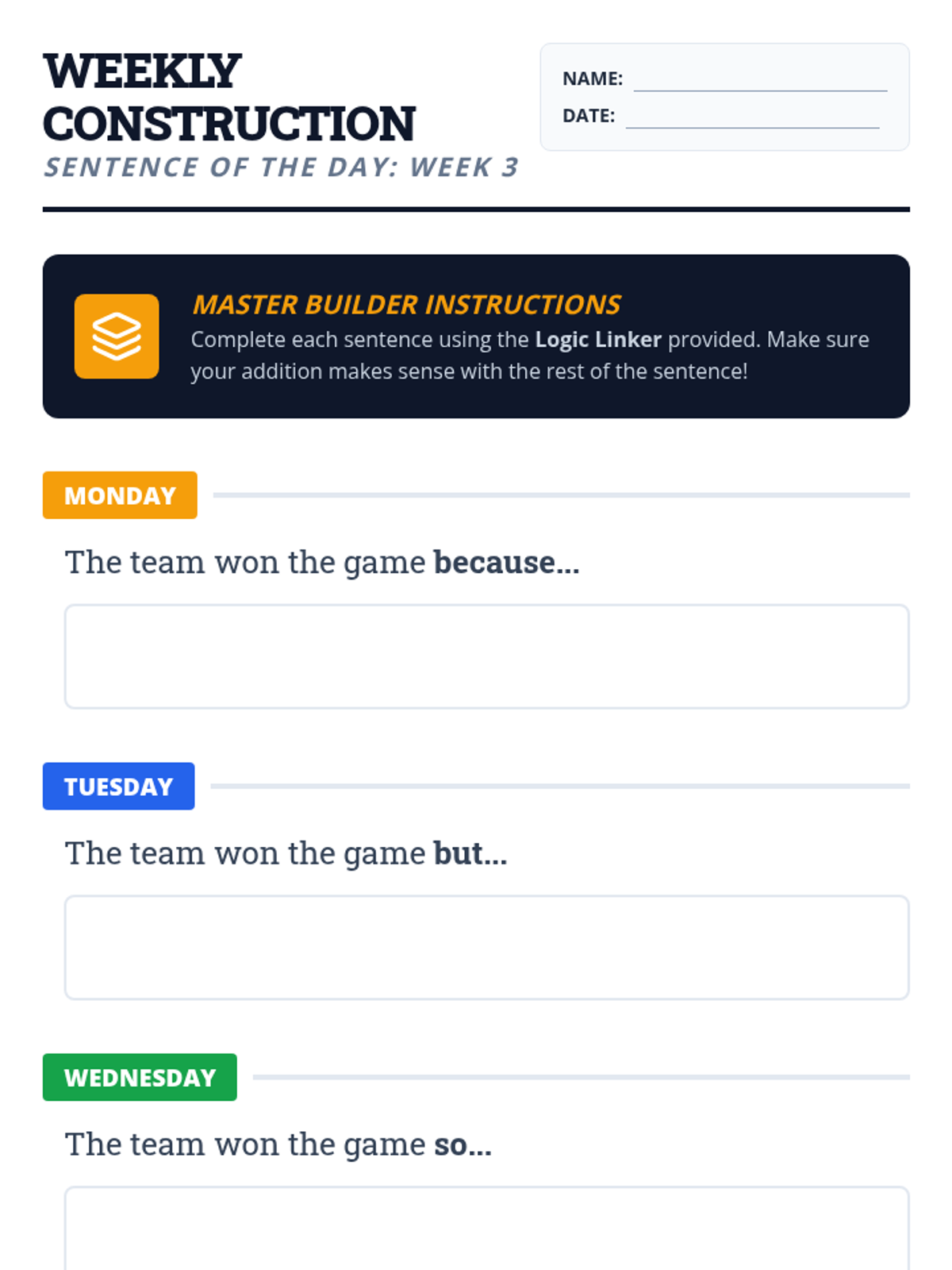
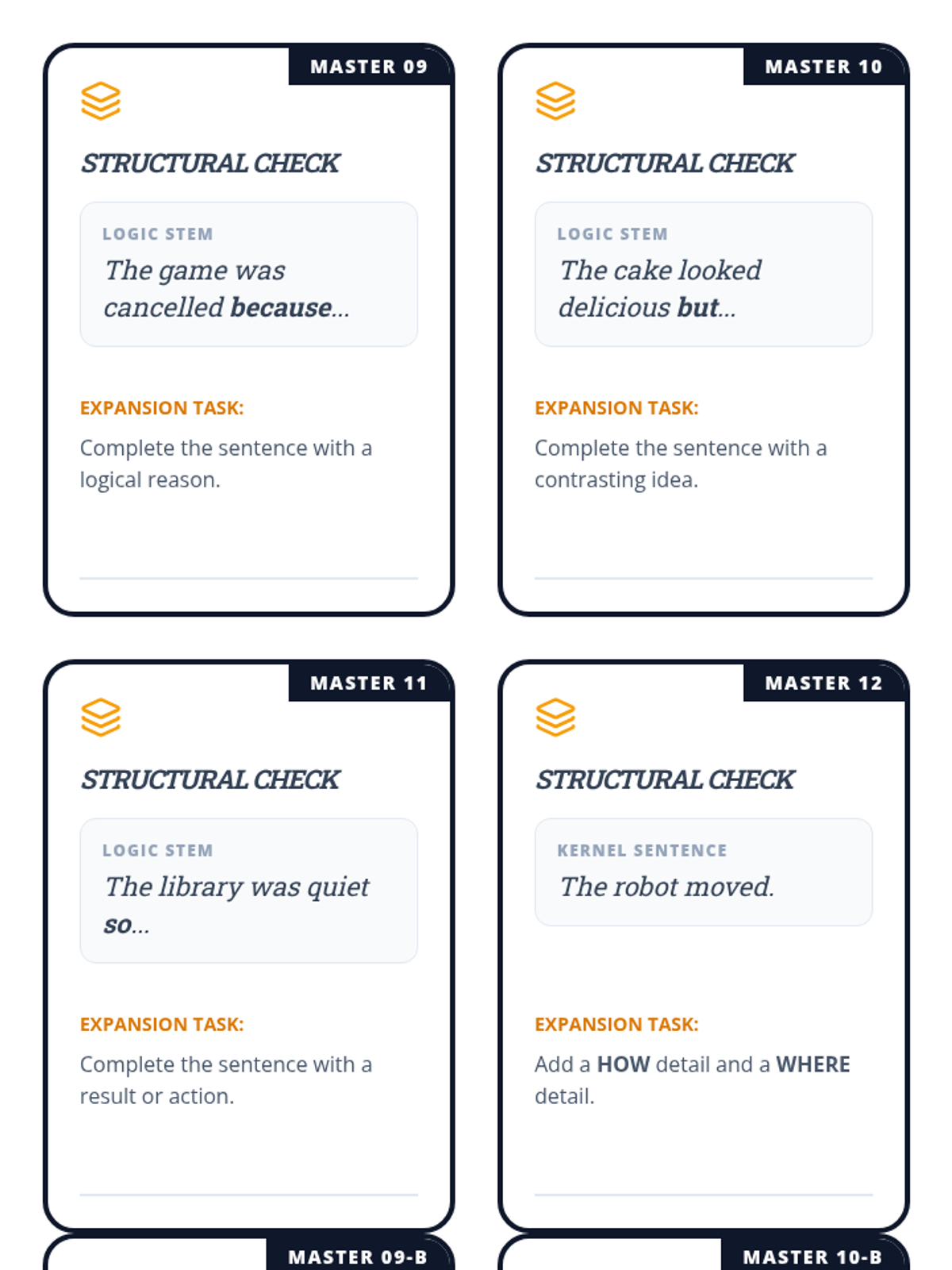
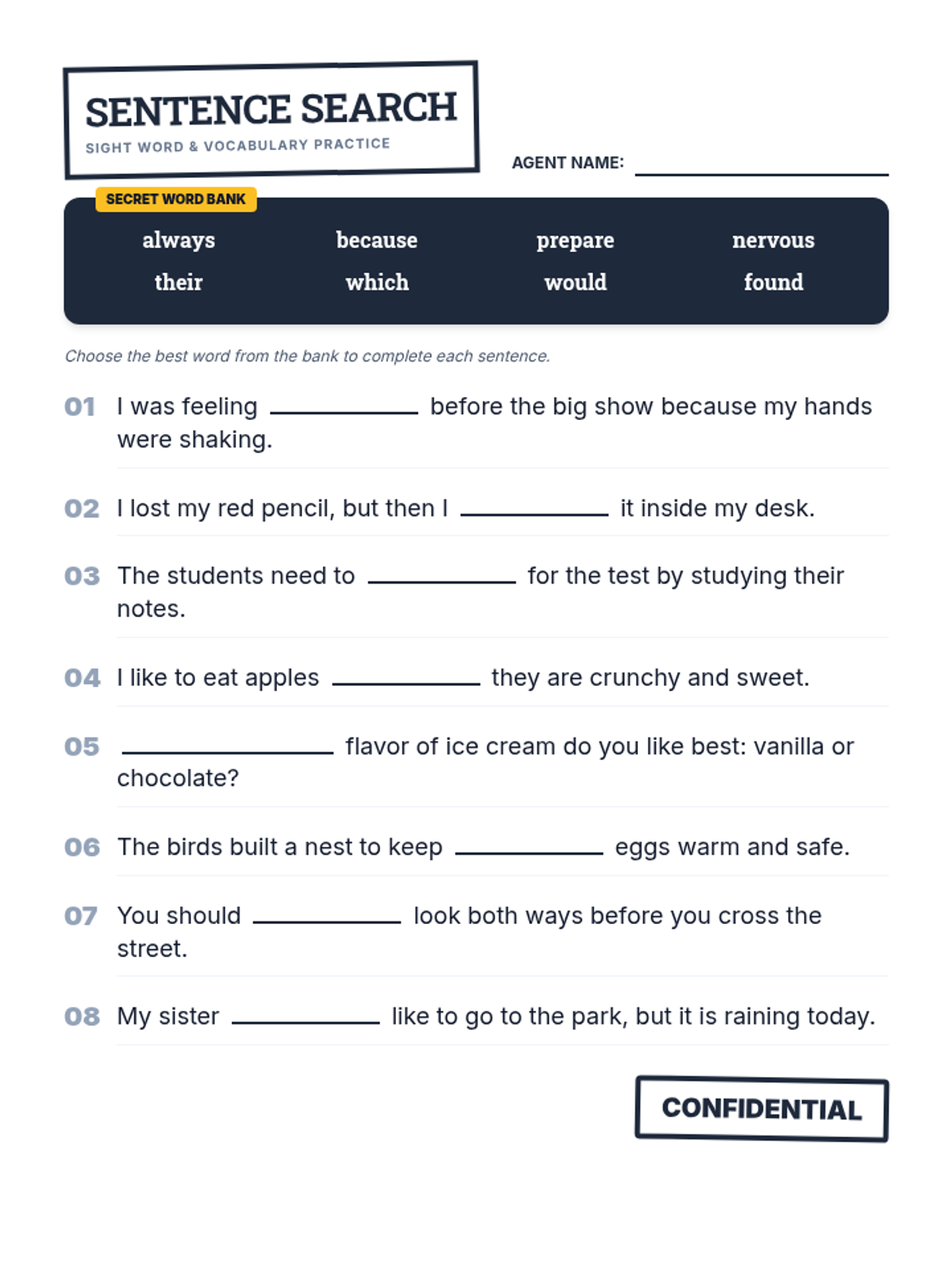
The final lesson focuses on using 'Because, But, So' to expand sentences logically and demonstrate deeper reasoning and detail.
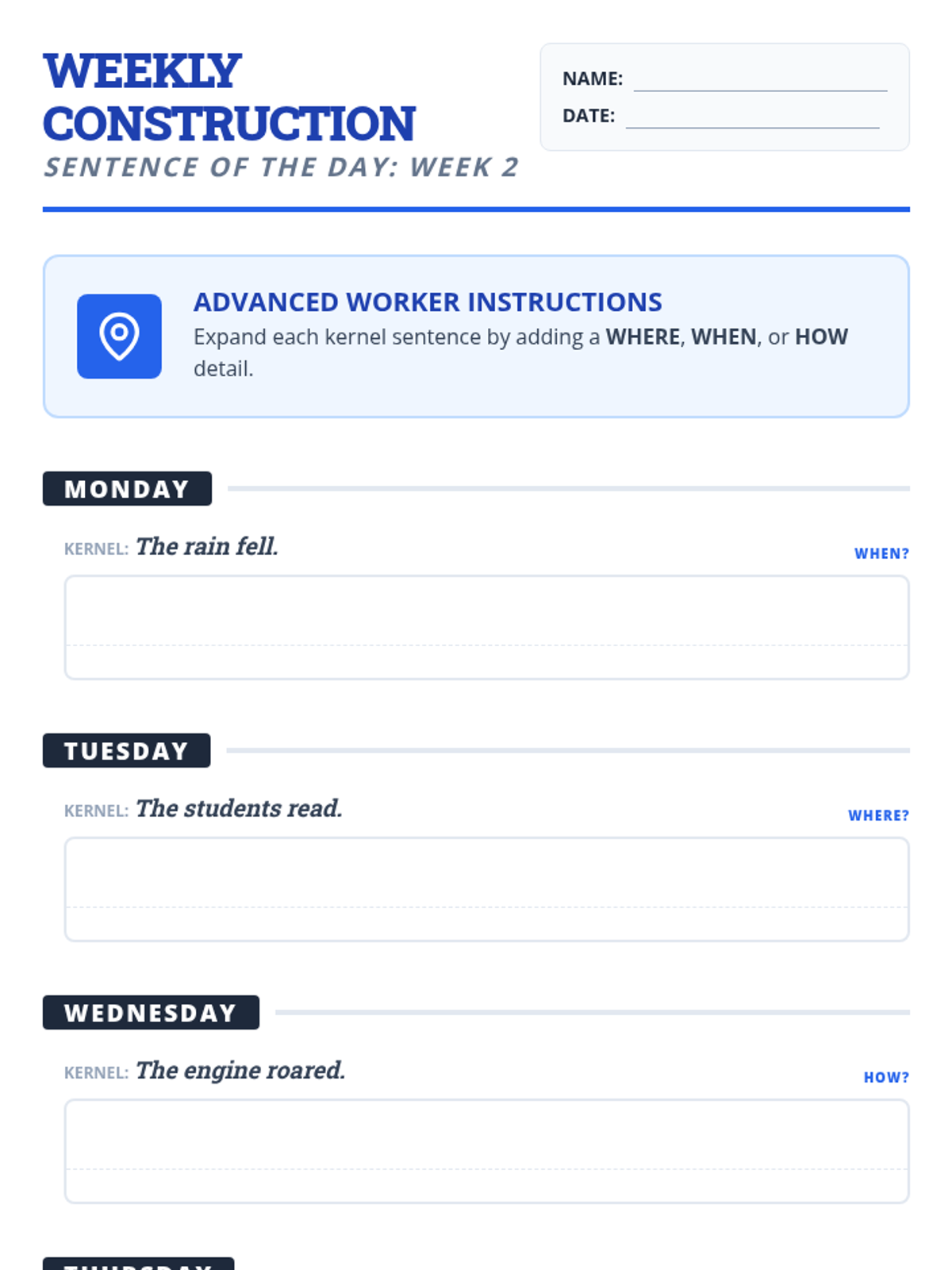
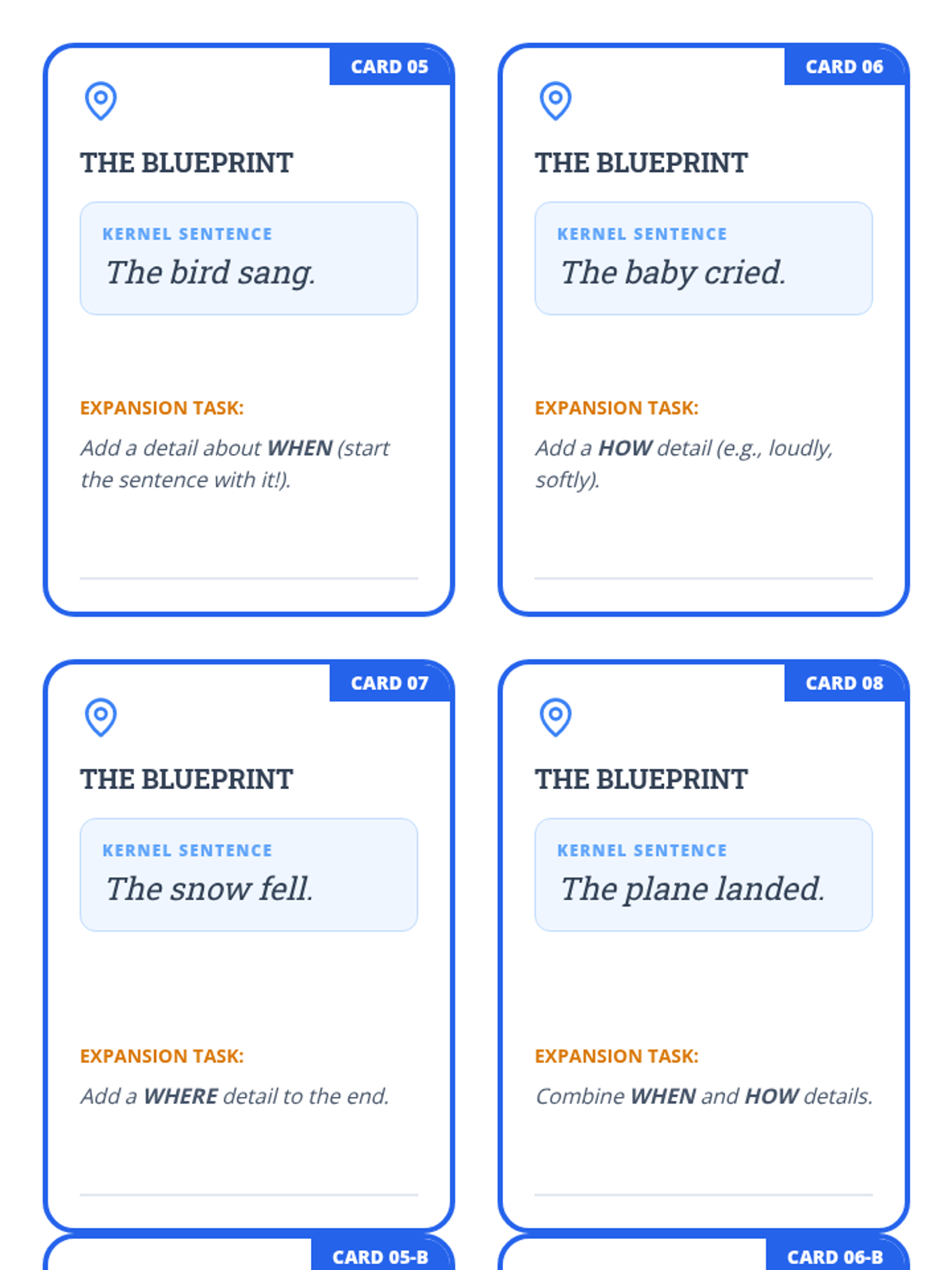
In this lesson, students learn to add situational details to their sentences using 'Where', 'When', and 'How' question words.
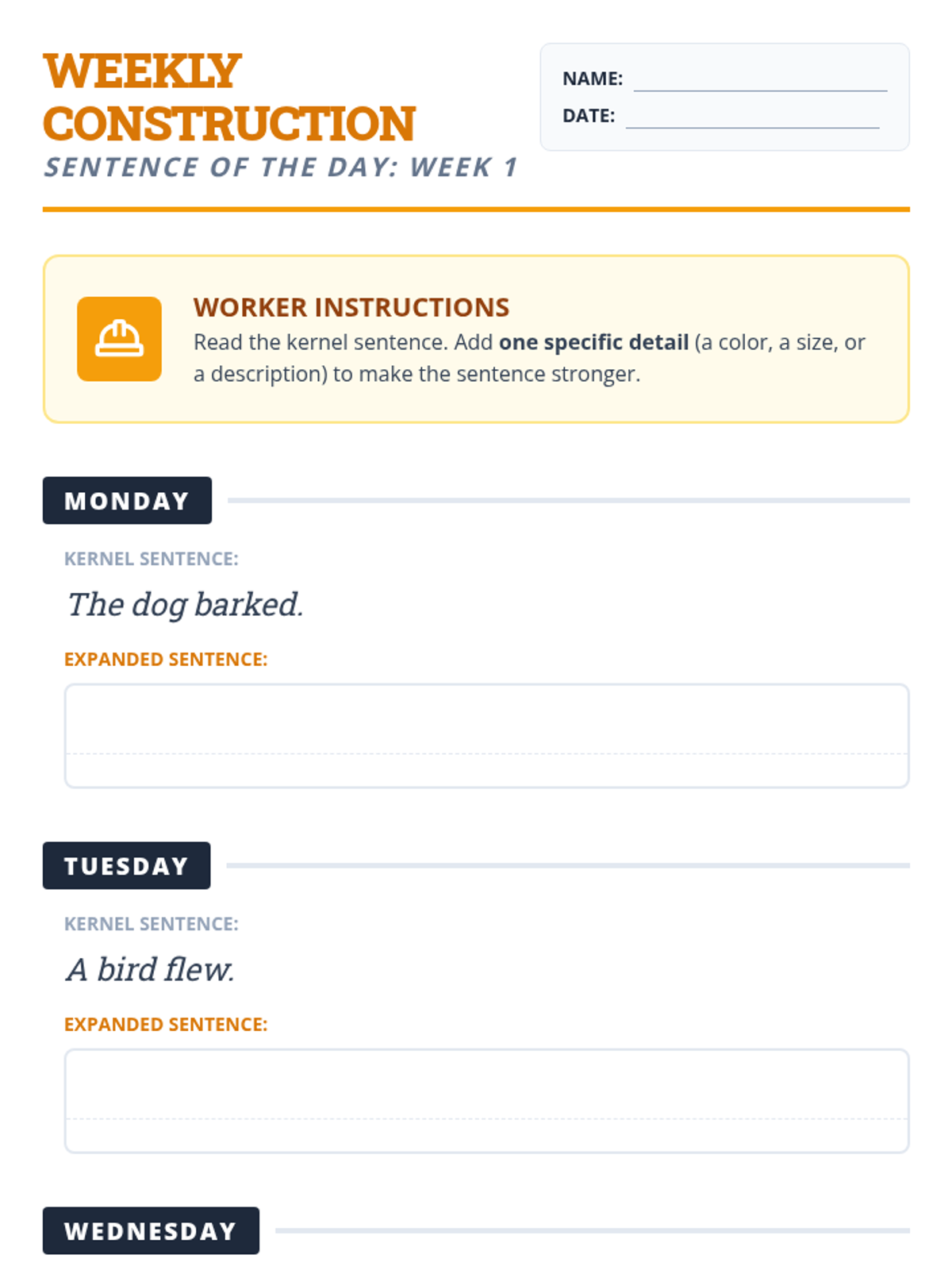
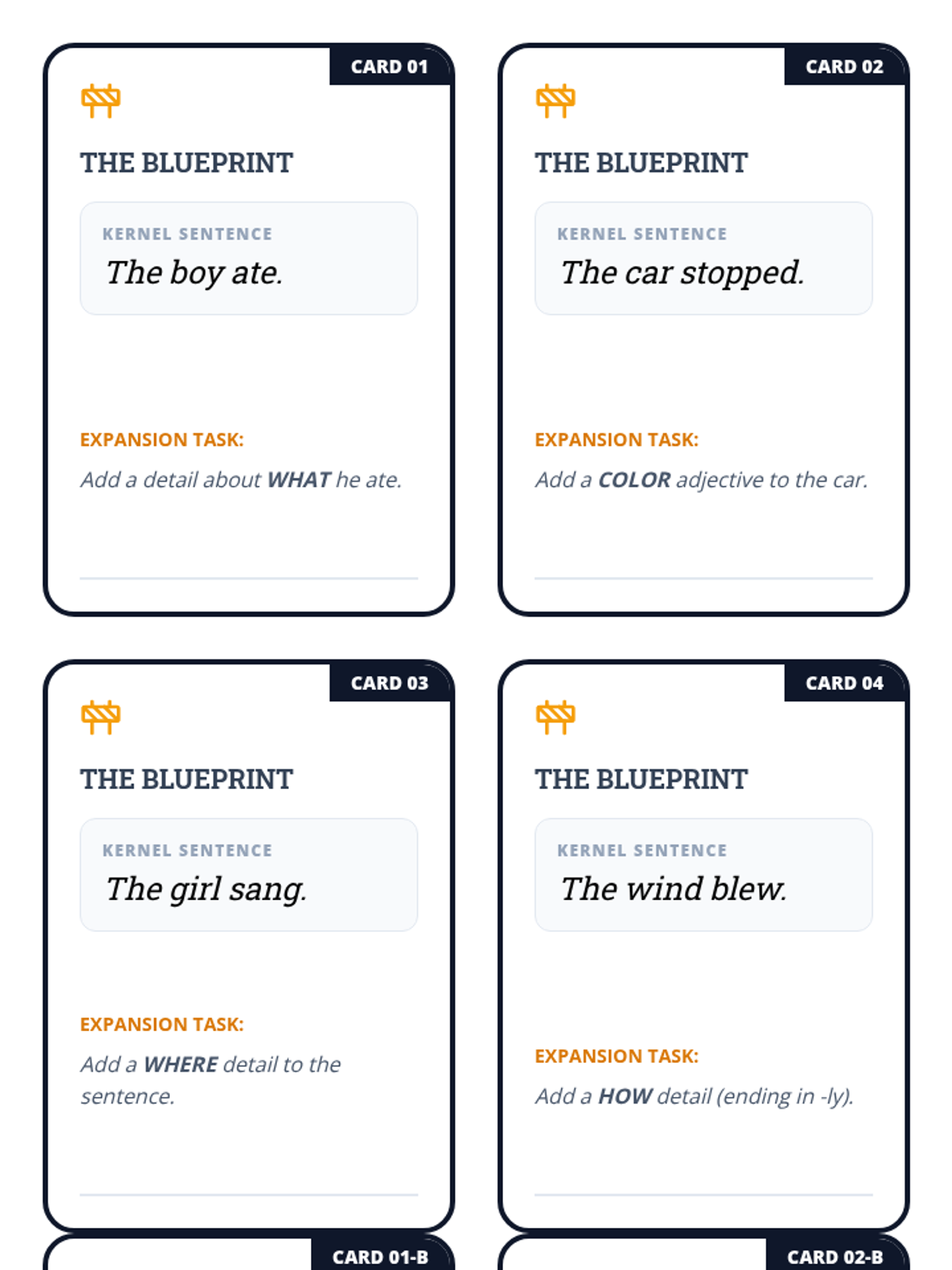
This lesson introduces the concept of a complete sentence versus a fragment and begins basic sentence expansion using 'Who' and 'What' details.
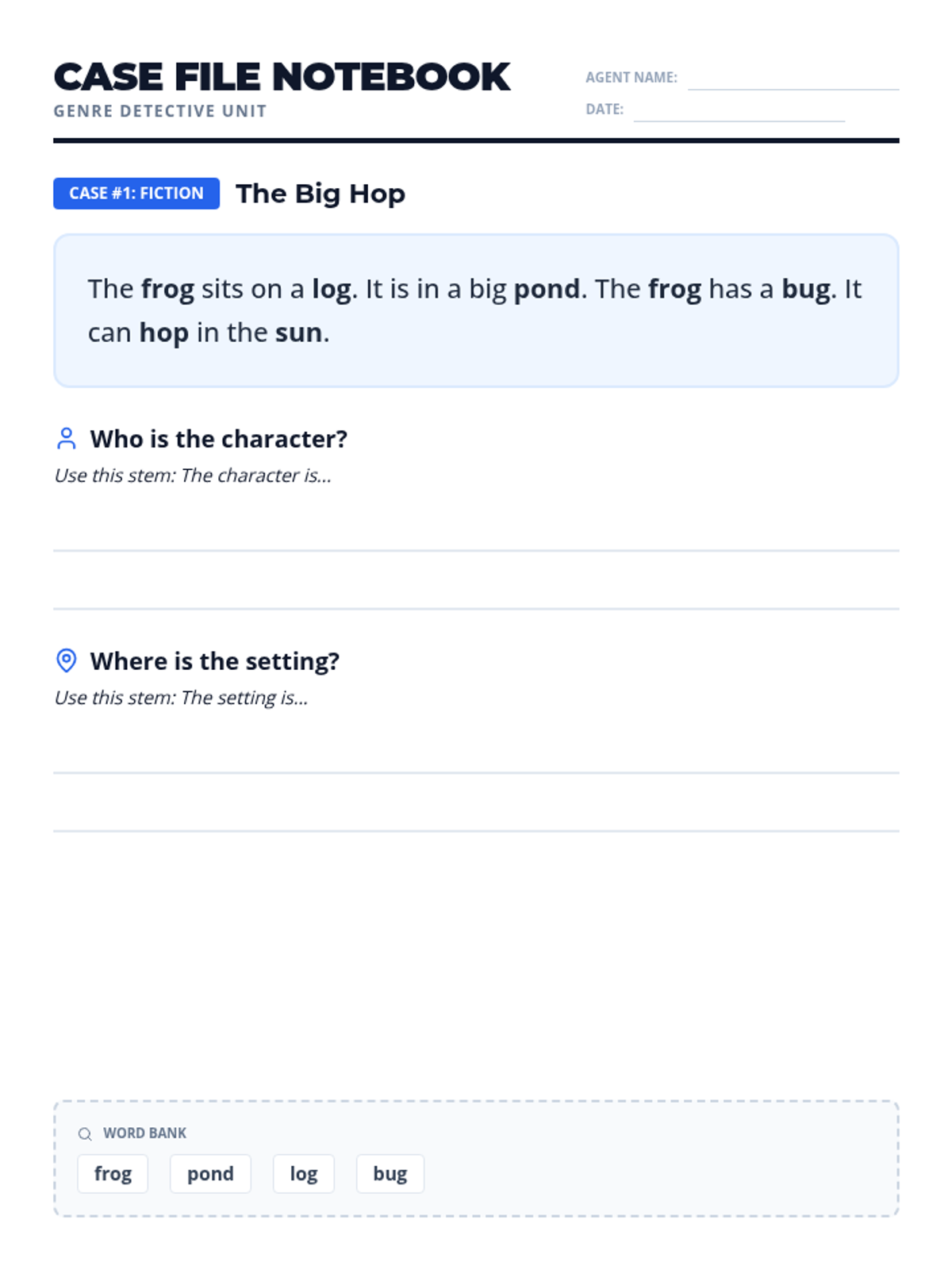
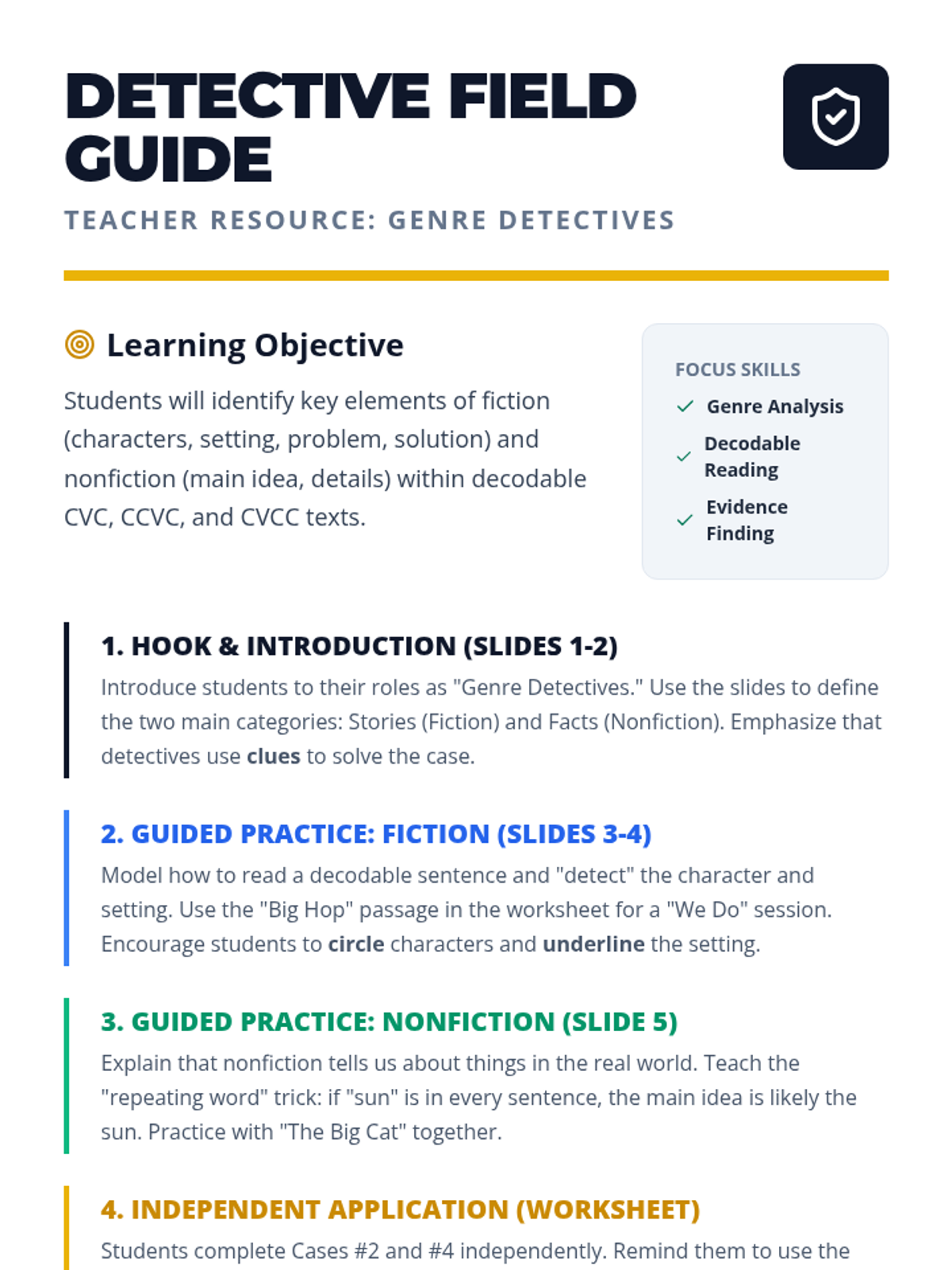
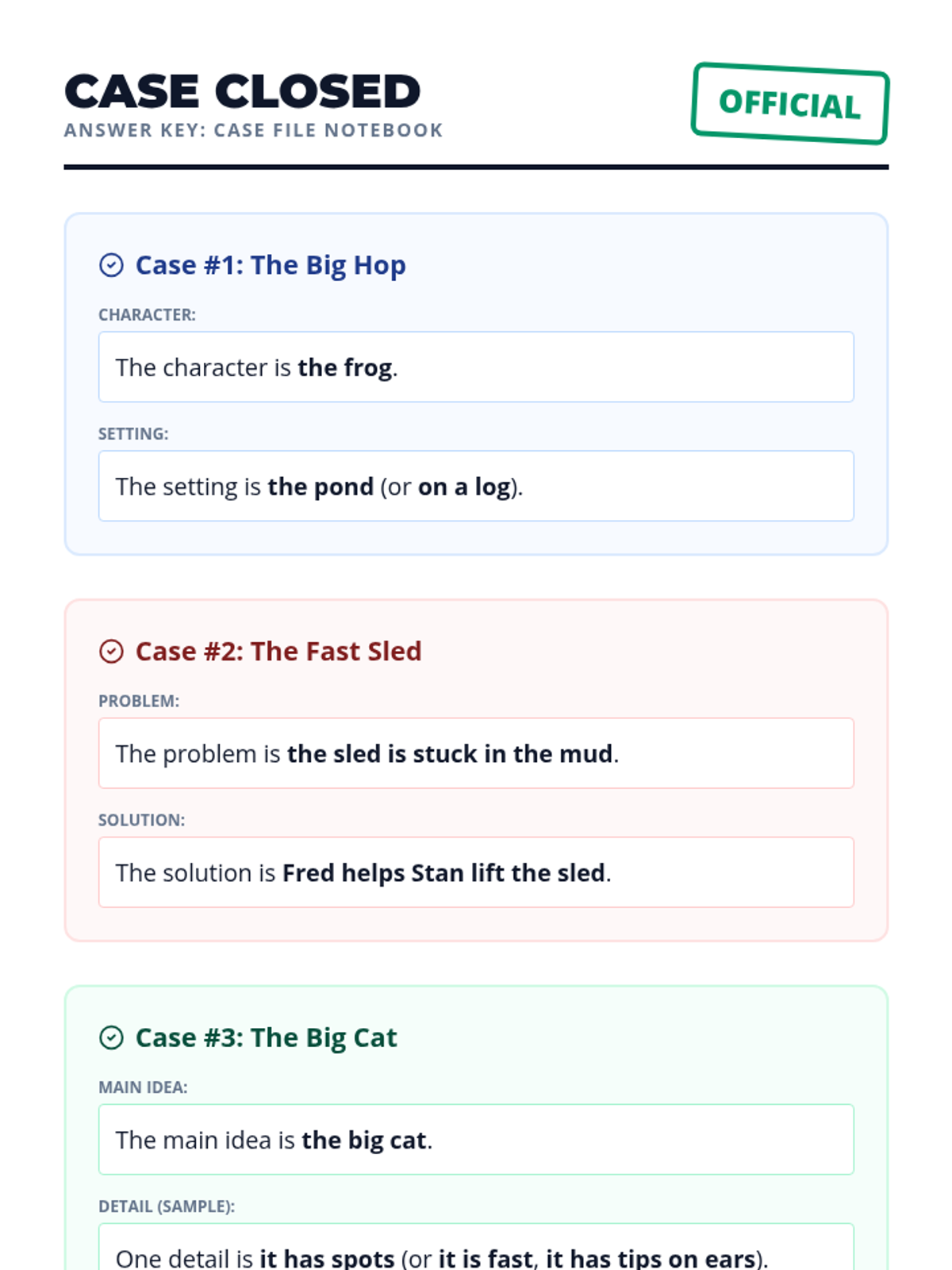
A lesson focused on identifying characters, setting, problem, and solution in fiction, and main idea and details in nonfiction using decodable text.
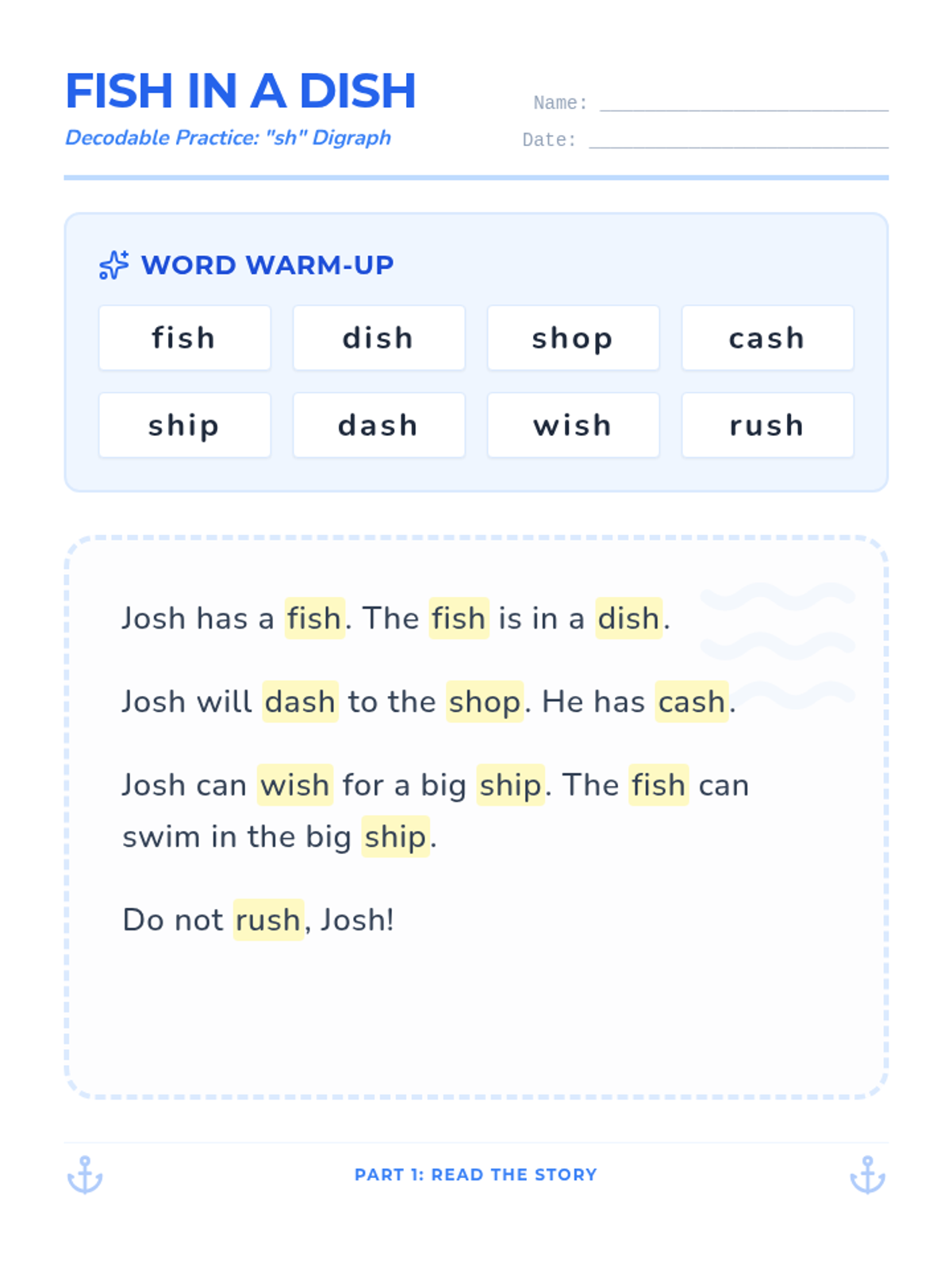
A lesson focused on decoding closed syllables featuring the 'sh' digraph in CVC words. Students will practice word recognition, reading fluency, and comprehension through a themed decodable passage.
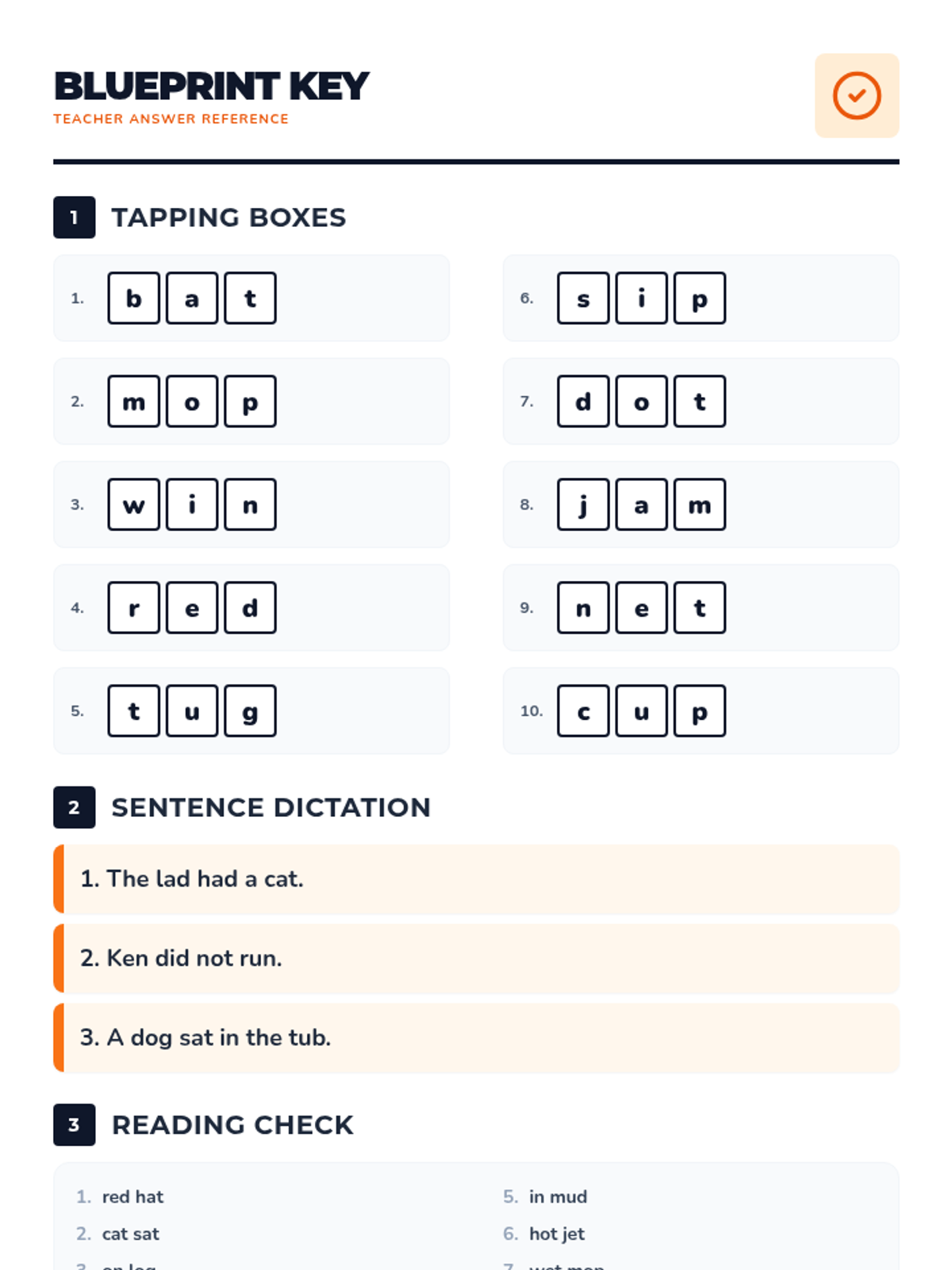
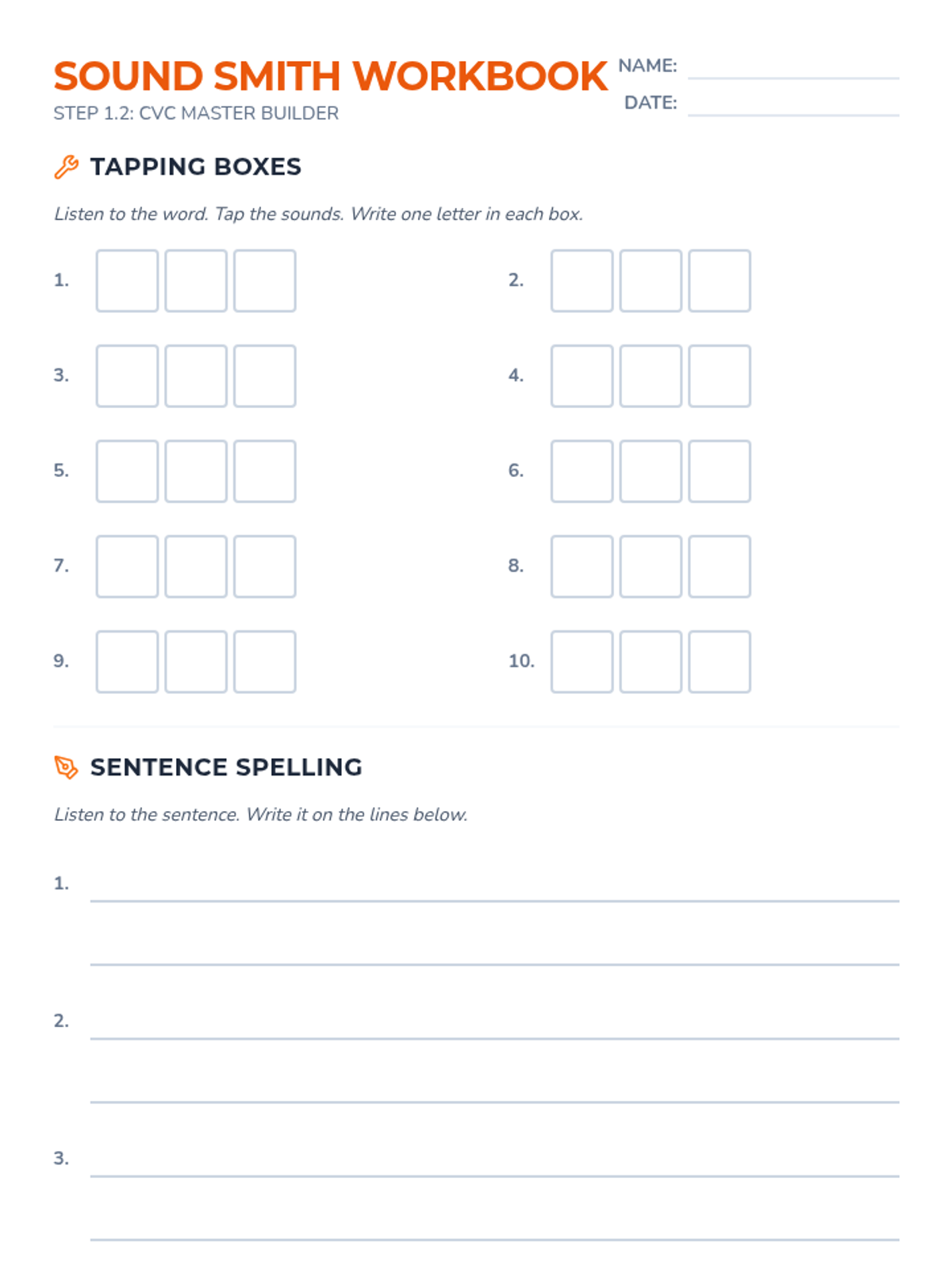
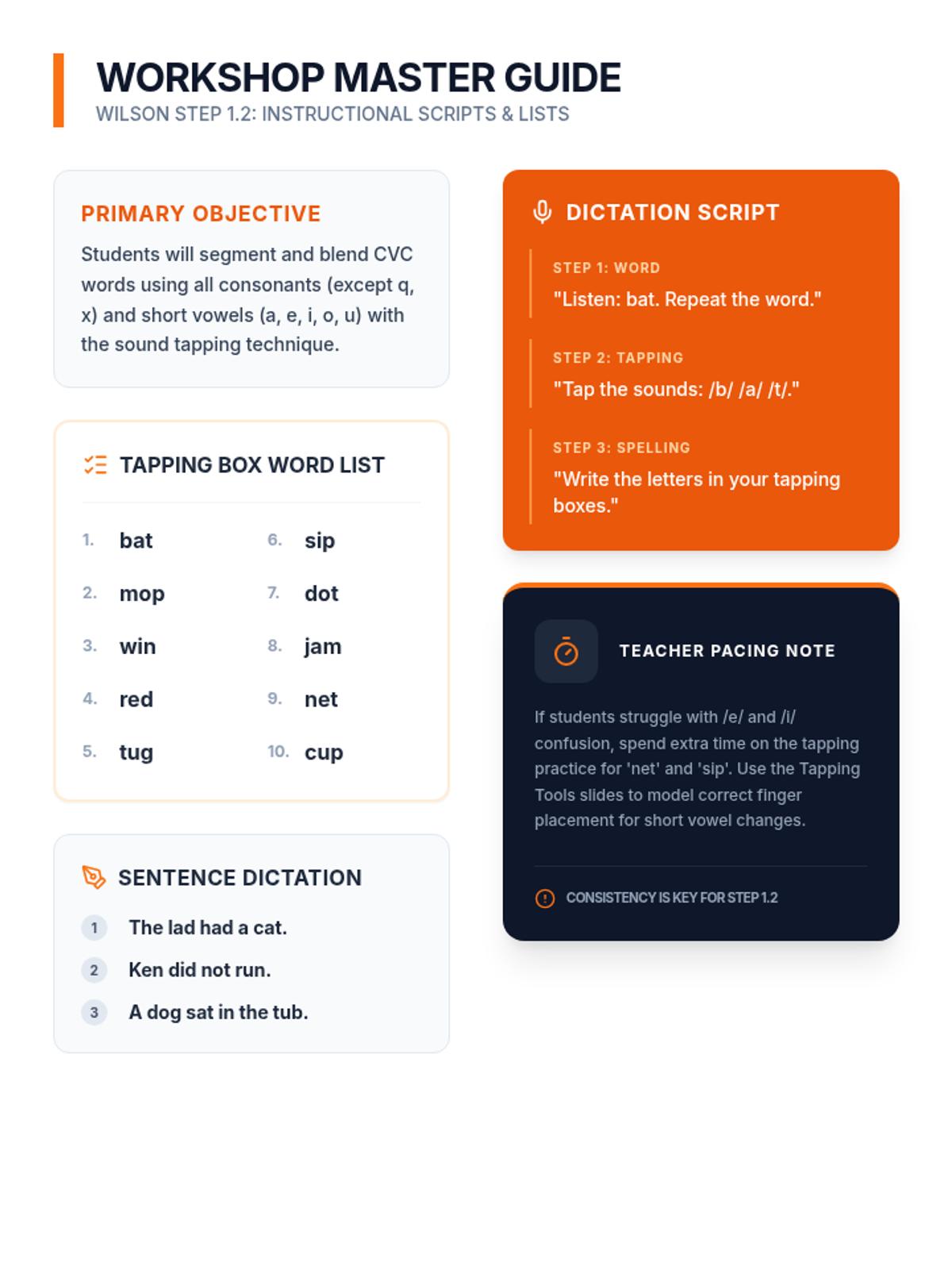
A foundational lesson on Wilson Step 1.2 focusing on CVC word segmenting, blending, and sentence construction using sound tapping techniques.
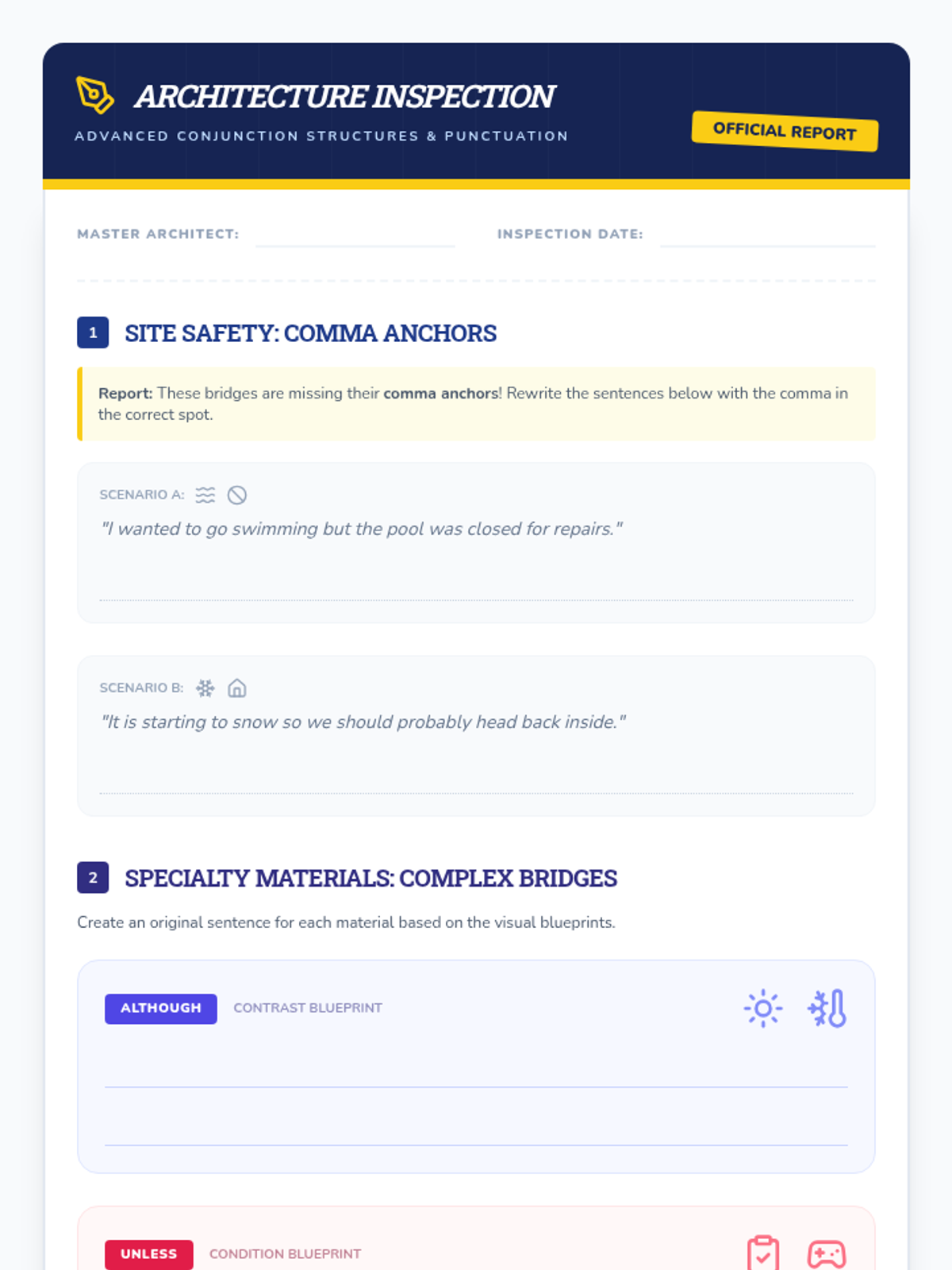
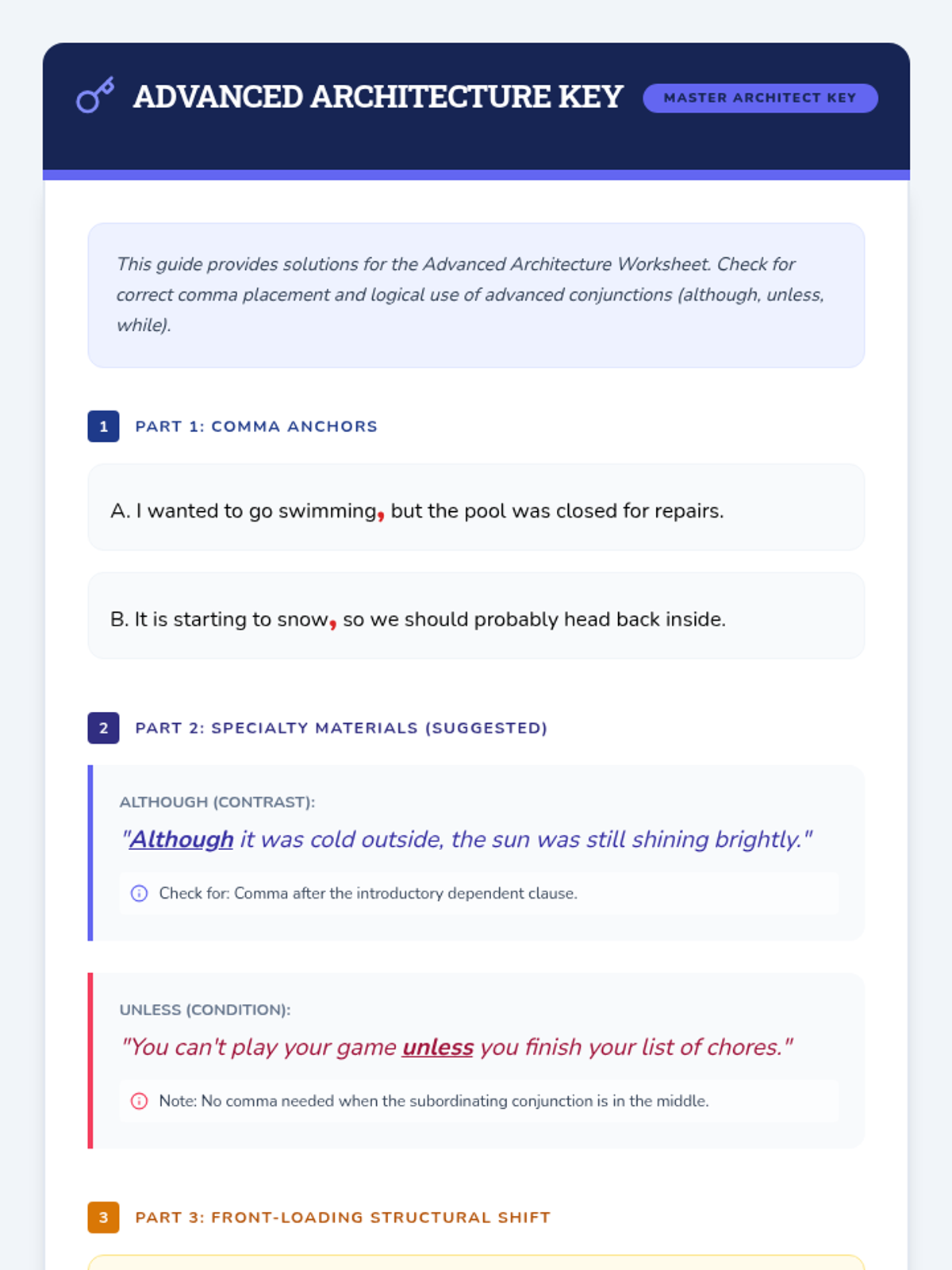
A follow-up lesson focusing on complex sentence structures, including comma placement in compound sentences and starting sentences with subordinating conjunctions. Introduces advanced conjunctions like 'although', 'while', and 'unless'.
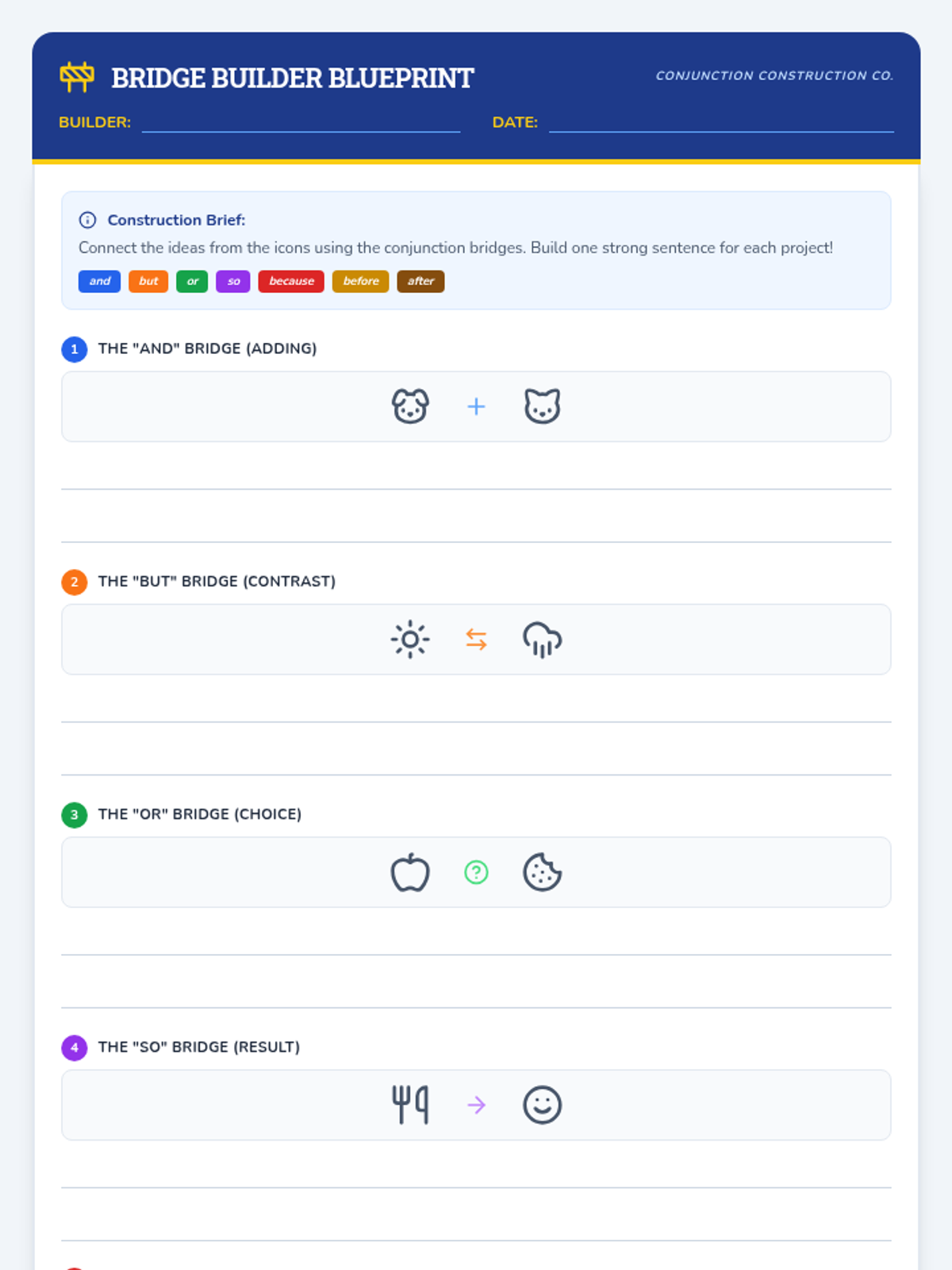
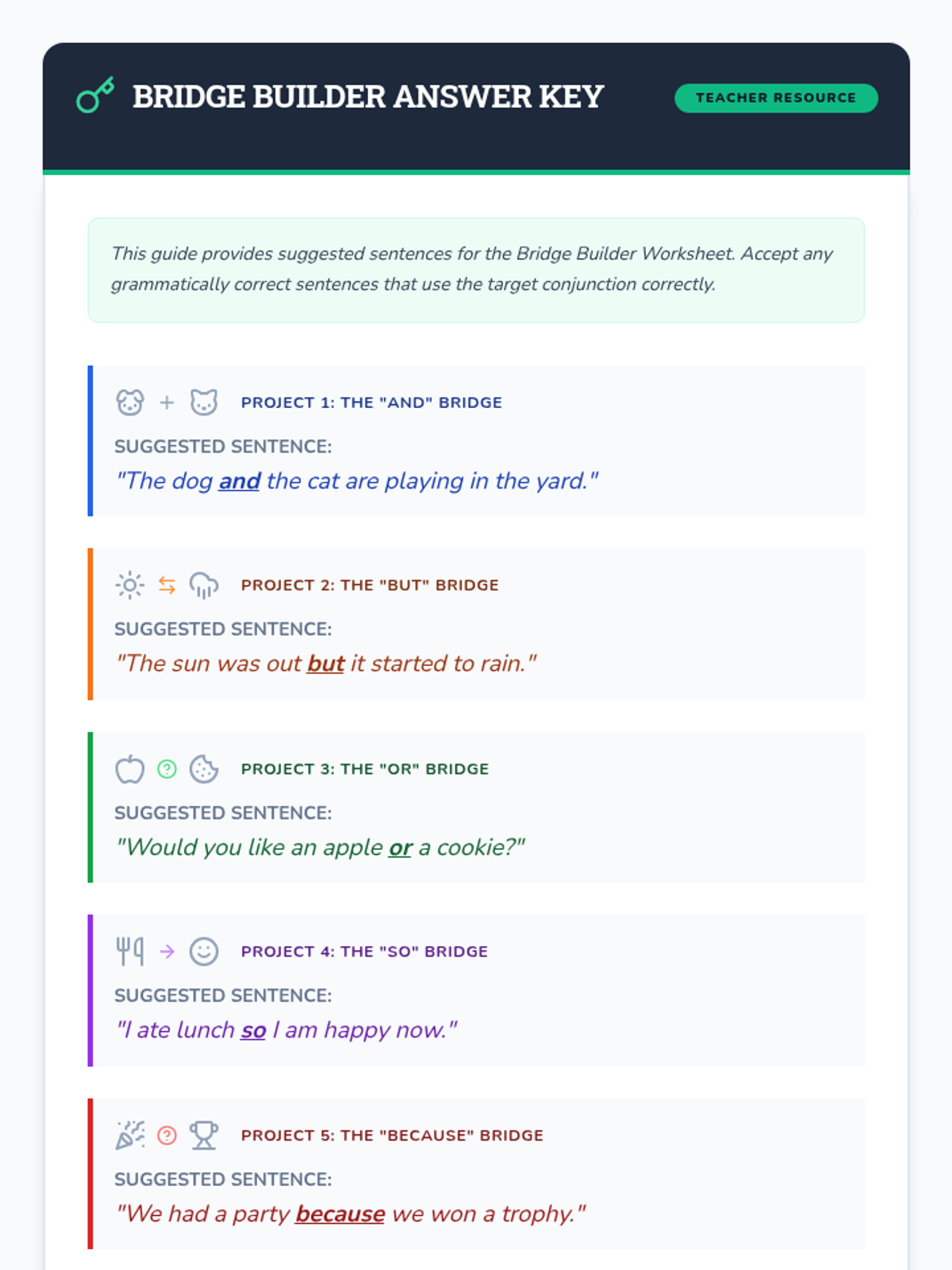
A lesson on using coordinating and subordinating conjunctions to build complex sentences. Students learn to use conjunctions as 'bridges' to connect their ideas together clearly.
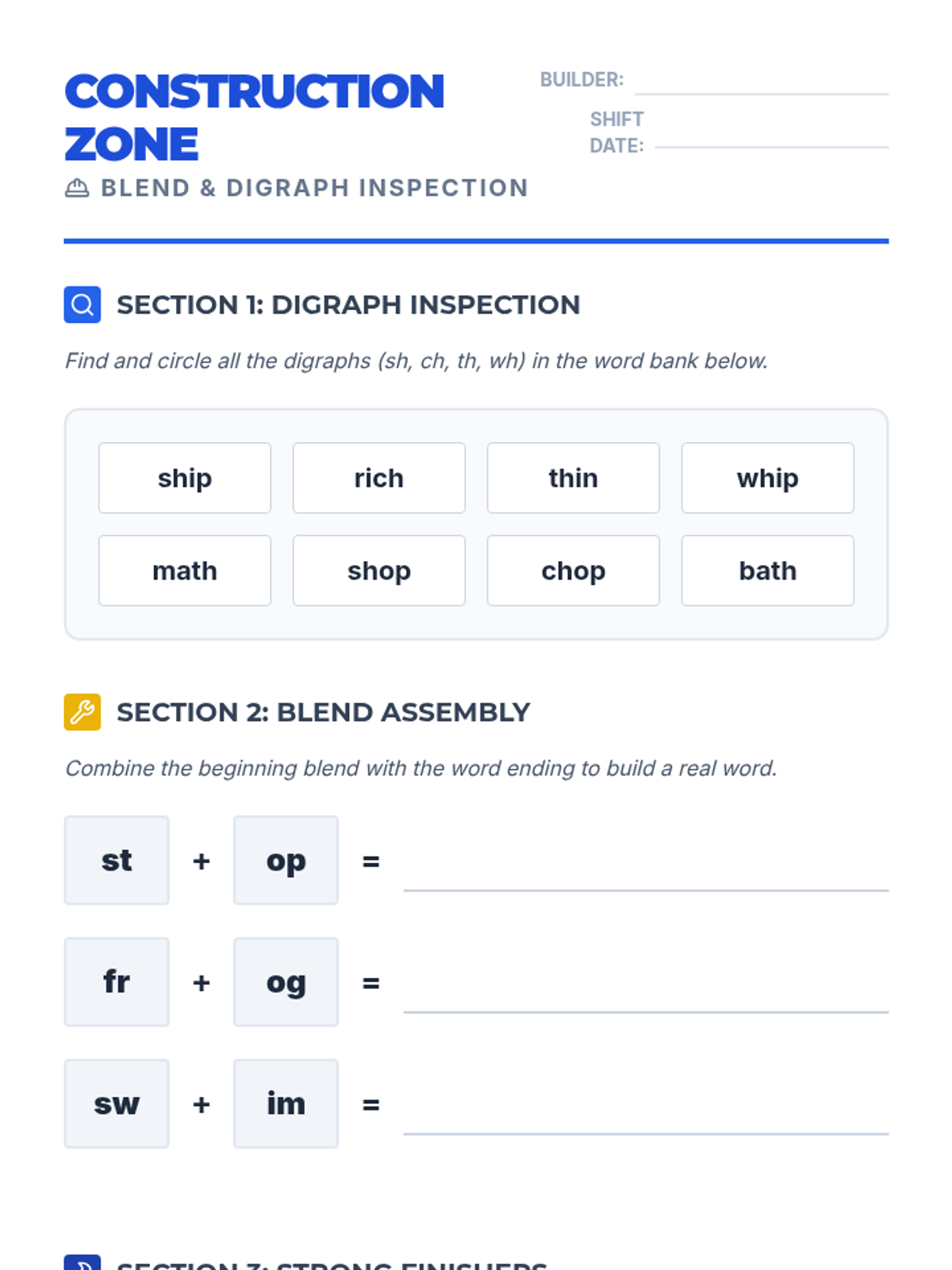
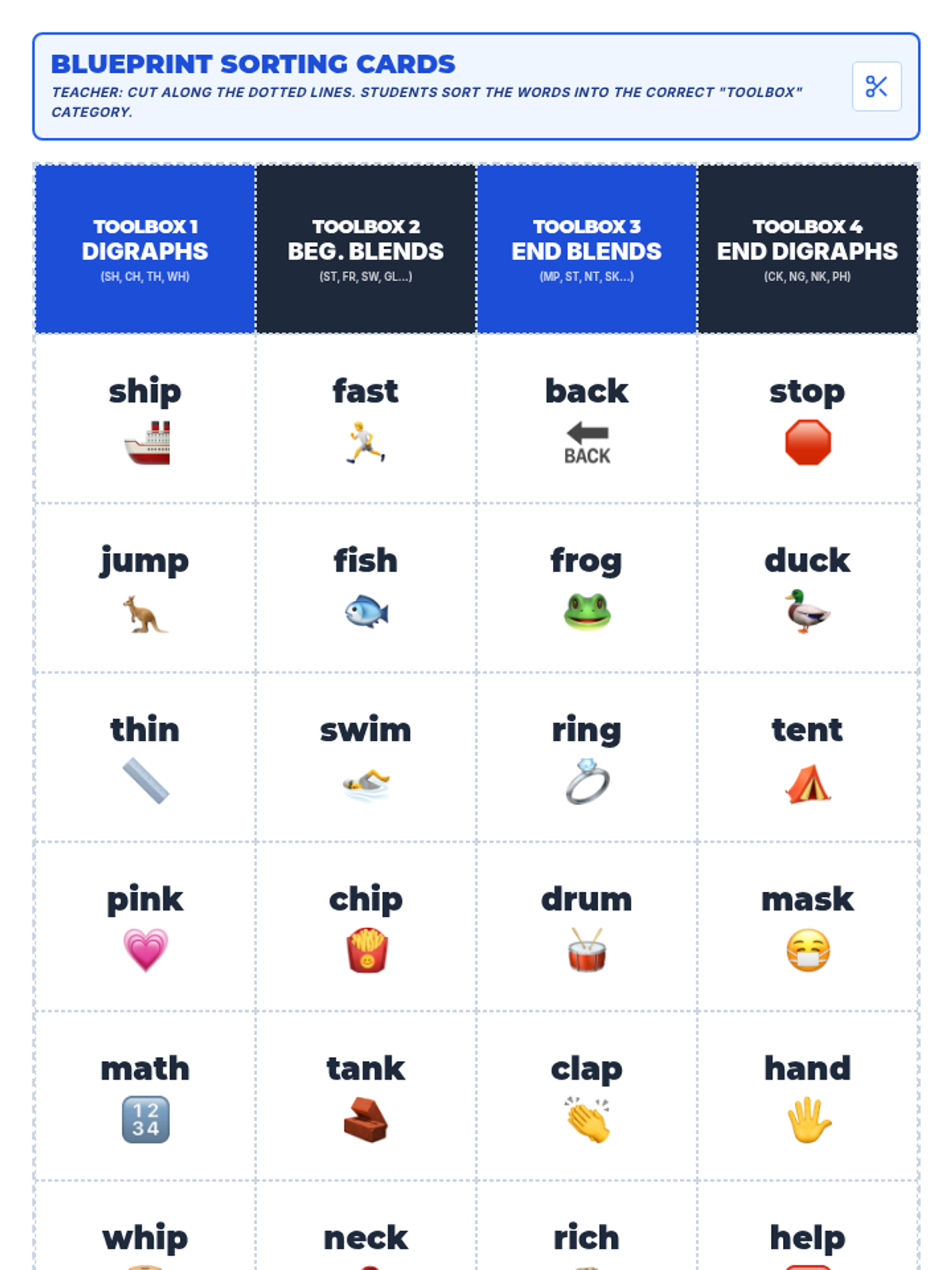
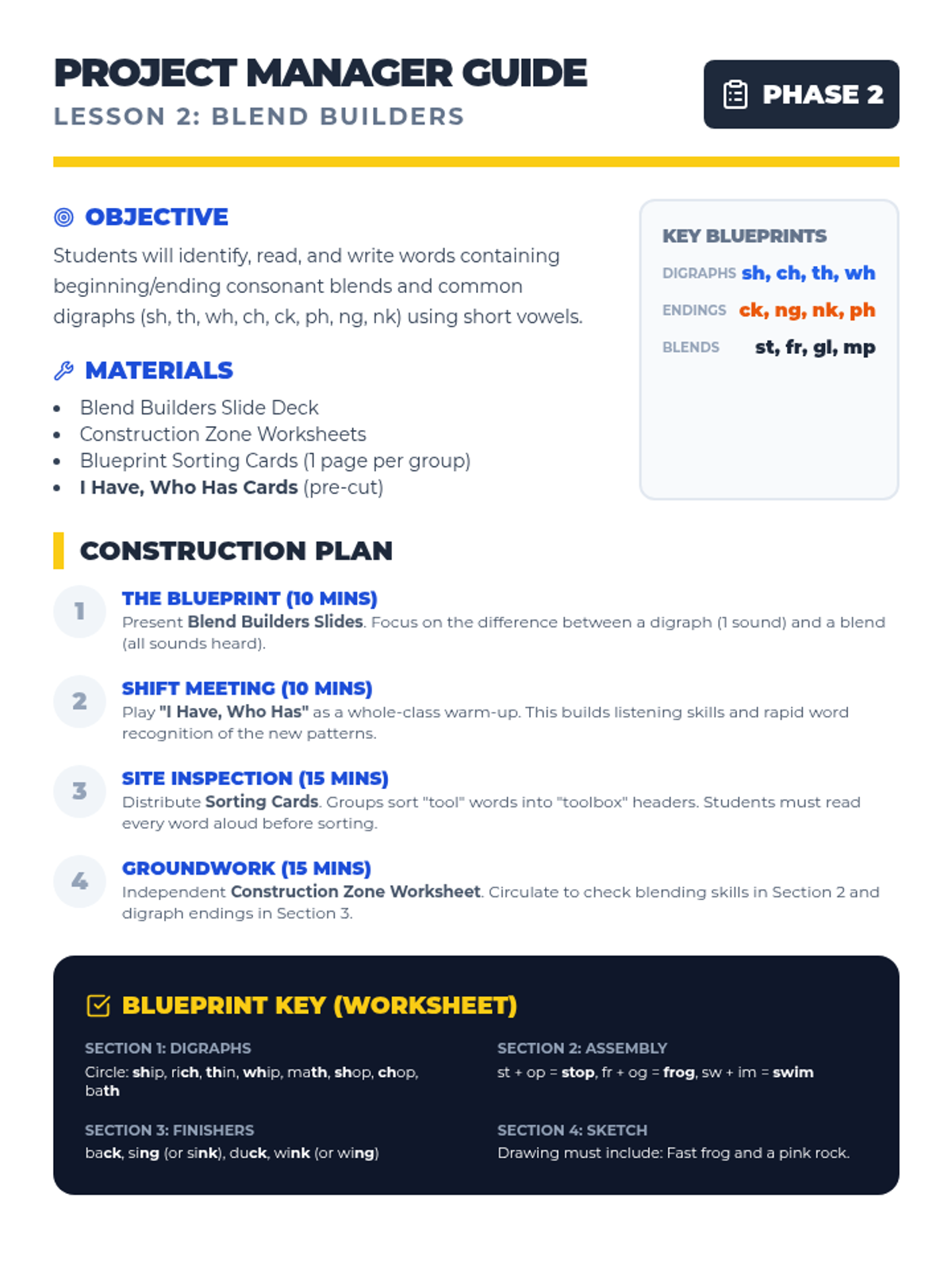
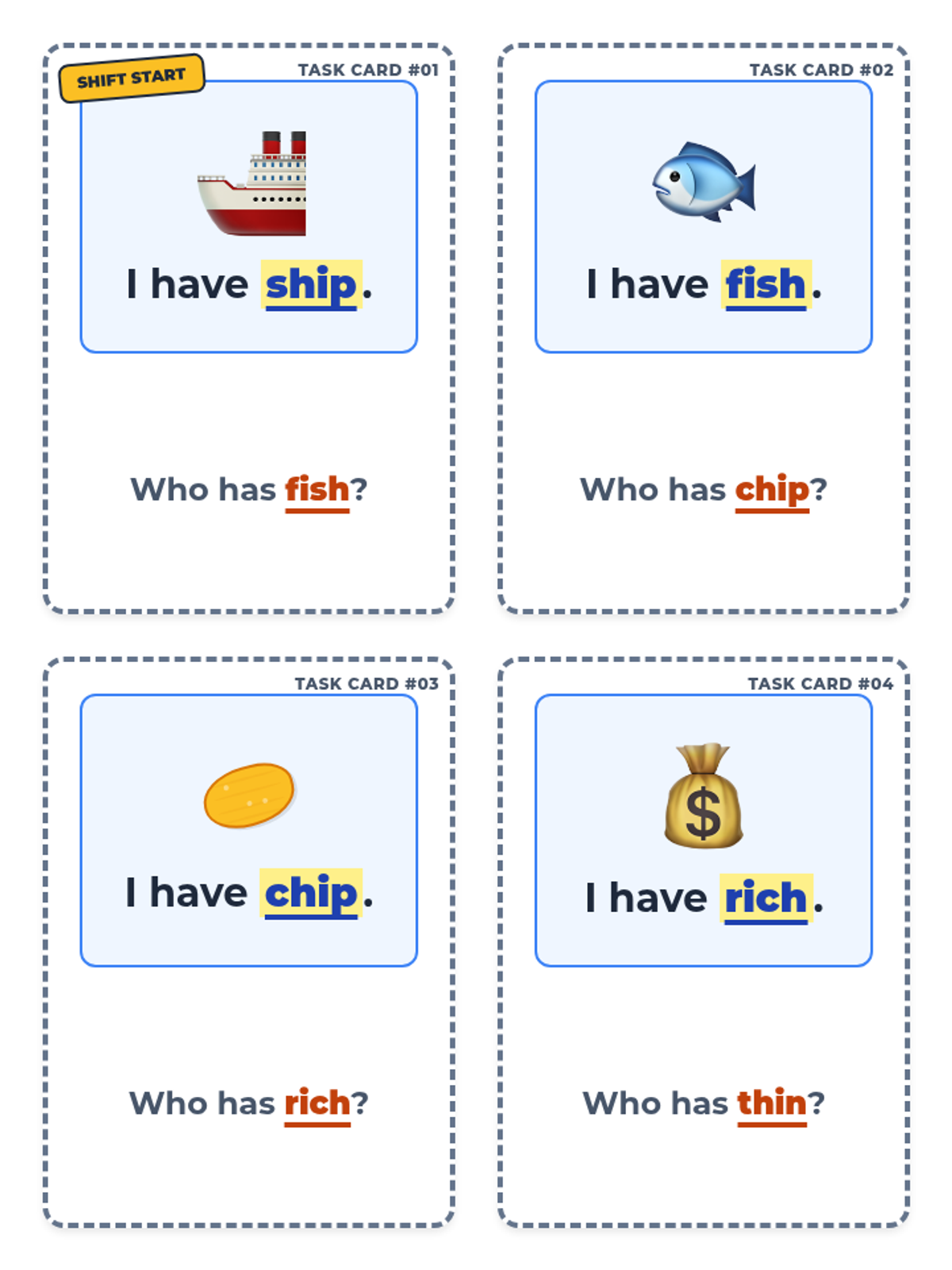
A focused lesson on beginning and ending consonant blends and common digraphs (sh, th, wh, ch, ck, ph, ng, nk) using short vowel words. Students "construct" words in a workshop-themed environment.
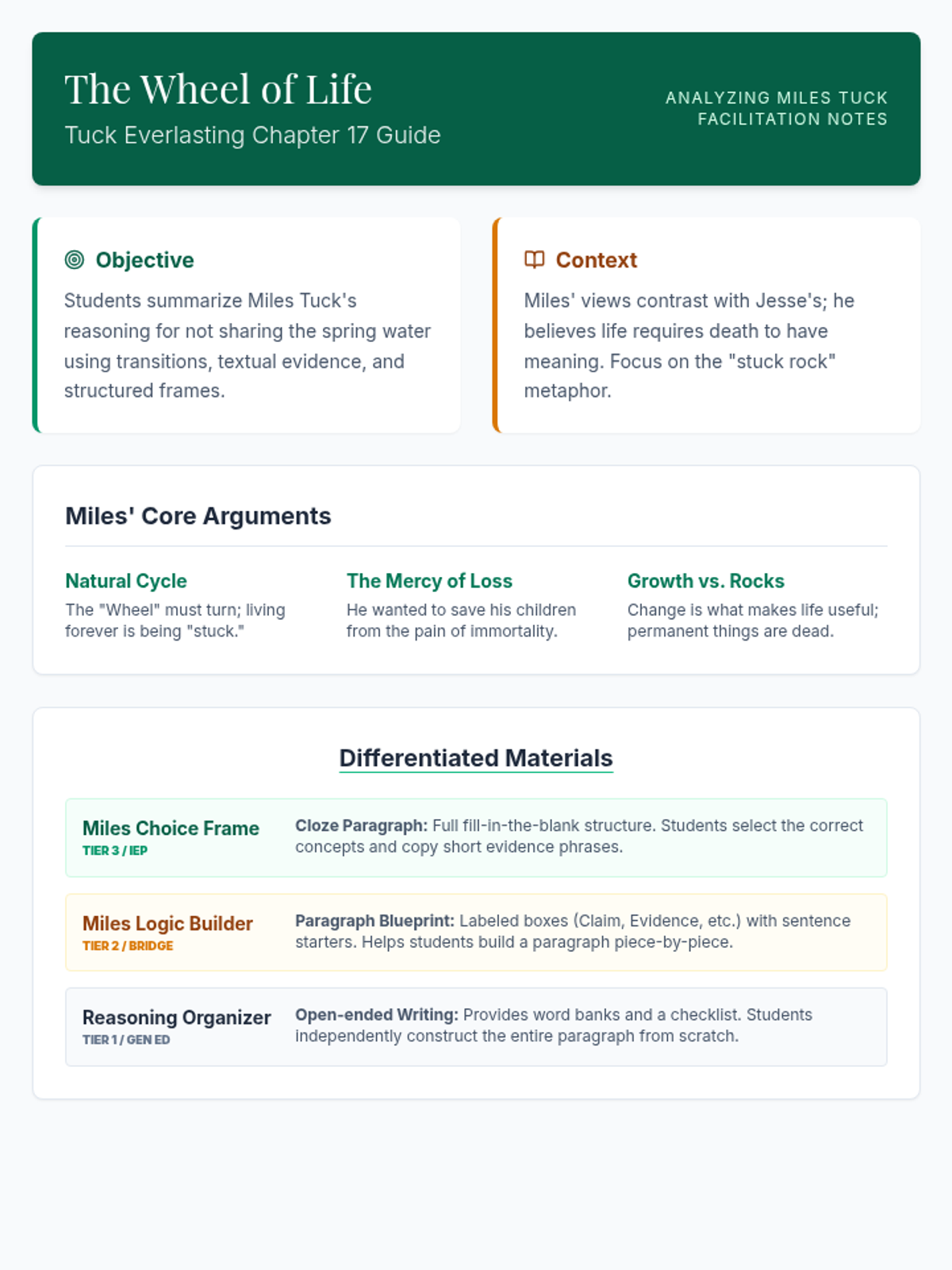
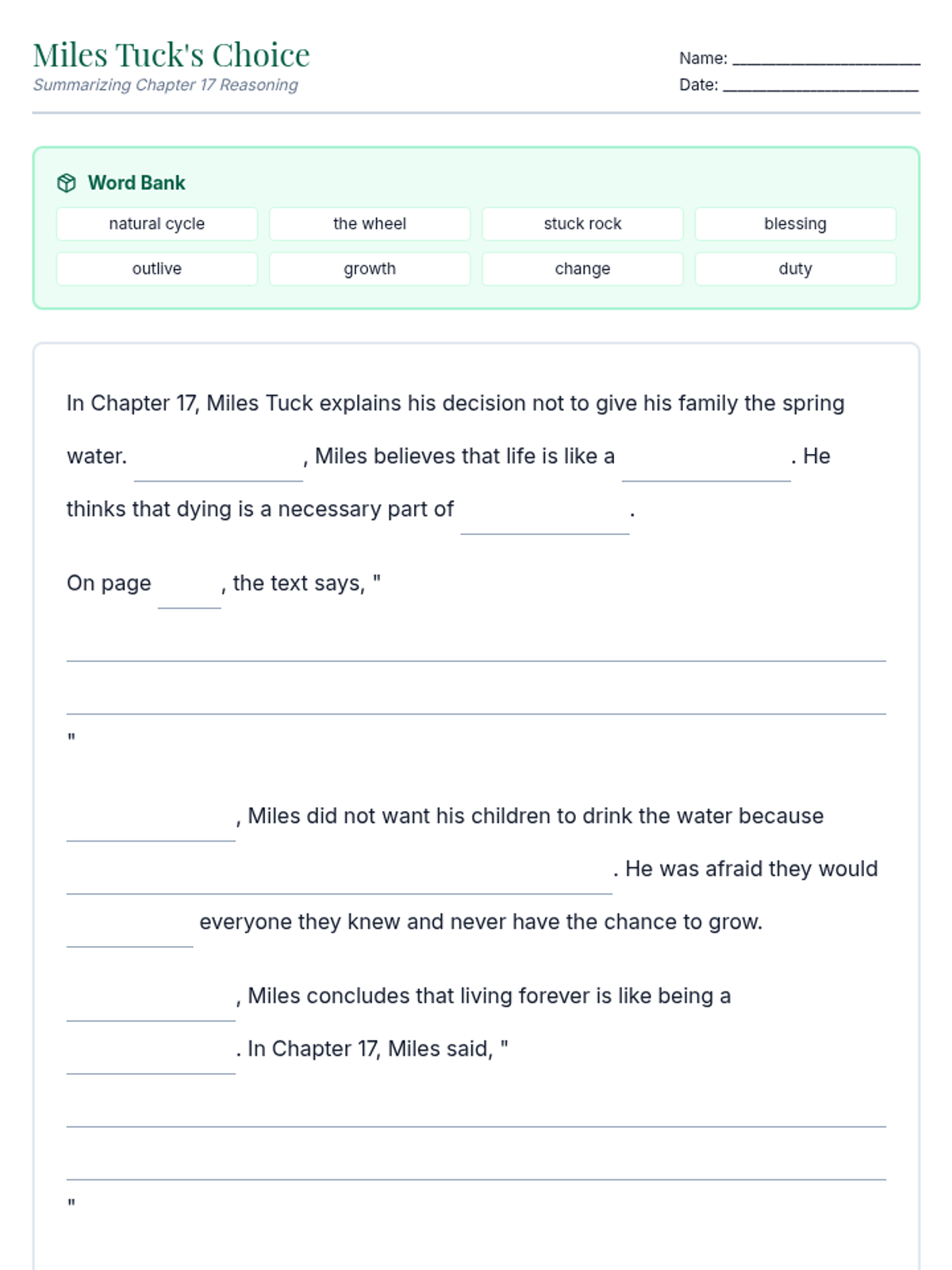
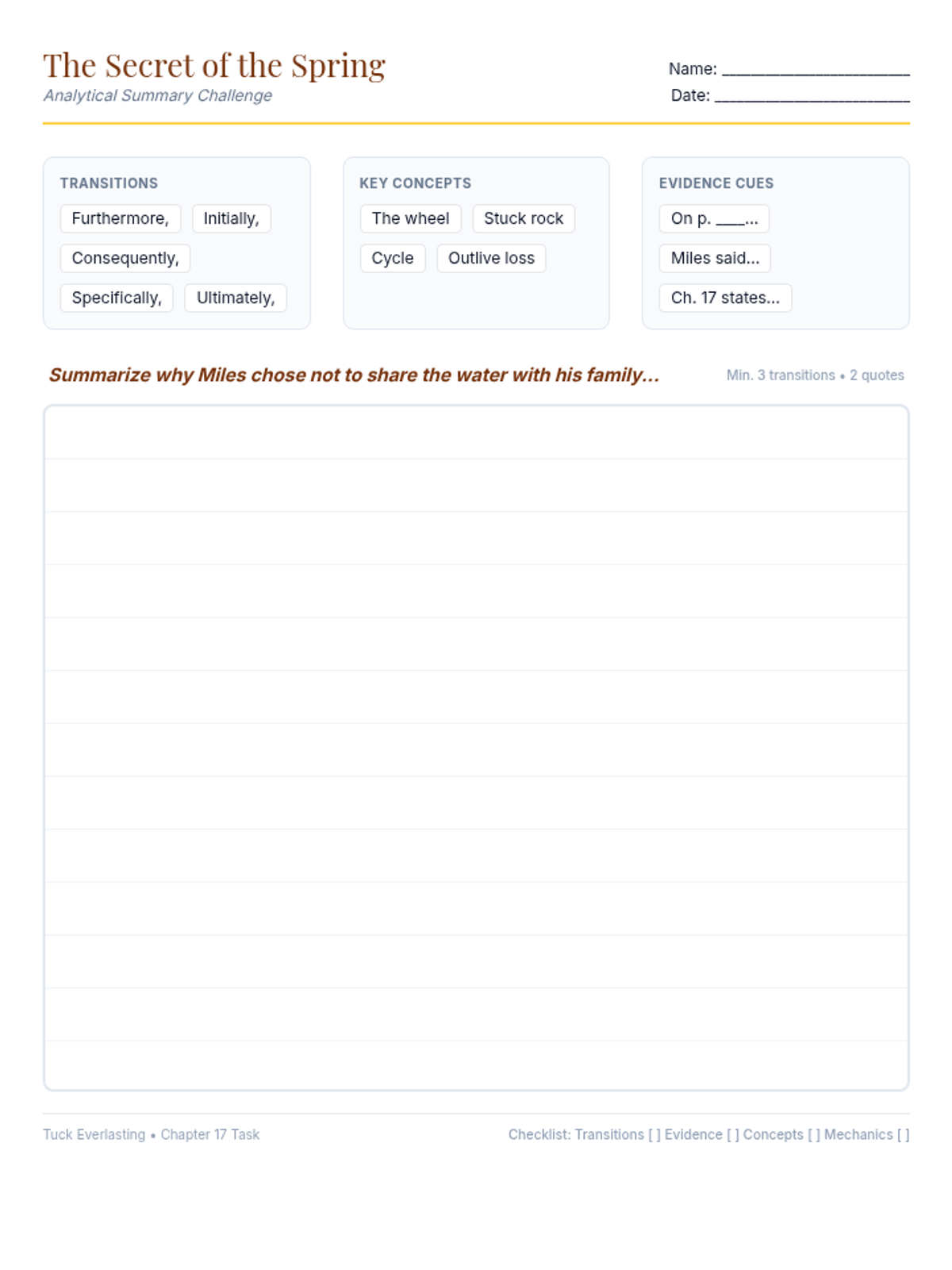
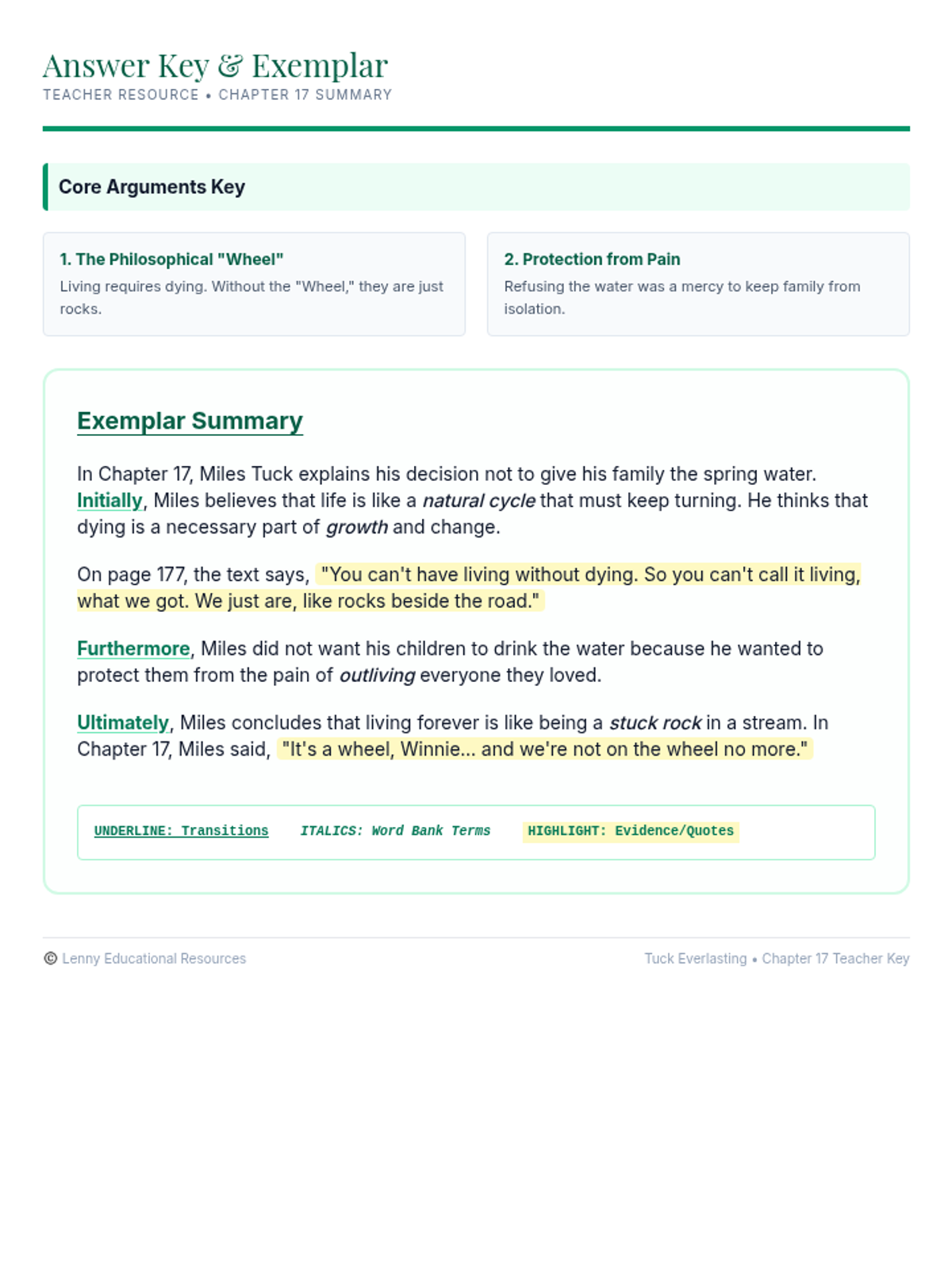
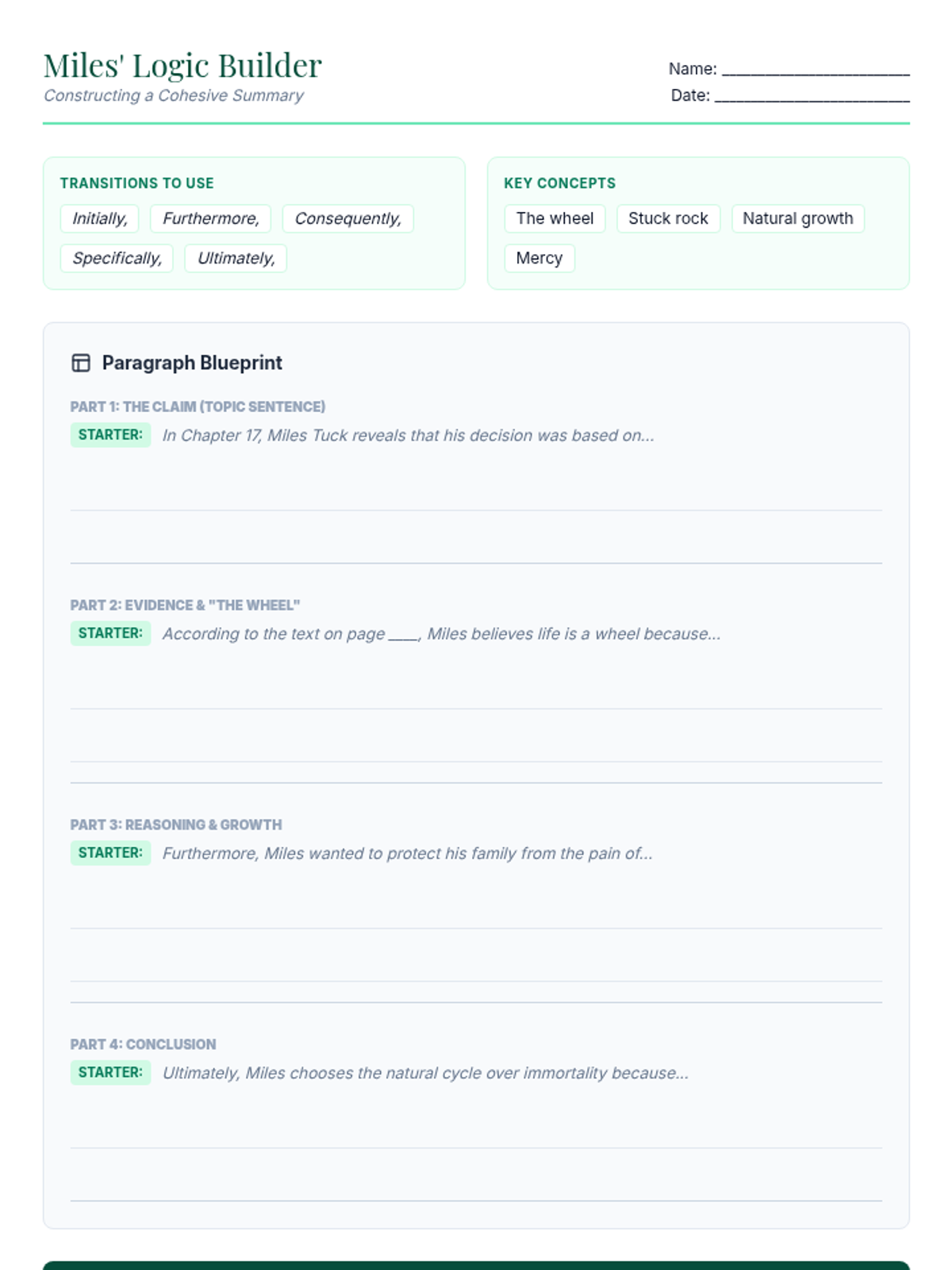
A lesson focused on Chapter 17 of Tuck Everlasting, where students analyze Miles Tuck's complex reasoning for not giving his family the spring water. Students will use transitions and textual evidence to construct a cohesive summary.
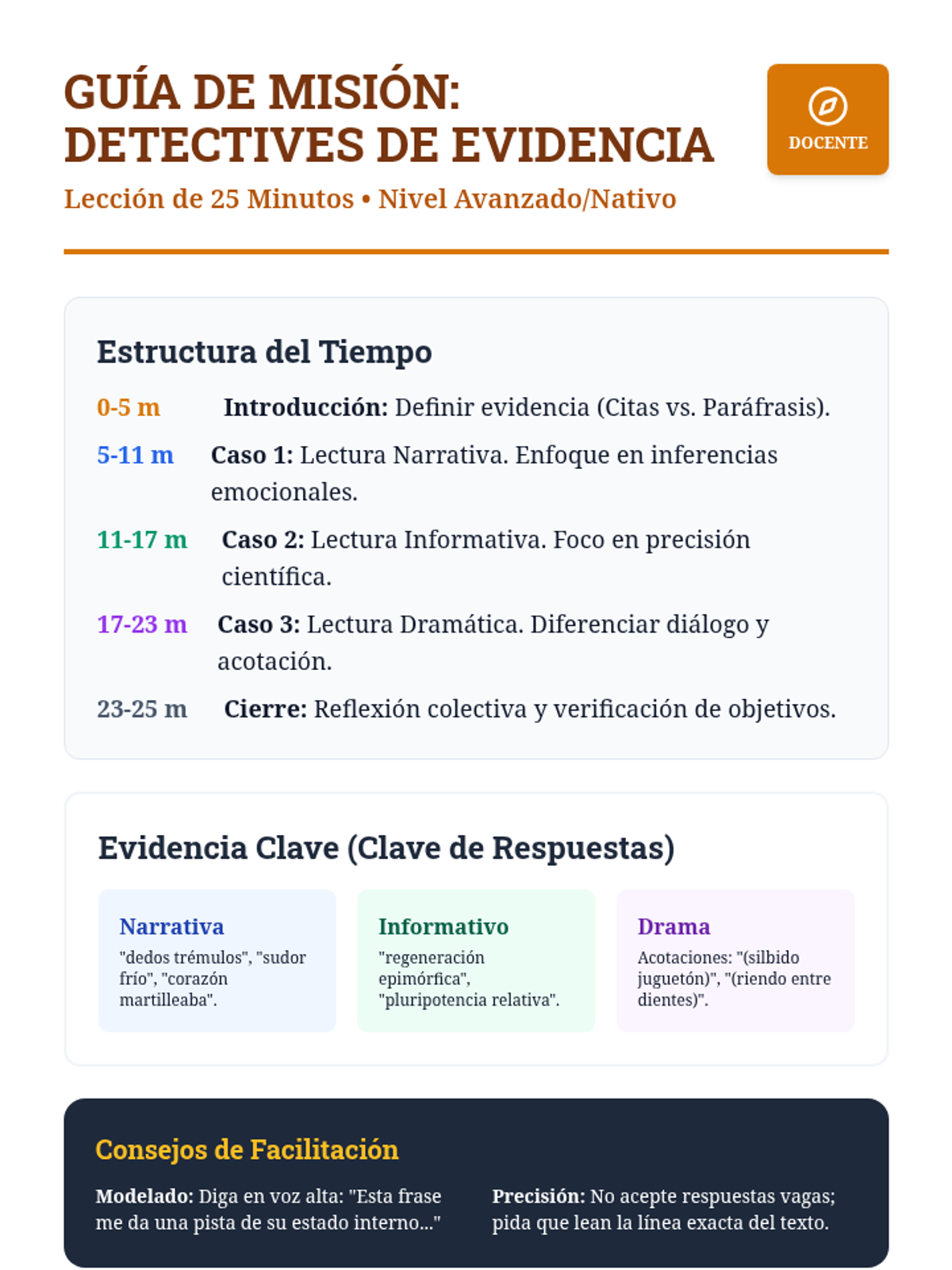
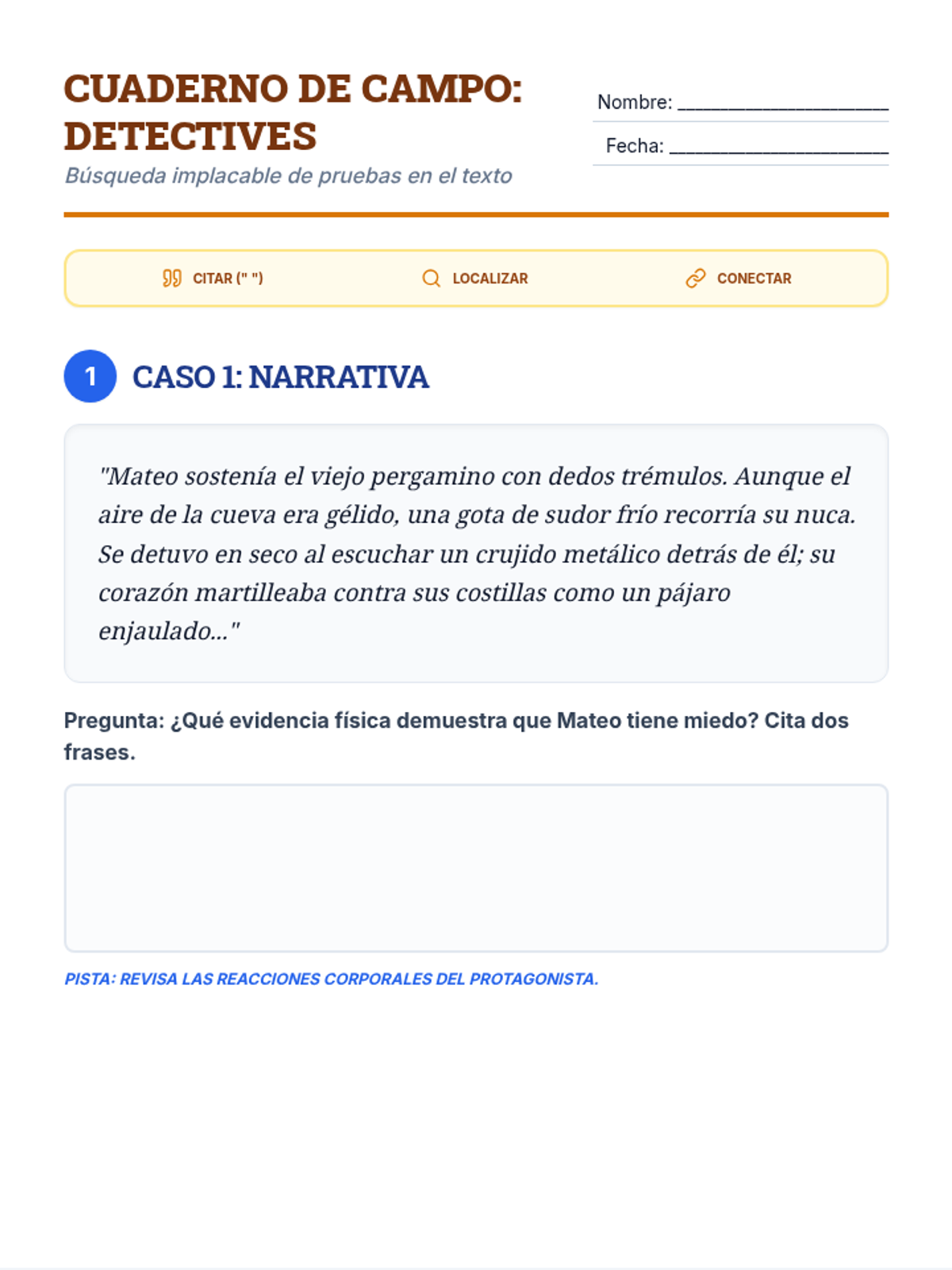
Una lección guiada de 25 minutos para estudiantes avanzados o nativos sobre cómo utilizar la evidencia del texto para respaldar respuestas, utilizando tres géneros distintos: narrativa, informativo y dramático.
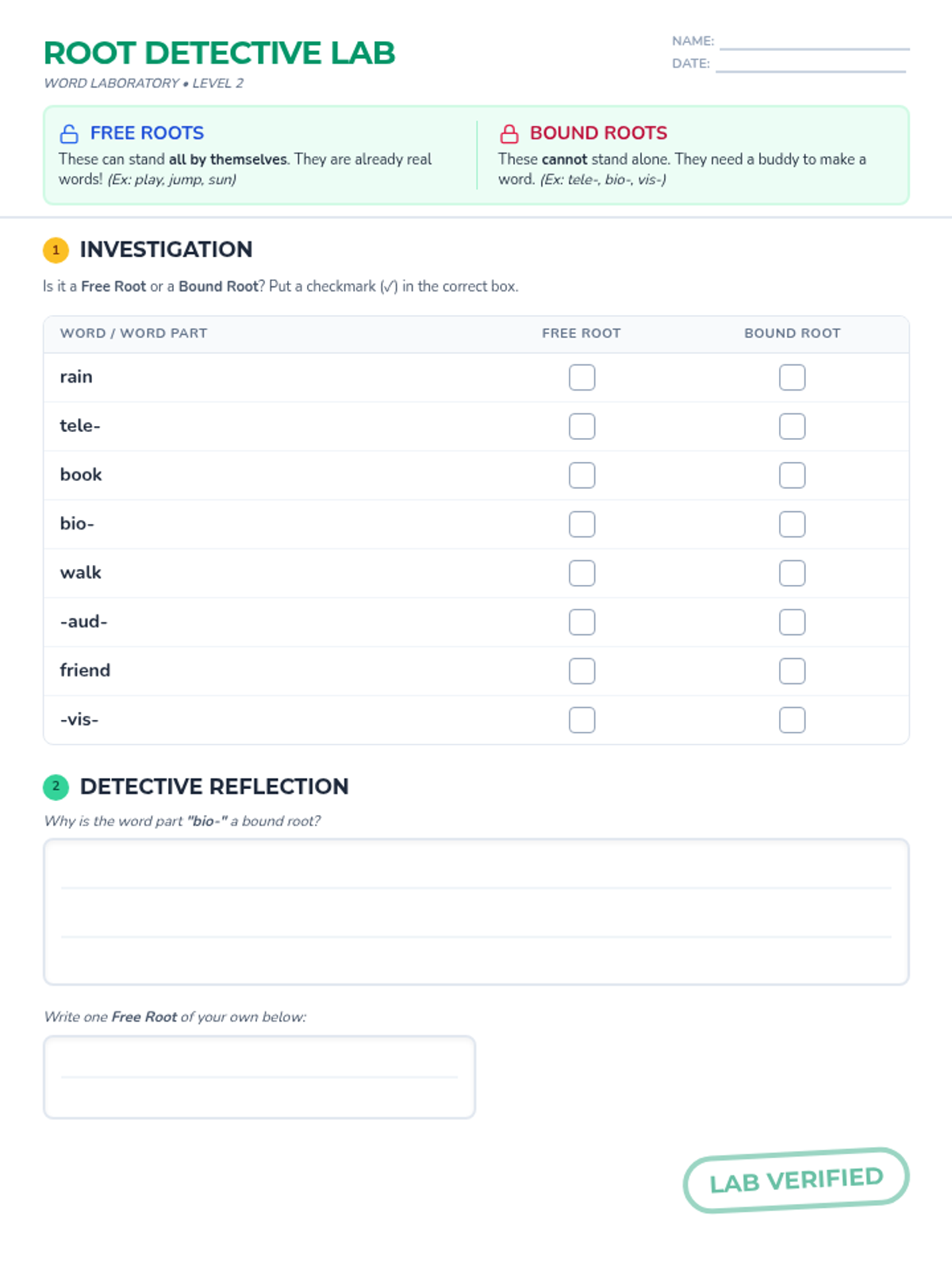
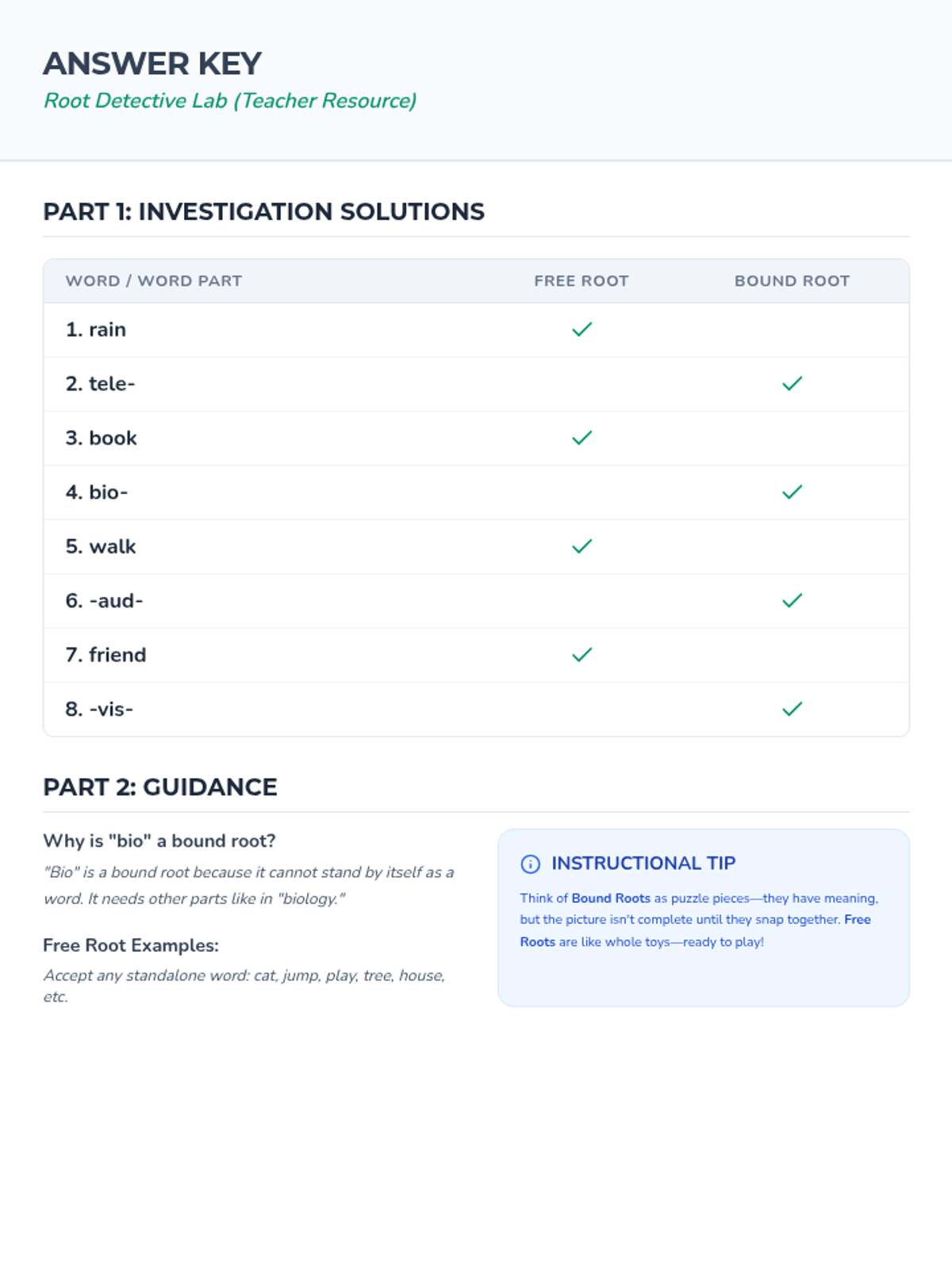
An introduction to the building blocks of language, teaching second graders the difference between words that can stand alone (free roots) and those that need a 'buddy' (bound roots).
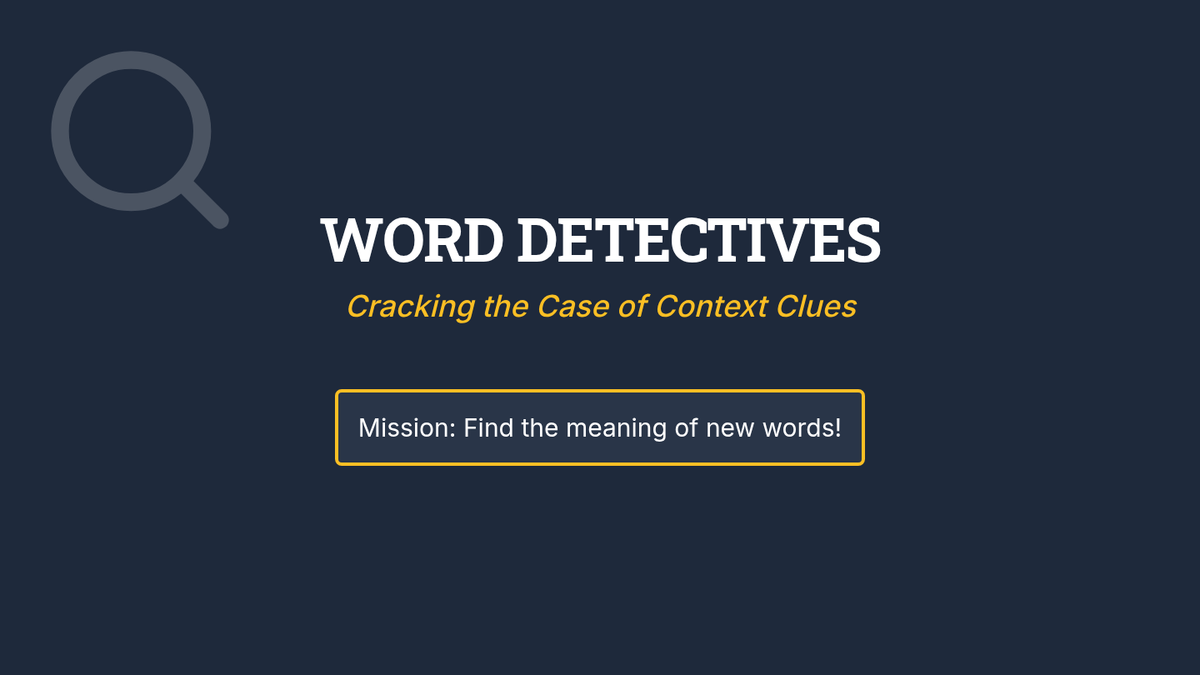
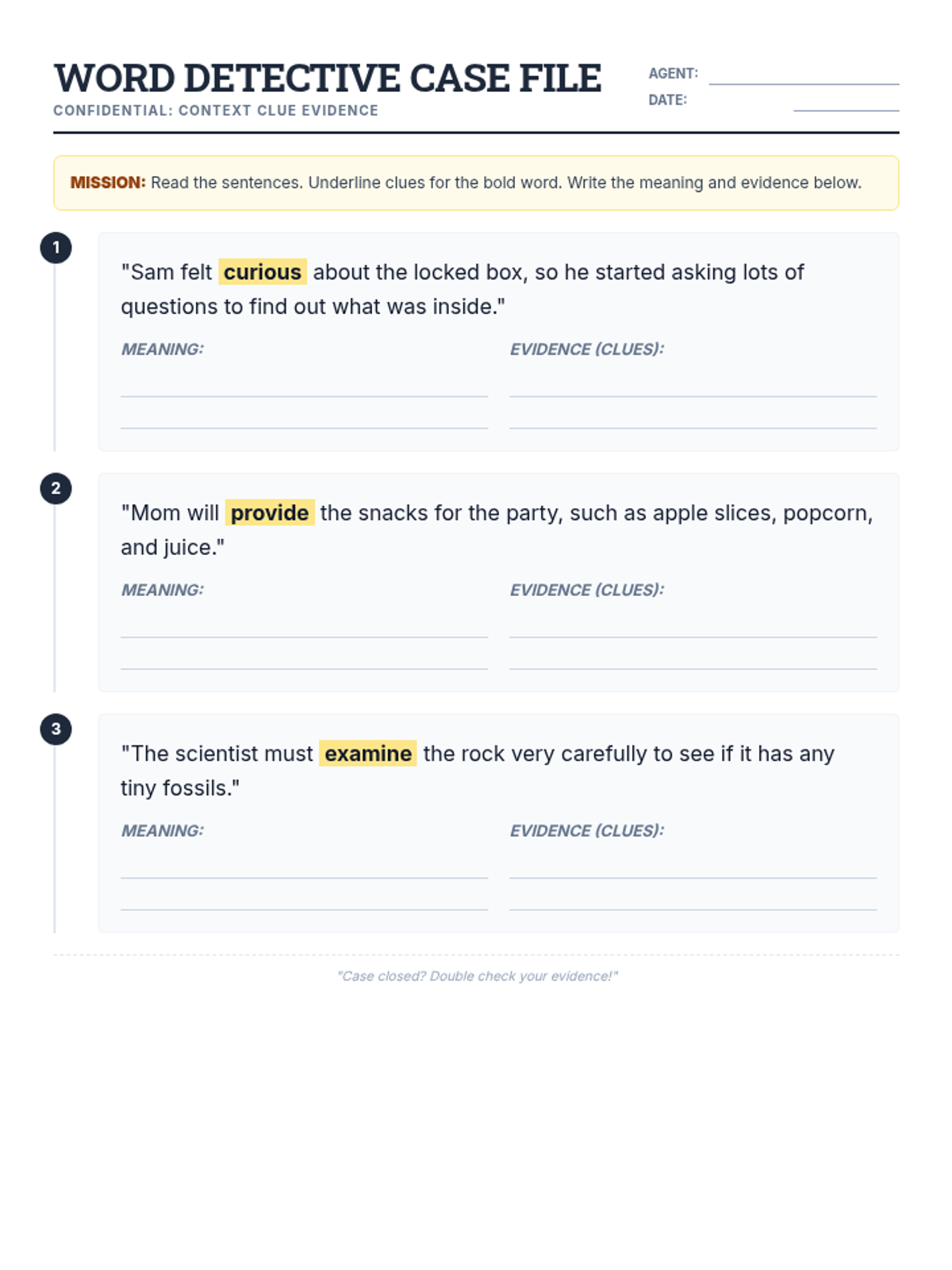
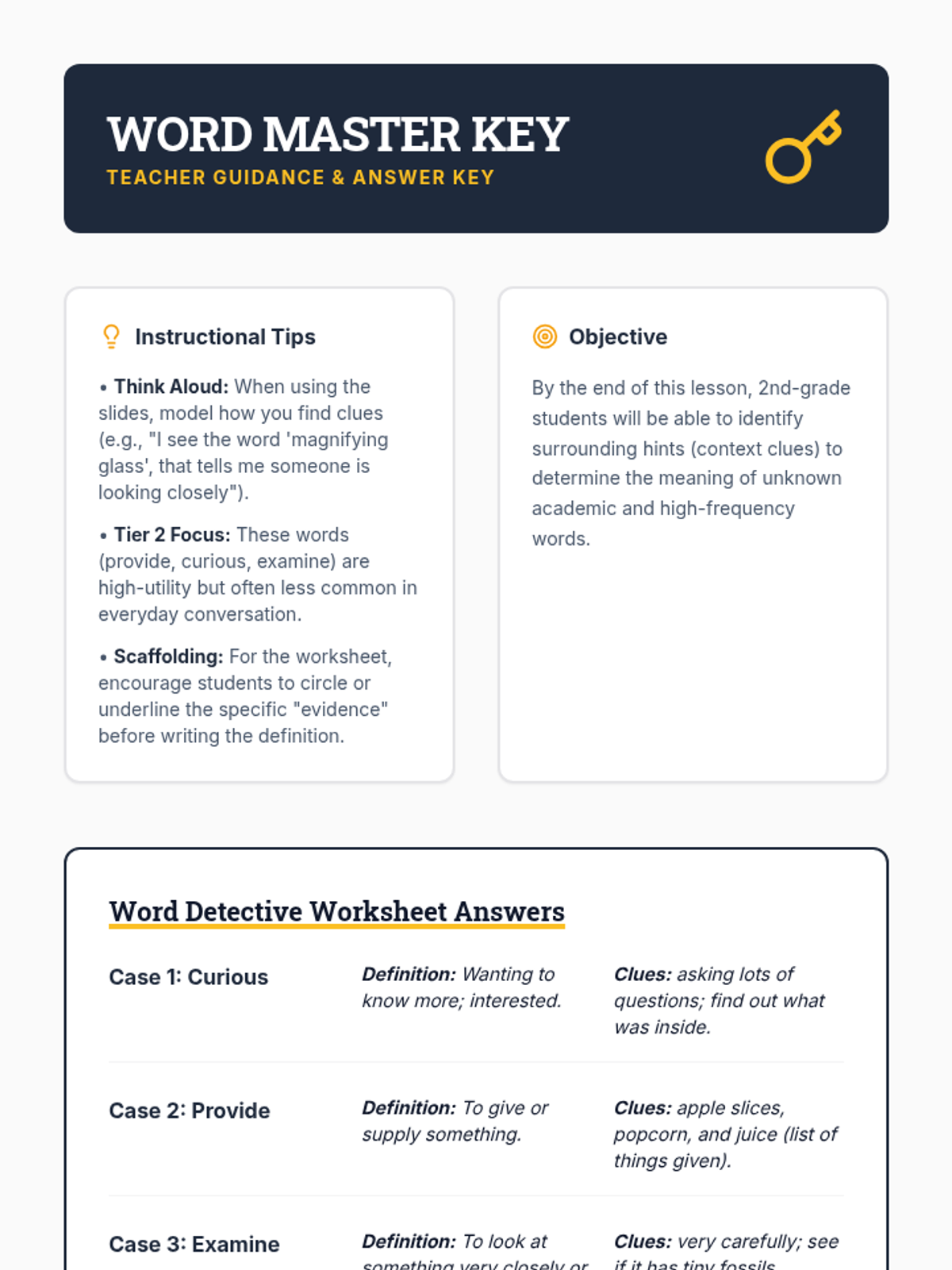
A lesson focused on helping 2nd graders use context clues to define high-frequency and Tier 2 academic vocabulary. Students act as 'Word Detectives' to solve linguistic mysteries.
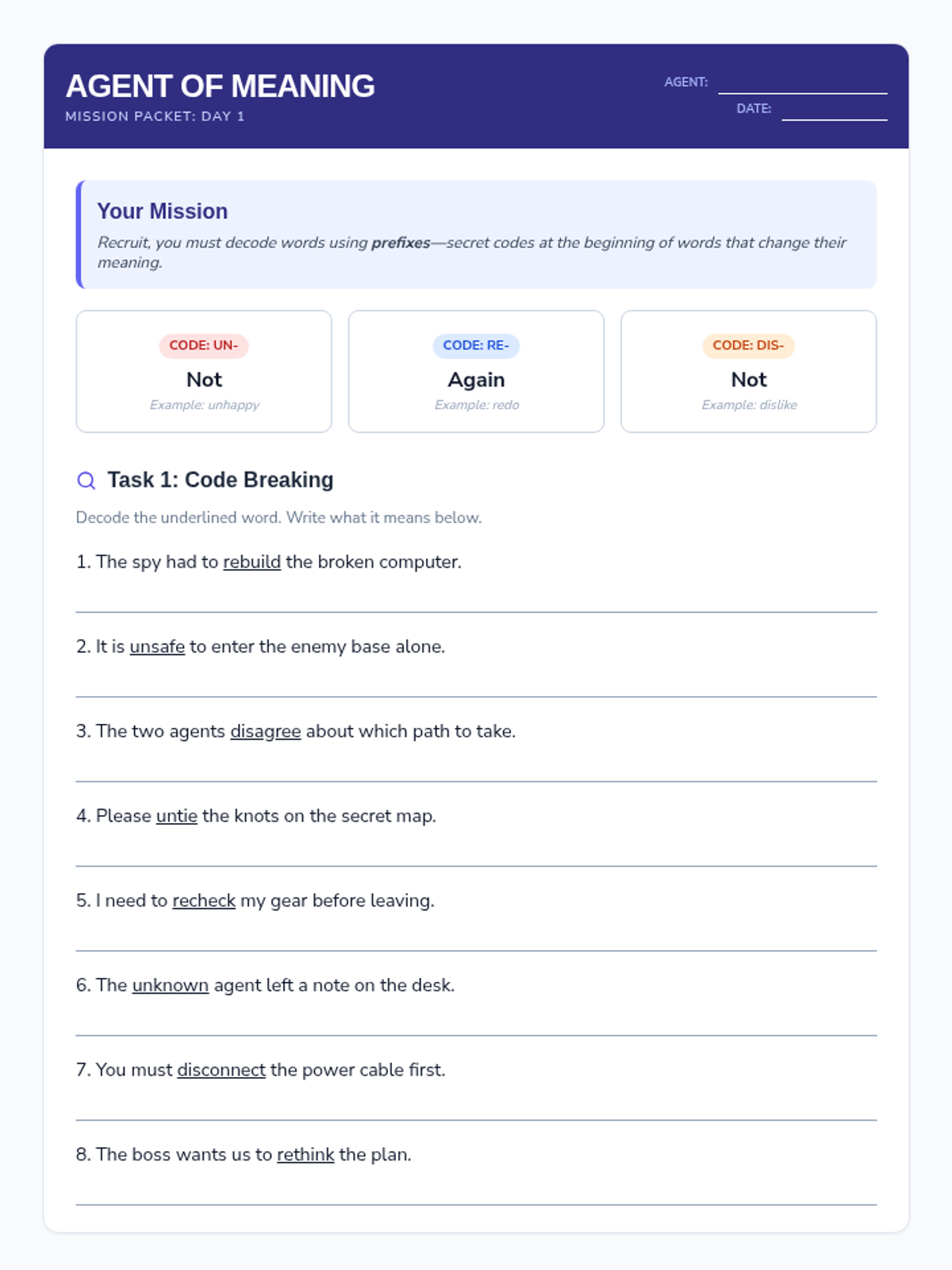
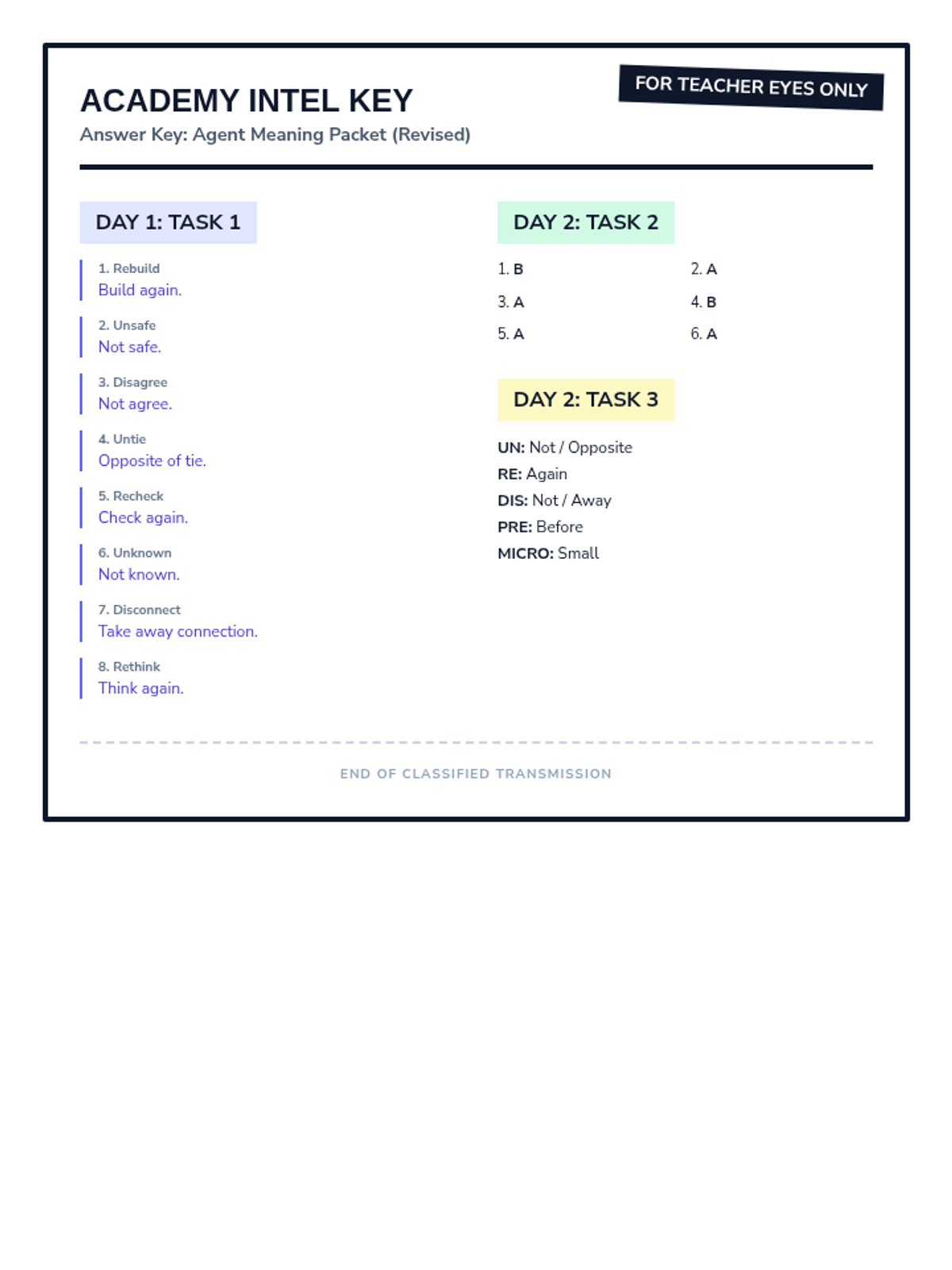
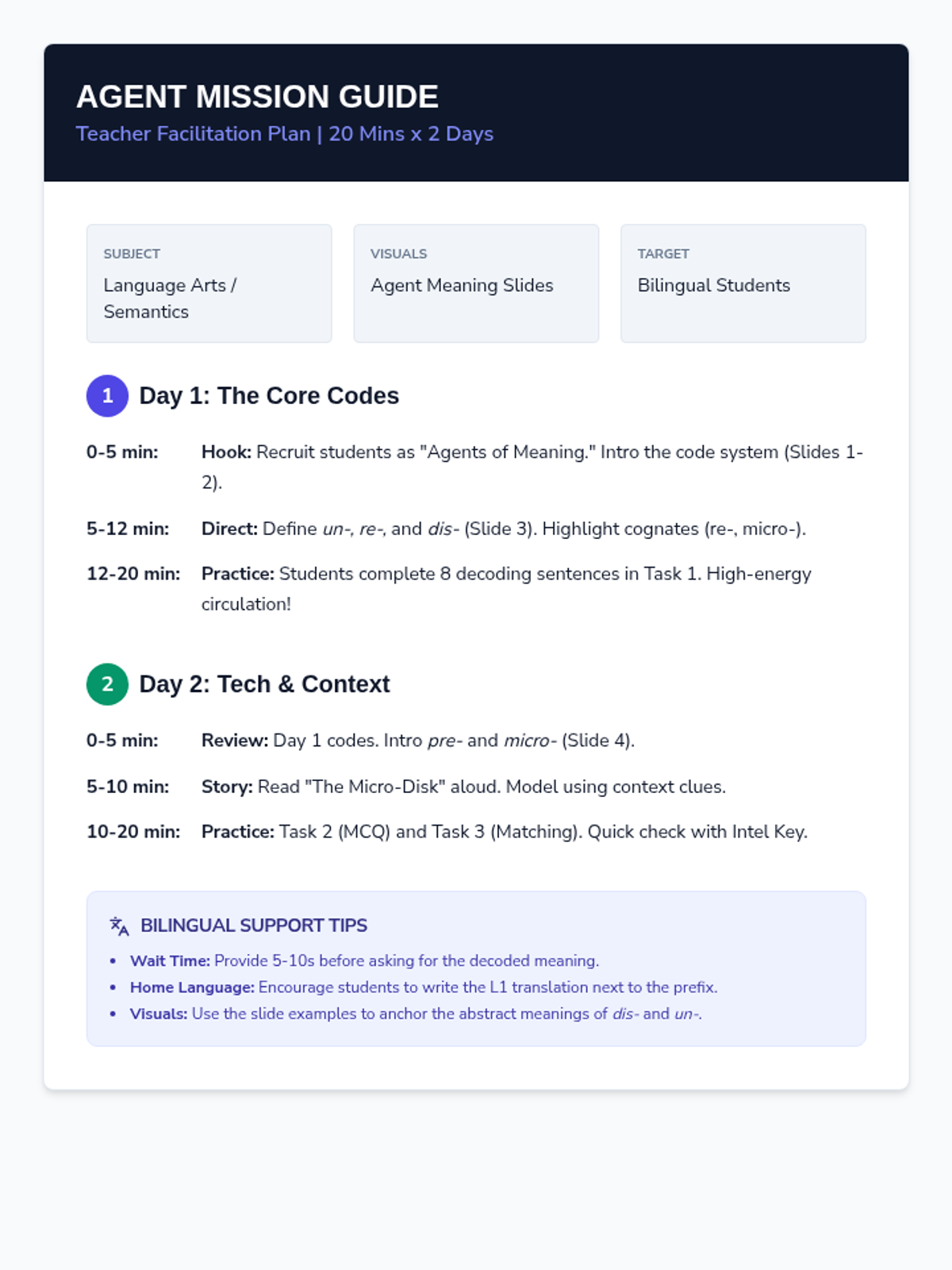
A two-day mini-lesson for bilingual students focused on decoding prefixes (un-, re-, dis-, pre-, micro-) using a spy-themed 'Agent of Meaning' narrative. Students use context clues and semantics to unlock word meanings in short stories and practice exercises.
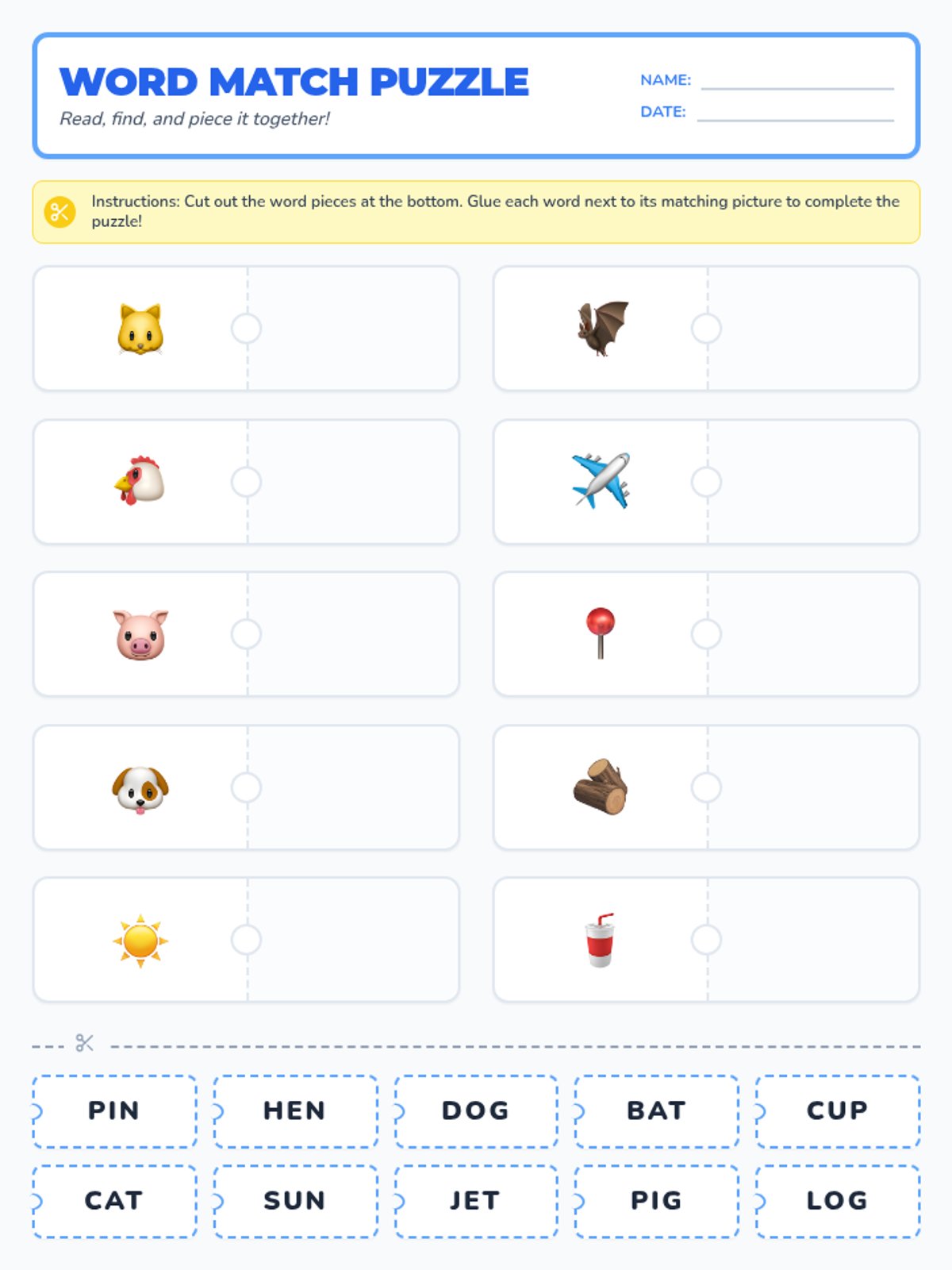
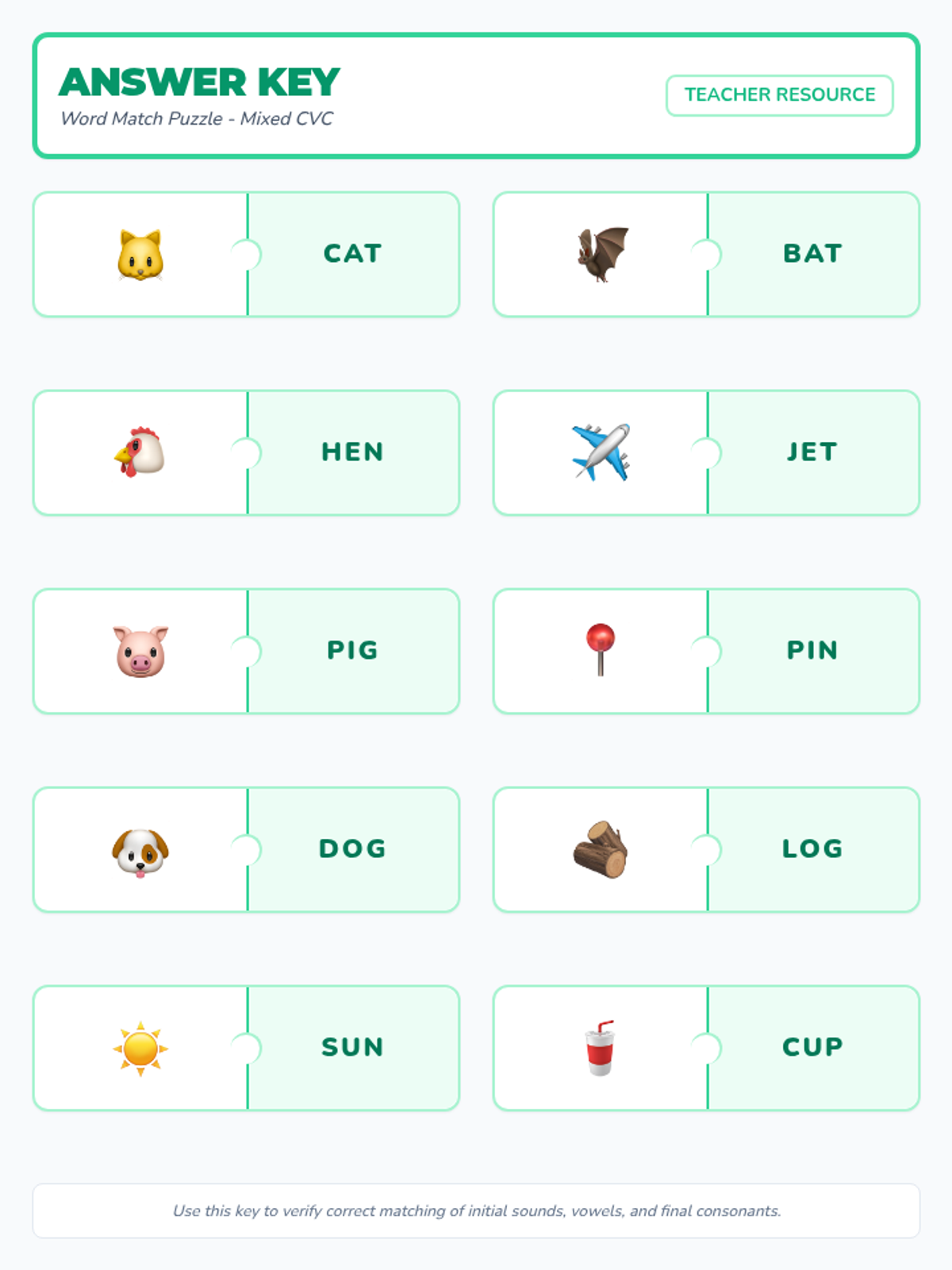
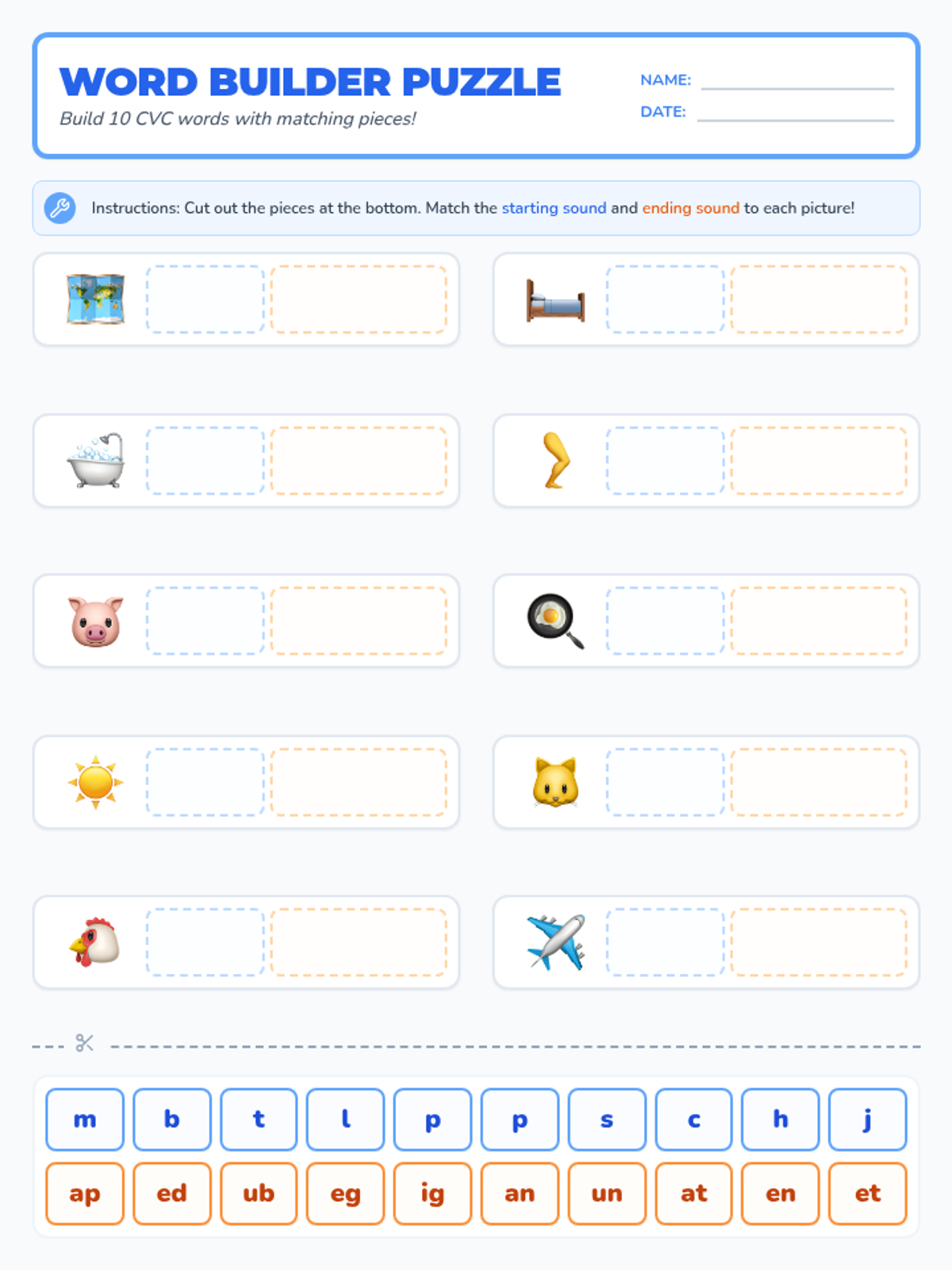
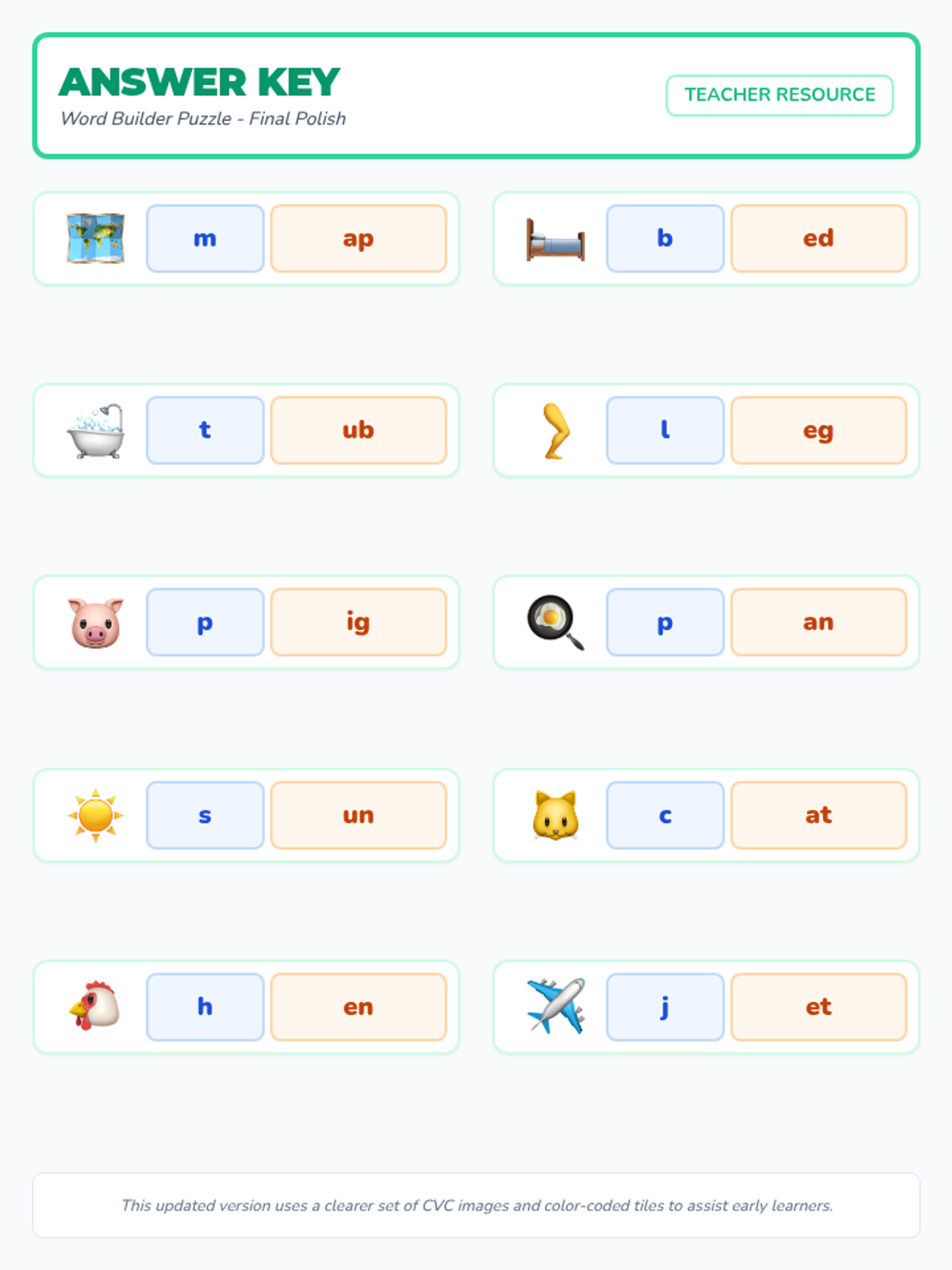
Students practice identifying and matching CVC words to pictures through an engaging cut-and-paste puzzle activity.
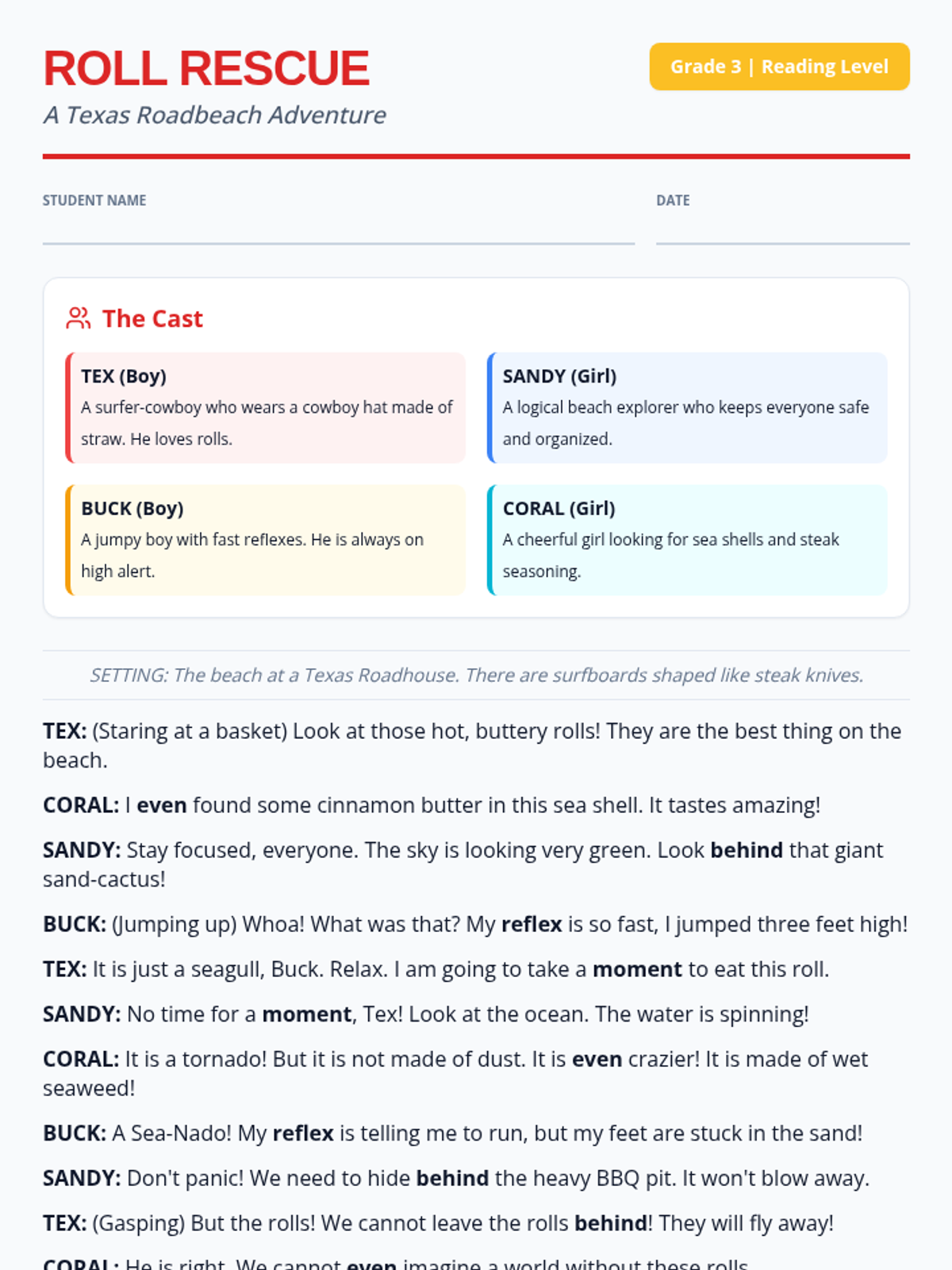
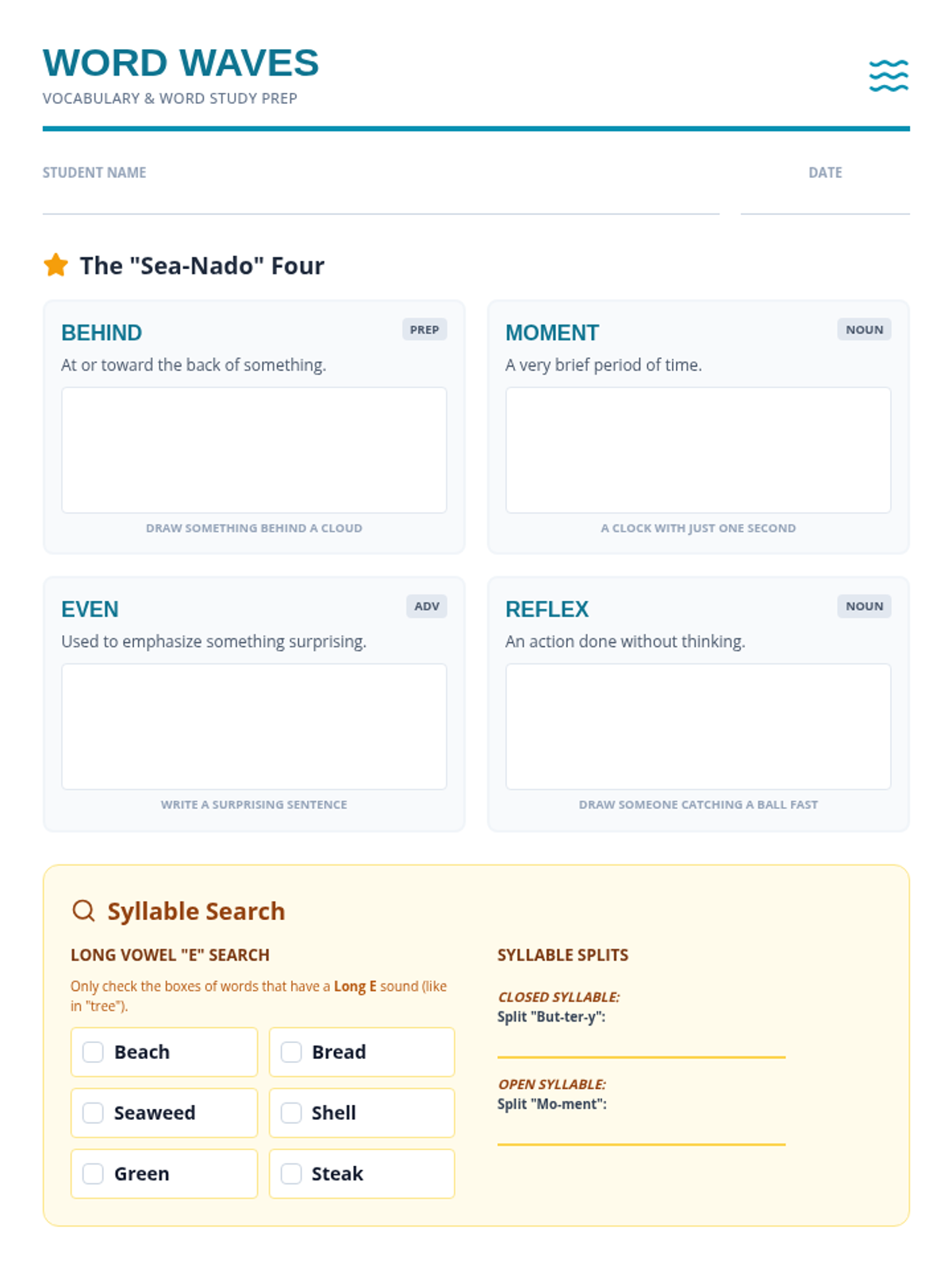
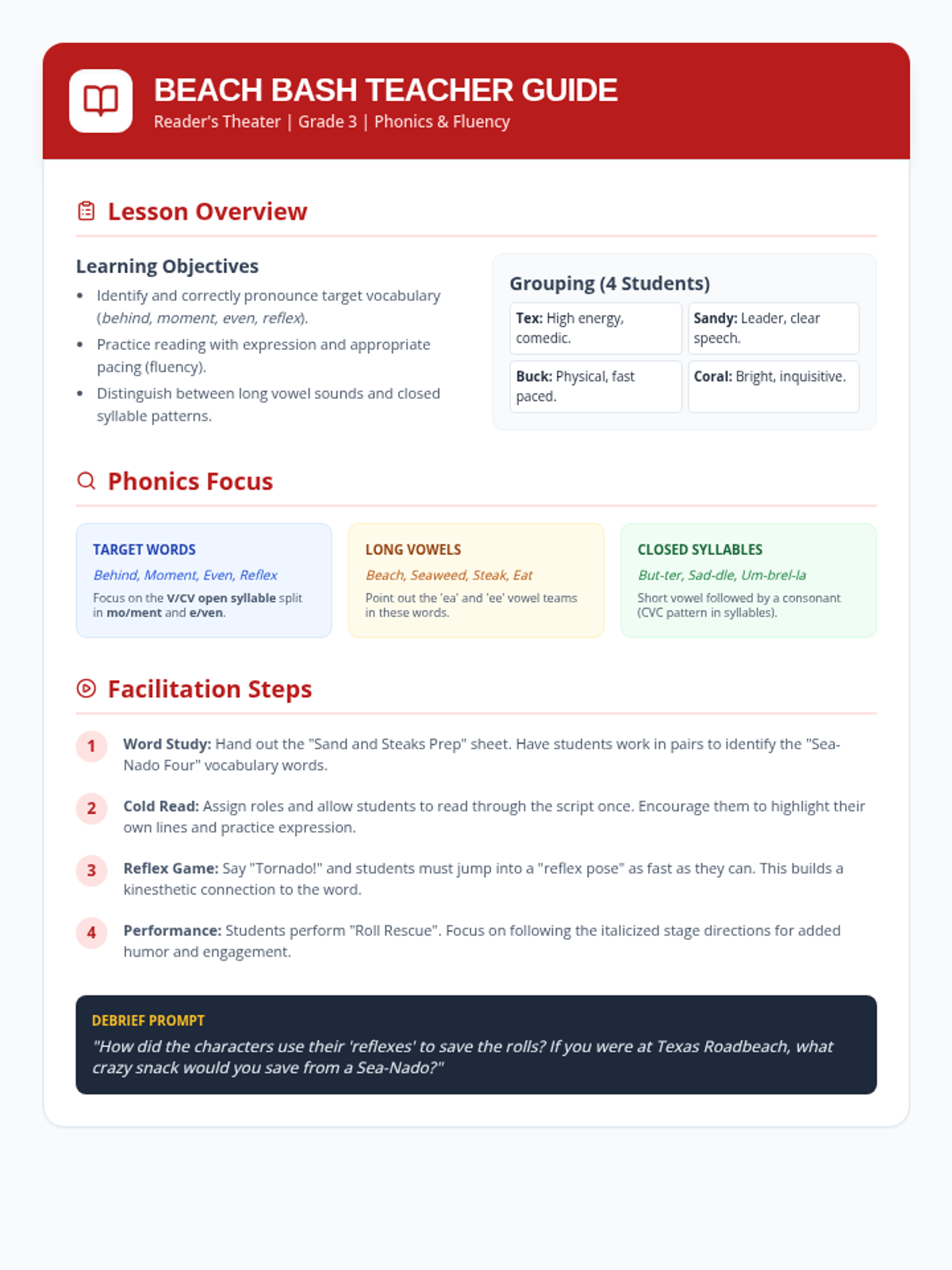
A funny grade 3 reader's theater lesson set at an absurd beach-themed Texas Roadhouse, focusing on long vowel sounds and specific vocabulary words like behind, moment, even, and reflex.
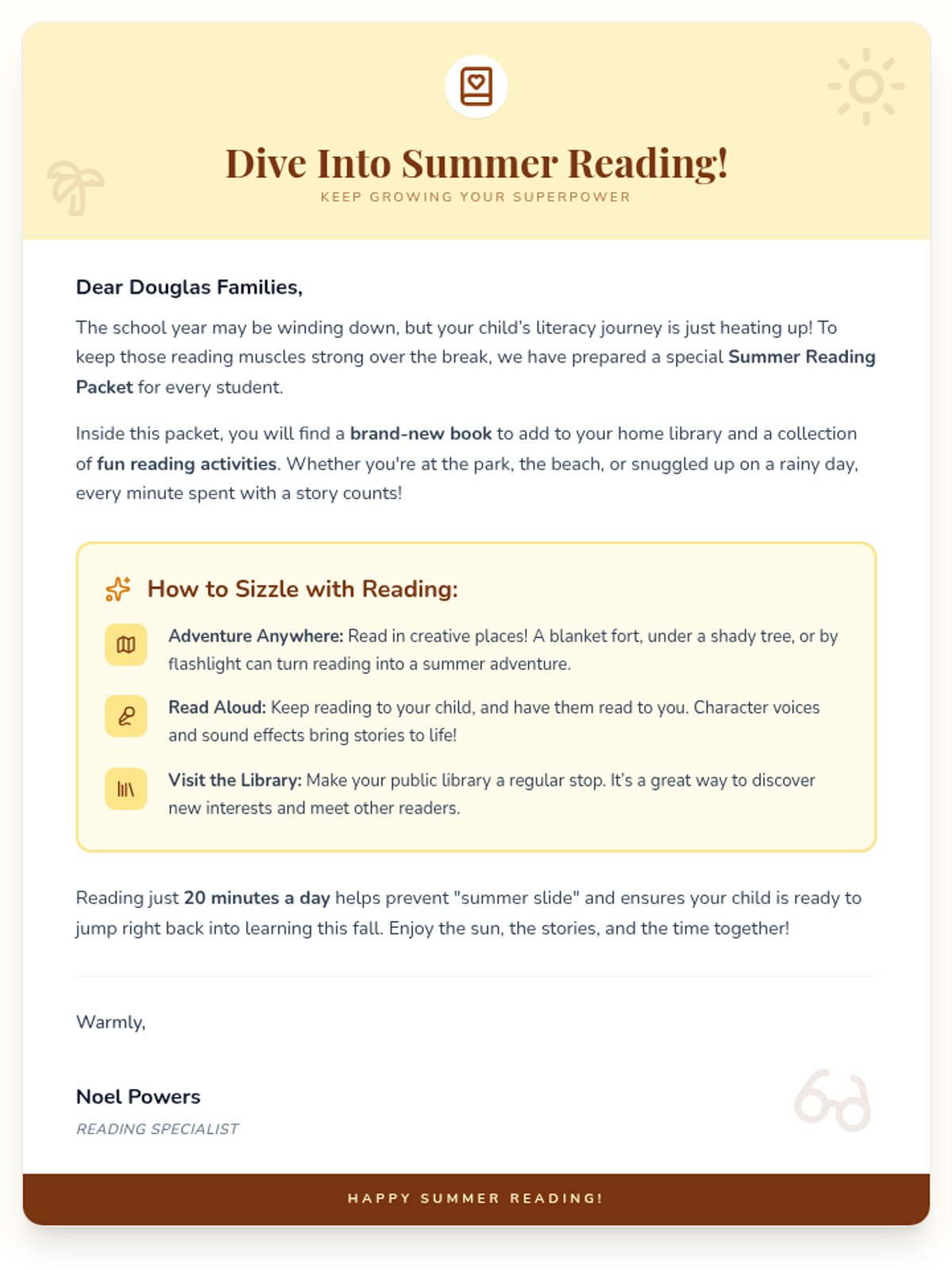
A collection of resources to encourage and track reading progress over the summer break for K-3 students, including a parent letter and activity suggestions.
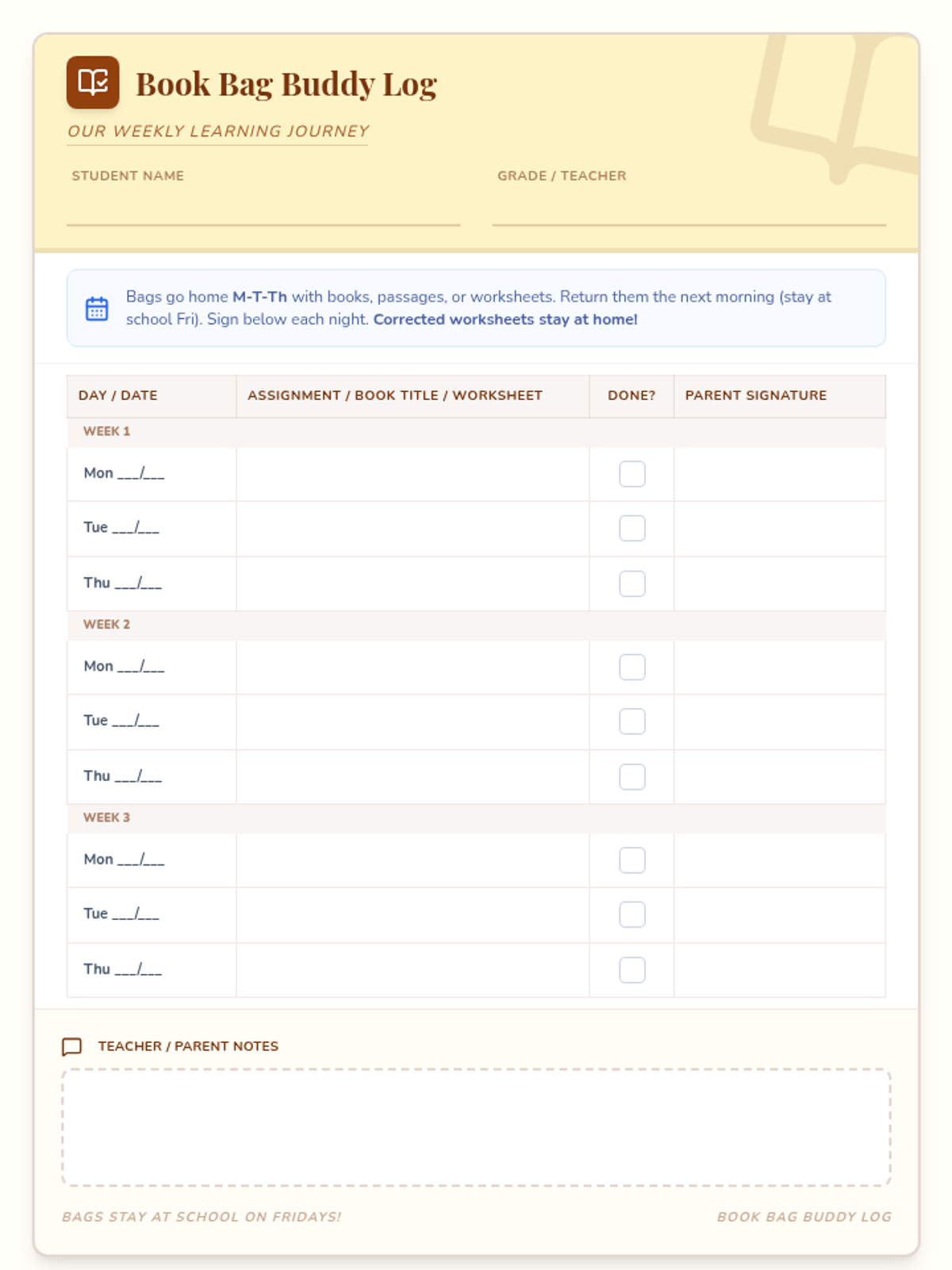
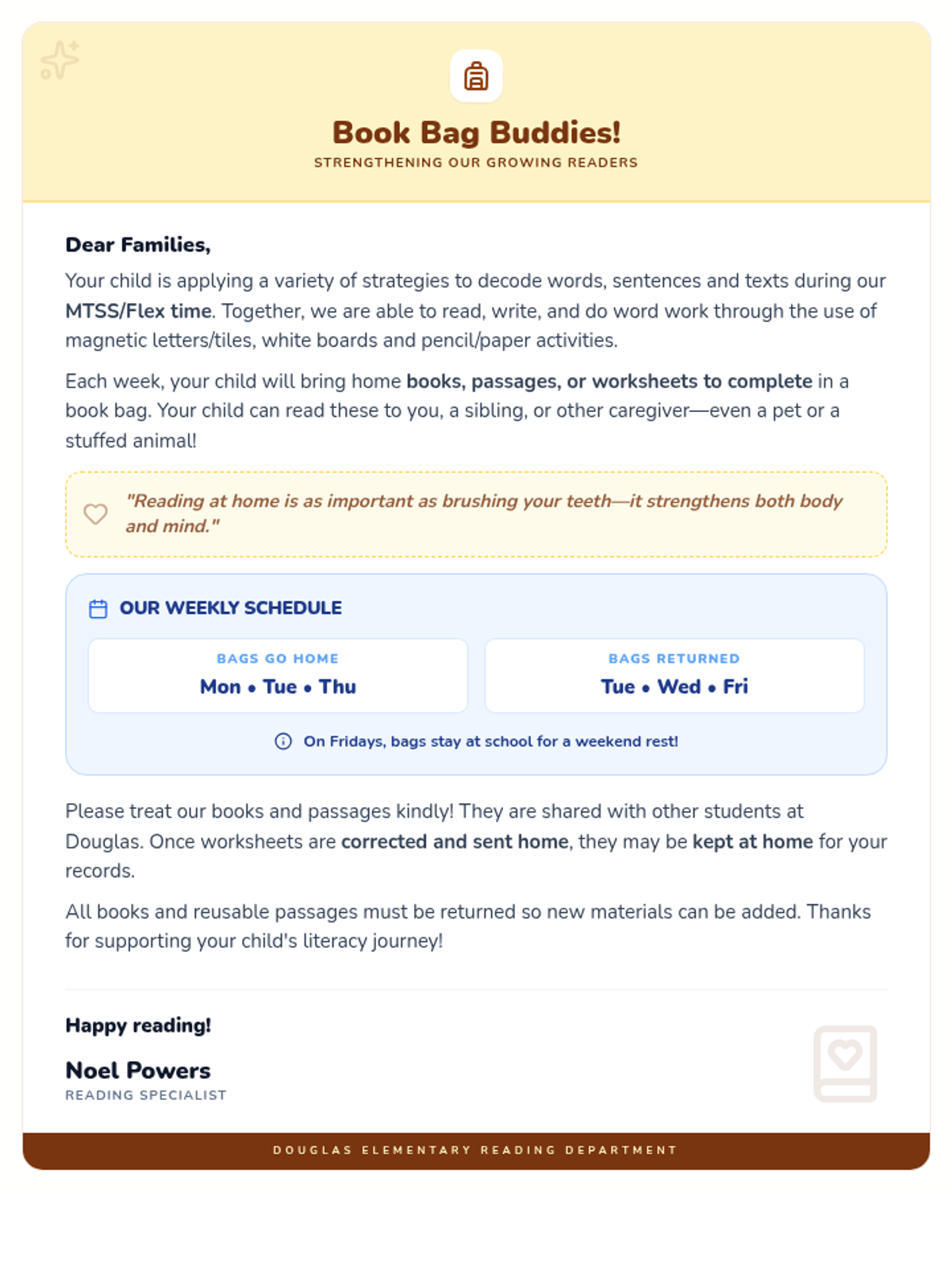
A home-school communication system for K-3 students featuring a homework bag log and an introductory letter for parents, detailing a Monday-Tuesday-Thursday homework schedule.
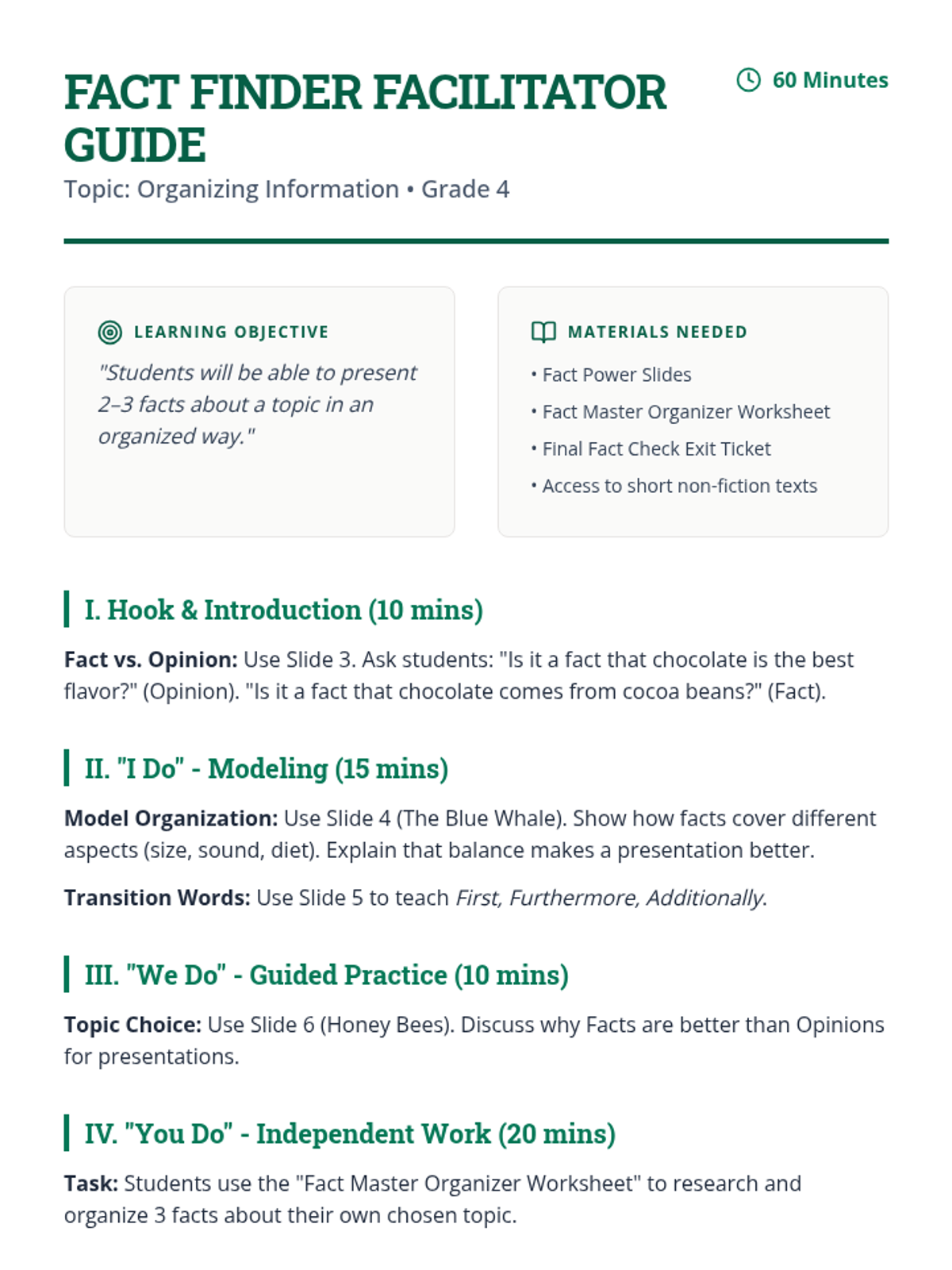
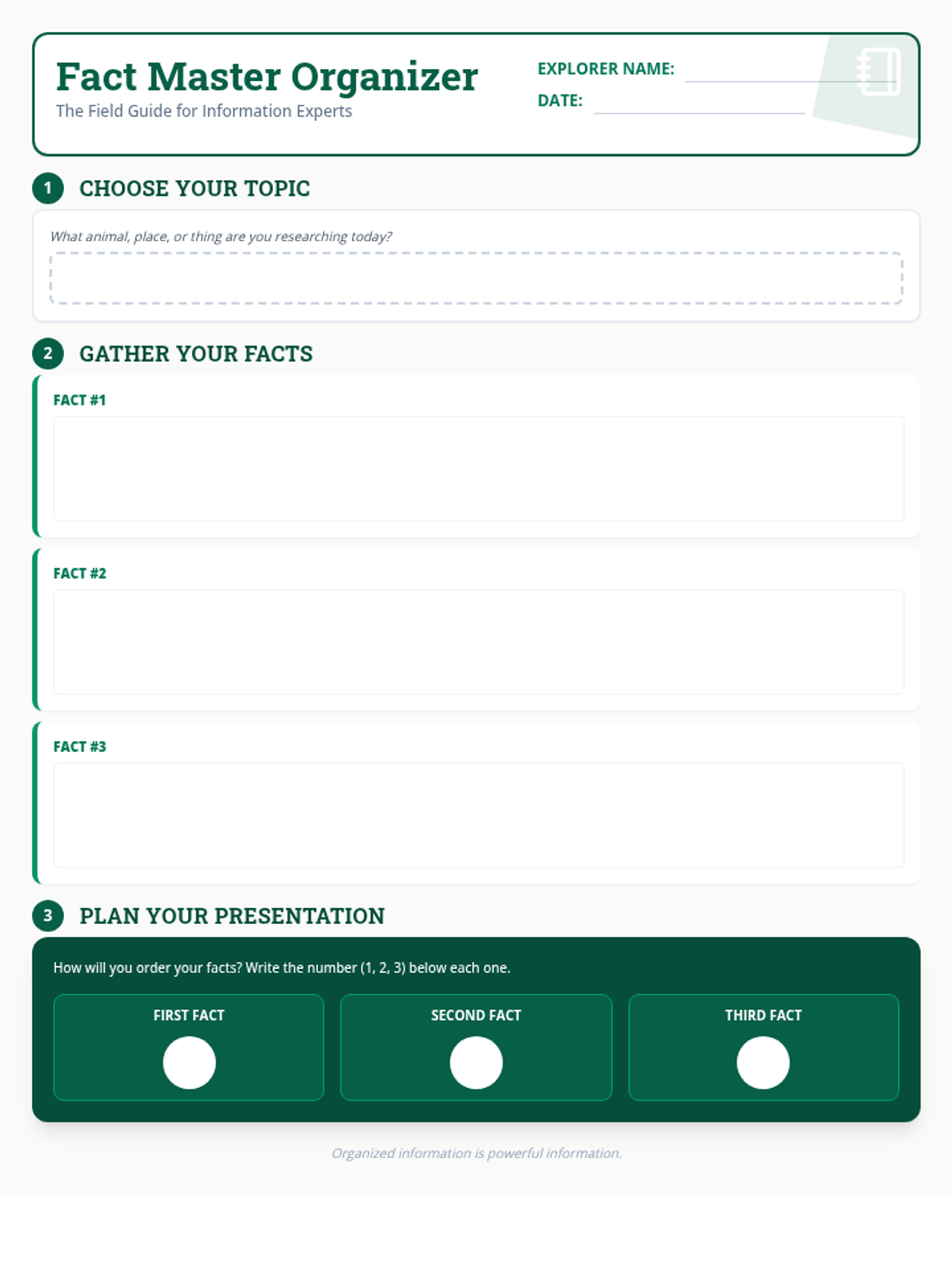
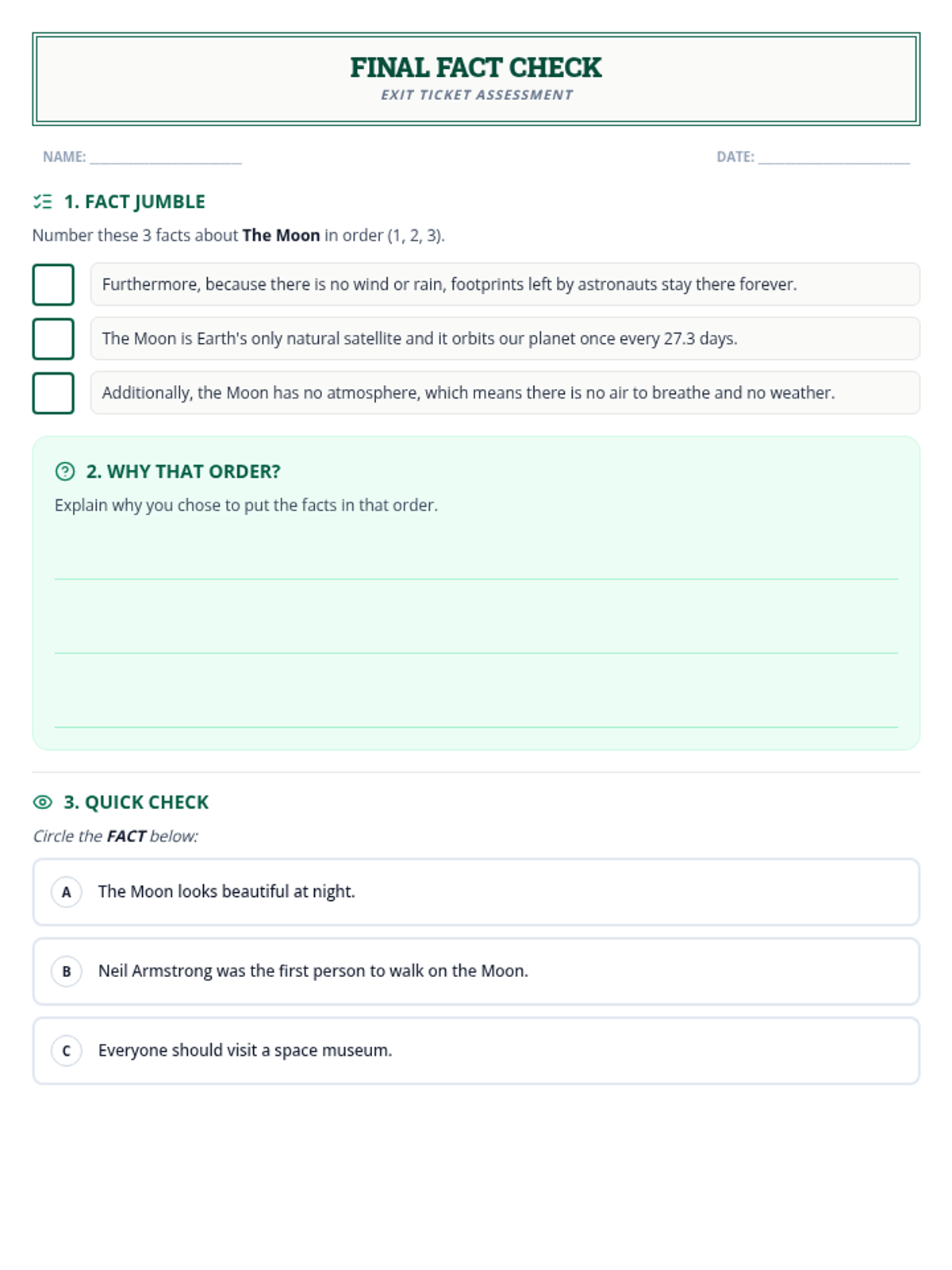
A lesson designed to help 4th graders identify, select, and organize 2-3 key facts about a specific topic into a clear, structured presentation.
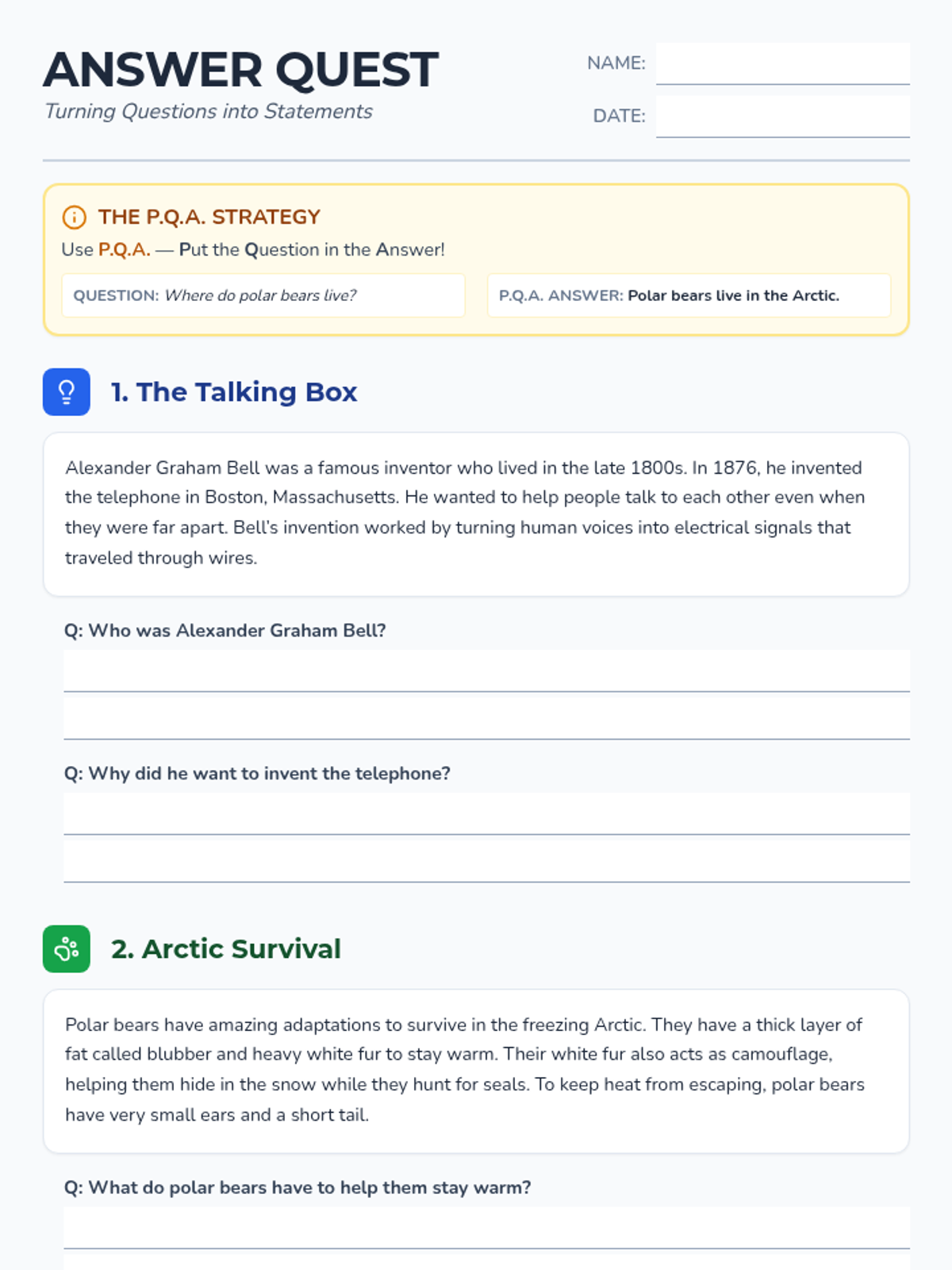
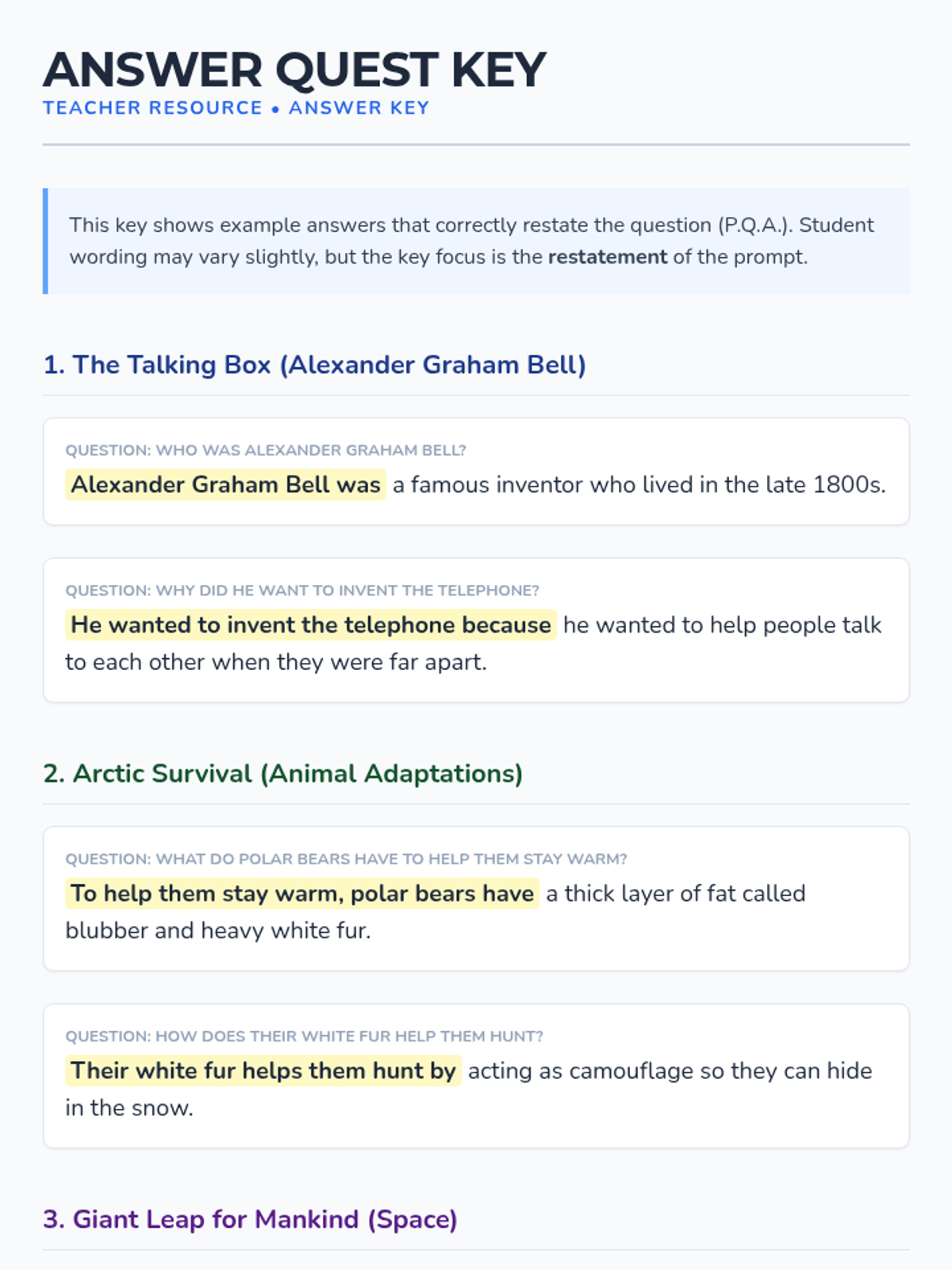
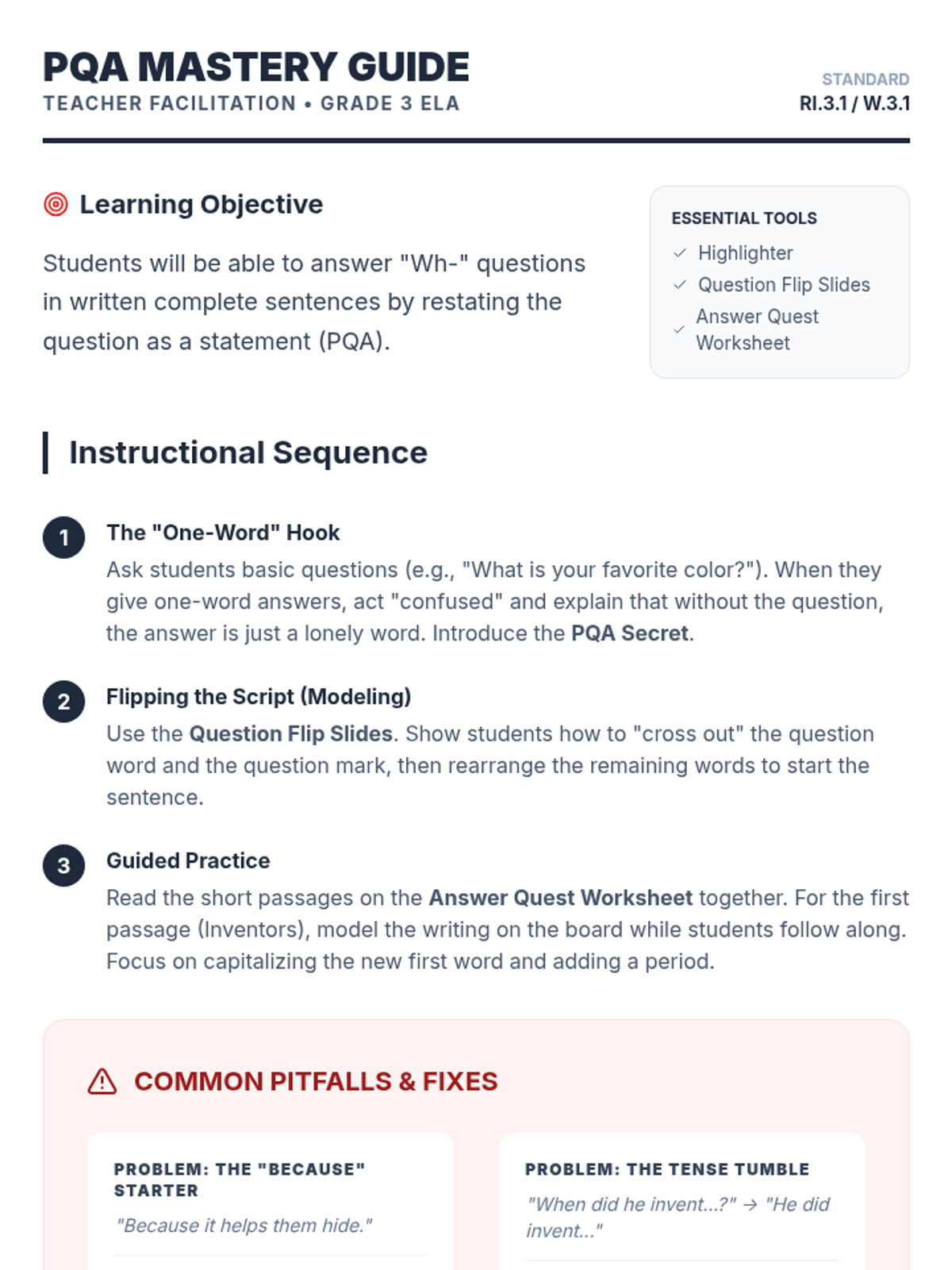
A lesson focused on teaching third-grade students how to answer 'Wh-' questions in complete sentences by restating the question as a statement. Students will practice this skill using texts about inventors, animal adaptations, and space.
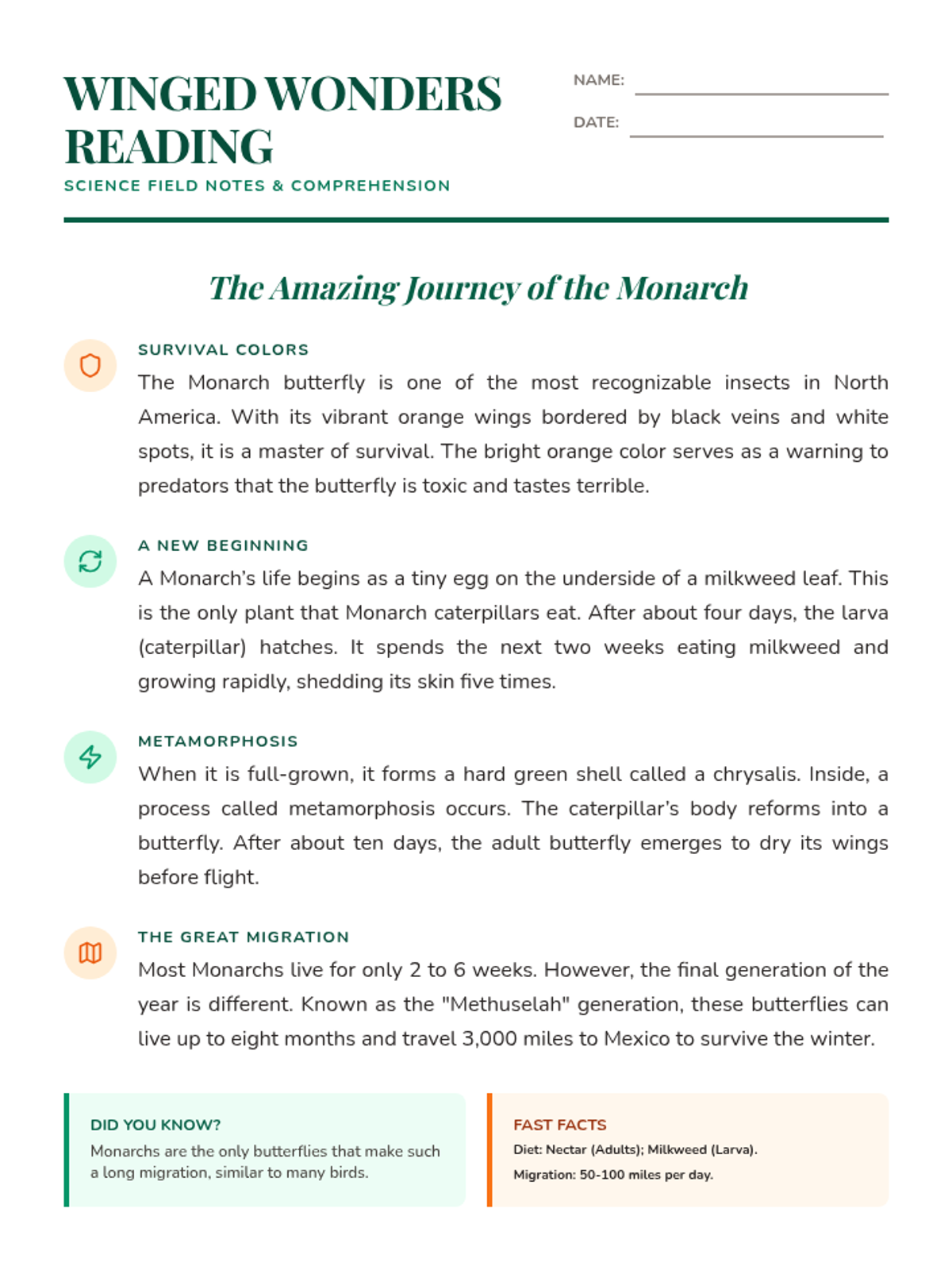
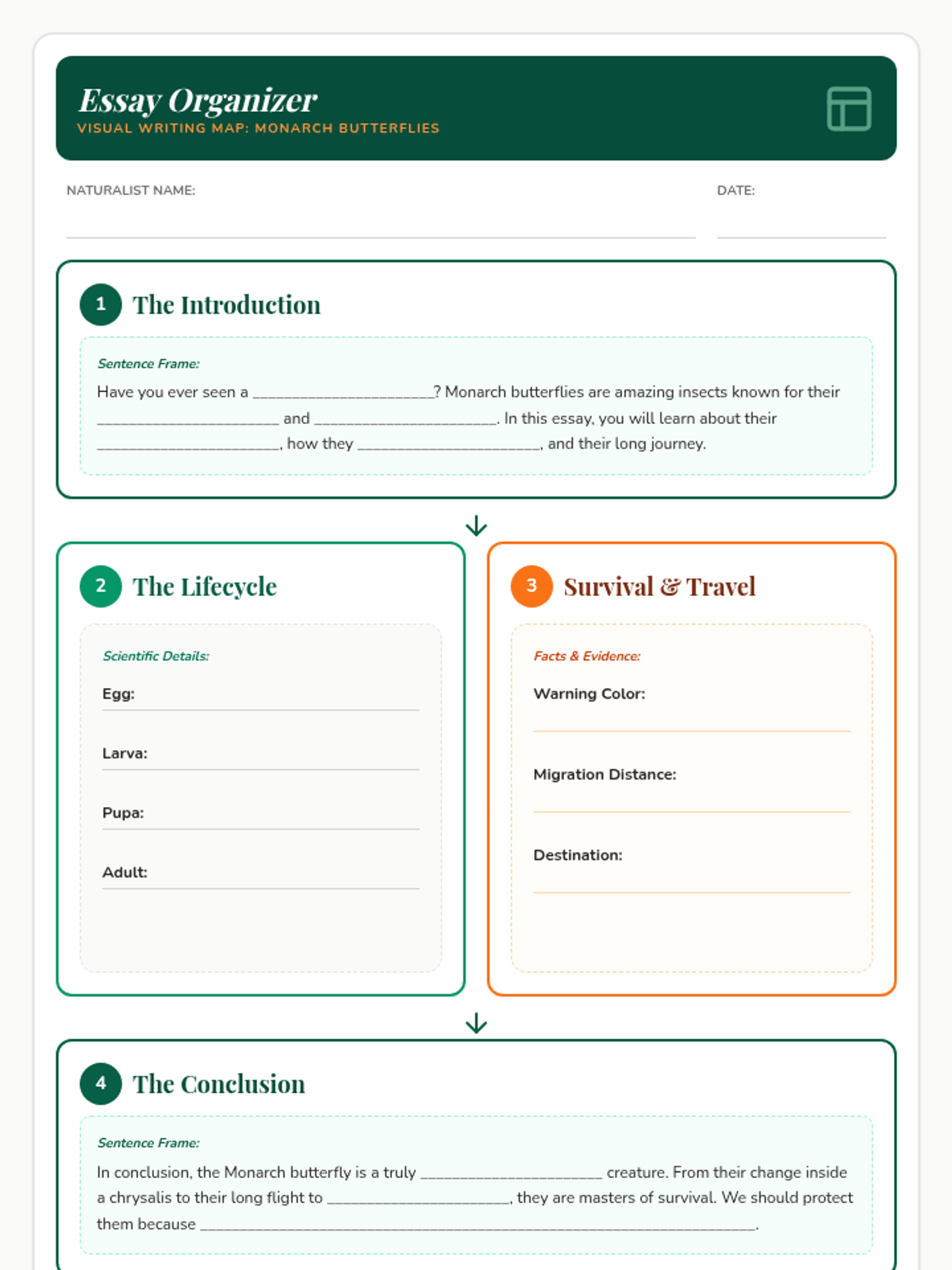
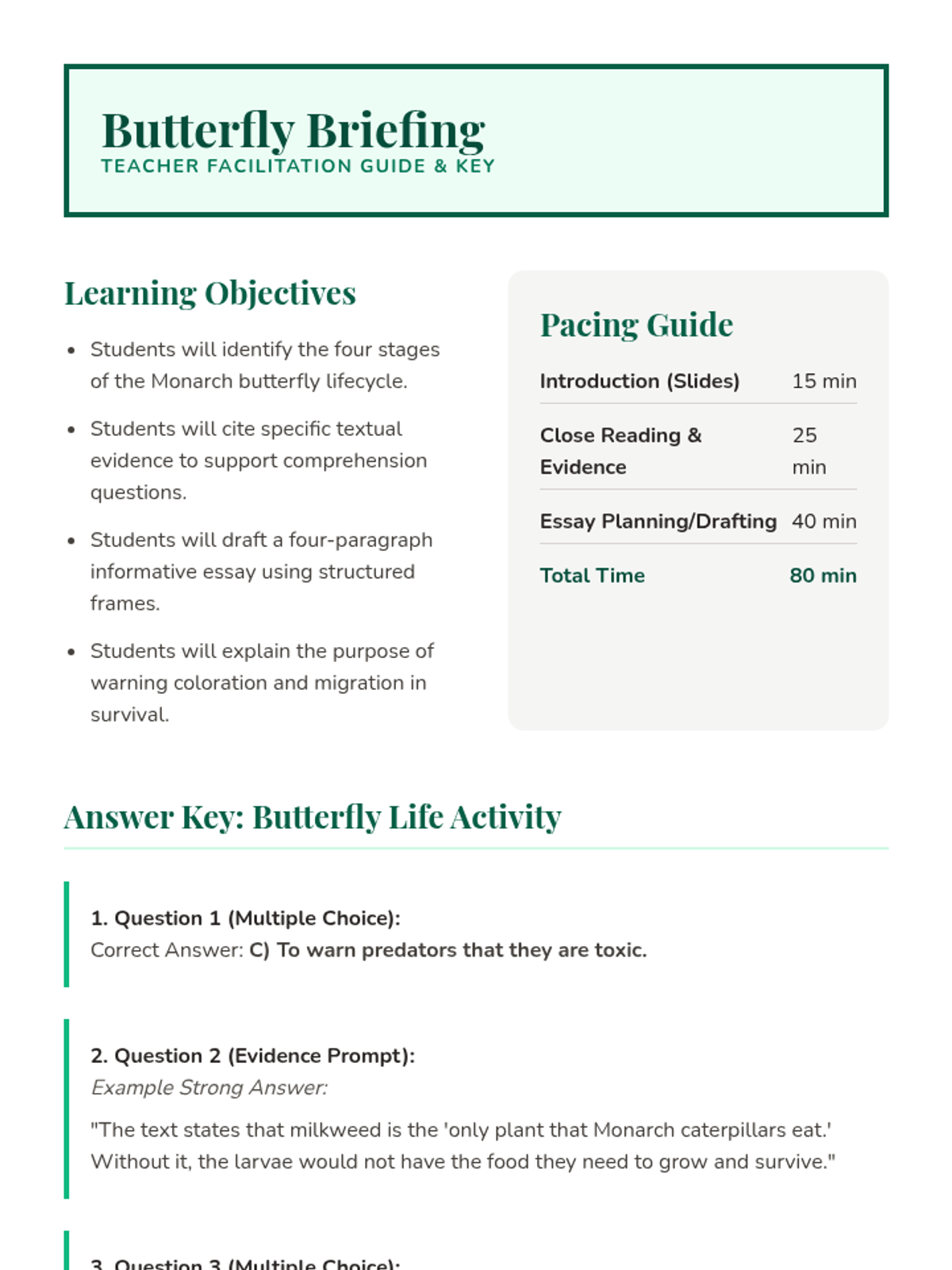
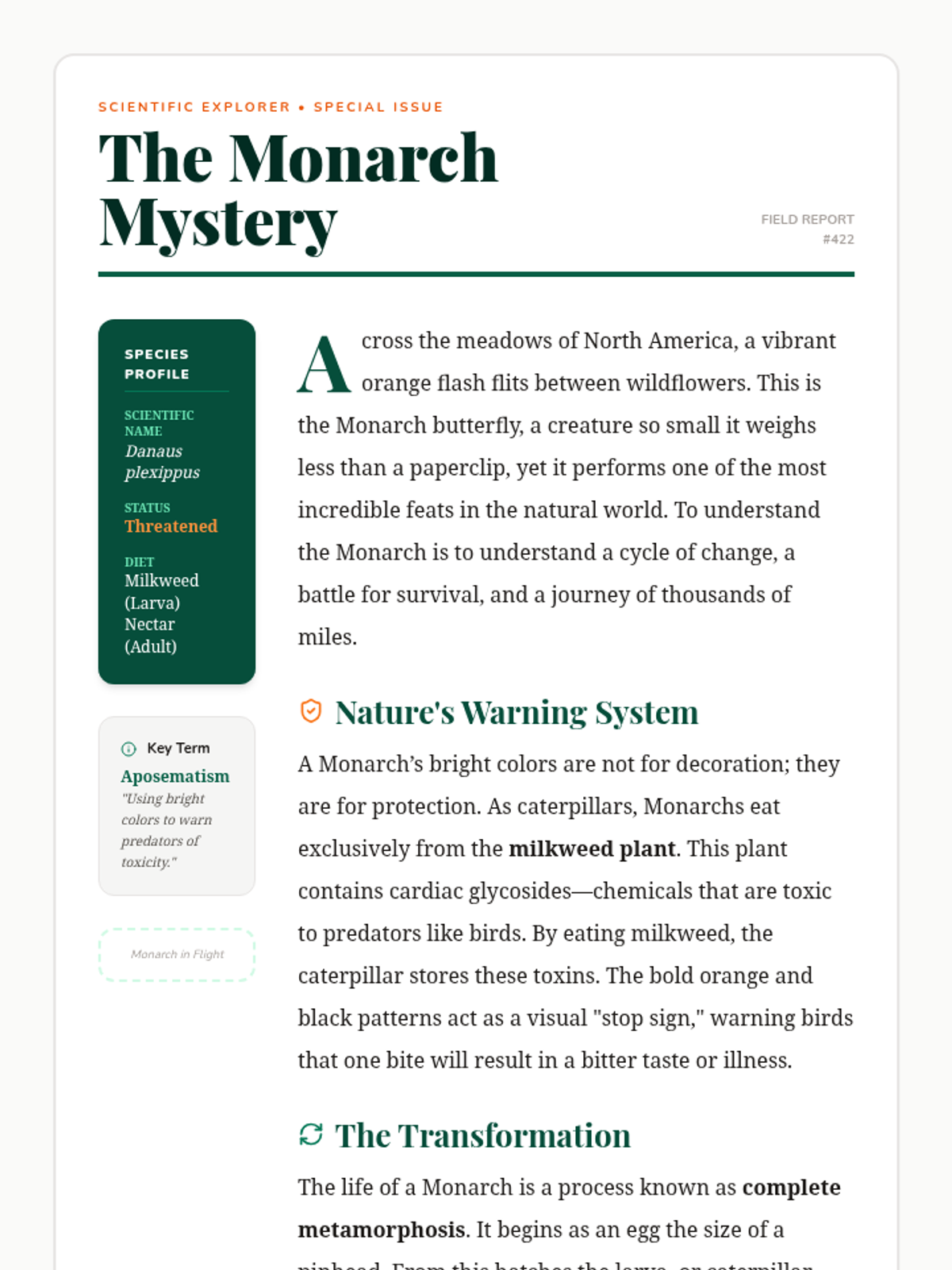
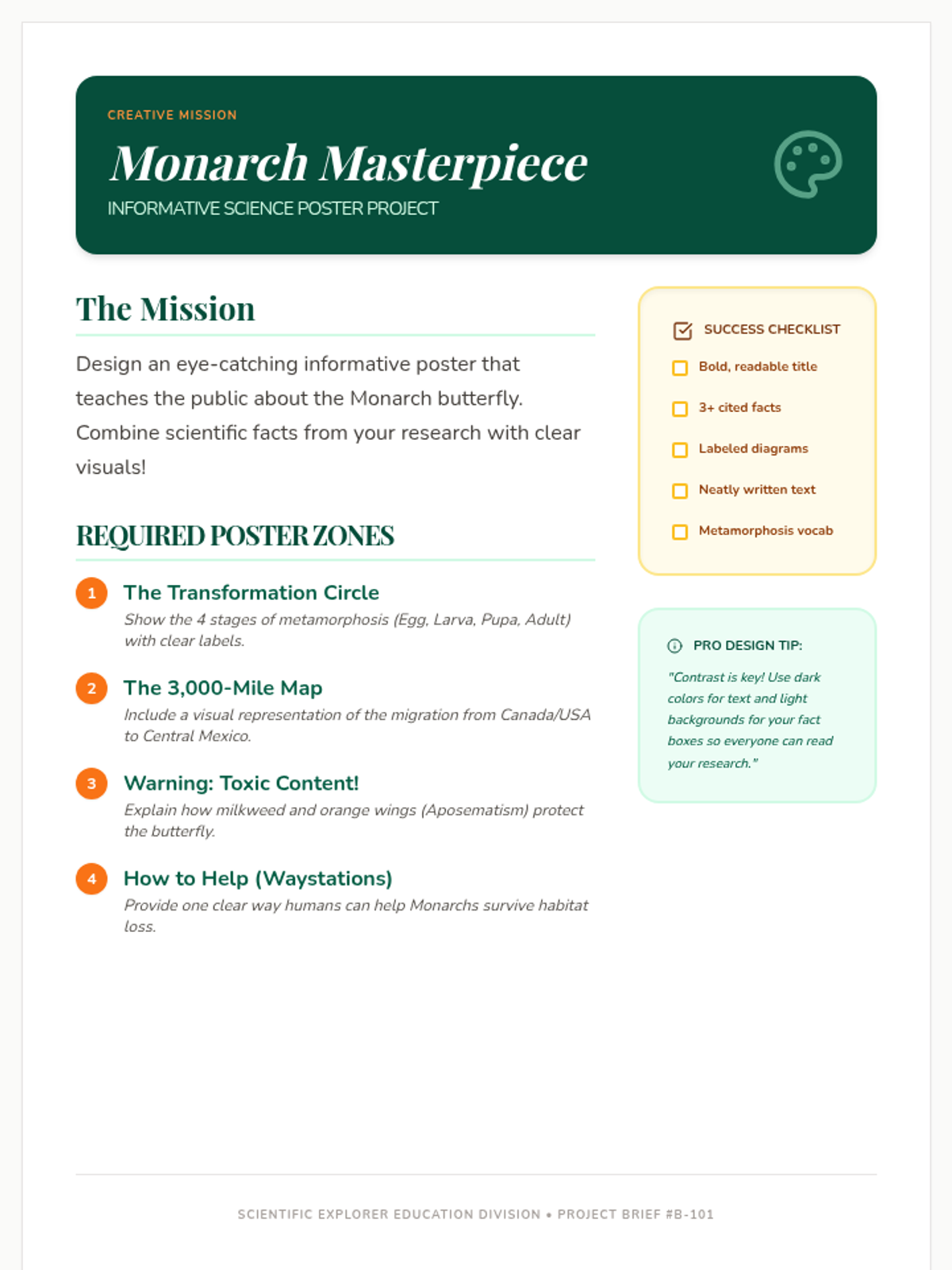
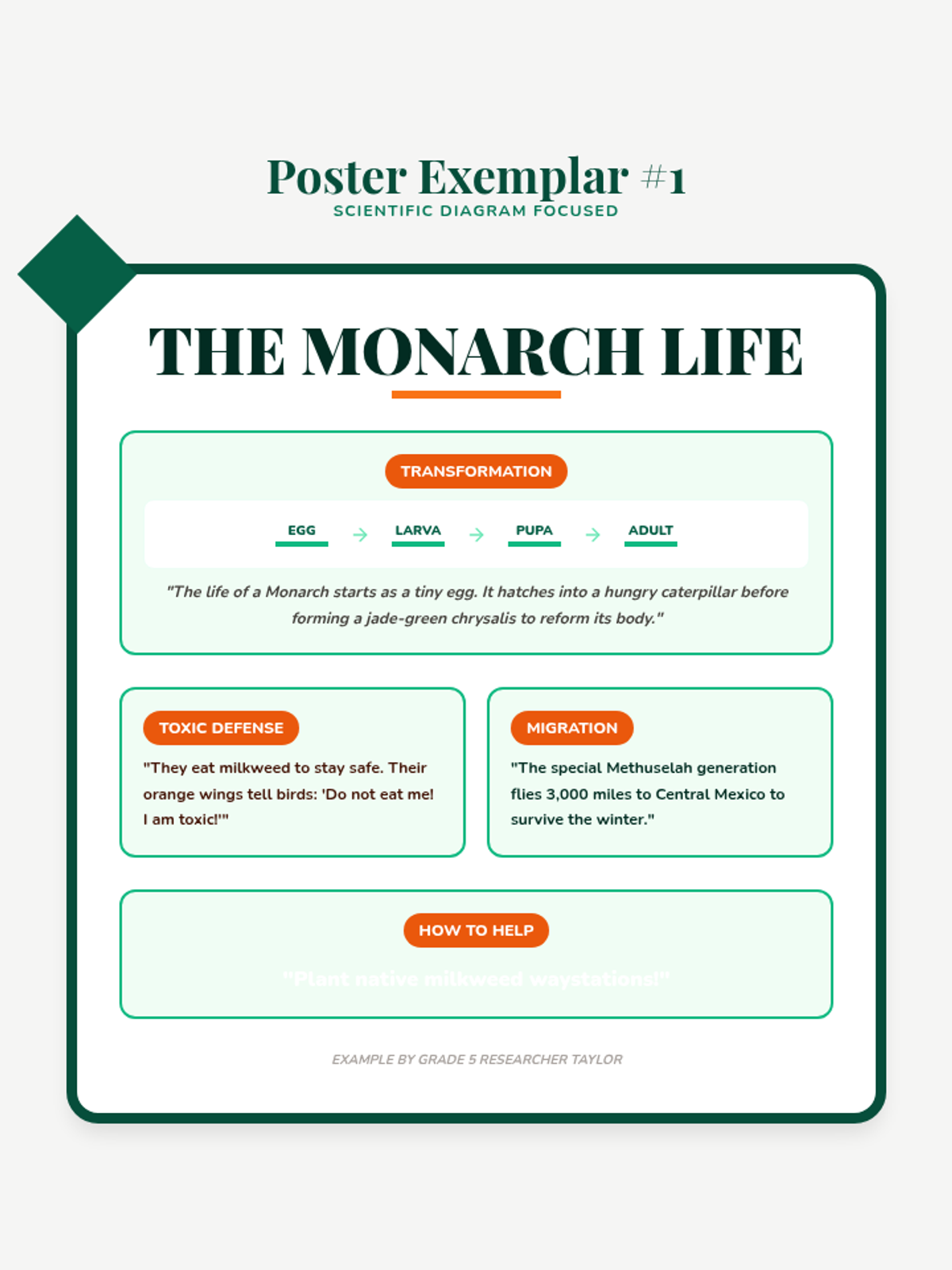
A comprehensive lesson on butterfly biology and conservation, focusing on citing textual evidence and structured informative writing for 4th-5th grade students.