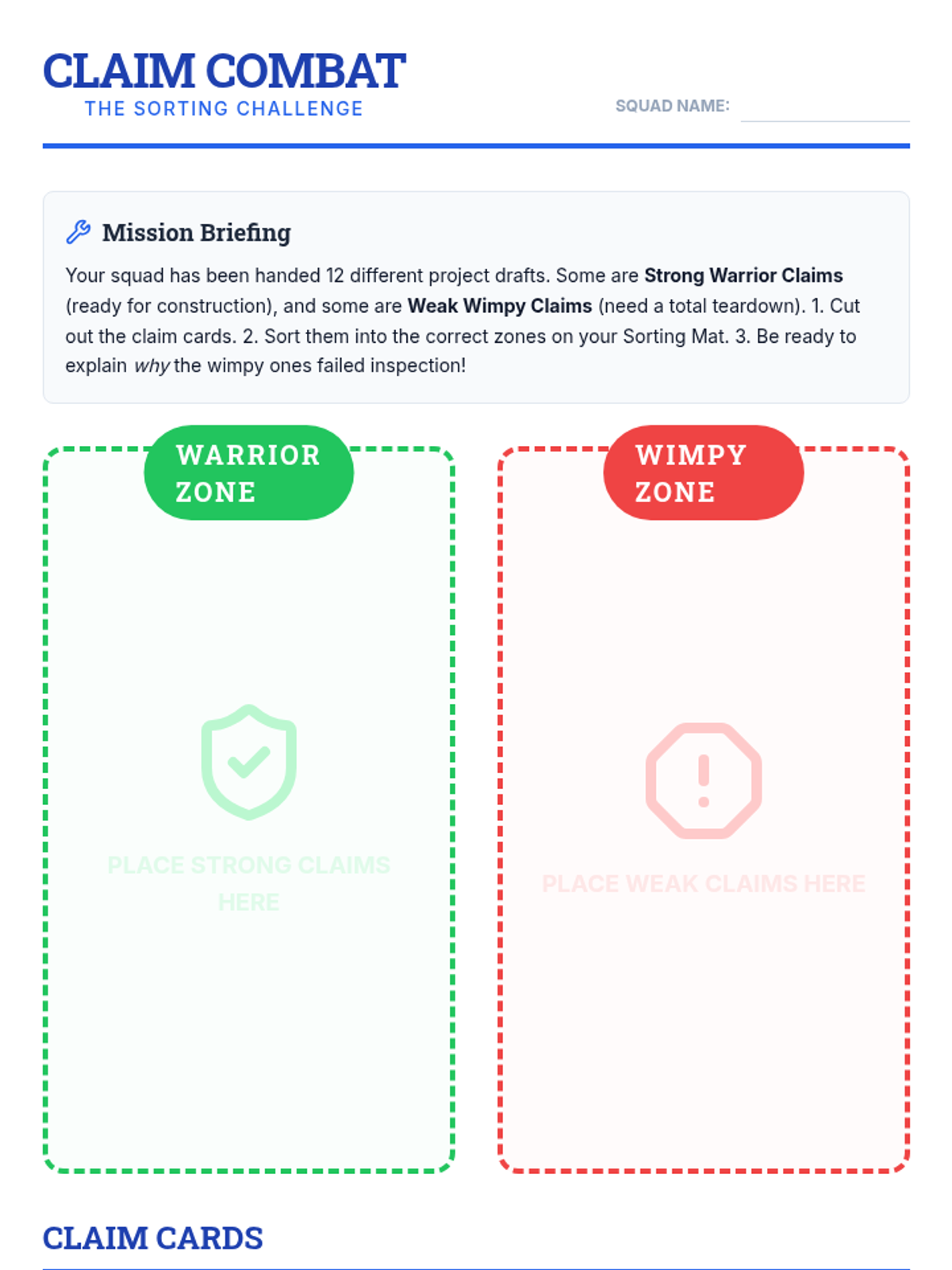
In this lesson, students learn the difference between opinion and evidence, practice identifying textual support through an interactive 'evidence hunt', and draft paragraphs that connect claims to proof.
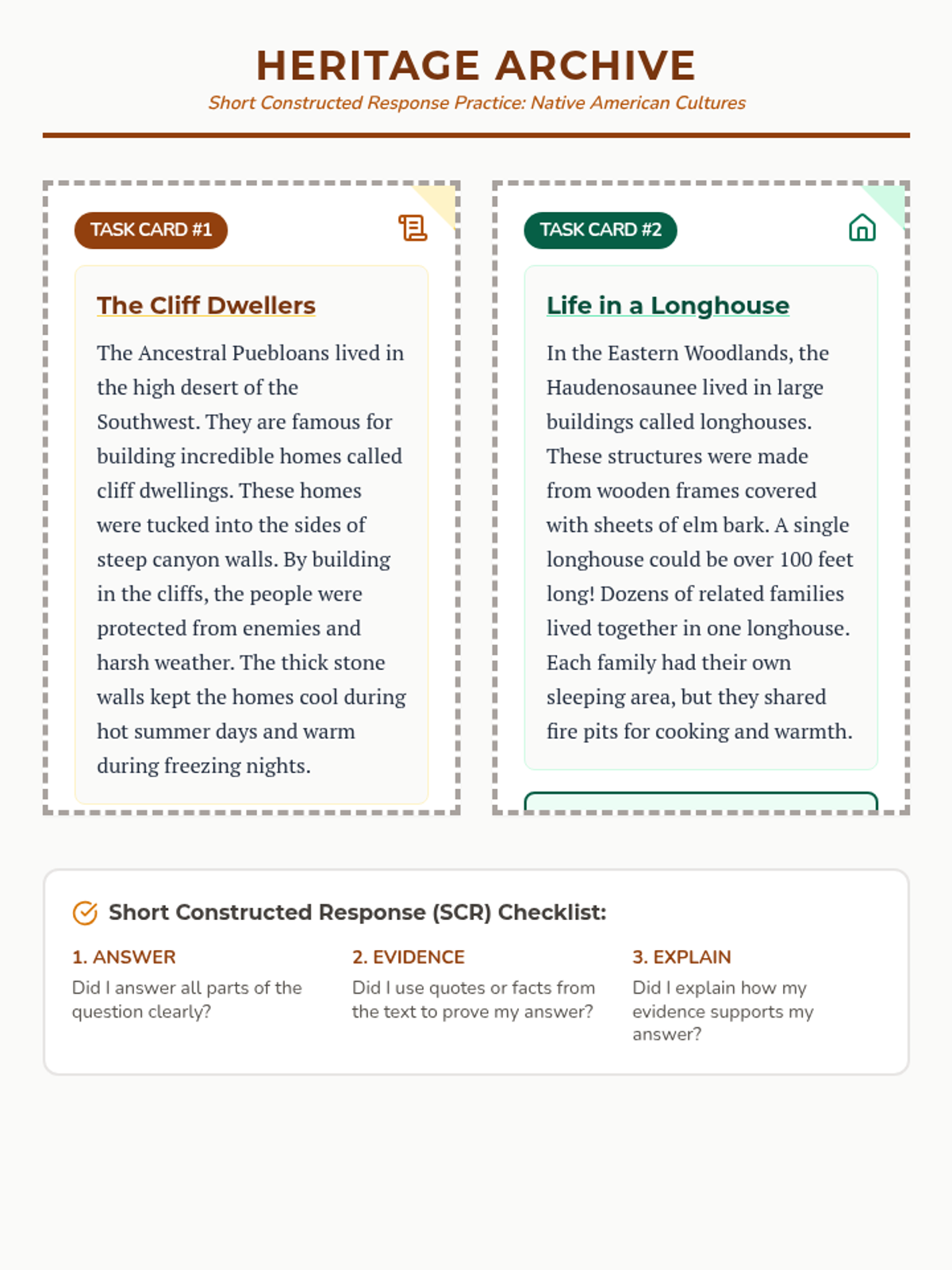
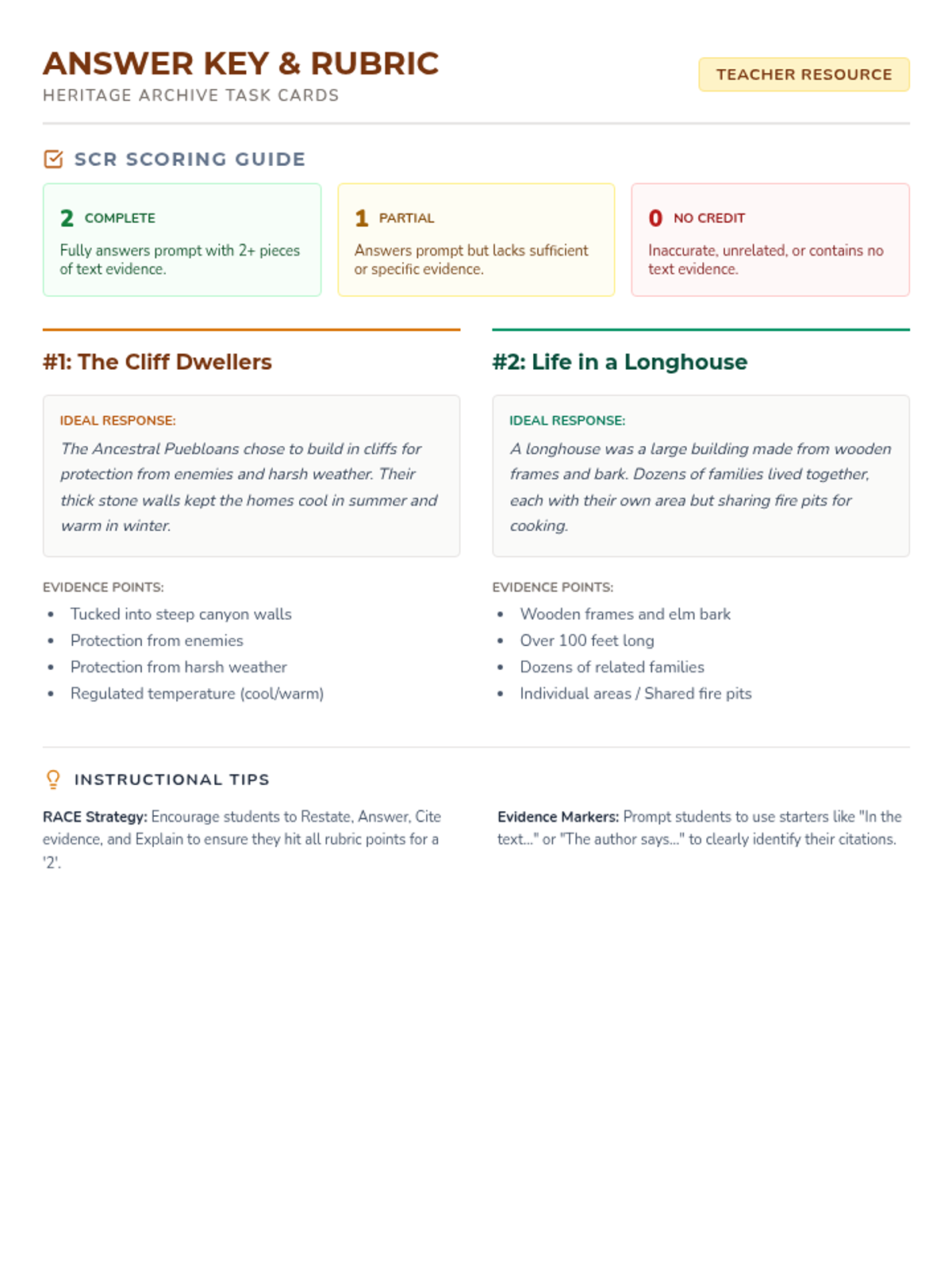
A short lesson focusing on practicing short constructed responses (SCR) using informational texts about the Ancestral Puebloans and the Haudenosaunee. Students read short passages, identify key details, and write evidenced-based responses.
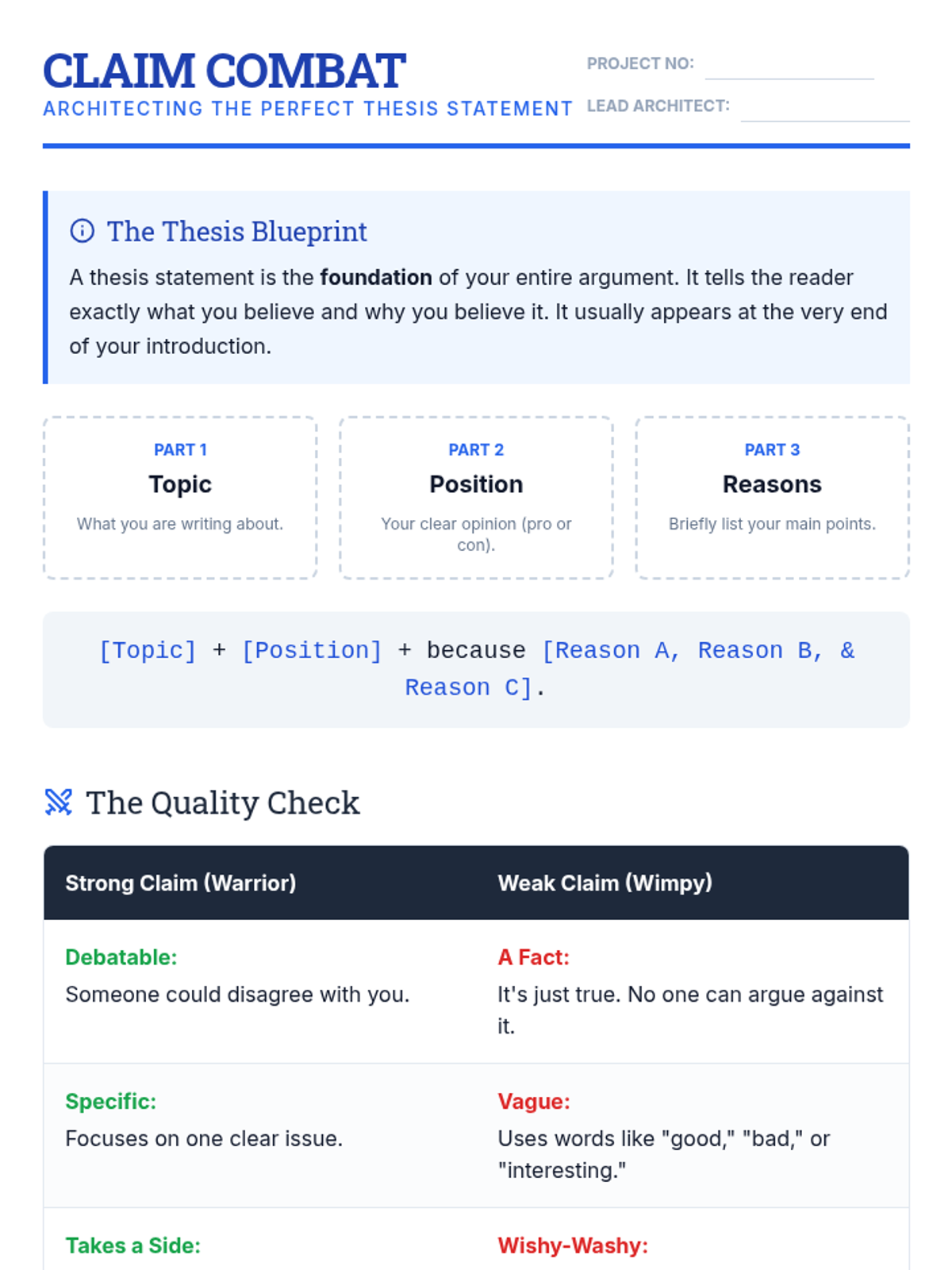
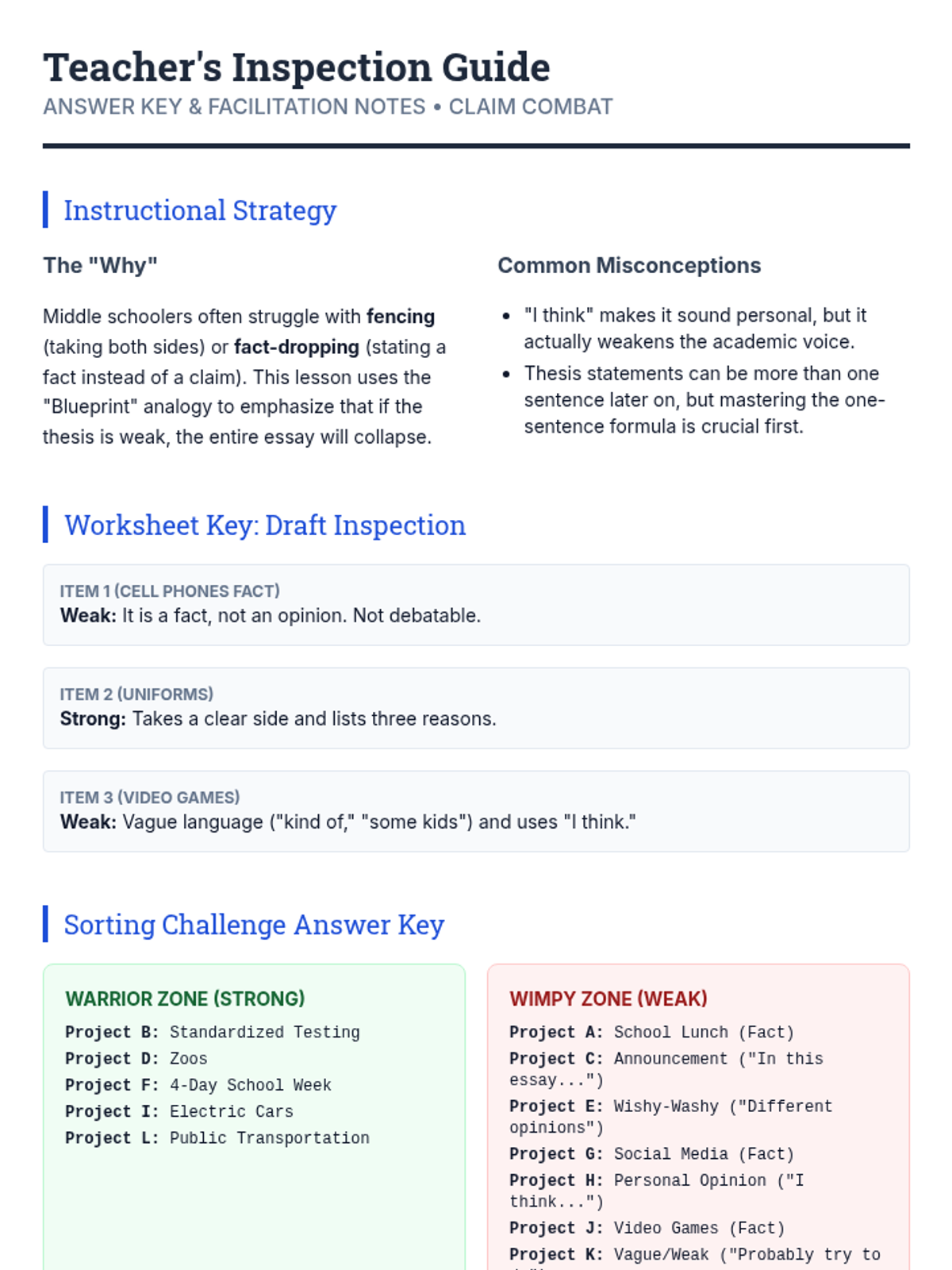
A comprehensive lesson designed to help middle school students master the art of writing strong, argumentative thesis statements through a blueprint-themed instructional approach.
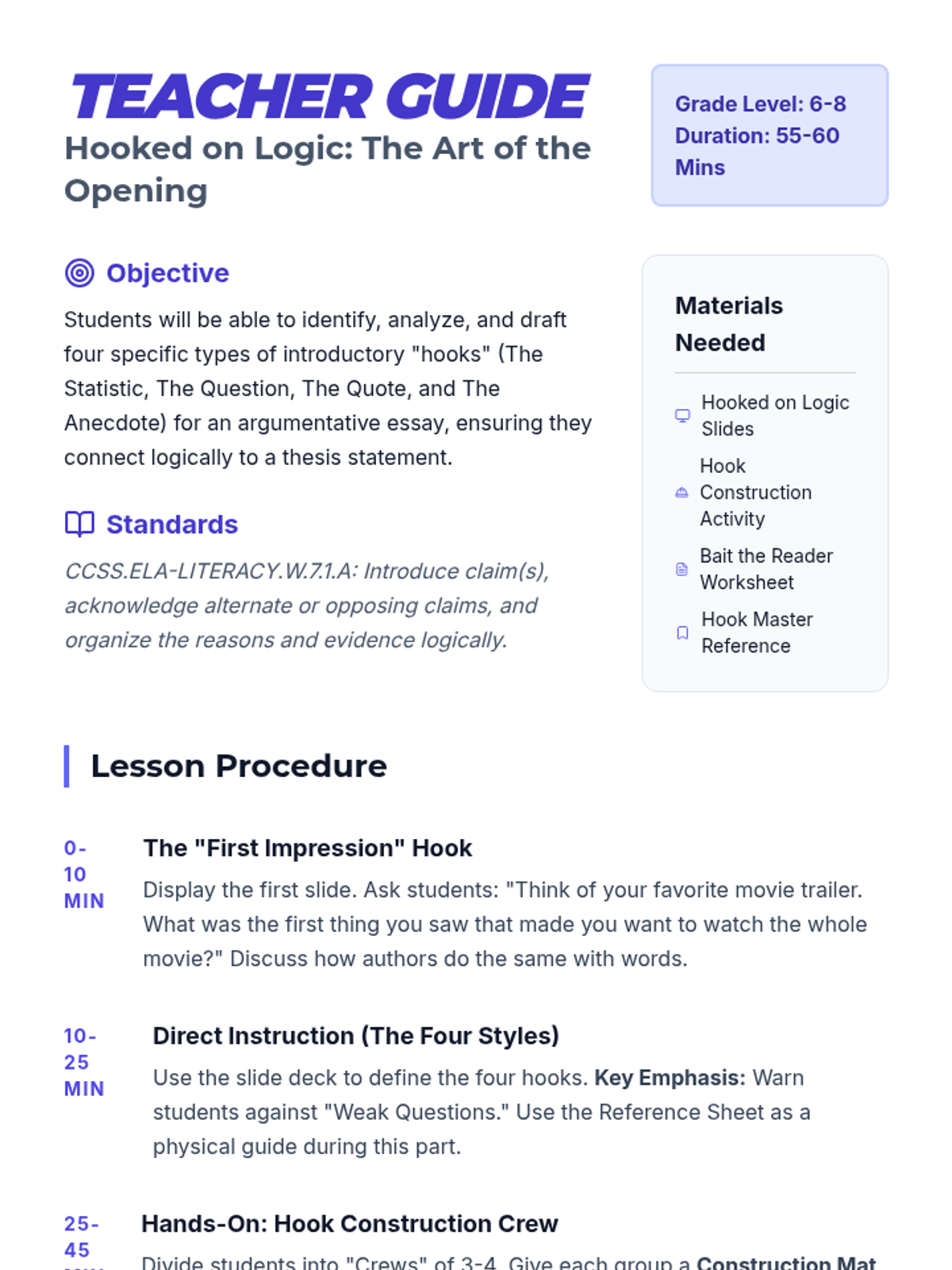
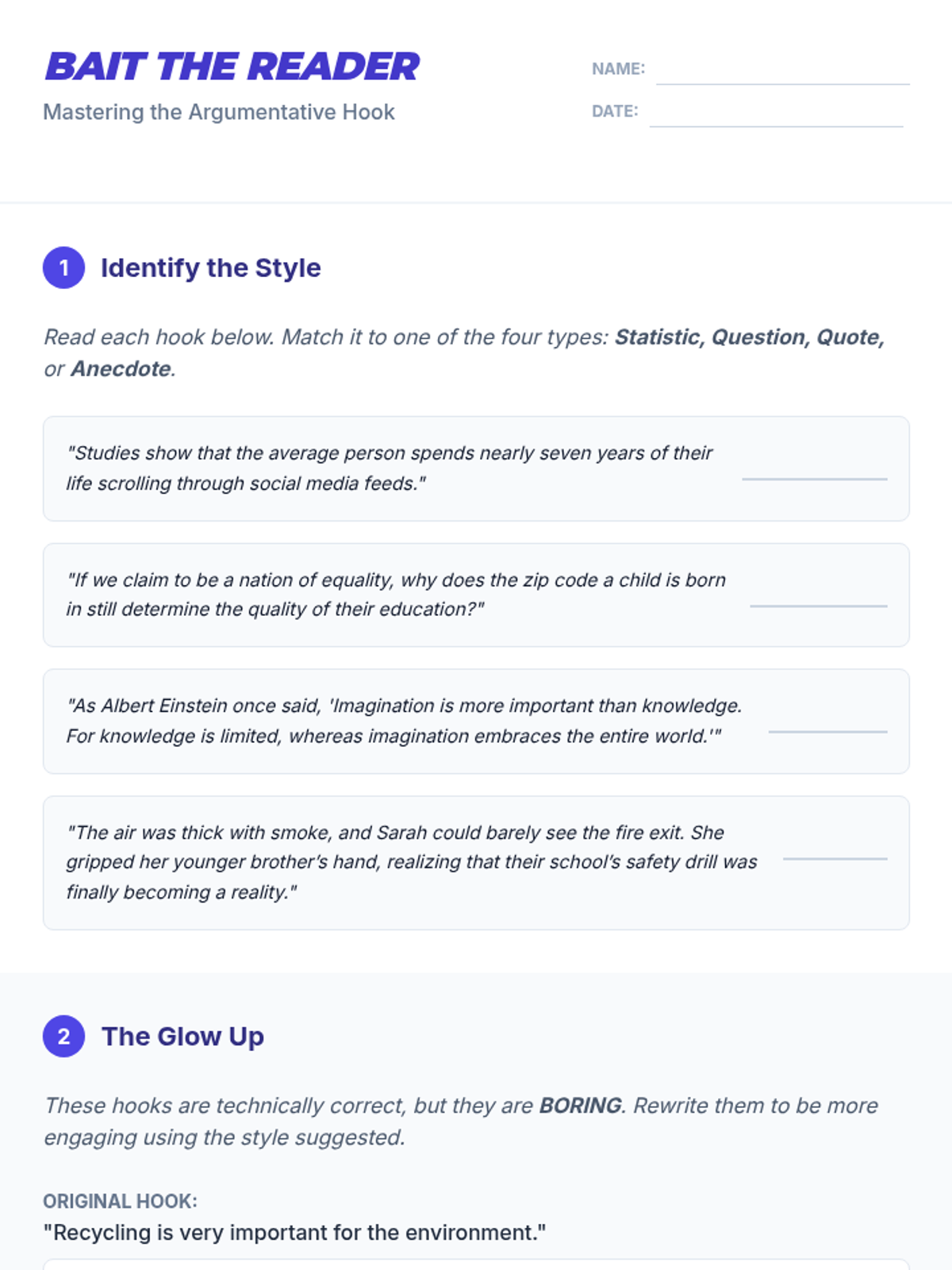
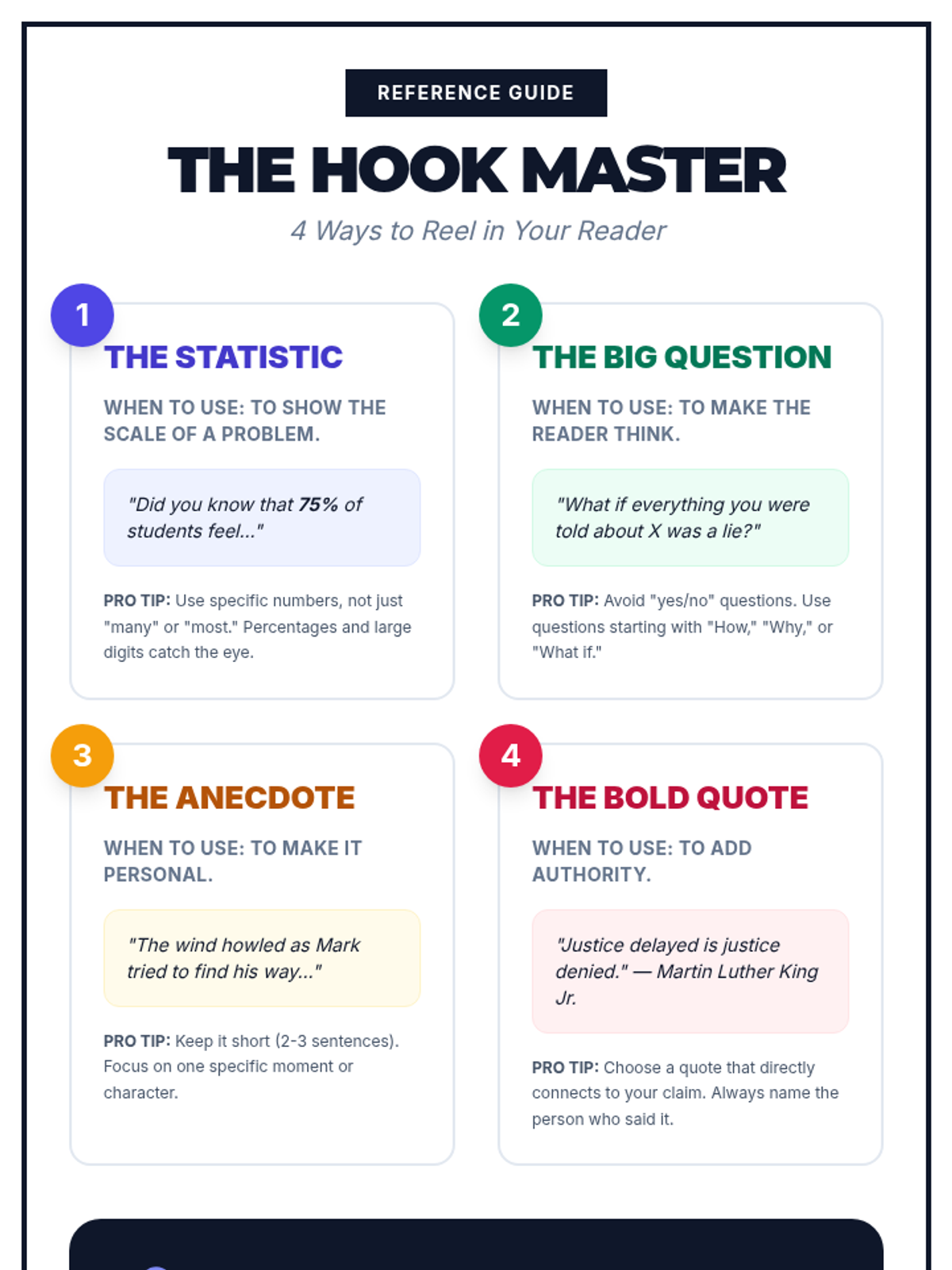
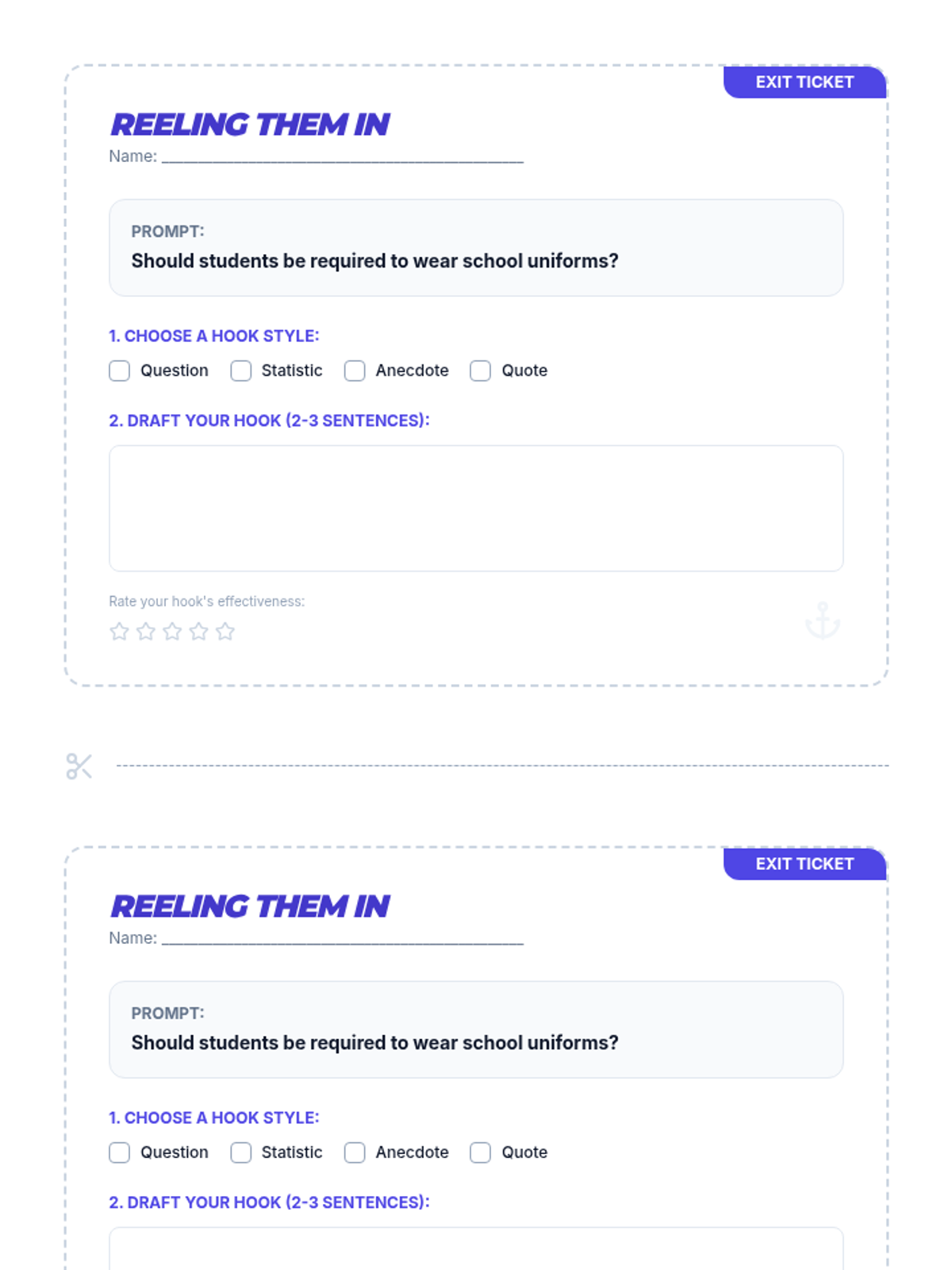
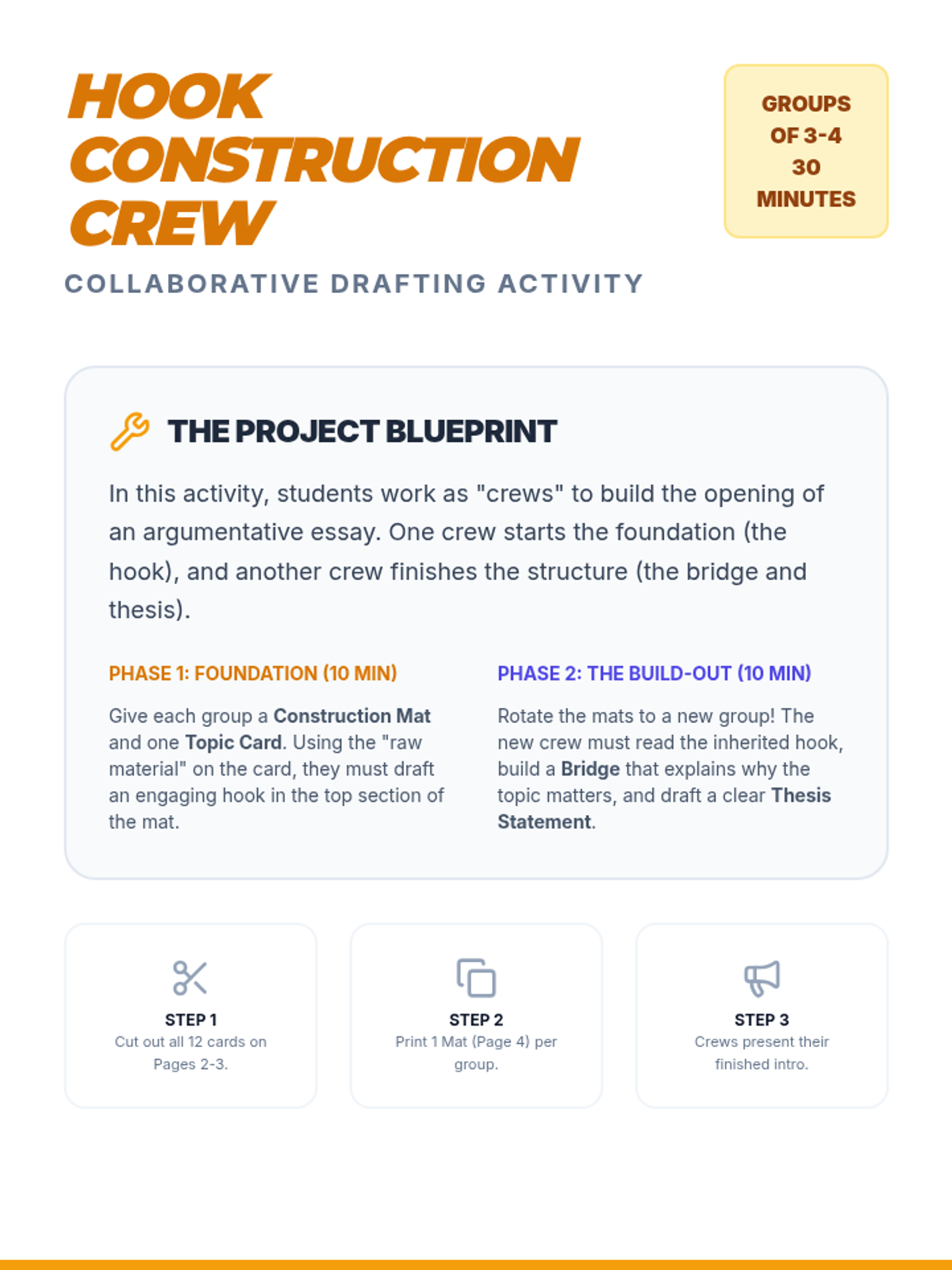
A comprehensive lesson for middle schoolers on mastering the art of the argumentative hook, covering four distinct strategies to grab a reader's attention and bridge to a strong claim.
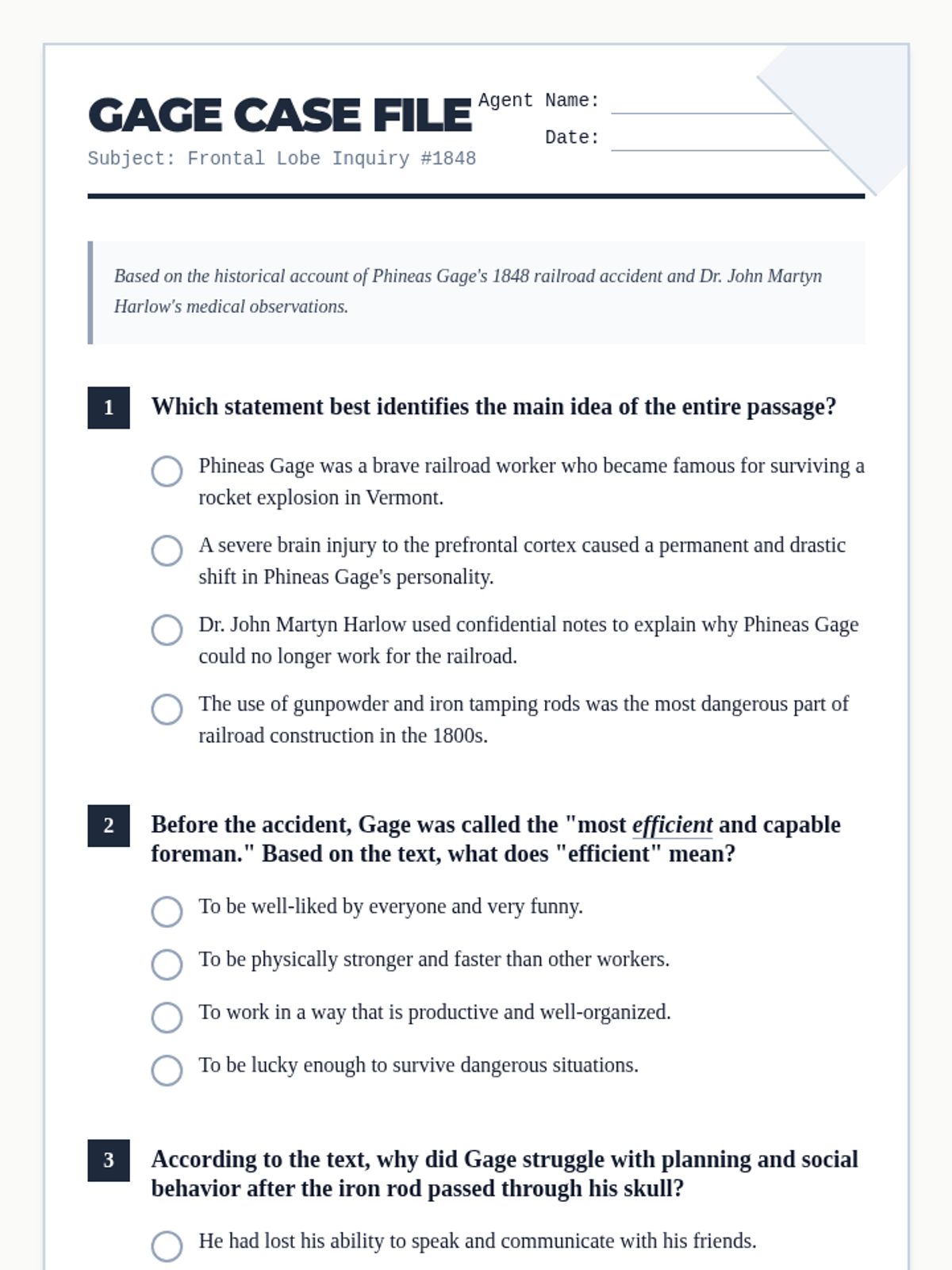
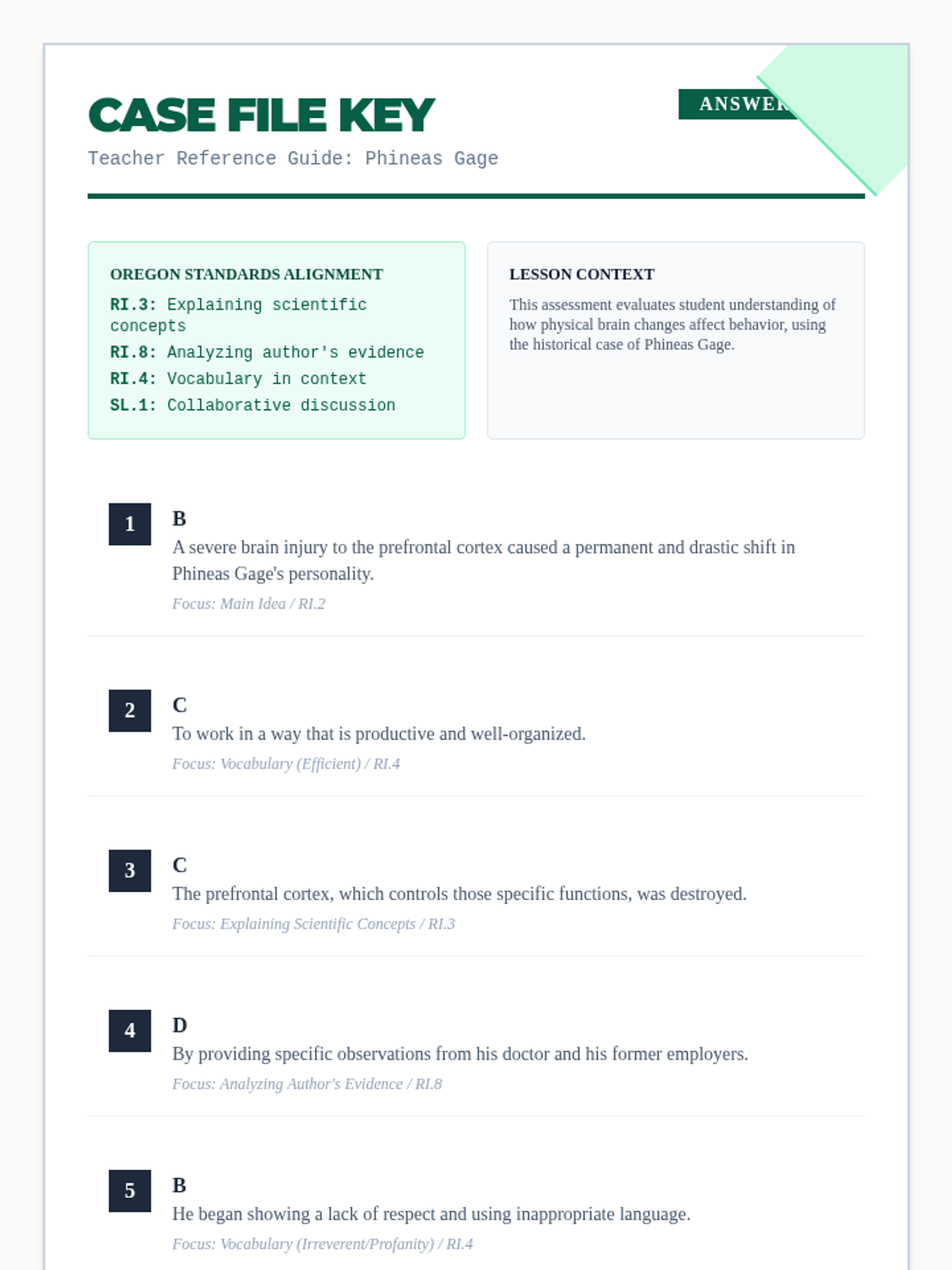
A lesson exploring the famous case of Phineas Gage to understand the connection between brain structure and personality, meeting Oregon learning standards for reading informational text.
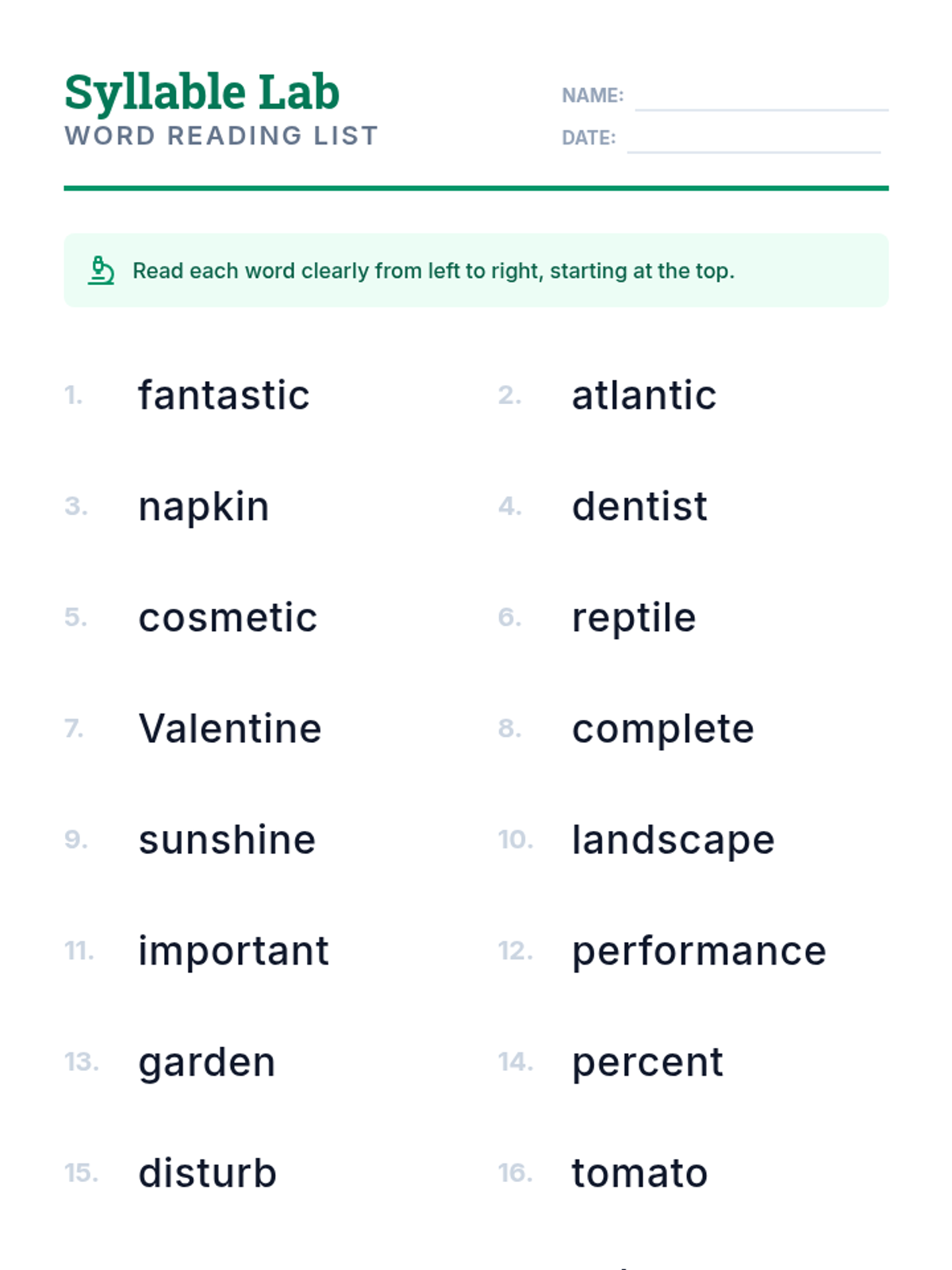
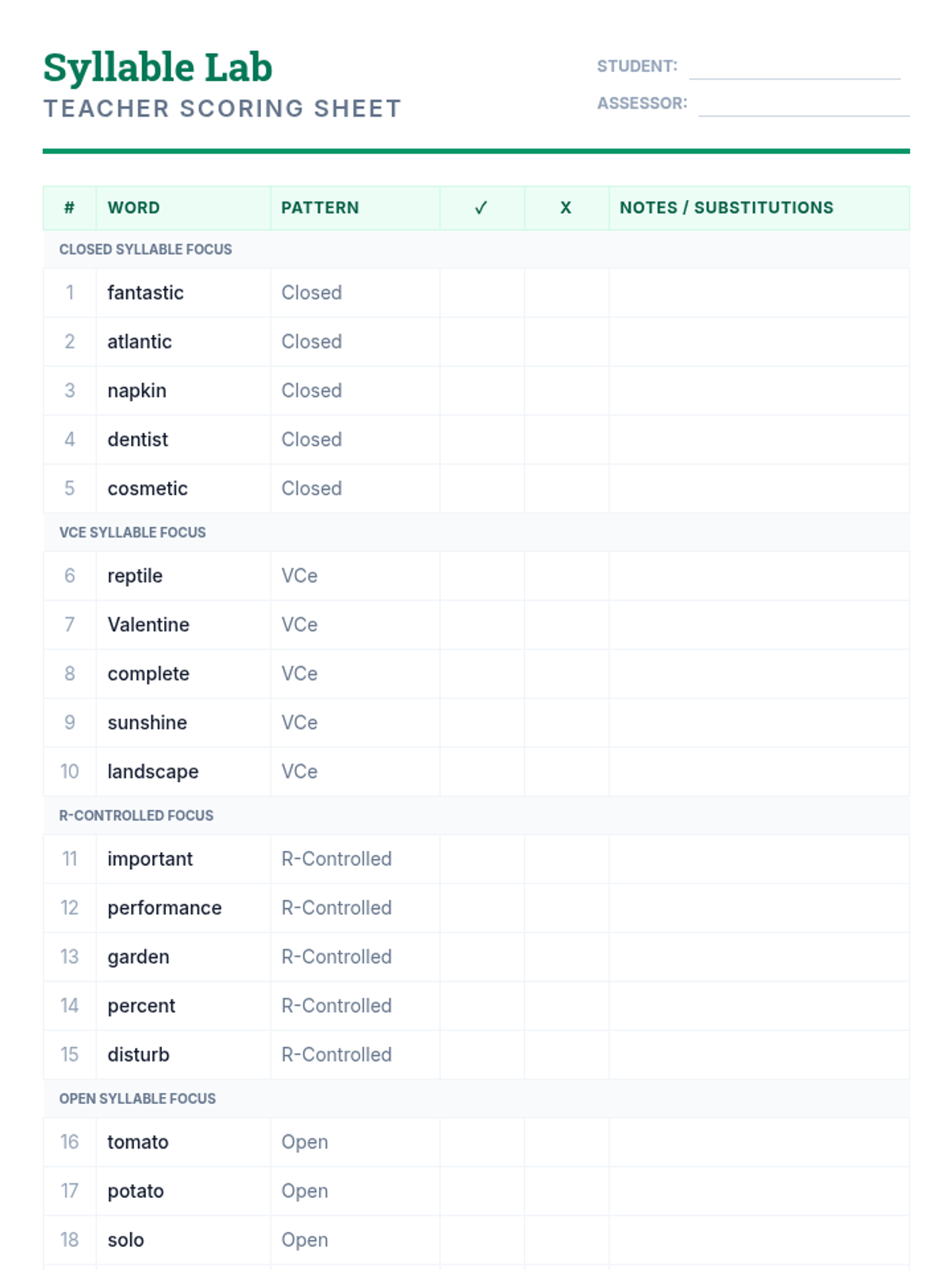
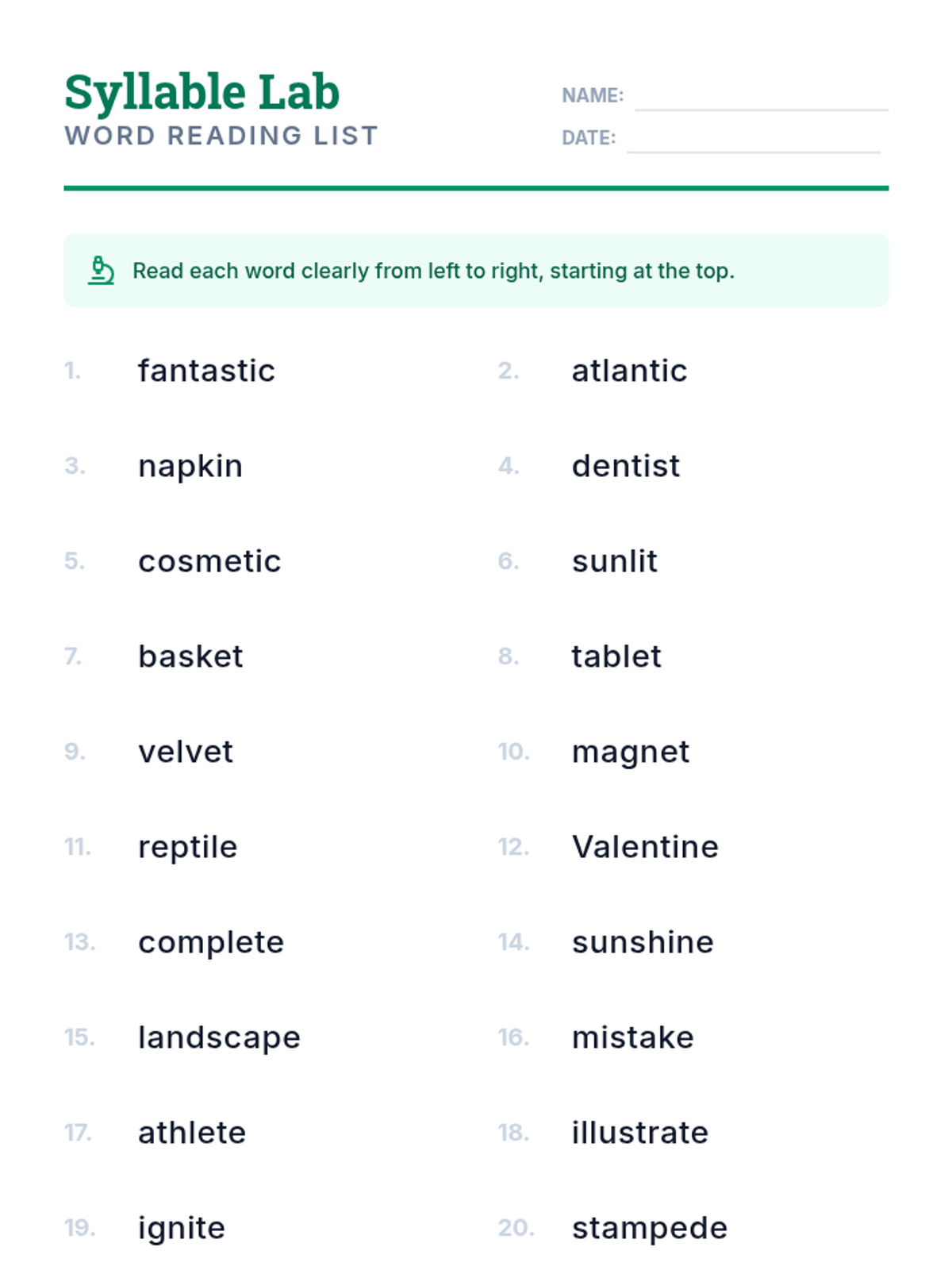
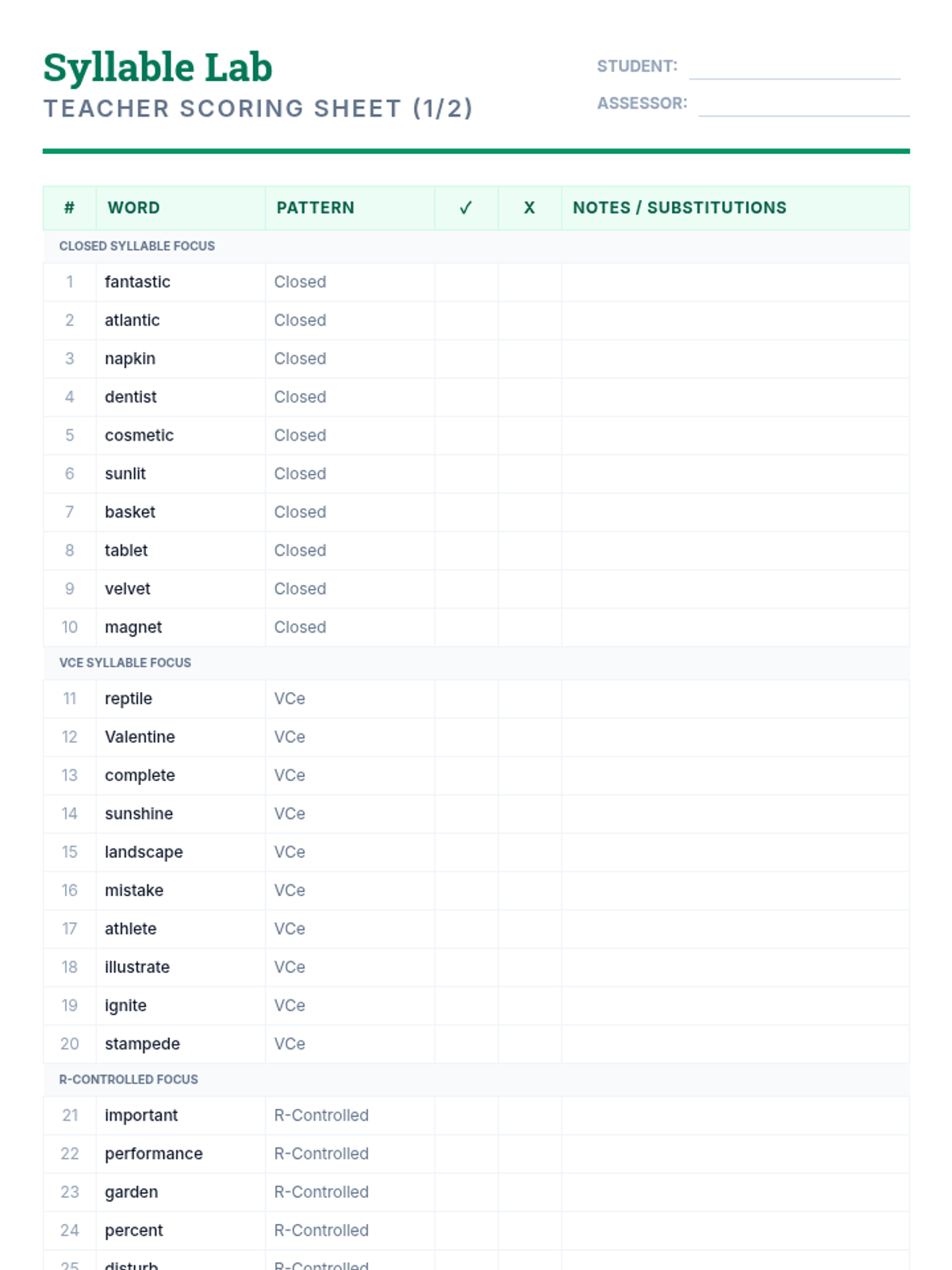
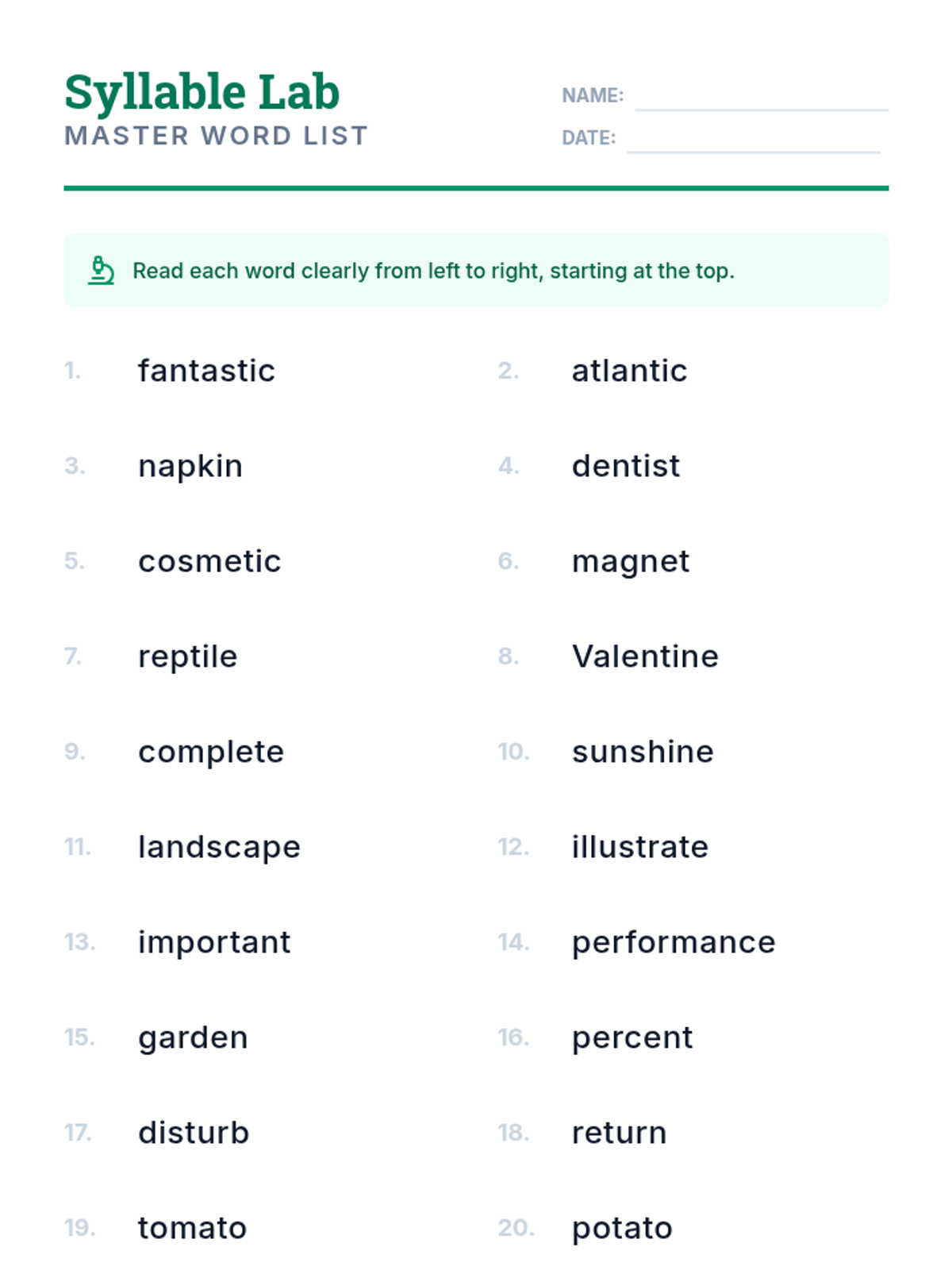
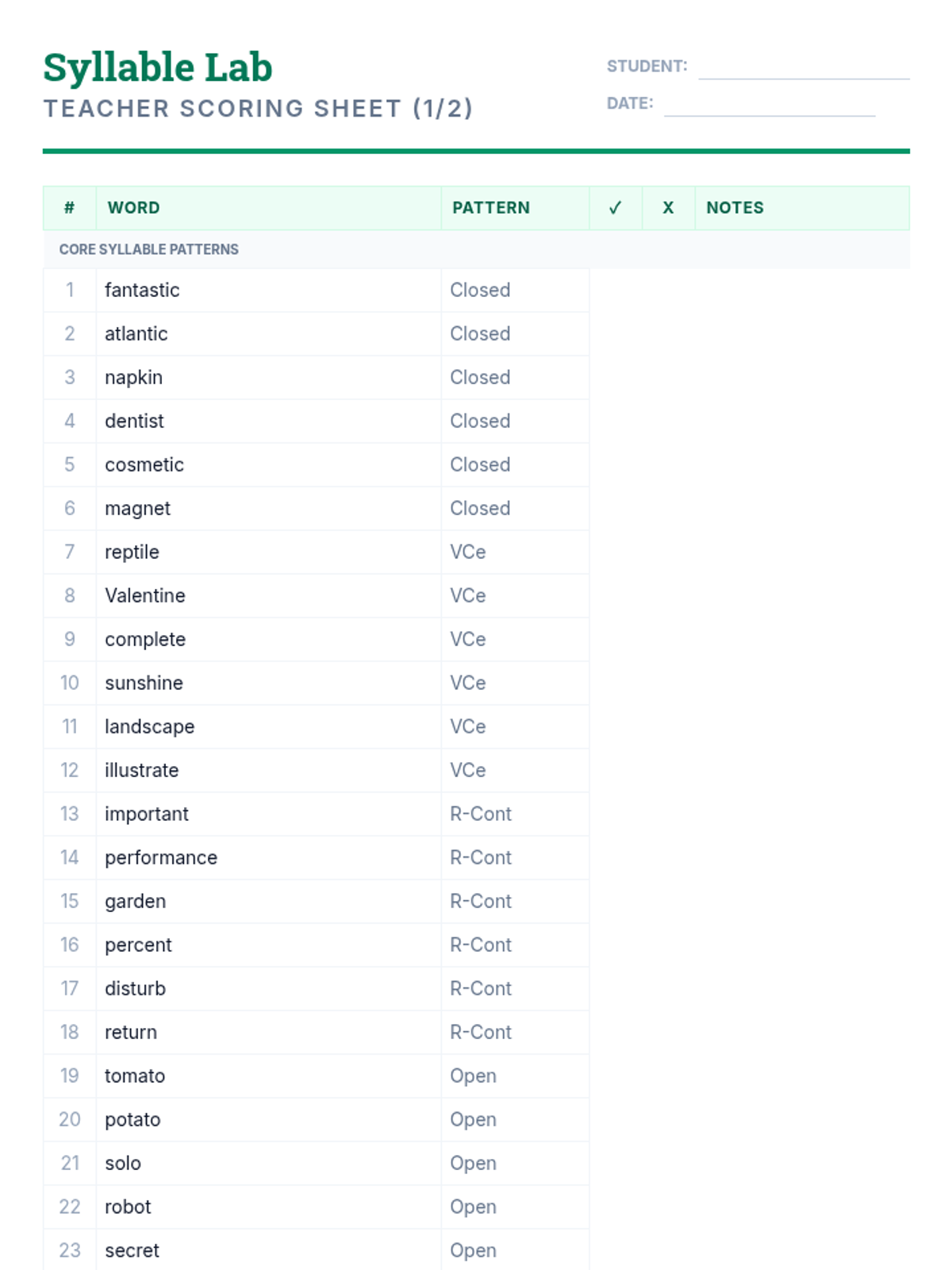
A comprehensive assessment focusing on decoding 2-3 syllable words across various syllable patterns including closed, VCe, r-controlled, open, and vowel teams.
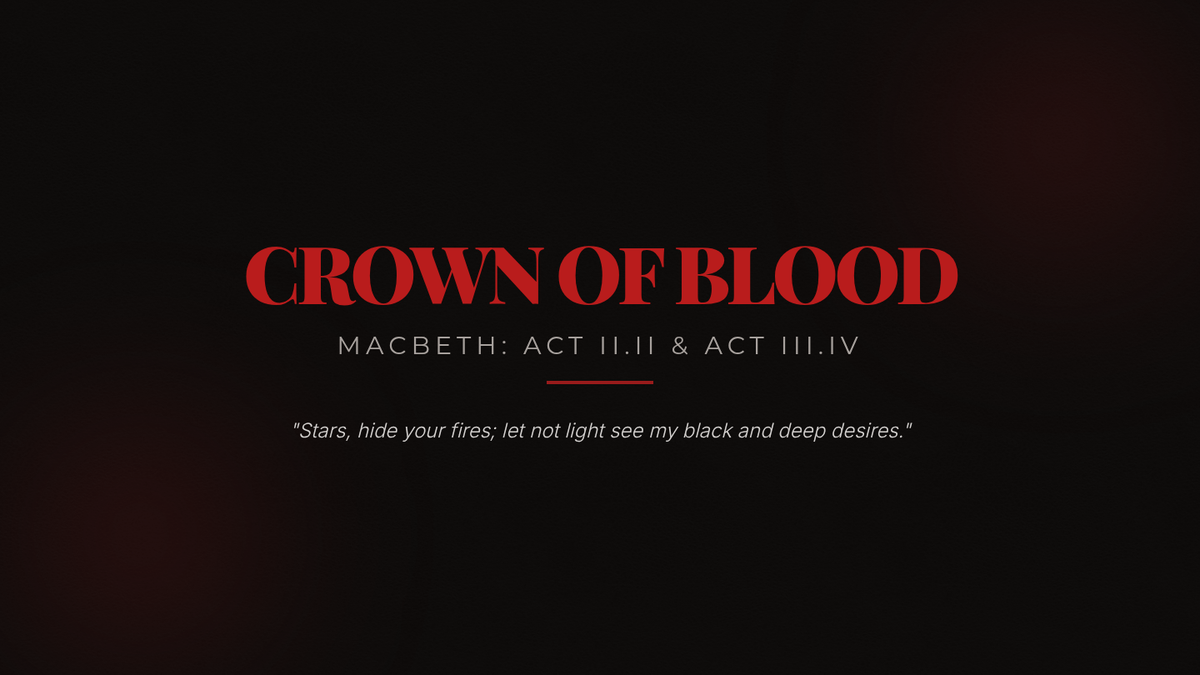
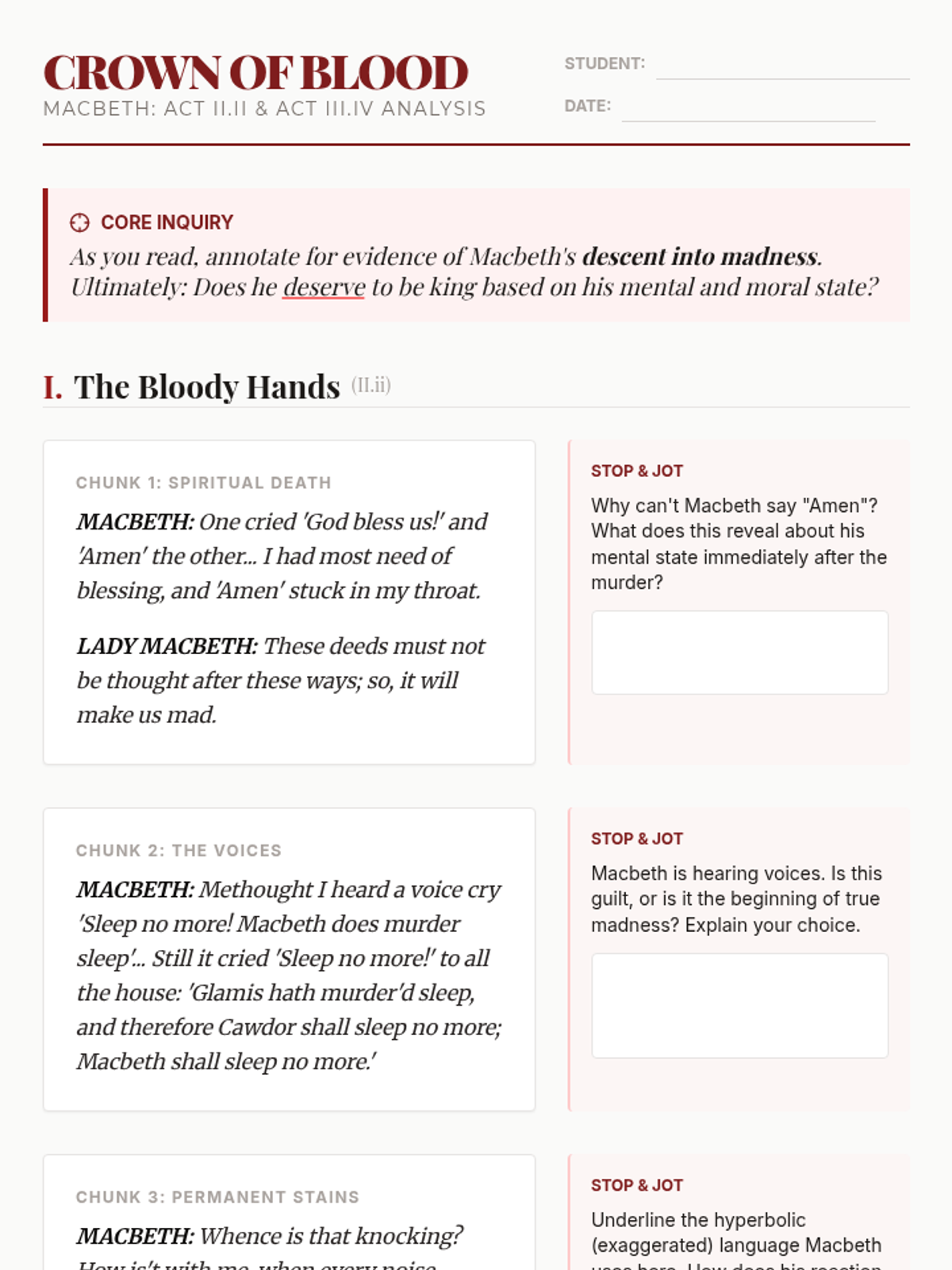
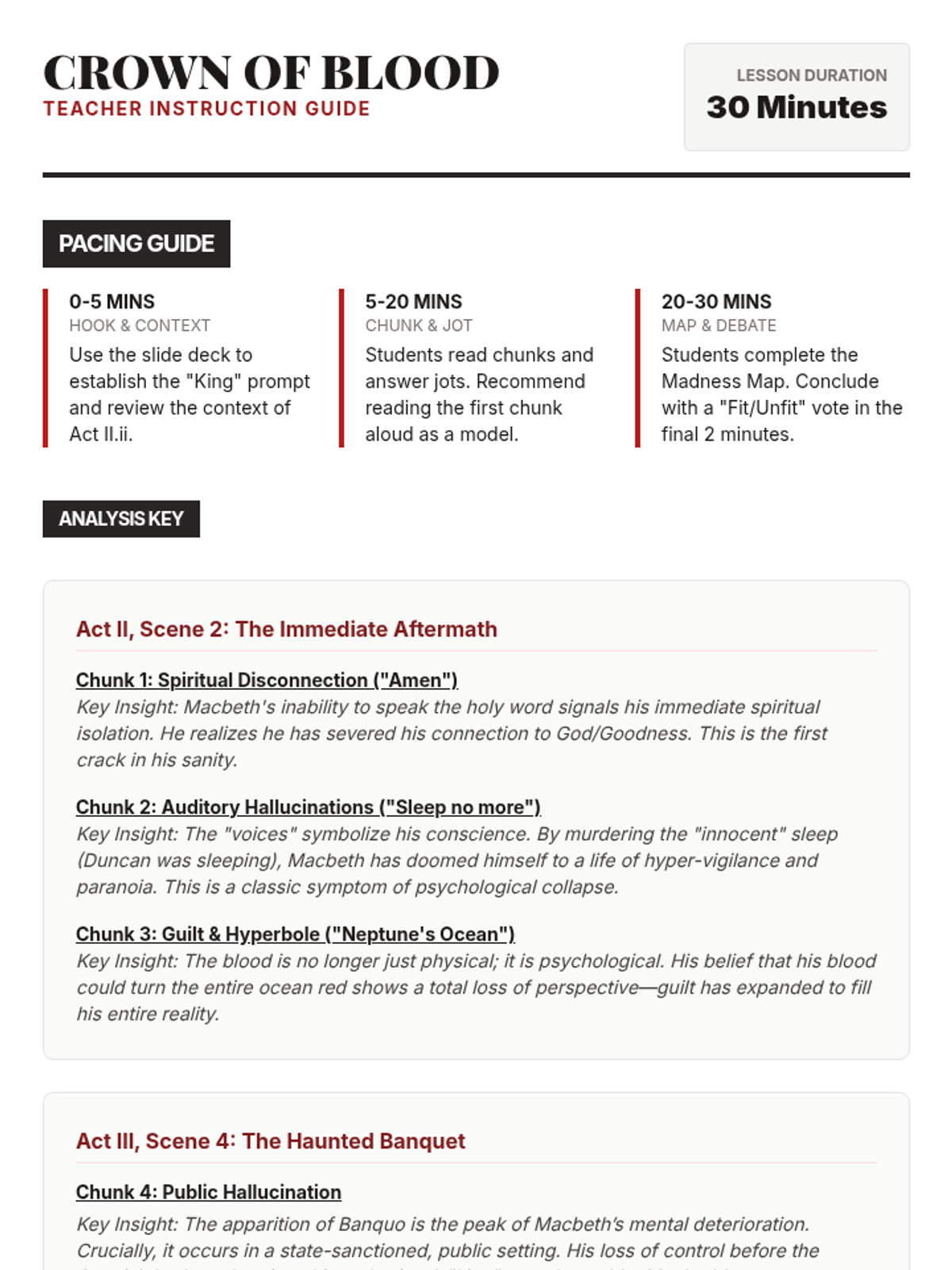
A focused 30-minute exploration of Macbeth's moral decay and psychological collapse across Act II, Scene 2 and Act III, Scene 4. Students analyze the immediate aftermath of regicide and the public appearance of Banquo's ghost to determine if Macbeth is fit for the crown.
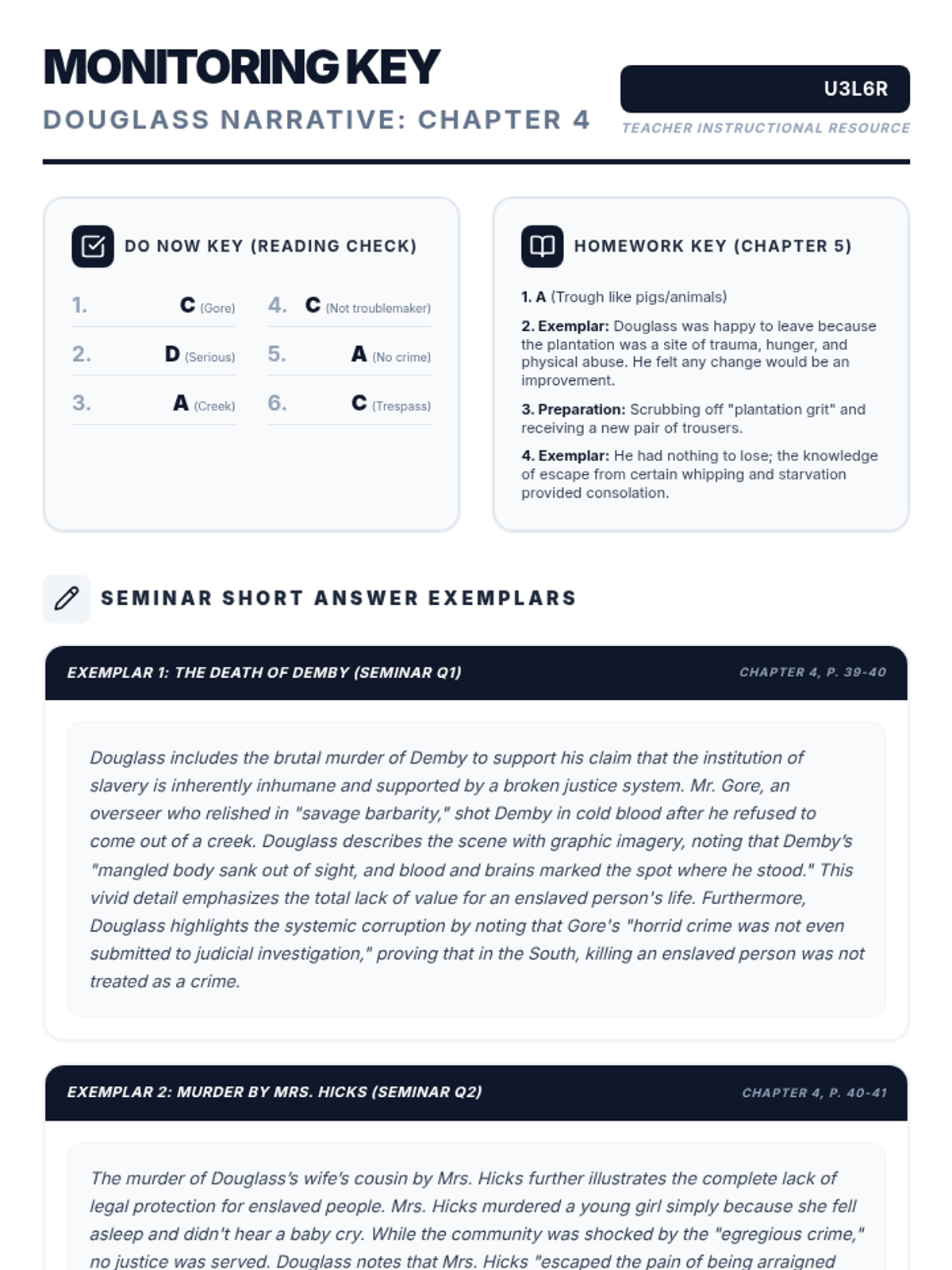
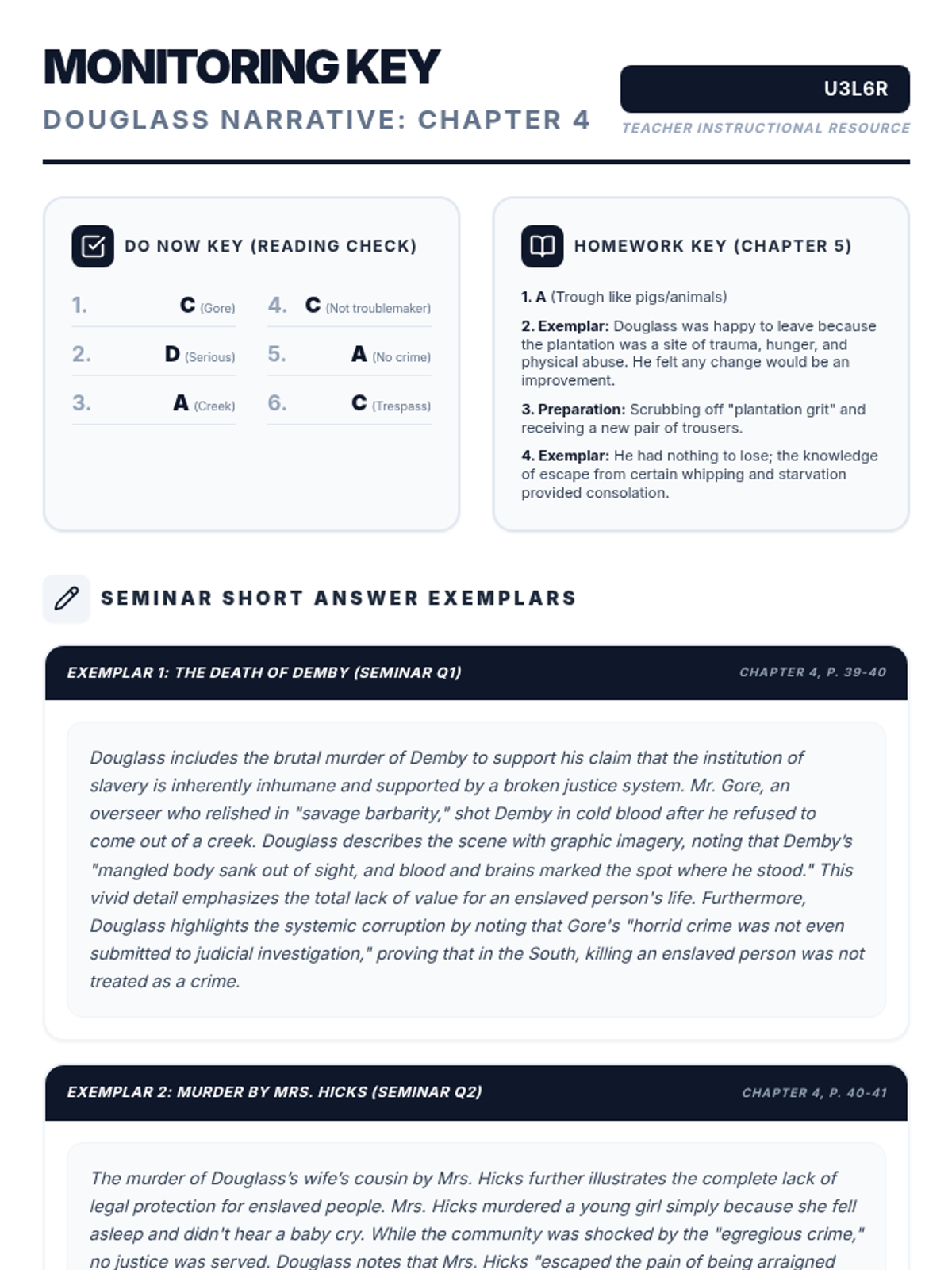
This lesson focuses on Chapter 4 of Frederick Douglass's narrative, analyzing how specific accounts of murder illustrate the inhumanity of slavery and the corruption of the Southern legal system. Students analyze key lines and imagery to identify Douglass's central claims about the lack of justice and value placed on enslaved lives.