A fun, interactive ELA lesson for grades 2-4 where students become 'Bossy Verb' experts. Using a playdough-making video as a model, students identify imperative verbs and apply them to write their own step-by-step sandwich recipes.
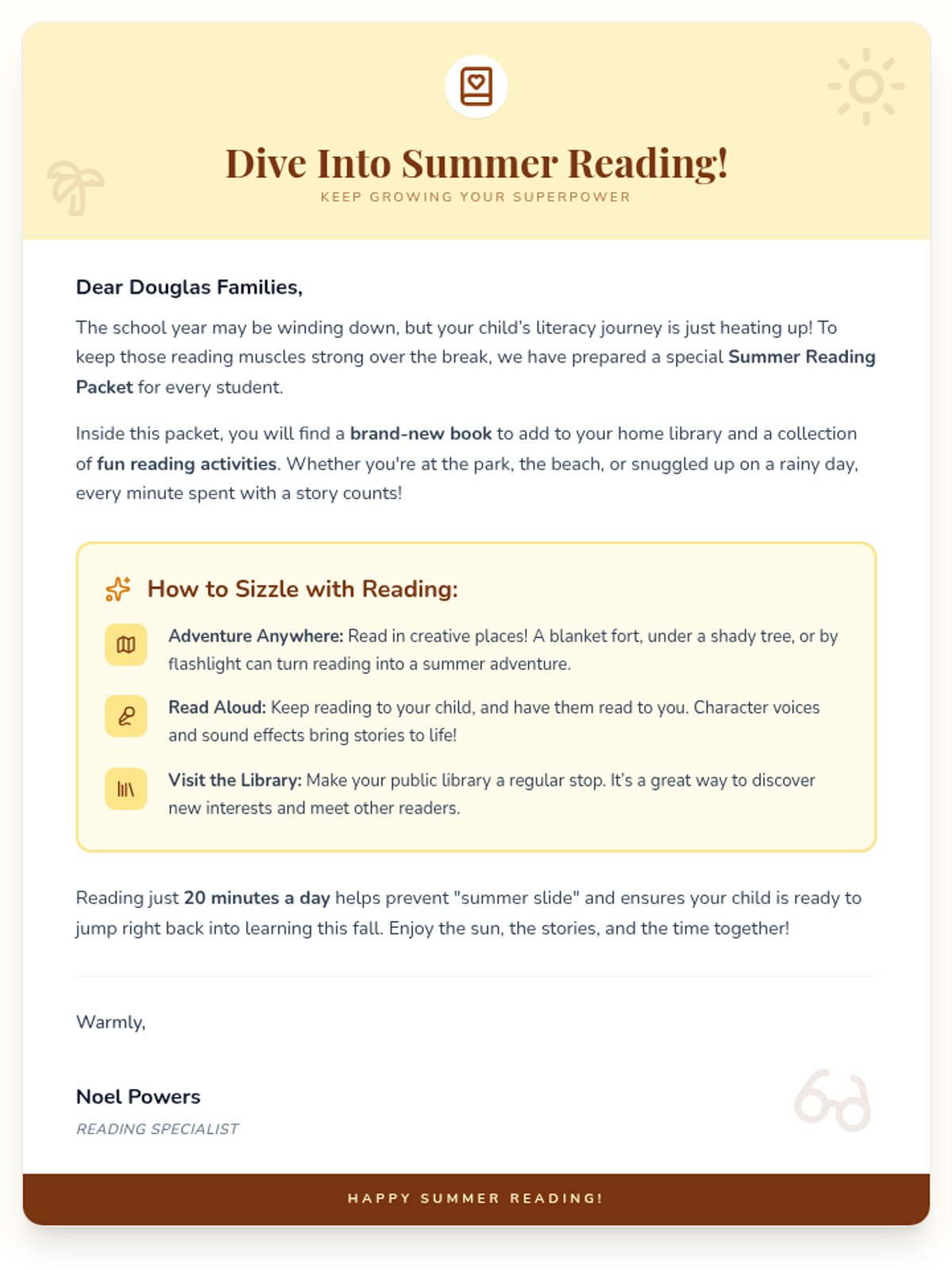
A collection of resources to encourage and track reading progress over the summer break for K-3 students, including a parent letter and activity suggestions.
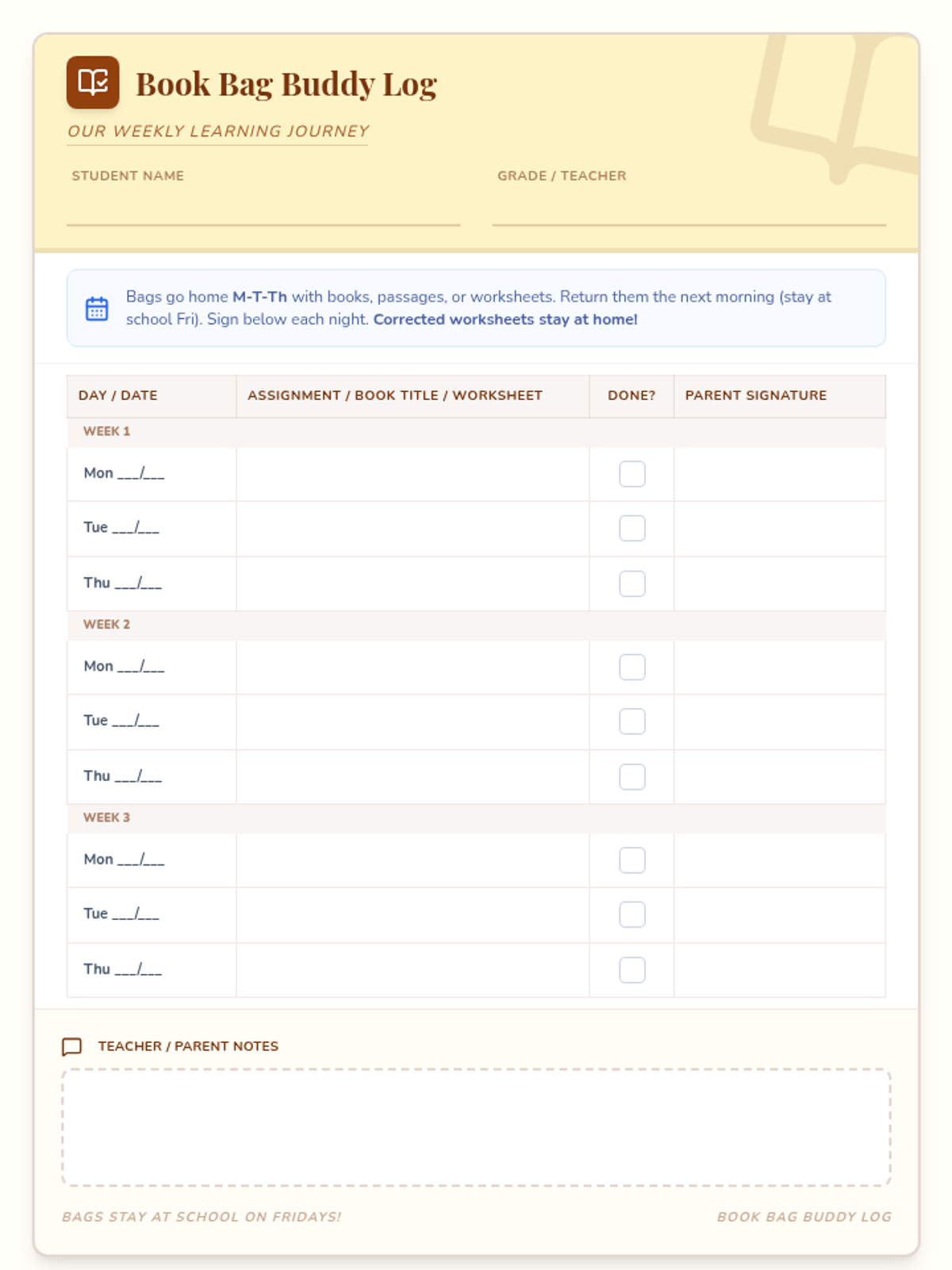
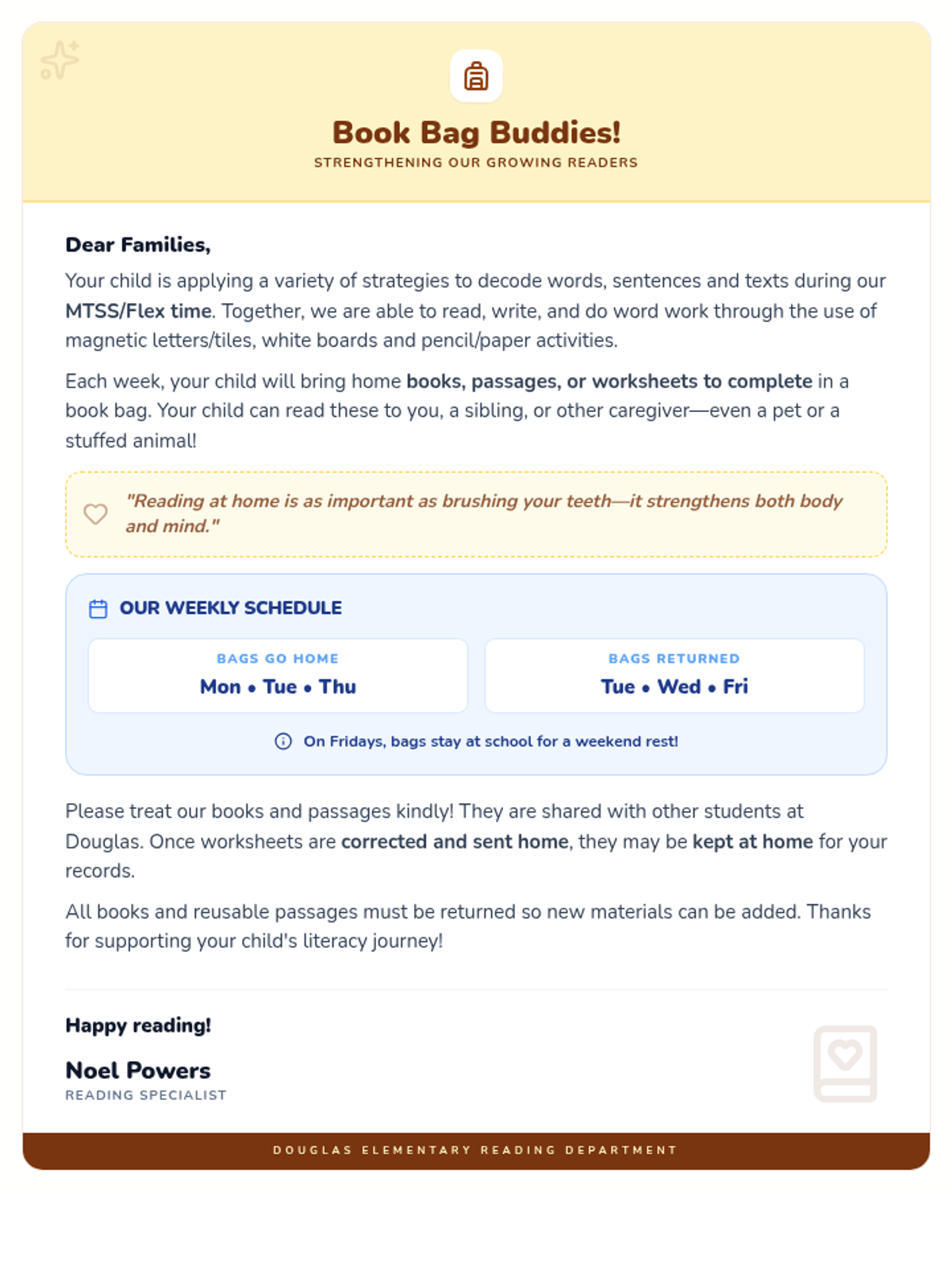
A home-school communication system for K-3 students featuring a homework bag log and an introductory letter for parents, detailing a Monday-Tuesday-Thursday homework schedule.
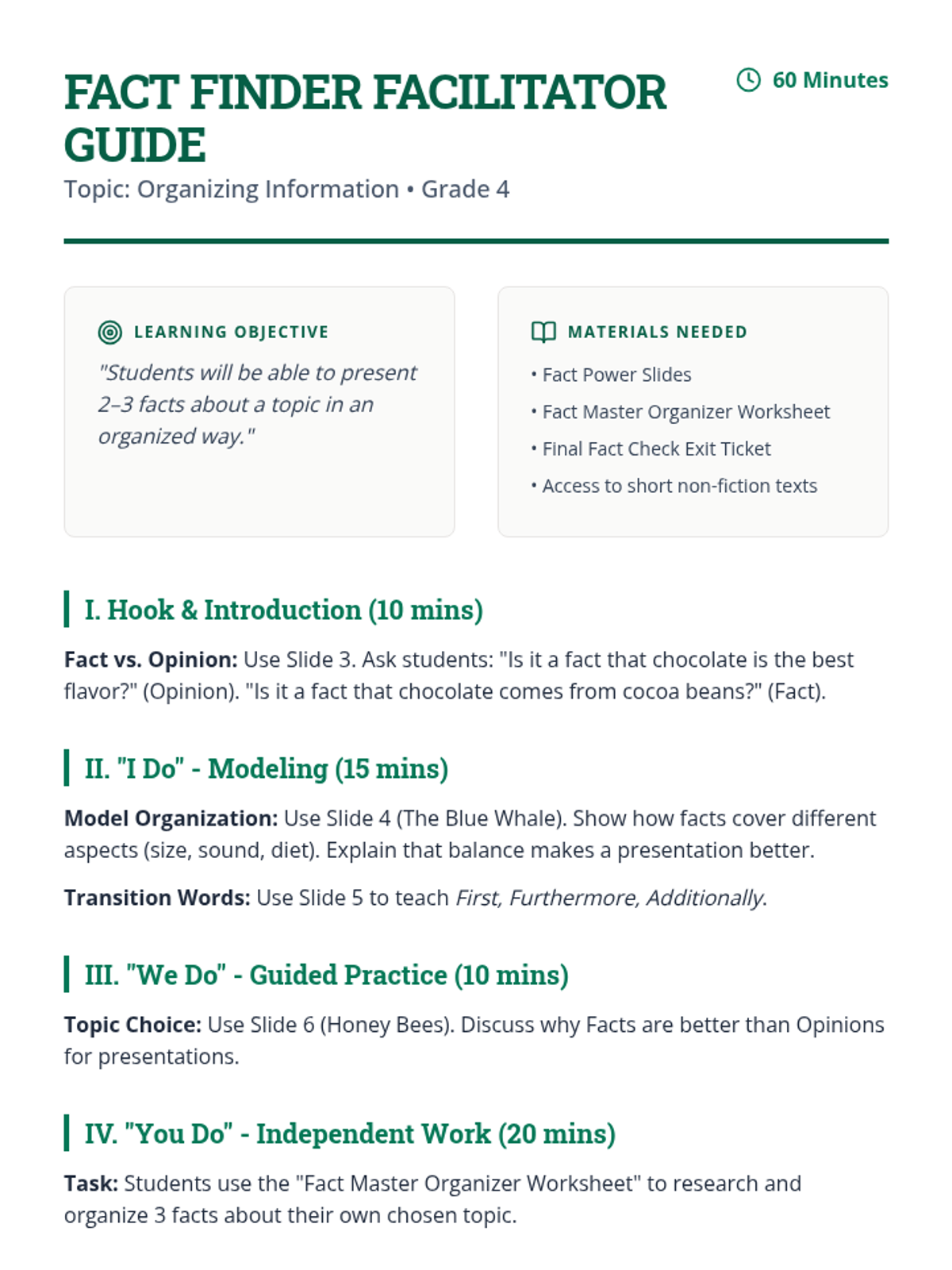
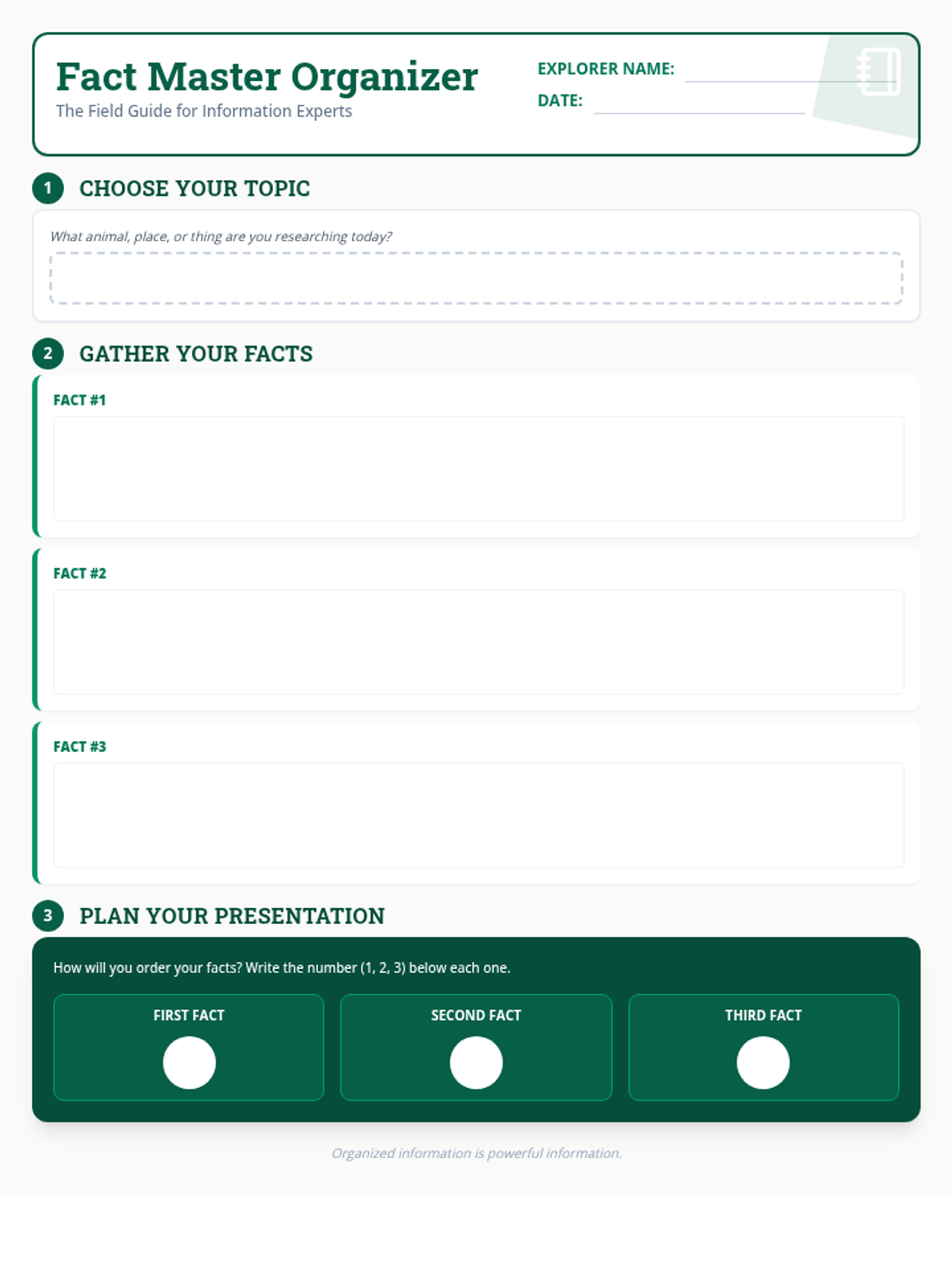
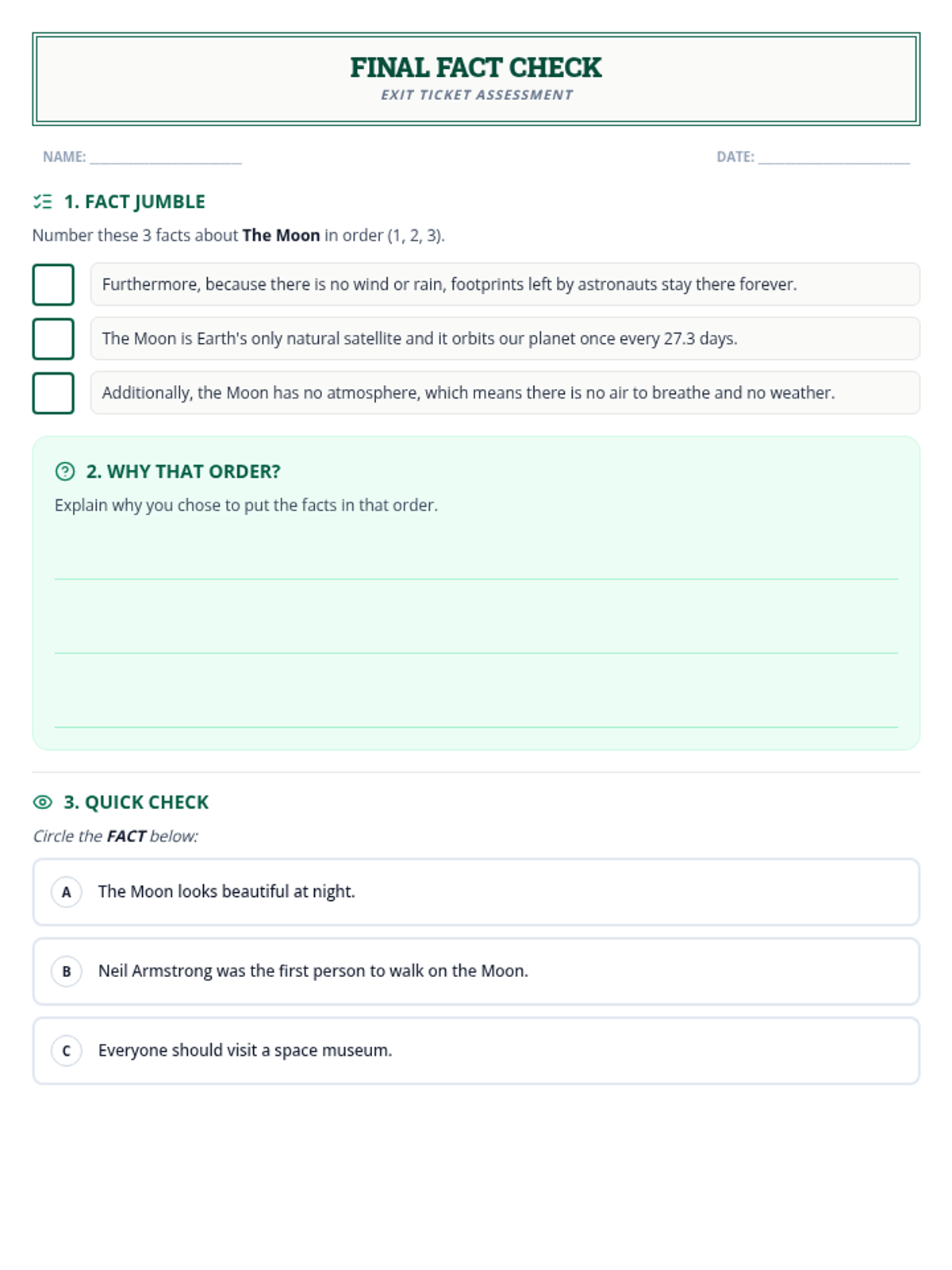
A lesson designed to help 4th graders identify, select, and organize 2-3 key facts about a specific topic into a clear, structured presentation.
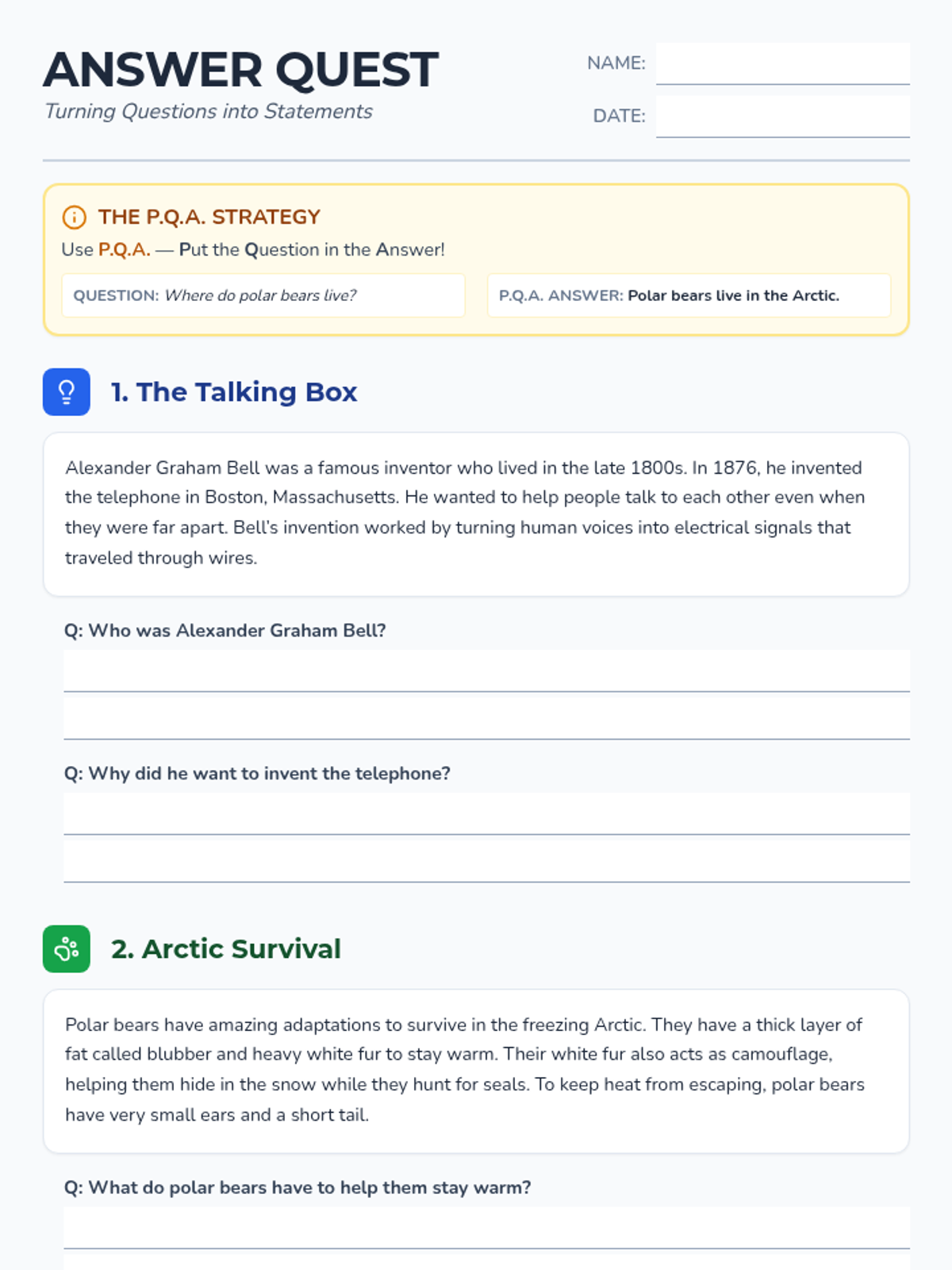
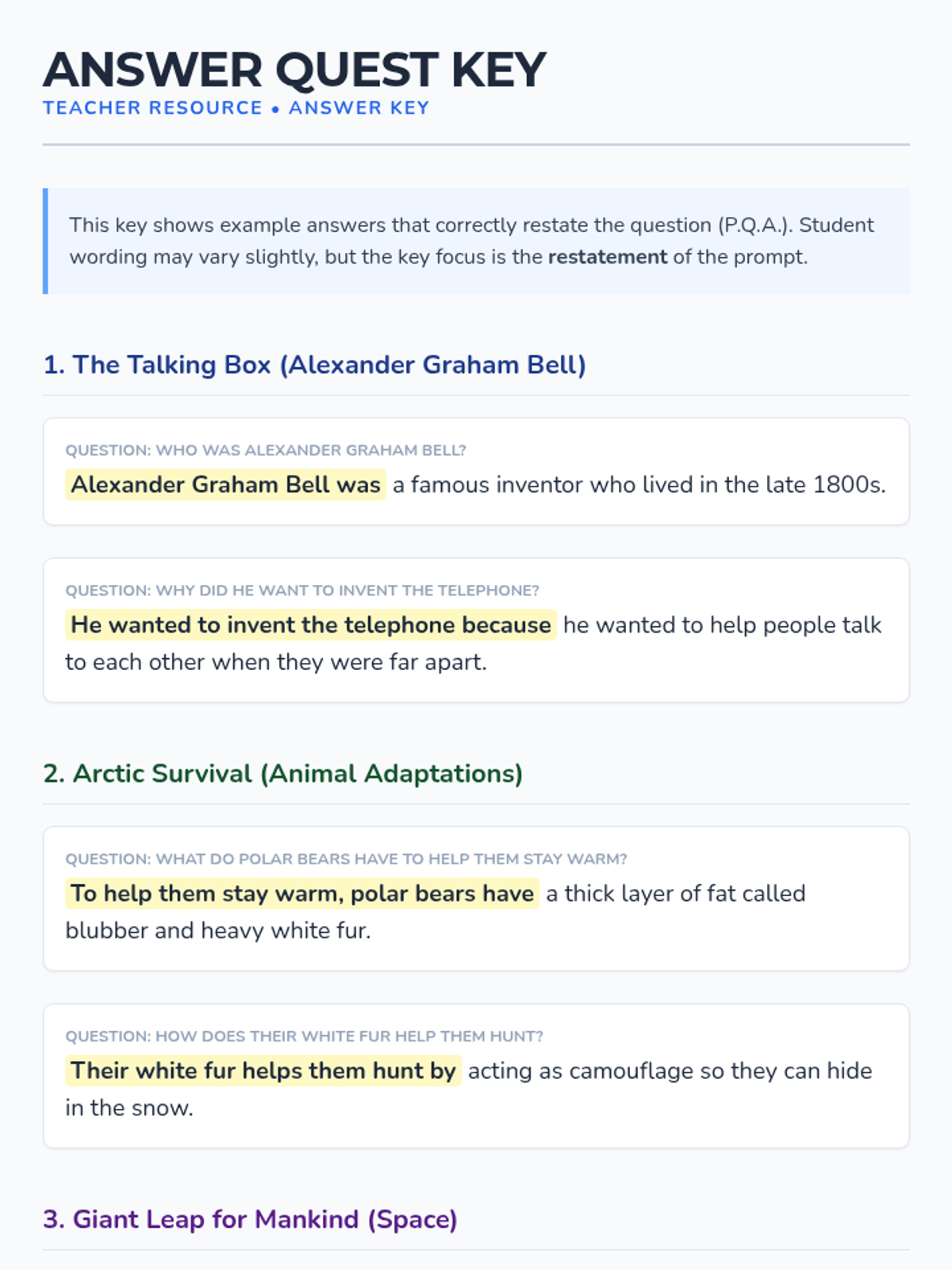
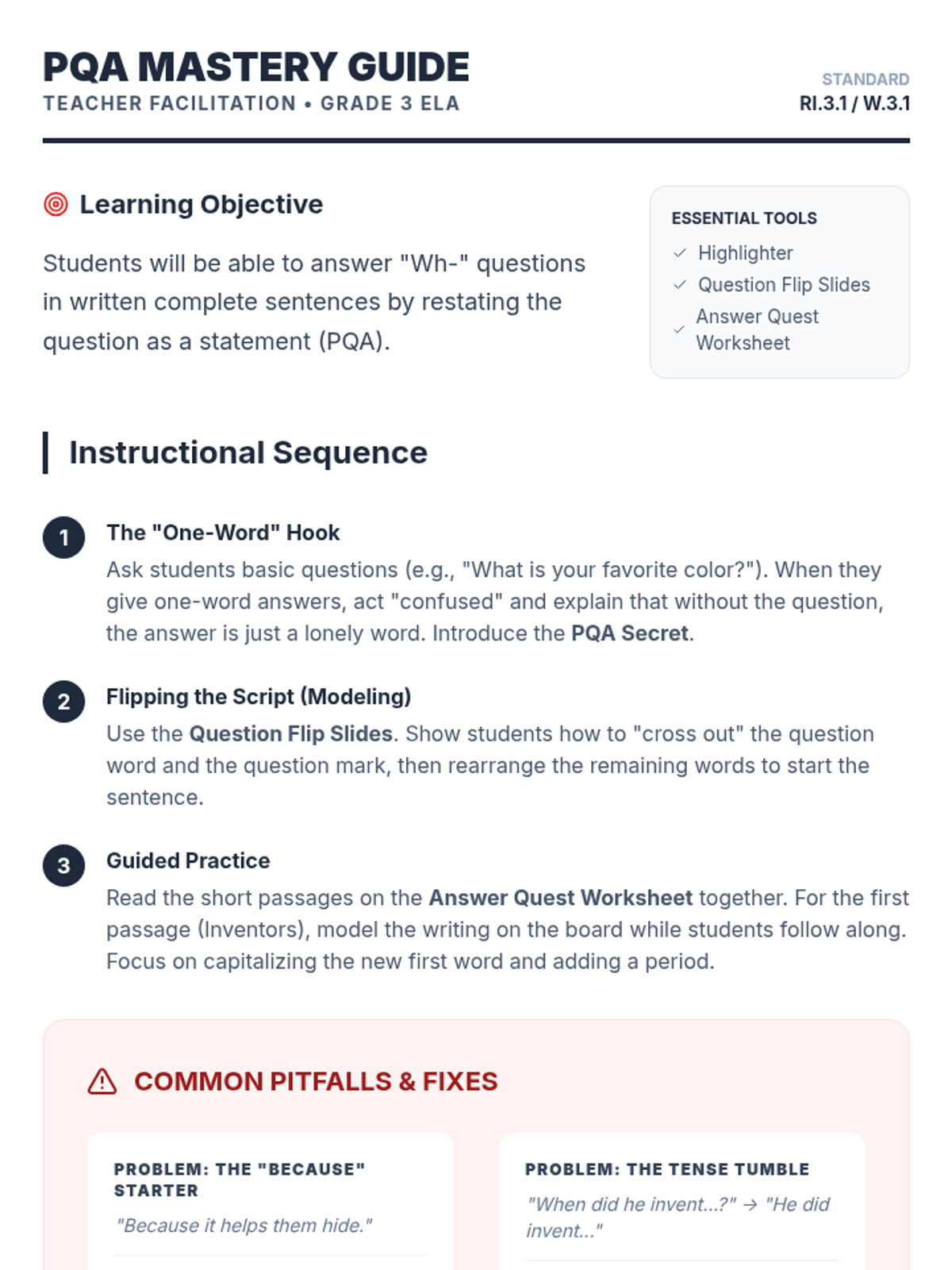
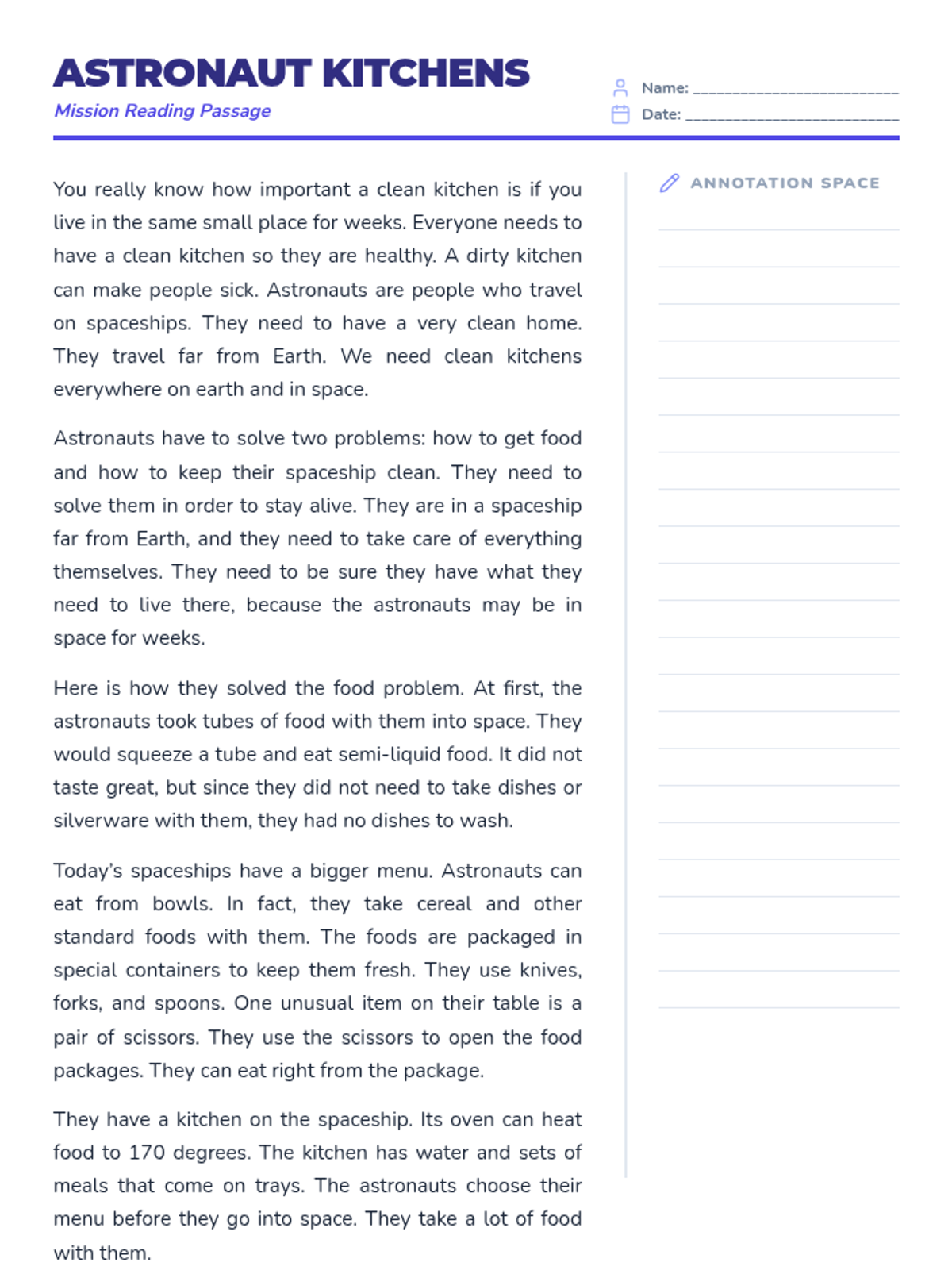
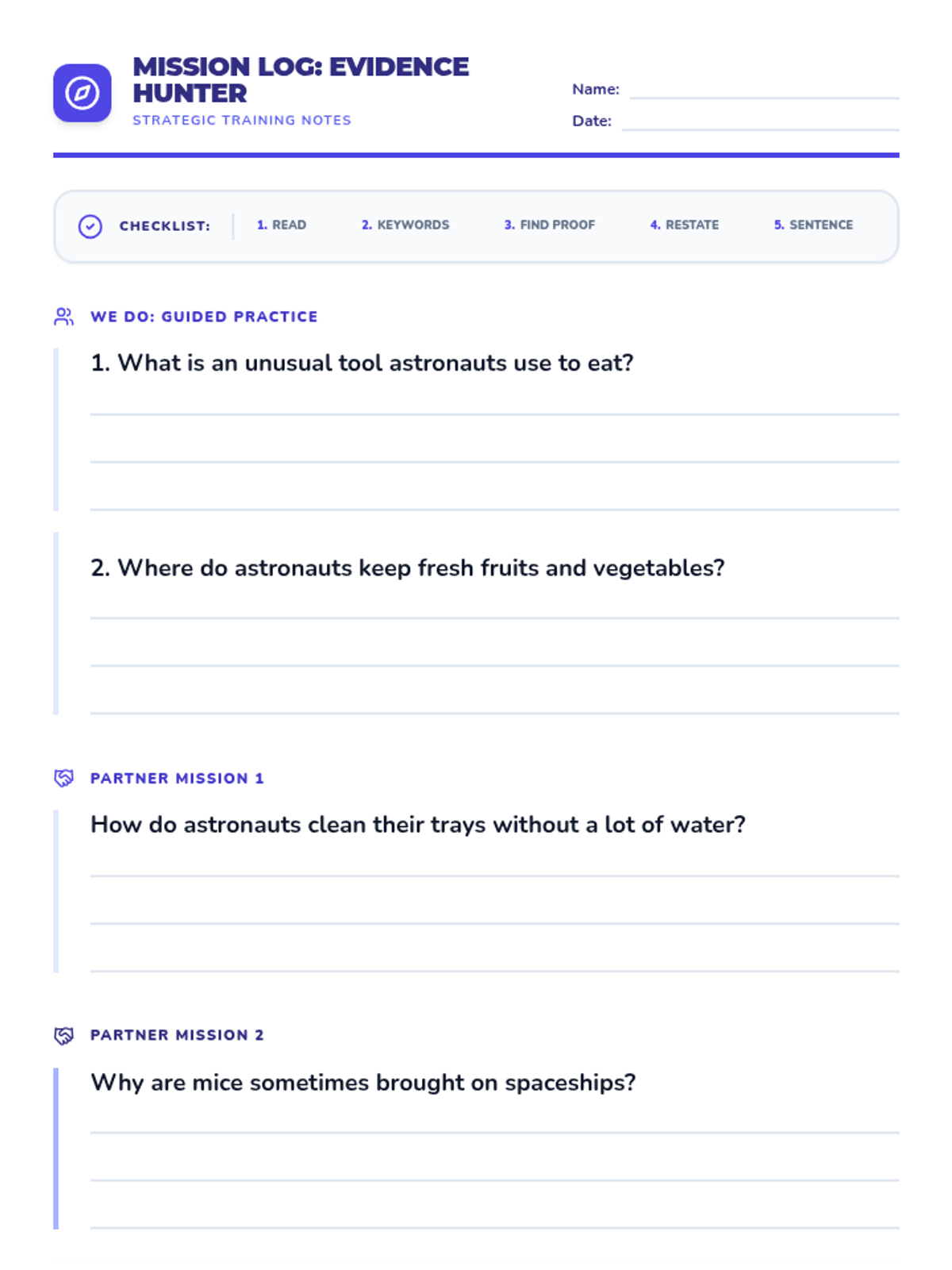
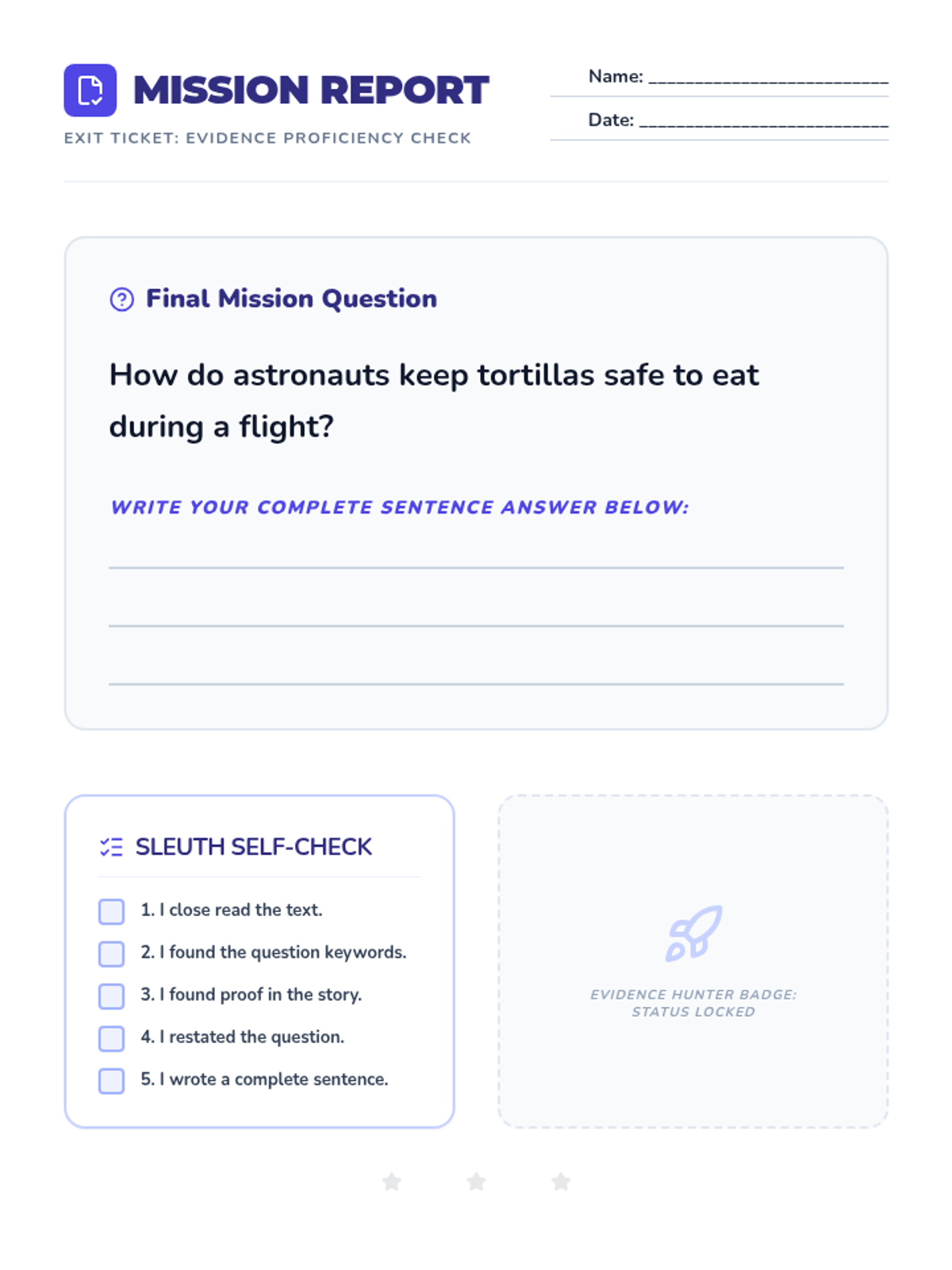
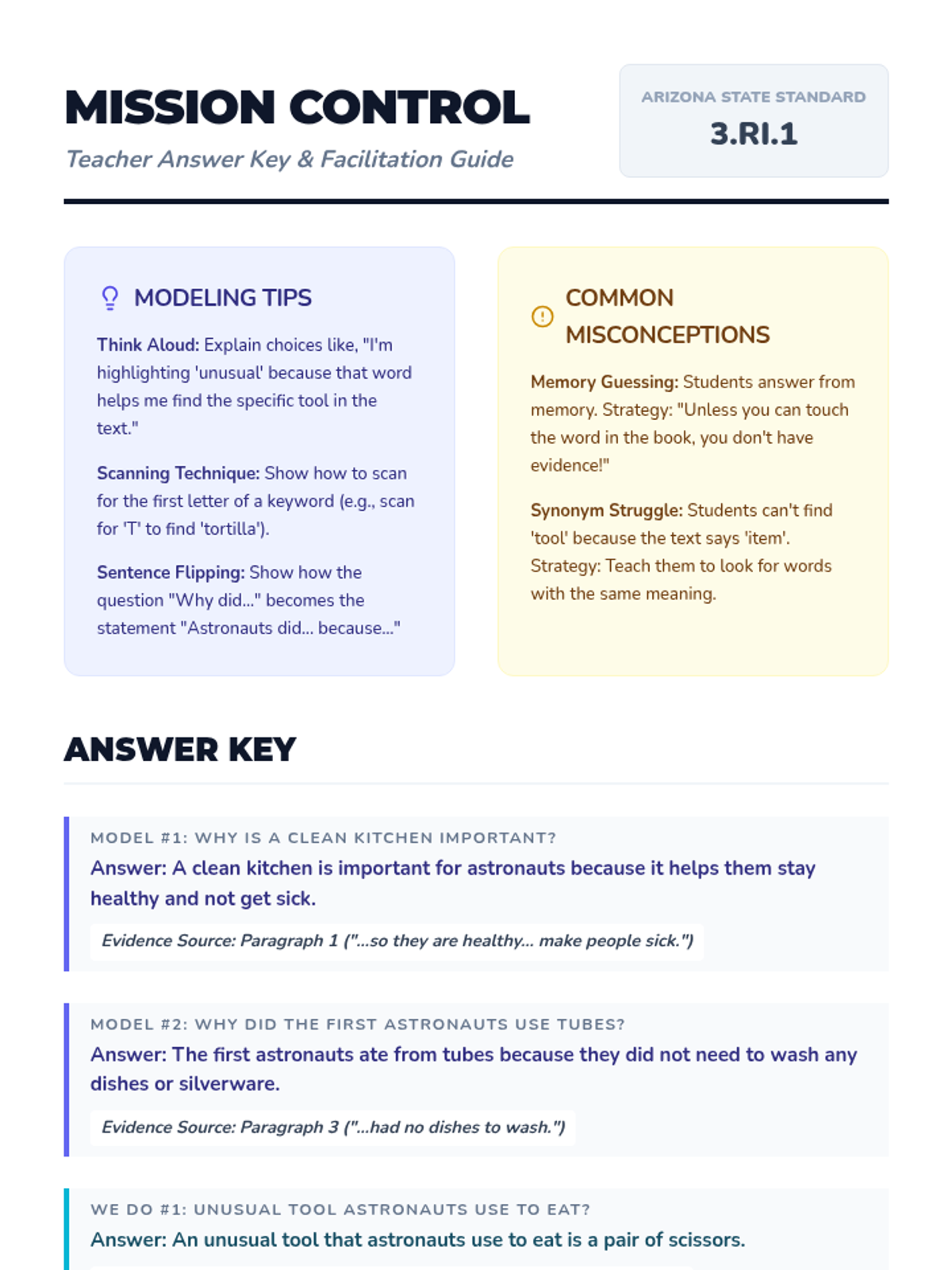
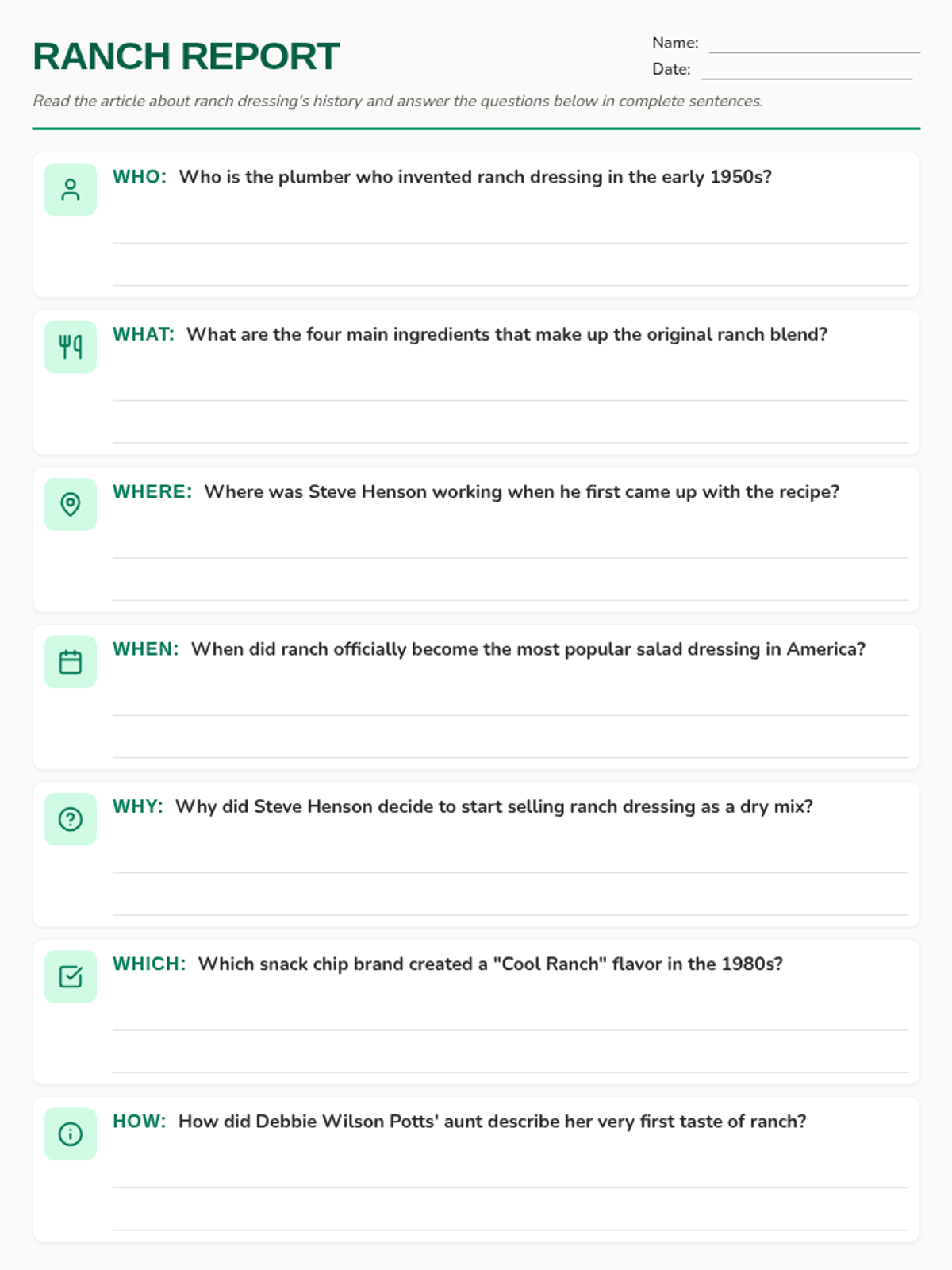
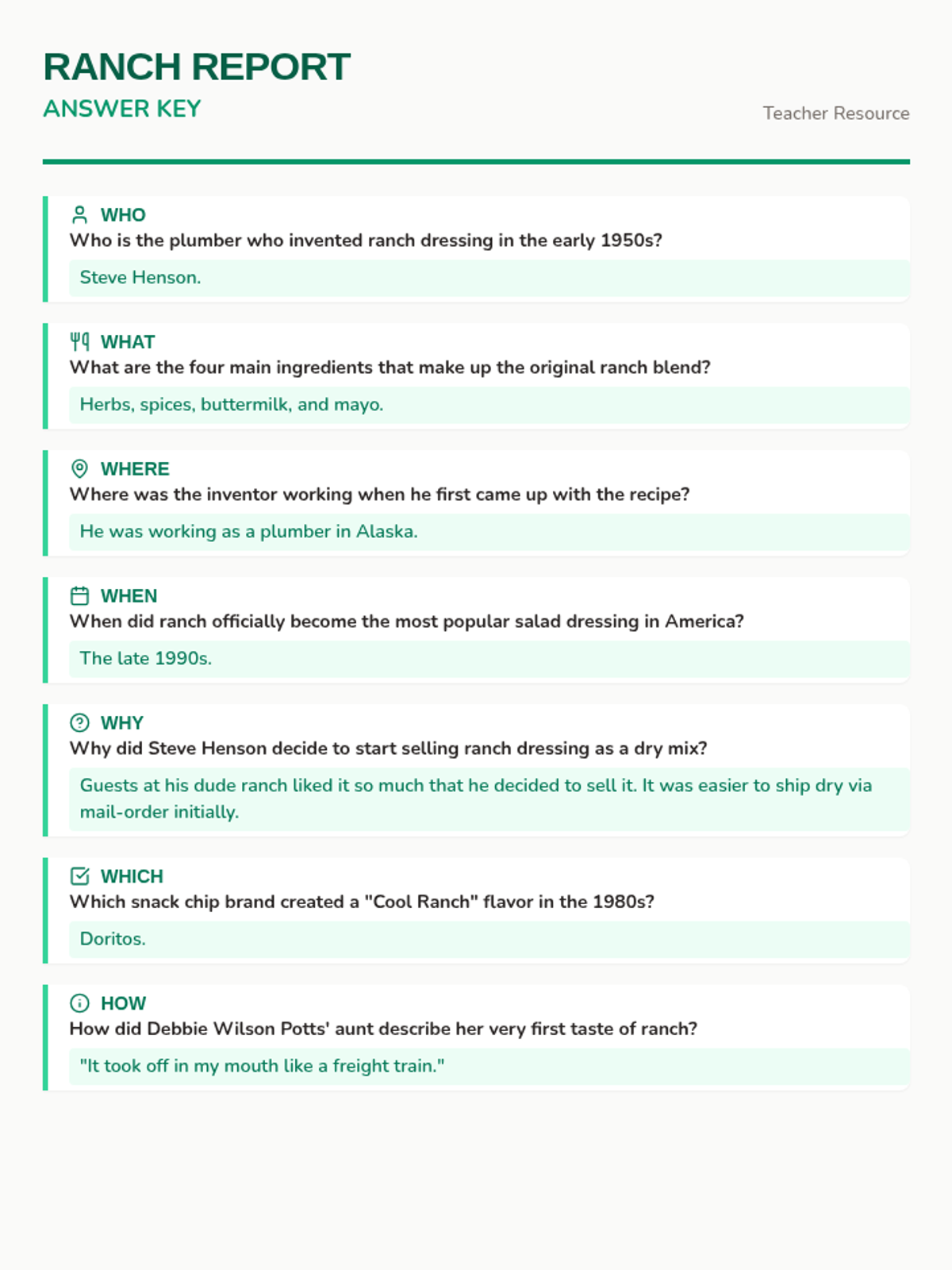
A lesson focused on teaching third-grade students how to answer 'Wh-' questions in complete sentences by restating the question as a statement. Students will practice this skill using texts about inventors, animal adaptations, and space.
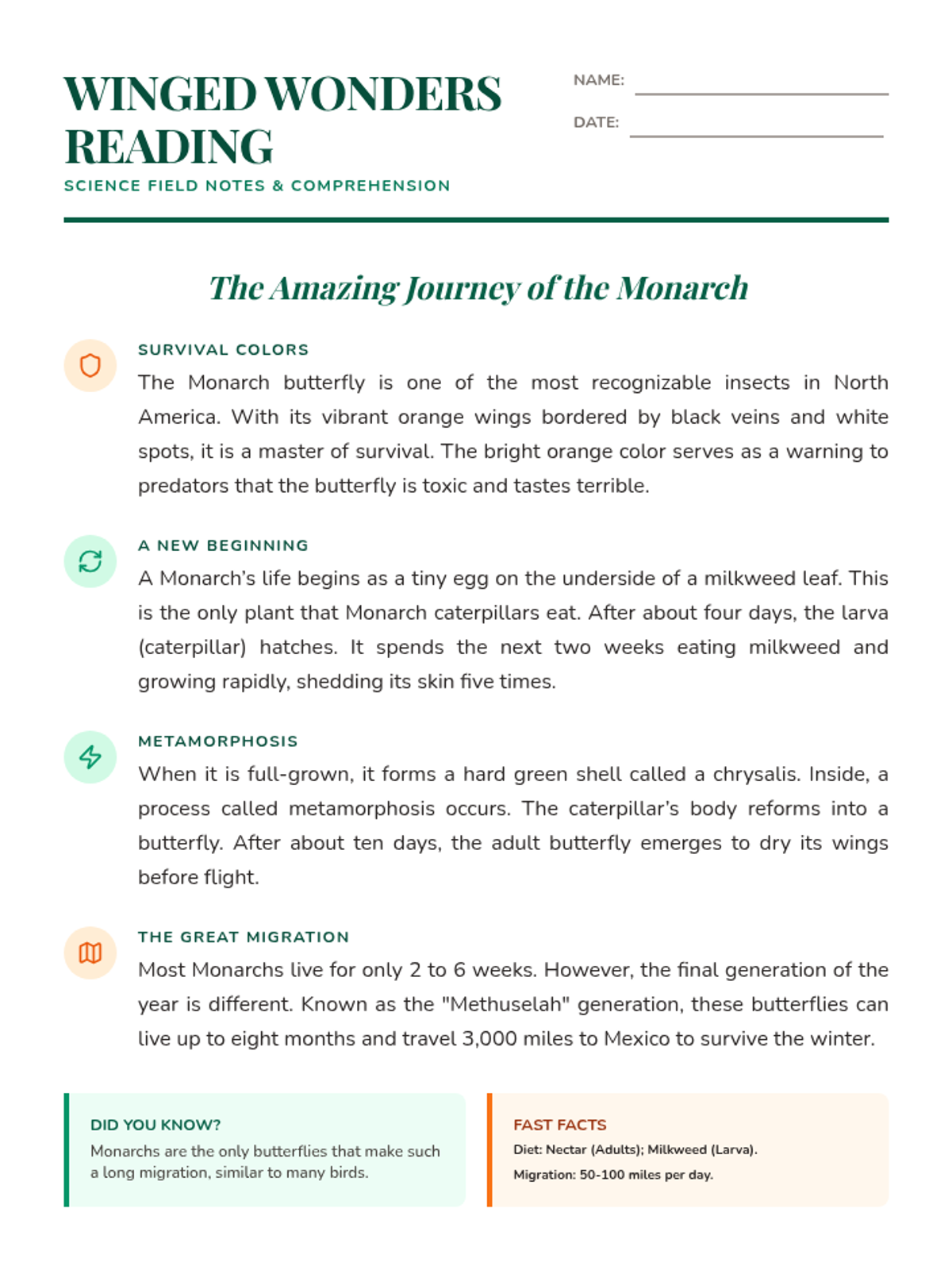
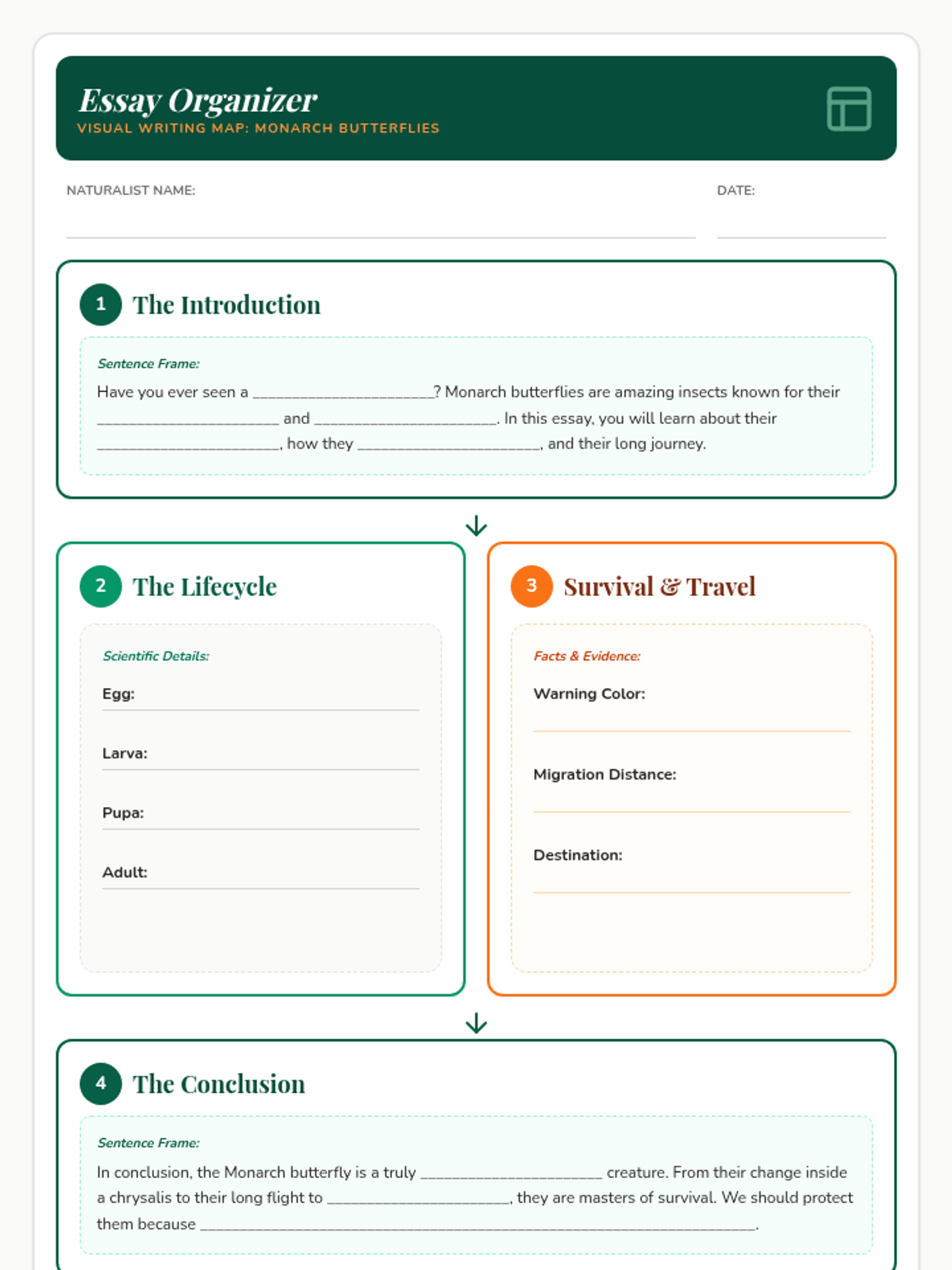
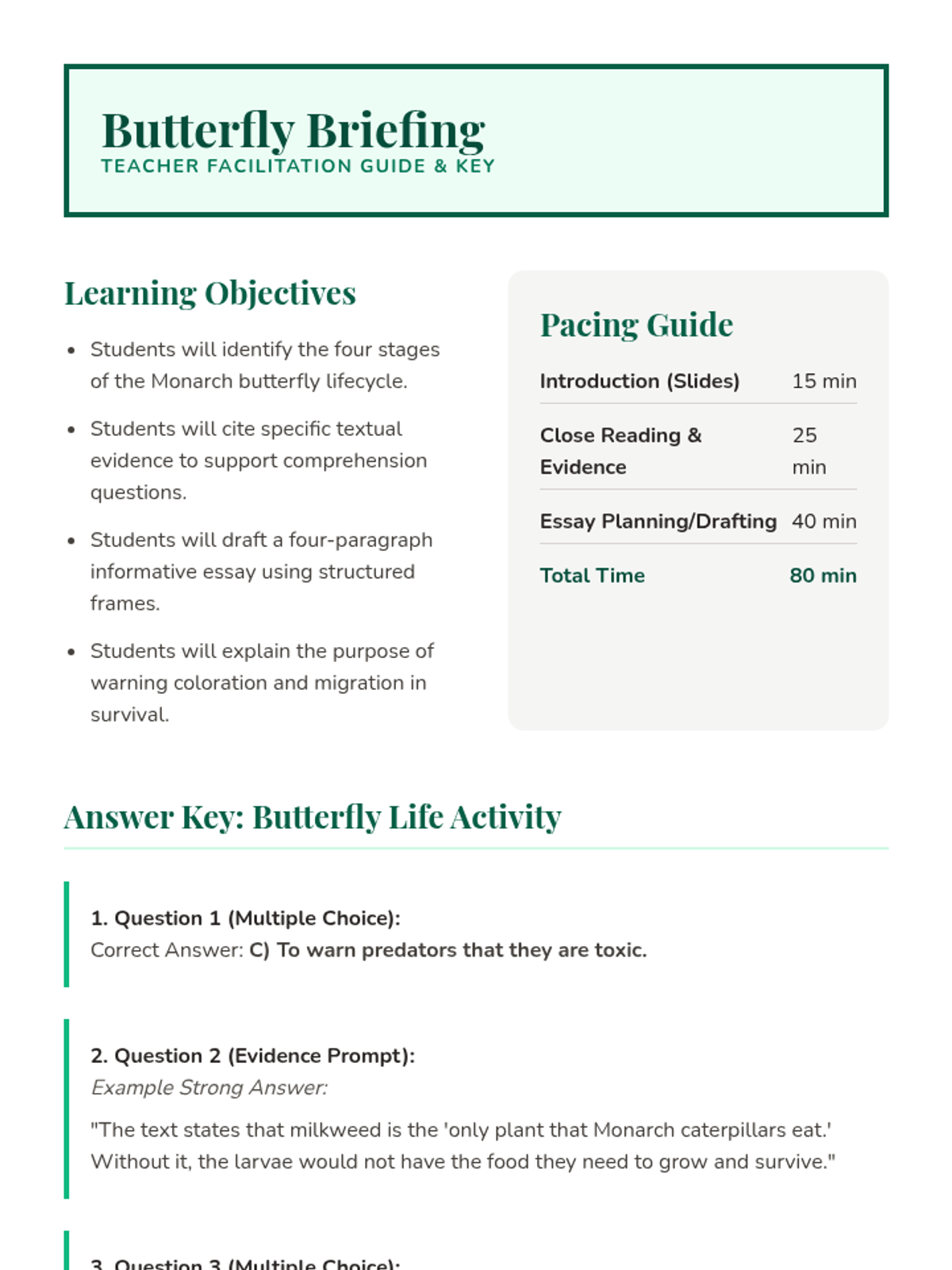
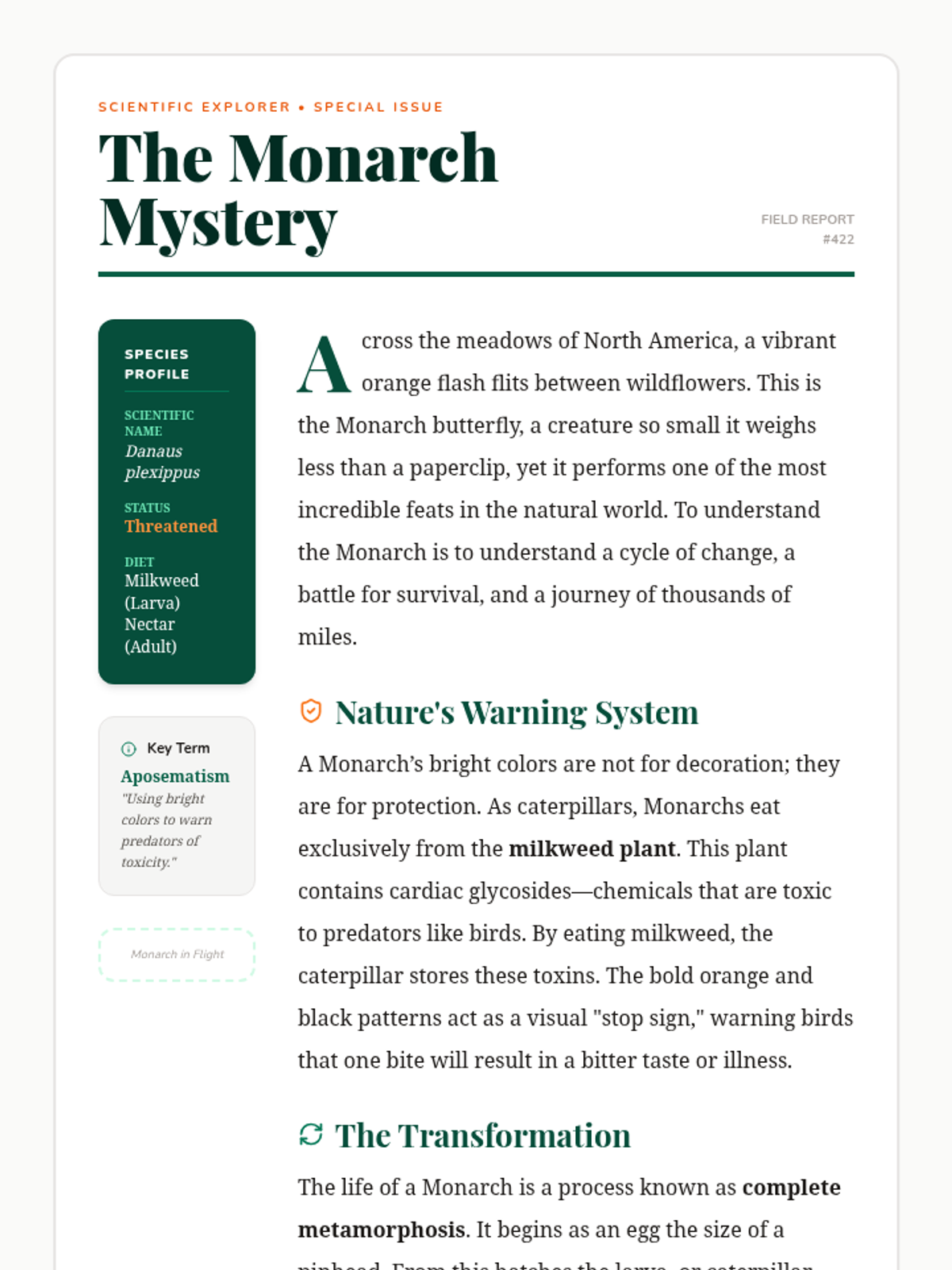
A comprehensive lesson on butterfly biology and conservation, focusing on citing textual evidence and structured informative writing for 4th-5th grade students.
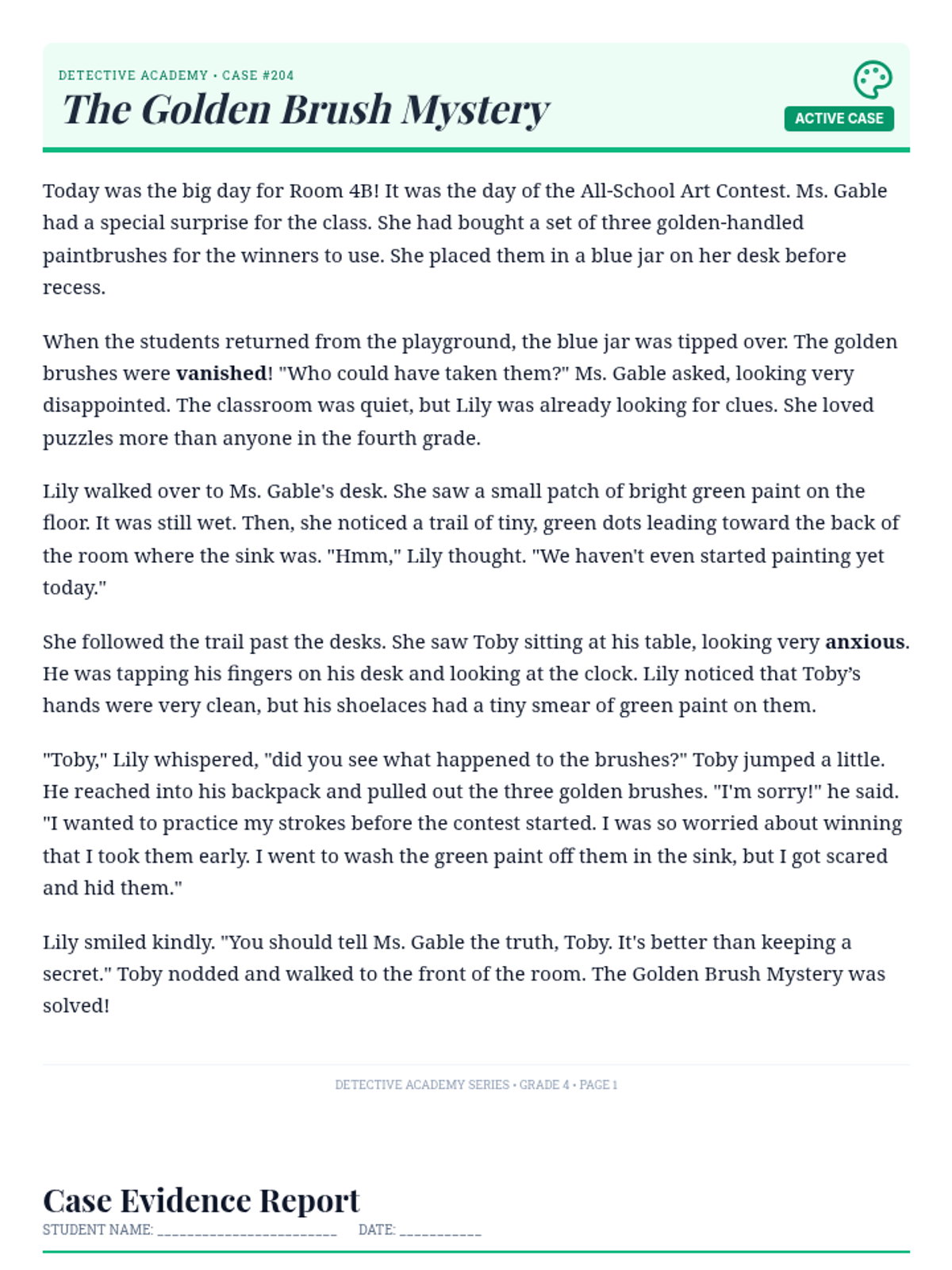
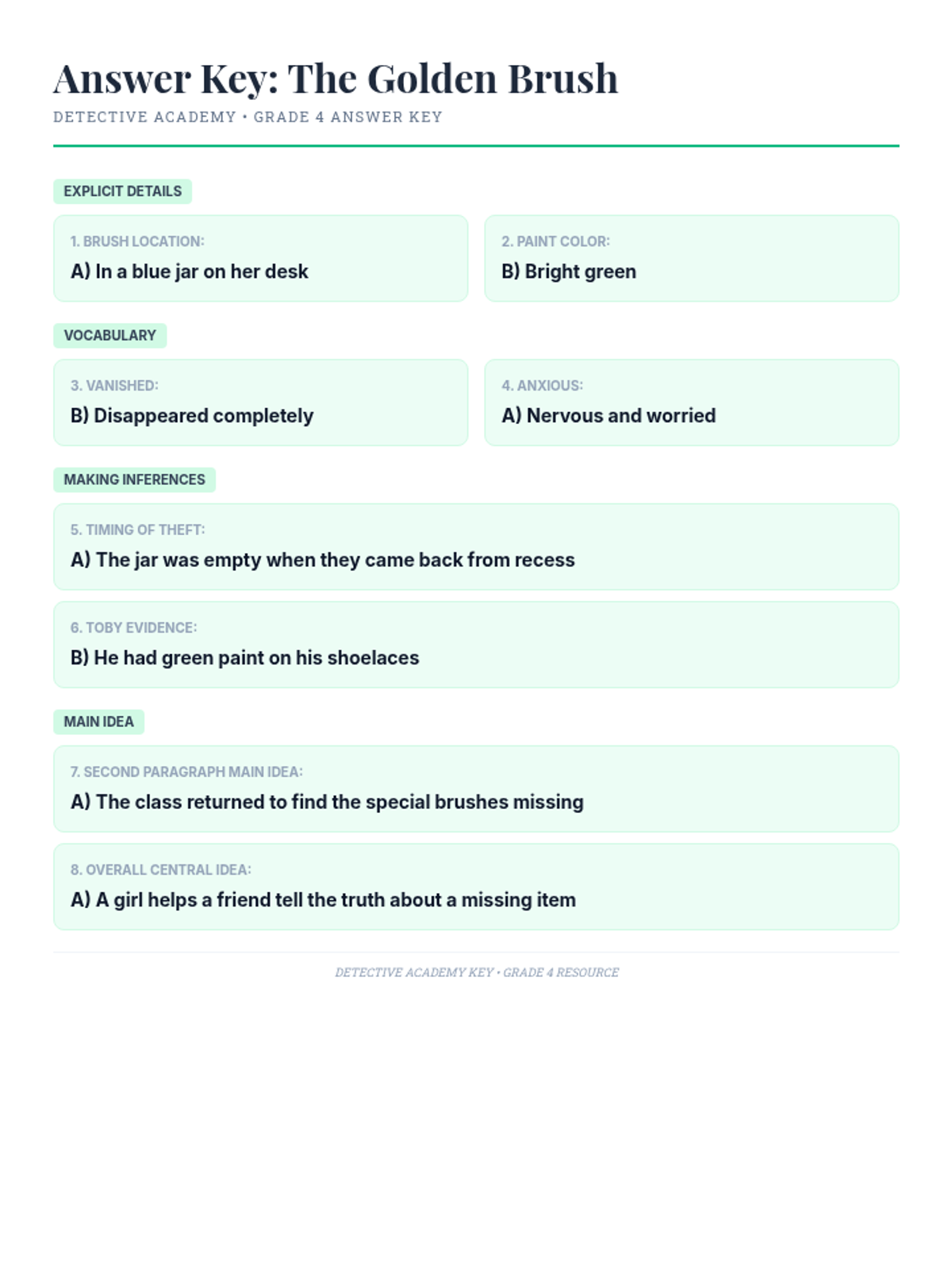
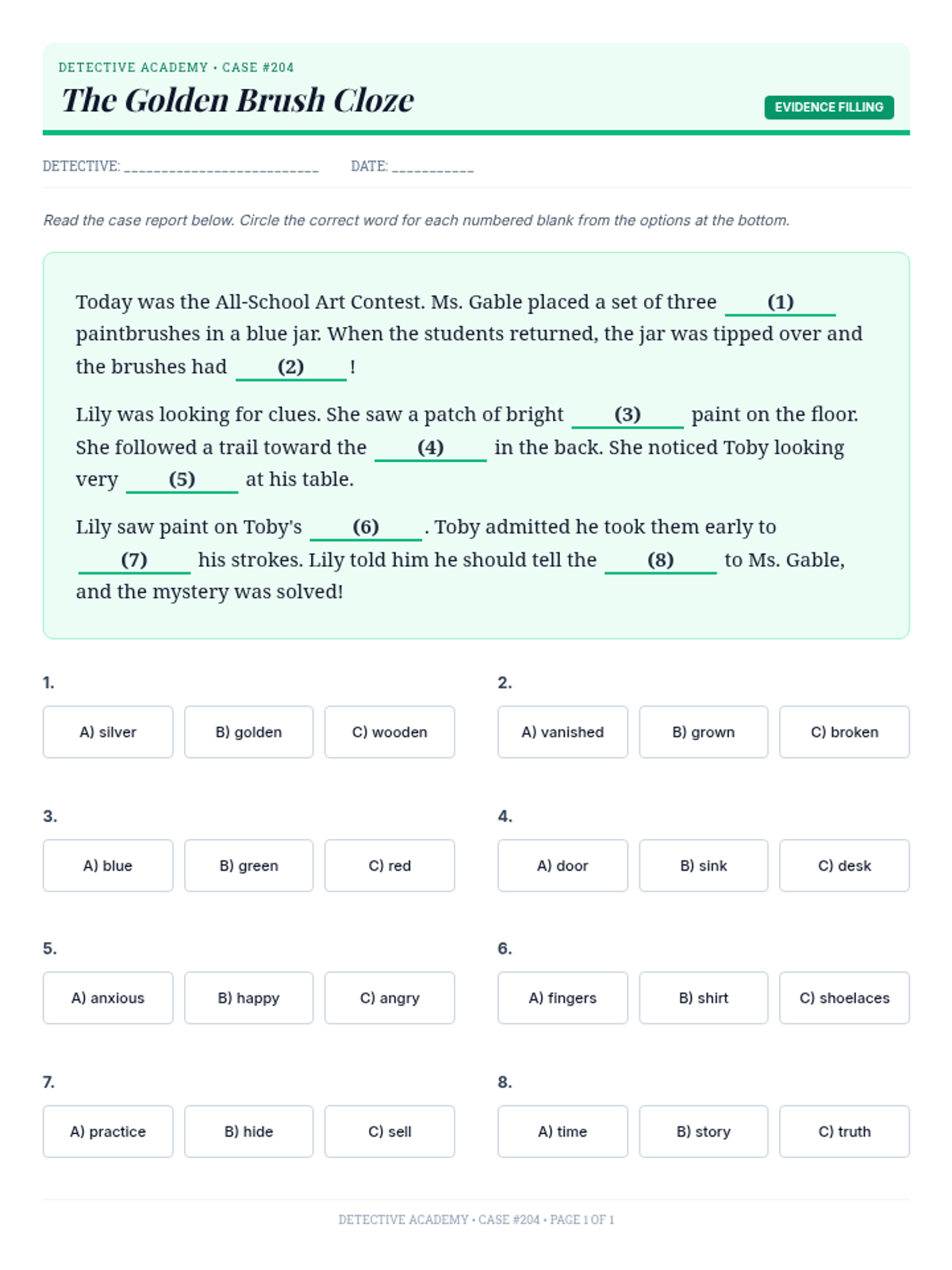
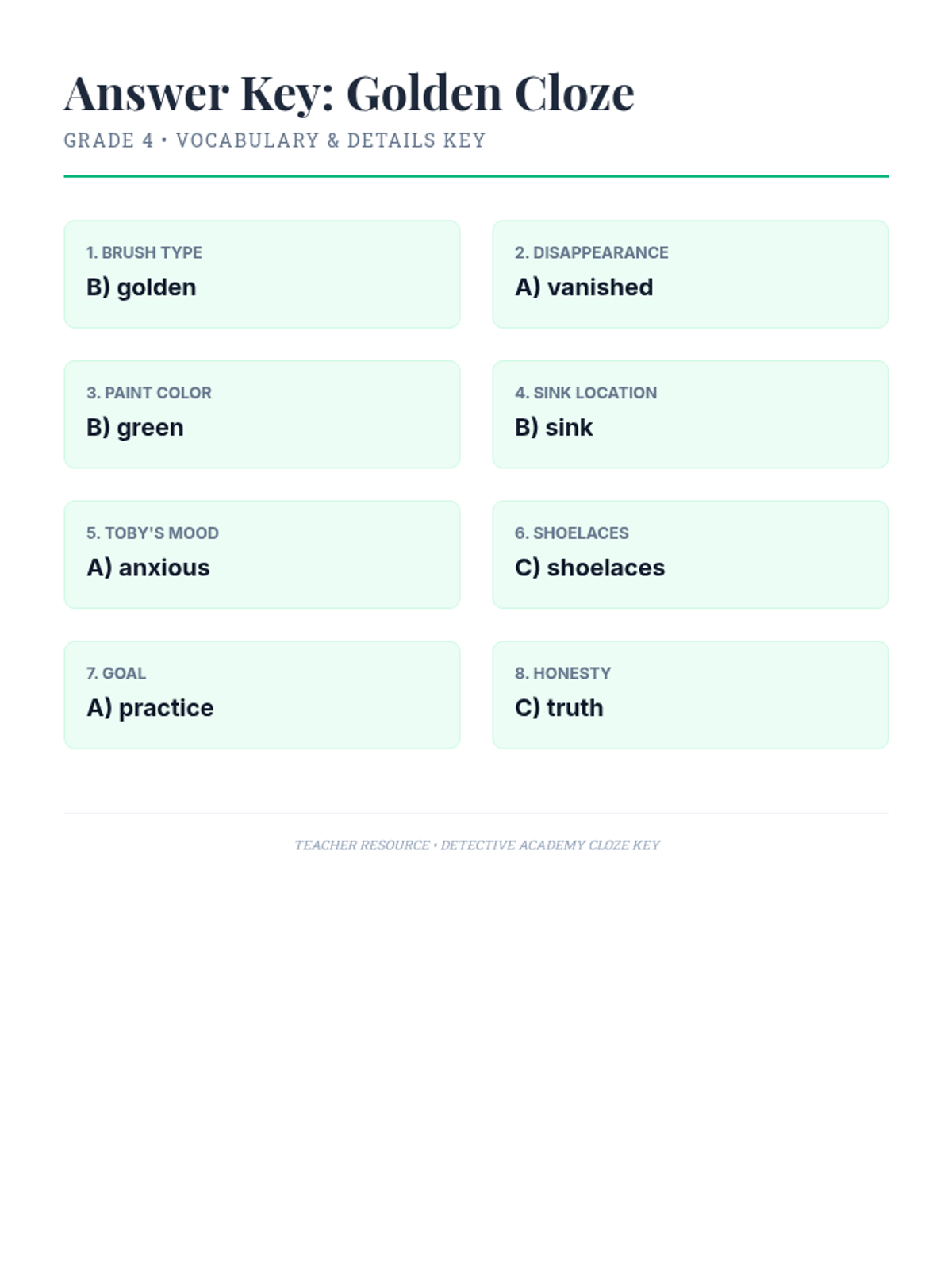
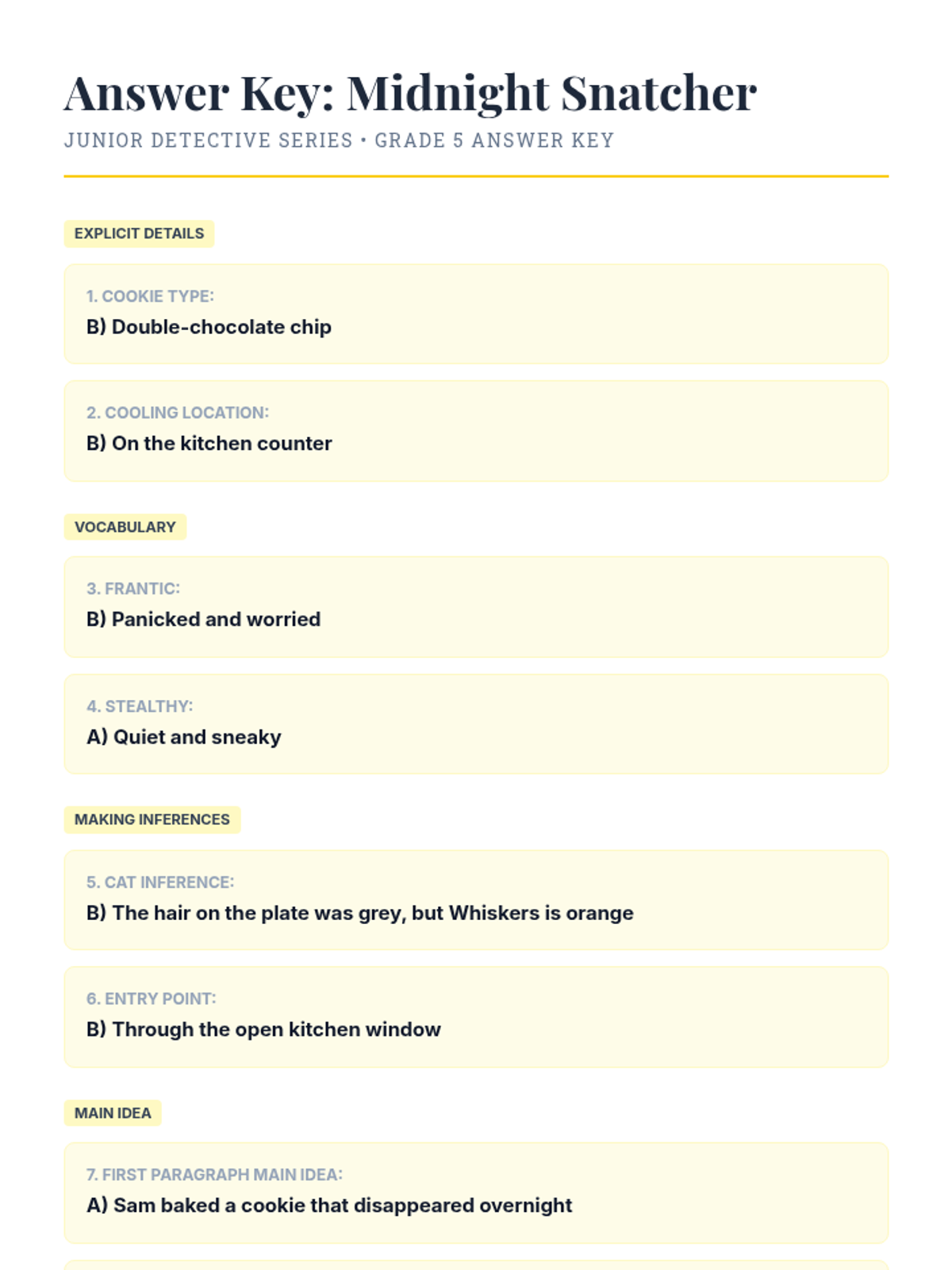
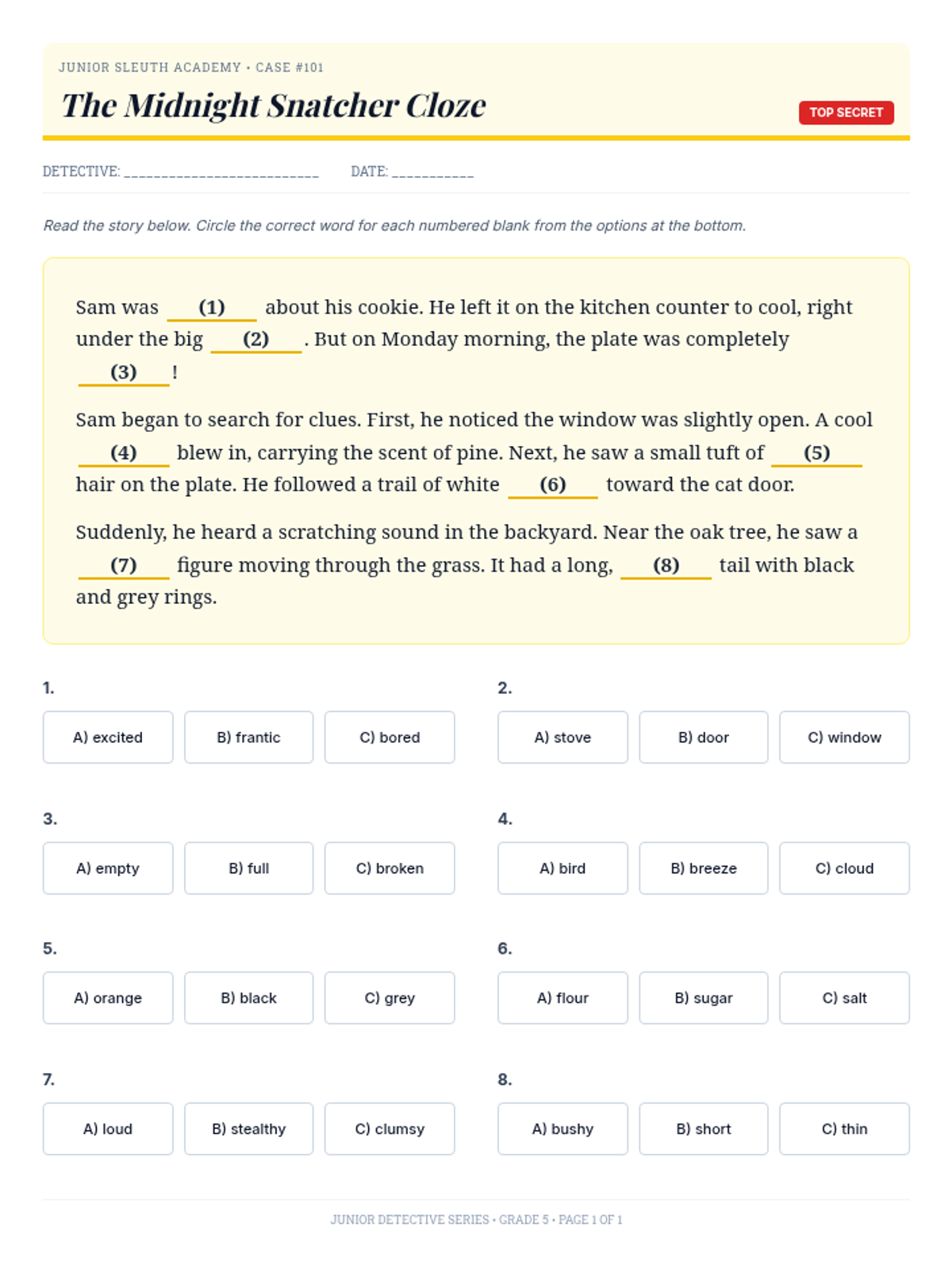
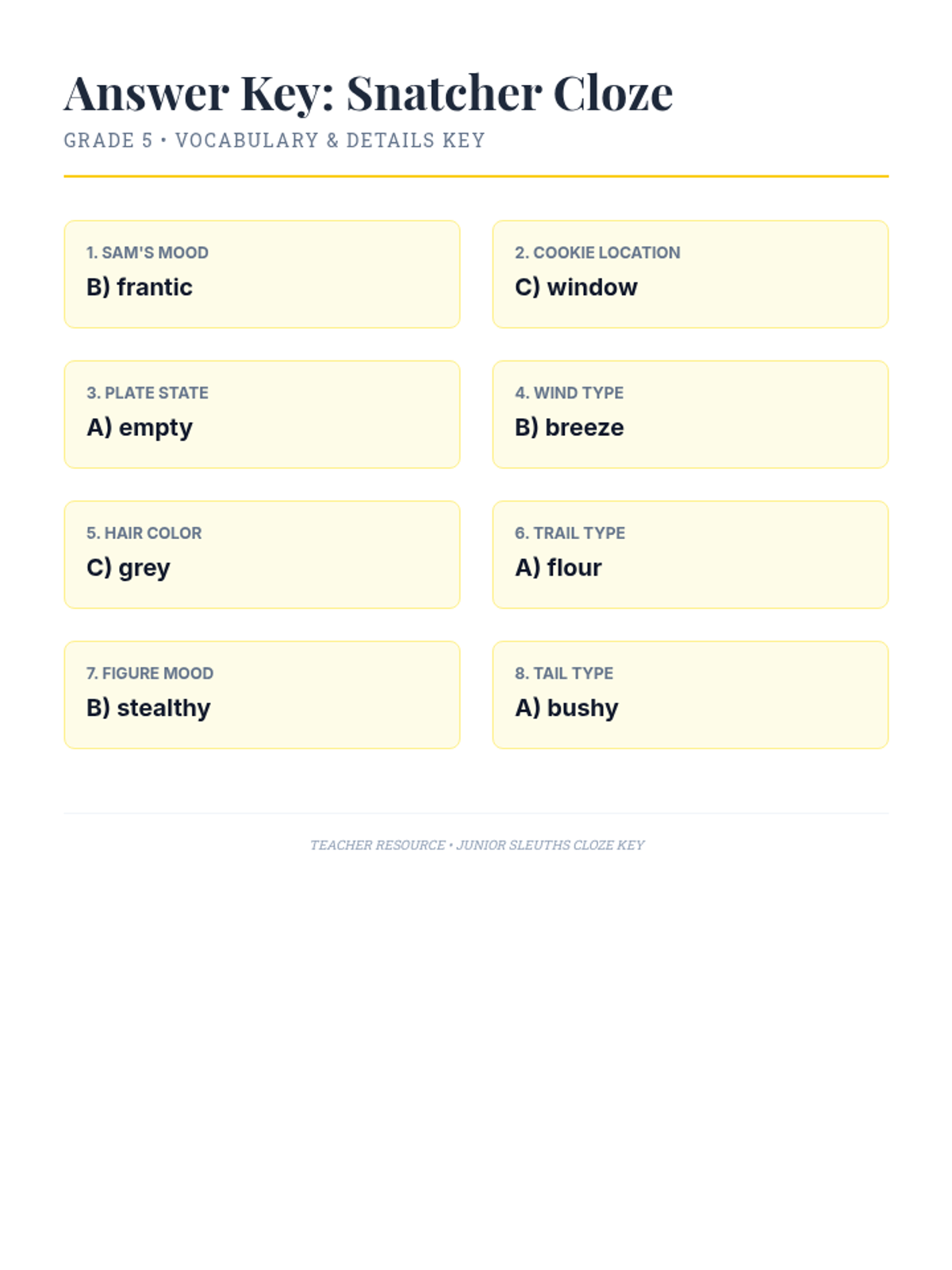
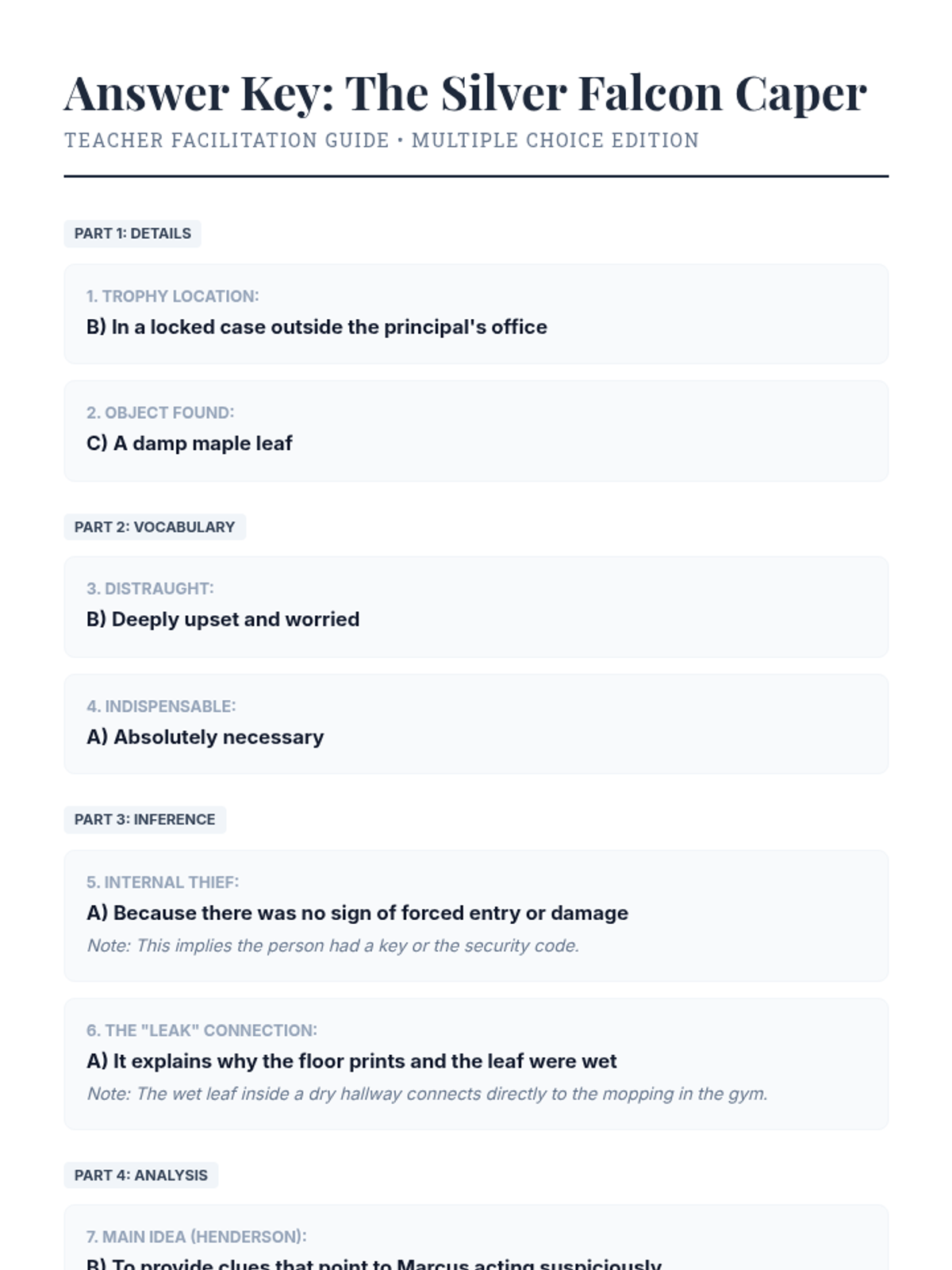
A grade 4 reading comprehension lesson focused on a mystery story, targeting skills in inferencing, explicit details, context clues, and identifying main ideas.
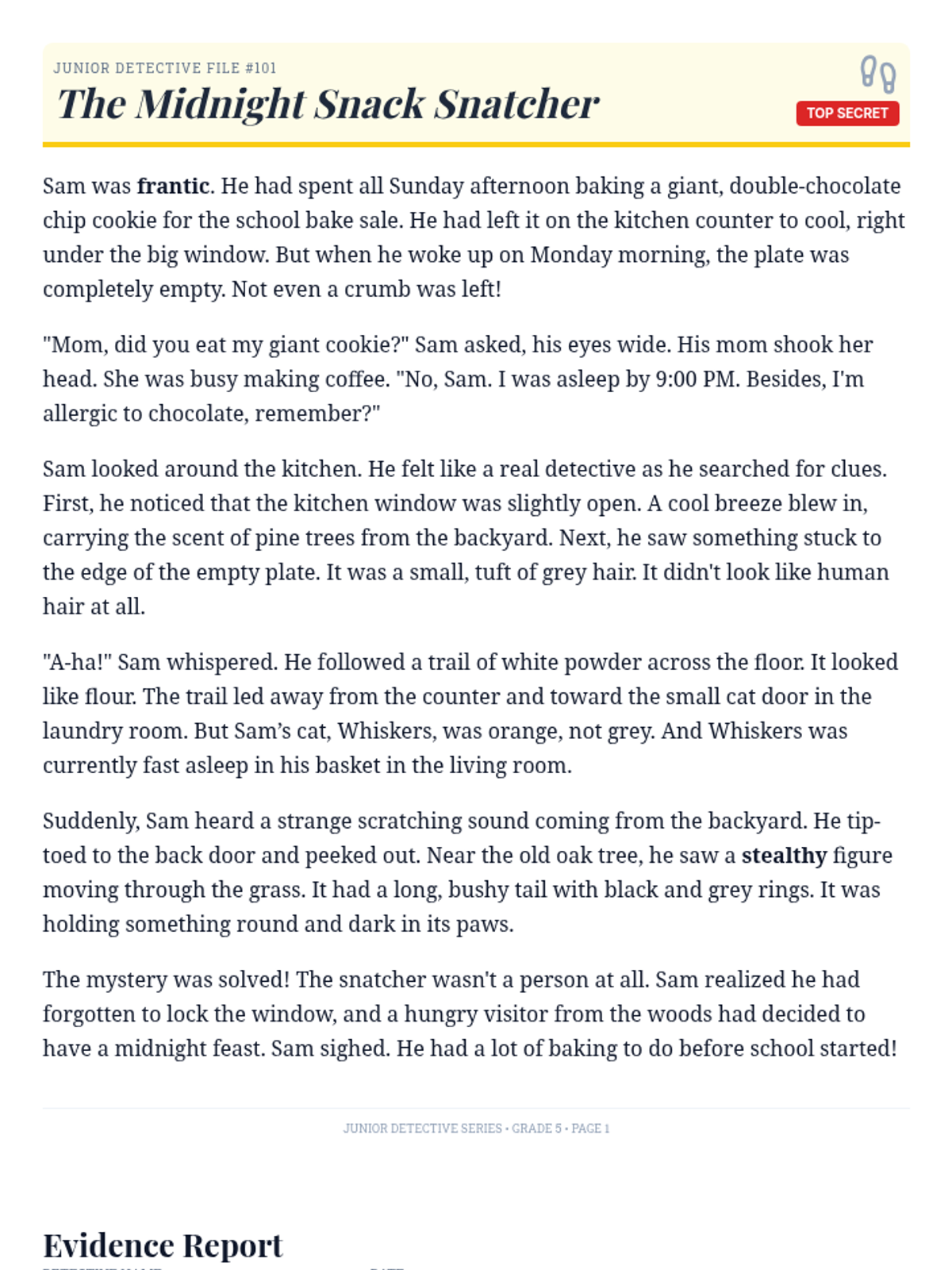
A grade 5 reading comprehension lesson focused on a mystery story, targeting skills in inferencing, explicit details, context clues, and identifying main ideas.
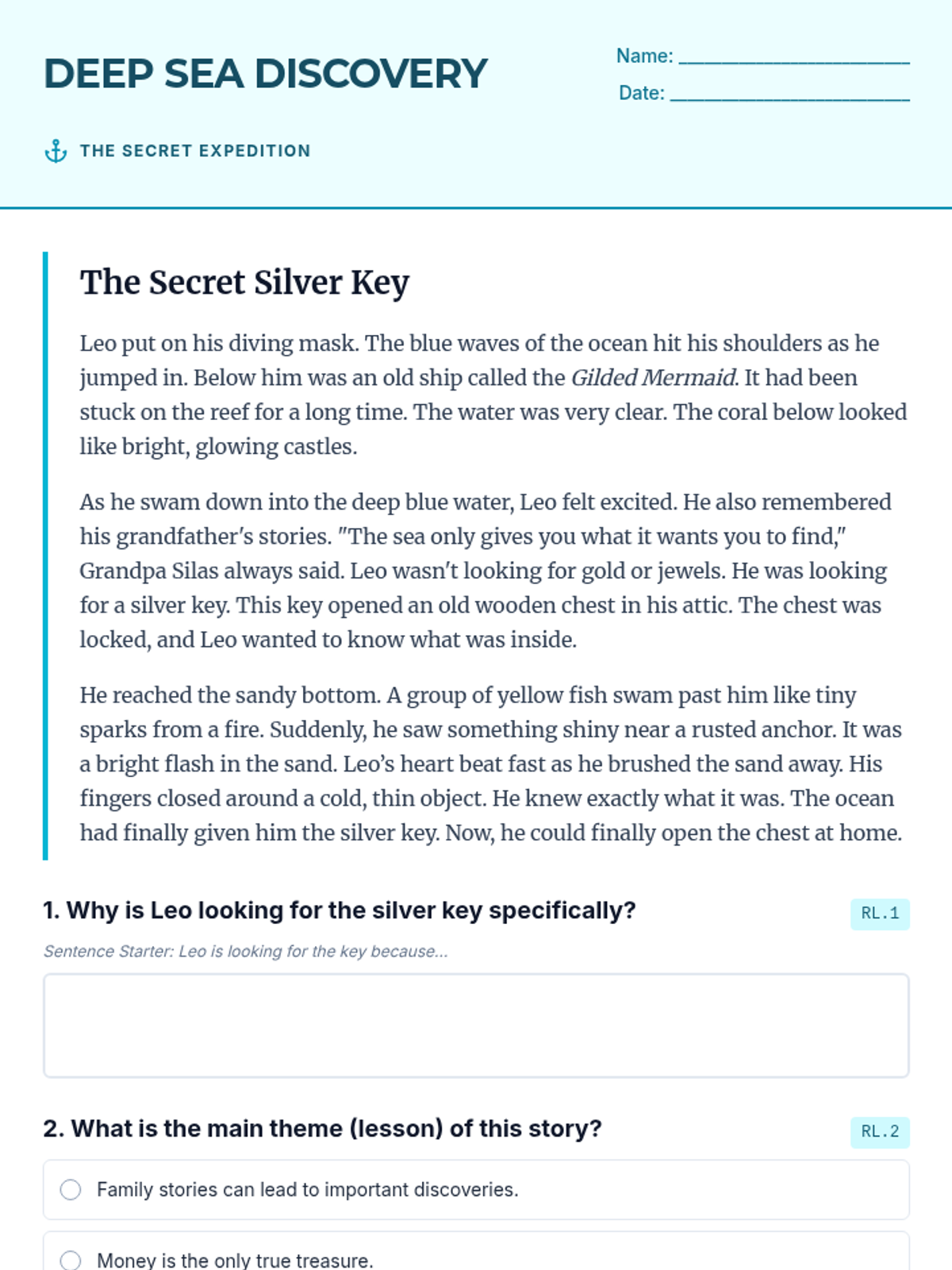
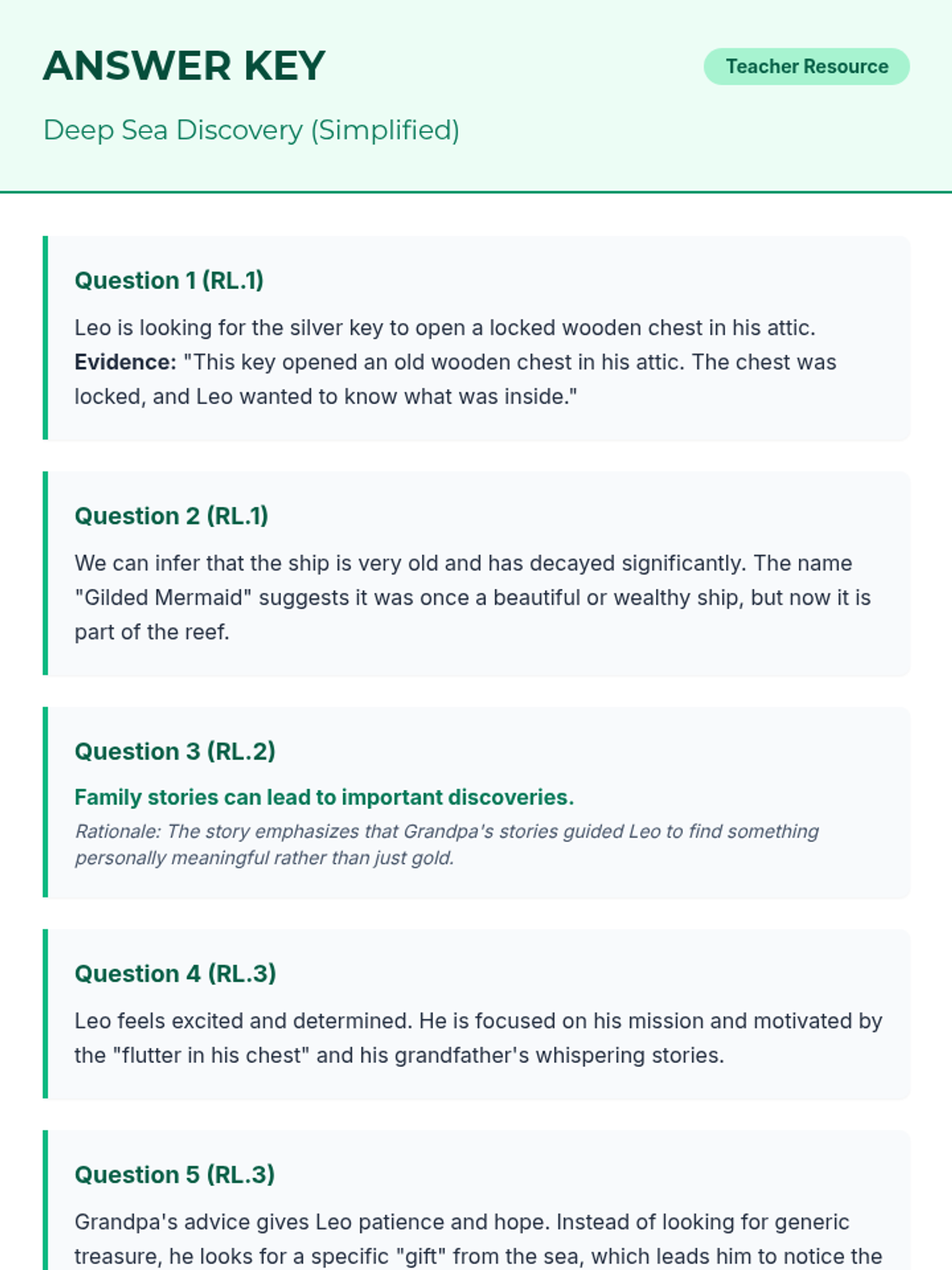
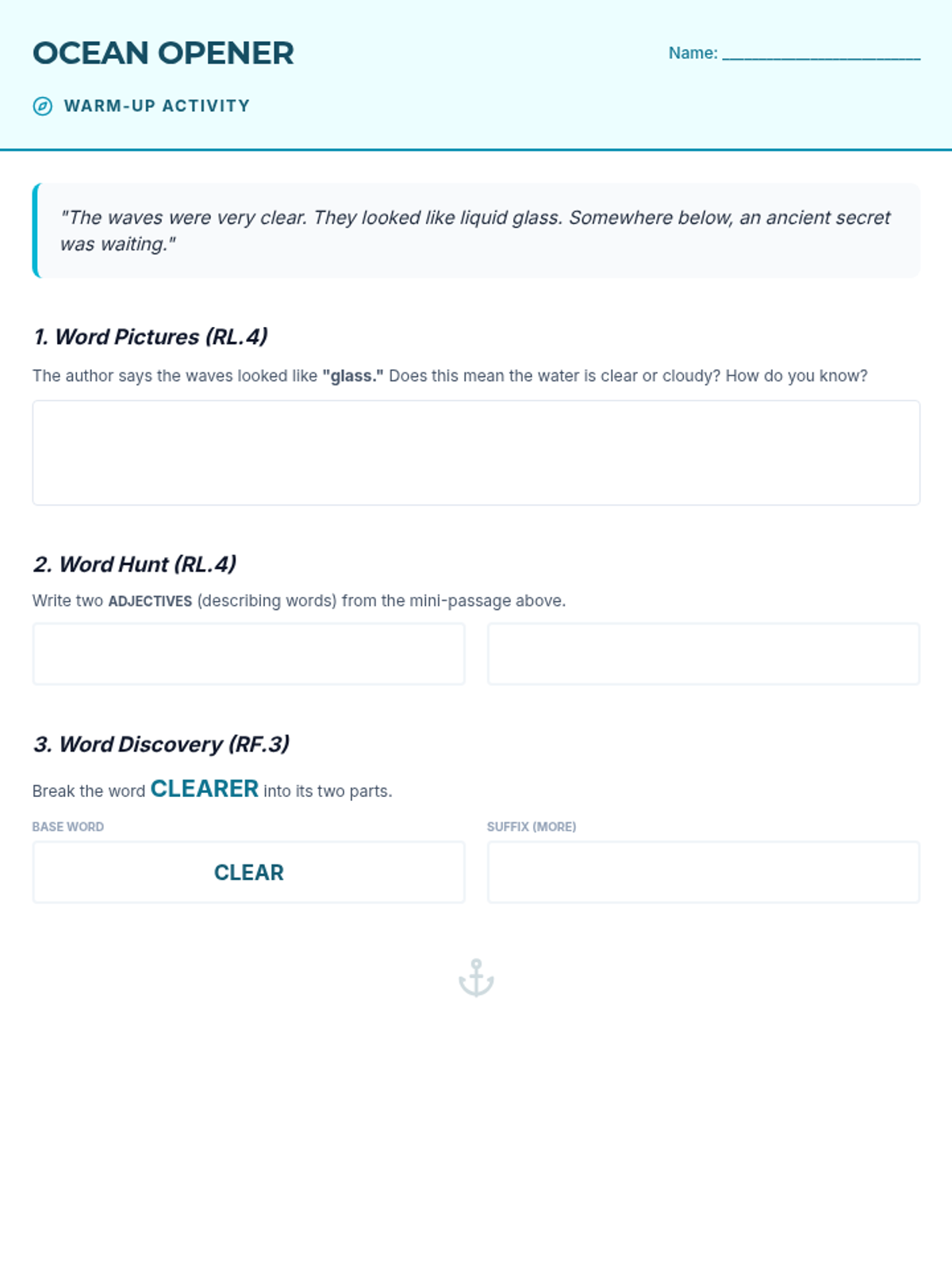
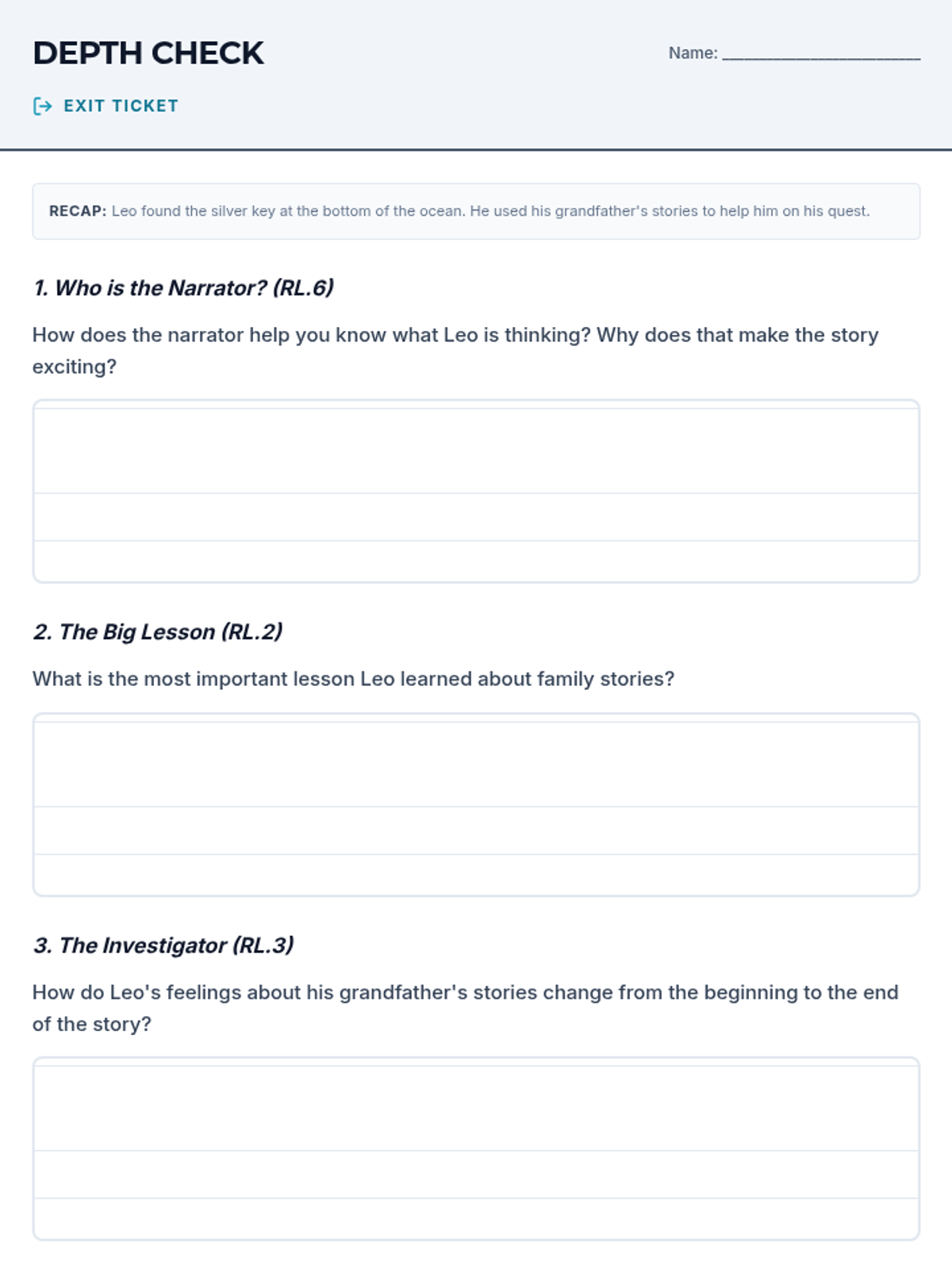
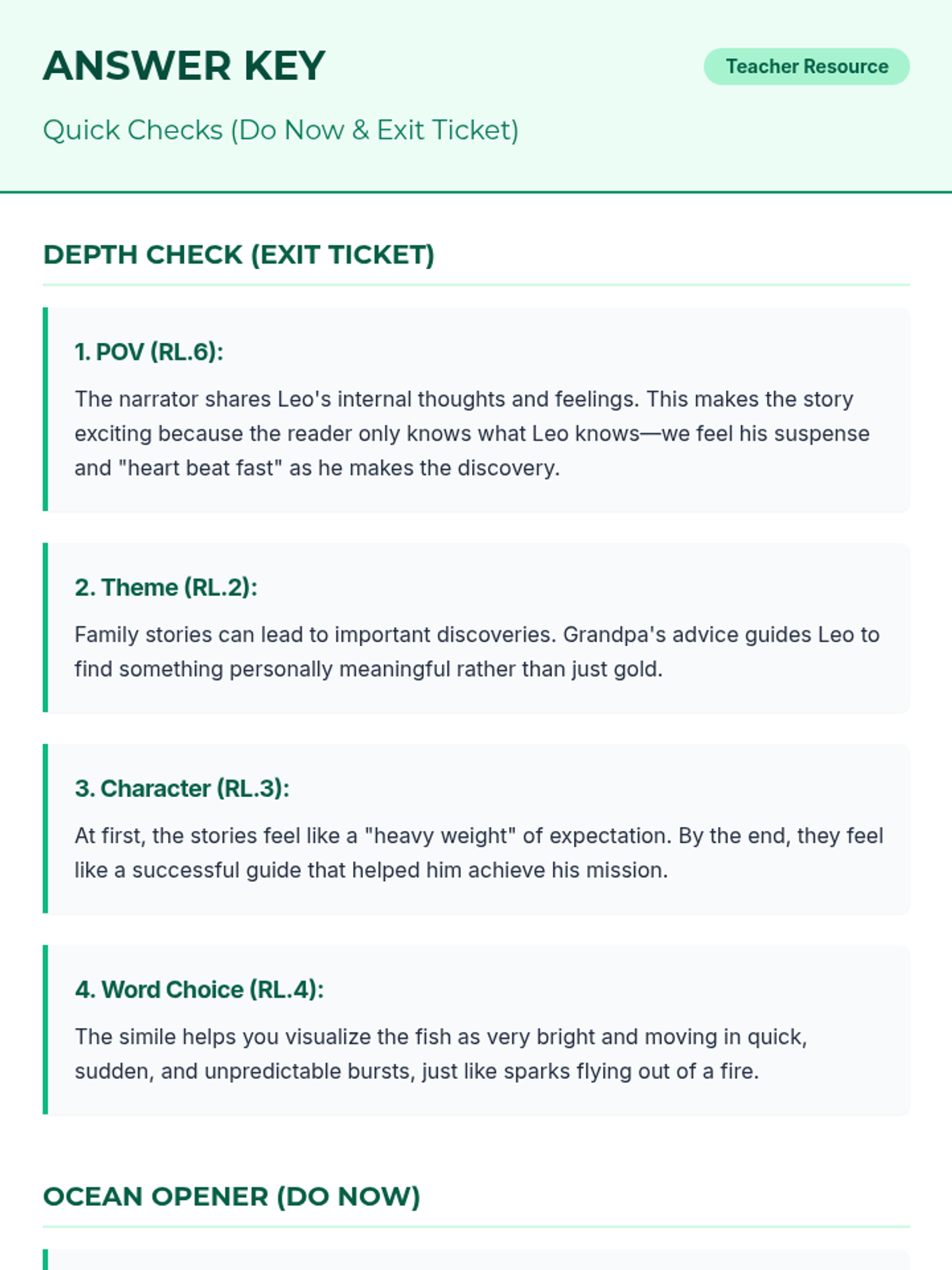
Students analyze a narrative passage to practice quoting evidence, determining themes, and understanding point of view. This lesson specifically targets Common Core standards RL.1, RL.2, RL.3, RL.4, and RL.6.
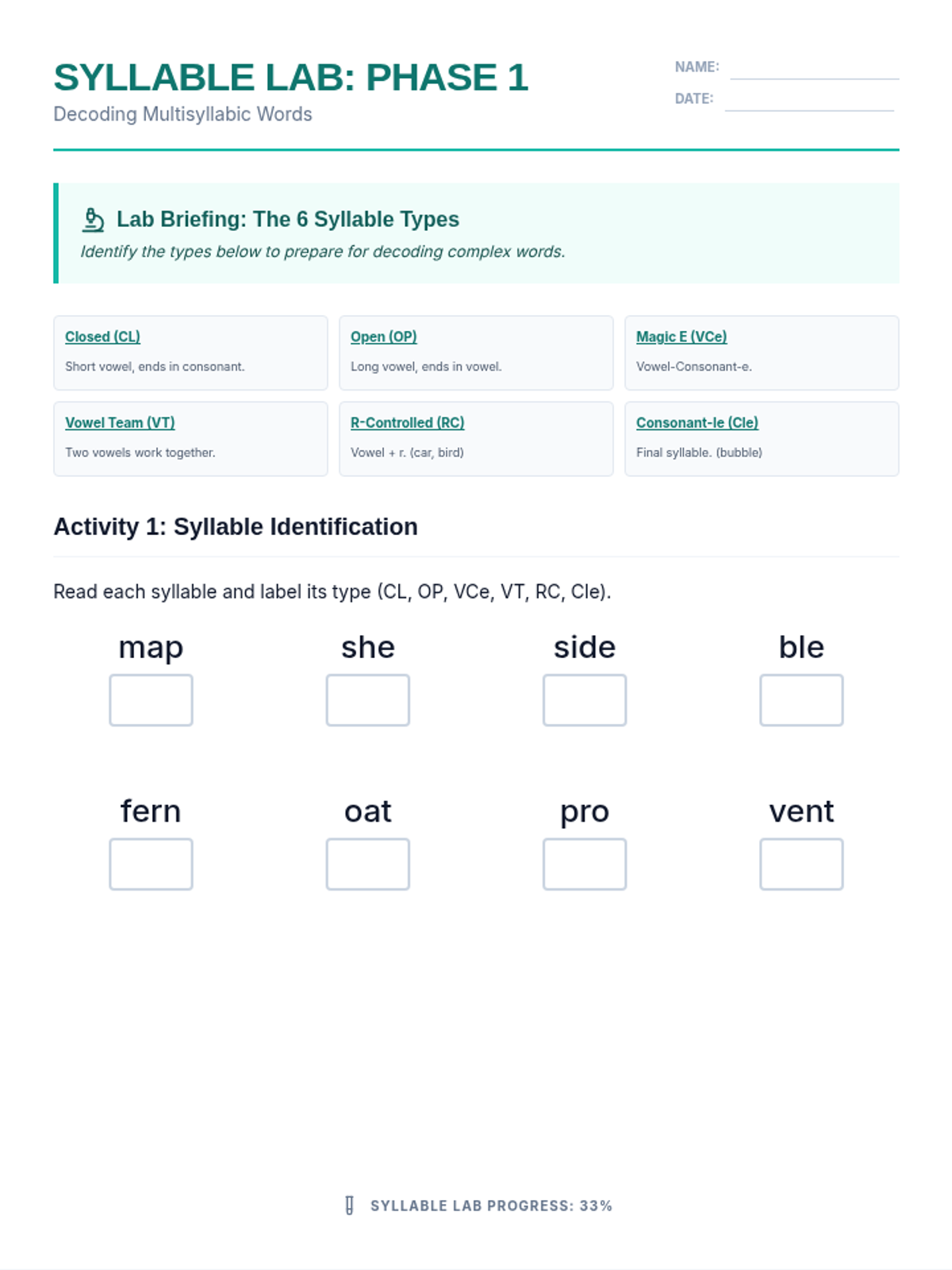
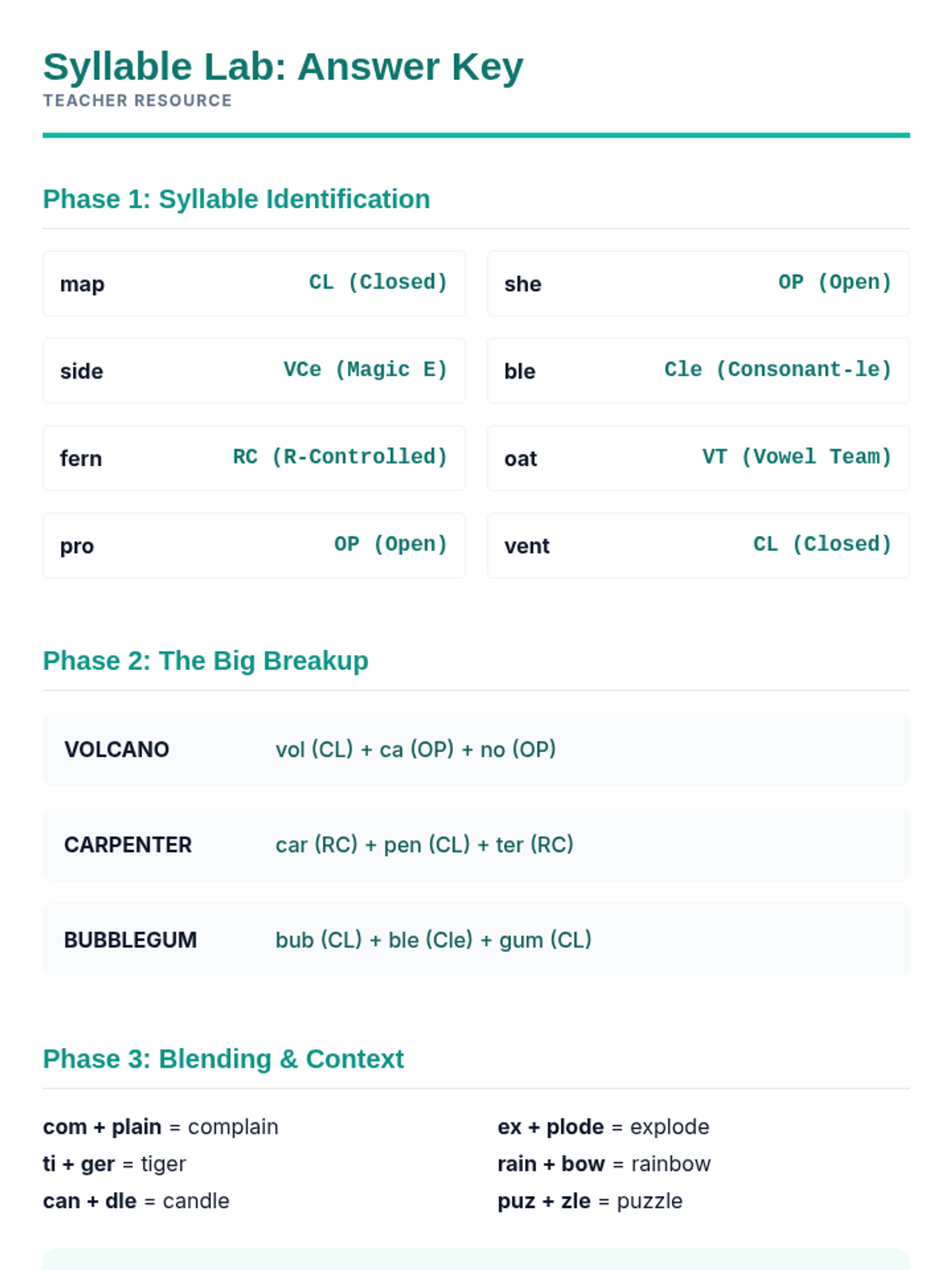
A comprehensive lesson on decoding multisyllabic words using all six syllable types through interactive slides and a multi-page practice packet.
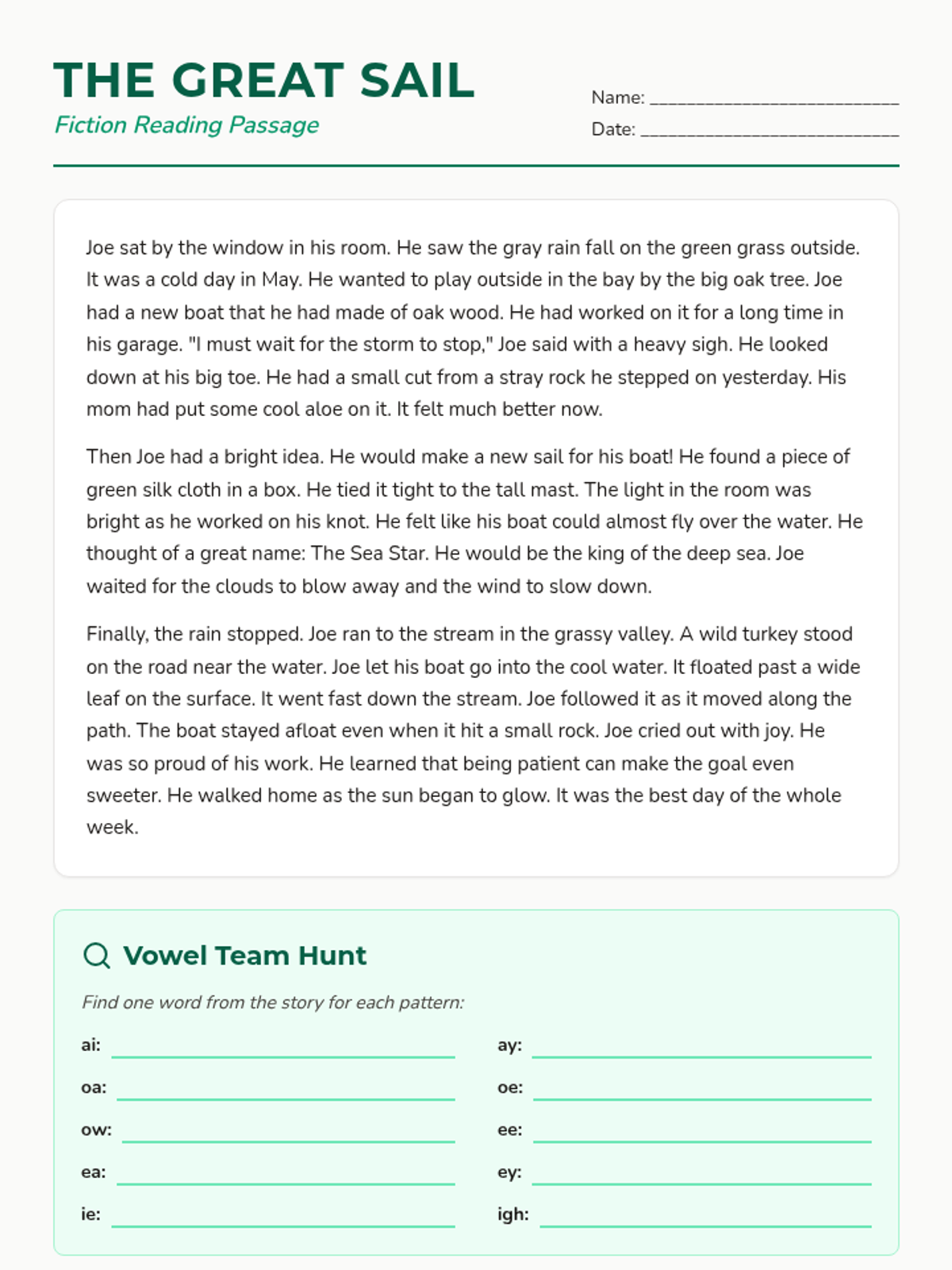
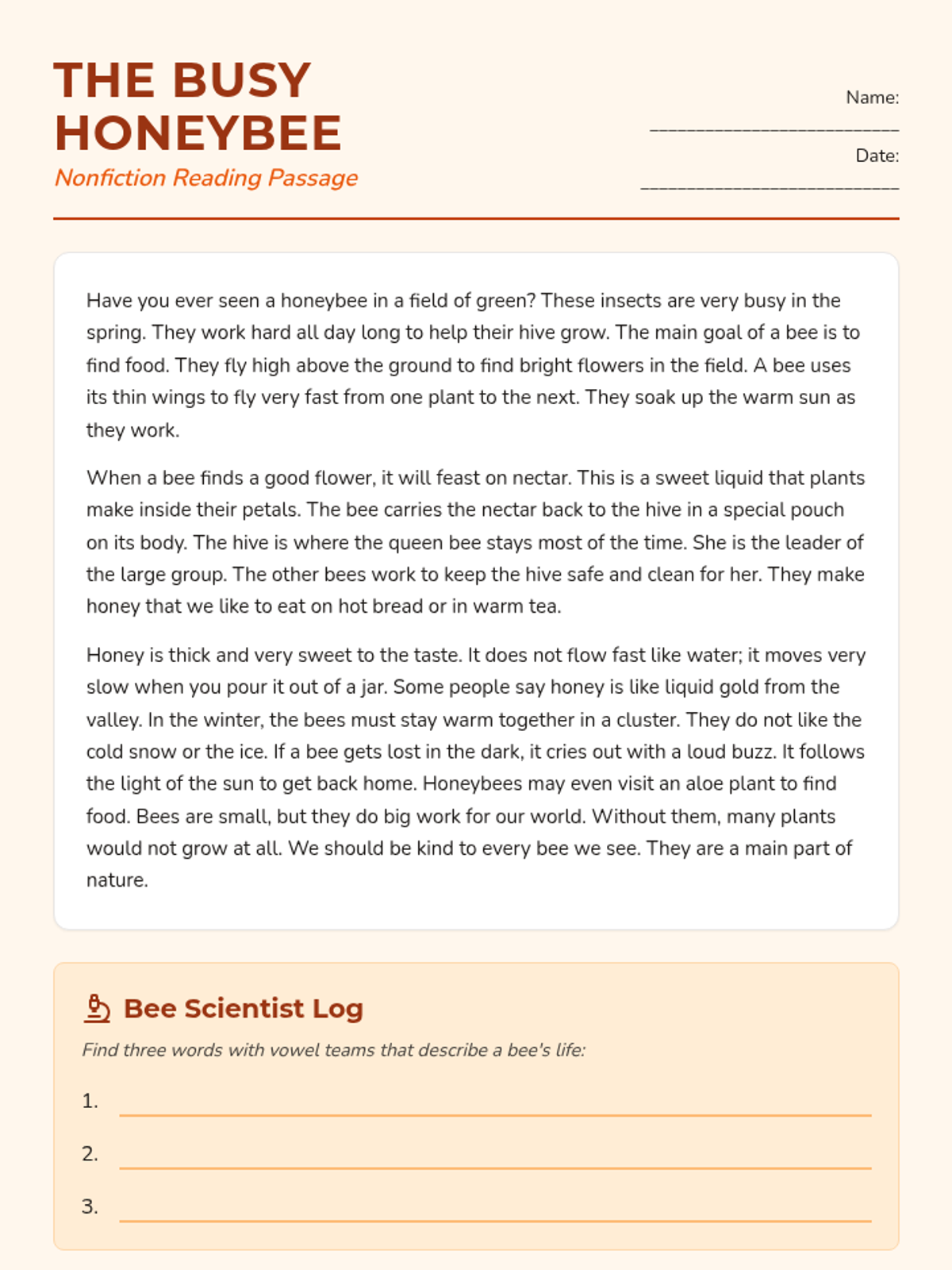
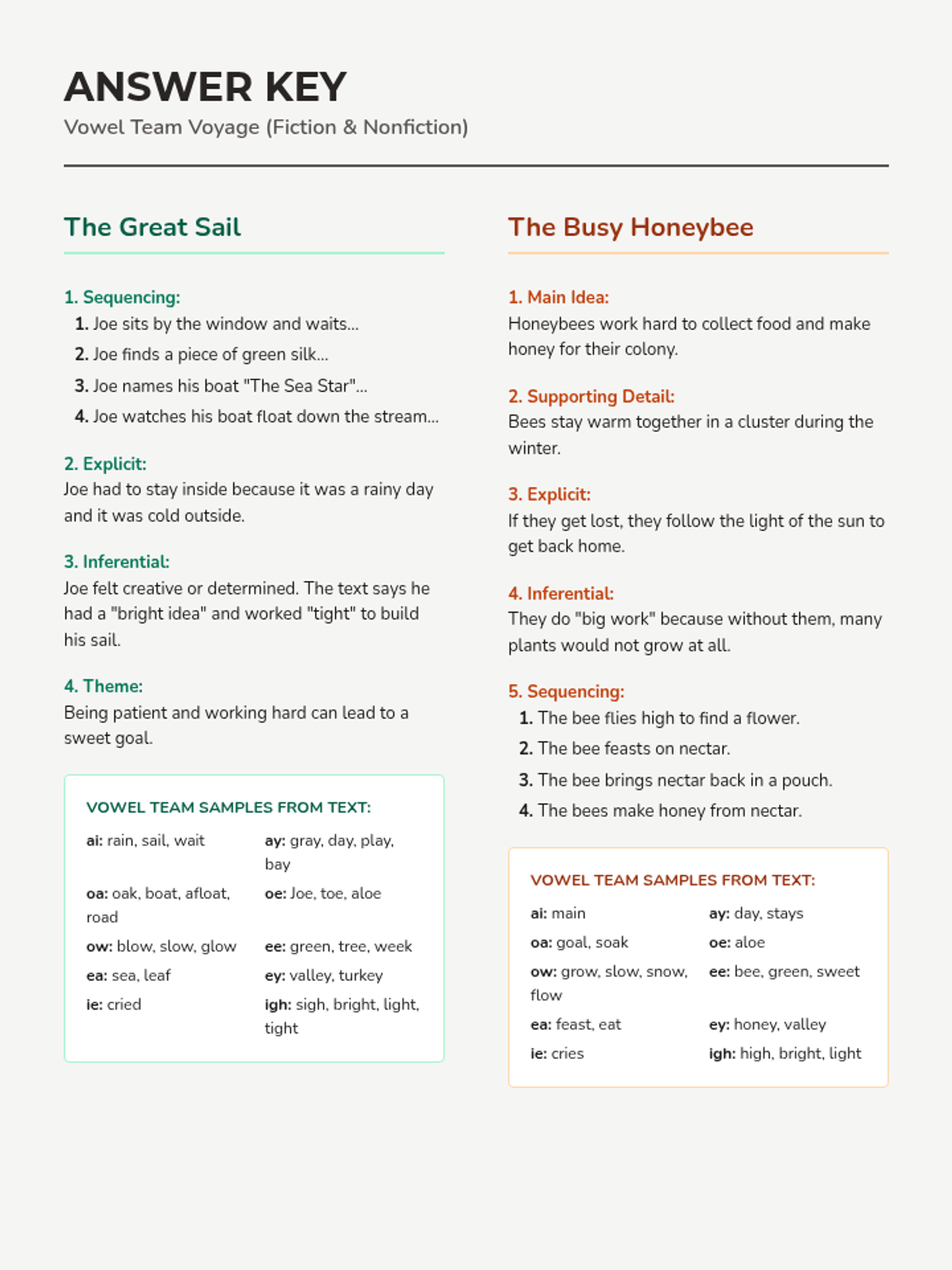
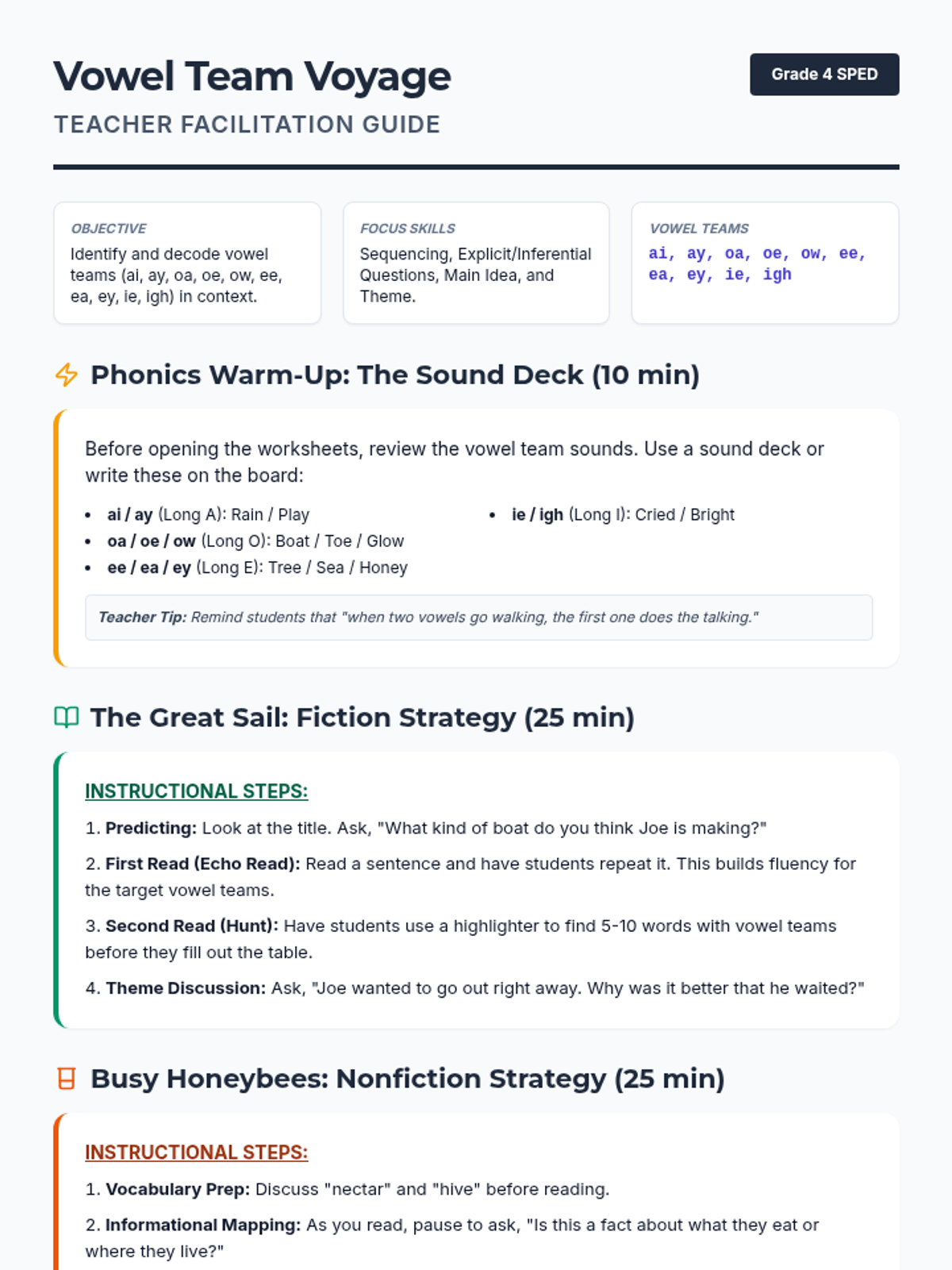
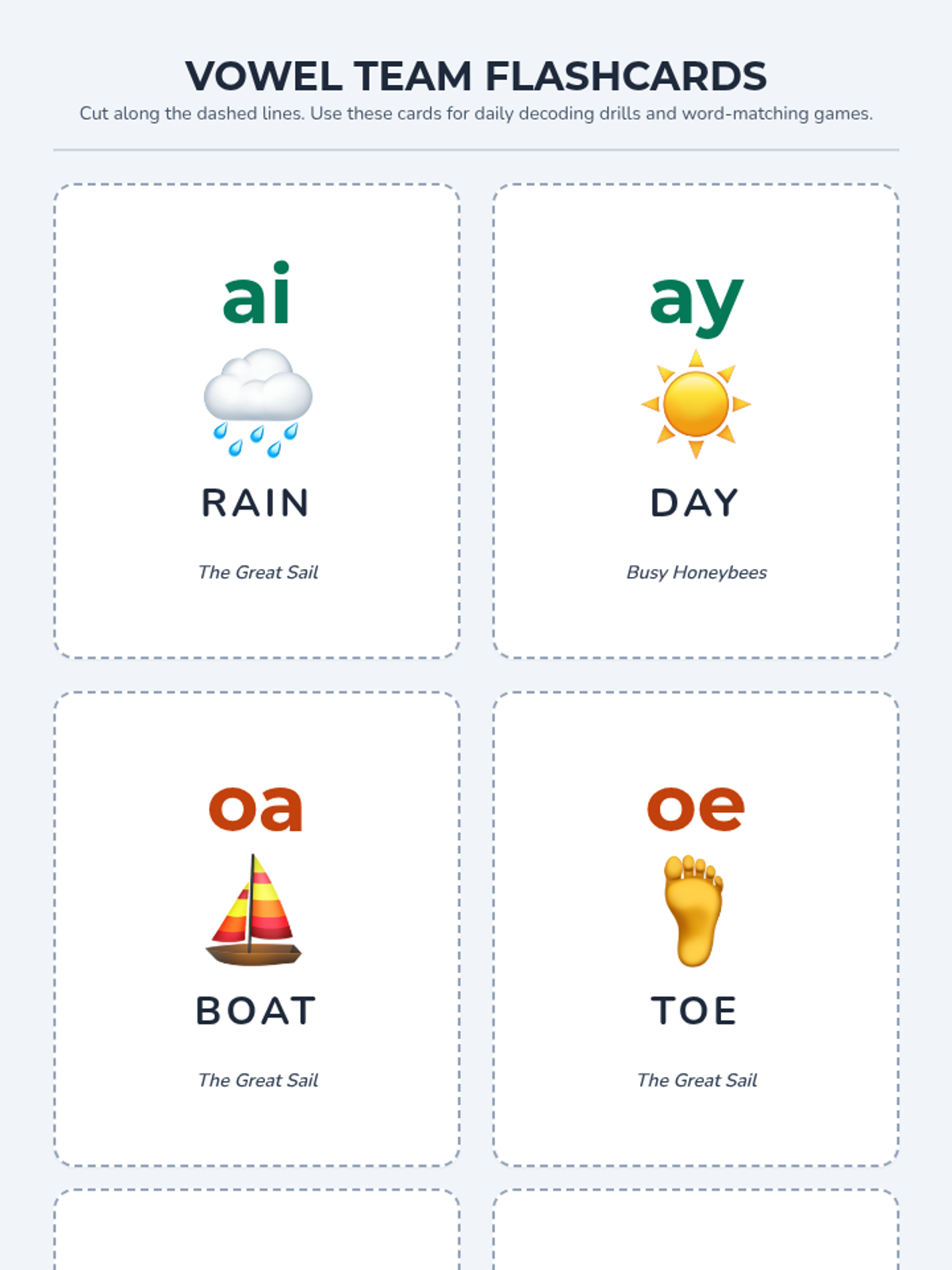
This lesson focuses on identifying and understanding common vowel teams (ai, ay, oa, oe, ow, ee, ea, ey, ie, igh) through targeted fiction and nonfiction reading passages. Students will practice reading words with these patterns in context while developing key comprehension skills like sequencing, inferring, and identifying main ideas.
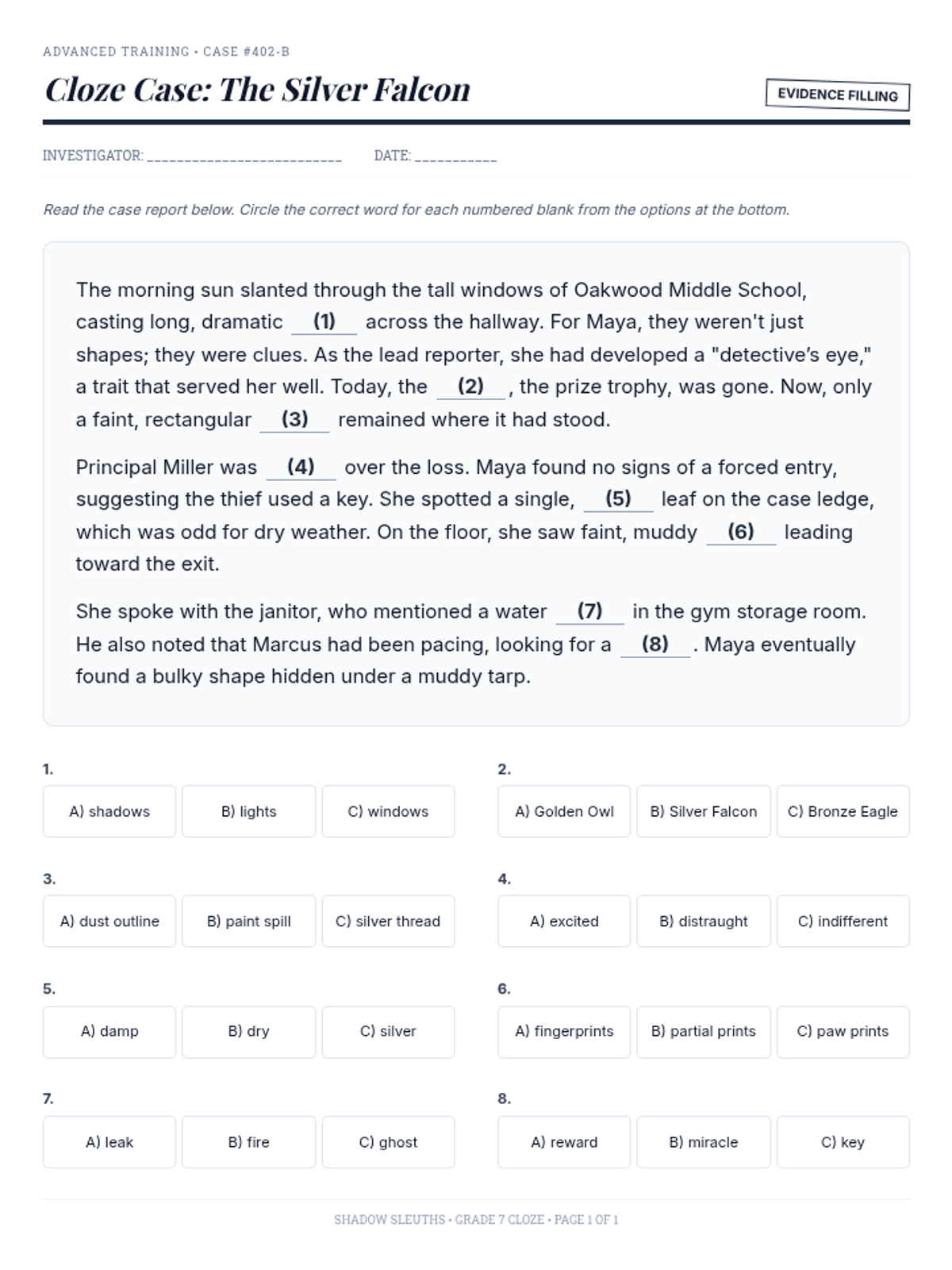
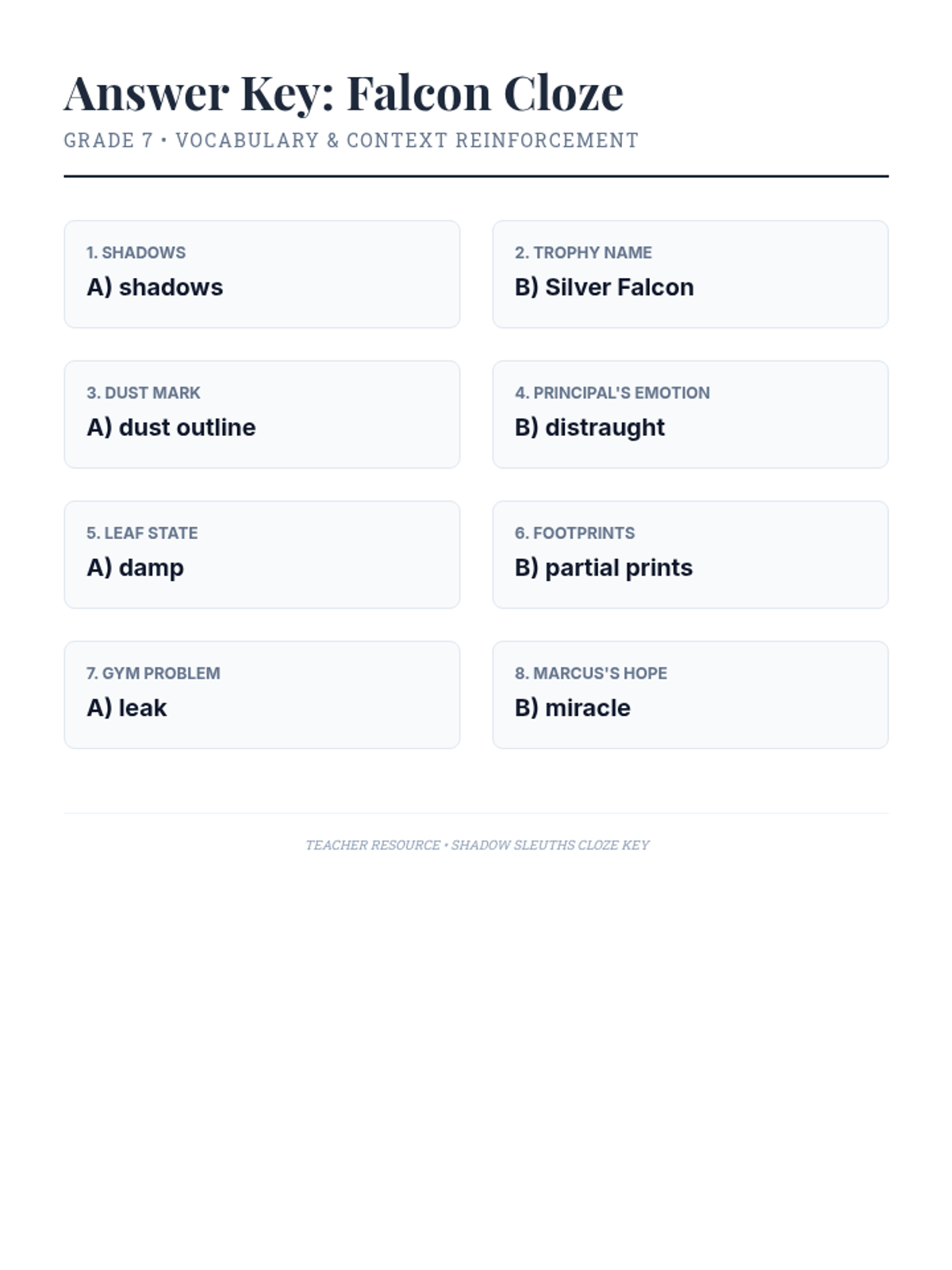
A grade 7 reading comprehension lesson focused on a mystery story, targeting skills in inferencing, explicit details, context clues, and identifying main ideas.
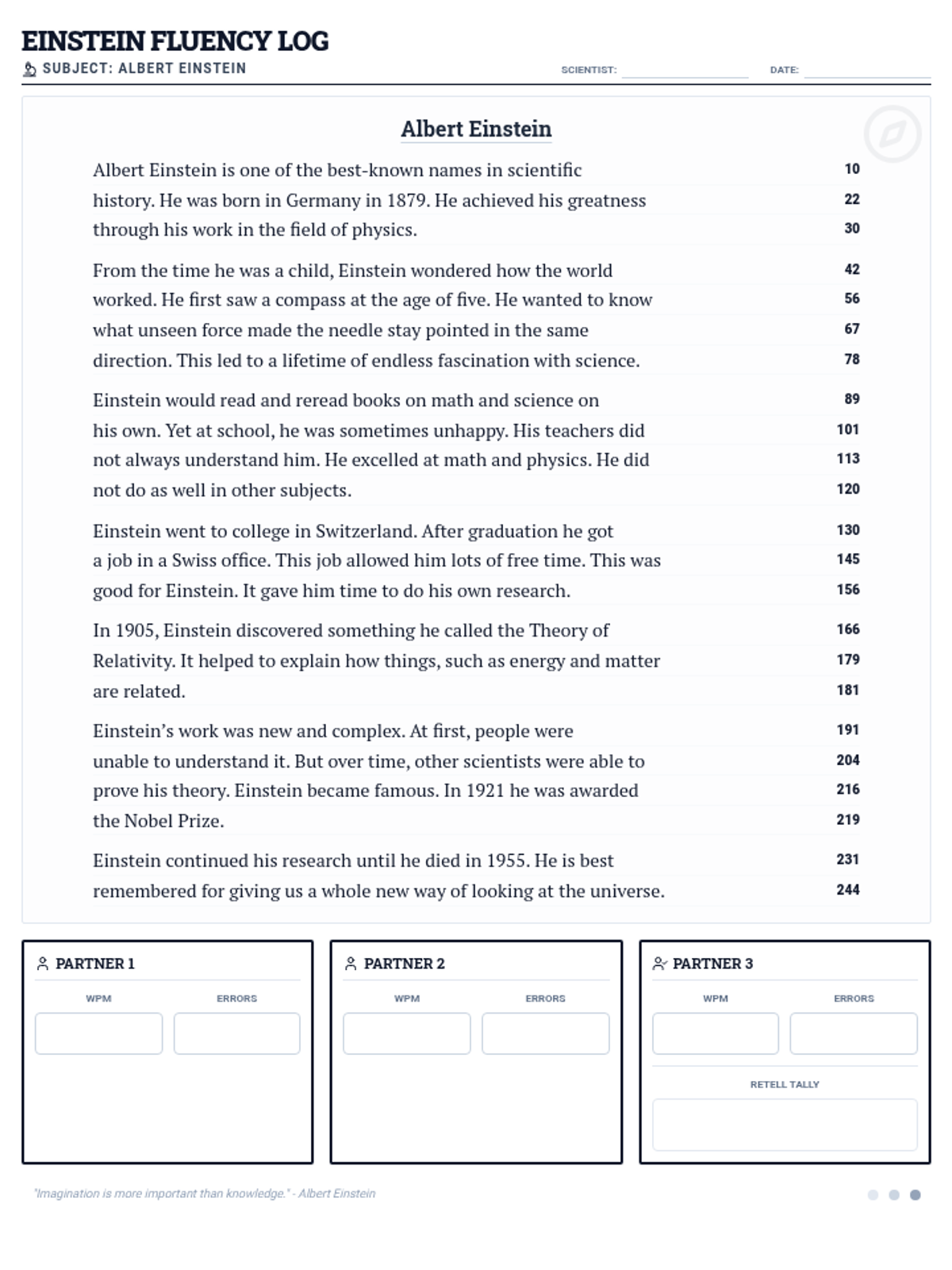
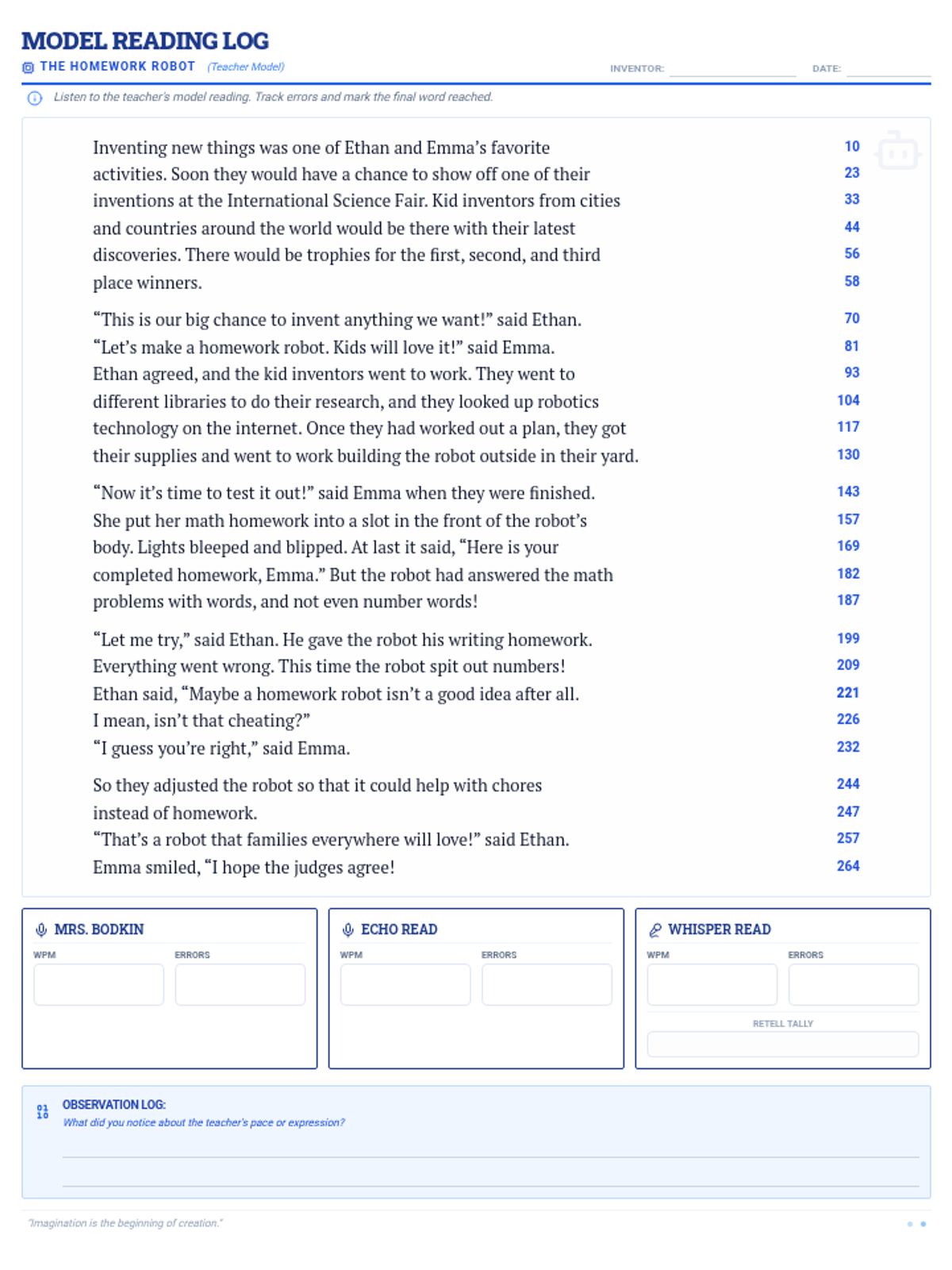
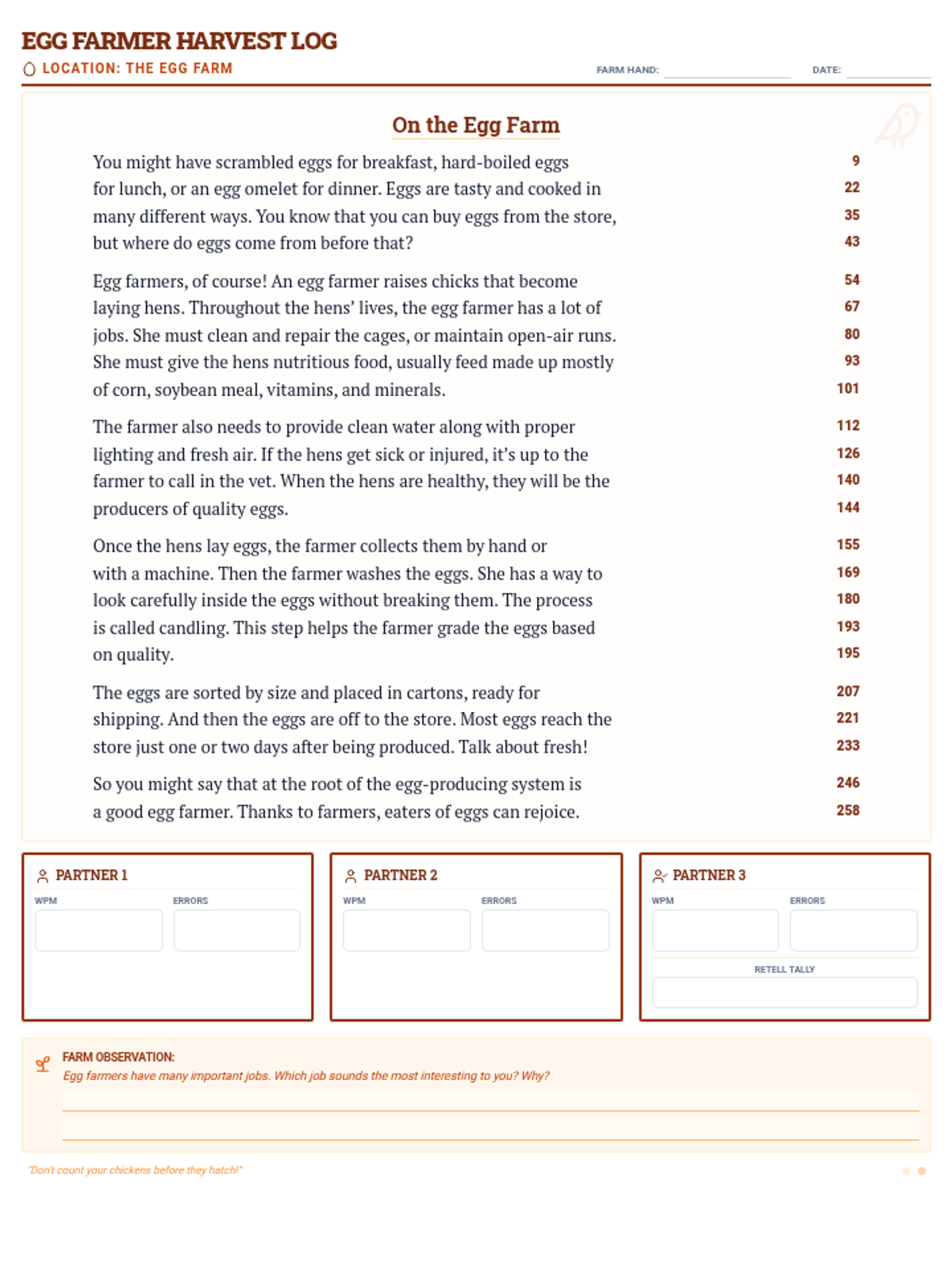
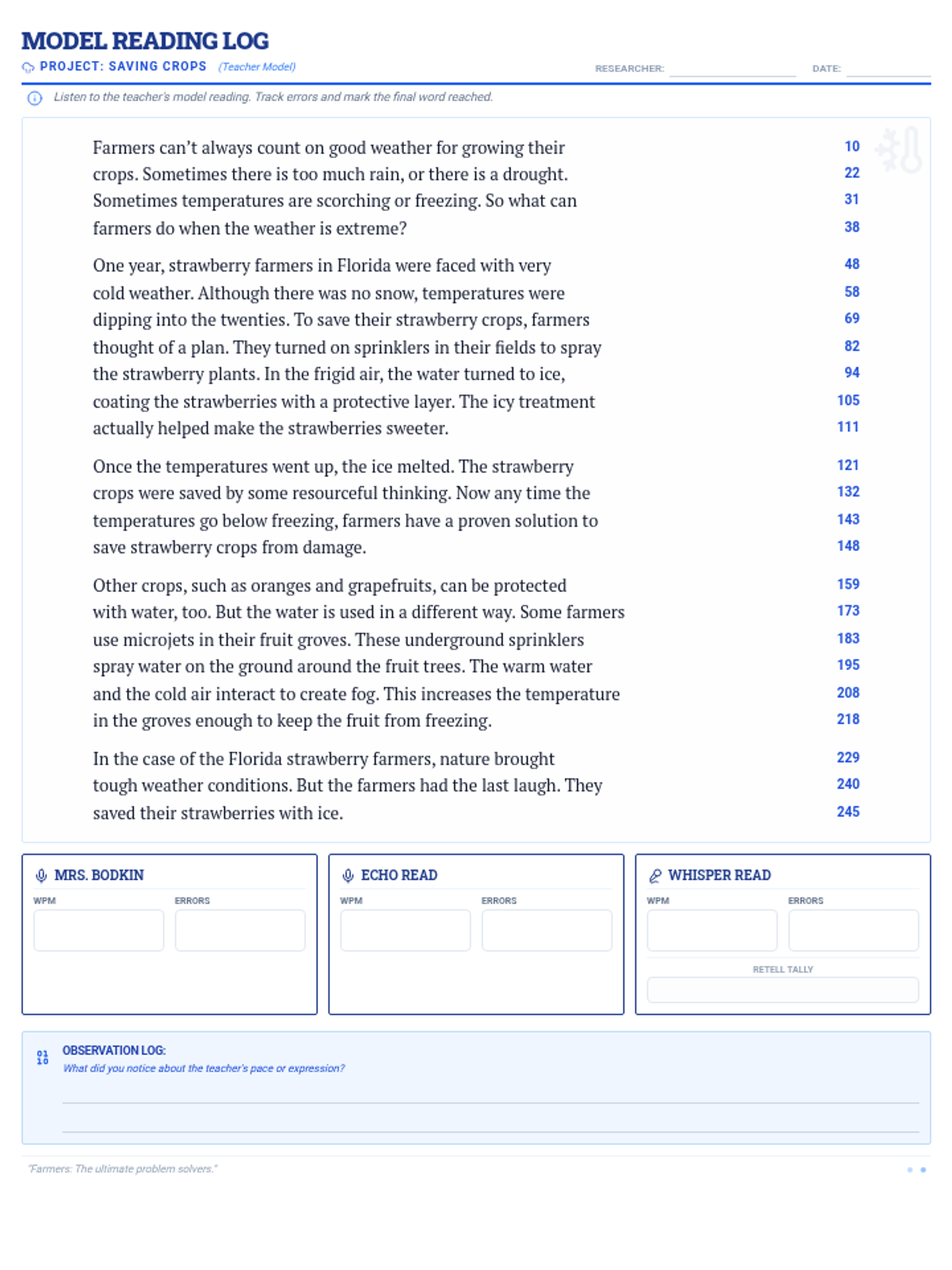
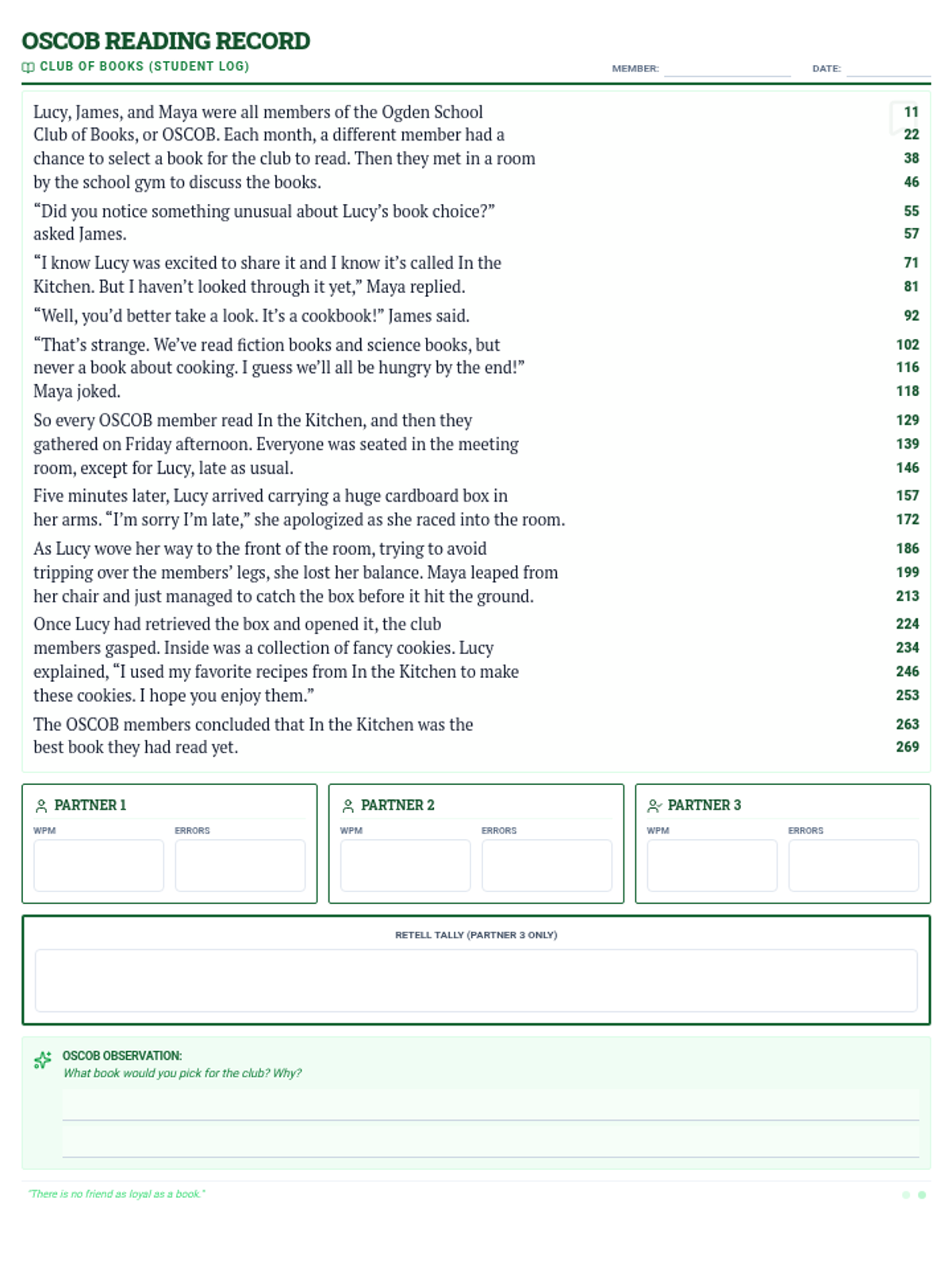
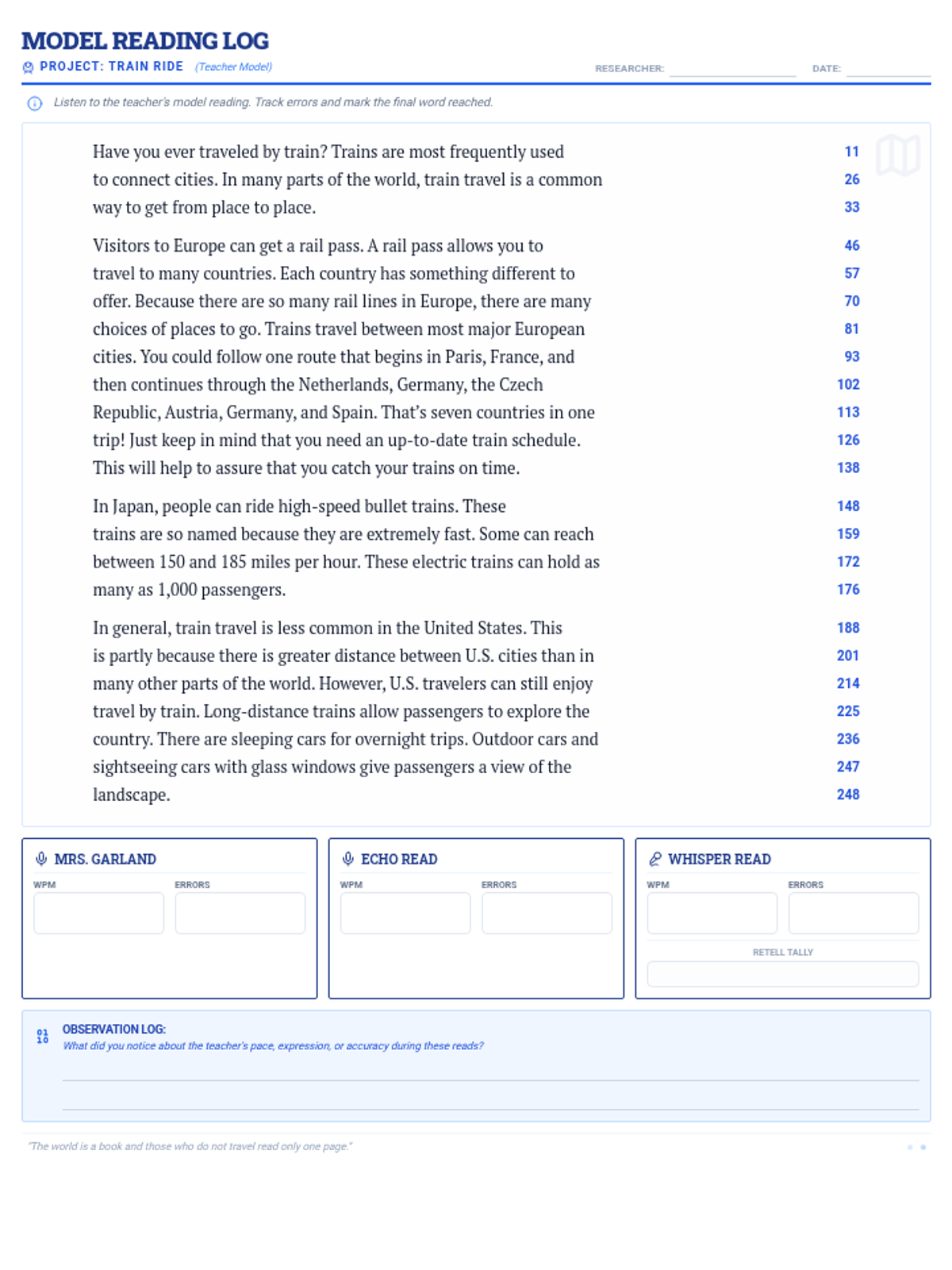
A fluency practice lesson focused on reading speed and comprehension through the story of Albert Einstein, utilizing a peer-partnered tracking system.
An explicit instruction lesson for 3rd graders on locating text evidence to answer text-dependent questions using an 'I Do, We Do, You Do' model. Students learn to identify keywords in questions and find matching evidence in the text using a five-step checklist.
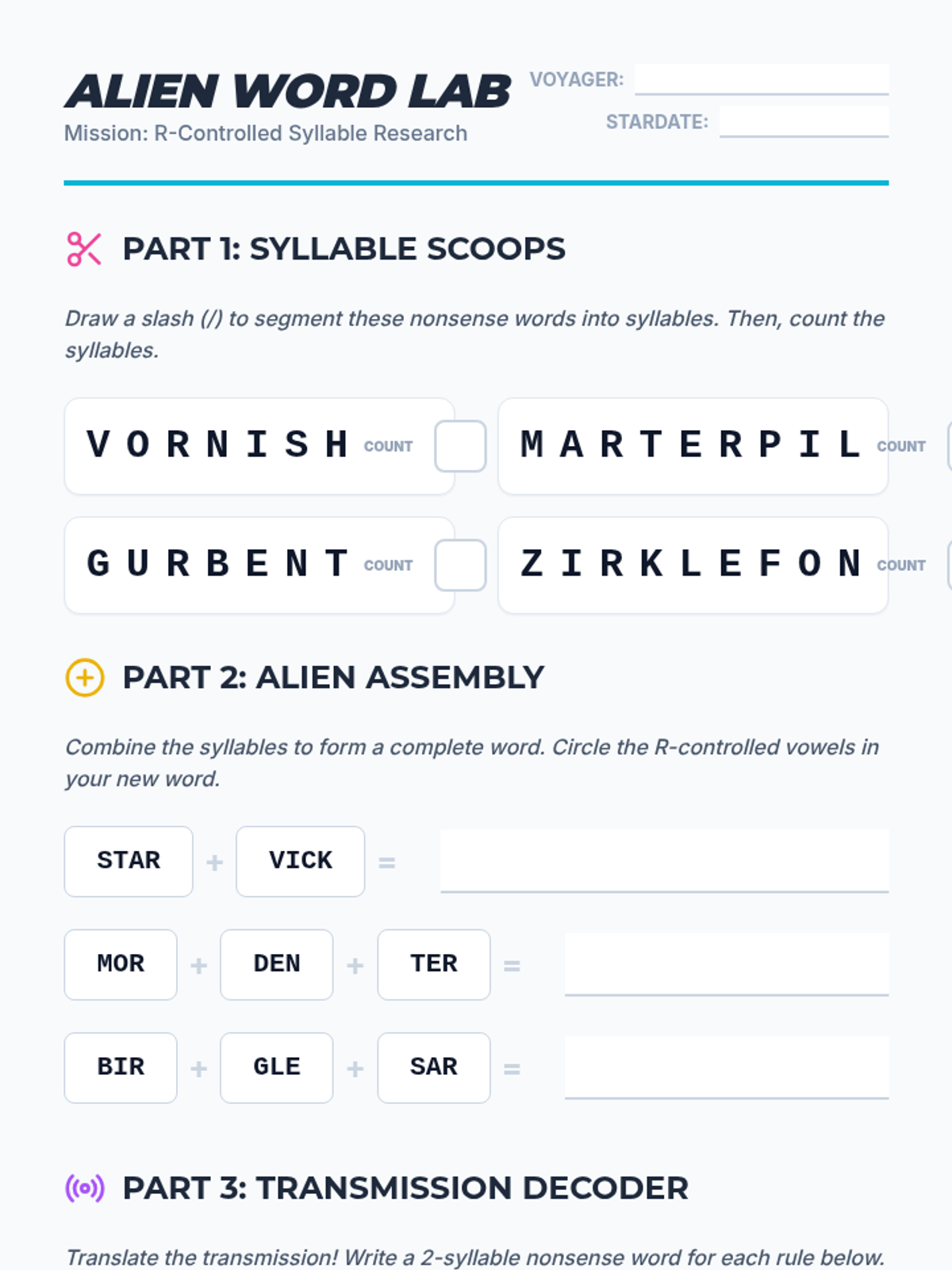
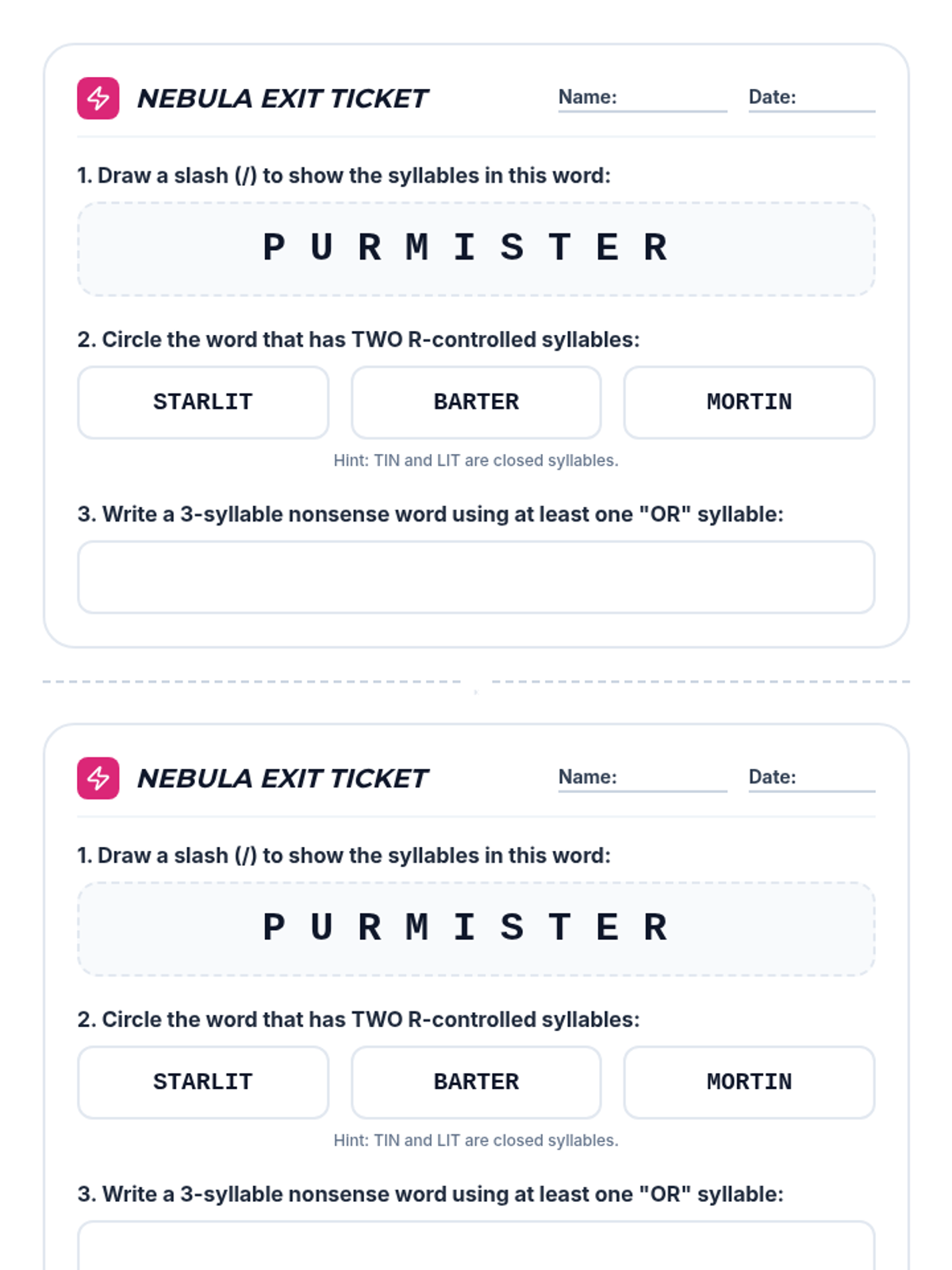
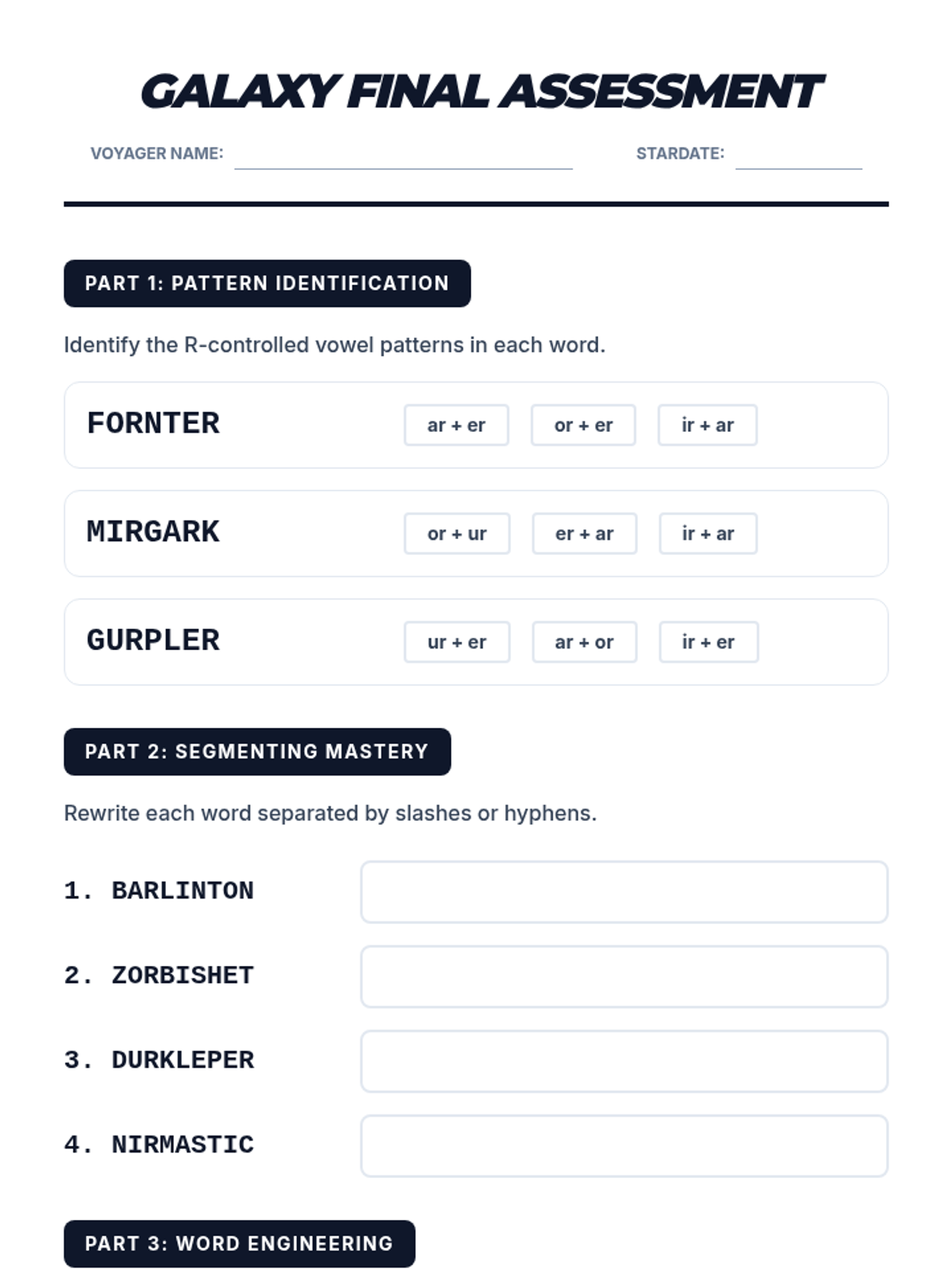
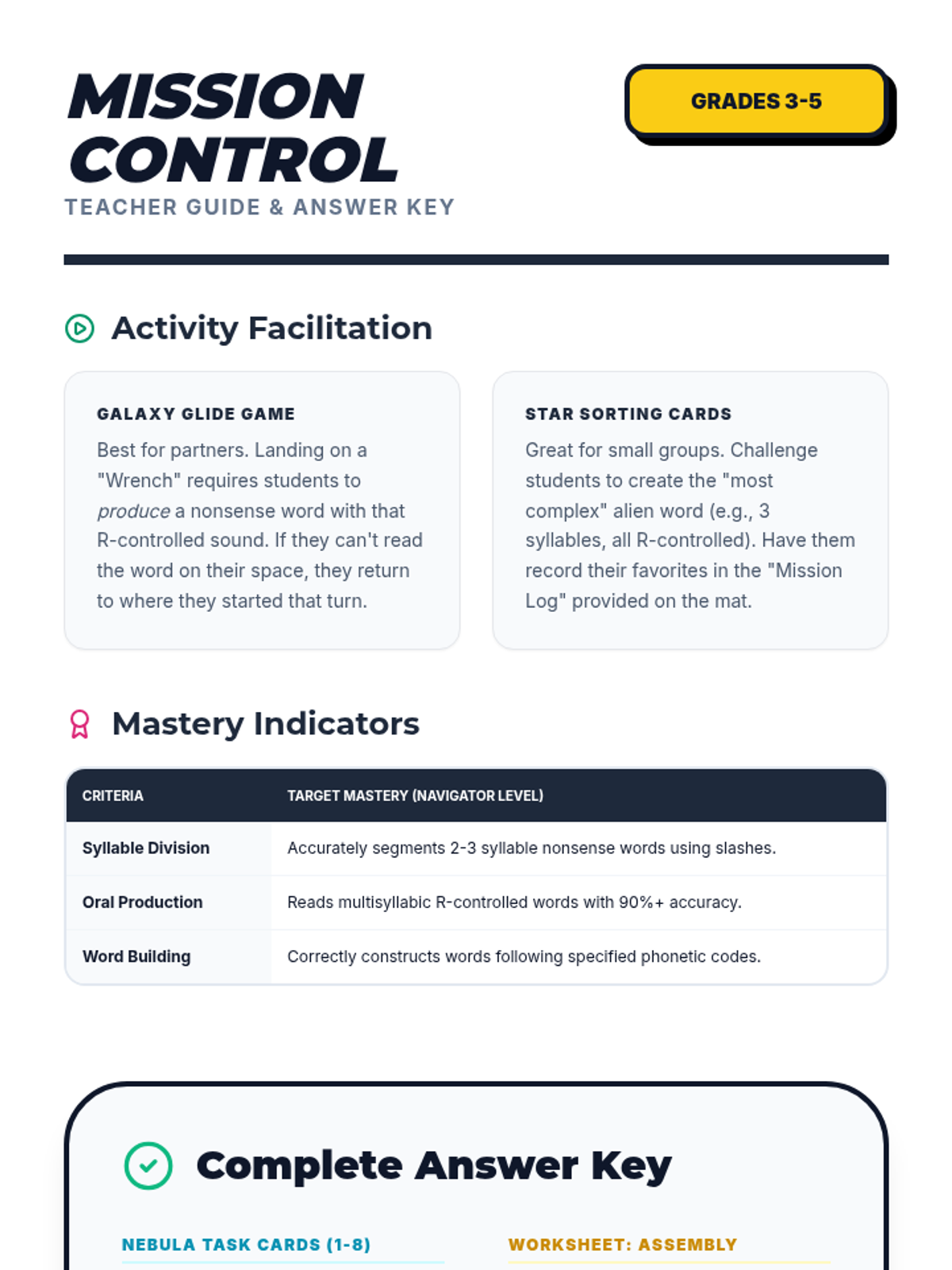
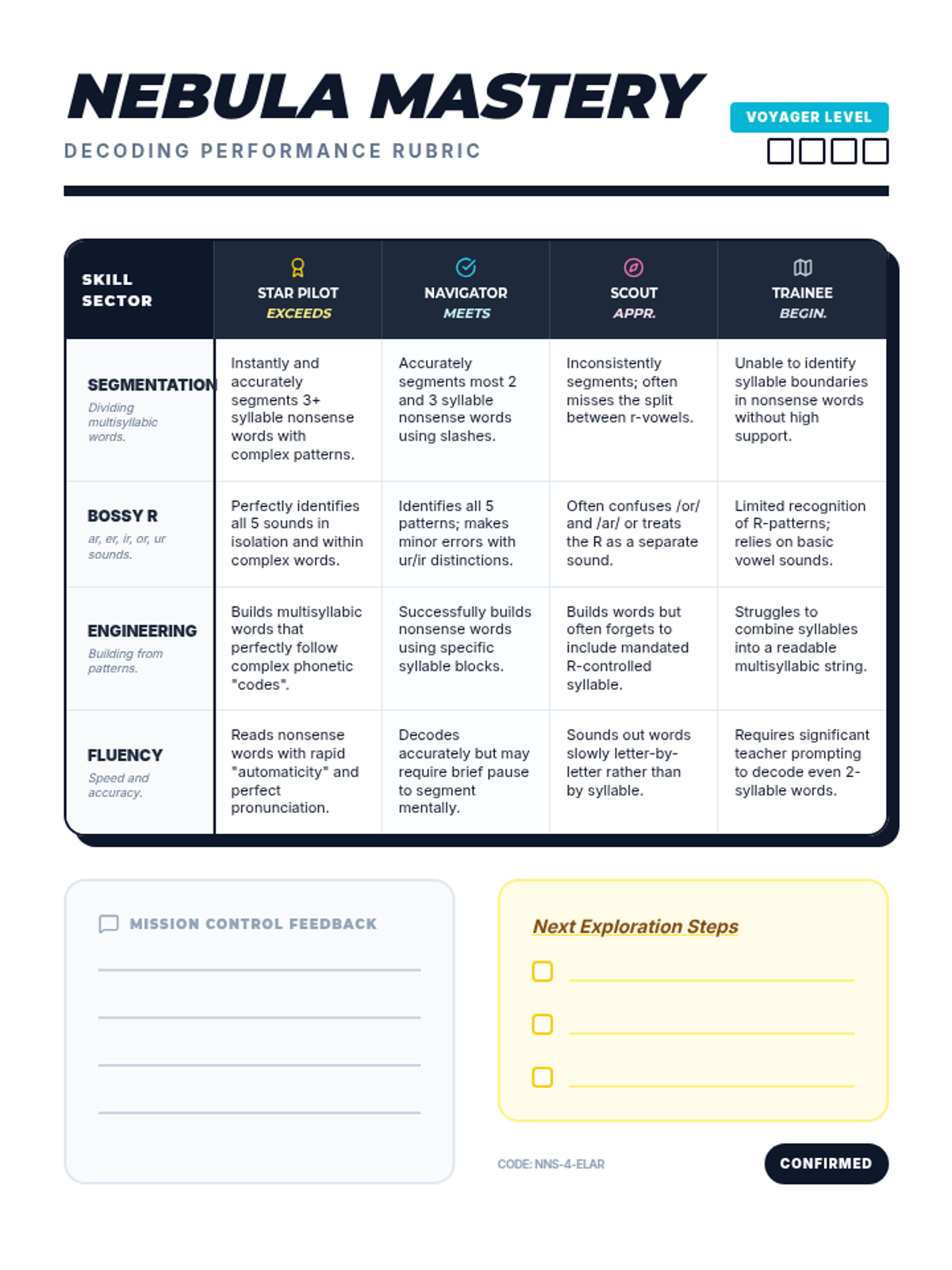
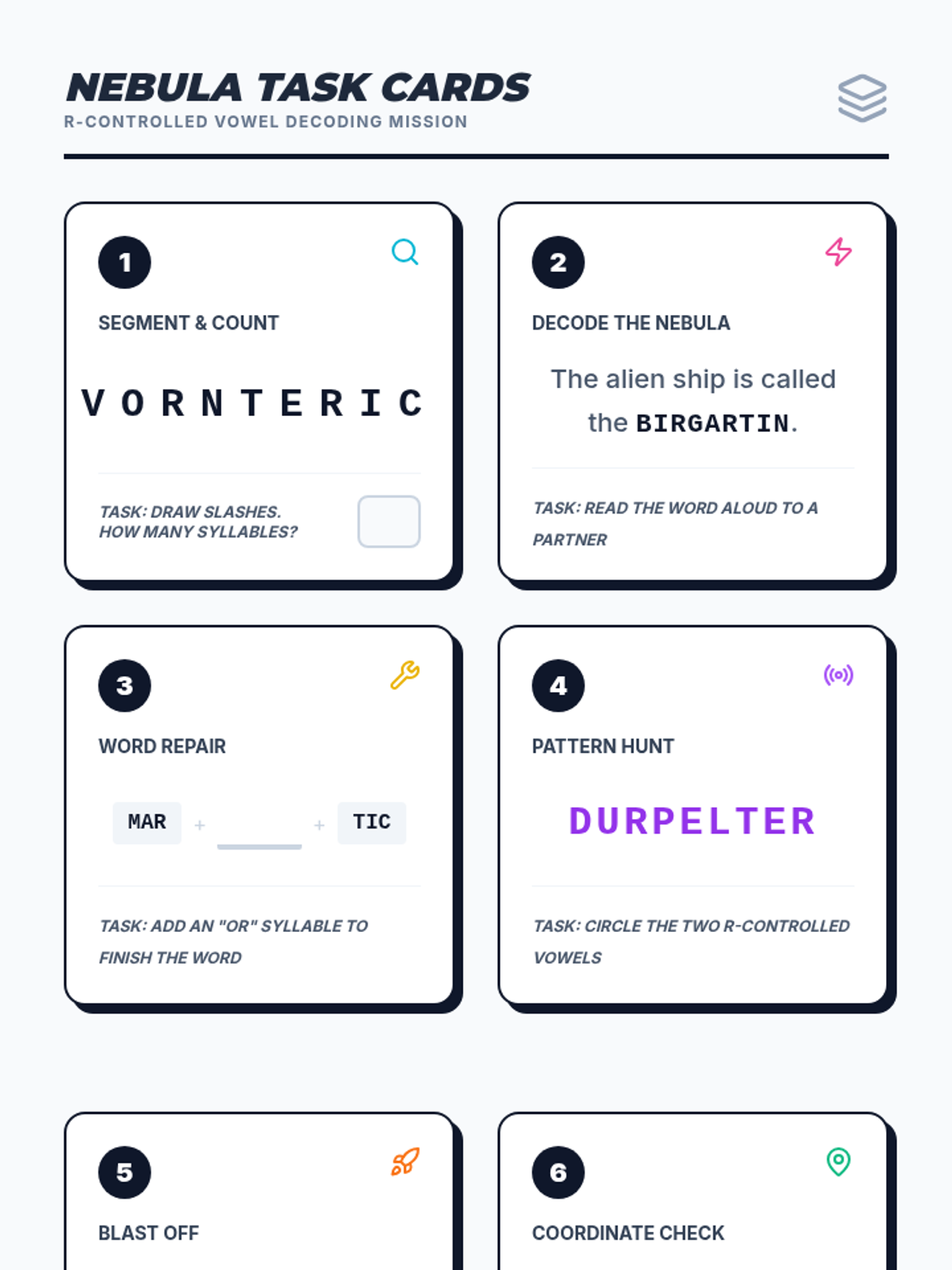
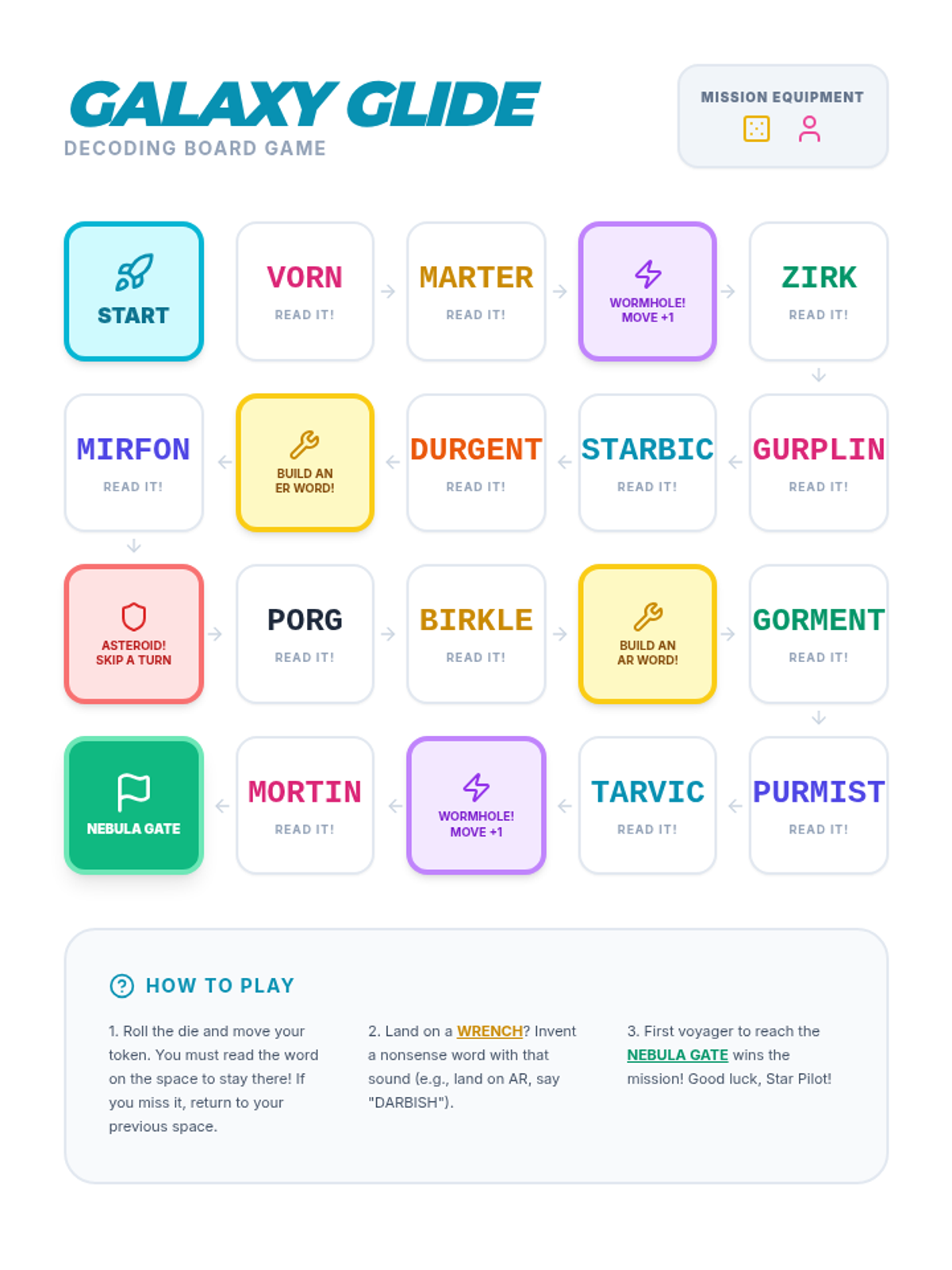
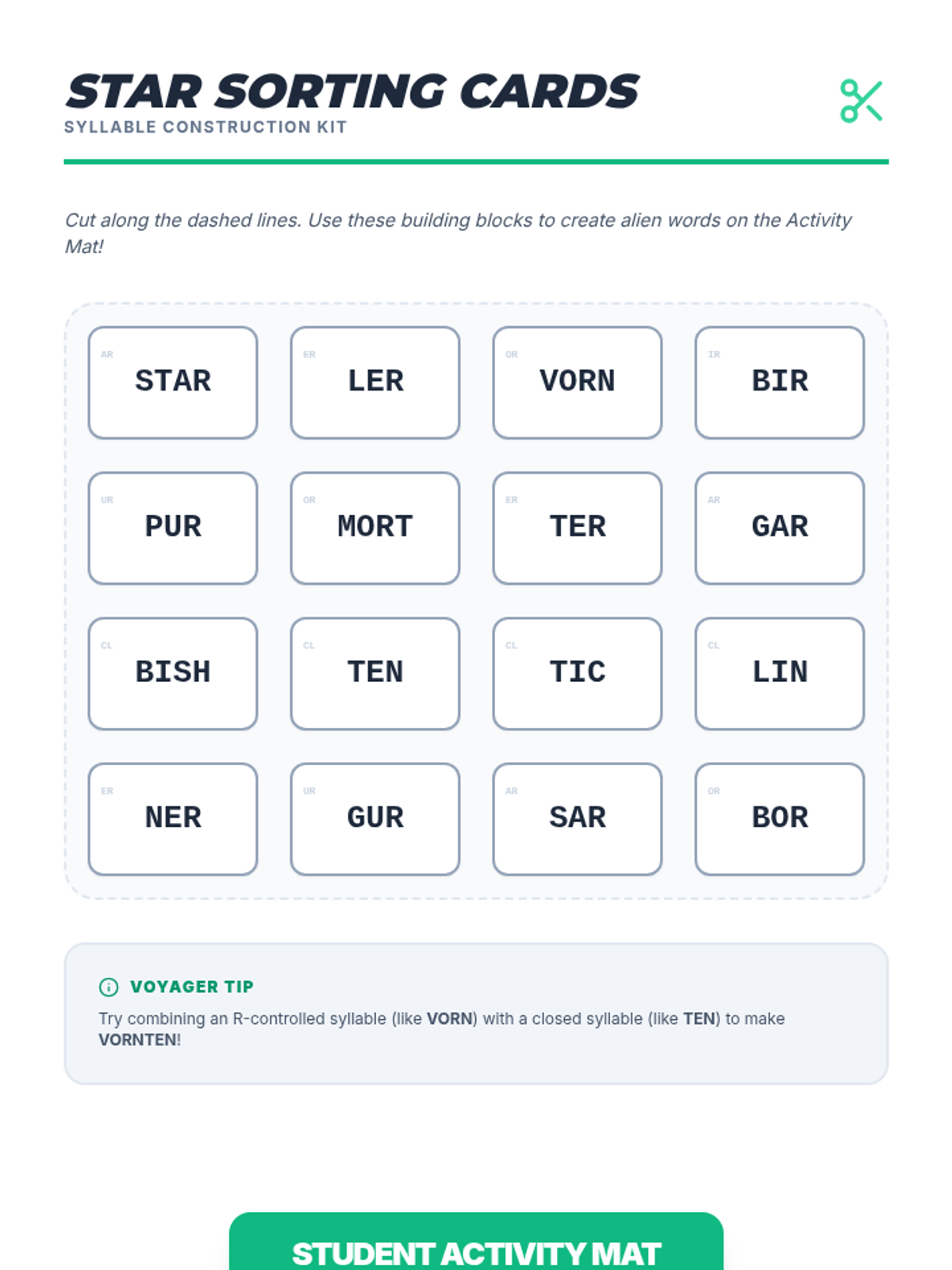
Students will identify, segment, and build multisyllabic nonsense words using R-controlled vowels (ar, er, ir, or, ur) to strengthen their decoding skills.
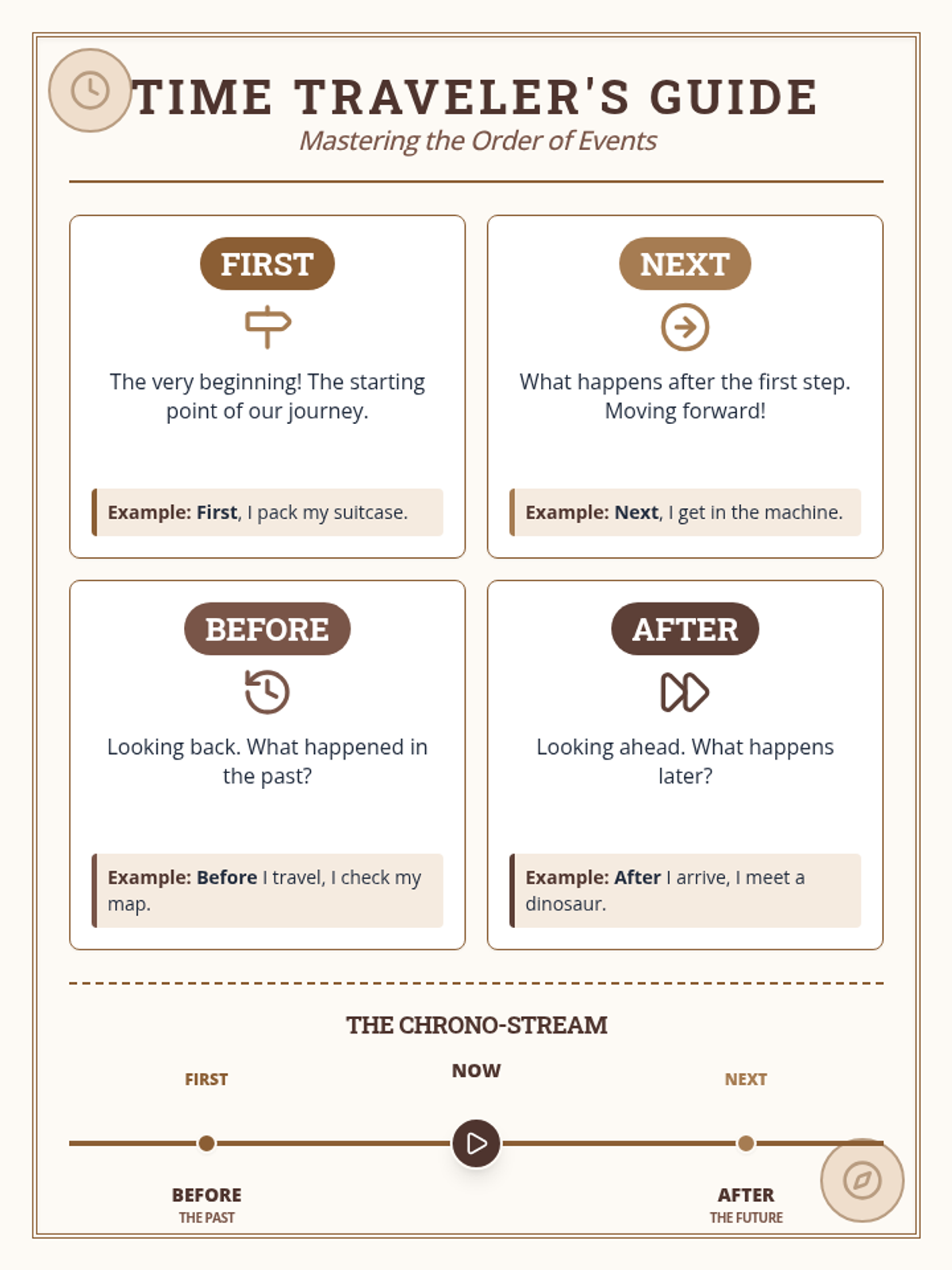
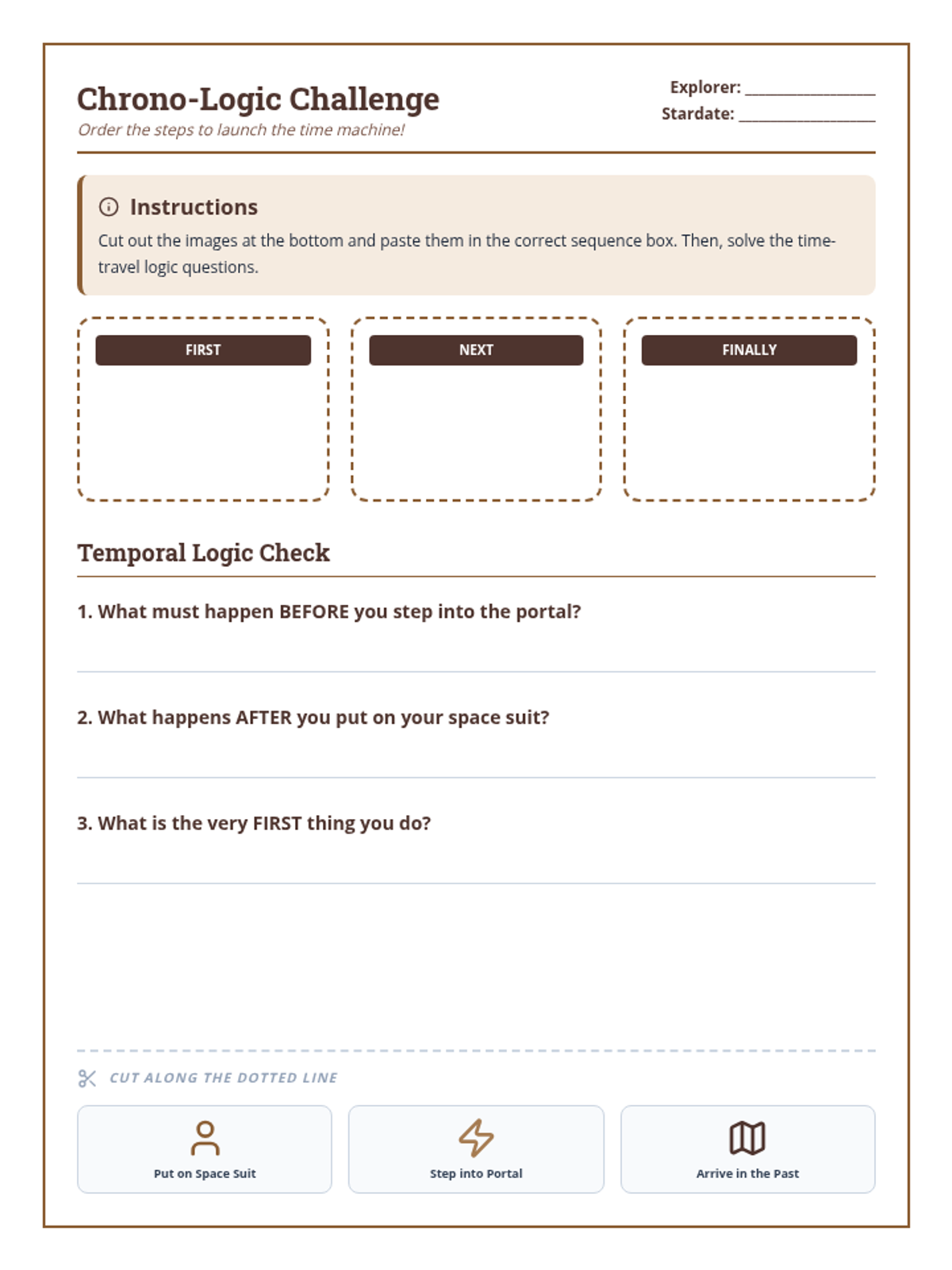
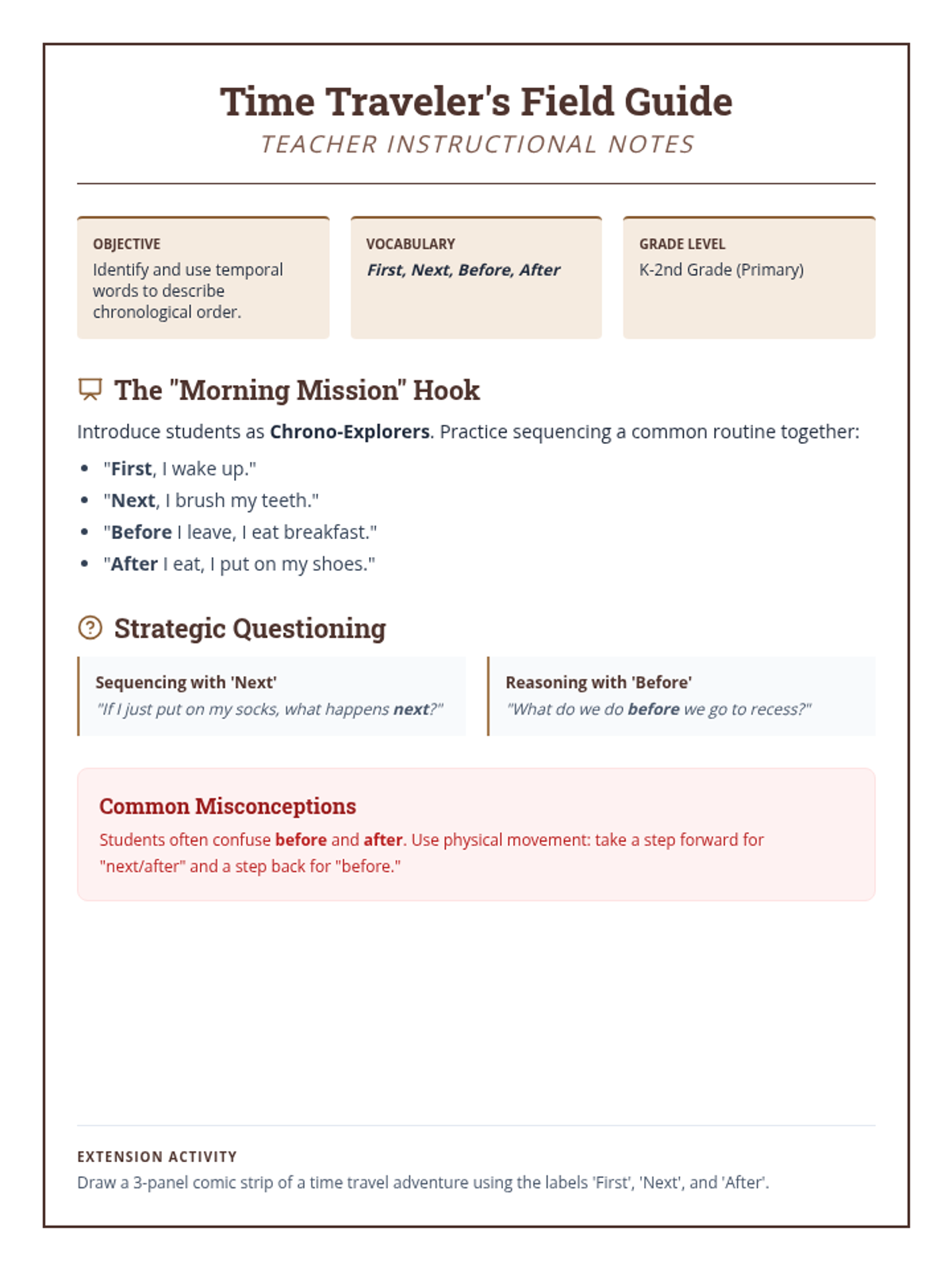
A foundational lesson on temporal sequencing words including 'first', 'next', 'before', and 'after' using a time-traveler theme to engage students in chronological order.
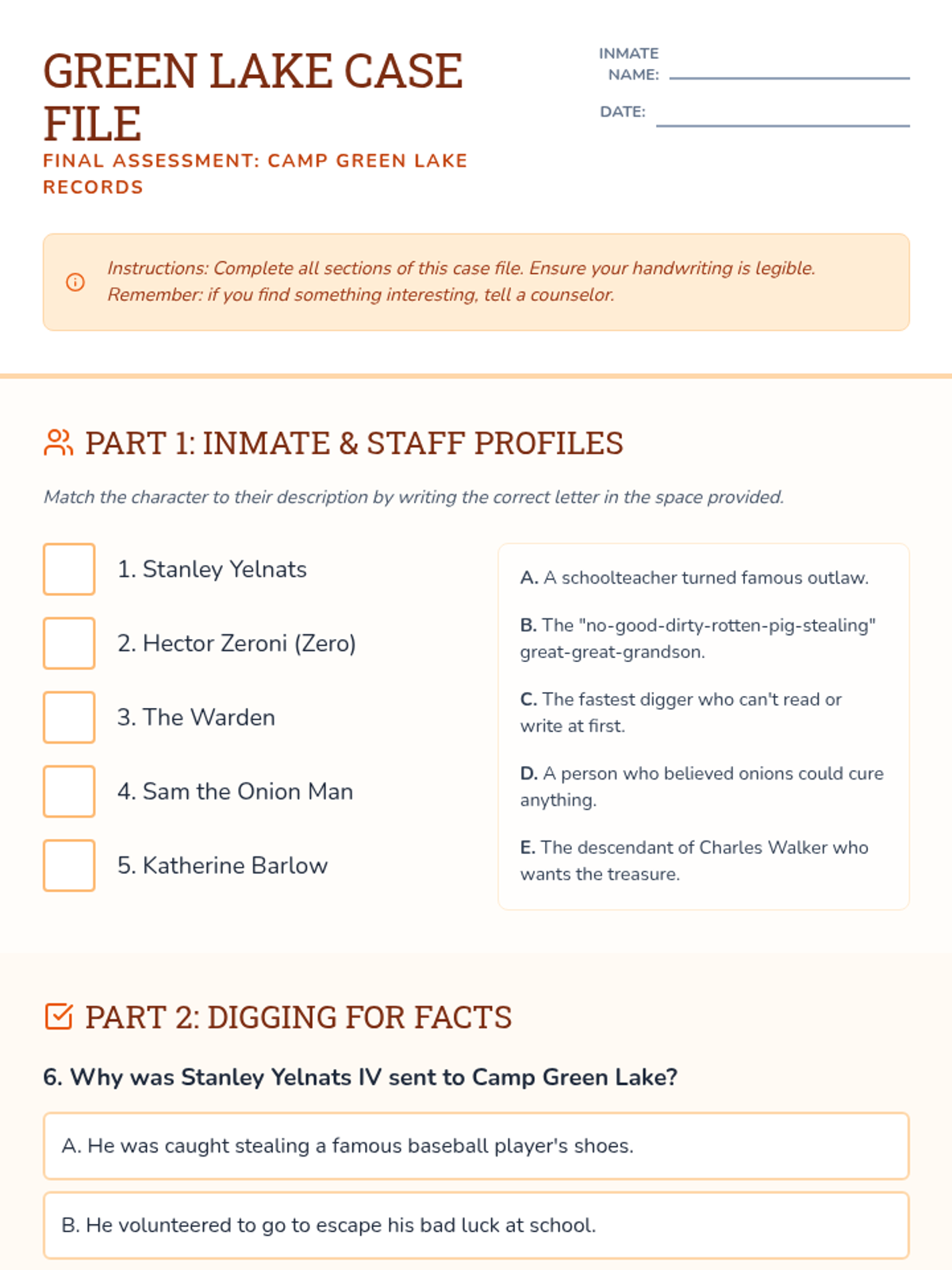
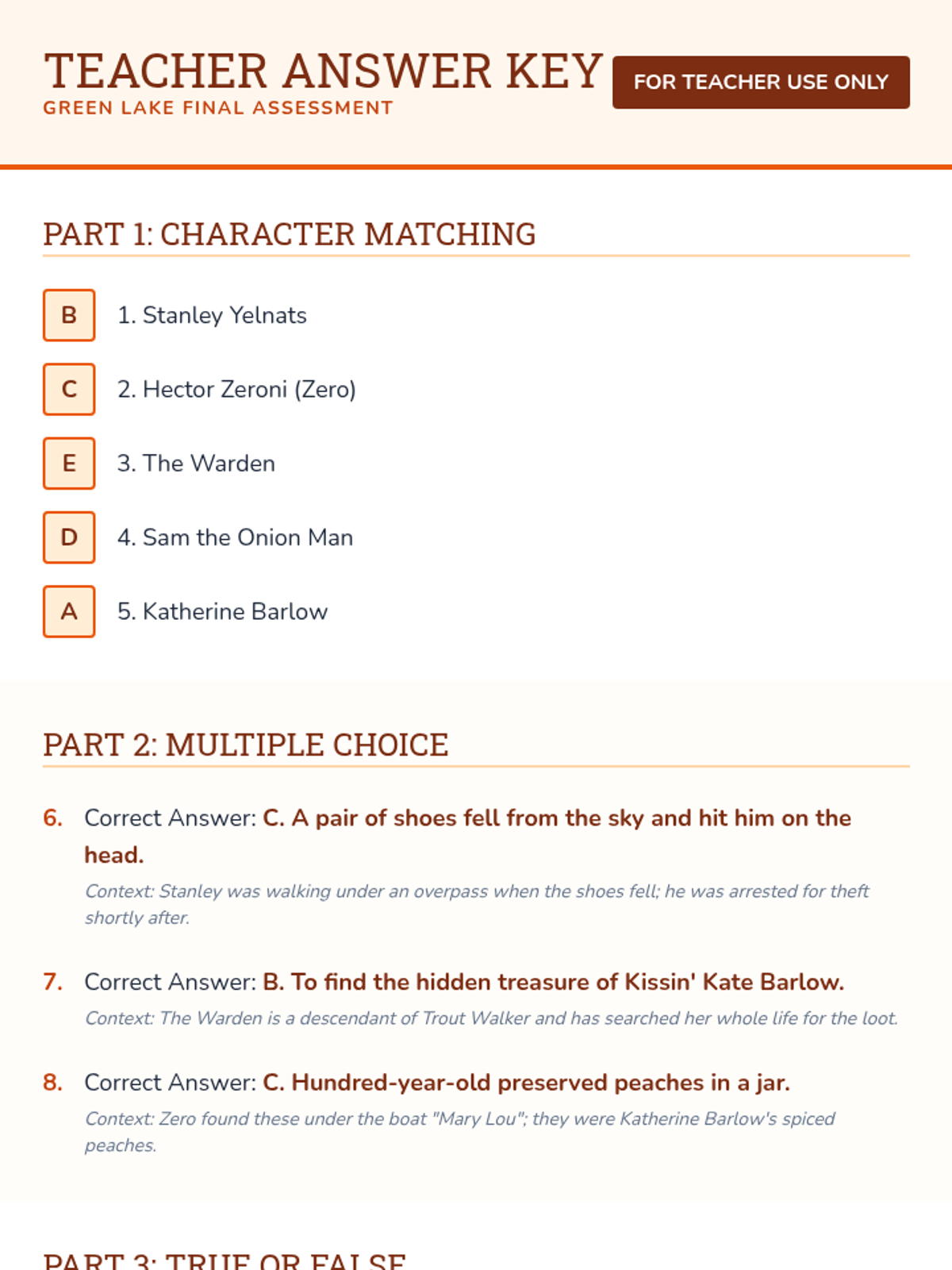
A final assessment and review lesson for the novel Holes by Louis Sachar, focusing on character identification, plot sequencing, and thematic connections. Students will complete a comprehensive test after a visual review of the major story arcs.
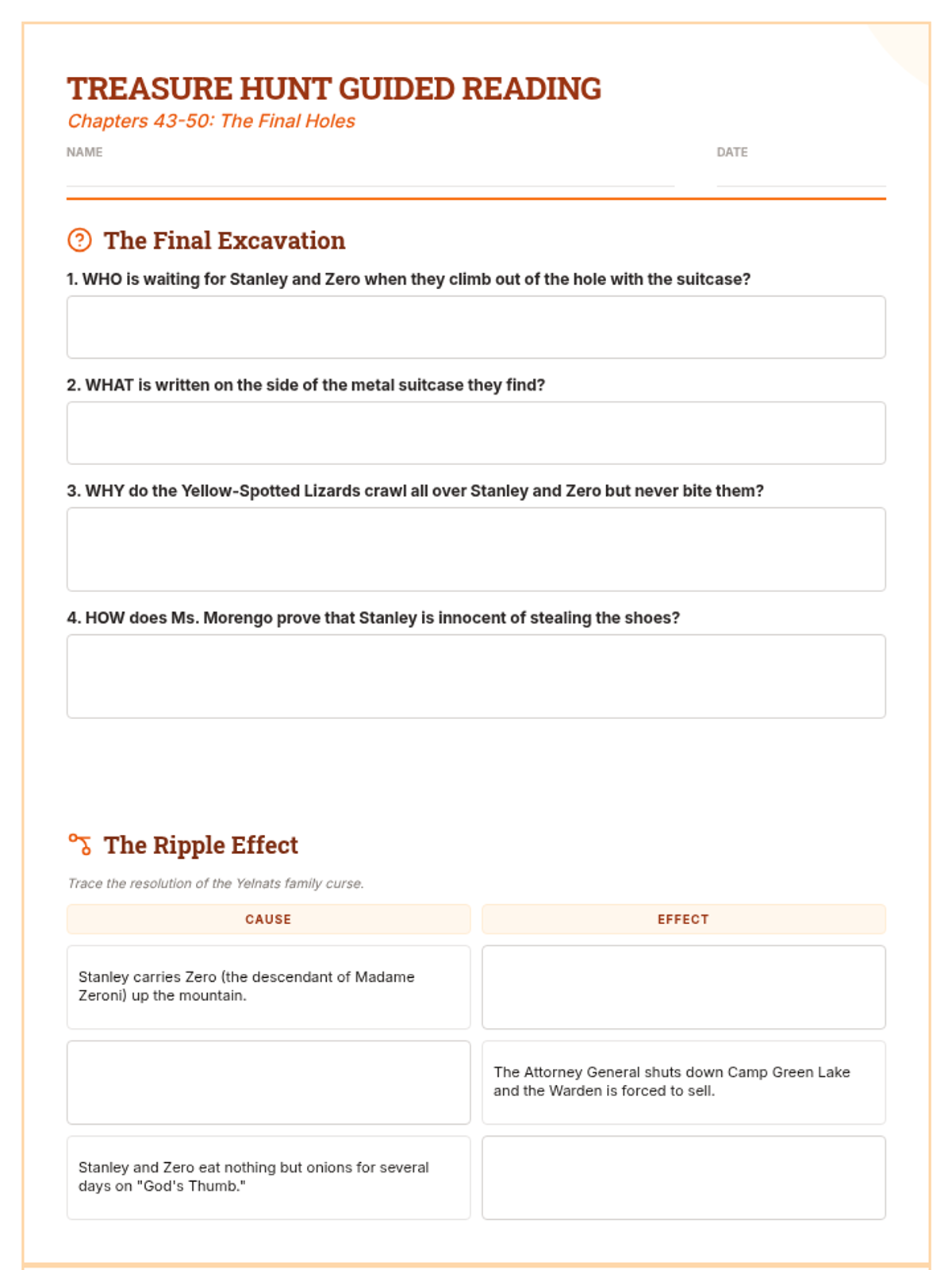
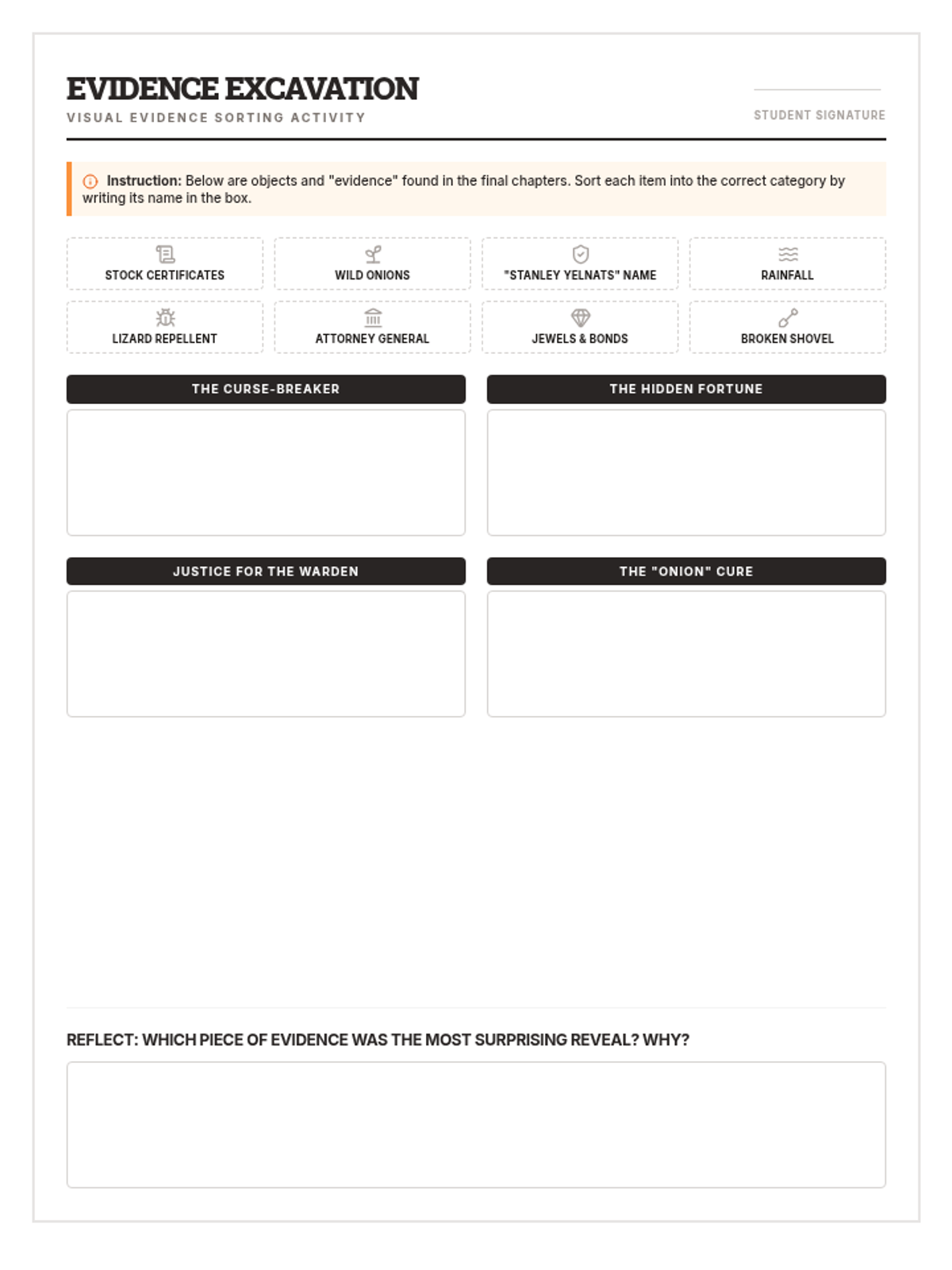
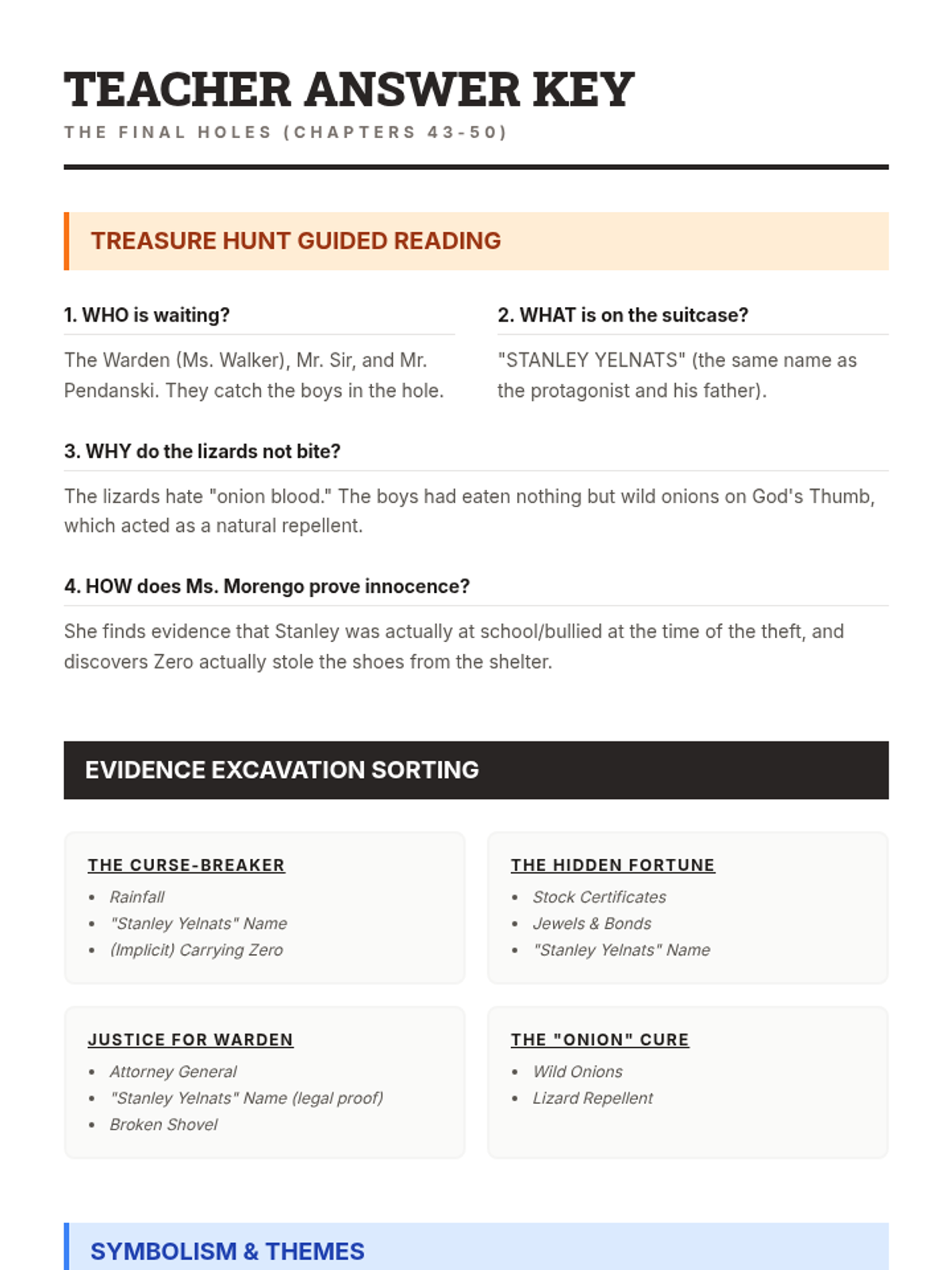
A comprehensive exploration of the final chapters of Holes (43-50), focusing on the resolution of the curse, the reveal of the treasure, and the symbolic cleansing of Camp Green Lake.
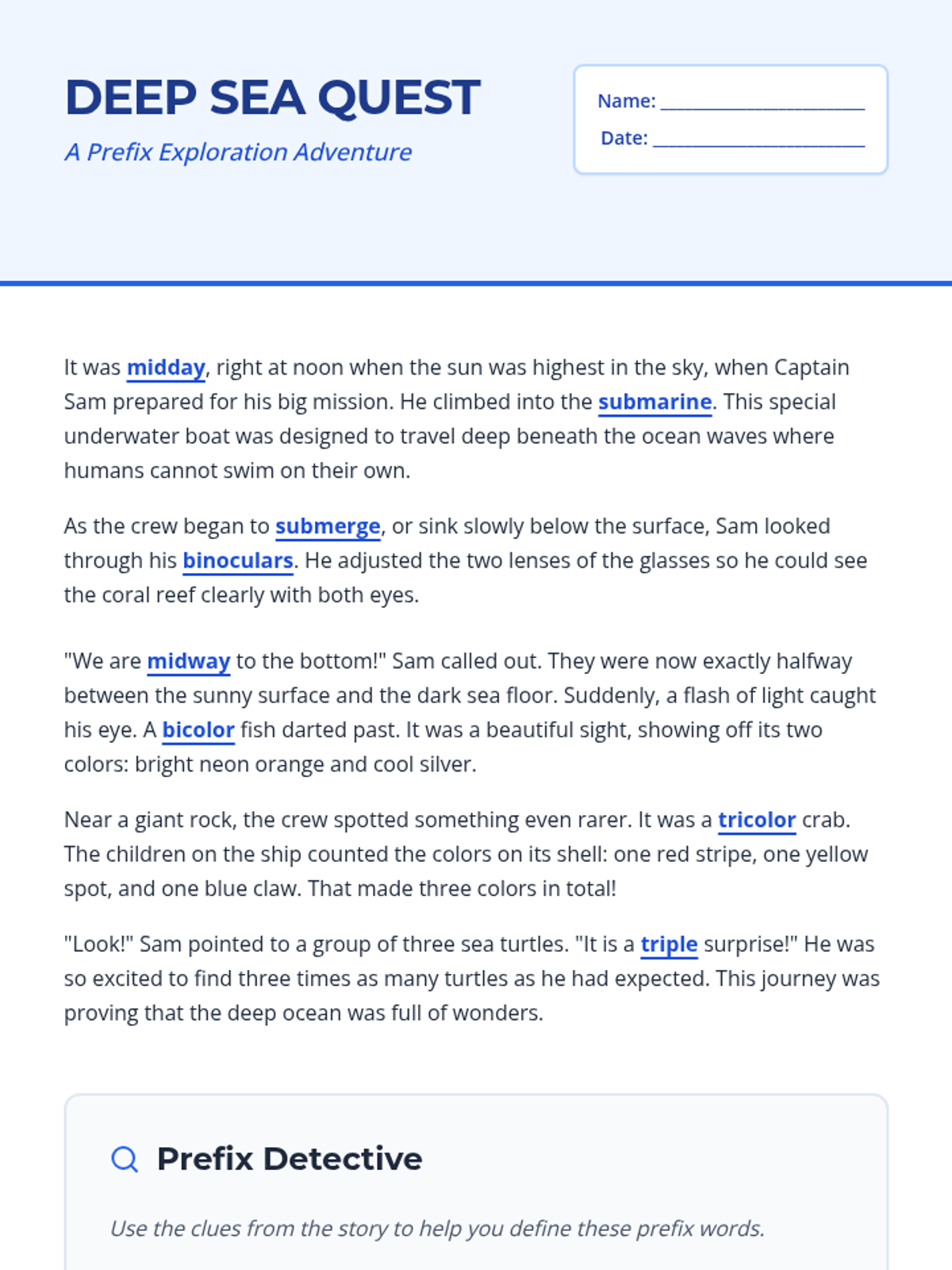
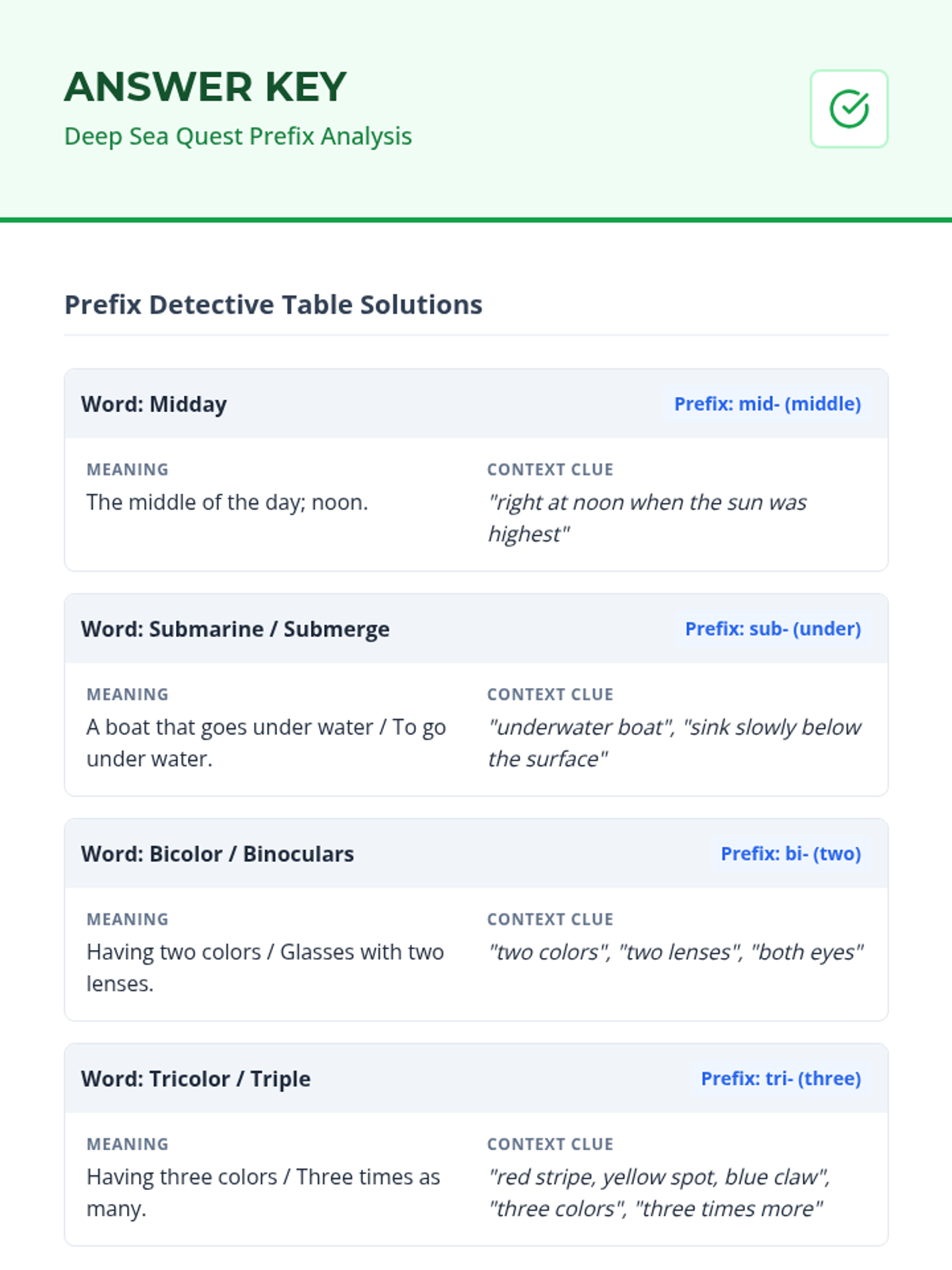
A reading-focused lesson that introduces 3rd-grade prefixes (bi-, tri-, sub-, mid-) through a narrative story and comprehension activities.
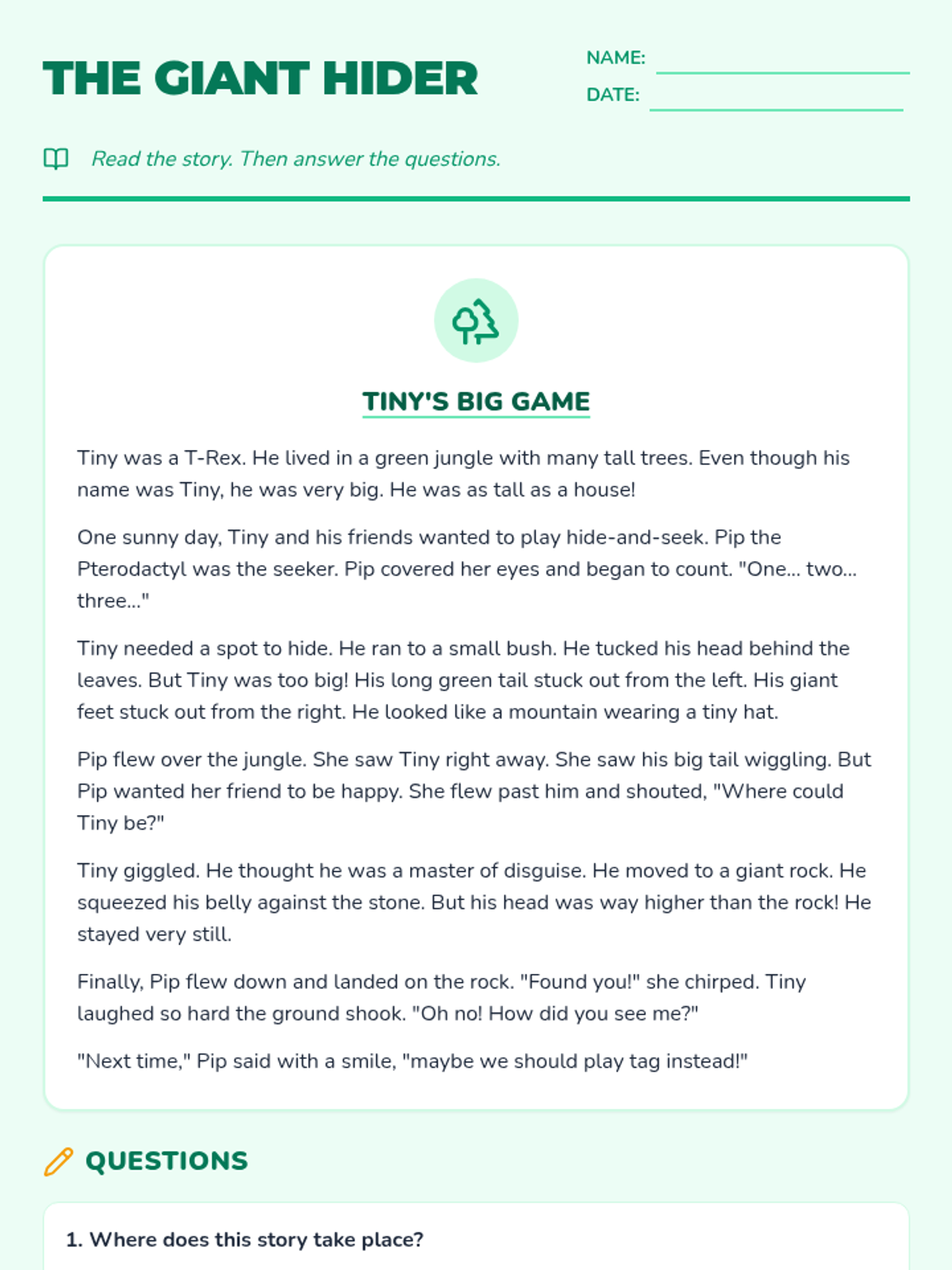
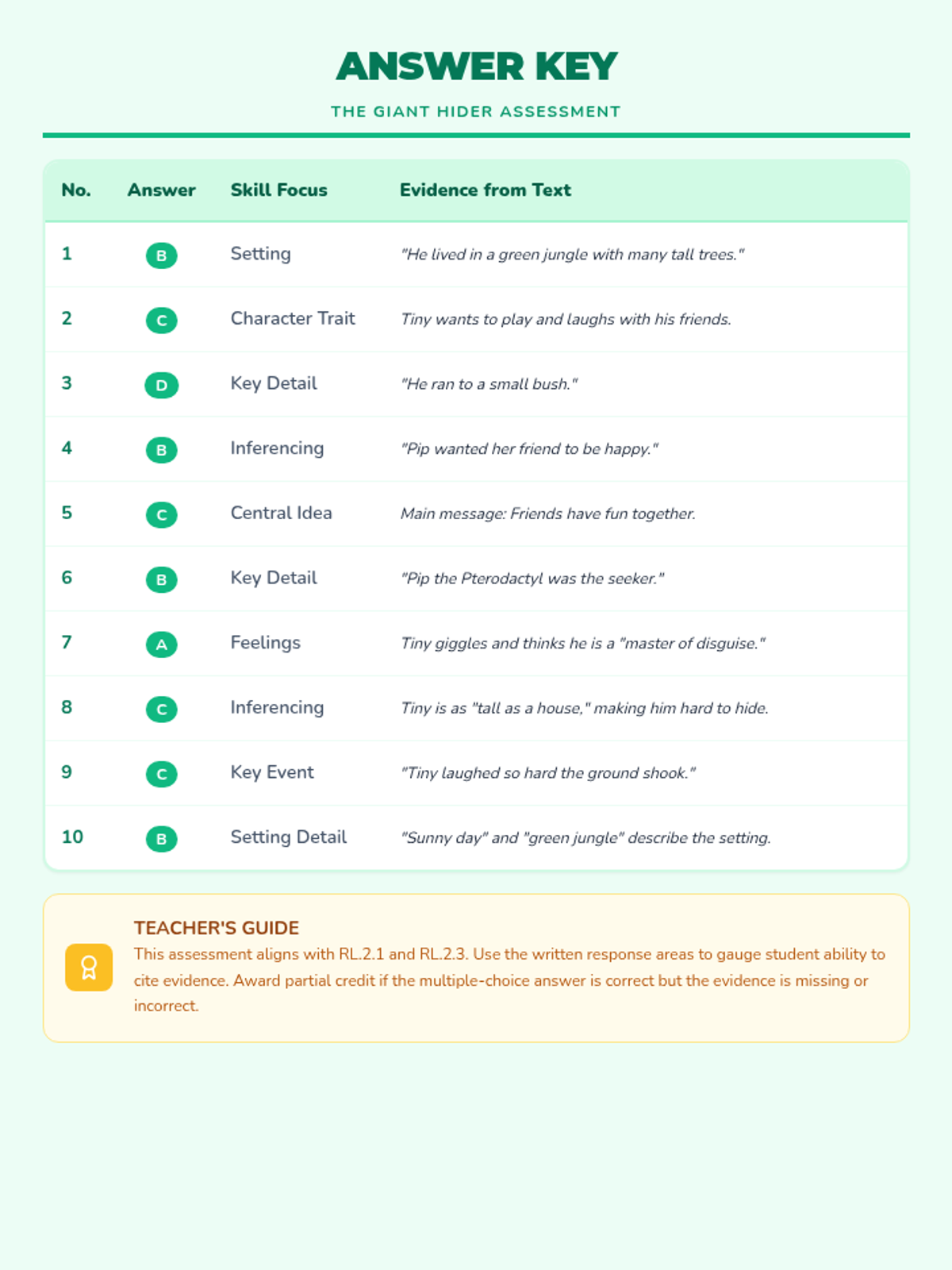
A reading comprehension lesson centered around a silly story of a T-Rex trying to hide. Focuses on setting, character traits, and key details.
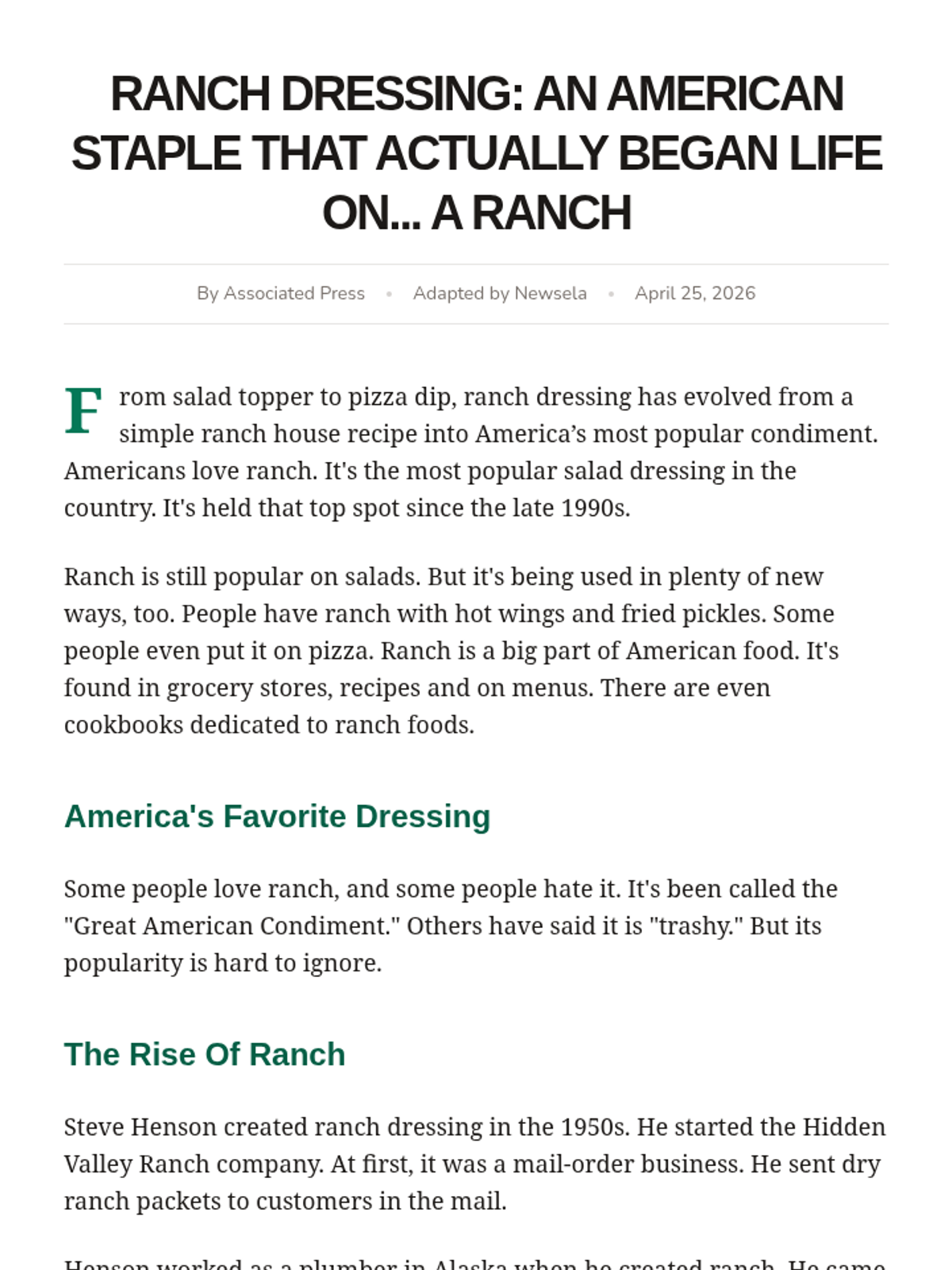
A lesson exploring the history and cultural impact of ranch dressing based on a Newsela article, featuring a reading comprehension worksheet and answer key.
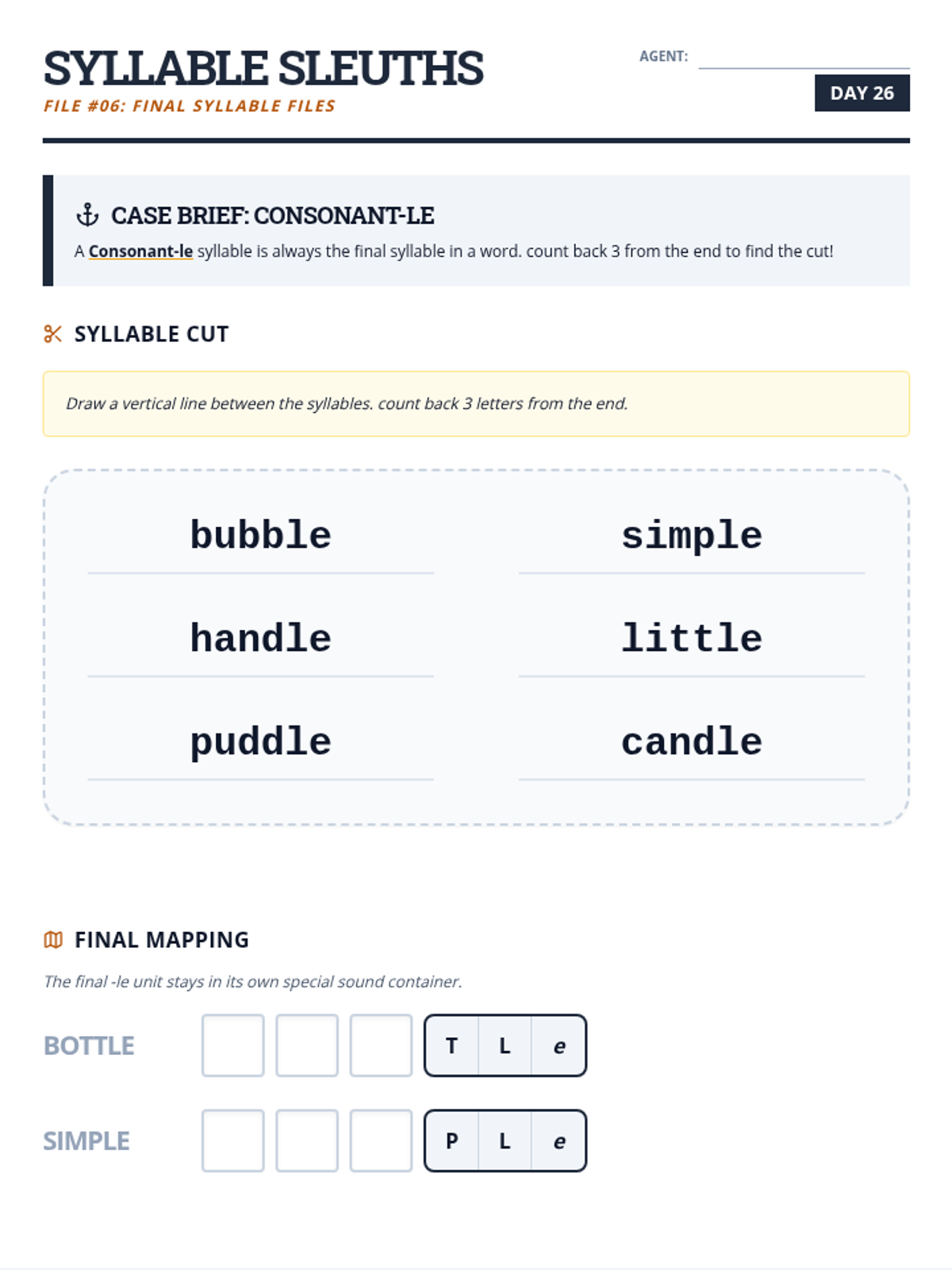
Mastering the final stable syllable 'Consonant-le' found at the end of multi-syllabic words.
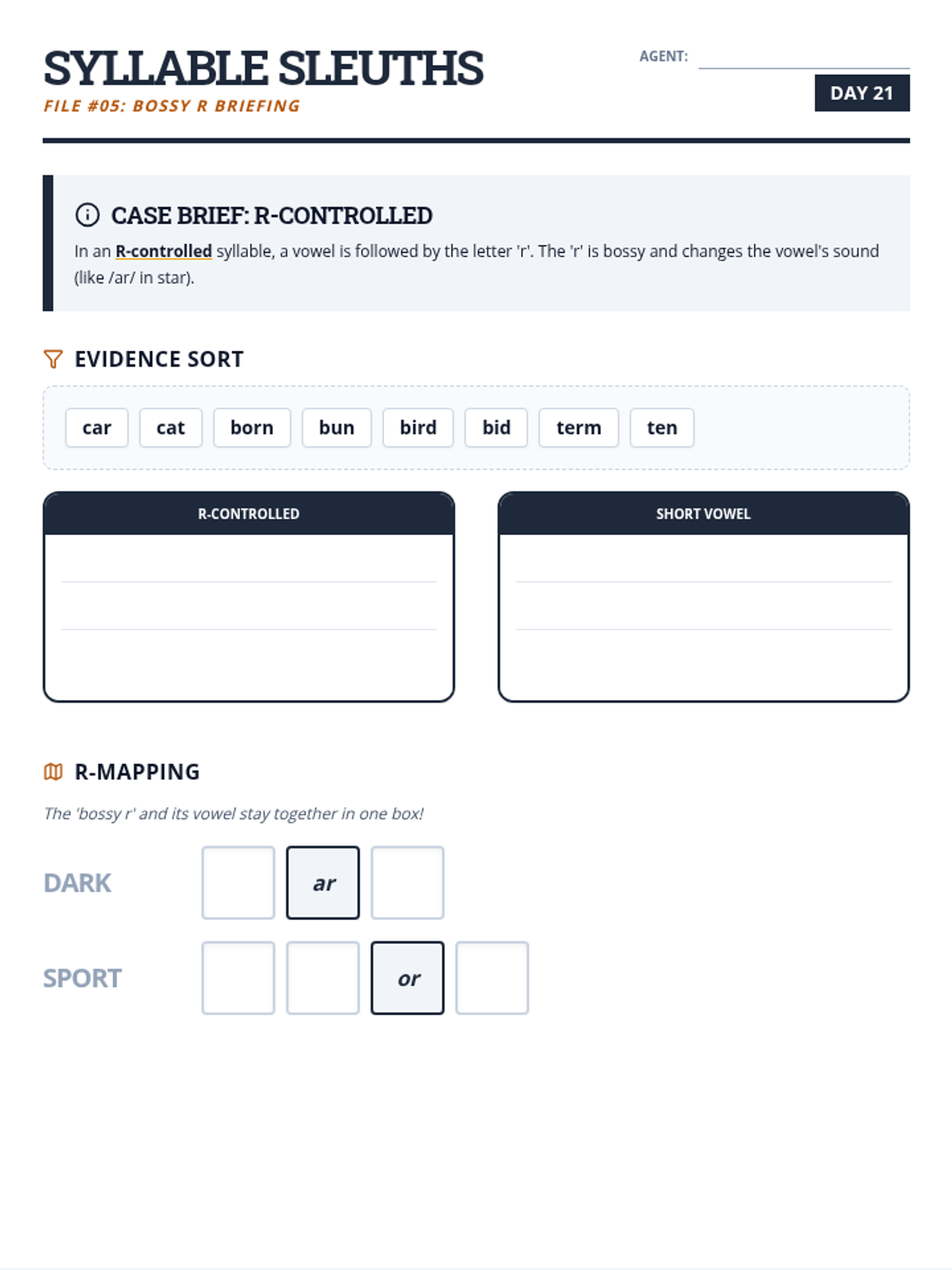
Analyzing how the 'Bossy R' influences the sound of the preceding vowel in R-controlled syllables.
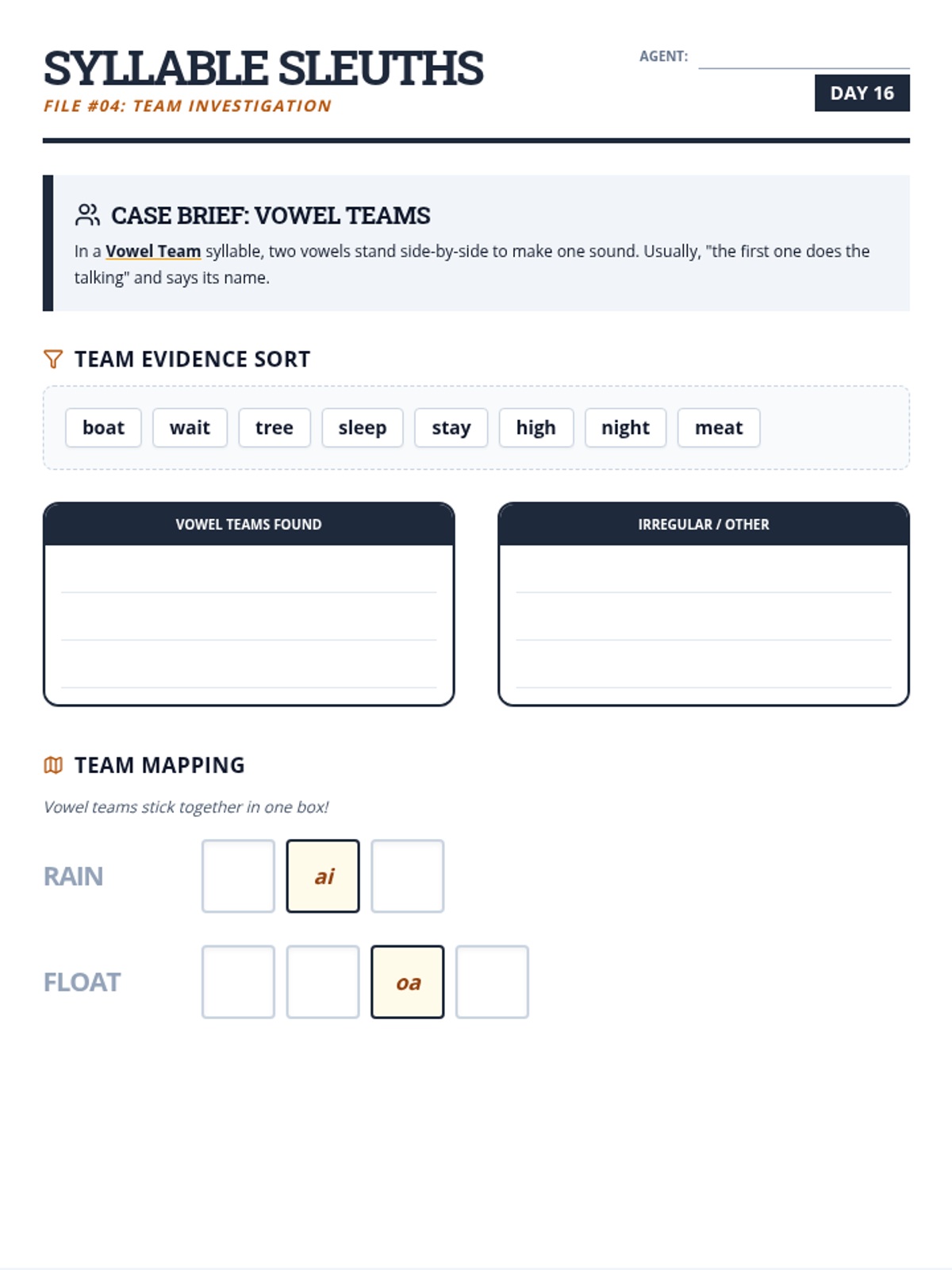
Tracking down vowel teams where two vowels work together to create a specific long or unique vowel sound.
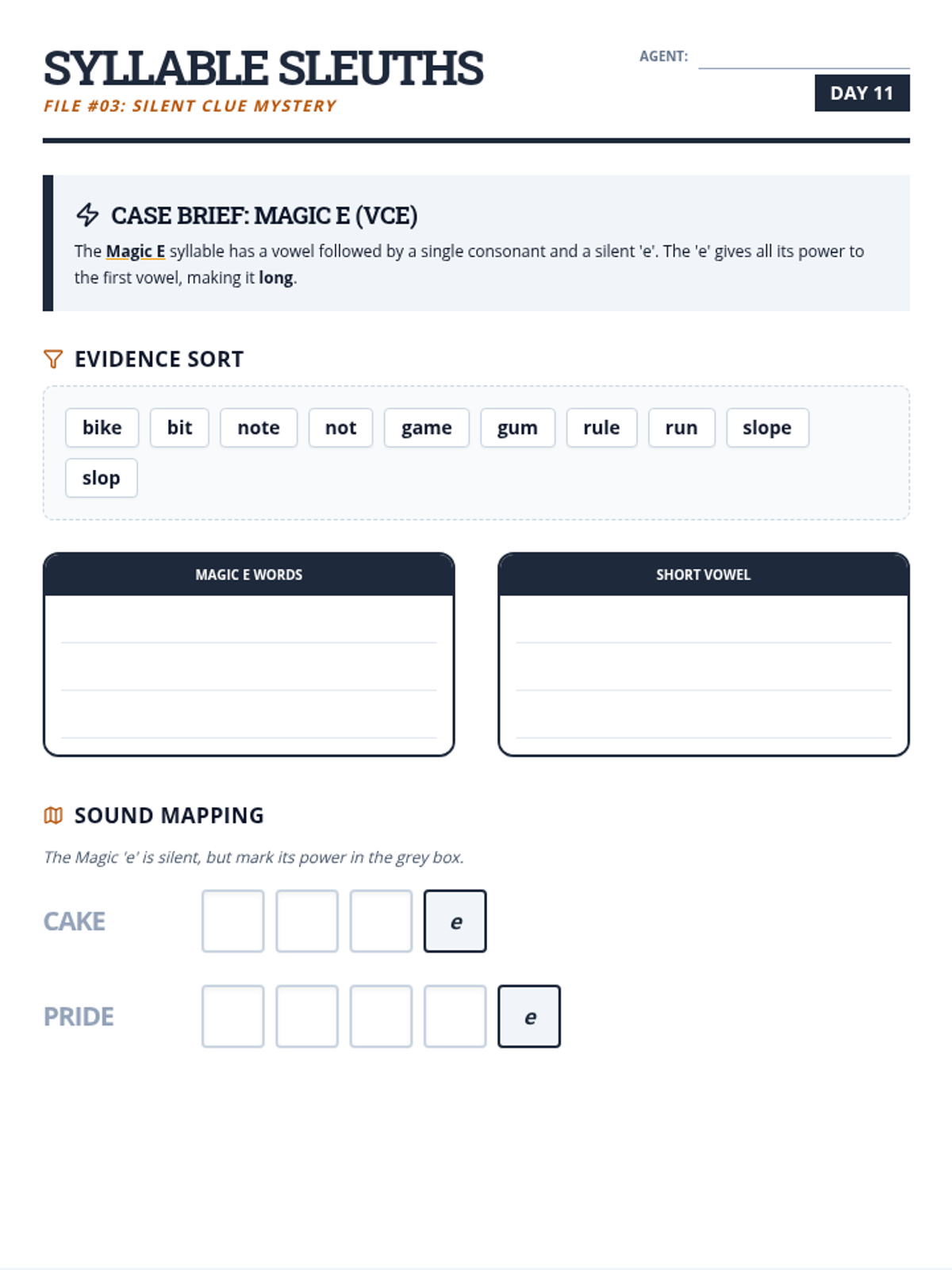
Deciphering the Magic E (VCe) pattern where a silent 'e' at the end of a syllable makes the preceding vowel long.
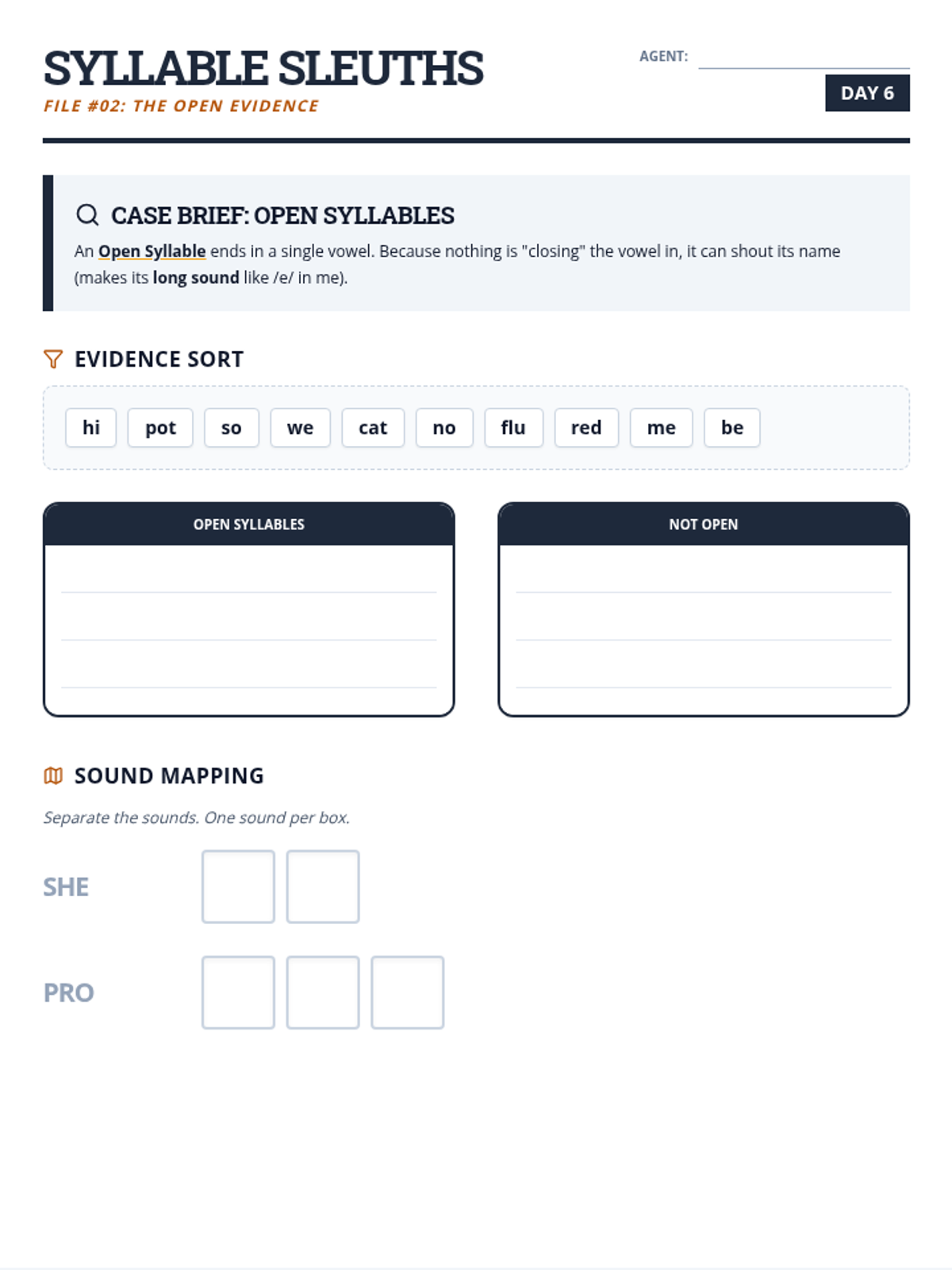
Exploring open syllables that end in a single vowel, which typically makes its long sound.
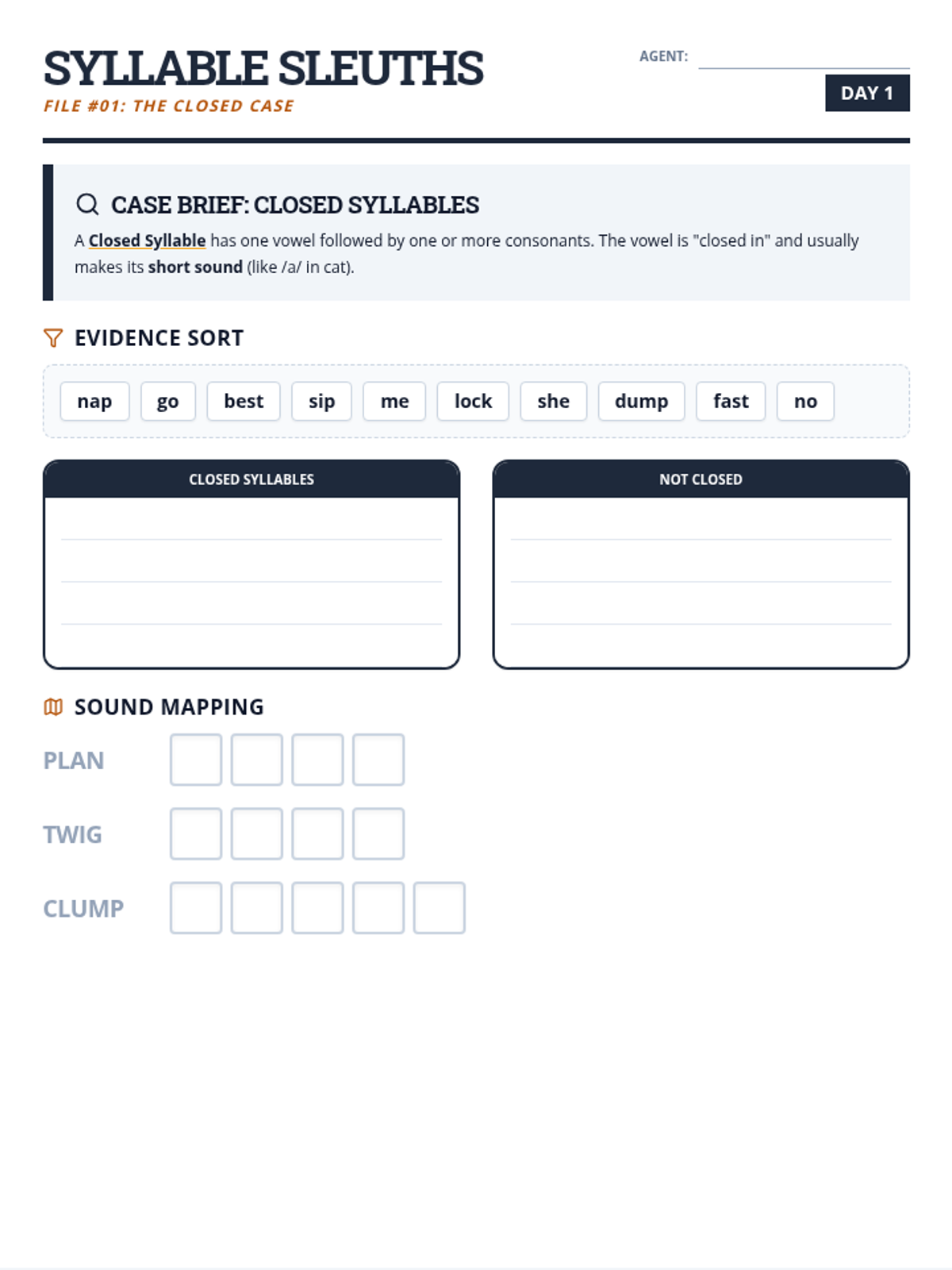
Investigation of closed syllables where a single vowel is followed by one or more consonants, resulting in a short vowel sound.
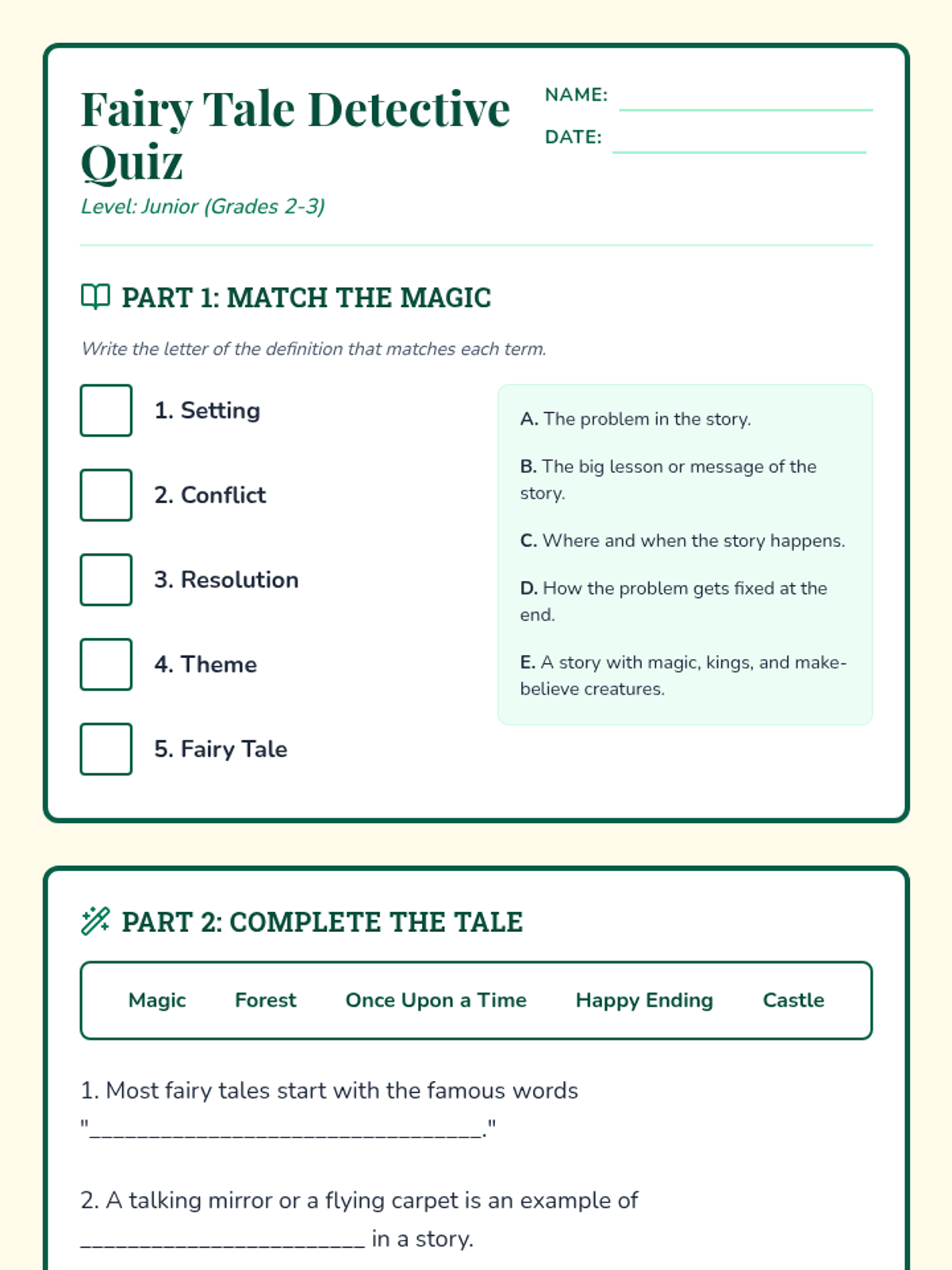
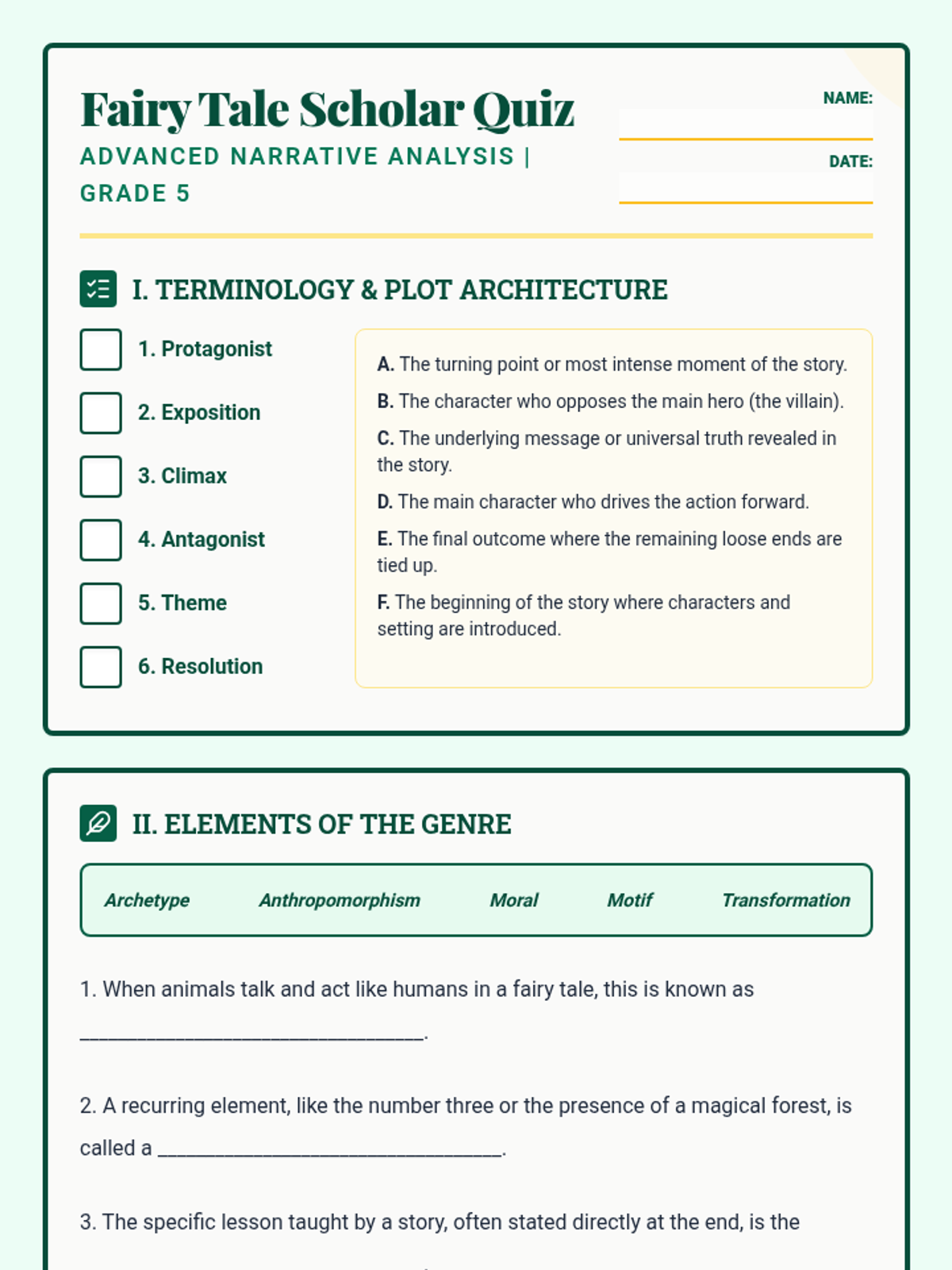
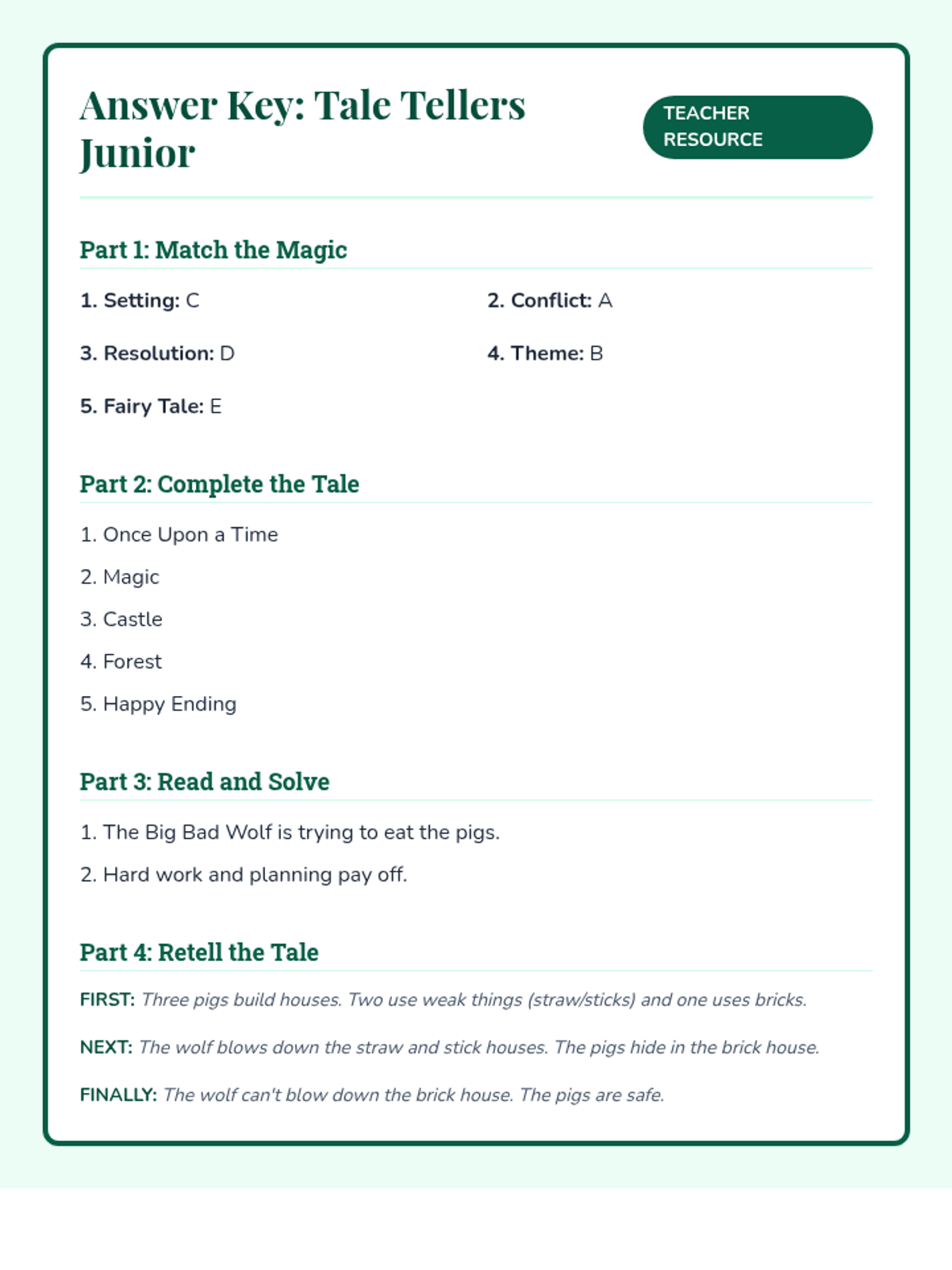
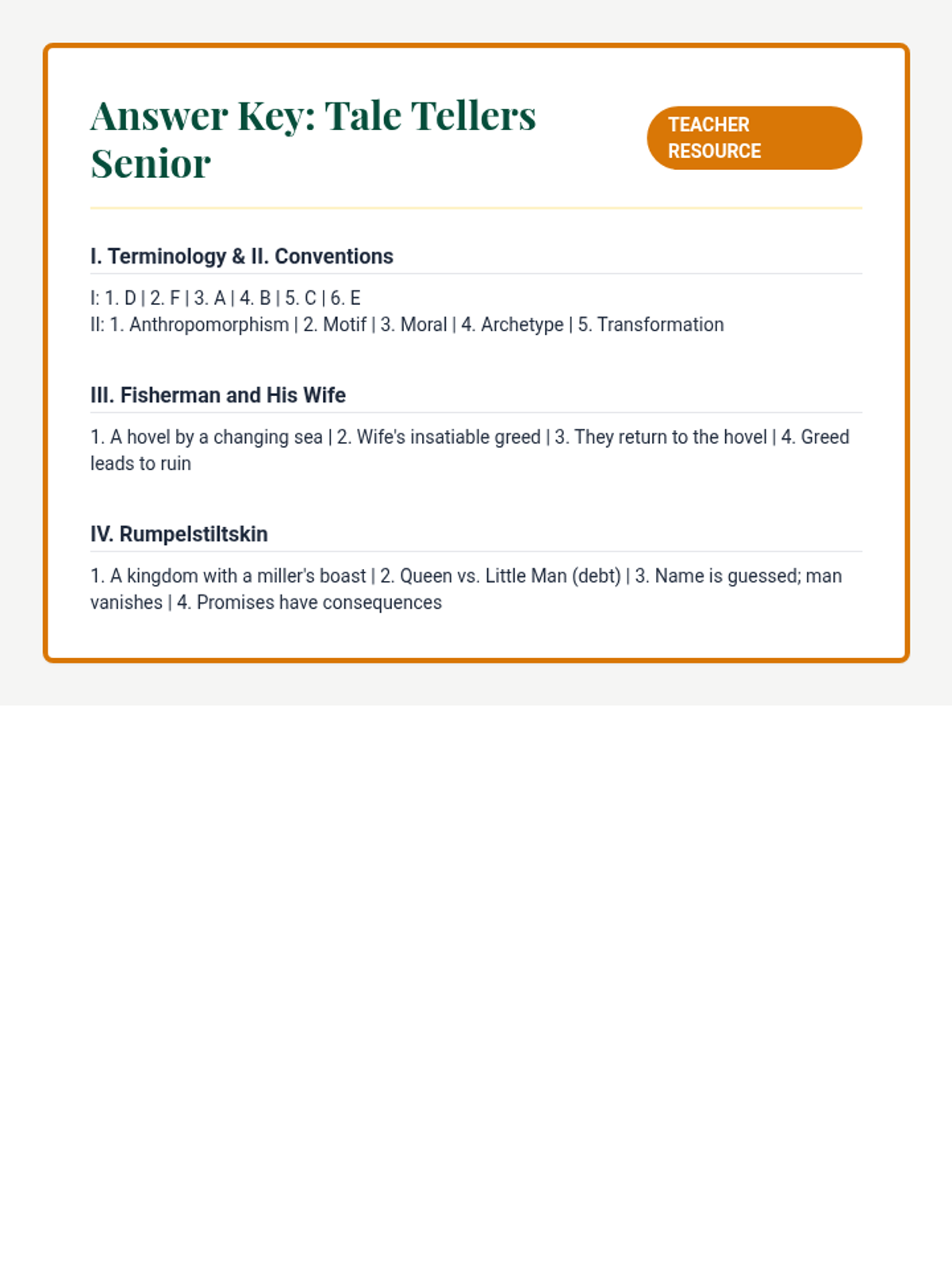
A comprehensive assessment on fairy tale elements and plot structures for elementary students, featuring two differentiated levels to meet specific grade-level standards.