Students investigate why the bald eagle was chosen as the national bird by observing its physical traits and behaviors. They search for eagle imagery on coins and official seals.
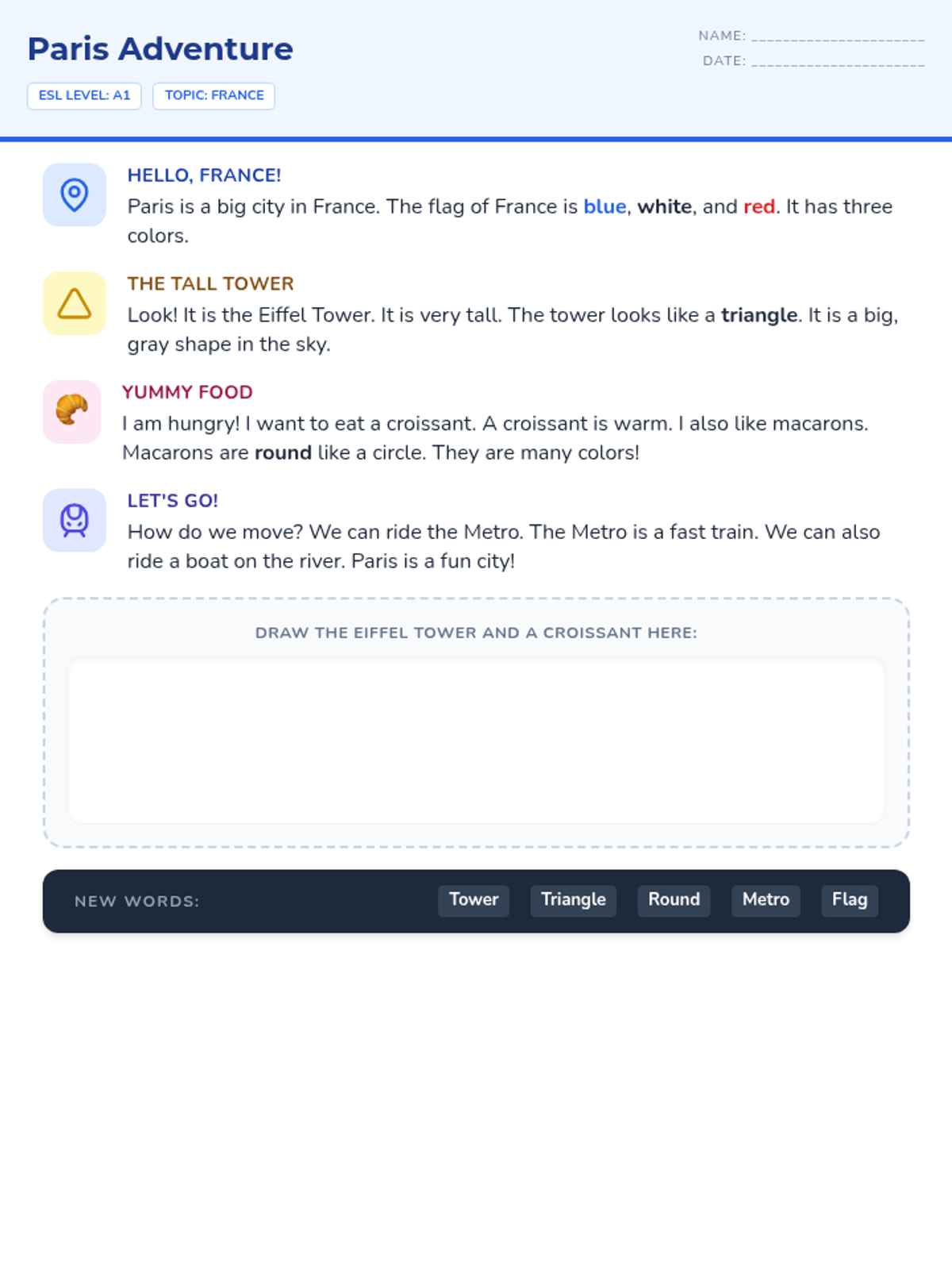
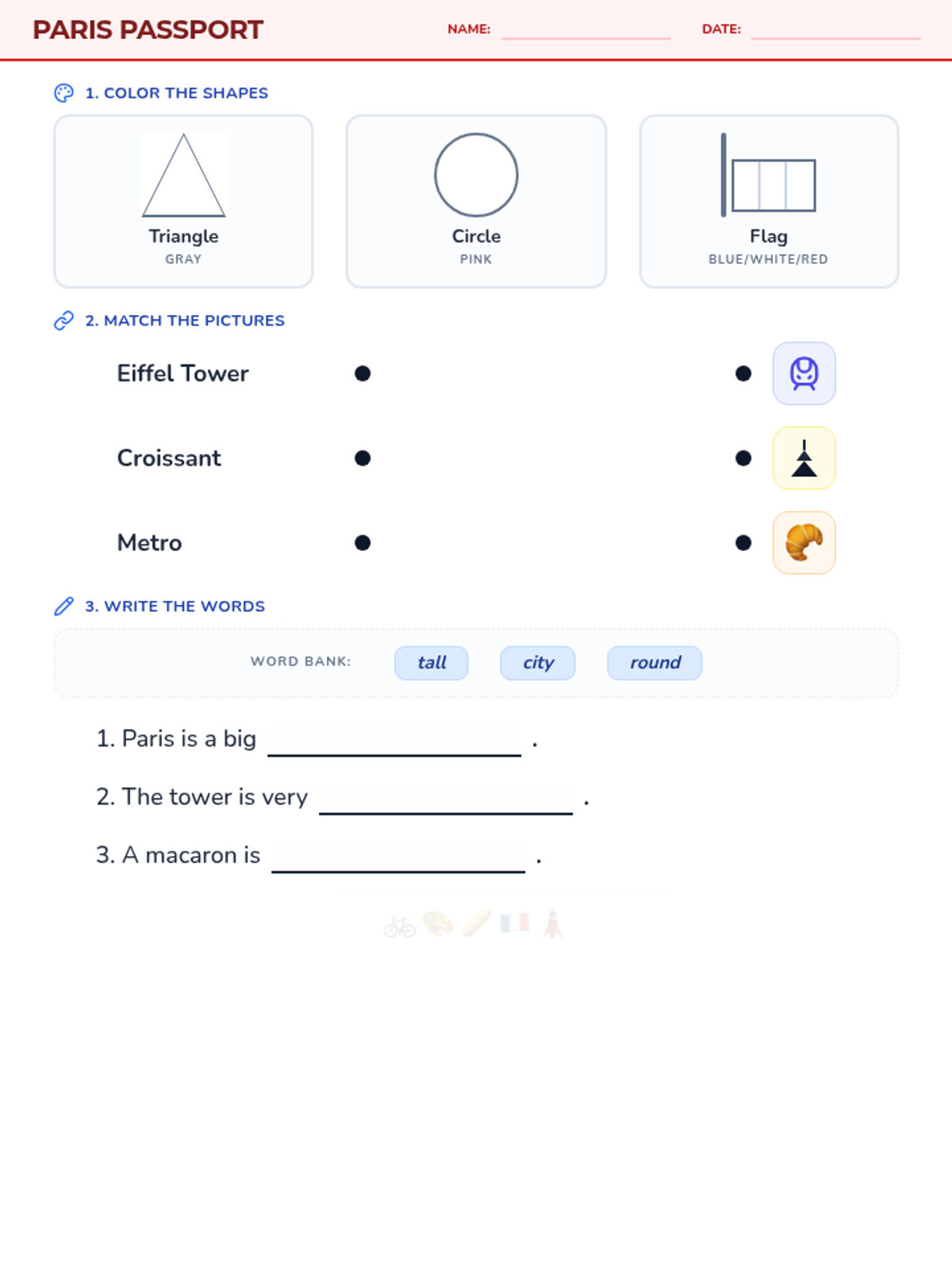
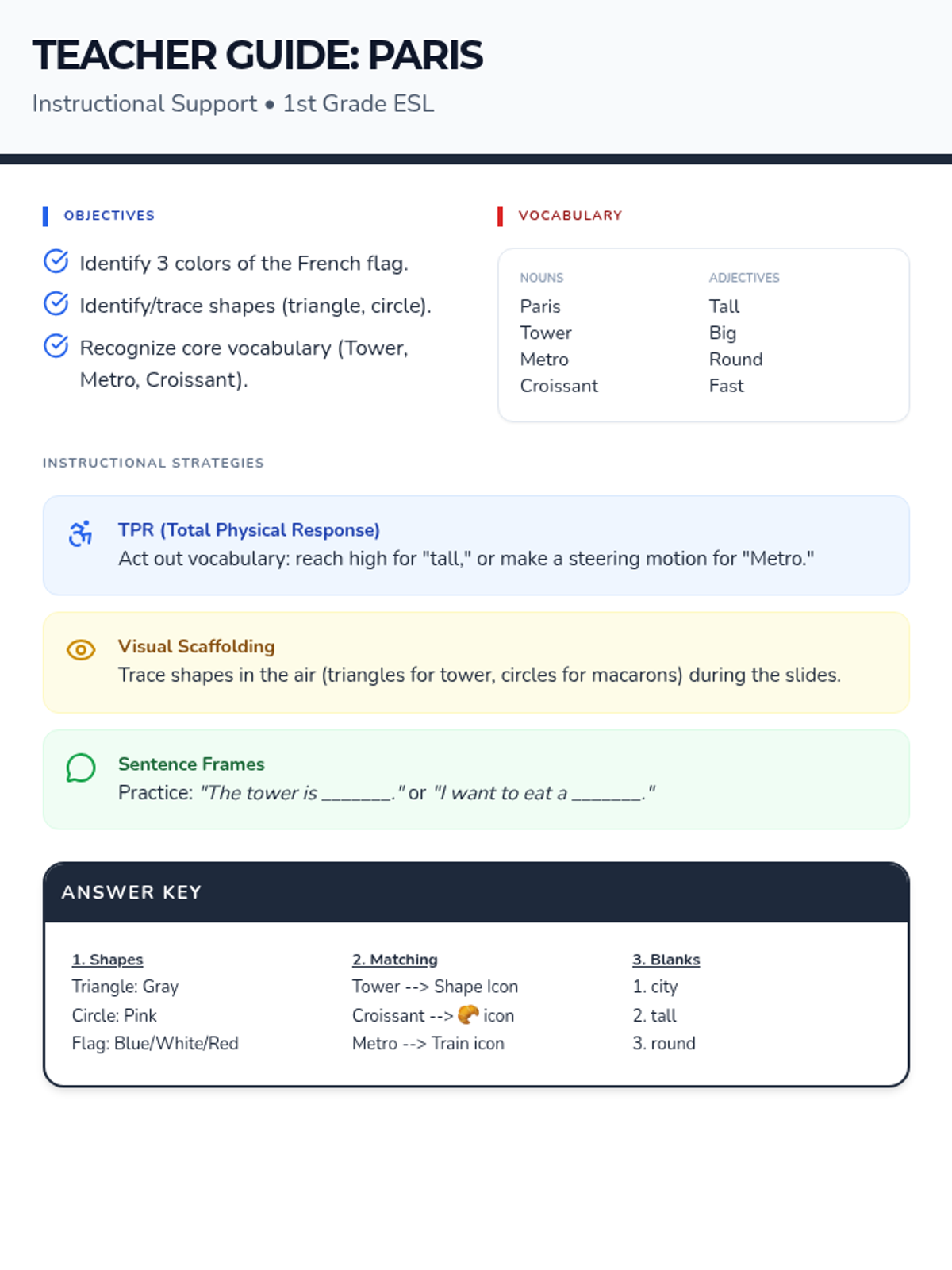
A beginner-friendly introduction to Paris, France, designed for 1st-grade ESL students. This lesson covers iconic landmarks, French food, basic colors, and modes of transportation through simple language and vibrant visuals.
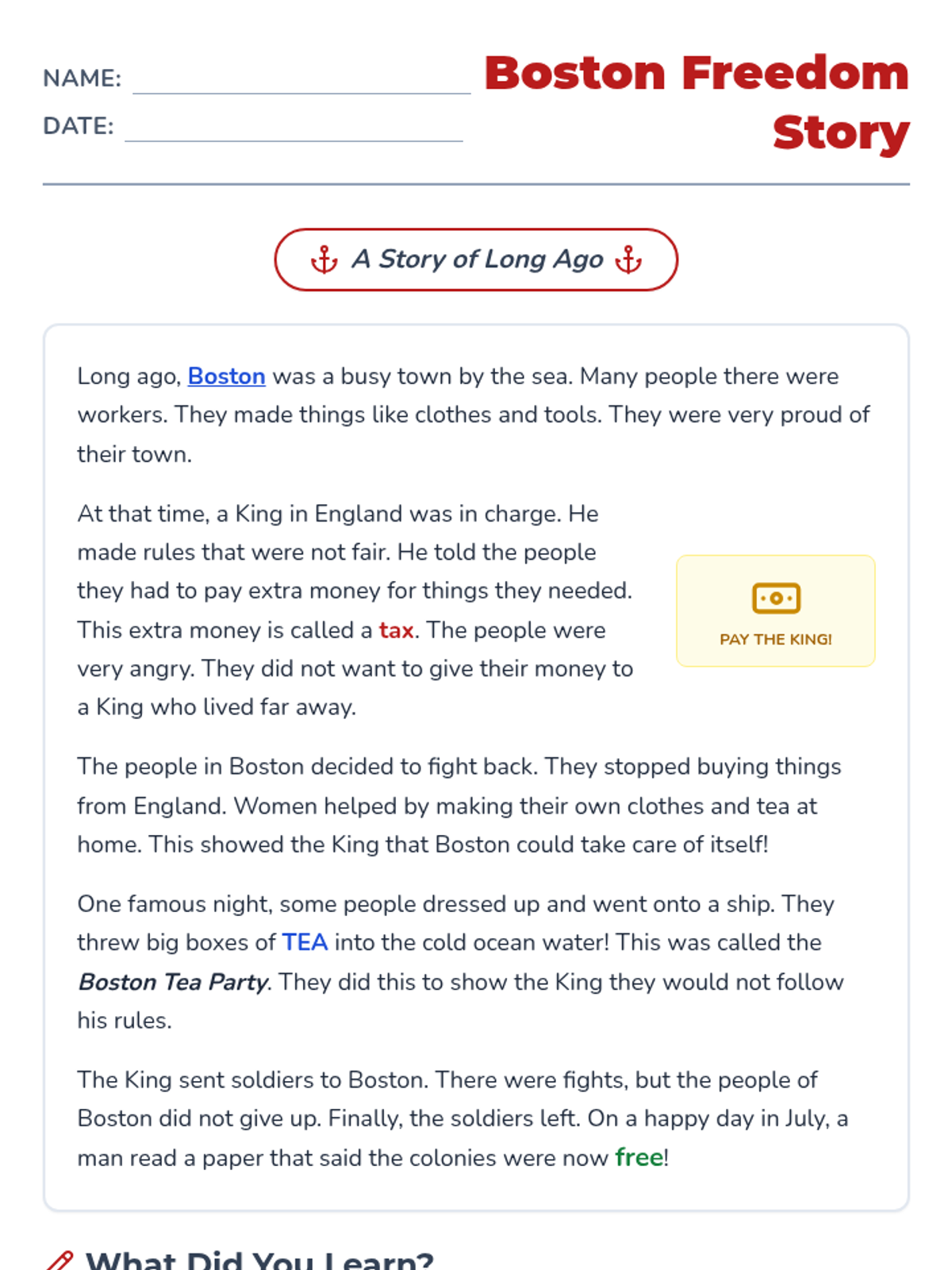
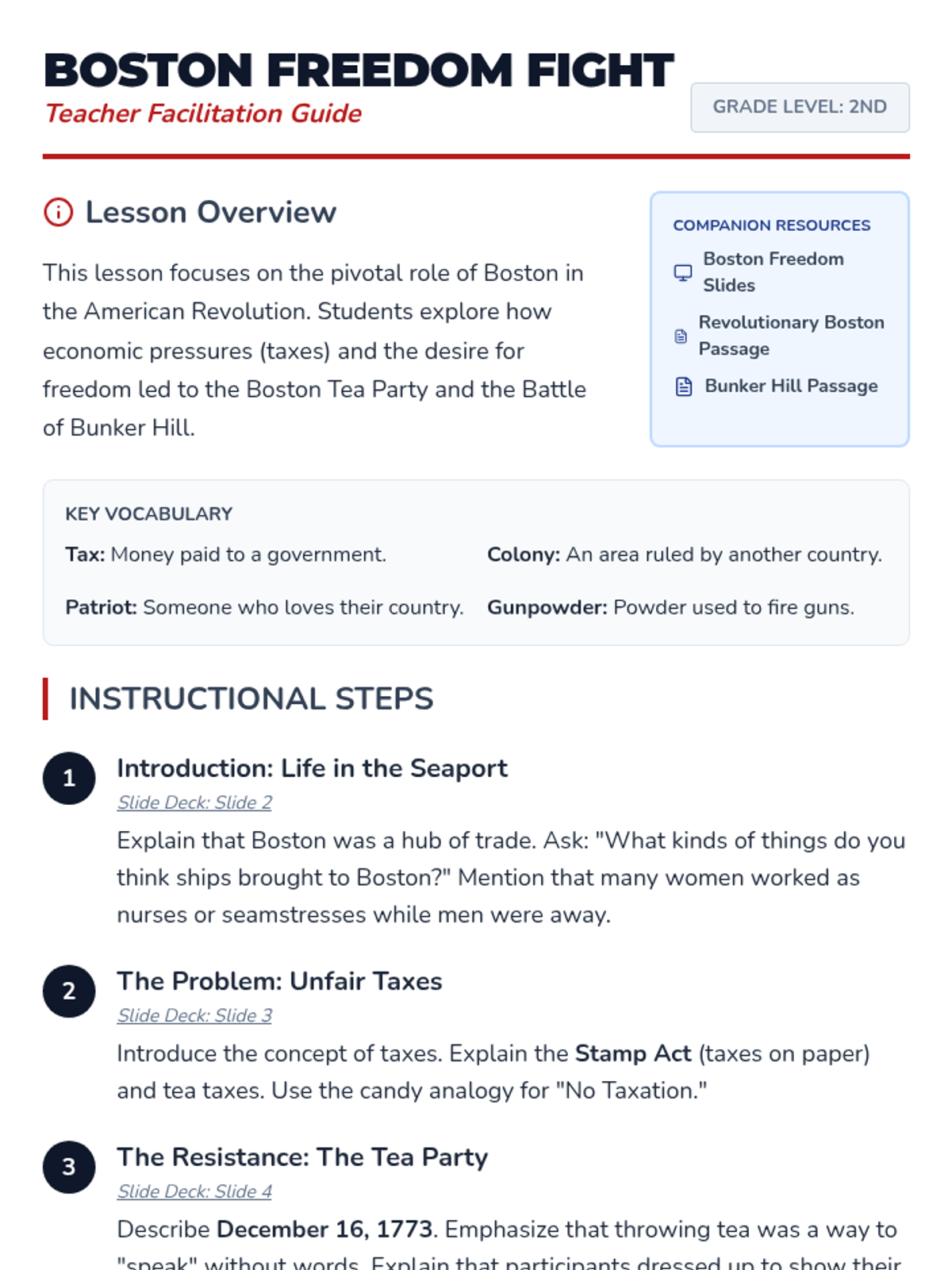
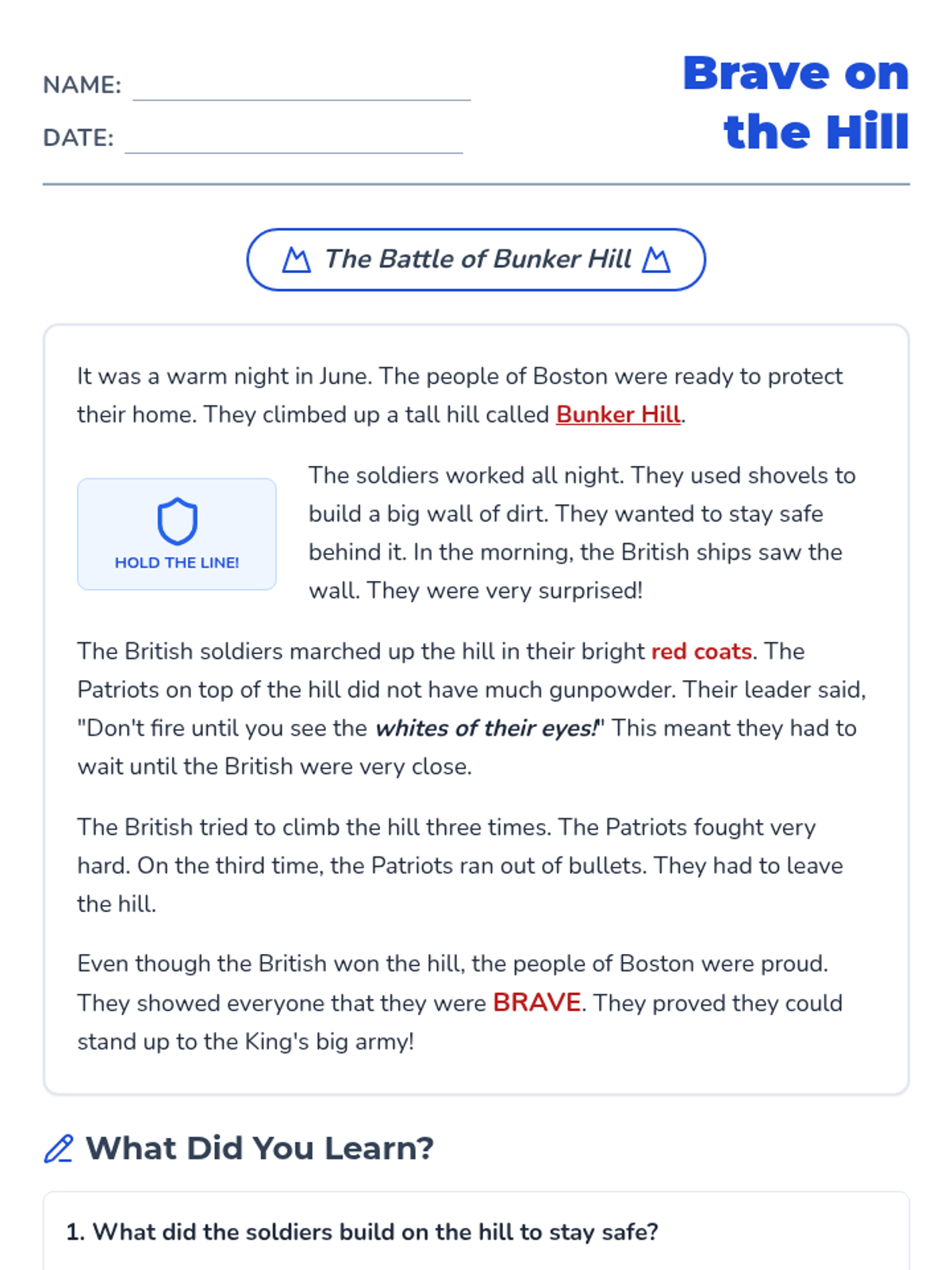
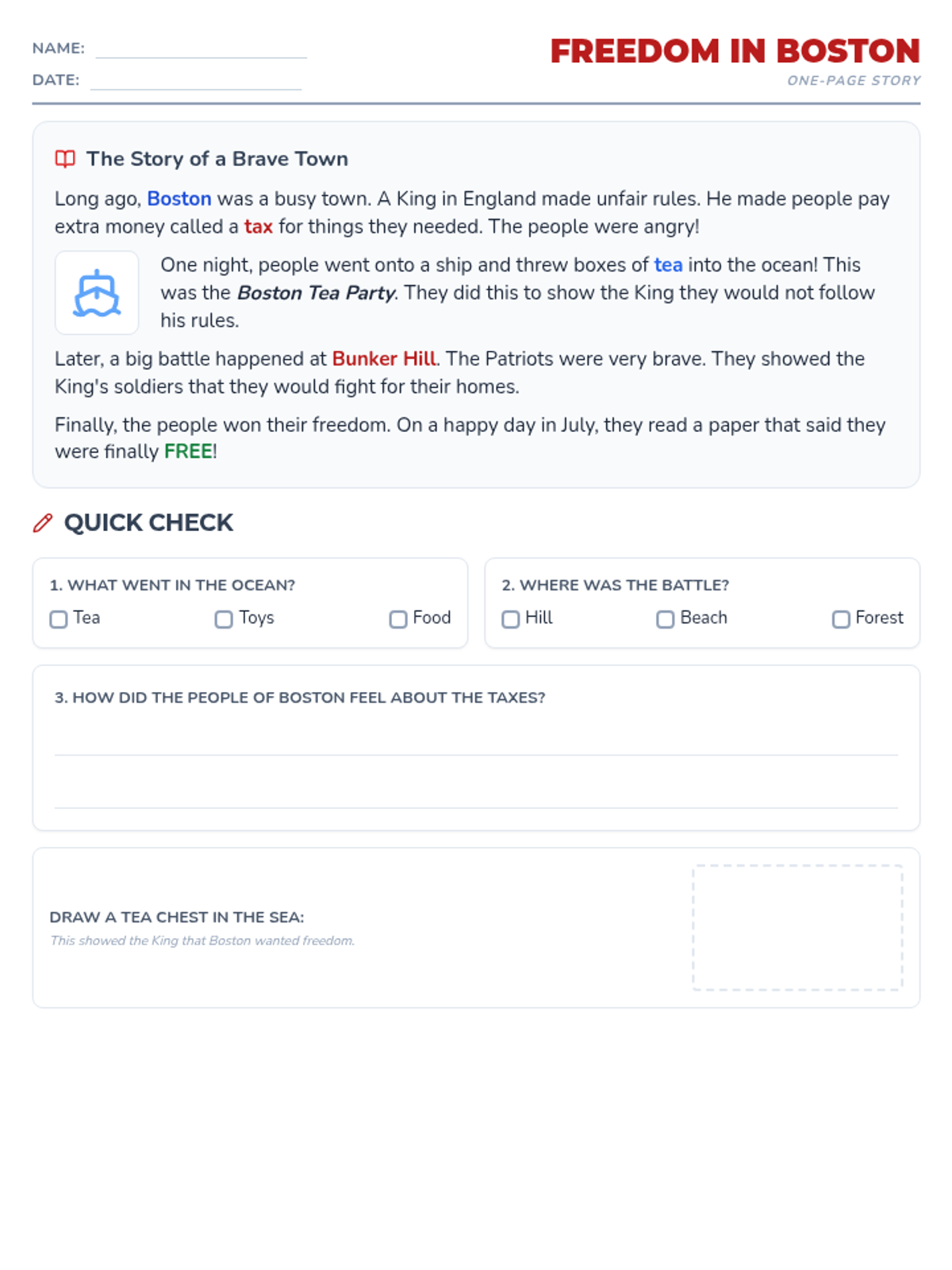
This lesson introduces students to the key events of the American Revolution in Boston, focusing on the Boston Tea Party, the Stamp Act, and the fight for independence. it simplifies complex historical concepts for early elementary learners.
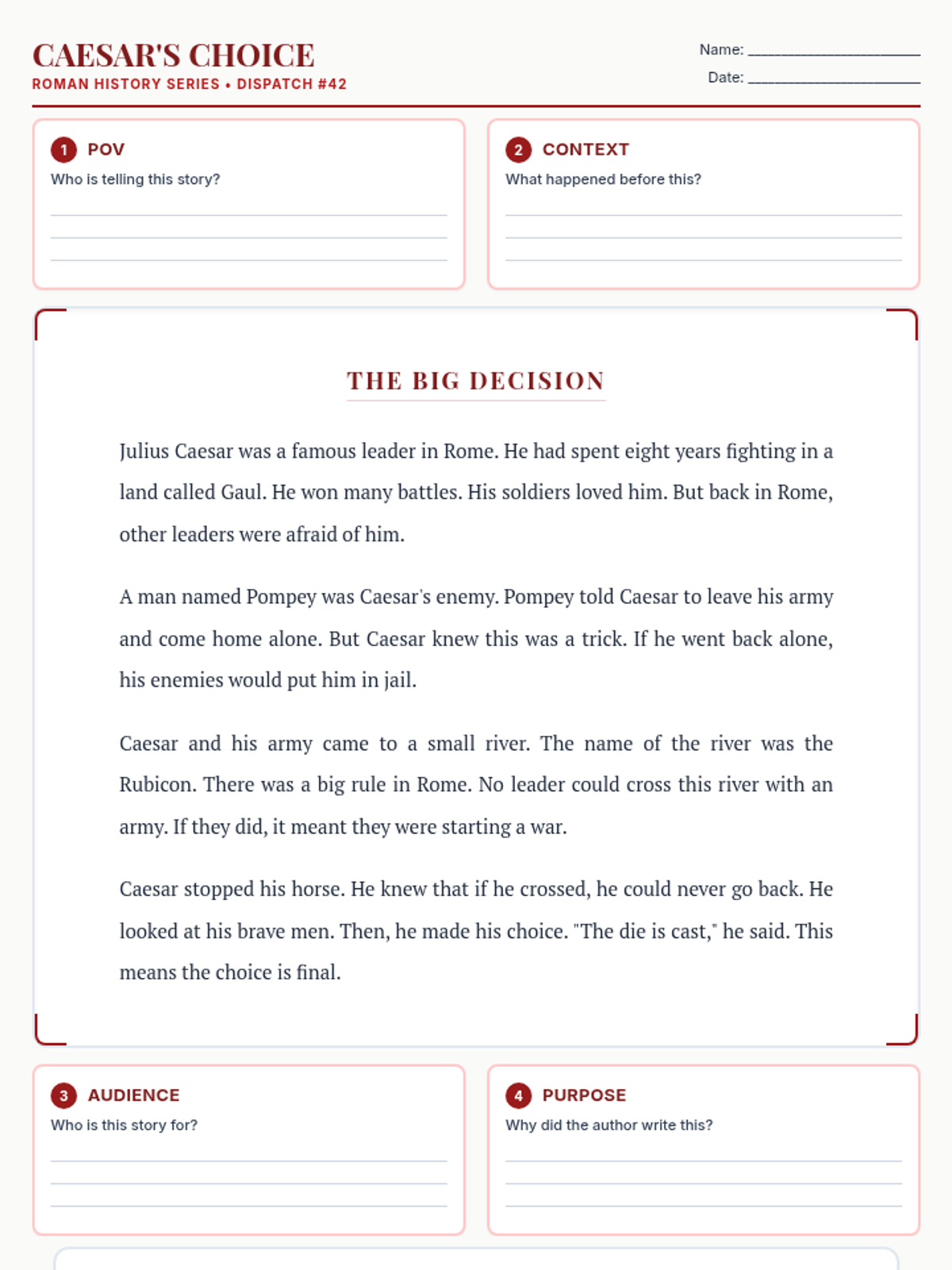
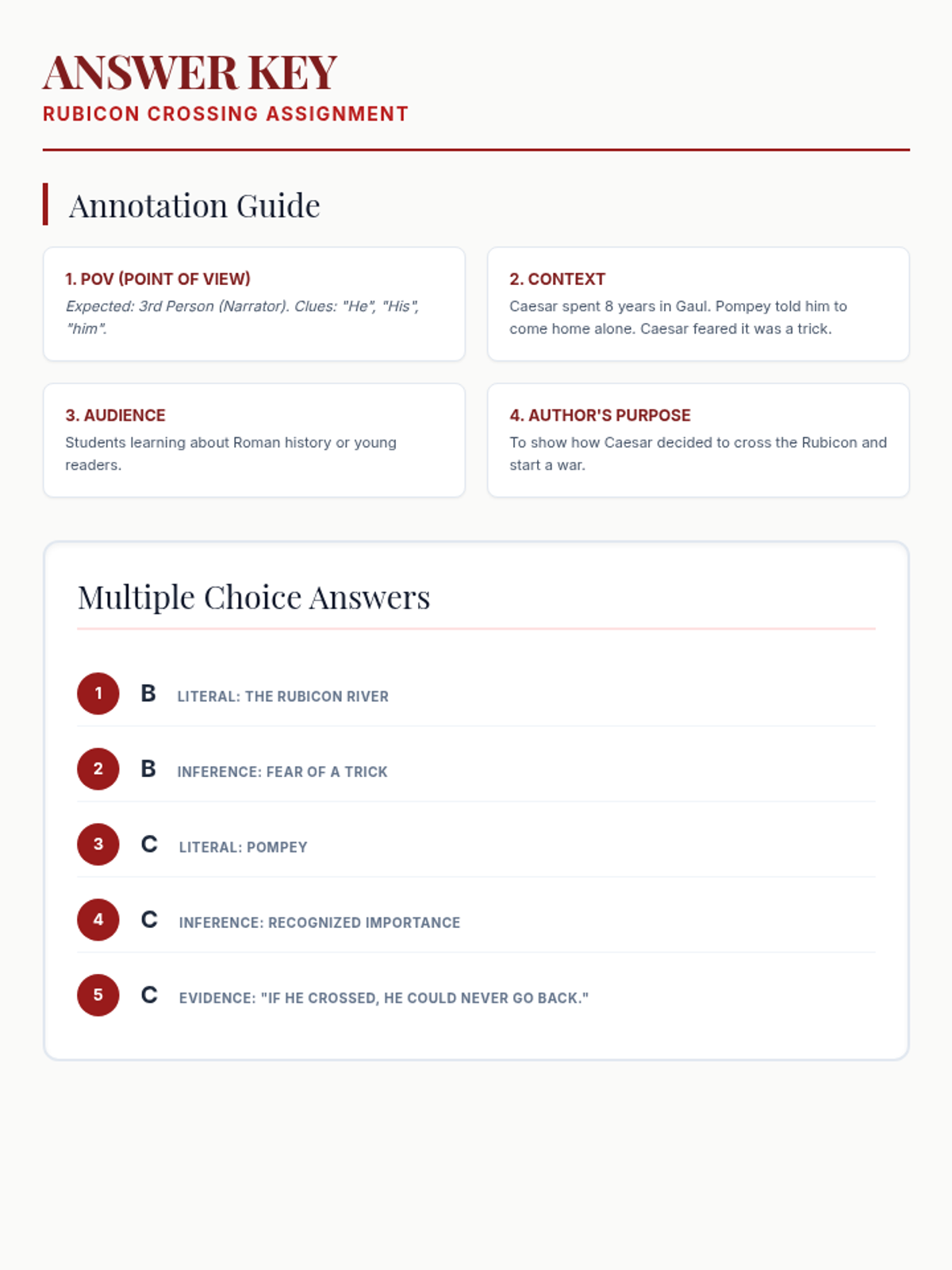
A lesson exploring Julius Caesar's historic decision to cross the Rubicon river, focusing on simple narrative structure and reading comprehension for young learners.
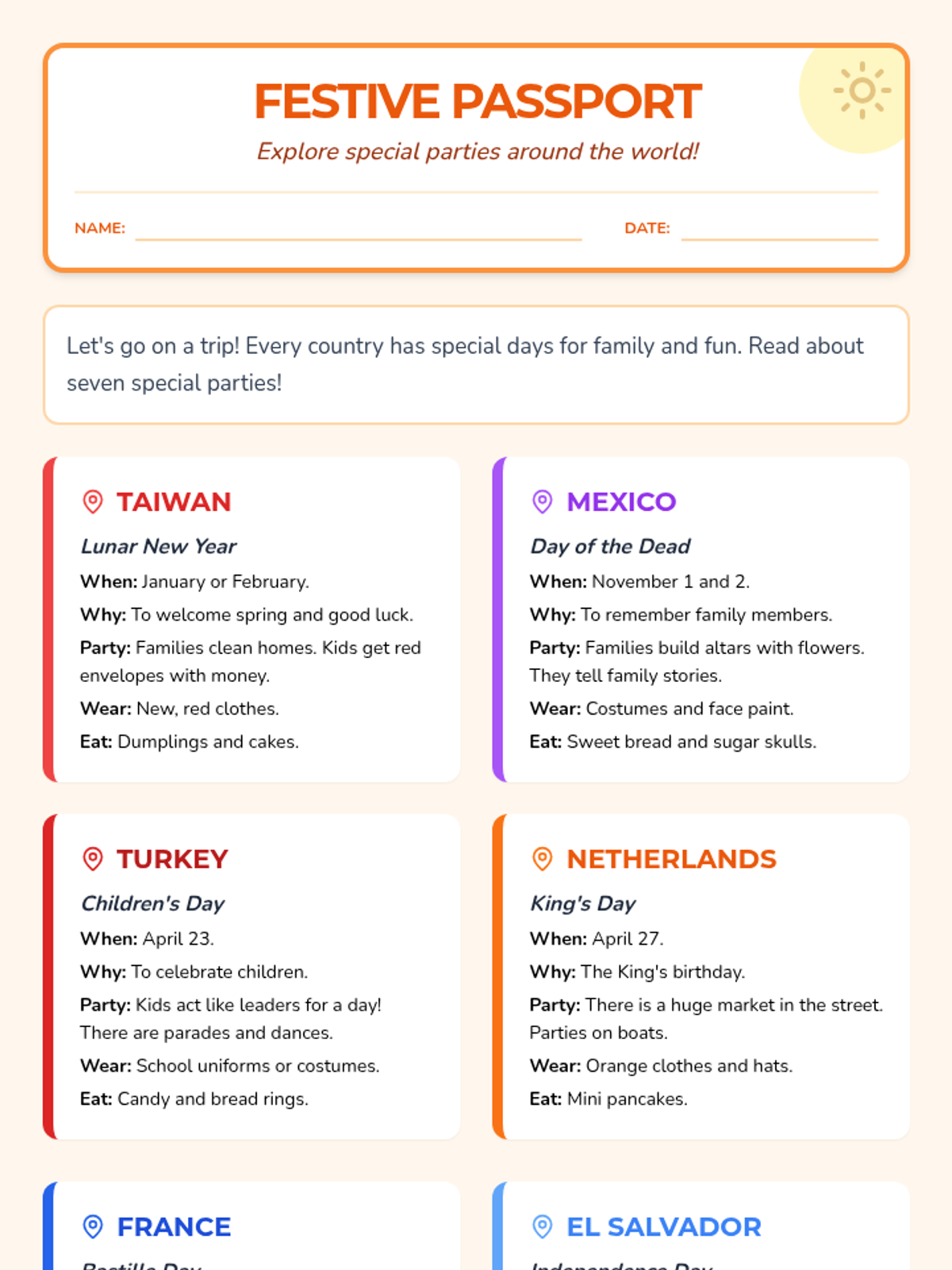
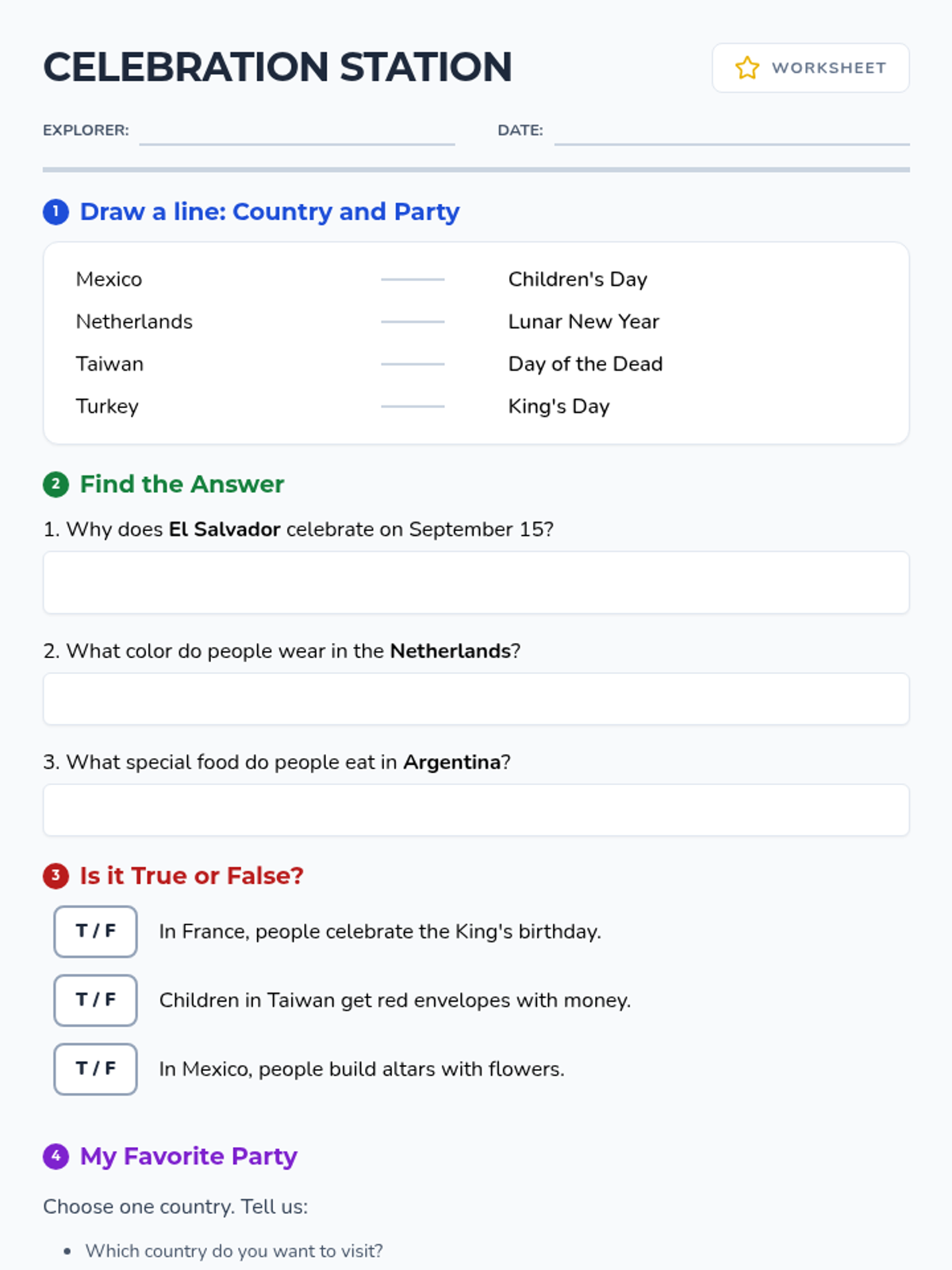
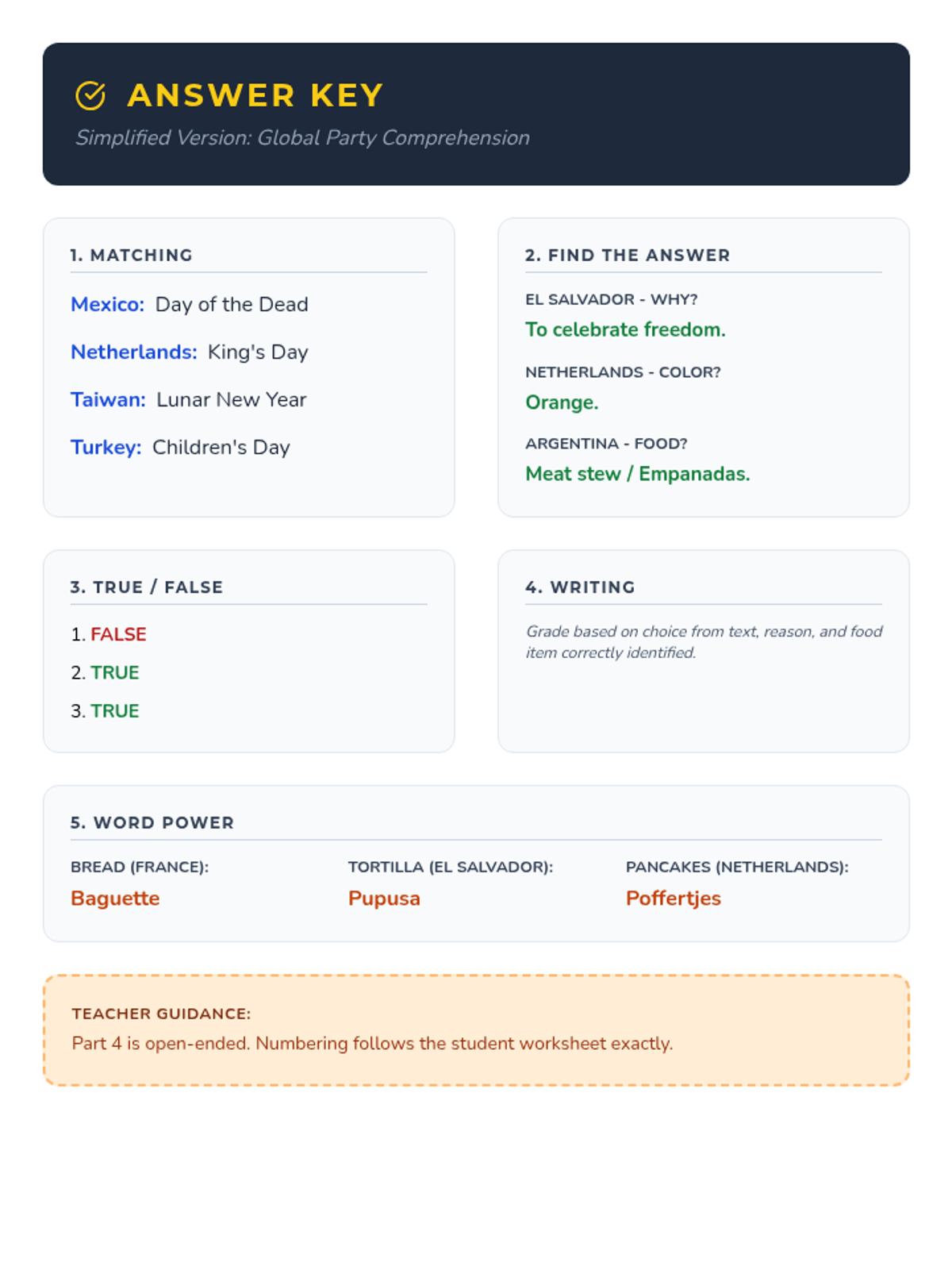
A lesson exploring cultural celebrations around the world, focusing on traditions, food, and clothing in Turkey, France, El Salvador, Mexico, the Netherlands, Taiwan, and Argentina.
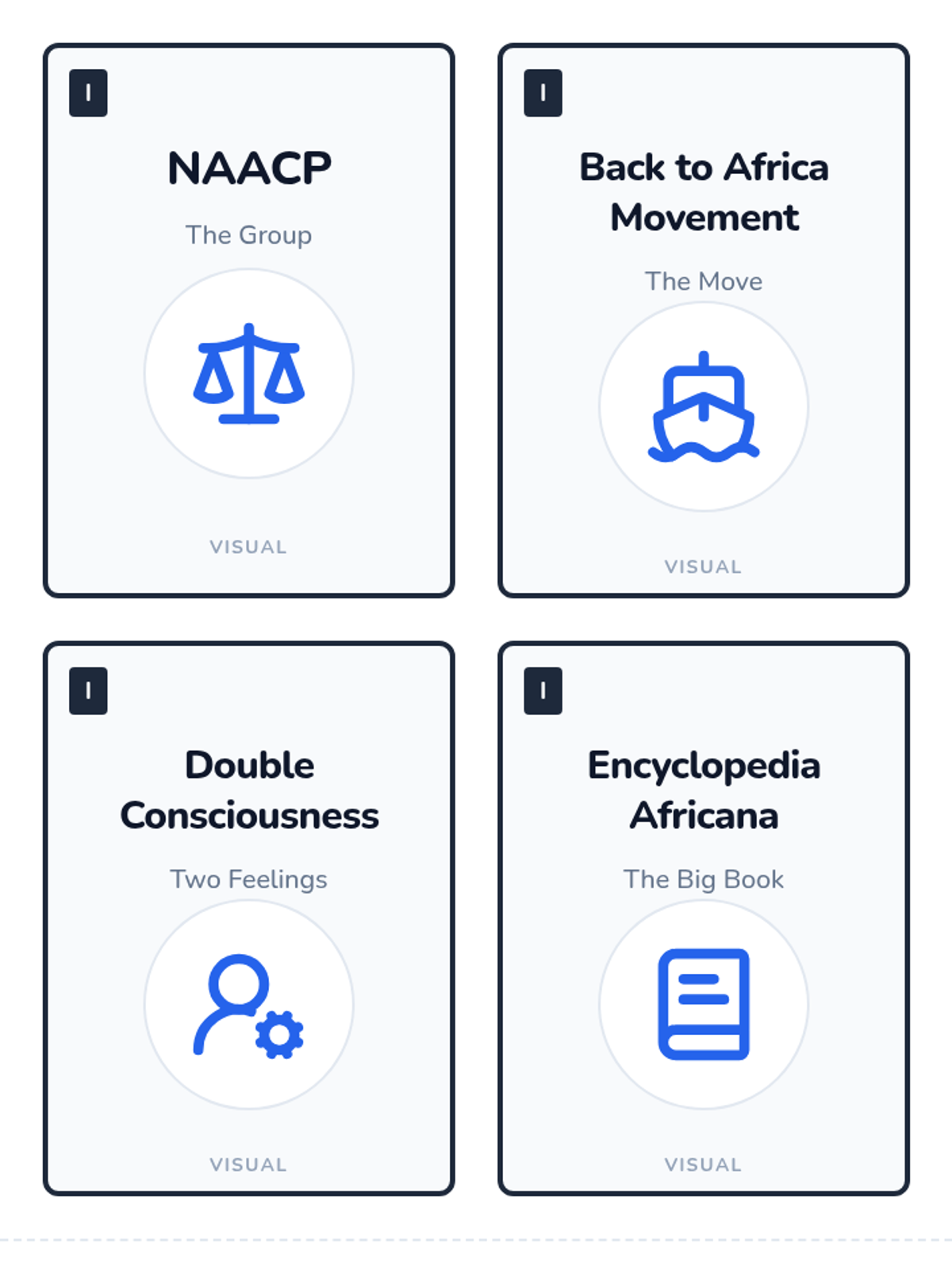
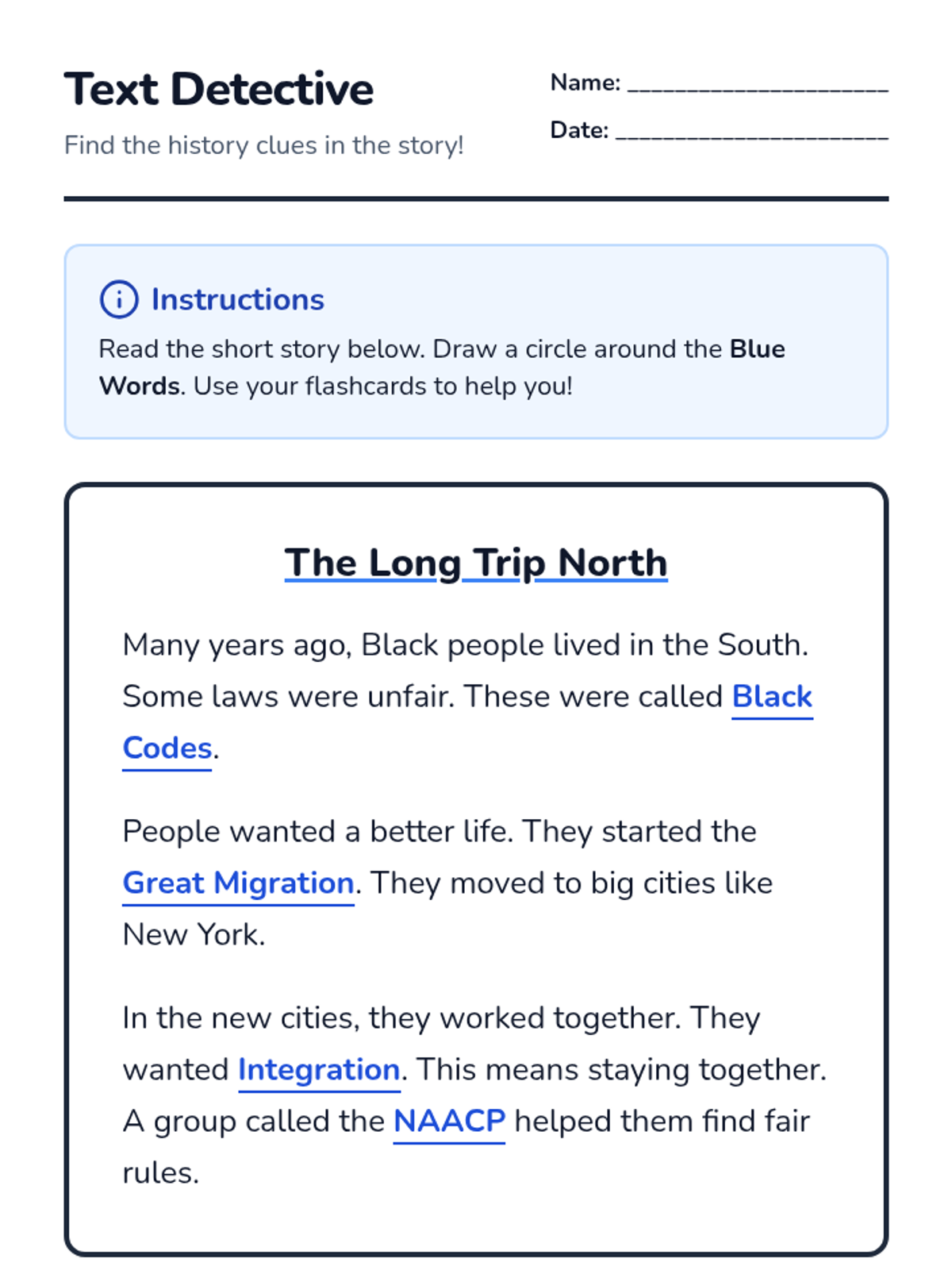
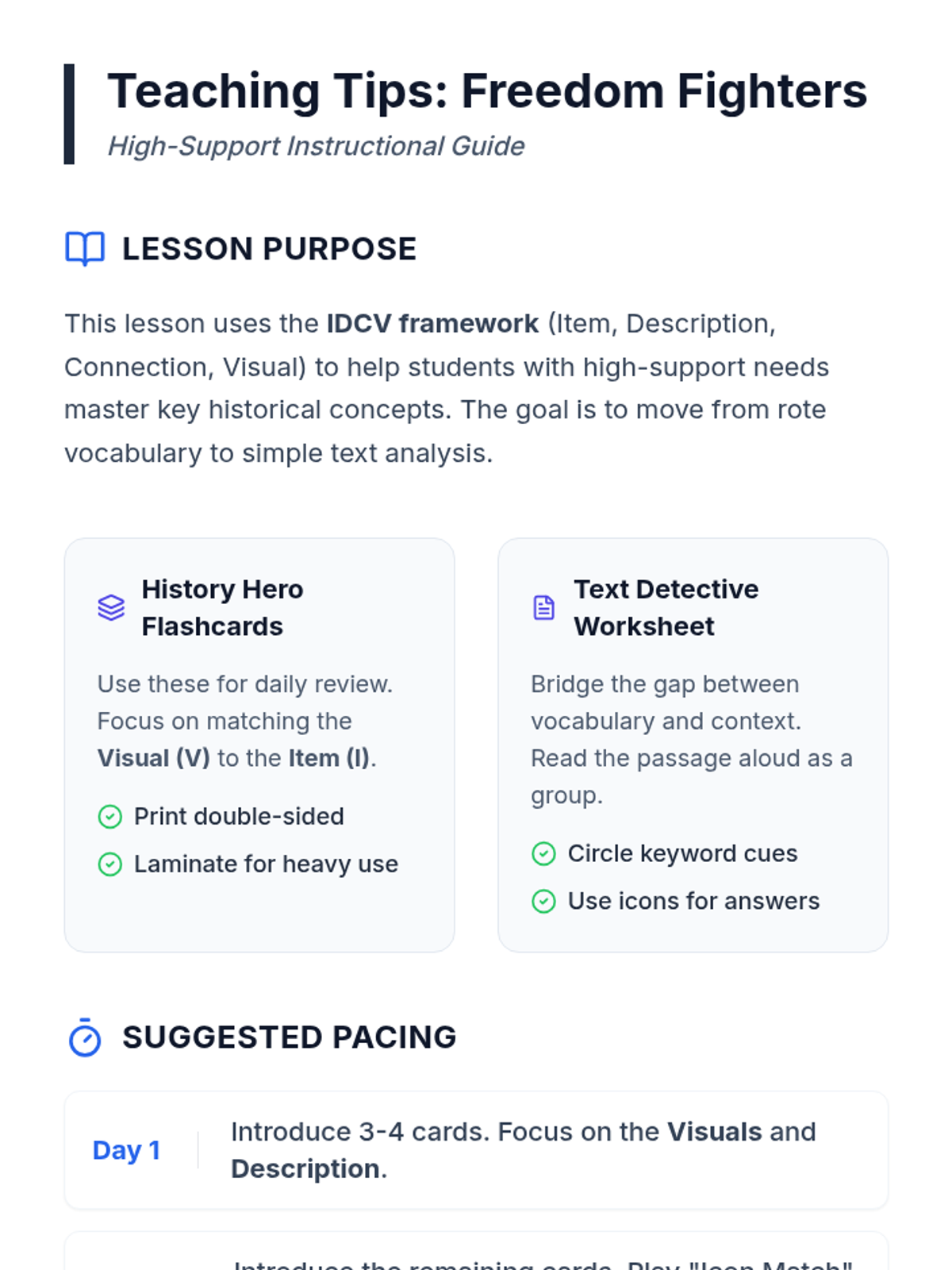
A set of resources focused on analyzing key terms and movements from early 20th-century African American history, designed for students with high-support needs.
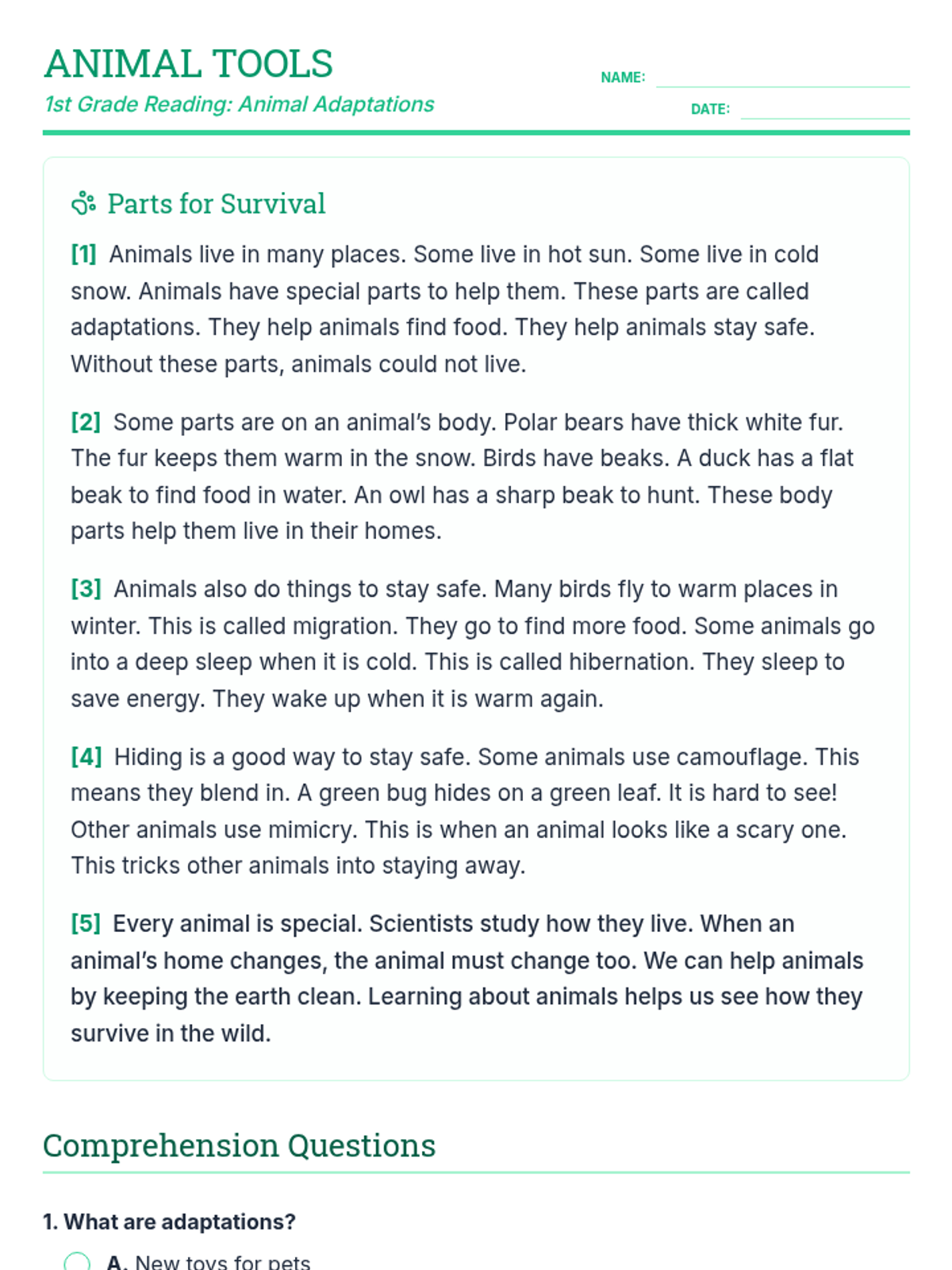
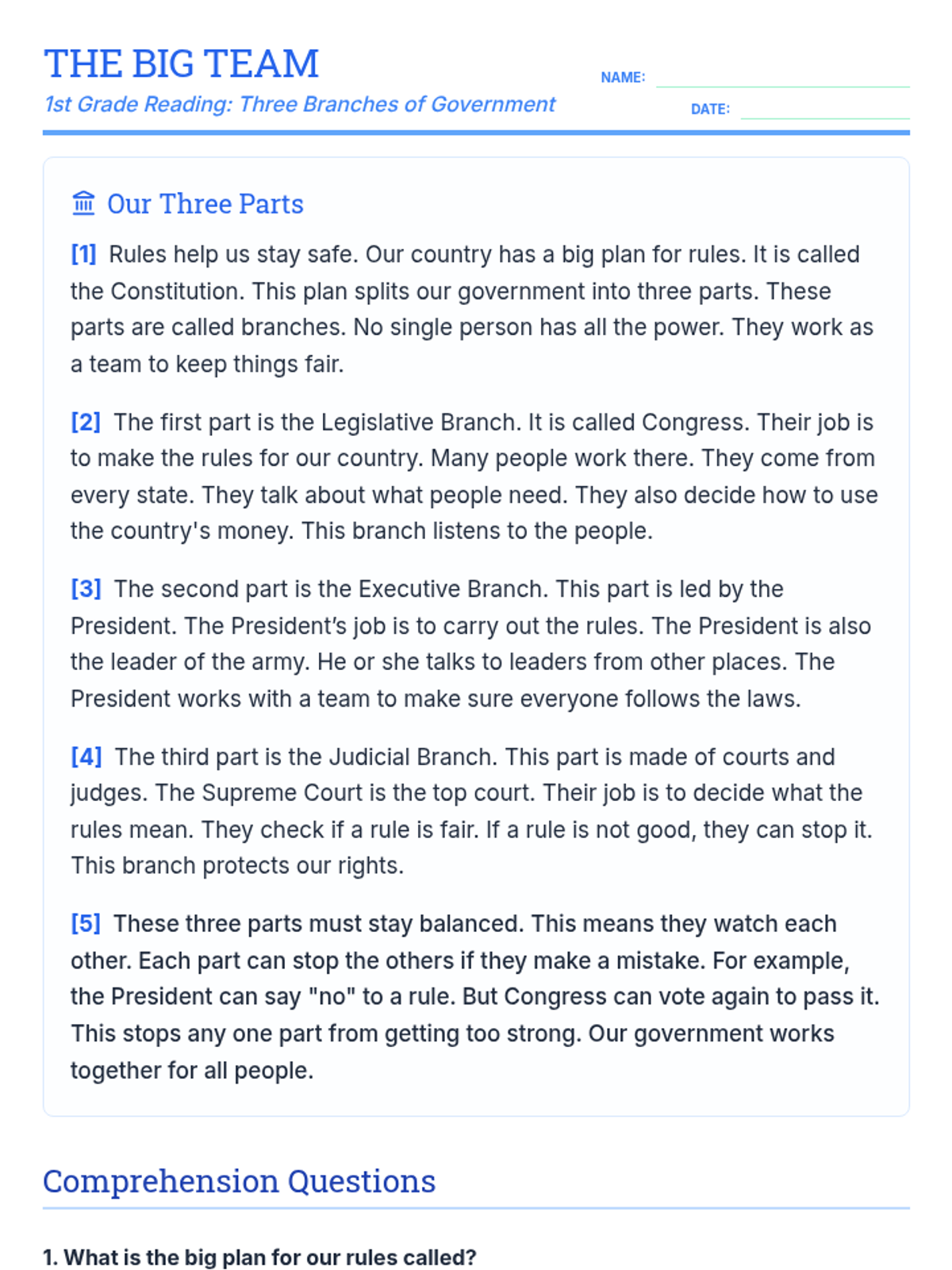
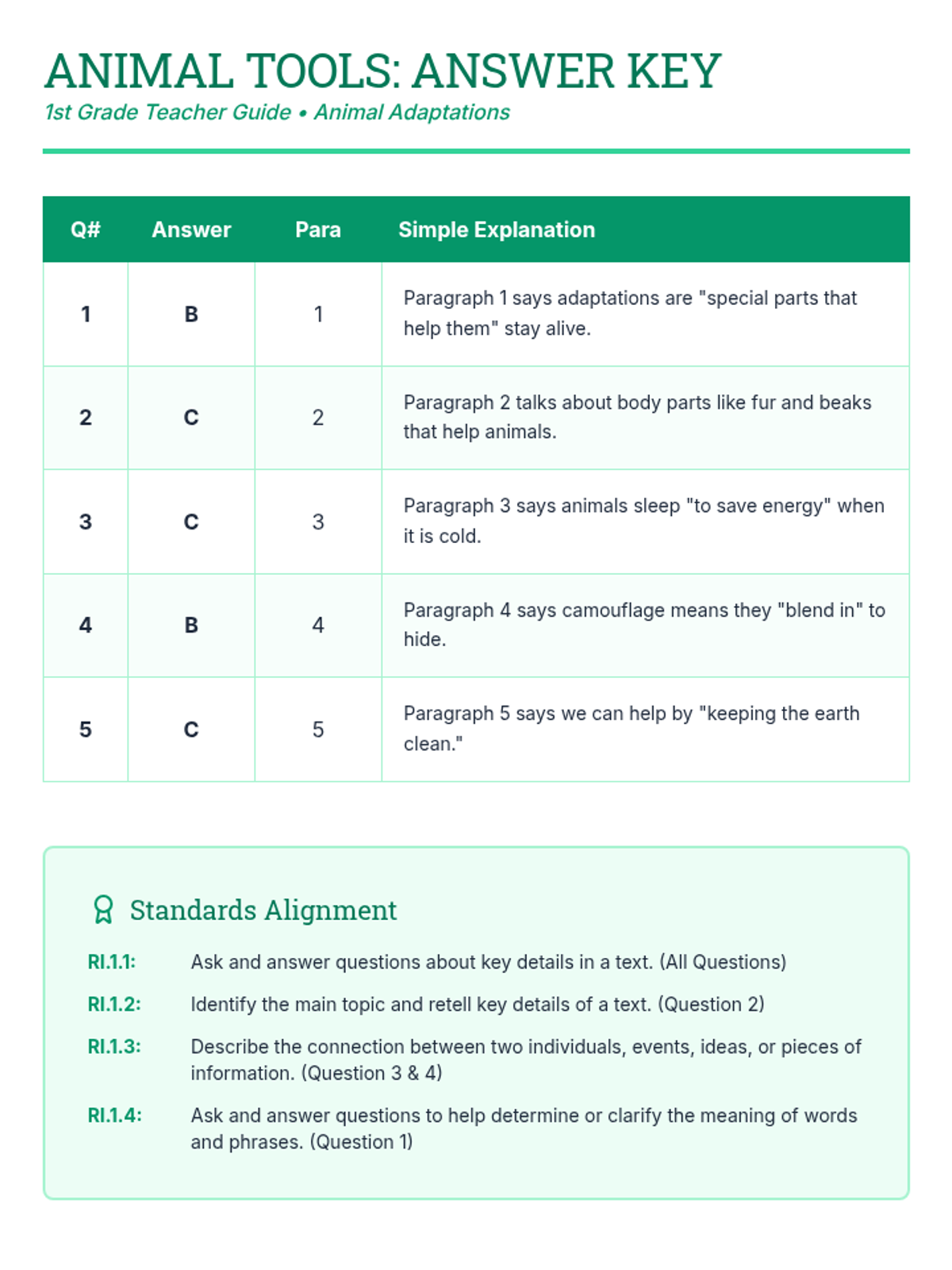
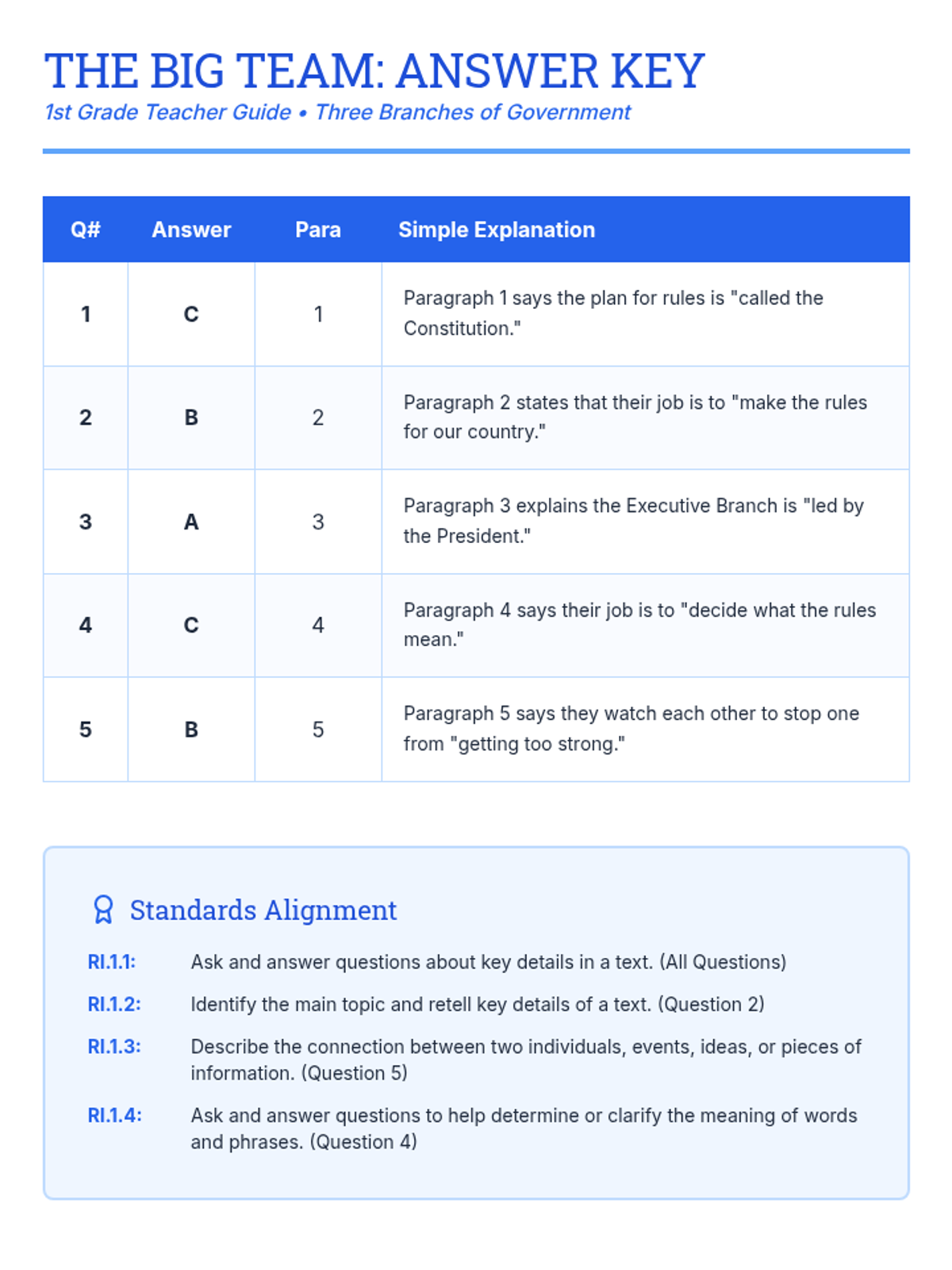
A comprehensive reading comprehension lesson focusing on RI.1, RI.2, RI.3, and RI.4 standards through the lenses of Animal Adaptations and the Three Branches of Government.
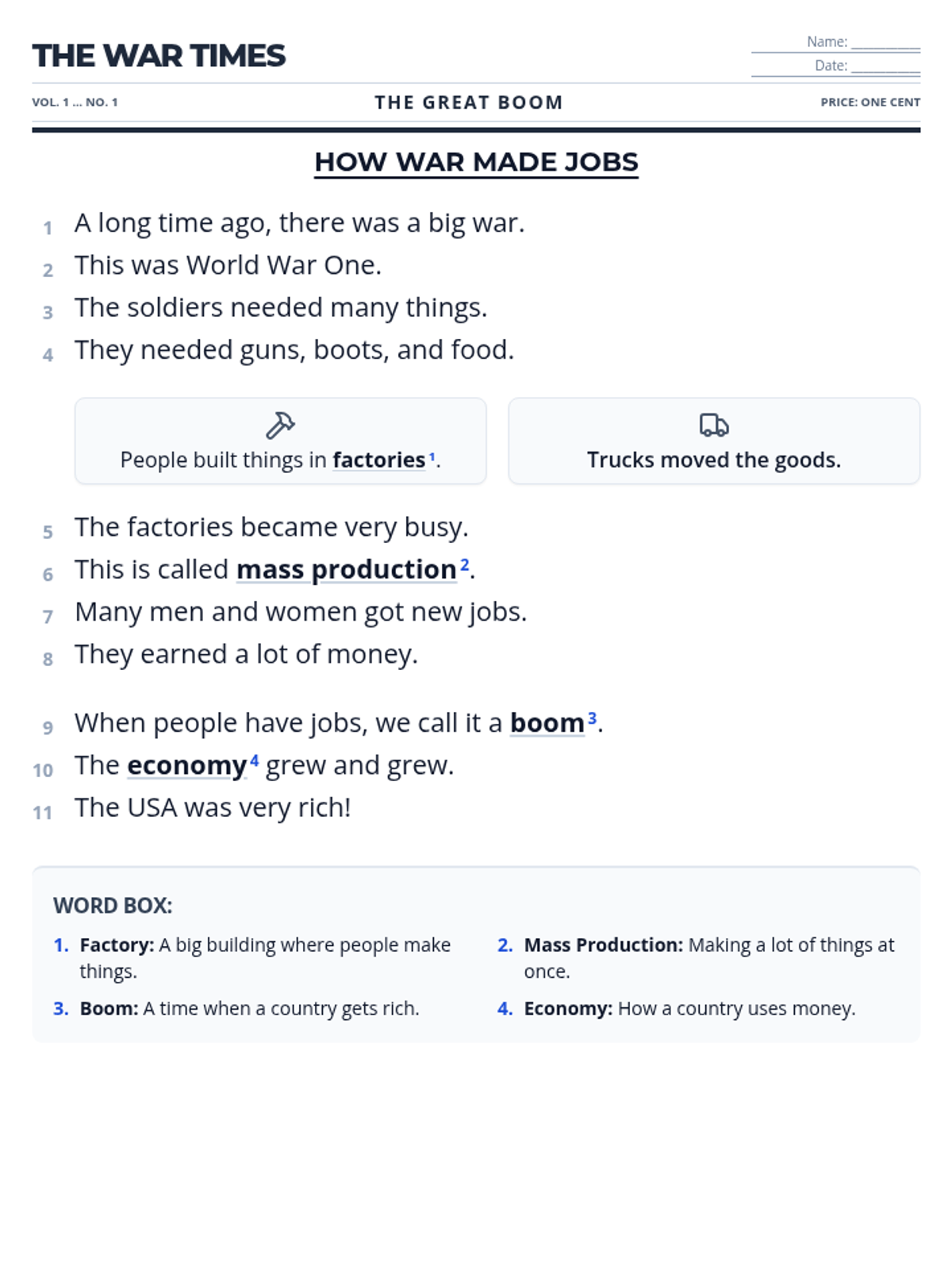
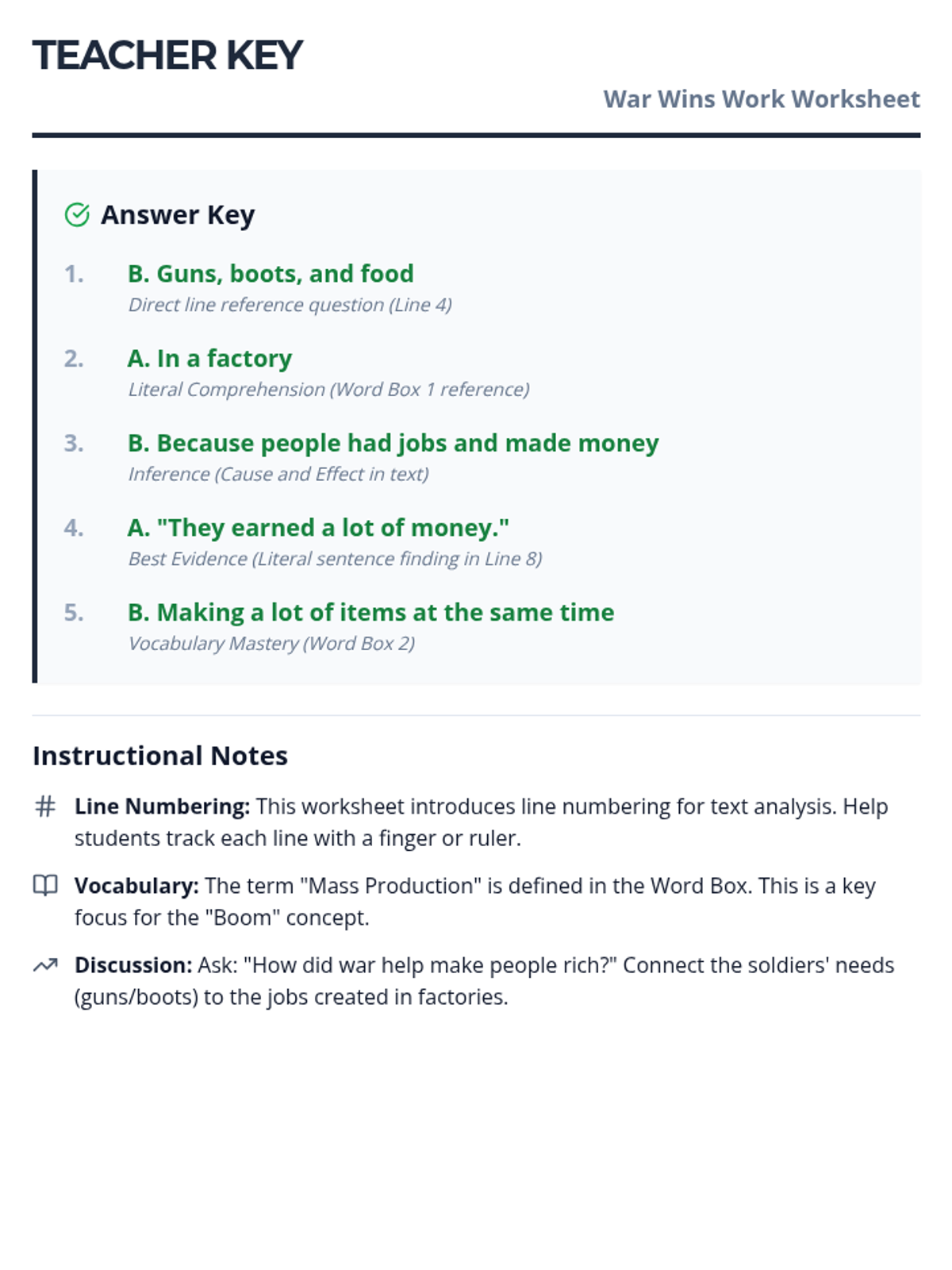
A lesson exploring the economic boom during World War I, focusing on how mass production for the war effort created jobs and wealth in the United States. Designed for students reading at a 1st-grade level with high-interest, simplified text and glossary support.
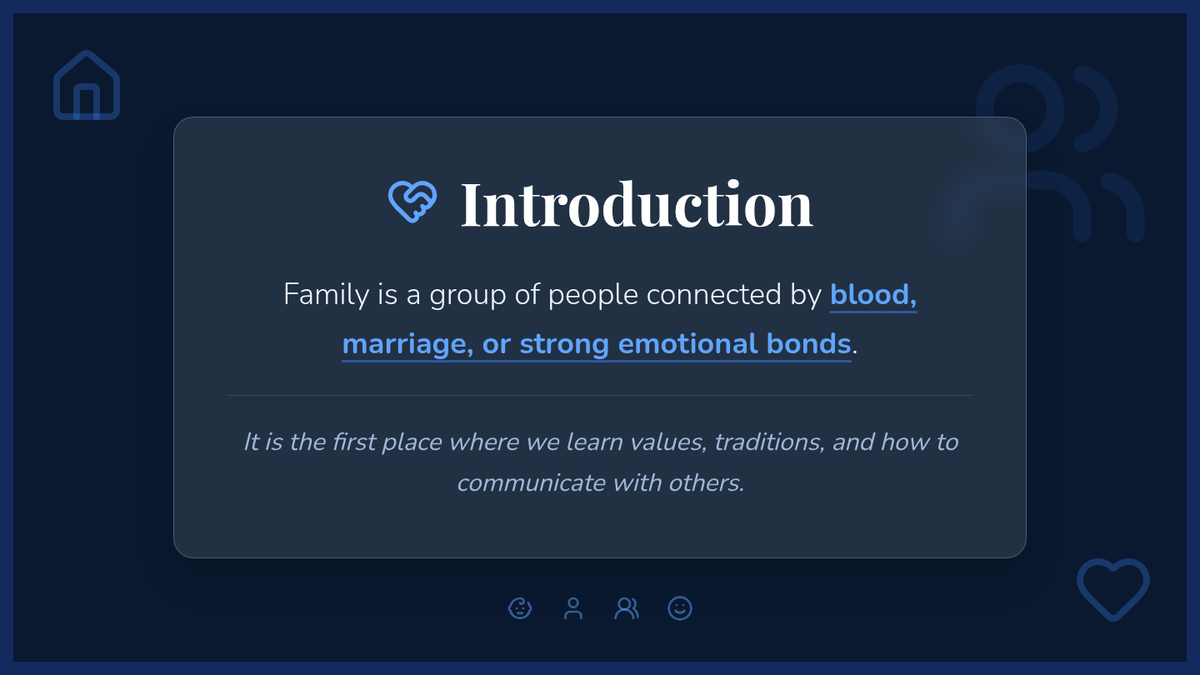
A lesson introducing the concept of family, its definition, and its importance as a social unit.
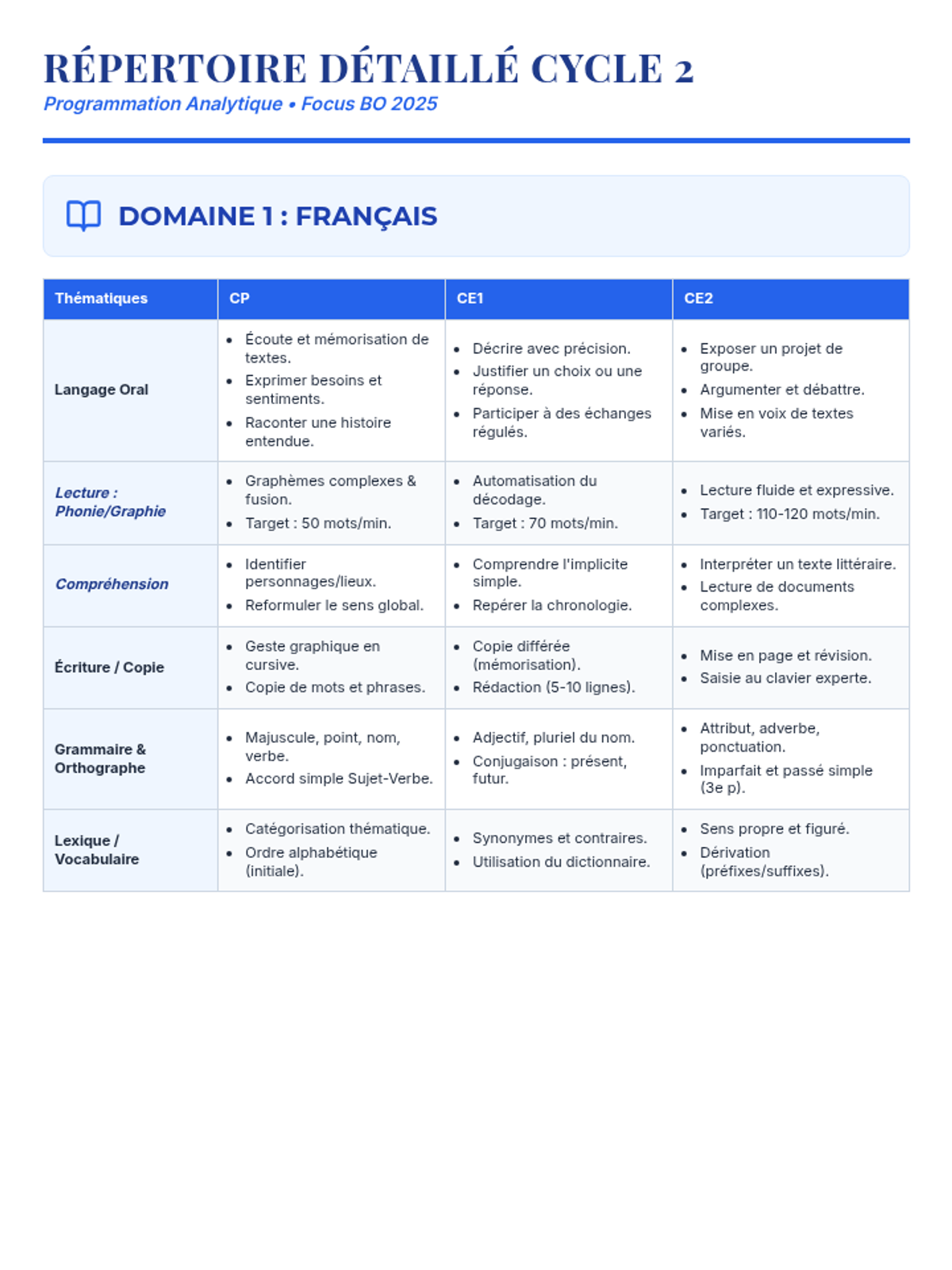
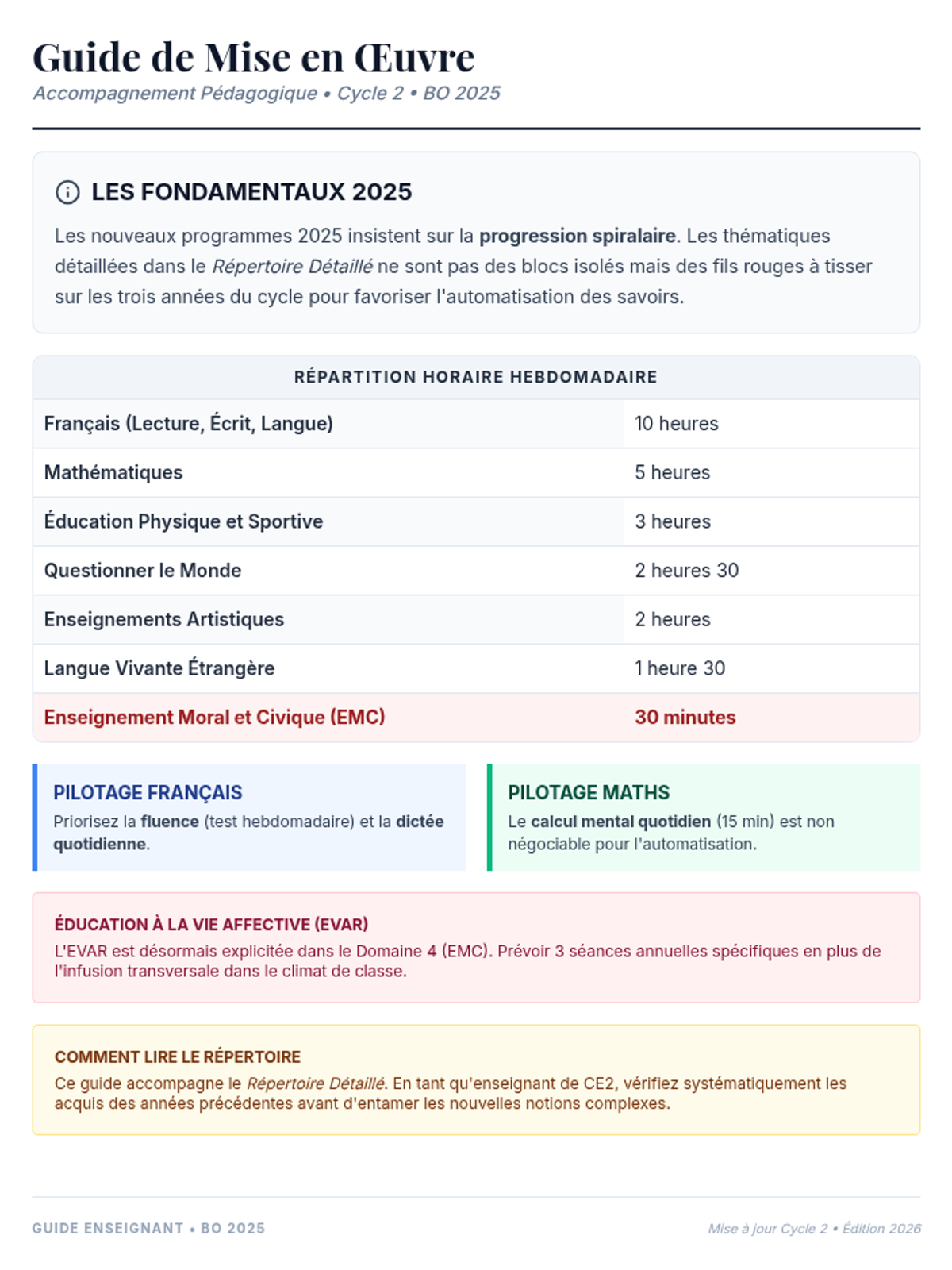
Une programmation complète pour le Cycle 2 basée sur les nouveaux programmes de 2025, structurée par thématiques et par année (CP, CE1, CE2) pour toutes les matières.
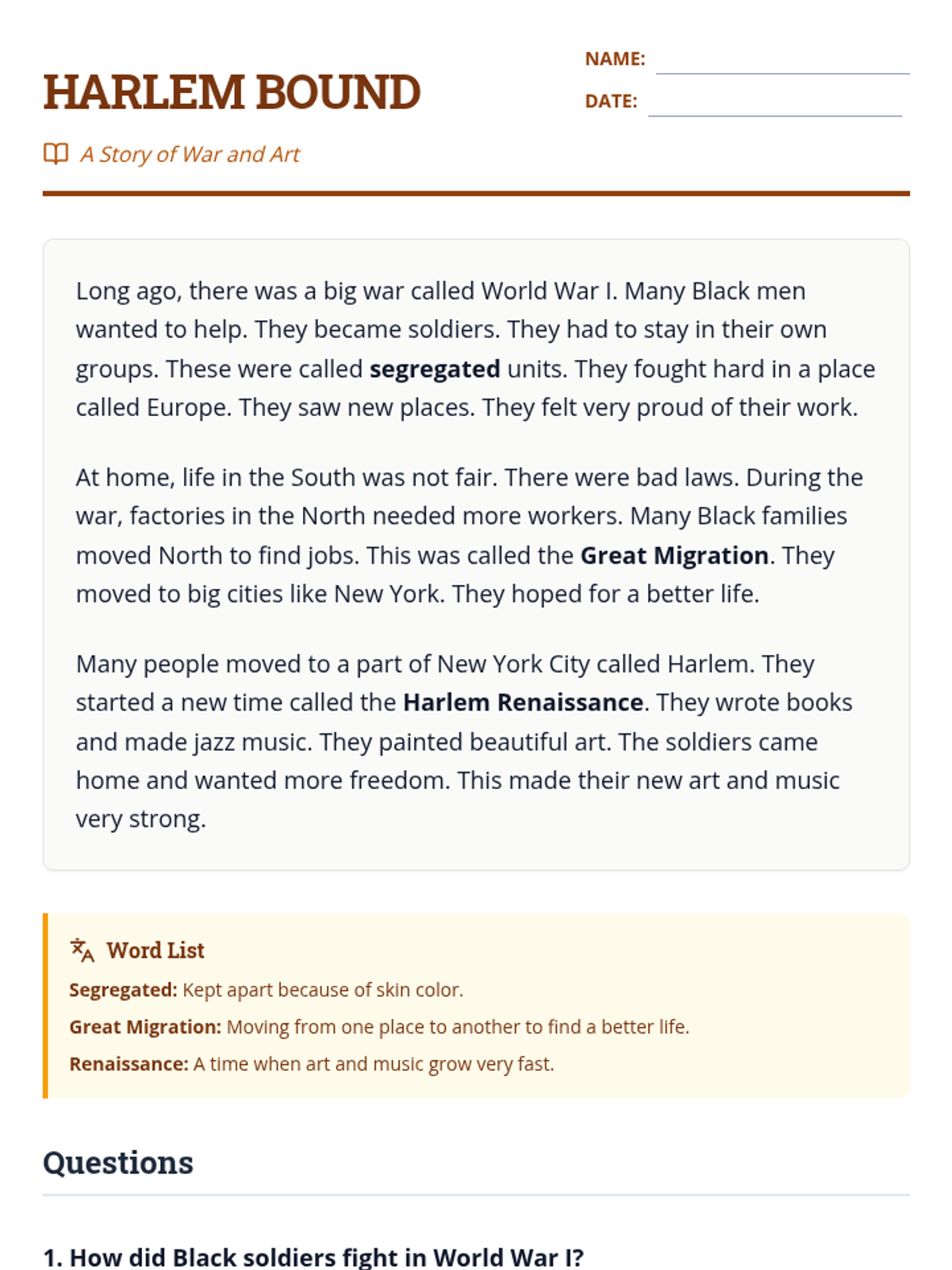
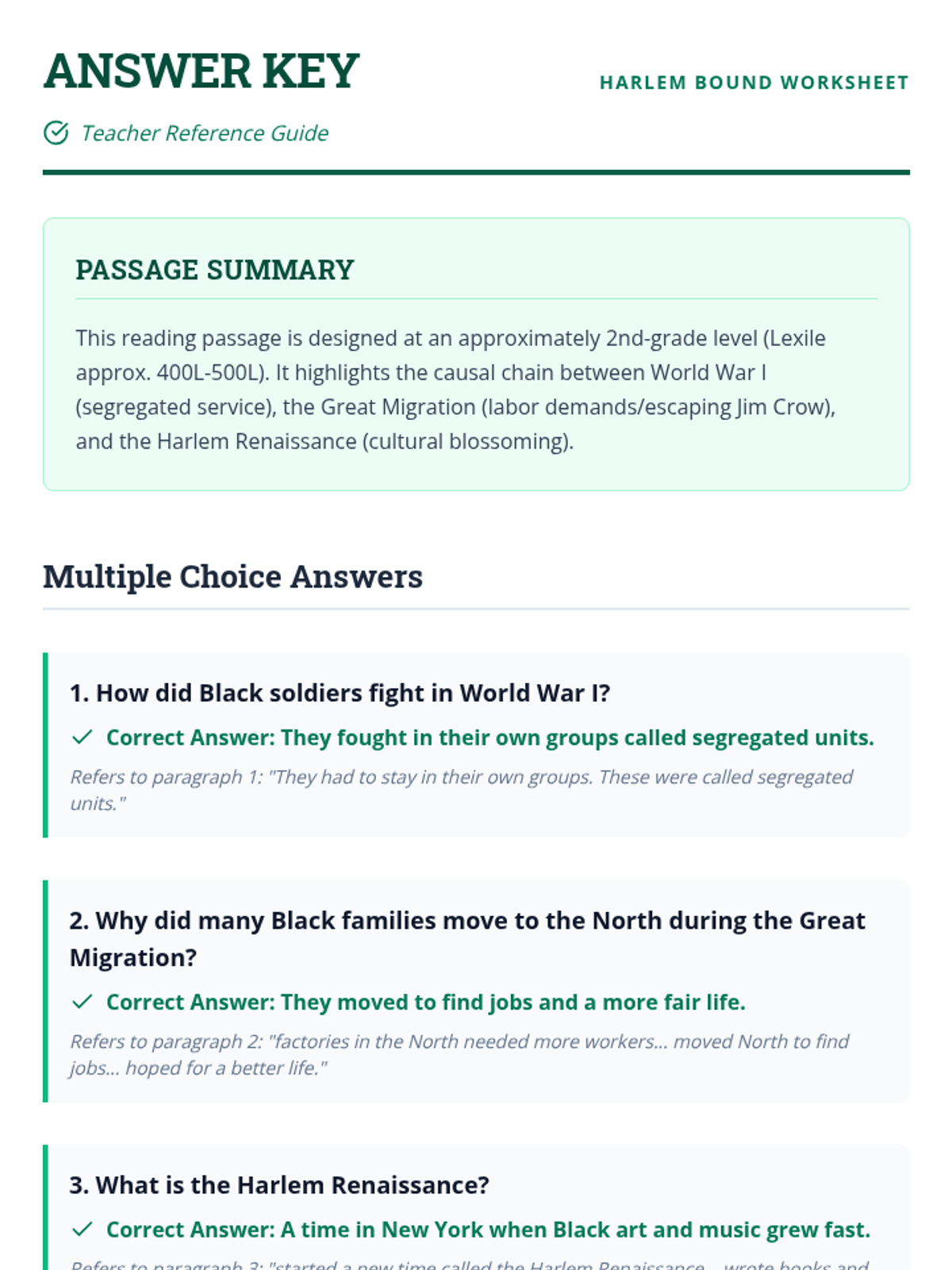
This lesson explores how World War I and the Great Migration led to the cultural explosion of the Harlem Renaissance. Students will read a simplified text and answer comprehension questions.
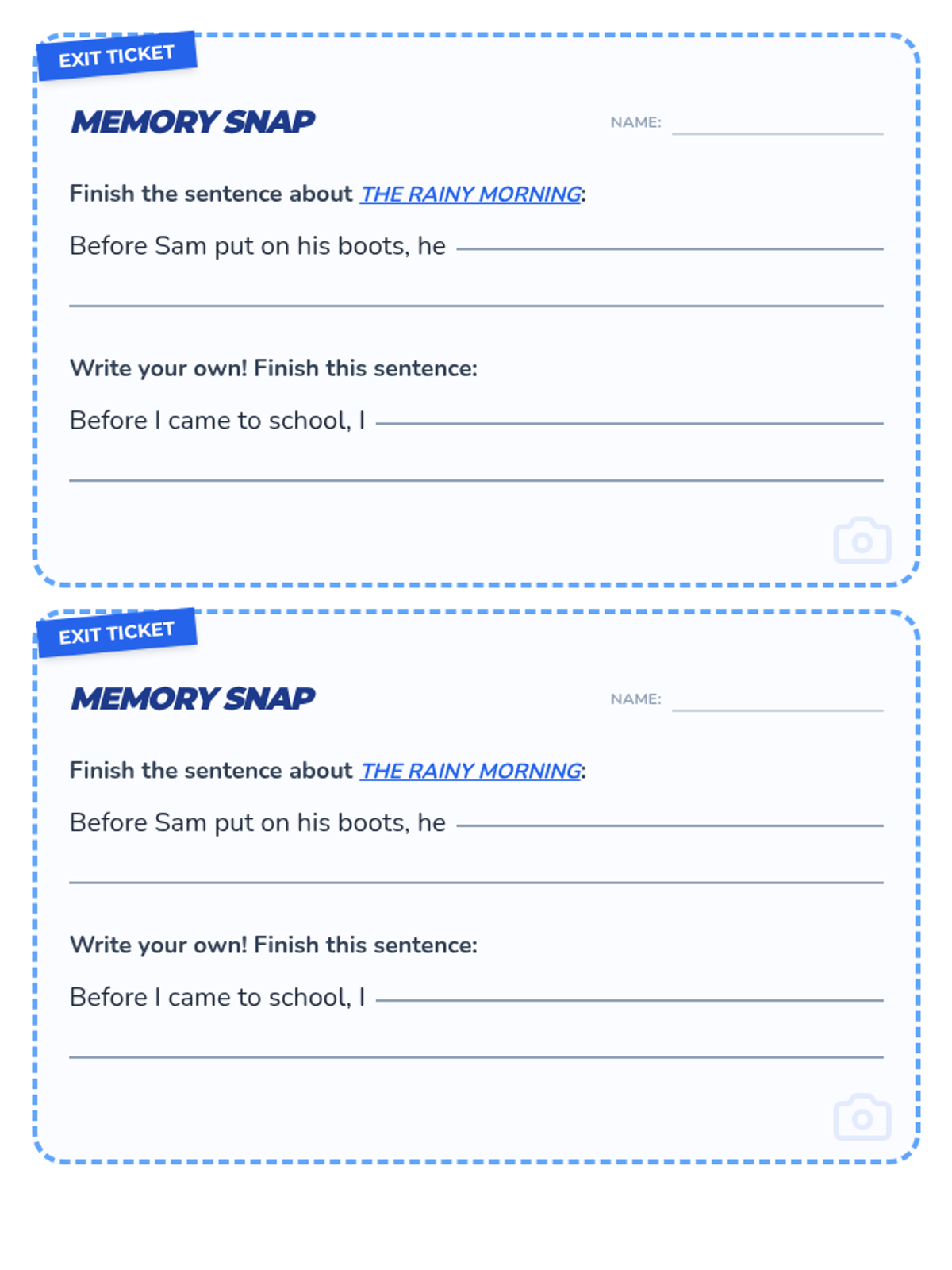
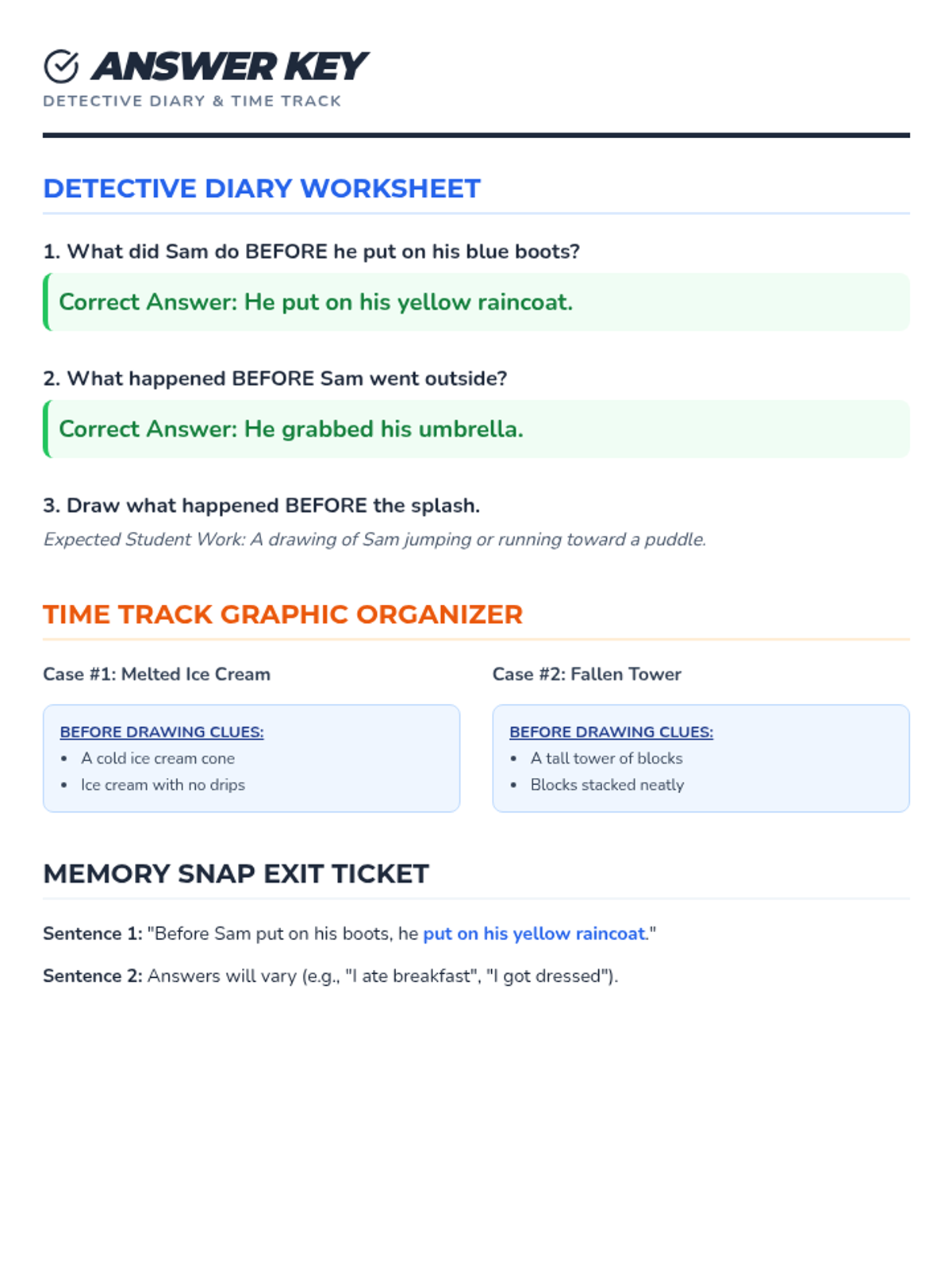
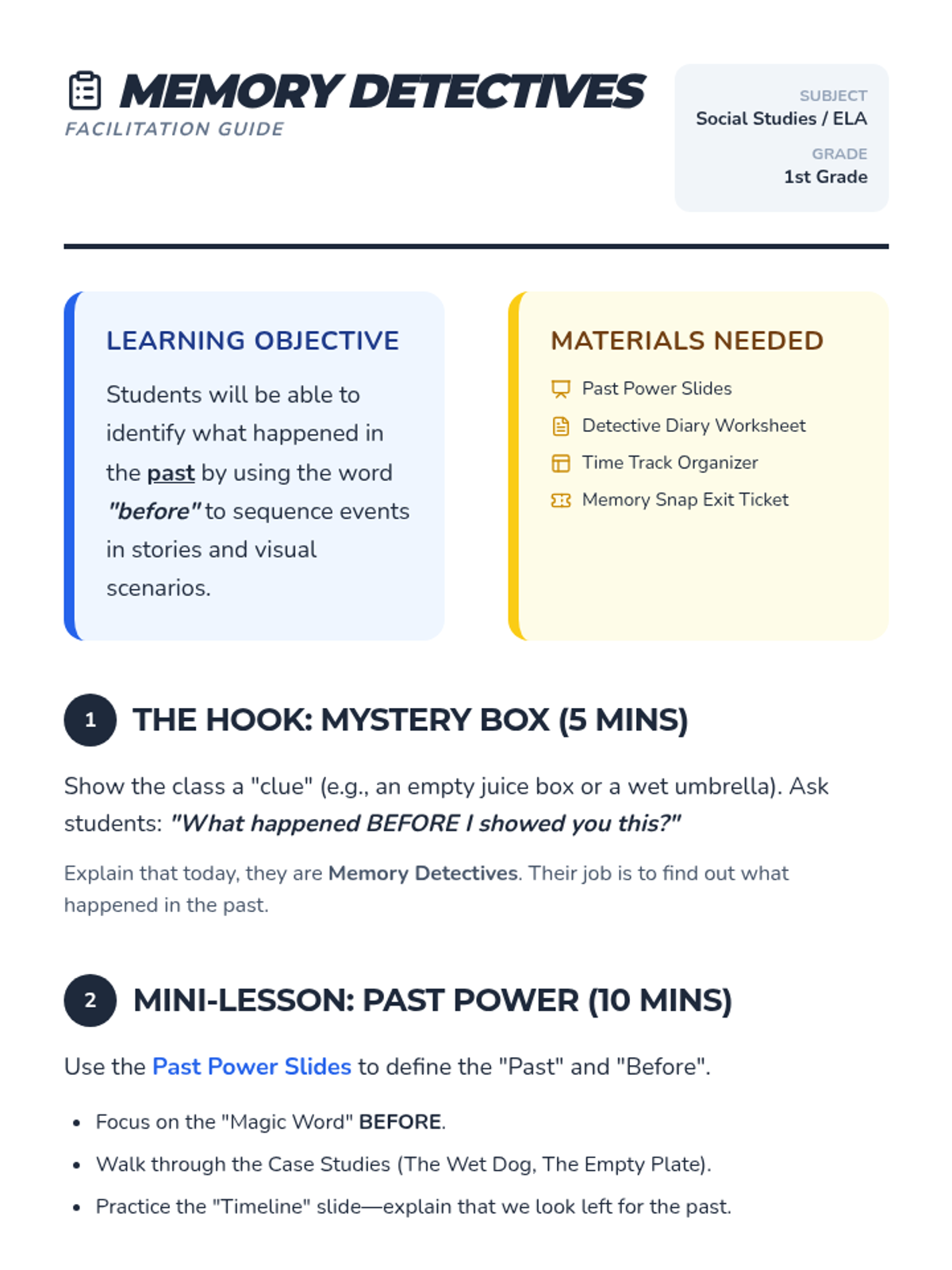
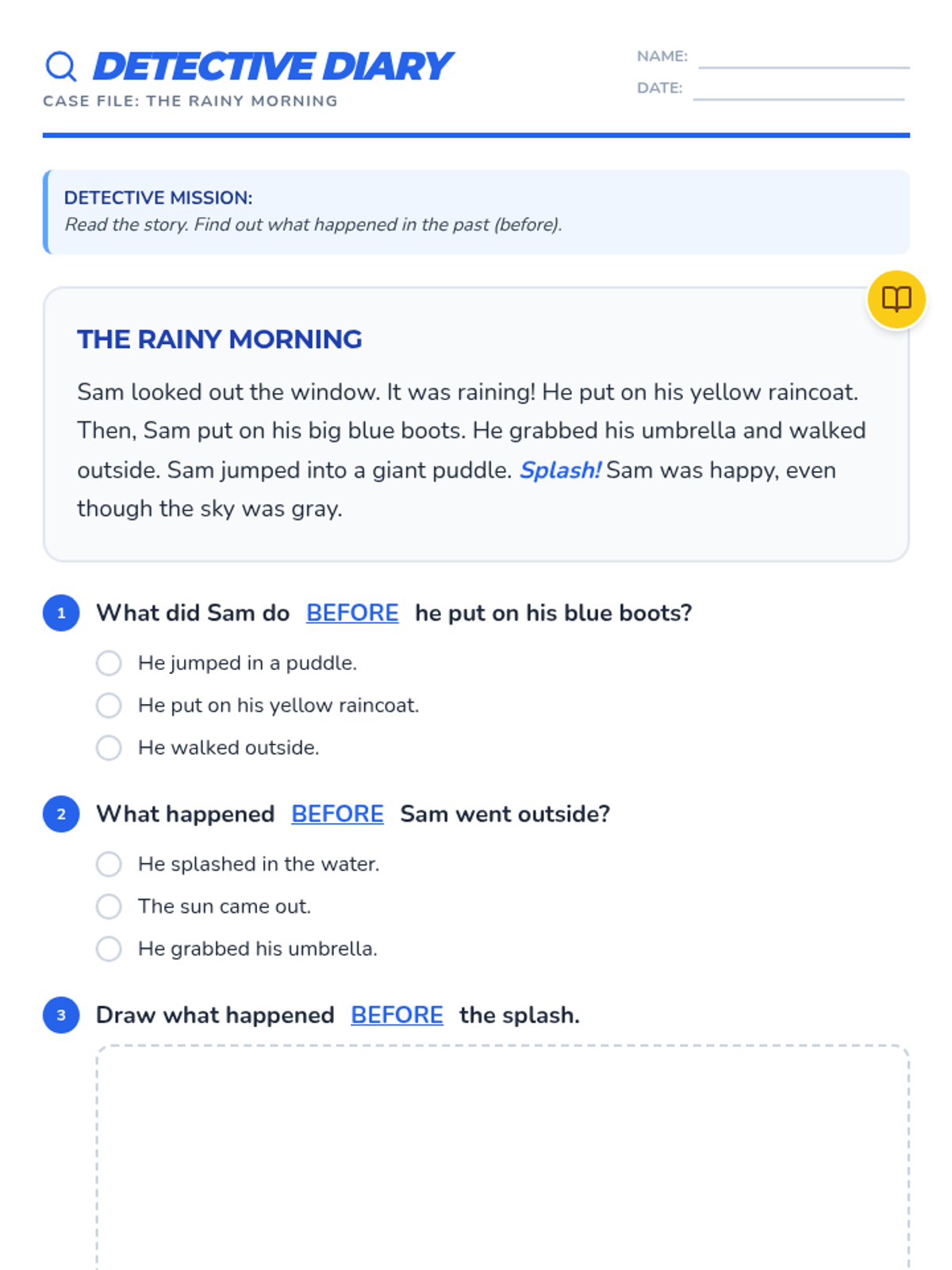
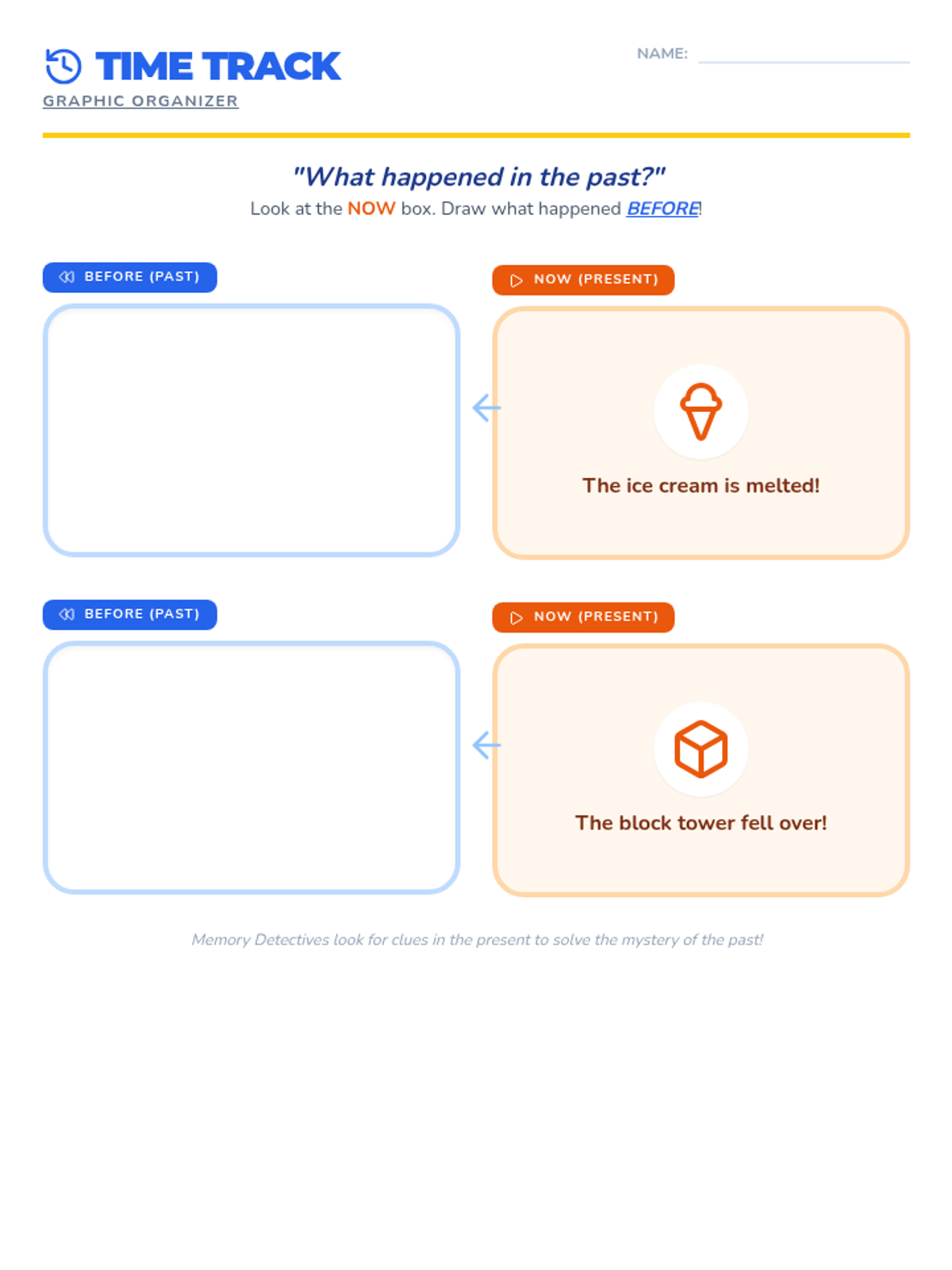
A 1st-grade lesson focused on identifying past events and understanding what happened 'before' using storytelling and visual cues. Students act as 'Memory Detectives' to piece together sequences.
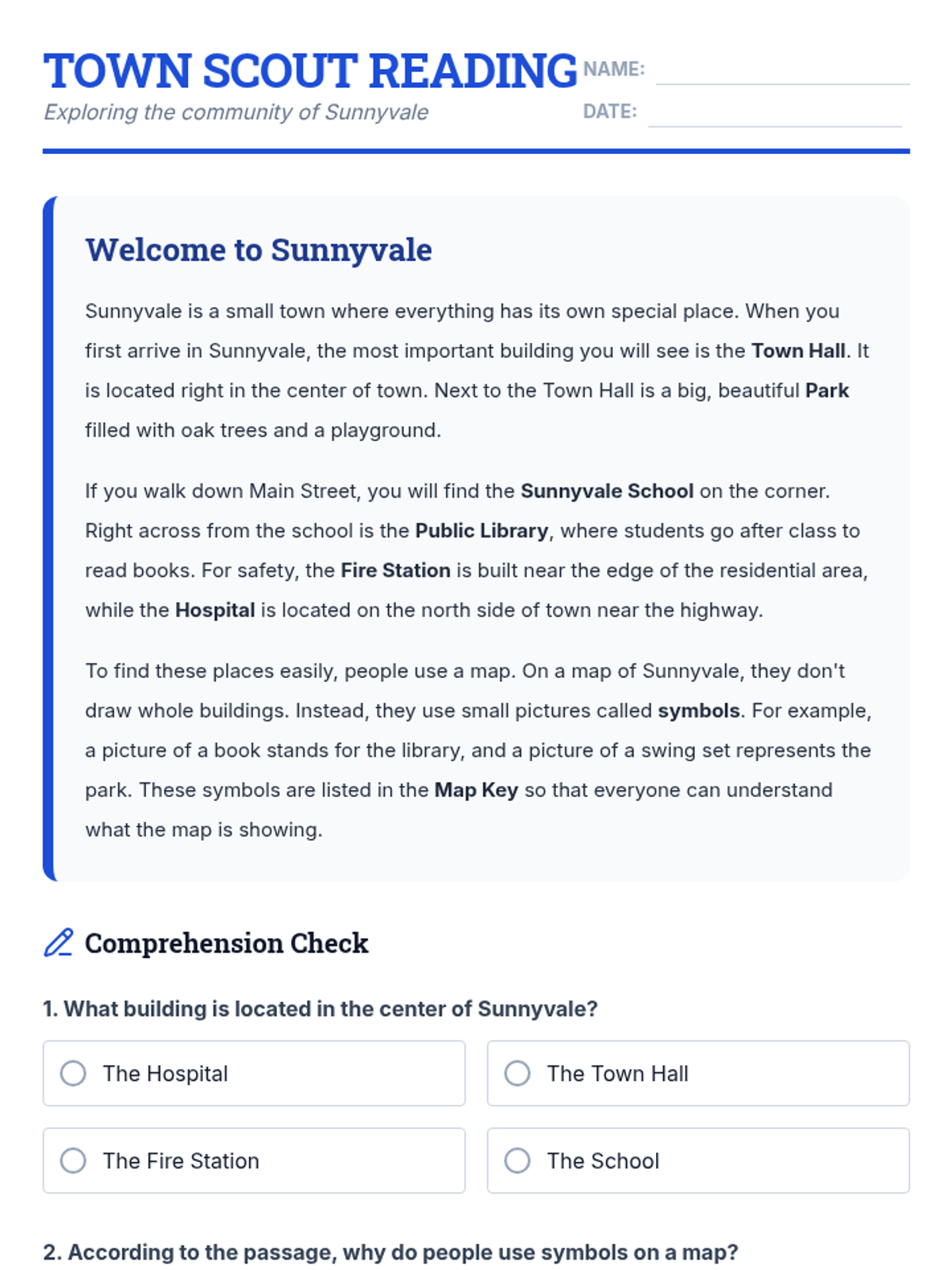
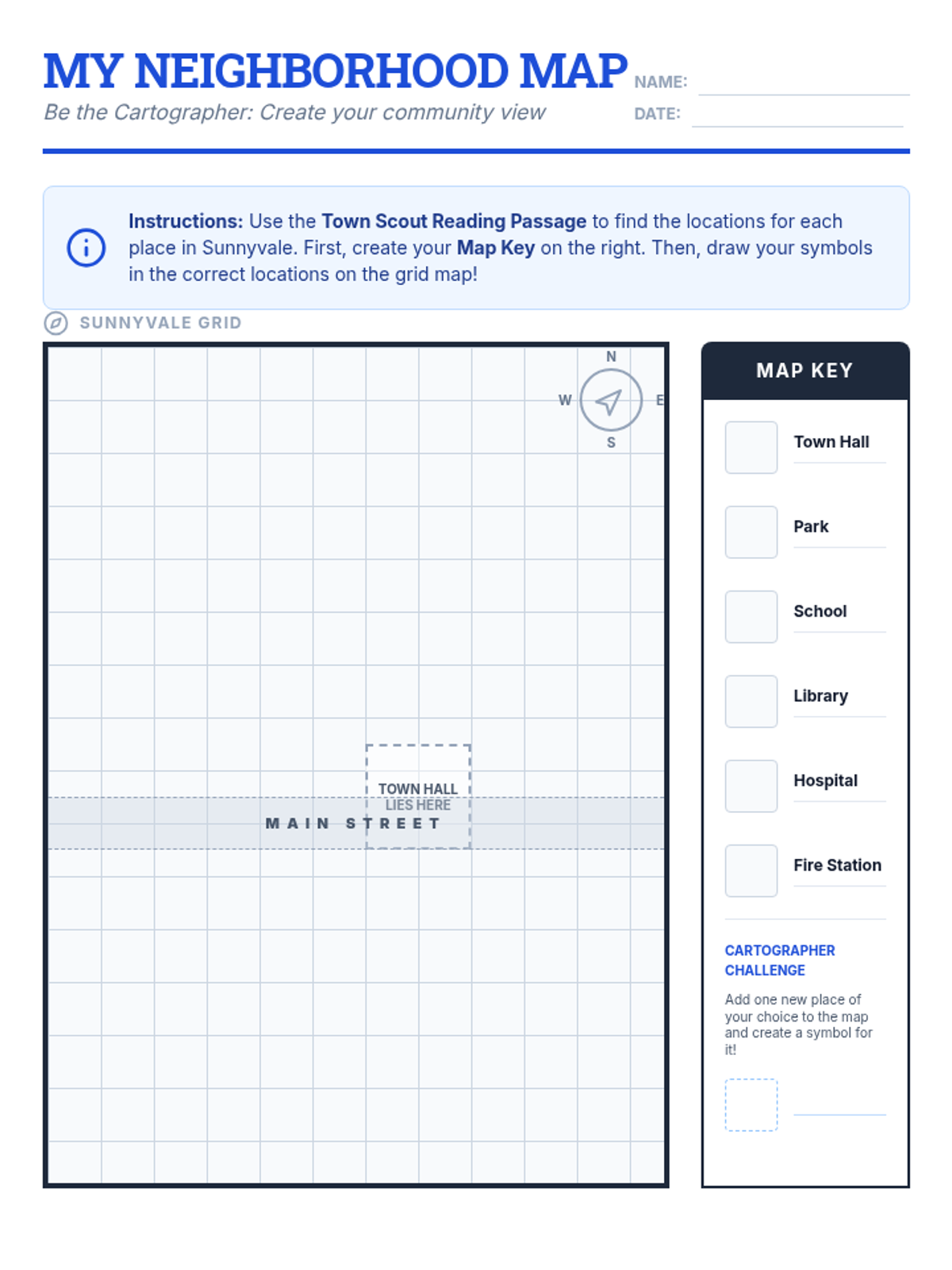
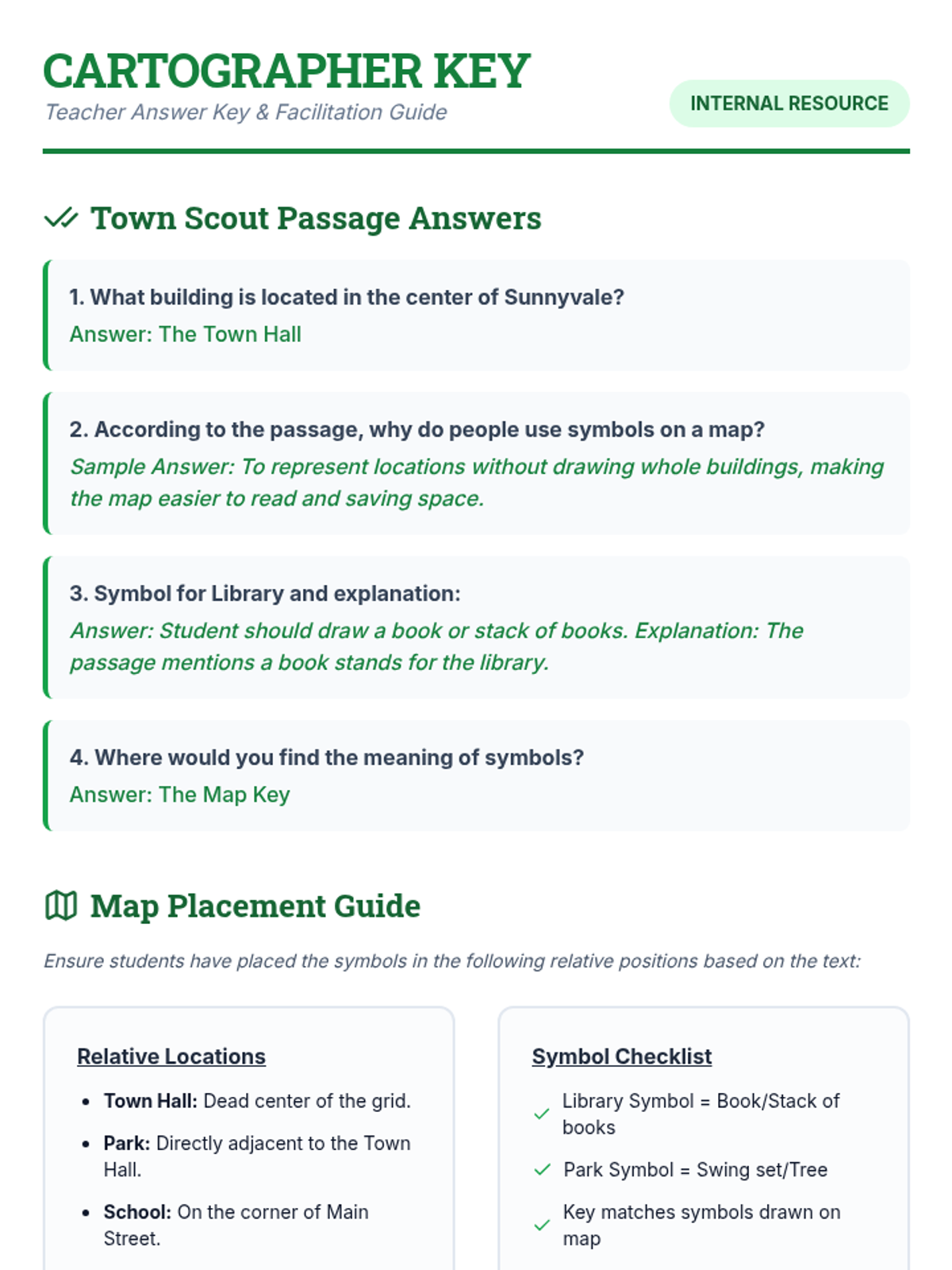
Students will learn to navigate their local community by mastering map keys and symbols. This lesson includes instructional slides, a reading passage, and a hands-on mapping activity.
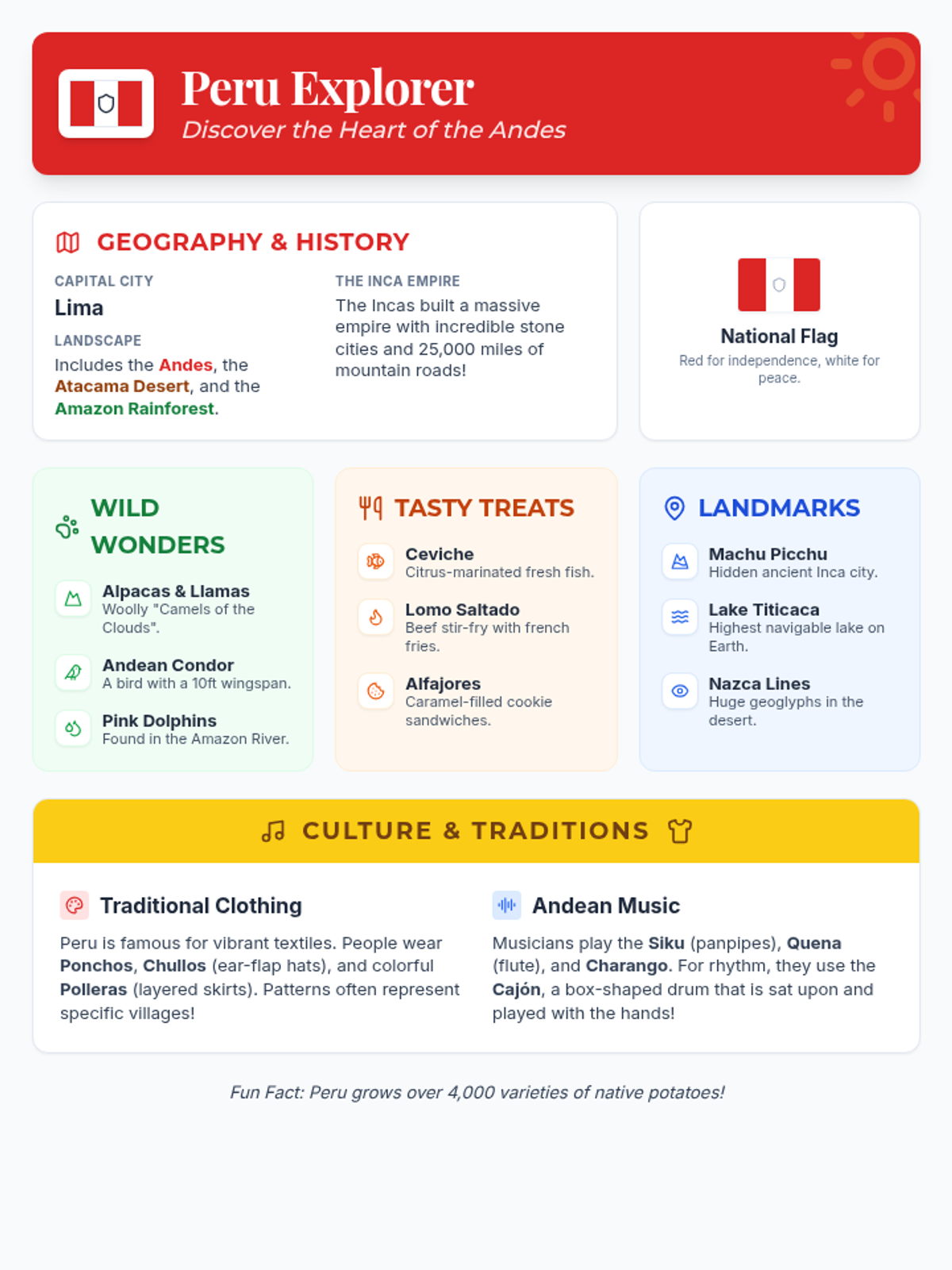
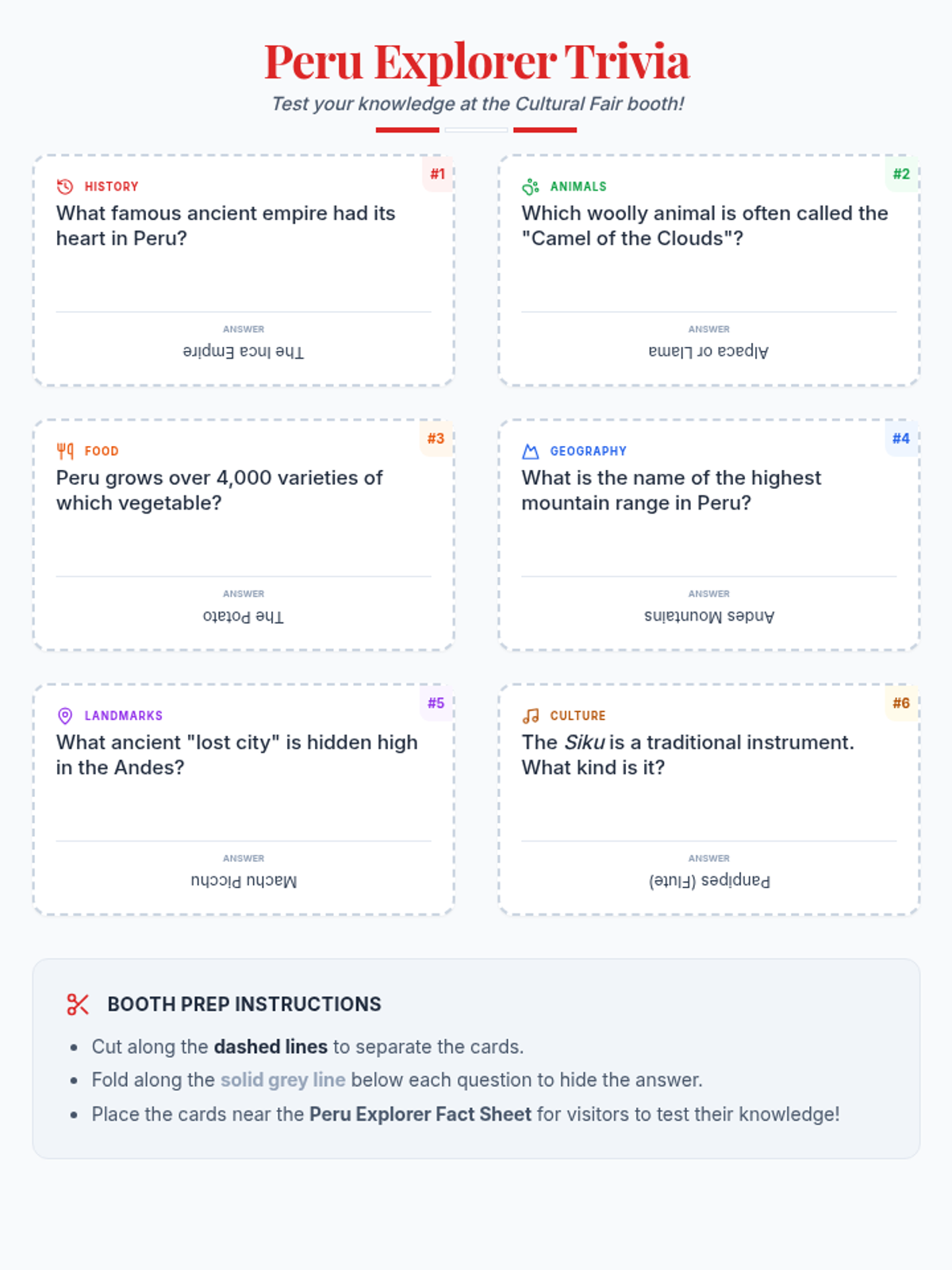
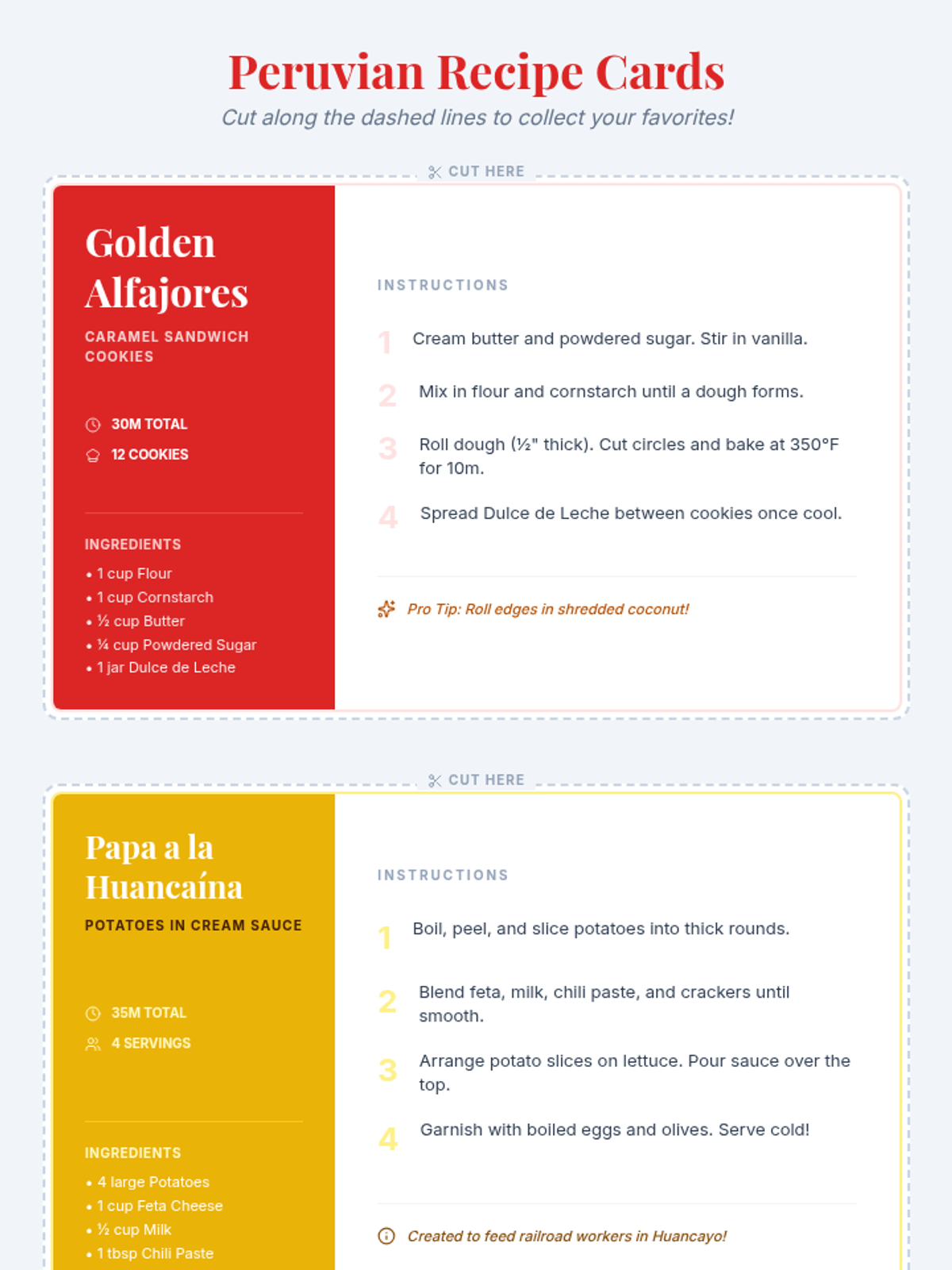
A collection of resources for an educational information booth about Peru at a cultural fair, including a fact sheet and interactive trivia cards.
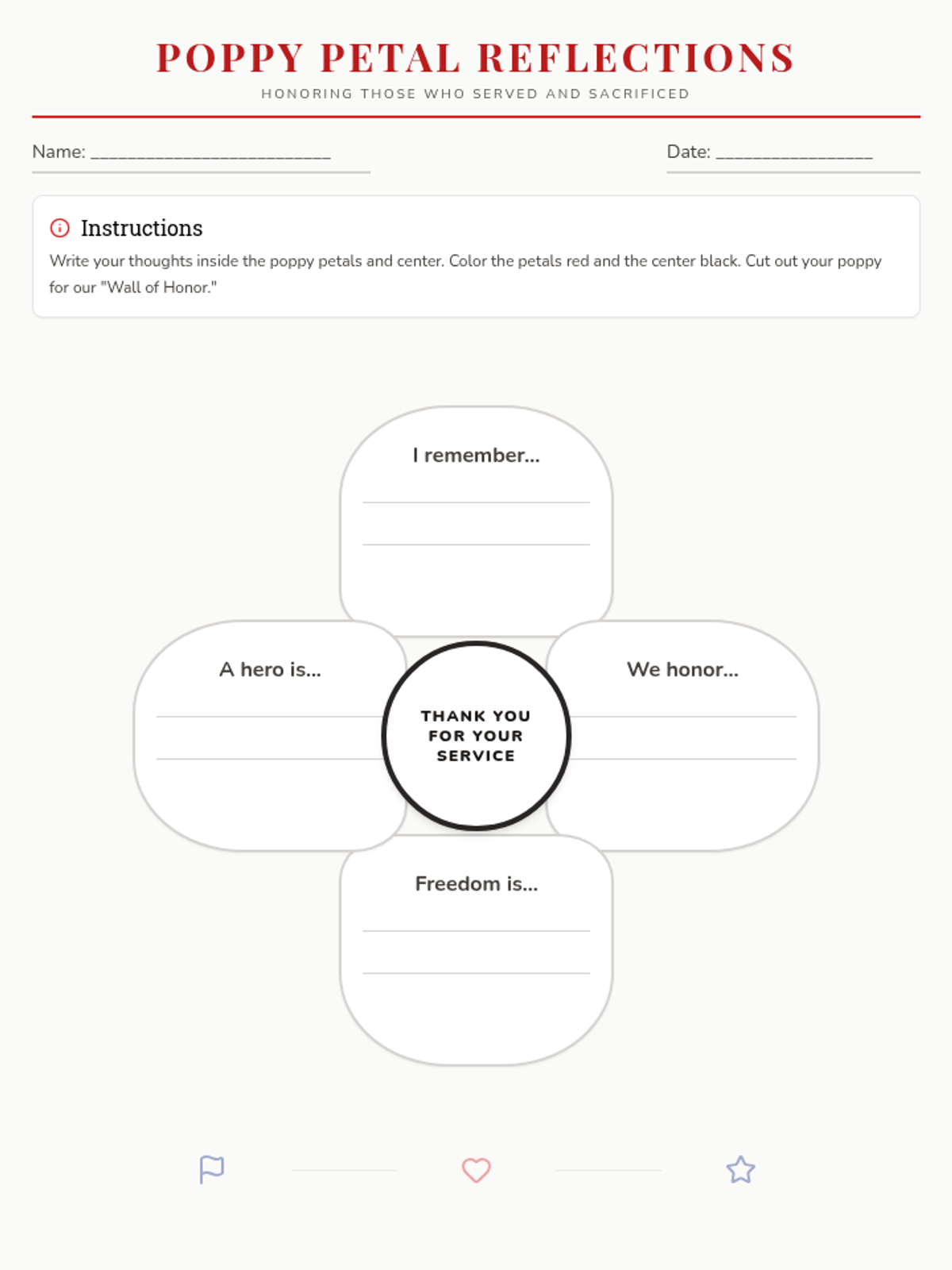
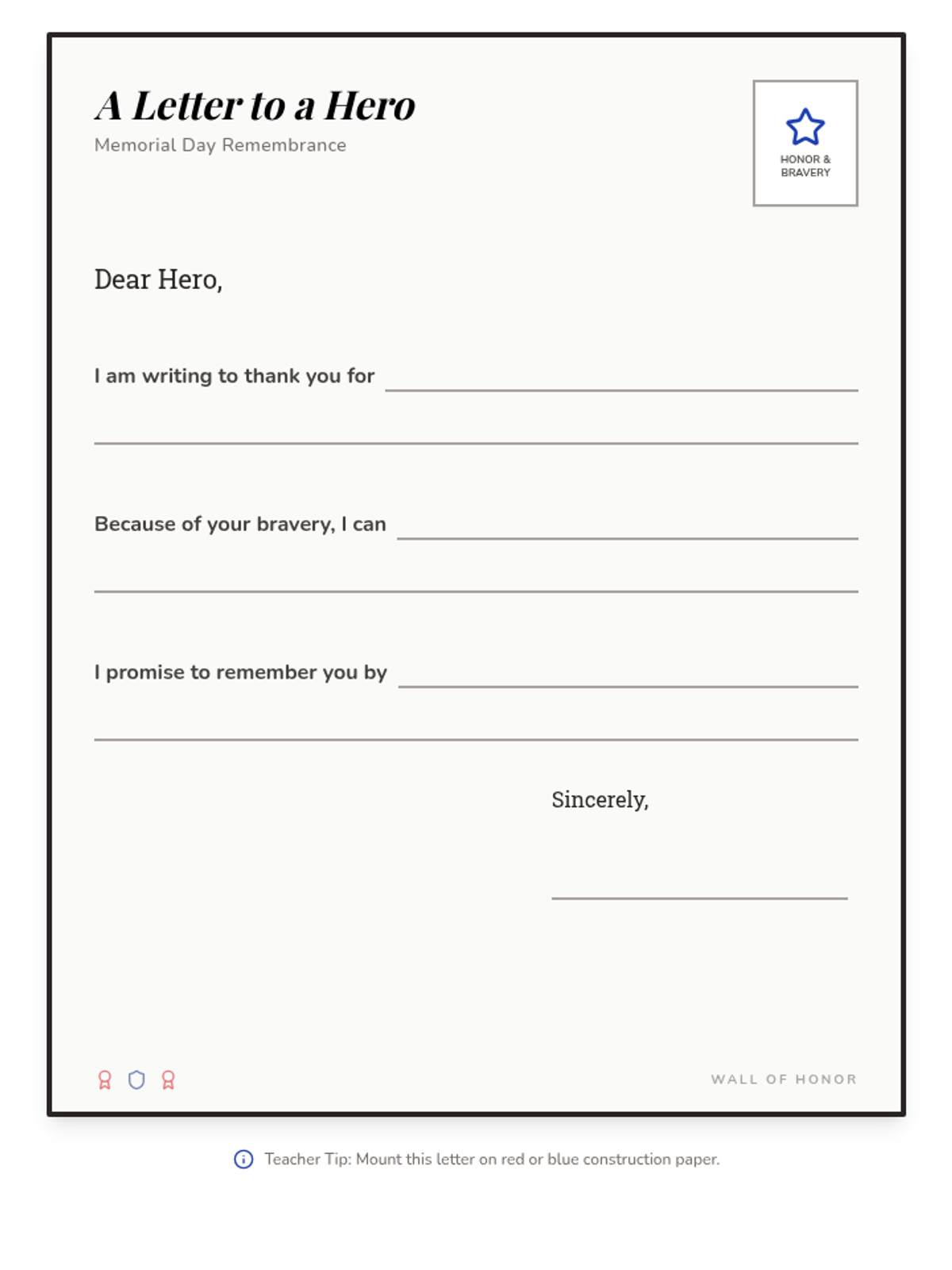
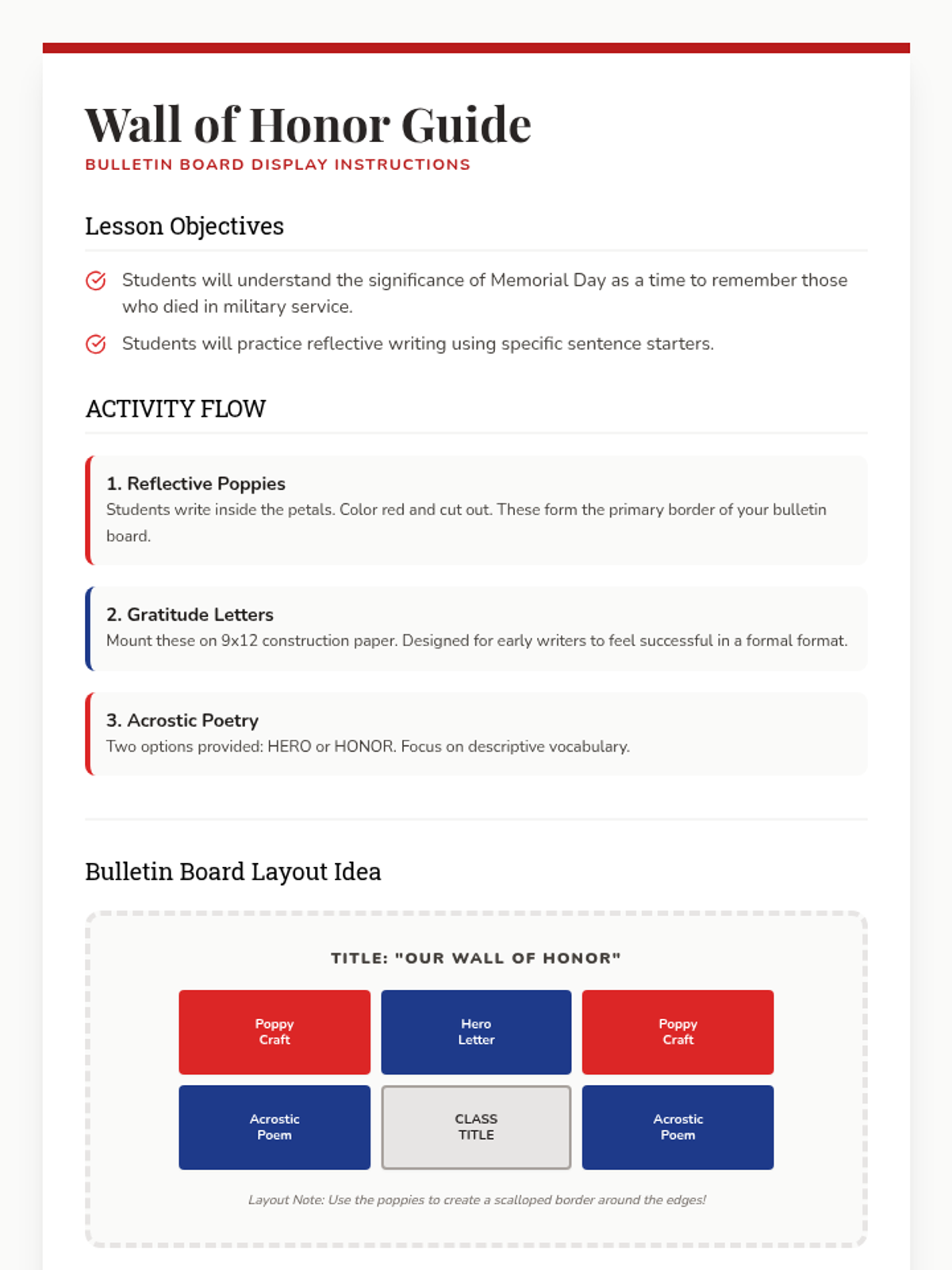
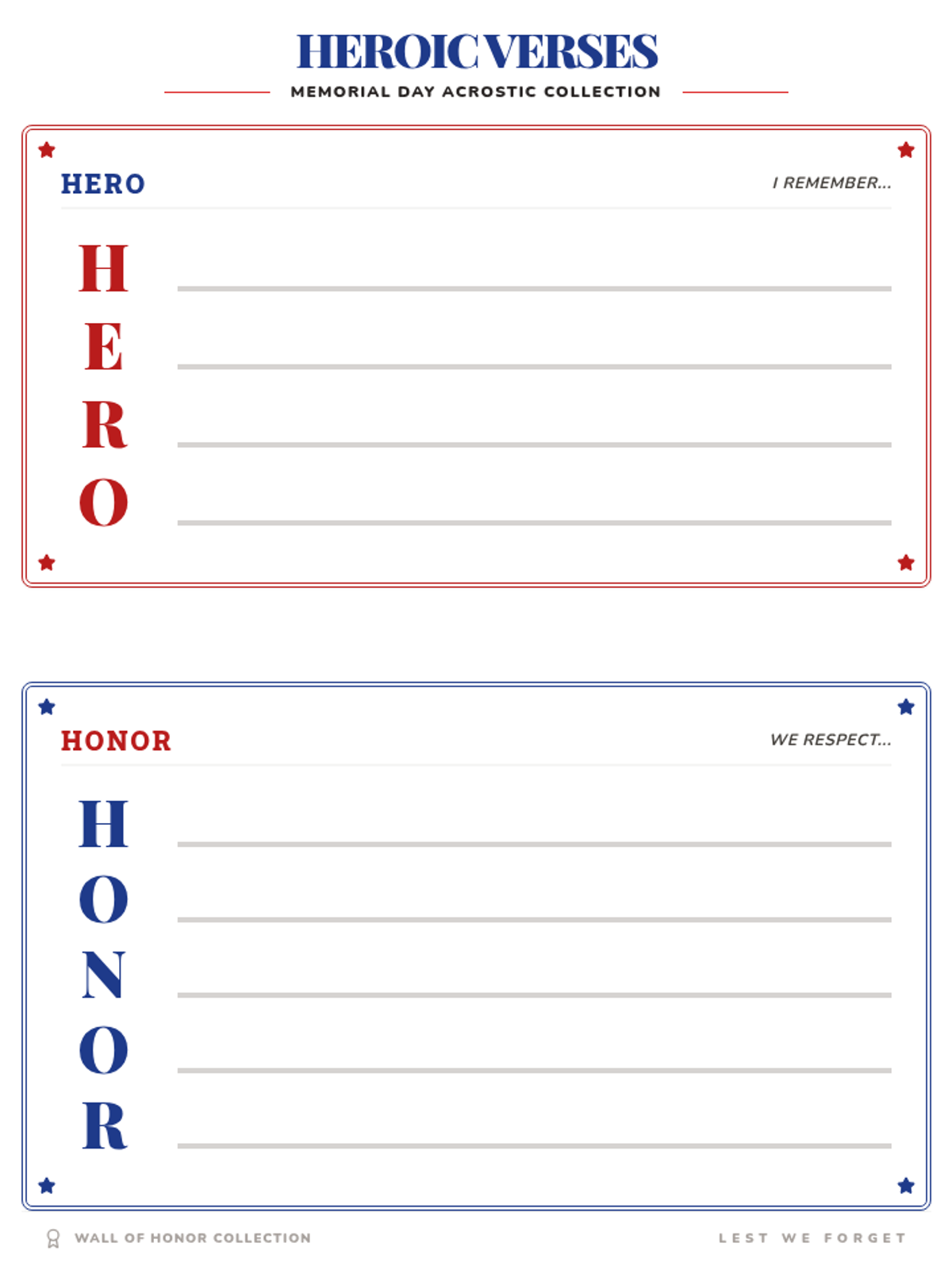
A collection of reflective and creative activities for Memorial Day, including a poppy craft writing activity, a gratitude letter template, and acrostic poems to honor fallen heroes.
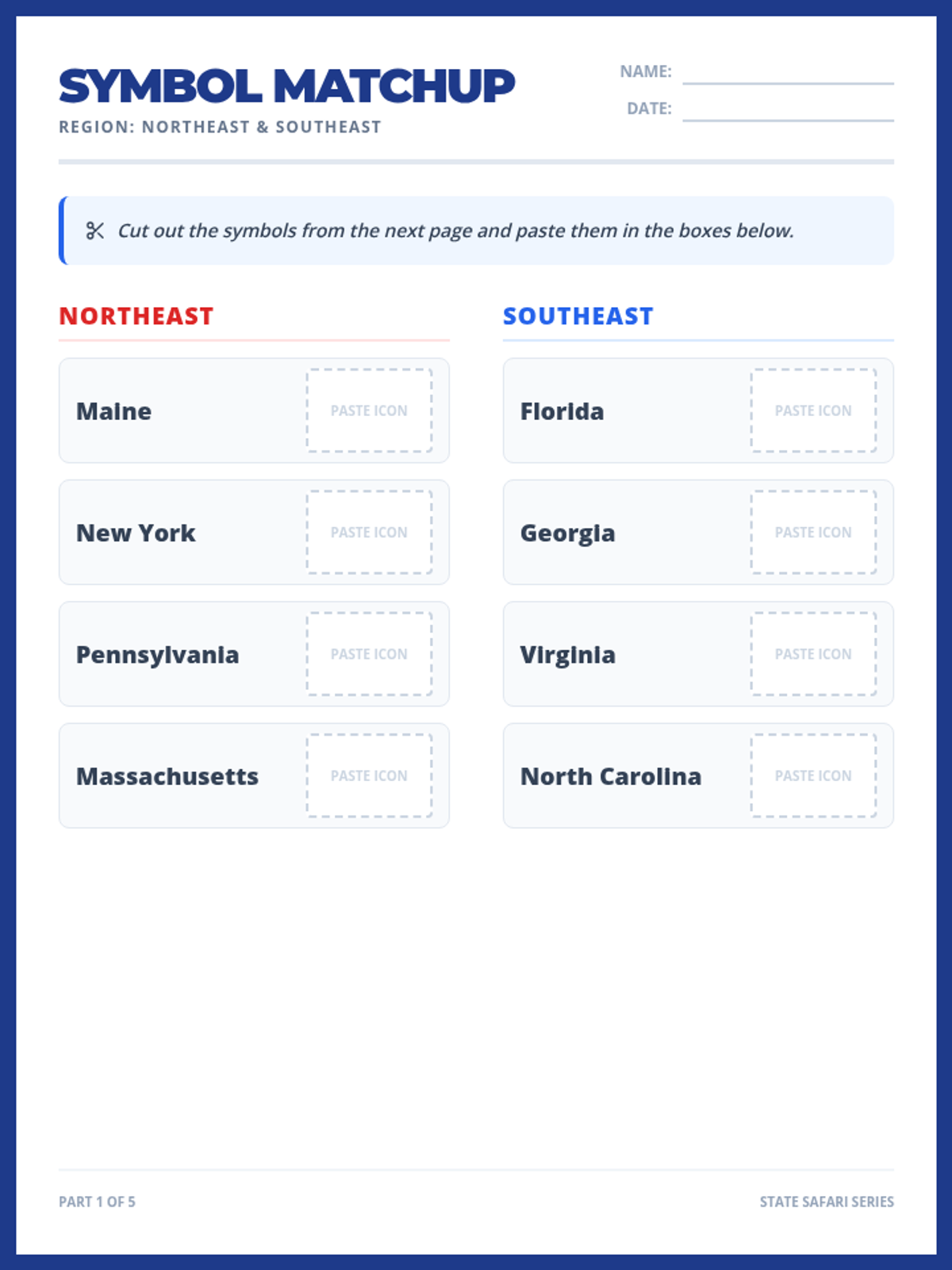
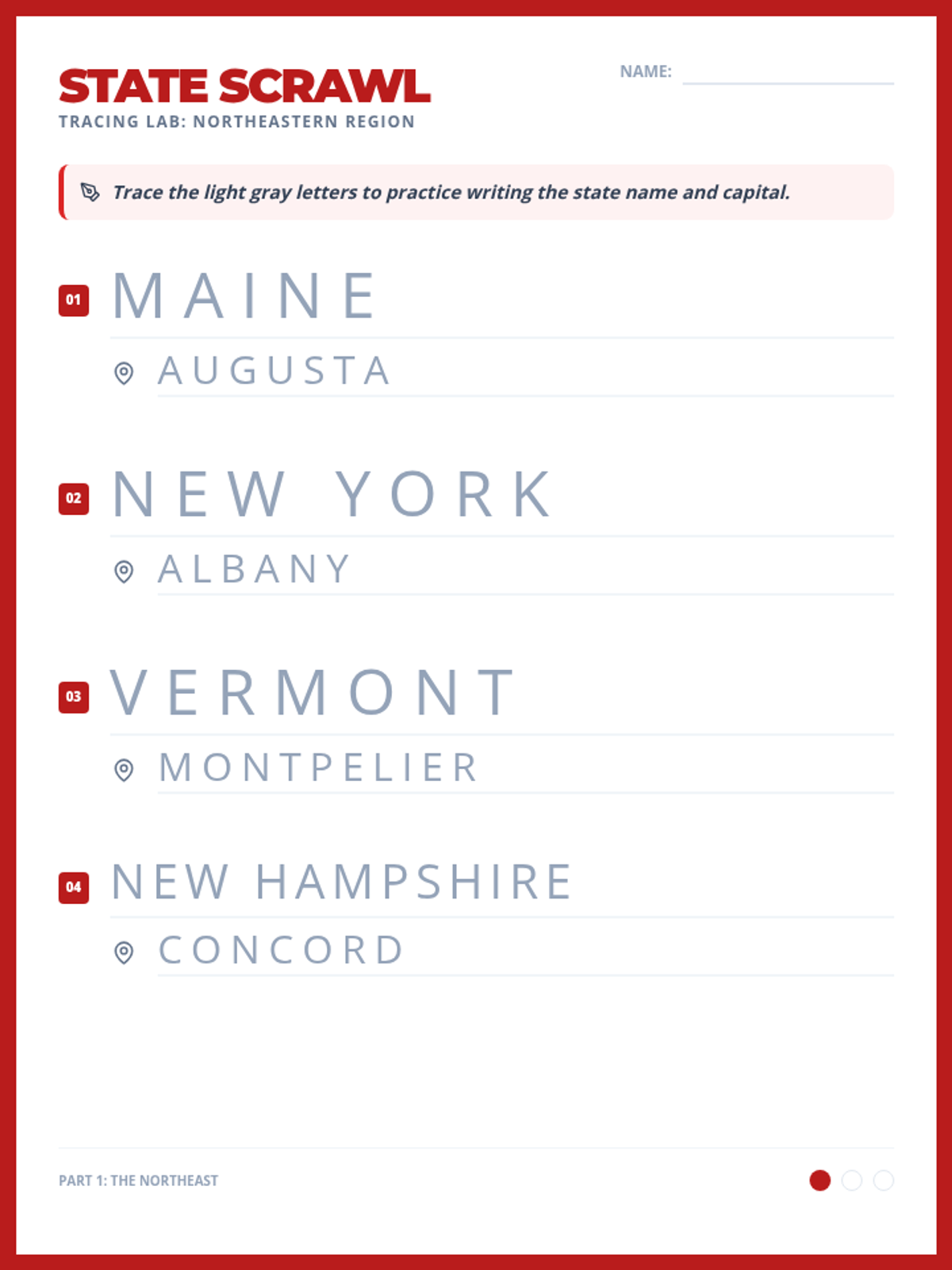
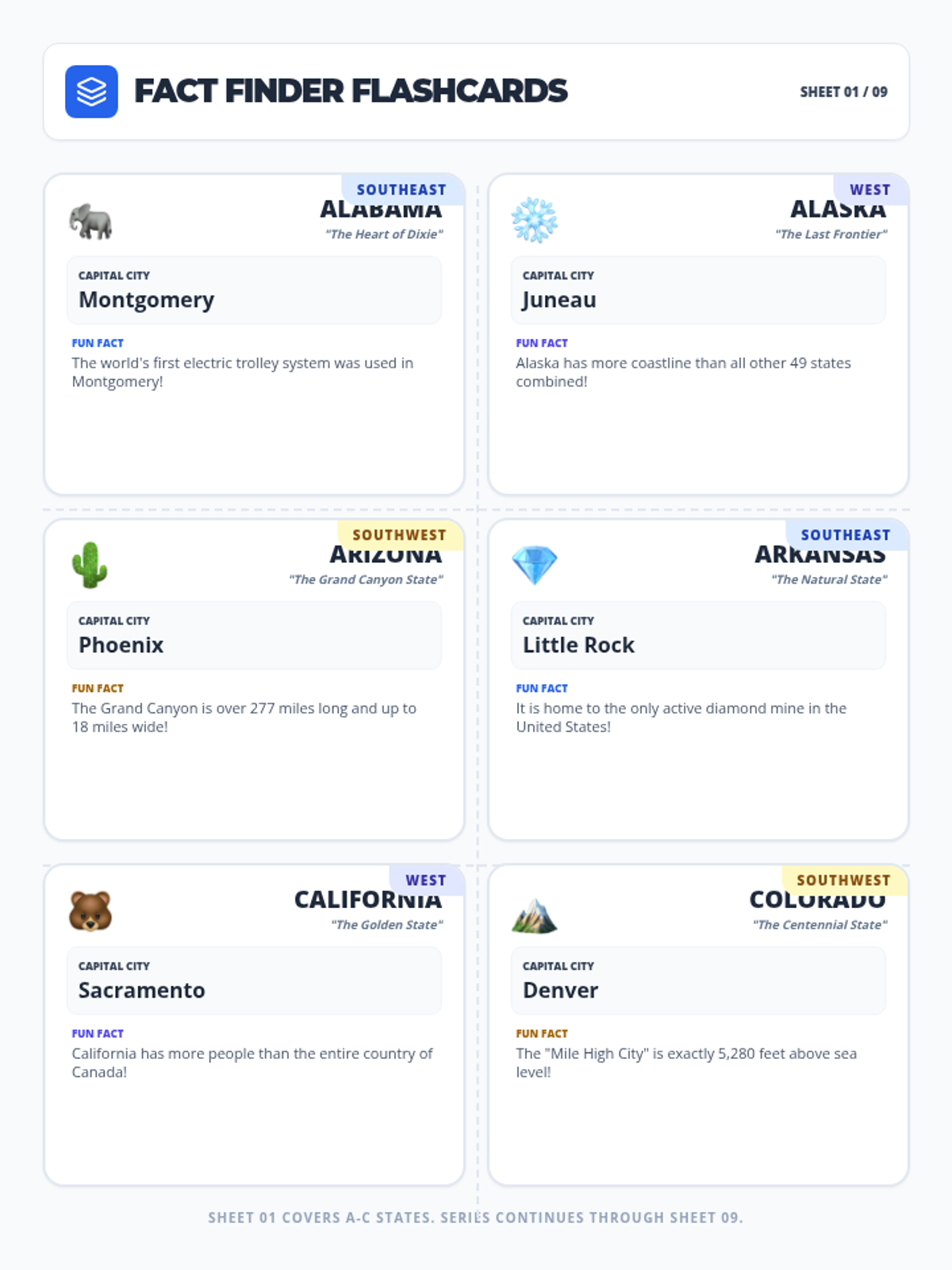
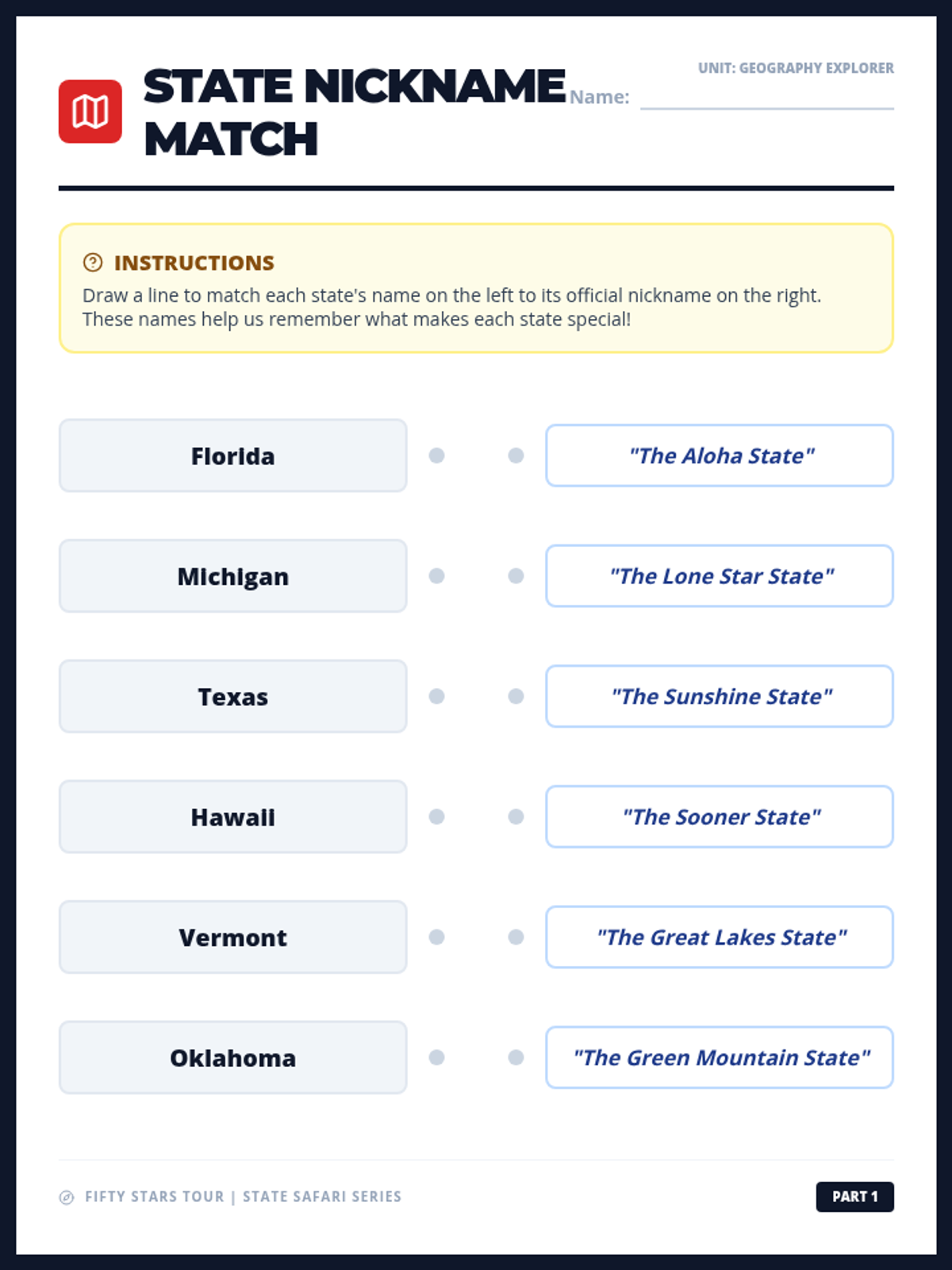
An introductory overview of all 50 states, focusing on visual identification, nomenclature, and basic facts.
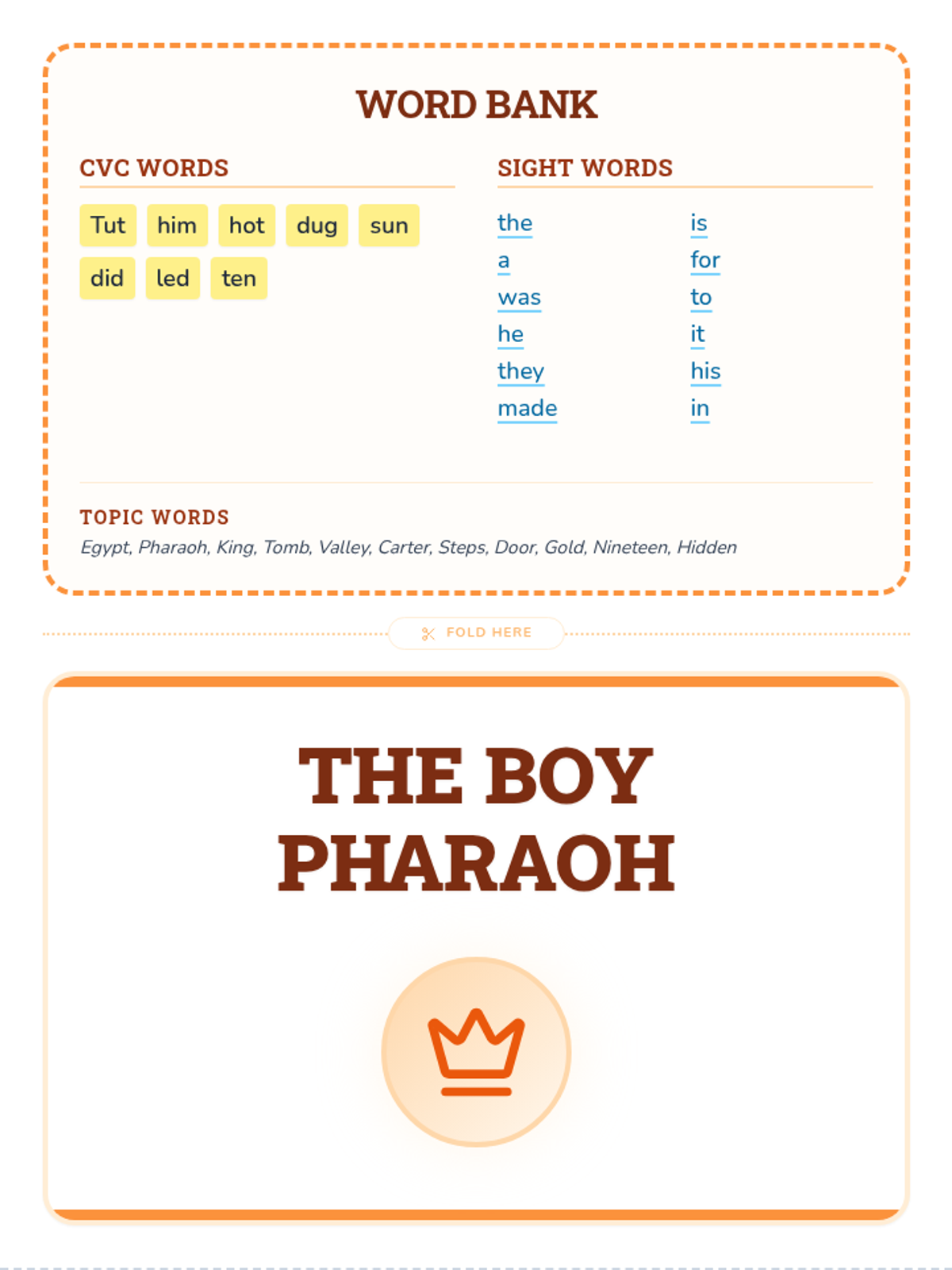
A 1st-grade lesson exploring the discovery of King Tutankhamun's tomb, focusing on reading decodable text and identifying key historical details.
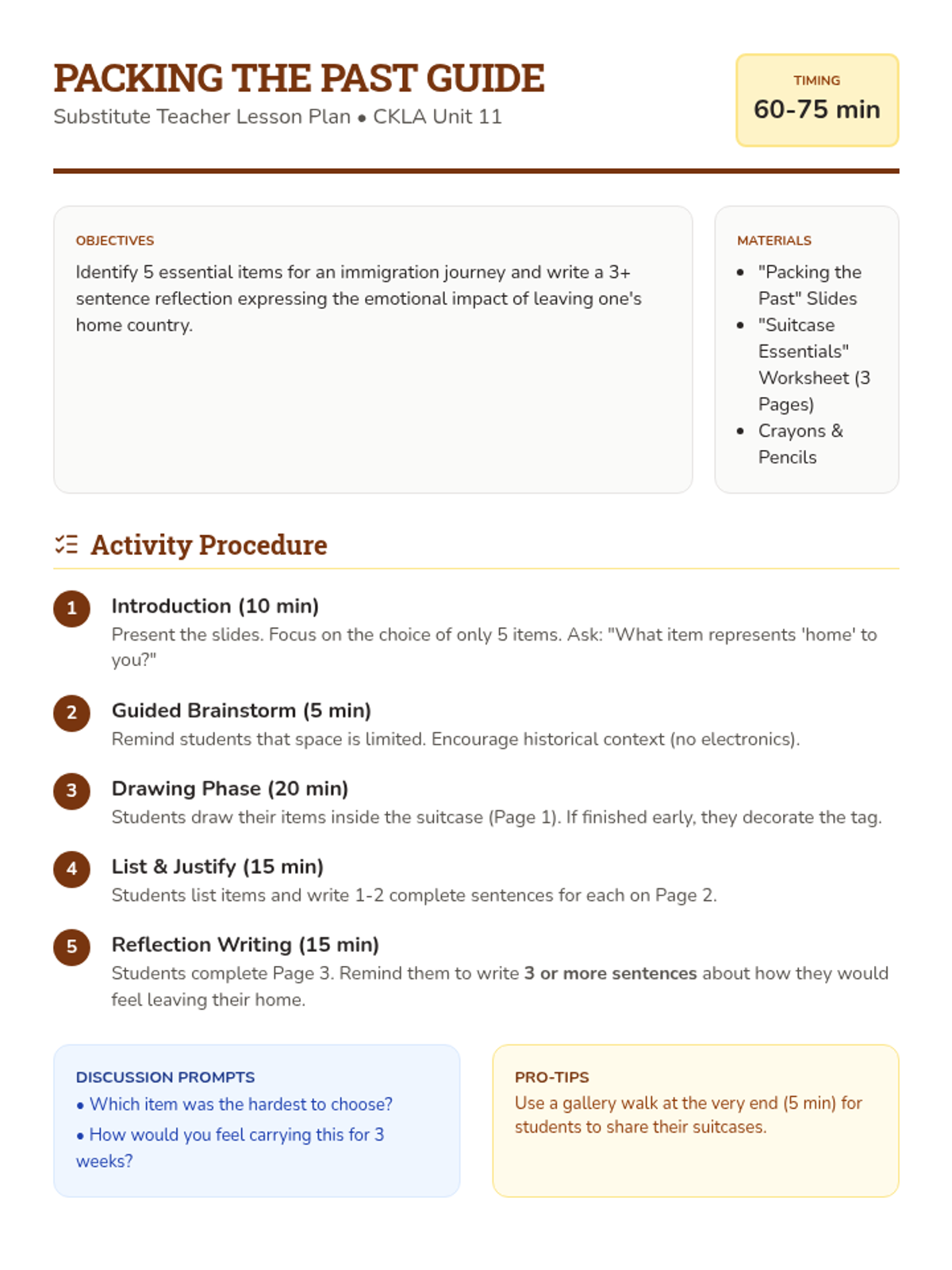
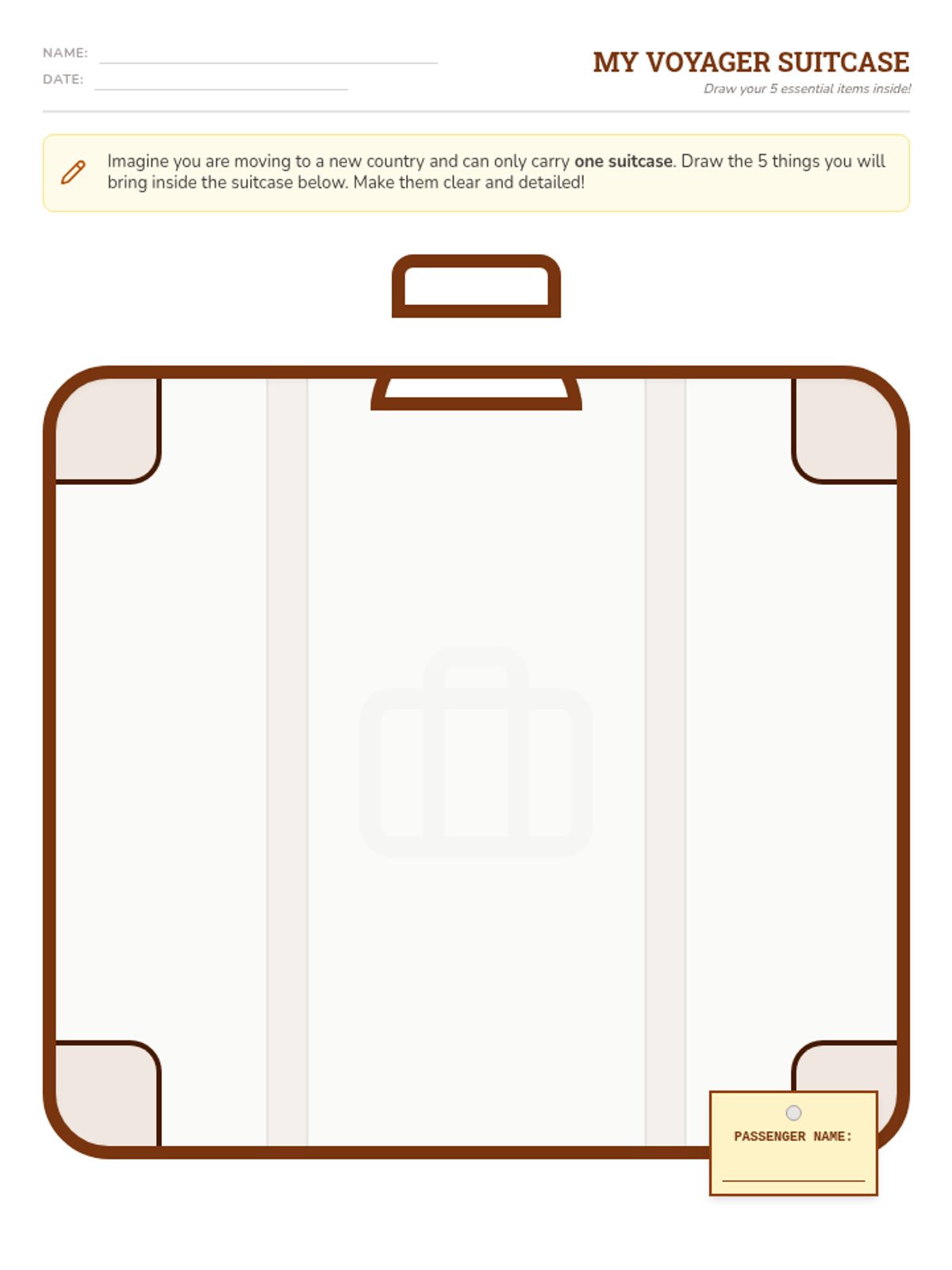
A substitute-ready lesson focusing on the emotional and practical aspects of immigration, where students decide what five essential items they would pack in a single suitcase.
A lesson introducing King Tutankhamun, focusing on his life as a young pharaoh and the discovery of his hidden tomb in the Valley of the Kings.
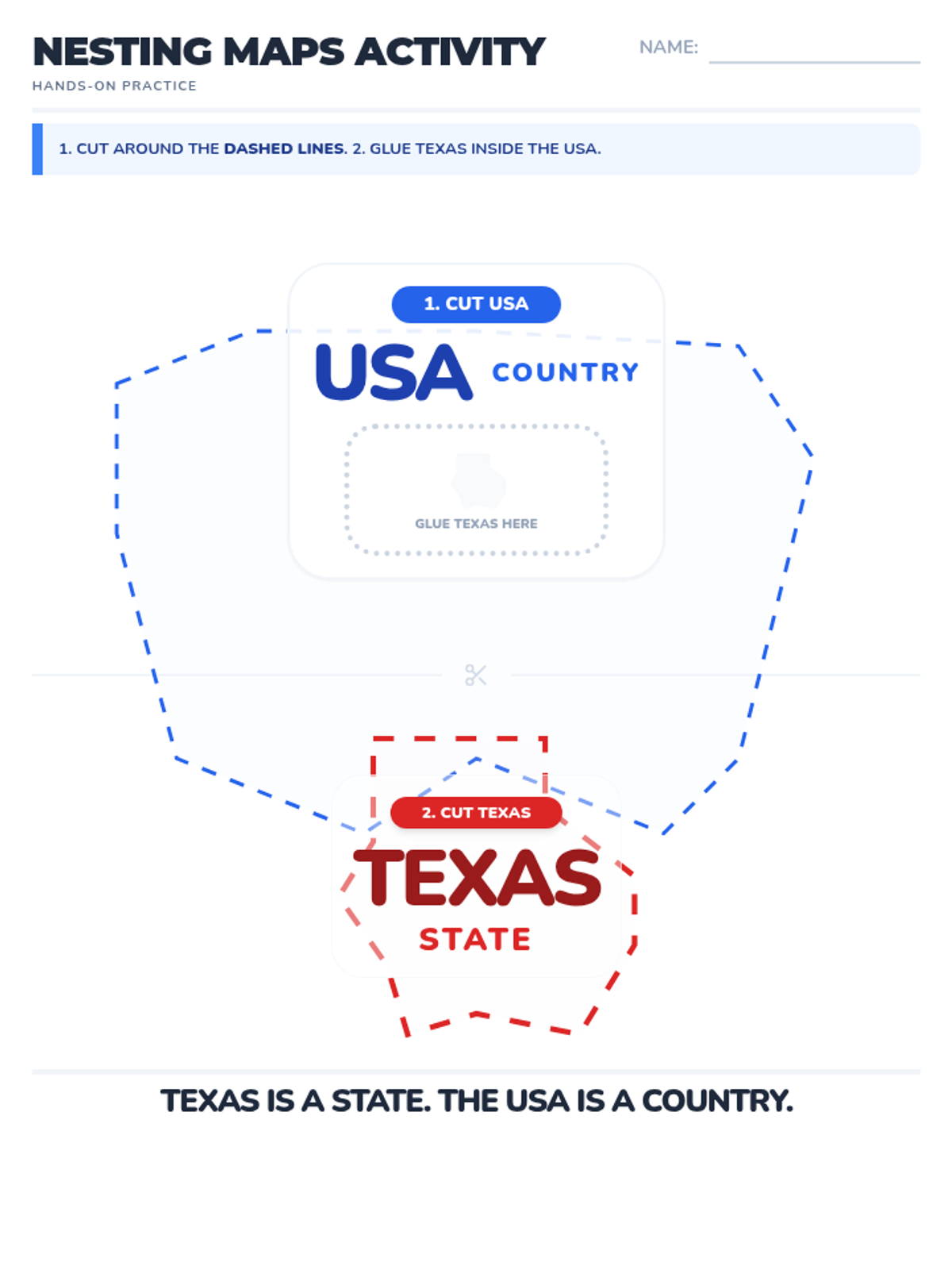
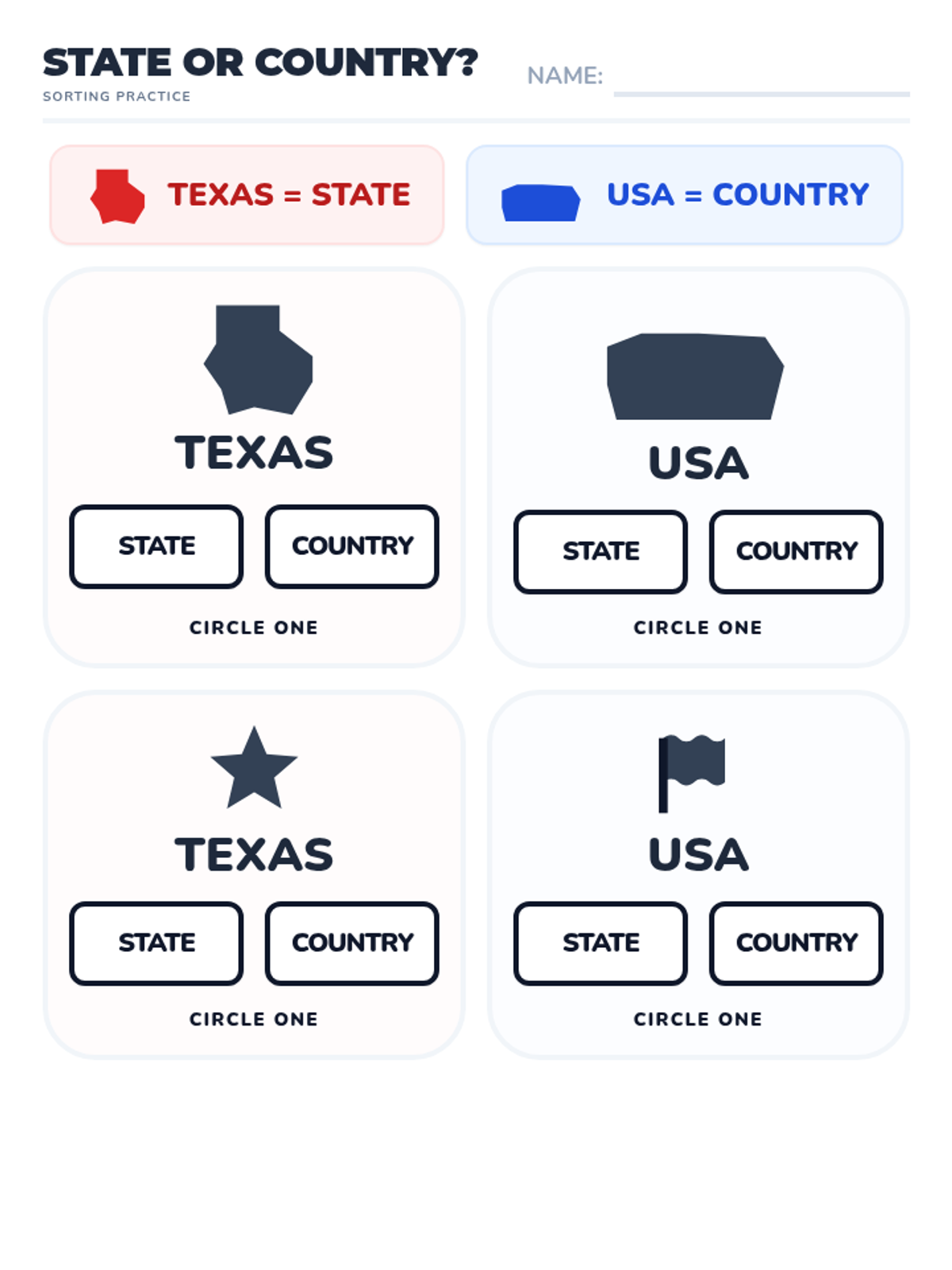
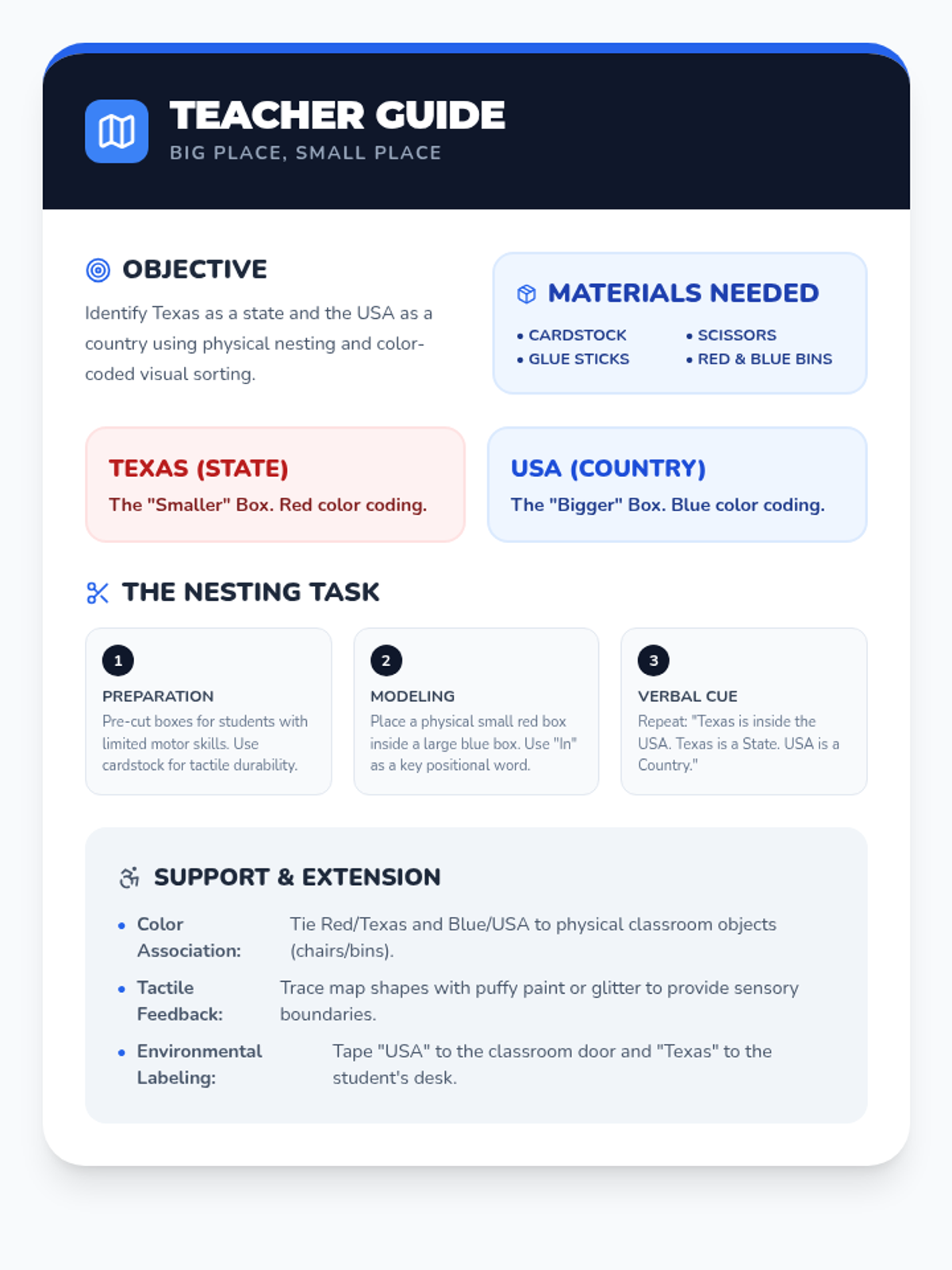
A foundational geography lesson designed for early emergent learners to distinguish between their state (Texas) and their country (USA) using visual nesting and simple categorization.
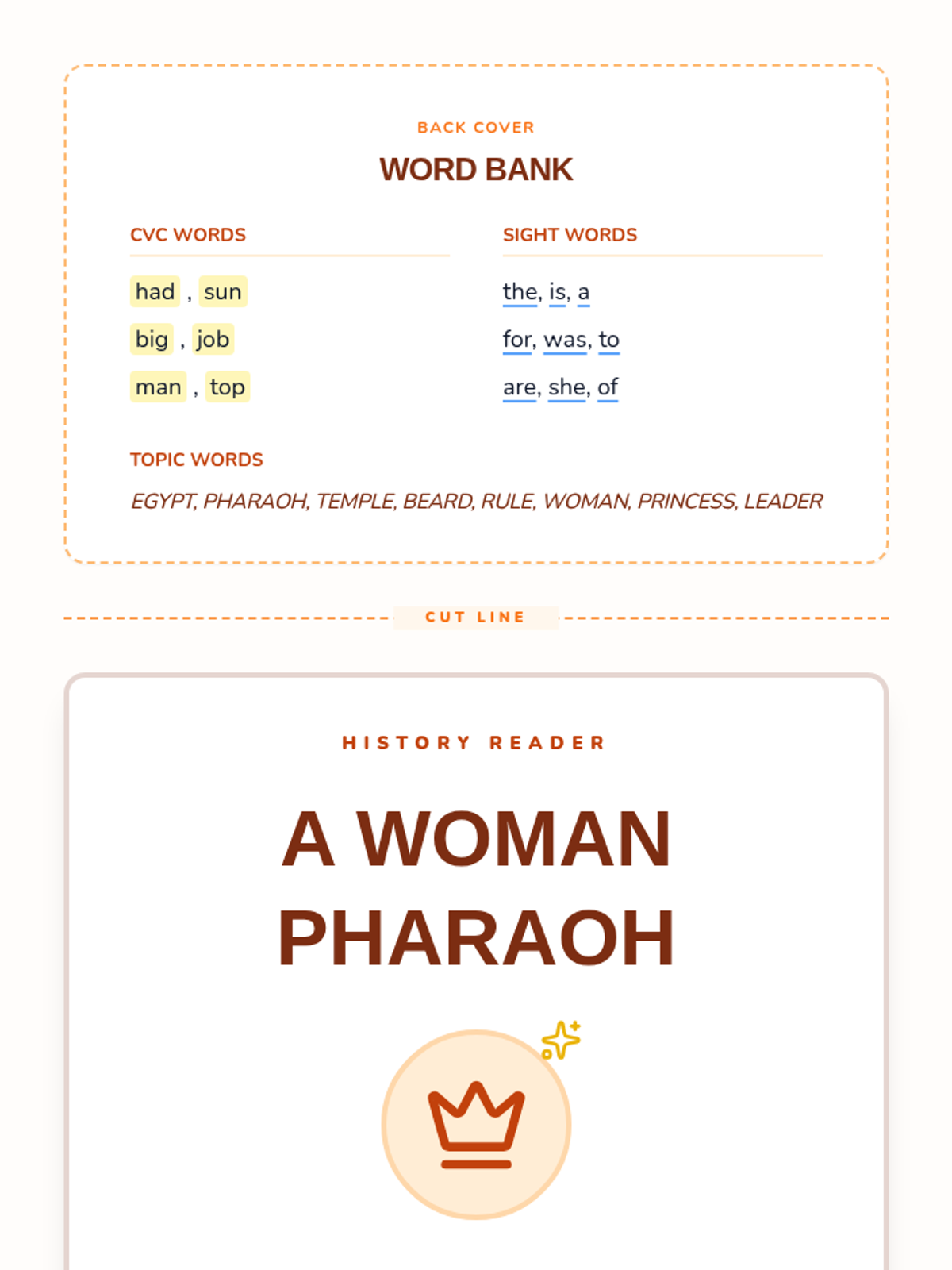
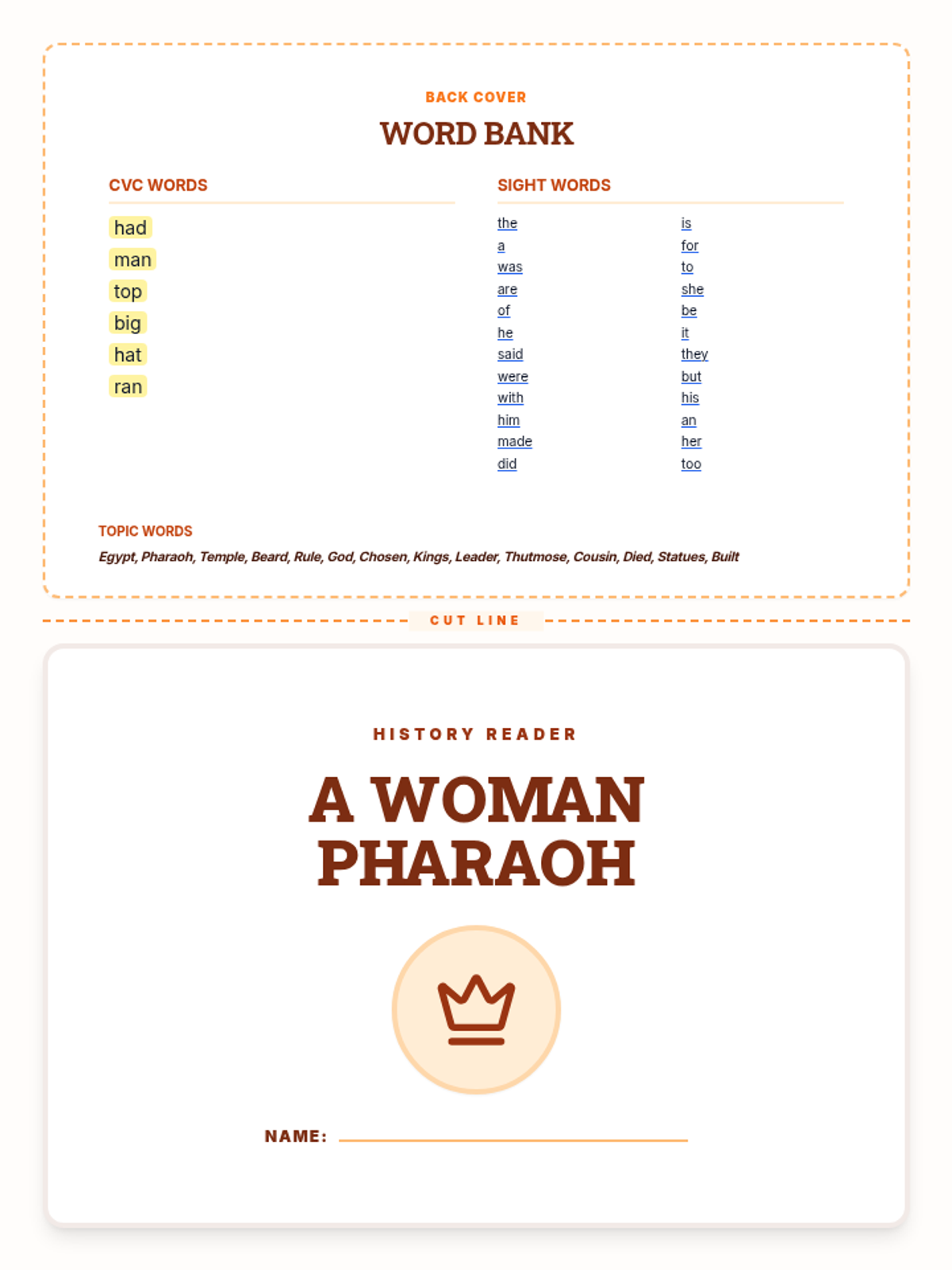
In this lesson, students will learn about Hatshepsut, one of the few female pharaohs in ancient Egypt, her accomplishments, and how she challenged traditional rules.
Students will learn about the construction of the pyramids and the significance of the Great Sphinx through a decodable reader and guided discussion.