Four interactive games focusing on sight words, reading comprehension (main idea), and vocabulary (synonyms/antonyms) using BINGO and dice-based mechanics.

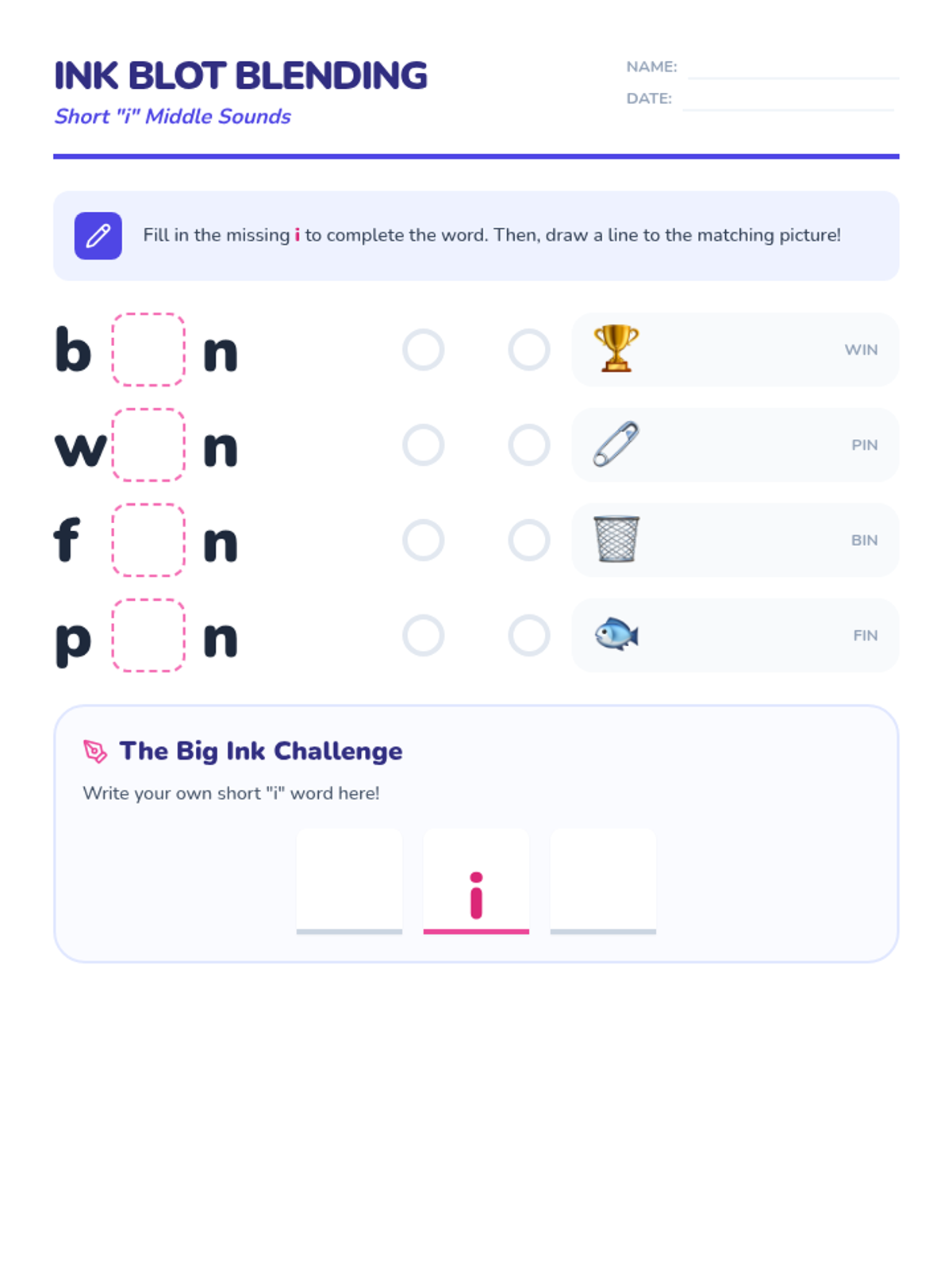
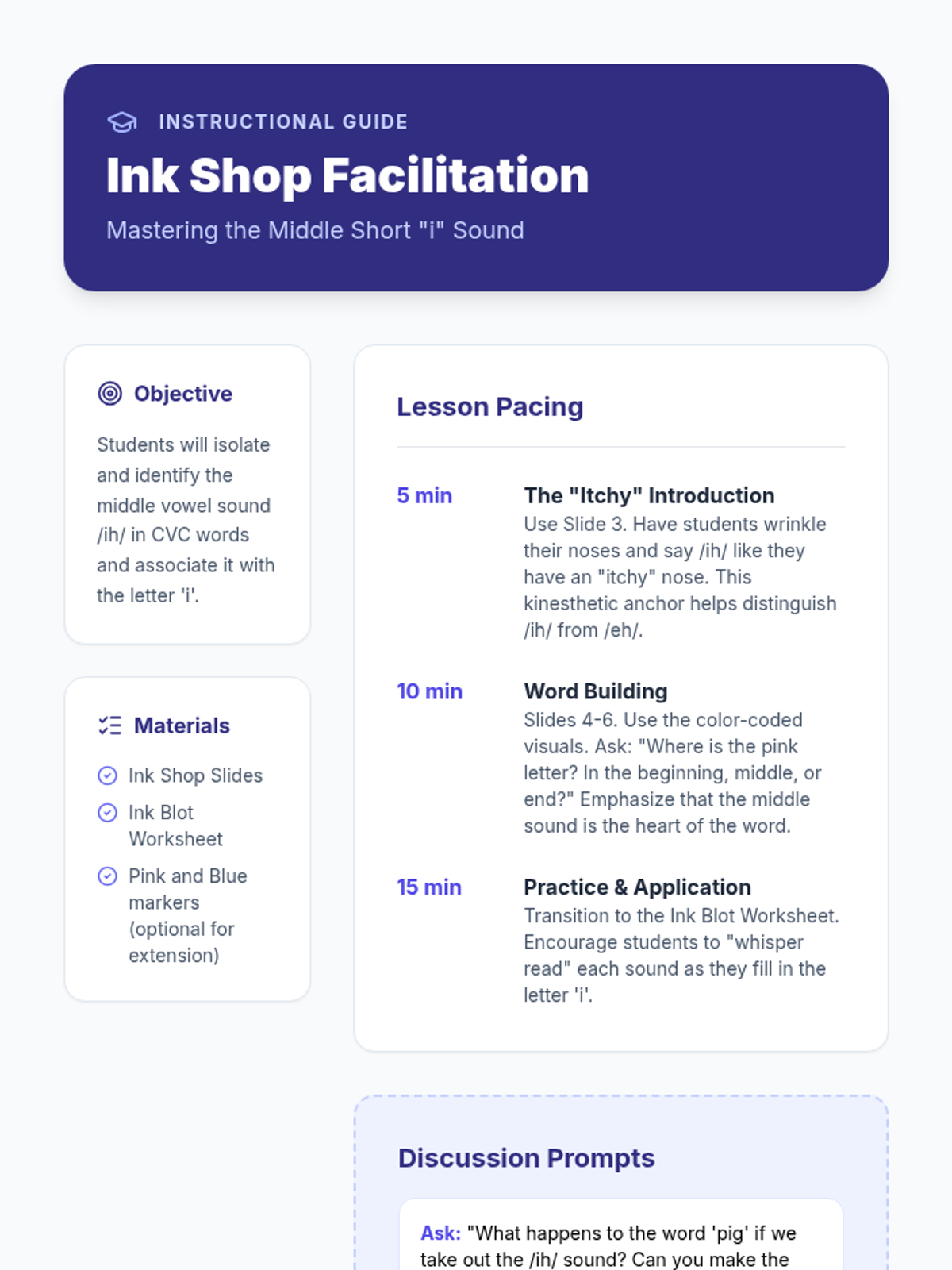
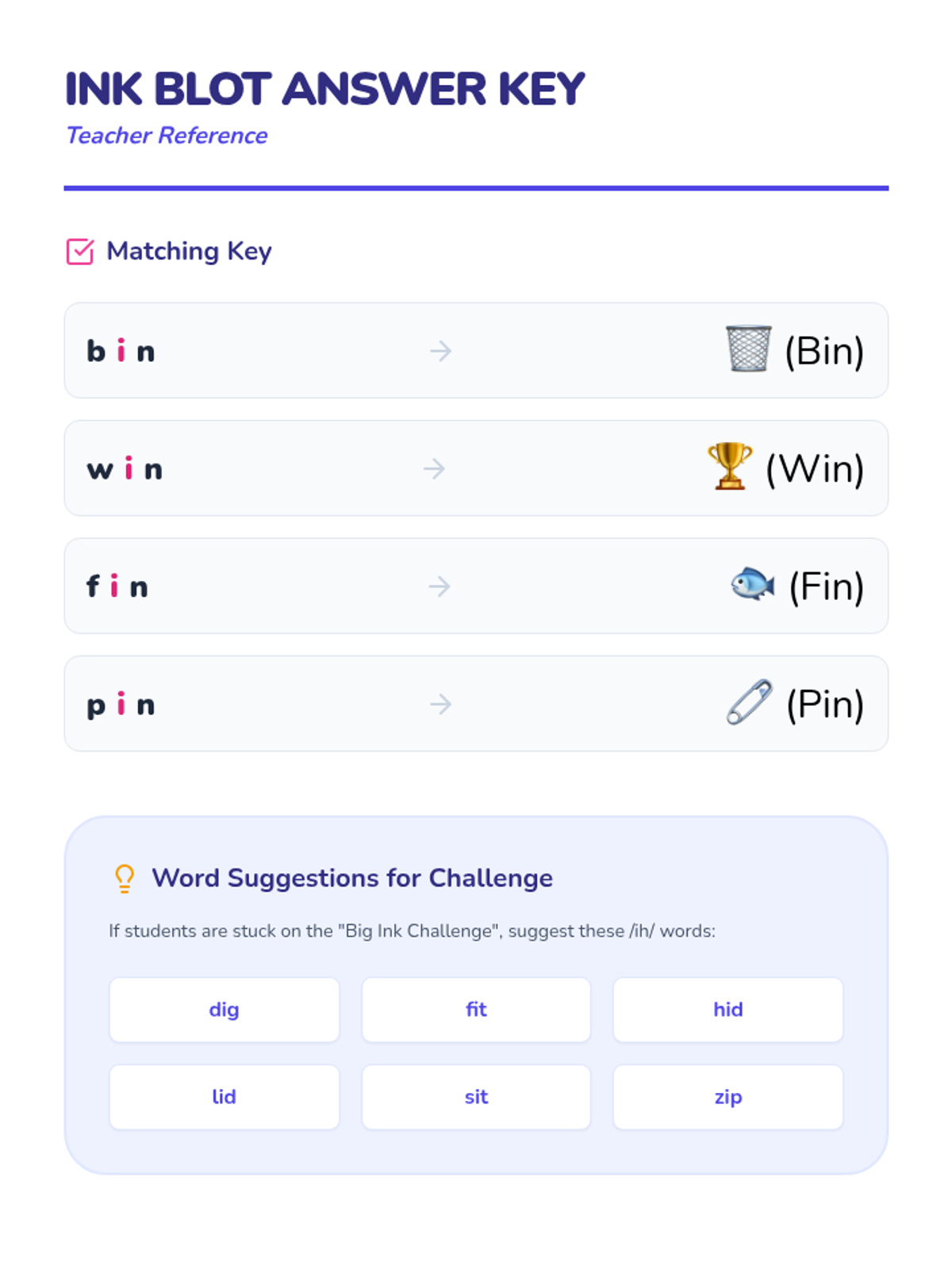
A quick introductory lesson on identifying and pronouncing the short 'i' sound in middle of CVC words using color-coded visual supports.
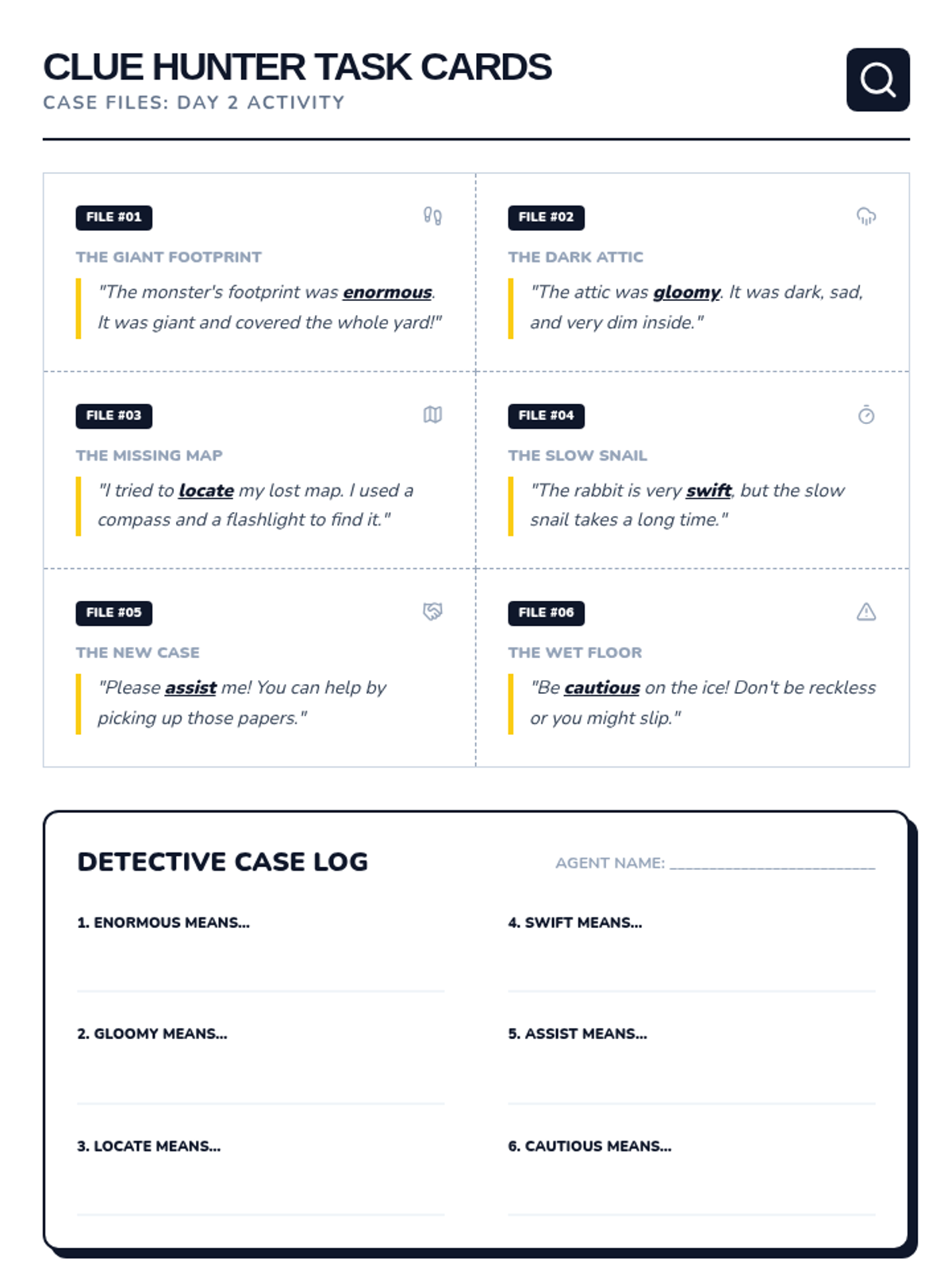
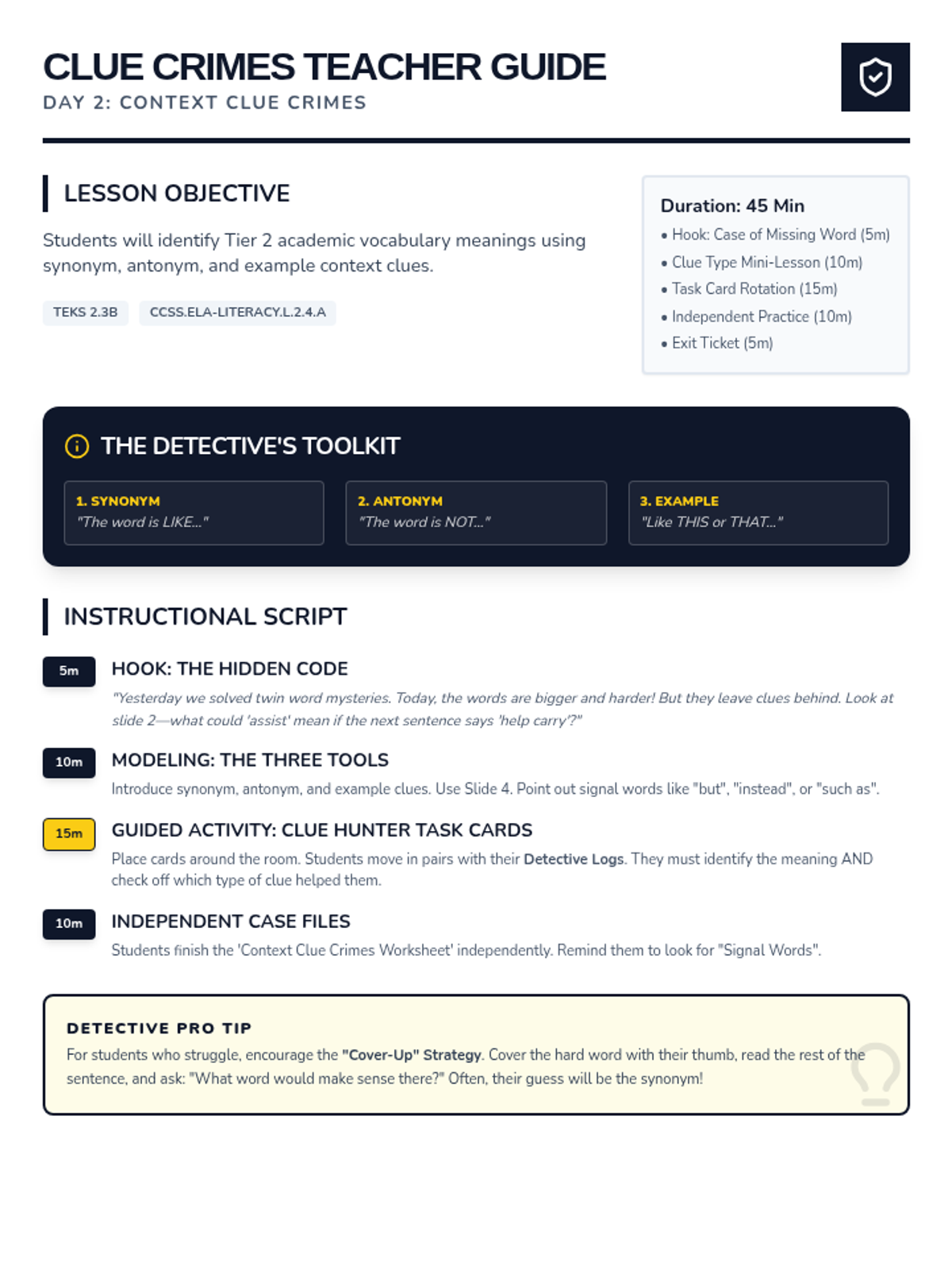
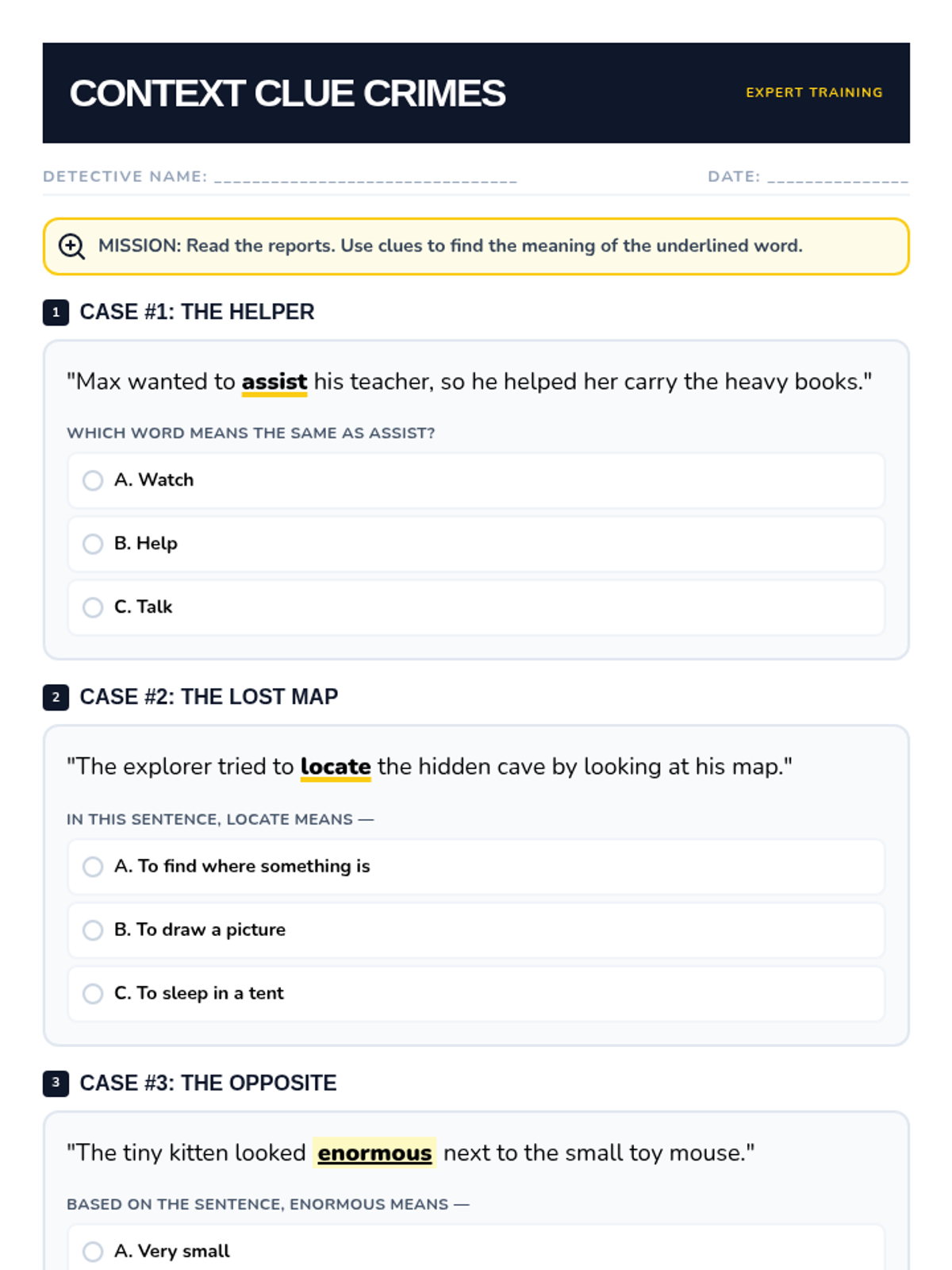
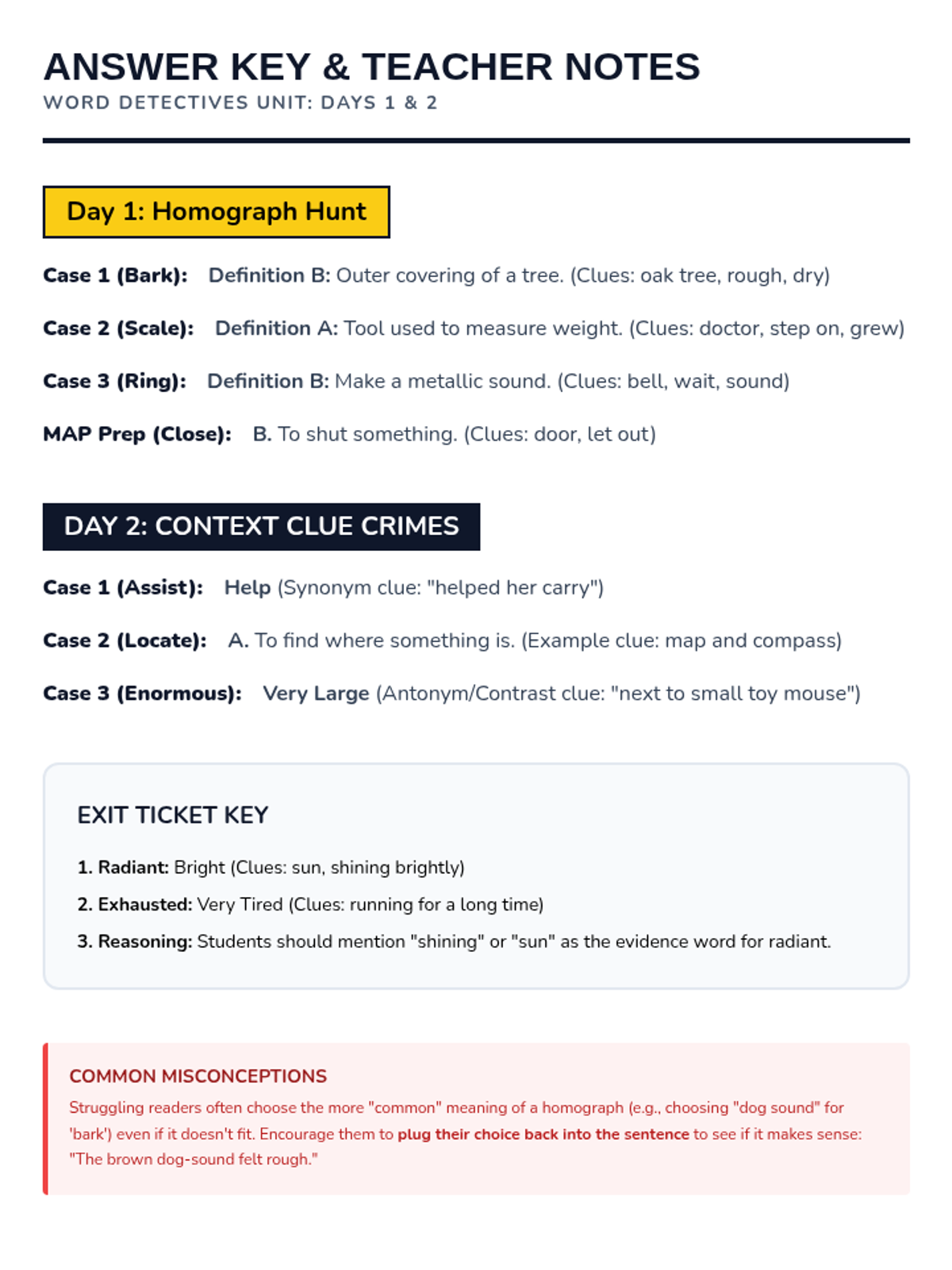
Day 2 focuses on Tier 2 academic vocabulary and using synonym, antonym, and example clues to find definitions. Students will practice MAP-aligned questions focused on sentence-level inference.
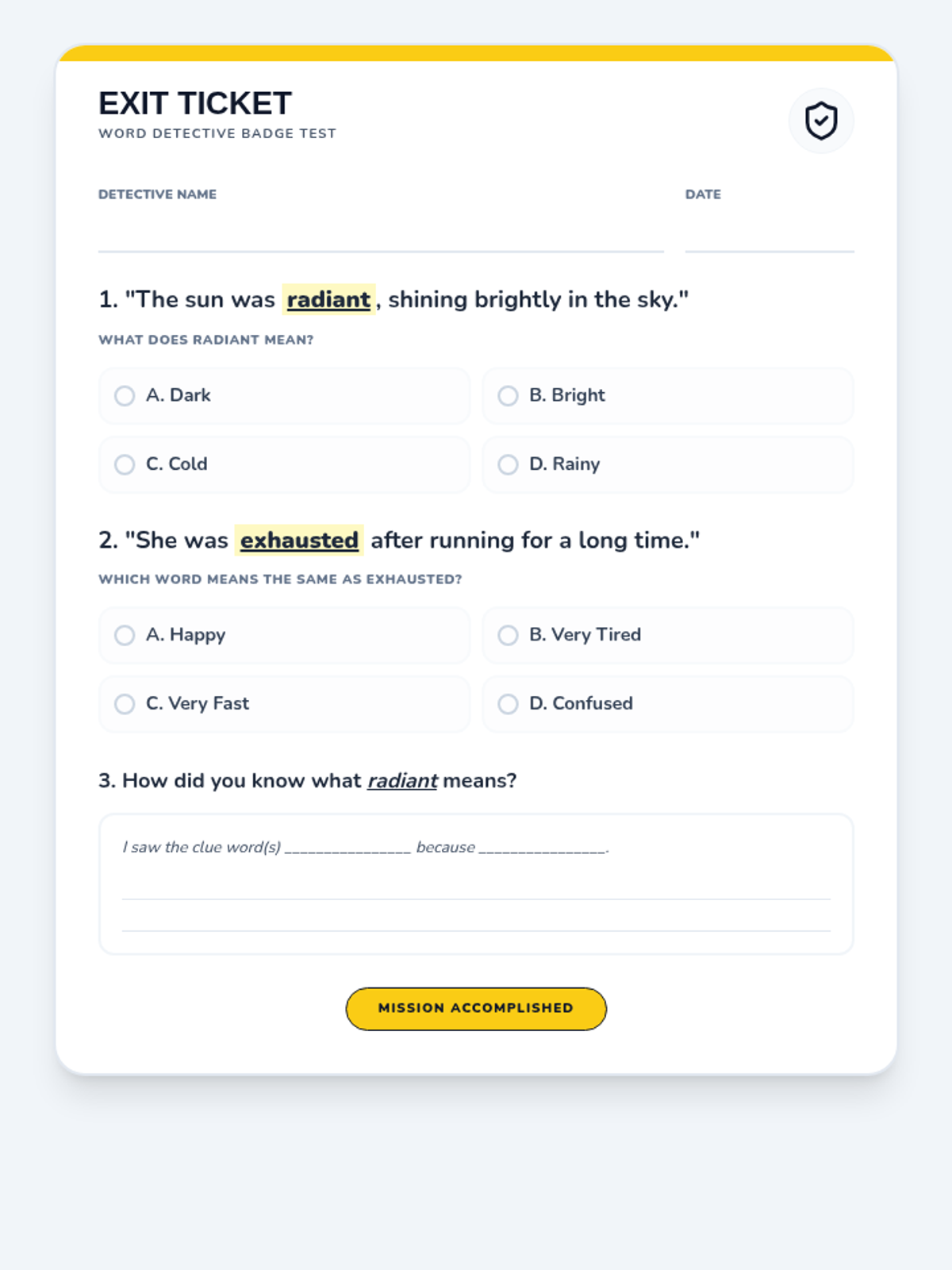
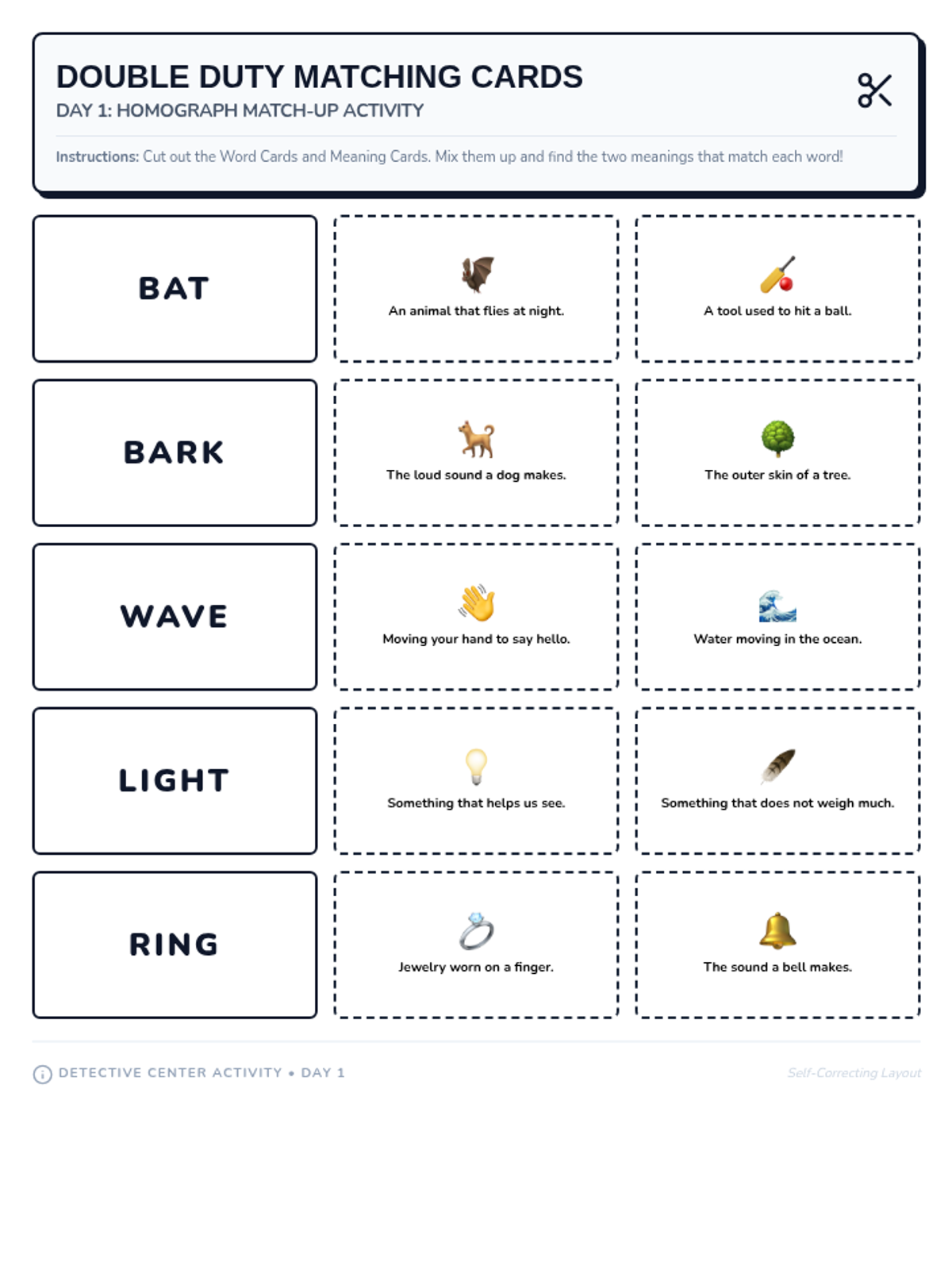
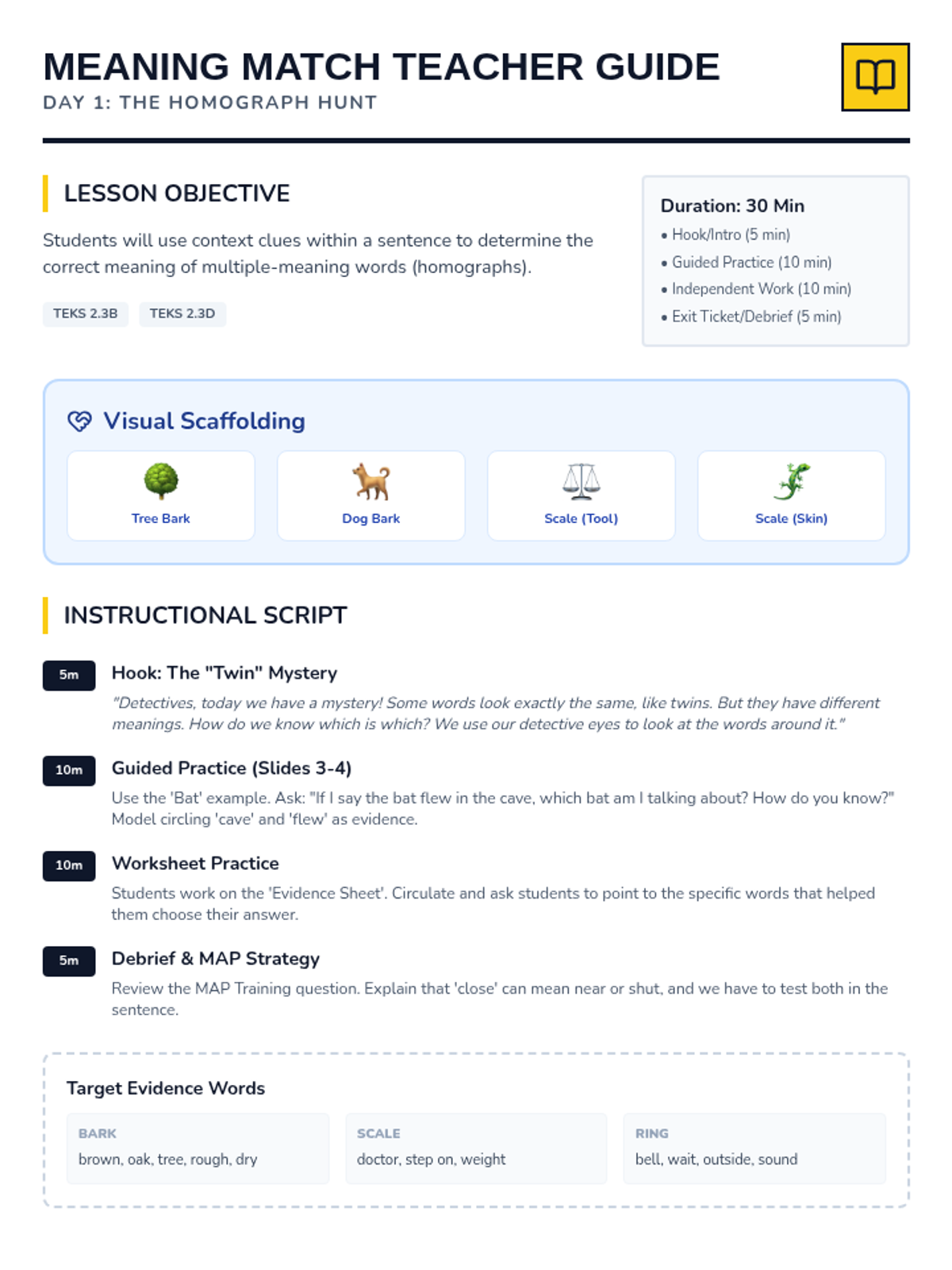
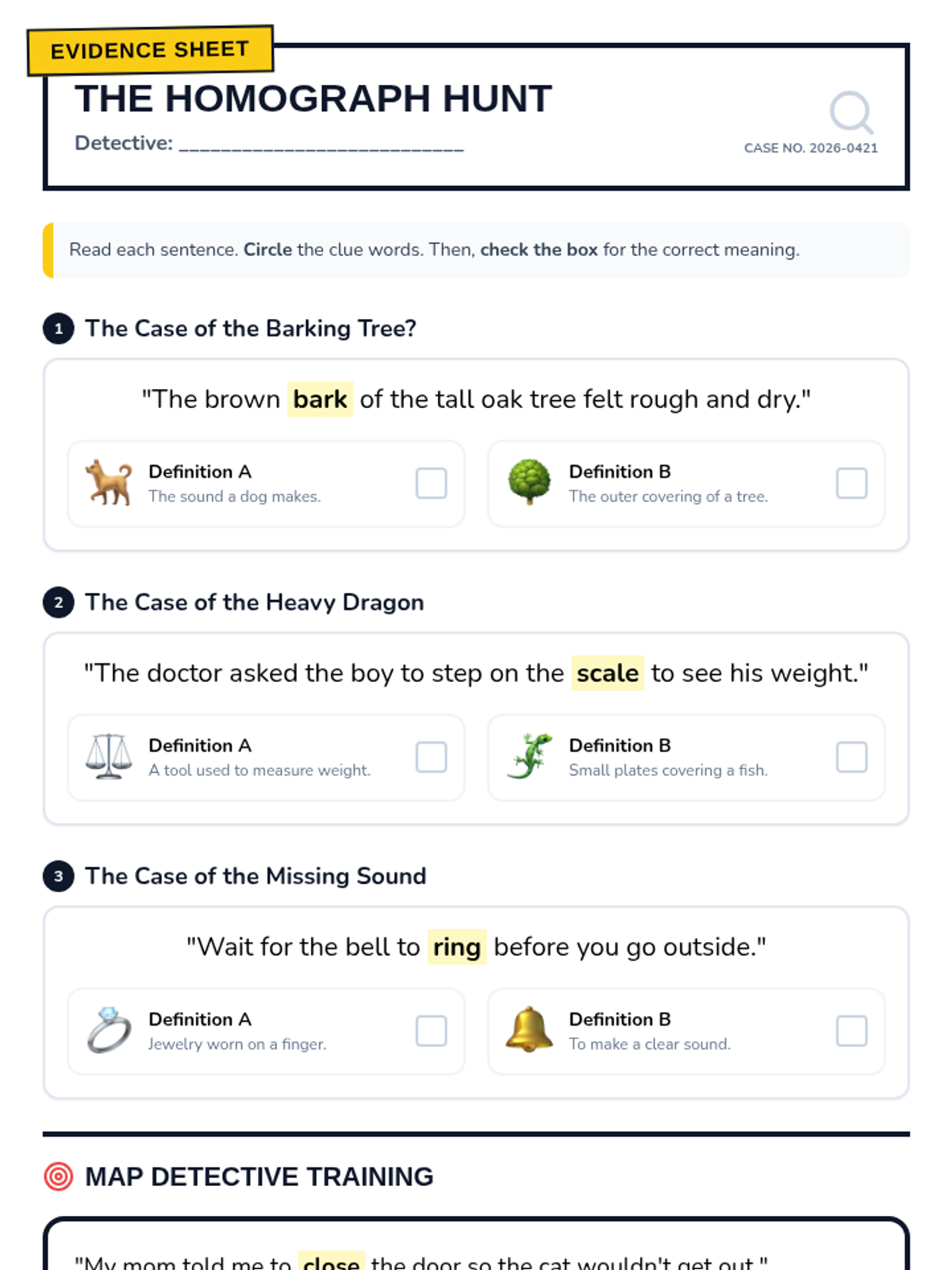
Day 1 focuses on multiple-meaning words (homographs) and using sentence-level context to identify which meaning is intended. Students will practice with words like 'bat', 'wave', and 'bark' using visual aids.
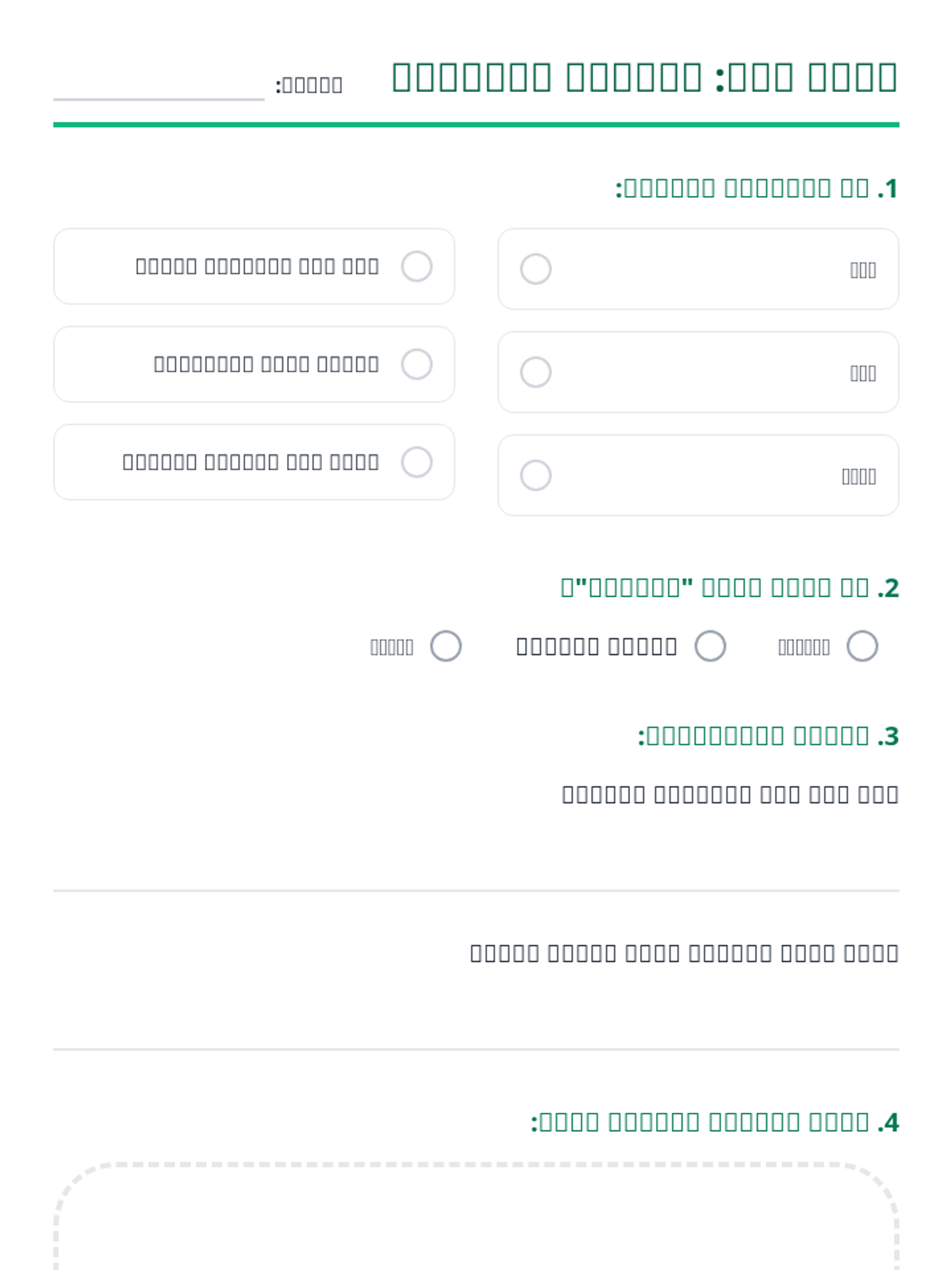
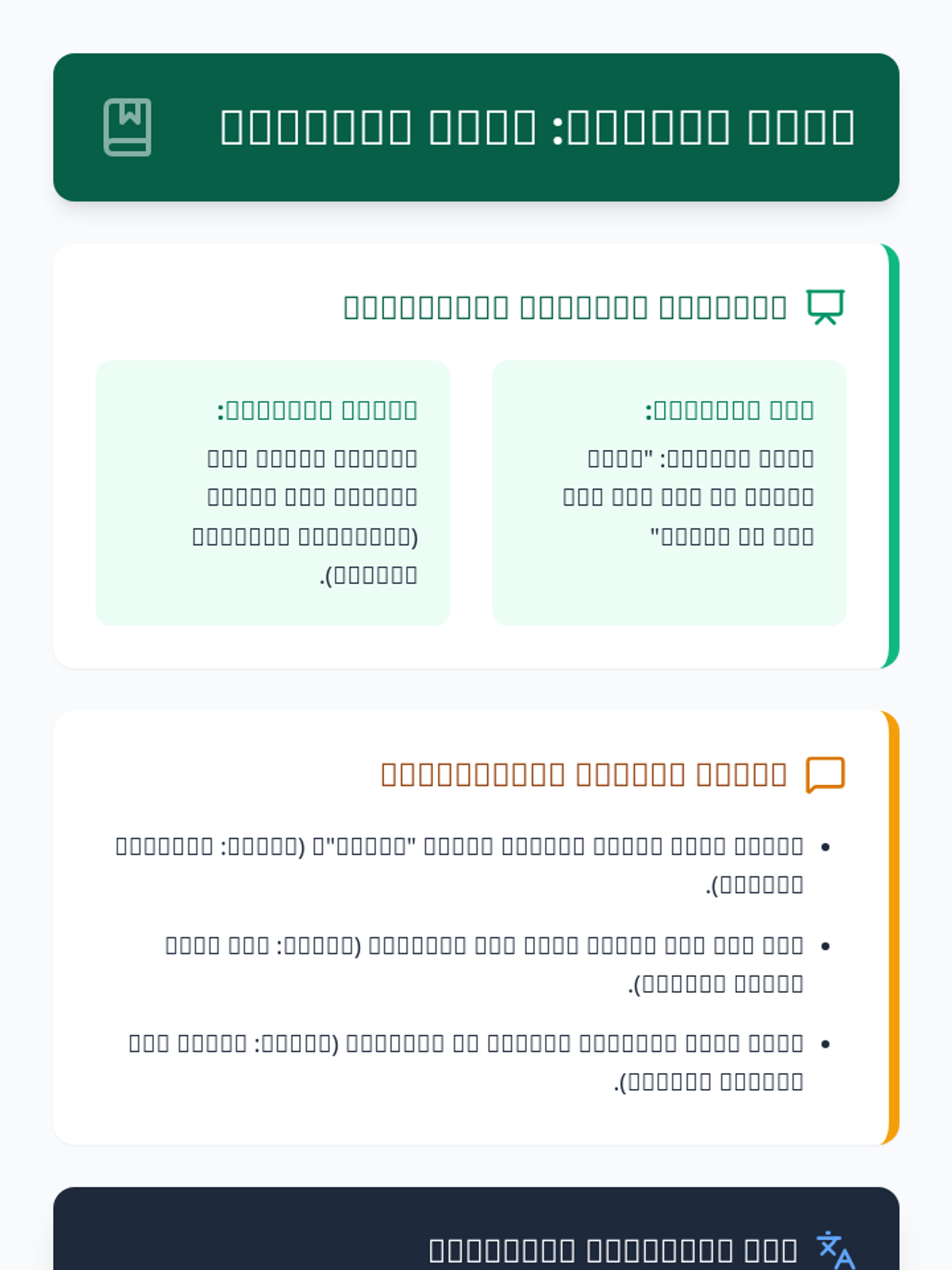
درس تفاعلي يركز على قصة 'غابة الهمسات'، يتضمن عرضاً تقديمياً للقصة، وأوراق عمل لتعزيز المفردات المتوسطة الصعوبة، ودليلاً للمعلم لإدارة الحوار.
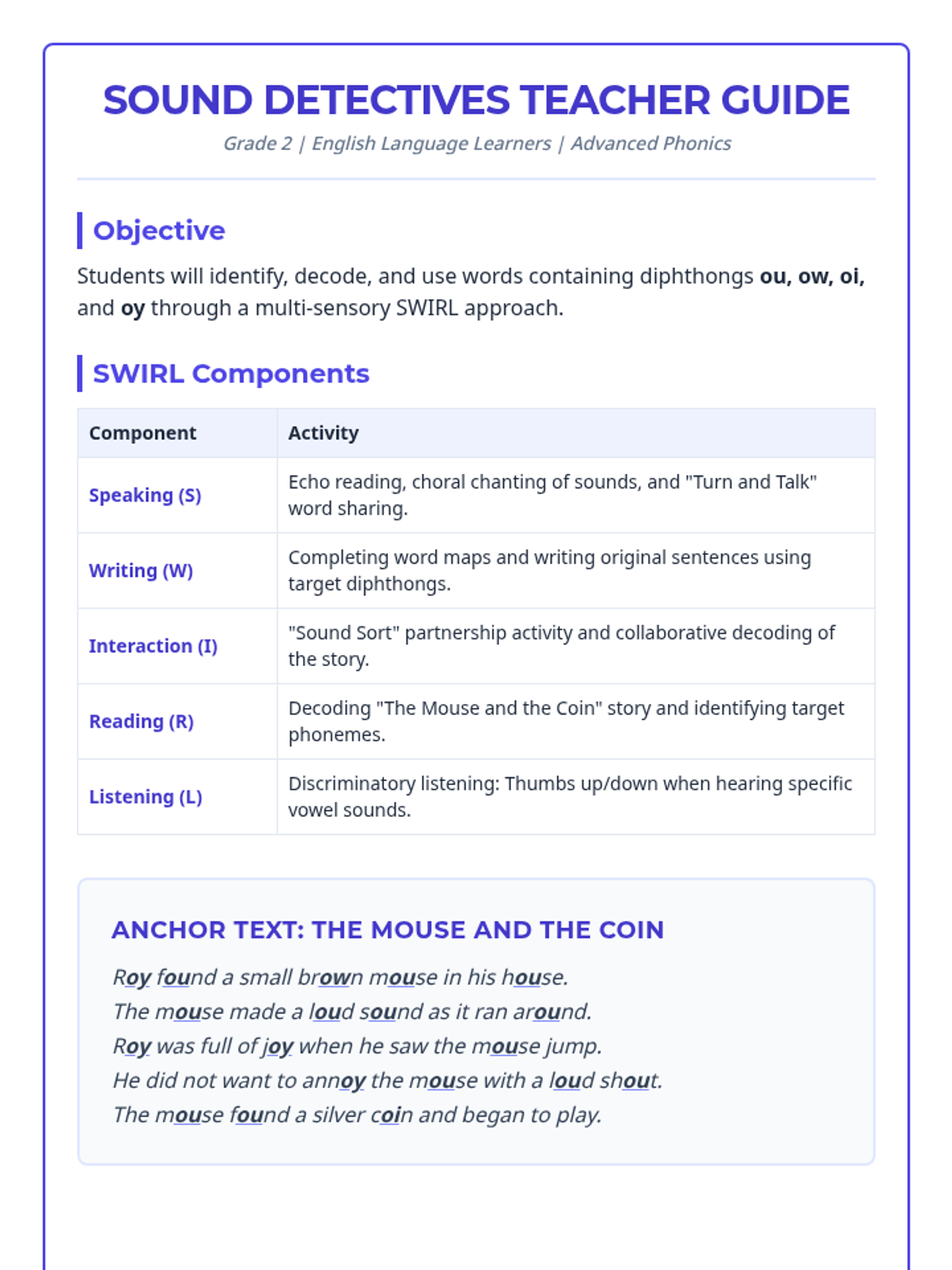
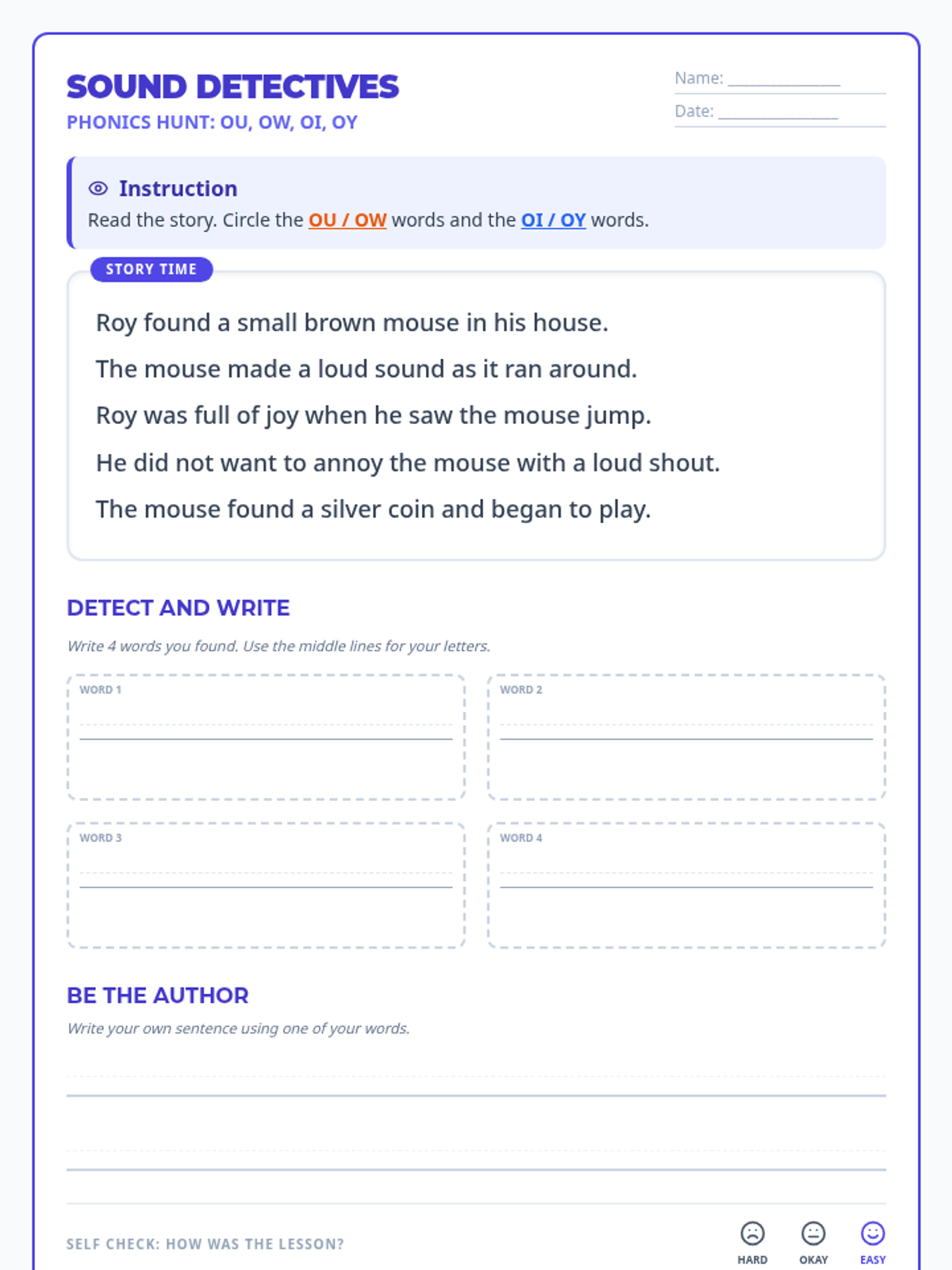
A 2nd-grade ELL lesson focusing on diphthongs (ou, ow, oi, oy) using the SWIRL framework (Speaking, Writing, Interaction, Reading, Listening) to build phonetic awareness and reading fluency.
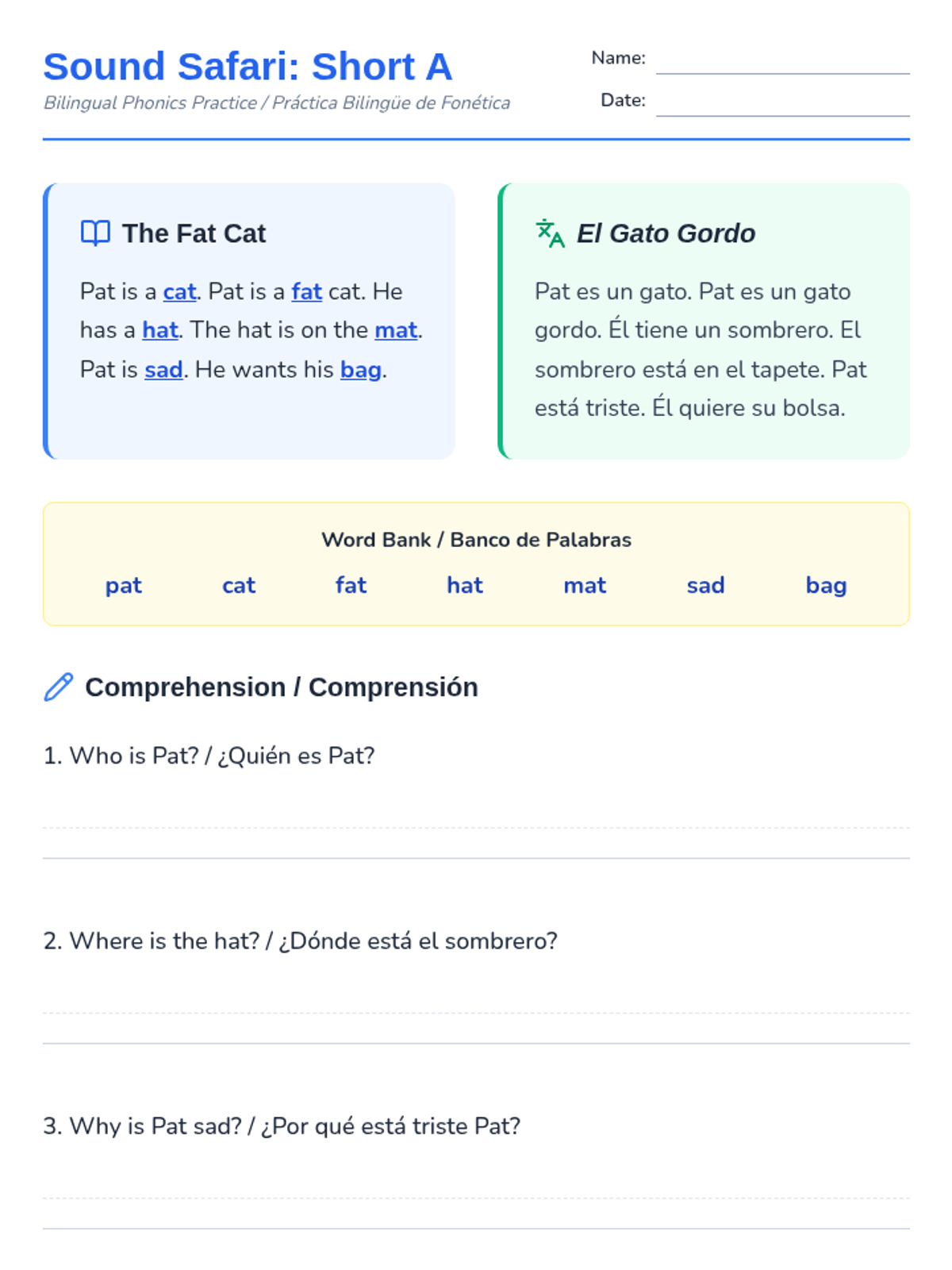
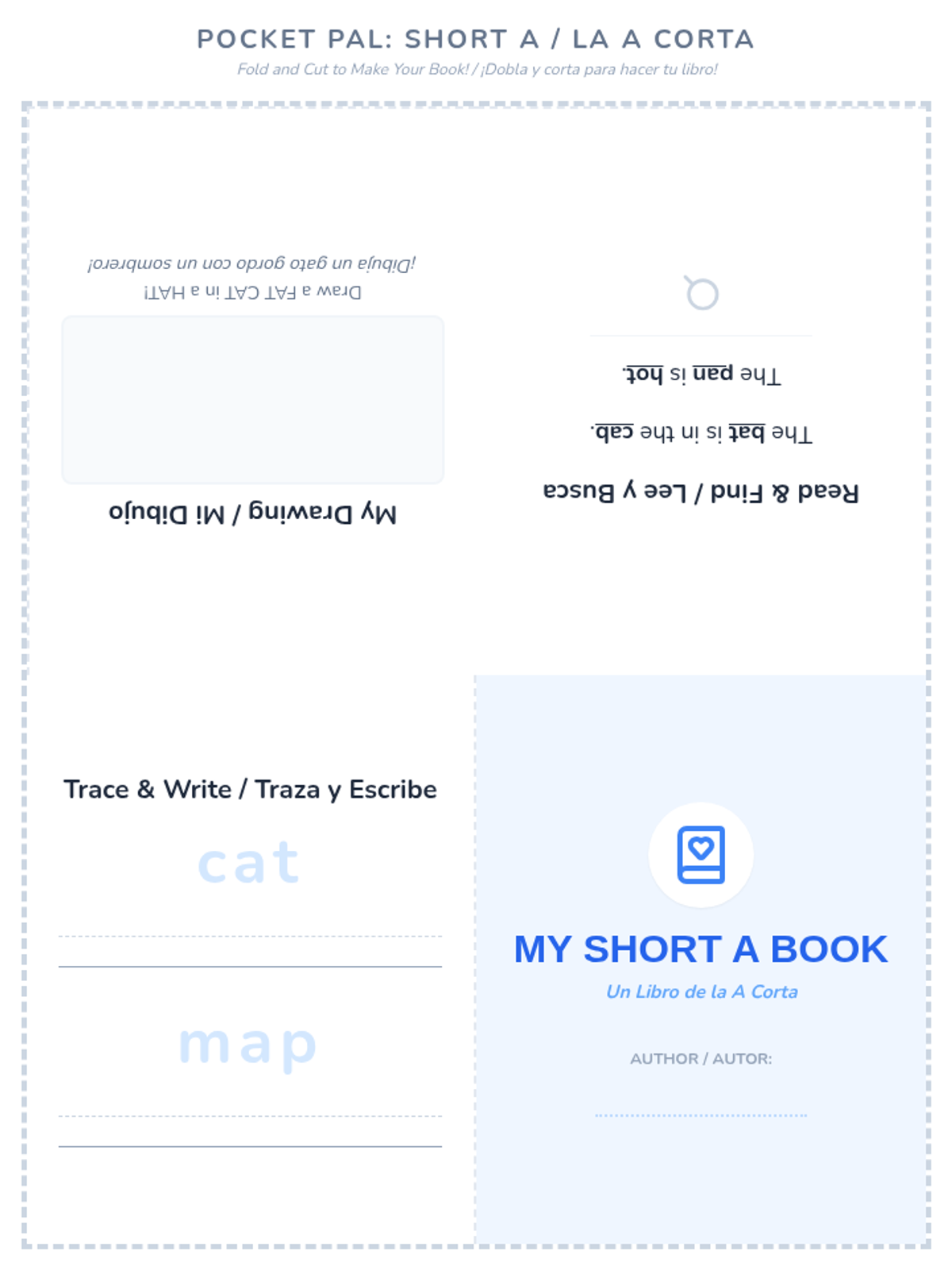
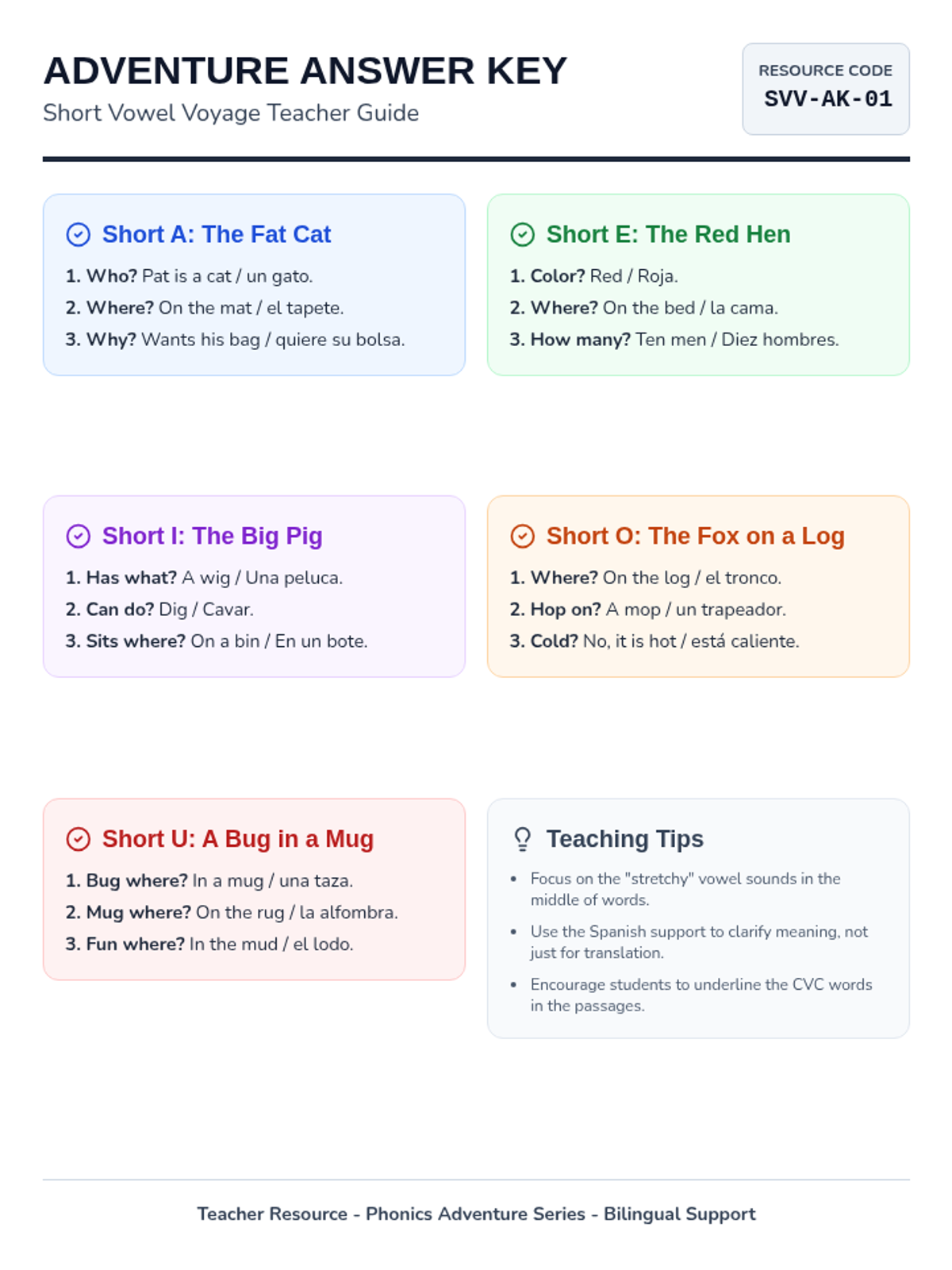
A fun, dual-language introduction to short vowel CVC words through engaging stories and hands-on mini-books. Students will build phonics fluency and reading comprehension in both English and Spanish contexts.
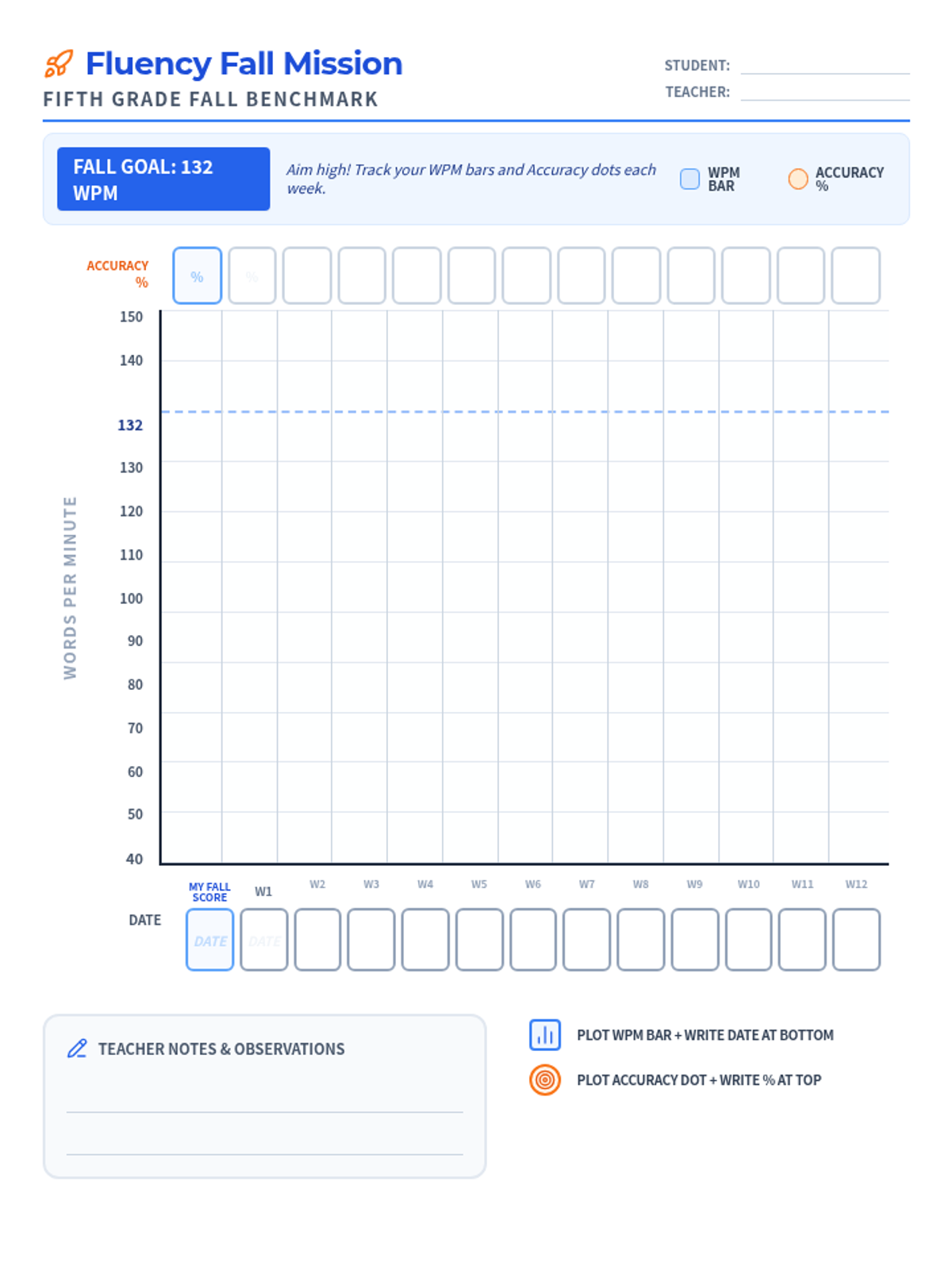
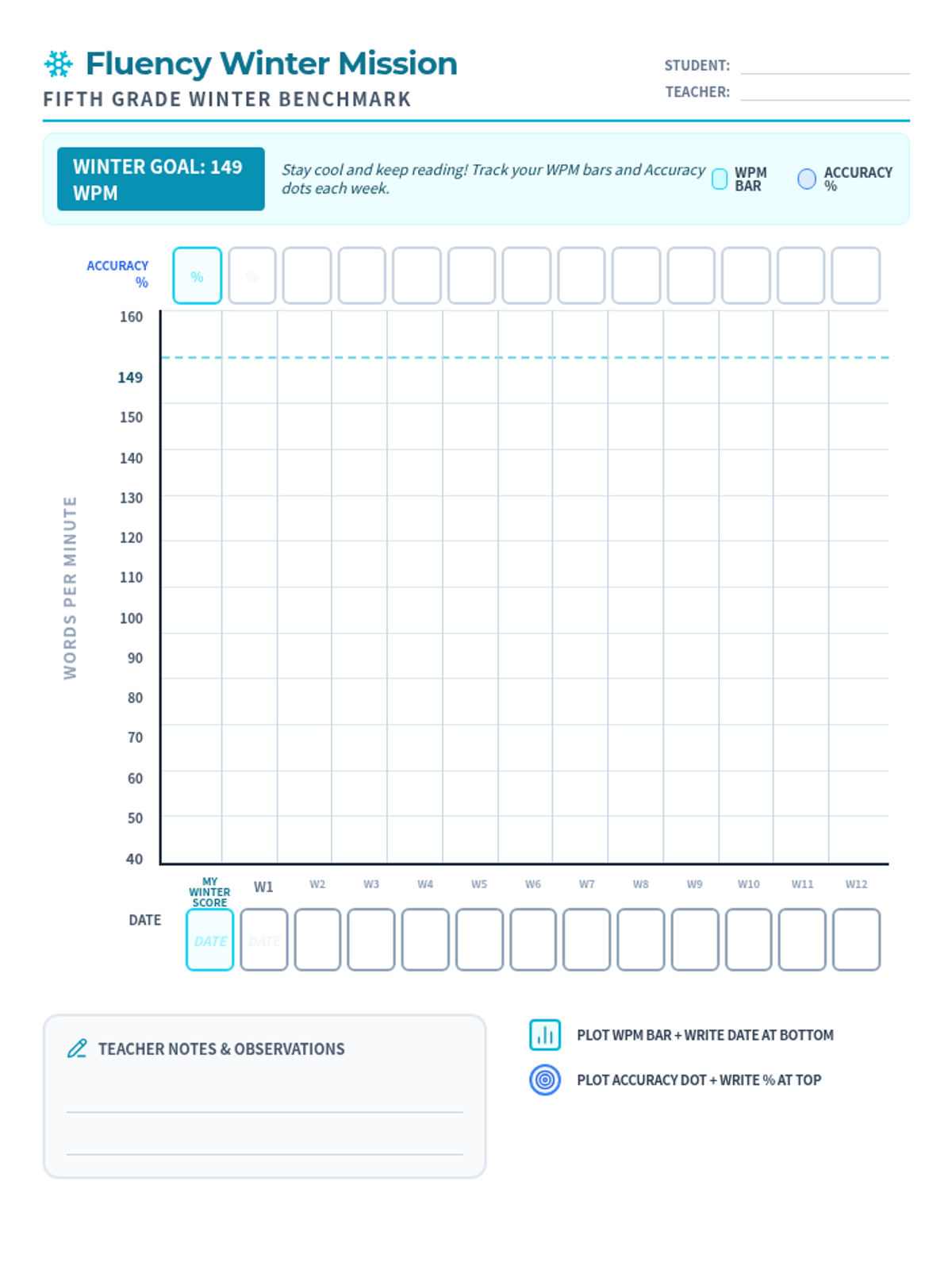
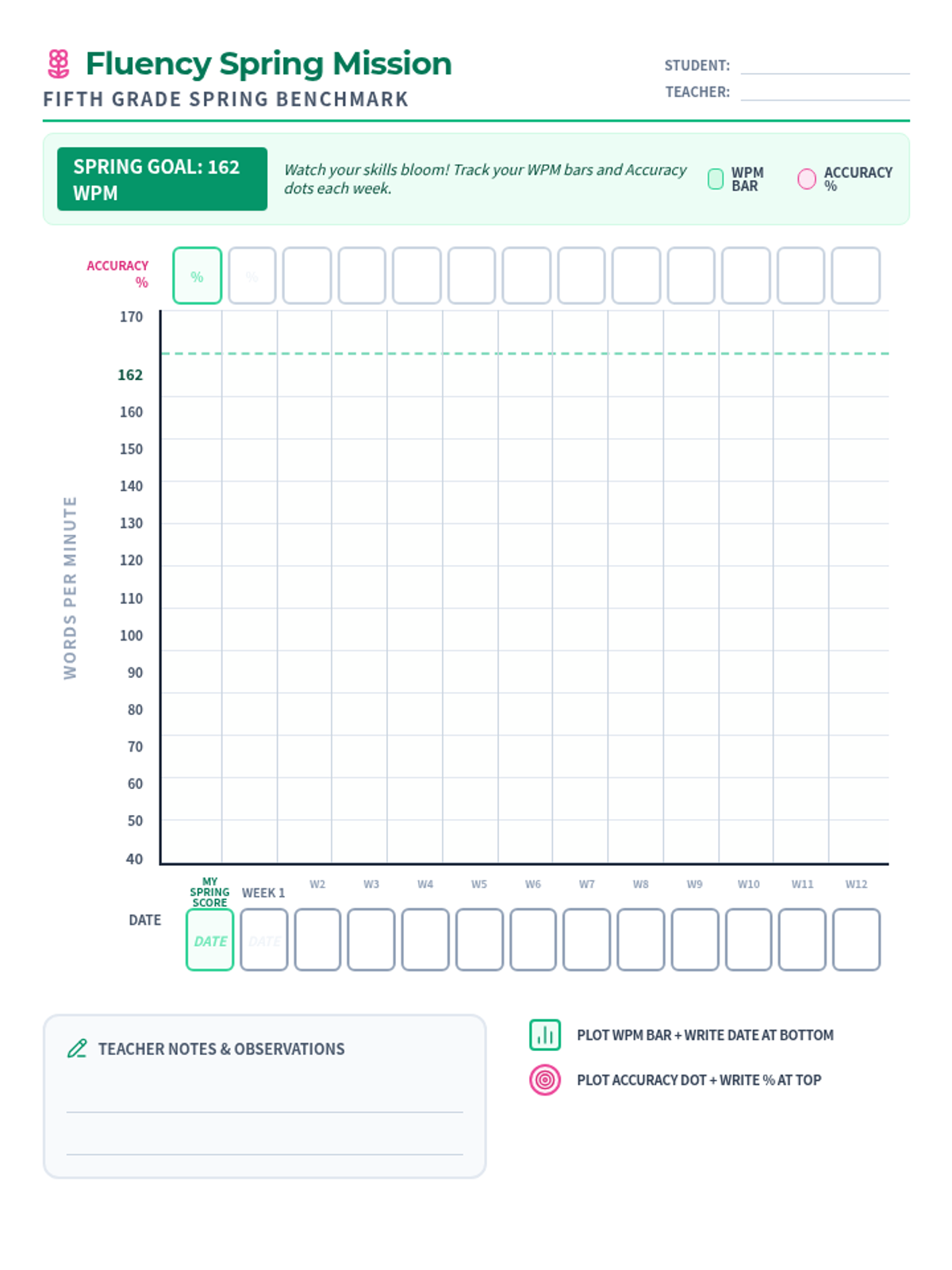
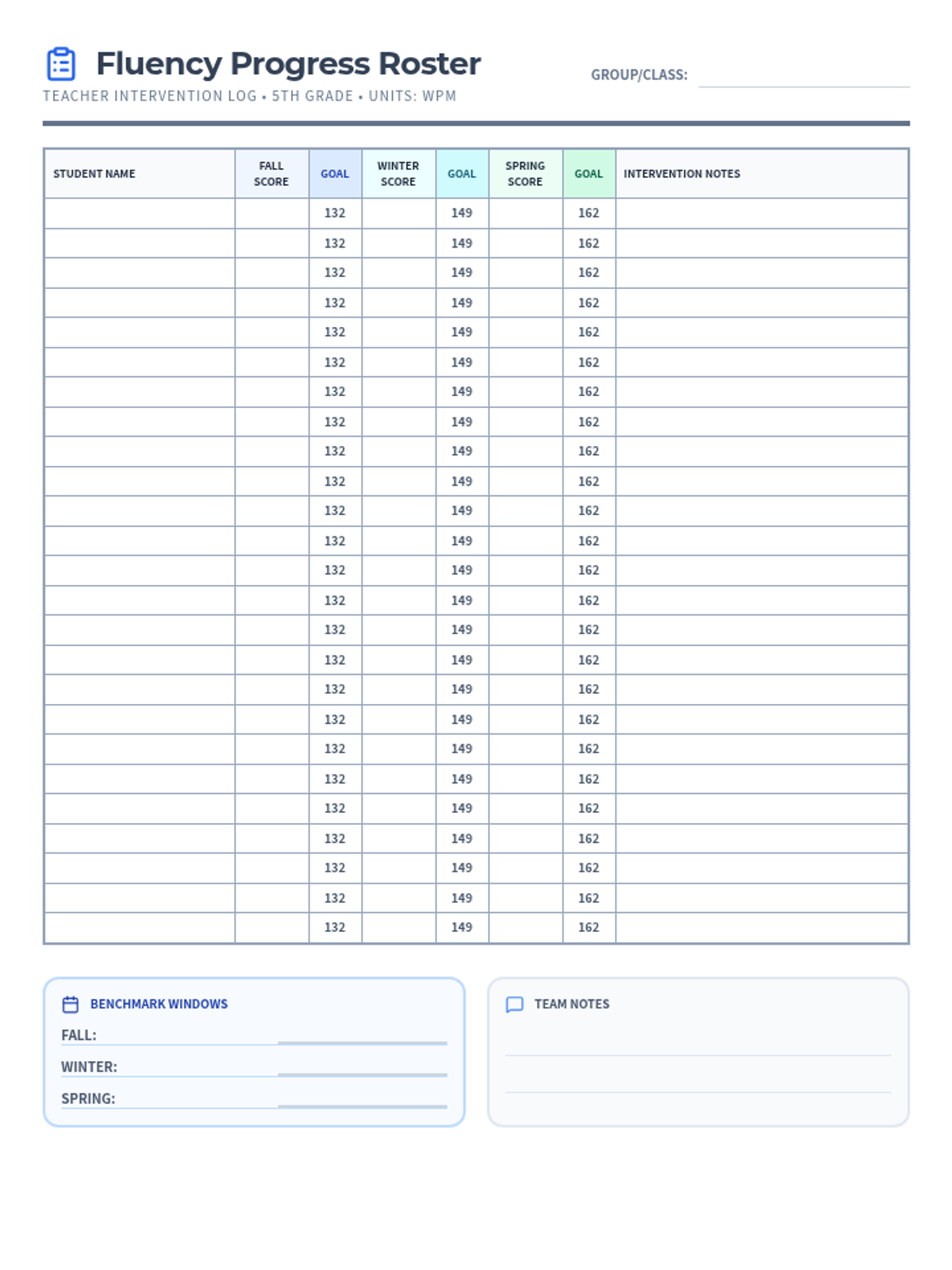
Tracking tools for 5th grade reading fluency benchmarks. Includes Fall (132 WPM), Winter (149 WPM), and Spring (162 WPM) trackers.
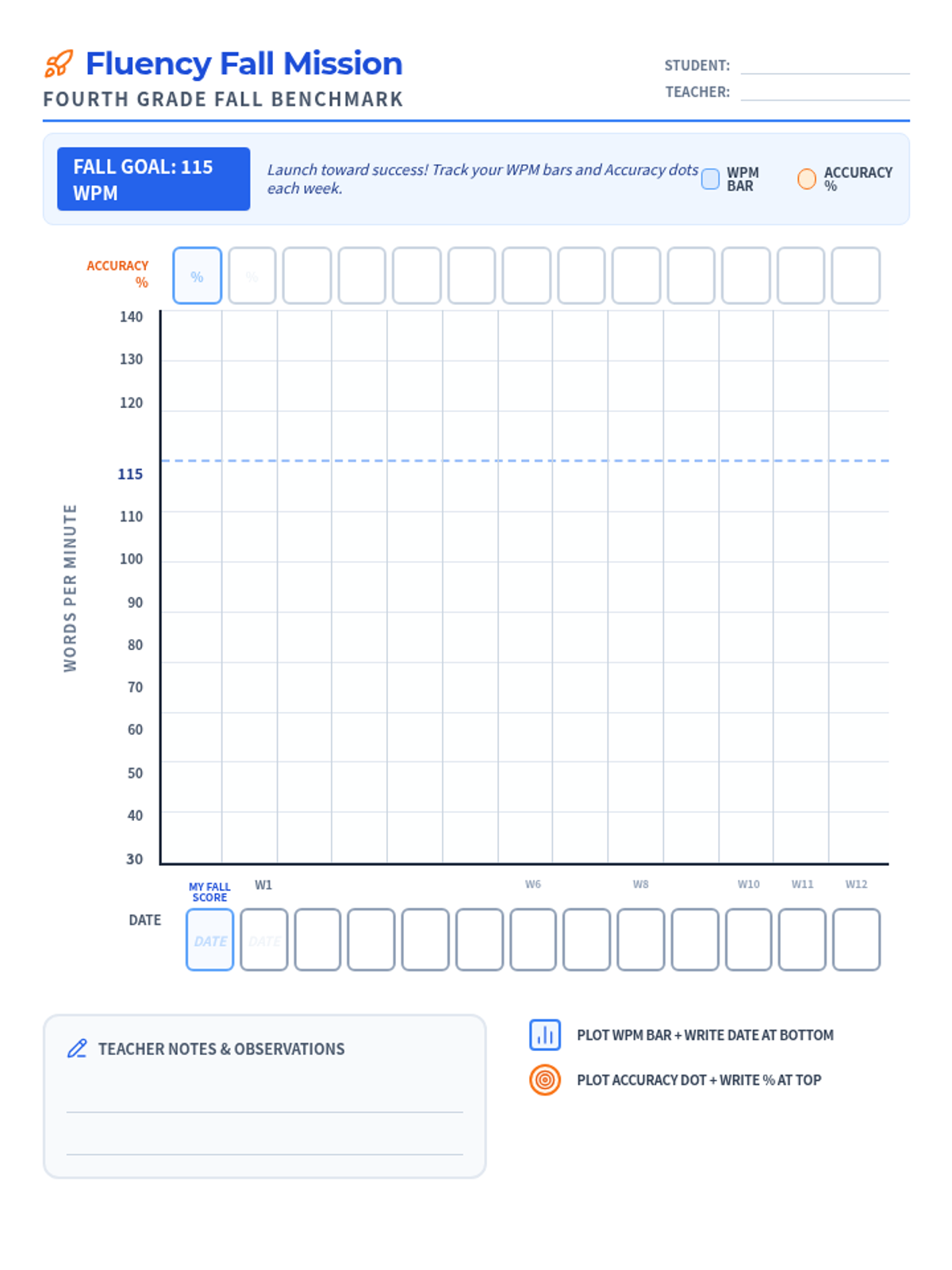
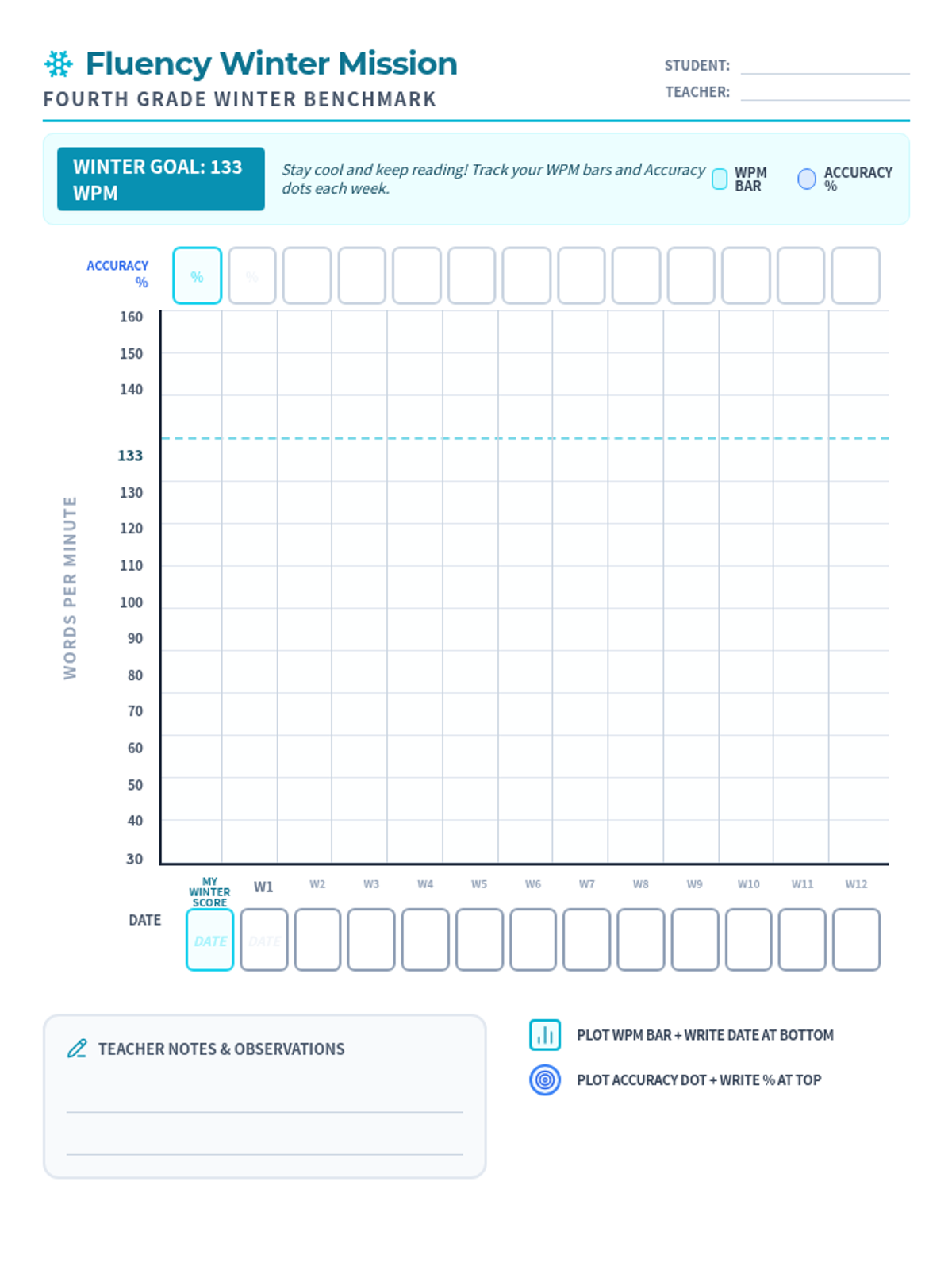
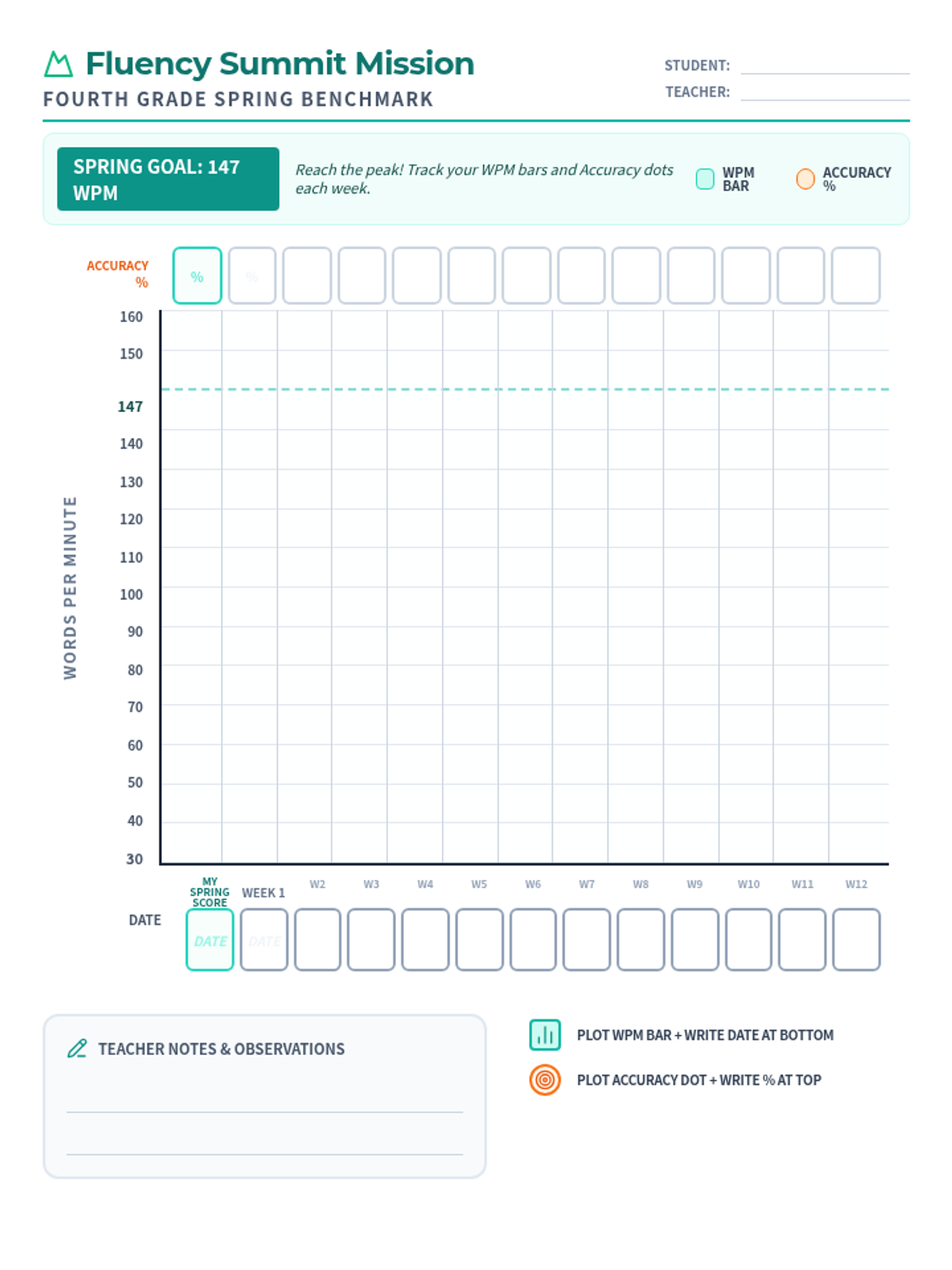
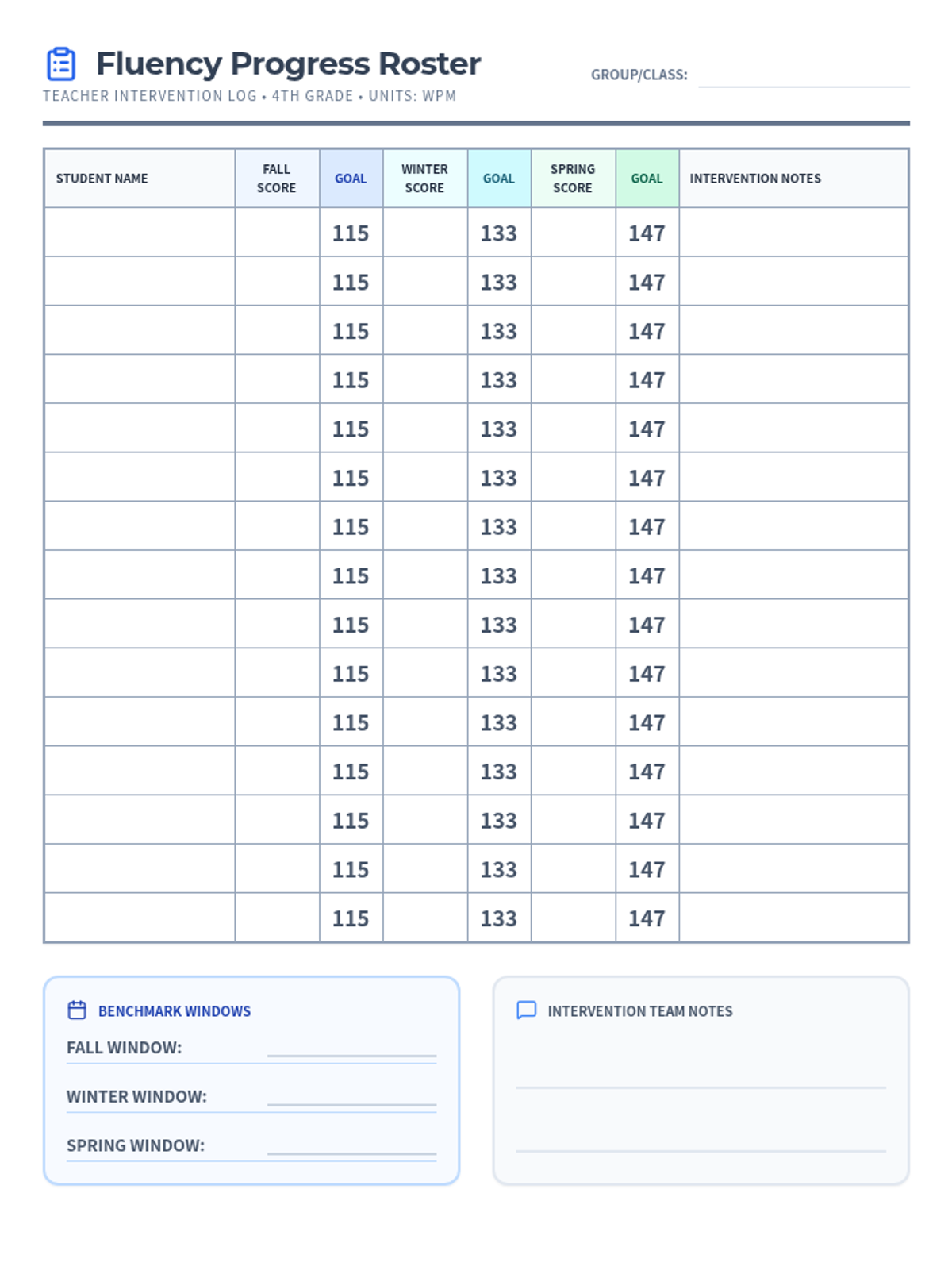
Tracking tools for 4th grade reading fluency benchmarks. Includes Fall (115 WPM), Winter (133 WPM), and Spring (147 WPM) trackers.
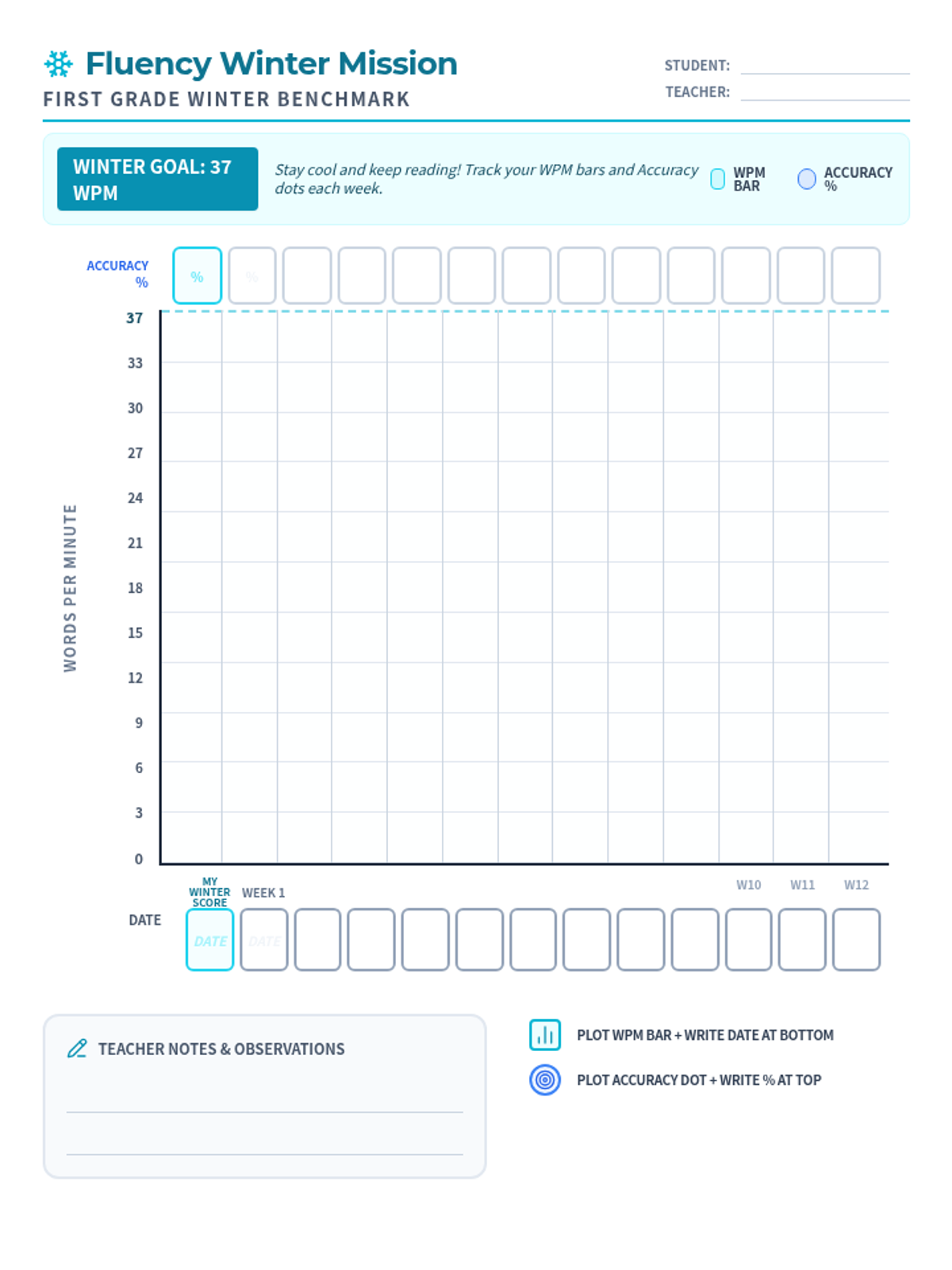
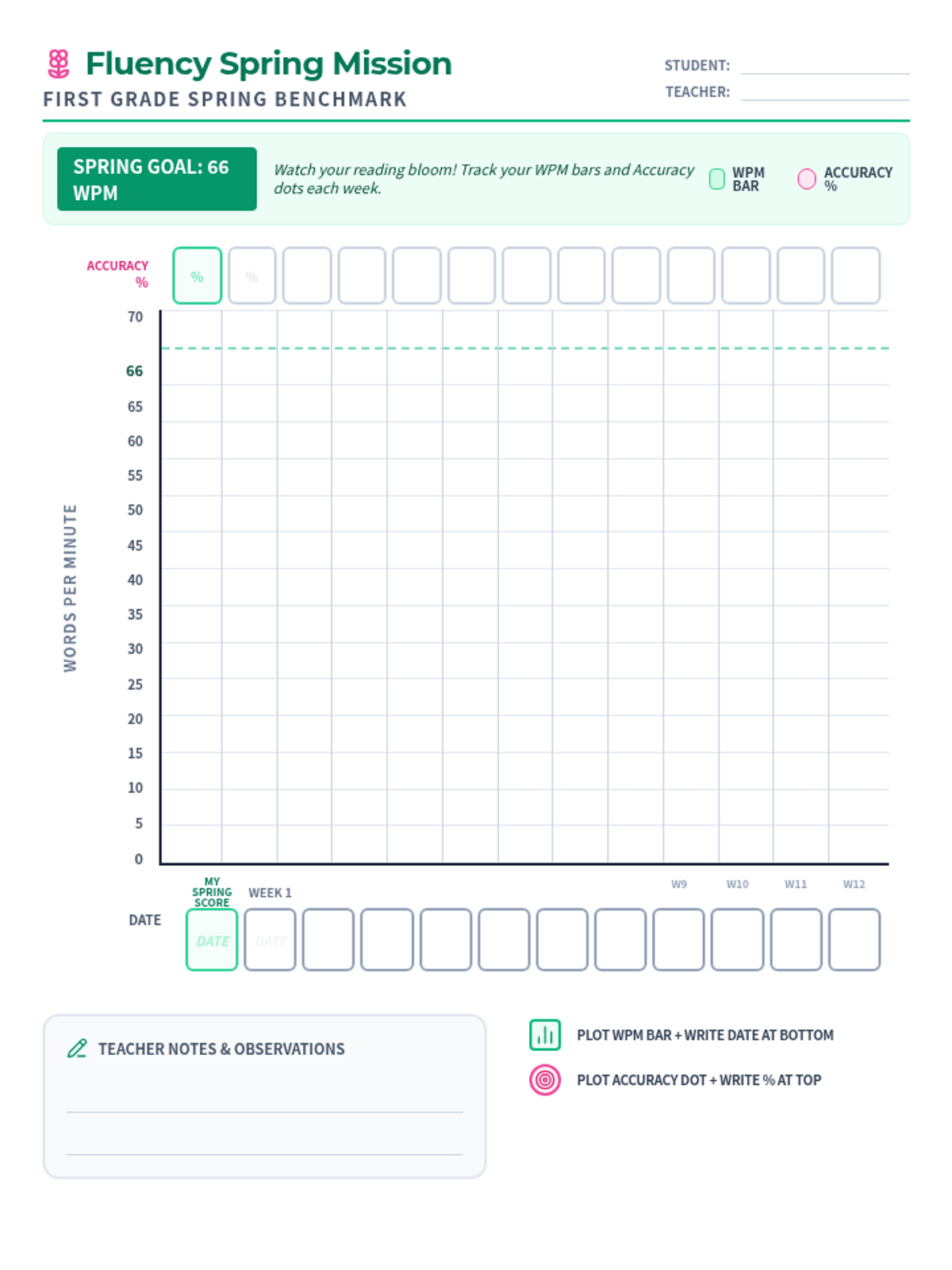
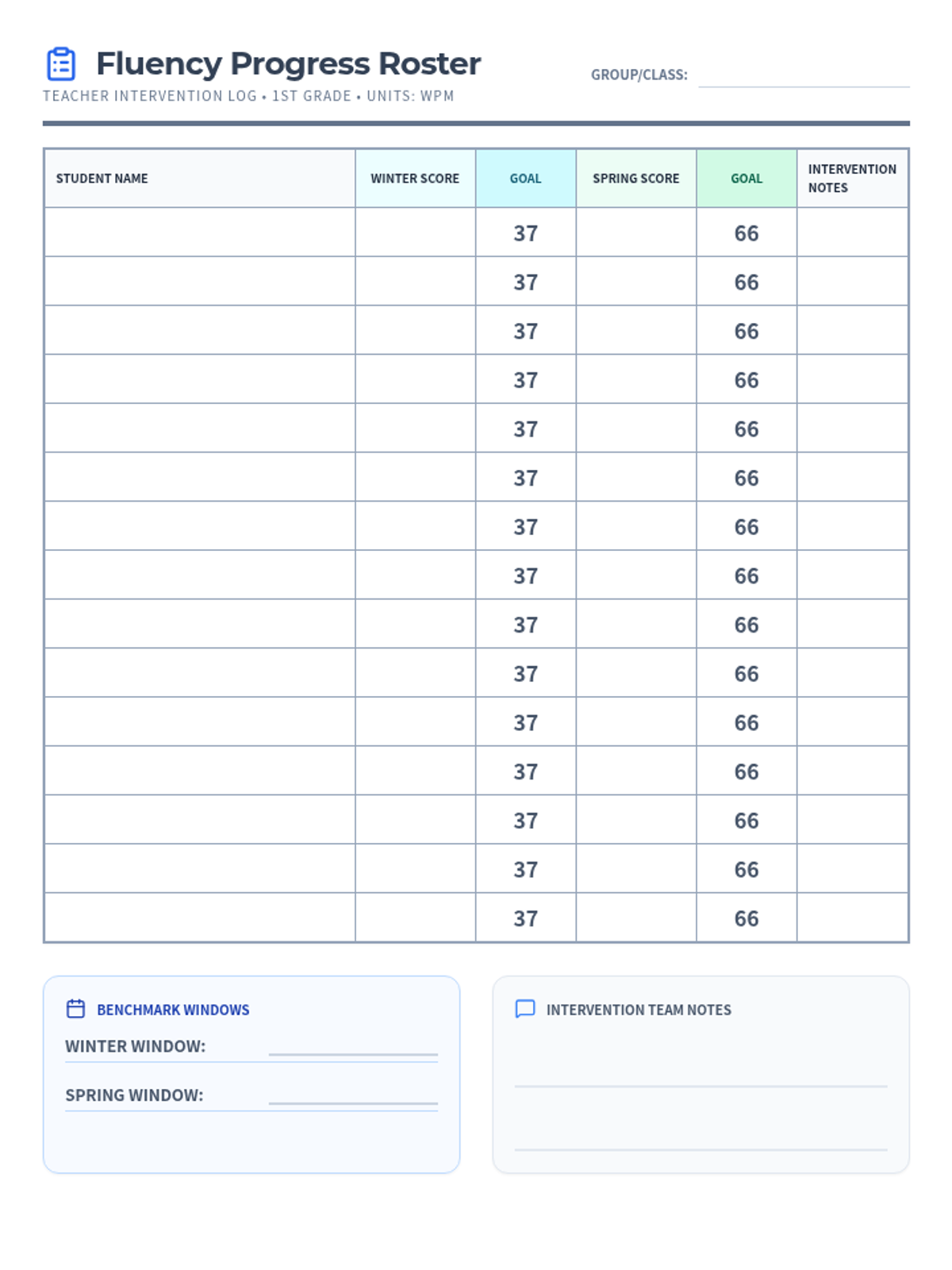
Tracking tools for 1st grade reading fluency benchmarks. Includes Winter (37 WPM) and Spring (66 WPM) trackers. No Fall benchmark is typically assessed at this level.
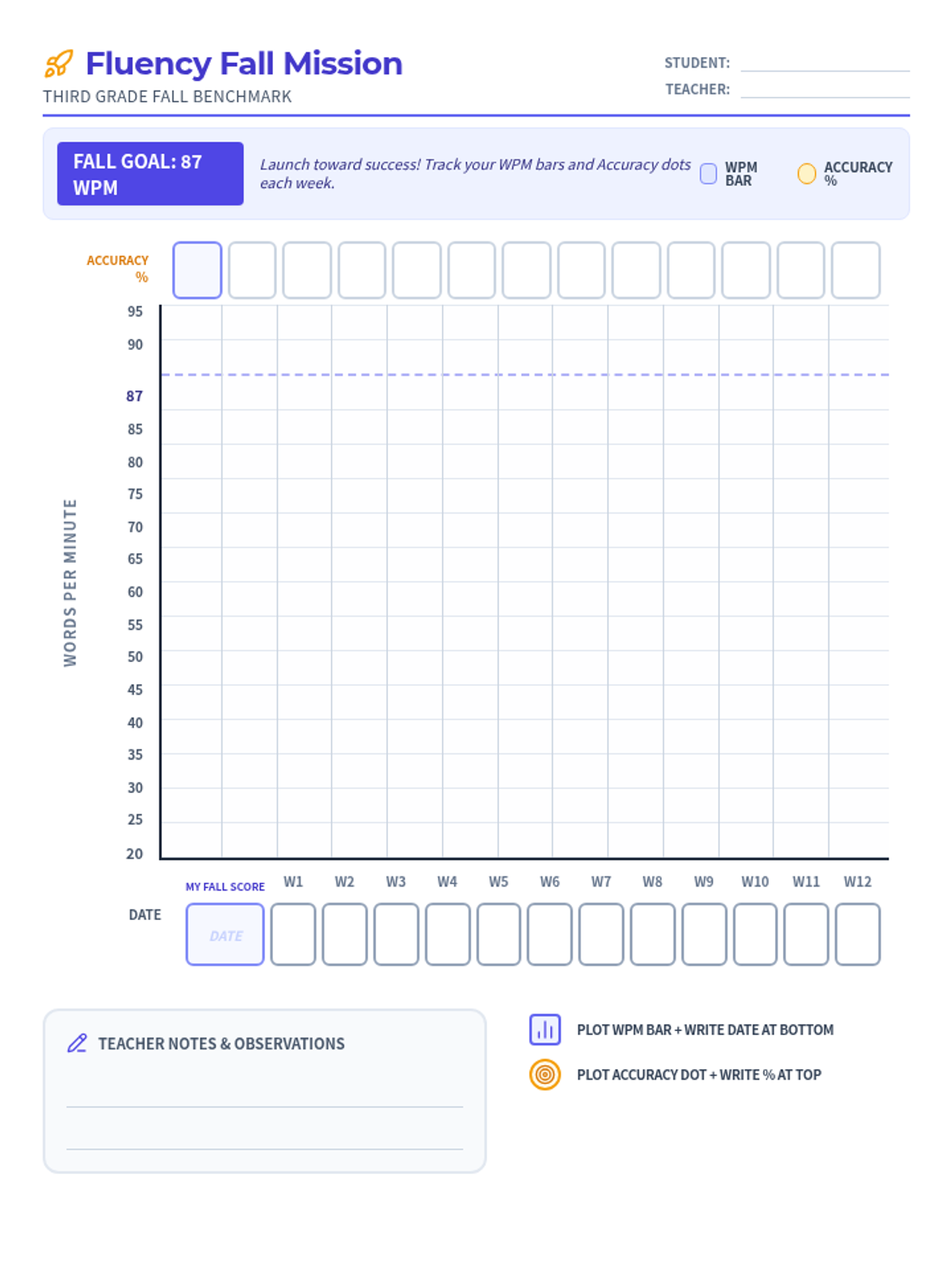
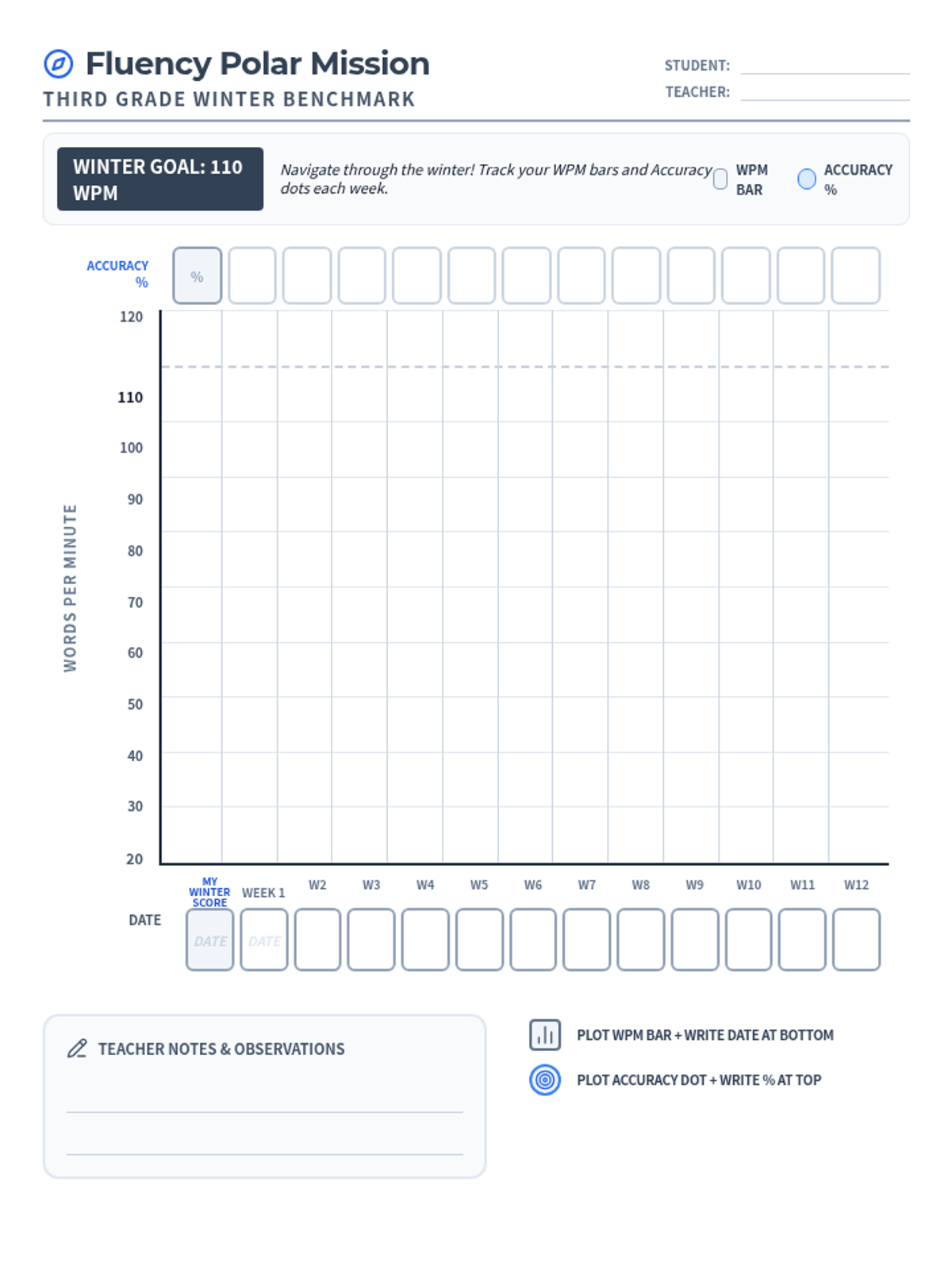
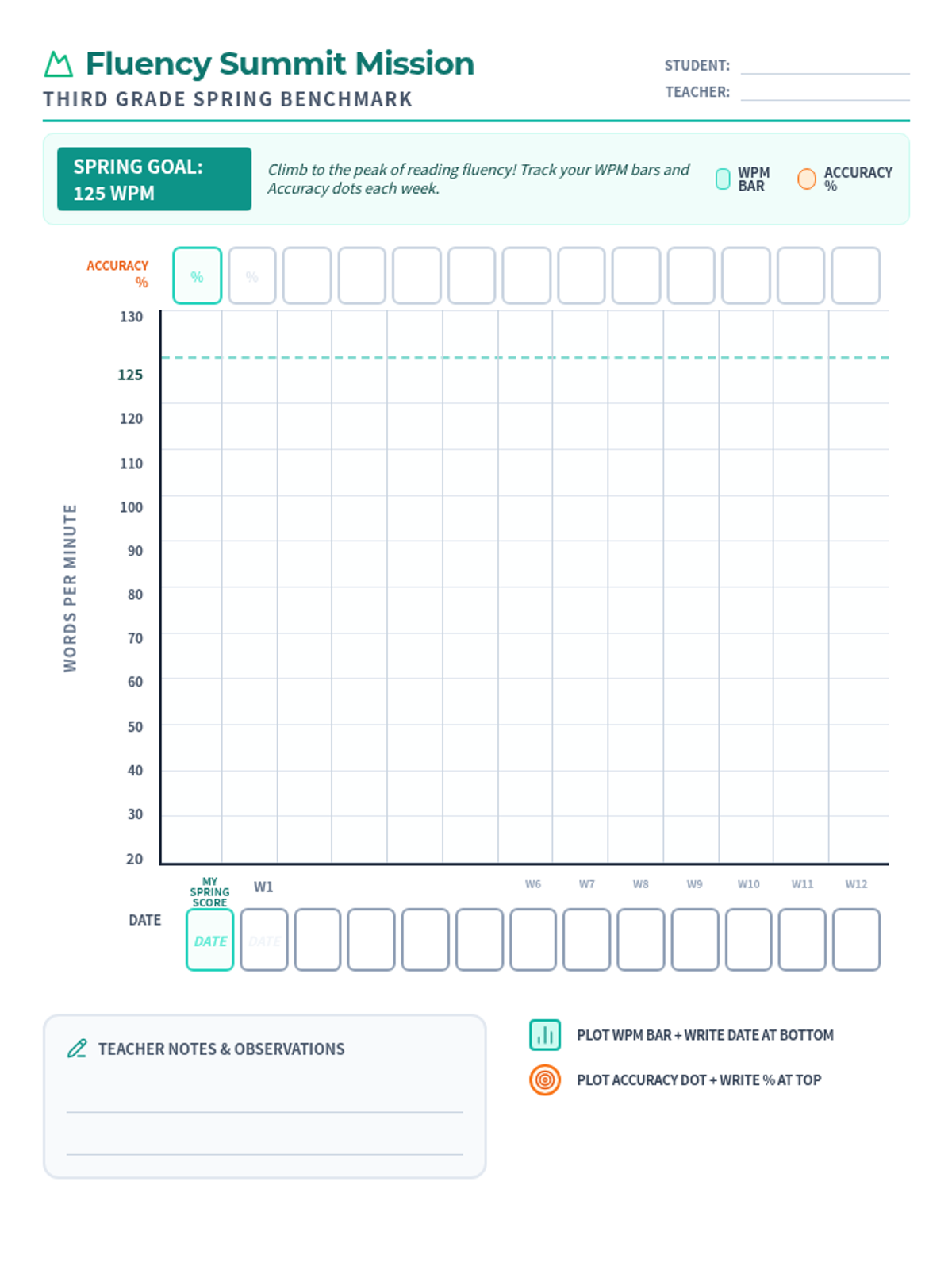
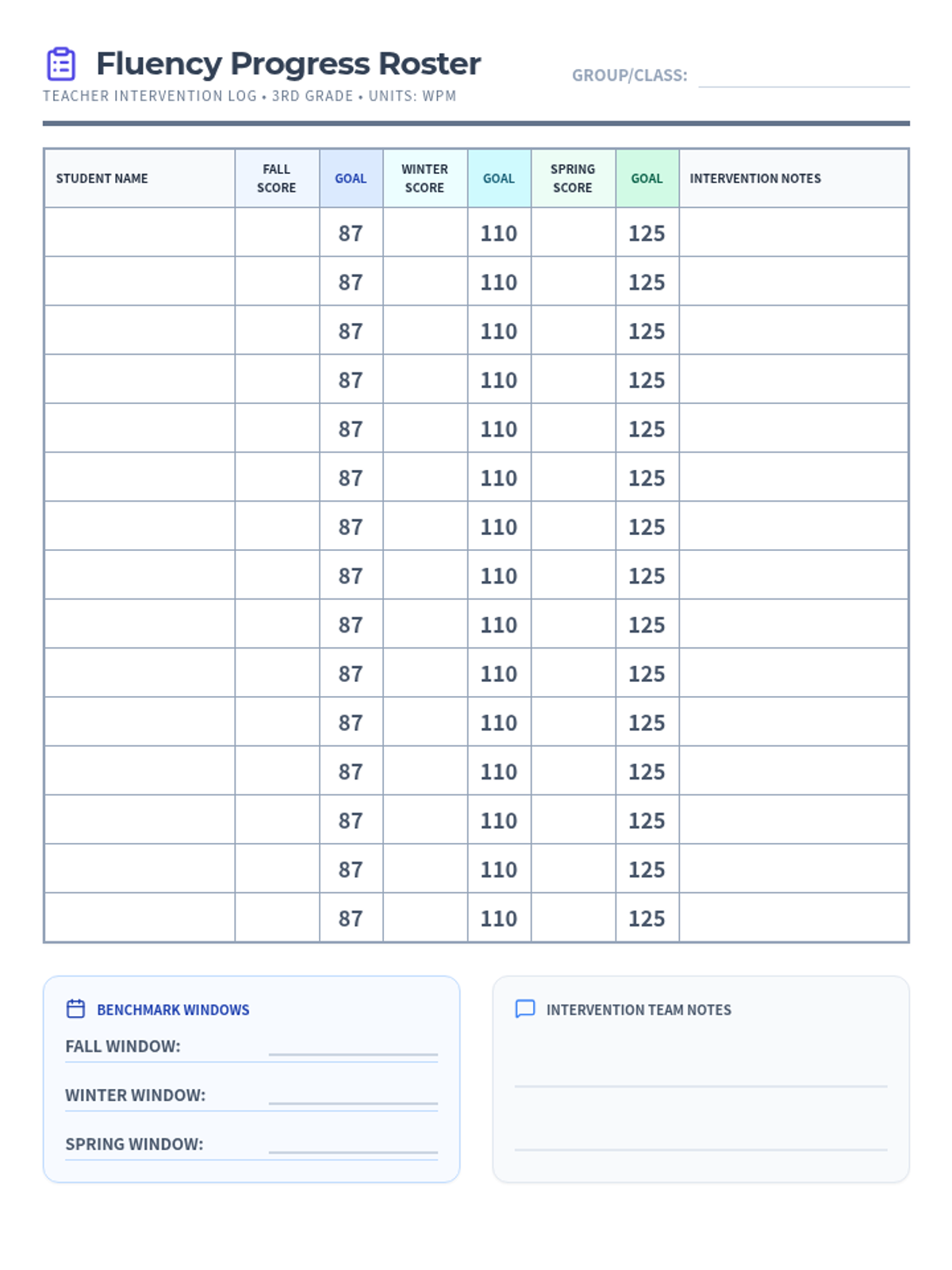
Tracking tools for 3rd grade reading fluency benchmarks. Includes Fall (87 WPM), Winter (110 WPM), and Spring (125 WPM) trackers.
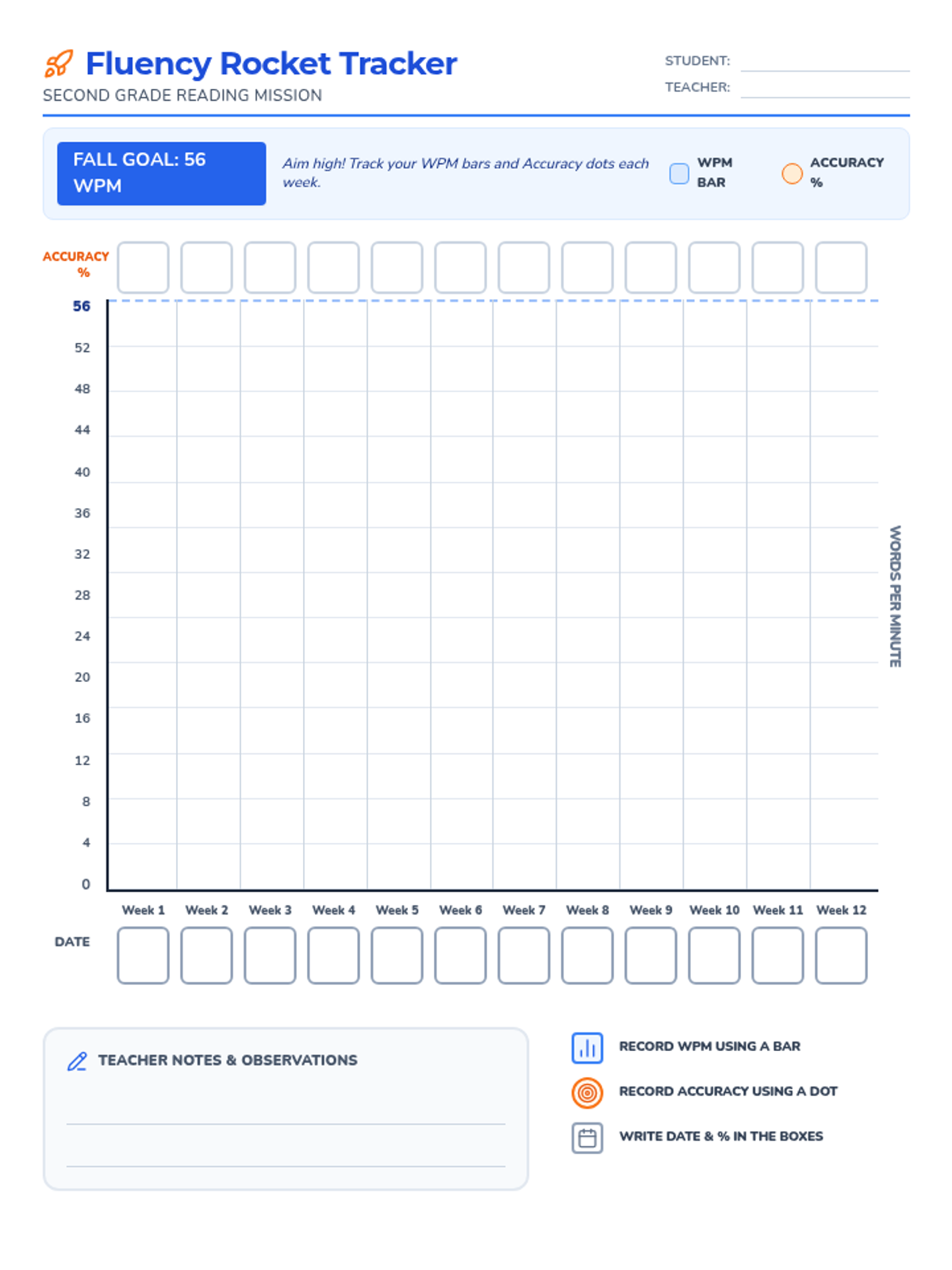
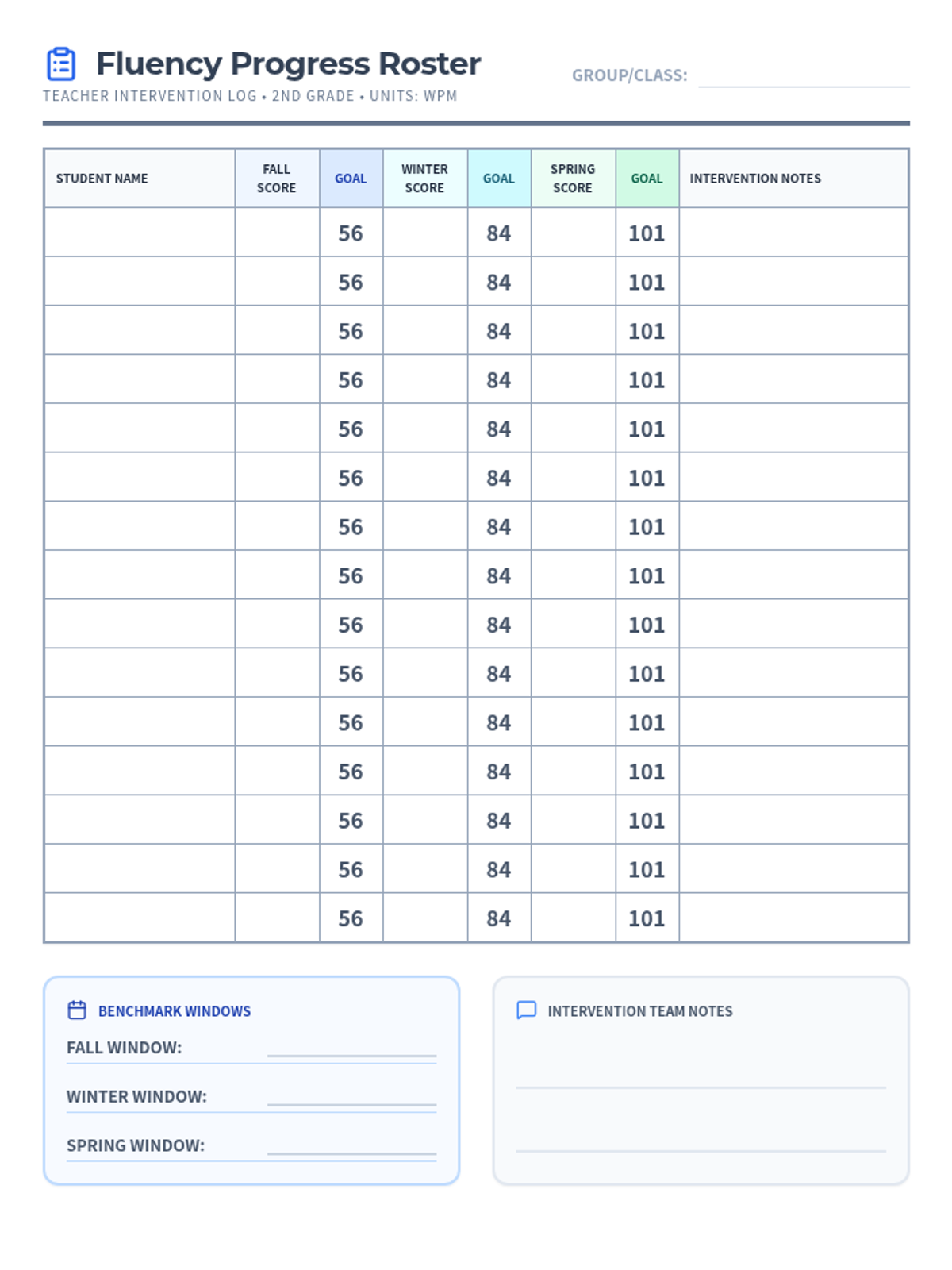
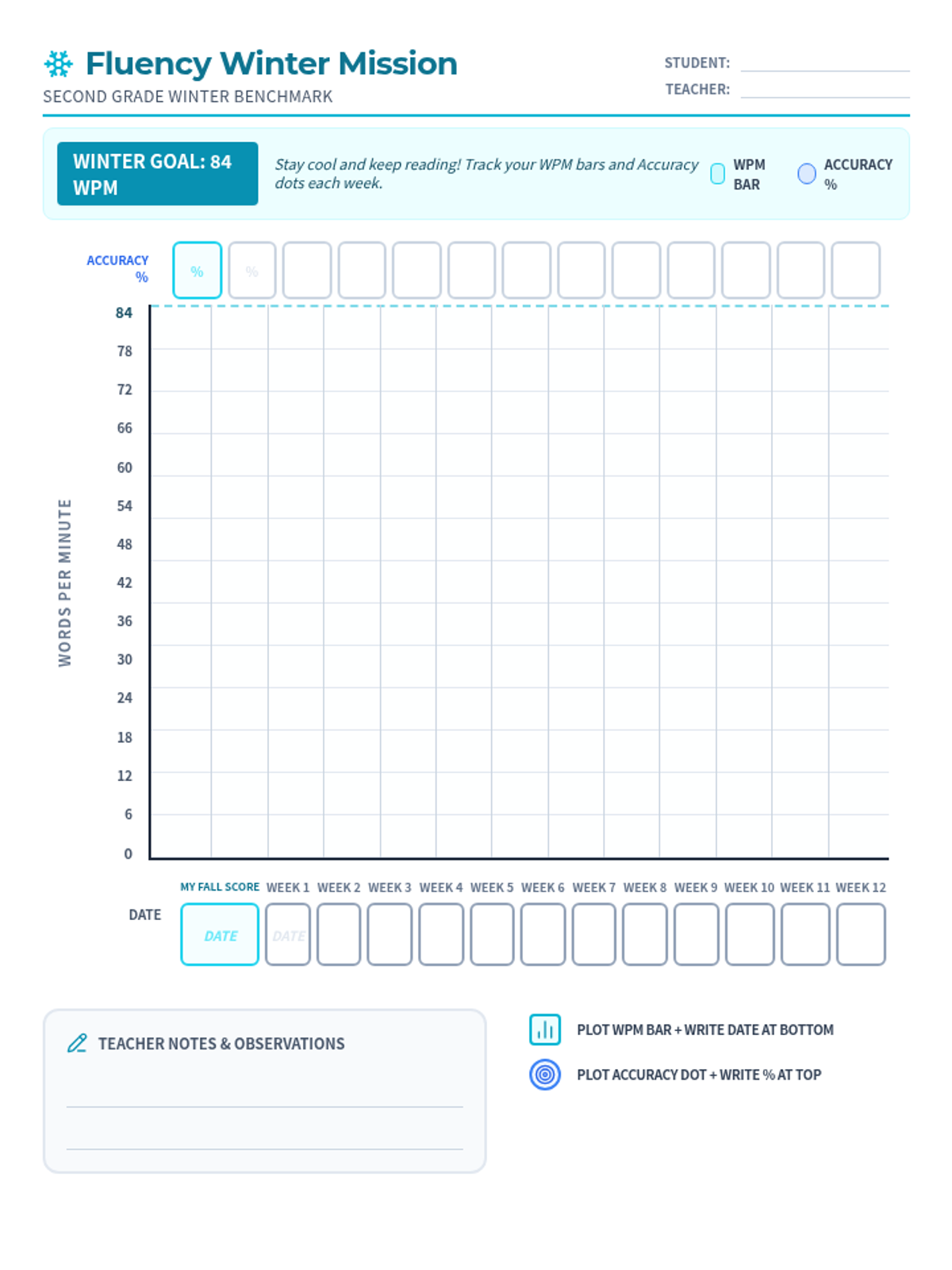
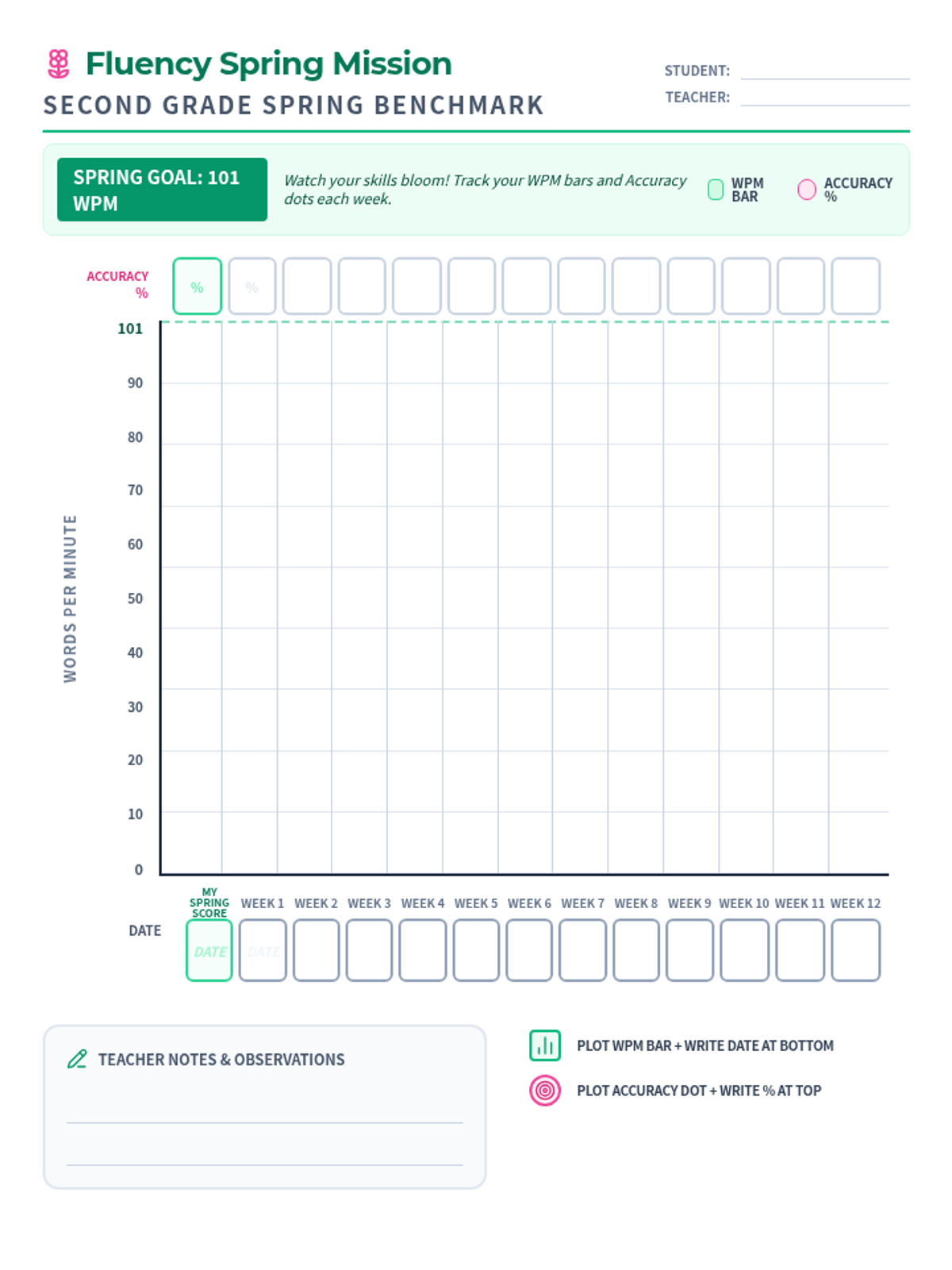
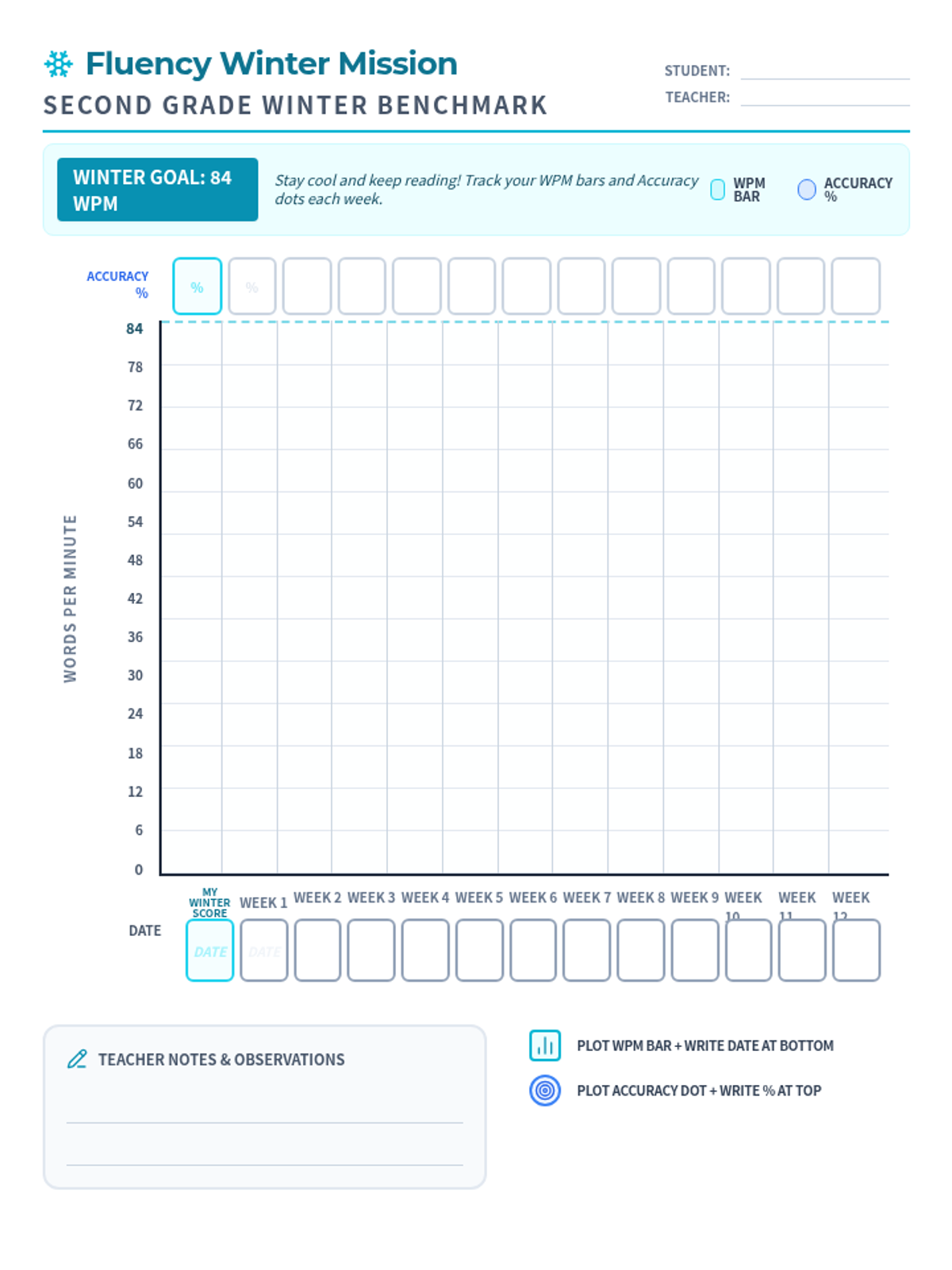
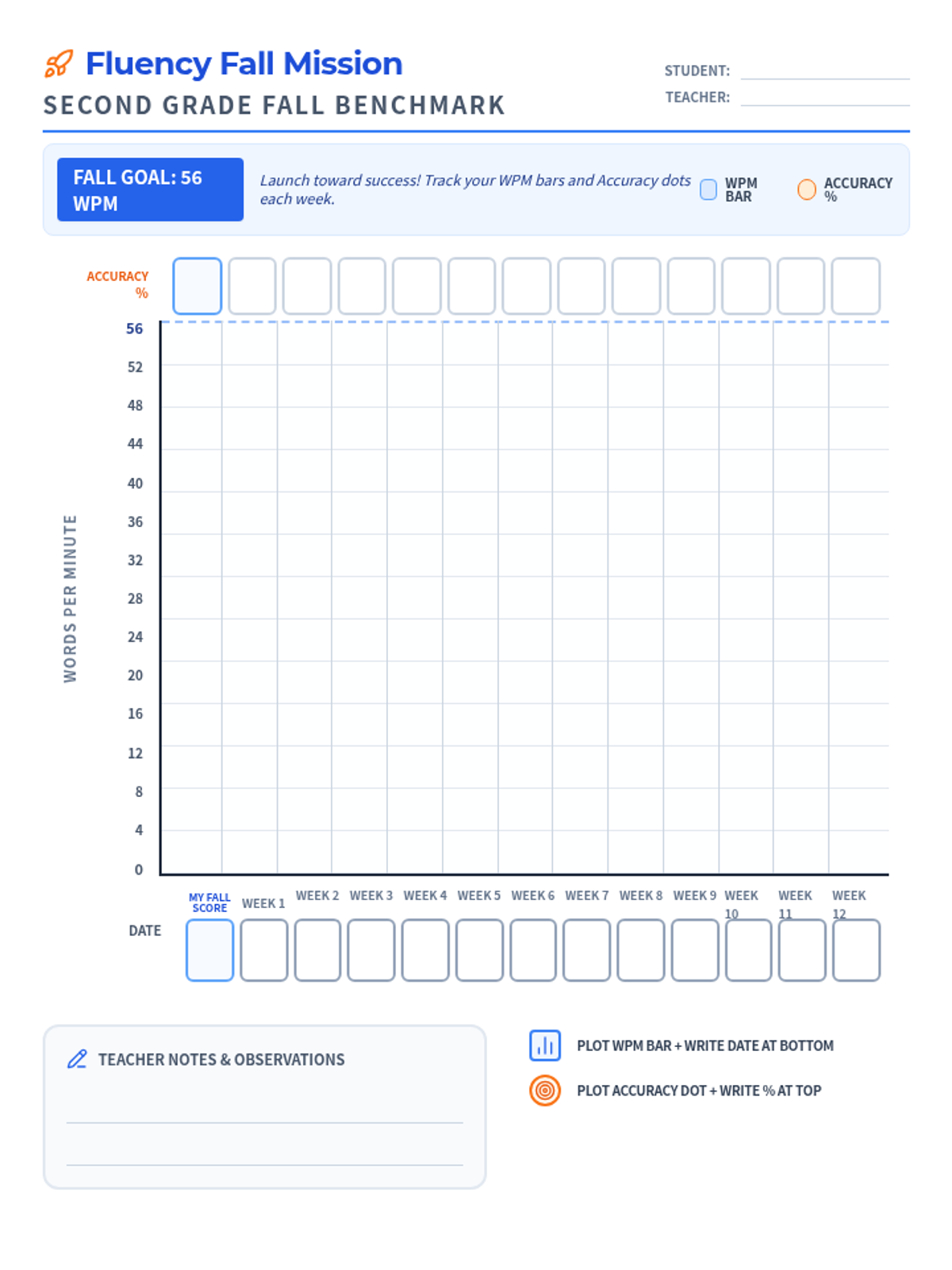
Tracking tools for 2nd grade reading fluency benchmarks. Includes Fall (56 WPM), Winter (84 WPM), and Spring (101 WPM) trackers.
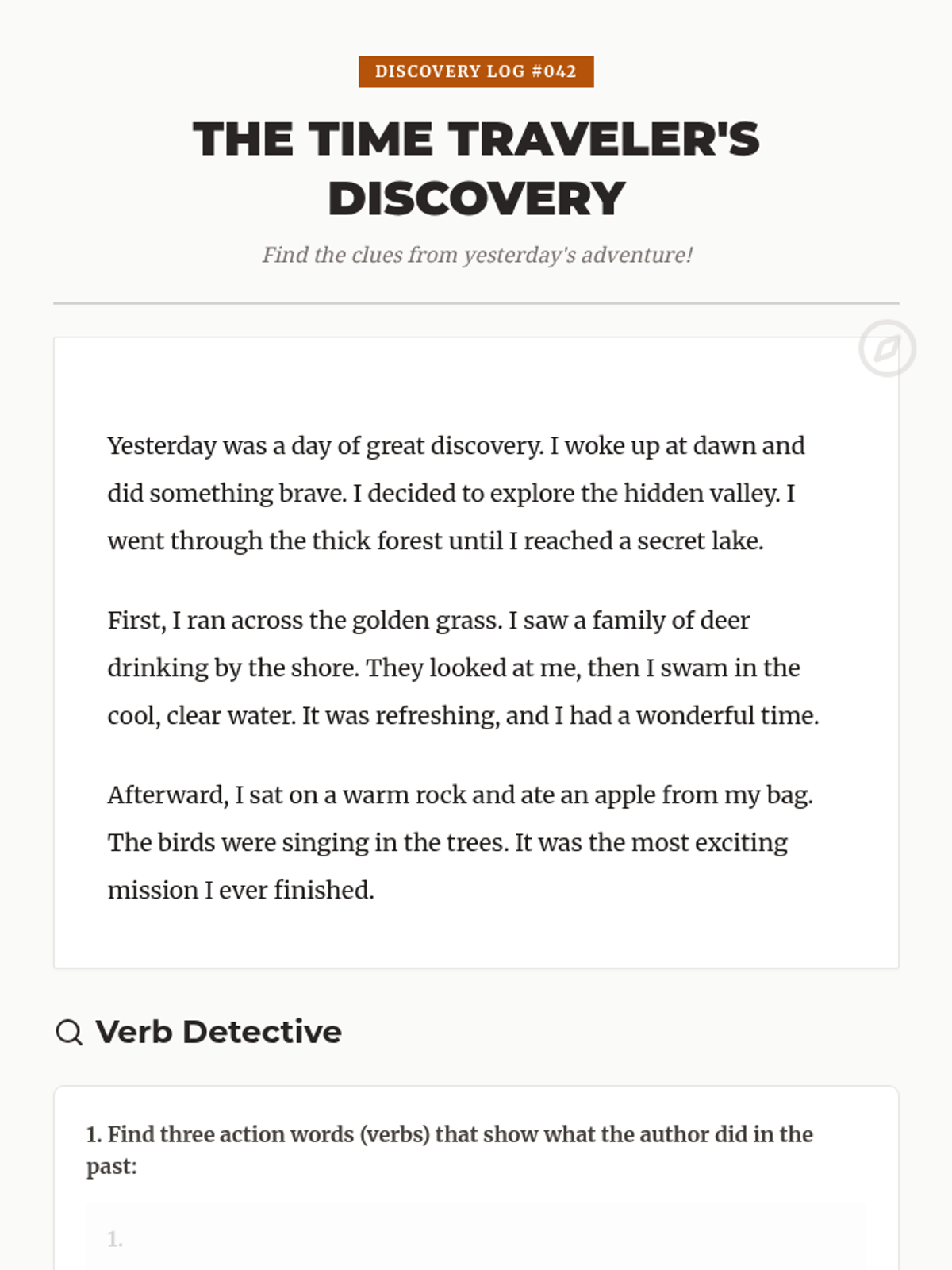
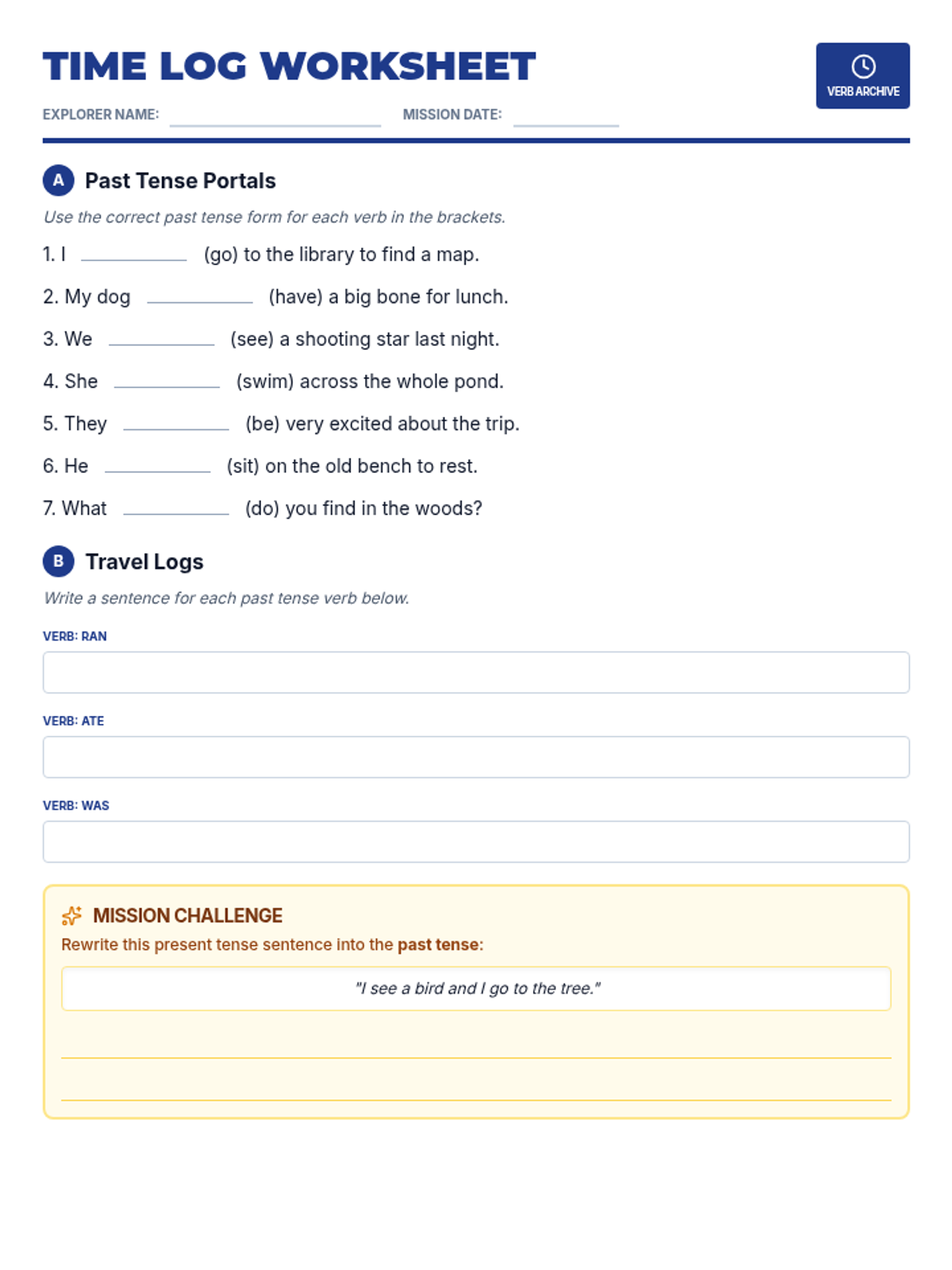
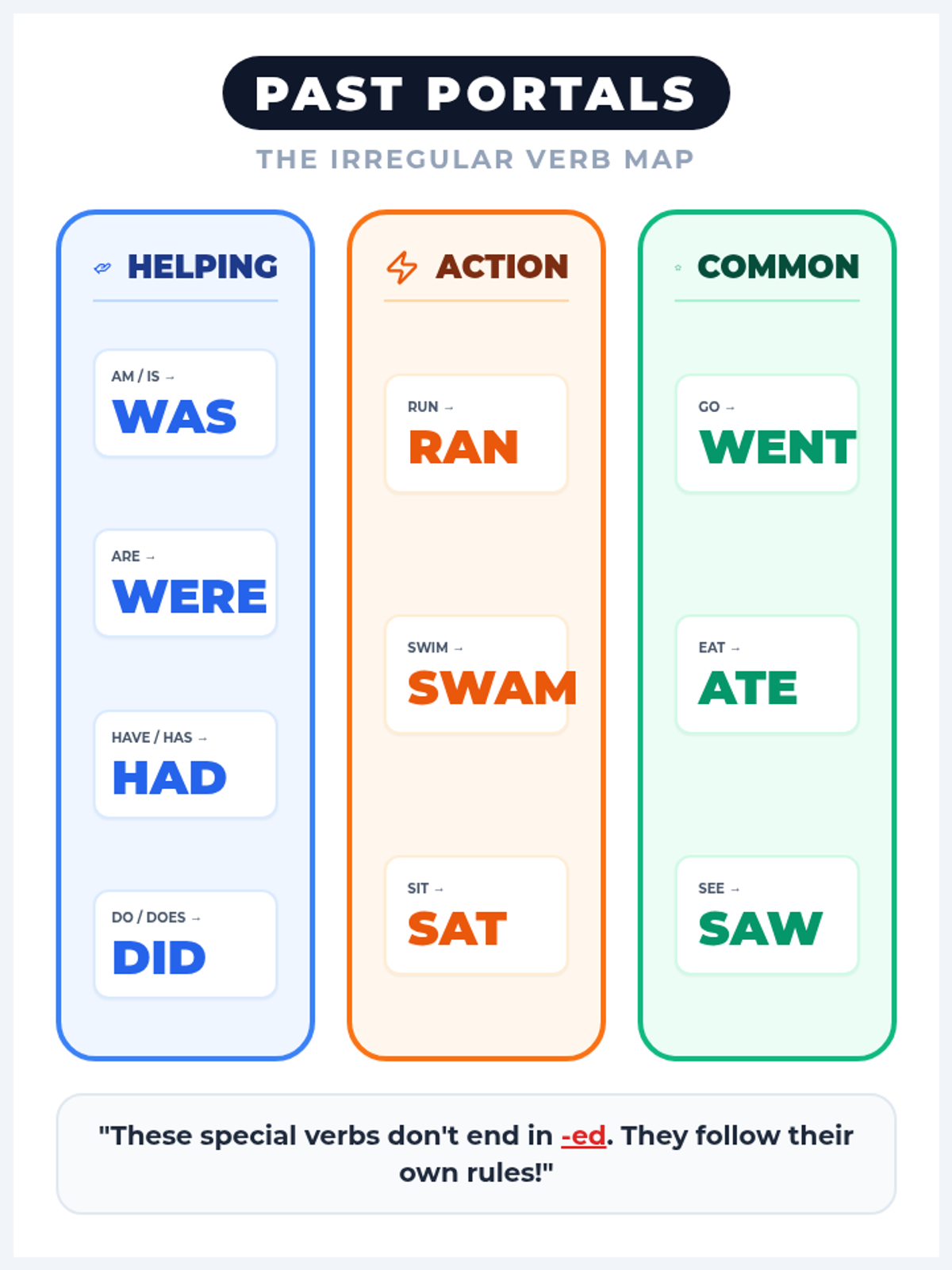
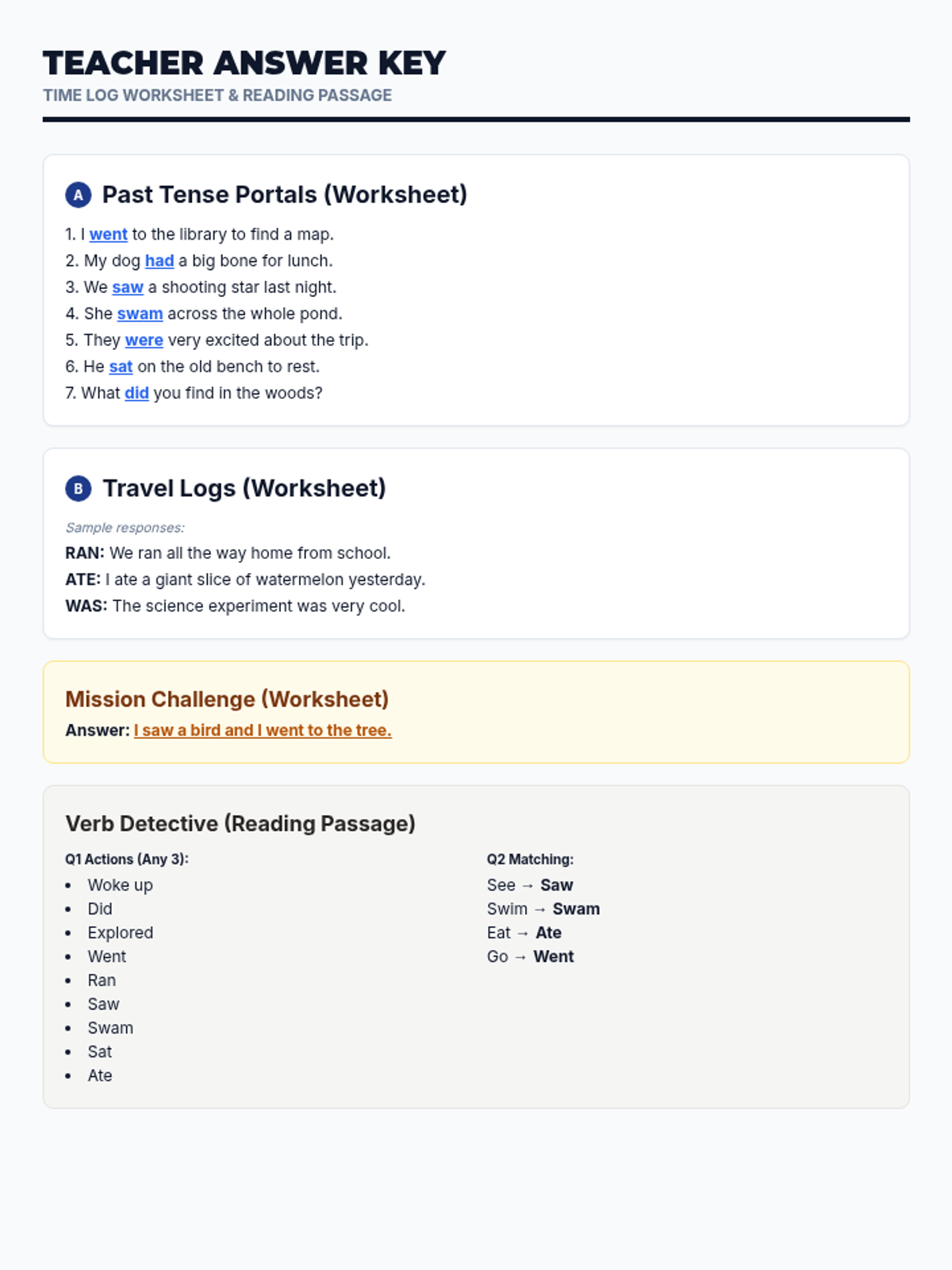
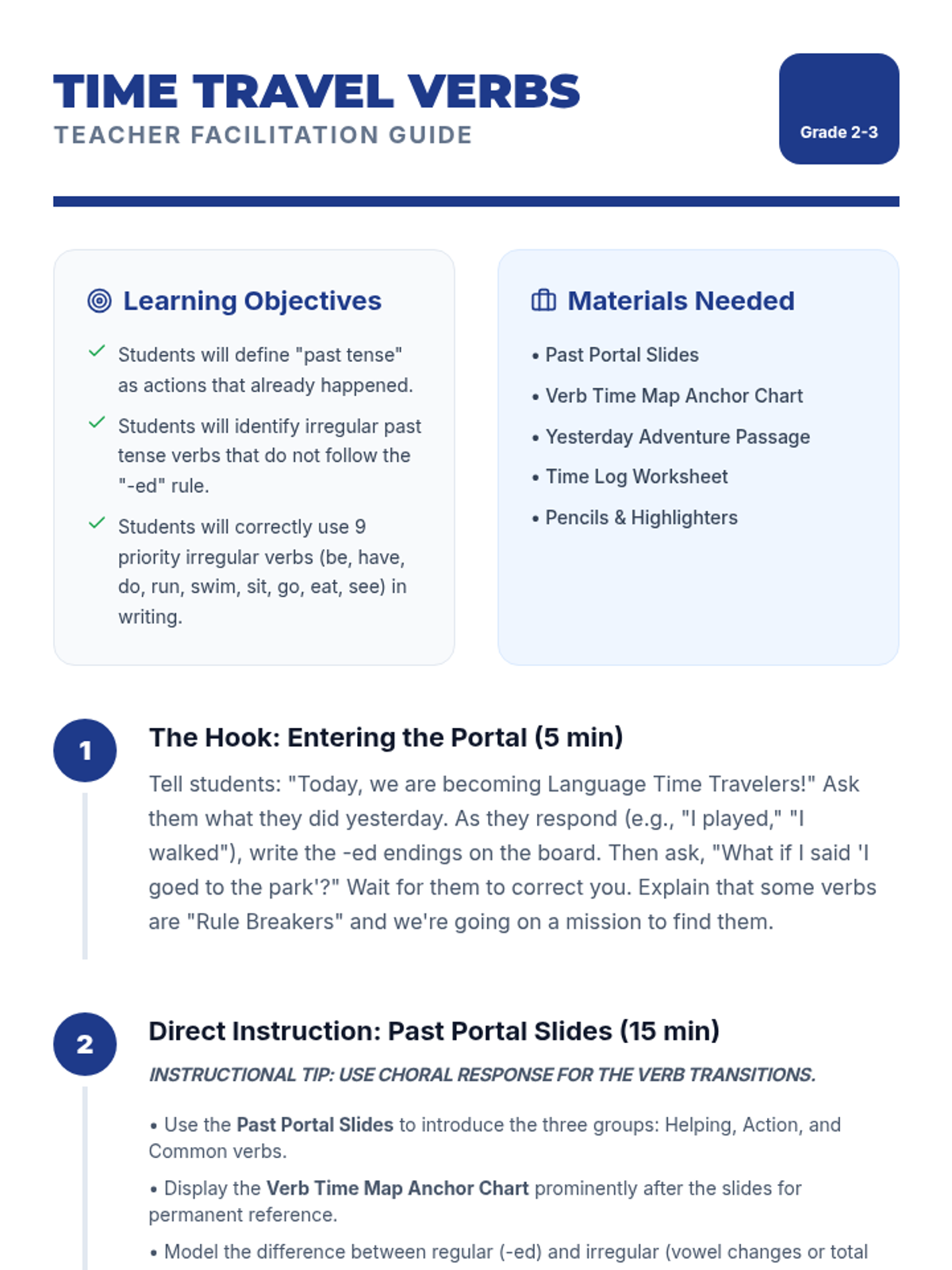
A comprehensive lesson on simple past tense verbs focusing on common irregular forms (be, have, do, run, swim, sit, go, eat, see) for 2nd and 3rd grade students. Includes visual instruction, reading practice, and application activities.
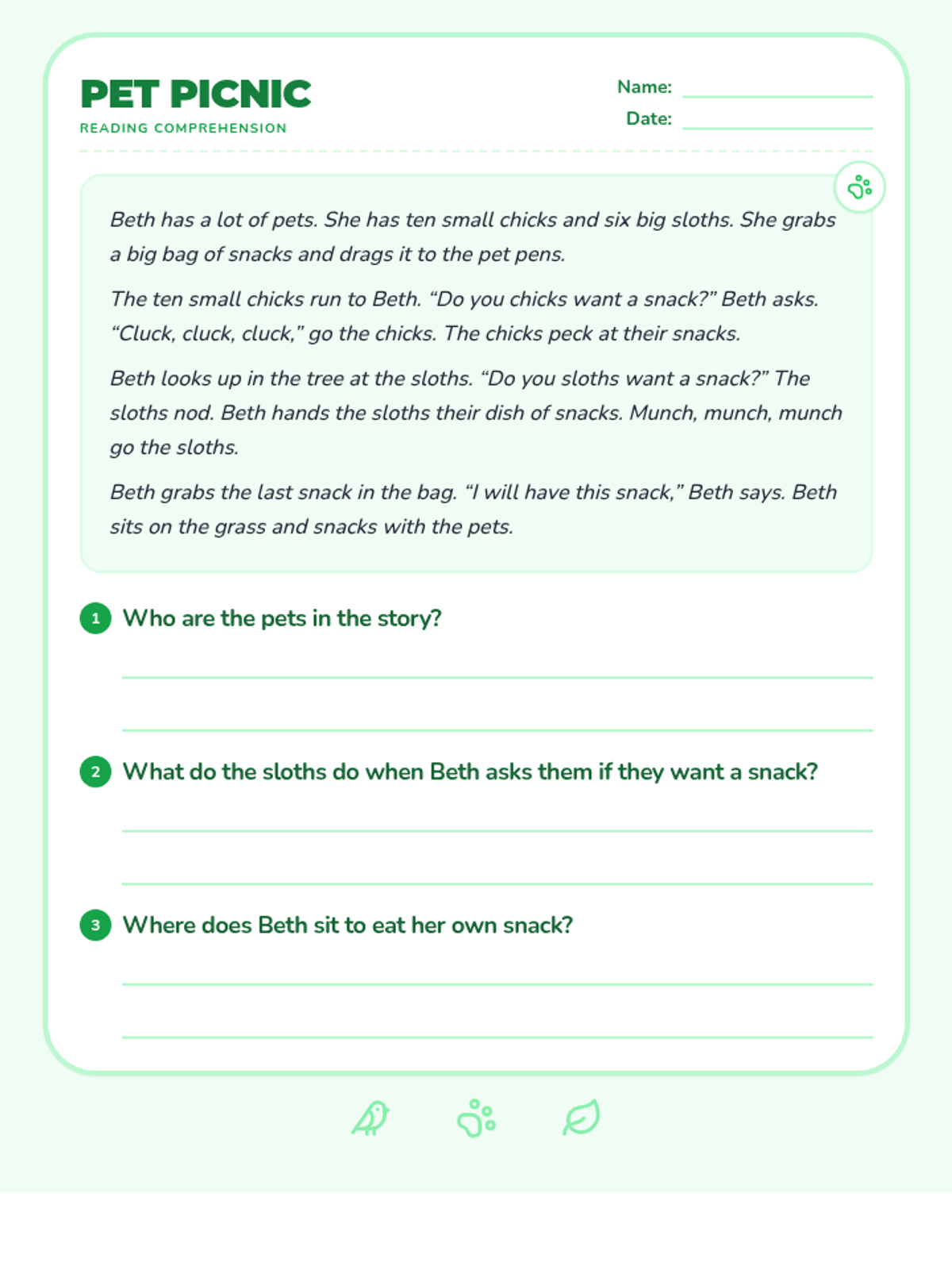
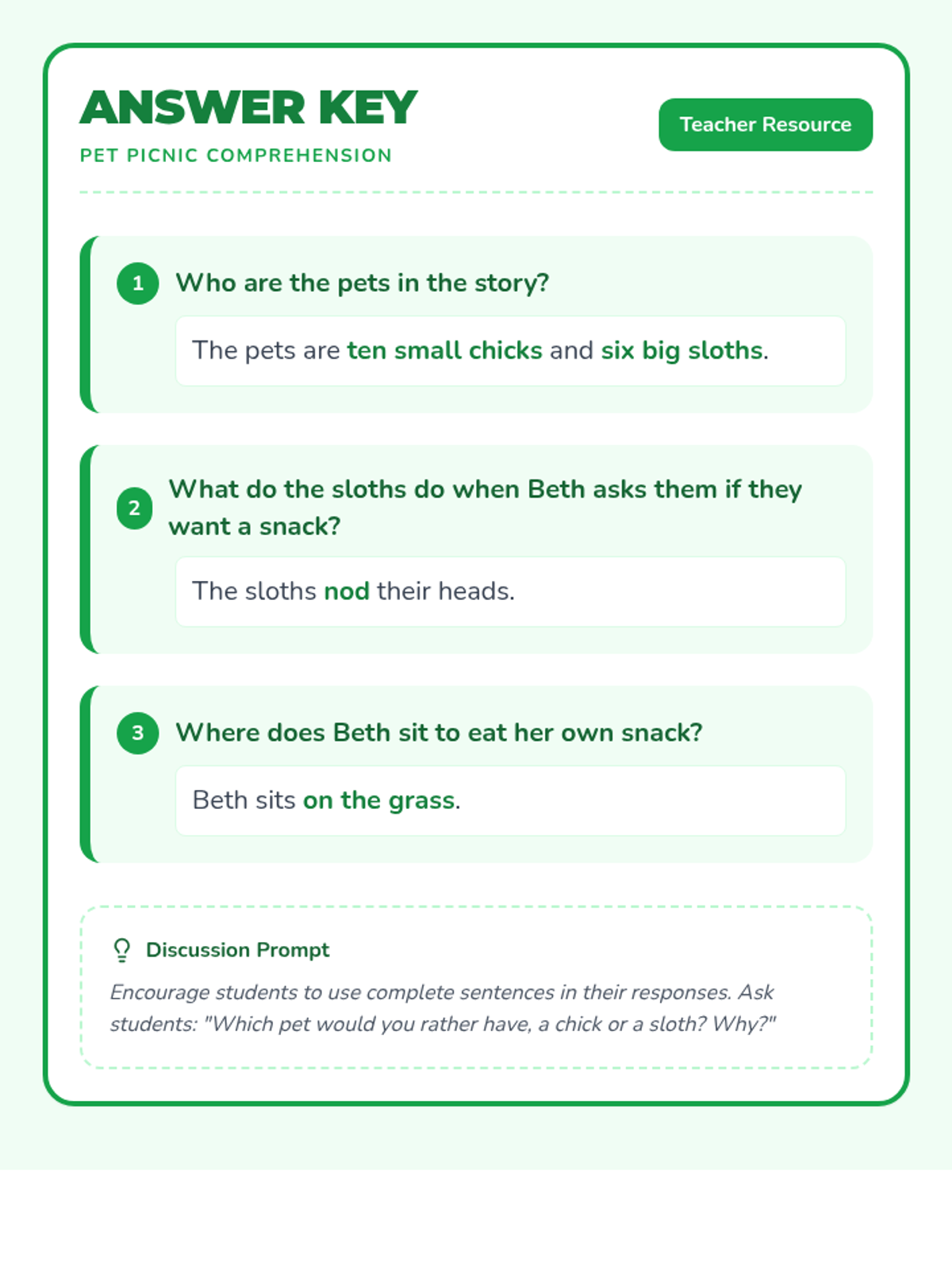
A reading comprehension lesson centered on a story about Beth and her diverse group of pets, focusing on identifying key details through "Wh-" questions.