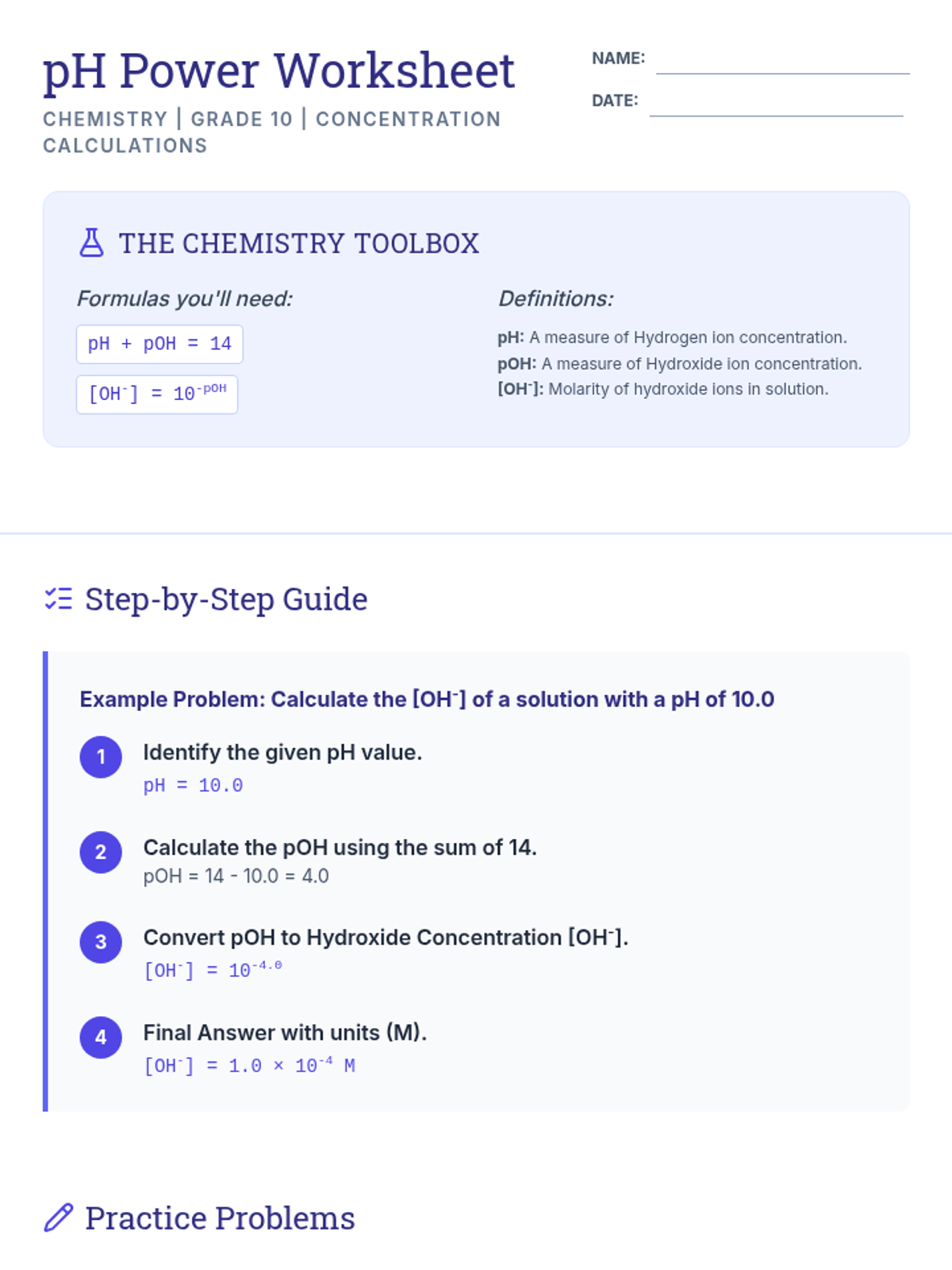
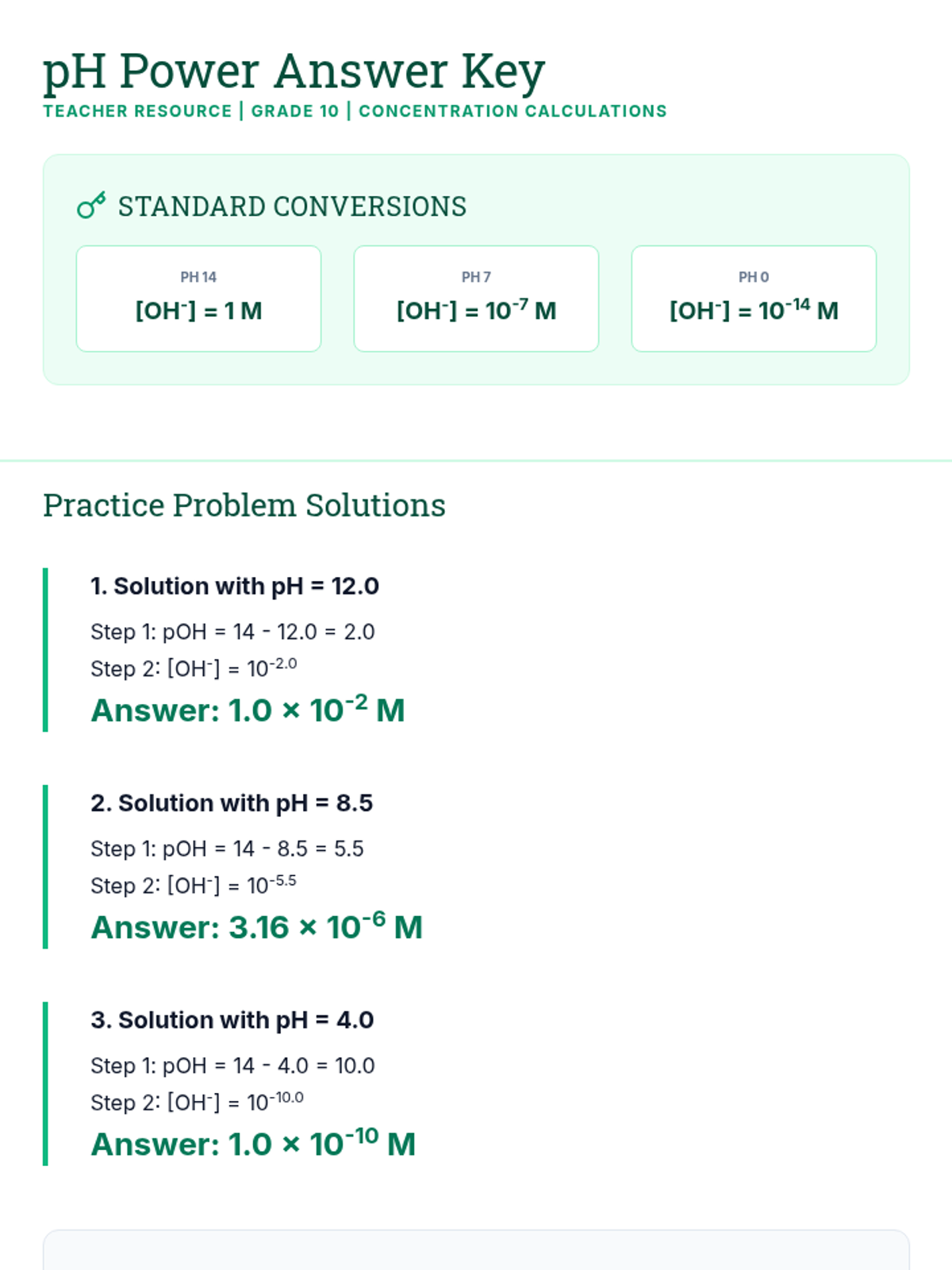
Investigate the chemical nature of water through pH testing, exploring acidity, alkalinity, and how water's role as a solvent impacts life and the environment.
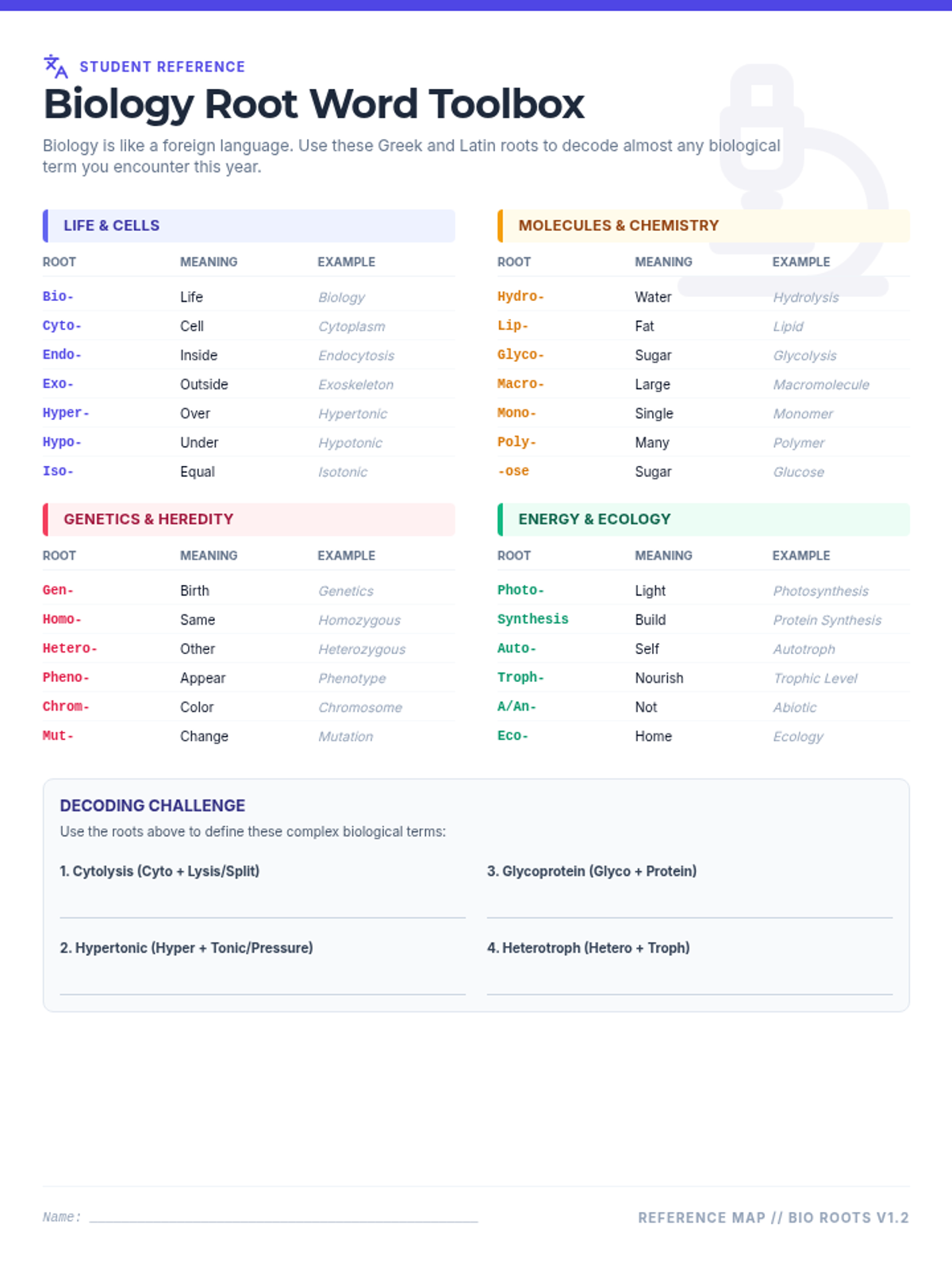
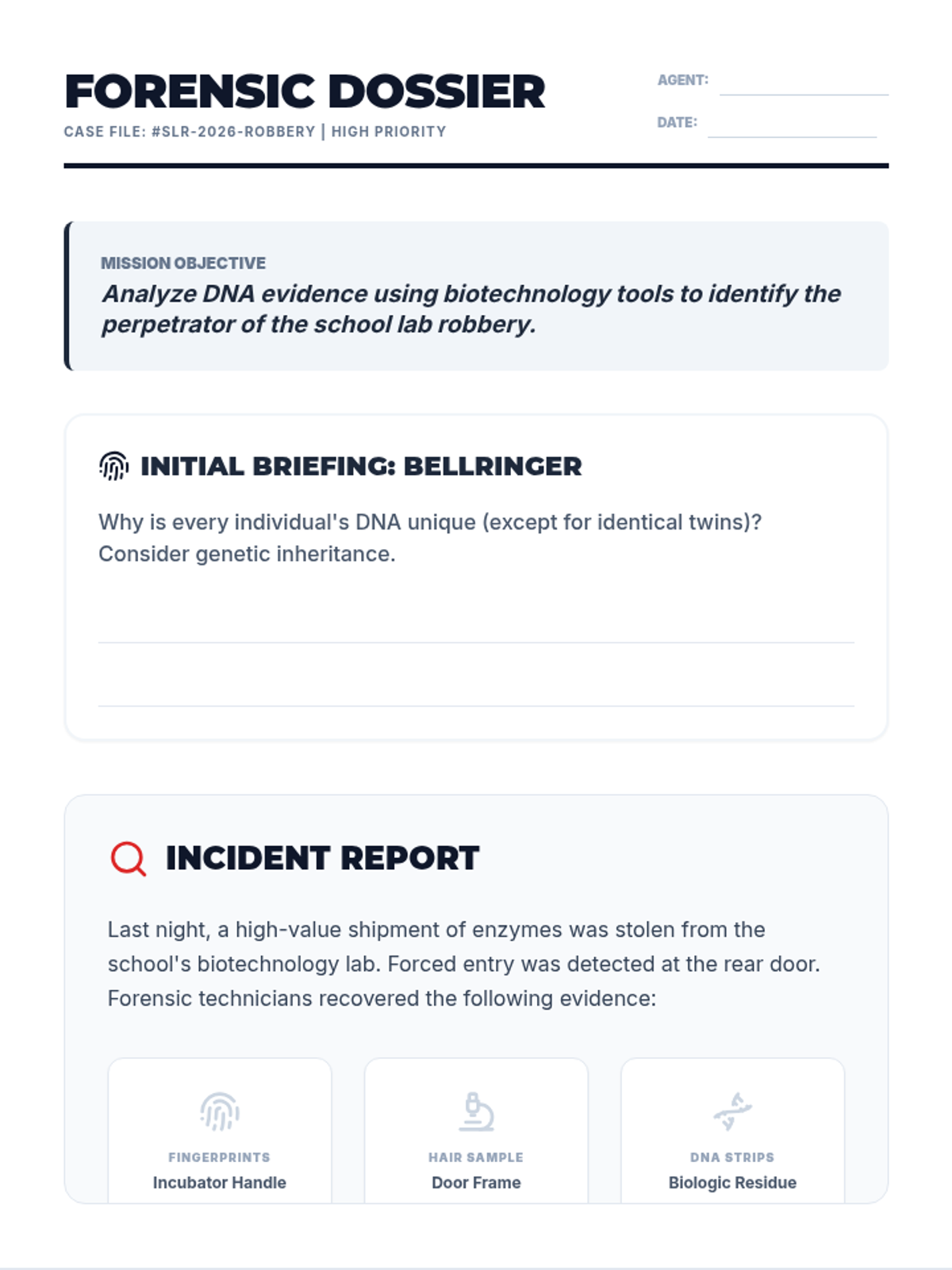
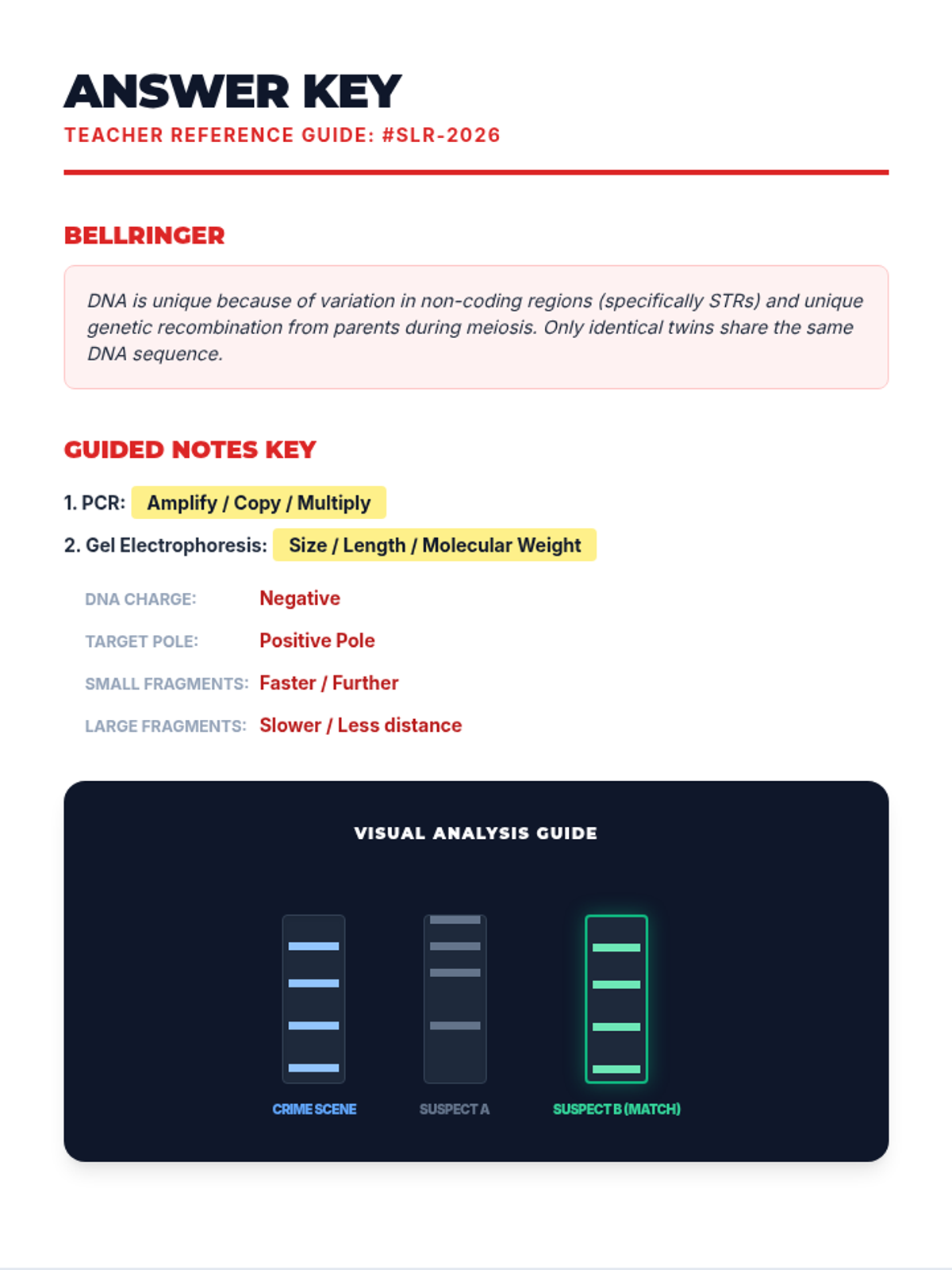
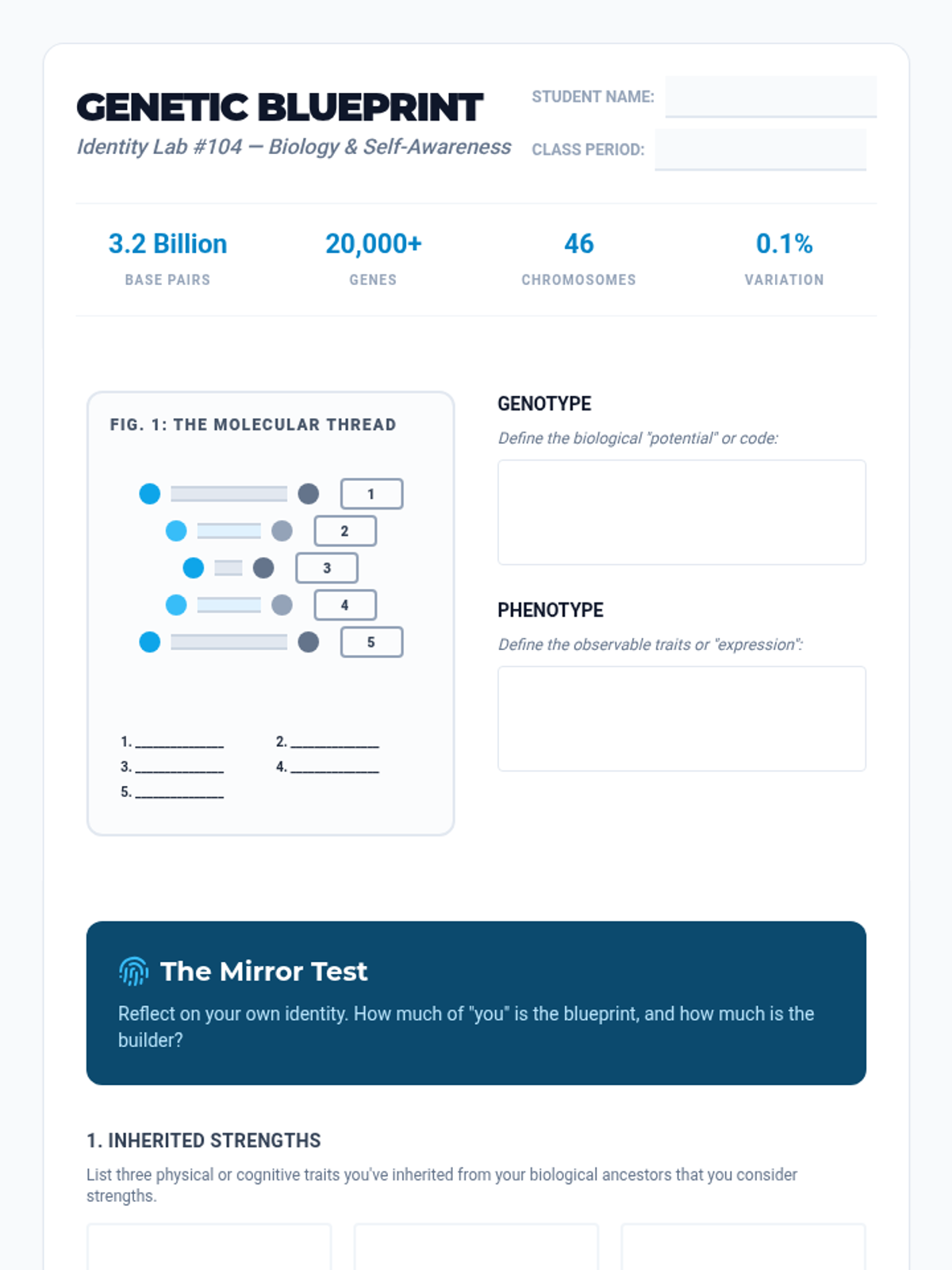
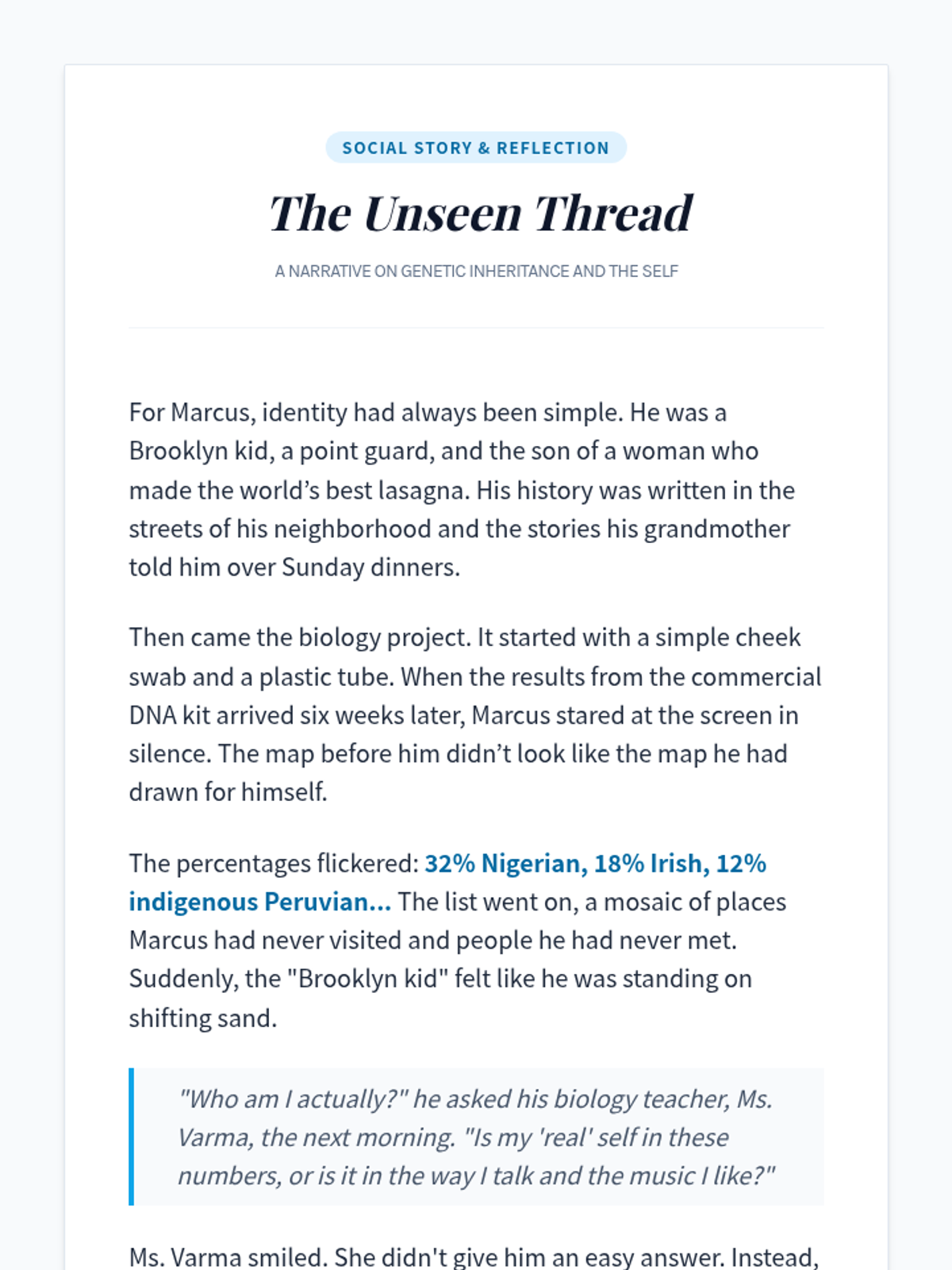
A collection of supplemental activities to reinforce foundational concepts of DNA, inheritance, and genetics. Students will practice vocabulary, sequencing biological structures, and verifying facts through interactive worksheets.
Students synthesize their knowledge to participate in a structured debate about the future of wildlife restoration.
Students analyze the differing viewpoints of ranchers, environmentalists, and local communities regarding predator reintroduction.
Students explore the scientific history of wolf reintroduction in Yellowstone and investigate the concept of trophic cascades and ecosystem engineering.
An exploration of the rock cycle's dynamic processes, from the fiery birth of igneous rocks to the transformative heat and pressure of metamorphism. Students will learn how Earth constantly recycles its crust through physical and chemical changes.
Students identify various landforms and apply their knowledge of geological processes to design their own island ecosystem in a culminating project.
A deep dive into the forces of weathering and erosion using mechanical simulations to observe how rocks break down and move over time.
Students explore the three main types of rocks and the processes that transform them through a hands-on simulation using crayons to represent the rock cycle.
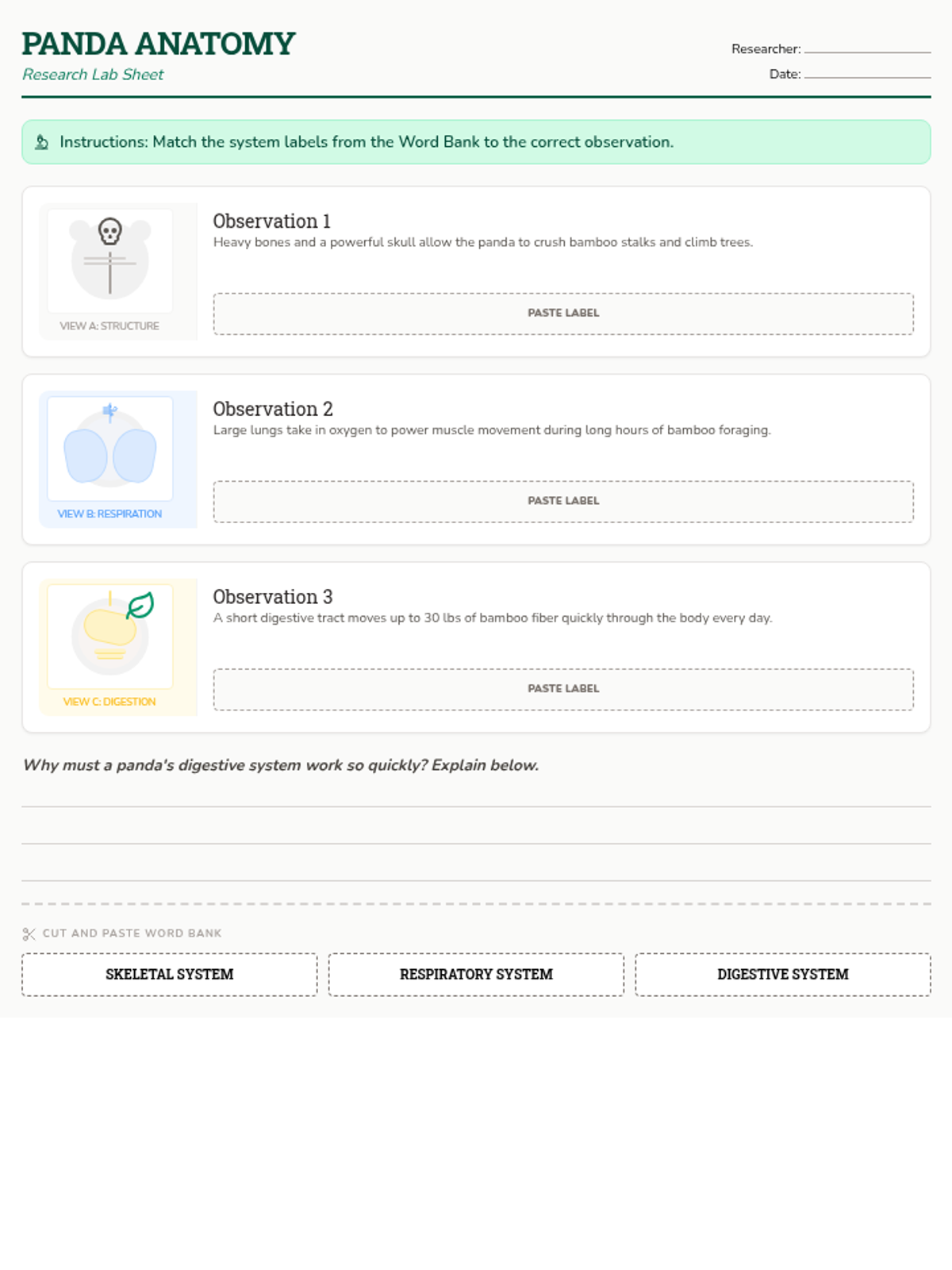
An engaging lesson on animal adaptations designed for 5th-grade students who struggle with reading. The lesson uses high-interest examples, simplified text, and visual supports to explain how physical and behavioral traits help animals survive in extreme environments.
Explore how ecosystems respond to disturbances through primary and secondary succession, and analyze the relationship between biodiversity and ecosystem stability.