Students investigate the profound social, religious, and political impacts of centralized power, examining how the rise of nation-states led to both stability and systemic conflict across Europe.
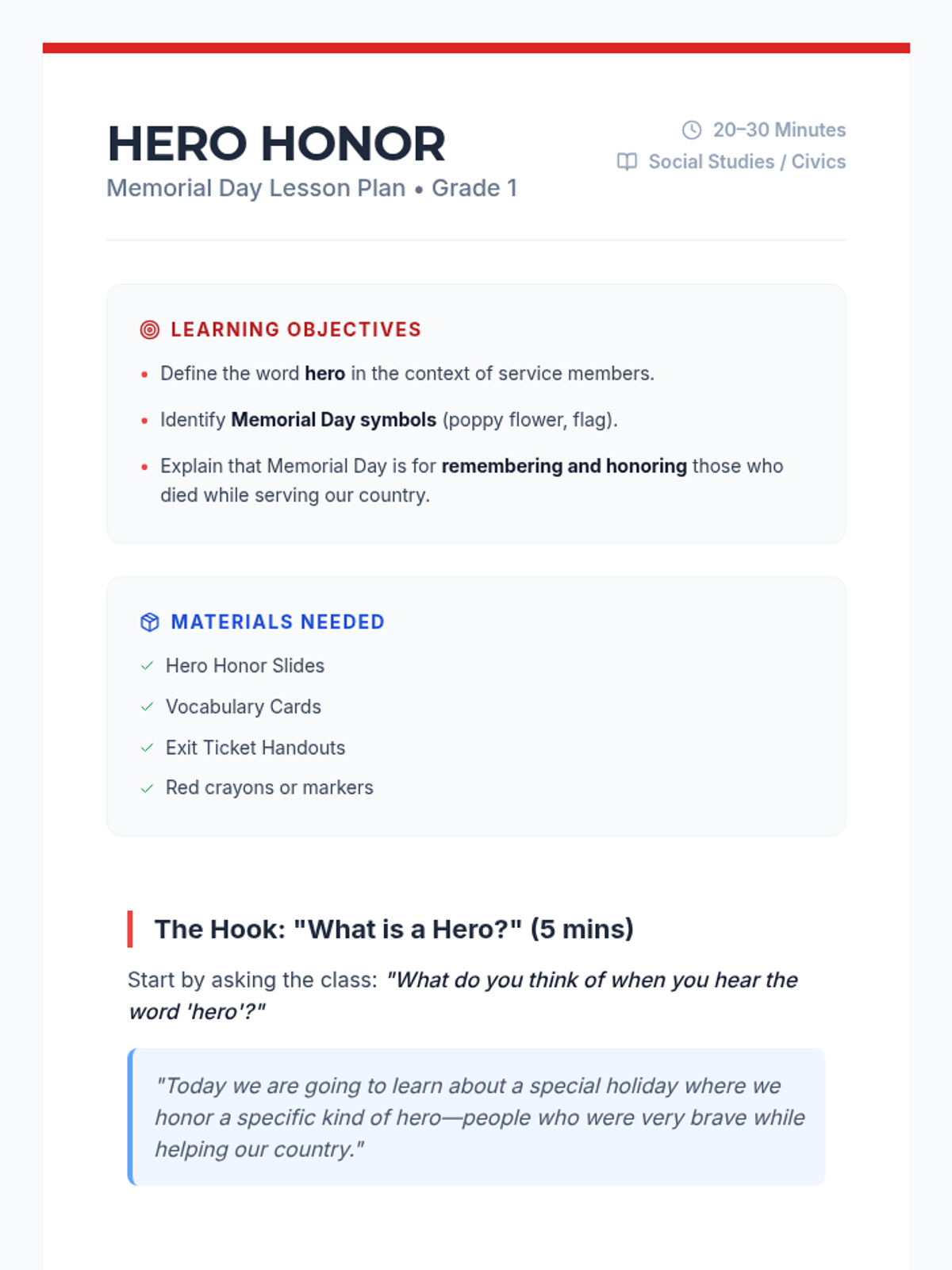
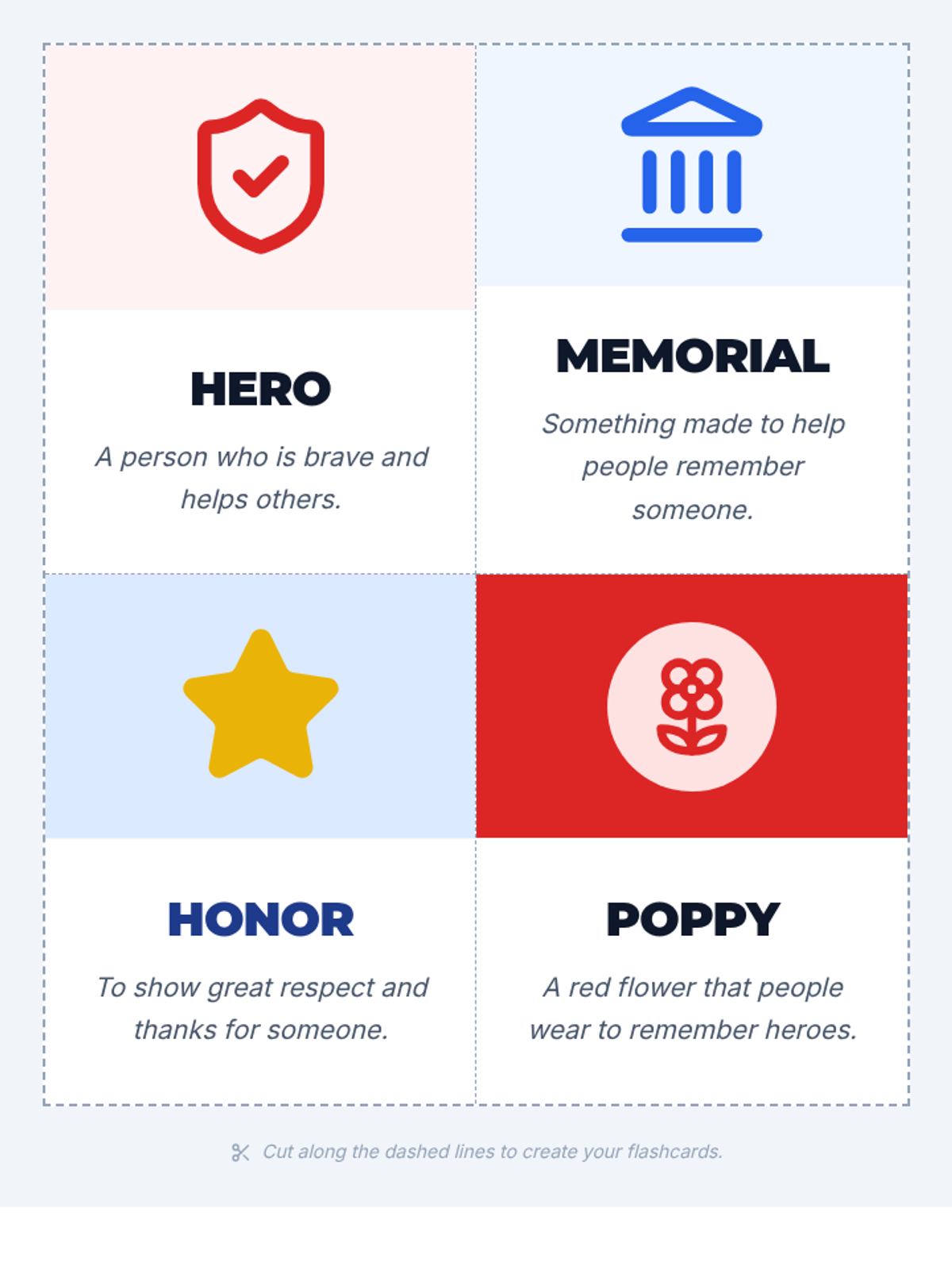
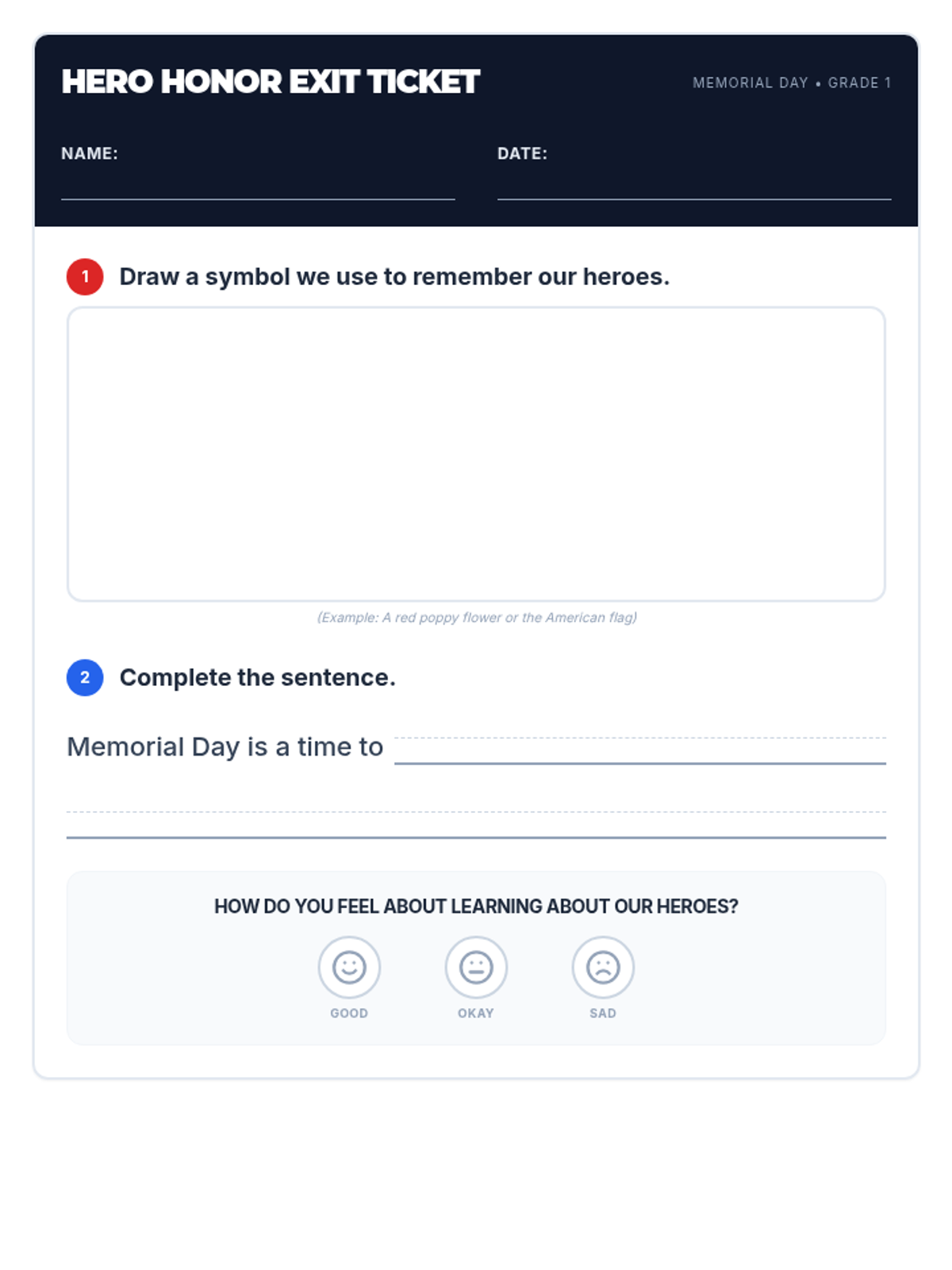
A 20-30 minute introductory lesson for 1st graders to understand the significance of Memorial Day, the concept of a hero, and key national symbols of remembrance.
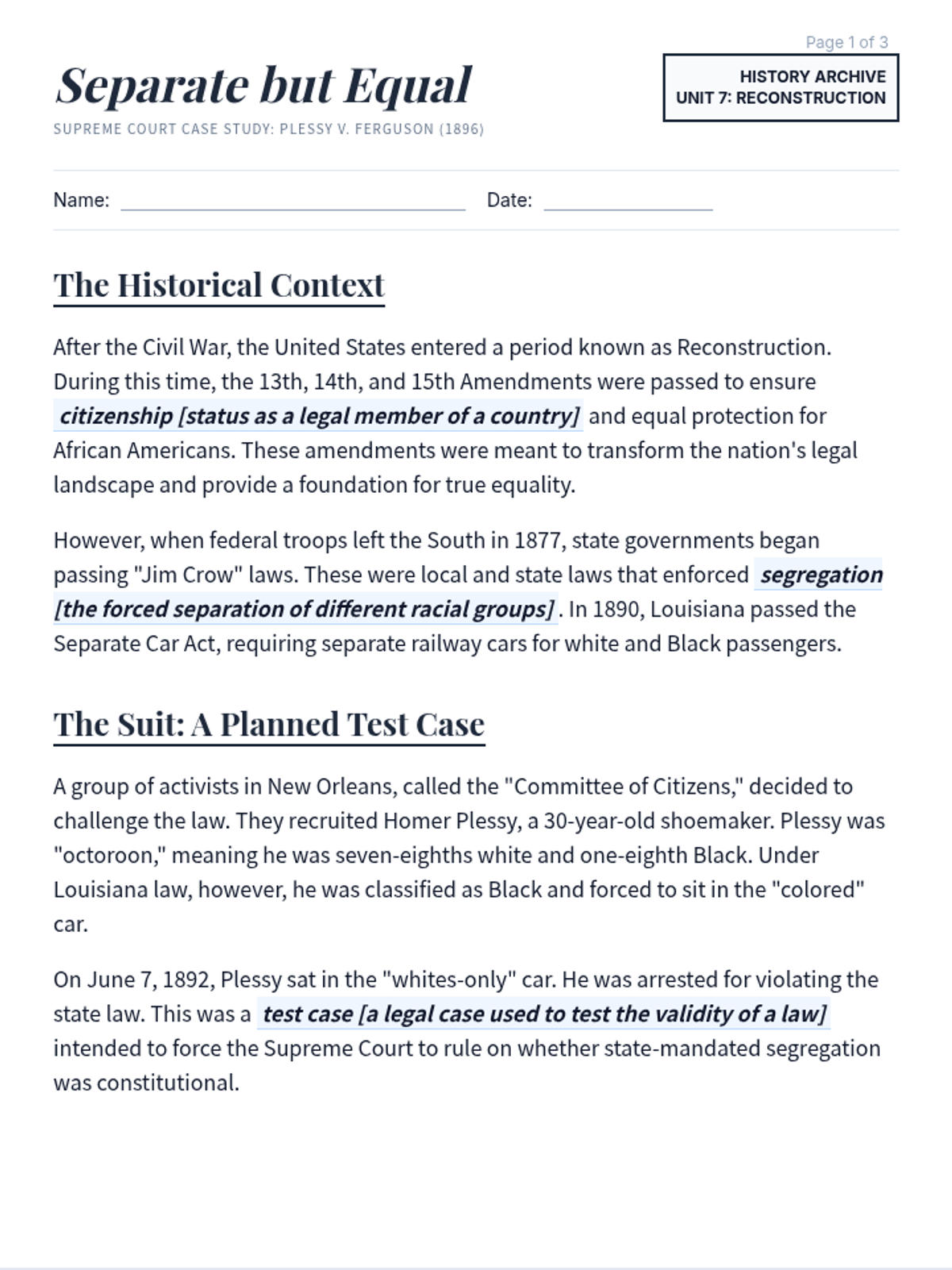
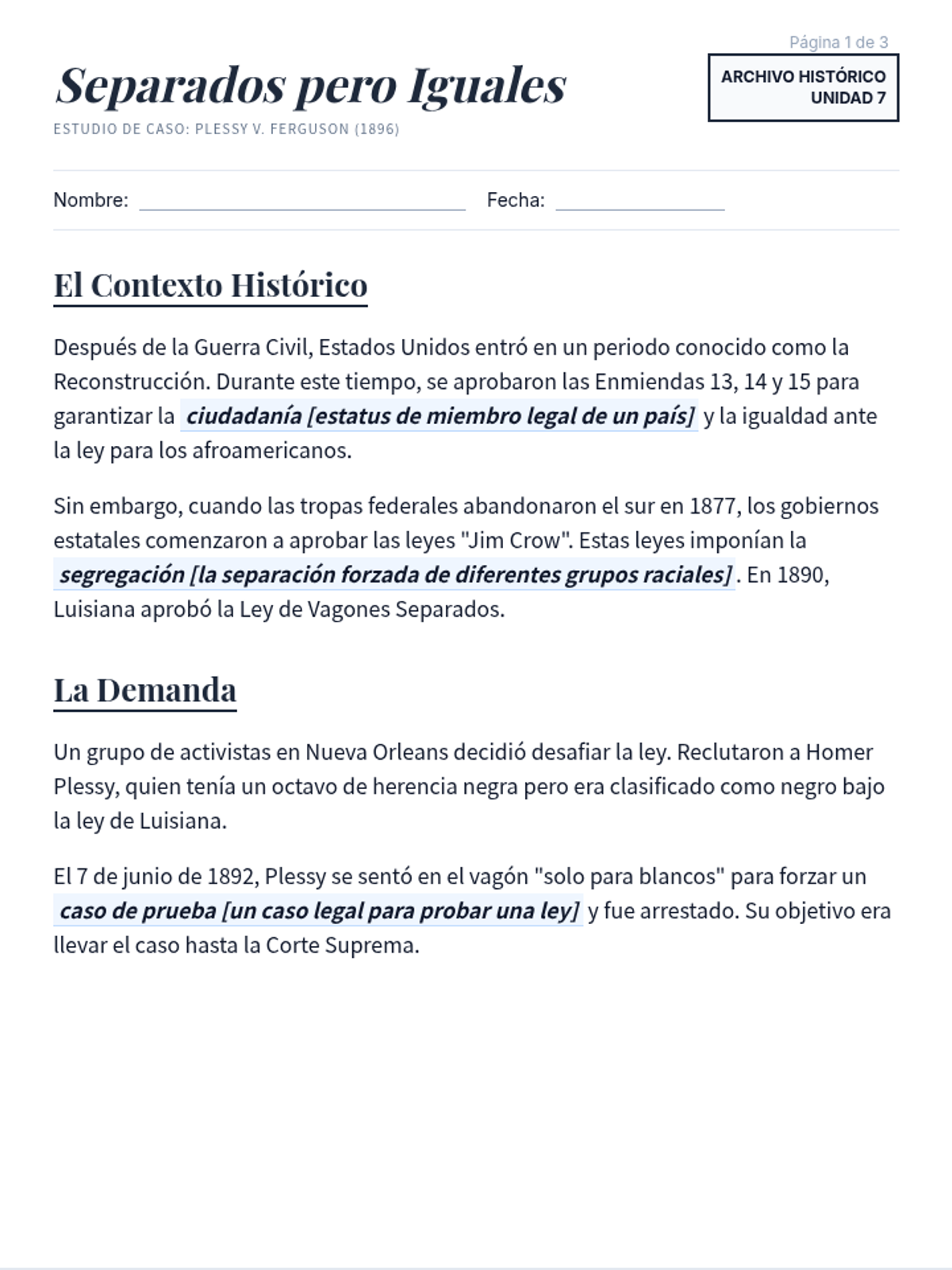
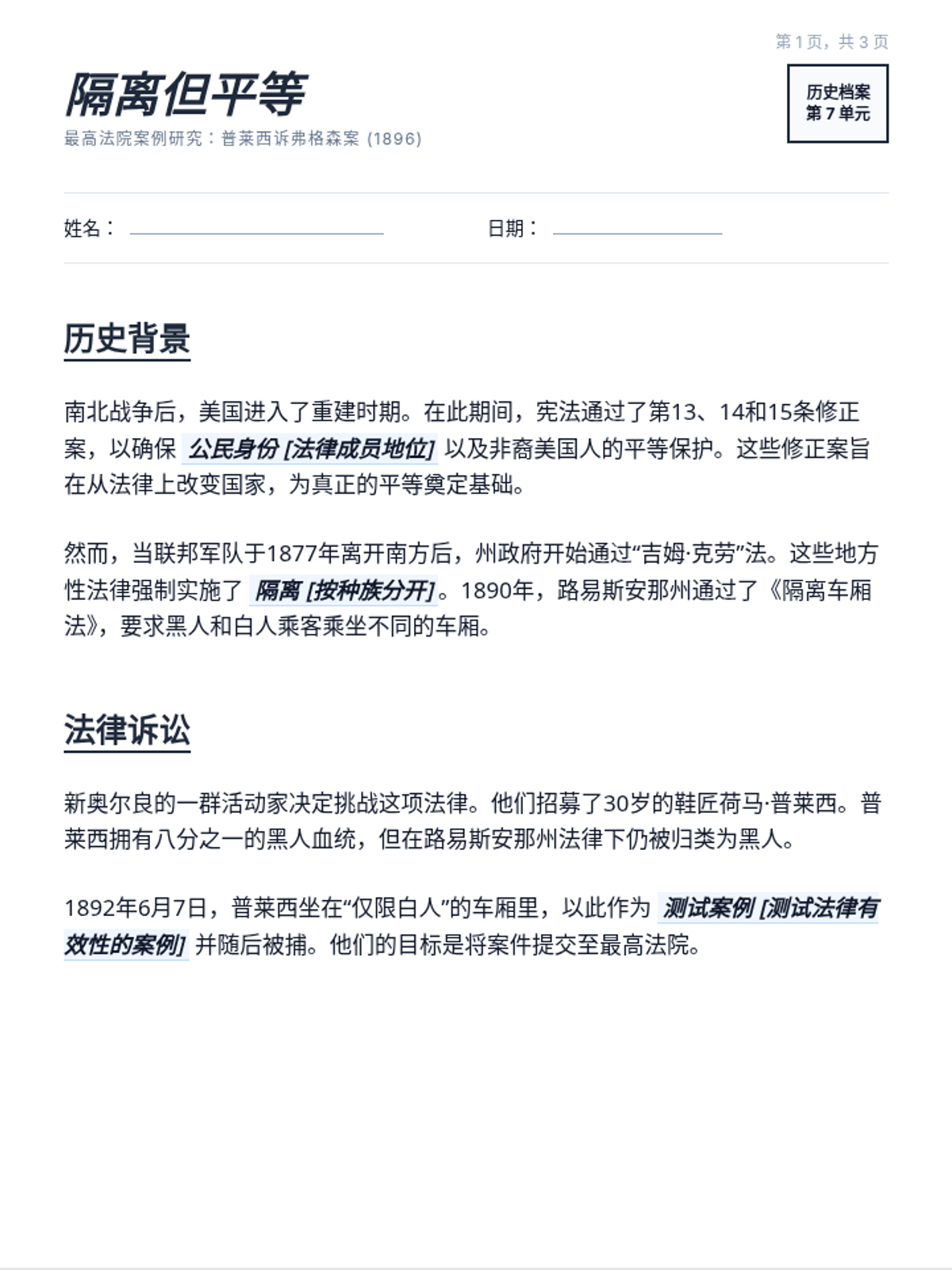
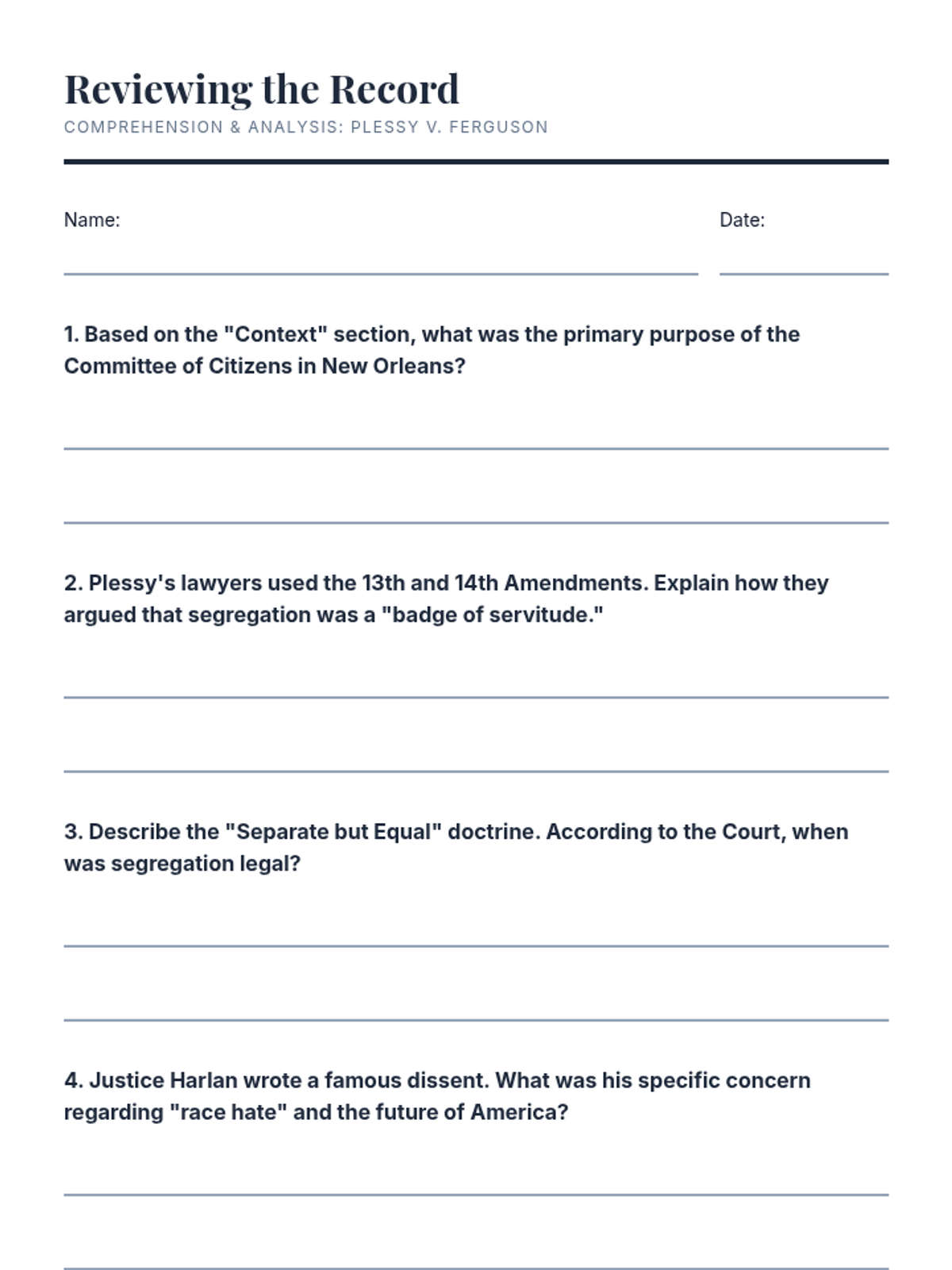
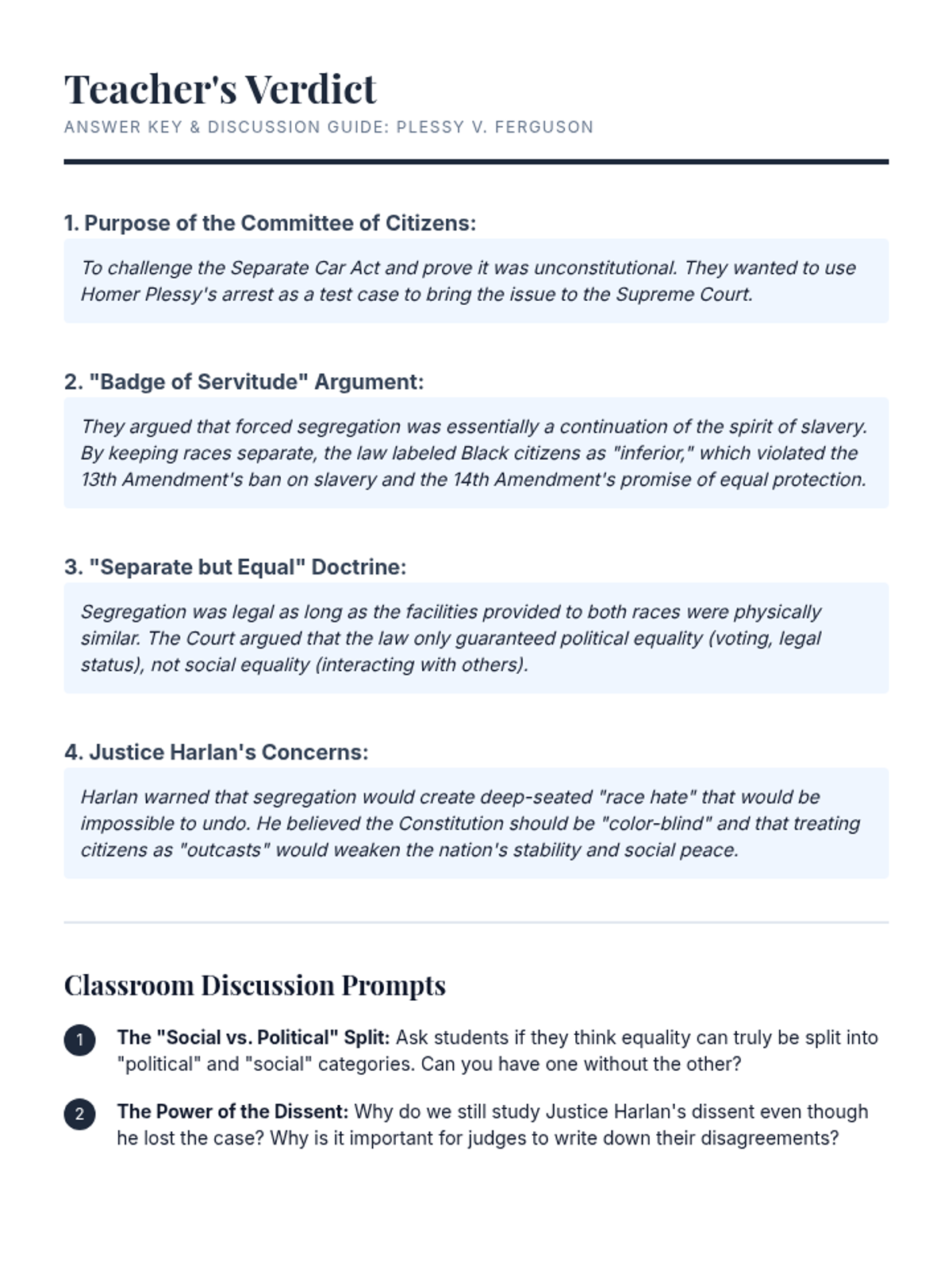
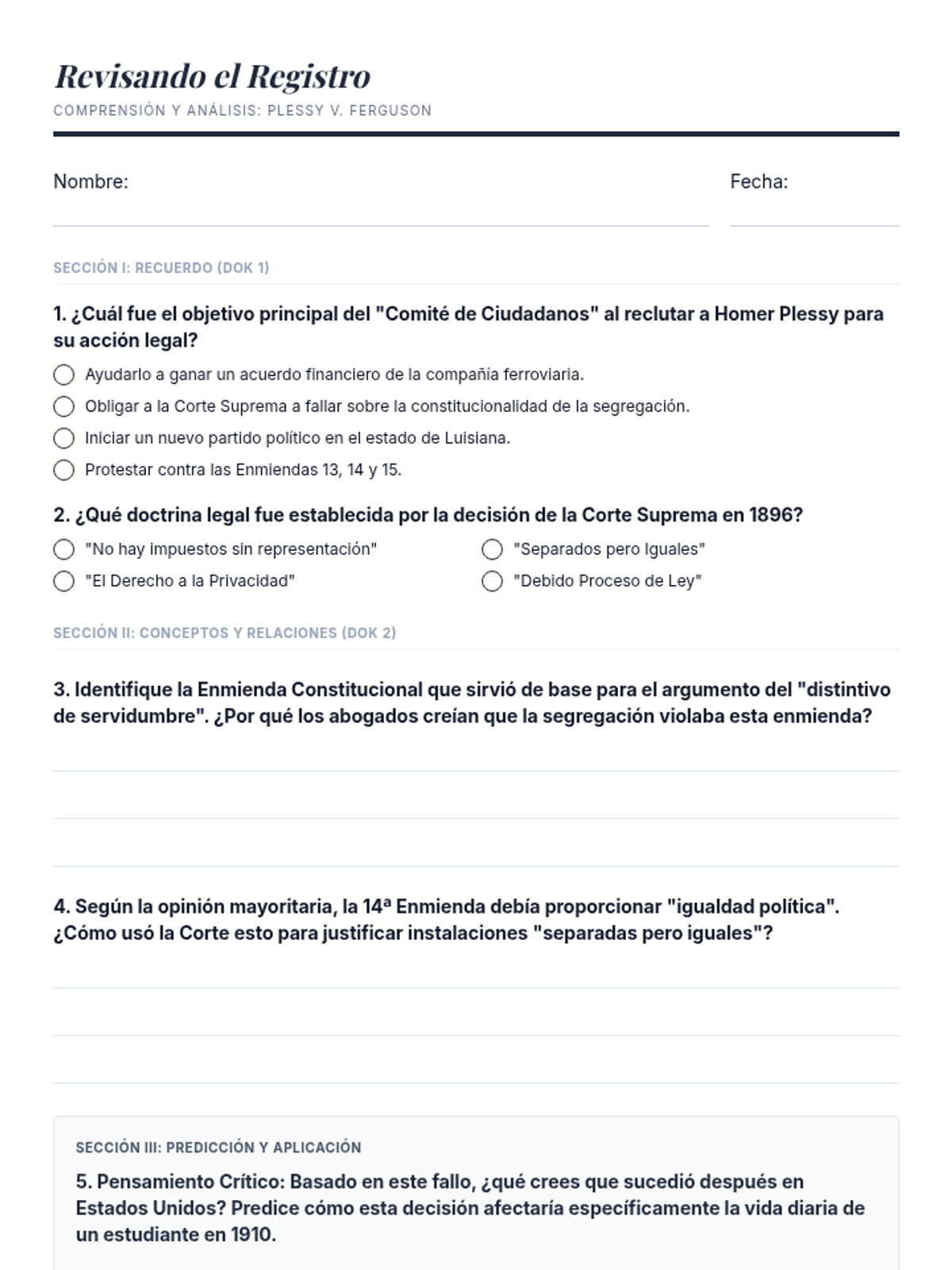
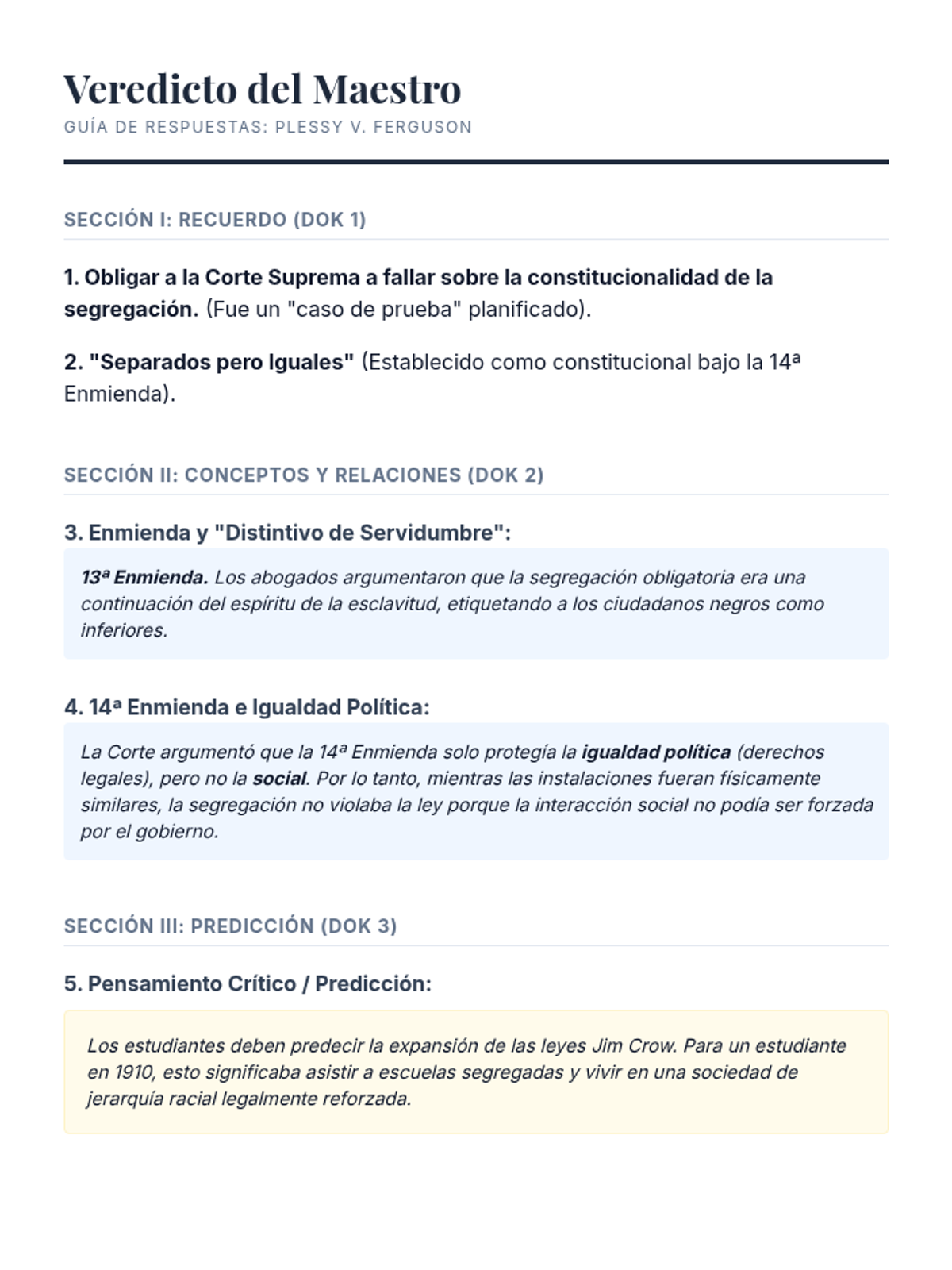
A deep dive into the landmark Plessy v. Ferguson case, exploring the legal arguments, the "separate but equal" doctrine, and Justice Harlan's famous dissent. Students will analyze the long-term impact of this ruling on American society.
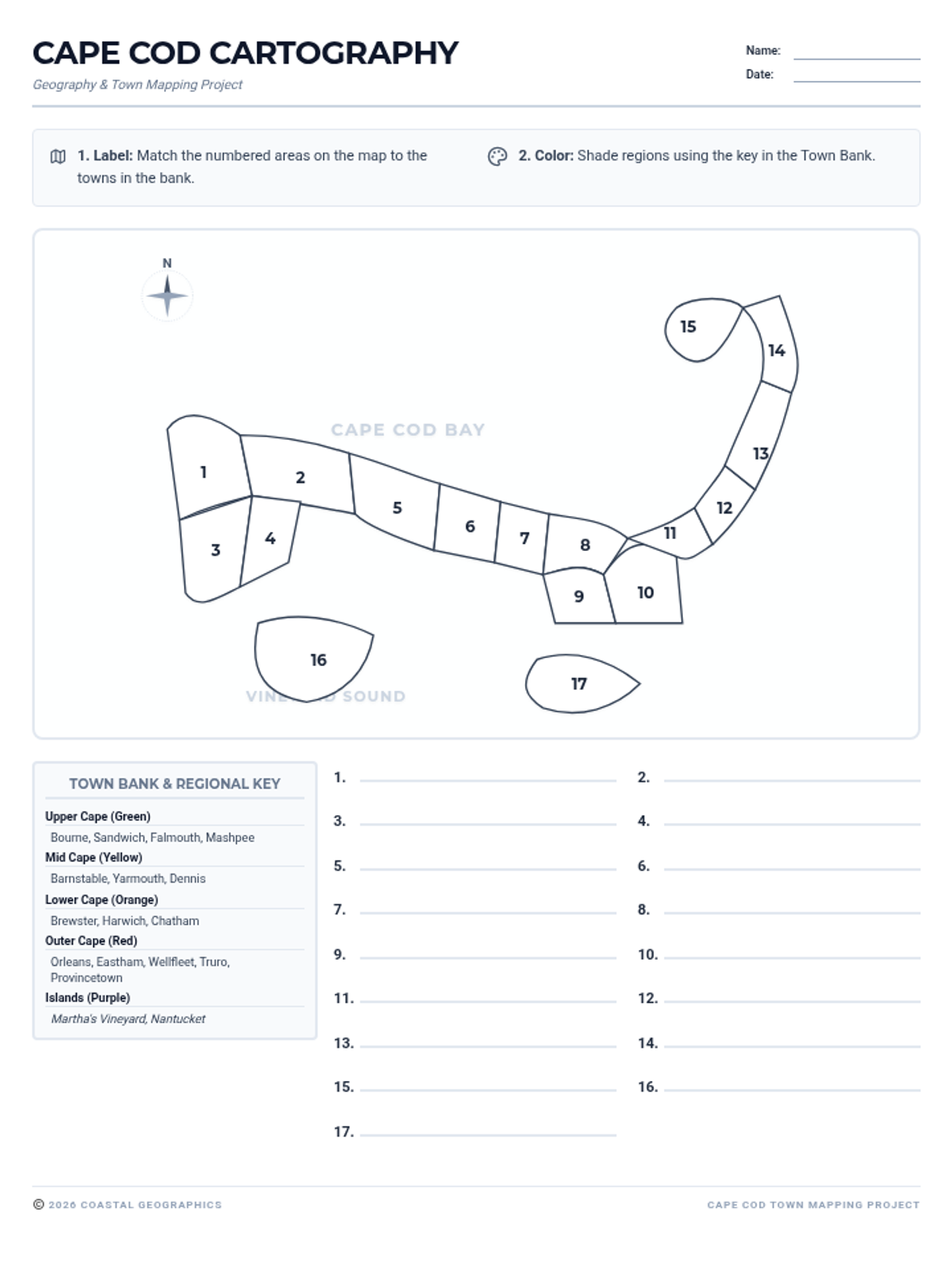
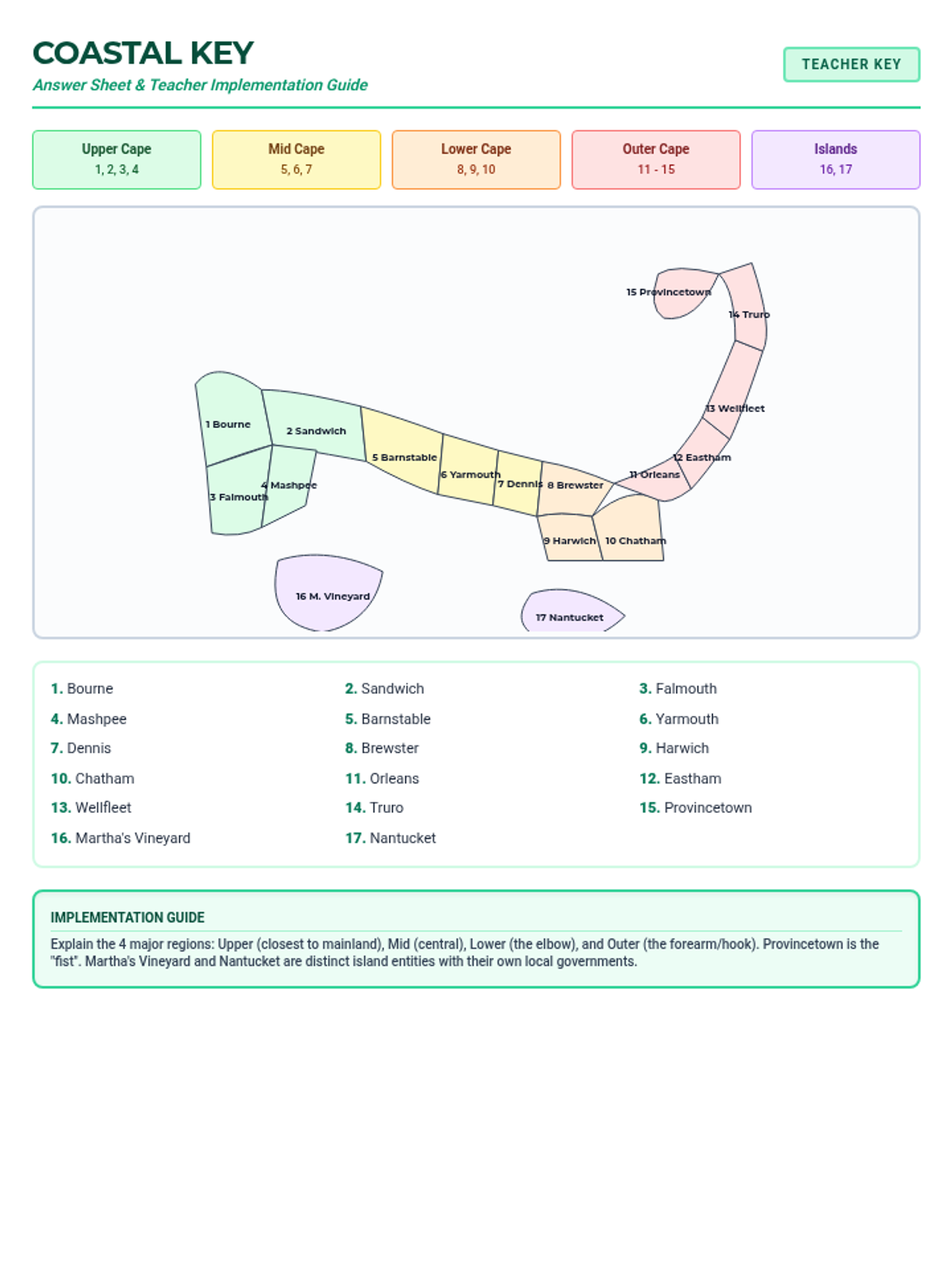
A lesson focused on the unique geography of Cape Cod and the Islands, including town identification and regional categorization.
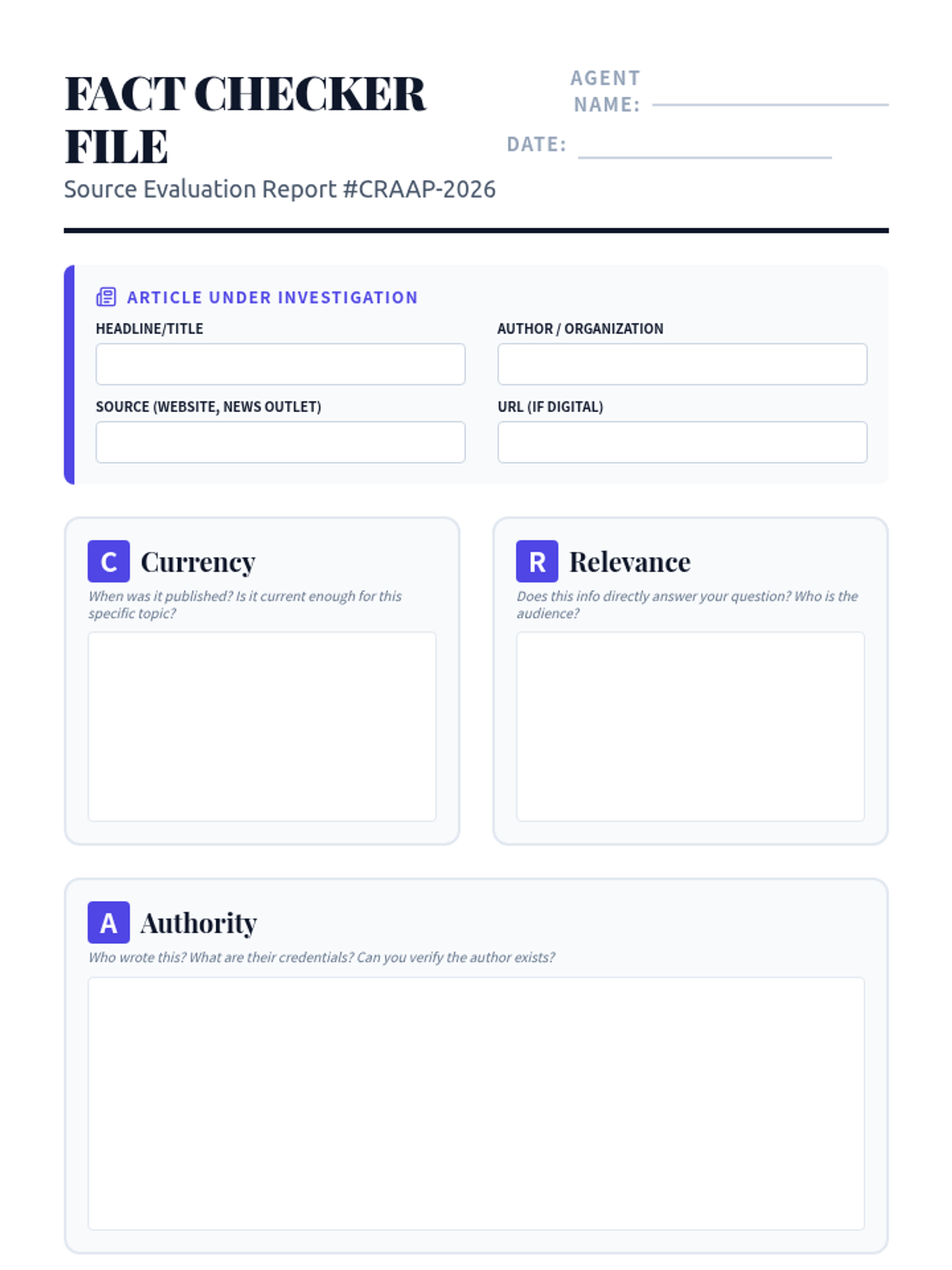
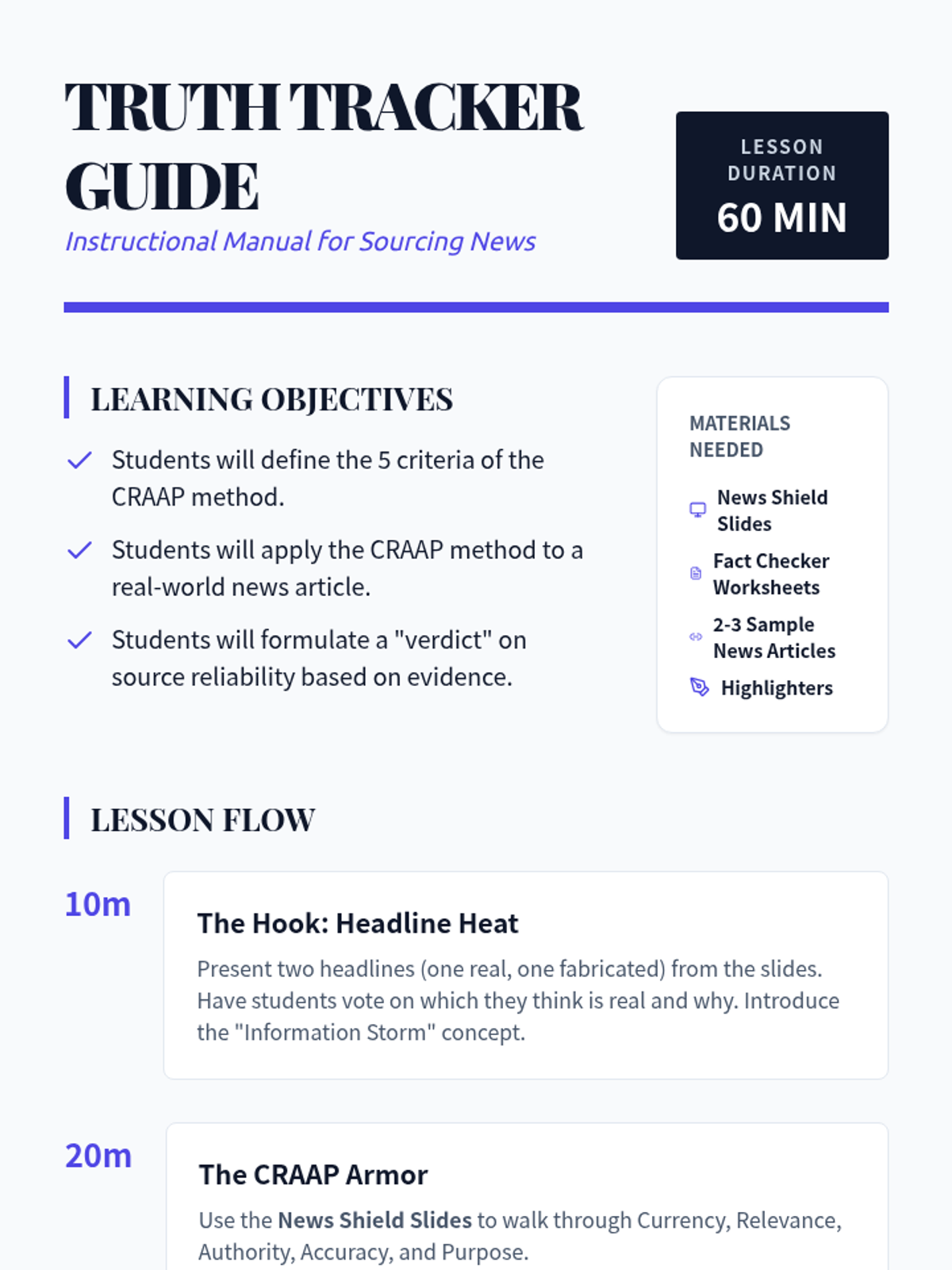
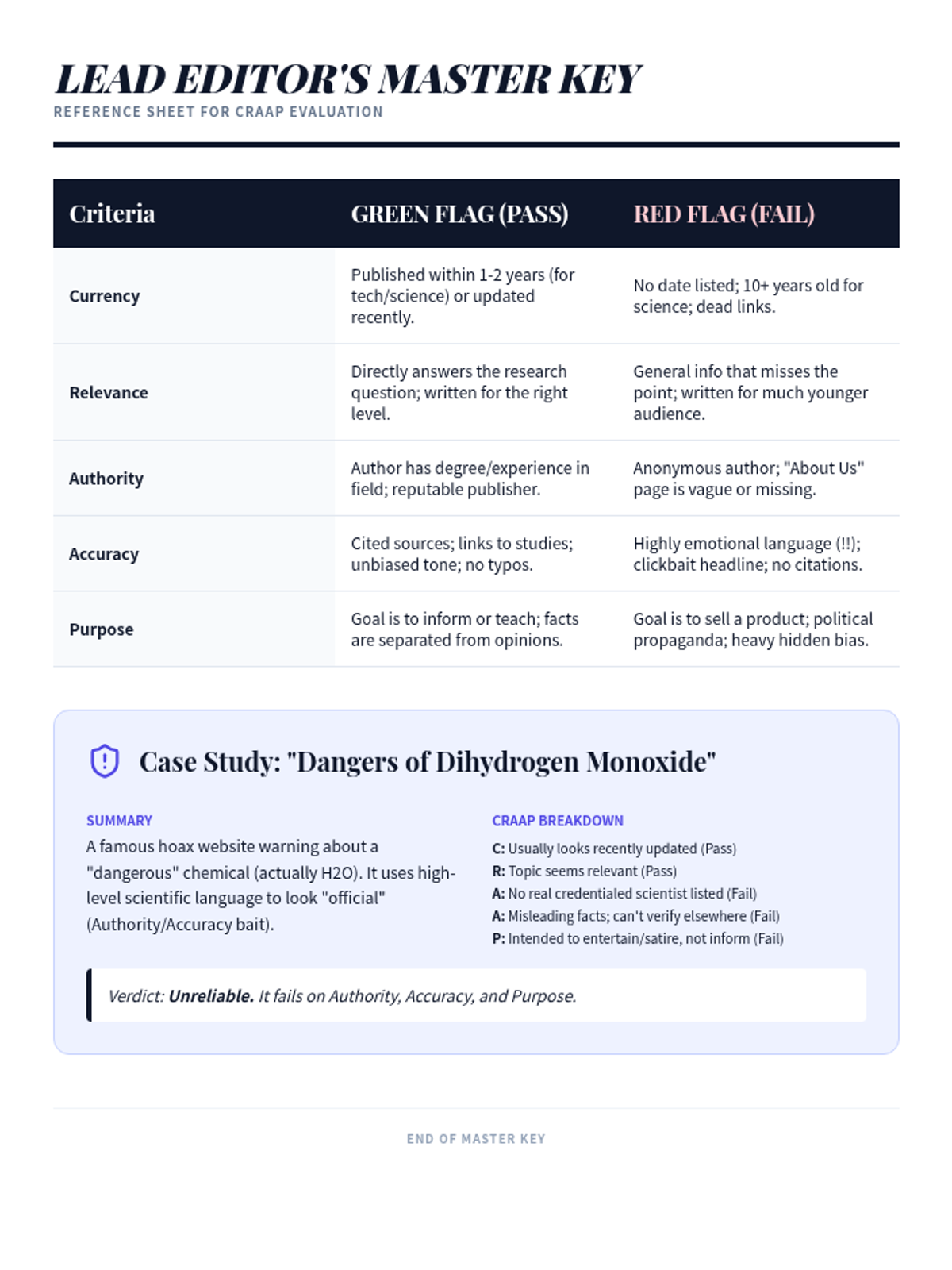
A comprehensive lesson on evaluating news sources using the CRAAP method, equipping students with the tools to distinguish between reliable information and misinformation.
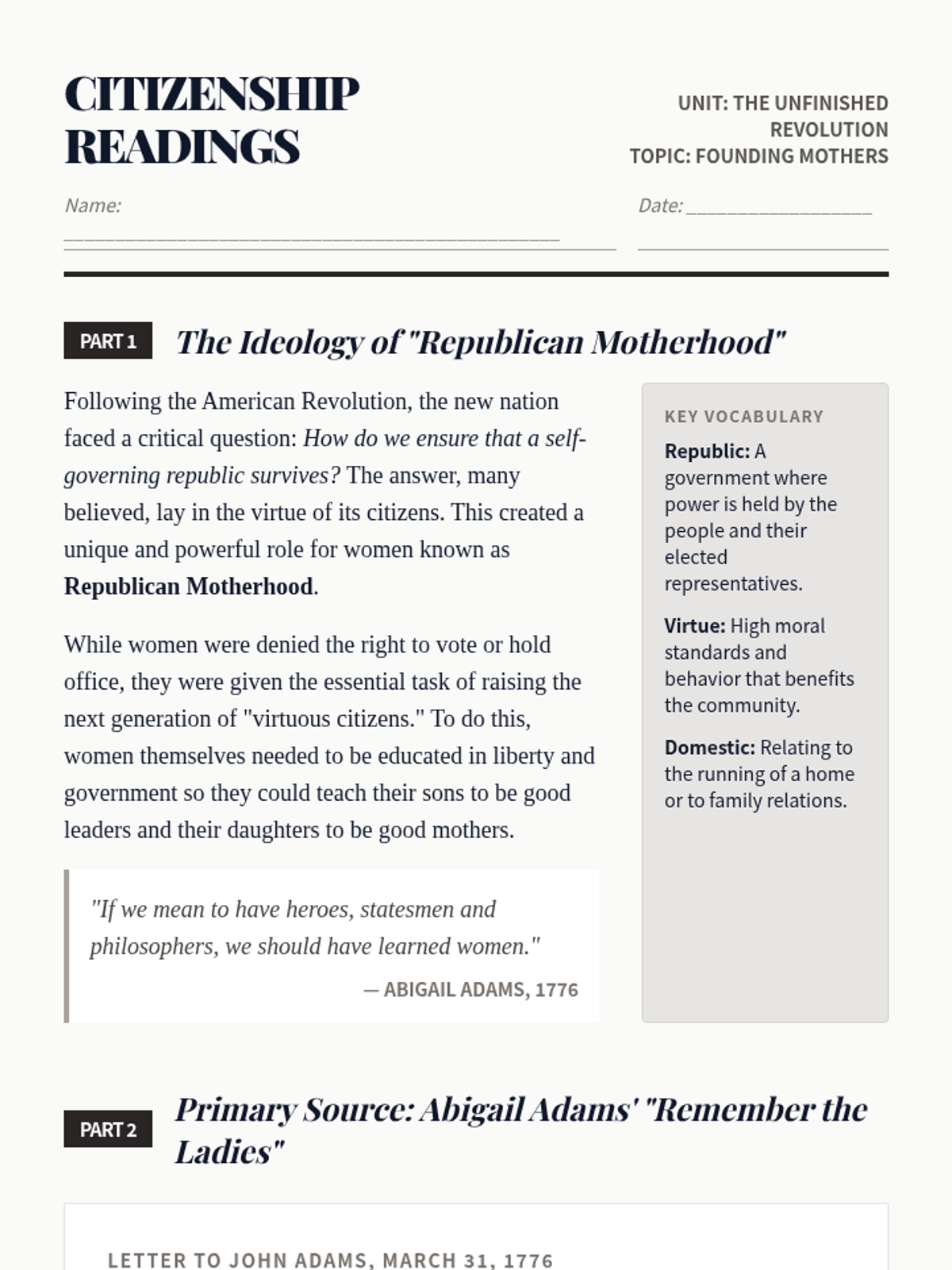
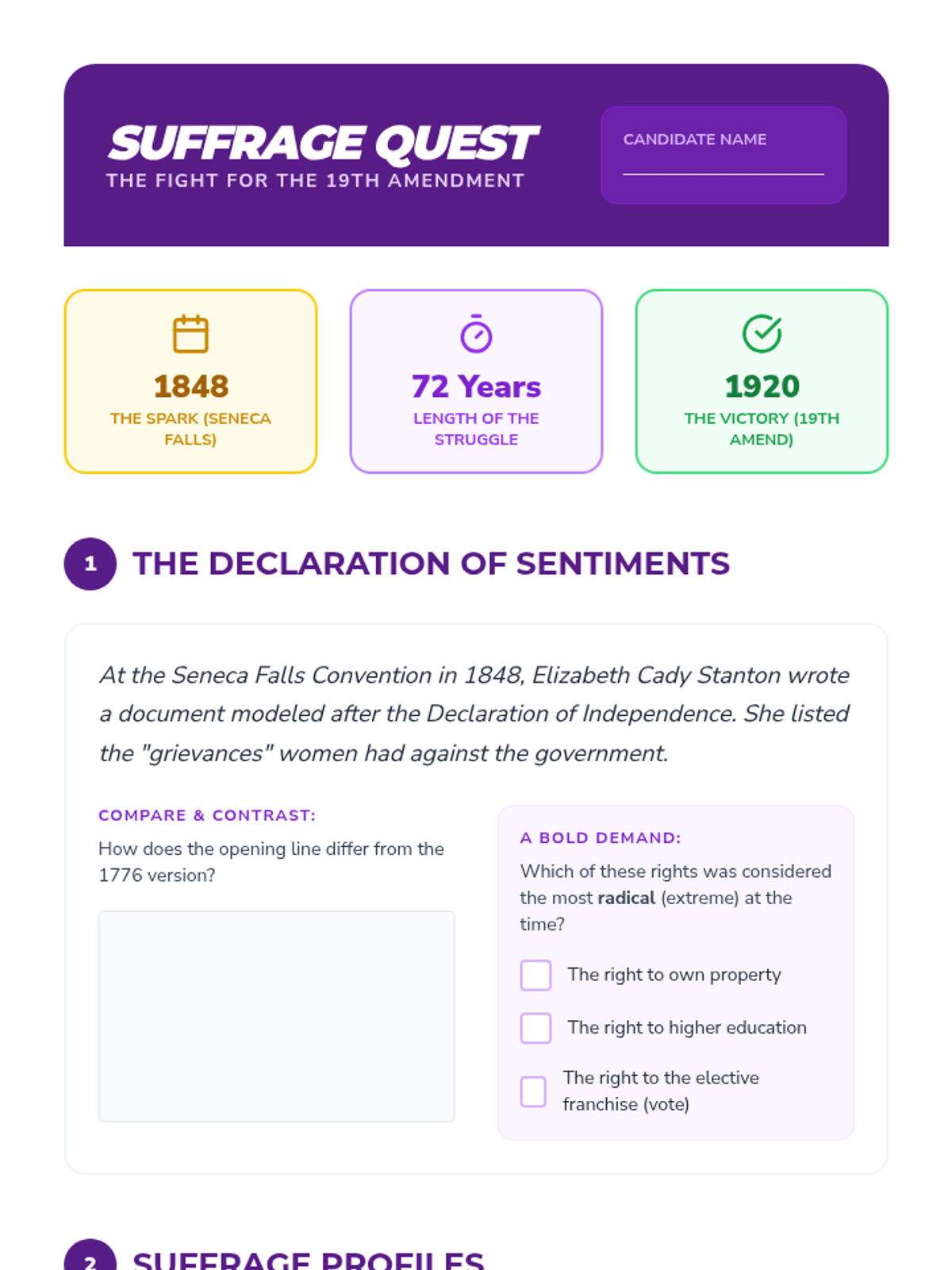
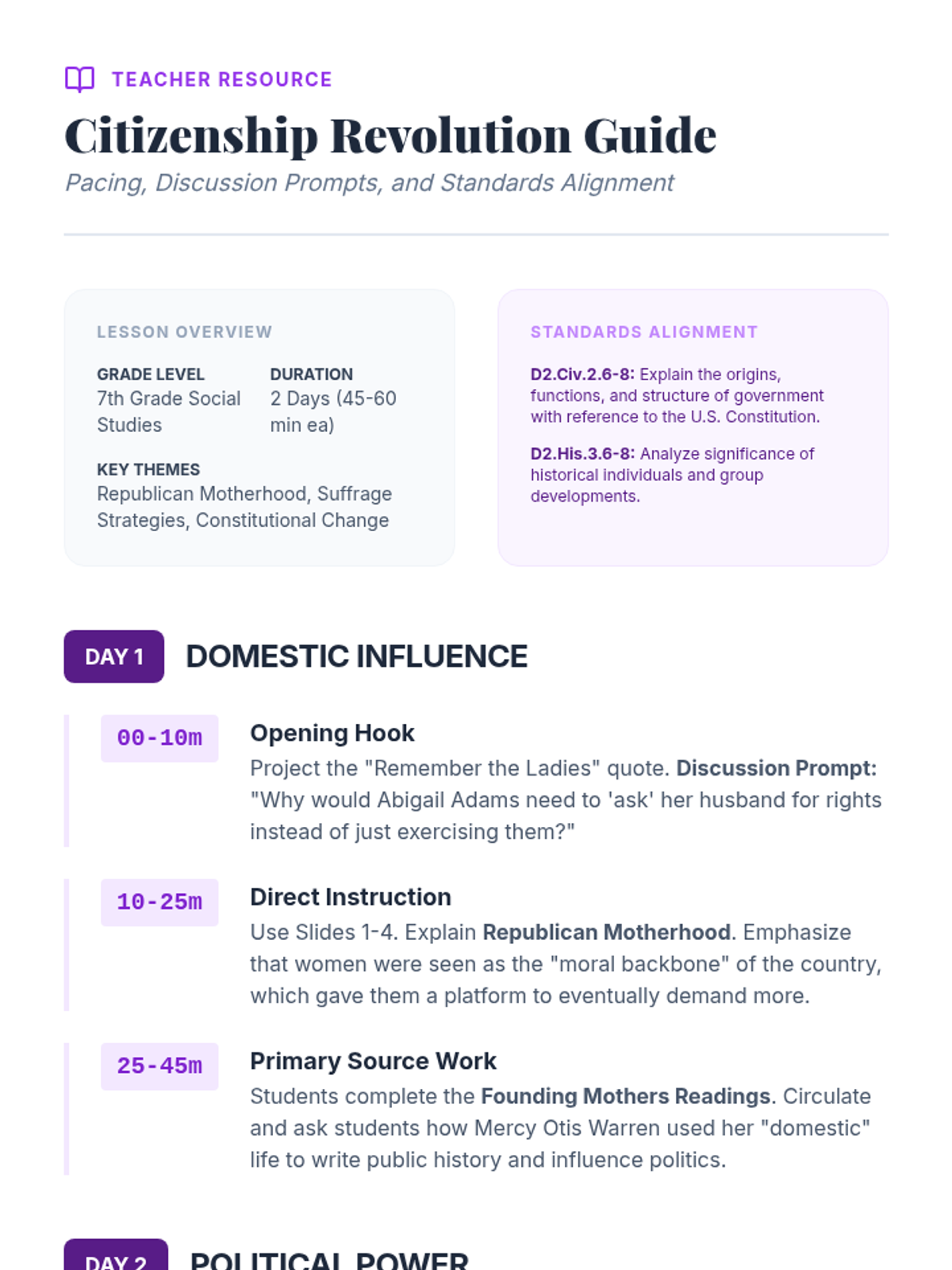
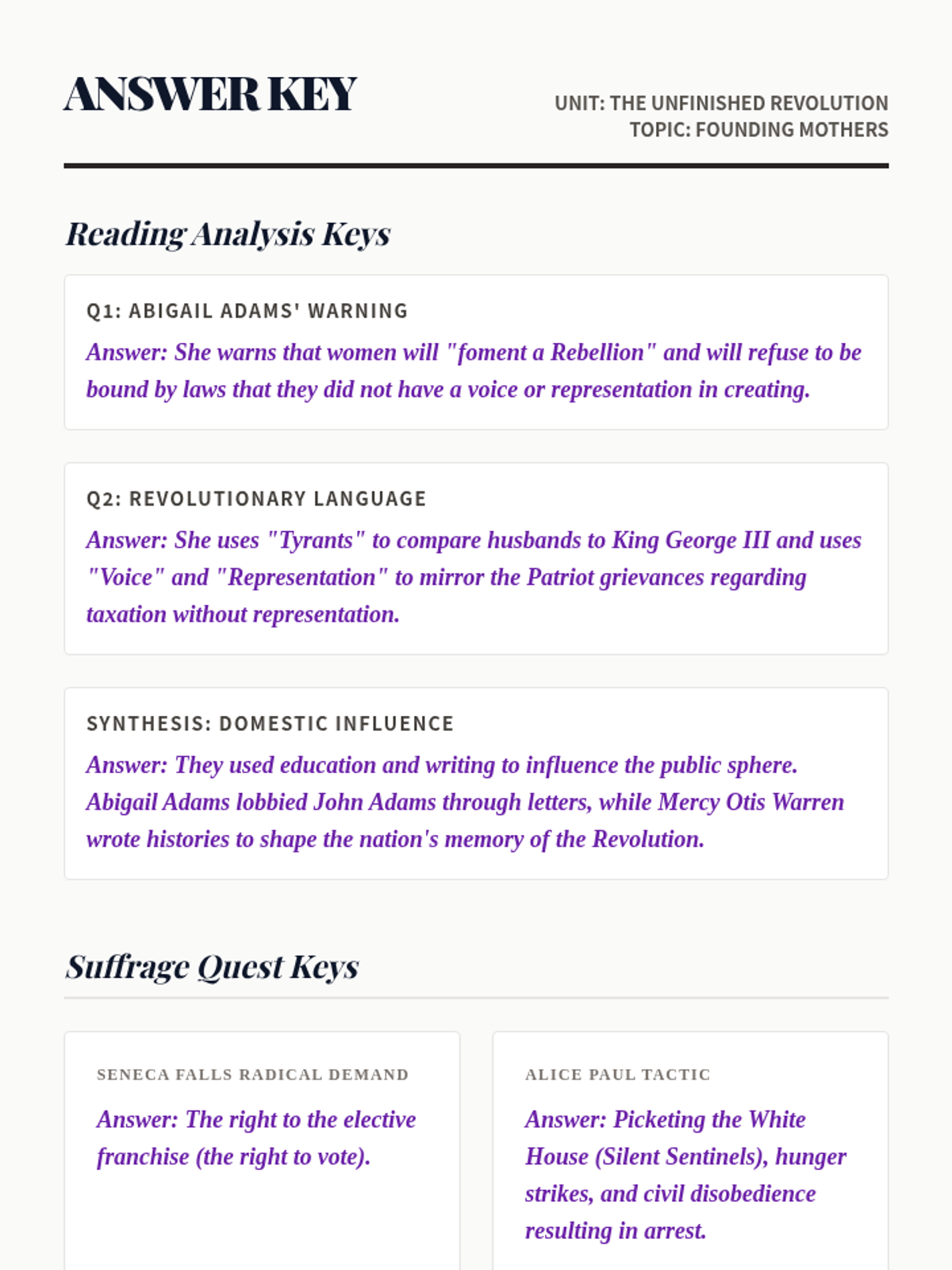
A two-day exploration of women's journey from the 'Founding Mothers' of the Early Republic to the hard-won victory of the 19th Amendment. Students analyze primary sources and the shift from domestic influence to political citizenship.
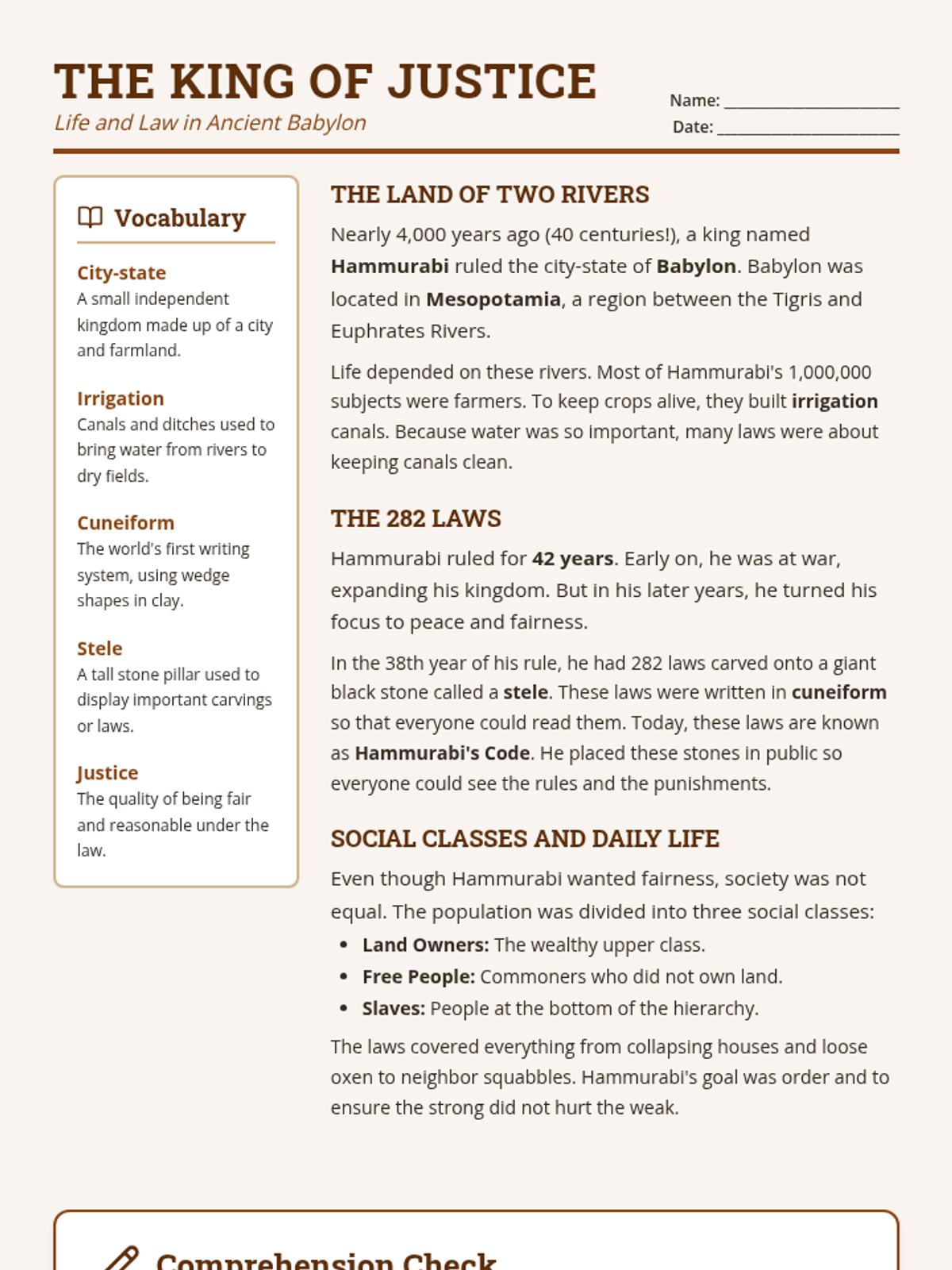
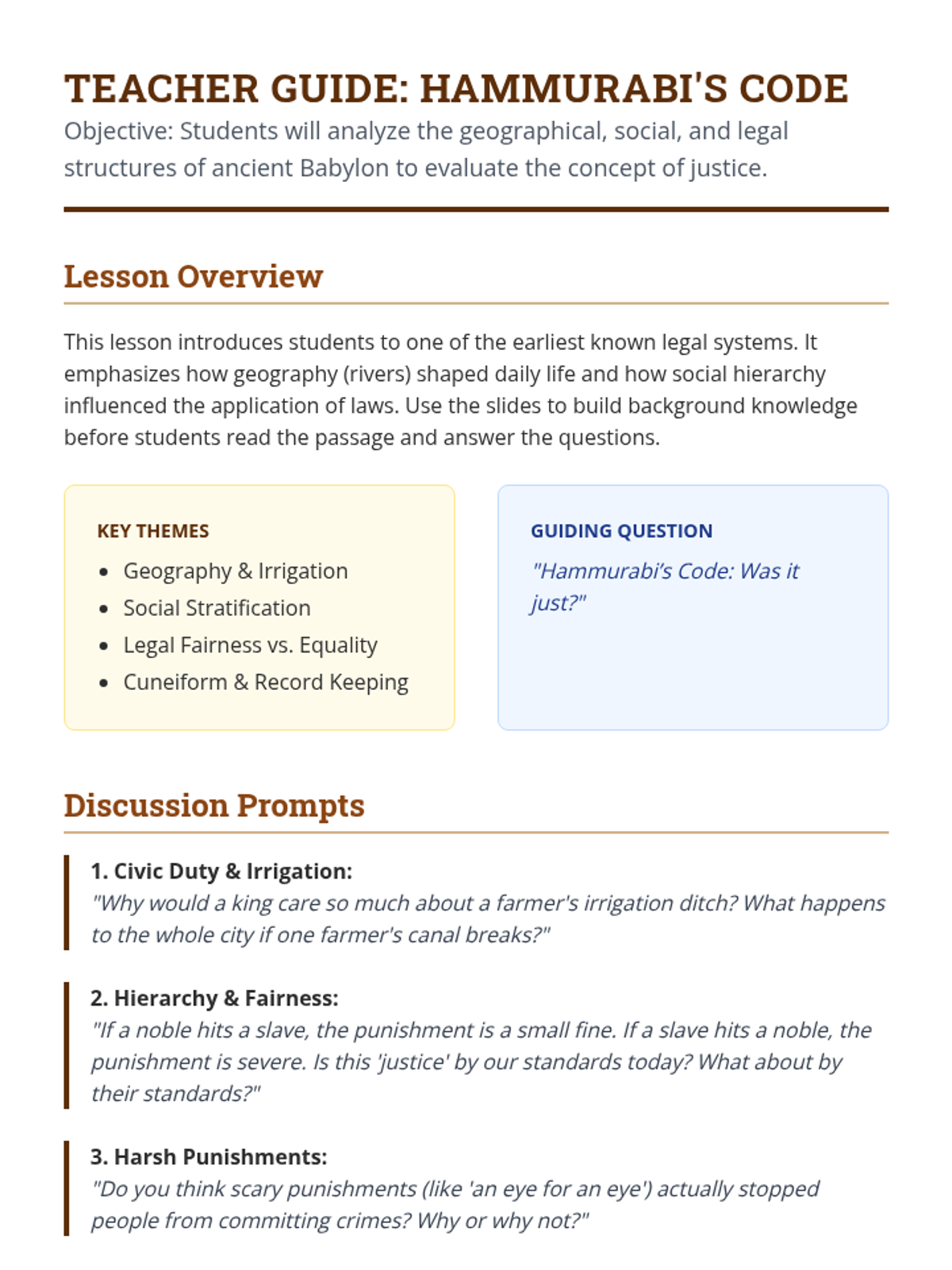
A comprehensive lesson introducing Hammurabi's Code through the lens of Mesopotamian geography, social hierarchy, and the quest for justice in ancient Babylon.
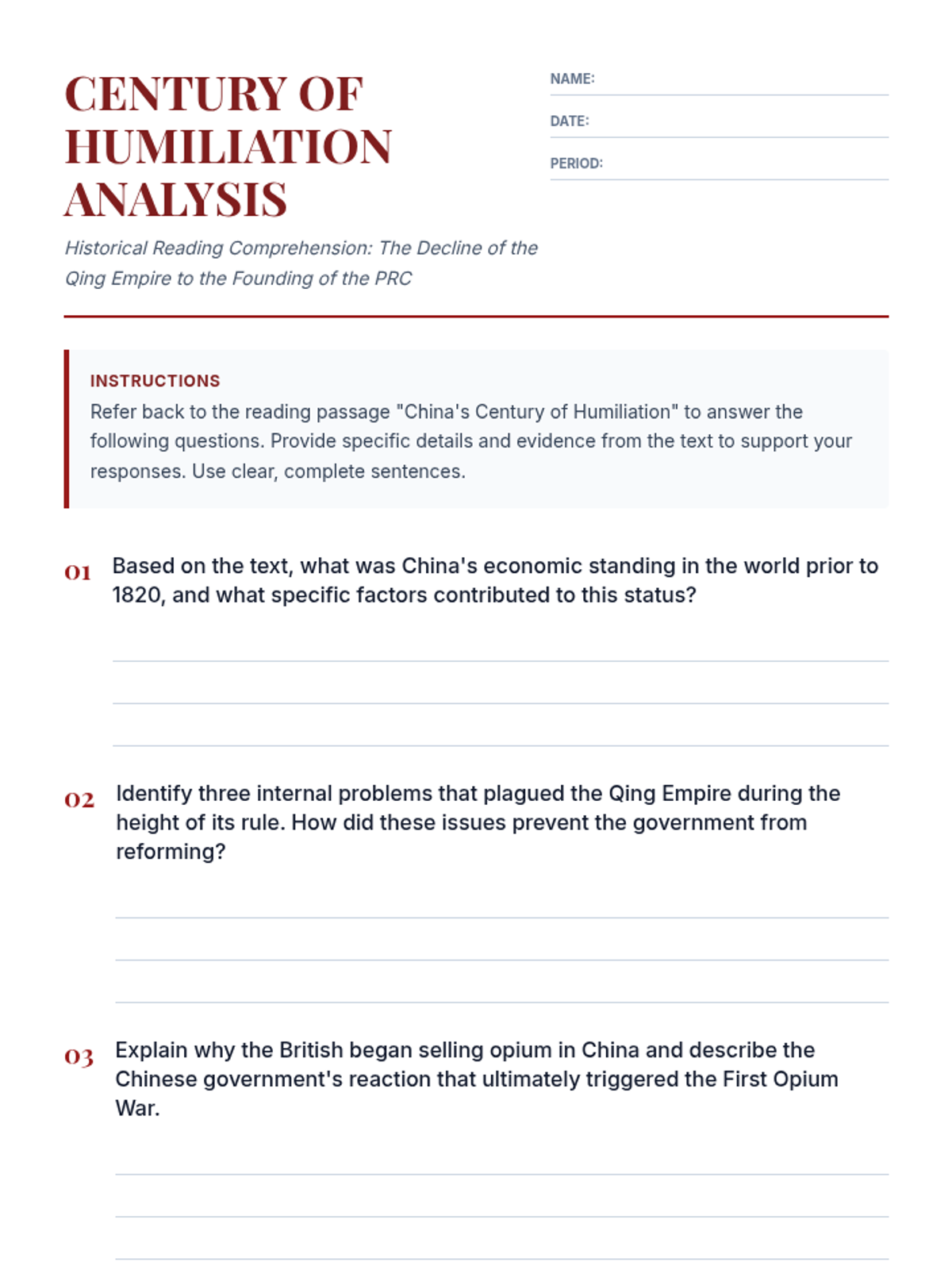
This lesson explores China's 'Century of Humiliation,' covering the decline of the Qing Dynasty, the Opium Wars, internal rebellions, and the eventual rise of the Communist Party. Students will analyze the factors that led to China's shift from a global economic powerhouse to a nation in turmoil.
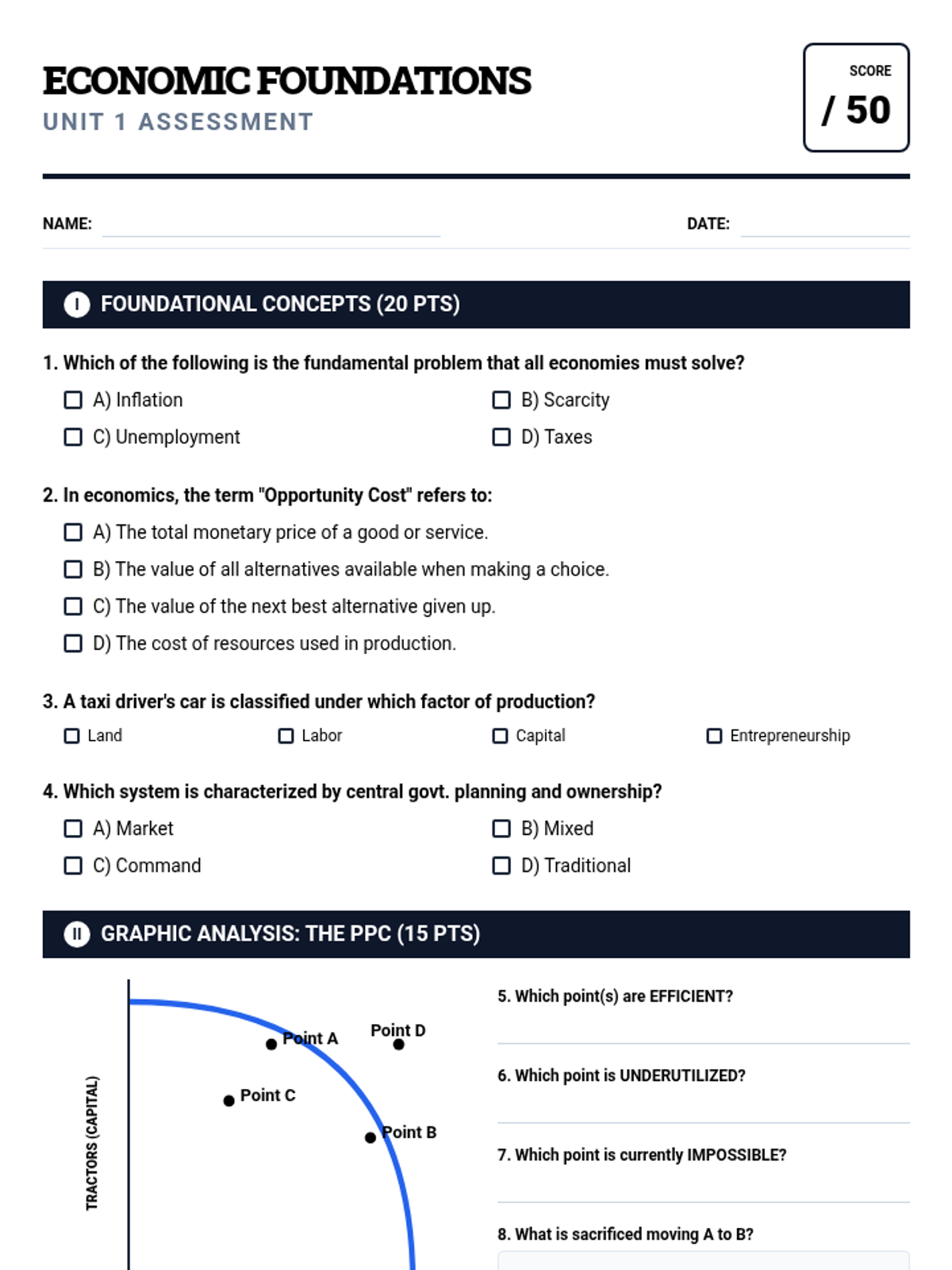
Summative assessment covering Scarcity, Factors of Production, and Economic Systems.
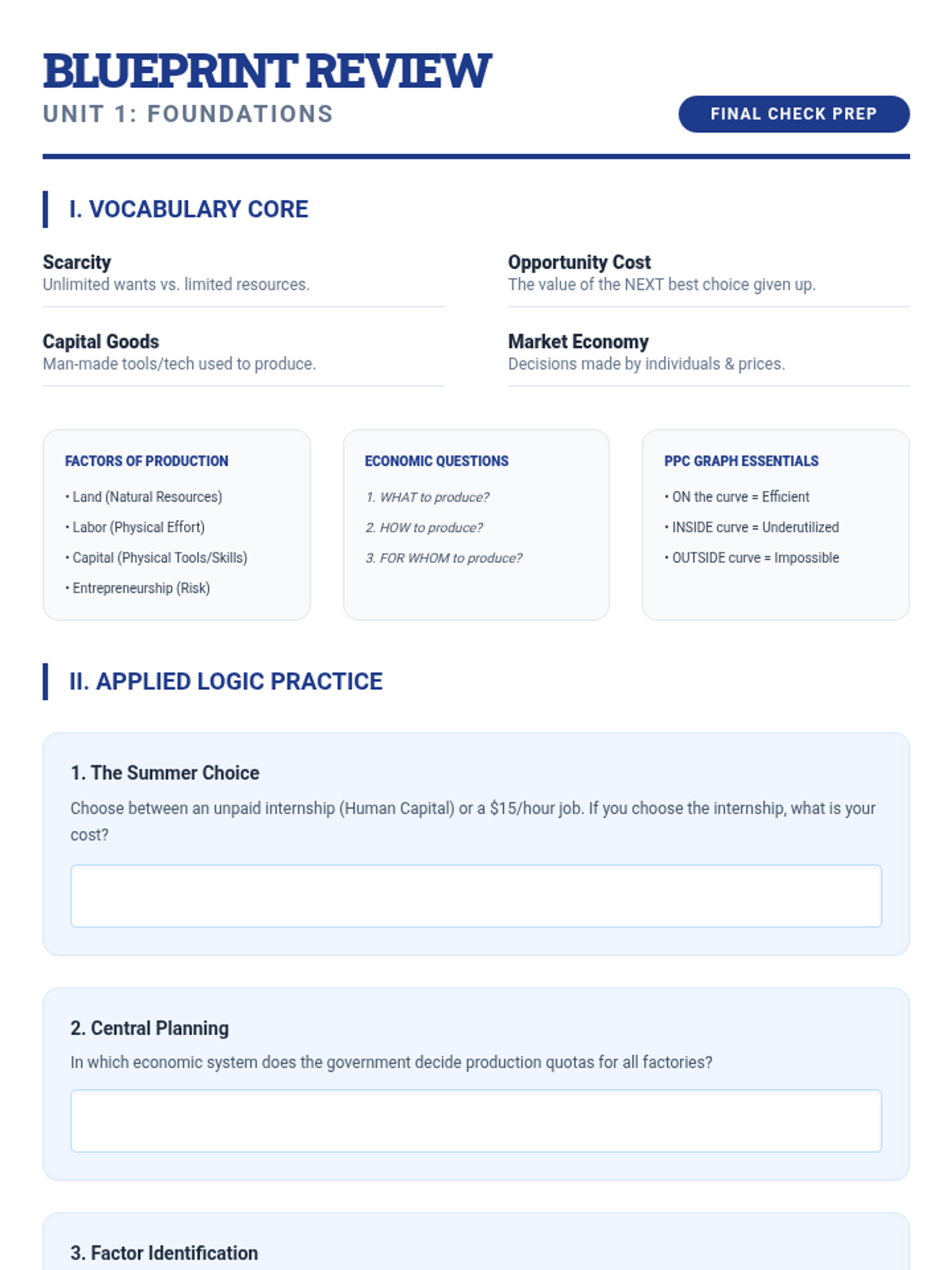
A comprehensive review of Unit 1 concepts to prepare students for summative assessment.
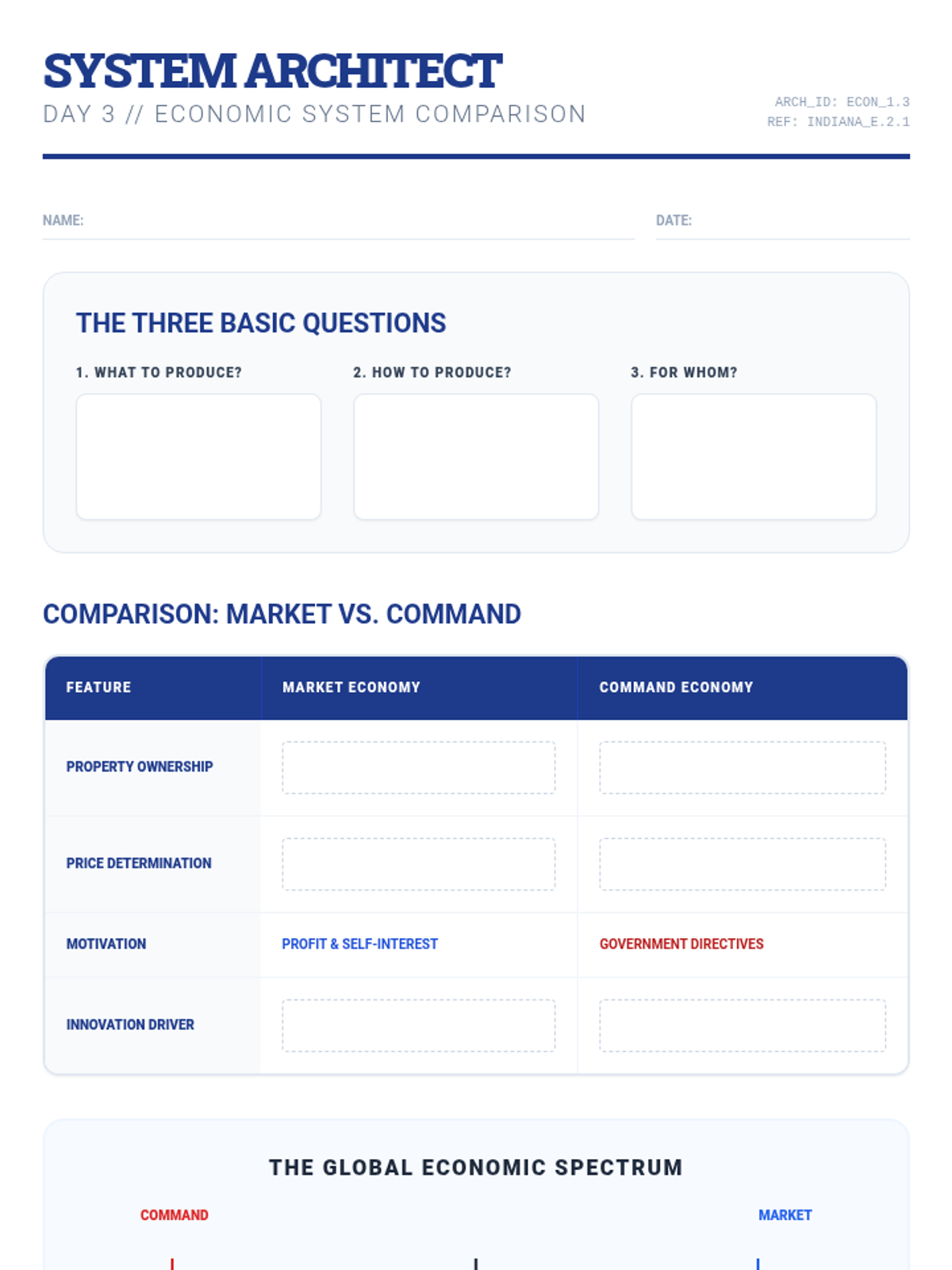
A comparative study of market, command, and mixed economic systems and how they answer the three basic economic questions.
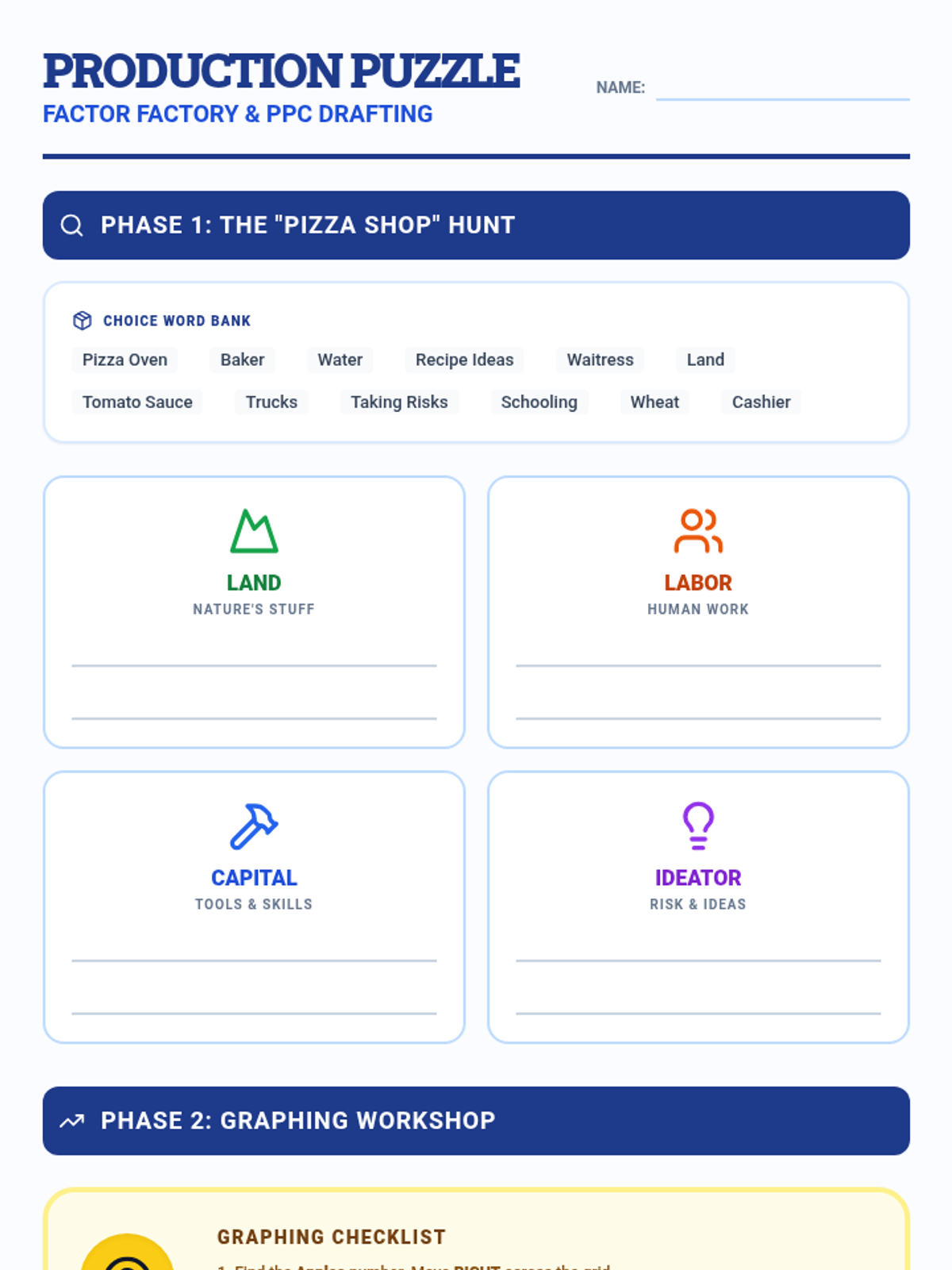
An investigation into the four factors of production (land, labor, capital, entrepreneurship) and how they are utilized to create wealth.
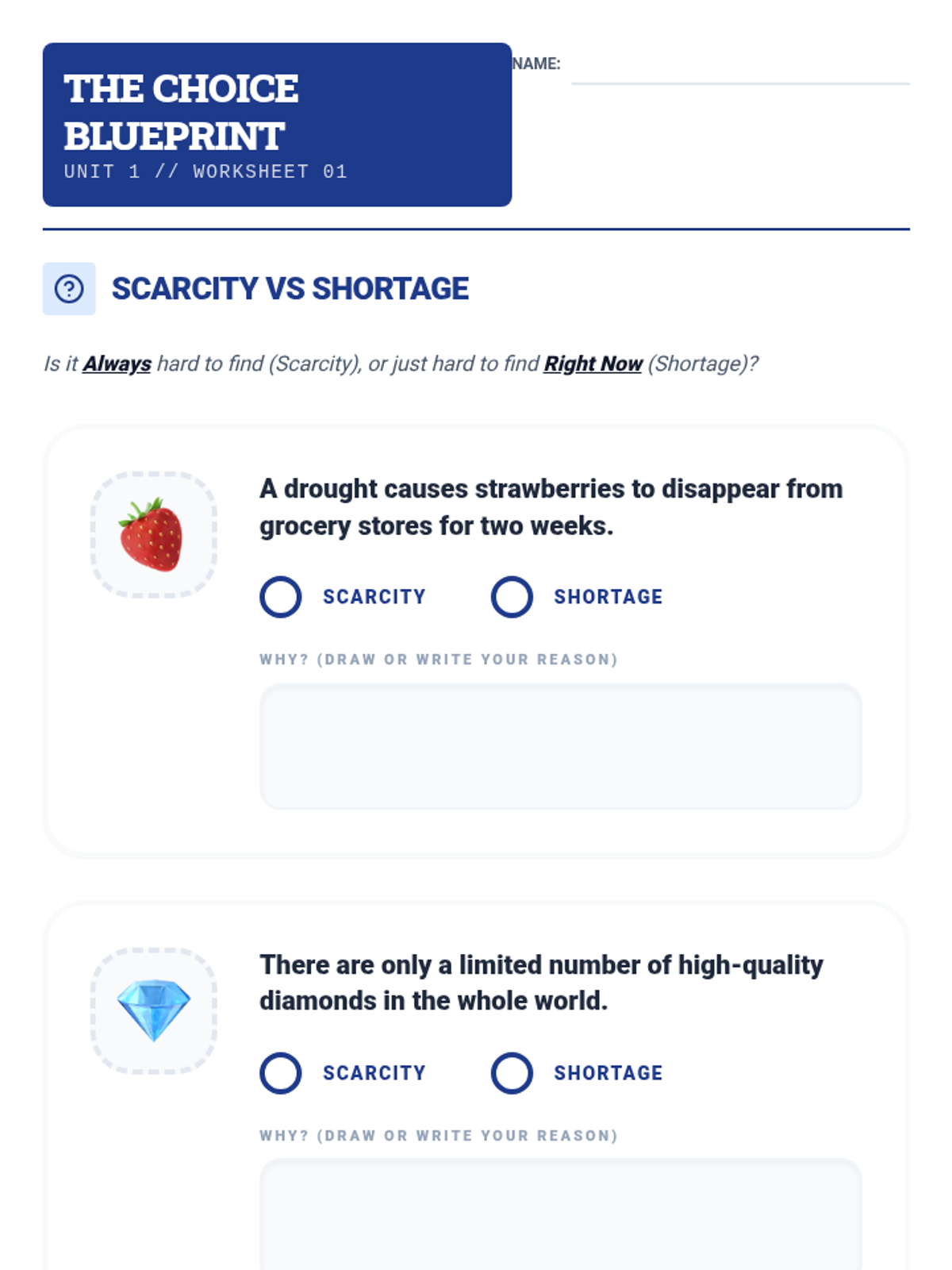
An exploration of the fundamental problem of economics: scarcity, and the subsequent need for trade-offs and opportunity cost analysis.
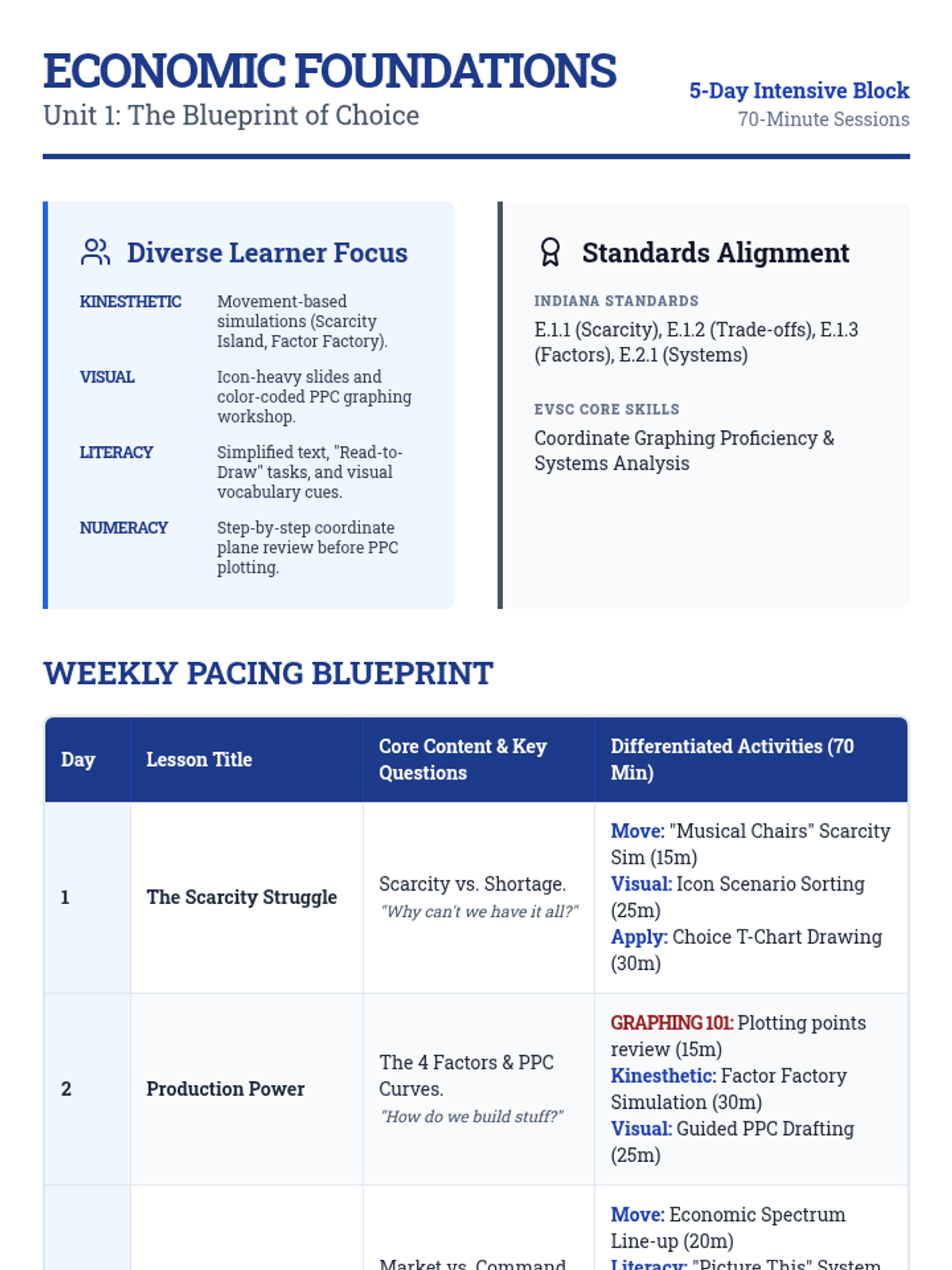
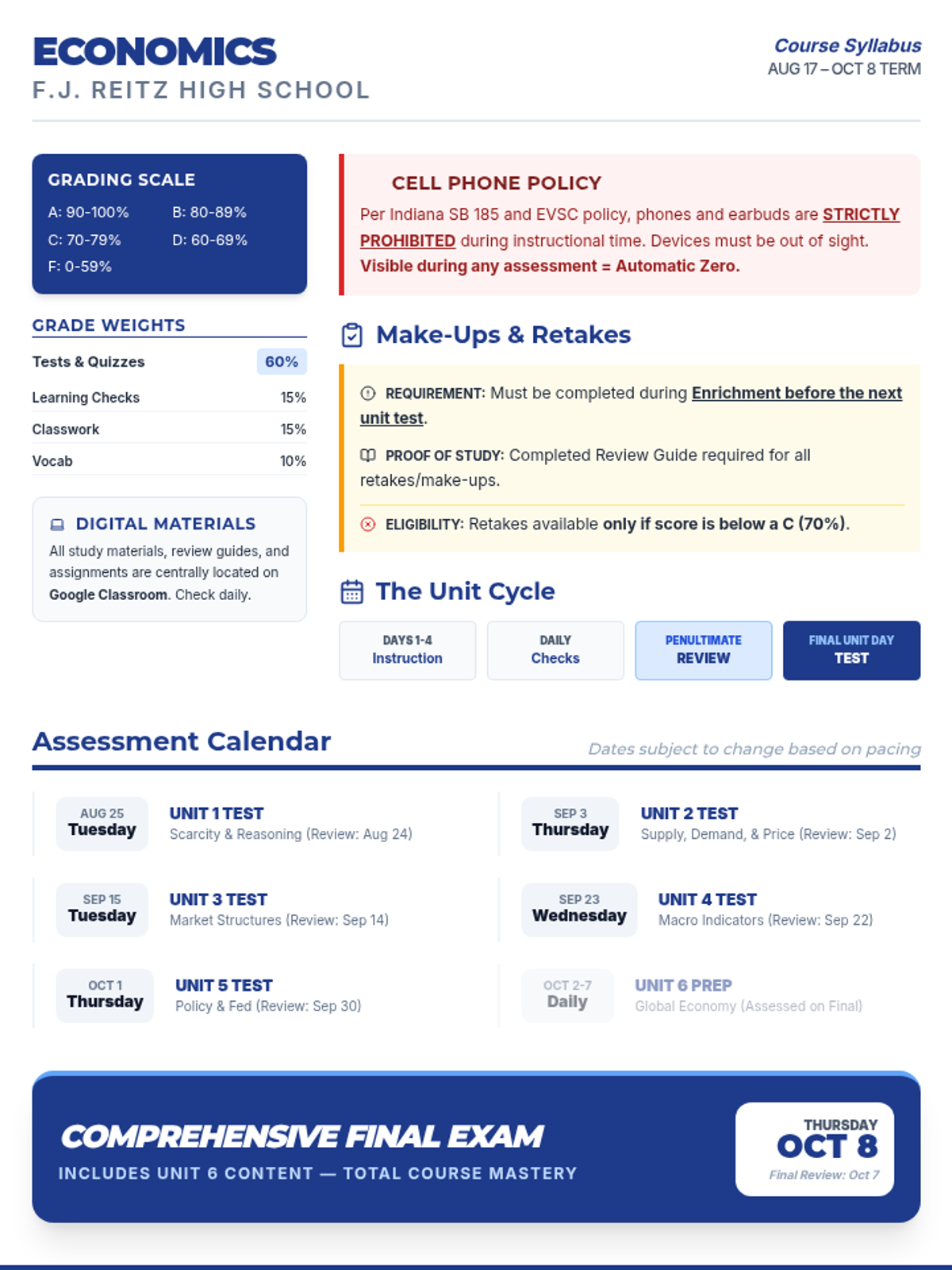
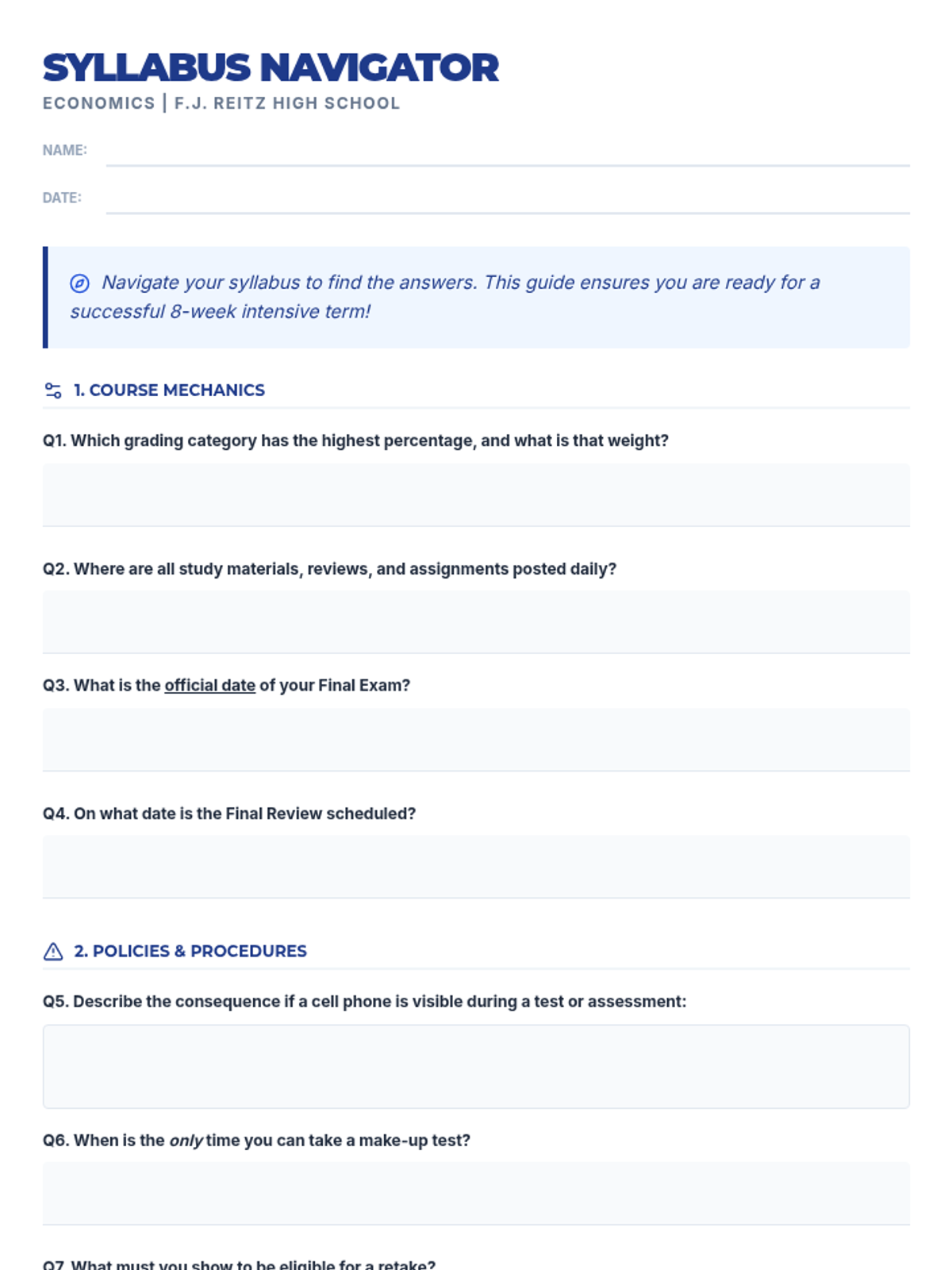
A foundational overview of the Economics course, covering classroom policies, grading, and the roadmap for the 9-week term.
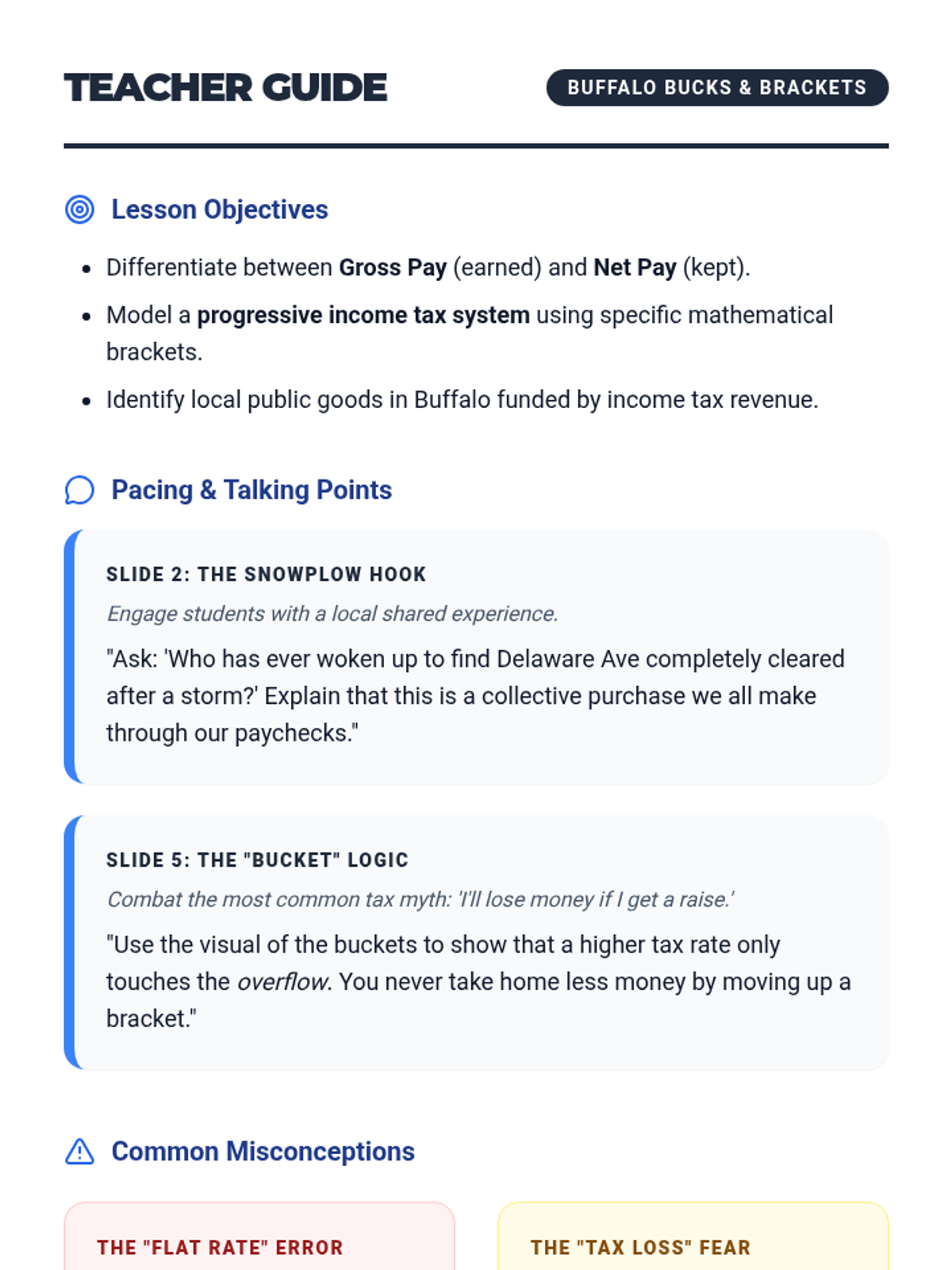
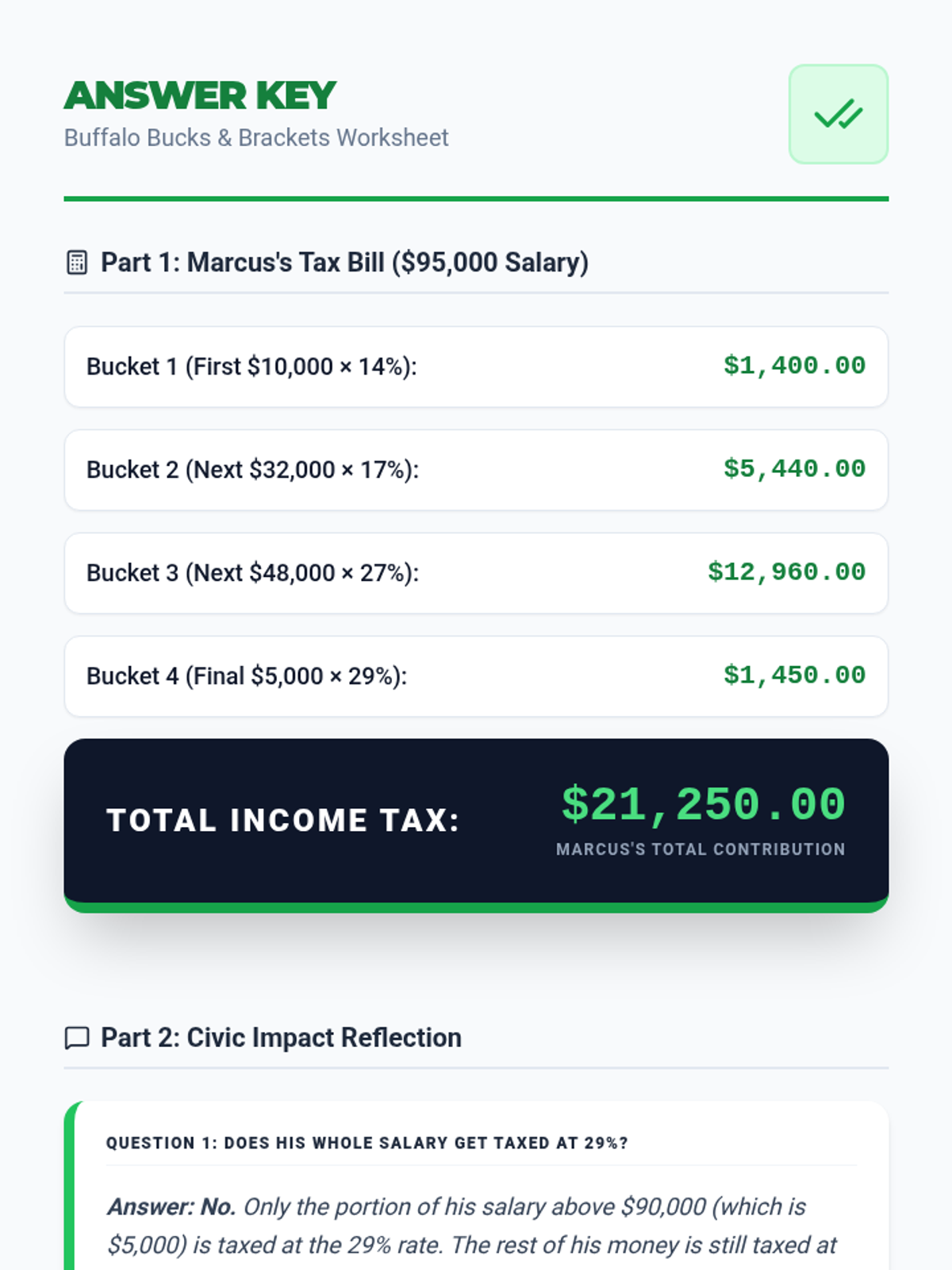
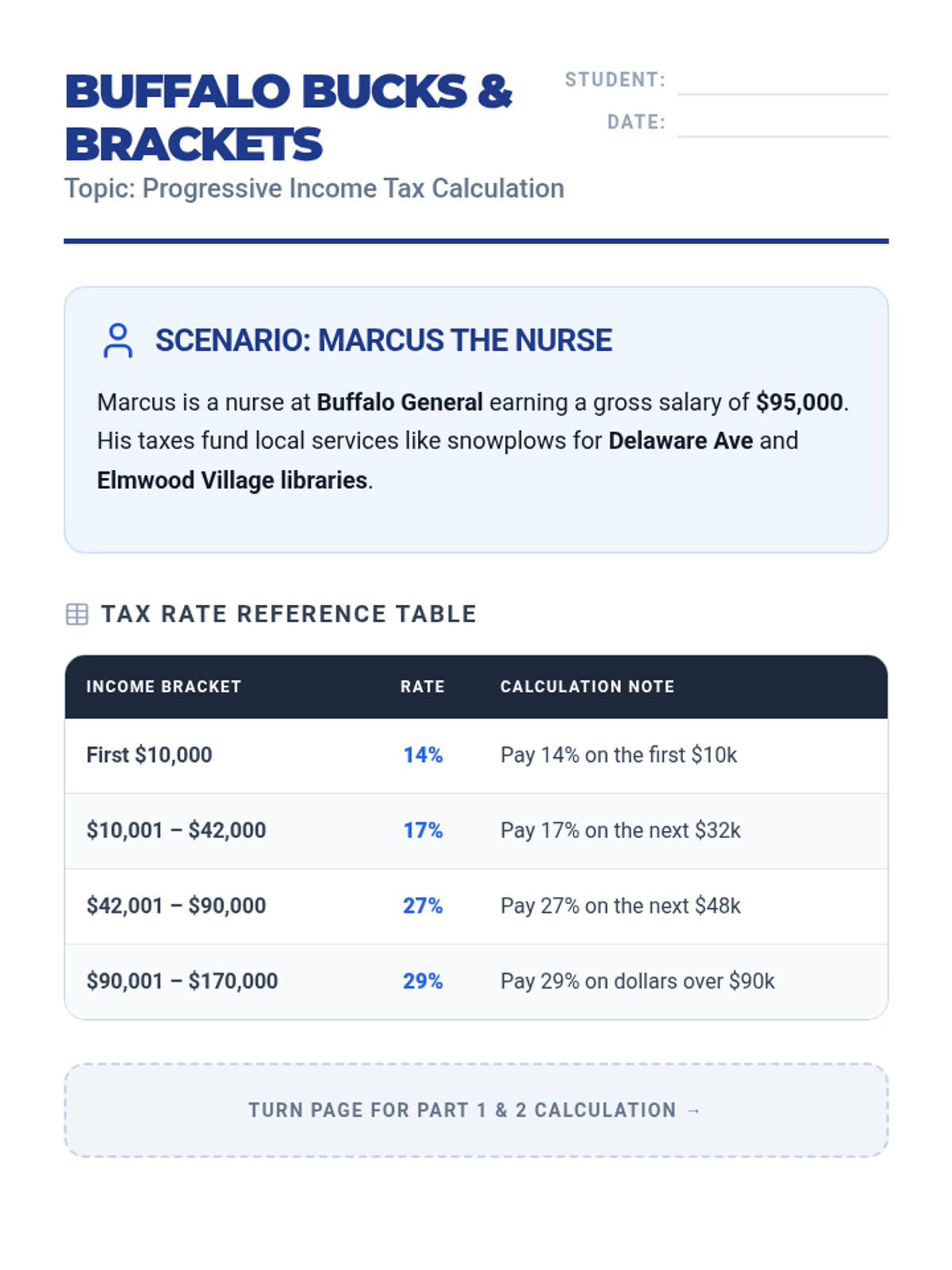
A mini-lesson exploring how progressive income taxes work using a Buffalo, NY context, focusing on local public services like snowplows and libraries.
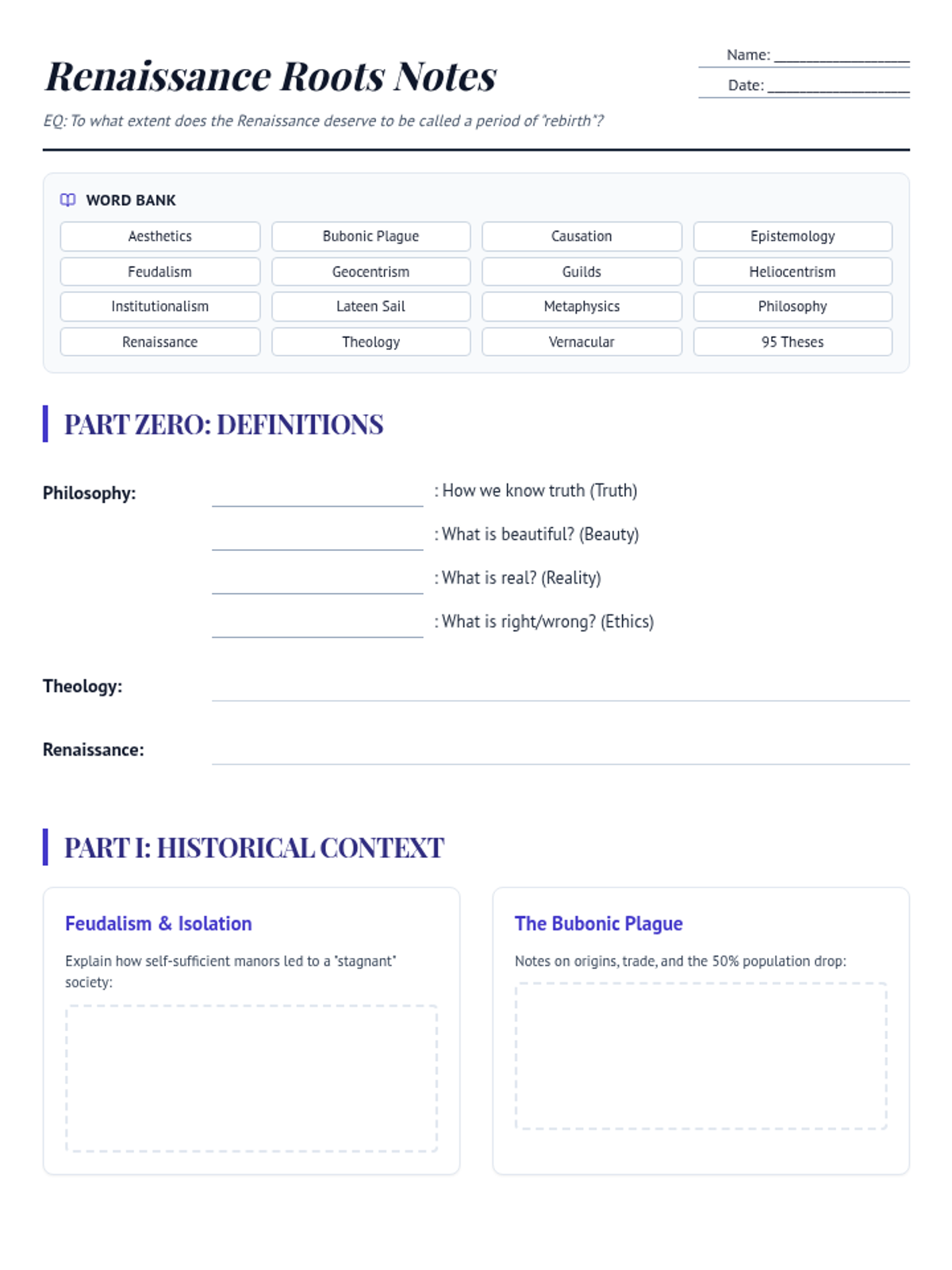
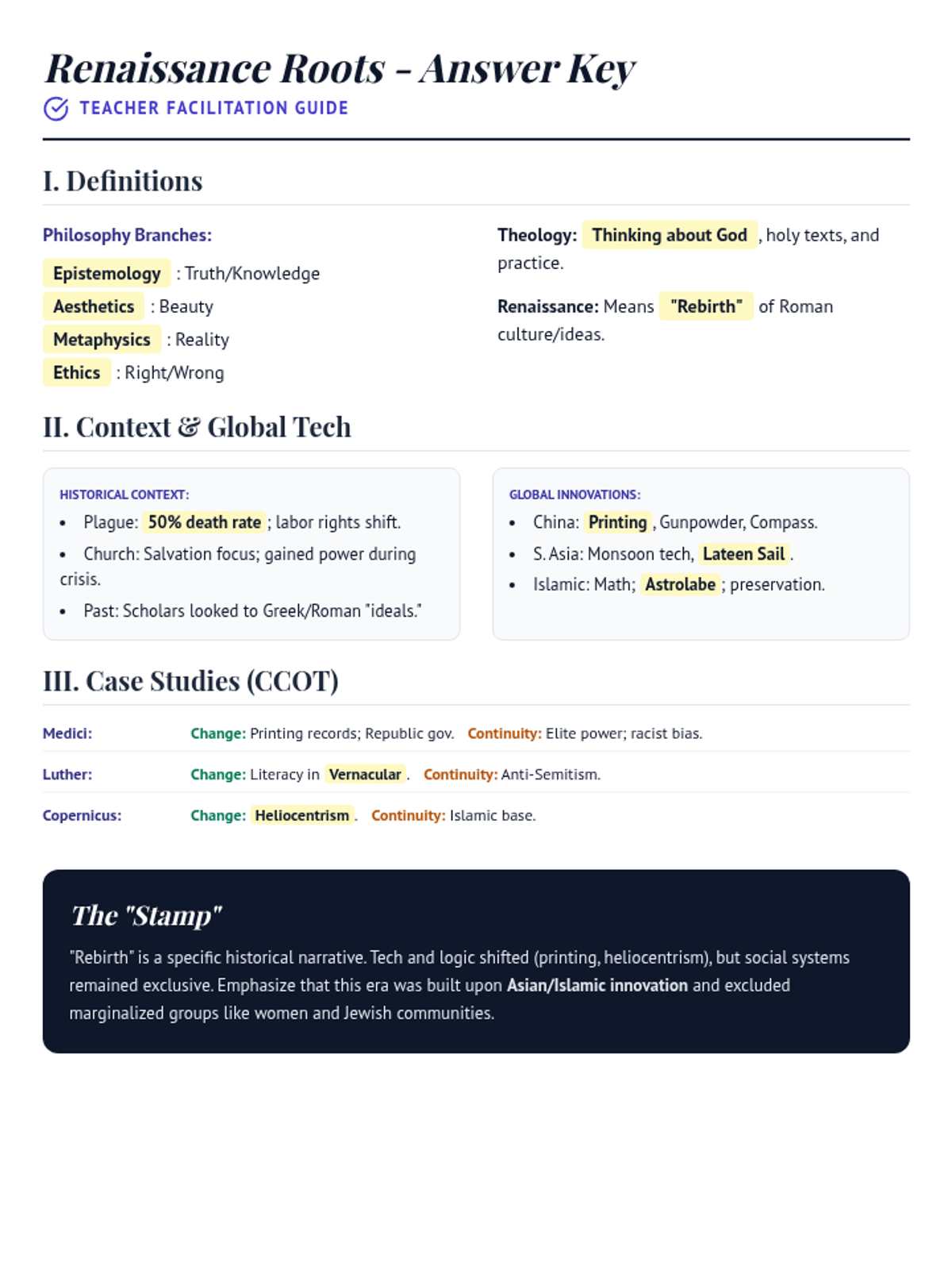
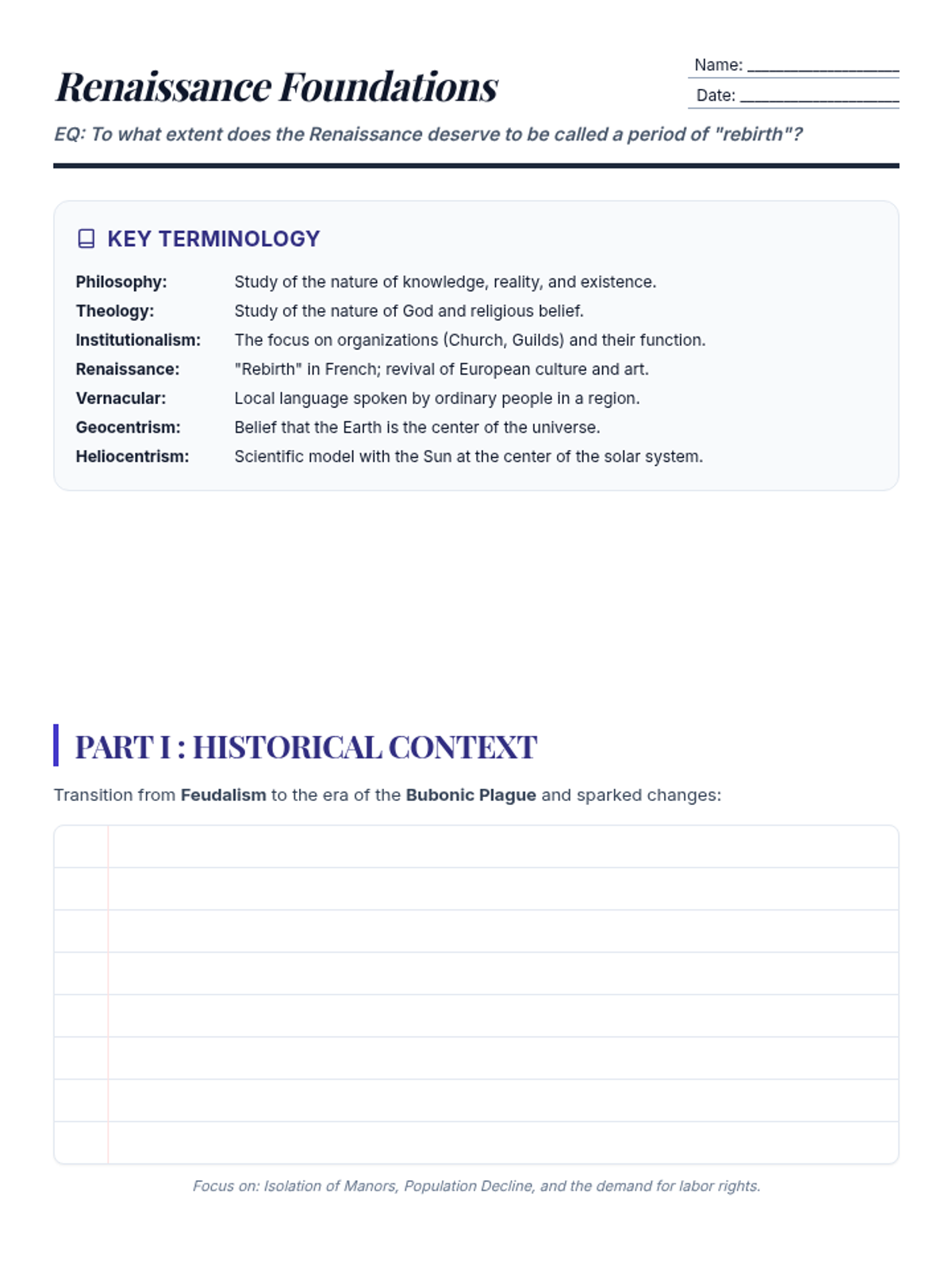
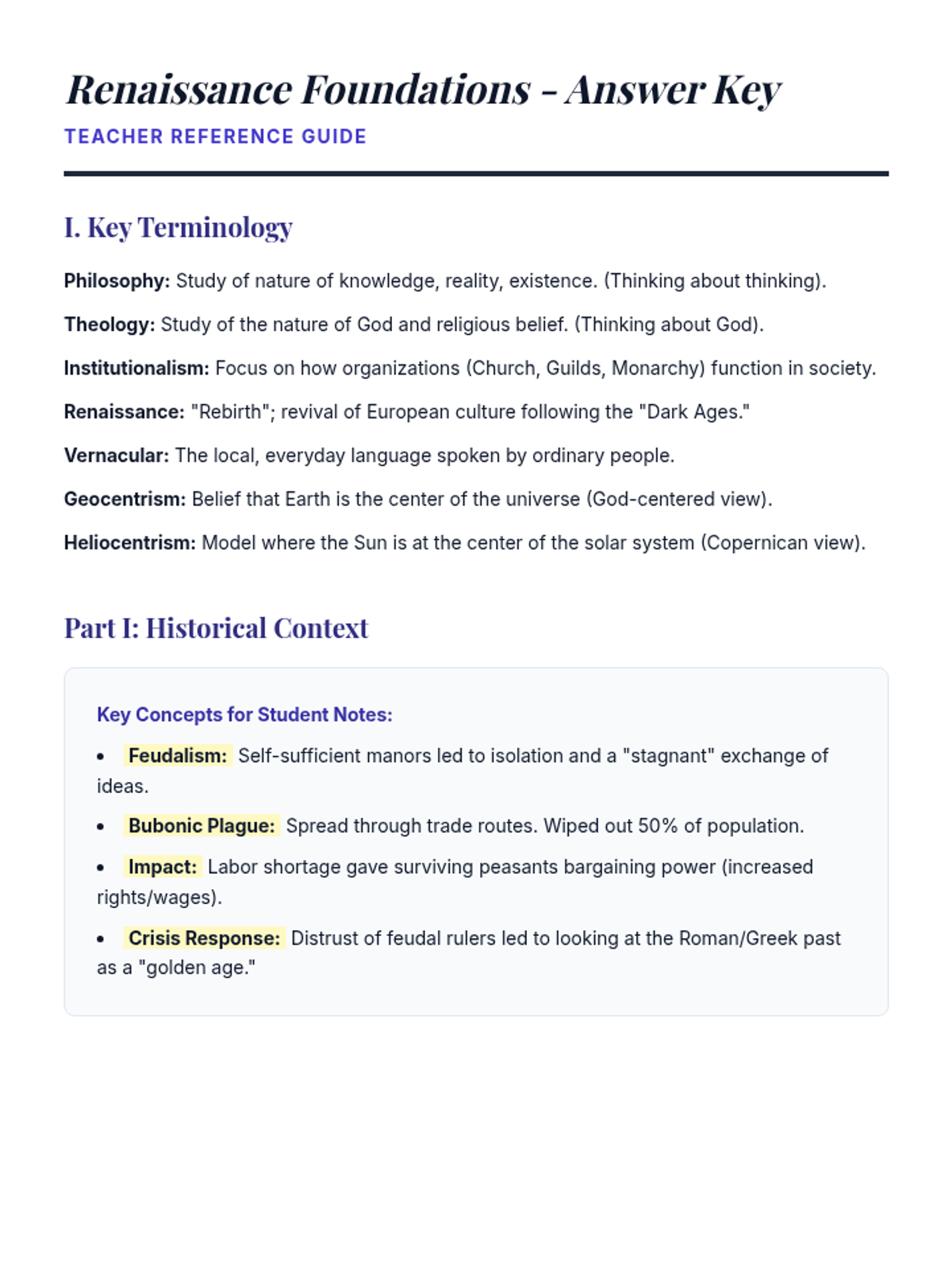
This lesson explores the origins and key figures of the Renaissance, focusing on the historical context of the plague, trade, and the lives of Lorenzo de' Medici, Martin Luther, and Nicolaus Copernicus to evaluate the period's impact as a 'rebirth'.