A 10th-grade history sequence examining US imperialism in the Pacific, focusing on Hawaii, the Philippines, and China through the lens of indigenous resistance and American expansionist policy.
A weeklong exploration of Frederick Jackson Turner's Frontier Thesis, focusing on close reading, historical analysis, and the construction of American national identity. Students will engage with primary sources to understand how the concept of the frontier shaped democratic ideals, individualistic traits, and the exclusion of diverse perspectives.
A World History sequence for 10th grade focused on the evolution of law and ethics from ancient civilizations to the modern era. This course integrates Biblical perspectives on absolute morality, the nature of man, and the foundations of justice within the framework of the Texas Essential Knowledge and Skills (TEKS).
A comprehensive review sequence focusing on the Gilded Age and Progressive Era through the analysis of historical imagery and political cartoons, specifically designed for Texas STAAR preparation.
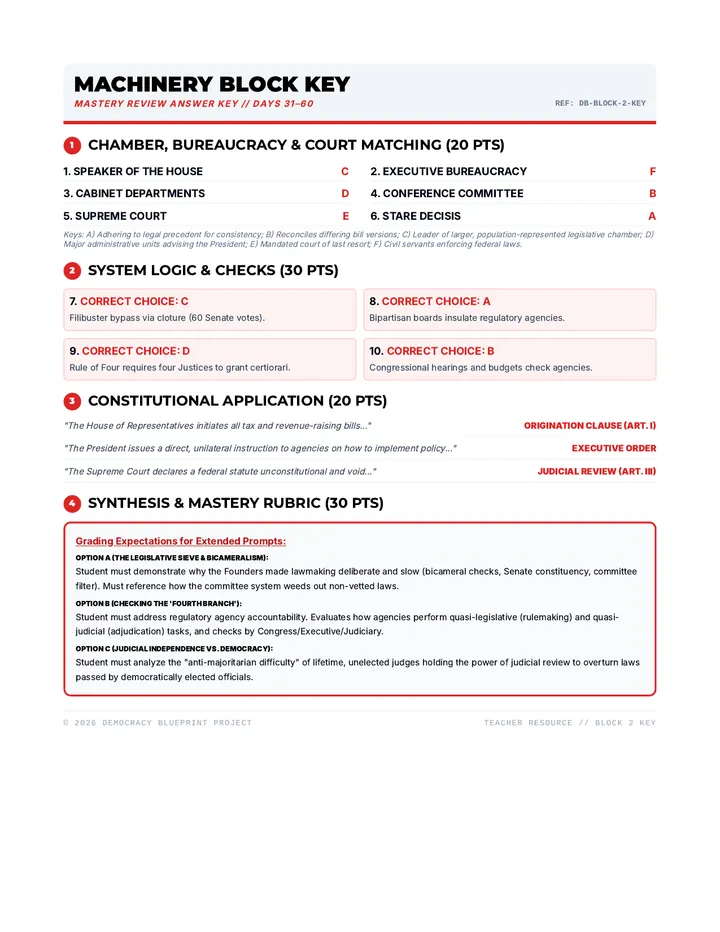
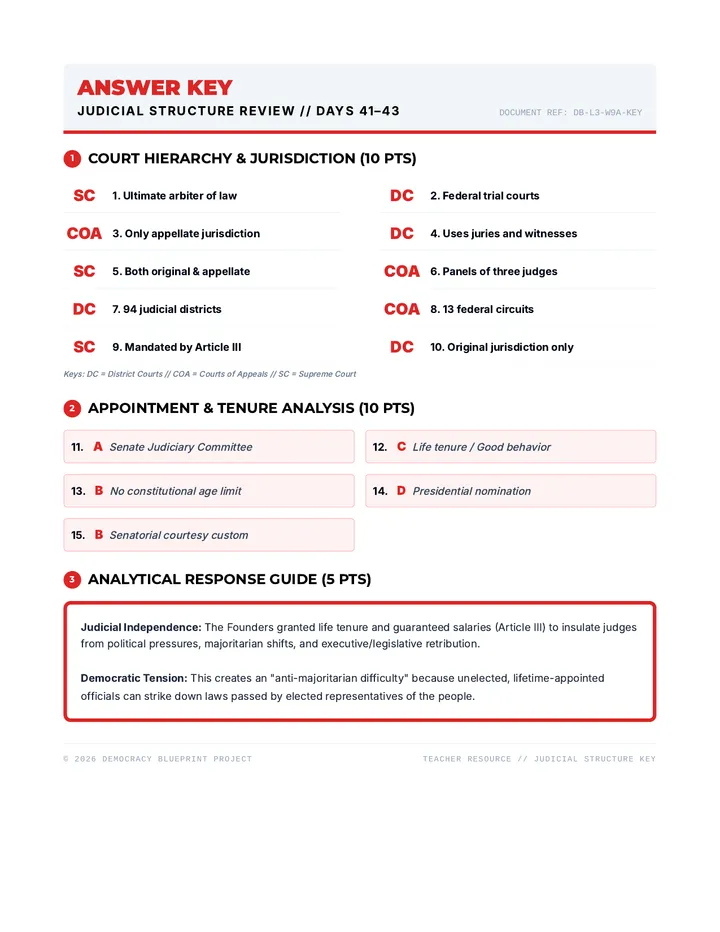
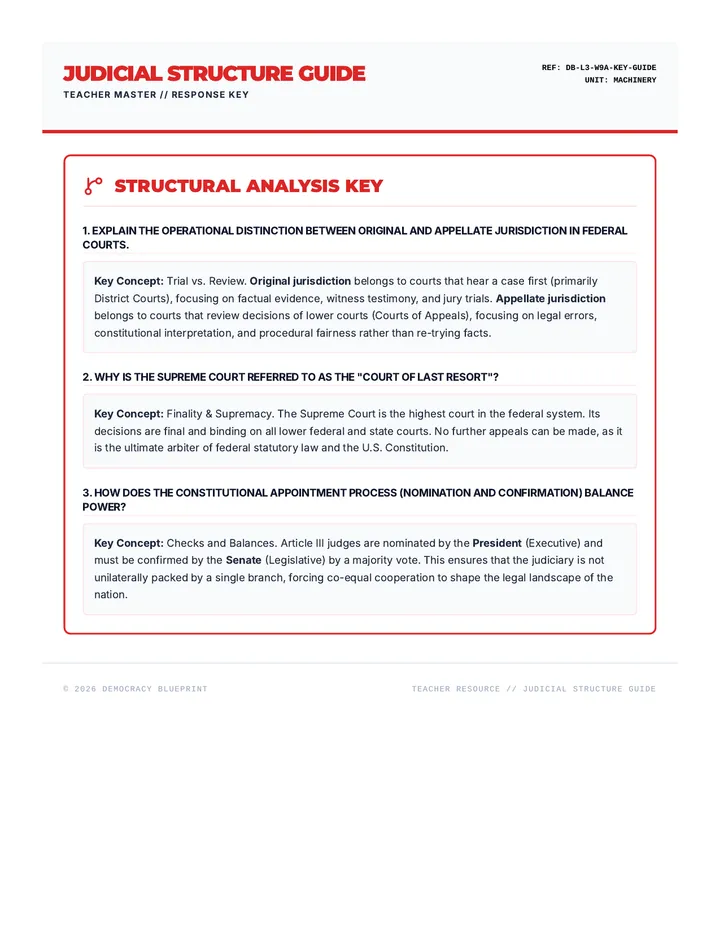
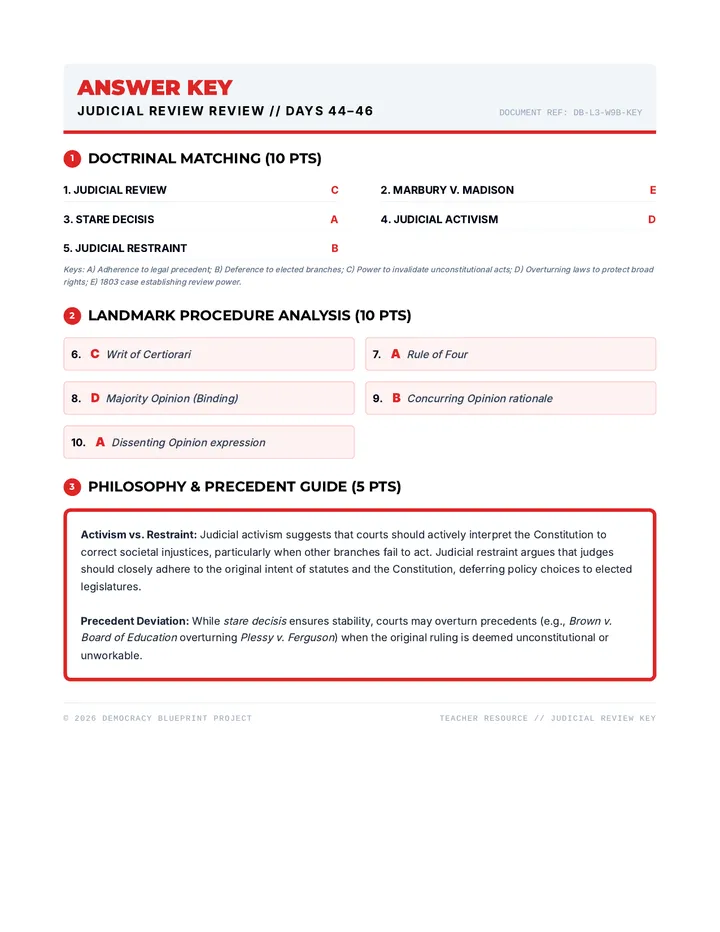
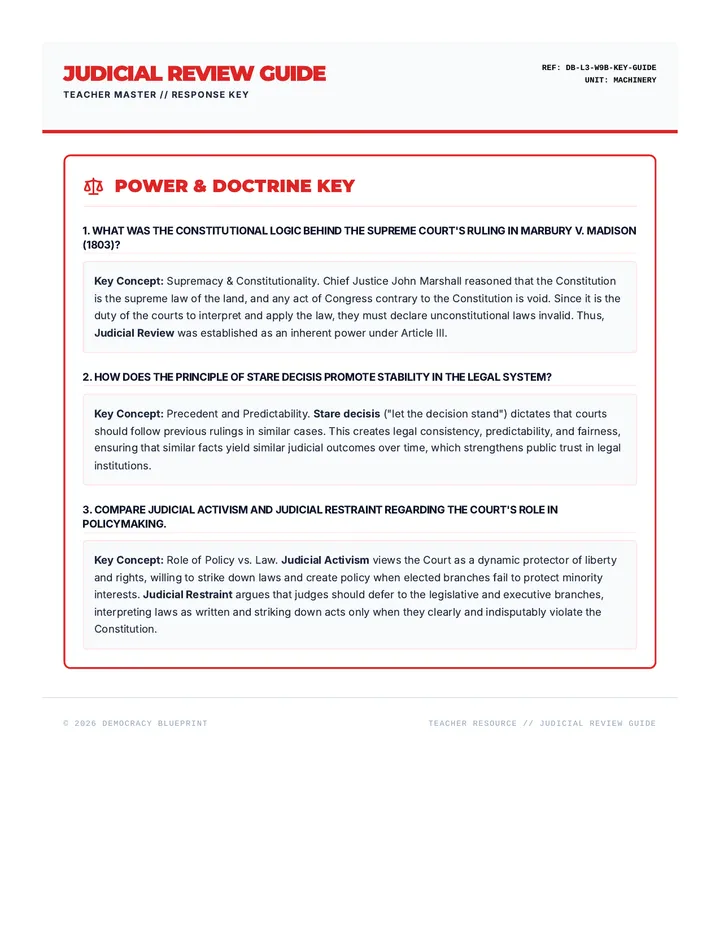
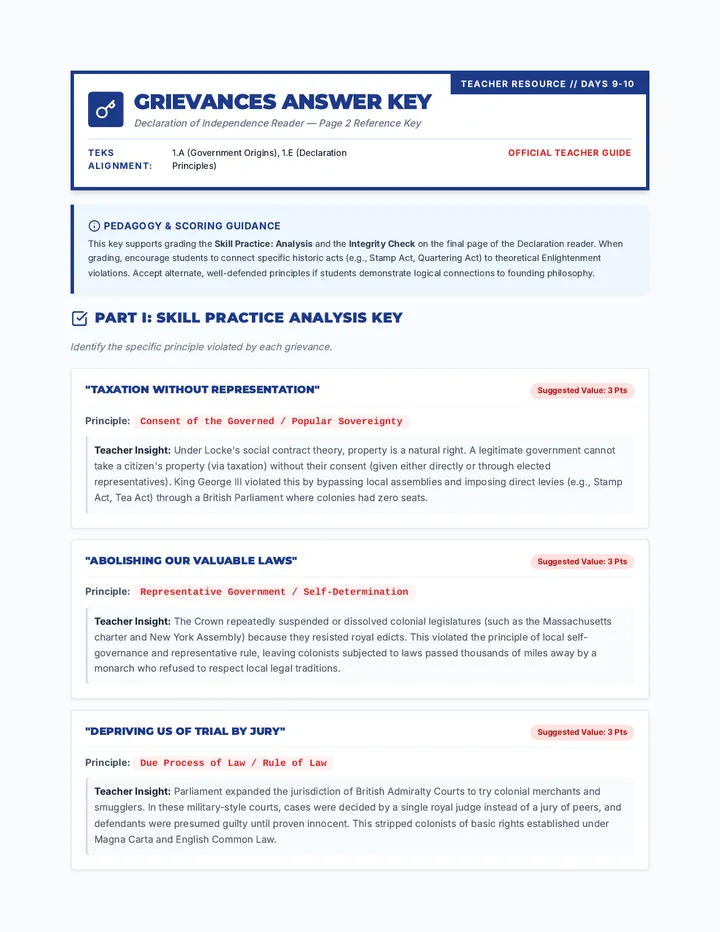
A deep dive into the foundations of American government, covering the evolution of constitutional amendments and the structure and power of the judicial system.
A comprehensive US History EOC review sequence designed for AVID classrooms, utilizing WICOR strategies to master key eras from the Gilded Age through modern turning points.
A comprehensive unit exploring the intersection of industrial innovation and architectural design through the iconic lens of the Empire State Building. Students analyze the socio-economic impacts of the Great Depression on construction and the geometric principles of Art Deco style.
A series of four interactive stations designed for high school emerging bilingual students to explore the history and significance of Cinco de Mayo through reading, writing, listening, and speaking. The materials focus on 9th-grade TEKS (Inference and Text Structure) while maintaining a 4th-5th grade reading level for accessibility.
A comprehensive sequence focused on developing data literacy through the analysis of United States crime statistics. Students progress from national trend analysis to specific state and local investigations using primary data sources.