An undergraduate-level exploration of contemporary political philosophy, focusing on the crisis of democracy, the tension between deliberation and conflict, and structural innovations for the future.
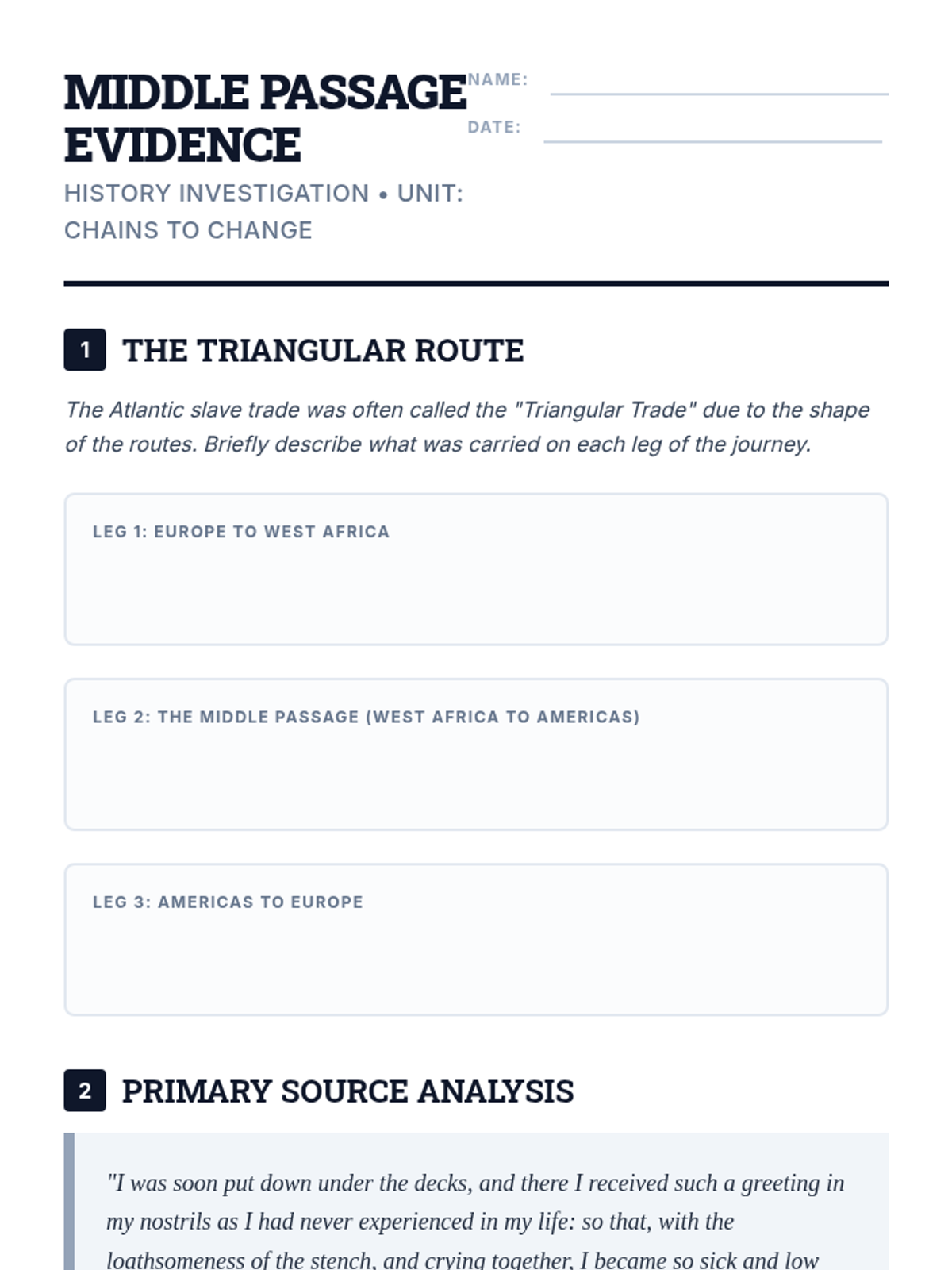
A comprehensive study of the Atlantic slave trade, the plantation economy, forms of resistance, and the eventual path to emancipation.
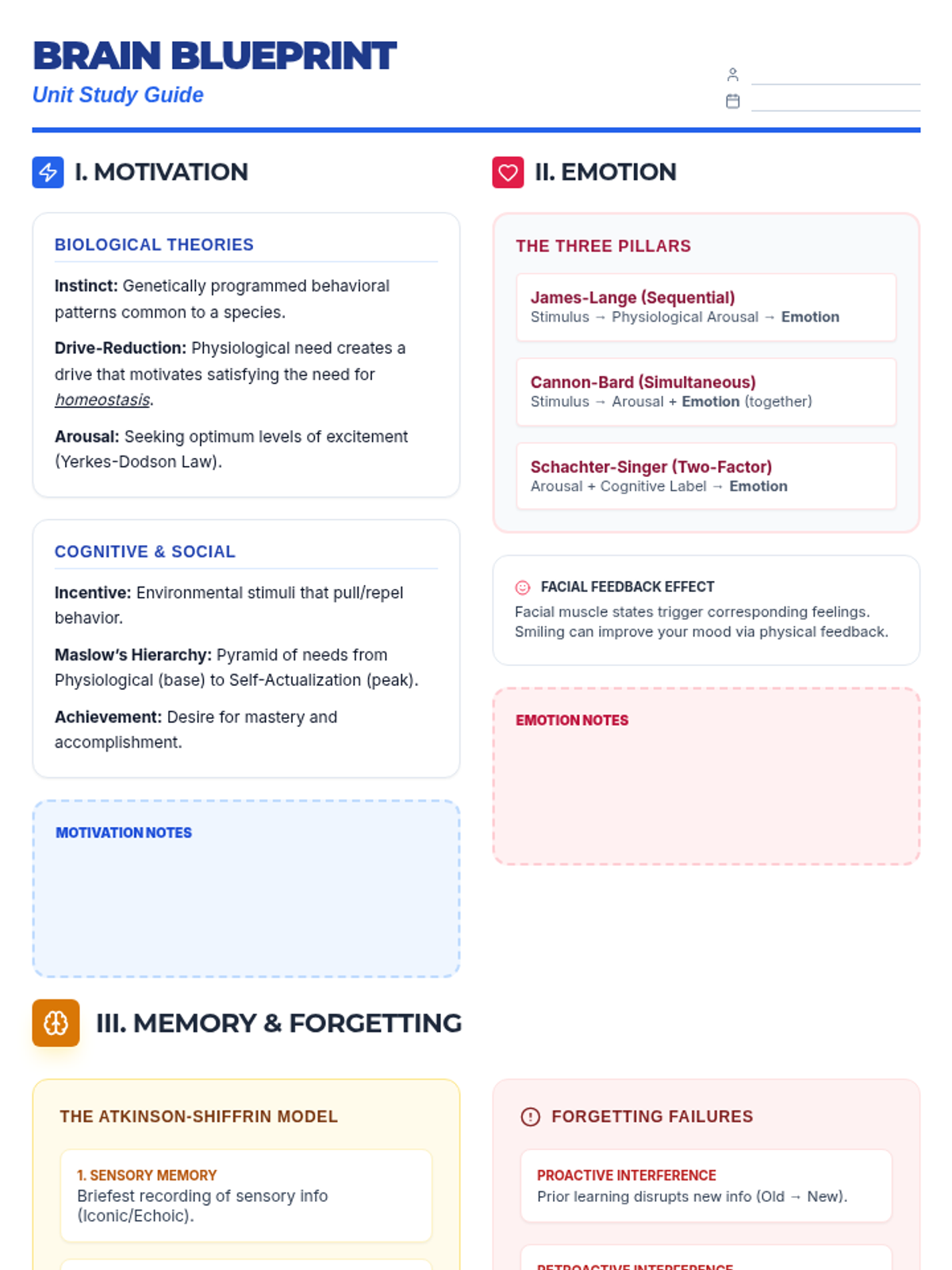
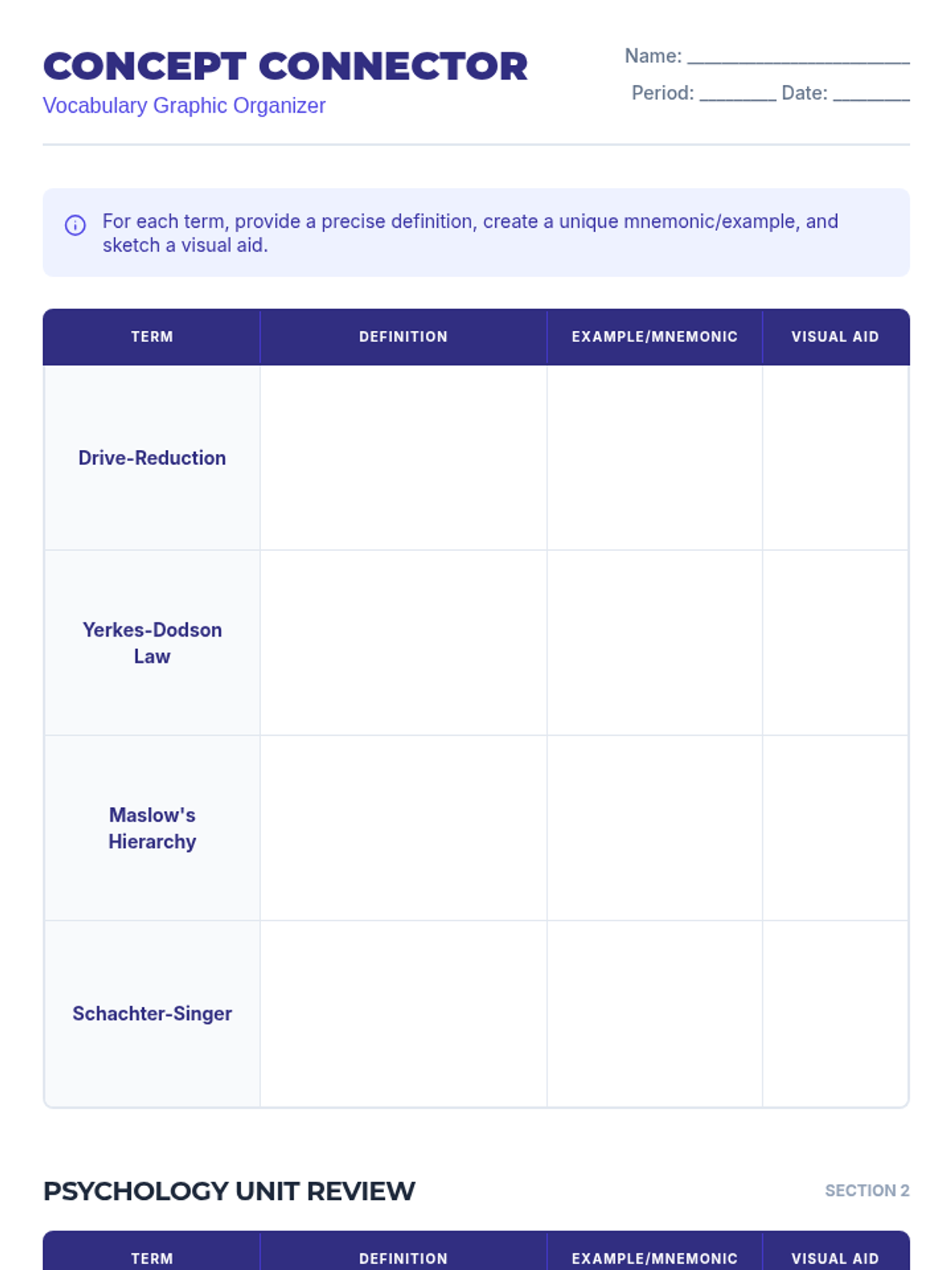
A comprehensive multi-day review sequence for psychology units on emotion, motivation, memory, and forgetting, featuring structured study aids, interactive challenges, and practice assessments.
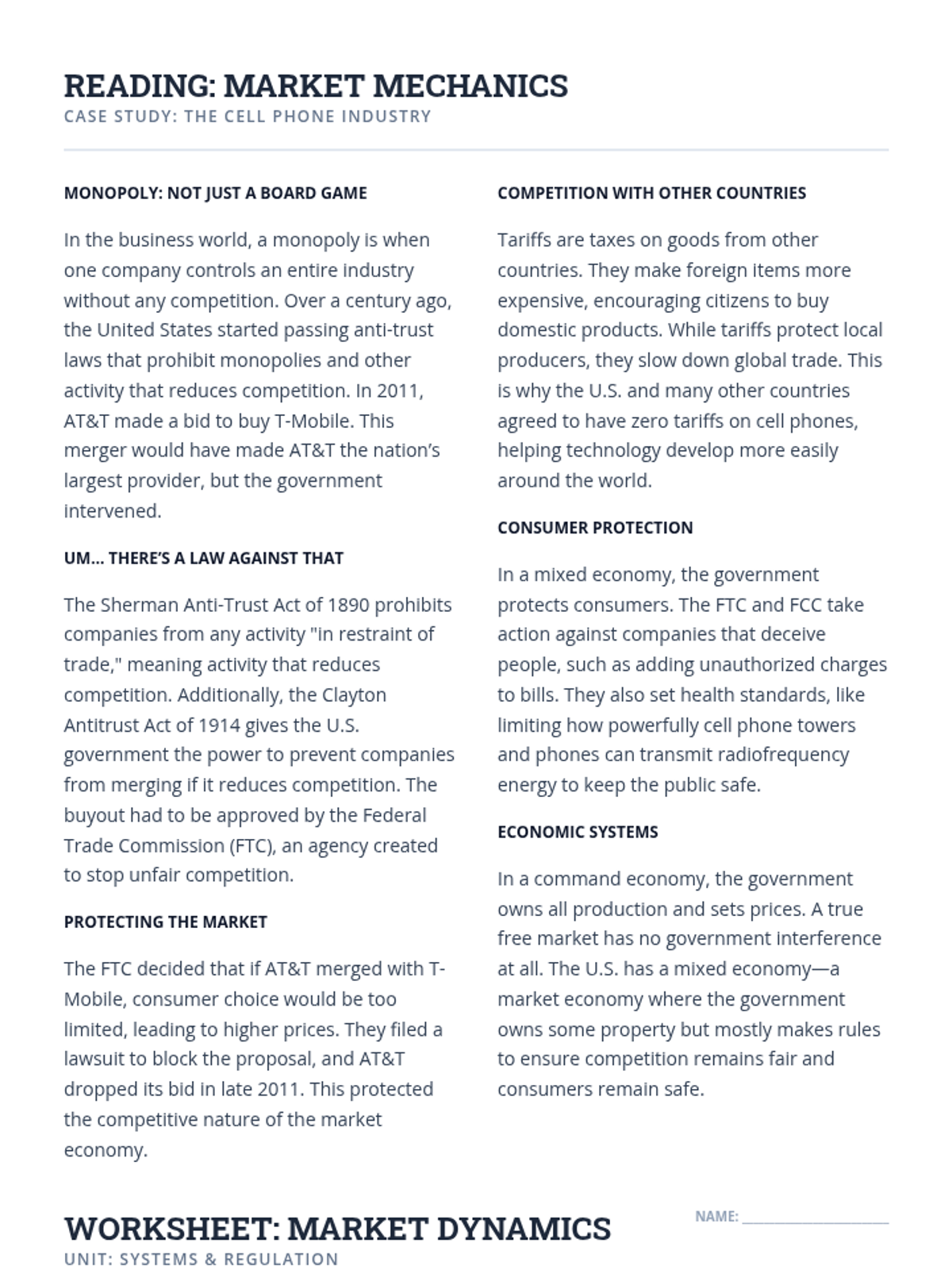
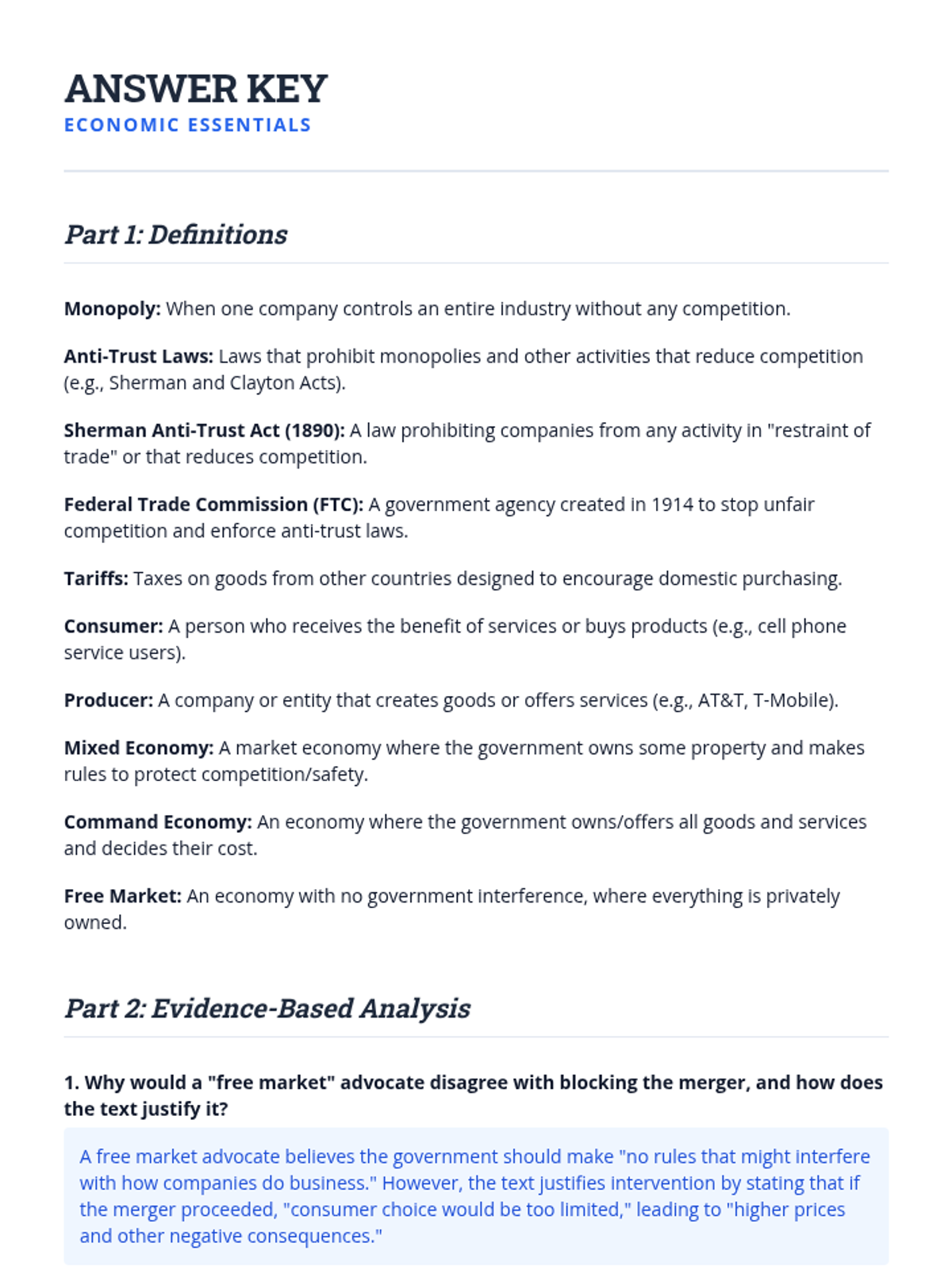
A comprehensive look at economic systems, competition, and the role of government in regulating markets using the cell phone industry as a primary case study.
Social Studies Standards Revision Project for ABC Schools.
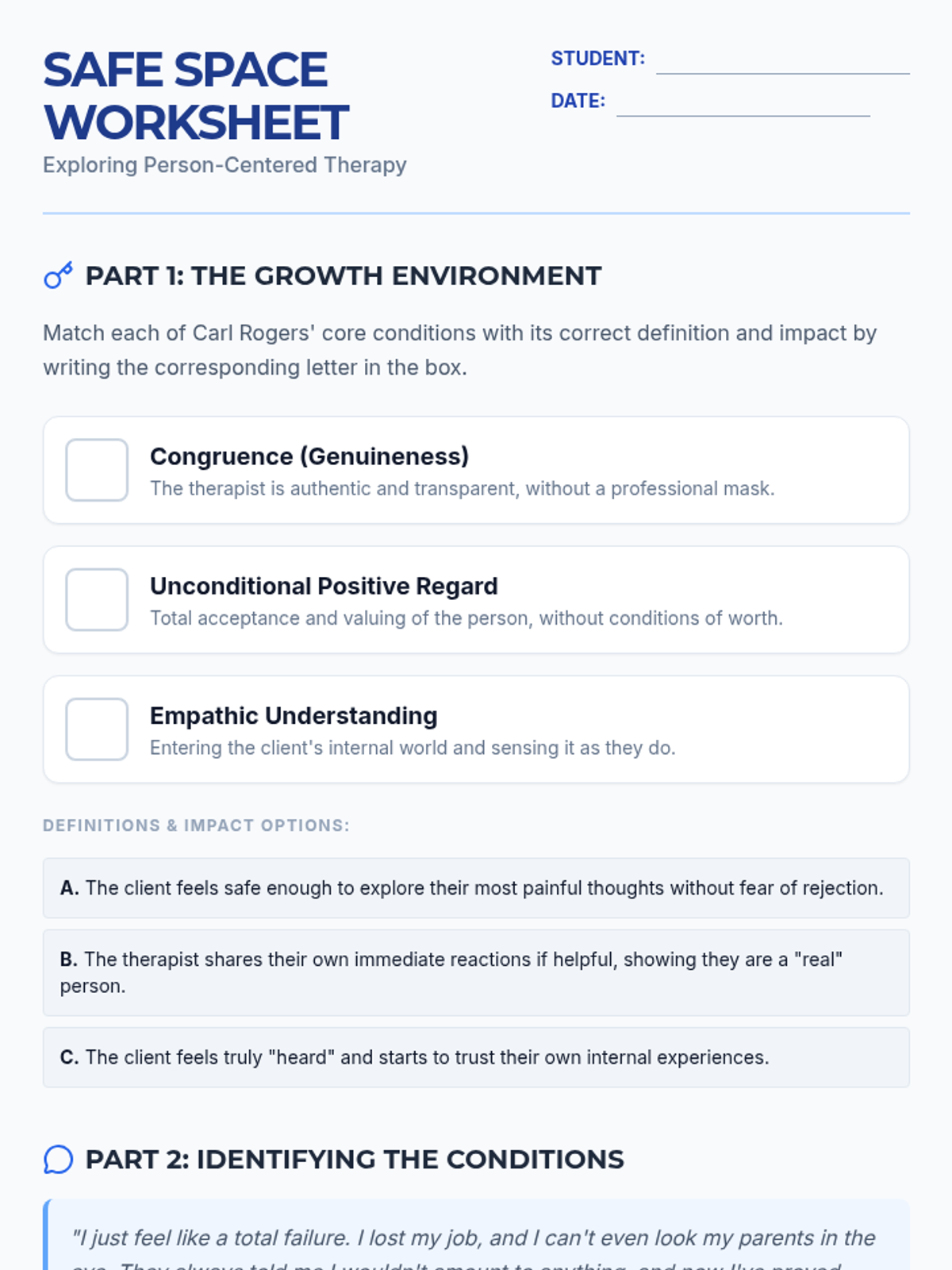
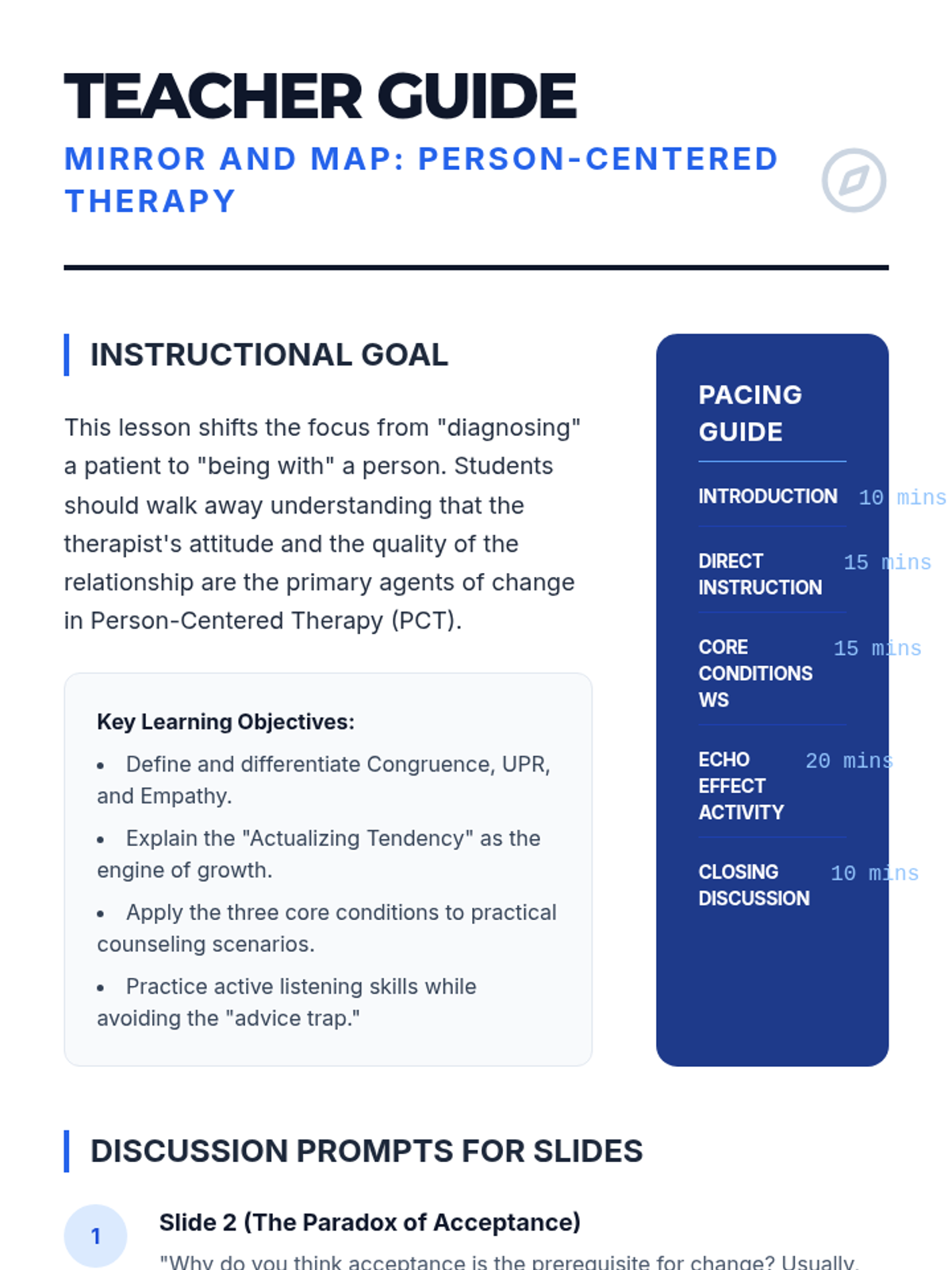
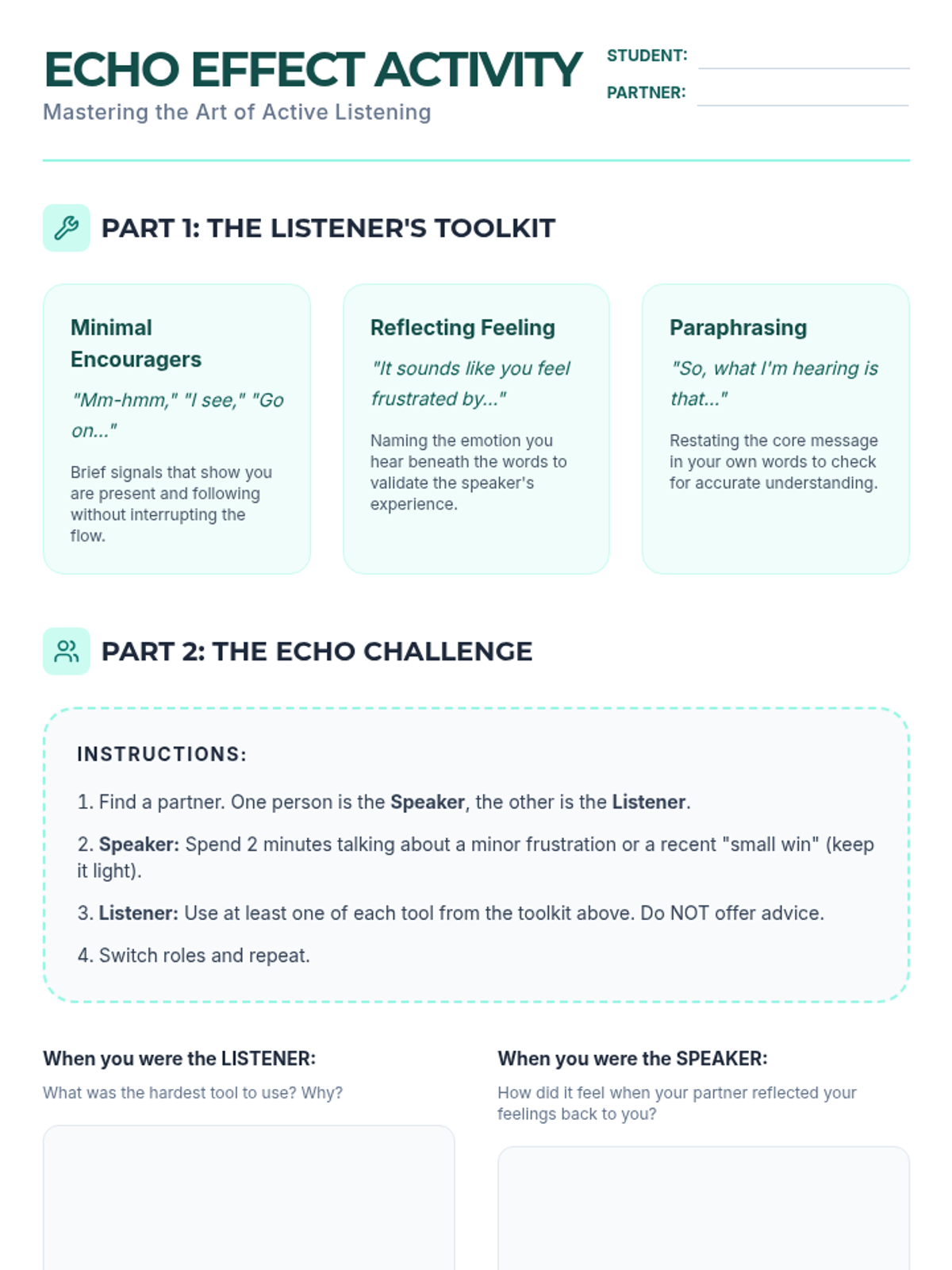
A unit exploring the foundations of humanistic psychology, focusing on person-centered approaches, therapeutic relationships, and the drive toward self-actualization.
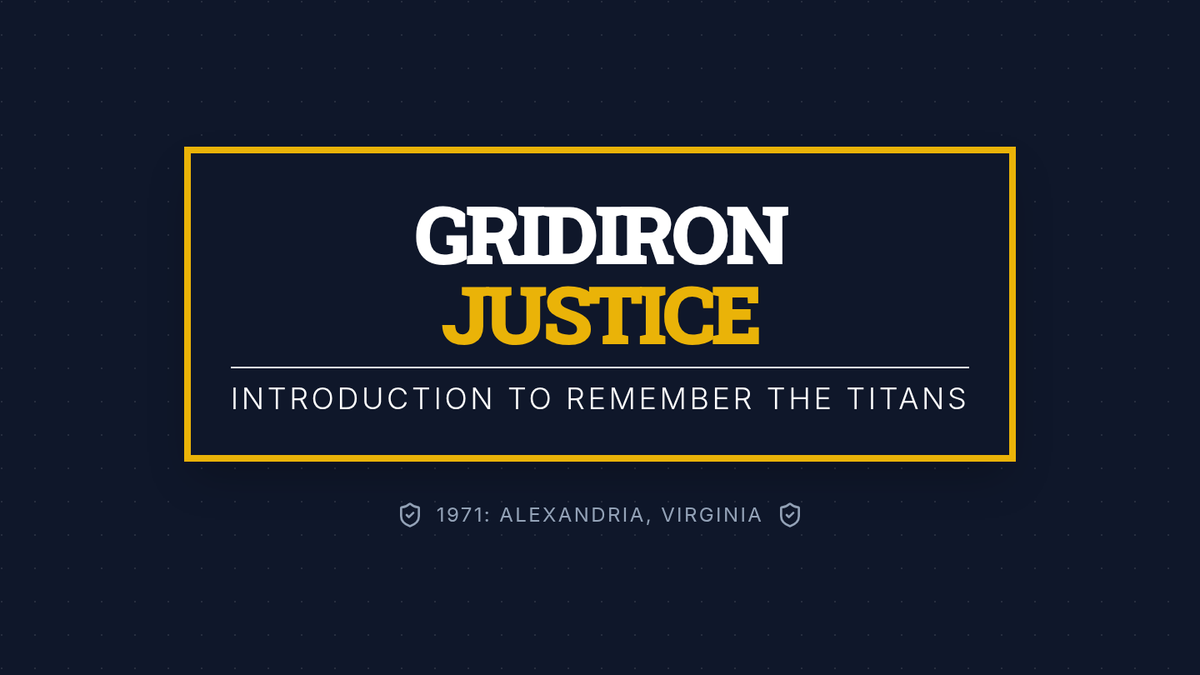
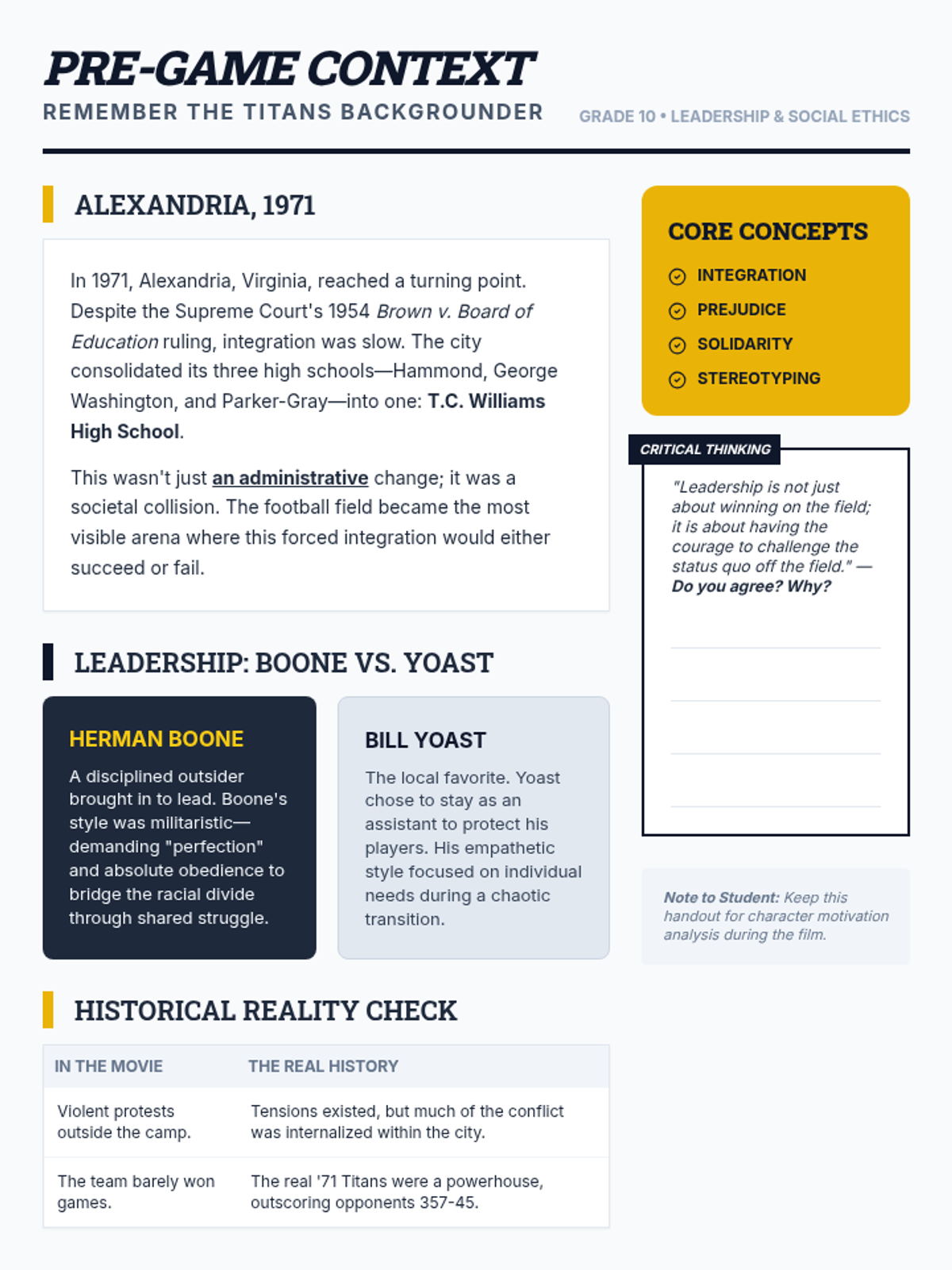
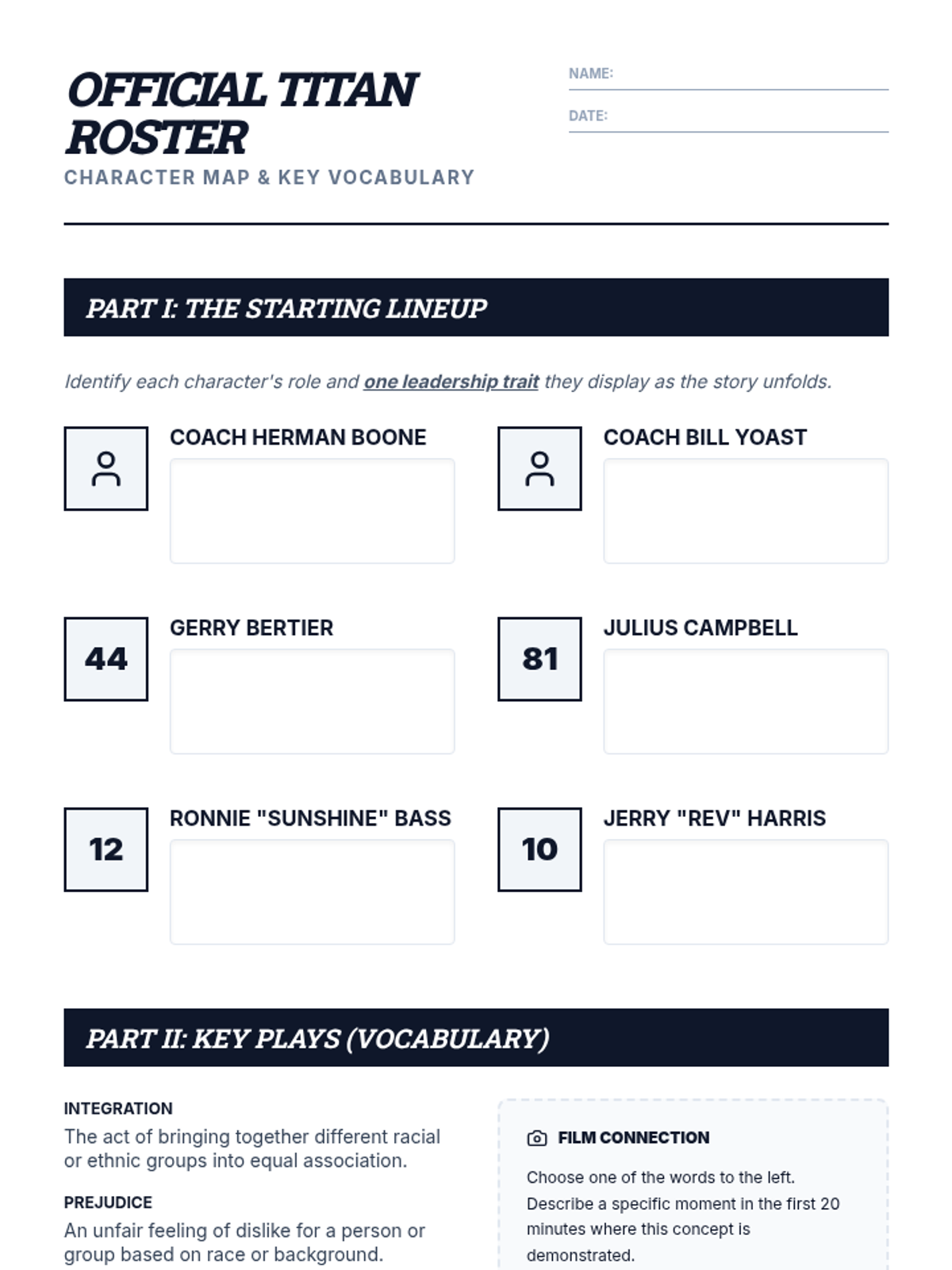
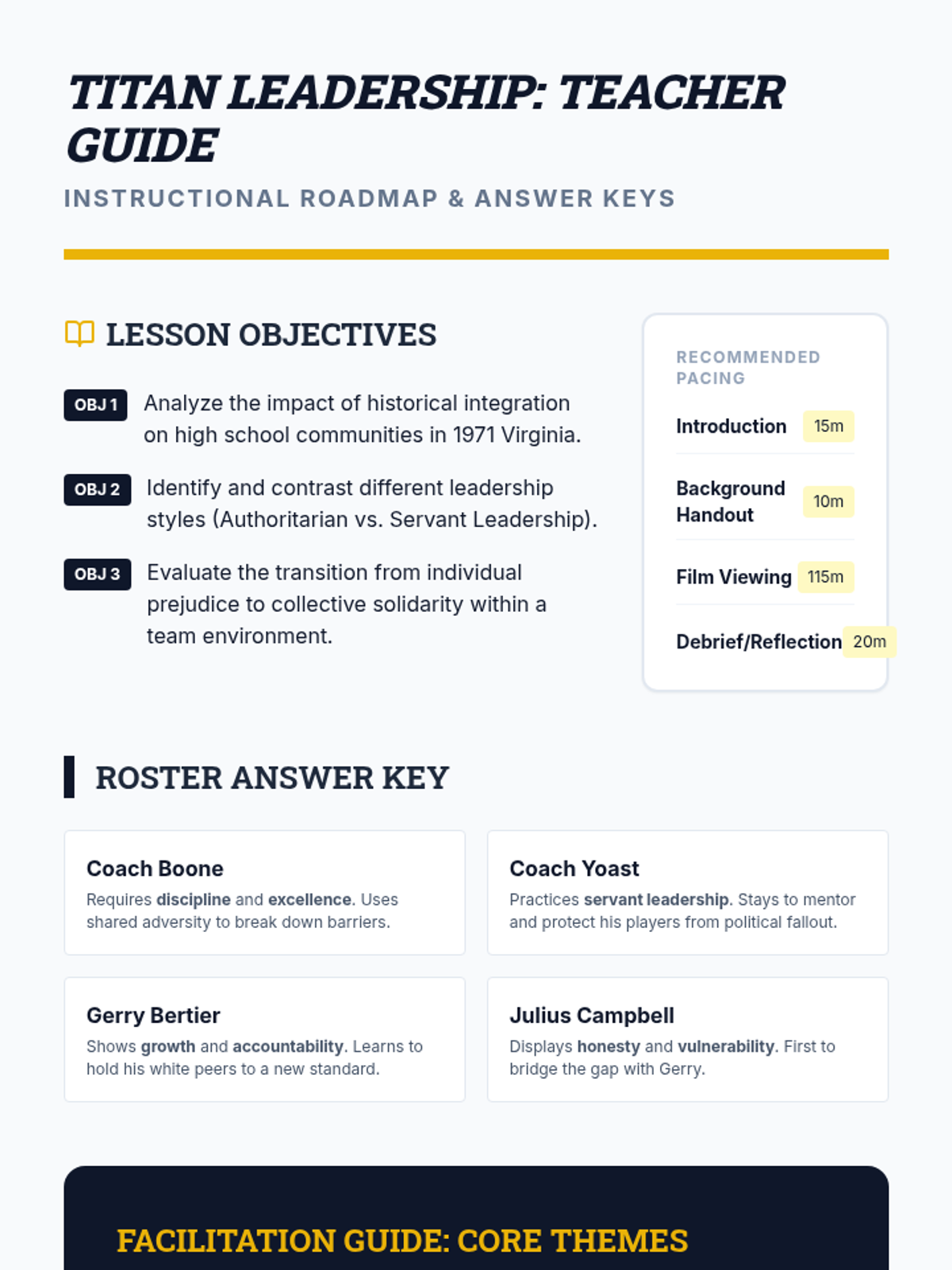
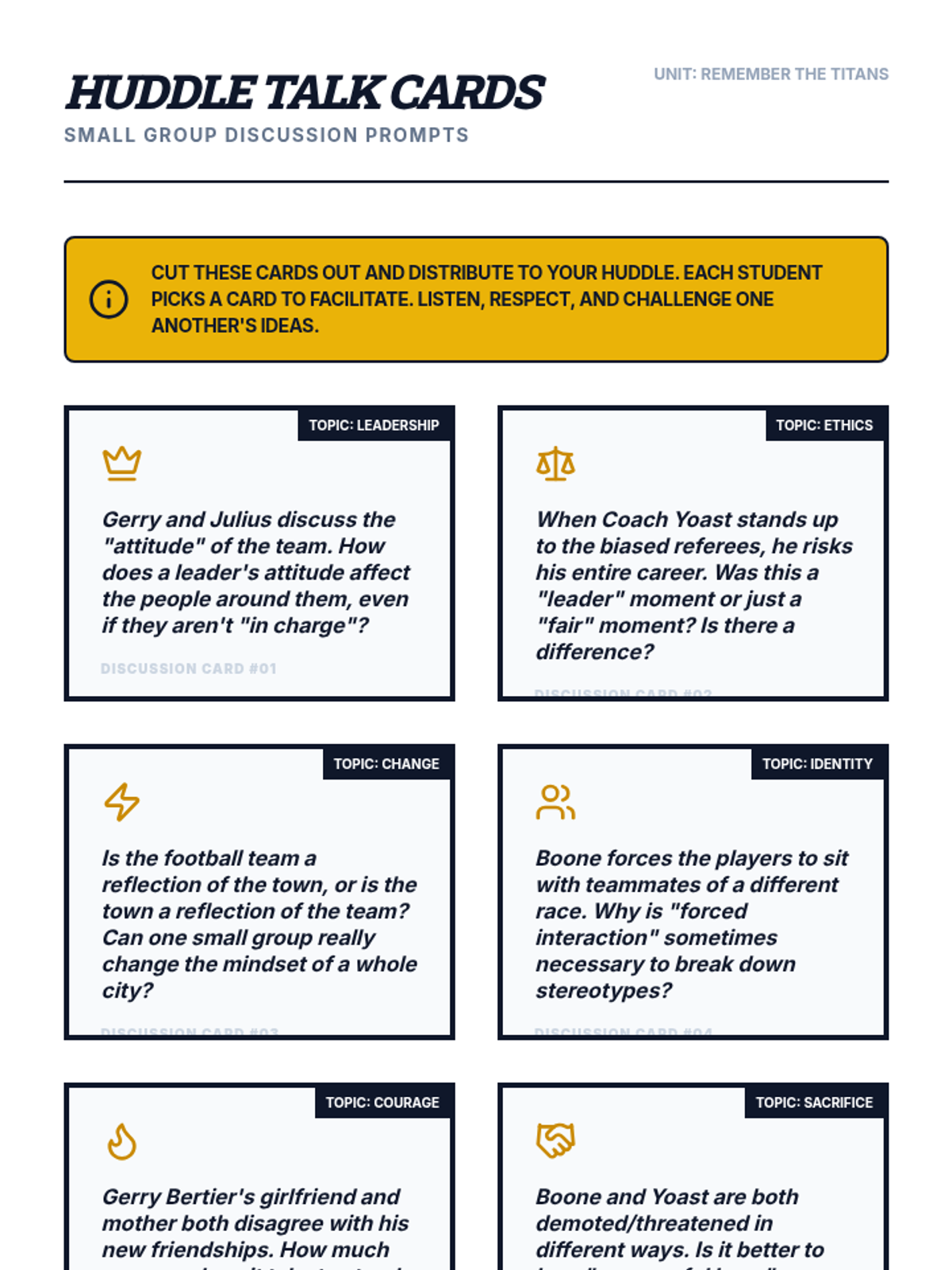
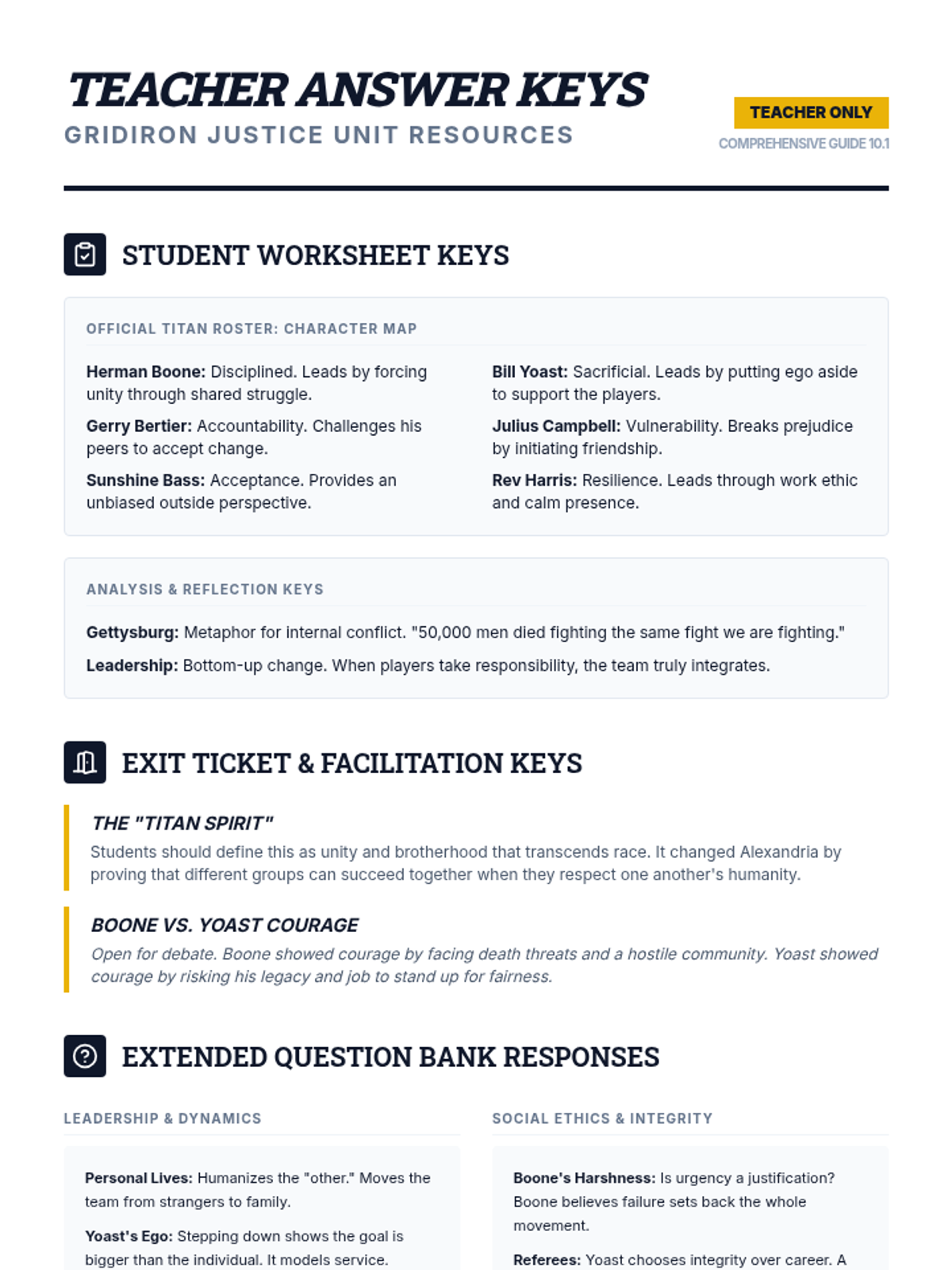
A comprehensive study of leadership, civil rights, and social ethics through the lens of the film Remember the Titans.
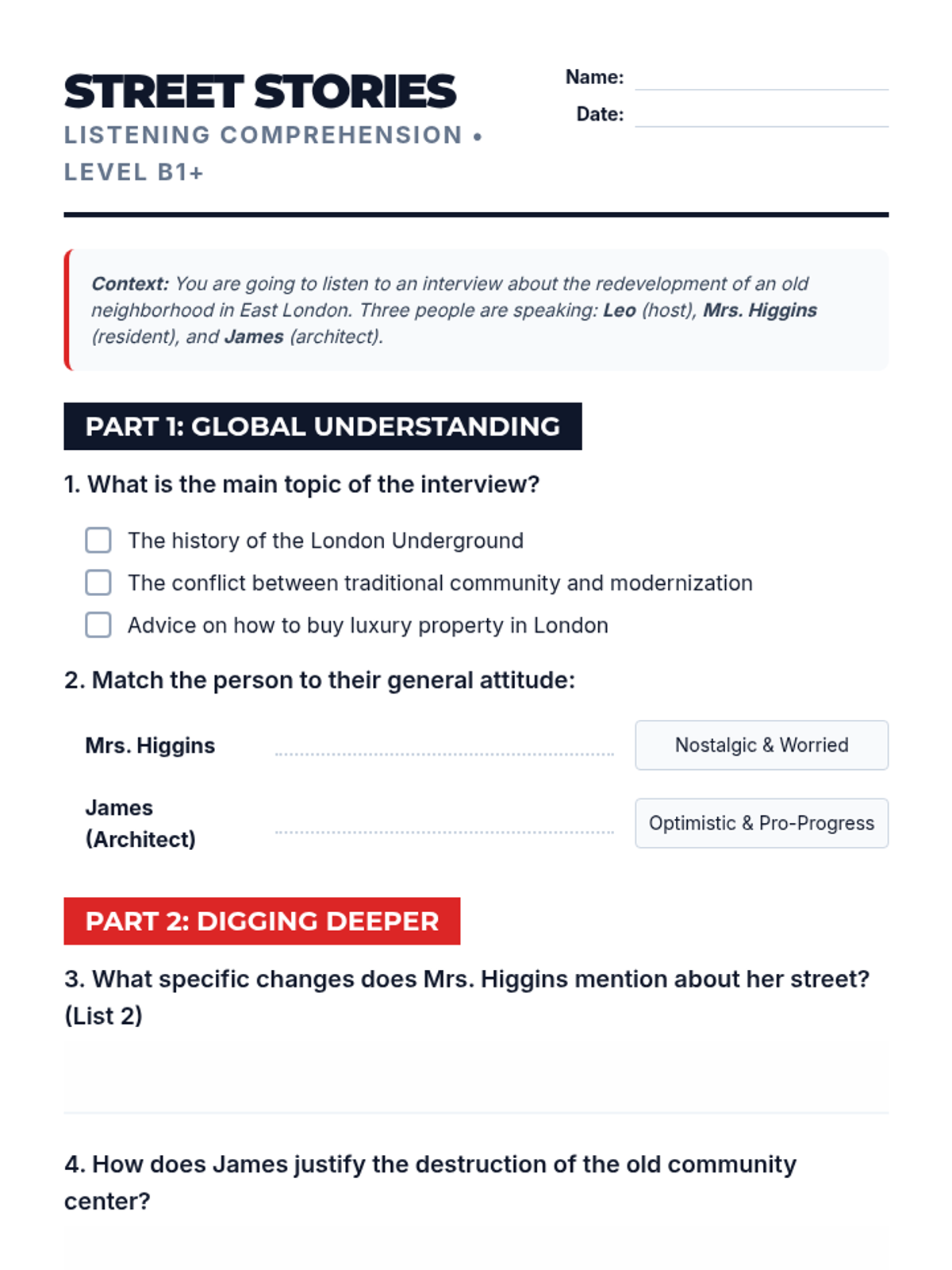
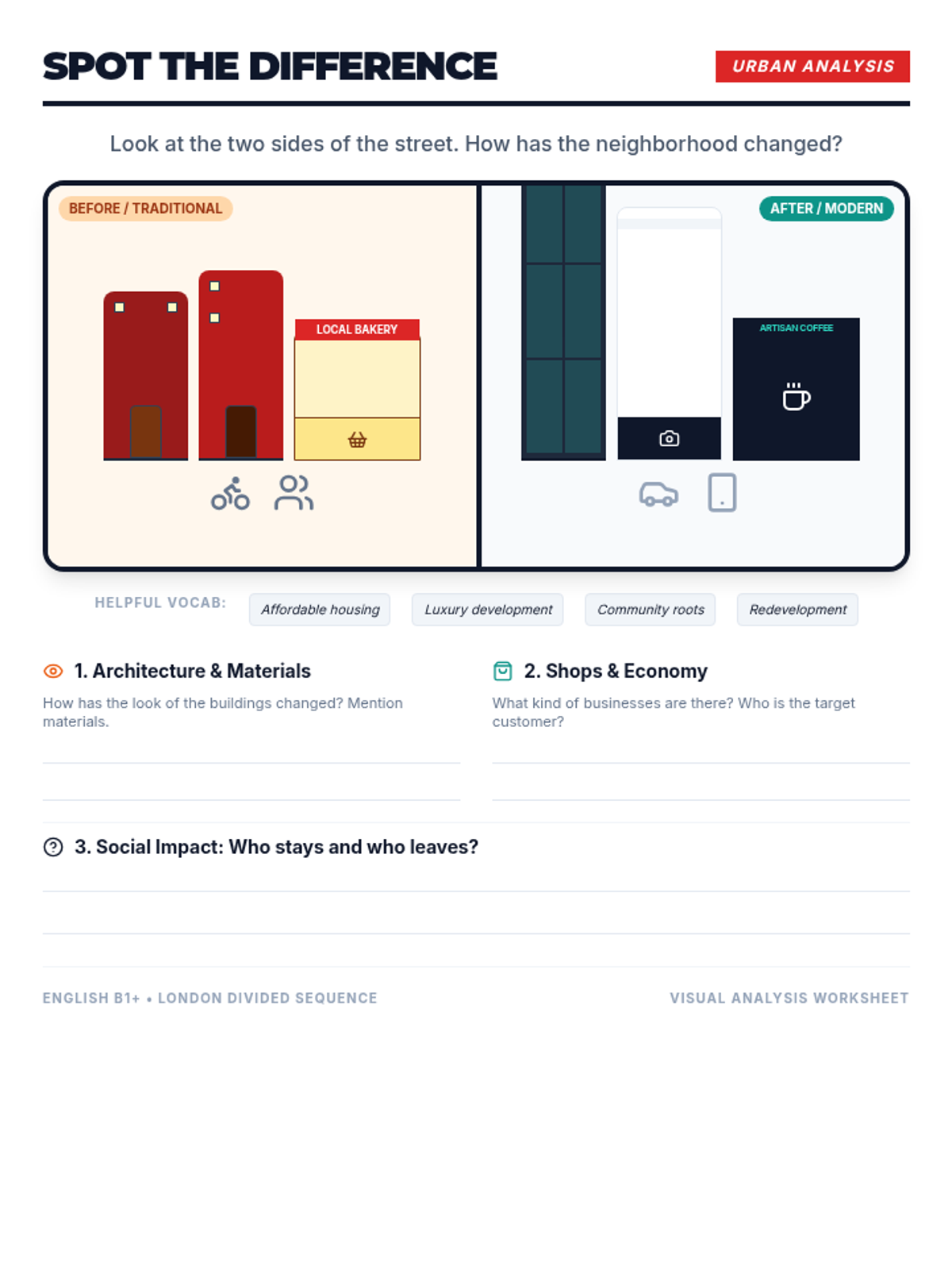
A sequence for high school students (B1+ level) exploring the social and cultural impacts of gentrification in London, focusing on the tension between urban development and local community identity.
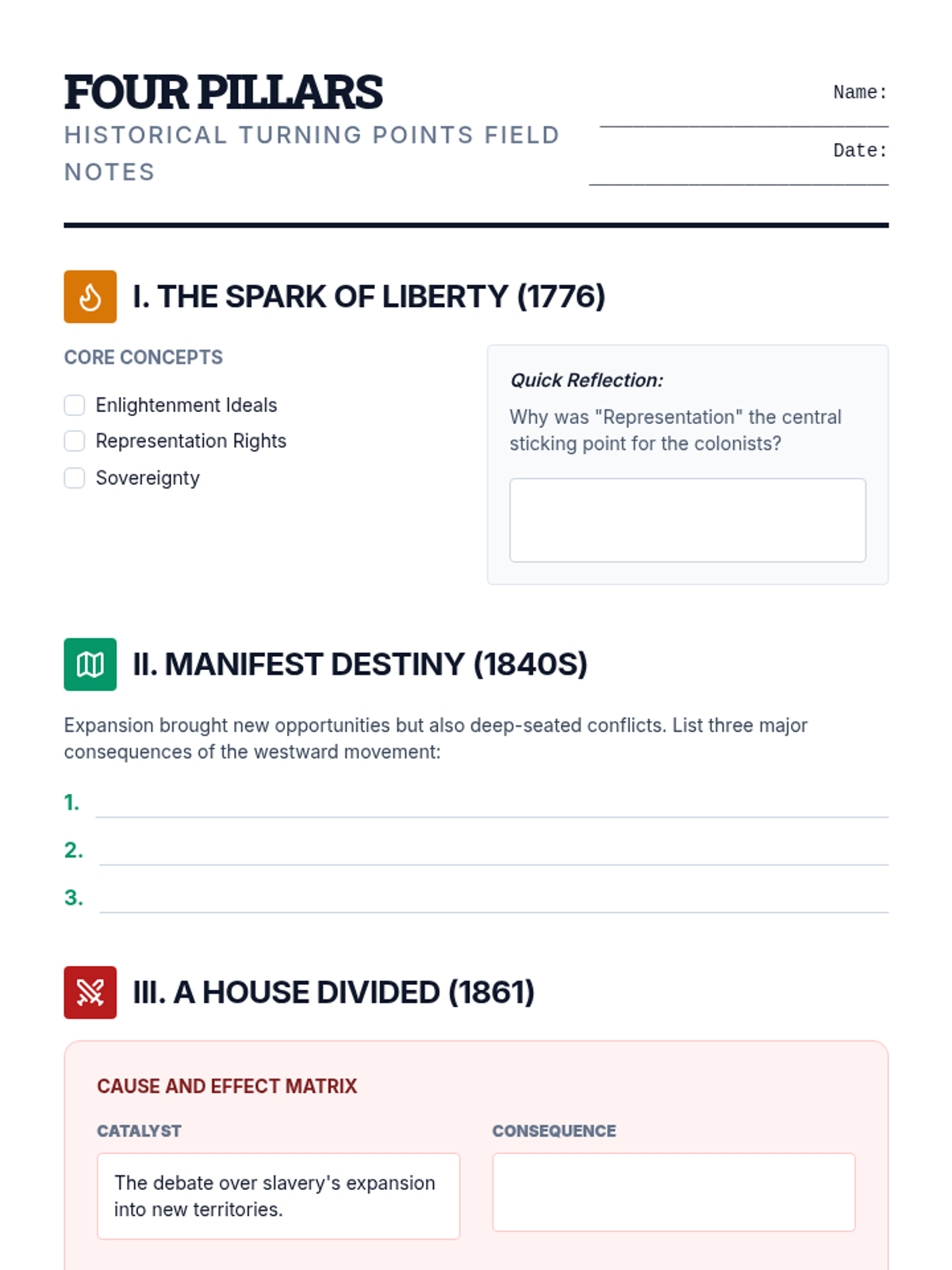
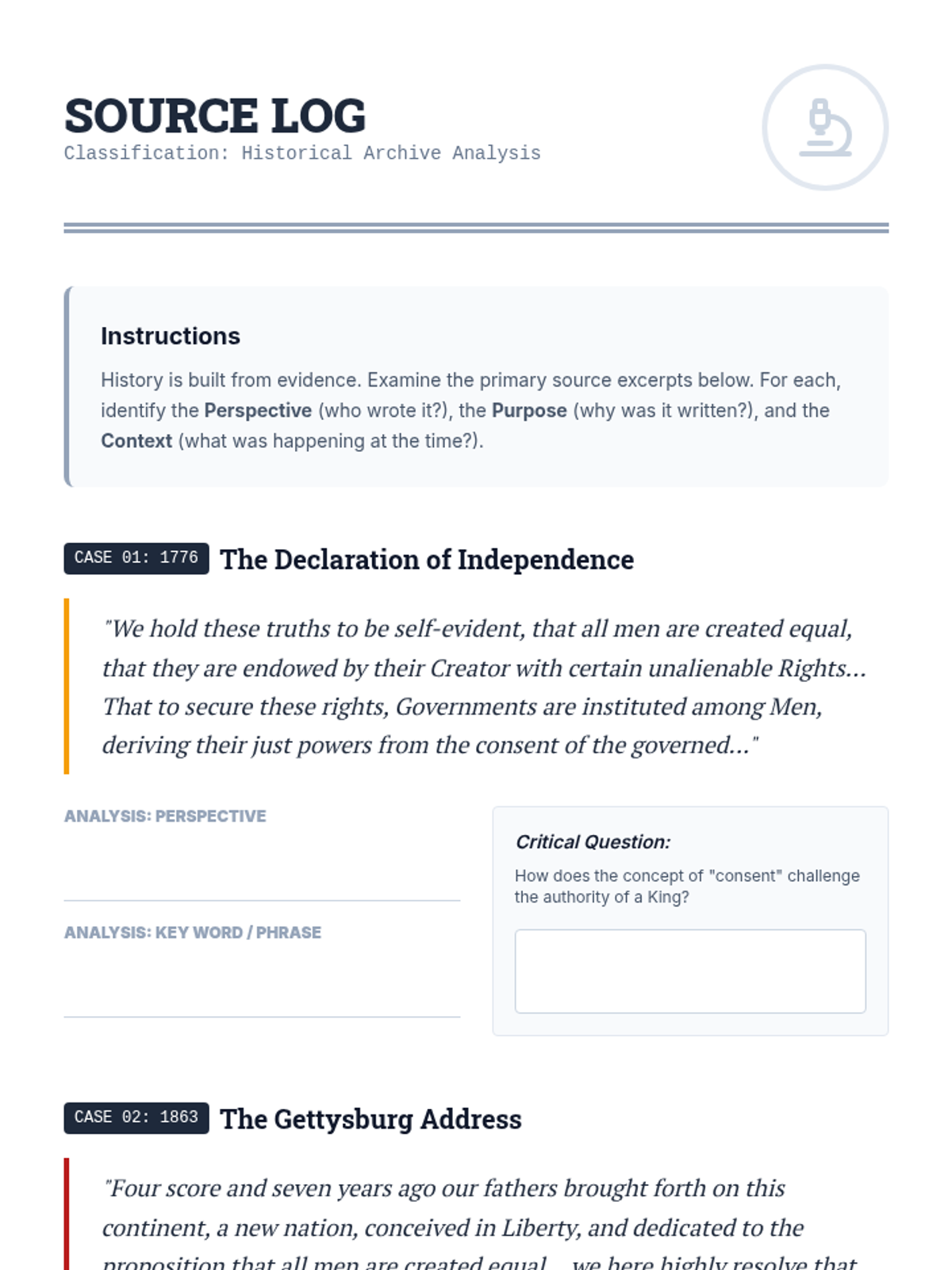
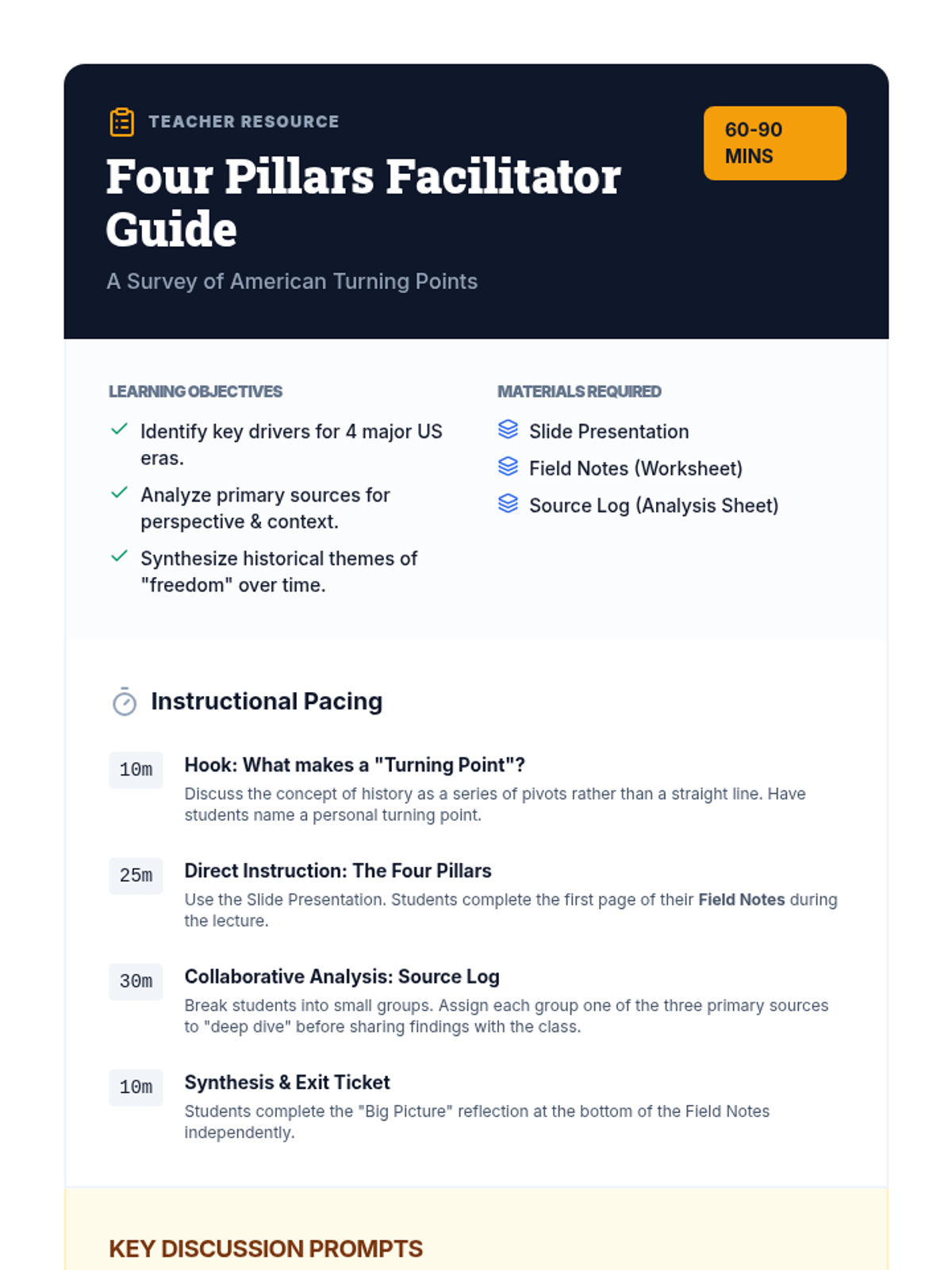
A comprehensive overview of four major turning points in United States history: the American Revolution, Westward Expansion, the Civil War, and World War II. This sequence explores how each era redefined the American identity and shifted the nation's trajectory.
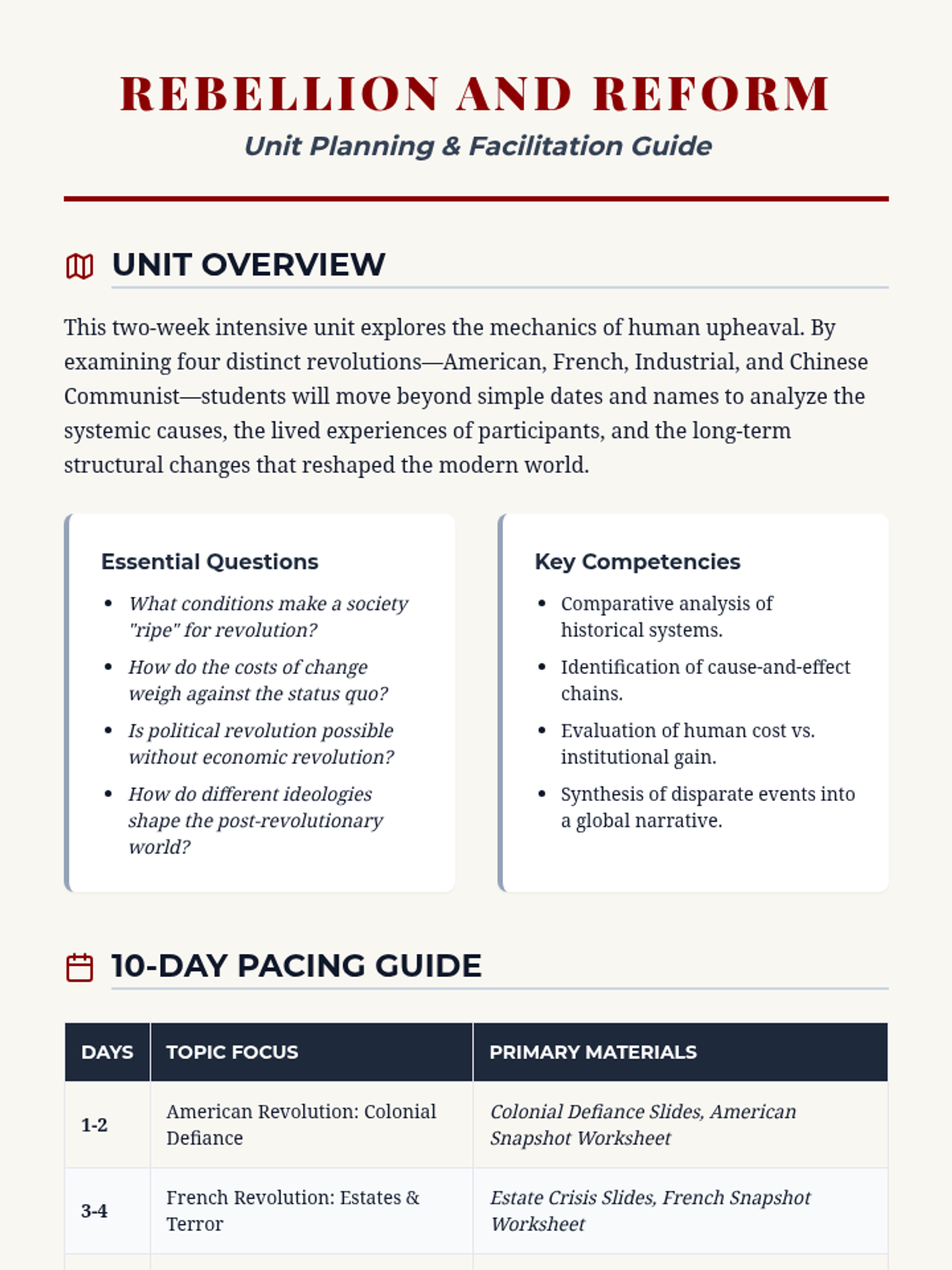
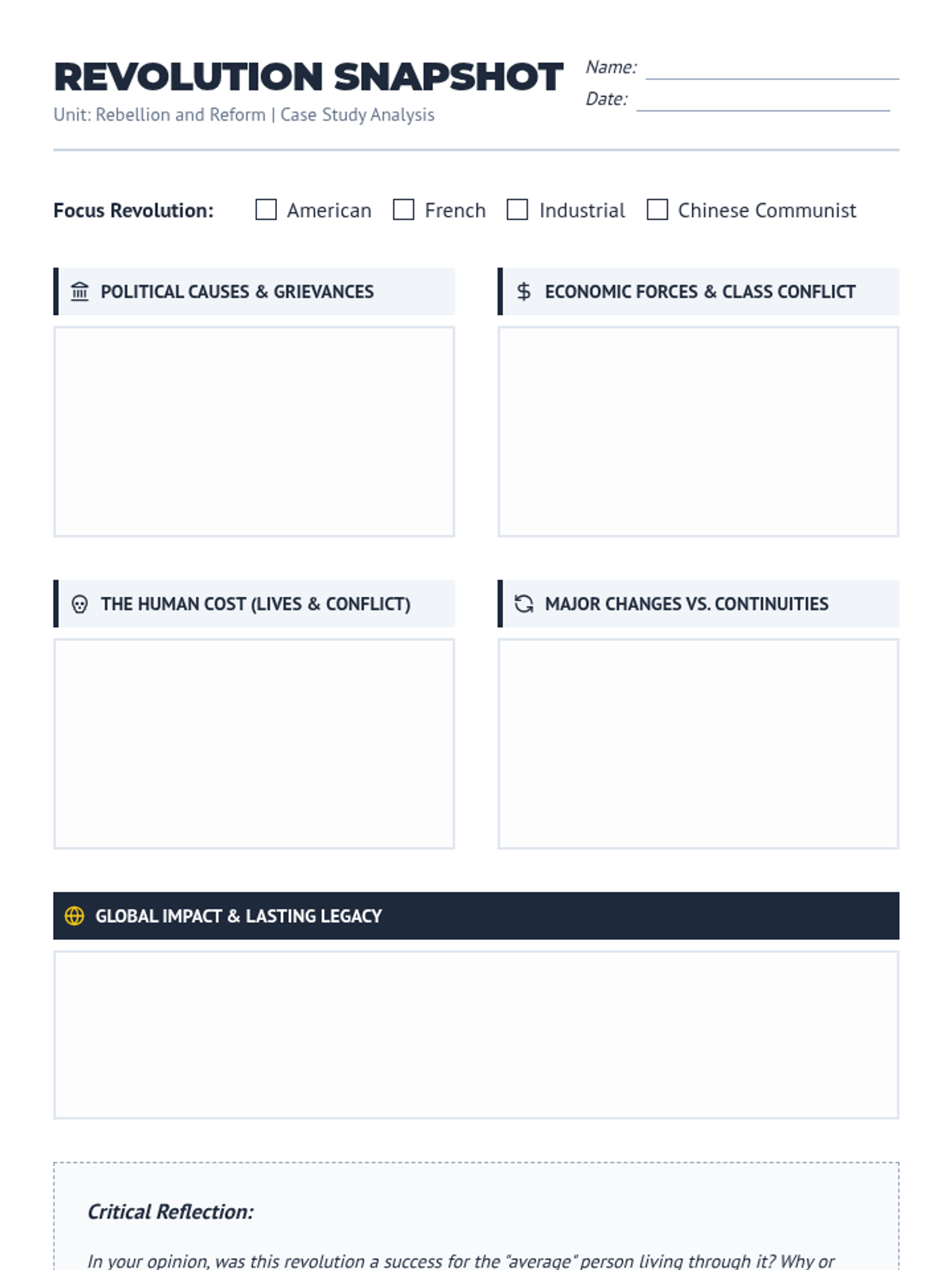
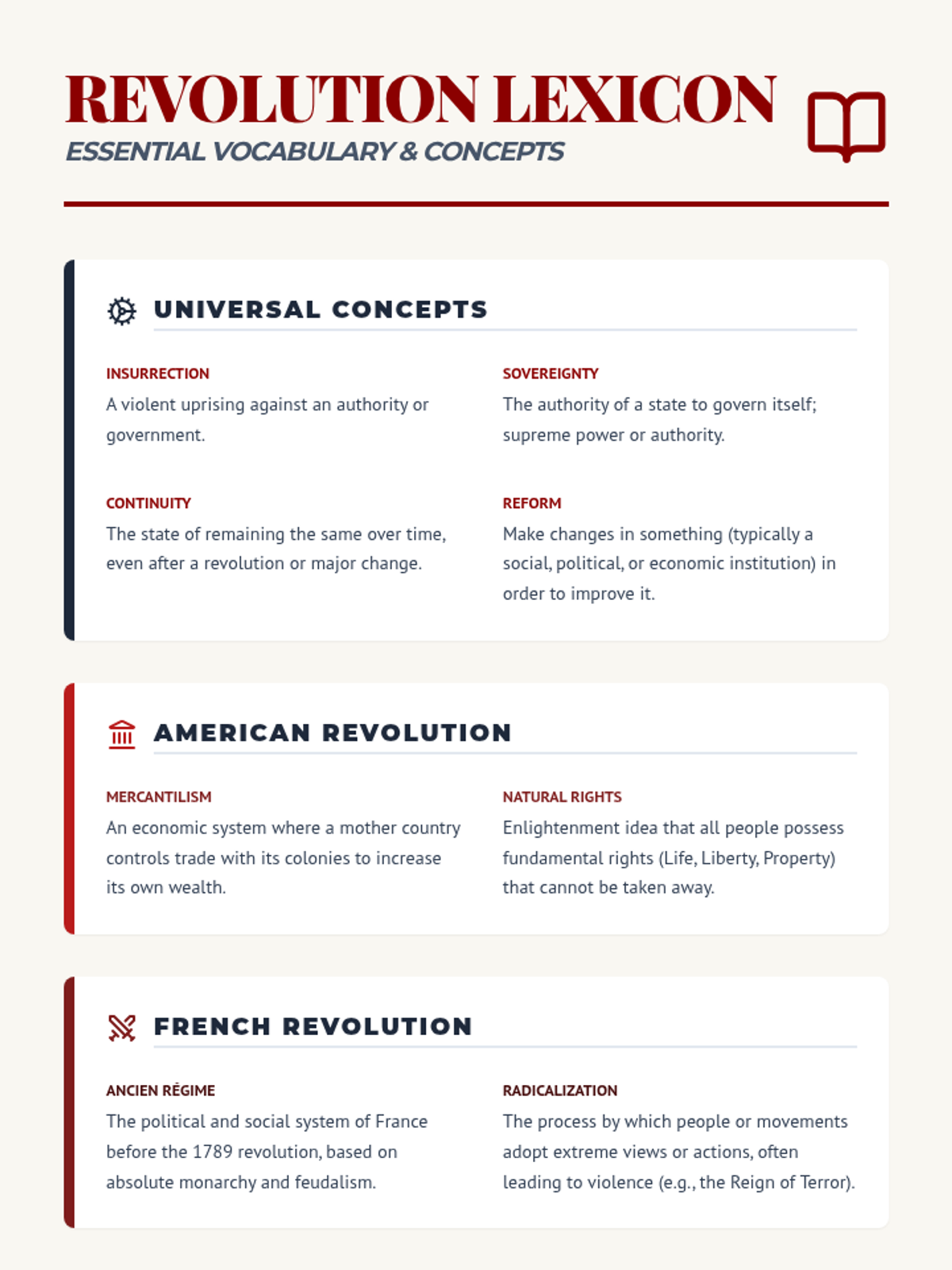
A comprehensive 10-day unit exploring the causes, courses, and consequences of four major world-altering revolutions: American, French, Industrial, and China's Communist Revolution. Students will analyze political and economic drivers, human costs, and lasting global impacts through comparative study.
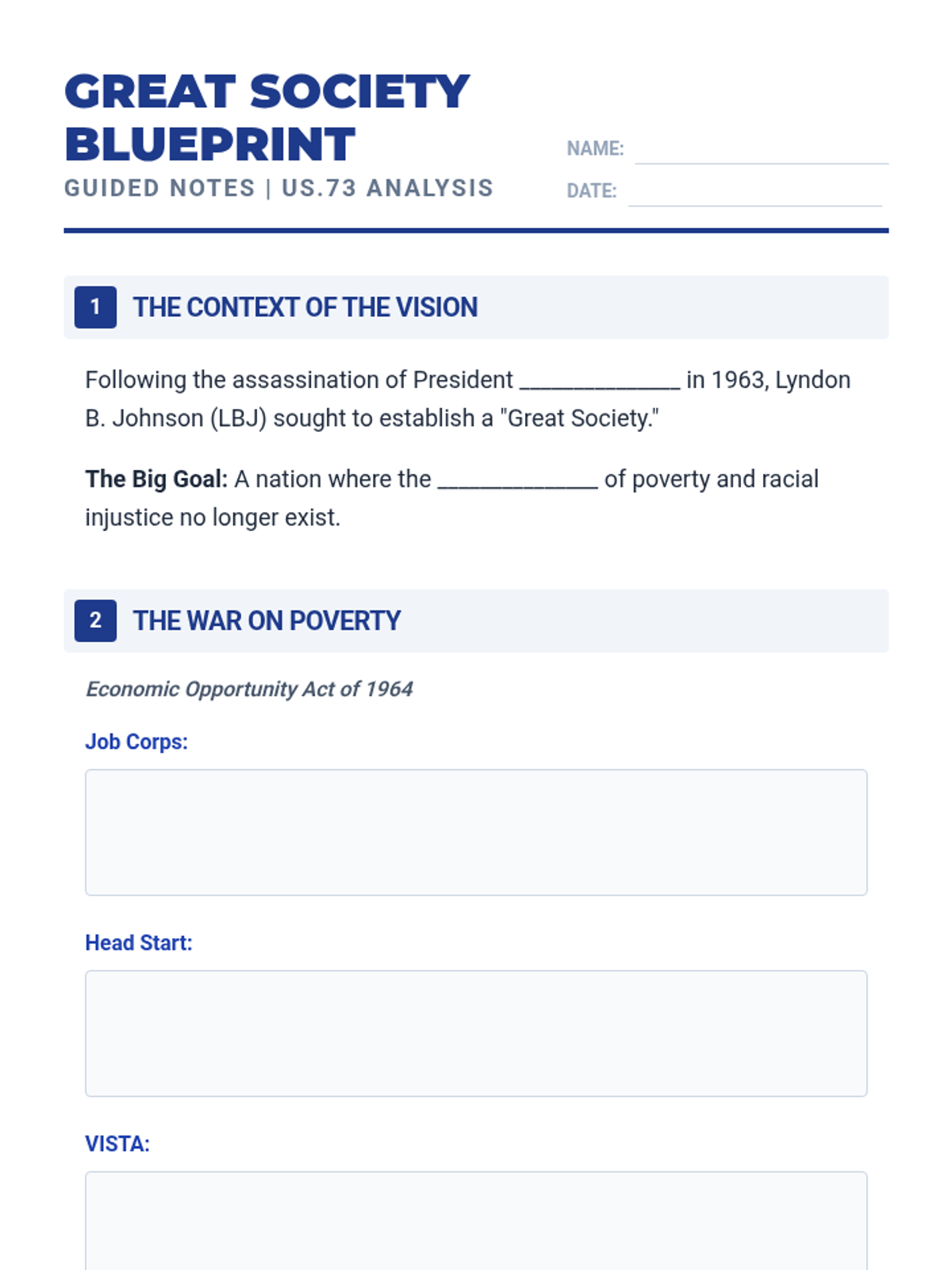
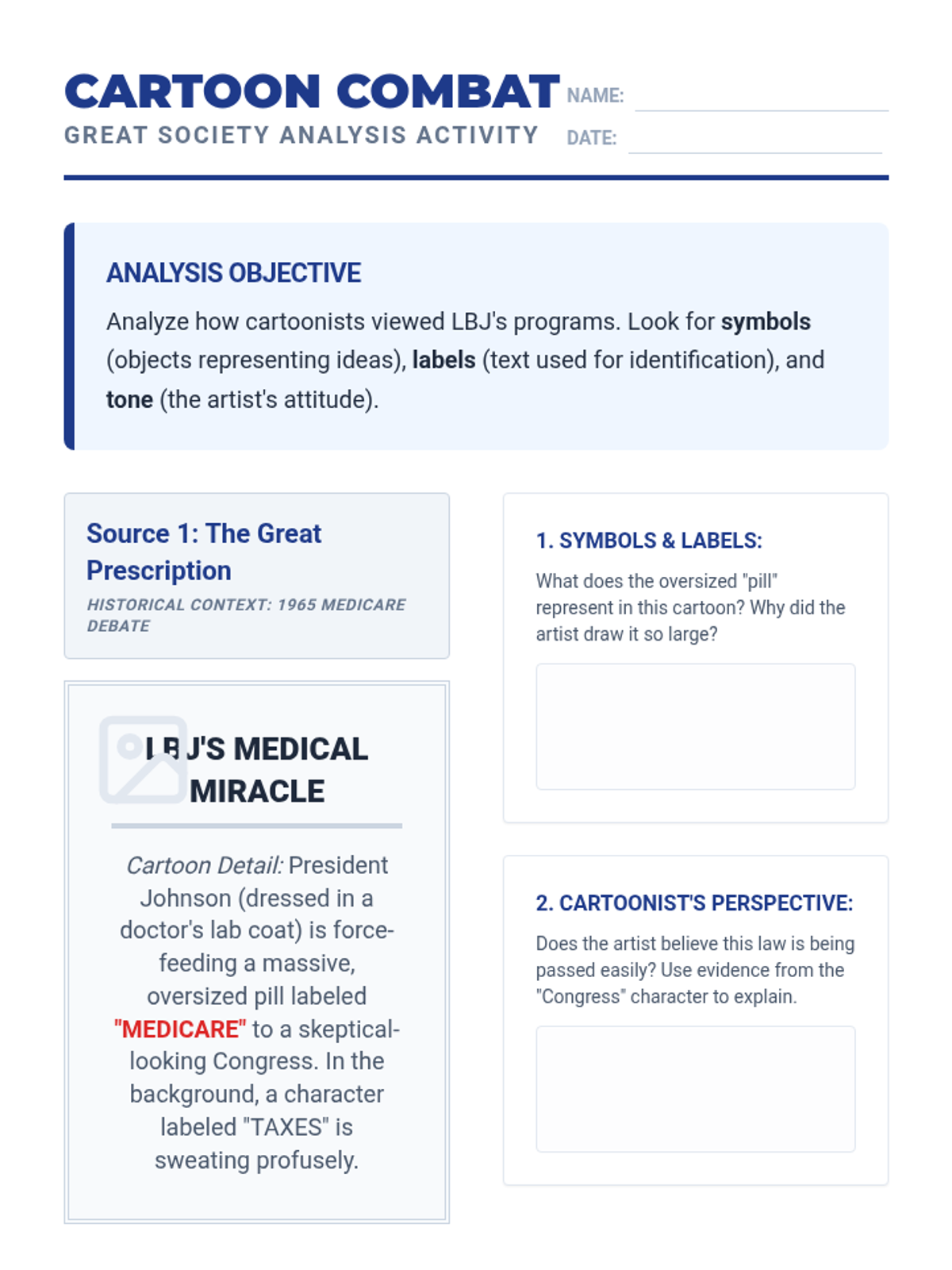
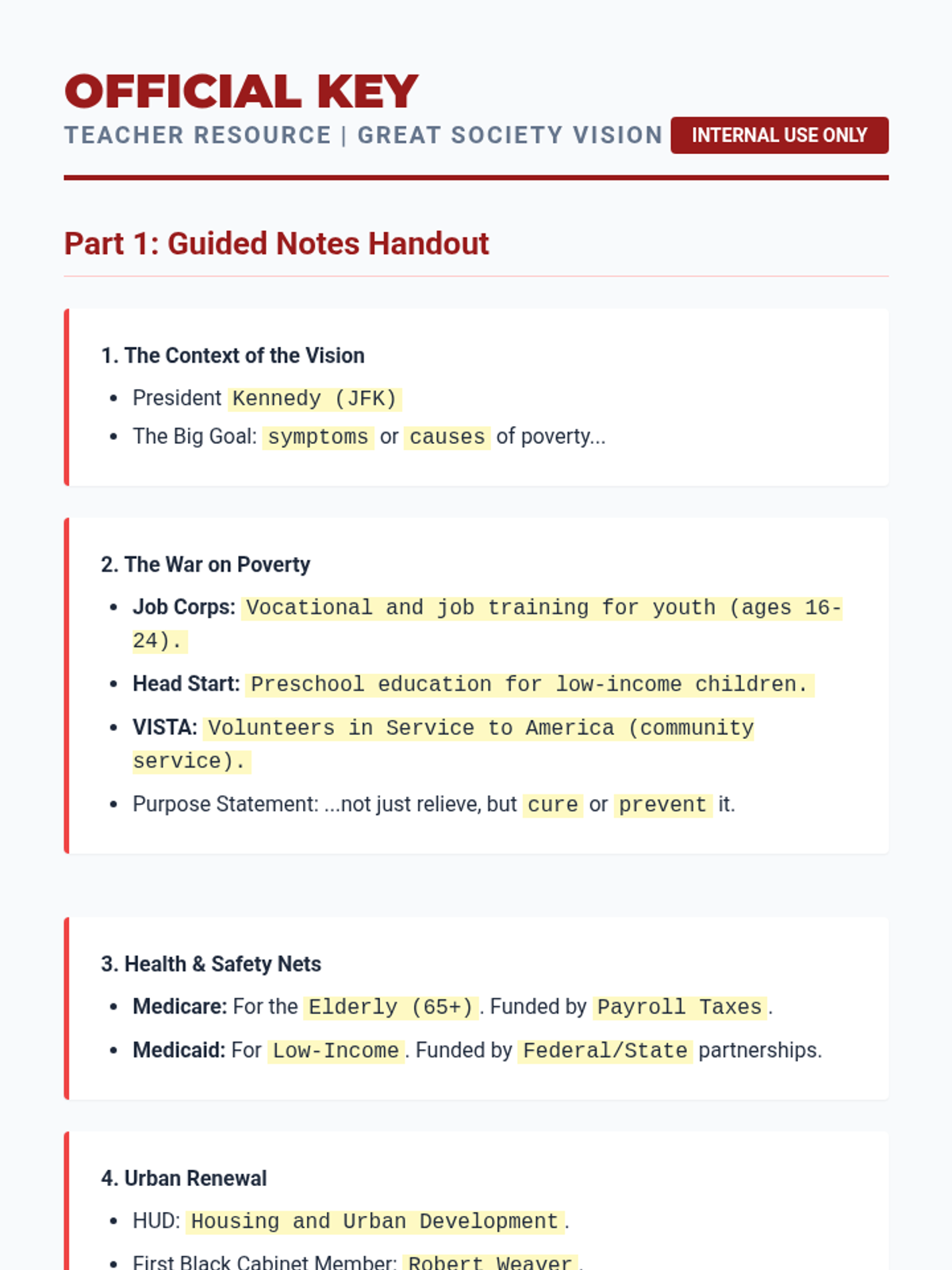
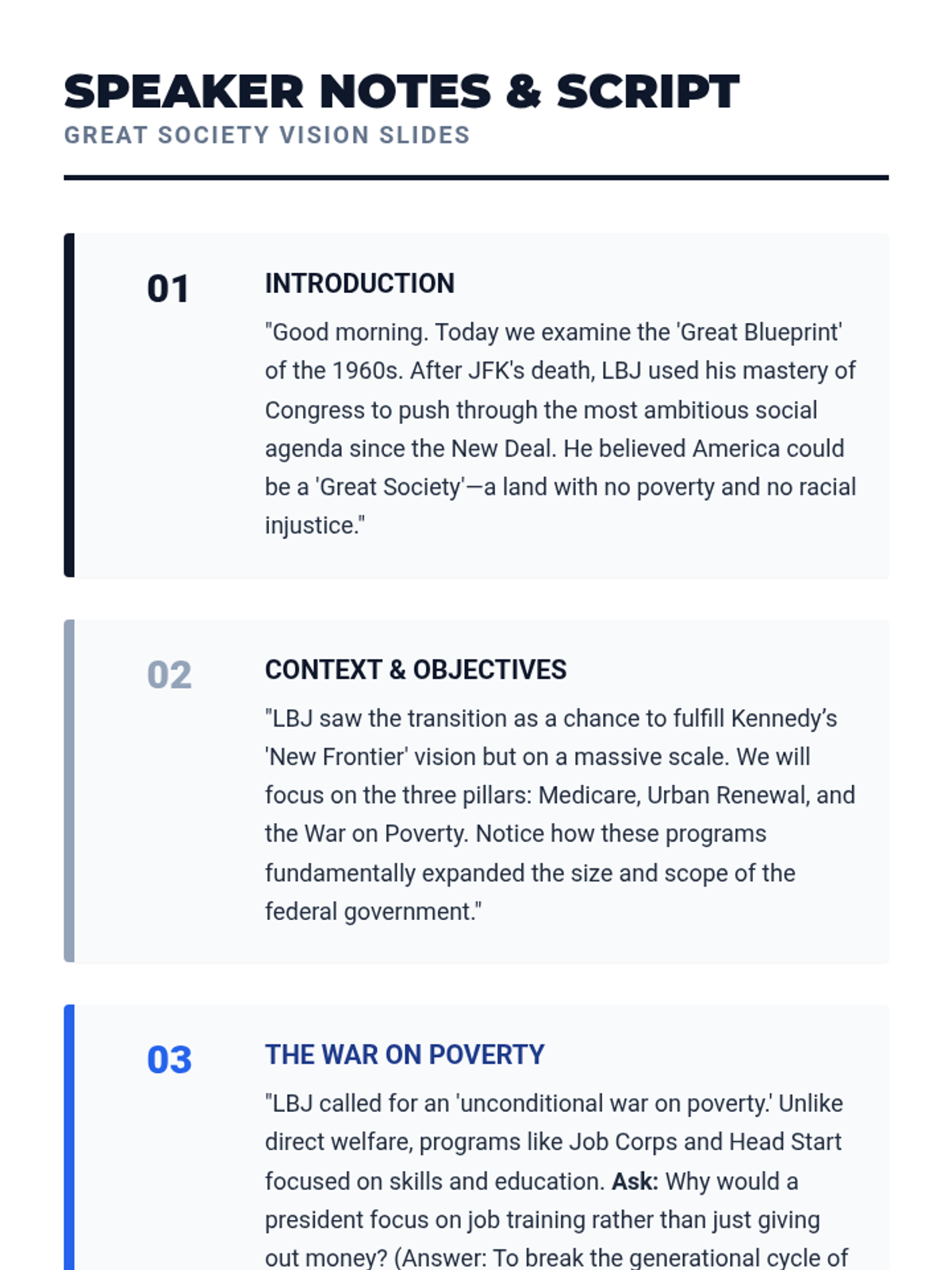
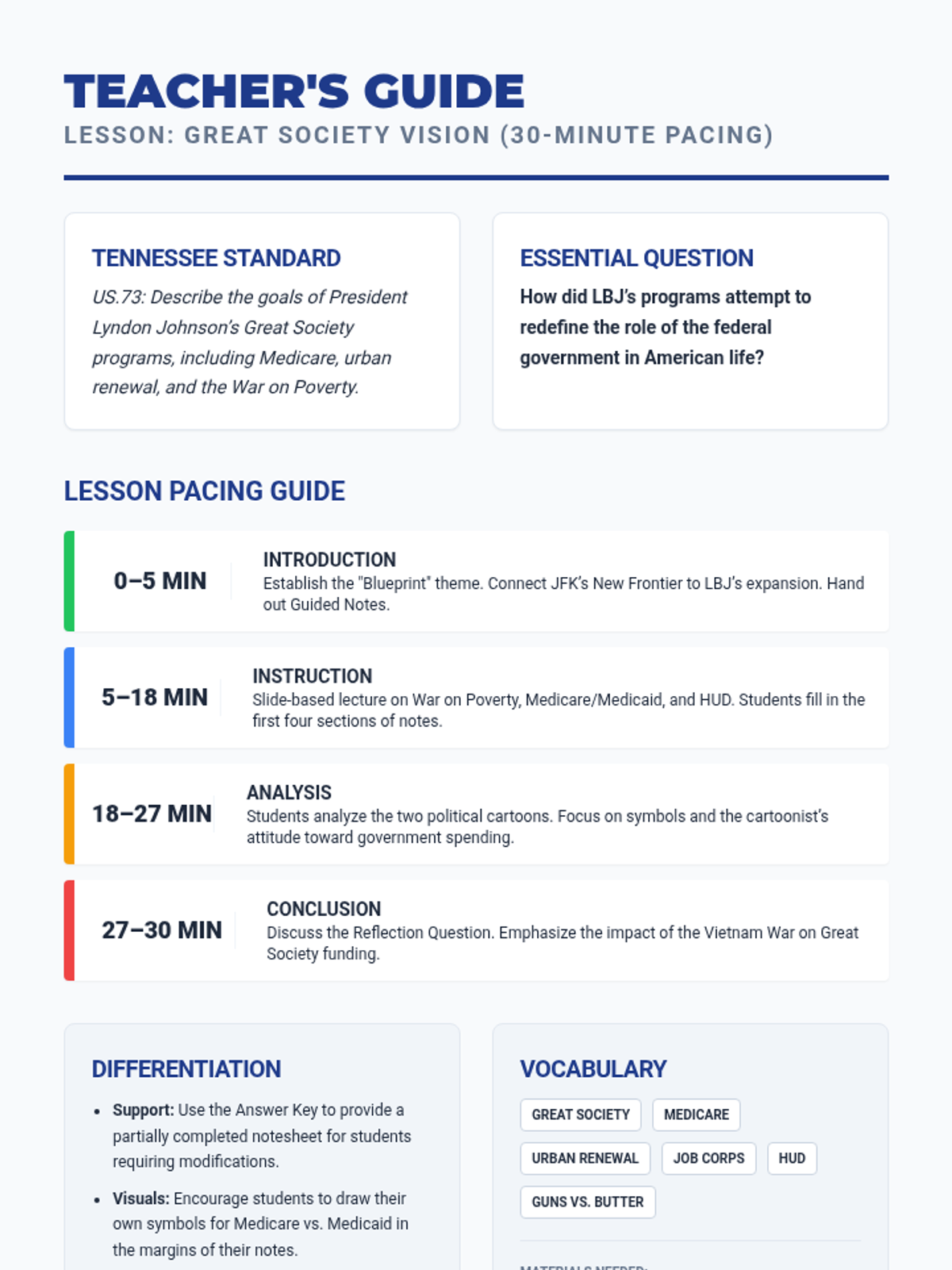
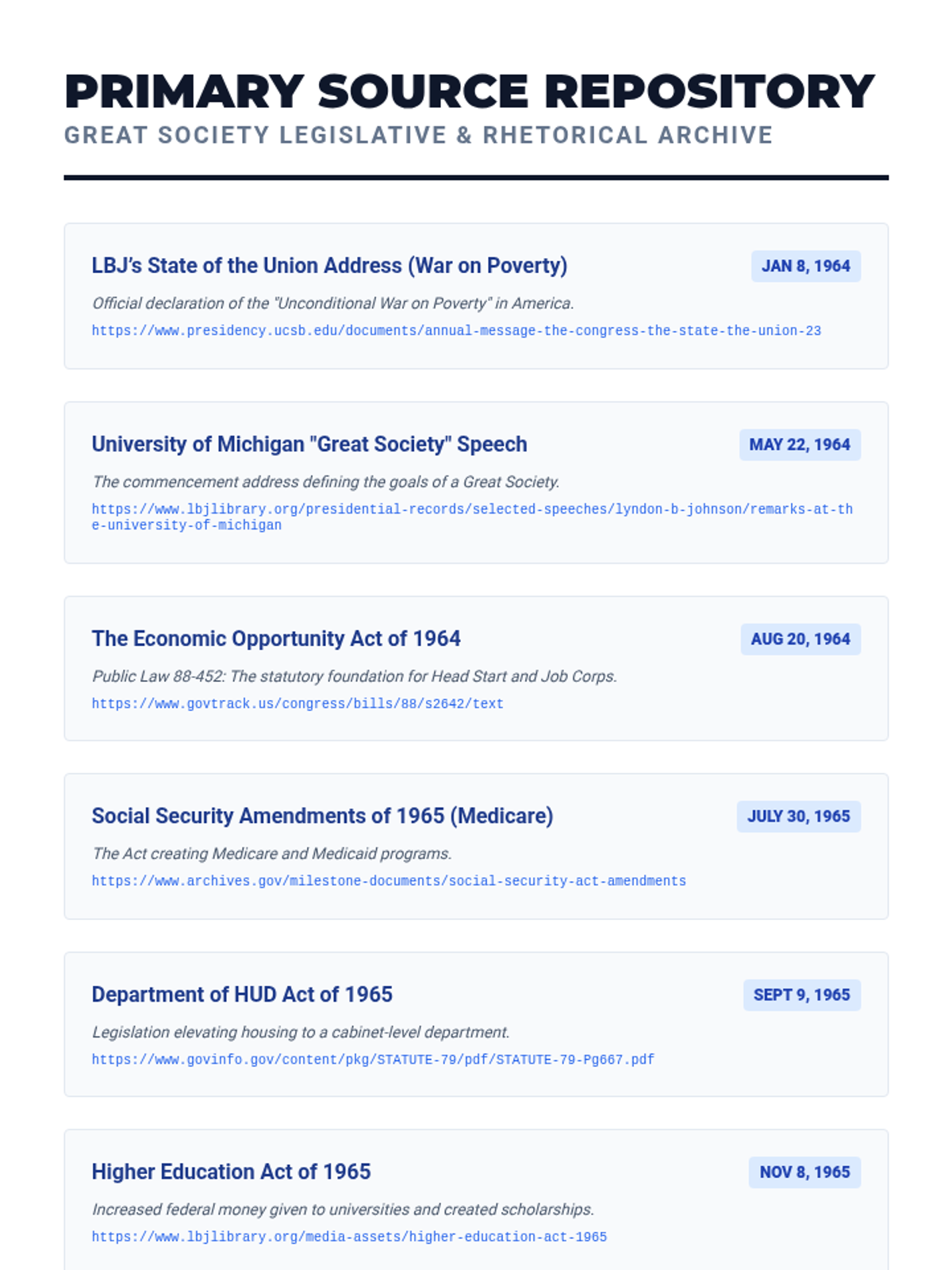
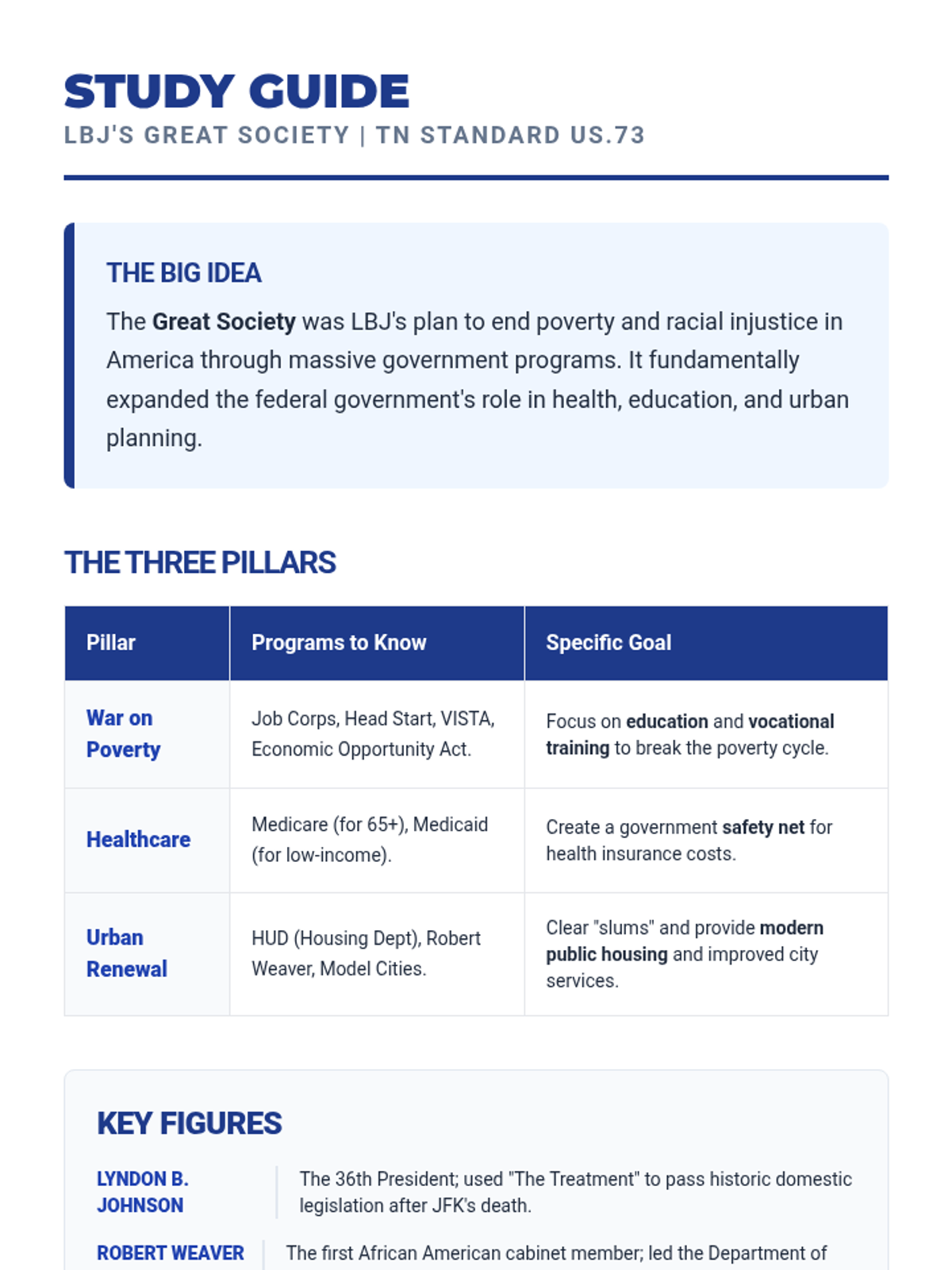
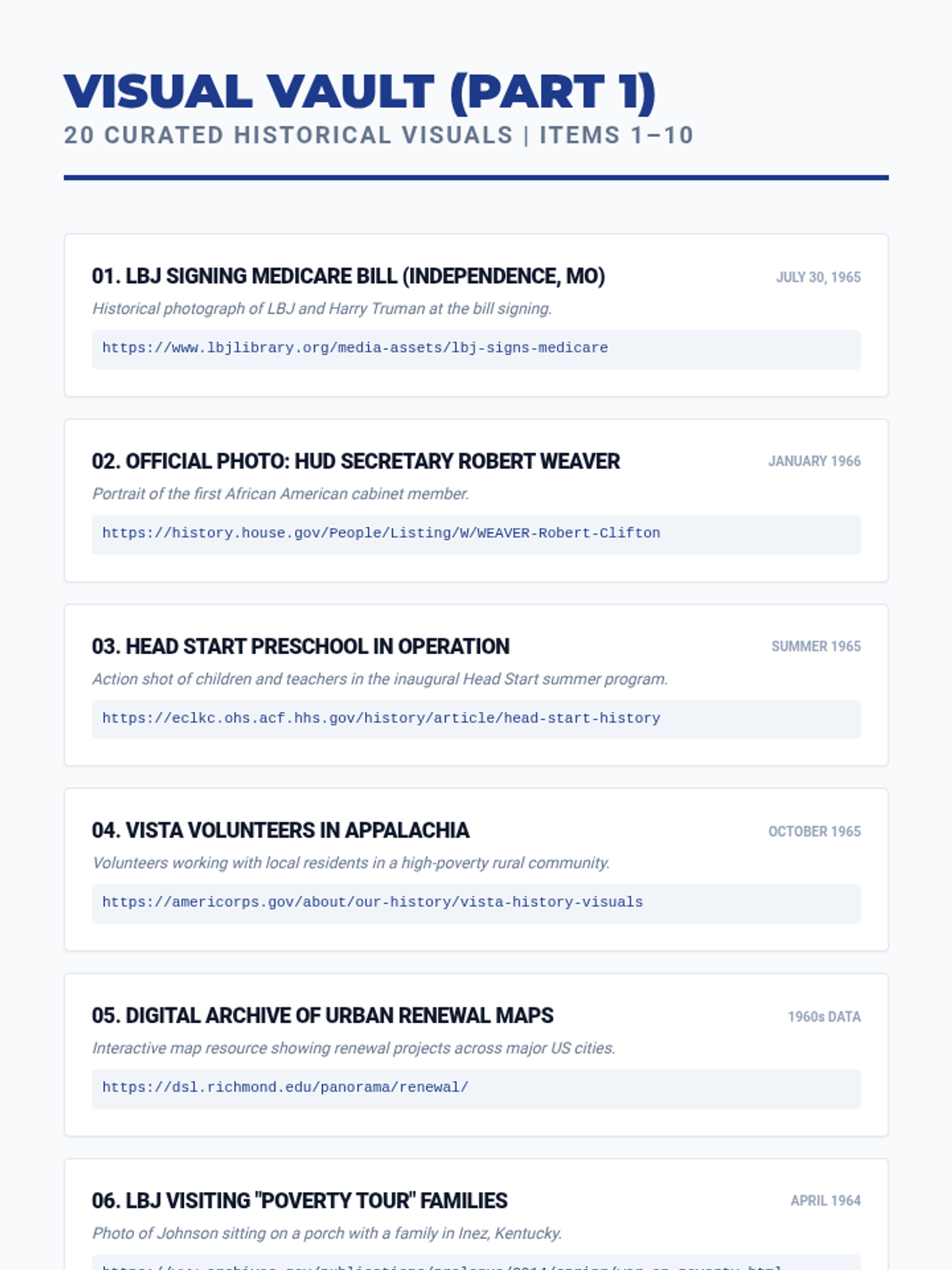
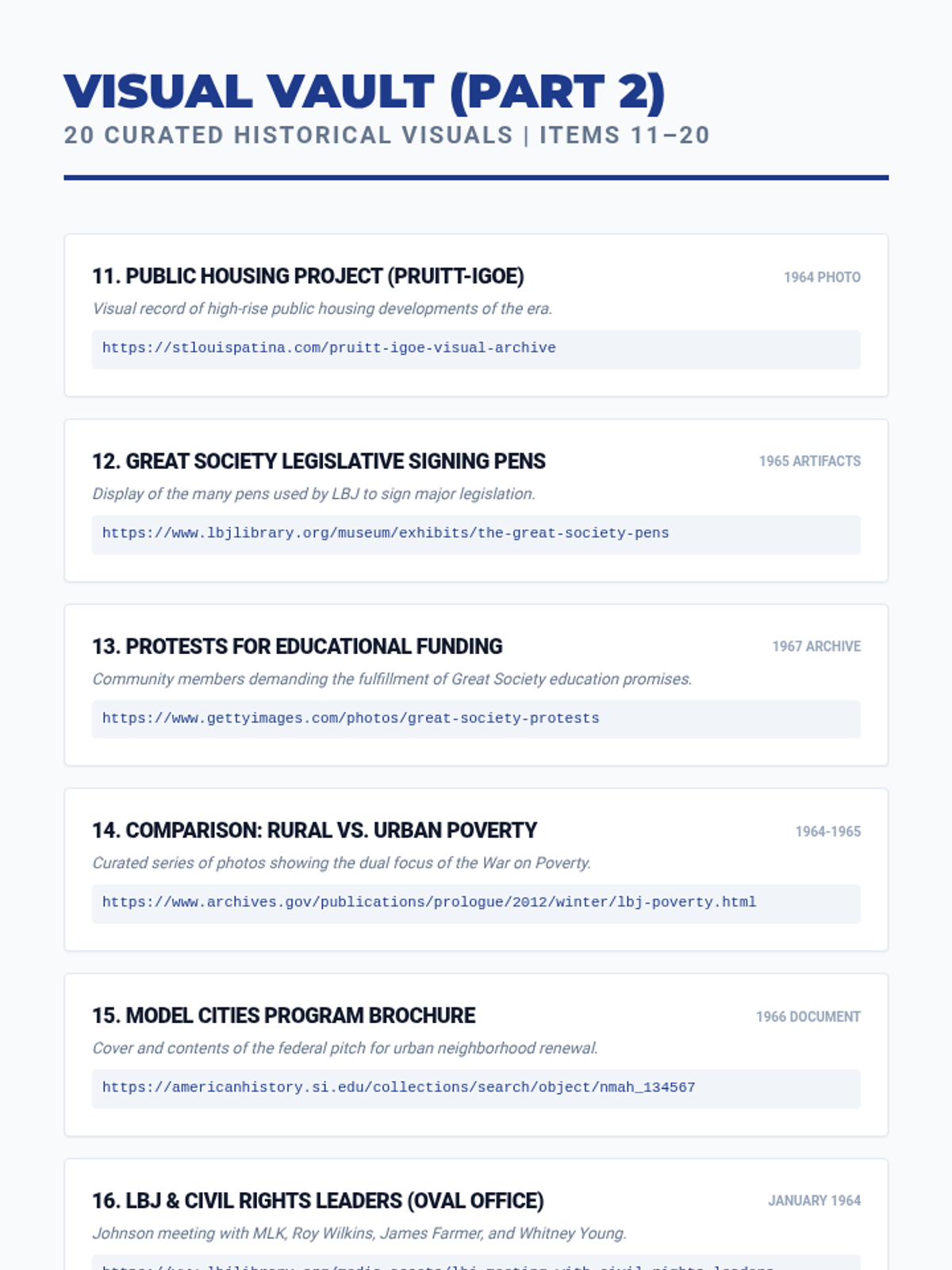
A deep dive into President Lyndon B. Johnson's domestic agenda, focusing on the Great Society's attempts to eliminate poverty and racial injustice. This sequence examines the legislative milestones of the mid-1960s and their lasting impact on American society and government.
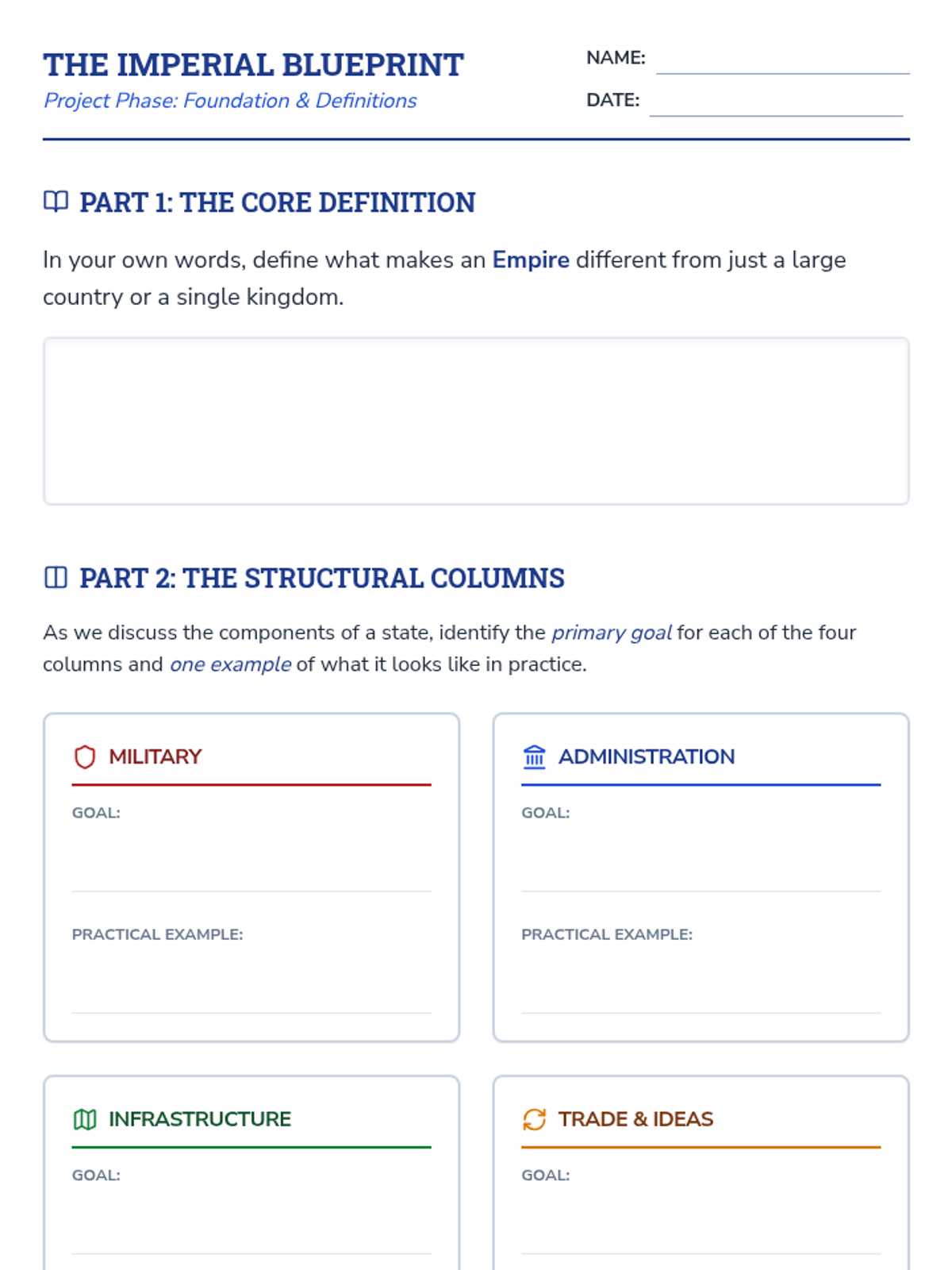
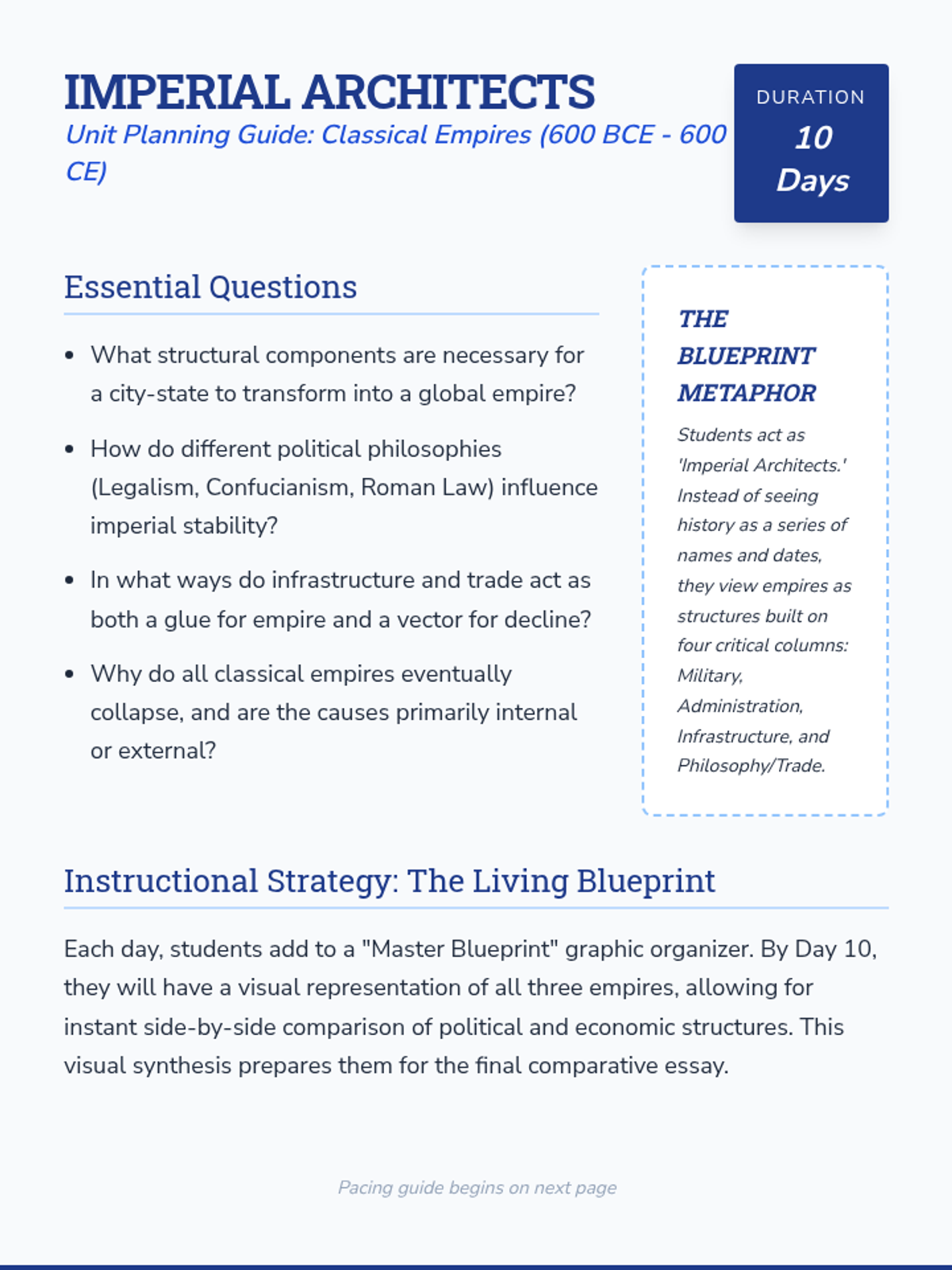
An intensive two-week exploration of the Classical Period's greatest powers—Persia, China, and Rome. Students act as 'Imperial Architects,' analyzing the structural components that allowed these empires to rise, flourish, and eventually crumble.
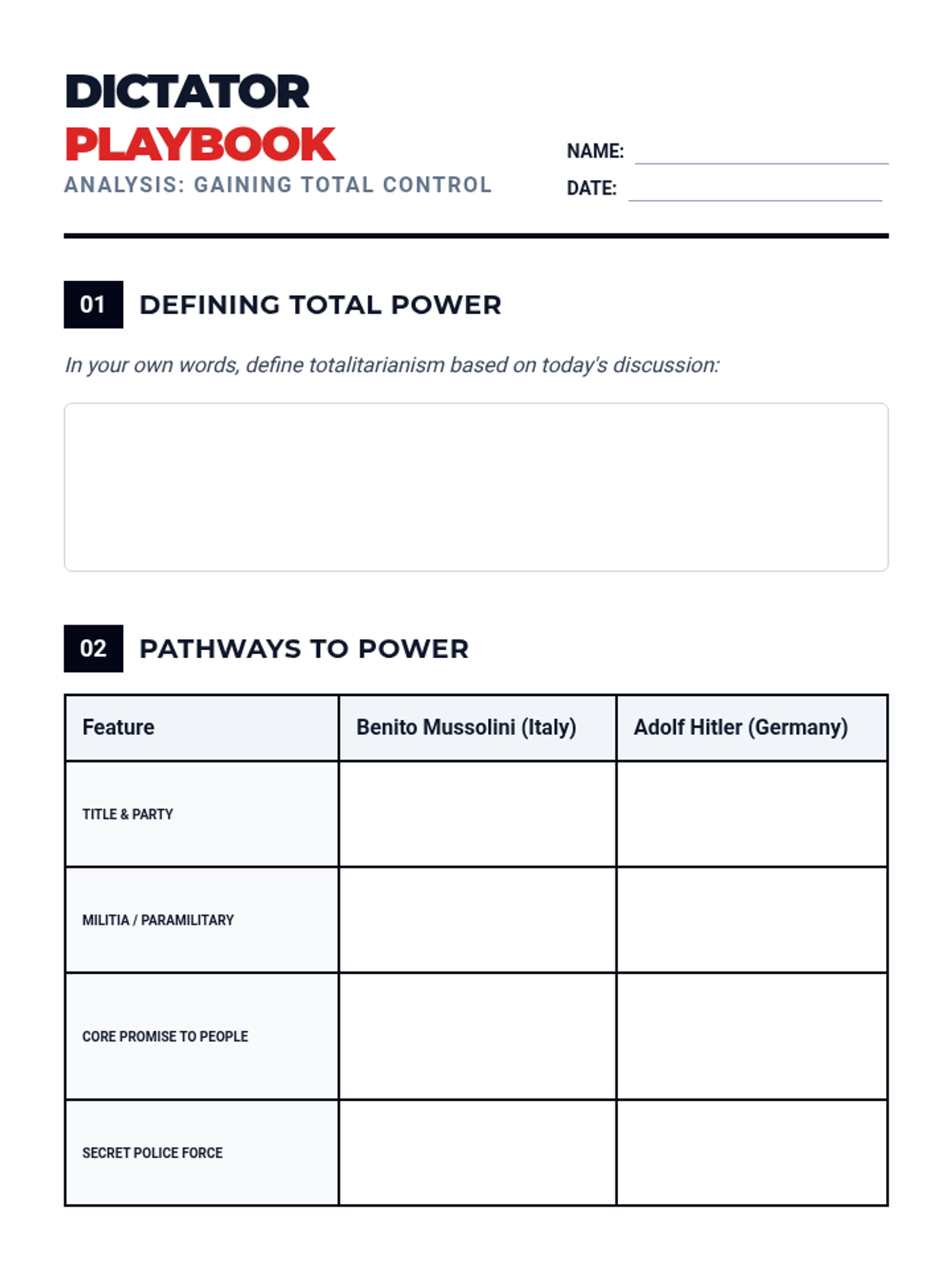
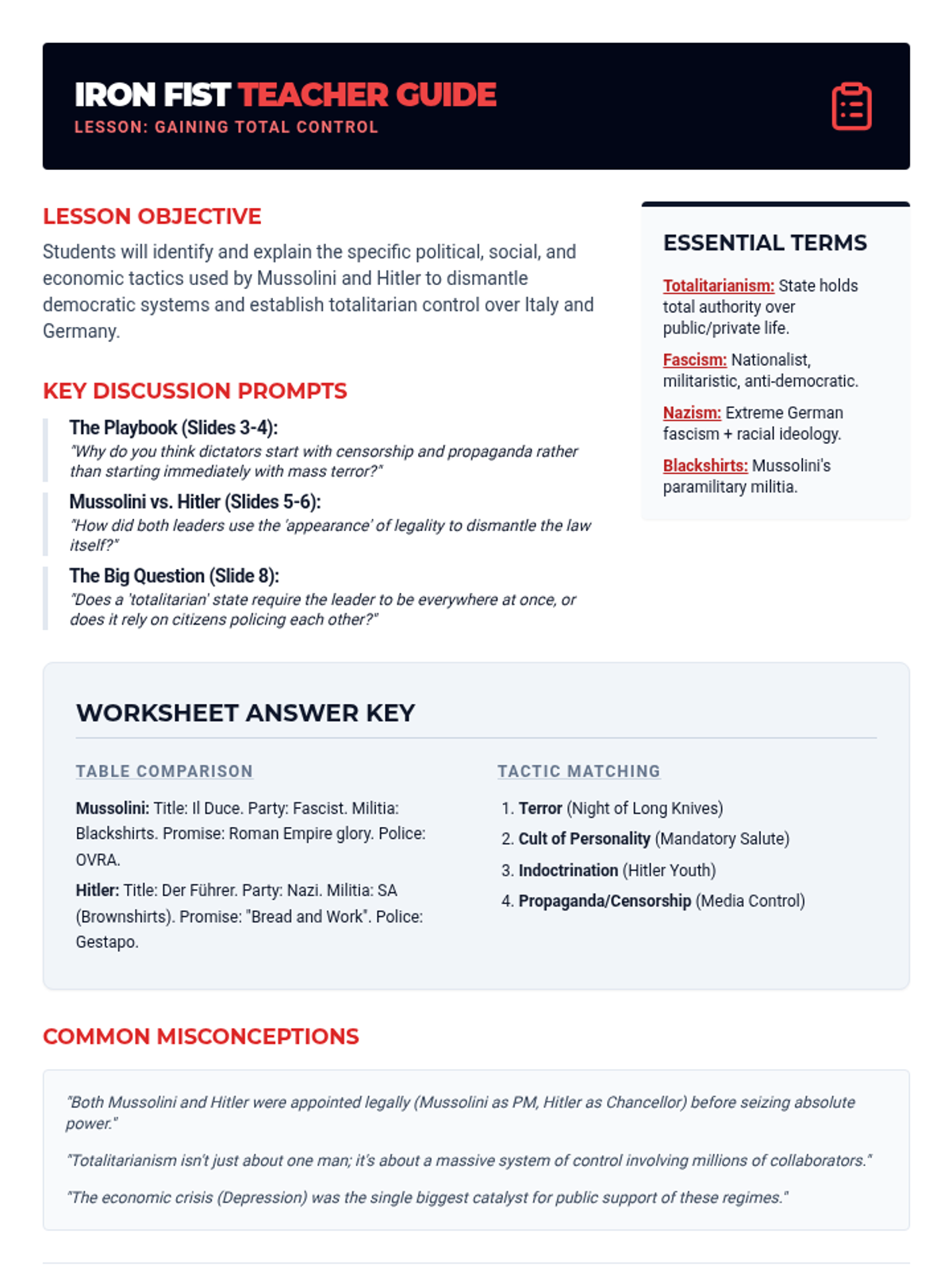
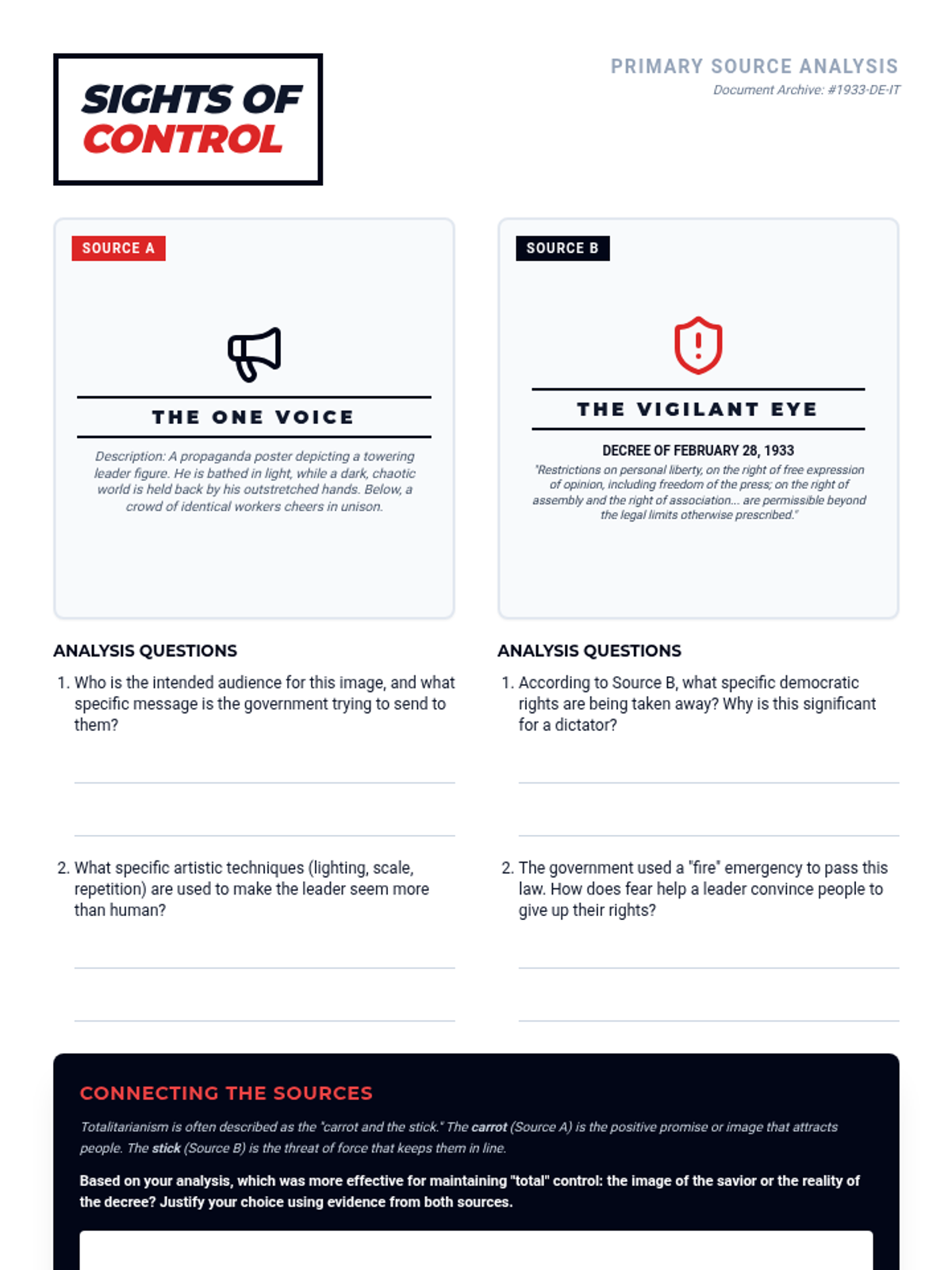
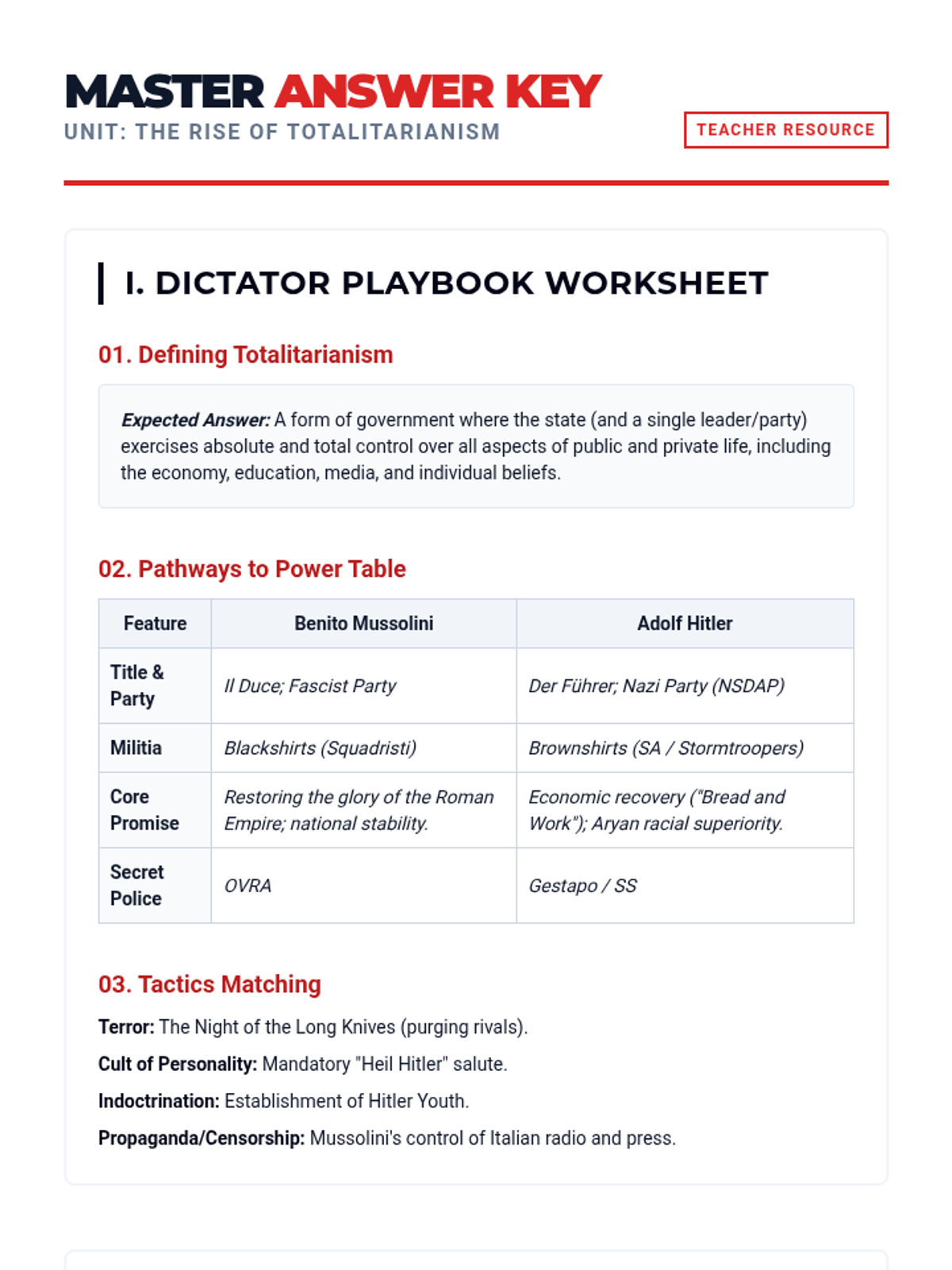
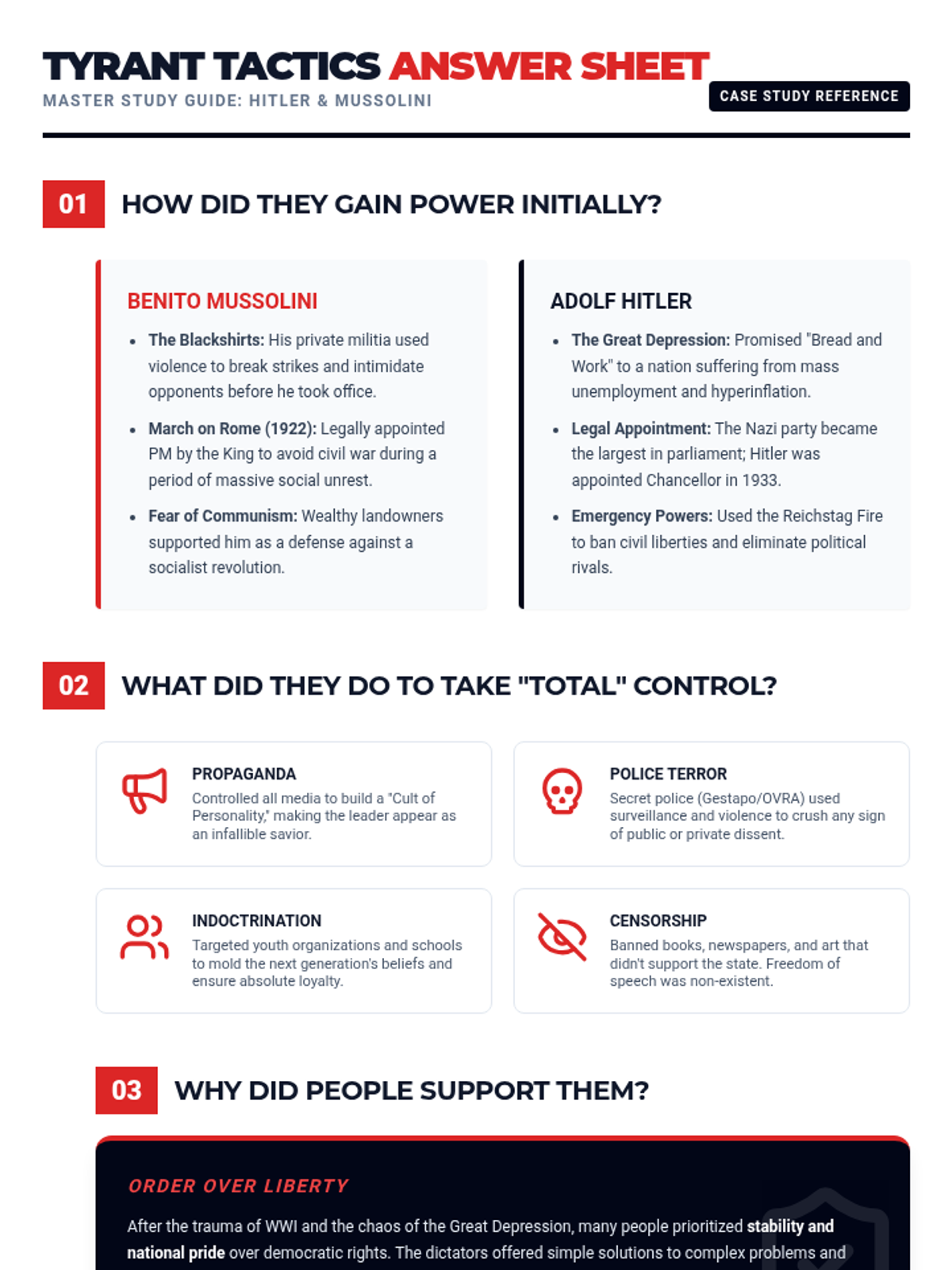
A deep dive into the rise of totalitarianism in the 20th century, focusing on the social, economic, and political factors that allowed dictators to seize and maintain absolute power.