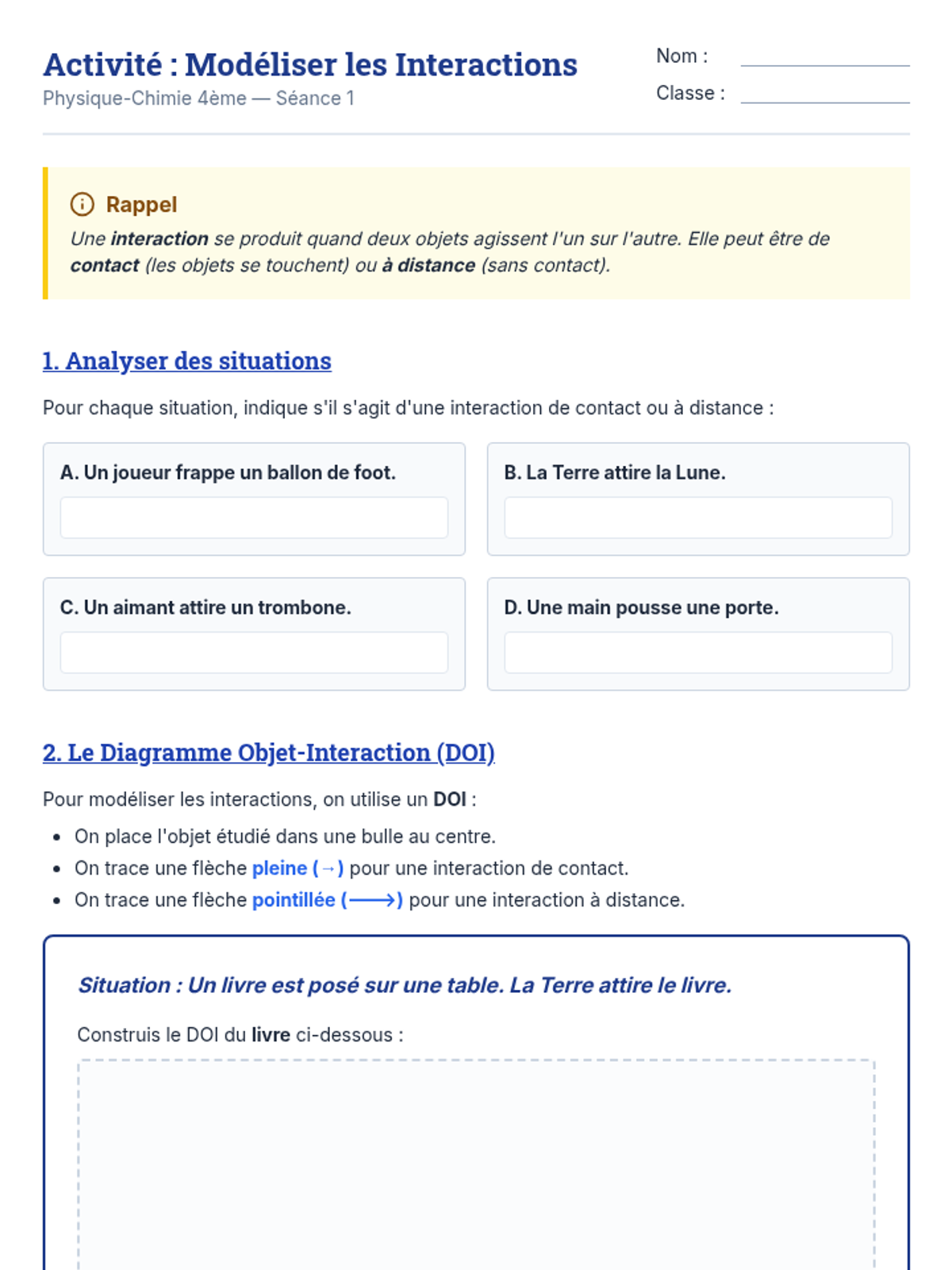
An immersive workshop-style sequence for 8th graders to master CSS, moving from basic syntax to complex layout mechanics and accessible visual design.
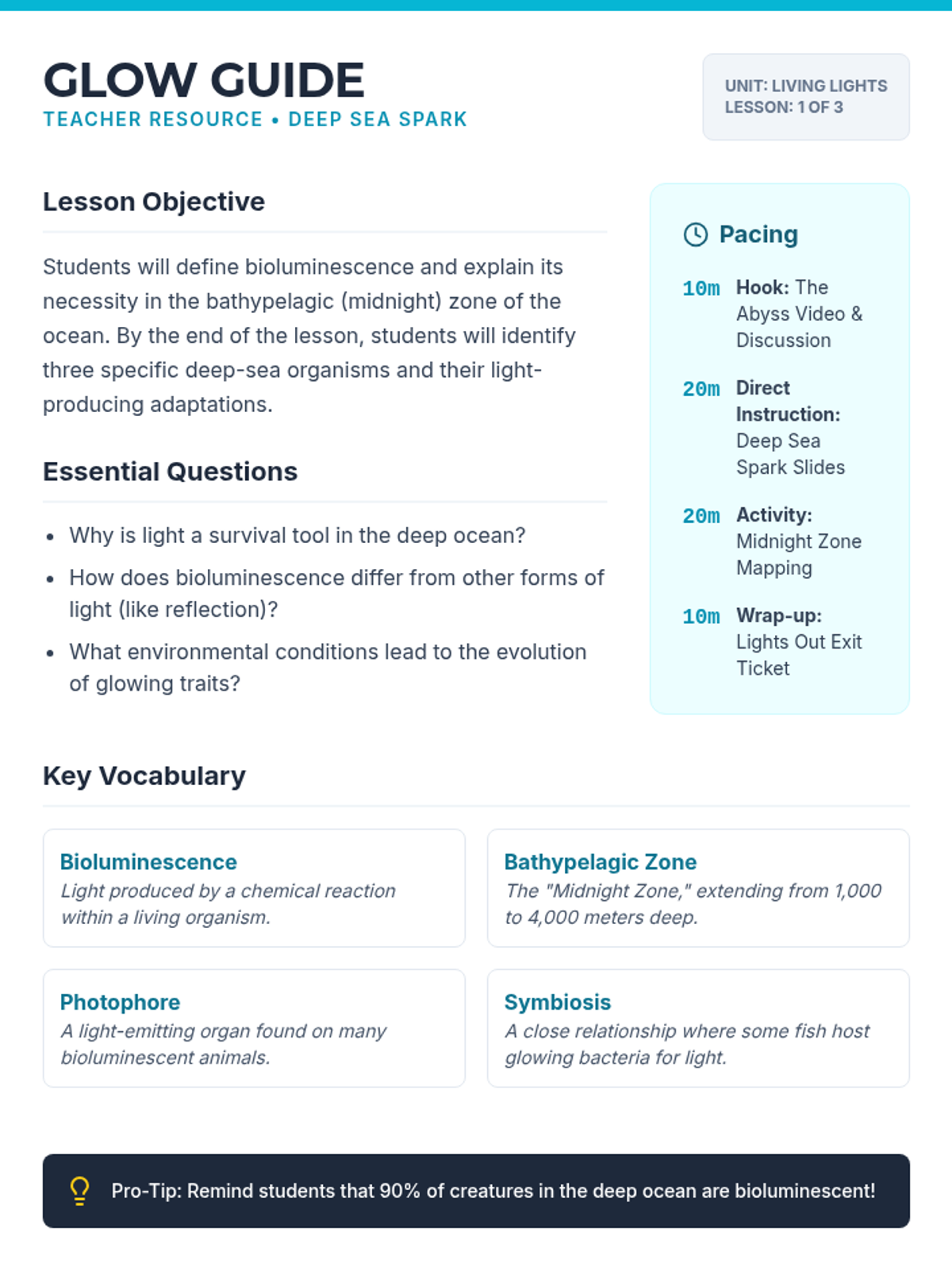
A comprehensive unit on the fundamentals of forensic science and criminal investigation, culminating in a hands-on murder mystery simulation. Students learn about evidence collection, witness psychology, and deductive reasoning.
A comprehensive 5-week sequence exploring the physical properties of water, the engineering of water filtration, and the complex systems of Virginia's watersheds. Students move from hands-on engineering to chemical properties and finally to large-scale environmental systems.
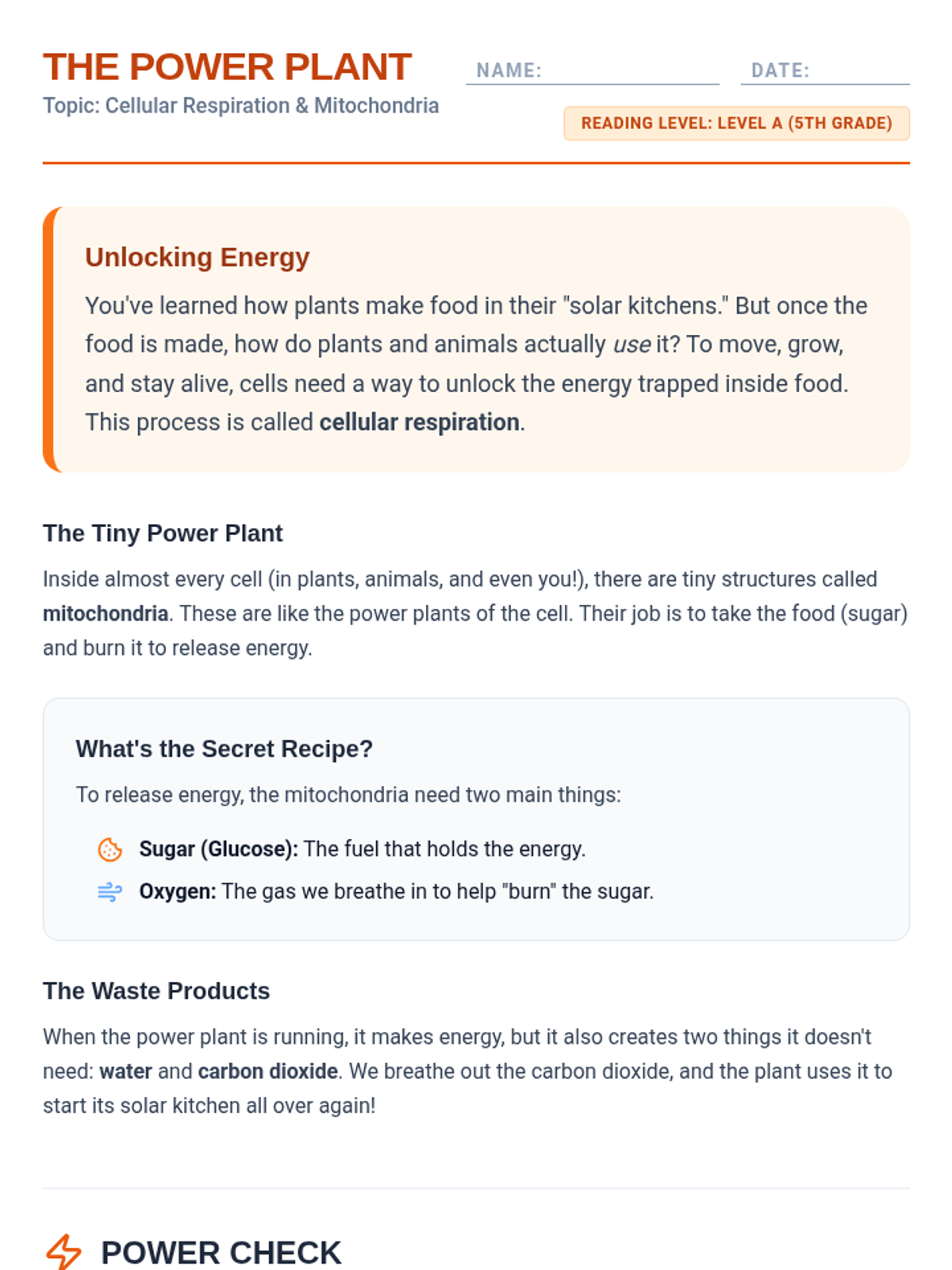
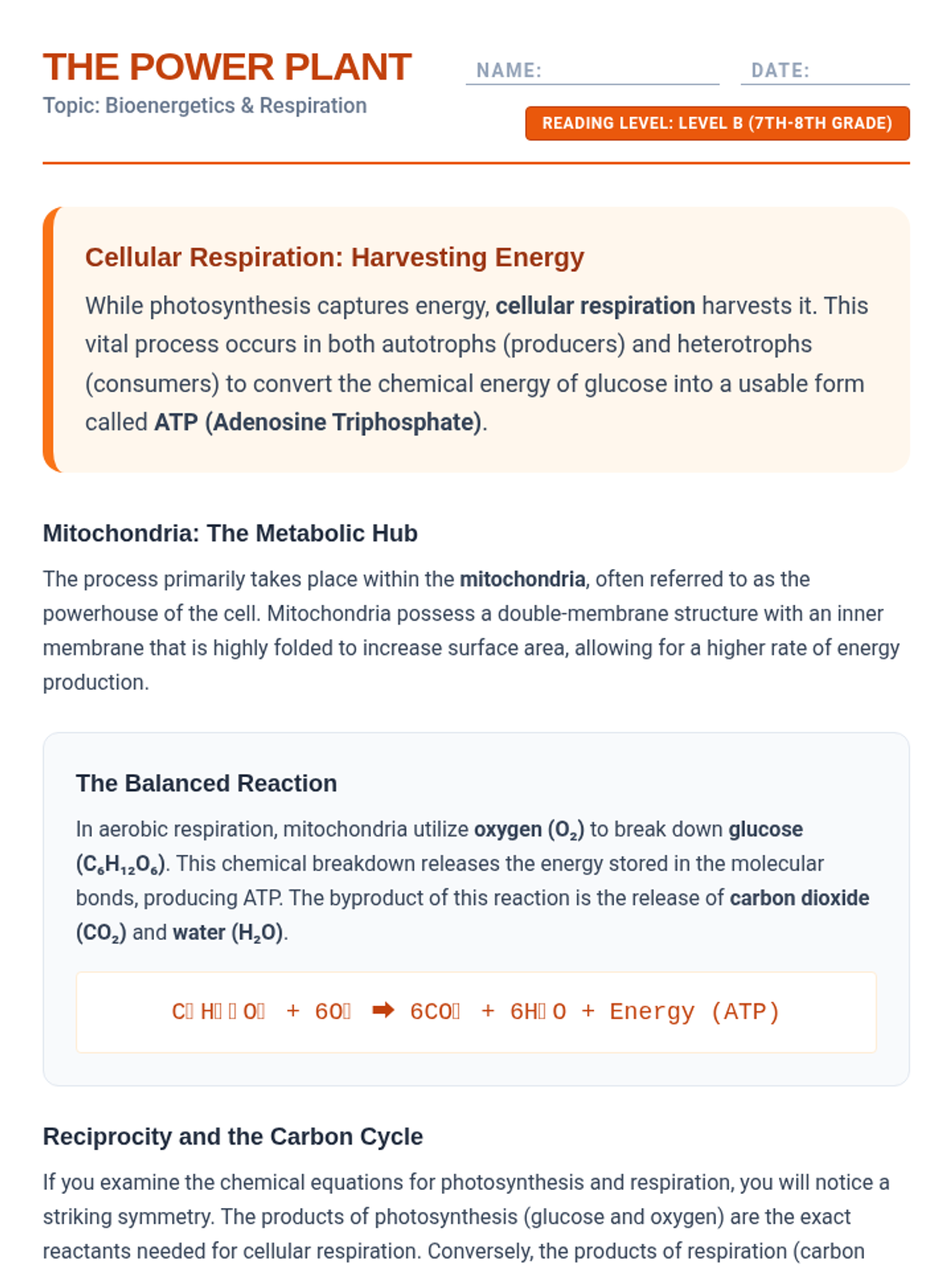
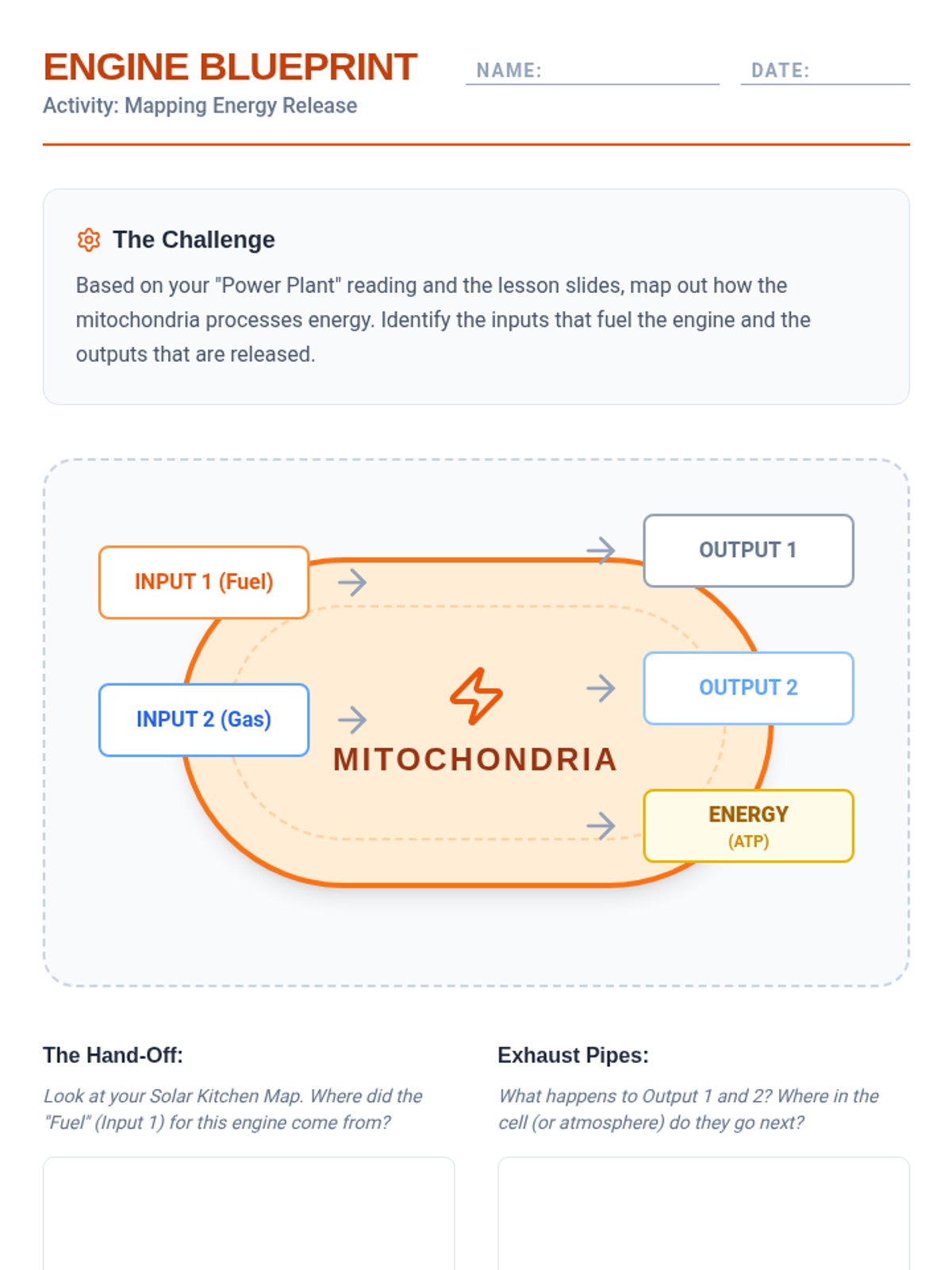
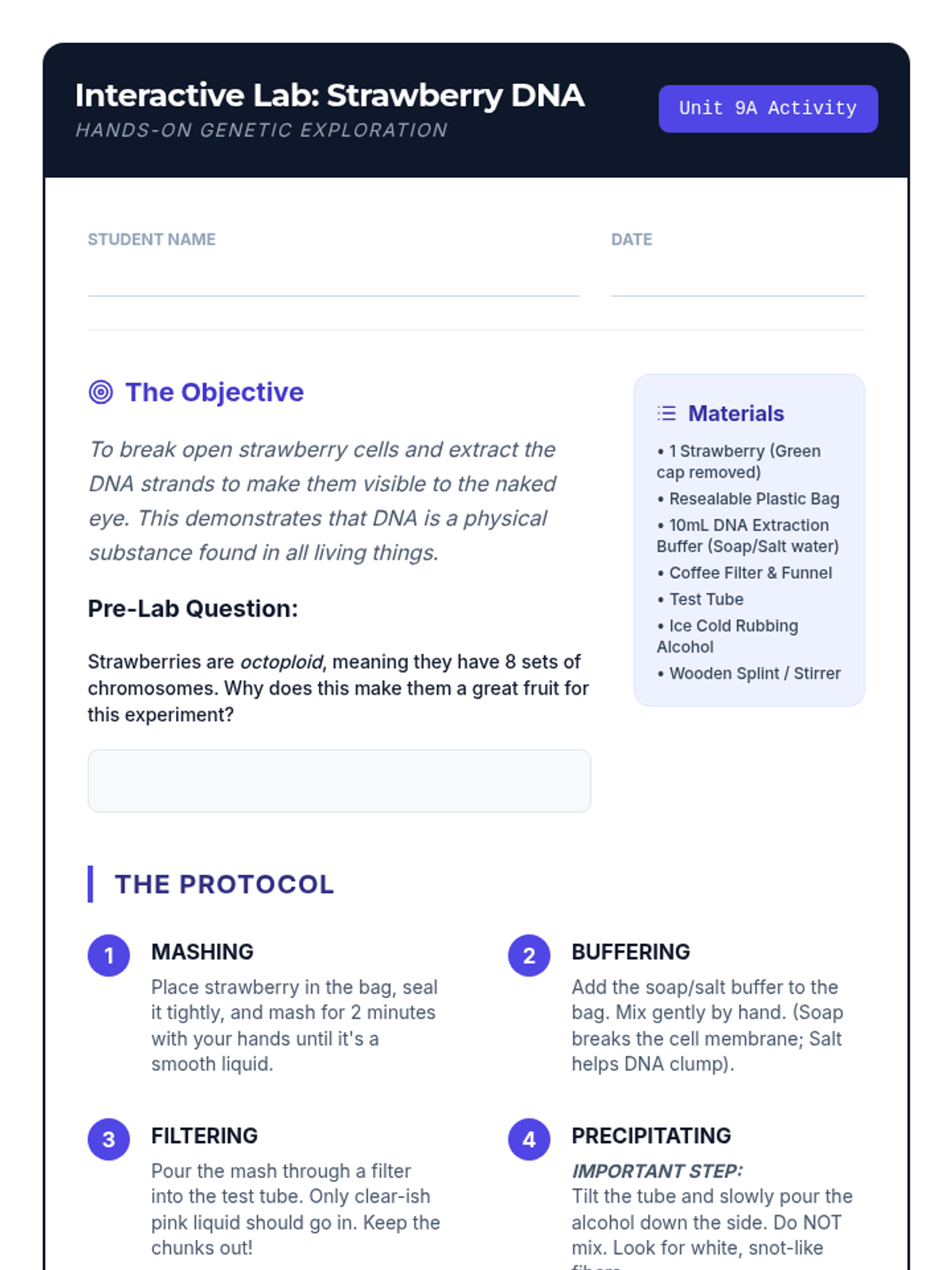
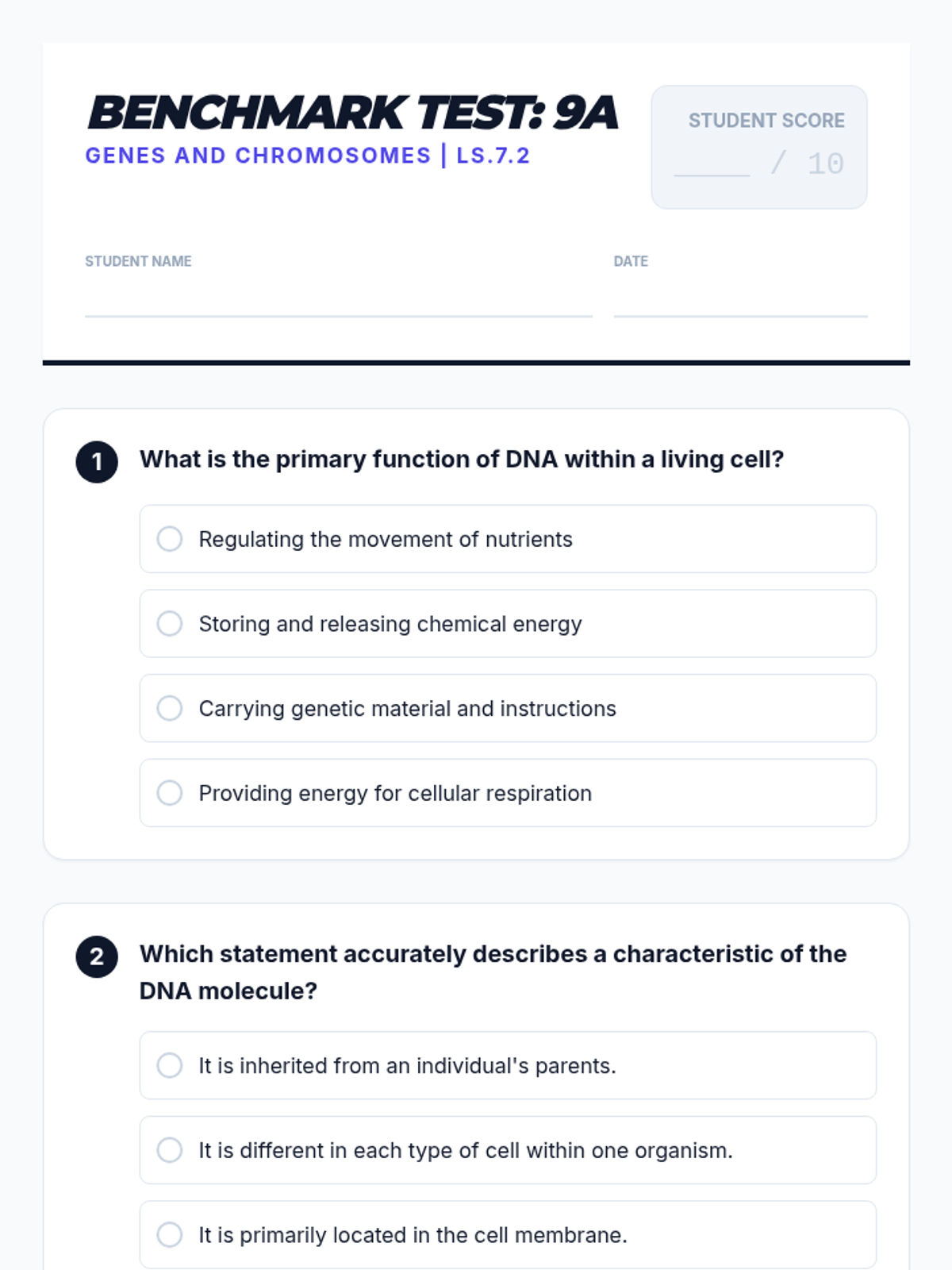
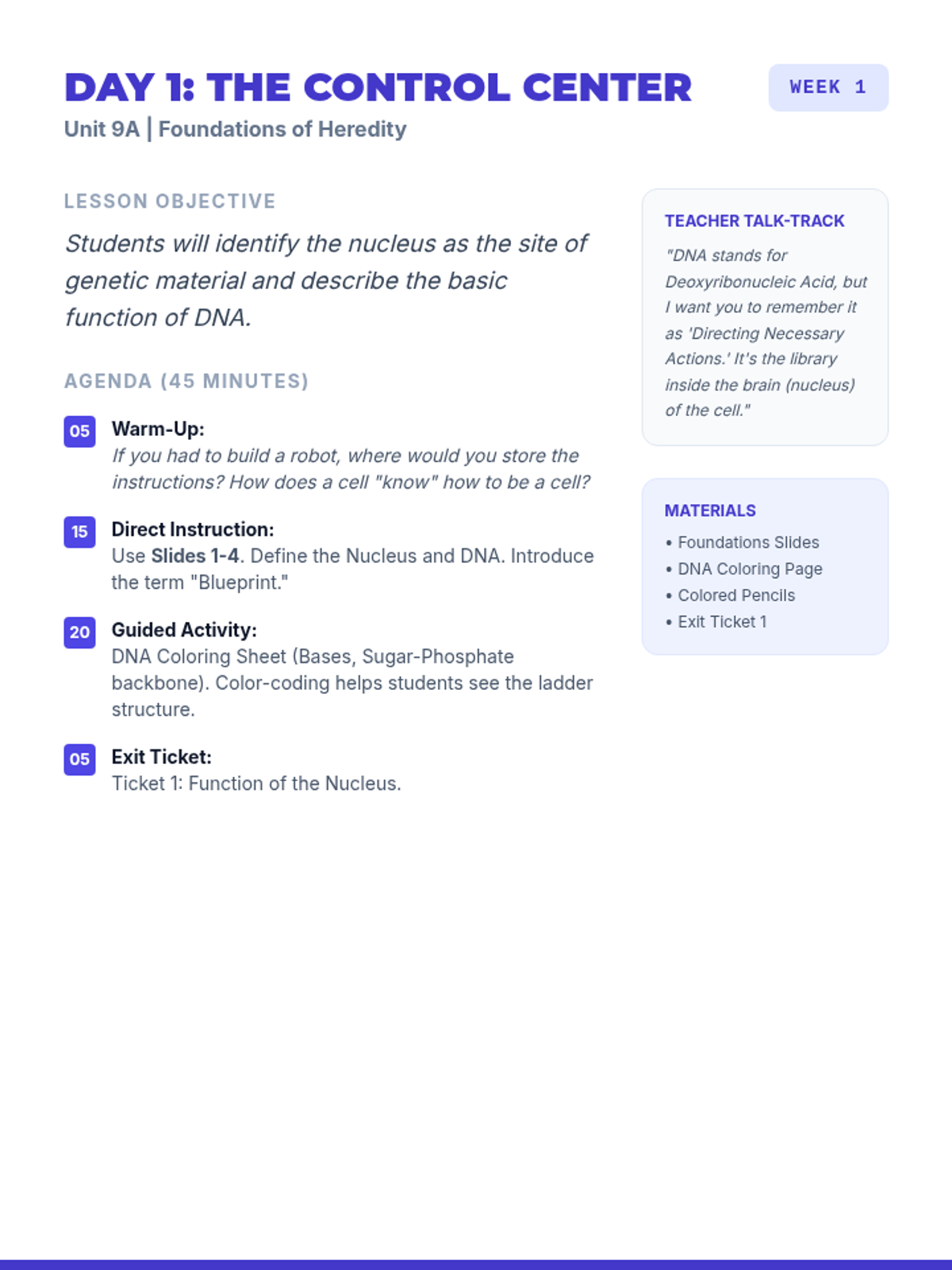
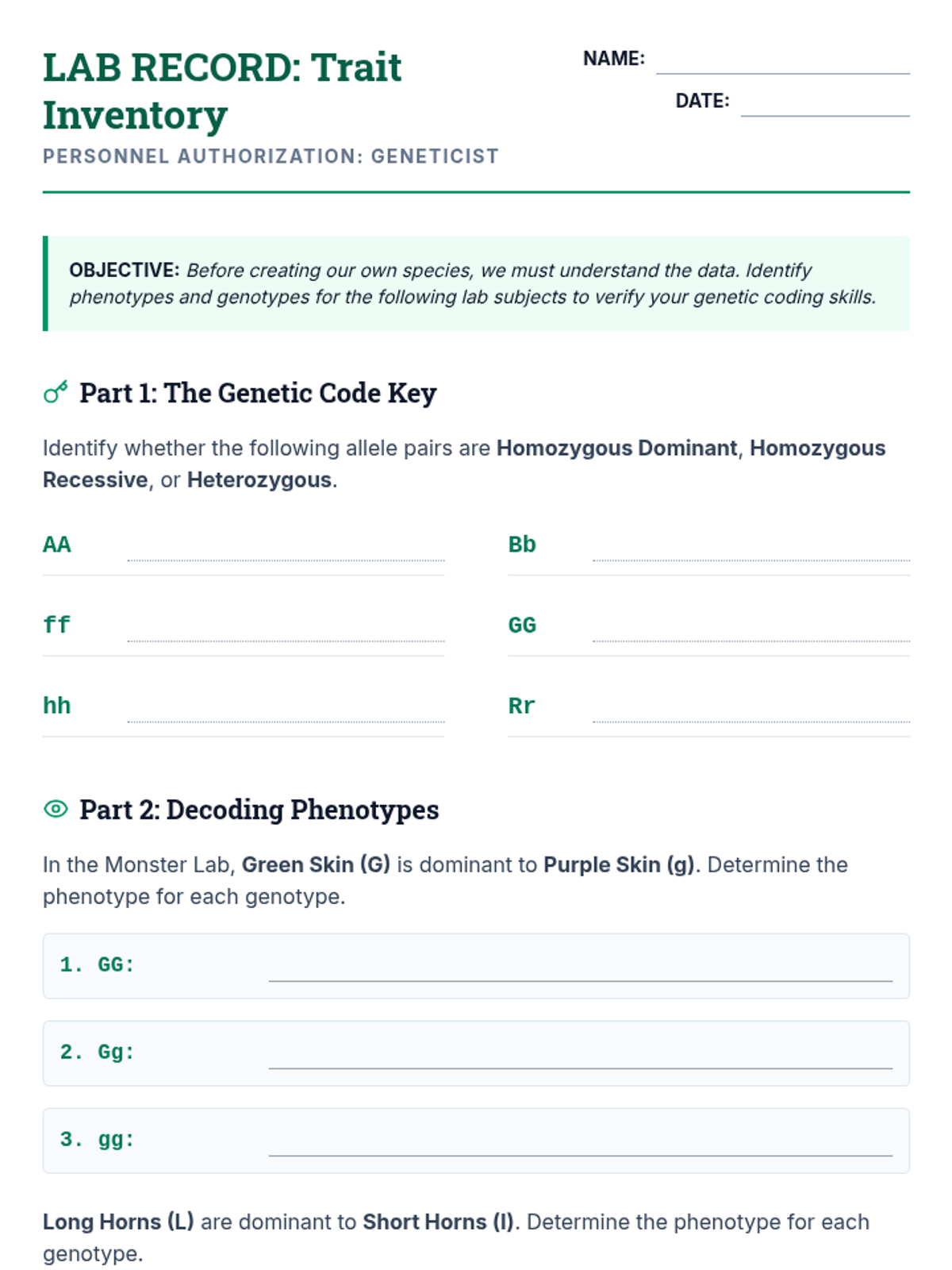
A unit exploring the microscopic machines that keep living things running, from building cells to breaking down food.
A comprehensive one-week unit covering the foundations of cell theory, the technical mastery of microscopes, and the fascinating structures of unicellular organisms (Amoeba, Paramecium, Euglena, and Volvox).
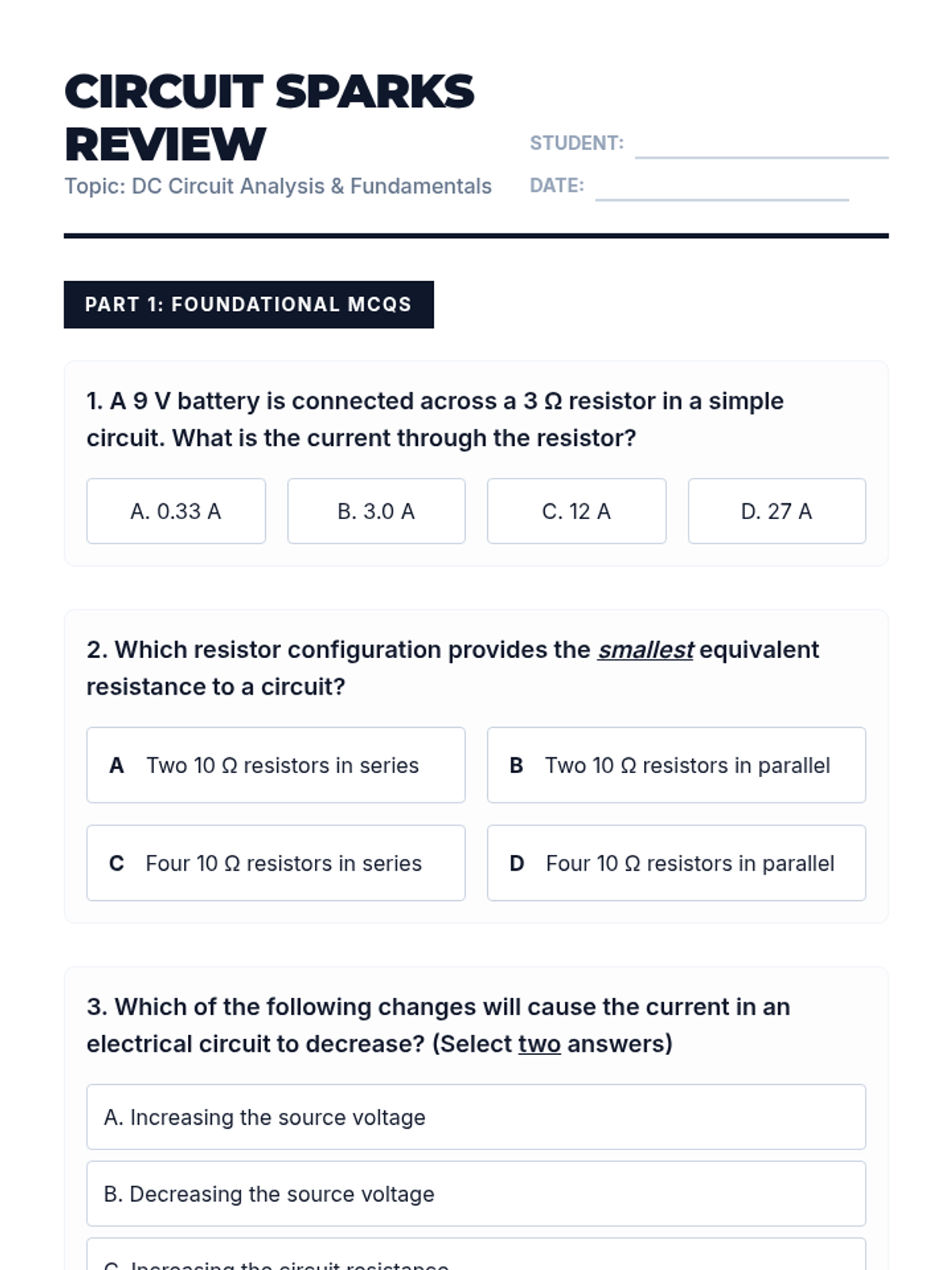
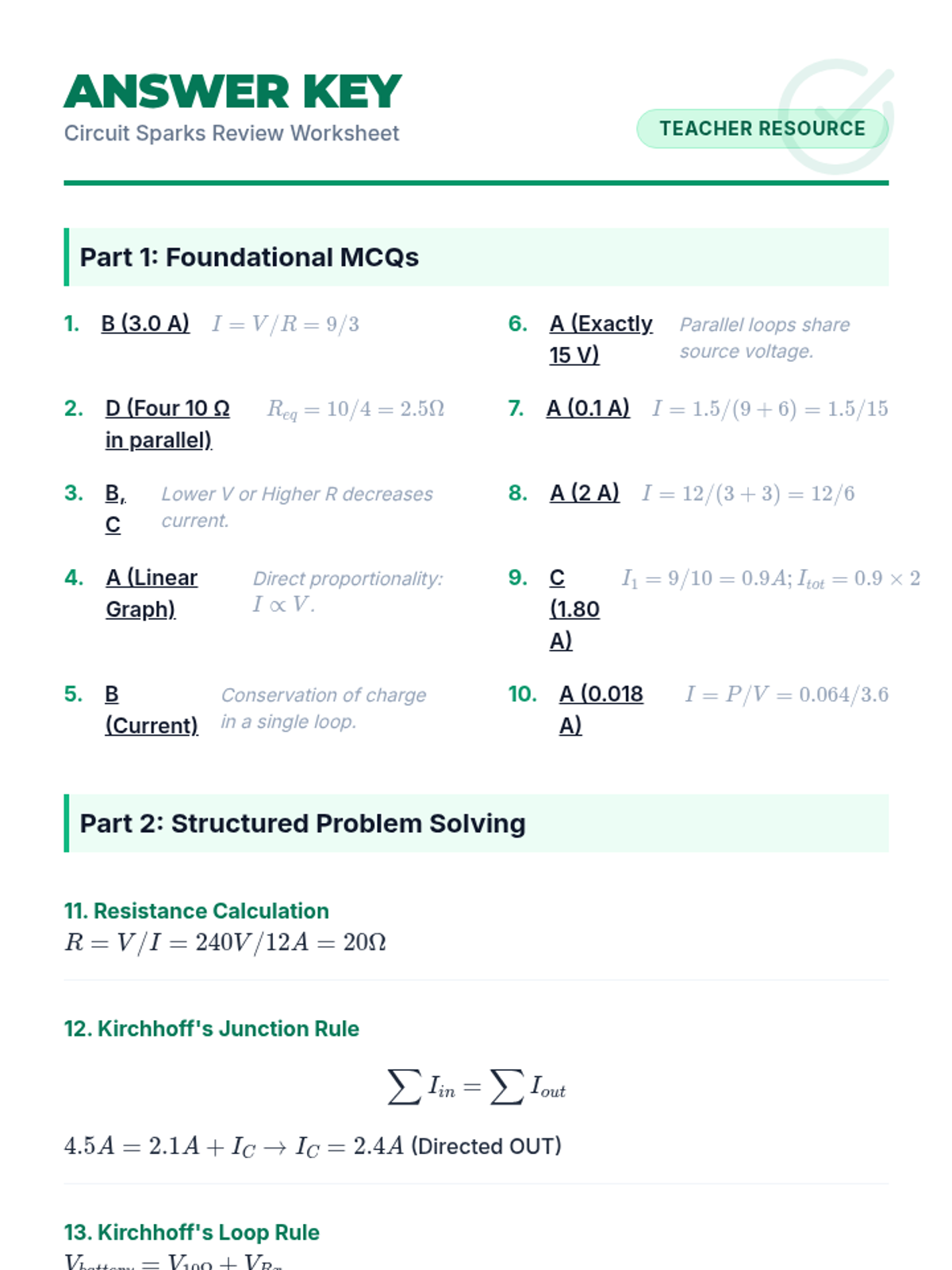
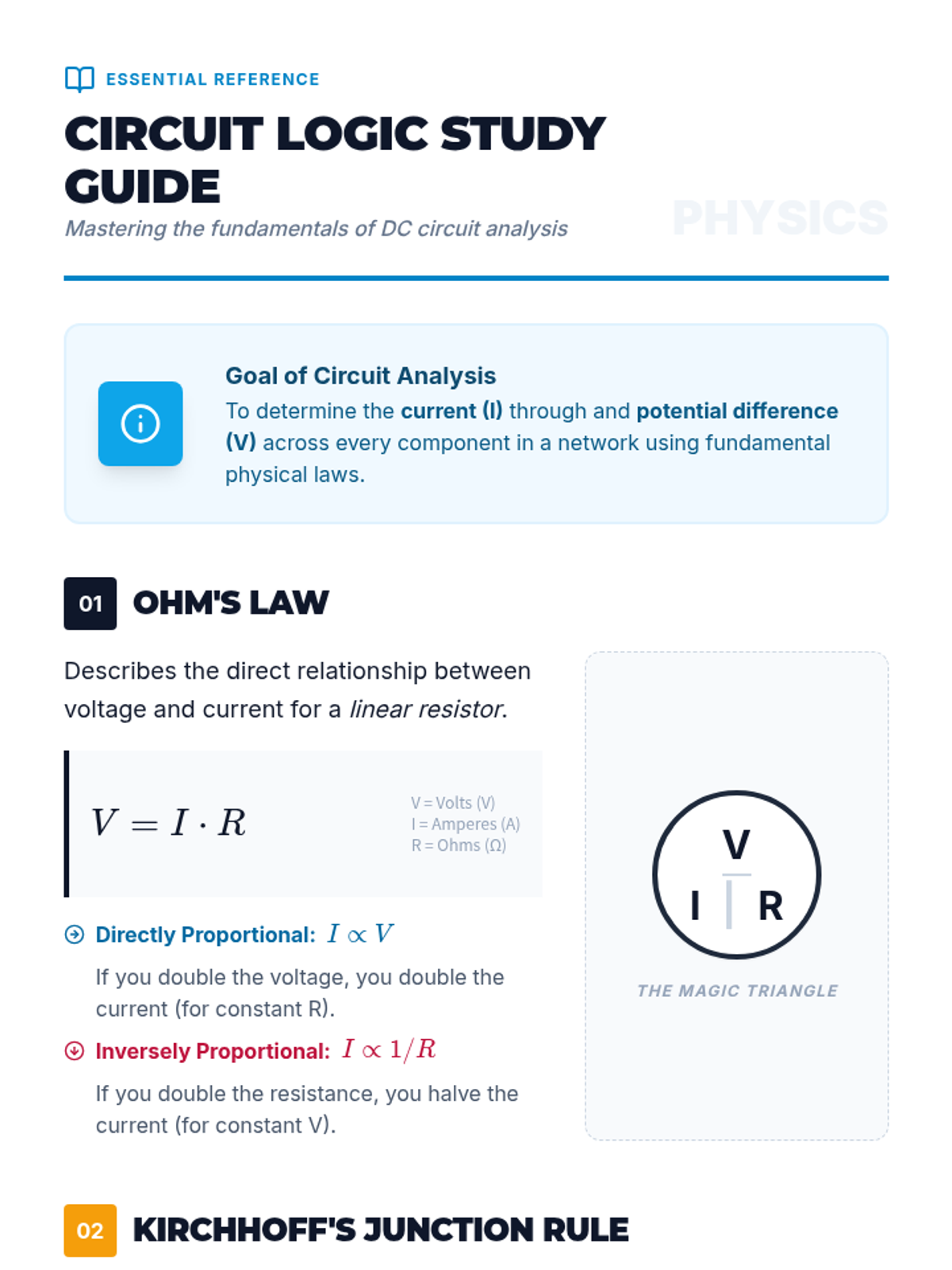
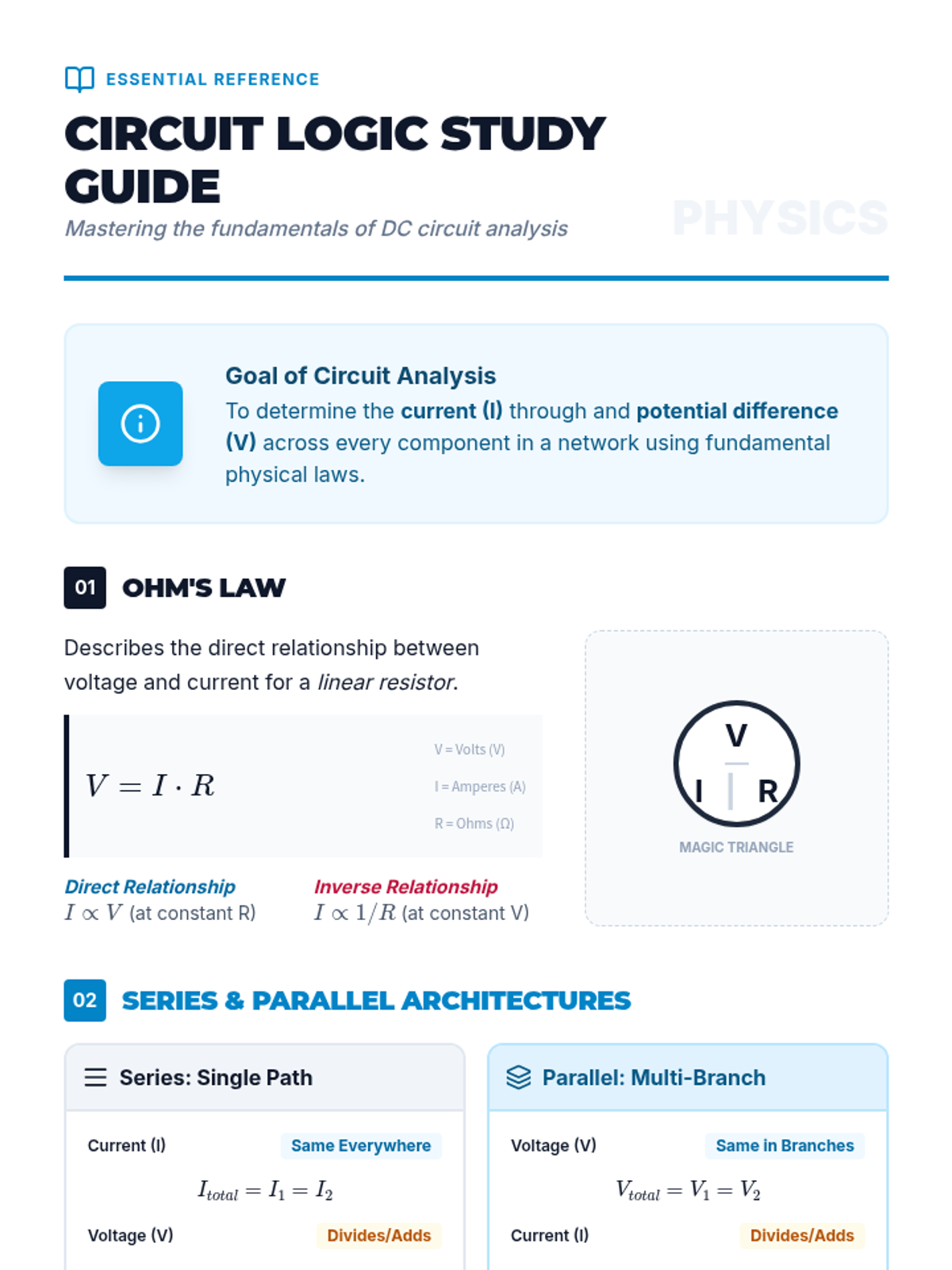
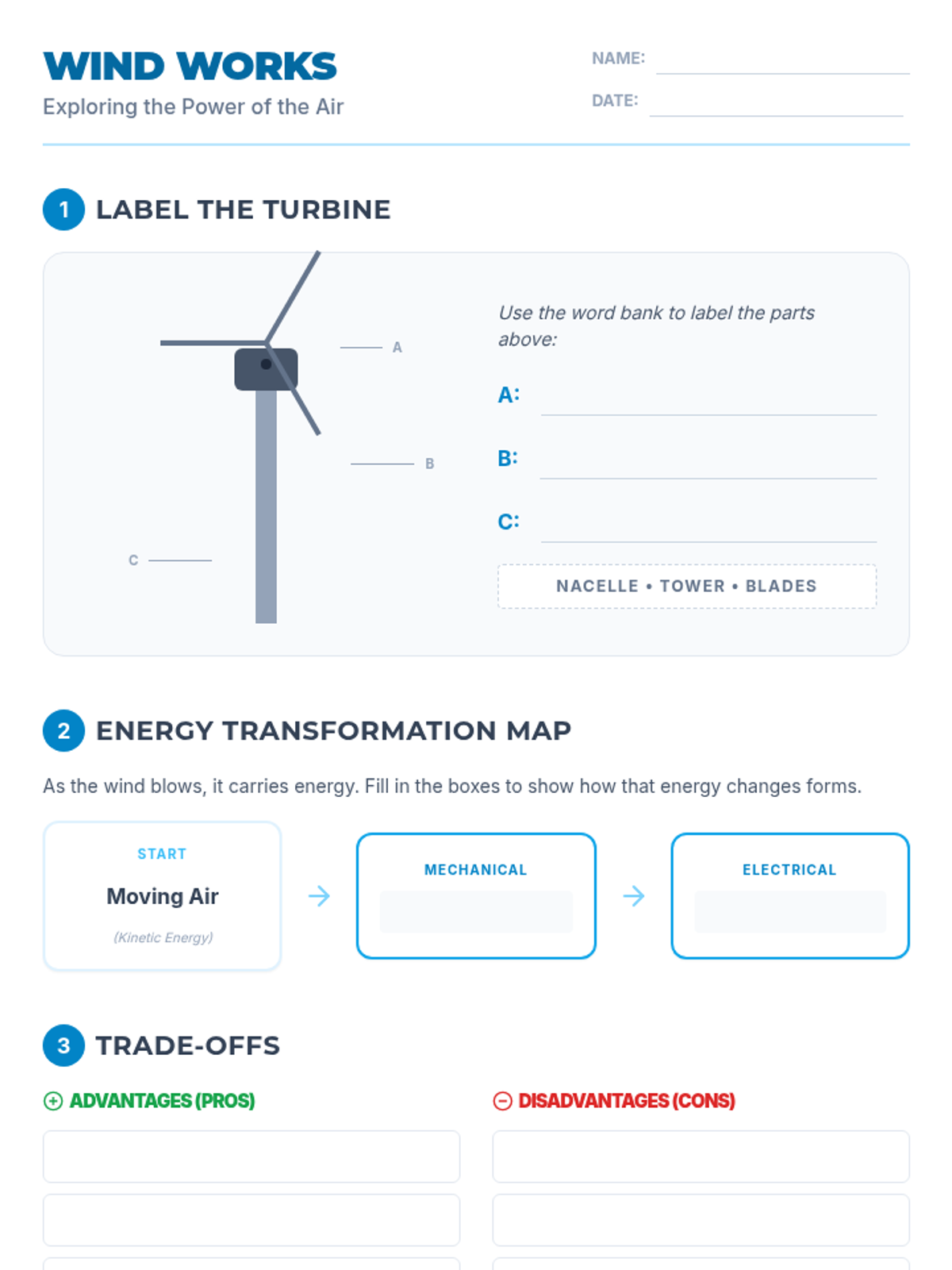
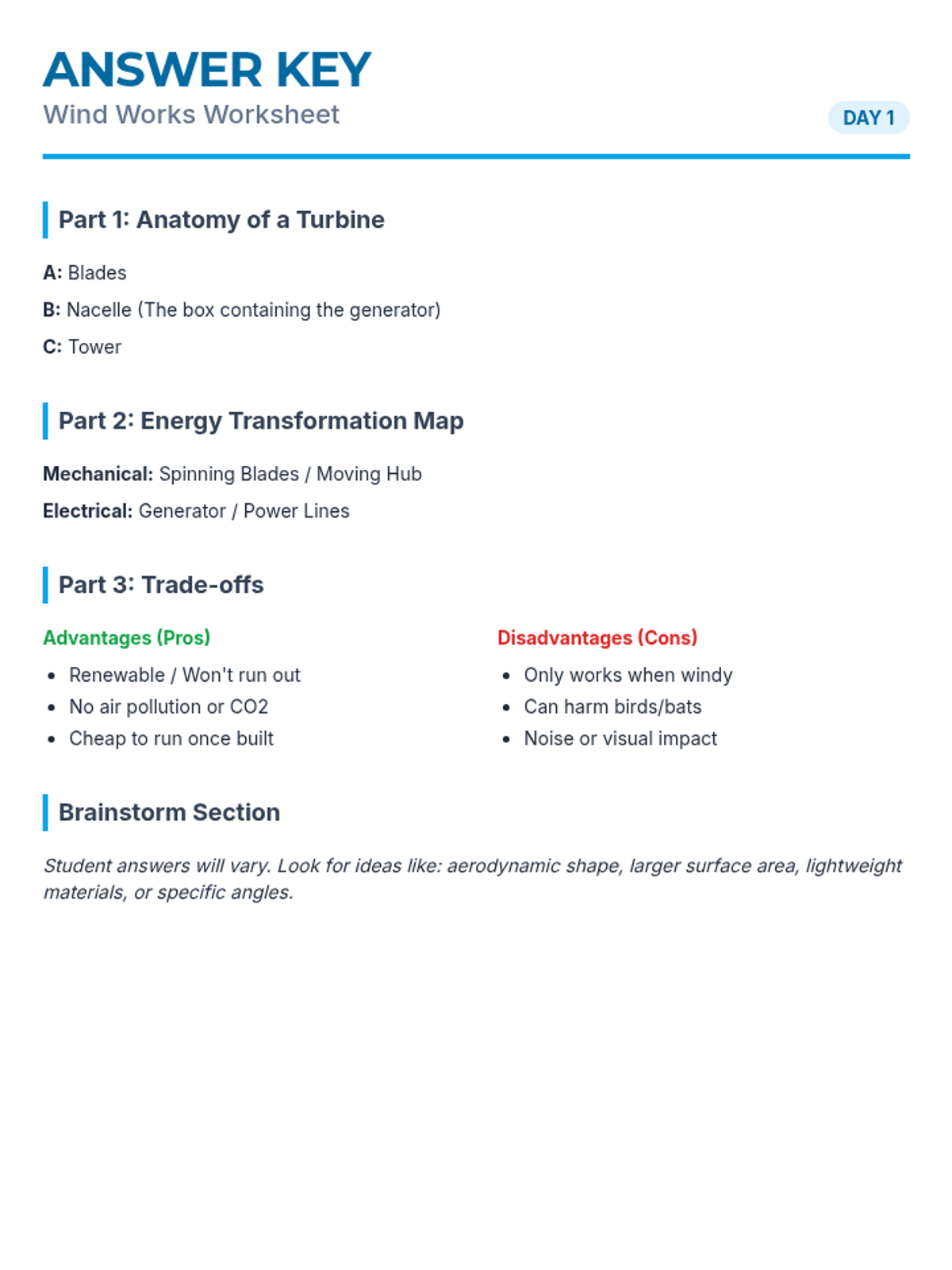
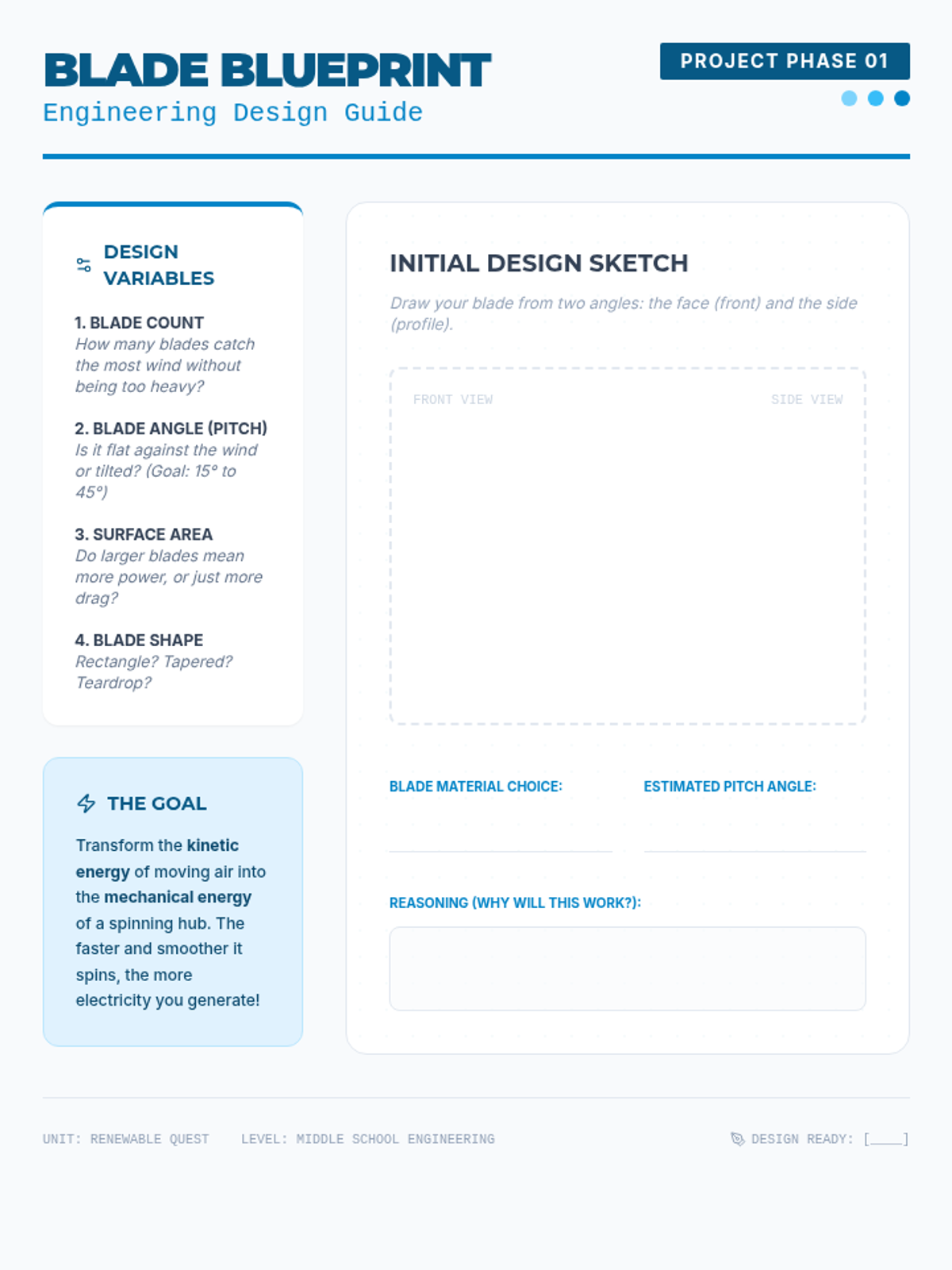
A comprehensive unit exploring the fundamentals of electricity, magnetism, and how they combine in circuits, focusing on energy transformations and hands-on visuals.
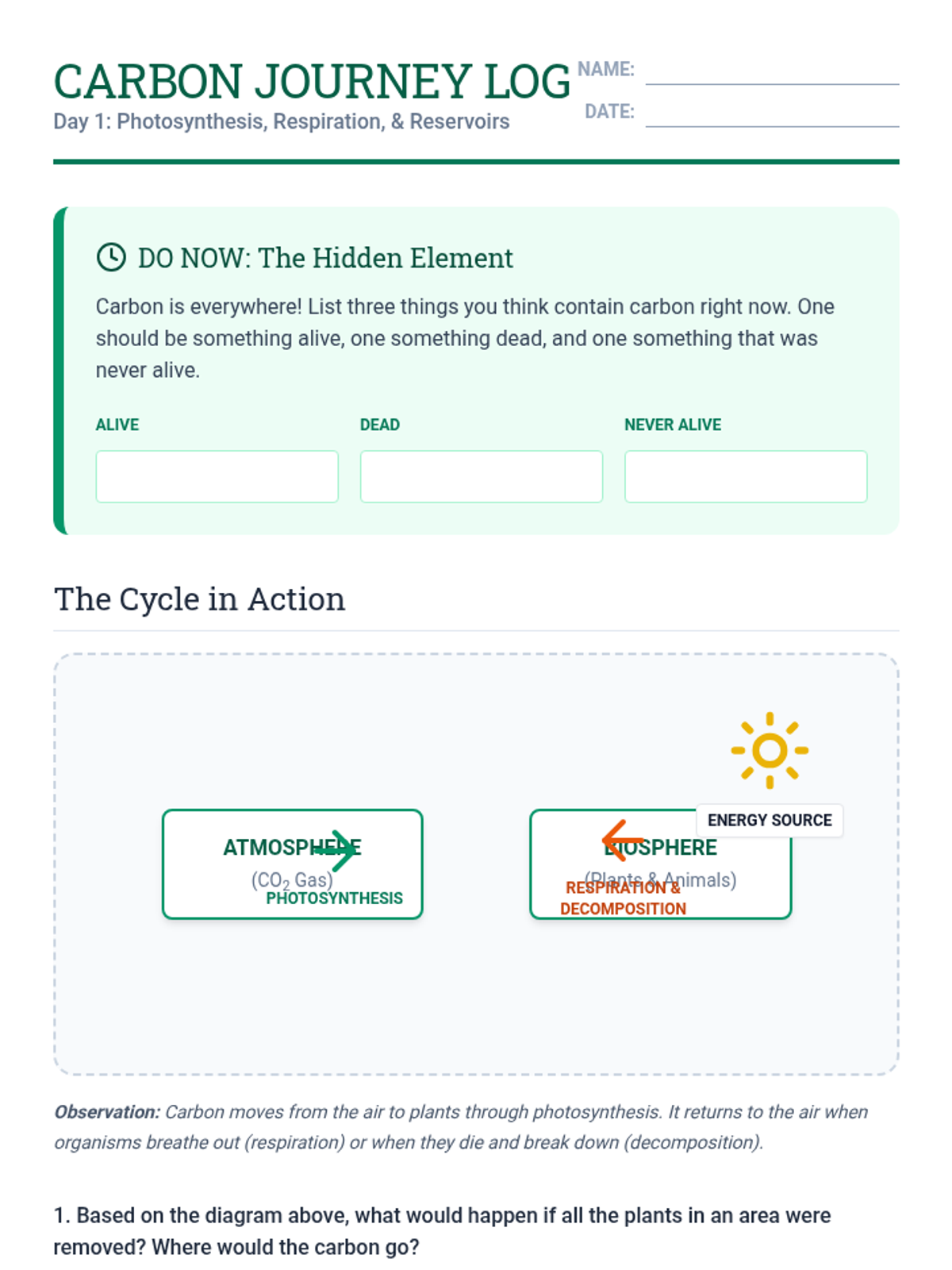
A comprehensive unit where students become environmental detectives to investigate biodiversity, interdependencies, and human impact within their local ecosystems through inquiry-based field studies.
A comprehensive sequence on how Earth's surface is transformed through the processes of weathering and erosion, focusing on the specific agents that shape our landscapes.
A lesson sequence focused on the scientific method, using a mystery box activity to practice observation, hypothesis formation, and experimentation. Students explore the historical roots of the method and apply it to solve physical puzzles.
A unit exploring the fundamental concepts of business, economics, and entrepreneurship for middle school students.
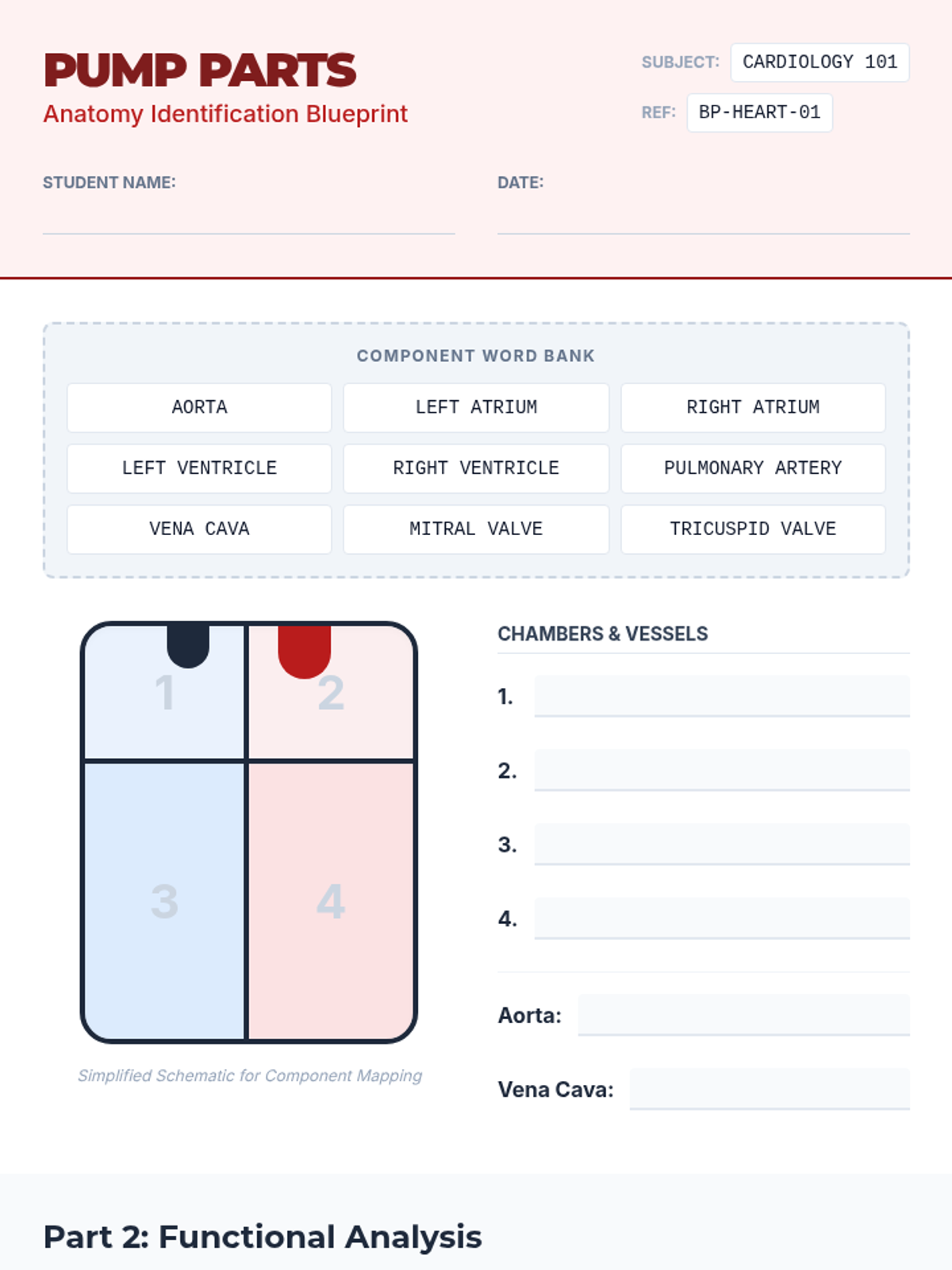
A comprehensive lesson sequence on human body systems, starting with the fundamentals of cellular organization and homeostasis.
A series of lessons exploring the intersection of technology, geology, and environmental science, focusing on how the products we use every day are connected to the Earth's resources and the global environment.
A lesson sequence focusing on the differences between renewable and non-renewable energy sources, culminating in a town council role-play debate. Students explore energy transformations and evaluate the environmental and economic impacts of different power sources.
An exploration of the dynamic processes that shape our planet's surface, focusing on tectonic activity, volcanic formations, and the movement of the Earth's crust.
A series of lessons focused on human-induced climate change, exploring the causes, effects, and potential solutions through data analysis and scientific inquiry.
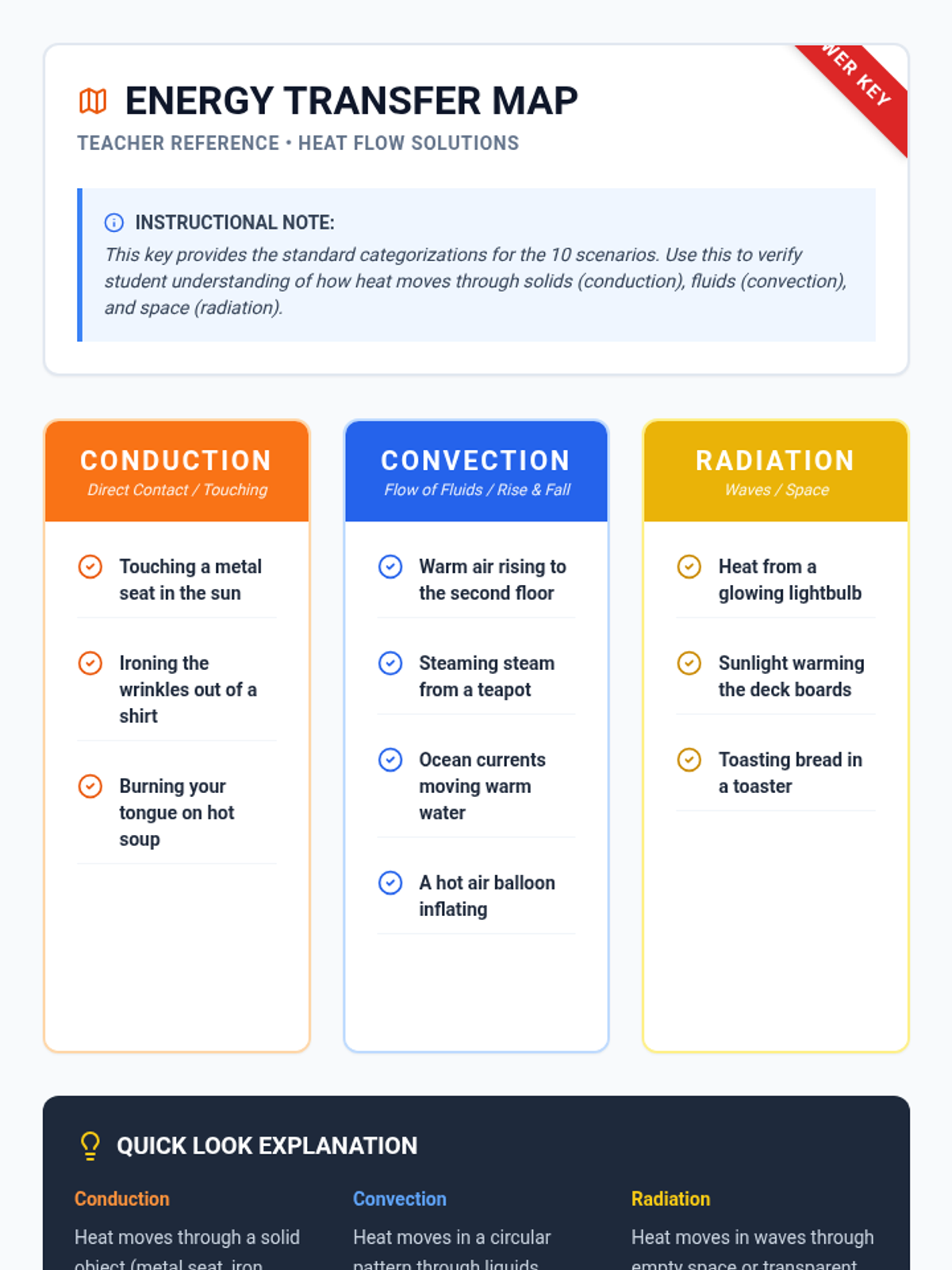
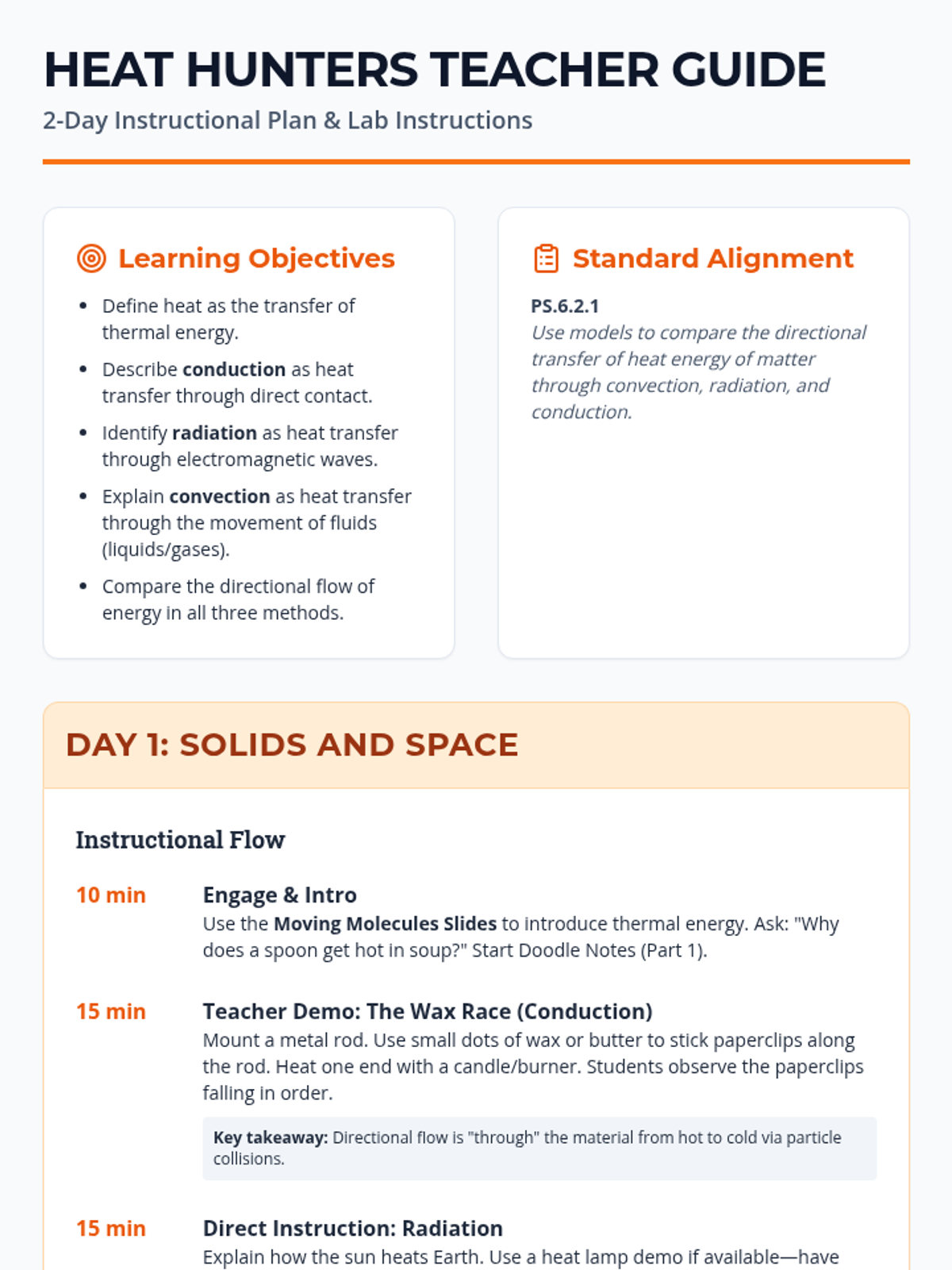
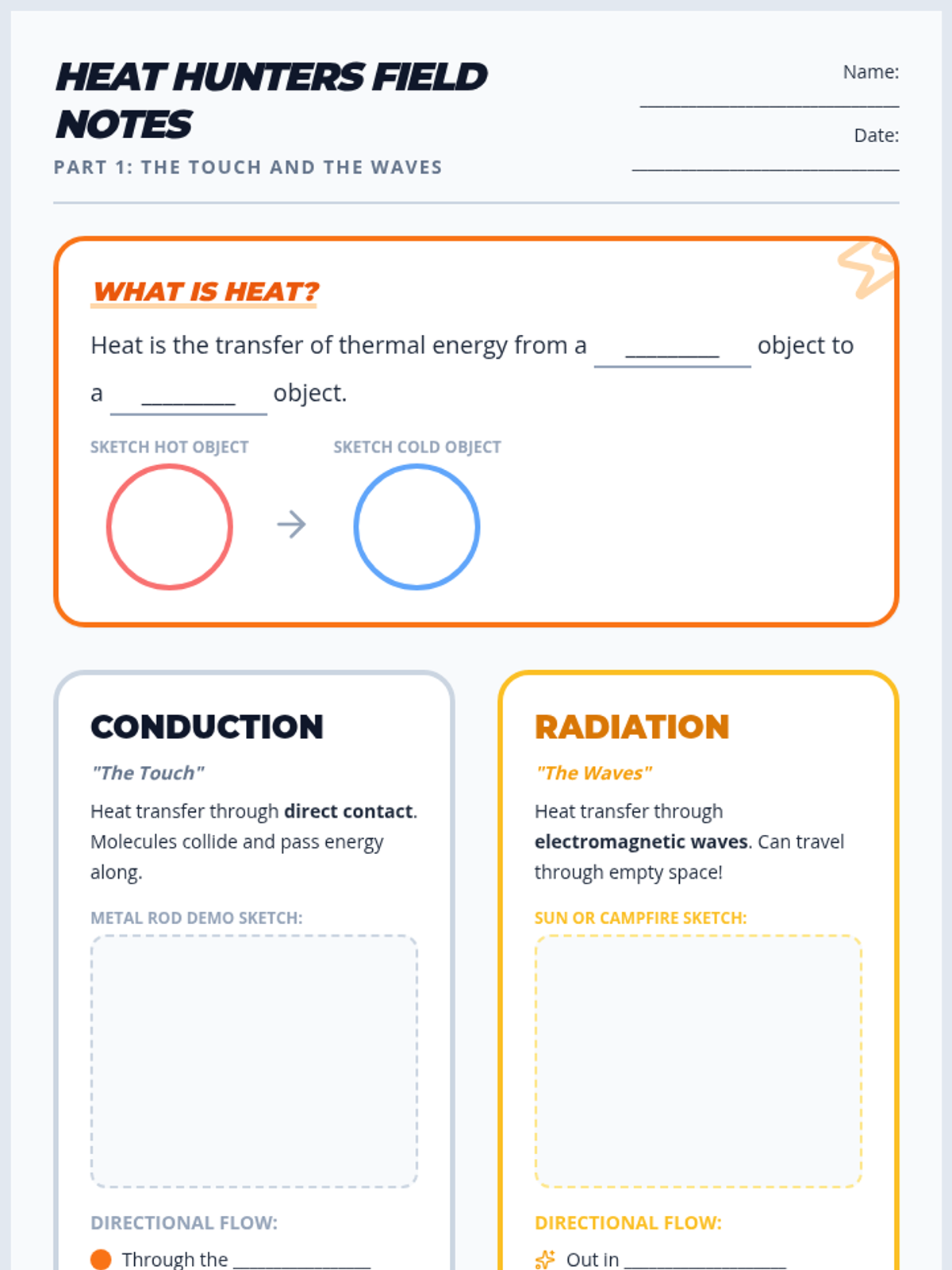
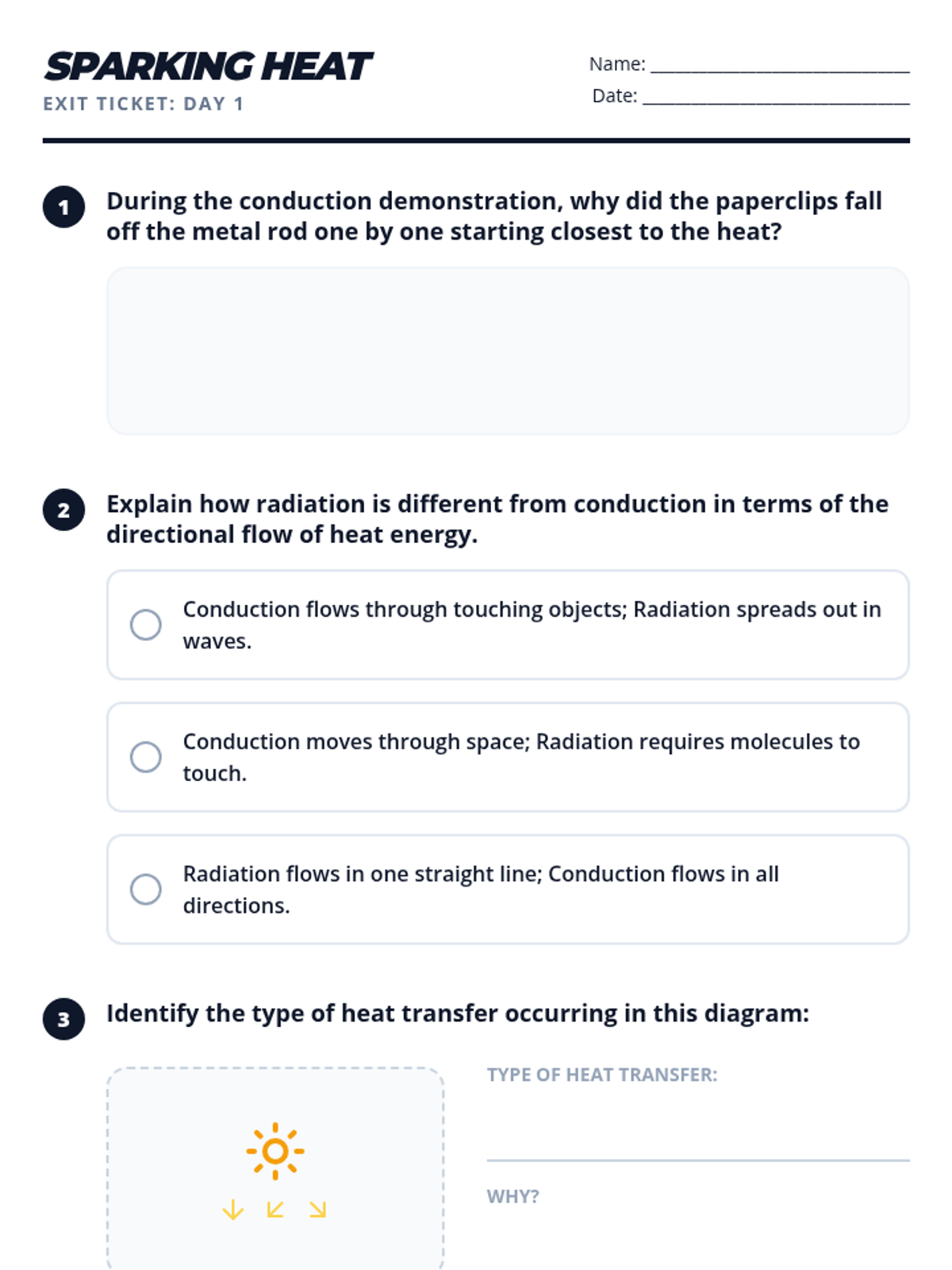
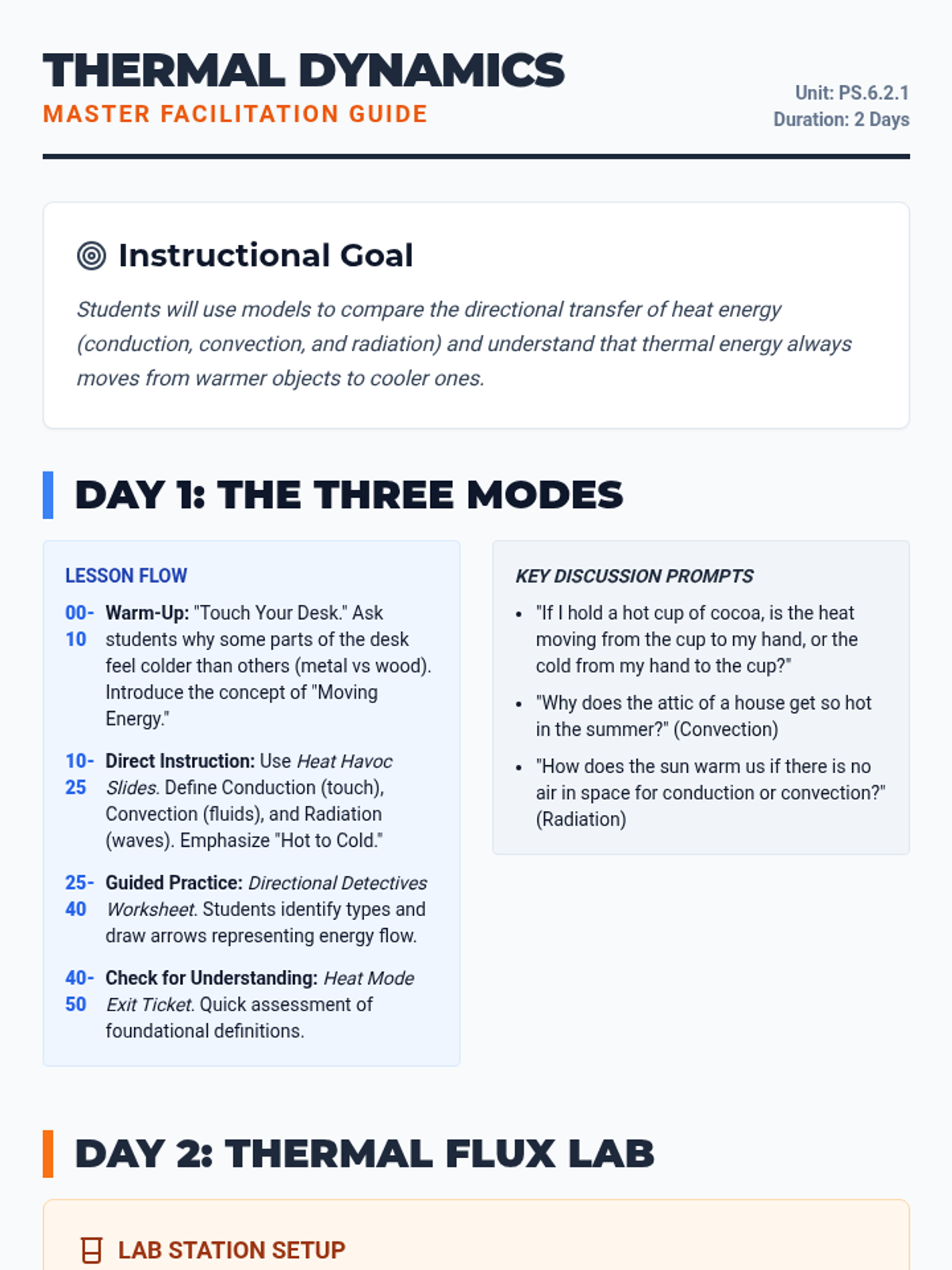
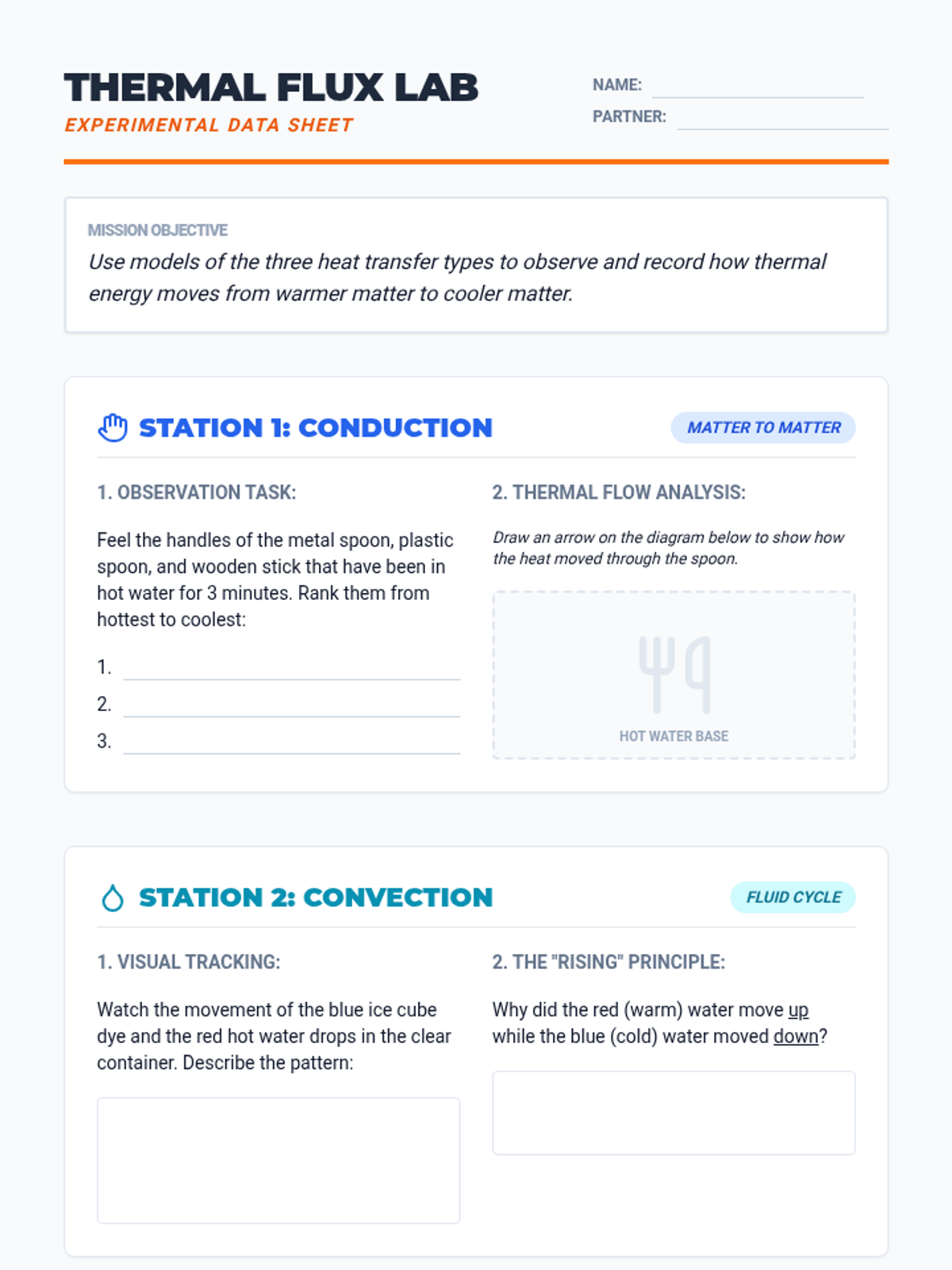
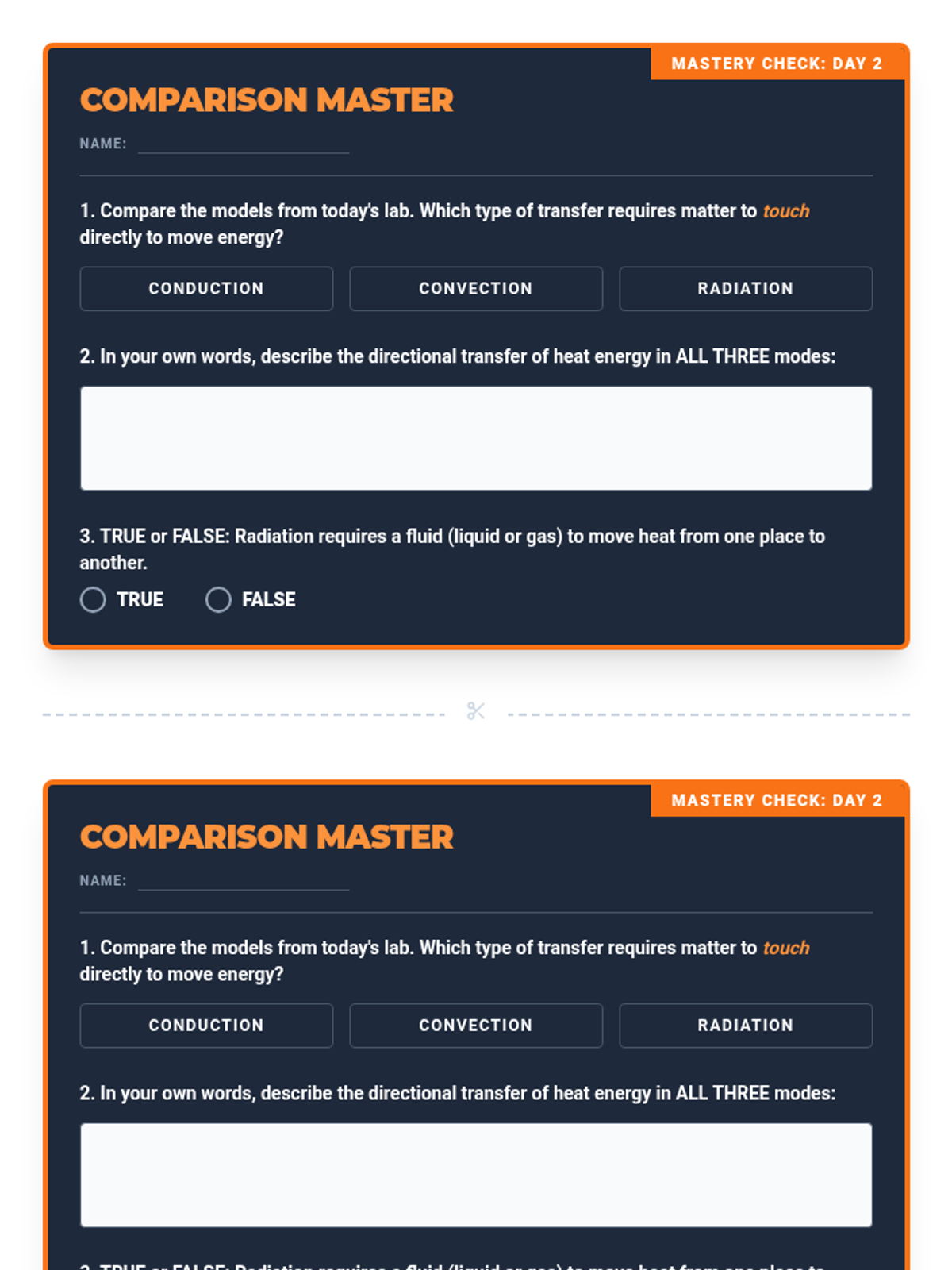
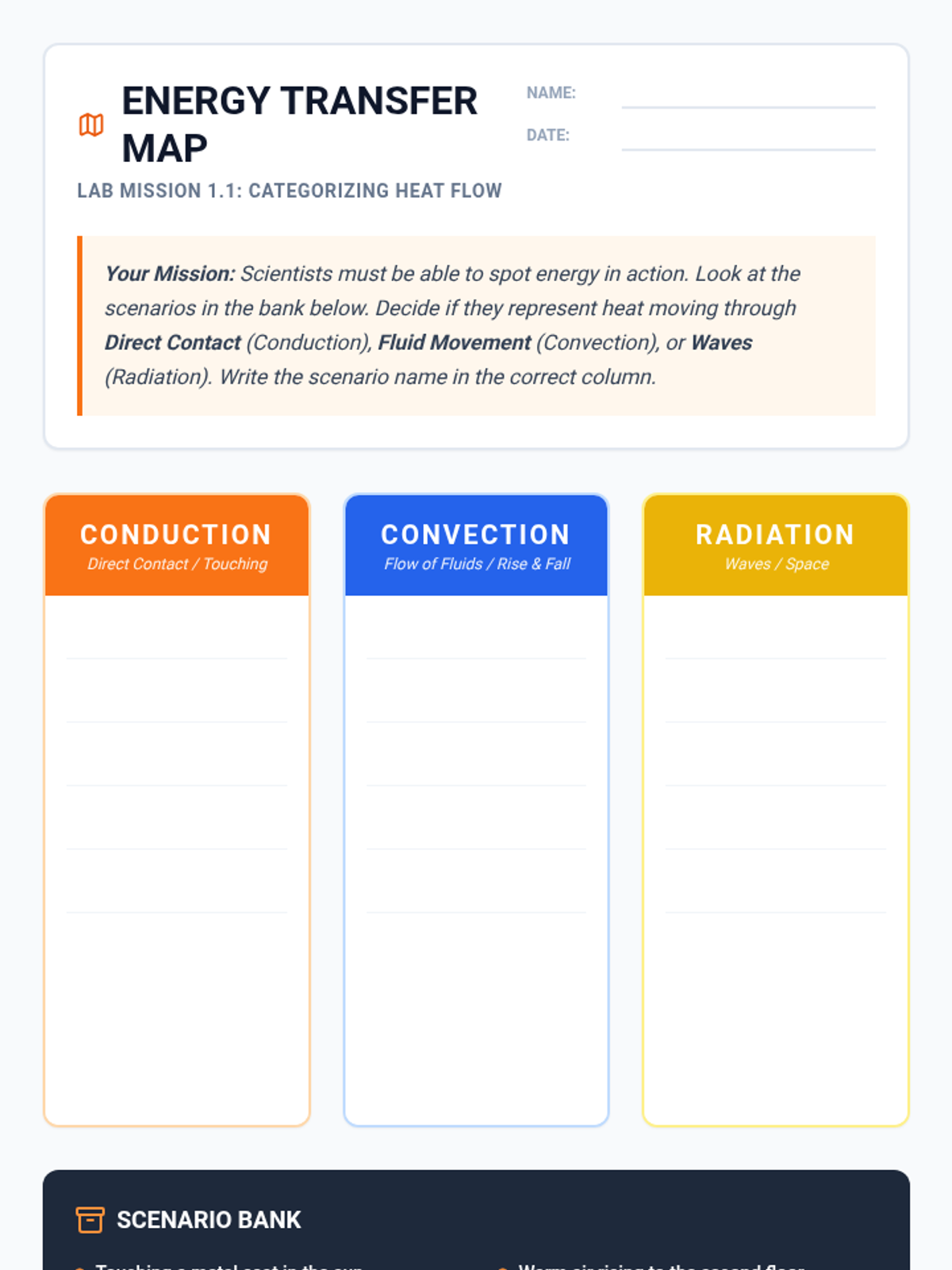
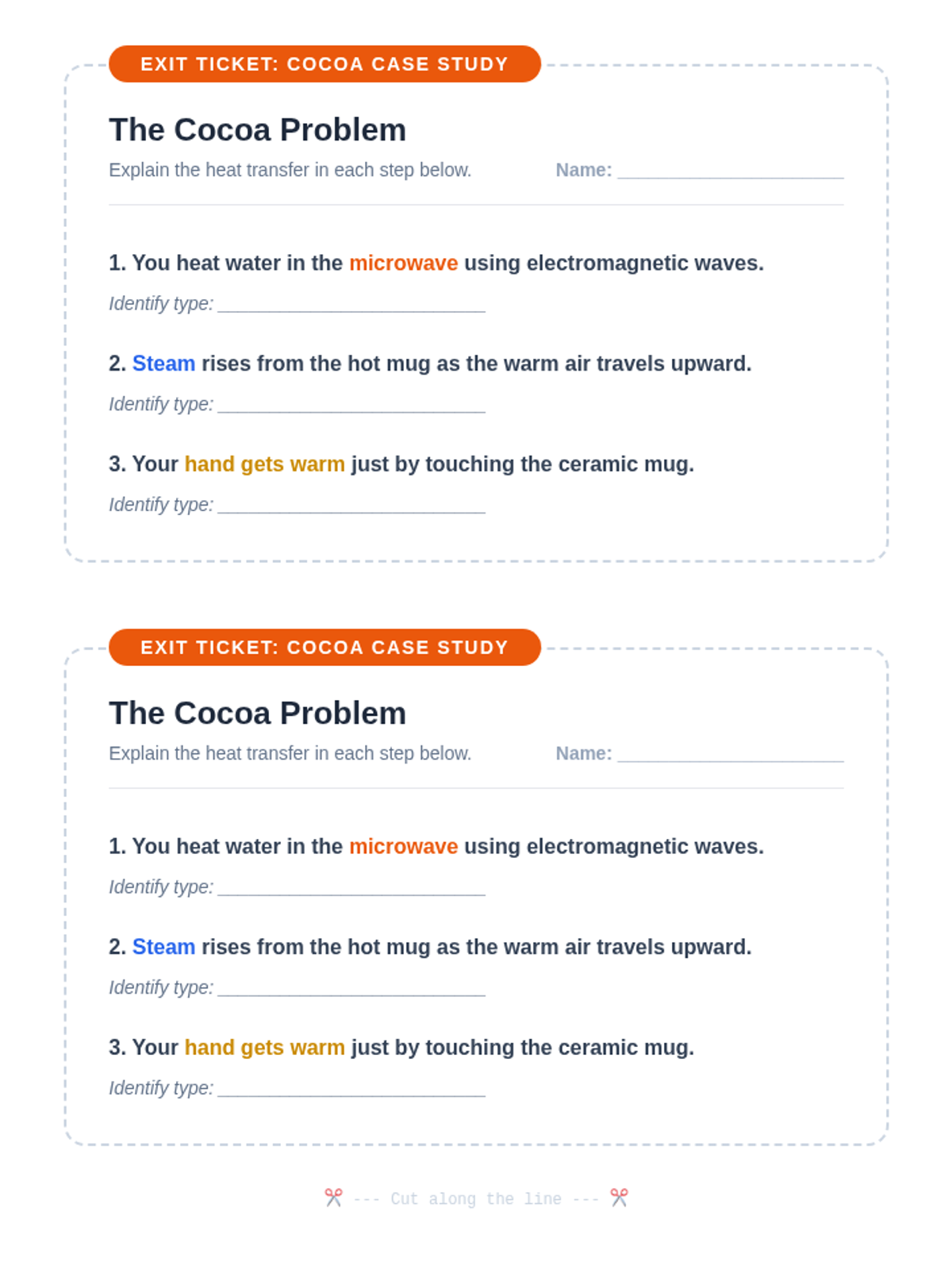
A comprehensive lesson sequence exploring the three modes of heat transfer (conduction, convection, and radiation) and the concept of thermal equilibrium using real-world scenarios and particle-level explanations.
This middle school science sequence focuses on the intersection of scientific data, environmental policy, and local air quality. Students will explore the historical context of the Clean Air Act, analyze modern Air Quality Index (AQI) data, and investigate pollution sources in their own communities to understand how science informs law and public health.
A series focused on local environmental action and urban air quality solutions, guiding students from observation to advocacy.
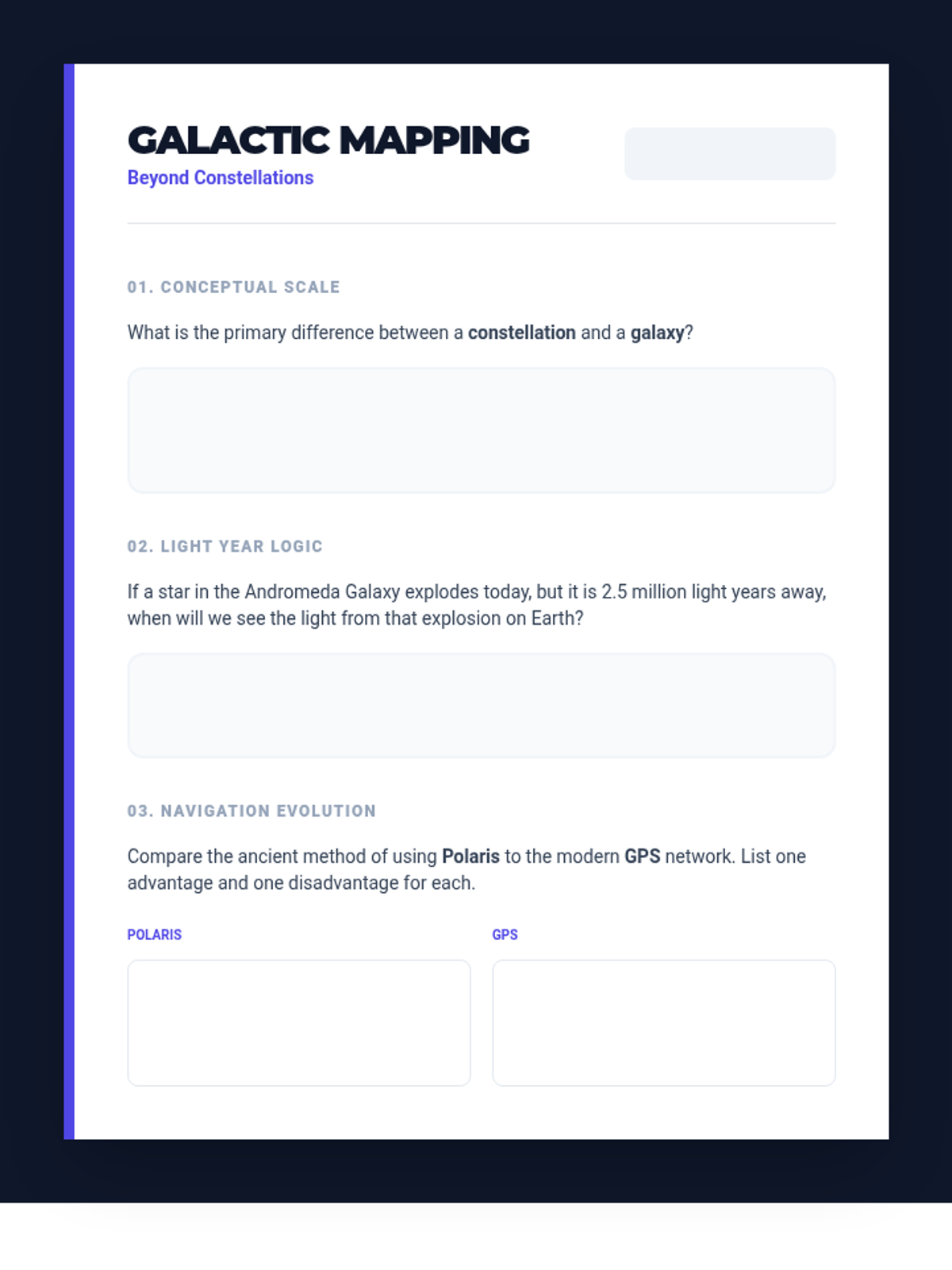
A lesson sequence focused on the classification and structure of galaxies, introducing students to Edwin Hubble's classification system and the unique characteristics of our own Milky Way.
A comprehensive unit exploring the global transition from fossil fuels to renewable energy sources, focusing on technological advancements, economic challenges, and environmental necessity.
A creative engineering lesson where students explore NASA spinoffs and design their own inventions that solve problems in space and on Earth. Students practice design thinking and marketing by 'reverse engineering' space technology for commercial use.
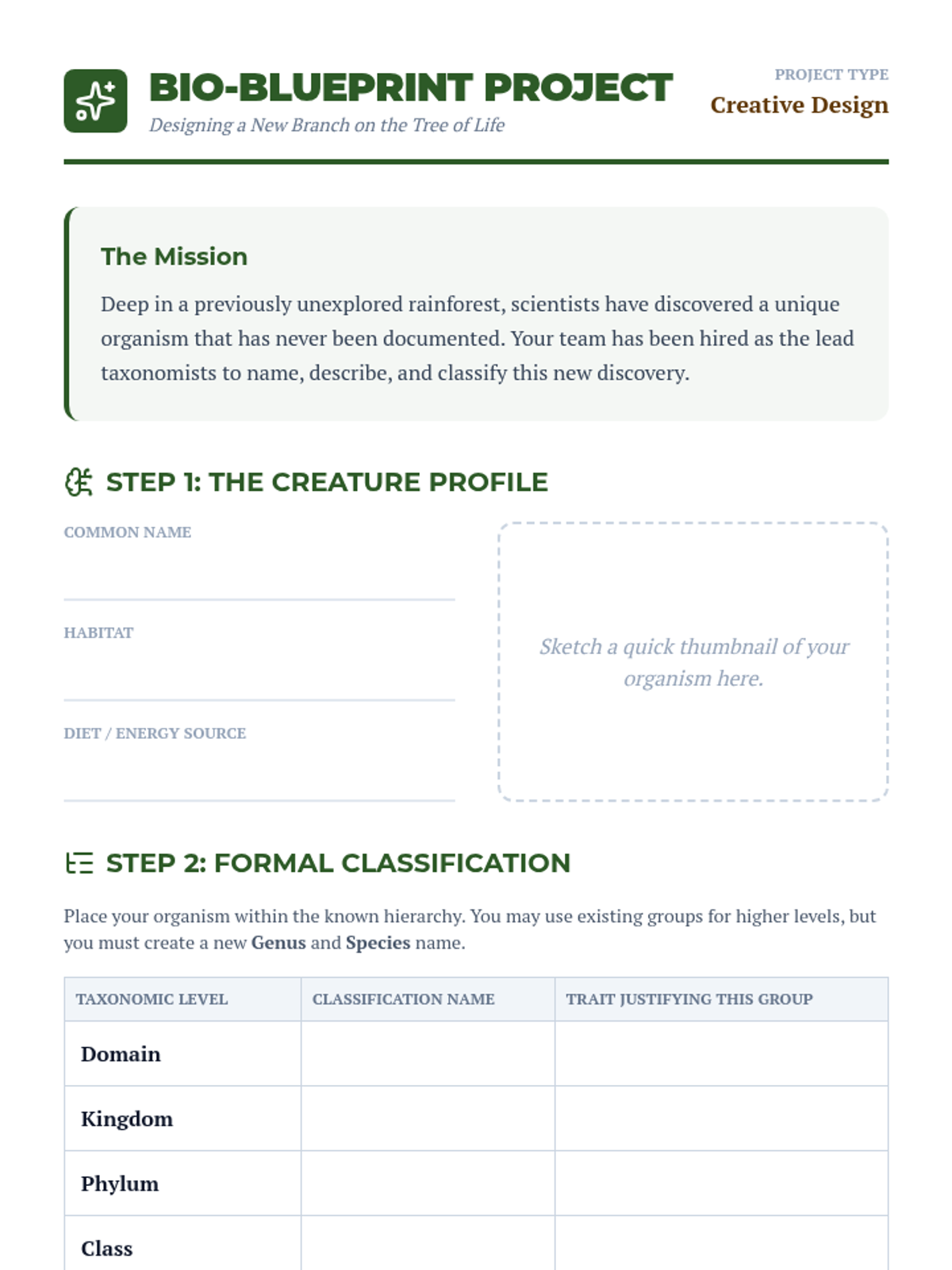
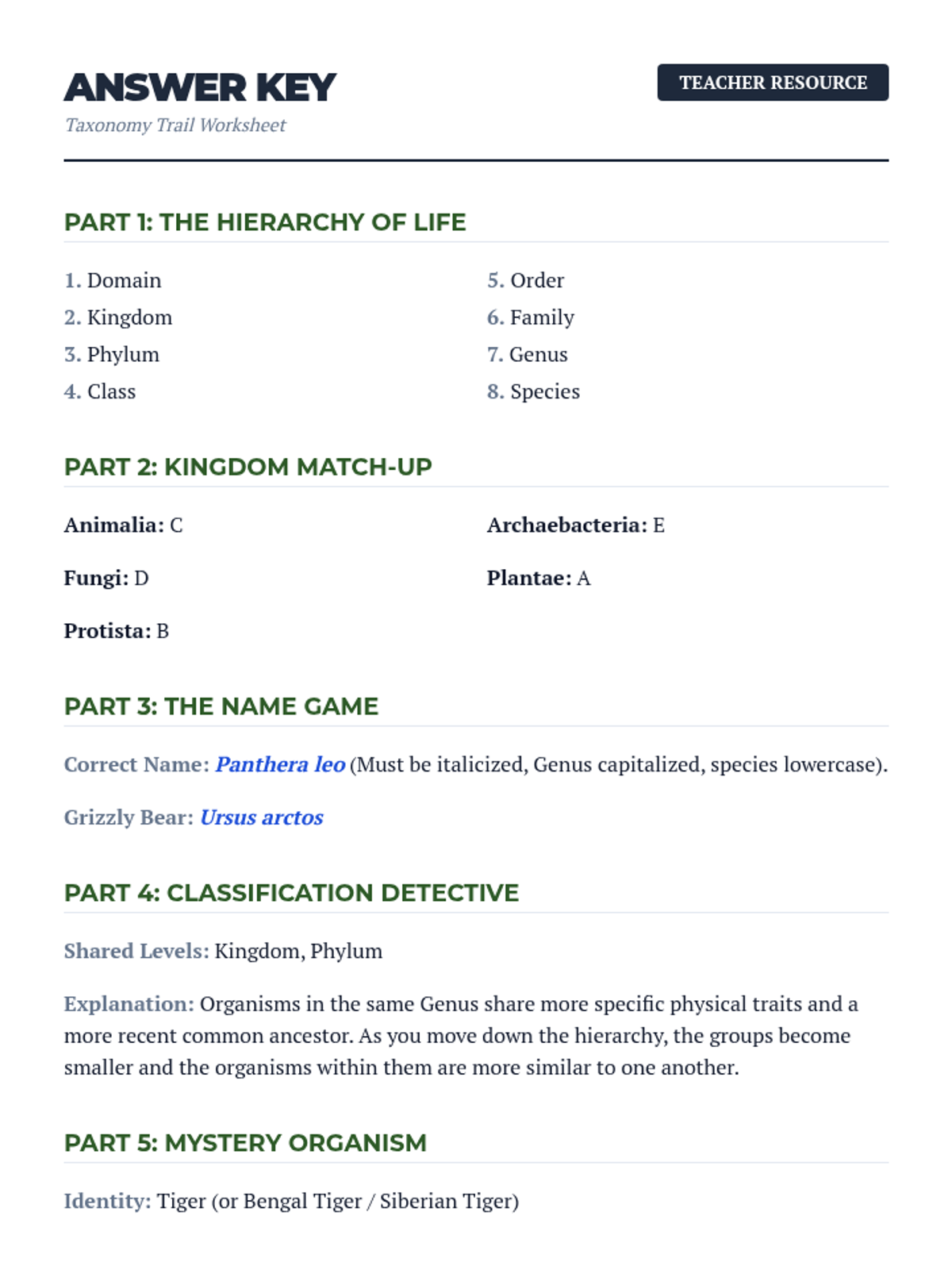
A sequence exploring how biological units organize into complex living organisms, focusing on the hierarchy of life from cells to entire systems.
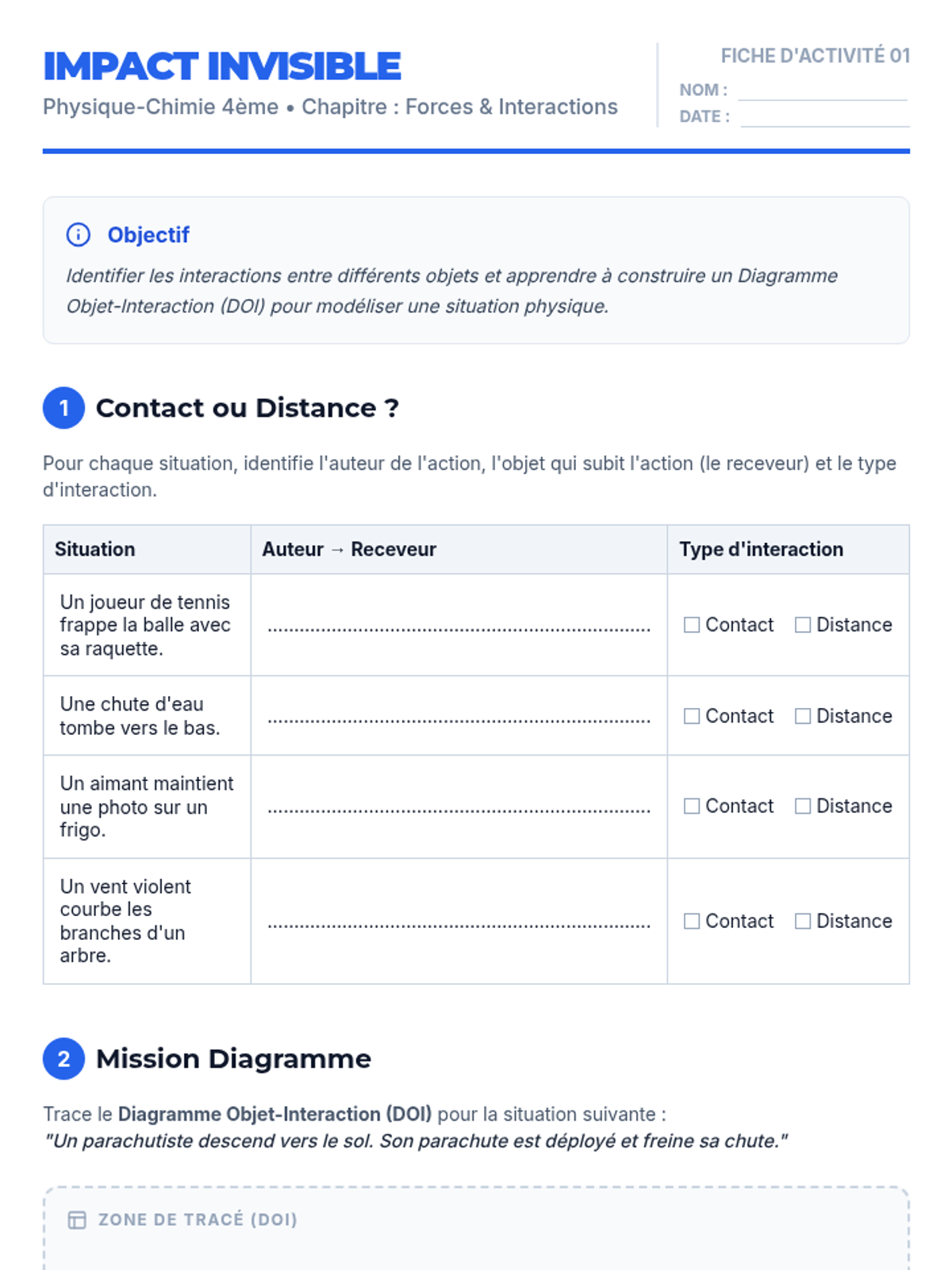
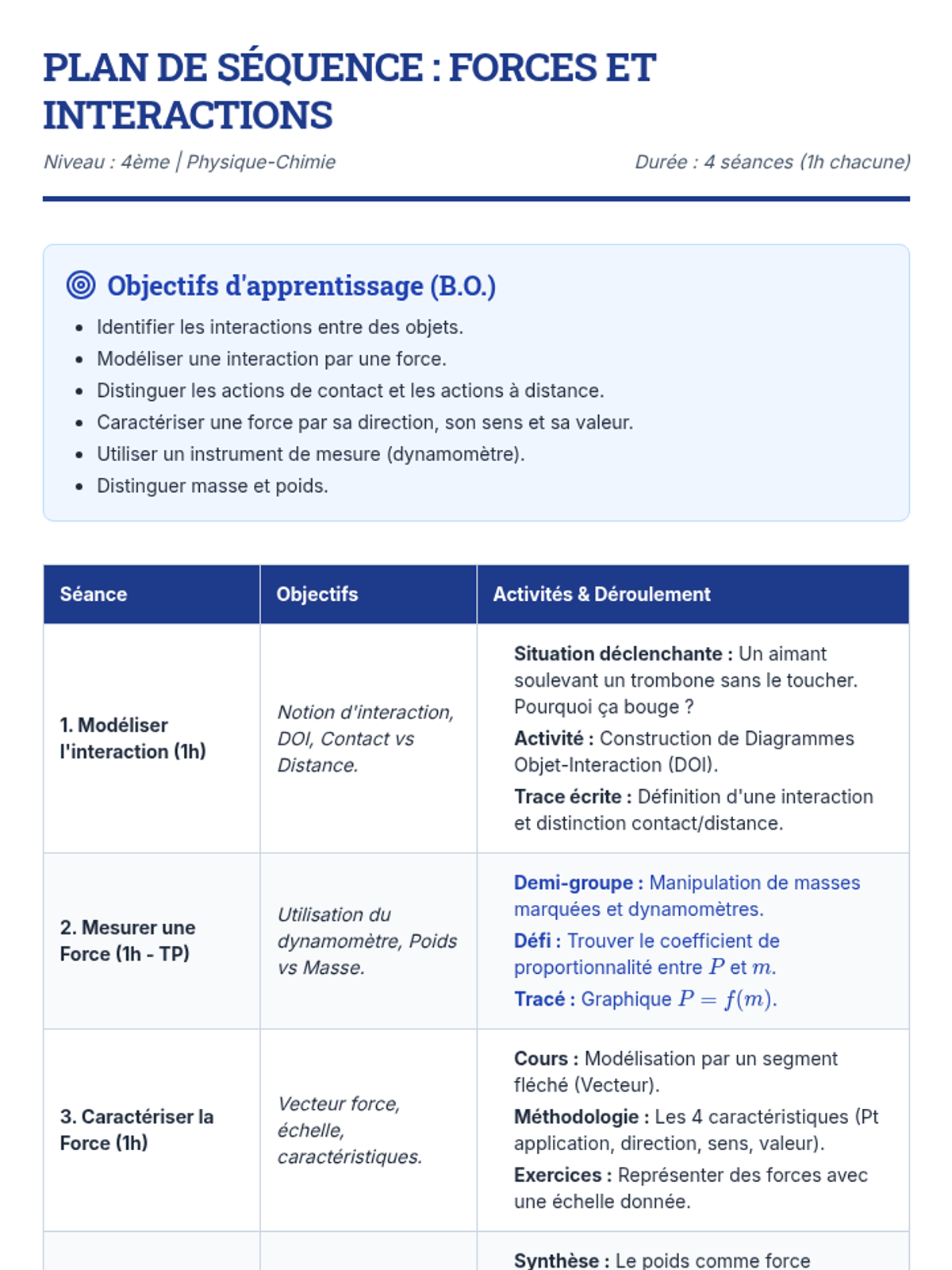
A physics-focused unit exploring the relationship between mass, weight, and force, emphasizing mathematical modeling and unit conversions.
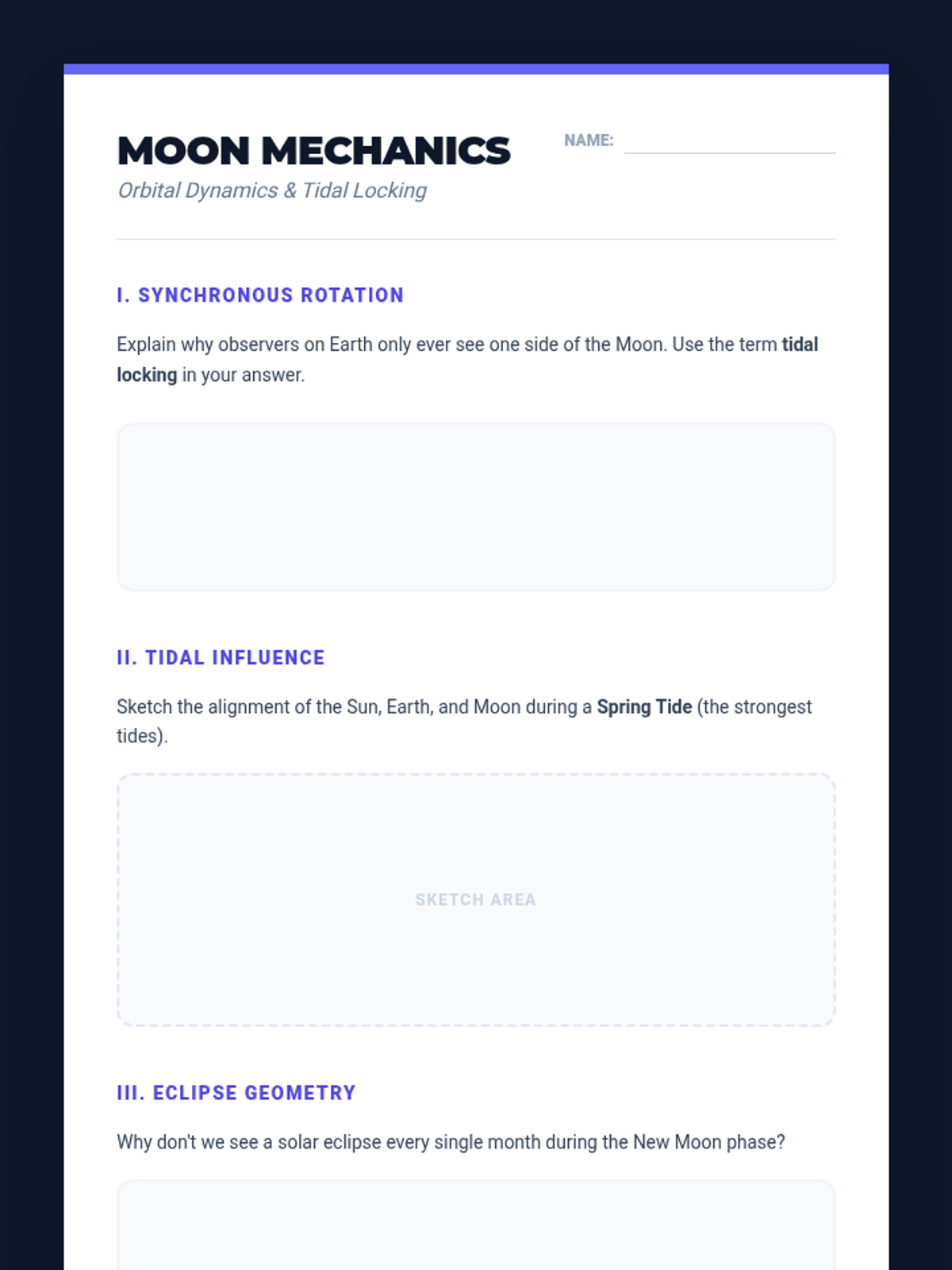
A unit on wave properties and their applications in physical science, focusing on electromagnetic radiation and mechanical waves.
A middle school science unit exploring energy forms, transformations, and the fundamental laws governing the physical world.
A comprehensive lesson sequence for middle school students to explore the digestive system through video analysis and hands-on modeling. Students will build a physical 'gut' using household materials to demonstrate organ sequence and specific functions.
A game-based sequence where 8th-grade students master responsive web design. They progress from fluid units to Flexbox and Media Queries, culminating in a responsive card layout project.
A comprehensive unit where 8th-grade students learn the technical and ethical requirements of web publishing. Students move from local development to a live portfolio, covering file management, copyright law, hosting infrastructure, SEO, and long-term maintenance.
This sequence shifts focus from writing code to designing for human needs through User Experience (UX) and User Interface (UI) principles. Students adopt the role of UX researchers, analyzing existing sites for usability and accessibility failures before they write a single line of code.
This sequence introduces 8th-grade students to HTML, focusing on semantic structure, data organization with lists and tables, navigation via hyperlinks, and embedding multimedia content. It culminates in a mastery-focused lesson on modern semantic tags and code validation.
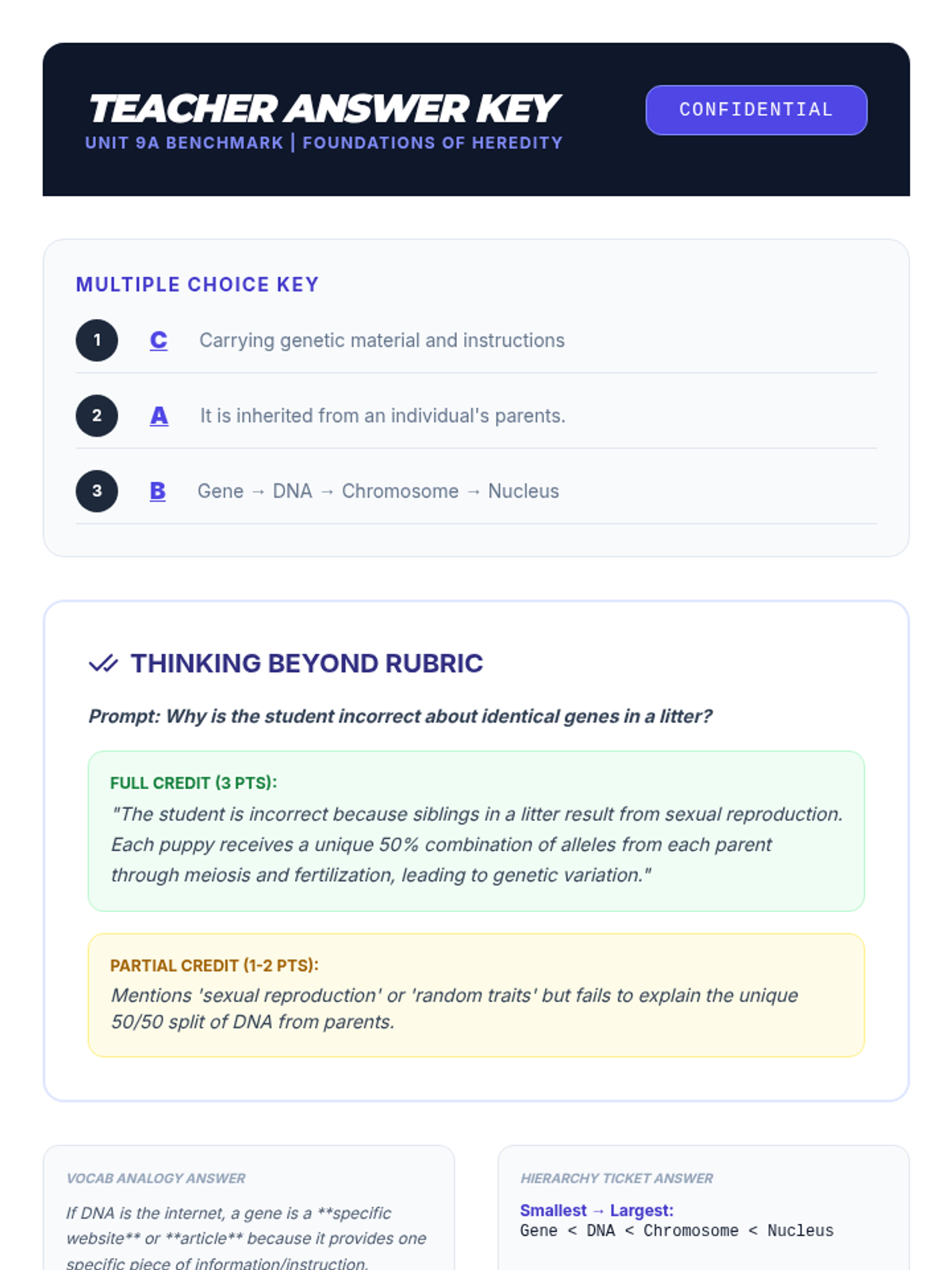
A capstone project where students build a multi-page website from scratch. They move through planning, coding navigation, developing content, debugging, and finally publishing their work, emphasizing the technical and organizational skills needed for web publishing.
Students transition from basic HTML to CSS, learning how to style web pages with colors, fonts, and layouts. The sequence covers CSS syntax, color theory, typography, and the box model, culminating in a personal profile design project.
A comprehensive sequence for 6th graders to master CSS fundamentals, visual design principles, and the separation of content from style in web development.