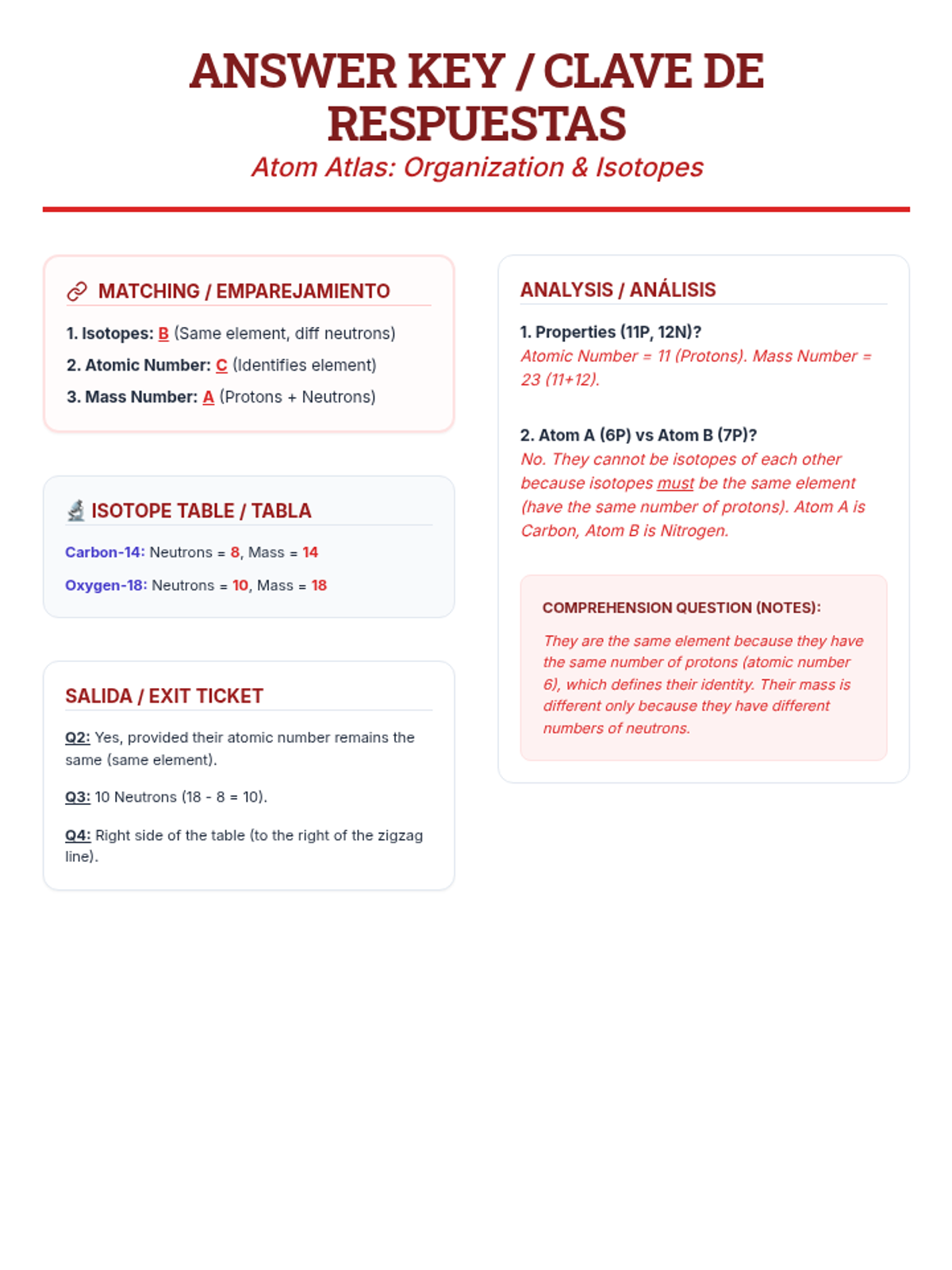
A 10th-grade physics sequence that treats the Periodic Table as a logic puzzle. Students reconstruct the table's history, moving from atomic mass patterns to the modern atomic number organization through inquiry and prediction.
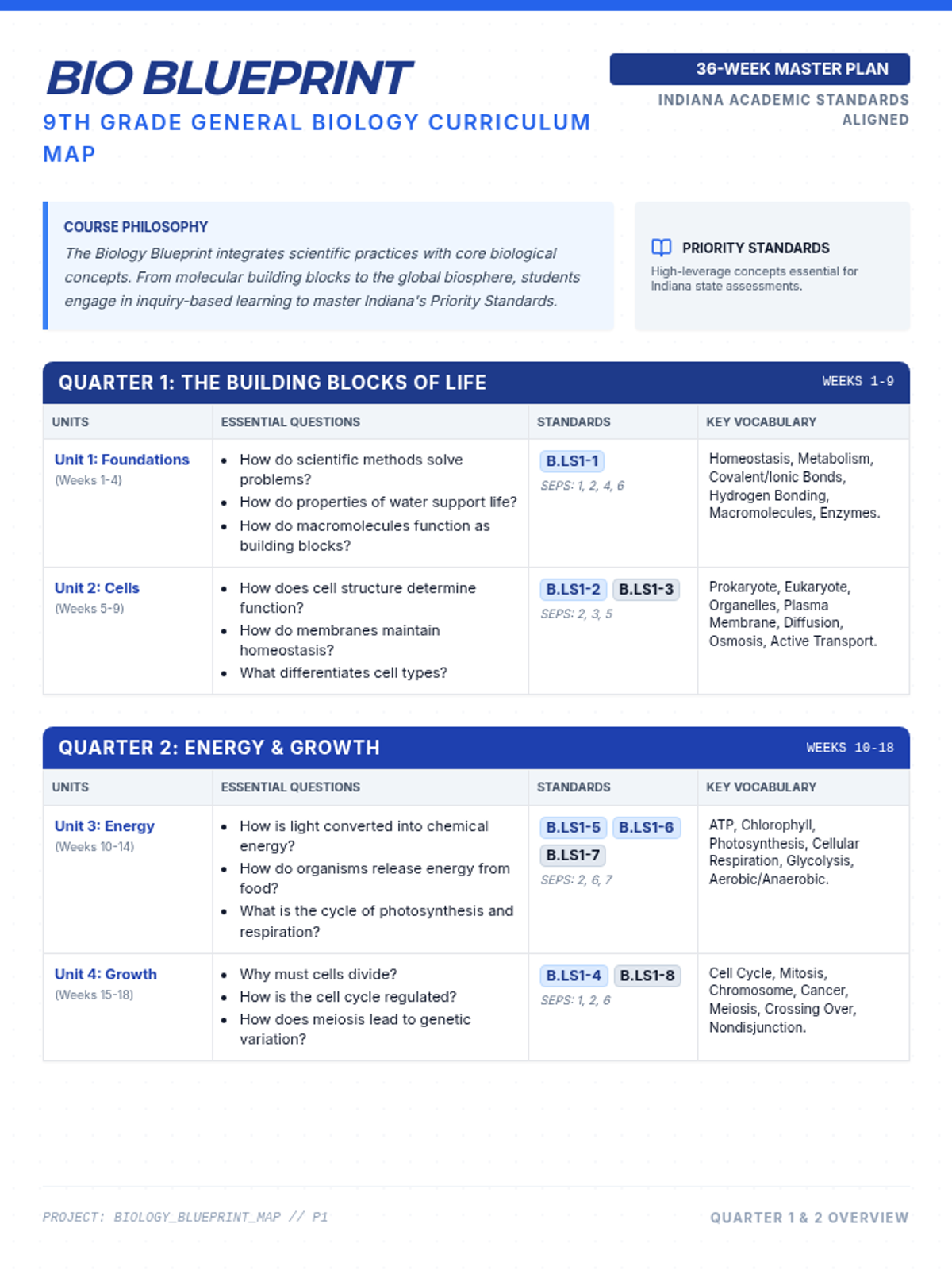
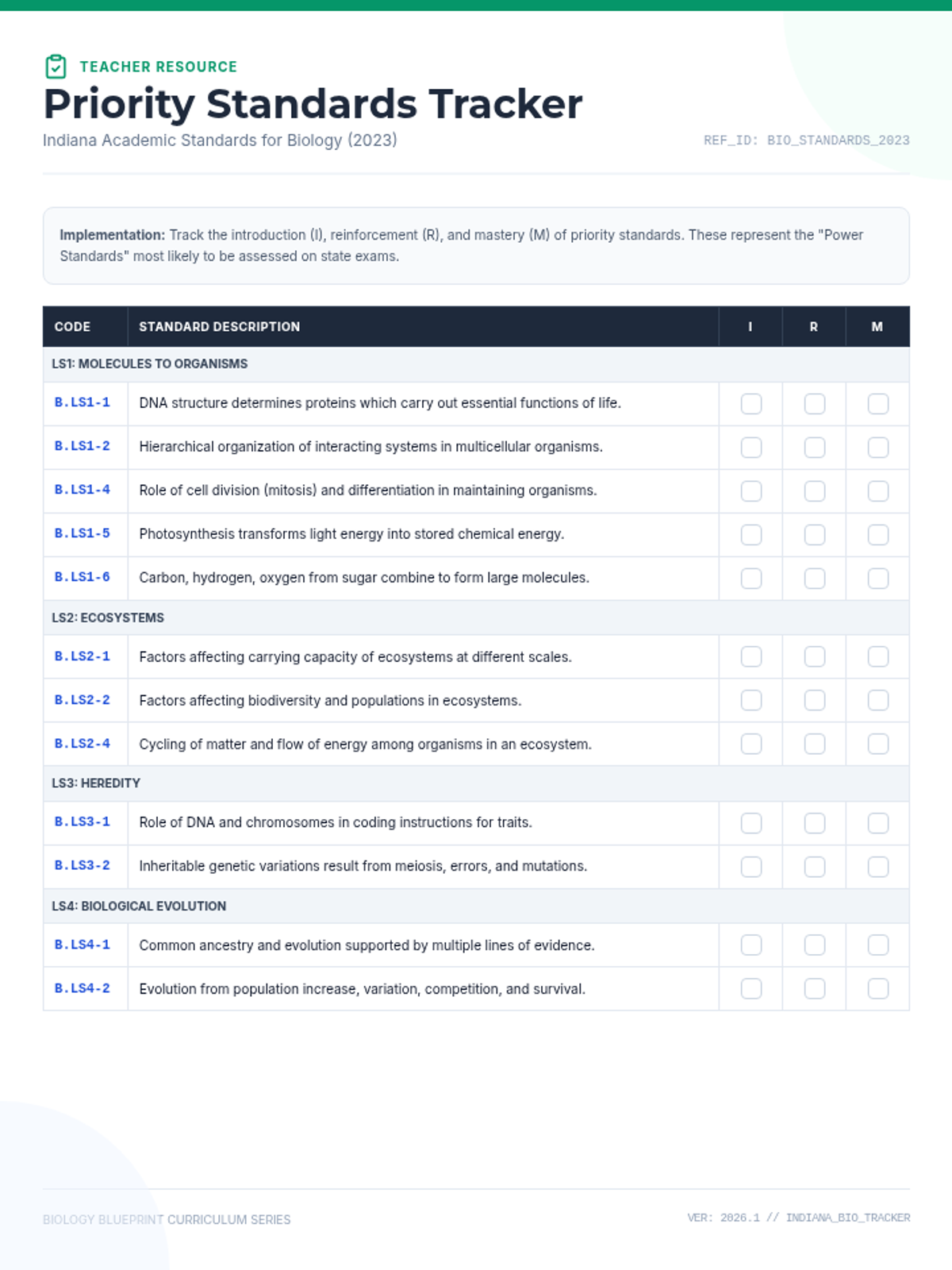
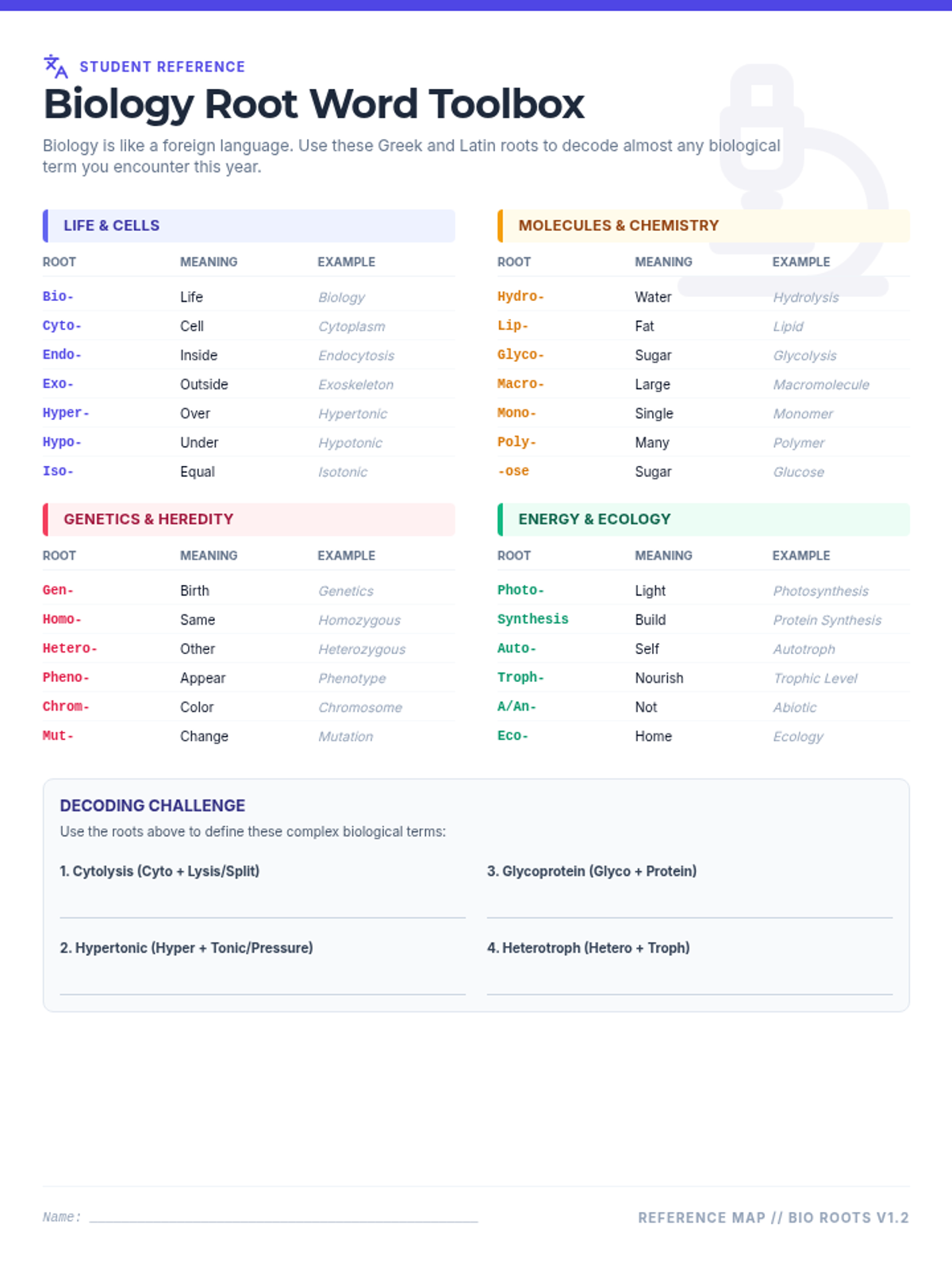
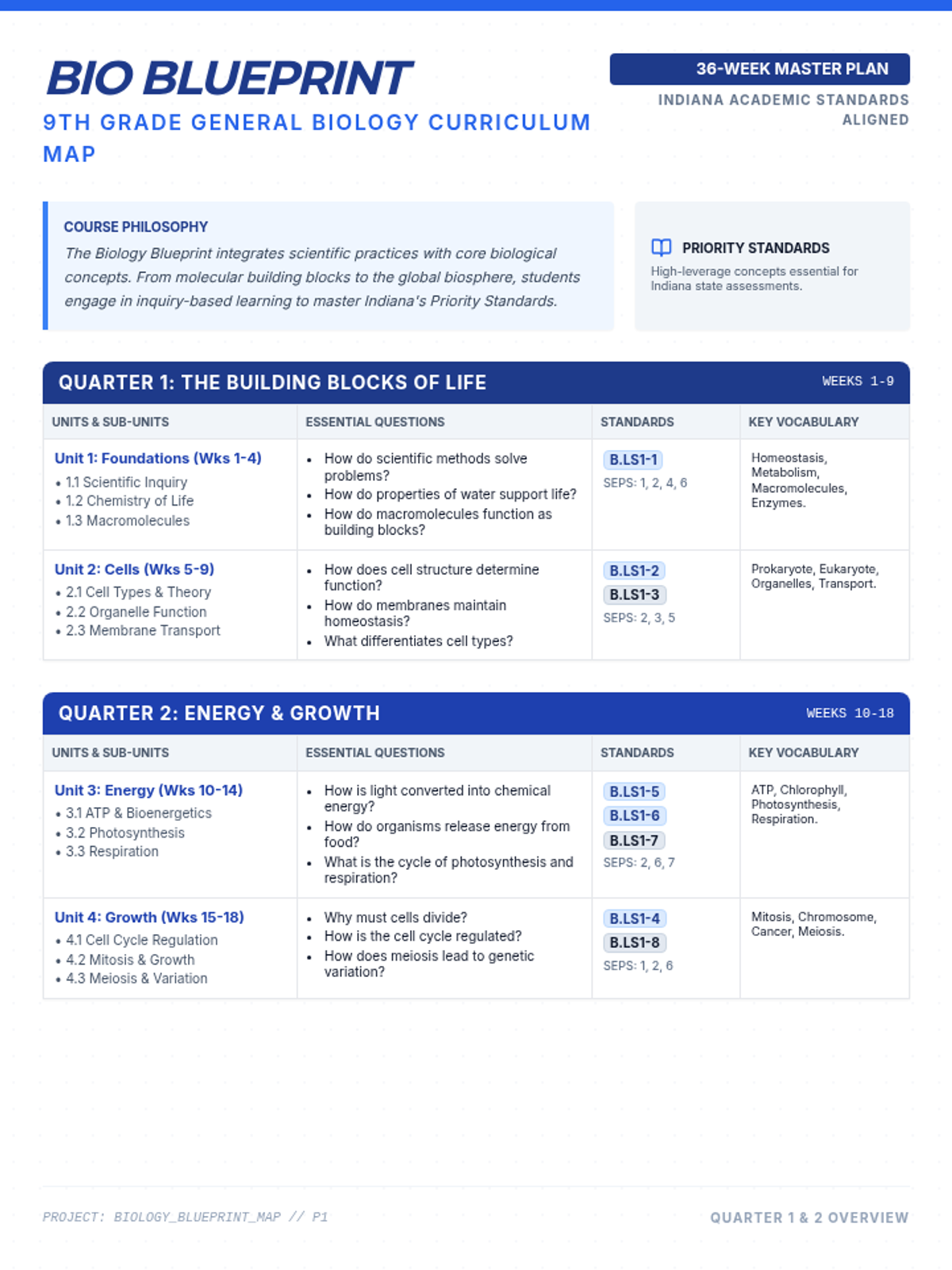
A complete 36-week high school biology curriculum designed for 9th-grade students, aligned with Indiana Academic Standards for Biology. This course progresses from microscopic biochemical foundations to macroscopic ecological systems.
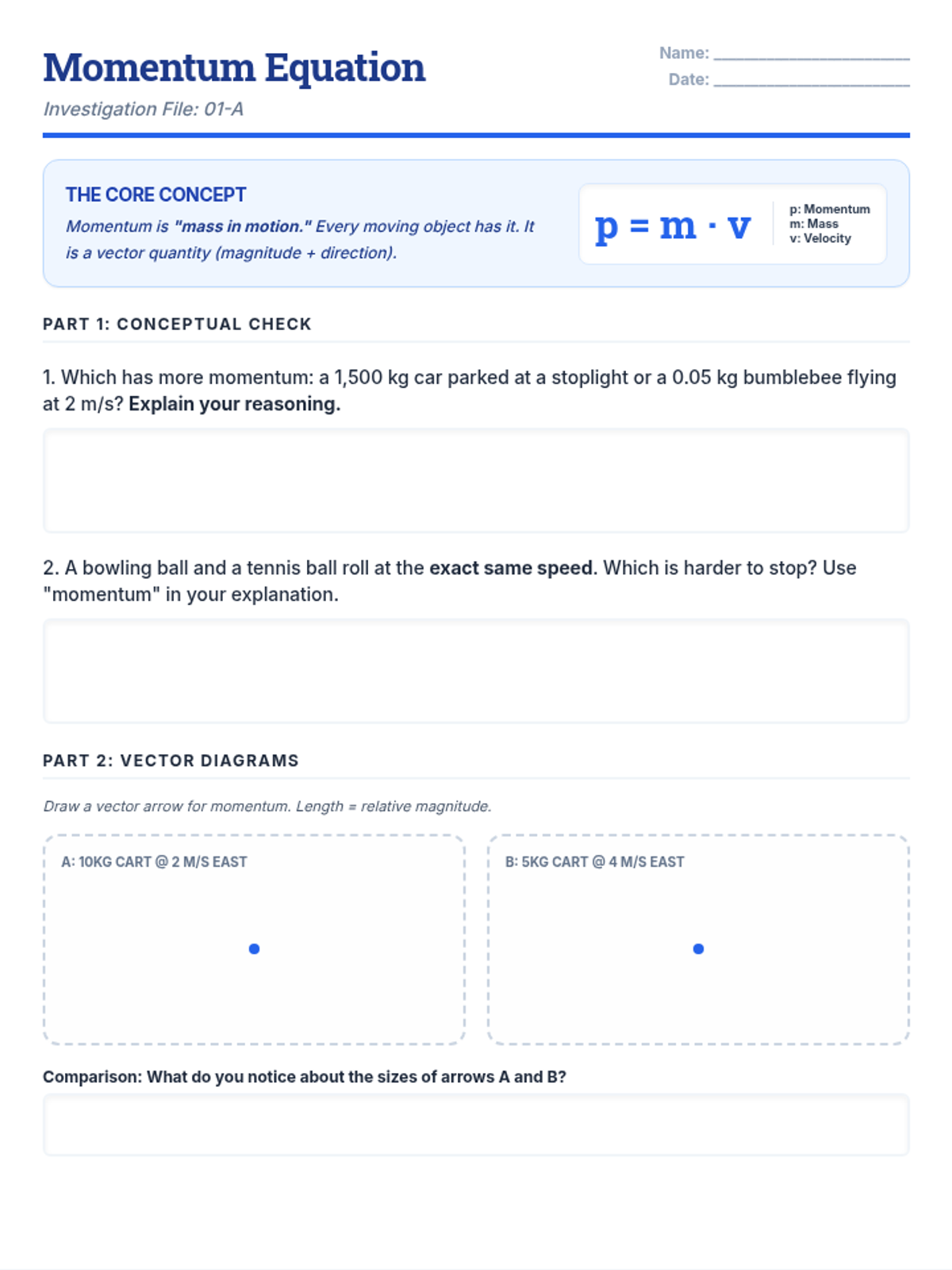
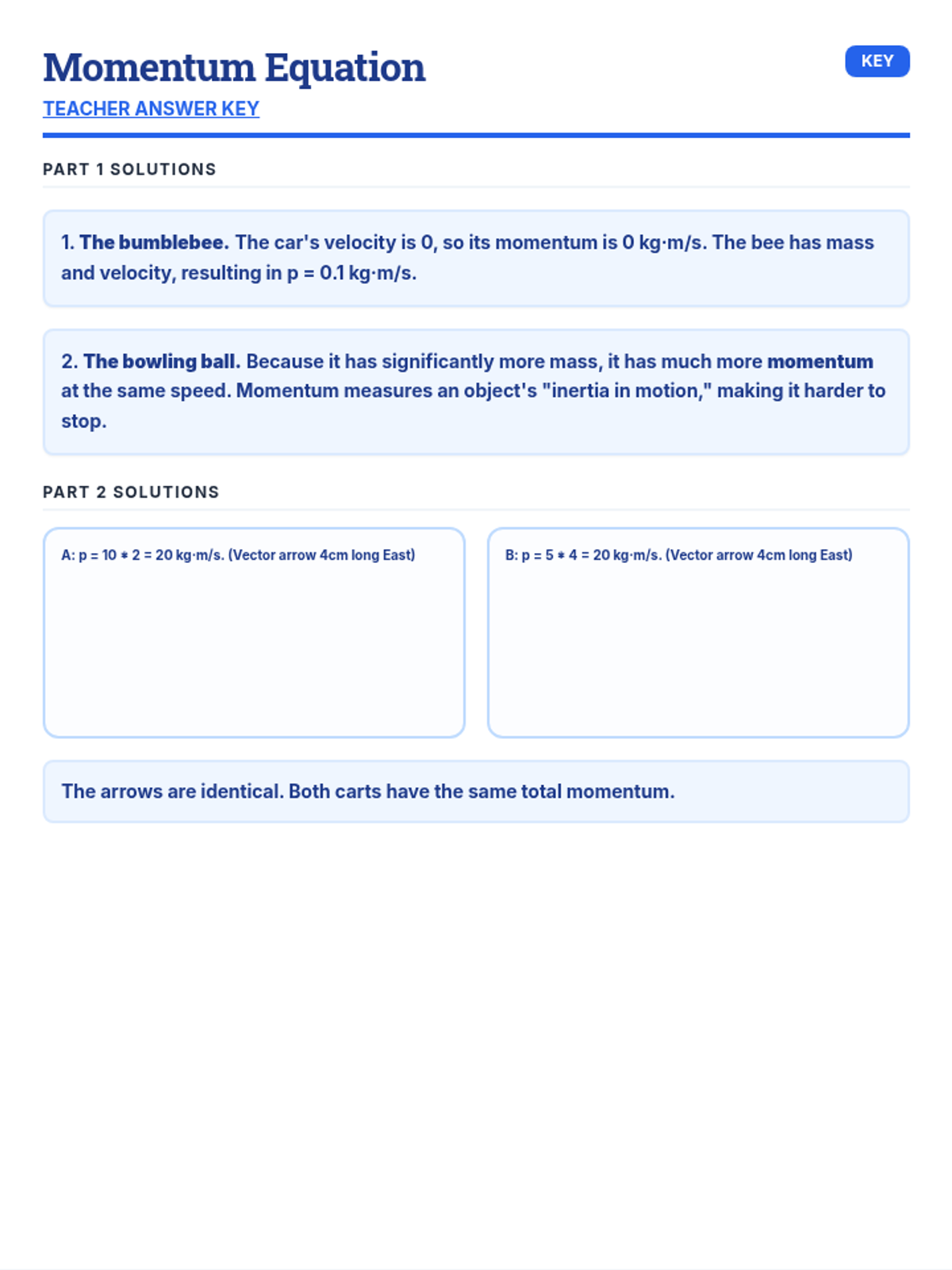
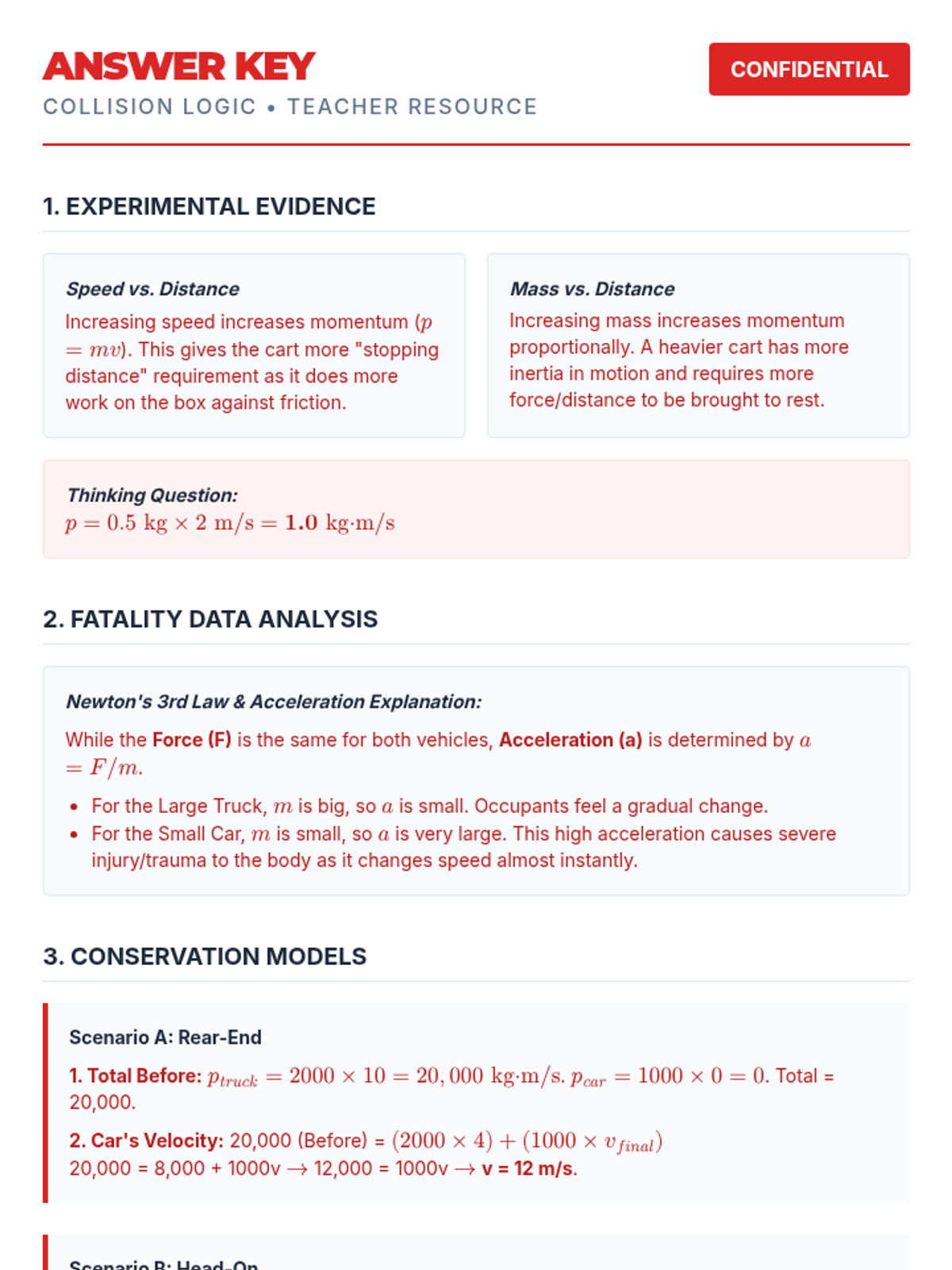
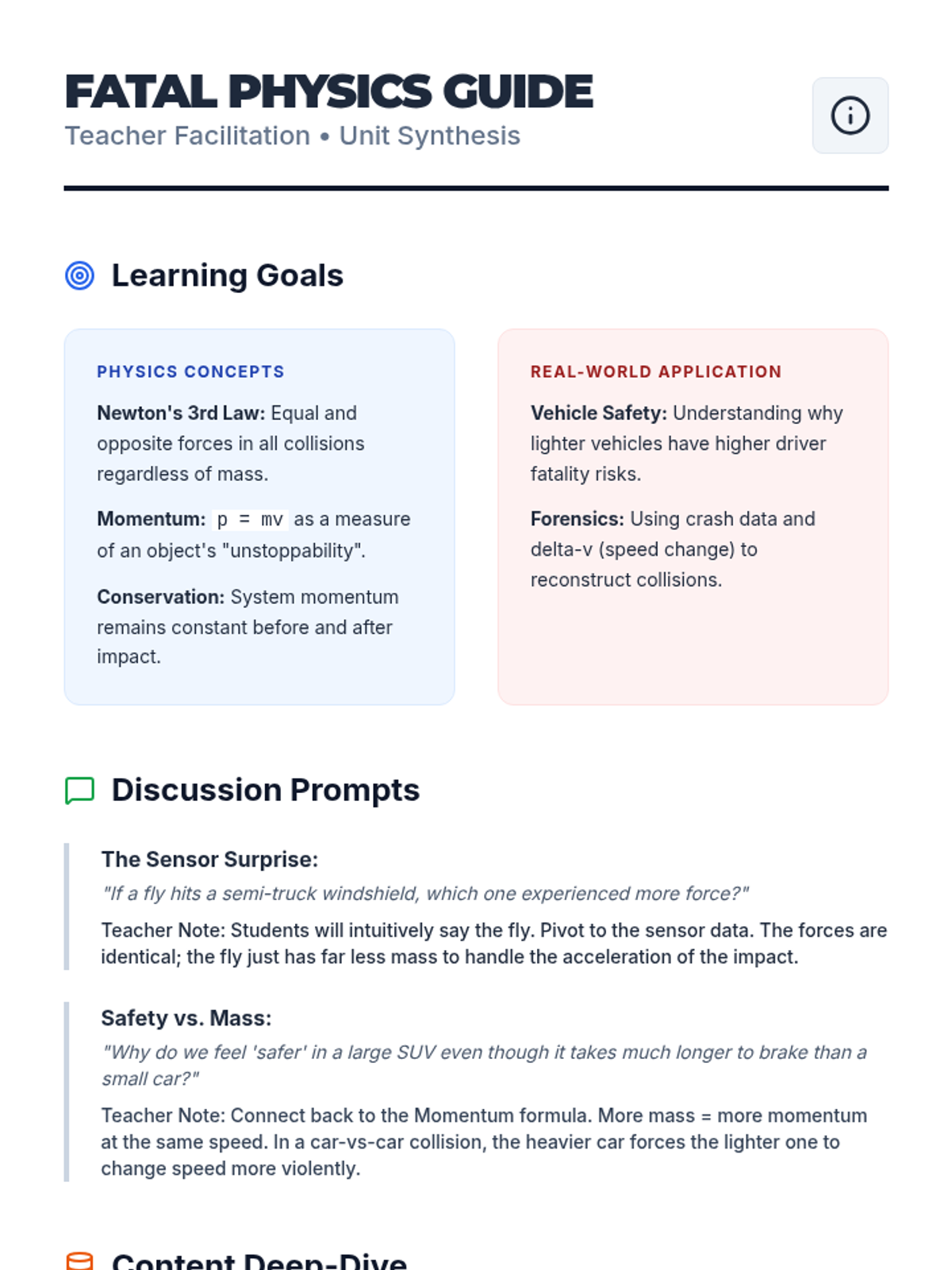
A comprehensive unit on momentum and collisions for 9th grade physics, covering the basic equation, collision types, conservation laws, and Newton's Third Law through real-world examples like vehicle safety and sports.
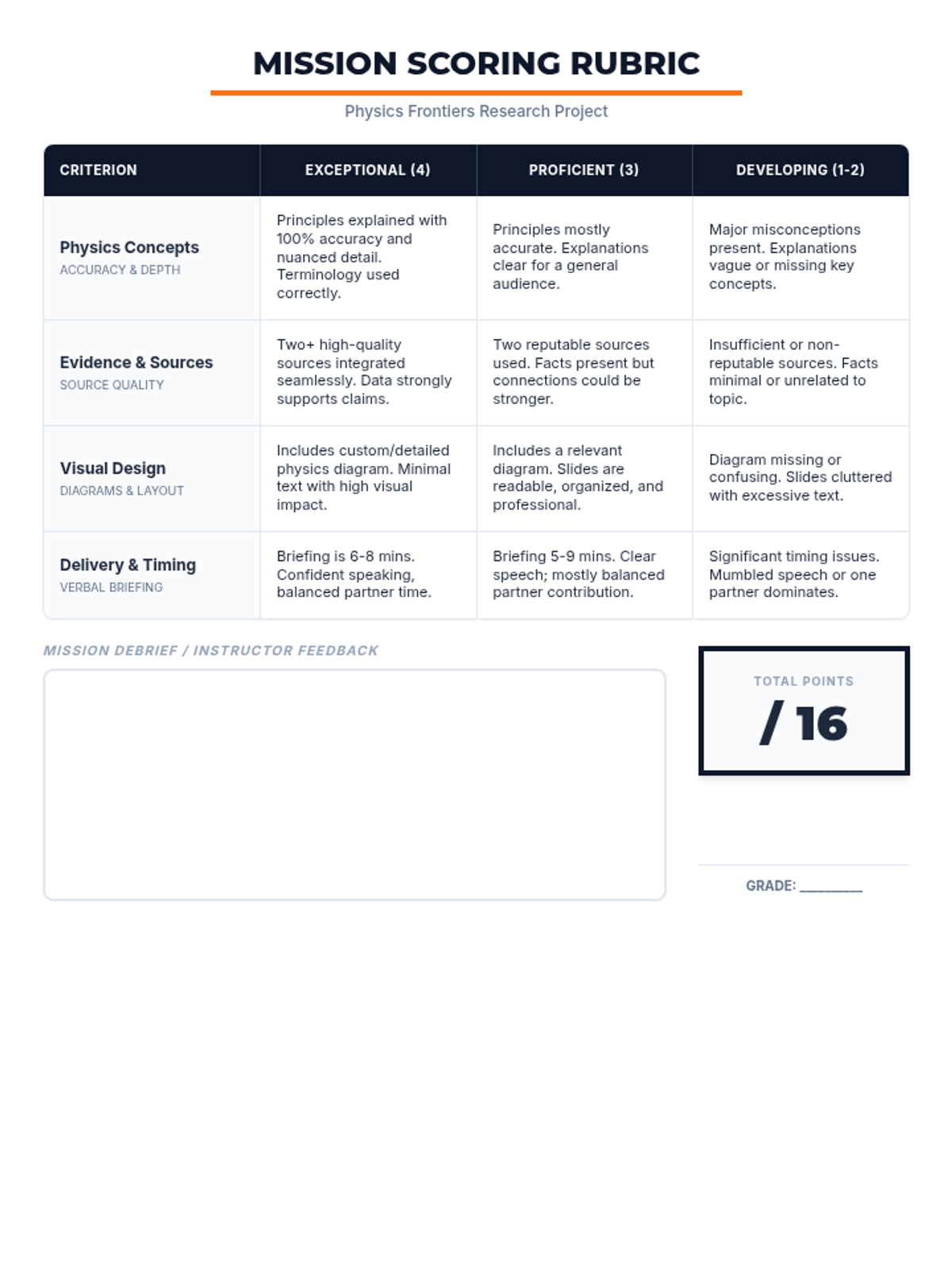
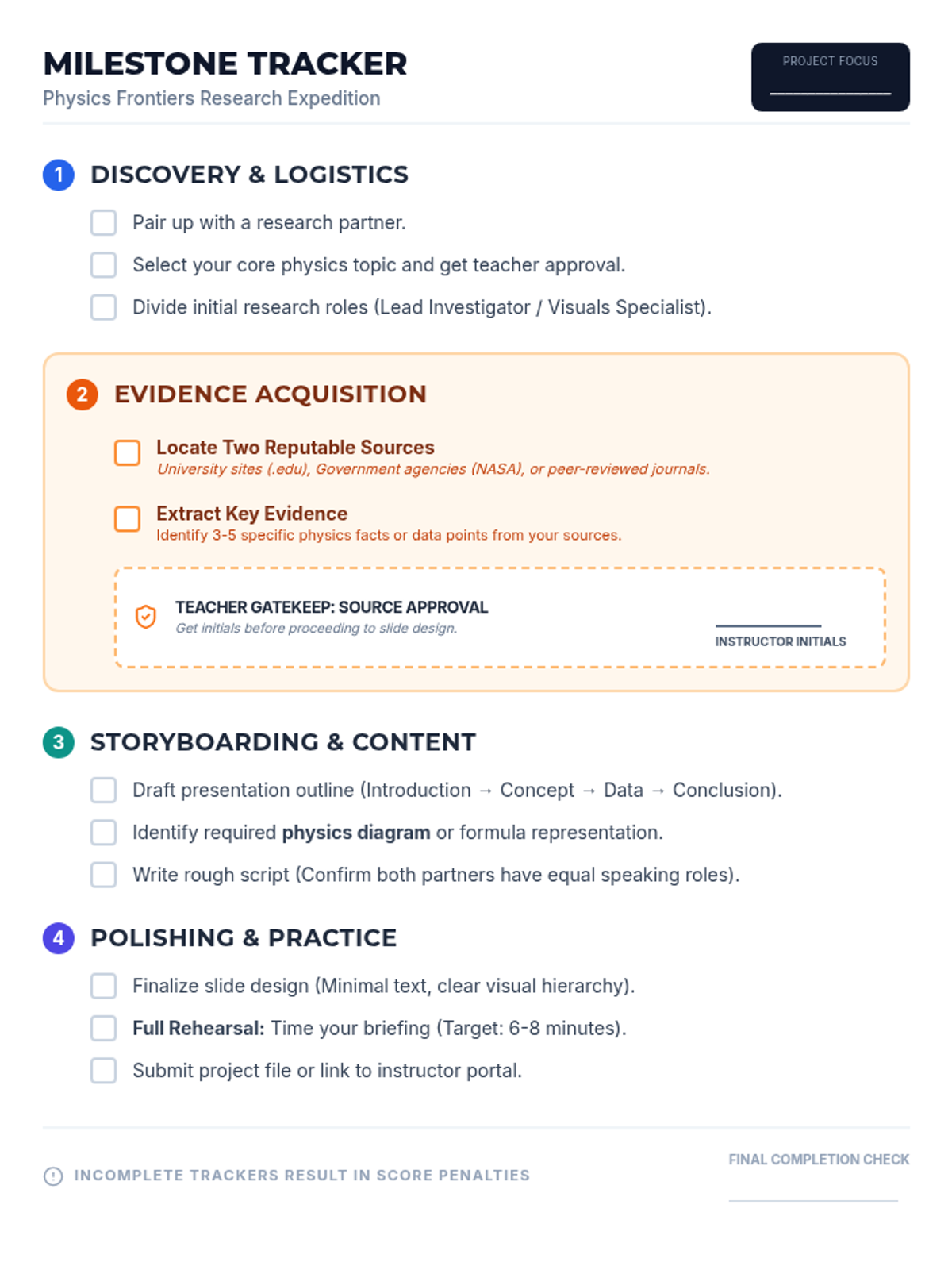
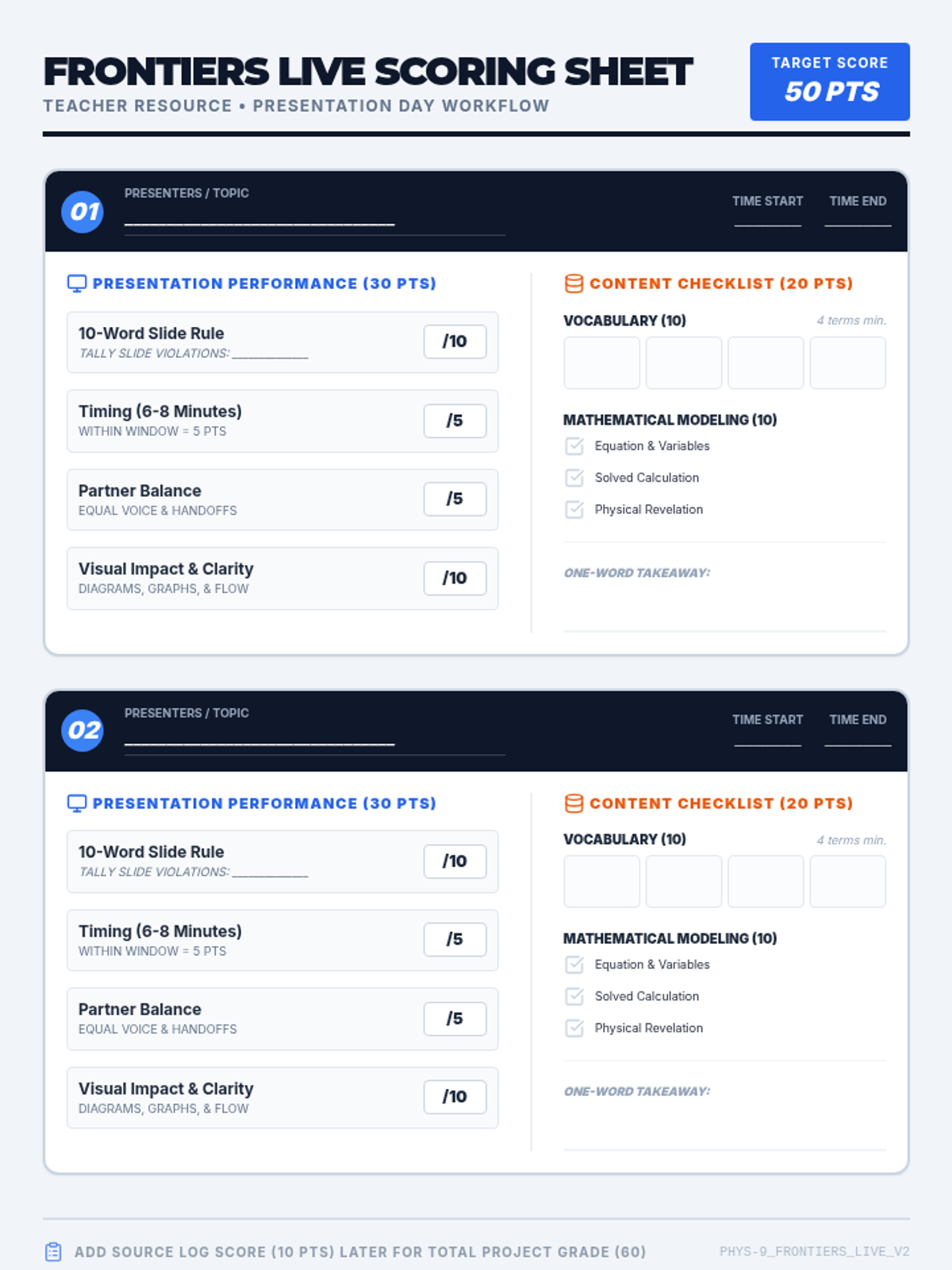
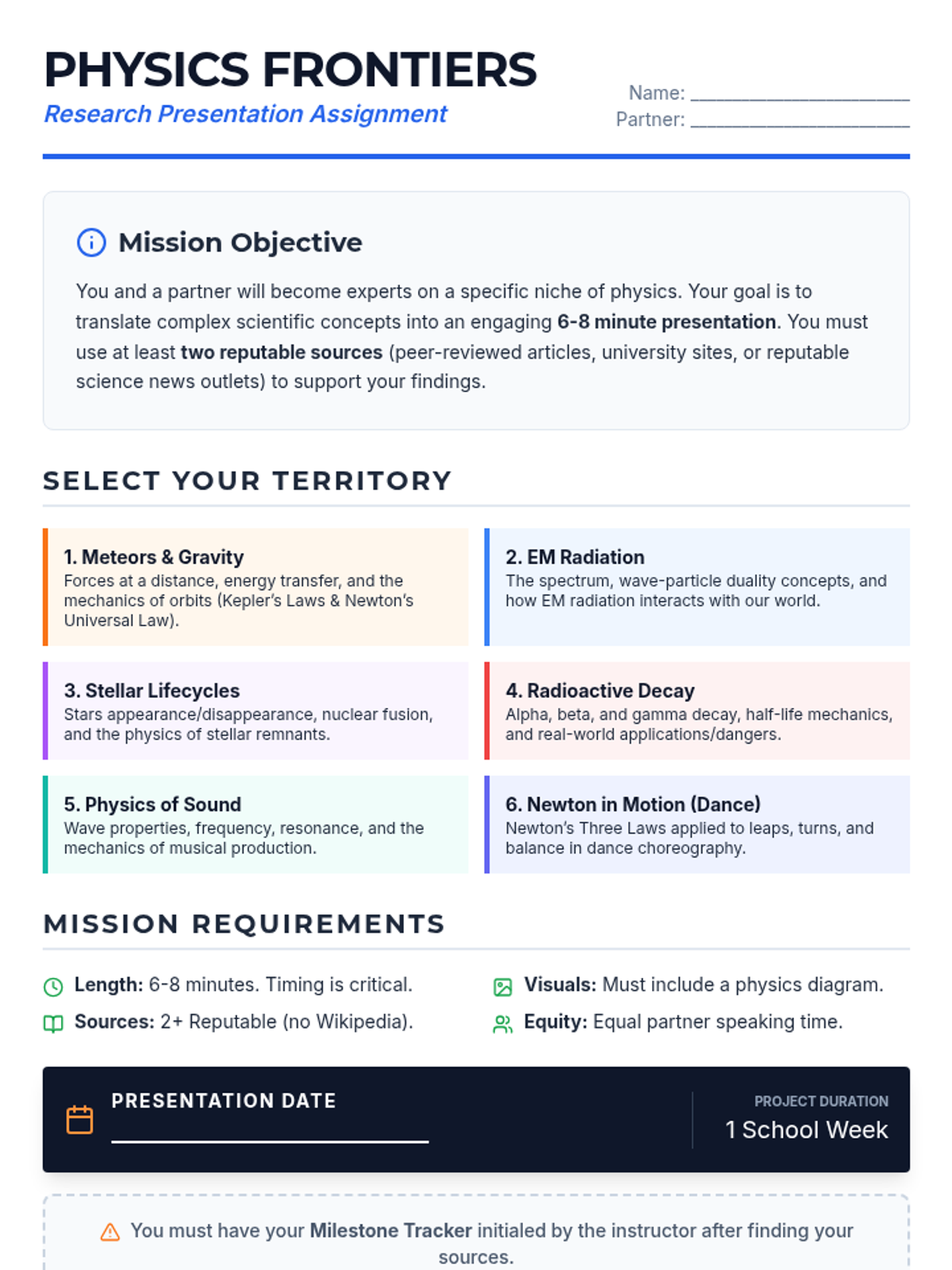
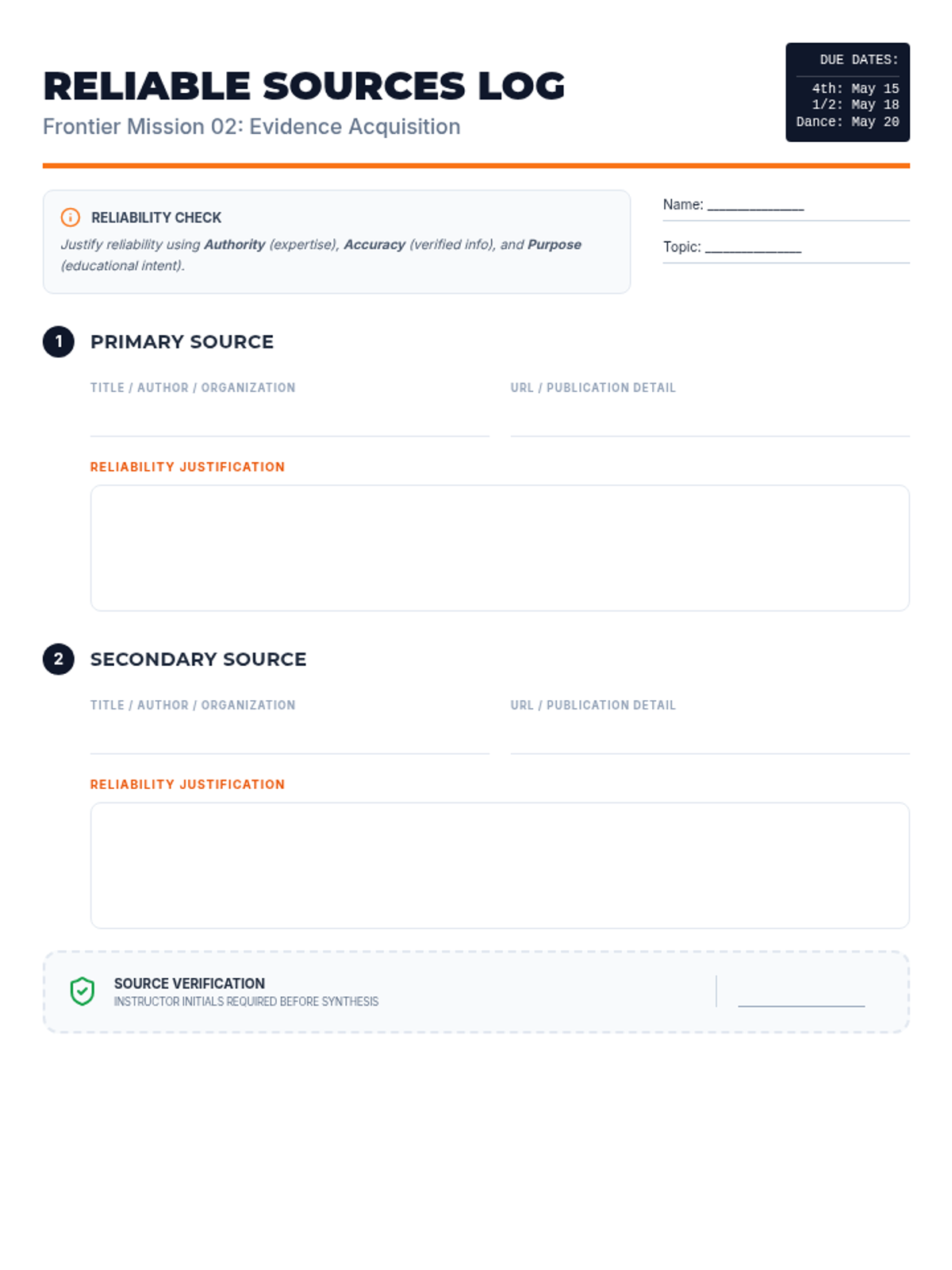
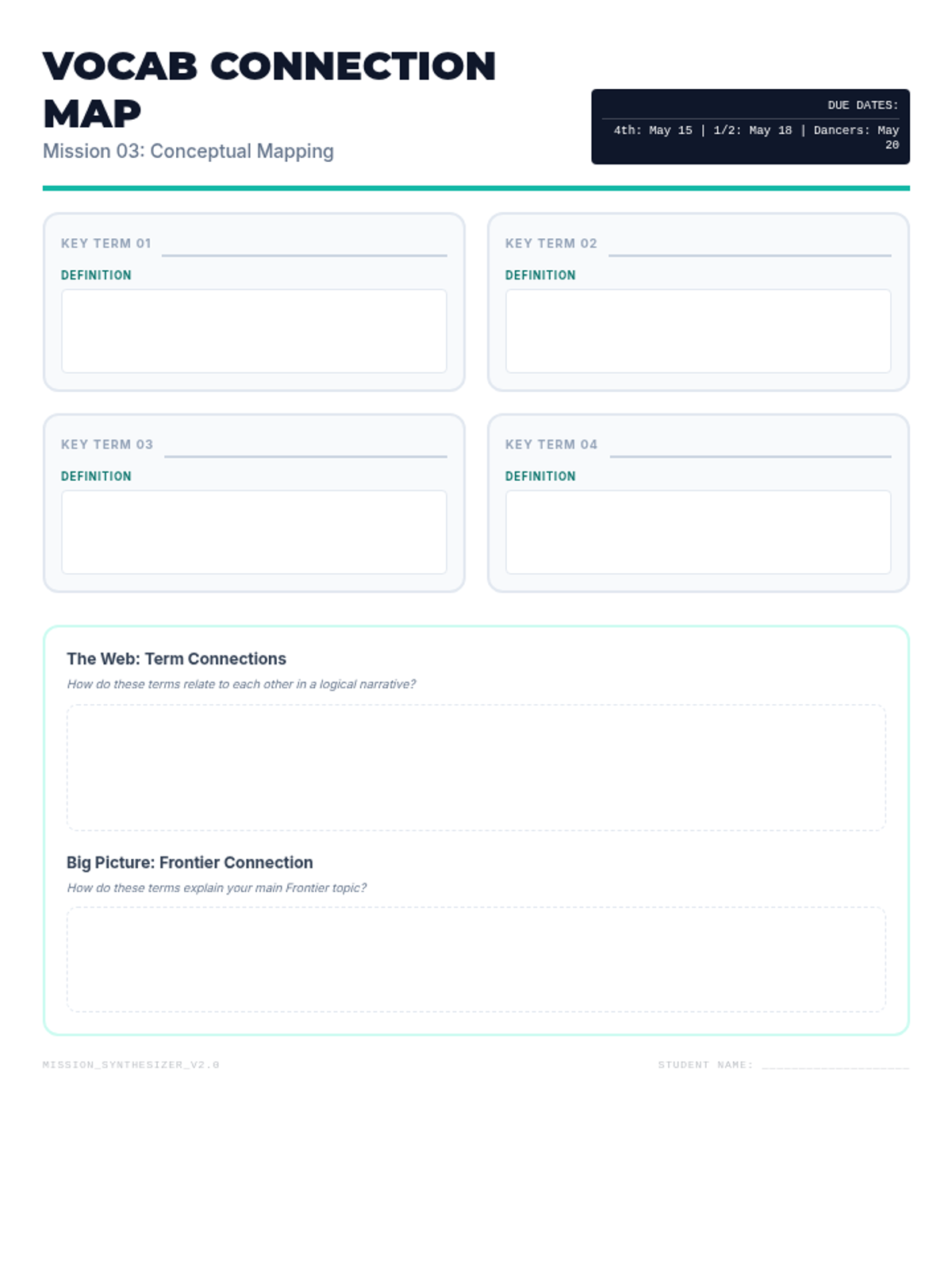
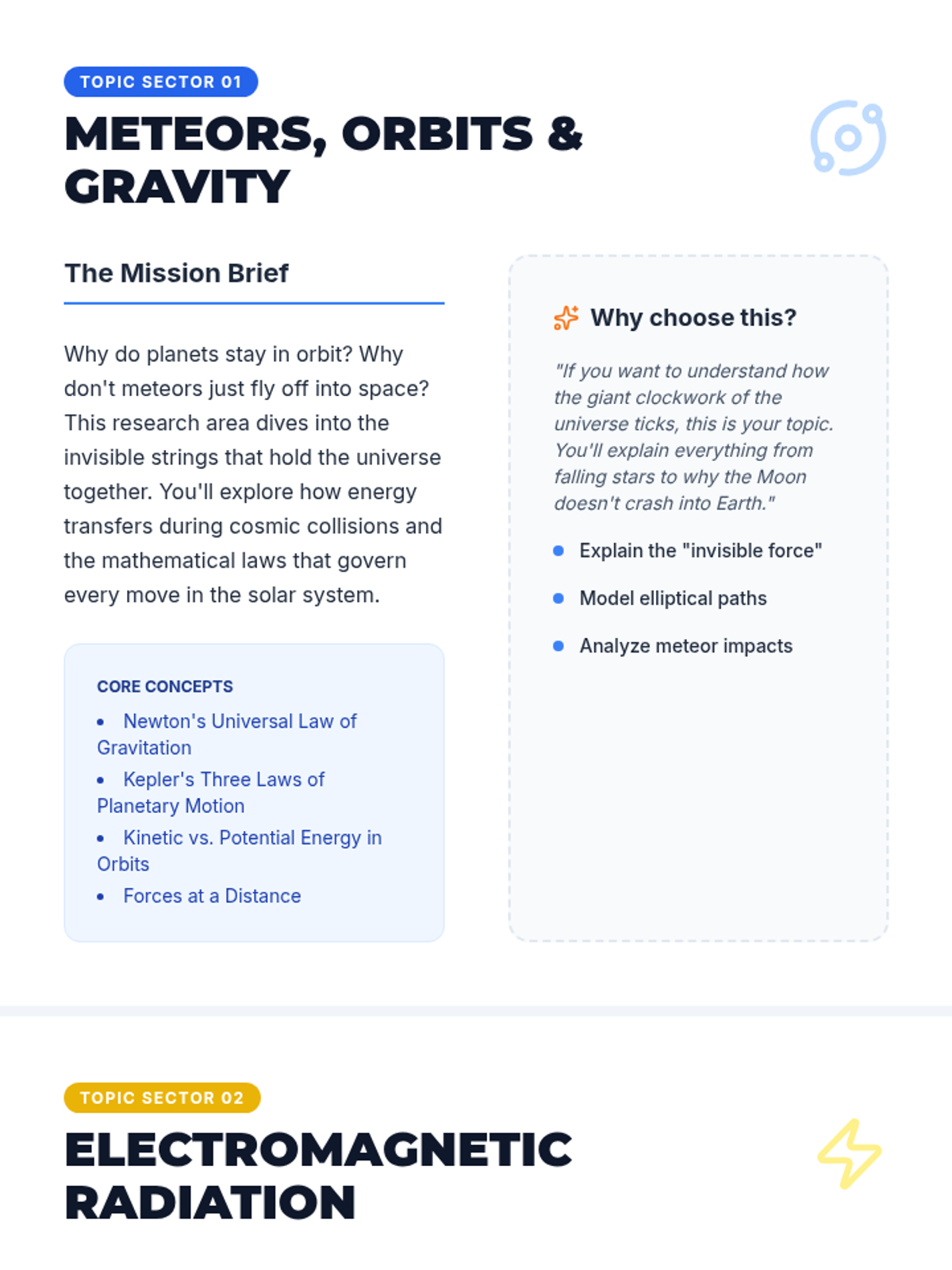
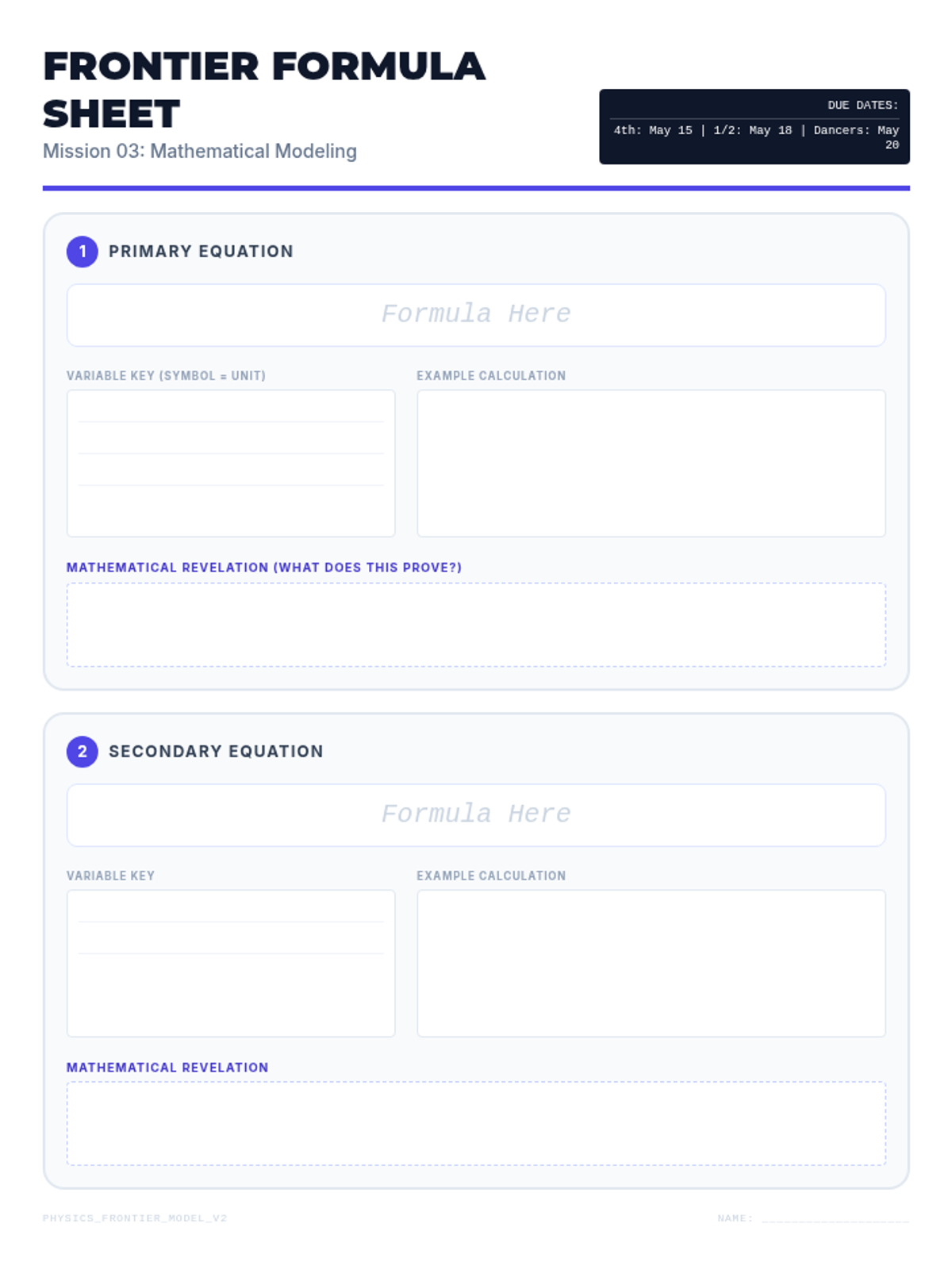
A partner-based research project for 9th-grade conceptual physics students focusing on diverse topics from celestial mechanics to the physics of dance. Students move through a structured research process with mandatory teacher checkpoints for source reliability.
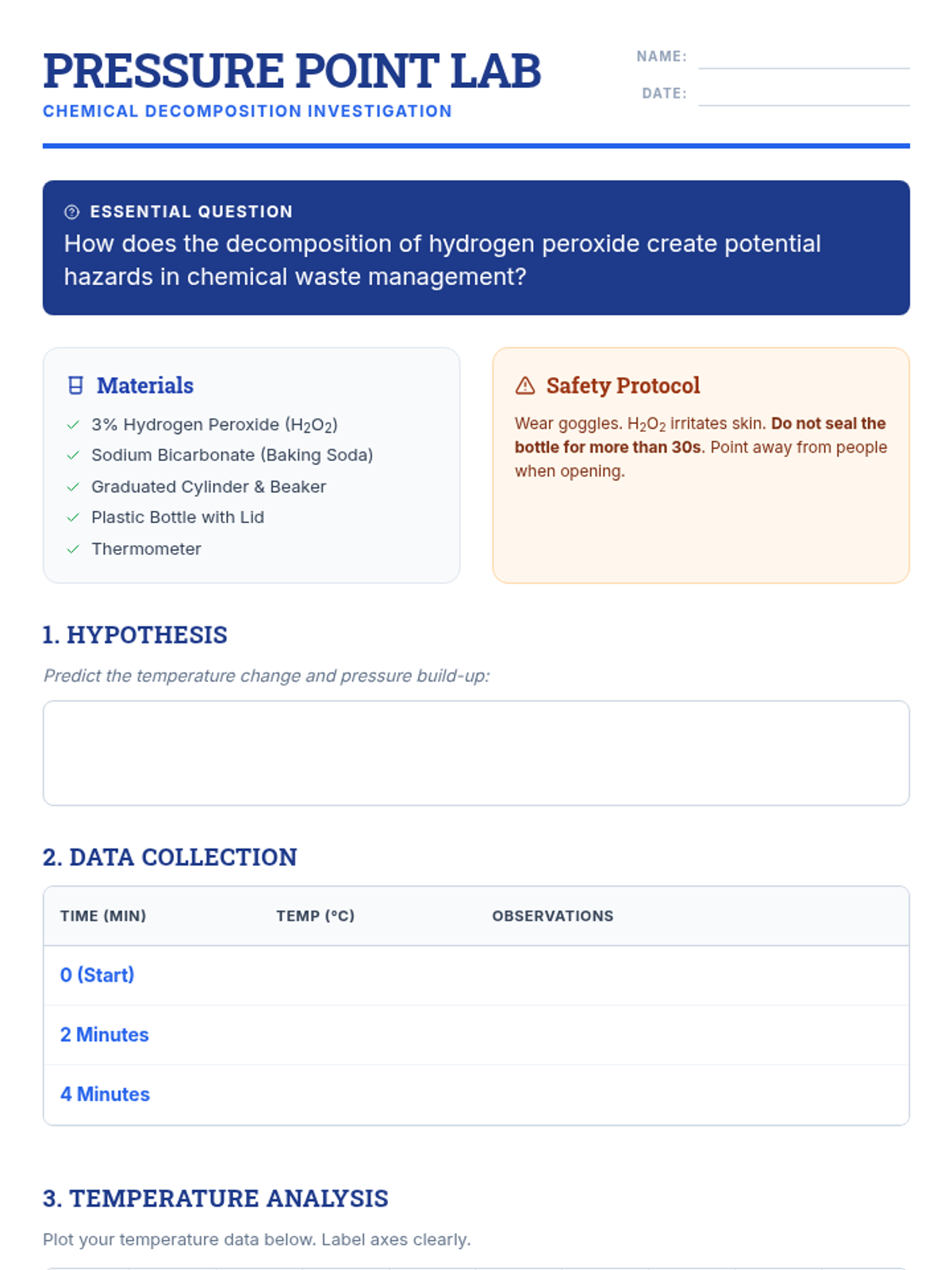
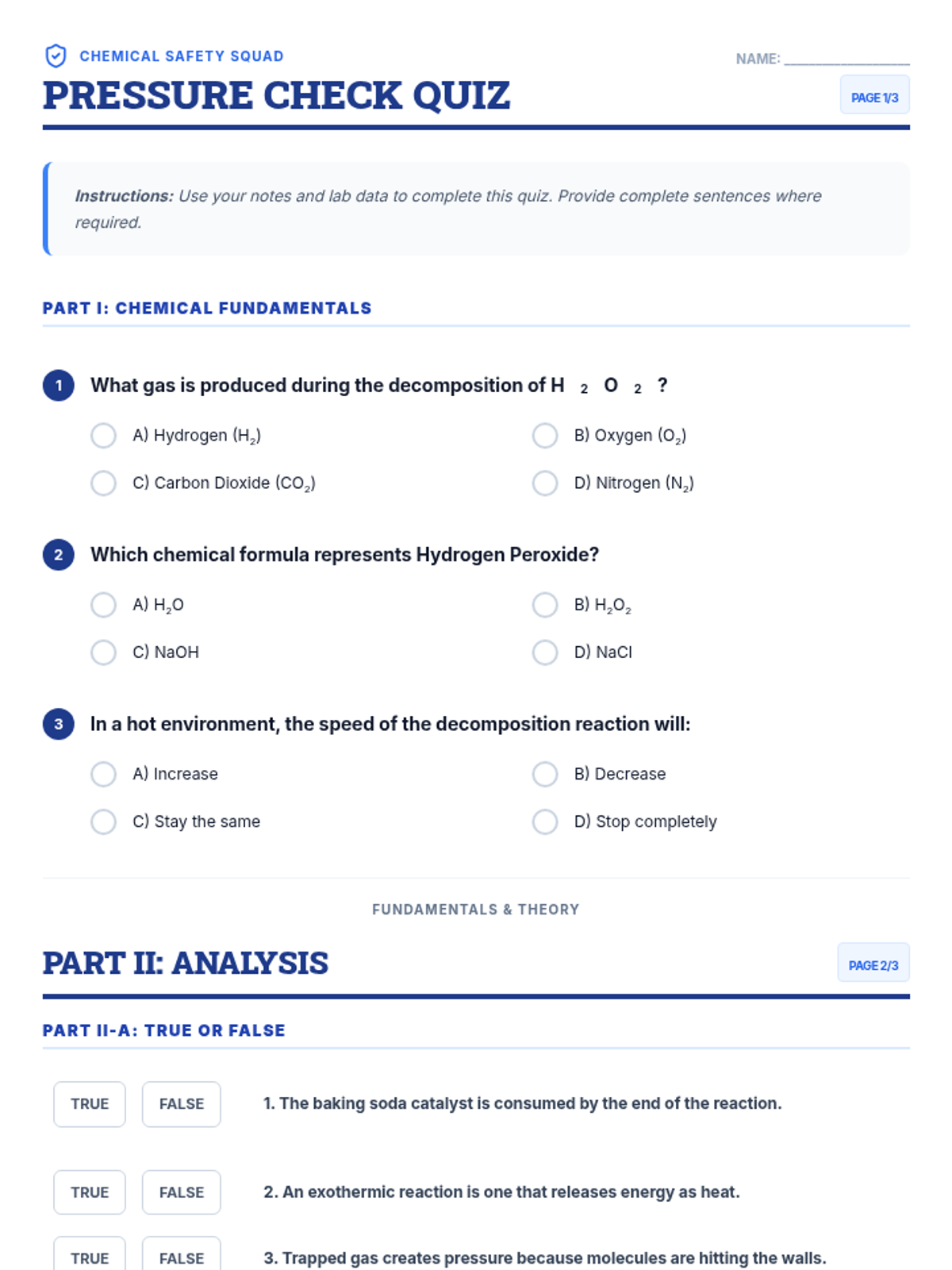
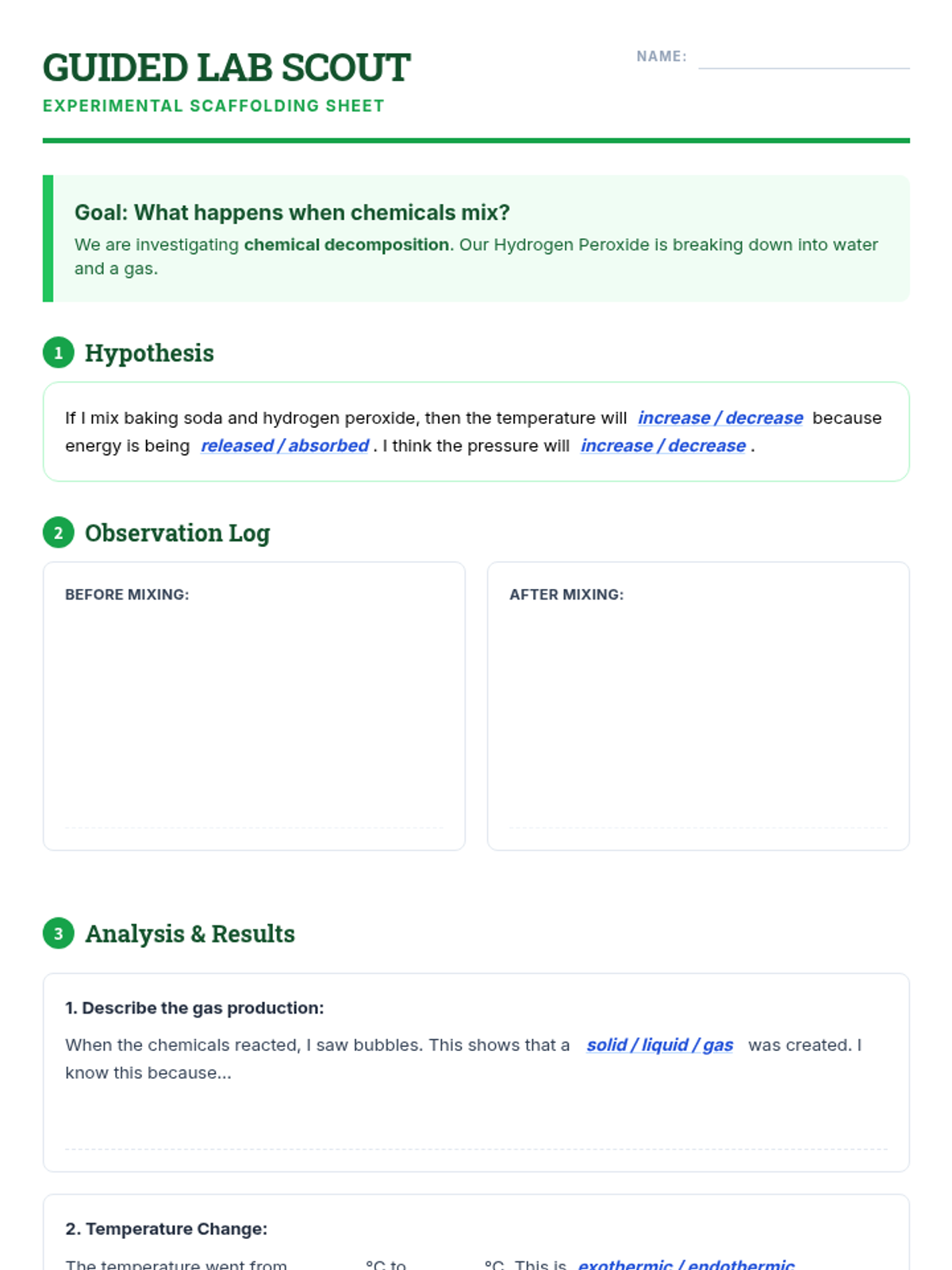
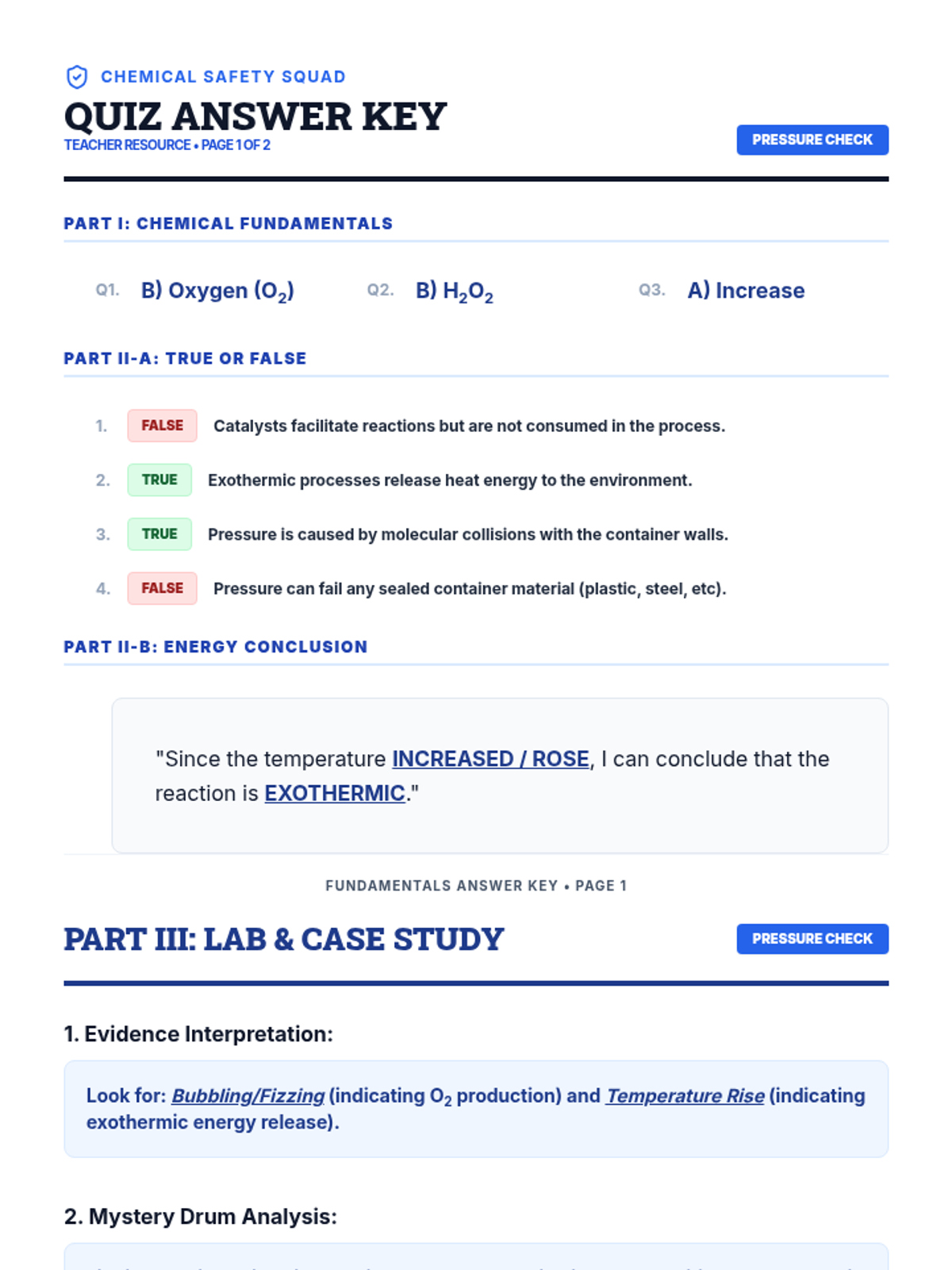
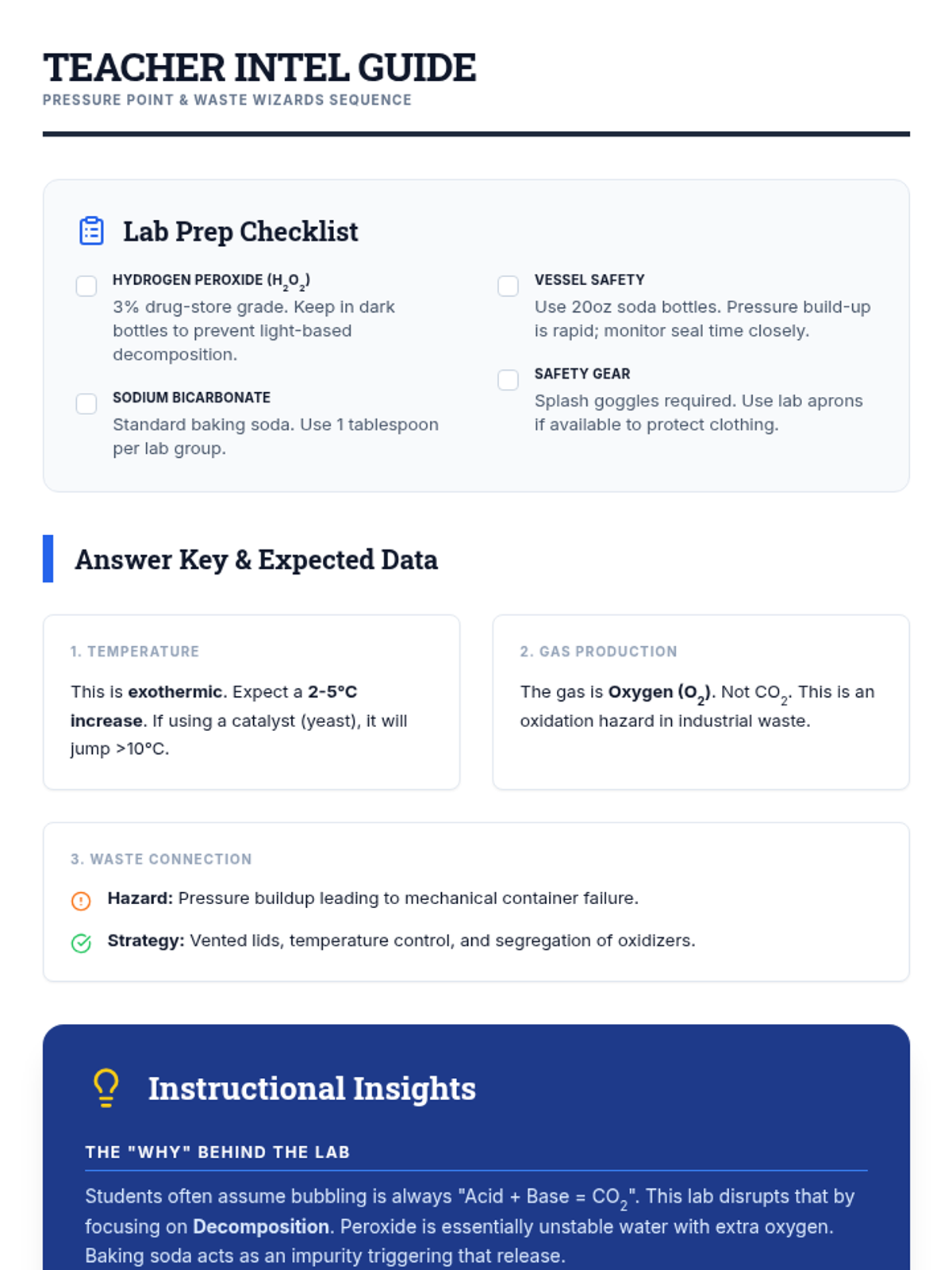
A 2-day science investigation exploring the chemical decomposition of hydrogen peroxide and baking soda, focusing on gas production, pressure, and its real-world implications for waste management and chemical safety.
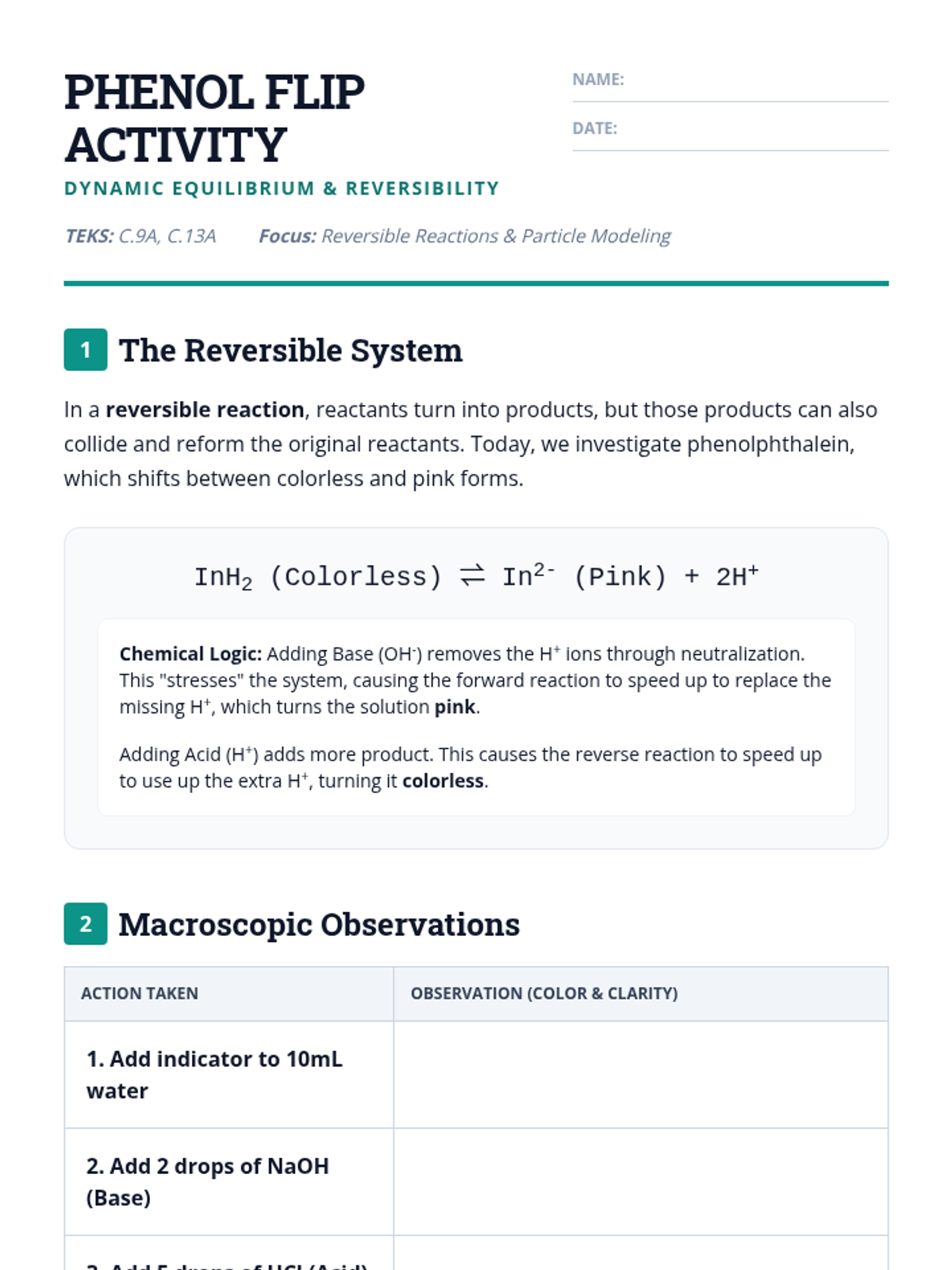
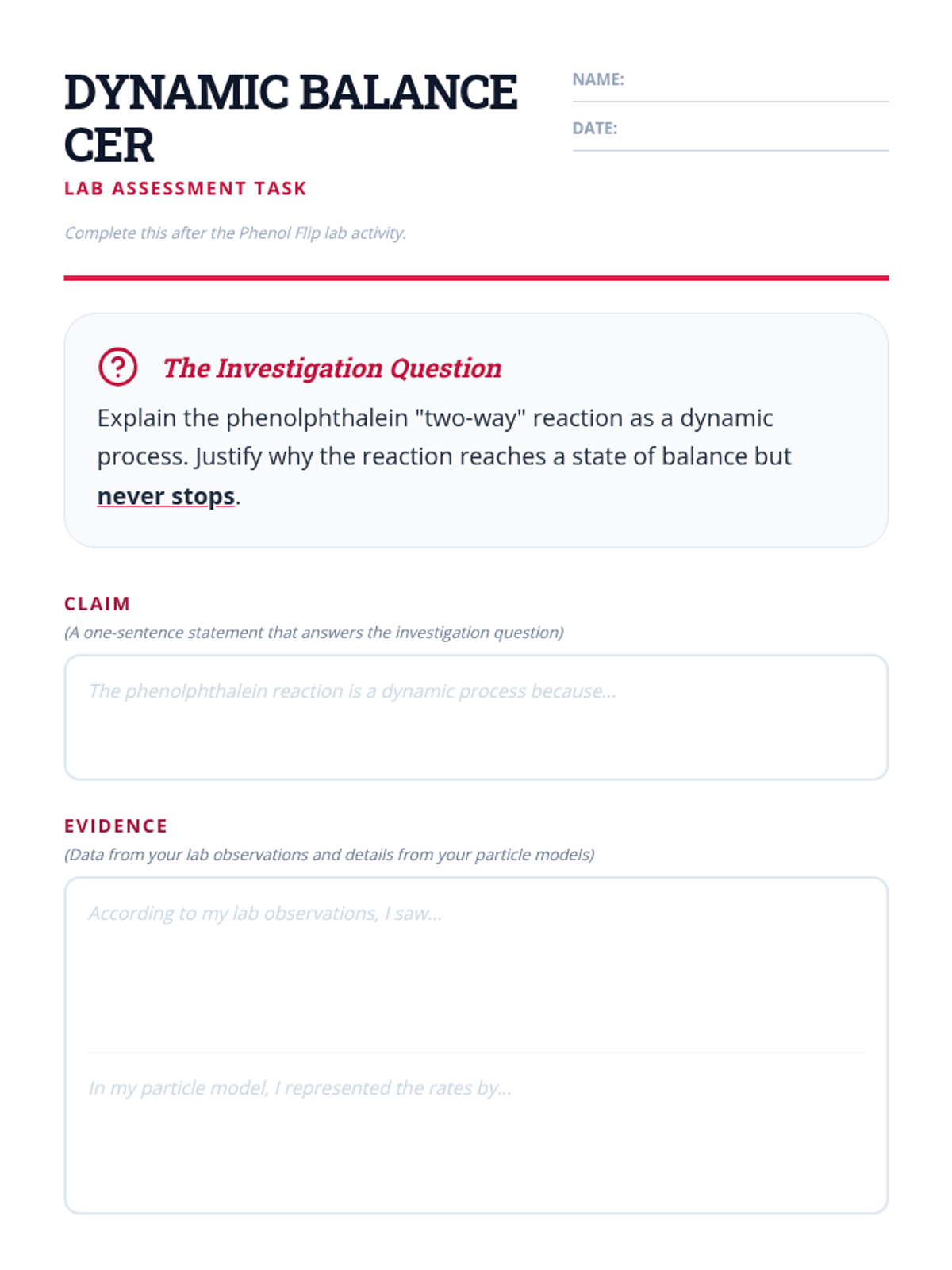
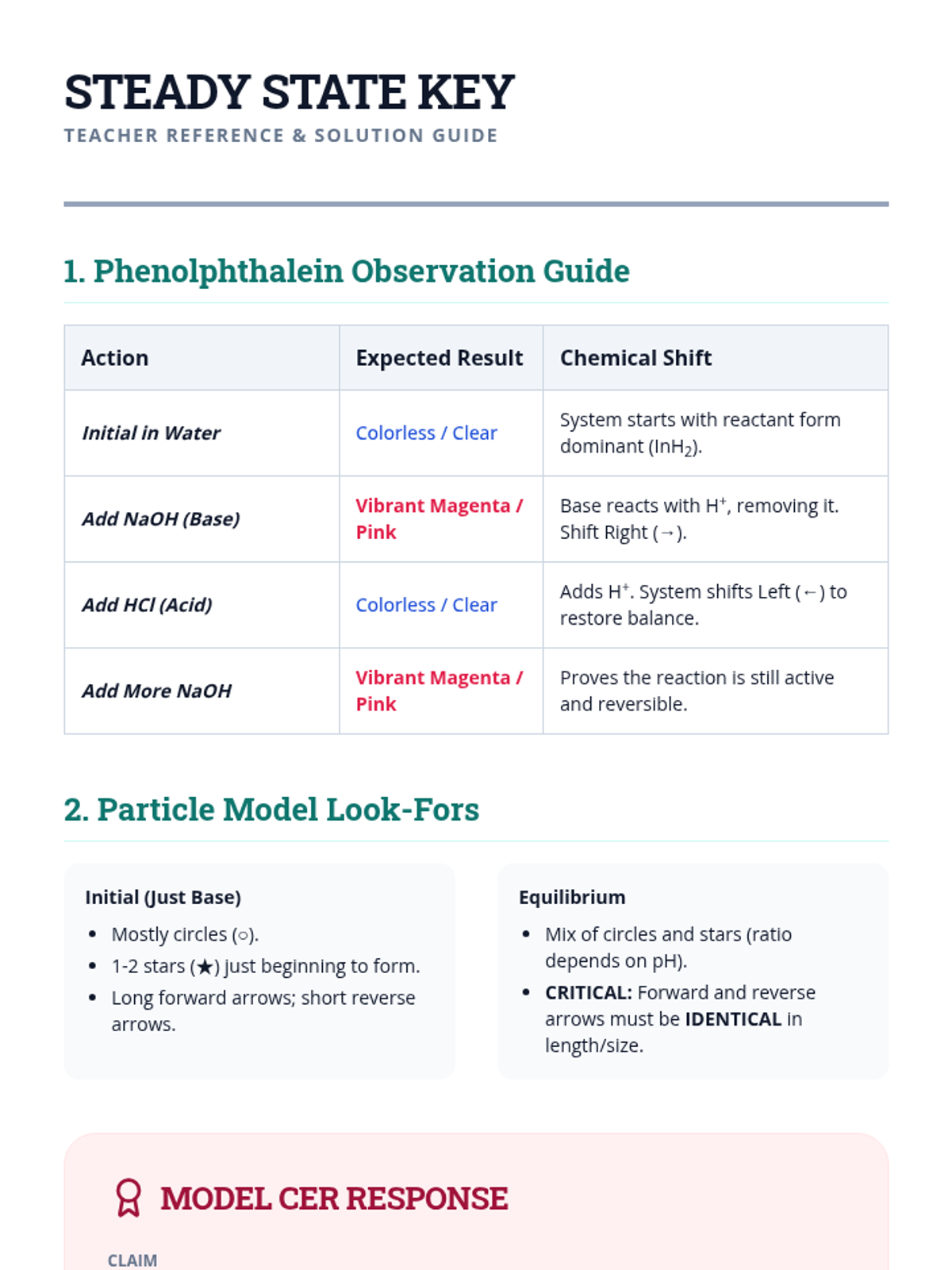
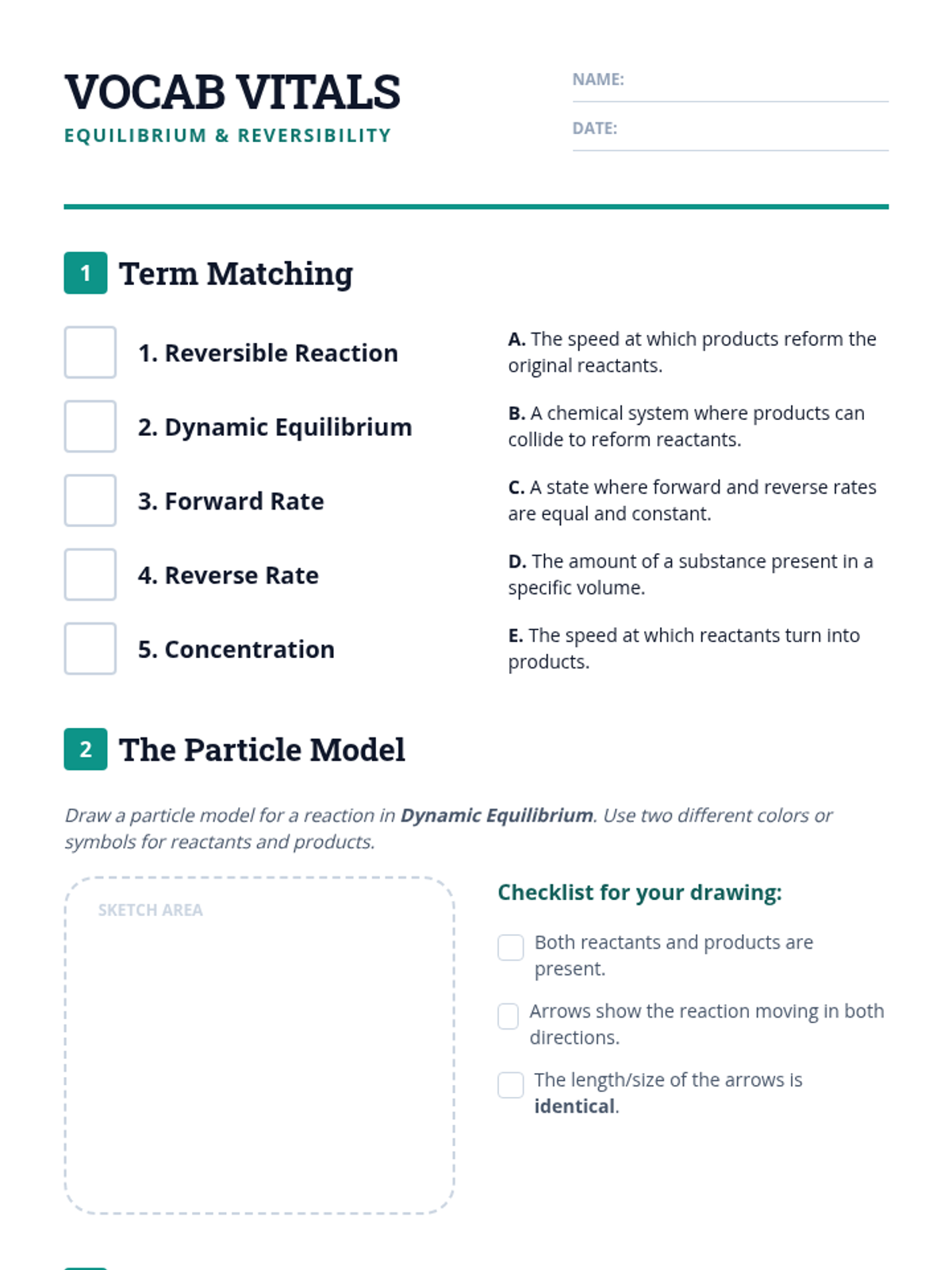
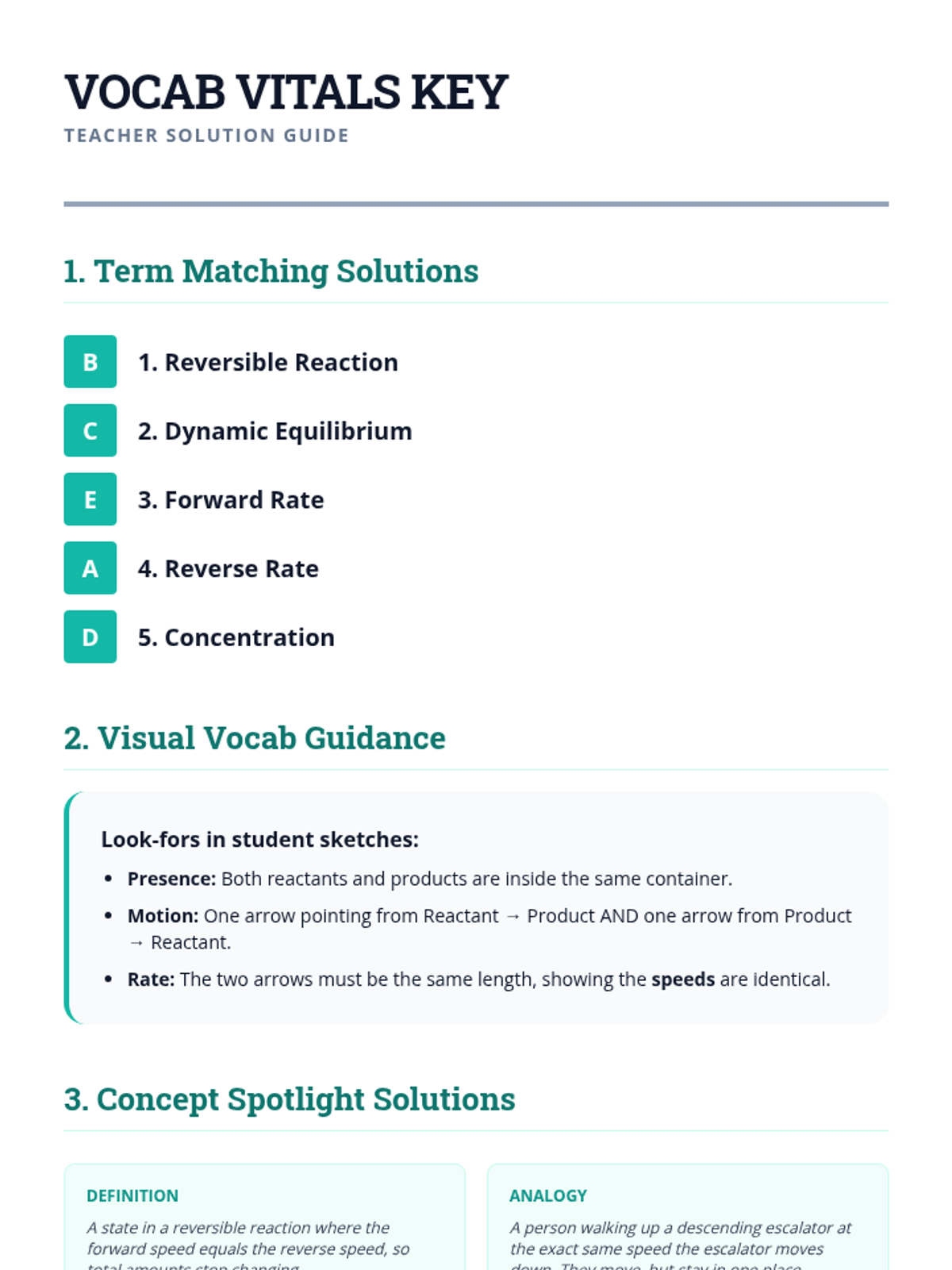
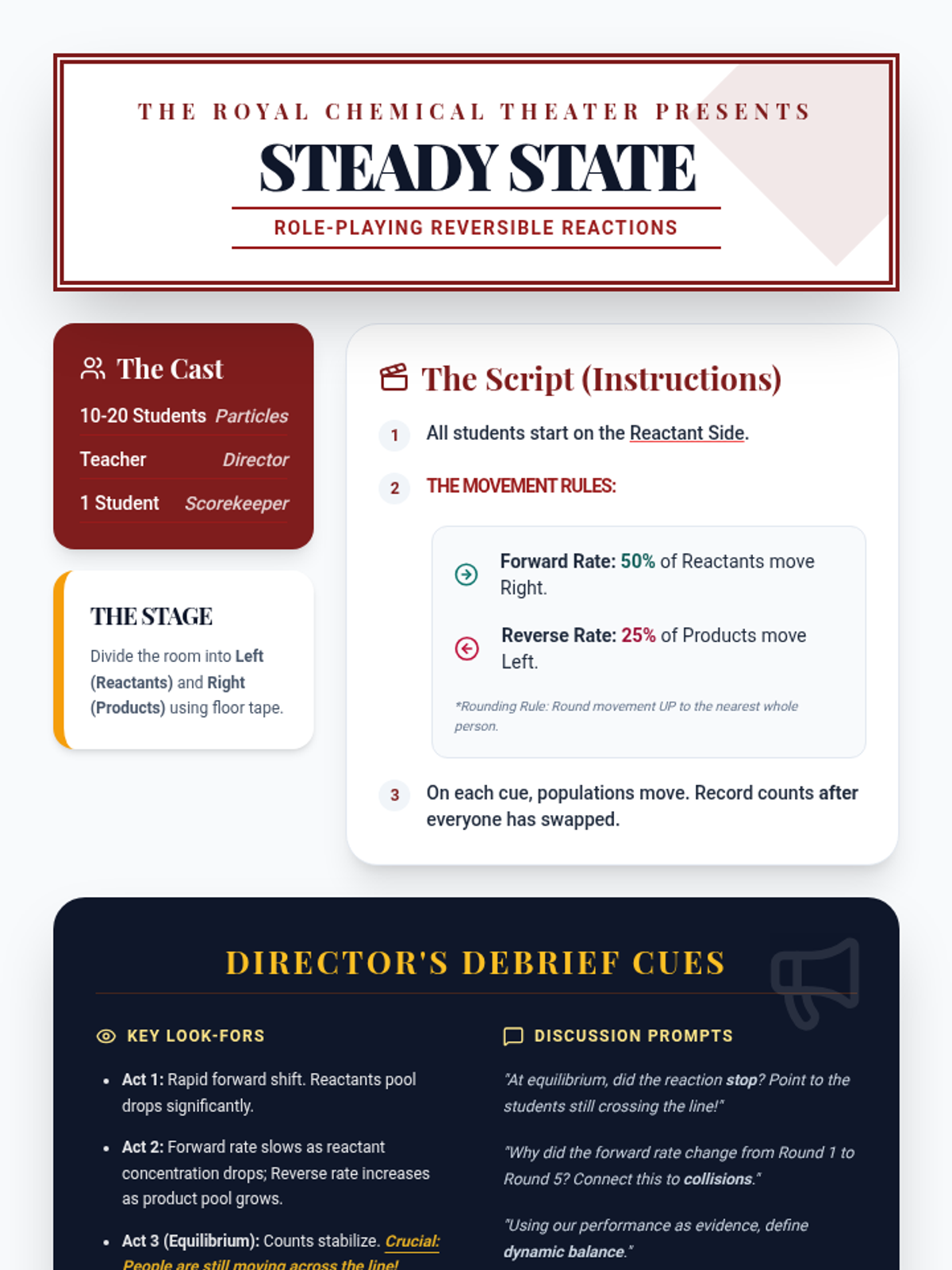
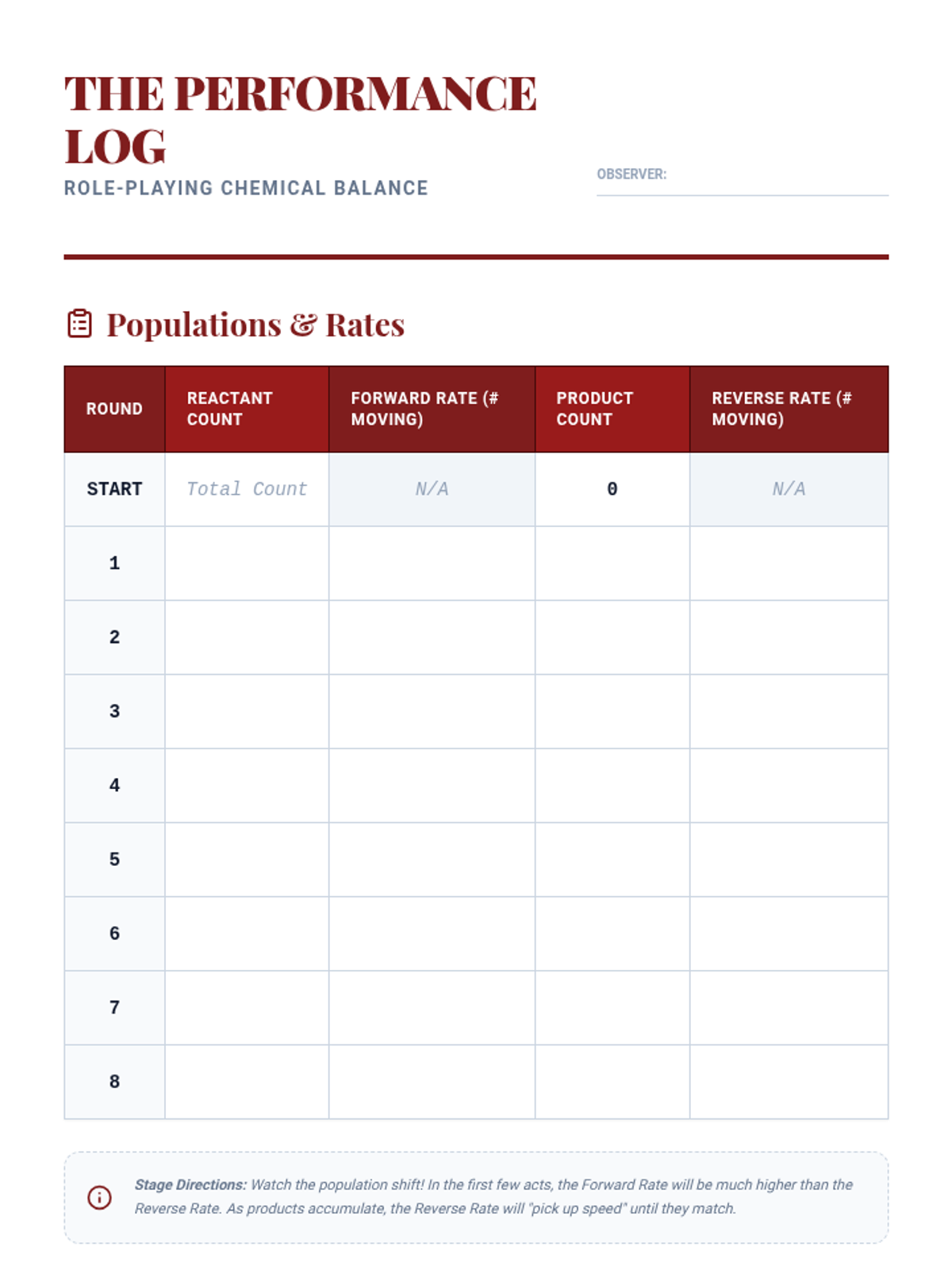
This unit explores how chemical reactions occur and how they reach a state of balance. Students investigate reaction kinetics, energy changes, and the principles of dynamic equilibrium through modeling and laboratory investigation.
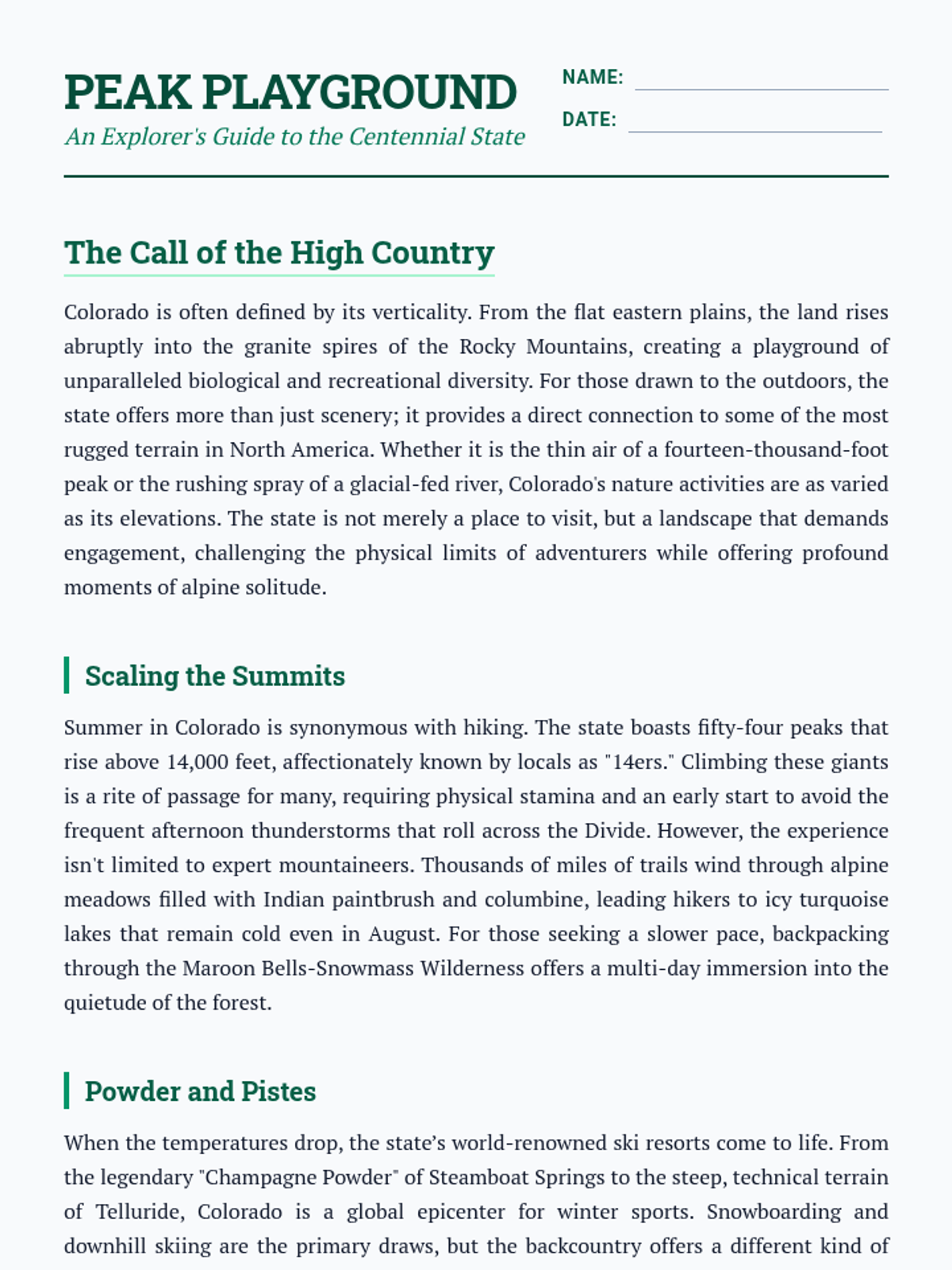
A three-lesson sequence exploring the physical geography, wildlife ecology, and environmental conservation of the Rocky Mountain region, using Colorado as a primary case study.
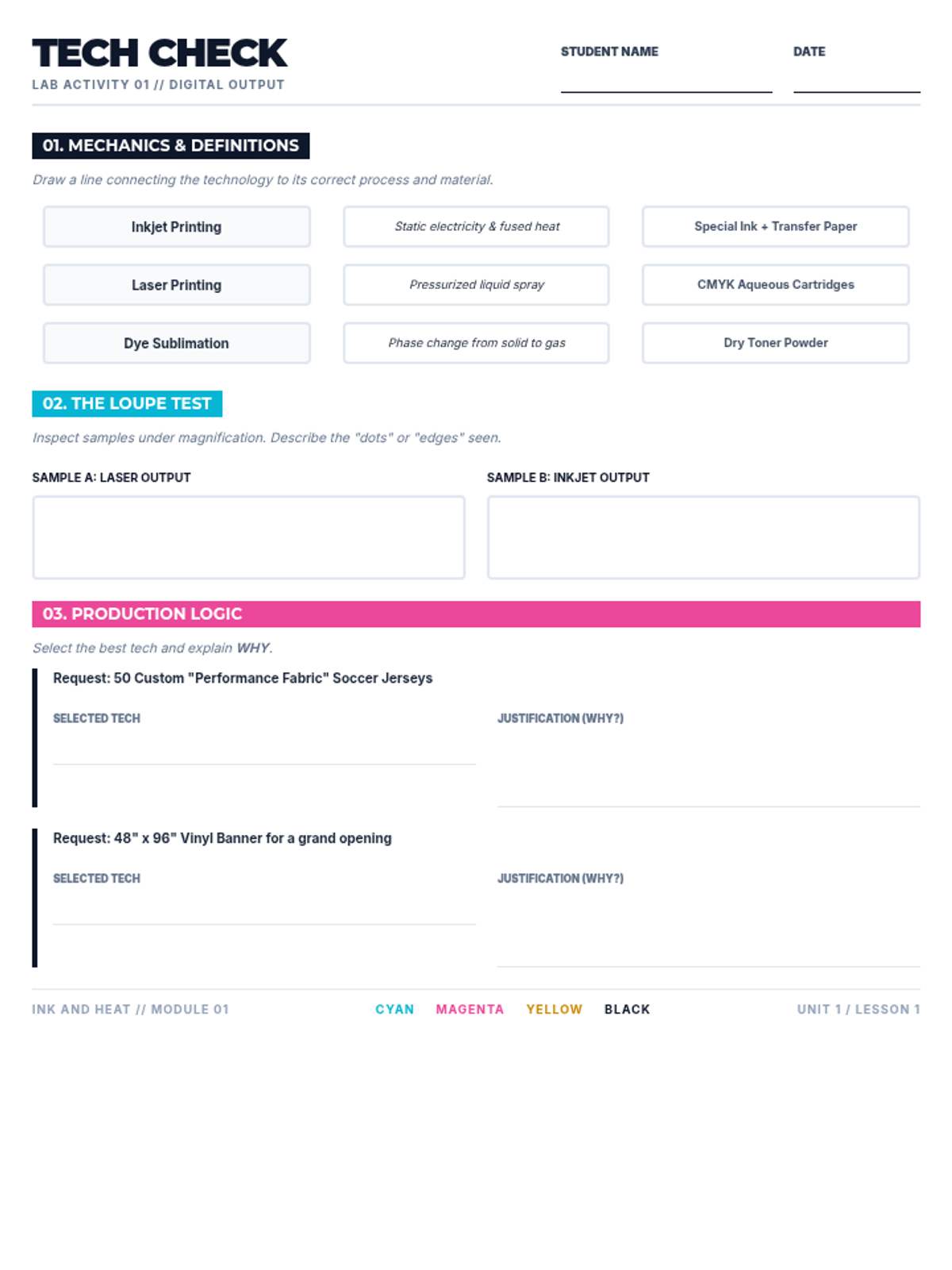
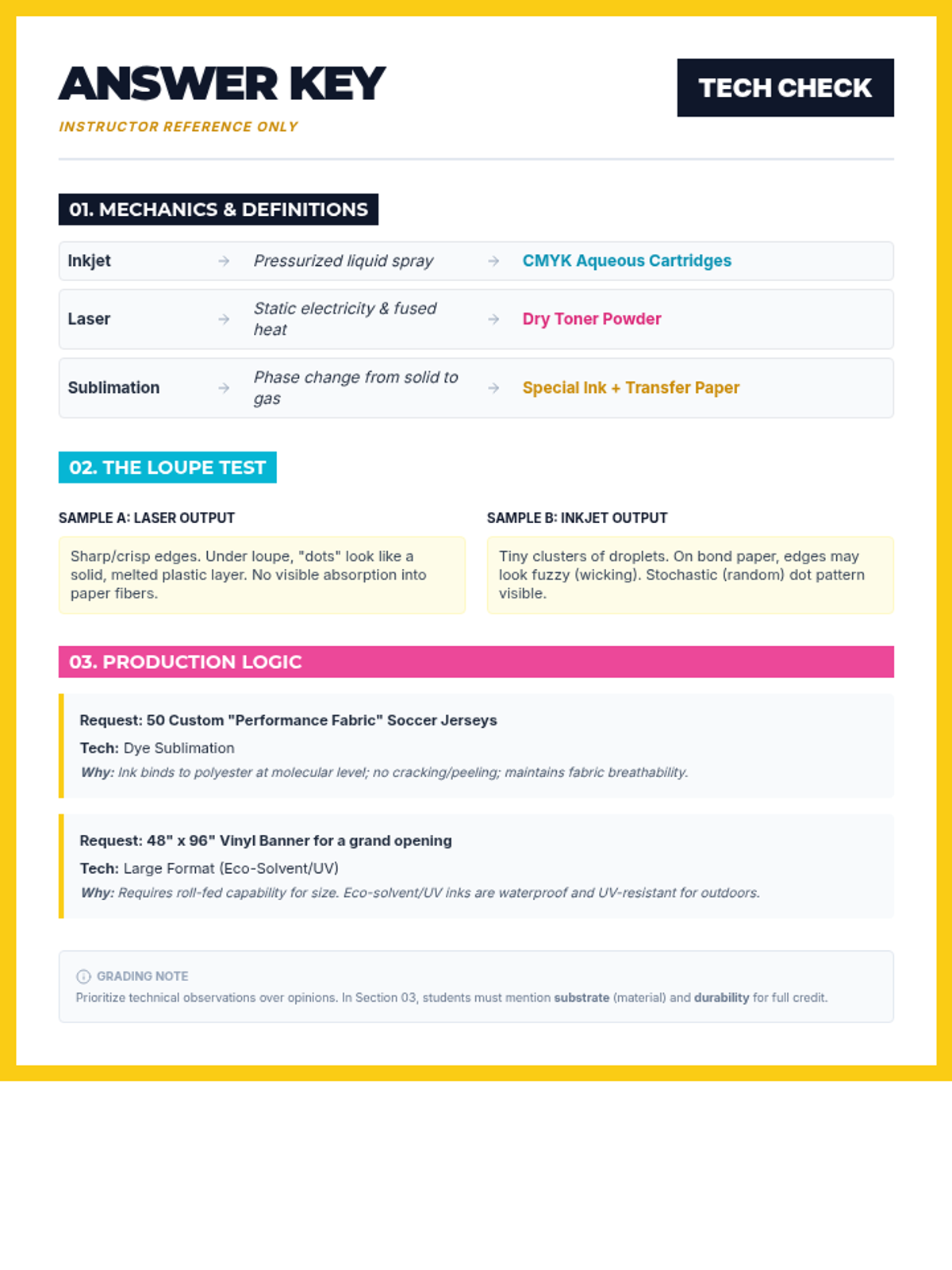
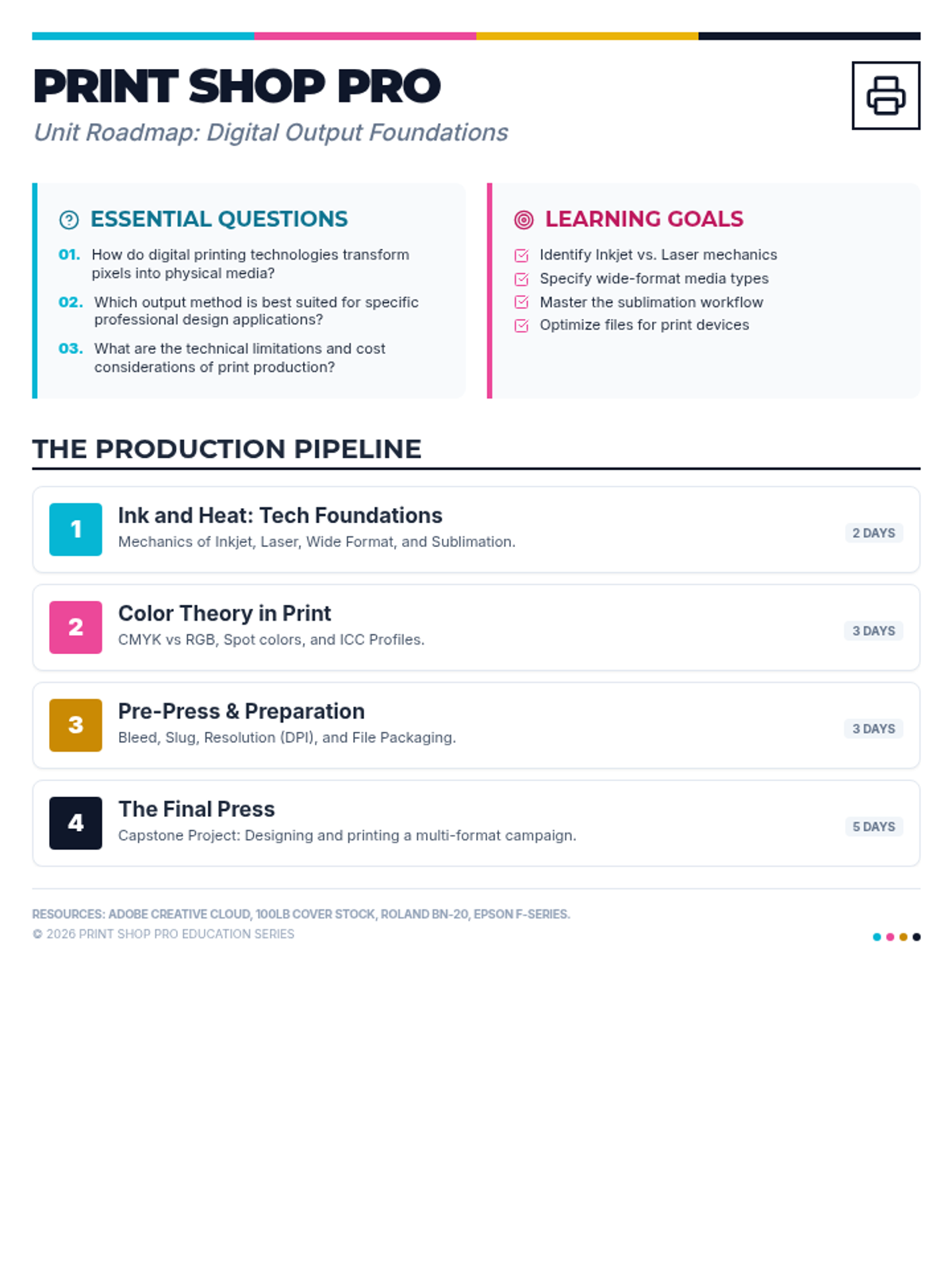
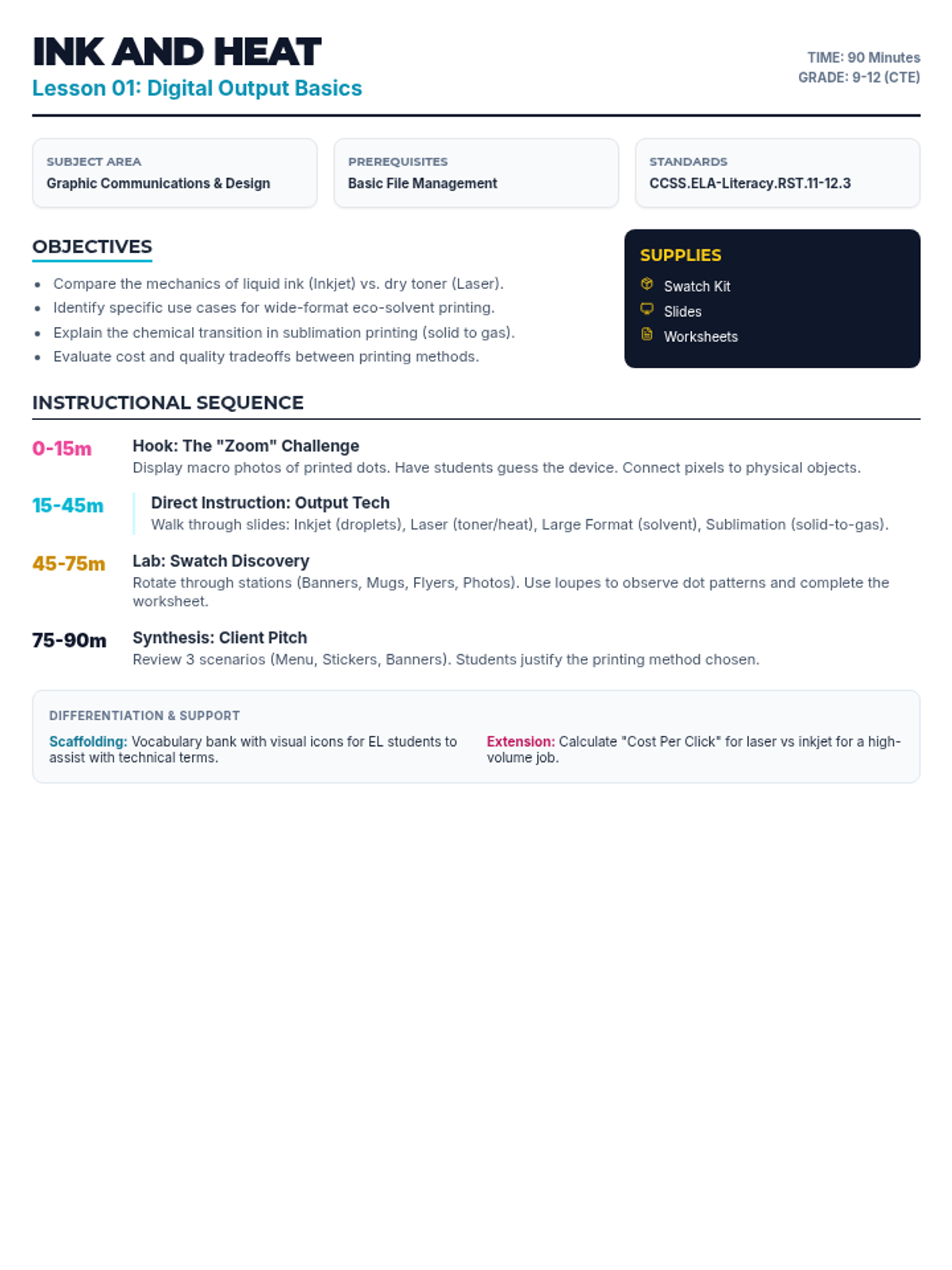
A comprehensive unit exploring the world of digital printing, from desktop publishing to industrial wide-format and specialty sublimation techniques. Students gain technical knowledge and practical design skills for print production.
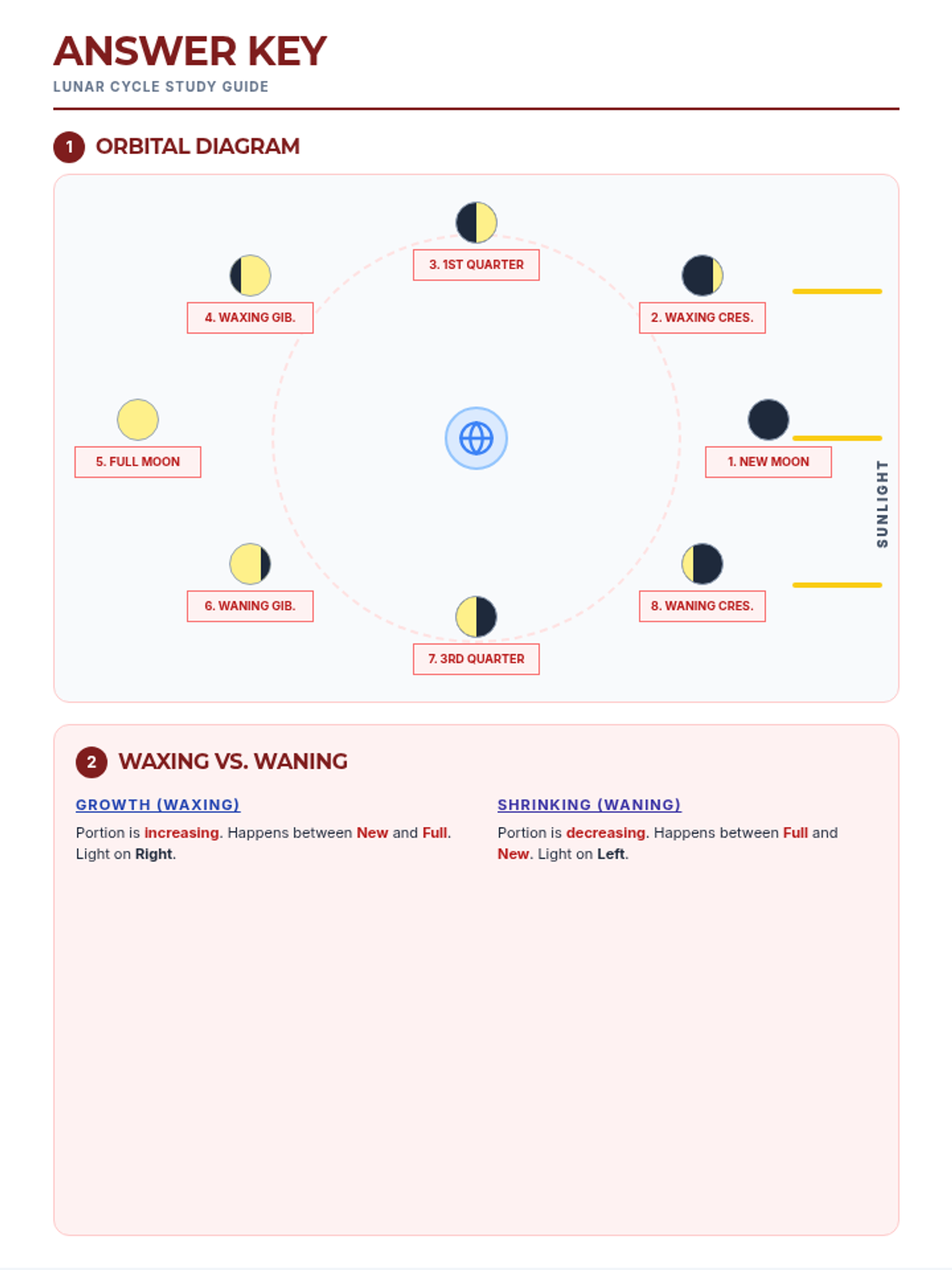
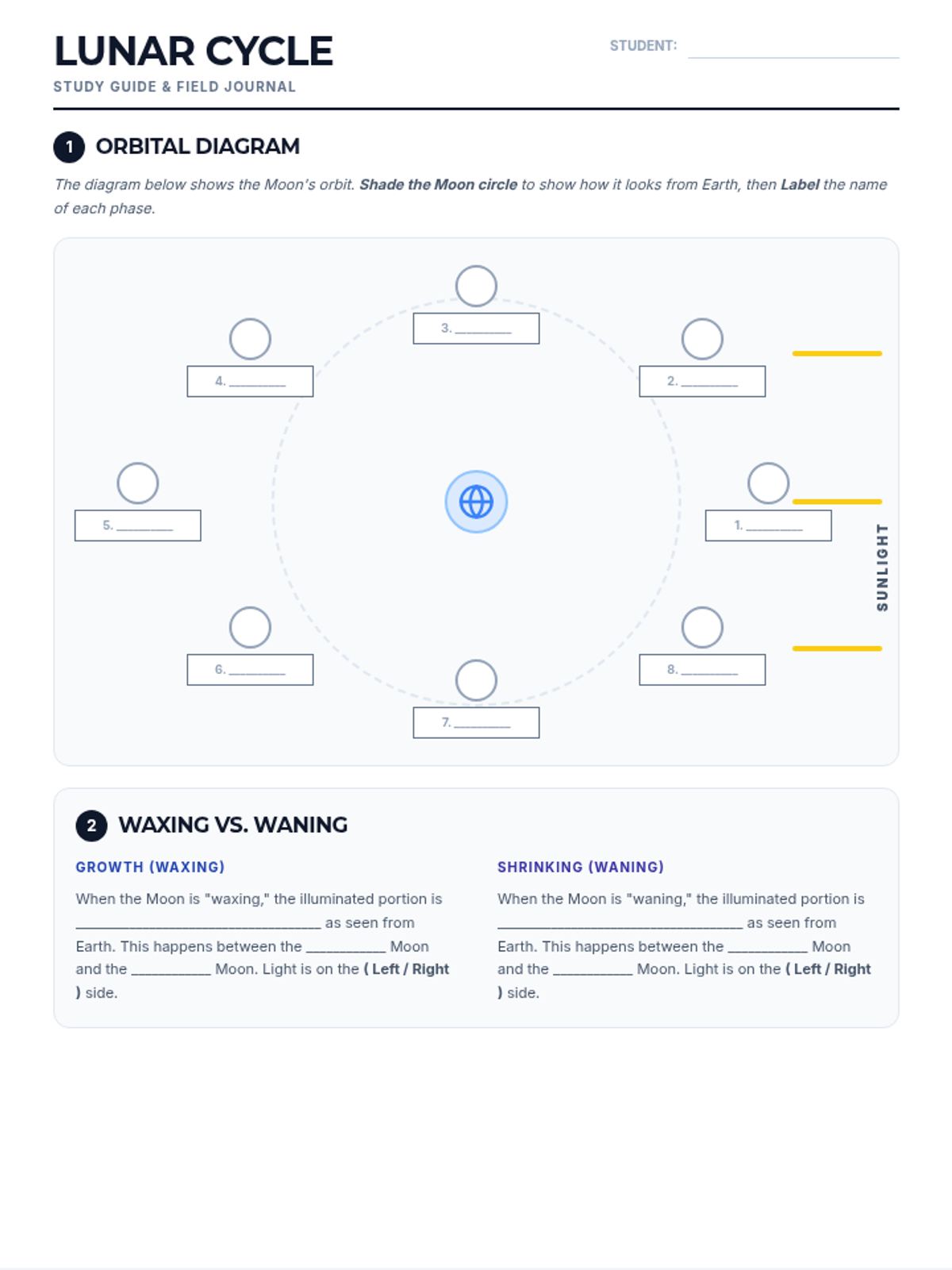
An astronomy unit focused on the Earth-Moon-Sun system and celestial patterns.
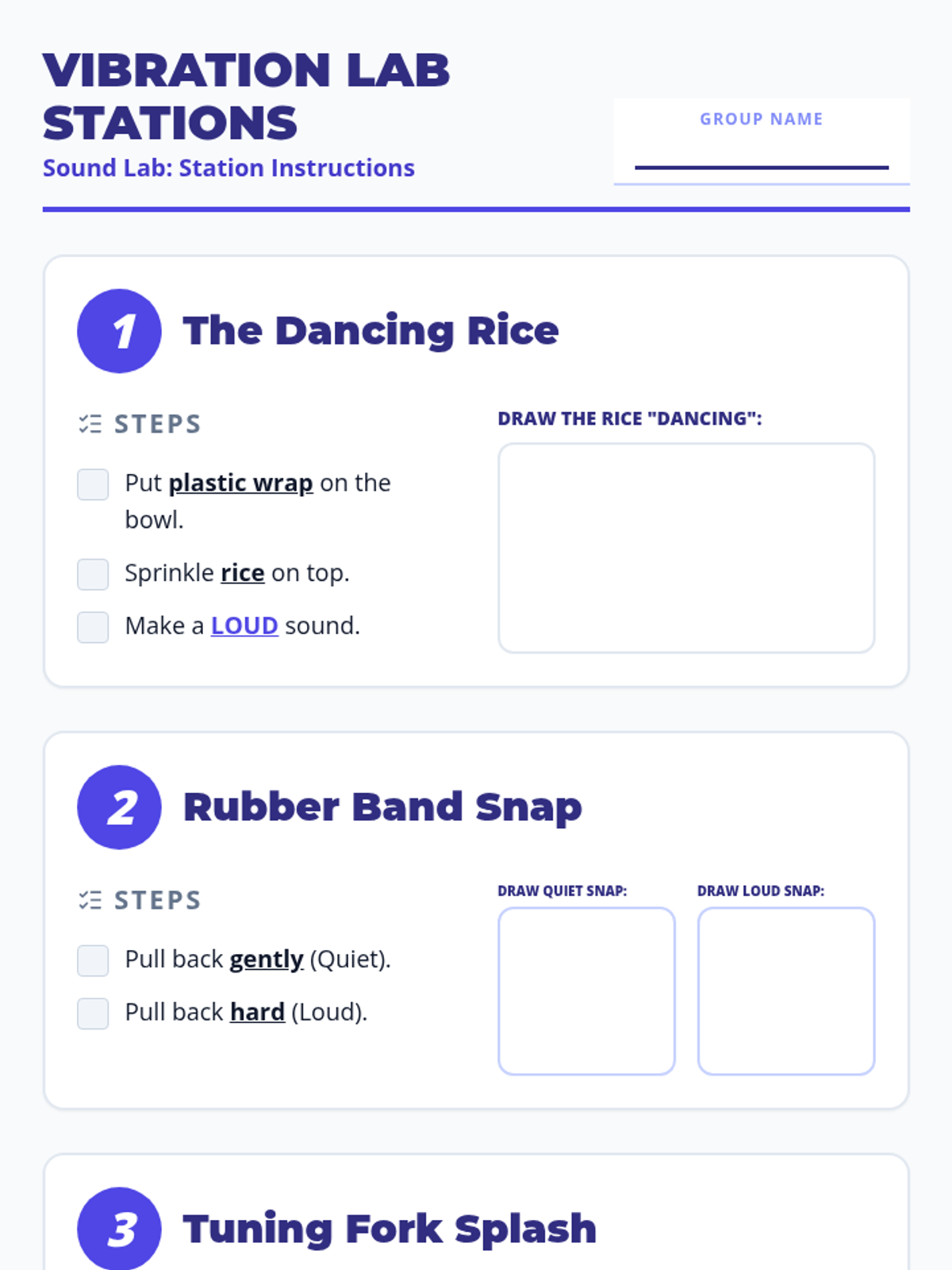
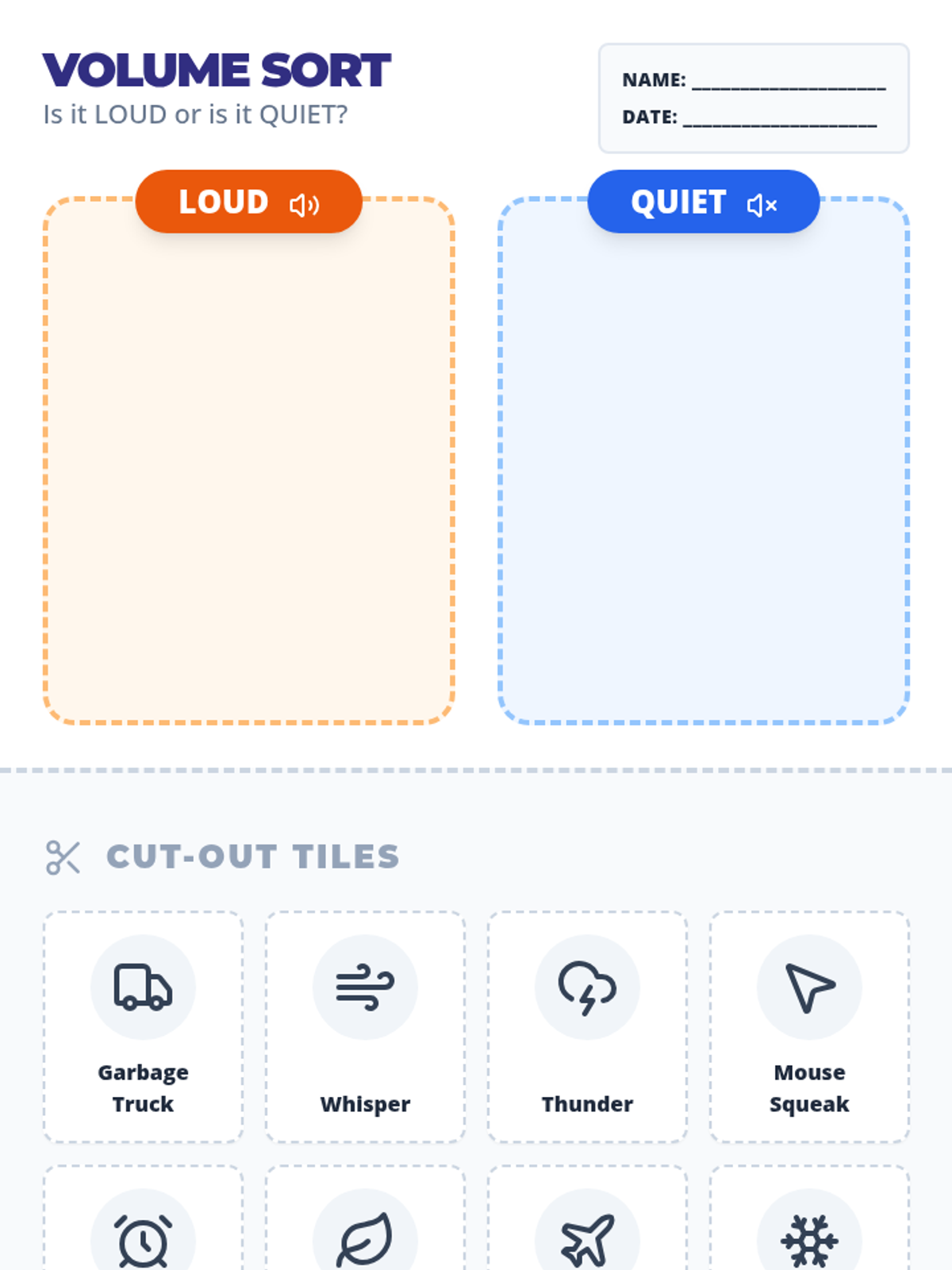
A comprehensive four-lesson unit on sound exploration designed for high school Essential Skills students. This unit covers vibration, volume, source, direction, pitch, and frequency through highly visual and hands-on activities.
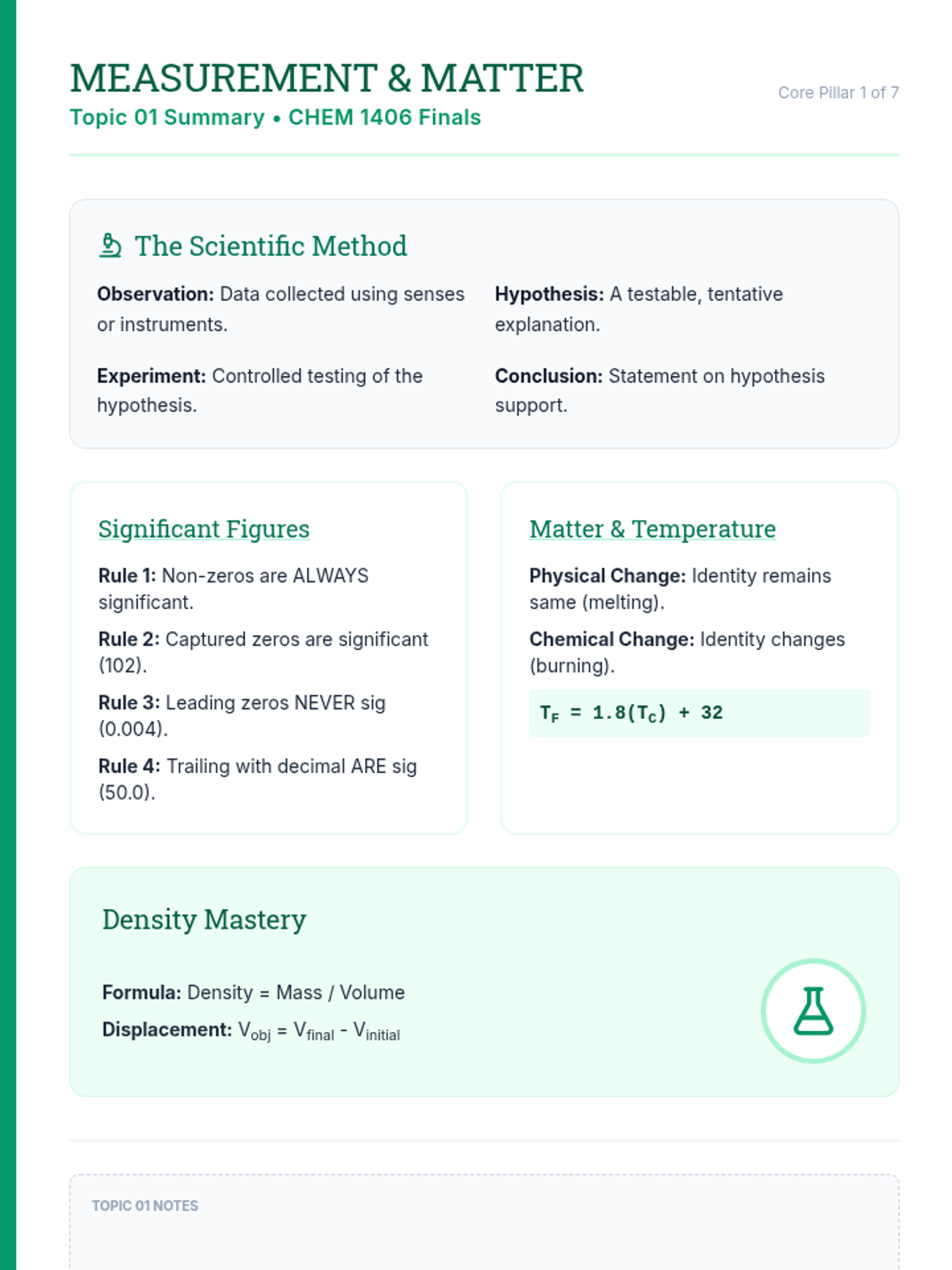
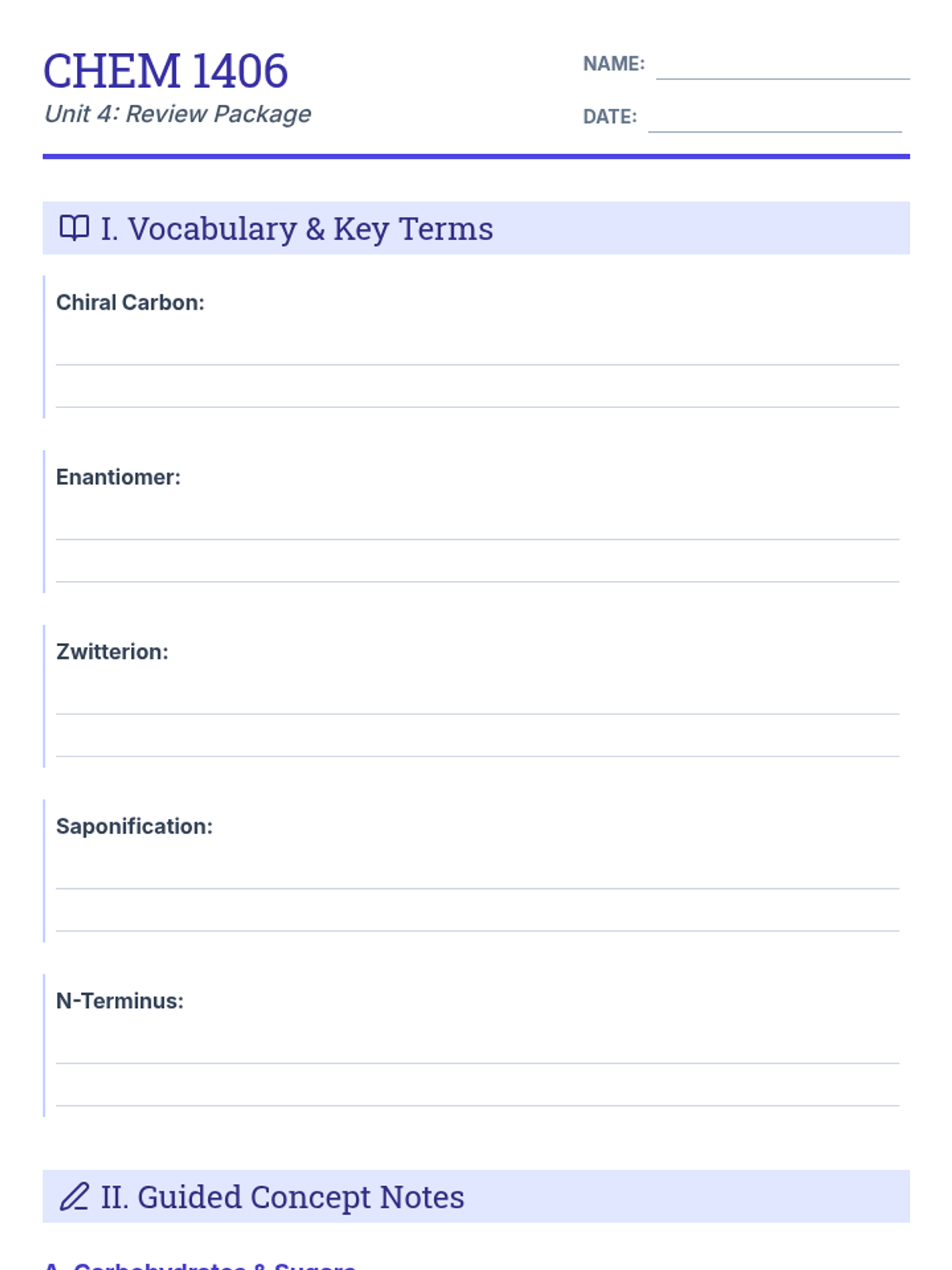
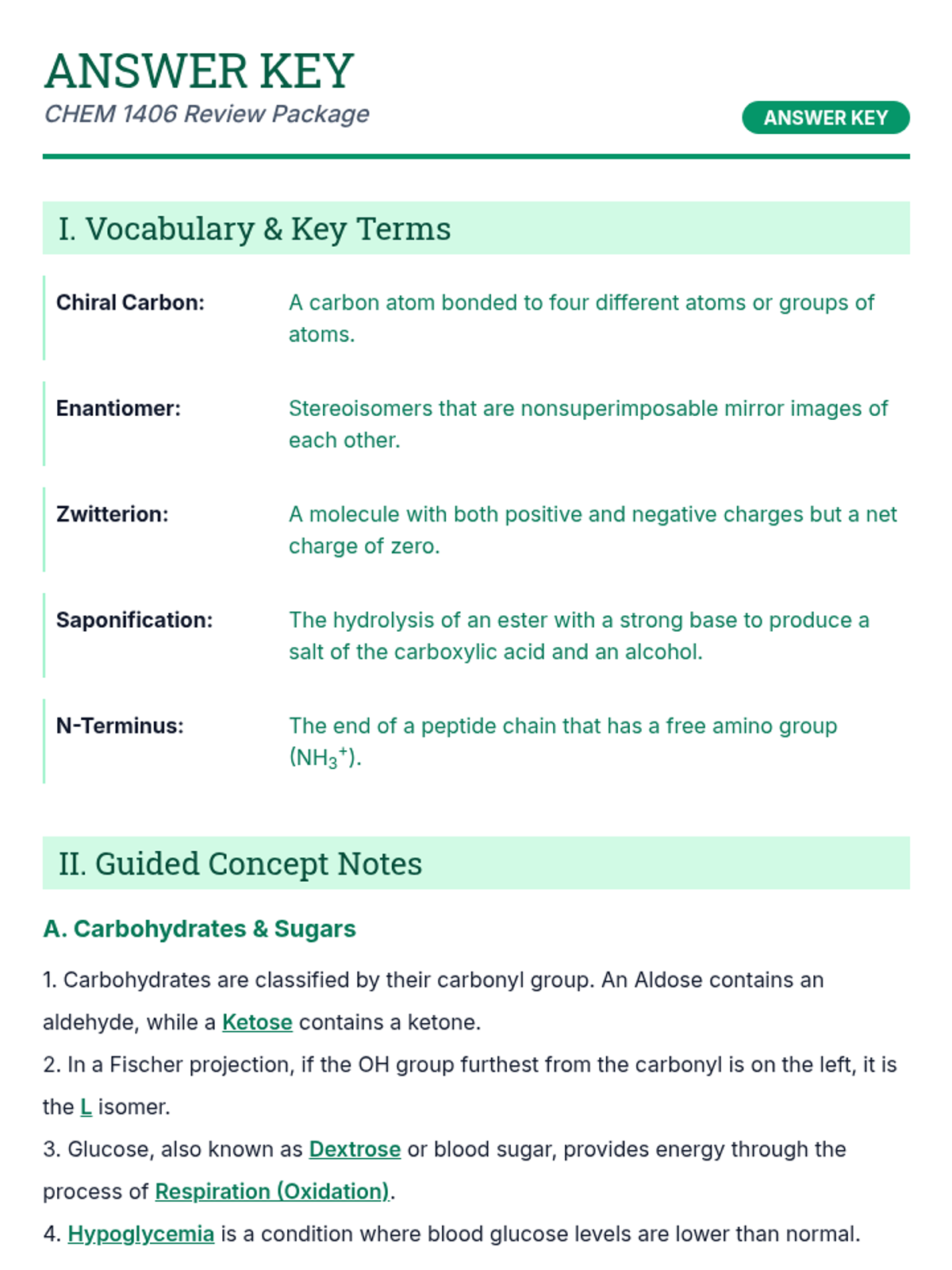
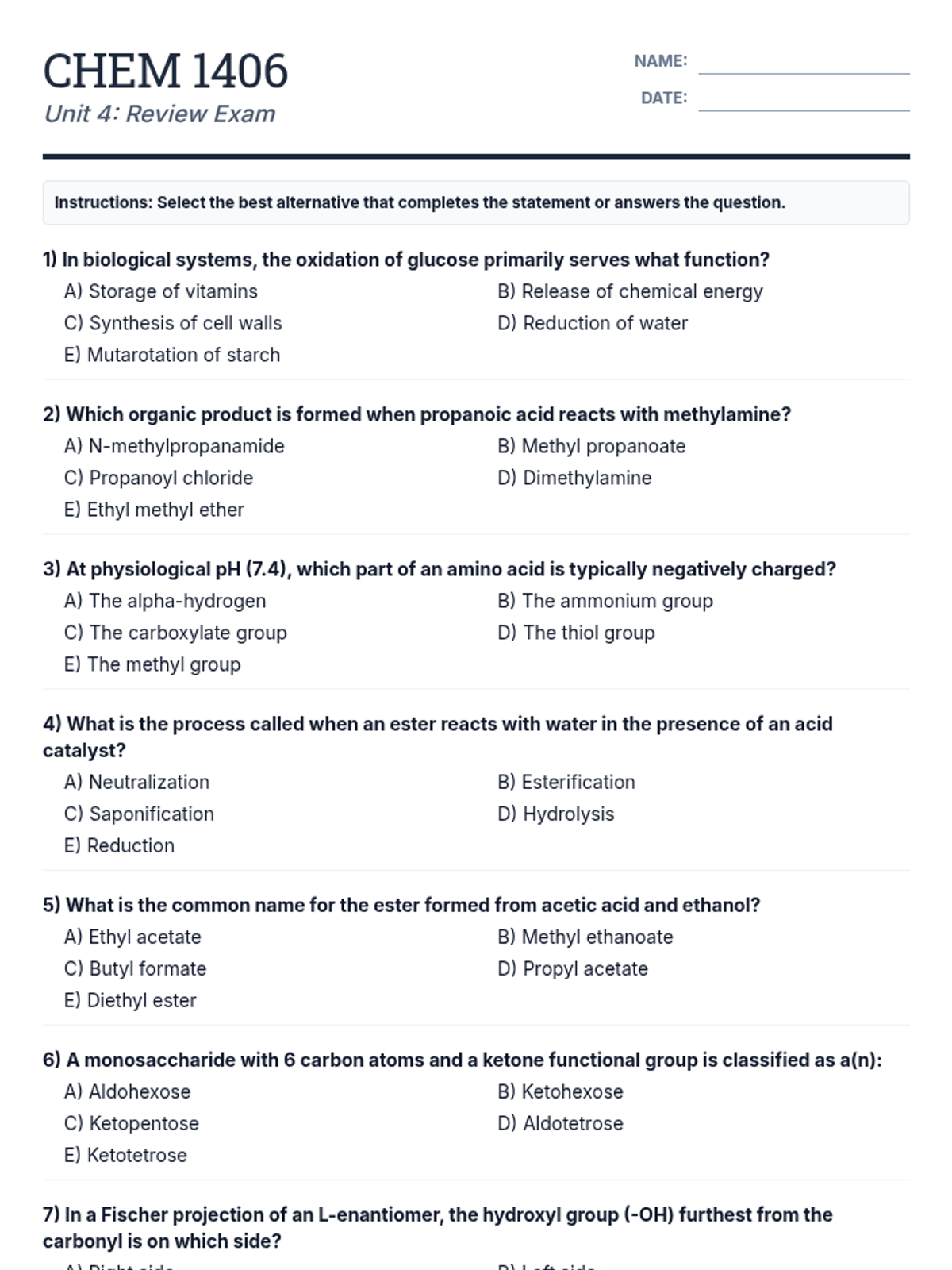
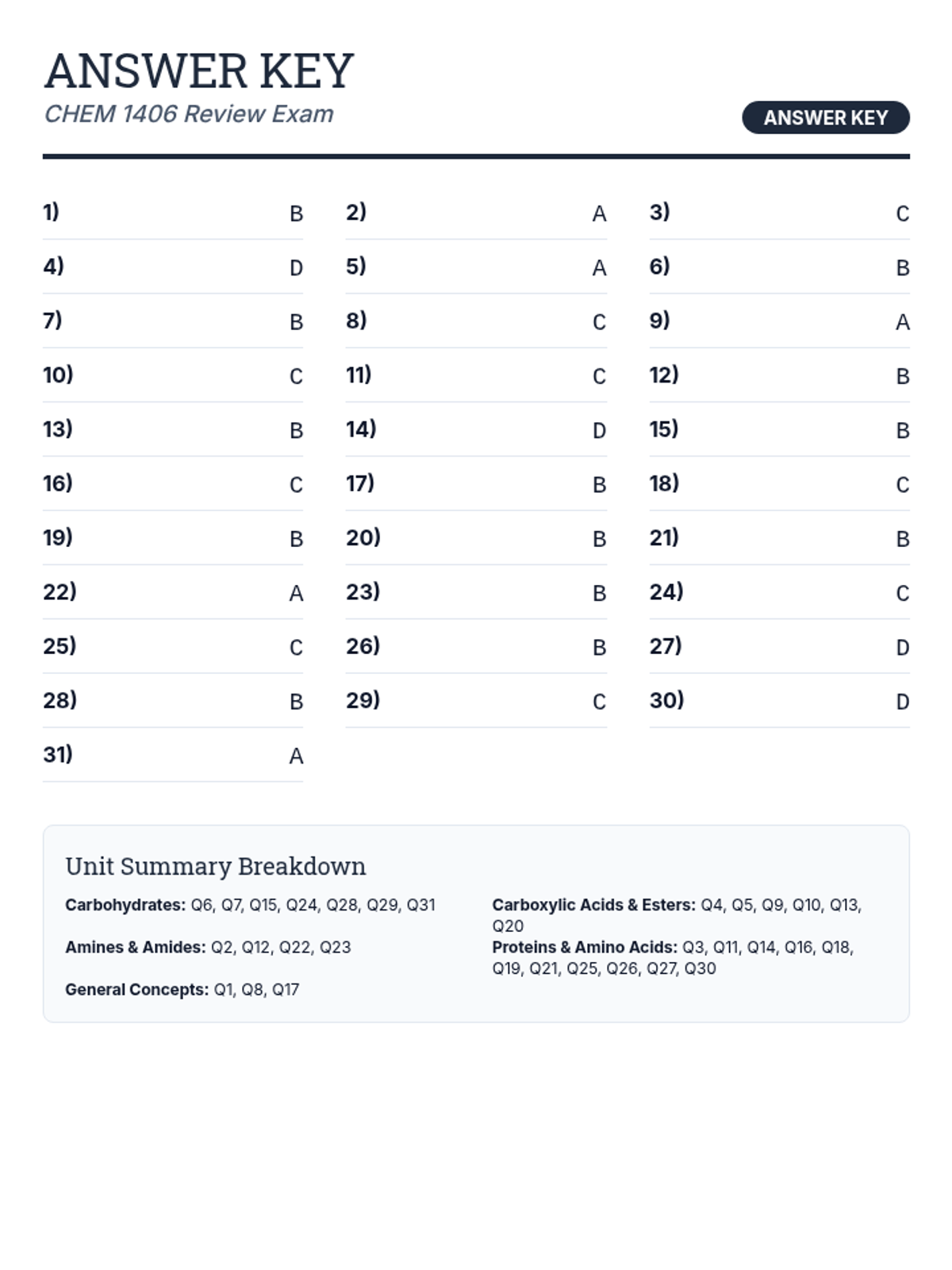
A comprehensive review package for CHEM 1406, featuring in-depth study guides for key topics and a full practice exam with detailed solutions.
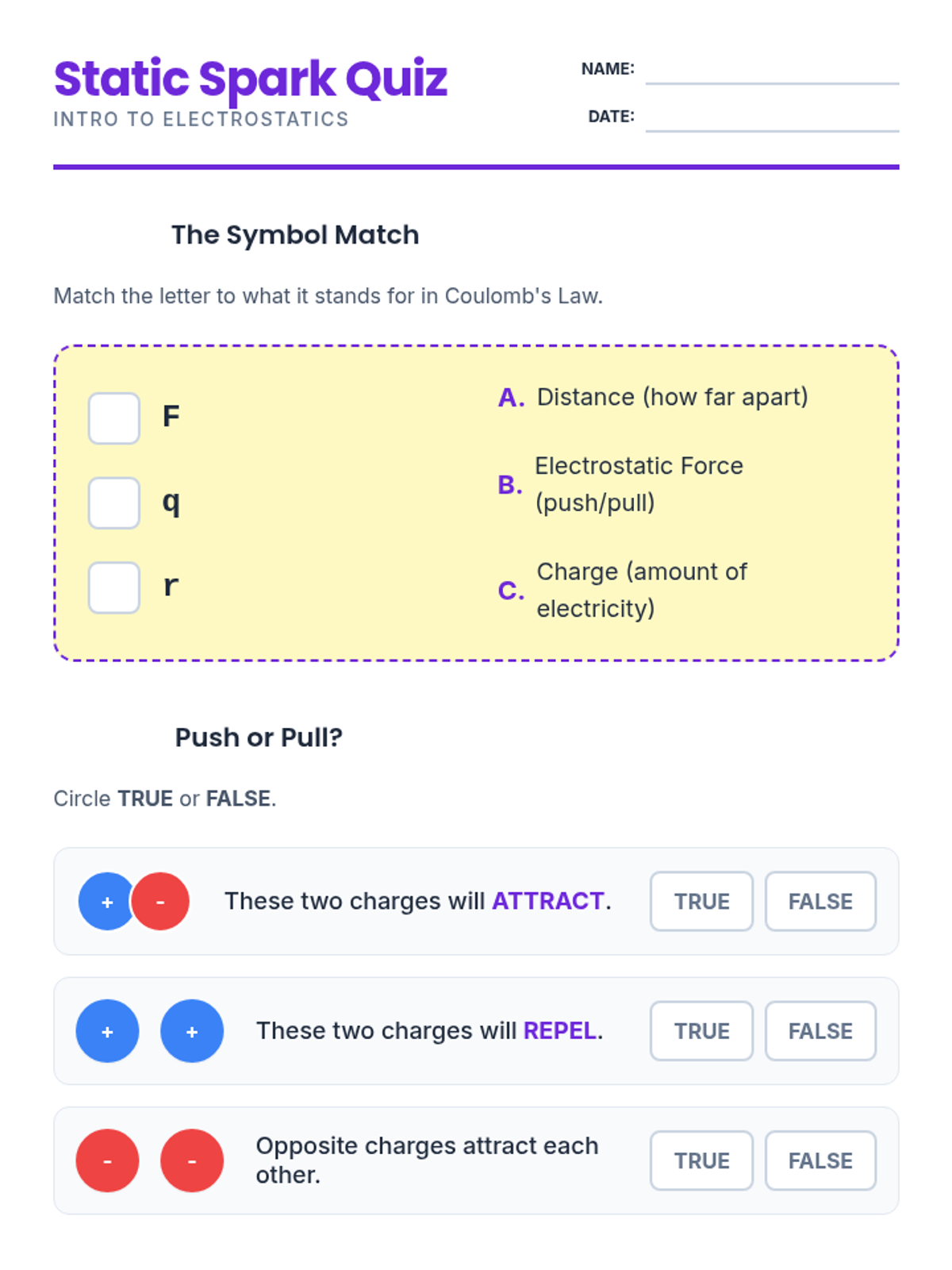
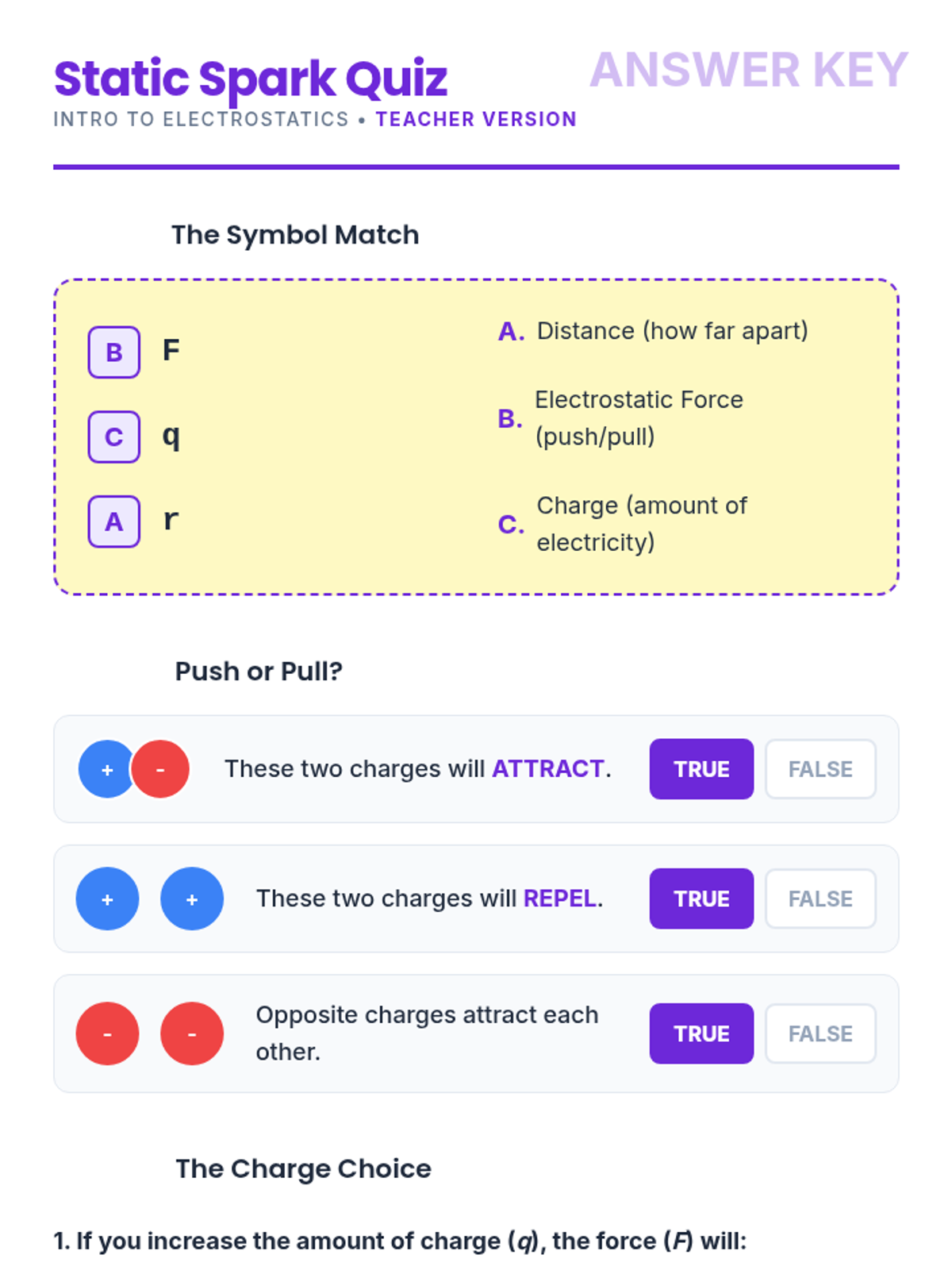
A short sequence introducing students to the fundamental concepts of electricity and magnetism.
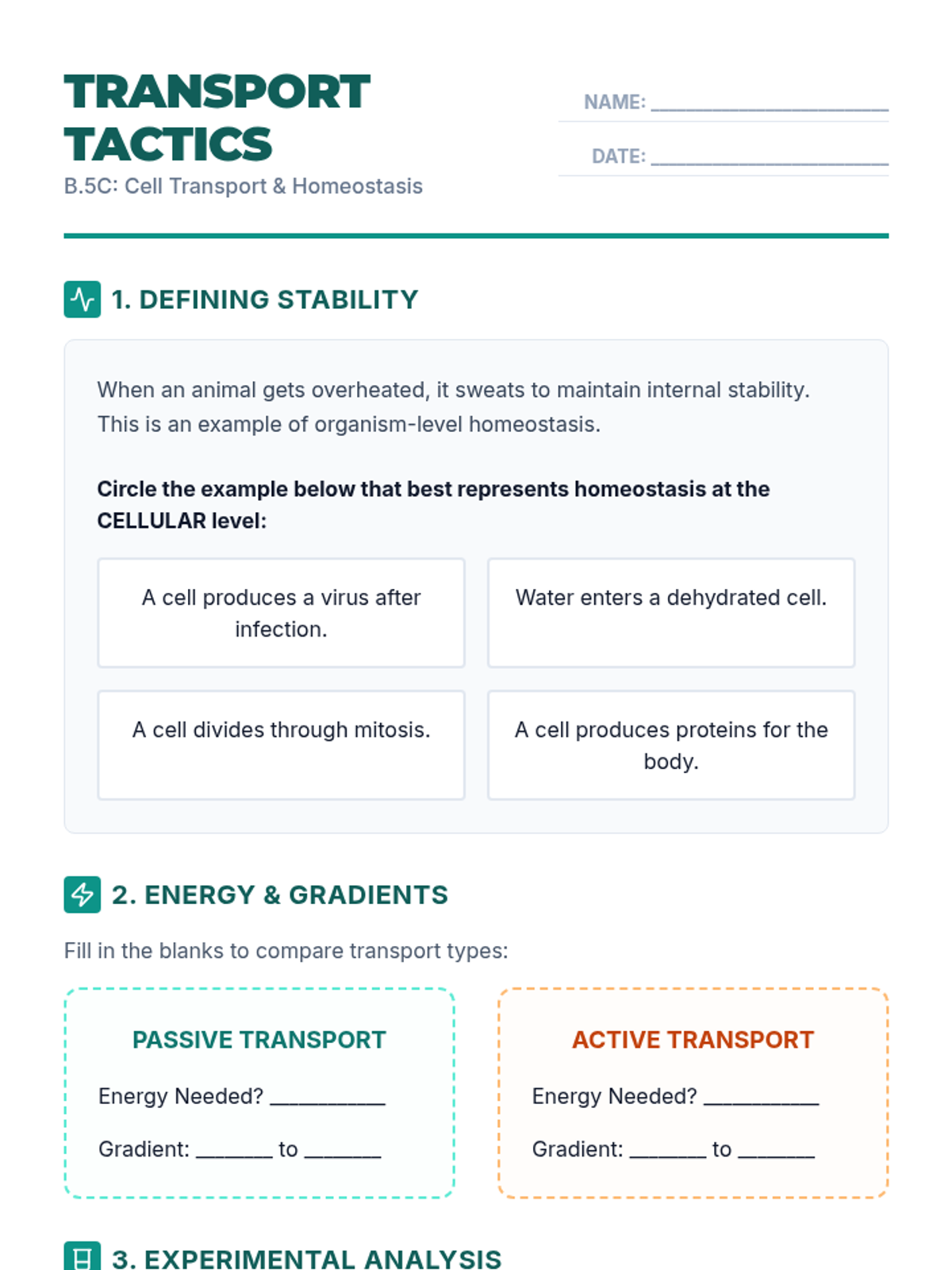
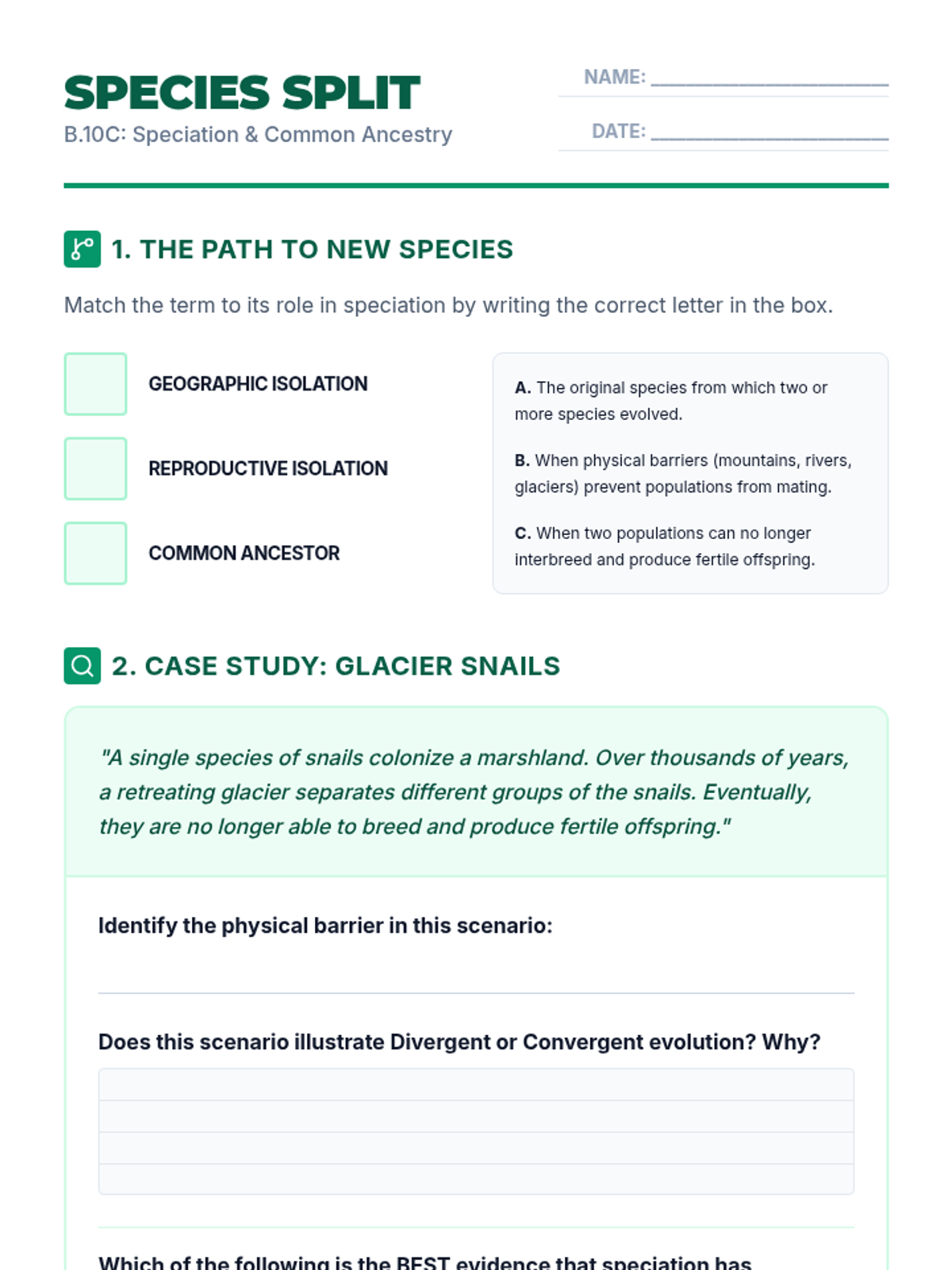
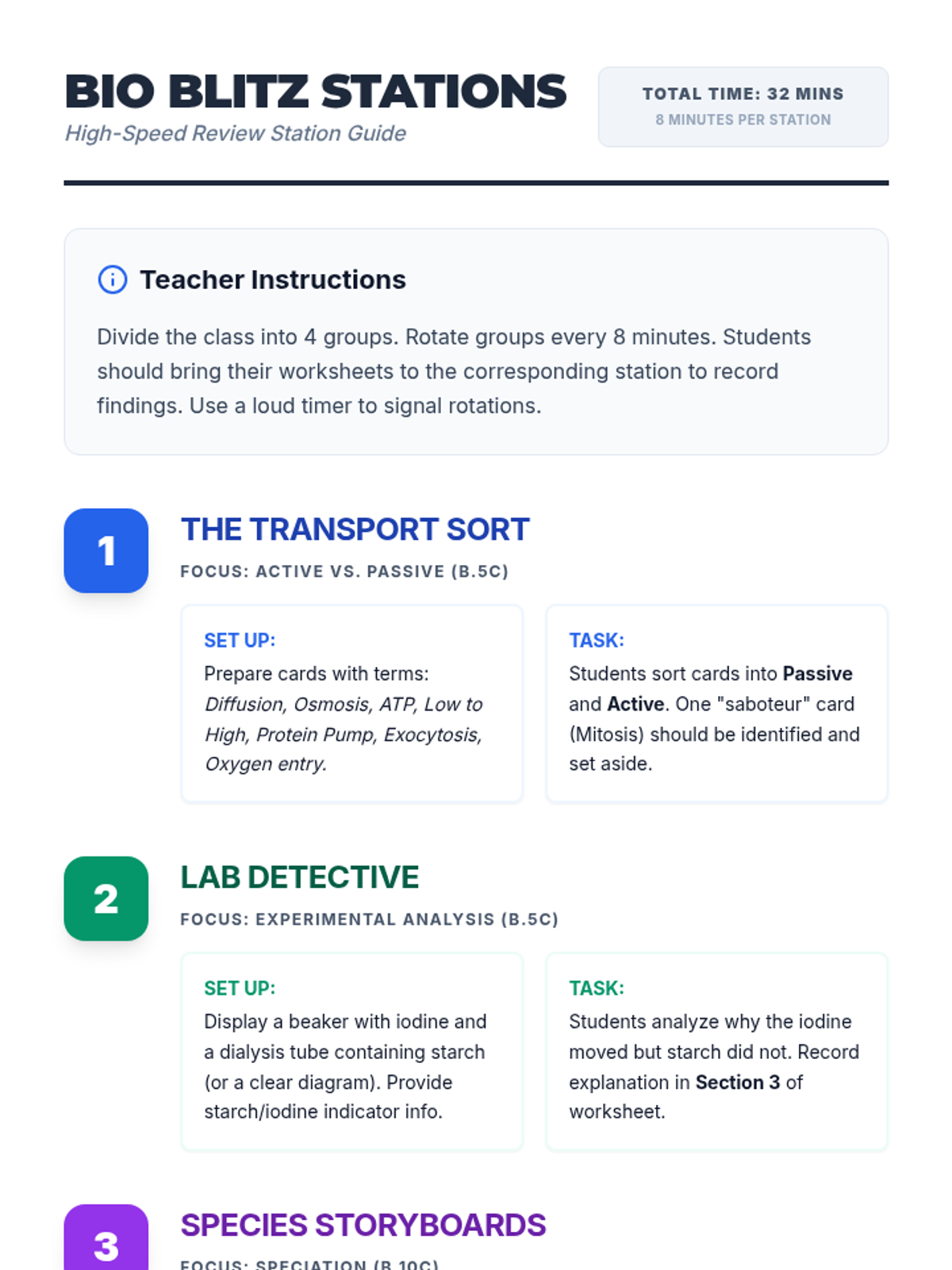
A fast-paced review sequence focused on cell transport, homeostasis, and speciation to prepare students for biology assessments.
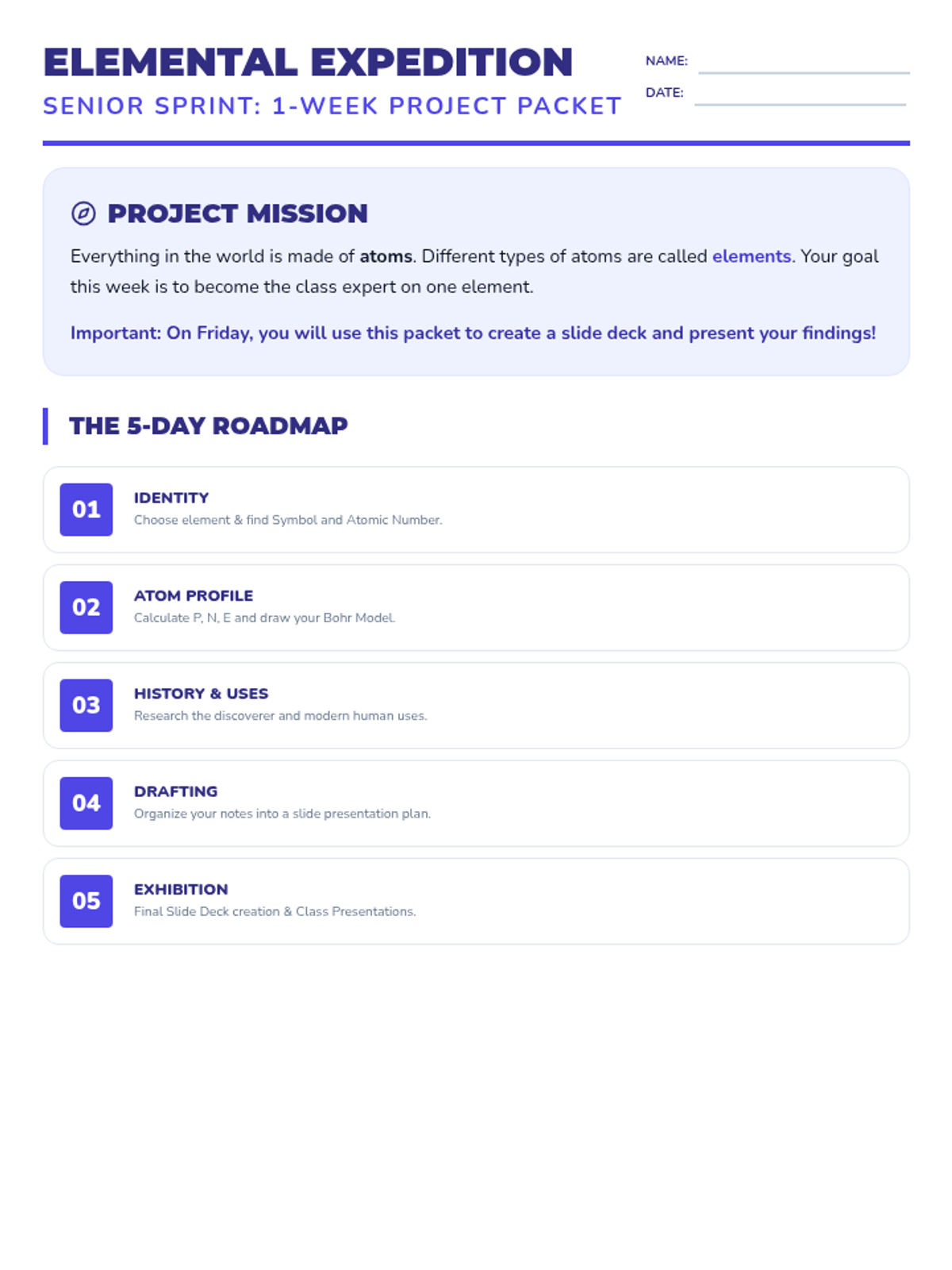
A chemistry research project focused on individual elements of the periodic table, designed for special education students. It includes two tracks: a one-week 'Senior Sprint' for graduating students and a two-week 'Junior Journey' for in-depth exploration.
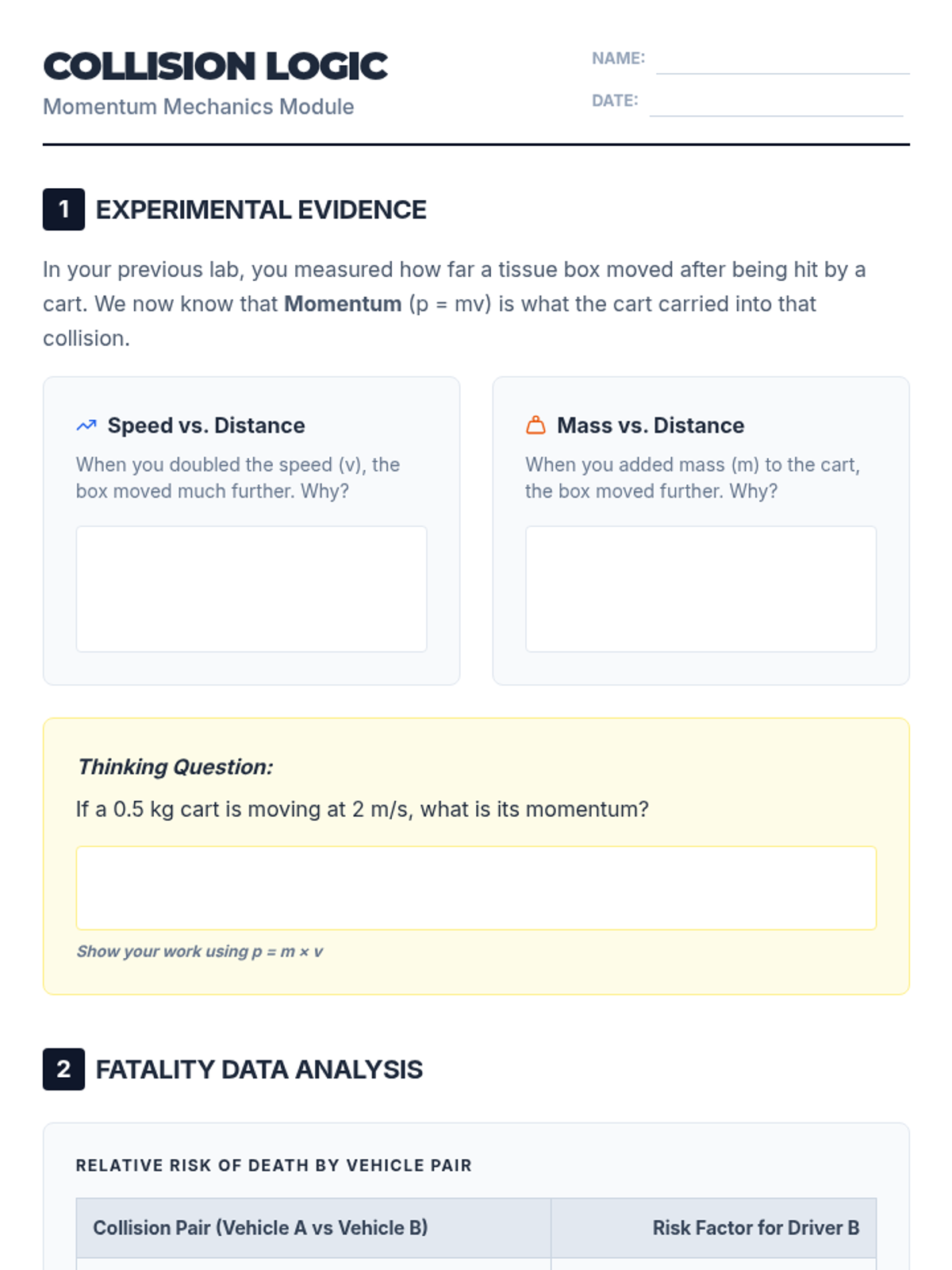
A physics unit wrap-up focusing on collisions, momentum, and vehicle safety engineering. This sequence transitions from hands-on lab investigation to independent data analysis and mathematical modeling.
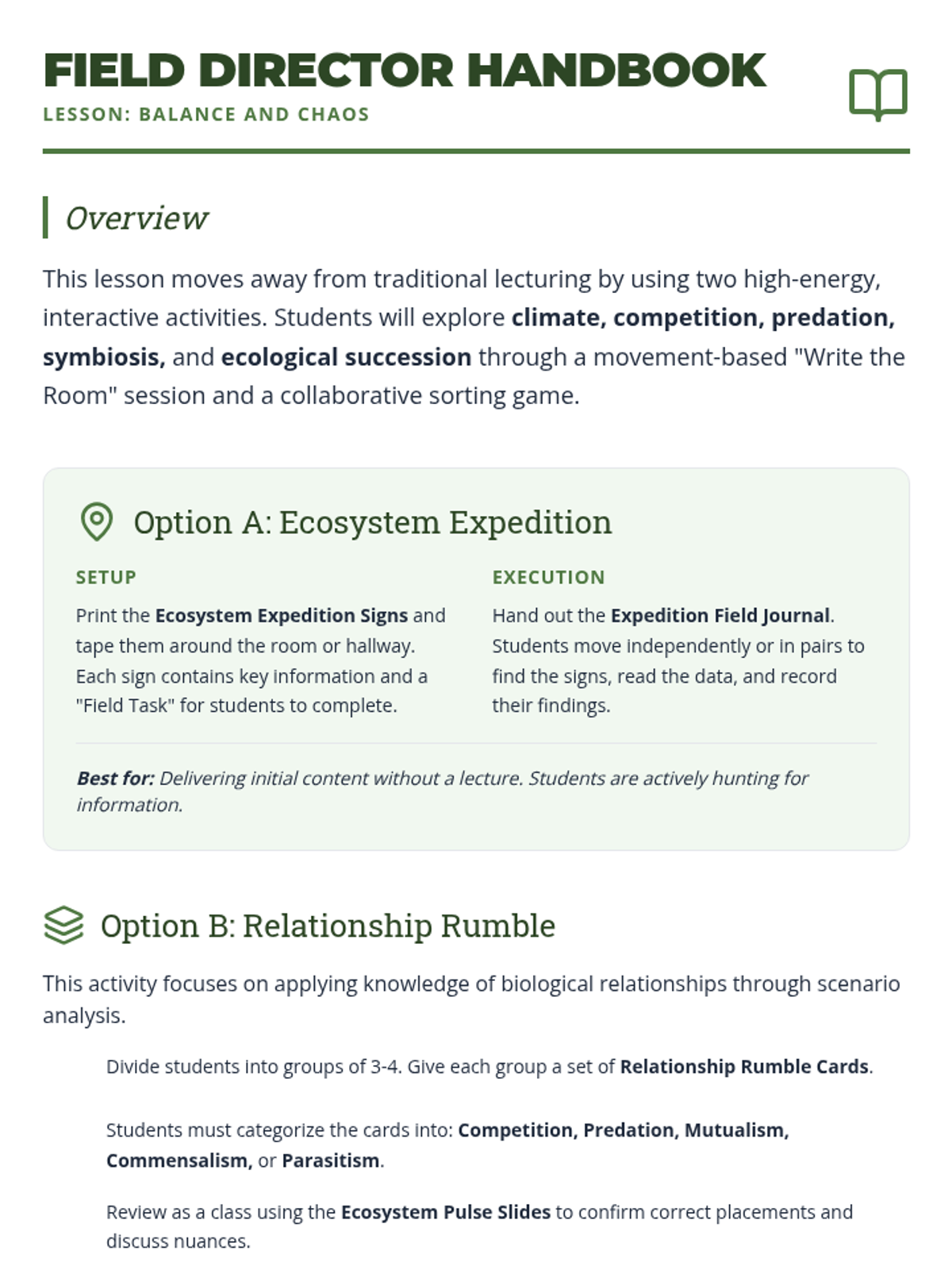
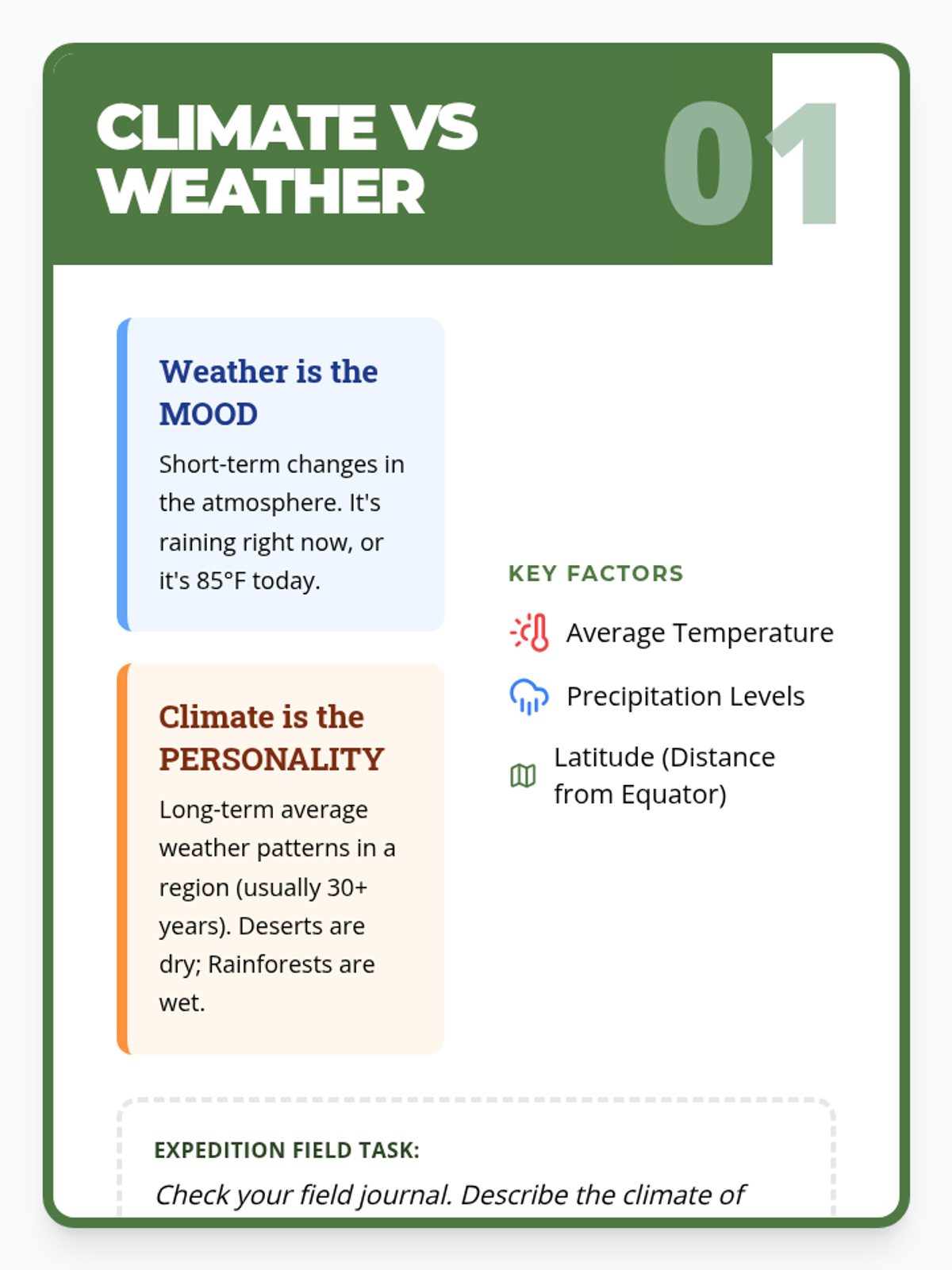
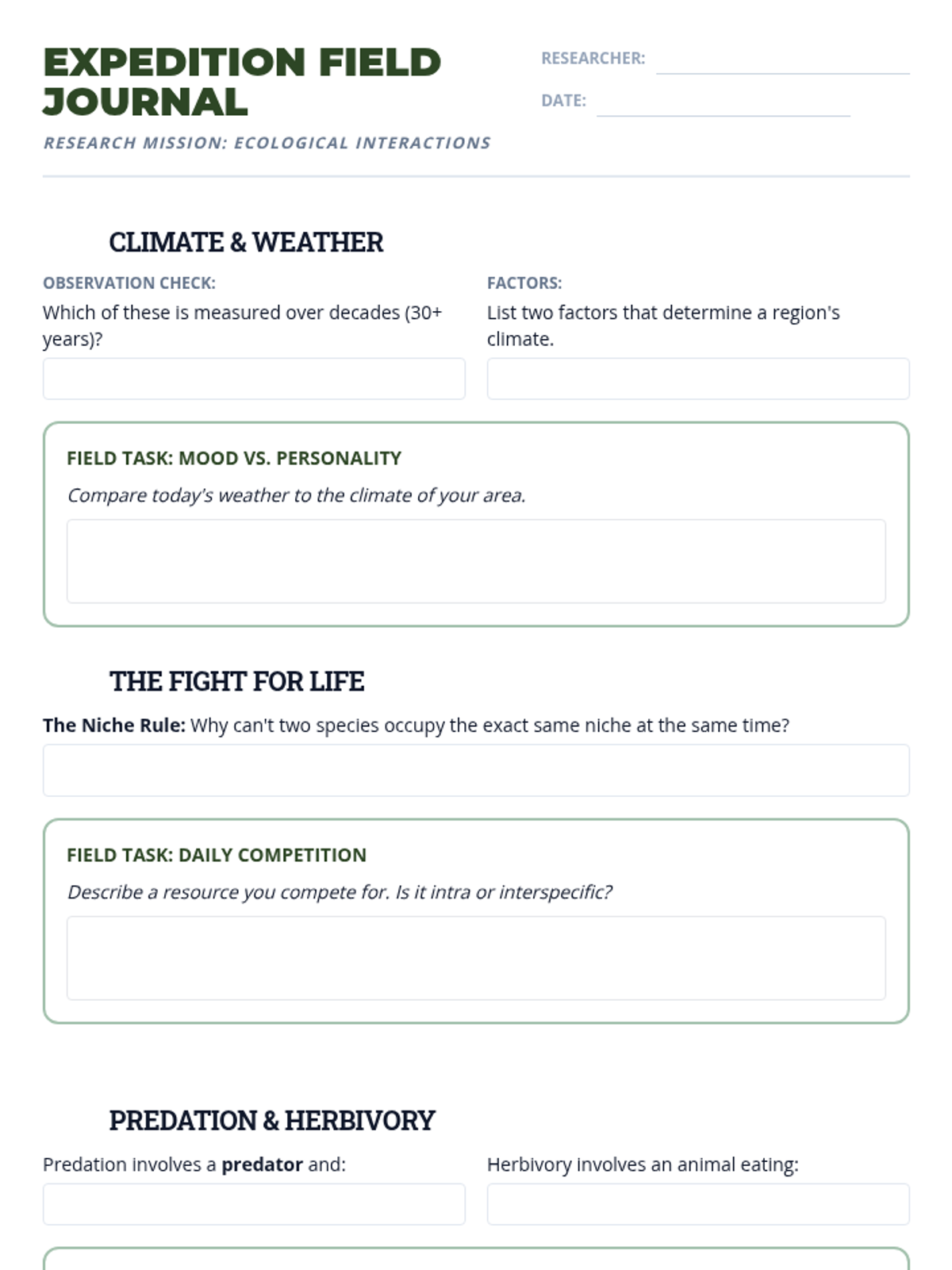
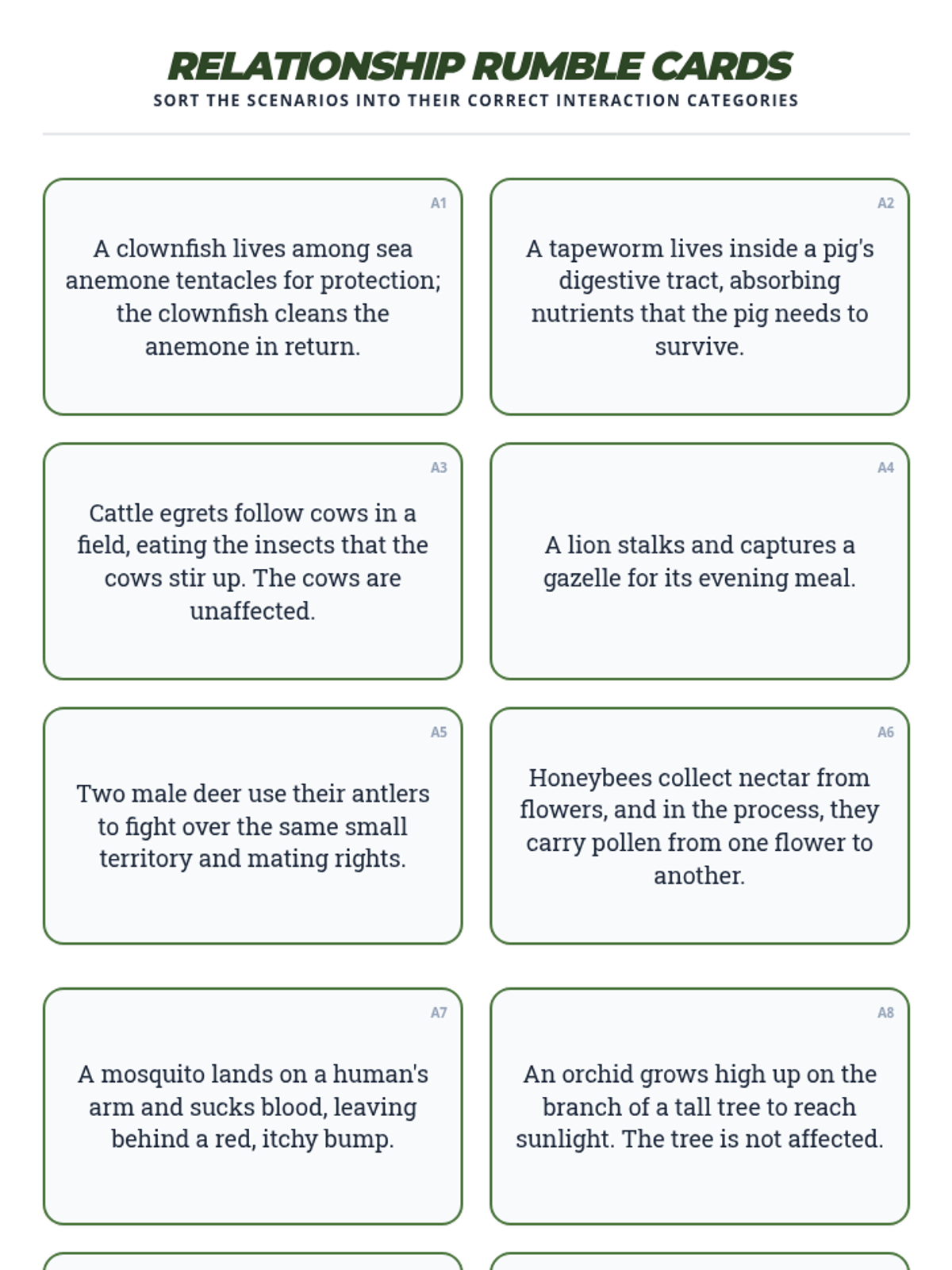
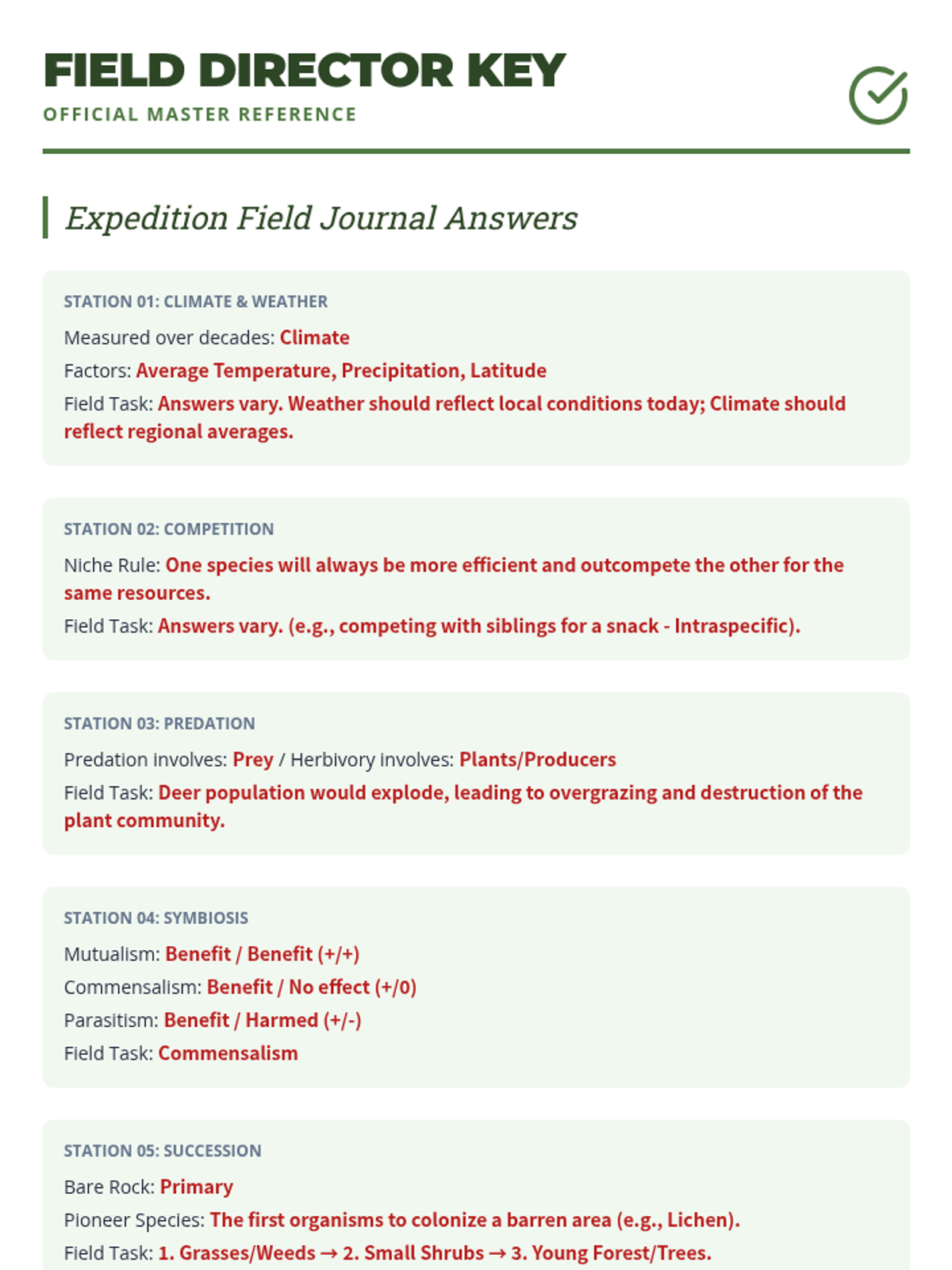
A comprehensive unit exploring the intricate webs of life, focusing on the relationships and environmental factors that shape ecosystems.
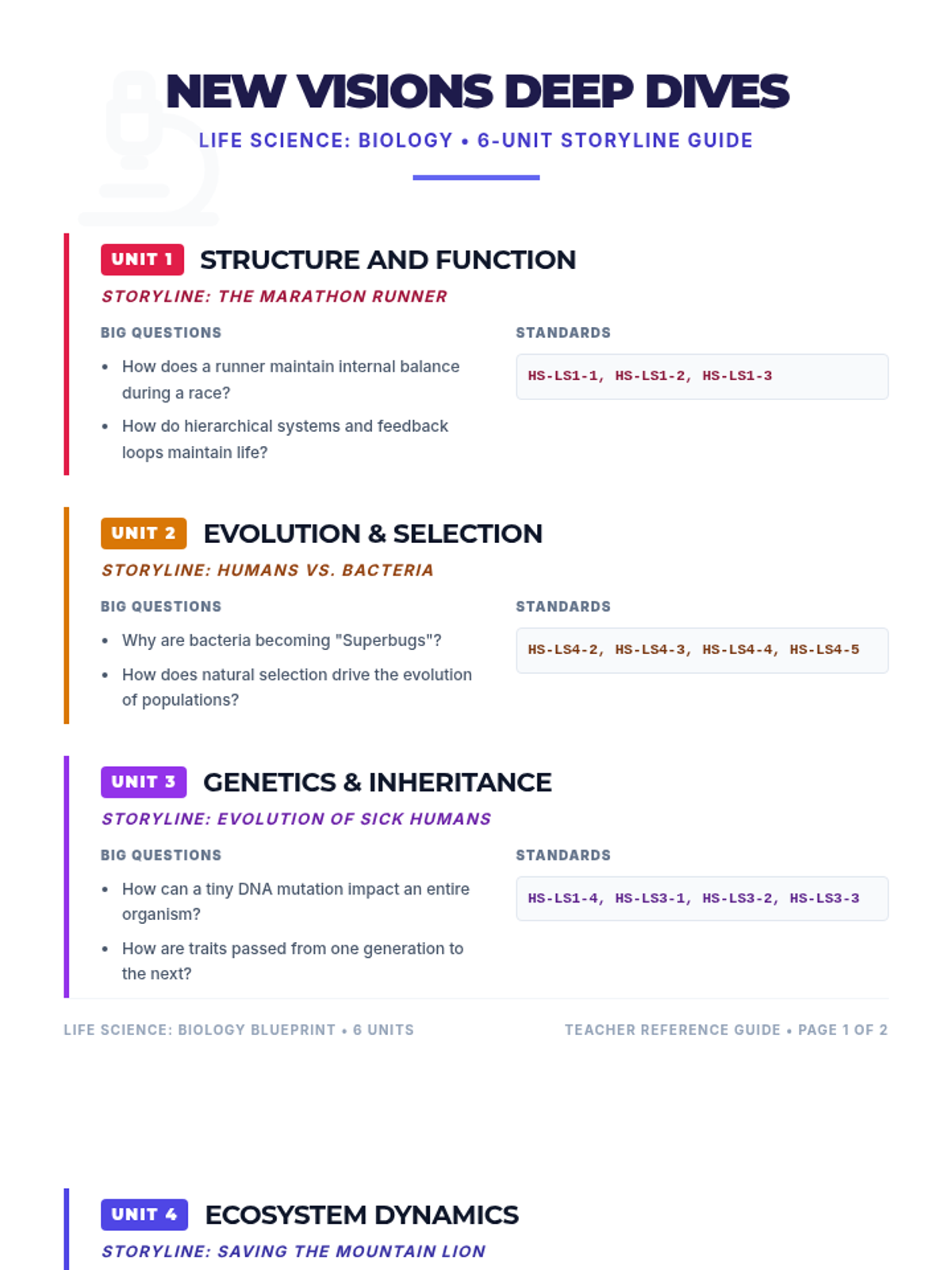
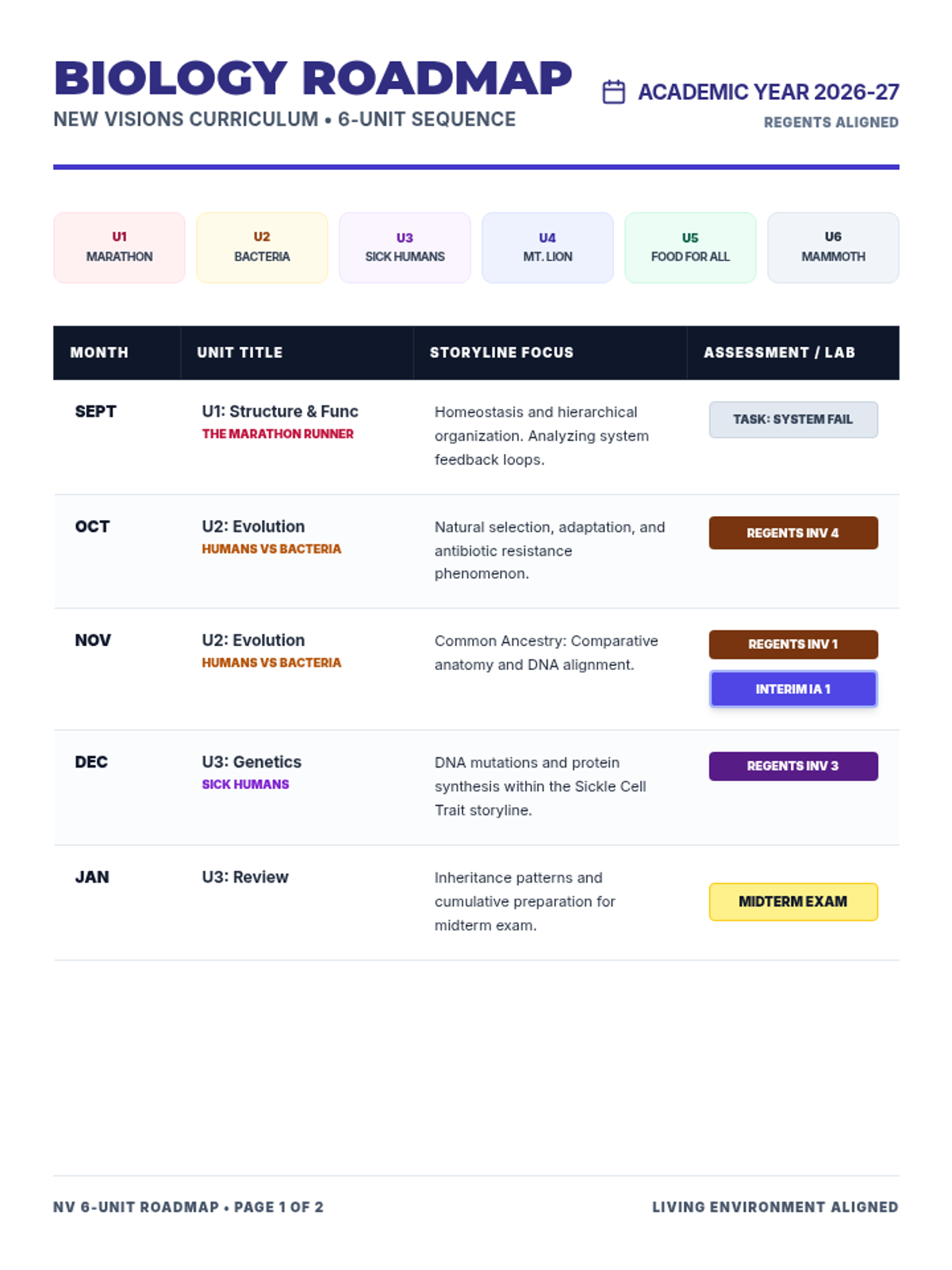
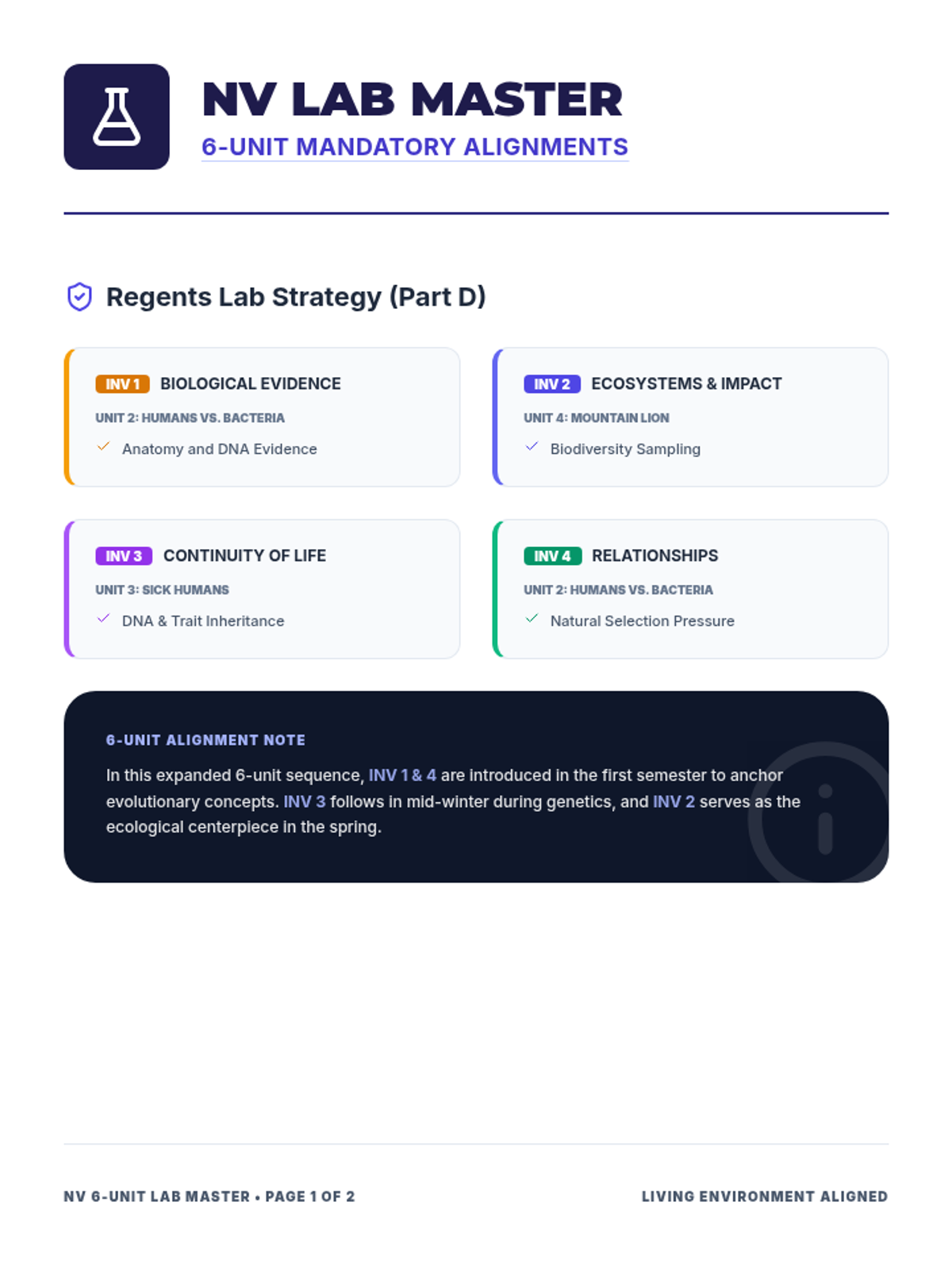
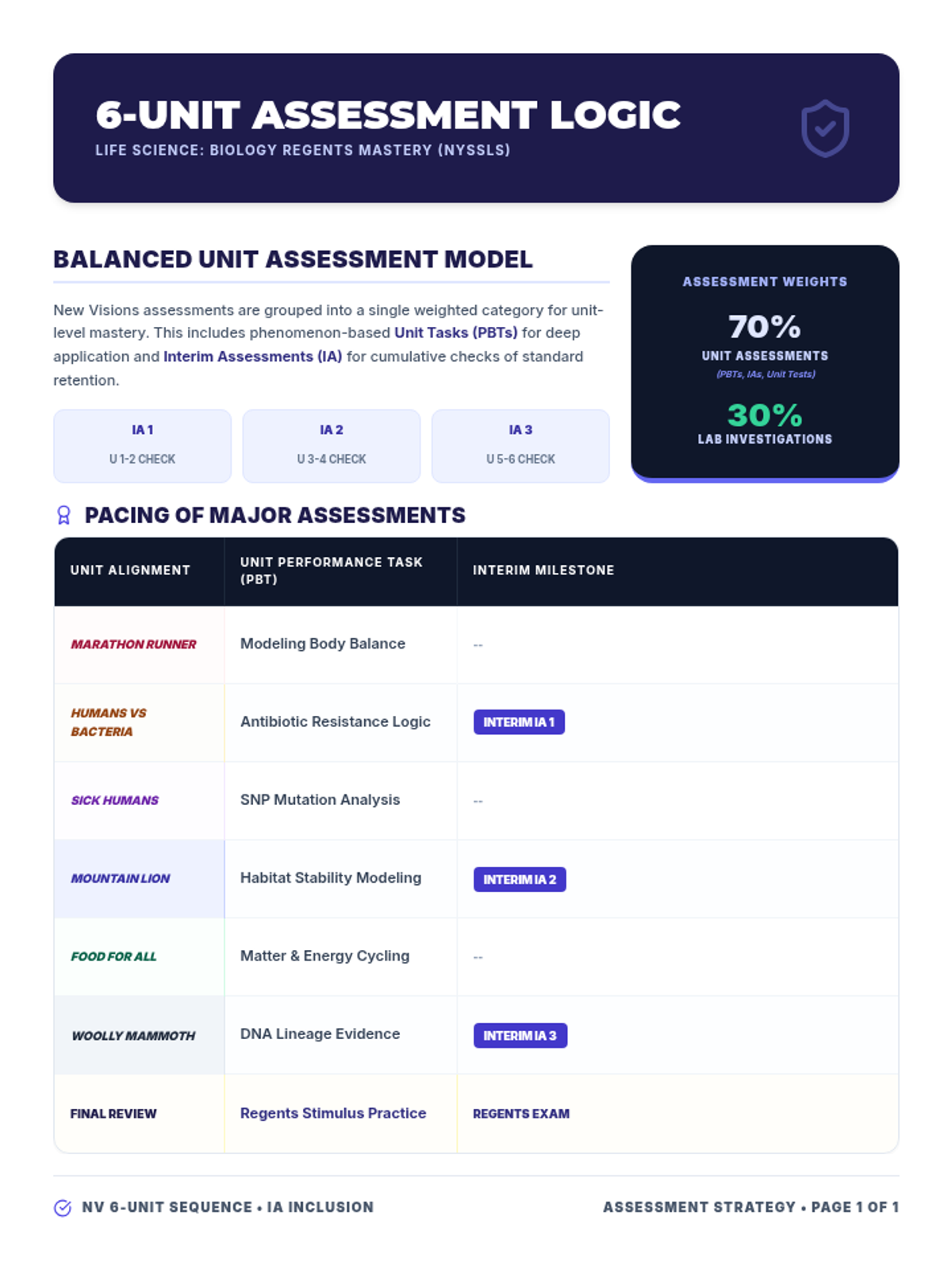
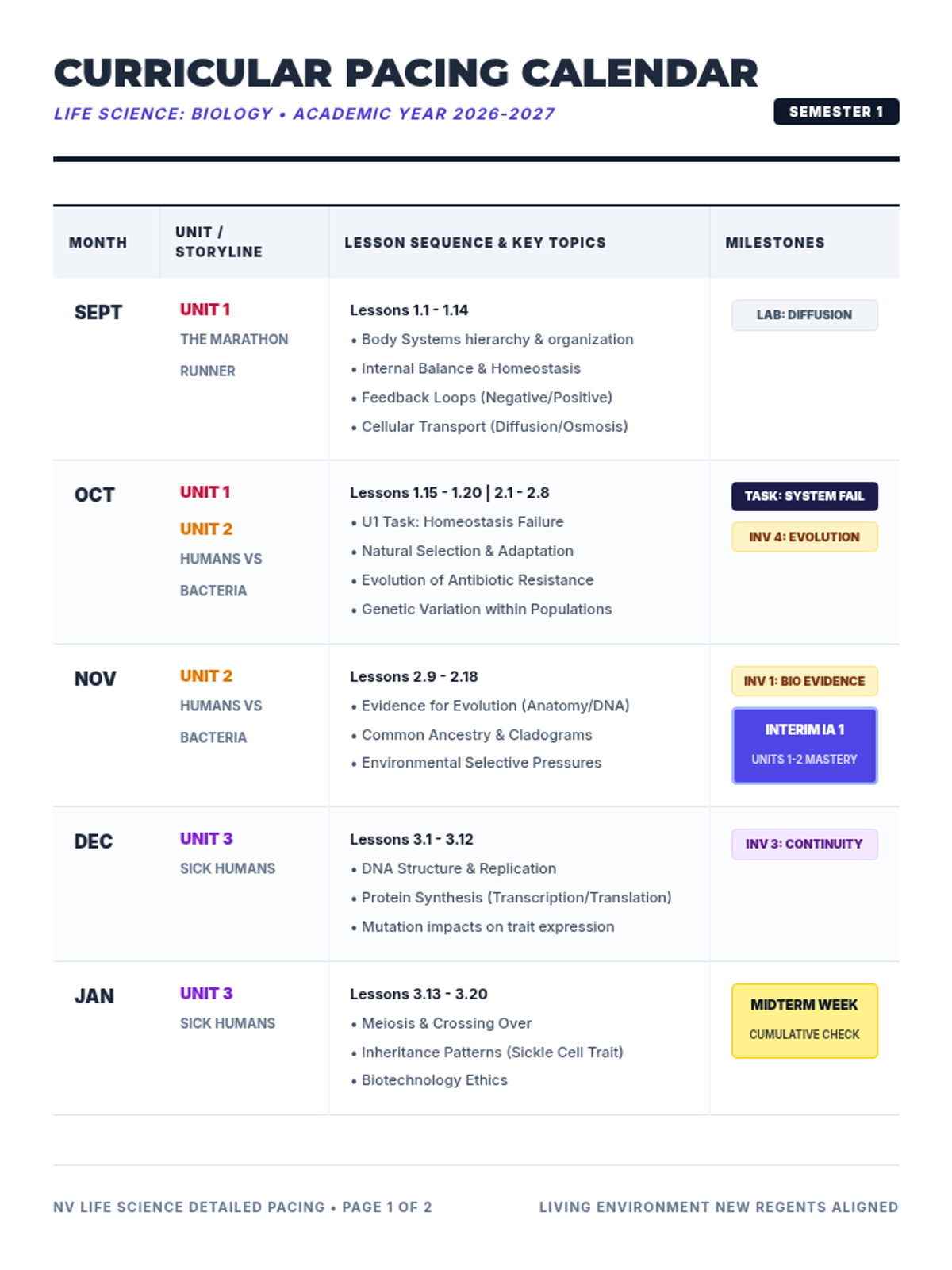
A comprehensive full-year planning framework for high school Life Science: Biology, including pacing, unit objectives, lab requirements, and assessment strategies.
A comprehensive review of organic chemistry and biochemistry topics including carbohydrates, carboxylic acids, esters, amines, amides, and proteins. This sequence prepares students for a final assessment through structured notes, visual organizers, and a full-length mock exam.
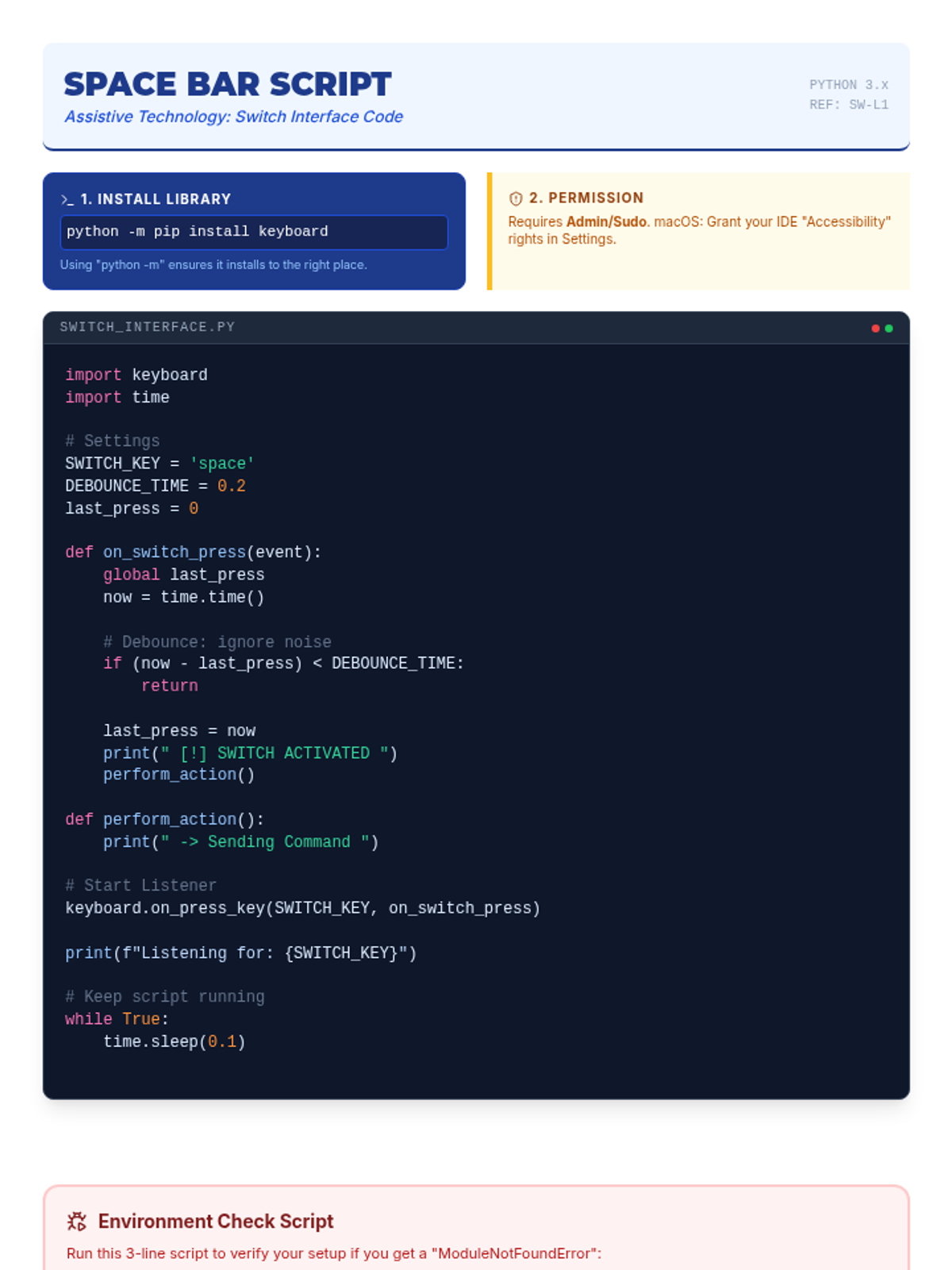
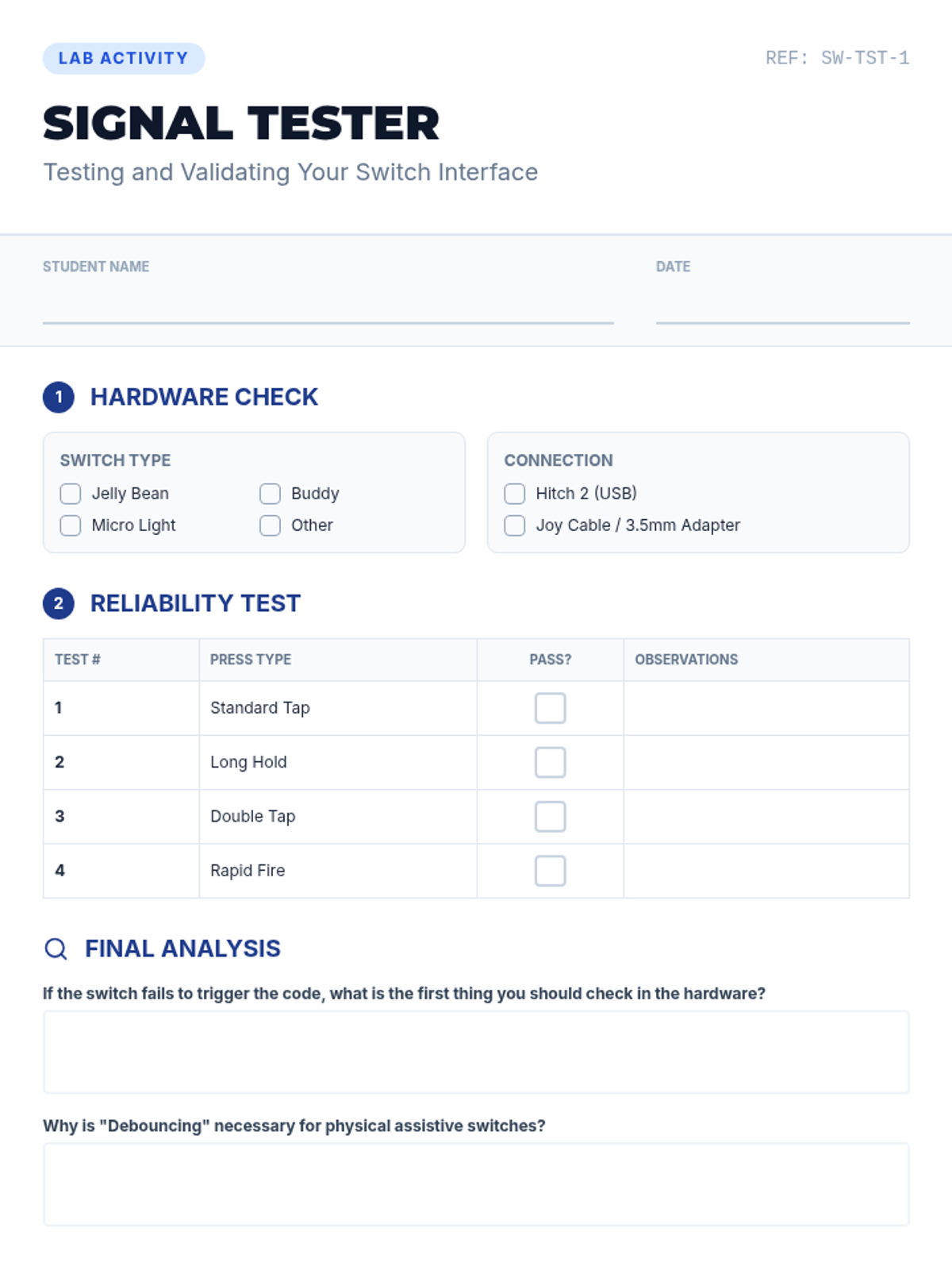
A series of materials focused on building and programming assistive technology interfaces, specifically switch-based controls for accessibility.
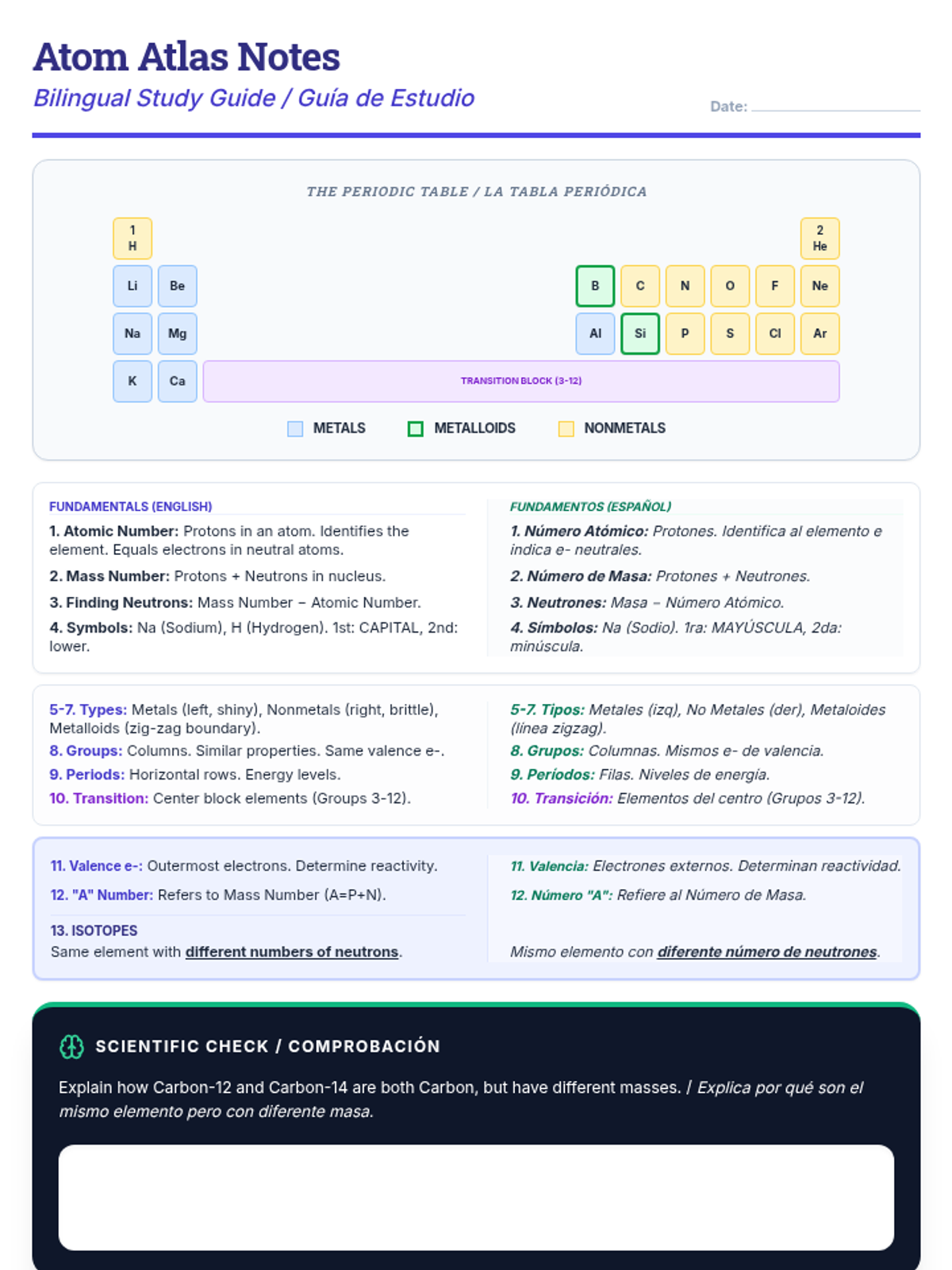
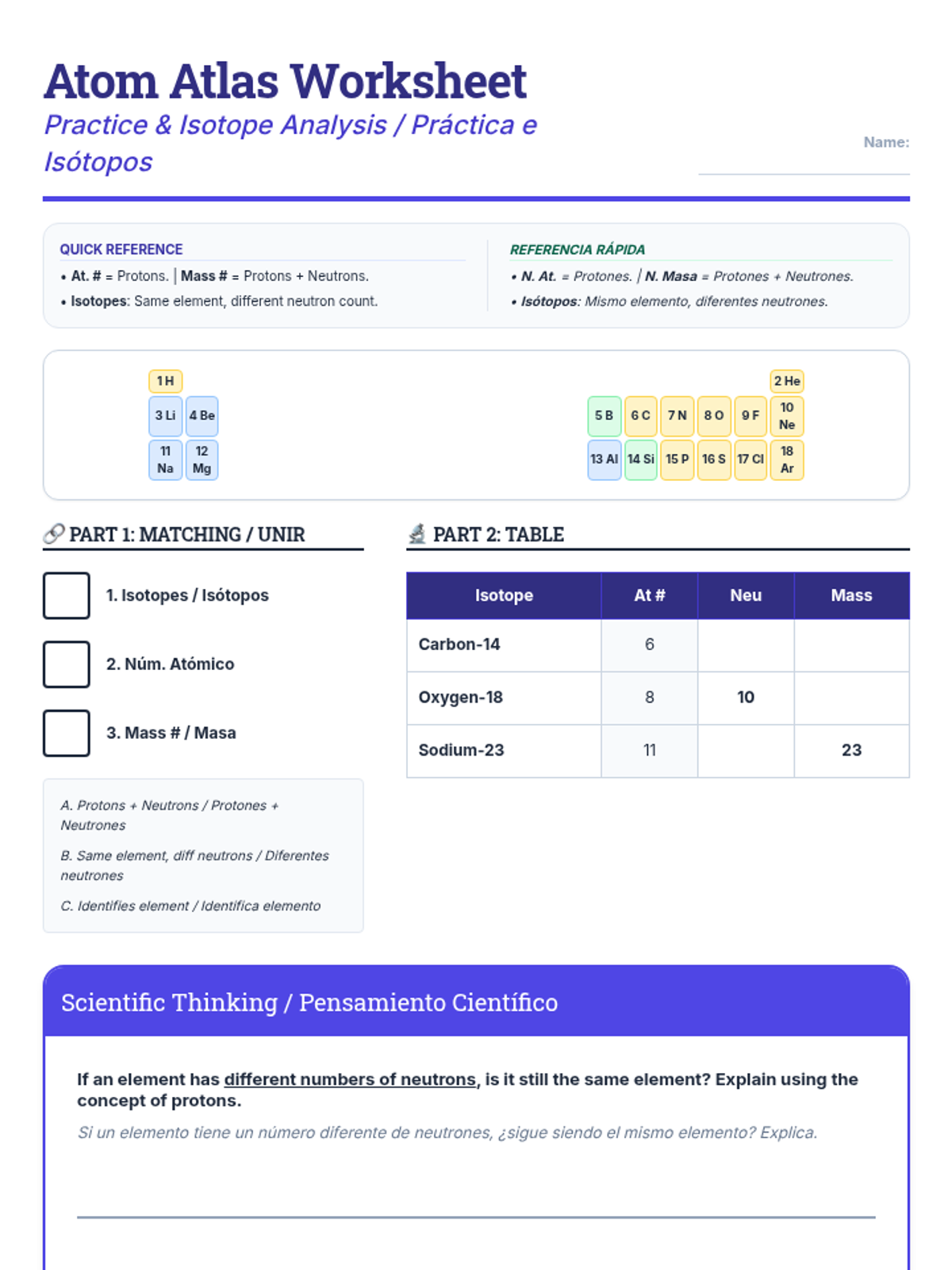
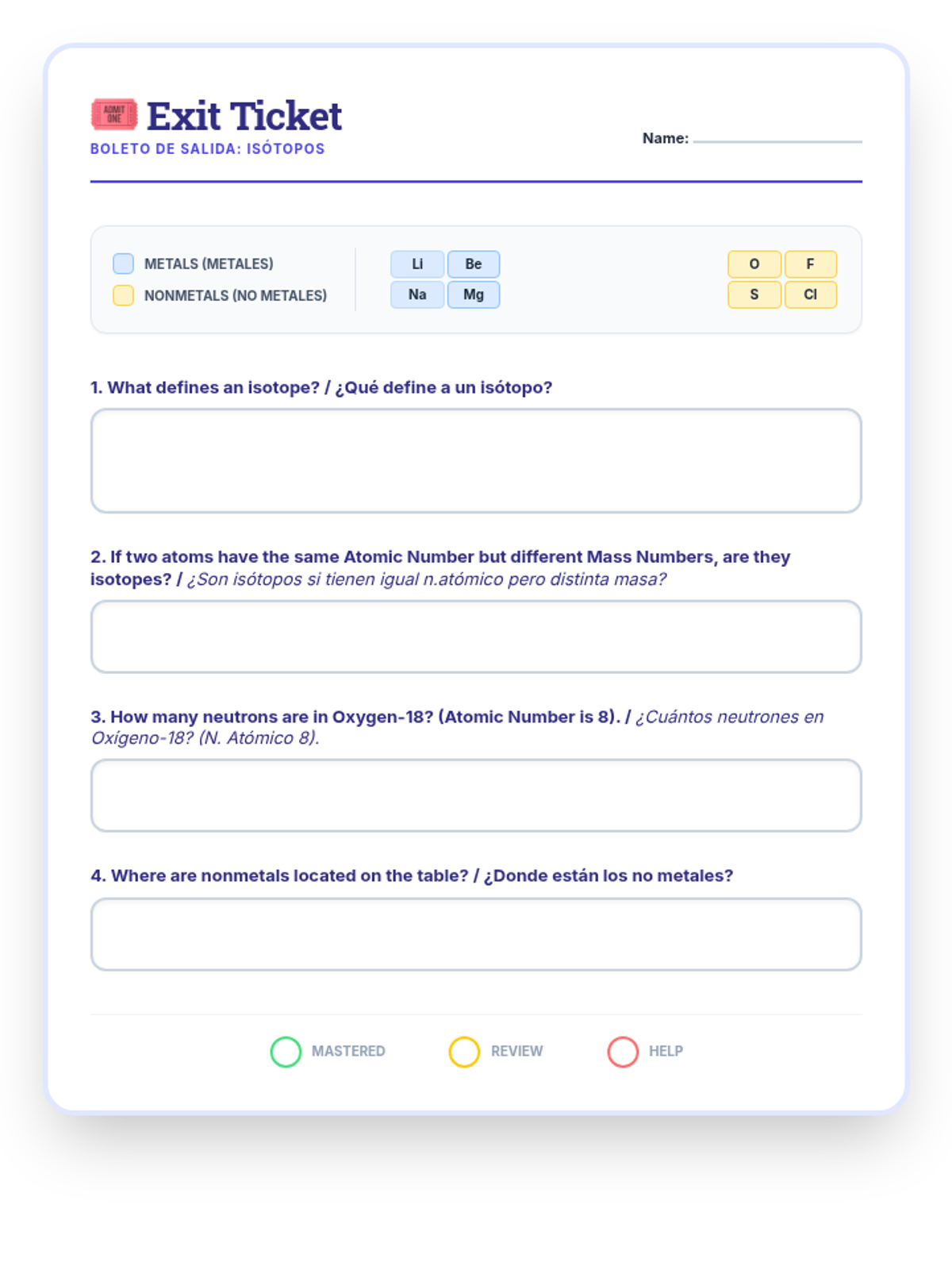
A bilingual (English/Spanish) unit exploring the structure and organization of the periodic table, focusing on atomic properties and element classification.