A comprehensive 5-lesson sequence for 8th-grade ESL beginners focusing on essential classroom vocabulary, teacher instructions, and spatial awareness through a 'survival guide' gamified approach.
A comprehensive workshop-style unit for 6th Grade ESL students focused on the linguistic mechanics of paraphrasing and synthesizing information. Students move from identifying core concepts to orally retelling information, transforming individual sentences, and finally weaving multiple sources into a single coherent paragraph without plagiarizing.
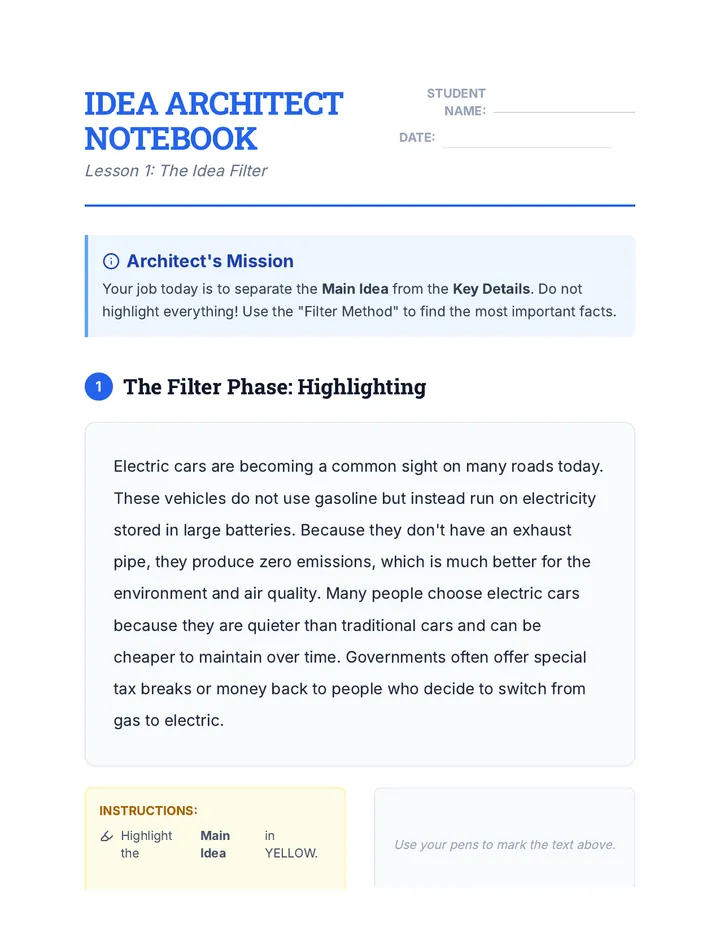
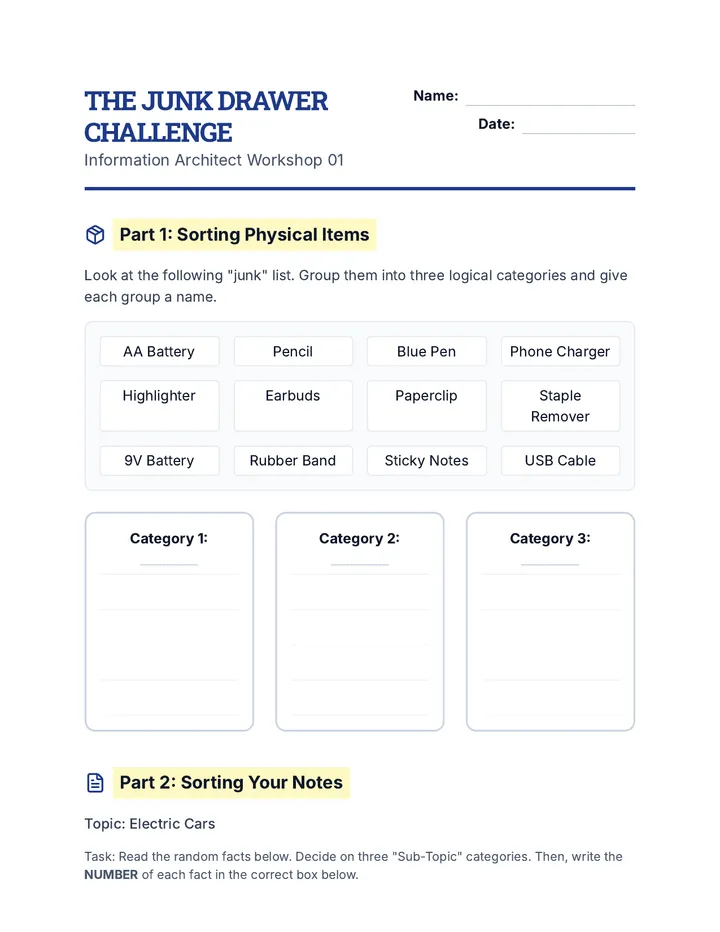
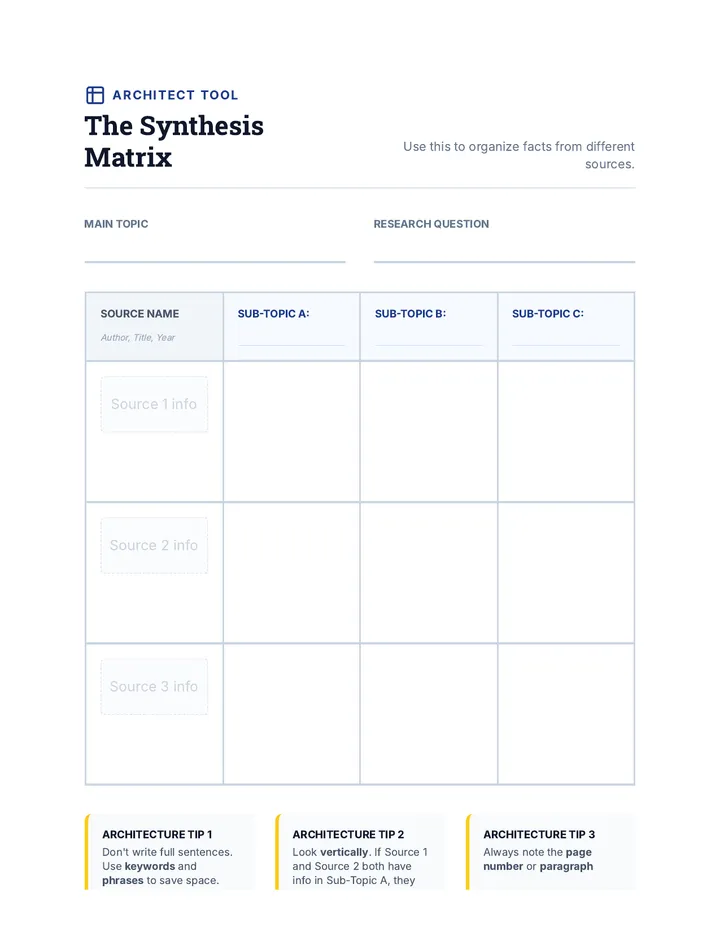
A comprehensive 5-lesson sequence designed for 7th-grade ESL students to master the art of synthesizing information. Students progress from organizing raw research notes to writing sophisticated, cohesive academic paragraphs using evidence from multiple sources.
A comprehensive sequence for 8th-grade ESL students to master information literacy. Students progress from identifying bias and evaluating source credibility to performing advanced searches and ethically synthesizing research with proper MLA citations.
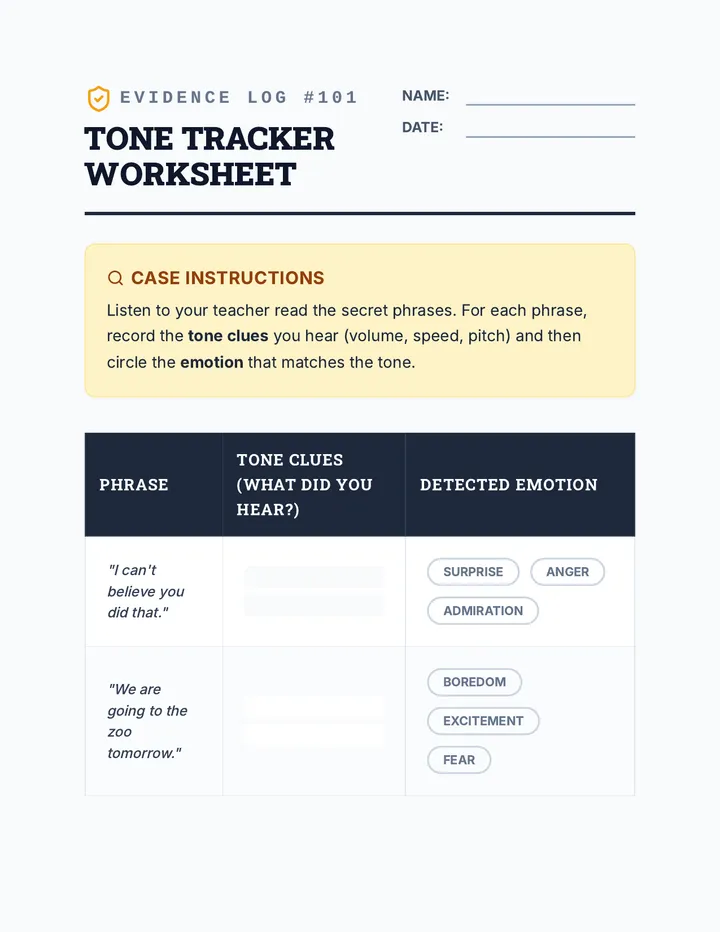
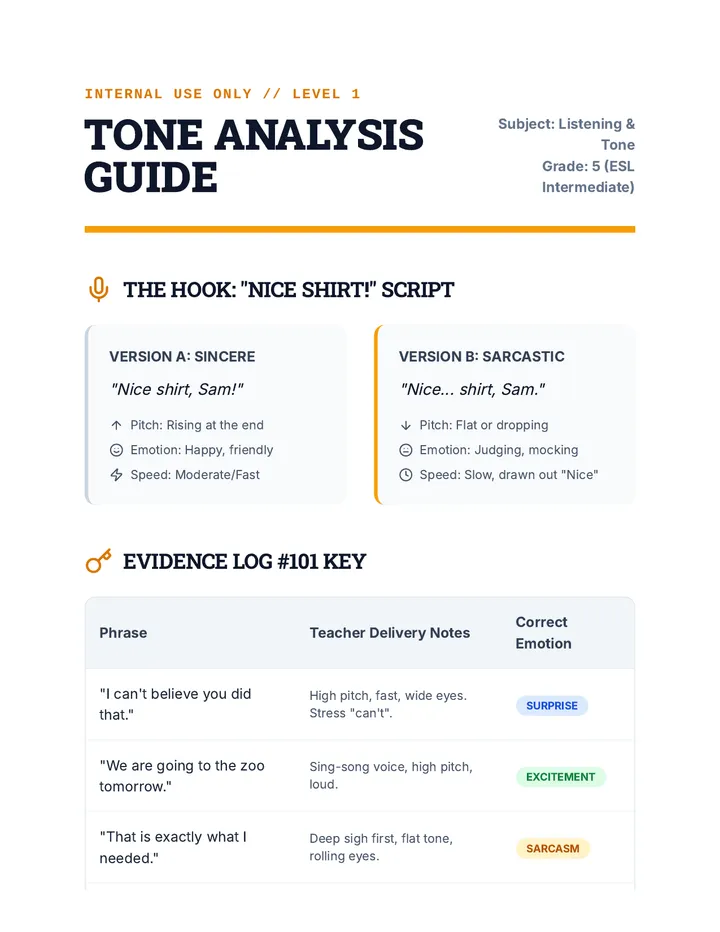
An intermediate ESL sequence where students act as 'communication detectives' to analyze tone, idioms, exaggeration, and speaker intent in spoken English. The sequence culminates in a mystery simulation requiring students to synthesize all listening skills to solve a case.
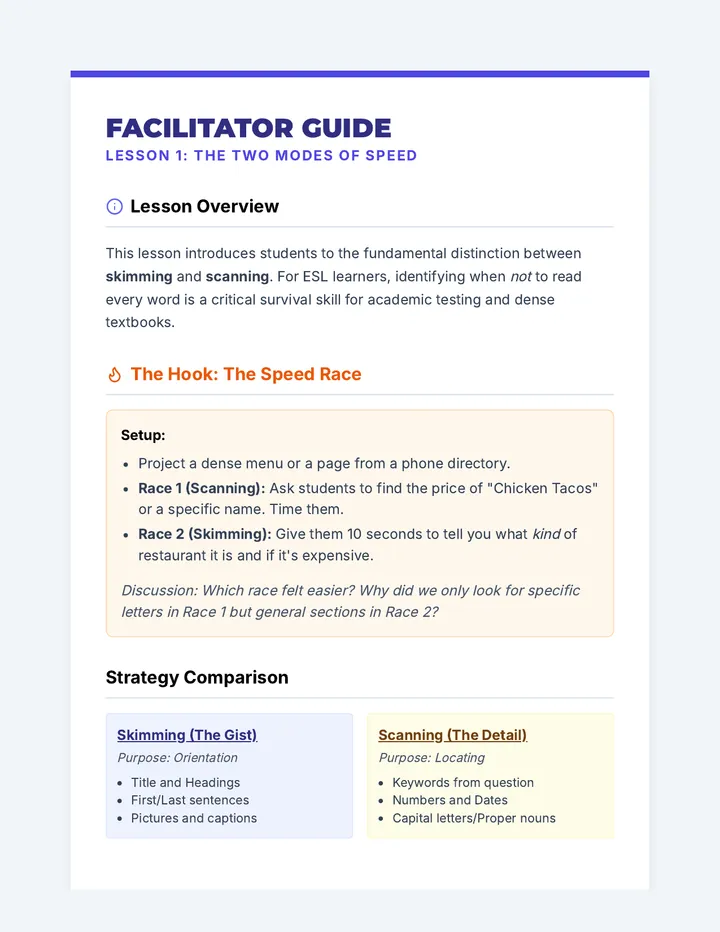
This sequence teaches 5th-grade ESL students how to navigate informational texts efficiently using skimming and scanning strategies. Students will move from understanding the big picture to locating specific keywords and using text features to answer test-style questions under time pressure.
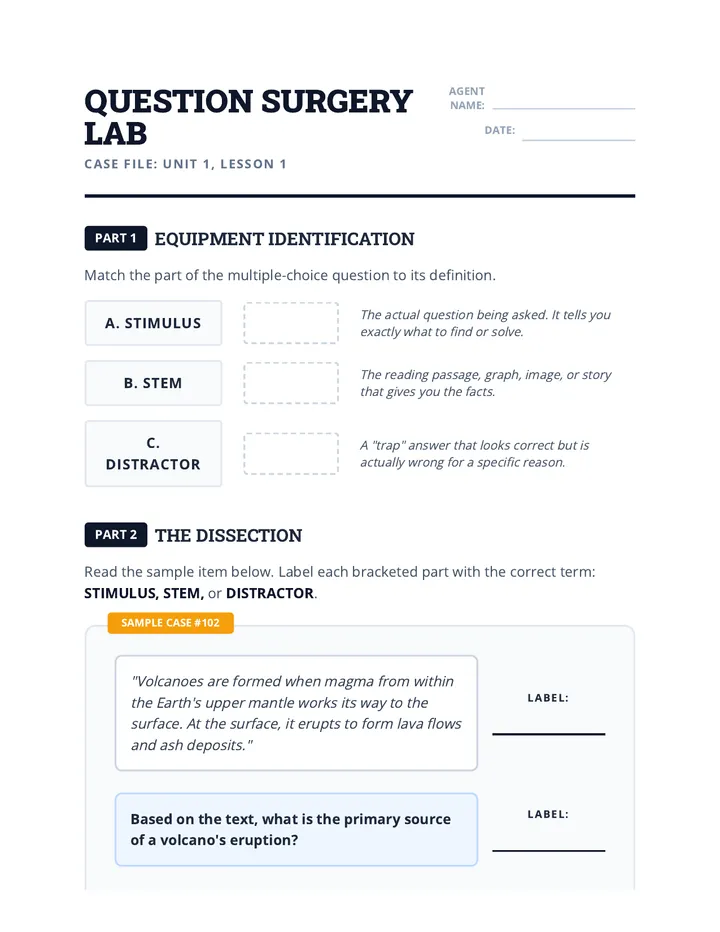
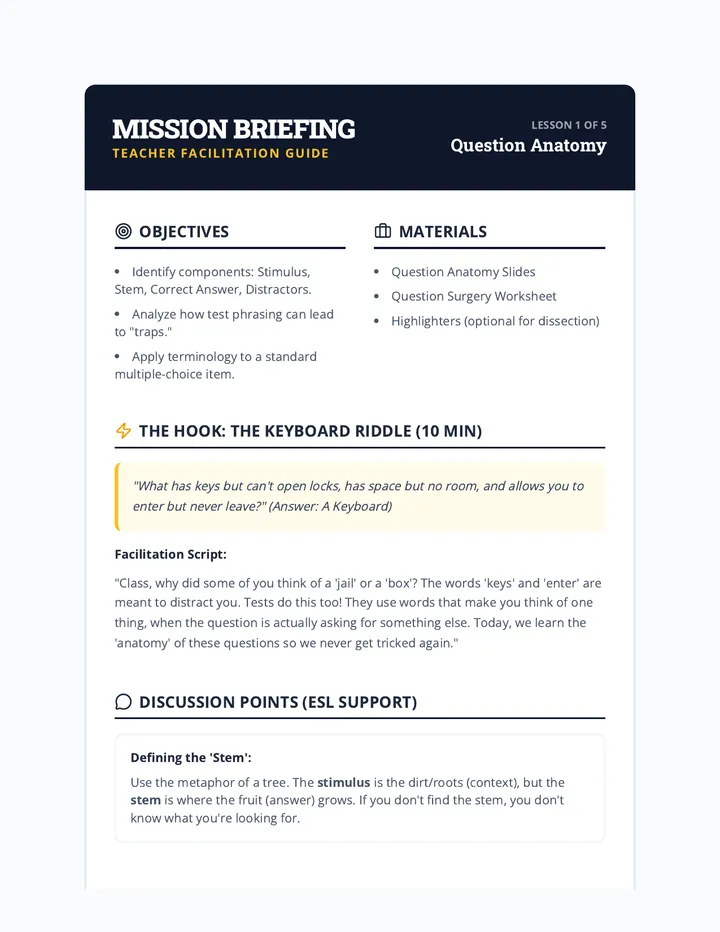
This sequence targets the analytical skills required to dismantle multiple-choice questions for 7th Grade ESL learners. Students move from understanding the anatomy of a question to identifying common logical fallacies and 'trap' answers, utilizing game-based learning and deductive reasoning.
A comprehensive 5-lesson sequence designed for 7th Grade ESL students to master skimming and scanning techniques. Students progress from basic differentiation of reading styles to high-speed information retrieval and synthesis, building the confidence and fluency needed for timed academic assessments.
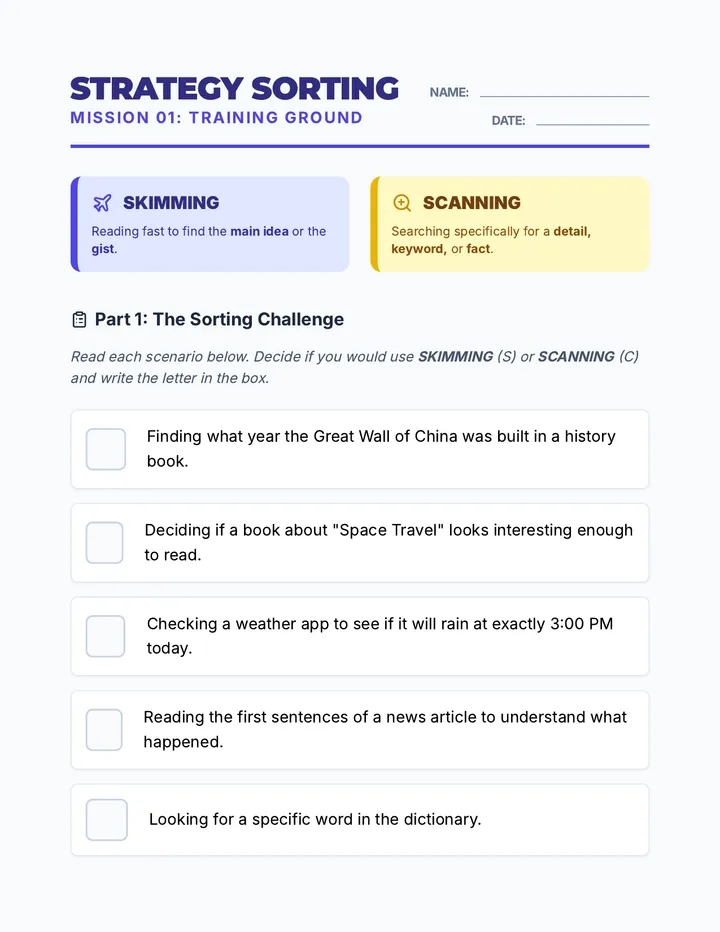
This sequence teaches 6th-grade ESL students the essential test-taking strategies of skimming and scanning. Through a 'Speed Scout' academy theme, students learn to navigate academic texts efficiently, identifying when to look for the 'gist' versus specific details to save time and improve accuracy on standardized tests.
A sequence for 6th-grade ESL students to master academic test-taking through logic and deduction, using a detective-themed approach to analyze question stems and eliminate distractor answers.
A comprehensive sequence designed to teach 8th-grade students how to move from passive listening to active comprehension using Text-to-Speech (TTS) technology. Students develop skills in immersion reading, strategic chunking, vocabulary acquisition, and digital annotation.
A comprehensive 5-lesson sequence for 8th Grade Intermediate ESL students focused on mastering the nuances of listening comprehension, from decoding connected speech to evaluating speaker bias and intent in complex narratives.
An inquiry-based sequence for 8th Grade ESL students to master academic test-taking by deconstructing question stems, identifying distractor patterns, and applying logical elimination strategies. Students transition from test-takers to 'test detectives' and finally 'exam creators' to gain deep insight into question logic.
A comprehensive 5-lesson sequence for 8th-grade ESL students focusing on mastering skimming and scanning techniques to improve academic reading efficiency and test performance. Students learn to navigate text structures, identify keywords, recognize synonyms, and apply these strategies under timed conditions.
Students explore English beyond the textbook, focusing on authentic fast-paced speech, regional dialects, and varying registers to improve real-world listening comprehension.
This sequence equips advanced 7th-grade ESL students with the skills to navigate complex academic lectures. It covers identifying verbal transitions, mastering Cornell notes, distinguishing main ideas from trivia, visualizing oral descriptions, and synthesizing information into accurate summaries.
This sequence equips advanced ESL students with strategies for academic listening, focusing on verbal signposts, main idea extraction, Cornell note-taking, and synthesizing complex information for academic discussion.
A sequence for intermediate ESL students to master complex sentence structures in oral storytelling. Students transition from choppy, simple sentences to fluid narratives using conjunctions, transitions, and relative clauses.
An advanced 8th Grade ESL listening sequence that teaches students to move beyond literal comprehension. Students learn to decode global accents, connected speech, speaker bias, sarcasm, and rhetorical devices through authentic-style audio analysis and investigative tasks.
A 5-lesson unit for intermediate ESL students to master English idioms through visualization, categorization, and narrative performance. Students transition from understanding literal vs. figurative meanings to performing original skits that use idioms naturally.
This sequence immerses intermediate ESL students in the nuances of casual English conversation, focusing on idiomatic expressions, emotional intonation, and social registers. Students transition from literal understanding to figurative fluency through inquiry, simulation, and performance.
This sequence teaches 6th-grade students to use the 'Mental Movie' metaphor to improve reading comprehension and narrative recall. Students act as 'directors,' learning to visualize characters, settings, and actions while self-monitoring for 'glitches' in their understanding.
A comprehensive 5-lesson sequence designed for 8th-grade academic support, focusing on building visualization skills through the metaphor of a 'Mind Movie.' Students progress from identifying sensory triggers in text to using visualization as a metacognitive tool for self-monitoring comprehension.
A grammar-focused ESL unit where students act as investigators to solve a classroom mystery. They master passive voice, modals of deduction, reported speech, and past perfect to write an objective case report.
A grammar-focused ESL sequence where students use relative clauses and conditionals to design and pitch inventions for a 'School of the Future.' Students move from defining objects to predicting outcomes and hypothesizing wild improvements.
A comprehensive listening sequence for beginner ESL students to navigate their middle school environment. Students progress from basic classroom commands and object identification to mastering numbers, times, and social introductions through active listening simulations.
This sequence helps beginner ESL students develop essential listening skills for a middle school environment. It covers greetings, classroom supplies, teacher commands, schedules, and real-world school scenarios through interactive audio-based activities.
This sequence explores the 'Zero Article'—the grammatical rule of omitting articles for generalizations and abstract concepts. Students will learn to distinguish between specific groups and general categories, understand abstract noun usage, and apply these rules to improve the flow and impact of their writing.
An 8th-grade vocabulary sequence that explores polysemous words (homonyms) through context clues, syntactic analysis, and real-world ambiguity in news headlines. Students move from dictionary exploration to forensic context analysis and a final Socratic seminar on linguistic nuance.
This sequence guides advanced 6th-grade ESL students through the stylistic application of complex grammar rules to enhance their creative and academic writing. Students explore inversion, the subjunctive mood, advanced conditionals, and passive voice as tools for manipulating tone and emphasis in narratives.
This sequence guides advanced 6th-grade ESL students to refine their academic writing by mastering synonyms and collocations. Students move from basic functional language to precise, sophisticated English through gradient analysis, verb upgrading, and peer editing workshops.