A sequence for intermediate ESL students to master complex sentence structures in oral storytelling. Students transition from choppy, simple sentences to fluid narratives using conjunctions, transitions, and relative clauses.
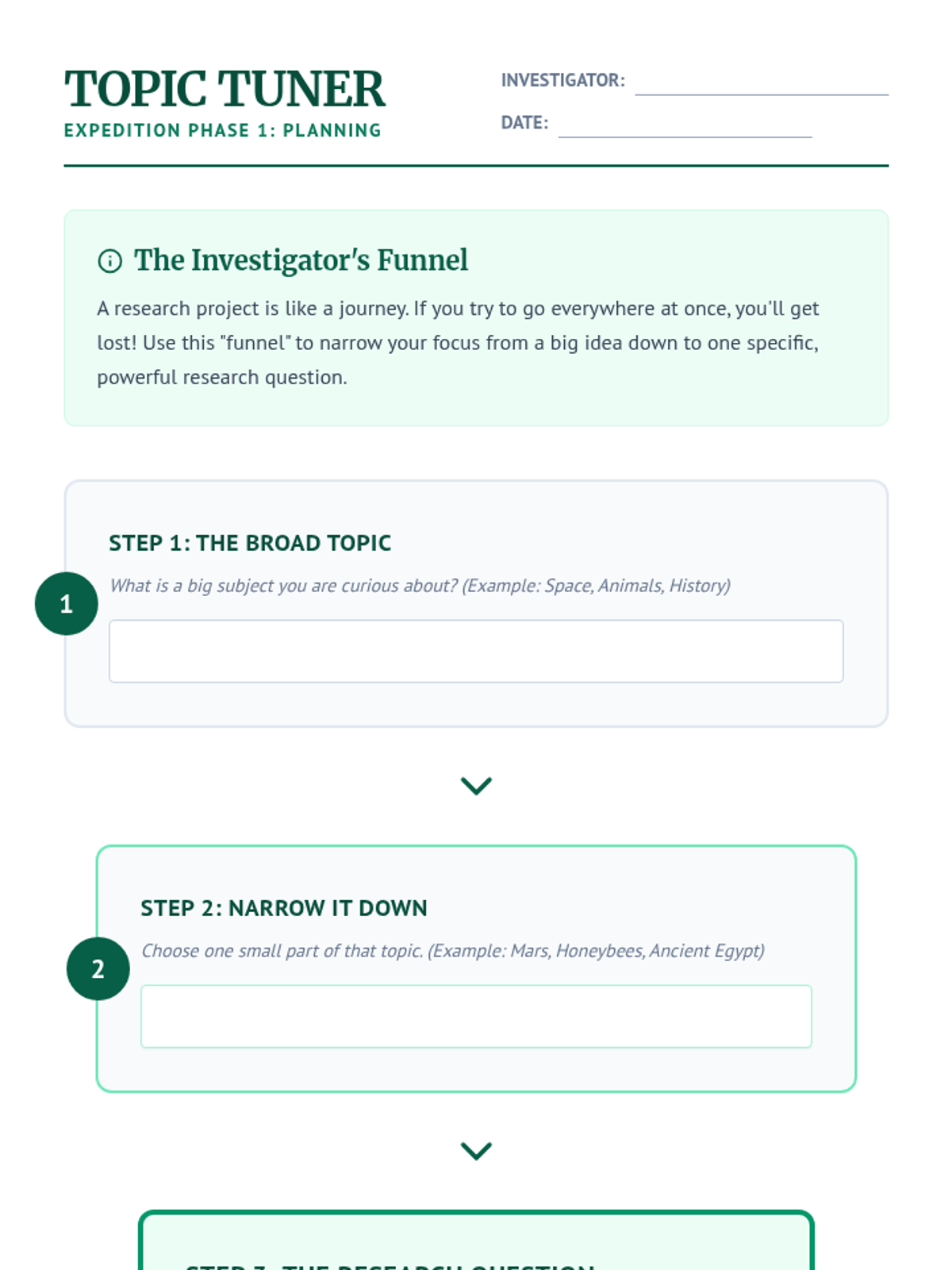
A comprehensive 5-lesson project-based sequence for 5th Grade ESL students to master the research cycle, from questioning to final publication. Students develop academic English skills through searching, evaluating, and synthesizing information on a chosen topic.
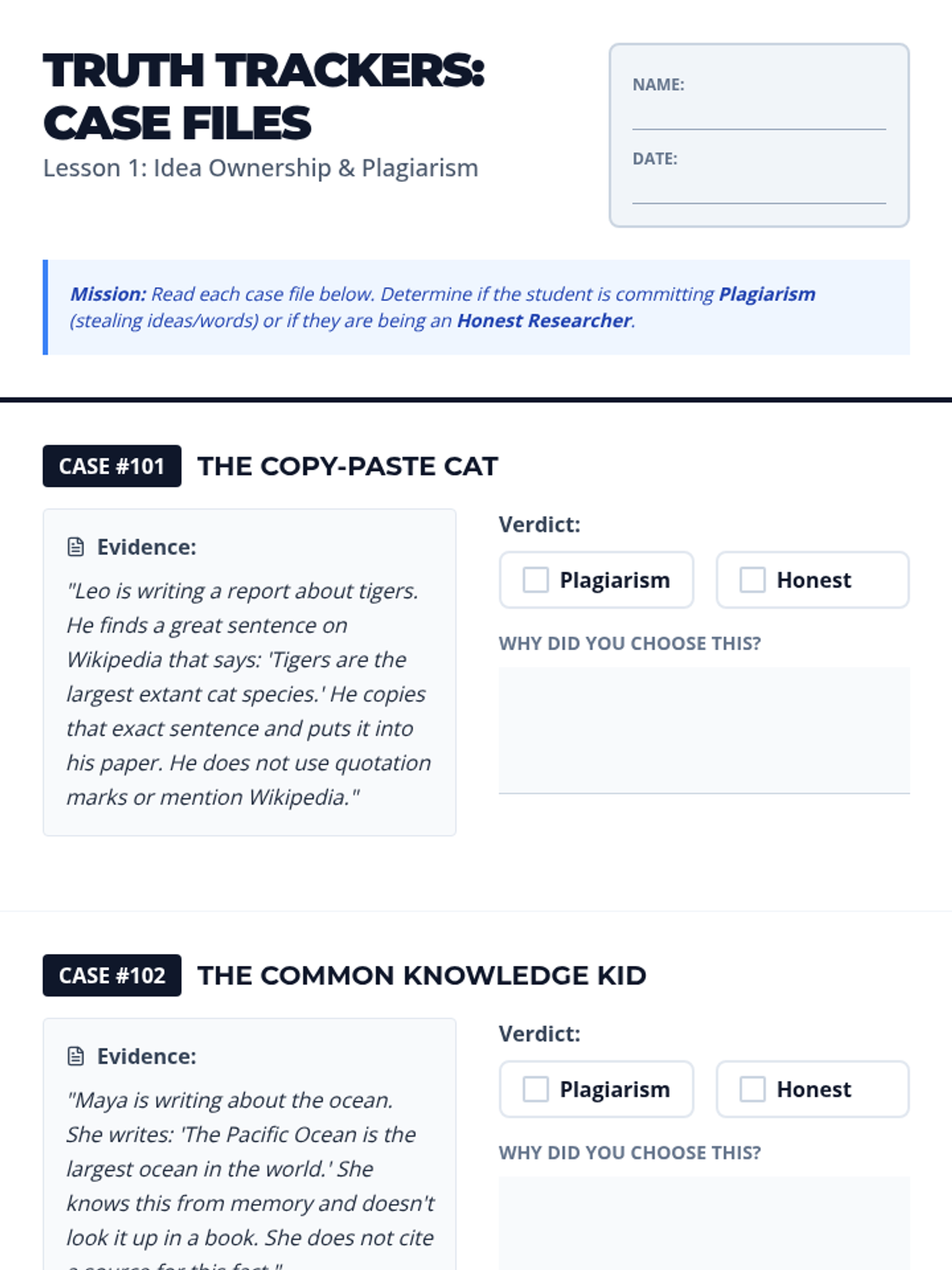
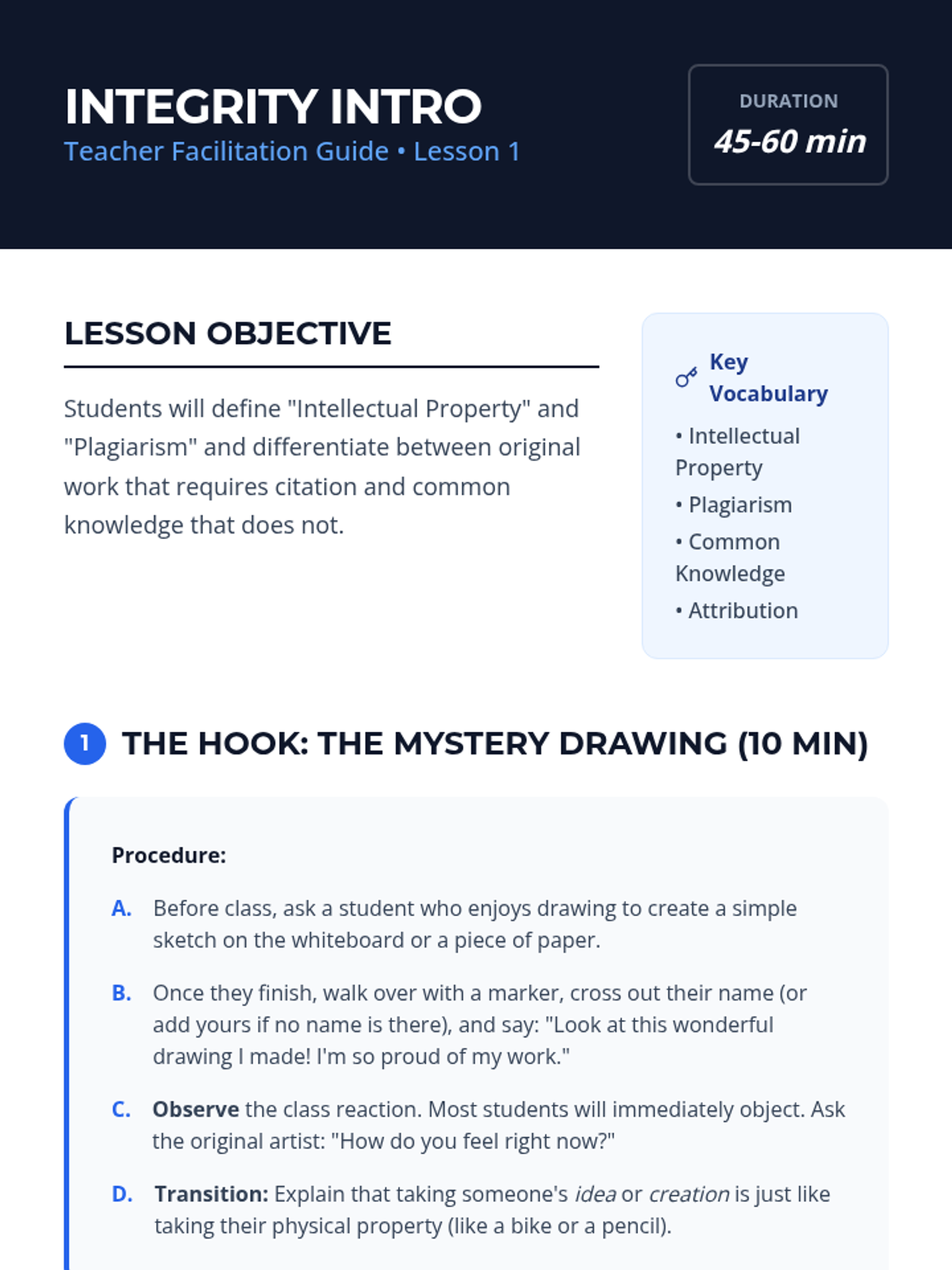
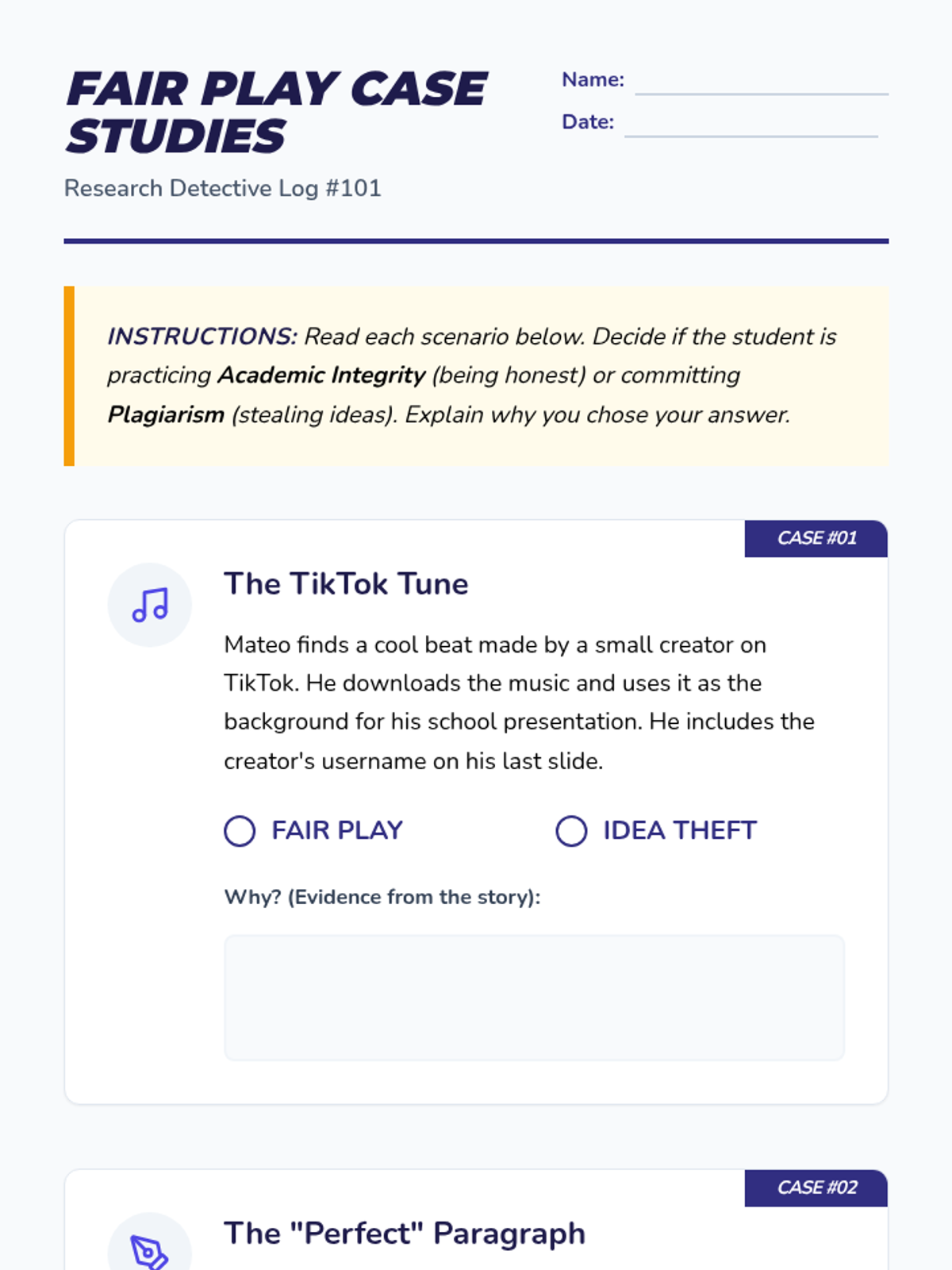
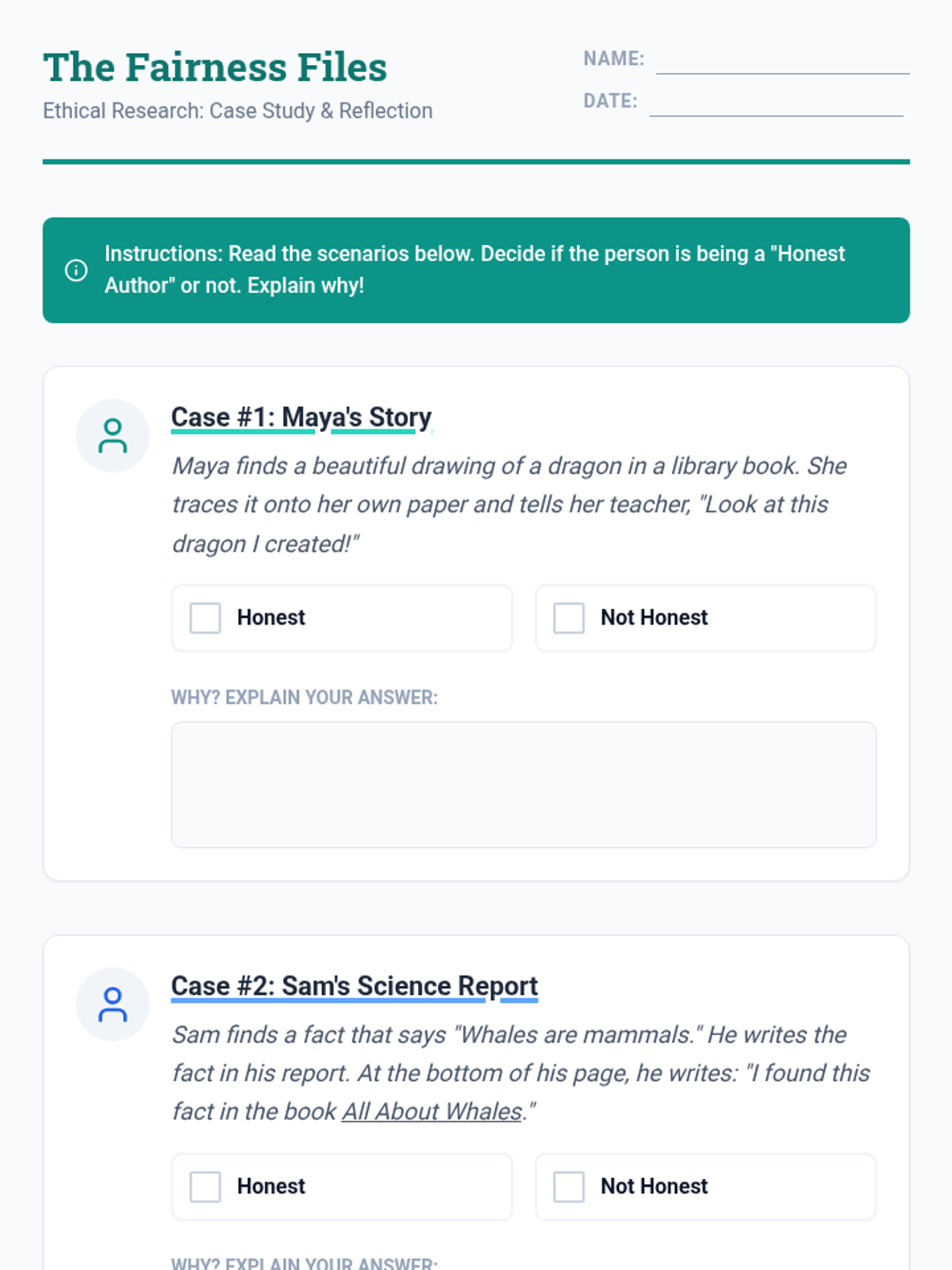
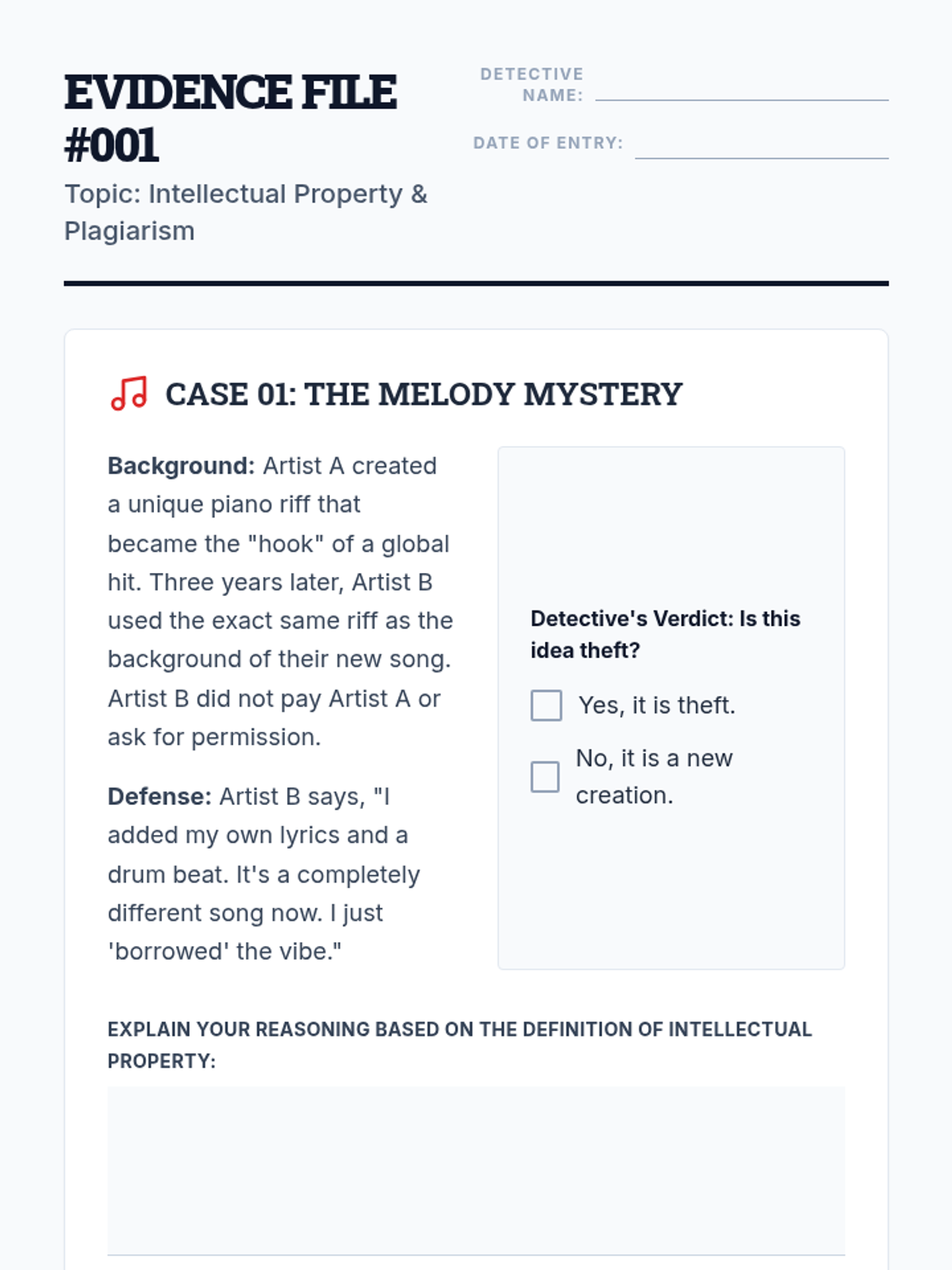
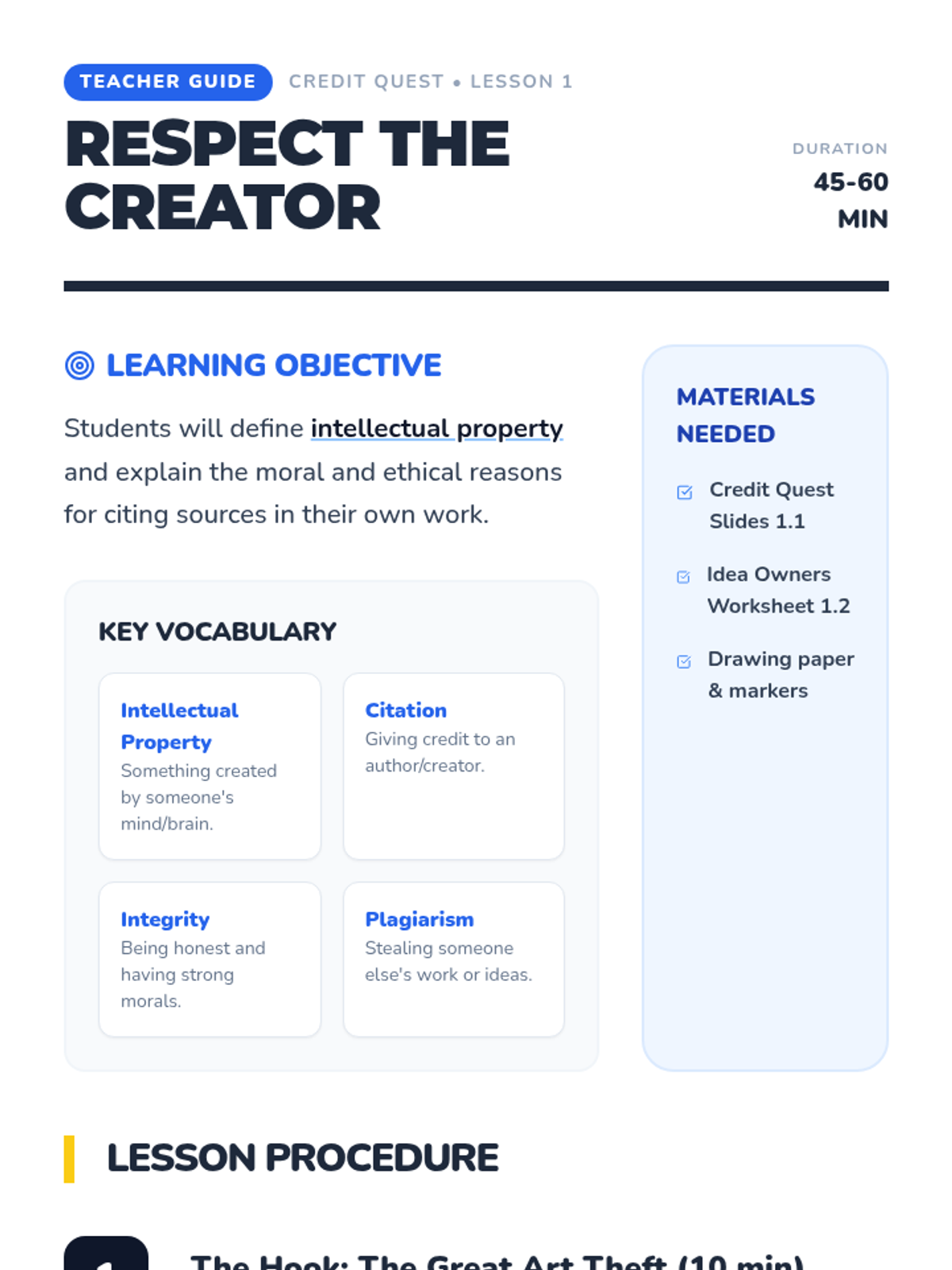
A 5-lesson sequence for 5th-grade ESL students focused on the ethics and mechanics of academic research. Students learn to distinguish between intellectual property and common knowledge, master the art of quoting and paraphrasing, and create simplified citations and bibliographies to maintain academic integrity.
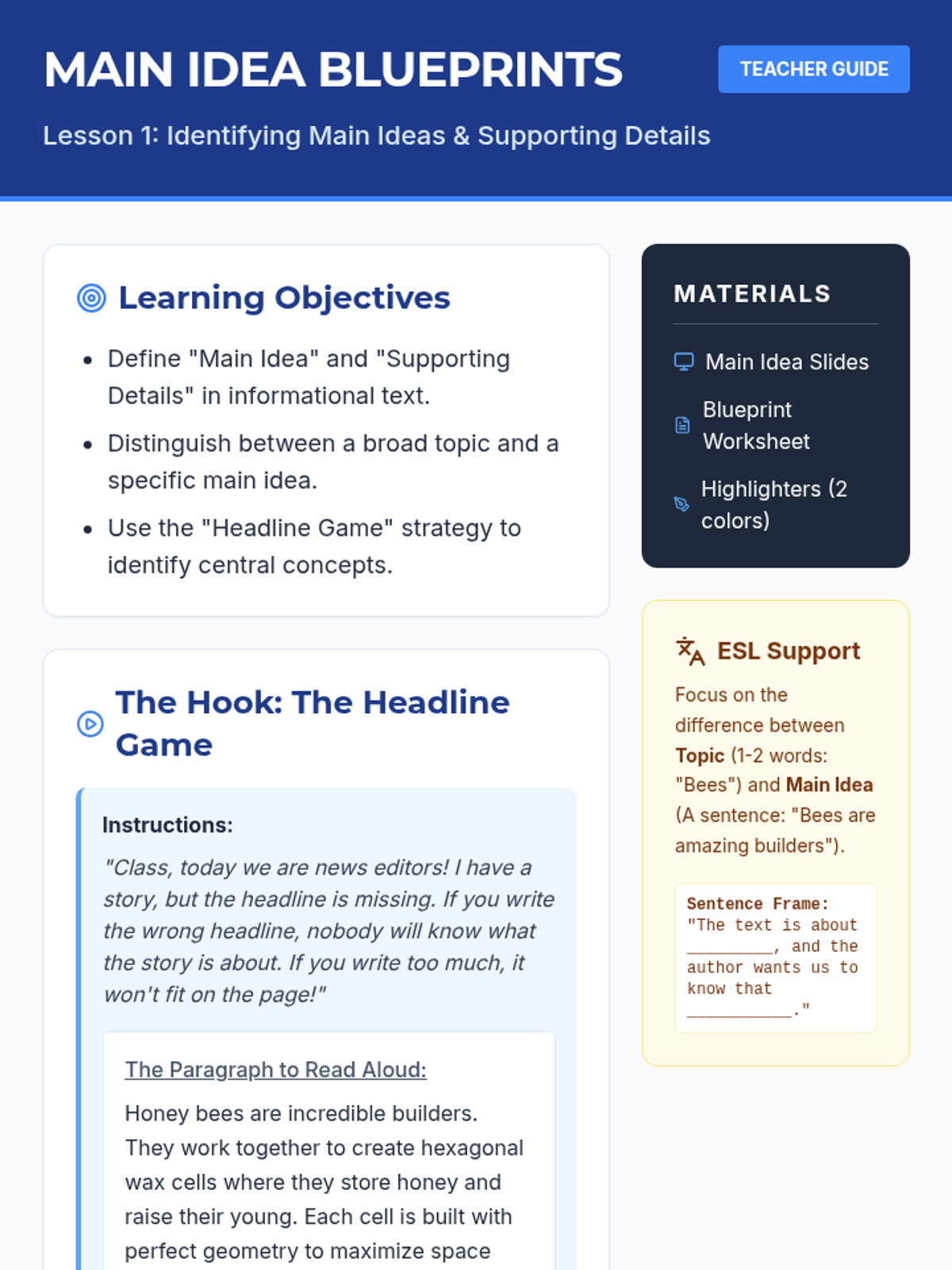
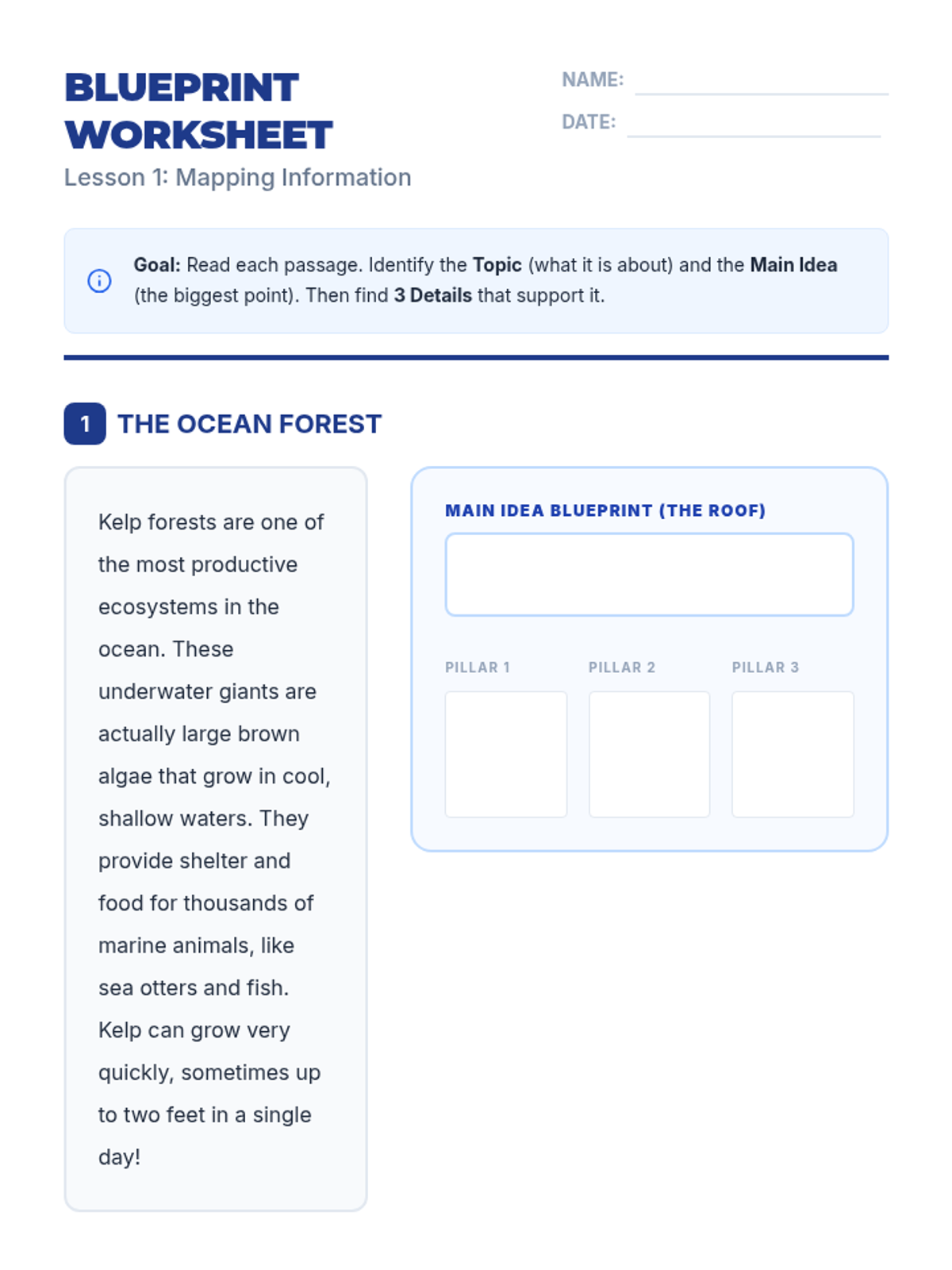
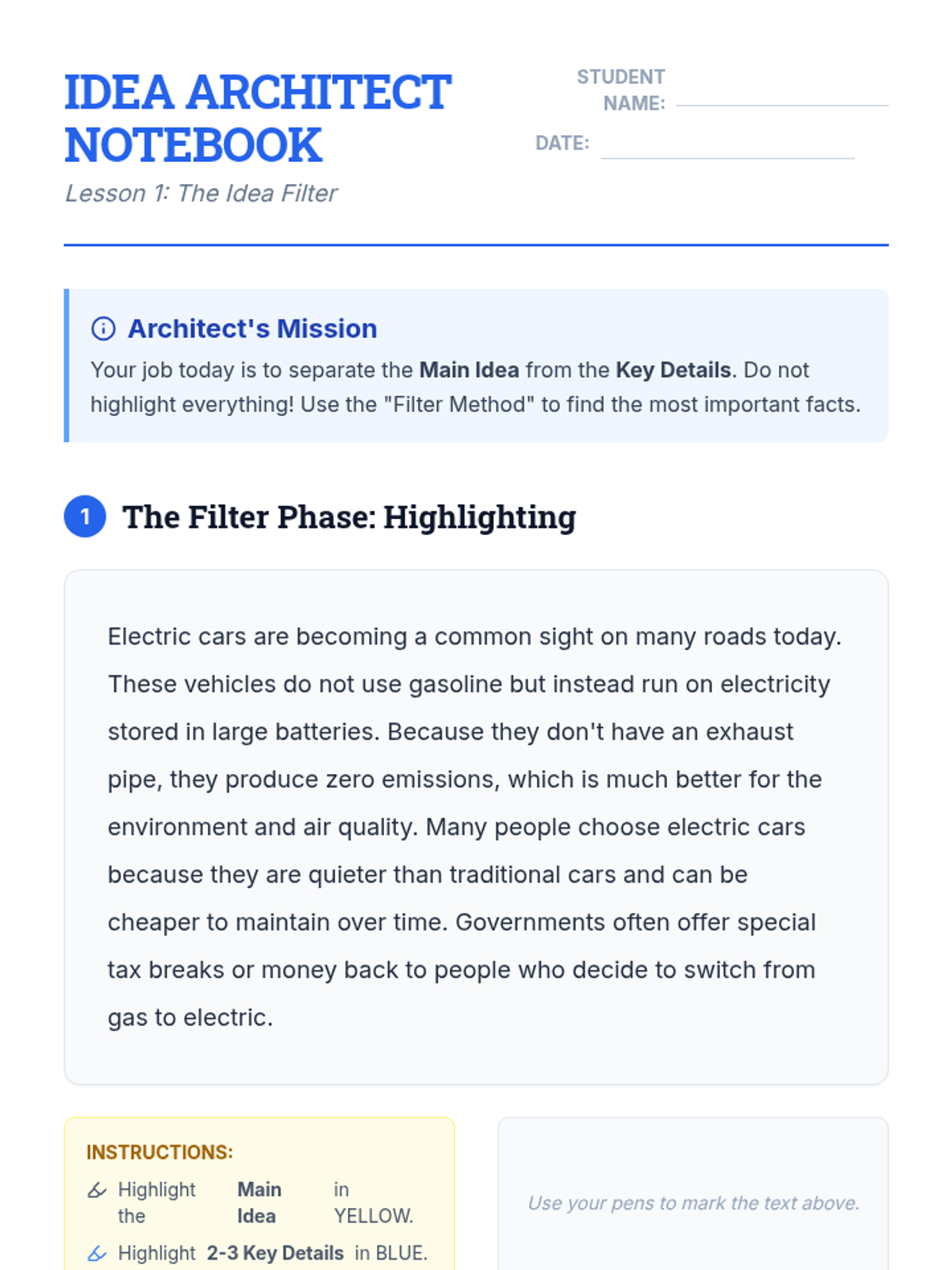
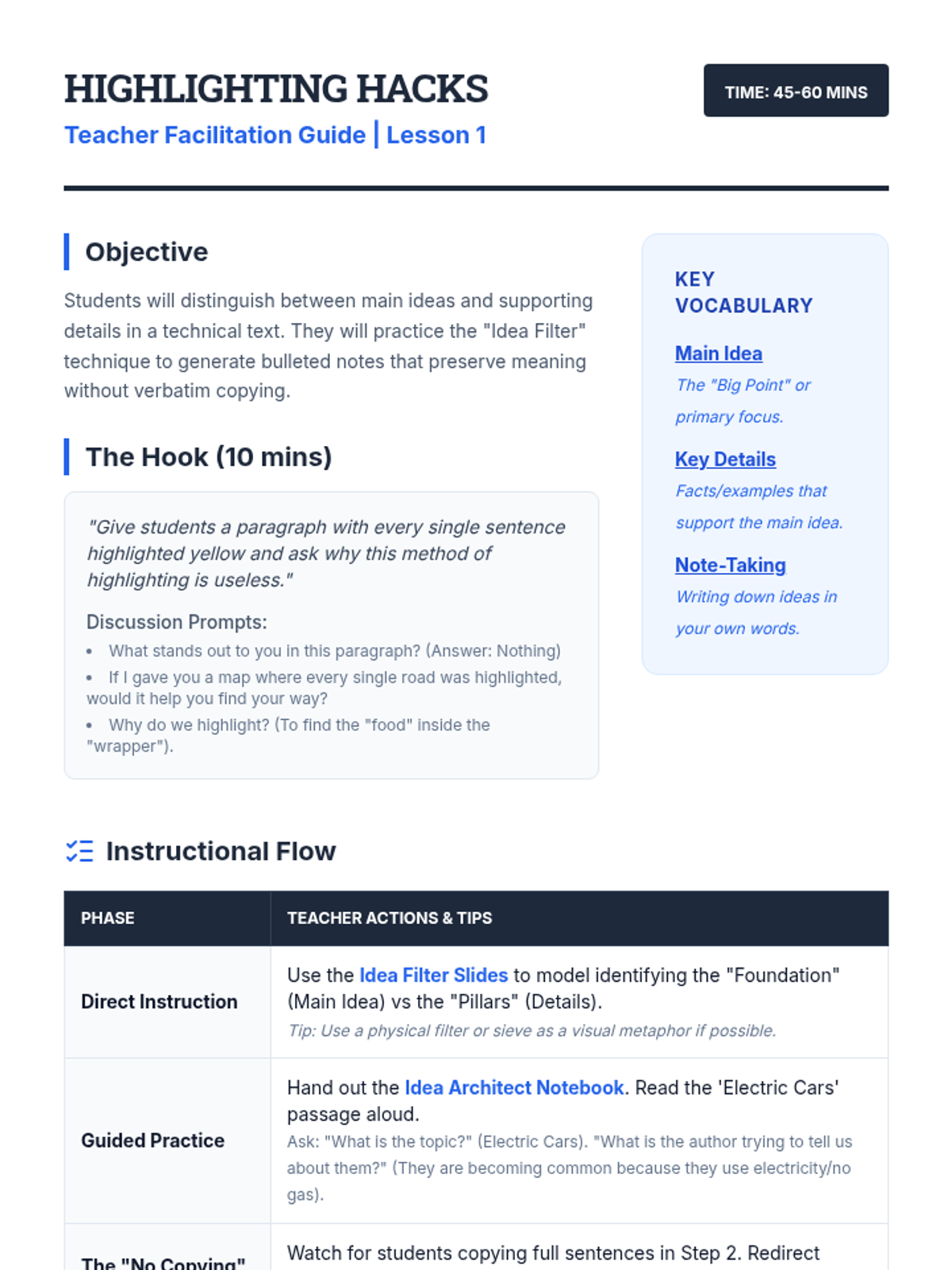
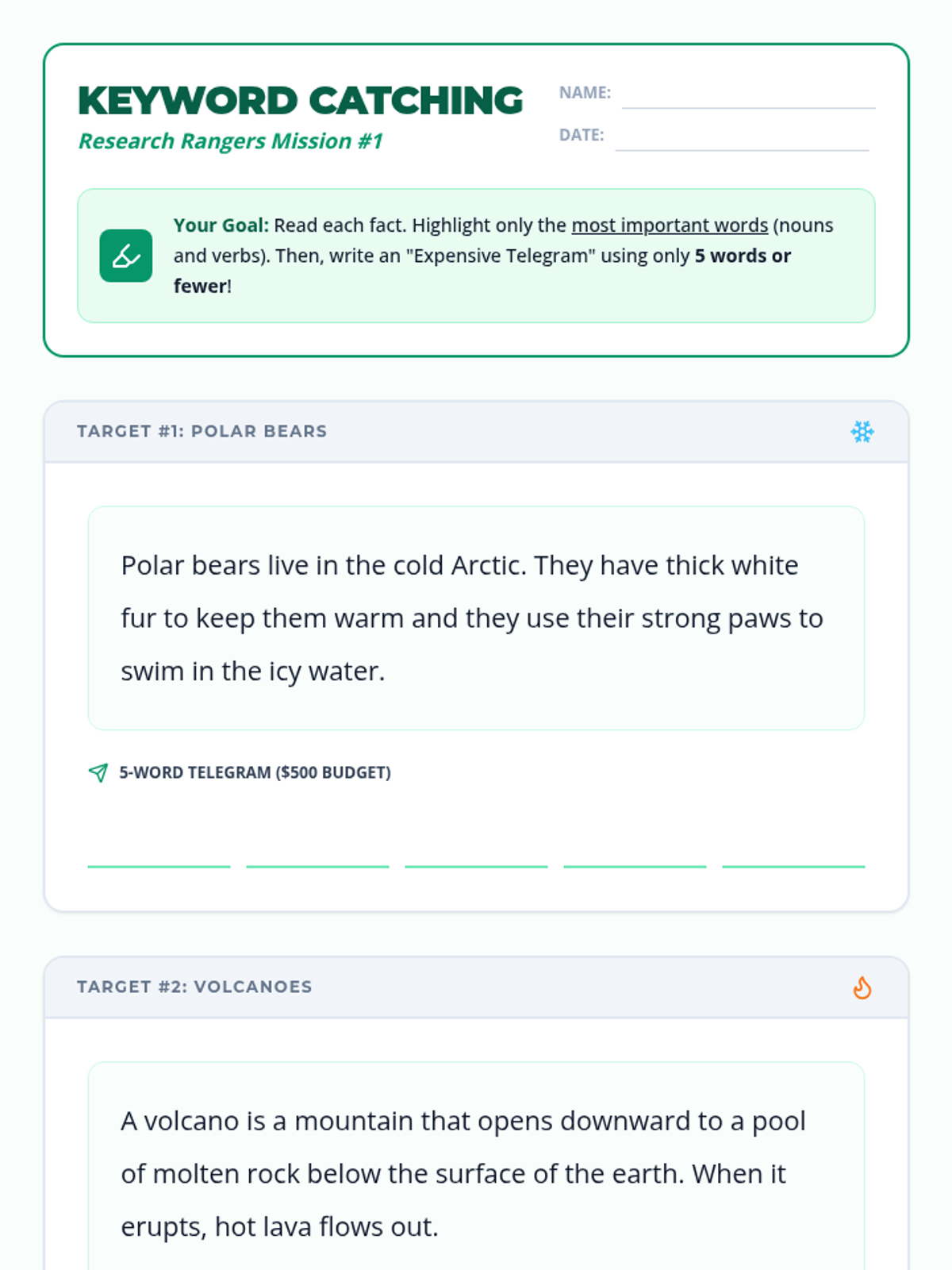
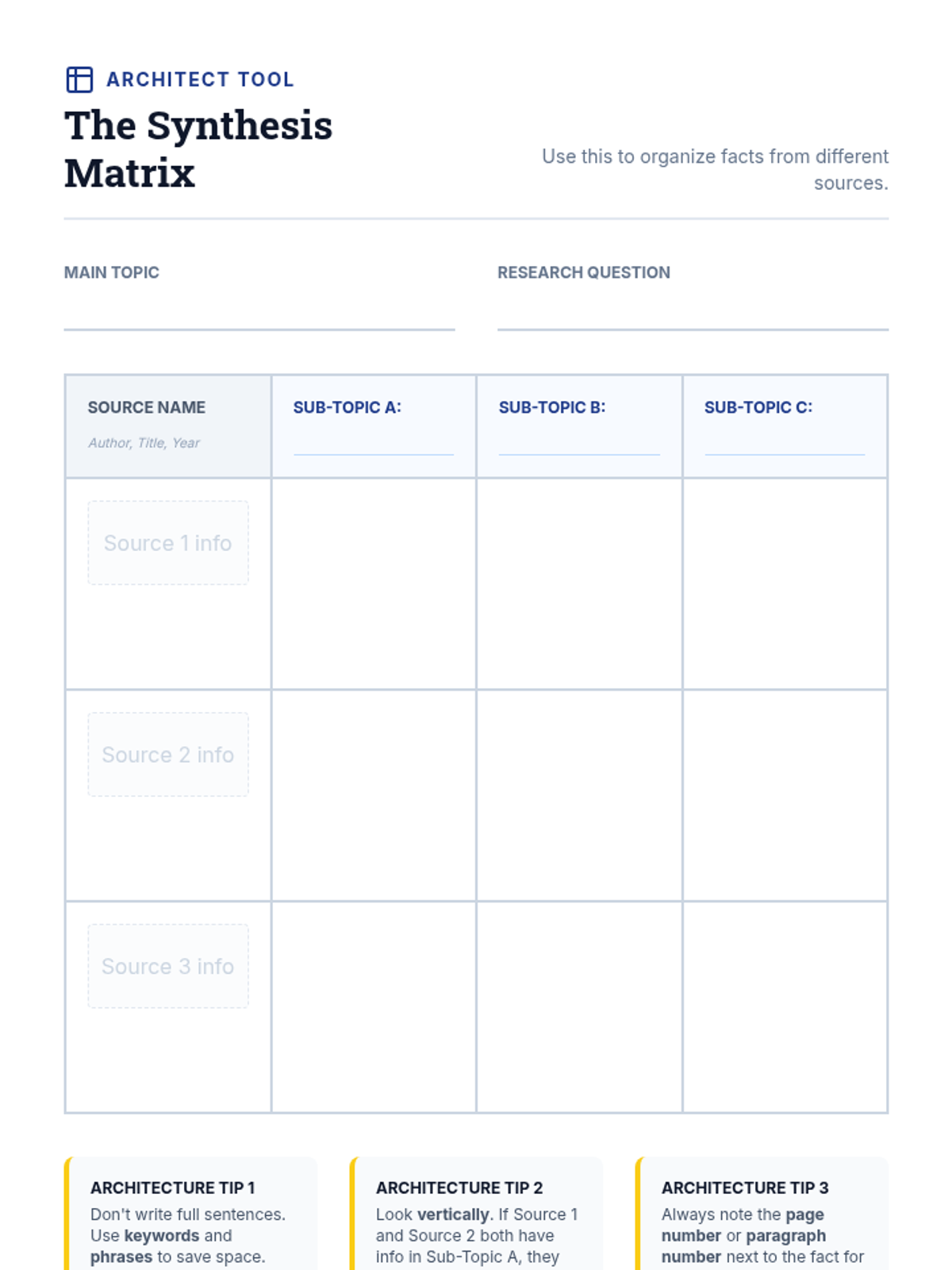
A 5-lesson sequence for 5th Grade ESL students focused on developing academic English skills through paraphrasing and synthesizing information. Students progress from identifying main ideas to drafting complete summary reports using multiple sources and formal attribution.
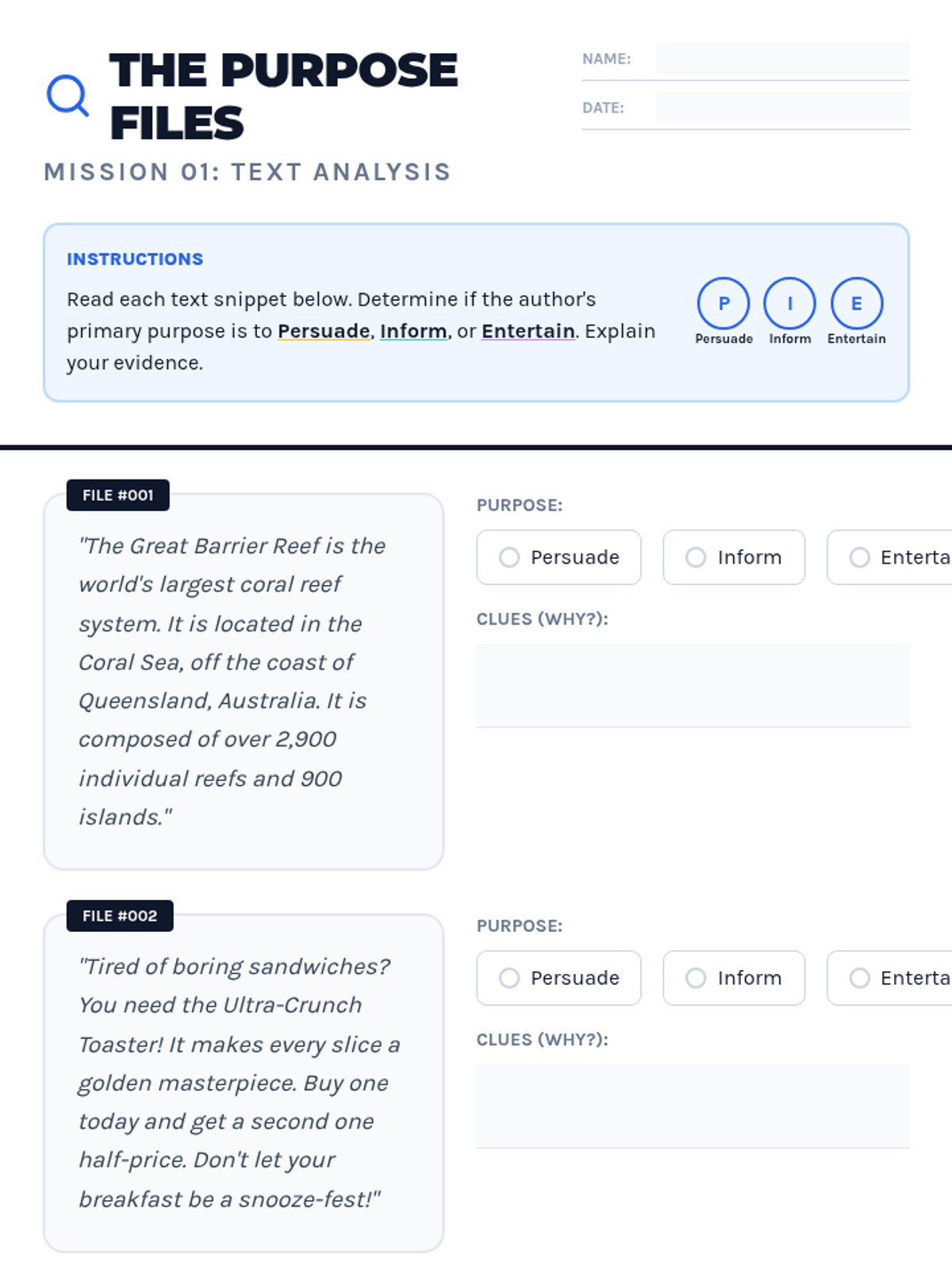
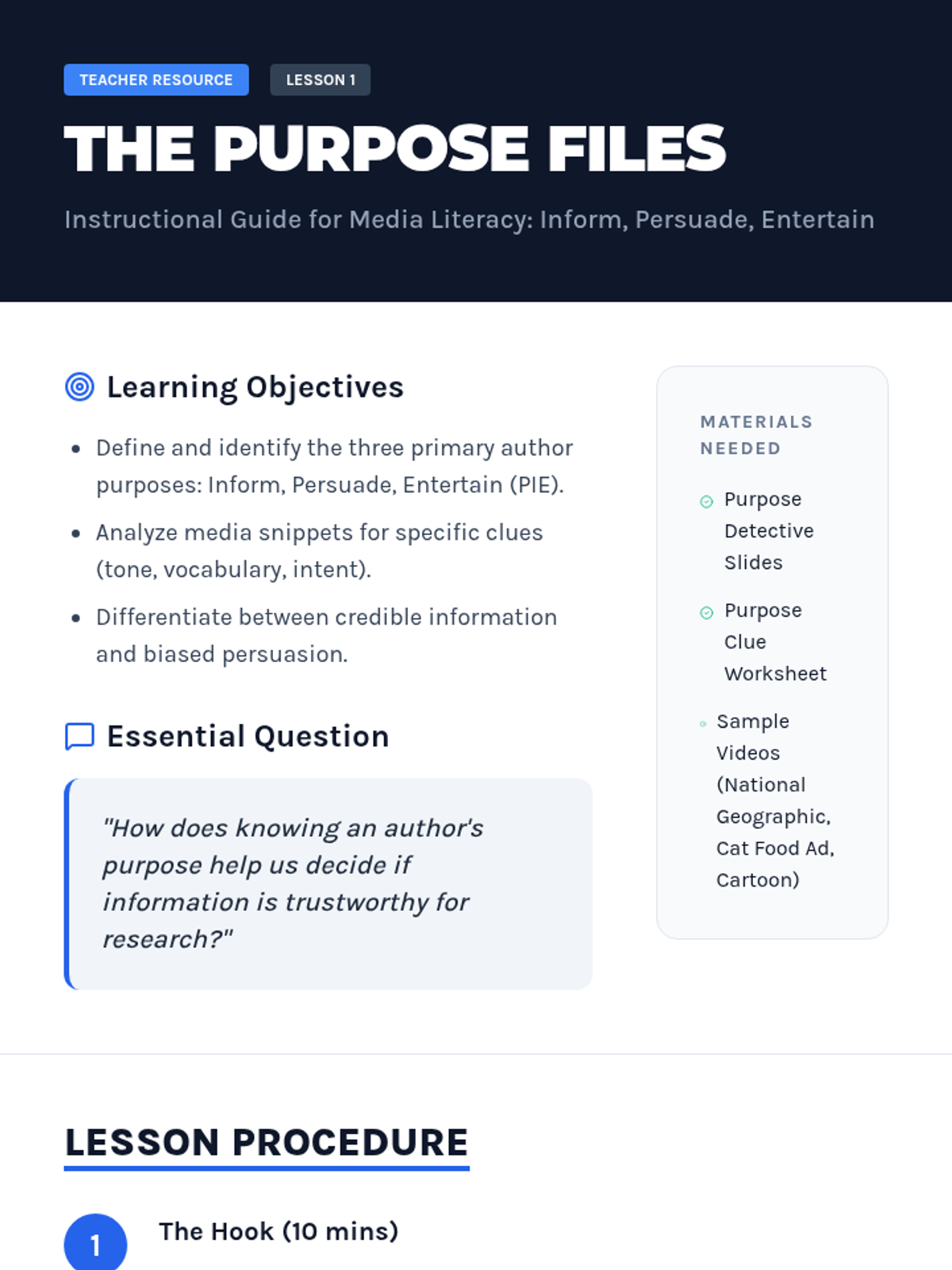
A 5-lesson sequence for 5th-grade ESL students to develop media literacy and research skills. Students learn to distinguish author purpose, evaluate website credibility using the 5 W's, identify bias, and corroborate information across multiple sources.
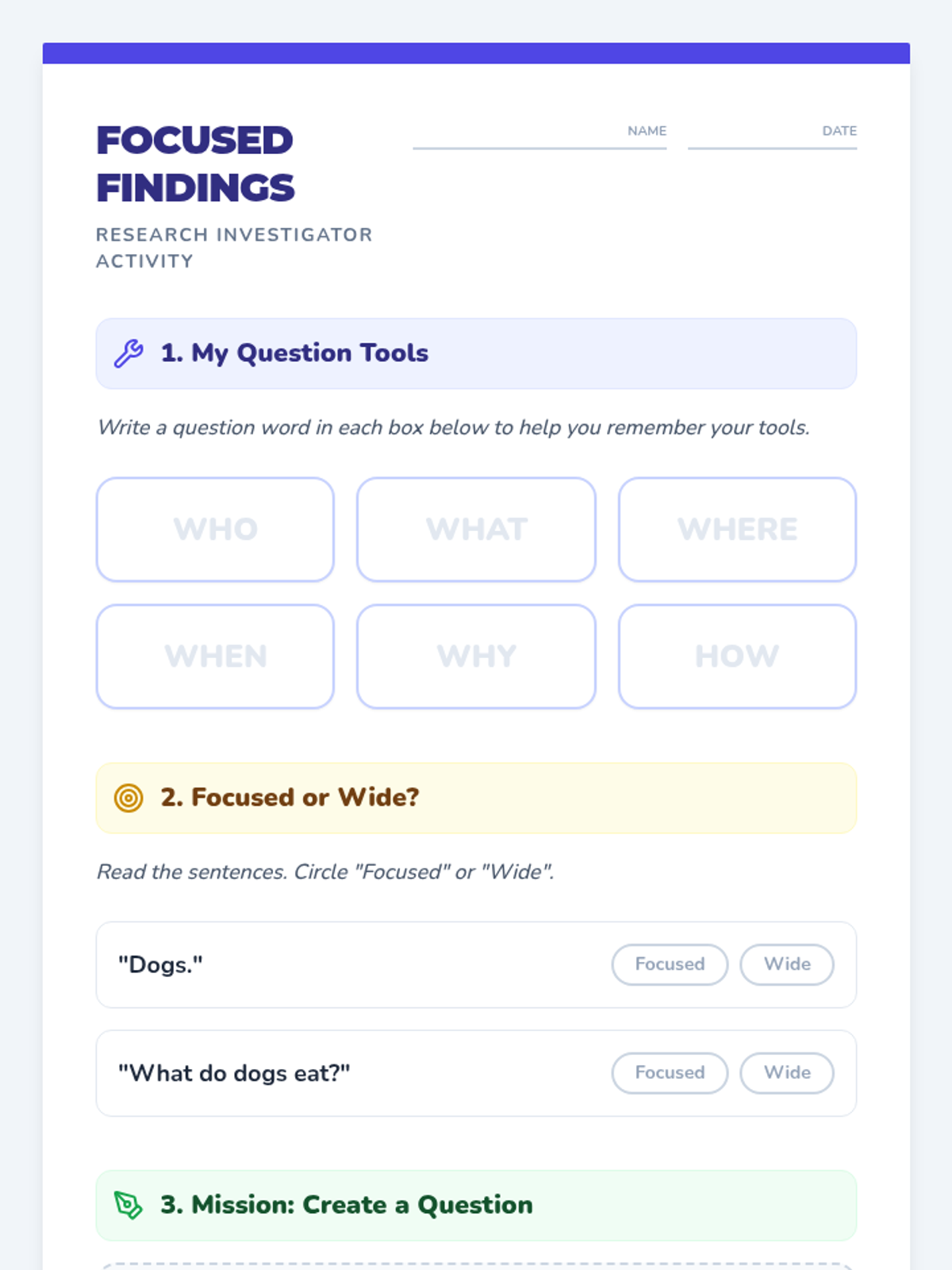
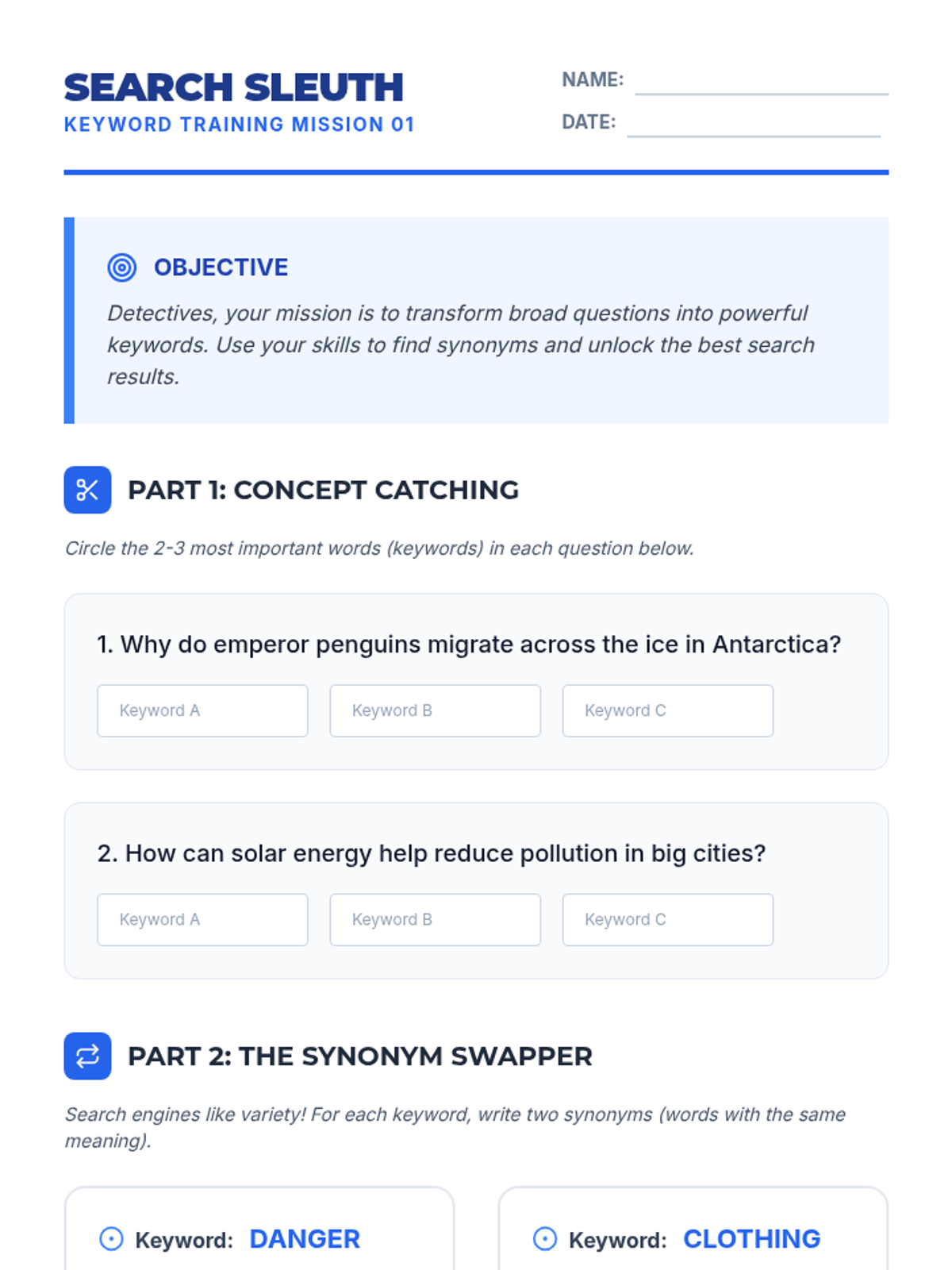
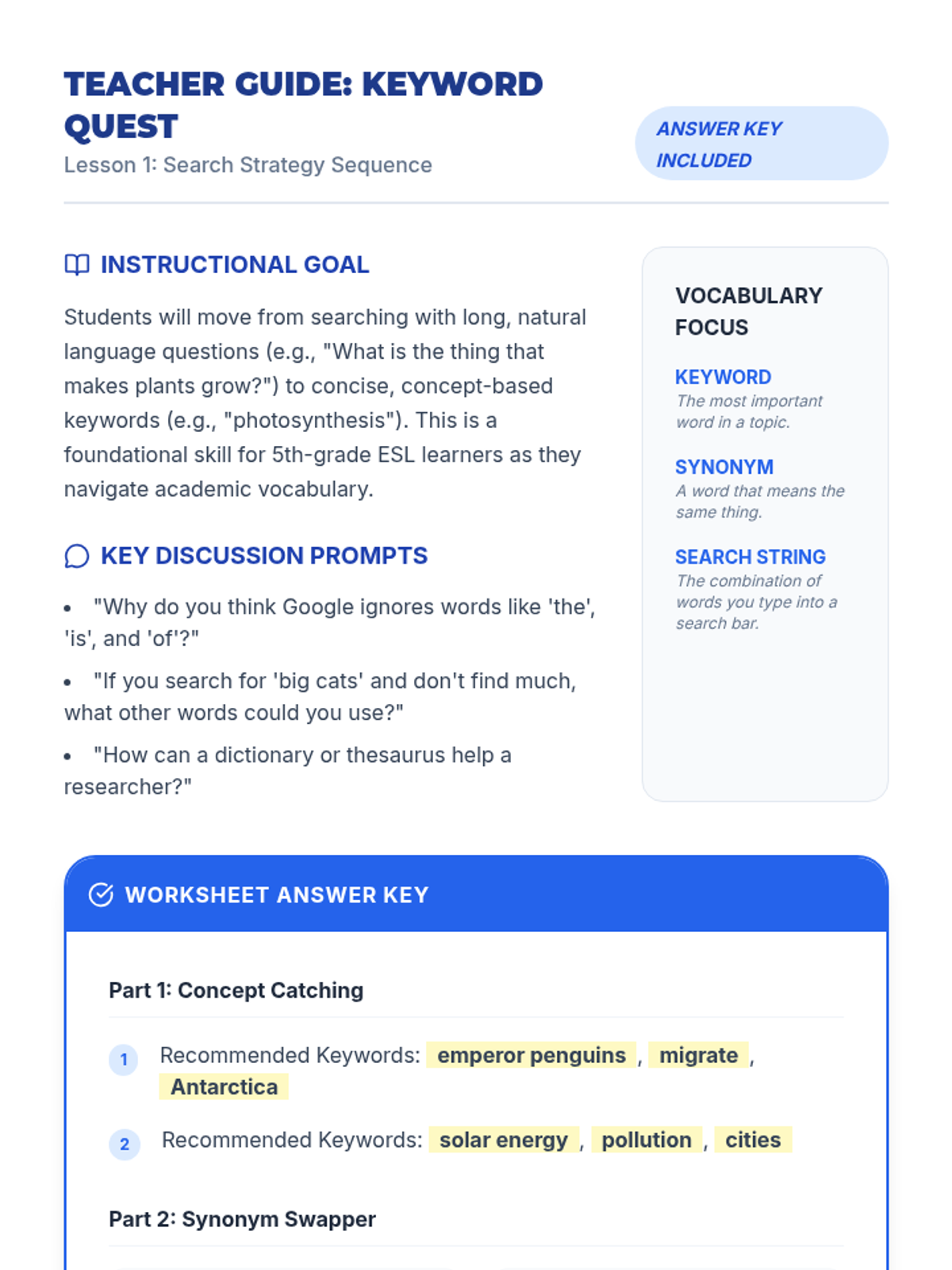
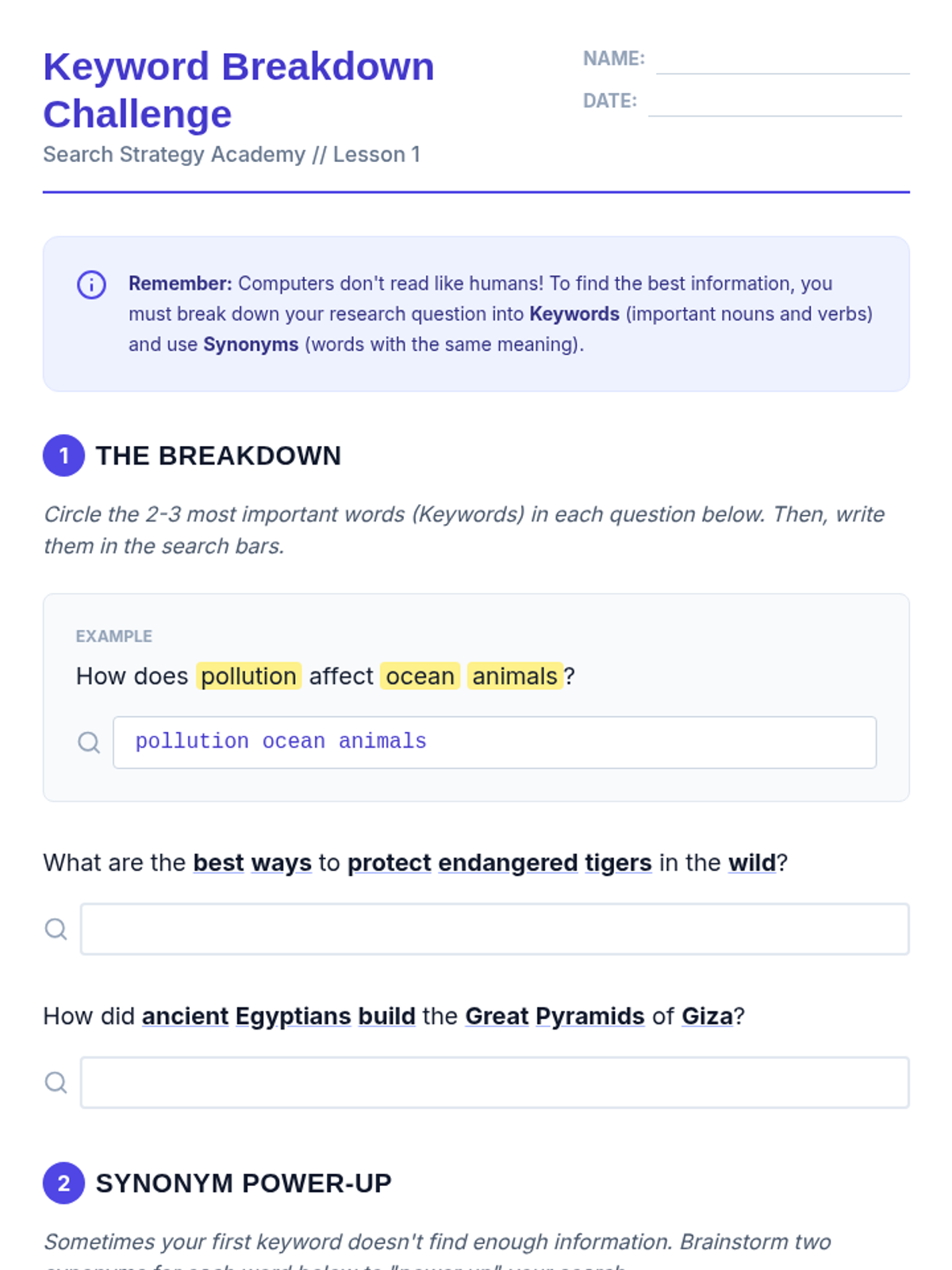
A 5-lesson sequence for 5th Grade ESL students focused on the mechanics of finding information. Students move from basic keyword generation to using Boolean operators, navigating text features, utilizing academic databases, and refining failed searches to become efficient digital researchers.
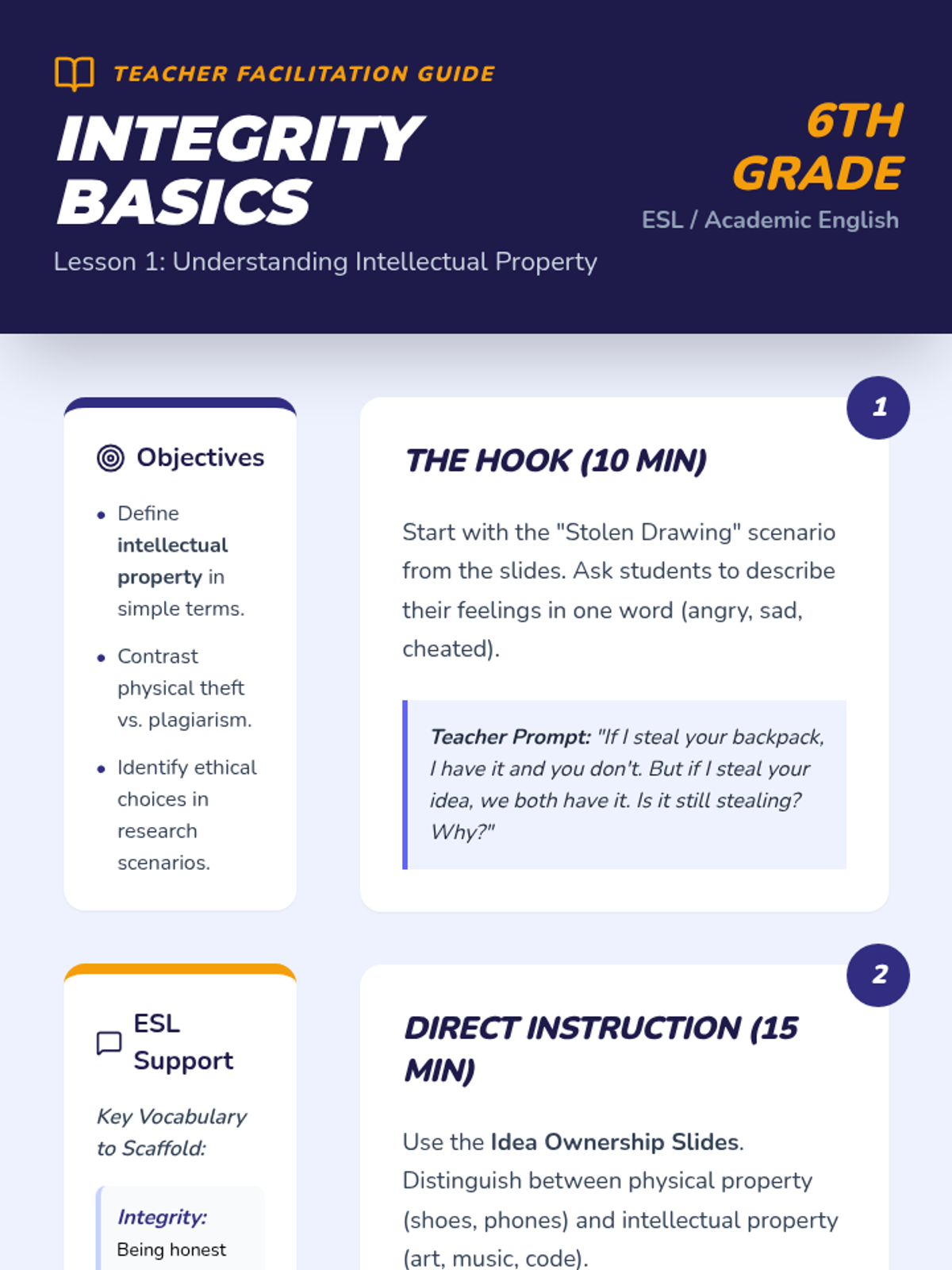
This 5-lesson sequence for 6th-grade ESL students covers the ethical use of information, focusing on intellectual property, MLA citation components, digital tools, and in-text attribution. Students progress from conceptual understanding to creating a mini-bibliography for a personal project.
A comprehensive workshop-style unit for 6th Grade ESL students focused on the linguistic mechanics of paraphrasing and synthesizing information. Students move from identifying core concepts to orally retelling information, transforming individual sentences, and finally weaving multiple sources into a single coherent paragraph without plagiarizing.
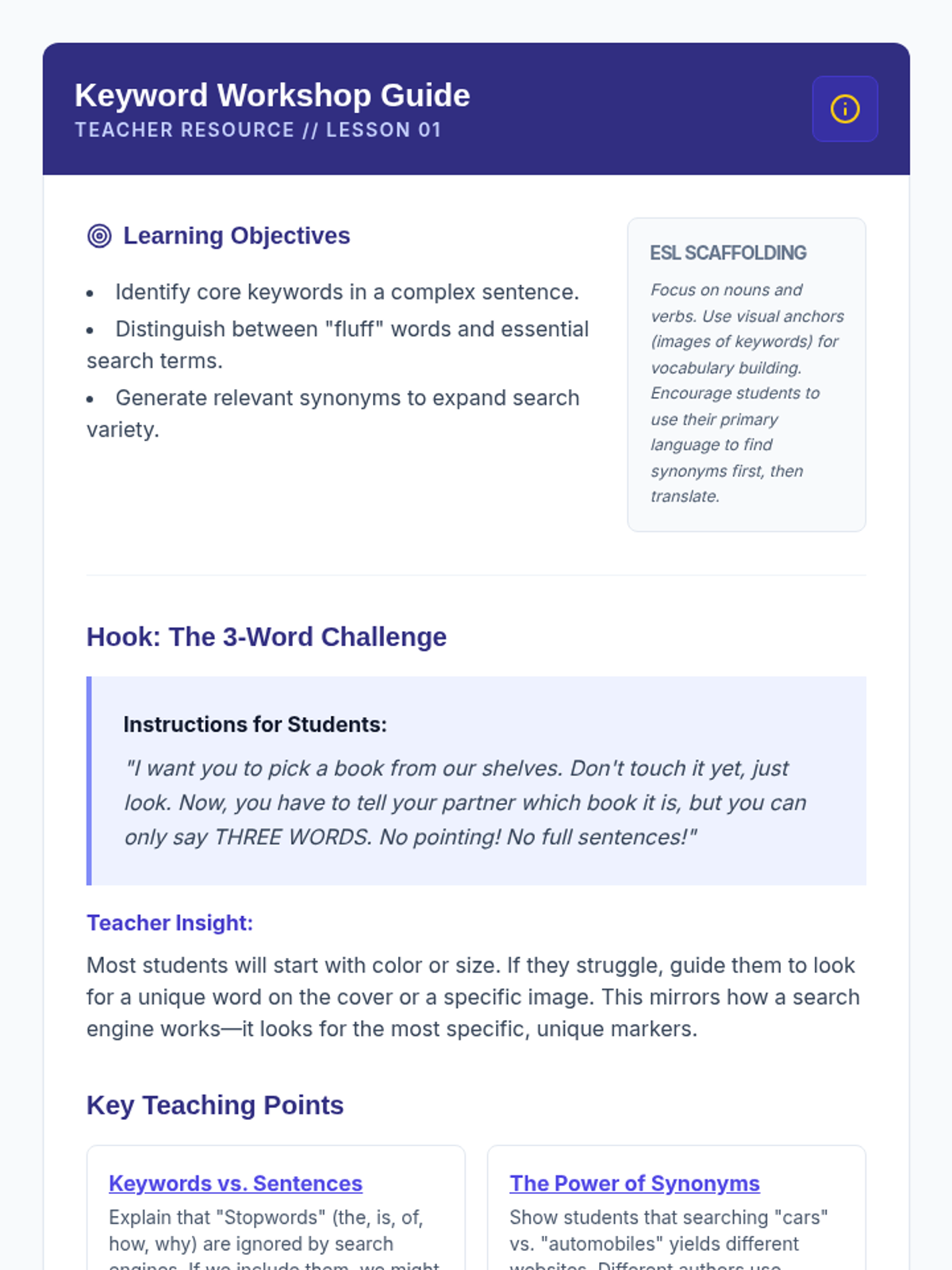
A 5-lesson unit for 6th-grade ESL students focused on transforming search habits from natural language questions to strategic keyword and Boolean operator techniques. Students move from basic vocabulary brainstorming to navigating academic databases and skimming snippets for relevance.
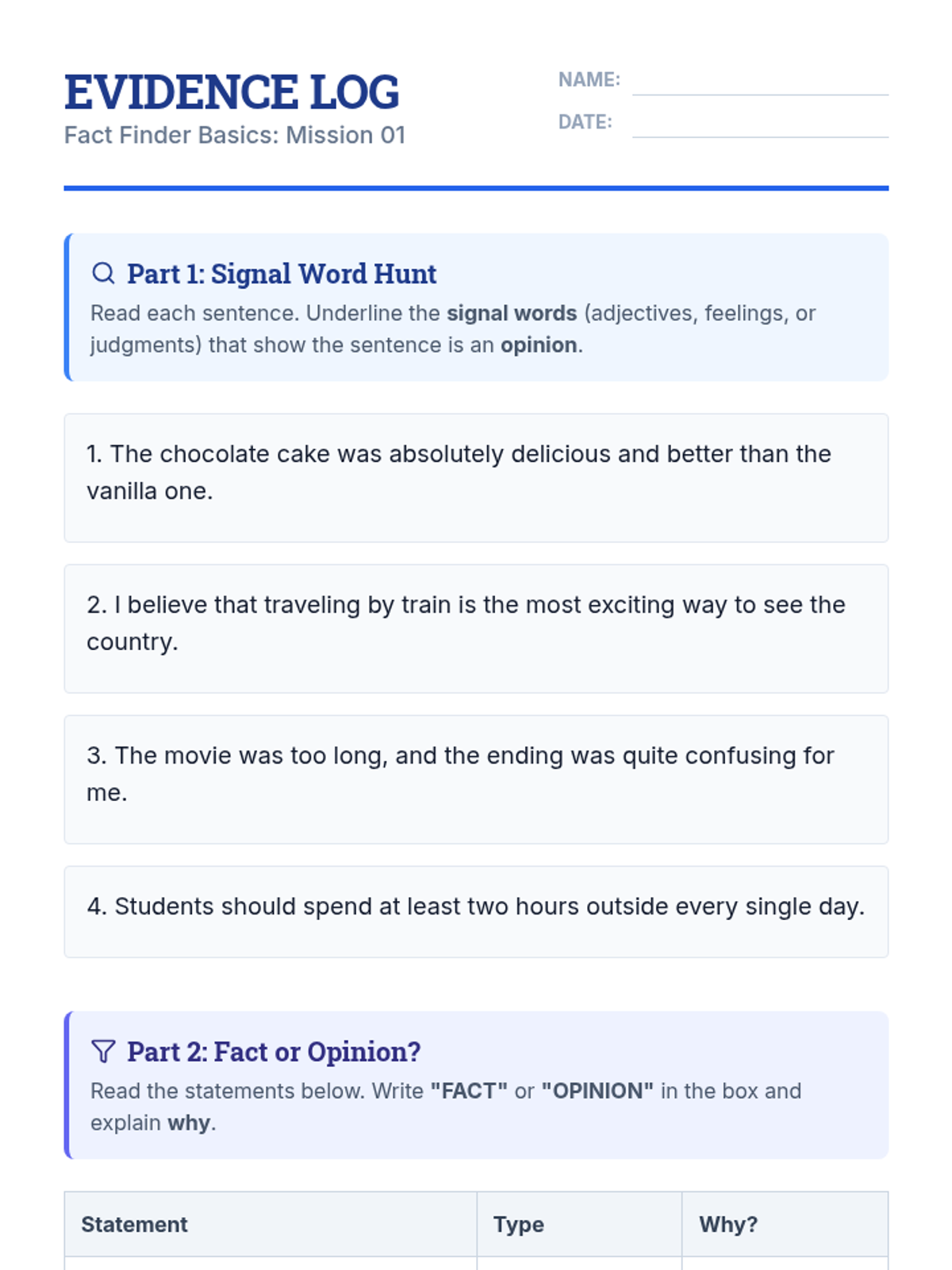
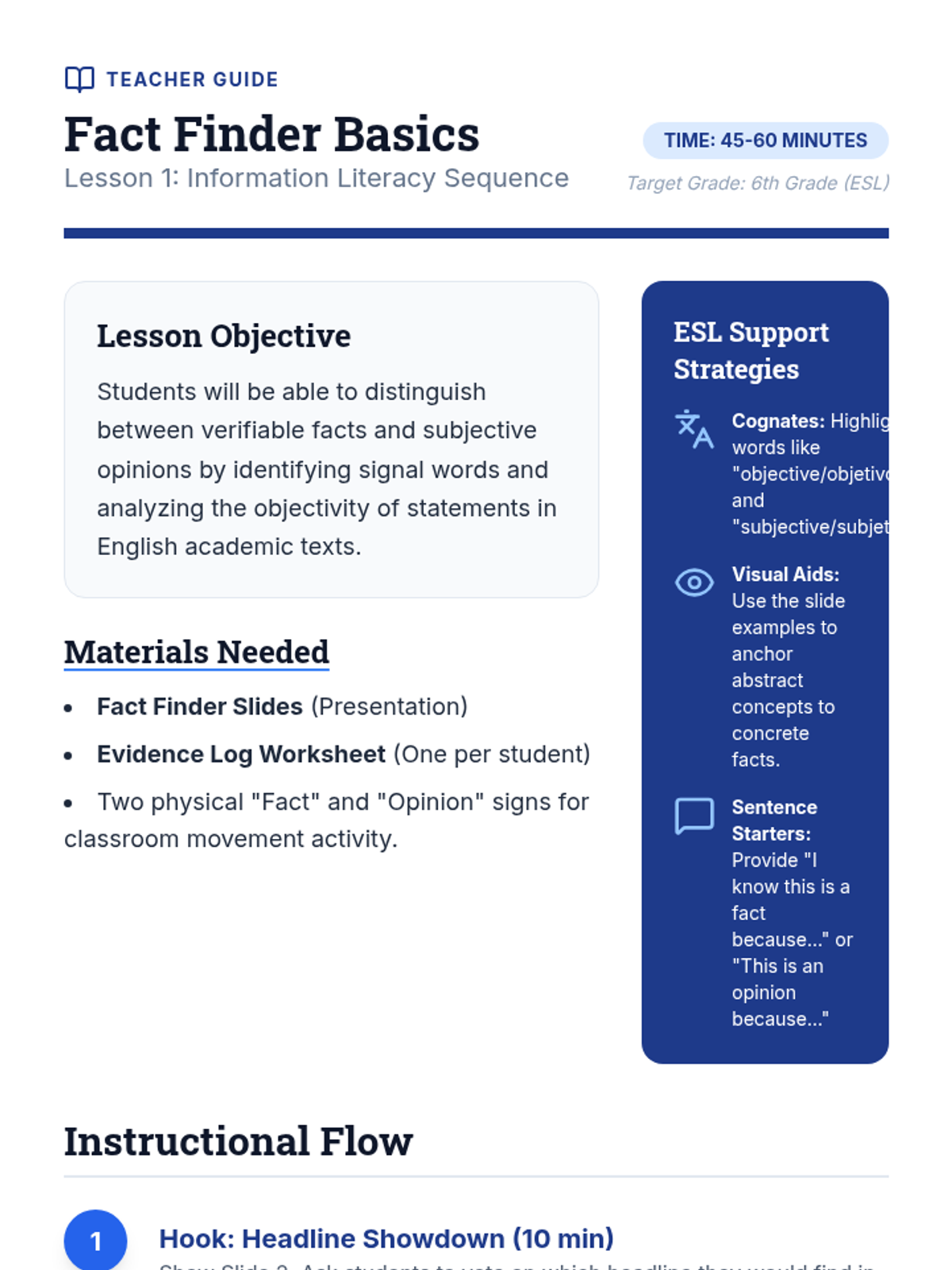
A comprehensive sequence for 6th Grade ESL students to develop critical research and information literacy skills. Students progress from distinguishing basic facts and opinions to applying professional evaluation frameworks like the CRAAP test to determine source credibility.
This 3rd-grade ESL sequence teaches students the foundations of academic integrity, focusing on why and how to give credit to authors. Students learn to locate bibliographic information, format simple citations, and synthesize research notes into a final product with a proper source list.
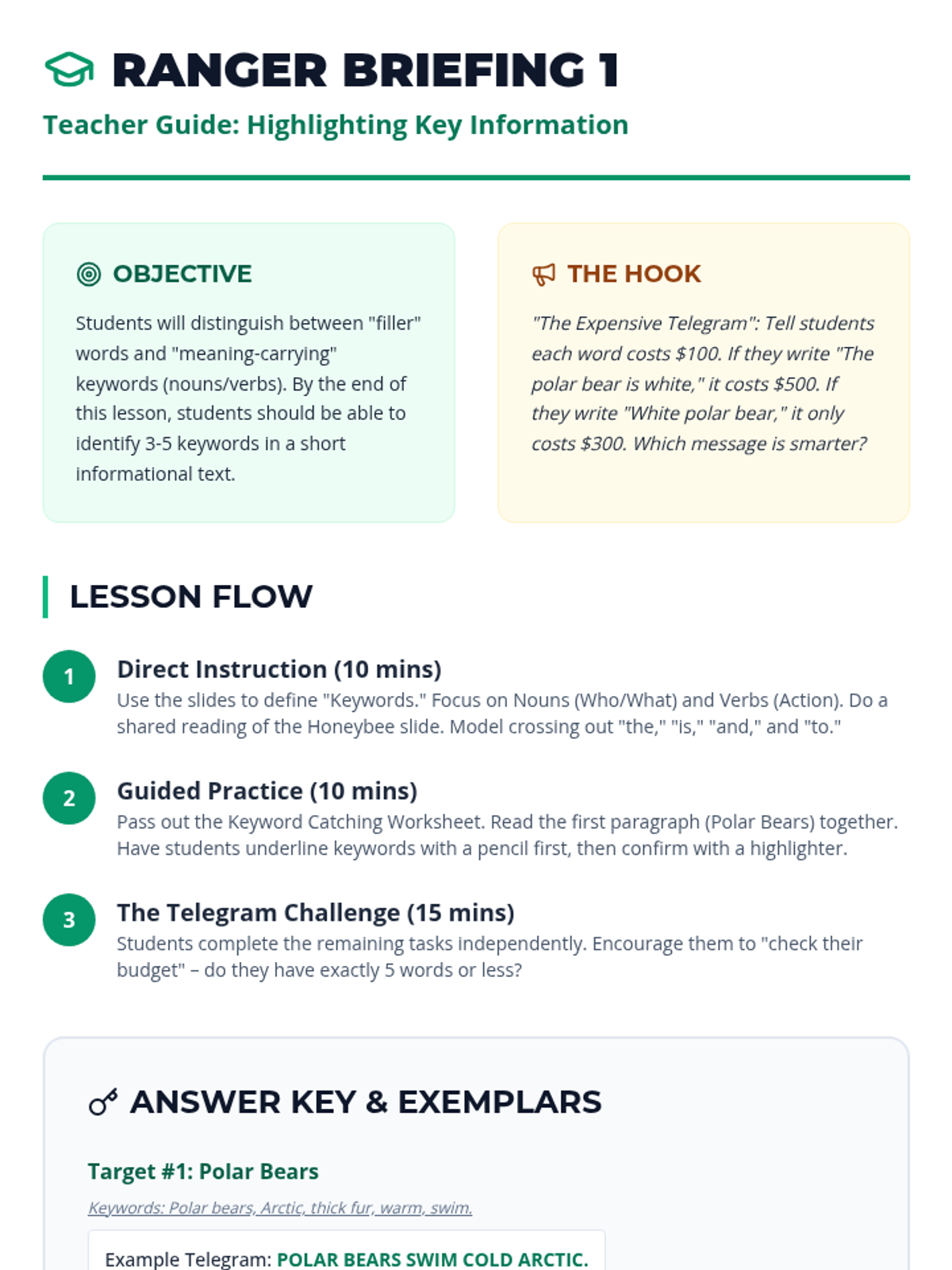
A workshop-style workshop sequence for 3rd grade ESL students focusing on note-taking and paraphrasing. Students learn to extract information without plagiarizing using strategies like keyword highlighting, visual sketching, and the 'Read-Cover-Write' method.
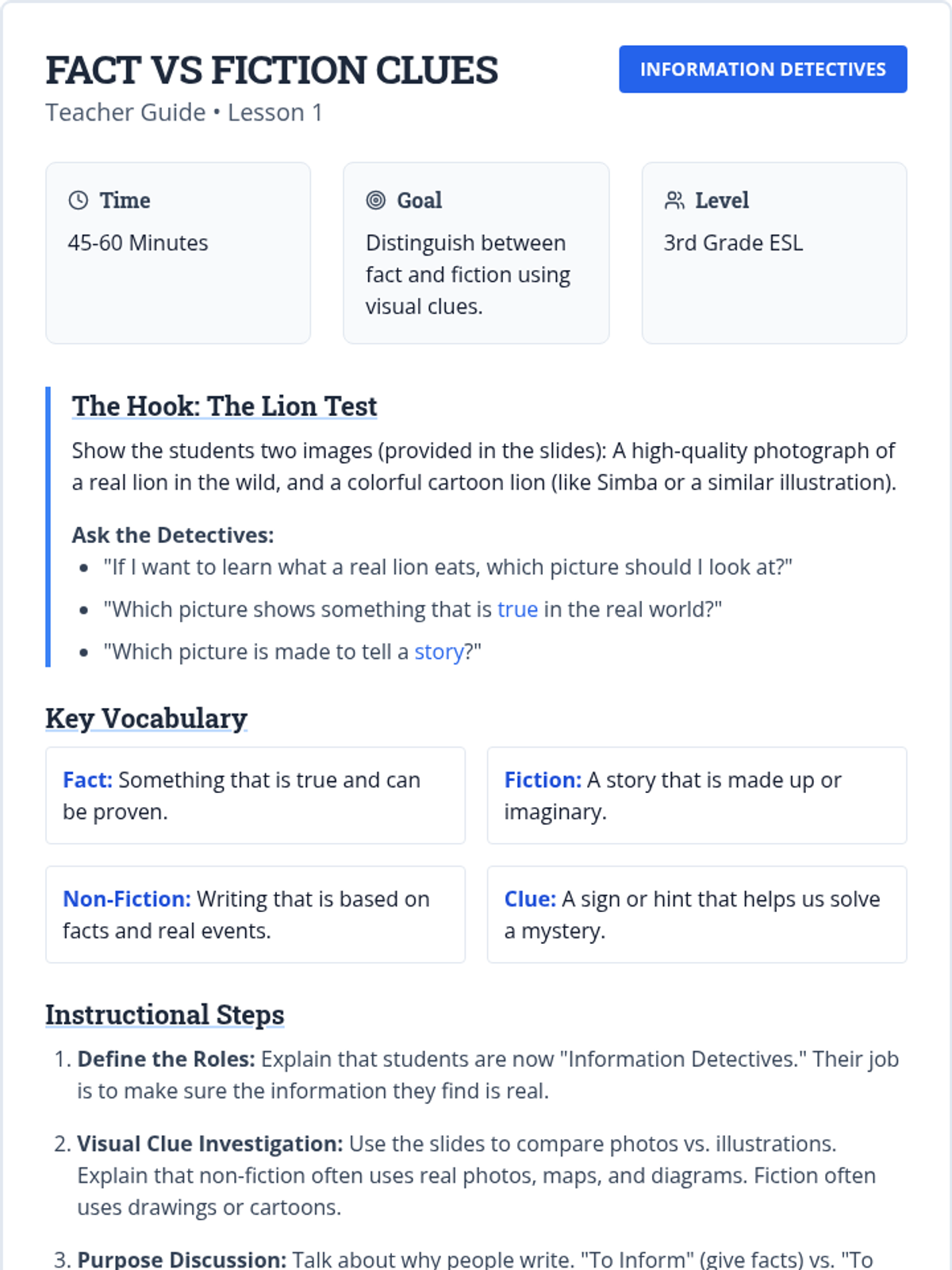
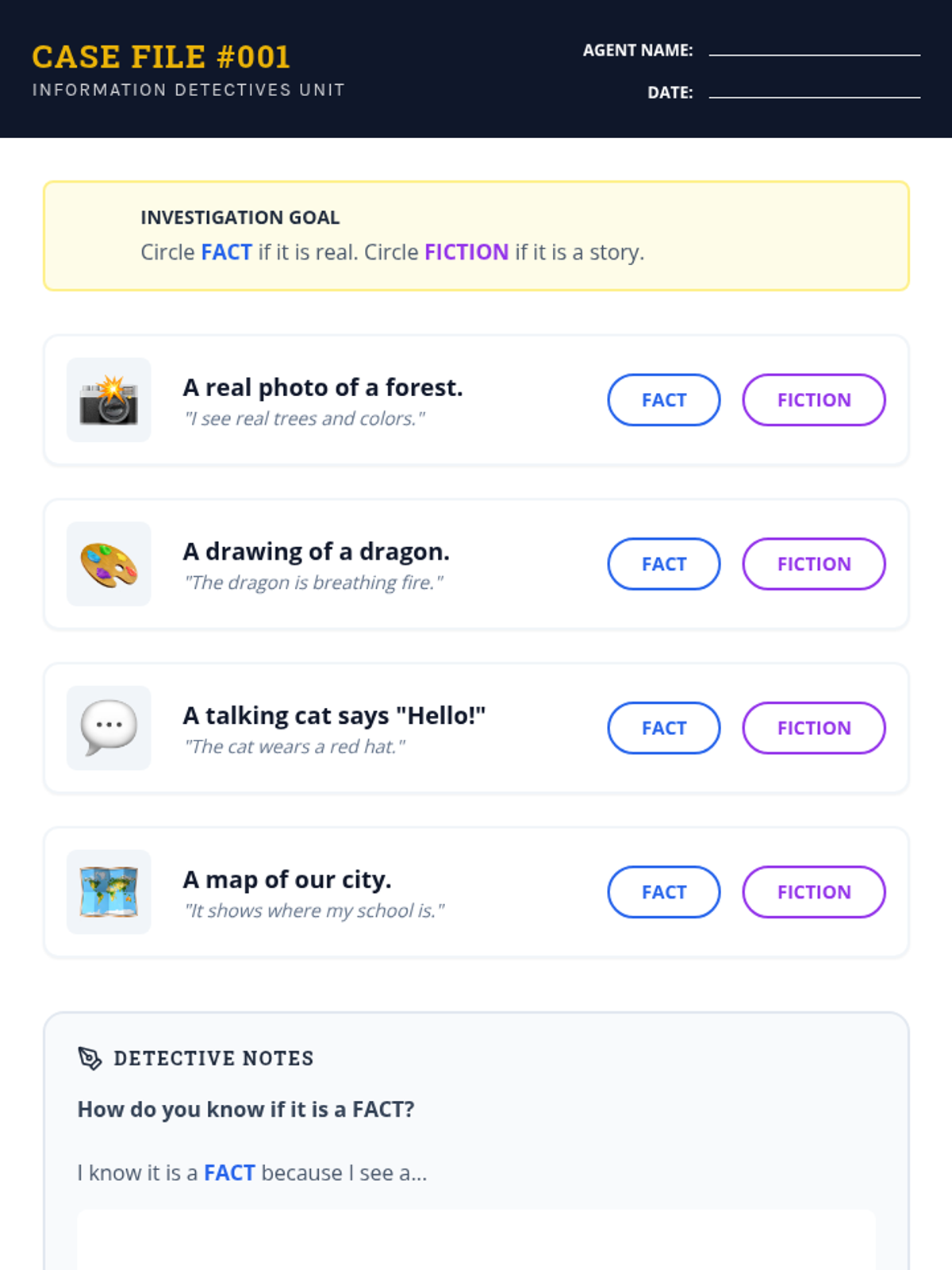
A 5-lesson sequence for 3rd-grade ESL students to learn the basics of source credibility and fact-checking through the lens of 'Information Detectives'. Students learn to distinguish fact from fiction, identify authors, recognize advertisements, and cross-check information.
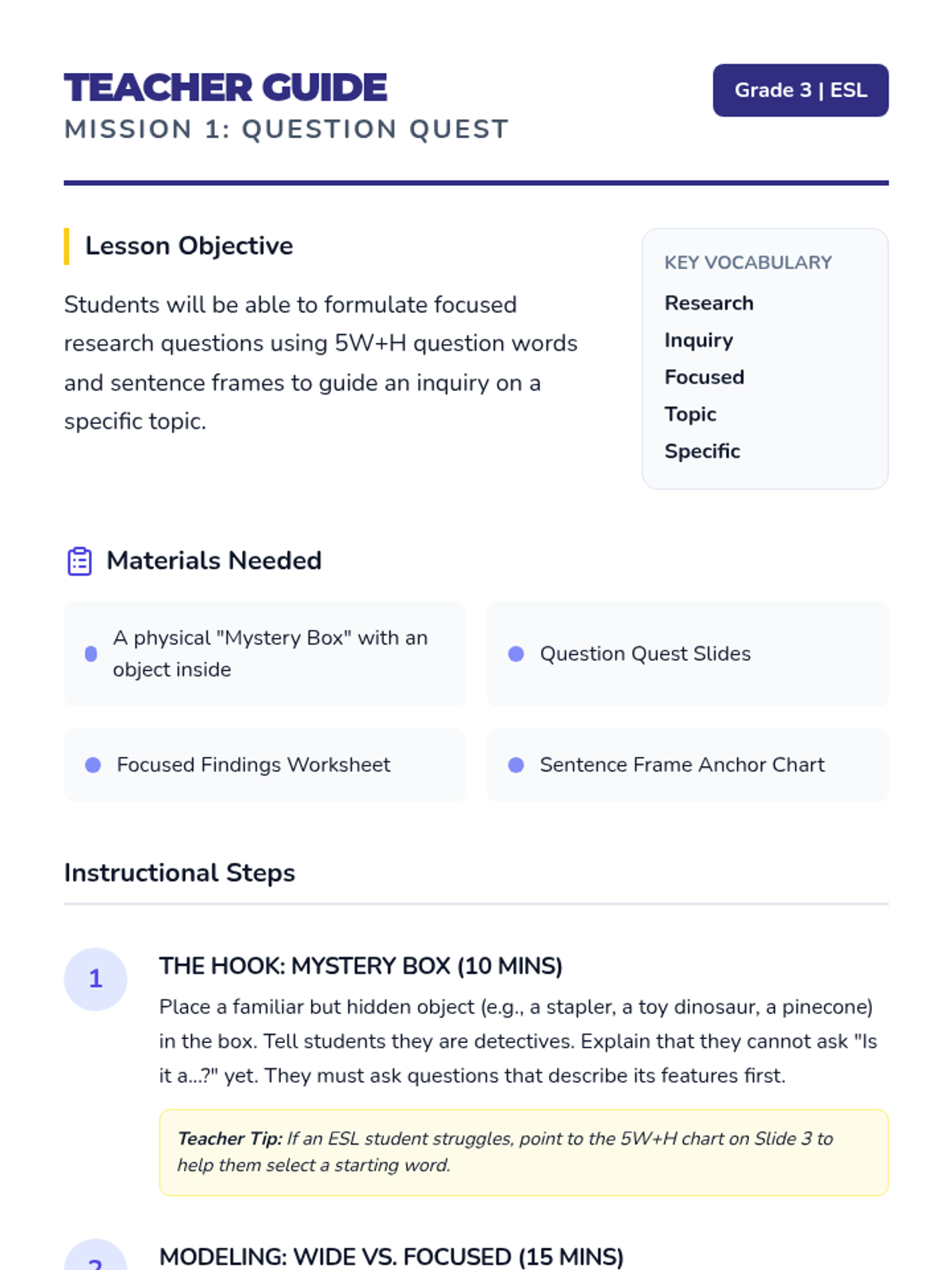
A 5-lesson unit for 3rd grade ESL students on foundational research skills, focusing on formulating questions, using keywords, navigating text features, and evaluating source relevance.
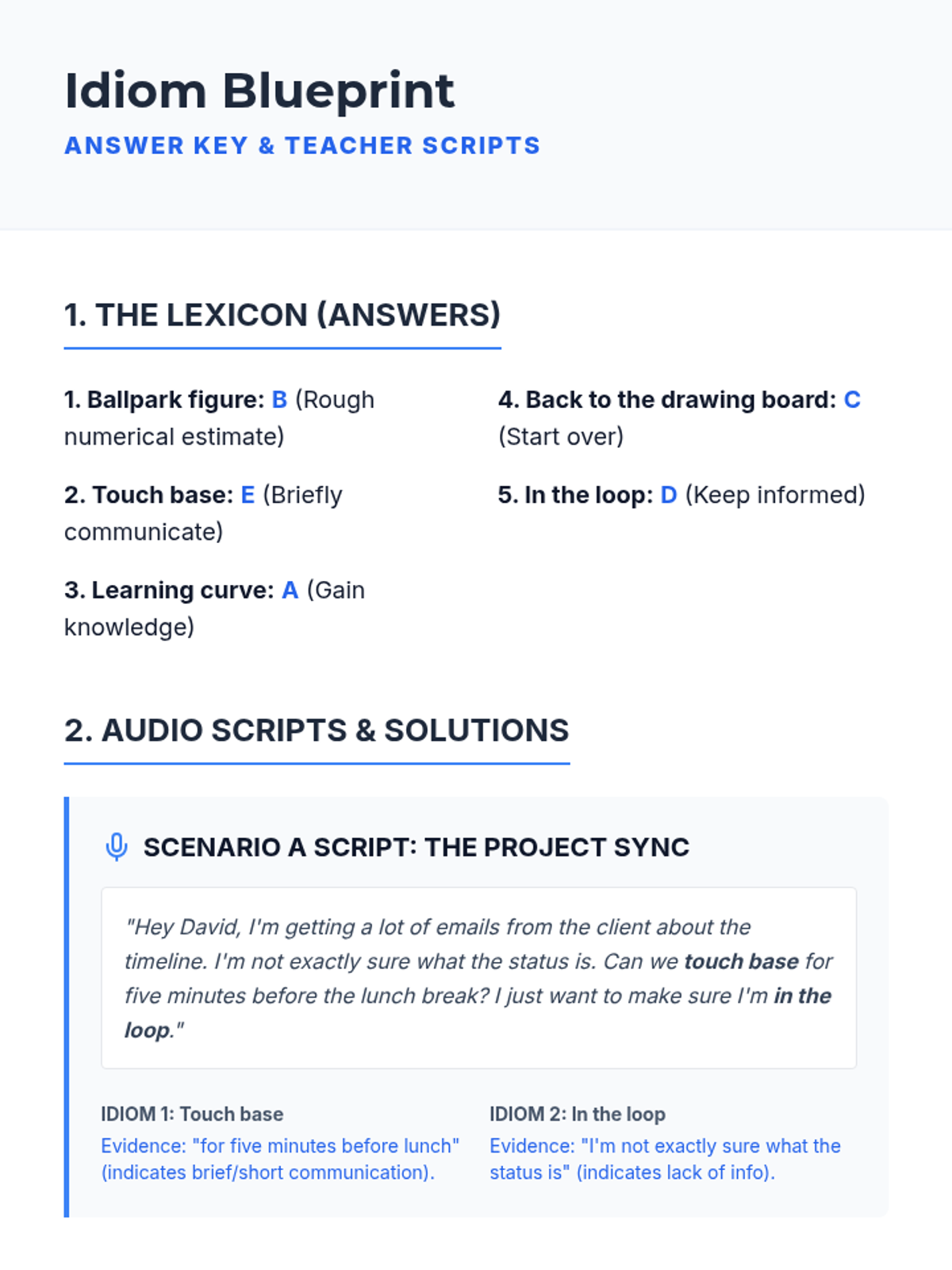
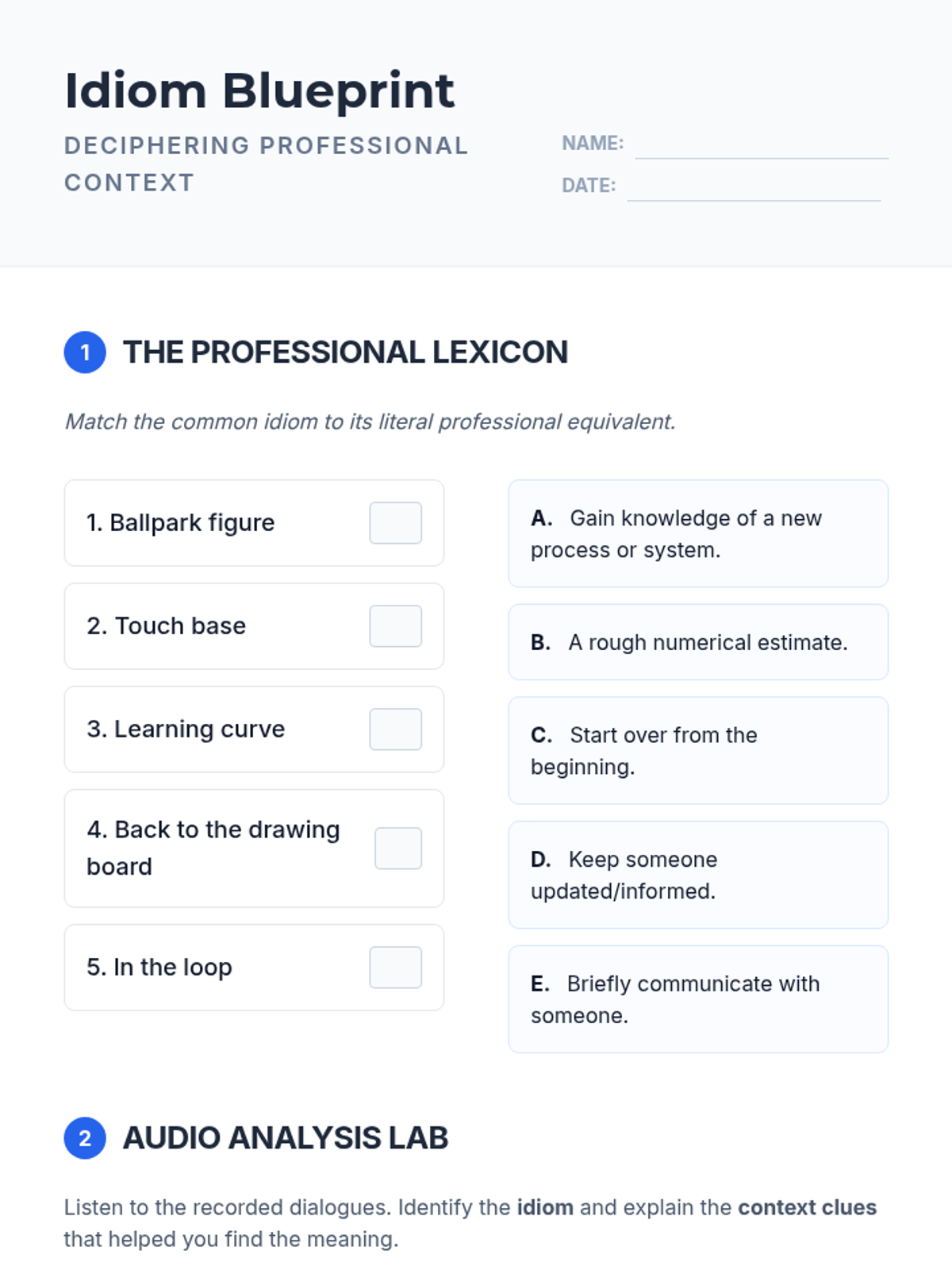
A 5-lesson sequence for graduate students to master idiomatic language, phrasal verbs, and cultural nuances in professional and academic networking environments. Students move from decoding literal meaning to applying figurative language in a high-stakes networking simulation.
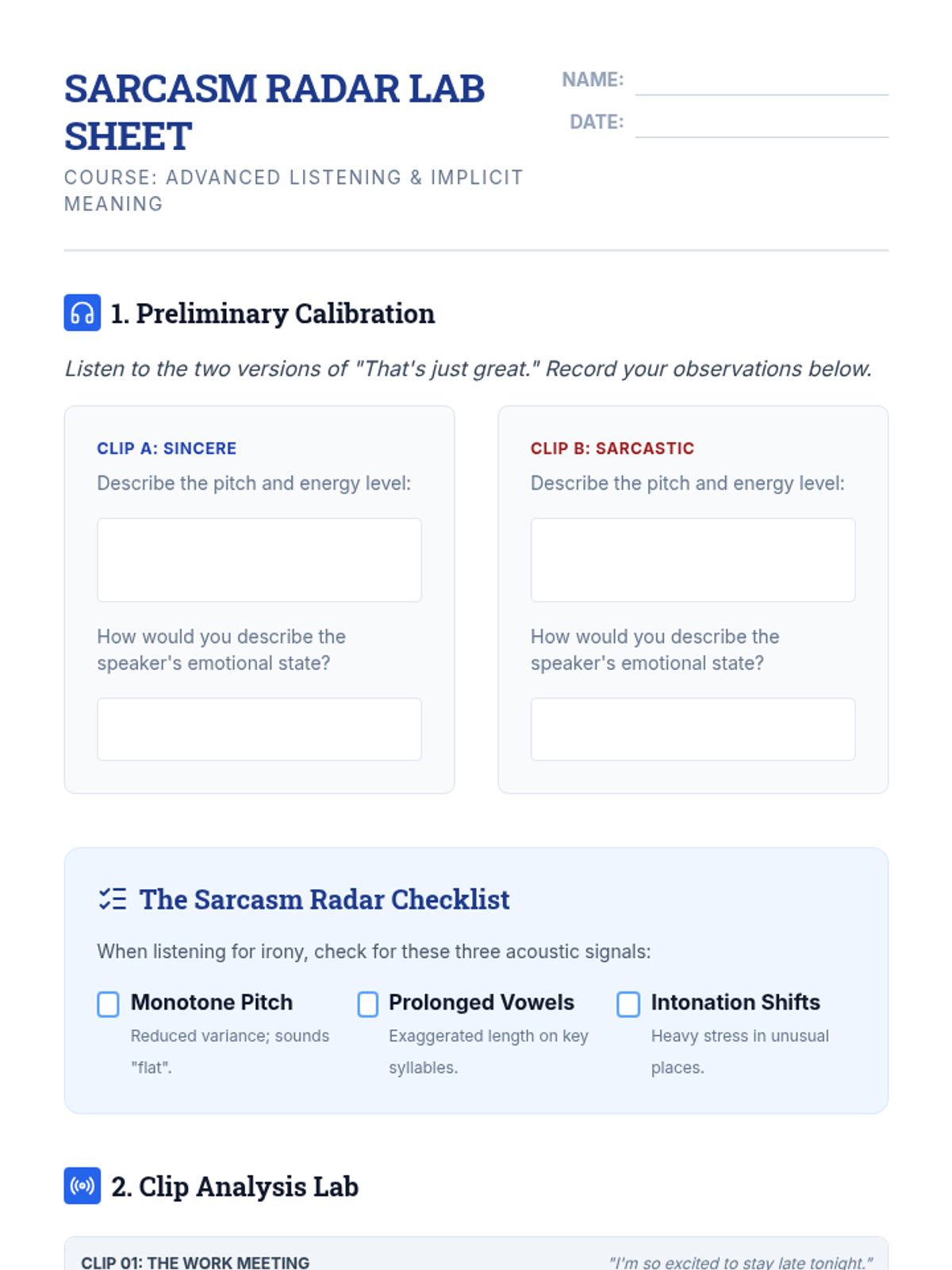
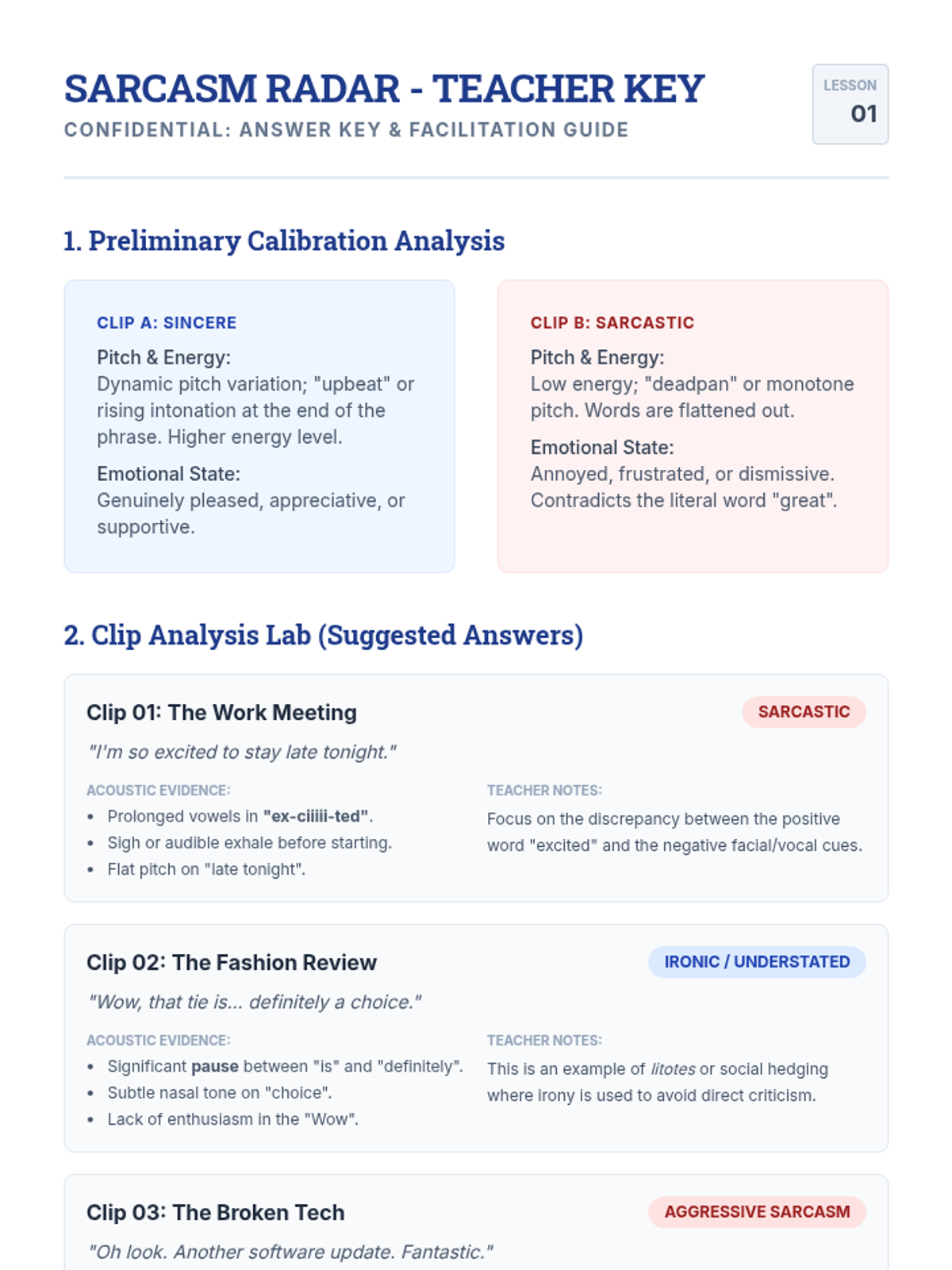
This sequence for graduate ESL students explores the nuances of English beyond literal meaning. Students will master the ability to detect sarcasm, bias, contrastive stress, and professional register, equipping them for complex academic and professional communication.
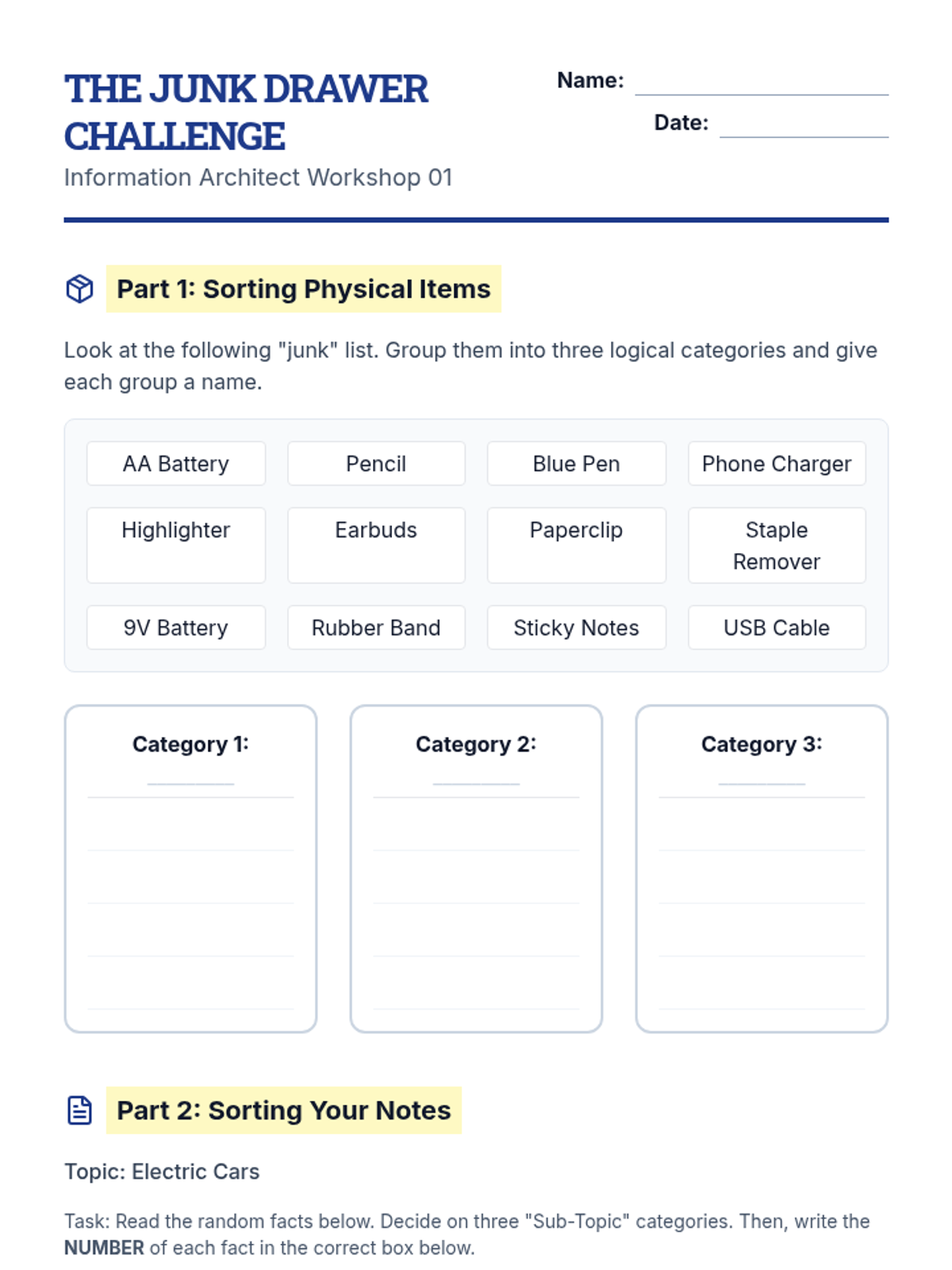
A comprehensive 5-lesson sequence designed for 7th-grade ESL students to master the art of synthesizing information. Students progress from organizing raw research notes to writing sophisticated, cohesive academic paragraphs using evidence from multiple sources.
A comprehensive 7th-grade ESL sequence focusing on the ethics of academic integrity, the mechanics of paraphrasing and summarizing, and the technical accuracy of MLA citations. Students transition from understanding intellectual property to performing independent 'plagiarism audits' on research samples.
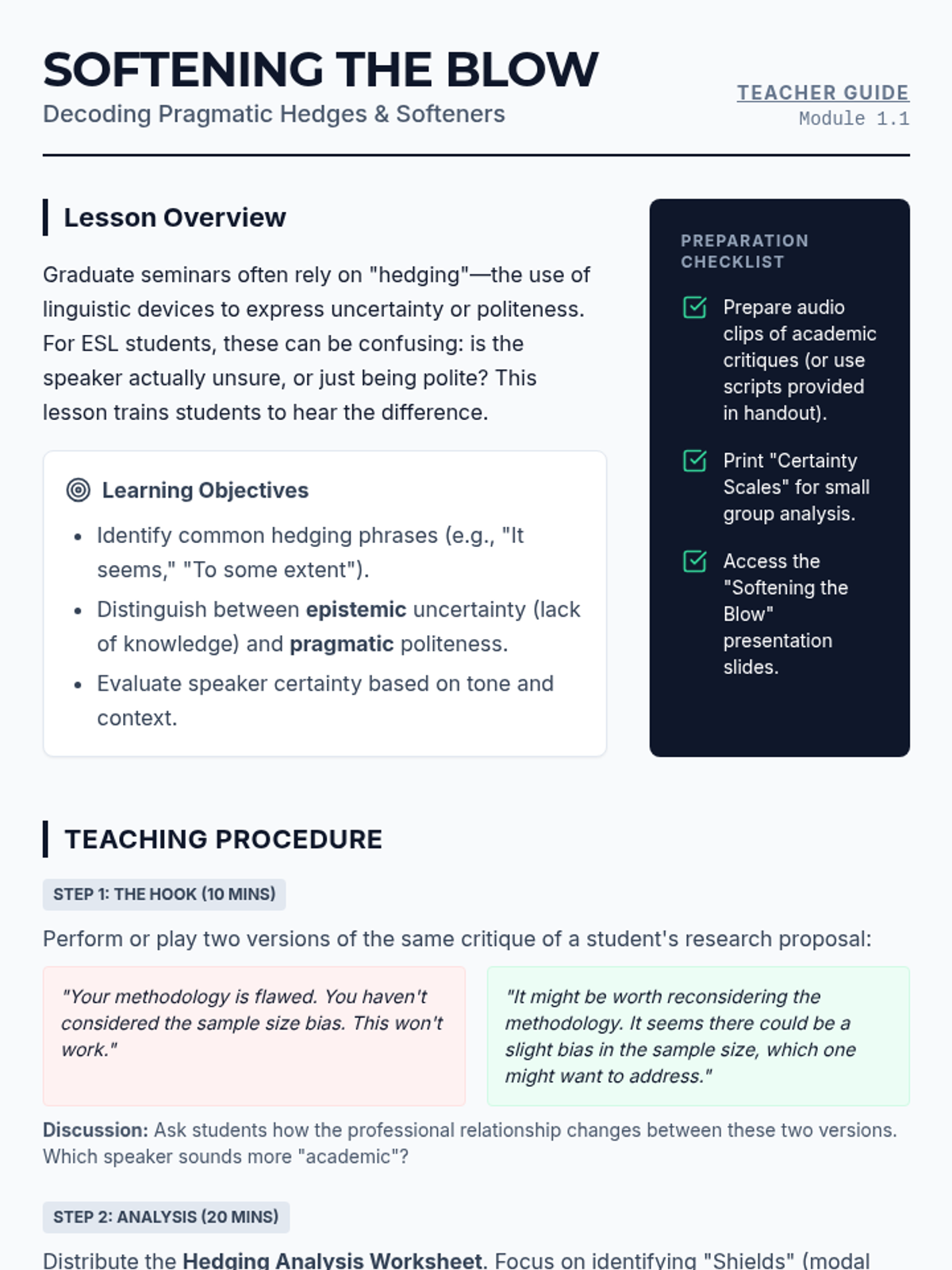
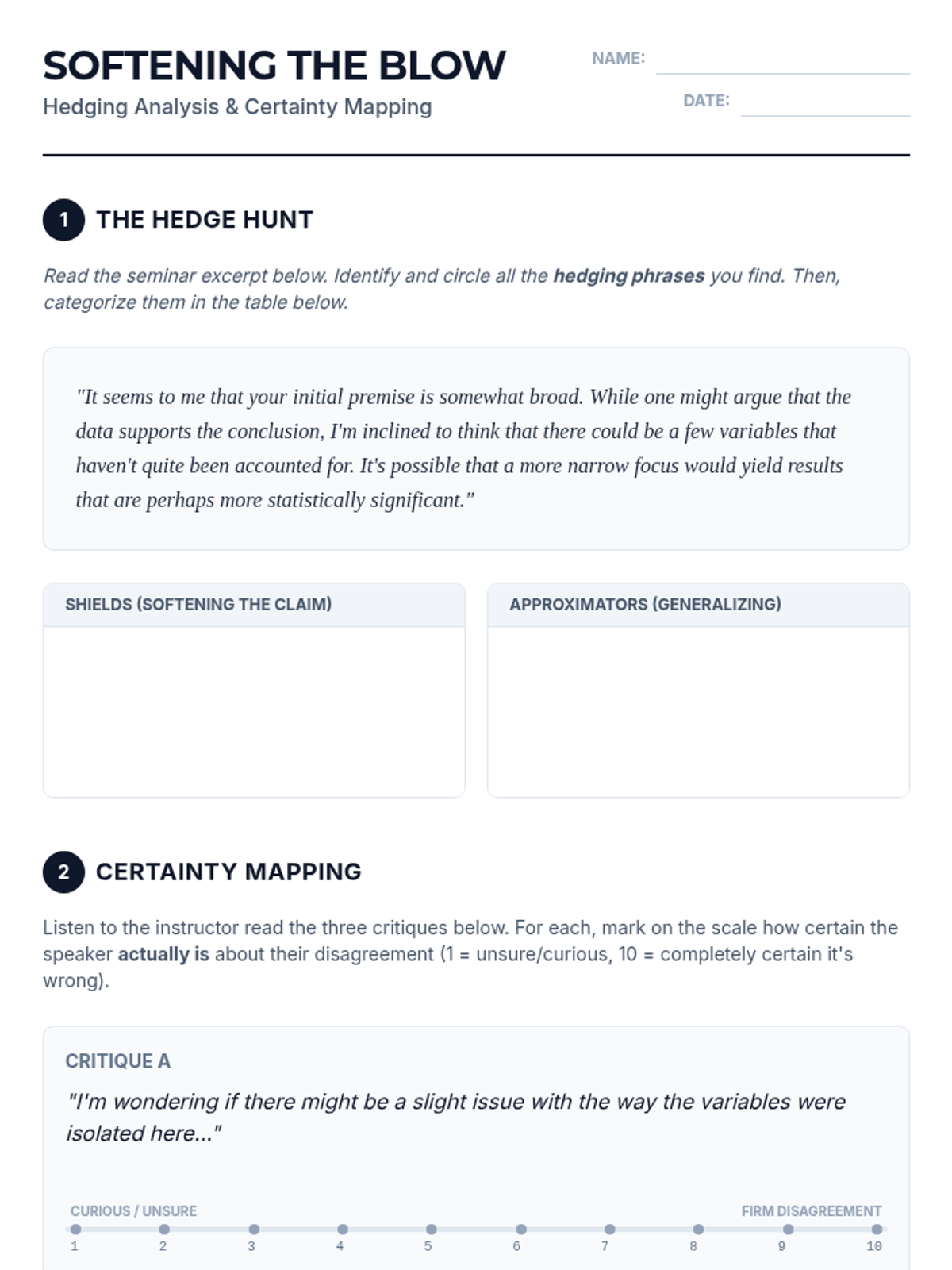
A graduate-level ESL listening sequence focused on the pragmatics of academic discourse. Students learn to navigate the subtleties of seminar discussions by identifying hedging, turn-taking signals, disagreement strategies, and multi-speaker argument threads.
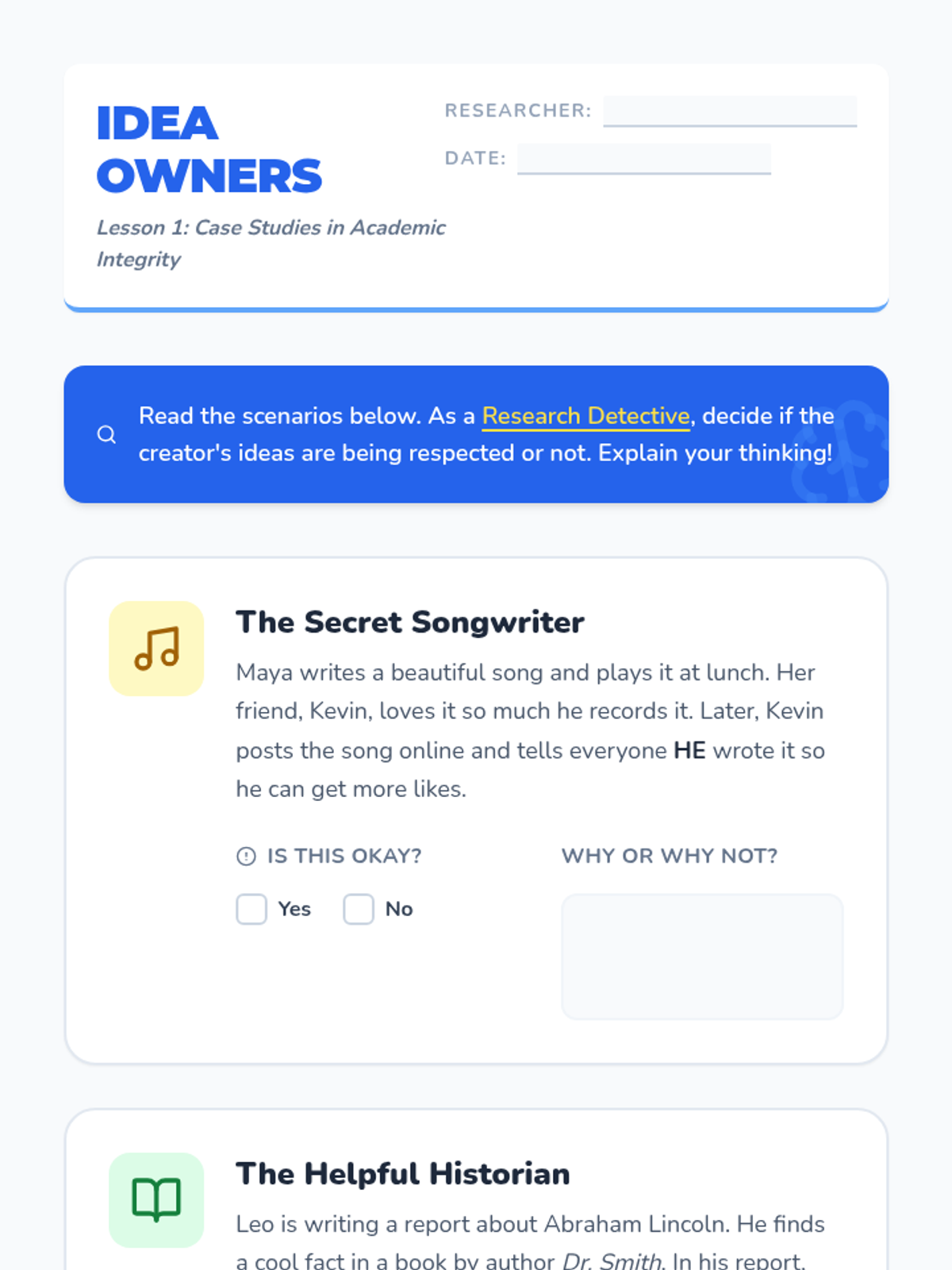
A comprehensive 4th-grade ESL project-based sequence on academic integrity and citation standards. Students transition from understanding the ethics of intellectual property to mastering the technical skills of citing books and websites, culminating in a mini-research project.
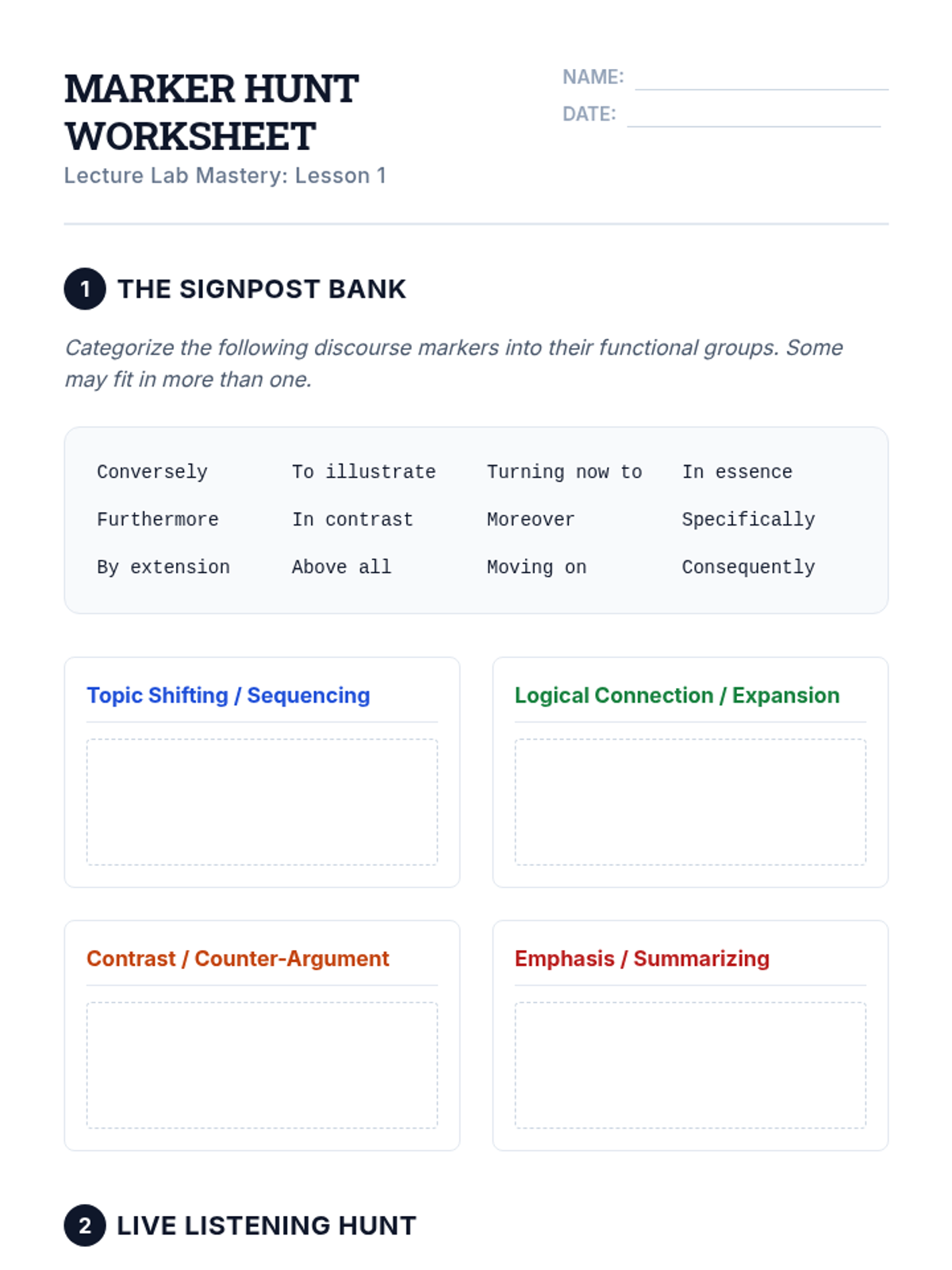
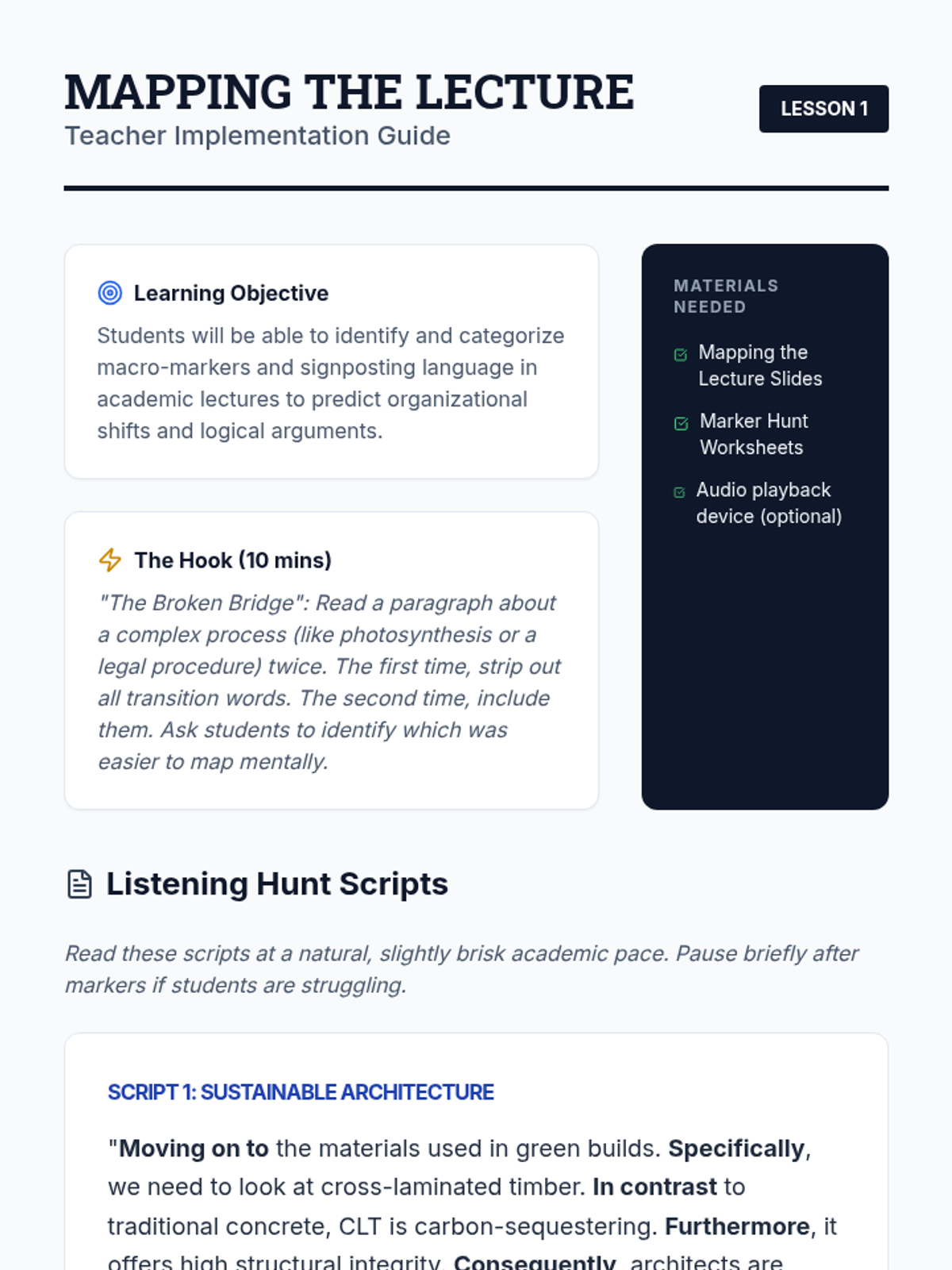
A comprehensive sequence for intermediate ESL graduate students focused on mastering academic lecture comprehension, identifying discourse markers, filtering digressions, and implementing effective note-taking strategies.
A sequence for 7th-grade ESL students focusing on digital literacy, evaluating source credibility, and mastering search strategies for academic research. Students move from identifying misinformation to independently curating high-quality sources using databases and Boolean logic.