This sequence explores the geometric and algebraic foundations of ellipses and hyperbolas. Students move from locus definitions and dynamic simulations to rigorous algebraic derivations, parameter analysis, and comparative studies of central conics.

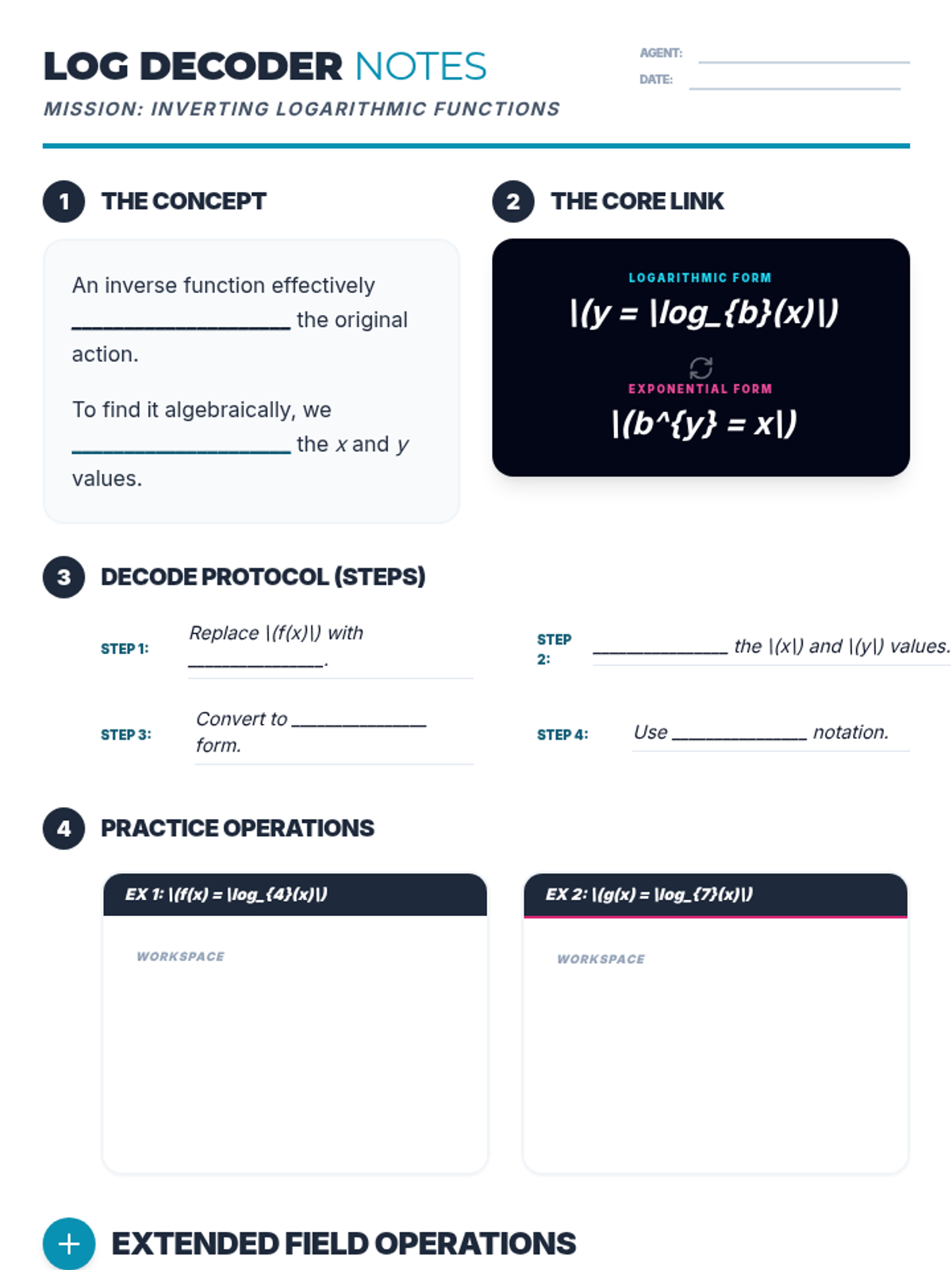
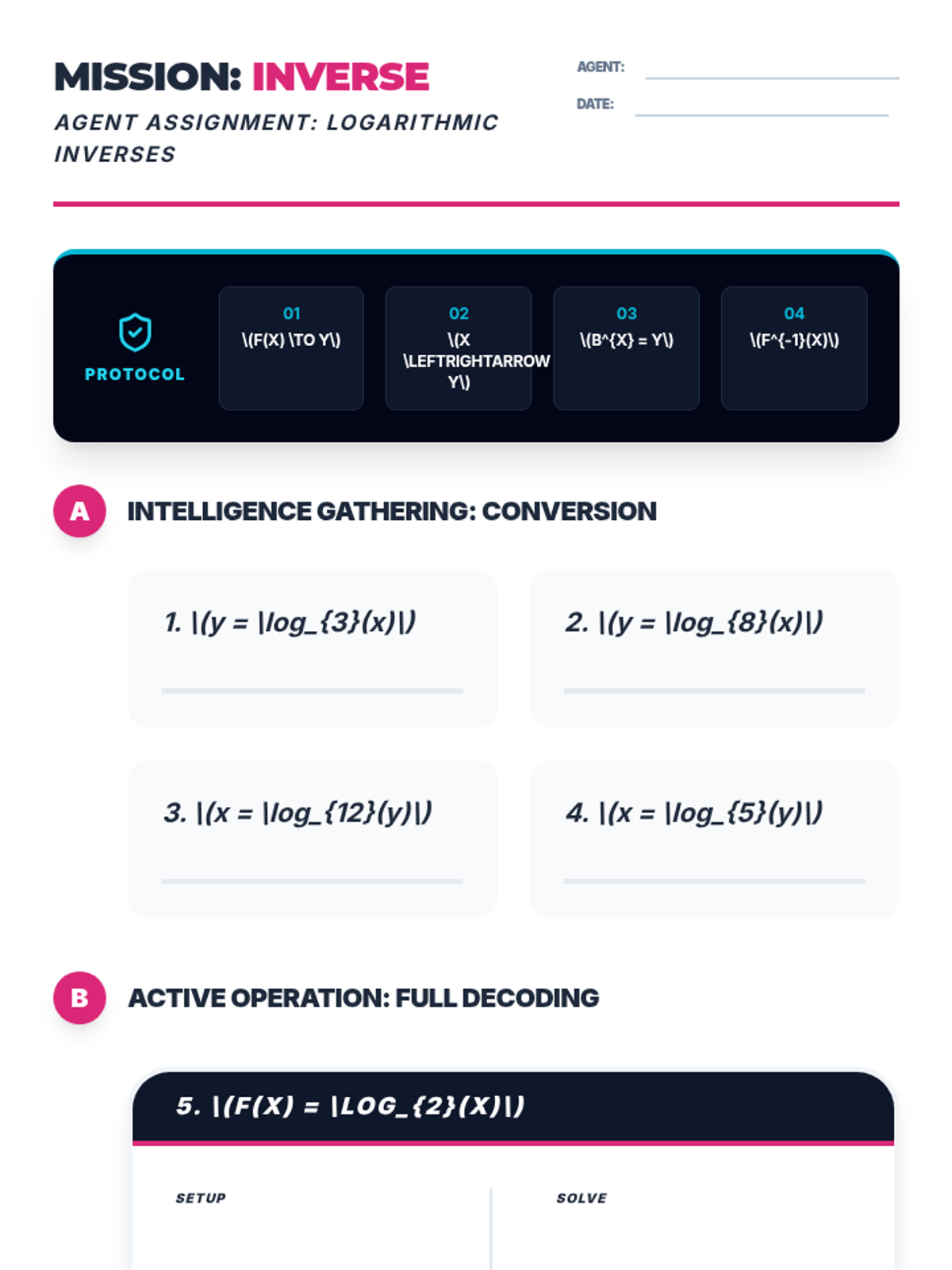
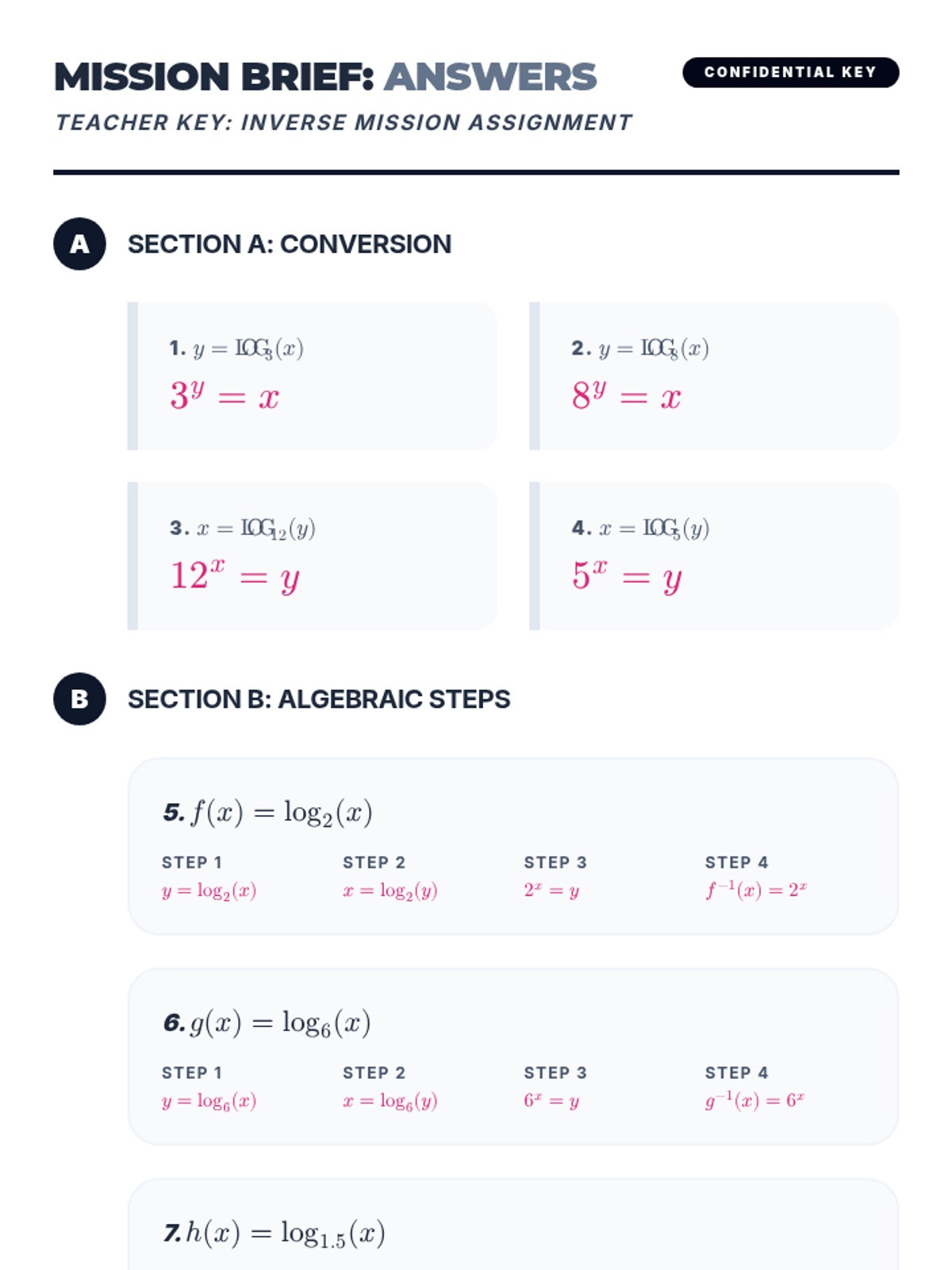
A focused sequence on finding the inverse of logarithmic functions using algebraic switching, featuring a high-tech 'Log Decoder' theme.
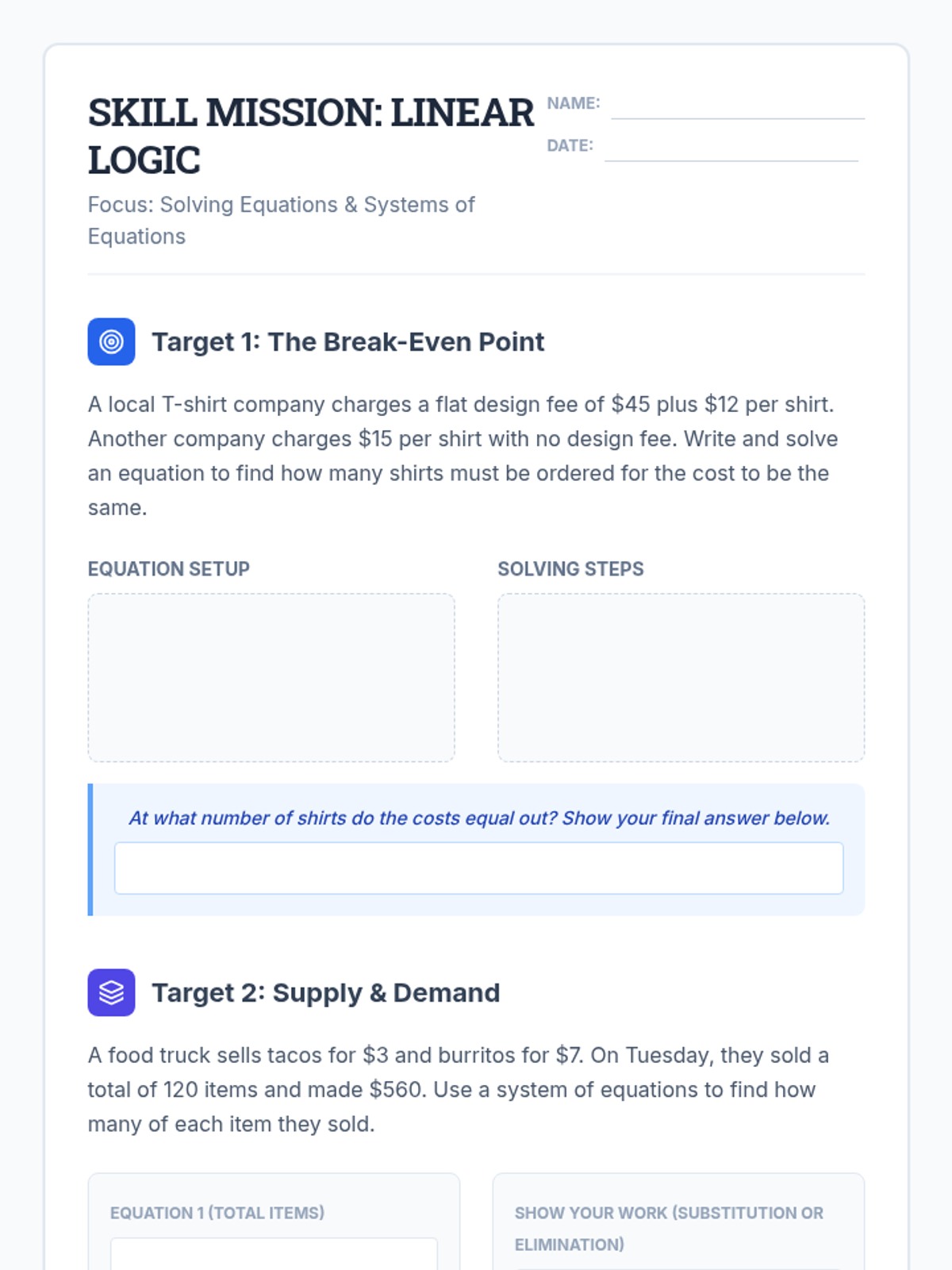
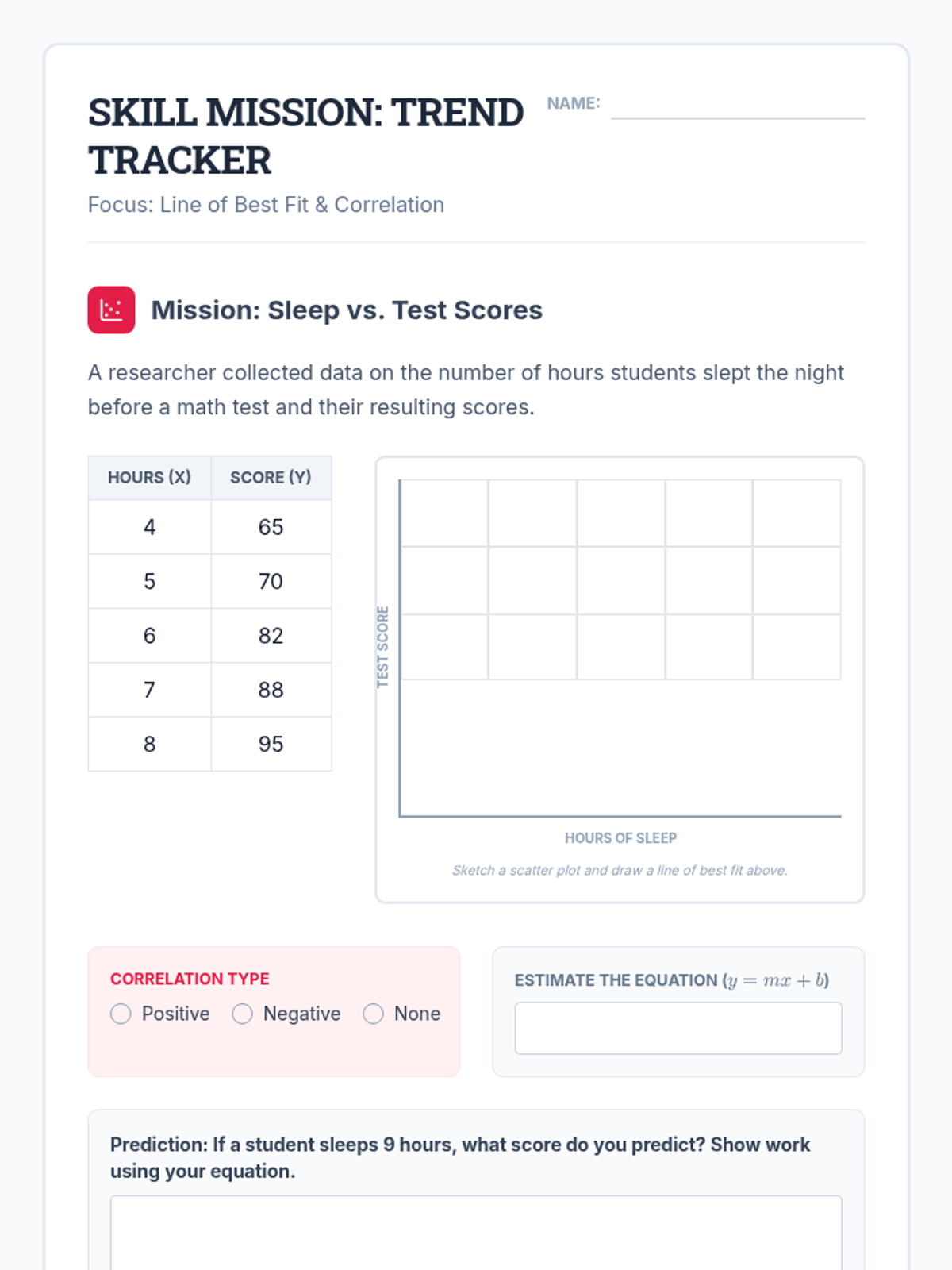
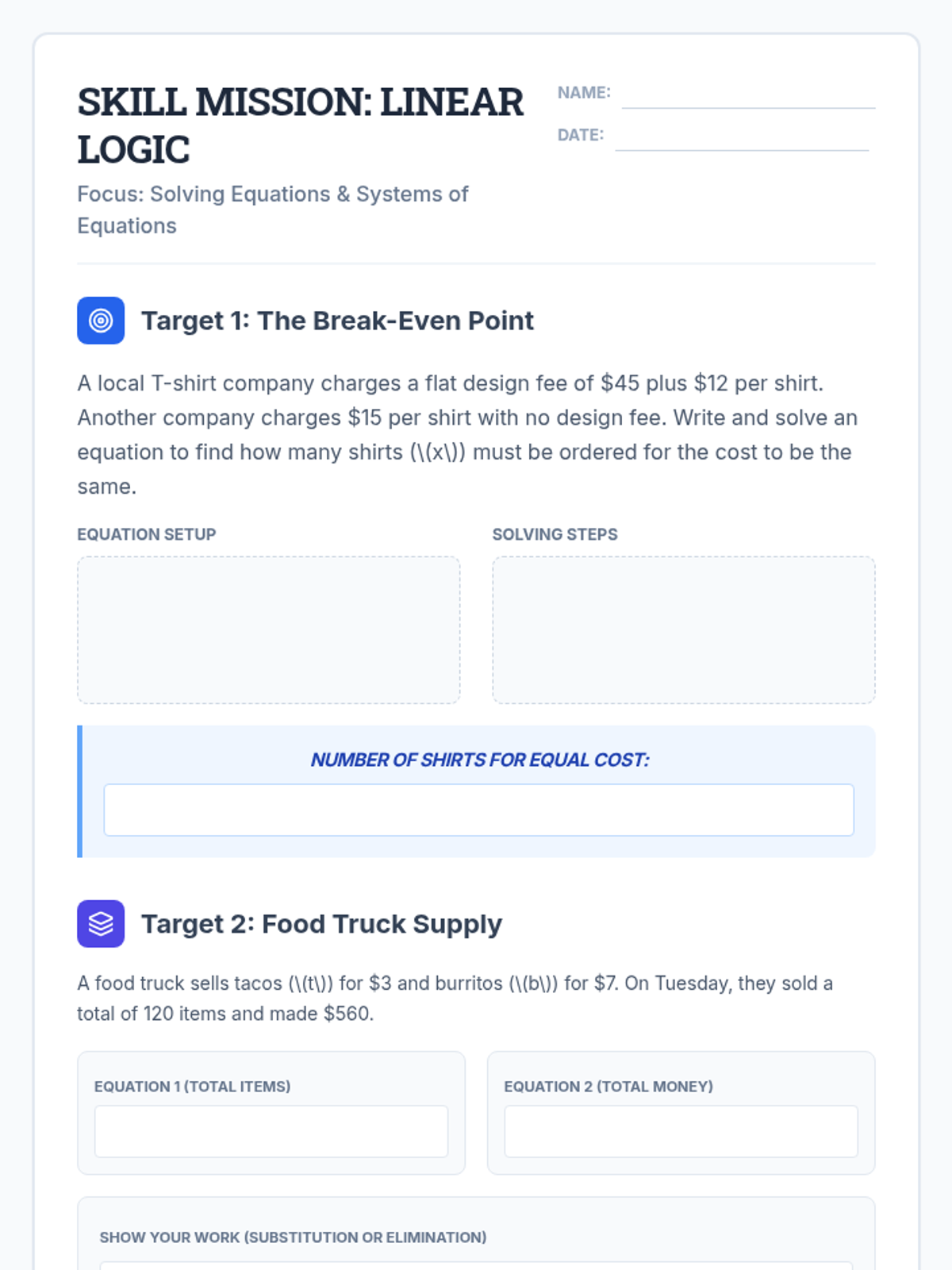
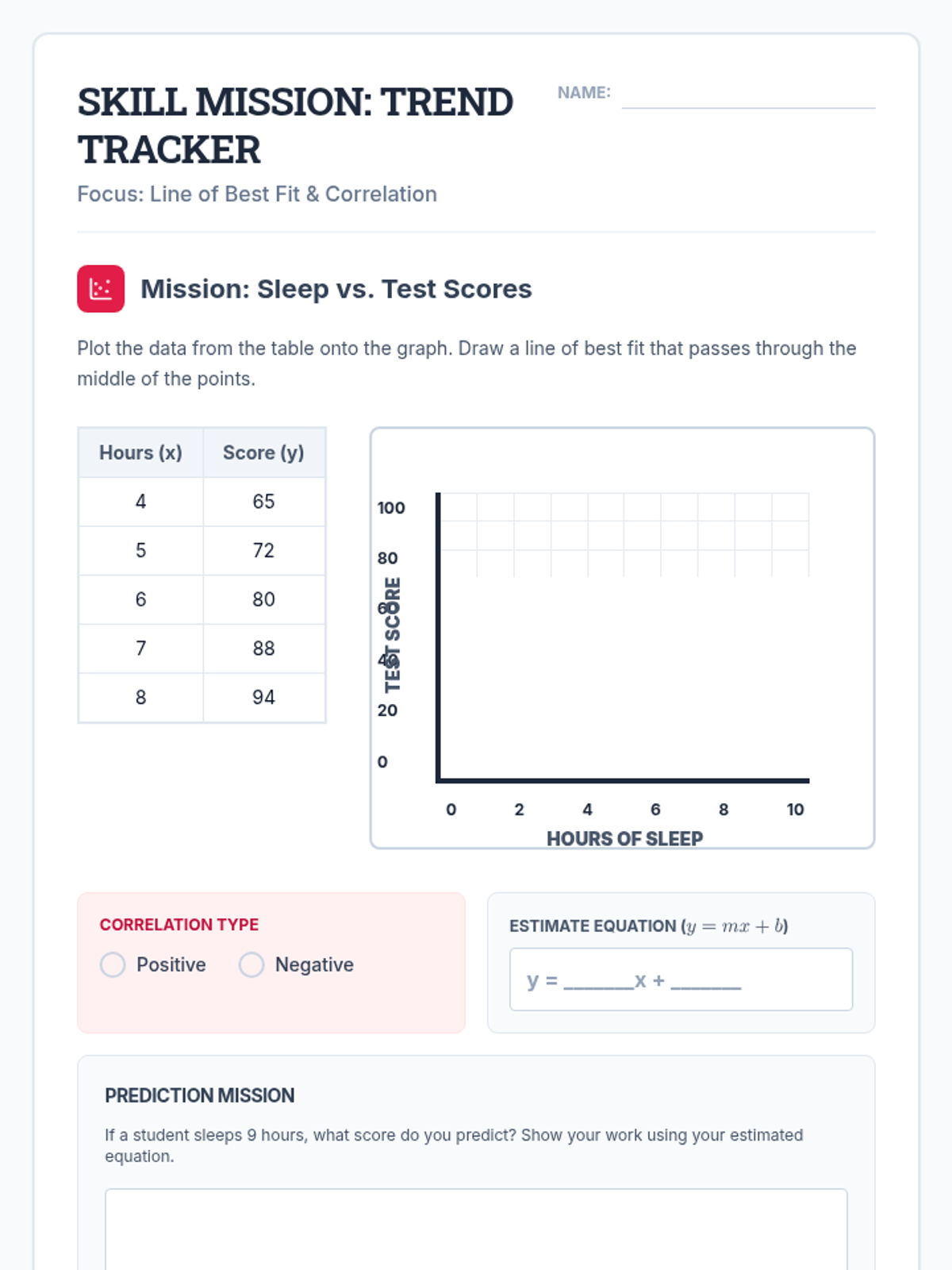
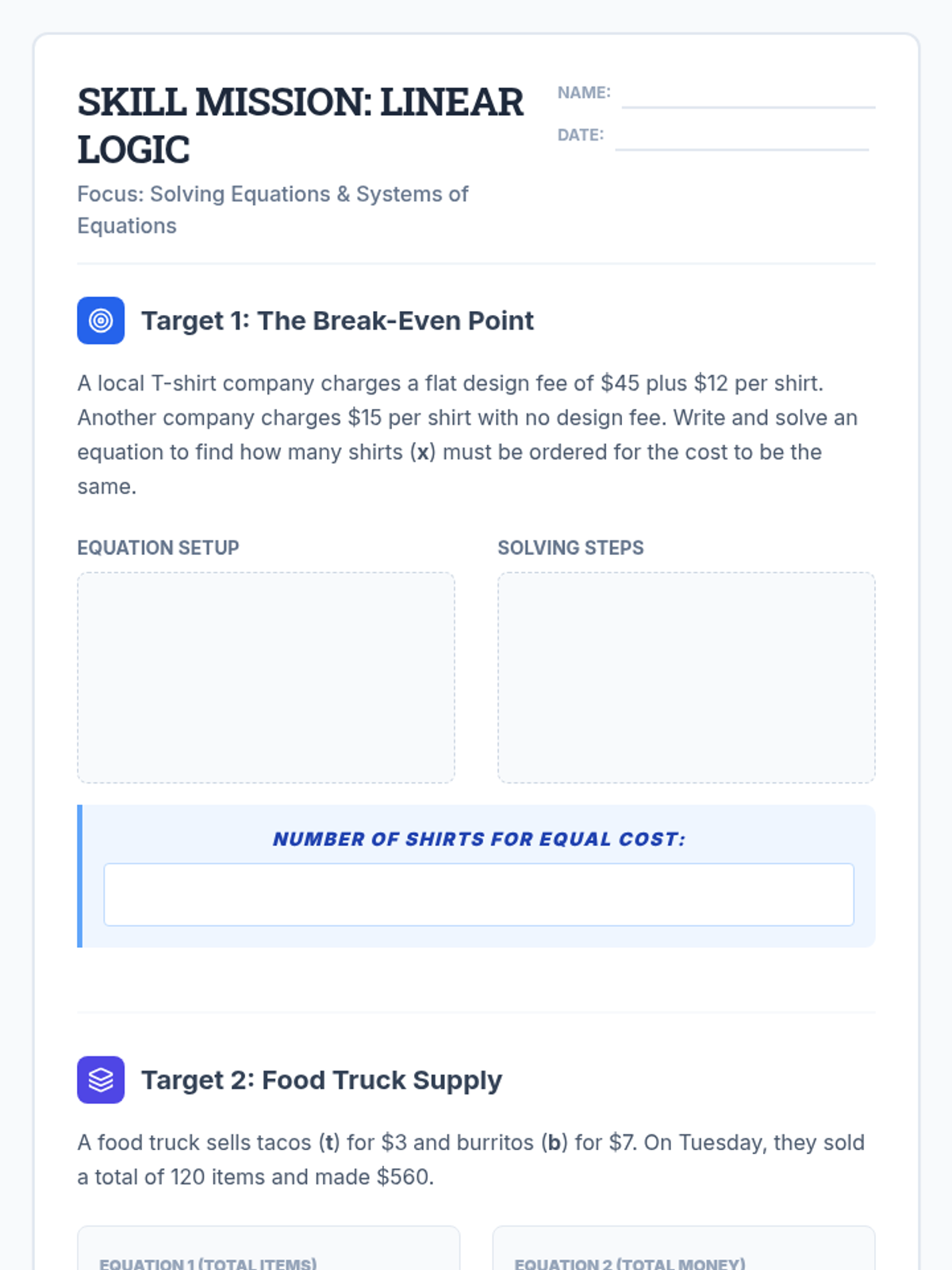
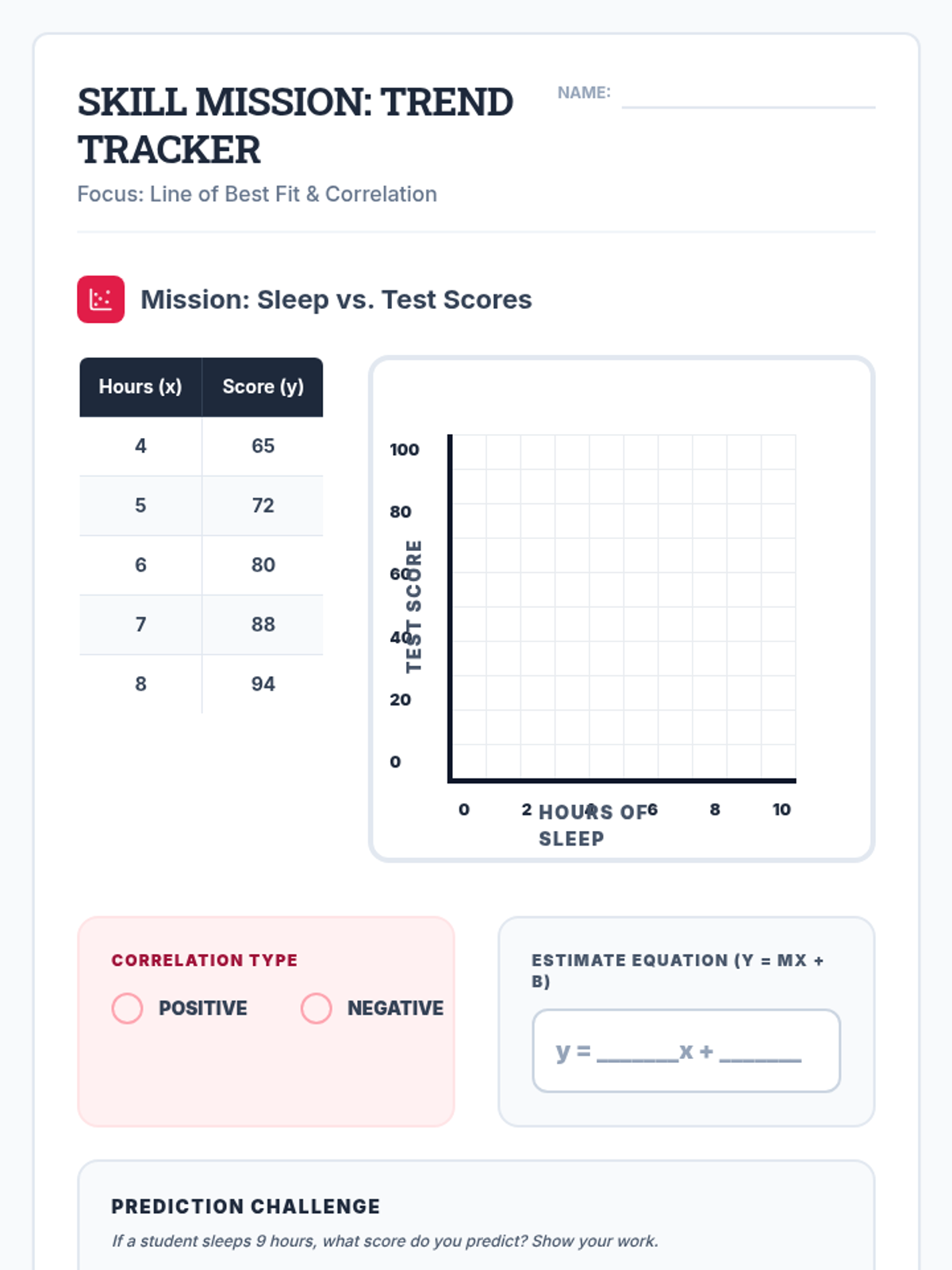
A comprehensive final project for high school math, integrating linear equations, systems, sequences, data analysis, and polynomials through three real-world career paths. Includes scaffolded 'Skill Missions' to prepare students for the final choice-based project.
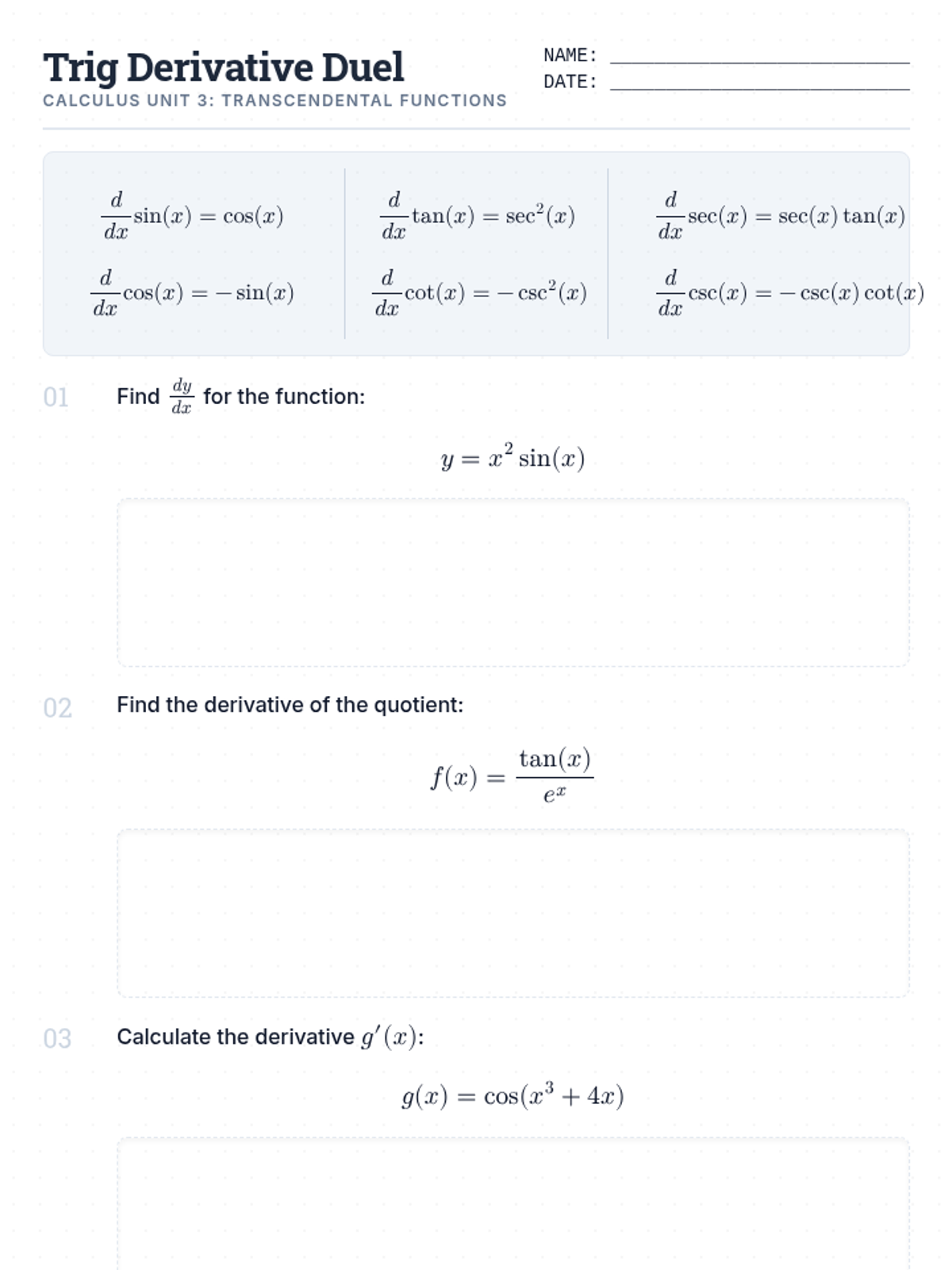
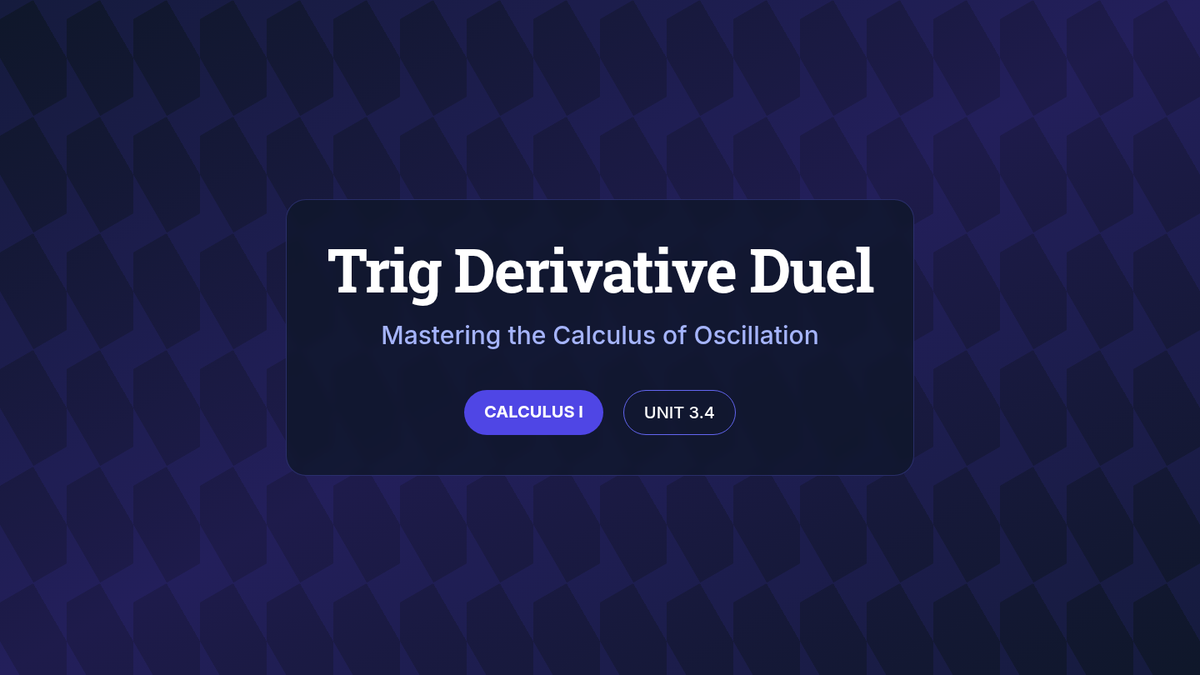
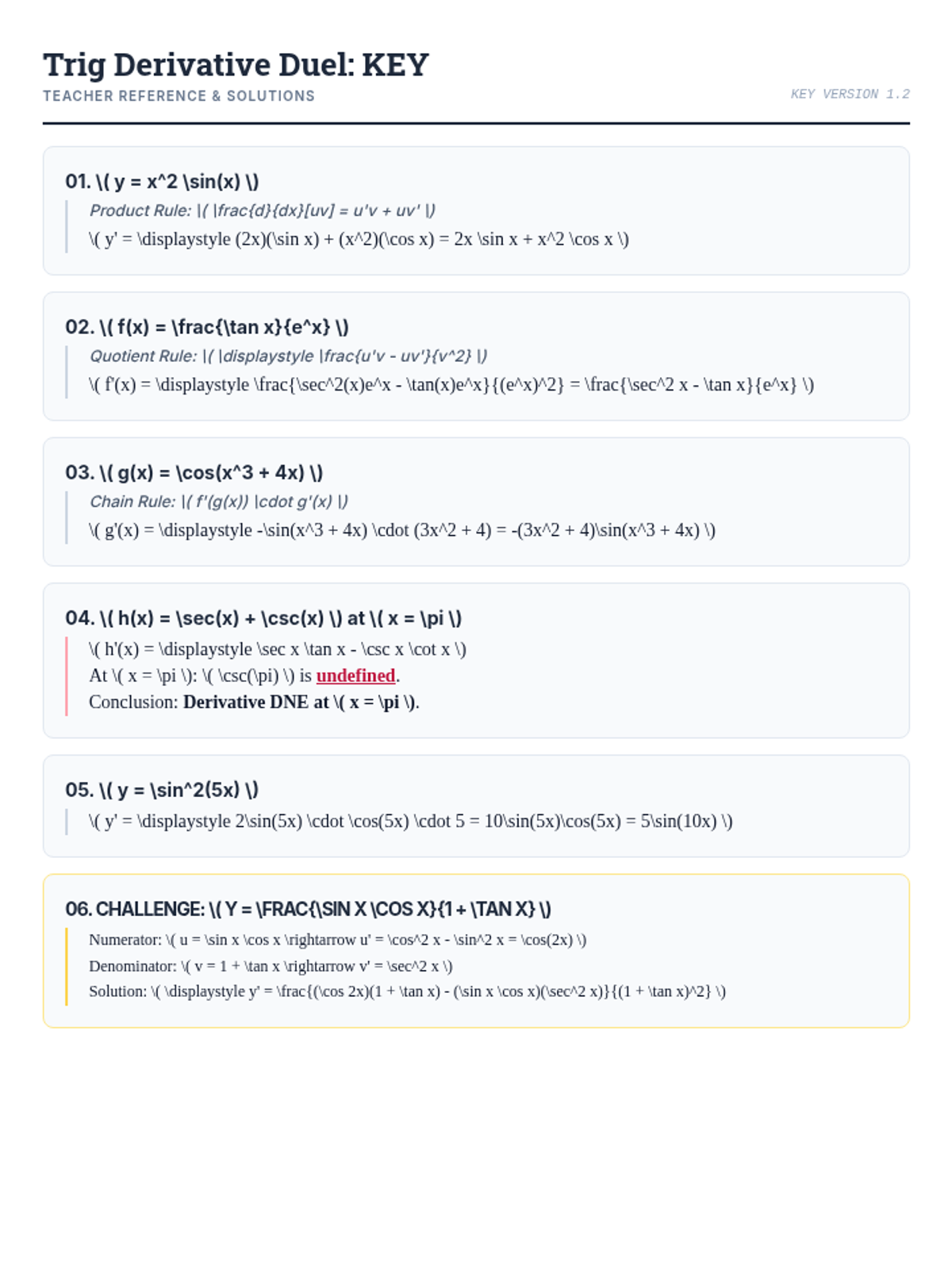
A diverse collection of resources spanning high-level mathematics and early literacy, providing targeted practice for trigonometric derivatives and foundational letter formation.
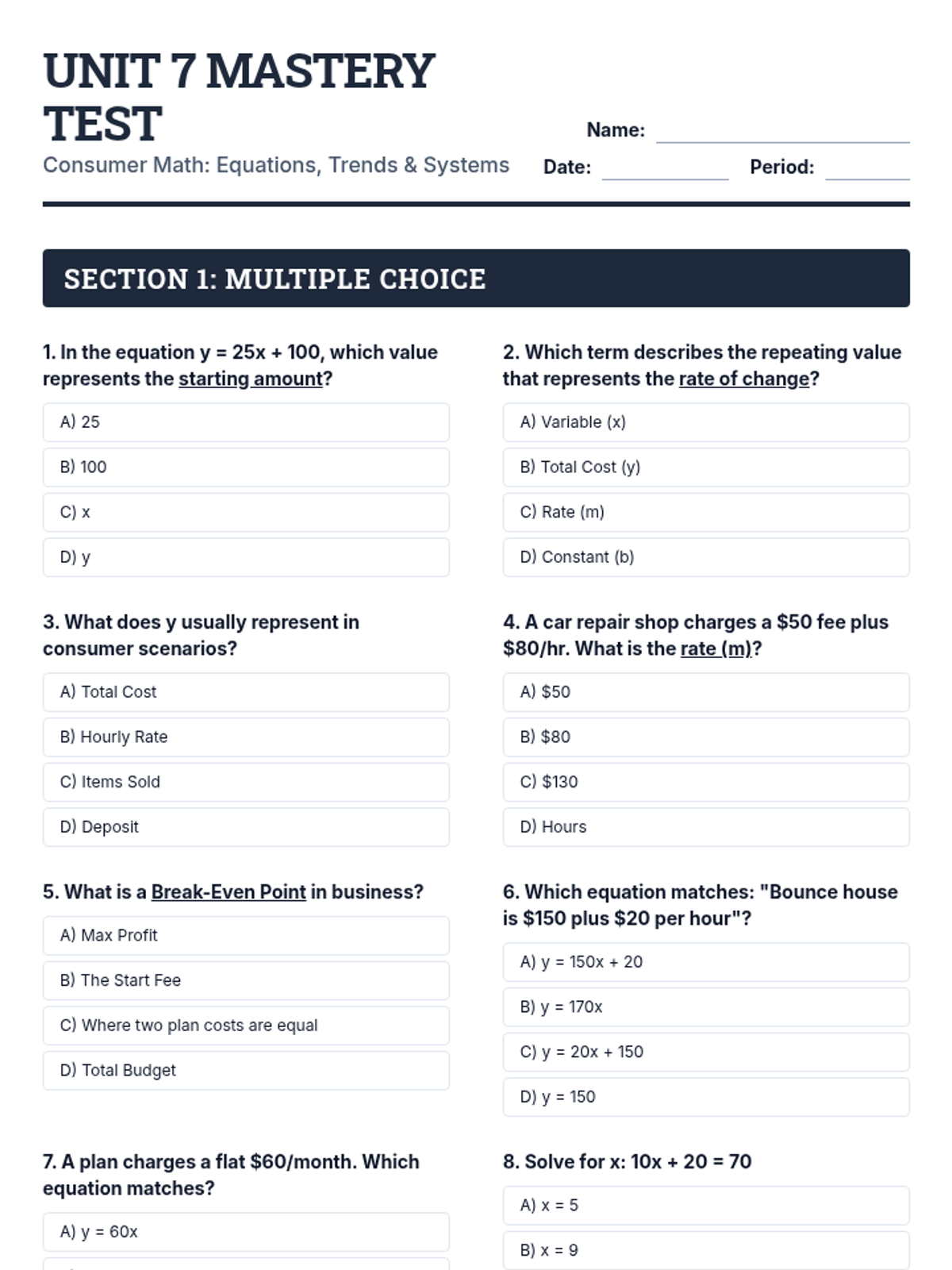
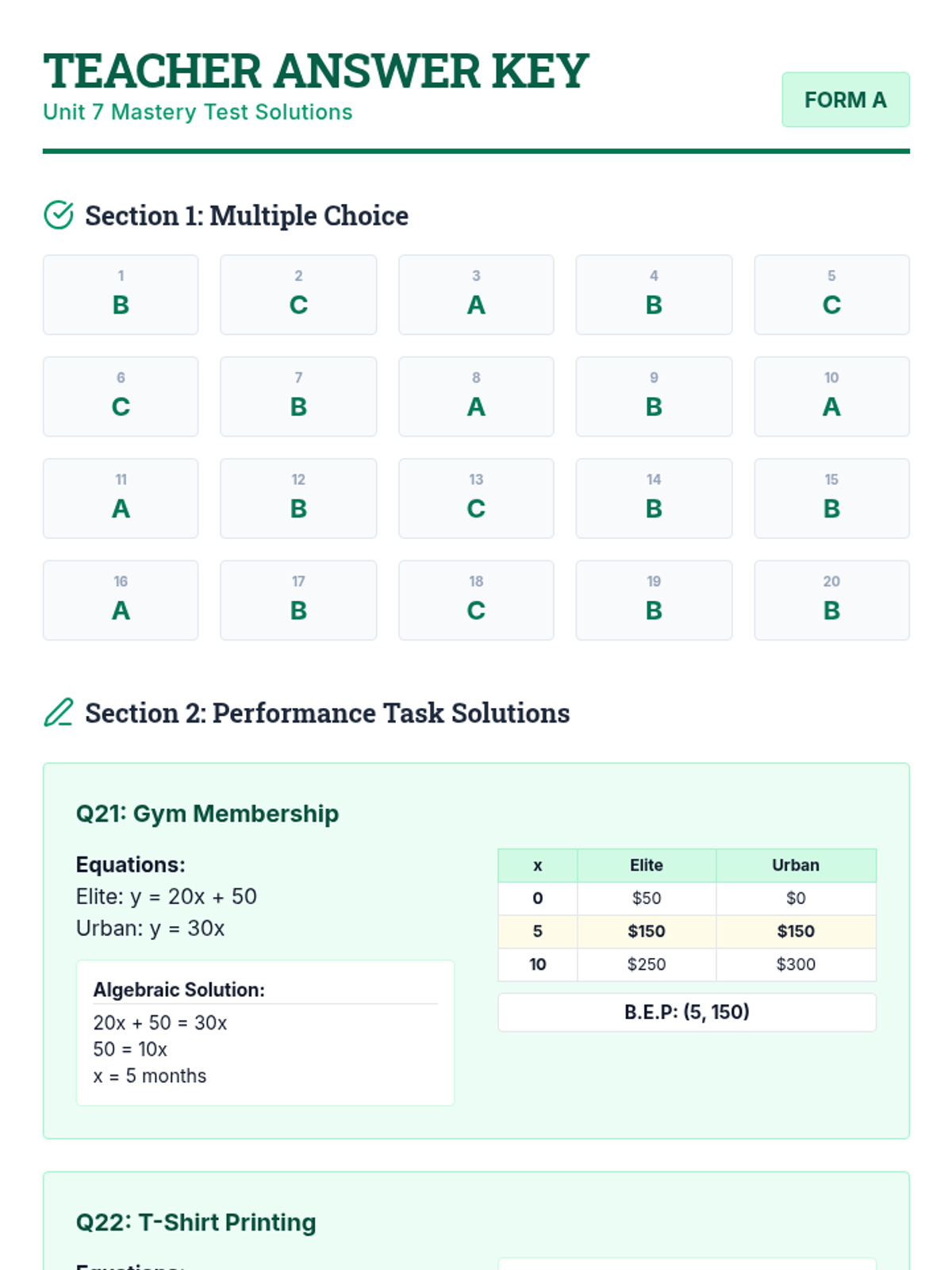
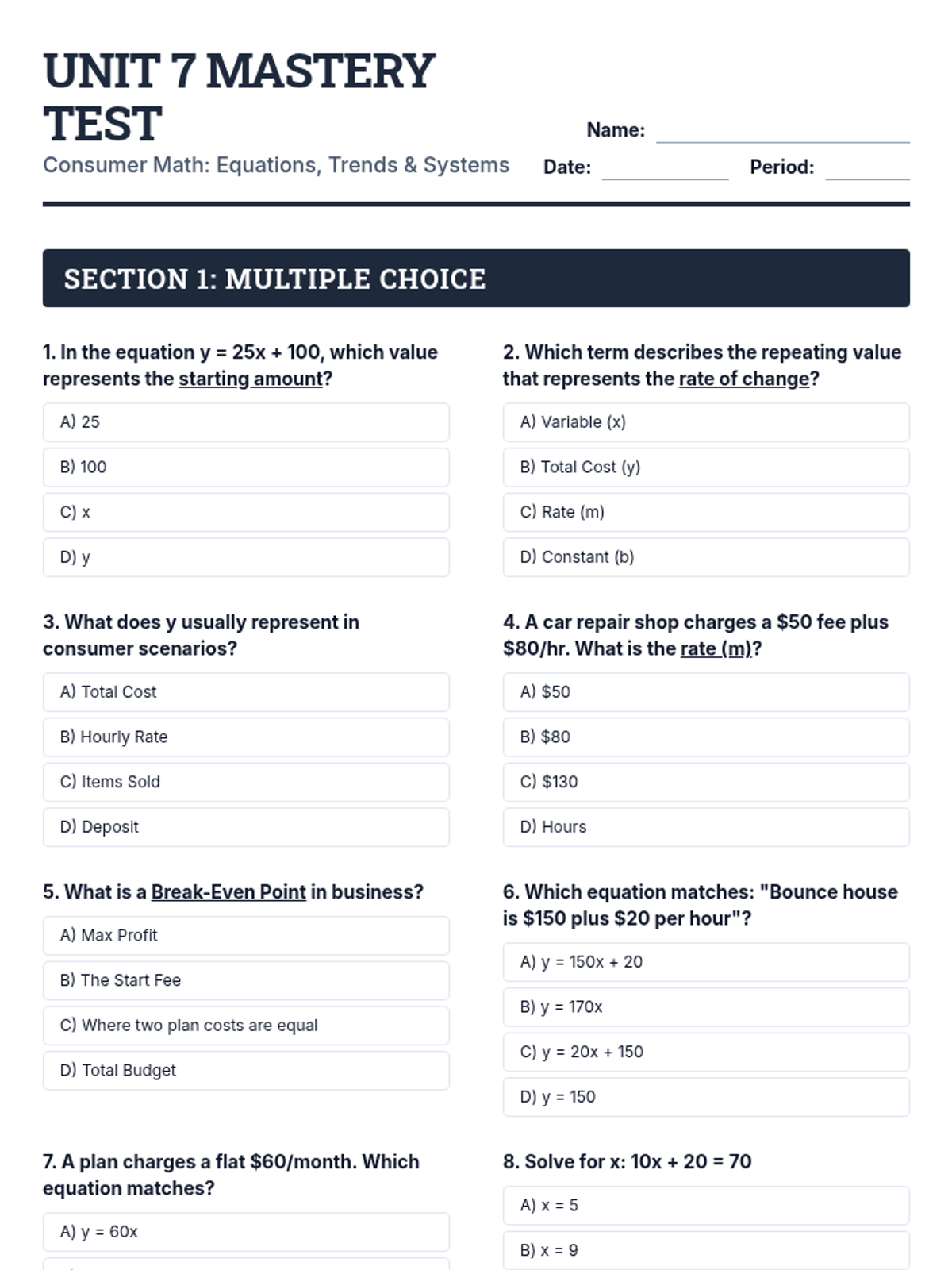
A comprehensive assessment sequence focused on consumer mathematics, linear equations, and systems of equations through the lens of real-world scenarios like business comparisons and service fees.
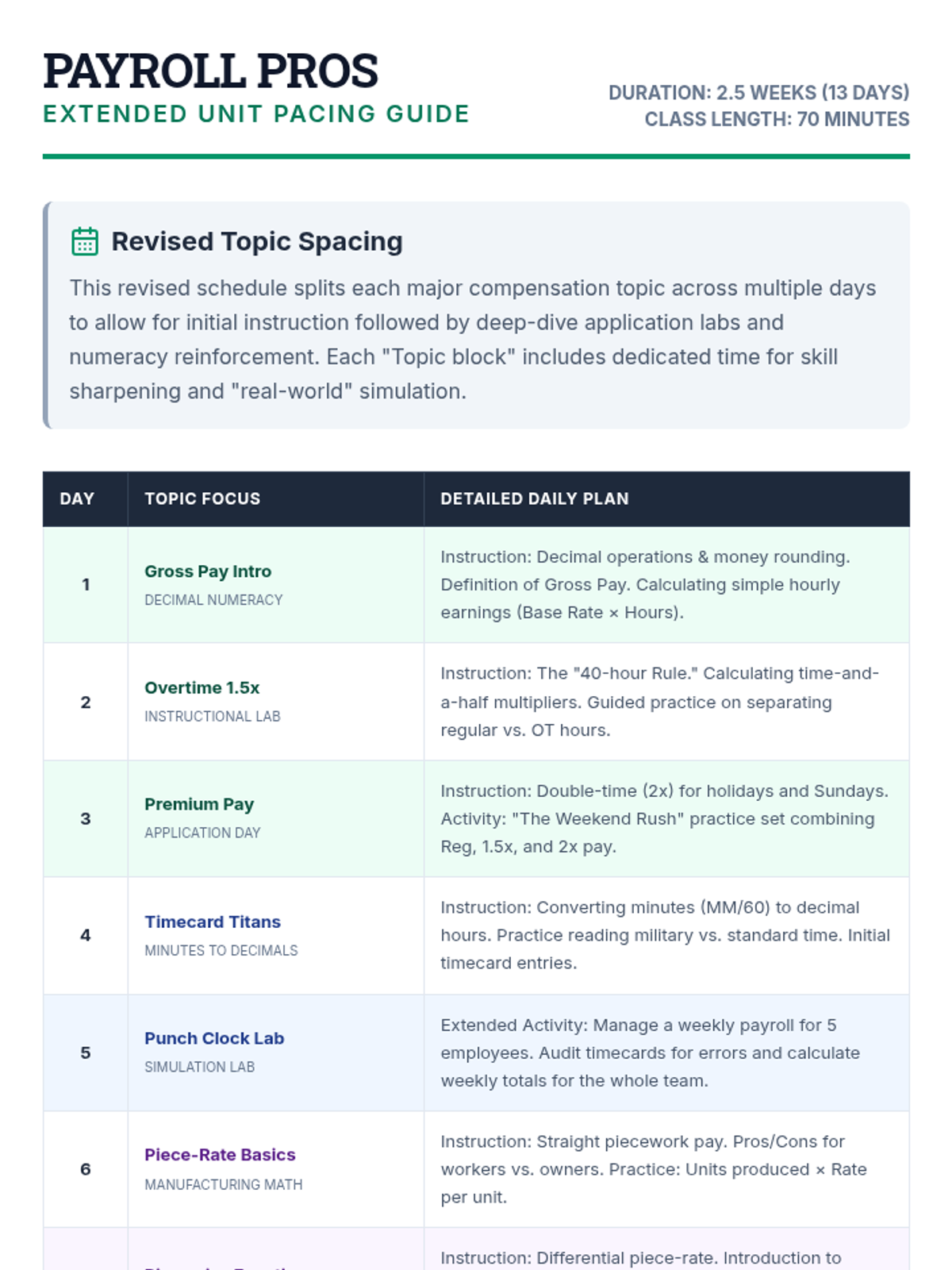
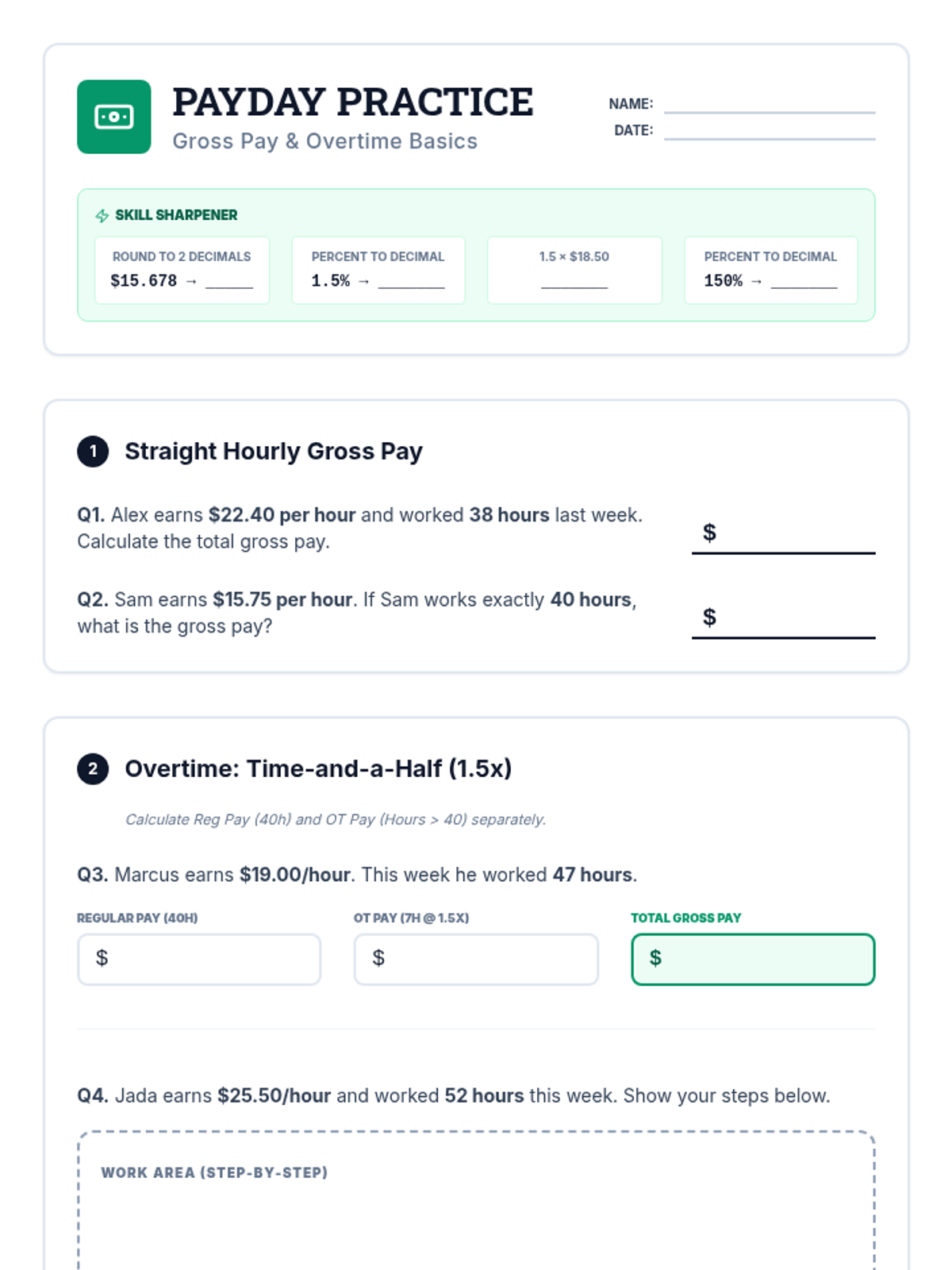
A comprehensive 2.5-week unit on business mathematics focusing on compensation structures, including hourly wages, overtime, timecards, piecework, piecewise pay functions, and commission, with integrated numeracy reviews.
A collection of lessons exploring mathematical concepts through pop-culture themes to engage students with diverse learning needs.
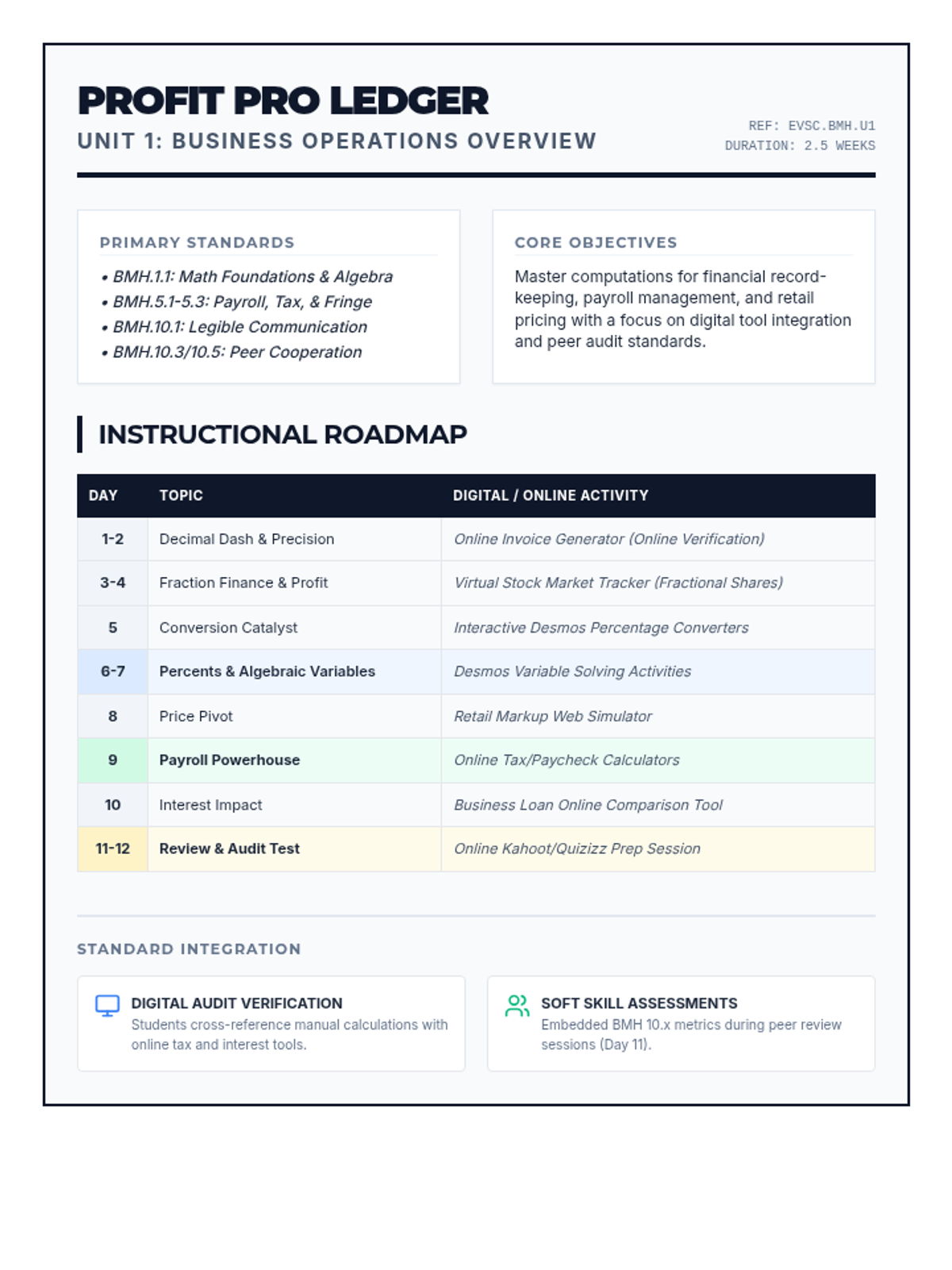
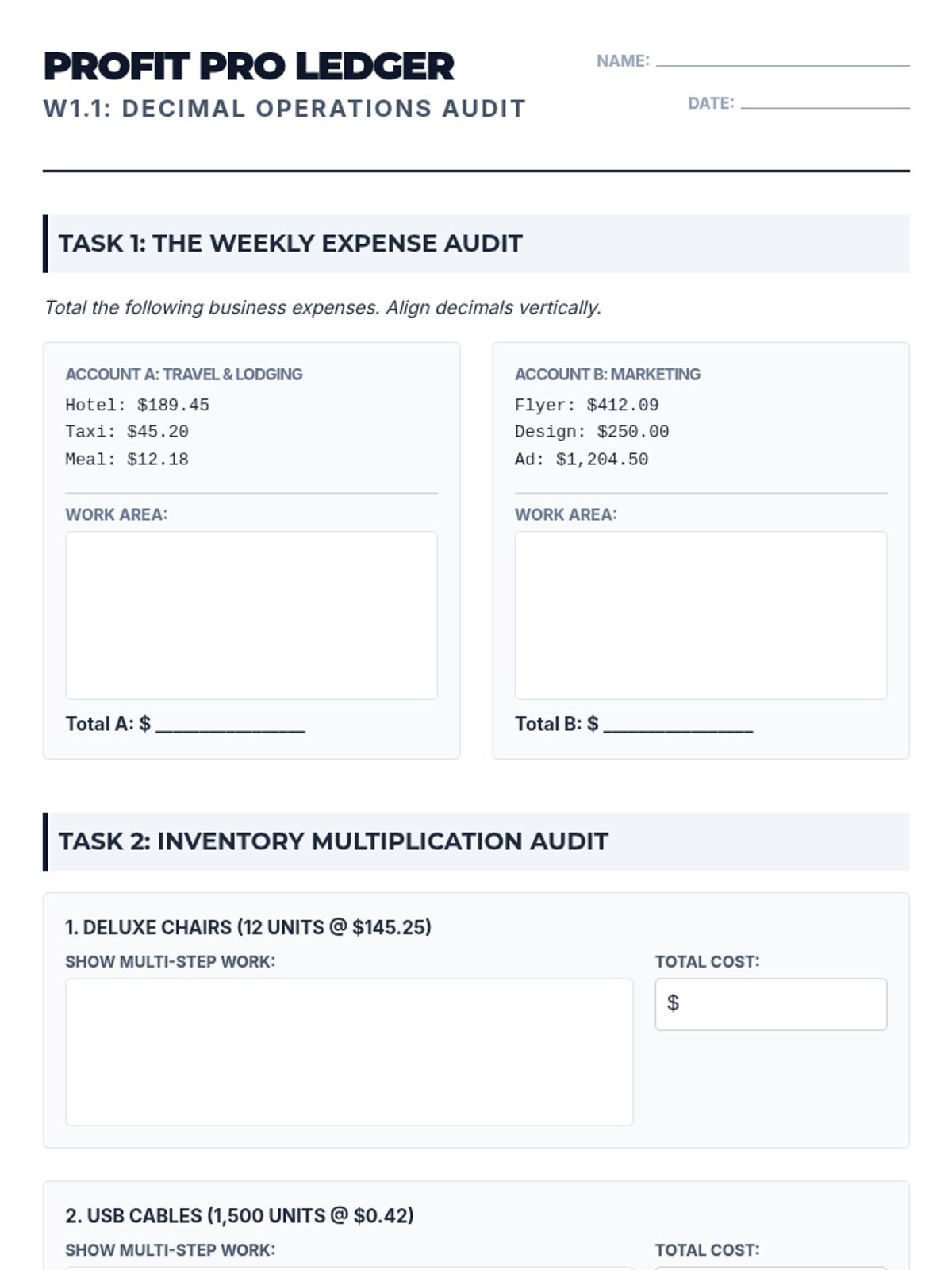
A comprehensive 2.5-week introductory unit for Business Math focusing on decimal, fraction, and percentage operations, algebraic solving, and payroll management. This unit aligns with Indiana BMH standards (1.1, 5.1-5.3, 10.1-10.5), preparing students for practical financial applications through 70-minute instructional blocks.
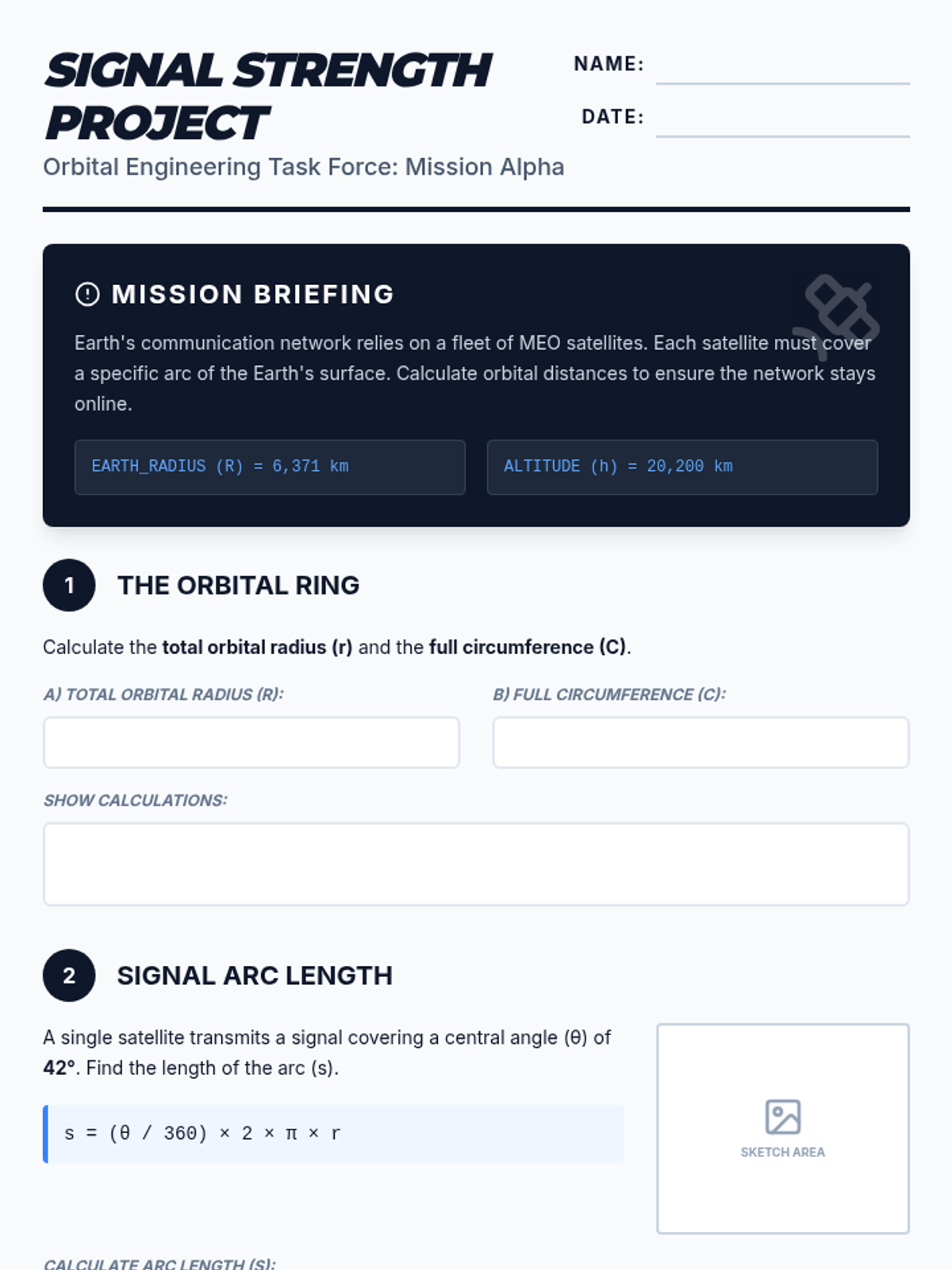
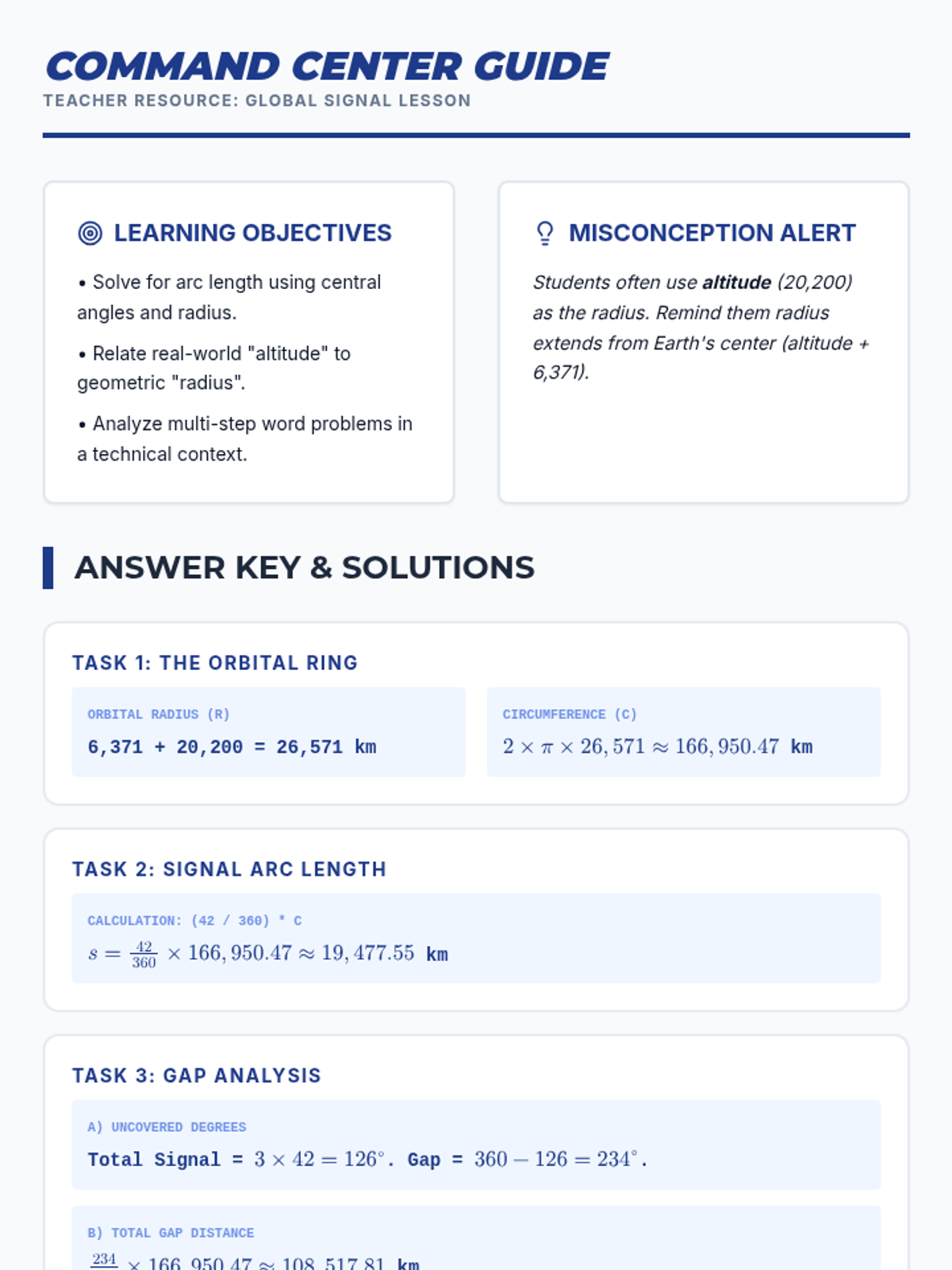
A problem-based learning unit exploring the mathematics of circles and arcs through the lenses of satellite technology and landscape architecture. Students apply arc length and sector area formulas to solve real-world design and engineering challenges.
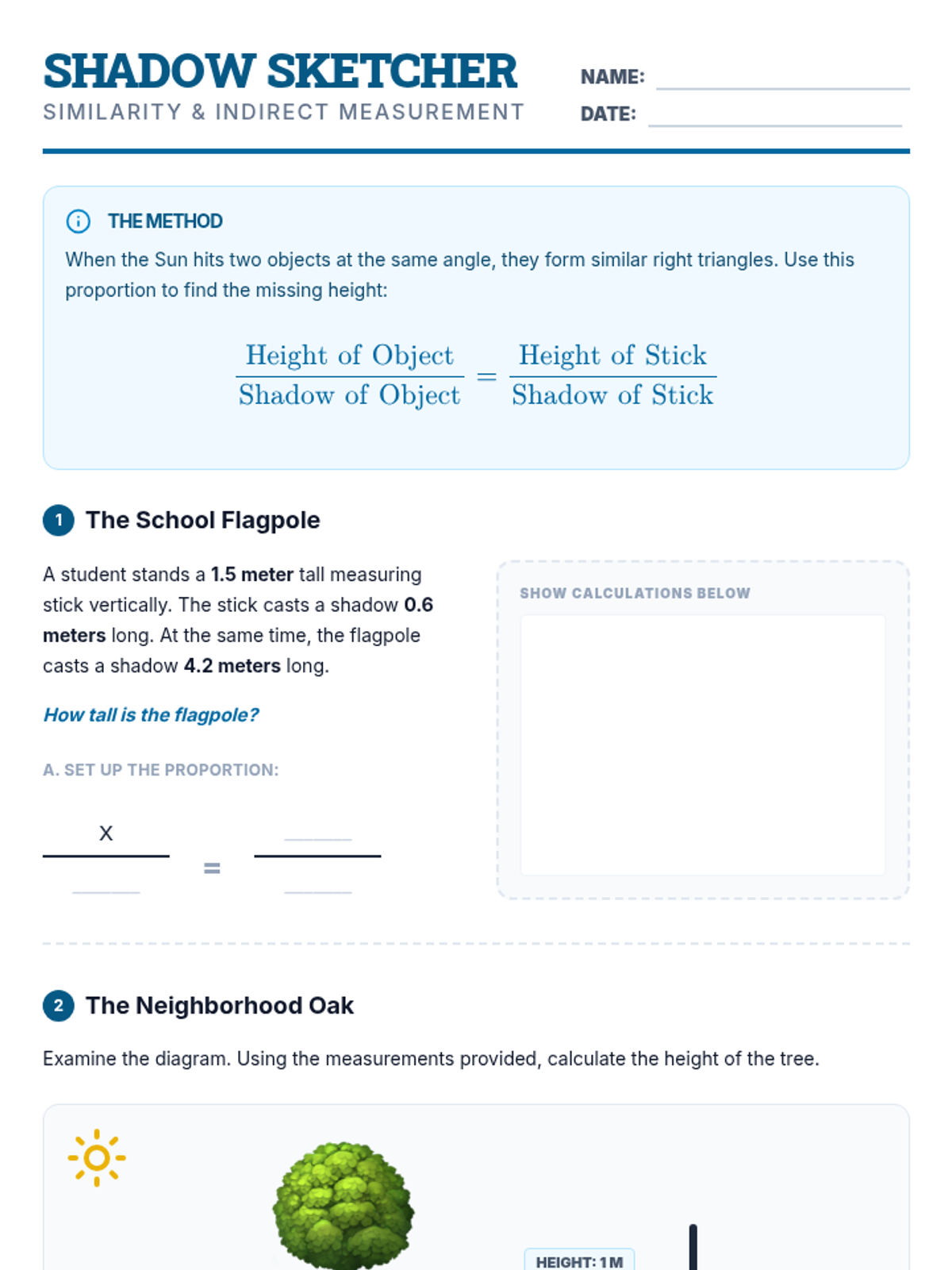
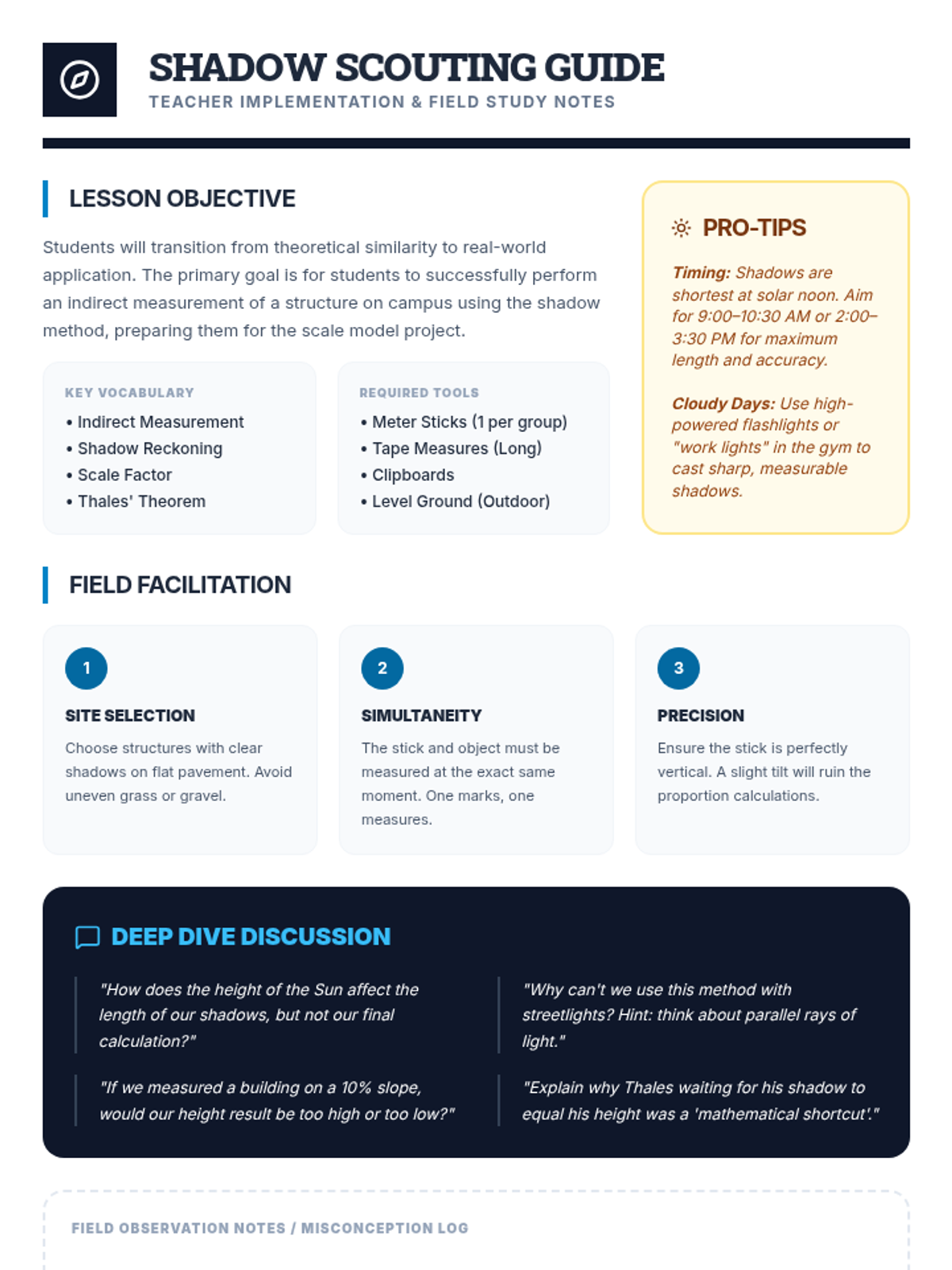
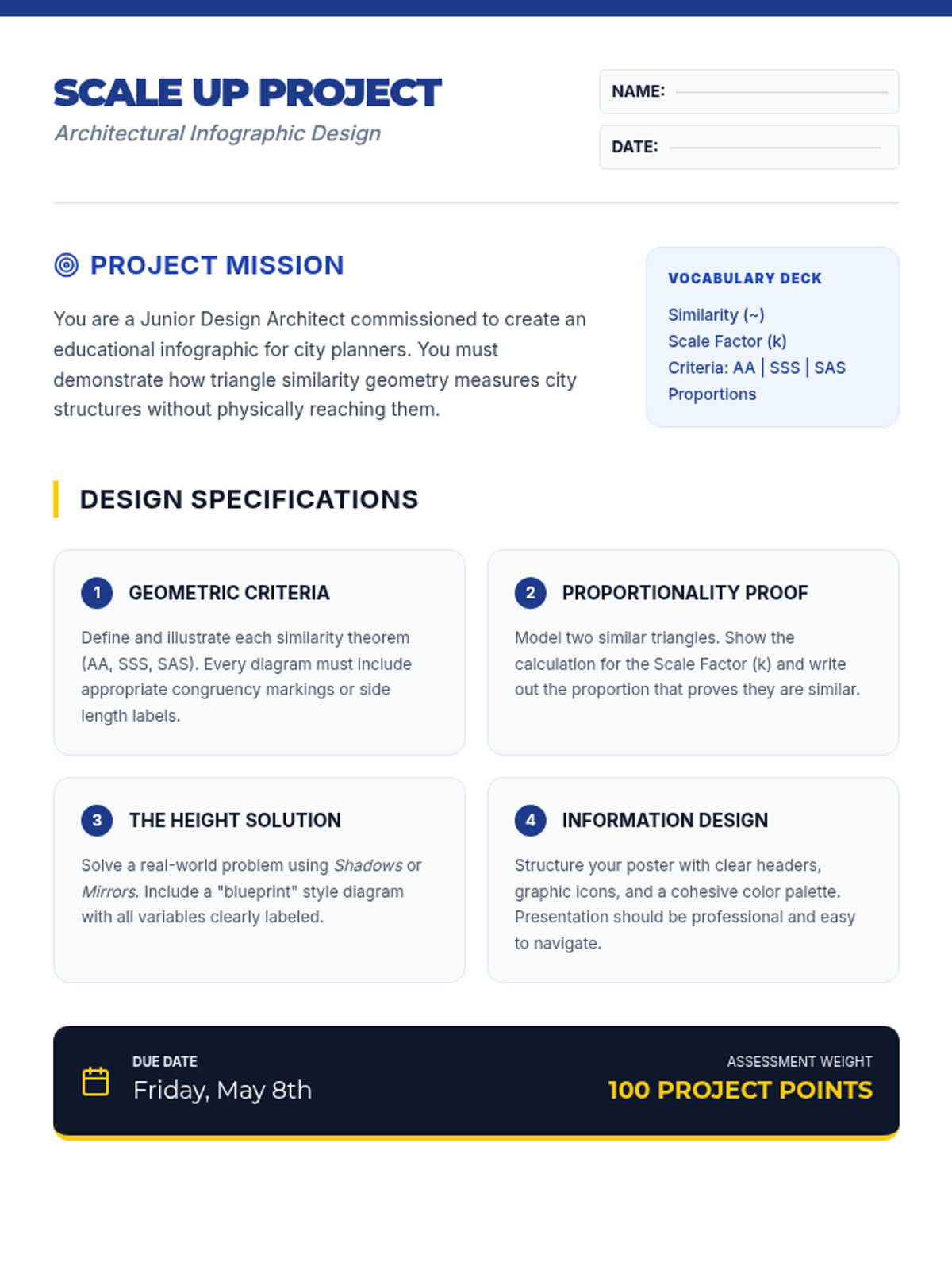
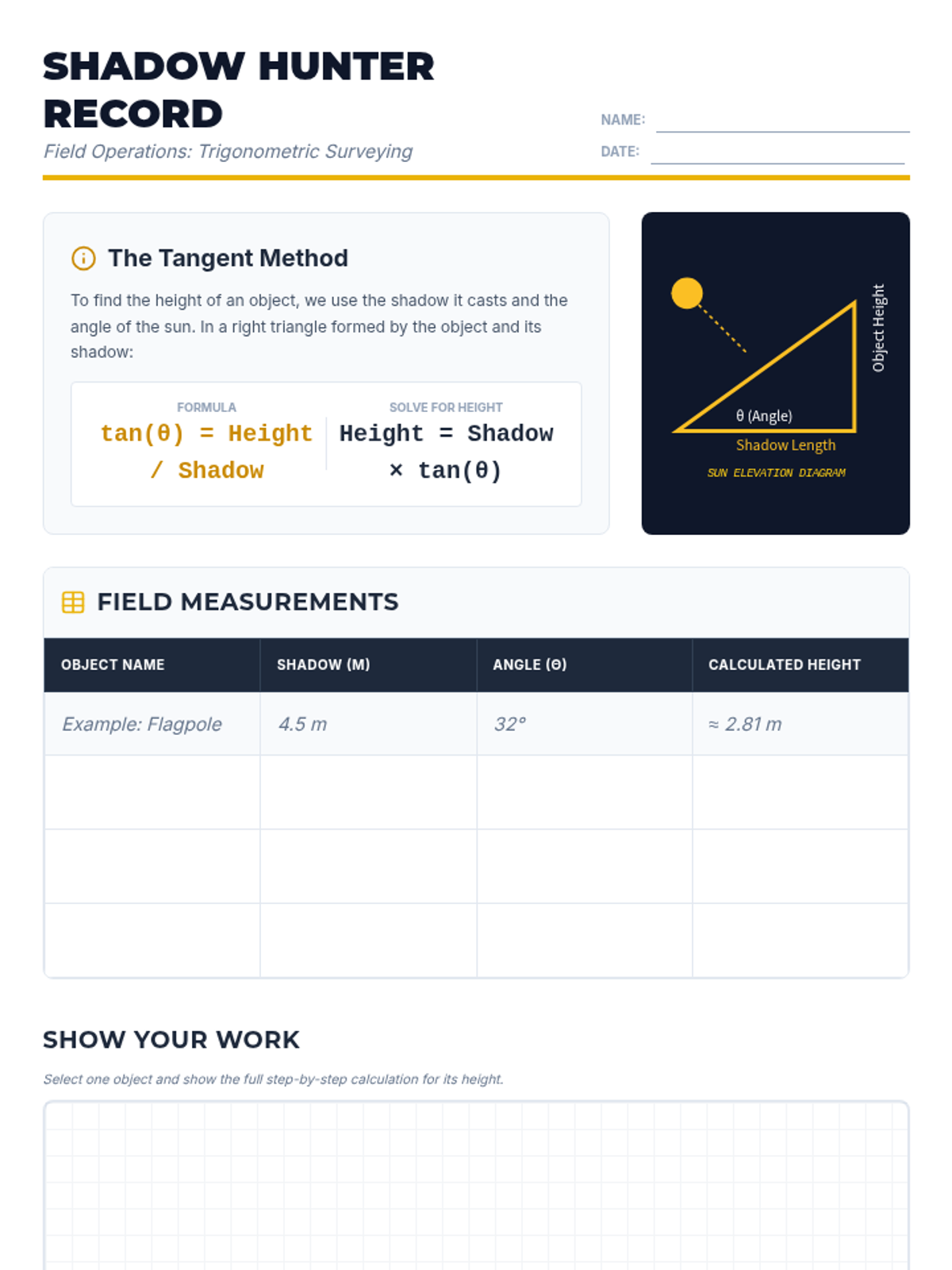
A project-based unit where students use indirect measurement (shadow reckoning) to determine the height of tall objects and then build accurate scale models of those structures.
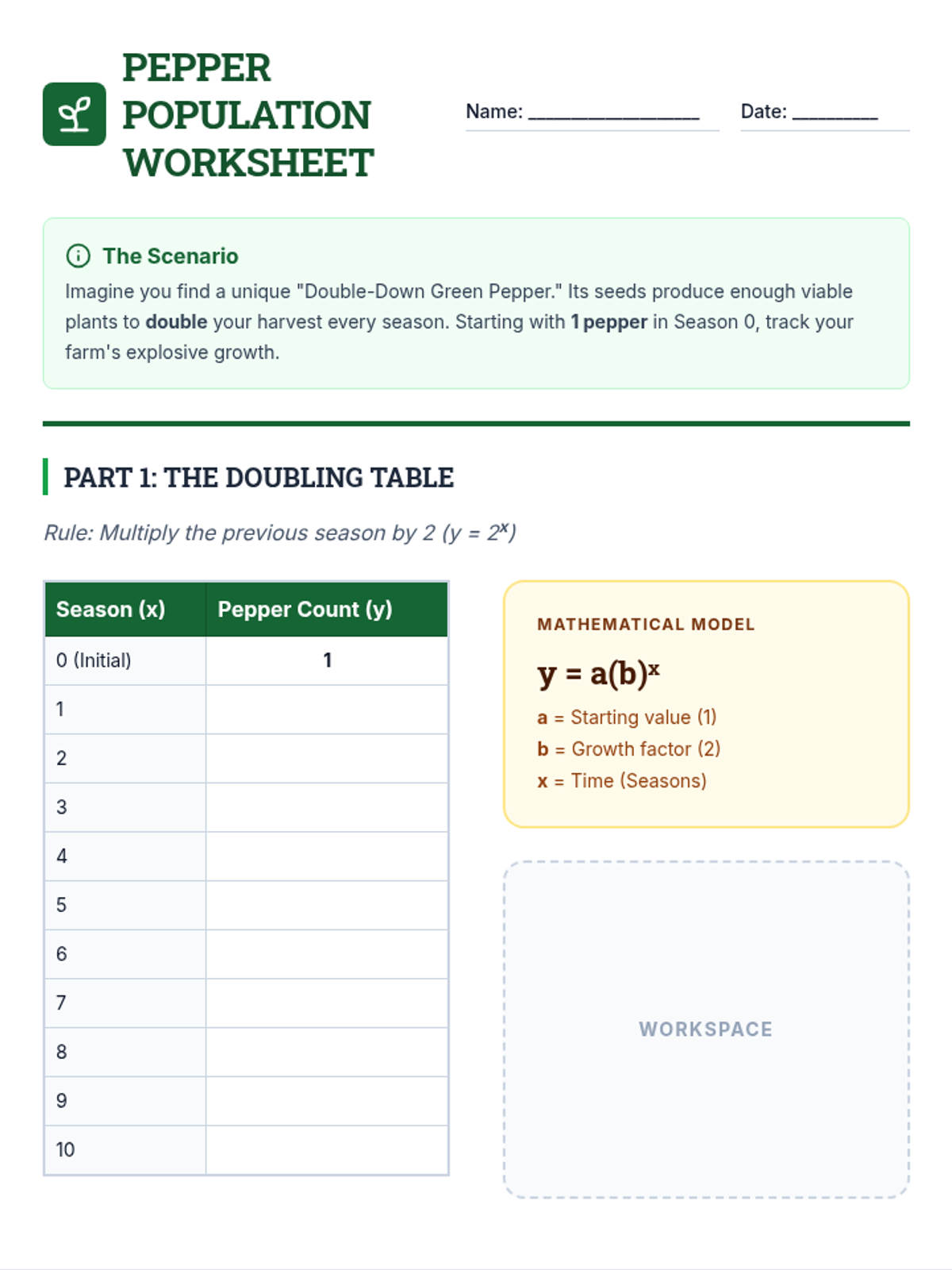
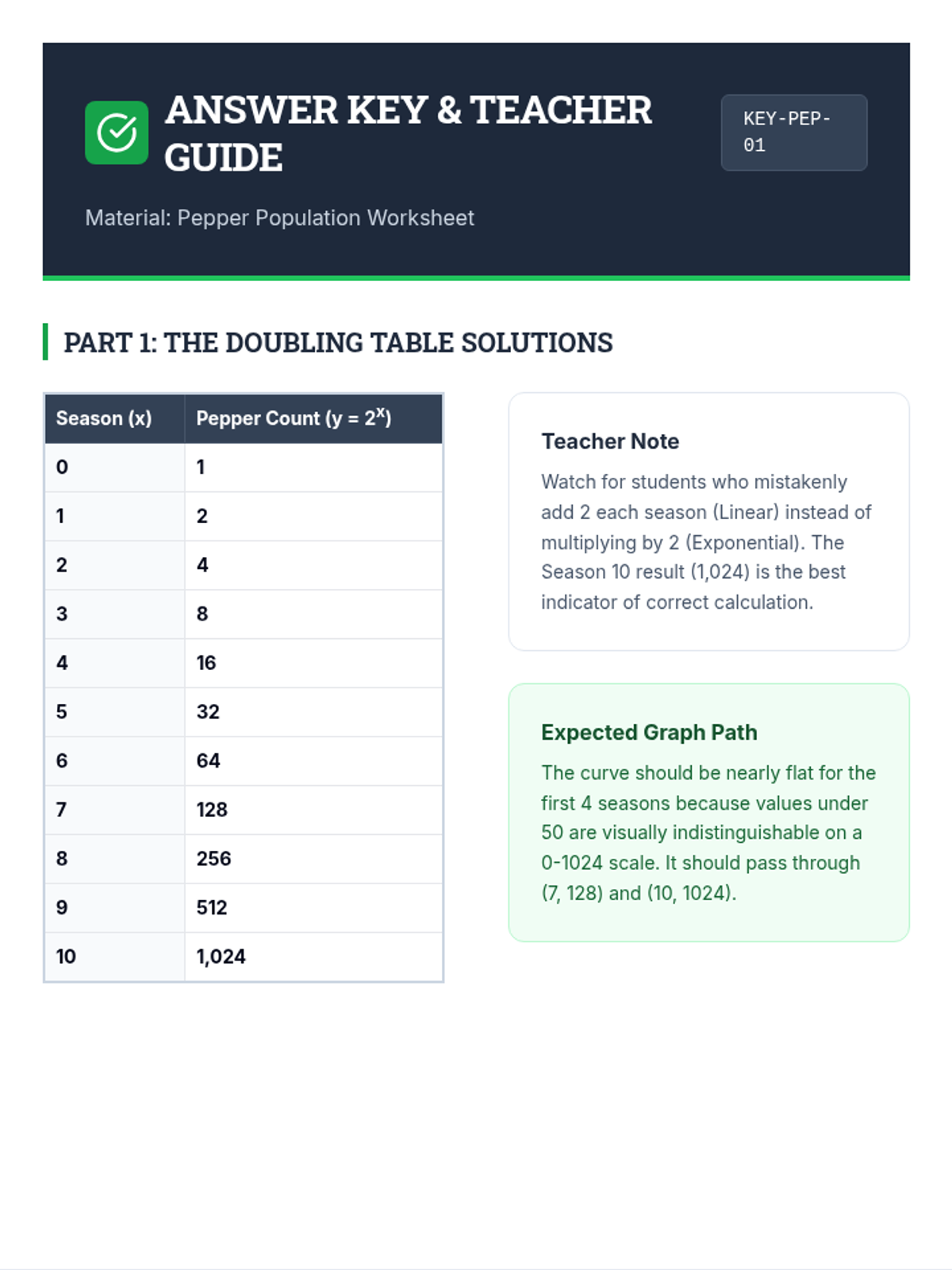
A sequence focused on exponential growth models through the lens of agricultural yields, specifically tracking the population growth of peppers from a single fruit.
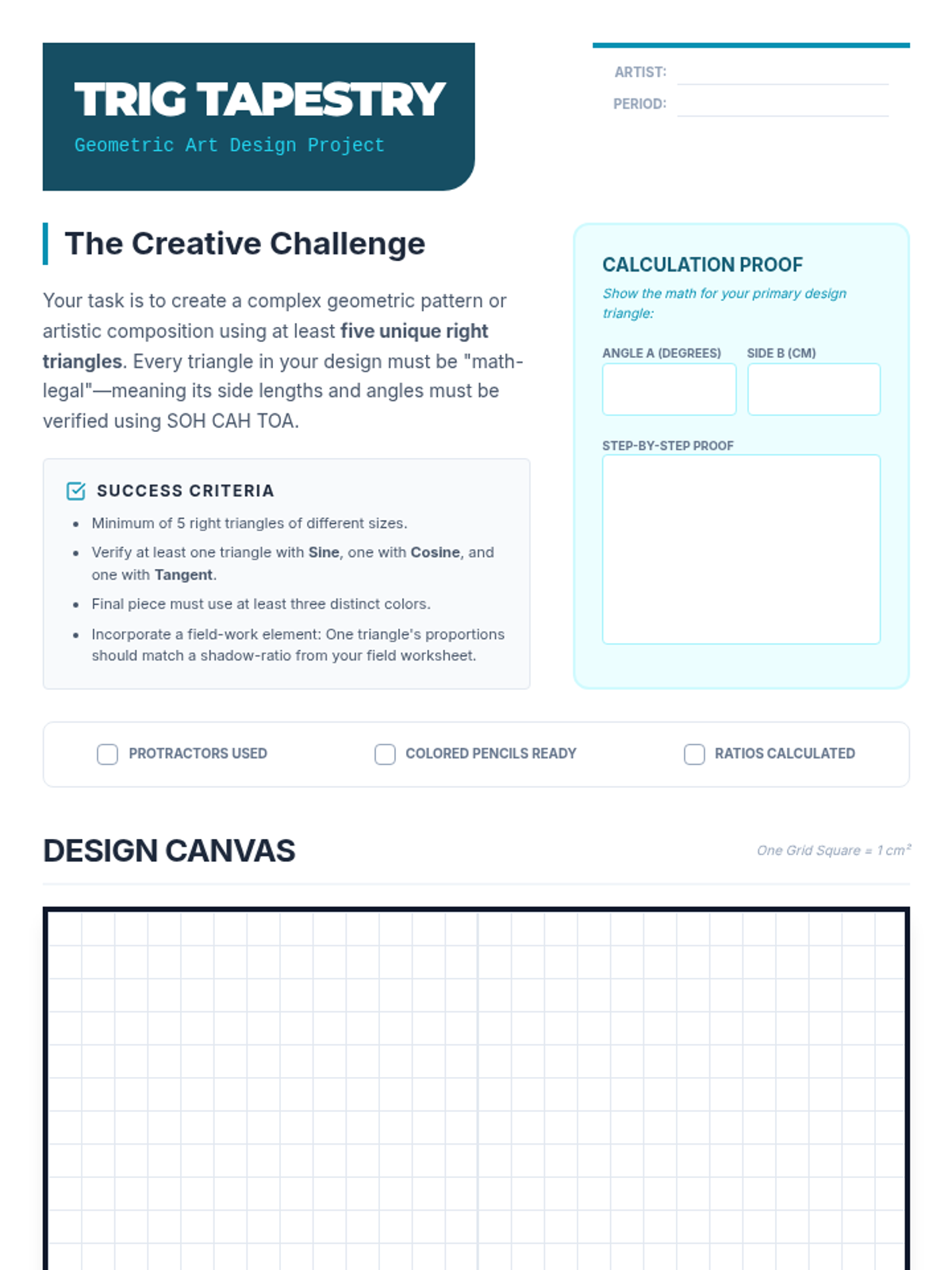
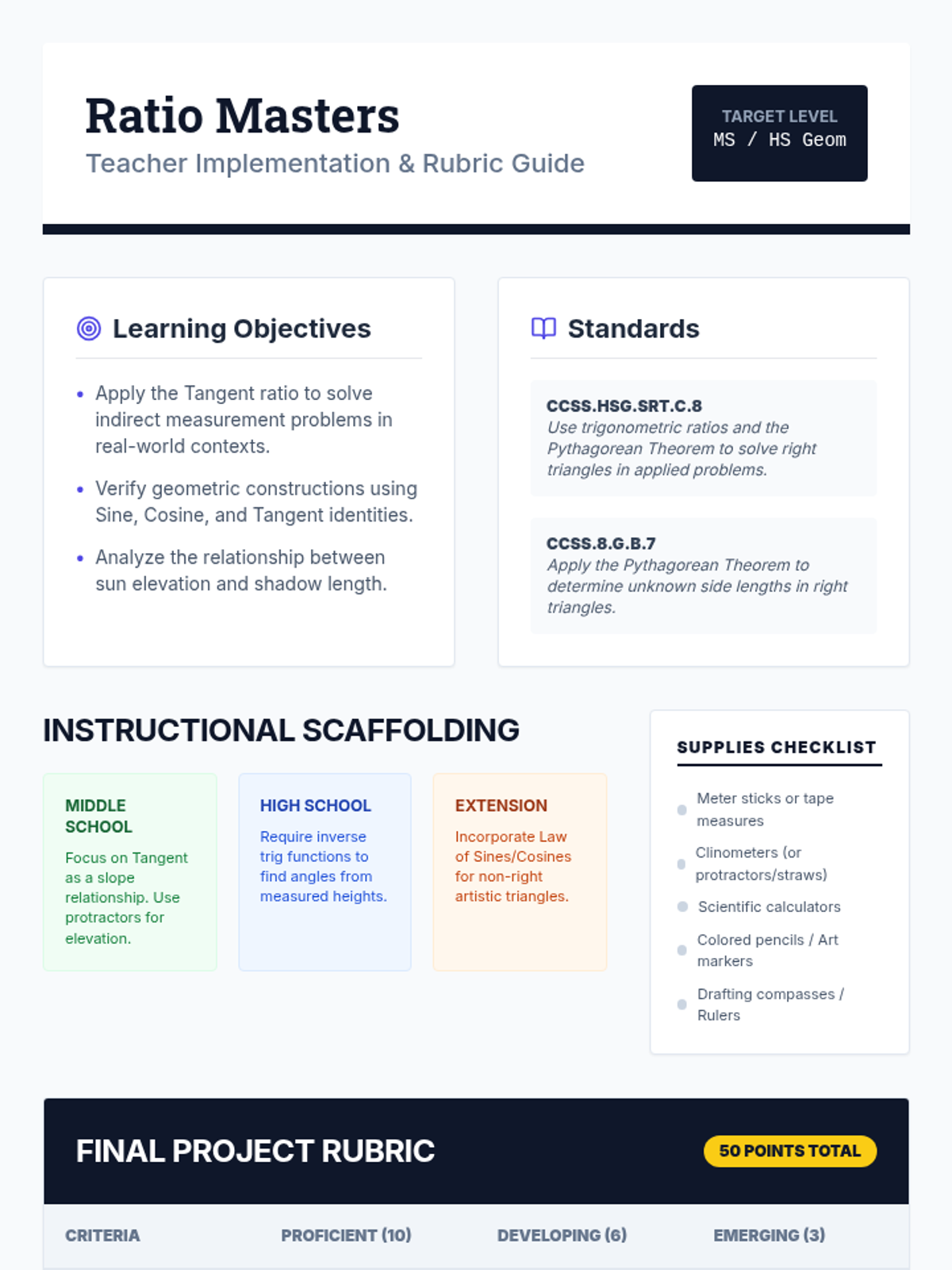
A comprehensive project-based learning unit where students apply trigonometric ratios to measure the heights of local landmarks and create intricate geometric art based on mathematical proportions.
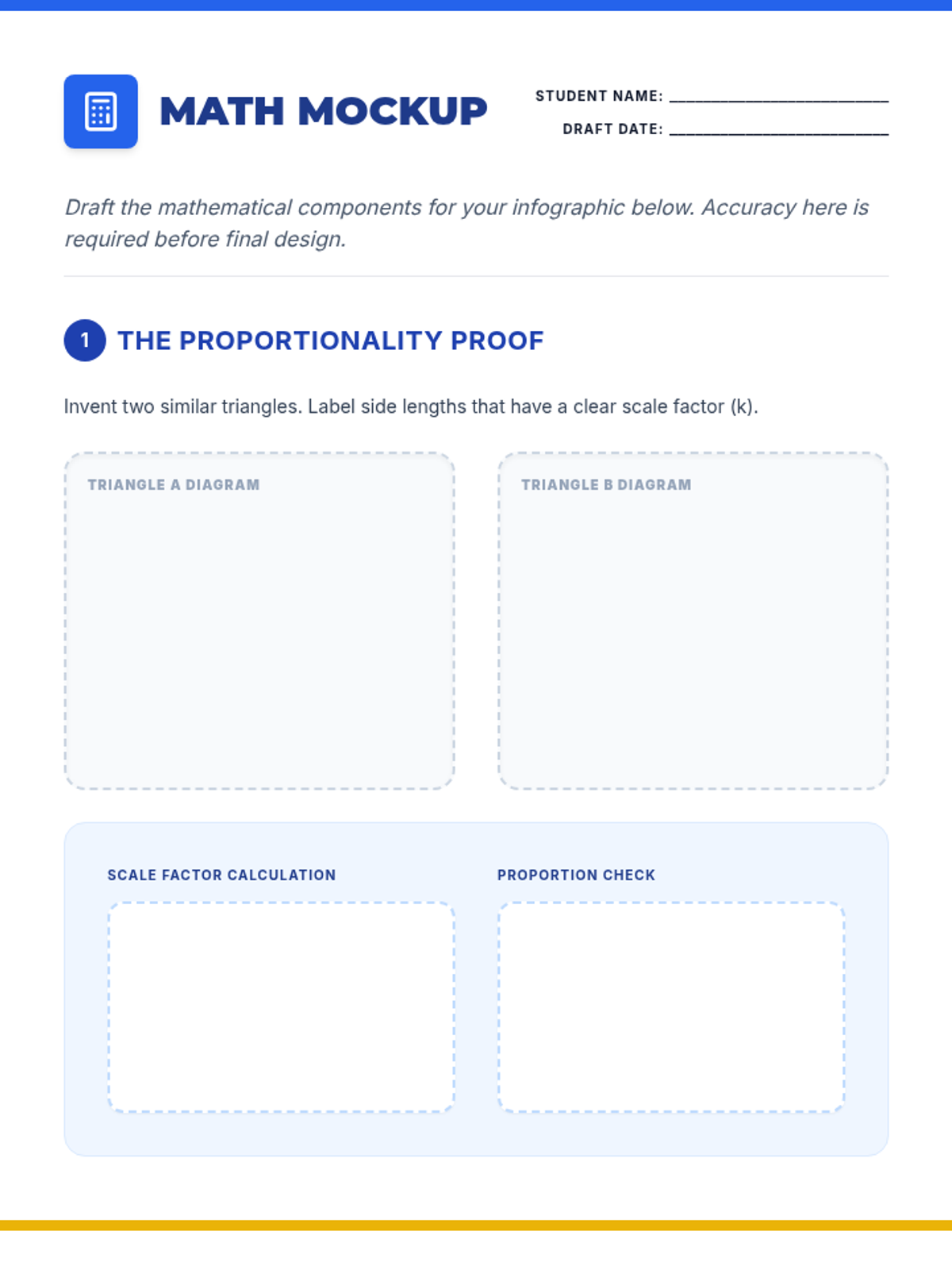
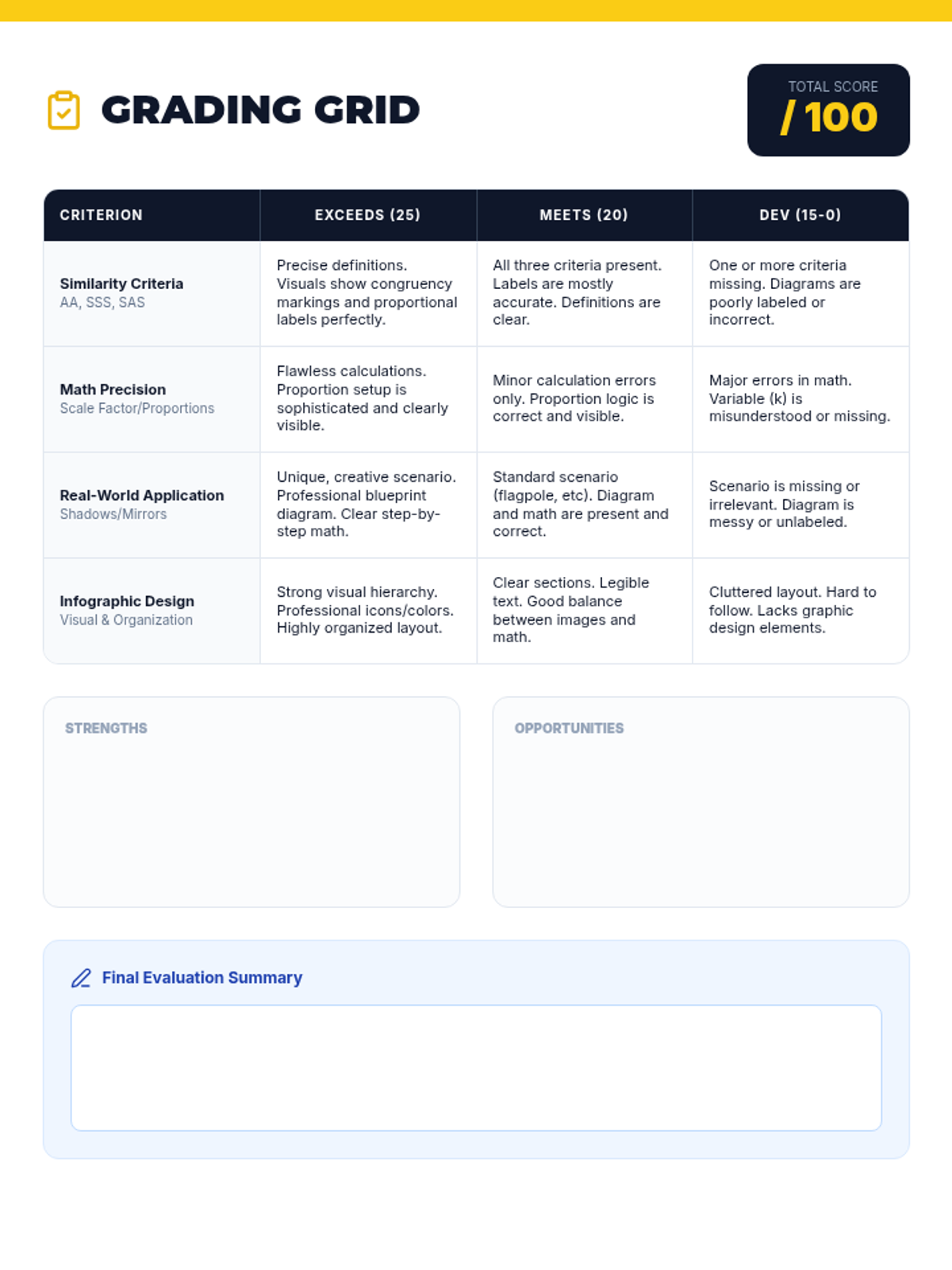
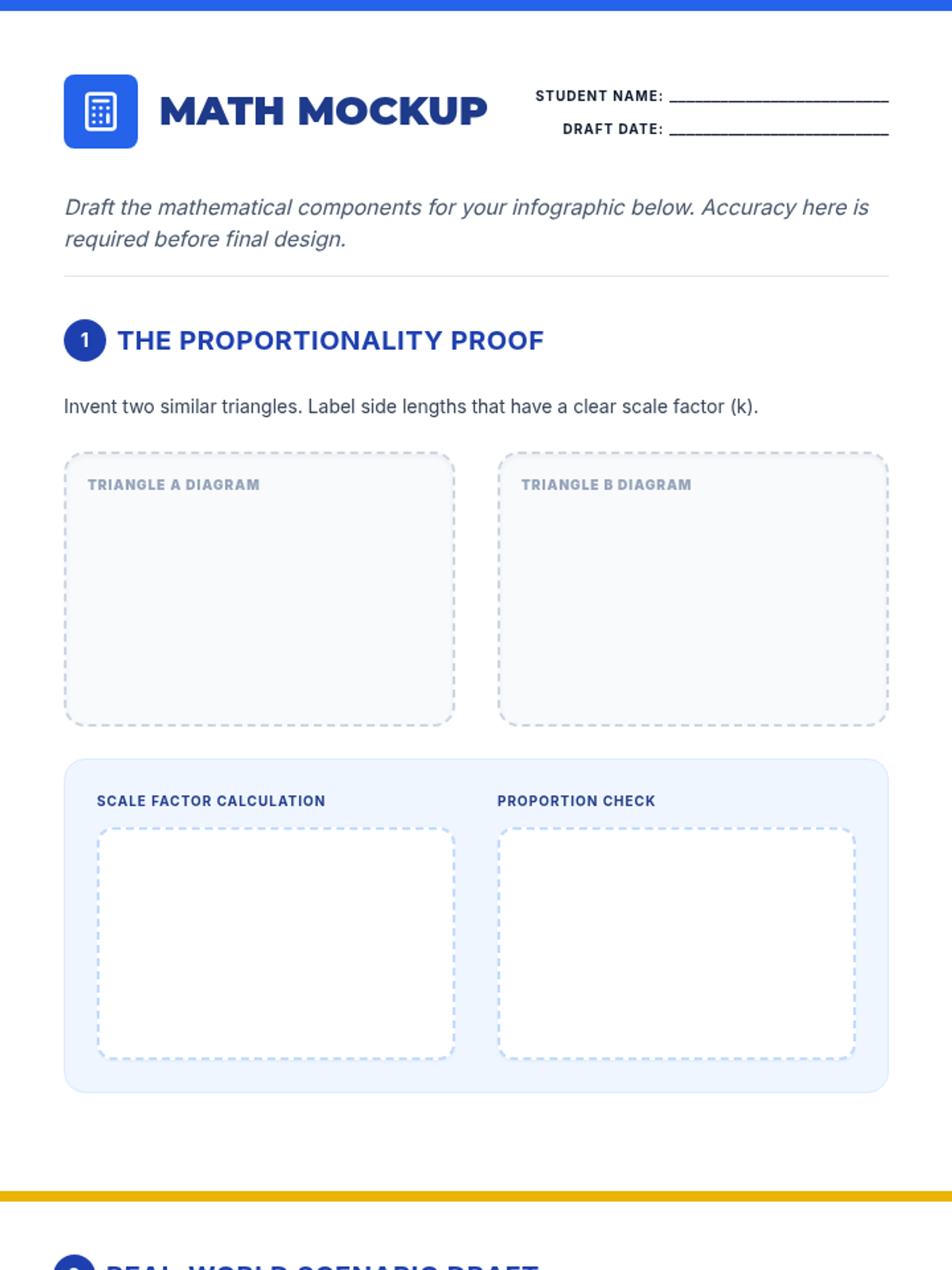
A geometric exploration of similar triangles, focusing on identification criteria and real-world applications of scale factors and proportions.
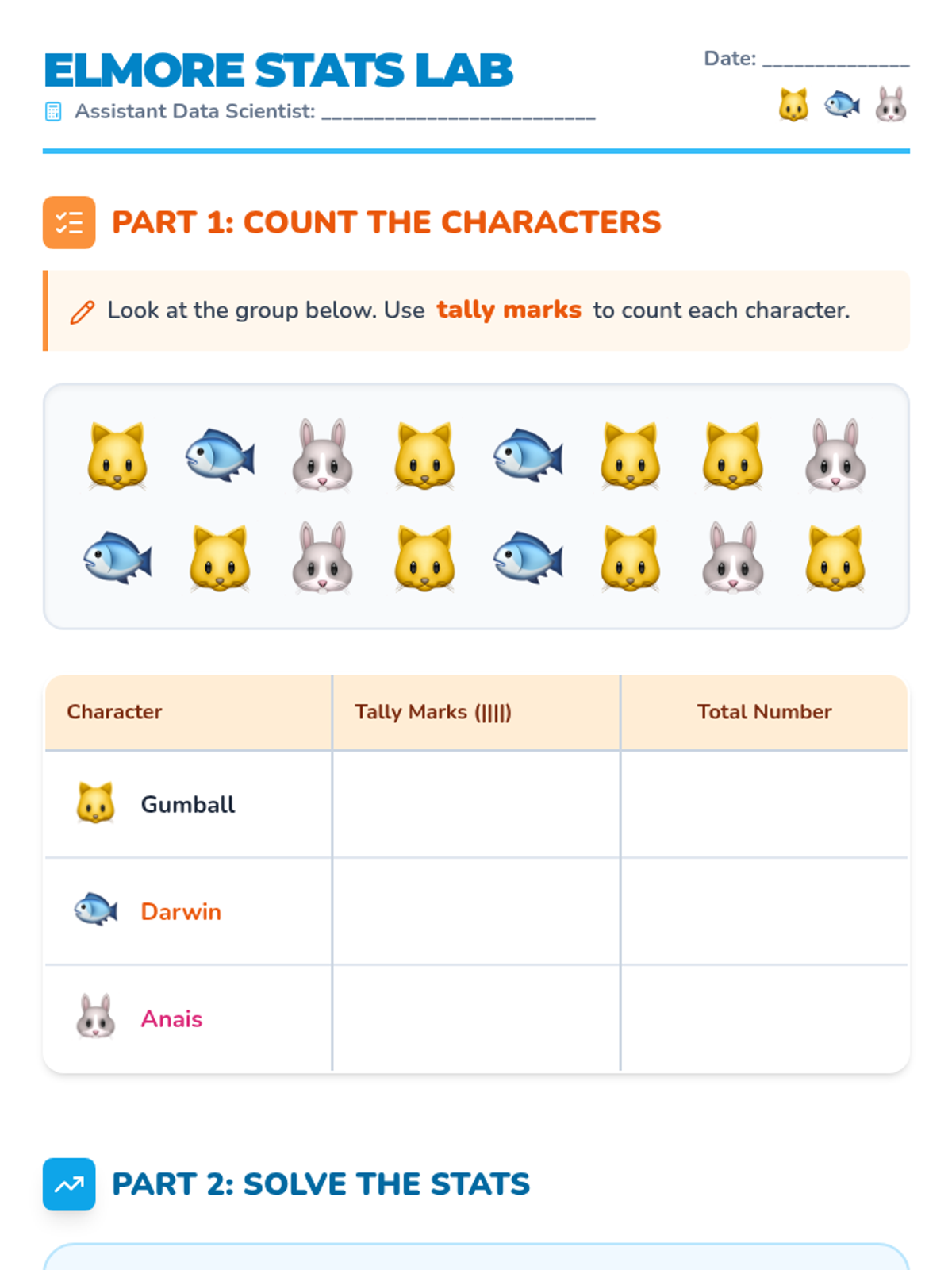
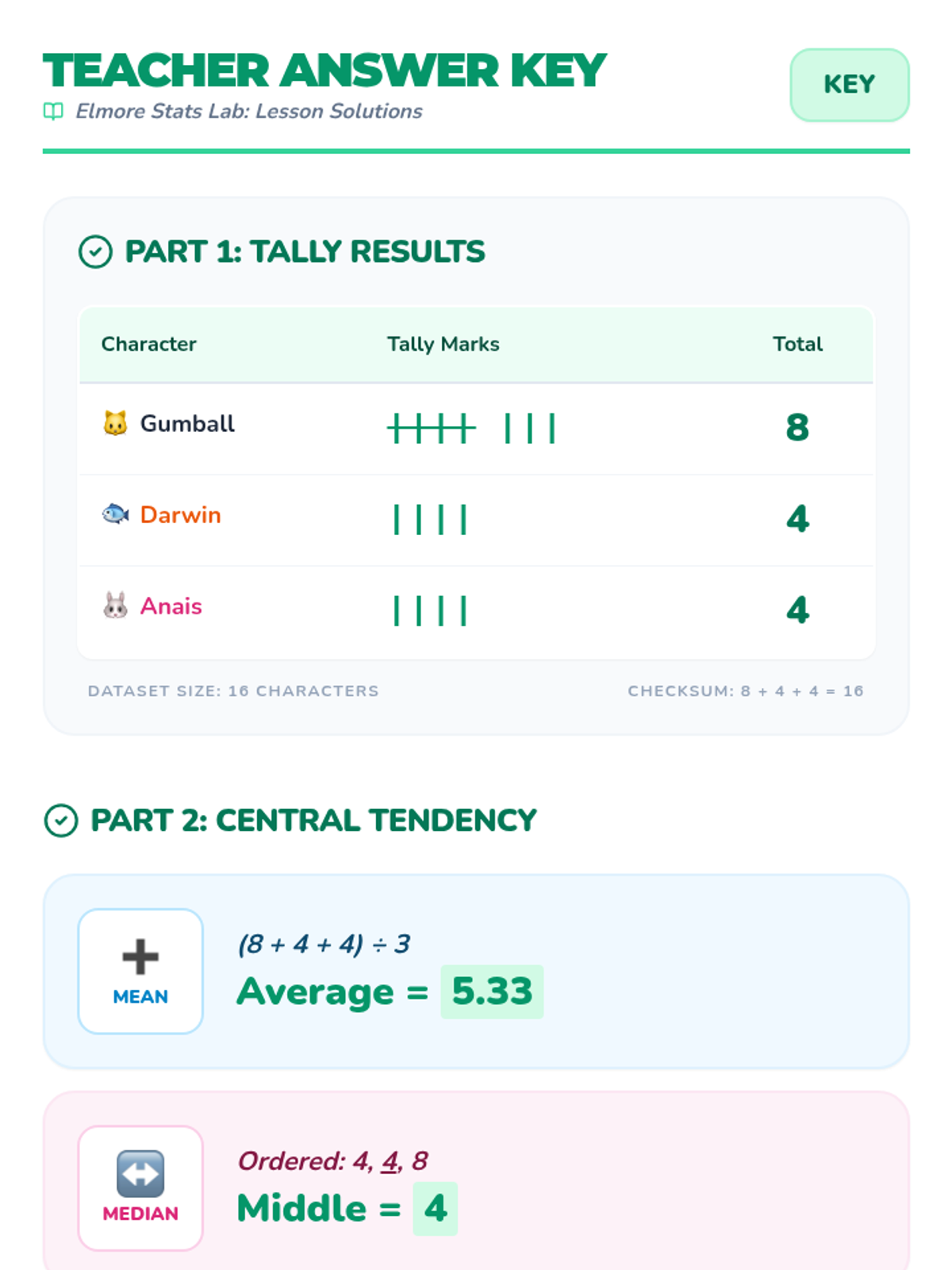
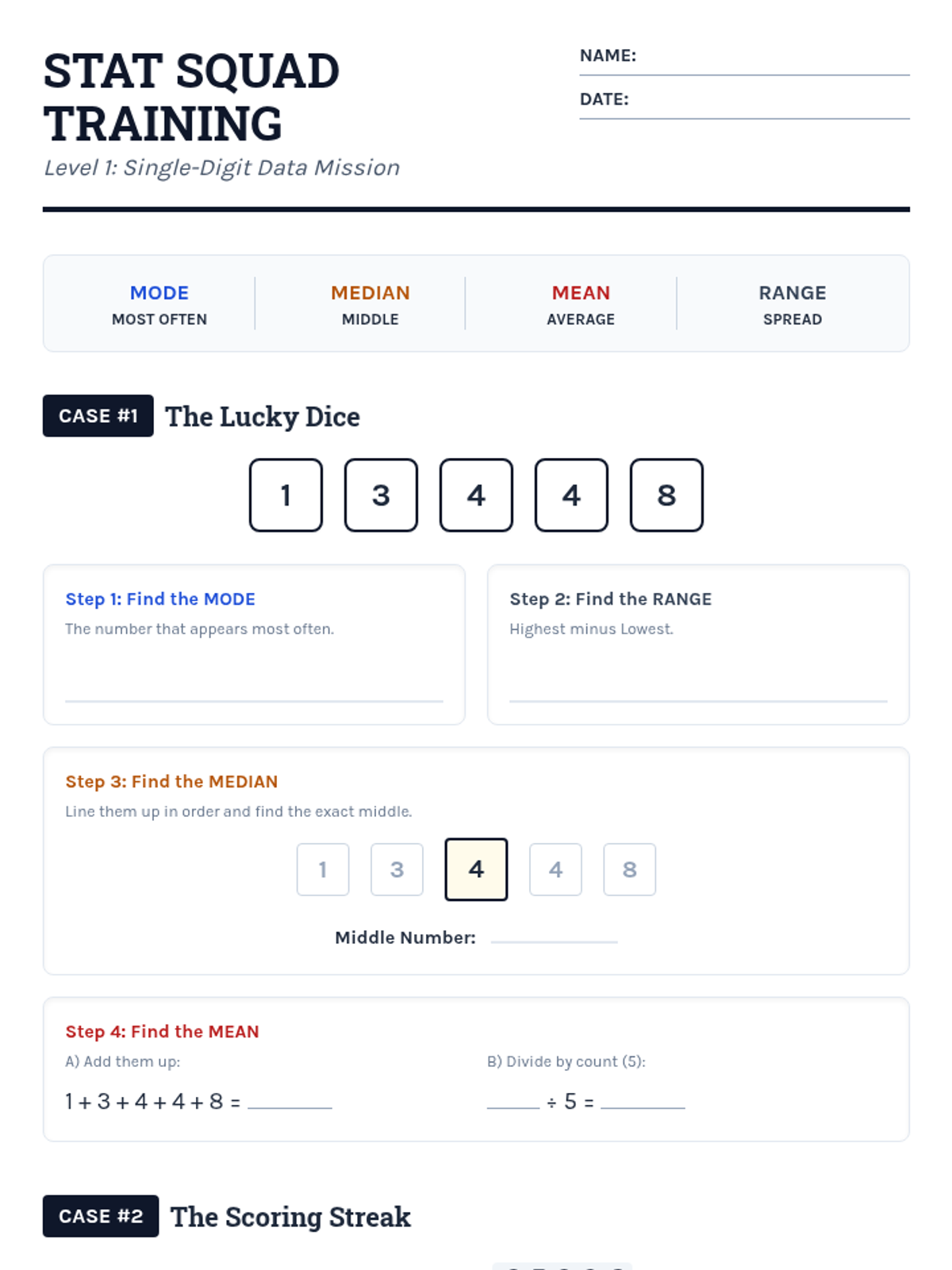
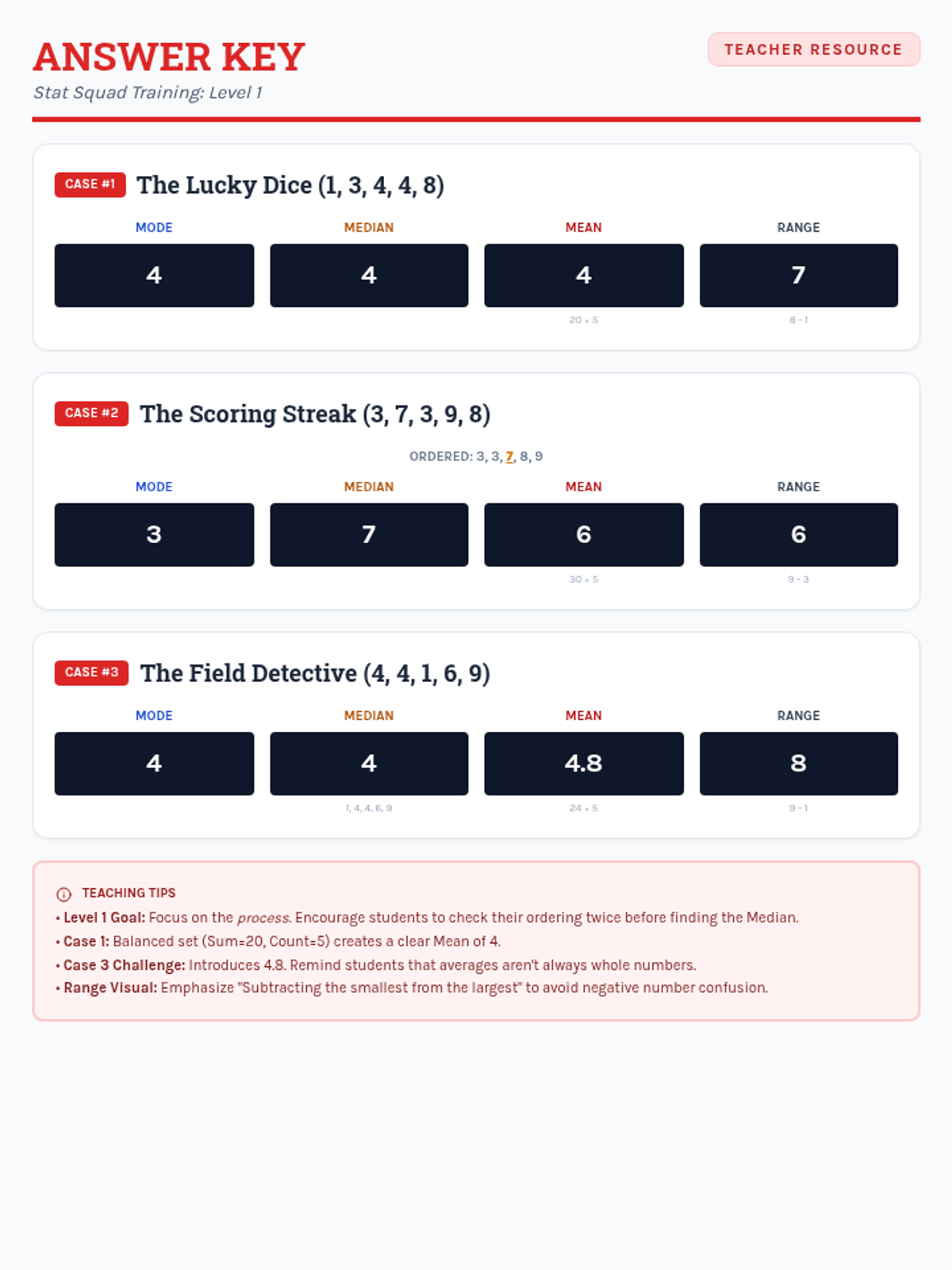
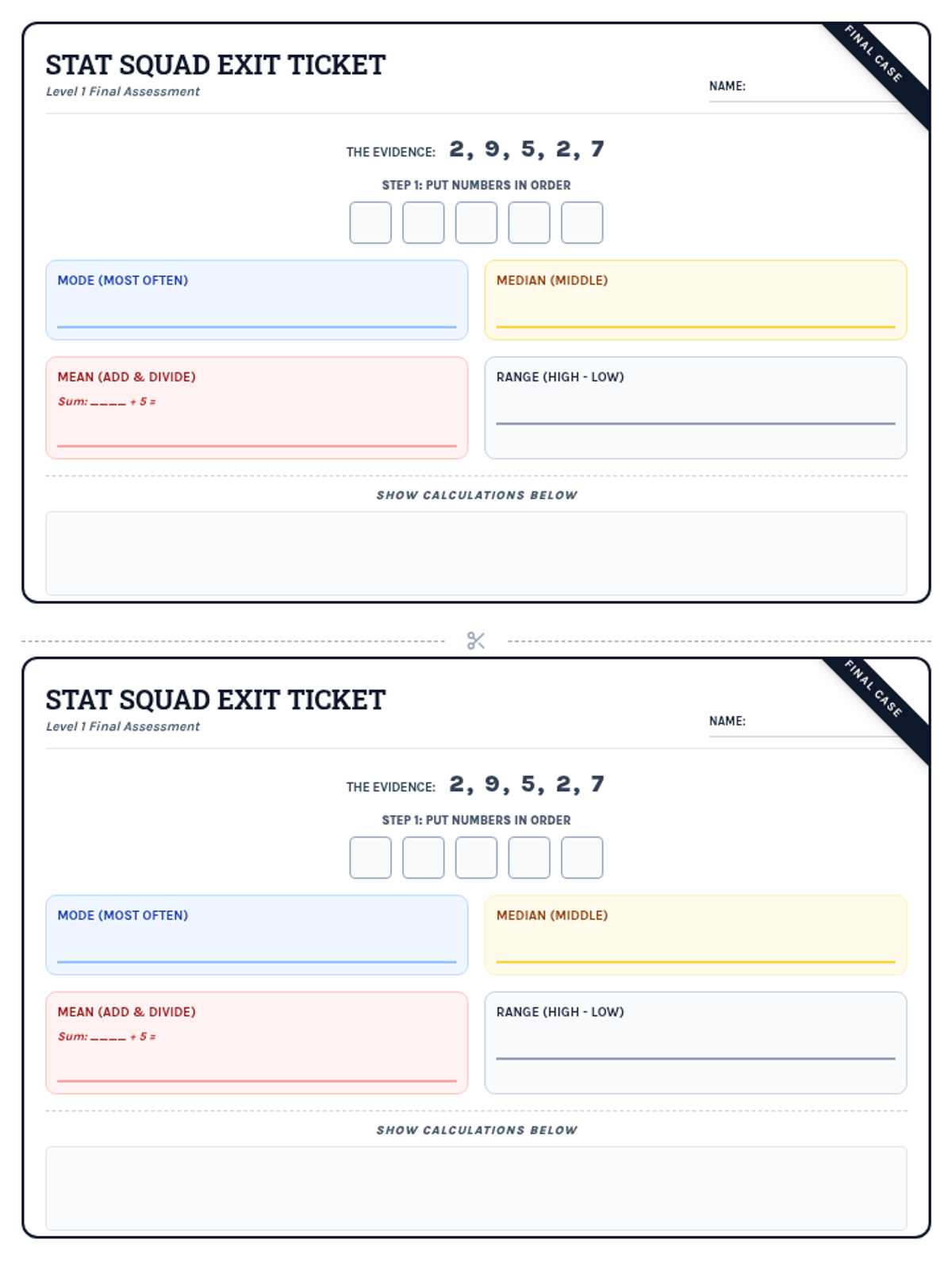
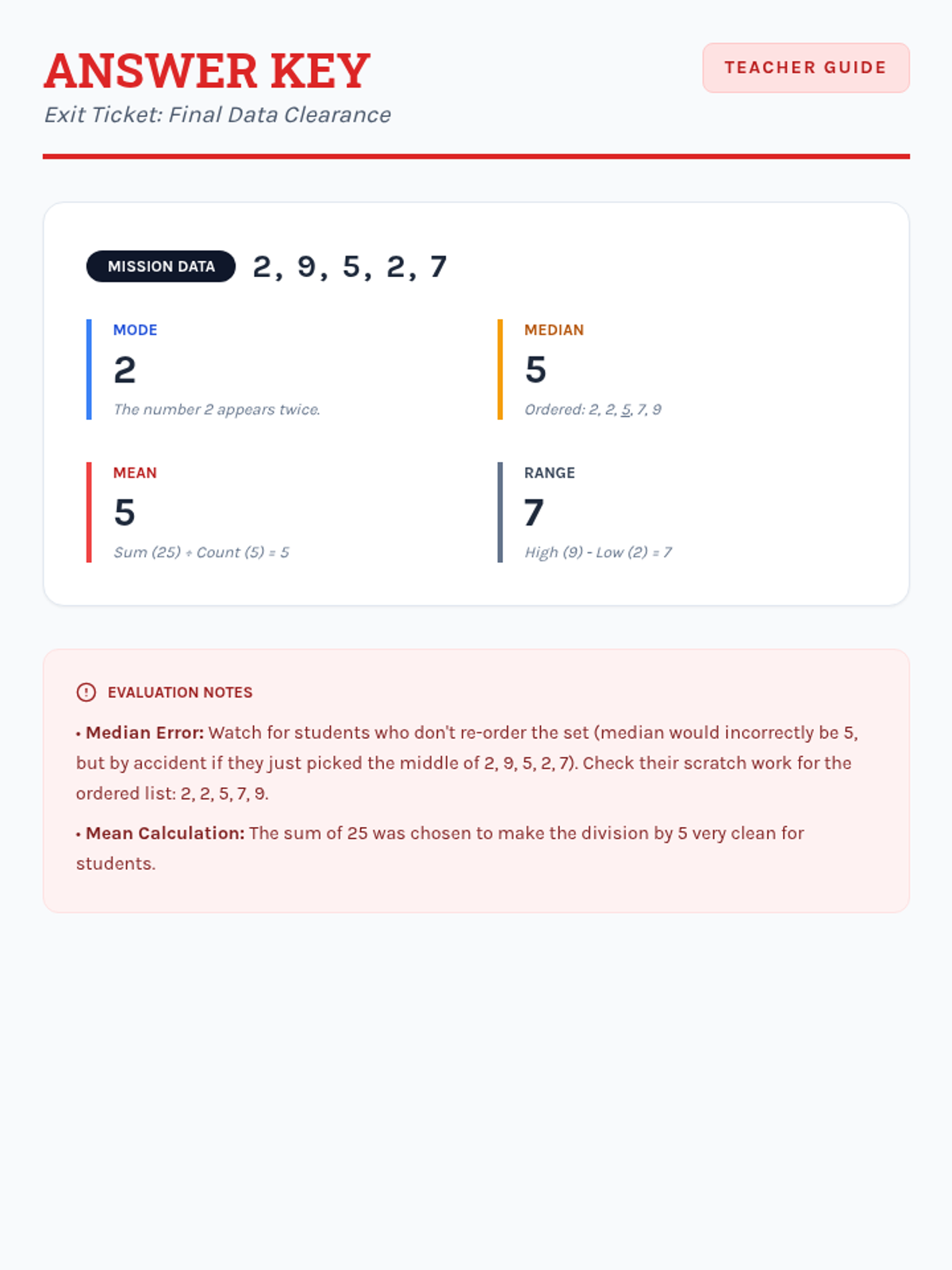
A comprehensive progression through descriptive statistics, from foundational calculations to high-school level analytical applications, including outlier effects and algebraic problem-solving.